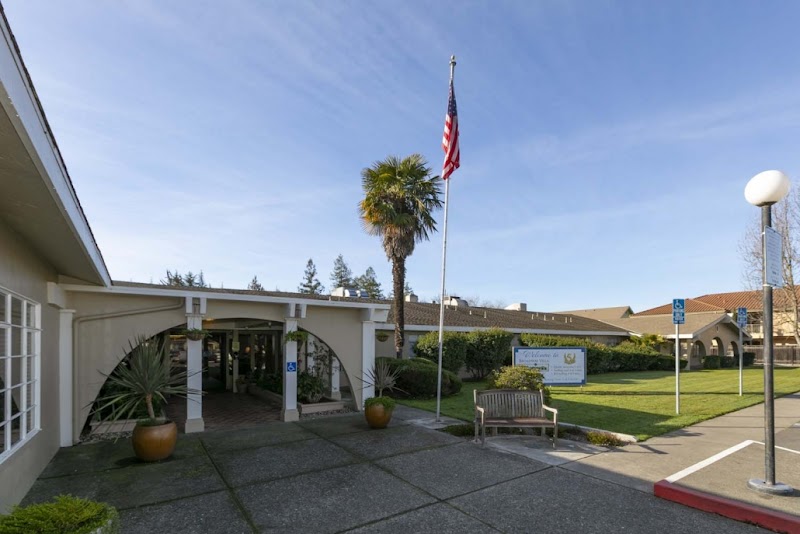
BROADWAY VILLA POST ACUTE

1250 BROADWAY, SONOMA, CA 95476 (707) 938-8406
For profit - Limited Liability company 144 Beds THE ENSIGN GROUP Data: November 2025 1 Immediate Jeopardy citation
Trust Grade
61/100
#302 of 1155 in CA
Last Inspection: January 2025

Within standard 12-15 month inspection cycle. Federal law requires annual inspections.

Overview

Broadway Villa Post Acute has a Trust Grade of C+, indicating it is slightly above average but not exceptional. It ranks #302 out of 1,155 facilities in California, placing it in the top half, and #9 out of 18 in Sonoma County, meaning there are only a few local options considered better. The facility is improving, with issues decreasing from 16 in 2023 to 10 in 2025. Staffing is generally a strength, with a 4/5 star rating and a turnover rate of 29%, which is lower than the state average. While there have been no fines, some concerning incidents were reported, including inadequate nursing staff with the right skills to meet residents' complex needs and failures in food safety practices that could lead to contamination. Additionally, the Social Service Manager lacked the required qualifications, which might affect the well-being of residents. Overall, while there are notable strengths in staffing and improvement trends, families should consider these weaknesses when evaluating care quality.

Trust Score
C+
61/100
In California
#302/1155
Top 26%
Safety Record
High Risk
Review needed
Inspections
Getting Better
16 → 10 violations
Staff Stability
✓ Good
29% annual turnover. Excellent stability, 19 points below California's 48% average. Staff who stay learn residents' needs.
Penalties
✓ Good
No fines on record. Clean compliance history, better than most California facilities.
Skilled Nurses
⚠ Watch
Each resident gets only 27 minutes of Registered Nurse (RN) attention daily — below average for California. Fewer RN minutes means fewer trained eyes watching for problems.
Violations
⚠ Watch
45 deficiencies on record. Higher than average. Multiple issues found across inspections.
★★★★☆
4.0
Overall Rating
★★★★☆
4.0
Staff Levels
★★★★☆
4.0
Care Quality
★★★★☆
4.0
Inspection Score
Stable
2023: 16 issues
2025: 10 issues

The Good

  • 4-Star Staffing Rating · Above-average nurse staffing levels
  • 4-Star Quality Measures · Strong clinical quality outcomes
  • Low Staff Turnover (29%) · Staff stability means consistent care
  • Full Sprinkler Coverage · Fire safety systems throughout facility
  • No fines on record
  • Staff turnover is low (29%)

    19 points below California average of 48%

Facility shows strength in staffing levels, quality measures, staff retention, fire safety.

The Bad

Chain: THE ENSIGN GROUP

Part of a multi-facility chain

Ask about local staffing decisions and management

The Ugly 45 deficiencies on record

1 life-threatening
Sept 2025 1 deficiency
CONCERN (D) 📢 Someone Reported This

A family member, employee, or ombudsman was alarmed enough to file a formal complaint

Potential for Harm - no one hurt, but risky conditions existed

Free from Abuse/Neglect (Tag F0600)

Could have caused harm · This affected 1 resident

**NOTE- TERMS IN BRACKETS HAVE BEEN EDITED TO PROTECT CONFIDENTIALITY** Based on interview and record review, the facility failed to prevent abuse for one resident (Resident 1) when Resident 2 pushed ...

Read full inspector narrative →
**NOTE- TERMS IN BRACKETS HAVE BEEN EDITED TO PROTECT CONFIDENTIALITY** Based on interview and record review, the facility failed to prevent abuse for one resident (Resident 1) when Resident 2 pushed and hit Resident 1.This failure resulted in Resident 1 sustaining two skin tears.Findings:A review of an admission record indicated Resident 1 was admitted to the facility on [DATE] with diagnosis which included Alzheimer's disease (a disease characterized by a progressive decline in mental abilities), muscle weakness, and a need for assistance with personal care.A review of an admission record indicated Resident 2 was admitted to the facility on [DATE] with diagnosis which included unspecified psychosis (a severe mental condition in which thought, and emotions are so affected that contact is lost with reality), dementia, and muscle weakness.A review of Resident 1's progress note dated 8/17/25 at 7 a.m. indicated, .[Resident 1] stated, '[Resident 2] had pushed me and punched me as I was falling.' [Resident 1] noted with new skin tears to Left Elbow (2 cm [centimeters, a unit of measurement] x [by] 2 cm) and Right forearm (1 cm x 0.5 cm) .A review of Resident 2's progress note dated 8/17/25 at 7 a.m. indicated, .Resident [2] redirected and asked if she hit [Resident 1]. [Resident 2] stated, 'yes.'In an interview on 9/8/25 at 12:48 p.m. with the Director of Nursing (DON) and Assistant Director of Nursing (ADON) both the DON and ADON acknowledged Resident 2 did hit Resident 1.A review of the facility's policy and procedure titled Resident Rights .Abuse Prevention revised November 2023 indicated, It is the policy of this facility that each resident has the right to be free from abuse .Resident must not be subjected to abuse by anyone, including, but not limited to .other residents .Abuse is defined as the willful infliction of injury .This presumes that instances of abuse of all residents, even those in a coma, cause physical harm .
Apr 2025 2 deficiencies
CONCERN (E) 📢 Someone Reported This

A family member, employee, or ombudsman was alarmed enough to file a formal complaint

Potential for Harm - no one hurt, but risky conditions existed

Accident Prevention (Tag F0689)

Could have caused harm · This affected multiple residents

**NOTE- TERMS IN BRACKETS HAVE BEEN EDITED TO PROTECT CONFIDENTIALITY** Based on observation, interview and record review, the facility failed to ensure a safe environment for three of seventeen sampl...

Read full inspector narrative →
**NOTE- TERMS IN BRACKETS HAVE BEEN EDITED TO PROTECT CONFIDENTIALITY** Based on observation, interview and record review, the facility failed to ensure a safe environment for three of seventeen sampled residents when three residents (Resident 7, 8 and 9) were left unsupervised while smoking cigarettes. This failure had the potential to cause resident burn injuries and a facility fire hazard. Findings: During a review of Resident 7's admission Record , printed 4/21/25, it indicated Resident 7 was admitted to the facility on [DATE] with diagnoses including atrial fibrillation (an irregular and often rapid heart rhythm that can lead to serious complications like stroke and heart failure), aphasia (a language disorder that makes it difficult to express thoughts or understand spoken or written language), depression, muscle weakness, abnormalities of gait and mobility (deviations from normal walking patterns and movement abilities), nicotine dependence (a highly addictive chemical compound naturally found in tobacco plants, responsible for the addictive nature of tobacco products like cigarettes, cigars, and smokeless tobacco), dyspnea (shortness of breath) and ataxia (a neurological disorder characterized by the loss of coordination of voluntary movements, often affecting balance, walking, and speech). A review of Resident 7's MDS-C (Minimum Data Set Section C-focuses on cognitive patterns. It assesses a resident's mental status, including short-term and long-term memory, recall abilities, and their capacity to make daily decisions. The section also evaluates for signs of delirium) , dated 4/14/25, indicated Resident 7 has a BIMS (Brief Interview for Mental Status, a standardized tool used to screen for cognitive impairment, especially in long-term care facilities. BIMS scores range from 0 to 15, with higher scores indicating better cognitive function) of 7, indicating moderate cognitive impairment. A review of Resident 7's Care Plan Report , undated, indicated observe smoking while in designated area . During a review of Resident 8's admission Record , printed 4/21/25, it indicated Resident 8 was admitted to the facility on [DATE] with diagnoses including hemiplegia and hemiparesis (Hemiparesis is a condition of partial muscle weakness on one side of the body, while hemiplegia is the complete paralysis of one side of the body), vascular dementia (a type of dementia caused by damage to the brain's blood vessels, leading to impaired blood flow and oxygen deprivation to brain cells), emphysema (a chronic lung disease, part of Chronic Obstructive Pulmonary Disease (COPD), characterized by damage to the air sacs (alveoli) in the lungs), nicotine dependence, depression, history of falling, bilateral open-angle glaucoma (a progressive optic neuropathy that affects both eyes, causing damage to the optic nerve and leading to vision loss), and history of transient ischemic attack (a temporary disruption of blood flow to the brain, causing symptoms similar to a stroke but that resolve completely within 24 hours). A review of Resident 8's MDS-C , dated 3/18/25, it indicated Resident 8 had a BIMS of 9, indicated moderate cognitive impairment. A review of Resident 8's Care Plan Report , undated, indicated monitor to assess compliance with facility smoking policy/individual plan , and observe smoking while in designated area . During a review of Resident 9's admission Record , printed 4/21/25, it indicated Resident 9 was initially admitted to the facility on [DATE], with diagnoses including hemiplegia, personal history of transient ischemic attack, dysarthria and anarthria (anarthria is a severe form of dysarthria, a motor speech disorder. While dysarthria causes impaired speech, anarthria results in the complete inability to articulate words), nicotine dependence, psychosis, muscle weakness and abnormalities of gait and mobility (deviations from normal walking patterns and movement abilities). A review of Resident 9's MDS-C , dated 2/6/25, indicated Resident 9 has a BIMS of 15, indicating intact cognition. A review of Resident 9's Care Plan Report , undated, indicated provide 1:1 observation while smoking . During a concurrent observation and interview on 4/21/25 at 10:20 a.m., a staff member and a resident were observed entering the building from the outside smoking patio. There were three residents remaining outside on the patio (Resident 7, Resident 8, and Resident 9), smoking cigarettes. Resident 8 stated, we come out here and smoke whenever we feel like it, sometimes without staff . No staff was seen returning to the smoking area for 15 minutes. During an interview on 4/21/25 at 1:00 p.m. with the Director of Nursing (DON) and the Assistant Director of Nursing (ADON), the ADON stated some smoking residents do not comply with smoking policy or care plan, and this is a concern due to burning risks. ADON stated if competent residents want to smoke during unscheduled times, they are supposed to sign-out of the facility. The ADON stated the three residents smoking earlier with no supervision had not signed out of the facility. During a review of facility policy and procedure (P & P) titled Smoking and Safety Measures , revised 12/2023, it indicated, designated smoking times are 10:00, 14:00, 16:00 .smoking sessions will be 15 minutes in length , and smoking may only occur with facility staff present .
CONCERN (E) 📢 Someone Reported This

A family member, employee, or ombudsman was alarmed enough to file a formal complaint

Potential for Harm - no one hurt, but risky conditions existed

Deficiency F0919 (Tag F0919)

Could have caused harm · This affected multiple residents

**NOTE- TERMS IN BRACKETS HAVE BEEN EDITED TO PROTECT CONFIDENTIALITY** Based on observation, interview and record review, the facility failed to ensure immediate resident assistance when call light s...

Read full inspector narrative →
**NOTE- TERMS IN BRACKETS HAVE BEEN EDITED TO PROTECT CONFIDENTIALITY** Based on observation, interview and record review, the facility failed to ensure immediate resident assistance when call light system was inoperable or inaccessible for six (6) residents (Residents 1, 2, 3, 4, 5, and 6) of 17 residents. This failure had the potential for delayed resident care and emergency response times. Findings: A record review of Resident 1's admission Record , printed 4/18/25, indicated Resident 1 was admitted to the facility on [DATE], with diagnoses including monoplegia (paralysis in which only one limb, an arm or a leg, has lost complete voluntary muscle movement) of lower limb affecting left side, muscle weakness, obstructive and reflux uropathy (a blockage in the urinary tract that prevents urine from flowing normally), and benign prostatic hyperplasia (a condition where the prostate gland grows larger than normal due to a non-cancerous increase in cell growth). Resident 1 was discharged from the facility on 4/10/25. A review of Resident 1's MDS-C (Minimum Data Set-a standardized tool that all nursing homes participating in Medicare or Medicaid use to assess residents) , dated 2/18/25, indicated Resident 1 had a BIMS (Brief Interview of Mental Status) provides a quick assessment of a resident's cognitive function, particularly in skilled nursing facilities (SNFs) and long-term care facilities) score of 15, indicating intact cognition. A review of Resident 2's admission Record , printed 4/21/25, indicated Resident 2 was admitted to the facility on [DATE], with diagnoses including chronic obstructive pulmonary disease (a term for lung diseases that cause airflow obstruction and make it difficult to breathe), muscle weakness, need for assistance with personal care, and shortness of breath. A review of Resident 2's MDS-C , dated 4/18/25, it indicated Resident 2 had a BIMS score of 14, indicating intact cognition. A review of Resident 3's admission Record , printed 4/21/25, indicated Resident 3 was admitted to the facility on [DATE], with diagnoses including chronic obstructive pulmonary disease, muscle weakness, dementia ( general term for the progressive decline in mental ability, including memory, language, and reasoning, that interferes with daily life), and anxiety disorder. A review of Resident 3's MDS-C , dated 4/7/25, indicated Resident 3 had a BIMS score of 3, indicating severely impaired cognition. A review of Resident 4's admission Record , printed on 4/21/25, indicated Resident 4 was admitted to the facility on [DATE] with diagnoses including dementia, muscle weakness, and other abnormalities of gait and mobility (gait refers to the pattern of walking, while mobility is the ability to move freely). A review of Resident 4's MDS-C , dated 2/12/25, indicated Resident 4 had a BIMS score of 3, indicating severely impaired cognition. A review of Resident 5's admission Record , printed 4/21/25, indicated Resident 5 was admitted to the facility on [DATE], with diagnoses including dementia, osteoporosis (a bone disease that causes bones to become weak and brittle, increasing the risk of fractures(broken bones)), and fracture of the right femur (thigh bone). A review of Resident 5's MDS-C , dated 3/4/25, indicated Resident 5 had a BIMS score of 5, indicating severe cognitive impairment. A review of Resident 6's admission Record , printed 4/21/25, indicated Resident 5 was admitted to the facility on [DATE], with diagnoses including multiple sclerosis (a chronic neurological disorder where the body's immune system mistakenly attacks the protective sheath (myelin) covering nerves in the brain and spinal cord, disrupting communication between the brain and body), neuromuscular dysfunction of the bladder (a condition where bladder control is lost due to damage to the nerves and muscles that regulate bladder function), paralytic syndromes (conditions characterized by paralysis, or the loss of muscle function), anxiety disorder, and chronic pain syndrome. A review of Resident 6's MDS-C , dated 4/14/25, indicated Resident 6 had a BIMS score of 3, indicating severe cognitive impairment. During a phone interview on 4/18/25 at 10:08 a.m., Resident 1's family member stated Resident 1 called on multiple occasions because facility staff had not answered call light after an hour or more. Resident 1 said he was left in urine-soaked clothing and bedding at these times, and Resident 1's family had to call the facility to prompt staff to attend to Resident 1. During an interview on 4/18/25 at 10:17 a.m. with Resident 2, Resident 2 indicated he had problems with his call button since his arrival in the facility, and when he pressed his call button it made noise , but no light would come on at the hallway door to alert staff. Resident 2 stated on multiple occasions he waited over an hour for assistance, including when he needed pain medications. A review of document titled, Broadway Villa Daily Census , dated 4/20/25, indicated Resident 2 now occupied the same bed as Resident 1 had before his discharge on [DATE]. During a concurrent observation and interview on 4/21/25 at 10:06 a.m. with Certified Nursing Assistant 1 (CNA 1), a resident bedroom was observed. The beds occupied by Resident 3 and Resident 4 were seen with call buttons on the floor behind the right side of each bed. CNA 1 stated they must have fallen off the bed and acknowledged neither of these call lights were accessible to the residents. When CNA 1 asked the residents if they needed anything, Resident 3 stated I didn't know where my call light was . During a concurrent observation and interview on 4/21/25 at 10:10 a.m. with Licensed Vocational Nurse 1 (LVN 1) in a bedroom occupied by Resident 5, LVN 1 observed Resident 5's call button was not on the bed but laying on the right side of the bed on the floor. LVN 1 gave the call button back to Resident 5, who yelled give me my call light! During a concurrent observation and interview on 4/21/25 at 10:25 a.m. with Licensed Vocational Nurse 2 (LVN 2) in a resident bedroom, Resident 6's bed was seen with no call button or cord attached to the wall. LVN 2 stated it had been removed a couple of days prior, and that Resident 6 now had a manual metal call bell. LVN 2 could not locate the metal call bell anywhere within reach of Resident 6's bed. LVN 2 didn't know why Resident 6's regular call light was removed and could not say how Resident 6 would alert staff if he needed help. During an interview on 4/21/25 at 10:30 with Resident 2, Resident 2 stated he heard his roommate (Resident 6) calling out for help quietly, and Resident 2 reminded Resident 6 to use his call light. Resident 2 stated he was not aware Resident 6 no longer had a call light. During a concurrent interview and record review on 4/21/25 at 11:45 a.m., the facility Maintenance Assistant ([NAME]) reviewed the Weekly Nurse Call System Testing , dated 3/3/25, which indicated the facility changed out the call light cord at the bed formerly occupied by Resident 1 (now occupied by Resident 2) on 3/17/25. The [NAME] stated that call light system repair and maintenance was communicated by floor staff to maintenance department via radio, and the work completed was not always recorded in any maintenance log. During a phone interview on 4/21/25 at 12:30 p.m. with Certified Nursing Assistant 2 (CNA 2), CNA 2 stated Resident 6's call button was missing for two days, and she didn't know why. CNA 2 stated she forgot to mention it to maintenance at the end of her shift. During an interview with the Director of Nursing and the Assistant Director of Nursing on 4/21/25, the ADON stated Resident 6's call bell was found underneath his bed and was replaced to the bedside table. The DON stated Resident 6's call button and cord had been removed from the wall because Resident 6 had expressed suicidal ideation (the thought process of having ideas about the possibility of dying by suicide), and it was a safety intervention. The ADON or DON could not say how Resident 6's call bell got underneath the bed, and acknowledged Resident 6 had no means to get staff attention without it. During a review of facility policy and procedure (P & P) titled Call Light/Bell , revised 2/2023, it indicates It is the policy of this facility to provide the resident with a means of communication with nursing staff .answer the light/bell within a reasonable time .place the call device within the resident's reach before leaving room. If the call light/bell is defective, immediately report this information to the unit supervisor. During a review of untitled, undated facility P & P regarding nursing rounds, it indicated CNA's are expected to round on all assigned residents at least every two hours during waking hours and every hour during night shifts. Each round should include visual safety checks (bedrails, call lights within reach, floor clear of hazards) .
Jan 2025 5 deficiencies
CONCERN (D)

Potential for Harm - no one hurt, but risky conditions existed

Assessment Accuracy (Tag F0641)

Could have caused harm · This affected 1 resident

2. An admission Record indicated the facility admitted Resident #79 on 05/11/2022. According to the admission Record, the resident had a medical history that included diagnoses of hemiplegia and hemip...

Read full inspector narrative →
2. An admission Record indicated the facility admitted Resident #79 on 05/11/2022. According to the admission Record, the resident had a medical history that included diagnoses of hemiplegia and hemiparesis following unspecified cerebrovascular disease affecting the right non-dominant side. A quarterly Minimum Data Set (MDS), with an Assessment Reference Date (ARD) of 01/09/2025, revealed Resident #79 had a Brief Interview for Mental Status (BIMS) score of 12, which indicated the resident had moderate cognitive impairment. The MDS indicated the resident did not receive a restorative nursing program. Resident #79's care plan, included a focus area revised 10/19/2023, that indicated the resident had a potential for a decline in range of motion (ROM) and strength. Interventions directed staff to provide restorative nursing three times a week for bilateral upper and right lower extremity bike to maintain strength and tolerance to functional activities, Resident #79's Order Summary Report for active orders as of 01/22/2025, revealed an order dated 08/25/2022, for restorative nursing aide (RNA) three times a week for bilateral upper extremity and right lower extremity bike to maintain strength and tolerance to functional activities, and an order dated 11/11/2024, for RNA three times a week for sound leg bridge; residual leg bridge against a towel roll; residual limp/hip adduction/abduction in side lying; prone quad set with hip flexion, and prone hip adduction using towel roll; and sit to stand at the hallway hand rail with bilateral upper extremity support wearing prosthetic limb. Resident #79's Restorative Nursing administration record for the timeframe 01/01/2025 - 01/31/2025, revealed the resident received restorative nursing services on 01/02/2025, 01/04/2025, 01/07/2025 01/09/2025, 01/11/2025, 01/14/2025, 01/16/2025, 01/18/2025, and 01/21/2025 for a minimum of 15 minutes each day. Resident #79's RNA Weekly Summary dated 01/09/2025 revealed the resident received active range of motion exercise three times a week for 15 minutes. During an interview on 01/23/2025 at 9:01 AM, MDS Licensed Vocational Nurse (LVN) #1 stated the accuracy of the MDS was important because it reflected the resident and the MDS person was responsible for the accuracy of the MDS. MDS LVN #1 stated Resident #79 did receive restorative services. After review of the resident's MDS with an ARD of 01/09/2025, MDS LVN #1 confirmed he completed the resident's MDS, and restorative services was not coded on Resident #79's MDS. During an interview on 01/23/2025 at 9:35 AM, the Assistant Director of Nursing (ADON) stated the MDS needed to be accurate for billing purposes and for resident care. The ADON stated the accuracy of the MDS was the responsibility of the MDS Coordinator The ADON stated the facility did not for restorative services, so they did not code it on the MDS. During an interview on 01/23/2025 at 10:00 AM the Director of Nursing (DON) stated it was best practice for the MDS to be accurate. The DON stated he and the MDS Coordinator were responsible to ensure the accuracy of the MDS. The DON stated Resident #79 received restorative services and confirmed that it was not captured on the most recent MDS. During an interview on 01/23/2025 at 10:23 AM, the Administrator stated the MDS assessment should be accurate for billing purposes, and it should reflect the care that the facility provided. The Administrator stated he unsure about restorative services being coded on the MDS, the facility did not bill for restorative services, so they did not code it on the MDS. Based on observation, interview, record review, and facility policy review, the facility failed to ensure the accuracy of the Minimum Data Set (MDS) for 2 (Resident #64 and Resident #79) of 26 sampled residents. Findings included: A facility policy titled, Accuracy of Minimum Data Set (MDS) Assessments, revised 04/2024, indicated, [Facility name] is committed to completing accurate and timely MDS assessments for all residents in compliance with the Resident Assessment Instrument (RAI) User Manual, Federal Regulations under the Code of Federal Regulations (CFR), Title 42 §483.20, and California Department of Public Health (CDPH) guidelines. The policy further indicated, Each assessment must accurately reflect the resident's current clinical status, functional abilities, and care needs. 1. An admission Record indicated the facility admitted Resident #64 on 03/11/2021. According to the admission Record, the resident had a medical history that included a diagnosis of nicotine dependence. An annual Minimum Data Set (MDS), with an Assessment Reference Date (ARD) of 02/23/2024, revealed Resident #64 had a Brief Interview for Mental Status (BIMS) score of 15, which indicated the resident had intact cognition. The MDS indicated Resident #64 did not use tobacco. Resident #64's care plan, included a focus area initiated 08/08/2022, that indicated the resident was at risk for injury related to smoking. The care plan indicated Resident #64 refused smoking cessation interventions. During an observation on 01/22/2025 at 2:03 PM, Resident #64 was noted outside smoking. During an interview on 01/20/2025 at 10:51 AM, Resident #64 stated they smoked. During an interview on 01/23/2025 at 9:00 AM, the Infection Prevention Nurse / MDS Coordinator stated Resident #64 smoked and acknowledged it was not coded on the resident's MDS assessment, but that it should have been since the resident smoked since their admission to the facility. During an interview on 01/23/2025 at 10:00 AM, the Director of Nursing (DON) stated he and the MDS Coordinator were responsible to ensure the accuracy of the MDS assessment. The DON confirmed that Resident #64 smoked, and it should have been captured on the MDS assessment. During an interview on 01/23/2025 at 10:23 AM, the Administrator stated the MDS assessment should be accurate for billing purposes, and it should reflect the care that the facility provided. The Administrator stated Resident #64 had been a long-term smoker and should have been coded for tobacco use on the MDS assessment.
CONCERN (D)

Potential for Harm - no one hurt, but risky conditions existed

Deficiency F0658 (Tag F0658)

Could have caused harm · This affected 1 resident

Based on interview, record review, and facility policy review, the facility failed to hold insulin as ordered by the physician when the resident's blood sugar was out of parameters for 1 (Resident #57...

Read full inspector narrative →
Based on interview, record review, and facility policy review, the facility failed to hold insulin as ordered by the physician when the resident's blood sugar was out of parameters for 1 (Resident #57) of 5 sampled residents reviewed for unnecessary medications. Findings included: A facility policy titled, Medication Pass Observation, revised 09/2024, specified, D. Vital signs and blood sugar need to be monitored according to facility policy and/or the physician's order with medication given based on results. An admission Record indicated the facility readmitted Resident #57 on 11/24/2023. According to the admission Record, the resident had a medical history that included a diagnosis of type 2 diabetes mellitus. A quarterly Minimum Data Set (MDS), with an Assessment Reference Date (ARD) of 01/08/2025, revealed Resident #57 had a Brief Interview for Mental Status (BIMS) score of 12, which indicated the resident had moderate cognitive impairment. The MDS indicated the resident received insulin seven of seven days of the assessment period. Resident #57's care plan included a focus area revised 05/11/2023 that indicated the resident had type 2 diabetes mellitus. Interventions directed staff to administer diabetes medication as ordered by the doctor and monitor for side effects and effectiveness. Resident #57's Order Summary Report for active orders as of 01/22/2025, included an order dated 11/16/2024, for insulin glargine 100 units per milliliter with instructions to inject 35 units subcutaneously every morning and at bedtime with instructions to hold if the resident's blood sugar was less than 180 milligrams per deciliter (mg/dL). Resident #57's Medication Administration Record [MAR] for 12/01/2024 - 12/31/2024, revealed insulin glargine was administered to the resident when the resident's blood sugar was less than 180 mg/dL on the following days for the 8:00 AM dose: -12/04/2024 - blood sugar 167 mg/dL, -12/05/2024 - blood sugar 178 mg/dL, -12/08/2024 - blood sugar 165 mg/dL, -12/11/2024 - blood sugar 178 mg/dL, -12/14/2024 - blood sugar 152 mg/dL, -12/16/2024 - blood sugar 149 mg/dL, -12/17/2024 - blood sugar 145 mg/dL, and -12/30/2024 - blood sugar 177 mg/dL. Resident #57's MAR for 01/01/2025 - 01/31/2025, revealed insulin glargine was administered to the resident when the resident's blood sugar was less than 180 mg/dL on the following day for the 8:00 AM dose: -01/11/2025 - blood sugar 167 mg/dL, -01/12/2025 - blood sugar 179 mg/dL, and -01/17/2025 - blood sugar 145 mg/dL. During an interview on 01/22/2025 at 1:21 PM, Licensed Vocational Nurse (LVN) #2 stated that when giving a medication with parameters, she would get the needed vital, such as a blood pressure, pulse, or blood sugar, and verify it with the order. LVN #2 stated if the results were out of the parameters, then she would hold the medication and document it on the MAR. LVN #2 stated Resident #57 had parameters for their insulin glargine to hold it if the blood sugar was less than 180 mg/dL. After review of Resident #57's MAR for 12/2024 and 01/2024, LVN #2 confirmed that she signed that she administered the insulin when it should have been held on 12/04/2024, 12/05/2024, 12/11/2024, 12/16/2024, 12/17/2024, 12/30/2024, 01/11/2025, 01/12/2025, and 01/17/2025. During an interview on 01/22/2025 at 1:53 PM, the Assistant Director of Nursing (ADON) reviewed Resident #57's MAR and confirmed that the resident's insulin should have been held. During a follow-up interview on 01/23/2025 at 9:35 AM, the ADON stated that when administering medications with parameters, the nurse should review the parameters and hold the medication if out of parameters. The ADON stated giving a medication when it should have been held could cause an adverse reaction later. The ADON stated the nurse should have followed the order and held the resident's when their blood sugar was below 180 mg/dL. During an interview on 01/23/2025 at 10:00 AM, the Director of Nursing (DON) stated that when administering medications, the nurse should follow the ordered parameters, and they would either hold the medication or give it depending on the parameters. The DON stated that in general it could have adverse effects when given when it should not be. The DON stated the nurse should have held the insulin when the resident's blood sugar was below 180 mg/dL. During an interview on 01/23/2025 at 10:23 AM, the Administrator stated medications should be administered according to the physician order, and staff should get clarification if needed.
CONCERN (D)

Potential for Harm - no one hurt, but risky conditions existed

Accident Prevention (Tag F0689)

Could have caused harm · This affected 1 resident

Based on observation, interview, record review, and facility policy review, the facility failed to ensure medications were stored properly for 1 (Resident #37) of 6 sampled residents reviewed for acci...

Read full inspector narrative →
Based on observation, interview, record review, and facility policy review, the facility failed to ensure medications were stored properly for 1 (Resident #37) of 6 sampled residents reviewed for accidents. Findings included: A facility policy titled, Self-Administration of Medications, revised 11/2023, specified, Storage and location of drug administration will comply with state and federal requirements for medication storage. An admission Record indicated the facility readmitted Resident #37 on 06/28/2023. According to the admission Record, the resident had a medical history that included a diagnosis of hemiplegia and hemiparesis following a cerebral infarction affecting the left non-dominant side. A quarterly Minimum Data Set (MDS), with an Assessment Reference Date (ARD) of 12/27/2024, revealed Resident #37 had a Brief Interview for Mental Status (BIMS) score of 3, which indicated the resident had severe cognitive impairment. Observation on 01/20/2025 at 9:50 AM, 01/21/2025 at 11:40 AM, and 01/22/2025 at 11:25 AM revealed a container of Citrucel (an over-the-counter fiber laxative used to relieve constipation) on the nightstand in the corner of Resident #37's room with instructions written on the lid to put one spoonful in water. Resident #37's Order Summary Report for active orders as of 01/22/2025 revealed no order for the Citrucel. During an interview on 01/22/2025 at 11:25 AM, Certified Nursing Assistant #3 stated she did not realize the container of Citrucel was in the resident's room. During an interview on 01/22/2025 at 1:21 PM, Licensed Vocational Nurse (LVN) #2 stated Resident #37 should not have medications at their bedside. LVN #2 entered Resident #37's room and removed the Citrucel from the nightstand. LVN #2 stated the resident's family must have brought it in and did not tell them. According to LVN #2, she did not think the resident had an order for the Citrucel. During an interview on 01/23/2025 at 9:35 AM, the Assistant Director of Nursing (ADON) stated medication should not be left at the bedside unless the resident had an order to self-administer medications, and then the facility would refer to their policy. The ADON stated the resident's family should have told the facility that the Citrucel was brought in, but it should have been caught by the staff and followed up on. During an interview on 01/23/2025 at 10:00 AM, the Director of Nursing (DON) stated medications should not be left at the bedside unless the resident had been assessed for self-administration. The DON stated the resident did not have an order for medications to be left at the bedside and did not have an order for the Citrucel. The DON stated it should not have been left in the room but should have been identified by the staff and an order received for its use if it was appropriate. During an interview on 01/23/2025 at 10:23 AM, the Administrator stated the Citrucel in Resident #37's room should have been identified and removed.
CONCERN (D)

Potential for Harm - no one hurt, but risky conditions existed

Respiratory Care (Tag F0695)

Could have caused harm · This affected 1 resident

Based on observation, interview, record review, and facility policy review, the facility failed to have a physician order for the use of a continuous positive air pressure (CPAP) and failed to properl...

Read full inspector narrative →
Based on observation, interview, record review, and facility policy review, the facility failed to have a physician order for the use of a continuous positive air pressure (CPAP) and failed to properly clean and store CPAP and nebulizer equipment for 1 (Resident #57) of 3 sampled residents reviewed for respiratory care. Findings included: A facility policy titled, BiPap [bilevel positive airway pressure]/CPAP, revised 05/2024, specified, It is the policy of this facility that BiPap/CPAP be administered as ordered by the physician under the following procedures. Per the policy, Procedures: 1. Verify settings per MD [medical doctor] order and 4. BiPap/CPAP checks will be done before use. 5. BiPap/CPAP settings are preprogrammed by Pulmonologist and preset by company providing the equipment for the facility. An admission Record indicated the facility readmitted Resident #57 on 11/24/2023. According to the admission Record, the resident had a medical history that included a diagnosis of obstructive sleep apnea. A quarterly Minimum Data Set (MDS), with an Assessment Reference Date (ARD) of 01/08/2025, revealed Resident #57 had a Brief Interview for Mental Status (BIMS) score of 12, which indicated the resident had moderate cognitive impairment. Resident #57's care plan, included a focus area revised 05/09/2024 that indicated the resident was at risk for altered respiratory status related to obstructive sleep apnea. Interventions directed staff to apply BiPAP at night as ordered. Resident #57's Order Summary Report for active orders as of 01/22/2025, revealed no order for the use of a BiPAP and/or CPAP machine. During a concurrent observation and interview on 01/20/2025 at 10:17 AM, the surveyor noted Resident #57 had a CPAP machine with the tubing connected to nasal pillows lying on top of the nightstand. There was a nebulizer machine next to the CPAP machine with the tubing and medication cannister connected lying on top of the over-the-bed table on top of books. There was no bag or container to store the CPAP nasal pillows or nebulizer equipment in. Resident #57 stated they used the CPAP every night and the nebulizer as needed when they were short of breath. According to Resident #57, the staff took care of the equipment. During an observation on 01/21/2025 at 2:10 PM, the surveyor noted Resident #57's CPAP nasal pillows and nebulizer equipment were in the same position as on 01/20/2025. During an observation on 01/22/2025 at 10:46 AM, the surveyor noted the CPAP head piece with the nasal pillows hanging on the left bed cane with the tubing attached. The nebulizer machine on the nightstand had the tubing and medication cannister attached lying on the over-the-bed table. During an interview on 01/22/2025 at 11:29 AM, Resident #57 stated they used the nebulizer machine about a week ago, and only got it when they requested. The resident stated they used the CPAP every night, and the staff put tap water in it but that it should be distilled water. During an observation and interview on 01/22/2025 at 1:21 PM, Licensed Vocational Nurse (LNV) #2 stated Resident #57 used the CPAP at night and sometimes during the day. LVN #2 stated she thought the resident had an order but after looking in the computer system, she confirmed that the resident did not have an order for the use of the CPAP. LVN #2 stated she was unsure how it was supposed to be cleaned or stored. LVN #2 stated she would have to find out what the facility policy was on the orders, storing, and cleaning. LVN #2 stated staff should put distilled water in the machine, and it was available in the medication room. LVN #2 stated Resident #57 used the nebulizer as needed and she did administer a treatment on 01/22/2025. LVN #2 stated the cannister and mouthpiece should be rinsed and stored in a plastic bag in between use. LVN #2 stated she did not rinse out the nebulizer equipment after use that afternoon and confirmed there was not a bag to store it in. During an interview on 01/23/2025 at 9:35 AM, the Assistant Director of Nursing (ADON) stated the facility needed an order for a resident to use a CPAP or BiPAP machine that included the settings from the hospital or home, but she would have to look at the policy to see how often the mask and tubing should be changed. The ADON stated it should be stored in a bag when not in use. The ADON stated she would also have to refer to the facility policy on cleaning the nebulizer equipment but stated it needed to be bagged. During an interview on 01/23/2025 at 10:00 AM, the Director of Nursing (DON) stated the facility needed to have orders for a resident to use a CPAP machine that included the cleaning and maintenance of it. The DON stated that when the resident was done using the CPAP or nebulizer, it should be rinsed out then weekly cleaned with soap and water. The DON stated it should be stored where it was accessible, as long as it was not on the floor. The DON stated nebulizer equipment should be stored in a cool dry place and not on the floor. The DON stated he expected the staff to rinse and store the CPAP and nebulizer equipment between each use. During an interview on 01/23/2025 at 10:23 AM, the Administrator stated the facility should have orders for the CPAP machine and the staff should clean and store the respiratory equipment appropriately.
MINOR (C)

Minor Issue - procedural, no safety impact

Staffing Information (Tag F0732)

Minor procedural issue · This affected most or all residents

Based on interview, document review, and facility policy review, the facility failed to ensure the daily staffing posted included the facility name and the actual hours worked by the licensed and unli...

Read full inspector narrative →
Based on interview, document review, and facility policy review, the facility failed to ensure the daily staffing posted included the facility name and the actual hours worked by the licensed and unlicensed staff for 32 of 32 days reviewed. Findings included: A facility policy titled, Policy on Posting Nursing Hours Per Patient Day (NHPPD) Numbers, effective 04/2024, revealed, Purpose To ensure compliance with California state and federal regulations regarding the public posting of Nursing Hours Per Patient Day to maintain transparency and accountability in staffing levels. Per the policy, b. The posting must include: i. Total NHPPD. ii. Actual hours worked by RNs [registered nurses], LVNs/LPNs [licensed vocational nurses/licensed practical nurses], and CNAs [certified nursing assistants]. The facility daily staff posting for the timeframe 12/20/2024 to 01/20/2025, revealed the posting did not include the name of the facility or the actual hours worked by the staff. During an interview on 01/23/2025 at 8:41 AM, the Staffing Supervisor confirmed the daily staff posting did not include the facility's name or the actual worked by the staff. During an interview on 01/23/2025 at 8:53 AM, the Director of Nursing stated he was not aware the name of the facility was not posted on the daily staff posting and that he did not know the actual worked hours for the staff had to be included. Per the DON, the Staffing Supervisor was responsible for ensuring the posting included all the required information. During an interview on 01/23/2025 at 10:41 AM, the Administrator stated he expected the daily staffing posting to include the information required.
Jan 2025 2 deficiencies
CONCERN (D) 📢 Someone Reported This

A family member, employee, or ombudsman was alarmed enough to file a formal complaint

Potential for Harm - no one hurt, but risky conditions existed

Resident Rights (Tag F0550)

Could have caused harm · This affected 1 resident

**NOTE- TERMS IN BRACKETS HAVE BEEN EDITED TO PROTECT CONFIDENTIALITY** Based on interview and record review, the facility failed to ensure one of four sampled residents (Resident 3) was treated with ...

Read full inspector narrative →
**NOTE- TERMS IN BRACKETS HAVE BEEN EDITED TO PROTECT CONFIDENTIALITY** Based on interview and record review, the facility failed to ensure one of four sampled residents (Resident 3) was treated with dignity and respect when a Certified Nursing Assistant (CNA) made an inappropriate comment to Resident 3. This failure resulted in Resident 3 feeling uncomfortable and insulted. Findings: A review of Resident 3's admission record indicated she was admitted on [DATE] with the diagnoses of malignant neoplasm (a cancerous tumor [abnormal growth of tissue] that forms when cells grow and divide uncontrollably) of the left female breast. A Minimum Data Set (MDS- a federally mandated resident assessment tool), dated 12/27/24, indicated Resident 1 had no memory impairment. During an interview, on 1/14/25 at 2:50 p.m., Resident 3 stated that while providing care CNA 1 had made a comment regarding her tumors something like, Why is your boob so big? Resident 3 stated the comment was inappropriate and it was none of CNA 1's business. During a phone interview, on 1/14/25 at 3:17 p.m., CNA 1 stated while caring for Resident 3 she had made an inappropriate comment about Resident 3's breasts. CNA 1 acknowledged she needed to be more careful with her communication. During an interview, on 1/14/25 at 4:28 p.m., with the Assistant Director of Nursing (ADON), the ADON stated it was her expectation staff treated residents with dignity and respect. The ADON stated she had been made aware of the comment made by CNA 1 to Resident 3 and agreed it was inappropriate. During a review of a facility document titled, Resident Rights, it indicated, As a resident of this nursing facility .You have the right to be treated with respect and dignity .
CONCERN (D) 📢 Someone Reported This

A family member, employee, or ombudsman was alarmed enough to file a formal complaint

Potential for Harm - no one hurt, but risky conditions existed

Report Alleged Abuse (Tag F0609)

Could have caused harm · This affected 1 resident

Based on interview and record review, the facility failed to ensure allegations of abuse were reported within the required timeframe for three of four sampled residents (Resident 1, Resident 2 and Res...

Read full inspector narrative →
Based on interview and record review, the facility failed to ensure allegations of abuse were reported within the required timeframe for three of four sampled residents (Resident 1, Resident 2 and Resident 3) when initial reports of an allegation of abuse were not received by the Department. These failures of timely reporting had the potential to cause a delayed response by enforcement agencies to ensure resident safety. Findings: A review of a facility document, dated 12/19/24 and received by the Department on 12/19/24, indicated it was a follow-up summary of a reported allegation of abuse related to an altercation between Resident 1 and Resident 2 which had occurred on 12/15/24. A review of a facility document, dated 1/6/25 and received by the Department on 1/6/25, indicated it was a follow-up summary of a reported allegation of abuse related to an incident involving staff and Resident 3 which had occurred on 12/30/24. During an interview, on 1/14/25 at 4:28 p.m., the Assistant Director of Nursing (ADON) stated it was the facility's policy to report an allegation of abuse to the Department within two hours. The ADON confirmed neither of the allegations of abuse had been reported to the Department within 2 hours. A review of a facility policy titled, Abuse Prevention, revised 6/23, stipulated, The allegation will be reported within two hours to the appropriate state agency, the Department of Health .
Oct 2023 15 deficiencies
CONCERN (D)

Potential for Harm - no one hurt, but risky conditions existed

Deficiency F0552 (Tag F0552)

Could have caused harm · This affected 1 resident

Based on observation, interview and record review, the facility failed to ensure one of one residents (Resident 28), was able to have her provider care, from outside of the facility, incorporated into...

Read full inspector narrative →
Based on observation, interview and record review, the facility failed to ensure one of one residents (Resident 28), was able to have her provider care, from outside of the facility, incorporated into Resident 28's overall plan of care. This resulted in Resident 28's provider's recommendations being left out of the medical record and plan of care; due to lack of follow up after Resident 28 attended the appointment. Findings: During an interview on 10/16/23 at 9:42 a.m., Resident 28 stated, when she was first admitted to the facility she brought in her own medications. Resident 28 stated those medications were used and, once those medications had been used, an appointment was made with a provider to obtain prescriptions of the medication of choice. Resident 28 stated the appointment had already taken place, and Resident 28 was waiting for the medication prescription to be processed through the facility. Resident 28 stated there had been no communication regarding the medication prescription and was concerned. During the interview, Resident 28 was waving her hands and stated the hand waving was related to not being on the medication she discussed during her provider visit. Resident 28 stated the facility was aware of her appointment with her provider as the facility facilitated the appointment through a computer. Resident 28 stated the provider at the clinic appointment was aware Resident 28 was at the facility and was aware of the name of the facility. During a concurrent interview on 10/18/2023 at 8:23 a.m., with Unlicensed Staff D and Social Services Director (SSD), Unlicensed Staff D stated the follow-up after a clinic appointment usually occurred with the receptionist who would relay the information to the nursing staff for follow-up. Unlicensed Staff D stated nursing would also follow-up after clinic appointments, and then the receptionist would call the clinic office to see if there were any notes to be put in the medical record. Unlicensed Staff D stated here would be a combination of social services follow-up, the receptionist followed-up and nursing followed-up, and it just depended on what was needed to be done on who did the follow-up. Unlicensed Staff D stated in the progress notes there were notes from the facility provider regarding Resident 28's visit. Unlicensed Staff D was unaware Resident 28 was requesting a medication to be prescribed and was unaware of any follow-up regarding the appointment. The SSD stated she was unaware of the follow-up and was not sure if the provider notes had been submitted to the facility to be placed in Resident 28's medical record. The date of the appointment was confirmed with Unlicensed Staff D and SSD to be 10/9/23, and there usually would be follow-up within a day or two of the clinic appointment. The SSD stated sometimes the clinics did not send the progress notes to the facility timely but agreed that the coordination had not been followed-up prior to the surveyor requesting what was going on with the follow-up. SSD stated she would ask medical records personnel where the progress notes were between the clinic and the facility. During an interview on 10/18/23 at 9:30 a.m., with the Director of Nursing, (DON) stated the clinic would not release resident information without a signature from the resident giving permission to submit clinic information. The DON stated the clinic had been contacted with the signed release of information, but the clinic had indicated the progress notes were not ready to be sent to the facility. The DON stated the facility was unable to make changes to Resident 28's plan of care until the facility received the progress note from the provider. The DON stated the appointment took place 10/9/23, and follow-up had not taken place until surveyor asked to follow up questions about the notes from the clinic appointment. During a concurrent interview on 10/19/23 at 2:29 PM., the Administrator and DON indicated the facility was unable to make medication adjustments to Resident 28's plan of care until this notes had been received by the clinic to the facility. The clinic appointment took place on 10/9/23, and there was no follow-up until interviews requesting the documentation and system of follow-up regarding residents and their clinic appointments. The DON stated, as of that date (10/19/23), the clinic had not submitted any paperwork. A policy was requested from the facility regarding the follow-up of progress notes and the like from residents who attended clinic appointment or appointments with other providers outside of the facility. The facility did not present such a policy.
CONCERN (D)

Potential for Harm - no one hurt, but risky conditions existed

Deficiency F0557 (Tag F0557)

Could have caused harm · This affected 1 resident

Based on observation and interview, the facility failed to ensure one (Resident 31) of two sampled residents had belonging's which did not have a resident identification. This failure resulted in a re...

Read full inspector narrative →
Based on observation and interview, the facility failed to ensure one (Resident 31) of two sampled residents had belonging's which did not have a resident identification. This failure resulted in a resident's article of clothing not being labeled appropriately and being placed in another resident's closet. Finding: During an interview on 10/17/23 at 2:41 p.m , with Resident 30's family member, Resident 30's family member stated clothes were always getting lost in the laundry. Resident 30's family member stated Resident 30 would be wearing clothes which she had not purchased and did not know where the clothes came from. Resident 30's family member stated another family member dropped off a new shirt for Resident 30 at the front desk in a bag labeled with the resident, but the shirt had not been added to the inventory sheet or labeled with the resident's name and was subsequently lost. Resident 30's family member stated it was very frustrating because the staff had informed her to place new articles in a bag labeled with resident's name, and the inventory sheet would be updated and the laundry department would label the article of clothing with the name of the resident. During a concurrent interview and observation on 10/19/23 at 8:10 a.m. with Resident 31, he was asked permission to observe his closet to see if all of his belongings had been labeled. Resident 31 stated it would okay. Two articles of clothing were to not have a resident's name, one was a long sleeve blue t-shirt and the other was a gray/black pair of plaid shorts. Resident 31 stated he was not aware of these two articles of clothing and did not remember if they were his nor not. Resident 31 observed both articles of clothing to see if his name was labeled and could not find his name nor any other resident's name on the shirt or shorts. Resident 31 stated sometimes his clothes did get lost in the laundry and thought that not all of his clothes had been labeled by the facility. During a concurrent observation and interview on 10/19/23 at 8:28 p.m., with Unlicensed Staff O, Unlicensed Staff O stated the laundry for the residents would be conducted at the facility and washer and driers were observed to be running. Unlicensed Staff O showed the surveyor the clean laundry area where the clothes were folded and then hung up on hangers by the resident's room number. Unlicensed Staff O stated the facility had to label each article of clothing, even if a pair of socks were brought in, each individual sock would be labeled with the resident's name. Unlicensed Staff O stated family members were encouraged to label the articles of clothing with black permanent marker, and the facility would then print out a label and press it into the clothing to further identify each resident's article of clothing. The machine and a staff member were printing out labels with resident names and pressing them into articles of clothing. Unlicensed Staff O stated, if laundry came into the department to be cleaned and has not been labeled, then it would be really hard to find out who owned the article of clothing. Unlicensed Staff O stated there was a section in the laundry department where articles of clothing were stored as lost and found with the hope someone would claim the article of clothing. Unlicensed Staff O stated, if no one claimed the clothes, then the facility kept them for resident's who were admitted with little to no clothes. Unlicensed Staff O stated there was a storage area for unclaimed or donated clothes, and if a staff member accessed the closet to obtain clothes, then they would label the clothes with the resident's name. During an interview on 10/19/23 at 8:47 a.m., Unlicensed Staff K stated she was taking care of Resident 31 that day and was shown the two articles of clothing (blue t-shirt and gray/black plaid shorts) which did not have a resident's name attached. Unlicensed Staff O stated, if she came across articles of clothing not labeled, she would return them to the laundry to be labeled. Unlicensed Staff O stated the gray/black shorts were not Resident 31's and stated she would take them back to the laundry. Unlicensed Staff O stated, if a resident needed clothes and if they were obtained from the donation closet, then she would take them to the laundry to be labeled and then given to the resident. Unlicensed Staff O stated, if she needed clothes for a resident quickly, and if there was not a person to label the item in the laundry department then she would use black permanent marker to identify the resident. During an interview on 10/19/23 at 9 a.m., Unlicensed Staff P stated, if he found an article of clothing not labeled, then he would immediately take it to the laundry department to have it labeled. Unlicensed Staff P stated he had never found an article of clothing not labeled and re-stated all clothing had been labeled by the laundry department so there would not be an article of clothing not labeled. During an interview on 10/19/23 at 2:45 p.m., the Administrator stated there had been major improvements with the laundry and ensuring all residents' clothing had been labeled. The Administrator stated there was a label machine to make sure the resident names were identifiable and especially with each new admission there was a huge effort to make sure all articles of clothing are labeled. The Administrator stated he had made it a quality improvement project which the facility was working on a whole to be better about protecting resident belongings. The Administrator was surprised with surveyor observations of two articles of clothing which had not been labeled. During a review of the facility's policy and procedure titled, CONSENT TO LABEL CLOTHING WITH IRON-PRESSED LABELER, (not dated), it indicated residents/family would have to sign a consent to have their articles of clothing labeled.
CONCERN (D)

Potential for Harm - no one hurt, but risky conditions existed

Deficiency F0567 (Tag F0567)

Could have caused harm · This affected 1 resident

Based upon observation, interview and record review, the facility failed to put systems in place to safeguard one of one (Resident 30) sampled resident from misappropriation of resident funds. This fa...

Read full inspector narrative →
Based upon observation, interview and record review, the facility failed to put systems in place to safeguard one of one (Resident 30) sampled resident from misappropriation of resident funds. This failure had the potential of Resident 30's funds being used by someone else inappropriately, since Resident 30 was not able to safeguard his personal funds. Findings: A review of Resident 30's, admission Record, dated 4/27/17, indicated Resident 30 had a diagnosis including vascular dementia (problems with reasoning, planning, judgement, memory and other thought processes caused by brain damage from impaired blood flow to the brain), emphysema (one of the diseases that comprises chronic obstructive pulmonary disease) and nicotine dependence. A review of Resident 30's admission MDS (Minimum Data Set, a clinical assessment process provides a comprehensive assessment of the resident's functional capabilities and helps staff identify health problems), dated 7/25/23, indicated Resident 30 had a BIMS (Brief Interview of Mental Status) score of 8 (moderately cognitively impaired). A review of Resident 30's, Baseline Care Plan, dated 10/24/17, indicated he had, Cognitive Impairment Related to Disease Process: Dementia. An intervention indicated Resident 30 would need supervision and assistance with all decision making. During an interview on 10/17/23 at 2:21 p.m., with Resident 30's spouse, she indicated there was a Trust Fund where she deposited money into an account maintained by the facility for when Resident 30 needed anything like cigarettes. Resident 30's spouse stated she found money in Resident 30's pant pocket and asked Resident 30 why he had money in his pocket, and Resident 30 could not explain why. Resident 30's spouse stated she asked the Activities Director why Resident 30 had money in his pocket, since Activity Director indicated he was the person who purchased Resident 30's cigarettes routinely and would return any change back to Resident 30. Resident 30's spouse stated she had written a letter to Activity Director requesting all change from the purchase of cigarettes not be given back to Resident 30, but rather distributed back to Resident 30's account. During an interview on 10/18/23 at 2:52 p.m., Unlicensed Staff I stated Resident 30 had an account to which Resident 30's spouse replenished with money, when necessary, so Resident 30 may purchase cigarettes when needed. Unlicensed Staff I stated, when Resident 30 needed more cigarettes, the Activities Director accompanied Resident 30 to request money from Resident 30's account. Unlicensed Staff I showed the safe and then proceeded to unlock the safe and demonstrate a binder which had forms which residents filled out when they wished to use money from their account. Unlicensed Staff I showed the surveyor a form where Resident 30 signed, and the date was 10/18/23, the description was labeled cash, the amount was $110.00, and the disbursement was signed by Unlicensed Staff I and entered by Unlicensed Staff I. Unlicensed Staff I stated that money was disbursed to Resident 30 today (10/18/23). Unlicensed Staff I was asked what the money was for, and she replied, that is not their [staff] place to ask what the money was for, it is the resident's right to use the money for what they want. Unlicensed Staff I stated it would not be appropriate to ask a resident what they were using the money for, but for Resident 30, she thought it was for cigarettes. Unlicensed Staff I stated she came to this conclusion because the Activity Director was with Resident 30, as Resident 30 signed for the money but immediately gave the money to the Activity Director. Unlicensed Staff I stated she knew Resident 30 had memory issues but was not sure to what degree and thought it might not be a good idea if he was given money without the Activity Director, since Resident 30 could not go to the store and purchase those items by himself. Unlicensed Staff I re-affirmed that it was Resident 30's right to obtain money when he requested it, and it was not the okay to question what the money would be used for. During an interview on 10/18/23 at 3 p.m., the Activity Director confirmed he was with Resident 30 when Resident 30 visited the Admissions' Office to obtain money from his Trust account. The Activity Director indicated the money was obtained so he would be able to purchase cigarettes for Resident 30. The Activity Director indicated he would purchase a carton of cigarettes since it was more economical for Resident 30, and the cigarettes lasted for approximately a month. The Activity Director was asked if the amount of $110.00 covered the exact cost of the cigarettes or if there was any change left over at the end of the purchase. The Activity Director stated there would always be some loose change left over, like maybe $1.75 or so, and the change would be given back to Resident 30. The Activity Director stated, when he would give the money back to Resident 30, Resident 30 would put the money in his pant's pocket. The Activity Director stated he thought Resident 30 would then give the money to his wife, since she visited every week. The Activity Director stated Resident 30's spouse found some change in Resident 30's pockets and then wrote a letter requesting all change be given back to the business office since the money would be lost in the laundry. The Activity Director stated he was aware Resident 30 had problems with memory but did not think Resident 30 would forget to tell his wife about the change. The Activity Director stated he would not give Resident 30 anymore change, and any left-over change would be given back to the Business Office. During an interview and record review on 10/19/23 at 9:12 a.m., with the Admissions' Director, the, Resident Trust Fund Petty Cash Disbursement Voucher, for Resident 30, dated 10/18/23, was reviewed. The Admissions Director indicated Resident 30 had signed for his money and stated the Admissions' Office did not ask Resident 30 what the money was for as it was his right to request his money. The Admissions' Director stated it was understood Resident 30 did not have capacity but he came with activity personnel to secure the money so the activity staff may make the purchase. Once the form had been signed by the resident and the money had been disbursed, that would be the extent of our (Admissions' Department) involvement. The Activity Director stated, if Resident 30 came by himself to the obtain money that would be okay too since the admission Department would not ask Resident 30 what the money was for, and emphasized it was the residents' right to use their money how they wanted. The admission Director stated, if another resident had taken advantage of Resident 30, she would not know that since again she did not ask Resident 30 what his money would be used for. During a review of Resident 30's, Resident Trust Fund Petty Cash Disbursement Voucher(s), for year-to-date 2023, there were ten voucher forms reviewed, dated 4/3/23, 4/4/23, 4/27/23, 5/31/23, 6/17/23, 7/13/23, 8/10/23, 8/31/23, 9/21/23 and 10/18/23, which indicated Resident 30 had signed each voucher and admission staff signed the section which indicated who dispersed the money. There was one instance, dated 4/4/23, whereby Resident 30 had initialed the form without a full signature, and there was a signature indicating the witness, but the name was not printed, so it was unclear who the person was who witnessed the transaction. The remaining nine vouchers had Resident 30's signature and who dispersed the cash to him, but no witness signature or any indication there was oversight regarding the money being given to Resident 30. The dollar amounts of the nine distributions ranging from April to October 2023, were between $85.00 to $110.00, per each occurrence. During a concurrent interview on 10/19/23 at 2:45 p.m., with the Administrator and Director of Nursing (DON), the Administrator stated he was aware of Resident 30's Trust Account. The Administrator reviewed the form, Resident Trust Fund Petty Cash Disbursement, dated 10/18/23, where Resident 30 and Unlicensed Staff I had signed the form but there was no indication the Activity Director had been present to receive the money. The Administrator stated there was an arrangement between Resident 30's spouse and the facility, to have money for Resident 30 to access by himself. The Administrator stated Resident 30 would be able to maintain independence and dignity when he asked for his funds. The Administrator stated he thought Resident 30 had enough cognition to request funds on his own, independently. The DON stated activity personnel would always be with Resident 30 to obtain funds since he could not make purchases on his own nor remember he might be running out of cigarettes. The DON agreed the form indicated Resident 30 was by himself when requesting the money from his account, and there would be no way to indicate if another resident was taking advantage of Resident 30's trust account. During a review of the facility's policy and procedure titled, Accounts Receivable Policy and Procedure, revised 3/1/23, indicated, allows residents the appropriate access to their funds while ensuring protection of resident funds in accordance with state and federal regulatory requirements. 1. The facility will establish and maintain a system that ensures a complete and separate accounting, according to generally accepted accounting principle of each resident's personal funds entrusted to the facility on the resident's behalf. 3. Disbursements recorded will include a description of the use for the funds . RTF members should always be able to understand clearly the purpose or reason for the disbursement .2. If a resident is incapacitated or unable to make the request, then all transactions should be approved by the resident's legal responsible party on file or their representative payee. These witnesses can be any employee(s) except for the RTF petty check/cash handler, the Business office Manager, or the Data Entry Person .4. Goods Received Form- in the event that the resident requests or requires items to be purchased, either online or at a local store, a Goods received form will be required to be signed by the resident, or in cases when the facility is the representative payee, then it will be signed by the Executive Director. The Goods Received form should be completed by the employee who did the shopping for the resident. This cannot be the Check/Cash Handler, Trust Custodian, Data Entry Person .
CONCERN (D)

Potential for Harm - no one hurt, but risky conditions existed

Deficiency F0637 (Tag F0637)

Could have caused harm · This affected 1 resident

**NOTE- TERMS IN BRACKETS HAVE BEEN EDITED TO PROTECT CONFIDENTIALITY** Based on interview and record review, the facility failed to complete a significant change MDS (Minimum Data Set, an assessment ...

Read full inspector narrative →
**NOTE- TERMS IN BRACKETS HAVE BEEN EDITED TO PROTECT CONFIDENTIALITY** Based on interview and record review, the facility failed to complete a significant change MDS (Minimum Data Set, an assessment tool) within 14 days of a change in condition for one of four residents, sampled for change of condition (Resident 76), when Resident 76 was hospitalized and came back to the facility with a G-tube (gastrostomy tube, a flexible tube surgically inserted through the abdominal wall to bring nutrition directly into the stomach). This failure could potentially lead to a lack information for staff to update Resident 76's care plan. Findings: During an observation on 10/16/23 at 9:37 a.m., Resident 76 was lying in her bed. A tube feeding pump was attached to a pole next to her bed, and an empty bag of tube feeding formula, dated 10/15/23, was hanging from the pole. Review of Resident 76's medical record revealed she was re-admitted from the hospital on 9/6/23. Resident 76's medical diagnoses included metabolic encephalopathy (an alteration in consciousness due to brain dysfunction), gastrostomy, and dysphagia (swallowing difficulties), among others. Review of Resident 76's physician's orders revealed an order, dated 9/6/23, for NPO (non per os, Latin for nothing by mouth). During an interview on 10/20/23 at 10:19 a.m., Licensed Staff B verified Resident 76 had been to the hospital a couple of times in August. Licensed Staff B stated Resident 76 was alert and was eating, then stopped eating and was declining, so she was sent to hospital. During a record review and concurrent interview on 10/20/23 at 3:29 p.m., Resident 76's MDS, dated [DATE], was reviewed with MDS Nurse. When asked if Resident 76 was on tube feeding in the past, the MDS Nurse stated Resident 76 was sent to the hospital twice. On resident's first hospitalization, she came back with tube feeding orders. Resident 76's MDS history was reviewed with the MDS Nurse, and she verified there was no Significant Change of Status Assessment (SCSA) completed to reflect Resident 76 was changed to a tube feeding. The MDS Nurse stated there should be two changes in a resident's status to be able to complete an SCSA. When asked if a change in a resident's method of receiving nutrition from oral to G-tube and a change of her requirement of eating to total assistance did not meet the criteria for an SCSA, MDS Nurse stated, Yes. When asked what was the purpose of completing residents' MDS, the MDS Nurse stated, MDS paints a whole picture of the resident, and that MDS guides the facility in the development of residents' care plans. Review of facility policy, Resident Assessment, last updated 10/1/23, revealed, It is the policy of this facility to conduct initially and periodically a comprehensive, accurate, standardized reproducible assessment of each resident's functional capacity which are based on the State's specific Resident Assessment Instrument (RAI) and the facility's interdepartmental assessment forms. Review of the RAI 3.0, dated 10/2023, revealed, The SCSA is a comprehensive assessment for a resident that must be completed when the IDT (interdisciplinary team) has determined that a resident meets the significant change guidelines for either major improvement or decline. A significant change is a major decline or improvement in a resident's status that: 1. Will not normally resolve itself without intervention by staff or by implementing standard disease-related clinical interventions, the decline is not considered selflimiting; 2. Impacts more than one area of the resident's health status; and 3. Requires interdisciplinary review and/or revision of the care plan.
CONCERN (D) 📢 Someone Reported This

A family member, employee, or ombudsman was alarmed enough to file a formal complaint

Potential for Harm - no one hurt, but risky conditions existed

Deficiency F0699 (Tag F0699)

Could have caused harm · This affected 1 resident

Based on observation, interview and record review, the facility did not provide trauma-informed care, for behaviors, for 1 of 5 residents sampled, when Resident 92 was experiencing claustrophobia, anx...

Read full inspector narrative →
Based on observation, interview and record review, the facility did not provide trauma-informed care, for behaviors, for 1 of 5 residents sampled, when Resident 92 was experiencing claustrophobia, anxiety, and panic attacks. Resident 92 lived at the facility for approximately one year and informed staff he suffered from claustrophobia (extreme or irrational fear of small, enclosed, or confined places) but the facility did not assess or attempt to treat his mental health needs as evidenced by: 1. Staff did not develop nursing care plans (document that contains essential information about a patient's condition, diagnosis, goals, interventions, and outcomes) that addressed Resident 92's claustrophobia and accompanying anxiety; 2. Staff did not notify Resident 92's Physician about his reports of claustrophobia and anxiety; 3. All care staff were not aware of Resident 92's claustrophobia and anxiety and did not attempt to minimize his triggers (a stressor; action/situation leading to an adverse emotional reaction); and, 4. Leadership team members (Administration, Nursing) did not ensure staff were educated and trained regarding provision of care for residents with claustrophobia. This caused Resident 92: 1. To feel panicky and anxious, viscerally ill and angry; 2. Contributed to Resident 92 having verbal outbursts in response to known triggers of closing privacy curtains and closing doors; 3. Potentially prevented Resident 92's physician from being aware of his psychosocial needs, thereby preventing him the opportunity to diagnose and treat Resident 92's condition; and, 4) Potentially prevented Resident 92, and other residents, with a history of trauma or psychiatric needs, from attaining or maintaining their highest practicable mental and psychosocial well-being, thereby negatively impacting their quality of life. Findings: During an observation and concurrent Interview on 10/17/23 at 10:06 a.m., Resident 92 was lying in bed: the bed was elevated in a high position, and the window curtains were open. Resident 92 stated about a week ago, he had an issue with his roommate and it, got heated. He stated the Administrator, DON (Director of Nursing), and DOR (Director of Rehabilitation) were involved, and they called the police on him. Resident 92 stated there was also an incident in August (2023) regarding roommates, and the Social Services Manager (SSM) and her assistant (Staff D) were involved in that episode. He stated the SSM told him at the time (August) he could pay $500 a day if he did not want a third roommate in the room (he was in a three-bed room). During an observation on 10/18/23 at 9:13 a.m., Resident 92 was sitting up in bed quietly looking at his electronic device. His roommate was sitting quietly on his own bed. During an interview on 10/18/23 at 9:15 a.m., Unlicensed Staff E (Staff E) and Unlicensed Staff F (Staff F) were asked about their experience caring for Resident 92. Staff E and Staff F stated Resident 92 liked to stay in bed and he sometimes got up into the wheelchair, but his heels hurt so he did not like to stay up long. Staff E and Staff F stated Resident 92 was chatty, fun to talk to, very friendly and social, and easy to get along with. Staff E and Staff F stated Resident 92 used to work in customer service and was big on introductions and respect. They stated, if they communicated clearly and respected him, he was okay. If he became frustrated, staff could talk to him; he was reasonable if staff communicated with him. Staff F stated Resident 92 was a very pleasant gentleman, and she had never seen him be rude or raise his voice. Staff E and Staff F stated it was hard to get him upset. During the same interview on 10/18/23 at 9:15 a.m., Staff E and Staff F stated Resident 92 was very independent, and when he used his bedside commode (BSC; portable toilet, containing no water, that can be easily moved around for convenience), he wanted it changed. If a new CNA (Certified Nursing Assistant) was late answering his call light, he wanted to be acknowledged. They said his requests made sense. Staff E and Staff F stated Resident 92 got grumpy if his curtain (privacy curtain between resident beds) was closed. They stated Resident 92 felt claustrophobic, so they gave him a heads-up before closing the curtain. Staff E and Staff F stated Resident 92's room was his private space, and if you bombarded (barged) in, that would upset him. During the same interview on 10/18/23 at 9:15 a.m., Staff E and Staff F were asked how Resident 92 acted if he was upset. Staff E and Staff F stated he would verbalize the issue in a calm tone. For example, he might say, Today is not a good day; I don't appreciate that. He was never agitated, and his language was always polite. Staff E stated she had never heard him yell; other residents yelled, and she could tell who they were because she knew them and heard them often. Staff E and Staff F stated Resident 92 was great to work with. Staff E stated he told her that day that they were like extended family, and he stood out to her as a kind, considerate person. During an interview on 10/18/23 at 11:20 a.m., the Volunteer Ombudsman (VM; resident advocate; handles complaints against facilities; works to resolve problems related to residents' health, safety, welfare, and rights) stated she met with Resident 92 on several occasions. The VM stated Resident 92 was unable to walk, was unable to get out of bed independently, and needed staff assistance transferring to the BSC. The VM stated Resident 92 could get emotional and worked up. She stated he was depressed and grieving his illness and the potential amputation of his leg. The VM stated she thought Resident 92 needed psychiatric intervention. During the same interview on 10/18/23 at 11:20 a.m., the VM stated the facility had a hard time getting Resident 92 a roommate. She stated he was claustrophobic and got embarrassed using the BSC with B Bed (middle roommate in a three-bed room) so close. She stated one of Resident 92's past roommates had gotten out of bed in the middle of the night and gone up to Resident 92 (while he was lying in bed). The VM stated, the prior week, staff brought in a new resident (as a roommate into Resident 92's room), and the facility reported to her Resident 92 was verbally aggressive with the new roommate. In response, the VM stated the Administrator or Social Service Manager (SSM) called the police. The VM stated Resident 92 was upset the police were called, was fearful he would have a police record, and was afraid he would be evicted from the facility. During an interview on 10/18/23 at 3:07 p.m., Resident 92 was lying in bed and described the incident that occurred on 10/6/23. Resident 92 stated his prior roommate had checked out and he had no roommates for a few days. Resident 92 stated, on the day of the incident, Unlicensed Staff D (Staff D, the SSM's assistant) notified him he was getting a roommate. He stated the new roommate was confused and called him a pervert right off the bat. Resident 92 stated he was given no notification of this confused resident as a potential roommate and staff did not run it by him; he stated staff did not give him information regarding the roommate's willingness to keep the curtains and the door open. During the same interview on 10/18/23 at 3:07 p.m., Resident 92 stated the DOR and a, CNA (actually not a CNA but a student the DOR was training) were present when the incident occurred on 10/6/23. Resident 92 stated he told the DOR and, CNA, as they were moving the new roommate into the room, that, this is not going to work. When asked what their response was, Resident 92 stated they ignored him and continued to move the person into the room. Resident 92 stated he began recording the interaction on his Ipad, and the DOR became, incensed about the recording and closed the privacy curtain, which made him feel, panicky and anxious. Resident 92 stated he tried to use reason and civility but (when that did not work), he got angry, lost his temper, and shouted. He stated staff raised their voices in response and took the roommate out of the room. During the same interview on 10/18/23 at 3:07 p.m., Resident 92 stated he felt angry, his heart was beating fast, and he felt viscerally ill after the incident. He stated he put the (head of the) bed down and put a mask over his eyes (to try and calm down). Resident 92 stated the next two people into the room were the Administrator and the Director of Nursing (DON) who stated they needed to talk. Resident 92 stated he felt like he was being ambushed and told them he was not talking, he was angry and, I want to calm down. He stated they left the room and a few minutes later he felt a kick on the bed and the Administrator told him the police were on the way; the Administrator left the room. During the same interview on 10/18/23 at 3:07 p.m., Resident 92 stated in his entire life, he had never had the Police called on him, and he did not know if they were going to arrest him. He stated the Sheriff showed up (with the DOR) and told him he had received a complaint about him. The Sheriff asked the DOR if Resident 92 as able to get out of bed. Resident 92 stated he answered himself and told the Officer he could transfer to a wheelchair with help from a CNA. Resident 92 stated the Sheriff asked him if he could, keep it down, they talked, and he apologized for having him called out. Resident 92 stated his current roommate was later moved into the room, and he was a wonderful roommate. During the same interview on 10/18/23 at 3:07 p.m., Resident 92 stated he had been suffering from claustrophobia for thirty years. He stated it began after he had an experience where he was trapped in an elevator. He stated his claustrophobia lead to panic attacks, and it reminded him of PTSD (Post Traumatic Stress Disorder). Resident 92 stated, if someone shut the door or shut the curtains, he could, freak out. He stated, if the CNA's closed the door or curtains (to care for a roommate) and then reopened them, it was okay. When asked about potential triggers, Resident 92 stated loud noise or televisions could trigger a panic attack. Resident 92 stated he had spoken to the Social Worker (SSM) in the past (08/2023) about roommates in the B-Bed (immediately next to his bed) being in close proximity to his BSC. He stated the SSM told him, if he wanted to keep the B-Bed open (without a roommate), he could pay $500 per day to keep the bed open. Resident 92 stated he had no conversations with staff in the past regarding his claustrophobia, and stated they almost treated it as if it were not real or, it's a joke. Review of Resident 92's medical record revealed he had a BIMS (Brief Interview for Mental Status; cognitive assessment tool) of 15, indicating he was cognitively intact. Review of an MDS (Minimum Data Set; assessment tool), dated 7/19/23, indicated Resident 92 required the assistance of one person (staff) to transfer (bed to wheelchair or BSC), walk in the room, and move about the unit. Review Resident 92's medical record revealed a nursing note documented by the DON (and other IDT team members), dated 10/6/23 at 3:12 p.m., which indicated, .resident altercation that occurred today . Patient (roommate) was assisted back to his room when . Resident 92 made severe and excessive verbal comments to (the roommate) and also to the therapist (DOR) and his student (who were assisting the roommate to bed) . (Resident 92) proceeded to film this pt (patient; roommate) with his Ipad . the therapist closed the privacy curtain to which he (Resident 92) responded (cursing vocabulary quoted) . He also made sexually aggressive remarks . Resident (roommate) and student immediately removed . DON and DOR went to the room to address the situation but were told to leave . ED (Administrator) went to the room with the DON and DOR . Resident (92) was informed that his behavior is unacceptable . Resident (92) was in bed with an eye mask, pretending to be (sic) asleep throughout the whole thing . informed the local authorities will be called . reported to (county) Police Department . Resident is currently on a three-bed unit and refuses to have a roommate citing that he has claustrophobia, he claims that he has extensive medical records that show his claustrophobia . A comprehensive review of his medical records was performed with no success at finding claustrophobia diagnosis . (Roommate) assessed for psychosocial distress . The note did not indicate Resident 92 was assessed for psychosocial distress. Review Resident 92's medical record revealed a nursing note documented by the DON, dated 10/5/23 (the day prior to the incident) at 11:45 a.m., which indicated, . spoke to the resident today to discuss possible room transfer . Resident is aware that his current room is a three-person room but refuses to have roommates citing that he has claustrophobia .he is fixated on his roommates, claiming that it is difficult for them to be moved around so much (frequent room changes) . Explained to resident that facility has accommodated his needs to not wanting a third roommate but with growing census and the facility's responsibility to serve patients in the community, resident has to keep an open mind to moving . Review of Resident 92's medical record on 10/19/23 at 10:26 a.m., revealed he had no nursing care plans or documented COC's (change of condition) that addressed his claustrophobia, potential triggers (curtain/door closure), roommate challenges, anxiety, or behaviors associated with these issues. (COC: sudden clinically important deviation from a resident's baseline in physical, cognitive, behavioral, or functional domains). During an interview on 10/19/23 at 11:14 a.m., Unlicensed Staff G (Staff G) stated Resident 92 liked to talk and converse about television. Staff G stated he put on his call light to empty the urinal (plastic container for urine) and BSC. He stated he had claustrophobia and did not like the curtains closed but he (Staff G) sometimes had to shut the privacy curtains. Staff G stated he had never seen Resident 92 yell at staff or residents. During an interview on 10/19/23 at 11:22 a.m., Licensed Staff C (Staff C) stated he worked full-time (as a nurse) at the facility and was usually assigned to Resident 92's hall. Staff C stated Resident 92 was pleasant, cooperative and would engage in conversation. He stated, if there were any medication issues, Resident 92 would let them know. When asked if he observed Resident 92 exhibit (negative) behaviors, Staff C stated he had not seen him lash out. Staff C stated, if Resident 92 had an issue regarding his care, he would tell Staff C about it. Staff C stated Resident 92 was very rational; he stated he analyzed (the issue) first and then asked questions. Staff C stated he appreciated that Resident 92 was alert and oriented (cognitively intact, not confused). When asked if he had seen Resident 92 yell at staff, Staff C stated, Not that I recall. When asked if he yelled at other residents, Staff C stated, He doesn't yell. If he thinks his roommate is doing something wrong, he let staff know. Staff C stated Resident 92 usually got along with his roommates and was usually pleasant with roommates and staff. When asked about his claustrophobia and anxiety, Staff C stated he was not aware of his claustrophobia, and Resident 92 had not verbalized anxiety to him. During an interview on 10/19/23 at 11:37 a.m., Unlicensed Staff H (Staff H) stated she was a new nursing assistant, had been working at the facility for approximately two weeks, and had worked with Resident 92. She stated Resident 92 was straightforward, super easy, and a, super nice man. Staff H stated Resident 92 told her he was claustrophobic and stated, I ask before closing the door. When asked about the privacy curtains, Staff H stated she did not close the curtains. During an interview on 10/19/23 at 11:46 a.m., the Medical Director (MD, Resident 92's Physician) stated Resident 92 was intermittently agitated and frustrated. He stated he was a younger resident who had been dealing with infection issues and he did not want to be at the facility. The MD stated Resident 92 had kind of given up. He stated Resident 92 had the option to see a Psychiatrist but had not wanted to. When asked about Resident 92's claustrophobia, the MD stated he did not hear about that, and stated Resident 92 spoke to him about his infections. The MD stated if he had know about the claustrophobia, he would referred him to Psychiatric Services. The MD stated claustrophobia could indicate a history of something unpleasant. When asked about Resident 92's issue with closing the privacy curtains, the MD stated that was reasonable (given the claustrophobia). The MD stated Resident 92 was a, nice guy. When asked why administration called the police but did not call him (in response to the 10/6/23 incident), the MD stated he did not know why they called the police. He stated they could have called him and maybe he could have given (Resident 92) some medication. Review of facility policy titled, Behavioral Health Services, subtitled, Procedure (revised 3/2023), indicated, . 6. The physician, in collaboration with the IDT team, will determine the appropriate psychiatric or psychological treatment or rehabilitative services needed. Treatment will be provided as ordered by the physician . During an interview on 10/19/23 at 2:32 p.m., Unlicensed Staff D (Staff D) stated she worked with Resident 92 in the past and her current job involved assisting with room changes. Staff D stated, in August (2023), she had to put someone in the B-Bed (third resident in the room) of Resident 92's room because there were no other room for that person. She stated Resident 92 said he did not want anyone in the B-Bed because he was claustrophobic. Staff D stated Resident 92 became aggressive with staff (not the roommate), played his radio loudly, and threw something on the ground. When asked why she thought he got so upset, Staff D stated, I'm not sure and stated she thought Resident 92 did not like anyone in the middle bed because it made him nervous. Staff D stated Resident 92 always got nervous with room changes. During the same interview on 10/19/23 at 2:32 p.m., Staff D stated, on 10/6/23, they had to move a roommate into Resident 92's room. Staff D stated the new roommate was confused but very sweet. She stated they (IDT team: Interdisciplinary Team of healthcare professionals including nursing, social workers, pharmacy, and dietary staff) thought it would be a good match, and the IDT informed Resident 92 a new resident would be moving in. Staff D stated, about ten minutes before the move, Resident 92 began to get agitated, anxious, and was worried about who was coming. When asked what was done in response to Resident 92's anxiety, she stated they tried to talk to him but moved the new resident into the room because, We didn't have an (another) option. Staff D stated Resident 92 was upset and verbalized to her about the new roommate and, vented (expression or release of strong emotions) on her. She stated she let things calm down and then left the room. During an interview on 10/19/23 at 3:02 p.m., the Social Service Manager (SSM) stated she had taken over as manager of the Social Services Department at the facility in June, 2023 (approximately four months earlier), and she had had pleasant interactions with Resident 92 at that time. The SSM stated things started shifting, and he began to have, attitude with her personally. When asked to describe the attitude, the SSM stated he had, temper tantrum(s), turned the volume of his music and television up, and yelled at them (staff). The SSM stated Resident 92 had always had roommates during his stay at the facility, and she, a nurse and the Ombudsman (professional patient advocate) would coordinate about roommates. In August, 2023, they put a Hospice patient into Resident 92's room, and he was upset because the roommate walked around the room, slept in the B-Bed, and looked out the window. She stated it was difficult to find him a roommate. When asked about the 10/6/23, incident, the SSM stated it was the same type of situation (as August), and she thought the new roommate was a good fit for Resident 92. During the same interview on 10/19/23 at 3:02 p.m., the SSM stated Resident 92 had verbally expressed his claustrophobia to her and told her about leaving the curtains open. She stated they kept the B-Bed open (no roommate in the middle bed) but, We can only do so much. The SSM indicated she had not received specific training on working with a resident with claustrophobia. During an interview on 10/19/23 at 3:35 p.m., the DOR stated Resident 92 was a nice guy during 90% of their interactions, and he seemed like a pleasant guy, but he had an explosive temper. The DOR stated Resident 92 did not like the privacy curtains closed and cursed at an Occupational Therapist (OT; healthcare professional who assists residents with everyday life activities to promote health, well-being, and independence) in the spring of that year when they closed the curtains. The DOR was present during the 10/6/23, incident. He stated he and a student were bringing Resident 92's roommate back into the room when Resident 92 took out his Ipad (to tape them). He stated Resident 92 was not upset until they closed the privacy curtain, at which point he cursed at the student. When asked if the curtain triggered his anger, the DOR stated, Yes. The DOR stated he sent the student and roommate out of the room to diffuse the situation and got the Administrator and DON. The DOR stated, when he went into the room with the sheriff, Resident 92 was calm. The DOR stated Resident 92 told the officer that he had overreacted. The DOR stated Resident 92 had total control of the room. When asked what he knew about Resident 92's claustrophobia, the DOR stated he did not know a lot about that. When asked how the facility accommodated his claustrophobia, the DOR stated they do not put a person in the middle (B-Bed) bed. The DOR indicated he had not received specific training on working with a resident with claustrophobia. Review of facility policy titled, Behavioral Health Services, subtitled, Procedure (revised 3/2023), indicated, .10. The facility will provide appropriate training to staff, to ensure skills and competencies that include but not be limited to the following: a. Caring for residents with mental and psychosocial disorders . c. Trauma-Informed Care. During an interview on 10/20/23 at 11:23 a.m., the DON stated Resident 92 was pleasant 95% of the time and was a smart guy who thought highly of himself. He stated they had been friendly in the past until leadership called the Police. The DON stated in August, they had an incident with Resident 92 that involved a roommate transfer; Resident 92 had berated and blown up at staff, but no residents were involved. The DON stated the type of verbal abuse (that occurred 10/6/23) was over the top. He stated Resident 92 knew not to do that stuff. The DON confirmed the facility called the Police, but did not call a Physician, in response to Resident 92's outburst on 10/6/23. During the same interview on 10/20/23 at 11:23 a.m., the DON was asked what might be the Root Cause (causes of problems) of Resident 92's outbursts, and he stated Resident 92 liked a sense of control. The DON stated Resident 92 stated he had claustrophobia but it was not documented (in his medical record). The DON stated Resident 92 was able to take a shower (in a small space), and stated they could not verify that he was claustrophobic. When asked why he (the DON) had not reached out to a Physician to obtain a diagnosis and determine if he was claustrophobic, the DON stated they were focused on roommates and getting someone Resident 92 was happy with. When asked if leadership staff should have reached out to a Physician, the DON stated they, could have been more specific. When asked about Resident 92's anxiety, the DON stated he was not aware of Resident 92 experiencing anxiety or panic attacks. During the same interview on 10/20/23 at 11:23 a.m., the DON was asked why Resident 92 had no nursing care plans, IDT meeting documentation, or Change of Condition addressing Resident 92's behaviors around claustrophobia and anxiety. The DON stated, We dropped the ball. The DON stated the Administrator followed up with Resident 92 after the October incident, but did not document the interaction in his medical record. The DON stated he had many conversations with Resident 92 about roommates but did not document them. The DON stated the facility had an in-house Psychiatrist available who could have seen Resident 92, regardless of insurance constraints. Review of facility policy titled, Comprehensive Person-Centered Care Planning, subtitled, Policy (dated 4/2023) indicated, . the interdisciplinary team (IDT) shall develop a comprehensive person-centered care plan for each resident that includes measurable objectives and timeframe's to meet a resident's . mental and psychosocial need that are identified in the comprehensive assessment . Review of facility policy titled, Behavioral Health Services, subtitled, Policy (revised 3/2023) indicated, . this facility to provide residents with necessary behavioral health care and services to attain and maintain the highest practicable . mental, and psychosocial well-being, in accordance with the comprehensive assessment and plan of care. Behavioral health encompasses a resident's whole emotional and mental well-being, which includes . those with history of trauma and/or post-traumatic stress disorder. Trauma survivors will receive . trauma-informed care in accordance with professional standards of practice and according for residents' experiences and preferences in order to eliminate or mitigate triggers that may cause re-traumatization of the resident .
CONCERN (D)

Potential for Harm - no one hurt, but risky conditions existed

Deficiency F0810 (Tag F0810)

Could have caused harm · This affected 1 resident

Based on observation, interview, and record review, the facility failed to implement an order for a sippy cup for all beverages to ensure one of one sampled resident (Resident 18) could use the assist...

Read full inspector narrative →
Based on observation, interview, and record review, the facility failed to implement an order for a sippy cup for all beverages to ensure one of one sampled resident (Resident 18) could use the assistive device when drinking. Failure to provide appropriate assistive devices to residents who need them could impede their ability to drink independently and may result in decreased fluid intake. Findings: During a concurrent observation and interview on 10/16/23, at 12:32 p.m., with Unlicensed Staff R, in the presence of Registered Dietitian (RD), in the dining room, Resident 18 had a sippy cup with brown liquid, a cup of water, and a cup of milk in front of her on the table. Resident 18 was drinking her beverage from the sippy cup. Resident 18 was pointing to the cup with milk and looking at staff while pointing. Unlicensed Staff R spoke to Resident 18 in Spanish and asked Resident 18 how she preferred to drink her fluids. Unlicensed Staff R stated, Resident 18 stated she preferred to drink from a sippy cup. Unlicensed Staff R stated the brown liquid in the sippy cup was coffee. During a review of Resident 18's, Meal Tray Card (MTC), located on Resident 18's meal tray, the, MTC indicated, Adap.[adaptive] Equip [equipment]: Sippy cup .Standing Orders: 6 fl [fluid] oz [ounce] Decaf Coffee, 8 fl oz Milk Whole, 8 fl oz Water . During an interview on 10/16/23, at 12:50 p.m., with Therapy Staff N, in the presence of the RD, Therapy Staff N stated she did not know why only one beverage was put in a sippy cup and did not know why all beverages could not be put in a sippy cup to help Resident 18 drink independently. Therapy Staff N and the RD stated the OT (Occupational Therapist) specialized in adaptive equipment, and it was the OT who ordered adaptive equipment. During a review of Resident 18's Physician Order (PO), dated 9/1/23, the, PO indicated, Order Summary: Sippy cup on meal trays, Confirmed By: [name of] SLP . During a review of Resident 18's Nutrition Interdisciplinary Care Plan (NIDTCP), date initiated, 9/15/23, the NIDTCP indicated, Sippy cup on meal trays. During a review of Resident 18's IDT (Interdisciplinary Team) care plan, created on 10/16/23, the IDT care plan indicated, Focus: [name of resident] prefers to have sippy cup during meals for easier handle of liquids and improve drinking skills, Goal: Will maximize independence during meals, Intervention: Encourage fluid intake . During a concurrent interview and record review on 10/17/23, at 11:54 a.m., with Occupational Therapist Therapy Staff S, Resident 18's order for a sippy cup, dated 9/1/23, was reviewed. Therapy Staff S stated it was a telephone order written by the SLP. Therapy Staff S stated it would help Resident 18 reach her highest practicable well-being if all liquids were provided in a sippy cup when a sippy cup was ordered. Therapy Staff S stated she did not know why that could not happen, or why that did not happen. During an interview on 10/17/23, at 2:32 p.m., with Therapy Staff N , Therapy Staff N stated she had not completed an evaluation for Resident 18, as an ST (Speech Therapist) evaluation had not been ordered, but she observed Resident 18 spilling her drink during a dining observation. Therapy Staff N verified she obtained the order for a sippy cup on 9/1/23. During a review of the facility's policy and procedure (P&P) titled, Self-Feeding Devices, dated 2023, the P&P indicated, Policy: Residents will receive self-feeding devices to maintain or improve their ability to eat or drink independently. Procedures: The PT [physical therapist], OT, or ST, and/or designated person will evaluate residents for the need of a self-feeding device. 2. Devices commonly used, such as divider plates and feeding cups, will be kept in stock. A physician's order is recommended. 3. The Food & Nutrition Services Department will store self-feeding devices. Residents needing devices will receive them with each meal or snack, on their meal trays. Tray cards and diet profile will record which device is needed .
CONCERN (E)

Potential for Harm - no one hurt, but risky conditions existed

Resident Rights (Tag F0550)

Could have caused harm · This affected multiple residents

**NOTE- TERMS IN BRACKETS HAVE BEEN EDITED TO PROTECT CONFIDENTIALITY** Based on observation, interview and record review, the facility did not ensure residents were treated with dignity and respect w...

Read full inspector narrative →
**NOTE- TERMS IN BRACKETS HAVE BEEN EDITED TO PROTECT CONFIDENTIALITY** Based on observation, interview and record review, the facility did not ensure residents were treated with dignity and respect when: 1) Resident call lights (dome light typically located outside a resident's room providing a visual/audio indication of calls for help originating from the bedside and bathroom) were not answered and were not answered timely; and, 2) Staff communicated with each other, in front of residents, using languages residents did not understand. These failures caused the following: Confidential Resident (CR) 2 felt awful, CR 3 felt they would get [NAME] from staff, CR 5 felt lousy, CR 7 felt angry, CR 11 felt mad, CR 9 felt insulted, CR 8 felt disrespected, and CR 4 felt very frustrated and felt like she was not a whole person. These failures caused potential for any resident (in a census of 114) seeking help from staff to feel they were being treated in a manner that did not maintain their sense of dignity, thereby potentially negatively impacting their sense of psychosocial well-being. Findings: 1) During an interview on 10/16/23 at 10:24 a.m., when asked if Confidential Resident (CR) 1 had any concerns about their care, Confidential Resident 1 was quiet for a moment and then stated, No, I'll be punished for it later. During an interview on 10/16/23 at 10:31 a.m., CR 2 stated he sometimes had to wait hours for call light response, usually on swing shift. Confidential Resident 2 stated that yesterday (10/15/23) during the day he waited about two hours to be changed. When queried, Confidential Resident 2 stated it made him feel awful. CR 2 stated he got no explanation of why it took so long. Confidential Resident 2 stated, They just don't come. During an interview on 10/17/23 at 2:46 p.m., CR 3 stated that sometimes the staff can be pushy. When asked for an example, Confidential Resident 3 stated if a resident did not go along with the staff, the resident would, get [NAME] such as the staff woulf put them last or be slow to help the resident. During an interview on 10/17/23 at 2:50 p.m., Confidential Resident 3 stated he had to wait over an hour for staff to respond to his call light. When asked what time of day, Confidential Resident 3 stated it was at 11 a.m. During a confidential interview on 10/18/23 at 9:58 a.m. CR 4 stated a lot of residents could not get themselves up and a call light meant to her, please come now. When asked how long residents had to wait for staff to answer their call light, CR 4 stated fifteen to twenty minutes or longer. When other confidential residents were asked if they too had to wait an extended period of time for staff to answer their call light, six out of nine residents raised their hand (indicating they had to wait). CR 9 stated that sometimes staff, never answered the call light. CR 9 stated sometimes she had seen a hand reach in (inside the door) and turn the call light off (without the staff member entering the room or asking what she needed). When asked how many other residents had experienced having their call light, never answered, but seeing a hand turn off the light (without staff entering the room or asking about needs), eight out of nine residents raised their hands (indicating they had the same experience). CR 4 stated she thought staff did not want to get in trouble for leaving the call light on. When asked how this experience made them feel, CR 5 stated, lousy, and CR 7 stated, angry. CR 11 stated this made her, mad and stated, They are here to help us. When asked if call light response time had improved in the past few months as the issue was documented on the Resident Council minutes (notes from an organized group of residents who meet regularly, with staff, to discuss/address concerns about their rights, quality of care and quality of life), CR 4 stated, No and stated staff have told her the reason was they were short on staff. CR 11 stated staff were inconsistent and have, no system they follow (when responding to call lights). During an interview on 10/20/23 at 10:16 a.m., Unlicensed Staff A stated, when a resident pressed their call light for assistance, his goal was to answer right away, or if he was already helping someone, to answer as soon as he was done. When queried, Unlicensed Staff A stated one hour was too long for a resident to have to wait for assistance. During an interview on 10/20/23 at 10:19 a.m., Licensed Staff B stated it was her expectation that staff answered call lights immediately. Licensed Staff B verified one hour was too long for a resident to wait for assistance. When queried, Licensed Staff B stated it was not acceptable for staff to turn off the call light without helping the resident. During an interview on 10/20/23 at 3:05 p.m., the Director of Staff Development (DSD) was asked about timeliness of staff answering resident call lights. The DSD stated she had educated staff about this in the past, and the facility was monitoring and tracking call light response times by visiting and interviewing residents (Guardian Angel Rounds) and discussing the issue in Stand UP (meeting where healthcare team members connect at the start of the day to share relevant and time-sensitive information). When asked if she was aware staff were turning off call lights without speaking to the resident, the DSD stated she had seen staff tell the resident they would be back in five minutes, if they were busy, and then return. The DSD stated she was not aware staff were turning off the light by reaching into the room (without entering the room or asking what was needed). When asked what her expectation was for staff, the DSD stated they were not supposed to do that (reach in and turn off the light); she stated they should either answer the light or communicate (with the resident) that they would be back (to help them). Review of facility policy titled, Call Light/Bell (revised 02/2022), indicated call lights, .provide the resident a means of communication with nursing staff . Under subtitle, Procedures:, the policy indicated, 1. Answer the light/bell within a reasonable time. 2. Turn off the call light/bell. 3. Listen to the resident's request/need. 4. Respond to the request. If . you are unable to assist, explain to the resident and notify the charge nurse for further instructions . 2) During an observation on 10/16/23 at 1:15 p.m., the lunch trays arrived to the 100 hall. Staff in the hallway were speaking Spanish to each other while at the cart removing trays to deliver to residents who eat lunch in their rooms. During a confidential interview on 10/18/23 at 9:58 a.m., CR 13 stated staff spoke languages other than English, all the time. CR 13 stated staff almost always spoke Tagalog and Spanish. CR 11 stated, while staff changed her roommate, they talked another language. CR 11 stated, It's rude and made her feel angry. CR 9 stated staff talked (another language), right in front of you and it was insulting. She stated they could be talking behind your back. CR 9 stated two staff had provided care to her roommates and while doing so, spoke to each other in another language. CR 8 stated this was disrespectful. CR 4 stated staff, talk around you in Tagalog and Spanish and it was, very frustrating, insulting and it made her feel like she was not a whole person. During an observation and concurrent interview on 10/18/23 at 3:09 p.m., two staff were in a resident room speaking Spanish to each other as they distributed water pitchers to the residents. Licensed Nurse C, outside the door, stated none of the residents in the room spoke Spanish. During an interview on 10/20/23 at 3:05 p.m., the DSD stated she was not aware residents had issues with staff speaking languages other than English around them. The DSD stated if staff spoke another language in resident doorways of over residents (while providing care), residents may feel staff are talking about them. The DSD stated her expectation was to prevent staff speaking languages in resident rooms while providing care if the residents (in that room) did not understand (the spoken language). Review of facility policy titled, Official Language Designation (revised April, 2004), indicated, . English as the official spoken and written business language of the company. Under subtitle, Purpose, the policy indicated English was the official language of the company, to respect and protect the residents' dignity and rights to communicate and be communicated to in their own language; to increase and promote harmony on the units and between employees . and, to decrease the amount of tension and anxiety among residents and employee which can result when multiple languages are spoken in and around patient care areas. Under subtitle, Terms, the policy indicated, 1 . Residents have the right to be treated with dignity, which requires . that residents not be excluded from conversations where residents are present or are likely to be present, regardless of the subject matter . When employees who are on duty communicate, they must speak English, except: A. If a resident's primary language is a language other than English, and an employee speaks that language . B. Other languages may be spoken by employees in employee break rooms .
CONCERN (E)

Potential for Harm - no one hurt, but risky conditions existed

Assessment Accuracy (Tag F0641)

Could have caused harm · This affected multiple residents

**NOTE- TERMS IN BRACKETS HAVE BEEN EDITED TO PROTECT CONFIDENTIALITY** Resident 38 Review of the Face sheet (A one-page summary of important information about a resident) indicated Resident 38 was ad...

Read full inspector narrative →
**NOTE- TERMS IN BRACKETS HAVE BEEN EDITED TO PROTECT CONFIDENTIALITY** Resident 38 Review of the Face sheet (A one-page summary of important information about a resident) indicated Resident 38 was admitted on [DATE], with diagnoses including but not limited to Cerebral Infarction (also known as stroke); Dysphagia (difficulty or discomfort in swallowing, as a symptom of disease); and Severe Protein Calorie Malnutrition (when a person is not consuming enough protein and calories). Review of the document titled, Order Summary Report, for October 2023, indicated a diet order written on 4/07/23, for Fortified diet Mechanical Soft texture Thin Liquids consistency. Review of Section K (Nutritional Approaches) of the Minimum Data Set (MDS -health status screening and assessment tool used for all residents) for Resident 38, dated 6/02/23, under Therapeutic diet, the MDS did not reveal a check mark indicating Resident 38 did not receive a therapeutic diet during the seven-day observation period from 5/25/23 to 6/02/23. Review of Section K (Nutritional Approaches) of the MDS for Resident 38, dated 9/02/23, under the Therapeutic diet, the MDS did not reveal a check mark indicating Resident 38 did not receive therapeutic diet during the seven-day observation period from 8/25/23 to 9/02/23. Resident 56 Review of the Face sheet indicated Resident 56 was admitted on [DATE], with diagnosis including but not limited to Adult Failure to Thrive (syndrome of weight loss, decreased appetite and poor nutrition, and inactivity, often accompanied by dehydration, depressive symptoms, impaired immune function, and low cholesterol) and Moderate Protein Calorie Malnutrition. Review of the document titled, Order Summary Report, for October 2023, indicated a diet order written on 6/11/23, for Fortified diet, Regular texture Thin Liquids consistency. Review of Section K (Nutritional Approaches) of the MDS for Resident 56, dated 8/15/23, under the Therapeutic diet, the MDS did not reveal a check mark indicating Resident 56 did not receive therapeutic diet during the seven-day observation period from 8/07/23 to 8/15/23. During a review of Resident 56's MDS, dated [DATE], and concurrent interview with the MDS Nurse on 10/20/23 at 3:45 p.m., the MDS Nurse verified that Section K under Therapeutic diet did not reveal a check mark. When the MDS Nurse was asked if fortified diet was considered therapeutic diet, she stated, Yes. The MDS Nurse concurred the assessment was incorrect and stated she would modify the assessment. When the MDS was asked about the importance of an accurate assessment, she stated, MDS paints a whole picture of the resident and that MDS guides the facility in the development of resident's care plan. Review of facility policy, Resident Assessment, last updated 10/1/23, revealed, It is the policy of this facility to conduct initially and periodically a comprehensive, accurate, standardized reproducible assessment of each resident's functional capacity which are based on the State's specific Resident Assessment Instrument (RAI) and the facility's interdepartmental assessment forms. Review of the Long Term Care Facility Resident Assessment Instrument 3.0 User's Manual Version 1.17.1, effective October 2019, indicated, A therapeutic diet is a diet intervention prescribed by a physician or other authorized non-physician practitioner that provides food or nutrients via oral, enteral, and parenteral routes as part of treatment of disease or clinical condition, to modify, eliminate, decrease, or increase identified micro- and macro-nutrients in the diet. Based on observation, interview, and record review, the facility failed to ensure the MDS was accurately completed for three of 26 sampled residents (Residents 76, 56, and 38). This failure could potentially result in care planning for residents based on inaccurate information. Findings: Resident 76 During an observation on 10/16/23 at 9:37 a.m., Resident 76 was lying in her bed. A tube feeding pump was attached to a pole next to her bed, and an empty bag of tube feeding formula, dated 10/15/23, was hanging from the pole. Review of Resident 76's medical record revealed she was re-admitted from the hospital on 9/6/23. Resident 76's medical diagnoses included metabolic encephalopathy (an alteration in consciousness due to brain dysfunction), gastrostomy, and dysphagia (swallowing difficulties), among others. Review of Resident 76's physician's orders revealed an order, dated 9/6/23, for NPO (non per os, Latin for nothing by mouth). During an interview on 10/20/23 at 10:19 a.m., Licensed Staff B verified Resident 76 had been to the hospital a couple of times in August. Licensed Staff B stated Resident 76 was alert and was eating, then stopped eating and was declining, so she was sent to hospital. During a record review and concurrent interview on 10/20/23 at 3:29 p.m., Resident 76's MDS, dated [DATE], was reviewed with the MDS Nurse. The MDS Nurse verified Section G110H under eating indicated activity did not occur. MDS Nurse stated this information was from the CNA's (Certified Nursing Assistants) documentation; however she verified Resident 76 was receiving tube feeding, and nurses were feeding her. The MDS Nurse stated the MDS was coded incorrectly and it should have been coded as total dependence. She stated she would modify the assessment. When asked what was the purpose of completing residents' MDS, the MDS Nurse stated, MDS paints a whole picture of the resident, and the MDS guides the facility in the development of residents' care plans.
CONCERN (E) 📢 Someone Reported This

A family member, employee, or ombudsman was alarmed enough to file a formal complaint

Potential for Harm - no one hurt, but risky conditions existed

Comprehensive Care Plan (Tag F0656)

Could have caused harm · This affected multiple residents

**NOTE- TERMS IN BRACKETS HAVE BEEN EDITED TO PROTECT CONFIDENTIALITY** Based on interviews and records review, the facility failed to develop and implement person-centered care plans for 3 of 4 sampl...

Read full inspector narrative →
**NOTE- TERMS IN BRACKETS HAVE BEEN EDITED TO PROTECT CONFIDENTIALITY** Based on interviews and records review, the facility failed to develop and implement person-centered care plans for 3 of 4 sampled residents (Resident 44, Resident 21, and Resident 110). These failures had the potential for facility staff to provide inadequate care to vulnerable residents when their individual needs and interests were not addressed appropriately. Findings: During a review of the Progress Notes titled, Change in Condition, dated 10/02/23 at 6:20 a.m., indicated Licensed Staff A found Resident 44 gasping for air with eyes rolling back at 3:30 a.m. on 10/02/23, and was sent to the hospital at 3:47 a.m. During a review of the hospital record titled, After Visit Summary, dated 10/02/23, indicated Resident 44 had a diagnosis of COVID-19 (Corona Virus Disease of 2019 - an infectious respiratory disease) virus infection. During an interview with the IP (Infection Preventionist) on 10/09/23 at 11:33 a.m., the IP stated Resident 44 shared a room with Resident 21 and Resident 110 prior to her hospitalization. He stated Resident 44 was moved to another room after returning from the hospital and was put on isolation (the state of one who is alone)/droplet precaution (used to prevent the spread of bacteria that are passed through respiratory secretions) through 10/12/23. The IP stated Resident 44, Resident 21 and Resident 110 were monitored for signs and symptoms of COVID, every shift. During an interview and concurrent record review with the DON on 10/09/23 at 12:48 p.m., the DON stated Resident 44 was sent to the hospital for a change of condition and returned to the facility on [DATE], with a diagnosis of COVID-19. After review of the Respiratory Care Plan for Resident 44 with the DON, the DON verified the Care Plan was created on 10/09/23, indicating Resident 44 tested positive for COVID. During a record review and concurrent interview with the DON on 10/09/23 at 12:51 p.m., the DON verified the Care Plan, created on 10/09/23, for Resident 110 indicated Resident 110 was exposed to a COVID-19 positive individual. After review of the Care Plan for Resident 21 with the DON, the DON stated Resident 21 did not have a care plan for COVID-19 exposure. When the DON was asked about the facility policy for care planning, the DON stated a care plan should be developed as soon as a resident's change of condition was identified. He stated he expected the IP to initiate the care plan immediately when Resident 44 tested positive for COVID and when Resident 21 and Resident 110 were exposed to COVID. Review of the Facility policy titled, Change of Condition Reporting, revised on January 2023, indicated, Document resident change of condition and response in nursing progress notes, and update resident Care Plan, as indicated.
CONCERN (E) 📢 Someone Reported This

A family member, employee, or ombudsman was alarmed enough to file a formal complaint

Potential for Harm - no one hurt, but risky conditions existed

Deficiency F0658 (Tag F0658)

Could have caused harm · This affected multiple residents

**NOTE- TERMS IN BRACKETS HAVE BEEN EDITED TO PROTECT CONFIDENTIALITY** Based on observation, interview, and record review, the facility licensed staff failed to meet professional standards of nursing...

Read full inspector narrative →
**NOTE- TERMS IN BRACKETS HAVE BEEN EDITED TO PROTECT CONFIDENTIALITY** Based on observation, interview, and record review, the facility licensed staff failed to meet professional standards of nursing practice when: 1. Nurses did not call to clarify the insulin order for one of two residents sampled for tube feeding (Resident 76); 2. Nurses did not call to clarify the decision-making capacity order for one of 10 residents sampled for accidents (Resident 269). These failures resulted in a lack of communication between disciplines and care givers that could potentially cause negative outcomes for vulnerable residents including: 1. uncontrolled blood sugars, or confusion about when to administer the insulin; 2. making decisions and signing consents for medical care without the mental capacity to understand the risks and benefits or the potential outcome of their decision. Findings: 1. During an observation on 10/16/23 at 9:37 a.m., Resident 76 was lying in her bed. A tube feeding pump was attached to a pole next to her bed, and an empty bag of tube feeding formula, dated 10/15/23, was hanging from the pole. Review of Resident 76's medical record revealed she was re-admitted from the hospital on 9/6/23. Resident 76's medical diagnoses included metabolic encephalopathy (an alteration in consciousness due to brain dysfunction), Type-2 Diabetes (a chronic condition that affects the way the body processes blood sugar), obesity, and dysphagia (swallowing difficulties), among others. Review of Resident 76's physician's orders revealed an order, dated 9/6/23, for NPO (non per os, Latin for nothing by mouth). A physician order, dated 10/13/23, indicated Diabetisource (a tube feeding formula) to be given via PEG-tube (percutaneous endoscopic gastrostomy; a flexible tube surgically inserted through the abdominal wall to bring nutrition directly into the stomach) at 76 mL (milliliters, a unit of measure) per hour from 12 p.m. until 8 a.m. (20 hours) for a total of 1440 mL every day. Resident 76's physician's orders also included an order, dated 9/7/23, for Humalog insulin to be injected subcutaneously (into the fatty tissue under the skin) per sliding scale (dose determined by blood sugar level) with meals. During an interview on 10/20/23 at 10:19 a.m., Licensed Staff B stated she was Resident 76's nurse. Licensed Staff B stated Humalog was a short-acting insulin that peaked about 15 minutes after injection. When queried, Licensed Staff B stated Humalog was given with meals so when it peaked, Resident 76's blood sugar did not bottom out. When asked about giving Humalog to a resident who was NPO, Licensed Staff B stated Resident 76 was constantly getting formula so her stomach was never empty. Licensed Staff B stated the order for Humalog probably rolled over from her hospital orders, and she did not question it because it was not uncommon for a resident to have insulin with a PEG tube. During an interview on 10/20/23 at 2:59 p.m., when asked about Resident 76's insulin order, the Director of Nursing (DON) stated it was his expectation staff should call the doctor to address that (the resident is NPO and the order indicates to give insulin with meals). Review of the package insert for Humalog insulin revealed, Administer the dose of HUMALOG U-100 or HUMALOG U-200 within fifteen minutes before a meal or immediately after a meal by injection into the subcutaneous tissue of the abdominal wall, thigh, upper arm, or buttocks. HUMALOG administered by subcutaneous injection should generally be used in regimens with an intermediate- or long-acting insulin. 2. On 9/14/23, the Department received a report from the facility that Resident 269 eloped from the facility on 9/13/23. The report indicated Resident 269 had the capacity to make healthcare decisions. Review of Resident 269's medical record revealed he was admitted to the facility on [DATE], with multiple medical diagnoses including unspecified dementia, among others. Resident 269's physician history and physical exam note, dated 6/29/23, indicated, . not oriented to time, place and person (cannot correctly state the date, time, where he is, or who he is). Decision making capacity: without. Review of Resident 269's capacity statement, dated 6/30/23, revealed the same physician who had written the history and physical note checked the box indicating, Yes, Resident 269 had capacity to make medical decisions and was signed by the physician. At the bottom of the document, a nurse wrote, Noted 7/1/23, and signed their name. Review of Resident 269's physician orders revealed an order, dated 7/1/23, that indicated, Resident has the capacity to make health care decisions. Resident 269's MDS (Minimum Data Set, an assessment tool), with a reference date of 7/5/23, indicated his BIMS score was 5 (Brief Interview for Mental Status, a score of 5 indicates severe cognitive impairment). Resident 269's MoCA test (Montreal Cognitive Assessment; tool for early detection of mild cognitive impairment), dated 9/1/23, score was 17 out of 30 (a score greater than, or equal to, 26 is normal). During an interview on 10/20/23 at 2:59 p.m., when queried, the Director of Nursing (DON) stated it was his expectation staff should call the doctor to clarify if the BIMS score and the MoCA score did not correspond to the capacity order. When asked about the potential outcome to a resident whose order for capacity did not match their actual capacity, the DON repeated, We will reach out to the doctor to clarify. Review of facility job description, License [sic] Vocational Nurse/Licensed Practical Nurse, dated 12/17/21, indicated under section Essential Duties and Responsibilities: Confer with the Medical Director and the attending physician regarding specific residents assigned to you. Consult with the physician concerning resident evaluation and assist the Director of Nursing Services in planning and developing the nursing services to be performed for the resident.
CONCERN (E)

Potential for Harm - no one hurt, but risky conditions existed

Deficiency F0692 (Tag F0692)

Could have caused harm · This affected multiple residents

**NOTE- TERMS IN BRACKETS HAVE BEEN EDITED TO PROTECT CONFIDENTIALITY** Based on observation, interview and record review, the facility failed to ensure an effective comprehensive system for monitorin...

Read full inspector narrative →
**NOTE- TERMS IN BRACKETS HAVE BEEN EDITED TO PROTECT CONFIDENTIALITY** Based on observation, interview and record review, the facility failed to ensure an effective comprehensive system for monitoring parameters of nutritional status for three of ten sampled residents (Resident 38, Resident 19 and Resident 76), when: 1. a. Resident 38's Desirable Body Weight Range (DBWR - general term for a person's optimal weight for a particular height) was not consistently established with the involvement of Resident 38 and/or Resident 38's RP (Responsible Party), to reflect Resident 38's and/or the RP's personal goals and preferences and was not coordinated with the IDT (Interdisciplinary Team) to include the physician responsible for Resident 38's care. b. The facility staff did not recognize insidious (proceeding in a gradual, subtle way, but with harmful effects) weight loss as a criteria to monitor, identify, and evaluate in order to recommend nutrition interventions, during which time Resident 38's weight loss continued to significant weight loss. c. The facility failed to ensure quantity of consumption of therapeutic (to cure or restore to health) nutritional supplement for Resident 38 was accurately documented and monitored, as ordered. This failure had the potential to ineffectively evaluate and delay timely revision of interventions needed to meet Resident 38's nutrition needs. d. Resident 38 did not receive a swallow screen (a test to determine if resident had swallowing problem) when facility staff were aware Resident 38 repeatedly expressed dislike of a mechanical soft diet (a texture-modified diet that restricts foods that are difficult to chew or swallow). In addition, Resident 38 informed Unlicensed Staff L that he almost choked on a cheese sandwich, in which Unlicensed Staff L failed to report to a Licensed Nurse for further evaluation and failed to communicate to dietary staff. These failures contributed to Resident 38's significant weight loss and had the potential for deterioration of general health status, choking and decreased quality of life. 2. The Facility failed to identify and address unplanned slow and progressive weight loss (insidious weight loss) in order to recommend nutrition interventions for Resident 19, in a timely manner, during which time unplanned weight loss continued. 3. The Facility failed to recognize, evaluate, and address unplanned weight gain, and slow and progressive weight loss, which continued to significant weight loss, for Resident 76. The Facility failed to ensure the desirable body weight range (DBWR) was established with the involvement of Resident 76's RP to reflect Resident 76's and/or RP's personal goals and preferences for resident-centered care, and in coordination with the IDT to include the physician responsible for Resident 76's care. The Facility's failure to ensure RD nutrition assessments evaluate, assess, implement interventions, re-[NAME] interventions and document reasons why a resident's identified weight goal could not be maintained, had the potential to negatively impact Resident 76's nutritional and medical status. In addition, the Facility failed to ensure the nutrition IDT Care plans listed specific and clear DBWR goals and updated and/or revised when the DBWR changed multiple times for Resident 76. The Facility failure to ensure the IDT recognized, evaluated and addressed slow, progressive unplanned weight loss which may be associated with an increased risk of mortality and other negative outcomes for the vulnerable elderly residents. Contradictory and unclear weight goal communication to IDT members had the potential to cause delays in assessing, planning and implementing nutrition interventions in a timely manner, and had the potential to promote loss of lean body mass (consists of your bones, ligaments, tendons, internal organs and muscles) that has multiple negative health implications. Findings: Resident 38 During a review of the Face sheet (A one-page summary of important information about a resident) indicated Resident 38 was admitted on [DATE], with diagnosis including but not limited to Cerebral Infarction (also known as stroke); Dysphagia (difficulty or discomfort in swallowing, as a symptom of disease); and Severe Protein Calorie Malnutrition (when a person is not consuming enough protein and calories). 1 a. During a review of the document titled, IDT- Care Plan Review, dated 12/07/22 at 10:27 a.m., indicated the following: Resident 38, Resident Representative, DON (Director of Nursing), DOR (Director of Rehabilitation), CNA (Certified Nursing Assistant), Social Services, Activity Person, and Dietary Supervisor. The document indicated under the Dietary Plan of Care (Dental, Oral and Hydration and Nutritional Status), [Resident 38] is currently on a Regular Diet Mechanical soft texture with thin liquids. [Resident 38] receives health shakes once a day and snacks TID (three times a day). His current weight is 125 lbs. (a unit of measurement used for weight) weight stable for one year. During a review of the document titled, Nutrition Evaluation and RDN (Registered Dietitian Nutritionist) Review, dated 12/07/2022 at 10:44 a.m., indicated the following: Resident 38's Ideal Weight Range (IWR - is a specific, ideal weight for each individual based on general criteria) was 139 lbs. to 169 lbs., usual weight was 128 lbs.; Desirable Body Weight Range (DBWR) was 125 lbs. -135 lbs. The document indicated Resident 38's weight on 12/01/22, was 125.6 lbs. During a review of Resident 38's weight history from December 2022 to April 2023, indicated Resident 38 weighed 129.8 lbs. on 01/02/23; 124.6 lbs. on 02/01/23; 120.2 lbs. on 03/02/23, and 116.2 lbs. on 04/03/2023. During an interview with the RD (Registered Dietician) on 10/18/23 at 11:14 a.m., when the RD was asked how Resident 38's Desirable Body Weight Range (DBWR) of 125 lbs. -135 lbs. was determined, the RD stated DBWR was specific to Resident 38 based on Resident 38's usual body weight. When the RD was asked if Resident 38 or his representative was involved in the determination of Resident 38's DBWR, she stated Resident 38 or his representative were not involved, she stated Resident 38's DBWR was determined based on Resident 38's weight history since Resident 38 had been at the facility since 2016. During an observation on 10/19/23 at 8:41 a.m., Resident 38 was in his room, in his bed, drinking his coffee. His meal tray had a slice of omelet barely touched, a bowl of cream of wheat, glass of water, cup of half-filled coffee and an empty glass. Resident 38 stated he was done eating. He stated he only had a bite of the omelet because he did not like cheese and did not like the cream of wheat; however, he stated he liked the orange juice, It was a treat. Resident 38 stated he would like to get back to his old weight which was around 130 lbs. During a review of the Facility Policy titled, Nutrition Care Management, revised on 4/20/23, indicated, It is the policy of this facility to ensure that all residents maintain acceptable parameters of nutritional status such as usual body weight (UBW) or desirable body weight (DBW) and electrolyte balance, unless the resident's clinical condition demonstrates that this is not possible. Under purpose of the policy indicated, To provide care and services including: Assessing the resident's nutritional status and the factors that put the resident at nutrition/ hydration risk; Analyzing the assessment information to identify the medical conditions, risk factors, causes and/or concerns related to the resident's condition and needs; . During a review of the Facility policy and procedure titled, Food and Nutrition Services, revised on 4/20/23, indicated, Documentation shall reflect the nutritional assessment risks, goals, and interventions. These shall be incorporated into the plan of care with collaboration with the resident, responsible party, physician and other IDT consultation and collaboration. Nutritional care plans shall be reviewed, monitored, and updated based on resident response and progress toward measurable goals. 1 b. During a review of the Care Plan created on 5/09/16, the care plan indicated Resident 38 had the potential nutritional problem related to Cachexia (unintentional weight loss, progressive muscle wasting, and a loss of appetite) and Severe Protein Calorie Malnutrition. Care Plan interventions included but were not limited to: RD to evaluate and make diet change recommendations PRN (as needed), initiated on 10/19/17; Diet as ordered by the physician. Fortified diet (to add calories and/or protein), Mechanical Soft, initiated on 5/11/19; and Provide and serve supplements as ordered, initiated on 6/11/19. During a review of the document titled, Nutrition Evaluation and RDN (Registered Dietitian Nutritionist) Review, dated 12/07/22 at 10:44 a.m., indicated the following: Resident 38's Ideal Weight Range (IWR - is a specific, ideal weight for each individual based on general criteria) was 139 lbs. to 169 lbs., usual weight was 128 lbs.; Desirable Body Weight Range (DBWR) was 125 lbs. -135 lbs. The document indicated Resident 38's weight on 12/01/22, was 125.6 lbs. During a review of Resident 38's weight history from December 2022 to April 2023, indicated Resident 38 weighed 129.8 lbs. on 01/02/23; 124.6 lbs. on 02/01/23; 120.2 lbs. on 03/02/23, and 116.2 lbs. on 04/03/23. During an interview with the RD on 10/18/23 at 11:34 a.m., the RD verified Resident 38 lost weight to 120.2 lbs on 2/01/23, which was less than the facility's identified DBWR of 125 - 135 lbs. The RD reviewed Resident 38's EHR (electronic health record) and stated, the first weight committee since 12/07/22, was on 4/6/23, after Resident 38 lost 10.5% significant unplanned weight loss. The RD was asked if there had been significant weight loss prior to 4/6/23, and she calculated the weight loss from 12/22 to March 2023, and the RD stated, the Resident 38 had a 7.3% weight loss as of 3/02/23. The RD stated the 7.3% unplanned weight loss had not been evaluated and addressed because, it was close to triggering a weight committee meeting but it did not trigger one because it had not reached a 7.5% significant weight loss in three months which is the facility criteria. RD repeated, It was close, but it did not trigger. When the RD was asked if Resident 38 had a slow weight loss, and if he could have benefited from interventions prior to Resident 38's significant weight loss, the RD stated, It potentially could help but we don't know until we try. The RD verified the facility had not tried to prevent further weight loss, at that time. The RD stated slow, progressive weight loss was not addressed until, it triggers, the facility's criteria for significant weight loss of 5% in one month, 7.5% in 3 months and 10% in 6 months. During an interview with the DON on 10/18/23 at 11:58 a.m., when asked if he would expect the facility to address an unplanned weight loss of 7.3%, the DON stated 7.3% unplanned weight loss in the elderly resident did not, trigger their facility system to convene a weight variance meeting to address the unplanned weight loss. The DON stated a significant weight loss of 5% in a month, 7.5% in 3 months and 10% in 6 months would trigger the facility to do a root cause analysis and put in interventions to prevent the resident from further weight loss. When the DON was asked if the facility system, that had not included the IDT identifying and addressing insidious weight loss, prior to continuing to a significant weight loss, allowed for the facility to do everything they could possibly do to help minimize or prevent significant weight loss in the elderly, which could be harmful, the DON repeated, identifying and addressing insidious weight loss was not currently in their system; however, he stated staff had been trained to report if a resident suddenly had a decline in oral intake using their, Stop and Watch Early Warning Tool. During an interview with the RD on 10/19/23 at 10:53 a.m., when the RD was asked about interventions put in place when the IDT determined Resident 38 had a 10% significant weight loss back in April 2023, the RD stated, in addition to Resident 38 receiving health shakes and Remeron (a medication used to treat depression), Resident 38 was also put on a fortified diet and added instruction on Resident 38's Medication Administration Record (MAR) for nurses to document percentage of health shakes consumed. The RD concurred Resident 38 had been receiving health shake once a day already, during which time Resident 38 lost weight. The RD verified the health shake was not increased to three times a day until June 2023, two months after the facility identified Resident 38 already experienced a 10% significant, unplanned, weight loss. The RD concurred Resident 38 had a doctor's order for Snacks TID (three times a day) since February 2022, and a health shake in the morning was part of the snacks. The RD also stated Remeron was not prescribed to address Resident 38's weight loss, however, she stated Resident 38 could benefit from the Remeron's appetite stimulant effect. During a review of the Facility Policy titled, Nutrition Care Management, revised on 4/20/23, indicated, Significant weight loss is a loss of (5% in one (I) month, 7.5% in three (3) months, or 10% in six (6) months or unplanned weight loss that occurs over time that does not meet the guidelines for significant weight loss (Insidious Weight Loss). Weight loss should be addressed in the care plan. Facility approaches to address weight loss may include root cause analysis and determination of desirable vs. undesirable and planned vs. unplanned. Under PURPOSE of the policy, indicated, To provide care and services including: . Defining and implementing interventions for maintaining or improving nutritional hydration status that are consistent with resident needs, goals, and recognized standards of practice; Assessing and documenting in the PCC medical record why the facility is unable to maintain or improve nutritional or hydration status; and Monitoring and evaluating the resident's response to the interventions, especially when there is no progress toward the nutritional goal. Revising or discontinuing approaches as appropriate or justifying the continuation of current approaches. 1 c. During a review of the document titled, Order Summary Report, for October 2023, indicated a doctor's order for Snacks three times a day for supplement, written on 2/02/22, and Health Shake three times a day for supplement, written on 6/10/23. During an observation on 10/16/23 at 1 p.m., Resident 38 was eating independently in the dining room. Resident 38 appeared very thin. Resident 38 ate all his meat serving and left the cut green beans on his plate. Resident 38 stated the food was average, and he did not care about cut green beans. During an interview with Unlicensed Staff K on 10/18/23 at 10:18 a.m., Unlicensed Staff K stated Resident 38 received a milk shake in the morning. When Unlicensed Staff K was asked where she documented how much of the milk shake Resident 38 had taken, Unlicensed Staff K stated it was documented in the POC (Point of Care - an electronic health care record for residents); however, when Unlicensed Staff K was asked if she could show where it was documented, she could not show the amount of milk shake Resident 28 had taken. She stated there was no place in the POC to document percentage of milk shake consumed; however, snacks were documented whether Resident 38 accepted or refused snacks. During an interview with the RD on 10/18/23 at 10:36 a.m., when the RD was asked about the reason why Resident 38 was given a milk shake, the RD stated, due to low body weight. The RD stated Resident 38's health shake consumption was not documented because Resident 38's weight was being monitored for further weight loss. She stated she would ask Resident 38 and the CNAs if Resident 38 was accepting the drink; however, the RD acknowledged that random speaking with Resident 38 and the staff did not provide a consistent mechanism of quantifying calorie and protein intake consumed in order to compare and assess daily nutritional needs for an accurate nutrition assessment which might warrant evaluation of further nutrition interventions, or to modify current interventions. The RD stated the facility system for requiring staff to document quantity consumed of an ordered nutrition intervention, such as health shake, was at her discretion. The RD stated she determined when it was necessary and when it was not, and stated sometimes she did not require staff to document quantity consumed of a nutrition intervention provided to address weight loss, as she would just monitor the weight. The RD acknowledged it was not effective monitoring to determine if an intervention was consumed sufficiently, by waiting to see if a resident lost further weight, when it was ordered to prevent further weight loss. During an interview with Unlicensed Staff L on 10/18/23 at 3:06 p.m., Unlicensed Staff L stated Resident 38 received, milk shake at 3 p.m., and peanut butter and jelly sandwich or cheese sandwich at bedtime. Unlicensed Staff L stated they did not document how much percentage of the snacks Resident 38 consumed. He stated they would only document on the POC if Resident 38 accepted or refused the snacks offered. When Unlicensed Staff L was asked how he would document if Resident 38 only had a bite of his sandwich or a sip of his milk shake in the POC, he stated he would document accepted since there was no place in the POC to document how much of the snacks was consumed. When Unlicensed Staff L was asked if he would report to the nurse how much of the milk shake Resident 38 drank, he stated, No; however, Unlicensed Staff L stated he would report if Resident 38 did not eat or did not drink fluids. During an interview with Unlicensed Staff K on 10/19/23 at 10:43 a.m., Unlicensed Staff K stated, [Resident 38] was not feeling well today. Unlicensed Staff K stated Resident 38 only ate a piece of toast, a bite of omelet and refused to drink his milk shake. During a review of Resident 38's Medication Administration Record it indicated Resident 38 consumed 100% of his morning health shake on 10/19/23. During a review of the Facility policy and procedure titled, CNA Documentation, revised on 4/18/23, indicated, It is the policy of this facility to ensure that all care and services that CNAs provide are documented in the resident's medical record. Under, PROCEDURES, of the policy, it indicated what to document which included but not limited to, Meal consumption including nutritional supplements. 1 d. During a review of the Care Plan, created on 5/09/16, it indicated Resident 38 had the potential nutritional problem related to Cachexia (unintentional weight loss, progressive muscle wasting, and a loss of appetite) and Severe Protein Calorie Malnutrition. The Care Plan interventions include, but not limited to: Monitor/document/report to MD PRN for signs and symptoms of dysphagia: Pocketing, Choking, Coughing, Drooling, Holding food in mouth, Several attempts at swallowing, Refusing to eat, Appears concerned during meals. During a review of the document titled, Nutrition Evaluation and RDN Review, dated 12/07/22 at 10:44 a.m., indicated Resident 38 was on a Regular, Mechanical Soft Diet. Resident 38 had Dysphagia and Chewing difficulty related to poor oral health, as evidenced by reports of poor dentition (arrangement or condition of the teeth). During a review of the document titled, Order Summary Report, for October 2023, indicated the following orders: Snacks three times a day for supplement, written on 2/02/22; Health Shake three times a day for supplement, written on 6/10/23; and Fortified diet Mechanical Soft texture Thin Liquids consistency, written on 4/07/23. During a review of the document titled, Nutrition Evaluation and RDN Review, dated 12/07/22, and concurrent interview with the RD on 10/18/23 at 11:14 a.m., the document indicated Resident 38 expressed dislike for the mechanical soft diet. When the RD was asked how she addressed Resident 38's statement of disliking the mechanical soft diet, she stated she could not upgrade Resident 38's diet. She did not make an action plan or address it because, it was up to the Speech Therapist (ST - person who specializes in the evaluation, diagnosis, treatment, and prevention of cognitive-communication disorders, voice disorders, swallowing disorder, etc.). The RD stated Resident 38 told her he had spoken with the ST a couple of times already, so she took no action on the matter and repeated it was up to the ST. During a review of the document titled, Nutrition Evaluation and RDN Review, dated 12/07/22, and concurrent interview with the ST on 10/18/23 at 12:13 p.m., the ST verified the document indicated Resident 38 expressed dislike for the mechanical soft diet, and he had spoken to the ST a few times about it; and the ST verified he continued to complain about his mechanical soft diet until this day. ST stated, however, she had never screened Resident 38 to determine if he could safely swallow an advanced texture diet. She stated there was no formal screen done for Resident 38's swallowing ability because she did not received a referral to do a swallow screen. She stated she did not need a doctor's order to screen Resident 38 for swallowing. The ST stated she only needed a request form, and any discipline could fill out the form for a swallow screen. The RD stated a swallow screen for Resident 38 should have been completed if there was a request to screen Resident 38. During an interview with Unlicensed Staff L on 10/18/23 at 3:06 p.m., Unlicensed Staff L stated Resident 38 received, milk shake at 3 p.m., and peanut butter and jelly sandwich or cheese sandwich at bedtime; however, Unlicensed Staff L stated Resident 38 did not like the cheese sandwich because he almost choked from it. When Unlicensed Staff L was asked if he reported this information to the nurse or to the dietary manager, he stated, No. During an observation on 10/19/23 at 8:41 a.m., Resident 38 was in his room, in his bed, drinking his coffee. Resident 38 stated he was done eating. He stated he only had a bite of the omelet because he did not like cheese and did not like the cream of wheat. When Resident 38 was asked what he got for snacks, he stated he would get a cheese sandwich; however, he stated he did not like the cheese sandwich because he would choke on it. Resident 38 stated he did not report this to his Nurse or to the Dietary Supervisor. During a review of the document titled, Snacks Consumption, for Resident 38 from 9/20/23 to 10/18/23, indicated Resident 38 refused his bedtime snacks on 9/23/23; 10/04/23; 10/09/23; and 10/16/23. During a review of the facility's Diet Manual, under the Mechanical Soft Diet (MSD), the MSD indicated, The mechanical soft diet is designed for residents who experience chewing or swallowing limitations. The diet is modified by mechanically altering, chopped, or ground. Food that may need to be modified include proteins, raw vegetables, raw fruit, and all other fibrous foods. During a review of the facility's job description for, Speech-Language Pathologist Job Description (SLPJD), the SLPJD indicated, Duties and Responsibilities: .Effectively screens/evaluates patients and/with communication, cognitive or swallowing disorders and develops appropriate plan of care following all regulatory and clinical practice standards .Resident 19 2. During a review of Resident 19's, Weights and Vials Summary, dated 10/1/2022 through 10/2/2023, Resident 19's weight was documented as: 10/1/2022 - 136.0 Lbs (pounds) 11/1/2022 - 133.8 Lbs 12/1/2022 - 130.8 Lbs 1/2/2023 - 129.8 Lbs 2/1/2023 - 130.0 Lbs 3/1/2023 - 128.6 Lbs 4/2/2023 - 128.2 Lbs 5/1/2023 - 127.6 Lbs 6/4/2023 - 125.0 Lbs 7/3/2023 - 129.0 Lbs 8/3/2023 - 127.0 Lbs 9/3/2023 - 125.0 Lbs 10/2/2023 - 125.2 Lbs During a concurrent interview and record review on 10/19/23, at 9:29 a.m., with the Registered Dietitian (RD) and Director of Nursing (DON), Resident 19's, Nutrition Evaluation and RDN Review (NE), dated 10/27/2022, was reviewed. The NE indicated, Resident 19's, most recent weight, was 136 lbs, usual weight, was 140 lbs, and Resident 19's weight had been stable for over one year. RD stated, Resident 19's desirable body weight range (DBWR) was 135-145 lbs. The RD stated she did not use the documented ideal weight range (IWR) of 86-105 pounds, noted on the NE, because it was generated from a chart and was not based upon the resident for resident-centered care, and was not recommended. The RD stated the assessed goal for Resident 19 was for weight maintenance at 136 lbs. During the same concurrent interview and record review on 10/19/23, with the RD and DON, Resident 19's, Nutrition- Quarterly Evaluation (NQE), dated 7/25/2023, was reviewed. The RD stated the quarterly evaluation was completed by the Dietary Manager (DM). The NQE indicated, Most recent weight: 129 lbs on 7/3/2023, usual weight 137 lbs .weight history stable x [for] 6 months, .had no changes this quarter . The RD verified Resident 19 had lost 7 lbs. from the time of the RD assessment, on 10/27/2022, in which the goal was for weight maintenance. The RD verified the weight loss was not a planned weight loss. Both the RD and DON stated the unplanned weight loss would not be recognized by the IDT (including the DON, RD or DM) because their facility system was to address unplanned weight change if the facility criteria was triggered, in which it was not in Resident 19's case. Both the RD and DON stated the IDT was to identify, evaluate and address unplanned weight change only if it reached their criteria as a, significant weight change (weight loss or weight gain) of 5% weight change in one month, 7.5% weight change in 3 months or 10% weight change in 6 months. The RD and DON both verified they would not have expected the DM to make a referral to the RD when Resident 19 had an unplanned weight loss of 7 lbs, despite the RD noting Resident 19 had a stable weight the year before. During the same concurrent interview and record review on 10/19/23, with the RD and DON, the RD stated Resident 19 weighed 125.2 lbs as of 10/2/2023. The RD verified Resident 19 had further 4 lb weight loss since the NQE was completed, on 7/3/2023. The DON and RD stated they did not recognize the unplanned weight loss as a concern as it was not a, significant weight loss, meaning the weight loss had not fallen within 5% wt loss in one month, 7.5% wt loss in 3 months or 10% wt loss in 6 months. The RD reviewed Resident 19's, Active [physician] Orders as of: 10/18/2023, and noted Resident 19 had an order for, snacks three times a day for supplement, dated 7/01/2018. The RD reviewed Resident 19's EHR (electronic health record) and verified the facility had not evaluated and addressed the slow, progressive weight loss, in order to help prevent or minimize further unplanned weight loss. During a review of Resident 19's, Weights and Vials Summary, on 10/01/2022, Resident 19 weighed 136 lbs. On 10/02/2023, Resident 19 weighed 125.2 pounds, which was a -7.94 % (percent) body weight loss in one year. During a review of the facility's policy and procedure (P&P) titled, Nutrition Care Management, dated 4/20/23, the P&P indicated, Policy: It is the policy of this facility to ensure that all residents maintain acceptable parameters of nutritional status such as usual body weight (UBW) or desirable body weight (DBW) and electrolyte balance, unless the resident's clinical condition demonstrates that this is not possible .Weight loss: Significant weight loss is a loss of (5% in one (I) month, 7.5% in three (3) months, or 10% in six (6) months or unplanned weight loss that occurs over time that does not meet the guidelines for significant weight loss (Insidious Weight Loss). Weight loss should be addressed in the care plan. Facility approaches to address weight loss may include root cause analysis and determination of desirable vs undesirable and planned vs. unplanned. During a review of National Library of Medicine, an article titled, Weight Loss - Unintentional (WL), WL, dated 2/2/2023, indicated, When to Contact a Medical Professional; You have lost more than 10 pounds (4.5 kilograms) or 5% of your normal body weight over 6 to 12 months or less, and you do not know the reason. (https://medlineplus.gov/ency/article/003107.htm) During a review of National Library of Medicine, an article titled, An approach to the management of unintentional weight loss in elderly people, dated 3/15/2005, indicated, Weight loss of 4% to 5% or more of body weight within 1 year, or 10% or more over 5 to 10 years or longer, is associated with increased mortality or morbidity or both. (https://www.ncbi.nlm.nih.gov/pmc/articles/PMC552892/) Resident 76 3. During an observation on 10/17/23, at 12:28 p.m., in Resident 76's room, Resident 76 was in her bed asleep with her tube feeding pump on (delivery of nutrients through a feeding tube directly into the stomach) with Diabetisource AC (a liquid formula providing nutrition) at 72 ml [milliliters]/hr [per hour], with 250 ml every 6 hours water flush via tube for hydration. During a concurrent interview and record review on 10/18/23, at 3:30 p.m., with the Registered Dietitian (RD) in the presence of the Director of Nursing (DON), Resident 76's, Nutrition-Quarterly Evaluation (NQE), dated 7/20/2022, signed as completed by the RD on 8/22/2022, was reviewed. The NQE indicated, Regular texture diet ., Most recent weight: 226 lbs [pounds] as of 7/03/2022, usual weight 200 lbs, desirable weight range 188-198 lbs, weight history: gradual weight gain, wt [weight] now above DBWR [desirable body weight range] ., unable to interview resident at this time - will follow up to discuss updated preferences and weight goal with resident ., weight has not been within DBWR for >[greater than] 1 year -DBWR should be updated to 206-216 [lbs] in order to better reflect goal weight. Meal intake is consistently 100%. The RD to visit [name of resident] to discuss her personal weight goals and will provide education regarding weight loss if she is agreeable. The RD stated she had previously determined Resident 76's daily calorie needs based on Resident 76's usual body weight (UBW) of 198 lbs, and the RD used 22 kcal [kilocalories] - 25 kcal/kg [kilogram] of her UBW. The RD was asked how she determined to use 22 kcal/kg, and the RD stated, I reduced it because of her high BMI [body mass index; based on height and weight and a way to measure underweight, normal weight or overweight]. So, in this case it was because of recent weight gain, as her usual weight was 198 lbs, so the goal was to prevent unplanned further weight gain because she is diabetic. During a review of Resident 76's, Significant Change in Status Asses[TRUNCATED]
CONCERN (E) 📢 Someone Reported This

A family member, employee, or ombudsman was alarmed enough to file a formal complaint

Potential for Harm - no one hurt, but risky conditions existed

Infection Control (Tag F0880)

Could have caused harm · This affected multiple residents

**NOTE- TERMS IN BRACKETS HAVE BEEN EDITED TO PROTECT CONFIDENTIALITY** Based on interviews, and records review, the facility failed to maintain an effective infection control program, when nursing st...

Read full inspector narrative →
**NOTE- TERMS IN BRACKETS HAVE BEEN EDITED TO PROTECT CONFIDENTIALITY** Based on interviews, and records review, the facility failed to maintain an effective infection control program, when nursing staff did not assess and monitor for signs of COVID-19 (Corona Virus Disease of 2019 - an infectious respiratory disease) for three of four sampled residents (Resident 44, 21 and 110), when Resident 44 tested positive for COVID-19 and Residents 21 and 110 were exposed to a COVID positive resident. This failure had the potential risk for exposing health care workers to undetected COVID-19 positive residents thereby exposing other residents, staff, and visitors of the infectious disease. Findings: During a review of the Face Sheet (A one-page summary of important information about a resident) indicated Resident 44 was admitted on [DATE], with diagnoses including but not limited to Alzheimer's Disease (type of dementia that causes problems with memory, thinking and behavior); and Major Depressive Disorder (a mental disorder characterized by a persistently depressed mood and long-term loss of pleasure or interest in life). During a review of the Progress Notes titled, Change in Condition, dated 10/02/23 at 6:20 a.m., indicated Licensed Staff A found Resident 44 gasping for air with eyes rolling back at 3:30 a.m., on 10/02/23, and was sent to the hospital at 3:47 a.m. During a review of the hospital record titled, After Visit Summary, dated 10/02/23, indicated Resident 44 had a diagnosis of COVID-19 virus infection. During a review of the Respiratory Status Care Plan, created on 10/09/23, for Resident 44, indicated interventions to include but not limited to, Monitor/document/report abnormal breathing patterns to MD (Medical Doctor): increased rate, decreased rate, periods of apnea (a potentially serious sleep disorder in which breathing repeatedly stops and starts); prolonged inhalation (breathing in), prolonged exhalation (breathing out), prolonged shallow breathing, prolonged deep breathing, pursed-lip breathing (exercise that help slow breathing and inhale and exhale more air), nasal flaring (occurs when the nostrils widen while breathing). During an interview and concurrent record review with the IP (Infection Preventionist) on 10/09/23 at 11:33 a.m., the IP stated Resident 44 shared a room with Resident 21 and Resident 110 prior to her hospitalization. He stated Resident 44 was moved to another room after returning from the hospital and was put on isolation (the state of one who is alone)/droplet precaution (used to prevent the spread of bacteria that are passed through respiratory secretions) through 10/12/23. The IP stated Resident 44, Resident 21 and Resident 110 were monitored for signs and symptoms of COVID, every shift. When the IP was asked where the nurses documented their resident assessment, he stated they were expected to document in Residents' Progress Notes or on the Medication Administration Record (MAR); however, after review of the Progress Notes and MAR for Resident 44, Resident 21 and Resident 110 with the IP, the IP stated there was no documentation to indicate Resident 44, Resident 21 and Resident 110 were monitored every shift for signs of COVID. During an interview with Licensed Staff Q on 10/09/23 at 12:07 p.m., when asked about the facility policy for COVID positive residents, and residents exposed to COVID positive individuals, Licensed Staff Q stated residents were isolated for ten days and were monitored for signs of COVID, every shift. Licensed Staff Q stated resident assessment was documented in the MAR and in the vital signs section. During an interview and concurrent record review with the DON on 10/09/23 at 12:40 p.m., when asked about the facility policy when a resident tested positive for COVID, the DON stated the resident would be put on isolation/droplet precaution and would be monitored every shift for signs of respiratory changes and increased temperature. The DON stated nurses were expected to document their resident assessment/observation in resident's Progress Notes/medical records. After review of Resident 44's Progress Notes from 10/2/23 to 10/09/23, with the DON, the DON stated there was no documentation in Resident 44's record to indicate she was monitored for signs of COVID. During an interview and concurrent record review with the DON on 10/09/23 at 12:48 p.m., when asked about their policy for residents who were exposed to COVID positive individuals, the DON stated residents exposed were tested for COVID within 24 hours and would be monitored every shift for signs of COVID. After review of Resident 21's and Resident 110's Progress Notes from 10/02/23 to 10/09/23, the DON stated there was no documentation in Resident 21's and Resident 110's record to indicate they were monitored for signs of COVID. Review of the Facility policy titled, Infection Prevention - Surveillance of Infections and Reporting, (no date) indicated, The charge nurse reports any residents displaying any signs/symptoms and the nature of the symptoms on the 24 Hour Report. All potential/actual infections must be treated as a change of condition. Review of the Facility policy titled, Change of Condition Reporting, revised on January 2023, indicated, Document resident change of condition and response in nursing progress notes, and update resident Care Plan, as indicated.
CONCERN (F)

Potential for Harm - no one hurt, but risky conditions existed

Food Safety (Tag F0812)

Could have caused harm · This affected most or all residents

Based on observation, interview, and record review, the facility failed to ensure safe food handling and sanitary practices, when: 1. Dietary Aide (DA) 2 failed to perform hand hygiene after touching...

Read full inspector narrative →
Based on observation, interview, and record review, the facility failed to ensure safe food handling and sanitary practices, when: 1. Dietary Aide (DA) 2 failed to perform hand hygiene after touching a dirty utility cart, before touching a clean utility cart and clean dishes. 2. The Maintenance Supervisor (MS) failed to ensure one of one facility ice-machines was sanitized in accordance with the ice-machine's manufacturer's guidelines. These failures had the potential to result in cross contamination and foodborne illness in a highly susceptible resident population of 111 residents who were on oral diets. Findings: 1. During an observation on 10/16/23, at 10:21 a.m., in the kitchen at the dirty side of the room in front of the dirty side of the dish machine, Dietary Aide (DA) 1, was using a high- pressure water sprayer to spray food debris off a black utility cart that had just held dirty dishes from residents' breakfast. During an observation on 10/16/23, at 10:22 a.m., in the kitchen, Dietary Aide (DA) 2 was entering the dirty side of the room, located in front of the dish machine, and pushed the same black utility cart that was, dirty with her hands. DA 2 went to go to another utility cart that was clean and had clean pots and pans on top, and DA 2 pushed the cart into the food preparation area, without washing her hands. Next, DA 2 went to the clean side of the dish machine and touched clean plates, without washing her hands. During an interview on 10/16/23, at 10:24 a.m., in the kitchen, DA 2 was handling clean dishes at the clean side of the dish machine. The DM (Dietary Manager) spoke in Spanish to DA 2 to inform DA 2 that she was observed pushing the dirty utility cart and then proceeded to handle clean dishes, without washing her hands. DA 2 verified she should have washed her hands after handling a dirty task prior to handling a clean task and had not. The DM then directed DA 2 to go wash her hands. During a review of the facility's policy and procedure (P&P) titled, Hand Washing Procedure, dated 2020, the P&P indicated, Hand washing is important to prevent the spread of infection .When hands need to be washed: .2. After handling soiled dishes and utensils . 2. During a concurrent observation and interview on 10/16/23, at 11 a.m., with the Maintenance Supervisor (MS), inside the kitchen, the inside of the ice-machine bin and ice-making apparatus (top portion) was viewed. The MS stated he was responsible for cleaning the ice-machine for the past year. The MS verified there was no outside service company that cleaned the ice-machine in the past year. The MS was asked to show all products he used to clean the ice-machine, and he showed a bottle labeled by the manufacturer as, Manitowoc Ice Machine Cleaner/De-Scaler. The MS stated he ran the cleaner through the ice-making apparatus on a monthly basis. The MS was asked if there were any further products or steps he did after he was done with the ice machine cleaner/de-scaler product, and the MS added he removed the parts located inside the ice-making apparatus and cleaned them individually with the de-scaler. The MS was asked multiple times, in the presence of the Dietary Manager (DM) and Registered Dietitian (RD), if there were any other steps and/or products he used for the ice-machine, whether it was on a quarterly, semi-annual or annual basis, and the MS stated, No. The MS pointed to the bottle of Manitowoc ice machine cleaner/de-scaler and stated that was the only product used. During a concurrent interview and record review on 10/16/23, at 11:04 a.m., with the MS, in the presence of the DM and RD, the ice-machine manufacturer's guidelines (MG's) that were located on the inside panel of the ice-machine were reviewed. The, MG's indicated there was a sanitizing step after the cleaning step. The MS verified he had not done the sanitizing step for the ice-machine, and stated, I will going forward. Both the MS and RD were asked if the sanitizer step specified what sanitizer to use, and both the MS and RD reviewed the MG's, and stated they did not know but would look further into it. During further review of the ice-machine's, MG's, the MG's indicated to only use Manitowoc approved ice-machine cleaner and Manitowoc sanitizer. During a concurrent observation and interview on 10/16/23, at 11:21 a.m., with the RD and MS, in the conference room, the RD showed a bottle of Manitowoc ice-machine sanitizer, and stated, I think there was confusion because we do have ice-machine sanitizer. Concurrently, the MS verified the Manitowoc ice-machine sanitizer was in the building, but it was not part of his practice to use the sanitizer after he cleaned the ice-machine with the cleaner/de-scaler, and the MS stated, I will use it from now on. During an observation on 10/18/23, at 12:05 p.m., at the nursing station in front of the conference room, there were pitchers of water with ice in them to be filled with water by a Certified Nursing Assistant to be delivered to residents. During a review of the ice-machine's MG's, provided by the facility, the, MG's indicated, Clean and sanitize the ice machine every six months for efficient operation .Ice machine descaler is used to remove lime scale and mineral deposits. Ice machine sanitizer disinfects and removes algae and slime. During a review of the facility's policy and procedure (P&P) titled, Ice Machine Cleaning Procedures, dated 2023, the P&P indicated, Policy: The ice machine needs to be cleaned and sanitized monthly 3. Clean inside of ice machine with a sanitizing agent per the manufacturer's instructions. Add instructions to your policies or use manufacturer's procedures to clean and sanitize the machine . During further review of the purpose of the products, the, Manitowoc Sanitizer and De-scaler Cleaner/De-scaler removes lime scale and mineral deposits from machine components. Sanitizer is used at least once every six months to remove algae, biofilm growth and to disinfect the machine. Meets EPA (Environmental Protection Agency) criteria for use against SARS-CoV-2 (cause of COVID-19). (https://www.manitowocice.com/Sanitation#:~:text=Manitowoc%20Sanitizer%20and%20De%2Dscaler,and%20to%20disinfect%20the%20machine).
CONCERN (F) 📢 Someone Reported This

A family member, employee, or ombudsman was alarmed enough to file a formal complaint

Potential for Harm - no one hurt, but risky conditions existed

Social Worker (Tag F0850)

Could have caused harm · This affected most or all residents

**NOTE- TERMS IN BRACKETS HAVE BEEN EDITED TO PROTECT CONFIDENTIALITY** Based on interview and record review, the facility did not ensure its Social Service Manager (SSM) was qualified for her positio...

Read full inspector narrative →
**NOTE- TERMS IN BRACKETS HAVE BEEN EDITED TO PROTECT CONFIDENTIALITY** Based on interview and record review, the facility did not ensure its Social Service Manager (SSM) was qualified for her position, when the SSM was leading the Social Services Department since approximately June, 2023 (approximately four months), but did not hold a Bachelors Degree (four-year college degree covering standard general education requirements and a specialized area of interest) in a human services field ([NAME] including, but not limited to, sociology, special education, rehabilitation counseling, and psychology); the SSM had an Associates Degree (two to three-year college degree; academic qualifications below a bachelor's degree) in business. In addition, the SSM did not have prior Social Service work experience in a Skilled Nursing Facility (like the facility) prior to her employment, which began in April, 2023 (approximately six months earlier). This failure potentially prevented 114 residents, in a census of 114 residents, from attaining or maintaining their highest practicable mental and psychosocial well-being, consistent with the resident's plan of care, when the SSM did not have the required education to run the Social Services department and perform her job duties (planning, organizing, developing, and directing the overall operations of the Social Service Department). Findings: Review of facility license titled, State of California Department of Public Health (effective date 5/16/2023 - 5/15/2024), indicated, .Licensed Capacity: 144 . Bed Classifications/Services/Stations 144 Skilled Nursing (beds) . During a confidential interview on 10/18/23 at 11:20 a.m., Confidential Volunteer stated the SSM was, overloaded (with her job duties) and spent a lot of her time working on room changes (moving residents to new rooms when necessary). During an interview on 10/19/23 at 3:02 p.m., the SSM was asked how long she had been the facility's Social Services Manager, and she stated she had, just started. The SSM stated she had a BA in business (Bachelor of Arts). The SSM stated, in the past, she had worked as a banker, a realtor, and a CNA (Certified Nursing Assistant) when she was younger. The SSM stated she started (at the facility) in April (2023), was trained by Corporate Consultant M, and took over (the department) in June (2023). Review of the SSM's signed job description titled, Social Services Manager, indicated she was hired on 4/17/23, as the Social Service Manager. Under subtitle, Position Summary, the document indicated the manager's primary purpose was to, plan, organize, develop, and direct the overall operation of the Social Service Department . to assure that the medically related emotional and social needs of the resident are met/maintained on an individual basis . During an interview on 10/20/23 at 3:46 p.m., the Administrator was asked about the SSM's qualifications to manage the facility's Social Service Department. The Administrator stated the SSM had a college degree in business with an emphasis in communications, had previously worked in child care, and stated he would provide a copy of her qualifications, including her educational degree and work experiences (Evidence of the SSM having a Bachelor's Degree was not provided). During an interview and concurrent review of the SSM's employment application on 10/20/23 at 4:05 p.m., the Administrator stated the SSM had an AA (Associate's Degree), not a Bachelor's Degree. Review of the SSM's job application titled, (Facility Name) Application For Employment - SNF California, subtitled, Please List Education Relevant To The Position For Which You Are Applying (revised 3/2022), indicated she graduated from (School Name) College Community (two-year college) with a major in, business/communications. Review of facility job description titled, Social Services Manager, subtitled, Qualifications, further subtitled, Education and/or Experience (dated 11/2021), indicated, Must have, as a minimum, a bachelor's degree in social work or a bachelor's degree in a human services field including but not limited to sociology, special education, rehabilitation counseling, and psychology. The document did not contain requirements for one year of supervised social work experience in a health care setting working directly with individuals (federally-mandated requirement). During an interview on 10/23/23 at 9:05 a.m., the Administrator stated the facility had suspended the SSM and contracted (hired) an individual with a PhD (Doctor of Philosophy; highest academic level in a given field of study) for their Social Service Department. During an interview on 10/23/23 at 11:47 a.m., the Administrator was asked how the SSM's AA degree was not noticed when she was hired. The Administrator stated it, got missed, and the facility needed a better process. He stated, if they had a better process, they (the hiring committee, which included the Administrator) could have caught it.
CONCERN (F)

Potential for Harm - no one hurt, but risky conditions existed

QAPI Program (Tag F0867)

Could have caused harm · This affected most or all residents

Based on interview and record review, the facility's Quality Assurance and Performance Improvement Committee (QAPI, a data driven and proactive approach to quality improvement; process used to ensure ...

Read full inspector narrative →
Based on interview and record review, the facility's Quality Assurance and Performance Improvement Committee (QAPI, a data driven and proactive approach to quality improvement; process used to ensure services are meeting quality standards and assuring care reaches a certain level) failed to identify quality deficiencies and subsequently investigate and act upon the deficiencies once identified, as evidenced by: 1. Facility leadership did not identify that the Social Service's Manager (SSM) was not qualified to run the Social Services Department (Cross reference F850); 2. Clinical staff failed to recognize, evaluate, and address unplanned weight gain, and slow and progressive weight loss (Cross reference F692); and, 3. Facility leadership did not ensure residents were treated with dignity and respect when effective interventions were not implemented to address staff failure to answer call lights (dome light typically located outside a resident's room providing a visual/audio indication of calls for help originating from the bedside and bathroom) or answer call lights timely and did not identify that staff communicated with each other, in front of residents, using languages residents did not understand (Cross reference F550). These failures prevented the facility from gaining insight into potential system failures (social services, nursing, dietary, certified nursing staff competency, etc.), thereby impairing facility leadership from implementing changes that would ensure residents attain and/or maintain their highest practicable physical, mental, and social well-being. Findings: During an interview on 10/20/23 at 3:46 p.m., the Administrator reviewed the facility's QAPI program and described the Quality Improvement projects implemented over the past year. The Administrator stated the facility QAPI committee had not identified staff were speaking languages around residents they did not understand and this was negatively impacting residents. He stated the QAPI committee identified Call light response times as an ongoing issue (but the issue persisted). During the same interview on 10/20/23 at 3:46 p.m., the Administrator was asked about the SSM's qualifications to manage the facility's Social Service Department. The Administrator stated he would provide a copy of her qualifications including her educational degree and work experiences. (These were not provided). During an interview and concurrent review of the SSM's employment application on 10/20/23 at 4:05 p.m., the Administrator stated the SSM had an AA (Associate's Degree), not a Bachelor's Degree (indicating she was unqualified to run the Social Services Department). Review of document titled, (Facility Name) Application For Employment - SNF California, subtitled, Please List Education Relevant To The Position For Which You Are Applying (revised 3/2022), indicated she graduated from (School Name) College Community (two-year college) with a major in, business/communications. Review of facility job description titled, Social Services Manager, subtitled, Qualifications, further subtitled, Education and/or Experience (dated 11/2021), indicated, Must have, as a minimum, a bachelor's degree in social work or a bachelor's degree in a human services field including but not limited to sociology, special education, rehabilitation counseling, and psychology. The document did not contain requirements for one year of supervised social work experience in a health care setting working directly with individuals (federally-mandated requirement). During an interview on 10/23/23 at 9:05 a.m., the Administrator stated the facility suspended the SSM and contracted (hired) an individual with a PhD (Doctor of Philosophy; highest academic level in a given field of study) for their Social Service Department. Review of facility policy titled, Quality Assessment and Performance Improvement, subtitled, Purpose (revised 7/5/2022), indicated, The purpose of the QAPI Plan and processes is to continually assess the facility's performance in all service areas, so that systems and processes achieve the delivery of person-centered care, and which maximizes the individual's highest practicable physical, mental, and social well-being. Under subtitle, Framework/Procedures:, the policy indicated, . 4. Committee functions include: QAPI plan, identifying and prioritizing PIPs (performance improvement plans), implementing actions to correct quality issues, and monitoring to ensure the corrective action implemented is being sustained.
Apr 2023 1 deficiency
CONCERN (D) 📢 Someone Reported This

A family member, employee, or ombudsman was alarmed enough to file a formal complaint

Potential for Harm - no one hurt, but risky conditions existed

Pharmacy Services (Tag F0755)

Could have caused harm · This affected 1 resident

**NOTE- TERMS IN BRACKETS HAVE BEEN EDITED TO PROTECT CONFIDENTIALITY** Based on interview and record review, the facility failed to ensure safe medication administration, when one out of three sample...

Read full inspector narrative →
**NOTE- TERMS IN BRACKETS HAVE BEEN EDITED TO PROTECT CONFIDENTIALITY** Based on interview and record review, the facility failed to ensure safe medication administration, when one out of three sampled residents, who received intravenous (IV) medications (Resident 1), was administered the wrong medication. This failure had the potential to result in impaired healing, increased side effects, and allergic reactions from mild to fatal. Findings: During a review of Resident 1's health record, a document titled, admission Record, dated 11/18/23, indicated Resident 1 was admitted to the facility on [DATE]. The document indicated Resident 1 was admitted with the primary diagnosis of bacterial urinary tract infection (infection of the kidneys, bladder, or urethra). During a review of Resident 1's medical record, a document titled, Skilled Nursing Facility Orders, dated 10/12/22, indicated Resident 1 needed Outpatient Parenteral Antimicrobial Therapy (([NAME]) outpatient or community-based management of an infection via the administration of an intravenous (IV) antimicrobial without an overnight hospital stay). The document indicated Resident 1 was prescribed Piperacillin-Tazobactam (brand name Zosyn) 2.25-gram Reconstituted Solution. The document indicated Resident 1 was prescribed 4.5 grams to be given intravenously once a day for seven days. During an interview, on 11/18/22, at 3 p.m., with the Director of Nursing (DON), she stated she administered Resident 1 ' s IV medication on 10/18/22. The DON stated she removed a medication in solution from a bag that was labeled with Resident 1 ' s name and information. The DON stated she accessed Resident 1 ' s IV and attached the solution. The DON stated, after initiating medication administration she exited the room. The DON stated she was called back to the room by Resident 1 ' s visitor (Visitor 4). The DON stated Visitor 4 was worried because the medication administered was not Resident 1 ' s medication. The DON stated she confirmed the medication given was not the medication ordered for Resident 1. The DON stated she failed to compare the label on the medication bag to Resident 1 ' s orders. During a review of the electronic health record (EHR) for Resident 1, a progress note titled, IDT, dated 10/19/22, indicated the Interdisciplinary Team met to discuss a medication error which occurred on 10/18/22. The note indicated a root cause analysis determined several factors contributed to the medication error. The note indicated one factor was the nurse administering the IV medication failed to match the medication label on the medication to the medication listed in the electronic medication administration report (eMAR). The note indicated another factor was the nurse failed to complete the 7 rights of medication administration (right patient, right drug, right dose, right time, right route, right reason and right documentation). The note indicated another factor was the IV medication was stored in a plastic bag that had a different resident ' s label attached to it. The note indicated interruptions during the IV medication administration was a contributing factor. During a review of the facility policy and procedure titled, Medication Administration, undated, the policy indicated it was the policy of the facility to accurately prepare and administer medications as ordered. The policy indicated medications must be administered in accordance with the written orders of the attending physician. The Policy further indicated, prior to administering the resident ' s medication, the nurse should compare the drug and dosage schedule on the resident ' s eMAR with the drug label.
Jun 2022 19 deficiencies 1 IJ (1 affecting multiple)
CRITICAL (K)

Immediate Jeopardy (IJ) - the most serious Medicare violation

Deficiency F0725 (Tag F0725)

Someone could have died · This affected multiple residents

**NOTE- TERMS IN BRACKETS HAVE BEEN EDITED TO PROTECT CONFIDENTIALITY** Based on observation, interview and record review, the facility failed to have sufficient nursing staff with the appropriate com...

Read full inspector narrative →
**NOTE- TERMS IN BRACKETS HAVE BEEN EDITED TO PROTECT CONFIDENTIALITY** Based on observation, interview and record review, the facility failed to have sufficient nursing staff with the appropriate competencies and skills to provide nursing services to ensure resident safety and meet the healthcare needs of the residents, according to the acuity and diagnoses of the facility's resident population and the facility assessment, when: 1) the facility employed four Licensed Psychiatric Technicians (LPTs - LPTs B, H, L and M) to work in the role of Licensed Vocational Nurses (LVNs), of a total scheduled LVN workforce of 18, assigning the LPTs care of residents with complex clinical care needs, some with more than 35 different medical diagnoses. 2) the facility failed to ensure LPTs B, H, L, and M had the appropriate competencies and skills to provide care to the resident population; and 3) the facility failed to provide sufficient Certified Nursing Assistants (CNAs) to meet resident needs according to its facility assessment. These failures resulted in LPTs B, H, L and M working outside their scope of practice when they were tasked with providing professional nursing care to residents with complex medical diagnoses, without the required training and education, placing 103 of 103 residents at risk of not achieving their highest practicable physical, mental, and psychosocial well-being, and placing them at risk of serious harm or death. One LPT (LPT L), newly graduated and without clinical experience, provided care to a full resident assignment (i.e.: an independent resident assignment, not assisting another nurse) after only six days of orientation. These failures had the potential to affect all facility residents (average daily census of 102 residents during May and June 2022). The insufficient number of CNAs placed residents at risk of not having their needs met. Due to the facility's failure to ensure sufficient nursing staff when the facility employed four LPTs to work as LVNs and the facility's lack of documented competencies and skills for the LPTs, creating the likelihood of serious harm, injury, impairment or death to residents, the Administrator and the Director of Nursing (DON) were notified of an Immediate Jeopardy (IJ) (a situation in which entity noncompliance has placed the health and safety of recipients in its care at risk for serious injury, serious harm, serious impairment or death) on 6/23/22, at 12:33 p.m. The Administrator and the DON were also provided a completed IJ template. The facility submitted an acceptable IJ removal plan which was approved on 6/23/22 at 3:33 p.m. The IJ was removed on 6/24/22 at 3:33 p.m. upon onsite verification of the implementation of the facility's IJ removal plan, which included the removal of the LPTs from the facility's staffing schedule. Findings: 1) A review of the facility's current staffing list, provided during the survey, indicated four Licensed Psychiatric Technicians (LPTs) employed by the facility: LPT L, hired on 4/25/22, LPT M, hired on 5/11/22, LPT H, hired on 5/17/22, and LPT B, hired on 5/23/22. According to the California Board of Vocational Nursing and Psychiatric Technicians (BVNPT), an LPT is an entry-level health care provider who is responsible for care of mentally disordered and developmentally disabled clients. A psychiatric technician practices under the direction of a physician, psychologist, rehabilitation therapist, social worker, registered nurse or other professional personnel. The licensee is not an independent practitioner. (What is a psychiatric technician (PT?), California Board of Vocational Nursing and Psychiatric Technicians, 2022, https://www.bvnpt.ca.gov). A review of the BVNPT online license records indicated LPT H obtained her psychiatric technician license on 1/8/16, LPT M on 9/22/16, LPT B on 7/20/18 and LPT L on 3/29/22. A search of the BVNPT indicated LPTs H, M, B and L did not have a vocational nurse license. A review of the facility's staffing schedule for June 2022, provided by the Administrator during the entrance conference on 6/20/22, indicated LPTs B, H, L and M were assigned multiple shifts providing care to facility residents. The schedule indicated LPTs B and H worked morning shifts (6:30 a.m. to 3 p.m.), LPT L afternoon shifts (2:30 p.m. to 11 p.m.) and LPT M night shifts (10:30 p.m. to 7 a.m.). The schedule indicated the following shifts and assignments for LPTs B, H, L and M for June 2022: LPT B: 6/1 (Unit 2 - Orientation), 6/2 (Unit 1 - Orientation), 6/3 (Unit 1 - Orientation), 6/4 (Unit 1 - Orientation), 6/7 (Unit 1 - Orientation), 6/9 (Unit 1 - Orientation), 6/10 (Unit 1), 6/13 (Unit 1), 6/14 (Unit 1), 6/15 (Unit 1), 6/16 (Unit 1), 6/19 (Unit 1), 6/20 (Unit 1), 6/21 (Unit 1), 6/22 (Unit 1), 6/25 (Unit 1), 6/26 (Unit 1), 6/27 (Unit 1) and 6/28 (Unit 1). LPT H: 6/2 (Unit 4 - Orientation), 6/3 (Unit 2 - Orientation), 6/4 (Unit 4 - Orientation), 6/5 (Unit 4 - Orientation), 6/9 (Unit 2 - Orientation), 6/10 (Unit 4 - Orientation), 6/11 (Unit 2 - Orientation), 6/14 (Unit 2 - Orientation), 6/15 (Unit 2 - Orientation), 6/16 (Unit 2 - Orientation), 6/20 (Unit 2), 6/21 (Unit 2), 6/22 (Unit 2), 6/23 (Unit 2), 6/26 (Unit 4), 6/27 (Unit 2), 6/28 (Unit 2), and 6/29 (Unit 2). LPT L: 6/3 (Unit 3), 6/4 (n/a), 6/8 (Unit 2), 6/9 (Unit 2), 6/10 (Unit 2), 6/12 (Unit 1), 6/13 (Unit 1), 6/14 (Unit 2), 6/15 (Unit 2), 6/18 (Unit 1), 6/19 (Unit 1), 6/20 (Unit 2), 6/21 (Unit 2), 6/24 (Unit 1), 6/25 (Unit 1), 6/26 (Unit 2), 6/27 (Unit 2), and 6/30 (Unit 1). LPT M: 6/11 (Unit 3), 6/13 (Unit 3), 6/16 (Unit 3), 6/17 (Unit 3), 6/18 (Unit 4), 6/19 (Unit 1), 6/22 (Units 1 and 2), 6/23 (Units 1 and 2), 6/24 (Unit 4), 6/25 (Unit 4), 6/28 (Unit 4), 6/29 (Units 3 and 4) and 6/30 (Unit 4). A review of the facility's floor plan indicated the facility was divided into two stations: North and South, and each station comprised two units. The North Station comprised Units 1 and 2. The South Station Units 3 and 4. Unit 1 comprised 13 rooms: #101, #102, #104, #106, #108, #109, #206, #208, #210, #212, #501, #502 and #503, for a total of 38 beds. Unit 2 comprised 11 rooms: #111, #202, #204, #401, #402, #403, #404, #405, #406, #407 and #408, for a total of 25 beds. Unit 3 comprised 12 rooms: #504, #505, #506, #507, #508, #601, #602, #604, #606, #608, #609 and #610, for a total of 37 beds. Unit 4 comprised 13 rooms: #611, #612, #614, #616, #617, #618, #619, #620, #622, #623, #624, #625 and #626, for a total of 39 beds. In total, the facility was licensed for 144 skilled nursing beds. A review of the facility's staffing schedule for June 2022 indicated a total of 22 Licensed Vocational Nurses (LVNs) and LPTs providing direct resident care (floor, lead and treatment nurses), excluding on-call and part-time LVNs. LPTs B, H, L and M represented approximately 18% of the staffing (LVNs and LPTs). During an observation and concurrent interview on 6/20/22, at 4:07 p.m., LPT H, assigned residents in Unit 2, was sitting at the South Nurse's Station, and stated she was new to her job and had previously worked (at another facility) as a psychiatric technician (not a nurse). LPT H stated she felt her current job was too much and she could not get her medications passed (timely). She stated she began her medication pass at 7:30 a.m. but had not finished until 12:30 p.m. LPT H stated she had approximately twenty residents to care that day. During an interview on 6/22/22, at 3:05 p.m., LPT B, assigned residents in Unit 1, stated he had about 32 residents under his care. LPT B stated his job at the facility was equivalent to a nurse. During an interview on 6/22/22, at 3:40 p.m., the Director of Nursing (DON) stated nursing care at the facility was provided by RNs, LVNs, and LPTs. The DON confirmed LPTs B, H, L and M were employed in the facility in the role of LVNs. The DON stated LPTs had the same resident assignments and responsibilities as LVNs. The DON stated LPTs were responsible for medication management, assessments and wound care and other tasks. The DON stated They [LPTs] can do whatever LVNs can do. During an interview on 6/23/22, at 9:52 a.m., LPT H stated she had resident assignments just like a nurse. LPT H stated she shadowed a nurse for about 2 weeks as part of their training. They stated their workload/assignment was too much, and she felt overwhelmed. LPT H stated she did not know how to assess residents. LPT H stated she had to assess residents complaining of chest pain even when they had not done such assessments before. LPT H stated she did not feel prepared to work in the role of a licensed nurse. A review of e-mail communication dated 6/23/22, at 10:23 a.m., addressed to the Department, from Confidential Complainant N (CCN), indicated CCN was an LPT at the facility and was working in the role of a licensed nurse. CCN stated it was unsafe for patients. CCN stated they had no training to work as a nurse. A review of confidential complaints received by the Department about the facility indicated in addition to CCN's complaint, the Department received another 22 confidential complaints about insufficient or unqualified nursing staff at the facility for the period May and June 2022. According to the BVNPT, the course content of LPTs and LVNs are distinct. The course content of LPT programs comprises the following courses: 1) Anatomy & Physiology; 2) Communicable Diseases; 3) Communication; 4) Developmental Disabilities; 5) Gerontological Nursing; 6) Leadership; 7) Medical/Surgical Nursing; 8) Mental Disorders; 9) Normal Growth and Development; 10) Nursing Fundamentals; 11) Nursing Process; 12) Nutrition; 13) Patient Education; 14) Pharmacology; 15) Psychology and 16) Supervision; while the course content of LVN programs comprises the following courses: 1) Anatomy & Physiology; 2) Communicable Diseases; 3) Communication; 4) Critical Thinking; 5) Culturally Congruent Care; 6) End-of-Life Care; 7) Ethics and Unethical Conduct; 8) Gerontological Nursing; 9) Leadership; 10) Maternity Nursing; 11) Medical-Surgical Nursing; 12) Normal Growth and Development; 13) Nursing Fundamentals; 14) Nutrition; 15) Patient Education; 16) Pediatric Nursing; 17) Pharmacology; 18) Psychology; 19) Rehabilitation Nursing and 20) Supervision. (What is the course content of a PT program? and What is the course content for a VN program?), California Board of Vocational Nursing and Psychiatric Technicians, 2022, https://www.bvnpt.ca.gov). According to the BVNPT, LPTs are employed in different facilities. LPTs are employed in State Hospitals, Day Treatment Centers, Developmental Centers, Correctional Facilities, Psychiatric Hospitals & Clinics, Psychiatric Technician Programs, Geropsychiatric Centers, Residential Care Facilities and Vocational Training Centers while LVNs are employed in Acute Medical/Surgical Hospitals, Convalescent Hospitals (Long Term Care, Skilled Nursing), Home Care Agencies, Outpatient Clinics, Doctor's Offices, Ambulatory Surgery Centers, Dialysis Centers, Blood Banks, Psychiatric Hospitals, Correctional Facilities and Vocational Nursing Programs. (Where are PT employed? and Where are LVNs employed?, California Board of Vocational Nursing and Psychiatric Technicians, 2022, (https://www.bvnpt.ca.gov). A review of e-mail received on 6/23/22, at 5:50 p.m., from the BVNPT, in response to a query from the Department about the scope of practice of LPTs, indicated the LPT and LVN professions are not interchangeable, and an LPT cannot be hired to work as an LVN, as follows: A licensed psychiatric technician (PT) cannot work or be hired as a licensed vocational nurse (LVN). The PT and LVN scopes of practice are significantly different. Each licensee must work under their own scope of practice. A review of the facility's job descriptions for LPTs and LVNs indicated different scope of practices, as follows: Facility policy titled Licensed Psychiatric Technician, dated 2/22/22, indicated: The primary purpose of your job position is to provide direct patient/resident care to specific residents under the medical direction and supervision of the residents' attending physician or the Medical Director of the facility, with an emphasis on basic assessment (data collection), participates in planning, executes interventions in accordance with the care plan or treatment plan, and contributes to the evaluation of individualized interventions related to the care plan and treatment plan. Facility policy titled Licensed Vocational Nurse, undated, indicated The primary purpose of your job position is to provide direct patient/resident care to specific residents under the medical direction and supervision of the residents' attending physician or the Medical Director of the facility, with an emphasis on assessment, illness prevention and healthcare management. You will also assist in modifying the treatment regimen to meet the physical and psychosocial needs of the resident, in accordance with established medical practices and the requirements of this state and the policies and goals of the facility. During concurrent interviews and record review on 6/22/22, at 11:15 a.m. and 12:40 p.m., and on 6/24/22, at 10 a.m., the facility's Staffing Coordinator (SC) provided copies of and reviewed the staffing/assignments sheets and labor reports for the 30-day period of 5/22/22 to 6/20/22, which he stated reflected the actual nursing shifts and assignments worked by RNs, LVNs, LPTs, and CNAs during the period. The Staffing Coordinator confirmed LPTs B, H, L and M worked a full 8-hour shift on the days below with the respective unit assignments (includes only shifts where the LPTs worked independently with a full resident assignment; excludes shifts where the LPTs were splitting resident assignments with another nurse or were orienting): LPT B: 6/7 (Unit 1 - 32 residents), 6/8 (Unit 1 - 31 residents), 6/10 (Unit 1 - 32 residents), 6/13 (Unit 1 - 32 residents), 6/14 (Unit 1 - 33 residents), 6/15 (Unit 1 - 33 residents), 6/16 (Unit 1 - 33 residents), 6/19 (Unit 1 - 32 residents) and 6/20 (Unit 1 - 33 residents). (All morning shifts). LPT H: 6/16 (Unit 2 - 18 residents) and 6/20 (Unit 2 - 21 residents). (All morning shifts). LPT L: 5/22 (Unit 3 - 32 residents), 5/23 (Unit 3 - 32 residents), 5/24 (Unit 4 - 21 residents), 5/25 (Unit 4 - 19 residents), 5/28 (Unit 3 - 32 residents), 5/29 (Unit 4 - 20 residents), 5/31 (Unit 4 - 18 residents), 6/3 (Unit 3 - 32 residents), 6/4 (Unit 3 - 32 residents), 6/8 (Unit 2 - 17 residents), 6/9 (Unit 2 - 17 residents), 6/10 (n/a), 6/12 (Unit 1 - 30 residents), 6/13 (Unit 1 - 32 Residents), 6/14 (Unit 2 - 18 residents), 6/15 (Unit 2 - 18 residents), 6/18 (Unit 1 - 33 residents), 6/19 (Unit 1 - 32 residents) and 6/20 (Unit 2 - 21 residents). (All afternoon shifts). LPT M: 5/30 (Unit 1 - 35 residents), 5/31 (Unit 3 - 32 residents), 6/10 (n/a), 6/11 (Units 3 and 4 - 50 residents), 6/12 (Unit 3 - 30 residents), 6/13 (Unit 3 - 30 residents), 6/16 (Unit 3 - 30 residents), 6/17 (Units 1 and 2 - 54 residents), 6/18 (Unit 4 - 37 residents) and 6/19 (Unit 3 - 30 residents). (All night shifts). A review of the FACILITY ASSESSMENT TOOL (a document in which the facility indicates the acuity and diagnoses of its resident population and the staffing resources required to meet their needs), dated 5/23/22, under Our Resident Profile, indicated the following common diagnoses of the facility's resident population: PSYCHIATRIC/MOOD DISORDERS: Psychosis (Hallucinations, Delusions, etc.), Impaired Cognition, Mental Disorder, Depression, Bipolar Disorder (i.e., Mania/Depression), Schizophrenia, Post-Traumatic Stress Disorder, Anxiety Disorder, Behavior that Needs Interventions. HEALTH/CIRCULATORY SYSTEM: Congestive Heart Failure, Coronary Artery Disease, Angina, Dysrhythmias, Hypertension, Orthostatic Hypotension, Peripheral Vascular Disease, Risk for Bleeding or Blood Clots, Deep Venous Thrombosis IDVT), Pulmonary, Thrombo-Embolism (PTE). NEUROLOGICAL SYSTEM: Parkinson's Disease, Hemiparesis, Hemiplegia, Paraplegia, Quadriplegia, Multiple Sclerosis, Alzheimer's Disease, Non- Alzheimer's Dementia, Seizure Disorders, CVA, TIA, Stroke, Traumatic Brain Injuries, Neuropathy, Huntington's Disease, Tourette's Syndrome, Aphasia, Cerebral Palsy. VISION: visual Loss, Cataracts, Glaucoma, Macular Degeneration. HEARING: Hearing Loss. MUSCULOSKELETAL SYSTEM: Fractures, Osteoarthritis, Other Forms of Arthritis. NEOPLASM: Prostate Cancer, Breast Cancer, [NAME] Cancer, Colon Cancer. METABOLIC DISORDERS: Diabetes, Thyroid Disorders, Hyponatremia, Hyperkalemia, Hyperlipidemia, Obesity, Morbid Obesity. RESPIRATORY SYSTEM: Chronic Obstructive Pulmonary Disease (COPD), Pneumonia, Asthma, Chronic [NAME] Disease, Respiratory Failure. GENITOURINARY SYSTEM: Renal Insufficiency, Nephropathy, Neurogenic Bowel or Bladder, Renal Failure, End Stage Renal Disease, Benign Prostatic Hyperplasia, Obstructive Uropathy, Urinary Incontinence. DISEASES OF BLOOD: Anemia. INFECTIOUS DISEASES: Skin and Soft Tissue Infections, Respiratory Infections, Urinary Tract Infections, Infections with Multi-Drug Resistant Organisms, Septicemia, Viral Hepatitis, Clostridium Dificile, Influenza, Scabies, Legionellosis. DIGESTIVE SYSTEM: Gastroenteritis, Cirrhosis, Peptic Ulcers, Gastroesophageal Reflux, Ulcerative Colitis, Crohn's Disease, Inflammatory Bowel Disease, Bowel Incontinence INTEGUMENTARY SYSTEM: Skin Ulcers, Deep Tissue injuries. A sampled review of the resident assignments of LPTs B, H, L and M, for three randomly selected shifts during the 30-day period of 5/22/22 to 6/20/22, indicated that LPTs B, H, L and M provided direct care to residents who had the following diagnoses during those shifts: LPT B - 6/16/22 - Morning Shift - Unit 1 - 33 Residents. A review of the facesheets of 31 of the 33 Residents listed in the census for 6/16/22, for Unit 1, indicated only 4 residents (13%) had a primary diagnosis of mental health disease. The other 27 residents had primary diagnoses including heart failure, orthopedic care after amputation, cerebral infarction, rhabdomyolysis, anoxic brain injury, multiple sclerosis, chronic obstructive pulmonary disorder, systemic lupus and others. The residents assigned to LPT H had each between 6 and 36 different medical diagnoses. LPT H - 6/16/22 - Morning Shift - Unit 2 - 18 Residents. A review of the facesheets of 16 of the 18 Residents listed in the census for 6/16/22, for Unit, 2 indicated none had a primary diagnosis of mental health disease. The 16 residents had primary diagnoses including intracranial injury, nephritic syndrome, multi-system degeneration of the autonomic nervous system, acute kidney failure, epilepsy, cerebral infarction, aftercare post joint surgery, aftercare post surgery of the digestive system and others. The residents assigned to LPT H had each between 14 and 29 different medical diagnoses. LPT M - 5/31/22 - Night Shift - Unit 3 - 32 Residents. A review of the facesheets of 29 of the 32 Residents listed in the census on 5/31/22, for Unit 3, indicated only 3 residents (10%) had a primary diagnoses of mental health disease. The other 26 residents had primary diagnosis including acute and chronic respiratory failure, cerebral infarction, sepsis, gastrointestinal hemorrhage, atrial fibrillation, congestive heart failure, stage 3 kidney disease and others. The residents assigned to LPT M had each between 8 and 30 different medical diagnoses. LPT L - 5/25/22 - Afternoon Shift - Unit 4 - 19 Residents. A review of the facesheets of 14 of the 19 Residents listed in the census on 5/25/22, for Unit 2, indicated 3 residents (15%) had a primary diagnosis of mental health disease. The other 12 residents had primary diagnoses including acute pancreatitis, hip fracture, acute kidney failure, cerebral infarction, palliative care and others. The residents assigned to LPT M had each between 9 and 28 different medical diagnoses. A review of the FACILITY ASSESSMENT TOOL also indicated the following clinical classification of the resident population and the percentage of residents in each classification in the last 12 months, with Behavioral Symptoms comprising less than 10% of the total, as follows: Rehabilitation 11.83% Extensive Services 2.15% Special Care High 9.68% Special Care Low 11.83% Clinically Complex 21.51% Behavioral Symptoms 9.68% Reduced Physical Function 33.33% A review of the FACILITY ASSESSMENT TOOL further indicated the staffing resources to meet the needs of the resident population. Under Staffing Plan, it indicated that direct resident care will be provided my Registered Nurses, Licensed Vocational Nurses and Certified Nursing Assistants. The facility's staffing plan did not include the use of Licensed Psychiatric Technicians. During an interview on 6/23/22, at 9:21 a.m., the Medical Director (MD) was asked about the facility program where LPT's (not licensed nurses) provided resident care. The MD stated the practice of utilizing LPT's was discussed at the March (2022) Quality Assessment (QA) meeting (leadership meetings that addressed quality issues). He stated staffing was challenging at the facility, due to Covid, and the State of California, allowed it (LPT's providing patient care in skilled nursing facilities). The MD stated the facility had done its due diligence (regarding the LPT program) and the DON was providing supervision. When asked how the facility vetted the LPT program for safety, the MD stated, I can't comment. When asked to describe the planning details of the program, the MD stated, I can't give it and stated, they (leadership) told me about it. When asked if he was aware the LPT's were operating outside their scope of practice, the MD stated, I don't think so. 2a) During an interview on 6/22/22 at 3:05 p.m., LPT B stated he started job training three weeks prior, and he was still on training. LPT B stated LN I (a licensed vocational nurse, not an RN) was currently training him, and he had about thirty-two residents under his care. He stated LN I was not with him the entire time when he was passing medications. LPT B stated he felt his training was being done hastily, there is not enough staff to ensure quality of care, and everyone is so busy. During an interview on 6/22/22 at 3:30 p.m., Assistant Director of Nursing (ADON) verified LPT B had 32 residents to take care of today. Review of LPT B's employee file indicated he was hired at the facility 5/23/2022 and review of resident assignment sheets indicated he began orientation approximately 5/27/2022. The assignment sheets indicated LPT B additionally oriented on 5/28/22, 6/1/22, 6/2/22, 6/3/22 and 6/4/22 (approximately six shifts). The assignment sheets indicated LPT B was taken off orientation status (that included training and supervision of a licensed nurse) and worked independently (with a full assignment, not assisting another licensed nurse) on 6/7/2022 and was back on orientation 6/8/22. The assignment sheets indicated LPT B worked independently on 6/10/22, 6/13/22, 6/14/22, 6/15/22, 6/16/22, 6/19/22, and 6/20/22. Review of LPT B's competency check-off list (list of skills to mark off when proficiency was demonstrated) titled, Licensed Psychiatric Technician Comprehensive Clinical Competency Review - Skills Checklist (undated) indicated he did not have competencies for: A) two of six skills (Completing incident report and Linking progress notes to risk management) under the category of Safety/Falls Prevention; B) six of twelve skills (Sterile dressing changes, negative pressure wound therapy, pressure injury staging, pressure ulcer risk assessment, staple and suture removal, and wound care insert) under category Skin/Pressure Injury Management; C) three of eight skills (knowledge of antimicrobial stewardship, immunizations, and discontinuing isolation precautions) under the category of Infection Control; D) nine of fourteen skills (Entering physician orders, completing incident reports, short and long term care plans, documenting follow up pain scale for all pain medication administration, identification and completion of UDA's [user-defined assessments], change of condition process and assessment, skin assessments, monthly summaries, and IV MAR [intravenous medication administration report] and TAR [treatment administration report] and electronic MAR) under the category of Documentation/Assessment skills/Care planning, including, Completing Incident Reports and Change of Condition Process (skills that include addressing/treating/documenting unusual incidents or decline in resident status); and E) no skills were checked as completed under category, Admissions and Discharges/Transfers. The name of the observer (DON or Designee) line and the signature of Observer (DON or Designee) line were both blank. No trainers had signed or dated the document. 2b) During an observation and concurrent interview on 6/20/22 at 4:07 p.m. LPT H and Licensed Nurse E were sitting at the South Nurse's Station. When asked about her training, LPT H stated she had approximately three weeks of training with approximately five different staff. LPT H stated, everyone does it (training) a little different. LN E stated she and LPT H each had approximately twenty residents to care of that day. During an interview on 6/23/22 at 9:37 a.m., LPT H stated she had worked at a crisis home prior to working at the facility. LPT H stated she cared for up to five patients (per shift) at the crisis home and her duties included passing medication, creating behavioral care plans (directing behavioral care) and training staff. LPT H stated she was utilized differently at this facility and stated she had, no idea what I was walking into (by working at this skilled nursing facility). LPT H stated she was interrupted frequently, the workload was too much, and it was, impossible to pass meds (medications) on time. She stated it sometimes took her four and a half hours to get resident medication passes completed (nurses generally have a two-hour window to pass medications; one hour before, and up to one hour after a scheduled medication time). During the same interview on 6/23/22 at 9:37 a.m., LPT H was asked about her clinical education while in psychiatric technician school. LPT H stated she had been placed at a hospital that served the needs of people with developmental disabilities, her school's clinical training was observational only, and the students did not have the opportunity to practice hands-on care (providing direct patient care). LPT H stated she felt, over (her) head working in her current position (as an LPT in a skilled nursing facility) and she needed, extensive training. She stated her current training included shadowing (following/observing/being trained by) a nurse for approximately two to two and a half weeks. LPT H stated she would need a lot of training to feel comfortable working at this facility. LPT H stated her training was not yet completed but she was pretty much, on her own last Monday, 6/20/22. Review of the facility's staff assignment sheet indicated LPT H was off orientation and independently assigned to, Station . 2 on 6/20/22 for day shift (approximately 6:30 a.m. to 3 p.m.). Review of the resident census (dated 6/20/22) indicated Station 2 had approximately twenty-five residents for whom LPT H was responsible. During the same interview on 6/23/22 at 9:52 a.m., LPT H was queried about specific nursing skills. When asked if she knew how to access and utilize an emergency kit (E-Kit, a small supply of medications routinely utilized in skilled nursing and kept on-hand to rapidly treat symptoms), LPT H stated she did not know how to get medications from an E-kit. LPT H stated she did not know how to assess residents (comprehensive health assessment that gives a nurse insight into a residents' physical status through observation, the measurement of vital signs and self-reported symptoms). LPT G stated she had been asked to assess a resident who had been complaining of chest pain (indicating a potential heart attack). She stated she had needed to ask a licensed nurse to help her break down (identify and prioritize) the steps required to assess chest pain (for example: check heart rate and blood pressure, check oxygen level, determine presence of sweating or shortness of breath, obtain a description of the pain; then call the doctor with the results). During the same interview and concurrent record review on 6/23/22 at 9:52 a.m., LPT H was asked about her ongoing training at the facility. LPT H reviewed her skills competency list and stated she (rather than her trainer) had checked-off items on the list. LPT H confirmed all areas on the list were not checked off (indicating she was not yet competent in those skills). LPT H stated she had checked off many of the items on the list the previous day. When asked if filling out the competency list herself was more like a self-assessment (rather than a competency check by an experienced trainer), LPT H agreed that it was. Review of LPT H's skills list titled, Licensed Psychiatric Technician Comprehensive Clinical Competency Review - Skills Checklist (undated) indicated she did not have competencies for: A) eight of eleven skills (gastric residual, feeding tube placement, safety precautions, continuous pump feedings, feeding via syringe, tube insertion and care, cardiopulmonary distress, weight variances) under the category of Enteral Feeding (tube feedings) /Nutritional/Weight variances; B) twelve of fourteen skills (entering physician orders, progress notes, incident reports, care plans, narcotic administration, follow up pain scale, documenting non-pharmacological interventions prior to psychotropic medications, checking for missed documentation in MAR, completing UDA's, change of conditions, skin assessments, monthly summaries, and IV MAR, and TAR and electronic MAR) under the category Documentation/Assessment Skills/Care Planning and C) six of sixteen skills (medication ordering/reordering, medication availability, E-Kit first dose medication, inhaler medications, self-administer medications, medication storage) under, Medications Management, including What medications can be found in first dose machine .E-kit. One skill was checked under category, Skin/Pressure Injury Management and no skills were checked as completed under categories, Psychotropic Medication Management, Safety/Fall Prevention, and ADLs/Rehab/Mobility/RNA program (restorative services). The name of the observer (DON or Designee) line and the signature of Observer (DON or Designee) line were both blank. No trainers had signed or dated the document. Review of facility polity titled, Nursing Staff Competency, subtitled, Procedures (undated) indicated, 3. Director of Staff Development, Nurse Manager or designee must validate all skills listed on the form for competent performance. 2c) Review of LPT L's skills list titled, Licensed Psychiatric Technician Comprehensive Clinical Competency Review - Skills Checklist (undated) indicated multiple competencies
CONCERN (D)

Potential for Harm - no one hurt, but risky conditions existed

Comprehensive Care Plan (Tag F0656)

Could have caused harm · This affected 1 resident

**NOTE- TERMS IN BRACKETS HAVE BEEN EDITED TO PROTECT CONFIDENTIALITY** Based on interview and record review, the facility failed to develop a comprehrensive care plan to meet the needs of one of thr...

Read full inspector narrative →
**NOTE- TERMS IN BRACKETS HAVE BEEN EDITED TO PROTECT CONFIDENTIALITY** Based on interview and record review, the facility failed to develop a comprehrensive care plan to meet the needs of one of three residents (Resident 57) who smoked when the facility did not create a smoking care plan for Resident 57. This failure placed Resident 57 at risk of not having his smoking needs met. Findings: 1) A review of Resident 57's facesheet indicated he was admitted to the facility on [DATE] with diagnoses including nicotine dependence. A review of the facility's List of Smokers listed Resident 57 as a smoker. During an interview and record review on 6/27/22 at 3:17 p.m. and at 3:47 p.m., the Assistant Director of Nursing (ADON) confirmed Resident 57 was an active smoker at the facility. The ADON was asked for Resident 57's smoking care plan. The ADON reviewed Resident 57's clinical record and stated Resident 57 did not have a smoking care plan. A review of facility policy titled Care Planning, undated, indicated: It is the policy of this facility that the interdicisplinary team (IDT) shall develop a comprehensive care plan for each resident.
CONCERN (D)

Potential for Harm - no one hurt, but risky conditions existed

Accident Prevention (Tag F0689)

Could have caused harm · This affected 1 resident

**NOTE- TERMS IN BRACKETS HAVE BEEN EDITED TO PROTECT CONFIDENTIALITY** Based on interview and record review, the facility failed to assess one of three residents (Resident 57) allowed to smoke for th...

Read full inspector narrative →
**NOTE- TERMS IN BRACKETS HAVE BEEN EDITED TO PROTECT CONFIDENTIALITY** Based on interview and record review, the facility failed to assess one of three residents (Resident 57) allowed to smoke for their ability to smoke safely. This failure placed Resident 57 at risk for accidents while smoking. Findings: A review of the facility's List of Smokers indicated three smokers: Resident 57, Resident 69 and Resident 95. A review of the facility's Smoking Times and Locations sign indicated four smoking times: at 9 a.m., 11 a.m., 2 p.m., and at 4 p.m., at the facility's patio. During an interview and record review on 6/27/22 at 3:17 p.m. and at 3:47 p.m., the Assistant Director of Nursing (ADON) confirmed Residents 57, 69, and 95 were active smokers at the facility. The ADON was asked for their smoking assessment. For Resident 57, the ADON provided Smoking Evaluation dated 3/11/21 at 6:52 p.m., which was blank. The ADON confirmed a smoking evaluation was not completed for Resident 57. A review of Resident 57's facesheet indicated he was admitted to the facility on [DATE] with diagnosis including nicotine dependence. A review of facility policy titled Smoking Policy, undated, indicated: Upon admission, within 72 hrs. All residents who desire to smoke will be assessed for their ability to do so safely and will be reassessed as needed. A licensed nurse will accomplish this using the Smoking Assessment form . The results of the evaluation will be placed in the resident's chart and the IDT recommendations will be care planned.
CONCERN (D)

Potential for Harm - no one hurt, but risky conditions existed

Unnecessary Medications (Tag F0759)

Could have caused harm · This affected 1 resident

Based on observation, interview and record review, the facility failed to ensure a medication error rate below 5% when Licensed Nurse administered blood pressure medications 46 minutes to 2 hours and ...

Read full inspector narrative →
Based on observation, interview and record review, the facility failed to ensure a medication error rate below 5% when Licensed Nurse administered blood pressure medications 46 minutes to 2 hours and 27 minutes late for Resident 58 and Resident 92. The facility had three errors out of 26 opportunities, which resulted in a medication error rate of 11.54%. This failure had the potential to cause residents blood pressure to rise, putting them at risk for headache, chest pain, confusion, difficulty breathing and/or irregular heartrate. Findings: During a medication pass observation on 6/22/22 at 9:46 a.m., Licensed Nurse A administered scheduled medications to Resident 58 which included: Amlodipine 10 mg (medication used for hypertension) was scheduled at 8:00 a.m. During medication pass observation on 6/22/22 at 10:27 a.m., Licensed Nurse A administered scheduled medications to Resident 92, which included; Amlodipine 5 mg (medication used for hypertension) was scheduled at 7:00 a.m. Metoprolol 50 mg (medication used for hypertension) was scheduled at 8:00 a.m. During an interview with the Consultant Pharmacist on 6/22/22 at 12:50 p.m. Consultant Pharmacist stated Meds should be given within one hour before or after scheduled time. During an interview with the Director of Nursing (DON) on 6/24/22 at 3:19 p.m., she stated If a blood pressure medication is due at 08:00 a.m., if it is late, I know they have one hour before and one hour after the scheduled time. My expectation would be that the nurses give the medication within the two hours. During an interview with Licensed Nurse A on 6/29/22 at 08:56 a.m., she stated I am a new nurse. I graduated in January. I got my license in February. That day (6/22/22) I know one hour before and one hour after.The issue is the time the residents take to take the medication, you could be in the room for 20 minutes waiting for the resident to take the medication. The facility policy and procedure titled Specific Medication Administration Procedures, Oral Medication Administration, dated Revised August 2014, was reviewed. There is no mention of the 7 rights of Medication Administration. There is no mention of timing of medication administration. The facility policy and procedure titled Nursing Clinical, Section Medication Administration, Subject Medication Administration, not dated, was reviewed. There is no mention of the 7 rights of Medication Administration. There is no mention of timing of medication administration. According to the Article Quality indicators for safe medication preparation and administration: a systematic review, Dated 2015, indicated To ensure safe medication preparation and administration, nurses are trained to practice the 7 rights of medication administration: right patient, right drug, right dose, right time, right route, right reason and right documentation.
CONCERN (D)

Potential for Harm - no one hurt, but risky conditions existed

Deficiency F0886 (Tag F0886)

Could have caused harm · This affected 1 resident

**NOTE- TERMS IN BRACKETS HAVE BEEN EDITED TO PROTECT CONFIDENTIALITY** Based on interviews, and record reviews, the facility failed to implement measures to reduce the risk of disease and infection t...

Read full inspector narrative →
**NOTE- TERMS IN BRACKETS HAVE BEEN EDITED TO PROTECT CONFIDENTIALITY** Based on interviews, and record reviews, the facility failed to implement measures to reduce the risk of disease and infection transmission when: 1) Covid response testing (facility-wide testing performed when Covid is diagnosed in a resident or staff member) was not implemented timely during an outbreak at the facility and 2) One Resident (Resident 158) was not Covid tested when he had symptoms of the disease. These failures created potential for spread of Covid within the facility resident and staff population, potentially causing harm to a population of vulnerable residents with complex medical conditions. Findings: 1. During an interview and concurrent record review on 6/24/22 at 3:30 p.m., the Infection Preventionist (IP) and the IP from a sister facility (IP J) discussed the Covid outbreak at the facility that began in April, 2022 involving multiple staff. The IP stated facility leadership had a Stand Up meeting (informal meeting with management staff to discuss residents and current issues) on Monday, 4/25/2022 that involved multiple staff. Confidential Staff P, who had attended the Stand up meeting, developed Covid symptoms later in the day. The IP stated Staff P had a Covid test while still at the facility (that tested negative - no Covid) and then left the facility. The IP stated Staff P tested themselves daily while at home and on Thursday, 4/28/22, Staff P tested Covid positive. The IP stated Staff P notified her of the positive Covid test on Friday, 4/29/2022, after close of business (5 p.m.). During the same interview on 6/24/22 at 3:30 p.m., the IP stated approximately thirteen staff had attended the Stand up meeting on 4/25/22 (which indicated they had a Covid exposure and required a Covid test) and were subsequently Covid tested on [DATE]. When asked why staff were not immediately tested when Staff P became positive on 4/28/22, the IP stated Staff P notified her after 5 p.m. on 4/29/22, so she was unable to test the staff on that day. The IP stated the thirteen staff were tested on [DATE]. When asked why staff were not tested over the weekend on 4/30/22 or 5/1/2022, the IP stated the thirteen staff did not work weekends. When asked why staff were not tested on Monday, 5/2/2022, the IP stated she thought Day One (the day Covid a infection began) was the day Staff P tested positive (4/28.2022). IP J confirmed Day one was 4/25/22. Review of facility document titled, Staff Line List (undated) indicated fourteen staff were Covid tested on [DATE]; twelve of fourteen tested negative, two staff did not have Covid test results documented. During an interview and concurrent document review on 6/27/22 at 12:10 p.m., the IP stated the facility did not have an updated policy and procedure for Covid testing. The IP stated the facility followed updated AFL's (All facility letters; State guidelines). The IP reviewed AFL 22-13 titled Updated Testing Guidance Based Upon COVID-19 Vaccination and Boosters, subtitled, Response Testing (dated 6/9/2022); the AFL indicated, .All HCP (healthcare personnel) who have had a higher-risk exposure (within close proximity/6 feet for a cumulative total of 15 minutes over 24 hours) . should be tested promptly (but not earlier than 2 days after exposure) and, if negative, again 5-7 days after exposure. During an interview 6/27/22 at 3:08 p.m., IP J confirmed the onset of the April, 2022 Covid outbreak was Monday, 4/25/22. The IP stated Staff P should have notified her immediately (not after 5 p.m. the following day) after they got their positive Covid result on 4/28/2022 so she could begin the process of Response testing if necessary. 2. During an interview on 6/22/22 at 10:13 a.m., Resident 158 stated he was recently transferred from another hospital one week earlier, where he had tested negative for Covid. During an interview and concurrent document review on 6/27/22 at 3:31 p.m., the IP reviewed Resident 158's nurse progress note dated 6/19/22 at 11:30 a.m. that indicated, Patient has productive cough with small amounts of yellowish sputum. Patient states that his 'chest and eyes hurt when I cough' .Patients vital signs are within normal limits .per Dr orders .Covid test . The IP stated Resident 158's medical record did not contain information that a Covid test was performed and did not contain results from a Covid test at that time. The IP stated the Covid test should have been documented (if it was done) and stated she was unable to determine if the Covid test was performed. Review of AFL 22-13 titled Updated Testing Guidance Based Upon COVID-19 Vaccination and Boosters, subtitled, Diagnostic Testing for Symptomatic Individuals (dated 6/9/2022) indicated, Residents . with signs or symptoms potentially consistent with COVID-19 should be tested immediately to identify current infection, regardless of their vaccination status .
CONCERN (D)

Potential for Harm - no one hurt, but risky conditions existed

Room Equipment (Tag F0908)

Could have caused harm · This affected 1 resident

Based on observation, interview, and record review, the facility failed to maintain equipment in good working order when 2 burners on the gas range in the kitchen did not have a functioning ignition s...

Read full inspector narrative →
Based on observation, interview, and record review, the facility failed to maintain equipment in good working order when 2 burners on the gas range in the kitchen did not have a functioning ignition system and required the use of an external fire source to light the burners. This failure had the potential to result in property damage, injury or death. Findings: During an observation and concurrent interview, on 6/24/22, at 11:30 a.m., in the kitchen with the Registered Dietician (RD), the Dietary [NAME] (DC) was preparing food on the gas range. DC was asked to turn each burner on. DC turned the knobs on the left range, 2 burners did not light. DC confirmed 2 burners did not light, and that they should have. DC pulled out a long handled lighter from a shelf and used the flame to ignite the burners. DC stated she was not sure how long the range had burners that did not ignite when she turned the knob. During an interview, on 6/24/22, at 11:40 a.m., with the RD, she stated she did not see any problem with the range. The RD stated using the lighter would, get the job done. The RD stated there was no threat to safety. The RD stated she did not know what type of pilot light the range was equipped with. The RD stated she did not have the manual that came with the range. The RD stated she did not keep a record of any repair or maintenance work for the kitchen equipment. During an interview, on 6/27/22. at 3:50 p.m., with the administrator and the operations resource, they both confirmed they had been made aware of an issue with the range in the facility kitchen. The operations resource stated he was not concerned that the range required a lighter to start the burner because that was what the manual said to do. Neither the administrator nor the operations resource knew what type of pilot light the range had. Requested copy of the documentation referred to by the operations resource. Requested information on the type of pilot light utilized by the range. The facility was unable to provide documentation to show the type of pilot light that was installed in the range. The facility was unable to provide a manual that indicated if a burner failed to light after the knob was turned then the burner should be lit with a long handled lighter. During a review of the document titled, Pacific Gas and Electric Company Service Report, dated 6/28/22, the report indicated an odor investigation was conducted. The document indicated the gas service was inspected. The report indicated 2 ranges, 2 ovens and 2 other appliances were inspected. The report indicated 1 range was adjusted. The remarks section indicated the left range the burners on the third row from the left had the pilot adjusted to prevent pilot out condition. During a review of the range with oven sales receipt, dated 9/30/20, the receipt indicated the range and oven brand and model numbers. A review of the [brand] Installation & Operation manual, updated 7/20, page 2 indicated, WARNING Improper installation, adjustment, alteration, service or maintenance can cause property damage, injury or death. A review of the [brand] Installation & Operation manual, updated 7/20, the troubleshooting section indicated for Poor Ignition the solution was to call for service. The troubleshooting section indicated for pilot and burners that would not light the solution was to verify that main gas supply was turned on then verify that parts were clean then call for service. The manual had no documentation that showed the use of an outside ignition source was an acceptable or safe alternative to ignite the burners. During a review of the [brand] recommended service guidelines, [undated], the guidelines indicated equipment must be maintained and serviced by trained maintenance person or an authorized service agency at regular intervals. The guidelines indicated the frequency of service was dependent on usage hours. The guidelines indicated for units that operated 10-12 hours a day 7 days a week, the recommendation was every 30-60 days. The guidelines further indicated that all units should be serviced at least once a year. The facility policy and procedure titled, Equipment Maintenance, [undated], indicated the policy of the facility was to establish procedures for routine and non-routine care of equipment and to ensure that equipment remained in good working order for resident and staff safety. The policy indicated the Maintenance Supervisor (MS) would carry out routine maintenance per manufacturer's recommendations and/or program policy. The policy indicated routine inspections and maintenance would be recorded in the Preventive Maintenance Procedure Log which would be kept in the Maintenance Supervisor's Office. The policy further indicated if equipment required repair other than routine maintenance or servicing, the vendor through which the equipment was purchased would be contacted and arrangements would be made for repair or replacement.
CONCERN (E)

Potential for Harm - no one hurt, but risky conditions existed

Deficiency F0645 (Tag F0645)

Could have caused harm · This affected multiple residents

Based on observations, interviews and record review, the facility failed to complete the Preadmission Screening and Resident Review (PASRR, a federal requirement to help ensure individuals are not ina...

Read full inspector narrative →
Based on observations, interviews and record review, the facility failed to complete the Preadmission Screening and Resident Review (PASRR, a federal requirement to help ensure individuals are not inappropriately placed in nursing homes for long term care and receive the services they need) for six out of 25 residents when 1. the facility did not have a process in place to monitor and ensure completion of PASRR level 2 evaluation (determines if mental illness needs of the individual can be met in a nursing facility) for four sampled residents (Resident 78, 33, 31 and 35 ), and 2. PASRR contained inaccurate information for two sampled residents (Resident 103, 5). These failures had the potential to result in decline in the residents' physical, mental and psychosocial wellbeing. Findings: During a review of Resident 78 face sheet (demographics) indicated Resident 78 had a diagnosis of Psychotic Disorder, a mental health condition that involves psychosis, characterized by an impaired relationship with reality, often including confusion, hallucinations, and delusions. During a concurrent observation and interview on 6/22/22 at 8:30 a.m, Resident 78 stated he did not recall being seen by a psychiatrist (medical practitioner specializing in the diagnosis and treatment of mental illness) or psychologist (a person who specializes in the study of mind and behavior). During an interview and concurrent review of the Preadmission Screening and Record Review dated 8/7/21 on 6/23/22 at 3:48 p.m., Assistant Director of Nursing (ADON) verified that Resident 78's PASRR was accurate and a level 2 referral was indicated. ADON stated inaccurate PASRR's and not following up on level 2 referral could result on residents exhibiting increased negative behaviors and anxiety. During an interview and concurrent record review of the Minimum Data Set (MDS, a federally mandated process that provides comprehensive assessment of each resident's functional capabilities and identify health problems), section I (Active Diagnosis), dated 5/14/22 on 6/24/22 at 2:10 p.m., ADON verified that Resident 78 had a diagnosis of psychotic disorder. ADON verified Resident 78 was not a recipient of behavioral services at this time. ADON verified the facility did not follow up on Resident 78's level 2 referral and the facility did not have a process on following up level 2 referrals. ADON stated not following up level 2 referral placed Resident 78 at risk for missing out on specialized services and obtaining additional resources. ADON stated this placed resident 78 at risk for further mental deterioration, anxiety and increased behavioral issues. During an interview and concurrent progress notes record review on 6/28/22 at 8:41 a.m., ADON verified that Resident 78's level 2 assessment still had not been completed at this time. ADON verified the facility had not provided Resident 78 with psychiatric services. During an interview and concurrent PASRR record review on 6/28/22 at 9:30 a.m.,Corporate Nurse Practitioner (NP) verified Resident 78 PASRR level 2 referral had not been completed yet. NP stated it was important for the facility to follow up on level 2 referral. NP verified the facility had no system in place to follow up on PASRR level 2 referrals. NP stated we have no excuse for it, all we can do is move forward. During an interview on 6/28/22 at 9:10 a.m. with Director of Staff Development and Infection Preventionist (IP), DSD stated Resident 78 missing out on receiving psychiatric services could result to increased episodes of negative behaviors. DSD stated missed PASRR level 2 referral/ missed opportunity for receiving psychiatric services could take an emotional toll on Resident 78. IP stated Resident 78 missed level 2 referral could result in increased negative behaviors and behaviors not resolving. During an interview on 6/28/22 at 12:08 p.m., Director of Nursing (DON) verified the facility did not follow up on Resident 78 level 2 referral. DON stated she was not aware of Resident 78's behavior. She stated missing psychiatric services would place Resident 78 at risk for exhibiting increased negative behaviors and anxiety. During an phone interview on 6/29/22 at 10:22 a.m., Medical Director stated Resident 78 had a diagnosis of Delusional Parasitosis, (a psychiatric condition where people have the mistaken belief that they are parasitized by bugs, worms, or other creatures). Medical Director stated this condition could be very debilitating. Medical Director stated facility staff did not meet his expectation when they did not to follow up on Resident 78's PASRR level 2 referral. He stated this placed Resident 78 at risk for psychological harm and anxiety. During a review of the facility's policy and procedure titled PASRR dated 12/2021, indicated the facility will ensure proper referral to appropriate state agencies for the provision of specialized services to residents with Serious Mental Illness. During a review of Resident 35's clinical record on 06/21/22 at 11:18 a.m., Resident 35 had Level one screen, dated 4/2/2022 indicated Level 2 required. No level 2 found in chart. Resident 35 had diagnosis of Post Traumatic Stress Disorder. During a record review and concurrent interview on 06/23/22 at 8:00 a.m., with the Assistant Director of Nursing and Medical Records, re: Resident 35's PASSAR indicated The Level one says your facility will be contacted within 2-4 days. For an evaluator to conduct an evaluation . On July 3, 2020 the Department of Healthcare Services (DHCS) entered into a contract with contracted company to perform Level II Pre admission screening. Medical Records stated We have not seen anyone from the contracted company come to the facility. During a concurrent interview and record review, on 6/27/22, at 4:06 p.m., with the ADON, she reviewed Resident 33's medical chart. The admission Record, dated 6/28/22, indicated Resident 33 had active medical diagnoses of Anoxic Brain Damage (caused by a complete lack of oxygen to the brain, which results in the death of brain cells after approximately four minutes of oxygen deprivation), Unspecified intellectual disabilities (a diagnosis reserved for children over 5 years of age who could not be assessed due to multiple factors, such as a physical disability or co-occurring mental illness), Schizophrenia (a mental illness that is characterized by disturbances in thought, perception and behavior), and Dementia (an overall term for diseases and conditions characterized by a decline in memory, language, problem-solving and other thinking skills that affect a person's ability to perform everyday activities). The ADON reviewed Resident 33's PASRR results letter. The ADON stated the screening was completed by facility staff. The screening, dated 9/23/21, indicated Resident 33 required a Level II Mental Health Evaluation. The ADON stated she did know if the level II screening had been completed for Resident 33. The ADON stated the facility expectation was to submit the Level 1 screening. The ADON was not aware of any process to follow-up on the status of the Level II Evaluation. The ADON stated the facility did not keep a record of the status of the Level 2 evaluations. During a concurrent interview and record review, on 6/27/22, at 4:12 p.m., with the ADON, she reviewed Resident 31's medical chart. The admission Record, dated 6/28/22, indicated Resident 31 had active diagnosis of, Anoxic Brain Damage, Personal History of Other Mental and Behavioral Disorders, and Intracranial Injury. The ADON reviewed Resident 31's PASRR results letter. The ADON stated the screening was completed by facility staff. The screening, dated 4/19/22, indicated Resident 31 required a Level II Mental Health Evaluation. The ADON stated she did know if the level II screening had been completed for Resident 31. The ADON stated the facility expectation was to submit the Level 1 screening. The ADON was not aware of any process to follow-up on the status of the Level II Evaluation. The ADON stated the facility did not keep a record of the status of the Level 2 evaluations. During a concurrent interview and record review, on 6/27/22, at 4:05 p.m., with the ADON, she reviewed Resident 103's medical chart. The admission Record, dated 6/28/22, indicated Resident 103 had active diagnosis of Bipolar Disorder (a mental disorder that causes unusual shifts in mood, energy, activity levels, concentration, and the ability to carry out day-to-day tasks), Unspecified Psychosis Not Due to a Substance or Known Physiological Condition, and Mild cognitive impairment. The ADON reviewed Resident 103's PASRR results letter. The ADON stated the screening was completed by facility staff. The screening, dated 5/20/22, indicated Resident 103 did not require a Level II Mental Health Evaluation. The letter indicated the reason Resident did not require further evaluation because there was no indication of mental illness or developmental delay. A review of the questionnaire indicated screening question 19a was marked NO which indicated Resident 103 did not have any neurocognitive disorders such as dementia. A review of the questionnaire indicated screening question 10 was marked NO which indicated Resident 103 did not have any mental illness. The ADON reviewed Resident 103's screening and stated both questions were not accurate for Resident 103. During a concurrent interview and record review, on 6/27/22, at 4:03 p.m., with the ADON, she reviewed Resident 5's medical chart. The admission Record, dated 6/28/22, indicated Resident 5 had active medical diagnoses of Unspecified Psychosis Not Due to a Substance or Known Physiological Condition, Unspecified Dementia with Behavioral Disturbance and Schizophrenia, Unspecified. The ADON reviewed Resident 5's PASRR results letter. The screening, dated 1/28/21, indicated Resident 5 did not require a Level II Mental Health Evaluation. A review of the questionnaire indicated screening question 19a was marked NO which indicated Resident 5 did not have any neurocognitive disorders such as dementia. The ADON reviewed Resident 5's screening and stated question 19a was not accurate for Resident 5. The facility policy and procedure titled, PASRR, dated 12/2021, indicated the facility would ensure each resident was properly screened using the PASRR specified by the State.
CONCERN (E)

Potential for Harm - no one hurt, but risky conditions existed

Deficiency F0676 (Tag F0676)

Could have caused harm · This affected multiple residents

**NOTE- TERMS IN BRACKETS HAVE BEEN EDITED TO PROTECT CONFIDENTIALITY** 2) During an observation and concurrent interview with Resident 46 on 6/20/2022 at 11:45 a.m., he stated I am pissed off, I have...

Read full inspector narrative →
**NOTE- TERMS IN BRACKETS HAVE BEEN EDITED TO PROTECT CONFIDENTIALITY** 2) During an observation and concurrent interview with Resident 46 on 6/20/2022 at 11:45 a.m., he stated I am pissed off, I have been here for 5 years and I cannot hold a cup because my left hand is contracted. RNA is working with me for only 15 minutes a day on my leg strength because I can't use a walker. During a review of the clinical record for Resident 46 on 6/21/22, Resident 46 has history of Hemiplegia(paralysis of one side of the body) and Hemiparesis(paralysis of one side of the body) following Cerebral Infarction affecting left non-dominant side. Physician K order dated 4/19/2022 RNA for 3 times a week to bilateral leg and arm During an interview on 06/27/22 at 3:00 p.m. with CNA RNA. she stated I see him twice a week because I work 4 days and I have 2 days off. Today, I have 8-9 Residents to see. Because one RNA left, we only have two RNA. Before the other RNA covered my days off. Now, that is not happening. I have worked with Resident 46 since I have known him. I have been working with him since I was RNA, and before when I was a CNA, I did not do anything for his contracted hand, no exercise. During an interview on 06/27/22 at 3:37 p.m., with Physician K, he stated Yes, I put in orders in April for RNA services 3 times a week. No, I was not aware they only see him two times a week He further stated The risk to the Resident if they do not do RNA three times a week, his contractures can worsen. He requested it. He is not going home. He is bedbound. I ordered the RNA because he requested it. 3) During a review of the clinical record for Resident 5, The admission Record, dated 6/28/22, indicated Resident 5 was admitted to the facility on [DATE]. The record indicated Resident 5 had active diagnosis that included fracture of the right femur (the leg bone that extends from the leg to the knee), fracture of the lower end of left radius (one of two arm bones that extends from the elbow to the wrist), fracture of lower end of left ulna (one of two arm bones that extends from the elbow to the wrist), fracture of right femur, and history of falling. During a review of the clinical record for Resident 5, The Order Summary Report, dated 6/2022, indicated Resident 5 had a physician's order for Restorative Nursing Assistant (RNA) services (direct or assist residents in restorative techniques, such as range of motion, exercise activities and the use of assistive devices; coordinate self-help training; promote a resident's ability to function at his highest level; RNA's provide interventions that promote a resident's ability to adapt and adjust to living as independently as possible). The order indicated Resident 5 was prescribed RNA services 3 times a week for 3 months. The order indicated Resident 5 would sit to stand 5 times. The order indicated 2 sets with a front wheeled walker. The order indicated Resident 5 would work on wheelchair mobility towards activity room with supervision, verbal cues too use hand and feet. At the time of exit the facility was unable to provide documentation to show Resident 5's participation and access to RNA services. 4) During a review of the clinical record for Resident 31, The admission Record, dated 6/28/22, indicated Resident 31 was admitted to the facility on [DATE]. The record indicated Resident 31 had active diagnosis that included adult failure to thrive (FTT) (a syndrome of weight loss, decreased appetite and poor nutrition, and inactivity, often accompanied by dehydration, depressive symptoms, impaired immune function, and low cholesterol) Diabetes type 2 (a disease that affects how the body uses glucose, the main type of sugar in the blood), and Chronic Obstructive Pulmonary Disease (COPD) (a group of lung diseases (including emphysema and chronic bronchitis) that block airflow in the lungs. This makes it increasingly difficult to breathe). During a review of the clinical record for Resident 31, The Order Summary Report, dated 6/2022, indicated Resident 31 had a physician's order for RNA services. The report indicated Resident 31 was prescribed RNA services 3 times a week. The report indicated Resident 31 would receive passive range of motion to the bilateral upper extremities. The order indicated Resident 31 would walk with a 2 wheeled walker or pedal a bike with supervision. During a review of Resident 31's Documentation Survey Report, dated 5/22, the report indicated each time Resident 31 received RNA services. The report indicated there were 5 weeks for the month of May which was equal to 15 opportunities for RNA services. The report indicated Resident 31 received RNA services 4 times. The report indicated the facility failed to provide RNA services 11 times out of 15 opportunities for the month of May. During a review of Resident 31's Documentation Survey Report, dated 6/22, the report indicated each time Resident 31 received RNA services. The report indicated there were 4 weeks for the month of June which was equal to 12 opportunities for RNA services. The report indicated Resident 31 received RNA services 7 times. The report indicated the facility failed to provide RNA services 5 times out of 15 opportunities for the month of June. During a review of the clinical record for Resident 31, the Restorative Nursing Note, dated 6/22/22, indicated Resident 31 was seen by RNA for an in room visit, due to unsteady balance while Resident 31 was sitting in wheelchair. The note indicated Resident 31 was able to complete range of motion and stretching for 5 sets of 15. The note indicated Resident 31 was taken to the bicycle once during the previous week. 5) During a review of the clinical record for Resident 85, The admission Record, dated 5/4/22, indicated Resident 85 was admitted to the facility on [DATE]. The record indicated Resident 85 had active diagnosis that included hemiplegia (paralysis of partial or total body function on one side of the body) and hemiparesis (one-sided weakness but without complete paralysis) following cerebral infarction affecting his right dominant side and gout (gout is a form of inflammatory arthritis that results from an excess of uric acid in the blood, a chemical that is created in the body when it digests a substances in food called purines). During a review of the clinical record for Resident 85, The Order Summary Report, dated 6/2022, indicated Resident 85 had a physician's order for RNA services. The report indicated Resident 85 was prescribed RNA services 3 times a week. The report indicated Resident 85 would receive passive range of motion to the bilateral upper extremities with focus on the wrist and fingers. During a review of Resident 85's Documentation Survey Report, dated 4/22, the report indicated each time Resident 85 received RNA services. The report indicated there were 4 weeks for the month of April which was equal to 12 opportunities for RNA services. The report indicated Resident 85 received RNA services 8 times. The report indicated the facility failed to provide RNA services 4 times out of 12 opportunities for the month of June. During a review of Resident 85's Documentation Survey Report, dated 5/22, the report indicated each time Resident 85 received RNA services. The report indicated there were 5 weeks for the month of May which was equal to 15 opportunities for RNA services. The report indicated Resident 85 received RNA services 6 times. The report indicated the facility failed to provide RNA services 9 times out of 15 opportunities for the month of May. During a review of Resident 85's Documentation Survey Report, dated 6/22, the report indicated each time Resident 85 received RNA services. The report indicated there were 4 weeks for the month of June which was equal to 12 opportunities for RNA services. The report indicated Resident 85 received RNA services 2 times. The report indicated the facility failed to provide RNA services 10 times out of 12 opportunities for the month of June. During a review of the clinical record for Resident 85, the Restorative Nursing Note, dated 4/23/22, indicated Resident 85 participated 2 times a week for 15 minutes. During an interview and concurrent record review on 6/22/22 at 10:27 a.m., RNA K stated the facility had only 2 RNA's for a facility census of approximately 103 residents. RNA K stated the facility had one open (vacant) RNA position and it had been vacant for approximately six months. RNA K stated she and the second RNA divided the workload, but if a physician ordered a resident to receive RNA services three times per week, we can only do two times a week. RNA K stated when she was off (had a day off), no other RNA was available to see her residents. She stated on her days off, her assigned residents did not receive RNA services. During an interview, on 6/29/22, at 9:04 a.m., with physician Z, he stated he had not been made aware residents were not receiving RNA services as prescribed. Physician Z stated his expectation was that all orders would be carried out as he ordered them. Physician Z stated he should have been made aware of any RNA orders that were not completed as ordered. During an interview, on 6/27/22, at 3:05 p.m., with the Director of Rehab Services (DOR), she stated she shared management over the RNA program with the Director of Staff Development (DSD). The DOR stated her function was primarily with the transition residents from formal therapy to the RNA program. The DOR stated there were 2 RNA staff and approximately 35 residents receiving services. The DOR stated they held a weekly meeting with the RNAs. The DOR stated the progress of the residents and the ability of the staff to carry out their assignments was not discussed during this meeting. The DOR suggested the DSD be asked instead. The DOR could not provide any information on the success of the RNA program. The DOR did say she also participated in the facilities fall committee. The DOR stated after a fall a resident would be reassessed to determine if they were a candidate for formal therapy. When asked if the fall committee ever looked at a resident's clinical record to see if they were on RNA services or graduated from RNA, the DOR stated she didn't look at that. Review of job description titled, Restorative Nursing Assistant (dated 12/17/2021) indicated, The primary purpose of your job position is to provide each of your assigned resident with routine daily nursing care and services in accordance with the resident's assessment and care plan . Under the subtitle, Essential Duties and Responsibilities, the document indicated, Perform restorative and rehabilitative procedures as instructed . Review of job description titled, Director of Rehabilitation (undated) indicated the primary purpose of the job was responsibility for, .leadership, management, day to day operations and overall success of rehab (rehabilitation) services . Under the subtitle, Potential Supervisory Responsibilities, the document indicated, All therapy disciplines . Review of job description titled, Director of Staff Development, subtitled, Essential Duties and Responsibilities (dated 12/17/2021) indicated, Assists the Assistant Director of Nursing Services in managing and directing the nursing Services Department. Based on observation, interview and record review, the facility failed to provide five residents (Residents 96, 46, 5, 31, and 85) with services to maintain or improve their ability to carry out activities of daily living (hygiene, mobility, toileting, dining/eating, communication) when Residents 96, 46, 5, 31, and 85 did not receive RNA services per physician orders (Restorative Nursing Assistant services: RNA's direct or assist residents in restorative techniques, such as range of motion, exercise activities and the use of assistive devices; coordinate self-help training; promote a resident's ability to function at his highest level; RNA's provide interventions that promote a resident's ability to adapt and adjust to living as independently as possible). This failure caused potential for decreased independent functioning and for Resident's 96, 46, 5, 31, and 85 to be unable to attain or maintain their highest practicable physical, mental, and psychosocial well-being. Findings: 1) During an observation and concurrent interview on 6/20/22 at 11:25 a.m., Resident 96 was lying flat in bed; his arms were flaccid-looking (lacking normal firmness; drooping, not strong, flaccid muscle) and at his side, but he was able to move his hands and arms when asked. Resident 96 had a soft touch call light (allows individuals to signal/request assistance with a slight touch to the pad ) pinned on the pillow near his head, and he stated he used his head (not his finger) to activate the call light. Resident 96 stated the facility did not have enough staff to get him up for showers and he was currently waiting for his therapy. Resident 96 stated he wanted to have his therapy but had missed appointments in the past. When asked why he had missed appointments, Resident 96 stated he did not know why. Resident 96 stated he had hired his own caregivers, but his personal caregiver was currently ill and unable to come to the facility. Resident 96 did not get up (out of bed) as much (since his caregiver was ill). During an observation and interview on 6/21/22 at 1:52 p.m., Resident 96 was lying in bed and stated he was getting too little therapy. Review of Resident 96's medical record on 6/21/22 at 2:11 p.m. revealed his physician ordered him to have RNA services three times per week. The order start date was 3/16/2022 and indicated, RNA 3X/Week (three times per week) for BUE (bilateral upper extremities [arms]) X 20 reps (for twenty repetitions) .apply left hand splint for 4 hrs (hours), strengthening to BLE (bilateral lower extremities [legs]) via cycling for 15 minutes or as tolerated to maintain current range and strength. every (sic) day shift every Mon, Wed, Fri. During an interview and concurrent record review on 6/22/22 at 10:27 a.m., RNA K stated the facility had only two RNA's for a facility census of approximately one hundred and three residents. RNA K stated the facility had one open (vacant) RNA position and it had been vacant for approximately six months. RNA K stated she and the second RNA divided the workload, but if a physician ordered a resident to receive RNA services three times per week, we can only do two times a week. RNA K stated when she was off (had a day off), no other RNA was available to see her residents. She stated on her days off, her assigned residents did not receive RNA services. During the same interview and concurrent record review on 6/22/22 at 10:27 a.m., RNA K reviewed Resident 96's RNA schedule. RNA K confirmed Resident 96's last documented RNA therapy was on 5/11/2022 (approximately six weeks earlier). RNA K stated Resident 96 received RNA services between June 6th and June 10th, but she was unable to locate the documentation for this period of time. RNA K stated Resident 96's own caregiver (certified nursing assistant) brought him to the RNA room where he rode the stationary bicycle. RNA K confirmed she was off duty on 6/20/200 and Resident 96 did not receive his RNA therapy. When asked if the RNA's had informed leadership of their inability to give all residents their ordered (per physician) RNA therapy, RNA K stated,yes. RNA K stated the Director of Rehabilitation was aware of the staffing issue and would graduate residents, who had met their (therapy) goals, off the RNA program to help, deal with this. During an interview on 6/29/22 at 9:22 a.m the Director of Rehabilitation (DOR) stated she oversaw the RNA program and nursing supervised the RNA's. The DOR stated she and the DSD (Director of Staff Development) met weekly with the RNA's to discuss the residents and their treatments. The DOR confirmed the facility currently employed two RNA's and the facility had one vacant RNA position. When asked if the RNA's were able to complete their workload, the DOR stated the RNA's, haven't told me they can't complete their assignments. When further queried if she had asked the RNA's if they were able to complete their assignments, the DOR stated, No, I don't need to ask if they are doing their job. The DOR stated she had not identified the issue that RNA's were not able to provide all ordered therapy to each resident . She stated she reviewed the physician orders and ensured they were up to date and appropriate. The DOR stated if issues were not brought to her attention, she did not know about them. When asked if she should have know about this issue (RNA's inability to give all residents their ordered RNA services secondary to short-staffing), the DOR stated, I believe so. The DOR was asked how missing RNA therapy sessions might impact resident outcomes. The DOR stated potential negative outcomes depended on the resident. The DOR stated if she missed two days at the gym, I might be fatigued or I might not. During an interview on 6/29/22 at 10:02 a.m., the DON (Director of Nursing) was queried about the RNA program. The DON stated the RNA's reported up to the DOR and DSD. When asked if she was aware RNA's were not providing services to residents per physician orders, the DON stated she was not aware and stated that information had not gotten to nursing (leadership). Review of job description titled, Restorative Nursing Assistant (dated 12/17/2021) indicated, The primary purpose of your job position is to provide each of your assigned resident with routine daily nursing care and services in accordance with the resident's assessment and care plan . Under the subtitle, Essential Duties and Responsibilities, the document indicated, Perform restorative and rehabilitative procedures as instructed . Review of job description titled, Director of Rehabilitation (undated) indicated the primary purpose of the job was responsibility for, .leadership, management, day to day operations and overall success of rehab (rehabilitation) services . Under the subtitle, Potential Supervisory Responsibilities, the document indicated, All therapy disciplines . Review of job description titled, Director of Staff Development, subtitled, Essential Duties and Responsibilities (dated 12/17/2021) indicated, Assists the Assistant Director of Nursing Services in managing and directing the nursing Services Department.
CONCERN (E)

Potential for Harm - no one hurt, but risky conditions existed

Quality of Care (Tag F0684)

Could have caused harm · This affected multiple residents

**NOTE- TERMS IN BRACKETS HAVE BEEN EDITED TO PROTECT CONFIDENTIALITY** Based on observations, interviews and record reviews, the facility failed to evaluate, modify the care plan and determine the ro...

Read full inspector narrative →
**NOTE- TERMS IN BRACKETS HAVE BEEN EDITED TO PROTECT CONFIDENTIALITY** Based on observations, interviews and record reviews, the facility failed to evaluate, modify the care plan and determine the root cause , for one out of 10 residents (Resident 87) who had a fall incident. This failure had the potential to result in ineffective management of fall incidents and missed opportunity to determine if procedures need to be altered to keep Resident 87 safe. Findings: During a review of Resident 78's facesheet (demographics), it stated Resident 87 was [AGE] years old with a diagnosis of right Hemiplegia, (a paralysis of the right side of the body after damage to the brain or spinal cord.) During a concurrent observation and interview on 6/20/22 at 12:21 p.m., Resident 87 was in bed, awake. Resident did not complained of pain. During a review of nursing notes on 6/23/22 at 11:54 a.m., a note by Licensed Nurse F, dated 6/7/22 stated that at approximately 3:30 a.m., Resident 87 had called staff for help in getting up. Staff found Resident 87 kneeling on the floor. There were no further entry noted regarding this incident. During an interview on 6/24/22 12:28 p.m., Licensed Nurse D stated the nurse note on 6/7/22 was considered a fall incident. Licensed Nurse D verified there were no further notes found pertaining to this incident. She verified the physician and Resident 87's responsible party was not notified of this incident. Licensed nurse D stated there were no neurochecks (brief neurologic assessments performed repeatedly to monitor neurologic status) done for Resident 87 after the fall incident. Licensed Nurse D stated the the facility process was not followed for this fall incident. She stated the facility's Fall policy would include alert charting for the next 3 days post fall, notifying physician and responsible party of the fall incident, initiatiating neurochecks for unwitnessed fall, and creating a care plan. She stated the missed post fall assessment and neurocheck assessment was a safety risk. During an interview on 6/24/22 at 2:05 p.m., Assistant Director of Nursing (ADON) verified the incident on 6/7/22 was a fall incident. She verified there were no notes indicating the physician and responsible party were notified of this incident. ADON verified that after 6/7/22, there were no documentations found pertaining to this fall incident. She verified there were no neurocheck initiated and no care plan was created for this fall incident. She stated the facility policy was not followed. She stated this was a safety risk for the resident. She stated Resident 87 could have neurological change, fracture and pain and these could be missed if there were no assessment conducted post fall incident During a concurrent interview and progress note record review on 6/28/22 at 12:08 p.m., the Director of Nursing (DON) stated nurse in charge of Resident 87 on 6/7/22 night shift was a seasoned nurse. She stated she was not aware of the reason on why the nurse did not report the incident to the physician and responsible party, why the fall care plan was not updated and why there was no neurochecks created for this fall incident when it occurred. DON stated that for this incident, the facility for sure had a deficient practice but would not elaborate. DON did not respond when asked about possible risk of the deficient practice. During a review of facility's policy and procedure titled, Fall Preventions, undated, stated it was the facility's policy to investigate the circumstances surrounding each residents fall and implement action to reduce the incidence of additional falls and minimize potential for injury. The policy stated the licensed nurse will describe and document the fall on nurse's progress note, identify factors contributing to fall, and notify physician and responsible party. During a review of facility's policy and procedure titled Change of Condition Reporting, undated, indicated that all changes in residents condition will be communicated to the physician and the responsible party. The policy also stated that residents change of condition should be documented in nursing notes and care plan updated as indicated.
CONCERN (E)

Potential for Harm - no one hurt, but risky conditions existed

Deficiency F0726 (Tag F0726)

Could have caused harm · This affected multiple residents

Based on interview and record review the facility failed to ensure Registry Certified Nursing Assistants (CNAs) were competent in the skills and techniques necessary to care for residents. This failur...

Read full inspector narrative →
Based on interview and record review the facility failed to ensure Registry Certified Nursing Assistants (CNAs) were competent in the skills and techniques necessary to care for residents. This failure had the potential to result in residents receiving unsafe and/or inappropriate care. Findings: During a review of the facility document titled, Registry Log Summary, [no date], the document indicated the facility used 3 CNA staff from a contracted registry throughout the month of April of 2022. The document indicated the facility used 6 CNA staff from the contracted registry throughout the month of May of 2022. The document indicated the facility used 8 CNA staff from the contracted registry throughout the month of June 2022. During an interview with the Director of Nursing (DON) and the Director of Staff Development (DSD), on 6/29/22, at 11:14 a.m., the DSD stated each registry company would submit an employee packet for every worker they were going to send to the facility. The DSD stated she and Human Resources Director (HRD) reviewed every packet prior to allowing the registry staff to work in the facility. The DSD stated registry staff received a facility orientation and then they were assigned to shadow a seasoned facility employee. The DSD stated she did not complete a skills check or verify the competencies of the registry staff. During a concurrent interview and document review, with the DON, DSD, and HRD, on 6/29/22, at 11:42 a.m., a complete packet from a contracted registry company was reviewed. All 3 staff reviewed the packet and were unable to provide documentation to show the registry had verified any skill competencies for the staff they sent to work at the facility. All 3 staff reviewed the packet and confirmed the registry staff had not provided any self-reported information related to their skill competencies. When asked how the facility ensured registry staff were competent prior to providing care to residents, the DON stated the facility had not verified registry staff were competent to meet the needs of the facility's residents. During a review of the facility policy and procedure titled, Nursing Staff Competency, [no date], the policy indicated It was the policy of the facility to have sufficient nursing staff with the appropriate competencies and skills sets to provide nursing and related services to assure resident safety and attain or maintain the highest practicable physical, mental, and psychosocial well-being of each resident. The policy indicated within 30 days of the date of hire, the nursing staff member would complete the Orientation Competency Assessment for the appropriate job category in order to meet the needs of the facility's resident population. The Policy further indicated the DSD, Nurse Manager or designee must validate all skills listed on the form for competent performance.
CONCERN (E)

Potential for Harm - no one hurt, but risky conditions existed

Deficiency F0740 (Tag F0740)

Could have caused harm · This affected multiple residents

**NOTE- TERMS IN BRACKETS HAVE BEEN EDITED TO PROTECT CONFIDENTIALITY** Based on observations, interviews and record reviews, the facility failed to provide the necessary behavioral health care and se...

Read full inspector narrative →
**NOTE- TERMS IN BRACKETS HAVE BEEN EDITED TO PROTECT CONFIDENTIALITY** Based on observations, interviews and record reviews, the facility failed to provide the necessary behavioral health care and services for one out of four sampled residents (Resident 78) who had identified mood or behavioral concerns. This failure resulted in Resident 78 to experience delusional thoughts of bugs crawling inside his body on almost daily basis, causing him pain, anger and frustration. Findings: During a review of Resident 78's face sheet (demographics), it indicated Resident 78 was [AGE] years old with diagnosis of Psychotic Disorder, a mental health condition that involves psychosis, characterized by an impaired relationship with reality, often including confusion, hallucinations, and delusions. Resident 78 had a physician order for Psychology and Psychiatry evaluation and treatment as needed on 8/4/21. During an observation and concurrent interview at Resident 78's room on 6/20/22 at 3:32 p.m., Resident 78 stated he was a [NAME] and his body was a temple of God. He stated he needed Ivermectin (Anti-parasitic that can treat infections caused by roundworms, threadworms, and other parasites), but nobody could get it for him. Resident 78 stated he had seen God. During a concurrent observation and interview at Resident 78's room on 06/21/22 at 9:00 a.m., Resident 78 stated his buttocks hurts because of parasites inside his body. During a concurrent observation and interview at Resident 78's room on 6/22/22 at 8:30 a.m, Resident 78 stated the real issue that frustrates him was that nobody was listening to his concerns about the parasites inside his body. Resident 78 stated the tests performed on him did not show his parasite because it's a conspiracy out there. resident 78 stated nobody believed there were parasites inside his body. Resident 78 stated he did not recall being seen by a psychiatrist (medical practitioner specializing in the diagnosis and treatment of mental illness) or psychologist (a person who specializes in the study of mind and behavior). During an interview and concurrent electronic medication administration record review on 6/24/22 at 2:10 p.m., Assistant Director of Nursing (ADON) verified, based on their record, Resident 78 had 74 episodes of delusional thoughts on 3/2022, 68 episodes of delusional thoughts on 4/2022, 74 episodes of delusional thoughts on 5/2022 and 26 episodes of delusional thoughts on 6/2022. ADON noted there were 8 shifts on June that was blank and was missing information. ADON stated Resident 78 complained of pain almost on a daily basis. Resident 78 complained of pain on 26 out of 31 days on 5/2022, with Pain Scale (PS 0 to 10, 0 meant you have no pain; one to three meant mild pain; four to seven was considered moderate pain; eight and above was severe pain.) ranging from one to eight. ADON verified that Resident 78 complained of pain on 20 out of 24 days for 6/2022, with PS ranging from two to nine. Resident 78 experienced severe pain six times for the month of May and eight times for the month of June. During an interview on 6/27/22 at 3:15 p.m., Licensed Nurse D stated she was aware of Resident 78's behavior and delusional thoughts. Licensed Nurse D stated the facility did not have a formal behavioral program and staff have no formal training on how to address resident's behavioral issue. Licensed Nurse D stated that her intervention was to talk to Resident 78 about his behavior and notify the physician of negative behaviors. She stated she addressed Resident 78's behavior by discussing with him the risk versus benefit of his behavior. Licensed Nurse D stated Resident 78 could be difficult to redirect at times. Licensed Nurse D stated Resident 78 would benefit from receiving psychiatric services. During a concurrent interview and [NAME] (a desktop file system that gives a brief overview of each residents individual care) record review on 6/27/22 at 3:20 p.m., Certified Nursing Assistant (CNA) C stated the facility had no specific behavioral program that she was aware of. She stated the facility did not train staff on how to address resident's behavioral issue. Certified Nursing Assistant C stated Resident 78's [NAME] would include specific resident's behavior and would direct staff on how to appropriately respond. Certified Nursing Assistant C verified Resident 78's [NAME] did not indicate any behaviors or interventions Certified Nursing Assistant C stated she talked to Resident 78 to address his behavior and would report to the nurse if it was ineffective. During a concurrent interview and [NAME] record review on 6/27/22 at 3:25 p.m., the Director of Staff Development (DSD) stated Certified Nursing Assistants (CNA's) could see individual resident's tasks on [NAME]. The DSD verified that Resident 78's [NAME] did not contain behaviors and interventions or directions for CNA's on how to address Resident 78's behavior. She stated it would be helpful if Resident 78's behaviors and interventions were addressed in the [NAME] so that staff knows exactly how to respond to his behaviors. DSD verified the facility have no behavioral program. DSD stated it would be beneficial for Resident 78 to receive psychiatric services. She verified Resident 78 was not receiving psychiatric service. DSD stated Resident 78 not receiving psychiatric service could be detrimental to his wellbeing. DSD stated this can result in altered mood and increased episodes of negative behaviors. During a concurrent interview and [NAME] record review on 6/27/22 at 3:42 p.m., Assistant Director of Nursing (ADON) stated that up to this date, Resident 78's had not been seen by either a psychiatrist or psychologist to address his behaviors and delusional thoughts. ADON stated that Resident 78's behaviors and interventions were not on [NAME]. ADON stated the facility did not have a behavioral management program. ADON stated Resident 78 missing out on psychiatric services could result to Resident 78 experiencing increased anxiety and increased episode of negative behaviors. During an interview on 6/28/22 at 9:10 a.m. with Director of Staff Development and Infection Preventionist (IP), DSD stated Resident 78 missing out on receiving psychiatric services could result to increased episodes of negative behaviors. DSD stated Resident 78 not receiving psychiatric services could take an emotional toll on resident. IP stated Resident 78 not receiving psychiatric services could result in unresolved negative behaviors and increased negative behaviors, During an interview on 6/28/22 at 9:20 a.m., Licensed Nurse E stated if Resident 78's behaviors were not controlled, Resident 78's quality of life will decrease. She stated missing out on psychiatric services could result in increased negative behaviors. She stated this could cause Resident 78 to feel angry and frustrated. During an interview on 6/28/22 at 10:19 a.m., Resident 78 stated he still had bugs crawling inside his body and it was tearing him apart. He stated this condition was brought about by the evil people with horns. He stated there were people in Italy that can cure him. He stated they would usually come in a boat. Resident 78 stated these people were trained to get rid of evil spirit that caused the bugs crawling inside of his body. He stated he requested the doctor and the nurses for ivermectin, not for him to take orally but to put on his shoulder to get rid of the bugs but they were not listening. He stated the doctor and the nurses were part of the conspiracy which is why nobody believed there were bugs inside his body. He stated his needs were not met and this made him feel angry and frustrated. He stated the bugs inside his body caused him to feel pain on his hips/body on a daily basis. He stated that while he was receiving pain medications (Acetaminophen-analgesic used to treat minor pain and Oxycodone- a narcotic used to treat moderate to severe pain), these medications did not always work because they need to get rid of the bugs inside my body first. Resident 78 stated I bet you once the bugs are gone I will be more comfortable. During an interview and concurrent record review on 6/28/22 at 12:08 p.m., Director of Nursing (DON) stated she was not aware of Resident 78's behavior. She verified the order for Psychology and Psychiatry evaluation and treatment dated 8/4/21 was not carried out. DON stated Resident 78 missing out on receiving psychiatric services placed him at risk for exhibiting increased negative behaviors and anxiety. During a concurrent interview and Interdisciplinary Team(IDT) notes/ physician order sheet record review on 6/29/22 at 9:42 a.m., Social Services Coordinator (SSC) verified resident had an order for psychology and psychiatry referral as needed dated 8/4/21. SSC stated social services department handled psychiatric services referral. SSC stated she did not receive a psychiatric referral order from nursing that was why the psychiatric referral from 8/4/21 was missed. SSC stated that on 10/27/21, nursing staff began monitoring Resident 78 for bizzare behaviors/ thoughts of demon and evil spirit and objects crawling on his body. She stated nursing staff began monitoring residents for confabulations, outbursts and refusal of showers on 3/24/22. SSC stated IDT/behavior meeting occurred quarterly. SSC stated the behavior committee met on on 4/15/2022, 1/28/2022, and 11/11//21. SSC verified the committee did not review nor discussed Resident 78's delusional thoughts during these meetings. SSC stated representative from nursing, social services and activities department attended the behavioral/IDT meeting. During an interview with on 6/29/22 at 9:45 a.m., Social Services Director (SSD) stated he sometimes attends IDT behavior meetings. SSD stated he was not aware of Resident 78's delusional thoughts. He stated Resident 78's seems to be fine whenever he saw him. SSD stated Resident 78 talked about religion and views of the world. He stated Resident 78 was not taking a medication for his delusional thoughts. SSD stated he believed Resident 78's negative behaviors were not discussed during the IDT/Behavioral meetings because the committee only discussed behaviors associated with medications. SSD did not respond when asked why the psychiatric referral was missed. SSD stated Resident 78 missing out on the psychiatric referral placed him at risk for possibly increased episodes of delusional thoughts and anxiety. During an interview on 6/29/22 at 10:22 a.m., Medical Director stated Resident 78 had a diagnosis of Delusional Parasitosis, a psychiatric condition where people have the mistaken belief that they are parasitized by bugs, worms, or other creatures. PCP stated this condition could be very debilitating. Medical Director stated staff did not meet his expectation when the facility did not to follow up on Resident 78's Psychology/Psychiatry evaluation and treatment order. Medical Director stated this placed Resident 78 at risk for psychological harm and anxiety. During a review of the facility's policy and procedure titled, Behavioral Health Services, undated, stated it was the facility's policy to provide residents with necessary behavioral health care and services to attain or maintain their highest practicable physical , mental and psychosocial wellbeing. The policy further stated the Interdisciplinary team will ensure that residents who displays or is diagnosed with mental disorder receives the appropriate treatment and services that meets the needs of the residents.
CONCERN (E)

Potential for Harm - no one hurt, but risky conditions existed

Pharmacy Services (Tag F0755)

Could have caused harm · This affected multiple residents

**NOTE- TERMS IN BRACKETS HAVE BEEN EDITED TO PROTECT CONFIDENTIALITY** Based on interview and record review, the facility failed to administer medications according to physician orders for two of 27 ...

Read full inspector narrative →
**NOTE- TERMS IN BRACKETS HAVE BEEN EDITED TO PROTECT CONFIDENTIALITY** Based on interview and record review, the facility failed to administer medications according to physician orders for two of 27 sampled residents (Residents 40 and 45) when Residents 40 and 45 were given medications for high blood pressure, edema (swelling), atrial fibrillation (irregular heartbeat) and diabetes outside of parameters indicated in the physician orders and without verifying required vital signs prior to administration. These failures placed Residents 40 and 45 at risk of having low blood pressure, irregular heartbeats and low blood sugar. Findings: A review of Resident 40's facesheet indicated she was admitted to the facility on [DATE] and had diagnoses including hypertension (high blood pressure), atrial fibrillation (irregular heartbeat), edema (swelling) and diabetes. A review of Resident 40's Physician Orders indicated the following order: Digoxin Tablet 125 MCG Give 1 tablet by mouth one time a day for AFIB [Atrial Fibrillation] HOLD FOR HR [HEART RATE] <60 BPM [Beats Per Minute] - Order Date 3/31/22. A review of Resident 40's Medication Administration Record (MAR) for April, May and June 2022 indicated Resident 40 was administered the above medication with a heart rate (HR) below 60 BPM (contrary to the physician order) in the following days: 4/27 (HR 57), 5/16 (HR 55) and 6/15 (HR 58). A review of Resident 40's Physician Orders indicated the following order: Insulin Glargine Solution 100 UNIT/ML Inject 30 unit[s] subcutaneously IN THE MORNING for DM2 [Diabetes Mellitus Type 2] HOLD FOR FSBG [blood sugar level] < 180 - Order Date 3/31/22. A review of Resident 40's MAR for April, May and June 2022 indicated Resident 40 was administered the above medication with a blood sugar (BS) below 180 (contrary to the physician order) in the following days: 4/5 (BS 146), 4/9 (BS 157), 4/10 (BS 165), 4/26 (BS 173), 4/29 (BS 166), 5/1 (BS 148), 5/18 (BS 156), 5/27 (BS 132), 5/30 (BS 126). A review of Resident 40's Physician Orders indicated the following order: Insulin Glargine Solution 100 UNIT/ML Inject 25 unit[s] subcutaneously at BEDTIME for DM2 [Diabetes Mellitus Type 2] HOLD FOR FSBG < 180 Order Date 3/31/22. A review of Resident 40's MAR for March, April, May and June 2022 indicated Resident 40 was administered the above medication with a blood sugar below 180 (contrary to the physician order) in the following days: 3/31 (BS 152), 4/10 (BS 166), 4/11 (BS 132), 4/15 (BS 140), 4/16 (BS 164), 4/29 (BS 163), 4/30 (BS 177), 5/12 (BS 173), 5/27 (BS 172), 6/8 (173) and 6/15 (133). A review of Resident 40's Physician Orders indicated the following order: Metoprolol Tartrate Tablet 100 MG Give 1 tablet by mouth two times a day for HTN [Hypertension] HOLD FOR SBP [Systolic Blood Pressure] < 100 OR HR <60 - Order Date 3/31/22. A review of Resident 40's MAR for April, May and June 2022 indicated Resident 40 was administered the above medication without documentation of Resident 40's systolic blood pressure or heart rate (to ensure Resident 40 did not have a systolic blood pressure below 100 or a heart rate below 60) in the afternoon in the following days: 4/2, 4/3, 4/7, 4/8, 4/9, 4/12, 4/13, 4/18, 4/19, 4/20, 4/21, 4/24, 4/25, 4/26, 5/1, 5/2, 5/3, 5/6, 5/7, 5/12, 5/13, 5/15, 5/18, 5/19, 5/20, 5/21, 6/5, 6/6 and 6/8. A review of Resident 40's Physician Orders indicated the following order: Furosemide Tablet 40 MG Give 1 tablet by mouth two times a day for EDEMA HOLD FOR SBP <100 - Order Date 3/31/22. A review of Resident 40's MAR for April, May and June 2022 indicated Resident 40 was administered the above medication without documentation of Resident 40's systolic blood pressure (to ensure Resident 40 did not have a systolic blood pressure below 100) in the afternoon in the following days: 4/1, 4/2, 4/3, 4/7, 4/8, 4/9, 4/12, 4/13, 4/18, 4/19, 4/20, 4/21, 4/24, 4/25, 4/26, 5/1, 5/2, 5/3, 5/6, 5/7, 5/8, 5/12, 5/13, 5/14, 5/15, 5/18, 5/19, 5/20, 5/21, 6/5, 6/6, 6/7, 6/8, 6/11, 6/12, 6/13, 6/14, 6/17, 6/18 and 6/19. A review of Resident 45's facesheet indicated he was admitted to the facility on [DATE] and had diagnoses including hypertension. A review of Resident 45's Physician Orders indicated the following order: Metoprolol Tartrate Tablet 25 MG Give 0.5 tablet by mouth two times a day for HYPERTENSION **0.5 TAB = 12.5 MG ** HOLD IF SBP < 100 OR HR <60 ** Order Date 12/10/20. A review of Resident 45's MAR for April, May and June 2022 indicated Resident 45 was administered the above medication without documentation of Resident 45's systolic blood pressure or heart rate (to ensure Resident 45 did not have a systolic blood pressure below 100 or a heart rate below 60) in the afternoon in the following days: 5/1, 5/2, 5/3, 5/6, 5/7, 5/8, 5/12, 5/13, 5/14, 5/15, 5/18, 5/19, 5/20, 5/21, 6/6, 6/7, 6/8, 6/11, 6/12, 6/13, 6/17, 6/18 and 6/19. A review of Resident 45 MAR also indicated that he was administered the medication three times when his heart rate was below 60 BPM: 5/4 (HR 58), 5/10 (HR 57) and 5/21 (HR 57). During an interview on 6/22/22, at 12:50 p.m., the Facility's Consultant Pharmacist stated for medications with vital signs parameters, such as blood pressure medications, the required vital signs should be checked prior to each medication administration, within 15-30 minutes. During a concurrent interview and record review on 06/27/22, at 11:40 a.m., the Assistant Director of Nursing (ADON) reviewed the physician orders and the MARs of Residents 40 and 45 and confirmed the above medication errors. A review of facility policy titled Medication Administration, undated, indicated: It is the policy of this facility to accurately prepare and administer medications as ordered. A review of facility policy titled Oral Medication Administration, Revised August 2014, indicated: Review and confirm medication orders for each individual resident on the Medication Administration Record PRIOR to administering medications to each resident. Review medication administration record for any tests or vital signs that need to be determined prior to preparing medications. A review of facility policy titled Injections, Insulin, dated 2017, indicated Follow physician's orders for blood glucose monitoring and insulin injection administration.
CONCERN (E)

Potential for Harm - no one hurt, but risky conditions existed

Deficiency F0808 (Tag F0808)

Could have caused harm · This affected multiple residents

**NOTE- TERMS IN BRACKETS HAVE BEEN EDITED TO PROTECT CONFIDENTIALITY** Based on observation, interview, and record review, the facility failed to follow physician prescribed therapeutic diets when Me...

Read full inspector narrative →
**NOTE- TERMS IN BRACKETS HAVE BEEN EDITED TO PROTECT CONFIDENTIALITY** Based on observation, interview, and record review, the facility failed to follow physician prescribed therapeutic diets when Mechanical Soft (MS) texture was not followed during the 6/22/22 lunch meal. This failure resulted in an increased risk for choking for all 40 residents with chewing or swallowing difficulty and had the potential to result in compromise of their medical status. Findings: During a review of the facility document titled, Cooks Spreadsheet Summer Menu, dated 6/22/22, the spreadsheet's third column indicated the food items to be served at breakfast, lunch and dinner for residents with a regular diet. The spreadsheet's first row indicated the different diet types. The spreadsheets rows indicated any alteration needed to the regular food item as required by the diet type. The spreadsheet indicated if a square was blank, give the item prepared for the regular diet. During a review of the facility document titled, Cooks Spreadsheet Summer Menu, dated 6/22/22, the spreadsheet indicated taco casserole was the entree served at lunch on 6/22/22. The spreadsheet indicated residents that required a Mechanical Soft diet should be served the taco casserole with the beans and onions soft. During a review of the facility document titled, Cooks Spreadsheet Summer Menu, dated 6/22/22, the spreadsheet indicated seasoned fresh zucchini was served at lunch on 6/22/22. The spreadsheet indicated residents that required a Mechanical Soft diet should be served the seasoned fresh zucchini soft. During the meal plating observation, on 6/22/22, at 12:35 p.m., the Dietary [NAME] (DC) was plating a meal. The meal ticket indicated the texture of the food should be Mechanical Soft. DC plated a serving of taco casserole from a pan that contained taco casserole prepared for the regular diet. DC plated a serving of seasoned fresh zucchini from a pan that contained seasoned fresh zucchini prepared for the regular diet. During the meal plating observation, on 6/22/22, at 12:42 p.m., DC was plating 2 meals. Both meal tickets indicated the texture of the food should be Mechanical Soft. DC plated a serving of taco casserole from a pan that contained taco casserole prepared for the regular diet. DC plated a serving of seasoned fresh zucchini from a pan that contained seasoned fresh zucchini prepared for the regular diet. During the meal plating observation, on 6/22/22, at 1:07 p.m., DC was plating a meal. The meal ticket indicated the texture of the food should be Mechanical Soft. DC plated a serving of taco casserole from a pan that contained taco casserole prepared for the regular diet. DC plated a serving of seasoned fresh zucchini from a pan that contained seasoned fresh zucchini prepared for the regular diet. During the meal plating observation, on 6/22/22, at 1:08 p.m., DC was plating a meal. The meal ticket indicated the texture of the food should be Mechanical Soft. DC plated a serving of taco casserole from a pan that contained taco casserole prepared for the regular diet. DC plated a serving of seasoned fresh zucchini from a pan that contained seasoned fresh zucchini prepared for the regular diet. During the meal plating observation, on 6/22/22, at 1:15 p.m., DC poured raw cut zucchini into a food pan on the range. The zucchini was cut into half rounds approximately 2 inches long, 1 inch wide and ½ inch thick. DC cooked the zucchini for 2 minutes before pouring the zucchini into a pan on the steam table that contained the zucchini for the regular diet. The zucchini maintained a white color with no change to translucent. During the meal plating observation, on 6/22/22, at 1:17 p.m., DC was plating a meal. The meal ticket indicated the texture of the food should be Mechanical Soft. DC plated a serving of taco casserole from a pan that contained taco casserole prepared for the regular diet. DC plated a serving of seasoned fresh zucchini from a pan that contained seasoned fresh zucchini prepared for the regular diet. During on observation and concurrent tasting of a test tray, on 6/22/22, at 1:30 p.m., surveyors and the Registered Dietician (RD) tasted the food items from the regular diet. The zucchini was described as al [NAME] (cooked so as to be still firm when bitten). During an interview, on 6/22/22, at 1:45 p.m., with the RD, she confirmed residents with a therapeutic diet order for Mechanical Soft food texture received the taco casserole and zucchini prepared for the regular diet. During an interview, on 6/27/22, at 12 p.m., with the Cooperate Registered Dietician, she stated the regular diet and the Mechanical Soft diet were the same. The Cooperate Registered Dietician stated the softness of the food was a palatability preference. The Cooperate Registered Dietician stated there was no safety concern. The Cooperate Registered Dietician stated the texture of the food was a consistency issue and not an actual diet. During a review of the facility policy and procedure titled, Regular Mechanical Soft Diet, dated 2020, the policy indicated The Mechanical Soft diet was designed for residents who experienced chewing or swallowing limitations. The policy indicated a regular diet was modified in texture to a soft, chopped or ground consistency. The policy indicated cooked vegetables were allowed if they were mashed or soft whole vegetables. The policy indicated beans were acceptable if they were mashed or soft whole cooked beans. During a review of the facility document titled, Recipe: Taco Casserole, [undated], indicated canned pinto beans with the liquid would be added to the beef mixture and simmered for 5 minutes. The document indicated, for the Mechanical Soft diet, be sure beans/onions were soft. During a review of the facility document titled, Recipe: Seasoned Fresh Zucchini, [undated], indicated the zucchini could be steamed or boiled but do not over cooked. The document indicated, for the Mechanical Soft diet, the zucchini would be cooked until it was soft.
CONCERN (E)

Potential for Harm - no one hurt, but risky conditions existed

Deficiency F0868 (Tag F0868)

Could have caused harm · This affected multiple residents

Based on interview and record review, the facility failed to ensure the facility's Infection Preventionist (IP) attended two of four sampled Quality Assessment and Performance Improvement (QAPI) commi...

Read full inspector narrative →
Based on interview and record review, the facility failed to ensure the facility's Infection Preventionist (IP) attended two of four sampled Quality Assessment and Performance Improvement (QAPI) committee's meetings during 2021 and 2022. This failure had the potential for deficient quality assessment of the facility's infection control program. Findings: During an interview on 6/29/22, at 9:35 a.m., the Administrator and Operations Resource (OR) stated the facility's Quality Assessment and Performance Improvement (QAPI) committee met monthly. The Administrator and OR stated the following persons attended the QAPI committee meetings: Administrator, Director of Nursing (DON), Infection Preventionist (IP), Director of Staff Development (DSD), Director of Rehabilitation (DOR), Activities Director (AD), Social Services Director (SSD), Medical Records Director (MR), Medical Director (MD), Staffing Coordinator (SC), Dietary Services Manager (DSM) and the Registered Dietician (RD) was invited as well. The Administrator and OR stated the facility recorded attendance to the QAPI committee meetings in the sign-in sheet of the QAPI committee minutes. The Administrator and OR were requested copies of the sign-in sheets of quarterly QAPI committee minutes for the past 12 months: June 2021, September 2021, December 2021, and March 2022. The Administrator and OR stated the QAPI committee met during those months and provided the corresponding sign-in sheets indicating the following attendance: 6/23/21: Administrator, DON, MD, DSD, MDS, MR, and DOR. 9/22/21: Administrator, Assistant Administrator, DON, MD, MDS, MR, AD and DOR. 12/14/21: Administrator, Assistant Administrator, DON, MD, DSD, MDS, MR, DOR, SSD, AD and IP. 3/22/22: Administrator, DON, MD, DSD, MDS, MR, DOR, SSD, AD, Environmental Director and IP. A review of the facility's Policy and Procedure titled Quality Assessment and Performance Improvement, revised 9/2017, which the Administrator stated was the facility's current QAPI policy, did not indicate the IP was a member of QAPI committee, as follows: Members of the committee will include: A. DNS [Director of Nursing Services] B. Medical Director C. Administrator D. At least two other members: - Staff with responsibilities for direct resident care and services (CNAs, therapists, staff nurses, social workers, activities staff.); - Staff with responsibilities for the physical plant (maintenance, housekeeping, laundry) . The facility's Policy and Procedure on QAPI also indicated: The committee will maintain a record of the dates of all meetings and the names/titles of those attending each meeting.
CONCERN (F)

Potential for Harm - no one hurt, but risky conditions existed

Deficiency F0801 (Tag F0801)

Could have caused harm · This affected most or all residents

Based on interview and record review, the facility failed to employ sufficient staff with the appropriate competencies to carry out the functions of food and nutrition services when: 1. a qualified di...

Read full inspector narrative →
Based on interview and record review, the facility failed to employ sufficient staff with the appropriate competencies to carry out the functions of food and nutrition services when: 1. a qualified dietitian or other clinically qualified nutrition professional was not employed full-time, 2. there was no person to serve as the director of food and nutrition services who met the state requirements for Dietetic Services Supervisors (DSS). This failure had the potential to result in systematic failures of nutrition services, widespread food-borne illness in a vulnerable population with complex medical conditions, and impaired quality of life for all 103 residents in the facility. Findings: 1&2) During an interview with the Registered Dietician (RD), on 6/20/22, at 11:20 a.m., RD stated she worked for a company that contracted with the facility to provide services. RD stated she worked at the facility 3 days a week for a total of 16 hours a week. The RD stated the facility employed an interim Dietetic Services Supervisor (DSS) full time. The RD stated the employee acting as the interim DSS was in school to complete an educational program that would satisfy the California requirements. The RD confirmed the facility had been without a full time RD or DSS for several months. During an interview, on 6/28/22, at 5:25 p.m., with the administrator, he confirmed the facility did not have a full time RD or DSS. The administrator stated they were actively trying to fill the DSS position. The administrator stated, in addition to the RD and interim DSS, the facility had access to a Cooperate Registered Dietician resource. The administrator stated there was no set schedule or required number of hours the Cooperate Registered Dietician had agreed to. During an interview, on 6/29/22, at 2:50 p.m., with the administrator, he stated there was an 1135 Waiver (authorization by Section 1135 of the Social Security Act that allowed The Centers for Medicare & Medicaid Services to waive certain requirements during national emergencies) that allowed the facility to operate food and nutrition services without a full time RD or DSS. At the time of exit the administrator was unable to provide documentation that showed there was a waiver in place. During a review of the document titled, COVID-19 Emergency Declaration Blanket Waivers for Health Care Providers, updated on 6/16/22, the document indicated there were no blanket waivers for the RD or DSS requirements for skilled nursing facilities.
CONCERN (F)

Potential for Harm - no one hurt, but risky conditions existed

Food Safety (Tag F0812)

Could have caused harm · This affected most or all residents

Based on observation, interview, and record review, the facility failed to ensure food was stored, prepared and served in accordance with professional standards for food service safety when: 1) Food p...

Read full inspector narrative →
Based on observation, interview, and record review, the facility failed to ensure food was stored, prepared and served in accordance with professional standards for food service safety when: 1) Food preparation work surfaces and carts that transported meal trays from the kitchen to the residents were not cleaned or sanitized per manufacturer's instructions, 2) staff did not change their gloves and perform hand hygiene when switching tasks while preparing lunch on 6/22/22, 3) prepared food was stored in the refrigerators and freezers available to use past it's use by date, 4) Beans and corn, both considered Time/Temperature Control for Safety (TCS) Foods (food that requires time/temperature control for safety to limit the growth of bacterial or viral organisms capable of causing a disease or toxin formation), were used to prepare a salad that was not monitored to ensure it cooled down properly, 5) a small roast was cooked and placed whole into the walk-in refrigerator, with no documentation to show it was monitored to ensure it cooled down properly. These failures had the potential to result in a food-borne illness outbreak amongst a population of vulnerable residents with complex medical conditions. Findings: 1) During an observation, on 6/22/22, at 10:25 a.m., in the kitchen, there were 2 green buckets with labels that indicated a soapy water solution was in the bucket. Next to the green buckets and below the food preparation table there were 4 red buckets with labels that indicated a sanitizing solution was in the bucket. All 6 buckets had rags floating in them. During an observation and concurrent product label review, on 6/22/22, at 10:55 a.m., in the kitchen, there was a food preparation sink next to the freezers. Under the sink there were two plastic bottles. The label on one bottle indicated the contents were [brand] professional broad spectrum quaternary ammonium compound sanitizer (QUAT) (potent disinfectant chemicals that can often effectively kill germs on surfaces that have not been fully washed and rinsed). The label indicated the product was approved for food contact sanitizing of clean surfaces when the solution concentration was from 150 to 400 parts per million (ppm). The label indicated usage was one ounce per 5.5 gallons of water to obtain target 200 ppm sanitizer concentration. The label indicated Quaternary test strips (paper that changed color based on the concentration of quaternary sanitizer solution to detect if the solution will be effective) must be used to determine the concentration of the sanitizer. During a review of the [brand] Sanitizer Information Insert, dated 2003, the insert indicated the manufacturer recommended to change the sanitizing solution when the solution no longer reads at an acceptable level using Quaternary test strips, or when the solution becomes dirty looking/cloudy, or when the temperature of the water falls below 75 degrees Fahrenheit. During the meal preparation observation, on 6/22/22, at 11:17 a.m., Dietary Aide CC used a rag from the green bucket to wipe the workstation. Dietary Aide CCput the rag back into the green bucket when she was done. During the meal preparation observation, on 6/22/22, at 11:22 a.m., Dietary Aide CC wiped down the metal carts that were used to transport resident meal trays from the kitchen to the dining areas. Dietary Aide CC utilized one rag repeatedly dipping it into the bucket that indicated soap and water and wiping the metal carts. Dietary Aide CC then proceeded to dip the same rag into the sanitizing bucket and wipe the cart with sanitizer. Dietary Aide CC used the same rag to clean and sanitize all 7 carts. During an interview, on 6/24/22, at 12:05 p.m., with the Registered Dietician (RD), she stated the QUAT sanitizer would stay good for the entire time the staff was using it. The RD stated the staff changed the sanitizing solution after each meal service. The RD stated after a rag was used it should not go back into the solution. The RD confirmed the same rag should not be used for the soap solution and the sanitizer solution. During a concurrent interview and document review, on 6/24/22, at 12:30 p.m., with the RD, she reviewed the facility's, Quaternary Ammonium Log, dated 6/22. The RD stated the instructions indicated to test the concentration of the ammonium in the quaternary sanitizer using the proper test strips. The instructions indicated, at least once per day, staff should record the concentration reading on the log. A review of the log indicated there were 4 columns to document 4 concentrations per day. The log indicated a space for staff to document their initials was provided after each of the 4 concentration columns. A review of the log indicated staff were documenting 2 out of the 4 times per day indicated on the log. A review of the log indicated 2 missed initials out of 47 opportunities. 2) During the meal preparation observation, on 6/22/22, at 10:51 a.m., The Dietary [NAME] (DC) was preparing a casserole. DC was observed to change tasks frequently, grab cans from storage, open cans, touch menu book, flip pages, and then continue to cook. DC failed to change her gloves and perform hand hygiene when switching tasks. During the meal preparation observation, on 6/22/22, at 12:57 p.m., Dietary Aide BB was cutting peppers and carrots near the dry storage area. Dietary Aide BB opened the dry storage area without removing the gloves she was wearing while preparing food. 3) During the initial kitchen tour, on 6/20/22, at 11:12 a.m., in kitchen refrigerator 1, there was a sliced pie. The label on the pie indicated use by 6/19/22. During the initial kitchen tour, on 6/20/22, at 11:12 a.m., in kitchen refrigerator 1, there was a plate of yellow cake pieces covered in clear plastic wrap. There was nothing labeled to indicate a use by date. During the initial kitchen tour, on 6/20/22, at 11:13 a.m., in kitchen refrigerator 2, there was a black plastic bin with a label that indicated snacks for the pm shift on 6/19/22. Inside the bin were multiple sandwiches, yogurts, and fruits all labeled with residents' name and diet. During the initial kitchen tour, on 6/20/22, at 11:16 a.m., in kitchen freezer 3, there were 3 meal trays filled with plastic cups that each contained a scoop of ice cream. The label on the lid of the ice cream indicated a date of 6/18/22. During an observation and concurrent interview, on 6/20/22, at 11:20 am, with the Registered Dietician (RD), she opened refrigerator 1 and confirmed both the pie and cake were pasted their use by date and should have been discarded. During an observation and concurrent interview, on 6/20/22, at 11:23 am, with RD, she opened refrigerator 2 and inspected the black storage bin. RD confirmed the labels on the snacks inside the bin indicated pm snacks dated 6/19/22. RD stated she was not sure if the label indicated the date label was printed or the date the snack was to be served. RD was unable to provide documentation for the snack preparation procedure. RD was unable to show an example of the food label printing process. During an observation and concurrent interview, on 6/20/22, at 11:25 a.m., RD opened freezer 3 and inspected the dishes of ice scream. RD confirmed the label indicated a date of 6/18/22. RD stated she was not sure if the date was an indication of when the ice cream was dished out or if it was an indication of a use by date. RD referred to a monthly menu and stated the dessert for 6/18/22 was ice cream so the dishes could have been leftovers, but she was not sure. 4) During the meal preparation observation, on 6/22/22, at 10:10 a.m., in the walk in refrigerator there was a full size food pan filled to the top with a mixture of beans, corn, and other vegetables. The words fiesta Salad were written in sharpie on the clear plastic wrap that covered the pan. There was no indication of the date or time the salad was prepared. During an interview, on 6/24/22, at 11:58 a.m., with the RD, she stated food items that were cooked and prepared on the same day of service did not require monitoring on the cool down log. The RD stated she had no concerns with the cooldown procedure for the beef roast or the fiesta salad. During a concurrent interview, on 06/27/22, at 12 p.m., with the corporate registered dietitian, she stated hazardous foods definition indicated specific foods were hazardous. The corporate register dietitian stated the ingredients in the fiesta salad were not not hazardous food and did not require monitoring on the cool down log. During a review of the facility policy and procedure titled, Cooling and Reheating Potentially Hazardous Foods (PHF) also called Time/Temperature Control for Safety (TCS) Foods, dated 2018, the policy indicated foods should be covered loosely while cooling. The policy indicated the item would have a date and a label. The policy indicated the facility would use the cool down log for ambient temperature foods to document the cool down of prepared salads. The policy indicated those foods would be cooled to beloew 41 degrees F within 4 hours. 5) During the initial kitchen tour, on 6/20/22, at 11:30 a.m., in the walk-in refrigerator, there was a small, cooked beef roast covered in clear plastic wrap. The date 6/20/22 was written in black marker on the clear plastic. No other label or marking was on or attached to the roast. The roast was on a plate that was resting on top of a bowl of ice cubes. The roast felt warm through the plastic wrap. During a review, on 6/20/22, at 11:31 a.m., the facility document titled, Cool Down Log, dated 6/2022, was reviewed. The log indicated there were 2 food items cooked in June that were monitored for proper cool down. The log indicated the last item monitored was cooked on 6/18/22. There was no documentation to show the beef roast, located in the walk-in, was monitored for proper cool down procedure. During an interview, on 6/20/22, at 11:33 a.m., with the Dietary [NAME] (DC) and the Registered Dietician (RD), the DC stated she cooked the roast earlier in the morning to prepare it for the lunch meal. DC stated the roast was done around 9 a.m., and at that time she put the roast into the walk in refrigerator. When asked where the rest of the meat for the meal was; DC stated she had sliced it and set it into food pans for trayline. Neither the RD nor the DC could explain what the intended purpose for the small roast was. Neither the RD or the DC could explain why the meat for the lunch meal was sliced and kept warm for lunch and the roast in the walk in, which was to be served at the same meal, was being chilled and left whole. The RD stated the cooks were not expected to document a final cook temperature only the temperature taken just before the food was plated to be served. During an observation and concurrent interview, on 6/20/22, at 11:37 a.m., with the RD and DC, the DC stated she had not taken the temperature of the roast yet. The DC used a probe thermometer and tested the roast. The thermometer indicated the roast was 103 degrees Fahrenheit (F). The RD confirmed the roast was put into the walk-in 2.5 hours prior to taking the temperature, and the current temperature was 103 degrees F. The DC wrote the results on a form titled, Cool Down Log, dated 6/2022, she indicated on 6/20/22, at 11:37 a.m., the beef roast was 103 degrees F. The instructions on the top of the column indicated once food dropped to 140 degrees F begin the cool down procedure. The column to the right had instructions that indicated the roast needed to have a temperature below 70 degrees F within 2 hours of the start time. The instructions further indicated that if a food item did not cool below 70 degrees F within those 2 hours the cook would take corrective action per policy. The DC stated 11:37 a.m. would be the start of the cool down process. During an interview, on 6/24/22, at 12:05 p.m., with the RD, when asked how she knew the meat was cooked to the appropriate temperature, the RD stated she could ask the cook. The RD was unable to provide the time the roast cooled to 140 degrees which would indicate the start of cool down monitoring. During a concurrent interview and record review, on 06/27/22, at 12 p.m., with the Corporate Registered Dietitian, she stated only foods that were scheduled to be eaten the next day required monitoring with the cool down procedure. The Corporate Registered Dietitian stated there was no regulatory requirement to document the final cooking temperature of any food item. The corporate dietitian stated the roast should have been cut thin to prepare for the lunch meal. The Corporate registered dietitian was unable to explain why the small roast had been separated from the other meat or why it was rapidly cooling if lunch was a warm sandwich. Facility policy for cooking food was requested. At the time of exit document not provided.
CONCERN (F)

Potential for Harm - no one hurt, but risky conditions existed

Administration (Tag F0835)

Could have caused harm · This affected most or all residents

Based on observation, interview and record review, the facility was not administered in a manner where resources were utilized to ensure high quality care for each resident when 4 Licensed Psychiatric...

Read full inspector narrative →
Based on observation, interview and record review, the facility was not administered in a manner where resources were utilized to ensure high quality care for each resident when 4 Licensed Psychiatric Technicians (LPT B, LPT H, LPT L and LPT M), who were not licensed nurses, were hired and worked in the capacity of licensed nurses. By employing LPT's to function as licensed nurses, the Administration violated their own self-assessment plan for staffing and potentially violated the State Board's (governing the practice of LPT's) scope of practice for LPT's. This failure caused potential for unsafe resident care when LPT's operated outside their scope of practice and created potential for resident's to be unable to attain or maintain their highest practicable physical, mental, and psychosocial well-being. Findings: A review of the facility's current staffing list indicated four LPT's were employed by the facility: LPT L, hired on 4/25/22, LPT M, hired on 5/11/22, LPT H, hired on 5/17/22, and LPT B, hired on 5/23/22. During an observation and concurrent interview on 6/20/22, at 4:07 p.m., LPT H, assigned residents in Unit 2, and Licensed Nurse E were sitting at the South Nurse's Station. LPT H stated she was new to her job and had previously worked (at another facility) as a psychiatric technician (not a nurse). LPT H stated she felt her current job was too much and she could not get her medications passed (timely). When asked about her training, LPT H stated she had approximately three weeks of training with approximately five different nurses. LPT H stated, everyone does it (training) a little different. LN E stated she and LPT H each had approximately twenty residents to care of that day. During concurrent interviews and record review on 6/22/22, at 11:15 a.m. and 12:40 p.m., and on 6/24/22, at 10 a.m., the facility's Staffing Coordinator (SC) provided copies of, and reviewed the staffing/assignments sheets and labor reports for the 30-day period of 5/22/22 to 6/20/22, which he stated reflected the actual nursing shifts and assignments worked by LPT's and licensed nurses during the period. The Staffing Coordinator confirmed LPT's B, H, L and M worked a full 8-hour shift on the days below with the respective unit assignments (includes only shifts where the LPT's worked independently with a full resident assignment; excludes shifts where the LPT's were splitting resident assignments with another nurse or were orienting): LPT B - 6/7 (Unit 1 - 32 residents), 6/8 (Unit 1 - 31 residents), 6/10 (Unit 1 - 32 residents), 6/13 (Unit 1 - 32 residents), 6/14 (Unit 1 - 33 residents), 6/15 (Unit 1 - 33 residents), 6/16 (Unit 1 - 33 residents), 6/19 (Unit 1 - 32 residents) and 6/20 (Unit 1 - 33 residents). (All morning shifts); LPT H - 6/16 (Unit 2 - 18 residents) and 6/20 (Unit 2 - 21 residents). (All morning shifts); LPT L - 5/22 (Unit 3 - 32 residents), 5/23 (Unit 3 - 32 residents), 5/24 (Unit 4 - 21 residents), 5/25 (Unit 4 - 19 residents), 5/28 (Unit 3 - 32 residents), 5/29 (Unit 4 - 20 residents), 5/31 (Unit 4 - 18 residents), 6/3 (Unit 3 - 32 residents), 6/4 (Unit 3 - 32 residents), 6/8 (Unit 2 - 17 residents), 6/9 (Unit 2 - 17 residents), 6/10 (n/a), 6/12 (Unit 1 - 30 residents), 6/13 (Unit 1 - 32 Residents), 6/14 (Unit 2 - 18 residents), 6/15 (Unit 2 - 18 residents), 6/18 (Unit 1 - 33 residents), 6/19 (Unit 1 - 32 residents) and 6/20 (Unit 2 - 21 residents). (All afternoon shifts); and LPT M - 5/30 (Unit 1 - 35 residents), 5/31 (Unit 3 - 32 residents), 6/10 (n/a), 6/11 (Units 3 and 4 - 50 residents), 6/12 (Unit 3 - 30 residents), 6/13 (Unit 3 - 30 residents), 6/16 (Unit 3 - 30 residents), 6/17 (Units 1 and 2 - 54 residents), 6/18 (Unit 4 - 37 residents) and 6/19 (Unit 3 - 30 residents). (All night shifts). During an interview on 6/22/22, at 3:05 p.m., LPT B, assigned residents in Unit 1, stated he had about 32 residents under his care. LPT B stated his job at the facility was equivalent to a nurse. During an interview on 6/22/22, at 3:40 p.m., the Director of Nursing (DON) stated nursing care at the facility was provided by RN's (registered nurses), LVNs (licensed vocational nurses), and LPT's. The DON confirmed LPT's B, H, L and M were employed in the facility in the role of LVNs. The DON stated LPT's had the same resident assignments and responsibilities as LVNs. The DON stated LPT's were responsible for medication management, assessments and wound care and other tasks. The DON stated They [LPT's] can do whatever LVNs can do. During an interview on 6/23/22 at 9:21 a.m., the Medical Director (MD) was asked about the facility program where LPT's (not licensed nurses) provided resident care. The MD stated the practice of utilizing LPT's was discussed at the March (2022) Quality Assessment (QA) meeting (leadership meetings that addressed quality issues). He stated staffing was challenging at the facility, due to Covid, and the State of California, allowed it (LPT's providing patient care in skilled nursing facilities). The MD stated the facility had done its due diligence (regarding the LPT program) and the DON was providing supervision. When asked how the facility vetted the LPT program for safety, the MD stated, I can't comment. When asked to describe the planning details of the program, the MD stated, I can't give it and stated, they (leadership) told me about it. When asked if he was aware the LPT's were operating outside their scope of practice, the MD stated, I don't think so. During an interview and concurrent record review on 6/27/22 at 11:17 a.m., the Staffing Coordinator reviewed LPT L's schedule and assignment sheets. The Staffing Coordinator confirmed LPT L was orienting at the facility from May 1st through May 21, 2022. The schedule indicated LPT L was oriented on the evening shift, worked on all medication carts (1, 2, 3, and 4), and was trained by approximately five licensed nurses (LN Q, LN R, LN S, LN T, and LN U) during that timeframe. The Staffing Coordinator confirmed LPT L had worked Cart 3 (independently, without supervision) on 5/11/2022, during his orientation, since Cart 3's nurse (who would have oriented and provided oversight to LPT L that evening) had called off. No Lead Nurse (who was free from a medication cart assignment and who would have provided additional oversight) was assigned to work the evening of 5/11/2022. During an interview on on 6/29/22 at 11:04 a.m., the Administrator was asked about his role at the facility. The Administrator stated he oversaw operations at the facility including staffing and patient care. The Administrator confirmed the facility did not have a policy for nursing Scope of Service (a policy that described the nursing services at the facility) and stated nursing services were outlined/covered in the Facility Assessment. The Administrator confirmed LPT's were not listed as care providers on the Facility Assessment. When asked why LPT's had not been included in the Facility Assessment, the Administrator stated it was an error on their part. Review of job description titled, Executive Director/Administrator (dated 10/2021) indicated the Administrator, Directs the day-to-day operations of a skilled nursing facility in accordance with current federal, state, and local laws, regulations and guidelines. Under subtitle, Essential Duties and Responsibilities the document indicated, .Ensures delivery of quality skilled nursing .services to residents . A review of the Facility Assessment Tool (a document in which the facility identifies the acuity and diagnoses of its resident population and the staffing resources required to meet their needs), dated 5/23/22, revealed the staffing resources the facility identified to meet resident needs. Under subtitle, Staffing Plan, the document indicated that direct resident care would be provided my Registered Nurses, Licensed Vocational Nurses and Certified Nursing Assistants. The Facility Assessment's staffing plan did not include the use of Licensed Psychiatric Technicians. Online review of the Board of Vocational Nursing & Psychiatric Technicians (A body that serves and protects the public by licensing qualified and competent vocational nurses and psychiatric technicians through ongoing educational oversight, regulation, and enforcement) indicated a Licensed Psychiatric Technician was, An entry-level health care provider who is responsible for care of mentally disordered and developmentally disabled clients. Further online review revealed LPT's were employed at, State Hospitals, State Hospitals, Day Treatment Centers, Developmental Centers, Correctional Facilities, Psychiatric Hospitals & Clinics, Psychiatric Technician Programs, Geropsychiatric Centers, Residential Care Facilities (and) Vocational Training Centers. The website did not indicate LPT's were allowed to work at skilled nursing facilities providing direct patient care.(https://www.bvnpt.ca.gov/licensees/psychiatric_technician.shtml)
CONCERN (F)

Potential for Harm - no one hurt, but risky conditions existed

Deficiency F0865 (Tag F0865)

Could have caused harm · This affected most or all residents

Based on interview and record review, the facility failed to ensure its Quality Assessment and Performance Improvement (QAPI) program policy and procedure addressed all areas of care and services at t...

Read full inspector narrative →
Based on interview and record review, the facility failed to ensure its Quality Assessment and Performance Improvement (QAPI) program policy and procedure addressed all areas of care and services at the facility and included a process for evaluating the effectiveness of corrective actions when the QAPI program policy and procedure did not indicate how Infection Prevention was part of the QAPI process and did not indicate a sytem for monitoring the efficacy of actions taken by the facility to address quality deficiencies identified by its QAPI committee. These failures had the potential for deficient quality assessment and improvement of the facility's infection control program and deficient assessment of improvement actions created by the QAPI committee. Findings: During an interview on 6/29/22, at 9:35 a.m., the Administrator and Operations Resource (OR) were asked for the facility's policies and procedures on Quality Assessment and Performance Improvement (QAPI). The Administrator and Operations Resource provided policy titled Quality Assessment and Performance Improvement, revised 9/2017 (QAPI Policy), and confirmed it was the only and most current policy governing the facility's QAPI program. A review of the QAPI Policy indicated it did not include the facility's Infection Preventionist (IP) as a member of the QAPI committee, did not indicate how Infection Prevention was part of the QAPI process and did not indicate a sytem for monitoring the efficacy of actions taken by the facility to address quality deficiencies identified by its QAPI committee, as follows: FRAMEWORK/PROCEDURES: A. Quality Assessment and Assurance Committee (QAA): 1. Members of the committee will include: A. DNS B. Medical Director C. Administrator D. At least two other members: - Staff with responsibilities for direct resident care and services (CNAs, therapists, staff nurses, social worker activities staff) - Staff with responsibilities for the physical plant (maintenance, housekeeping, laundry) · 2. The committee will meet at least quarterly or more often as the facility deems necessary 3. The committee will maintain a record of the dates of all meetings and the names/titles of those attending each meeting 4. Committee functions include: QAPI plan, identifying and prioritizing PIPs, implementing actions to correct quality issues, and monitoring to ensure the corrective action implemented is being sustained. · B. QAPI Plan Components: The plan will include: 1. Design and scope 2. Governance and leadership 3. Feedback, data systems, and monitoring 4. Performance improvement projects (QITs) 5. Systemic analysis and systemic action. C. Identification of, and prioritizing of, PIPs through: 1. Open-door policy for staff reporting of quality problems 2. Staff meetings 3. Resident Council 4. Grievances 5. Systematic review of facility data, data sources, and comparative data, from market, state, and national sources 6. Prioritizing through identification of high-risk, high volume, or problem-prone issues D. Education and Information Sharing: 1. Staff will be educated on QAPI (Committee, Plan, and PIPs) at the time of hire, PRN and annually thereafter 2. QAPI plan and activities will be shared through resident council 3. QAPI plan and activities may be shared through staff meetings, bulletin boards, etc. E. Governance and Leadership: I. The Governing Board and Administrator will promote and create a fair and open culture where staff are comfortable identifying quality problems and opportunities. 2. The Administrator will provide support for staff time, space, and resources to carry out QAPI activities 3. The Administrator will share QAPI plans and activities periodically to the Governing Board F. QAPI tools to support Performance Improvement Activities: The facility may utilize the following established Performance Improvement tools/ Processes: 1. Plan-Do-Study-Act (PDSA cycles) 2. The Five Why's to identify root cause 3. The Fishbone
CONCERN (F)

Potential for Harm - no one hurt, but risky conditions existed

Infection Control (Tag F0880)

Could have caused harm · This affected most or all residents

3) During an observation in the social dining room on 6/20/22 at 12:25 p.m., there were seven out of seven residents (Residents 36, 26, 1, 15, 51, 64 and 49) who were not provided hand hygiene (term u...

Read full inspector narrative →
3) During an observation in the social dining room on 6/20/22 at 12:25 p.m., there were seven out of seven residents (Residents 36, 26, 1, 15, 51, 64 and 49) who were not provided hand hygiene (term used to cover both hand washing using soap and water, and cleaning hands with waterless or alcohol-based hand sanitizers.) before and after meals. During a concurrent observation and interview on 6/21/22 at 9:00 a.m., Resident 78 was noted with long thickened, yellow tinged fingernails. He stated staff did not wash/clean his hands before and after meals. During an interview on 6/21/22 at 9:22 a.m., Resident 87 stated staff did not provide him hand hygiene before and after meals. During an interview on 6/27/22 at 10:18 a.m., the Director of Staff Development (DSD) verified she was at the social dining room on 6/20/22 lunch time. She stated she did not observe staff provide hand hygiene for residents in the dining room before and after meals. She stated the facility's policy was for staff to provide residents with hand hygiene before and after meals. She stated since there was no hand hygiene provided for the residents before and after meals, the facility's policy was not followed. She stated this placed residents at risk for infection and gastrointestinal (GI, affects the gastrointestinal (GI) tract from the mouth to the anus) diseases. During an interview on 6/27/22 at 10:22 a.m., Assistant Director of Nursing (ADON) verified the facility's policy was not followed if staff did not provide hand hygiene to residents before and after meals. She stated this practice would put residents at risk for infection and abdominal or GI issues. During an interview on 6/27/22 at 10:25 a.m., Infection Preventionist (IP) stated she did not observe staff perform hand hygiene to residents in social dining room before and after lunch on 6/20/22. She stated the facility's policy was not followed. She stated this practice is an infection control issues and can lead to GI issues and abdominal pain. During an interview on 6/27/22 at 11:49 a.m., Resident 26 stated staff did not wash/wipe his hand before and after breakfast today. During a review of facility's policy and procedure titled, Hand Washing, undated, indicated the facility will cleanse hands to prevent transmission of possible infectious material to provide clean, healthy environment for residents and staff. Based on observation, interview, and record review, the facility failed to implement infection prevention and control practices to prevent the development and transmission of COVID-19 (Coronavirus disease, is an infectious disease, spread from person to person via respiratory droplets) and to reduce the risk of disease and infection transmission when: 1) the facility provided basic gowns as Personal Protective Equipment (PPE) (medical grade supplies used every day by Health Care Professionals (HCP) to protect themselves, patients, and others when providing care) in 4 out of 4 isolation supply carts; 2) staff failed to don eye protection and switch to an N95 face mask when they entered a contact with large droplet precaution (actions designed to reduce/prevent the transmission of pathogens spread through close respiratory or mucous membrane contact with respiratory secretions. HCP would wear a gown, mask, gloves, and goggles or face shield while in the patient's room) isolation rooms; 3) residents (Residents 36, 26, 1, 15, 51, 64, 78, 87 and 49) were not provided hand hygiene prior to and after meals; and 4) the facility did not ensure its emergency water was stored per CDC (Center for Disease Control and Prevention) guidelines. This failure potentially caused residents, staff and visitors exposure to potentially contaminated water in the event of an emergency. These cumulative failures could lead to the facility's inability to control and prevent the spread of infections and potentially lead to harm or death for a population of elderly residents with complex medical conditions. Findings: 1) During an observation, on 5/10/22, at 5:30 p.m., in the upper 600 hall, there were 2 isolation supply carts in the hall. Signage on several resident doors indicated that transmission-based precautions were required prior to entering the room. The Signage indicated staff would don an insolation gown, an n95 face mask, a face shield or goggles and gloves prior to entering the resident's room. In the supply cart there were 3 plastic drawers. The top drawer held a box of gloves, the middle drawer held a variety of N95 masks, the bottom drawer held disinfecting cleaning wipes. A large storage bin adjacent to each cart contained cloth yellow gowns. The gown had 2 tie closures, a small tag that provided a brand name on one side and washing symbols on the other. There were no other markings or labels on the gown. During an observation, on 5/10/22, at 5:40 p.m., in the 400 hall, there was 1 isolation supply carts in the hall. Signage on several resident doors indicated that transmission-based precautions were required prior to entering the room. The Signage indicated staff would don an insolation gown, an n95 face mask, a face shield or goggles and gloves prior to entering the resident's room. In the supply cart there were 3 plastic drawers. The top drawer held 2 boxes of gloves, the middle drawer held a variety of N95 masks, the bottom drawer held disinfecting cleaning wipes. A large storage bin adjacent to the cart contained cloth yellow gowns. The gown had 2 tie closures, a small tag that provided a brand name on one side and washing symbols on the other. There were no other markings or labels on the gown. During an observation, on 5/10/22, at 5:47 p.m., in the lower 600 hall, there was 1 isolation supply cart in the hall. Signage on several resident doors indicated that transmission-based precautions were required prior to entering the room. The Signage indicated staff would don an insolation gown, an n95 face mask, a face shield or goggles and gloves prior to entering the resident's room. In the supply cart there were 3 plastic drawers. The top drawer was empty, the middle drawer held a variety of N95 masks, the bottom drawer held disinfecting cleaning wipes. A large storage bin adjacent to the cart contained cloth yellow gowns. The gown had 2 tie closures, a small tag that provided a brand name on one side and washing symbols on the other. There were no other markings or labels on the gown. During an observation, on 5/10/22, at 7:02 p.m., in the upper 600 hall, Unlicensed Staff F (US F) was in Resident 11's room providing care. The signage outside of the room indicated contact and large droplet precautions were required prior to entering the room. US F was wearing a yellow cloth gown. During an interview with US F, on 5/10/22, at 7:03 p.m., she stated she was providing care to Resident 11. US F stated Resident 11 was a newly admitted resident with incomplete COVID-19 vaccination status. US F stated until Resident 11 was fully vaccinated the precautions would be required. US F stated the facility used washable gowns. US F stated she took a clean gown from the storage bin, wore it, and then put the used gown into a red laundry bin located in the resident's room. When asked how she knew the gowns provided enough protection, US F stated she knew because that is what the facility provided. During a concurrent observation and interview, on 5/10/22, at 7:15 p.m., on the lower 600 hall, the Director of Nursing (DON) stated there were no isolation carts on the hall. During a concurrent observation and interview, on 5/10/22, at 7:25 p.m., on the 400 hall, the DON stated there was 1 isolation supply cart. The DON opened the storage bin and stated she was unfamiliar with the procedure for the reusable gowns. During a concurrent observation and interview, on 5/10/22, at 7:32 p.m., on the 400 hall, the DON removed a clean isolation gown from the storage bin. The DON stated there was 1 tag on the collar that indicated washing instructions. The DON stated there was no serial number, no model number, no additional tags or markings on the gown. When asked how the level of protection could be determined when looking at the gown the DON stated she would have to defer to the Infection Preventionist (IP). During an interview and concurrent record review with the IP, on 5/11/22, at 1:46 p.m., she stated the facility was unable to find purchase records for the reusable gowns. The IP stated the facility had new gowns that each had a serial number and an inked label with boxes. The IP stated the laundry staff would mark 1 box each time the gown was washed and when the boxes were all full the gown would be discarded. The IP confirmed the gowns used on 5/10/22 did not have a label and were not marked. During an interview and concurrent record review with the IP, on 5/11/22, at 2:10 p.m., she stated she did not check to see if the reusable gowns were appropriate PPE for transmission-based precautions that were initiated due to Extended Spectrum Beta-Lactamase (ESBL) (an enzyme found in some strains of bacteria. ESBL-producing bacteria can't be killed by many of the antibiotics that doctors use to treat infections which makes infections difficult to treat) infection. The IP stated she was aware there was 1 resident on transmission-based precautions due to ESBL infection, but she did not think to verify the gowns were appropriate for use. During an interview with the administrator, on 5/12/22, at 3:51 p.m., he stated he was unable to find documentation to show when the gowns in use on 5/10/22 were purchased. The administrator stated he was unable to find the model number for the gowns. The administrator stated he was unable to find documentation to show the level of protection, if any, the gowns provided. The administrator was unable to find information that indicated proper care or duration of protection for the gowns in use. 2) During an observation, on 5/10/22, at 7:02 p.m., in the upper 600 hall, Unlicensed Staff F (US F) was in Resident 11's room providing care. The signage outside of the room indicated contact and large droplet precautions were required prior to entering the room. The signage indicated eye protection, a N95 mask, isolation gown, and gloves were required PPE. US F had no eye protection on. US F was wearing a surgical mask rather than an N95 mask. During an interview with US F, on 5/10/22, at 7:03 p.m., she stated she was providing care to Resident 11. US F stated Resident 11 was a newly admitted resident with incomplete COVID-19 vaccination status. US F stated until Resident 11 was fully vaccinated the precautions would be required. US F stated she knew she should have an N95 mask on, but she forgot. When asked about eye protection, US F stated some facilities required eye protection and some did not. US F stated this facility did not require eye protection. US F opened the 3 drawers on the isolation supply cart and stated if the facility required eye protection it would be stocked in the carts. US F stated she has worked 3 shifts that week and had not encountered any eye protection in the carts. During a concurrent observation and interview, on 5/10/22, at 7:25 p.m., on the 400 halls, the DON stated there was 1 isolation supply cart. The DON opened the 3 plastic drawers of the isolation supply cart and stated there was no eye protection on the cart. The DON was unable to locate any supply of eye protection in the facility. During an observation and concurrent interview with Unlicensed Staff D (US D), on 5/10/22, at 7:27 p.m., US D stated she thought she knew where to find eye protection. US D walked to the front entrance of the facility and found a box of face shields located under the visitor sign-in binder. US D confirmed there was no signage or other indication to show eye protection could be found there. US D stated eye protection was usually stocked on all isolation carts that required eye protection. During an interview with the IP, on 5/11/22, at 2:12 p.m., she stated staff should be wearing eye protection if they were in 1 of the 4 rooms that required transmission-based precautions. The IP stated she did not know the isolation supply carts were all out of eye protection. During a review of the facility policy and procedure titled, Infection Control and Prevention Policy, dated 6/8/21, the policy indicated HCP who entered the room of a patient with known or suspected COVID-19 should use a respirator or facemask, gown, gloves, and eye protection based on local health department guidance and vaccination status. During a review of the facility document titled, Isolation Gowns, the document indicated according to the FDA an isolation gown must be clearly labeled as an isolation gown with the AAMI level and serial number. The document indicated the AAMI level would be maintained up to 75 processing cycles. The document indicated each approved isolation gown featured a quality grid to document each processing cycle. During a review of the CDC article titled, Considerations for Selecting Protective Clothing used in Healthcare for Protection against Microorganisms in Blood and Body Fluids, updated 4/9/20, indicated reusable or washable gowns were typically made of polyester or polyester-cotton fabrics. The article indicated the manufacturer of the reusable gown would provide validated data to specify the number of times the gown could be laundered and reused. The article indicated the manufacturer was required to provide a tracking system, such as bar coding, or a stamped grid, for the health care facility to record the number of times the item had been reprocessed. During a review of the National Fire Protection Association's (Standard on Protective Clothing and Ensembles for Emergency Medical Operations, dated the 2018 edition, indicated NFPA 1999 was specifically developed to address a range of different clothing items worn by emergency medical service first responders, but also applies to medical first receivers. The standard includes design criteria, performance criteria, labeling requirements, and test methods that address both single-use (disposable) and multiple-use (reusable) emergency medical garments, which can be coveralls, multi-piece clothing sets, or partial body clothing. The standard uses ASTM F1671 to demonstrate the viral penetration resistance of materials and seams, which is supplemented with an overall liquid integrity test for full body clothing. The latter test shows whether closures and other aspects of the clothing item design will hold out liquid. There are also testing requirements applied to materials and seams for setting minimum criteria such as strength and physical hazard resistance. The standard further specifies that compliant clothing items be labeled as compliant to the standard and certified by an independent certification organization. 4) During a tour and concurrent interview on 6/22/22 at 8:55 a.m., the Maintenance Supervisor (MS) indicated to two, large, clear plastic tanks and stated they contained the facility emergency water. The tops of the tanks were each covered by a tarp and the tanks were stored in direct sunlight. The labels on the tanks did not contain information indicating the tanks protected the water from UV (ultraviolet) light or were food grade (safe to store potable water). MS confirmed the tanks were in direct sunlight and stated they had to move them out of the sun. MS stated the tanks had been emptied and refilled the previous day utilizing municipal water and the water was replaced every six months. When asked if the tanks were both food grade and UV protectant, MS stated he did not know. Photographs were taken of the tanks. During an interview on 6/22/22 at 12:52 p.m., MS and the Administrator provided a policy and procedure titled, Water Storage - 275 Gallon Container (dated January 2022). The policy did not contain information regarding storing emergency water out of direct sunlight. MS and the Administrator stated the facility followed CDC (Center for Disease Control and Prevention) guidelines. MS stated he had tried to find online information about the tanks but did not provide specifications related to the tanks. During an interview on 6/27/22 at 11:30 a.m., the Infection Preventionist (IP) was asked about her involvement in emergency water storage. The IP stated maintenance (staff) were assigned (to care for the water). The IP stated the facility followed CDC guidelines. When asked if the tanks should be food grade, the IP stated, I'm not sure. When asked if the tanks should be stored out of direct sunlight and be UV protectant, the IP answered, yes to both. When asked why these measures should be implemented, the IP stated it was for the safety of residents and staff; she stated (improperly stored water) can make you sick. Review of facility policy titled, Water Storage - 275 Gallon Container, subtitled, Purpose (dated January 2022) indicated, Emergency water storage may be unsafe to use for consumption if not maintained properly . water will be stored securely in a bulk FDA compliant container maintained per CDC guidelines . the 275-gallon bulk HDPE (plastic) is potable when stored and maintained per guidelines. The policy did not contain information regarding water storage in a cool dry place, out of direct sunlight. Review of online handbook titled, Emergency Water Supply Planning Guide for Hospitals and Healthcare Facilities (Centers for Disease Control and Prevention and American Water Works Association. Emergency Water Supply Planning Guide for Hospitals and Healthcare Facilities. Atlanta: U.S. Department of Health and Human Services; 2012. Updated 2019) indicated, 7.6.1. Storage Drums If a large amount of water is needed . a 55-gallon food grade drum can be used . 7.7 Water Storage Location and Rotation All stored water should be kept in a cool dry place, out of direct sunlight . (https://www.cdc.gov/healthywater/emergency/drinking/emergencywater-supply-preparation.html).
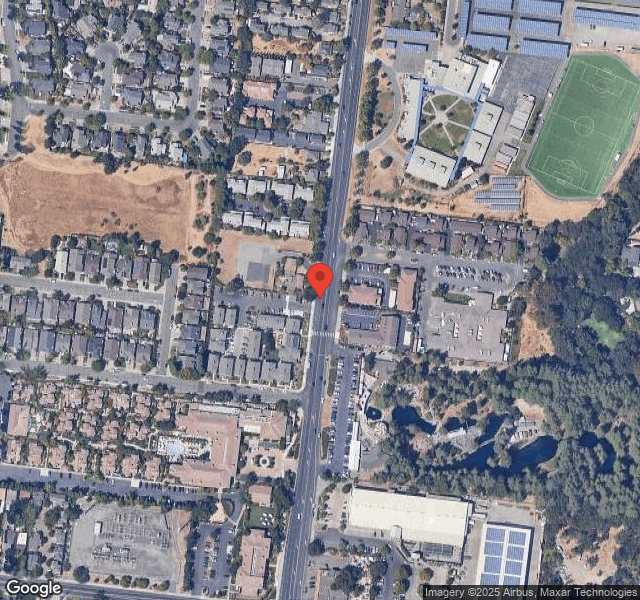
Understanding Severity Codes (click to expand)
Life-Threatening (Immediate Jeopardy)
J - Isolated K - Pattern L - Widespread
Actual Harm
G - Isolated H - Pattern I - Widespread
Potential for Harm
D - Isolated E - Pattern F - Widespread
No Harm (Minor)
A - Isolated B - Pattern C - Widespread

Questions to Ask on Your Visit

  • "What changes have you made since the serious inspection findings?"
  • "Can I speak with families of current residents?"
  • "What's your RN coverage like on weekends and overnight?"

Our Honest Assessment

Strengths
  • • No fines on record. Clean compliance history, better than most California facilities.
  • • 29% annual turnover. Excellent stability, 19 points below California's 48% average. Staff who stay learn residents' needs.
Concerns
  • • Multiple safety concerns identified: 1 life-threatening violation(s). Review inspection reports carefully.
  • • 45 deficiencies on record, including 1 critical (life-threatening) violation. These warrant careful review before choosing this facility.
Bottom line: Mixed indicators with Trust Score of 61/100. Visit in person and ask pointed questions.

About This Facility

What is Broadway Villa Post Acute's CMS Rating?

CMS assigns BROADWAY VILLA POST ACUTE an overall rating of 4 out of 5 stars, which is considered above average nationally. Within California, this rating places the facility higher than 99% of the state's 100 nursing homes. This rating reflects solid performance across the metrics CMS uses to evaluate nursing home quality.

How is Broadway Villa Post Acute Staffed?

CMS rates BROADWAY VILLA POST ACUTE's staffing level at 4 out of 5 stars, which is above average compared to other nursing homes. Staff turnover is 29%, compared to the California average of 46%. This relatively stable workforce can support continuity of care.

What Have Inspectors Found at Broadway Villa Post Acute?

State health inspectors documented 45 deficiencies at BROADWAY VILLA POST ACUTE during 2022 to 2025. These included: 1 Immediate Jeopardy (the most serious level, indicating potential for serious harm or death), 43 with potential for harm, and 1 minor or isolated issues. Immediate Jeopardy findings are rare and represent the most serious regulatory concerns. They require immediate corrective action.

Who Owns and Operates Broadway Villa Post Acute?

BROADWAY VILLA POST ACUTE is owned by a for-profit company. For-profit facilities operate as businesses with obligations to shareholders or private owners. The facility is operated by THE ENSIGN GROUP, a chain that manages multiple nursing homes. With 144 certified beds and approximately 134 residents (about 93% occupancy), it is a mid-sized facility located in SONOMA, California.

How Does Broadway Villa Post Acute Compare to Other California Nursing Homes?

Compared to the 100 nursing homes in California, BROADWAY VILLA POST ACUTE's overall rating (4 stars) is above the state average of 3.2, staff turnover (29%) is significantly lower than the state average of 46%, and health inspection rating (4 stars) is above the national benchmark.

What Should Families Ask When Visiting Broadway Villa Post Acute?

Based on this facility's data, families visiting should ask: "What changes have been made since the serious inspection findings, and how are you preventing similar issues?" "Can I visit during a mealtime to observe dining assistance and food quality?" "How do you handle medical emergencies, and what is your hospital transfer rate?" "Can I speak with family members of current residents about their experience?" These questions are particularly relevant given the facility's Immediate Jeopardy citations.

Is Broadway Villa Post Acute Safe?

Based on CMS inspection data, BROADWAY VILLA POST ACUTE has documented safety concerns. Inspectors have issued 1 Immediate Jeopardy citation (the most serious violation level indicating risk of serious injury or death). The facility has a 4-star overall rating and ranks #1 of 100 nursing homes in California. Families considering this facility should ask detailed questions about what corrective actions have been taken since these incidents.

Do Nurses at Broadway Villa Post Acute Stick Around?

Staff at BROADWAY VILLA POST ACUTE tend to stick around. With a turnover rate of 29%, the facility is 17 percentage points below the California average of 46%. Low turnover is a positive sign. It means caregivers have time to learn each resident's needs, medications, and personal preferences. Consistent staff also notice subtle changes in a resident's condition more quickly. Registered Nurse turnover is also low at 29%, meaning experienced RNs are available to handle complex medical needs.

Was Broadway Villa Post Acute Ever Fined?

BROADWAY VILLA POST ACUTE has no federal fines on record. CMS issues fines when nursing homes fail to meet care standards or don't correct problems found during inspections. The absence of fines suggests the facility has either maintained compliance or corrected any issues before penalties were assessed. This is a positive indicator, though families should still review recent inspection reports for the full picture.

Is Broadway Villa Post Acute on Any Federal Watch List?

BROADWAY VILLA POST ACUTE is not on any federal watch list. The most significant is the Special Focus Facility (SFF) program, which identifies the bottom 1% of nursing homes nationally based on persistent, serious quality problems. Not being on this list means the facility has avoided the pattern of deficiencies that triggers enhanced federal oversight. This is a positive indicator, though families should still review the facility's inspection history directly.