SOUTH PASADENA CARE CENTER
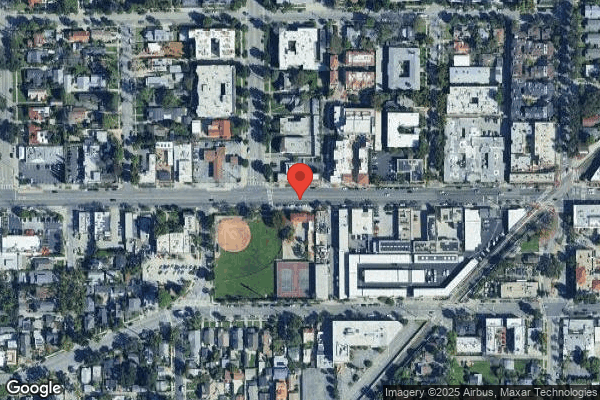
904 MISSION ST, SOUTH PASADENA, CA 91030 (626) 399-0358
For profit - Limited Liability company 156 Beds Independent Data: November 2025
Trust Grade
45/100
#910 of 1155 in CA
Last Inspection: July 2025

Inspected within the last 6 months. Data reflects current conditions.

Overview

South Pasadena Care Center has a Trust Grade of D, which indicates below average quality and raises some concerns. It ranks #910 out of 1155 facilities in California, placing it in the bottom half, and #241 out of 369 in Los Angeles County, meaning there are only a few better options nearby. The facility is worsening, with the number of issues increasing from 19 in 2024 to 28 in 2025. Staffing ratings are below average with a turnover rate of 40%, which is roughly in line with the state average; however, the center has less RN coverage than 80% of California facilities, potentially impacting resident care. Specific incidents include failures to ensure residents' privacy, inadequate access to call devices for timely assistance, and not properly managing intravenous therapy, all of which could lead to unmet needs and health risks. While there are some strengths, such as average quality measures, these weaknesses highlight important areas for families to consider.

Trust Score
D
45/100
In California
#910/1155
Bottom 22%
Safety Record
Low Risk
No red flags
Inspections
Getting Worse
19 → 28 violations
Staff Stability
○ Average
40% turnover. Near California's 48% average. Typical for the industry.
Penalties
⚠ Watch
$32,200 in fines. Higher than 98% of California facilities. Major compliance failures.
Skilled Nurses
⚠ Watch
Each resident gets only 18 minutes of Registered Nurse (RN) attention daily — below average for California. Fewer RN minutes means fewer trained eyes watching for problems.
Violations
⚠ Watch
72 deficiencies on record. Higher than average. Multiple issues found across inspections.
★★☆☆☆
2.0
Overall Rating
★★☆☆☆
2.0
Staff Levels
★★★☆☆
3.0
Care Quality
★★☆☆☆
2.0
Inspection Score
Stable
2024: 19 issues
2025: 28 issues

The Good

  • Full Sprinkler Coverage · Fire safety systems throughout facility
  • No fines on record
  • Staff turnover below average (40%)

    8 points below California average of 48%

Facility shows strength in fire safety.

The Bad

2-Star Overall Rating

Below California average (3.1)

Below average - review inspection findings carefully

Staff Turnover: 40%

Near California avg (46%)

Typical for the industry

Federal Fines: $32,200

Below median ($33,413)

Moderate penalties - review what triggered them

The Ugly 72 deficiencies on record

Sept 2025 2 deficiencies
CONCERN (D) 📢 Someone Reported This

A family member, employee, or ombudsman was alarmed enough to file a formal complaint

Potential for Harm - no one hurt, but risky conditions existed

Quality of Care (Tag F0684)

Could have caused harm · This affected 1 resident

**NOTE- TERMS IN BRACKETS HAVE BEEN EDITED TO PROTECT CONFIDENTIALITY** Based on observation, interview, and record review, the facility failed to ensure one (1) of three (3) residents (Residents 3) r...

Read full inspector narrative →
**NOTE- TERMS IN BRACKETS HAVE BEEN EDITED TO PROTECT CONFIDENTIALITY** Based on observation, interview, and record review, the facility failed to ensure one (1) of three (3) residents (Residents 3) received treatment and care as indicated on the facility's Policy and Procedure (P&P) titled, Changes in Resident Condition when, 1. Licensed Vocational Nurse 2 (LVN 2) did not inform physician immediately and assessed Resident 3's complaint for generalized itching on 9/2/2025.2. Licensed Staff has no documented evidence that Resident 3 was assessed for Skin Evaluation and formulated a Care Plan (CP) specific for generalized itching from 6/6/2025-9/2/2025. These deficient practices had the potential to result in delays in the necessary care and treatment of Resident 3 which could affect the residents' overall wellbeing.Findings:During a review of Resident 3's admission Record, the admission record indicated Resident 3 was admitted to the facility on [DATE] Resident 3's diagnoses included Parkinson's disease (a brain disorder that causes unintended or uncontrollable movements, such as shaking, stiffness, and difficulty with balance and coordination), chronic kidney disease (CKD, is a condition in which the kidneys are damaged and cannot filter blood as well as they should), type II diabetes mellitus (DM, a disorder characterized by difficulty in blood sugar control and poor wound healing) and anxiety disorder (a disorder characterized by nervousness characterized by a state of excessive uneasiness and apprehension, typically with compulsive behavior [repetitive, persistent, and often uncontrollable actions that a person feels driven to perform] or panic attacks) During a review of Resident 3's Minimum Data Set (MDS, resident assessment tool), dated 8/20/2025, the MDS indicated Resident 3 has severely impaired cognitive (mental action or process of acquiring knowledge and understanding) for daily decision making. The MDS indicated Resident 3 needed substantial/ maximal assistance (helper does more than half the effort. helper lifts, holds trunk or limbs, and provides more than half the effort) in toileting hygiene, lower body dressing, putting on/ taking off footwear, sit to stand, chair/ bed-to-chair transfer, and tub/shower transfer. During a record review of Resident 3's SBAR (situation, background, assessment, recommendation -a communication tool used by healthcare workers when there is a change of condition among the residents) indicated,1. On 6/5/2025, Resident 3 had lower body generalized rash. During rounds CNA reported that Resident 3 complained of itching of the lower body, lower back, glutes, thighs and legs. Resident 3's skin was red, flaky, with scratches from resident itching affected areas. Resident 3 stated she was very itchy and had been scratching her body.2. On 8/23/2025, Resident 3 had itchiness on the frontal torso. The licensed staff observed Resident 3 scratching her abdomen. Resident 3 had patchy redness on the frontal torso and scalp. During a concurrent observation and interview on 9/2/2025 at 10:52 AM with Resident 3, Resident 3 stated her whole body was itchy during the night. There were scratch marks observed on Resident 1's left chest. Resident 3 also stated she has scratch marks on her bilateral thighs and lower legs. Resident 3 told Licensed Vocational Nurse 2 (LVN 2) this morning, but nothing was done. The staff did not give her any medications or treatment. LVN 2 did not come back to her room. Resident 3 also stated her legs were itchy at night and all day. Resident stated, I feel so itchy, I feel bad, because nobody looked at my body to check. I did not know what to do. LVN 2 did not do anything, I told the nurse to put cream, he said he does not know what to put. I am tired and could not sleep well. During an interview on 9/2/2025 at 11:13 AM with the Certified Nurse Assistant 1 (CNA 1), CNA 1 stated she did provide ADLs (Activities of Daily Living, are activities related to personal care including bathing or showering, dressing, getting in and out of bed or a chair, walking, using the toilet, and eating) to Resident 3 this morning. CNA 1 stated Resident 3 has scratch marks all over her body and reminded Resident 3 not to scratch herself, but the resident kept scratching her thighs. CNA 1 stated she changed Resident 3's briefs and put lotion on her arms, legs and back. CNA 1 stated the staff knew that Resident 3 had been itching and scratching herself. During an interview and record review on 9/2/2025 at 12:01 PM with LVN 1, Resident 3's current order summary was reviewed. LVN 1 stated Resident 3 has been itching occasionally. Resident 3 has no medications for itching. If there was no medication for itching. Resident 3 will continue to scratch her skin, and it can get worse. During a concurrent interview and record review on 9/2/2025 at 12:19 PM with LVN 2, Resident 3's current order summary was reviewed. There was no medication or treatment for Resident 3's generalized itching. LVN 2 stated Resident 3 has been itching for 2 weeks now since 8/23/2025. The staff should have follow-up with the physician. The staff should have called the physician for a follow up treatment for Resident 3's skin issue. LVN 1 also stated Resident 3 has no medication for itching. Resident 3 will still experience itching and possibly have a skin breakdown. During an interview on 9/2/2025 at 12:30 PM with LVN 2, LVN 2 stated He did not immediately inform the physician about Resident 3's generalized itching complaint. LVN 2 stated Resident 3 complained of her whole body itching before 10AM and still have not called Resident 3's physician. LVN 2 stated he must do the SBAR Form before calling the physician. During a concurrent interview and record review on 9/2/2025 at 3:28PM with the Director of Nursing (DON), Resident 3's current order summary was reviewed. No medication was ordered for Resident 3's itching. DON stated the stated the staff should have called the physician as soon as we identify the problem. The sooner the staff notified the physician the better, to prevent delays treatment for Resident 3's itching. Resident 3 will continue scratching her skin and might have skin breakdown. During a concurrent interview and record review on 9/2/2025 at 3:37PM with the DON, Resident 3's CPs were reviewed. There was no CP for Resident 3's generalized itching. DON stated that there was no CP for Resident 3's itching. The staff should have formulated a CP to provide treatment and evaluate if treatment was effective. If it is not effective, the staff can approach in a different way to solve the problem. If there was no CP, there were no interventions and no way to see if the treatment was effective or not. During a record review of facility's Policy and Procedure (P&P) titled, Changes in Resident Condition, dated 1/2024, the P&P indicated,1. The resident, attending physician and legal representative or designated family member are notified when there is:b. a significant change in the residents' physical, mental or psychosocial status.4. Changes in the resident status that affect the problem(s)/goal(s) or approach(es) on his/her care plan are documented as revisions and communicated to the interdisciplinary caregivers.
CONCERN (E) 📢 Someone Reported This

A family member, employee, or ombudsman was alarmed enough to file a formal complaint

Potential for Harm - no one hurt, but risky conditions existed

Deficiency F0583 (Tag F0583)

Could have caused harm · This affected multiple residents

**NOTE- TERMS IN BRACKETS HAVE BEEN EDITED TO PROTECT CONFIDENTIALITY** Based on observation, interview, and record review, the facility failed to secure privacy for three (3) of three (3) residents (...

Read full inspector narrative →
**NOTE- TERMS IN BRACKETS HAVE BEEN EDITED TO PROTECT CONFIDENTIALITY** Based on observation, interview, and record review, the facility failed to secure privacy for three (3) of three (3) residents (Residents 1, 2 and 3) as indicated on the facility's policy Resident Dignity and Personal Privacy,. This deficient practice had the potential to violate the residents' right to confidentiality (safeguarding the content of information including video, audio, or other computer stored information from unauthorized disclosure without the consent of the resident and/or the resident's representative) and privacy. Findings:1. During a review of Resident 1's admission Record, the admission record indicated Resident 1 was admitted to the facility on [DATE]and re-admit 7/17/2025. Resident 1's diagnoses included chronic obstructive pulmonary disease (COPD, is a chronic inflammatory disease that causes obstructed airflow from the lungs), Alzheimer's Disease (a disease characterized by a progressive decline in mental abilities), and dementia (a progressive state of decline in mental abilities) During a review of Resident 1's Minimum Data Set (MDS, resident assessment tool), dated 7/19/2025, the MDS indicated Resident 1 has severely impaired cognitive (mental action or process of acquiring knowledge and understanding) skills for daily decision making. The MDS indicated Resident 1 needed substantial/ maximal assistance (helper does more than half the effort. helper lifts, holds trunk or limbs, and provides more than half the effort) in toileting hygiene, shower/ bathe self, lower body dressing, putting on/ taking off footwear, sit to lying, lying to sitting on side of bed, sit to stand, chair/ bed-to-chair transfer, toilet transfer, and walk 10 feet. During an interview on 9/2/2025 at 9:50 AM, with MDS Nurse (MDSN), MDSN stated that Responsible Party 1 (RP 1) was the one who controls the tablet (is a portable touchscreen electronic device, smaller and lighter than a laptop [a personal computer that can be easily moved and used in a variety of locations] but with a larger screen than a smartphone, primarily used for media consumption, web browsing, and running mobile applications) remotely to play videos for Resident 1. RP 1 monitors his mom on the tablet's camera throughout the day. There was no privacy for Resident 1. RP 1 watched Resident 1 while she was sleeping. RP 1 also watches on the camera when staff were performing ADL's (Activities of Daily Living, are activities related to personal care including bathing or showering, dressing, getting in and out of bed or a chair, walking, using the toilet, and eating) on Resident 1. RP 1 can see Resident 1's private parts and that was an invasion of Resident 1's privacy. RP 1 can hear the conversations between the staff and Resident 1's roommates (Resident 2 and 3) regarding their care if RP 1 can remotely operate the tablet, the facility cannot protect other residents' privacy. During an interview on 9/2/2025 at 11:34 AM with the Certified Nurse Assistant 1 (CNA 1), CNA 1 saw a reflection of her hair on the tablet. CNA 1 saw herself in the tablet's camera multiple times when doing ADLs for Resident 1. CNA 1 stated It was a HIPAA (Health Insurance Portability and Accountability Act (HIPAA, is a federal law that protects the privacy and security of health information) concerns for other residents (Resident 2 and 3) because RP 1 can be listening to other medical information of the other residents in the tablet. During an interview on 9/2/2025 at 11:44AM with Licensed Vocational Nurse 1 (LVN 1), LVN 1 stated RP 1 watches constantly in the tablet's camera, He was checking Resident 1's room even if the resident was not inside the room. RP 1 wants to open all the curtains to see the entire room. RP 1 randomly calls the facility and will ask the staff to turn on Resident 1's television, he checks it through the tablet's camera. During a concurrent interview and record review on 9/2/2025 at 3:09PM with the Director of Nursing (DON), Resident 1's Care Plans (CP) were reviewed. There was no CP for Resident 1's electronic device or tablet use in the room. DON stated that they should have a CP for the tablet use in the room to make sure the facility promoted dignity, privacy should be provided and ensure to respect residents' rights for Resident 1 and her roommates. During an interview on 9/2/2025 at 3:10PM with DON, DON stated RP 1 wanted to completely open all the curtains in the room and wanted to see the whole room. The other residents were upset because of that. RP 1 wanted to see Resident 1 in the camera, 24 hours a day/7 day a week. RP 1 was mad when the staff covered the camera and closed the curtain when providing care for his family member. It is an awkward situation when the camera was uncovered, and staff was providing care for Resident 1. The facility informed RP 1 that he was not respecting Residents 1' dignity and privacy. During a concurrent interview and record review on 9/2/2025 at 3:15PM with the DON, the facility's Policy and Procedure (P&P) titled, Resident Use of iPad and Tablet Devices in Rooms, dated 1/2025, was reviewed. The P&P indicated the staff must protect resident privacy; headphones encouraged for video calls. DON stated RP 1 never uses headphones during video calls. RP 1 can see the staff, but the staff were not able to see the screen. RP 1 calls to reposition Resident 1 correctly. Staff draw the curtain when Resident 1 is being changed, and RP 1 will get upset. It was awkward for all the staff. RP 1 was invading the privacy of Resident 1, and other residents. RP 1 calls the facility when the tablet was repositioned. RP 1 was looking at his phone all the time and called the facility right away. DON also stated having RP 1 remotely controls the camera does not respect Resident 1's dignity and privacy and also invading privacy for other residents. 2. During a review of Resident 2's admission Record, the admission record indicated Resident 2 was admitted to the facility on [DATE] and re-admitted [DATE]. Resident 2's diagnoses included but not limit to polyneuropathy (the most common form of a group of disorders known as peripheral neuropathy, is caused by damage to peripheral nerves [all nerves beyond the brain and spinal cord]), Morbid obesity (weight more than 100 pounds over your ideal body weight and experiencing severe health effects) and Schizophrenia (a serious mental illness that affects how a person thinks, feels, and behaves) During a review of Resident 2's MDS, dated [DATE], the MDS indicated Resident 2 has intact cognitive skills for daily decision making. The MDS indicated Resident 2 needed setup or clean-up assistance (helper sets up or cleans up; resident completes activity. Helper assists only prior to or following the activity) in toileting hygiene, lower body dressing, putting on/ taking off footwear, sit to stand, chair/ bed-to-chair transfer, During an interview on 9/2/2025 at 10:05 AM with Resident 2, Resident 2 stated she was aware about the tablet/camera in their room. Resident 2 was concerned because she did not agree on RP 1's room surveillance. RP 1 wanted to watch Resident 1 in the facility. RP 1 was allowed to put his own surveillance camera in their room. Resident 2 saw Resident 3 on the tablet monitor before. RP 1 stares on Resident 1's bed and when Resident 2 needs to use the restroom RP 1 can see her on the camera, and Resident 2 loses her privacy. Resident 2 stated, RP 1 wanted to see our entire room, if he could not find Resident 1 on her bed. RP 1 wanted to watch Resident 1 all the time. Where is her privacy on that. I did not agree with having a camera inside my room. It felt like somebody was watching me. During an interview on 9/2/2025 at 11:44 AM with LVN 1, LVN 1 stated the CNAs were complaining that they can see their faces on Resident 1's tablet. CNAs were also complaining about the privacy for all the residents (Resident 1, 2, and 3) in the room. Resident 2 argued with RP 1 because of Resident 1's camera on her tablet which was installed in their room. Resident 2 stated she was not feeling comfortable going to the restroom because of Resident 1's camera on the tablet. During an interview on 9/2/2025 at 3:20PM with DON, DON stated Resident 2 stated she does not want to be recorded. She was okay with the cameras outside her room, but not inside her room. The camera placed inside Resident 2's room felt that it was invading her privacy. 3. During a review of Resident 3's admission Record, the admission record indicated Resident 3 was admitted to the facility on [DATE] Resident 3's diagnoses included Parkinson's disease (a brain disorder that causes unintended or uncontrollable movements, such as shaking, stiffness, and difficulty with balance and coordination), anxiety disorder (a disorder characterized by nervousness characterized by a state of excessive uneasiness and apprehension, typically with compulsive behavior [repetitive, persistent, and often uncontrollable actions that a person feels driven to perform] or panic attacks), and dementia During a review of Resident 3's MDS dated [DATE], the MDS indicated Resident 3 has severely impaired cognitive skills for daily decision making. The MDS indicated Resident 3 needed substantial/ maximal assistance in toileting hygiene, lower body dressing, putting on/ taking off footwear, sit to stand, chair/ bed-to-chair transfer, and tub/shower transfer. During an interview on 9/2/2025 at 10:57 AM with Resident 3, Resident 3 stated she does not want to have anything to do with them (RP 1 and Resident 1), Resident 3 does not want to deal with them, she just kept quiet. RP 1 was not good. RP 1 talked a lot. Resident 3 cannot sleep in the room because the light was turned on 24 hours and there was too much talking from RP 1 to Resident 1. Resident 3 had a headache because she was tired and could not sleep well in their room because the light was turned on all the time. During an interview on 9/2/2025 at 11:25 AM with CNA 1, CNA 1 stated she saw Resident 3 on the monitor. CNA 1 would always see the residents (Resident 1, 2, and 3) on the monitor when Resident 1's tablet was turned on. RP 1 would always turn it on. The whole room was on the camera. CNA 1 would see herself in the camera. CNA 1 stated it makes them feel weird, the feeling of being watched all the time. Residents felt weird and invaded their privacy. RP 1 controls the tablet remotely and kept turning on the tablet from his house. During an interview on 9/2/2025 at 12:25 PM with LVN 2, LVN 2 stated It was not okay to have a camera inside the residents' room, because of privacy issues for residents/ roommates. During a record review of facility's Policy and Procedure (P&P) titled, Resident Dignity and Personal Privacy, dated 4/2023, the P&P indicated the facility provides care for residents in a manner that respects and enhances each Resident's dignity, individuality, and right to personal privacy.2. Examine and treat residents in a manner that maintains their privacy.a. use a closed door, a drawn curtain or both to shield the resident during all personal care and treatment procedures4. Maintain Resident's privacy during toileting, bathing, and other activities of personal hygiene. During a record review of facility's P&P titled, Resident Use of iPad and Tablet Devices in Rooms , dated 1/2025, the P&P indicated the facility supports the safe and appropriate use of personal or facility-issued iPads/tablets by residents for communication, education, recreation, and telehealth purposes, while ensuring resident privacy, infection-control standards, and protection of facility equipment and networks.4. Wi-Fi access is for communication/recreation; no unauthorized photos/videos.
Aug 2025 1 deficiency
CONCERN (D) 📢 Someone Reported This

A family member, employee, or ombudsman was alarmed enough to file a formal complaint

Potential for Harm - no one hurt, but risky conditions existed

Report Alleged Abuse (Tag F0609)

Could have caused harm · This affected 1 resident

**NOTE- TERMS IN BRACKETS HAVE BEEN EDITED TO PROTECT CONFIDENTIALITY** Based on interview and record review the facility failed to report an injuries of unknown source for one (1) of two sampled resi...

Read full inspector narrative →
**NOTE- TERMS IN BRACKETS HAVE BEEN EDITED TO PROTECT CONFIDENTIALITY** Based on interview and record review the facility failed to report an injuries of unknown source for one (1) of two sampled residents (Residents 1) within 2-hour timeframe to the State Survey Agency (SA, where state law provides for jurisdiction in long-term care facilities), ombudsman (OMB, advocates for residents of nursing homes, board and care homes and assisted living facilities), and local law enforcement on 8/14/2025. This deficient practice resulted in a delay of onsite inspection by the Department of Public Health and had the potential to result in inadequate care to residents, unidentified abuse/neglect and continuation of abuse/neglect to the residents in the facility. During a review of Resident 1's admission Record, the admission Record indicated the resident was originally admitted to the facility on [DATE] and readmitted on [DATE] with diagnosis of but not limited to dementia (a progressive state of decline in mental abilities), atrial fibrillation (an irregular and often rapid heartbeat) and anemia (a condition where the body does not have enough healthy red blood cells), Type II diabetes (body cannot use insulin effectively or does not produce enough insulin to regulate blood sugar level) and repeated falls. During a review of Resident 1's Minimum Data Set (MDS- a resident assessment tool), dated 6/27/2025, indicated Resident 1's cognitive (ability to think, reason and problem solving) skills for daily decision making were modified independence (some difficulty in situations only). The MDS indicated Resident 1 required partial/moderate assistance (helper does less than half the effort) with eating, oral hygiene, upper body dressing and personal hygiene. The MDS indicated Resident 1 required setup or clean-up assistance (helper sets up or cleans up) with eating. The MDS indicated Resident 1 required supervision or touching assistance (helper provides verbal cues and/or touching/steadying and/or contact guard assistance as resident completes activity) with oral hygiene, upper body dressing and personal hygiene. The MDS indicated Resident 1 required partial/moderate assistance (helper does less than half the effort) with toileting hygiene, shower, lower body dressing and putting on/taking off footwear. The MDS indicated Resident 1 is not taking anticoagulant (medicines that prevent blood clots [a clump of blood that has thickened from a liquid to a solid gel] from forming in the bloodstream). During a review of Resident 1's care plan, initiated on 8/14/2025 by the Director of Nursing, the care plan indicated that Resident 1's has skin discoloration, swelling, and pain to left hand and arm of unknown origin. Resident 1 is on aspirin (medication used to relieve pain, reduce fever, and decrease inflammation), which may contribute to bruising. The care plan interventions included the following: Monitor left arm and hand for changes in color, swelling, pain, and skin integrity every shift and PRN. Elevate affected extremity as tolerated to help reduce swelling. Administer pain medication as ordered and monitor effectiveness. Follow Doctor's order for STAT (immediately) X-ray (a diagnostic imaging procedure that uses high-energy radiation to create black-and-white pictures of the inside of the body) and implement subsequent treatment plan. Avoid unnecessary handling or pressure to affected extremity. Document all findings, interventions, and resident's response. During a review of Resident 1's situation, background, assessment, recommendation (SBAR, a communication tool used by healthcare workers when there is a change of condition among the residents) communication form and progress note, dated 8/14/2025, timed at 5:54 PM, the change of condition indicated Resident 1 has swelling and multiple skin discoloration on the left hand and arm, with open ecchymosis (refers to a discoloration of the skin caused by the leakage of blood) on left forearm and left dorsal hand (back of the hand) related to long term anticoagulant use. The SBAR indicated the condition, symptom or sign has not occurred before. The nursing notes part of SBAR indicated Resident 1 is unable to tell what happened, but claimed there is pain. During a review of Resident 1's skin evaluation dated 8/14/2025, timed at 5:59 PM, it indicated Resident 1 has left forearm skin discoloration with open ecchymosis, measured 0.5 centimeters (cm, unit of measurement) in length, 0.5 cm in width, and 0.1 cm in depth. The skin evaluation indicated Resident 1 left dorsal hand skin discoloration with open ecchymosis, measured 0.5 cm in length, 0.5 cm in width, and 0.1 cm in depth. The skin evaluation also indicated Resident 1 has left arm multiple skin discoloration. During a review of Resident 1's order summary report dated 8/26/2025, it indicated the following orders: Treatment: Left dorsal hand skin discoloration with open ecchymosis. Cleanse with normal saline (solution used to clean wounds), pat dry, apply xeroform (a non-stick wound dressing) and cover with dry dressing every day, for 14 days, with order date of 8/14/2025. Treatment: Left forearm skin discoloration with open ecchymosis. Cleanse with normal saline (solution used to clean wounds), pat dry, apply xeroform (a non-stick wound dressing) and cover with dry dressing every day, for 14 days, with order date of 8/14/2025. Treatment: Left arm multiple skin discoloration. Monitor for skin breakdown, adverse changes (harmful), pain, significant complications. Notify Doctor immediately if noted every day per shift for 14 days, with order date of 8/14/2025. During a concurrent observation and interview on 8/26/2025 at 2:45 PM with Certified Nurse Assistant 1 (CNA 1), Resident 1 was observed in the activity room with other residents. Resident 1 was observed wearing a long sleeves top shirt, and dressing was observed on Resident 1's left dorsal hand. CNA 1 stated he is assigned to Resident 1 today, and Resident 1's dressings on his left hand and arm were new to him because Resident 1 did not have any skin issues when he was last assigned to him 2 weeks ago. CNA 1 stated he was informed today that Resident 1 was receiving treatment for skin problems on Resident 1's left hand and arm. During a concurrent record review and interview on 8/26/2025 at 3:05 with MDS nurse (MDSN), Resident 1's medical records were reviewed. MDSN stated Resident 1 was not on anticoagulant. MDSN stated Resident 1's SBAR dated 8/14/2025 indicated Resident 1 was on anticoagulant. MDSN stated Resident 1's swelling, skin discoloration and bruises should have been investigated, and the use of anticoagulant should not have been used in the documentation as the reason for having those injuries. During an interview on 8/26/2025 at 3:17 PM with Infection Preventionist Nurse (IPN), IPN stated the local law enforcement visited Resident 1 on the afternoon of 8/15/2025. The IPN recalled that the reason for the local law enforcement's visit was because Resident 1's family reported an alleged abuse. During an interview on 8/26/2025 at 3:25 PM with the treatment nurse (TN), the TN stated that on the evening shift (3 PM - 11 PM) of 8/14/2025, Registered Nurse 1 (RN 1) informed him of Resident 1's left upper extremity skin issues that needs to be assessed. TN stated it was the first time that a staff member reported a skin issue for Resident 1. During a concurrent record review and interview on 8/26/2025 at 4:13 PM with Social Service staff, Resident 1's IDT dated 8/15/2025 were reviewed. Social service staff stated IDT was conducted on the afternoon of 8/15/2025 because local law enforcement (PD, Police Department) visited Resident 1, due to Resident 1's family reported to PD that Resident 1 has bruising, and they believed that something might have happened to him to cause those bruises. Social service staff stated during the IDT, it was discussed that the bruising might have been from Resident 1's last blood test on 8/12/2025 and Resident 1's using aspirin. During a concurrent record review and interview on 8/26/2025 at 4:30 PM with RN 1, Resident 1's medical records were reviewed. RN 1 stated that on 8/14/2025, Resident 1's family reported to her the skin issues on Resident 1's left upper extremity. RN 1 stated she did not know how it happened, and there was no endorsement from previous shift regarding Resident 1's skin discoloration and swelling of left upper extremity. RN 1 stated Resident 1 was unable to give them information on how he sustained his left-hand swelling and left arm discolorations. RN 1 stated maybe it's from long term use of aspirin. RN 1 stated Resident 1's change of condition of sustaining left hand swelling and skin discolorations were reported to the DON and the DON initiated Resident 1's care plan for skin discoloration, swelling and pain to left hand and arm of unknown origin. RN 1 stated the DON should have reported it to CDPH, local law enforcement and ombudsman because we did not know how Resident 1 sustained those injuries. RN 1 verified Resident 1 had a blood test on 8/12/2025, but there was no documented evidence that Resident 1 sustained skin discolorations, bruising and swelling due to the blood draw that was performed on 8/12/2025. During a concurrent record review and interview on 8/26/2025 at 6 PM with IPN, Resident 1's medical records were reviewed. IPN stated Resident 1's SBAR for left hand swelling and left arm discoloration were initiated on 8/14/2025, and Resident 1's Doctor was notified, and X-ray order was obtained because RN 1 did not know how Resident 1 sustained the skin discoloration, swelling and pain to left hand and arm. IPN verified Resident 1's care plan was initiated on 8/14/2025 by DON, and it indicated Resident's 1 skin discoloration, swelling and pain to left hand and arm was of unknown origin. IPN verified facility did not report Resident 1's left arm injuries to local law enforcement, CDPH and ombudsman. IPN stated since the DON did not know how Resident 1 sustained the left upper extremity injuries, the incident should have been reported to local law enforcement, CDPH and ombudsman for thorough investigation, to know how Resident 1 sustained the injuries, and to develop a care plan for Resident 1 to prevent these injuries from happening again. During a review of facility's Policy and Procedures (P&P), titled Investigating Resident Injuries, dated January 2025, the P&P indicated all resident injuries are investigated. The P&P also indicated Injury of unknown source is defined as an injury that meets both of the following conditions:a. The source of the injury was not observed by any person, or the source of the injury could not be explained by the resident; andb. The injury is suspicious because of:(1) the extent of the injury; or(2) the location of the injury(3) the number of injuries observed at one particular point in time. During a review of facility's Policy and Procedures (P&P), titled Abuse Investigation and Reporting, revised on March 2024, the P&P indicated, all reports of mistreatment and/or injuries of unknown source shall be promptly reported to agencies as defined by current regulations and thoroughly investigated by facility management. The P&P also indicated all other instances of mistreatment and/or injuries of unknown source will be reported by the facility Administrator, or designee, to the following agencies immediately or as soon as practicable, but not later than two hours after the incident occurred: Ombudsman Law enforcement officials The State licensing/certification agency responsible for surveying/licensing the facility.
Aug 2025 2 deficiencies
CONCERN (D) 📢 Someone Reported This

A family member, employee, or ombudsman was alarmed enough to file a formal complaint

Potential for Harm - no one hurt, but risky conditions existed

Pharmacy Services (Tag F0755)

Could have caused harm · This affected 1 resident

**NOTE- TERMS IN BRACKETS HAVE BEEN EDITED TO PROTECT CONFIDENTIALITY** Based on observation, interview, and record review, the facility failed to:1. Ensure Resident 1's phenytoin sodium (a medication...

Read full inspector narrative →
**NOTE- TERMS IN BRACKETS HAVE BEEN EDITED TO PROTECT CONFIDENTIALITY** Based on observation, interview, and record review, the facility failed to:1. Ensure Resident 1's phenytoin sodium (a medication used to treat seizures [a sudden, uncontrolled electrical disturbance in the brain which can cause uncontrolled jerking, blank stares, and loss of consciousness]) was available in stock to be administered on 7/25/2025 at its scheduled time of administration, in accordance with facility's policy and procedure (P&P) titled, Administering Medications, dated 7/2024. 2. Ensure Resident 2's ergocalciferol (also known as vitamin D2 - a vitamin used to treat low levels of vitamin D) was available in stock to be administered on 8/4/2025 at its scheduled time of administration, in accordance with the facility's P&P, titled Administering Medications, dated 7/2024.These deficient practices failed to ensure medications were available for two of three residents (Residents 1 and 2) that placed the residents at risk for vitamin D deficiency, seizures and hospitalization.Findings:1. During a review of Resident 1's admission Record (a document containing demographic and diagnostic information), dated 8/4/2025, the admission record indicated, Resident 1 was originally admitted to the facility on [DATE] and readmitted on [DATE] with diagnosis that included, but not limited to, epilepsy, unspecified intractable, without status epilepticus (seizures that are difficult to control with medication, but do not involve prolonged seizures).During a review of Resident 1's History and Physical, dated 7/8/2025, the document indicated Resident 1 could make needs known but could not make medical decisions.During a review of Resident 1's Minimum Data Set ([MDS], a resident assessment tool) dated 7/11/2025, the MDS indicated Resident 1's cognition (mental action or process of acquiring knowledge and understanding through thought and senses) was intact. The MDS indicated Resident 1 needed supervision level assistance from the facility staff for activities of daily living (ADL - tasks of everyday life that include personal and oral hygiene, toileting, showering, and dressing) such as eating and moderate assistance for oral hygiene, toileting hygiene, showering, upper and lower body dressing and putting on or taking off footwear. During a review of Resident 1's Physician Order Summary Report (a document containing a summary of all active physician orders), dated 8/4/2025 and 7/28/2025, the order summary report indicated, Phenytoin sodium extended oral capsule 100 milligrams ([mg] a unit of measurement for mass), give 3 capsules by mouth two times a day related to epilepsy, 3 caps= 300mg, order date 8/3/2025, start date 8/3/2025 During an interview on 8/4/2025 at 1:40 p.m. with Resident 1, Resident 1 stated the facility ran out of his phenytoin 300 mg two times a day for seizures about a week ago. Resident 1 stated he did not remember the female Licensed Vocational Nurse's (LVN) name, but when Resident 1 requested the female LVN to administer phenytoin for afternoon dose, the female LVN stated that the facility did not have phenytoin in stock to administer to Resident 1 and the female LVN showed the empty medication card for phenytoin. Resident 1 stated he had been on the phenytoin for several years, for at least 10 years. Resident 1 stated, I was not feeling like myself and was acting a little slower and usually that was a usually a symptom leading up to a seizure, where he could move but could not talk. Resident 1 stated he was taken to the hospital the same day and the hospital ran a whole bunch of tests and Resident 1 stayed in the hospital for two days. Resident 1 stated he usually suffered from grand mal seizures (a type of epileptic seizure characterized by a loss of consciousness, muscle stiffening [tonic phase], and rhythmic jerking [clonic phase]) and he felt tired after suffering from an episode of grand mal seizures and Resident 1 stated the medications have helped to stabilize his condition.During a concurrent interview and record review on 8/4/2025 at 2:52 p.m. with LVN 1, Resident 1's Change of Condition (COC) dated 7/26/2025 was reviewed. The COC indicated altered mental status for Resident 1 on 7/26/2025. LVN 1 stated he was not the nurse taking care of Resident 1 on 7/25/2025 when the facility ran out of Reisdent 1's phenytoin. LVN 1 stated Resident 1 was taken to the hospital on 7/26/2025 but he was not sure if the resident was having seizures. LVN 1 stated if the facility ran out of stock of phenytoin and was not able to give it to Resident 1, it would increase the risk of seizures for Resident 1 and cause shortness of breath, altered mental status, fall risk because of uncontrolled body movements and hospitalization.During an interview on 8/4/2025 at 12:15 p.m. with pharmacist (RPH) 1, RPH 1 stated Pharmacy (PH 1- where the facility orders and received the resident's medications) delivered a 14-day supply of phenytoin 100 mg with instructions of three capsules two times a day to the facility on 7/8/2025 at 2:09 a.m. after receiving a request from the facility on 7/7/2025. RPH 1 stated the facility sent a fax to PH1 on 7/8/2025 at 6:01 p.m. that indicated, CancelRx meaning discontinuation of phenytoin 100 mg, 3 capsules two times a day. RPH 1 stated when the facility requested phenytoin order again on 7/19/2025, RPH 1 informed the facility that facility needed to send a new order for Resident 1's phenytoin because facility had previously informed PH 1 to discontinue previous phenytoin order. RPH 1 stated there would be an increased risk of seizures for Resident 1 if facility was not able to administer the dose of phenytoin on 7/25/2025.During a concurrent interview and record review on 8/4/2025 at 3:44 p.m. with LVN 2, Resident 1's administration details, dated 7/25/2025 at 5:36 p.m. and Medication Administration Record (MAR), dated 7/1/2025 to 7/31/2025 for phenytoin sodium extended-release oral capsule 100 mg, were reviewed. The administration details indicated a documented code of 9 (meaning not given) with progress notes that indicated, give 3 capsules by mouth two times a day for seizures, give 3 caps = 300 mg, follow up pharmacy and said to fax the order. Did faxed the order and will wait for the two medications to be delivered. May give when available. The MAR indicated a documented 9 for 7/25/2025 6:00 p.m. dose. LVN 2 stated the code 9 means the medication was not given and Resident 1's phenytoin 100 mg medication card/bubble pack was empty on 7/25/2025 around 4:00 p.m. and she did not have the phenytoin dose to administer to Resident 1. LVN 2 stated she could not figure out what happened, could not remember much what happened because it was a busy week. LVN 2 stated Resident 1 was taken to the hospital early in the morning on 7/26/2025. LVN 2 stated Resident 1 was at risk for seizures, a fall if the resident was in standing position and hospitalization due to missed dose of phenytoin.During an interview on 8/4/2025 at 5:20 p.m. with the Director of Nursing (DON), the DON stated the licensed nursing staff should order medication from the pharmacy when there are six to seven doses left, so that there would be enough time to prepare and not miss any doses for the residents. The DON stated he could not recall if phenytoin was available in the facility's emergency kit ([E-kit] a container with important medications supplied by the pharmacy to be used by the facility, for the facility's residents in case of emergency or when a medication was not available in stock). The DON stated if phenytoin was not in stock it would delay the residents' treatment and place them at risk for seizures and hospitalization. 2. During a review of Resident 2's admission record, dated 8/4/2025, the admission record indicated Resident 2 was admitted to the facility on [DATE] with diagnosis that included but not limited to vitamin D deficiency and other specified disorders of bone, ankle and foot. During a review of Resident 2's history and physical, dated 5/30/2025, the document indicated Resident 2 had the capacity to understand and make decisions. During a review of Resident 2's Laboratory Results Report, dated 6/4/2025, the report indicated Resident 2's vitamin D, 25-hydroxy level was low at 20 nanogram ([ng] a unit of measurement for mass) per mL, reference range of 30 to 100 ng/mL.During a review of Resident 2's MDS, dated [DATE], the MDS indicated Resident 2's cognition was intact. The MDS indicated Resident 2 needed supervision level assistance from the facility staff for eating and moderate assistance for oral hygiene, toileting hygiene, showering, upper and lower body dressing, putting on or taking off footwear and personal hygiene. During an observation on 8/4/2025 at 10:19 a.m., LVN 1 prepared and administered the eight medications and supplements to Resident 2 which did not include ergocalciferol (vitamin D2). During a review of Resident 2's physician order on 8/4/2025 at 11:50 a.m., the order, dated 8/4/2025 indicated: Vitamin D (Ergocalciferol) oral capsule 1.25 mg (50000 International Units [IU] a unit of measurement for dose) give 1 capsule by mouth one time a day every Monday related to vitamin D deficiency for 8 weeks, order date 7/6/2025, start date 7/7/2025, end date 9/1/2025. Vitamin D3 oral tablet 25 micrograms ([mcg] a unit of measurement for mass) (1000 IU) (cholecalciferol) give 2 tablets by mouth one time a day related to vitamin D deficiency (2 tabs = 2000 IU), order date 7/6/2025, start date 9/2/2025. During a concurrent interview and record review on 8/4/2025 at 2:38 p.m. with LVN 1, the administration details in electronic medical record and MAR for 8/4/2025 were reviewed. The administration details indicated ergocalciferol was administered to Resident 2 on 8/4/2025. LVN 1 stated he could not find ergocalciferol for Resident 2 in stock in the resident's medication cart LVN 1 was not sure until when it was not in stock. LVN 1 stated he documented ergocalciferol as administered by mistake when it was not administered on 8/4/2025. LVN 1 stated he would request medication from the pharmacy. LVN 1 stated medication should not be documented as given when it was not administered and would be reflected inaccurately in medical records. LVN 1 stated Resident 2 would not be treated for vitamin D deficiency because he did not receive the Vitamin D2 as ordered. During an interview on 8/4/2025 at 5:20 p.m. with the DON, the DON stated Resident 2 would not be treated for vitamin D deficiency which could cause Resident 2 to feel weak and fatigued with the possibility of not being able to participate in ADLs.During a review of the facility's P&P titled, Administering Medications, dated 7/2024, the P&P indicated, Medications shall be administered in a safe and timely manner, and as prescribed. Medications must be administered in accordance with the orders, including any required time frame. The individual administering the medication must initial the resident's MAR after giving each medication and before administering the next ones.During a review of the facility's P&P titled, Medication Ordering and Receiving from Pharmacy, Ordering and Receiving Medications from the Dispensing Pharmacy, dated 1/2022, the P&P indicated, If not automatically refilled by the pharmacy, repeat medications (refills) are written on a medication order form/ordered . and ordered as follows: a. Reorder medication five days in advance of need to assure an adequate supply is on hand b. The nurse who reorders the medication is responsible for notifying the pharmacy of changes in the directions of use.During a review of the facility's P&P titled, Seizure Precautions, dated 7/2019, the P&P indicated, Residents will be protected prior to and during seizure activity. 1. Seizure precautions for residents who have a history of seizure activity include the following: Obtain orders for dosage change as needed based on laboratory values.
CONCERN (D) 📢 Someone Reported This

A family member, employee, or ombudsman was alarmed enough to file a formal complaint

Potential for Harm - no one hurt, but risky conditions existed

Deficiency F0760 (Tag F0760)

Could have caused harm · This affected 1 resident

**NOTE- TERMS IN BRACKETS HAVE BEEN EDITED TO PROTECT CONFIDENTIALITY** Based on interview and record review, the facility failed to prevent significant medication error (a type of error which causes ...

Read full inspector narrative →
**NOTE- TERMS IN BRACKETS HAVE BEEN EDITED TO PROTECT CONFIDENTIALITY** Based on interview and record review, the facility failed to prevent significant medication error (a type of error which causes the resident discomfort or jeopardizes his or her health and safety) for Resident 1 by failing to ensure Resident 1's phenytoin sodium (a medication used to treat seizures [a sudden, uncontrolled electrical disturbance in the brain which can cause uncontrolled jerking, blank stares, and loss of consciousness]) was available in stock to be administered on 7/25/2025 at its scheduled time of administration, in accordance with facility's policy and procedure (P&P) titled, Administering Medications, dated 7/2024. This deficient practice placed Resident 1 at risk for seizures, falls and other adverse consequences of not getting the medication.Findings:During a review of Resident 1's admission Record (a document containing demographic and diagnostic information), dated 8/4/2025, the admission record indicated, Resident 1 was originally admitted to the facility on [DATE] and readmitted on [DATE] with diagnosis that included, but not limited to, epilepsy, unspecified intractable, without status epilepticus (seizures that are difficult to control with medication, but do not involve prolonged seizures).During a review of Resident 1's History and Physical, dated 7/8/2025, the document indicated Resident 1 could make needs known but could not make medical decisions.During a review of Resident 1's Minimum Data Set ([MDS], a resident assessment tool) dated 7/11/2025, the MDS indicated Resident 1's cognition (mental action or process of acquiring knowledge and understanding through thought and senses) was intact. The MDS indicated Resident 1 needed supervision level assistance from the facility staff for activities of daily living (ADL - tasks of everyday life that include personal and oral hygiene, toileting, showering, and dressing) such as eating and moderate assistance for oral hygiene, toileting hygiene, showering, upper and lower body dressing and putting on or taking off footwear. During a review of Resident 1's Physician Order Summary Report (a document containing a summary of all active physician orders), dated 8/4/2025 and 7/28/2025, the order summary report indicated Phenytoin sodium extended oral capsule 100 milligrams ([mg] a unit of measurement for mass), give 3 capsules by mouth two times a day related to epilepsy, 3 caps= 300mg, order date 8/3/2025, start date 8/3/2025 During an interview on 8/4/2025 at 1:40 p.m. with Resident 1, Resident 1 stated the facility ran out of his phenytoin 300 mg two times a day for seizures about a week ago. Resident 1 stated he did not remember the female Licensed Vocational Nurse's (LVN) name, but when Resident 1 requested the female LVN to administer phenytoin for afternoon dose, the female LVN stated that the facility did not have phenytoin in stock to administer to Resident 1 and the female LVN showed the empty medication card for phenytoin. Resident 1 stated he had been on the phenytoin for several years, for at least 10 years. Resident 1 stated, I was not feeling like myself and was acting a little slower and usually that was a usually a symptom leading up to a seizure, where he could move but could not talk. Resident 1 stated he was taken to the hospital the same day and the hospital ran a whole bunch of tests and Resident 1 stayed there for two days. Resident 1 stated, someone from the facility must have informed my wife about him in the hospital. Resident 1 stated he usually suffered from grand mal seizures (a type of epileptic seizure characterized by a loss of consciousness, muscle stiffening [tonic phase], and rhythmic jerking [clonic phase]) and he felt tired after suffering from an episode of grand mal seizures and Resident 1 stated the medications have helped to stabilize his condition.During a concurrent interview and record review on 8/4/2025 at 2:52 p.m. with LVN 1, Resident 1's Change of Condition (COC) dated 7/26/2025 was reviewed. The COC indicated altered mental status for Resident 1 on 7/26/2025. LVN 1 stated he was not the nurse taking care of Resident 1 on 7/25/2025 when the facility ran out of Resident 1's phenytoin. LVN 1 stated Resident 1 was taken to the hospital on 7/26/2025 but he was not sure if the resident was having seizures. LVN 1 stated if the facility ran out of stock of phenytoin and was not able to give it to Resident 1, it would increase the risk of seizures for Resident 1 and cause shortness of breath, altered mental status, fall risk because of uncontrolled body movements and hospitalization.During an interview on 8/4/2025 at 12:15 p.m. with pharmacist (RPH) 1, RPH 1 stated Pharmacy (PH 1- where the facility orders and received the resident's medications) delivered a 14-day supply of phenytoin 100 mg with instructions of three capsules two times a day to the facility on 7/8/2025 at 2:09 a.m. after receiving a request from the facility on 7/7/2025. RPH 1 stated the facility sent a fax on 7/8/2025 at 6:01 p.m. that indicated, CancelRx meaning discontinuation of phenytoin 100 mg, 3 capsules two times a day. RPH 1 stated when the facility requested phenytoin order again on 7/19/2025, RPH 1 informed the facility via fax that facility needed to send a new order for Resident 1's phenytoin because facility had informed PH 1 to discontinue previous phenytoin order. RPH 1 stated there would be an increased risk of seizures for Resident 1 if facility was not able to administer the dose on 7/25/2025.During a concurrent interview and record review on 8/4/2025 at 3:44 p.m. with LVN 2, Resident 1's administration details, dated 7/25/2025 at 5:36 p.m. and Medication Administration Record (MAR), dated 7/1/2025 to 7/31/2025 for phenytoin sodium extended-release oral capsule 100 mg, were reviewed. The administration details indicated a documented code of 9 (meaning not given) with progress notes that indicated, give 3 capsules by mouth two times a day for seizures, give 3 caps = 300 mg, follow up pharmacy and said to fax the order. Did faxed the order and will wait for the two medications to be delivered. May give when available. The MAR indicated a documented 9 for 7/25/2025 6:00 p.m. dose. LVN 2 stated the code 9 means the medication was not given and Resident 1's phenytoin 100 mg medication card/bubble pack was empty on 7/25/2025 around 4:00 p.m. and she did not have the phenytoin dose to administer to Resident 1. LVN 2 stated she could not figure out what happened, could not remember much what happened because it was a busy week. LVN 2 stated Resident 1 was taken to the hospital early in the morning on 7/26/2025. LVN 2 stated Resident 1 was at risk for seizures, a fall if the resident was in standing position and hospitalization due to missed dose of phenytoin.During an interview on 8/4/2025 at 5:20 p.m. with the Director of Nursing (DON), the DON stated the licensed nursing staff should order medication from the pharmacy when there are six to seven doses left, so that there would be enough time to prepare and not miss any doses for the residents. The DON stated he couldn't recall if phenytoin was available in the facility's emergency kit ([E-kit] a container with important medications supplied by the pharmacy to be used by the facility for the facility's residents in case of emergency or when a medication was not available in stock). DON stated if phenytoin was not in stock it would delay the residents' treatment and place them at risk for seizures and hospitalization. During a review of the facility's P&P titled, Administering Medications, dated 7/2024, the P&P indicated, Medications shall be administered in a safe and timely manner, and as prescribed. Medications must be administered in accordance with the orders, including any required time frame. The individual administering the medication must initial the resident's MAR after giving each medication and before administering the next ones.During a review of the facility's P&P titled, Medication Ordering and Receiving from Pharmacy, Ordering and Receiving Medications from the Dispensing Pharmacy, dated 1/2022, the P&P indicated, If not automatically refilled by the pharmacy, repeat medications (refills) are written on a medication order form/ordered . and ordered as follows: a. Reorder medication five days in advance of need to assure an adequate supply is on hand b. The nurse who reorders the medication is responsible for notifying the pharmacy of changes in the directions of use.During a review of the facility's P&P titled, Seizure Precautions, dated 7/2019, the P&P indicated, Residents will be protected prior to and during seizure activity. 1. Seizure precautions for residents who have a history of seizure activity include the following: Obtain orders for dosage change as needed based on laboratory values.
Jul 2025 19 deficiencies
CONCERN (D)

Potential for Harm - no one hurt, but risky conditions existed

Resident Rights (Tag F0550)

Could have caused harm · This affected 1 resident

**NOTE- TERMS IN BRACKETS HAVE BEEN EDITED TO PROTECT CONFIDENTIALITY** Based on observation, interview and record review, the facility failed to promote dignity and respect for one of 30 sampled resi...

Read full inspector narrative →
**NOTE- TERMS IN BRACKETS HAVE BEEN EDITED TO PROTECT CONFIDENTIALITY** Based on observation, interview and record review, the facility failed to promote dignity and respect for one of 30 sampled residents (Resident 115) when Certified Nurse Assistant 5 (CNA 5) was observed standing above Resident 115's eye level while assisting the resident during mealtime on 7/21/2025. This deficient practice had the potential to affect Resident 115's self-esteem and self-worth and violate the resident's right to be treated with dignity. During a review of Resident 115's admission Record, the admission Record indicated the resident was originally admitted to the facility on [DATE], with diagnosis of dementia (a progressive state of decline in mental abilities), Parkinson's disease (a progressive disease of the nervous system marked by tremor, muscular rigidity, and slow, imprecise movements) and quadriplegia (paralysis from the neck down, including legs, and arms, usually due to a spinal cord injury). During a review of Resident 115's Minimum Data Set (MDS- a resident assessment tool), dated 5/28/2025, indicated Resident 115's cognitive (ability to think and reason) skills for daily decision making were modified independence (some difficulty in situations only). The MDS indicated Resident 115 required partial/moderate assistance (helper does less than half the effort) with eating, oral hygiene, upper body dressing and personal hygiene. The MDS indicated Resident 115 was dependent (helper does all the effort) with toileting hygiene, shower, lower body dressing and putting off footwear. During a review of Resident 115's care plan that focuses on Resident 115 requires assistance in Activities of Daily Living (ADLs-activities such as bathing, dressing and toileting a person performs daily), initiated on 2/14/2025, the Care Plan indicated the staff interventions included to assist with meals as needed. During an observation on 7/21/2025 7:44 AM in Resident 115's room, CNA 4 was observed standing on the right side of Resident 115's bed and above Resident 115's eye level while feeding the resident's breakfast meal. RN 1 was observed standing in front of Resident 115's bed and was not observed informing CNA 5 to get a chair or reposition Resident 115's bed higher for them to have an eye level. During an interview on 7/22/2025 at 2:14 PM with Restorative Nurse Assistant 1 (RNA 1), RNA 1 stated staff need to maintain at the resident's eye level, talk to the residents, and tell them what food they are giving when assisting the resident with feeding. During an interview on 7/22/2025 at 2:56 PM with Certified Nurse Assistant 4 (CNA 4), CNA 4 stated staff need to sit down and be at eye level with the residents to establish rapport and to show respect. CNA 4 stated, when assisting residents with meals, staff should be at the resident's eye level, and looking down at a resident is showing no respect. CNA 4 stated nurses need to sit down or position the resident's bed higher to maintain eye level between CNA and residents. During an interview on 7/23/2025 at 4:02 AM with MDS Nurse (MDSN), MDSN stated residents who need assistance during meals should be treated with respect and dignity. MDSN stated not standing above the resident's eye level while assisting with meals should be practiced. MDSN stated CNA 5 standing while assisting Resident 115 with breakfast meal was not good practice, and RN 1 who was in the room and standing in front of Resident 115 should have called out and corrected CNA 5's wrong practice. During a review of the facility's undated policy and procedure (P&P) titled, Resident Dignity and Personal Property, reviewed in April 2023, indicated The facility provides care for residents in a manner that respects and enhances each resident's dignity, individuality, and right to personal privacy. The P&P also indicated Dignity means that when interacting with residents, staff carries out activities that assist the resident in maintaining and enhancing his or her self-esteem and self-worth.
CONCERN (D)

Potential for Harm - no one hurt, but risky conditions existed

Safe Environment (Tag F0584)

Could have caused harm · This affected 1 resident

**NOTE- TERMS IN BRACKETS HAVE BEEN EDITED TO PROTECT CONFIDENTIALITY** Based on observation, interview, and record review, the facility failed to ensure residents were provided with a homelike enviro...

Read full inspector narrative →
**NOTE- TERMS IN BRACKETS HAVE BEEN EDITED TO PROTECT CONFIDENTIALITY** Based on observation, interview, and record review, the facility failed to ensure residents were provided with a homelike environment for one of one sample resident (Residents 139) for the environment care area by failing to provide bed linen that was damaged with multiple small holes. This deficient practice had the potential to negatively affect the residents' quality of life. During a review of Resident 139's admission Record indicated Resident 139 was admitted to the facility on [DATE] and readmitted on [DATE] with diagnoses that included chronic obstructive pulmonary disease (a progressive lung disease that makes it difficult to breathe), type 2 diabetes mellitus with diabetic chronic kidney disease (a chronic condition that happens when you have persistently high blood sugar levels. Insulin resistance is the main cause, and it results in a condition where the kidneys are damaged and can't function properly), muscle weakness (a reduced ability of one or more muscles to generate force, making it harder to perform tasks that require strength). During a review of Resident 139's Minimum Data Set (CNA3S- a mandated resident assessment tool), dated 5/15/2025, indicated Resident 139 had no impairment for cognitive skills (the function of the brain uses to think, pay attention, process information, and remember things) he is able to make his own daily decision making, Resident 139 was able to follow commands. Resident 139 needed substantial/maximal assistance (helper does more than half the effort. Helper lifts or holds trunk or limbs but provides more than half the effort) in toilet hygiene, shower/ bathe self, lower body dressing, and putting on/taking off footwear. He needs partial or moderate assistant, (helper does less than half the effort) with the eating, oral hygiene and personal hygiene. During an observation of Resident 139's room on 7/22/2025 at 2:18 PM, Resident 139's bed sheet was observed having over thirty small holes near the bottom of the sheet (feet area). During an interview with Resident 139 on 7/22/2025 at 2:20 PM in his room, Resident 139 stated he does not like his damaged bed sheet, and it made him feel uncomfortable. During an interview with Certified Nursing Assistant (CNA3) on 7/22/2025 at 2:43 PM, CNA3 stated the damaged and multiple small holes for the bed sheet be uncomfortable against the resident's skin and can cause low self-esteem to the residents. CNA3 stated this is not a homelike environment for the residents. CNA3 stated the residents like it when everything in their rooms is clean, with no damage and in good condition. During an interview with Director of Nurses (DON) on 7/24/2025 at 9:13 AM, DON stated it is embarrassing to have the damaged bed sheet for Resident 139. DON stated he will make sure CNAs use clean and good condition linen and bed sheets for all the residents. During a review of the facility's Policy and Procedure (P&P) titled, Homelike Environment reviewed in June/2024, indicated residents are provided with a safe, clean, comfortable and homelike environment and encouraged to use their personal belongings to the extent possible.Policy Interpretation and Implementation1. Staff provide person-centered care that emphasizes the residents' comfort, independence and personal needs and preferences.2. The facility staff and management maximize, to the extent possible, the characteristics of the facility that reflect a personalized, homelike setting include: clean bed and bath linens that are in good condition.
CONCERN (D)

Potential for Harm - no one hurt, but risky conditions existed

Deficiency F0605 (Tag F0605)

Could have caused harm · This affected 1 resident

**NOTE- TERMS IN BRACKETS HAVE BEEN EDITED TO PROTECT CONFIDENTIALITY** Based on interview, and record review, the facility failed to ensure one (1) of five (5) sampled residents (Resident 1) was free...

Read full inspector narrative →
**NOTE- TERMS IN BRACKETS HAVE BEEN EDITED TO PROTECT CONFIDENTIALITY** Based on interview, and record review, the facility failed to ensure one (1) of five (5) sampled residents (Resident 1) was free from an unnecessary psychotropic drug (any medication capable of affecting the mind, emotions, and behavior) by failing to ensure Resident 1's Lorazepam (medication used to treat anxiety [persistent and excessive worry that interferes with daily activities) as needed (PRN) order had a documented rationale for extending the use beyond 14 days in accordance with the facility's policy. This deficient practice had the potential to place Resident 1 at risk for significant adverse consequences (serious negative outcomes resulting from an event, action, or situation) from the use of unnecessary psychotropic drug, which could result in impairment or decline in the residents' mental, physical condition, functional, and psychosocial statusDuring a review of Resident 1's admission Record, the admission Record indicated Resident 1 was initially admitted to the facility on [DATE] and readmitted on [DATE]. Resident 1's diagnoses included dementia (a progressive state of decline in mental abilities), depression (a mood disorder that can affect how you think, feel, and behave), and anxiety disorder (a natural human emotion characterized by feelings of worry, nervousness, or unease). During a review of Resident 1's Minimum Data Set (MDS - a resident assessment tool), dated 6/24/2025, the MDS indicated Resident 1's cognitive skills for daily decision making was severely impaired (never/rarely made decisions). The MDS indicated Resident 1 required supervision (helper provides verbal cues, resident completes activity) with eating. The MDS indicated Resident 1 required partial/moderate assistance (helper does less than half the effort) with oral hygiene and upper body dressing. The MDS indicated Resident 1 required substantial/maximal assistance (helper does more than half the effort) with toileting hygiene, shower, lower body dressing and putting on/off footwear. The MDS indicated Resident 1 was assessed to have mood symptoms. During a review of Resident 1's Physician's Order, dated 7/6/2025 the Physician's Order indicated Lorazepam as needed, give half (0.5) milligram (mg, unit of measurement) by mouth, every six (6) hours for anxiety manifested by repetitive verbal outburst for 30 days, with end date of 8/5/2025. During a review of Resident 1's Psychiatric Follow Up Note, dated 7/14/2025, the Psychiatric Follow Up Note indicated Due to continued usage of Ativan (Lorazepam), to be given to assist with management of behavior. Renewal every 30 days at this time. During a concurrent record review and interview on 7/24/2025 at 8:24 AM with Licensed Vocational Nurse 2 (LVN 2), Resident 1's lorazepam order and Individual Psychotherapy Progress Note, dated 7/7/2025 were reviewed. LVN 2 verified Resident 1 has an order of lorazepam as needed for anxiety ordered on 7/6/2025, for 30 days. LVN 2 stated the Physician Assistant (PA) ordered Resident 1's Lorazepam as needed on 7/6/2025. LVN 2 stated PA visited and had notes for Resident 1 on 7/7/2025 but did not indicate the reason why Resident 1 can be on as needed Lorazepam order for 30 days instead of limiting to 14 days. LVN 2 stated the PA should have limited Resident 1's Lorazepam order to 14 days and should have reevaluated to continue beyond 14 days and include the rationale per policy. During a telephone interview on 7/24/2025 at 9:16 AM with the Pharmacy Consultant (PC), the PC stated as needed Lorazepam order can be ordered for 30 days if there is a documentation from Psychiatrist (a medical practitioner specializing in the diagnosis and treatment of mental illness) as to why Lorazepam needs to be extended for more than 14 days. The PC stated that there was no Psychiatrist documentation prior to Resident 1's order of Lorazepam as needed order for 30 days on 7/6/2025. During an interview on 7/25/2025 at 12:07 PM with the Director of Nursing (DON), the DON stated as needed Lorazepam order should be limited to 14 days to minimize the use of psychotropic medication. The DON stated that when it comes to psychotropic orders, licensed nurses make sure the resident's physician or psychiatrist is aware of resident's status and behavior. The DON stated the psychiatrist needs to give the order for adjustments and duration. The DON added that when psychiatrist decides for as needed psychotropic medication to extend to 30 days, resident evaluation and rationale documentation should be done prior to putting an order. During a review of undated Facility's Policy and Procedure (P&P) titled, Psychotropic Medication Use, the P&P indicated PRN orders for psychotropic medications are limited to 14 days. If the prescriber or attending physician believes it is appropriate to extend the PRN order beyond 14 days, he or she will document the rationale for extending the use and include the duration for the PRN order.
CONCERN (D)

Potential for Harm - no one hurt, but risky conditions existed

Comprehensive Care Plan (Tag F0656)

Could have caused harm · This affected 1 resident

**NOTE- TERMS IN BRACKETS HAVE BEEN EDITED TO PROTECT CONFIDENTIALITY** Based on observation, interview and record review, the facility failed to develop a care plan (a document that outlines the faci...

Read full inspector narrative →
**NOTE- TERMS IN BRACKETS HAVE BEEN EDITED TO PROTECT CONFIDENTIALITY** Based on observation, interview and record review, the facility failed to develop a care plan (a document that outlines the facility's plan to provide personalized care to a resident based on the resident's needs) for three (3) of 30 residents (Residents 8, 79, and 126) as follows:Resident 79's 1,000 cubic centimeters (cc- a measurement of volume) fluid restriction (limiting the amount of liquids a person consumes each day) as ordered by the physician. Regarding Resident 126's Intravenous (IV) antibiotic (medicines that fight bacterial infections) administration.Regarding Resident 8's use of bolster low air loss mattress.These failures had the potential for Residents 79, 126 and 8 to receive care that is not personalized to meet the specific needs identified above, which could result in decreased quality of care and quality of life. 1. During a review of Resident 79’s admission Record, the admission Record indicated Resident 79 was originally admitted to the facility on [DATE] with diagnoses that included end stage renal disease (ESRD- irreversible kidney failure), dependence on renal dialysis (a treatment to cleanse the blood of wastes and extra fluids artificially through a machine when the kidney[s] have failed) and heart failure (a chronic condition in which the heart does not provide adequate blood flow to meet the body’s needs). During a review of Resident 79’s “Minimum Data Set (MDS – a resident assessment tool),” dated 5/27/2025, the MDS indicated Resident 79 had intact cognitive skills (ability to understand and make decisions) for daily decision making. The MDS indicated Resident 79 required supervision or touching assistance (helper provides verbal cues, touching/steadying and/or contact guard assistance during activity) with eating, oral and personal hygiene and substantial/maximal assistance (helper does more than half the effort needed to complete the activity) toileting hygiene and bathing. The MDS also indicated Resident 79 received dialysis while a resident at the facility. During a review of Resident 79’s “Order Summary Report,” dated 7/9/2025, the Order Summary Report indicated an order for fluid restriction of 1,000cc per day: Nursing 280cc: 7-3 shift = 120cc, 3-11 shift = 100cc, 11-7 shift = 60cc Dietary 720cc: Breakfast =360cc, Lunch = 120cc, Dinner = 240cc Note: No water pitcher at bedside every shift. During a concurrent interview and record review on 7/23/2025 at 2:25 PM with Licensed Vocational Nurse 3 (LVN 3), Resident 79’s chart was reviewed. Resident 79’s chart failed to indicate a developed care plan indicating Resident 79’s 1,000cc fluid restriction. LVN 3 stated there should be a care plan indicating Resident 79’s fluid restriction but there was not. LVN 3 stated care plans focus on things related to the residents like fluid restriction and has a goal and interventions to meet the goal. LVN 3 also stated it was very important to ensure Resident 79’s fluid restriction of 1,000cc was developed and accurate to prevent complications with fluid overload and/or edema (swelling caused by excess fluid trapped in your body's tissues). During an interview on 7/24/2025 at 9:57 AM with the Director of Nursing (DON), the DON stated Resident 79 did not and should have had a care plan developed for her 1,000cc fluid restriction. The DON indicated a care plan allows resident centered interventions to improve the quality of care provided to the residents, identifies if treatments are effective and if other treatments are needed to meet the goals of the resident. The DON also stated, without the care plan for Resident 79’s 1,000cc fluid restriction, the staff will not have the right information to provide the right care. 2. During a review of Resident 126’s admission Record, the admission Record indicated the facility initially admitted Resident 126 on 12/5/2023 and was readmitted on [DATE] with diagnoses that included, but not limited to, cellulitis (skin infection that affects the deeper layers of the skin [dermis] and the tissues beneath)of the abdominal wall (layered structure of muscles, fascia, and other tissues that surrounds and protects the organs within the abdomen), long term use of antibiotics, deep incisional surgical (a cut or wound made with a sharp object, particularly in surgery to create and opening in the body) infection, and diabetes mellitus (disease where body has trouble regulating blood sugar levels). During a review of Resident 126’s MDS, dated [DATE], the MDS indicated Resident 126 had moderate cognitive impairment for daily decision making. The MDS also indicated Resident 126 required supervision or touching assistance with eating. The MDS indicated Resident 126 required partial/moderate assistance (Helper does less than half the effort. Helper lifts, holds, or supports trunk or limbs, but provides less than half the effort) with oral and personal hygiene. The MDS indicated Resident 126 required substantial/maximal assistance (Helper does more than half the effort. Helper lifts or holds truck or limbs and provides more than half the effort) with upper body dressing and was dependent (Helper does all the effort. Resident does none of the effort to complete the activity. Or the assistance of 2 or more helpers is required for the resident to complete the activity) with toileting hygiene, shower/bathing self, lower body dressing and putting on/taking off footwear. During an observation on 7/21/2025 at 11:08 AM, in Resident 126’s room, Resident 126 was awake and lying flat in bed. Resident 126 was also observed with intravenous (administered into a vein) peripheral (superficial) access on his right hand. During a review of Resident 126’s Order for IV Orders, the IV Orders indicated: 1 Ceftriaxone Sodium Injection Solution Reconstituted two gram (gm-unit of weight in the metric system, equal to one-thousandth of a kilogram) IV. Use two gm IV one time a day for surgical wound infection for four weeks ordered on 7/19/2025. 2 Vancomycin (Pharmacy to dose) ordered on 7/19/2025. 3 Vancomycin IV 750 milligram (mg-a unit of mass equal to one-thousandth of a gram) in 150 milliliters (ml-unit of volume used to measure liquids). Use 750 mg IV one time a day for surgical wound infection for four weeks, ordered on 7/19/2025 for four weeks. During a concurrent interview and record review on 7/23/2025 at 4:47 PM with the, the MAR for July 2025 was reviewed. The MAR indicated Resident 126 had been administered Vancomycin IV Solution 750 mg in 150 ml, use 750 mg IV, one time a day for surgical wound infection for four weeks starting 7/19/2025 and Ceftriaxone two gm, one time a day for surgical wound infection starting 7/19/2025 until 8/14/20. During an interview on 7/24/2025 at 7:45 AM with the DON, the DON stated that there was no care plan (a document that outlines the individualized care a patient will receive, detailing their specific needs, goals, and interventions) initiated for IV antibiotic administration for Resident 126. The DON stated that all licensed nurses can initiate care plans and the licensed nurse that received the IV antibiotic order should have initiated a care plan on 7/19/2025. During a concurrent interview and record review on 7/24/2025 at 10:46 AM with the Minimum Data Set Nurse (MDSN), the baseline care plan was reviewed for Resident 126. The baseline care plan indicated the administration of IV medications-antibiotics; however, no patient centered care plan was initiated to address IV Vancomycin administration. The MDSN stated that care plans were important so that every staff member was aware of Resident 126’s problems, goals and interventions. The MDSN stated that the care plan was a way of communicating to the rest of the Interdisciplinary team (IDT) how care should be for the residents. 3. During a review of Resident 8’s admission Record, the admission Record indicated the resident was originally admitted to the facility on [DATE], and readmitted on [DATE], with diagnosis of pressure ulcer of sacral region (wounds that form as a direct result of pressure over a bony prominence), abnormal posture, and muscle weakness. During a review of Resident 8’s MDS, dated [DATE], indicated Resident 8's cognitive skills for daily decision making was moderately impaired (some difficulty in situations only). The MDS indicated Resident 8 required substantial/maximal assistance (helper does more than half the effort) with eating and oral hygiene. The MDS indicated Resident 8 was dependent (helper does all the effort) with toileting hygiene, shower, upper body dressing, lower body dressing and putting on/taking off footwear. During a review of Resident 8’s Braden scale for predicting pressure sore risk (a tool used in healthcare to assess a resident’s risk of developing pressure ulcers by evaluating six factors: sensory perception, moisture, activity, mobility, nutrition, and friction/shear), dated 6/16/2025, indicated Resident 8 was at moderate risk for pressure sores due total score of 13. During an observation on 7/21/2025 at 2 PM, Resident 8 was observed in bed, lying on a bolster low air loss mattress. During a concurrent observation on 7/22/2025 at 2:43 PM, and interview with Certified Nurse Assistant 6 (CNA 6), Resident 8 was observed lying in bed with bolster low air loss mattress. CNA 6 stated Resident 8 has that kind of mattress for a while now. CNA 6 stated Resident 8 needs it to prevent him from sliding and falling out of bed. During a concurrent record review on 7/23/2025 at 9:51 AM, and interview with Licensed Vocational Nurse 6 (LVN 6), Resident 8’s care plan were reviewed. LVN 6 stated Resident 8 did not and should have had a care plan regarding the use of bolster low air loss mattress. LVN 6 stated Resident 8’s care plan is to use low air loss mattress for skin maintenance/wound maintenance, that was created on 5/27/2025. During an interview on 7/24/2025 at 11:57 AM with the DON, the DON verified Resident 8 did not have a care plan for the use of bolster LALM. The DON stated bolster LALM should have a care plan that included monitoring of bolster’s placement because they are removable, and staff should make sure that it is on the side and not in the middle of the mattress where it might cause more skin issues to Resident 8. The DON also added that the bolster low air loss mattress might limit Resident 8’s access to the bed rails, and staff should know how to check proper placement for Resident 8’s safety. During a review of the facility’s policy and procedure (P&P) titled “Care Plan- Comprehensive Person- Centered,” dated 1/2025, the P&P indicated an individualized comprehensive care plan that includes measurable objectives and timetables to meet the resident’s medical, nursing, mental and psychological needs is developed for each resident within seven (7) days of the completion of the resident’s comprehensive assessment, and revised as changes in the resident’s condition dictates. The P&P also indicated each resident’s comprehensive care plan has been designed to: Incorporate identified problem areas; Incorporate risk factors associated with identified problems; Build on the resident’s strengths; Reflect treatment goals and objectives in measurable outcomes; Identify the professional services that are responsible for each element of care; Aid in preventing or reducing declines in the resident’s functional status and/or functional levels; and Enhance the optimal functioning of the resident by focusing on a rehabilitative program.
CONCERN (D)

Potential for Harm - no one hurt, but risky conditions existed

Pressure Ulcer Prevention (Tag F0686)

Could have caused harm · This affected 1 resident

**NOTE- TERMS IN BRACKETS HAVE BEEN EDITED TO PROTECT CONFIDENTIALITY** Based on observation, interview, and record review, the facility failed to ensure the bolster (a raised, often inflatable, perim...

Read full inspector narrative →
**NOTE- TERMS IN BRACKETS HAVE BEEN EDITED TO PROTECT CONFIDENTIALITY** Based on observation, interview, and record review, the facility failed to ensure the bolster (a raised, often inflatable, perimeter around the edges of the mattress that helps prevent patients from rolling out) low air loss mattress (LALM- a specialized medical mattress designed to prevent and treat pressure ulcer [pressure injury- wound that occurs as a result of prolonged pressure on a specific area of the body] by maintaining a cool, dry environment through constant airflow, which helps regulate temperature and moisture) was ordered for one (1) of five (5) sampled residents (Resident 8). This deficient practice had the potential for Resident 8's pressure ulcer to worsen and for the resident to develop new pressure injury.During a review of Resident 8's admission Record, the admission Record indicated the resident was originally admitted to the facility on [DATE], and readmitted on [DATE], with diagnosis of pressure ulcer of sacral region (are wounds that form as a direct result of pressure over a bony prominence), abnormal posture and muscle weakness. During a review of Resident 8's Minimum Data Set (MDS- a resident assessment tool), dated 5/29/2025, indicated Resident 8's cognitive (ability to think and reason) skills for daily decision making is moderately impaired (some difficulty in situations only). The MDS indicated Resident 8 required substantial/maximal assistance (helper does more than half the effort) with eating and oral hygiene. The MDS indicated Resident 8 was dependent (helper does all the effort) with toileting hygiene, shower, upper body dressing, lower body dressing and putting on/taking off footwear. During a review of Resident 8's Braden scale for predicting pressure sore risk (a tool used in healthcare to assess a resident's risk of developing pressure ulcers by evaluating six factors: sensory perception, moisture, activity, mobility, nutrition, and friction/shear), dated 6/16/2025, indicated Resident 8 was at moderate risk for pressure sores due total score of 13. During an observation on 7/21/2025 at 2 PM, Resident 8 was observed in bed, lying on a bolster low air loss mattress. During a concurrent observation, and interview with Certified Nurse Assistant 6 (CNA 6), Resident 8 was observed lying in bed with bolster low air loss mattress. CNA 6 stated Resident 8 has that kind of mattress for a while now. CNA 6 stated Resident 8 needs it to prevent him from sliding and falling out of bed. During a concurrent record review on 7/23/2025 at 9:50 AM, and interview with Licensed Vocational Nurse 6 (LVN 6), Resident 8's active orders as of 7/23/2025 were reviewed. The order did not indicate for Resident 1 to have a bolster low air loss mattress. LVN 6 stated Resident 8 has bolster low air loss mattress but without a physician's order. LVN 6 verified Resident 8 have an order to monitor placement, setting and functioning of low air loss mattress, ordered on 5/27/2025. LVN 6 stated bolster low air loss mattress is different from just low air loss mattress, and it should have been in Resident 8's physician order instead. During an interview on 7/23/2025 at 10:48 AM with the Director of Nursing (DON), the DON confirmed, after the Interdisciplinary Team (IDT, refers to a group of healthcare professionals from different disciplines who collaborate to provide comprehensive care for a resident) discussion regarding Resident 8's need of low air loss mattress, it was decided that bolster low air loss mattress will be more beneficial for Resident 8 to prevent him from falling out of bed. The DON admitted that the order for bolster low air loss mattress was not in Resident 8's physician's order. During an interview on 7/24/2025 at 11:56 AM with the DON, the DON is unable to provide Policy and Procedures (P&P) regarding bolster low air loss mattress. The DON added bolster low air loss mattress should be in Facility's P&P since Resident 8 is using it. During a review of Facility's undated P&P, titled Air Mattress, the purpose indicated the following: To decrease pressure from the resident's weight in bed. To promote the healing of or the prevention of pressure ulcers.
CONCERN (D)

Potential for Harm - no one hurt, but risky conditions existed

Tube Feeding (Tag F0693)

Could have caused harm · This affected 1 resident

**NOTE- TERMS IN BRACKETS HAVE BEEN EDITED TO PROTECT CONFIDENTIALITY** Based on observation, interview and record review, the facility did not ensure one of three sampled residents (Resident 87), rec...

Read full inspector narrative →
**NOTE- TERMS IN BRACKETS HAVE BEEN EDITED TO PROTECT CONFIDENTIALITY** Based on observation, interview and record review, the facility did not ensure one of three sampled residents (Resident 87), received the correct amount of water flush via gastrostomy tube ( GTube- a surgical opening fitted with a device to allow feedings to be administered directly to the stomach common for people with swallowing problems) after medication administration as indicated in the physician's order and care plan (a document that outlines the facility's plan to provide personalized care to a resident based on the resident's needs).This failure resulted in a decreased amount of water administration for Resident 87, with the potential risk for Resident 87 to experience inadequate hydration and/or clogging of the GTube, causing decreased nutrition and hydration.Findings:During a review of Resident 87's admission Record, the admission Record indicated Resident 87 was admitted to the facility on [DATE], with diagnoses that included gastrostomy status, moderate protein-calorie malnutrition (a nutritional deficiency where the body doesn't receive enough protein and calories to meet its needs), and aphasia (a disorder that makes it difficult to speak). During a review of Resident 87's Medication Administration Record (MAR), dated 5/26/2025, the MAR indicated an enteral (the administration of substances directly into the gastrointestinal [GI] tract, through a tube) feed order every shift flush tube with 30 to 50 cubic centimeters (cc-a measurement of volume) of fluid before and after medication administration. During a review of Resident 87's Minimum Data Set (MDS - a resident assessment tool), dated 6/6/2025, the MDS indicated resident 87 with severely impaired cognitive skills (ability to understand and make decisions) for daily decision making. The MDS indicated Resident 87 was dependent (helper does all effort needed to complete activity) with oral, toileting and personal hygiene, showering/bathing and dressing. The MDS also indicated Resident 87 had a feeding tube (a small, flexible tube that provides liquid nutrition, fluids and medication to people who are unable to eat or swallow normally), receiving 51% or more calories and 501 cc or more per day, through the feeding tube. During a review of Resident 87's care plan titled Dependent on Tube Feeding for All Nutrition and Hydration, dated 6/8/2025, the care plan indicated intervention to include for staff to flush tube with 50 cc of water pre (before) and post (after) medication administration via tube and to flush tube as ordered. The care plan also indicated a goal for Resident 87 to be adequately nourished and hydrated. During a concurrent observation in Resident 87's bedside and interview on 7/22/2025 from 8:51 AM to 8:59 AM with Licensed Vocational Nurse 3 (LVN 3), LVN 3 was observed flushing Resident 87's GTube with 5 cc of water after administration of the following medications:a. Gabapentin (medication used to manage certain types of epileptic seizures [sudden surges of abnormal electrical activity in the brain that can cause loss of consciousness, muscle spasm, and changes in sensation, mood, or behavior] and to relieve nerve pain) 100 milligrams (mg- a unit of mass or weight).b. Lisinopril (medication to lower blood pressure) 2.5 mg.c. Levetiracetam (medication used to treat and prevent seizures) 500 mg/ 5 milliliters (ml - a measurement of volume).d. Aspirin (medication that works by making the blood less sticky) 81 mg.LVN 3 stated he flushed 5 cc of water after the administration of Resident 87's medications. During a concurrent interview and record review on 7/22/2025 at 9:06 AM with LVN 3, Resident 87's Order Summary Report, dated 5/26/2025 was reviewed. The Order Summary Report indicated an enteral (the administration of substances directly into the gastrointestinal [GI] tract, through a tube) feed order every shift flush tube with 30-50 cc of fluid before and after medication administration. LVN 3 stated he should have used 30 to 50 cc of water to flush after giving medications and he did not. LVN 3 stated it was important to follow the physician's order and give the right amount of water flush to prevent the GTube from clogging and to ensure the medications were administered and absorbed. During an interview on 7/24/2025 at 9:49 AM with the Director of Nursing (DON), the DON stated water flushes are to be given as ordered. During a review of the facility's Policy & Procedure (P&P) titled, Enteral Nutrition, dated 1/2025, the P&P indicated adequate nutritional support through enteral nutrition is provided to residents as ordered.
CONCERN (D)

Potential for Harm - no one hurt, but risky conditions existed

Deficiency F0698 (Tag F0698)

Could have caused harm · This affected 1 resident

**NOTE- TERMS IN BRACKETS HAVE BEEN EDITED TO PROTECT CONFIDENTIALITY** Based on observation, interview and record review, the facility failed to monitor the daily fluid restrictions (limiting the amo...

Read full inspector narrative →
**NOTE- TERMS IN BRACKETS HAVE BEEN EDITED TO PROTECT CONFIDENTIALITY** Based on observation, interview and record review, the facility failed to monitor the daily fluid restrictions (limiting the amount of liquids a person consumes each day) of 1000 cubic centimeters (cc- a measurement of volume) for one of five residents (Resident 79) on dialysis (a treatment to cleanse the blood of wastes and extra fluids artificially through a machine when the kidney[s] have failed) as ordered by the physician. This failure had the potential for Resident 79 to experience complications including fluid overload (having too much fluid in the body) which could negatively affect the resident's overall wellbeing.Findings:During a review of Resident 79's admission Record, the admission Record indicated Resident 79 was originally admitted to the facility on [DATE] with diagnoses that included End Stage Renal Disease (ESRD- irreversible kidney failure), dependence on renal dialysis, and heart failure (a chronic condition in which the heart does not provide adequate blood flow to meet the body's needs). During a review of Resident 79's Minimum Data Set (MDS - a resident assessment tool) dated 5/27/2025, the MDS indicated Resident 79 had intact cognitive skills (ability to understand and make decisions) for daily decision making. The MDS indicated Resident 79 was supervision or touching assistance (helper provides verbal cues, touching/steadying and/or contact guard assistance during activity) with eating, oral and personal hygiene and substantial/maximal assistance (helper does more than half the effort needed to complete the activity) toileting hygiene and bathing. The MDS also indicated Resident 79 received dialysis while a resident at the facility. During a review of Resident 79's Order Summary Report, dated 7/9/2025, the Order Summary Report indicated an order for fluid restriction of 1000cc per day: Nursing 280cc: 7 to 3 shift = 120cc, 3 to 11 shift = 100cc, 11 to 7 shift = 60ccDietary 720cc: Breakfast =360cc, Lunch = 120cc, Dinner = 240ccNote: No water pitcher at bedside every shift. During a concurrent interview and record review on 7/23/2025 at 2:05 PM with Licensed Vocational Nurse 8 (LVN 8), Resident 79's Medication Administration Record (MAR) dated 7/9/2025 to 7/31/2025 was reviewed. The MAR indicated fluid restriction of 1000cc/day: Nursing 280cc: 7 to 3 shift = 120cc, 3 to 11 shift = 100cc, 11 to 7 shift = 60ccDietary 720cc: Breakfast =360cc, Lunch = 120cc, Dinner = 240ccNote: No water pitcher at bedside every shift.The MAR failed to indicate a recorded amount of daily fluid intake amounts for each shift (day, evening and night) from 7/9/2025 to 7/23/2025. LVN 8 stated there was no documentation of Resident 79's daily intakes each shift, but there should be. LVN 8 stated Resident 79's fluid restriction order was entered incorrectly onto the MAR allowing nursing to only acknowledge the fluid restriction order, but not document actual intake amounts for Resident 79. During an interview on 7/23/2025 at 2:18 PM with LVN 7, LVN 7 stated daily fluid restriction monitoring is done by documenting the amount of fluids consumed by the resident each shift on the MAR. LVN 7 also stated there is no other location for the fluid intakes to be documented by the licensed nursing staff. During a concurrent interview and record review on 7/23/2025 at 2:25 PM with LVN 3, Resident 79's chart was reviewed. Resident 79's chart failed to indicate fluid intake amounts by licensed nursing staff from 7/9/2025 to 7/23/2025. LVN 3 stated licensed nursing staff did not document any notes to indicate intake amounts for Resident 79 for any shift from 7/9/2025 to 7/23/2025 and should have. LVN 3 stated without accurate, and complete recorded daily intake amounts for each shift, there is no way to ensure Resident 79's fluid intake is being monitored, and fluids are given within the ordered fluid restriction. LVN 3 stated Resident 79 is at a high risk for accumulating fluids so accurate and complete fluid intake monitoring is necessary to prevent guessing and ensure actual intake amounts are monitored and reported to dialysis and medical staff. During an interview on 7/24/2025 at 9:52 AM with the Director of Nursing (DON), the DON stated Resident 79 should have her fluid intake monitored according to policy and physician's order and documented to prevent edema (swelling caused by excess fluid trapped in your body's tissues), shortness of breath and/or fluid overload. During a review of the facility's policy and procedure (P&P) titled, Care of the Dialysis Resident, dated 2019, the P&P indicated special care monitoring for residents on dialysis including fluid restriction, diet and medications as ordered. The P&P also indicated the policy purpose to prevent complications such as fluid overload, infection or clotting of the access area, or hemorrhage in the dialysis resident.
CONCERN (D)

Potential for Harm - no one hurt, but risky conditions existed

Pharmacy Services (Tag F0755)

Could have caused harm · This affected 1 resident

**NOTE- TERMS IN BRACKETS HAVE BEEN EDITED TO PROTECT CONFIDENTIALITY** Based on interview and record review, the facility failed to provide a consistent and accurate account for controlled medication...

Read full inspector narrative →
**NOTE- TERMS IN BRACKETS HAVE BEEN EDITED TO PROTECT CONFIDENTIALITY** Based on interview and record review, the facility failed to provide a consistent and accurate account for controlled medications (medications that the use and possession of are controlled by the federal government) through staff documentation for all the controlled medication at shift change. This has the potential for the facility staff to not secure and safeguard controlled medications and not be able to account that the medications were administered to the residents safely and accurately.Findings:During a review of Resident 87's admission Record, the admission Record indicated Resident 87 was admitted to the facility on [DATE], with diagnoses that included gastrostomy status (GTube- a surgical opening fitted with a device to allow feedings to be administered directly to the stomach common for people with swallowing problems), moderate protein-calorie malnutrition (a nutritional deficiency where the body doesn't receive enough protein and calories to meet its needs), and aphasia (a disorder that makes it difficult to speak). During a record review of Resident 87's Order Summary Report dated 5/26/2025, the Order Summary Report indicated an enteral (the administration of substances directly into the gastrointestinal [GI] tract, through a tube) feed order every shift flush tube with 10-15 (cc-a measurement of volume) of water in between each medication administered and flush tube with 30-50cc of fluid before and after medication administration. During a review of Resident 87's Minimum Data Set (MDS - a resident assessment tool), dated 6/6/2025, the MDS indicated resident 87 with severely impaired cognitive skills (ability to understand and make decisions) for daily decision making. The MDS indicated Resident 87 was dependent (helper does all effort needed to complete activity) with oral, toileting and personal hygiene, showering/bathing and dressing. The MDS also indicated Resident 87 had a feeding tube (a small, flexible tube that provides liquid nutrition, fluids and medication to people who are unable to eat or swallow normally), receiving 51% or more calories and 501 cc or more per day, through the feeding tube. During an interview on 7/22/2025 at 2:33 PM (I/LRR) with Licensed Vocational Nurse 7 (LVN 7), LVN 7 stated the Narcotic (a drug or other substance that affects mood or behavior) Release Forms document the completed narcotic count checks between incoming and outgoing nurses. During a concurrent interview and record review on 7/22/2025 at 2:41 PM with LVN 10, the Narcotic Release Form dated 7/2025, for Medication Cart C was reviewed. The Narcotic Release Form indicated blank entries on 7/1/2025, 7/4/2025, 7/6/2025, 7/7/2025, 7/8/2025, 7/13/2025, and 7/18/2025. LVN 10 stated there were missing entries and the Narcotic Release Form should have been filled out completely. LVN 10 stated per facility protocol, licensed nurses are to count and check the narcotics with the incoming and outgoing nurses and then complete the form every shift. LVN 10 stated there was no reason for the Narcotic Release Form to be left incomplete if staff document at the time of the count and without documentation, there is no way to ensure it was done. During a concurrent interview and record review on 7/23/2025 at 9:03 AM with the Director of Nursing, the Narcotic Release Forms, dated 7/2025, for Medication Carts A, B, D and E were reviewed. The DON verified that the Narcotic Release Forms indicated the following:A. Medication Cart A had blank entries (no signatures) between varied shifts on 7/2/2025, 7/3/2025, 7/4/2025, 7/6/2025 to 7/19/2025.B. Medication Cart B had blank entries between varied shifts on 7/15/2025 and 7/17/2025.C. Medication Cart D had blank entries between varied shifts on 7/1/2025, 7/6/2025, 7/7/2025, 7/9/2025, 7/11/2025 and 7/21/2025.D. Medication Cart E had blank entries between varied shifts on 7/6/2025, 7/8/2025, 7/10/2025, 7/11/2025, 7/12/2025, 7/13/2025, 7/20/2025 - 7/22/2025. The DON stated the Narcotic Release Forms were incomplete and should have been filled out completely per facility policy. The DON stated because the Narcotic Release Forms were incomplete, there was no way to ensure they were accurate. The DON stated incomplete and inaccurate forms may indicate licensed nurses were not being compliant with narcotic count and could create a discrepancy (difference) in the amount of narcotics actually available for the residents and delay treatments, which could negatively affect residents' quality of care received. During a review of the facility's Policy and Procedure (P&P) titled, Medication Storage in the Facility, dated 8/2014, the P&P indicated at each shift change, a physical inventory of all controlled medications, including the emergency supply is conducted by two licensed nurses and is documented on the controlled medication accountability record.
CONCERN (D)

Potential for Harm - no one hurt, but risky conditions existed

Unnecessary Medications (Tag F0759)

Could have caused harm · This affected 1 resident

**NOTE- TERMS IN BRACKETS HAVE BEEN EDITED TO PROTECT CONFIDENTIALITY** Based on observation, interview, and record review, the facility failed to ensure its medication error rate was less than five (...

Read full inspector narrative →
**NOTE- TERMS IN BRACKETS HAVE BEEN EDITED TO PROTECT CONFIDENTIALITY** Based on observation, interview, and record review, the facility failed to ensure its medication error rate was less than five (5) percent (%). Three (3) medication errors (the observed or identified preparation or administration of medications or biologicals which is not in accordance with the prescriber's order/ manufacturer's specifications / accepted professional standards and principles) out of 25 opportunities (observed administered medications) for error, which yielded a facility medication rate of 12.5% for one (1) of four (4) sampled residents (Resident 87). Licensed Vocational Nurse 3 (LVN 3) failed to administer 10 to 15 cubic centimeters (cc-unit of volume) of water (fluid) via Resident 87's gastrostomy tube (GTube- a surgical opening fitted with a device to allow feedings to be administered directly to the stomach common for people with swallowing problems) in between each medication in accordance with the physician's order.This failure resulted in Resident 87 not receiving the prescribed amount of water to meet the resident's individual medication needs.Findings:During a review of Resident 87's admission Record, the admission Record indicated Resident 87 was admitted to the facility on [DATE], with diagnoses that included gastrostomy status, moderate protein-calorie malnutrition (a nutritional deficiency where the body doesn't receive enough protein and calories to meet its needs), and aphasia (a disorder that makes it difficult to speak).During a review of Resident 87's Minimum Data Set (MDS - a resident assessment tool), dated 6/6/2025, the MDS indicated resident 87 with severely impaired cognitive skills (ability to understand and make decisions) for daily decision making. The MDS indicated Resident 87 was dependent (helper does all effort needed to complete activity) with oral, toileting and personal hygiene, showering/bathing and dressing. The MDS also indicated Resident 87 had a feeding tube (a small, flexible tube that provides liquid nutrition, fluids and medication to people who are unable to eat or swallow normally), receiving 51% or more calories and 501 cubic centimeters or more per day, through the feeding tube.During a review of Resident 87's Medication Administration Record (MAR), dated 5/26/2025, the MAR indicated an enteral (the administration of substances directly into the gastrointestinal [GI] tract, through a tube) feed order every shift to flush Gtube with 10-15 cc of water in between each medication administered.During a review of Resident 87's Care Plan (a document that outlines the facility's plan to provide personalized care to a resident based on the resident's needs) titled, Dependent on Tube Feeding for All Nutrition and Hydration, dated 6/8/2025, the Care Plan indicated for staff to flush tube with 15 cc of water in between each medication and to flush tube as ordered.During a concurrent observation at Resident 87's bedside and interview on 7/22/2025 from 8:51 AM to 8:59 AM with Licensed Vocational Nurse 3 (LVN 3), LVN 3 was observed flushing Resident 87's GTube with 5 cc of water in between the following medications:a. Gabapentin (medication used to manage certain types of epileptic seizures [sudden surges of abnormal electrical activity in the brain that can cause loss of consciousness, muscle spasm, and changes in sensation, mood, or behavior] and to relieve nerve pain) 100 milligrams (mg- a unit of mass or weight).b. Lisinopril (medication to lower blood pressure) 2.5 mg.c. Levetiracetam (medication used to treat and prevent seizures) 500 mg/ 5 milliliters (ml - a measurement of volume).d. Aspirin (medication that works by making the blood less sticky) 81 mg.LVN 3 stated he flushed 5 cc of water between each of Resident 87's medications during medication administration.During a concurrent interview and record review on 7/22/2025 at 9:06 AM with LVN 3, Resident 87's Order Summary Report, dated 5/26/2025 was reviewed. The Order Summary Report indicated an enteral feed order every shift to flush tube with 10 to 15 cc of water in between each medication administered. LVN 3 stated he should have used 10 to 15 cc of water to flush between each medication, and because he did not, he made medication errors. LVN 3 stated it was important to follow the physician's order and give the right amount of water flush to prevent the GTube from clogging and to ensure the medication was administered and absorbed.During an interview on 7/24/2025 at 9:49 AM with the Director of Nursing (DON), the DON stated medications, including water flushes, were to be given as ordered. The DON stated it was important for staff to give the correct amount of water flush between each medication to ensure the medication was entirely administered. During a review of the facility's policy & procedure (P&P) titled Administering Medications, dated 7/2024, the P&P indicated medications will be administered in a safe and timely manner, and as prescribed and medications must be administered in accordance with the orders.
CONCERN (D)

Potential for Harm - no one hurt, but risky conditions existed

Deficiency F0761 (Tag F0761)

Could have caused harm · This affected 1 resident

**NOTE- TERMS IN BRACKETS HAVE BEEN EDITED TO PROTECT CONFIDENTIALITY** Based on observation, interview and record review, the facility did not ensure the glucose test strips (small, plastic strips us...

Read full inspector narrative →
**NOTE- TERMS IN BRACKETS HAVE BEEN EDITED TO PROTECT CONFIDENTIALITY** Based on observation, interview and record review, the facility did not ensure the glucose test strips (small, plastic strips used with a glucose meter to measure the amount of glucose [sugar] in a blood sample) were not expired prior to blood sugar testing for one of two sampled residents (Resident 6) observed during medication administration. This deficient practice had the potential to cause inaccurate test results in the testing of Resident 6's blood sugar, leading to inappropriate and ineffective treatment and management.Findings:During a review of Resident 6's admission Record, the admission Record indicated Resident 6 was admitted to the facility on [DATE] with diagnoses that included type 2 diabetes mellitus (DM-a disorder characterized by difficulty in blood sugar control and poor wound healing), peripheral vascular disease (PVD - a slow progressive narrowing of the blood flow to the arms and legs) and gastrostomy (a surgical opening fitted with a device to allow feedings to be administered directly to the stomach common for people with swallowing problems). During a review of Resident 6's Minimum Data Set (MDS - a resident assessment tool), dated [DATE], the MDS indicated Resident 6 had severely impaired cognitive skills (ability to understand and make decisions) for daily decision making. The MDS also indicated Resident 6 was dependent (helper does all effort needed to complete activity) with oral, personal and toileting hygiene, eating, bathing and dressing. The MDS also indicated Resident 6 received insulin (a hormone that removes excess sugar from the blood, can be produced by the body or given artificially via medication). During a review of Resident 6's Medication Administration Record (MAR), dated [DATE], the MAR indicated for regular insulin (a hormone that removes excess sugar from the blood, can be produced by the body or given artificially via medication) injection as per sliding scale: if 140 to 180 = 1 unit ( a measurement of a substance), 181 to 240 = 2 units, 241-300 = 3 units, 301 to 350 = 4 units, 351 to 400 = 5 units 401+ = 6 units subcutaneously (area beneath the skin, in fatty tissue) before meals and at bedtime for DM. During a concurrent observation and interview on [DATE] at 11:40 AM with Licensed Vocational Nurse 7 (LVN 7), LVN was observed at Resident 6's bedside checking the resident's blood sugar and using glucose test strips from a bottle with an expiration date of [DATE]. LVN 7 stated the glucose test strips are expired and should not have been used for Resident 6's blood sugar test. LVN stated the expired test strips should have been discarded from the medication cart. LVN 7 also stated it was important for all medication equipment that is used to be current and not expired. LVN stated using expired test strips can result in false results of the Resident's blood sugar, causing treatments given to be inaccurate because of the false result. During an interview on [DATE] at 9:45 AM with the Director of Nursing (DON), the DON stated per facility protocol, all glucose test strips being used should not be expired and should be discarded once expired. The DON stated using expired test strips can provide an inaccurate result and the residents may not receive the appropriate interventions like insulin as ordered. During a review of the facility's Policy & Procedure (P&P) titled, Administering Medications, dated 7/2024, the P&P indicated the expiration/beyond use date on the medication label must be checked prior to administering and that medications shall be administered is a safe manner.
CONCERN (D)

Potential for Harm - no one hurt, but risky conditions existed

Medical Records (Tag F0842)

Could have caused harm · This affected 1 resident

**NOTE- TERMS IN BRACKETS HAVE BEEN EDITED TO PROTECT CONFIDENTIALITY** Based on observation, interview, and record review the facility failed to maintain accurate and complete medical records in acco...

Read full inspector narrative →
**NOTE- TERMS IN BRACKETS HAVE BEEN EDITED TO PROTECT CONFIDENTIALITY** Based on observation, interview, and record review the facility failed to maintain accurate and complete medical records in accordance with the facility's Policy and Procedures (P&P) for two (2) of 30 sampled residents (Resident 58 and Resident 87) when: Resident 58's intravenous (IV, within the vein) therapy medication record was not initialed on 7/14/2025, 7/15/2025, 7/16/2025, 7/17/2025, 7/18/2025, 7/19/2025, 7/20/2025, 7/21/2025, 7/22/2025 and included inaccurate information on 7/22/2025.Inaccurately documenting the administration of water flushes for one of four sampled residents (Resident 87), in the Medication Administration Record (MAR), when the water flushes were not given. These failures had the potential to result in a lack of or delay in the provision of care/interventions for Residents 87 and 58 and inaccurate communication between healthcare providers. 1. During a review of Resident 58’s admission Record, the admission Record indicated the resident was originally admitted to the facility on [DATE] and readmitted on [DATE]. Resident 58’s diagnoses included extended-spectrum beta-lactamase (ESBL -bacteria that’s resistant to many commonly used antibiotics) resistance, klebsiella (a type of bacteria, commonly found in the human gut and sometimes causing infections), and Alzheimer’s Disease (a disease characterized by a progressive decline in mental abilities). During a review of Resident 58’s Minimum Data Set (MDS-a resident assessment tool), dated 5/28/2025, the MDS indicated Resident 58's cognitive (ability to think and reason) skills for daily decision making were moderately impaired (decisions poor; cues/supervision required). The MDS indicated Resident 58 required partial/moderate assistance (helper does less than half the effort) with eating. The MDS indicated Resident 58 was dependent (helper does all the effort) with oral hygiene, toileting hygiene, shower, upper body dressing, lower body dressing, and putting off footwear. During a review of Resident 58’s Care Plan, initiated 7/15/25, the Care Plan indicated a focus on Resident 58’s IV therapy for ESBL urine and potential for infection and or complications related to IV access (IV site, the specific location on the body where a needle or catheter is inserted into a vein to deliver fluids, medications) and medication administration. The care plan indicated staff interventions were to: Flush IV line as ordered. Observe IV line for any signs and symptoms of complications such as swelling, redness, leakage, and drainage. During a review of Resident 58’s Physician’s Order, dated 7/14/2025, the Physician’s Order indicated Ertapenem (IV antibiotic [ATB, medicines that fight bacterial infections] used to treat various serious bacterial infections by killing or preventing bacterial growth) solution, use 500 milligrams (mg, unit of measurement) every 24 hours for ESBL urine until 7/22/2025. During a review of a facility record titled, “IV Therapy Medication Record, “dated 7/2025, the form indicated Resident 58’s IV site check every shift for complications and no adverse reactions from IV therapies unless addressed in nurses’ notes. The IV Therapy Medication Record did not have the initials of the night shift (11 PM – 7 AM) registered nurse on 7/14/2025, 7/15/2025, 7/16/2025, 7/17/2025, 7/18/2025, 7/19/2025, 7/20/2025, 7/21/2025, 7/22/2025 to indicate that Resident 58’s IV site was checked for complications and the resident did not have adverse reactions from IV therapies. During a concurrent observation and interview on 7/21/2025 at 1:56 PM, Resident 58 stated she stopped getting IV medication. Resident 58 stated she does not have an IV line anymore. There was no IV line observed when Resident 58 showed both her wrists and hands. Resident 58 stated the nurses checked her IV site when she was still receiving IV antibiotics to make sure it was in place. During an interview on 7/22/2025 at 3:45 PM with Registered Nurse 2 (RN 2), RN 2 stated she did not check and flush Resident 58’s IV line during her shift on 7/22/2025 7 AM to 3:30 PM. During a follow up record review and interview on 7/22/2025 at 3:50 PM with RN 2, Resident 58’s IV therapy medication record was reviewed. RN 2’s initials were entered on 7/22/25 7 AM to 3:30 PM for Resident 58’s IV therapy maintenance flush, 10 milliliters (ml, unit of measurement) normal saline (a saltwater solution) every 12 hours and site check. RN 2 did not want to explain why her initials were documented. During a concurrent observation in Resident 58’s room and interview on 7/22/2025 at 3:55 PM with RN 2 and RN 3, Resident 58 was observed not to have an IV access. RN 2 and RN 3 verified that Resident 58 has no IV access. RN 3 stated Resident 58 pulled out the IV catheter (a thin plastic tube that is threaded into a vein, flushed with saline, and then capped off for later use) last night (7/21/2025) after the resident was administered IV antibiotic therapy. RN 3 stated she did not document Resident pulled out her IV access last night. During a concurrent record review and interview with MDS nurse (MDSN), Resident 58’s IV therapy medication record was reviewed. MDSN stated Resident 58’s IV therapy medication record has incomplete documentation because the site checks every shift has missing initials of NOC shift (11 PM to 7 AM). The MDSN stated it is important to check the resident’s IV site to make sure that it is still patent, for safety and effective IV treatment. MDSN also added that Resident 58’s IV access should be documented on the record, to know which IV access to check. MDSN stated the Physician (Doctor), allergies and diagnoses for IV boxes was blank (No documentation). MDSN stated it is important to fill up all the boxes in Intravenous Therapy Medication Record for the staff to be aware of what the medication is for, and who’s Physician to call if there’s any questions regarding the IV ATB. During an interview on 7/23/2025 at 8:38 AM with RN 1, RN 1 stated it is important to assess and document IV therapy, including the resident’s tolerance with the IV therapy, and status of IV access. RN 1 stated documenting assessment and writing initials should be after each assessment for accuracy of documentation and to avoid having mistakes. RN 1 stated there should not be any initials on 7/22/2025 for assessing and flushing Resident 58’s IV line because Resident 58 did not have IV access during the shift. RN 1 stated wrong documentation can lead to wrong treatment which might cause harm to any residents. During a review of facility’s P&P titled, “Continuous Infusion of Medications and Solutions,” dated March 2023, the P&P indicated the following: · The nurse will monitor the venous access site frequently for signs and symptoms of complications. · Condition of the venous access site will be documented at least every shift with consideration given to prescribed therapy and the condition of the residents. During a review of facility’s P&P titled, “Charting and Documentation,” reviewed on 7/2023, indicated the following: · Documentation in the medical record may be electronic, manual or a combination. The following information is to be documented in the resident medical record: a. Objective observations; b. Medications administered; c. Treatments or services performed; d. Changes in the resident’s condition; e. Events, incidents or accidents involving the resident; and f. Progress toward or changes in the care plan goals and objectives. 2. During a review of Resident 87’s admission Record, the admission Record indicated Resident 87 was admitted to the facility on [DATE], with diagnoses that included gastrostomy status (GTube- a surgical opening fitted with a device to allow feedings to be administered directly to the stomach common for people with swallowing problems), moderate protein-calorie malnutrition (a nutritional deficiency where the body doesn't receive enough protein and calories to meet its needs), and aphasia (a disorder that makes it difficult to speak). During a record review of Resident 87’s “Order Summary Report” dated 5/26/2025, the Order Summary Report indicated an enteral (the administration of substances directly into the gastrointestinal [GI] tract, through a tube) feed order every shift flush tube with 10-15 (cc-a measurement of volume) of water in between each medication administered and flush tube with 30-50 cubic centimeters (cc- a measurement of volume) of fluid before and after medication administration. During a review of Resident 87’s “Minimum Data Set (MDS – a resident assessment tool),” dated 6/6/2025, the MDS indicated resident 87 with severely impaired cognitive skills (ability to understand and make decisions) for daily decision making. The MDS indicated Resident 87 was dependent (helper does all effort needed to complete activity) with oral, toileting and personal hygiene, showering/bathing and dressing. The MDS also indicated Resident 87 had a feeding tube (a small, flexible tube that provides liquid nutrition, fluids and medication to people who are unable to eat or swallow normally), receiving 51% or more calories and 501 cc or more per day, through the feeding tube. During a concurrent observation at Resident 87’s bedside and interview on 7/22/2025 from 8:51 AM to 8:59 AM with Licensed Vocational Nurse 3 (LVN 3), LVN 3 was observed flushing Resident 87’s GTube with 5 cc of water in between and after the following medications: a. Gabapentin (medication used to manage certain types of epileptic seizures [sudden surges of abnormal electrical activity in the brain that can cause loss of consciousness, muscle spasm, and changes in sensation, mood, or behavior] and to relieve nerve pain) 100 milligrams (mg- a unit of mass or weight). b. Lisinopril (medication to lower blood pressure) 2.5 mg. c. Levetiracetam (medication used to treat and prevent seizures) 500 mg/ 5 milliliters (ml – a measurement of volume). d. Aspirin (medication that works by making the blood less sticky) 81 mg. LVN 3 stated he flushed 5 cc of water between each of Resident 87’s medications during the administration and 5 cc after all medications were given. During a concurrent interview and record review on 7/23/2025 at 3:39 PM with LVN 3, Resident 87’s “MAR,” dated 7/1/2025 to 7/31/2025, was reviewed. The MAR indicated 10 to 15cc of water flush was administered between each medication and 30 to 50 cc of fluid was administered after medication administration on 7/22/2025 during the day shift. LVN 3 stated the MAR shows the water flushes were administered by LVN 9 on 7/22/2025 but LVN 3 stated he administered the water flushes so he should have signed it. LVN 3 added, MAR documentation needs to be accurate to ensure the residents are given the flushes as ordered and the health care team are aware if they were not given. During an interview on 7/23/2025 at 4:06 PM with LVN 9, LVN 9 stated she did not administer any water flushes to Resident 87 on 7/22/2025. LVN 9 stated Resident 87’s MAR was inaccurate, and it is important for documentation to be correct and accurate per policy to make sure residents receive all medications and water flushes as prescribed. During an interview on 7/24/2025 at 10:05 AM with the Director of Nursing (DON), the DON stated only nurses administering the water flushes are to document on the MAR for administration. The DON stated it was important for accurate documentation because the health care providers rely on the documentation of other providers to see the accurate and current condition of the patient and administered treatments or not. The DON stated if the documentation is inaccurate, the facility cannot ensure the right interventions are provided to the resident or the wrong treatments can be provided. During a review of the facility’s policy & procedure (P&P) titled, “Charting and Documentation,” dated 7/2023, the P&P indicated documentation in the medical record will be objective, complete and accurate.
CONCERN (E)

Potential for Harm - no one hurt, but risky conditions existed

Deficiency F0558 (Tag F0558)

Could have caused harm · This affected multiple residents

**NOTE- TERMS IN BRACKETS HAVE BEEN EDITED TO PROTECT CONFIDENTIALITY** Based on observation, interview, and record review, the facility failed to ensure a resident's call device (an alerting device f...

Read full inspector narrative →
**NOTE- TERMS IN BRACKETS HAVE BEEN EDITED TO PROTECT CONFIDENTIALITY** Based on observation, interview, and record review, the facility failed to ensure a resident's call device (an alerting device for nurses or other nursing personnel to assist a patient when in need) was maintained within easy reach for two (2) of four (4) sampled residents (Resident 76, and Resident 120). This deficient practice had the potential to cause a delay in resident care for Resident 76 and Resident 120's resulting in unmet needs. 1. During a review of Resident 76's admission Record, the admission Record indicated Resident 76 was admitted to the facility on [DATE], and readmitted on [DATE], with diagnoses that included encephalopathy (a broad term for any brain disease that alters brain function or structure), other cerebral palsy (a group of neurological disorders that appear in early childhood and affect movement and muscle coordination), contracture of left and right hand ( the shortening and tightening of the tissues in the hand, causing fingers to bend or curl inwards, often impacting daily activities). During a review of Resident 76's Minimum Data Set (MDS- a resident assessment tool), dated 5/15/2025, indicated Resident 76 had no impairment for cognitive skills (the function of the brain uses to think, pay attention, process information, and remember things)[MR1] he is able to make his own daily decision making, Resident 76 was able to follow commands. Resident 76 was dependent on oral hygiene, toileting hygiene, personal hygiene, shower/bathe self, upper and lower body dressing, change of position, and transfer. During an observation on 7/21/2025 at 9 AM in Resident 76's room, Resident 76's bilateral hands were contracted. Resident 76's call pad (an alternative to a standard call button or cord, especially for residents with difficulty with fine motor skills or gripping objects due to their contractures) was placed on the resident's right-side rail and it was hanging below his bed. During a concurrent observation in Resident 76's room and interview on 7/21/2025 at 9:03 AM with Certified Nurse Assistant 1 (CNA 1), CNA1 stated the call pad was out of Resident 76's reach and was supposed to be near Resident 76's chest area due to resident's contracture on his hands. CNA1 stated this will ensure Resident 76 can receive the care and services timely and to ensure his safety. During an interview on 7/21/2025 at 12:50 PM with Licensed Vocational Nurse 2 (LVN 2), LVN 2 stated the call pad device was supposed to be placed within Resident 76's reach for easy access and minimal movement so that the resident can get the services in a timely manner. 2. During a review of Resident 120's admission Record, the admission Record indicated Resident 120 was admitted to the facility on [DATE], readmitted on [DATE], with diagnoses that included epilepsy (neurological disorder characterized by recurring seizures), dysphagia, oropharyngeal phase (a term that describes swallowing problems occurring in the mouth and/or the throat, this is most commonly result from impaired muscle function, sensory changes, or growths and obstructions in the mouth or throat), and Alzheimer's disease (a progressive brain disorder that gradually destroys memory and thinking skills). During a review of Resident 120's MDS, dated [DATE], Resident 120 had severe impairment for cognitive skills for daily decision making. Resident 120 was dependent on toileting hygiene, shower/bathe self, upper and lower body dressing, change of position, and transfer. Resident 120 needed substantial/maximal assistance (helpers do more than half the effort) for her oral hygiene and personal hygiene. During an observation in Resident 120's room on 7/21/2025 at 9:45 AM, Resident 120's call pad device was on the floor, near her left side to the head of bed area. During a concurrent observation in Resident 120's room and interview on 7/21/2025 at 9:47 AM with LVN 2, LVN 2 stated the call pad device was on the floor and was supposed to be within Resident 120's easy reach so the resident can receive the care and services timely and to ensure her safety. During a review of the facility's Policy and Procedure titled, Call light, revised 5/2023, the Policy and Procedure indicated The purpose of this procedure is to respond to the residents' requests and needs.1. When the resident is in bed or confined to a chair be sure the call light is within easy reach of the resident.2. Some residents may not be able to use their call light. Be sure you check these residents frequently.
CONCERN (E)

Potential for Harm - no one hurt, but risky conditions existed

Deficiency F0694 (Tag F0694)

Could have caused harm · This affected multiple residents

**NOTE- TERMS IN BRACKETS HAVE BEEN EDITED TO PROTECT CONFIDENTIALITY** Based on observation, interview and record review, the facility failed to follow its Policy and Procedure (P&P) on intravenous (...

Read full inspector narrative →
**NOTE- TERMS IN BRACKETS HAVE BEEN EDITED TO PROTECT CONFIDENTIALITY** Based on observation, interview and record review, the facility failed to follow its Policy and Procedure (P&P) on intravenous (into the through the vein) therapy for two (2) of three (3) sampled residents (Residents 54 and 58) by failing to ensure: 1. Resident 54's IV tubing (a flexible plastic tube that delivers fluids, medications, and other therapies into the body through a vein) was labeled. This deficient practice had the potential to put Resident 54 at risk of getting a bloodborne (carried by the blood) infection. 2. Resident 58's IV site was monitored every shift as indicated in the resident IV antibiotic (ATB, [medicines that fight bacterial infections]) care plan. This failure had the potential to put Resident 58 at risk for developing an infection and complications.Based on observation, interview and record review, the facility failed to follow its Policy and Procedure (P&P) on intravenous (into the body through the vein) therapy for two (2) of three (3) sampled residents (Residents 54 and 58) by failing to ensure: 1. Resident 54’s IV tubing (a flexible plastic tube that delivers fluids, medications, and other therapies into the body through a vein) was labeled. This deficient practice had the potential to put Resident 54 at risk of getting a bloodborne (carried by the blood) infection. Findings: 1. During a review of Resident 54’s admission Record, the admission Record indicated the resident was admitted to the facility on [DATE] with diagnoses that included type 2 diabetes (a disease in which your body does not produce enough insulin needed to control sugar levels in the blood), and osteomyelitis (bone infection). During a review of Resident 54’s Minimum Data Set (MDS, a care assessment and screening tool) dated 5/28/2025, the MDS indicated the resident was assessed to have intact cognitive (capable of remembering, learning new things, concentrating, or making decisions that affect everyday life) skills for daily decision making. Resident 54 required substantial/maximal assistance (helper does more than half the effort) for toileting hygiene, showering, lower body dressing and putting on/taking off footwear. The MDS also indicated Resident 54 required partial/moderate assistance (helper does less than half the effort) for upper body dressing. The MDS also indicated Resident 54 required supervision (helper provides verbal cues) for eating, and oral hygiene. During a review of Resident 54’s Order Summary Report (OSR) dated 7/19/2025, the OSR indicated Resident 54 was ordered Ceftriaxone (an antibiotic to treat infection) intravenously (to be administered into the body through a vein). During an observation in Resident 54’s room on 7/21/2025 at 9:08 AM, Resident 54’s IV tubing was observed, and it was unlabeled. During a concurrent interview and observation on 7/21/2025 at 9:15 AM with licensed vocational nurse 1 (LVN 1), LVN 1 stated Resident 54’s IV tubing was unlabeled. LVN 1 stated Resident 54’s IV tubing should have been labeled. LVN 1 stated that if IV tubing is not labeled, staff will not know how old the tubing is, and it may be gathering bacteria which may get a resident sick. During a concurrent interview and record review on 7/24/2025 at 8:10 AM with the Director of Nursing (DON) the facility’s policy and procedure (P&P) titled, Administration Set/Tubing Changes (ASTC) (undated) and the P&P titled Infection Prevention and Control Program (IPCP), dated 1/6/2025 were reviewed. The IPCP P&P indicated: An IPCP is established and maintained to provide a safe, sanitary and comfortable environment and to help prevent the development and transmission of communicable diseases and infections. Prevention of infection includes identifying possible infections or potential complications. The ASTC P&P indicated: The purpose of this procedure is to provide guidelines for aseptic administration set changes in order to prevent infections associated with contaminated IV therapy equipment. Label administration set and tubing with date, time and initials. The DON stated that IV tubing must be labeled with a time and date for infection control purposes so that staff may know how old a tubing is and change it if necessary. The DON stated that old tubing accumulates bacteria which may cause a resident to get a bloodborne infection. The DON stated that not labeling IV tubing violates the IPCP and ASTC policies. 2. During a review of Resident 58’s admission Record, the admission Record indicated the resident was originally admitted to the facility on [DATE], readmitted on [DATE] with diagnosis of extended-spectrum beta-lactamase (ESBL -bacteria that’s resistant to many commonly used antibiotics) resistance, klebsiella (a type of bacteria, commonly found in the human gut and sometimes causing infections) and Alzheimer’s Disease (a disease characterized by a progressive decline in mental abilities). During a review of Resident 58’s MDS, dated [DATE], the MDS indicated Resident 58's cognitive skills for daily decision making were moderately impaired (decisions poor; cues/supervision required). The MDS indicated Resident 58 required partial/moderate assistance (helper does less than half the effort) with eating. The MDS indicated Resident 58 was dependent (helper does all the effort) with oral hygiene, toileting hygiene, shower, upper body dressing, lower body dressing, and putting off footwear. During a review of Resident 58’s care plan that focuses on Resident 58 requires IV therapy for ESBL urine and potential for infection and or complications related to IV access (IV site, the specific location on the body where a needle or catheter is inserted into a vein to deliver fluids, medications) and medication administration, the care plan indicated the following staff interventions: · Flush IV line as ordered, initiated on 7/15/2025. · Observe IV line for any signs and symptoms of complications such as swelling, redness, leakage, and drainage. Initiated on 7/15/2025. During a review of Resident 58’s Physician Orders, the Physician Orders indicated an order of Ertapenem (IV antibiotic used to treat various serious bacterial infections by killing or preventing bacterial growth) solution, use 500 milligrams (mg, unit of measurement) every 24 hours for ESBL urine until 7/22/2025. During a review of Resident 58’s IV Therapy Medication Record, the IV Therapy Medication Record indicated site check every shift for complications and no adverse reactions from IV therapies unless addressed in nurses’ notes. There were no Registered Nurse (RN) initials to reflect that the IV site for Resident 58 was assessed for the Night (NOC, 11PM to 7AM) shift on 7/14/2025, 7/15/2025, 7/16/2025, 7/17/2025, 7/18/2025, 7/19/2025, 7/20/2025, 7/21/2025, 7/22/2025. During a concurrent observation and interview on 7/21/2025 at 1:56 PM, Resident 58 stated she stopped getting IV medication but does not remember when. Resident 58 stated she does not have an IV line anymore. During an interview on 7/22/2025 at 3:45 PM with RN 2, RN 2 stated she did not check and flush Resident 58’s IV line during her shift which was 7 AM to 3:30 PM on 7/22/2025. During a concurrent record review and interview with MDS nurse (MDSN), Resident 58’s medical records were reviewed. The MDSN stated Resident 58’s care plan for IV therapy was partially implemented. The MDSN verified that Resident 58’s intravenous therapy medication record has incomplete documentation from NOC RNs. MDSN verified that none of the NOC RNs documented in nurses’ notes regarding their assessment and condition of Resident 58’s IV site. MDSN stated if it was not documented, it was not done. MDSN added it was important to check IV site to ensure its patency, for safety and effective IV treatment. During an interview on 7/23/2025 at 8:38 AM with RN 1, RN 1 stated it was important to maintain an IV site for the residents with ongoing IV therapy. RN 1 stated it was important that there was continuous assessment of resident’s IV site until IV therapy is discontinued to ensure that resident have an IV access to receive the IV antibiotic. RN 1 added this will also ensure that the IV site is in place, and there is no IV infiltration (occurs when IV fluids or medications leak out of the vein and into the surrounding tissue). During a review of facility’s P&P titled, “Continuous Infusion of Medications and Solutions,” dated March 2023, indicated the following: · The nurse will monitor the venous access site frequently for signs and symptoms of complications. · Condition of the venous access site will be documented at least every shift with consideration given to prescribed therapy and the condition of the residents.
CONCERN (E)

Potential for Harm - no one hurt, but risky conditions existed

Food Safety (Tag F0812)

Could have caused harm · This affected multiple residents

Based on observation, interview, and record review, the facility failed to follow proper sanitation and food handling practices to prevent the outbreak of foodborne illness (food poisoning), by failin...

Read full inspector narrative →
Based on observation, interview, and record review, the facility failed to follow proper sanitation and food handling practices to prevent the outbreak of foodborne illness (food poisoning), by failing to ensure the following:1. Six beef patties that were thawed in the walk-in refrigerator were used within 72 hours or discarded in accordance with the facility policy.2. Kitchen staff wore hairnets and beard restraints (worn by food handlers to avoid getting hair into the food) while preparing food and while dishwashing to prevent loose hair from falling into food or onto surfaces that can come into contact with food.3. Dietary aide used her mouth/teeth to cut the masking tape used to label beverages.4. Dishes and utensils were cleaned under sanitary conditions when dishwasher temperature gauge (a device to monitor temperature) glass cover was obscured making it impossible or difficult to see water temperature gauge readings clearly. These deficient practices had the potential to result in cross contamination (transfer of harmful bacteria [tiny, single-celled living things that are found everywhere, including in and on your body] from one place to another) and harmful bacterial growth and physical contamination (the presence of foreign objects on food that are not supposed to be there, like hair, glass, or metal) that could lead to food borne illness for medically compromised residents (someone whose health status is impaired or weakened, making them more vulnerable to illness or complications) who receive food and use dishes and utensils from the kitchen.Findings:1. During a concurrent observation and interview on 7/21/2025 at 7:42 AM with the Dietary Supervisor (DS) in the walk-in refrigerator, six beef patties in a metal bowl labeled only with date of 7/16/2025, no time was observed being thawed. Beef patties were light brown in color. The DS stated that the thawed beef patties should not be in the refrigerator by this time and should have been cooked by 7/19/2025 or thrown away. The DS stated according to their policy, thawing frozen food was for 72 hours then cooked or if not cooked, it must be discarded. The DS stated the cooks on duty are the ones checking the refrigerators and freezers for food that are ready for cooking or those that are past the thawing time and discard them. The DS stated if the beef patties were cooked past 72 hours and served to the residents, it would be dangerous. The DS stated the residents could get sick and hospitalized . 2. During a concurrent observation and interview on 7/22/2025 at 2:36 PM with Dietary Aide (DA 2) and DA 3, in the kitchen, DA 2 and DA 3 were observed with beards not wearing beard restraints while washing dishes. The DS came and confirmed that both DA 2 and DA 3 had beards and were not wearing beard restraints and stated this was against the facility policy. DA 2 stated he was not instructed to wear a beard restraint while he was working in the kitchen. During a concurrent observation and interview on 7/23/2025 at 8:47 AM with [NAME] 1 and DA 3, in the kitchen, [NAME] 1 was observed by the food preparation area without wearing a hair net. [NAME] 1 stated he went out of the kitchen for his break and forgot to put on a new one when he came back. [NAME] 1 stated he was aware that hairnets should be worn all the times in the kitchen to cover hair to prevent contamination of food being prepared and cooked. [NAME] 1 stated contaminated food can cause illness to the residents in the facility that can lead to hospitalization. DA 3 was simultaneously observed not wearing a beard restraint again. DA 3 stated he was aware that kitchen staff with beards also need to wear beard restraints in addition to wearing hair nets. DA 3 stated he frequently forgets to wear it and forgot to wear it also last Monday, 7/21/2025. DA 3 stated hair can fall into the dishes or food being prepared and contaminate them which could make the residents sick and get hospitalized . 3. During a concurrent observation and interview on 7/21/2025 at 7:49 AM with the DS and DA 1, in the walk-in refrigerator, DA 1 was observed using her mouth/teeth to cut the tape used to write the date and time for the tray containing milk and juice beverages. DA 1 stated she knew that it was not acceptable for her to use her mouth/teeth to cut the tape, but she forgot. DA 1 and DS stated that cutting the tape using the mouth or teeth and then applying to the tray of beverages for the residents, could result in cross contamination that could cause sickness and possible hospitalization to the residents drinking the beverages. 4. During a concurrent observation and interview on 7/23/2025 at 8:15 AM with the DS in the kitchen, the dishwasher water temperature gauge was observed with glass cover appearing opaque making temperature dial obscured making it impossible to read. The DS was asked what the temperature reading was and stated 130 degrees Fahrenheit (a scale for measuring temperature). The DS was asked to check the water temperature again and stated, he cannot really see the numbers and needle gauge and was unable to get accurate reading. The DS stated all plates, trays, cookware, utensils and pitchers and cups are all washed in the dishwasher. The DS stated if the temperature cannot be read accurately, he cannot say that all the items washed in the dishwasher were sanitized under the required water temperatures. The DS stated this could cause illness and potential hospitalization among all the residents in the facility. During a review of the facility's Policy and Procedures (P&P) titled Sanitation and Infection Control, Subject: Personal Hygiene, dated 2011, indicated: A hairnet and/or head covering which completely covers all hair should be worn during meal preparation and service. Beards and/or mustaches should be closely cropped and neatly trimmed or must be covered during meal preparation and service. Hair Restraints/Jewelry/Nail Polish - According to the current standards of practice such as the Food Code of the FDA, food service staff must wear hair restraints (e.g., hairnet, hat, and/or beard restraint) to prevent hair from contacting foodDuring a review of the facility's P&P titled Dishwashing Procedures, dated 2011, the P&P indicated: Chemical low temperature dish machines must maintain a water temperature of 120-140 degrees F. Use a chemical sanitizing rinse to achieve and maintain 50-100 parts per million (PPM-a unit of measurement that expresses the concentration of a substance within a solution or mixture) of chlorine (a chemical element used especially as a bleach, oxidizing agent, and disinfectant in water purification) at the dish surface or according to manufacturer's specifications.
CONCERN (E)

Potential for Harm - no one hurt, but risky conditions existed

Garbage Disposal (Tag F0814)

Could have caused harm · This affected multiple residents

Based on observation, interview and record review, the facility failed to dispose garbage (mostly decomposable food waste or yard waste) and refuse (dry material such as glass, paper, cloth or wood th...

Read full inspector narrative →
Based on observation, interview and record review, the facility failed to dispose garbage (mostly decomposable food waste or yard waste) and refuse (dry material such as glass, paper, cloth or wood that does not readily decompose) by leaving two of four dumpsters (large trash container designed to be emptied into a truck) exposed to the environment and not cover or close completely. This deficient practice had the potential to attract vermin (animals that are believed to be harmful, carry disease such as rodents, parasitic worms , or insects), pests (any living thing that has a negative effect on humans), and wildlife (undomesticated animal species) that could potentially infiltrate the facility, affect the resident care areas and pose a disease threat to the residents and staff of the facility. Findings:During a concurrent observation and interview on 7/23/2025 at 8:22 AM with the Maintenance Supervisor (MS) at the garbage area, two of four dumpsters were observed with lids left exposed to the environment and not covered or completely closed. The MS confirmed the two dumpsters were full and the lids were not completely closed. The MS stated that dumpsters should be completely closed according to the policy, as pests like flies can get into the trash and potentially go into the facility and which could potentially cause illness to the residents and staff. During a review of the facility's Policy & Procedures (P&P) titled Sanitation and Infection Control: Waste Control and Disposal, dated 2011, the P&P indicated to keep lids of outside trash dumpsters closed.
CONCERN (E)

Potential for Harm - no one hurt, but risky conditions existed

Deficiency F0849 (Tag F0849)

Could have caused harm · This affected multiple residents

**NOTE- TERMS IN BRACKETS HAVE BEEN EDITED TO PROTECT CONFIDENTIALITY** Based on interview and record review, the facility failed to ensure a coordination of care between the facility and hospice (car...

Read full inspector narrative →
**NOTE- TERMS IN BRACKETS HAVE BEEN EDITED TO PROTECT CONFIDENTIALITY** Based on interview and record review, the facility failed to ensure a coordination of care between the facility and hospice (care designed to give supportive care to people in the final phase if a terminal illness and focus on comfort and quality of life, rather than cure) staff for two of two sampled residents (Resident 14 and Resident 105) in accordance with the physician's order by failing to ensure:1. Resident 14 has a July 2025 Hospice nursing visitation calendar and hospice care in June 2025 was provided as indicated on the physician's order.2. Hospice visits for June 2025 and July 2025 were provided for Resident 105. This deficient practice had the potential for Resident 14 and Resident 105 not to receive the hospice care and services necessary to promote comfort and quality of life. Findings: 1. During a review of Resident 14’s admission Record, the admission Record indicated the facility admitted Resident 14 on 12/9/2024, with diagnoses including, but not limited to cerebral infarction (or stroke-an interruption in the flow of blood to cells in the brain) and intracerebral hemorrhage (bleeding that occurs within the brain tissue itself. This can cause damage to the brain and potentially lead to loss of consciousness and even death). During a review of Resident 14’s Minimum Data Set (MDS-a resident assessment tool), dated 6/19/2025, the MDS indicated Resident 14 had severely impaired cognitive skills (ability to think, understand, and reason) for daily decision making. The MDS indicated Resident 14 was dependent (Helper does all the effort. Resident does none of the effort to complete the activity, or the assistance of two or more helpers is required for the resident to complete the activity) with oral, toileting and personal hygiene, showering/bathing self, upper and lower body dressing, and putting on and taking off footwear. Resident 14 was assessed as receiving hospice services. During a review of Resident 14’s Order Summary dated, 7/23/2025, the Order Summary indicated Resident 14 was admitted to hospice care on 12/13/2024 with diagnosis of cerebral infarction, under the care of Hospice doctor (Hospice MD 2). During a concurrent interview and record review on 7/23/2025 at 9:53 AM with the MDS Nurse (MDSN), the hospice binder was reviewed. The hospice binder indicated Hospice Calendar Visits for certification period 6/11/2025 to 8/9/2025, Nurse Aid (NA) coordination notes from 5/22/2025 to 7/22/2025, and hospice visit calendar and sign in sheet for the month of June 2025. The MDSN stated hospice visits were as follows: Registered Nurse (RN) or Licensed Vocational Nurse (LVN) – once a week Social Worker (SW) - once a week NA - twice a week The MDSN stated that the sign-in sheet for visits, care notes from RN, LVN, NA and SW were incomplete. The MDSN stated only the June 2025 visit calendar/sign in was in the chart. MDSN stated there was no hospice nursing visitation calendar for July 2025. MDSN stated the only initials were for SW signed on 6/30/2025 and there were none for RN, LVN and NA. The MDSN stated that according to the Hospice agreement with the facility, when hospice staff come in to visit the resident, they should sign in on the hospice nursing visitation calendar. The MDSN stated the agreement was not followed as hospice staff sign-in were not reflected on the hospice nursing visitation calendar. The MDSN stated that if there was no documentation and endorsement, facility staff were not aware if the visits occurred and what transpired during the visit. During a review of the Hospice Agreement, dated 7/9/2025, the Hospice Agreement under Joint Responsibilities/Mutual Promises indicated Hospice and Facility shall jointly develop and agree upon the patient’s plan of care. Hospice and Facility each shall maintain appropriate documentation of services provided under this agreement in accordance with applicable state and federal law and regulations and accreditation standards. During a review of the facility’s Policy and Procedure (P&P) titled “Hospice Program,” revised 9/2023, indicated: 1. It is the responsibility of the facility to meet the resident’s personal care and nursing needs in coordination with the hospice representative and ensure that the level of care provided is appropriately based on the individual resident's needs including communicating with the hospice provider (and documenting such communication) to ensure the needs of the residents are addressed and met 24 hours per day. 2. Our facility has designated the facility Social Services Designee and/or Director of Nursing to coordinate care provided to the resident by our facility staff and the hospice staff. a. Collaborating with hospice representatives and coordinating facility staff participation in the hospice care planning process for residents receiving these services; b. Communicating with hospice representatives and other healthcare providers participating in the provision of care for the terminal illness, related conditions, and other conditions, to ensure quality of care for the resident and family. c. Ensuring that our facility staff provides orientation on the policies and procedures of the facility, including resident rights, appropriate forms, and record keeping requirements, to hospice staff furnishing care to the residents. 3. Coordinated care plans for residents receiving hospice services will include the most recent hospice plan of care as well.as the care and services provided by our facility (including the responsible provider and discipline assigned to specific tasks) in order to maintain the resident's highest practicable physical, mental and psychosocial well-being. 2. During a review of Resident 105's admission Record, the admission Record indicated the resident was originally admitted to the facility on [DATE], with diagnoses that included Alzheimer’s disease (a progressive brain disorder that gradually impairs thinking, memory, and the ability to carry out daily tasks), hemiplegia and hemiparesis following nontraumatic intracranial hemorrhage affecting right dominant side (the development of weakness or paralysis on the right side of the body as a result of bleeding within the brain that was not caused by injury), and dementia (the loss of cognitive functioning, thinking, remembering, and reasoning to such an extent that it interferes with a person's daily life and activities). During a review of Resident 105's Minimum Data Set (MDS- a mandated resident assessment tool), dated 6/4/2025, the MDS indicated Resident 105 had severe impairment for cognitive skills (the function of the brain uses to think, pay attention, process information, and remember things) for daily decision making. Resident 105 was dependent on all for oral hygiene, personal hygiene, toileting hygiene, shower/bathe self, upper and lower body dressing, change of position, and transfer. During a review of Resident 105's Physician’s Order (PO) dated 2/18/2025, the PO indicated Resident 105 was admitted to hospice care starting 2/18/2025 under routine care of hospice doctor, (hospice MD) for diagnosis of Alzheimer’s disease. During a concurrent interview and record review with the MDS nurse (MDSN) on 7/23/2025 at 9:33 AM, Resident 105’s hospice June 2025 and July 2025 hospice visiting calendar and sign in form were reviewed. MDSN stated she was not sure if the HRN came to visit Resident 105 on 6/8/2025, 6/22/2025, 7/6/2025 and 7/20/2025 as indicated on the hospice visiting calendar because the sign in sheet was not signed. MDSN stated she was not sure if the Licensed Vocational Nurse (LVN) came to visit Resident 105 on 6/5/2025, 6/12/2025, 6/19/2025, 6/26/2025, 7/3/2025, 7/10/2025 and 7/17/2025 as indicated on the per hospice visiting calendar because the sign in sheet was not signed. MDSN stated there were no LVN visiting notes for these dates. MDSN stated if there were no sign in from the hospice nurses then the visit was not done. MDSN stated the hospice visits should have been conducted in accordance with the hospice agreement. During an interview with LVN 5 on 7/23/2025 at 10:00 AM, LVN 5 stated he did not see Resident 105’s HRN for quite a while. LVN 5 stated he had never seen any hospice LVN visit Resident 105. During an interview with LVN 9 on 7/23/2025 at 10:09 AM, LVN 9 stated she did not recognize or have seen any hospice nurses visiting Resident 105. During an interview with the Medical Records Director (MRD) on 7/24/2025 at 10:29 AM, MRD stated she was unable to find Resident 105's hospice notes and sign in information from HRN dated 6/8/2025, 6/22/2025, 7/6/2025 and 7/20/2025. MRD stated there were no LVN visiting notes and sign in information for 6/5/2025, 6/12/2025, 6/19/2025, 6/26/2025, 7/3/2025, 7/10/2025 and 7/17/2025 can be found anywhere else. During an interview with Director of Nursing (DON) on 7/24/2025 at 10:46 AM, the DON stated he was aware that MDSN is the designated person for hospice coordination. The DON stated the facility should have ensured that facility staff and hospice staff worked collaboratively, and assured the communication process was in place between the facility staff and hospice staff. The DON stated the facility should have ensured that hospice staff provided nursing/visitation notes and signed in on the hospice form as projected on the visiting schedule calendar in accordance with the hospice agreement. During a review of the facility's policy and procedure (P&P) titled Hospice Program, revised September 2023, indicated It is the responsibility of the facility to meet the resident’s personal care and nursing needs in coordination with the hospice representative and ensure that the level of care provided is appropriately based on the individual resident's needs including to communicate with the hospice provider (and documenting such communication) to ensure the needs of the residents are addressed and met 24 hours per day. Our facility has designated the facility Social Services Designee and/or Director of Nursing to coordinate care provided to the resident by our facility staff and the hospice staff. a. Collaborating with hospice representatives and coordinating facility staff participation in the hospice care planning process for residents receiving these services; b. Communicating with hospice representatives and other healthcare providers participating in the provision of care for the terminal illness, related conditions, and other conditions, to ensure quality of care for the resident and family. c. Ensuring that our facility staff provides orientation on the policies and procedures of the facility, including resident rights, appropriate forms, and record keeping requirements, to hospice staff furnishing care to the residents. Coordinated care plans for residents receiving hospice services will include the most recent hospice plan of care as well.as the care and services provided by our facility (including the responsible provider and discipline assigned to specific tasks) in order to maintain the resident's highest practicable physical, mental and psychosocial well-being.
CONCERN (E)

Potential for Harm - no one hurt, but risky conditions existed

Infection Control (Tag F0880)

Could have caused harm · This affected multiple residents

Based on observation, interview and record review, the facility failed to ensure standard infection prevention control practices (a set of practices that prevent or stop the spread of infections or di...

Read full inspector narrative →
Based on observation, interview and record review, the facility failed to ensure standard infection prevention control practices (a set of practices that prevent or stop the spread of infections or diseases in the healthcare setting) was followed when medical waste (any waste generated by healthcare activities, ranging from used needles [the pointed hollow end of a syringe[medical device consisting or a hollow tube with a plunger]] and syringes to soiled dressings, body parts, blood, and medical devices) was not disposed safely and appropriately in accordance with the facility's policy and procedure (P&P). This deficient practice had the potential to result in the spread of and development of infection through possible cross contamination (passing of bacteria or other harmful substances indirectly from one resident to another through improper disposal of medical waste.Findings: During a concurrent observation and interview on 7/23/2025 at 10:30 AM with Licensed Vocational Nurse (LVN 4), inside Room B, LVN 4, performed wound care treatment. A sacral area wound (skin injury that develops in the area near the tailbone and lower back, due to prolonged pressure) was observed bleeding profusely (in large amounts). LVN 4 was observed discarding the soiled dressing, gauze saturated with blood, and other materials used to clean the wound in a clear plastic bag. LVN 4 stated she used a separate clear plastic bag to discard the soiled dressing and bloody gauze and will discard it in a separate black bin, not together with the regular trash. LVN 4 also stated the resident was previously on contact isolation (a type of precaution used in healthcare settings to prevent the spread of infections that are easily transmitted through direct or indirect contact with a patient or their environment) for a stage four pressure ulcer of the sacrum but contact isolation was discontinued on 7/21/2025. During an interview with the Infection Control Nurse (IPN), the IPN stated no red bags were needed to discard the medical waste from the resident in Room B, as the contact isolation was already discontinued. The IPN stated the facility is following Centers for Disease Control and Prevention (CDC) guidelines that contact isolation can be discontinued even if the antibiotic course was not completed yet and if wounds still have secretions or bleeding as long as the contact isolation order has been discontinued. The IPN further stated that the facility does not have color coded bin/containers for medical or hazardous waste. During a concurrent interview and record review on 7/24/2025 with the IPN, the P&P titled, Medical Waste, handling of, with review date of January 2025 was reviewed. The P&P's purpose was to provide a definition of and guidelines for the safe and appropriate handling of medical waste. The P&P also indicated:1. For the purpose of this policy, medical waste includes human blood and blood-soiled articles, contaminated items (i.e., soiled dressings), items contaminated with feces from a person diagnosed as having a disease that is transmitted through feces, and disposable sharps (i.e., needles/scalpels).2. Disposable items soiled with visible blood (or feces from a resident with a disease transmitted through feces) must be placed in red plastic bags or containers, and a solution of one part bleach and nine parts water added to saturate the item or items must be incinerated.The IPN again stated the facility has no color coded or colored bins to separately dispose of medical wastes. The IPN stated that it was important that hazardous/medical wastes were disposed of safely and appropriately to prevent contamination and spread of infection.
CONCERN (E)

Potential for Harm - no one hurt, but risky conditions existed

Safe Environment (Tag F0921)

Could have caused harm · This affected multiple residents

Based on observation, interview, and record review, the facility failed to:1. Clean the dryer lint trap for one (1) of four (4) dryers located in the laundry room as indicated in the Facility's Policy...

Read full inspector narrative →
Based on observation, interview, and record review, the facility failed to:1. Clean the dryer lint trap for one (1) of four (4) dryers located in the laundry room as indicated in the Facility's Policy and Procedures (P&P). This deficient practice had the potential to cause fire in the facility. 2. Ensure laundry washer temperature was accurately checked on 7/23/2025. This deficient practice had the potential of improper disinfection of residents' clothes. 3. Ensure restroom A and room A were free of urine on the toilet surfaces and floor. This deficient practice had the potential to affect resident's quality of life. 1. During a concurrent observation in the laundry room and interview with Laundry Staff 1 (LS 1) and Infection Prevention Nurse (IPN) on 7/23/2025 at 1:09 PM, 4 dryers were observed in the laundry room. Lint found in the lint traps in 1 dryer (dryer 1). LS 1 stated, Lint is removed from the lint traps every two (2) hours, and it is being logged. IPN verified that lint was found in the lint trap in dryer 1. IPN stated the log indicated a schedule of 6 AM, 8 AM, 10 AM, 12 PM, and 2 PM. During a concurrent record review and interview on 7/23/2025 at 1:10 PM with LS 2, the Lint removal log for July 2025 was reviewed. LS 2 stated 7/23/2025 12 PM log was blank. LS 2 stated he did not know why it is still blank. 2. During a concurrent record review and interview on 7/23/2025 at 1:11 PM with LS 2, the laundry water temperature log for July 2025 was reviewed. LS 2 stated the log indicated to check washer water temperature at 6 AM, 10 AM and 2 PM. The Maintenance Supervisor (MS) verified the 7/23/25 at 2 PM log already has a reading of 160 Fahrenheit (unit of measurement). LS 2 stated, “It is future dated.” During an interview on 7/24/2025 at 10:04 AM, MS stated leaving the lint in the lint traps can cause fires and was unsanitary. MS stated it is important to follow and log the water temperature on the scheduled time to make sure the washers have the right temperatures when washing the residents’ clothes. The MS stated that not documenting on the scheduled time of lint removal and documenting at a future time of water temperature reading is inaccurate because the schedule is not being followed. During a review of facility's undated Policy and Procedure (P&P) titled, “Maintenance of the Laundry Room and Laundry Equipment,” indicated “Clean lint filters after each use of washer or dryer every three (3) hours.” During a review of facility’s undated P&P titled, “Laundry Water Temperature,” indicated “The Laundry personnel will maintain a log of daily laundry water temperatures to ensure that water is maintained at the appropriate temperature to provide proper disinfection of soiled linen.” 3. During an observation on 7/21/2025 at 9:27 AM in Restroom A and Room A, yellow-brownish fluid was seen on the surfaces on the toilet seat riser chair (an assistive device that elevates the height of a toilet seat making it more accessible for individuals who have difficulty bending or have limited range of motion in their hips and knees) and the floor, leading from the toilet base inside of Restroom A to the flooring inside of Room A. During an interview on 7/24/2025 at 8:57 AM with IPN, IPN stated urine on the surfaces of the “high rise chair” and floor is not sanitary and can be a breach of infection control. During an interview on 7/24/2025 at 10:02 AM with the DON, DON stated facility is to ensure that resident rooms and bathrooms are clean and safe because it is their home. DON stated having urine on the toilet and floor is not sanitary and not safe because residents, staff or visitors can slip and fall. During a review of the facility’s policy and procedure (P&P) titled “Homelike Environment,” dated 6/2024, the P&P indicated residents are provided with a safe, clean, comfortable and homelike environment, facility staff and management maximizes, to the extent possible, clean sanitary and orderly environment.
MINOR (B)

Minor Issue - procedural, no safety impact

Staffing Information (Tag F0732)

Minor procedural issue · This affected multiple residents

Based on observation, interview and record review, the facility failed to ensure accurate and up to date staffing information was posted and placed in a visible and prominent place on 7/19/2025 to 7/2...

Read full inspector narrative →
Based on observation, interview and record review, the facility failed to ensure accurate and up to date staffing information was posted and placed in a visible and prominent place on 7/19/2025 to 7/21/2025. As a result, the total number of staff and the actual hours worked by the staff were not readily accessible to residents and visitors. During an observation on 7/21/2025 at 7:33 AM, the daily staffing information dated 7/18/2025 was observed at the front reception desk near the facility's front entrance area. There was no other updated staff posting found. During an observation on 7/21/2025 at 10:48 AM, the daily staffing information dated 7/18/2025 was still posted at the reception area without any up-to-date staffing information for 7/21/2025. During an interview on 7/24/2024 at 8:43 AM with Director of Staff Development (DSD), DSD stated he is the one in charge of the staffing hours posting of the projection and actual hours of staffing. DSD stated he needs to do the staff posting every day and post it every morning at the designated area (reception area at the lobby of the facility). DSD stated the weekend registered nurse supervisor (RNS) was supposed to post the weekend staffing hours at the designated area for 7/19/2025 and 7/20/2025. DSD stated he was supposed to post the weekday staffing hours for 7/21/2025 first thing in the morning so that sufficient numbers of nursing staff with the appropriate skills and competency necessary to provide care and services can be up to date. During an interview on 7/24/2024 at 11:13 AM with RNS, RNS stated she only works part-time at the facility and does not usually take care of the staffing posting. RNS stated she did not know that she was assigned to post daily staffing hours during the weekend.RNS stated staffing information keeps staff updated and ensures that the facility has enough staff for that day to provide care and services to the residents. During an interview on 7/24/2024 at 11:16 AM with the Director of Nursing (DON), the DON stated it is very important to post the daily staffing hours to make sure the facility has enough nurses to provide care and services for all residents. During a review of the facility's Policy and Procedure (P&P) titled, Staffing, Sufficient and Competent Nursing, reviewed in January 2025, the P&P indicated the facility provides sufficient numbers of nursing staff with the appropriate skills and competency necessary to provide nursing and related care and services for all residents in accordance with resident care plans and the facility assessment. Staffing numbers and the skill requirements of direct care staff are determined by the needs of the residents based on each resident's plan of care, the resident assessments and the facility assessment. Direct care daily staffing numbers (the number of nursing personnel responsible for providing direct care to residents) are posted in the facility for every shift.
Apr 2025 2 deficiencies
CONCERN (D) 📢 Someone Reported This

A family member, employee, or ombudsman was alarmed enough to file a formal complaint

Potential for Harm - no one hurt, but risky conditions existed

Resident Rights (Tag F0550)

Could have caused harm · This affected 1 resident

**NOTE- TERMS IN BRACKETS HAVE BEEN EDITED TO PROTECT CONFIDENTIALITY** Based on observation, interview and record, the facility failed to provide care in a manner that maintained the resident's digni...

Read full inspector narrative →
**NOTE- TERMS IN BRACKETS HAVE BEEN EDITED TO PROTECT CONFIDENTIALITY** Based on observation, interview and record, the facility failed to provide care in a manner that maintained the resident's dignity and treated the resident with respect for one of two sampled residents (Resident 1'sby failing to ensure Resident 1 was covered with a blanket/ towel when getting out of the shower. This deficient practice violated the resident's right for privacy and had the potential to affect the self-esteem, self-worth, sense of independence and psychosocial well-being (an individual's mental, emotional, and social health, encompassing aspects like happiness, life satisfaction, self-esteem, social functioning, and a sense of purpose, all of which are interconnected and influence overall functionality) of the resident. Findings: During a review of Resident 1's admission Record, the admission Record indicated the resident was admitted to the facility on [DATE] with the following diagnoses of muscle weakness and diabetes mellitus (DM-a disorder characterized by difficulty in blood sugar control and poor wound healing). During a review of Resident 1's Minimum Data Set (MDS - a resident assessment tool), dated 4/8/2025, the MDS indicated the resident was independent in cognitive (the ability to understand and make decisions) skills for daily decision making. The MDS also indicated Resident 1 required partial/moderate assistance (helper does less than half the effort. Helper lifts, holds, or supports trunk or limbs, but provides less than half the effort) with oral hygiene and upper body dressing but requires substantial/maximal assistance (helper does more than half the effort. Helper lifts or holds trunk or limbs and provides more than half the effort) with toileting hygiene, shower/bathe self, lower body dressing and putting on/taking off footwear. During a concurrent observation and interview on 4/22/2025 at 1:46 PM, Certified Nursing Assistant 1 (CNA 1) was observed taking Resident 1 out of the shower room with a gown covering the front of Resident 1's body. Observed Resident 1's both sides of the body and back of the body exposed. CNA 1 stated Resident 1 should be fully covered when getting out from the shower not exposing the resident's both sides of the body and the resident's back to ensure resident is treated with respect and dignity. CNA 1 stated, CNA 1 did not ensure Resident 1 was fully covered when CNA 1 was transferring Resident 1 from the shower room back to the resident's room. During an interview on 4/22/2025 at 1:50 PM, the Director of Nursing (DON) stated Resident 1 should have been covered with a poncho when being taken out of the shower room. DON also stated the poncho should have covered the whole body along with the shower chair for dignity. During an interview on 4/22/2025 at 2 PM, Resident 1 stated CNA 1 did not cover Resident 1 when taking the resident out of the shower and back to his room. Resident 1 stated he felt disrespected, and that CNA 1 should have put a blanket on him before taking him out of the shower room. During a review of the facility's Policy and Procedure (P&P) titled Resident Dignity and Personal Privacy, reviewed 4/2023, the P&P indicated examine and treat residents in a manner that maintains their privacy such as to shield the resident during all personal care and treatment procedures. The P&P also indicated to drape and dress residents appropriately to avoid exposure and embarrassment. The P&P indicated to cover resident during transfer to shower or toilet.
CONCERN (D) 📢 Someone Reported This

A family member, employee, or ombudsman was alarmed enough to file a formal complaint

Potential for Harm - no one hurt, but risky conditions existed

Abuse Prevention Policies (Tag F0607)

Could have caused harm · This affected 1 resident

**NOTE- TERMS IN BRACKETS HAVE BEEN EDITED TO PROTECT CONFIDENTIALITY** Based on observation, interview, and record review, the facility failed to follow their Policy and Procedure (P&P) titled Abuse ...

Read full inspector narrative →
**NOTE- TERMS IN BRACKETS HAVE BEEN EDITED TO PROTECT CONFIDENTIALITY** Based on observation, interview, and record review, the facility failed to follow their Policy and Procedure (P&P) titled Abuse (misusing something, especially mistreating a person or harming them physically) Investigation and Reporting for one of two sampled residents (Resident 1) by: 1. Failing to report to the State Agency (SA where state law provides for jurisdiction in long-term care facilities), ombudsman (advocates for residents of nursing homes, board and care homes and assisted living facilities) and local enforcement within 2 hours after Resident 1 reported an allegation of physical abuse to Registered Nurse 1 (RN 1) on 4/22/2025 at 10 AM that Resident 2 jumped on top of Resident 1 and hit Resident 1's head. 2. Failing to separate Resident 1 and 2 immediately after the incident was reported on 4/22/2025 at 10 AM. These deficient practices had potential for ongoing abuse for Resident 1 and other residents. Findings: During a review of Resident 1's admission Record, the admission Record indicated the resident was admitted to the facility on [DATE] with the following diagnoses of muscle weakness and diabetes mellitus (DM-a disorder characterized by difficulty in blood sugar control and poor wound healing). During a review of Resident 1's Minimum Data Set (MDS - a resident assessment tool), dated 4/8/2025, the MDS indicated the resident was independent in cognitive (the ability to understand and make decisions) skills for daily decision making. The MDS also indicated Resident 1 required partial/moderate assistance (helper does less than half the effort. Helper lifts, holds, or supports trunk or limbs, but provides less than half the effort) with oral hygiene and upper body dressing but requires substantial/maximal assistance (helper does more than half the effort. Helper lifts or holds trunk or limbs and provides more than half the effort) with toileting hygiene, shower/bathe self, lower body dressing and putting on/taking off footwear. During a review of Resident 2's admission Record, the admission Record indicated the resident was admitted to the facility on [DATE] with the following diagnoses of schizophrenia (a mental illness that is characterized by disturbances in thought) and insomnia (trouble falling asleep or staying asleep). During a review of Resident 2's MDS, dated [DATE], the MDS indicated that the resident is independent in cognitive skills for daily decision making. The MDS also indicated the resident required supervision/touching assistance (helper provides verbal cues and/or touching/steadying and/or contact guard assistance as resident completes activity. Assistance may be provided throughout the activity or intermittently) with toileting hygiene, upper body dressing and personal hygiene but required partial/moderate assistance with shower/bathe self, lower body dressing and putting on/taking off footwear. During an interview on 4/22/2025 at 2 PM, Resident 1 stated Resident 2 jumped on him and hit his head (unable to recall when) and Resident 2 reported it to RN 1. During an interview on 4/22/2025 at 2:33 PM, RN 1 stated, on 4/22/2025 at 10 AM, Resident 1 reported that Resident 2 had jumped on Resident 1 and hit his head. During a concurrent observation in Resident 1 and 2's room (Room A) and interview on 4/22/2025 at 3:20 PM, Resident 1 and Resident 2 were observed in the same room. Resident 1 stated he uncomfortable being roommates with Resident 2 after Resident 2 trying to jump on Resident 1 at 10 AM. During an interview on 4/22/2025 at 3:30 PM, the Director of Nursing (DON) stated, RN 1 should have reported the allegation of physical abuse by Resident 2 within 2 hours after Resident 1 reported the allegation of physical abuse. The DON also stated Resident 2 jumping on Resident 1 and hitting Resident 1's head is considered a physical abuse whether it was witnessed or just an allegation of abuse it should have been reported within two hours of the incident or alegation, investigated and both resident's should have been separated immediately and changed the rooms so they are not roommates. During a concurrent record review of the facility's P&P titled Abuse Investigation and Reporting, revised 3/2024, and interview on 4/23/2025 at 12:30 PM, the P&P indicated all other instances of resident abuse will be reported by the facility administrator, or his/ her designee immediately or as soon as practicable but not later than two hours after the incident occurred or the allegation was made to the ombudsman, law enforcement and SA. The DON stated it should have been reported to SA, ombudsman and law enforcement but was not reported and/or investigated within 2 hours from the allegation was made. The DON also stated she was only made aware about the allegation of physical abuse by Resident 2 to Resident 1 around 3:30 PM. The DON also stated Residents 1 and 2 should have been separated to prevent further abuse, but the residents were not separated until 4/22/2025 at 3:45 PM (5 hours and 45 minutes). During a review of the facility's P&P titled Abuse Prevention Program dated 3/1/2024, indicated as part of the resident abuse prevention, the administration will protect the residents from abuse and protect resident during abuse investigations.
Apr 2025 1 deficiency
CONCERN (D) 📢 Someone Reported This

A family member, employee, or ombudsman was alarmed enough to file a formal complaint

Potential for Harm - no one hurt, but risky conditions existed

Tube Feeding (Tag F0693)

Could have caused harm · This affected 1 resident

**NOTE- TERMS IN BRACKETS HAVE BEEN EDITED TO PROTECT CONFIDENTIALITY** Based on observation, interview, and record review, the nursing staff failed to ensure one (1) of three (3) sampled resident (Re...

Read full inspector narrative →
**NOTE- TERMS IN BRACKETS HAVE BEEN EDITED TO PROTECT CONFIDENTIALITY** Based on observation, interview, and record review, the nursing staff failed to ensure one (1) of three (3) sampled resident (Resident 2) with a gastrostomy feeding tube (GT- a tube inserted into the stomach to provide nutrition when a person is unable to eat adequately through their mouth) received the GT feeding volume as ordered by the physician. This deficient practice had the potential to result in altered nutritional status, weight loss, not able to promote wound healing and potentially lead to more complications for Resident 2. Findings: During a review of Resident 2's admission Record, the admission Record indicated the resident was initially admitted to the facility on [DATE] and readmitted on [DATE] with diagnoses that including but not limit to protein calorie malnutrition (a condition that occurs when a person ' s body doesn ' t get the right amount of nutrients it needs to function properly), stage 3 pressure ulcer (a small open sore or wound generally found in the stomach or on the skin) on left heel and stroke with dysphagia (difficulty swallowing) following cerebral infarction ( a medical condition that occurs when brain tissue dies due to a lack of blood flow and oxygen). During a review of Resident 2 ' s physicians order, the physicians order dated 3/26/2025 time stamped at 3 PM indicated an order for enteral/tube feeding (is a way to deliver nutrition directly into the stomach through a tube) 2 times a day at 60 cc/hour times 20 hours to provide 1200 cc in 24 hours. The physicians order also indicated to administer enteral feeding from 12 PM to 8 AM. During a review of Resident 2 ' s Care Plan initiated on 3/27/2025, the Care Plan indicated Resident 2 was dependent (helper does all the effort) on tube feeding for all nutrition and hydration and an approach plan which included gastrostomy tube feeding as ordered by physician. During a review of Resident 2 ' s Minimum Data Set (MDS- a resident assessment tool), dated 3/29/2025, the MDS indicated Resident 2 had severely impaired cognitive (mental action or process of acquiring knowledge and understanding) skills for daily decision making. The MDS also indicated Resident 2 was dependent with oral and toileting hygiene, shower, upper and lower body dressing and putting on/taking off footwear. The MDS further indicated Resident 2 had a GT while a resident in the facility. During a concurrent observation and interview on 4/1/2025 at 2:33 PM, Licensed Vocational Nurse 1 (LVN 1) confirmed Resident 2 ' s Jevity (a high protein, liquid formula with an extra fiber added used for tube feeding providing a complete and balanced source of nutrition) 1.2 Cal (indicates that the formula provides 1.2 calories per milliliter making it a concentrated source of calories for tube feeding) tube feeding was off. LVN 1 stated Resident 2 ' s tube feeding should have been turned on at 65 cc/hour from 12 PM and until 8 am. LVN 1 also stated he forgot to turn Resident 2 ' s tube feeding back on at 12 PM. During an interview on 4/1/2025 at 3:02 PM, Registered Nurse 1 (RN 1) stated residents that was inconsistent with oral food intake and experiencing weight loss, on 3/26/2025 physician ordered to start tube feeding on 3/27/2025 for proper nutrition and to help promote wound healing. During an interview on 4/1/2025 at 3:17 PM, the Director of Nursing (DON) stated it is important for Resident 2 and other residents with pressure ulcers (a small open sore or wound generally found in the stomach or on the skin) and are at risk for development of pressure ulcers to receive the right and proper nutrition to help with wound healing process. During a review of the facility's Policy and Procedure (P&P) titled, Prevention of Pressure Injuries, revised 7/12/2023, indicated that the facility establishes and implement a nutrition plan for any resident with or at risk for a pressure injury who is malnourished or at risk for malnutrition. The policy also indicated that the facility provides optimal hydration, nutrient, protein and calorie requirement as established by current practice guidelines. During a review of facility ' s P&P titled, Enteral Feeding, release date 10/1/2023, indicated that to prevent errors in administration, facility should – check the enteral nutrition label against order before administration such as formula label date and time an the formula was hung. It also indicated for preventing misconnection errors, should regularly inspect tubing for proper and secure connections.
Feb 2025 1 deficiency
CONCERN (D) 📢 Someone Reported This

A family member, employee, or ombudsman was alarmed enough to file a formal complaint

Potential for Harm - no one hurt, but risky conditions existed

Resident Rights (Tag F0550)

Could have caused harm · This affected 1 resident

**NOTE- TERMS IN BRACKETS HAVE BEEN EDITED TO PROTECT CONFIDENTIALITY** Based on interview and record review, the facility failed to ensure one of two sampled residents (Resident 1) was treated with r...

Read full inspector narrative →
**NOTE- TERMS IN BRACKETS HAVE BEEN EDITED TO PROTECT CONFIDENTIALITY** Based on interview and record review, the facility failed to ensure one of two sampled residents (Resident 1) was treated with respect and dignity by failing to ensure the television volume was in a comfortable level in Resident 1's room. This deficient practice resulted in a confrontation between Resident 1 and Resident 2 regarding the volume of the television in the room and violated Resident 1's right to be treated with dignity. Findings: During a review of Resident 1's admission Record, the admission Record indicated Resident 1 was initially admitted to the facility on [DATE] and was readmitted on [DATE] with diagnoses that included chronic obstructive pulmonary disease (COPD- a chronic lung disease causing difficulty in breathing), type 2 diabetes mellitus with diabetic chronic kidney disease (DM- a disorder characterized by difficulty in blood sugar control and chronic kidney damage due to high blood sugar levels), and acute respiratory failure with hypoxia (a medical condition where the lungs are unable to adequately exchange oxygen, leading to a dangerously low level of oxygen in the blood). During a review of Resident 1's Minimum Data Set (MDS- a resident assessment tool), dated 1/15/2025, the MDS indicated Resident 1 was assessed having moderately impaired cognitive (mental action or process of acquiring knowledge and understanding) skills for daily decision making. Resident 1 required supervision or touching assistance with eating, oral hygiene, and upper body dressing. Resident 1 required partial moderate assistance (helper does less than half the effort) with toileting hygiene, lower body dressing, toilet transfer and walking 10 feet. During a review of Resident 1's SBAR (situation, background, assessment, recommendation- a communication tool used by healthcare workers when there is a change of condition among the residents) Communication Form and progress note, dated 1/20/2025 at 12 AM, the SBAR Communication Form, under Situation, indicated an exchange of words was heard from Resident 1's room. The SBAR Communication Form, under Nursing Notes, indicated Resident 1 stated that Resident 2's television (TV) volume was too loud that he cannot go to sleep. During a review of Resident 1's Interdisciplinary Team (IDT- a group of healthcare professionals who work together to help people receive the care they need) Conference Record, dated 1/20/2024, the IDT Conference Record indicated Resident 1 stated Resident 2's television was loud, he couldn't sleep so he walked Resident 2's bedside and turned off his television. During a review of Resident 1's Psychiatric Follow Up Note, dated 1/20/2025, the Psychiatric Follow Up Note indicated Resident 1 stated he told Resident 2 to lower the volume on the television set. Resident 1 went to bedside of Resident 2. Resident 1 stated he argued with Resident 2 and did not physically harm him. During a review of the Interview/Investigation Record, written by the Administrator (ADM), on 1/20/2025, at 10 AM, the Interview/Investigation Record indicated, Resident 1 expressed that he wanted to sleep but was unable to do so because Resident 2 had the television on at a loud volume. During a review of the Interview/Investigation Record, written by the ADM, on 1/20/2025, at 10 AM, the Interview/Investigation Record indicated, Resident 2 explained that there was a disagreement with Resident 1 regarding the volume of the television. According to Resident 2, Resident 1 was unhappy with the volume and attempted to lower it. During an interview with Licensed Vocational Nurse 1 (LVN 1), on 2/5/2025, at 12:48 PM, LVN 1 stated facility staff round (the process of seeing resident in the facility to assess what they need) the stations every shift to make sure the residents' needs are met. LVN 1 stated the incident happened close midnight which was quiet time in the facility. LVN 1 stated facility staff should have lowered the television's volume during rounds in Resident 1 and Resident 2's room if the television volume was too loud. LVN 1 stated Resident 1 had the right to be in a room with the television in a comfortable volume. During an interview with Registered Nurse 2 (RN 2), on 2/5/2025, at 1:29 PM, RN 2 stated, the facility staff check the residents' comfort and address their needs during night rounds. RN 2 stated the television volume in Resident 1 and Resident 2's room should have been placed in a low and comfortable setting because it was already quiet time at the facility. RN 2 stated facility staff should have asked Resident 2 to lower the volume of the television in the room. RN 2 stated Resident 1 was not provided a comfortable room on 1/20/2025 because the television volume was too loud. During a review of the facility's policy and procedure (P&P), titled, Resident Dignity & Personal Privacy, reviewed on 4/2023, the P&P indicated, The facility provides care for residents in a manner that respects and enhances each resident's dignity, individuality, and right to personal privacy. The P&P also indicated, Care for residents in a manner that maintains dignity and individuality: Maintain radio and television on desired setting. Do not change settings without resident's permission. During a review of the facility's P&P, titled, Resident Rights, dated 5/2/2024, the P&P indicated, Employees shall treat all residents with kindness, respect, and dignity. The P&P further indicated, Federal and state laws guarantee certain basic rights to all residents of the facility. These rights include the Resident's right to: a dignified existence, be treated with respect, kindness, and dignity.
Jul 2024 19 deficiencies
CONCERN (D)

Potential for Harm - no one hurt, but risky conditions existed

Deficiency F0558 (Tag F0558)

Could have caused harm · This affected 1 resident

**NOTE- TERMS IN BRACKETS HAVE BEEN EDITED TO PROTECT CONFIDENTIALITY** Based on observation, interview, and record review, the facility failed to provide reasonable accommodations for resident needs ...

Read full inspector narrative →
**NOTE- TERMS IN BRACKETS HAVE BEEN EDITED TO PROTECT CONFIDENTIALITY** Based on observation, interview, and record review, the facility failed to provide reasonable accommodations for resident needs and preferences for two (2) of 26 sampled residents (Residents 124 and 186) in accordance with the facility's policy when: 1. Resident 124's bathroom toilet seat was not at a comfortable and safe height for the resident. This deficient practice had the potential to result in a fall and injury to Resident 124. 2. Resident 186's call light was not within reach. This deficient practice had the potential for Residents 186 not to obtain necessary care and services to meet resident's needs. Findings: 1. A review of Resident 124's admission Record indicated the resident was admitted to the facility on [DATE] and readmitted on [DATE] with a diagnosis that included Parkinson's disease (a brain disorder that causes unintended or uncontrollable movements, such as shaking, stiffness, and difficulty with balance and coordination). A review of Resident 1's History and Physical (H&P), dated 4/15/24, indicated Resident 124 has the capacity to understand and make decisions. A review of Resident 124's Care Plan initiated on 4/21/24, indicated Resident 124 had history of falls with a goal to minimize risk for fall/injury daily by the next three months. Staff intervention included was to anticipate of Resident 124's needs. A review of Resident 124's Minimum Data Set (MDS, standardized assessment and care screening tool), MDS dated [DATE], indicated Resident 124 had an intact cognitive (mental action or process of acquiring knowledge and understanding) skills for daily decision making. The MDS indicated Resident 124 required supervision (helper provides verbal cues) with oral and personal hygiene, and upper body dressing. The MDS also indicated Resident 124 required partial assistance (helper does less than half the effort) with toileting hygiene and substantial/maximal assistance (helper does more than half the effort) with shower, lower body dressing and putting on/taking off footwear. During a concurrent observation and interview on 7/16/24 at 9:20 AM, Resident 124 stated the toilet seat was too low for her to sit on and had hurt her bottoms tail end when she used it for the first time when she was readmitted back in April 2024. Resident 124 also stated the Maintenance staff was aware of the concern but was unable to change the toilet bowl . Resident 134 stated the roommate, and the residents next door were opposed to the change because they were shorter. Resident 124 further stated she does not like to struggle each time she uses the bathroom because the toilet seat being so low. Resident 124's toilet was observed to have vertical grab bar (secure rails mounted on the wall to help elderly individuals safely access and navigate rooms) beside the toilet seat which was observed low, approximately less than 2 feet from the floor. During an observation on 7/18/24 at 9:15 AM, Resident 124 tried to sit on the toilet bowl while holding the grab bar located on the right side of the toilet bowl and was seen struggling to sit down and stand up from a seated position. During an interview on 7/18/24 at 10:35 AM, the Licensed Vocational Nurse 8 (LVN 8) stated Resident 124's toilet seat should be higher to accommodate the resident's height to prevent another fall. During an interview on 7/18/24 at 12:05 PM, the MDS nurse stated the facility should have accommodated Resident 124's preference to have a higher toilet seat. During an interview on 7/18/24 at 2:38 PM, LVN 3 stated Resident 124 could be at risk for fall since she could get out of balance if the toilet seat is too low for her. During an interview 7/19/24 at 8:24 AM, the Director of Nursing (DON) stated, If the toilet seat was too low, it would be very hard for the resident to get up after using it. The DON also stated Resident 124 would be at risk for getting out of balance and could fall trying to use the bathroom. A review of the facility's Policy and Procedure titled, Accommodation of Needs, dated October 2023, indicated that the residents' individual needs and preferences shall be accommodated to the extent possible, except when the health and safety of the individual or other residents would be endangered. The policy also indicated that to accommodate individual needs and preferences, adaptations may be made to the physical environment, including the resident's bedroom and bathroom as well as common areas in the facility. 2. A review of Resident 186's admission Record indicated Resident 186 was initially admitted to the facility on [DATE] and readmitted on [DATE], with hemiplegia (a condition caused by brain damage or spinal cord injury that leads to paralysis [loss of motor function in one or more muscles] on one side of the body) and hemiparesis (weakness on one side of the body) following cerebral infarction (a stroke, damage to tissue in the brain due to loss of oxygen to the area) affecting right dominant side, right knee contracture (a condition of shortening and hardening of muscles, tendons, or other tissue, often leading to deformity and rigidity of joints), and urinary tract infection (UTI, an infection of the bladder and urinary system). A review of Resident 186's MDS, dated [DATE], indicated Resident 186's cognitive skills for daily decision making were intact. The MDS indicated Resident 186 had an impairment on one side of the upper extremity (shoulder, elbow, wrist, hand) and one side of the lower extremity (hip, knee, ankle, foot). The MDS indicated Resident 186 was dependent (helper does all of the effort, resident does none of the effort to complete the activity, or the assistance of two or more helpers were required for the resident to complete the activity) for toileting hygiene, shower/bathe self, upper and lower body dressing, roll left and right, and sit to lying. The MDS indicated mobility such as sit to stand, chair/bed-to-chair transfer, and toilet transfer was not attempted due to medical condition or safety concerns for Resident 186. A review of Resident 186's Fall Risk Evaluation, dated 6/11/2024, indicated Resident 186 was at high risk for potential fall. A review of Resident 186's care plan, initiated 7/11/2024, indicated Resident 186 was at risk for falls related to poor body balance/control, history of falls, and medical condition such as cerebral vascular accident (CVA, stroke). Staff interventions included to keep the call light within easy reach, anticipate needs, and use of bilateral floor mat. During a concurrent observation and interview on 7/16/24 at 9:08 AM in Resident 186's room, Resident 186 was observed continuously calling out nurse. Resident 186 was lying in bed with body on the left side of the bed, both knees pointed to the left, and call light was not visible. Resident 186 stated he had been calling the nurse for half an hour since he needed to get his brief (protective underwear to prevent leakage) changed. Resident 186 stated he did not know where his call light was and was not able to reach his call light. During a concurrent observation and interview on 7/16/24 at 9:13 AM in Resident 186's room with Treatment Nurse 2 (TN 2), TN 2 stated Resident 186 was all the way to the left side of his bed. TN 2 stated Resident 186 was not able to reach his call light since the call light was on the right side of the bed placed underneath his pillow and Resident 186 was on the left side of the bed. During a concurrent observation and interview on 7/16/24 at 9:29 AM in Resident 186's room with TN 2, TN 2 stated Resident 186's call light was placed on his dresser. TN 2 stated Resident 186's call light was not supposed to be placed on the dresser since Resident 186 was not able to reach the call light. During an interview on 7/18/2024 at 9:35AM with Certified Nursing Assistant 7 (CNA 7), CNA 7 stated Resident 186's call light should be placed on his left side and kept within his reach since his right hand was weak. CNA 7 stated call lights were important to keep within Resident 186's reach in case of an emergency. During an interview on 7/19/2024 at 9:31 AM with Registered Nurse 1 (RN 1), RN 1 stated Resident 186's call light needed to be placed within Resident 186's reach since he was dependent and needed assistance with activities of daily livings (ADLs). During an interview on 7/19/2024 at 10:56 AM with the DON, the DON stated Resident 186 had right sided weakness and his call light should be placed within reach on the left side. The DON stated residents used their call light to receive assistance with ADLs, request of pain medication, or when they had any change in their condition. A review of the facility's Policy and Procedure titled, Call Lights, revised 8/2009, indicated assure that the call light is within the resident's reach when in their room.
CONCERN (D)

Potential for Harm - no one hurt, but risky conditions existed

Safe Environment (Tag F0584)

Could have caused harm · This affected 1 resident

**NOTE- TERMS IN BRACKETS HAVE BEEN EDITED TO PROTECT CONFIDENTIALITY** Based on observation, interview, and record review, the facility failed to provide a clean, comfortable, homelike environment fo...

Read full inspector narrative →
**NOTE- TERMS IN BRACKETS HAVE BEEN EDITED TO PROTECT CONFIDENTIALITY** Based on observation, interview, and record review, the facility failed to provide a clean, comfortable, homelike environment for one of seven sampled residents (Resident 58). This deficient practice had the potential to result in the spread of diseases and infection. Findings: A review of Resident 58's admission Record indicated Resident 58 was initially admitted to the facility 3/24/24 and readmitted on [DATE], with diagnoses of sepsis (a serious condition resulting from the presence of harmful microorganisms in the blood), gastrostomy (a surgical procedure for inserting a tube through the abdomen wall and into the stomach used for feeding or drainage) status, and quadriplegia (paralysis of all four limbs). A review of Resident 58's Care Plan, initiated 3/29/24, indicated Resident 58 had bladder and bowel function incontinence (inability to control). The care plan interventions were to clean after each episode of incontinency, assure good skin care, and maintain privacy at all times. A review of Resident 58's care plan, initiated 3/29/24, indicated Resident 58 was at risk for further decline in cognitive status. The care plan interventions were to maintain a reality- oriented relationship and pleasant environment, provide daily interaction during care, and provide safety and comfort measures. A review of Resident 58's Minimum Data Set (MDS, a standardized assessment and care planning tool), dated 7/3/24, indicated the resident's cognitive (mental action or process of acquiring knowledge and understanding) skills for daily decision making were severely impaired. The MDS indicated Resident 58 was dependent (helper does all of the effort, resident does none of the effort to complete the activity) with toileting hygiene, upper and lower body dressing, personal hygiene, and sit to lying. The MDS indicated mobility such as sit to stand, chair/bed-to-chair transfer, and toilet transfer were not attempted due to medical condition or safety concerns for Resident 58. During a concurrent observation and interview on 7/16/24 at 8:38 AM in Resident 58's room with Certified Nursing Assistant 12 (CNA 12), CNA 12 stated there was fecal matter on the floor next to Resident 58's bed. CNA 12 stated the fecal matter appeared flattened, as if it had been run over by a wheel, such as a shower chair or wheelchair. During an interview on 7/18/24 at 11:04 AM with the Infection Prevention Nurse (IPN), IPN stated the expectation from staff was to provide proper activities of daily living care for residents. IPN stated once residents were cleaned after an incontinent episode, all fecal material should be placed in a plastic bag and put inside the trash. IPN stated there should be not fecal matter on the floor. IPN stated when residents' fecal matter was on the floor, it was an infection control concern with the potential to spread throughout the facility's premises. During an interview on 7/19/24 at 11:33 AM with the Director of Nursing (DON), the DON stated any fecal matter in the resident's room needed to be cleaned immediately since this was the resident's home environment. The DON stated the fecal matter on the floor could potentially lead to infections and posed a hazard due to unknown pathogens (any organism that causes disease such as bacteria, virus, fungi, and parasites) that could be present in the waste. A review of the facility's Policy and Procedure titled, Infection Control, dated 2020, indicated the facility has an established infection control program which has been designed to provide a safe, sanitary, and comfortable environment and to help prevent the development and transmission of disease and infection. A review of the facility's Policy and Procedure titled, Homelike Environment, dated 10/2023, indicated the facility staff and management shall maximize, to the extent possible, the characteristics of the facility that reflect a personalized, homelike setting. These characteristics include a clean, sanitary, and orderly environment.
CONCERN (D)

Potential for Harm - no one hurt, but risky conditions existed

Comprehensive Care Plan (Tag F0656)

Could have caused harm · This affected 1 resident

**NOTE- TERMS IN BRACKETS HAVE BEEN EDITED TO PROTECT CONFIDENTIALITY** Based on observation, interview, and record review, the facility failed to develop/implement residents' care plan for two (2) of...

Read full inspector narrative →
**NOTE- TERMS IN BRACKETS HAVE BEEN EDITED TO PROTECT CONFIDENTIALITY** Based on observation, interview, and record review, the facility failed to develop/implement residents' care plan for two (2) of 26 sampled residents (Residents 28 and 103) as indicated in the policy and procedure by failing to: 1. Implement the use of padded side rail for Resident 28 who has a diagnosis of epilepsy (brain disorder marked by sudden recurrent episodes of sensory disturbance, loss of consciousness, or convulsions, associated with abnormal electrical activity in the brain). This deficient practice had the potential to place the Resident 28 at risk for injuries. 2. Develop a care plan to address the treatment for Resident 103's suprapubic stoma site (surgically made hole above the pubic area). This deficient practice had the potential to increase Resident 103's risk for infection. Cross reference with F689 Findings: 1. A review of Resident 28's admission Record indicated the resident was initially admitted to the facility on [DATE] with diagnoses of epilepsy, muscle weakness, and anxiety (a feeling of unease, such as worry or fear). A review of Resident 28's Minimum Data Set (MDS- a standardized assessment and care planning tool), dated 7/10/24, indicated Resident 28 had severe cognitive impairment status (mental action or process of acquiring knowledge and understanding). The MDS also indicated Resident 28 was dependent (helper does all of the effort) on oral hygiene, toileting hygiene, upper body dressing, lower body dressing and personal hygiene. The MDS also indicated active diagnoses of seizure disorder (seizures (uncontrolled bursts of electrical activities that change sensations, behaviors, awareness, and muscle movements) or epilepsy, Parkinson disease (a brain disorder that causes unintended or uncontrollable movements), and hemiplegia (paralysis that affects only one side of your body) or hemiparesis. A review of Resident 28's Order Summary Report indicated a physician's order dated 7/2/24 and with a start date of 7/3/24, may use both one fourth (1/4th) side rails up (a barrier attached to the side of a bed) and padded due to recurrent episodes of seizure disorder or fragile skin while in bed to enhance bed mobility and repositioning. A review of Resident 28's Care Plan, date initiated on 7/3/24, indicated resident uses padded 1/4th side rails for positioning, enabler, and for seizure precaution. The care plan also indicated the resident needs device (1/4th side [NAME]) due to poor bed mobility. The care plan goal indicated for the resident to be safe and minimize the risk of injuries. The care plan also indicated staff interventions were to ensure padded 1/4th side rails as ordered by medical doctor (MD). A review of Resident 28's Interdisciplinary Team (IDT) Device Assessment, effective date 7/3/24, indicated after careful evaluation of the resident's condition, the IDT has weighed the risk and benefits for resident's best interest and recommended to proceed with the use of device padded side rails. During observation on 7/16/24 at 9:34 AM in the Resident 28's room, Resident 28's 1/4th side rails was up and was not padded. During concurrent observation and interview on 7/18/24 at 10:49 AM, license vocational nurse 3 (LVN 3) stated anytime residents are diagnosed with seizure, it was the facilty's normal practice to have padded side rails for resident's safety to prevent residents from hitting their head on the side rails. LVN 3 added, It was for the residents' protection). During concurrent observation and interview on 7/19/24 at 11:41 AM with the infection preventionist (IPN), IPN stated Resident 28's side rails was not padded. IPN also stated whatever was in the care plan should be implemented on the resident. IPN stated, the facility shoud have followed the physician's order. IPN stated Resident 28's side rails should be padded for the safety of Resident 28. Cross Reference with F690 2. A review of Resident 103's admission Record indicated the resident was initially admitted to the facility on [DATE] and readmitted on [DATE] with a diagnosis of epilepsy. A review of Resident 103's Physician's Order, dated 5/30/24 at 9:13 AM, indicated Resident 103's suprapubic stoma site was to be cleaned with normal saline (NS, salt solution), pat dry and then covered with dry dressing everyday shift. A review of Resident 103's MDS dated [DATE], indicated Resident 103 had moderate impairment in cognitive skills for daily decision making. The MDS also indicated Resident 103 required partial assistance (helper does less than half the effort) with toileting hygiene and shower and required supervision (helper provides verbal cues) with oral and personal hygiene, lower body dressing, and putting on/taking off footwear. During a concurrent observation and interview on 7/16/24 at 8:56 AM, Resident 103's was seen scratching his lower abdominal area and stated it was itchy. Resident 103 was observed with suprapubic catheter and a dressing that was soiled and dirty. Resident 103 stated the dressing was last changed four (4) days ago and the suprapubic catheter site has not been cleaned. During a concurrent interview and record review on 7/18/24 at 10:31 AM, the wound care Treatment Administration Record (TAR) indicated that the suprapubic stoma site was dressed daily and was last signed by Treatment Nurse 1 (TN 1) on 7/16/24 and 7/17/24. TN 1 stated the last suprapubic stoma site dressing change on Resident 103 was on 7/12/24. TN 1 further stated the suprapubic stoma site dressing should be done daily to keep the Resident 103 from getting an infection on the site. During an interview on 7/18/24 at 2:52 PM, the Infection Prevention Nurse (IPN) stated Resident 103's suprapubic stoma site needed to be cleaned to prevent the risk for infection on the site. During a concurrent interview and record review on 7/18/24 at 3:07 PM, LVN 3 confirmed there was no Care Plan related to the daily dressing change for the suprapubic stoma. LVN 3 stated the Care Plan should be updated so that the staff will be reminded that they should be doing the dressing as ordered. LVN 3 further stated the Care Plan helped serve as a communication tool for the nurses for the services that needed to be provided to the resident. A review of facility's Policy and Procedures (P&P) titled, Comprehensive Person Centered Care Plan, revised on 3/2024 indicated a comprehensive, person- centered care plan that includes measurable objectives and timetables to meet the resident's physical, psychosocial and functional needs is developed and implemented for each resident.
CONCERN (D)

Potential for Harm - no one hurt, but risky conditions existed

Deficiency F0676 (Tag F0676)

Could have caused harm · This affected 1 resident

**NOTE- TERMS IN BRACKETS HAVE BEEN EDITED TO PROTECT CONFIDENTIALITY** Based on observation, interview, and record review, the facility failed to ensure one (1) of three (3) sampled resident (Residen...

Read full inspector narrative →
**NOTE- TERMS IN BRACKETS HAVE BEEN EDITED TO PROTECT CONFIDENTIALITY** Based on observation, interview, and record review, the facility failed to ensure one (1) of three (3) sampled resident (Resident 63) was provided a communication board (pre-printed picture board that has pictures, numbers, and user defined images that allows a resident to point or indicate on the board what he/she wants communicated) with the language the resident was able to understand in accordance with the facility policy. This failure had the potential to result in Residents 63 experiencing a delay in receiving appropriate care and treatment due to the staff not being able to properly communicate with the resident. Findings: A review of Resident 63's admission Record indicated the resident was initially admitted to the facility on [DATE] and readmitted on [DATE] with a diagnosis of aphasia (a language disorder caused by damage to in specific area of the brain that controls language expression and comprehension), including hemiplegia and hemiparesis (a condition caused by brain injury that results in a varying degree of weakness, stiffness, and lack of control in one side of the body). A review of Resident 63's Care Plan initiated on 6/23/23 and revised on 4/2/24 indicated Resident 63 had a communication problem related to aphasia with a goal to be able to make Resident 63's basic needs known daily. The Care Plan interventions included Resident 63 required communication board and translators to communicate as needed. A review of Resident 63's Minimum Data Set (MDS, standardized assessment and care screening tool), dated 6/22/24, indicated Resident 63 had an intact cognitive (mental action or process of acquiring knowledge and understanding) skills for daily decision making and was usually understood and understands. The MDS also indicated Resident 63 was dependent (helper does all the effort) with toileting, shower, lower body dressing, and putting on/taking off footwear and required substantial/maximal assistance (helper does more than half the effort) with upper body dressing. The MDS further indicated Resident 63 required partial assistance (helper does less than half the effort) with oral and personal hygiene. During an observation on 7/16/24 at 10:18 AM, Resident 63 was in bed awake. There was no communication board observed in the resident's room. During a concurrent observation and interview on 7/16/24 at 4:43 PM, Certified Nursing Assistant 8 (CNA 8) stated Resident 63 did not and should have a communication board in the room at all times. CNA 8 stated Resident 63 speaks a non-English language. During a concurrent record reviewof Resdient 63's care plan and interview with the MDS Nurse on 7/18/24 at 11:18 AM, the MDS nurse verified Resident 63's care plan indicated the resident required communication board and translation services as needed. The MDS nurse also stated and confirmed Resident 63 speaks a non-English language and the communication board should be in the resident's room so it could be readily available and accessible. A review of the facility's Policy and Procedure titled, Residents Rights: Communicating in a language the resident understands, dated May 2019, indicated that residents will be assessed for his/her ability to communicate in a language he/she understands. The policy also indicated that if the resident cannot communicate in the predominant language of the facility, the facility shall make reasonable attempts to provide communication, translation, and interpreter services.
CONCERN (D)

Potential for Harm - no one hurt, but risky conditions existed

Pressure Ulcer Prevention (Tag F0686)

Could have caused harm · This affected 1 resident

**NOTE- TERMS IN BRACKETS HAVE BEEN EDITED TO PROTECT CONFIDENTIALITY** Based on observation, interview, and record review, the facility failed to implement treatment for the prevention of pressure ul...

Read full inspector narrative →
**NOTE- TERMS IN BRACKETS HAVE BEEN EDITED TO PROTECT CONFIDENTIALITY** Based on observation, interview, and record review, the facility failed to implement treatment for the prevention of pressure ulcer (painful wound caused as a result of pressure or friction) by failing to ensure that the low air loss mattress (LAL, mattress used for residents who are at risk for developing sores or already have pressure ulcer designed to circulate a constant flow of air for the management of pressure sores) was on the correct settings for two (2) of five (5) sampled residents (Residents 287 and 46), in accordance with the facility's policy and procedure. This deficient practice had the potential to place Resident 287 to have worsening stage 3 pressure ulcer (full-thickness skin loss in which subcutaneous fat may be visible in the ulcer and granulation tissue and epibole [rolled wound edges] are often present) and potential for Resident 46 to develop a pressure ulcer. Findings: 1. A review of Resident 287's admission Record indicated the resident was admitted to the facility on [DATE]. Resident 287's diagnoses included cerebral palsy (CP, caused by damage to or abnormalities inside the developing brain that disrupt the brain's ability to control movement and maintain posture and balance), unstageable pressure ulcer (obscured full-thickness skin and tissue loss) of the right hip and Stage 3 Pressure Ulcer of the sacral region (it is a triangular-shaped bone at the base of the spine just superior to the coccyx[tailbone]). A review of Resident 287's Minimum Data Set (MDS, a standardized assessment and care-screening tool), dated 4/8/24, indicated Resident 287 has intact cognitive (mental action or process of acquiring knowledge and understanding) skills for daily decision making. The MDS indicated Resident 287 was dependent (helper does all the effort, Resident does none of the effort to complete the activity) in toileting hygiene, shower/bathe self, lower body dressing, and putting on/ taking off footwear. MDS also indicated Resident 287 had three (3) pressure ulcers upon admission. A review of Resident 287's Physician's Order, dated 12/28/23, indicated to monitor placement, setting, and function ability of low air loss mattress every shift for wound/ skin management. During an observation in Resident 287's room, on 7/16/24 at 8:06 AM, Resident 287 was observed in bed with the LAL set on 120 pounds (lbs., unit of measurement). A review of the Monthly Weight Log indicated Resident 287's weight on 7/15/24 was 91 lbs. During a concurrent observation and interview with Resident 287 on 7/17/24, at 8:59 AM, Resident 287 was observed in bed with the LAL set on 120 lbs. Resident 287 stated, The mattress feels like I am laying on a stack of sand or it feels like I am laying on my waste (bowel movement). I always have to find ways to lay comfortably on it. I wish it could be slightly different. I wish it was like water that feels comfortable. During a concurrent observation in Resident 287's room and interview with the Licensed Vocational Nurse 7 (LVN 7) on 7/17/24 at 4:59 PM, LAL was observed set on 120 lbs. LVN 7 stated, The LAL was set up incorrectly. Resident 287 was 91 lbs. LAL should be set on 90 lb. setting. If the LAL was set incorrectly and the resident has pressure ulcer, the wound will take longer to heal. During an interview with the Director of Nursing (DON) on 7/17/24 at 5 PM, the DON stated, If the LAL was set up incorrectly, it depletes the purpose of the LAL mattress. The wound will not heal. If it is for prevention, the wound might develop. 2. A review of Resident 46's admission Record indicated the resident was admitted to the facility on [DATE] and re-admitted on [DATE]. Resident 46's diagnoses included cerebral infarction (refers to damage to tissues in the brain due to a loss of oxygen to the area), osteoarthritis (a type of arthritis [inflammation or swelling of one or more joints] that only affects the joints) of the bilateral hip and knees, and hypertension (high blood pressure) A review of Resident 46's MDS dated [DATE], indicated Resident 46 has severely impaired cognitive skills for daily decision making. The MDS indicated Resident 46 was dependent in oral hygiene, toileting hygiene, shower/bathe self, upper and lower body dressing, putting on/ taking off footwear, personal hygiene, roll left and right, sit to lying and lying to sitting on side of the bed, chair/bed-to-chair transfer, and tub/shower transfer. MDS also indicated Resident 46 was at risk for developing pressure ulcers. A review of Resident 46's Physician's Order, dated 4/17/24, indicated LAL Mattress for skin breakdown prevention. Check for setting, placement, and functioning of low air loss mattress every shift. A review of Resident 46's Braden Scale (is a standardized, evidence-based assessment tool commonly used in health care to assess and document a client's risk for developing pressure injuries), dated 7/12/24, indicated Resident 46 has total score of 12 or less which indicated high risk for skin breakdown. During an observation in Resident 46's room, on 7/16/24 at 9:05 AM, Resident 46 was observed in bed with the LAL set on 120 lbs. A review of the Monthly Weight Log indicated Resident 46's weight on 7/2/24 was 105 lbs. During a concurrent observation in Resident 46's room and interview with LVN 6 on 7/18/24, at 3:05 PM, Resident 46 was observed in bed with the LAL set on 120 lbs. LVN 6 stated, LAL was set on 120lbs. The LAL setting was incorrect. It should be on 105 lb. setting. We set the LAL based on the resident's weight. If the LAL setting was set on high, it depletes the purpose of the LAL Mattress. A review of the facility's Policy and Procedure (P&P) titled, Mattress, LAL/APP, dated 2020, indicated to decrease pressure from the Resident's weight in bed and promote the healing of or the prevention of pressure ulcers. Refer to manufacturer's recommendation for appropriate settings and guidelines as needed. A review of the undated Manufacturer's Manual titled, King Medical Supply (KMS) Alternating Pressure Pump & Mattress User Manual, indicated users can adjust air mattress to a desired firmness according to patient's weight or the suggestion from a health care professional.
CONCERN (D)

Potential for Harm - no one hurt, but risky conditions existed

Deficiency F0688 (Tag F0688)

Could have caused harm · This affected 1 resident

**NOTE- TERMS IN BRACKETS HAVE BEEN EDITED TO PROTECT CONFIDENTIALITY** Based on interview and record review the facility failed to ensure one (1) of three (3) sampled residents (Resident 106) receive...

Read full inspector narrative →
**NOTE- TERMS IN BRACKETS HAVE BEEN EDITED TO PROTECT CONFIDENTIALITY** Based on interview and record review the facility failed to ensure one (1) of three (3) sampled residents (Resident 106) received Restorative Nursing Assistant (RNA, nursing interventions that promote the resident's ability to adapt and adjust to living as independently and safely as possible) services as indicated in the physician's order. This failure had the potential to put Resident 106 at risk for decline in physical function and developing contractures (a permanent tightening of the muscles, tendons, skin, and nearby tissues that causes the joints to shorten and become very stiff). Findings: A review of Resident 106's admission Record, indicated the resident was initially admitted to the facility on [DATE] with diagnoses of generalized (spread or extended throughout the body) weakness and neuromuscular dysfunction of the bladder (when the nerves and muscles do not work together well and as a result the bladder may not fill or empty correctly). A review of Resident 106's History and Physical Examination (H&P), dated 5/31/24, indicated the resident has the capacity to understand and make decisions. A review of Resident 106's Minimum Data Set (MDS, a standardized resident assessment care screening tool), dated 6/8/24, indicated the resident was moderately impaired with cognitive (ability to think, remember, and reason) skills for daily decision making. Resident 106 had impairment (being in an imperfect or weakened state or condition) on both sides for his upper extremities (shoulder, elbow, wrist, hand) and no impairment for his lower extremities (hip, knee, ankle, foot). Resident 106 was dependent (helper does all of the effort and resident does none of the effort to complete the activity) with toilet transfers, going from a lying to sitting on the side of the bed, rolling left and right in bed, upper and lower body dressing (how a resident puts on, fastens and takes off all items of clothing), and eating. A review of Resident 106's Order Summary Report dated 7/18/24, indicated a physician's order on 7/3/24 to start on 7/4/24 for Resident 106 to have: 1. RNA services for passive range of motion (PROM, a space in which a part of one's body can move when someone or something is creating the movement) for bilateral (both) lower extremities (legs/feet) every day (QD) five (5) days a week or as tolerated once a day 2. RNA services for bilateral upper extremities (arms/hands) active-assisted range of motion (AAROM, when the joint receives partial assistance from an outside force) QD 5 times a week as tolerated once a day. A review of Resident 106's RNA Program Care Plan dated 7/3/24, indicated Resident 106 was at risk for decrease in range of motion (ROM) to joint, at risk for contractures and at risk for loss of motion. The care plan interventions included were to provide gentle active/passive range of motion exercises as ordered, RNA program as ordered, RNA for bilateral upper extremity AAROM QD 5 times a week or as tolerated, and PROM to bilateral lower extremities QD 5 times a week or as tolerated. A review of Resident 106's Joint Mobility Assessment, dated 5/31/24, indicated Resident 106's bilateral lower extremities were within functional limits (full range of motion) and his bilateral upper extremities were impaired. During a concurrent interview and record review on 7/18/24 at 2:43 PM with RNA 1, the two RNA services binders dated July 2024 and Resident 106's Order Summary Report dated 7/18/24 were reviewed. No RNA services log for Resident 106 was found in either of the two RNA services binders and Resident 106's Order Summary Report indicated an order, dated 7/3/24, for the Resident to start RNA services on 7/4/24. RNA 1 stated that there is no documentation or log of RNA services being done for Resident 106. RNA 1 also verified that there was an order for Resident 106 to start RNA on 7/4/24. During an interview on 7/18/24 at 3:10 PM, the Director of Rehab (DOR), stated that once residents are discharged from physical therapy (therapy that is used to preserve, enhance, or restore movement and physical function), they will write an order for RNA services and once the nurses confirm the order, they will have the RNA sign off on receiving the resident's order and referral form. DOR also stated that the RNA services log form is where the RNAs sign their daily charting by initialing under the specific date which indicates that they have seen the resident on those days. DOR further stated that if the resident's RNA services log form was not filled out or initialed or was missing from the RNA services binder, then it means those services did not happen. During an interview on 7/18/24 at 3:18 PM, the Director of Nursing (DON), stated that once a task is done, it should be documented right away for accuracy and to avoid any staff member from forgetting what may have happened if they were to chart at a later time. The DON stated that it is not acceptable to be signing off on services performed for a resident two weeks later as they will not know if there were any significant changes with the resident. During an interview on 7/18/24 at 3:31 PM, Resident 106 stated that the last time anyone had come to help him move his upper and lower extremities was on 7/3/24 when he was discharged from physical therapy. Resident 106 stated that 7/3/24 was the last time he got out of bed and was placed into a chair and brought into the dining room. Resident 106 further stated that he felt like he might lose his functioning and would have to start all over again. During an interview on 7/18/24 at 3:34 PM, the DON stated RNA services help loosen the residents' joints and prevent contractures. The DON stated if residents do not receive the RNA services as ordered, it puts them at risk for activities of daily living (ADL, fundamental skills required to independently care for oneself such as eating, bathing and mobility) decline and developing contractures. During an interview on 7/19/24 at 9:22 AM, DOR and Registered Occupational Therapist (OTR, a healthcare provider who helps one improve their ability to perform daily tasks), DOR stated Resident 106 was discharged from therapy on 7/3/24 and that his RNA services order was to officially start on 7/4/24. DOR further stated that the purpose of RNA services is for the residents to maintain function, joint function and prevent decline and contractures. DOR stated if RNA services were not performed, it can put the resident at risk for further decline with their range of motion. A review of the facility's Policy and Procedure (P&P) titled, Restorative Nursing Services, dated July 2017, indicated, Residents will receive restorative nursing care as needed to help promote optimal safety and independence.
CONCERN (D)

Potential for Harm - no one hurt, but risky conditions existed

Deficiency F0692 (Tag F0692)

Could have caused harm · This affected 1 resident

**NOTE- TERMS IN BRACKETS HAVE BEEN EDITED TO PROTECT CONFIDENTIALITY** Based on observation, interview, and record review, the facility failed to ensure the resident received the two (2) liters (unit...

Read full inspector narrative →
**NOTE- TERMS IN BRACKETS HAVE BEEN EDITED TO PROTECT CONFIDENTIALITY** Based on observation, interview, and record review, the facility failed to ensure the resident received the two (2) liters (unit of volume used for measuring capacity of liquids) of water required to receive daily and to accurately record fluid intake for one (1) of two (2) sampled residents (Resident 112) as indicated in the physician's order and in accordance with the facility's policy. This deficient practice could potentially result to insufficient fluids received daily affecting Resident 112's overall health and well-being. Findings: A review of Resident 112's admission Record indicated the resident admitted to the facility on [DATE] with a diagnosis of hyperosmolality (condition wherein blood has high concentration of sodium (salt), glucose and other substance) and hypernatremia (a condition in which the blood has a high concentration of salt. A Review of Resident 112's History and Physical (H&P), dated 11/11/23, indicated Resident 112 had the capacity to understand and make decisions. A review of Resident 112's Physicians Order, dated 4/9/24 at 5:30 PM, indicated that Resident 112 was to drink at least 2 liters of water daily and to encourage to drink electrolyte (chemicals that conduct electricity when dissolved in water. They regulate nerve and muscle function, hydrate the body, balance blood acidity and pressure, and help rebuild damaged tissue). A review of Resident 112's Minimum Data Set (MDS, standardized assessment and care screening tool), dated 5/19/24, indicated Resident 112 had moderate impairment in cognitive (mental action or process of acquiring knowledge and understanding) skills for daily decision making. The MDS also indicated Resident 112 was dependent (helper does all the effort) with toileting hygiene, shower, upper and lower body dressing, and putting on/taking off footwear. The MDS further indicated Resident 112 required substantial/maximal assistance (helper does more than half the effort) with oral and personal hygiene and required partial assistance (helper does less than half the effort) with eating. A review of Resident 112's Care Plan for abnormal laboratory values related to chronic kidney disease (CKD, when the kidney has become damaged over time and have a hard time doing all their important jobs) revised on 6/1/24 did not include an intervention for the resident to drink at least 2 liter of water daily and encourage to drink electrolytes. A review of a facility form titled, Certified Nursing Assistant (CNA) Daily Charting Form, for the month of July 2024 did not indicate the amount of fluids received by Resident 112 daily. Resident 112's record only indicated if fluids was offered or not. During an interview on 7/16/24 at 9:03 AM, Resident 112's Responsible Party 1 (RP 1) who was in the resident's room visiting stated each time he comes by to visit his father (Resident 112) RP 1 noticed the resident was always thirsty. RP 1 also stated had never seen a nurse come by his father's room to offer Resident 1 drinks or water. During an interview on 7/17/24 at 12:14 PM, Resident 112 stated nobody offered him water and/ or fluids on a regular basis. During a concurrent observation and interview on 7/17/24 at 4:25 PM, Resident 112 had a pitcher full of water without any cups placed on the overbed bedside table. Resident 112 stated he only received water during meals and staff just leave the pitcher of water at the bedside but does not offer nor give it to him. Resident 112 further stated he needed the staff to put the water in the cup with a straw for him to drink and there was no cup available for him to use. Resident 112 was observed with a dry, cracked palate (the roof of the mouth separating the mouth from the nasal cavity) and tongue. Resident 112stated they (inside of mouth and tongue) felt dry. During an interview on 7/17/24 at 4:37 PM, CNA 2 stated she did not know Resident 112 was required to drink at least 2 liter of water per day. CNA 2 stated Resident 112 could get dehydrated and develop urinary tract infection (UTI, a condition in which bacteria invade and grow in the urinary tract) if the resident did not receive enough water to drink. During a concurrent interview and record review of the physician's order dated 4/9/24, on 7/17/24 at 4:56 PM, the Licensed Vocational Nurse 10 (LVN 10) stated he was not aware why Resident 112 needed 2 liter of water per day. LVN 10 stated, after reviewing Resident 112's physician's order dated 4/9/24, he now knows that the resident had on going issues with his kidney. LVN 10 then stated Resident 112's kidneys could shut down if he was not given enough fluids which could result to an electrolyte imbalance. LVN 10 further stated it would not help encourage Resident 112 to drink water if there was no cups and straws at the resident's bedside table. During an interview on 7/18/24 at 11:50 AM, the Minimum Data Set (MDS) nurse stated when the physician orders something it is usually in relation to the resident's medical condition and should be followed to minimize complications to the resident. The MDS nurse also stated the licensed nurse that received the order to give 2 liters of water to Resident 112 should have updated the care plan for abnormal laboratory values related to CKD so everyone would be aware of the new or revised plan of care for the Resident 112. The MDS nurse further stated Resident 112 should have an intake and output monitoring to have an accurate measurement of how much water the resident took to ensure compliance with what the physician ordered. During an interview on 7/18/24 at 2:44 PM, LVN 3 stated Resident 112 Resident 112 needed to be hydrated because of his kidney issues. LVN 3 also stated if the physician's order to give 2 liters of water to Resident 112 the resident's kidneys could not function properly which could potentially result to kidney failure. During an interview on 7/18/24 at 4:11 PM, CNA 10 stated they only document if the fluids was offered to the residents or not when charting on the CNA Daily Charting Form. CNA 10 also stated the amount of fluid intake was not being documented on CNA Daily Charting Form. During an interview on 7/18/24 at 4:14 PM, LVN 3 stated there should be an intake and output for Resident 112 to ensure the resident gets the correct amount of water per day as ordered. LVN 3 also stated the staff would not be able to find out if Resident 112 received the 2 liters of water per day if there was no intake and output recorded. During an interview on 7/19/24 at 8:39 AM, the Director of Nursing (DON) stated if Resident 112 would not receive the correct amount of water required per day places Resident 112 at risk for an abnormal blood works and could affect the resident's kidneys. A review of the facility's Policy and Procedure titled, Hydration, dated 2019, indicated its purpose was to ensure that each resident consumes adequate fluids to maintain proper hydration for optimum functioning of various body systems. The policy also indicated that residents at high risk for dehydration will have the following assessment and documentation which included care plan entry denoting risk and interventions including intake and output monitoring and assessment.
CONCERN (D)

Potential for Harm - no one hurt, but risky conditions existed

Pharmacy Services (Tag F0755)

Could have caused harm · This affected 1 resident

**NOTE- TERMS IN BRACKETS HAVE BEEN EDITED TO PROTECT CONFIDENTIALITY** Based on observation, interview, and record review, the facility failed to follow the physicians order for one (1) of five (5) s...

Read full inspector narrative →
**NOTE- TERMS IN BRACKETS HAVE BEEN EDITED TO PROTECT CONFIDENTIALITY** Based on observation, interview, and record review, the facility failed to follow the physicians order for one (1) of five (5) sampled residents (Resident 124) in accordance with the facility policy by failing to check Resident 124's heart rate prior to administering metoprolol (medication to treat high blood pressure (the force of blood pushing against the walls of your arteries), long term chest pain and heart failure (when the heart muscle does not pump blood as well as it should). This deficient practice had the potential for Resident 124 to experience adverse consequences (undesirable effect) or events such as bradycardia (slow heart rate). Findings: A review of Resident 124's admission Record indicated the resident was admitted to the facility on [DATE] and readmitted on [DATE] with a diagnosis that included Parkinson's disease (a brain disorder that causes unintended or uncontrollable movements, such as shaking, stiffness, and difficulty with balance and coordination). A review of Resident 1's History and Physical (H&P), dated 4/15/24, indicated Resident 124 has the capacity to understand and make decisions. A review of Resident 124's Minimum Data Set (MDS, standardized assessment and care screening tool), MDS dated [DATE], indicated Resident 124 had an intact cognitive (mental action or process of acquiring knowledge and understanding) skills for daily decision making. The MDS also indicated Resident 124 required substantial/maximal assistance (helper does more than half the effort) with shower, lower body dressing and putting on/taking off footwear and required partial assistance (helper does less than half the effort) with toileting hygiene. The MDS further indicated Resident 124 required supervision (helper provides verbal cues) with oral and personal hygiene, and upper body dressing. A review of Resident 124's Physicians Order, dated 6/19/24 at 7:58 AM, indicated to give metoprolol succinate capsule ER (extended release) 200 milligram (mg, a unit of measurement) once a day and to hold for Systolic Blood Pressure (SBP , the first number in the blood pressure reading which measures the pressure in the arteries when the heart beats) less than 110 and pulse rate less than 60. During a concurrent medication administration observation and interview on 7/18/24 at 8:30 AM, Licensed Vocational Nurse 2 (LVN 2) did not check Resident 124's heart rate prior to administering metoprolol succinate capsule to Resident 124. LVN 2 stated she only needed to check Resident 124's blood pressure and confirmed she did not check the residents heart rate. LVN 2 stated, I should have checked the resident's heart rate because if it was under 60, I would have to hold the metoprolol to prevent the heart rate from lowering even more, which could potentially cause the resident to faint and pass out. During an interview on 7/18/24 at 3:28 PM, the MDS nurse stated the physician's instruction to check the heart rate prior to administering the metoprolol should be followed to avoid risks of any complications. During an interview on 7/19/24 at 8:17 AM, the Director of Nursing (DON) stated the licensed staff should follow the physicians order to check Resident 124's heart rate before administering metoprolol to prevent the risks of any potential adverse effects. A review of the facility's Policy and Procedure titled, Administering Medications, dated 10/1/23, indicated that the medications shall be administered as prescribed. The policy also indicated that medications must be administered in accordance with the orders.
CONCERN (D)

Potential for Harm - no one hurt, but risky conditions existed

Medical Records (Tag F0842)

Could have caused harm · This affected 1 resident

**NOTE- TERMS IN BRACKETS HAVE BEEN EDITED TO PROTECT CONFIDENTIALITY** Based on observation, interview and record review, the facility failed to ensure that Restorative Nursing Assistant (RNA, nursin...

Read full inspector narrative →
**NOTE- TERMS IN BRACKETS HAVE BEEN EDITED TO PROTECT CONFIDENTIALITY** Based on observation, interview and record review, the facility failed to ensure that Restorative Nursing Assistant (RNA, nursing interventions that promote the resident's ability to adapt and adjust to living as independently and safely as possible) services were documented timely and accurately for one (1) of 26 sampled residents (Resident 106). This failure resulted in the facility not documenting RNA services for Resident 106 timely and accurately as indicated in the facility policy. Findings: A review of Resident 106's admission Record, indicated the resident was initially admitted to the facility on [DATE] with diagnoses of generalized (spread or extended throughout the body) weakness and neuromuscular dysfunction of the bladder (when the nerves and muscles don't work together well and as a result the bladder may not fill or empty correctly). A review of Resident 106's History and Physical Examination (H&P), dated 5/31/24, indicated the resident has the capacity to understand and make decisions. A review of Resident 106's Minimum Data Set (MDS, a standardized resident assessment care screening tool), dated 6/8/24, indicated the resident was moderately impaired with cognitive (ability to think, remember, and reason) skills for daily decision making. Resident 106 was dependent (helper does all of the effort and resident does none of the effort to complete the activity) with toilet transfers, going from a lying to sitting on the side of the bed, rolling left and right in bed, upper and lower body dressing (how a resident puts on, fastens and takes off all items of clothing), and eating. A review of Resident 106's Order Summary Report dated 7/18/24, indicated an order placed on 7/3/24 to start on 7/4/24 for Resident 106 to have RNA services for passive range of motion (PROM, a space in which a part of one's body can move when someone or something is creating the movement) for bilateral (both) lower extremities (legs/feet) every day (QD) five (5) days a week or as tolerated once a day and for bilateral upper extremities (arms/hands) active-assisted range of motion (AAROM, when the joint receives partial assistance from an outside force) QD 5 times a week as tolerated once a day. A review of Resident 106's RNA Program Care Plan, dated 7/3/24, the RNA Program Care Plan indicated Resident 106 was at risk for decrease in range of motion (ROM) to joint, at risk for contractures and at risk for loss of motion. The care plan interventions included to provide gentle active/passive range of motion exercises as ordered, for the resident to have RNA program as ordered as well as to have RNA for bilateral upper extremity AAROM QD 5 times a week or as tolerated and PROM to bilateral lower extremities QD 5 times a week or as tolerated. A review of Resident 106's RNA Referral Form dated 7/4/24, the RNA Referral Form indicated the reason for referral was to prevent contractures and to maintain ROM/improve ROM with the approaches being AAROM exercises for the right and left upper extremities and PROM exercises for the right and left lower extremities. The form also indicated the order for these exercises to be done QD 5 times a week or as tolerated and was signed by the referring therapist and by the RNA who received the referral on 7/5/2024. During a concurrent interview and record review on 7/18/24 at 2:43 PM with RNA 1, the two RNA services binders dated July 2024 and Resident 106's Order Summary Report dated 7/18/24 were reviewed. No RNA services log for Resident 106 was found in either of the two RNA services binders for July 2024 and Resident 106's Order Summary Report indicated an order dated 7/3/24 for the Resident to start RNA services on 7/4/24. RNA 1 stated there is no documentation or log of RNA being done for Resident 106 and verified that there was an order for Resident 106 to start RNA on 7/4/24. During a concurrent observation and interview on 7/18/24 at 2:49 PM with RNA 2, RNA 2 was observed signing the RNA services log form for Resident 106. RNA 2 stated that he was signing the resident's RNA services log form at that moment and stated that he had signed the dates from 7/4/24 to 7/12/24. RNA 2 stated that he knew there was an order for Resident 106 to start RNA services on 7/4/24 and that he had signed off on the RNA services referral form for the resident but forgot to obtain a log for the resident and failed to document that the services were done for the past two weeks (from 7/4/24 to 7/12/24). RNA 2 further stated that to show that RNA services were provided to a resident, he should have documented it on the resident's RNA service log form and that the point of documentation is to show that a task was done. During an interview on 7/18/24 at 3:10 PM with Director of Rehab (DOR), DOR stated once residents are discharged from physical therapy, they will write an order for RNA services and once the nurses confirm the order, they will have the RNA sign off on receiving the resident's order and referral form and then hand over a copy of the resident's RNA services log which is also referred to as the Medication Administration Record (MAR). DOR stated if there is no log for the resident's RNA services, then the RNA should either ask for one to be printed out from someone in physical therapy or notify their charge nurse. DOR also stated the RNA services log form or MAR is where the RNAs sign their daily charting by initialing under the specific date which indicates that they have seen and perform the RNA service for the resident on those days. DOR further stated if the resident's RNA services log form is not filled out or initialed or is missing from the RNA services binder, then it means those services did not happen. During an interview on 7/18/24 at 3:18 PM with Director of Nursing (DON), the DON stated once a task is done, it should be documented right away or right after it was completed for accuracy and to avoid any staff member from forgetting what may have happened if they were to chart at a later time. The DON stated it is not acceptable to be signing off on services performed for a resident two weeks later as they will not know if there were any significant changes with the resident's condition. A review of the facility's Policy and Procedure (P&P) titled, Charting and Documentation, reviewed 5/2024, the P&P indicated, Documentation in the medical record will be objective (not opinionated or speculative), complete, and accurate. A review of the facility's P&P titled, Activities of Daily Living (ADL; fundamental skills required to independently care for oneself such as eating, bathing and mobility) Documentation, dated 2017, the P&P indicated its purpose was to provide consistency in documentation of resident status and care given by nursing staff and the facility will ensure documentation of the care provided to the residents for completion of ADL tasks.
CONCERN (D)

Potential for Harm - no one hurt, but risky conditions existed

Deficiency F0849 (Tag F0849)

Could have caused harm · This affected 1 resident

**NOTE- TERMS IN BRACKETS HAVE BEEN EDITED TO PROTECT CONFIDENTIALITY** Based on interview and record review, the facility failed to ensure one of two sampled residents (Resident 186) had a hospice (a...

Read full inspector narrative →
**NOTE- TERMS IN BRACKETS HAVE BEEN EDITED TO PROTECT CONFIDENTIALITY** Based on interview and record review, the facility failed to ensure one of two sampled residents (Resident 186) had a hospice (a program that gives special care to residents who are near the end of life and have stopped treatment to cure or control their disease) comprehensive assessment for the plan of care to include the frequency of hospice staff visits. This deficient practice had the potential for Resident 186 not to receive the hospice care and services necessary to promote comfort and quality of life. Findings: A review of Resident 186's admission Record indicated Resident 186 was initially admitted to the facility on [DATE] and readmitted on [DATE], with diagnoses of malignant neoplasm of colon (cancerous growths that affect the large intestine), cerebrovascular disease (a group of disorders that affect the blood vessels and blood supply to the brain), and hemiplegia (a condition caused by brain damage or spinal cord injury that leads to paralysis [loss of motor function in one or more muscles] on one side of the body) and hemiparesis (weakness on one side of the body) following cerebral infarction (a stroke, damage to tissue in the brain due to loss of oxygen to the area) affecting right dominant side. A review of Resident 186's Minimum Data Set (MDS, a standardized assessment and care planning tool), dated 5/28/2024, indicated Resident 186's cognitive (mental action or process of acquiring knowledge and understanding) skills for daily decision making were intact. The MDS indicated Resident 186 had an impairment on one side of the upper extremity (shoulder, elbow, wrist, hand) and one side of the lower extremity (hip, knee, ankle, foot). The MDS indicated Resident 186 was dependent (helper does all of the effort, resident does none of the effort to complete the activity, or the assistance of two or more helpers were required for the resident to complete the activity) for toileting hygiene, shower/bathe self, upper and lower body dressing, roll left and right, and sit to lying. The MDS indicated mobility such as sit to stand, chair/bed-to-chair transfer, and toilet transfer were not attempted due to medical condition or safety concerns for Resident 186. A review of Resident 186's Physician Order Summary Report, dated 7/10/24, indicated admit to hospice on routine level of care with diagnosis of cerebrovascular disease. A review of Resident 186's care plan, initiated 7/12/24, indicated Resident 186 was on end- of- life stage under hospice. The care plan interventions were hospice nursing staff to provide visits as scheduled, hospice and facility social services to provide psychosocial support as needed and monitor for any changes in condition and report to physician as needed. A review of Resident 186's Visit Calendar and Coordination Notes for July 2024, indicated as follows: - 7/10/24: Registered Nurse 2 (RN 2) visited. - 7/12/24: RN 3, Health Aide (HA), Spiritual Counselor (SC), and Medical Social Worker (MSW) visited for the Interdisciplinary Team (IDT, group of healthcare professionals from diverse fields who work in a coordinated manner toward a common goal for the resident) meeting. There were no Hospice physician orders or hospice calendar (calendar to show frequency of visits from hospice staff such as licensed nurse, HA, SC and/or MSW) to indicate the frequency of visits from hospice staff (RN, HA, SC and MSW) for the month of July 2024. During a concurrent interview and record review of Resident 186's hospice documents with RN 1 on 7/19/24 at 9:33 AM, RN 1 stated the physician placed Resident 186 on hospice on 7/10/2024 when readmitted to the facility. RN 1 stated there were orders or hospice calendar to specific hospice staff visits. RN 1 stated Resident 186 received two visits on 7/10/24 and 7/12/24 from hospice. RN 1 stated there were no hospice visits from 7/13/24 to 7/19/24. RN 1 stated she was not able to tell who and when hospice staff were supposed to conduct visits for Resident 186. RN 1 stated the absence of the hospice calendar would result in Resident 186 to not receive the care he was supposed to receive from hospice. During a concurrent interview and record review of Resident 186's hospice documents with the Director of Nursing (DON) on 7/19/24 at 11:19 AM, the DON stated the hospice calendar had only been filled in for two days (7/10/24 and 7/12/24) for July 2024. The DON stated there was no order from hospice which indicated when hospice staff were supposed to visit Resident 186. The DON stated the hospice staff were required to put their name on the calendar, sign in the sign in sheet, and document in the coordination notes. The DON stated Resident 186's hospice documents did not include a sign in sheet and there was no documentation on the coordination notes for the HA and MSW/SC. The DON stated hospice visits and documentation should be included in the hospice binder since the facility and hospice were in collaboration of Resident 186's care. A review of the facility's Policy and Procedure titled, Hospice, dated 2019, indicated hospice services will be provided to those residents requesting such services upon order of the attending physicians. A review of the Hospice and Nursing Facility Services Letter of Agreement, dated 7/9/24, indicated provision of care as specified in each patient's plan of care, assignment and supervision of hospice health aids, collaboration with facility staff in delivery and updated plan of care, communication, and coordination of patient care services of facility station and hospice interdisciplinary team.
CONCERN (D)

Potential for Harm - no one hurt, but risky conditions existed

Infection Control (Tag F0880)

Could have caused harm · This affected 1 resident

**NOTE- TERMS IN BRACKETS HAVE BEEN EDITED TO PROTECT CONFIDENTIALITY** 2. A review of Resident 57's admission Record indicated the resident was initially admitted to the facility on [DATE] and re-adm...

Read full inspector narrative →
**NOTE- TERMS IN BRACKETS HAVE BEEN EDITED TO PROTECT CONFIDENTIALITY** 2. A review of Resident 57's admission Record indicated the resident was initially admitted to the facility on [DATE] and re-admitted on [DATE]. Resident 57's diagnoses included dysphagia (difficulty swallowing), Parkinson's disease (a brain disorder that causes unintended or uncontrollable movements, such as shaking, stiffness, and difficulty with balance and coordination) and metabolic encephalopathy (ME, occurs when problems with your metabolism cause brain dysfunction). A review of Resident 57's MDS, dated [DATE], indicated Resident 57 had moderately impaired cognitive (mental action or process of acquiring knowledge and understanding) skills impairment for daily decision making. Resident 57 was dependent (helper does all of the effort, Resident does none of the effort to complete the activity) in oral hygiene, toileting hygiene, shower/bathe self, upper and lower body dressing, putting on/ taking off footwear, personal hygiene, roll left and right, sit to lying, and lying to sitting on side of the bed, and chair/bed-to -chair transfer. A review of Resident 57's Order Summary Report, dated 7/9/24 indicated Enteral Feed order to administer Isosource 1.5 Cal ( a calorically dense complete nutrition formula with fiber for increased calorie needs and/or limited fluid tolerance) via GT at 55 cubic centimeters (a unit of measurement per hour (cc/hour) for 20 hours via kangaroo pump (delivers continuous or intermittent feeding) to provide 1100 total cc/1650kcal in 24 hours. Start administration at 12 noon and turn off at 8 AM or until dose is completed. During a concurrent observation and interview with Resident 57's room on 7/17/24 at 4:35 PM, LVN 1 did not wear the complete PPE before administering Resident 57's medications. LVN 1 stated, I forgot to wear the gown before administering the medications to the resident. We should follow the Enhanced Barrier Precautions practices because the resident has a GT, and she is prone to infection. During a concurrent observation and interview in Resident 57's room with LVN 6 on 7/18/24 at 8:20 AM, LVN 6 was observed disconnecting Resident 57's GT connection and attaching a white tip cone connector (intended to improve patient safety and decrease the risk of medical device misconnections) to the labeled sticker attached to Resident 57's water bag flush. The cone connector was observed falling on top of the GT machine. LVN 6 left the cone connector on top of the machine hanging and exposed to open to air while LVN 6 administered medications to Resident 57. During a concurrent observation and interview in Resident 57's room with LVN 6 on 7/18/24, at 8:36 AM, LVN 6 was observed attempting to connect the white cone connector to Resident 57's GT feeding connection. LVN 6 stated, The label sticker attached on the water flush bag was not sterile and I should not have attached the GT cone connector in there. The cone connector had to be changed because I did not put it on a sterile area and if I connect the cone connector to the GT, without changing it, it can cause infection to the resident. During an interview with the DON on 7/19/24, at 9:14 AM, DON stated, We follow EBP for resident with enteral feeding, or open skin. If a resident had an open wound, the resident was high risk of transmission of infection. If the staff did not follow the EBP will have a tendency that resident will get an infection. A review of the facility's Policy and Procedure titled, Enteral Feedings - Safety Precautions, revised 2017, indicated to ensure the safe administration of enteral nutrition. Maintain strict aseptic technique at all times when working with enteral nutrition systems and formulas. A review of the facility's P&P titled, Initiating Enhanced Barrier Precaution dated 4/1/24, indicated for residents for whom EBP are indicated, EBP is employed when performing the following high-contact resident care activities: device care or use: central line, urinary catheter, feeding tube, tracheostomy/ventilator. Based on observation, interview, and record review, the facility failed to ensure standard infection prevention control practices (a set of practices that prevent or stop the spread of infections and or diseases in the healthcare setting) were implemented for two (2) of 26 sampled residents (Residents 10 and 57) according to the facility's policy and procedure when: 1. Licensed Vocational Nurse 8 (LVN 8) failed to disinfect (clean with a chemical, in order to destroy bacteria) the shared blood pressure cuff after obtaining Resident 10's blood pressure (pressure of circulating blood against the walls of blood vessels) reading. This deficient practice had the potential to spread infection to other residents in the facility. 2. LVN1 did not wear personal protective equipment (PPE) during medication administration to Resident 57, who had a gastrostomy tube (GT, a tube inserted through the belly that brings nutrition directly to the stomach) and was on Enhanced Barrier Precautions (EBP, refer to an infection control intervention designed to reduce transmission of multidrug-resistant organisms that employs targeted gown and glove use during high contact resident care activities). This deficient practice had the potential to contaminate Resident 57's GT site and can place the resident at risk for infection. Findings: 1. A review of Resident 10's admission Record indicated the resident was initially admitted to the facility on [DATE] with a diagnosis of urinary tract infection (UTI, an infection that affects part of the urinary tract). A review of Resident 10's History and Physical (H&P), dated 6/20/24, indicated Resident 124 had the capacity to understand and make decisions. A review of Resident 10's Minimum Data Set (MDS, standardized assessment and care screening tool), dated 6/22/24, indicated Resident 10 had an intact cognitive (mental action or process of acquiring knowledge and understanding) skills for daily decision making. The MDS also indicated Resident 10 was dependent (helper does all the effort) with toileting, shower, lower body dressing, and putting on/taking off footwear and required substantial/maximal assistance (helper does more than half the effort) with oral hygiene and upper body dressing. During an observation on 7/18/24 at 9:30 AM, LVN 8 was observed obtaining Resident 10's blood pressure. After LVN8 obtained Resident 10's blood pressure, LVN8 did not disinfect the blood pressure cuff. LVN 8 proceeded down the hallway attempting to enter another resident's room without disinfecting the blood pressure cuff. LVN 8 stated he should have sanitized the BP cuff after use with Resident 10 to prevent spread of any bacteria from resident to resident. During an interview on 7/19/24 at 8:20 AM, the Director of Nursing (DON) stated the BP cuff should be cleaned before and after use because it was an infection control issue. The DON also stated if the resident who used the BP cuff before had an infection, it could potentially transfer to the other resident whom the BP cuff will be used next. During an interview on 7/19/24 at 8:28 AM, the Infection Prevention Nurse (IPN) stated the BP cuff was a shared equipment so it should be disinfected before and after each resident use. The IPN also stated if a resident had an infection there was a high risk that it could pass on to other residents. A review of the undated facility's Policy and Procedure titled, Cleaning and Disinfection of Resident-Care Items and Equipment, indicated that resident care equipment, including reusable items and durable medical equipment will be cleaned and disinfected according to current Centers for Disease Control (CDC) recommendations for disinfection and the Occupational Safety and Health Administration (OSHA) Bloodborne Pathogens Standard.
CONCERN (D)

Potential for Harm - no one hurt, but risky conditions existed

Deficiency F0919 (Tag F0919)

Could have caused harm · This affected 1 resident

**NOTE- TERMS IN BRACKETS HAVE BEEN EDITED TO PROTECT CONFIDENTIALITY** 2. A review of Resident 119's admission Record, indicated the resident was initially admitted to the facility on [DATE] with dia...

Read full inspector narrative →
**NOTE- TERMS IN BRACKETS HAVE BEEN EDITED TO PROTECT CONFIDENTIALITY** 2. A review of Resident 119's admission Record, indicated the resident was initially admitted to the facility on [DATE] with diagnoses of non-stemi (non-ST/NSTEMI) elevation myocardial infarction (a type of heart attack involving a partly blocked coronary artery that causes reduced blood flow) and cerebral infarction (damage to tissues in the brain due to loss of oxygen to the area). A review of Resident 119's H&P, dated 6/29/2024, indicated the resident does not have the capacity to understand or make decisions. A review of Resident 119's MDS, dated [DATE], indicated the resident was severely impaired (never/rarely made decision) with cognitive (ability to think, remember, and reason) skills for daily decision making. Resident 119 was dependent (helper does all of the effort; resident does none of the effort to complete the activity) with rolling left and right in bed, upper and lower body dressing (how a resident puts on, fastens, and takes off all items of clothing), personal hygiene and eating. A review of Resident 119's At Risk for Falls Care Plan, dated 3/26/2024, indicated to keep call light within easy reach. During an observation on 7/16/2024 at 9:03 AM in Resident 119's room, Resident 119 was observed asleep in bed & their call light was observed on the ground behind and to the right of their bed by the wall. During a concurrent observation and interview on 7/16/2024 at 9:08 AM with Certified Nursing Assistant 1 (CNA 1) in Resident 119's room, Resident 119's call light was observed on the ground behind and to the right of Resident 119's bed by the wall. CNA 1 stated that Resident 119's call light was on the floor and to the right of the resident's bed by the wall and that it should not be there & placed it within the resident's reach. During an observation on 7/17/2024 at 10:24 AM in Resident 119's room, Resident 119's call light was observed hanging on the wall to the right side of the resident's head of bed. During an concurrent observation and interview on 7/17/2024 at 10:28 AM with Central Supply (CS) in Resident 119's room, Resident 119's call light was observed hanging on the wall behind and to the right of the resident's head of bed. CS stated that Resident 119's call light was hanging on the wall behind and to the right of the resident's bed and stated that it should be within the resident's reach. During an interview on 7/17/2024 at 4:51 PM with Licensed Vocational Nurse 1 (LVN 1), LVN 1 stated that a resident's call light should always be readily accessible and within reach to ensure residents can notify staff that they need assistance during an emergency. During an interview on 7/19/2024 at 9:50 AM, the Director of Nursing (DON), stated that the purpose of a call light was for residents to call for help and immediately notify staff that they need assistance. The DON also stated that if the residents decided to attempt to get out of bed without assistance due to their call light not being within reach, they could be at risk for falling. A review of the facility's Policy and Procedure (P&P) titled, Call Lights, revised August 2009, indicated its purpose was to meet the resident's requests and need within an appropriate time period and to assure that the call light is within the resident's reach when in their rooms or on the toilet. A review of the facility's P&P titled, Call System, Resident, revised May 2024, indicated, Residents are provided with a means to call staff for assistance through a commutations system that directly calls a staff member or a centralized work station, with the policy interpretation and implementation stating: Each resident is provided with a means to call staff directly for assistance from his/her bed, from toileting/bathing facilities and from the floor. The resident call system remains functional at all times. If audible communication is used, the volume is maintained at an audible level that can be easily heard. If visual communication is used, the lights remain functional. Based on observation, interview and record review, the facility failed to ensure that the resident call system (call light- allow resident to communicate when they need assistance) for two (2) of 26 sampled residents (Residents 35 and 119) was functional for Resident 35 and within reach for Resident 119 as indicated in the facility policy. This failure had the potential to put Residents 35 and 119 at risk for experiencing a delay in receiving assistance from facility staff which could lead to a fall or accident. Findings: 1. A review of Residents 35 admission Records indicated the facility admitted Resident 35 on 5/8/2024 with diagnosis including muscle weakness, difficulty in walking, unsteadiness on feet. A review of Resident 35's History and Physical Examination (H&P), dated 5/10/2024, indicated the resident has the capacity to understand or make decisions. A review of the Minimum Data Set (MDS, standardized care and screening tool) dated 5/17/2024, indicated Resident 35 cognition was intact (processes of thinking and reasoning) skills for daily decision making. The MDS indicated Resident 35 required setup or clean up assistance moderate assistance (helper set up or clean up; resident completes activity. Helper assists only prior to or following the activity) on eating, partial / moderate assistance (helper does less than half the effort) on toileting hygiene, shower bathe self, personal hygiene. A review of Resident 35's care plan date initiated 5/19/2024 indicated Resident 35 requires assistance in activities of daily living. Interventions maintain call light within easily reach and encourage to use call light for assistance. During concurrent observation and interview on 7/16/2024 at 4:57 PM with the certified nursing assistant (CNA 6) in Resident 35's room, CNA 6 pressed the call light button but did not light up by the door and in the nurse station. During an interview on 7/16/2024 at 5 PM with the Director of Staff Development (DSD), DSD stated the importance of call light were to alert the staff when residents needed assistance, and it prevents the resident from getting up and having a fall. The DSD also stated, if the call light was not working, the resident can get up unattended, and the resident's needs cannot be met. During interview on 7/16/2024 at 5:02 PM with the Maintenance Supervisor (MTS), MTS stated call light is important because the residents use it to call the staff if they need something like to eat, drink, need to be changed, medicine or need anything. MTS also stated, if the call light does not work the resident were not able to communicate with the staff.
CONCERN (D)

Potential for Harm - no one hurt, but risky conditions existed

Safe Environment (Tag F0921)

Could have caused harm · This affected 1 resident

**NOTE- TERMS IN BRACKETS HAVE BEEN EDITED TO PROTECT CONFIDENTIALITY** 2. During an observation in the hallway of Station 2 on 7/16/24 at 5:05 PM, a used syringe was observed not properly disposed in...

Read full inspector narrative →
**NOTE- TERMS IN BRACKETS HAVE BEEN EDITED TO PROTECT CONFIDENTIALITY** 2. During an observation in the hallway of Station 2 on 7/16/24 at 5:05 PM, a used syringe was observed not properly disposed in the sharps container (container made for disposing of needles or syringes). The needle of the syringe was left exposed lying on the flap of the sharps container, making it accessible to residents. During an observation in the hallway of Station 2 on 7/17/24 at 8:57 AM, a used syringe was observed lying on the flap of the sharps container, making it accessible to residents. During concurrent observation in the hallway of Station 2 and interview on 7/18/24 at 4:40 PM with the Director of Staff Development (DSD), DSD stated the used syringe was not properly disposed. DSD stated improper storage of sharps was not safe for residents and staff. DSD added it was possible for the residents to pick up the used syringe and puncture themselves which may cause injury or sickness. During interview on 7/19/24 at 3:24PM with the Director of Nursing (DON), the DON stated sharps are supposed to be discarded properly for safety of staff and residents. During a review of the facility's undated P&P titled, Sharp Disposal, indicated This facility shall discard contaminated sharp into designated containers. Whoever uses contaminated sharps will discard them immediately or as soon as possible into designated containers. 3.During observation in the facility's rehabilitation room on 7/17/24 at 10:29 AM, the rubber covering of two green silicon dumbbells were observed peeling off. During concurrent observation in the facility's rehabilitation room and interview on 7/18/24 at 4:29 PM with DSD, DSD stated the rubber covering of two green dumbbell was peeling off and were not in good condition. DSD stated, Residents deserve the best equipment they need to have. During interview on 7/19/24 at 11:55 AM with the Infection Control Nurse (IPN), IPN stated the rubber covering of the green dumbbells was peeling off and were not in good condition. IPN stated this could possibly cause blisters to the residents. During a review of P&P titled, Supplies and Equipment, dated 5/2024, indicated The facility shall provide equipment's for the general use of the resident population. Equipment / rehab supplies shall be readily available so that the department personnel can perform necessary tasks. This equipment must be in good condition. Based on observation, interview, and record review, the facility failed to provide a clean, safe, and sanitary environment when: 1. Food debris were observed under Resident 16's bed. 2. Used syringes were not properly disposed in the sharps container. 3. The rubber covering of two green silicon dumbbells were observed peeling off. These deficient practices had the potential to result in the spread of diseases and infection. Findings: 1. A review of Resident 16's admission Record indicated Resident 3 was admitted to the facility on [DATE] and readmitted on [DATE]. A review of Resident 16's History and Physical (H&P, the initial clinical evaluation and examination of the resident), dated 6/5/24, indicated Resident 16 had diagnoses of multiple sclerosis (MS, a disorder of the central nervous system marked by weakness, numbness, a loss of muscle coordination, and problems with vision, speech, and bladder control), pulmonary edema (when fluid collects in the air sacs of the lungs, making it difficult to breathe), and cardiomegaly (an enlarged heart). A review of Resident 16's Minimum Data Set (MDS, a standardized assessment and care planning tool), dated 6/7/24, indicated Resident 16 had intact cognitive (mental action or process of acquiring knowledge and understanding) skills for daily decision making. The MDS also indicated Resident 16 was dependent (helper does all the effort. Resident does none of the effort to complete the activity) in toileting hygiene, shower/ bathe self, lower body dressing, and putting on/taking off footwear, sit to lying position, roll left and right. During a concurrent observation in Resident 16's room and interview with Certified Nursing Assistant 3 (CNA 3) on 7/17/24 at, 10:09 AM, Resident 16 had food debris on the floor, under his bed. CNA 3 stated, Those were scrambled eggs on the floor and the dried brownish colored stain was probably chocolate pudding. CNA 3 stated Resident 16's floor should be cleaned up and sanitized to prevent infection and to prevent the rodents and cockroach from coming into the resident's room. During an interview with the Housekeeper 1 (HK 1) on 7/17/24 at 10:17 AM, HK 1 stated, It is important to keep the resident's room clean because it is their home and their immune system is not that strong. We have to make sure the rooms are clean to prevent residents from getting sick. During an interview with the Director of Nursing (DON) on 7/19/24 at 9:20 AM, the DON stated, Residents should feel comfortable in the facility, have TV access on TV, and a nice place to sleep and eat. It has to be clean because this is their home now. If the residents do not have a clean environment, it is not conducive for them to live in it. A record review of the facility's Policy and Procedure (P&P) titled, Homelike Environment, revised on 10/2023 , indicated, The facility staff and management shall maximize, to the extent possible, the characteristics of the of the facility that reflect a personalized, homelike setting. These characteristics include clean, sanitary, and orderly environment.
CONCERN (E)

Potential for Harm - no one hurt, but risky conditions existed

Deficiency F0578 (Tag F0578)

Could have caused harm · This affected multiple residents

**NOTE- TERMS IN BRACKETS HAVE BEEN EDITED TO PROTECT CONFIDENTIALITY** Based on interview and record review, the facility failed to ensure two (2) of four (4) sampled Residents (Residents 16 and 286)...

Read full inspector narrative →
**NOTE- TERMS IN BRACKETS HAVE BEEN EDITED TO PROTECT CONFIDENTIALITY** Based on interview and record review, the facility failed to ensure two (2) of four (4) sampled Residents (Residents 16 and 286) and/or Residents' representatives were informed and provided written information regarding the right to formulate an advance directive (written statement of a resident's wishes regarding medical treatment, often including a living will, made to ensure those wishes are carried out should the resident be unable to communicate them to the doctor) in accordance with the facility policy and procedure. This deficient practice had the potential for Residents 16 and 286 or residents' representative to not know their rights and cause conflict in carrying out the Residents' wishes for medical treatment and health care decisions. Findings: 1. A review of Resident 16's admission Record indicated Resident 16 was admitted to the facility on [DATE] and readmitted on [DATE]. A review of Resident 16's History and Physical (H&P, the initial clinical evaluation and examination of the resident), dated 6/5/24, indicated Resident 16 had diagnoses of multiple sclerosis (MS, a disorder of the central nervous system marked by weakness, numbness, a loss of muscle coordination, and problems with vision, speech, and bladder control), pulmonary edema (is when fluid collects in the air sacs of the lungs, making it difficult to breathe), and cardiomegaly (an enlarged heart). A review of Resident 16's Minimum Data Set (MDS, a standardized assessment and care planning tool), dated 6/7/24, indicated Resident 16 had intact cognitive (mental action or process of acquiring knowledge and understanding) skills for daily decision making. The MDS also indicated Resident 16 was dependent (helper does all the effort. Resident does none of the effort to complete the activity) in toileting hygiene, shower/ bathe self, lower body dressing, and putting on/taking off footwear, sit to lying position, roll left and right. A review of Resident 16's Medical Record from 6/3/24 to 7/16/24, indicated there was no Advance Directive or advance healthcare directive acknowledgement form in the resident's chart or electronic medical record. During a concurrent record review of the Resident 16's chart and interview with the admission Coordinator (ADC) on 7/18/24, at 2:08 PM, the ADC stated there was no copy of the advance healthcare directive acknowledgement form in the chart that was included with the admission packet. ADC stated the advance healthcare directive acknowledgement form provides the resident/responsible party information regarding the right to formulate an advance directive. ADC stated the social worker was doing the follow up after the admission packet was provided to the resident or responsible party. 2. A review of Resident 286's admission Record indicated Resident 16 was admitted to the facility on [DATE] and re-admitted on [DATE]. A review of Resident 286's H&P, dated 7/10/24, indicated Resident 16 had diagnoses of ventral (abdominal) hernia (any protrusion of intestine or other tissue through a weakness or gap in the abdominal wall) surgical wound infection, cerebral vascular accident (CVA, or stroke is an interruption in the flow of blood to cells in the brain), abdominal wall cellulitis (a serious deep infection of the skin caused by bacteria) A review of Resident 16's MDS dated [DATE], indicated Resident 16 had severely impaired cognitive skills for daily decision making. The MDS also indicated Resident 286 needed supervision or touching assistance (helper provides verbal cues/touching/steady/contact guard assistance as resident completes activity) with eating. Resident 286 was dependent in toileting hygiene, shower/ bathe self, lower body dressing, and putting on/taking off footwear. A review of Resident 286's Medical Record from 7/9/24 to 7/16/24, indicated there was no Advance Directive or advance healthcare directive acknowledgement form in Resident 286's chart or electronic medical record. During a concurrent record review of the Resident 286's chart and interview with the Social Services Director (SSD) on 7/18/24, at 2:49 PM, SSD stated there was no copy of the advance healthcare directive acknowledgement form in the chart. SSD stated, We have to keep advance directive acknowledgement form in the chart. SSD stated the advance directive acknowledgement was provided to the Resident or responsible party upon admission and it was included in the admission packet. SSD stated, We do the follow up quarterly and we offer it to the Resident if he has the capacity to make decision. During an interview with the Director of Nursing (DON) on 7/19/24, at 9:11 AM, the DON stated, Advance Directive should be kept in the chart. If they do not have an advance directive acknowledgement form should be in the chart. A review of the facility's Policy and Procedure titled, Advance Directives, revised on 8/23, indicated upon admission, the resident will be provided with written information concerning the right to refuse or accept medical or surgical treatment and to formulate an advance directive if he or she chooses to do so. Written information will include a description of the facility's policies to implement advance directives and applicable state law.
CONCERN (E)

Potential for Harm - no one hurt, but risky conditions existed

ADL Care (Tag F0677)

Could have caused harm · This affected multiple residents

**NOTE- TERMS IN BRACKETS HAVE BEEN EDITED TO PROTECT CONFIDENTIALITY** Based on observation, interview, and record review, the facility failed to ensure grooming care assistance was provided for two ...

Read full inspector narrative →
**NOTE- TERMS IN BRACKETS HAVE BEEN EDITED TO PROTECT CONFIDENTIALITY** Based on observation, interview, and record review, the facility failed to ensure grooming care assistance was provided for two (2) of three (3) sampled residents (Residents 43 and 75) as indicated in the facility policy. This deficient practice had the potential to lead to skin breakdown, poor hygiene, and diminished quality of life for Residents 43 and 75. Findings: 1. A review of Resident 43's admission Record indicated Resident 43 was initially admitted to the facility on [DATE] and readmitted on [DATE], with diagnoses of metabolic encephalopathy (abnormalities of water, electrolytes, vitamins, and other chemicals that adversely affect the brain function), muscle weakness, and dementia (progressive brain disorder that slowly destroys memory and thinking skills). A review of Resident 43's Minimum Data Set (MDS, a standardized assessment and care planning tool), dated 7/3/24, it indicated the resident's cognitive (mental action or process of acquiring knowledge and understanding) skills for daily decision making were severely impaired. A review of Resident 43's Care Plan, initiated 7/3/24, indicated Resident 43 required assistance in activities of daily living (ADLs). Staff interventions were to assist with grooming activities as scheduled or as needed, keep resident clean and dry at all possible times, and trim fingernails and file jagged edges if needed. During an observation on 7/17/24 at 4:25 PM in Resident 43's room, Resident 43 was lying in bed. Resident 43's fingernails were long and yellowish. During a concurrent observation in Resident 43's room and interview on 7/17/24 at 4:58 PM with Certified Nursing Assistant 9 (CNA 9), CNA 9 stated Resident 43's nails were big and a little bit yellow. CNA 9 stated Resident 43 was only able to move a few fingers and was not able to clip his own nails. CNA 9 stated Resident 43's fingernails needed to be trimmed. During an interview on 7/18/24 at 9:35 AM with CNA 7, CNA 7 stated CNAs (general) were responsible for clipping the residents' nails. CNA 7 stated Resident 43 would refuse ADL care. CNA 7 stated CNA 7 needed to notify the charge nurse when Resident 43 refused care and document it on the Stop and Watch (early warning tool when change identified while caring for or observing a resident). 2. A review of Resident 75's admission Record indicated Resident 75 was initially admitted to the facility 4/24/24 and readmitted on [DATE], with diagnoses of contracture (a condition of shortening and hardening of muscles, tendons, or other tissue, often leading to deformity and rigidity of joints) of right and left hand, dementia, and Parkinson's Disease (progressive disease of the nervous system marked by tremor, muscular rigidity, and slow, imprecise movement) without dyskinesia (movement disorder that often appears as uncontrolled shakes, tics, or tremors). A review of Resident 75's MDS, dated [DATE], indicated the resident's cognitive skills for daily decision making were severely impaired. The MDS indicated Resident 75 had impairment on both sides of his upper extremities (shoulders, elbows, wrists, and hands) and lower extremities (hips, knee, ankles, and feet). The MDS also indicated Resident 75 was dependent (helper does all of the effort, resident does none of the effort to complete the activity) for personal hygiene (ability to maintain personal hygiene, including combing hair, shaving, washing/drying face and hands). A review of Resident 75's Care Plan, initiated 6/29/24, indicated Resident 75 required assistance in ADLs related to Parkinson's Disease, dementia, and aging process. Staff interventions included were to assist with grooming activities as scheduled or as needed, shower two to three times a week, and trim fingernails and file jagged edges if needed. During an observation on 7/16/24 at 8:22 AM in Resident 75's room, Resident 75 was asleep in with and both hands were closed in a fist on his upper chest. During an interview on 7/17/24 at 10:09 AM with Resident 75's Responsible Party 2 (RP 2), RP 2 stated she was concerned since the facility did not trim his fingernails. RP 2 stated when she had visited Resident 75, she would usually have to trim Resident 75's fingernails since they were long. RP 2 stated she last visited Resident 75 on 7/13/24 and saw his long fingernails, however she was not able to trim his fingernails during the visit. During an observation on 7/17/24 at 11:03 AM in Resident 75's room, Resident 75's fingernails appeared long on both sides of the hand, extending beyond the tips of the fingers. During a concurrent observation in the resident's room and interview with CNA 9 on 7/17/24 at 4:44 PM with CNA 9, CNA 9 stated Resident 75 was dependent on staff for care. with CNA 9, CNA 9 stated both of his thumb fingernails were long, however he was unable to see the other nails since the resident's fists was closed. CNA 9 stated long fingernails could cause damage to Resident 75's palms and lead to an infection since his fists were closed. During a concurrent interview and records review on 7/18/24 at 9:57 AM with the Director of Staff Development (DSD) of the Stop and Watch forms, DSD stated there were no Stop and Watch forms completed for Residents 43 and 75 for July 2024. During a concurrent record review of Resident 43 and 75's SBAR (an acronym for Situation-Background-Assessment-Recommendation is a technique used to provide a framework for communication between members of the health care team) and care plans on 7/19/24 at 8:42 AM with Registered Nurse 1 (RN 1), RN 1 stated Resident 43 and 75 required assistance and were not able to clip their own nails. RN 1 stated it was the CNAs responsibility to clip the residents' nails. RN 1 stated CNAs needed to write down the resident's refusal of care on the CNA daily charting form when resident's refused care after three attempts and notify the charge nurse. During a concurrent record review of Resident 43 and 75's CNA daily charting with RN 1, RN 1 stated CNAs would document number seven to indicate refusal and what the resident refused. RN 1 stated there was no documentation for nail care refusal. During a concurrent record review of Resident 43 and 75's SBAR and care plans with RN 1, RN 1 stated there were no documentation of nail care refusal. During an interview on 7/19/2024 at 10:56 AM with the Director of Nursing (DON), the DON stated residents' nails were checked daily by CNAs and clipped as needed. The DON stated the residents' nails should not be kept long to prevent self-inflicted injuries. The DON stated long nails residents who were contracted could result with skin problems with self-inflicted injuries. A review of the facility's Policy and Procedure (P&P) titled, ADL Documentation, dated 2017, indicated the CNA will provide ADL care. A review of the facility's P&P titled, Supporting Activities of Daily Living (ADLs), reviewed 8/2024, indicated residents who are unable to carry out activities of daily living independently will receive the services necessary to maintain good nutrition, grooming, and personal and oral hygiene.
CONCERN (E)

Potential for Harm - no one hurt, but risky conditions existed

Accident Prevention (Tag F0689)

Could have caused harm · This affected multiple residents

**NOTE- TERMS IN BRACKETS HAVE BEEN EDITED TO PROTECT CONFIDENTIALITY** 3. A review of Resident 28's admission Record indicated the resident was initially admitted to the facility on [DATE] with diagn...

Read full inspector narrative →
**NOTE- TERMS IN BRACKETS HAVE BEEN EDITED TO PROTECT CONFIDENTIALITY** 3. A review of Resident 28's admission Record indicated the resident was initially admitted to the facility on [DATE] with diagnoses of epilepsy, muscle weakness, anxiety (a feeling of unease, such as worry or fear). A review of Resident 28's MDS, dated [DATE], indicated Resident 28 had severe cognitive impairment status. The MDS also indicated Resident 28 was dependent (helper does all of the effort) on oral hygiene, toileting hygiene, upper body dressing, lower body dressing and personal hygiene. The MDS also indicated active diagnosis seizure disorder or epilepsy, Parkinson disease (a brain disorder that causes unintended or uncontrollable movements), hemiplegia (paralysis that affects only one side of your body) or hemiparesis. A review of Resident 28's Order Summary Report indicated may use both one fourth (1/4th) side rails up and padded due to recurrent episodes of seizure disorder or fragile skin while in bed to enhance bed mobility and repositioning, ordered on 7/2/24, and start date on 7/3/24. A review of Resident 28's Care Plan, date initiated 7/3/24, indicated resident uses padded 1/4th side rails for positioning, enable, seizure precaution. The care plan also indicated the resident needs device (1/4th side [NAME]) due to poor bed mobility. The care plan indicated goal is that resident will be safe and minimize the risk of injuries. The care plan also indicated, interventions to ensure padded 1/4th side rails as ordered by MD (medical doctor). A review of Resident 28's IDT Device Assessment, effective date 7/3/24, indicated after careful evaluation of the resident's condition, the IDT has weighed the risk and benefits for resident's best interest and recommended proceed with the use of device padded side rails. During observation on 7/16/24 at 9:34 AM at Resident 28's room, Resident 28's 1/4th side rails was up and was not padded. During concurrent observation and interview on 7/18/24 at 10:49 AM the LVN 3, LVN 3 stated anytime residents diagnosed with seizure it was their normal practice to have padded side rails for resident's safety, to prevent residents from hitting their head on the side rails, and it was for residents' protection. During concurrent observation and record review on 7/19/24 at 11:41 AM with the infection preventionist (IPN), IPN stated Resident 28 side rails was not padded. IPN also stated whatever was in the care plan should be implemented on the resident and always follow physician's order. IPN stated Resident 28's side rails should be padded for the safety of Resident 28. A review of facility's Policy and Procedure titled, Care Plan, Comprehensive Person Centered, revised date 3/2024, indicated a comprehensive, person- centered care plan that includes measurable objectives and timetables to meet the resident's physical, psychosocial and functional needs is developed and implemented for each resident. 2. A review of Resident 103's admission Record indicated the resident was initially admitted to the facility on [DATE] and readmitted on [DATE] with a diagnosis of epilepsy (seizure disorder). A review of Resident 103's MDS, dated [DATE], indicated Resident 103 had moderate impairment in cognitive skills for daily decision making. The MDS also indicated Resident 103 required partial assistance (helper does less than half the effort) with toileting hygiene and shower and required supervision (helper provides verbal cues) with oral and personal hygiene, lower body dressing, and putting on/taking off footwear. A review of Resident 103's Care Plan initiated on 6/4/24, indicated Resident 103 was high risk for injuries related to seizure disorder. Resident 103's Care Plan interventions included placement of pads to both siderails for seizure precaution. During an observation on 7/16/24 at 8:56 AM, the right-side rails of Resident 103' s bed was padded while the left side rails was missing the pad. During an interview on 7/17/24 at 10:06 AM, the Licensed Vocational Nurse 2 (LVN 2) stated Resident 103's side rails pad on the bed's left side rails was currently being cleaned at the laundry. LVN 2 also stated Resident 103 both side rails should have pads to protect the resident from hitting the rails in case he had seizure while the resident is in bed. A review of the facility's Policy and Procedure titled, Seizure Precautions, dated July 2019, indicated, residents will be protected prior to and during seizure activity. The policy also indicated that seizure precautions for residents who have a history of seizure activity included assessing for the need to pad side rails to prevent injury during seizure activity. Based on observation, interview, and record review, the facility failed to implement interventions to prevent accidents for three (3) of 3 sampled residents (Resident 58,103 and 28) who had history of seizures (burst of uncontrolled electrical activity between brain cells that causes temporary abnormalities in muscle tone or movements like stiffness, twitching or limpness) by failing to provide padded siderails (a barrier attached to the side of a bed) in accordance with the facility's seizure precaution policy. This deficient practice had the potential for Residents 58,103 and 28 to sustain injuries during a seizure disorder activity. Findings: 1. A review of Resident 58's admission Record indicated Resident 58 was initially admitted to the facility 3/24/24 and readmitted on [DATE], with diagnoses of epilepsy (a brain disorder that causes unprovoked, recurrent seizures), quadriplegia (paralysis of all four limbs), and dementia (progressive brain disorder that slowly destroys memory and thinking skills). A review of Resident 58's Physician Order Summary Report, dated 3/25/24, indicated may pad ¼ side rails on both sides of bed, monitor placement every shift. A review of Resident 58's care plan, initiated 3/29/24, indicated Resident 58 had a seizure disorder. The care plan indicated interventions were to maintain supervision and vigilance at all possible times, monitor side rails and positioning for possible injuries, and pad both side rails for seizure precaution. A review of Resident 58's Minimum Data Set (MDS, a standardized assessment and care planning tool), dated 7/3/24, indicated the resident's cognitive (mental action or process of acquiring knowledge and understanding) skills for daily decision making were severely impaired. The MDS indicated Resident 58 was dependent (helper does all of the effort, resident does none of the effort to complete the activity) with toileting hygiene, upper and lower body dressing, personal hygiene, and sit to lying. The MDS indicated mobility such as sit to stand, chair/bed-to-chair transfer, and toilet transfer were not attempted due to medical condition or safety concerns for Resident 58. A review of Resident 58's Interdisciplinary Team (IDT, group of healthcare professionals from diverse fields who work in a coordinated manner toward a common goal for the resident) Conference Record, dated 7/5/24, indicated the IDT reviewed the resident's safety which included padding ¼ side rails due to seizure. During an observation on 7/16/24 at 8:33 AM in Resident 58's room, Resident 58 was asleep on the bed with bilateral side rails up and padding noted on the right side rail and no padding on the left side rail. During a follow up observation on 7/17/24 at 9:06 AM in Resident 58's room, Resident 58 was lying in bed awake with bilateral side rail up and padding on the right side rail and none on the left side rail. During a concurrent observation and interview on 7/18/24 at 2:20 PM in Resident 58's room with Certified Nursing Assistant 11 (CNA 11), CNA 11 stated only the right side rail had padding. CNA 11 stated padding should be placed on both side rails for Resident 58 since resident had seizures. During a concurrent interview and record review of Resident 58's physician order dated 3/25/24, on 7/19/24 at 9:05 AM with the Registered Nurse 1 (RN 1), RN 1 stated the physician ordered for both side rails to be padded and it is for safety precautions. RN 1 stated the bed side rails were metal and in the event of a seizure, Resident 58 could potentially fall or strike the side rails and get injured. During an interview on 7/19/24 at 11:33 AM with the Director of Nursing (DON), the DON stated residents with seizures, the side rails should be padded. The DON stated the padded side rails were a standard of practice to prevent injury when residents had seizures. A concurrent record review of Resident 58's physician order with the DON, the DON stated the order should be written as pad side rails on both sides and not may pad side rails on both sides.
CONCERN (E)

Potential for Harm - no one hurt, but risky conditions existed

Incontinence Care (Tag F0690)

Could have caused harm · This affected multiple residents

**NOTE- TERMS IN BRACKETS HAVE BEEN EDITED TO PROTECT CONFIDENTIALITY** Based on interview and record review the facility failed to provide necessary care and services for two (2) of three (3) sampled...

Read full inspector narrative →
**NOTE- TERMS IN BRACKETS HAVE BEEN EDITED TO PROTECT CONFIDENTIALITY** Based on interview and record review the facility failed to provide necessary care and services for two (2) of three (3) sampled residents (Resident 106 and 103) by failing to: 1. Monitor Resident 106's Foley catheter (brand name for urinary indwelling catheter - a flexible tube inserted into the bladder that remains there to provide continuous urinary drainage) in accordance with the physician's order. This failure had the potential to place Resident 106 at risk for developing a urinary tract infection (UTI, an infection in any part of the urinary system). 2. Resident 103 suprapubic stoma site (surgically made hole above the pubic area) dressing was not changed daily as ordered. This deficient practice had the potential for Resident 103 to develop an infection at the suprapubic stoma site which could affect the health and well-being of the resident. Findings: 1. A review of Resident 106's admission Record, indicated the resident was initially admitted to the facility on [DATE] with diagnoses of generalized (spread or extended throughout the body) weakness and neuromuscular dysfunction of the bladder (when the nerves and muscles do not work together well and as a result the bladder may not fill or empty correctly). A review of Resident 106's History and Physical Examination (H&P), dated 5/31/24, indicated the resident has the capacity to understand and make decisions. A review of Resident 106's Minimum Data Set (MDS, a standardized resident assessment care screening tool), dated 6/8/24, indicated the resident was moderately impaired with cognitive (ability to think, remember, and reason) ability for daily decision making. Resident 106 was dependent (helper does all of the effort and resident does none of the effort to complete the activity) with toilet transfers, going from a lying to sitting on the side of the bed, rolling left and right in bed, upper and lower body dressing (how a resident puts on, fastens and takes off all items of clothing), and eating. Resident 106 was assessed as having a urinary indwelling catheter. A review of Resident 106's Order Summary Report, dated7/18/24, indicated the following physician's orders dated 5/31/24: a. Monitor Foley Catheter for drainage, redness, bleeding, irritation, crusting or pain at the catheter urethral (the tube through which urine leaves the body) junction during catheter care every shift for foley catheter care. b. Monitor placement of privacy bag to (Indwelling Foley Catheter) catheter drainage bag and catheter stabilizer every shift. A review of Resident 106's Foley Catheter Care Plan, dated 6/4/24, indicated that Resident 106 had a Foley catheter for neurogenic bladder (a name given to a number of urinary conditions in residents who lack bladder control due to a brain, spinal cord or nerve problem) and was at risk for pain and bleeding. The care plan interventions included were to monitor catheter and change bag as needed, to monitor for any adverse changes such as fever, no urine output and report to physician immediately and to monitor urine for sediments (the matter that settles to the bottom of a liquid), odor, blood, cloudiness, and amount. During an interview on 7/18/24 at 8:29 AM with Licensed Vocational Nurse 3 (LVN 3), LVN 3 stated that Foley catheters are checked every shift and documented on the resident's Treatment Administration Record (TAR). During an interview on 7/18/24 at 8:32 AM with LVN 4, LVN 4 stated that residents' Foley catheters are checked every shift and documented on the resident's TAR. LVN 4 also stated that when they look at a resident's Foley catheter, they are looking to see what color the urine is, if it is cloudy or if it has any sediments. LVN 4 further stated that if they noticed anything out of the ordinary with a resident's Foley catheter, they would first assess the resident's status, call the physician and change the resident's Foley catheter or flush (helps to remove any debris that may be in the bladder, which can lead to blocking the catheter, preventing it from draining) it if there is an order. During a concurrent record review of Resident 106's TAR, dated 7/2024 and interview with LVN 3 on 7/18/24 at 8:43 AM, Resident 106's TAR indicated missing documentation that the resident's Foley catheter was monitored for drainage, redness, bleeding, irritation, crusting or pain at the catheter urethral junction during catheter care on the following dates and shifts: a. 7/2/24 for the second shift b. 7/7/24 for the third shift c. 7/15/24 for the second shift d. 7/16/24 for the second shift There was also missing documentation indicating that the placement of privacy bag to the catheter drainage bag and catheter stabilizer was being monitored on the following dates and shifts: a. 7/2/24 for the second shift b. 7/7/24 for the third shift c. 7/15/24 for the second shift d. 7/16/24 on the second shift LVN 3 verified that documentation on those days and shifts were missing and stated that because there was no documentation, it means it was not monitored for that shift. During a concurrent record review of Resident 106's Foley Catheter Care Plan, dated 6/4/24 and interview with the Director of Nursing (DON) on 7/19/24 at 9:35 AM, the DON stated Resident 106's Foley Catheter Care Plan indicated to monitor for any adverse changes such as fever, no urine output and report to physician immediately. Staff interventions also included were to monitor urine for sediments, odor, blood, cloudiness, and amount. The DON stated that it was important to monitor because it could lead to the resident developing an infection such as a UTI. The DON also stated that if there was no signature on the resident's TAR for a monitoring order then that means it was not monitored. The DON stated it was important to document accurately because if it was not documented, it was not done. 2. A review of Resident 103's admission Record indicated the resident was initially admitted to the facility on [DATE] and readmitted on [DATE] with a diagnosis of epilepsy (brain disorder marked by sudden recurrent episodes of sensory disturbance, loss of consciousness, or convulsions, associated with abnormal electrical activity in the brain) (a disorder of the nervous system that can cause people to suddenly become unconscious and to have violent, uncontrolled movements of the body). A review of Resident 103's Physician's Order, dated 5/30/24 at 9:13 AM, indicated Resident 103's suprapubic stoma site was to be cleaned with normal saline (NS, salt solution), pat dry and then covered with dry dressing everyday shift. A review of Resident 103's MDS dated [DATE], indicated Resident 103 had moderate impairment in cognitive skills for daily decision making. The MDS also indicated Resident 103 required partial assistance (helper does less than half the effort) with toileting hygiene and shower and required supervision (helper provides verbal cues) with oral and personal hygiene, lower body dressing, and putting on/taking off footwear. During a concurrent observation and interview on 7/16/24 at 8:56 AM, Resident 103's was seen scratching his lower abdominal area and stated it was itchy. Resident 103 was observed with suprapubic catheter and a dressing that was soiled and dirty. Resident 103 stated the dressing was last changed four (4) days ago and the suprapubic catheter site has not been cleaned. During a concurrent interview and record review on 7/18/24 at 10:31 AM, the wound care Treatment Administration Record (TAR) indicated that the suprapubic stoma site was dressed daily and was last signed by Treatment Nurse 1 (TN 1) on 7/16/24 and 7/17/24. TN 1 stated the last suprapubic stoma site dressing change on Resident 103 was on 7/12/24. TN 1 further stated the suprapubic stoma site dressing should be done daily to keep the Resident 103 from getting an infection on the site. During an interview on 7/18/24 at 11:04 AM, the licensed Vocational Nurse 3 (LVN 3) stated suprapubic stoma dressing should be changed daily and as needed to prevent infection to the stoma and prevent skin breakdown. During an interview on 7/18/24 at 2:52 PM, the Infection Prevention Nurse (IPN) stated Resident 103's suprapubic stoma site needed to be cleaned to prevent the risk for infection on the site. During a concurrent interview and record review on 7/18/24 at 3:07 PM, LVN 3 confirmed there was no Care Plan related to the daily dressing change for the suprapubic stoma. LVN 3 stated the Care Plan should be updated so that the staff will be reminded that they should be doing the dressing as ordered. LVN 3 further stated the Care Plan helped serve as a communication tool for the nurses for the services that needed to be provided to the resident. A review of the facility's Policy and Procedure (P&P) titled, Foley Catheter Care, dated 2019, indicated its purpose was to prevent infection of the resident's urinary tract and to report any signs or symptoms of infection, suspected obstruction/retention, or significantly reduced output to the attending physician. A review of the facility's P&P titled, Charting and Documentation, reviewed 5/2024, indicated, Documentation in the medical record will be objective (not opinionated or speculative), complete, and accurate.
CONCERN (E)

Potential for Harm - no one hurt, but risky conditions existed

Respiratory Care (Tag F0695)

Could have caused harm · This affected multiple residents

**NOTE- TERMS IN BRACKETS HAVE BEEN EDITED TO PROTECT CONFIDENTIALITY** Based on observation, interview, and record review the facility failed to follow their policy and procedure regarding oxygen adm...

Read full inspector narrative →
**NOTE- TERMS IN BRACKETS HAVE BEEN EDITED TO PROTECT CONFIDENTIALITY** Based on observation, interview, and record review the facility failed to follow their policy and procedure regarding oxygen administration for two (2) of 2 residents (Residents 7 and 129) by failing to ensure: 1. Resident 7's oxygen was at the correct ordered setting in accordance with the physician's order. This deficient practice resulted in Resident 7 not receiving the correct ordered amount of oxygen which had the potential to result in complications associated with oxygen therapy. 2. Resident 129's oxygen nasal cannula (NC, a device that delivers extra oxygen through a tube and into your nose) was changed every seven (7) days. Facility also failed to maintain a clean oxygen concentrator (a medical device that gives extra oxygen). These deficient practices had the potential for Resident 129 to develop a respiratory infection and cause complications associated with oxygen therapy. Findings: 1. A review of Resident 7's admission Record, indicated the resident was initially admitted to the facility on [DATE] with diagnoses of metabolic encephalopathy (a problem in the brain) and chronic obstructive pulmonary disease (COPD, a common lung disease causing restricted airflow and breathing problems). A review of Resident 7's History and Physical Examination (H&P), dated 4/29/24 , H&P indicated the resident does not have the capacity to understand or make decisions. A review of Resident 7's Minimum Data Set (MDS, a standardized resident assessment care screening tool), dated 5/4/24, indicated the resident was severely impaired (never/rarely made decisions) with cognitive (ability to think, remember, and reason) skills for daily decision making. Resident 7 was dependent (helper does all of the effort; resident does none of the effort to complete the activity) with rolling from left to right in bed, going from sitting to lying down and from lying down to sitting on the side of the bed, with upper and lower dressing (how resident puts on, fastens and takes off all items of clothing) and personal hygiene. A review of Resident 7's Order Summary Report, dated 7/18/24, indicated a physician's order on 6/19/24 to Administer oxygen (O2) at 2 to three (3) liters per minute (LPM, a measurement of velocity at which air flows) by (via) nasal cannula, may titrate (adjust) oxygen flow to 2 to four (4) LPM to keep O2 saturations (a measure of how much oxygen is in your blood) equal or more than 92%. Monitor oxygen saturation with oxygen use. A review of Resident 7's Respiratory Care Plan, dated 5/6/24, indicated Resident 7 had a potential for respiratory distress related to diagnosis of COPD/Asthma (a chronic disease in which the airways in the lungs become narrowed and swollen making it difficult to breathe), respiratory failure (a condition in which your blood doesn't have enough oxygen or has too much carbon dioxide), pneumonia (PNA, an infection in one or both of the lungs caused by bacteria, viruses or fungi). Staff interventions included were to administer oxygen at 2 to 4 LPM via NC to five (5) to ten (10) LPM via oxygen mask to reach O2 saturation equal or more than 92% as needed for shortness of breath (SOB). During an observation on 7/16/24 at 4:29 PM in Resident 7's room, Resident 7's oxygen was observed to be set at 5 LPM. During an observation on 7/16/24 at 4:31 PM in Resident 7's room, Resident 7's oxygen was observed to be set at 5 LPM. A review of Resident 7's O2 Saturation Summary dated 1/26/24 to 7/19/24, indicated Resident 7's O2 saturation on 7/16/24 at 12:18 AM was 95% on oxygen via NC and their O2 saturation on 7/16/24 at 2:22 PM was 95% on oxygen via NC. The record did not indicate how much oxygen Resident 7 was on or whether the amount of oxygen administered to the resident was titrated. During a concurrent record review of Resident 7's Order Summary Report, dated 7/18/24, and interview on 7/18/24 at 9:35 AM with Licensed Vocational Nurse 2 (LVN 2), LVN 2 verified Resident 7's Order Summary Report indicated an order for resident to have oxygen at 2 to 3 liters per minute via nasal cannula, may titrate oxygen flow to 2 to 4 LPM to keep O2 saturations equal or more than 92%. LVN 2 stated, The resident's oxygen is checked every shift and the resident's oxygen setting being at 5 LPM on 7/16/24 means the physician's order was not being followed. During a concurrent observation in Resident 7's room and interview with LVN 2 on 7/16/24 at 8:10 AM, LVN 2 stated Resident 7's oxygen was set to 5 LPM. During a concurrent record review of Resident 7's Order Summary Report, dated 7/18/24, and interview on 7/19/24 at 9:37 AM with the Director of Nursing (DON). The DON verified Resident 7's Order Summary Report indicated an order for resident to have oxygen at 2 to 3 liters per minute via nasal cannula, may titrate oxygen flow to 2 to 4 LPM to keep O2 saturations equal or more than 92%. The DON stated that the resident's O2 setting should be checked every shift. The DON added that staff should look at the physician's order and compare it with the O2 setting on the oxygen concentrator. The DON stated that the Resident 7's O2 being set at 5 LPM means the order was not being followed. A review of the facility's Policy and Procedure (P&P) titled, Oxygen Administration dated 2019, the P&P indicated its purpose was to provide additional oxygen to residents and to provide guidelines for oxygen administration and indicated under the procedure to: Verify Physician's order. Turn on the oxygen on the prescribed amount. Adjust the oxygen delivery device so that it is comfortable for the resident and the proper flow of oxygen is being administered. 2. A review of Resident 129's admission Record indicated Resident 129 was admitted to the facility on [DATE], with diagnoses of metabolic encephalopathy (abnormalities of water, electrolytes, vitamins, and other chemicals that adversely affect the brain function), sepsis (a serious condition resulting from the presence of harmful microorganisms in the blood), and anxiety disorder (persistent and excessive worry that interferes with daily activities). A review of Resident 129's MDS, dated [DATE], indicated Resident 129's cognitive skills for daily decision making were severely impaired. The MDS indicated Resident 129 was dependent for oral hygiene, toileting hygiene, shower/bathe self, upper and lower body dressing, personal hygiene, roll left and right, and lying to sitting on side of bed. The MDS also indicated sit to stand, chair/bed-to chair transfer, toilet transfer, and tub/shower transfer were not attempted due to medical condition or safety concerns for Resident 129. The MDS indicated Resident 129 received oxygen therapy. A review of Resident 129's Physician Order Summary Report, dated 5/29/24, indicated as follows: - Change the humidifier and oxygen tubing (nasal cannula or oxygen mask) every night shift every Sunday. - Change humidifier and oxygen tubing (nasal cannula or oxygen mask) as needed for soiling, malfunctioning. - Administer oxygen at 2 to 3 LPM via nasal cannula (NC, device used to deliver supplemental oxygen placed directly on a resident's nostril). May titrate oxygen flow to 2 to 4 LPM to keep oxygen saturations (SpO2, measures how much oxygen is carried by the hemoglobin [Hgb- a protein in red blood cells that carries oxygen to the body's organs and tissues and transports carbon dioxide from your organs and tissues back to the lungs] in your blood or how well a person is breathing) equal or more than 92%. A review of Resident 129's Care Plan, initiated 6/2/24, indicated Resident 129 had sepsis and had the potential for respiratory distress. The care plan interventions included were to administer oxygen at 2 to 4 liters per minute (LPM, flow of oxygen) via NC to 5 to 10 LPM via oxygen mask to reach oxygen saturations equal or more than 92% as needed for shortness of breath, encourage deep breathing, and monitor abnormal breathing patterns and implement interventions as needed/ordered. During an observation on 7/16/24 at 9:02 AM in Resident 129's room, Resident 129's NC tubing and humidifier were not labeled and dated. Resident 129's oxygen concentrator had a whitish stain drop and white spots splattered on the device. During a concurrent observation in Resident 129's room and interview with LVN 11 on 7/16/24 at 9:50 PM, LVN 11 stated Resident 129's NC tubing and humidifier were not dated. During an interview on 7/18/24 at 10:21 AM with the Infection Prevention Nurse (IPN), IPN stated the facility's policy was to change the NC every seven (7) days. IPN stated the licensed nurses needed to label the NC tubing to indicate when it was changed. IPN stated when the licensed nurses do not label the NC tubing, it will not be known when the tubing was last changed. IPN stated the tubing needed to be changed every 7 days to ensure the tubing was clean. IPN stated, The only thing I can think of is when the nasal cannula is not changed every 7 days is that it's not getting enough for the rate of oxygen. IPN stated when the NC tubing was used longer than 7 days, there was a possibility to result in change of condition such as a drop in oxygen for the resident since the tubing was clogged, dirty, or kinked. During an interview on 7/18/24 at 11:01 AM with the Infection Prevention Nurse (IPN), IPN stated the residents' oxygen concentrators should be clean and properly functioning. IPN stated the residents should be provided with clean equipment. IPN stated she had conducted in-services to the staff to maintain clean equipment. IPN stated the importance to provided clean equipment to residents was an essential aspect of their care. During a concurrent observation in Resident 129's room and interview with IPN on 7/19/24 at 11:08 AM, IPN stated there was a white stain about one and a half inch in size on Resident 129's oxygen concentrator. IPN stated Resident 129's oxygen concentrator needed to be changed. During an interview on 7/19/24 at 9:17 AM with Registered Nurse 1 (RN 1), RN 1 stated the humidifier and NC tubing needed to be labeled with the date when used. RN 1 stated it was unknown how long the unlabeled humidifier and tubing had been used since they were not dated. RN 1 stated prolonged use of the humidifier and tubing could result in bacterial growth since the NC tubing was inserted into the residents' mucous membranes. RN 1 stated the humidifier contained water and once the humidifier was opened, this could result in bacterial growth. RN 1 stated the continued used of the opened humidifier and tubing could lead to the residents getting an infection. RN 1 stated every nurse should know bacteria could grow in the NC tubing and humidifier after prolonged use. During a concurrent review of the oxygen administration policy and interview on 7/19/24 at 11:08 AM with the DON, the DON stated the policy and procedure did not include for the humidifier to be changed and dated every 7 days, and tubing to be dated. The DON stated the policy should have included for the humidifier and tubing to be changed and dated every 7 days in the policy. The DON stated the accumulation of secretions could potentially impede oxygen flow and cause an infection to the residents after use of the NC tubing and humidifier longer than 7 days. A review of the facility's Policy and Procedure titled, Oxygen Administration, dated 2019, indicated to change the oxygen mask or nasal cannula every 7 days. A review of the facility's undated Policy and Procedure titled, Cleaning and Disinfection of Resident-Care Items and Equipment, indicated Resident-care equipment, including reusable items and durable medical equipment will be cleaned and disinfected according to current Centers for Disease Control and Prevention (CDC) recommendations for disinfection and the Occupational Safety and Health Administration (OSHA) Bloodborne Pathogens Standard.
CONCERN (E)

Potential for Harm - no one hurt, but risky conditions existed

Food Safety (Tag F0812)

Could have caused harm · This affected multiple residents

Based on observation, interview, and record review, the facility failed to follow proper food handling practices in accordance with the facility's policy and procedure by: 1. Facility failed to proper...

Read full inspector narrative →
Based on observation, interview, and record review, the facility failed to follow proper food handling practices in accordance with the facility's policy and procedure by: 1. Facility failed to properly seal a container of chicken soup base and wheat flour. 2. Facility failed to ensure the refrigerator designated for resident's food items brought form outside was kept clean. These deficient practices had the potential to result in pathogen (germ) exposure to residents, which could place the residents at risk for developing foodborne illness (food poisoning) with symptoms including upset stomach, stomach cramps, nausea, vomiting, diarrhea, and fever, which can lead to other serious medical complications and hospitalization. Findings: During concurrent observation in the kitchen and interview on 7/16/24 at 7:52 AM with the Dietary Supervisor (DSS), DSS stated the clear plastic container of chicken soup base and wheat flour was not sealed properly. During interview on 7/18/24 at 8 AM with the Dietary Staff (DS 1), DS 1 stated all containers are supposed to be closed or sealed properly to prevent cross contamination. DS 1 also stated insects like bugs can get inside the container if not properly closed and can cause sickness to residents. During concurrent observation in the employee's breakroom and interview on 7/18/24 at 7:05 AM with the Infection Preventionist (IP), IP stated the refrigerator designated for resident's food items brought form outside was dirty. IP added, the refrigerator door has brownish to blackish crusted food residue on the upper shelf and there was spilled milk at the bottom of the refrigerator behind and on the vegetable crisper. During interview on 7/19/24 at 11:23 AM with the IP, IP stated all refrigerator units should be kept clean and in good condition to prevent food contamination that might cause sickness to residents. During interview on 7/19/24 at 3:31 PM with the Director of Nursing (DON), the DON stated all containers in the kitchen should be closed/ sealed properly to prevent food contamination. The DON also stated resident's refrigerator should be kept clean all the time and it is not acceptable to have dirty refrigerator. A review of the facility's Policy and Procedure (P&P) titled, Food Production and Food Safety, dated 2019, indicated Refrigerator food storage: all refrigerator unit will be kept clean and in good working condition at all times. A review of the facility's P&P titled, Food Storage, dated 2019, indicated sufficient storage facilities will be provided to keep foods safe, wholesome, and appetizing. Food will be stored in an area that is clean, dry, and free from contaminants. Plastic containers with tight fitting covers must be used for storing grain product, sugar, dried vegetables, and broken lots of bulk foods.
Sept 2023 4 deficiencies
CONCERN (D) 📢 Someone Reported This

A family member, employee, or ombudsman was alarmed enough to file a formal complaint

Potential for Harm - no one hurt, but risky conditions existed

Deficiency F0558 (Tag F0558)

Could have caused harm · This affected 1 resident

**NOTE- TERMS IN BRACKETS HAVE BEEN EDITED TO PROTECT CONFIDENTIALITY** Based on observation, interview, and record review, the facility failed to provide reasonable accommodation to meet the resident...

Read full inspector narrative →
**NOTE- TERMS IN BRACKETS HAVE BEEN EDITED TO PROTECT CONFIDENTIALITY** Based on observation, interview, and record review, the facility failed to provide reasonable accommodation to meet the resident's needs by failing to ensure the resident had a working television and remote control for one of 15 sampled residents (Resident 1). This deficient practice had the potential to negatively impact the psychosocial well-being of Resident 1. Findings: A review of Resident 1's admission Record indicated Resident 1 was admitted to the facility on [DATE] with diagnoses of multiple sclerosis (an autoimmune disease that affects the brain and spinal cord [central nervous system] with symptoms ranging from numbness and tingling to blindness and paralysis [loss of voluntary muscle function in one or more parts of the body as a result of damage to the nervous system]), pressure ulcer (painful wound caused as a result of pressure or friction) of right buttock, unsteadiness on feet, and contracture (a condition of shortening and hardening of muscles, tendons, or other tissue, often leading to deformity and rigidity of joints) of muscle on unspecified lower leg. A review of Resident 1's Minimum Data Set (MDS, a standardized assessment and care planning tool), dated 8/22/2023, indicated Resident 1 was cognitively (mental action or process of acquiring knowledge and understanding) intact for daily decision making. The MDS indicated Resident 1 was assessed and required total dependence (full staff performance) for toilet use and bathing with one-person physical assist. The MDS indicated Resident 1 required extensive assistance (resident involved in activity, staff provided weight-bearing support) with one-person physical assist for bed mobility, dressing, and personal hygiene (practices conducive to maintaining health and preventing disease, especially through cleanliness). The MDS also indicated Resident 1 did not transfer between surfaces such as from bed, chair, wheelchair, and to a standing position; walk in the room; walk in the corridor; nor move to other locations in the facility. During a concurrent observation in Resident 1's room and interview with Resident 1 on 8/31/2023 at 2:45 PM, Resident 1 stated his TV did not work well and he did not have a remote control. Resident 1 was observed lying in bed, upset and shook his head when he looked at the glitched screen TV. Resident 1's TV screen showed pixels that fluctuated with color and video motion. Resident 1 stated his TV screen just showed static since he arrived at the facility. Resident 1 stated he was unable to change the channel since he was not provided a remote control. Resident 1 stated he needed a remote control since he was not able to get out of bed. Resident 1 stated he had been in the facility for about six (6) months. Resident 1 stated he informed the nurses (unidentified) his TV was not working and till today nothing had been done. During a concurrent observation in Resident 1's room and interview with Resident 1 on 8/31/2023 at 4:28 PM, Resident 1's TV was observed to have a glitched screen. Resident 1 stated his TV had not been fixed and the glitched screen made the images unclear to see. Resident 1 stated as a hobby, he loved to watch movies and TV. Resident 1 stated when he watched TV he cringed because of the static. Resident 1 stated the only thing he enjoyed was watching TV since he does not go out of his room. During a concurrent observation in Resident 1's room and interview with Certified Nursing Assistant 1 (CNA 1) on 8/31/2023 at 4:50 PM, CNA 1 stated Resident 1 does not go out to activities, therefore watching TV was his activity. Resident 1 was observed lying in his room watching TV. CNA 1 stated Resident 1's hobby was watching TV and he should have a working TV. CNA 1 observed Resident 1's TV on and stated, The TV screen looks like a puzzle. CNA 1 stated this TV needed to be reported to maintenance to fix. During an interview with Licensed Vocational Nurse 1 (LVN 1) on 9/1/2023 at 11:45 AM, LVN 1 stated Resident 1's hobbies were resting and watching TV. LVN 1 stated Resident 1's main activity was watching TV. LVN 1 stated she observed Resident 1 watching TV earlier when she attended to him. During an observation, LVN 1 entered Resident 1's room to check Resident 1's TV. LVN 1 stated Resident 1's TV has no service, and the TV is not clear. LVN 1 was not able to locate Resident 1's remote control. LVN 1 stated she needed to call maintenance since Resident 1's TV was not working properly and needed to request for a remote control. During an interview with Social Service Director (SSD) on 9/1/2023 at 11:52 AM, SSD stated Resident 1 preferred to stay in bed and watch TV. SSD stated she conducted room rounds on a daily basis to check on residents. During an observation, SSD entered Resident 1's room to check Resident 1's TV. SSD stated there was something wrong with Resident 1's TV and it was not working properly. SSD was not able to locate Resident 1's remote control. Resident 1 informed SSD he was never given a remote since he has been admitted in the room. SSD stated Resident 1 has been in the facility for 4 months. SSD stated not having a working TV will affect Resident 1 emotionally since that was the activity he enjoyed. A review of Resident 1's plan of care for alteration in psychosocial functions as manifested by unable to participate in usual social activities and feelings of isolation from friends, initiated on 8/22/2023, indicated to encourage resident to participate in activities of choice. A review of the facility's policy and procedure titled, Quality of Life - Accommodation of Needs, revised August 2019, indicated to accommodate the individuals needs and preference dignity and well-being to the extent possible and in accordance with the residents' wishes. A review of the facility's policy and procedure titled, Activity Programs, dated 2019, indicated individualized activities are provided that reflect the hobbies, life experienced, and personal preferences of the resident.
CONCERN (D) 📢 Someone Reported This

A family member, employee, or ombudsman was alarmed enough to file a formal complaint

Potential for Harm - no one hurt, but risky conditions existed

Deficiency F0919 (Tag F0919)

Could have caused harm · This affected 1 resident

**NOTE- TERMS IN BRACKETS HAVE BEEN EDITED TO PROTECT CONFIDENTIALITY** Based on observation, interview, and record review, the facility failed to provide a functioning call light for one of 15 sample...

Read full inspector narrative →
**NOTE- TERMS IN BRACKETS HAVE BEEN EDITED TO PROTECT CONFIDENTIALITY** Based on observation, interview, and record review, the facility failed to provide a functioning call light for one of 15 sampled residents (Resident 1). This deficient practice had the potential to result in a delay in meeting Resident 1's needs for hydration, pain management, and activities of daily living (ADLs - activities related to personal care that include bathing or showering, dressing, getting in and out of bed or a chair, walking, using the toilet, and eating). Findings: A review of Resident 1's admission Record indicated Resident 1 was admitted to the facility on [DATE] with diagnosis of multiple sclerosis (an autoimmune disease that affects the brain and spinal cord [central nervous system] with symptoms ranging from numbness and tingling to blindness and paralysis [loss of voluntary muscle function in one or more parts of the body as a result of damage to the nervous system]), pressure ulcer (painful wound caused as a result of pressure or friction) of right buttock, unsteadiness on feet, and contracture (a condition of shortening and hardening of muscles, tendons, or other tissue, often leading to deformity and rigidity of joints) of muscle on unspecified lower leg. A review of Resident 1's Minimum Data Set (MDS - a standardized assessment and care planning tool) dated 8/22/2023, indicated Resident 1 was cognitively (mental action or process of acquiring knowledge and understanding) intact for daily decision making. The MDS indicated Resident 1 was assessed and required total dependence (full staff performance) for toilet use and bathing with one-person physical assist. The MDS indicated Resident 1 required extensive assistance (resident involved in activity, staff provided weight-bearing support) with one-person physical assist for bed mobility, dressing, and personal hygiene (practices conducive to maintaining health and preventing disease, especially through cleanliness). The MDS also indicated Resident 1 did not transfer between surfaces such as from bed, chair, wheelchair, and to a standing position; walk in the room; walk in the corridor; nor move to other locations in the facility. During a concurrent observation in Resident 1's room and interview with Resident 1 on 8/31/2023 at 2:45 PM, Resident 1 stated his call light has not been working since he has been at the facility. Resident 1 pressed on his call light with no call light flashing to indicate the call light was activated. Resident 1's call light was observed not working by Certified Nursing Assistant 1 (CNA 1). Resident 1 stated he was not able to get a hold of the nurses. Resident 1 stated he had told a CNA (unidentified) his call light did not work when he first came to his room on 5/11/2023. Resident 1 stated he has told nurses (unidentified) about two other times (unable to recall dates) regarding his non-working call light, but nothing was done. Resident 1 stated he had been in the facility for about six (6) months with a call light that does not work. Resident 1 stated he felt jealous of his roommate since his roommate was able to call the nurses when he needed assistance, but Resident 1 was not able to call the nurses. Resident 1 stated he felt mad that his call light did not work. Resident 1 stated he needed a working call light to get in touch with the nurses since he was not able to get out of bed. During an interview with CNA 1 on 8/31/2023 at 4:50 PM, CNA 1 stated she was not aware Resident 1's call light was not working since he had been here. CNA 1 observed Resident 1's call light which did not work when she was in Resident 1's room. CNA 1 stated residents should have working call lights, so they could let staff know if there was an emergency or inform the nurses what they needed. During an interview with the Maintenance Supervisor (MS) on 9/1/2023 at 12:20 PM, MS stated rounds are made every week to check the call lights. MS stated he had no documentation when the call lights were tested and which call lights were checked. MS stated he was still trying to figure out the paper to document call light testing. MS stated Resident 1's call light's wire was not working and needed to be replaced. During an interview with the Director of Staff Development (DSD) on 9/1/2023 at 12:59 pm, DSD stated call lights are needed to provide residents with assistance. DSD stated residents use the call light to get attention or to call for help. DSD stated residents need a working call light to inform nurses if they need to be changed, if they have pain, have health issues, or if they fell. A review of Resident 1's care plan for assistance in activities of daily living due to self-care performance deficit related to multiple sclerosis, osteopenia (a loss of bone mineral density that weakens the bones), contractures of bilateral (both sides of the body) lower extremities, and malnutrition (an imbalance between the nutrient your body needs to function and the nutrients it gets), initiated on 8/23/2023, indicated multiple staff interventions including maintain call light within easy reach and encourage to use call light for assistance. The care plan also indicated Resident 1 was at risk for pain due to chronic pain, osteoarthritis (type of arthritis that occurs when flexible tissue at the ends of bones wears down), contracture of bilateral lower extremity, pressure sores, multiple sclerosis and Non-ST Elevation Myocardial Infarction (NSTEMI - a type of involving partial blockage of one of the coronary arteries, causing reduced flow of oxygen-[NAME] blood to the heart muscle), initiated on 8/23/2023, indicated multiple staff interventions including to keep call light within easy reach while in room. A review of the facility's Policy and Procedure titled, Call Lights, revised August 2009, indicated call lights are needed to meet the resident's requests and needs within an appropriate time period.
CONCERN (E) 📢 Someone Reported This

A family member, employee, or ombudsman was alarmed enough to file a formal complaint

Potential for Harm - no one hurt, but risky conditions existed

Safe Environment (Tag F0584)

Could have caused harm · This affected multiple residents

**NOTE- TERMS IN BRACKETS HAVE BEEN EDITED TO PROTECT CONFIDENTIALITY** Based on observation, interview, and record review, the facility failed to provide residents with a safe, clean, comfortable hom...

Read full inspector narrative →
**NOTE- TERMS IN BRACKETS HAVE BEEN EDITED TO PROTECT CONFIDENTIALITY** Based on observation, interview, and record review, the facility failed to provide residents with a safe, clean, comfortable homelike environment for 13 of 15 sampled residents (Residents 2, 3, 4, 5, 6, 7, 8, 9, 10, 11, 12, 14, and 15). a. Residents' 2, 3, 4, 5, 6, 7, 8, 9, 10, 11, 12, 14 and 15 rooms had rodent (small gnawing mammals such as a mouse or rat) droppings. b. Resident 3's room had large clear plastic bag of clothes and hangers on the floor next to resident's bed. These deficient practices resulted in an unsafe and unclean environment with the potential for the spread of infection or accidents. Findings: A review of Resident 2's admission Record indicated Resident 2 was admitted to the facility on [DATE] with diagnoses of type 2 diabetes mellitus (a disorder in which the body does not produce enough or respond normally to insulin [a hormone released from the pancreas that controls the amount of glucose in the blood], causing blood sugar [glucose] levels to be abnormally high) with diabetic neuropathy (a type of nerve damage that can occur in people with diabetes), dementia (progressive brain disorder that slowly destroys memory and thinking skills), and functional quadriplegia (complete immobility due to severe disability or frailty from another medical condition without injury to the brain or spinal cord). A review of Resident 3's admission Record indicated Resident 3 was admitted to the facility on [DATE] with diagnosis of depression (severe feelings on sadness and hopelessness), anxiety disorder (persistent and excessive worry that interferes with daily activities), and Williams syndrome (a rare genetic condition characterized by unique physical features, delays in cognitive development and potential cardiovascular problems). A review of Resident 3's Minimum Data Set (MDS, a standardized assessment and care planning tool), dated 8/8/2023, indicated Resident 3 was cognitively (mental action or process of acquiring knowledge and understanding) intact for daily decision making. The MDS indicated Resident 3 required supervision for dressing and locomotion on and off unit. The MDS also indicated Resident 3 required limited assistance (resident highly involved in activity, staff provide guided maneuvering of limbs or other non-weight beating assistance) for toilet use and bathing. A review of Resident 4's admission Record indicated Resident 4 was admitted to the facility on [DATE] with diagnoses of chronic obstructive pulmonary disease (COPD- disease that causes obstructed airflow from the lungs), rheumatoid arthritis (your immune system attacks healthy cells in your body by mistake causing inflammation (painful swelling) in the affected parts of the body), and hypothyroidism (condition in which the thyroid gland does not produce enough thyroid hormone). A review of Resident 5's admission Record indicated Resident 5 was admitted to the facility on [DATE] with diagnoses of hemiplegia (a condition caused by brain damage or spinal cord injury that leads to paralysis [loss of motor function in one or more muscles] on one side of the body), hemiparesis (weakness on one side of the body), and dementia. A review of Resident 5's Minimum Data Set, dated [DATE], indicated Resident 5 was cognitively intact for daily decision making. The MDS indicated Resident 5 required total dependence (full staff performance) with two-person physical assist for transfers and one person physical assist for toilet use and bathing. A review of Resident 6's admission Record indicated Resident 6 was admitted to the facility on [DATE] with diagnoses of COPD, asthma, and type 2 diabetes mellitus. A review of Resident 7's admission Record indicated Resident 7 was admitted to the facility on [DATE] with diagnoses of rhabdomyolysis (occurs when damaged muscle tissue releases its proteins and electrolytes into the blood damaging the heart and kidneys), acute kidney failure (when the kidneys suddenly become unable to filter waste products from the body), and schizoaffective disorder (a mental illness that causes loss of contact with reality). A review of Resident 8's admission Record indicated Resident 8 was admitted to the facility on [DATE] with diagnoses of dementia, acute kidney failure and hypothyroidism. A review of Resident 9's admission Record indicated Resident 9 was admitted to the facility on [DATE] with diagnoses of metabolic encephalopathy (describes abnormalities of water, electrolytes, vitamins, and other chemicals that adversely affect the brain function), type 2 diabetes mellitus with diabetic neuropathy, and polyneuropathy (damage or disease affecting multiple nerves of the body, causing weakness, numbness, and burning pain). A review of Resident 9's Minimum Data Set, dated [DATE], indicated Resident 9 was cognitively intact for daily decision making. The MDS indicated Resident 5 required total dependence with one-personal physical assist for toilet use and bathing. The MDS also indicated Resident 5 required extensive assistance (resident involved in activity, staff provide weight-bearing support) with one-person physical assist for bed mobility, transfer, dressing, and personal hygiene (practices conducive to maintaining health and preventing disease, especially through cleanliness). A review of Resident 10's admission Record indicated Resident 10 was admitted to the facility on [DATE] with diagnoses of COPD, chronic kidney disease, and type 2 diabetes mellitus. A review of Resident 11's admission Record indicated Resident 11 was admitted to the facility on [DATE] with diagnoses of COPD, polyneuropathy, and acute kidney failure. A review of Resident 12's admission Record indicated Resident 12 was admitted to the facility on [DATE] with diagnoses of hemiplegia and hemiparesis affecting the left dominant side, type 2 diabetes mellitus, and epilepsy (an electrical brain disorder marked by episodes of loss of consciousness, or convulsions [uncontrolled shaking]). A review of Resident 12's Minimum Data Set, dated [DATE], indicated Resident 12 was cognitively intact for daily decision making. The MDS indicated Resident 12 required total dependence with two-person physical assist for transfers and one-person physical assist for bed mobility, toilet use, and bathing. A review of Resident 14's admission Record indicated Resident 14 was admitted to the facility on [DATE] with diagnoses of COPD, type 2 diabetes mellitus, and general anxiety disorder (persistent and excessive worry that interferes with daily activities). A review of Resident 15's admission Record indicated Resident 15 was admitted to the facility on [DATE] with diagnoses of hemiplegia and hemiparesis affecting the right non-dominant side, functional quadriplegia, and type 2 diabetes mellitus. During an interview on 8/31/2023 at 2:38 PM, Resident 6, stated she saw a little mouse in her room a few days ago (unable to recall exact date) and it ran into the hallway. During an interview with Resident 15 on 8/31/2023 at 2:41 PM, Resident 15 stated she saw a rat two days ago in her room. During a concurrent observation in Resident 11 and 12's room and interview on 8/31/2023 at 2:49 PM, with the Maintenance Supervisor (MS), an accumulation of rodent droppings was observed inside of the three built in drawers containing Residents 11 and 12's personal items, beneath the Resident's closets in the room. The drawers were pulled out of the frame (wooden structure used to hold the drawers in place) and rodent dropping were observed on the floor beneath where the drawers were held. The MS stated that the droppings inside of the drawers and beneath the drawers appeared to be from a rodent. During a concurrent observation in Resident 9's room and interview on 8/31/2023 at 3:11 PM, with Resident 9, rodent droppings were observed on the floor in front of the Residents 7, 8, and 9's closets and built in drawers. Rodent droppings were observed inside of the three built in drawers containing Residents 7, 8, & 9's personal items. The drawers were pulled out of the frame and rodent dropping were observed on the floor beneath where the drawers were held. Resident 9 stated he had seen a rodent in the room one week ago and he had reported it to the housekeeping staff. During a concurrent observation in Resident 14's room and interview with Administrator (ADM) and Resident 14 on 8/31/2023 at 3:52 PM, rodent droppings were observed inside of the three built in drawers containing Residents' personal items. Resident 14's shoe in one of the drawers was observed to have been chewed on and turned into a rodent's nest. The drawers were pulled out of the frame and rodent dropping were observed on the floor beneath where the drawers were held. The ADM stated it looked like there was a pest that tried to make a home in the shoe. The ADM stated there were approximately 50 droppings in drawer B and 10 droppings in drawer A. During an interview on 8/31/2023 at 3:58 PM with Resident 14, Resident 14 stated he first saw the rodent about 15 days ago and had seen it daily since. Resident 14 stated he saw the rodent going back and forth in his room and in the hallway. Resident 14 stated he informed two housekeepers about the rodent, and their response was the rodent probably came from outside. During a concurrent observation in Resident 7's room and interview on 8/31/2023 at 4:40 PM, with Resident 7, rodent droppings were observed on the floor beneath where the built in drawers were held. Resident 7 stated that he had seen rodents in the room at night. During a concurrent observation and interview on 8/31/2023 at 4:42 PM in Resident 2, 3, and 4's room with the MS, rodent droppings were observed on the floor beneath where the built in drawers were held. A box labeled d-CON Ready Mixed - Kills rats and mice (rat poison) was observed beneath the drawer. It was noted that the rat poison box contained Warfarin (a blood thinner medicine that was formerly used as a rat poison). The MS stated that the box was rat poison but that he was not aware of who put the box in the Resident Room. During an interview on 8/31/2023 at 3:37 PM with the ADM, the ADM stated that the droppings found in the Resident Rooms appeared to be rodent droppings. The ADM stated that the risks associated with a rodent infestation in the facility included risks to the Residents' health, issues with sanitation, and possible spread of diseases including rabies (deadly virus spread to people from the saliva of infected animals) and leptospirosis (a deadly disease caused by bacteria in the urine of infected animals) in the facility. The ADM stated that the Resident Rooms should not have rodent droppings in them and that they needed to be cleaned right away. A review of the facility's policy and procedure titled, Quality of Life - Homelike Environment, dated 2019, indicated the facility staff and management shall maximize, to the extent possible, the characteristics of the facility that reflect a personalized, homelike setting. These characteristics include a clean, sanitary, and orderly environment. b. A review of Resident 3's admission Record indicated Resident 3 was admitted to the facility on [DATE] with diagnosis of depression (severe feelings on sadness and hopelessness), anxiety disorder (persistent and excessive worry that interferes with daily activities), and Williams syndrome (a rare genetic condition characterized by unique physical features, delays in cognitive development and potential cardiovascular problems). A review of Resident 3's Minimum Data Set (MDS, a standardized assessment and care planning tool), dated 8/8/2023, indicated Resident 3 was cognitively (mental action or process of acquiring knowledge and understanding) intact for daily decision making. The MDS indicated Resident 3 required supervision for dressing and locomotion on and off unit. The MDS also indicated Resident 3 required limited assistance (resident highly involved in activity, staff provide guided maneuvering of limbs or other non-weight beating assistance) for toilet use and bathing. During a concurrent observation and interview on 8/31/2023 at 5:54 PM with Resident 3, a large clear trash bag filled with Resident 3's clothes and hangers were observed lying on the floor next to the resident's bed. Resident 3 stated she had a room change a few days ago and the nurses did not help her put her belongings away. Resident 3 stated she would like her belongings placed in her closet instead of in a bag on the floor. Resident 3 also stated she was missing a box of items (unable to recall items) since her move to the new room. During an observation on 8/31/2023 at 6:40 PM the Social Service Director (SSD) was observed retrieving Resident 3's missing box from her previous room. SSD observed bag of clothes on the floor next to bed. During an interview on 9/1/2023 at 11:52 AM with SSD, SSD stated Resident 3's bag of belongings was left on the ground next to her bed. SSD stated the nurses were supposed to put Resident 3's belongings in her closet. SSD stated Resident 3's bag of belongings was left on the floor for five (5) days. SSD stated resident belongings needed to be put away in the closet to verify all belongings were moved and to verify if there were any missing items. SSD stated leaving resident belongings on the floor is a hazard and could result in falls due to the resident being ambulatory. SSD stated leaving Resident 3's belongings in a bag on the floor did not provide a homelike environment. During an interview on 9/1/2023 at 12:59 PM with the Director of Staff Development (DSD), DSD stated when residents have a room change, their belongings were supposed to be put away and arranged where they belong such as the nightstand table, closet or side table. DSD stated Resident 3's belongings left on the floor could be a risk for hazard which could cause falls. DSD also stated nurses needed to go over Resident 3's belongings to ensure there were no missing items. A review of the facility's Room Change Log for the month of August indicated Resident 3 had a room change on 8/27/2023. A review of Resident 3's plan of care for risk for falls/injury related to poor safety awareness/judgement related to developmental delay, initiated on 8/8/2023, indicated to provide resident with a safe and clutter-free environment. A review of the facility's policy and procedure titled, Quality of Life - Homelike Environment, dated 2019, indicated the facility staff and management shall maximize, to the extent possible, the characteristics of the facility that reflect a personalized, homelike setting. These characteristics include a clean, sanitary, and orderly environment.
CONCERN (E) 📢 Someone Reported This

A family member, employee, or ombudsman was alarmed enough to file a formal complaint

Potential for Harm - no one hurt, but risky conditions existed

Deficiency F0925 (Tag F0925)

Could have caused harm · This affected multiple residents

**NOTE- TERMS IN BRACKETS HAVE BEEN EDITED TO PROTECT CONFIDENTIALITY** Based on observation, interview, and record review, the facility failed to maintain an effective pest control protocol. This fai...

Read full inspector narrative →
**NOTE- TERMS IN BRACKETS HAVE BEEN EDITED TO PROTECT CONFIDENTIALITY** Based on observation, interview, and record review, the facility failed to maintain an effective pest control protocol. This failure resulted in evidence of an active rodent infestation, including rodent (small gnawing mammals such as a mouse or rat) droppings and nesting materials, in Resident 2, 3, 4, 5, 6, 7, 8, 9, 10, 11, 12, 14, and 15 ' s rooms, 13 out of 15 sampled residents. Findings: A review of Resident 2 ' s admission Record indicated Resident 2 was admitted to the facility on [DATE] with diagnoses of type 2 diabetes mellitus (a disorder in which the body does not produce enough or respond normally to insulin [a hormone released from the pancreas that controls the amount of glucose in the blood], causing blood sugar [glucose] levels to be abnormally high) with diabetic neuropathy (a type of nerve damage that can occur in people with diabetes), dementia (progressive brain disorder that slowly destroys memory and thinking skills), and functional quadriplegia (complete immobility due to severe disability or frailty from another medical condition without injury to the brain or spinal cord). A review of Resident 3 ' s admission Record indicated Resident 3 was admitted to the facility on [DATE] with diagnosis of depression (severe feelings on sadness and hopelessness), anxiety disorder (persistent and excessive worry that interferes with daily activities), and Williams syndrome (a rare genetic condition characterized by unique physical features, delays in cognitive development and potential cardiovascular problems). A review of Resident 3 ' s Minimum Data Set (MDS, a standardized assessment and care planning tool), dated 8/8/2023, indicated Resident 3 was cognitively (mental action or process of acquiring knowledge and understanding) intact for daily decision making. The MDS indicated Resident 3 required supervision for dressing and locomotion on and off unit. The MDS also indicated Resident 3 required limited assistance (resident highly involved in activity, staff provide guided maneuvering of limbs or other non-weight beating assistance) for toilet use and bathing. A review of Resident 4 ' s admission Record indicated Resident 4 was admitted to the facility on [DATE] with diagnoses of chronic obstructive pulmonary disease (COPD- disease that causes obstructed airflow from the lungs), rheumatoid arthritis (your immune system attacks healthy cells in your body by mistake causing inflammation (painful swelling) in the affected parts of the body), and hypothyroidism (condition in which the thyroid gland does not produce enough thyroid hormone). A review of Resident 5 ' s admission Record indicated Resident 5 was admitted to the facility on [DATE] with diagnoses of hemiplegia (a condition caused by brain damage or spinal cord injury that leads to paralysis [loss of motor function in one or more muscles] on one side of the body), hemiparesis (weakness on one side of the body), and dementia. A review of Resident 5 ' s Minimum Data Set, dated [DATE], indicated Resident 5 was cognitively intact for daily decision making. The MDS indicated Resident 5 required total dependence (full staff performance) with two-person physical assist for transfers and one person physical assist for toilet use and bathing. A review of Resident 6 ' s admission Record indicated Resident 6 was admitted to the facility on [DATE] with diagnoses of COPD, asthma, and type 2 diabetes mellitus. A review of Resident 7 ' s admission Record indicated Resident 7 was admitted to the facility on [DATE] with diagnoses of rhabdomyolysis (occurs when damaged muscle tissue releases its proteins and electrolytes into the blood damaging the heart and kidneys), acute kidney failure (when the kidneys suddenly become unable to filter waste products from the body), and schizoaffective disorder (a mental illness that causes loss of contact with reality). A review of Resident 8 ' s admission Record indicated Resident 8 was admitted to the facility on [DATE] with diagnoses of dementia, acute kidney failure and hypothyroidism. A review of Resident 9 ' s admission Record indicated Resident 9 was admitted to the facility on [DATE] with diagnoses of metabolic encephalopathy (describes abnormalities of water, electrolytes, vitamins, and other chemicals that adversely affect the brain function), type 2 diabetes mellitus with diabetic neuropathy, and polyneuropathy (damage or disease affecting multiple nerves of the body, causing weakness, numbness, and burning pain). A review of Resident 9 ' s Minimum Data Set, dated [DATE], indicated Resident 9 was cognitively intact for daily decision making. The MDS indicated Resident 5 required total dependence with one-personal physical assist for toilet use and bathing. The MDS also indicated Resident 5 required extensive assistance (resident involved in activity, staff provide weight-bearing support) with one-person physical assist for bed mobility, transfer, dressing, and personal hygiene (practices conducive to maintaining health and preventing disease, especially through cleanliness). A review of Resident 10 ' s admission Record indicated Resident 10 was admitted to the facility on [DATE] with diagnoses of COPD, chronic kidney disease, and type 2 diabetes mellitus. A review of Resident 11 ' s admission Record indicated Resident 11 was admitted to the facility on [DATE] with diagnoses of COPD, polyneuropathy, and acute kidney failure. A review of Resident 12 ' s admission Record indicated Resident 12 was admitted to the facility on [DATE] with diagnoses of hemiplegia and hemiparesis affecting the left dominant side, type 2 diabetes mellitus, and epilepsy (an electrical brain disorder marked by episodes of loss of consciousness, or convulsions [uncontrolled shaking]). A review of Resident 12 ' s Minimum Data Set, dated [DATE], indicated Resident 12 was cognitively intact for daily decision making. The MDS indicated Resident 12 required total dependence with two-person physical assist for transfers and one-person physical assist for bed mobility, toilet use, and bathing. A review of Resident 14 ' s admission Record indicated Resident 14 was admitted to the facility on [DATE] with diagnoses of COPD, type 2 diabetes mellitus, and general anxiety disorder (persistent and excessive worry that interferes with daily activities). A review of Resident 15 ' s admission Record indicated Resident 15 was admitted to the facility on [DATE] with diagnoses of hemiplegia and hemiparesis affecting the right non-dominant side, functional quadriplegia, and type 2 diabetes mellitus. During a concurrent observation in Resident 11 and 12 ' s room and interview on 8/31/2023, at 2:49 PM, with the Maintenance Supervisor (MS), an accumulation of rodent droppings was observed inside of the three built in drawers containing Residents 11 and 12 ' s personal items, beneath the Resident ' s closets in the room. The drawers were pulled out of the frame (wooden structure used to hold the drawers in place) and rodent dropping were observed on the floor beneath where the drawers were held. The MS stated that the droppings inside of the drawers and beneath the drawers appeared to be from a rodent. During a concurrent observation in Resident 9 ' s room and interview, on 8/31/2023 at 3:11 PM, with Resident 9, rodent droppings were observed on the floor in front of the Residents 7, 8, and 9 ' s closets and built in drawers. Rodent droppings were observed inside of the three building in drawers containing Residents 7, 8, and 9 ' s personal items. A Resident ' s shoe in one of the drawers was observed to have been chewed on and turned into a rodent ' s nest. The drawers were pulled out of the frame and rodent dropping were observed on the floor beneath where the drawers were held. Resident 9 stated that he had seen a rodent in the room one week ago and that he had reported it to the housekeeping staff. During a concurrent observation in Resident 14 ' s room and interview with the Administrator (ADM), ADM on 8/31/2023 at 3:52 PM, rodent droppings were observed inside of the three built in drawers containing Residents ' personal items. Resident 14 ' s shoe in one of the drawers was observed to have been chewed on and turned into a rodent ' s nest. The drawers were pulled out of the frame and rodent dropping were observed on the floor beneath where the drawers were held. The ADM stated it looked like there was a pest that tried to make a home in the shoe. The ADM stated there were approximately 50 droppings in drawer B and 10 droppings in drawer A. During a concurrent observation in Resident 7 ' s room and interview on 8/31/2023 at 4:40 PM, with Resident 7, rodent droppings were observed on the floor beneath where the built in drawers were held. Resident 7 stated that he had seen rodents in the room at night. During a concurrent observation and interview, on 8/31/2023 at 4:42 PM in Resident 2, 3, and 4 ' s room with the MS, rodent droppings were observed on the floor beneath where the built in drawers were held. A box labeled d-CON Ready Mixed – Kills rats and mice (rat poison) was observed beneath the drawer. It was noted that the rat poison box contained Warfarin (a blood thinner medicine that was formerly used as a rat poison). The MS stated that the box was rat poison but that he was not aware of who put the box in the Resident Room. During an interview on 8/31/2023 at 3:37 PM, with the ADM, the ADM stated that the droppings found in the Resident Rooms appeared to be rodent droppings. The ADM stated that the risks associated with a rodent infestation in the facility included risks to the Residents ' health, issues with sanitation, and possible spread of diseases including rabies (deadly virus spread to people from the saliva of infected animals) and leptospirosis (a deadly disease caused by bacteria in the urine of infected animals) in the facility. The ADM stated that the Resident Rooms should not have rodent droppings in them and that they needed to be cleaned right away. A review of the record titled Pest Control – Policy Statement provided by the facility on 8/31/2023, the policy indicated, This facility maintains an on-going pest control program to ensure that the building is kept free of insects and rodents.
Aug 2023 1 deficiency
CONCERN (D) 📢 Someone Reported This

A family member, employee, or ombudsman was alarmed enough to file a formal complaint

Potential for Harm - no one hurt, but risky conditions existed

Deficiency F0578 (Tag F0578)

Could have caused harm · This affected 1 resident

**NOTE- TERMS IN BRACKETS HAVE BEEN EDITED TO PROTECT CONFIDENTIALITY** Based on interview and record review, the facility failed to ensure one of three sampled residents (Resident 1) had the updated ...

Read full inspector narrative →
**NOTE- TERMS IN BRACKETS HAVE BEEN EDITED TO PROTECT CONFIDENTIALITY** Based on interview and record review, the facility failed to ensure one of three sampled residents (Resident 1) had the updated Physician Orders for Life-Sustaining Treatment (POLST, paradigm form designed to improve patient care by creating a portable medical order form that records resident treatment wishes so that emergency personnel know what treatments the resident wants in the event of a medical emergency, taking the resident's current medical condition into consideration) in the resident's medical record. This deficient practice had a potential in not honoring Resident 1's preferences/ wishes indicated on Resident 1's POLST. Findings: A review of Resident 1's admission Record indicated the resident was admitted to the facility on [DATE] and re- admitted on [DATE]. Resident 1's diagnoses included chronic obstructive pulmonary disease (COPD, a chronic inflammatory lung disease that causes obstructed airflow from the lungs), cerebral infarction (refers to damage to tissues in the brain due to a loss of oxygen to the area) and respiratory failure (a serious condition that makes it difficult to breathe on your own) A review of Resident 1's Minimum Data Set (MDS, a standardized assessment and care-screening tool) dated [DATE], indicated Resident 1 has severely impaired cognitive skills (mental action or process of acquiring knowledge and understanding) for daily decision making. Resident 1 was totally dependent, requiring full staff performance for bed mobility, dressing, eating, personal hygiene, and toilet use. A review of Resident 1's POLST, prepared on [DATE] and signed by the physician on [DATE], indicated the following: 1. Attempt Cardiopulmonary Resuscitation (CPR, refers to any medical intervention used to restore circulatory and/or respiratory function that has ceased). 2. Full Treatment - Primary goal of prolonging life by all medically effective means. 3. Long term artificial nutrition (the use of medically provided fluids and nutrition), including feeding tubes (a medical device used to provide nutrition to people who cannot obtain nutrition by mouth, are unable to swallow safely, or need nutritional supplementation). A review of Resident 1's POLST, prepared on [DATE] and signed by the physician on the same day, [DATE], indicated the following: 1. Do Not Attempt Resuscitation (DNR, refers to a medical order issued by a physician or other authorized non-physician practitioner that directs healthcare providers not to administer CPR in the event of cardiac or respiratory arrest) (Allow Natural Death [death occurring in the course of nature and from natural causes [as age or disease]) 2. Comfort Focused Treatment (a type of end-of-life medical treatment that primary goal of maximizing comfort, relieve pain and suffering with medication by any route as needed; use oxygen, suctioning and manual treatment of airway obstruction) 3. No artificial means of nutrition, including feeding tubes. A review of Resident 1's POLST Care Plan (CP) dated [DATE], indicated Resident 1 has the following wishes on record per POLST information: 1. CPR, Full treatment 2. Long Term Artificial Nutrition The CP goal was for Resident 1 wishes and directive to be carried out in accordance with POLST directives on an ongoing basis. The CP interventions included were to notify the physician to assess capacity of the resident. It also indicated POLST can be revoked or changed if the resident and/or appointed healthcare representative changes their mind about the medical care they want delivered. A review of a facility form titled, SBAR (Situation, Background, Assessment, Recommendation) Communication Form and Progress Notes, dated [DATE], indicated Resident 1 was transferred to the hospital via 911 for further evaluation due to a blood pressure (the pressure of blood pushing against the walls of the arteries) of 88/50 millimeters of mercury (mm/Hg), pulse rate of 102 and oxygen saturation (level of oxygen found in a person's blood) at 88%. During an interview on [DATE], at 12:04 PM, the admission Coordinator Nurse (ACN) stated, if they have two POLSTs, they have to remove the old one in the chart. During an interview on, [DATE], at 12:21 PM, the admission Coordinator (ADC) stated, the facility did not honor Resident 1's wishes if the staff sent the outdated POLST with Resident 1 during GACH transfer. The updated POLST has to be followed and the new code was DNR. The updated POLST should be in the chart. During an interview on, [DATE], at 12:36 PM, the Social Services Director (SSD) stated, she believed there was a miscommunication between the facility and the GACH because GACH did not give the facility a copy of the updated POLST for Resident 1 when she was readmitted to the facility last [DATE]. During an interview on [DATE], at 2:15 PM, the Director of Nursing (DON) stated, Resident 1's POLST signed by the physician on [DATE] was the only copy they have in Resident 1's chart. The DON stated the facility did not receive any updated POLST. The DON stated , There was no order to update the POLST and nothing was communicated within the facility. The DON also stated the facility received a copy of the updated POLST, dated [DATE], not until [DATE] and Resident 1 was already in GACH. During an interview on [DATE], at 2:25 PM, the DON stated that on [DATE], Physician 1 called the facility and informed Minimum Data Set Nurse (MDSN) that he emailed the Resident 1's updated POLST to the facility through Medical Records on [DATE]. The DON stated the Medical Record designee did not see the email. During an interview on [DATE], at 3:36 PM, the DON stated, the facility was not able to follow Resident 1's updated POLST because the facility did not have a copy. The DON stated Physician 1 and Conservator 1 did not communicate Resident 1's updated POLST to the facility. During an interview on [DATE], at 4:11 PM, the MDSN stated, The SSD and I spoke with Physician 1 who stated signing a new POLST for Resident 1 from the Conservator. MDSN stated the facility does not have a copy of the updated POLST for Resident 1. MDSN added, We only have the POLST from [DATE]. We were not aware that Physician 1 and Conservator updated Resident 1's POLST on [DATE]. During an interview on [DATE], at 3:32 PM, Physician 1 stated the conservator signed and emailed the updated POLST for Resident 1 when the county accepted the DNR. Physician 1 signed and emailed the updated POLST back to the county office and emailed a copy to the nursing facility on [DATE]. Physician 1 stated Resident was transferred to the GACH with a full code POLST. Physician 1 stated, The GACH Critical Care (CC) Physician called me after Resident 1 was intubated (a process where a healthcare provider inserts a tube through a resident's mouth or nose, then down into their trachea [airway/windpipe]. The tube keeps the trachea open so that air can get through. The tube can connect to a machine that delivers air or oxygen) and I said no, she should be DNR. I searched into my records and then I sent the GACH CC Physician a copy of the POLST indicating DNR. Physician 1 stated, The email to the Nursing Home was clearly there. I think what happened is they did not open their email. During a review of the facility's undated policy and procedure (P&P) titled, Advance Directive, indicated the facility shall provide the resident the rights to request, refuse, and /or discontinue treatment, to participate in experimental research, and to formulate an advance directive. The admission Coordinator, or other shall inquire whether he/she has completed an advance directive or any other Request regarding resuscitative measures documents, such as POLST or Emergency Medical Services Prehospital DNR forms. When POLST is completed, obtain copies of the advance directive, other documents, and conservatorship/guardianship documents for the resident's health record. The orders from the POLST form shall be transcribed to the Physician's Order Sheet and will be recapitulated monthly per facility policy.
Jun 2023 1 deficiency
CONCERN (D) 📢 Someone Reported This

A family member, employee, or ombudsman was alarmed enough to file a formal complaint

Potential for Harm - no one hurt, but risky conditions existed

Deficiency F0676 (Tag F0676)

Could have caused harm · This affected 1 resident

**NOTE- TERMS IN BRACKETS HAVE BEEN EDITED TO PROTECT CONFIDENTIALITY** Based on observation, interview, and record review, the facility failed to provide a communication board for one of three sample...

Read full inspector narrative →
**NOTE- TERMS IN BRACKETS HAVE BEEN EDITED TO PROTECT CONFIDENTIALITY** Based on observation, interview, and record review, the facility failed to provide a communication board for one of three sampled residents (Resident 1 ) as indicated in the resident's care plan. This deficient practice had the potential for unmet resident's needs, which can result to a decline in physical and emotional well-being. Findings: A review of the Face Sheet (admission Record) indicated Resident 1 was admitted to the facility on [DATE]. Resident 1's History & Physical dated 3/20/2023 indicated diagnoses peripheral vascular disease (PVD, a progressive disorder that restricts blood flow to the arms, legs, or other body parts), right femur fracture (broken thigh bone )due to fall and dementia (disease that affect memory, thinking, and the ability to perform daily activities). Resident 1 has fluctuating capacity to understand and make decisions. A review of Resident 1's Minimum Data Set (MDS - a standardized assessment and screening tool) dated 3/27/2023, indicated Resident 1's cognition (the mental action or process of acquiring knowledge and understanding through thought, experience, and the senses) was moderately impaired. The MDS indicated Resident 1 was assessed needing extensive assistance of one person for bed mobility (ability to move easily), transfer, locomotion, dressing, eating, toilet use and personal hygiene. A review of Resident 1's Care Plan (CP)- Language Barrier dated 3/29/2023, indicated, Resident 1 is at risk for not being able to understand and understood. Resident 1 will communicate effectively despite of language barrier with the use of translator, gestures, and communication board daily. Intervention indicated provide and encourage use of communication board/ translator as needed. During an interview on 5/22/2023, at 10:53AM, with Resident 1, Resident 1 stated, she speaks foreign language, and the staff speaks English. There is no way the staff can understand her. During a concurrent observation and interview on 5/22/2023, at 11:07 AM, with Registered Nurse Supervisor (RNS) 1, inside Resident 1's Room, Resident 1 has no communication board inside her room. RNS 1 stated, I will check if where is the communication board. During an interview on 5/22/2023, at 11:36 AM, with Sitter 1, Sitter 1 stated, I have not seen those communication boards before. Sitter 1 stated, Resident 1 also communicates by using body gestures, if Resident 1 was cold, she will just cross her arms across her chest. During an interview on 5/22/2023, at 12:01 PM , with Certified Nursing Assistant (CNA) 1, CNA 1 stated, I have not seen the communication board before and not even on Resident 1's drawer. I think it's important to use the communication board so the resident can point on the pictures to communicate with the staff, and it can also help us communicate with the resident. We do not have foreign language speaking staff that speaks Resident 1's language. Resident 1 only speaks foreign language. We only communicate with body gestures and tone of voice. During an interview on 5/22/2023, at 12:30 PM, with CNA 2, CNA 2 stated, I took care of Resident 1 only once and I just have spoken with her in English. I talked to her in English, and Resident 1 just nods her head. I do not know if she speaks English. Resident 1 just kept quiet and did not talk to me. I did not really know if what language she was speaking. I have not seen the communication board inside Resident 1's room when I took care of her. The communication board is important so Resident 1 can communicate with the staff, to inform staff what she needs. During an interview on 5/22/2023, at 1:12 PM, with Activity Director (ACD), ACD state, Resident 1 speaks foreign language. ACD gave Resident1 the communication board during admission. Resident 1 has tendency to throw the communication board away, because she takes it out of her room. The communication board was important so Resident 1 can communicate with the staff. During a concurrent interview and record review, on 5/22/2023, at 1:16 PM, with ACD, Resident 1's Resident Activity Assessment , dated 3/22/2023 was reviewed. The Resident Activity Assessment notes did not indicate ACD provided a communication board to Resident 1. ACD stated it was not documented on the notes that I gave a communication board to Resident 1. During a concurrent observation and interview on 5/22/2023, at 2:40 PM, with Sitter 2, inside Resident 1's Room, Resident 1 was looking at the communication board with the foreign language. Sitter 2 stated, this is the first time that I have seen this communication board. I have not seen it before. It is important to have the communication board, so Resident 1 can communicate with the staff if what she needs and she can communicate if she feels okay or not. During an interview on 5/22/2023, at 2:51 PM, with CNA 3, CNA 3 stated, she had taken care of a non-English speaking resident before. CNA 3 just used all hand and body gestures to communicate with the resident. It is important to use the communication board because the resident can communicate with the staff better and it helps the staff take care of the resident. During an interview on 5/22/2023, at 3:26 PM, with CNA 4, CNA 2 stated, she never saw the communication board in the facility. CNA 4 stated, It is important to have a communication board so the resident can see it on their language and point on the picture to communicate with staff on what they need. During a concurrent interview and record review, on 5/22/2023, at 4:22 PM, with Director of Nursing (DON) , Resident 1's Resident Activity Assessment , dated 3/22/2023 was reviewed. DON stated, ACD did not document that communication was provided to Resident 1. DON stayed silent when asked, if it was not written , it was not done. During a review of facility's Lingua Linx Invoice , dated 4/5/2023, the invoice indicated, on 3/22/2023 at 12:04PM, translator services was used by the Social Services Director for Resident 1. There were no other translator services used for Resident 1 from 3/23/2023 to 5/26/2023. A review of the facility's policy and procedure titled, Resident Rights: Communicating in a language the resident understands dated 5/2019, indicated if the resident cannot communicate in the predominant language of the facility , the facility shall make reasonable attempt to provide communication, translation, and interpreter services. If the resident cannot communicate in the predominant language of the facility and is able to understand the concept of a communication board, a communication board may be provided for the resident by the social services designee, charge nurse or other facility staff.
Apr 2023 1 deficiency
CONCERN (D) 📢 Someone Reported This

A family member, employee, or ombudsman was alarmed enough to file a formal complaint

Potential for Harm - no one hurt, but risky conditions existed

Resident Rights (Tag F0550)

Could have caused harm · This affected 1 resident

**NOTE- TERMS IN BRACKETS HAVE BEEN EDITED TO PROTECT CONFIDENTIALITY** Based on observation, interview, and record review, the facility failed to promote dignity and respect when staff failed to be a...

Read full inspector narrative →
**NOTE- TERMS IN BRACKETS HAVE BEEN EDITED TO PROTECT CONFIDENTIALITY** Based on observation, interview, and record review, the facility failed to promote dignity and respect when staff failed to be at eye level when assisting one (1) of four (4) sampled residents (Resident 1) during mealtime in accordance with the facility's policy and procedure. This deficient practice had the potential to cause a decline in the resident's self-esteem and self-worth. Findings: A review of Resident 1's admission Record, indicated the resident was admitted to the facility on [DATE] with diagnoses that included hypothyroidism (abnormally low activity of the thyroid [organ that sits low on the front of the neck]), muscle weakness, and difficulty in walking. A review of Resident 1's Minimum Data Set (MDS, a standardized assessment and care-screening tool), dated 3/17/23, indicated the resident had severe cognitive (mental action or process of acquiring knowledge and understanding) impaired for daily decision making. The MDS indicated, Resident 1 required extensive assistance (resident involved in activity, staff provided weight-bearing support) from staff for eating, dressing, and personal hygiene. The MDS also indicated, Resident 1 required total dependence (full staff performance every time) from staff for bed mobility and toilet use. During a dining observation on 4/27/23 at 12:21 PM, Registered Nurse 1 (RN 1) was observed feeding Resident 1 in the dining room. RN 1 was standing to the right side of Resident 1 while resident was seated in a wheelchair in the dining room. During a concurrent observation and interview on 4/27/23 at 12:22 PM, RN 1 stated and confirmed she was standing while feeding Resident 1. RN 1 stated she was supposed to be seated while feeding Resident 1, which would allow her to be at eye level and interact with the resident. During an interview on 4/27/23 at 1:05 PM, the Director of Nursing (DON) stated, staff were to maintain residents' dignity as indicated by facility policy, that staff shall not stand over and at an above eye level of the residents while assisting them with meals. The DON stated, it was important that RN 1 should have sat down on a chair while assisting Resident 1 with meals so RN 1 could have maintained to be at an eye level of the resident. A review of the facility's undated policy titled Assistance with Meals, indicated, residents who cannot feed themselves will be assisted with attention to safety, comfort, and dignity.
Mar 2023 1 deficiency
CONCERN (D) 📢 Someone Reported This

A family member, employee, or ombudsman was alarmed enough to file a formal complaint

Potential for Harm - no one hurt, but risky conditions existed

Infection Control (Tag F0880)

Could have caused harm · This affected 1 resident

**NOTE- TERMS IN BRACKETS HAVE BEEN EDITED TO PROTECT CONFIDENTIALITY** Based on observation, interview, and record review, the facility failed to ensure standard infection prevention control practice...

Read full inspector narrative →
**NOTE- TERMS IN BRACKETS HAVE BEEN EDITED TO PROTECT CONFIDENTIALITY** Based on observation, interview, and record review, the facility failed to ensure standard infection prevention control practices (a set of practices that prevent or stop the spread of infections and or diseases in the healthcare setting) were followed in accordance with the facility's policy and procedure when Certified Home Health Aide (CHHA) was observed not performing hand hygiene after resident care. CHHA was also observed coming out from a resident's room, holding trash with her used gloves and observed touching the facility's double door, which was an access to the other units of the facility. This deficient practice had the potential to spread infection to residents, staff, and visitors in the facility. Findings: A review of Resident 5's admission Record indicated the resident was admitted to the facility on [DATE] and readmitted on [DATE] with diagnoses that included malignant neoplasm (cancerous tumor that can grow and spread to other parts of the body) of the colon and prostate. A review of Resident 5's Minimum Data Set (MDS, a standardized resident assessment care screening tool), dated 12/31/2022 indicated Resident 5' brief interview of mental status was not completed due to a severely impaired thought process. During an observation inside Resident 5's room on 3/2/23 at 11:40 AM, the CHHA (hospice [care designed to give supportive care to people in the final phase of a terminal illness and focus on comfort and quality of life, rather than cure] staff who was attending to Resident 5) was observed picking up trash after providing care to Resident 5. CHHA did not perform hand hygiene and was observed coming out from Resident 5's room out to the hallway, holding a trash bag with her used gloves. CHHA proceeded to opening the double door handle with her used gloves. This double door was used by residents and staff who passes through to access other units in the facility. During an interview on 3/2/23 at 11:50 am, the CHHA acknowledged that she should have removed the gloves and sanitized before coming out of the room and before touching the door handle. CHHA stated she could potentially leave germs on the door handle from the dirty gloves and should have followed infection control practices at the facility. During an interview on 3/2/23 at 2:30 PM, the Infection prevention Nurse (IPN) stated hospice staff, or any contracted staff have their own training before working in the facility. The IPN stated the facility expects contracted staff to comply with infection control policy and follow the guidelines on infection control but indicated they have no control on what they should be trained for. During an interview on 3/2/23 at 3:25 PM, the Administrator (ADM) stated her expectation for hospice staff was to follow standard infection prevention and control guidelines to prevent the spread of infection. During an interview on 3/2/23 at 3:35 PM, the IPN stated removing dirty gloves and hand sanitizing after contact with dirty surfaces in patient care areas were important to prevent the spread of infection. A review of the facility's policy and procedure titled, Handwashing/Hand Hygiene, dated in 2020 indicated that the facility considers hand hygiene the primary means to prevent the spread of infections. The policy also indicated that all personnel shall follow the handwashing/hand hygiene procedures to prevent the spread of infections to other personnel, residents, and visitors. A review of the facility's policy and procedure titled, Infection Control - PPE (Personal Protective Equipment), dated in 2017 indicated that PPE should be appropriately discarded after resident's care prior to leaving the room followed by hand hygiene.
Dec 2022 1 deficiency
CONCERN (D) 📢 Someone Reported This

A family member, employee, or ombudsman was alarmed enough to file a formal complaint

Potential for Harm - no one hurt, but risky conditions existed

Infection Control (Tag F0880)

Could have caused harm · This affected 1 resident

**NOTE- TERMS IN BRACKETS HAVE BEEN EDITED TO PROTECT CONFIDENTIALITY** Based on observation, interview, and record review, the facility failed to ensure proper use of personal protective equipment (P...

Read full inspector narrative →
**NOTE- TERMS IN BRACKETS HAVE BEEN EDITED TO PROTECT CONFIDENTIALITY** Based on observation, interview, and record review, the facility failed to ensure proper use of personal protective equipment (PPE, such as gowns, gloves, goggles/face shields, and/or masks) was worn when providing assistance for one of five sampled residents (Resident 4), who was in the yellow zone (area for residents placed on quarantine/isolation to determine status Coronavirus disease [Covid-19, a severe respiratory illness caused by a virus and spread from person to person]). This deficient practice had the potential to result in the spread of Covid-19. Findings: A review of admission Record indicated Resident 4 was admitted to the facility on [DATE] with diagnoses that included aphagia (inability or refusal to swallow), urinary tract infection (UTI, an infection in any part of the urinary system), and low back pain. A review of the Minimum Data Set (MDS, a standardized assessment and care-screening too), dated 10/26/22, indicated Resident 4 had intact cognition for daily decision making. Resident 4 required extensive assistance (resident highly involved in activity) from staff for dressing, eating, and personal hygiene. During an observation and an interview on 12/01/22 at 11:05 a.m., Certified Nurse Assistant 1 (CNA 1) was observed in Resident 4's room without a gown or gloves while combing Resident 4's hair and fixing her bed. CNA 1 stated the Resident 4 was in yellow zone. CNA 1 stated she was supposed to wear full PPE while providing direct resident care. CNA1 further stated that not properly wearing PPE would put others at risk for Covid-19 infection. During an interview on 12/01/22 at 11:22 a.m., Infection Preventionist Nurse 1 (IPN 1) stated staff were required to wear N95 (respiratory protective device designed to achieve a very close facial fit and very efficient filtration of airborne particles) and face shield in the hallway. IPN 1 stated face shields, N95, disposal gowns, and gloves should be worn during all resident care encounters and failure to do so would put everyone at risk for Covid-19 infection. A review of the Center for Disease Control and Prevention (CDC) Interim Infection Prevention and Control Recommendation for healthcare Personnel During the Coronavirus Disease 2019 Pandemic, indicated healthcare providers (HCP) who enter the room of a resident with suspected or confirmed Covid-19 infection should adhere to standard precautions and use a National Institute for Occupational Safety and Health (NIOSH) approved N95 or equivalent or higher-level respirator, gown, gloves, and eye protection (for example, goggles, or a face shield that covers the front and sides of the face). https://www.cdc.gov/coronavirus/2019-ncov/hcp/infection-control-recommendations.html
Nov 2022 1 deficiency
CONCERN (D) 📢 Someone Reported This

A family member, employee, or ombudsman was alarmed enough to file a formal complaint

Potential for Harm - no one hurt, but risky conditions existed

Safe Environment (Tag F0584)

Could have caused harm · This affected 1 resident

**NOTE- TERMS IN BRACKETS HAVE BEEN EDITED TO PROTECT CONFIDENTIALITY** Based on observation and interview, the facility failed to provide all residents with a safe, home-like room/environment. This w...

Read full inspector narrative →
**NOTE- TERMS IN BRACKETS HAVE BEEN EDITED TO PROTECT CONFIDENTIALITY** Based on observation and interview, the facility failed to provide all residents with a safe, home-like room/environment. This was evidenced by observations of water damage on the ceiling and privacy curtains of room [ROOM NUMBER] and statements from an interview of Resident 1. In addition, water damage was observed on the roof which was located directly over room [ROOM NUMBER]. This deficient practice resulted in the residents' increased level of discomfort which can negatively impact residents ' quality of life. Findings: On November 4, 2022, at 11 a.m., a complaint investigation was conducted regarding a leaky roof due to the recent heavy rains. During the entrance conference, the Maintenance Supervisor (MS) stated that the facility was aware of the leak and immediately began repairs. During an obseration and interview, on November 4, 2022, at 11:15 a.m., a general tour of the facility was conducted. The MS stated that a leak in the ceiling of room [ROOM NUMBER] occurred during the rains. It was observed that a patch, with an area of three-feet by five-feet, was set above bed B (there was no resident assigned to bed B). It was also observed that the privacy curtains, closer to bed C were detaching from the ceiling and had signs of water damage. During an observation and interview, on November 4, 2022, at 11:21 a.m., a wet patch (tar-like sealant for repair) was observed on the roof. This repair was about 10 feet in length. The MS stated that this is directly above room [ROOM NUMBER]. Roof membrane (roofing materials) were observed around the repairs, which the MS stated he was going to use the membrane to cover the repair to provide additional protection from the elements. The MS stated that this was patched before, but the facility would make a bigger patch. On November 4, 2022, at 11:45 a.m., an interview was conducted with Resident 1. Resident 1 stated that this leak had been occurring for the past three years. Resident 1 stated the facility repaired the leak with minor patches, but she believed that it was not enough to prevent the leak from re-occurring. During the most recent rain, Resident 1 woke up with a wet arm and bed due to the ceiling leak dripping down the curtain, which was in contact with her bed. Resident 1 declined offers to relocate because she wanted to be near her personal items. She stated she had a hip and femur replacement three weeks ago. A review of Resident 1's admission Record indicated the resident admitted to the facility initially on 1/19/17 and readmitted on [DATE] with diagnoses that included aftercare following joint replacement surgery and difficulty walking. A review of Resident 1's History and Physical (H&P), dated 10/26/22, indicated the resident had capacity to understand and make decisions.
Jul 2021 15 deficiencies
CONCERN (D)

Potential for Harm - no one hurt, but risky conditions existed

Deficiency F0583 (Tag F0583)

Could have caused harm · This affected 1 resident

**NOTE- TERMS IN BRACKETS HAVE BEEN EDITED TO PROTECT CONFIDENTIALITY** Based on observation, interview, and record review, the facility failed to implement safeguards to ensure labels containing resi...

Read full inspector narrative →
**NOTE- TERMS IN BRACKETS HAVE BEEN EDITED TO PROTECT CONFIDENTIALITY** Based on observation, interview, and record review, the facility failed to implement safeguards to ensure labels containing resident information were discarded appropriately for two of two sampled residents (Resident 35 and 77). a. Resident 35's Glucerna formula (a total nutritional supplement) container with the resident's information was in the trash bin. b. Resident 77 threw away a sandwich with a label containing the resident's information, the Housekeeper 1 (HK 2) tied the trash bag and placed it in her cart. These deficient practices violated the residents' right to privacy of his/her medical information. Findings: a. A review of Resident 35's admission Record indicated the resident originally admitted to the facility on [DATE] and readmitted on [DATE] with diagnoses that included type 2 diabetes (high blood sugar), dysphagia (difficulty swallowing), and dementia (a decline in mental ability). On 7/20/21 at 10:12 a.m., during an observation, there was a full trash bin at the entrance of Resident 35's room. A bottle of Glucerna was observed in the trash bin with the resident's name on the label. On 7/20/21 at 10:23 a.m., during an observation and interview, a Licensed Vocational Nurse 1 (LVN 1) stated that Resident 35 received tube feedings (supplemental nutritional administered through an external opening into the stomach) and the night shift nurse might have tossed the bottle into the trash. LVN 1 pulled the Glucerna bottle out of the trash and stated it was for Resident 35. LVN 1 stated that the bottle was supposed to be discarded without the label in a big trash bin. LVN 1 removed the label and stated the facility violated the resident's right to Health Insurance Portability and Accountability Act (HIPAA, a federal law that protects sensitive patient health information from being disclosed without the patient's consent or knowledge). b. A review of Resident 77's admission Record indicated the resident admitted to the facility on [DATE] with diagnoses that included type 2 diabetes and hypertension (high blood pressure). On 7/20/21 at 10:32 a.m., during an observation and interview, there was a clear wrapper with a label containing Resident 77's name and room number visible in the trash bin. Resident 77 stated he threw it in the trash. On 7/20/21 at 10:36 a.m., during an observation, Housekeeper 2 (HK 2) pulled the bag containing the label with Resident 77's name and room number, tied the trash bag, and placed the bag in her housekeeping cart located outside of the resident's room. On 7/21/21 at 1:52 p.m., during an interview, the Director of Staff Development (DSD) stated that the facility staff should discard tube feeding bottles in the trash bin on the medication cart after the label was removed and/or the name was covered up with a marker. The DSD stated that if resident information was found in the trash, the facility violated the resident's HIPAA rights. A review of the facility's policy and procedure (P&P) titled, Protected Health Information (PHI), Management and Protection, revised 12/8/20, indicated that PHI shall not be used or disclosed except as permitted by current federal and state laws. It was the responsibility of all personnel who had access to residents and facility information to ensure that such information was managed and protected to prevent unauthorized release or disclosure. A review of the United Stated Department of Health & Human Services, Summary of the HIPAA Privacy Rule, reviewed 7/26/13, indicated that the Privacy Rule protected all individually identifiable health information held or transmitted by a covered entity or its business associate, in any form or media, whether electronic, paper, or oral. The Privacy Rule called this information protected health information (PHI). Individually identifiable health information included many common identifiers (for example, name, address, birth date, and/or Social Security Number). Reference: Retrieved from https://www.hhs.gov/hipaa/for-professionals/privacy/laws-regulations/index.html
CONCERN (D)

Potential for Harm - no one hurt, but risky conditions existed

Safe Environment (Tag F0584)

Could have caused harm · This affected 1 resident

**NOTE- TERMS IN BRACKETS HAVE BEEN EDITED TO PROTECT CONFIDENTIALITY** Based on observation, interview and record review, the facility failed to ensure the residents were provided with a safe, clean,...

Read full inspector narrative →
**NOTE- TERMS IN BRACKETS HAVE BEEN EDITED TO PROTECT CONFIDENTIALITY** Based on observation, interview and record review, the facility failed to ensure the residents were provided with a safe, clean, comfortable, and homelike environment for two of four sampled residents' (Residents 97 and 73). Residents 97 and 73's wheelchairs were observed with torn backs and worn arm rest cushions. This deficient practice had the potential to affect the residents' comfort. Findings: a. During an observation, on 7/20/21 at 11:02 a.m., Resident 73 was sitting in her room in her wheelchair. The back of Resident 73's wheelchair on the left side was torn and the left arm rest was torn with cushion padding exposed. During an interview, on 7/20/21 at 1:30 p.m., Janitor 1 (J1) stated that he and the maintenance staff would make repairs of resident wheelchairs as needed. J1 stated that the facility was constantly looking at residents' equipment, and if the facility staff reported something wrong with a wheelchair, the maintenance department would look at it. During an Interview on, 7/21/21 at 9:45 a.m., the Maintenance Supervisor (MS) stated the maintenance department fixed the wheelchairs if there was a work order from the facility staff. During an observation and interview, on 7/23/21 at 8:35 a.m., a Certified Nursing Assistant 4 (CNA 4) stated that Resident 73's wheelchair was worn and torn. CNA 4 stated that the facility needed to report that to the maintenance staff so they could fix it. A review of Resident 73's admission Record indicated the resident admitted to the facility on [DATE], with diagnoses that included difficulty walking and convulsions (a sudden, violent, irregular movement of a limb or of the body, caused by involuntary contraction of muscles). b. During another observation, on 7/20/21 at 12:52 p.m., Resident 97 was sitting in her room in her wheelchair with both arm rests torn and cushion padding exposed. During an interview, on 7/22/21 at 9:29 a.m., Resident 97 stated that the worn armrests on the wheelchair were like that when the facility gave it to her. Resident 97 stated that it would be nice if the wheelchair was fixed up. A review of Resident 97's admission Record indicated the resident admitted to the facility on [DATE] with diagnoses that included history of falling and pain in the right knee. A review of Residents 97's Minimum Data Set (MDS, a standardized assessment and care screening tool), dated 6/25/21, indicated that the resident required supervision (oversight, encouragement or cueing) from staff for transferring, dressing, and personal hygiene. Resident 97 had moderate impairment in cognitive skills and used assistive devices such as a walker and wheelchair for mobility. A review of the facility's policy and procedure (P&P) titled, Maintenance Service, dated 2020, indicated that the maintenance department was responsible for maintaining the building, grounds, and equipment in a safe and operable manner and to establish priorities in providing repair service when items malfunctioned/became in need of repair.
CONCERN (D)

Potential for Harm - no one hurt, but risky conditions existed

Comprehensive Care Plan (Tag F0656)

Could have caused harm · This affected 1 resident

**NOTE- TERMS IN BRACKETS HAVE BEEN EDITED TO PROTECT CONFIDENTIALITY** Based on observation, interview, and record review, the facility failed to develop an individualized, comprehensive care plan fo...

Read full inspector narrative →
**NOTE- TERMS IN BRACKETS HAVE BEEN EDITED TO PROTECT CONFIDENTIALITY** Based on observation, interview, and record review, the facility failed to develop an individualized, comprehensive care plan for one of seven sampled residents (Resident 100), who was on a restorative nursing aide program (RNA, nursing aide program that help residents to maintain their function and joint mobility). Resident 100 did not have a care plan for an RNA program for left upper extremities (LUE, shoulder, elbow, wrist, hand) and left lower extremities (LLE, hip, knee, ankle, foot) for passive range of motion (PROM, movement at a given joint with full assistance from another person) exercises and RNA program for right upper extremities (RUE) and right lower extremities (RLE) for active assistive range of motion (AAROM, movement at a given joint with a person's own effort and assistance from an external force or another person) exercises. This deficient practice had the potential to limit the resident and representative's involvement in care planning of the RNA program and review of the goals, objectives, and effectiveness of the RNA program and its services. Findings: A review of Resident 100's admission Record indicated the resident admitted to the facility on [DATE] with diagnoses that included but not limited to hemiplegia (weakness to one side of the body), hemiparesis (inability to move one side of the body), and dementia (group of thinking and social symptoms that interferes with daily functioning). A review of Resident 100's Minimum Data Set (MDS, a standardized assessment and care-screening tool), dated 6/28/21, indicated the resident had moderately impaired cognition (mental processes involved in gaining knowledge and comprehension, includes thinking, knowing, remembering, judging, problem-solving). The MDS indicated the resident had functional limitations in range of motion on one side of the upper extremity and the lower extremity. A review of Resident 100's Order Summary Report for the month of June 2021, indicated an order dated 6/22/21 for the resident to receive RNA for LUE/LLE PROM exercises five times a week as tolerated, and an order dated 6/22/21 for the resident to receive RNA for RUE/RLE AAROM exercises five times a week as tolerated. During an observation and interview, on 7/23/21 at 8:30 a.m., Resident 100 was lying in bed towards her right side. Resident 100 was able to move her LUE without any limitation and stated she was not able to move her left arm at all. On 7/22/21 at 2:10 p.m., during an interview and record review with a Licensed Vocational Nurse 5 (LVN 5), LVN 5 stated the RNAs reported to him and he conducted monthly RNA meetings with the RNA staff. LVN 5 stated after a review of Resident 100's clinical records and current care plans, LVN 5 stated that Resident 100 did not have a long-term RNA program care plan. LVN 5 stated all residents that were on an RNA program should have a care plan developed and implemented because it indicated what the resident currently was capable of, what interventions were appropriate such as a physical therapy or occupational therapy evaluation, and how to measure if the resident was making any progress on the program. LVN 5 stated Resident 100's care plan to address the resident's RNA needs should have been created on 6/22/21 when the resident's physician ordered RNA services. LVN 5 stated without a specific care plan for RNA, the resident could have a decline in function and the facility may not have caught it. A review of the facility's policy and procedure (P&P) titled, Restorative Nursing Services, dated 7/2017, indicated restorative goals and objectives were individualized and resident-centered. The resident or representative would be included in determining goals and the plan of care. Restorative goals may include .participating in the development and implementation of his/her plan of care. A review of the facility's undated P&P titled, Care Planning - Interdisciplinary Team, indicated the care plan was based on the resident's comprehensive assessment and was developed by a care planning/interdisciplinary team. The resident, the resident's family and/or the resident's legal representative/guardian or surrogate were encouraged to participate in the development of and revisions to the resident's care plan.
CONCERN (D)

Potential for Harm - no one hurt, but risky conditions existed

Deficiency F0658 (Tag F0658)

Could have caused harm · This affected 1 resident

**NOTE- TERMS IN BRACKETS HAVE BEEN EDITED TO PROTECT CONFIDENTIALITY** Based on observation, interview, and record review, the facility failed to ensure a Licensed Vocational Nurse 6 (LVN 6) flushed ...

Read full inspector narrative →
**NOTE- TERMS IN BRACKETS HAVE BEEN EDITED TO PROTECT CONFIDENTIALITY** Based on observation, interview, and record review, the facility failed to ensure a Licensed Vocational Nurse 6 (LVN 6) flushed with water in between administration of medications via a gastrostomy tube (G-tube, a tube inserted through the belly that brings nutrition directly to the stomach) during a medication administration to Resident 127. This deficient practice had the potential for the resident to have complications with the G-tube such as obstruction of the tubing and/or drug-to-drug interactions from mixing of drugs. Findings: During a medication pass observation, on 7/21/21 at 7:40 a.m., LVN 6 prepared the following medications for administration via G-tube for Resident 127: 1. Aspirin (a medication used to prevent blood clots) tablet chewable 81 milligram (mg, a unit of measurement) one tablet 2. Ferrous sulfate (FESO4, a nutritional supplement) 220 mg/5 milliliters (ml, a unit of measurement) 3. Metformin (a medication used to help control high blood sugar) 500 mg one tablet 4. Memantine (a medication used to treat moderate confusion) 10 mg one tablet 5. Metoprolol tartrate (medication used to treat high blood pressure) 25 mg one tablet. On 7/21/21 at 8:05 a.m., during the medication administration for Resident 127, LVN 4 flushed the G-tube with 50 ml of water prior to administering the medications. LVN 6 administered the four crushed tablets in each separate medication cup diluted in 30 ml of water. LVN 6 administered the ferrous sulfate 5 ml diluted in 30 ml water. LVN 6 flushed with 50 ml of water after all five medications were given via G-tube. LVN 4 did not flush with water between administration of each medication. During an interview with LVN 7, on 7/23/21 at 8:22 a.m., LVN 7 stated when administering medications via G-tube, need to flush the G-tube with 30 to 50 ml of water before and after giving medications. LVN 7 also stated that she needed to flush with 30 ml water in between administering each medication to prevent clogging of the G-tube. During an interview with the Director of Staff Development (DSD), on 7/23/21 8:28 a.m., the DSD stated that the nurse should flush the G-tube with water first before administering medication. The DSD also stated that the nurse should flush between each medication to ensure that each medication goes through and that the medications do not mix. The DSD stated that after all medications were administered, the nurses needed to flush the G-tube again. A review of Resident 56 admission Record indicated the resident admitted to the facility on [DATE] with diagnoses that included type 2 diabetes mellitus (is a chronic disease and characterized by high levels of sugar in the blood) and dysphagia (difficulty swallowing). A review of Resident 56's physician orders, dated 6/26/21, indicated the following medications for administration: 1. Aspirin tablet chewable 81mg one tablet by mouth (PO) one time (QDay) a day for cerebrovascular accident (CVA, is the medical term for a stroke). 2. Ferrous sulfate 220 mg/5 ml via G-tube QDay for anemia (a condition in which you lack enough healthy red blood cells to carry adequate oxygen to your body's tissues). 3. Metformin 500 mg one tablet via G-tube QDay for diabetes mellitus. 4. Memantine 10 mg one tablet via G-tube two times a day (BID) for dementia (a general term for the impaired ability to remember, think, or make decisions that interferes with doing everyday activities). 5. Metoprolol tartrate 25 mg one tablet via G-tube BID for hypertension (high blood pressure), hold if systolic blood pressure (SBP, indicates how much pressure your blood is exerting against your artery walls when the heart beats) less than 110 or pulse rate (PR) less than 60. A review of the facility's policy and procedure (P&P) titled, Preparation and General Guidelines, dated 12/8/20, indicated interactions between medications and feeding formulas, and interactions of multiple medications were considered before administering medications through the enteral tube. Enteral tubes were flushed with at least 15 ml of water before administering medications and after all medications have been administered. A review of an article titled, Drug Administration Through an Enteral Feeding Tube, undated indicated most recently, the American Society for Parenteral and Enteral Nutrition (ASPEN) developed evidence-based guidelines for safe medication administration. The ASPEN recommended to avoid mixing medications intended for administration through an enteral feeding tube. It's hard enough to predict stability for any one drug product altered for administration through a feeding tube; when more than one drug is administered at the same time, predicting stability and compatibility becomes even more difficult. Thus, when more than one drug is scheduled for administration, they must be given separately. Guidelines for the safe administration of drugs through an enteral feeding tube are available, but research shows that often nurses don't adhere to them. This can lead to medication error and tube obstruction, reduced drug effectiveness, and an increased risk of toxicity. Reference: Lippincott Nursing Center: Drug Administration Through an Enteral Feeding Tube. Retrieved from https://www.nursingcenter.com/ce_articleprint?an=00000446-200910000-00027
CONCERN (D)

Potential for Harm - no one hurt, but risky conditions existed

Deficiency F0676 (Tag F0676)

Could have caused harm · This affected 1 resident

**NOTE- TERMS IN BRACKETS HAVE BEEN EDITED TO PROTECT CONFIDENTIALITY** Based on observation, interview, and record review, the facility failed to provide Resident 36 with a communication board to ass...

Read full inspector narrative →
**NOTE- TERMS IN BRACKETS HAVE BEEN EDITED TO PROTECT CONFIDENTIALITY** Based on observation, interview, and record review, the facility failed to provide Resident 36 with a communication board to assist the resident with his communication needs. This deficient practice prevented the resident from communicating with the staff and had a potential to delay receiving appropriate care/treatment services that the resident needed. Findings: A review of Resident 36's admission Record indicated the resident admitted to the facility on [DATE], with diagnoses that included aphasia (loss of ability to understand or express speech, cause by brain damage), dementia (loss of memory, language, problem solving and thinking ability), hemiplegia (paralysis of one side of the body), and hemiparesis (weakness or inability to move on one side of the body) affecting right dominant side. A review of Resident 36's Minimum Data Set (MDS, a standardized assessment and care planning tool), dated 5/5/21, indicated the resident had moderate impairment in cognitive skills (process of acquiring knowledge and understanding through thought, experience, and the senses) and required extensive assistance (resident involved in activity, staff provided weight-bearing support) from staff with bed mobility, transfers, dressing, and personal hygiene. A review of Resident 36's care plan titled, Resident Care Plan, dated 7/10/21, indicated the resident had communication deficits related to aphasia /unclear speech. The care plan indicated interventions that included to anticipate the resident's needs, speak slowly and clearly to the resident, and allow ample time for the resident to respond. On 7/22/21 at 9:15 a.m., during an interview, a Certified Nursing Assistant 5 (CNA 5) stated Resident 36 could not speak. CNA 5 stated she understood Resident 36 with some clues that he made such as pulling his blanket to indicate he did not want to be changed. CNA 5 stated the resident made noises when she closed the resident's door, which indicated Resident 36 wanted the door to be kept open. CNA5 5 stated that the resident threw the pillow to indicate he did not want to be repositioned. CNA 5 stated she could not find a communication board in the resident's room. During an observation and interview with a Licensed Vocational Nurse 3 (LVN 3), on 7/22/21 at 9:39 a.m., Resident 36 was lying in a bed in his room. LVN 3 stated Resident 36 could make noises but was not able to communicate with the facility staff. LVN 3 stated Resident 36's dominant language was Spanish. LVN 3 stated she was able to speak a little bit of Spanish with simple words. LVN 3 stated she would provide the resident a communication board which had pictures and was written in Spanish. LVN 3 stated that Resident 36 did not have a communication board in the room. During an interview, on 7/22/21 at 9:59 a.m., a Registered Nurse 2 (RN 2) stated Resident 36 was non-verbal and could not verbalize his needs. RN 2 stated she would provide the resident with a communication board. A review of the facility's policy and procedure titled, Resident's Rights: Communicating in a Language the Resident Understands, dated 5/2019, indicated the facility would provide and post communication boards beside the resident's bed, visible and with easy access to the resident.
CONCERN (D)

Potential for Harm - no one hurt, but risky conditions existed

Pressure Ulcer Prevention (Tag F0686)

Could have caused harm · This affected 1 resident

**NOTE- TERMS IN BRACKETS HAVE BEEN EDITED TO PROTECT CONFIDENTIALITY** Based on interview and record review, the facility failed to provide the necessary treatment and services for one of two residen...

Read full inspector narrative →
**NOTE- TERMS IN BRACKETS HAVE BEEN EDITED TO PROTECT CONFIDENTIALITY** Based on interview and record review, the facility failed to provide the necessary treatment and services for one of two residents (Resident 36) to prevent pressure ulcers (PUs, skin breakdown caused from prolonged pressure to the skin) from worsening. The facility failed to turn Resident 36 every two hours and apply pressure relieving device as indicated in the resident's care plan. This deficiency had the potential for the resident to have worsening PUs and/or acquire new PUs. Findings: A review of Resident 36's admission Record indicated the resident re-admitted to the facility on [DATE], with diagnoses that included aphasia (loss of ability to understand or express speech, cause by brain damage), dementia (loss of memory, language, problem solving and thinking ability), hemiplegia (paralysis of one side of the body), and hemiparesis (weakness or inability to move on one side of the body) affecting right dominant side. A review of Resident 36's Minimum Data Set (MDS, a standardized assessment and care planning tool), dated 5/5/21, indicated the resident had moderate impairment in cognitive skills (process of acquiring knowledge and understanding through thought, experience, and the senses) and required extensive assistance (resident involved in activity, staff provided weight-bearing support) from staff with bed mobility, transfers, dressing, and personal hygiene. A review of Resident 36's care plan titled, Pressure Injury, dated 7/14/21, indicated interventions for the facility staff to turn and reposition the resident at least every two hours, when in bed and float the heels (remove all contact between the heel and the bed) with a pillow while in bed. During an interview and record review, on 7/21/21 at 12:39 p.m., the Treatment Nurse (TN) stated that Resident 36 did not have any documentation for repositioning the resident every two hours in his clinical records. During an observation, on 7/22/21 at 9:15 a.m., Resident 36 did not have a pillow to elevate his left heel and was in supine position (lying face up). During an interview, on 7/22/21 at 9:15 a.m., a Certified Nursing Assistant 5 (CNA 5) stated she only documented bed mobility once during her shift on the resident's CNA-ADL (activities of daily living) Tracking Sheet. CNA 5 also stated she did not know where to document repositioning of the resident every two hours. During an interview, on 7/22/21 at 9:39 a.m., a Licensed Vocational Nurse 3 (LVN3) stated Resident 36 kicked off the pillow. LVN 3 also stated Resident 36 sometimes refused to have a pillow to elevate his left heel. LVN 3 stated the CNAs usually repositioned the resident and placed the pillow underneath the resident's left heel. LVN 3 stated the CNA was responsible for documenting the repositioning of the resident every two hours. During another observation, on 7/22/21 at 11:42 a.m., Resident 36 remained in bed in the supine position (after two hours, resident not repositioned). During an interview and record review, on 7/22/21 at 2:10 p.m., a Registered Nurse 2 (RN 2) stated that Resident 36 did not have a physician's order for reposition on re-admission 7/14/21 and Resident 36's clinical records did not have any documentation indicating that the resident was repositioned every two hours since re-admission (on 7/14/21). RN 2 stated the resident's physician wrote a new order for repositioning every two hours on 7/22/21 at 7:54 a.m. RN 2 stated that she did not know where the CNAs would document the resident's repositioning every two hours and could not answer how she would ensure that the CNAs turned the resident every two hours. During an interview, on 7/22/21 at 2:13 p.m., the Director of Nursing (DON) stated that Resident 36 had impaired mobility and that the resident did not need an order to reposition the resident because that was a standard of practice. The DON stated that last week, the facility decided to obtain a repositioning order for residents who were bed bound and/or in the bed most of the time. A review of the facility's policy and procedure (P&P) titled, Pressure Ulcer Treatment, dated 9/2013, indicated that the purpose of the procedure was to develop a resident-centered care plan and interventions based on the risk factors identified in the assessment, the condition of the skin, the resident's overall clinical condition, and the resident's stated wishes and goals. A review of the facility's P&P titled, Prevention of Pressure Ulcers/Injury, dated 5/ 2019, indicated the purpose was to provide interventions for residents identified as high risk for developing pressure ulcer. The P&P indicated nursing staff would implement and document the use of the pressure ulcer prevention techniques. The P&P indicated licensed nurses would assess the resident on admission for existing pressure ulcer/ injury risk factors, develop a care plan specific to the resident's risk factor, and implement interventions identified in the care plan for example by: repositioning, use of heel and elbow protectors, and use of pillows and linen rolls. Under Mobility/repositioning section of the P&P, it indicated the following: a. At least every two hours, reposition residents who were reclining and dependent on staff for repositioning b. Reposition more frequently as needed, based on the condition of the skin and the resident's comfort.
CONCERN (D)

Potential for Harm - no one hurt, but risky conditions existed

Accident Prevention (Tag F0689)

Could have caused harm · This affected 1 resident

**NOTE- TERMS IN BRACKETS HAVE BEEN EDITED TO PROTECT CONFIDENTIALITY** b. During an observation on 7/20/21 at 10:54 a.m., Resident 12 was noted sitting on the bed with bilateral upper side rails up. ...

Read full inspector narrative →
**NOTE- TERMS IN BRACKETS HAVE BEEN EDITED TO PROTECT CONFIDENTIALITY** b. During an observation on 7/20/21 at 10:54 a.m., Resident 12 was noted sitting on the bed with bilateral upper side rails up. Left side rail was covered with sheep like wool padding while no pads were noted on the right side rail. Only one floor mat was observed on the left side of the resident's bed. A review of Resident 12's admission Record indicated the facility admitted Resident 12 on 10/16/2020 with diagnosis that included Fall and Fracture (complete or partial break in a bone) part of neck of right femur (bone of the thigh, articulating at the hip and the knee). A review of Resident 12's Minimum Data Set (MDS, a standardized assessment of care screening tool), dated 4/24/2021, indicated the resident had severe impairment in cognitive skills. The MDS indicated Resident 12 required assistance for activities of daily living (ADLs) from staff for bed mobility, toilet use, and on transfers. During an interview, on 7/21/21 at 7:42 a.m., a Restorative Nurse Aide 2 (RNA 2) stated that the side rail pads were used to protect Resident 12 from hurting herself because Resident 12 would get agitated and threw her arms around during ADLs. RNA 2 stated that Resident 12 should always have both side rail padded. RNA 2 stated that the other side rail pad must be in the laundry and would replace it later. During an interview, on 7/22/21 at 10:27 a.m., CNA 7 stated that both side rails were supposed to up because Resident 12 tended to flip on her own and tossed herself around in the bed. The side rail pads were placed to protect her because Resident 12 became combative and fought the staff during linen changes. CNA 7 stated that Resident 12 was at risk for falls. A review of Resident 12's physician's order, dated 10/16/20, indicated an order for quarter side rails to both sided of the bed for mobility and repositioning. A review of Resident 12's physician's order, dated 05/20/21, indicated an order to apply pads on both side rails every shift to minimize risks for self-injury secondary to episodes of striking out during ADL care. During an interview, on 7/23/21 at 8:19 a.m., a Registered Nurse 3 (RN 3) stated that both floor mats should be placed on both sides of Resident 12's bed. A review of Resident 12's physician order, dated 10/16/20, indicated an order for floor mats on both sides of the bed and to monitor placement every shift. A review of Resident 12's Fall Risk Assessment, dated 10/16/20, 1/20/21, and 4/22/21, indicated that Resident 12 was a high risk for falls. A review of Resident 12's Device Assessment, dated 1/20/21 and 4/22/21, indicated floor mat x2 (both sides) was considered due to history of falls/injuries. A review of Resident 12's care plan titled, Risk for falls/injury related to history of falls, indicated an intervention to have safety devices: floor mats x2. A review of the facility's policy and procedure (P&P) titled, Falls and Fall Risk, Managing, revised 05/2019, indicated the facility would identify and implement relevant interventions (for example, hip padding, as applicable) to try to minimize serious consequences from falls. Based on observation, interview, and record review, the facility failed to ensure safety measures were in place for the following: a. Resident 66's bed remained in a low position while a Certified Nursing Assistant 9 (CNA 9) was away from the resident's bed. Resident 66 also did not have a bed pad alarm (alarm to alert staff when a resident gets out of bed unassisted) as ordered in place. b. Resident 12 had bilateral floor mats and side rail pads. These deficient practices had the potential to result in accidents and injury the residents. Findings: a. A review of Resident 66's admission Record indicated the resident originally admitted to the facility on [DATE] and readmitted on [DATE] with diagnoses that included chronic obstructive pulmonary disease (a group of lung diseases that block airflow), thoracic spinal cord injury (injury to the back/spine), chronic (long term) kidney disease, muscle weakness, difficulty walking, low back pain, and muscle spasms. A review of Resident 66's Fall Risk Assessment, dated 6/10/21, indicated the resident had a score of 12 (a total score of 10 or above represented a high risk for falls). A review of Resident 66's Minimum Data Set (MDS, standardized assessment and care screening tool) dated 6/11/21 indicated the resident's cognition was intact and was able to understand and be understood by others. A review of Resident 66's care plan titled, Resident is at Risk for Falls/Injury, re-evaluated 6/2021, indicated for the resident to have a low bed and pad alarms while in bed and while on a wheelchair. A review of Resident 66's physician's order, dated 7/27/20, indicated for the resident to have a pad alarm while in bed and while on wheelchair to remind the resident not to get up unassisted. On 7/20/21 at 10:03 a.m., during an observation, Resident 66 was lying in bed, the bed was high to the waist level. CNA 9 was observed walking out of Resident 66's bathroom towards the resident's bed. A clear plastic bag was on top of Resident 66's bed. On 7/20/21 at 10:07 a.m., during an interview, CNA 9 stated, I'm going to clean the resident. On 7/21/21 at 10:22 a.m., during an interview, the Director of Staff Development (DSD) stated educated the CNAs on how to provide bedside care and how to prepare before going into the resident's room. The DSD stated that when the CNAs were ready to start providing bedside care, the CNAs could raise the resident's bed up to waist level to save their backs (from injury) and if the CNAs had to walk away from the resident, the CNAs needed to lower the resident's bed for safety purposes to prevent resident falls. On 7/22/21 at 9:15 a.m., during an interview, CNA 9 stated that Resident 66 was not steady on her feet, did not try to get up without assistance, and was not at risk for falls. CNA 9 stated that on 7/20/21, she did not remember if she was the one who raised Resident 66's bed to waist level and stated that sometimes Resident 66 raised the bed on her own bed. On 7/22/21 at 9:21 a.m., during an interview, Resident 66 stated that she knew how to raise her bed, but she never did it when the CNAs were providing care. Resident 66 stated that the CNA did it (raised her bed). On 7/22/21 at 10:44 a.m., during an interview, CNA 7 stated the bed should not stay raised and the resident left unattended. On 7/22/21 at 11:27 a.m., during an observation and interview, Resident 66 was lying in bed and the bed alarm box was hooked to the left upper side rail of the bed and there was no cord plugged in. The Assistant Director of Nursing (ADON) stated that Resident 66's bed alarm was disconnected and there was no bed pad under the resident. ADON stated that if Resident 66 attempted to get out of bed there would not be an alarm and put the resident at risk for falls. On 7/22/21 at 1:30 p.m., during an interview, a Licensed Vocational Nurse 1 (LVN 1) stated that today, CNA 7 reported to her at around 9 a.m. this morning that Resident 66's bed pad alarm was broken and had to be removed. LVN 1 stated that she tried to replace it, and someone was in the resident's room, so she did not replace it. LVN 1 stated that Resident 66 needed a bed pad alarm because she had a history of falling. The purpose of the alarm was to notify nurses when a resident was trying to get up without asking for help and to prevent falls.
CONCERN (D)

Potential for Harm - no one hurt, but risky conditions existed

Deficiency F0691 (Tag F0691)

Could have caused harm · This affected 1 resident

**NOTE- TERMS IN BRACKETS HAVE BEEN EDITED TO PROTECT CONFIDENTIALITY** Based on observation, interview, and record review, the facility failed to ensure one of one sampled resident (Resident 125) was...

Read full inspector narrative →
**NOTE- TERMS IN BRACKETS HAVE BEEN EDITED TO PROTECT CONFIDENTIALITY** Based on observation, interview, and record review, the facility failed to ensure one of one sampled resident (Resident 125) was provided with an assessment and education for the resident to disconnect and self-drain his urostomy (an opening in the belly that directs urine away from the bladder) pouch. This deficient practice had the potential for the resident to have urinary infections. Findings: A review of Resident 125's admission Record indicated the resident admitted to the facility on [DATE] with diagnoses that included disorder of urinary system (difficulty urinating) and acute (sudden) kidney failure. A review of Resident 125's physician order, dated 11/25/19, indicated an order for the resident to receive right lower quadrant urostomy treatment as needed for soiled or dislodgement. The order indicated to cleanse with normal saline (salt water), pat dry, apply Nystatin (antifungal medication) powder to the wound, and apply a urostomy pouch. A review of Resident 125's Minimum Data Set (MDS, standardized assessment and care screening tool), dated 6/11/21, indicate the resident had no impairment in cognitive skills and was able to understand and be understood by others. A review of Resident 125's care plan titled, Urostomy, re-evaluated 7/21/21, indicated to monitor urine output for cloudy, odor, blood and amount as much as needed, and monitoring for signs and symptoms of infections (such as fever, blood in urine, cloudiness, and/or pain upon urination). On 7/20/21 at 11:43 a.m., during an observation and interview, Resident 125 was lying in bed awake and alert. A urinal was hung at the resident's bedside and Resident 125 stated that he disconnected his tubing from the urostomy pouch and used the urinal to self-drain. On 7/21/21 at 10:46 a.m., during an interview and observation, a Treatment Nurse 3 (TN 3) stated resident self-care included self-disconnecting and self-draining of the urostomy pouch. TN 3 stated that it was facility practice to first assess if the resident was able to provide self-care. The Interdisciplinary Team (IDT) would determine if a resident should perform self-care procedures, in addition, there should be a physician's order. TN 3 stated that self-care assessment form should be initiated and updated quarterly. TN 3 stated there was no documentation indicating Resident 125 was assessed for self-care, had a physician's order, and/or had an IDT assessment that the resident was able to perform his own care of the urostomy tube/pouch. TN 3 stated that Resident 125 was not allowed to disconnect and self-drain the urostomy pouch. TN 3 stated that a treatment nurse should be draining his urostomy pouch and connected at all times. Resident 125 was not in his room and the urostomy tubing was wrapped around the right-side rail of his bed. On 7/21/21 at 11:08 a.m., during an interview, TN 2 (assigned to Resident 125) stated she was not aware that Resident 125 was disconnecting his tubing from the urostomy pouch and self-draining. TN 2 stated that the tubbing was supposed to be plugged in at all times because the pouch could get full and urine could leak and cause skin breakdown to occur. TN 2 stated that when she changes the urostomy pouch and tubing, she performed hand hygiene to avoid infection and contamination of the site. On 7/21/21 at 11:16 a.m., during an observation and interview, Resident 125 was sitting on his wheelchair in the patio and no tubing was observed hanging from the resident. Resident 125 stated that if TN 2 told me not to disconnect I would not listen to her because he was independent. On 7/22/21 at 10:50 a.m., during an interview, a Certified Nursing Assistant 8 (CNA 8) stated Resident 125 had two pouches, one for urine and the other for bowel movements. CNA 8 stated that he has seen Resident 125 out in the patio disconnected from his urostomy pouch. CNA 8 stated that he knew that Resident 125 self-drained into the urinal because the resident asked for towels in case it dripped. CNA 8 stated that he never notified any of the charge nurses because they were aware. A review of the facility's policy and procedure (P&P) titled, Urostomy Care, revised 12/8/20, indicated the purpose of the procedure was to provide guidelines that would aid in preventing exposure of the resident's skin to urine. The P&P did not provide guidance on self-draining.
CONCERN (D)

Potential for Harm - no one hurt, but risky conditions existed

Deficiency F0757 (Tag F0757)

Could have caused harm · This affected 1 resident

**NOTE- TERMS IN BRACKETS HAVE BEEN EDITED TO PROTECT CONFIDENTIALITY** Based on observation, interview, and record review, the facility failed to monitor blood sugar levels and signs and symptoms of ...

Read full inspector narrative →
**NOTE- TERMS IN BRACKETS HAVE BEEN EDITED TO PROTECT CONFIDENTIALITY** Based on observation, interview, and record review, the facility failed to monitor blood sugar levels and signs and symptoms of hypoglycemia (when blood sugar levels fall below normal levels) for one of one sampled resident (Resident 56), who received insulin (medication used to control elevated blood sugar levels) injections. This deficient practice had the potential for the resident to receive insulin when the resident's blood sugar levels were low, which could result in the resident's blood sugar levels to become critically low requiring emergency treatment. Findings: A review of Resident 56's Face Sheet (a record of admission) indicated the resident 56 admitted to the facility on [DATE] with diagnoses that included type 2 diabetes mellitus (DM, a disease in which blood sugar levels were high) and cellulitis (a common bacterial skin infection) of right lower limb (lower extremity refers to the part of the body from the hip to the toes). A review of Resident 56's Minimum Data Set (MDS, a standardized assessment and care-screening tool), dated 5/28/21, indicated the resident had no impairment in cognitive skills. During an observation and interview on 7/20/21 at 11:27 a.m., Resident 56 was awake, alert, and sitting up in a wheelchair watching television. Resident 56 stated that he received his insulin injection this morning after his meal. Resident 56 stated he had been on insulin for 10 years. A review of Resident 56's care plan titled, Resident Care Plan Diabetes, dated 5/29/21, indicated the resident was at risk for hypoglycemia and hyperglycemia related to DM. The care plan indicated interventions to check FSBS to monitor blood sugar levels BID before breakfast and before dinner. The care plan indicated to notify the resident's physician if the resident's blood sugar was less than 60 and greater than 400, and also monitor the resident for s/s of hypoglycemia, such as diaphoresis (sweating), faintness, headache, palpitations (a sensation in which the heart is racing, pounding, fluttering, or skipping a beat), trembling, impaired vision, hunger, difficulty awakening, irritability, and/or personal changes. A review of Resident 56's physician's order, dated 5/31/21, indicated an order for finger-stick blood sugar (FSBS, a method of sticking the finger to monitor blood sugar levels) to monitor blood sugar level two times a day (BID) for DM before breakfast and before dinner. The order also indicated to notify the resident's physician if the blood sugar was less than 60 and greater than 400, which was discontinued on 5/31/21. A review of Resident 56's record titled, License Nurse Record, dated 5/31/21, indicated the facility received a new order from the resident's physician to discontinue the order for FSBS: monitor blood sugar level BID. A review of Resident 56's Medication Administration Record (MAR) for the month of May 2021, indicated from 5/20/21 to 5/31/21, the resident's blood sugar levels ranged from 69 to 223 milligram per deciliter (mg/dL, a unit of measurement) (normal range from 90 to 110 mg/dL). A review of Resident 56's physician's order for the month of June 2021, indicated to administer the following medications: 1. Glipizide (a medication used to treat high levels of blood sugar) 5 mg one tablet by mouth (PO) BID for DM type 2, give before meals, which was ordered on 5/20/21. 2. Lantus solution (a long-acting insulin used to control elevated levels of blood sugar) inject 30 units subcutaneously (SQ, under the skin) every 12 hours for DM type 2, rotate injection sites, which was ordered on 5/20/21. There was no order indicating to monitor blood sugar levels and/or signs and symptoms (s/s) of hypoglycemia for Resident 56. A review of Resident 56's MAR for the month of June 2021, indicated the facility licensed nurses administered Glipizide one tablet PO BID and Lantus 30 units SQ every 12 hours. There was no documentation indicating that the licensed nurses were monitoring Resident 56's blood sugar levels and/or s/s of hypoglycemia. A review of Resident 56's MAR for the month of July 2021, indicated the facility licensed nurses administered Glipizide one tablet PO BID and Lantus 30 units SQ every 12 hours. There was no documentation indicating that the licensed nurses were monitoring Resident 56's blood sugar levels and/or s/s of hypoglycemia. During an interview with a Registered Nurse 2 (RN 2), on 07/22/21 at 10:18 a.m., RN 2 stated that the licensed nurses did not monitor Resident 56's blood sugar levels because the facility did not have a physician's order. During an interview with the Director of Nursing (DON), on 07/22/21 at 2:35 p.m., DON stated that a resident on insulin required a physician's order to set parameters and/or a sliding scale (a scale indicating how much insulin to administer based on blood sugar levels before eating meals). DON stated if insulin was ordered routinely, the resident should be monitored to see if the insulin was effective or not. DON stated that some physicians did not order parameters for routine insulin. DON stated that if there was no sliding scale then there would be no blood sugar checks documented for the resident. DON stated the residents who were receiving insulin were at risk for being hypoglycemic. DON stated that some of the symptoms of hypoglycemia were paleness, dizziness, clammy, cold skin, and low blood sugar. During an interview with a Licensed Vocational Nurse 7 (LVN 7), on 07/22/21 at 2:40 p.m., LVN 7 stated when a resident was getting insulin there should be blood sugar monitoring. During an interview with LVN 1, on 07/23/21 at 9:50 a.m., LVN 1 stated that it was important to monitor residents who were receiving insulin for s/s of hypoglycemia for resident safety. A review of the facility's policy and procedure (P&P) titled, Care of the Resident with Diabetes Mellitus, dated 12/8/20, indicated the facility needed to to prevent complications from hyperglycemia or hypoglycemia. The P&P indicated the facility should monitor for any changes of condition, hyperglycemia (high blood sugar levels), hypoglycemia (such as excessive thirst, excessive appetite or urinating), changes in level of consciousness (level of awareness) or mood, perspiring (to sweat), and report to the physician promptly. A review of the facility's P&P titled, Insulin Administration, dated 5/2019, indicated to check blood glucose by fingerstick as ordered by the physician.
CONCERN (D)

Potential for Harm - no one hurt, but risky conditions existed

Deficiency F0761 (Tag F0761)

Could have caused harm · This affected 1 resident

b. During an inspection of the medication room with the ADON, on 7/21/21 at 9:48 a.m., the medication refrigerator had an opened bottle of Aplisol [a substance used to aid in the detection of infectio...

Read full inspector narrative →
b. During an inspection of the medication room with the ADON, on 7/21/21 at 9:48 a.m., the medication refrigerator had an opened bottle of Aplisol [a substance used to aid in the detection of infection of mycobacterium tuberculosis (TB, a highly contagious infection of the lungs)] 5 TU (tuberculin unit, a unit dose)/0.1 milliliter (mL, a unit of measurement) multi-dose vial that was opened and did not have a date indicating when it was opened. The ADON stated that once a multi-dose vial was unsealed, the licensed nurse should label the vial with an open date. The ADON stated Aplisol was a multi-dose vial. A review of the facility's policy and procedure titled, Specific Medication Administration Procedures, dated April 2008, indicated that when opening a multi-dose container, place the date on the container. A review of the United States Pharmacopeia (USP, established primary standards for helping to ensure quality in pharmaceutical development & manufacturing of drugs/medications) General Chapter 797 (16) recommended that if a multi-dose was opened or accessed (for example, needle-punctured), the vial should be dated and discarded within 28 days unless the manufacturer specified a different (shorter or longer) date for that opened vial. Based on observation, interview, and record review, the facility failed to label four (4) multi-dose vials (a vial of liquid medication that contained more than one dose for administration) of insulin (medication used to control blood sugar levels) with an open date when it was opened. This deficient practice had the potential to compromise the well-being of the residents by not being able to determine when to discard the medication after removing the seal. Findings: a. During an inspection of Medication Cart #3 with Licensed Vocational Nurse 1 (LVN 1), on 7/21/21 at 10:45 a.m., one vial of Novolin R (a short-acting type of insulin to control blood sugar levels) with an expiration date of 7/23, was opened and did not have a label to indicate when it was opened. LVN 1 stated that the medication should be labeled with a date immediately after opening the vial. During an inspection of Medication Cart #1 with LVN 2, on 7/21/21 at 1:05 p.m., a vial of Humalog Insulin Lispro (a fast-acting insulin) and a vial of Humulin R Regular Insulin (a short-acting insulin) were opened and did not have a label indicating when it was opened. LVN 2 stated that the licensed nurse should always label the vial when it was opened. During an interview on 7/22/21 at 11:55 a.m., the Assistant Director of Nursing (ADON) stated that the licensed nurse should label a multi-dose vial with a date after opening and discard it after 28 days or the date of expiration, whichever came first, to ensure the medication was still good to use.
CONCERN (D)

Potential for Harm - no one hurt, but risky conditions existed

Food Safety (Tag F0812)

Could have caused harm · This affected 1 resident

Based on observation, interview, and record review, the facility failed to ensure food was stored in the freezer in accordance to professional standards for food safety. A bag of pork pot stickers was...

Read full inspector narrative →
Based on observation, interview, and record review, the facility failed to ensure food was stored in the freezer in accordance to professional standards for food safety. A bag of pork pot stickers was found in the freezer opened and undated. This deficient practice had the potential to cause foodborne illness (illness caused by food contaminated with bacteria, viruses, parasites, or toxins) of the residents. Findings: During an inspection of the kitchen and interview with the Director of Food and Nutrition (DFN), on 7/20/21 at 8:44 a.m., a bag of pork pot stickers was observed opened, with ice crystals, and undated in the freezer. The DFN stated that he did not know when the bag was opened. The DFN stated that opened foods should be dated when opened so that staff knew that it was safe to eat. A review of the facility's undated policy and procedure (P&P) titled, Food Storage: Cold Foods, indicated that all foods would be stored, wrapped, or in covered containers, labeled, and dated.
CONCERN (D)

Potential for Harm - no one hurt, but risky conditions existed

QAPI Program (Tag F0867)

Could have caused harm · This affected 1 resident

Based on interview and record review, the facility failed to ensure three of three staff knew how to notify the Quality Assurance Performance Improvement (QAPI) committee of any concerns. This defici...

Read full inspector narrative →
Based on interview and record review, the facility failed to ensure three of three staff knew how to notify the Quality Assurance Performance Improvement (QAPI) committee of any concerns. This deficient practice had the potential to result in identified problems within the facility would not be resolved. Findings: On 7/23/21 at 7:45 a.m., during an interview, Dietary Aide (DA) stated that if she could not resolve an issue in the kitchen that affected the facility's residents, she would notify the immediate supervisor. DA stated that the QAPI committee was a group of outsiders (not staff working in the facility) that came into the facility. DA stated that she was not sure what they did for the facility. On 7/23/21 at 7:53 a.m., during an interview, Restorative Nursing Aide 2 (RNA 2) stated that he did not know what a QAPI committee was or what it was for. RNA 2 stated he was not aware of any suggestion box in the facility to share any resident concerns. On 7/23/21 at 8 a.m., during an interview, Housekeeper 3 (HK 3) stated that she was not sure what the QAPI committee was and did not know that she could report anything to that committee. On 7/23/21 at 8:35 a.m., during an interview, Administrator (ADM) stated that the QAPI committee met monthly and quarterly. ADM stated that the quarterly meeting was a more comprehensive group and included the pharmacy department. ADM stated that QAPI was a group of department heads and consultants who met to review various topics, such as resident concerns like falls where fall prevention was discussed and corrective measures were put into place. ADM stated that resident issues were brought up by each department head who attended the meeting. ADM stated that issues could be raised by any staff member. ADM stated that staff were notified about the QAPI committee upon hire, through in-services, and through postings in the facility's hallway. ADM stated that the facility also had a suggestion box in the employee lounge. A review of the facility's QAPI Plan, dated 5/27/21, indicated that the facility would take a proactive approach to improve the way the facility cared for and engaged with the residents. All employees would participate in ongoing QAPI efforts, which supported and encompassed the facility's mission. The principles of QAPI would be taught to all staff, volunteers, and board members on an ongoing basis. QAPI activities would aim for the highest levels of safety, excellence in clinical interventions, resident and family satisfaction and when a need was identified. The facility would implement corrective action plans or performance improvement projects to improve processes, systems, outcomes, and satisfaction.
CONCERN (D)

Potential for Harm - no one hurt, but risky conditions existed

Deficiency F0919 (Tag F0919)

Could have caused harm · This affected 1 resident

**NOTE- TERMS IN BRACKETS HAVE BEEN EDITED TO PROTECT CONFIDENTIALITY** Based on observation, interview, and record review, the facility failed to provide a functioning call light (a button used by a ...

Read full inspector narrative →
**NOTE- TERMS IN BRACKETS HAVE BEEN EDITED TO PROTECT CONFIDENTIALITY** Based on observation, interview, and record review, the facility failed to provide a functioning call light (a button used by a resident to signal his or her need for assistance from staff) for three of 29 sampled resident beds (residents in Rooms 108B, 301A, 301B). This deficient practice had the potential to result in a delay for residents' needs being met and/or injury/harm from falls that may occur. Findings: During an initial tour of the facility on 7/20/21 at 9:36 a.m., the call light in room [ROOM NUMBER] B was checked and not be working. The signal light outside of room [ROOM NUMBER]'s door did not light up to alert staff. A Certified Nursing Assistant 2 (CNA) 2 stated that the call light was not working and notified the maintenance staff. During an interview on 7/23/21 at 9:55 a.m., Resident 97 (who was a resident in room [ROOM NUMBER]) stated that she used her call light to call for assistance when she felt like she was going to have a seizure (a sudden, uncontrolled electrical disturbance in the brain that could cause changes in behavior, movements or feelings, and in levels of consciousness). During another observation and interview, on 7/20/21 at 10:20 a.m., the call lights for two residents in room [ROOM NUMBER] were not be working. CNA 3 stated both call lights were not working and would notify the maintenance department. A review of the facility's policy and procedure (P&P) titled, Call Lights, dated August 2009, indicated the purpose of the call lights was to meet the resident's request and needs within an appropriate time period. The P&P indicated that staff would monitor the lights and answer them promptly. A review of the facility's P&P titled, Maintenance Service, dated 2020, indicated that the maintenance department was responsible for maintaining the building, grounds, and equipment in a safe and operable manner.
CONCERN (D)

Potential for Harm - no one hurt, but risky conditions existed

Safe Environment (Tag F0921)

Could have caused harm · This affected 1 resident

**NOTE- TERMS IN BRACKETS HAVE BEEN EDITED TO PROTECT CONFIDENTIALITY** Based on observation, interview, and record review, the facility failed to maintain a safe environment by not keeping the ceilin...

Read full inspector narrative →
**NOTE- TERMS IN BRACKETS HAVE BEEN EDITED TO PROTECT CONFIDENTIALITY** Based on observation, interview, and record review, the facility failed to maintain a safe environment by not keeping the ceiling in some parts of the building free from moisture and water leaks. This deficient practice had the potential to expose the residents, staff, and visitors to accidents that could cause harm or injury. Findings: During an observation on 7/22/21 at 11:40 a.m., the ceiling in room [ROOM NUMBER] and the ceiling across the nursing Station B had water marks on the ceiling. During an interview on 7/22/21 at 11:45 a.m., Housekeeper 1 (HK 1) stated that she saw the ceiling damage in room [ROOM NUMBER] when she was performing housekeeping chores during the first week of July. HK 1 stated that she did not report what she saw to the Maintenance Supervisor (MS) because another staff (name unknown) told her that the ceiling damage was reported to the Maintenance Department already. During an interview on 7/22/21 at 12 p.m., the MS stated that he never saw the ceiling damage in room [ROOM NUMBER] or the ceiling damage across the nursing Station B when he conducted his daily walk-through in the facility. the MS stated that he conducted daily walk-throughs to see if something in the building needed to be repaired. During an interview on 7/23/21 at 7:38 a.m., the Assistant Director of Nursing (ADON) stated that the Maintenance Department should fix damaged ceilings immediately to ensure the safety and well-being of the residents. A review of the facility's maintenance record titled, Daily Walk-Through, for the months of May, June, and July 2021, indicated that the MS did not note any ceiling damage in room [ROOM NUMBER] or the ceiling across the nursing Station B during his daily walk-through. A review of the facility's policy and procedure titled, Maintenance Service, dated 2020, indicated that the Maintenance Department was responsible for maintaining the building in good repair and free from hazards.
CONCERN (E)

Potential for Harm - no one hurt, but risky conditions existed

Infection Control (Tag F0880)

Could have caused harm · This affected multiple residents

**NOTE- TERMS IN BRACKETS HAVE BEEN EDITED TO PROTECT CONFIDENTIALITY** Based on observation, interview, and record review, the facility failed to implement and maintain infection control practices a...

Read full inspector narrative →
**NOTE- TERMS IN BRACKETS HAVE BEEN EDITED TO PROTECT CONFIDENTIALITY** Based on observation, interview, and record review, the facility failed to implement and maintain infection control practices as followed: 1. A staff member did not clean and/or disinfect shared resident equipments, such as a front-wheeled walker (FWW, type of walking aid with a wide base for support) and a cloth gait belt (safety device worn around the waist used to help safely transfer a person from one surface to another) between use with two residents. 2. In the laundry room, the following were observed: a. There was a disposable yellow isolation gown [a type of personal protective equipment (PPE) used to prevent the spread of infection] hanging in the clean PPE donning (putting on) station for re-use. b. There was no sink for hand washing or alcohol-based hand sanitizer available in the soiled PPE doffing (taking off) station for staff to perform hand hygiene after handling soiled linens and doffing soiled PPE. c. The lint in the dryer machines were not cleaned every two hours according to the facility's policy and procedures. 3. The facility failed to label a urinal with the resident's name and ensure that it was not placed on top of Resident 72's bedside table. 4. Residents 19 and 125's urinals were not labeled with a date. These deficient practices had the potential to spread Coronavirus-19 (COVID-19, a contagious infection that can cause severe respiratory illness) and other transmissible diseases to the facility staff, residents, and/or visitors. Findings: 1. On 7/20/21 at 9:56 a.m., Restorative Nursing Aide 1 (RNA 1) was observed completing walking exercises with a resident. The resident was using a FWW to walk and had a cloth gait belt around the waist. At the end of the session, RNA 1 removed the cloth gait belt around the resident's waist and brought the FWW and cloth gait belt to room [ROOM NUMBER] for exercises with another resident. RNA 1 did not clean or disinfect the FWW and cloth gait belt in between resident use. RNA 1 proceeded to use the cloth gait belt with the next resident. During an interview, on 7/20/21 at 10:05 a.m., RNA 1 stated he did not clean or disinfect the FWW and the cloth gait belt after he used it with the first resident or before using the gait belt again with the second resident. RNA 1 stated staff needed to disinfect any equipment that was used with multiple residents after each use. RNA 1 stated that the cloth gait belts could not be disinfected with disinfectant wipes or bleach sprays. RNA 1 stated the cloth gait belt needed to be cleaned by washing it. RNA 1 stated he did not wash the cloth gait belt between resident uses. RNA 1 stated he should be using the plastic gait belts so that it (gait belt) could be disinfected with wipes or bleach sprays. During an interview, on 7/20/21 at 2:26 p.m., the Infection Preventionist Nurse (IPN) stated all shared resident equipment had to be disinfected in between and after each resident use. IPN stated that cloth gait belts should not be used between multiple residents because the only way to properly clean and disinfect cloth gait belts were to wash them. IPN stated cloth gait belts were not hard, non-porous surfaces, thus, the disinfecting wipes or sprays would not disinfect cloth gait belts properly. IPN stated it was important to clean and disinfect shared equipment to prevent the spread of any organisms, especially COVID-19. A review of the facility's policy and procedures (P&P) titled, Cleaning and Disinfection of Resident-Care Items and Equipment, dated 2019, indicated reusable items were cleaned and disinfected or sterilized between residents. It also indicated durable medical equipment must be cleaned and disinfected before reuse by another resident. Reusable resident care equipment would be decontaminated and/or sterilized between residents according to manufacturer's instructions. 2a. During an observation and interview, on 7/22/21 at 9:04 a.m., in the soiled laundry area, Housekeeping Supervisor (HKS) stated the laundry staff had to wear N95 respirators (a special type of mask to prevent the spread of infections through droplets in the air), eye protection, isolation gown, and gloves when handling soiled laundry because of COVID-19 infection control precautions. HKS stated the area to the right of the washing machines was the clean PPE donning area for the laundry staff. The area had a three-drawer cart with clean yellow disposable isolation gowns. Above the isolation cart was a rack with three boxes of disposable gloves. There was a yellow disposable isolation gown hanging on the glove rack. HKS stated that the isolation gown should not be hanging on the glove rack because it should not be re-used. HKS stated once the clean isolation gown was removed from the isolation cart, it was considered contaminated and should be thrown away. During an interview, on 7/22/21 at 10:34 a.m., IPN stated staff handling soiled linens needed to wear N95 respirators, eye protection, gown, and gloves. IPN stated that isolation gowns could not be hung and left outside of the clean isolation cart because the gowns could not be re-used. IPN stated once the PPE was removed from the clean isolation cart, it was considered used and contaminated. IPN stated that gowns could not be re-used because it could spread infection among staff and residents. A review of the facility's P&P titled, Laundry - Route and Process, dated 1/1/12, indicated protective gloves were worn when handling soiled laundry. If necessary, a gown was worn. 2b. During an observation and interview, on 7/22/21 at 9:04 a.m., in the soiled laundry area, HKS stated the enclosed room with multiple laundry bins was the soiled laundry sorting area. HKS stated the area with a large trash bin to the left of the door preceding the room with the washing machines was the soiled PPE doffing area, where laundry staff removed their contaminated PPE prior to entering the room with the washing machines. HKS confirmed there was no handwashing sink or any alcohol-based hand sanitizer available inside the room for staff to perform hand hygiene right after they removed their contaminated PPE. HKS stated staff were required to perform hand hygiene immediately after they removed and discarded their contaminated PPE. HKS stated there was a sink, but it was in the next room and staff had to open a door to enter the next room before they could perform hand hygiene. During an interview, on 7/22/21 at 10:34 a.m. IPN stated all staff were required to perform hand hygiene immediately after taking off their contaminated PPE to prevent the spread of infection. IPN stated hand hygiene supplies needed to be readily available where staff removed their PPE because staff needed to perform hand hygiene right away. IPN stated that facility should have an area to perform hand hygiene between the clean and soiled laundry area. A review of the facility's P&P titled, Laundry - Route and Process, dated 1/1/2012, indicated hands were washed before and after work and always after handling soiled linens. It also indicated a clean and safe environment was always maintained. A review of the local Department of Public Health's Guidelines for Preventing and Managing COVID-19 in Skilled Nursing Facilities, dated 6/25/21, indicated to make sure hand hygiene supplies, such as soap and water or alcohol-based hand sanitizers, were readily accessible and well-stocked throughout the facility including at facility entrances, and near resident rooms including areas where healthcare personnel don and doff PPE. 2c. During an observation and interview, on 7/22/21 at 9:10 a.m., in the clean laundry area, HKS stated there was some lint build up (on the dryer machine screen) and two to three balled up white dryer sheets on the floor under the dryer machine. HKS stated the facility's laundry staff were responsible for cleaning the lint filters every two hours because lint build up could lead to fires. HKS also stated that the laundry staff were to maintain a clean laundry environment. During an interview and record review, on 7/22/21 at 9:10 a.m., HKS reviewed the facility's lint removal log and stated that the log was not complete. HKS stated that the staff should clean and initial on the log every two hours from 6 a.m. to 6 p.m. every day. HKS stated if it was blank, then it meant the staff did not clean the lint. HKS stated the lint removal log indicated the following dates and times had no initials: 1) 6/27/21 at 2 p.m., 4 p.m., and 6 p.m. 2) 6/30/21 at 2 p.m., 4 p.m., and 6 p.m. 3) 7/1/21 at 12 p.m., 2 p.m., 4 p.m., and 6 p.m. 4) 7/2/21 at 6 a.m., 8 a.m., 10 a.m., 12 p.m., 2 p.m., 4 p.m., and 6 p.m. 5) 7/3/21 at 2 p.m., 4 p.m., and 6 p.m. 6) 7/4/21 at 2 p.m., 4 p.m., and 6 p.m. 7) 7/9/21 at 6 a.m., 8 a.m., and 10 a.m. 8) 7/11/21 at 2 p.m., 4 p.m., and 6 p.m. 9) 7/13/21 at 2 p.m., 4 p.m., and 6 p.m. 10) 7/16/21 at 6 a.m., 8 a.m., and 10 a.m. A review of the facility's P&P titled, Laundry - Supply and Storage, dated 5/2019, indicated to clean lint filters every two hours while in use. 3. During an observation and interview, on 7/20/21 at 9:10 a.m., Resident 72 had a urinal filled with urine that was on top of his bedside table. A Certified Nurse Assistant 1 (CNA 1) stated that she was assigned to care for Resident 72. CNA 1 stated that the urinal should be labeled with the resident's name and not placed on top of his bedside table to prevent the spread of infection. During an interview on 7/21/21 at 10:02 a.m., the Director of Staff Development (DSD) stated that urinals should have the resident's name on his urinal and placed in a urinal holder. The DSD stated that the nursing staff should always ensure that the urinal was not on top of the resident's bedside table to prevent the spread of infection. A review of Resident 72's admission Record indicated the resident admitted to the facility on [DATE] with diagnoses that included paraplegia (loss of ability to move the lower body) and chronic kidney disease (a gradual loss of the body to get rid of waste and excess water from the body). A review of Resident 72's Minimum Data Set (MDS, a standardized assessment and care-screening tool, dated 6/3/21, indicated that the resident did not have impairment in cognitive skills. The MDS indicated that Resident 72 required extensive assistance (resident involved in activity, staff provided weight-bearing support) from a staff for toileting and personal hygiene. 4. On 7/20/21 at 11:35 a.m., during an observation and interview, Resident's 125's urinal was labeled with his name and room number and it was hung at his bedside. Resident 125 stated that he used the urinal to drain urine from his urostomy (an opening in the belly to redirect urine) pouch. Resident 19's urinal was hung on the footboard of the bed and labeled with his name and room number. Residents 125 and 19 did not have urinals labeled with a date. On 7/21/21 at 9:30 a.m., during an interview, IPN stated that she was not sure about a time frame or how long urinals should stay at a resident's bedside. IPN stated that the staff were taught to label the urinal with the resident's initials only and that urinals were to stay at the bedside and discarded when dirty. On 7/21/21 at 1:52 p.m., during an interview, the DSD stated that urinals and bed pans should be labeled with a resident's last name/initial and room number. The DSD stated that she taught staff to discard urinals when soiled or broken and to keep in the resident's room for a maximum of five days before replacing the urinal with a new one for infection control. The DSD stated that because the urinals were not dated, the facility staff would not know when to throw it away and replace it with a new urinal. A review of Resident 125's admission Record indicated the resident admitted to the facility on [DATE] with diagnoses that included disorder of urinary system (difficulty urinating) and acute (sudden) kidney failure. A review of Resident 19's admission Record indicated the resident admitted to the facility originally on 7/18/20 and readmitted on [DATE] with diagnoses that included type 2 diabetes (high blood sugar) and hypertension (high blood pressure). A review of the facility's P&P titled, Assisting with the Urinal Policy and Procedure, revised 12/8/20, indicated the purpose was to provide male residents with a receptacle (a type of container) in bed to urinate. The policy did not provide guidance on labeling of resident's urinals.
Understanding Severity Codes (click to expand)
Life-Threatening (Immediate Jeopardy)
J - Isolated K - Pattern L - Widespread
Actual Harm
G - Isolated H - Pattern I - Widespread
Potential for Harm
D - Isolated E - Pattern F - Widespread
No Harm (Minor)
A - Isolated B - Pattern C - Widespread

Questions to Ask on Your Visit

  • "Can I speak with families of current residents?"
  • "What's your RN coverage like on weekends and overnight?"

Our Honest Assessment

Strengths
  • • No major safety red flags. No abuse findings, life-threatening violations, or SFF status.
  • • 40% turnover. Below California's 48% average. Good staff retention means consistent care.
Concerns
  • • 72 deficiencies on record. Higher than average. Multiple issues found across inspections.
  • • $32,200 in fines. Higher than 94% of California facilities, suggesting repeated compliance issues.
  • • Grade D (45/100). Below average facility with significant concerns.
Bottom line: Trust Score of 45/100 indicates significant concerns. Thoroughly evaluate alternatives.

About This Facility

What is South Pasadena's CMS Rating?

CMS assigns SOUTH PASADENA CARE CENTER an overall rating of 2 out of 5 stars, which is considered below average nationally. Within California, this rating places the facility higher than 0% of the state's 100 nursing homes. A rating at this level reflects concerns identified through health inspections, staffing assessments, or quality measures that families should carefully consider.
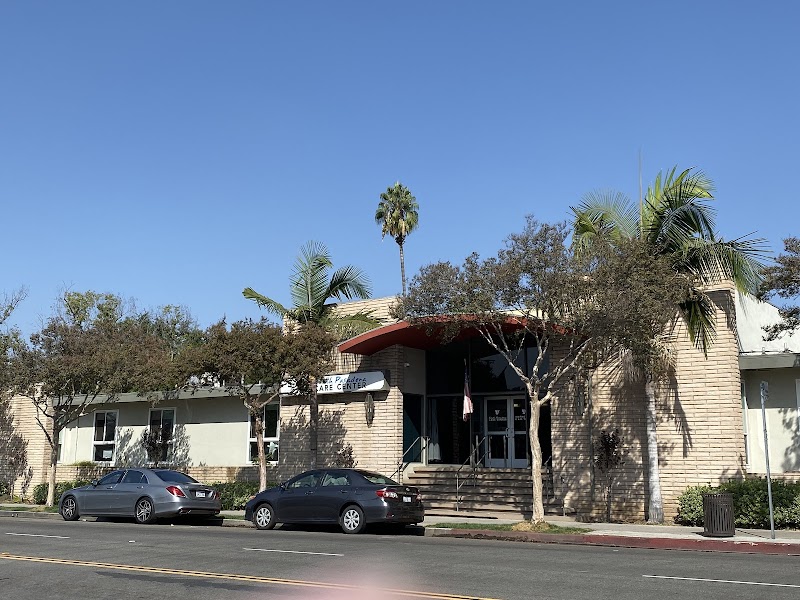
How is South Pasadena Staffed?

CMS rates SOUTH PASADENA CARE CENTER's staffing level at 2 out of 5 stars, which is below average compared to other nursing homes. Staff turnover is 40%, compared to the California average of 46%. This relatively stable workforce can support continuity of care.

What Have Inspectors Found at South Pasadena?

State health inspectors documented 72 deficiencies at SOUTH PASADENA CARE CENTER during 2021 to 2025. These included: 71 with potential for harm and 1 minor or isolated issues. While no single deficiency reached the most serious levels, the total volume warrants attention from prospective families.
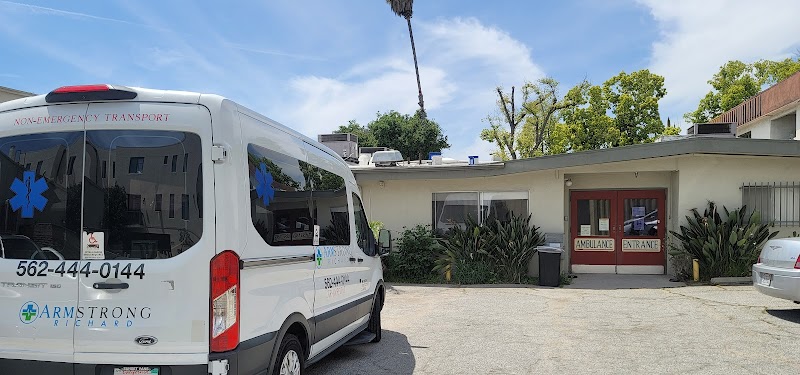
Who Owns and Operates South Pasadena?

SOUTH PASADENA CARE CENTER is owned by a for-profit company. For-profit facilities operate as businesses with obligations to shareholders or private owners. The facility operates independently rather than as part of a larger chain. With 156 certified beds and approximately 151 residents (about 97% occupancy), it is a mid-sized facility located in SOUTH PASADENA, California.
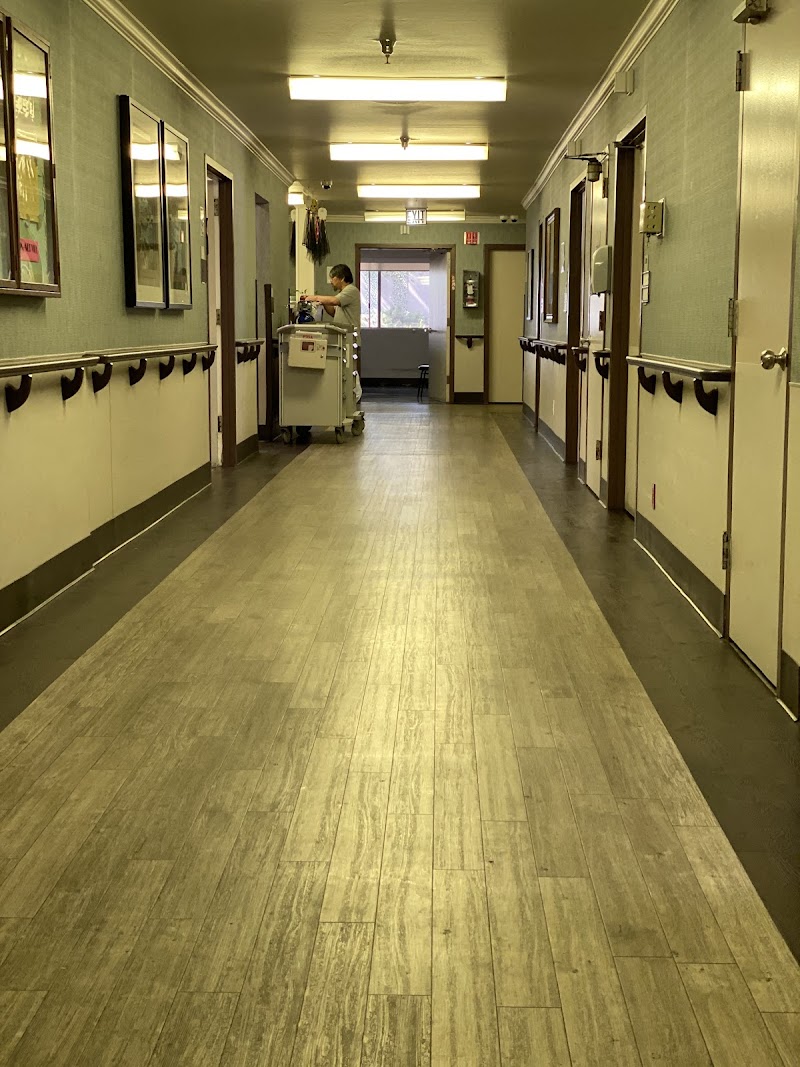
How Does South Pasadena Compare to Other California Nursing Homes?

Compared to the 100 nursing homes in California, SOUTH PASADENA CARE CENTER's overall rating (2 stars) is below the state average of 3.1, staff turnover (40%) is near the state average of 46%, and health inspection rating (2 stars) is below the national benchmark.

What Should Families Ask When Visiting South Pasadena?

Based on this facility's data, families visiting should ask: "Can you walk me through typical staffing levels on day, evening, and night shifts?" "Can I visit during a mealtime to observe dining assistance and food quality?" "How do you handle medical emergencies, and what is your hospital transfer rate?" "Can I speak with family members of current residents about their experience?" These questions are particularly relevant given the below-average staffing rating.

Is South Pasadena Safe?

Based on CMS inspection data, SOUTH PASADENA CARE CENTER has a clean safety record: no substantiated abuse findings (meaning no confirmed cases of resident harm), no Immediate Jeopardy citations (the most serious violation level indicating risk of serious injury or death), and is not on the Special Focus Facility watch list (a federal program monitoring the lowest-performing 1% of nursing homes). The facility has a 2-star overall rating and ranks #100 of 100 nursing homes in California. While no facility is perfect, families should still ask about staff-to-resident ratios and recent inspection results during their visit.

Do Nurses at South Pasadena Stick Around?

SOUTH PASADENA CARE CENTER has a staff turnover rate of 40%, which is about average for California nursing homes (state average: 46%). Moderate turnover is common in nursing homes, but families should still ask about staff tenure and how the facility maintains care continuity when employees leave.

Was South Pasadena Ever Fined?

SOUTH PASADENA CARE CENTER has been fined $32,200 across 6 penalty actions. This is below the California average of $33,401. While any fine indicates a compliance issue, fines under $50,000 are relatively common and typically reflect isolated problems that were subsequently corrected. Families should ask what specific issues led to these fines and confirm they've been resolved.

Is South Pasadena on Any Federal Watch List?

SOUTH PASADENA CARE CENTER is not on any federal watch list. The most significant is the Special Focus Facility (SFF) program, which identifies the bottom 1% of nursing homes nationally based on persistent, serious quality problems. Not being on this list means the facility has avoided the pattern of deficiencies that triggers enhanced federal oversight. This is a positive indicator, though families should still review the facility's inspection history directly.