IMPERIAL CARE CENTER
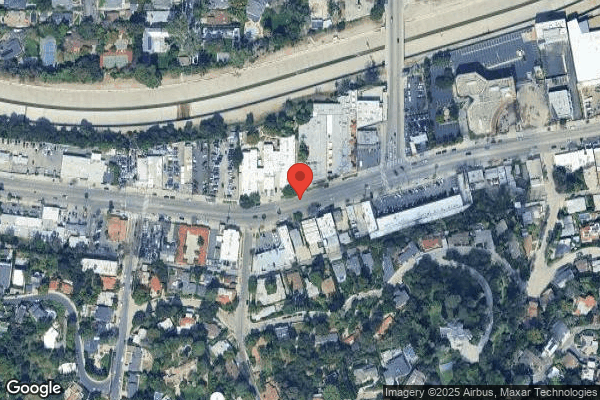
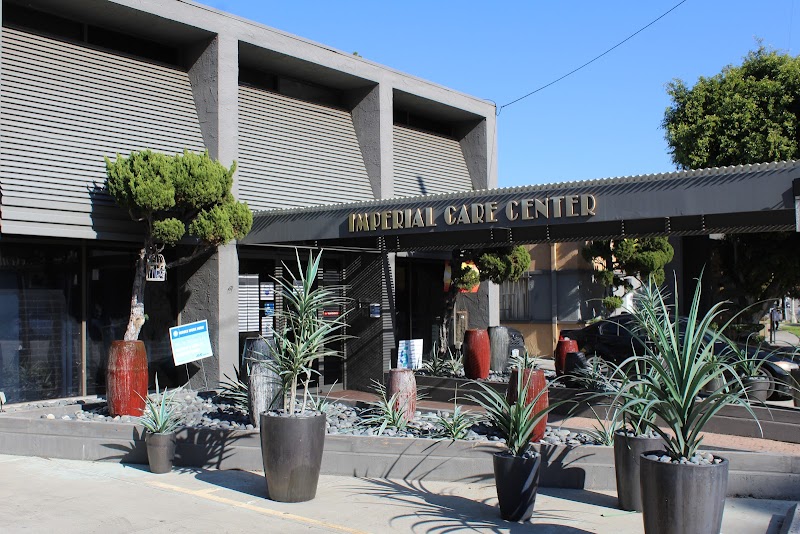
11441 VENTURA BLVD, STUDIO CITY, CA 91604 (818) 980-8200
For profit - Limited Liability company 130 Beds LONGWOOD MANAGEMENT CORPORATION Data: November 2025 4 Immediate Jeopardy citations
Trust Grade
0/100
#1046 of 1155 in CA
Last Inspection: June 2025

Inspected within the last 6 months. Data reflects current conditions.

Overview

Imperial Care Center has received a Trust Grade of F, indicating significant concerns about the quality of care provided. Ranking #1046 out of 1155 in California means they are in the bottom half of facilities in the state, and at #310 out of 369 in Los Angeles County, only a few local options are worse. The facility is worsening, with issues increasing from 32 in 2024 to 45 in 2025. Staffing is rated average with a 3/5 score, but the turnover rate is concerning at 54%, higher than the state average, which could affect continuity of care. Additionally, the facility has racked up $212,749 in fines, indicating serious compliance problems, and incidents reported include failures to protect residents from falls and neglect, with one resident allowed to exit the facility unsupervised, which poses a severe safety risk.

Trust Score
F
0/100
In California
#1046/1155
Bottom 10%
Safety Record
High Risk
Review needed
Inspections
Getting Worse
32 → 45 violations
Staff Stability
⚠ Watch
54% turnover. Above average. Higher turnover means staff may not know residents' routines.
Penalties
⚠ Watch
$212,749 in fines. Higher than 85% of California facilities, suggesting repeated compliance issues.
Skilled Nurses
⚠ Watch
Each resident gets only 26 minutes of Registered Nurse (RN) attention daily — below average for California. Fewer RN minutes means fewer trained eyes watching for problems.
Violations
⚠ Watch
121 deficiencies on record. Higher than average. Multiple issues found across inspections.
★☆☆☆☆
1.0
Overall Rating
★★★☆☆
3.0
Staff Levels
★☆☆☆☆
1.0
Care Quality
★☆☆☆☆
1.0
Inspection Score
Stable
2024: 32 issues
2025: 45 issues

The Good

  • Full Sprinkler Coverage · Fire safety systems throughout facility
  • No fines on record

Facility shows strength in fire safety.

The Bad

1-Star Overall Rating

Below California average (3.1)

Significant quality concerns identified by CMS

Staff Turnover: 54%

Near California avg (46%)

Higher turnover may affect care consistency

Federal Fines: $212,749

Well above median ($33,413)

Significant penalties indicating serious issues

Chain: LONGWOOD MANAGEMENT CORPORATION

Part of a multi-facility chain

Ask about local staffing decisions and management

The Ugly 121 deficiencies on record

4 life-threatening 6 actual harm
Aug 2025 1 deficiency
CONCERN (D) 📢 Someone Reported This

A family member, employee, or ombudsman was alarmed enough to file a formal complaint

Potential for Harm - no one hurt, but risky conditions existed

Quality of Care (Tag F0684)

Could have caused harm · This affected 1 resident

**NOTE- TERMS IN BRACKETS HAVE BEEN EDITED TO PROTECT CONFIDENTIALITY** Based on interview and record review, the facility failed to ensure the Fall Risk Evaluation (used to find out if you have a low...

Read full inspector narrative →
**NOTE- TERMS IN BRACKETS HAVE BEEN EDITED TO PROTECT CONFIDENTIALITY** Based on interview and record review, the facility failed to ensure the Fall Risk Evaluation (used to find out if you have a low, moderate, or high risk of falling) was accurately documented to reflect the fall risk of one of three sampled residents (Resident 1). This deficient practice had the potential to negatively affect Resident 1's plan of care and delivery of necessary care and services. Findings:Findings:During a review of Resident 1's admission Record (AR), the AR indicated the facility admitted Resident 1 on 12/7/2024 and was readmitted on [DATE] with diagnoses including encephalopathy (any condition that damages or impairs the brain, leading to changes in brain function or structure), dementia (a progressive state of decline in mental abilities), and anxiety (a common mental health condition characterized by excessive worry, fear, and unease).During a review of Resident 1's Minimum Data Set (MDS - a resident assessment tool), dated 7/25/2025, the MDS indicated Resident 1 had the ability to understand and be understood. The MDS indicated Resident 1 required substantial assistance (helper does more than half the effort) with toileting, and requires partial to moderate assistance (the helper does less than half the effort) with oral hygiene, showering, upper and lower body dressing, and putting on and taking off footwear and requires supervision or touching assistance (helper provides verbal cues and or touching or contact guard assistance) with eating, walking 10 feet and walking 50 feet.During a review of Resident 1's Change in Condition (COC- when there is a sudden change in a resident's condition) Assessment Form, dated 7/3/2025 at 3:50 a.m., the COC Assessment Form indicated Resident 1 had a fall. At 3:50 p.m. Certified Nursing Assistant (CNA) 1 notified Registered Nurse (RN) 1, Resident 1 is sitting on the floor between the resident's bed and bathroom door.During a review of Resident 1's Fall Risk Evaluation, dated 7/22/2025 at 1:17 a.m., the Fall Risk Evaluation indicated Resident 1 had a fall risk score of 16 (total score is 10 or greater, the resident should be considered at high risk for potential fall).During a review of Resident 1's Fall Risk Evaluation, dated 7/22/2025 at 1:35 a.m., the Fall Risk Evaluation indicated Resident 1 had a fall risk score of 18.During a review of Resident 1's COC, dated 8/3/2025 at 8:18 a.m., the COC indicated Resident 1 had a status post unwitnessed fall, complaint of right groin and leg pain, middle forehead redness, left anterior knee redness. The COC indicated at 7:20 a.m. CNA 1 reported to the charge nurse Resident 1 was on the floor.During a review of Resident 1's Fall Risk Evaluation, dated 8/3/2025 at 8:18 a.m., the evaluation indicated Resident 1's had a fall risk score of 16.During a review of Resident 1's Fall Risk Evaluation, dated 8/7/2025 at 1:44 p.m., the evaluation indicated Resident 1's had a fall risk score of 17.During a review of Resident 1's Fall Risk Evaluation, dated 8/9/2025 at 8:56 p.m., the evaluation indicated Resident 1's had a fall risk score of 15.During a concurrent interview and record review on 8/14/2025 at 9:24 a.m. with the Administrator (Adm), Resident 1's Fall Risk Evaluation dated 7/22/2025 was reviewed. The Adm stated was not sure why Resident 1 had multiple Fall Risk Evaluations for 7/22/2025 and will get the Minimum Data Set Coordinator (MDS) to answer the questions.During a concurrent interview and record review on 8/14/2025 at 9:27 a.m. with the MDS, Resident 1's Fall Risk Evaluation dated 7/22/2025 was reviewed. The MDS stated Resident 1 was discharged then returned to the facility on 7/21/2025. The MDS stated Resident 1 had multiple fall risk evaluations on 7/22/2025 because the nursing staff did not communicate with each other. The MDS stated was unsure which fall risk evaluations were accurate.During a concurrent interview and record review on 8/14/2025 at 3 p.m. with the Director of Nursing (DON), Resident 1's Fall Risk Evaluation dated 7/22/2025 was reviewed. The DON stated Resident 1 prior to fall on 8/3/2025 was not a high risk for falls but all residents in this facility are fall risk due to poor cognitive awareness and safety issues. The DON stated Resident 1 was able to ambulate without devices and had a prior fall in Resident 1's room without injury on 7/3/2025. The DON stated Resident 1 was discharged prior due to behavioral issues and returned to the facility on 7/21/2025. The DON stated the facility has a new system for the Fall Risk Evaluation, the DON stated was aware that two entries were done on 7/22/2025 one was from the nurse from 7 a.m. to 3 p.m. shift and the other was from the nurse from the 3 p.m. to 11 p.m. shift. The DON stated was not sure which fall risk evaluation was accurate. The DON stated the one Registered Nurse (RN) 2 did indicated Resident 1 had a fall risk score of 16 and RN 3's fall risk evaluation indicated Resident 1's fall risk score was 18. The DON stated RN 2 and RN 3's fall risk evaluation was inaccurate because RN 2 and RN 3 indicated Resident 1 had no falls in the past three (3) months and that is inaccurate because Resident 1 had a fall on 7/3/2025. The DON stated RN 2 inaccurately documented Resident 1's COC because Resident 1 did have a COC for behaviors and that is why Resident 1 was readmitted on [DATE]. The DON stated RN 2 inaccurately documented Resident 1's medications, the record indicates Resident 1 takes one to two of the listed medications, but it should indicate Resident 1 takes three to four of the listed medications. The DON reviewed the fall risk evaluation for Resident 1 for 8/7/2025 and the DON stated the fall risk evaluation was inaccurate because it indicated Resident 1 had none of the listed predisposing diseases. The DON stated assessment must be accurate because if assessments are not accurate there is a potential to not have the appropriate intervention for the residents.During a review of the facility's Policies and Procedures (P&P) titled, Charting and Documentation, last reviewed on 7/2025, the P&P indicated, documentation in the medical record will be objective (not opinionated or speculative), complete, and accurate.During a review of the facility's P&P titled, Falls and Fall Risk, Managing, last reviewed on 7/2025, the P&P indicated, based on previous evaluations and current data, the staff will identify related to the resident's specific risk and cause to try to prevent the resident from falling and to try to minimize complications from falling.
Jul 2025 1 deficiency
CONCERN (D) 📢 Someone Reported This

A family member, employee, or ombudsman was alarmed enough to file a formal complaint

Potential for Harm - no one hurt, but risky conditions existed

Report Alleged Abuse (Tag F0609)

Could have caused harm · This affected 1 resident

Based on interview and record review, the facility failed to report an allegation of abuse (the willful infliction of injury, unreasonable confinement, intimidation, or punishment with resulting physi...

Read full inspector narrative →
Based on interview and record review, the facility failed to report an allegation of abuse (the willful infliction of injury, unreasonable confinement, intimidation, or punishment with resulting physical harm, pain or mental anguish) within two hours to the State Survey Agency (SSA) on 7/17/2025, when the Director of Staff Development (DSD) received a text message from Certified Nurse Assistant (CNA) 4 that she (CNA 4) witnessed abuse while training with CNA 3. This deficient practice had the potential to result in unidentified abuse in the facility and failure to protect residents from abuse. Findings: During an interview with the DSD on 7/24/2025 at 11:00 a.m., the DSD stated she (DSD) received a text message on 7/17/25 at 6:14 a.m. from CNA 4, a CNA trainee, that she (CNA 4) will not be coming back because CNA 3, the CNA that CNA 4 was training with, was very abusive towards the residents. The DSD stated CNA 4 reported that residents were left soaking in urine for hours and CNA 3 was very rough and mean to a lot of the residents. The DSD stated she immediately texted CNA 4 to obtain more information, however CNA 4 was unresponsive. The DSD stated she called the Administrator (ADMIN) and reported CNA 4's allegations against CNA 3. The DSD stated CNA 4 left the facility and was not able to obtain more information. The DSD stated the allegation was not reported and CNA 3 was never suspended for a proper investigation. The DSD stated that any allegation of abuse needs to be reported within two hours. During an interview with the ADMIN on 7/24/2025 at 11:30 a.m., the ADMIN stated the DSD called her on 7/17/2025, the ADMIN does not recall exact time, to notify her (ADMIN) that CNA 4 had texted the DSD that she will not be coming back to work because she had witnessed abuse from CNA 3 towards her (CNA 3) assigned residents. The ADMIN stated she instructed the DSD to obtain a statement from CNA 4, however CNA 4 left the facility and did not provide a written statement providing more information regarding her allegation of abuse. The ADMIN stated, she (ADMIN) did not report the allegations to the SSA because she did not receive a full statement. The ADMIN stated any allegation of abuse needs to be reported within two hours. During an interview with the Director of Nurses (DON) on 7/24/2025 at 3:00 p.m., the DON stated all allegations of abuse are reported to the ADMIN. The DON stated when there is an allegation of abuse, the facility must initiate an investigation and report the allegation within two hours. The DON stated CNA 4 might have misinterpreted the care CNA 3 was providing to her residents, so the facility decided not to report the allegation of abuse. During a review of the facility's policy and procedure (P&P) titled, Abuse, Neglect, Exploitation or Misappropriation-Reporting and Investigating, dated September 2022, the P&P indicated all reports of resident abuse. are reported to local, state and federal agencies (as required by current regulations) and thoroughly investigated by facility management. Findings of all investigations are documented and reported. If resident abuse. is suspected, the suspicion must be reported immediately to the administrator and to other officials according to state law. The P&P indicated Immediately is defined as within two hours of an allegation involving abuse.
Jul 2025 4 deficiencies
CONCERN (D) 📢 Someone Reported This

A family member, employee, or ombudsman was alarmed enough to file a formal complaint

Potential for Harm - no one hurt, but risky conditions existed

Deficiency F0697 (Tag F0697)

Could have caused harm · This affected 1 resident

**NOTE- TERMS IN BRACKETS HAVE BEEN EDITED TO PROTECT CONFIDENTIALITY** Based on observation, interview, and record review, the facility failed to ensure pain management was provided to one of three s...

Read full inspector narrative →
**NOTE- TERMS IN BRACKETS HAVE BEEN EDITED TO PROTECT CONFIDENTIALITY** Based on observation, interview, and record review, the facility failed to ensure pain management was provided to one of three sampled residents (Resident 2) when there was no documented evidence in Resident 2's medical record showing Licensed Vocational Nurse (LVN 3) had assessed Resident 2's reported pain on 6/29/2025. This failure had the potential to result in Resident 2's reported pain to be left unmanaged which can prevent Resident 2 from reaching her highest practicable wellbeing.Findings: During a review of Resident 2's admission Record, dated 7/7/2025, the admission Record indicated Resident 2's diagnoses included polyneuropathy (a condition where nerves running along the arms, hands, legs, and feet are damaged causing pain, weakness, numbness, and tingling), and osteoarthritis (a joint condition where the cartilage between bones wears down, causing pain, stiffness, and decreased movement) of both knees. During a review of Resident 2's Minimum Data Set (MDS - a resident assessment tool), dated 6/13/2025, the MDS indicated Resident 2 is usually understood but occasionally has difficulty communicating some words. The MDS indicated Resident 2 is usually able to comprehend most conversation. During a review of Resident 2's care plan, dated 7/2/2025, the care plan indicated Resident 2 has potential for [a]lteration in Comfort/Pain related to [a]dvanced aging and osteoarthritis. The care plan indicated interventions include assess[ing] characteristics of pain and administer[ing] medication as ordered. During a concurrent observation and interview on 7/8/2025 at 2:57 p.m. with Resident 2 in the activities room, Resident 2 was sitting in a recliner wheelchair. Resident 2 stated that sometimes she has pain in her knees which she rates 5 out of 10 on a pain scale (a tool used to describe the intensity of pain, typically ranging from 0 which represents no pain, and up to 10 which represents the highest pain possible). Resident 2 stated her knee pain can reach as high as 10 out of 10. Resident 2 touched both of her knees and stated sometimes both knees have pain at the same time. Resident 2 stated: I call [the nurses] only if I really, really need them, and when I can't stand the pain no more. Resident 2 stated she remembers having pain at the end of last month on her knees all the way down to [her] toes. Resident 2 stated she had asked for pain medication but does not recall if any nurse gave her medication. During a review of Resident 2's Medication Administration Record (MAR), dated 7/8/2025, the MAR indicated Resident 2's doctor ordered 2 tablets of Tylenol 325 milligrams every 6 hours for mild pain rated 1-3 out of 10, and 2 tablets of Tylenol 500 milligrams every 6 hours for moderate pain rated 4-6 out of 10. During an interview on 7/8/2025 at 3:53 p.m. with LVN 2, LVN 2 stated: I remember [Resident 2] reported pain directly to me approximately the end of June. LVN 2 stated she was walking in the hallway near Resident 2's room when LVN 2 heard Resident 2 yell Help!. LVN 2 entered Resident 2's room and asked what was wrong. LVN 2 stated Resident 2 reported pain in both knees and requested pain medication. LVN 2 stated: I told [Resident 2] that I would tell the charge nurse who was assigned to Resident 2. LVN 2 stated she reported Resident 2's pain to LVN 3 and asked if any pain medication had been given to which LVN 3 stated no. LVN 2 stated: I reported to [LVN 3] and said go check her out and see if there is anything you can give her for pain. LVN 2 stated she did not observe LVN 3 enter Resident 2's room to assess for pain or administer any pain medication. During a concurrent interview and record review on 7/8/2025 at 4:00 p.m. with LVN 2, Resident 2's MAR, dated 6/1/2025 to 6/30/2025, was reviewed. LVN 2 stated the pain assessment section in Resident 2's MAR indicated that LVN 3 was assigned to Resident 2 only once during the last week of June, which was on 6/29/2025. LVN 2 stated the MAR indicated LVN 3 documented a pain level of zero for Resident 2 on 6/29/2025, however it is unknown when that pain level was assessed since the MAR does not list the exact time. LVN 2 stated Resident 2's MAR indicated no pain medication was administered to Resident 2 during the entire last week of June 2025, consisting of 6/22/2025 through 6/31/2025. LVN 2 stated pain management is important because if we don't control it, it gets worse. LVN 2 stated pain can't be taken lightly because it can cause other issues and harm. During a phone interview on 7/9/2025 at 9:57 a.m. with LVN 3, LVN 3 stated he worked on 6/29/2025 and was assigned to Resident 2. LVN 3 stated LVN 2 informed him that Resident 2 had reported pain and requested medication. LVN 3 stated: I do remember that incident. LVN 3 stated he was currently passing medications to a different resident at the time of LVN 2's reporting. LVN 3 stated approximately 10 minutes later, LVN 3 entered Resident 2's room to assess for pain but found Resident 2 asleep. LVN 3 stated he visually checked Resident 2 later during LVN 3's shift but Resident 2 remained asleep. When asked where in Resident 2's records indicate LVN 3 assessed Resident 2's reported pain, LVN 3 stated: For this instance, I didn't document. I should have. LVN 3 stated per professional standards of nursing practice, if it's not documented, then it's not done. During an interview on 7/9/2025 at 12:02 p.m. with Director of Nursing (DON), DON stated if a resident reports pain and requests medication, a licensed nurse must assess the pain level, pain location, and whether pain medication is available to be given. DON stated, pain is what the patient says it to be. DON stated that if a nurse goes into a resident's room to assess for pain but finds the resident sleeping, the nurse should let the resident sleep but continue to do their routine rounds of pain assessment. DON stated that if a nurse documents the assessment of a resident's pain, that is enough to support that the nurse already assessed for pain management. DON stated if there is no documentation in the resident's record of a pain assessment, then there is no proof that it was completed. DON stated that per professional standards of practice, if it's not written, then it's not done. During a review of the facility's policy and procedure (P&P) titled, Pain Assessment and Management, dated 7/2024, the P&P indicated the facility's pain management program is based on a facility-wide commitment to appropriate assessment and treatment of pain, based on professional standards of practice, the comprehensive care plan, and the resident's choices related to pain management. The P&P indicated [a]cute pain (or significant worsening of chronic pain) should be assessed every 30 to 60 minutes after the onset and reassessed as indicated until relief is obtained. The P&P indicated that [u][NAME] completion of the pain assessment, the person conducting the assessment shall record the information obtained from the assessment in the resident's medical record.
CONCERN (D) 📢 Someone Reported This

A family member, employee, or ombudsman was alarmed enough to file a formal complaint

Potential for Harm - no one hurt, but risky conditions existed

Deficiency F0760 (Tag F0760)

Could have caused harm · This affected 1 resident

Based on observation, interview, and record review, the facility failed to ensure one of four sampled residents (Resident 1) was free from a significant medication error when Licensed Vocational Nurse...

Read full inspector narrative →
Based on observation, interview, and record review, the facility failed to ensure one of four sampled residents (Resident 1) was free from a significant medication error when Licensed Vocational Nurse (LVN 1) was about to administer Gabapentin (a medication that prevents/controls seizures and can also relieve nerve pain) without first checking Resident 1's respiration rate (the amount of breaths a person takes per minute) per the doctor's order. This failure had the potential to result in an adverse effect (undesired effect of a drug or other type of medical treatment) from taking Gabapentin, which can significantly decrease respirations (the process of breathing air in and out of the lungs). Findings: During a review of Resident 1's admission Record, dated 7/9/2025, the admission Record indicated Resident 1's diagnoses include dementia (a decrease in thinking, remembering, and reasoning to such an extent that it interferes with a person's daily life), neuralgia (pain caused by irritation or damage to a nerve), and neuritis (inflammation of a nerve causing pain, numbness, tingling, or weakness). During a review of Resident 1's Minimum Data Set (MDS - a resident assessment tool), dated 5/8/2025, the MDS indicated Resident 1's ability is limited in making concrete requests. The MDS indicated Resident 1 comprehends most conversation. The MDS also indicated Resident 1 has functional limitations to the lower extremities, which consists of the hips, knees, ankles and feet. During an observation on 7/3/2025 at 12:53 p.m. in Resident 1's room, Resident 1 was sitting in a recliner wheelchair. LVN 1 entered Resident 1's room and advised Resident 1 that Gabapentin will be given. LVN went to the medication cart in front of Resident 1's room and began preparing the medication by unscrewing the Gabapentin capsules in order to mix the powdered medication with applesauce. LVN 1 returned to Resident 1 and was observed to be holding a spoonful of applesauce mixed with the medication. LVN 1 was about to feed the spoonful of applesauce to Resident 1, when LVN 1 was asked by surveyor to stop and step out of Resident 1's room. During a concurrent interview and record review on 7/3/2025 at 12:58 p.m. with LVN 1, Resident 1's Medication Administration Record (MAR), dated 7/3/2025 was reviewed. LVN 1 was asked if Resident 1's doctor had ordered any parameters (instructions ordered by a doctor regarding when to give or hold medication) to be checked before administering Gabapentin. LVN 1 stated the MAR indicated to hold if respiration rate is less than 12 and to notify MD. LVN 1 stated Resident 1's respiration rate was not checked in surveyor's presence because Resident 1's respirations were checked 15 minutes ago, but LVN 1 didn't put it in the computer and save. LVN 1 stated Resident 1's respiration rate should have been checked at the moment medication is about to be administered because it is safer and more accurate per standard nursing practice. LVN 1 stated the respiration rate must be accurately assessed to ensure it is safe to give the Gabapentin to Resident 1 per the doctor's orders. During an interview on 7/9/2025 at 12:02 p.m. with Director of Nursing (DON), DON stated parameters are part of a doctor's order. DON stated if a licensed nurse administers a medication, such as Gabapentin, without checking the parameters, it is considered a significant medication error because you have to follow the doctor's order. DON stated the consequence of failing to check parameters prior to administering Gabapentin is the possibility that the medication can cause respiratory distress and harm to the resident. During a review of the facility's policy and procedure (P&P) titled, Adverse Consequences and Medication Errors, dated 7/2024, the P&P indicated a medication error is defined as the preparation or administration of drugs.which is not in accordance with physician's order. The P&P also indicated an adverse consequence is an unpleasant symptom or event that is due to or associated with a medication, such as an impairment or decline in an individual's.physical condition. The P&P indicated that staff and practitioner shall strive to minimize adverse consequences resulting from medication errors.
CONCERN (D) 📢 Someone Reported This

A family member, employee, or ombudsman was alarmed enough to file a formal complaint

Potential for Harm - no one hurt, but risky conditions existed

Medical Records (Tag F0842)

Could have caused harm · This affected 1 resident

**NOTE- TERMS IN BRACKETS HAVE BEEN EDITED TO PROTECT CONFIDENTIALITY** Based on observation, interview, and record review, the facility failed to ensure the medical record of one of three sampled res...

Read full inspector narrative →
**NOTE- TERMS IN BRACKETS HAVE BEEN EDITED TO PROTECT CONFIDENTIALITY** Based on observation, interview, and record review, the facility failed to ensure the medical record of one of three sampled residents (Resident 2) was complete, accurately documented, and contained a record of Resident 2's pain assessments when Licensed Vocational Nurse (LVN 3) stated Resident 2's pain was assessed on 6/29/2025 after Resident 2 reported pain to both knees. This failure resulted in an incomplete medical record as there was no documented evidence that Resident 2's reported pain was addressed.Findings: During a review of Resident 2's admission Record, dated 7/7/2025, the admission Record indicated Resident 2's diagnoses included polyneuropathy (a condition where nerves running along the arms, hands, legs, and feet are damaged causing pain, weakness, numbness, and tingling), and osteoarthritis (a joint condition where the cartilage between bones wears down, causing pain, stiffness, and decreased movement) of both knees. During a review of Resident 2's Minimum Data Set (MDS - a resident assessment tool), dated 6/13/2025, the MDS indicated Resident 2 is usually understood but occasionally has difficulty communicating some words. The MDS indicated Resident 2 is usually able to comprehend most conversation. During a review of Resident 2's care plan, dated 7/2/2025, the care plan indicated Resident 2 has potential for [a]lteration in Comfort/Pain related to [a]dvanced aging and osteoarthritis. The care plan indicated interventions include assess[ing] characteristics of pain and administer[ing] medication as ordered. During a concurrent observation and interview on 7/8/2025 at 2:57 p.m. with Resident 2 in the activities room, Resident 2 was sitting in a recliner wheelchair. Resident 2 stated that sometimes she has pain in her knees which she rates 5 out of 10 on a pain scale (a tool used to describe the intensity of pain, typically ranging from 0 which represents no pain, and up to 10 which represents the highest pain possible). Resident 2 stated her knee pain can reach as high as 10 out of 10. Resident 2 touched both of her knees and stated sometimes both knees have pain at the same time. Resident 2 stated: I call [the nurses] only if I really, really need them, and when I can't stand the pain no more. Resident 2 stated she remembers having pain at the end of last month on her knees all the way down to [her] toes. Resident 2 stated she had asked for pain medication but does not recall if any nurse gave her medication. During a review of Resident 2's Medication Administration Record (MAR), dated 7/8/2025, the MAR indicated Resident 2's doctor ordered 2 tablets of Tylenol 325 milligrams every 6 hours for mild pain rated 1-3 out of 10, and 2 tablets of Tylenol 500 milligrams every 6 hours for moderate pain rated 4-6 out of 10. During an interview on 7/8/2025 at 3:53 p.m. with LVN 2, LVN 2 stated: I remember [Resident 2] reported pain directly to me approximately the end of June. LVN 2 stated she was walking in the hallway near Resident 2's room when LVN 2 heard Resident 2 yell Help!. LVN 2 entered Resident 2's room and asked what was wrong. LVN 2 stated Resident 2 reported pain in both knees and requested pain medication. LVN 2 stated: I told [Resident 2] that I would tell the charge nurse who was assigned to Resident 2. LVN 2 stated she reported Resident 2's pain to LVN 3 and asked if any pain medication had been given to which LVN 3 stated no. LVN 2 stated: I reported to [LVN 3] and said go check her out and see if there is anything you can give her for pain. LVN 2 stated she did not observe LVN 3 enter Resident 2's room to assess for pain or administer any pain medication. During a concurrent interview and record review on 7/8/2025 at 4:00 p.m. with LVN 2, Resident 2's MAR, dated 6/1/2025-6/30/2025, was reviewed. LVN 2 stated the pain assessment section in Resident 2's MAR indicated that LVN 3 was assigned to Resident 2 only once during the last week of June, which was on 6/29/2025. LVN 2 stated the MAR indicated LVN 3 documented a pain level of zero for Resident 2 on 6/29/2025, however it is unknown when that pain level was assessed since the MAR does not list the exact time. LVN 2 stated Resident 2's MAR indicated no pain medication was administered to Resident 2 during the entire last week of June 2025, consisting of 6/22/2025 through 6/31/2025. LVN 2 stated pain management is important because if we don't control it, it gets worse. LVN 2 stated pain can't be taken lightly because it can cause other issues and harm. During a phone interview on 7/9/2025 at 9:57 a.m. with LVN 3, LVN 3 stated he worked on 6/29/2025 and was assigned to Resident 2. LVN 3 stated LVN 2 informed him that Resident 2 had reported pain and requested medication. LVN 3 stated: I do remember that incident. LVN 3 stated he was currently passing medications to a different resident at the time of LVN 2's reporting. LVN 3 stated approximately 10 minutes later, LVN 3 entered Resident 2's room to assess for pain but found Resident 2 asleep. LVN 3 stated he visually checked Resident 2 later during LVN 3's shift but Resident 2 remained asleep. When asked where in Resident 2's records indicate LVN 3 assessed Resident 2's reported pain, LVN 3 stated: For this instance, I didn't document. I should have. LVN 3 stated per professional standards of nursing practice, if it's not documented, then it's not done. During an interview on 7/9/2025 at 12:02 p.m. with Director of Nursing (DON), DON stated if a resident reports pain and requests medication, a licensed nurse must assess the pain level, pain location, and whether pain medication is available to be given. DON stated, pain is what the patient says it to be. DON stated that if a nurse goes into a resident's room to assess for pain but finds the resident sleeping, the nurse should let the resident sleep but continue to do their routine rounds of pain assessment. DON stated that if a nurse documents the assessment of a resident's pain, that is enough to support that the nurse already assessed for pain management. DON stated if there is no documentation in the resident's record of a pain assessment, then there is no proof that it was completed. DON stated that per professional standards of practice, if it's not written, then it's not done. During a review of the facility's policy and procedure (P&P) titled, Pain Assessment and Management, dated 7/2024, the P&P indicated the facility's pain management program is based on a facility-wide commitment to appropriate assessment and treatment of pain, based on professional standards of practice, the comprehensive care plan, and the resident's choices related to pain management. The P&P indicated [a]cute pain (or significant worsening of chronic pain) should be assessed every 30 to 60 minutes after the onset and reassessed as indicated until relief is obtained. The P&P indicated that [u][NAME] completion of the pain assessment, the person conducting the assessment shall record the information obtained from the assessment in the resident's medical record. During a review of the facility's policy and procedure (P&P) titled, Charting and Documentation, dated 7/2024, the P&P indicated .any changes in the resident's medical, physical, functional or psychosocial condition, shall be documented in the resident's medical record. The P&P indicated objective observations and [c]hanges in the resident's condition are types of information to be documented in the resident medical record.
CONCERN (D) 📢 Someone Reported This

A family member, employee, or ombudsman was alarmed enough to file a formal complaint

Potential for Harm - no one hurt, but risky conditions existed

Infection Control (Tag F0880)

Could have caused harm · This affected 1 resident

Based on observation, interview, and record review, the facility failed to implement infection prevention and control in one of four sampled residents (Resident 1) when Licensed Vocational Nurse (LVN ...

Read full inspector narrative →
Based on observation, interview, and record review, the facility failed to implement infection prevention and control in one of four sampled residents (Resident 1) when Licensed Vocational Nurse (LVN 1) prepared to administer Gabapentin (a medication that prevents/controls seizures and can also relieve nerve pain) without first washing hands or using alcohol hand sanitizer per the facility's protocol. This failure had the potential to result in spreading infection to Resident 1 during the administration of Gabapentin. Findings: During a review of Resident 1's admission Record, dated 7/9/2025, the admission Record indicated Resident 1's diagnoses include dementia (a decrease in thinking, remembering, and reasoning to such an extent that it interferes with a person's daily life), neuralgia (pain caused by irritation or damage to a nerve), and neuritis (inflammation of a nerve causing pain, numbness, tingling, or weakness). During a review of Resident 1's Minimum Data Set (MDS - a resident assessment tool), dated 5/8/2025, the MDS indicated Resident 1's ability is limited in making concrete requests. The MDS indicated Resident 1 comprehends most conversation. The MDS also indicated Resident 1 has functional limitations to the lower extremities, which consists of the hips, knees, ankles and feet. During an observation on 7/3/2025 at 12:53 p.m. in Resident 1's room, LVN 1 entered Resident 1's room and advised Resident 1 that Gabapentin will be given. LVN went to the medication cart in front of Resident 1's room and began preparing the medication by unscrewing two Gabapentin capsules in order to mix the powdered medication with applesauce. LVN 1 was not observed to have washed hands or used alcohol hand sanitizer prior to preparing and handling the Gabapentin capsules. During a review of Resident 1's Medication Administration Record (MAR), dated 7/3/2025, the MAR indicated Resident 1's doctor ordered Gabapentin Capsule 100 milligrams and to give 2 capsules by mouth three times a day for neuropathy. During an interview on 7/3/2025 at 4:03 p.m. with LVN 1, LVN 1 stated handwashing or alcohol hand sanitizing did not occur prior to LVN 1 holding and taking apart the Gabapentin capsules so that the powdered medication can be mixed with applesauce. LVN 1 stated handwashing had occurred downstairs when [LVN 1] went there to get medicine cups prior to preparing medications for Resident 1. When asked if LVN 1 took the elevator to come back up to Resident 1's room, LVN 1 stated: No, I used the stairs. LVN 1 stated he had to touch the doorknobs leading to and away from the staircase in order to arrive at Resident 1's room. LVN 1 stated it is possible to spread infection from touching the doorknobs and then proceeding straight to handling Resident 1's medications. During an interview on 7/9/2025 at 12:02 p.m. with Director of Nursing (DON), DON stated before licensed nurses prepare and handle medications with their bare hands, they must wash their hands. DON stated if nurses do not handwash or sanitize prior to medication preparation and administration, the negative outcome would be the possibility of spreading infection. During a review of the facility's policy and procedure (P&P) titled, Handwashing/Hand Hygiene, dated 7/2024, the P&P indicated [t]his facility considers hand hygiene the primary means to prevent the spread of infection. The P&P indicated [a]ll personnel shall follow the handwashing/hand hygiene procedures to help prevent the spread of infections to other personnel, residents, and visitors. The P&P indicated alcohol-based hand rub containing at least 62% alcohol; or, alternative, soap.and water is to be used before preparing or handling medications.
Jun 2025 1 deficiency
CONCERN (D) 📢 Someone Reported This

A family member, employee, or ombudsman was alarmed enough to file a formal complaint

Potential for Harm - no one hurt, but risky conditions existed

Resident Rights (Tag F0550)

Could have caused harm · This affected 1 resident

**NOTE- TERMS IN BRACKETS HAVE BEEN EDITED TO PROTECT CONFIDENTIALITY** Based on observation, record review, and interview, the facility failed to ensure one of three sampled residents (Resident 2) wa...

Read full inspector narrative →
**NOTE- TERMS IN BRACKETS HAVE BEEN EDITED TO PROTECT CONFIDENTIALITY** Based on observation, record review, and interview, the facility failed to ensure one of three sampled residents (Resident 2) was treated with dignity and care in a manner that promotes maintenance or enhancement of their quality of life by failing to ensure Certified Nursing Assistant (CNA) 1 assisted Resident 2 with their meal was not standing over Resident 2. This deficient practice had the potential to negatively affect Resident 2 psychosocially (involving mental, emotional, social, and spiritual aspects of a person's life). Findings: During a review of Resident 2 ' s admission Record, the admission Record indicated the facility admitted Resident 2 on 6/29/2017 and readmitted on [DATE] with diagnoses including dementia (a progressive state of decline in mental abilities), anxiety disorder (a group of mental health conditions where feelings of worry, fear, apprehension, and nervousness are excessive, persistent, and interfere with daily life), and other lack of coordination. During a review of Resident 2 ' s Minimum Data Set (MDS – a resident assessment tool) dated 4/7/2025, the MDS indicated Resident 2 had the ability to sometimes understand and sometimes be understood. The MDS indicated Resident 2 was dependent (helper does all of the effort) with showering, required substantial assistance (helper does more than half the effort) with oral hygiene, toileting, putting on and taking off footwear and personal hygiene, required partial assistance (helper does less than half the effort) with upper and lower body dressing and required supervision assistance (helper provides verbal cues and or touching and or contact guard assistance) with eating. During a concurrent observation and interview on 6/25/2025 at 8:15 a.m. of Resident 2 with CNA 1, CNA 1 was observed standing with over Resident 2, no chair noted in the room. CNA 1 stated a chair was provided to assist a resident with meals but is not using one. CNA 1 stated does not sit while assisting Resident 2 with meal because Resident 2 will try to get up. CNA 1 stated should be sitting at eye level with Resident 2 when assisting with their meal. During an interview on 6/25/2025 at 3:15 p.m. with the Director of Nursing (DON), the DON stated staff assisting residents with their meal need to sit down and be at eye level. The DON stated if staff are not at eye level and the staff are standing over the resident while assisting with meals mean it is not respecting the resident ' s right to dignity. During a review of the facility ' s Policy and Procedures (P&P) titled, Assistance with Meals, last reviewed on 1/2025, the P&P indicated residents shall receive assistance with meals in a manner that meets the individual needs of each resident. Residents who cannot feed themselves will be fed with attention to safety, comfort and dignity, for examples: a. Not standing over residents while assisting them with meals;
Jun 2025 24 deficiencies
CONCERN (D)

Potential for Harm - no one hurt, but risky conditions existed

Deficiency F0558 (Tag F0558)

Could have caused harm · This affected 1 resident

Based on observation, interview, and record review, the facility failed to keep the call light (an alerting device for nurses or other nursing personnel to assist a resident when in need) within reach...

Read full inspector narrative →
Based on observation, interview, and record review, the facility failed to keep the call light (an alerting device for nurses or other nursing personnel to assist a resident when in need) within reach of the resident for one of one sampled resident (Resident 5) reviewed under accommodation. This deficient practice had the potential for residents unable to summon health care worker for help as needed. Findings: During a review of Resident 5's admission Record, the admission Record indicated the facility originally admitted the resident on 3/23/2024 and readmitted the resident on 4/3/2025 with diagnoses including muscle weakness, abnormalities of gait (a manner of walking or moving on foot) and mobility, and history of falling. During a review of Resident 5's History and Physical (H&P), dated 4/4/2025, the H&P indicated the resident had the capacity to understand and make decisions. During a review of Resident 5's Minimum Data Set (MDS - a resident assessment tool), dated 4/8/2025, the MDS indicated the resident usually had the ability to make self-understood and understand others, and had impaired vision. The MDS indicated the resident had moderate cognitive impairment (someone's thinking, memory, and judgment have noticeably declined, impacting their ability to handle daily tasks and responsibilities, but they can still manage some basic activities independently) and required substantial to setup assistance on mobility and activities of daily living (ADLs - activities such as bathing, dressing and toileting a person performs daily). During a review of Resident 5's Fall Risk Assessment, dated 4/24/2025, the Fall Risk Assessment indicated the resident was high risk for falls. During a review of Resident 5's Care Plan (CP) Report titled, Resident is at risk for falls/injury, last revised on 4/6/2025, the CP indicated an intervention to keep call light within easy reach and encourage resident to use it to get assistance. During a concurrent observation and interview on 6/16/2025 at 9:17 a.m. with the Infection Preventionist (IP) inside Resident 5's room, Resident 5's call light was on the floor at the left side of the bed. The IP stated Resident 5's call light should not be on the floor and the call light should be within reach for the resident to call when she needed to get out of bed or for any other assistance. The IP stated it was the responsibility of all staff when they round on their residents to ensure the residents are safe such as making sure the call light is within reach. During an interview on 6/20/2025 at 11:57 a.m. with the Director of Nursing (DON), the DON stated Resident 5's call light should be within reach at all times so they can call when they need help. The DON stated some residents are hard to ensure the call light is within reach especially when they are confused. The DON stated for these types of residents they should round at least every hour to ensure that the call light is within reach. The DON stated if the resident desires to not have the call light within reach and they are cognitively intact, they will respect the right of the resident, and it will be care planned. During a review of the facility's recent policy and procedure (P&P) titled, Call System, Resident, last reviewed on 7/2024, the P&P indicated residents are provided with a means to call staff for assistance through a communication system that directly calls a staff member or a centralized workstation. Each resident is provided with a means to call staff directly for assistance from his/her bed, from toileting/bathing facilities and from the floor.
CONCERN (D)

Potential for Harm - no one hurt, but risky conditions existed

Deficiency F0605 (Tag F0605)

Could have caused harm · This affected 1 resident

Based on interview and record review, the facility failed to ensure one of three sampled residents (Residents 116) was free from chemical restraints (use of medication to manage a resident's behavior ...

Read full inspector narrative →
Based on interview and record review, the facility failed to ensure one of three sampled residents (Residents 116) was free from chemical restraints (use of medication to manage a resident's behavior or restrict their freedom of movement, primarily to control agitation [a feeling of irritability, mental distress or severe restlessness] or aggression [any behavior, word, or action that is intended to harm another person, animal, or object]) by failing to ensure quarterly (every three months) behavior management interdisciplinary team (IDT - a coordinated group of experts from several different fields who work together) meeting for Resident 116 use of psychotropic (medications that affect the mind, emotions, and behavior) medication was done. This failure had the potential to result in unnecessary chemical restraint and placed Residents 116 at risk for decline, isolation (a state of reduced social interaction and lack of meaningful connections with others) and injury. Findings: During a record review of Resident 116's admission Record, the admission Record indicated the facility admitted Resident 116 on 10/15/2024 with diagnoses including unspecified (unconfirmed) cerebrovascular disease (a group of conditions that affect blood flow to the brain), major depressive disorder (a mood disorder that causes a persistent feeling of sadness and loss of interest) and vascular dementia (reduced blood flow to the brain, which damages brain tissue and impairs cognitive functions). During a review of Resident 116's History and Physical Examination (H&P - a medical examination that involves a doctor taking a patient's medical history, performing a physical exam, and documenting their findings) Visit, dated 10/15/2024, the H&P Visit indicated Resident 116 was alert and needed visual cues (non-verbal signals that provide information, guide actions, or enhance understanding through visual elements). During a review of Resident 116's Minimum Data Set (MDS - a resident assessment tool), dated 5/16/2025, the MDS indicated Resident 116's cognitive (mental action or process of acquiring knowledge and understanding) skills for daily decisions were moderately impaired. The MDS indicated Resident 116 was on antidepressant (medication used to treat depression and other mental health condition) medication. During a review of Resident 116's Physician Order, dated 10/16/2024, the Physician Order indicated the following: 1. Mirtazapine (antidepressant medication used to treat depression) oral tablet 15 milligram (mg - metric unit of measurement, used for medication dosage and/or amount), give 15 mg by mouth at bedtime for depression as manifested by extreme sadness causing social isolation. 2. Sertraline hydrochloride (medication used to treat depression) oral tablet 50 mg, give 50 mg by mouth daily for depression manifested by inability to cope with daily living activities causing stress. During a concurrent interview and record review on 6/18/2025 at 10:16 a.m. with the Assistant Director of Nursing (ADON), Resident 116's IDT-Behavior Management / Psychotropic Regimen Review (Behavioral IDT - a group of professionals from different disciplines collaborating to provide comprehensive care for residents with mental health and substance use challenges), dated 10/16/2024, was reviewed. The ADON stated Resident 116 was on sertraline and mirtazapine. The ADON stated the last behavioral IDT was done on 10/16/2024 and no other behavioral IDT followed. The ADON stated behavioral IDT should be done quarterly with the Attending Physician or Psychiatrist (a medical doctor who specializes in the diagnosis, treatment, and prevention of mental, emotional, and behavioral disorders) to determine if Resident 116's sertraline and mirtazapine needed to be continued or discontinued. The ADON stated the importance of behavioral IDT was to speak to the physician regarding Resident 116 behavior. During an interview on 6/20/2025 at 9:37 a.m. with Registered Nurse (RN) 1, RN 1 stated the ADON was assigned to discuss Resident 116's behavior with the physician and to complete the behavioral IDT. RN 1 stated every three months, an IDT assessment is done for Resident 116's use of psychotropic medications. RN 1 stated if there is no documented behavioral IDT in Resident 116's medical record, it means it was not done. RN 1 stated in a behavioral IDT, RN 1, the ADON, physician, and pharmacy review all medications to discuss if medication needed to be continued or to decrease the dosage. RN 1 stated no quarterly behavioral IDT meant Resident 116's behavior was not assessed, and medication was not discussed if to continue or not. During an interview on 6/20/2025 at 11:06 a.m. with the Administrator (ADM), the ADM stated the facility does not have a policy for chemical restraint but follows the Psychotherapeutic Medication (also known as psychotropic drugs, medications that affect the mind, brain, and behavior) policy and procedure (P&P). During a concurrent interview and record review on 6/20/2025 at 12:34 p.m. with the Director of Nursing (DON), the facility's P&P titled, Psychotherapeutic Medications, undated and last reviewed on 7/2024, was reviewed and the P&P indicated, Evaluate the resident's response to psychotropic medication therapy (antianxiety [ medications used to treat the symptoms of anxiety, such as fear, dread, uneasiness, and muscle tightness], antidepressant, hypnotic [also known as sleeping pills are designed specifically to help you fall asleep and stay asleep] and antipsychotic) to determine that the medications are appropriate and resident maintains the highest practicable level of functioning and prevents or minimizes adverse consequences (undesirable consequence or negative outcome) related to medication therapy The facility will communicate with the physician/psychiatrist and adjust the medication as ordered. The DON stated behavioral IDT is done for residents on psychotropic medication initially, quarterly, annually and as needed. The DON stated the facility failed to conduct Resident 116's behavioral IDT quarterly. The DON stated the facility needs the IDT to assess Resident 116 and follow up with the physician to identify if current psychotropic medications are still needed or not, so medication could be discontinued or gradually decreased. The DON stated Resident 116 could potentially be taking unnecessary medication. During a review of facility's P&P titled, Antipsychotic Medication Use, dated 2001 and last reviewed on 7/2024, the P&P indicated, The attending physician and other staff will gather and document information to clarify a resident's behavior, mood, function, medical condition, specific symptoms, and risks to the resident and others 12. Antipsychotic medications will not be used if the only symptoms are one or more of the following: a. Wandering (moving or traveling from place to place without a specific destination or plan); b. Poor self-care; c. Restlessness; d. Impaired memory; e. Mild anxiety; f. Insomnia (trouble falling asleep or staying asleep); g. Inattention or indifference to surroundings; h. Sadness or crying alone that is not related to depression or other psychiatric disorders; i. Fidgeting (making small movements with your body, usually your hands and feet); j. Nervousness; or k. Uncooperativeness 17. The staff will observe, document, and report to the attending physician information regarding the effectiveness of any interventions, including antipsychotic medications. During a review of facility's P&P titled, IDT Conference, undated and last reviewed on 7/2024, the P&P indicated, The Director of Nursing, Social Service Designee, or any other designated person, shall contact all professionals involved in caring for the selected residents, and shall request that each be present when the resident's care plan is reviewed. The resident and/or resident responsible party will be invited to the IDT meeting, and the facility will document the reason if resident/responsible party could not to the participate IDT in meeting. The content of the IDT will include but are not limited to: a. The date the plan was reviewed. b. Reason of the IDT. c. Areas reviewed (the areas may include), . 13. Psychotropic medications. During a review of facility's P&P titled, Use of Restraints, dated 3/2023 and last reviewed on 7/2024, the P&P indicated, Restrained individuals shall be reviewed regularly (at least quarterly) to determine whether they are candidates for restraint reduction, less restrictive methods of restraints, or total restraint elimination.
CONCERN (D)

Potential for Harm - no one hurt, but risky conditions existed

Report Alleged Abuse (Tag F0609)

Could have caused harm · This affected 1 resident

**NOTE- TERMS IN BRACKETS HAVE BEEN EDITED TO PROTECT CONFIDENTIALITY** Based on interview and record review, the facility failed to report an allegation of resident to resident abuse (the willful inf...

Read full inspector narrative →
**NOTE- TERMS IN BRACKETS HAVE BEEN EDITED TO PROTECT CONFIDENTIALITY** Based on interview and record review, the facility failed to report an allegation of resident to resident abuse (the willful infliction of injury, unreasonable confinement, intimidation, or punishment with resulting physical harm, pain or mental anguish) immediately, but no later than two hours after the allegation was made to the State Survey Agency (CDPH, California Department of Public Health), the Ombudsman (a resident advocate), and local law enforcement (LLE) in accordance with federal and state law for one of seven sampled residents (Resident 37) reviewed under the Hospitalization care area. This deficient practice had the potential to result in unidentified abuse in the facility and failure to protect residents from harm from abuse. Findings: a. During a review of Resident 57's admission Record (AR), the AR indicated the facility originally admitted the resident on 7/8/2024 and most recently admitted the resident on 5/13/2025 with diagnoses including encephalopathy (a change in your brain function due to injury or disease), unspecified dementia (a general term for loss of memory, language, problem-solving and other thinking abilities that interfere with daily life), schizoaffective disorder (a mental illness that can affect thoughts, mood, and behavior), anxiety disorder (a mental health condition that may result in restlessness, irritability, feelings of nervousness, panic, and fear), and insomnia (difficulty sleeping). During a review of Resident 57's Minimum Data Set (MDS - resident assessment tool), dated 5/30/2025, the MDS indicated the resident was sometimes able to understand others and was sometimes able to make themself understood. The MDS further indicated that the resident required substantial/maximal assistance from staff for lower body dressing, toileting, personal hygiene, and bathing. b. During a review of Resident 37's AR, the AR indicated the facility originally admitted the resident on 1/2/2024 with diagnoses including unspecified dementia, carcinoma (cancer - a disease where some of the body's cells grow out of control and can spread to other parts of the body) of left bronchus (airway that leads from the trachea [windpipe] to a lung) and lung, and restlessness and agitation. During a review of Resident 37's MDS, dated [DATE], the MDS indicated the resident was sometimes able to understand others and was sometimes able to make themself understood. The MDS further indicated that the resident required partial / moderate assistance from staff for upper body dressing, toileting, and personal hygiene; and the resident required staff supervision for mobility. During a review of Resident 37's History and Physical (H&P), dated 1/4/2024, the H&P indicated the resident did not have the capacity to understand and make decisions. During a review of Resident 37's Physician Orders, dated 6/16/2025, at 7:56 a.m., the Physician's Order indicated to transfer the resident via 911 to General Acute Care Hospital (GACH) 1. During a review of Resident 37's Change of Condition (COC) Interact Assessment Form, dated 6/16/2025, at 7:55 a.m., the COC Interact Assessment Form indicated Resident 33 was found on the floor at 6:30 a.m. just outside the bathroom in the resident's room, the resident was on their right side pointing to the hip and crying out that it hurts so bad. The COC Interact Assessment Form indicated emergency services were called and the resident was transported to GACH 1. The COC Interact Assessment Form indicated it was completed by Registered Nurse (RN) 7. During a review of the facility provided Fax Confirmation Sheet with Letter, dated 6/17/2025, at 10:57 a.m., the Fax Confirmation Sheet indicated a fax was sent on 6/17/2025, at 10:57 a.m., that included a letter to the Department of Public Health (CDPH, the State Survey Agency) indicating notification that Resident 33 had sustained a fall, was transferred to the hospital, and it was reported that the resident sustained a comminuted (broken into pieces) mildly displaced (moved a little bit out of the normal position) impacted (jammed together) intertrochanteric (upper part of the thigh bone) fracture (broken bone) of the right hip. During a review of Resident 37's Care Plan titled, Resident and / or responsible party have been made aware that the facility has stable systems to prevent not only abuse, but also those practices and omissions, neglect and misappropriation of property that if left unchecked, lead to abuse, initiated 3/19/2024, the CP indicated an intervention to inform the resident that they may report abuse. During an interview on 6/18/2025 at 6:21 a.m. with Licensed Vocational Nurse (LVN) 2, LVN 2 stated on 6/16/2025 at approximately 6:20 a.m., LVN 2 was called to Resident 33's room. LVN 2 stated LVN 2 found Resident 33 on the floor near the restroom. LVN 2 stated Resident 57 was standing over Resident 33 when Resident 33 stated multiple times, he pushed me. LVN 2 stated RN 7 came to assess Resident 33 and emergency services were called to take Resident 33 to the hospital. LVN 2 stated LVN 2 spoke with the Director of Nursing (DON) on 6/17/2025 regarding the incident. During a concurrent interview and record review on 6/18/2025 at 8:41 a.m. with the DON, the Fax Confirmation Sheet with Letter, dated 6/17/2025, at 10:57 a.m., was reviewed. The DON stated the facility policy and procedure (P&P) is to report all allegations of abuse to CDPH, the ombudsman, and the police within two hours of learning of the allegation. The DON stated the facility process is for any staff member that is made aware of an allegation of abuse to report the allegation to their supervisor and the Administrator (ADM). The DON stated the ADM is the abuse coordinator and reports all allegations to CDPH, the ombudsman, and the police within two hours. The DON stated it was important to report all allegations of abuse within two hours to proceed with the investigation to determine if abuse occurred and to ensure resident safety. The DON stated on 6/17/2025, after reporting Resident 33's injury to CDPH, LVN 2 informed the DON that Resident 33 made an allegation of abuse that Resident 57 pushed Resident 33. The DON stated LVN 2 did not inform the DON or Administrator of Resident 33's allegation of abuse when it occurred on 6/16/2025, but LVN 2 should have. The DON stated Resident 33's allegation of abuse was not reported to CDPH, the police, or the ombudsman because the DON and ADM were not aware of the allegation. The DON stated on 6/17/2025 when LVN 2 notified the DON of Resident 33's allegation of abuse, the DON also did not report the allegation to CDPH, the police, or the ombudsman. The DON stated looking back, the DON also should have reported the allegation on 6/17/2025 and did not. During an interview on 6/20/2025 at 12:48 p.m. with the ADM, the ADM stated on 6/17/2025 the ADM was made aware that on 6/16/2025, at approximately 6:30 a.m., Resident 33 alleged that Resident 57 pushed Resident 33. The ADM stated Resident 33's allegation was an allegation of abuse. The ADM stated LVN 2 and RN 7 had a responsibility to ensure the allegation of abuse was reported within two hours, but LVN 2 and RN 7 did not. The ADM stated on 6/17/2025, the ADM had already reported Resident 33's injury to CDPH and the ADM did not think to also report the allegation of abuse. The ADM stated looking back, the facility should have reported the allegation of abuse and called the police, but they did not. The ADM stated it was an error on their part. The ADM stated when Resident 33's allegation of abuse was not reported until two days after the allegation was made, there was a potential for a delay in investigating to ensure abuse was stopped and residents were safe. The ADM stated the facility P&P was not followed. During an interview on 6/20/2025 at 1:35 p.m. with LVN 2, LVN 2 stated on 6/16/2025 Resident 33 alleged Resident 57 hurt Resident 33. LVN 2 stated RN 7 was also aware of Resident 33's allegation. LVN 2 stated LVN 2 thought RN 7 would report the allegation, but LVN 2 did not follow up with RN 7. During an interview on 6/20/2025 at 2:30 p.m. with the DON, the DON stated the DON spoke with RN 7 and RN 7 did not report Resident 33's allegation of abuse to anyone on 6/16/2025. The DON stated RN 7 did not give a reason for not reporting Resident 33's allegation of abuse. The DON stated the facility P&P was not followed. During a review of the facility provided P&P titled, Accidents and Incidents - Investigating and Reporting, last reviewed 7/2024, the P&P indicated all accidents or incidents involving residents, employees, visitors, vendors, etc., occurring on our premises shall be investigated and reported to the administrator. The nurse supervisor/charge nurse and/or the department director or supervisor shall promptly initiate and document investigation of the accident or incident. The following data, as applicable, shall be included on the Report of Incident/Accident form: a) The date and time the accident or incident took place; b) The nature of the injury/illness (e.g., bruise, fall, nausea, etc.); c) The circumstances surrounding the accident or incident; d) Where the accident or incident took place; e) The name(s) of witnesses and their accounts of the accident or incident; f) The injured person's account of the accident or incident. During a review of the facility provided P&P titled, Abuse, Neglect, Exploitation or Misappropriation - Reporting and Investigating, last reviewed 7/2024, the P&P indicated all reports of resident abuse (including injuries of unknown origin), neglect, exploitation, or theft/ misappropriation of resident property are reported to local, state and federal agencies (as required by current regulations) and thoroughly investigated by facility management. Findings of all investigations are documented and reported. Reporting Allegations to the Administrator and Authorities 1. If resident abuse, neglect, exploitation, misappropriation of resident property or injury of unknown source is suspected, the suspicion must be reported immediately to the administrator and to other officials according to state law. 2. The administrator or the individual making the allegation immediately reports his or her suspicion to the following persons or agencies: a. The state licensing/certification agency responsible for surveying/licensing the facility; b. The local/state ombudsman; c. The resident's representative; d. Adult protective services (where state law provides jurisdiction in long-term care); e. Law enforcement officials; f. The resident's attending physician; and g. The facility medical director. 3. Immediately is defined as: a. within two hours of an allegation involving abuse or result in serious bodily injury; or b. within 24 hours of an allegation that does not involve abuse or result in serious bodily injury. 4. Verbal/written notices to agencies are submitted via special carrier, fax, e-mail, or by telephone. 5. Notices include, as appropriate: a. the resident's name; b. the resident's room number; c. the type of abuse that is alleged (i.e., verbal, physical, sexual, neglect, etc.); d. the date and time the alleged incident occurred; e. the name(s) of all persons involved in the alleged incident; and f. what immediate action was taken by the facility. 6. Upon receiving any allegations of abuse, neglect, exploitation, misappropriation of resident property or injury of unknown source, the administrator is responsible for determining what actions (if any) are needed for the protection of residents.
CONCERN (D)

Potential for Harm - no one hurt, but risky conditions existed

Deficiency F0658 (Tag F0658)

Could have caused harm · This affected 1 resident

**NOTE- TERMS IN BRACKETS HAVE BEEN EDITED TO PROTECT CONFIDENTIALITY** Based on observation, interview, and record review, the facility failed to provide care in accordance with professional standard...

Read full inspector narrative →
**NOTE- TERMS IN BRACKETS HAVE BEEN EDITED TO PROTECT CONFIDENTIALITY** Based on observation, interview, and record review, the facility failed to provide care in accordance with professional standards of practice as indicated in the resident ' s care plans by failing to check a resident ' s gastrostomy tube (g-tube-a surgical opening fitted with a device to allow feedings to be administered directly to the stomach for people with swallowing problems) placement before administering medications for one of seven sampled residents (Resident 61) reviewed under Medication Administration facility task. This deficient practice had the potential for Resident 61 to experience medication adverse effects (unwanted, uncomfortable, or dangerous effects that a medication may have). Findings: During a review of Resident 61 ' s admission Record, the admission Record indicated the facility originally admitted the resident on 2/13/2024 and readmitted on [DATE] with diagnoses including Alzheimer ' s disease (a disease characterized by a progressive decline in mental abilities), dementia (a progressive state of decline in mental abilities), and attention to gastrostomy. During a review of Resident 61 ' s History and Physical (H&P), dated 4/12/2025, the H&P indicated the resident was unable to make decisions. During a review of Resident 61 ' s Minimum Data Set (MDS-a resident assessment tool), dated 4/25/2025, the MDS indicated the resident had unclear speech, adequate hearing, sometimes had the ability to understand others, and rarely/never make self understood. The MDS indicated Resident 61 had a feeding tube as a nutritional approach while a resident of the facility. During a review of Resident 61 ' s Order Summary Report, the Order Summary Report indicated the following: 1. Cranberry (supplement) tablet 450 milligrams (mg-a unit of measurement). Give 1 tablet via g-tube one time a day for urinary tract infection (UTI-an infection in the bladder/urinary tract) Prophylaxis, dated 4/10/2025. 2. OcuSoft Lid Scrub Plus External Pad (Eyelid Cleansers). Apply to each eye topically in the morning for blepharitis (inflammation of the eyelids), dated 4/10/2025. 3. Memantine HCl (used to treat symptoms of Alzheimer ' s disease) oral tablet 5 mg. Give 5 mg via g-tube two times a day for Alzheimer's Dementia, dated 4/10/2025. During a review of Resident 61 ' s Care Plan (CP) focused on g-tube stoma (an opening on the surface of the abdomen) noted with hypergranular (a type of healing tissue that forms during wound repair) tissue, with revised date of 5/18/2025, the CP indicated Resident 61 with goals of receiving adequate nutrition and hydration for weight and height daily. The CP indicated interventions including checking and maintaining placement and patency of g-tube. During a review of Resident 61 ' s Medication Administration Record (MAR-a record of medications administered to residents), for 6/2025, the MAR indicated the scheduled time for Resident 61 ' s medications to be given at 9 a.m. included Cranberry, Memantine, and Ocusoft lid scrub. During a concurrent observation and interview on 6/18/2025 at 9:07 a.m. with Licensed Vocational Nurse (LVN) 1, LVN 1 prepared the following medications for Resident 61: Cranberry 450 mg, 1 tab and Memantine 5 mg, 1 tab. LVN 1 stated he will administer Ocusoft lid scrub after the g-tube medications. LVN 1 stated he has a total of 2 tablets and one lid scrub to give. During a concurrent observation and interview on 6/18/2025 at 9:17 a.m. with LVN 1, at Resident 61 ' s bedside, LVN 1 put on gown and gloves, disconnected the g-tube feeding machine. LVN 1 pushed air to Resident 61 ' s g-tube using the enteral (the administration of substances, such as medications, directly into the gastrointestinal tract) syringe and no residual noted. LVN 1 stated he will flush with 30 milliliters (ml-a unit of measurement) of water before and after medications and flush in between. LVN 1 flushed Resident 61 ' s g-tube with 30 ml of water then administered memantine then cranberry flushed with water in between and post-flush 30 ml of water. LVN 1 closed the valve on Resident 61 ' s g-tube. LVN 1 removed his gown and gloves and performed hand washing with soap and water. LVN 1 put on new gown and gloves and applied Ocusoft lid scrub on both eyes. LVN 1 stated he completed medication administration for Resident 61. During an interview on 6/18/2025 at 9:39 a.m. with LVN 1, LVN 1 stated he did not use a stethoscope to check for Resident 61 ' s g-tube placement. LVN 1 stated before injecting air into the g-tube he would use the stethoscope to listen in for placement. During an interview on 6/20/2025 at 12:35 p.m. with the Director of Nursing (DON), the DON stated the process of g-tube administration included the charge nurse to check for g-tube placement including hold the g-tube feeding and push 30 ml of air using the enteral syringe and should use stethoscope to listen. The DON stated the purpose of checking the g-tube placement is to ensure medications are administered directly in the resident ' s gastric area and if it is not checked the medications could go into the wrong area and may cause aspiration, peritoneal area, which can cause sepsis (a life-threatening blood infection). During a review of the facility ' s policy and procedure (P&P) titled, Administering Medications through an Enteral Tube, dated 7/2024, the P&P indicated the purpose of this procedure is to provide guidelines for the safe administration of medications through an enteral tube. The P&P indicated in the procedure to verify placement of feeding tube.
CONCERN (D)

Potential for Harm - no one hurt, but risky conditions existed

Pressure Ulcer Prevention (Tag F0686)

Could have caused harm · This affected 1 resident

**NOTE- TERMS IN BRACKETS HAVE BEEN EDITED TO PROTECT CONFIDENTIALITY** Based on observation, interview, and record review, the facility failed to ensure a resident with pressure ulcer/injury (a skin ...

Read full inspector narrative →
**NOTE- TERMS IN BRACKETS HAVE BEEN EDITED TO PROTECT CONFIDENTIALITY** Based on observation, interview, and record review, the facility failed to ensure a resident with pressure ulcer/injury (a skin and tissue injury caused by prolonged pressure on the skin, often over bony areas) received necessary treatment and services, consistent with professional standards of practice, to promote healing, prevent infection and prevent new ulcers from developing for one of one sampled resident (Resident 36) by failing to: 1. Ensure a thorough skin check of Resident 36 was done upon readmission to the facility on 5/22/2025. 2. Ensure a reassessment of Resident 36 ' s pressure injury was done within 24 hours after readmission. These deficient practices had the potential for a delay of necessary care and services and worsening of Resident 36 ' s pressure injury. Findings: During a review of Resident 36 ' s admission Record, the admission Record indicated the facility admitted the resident on 1/18/2024, and readmitted the resident on 5/22/2025, with diagnoses including pressure-induced deep tissue damage (a type of damage to the skin and underlying tissues, often occurring over bony areas, caused by prolonged pressure) of sacral region (is basically the lower part of your back, just above your tailbone, where your spine connects to your pelvis), mild protein-calorie malnutrition (means that a person is not getting enough protein and energy [calories] from their diet to meet their body's needs, but the condition is not yet severe), and adult failure to thrive (a condition where older adults experience a significant decline in their physical and mental health, marked by weight loss, decreased appetite, and reduced activity). During a review of Resident 36 ' s History and Physical (H&P), dated 5/23/2025, the H&P indicated the resident did not have the capacity to understand and make decisions. During a review of Resident 36 ' s Minimum Data Set (MDS, a resident assessment tool), dated 5/23/2025, the MDS indicated the resident sometimes had the ability to make self-understood and understand others and had impaired cognition (a person has trouble with mental processes like thinking, learning, remembering, and making decisions). The MDS indicated Resident 36 was dependent to needing substantial assistance on mobility and activities of daily living (ADLs, activities such as bathing, dressing and toileting a person performs daily). The MDS indicated Resident 26 was incontinent of urine and stool (feces) and was at risk for developing pressure injury. The MDS indicated Resident 36 had an unhealed pressure injury stage 4 (it involves a deep wound that extends through the skin and underlying tissues, potentially exposing muscle, tendon, bone, or other deep structures) on readmission to the facility. The MDS indicated Resident 36 was on skin and ulcer/injury treatment on pressure reducing device for bed, turning/repositioning program, nutrition and hydration intervention to manage skin problems, and pressure ulcer/injury care. During a review of Resident 36 ' s Order Summary Report, dated 6/13/2025, the Order Summary Report indicated an order for treatment on the sacrum ( shield-shaped bony structure that is located at the base of the lumbar vertebrae and that is connected to the pelvis) stage 4 pressure ulcer to cleanse with normal saline (a mixture of water and salt with a salt concentration of 0.9%), pat dry, apply zinc oxide paste (is a thick, protective cream or ointment that is applied to the skin) mixed with vitamin A&D ointment (is used as a moisturizer to treat or prevent dry, rough, scaly, itchy skin and minor skin irritations), then apply bordered silicone super absorbent dressing, and to change daily every day shift for 30 days. During a review of Resident 36 ' s Braden Scale (BS) For Predicting Pressure Sore Risk, dated 5/23/2025, the BS indicated the resident was high risk for pressure injury. During a review of Resident 36 ' s admission Assessment, dated 5/22/2025, the admission Assessment indicated Registered Nurse (RN) 6 documented Resident 36 was noted with bilateral ankle dryness and cracking with bandage for protection. No current skin issues, however, noted with gastrostomy tube (g-tube, is a medical device that provides a way to get nutrition, fluids, and medications directly into the stomach when someone cannot eat or drink enough by mouth). During a review of Resident 36 ' s Wound Evaluation, dated 5/24/2025, the Wound Evaluation indicated Treatment Nurse (TN) 2 documented a pressure injury stage 3 (a deep wound that extends through the skin into the underlying fat tissue) on the sacrum and was present on admission measuring 8.4 centimeters (cm, a unit of measurement) X 3.5 cm X 2.4 cm. During a review of Resident 36 ' s Wound Evaluation, dated 5/28/2025, the Wound Evaluation indicated TN 1 documented a pressure injury stage 4 on the sacrum and was present on admission measuring 8.4 cm X 3.5 cm X 2.4 cm X 0.2 cm (deepest point). During a review of Resident 36 ' s Care Plan (CP) Report titled 5/28/2025, Wound reclassified as stage 4 pressure ulcer on the sacrum, last revised on 5/27/2025 and was resolved on 6/18/2025, the CP indicated an intervention to administer treatment as ordered. During a concurrent interview and record review on 6/18/2025, at 10:49 a.m., with TN 1, reviewed Resident 36 ' s Order Summary Report, Treatment Record, admission Record, and Wound Evaluation. TN 1 stated RN 6 did not do a thorough skin check upon Resident 36 ' s admission on [DATE]. TN 1 also stated TN 2 did not perform within 24 hours a pressure injury reassessment post readmission of Resident 36. TN 1 stated TN 2 did his reassessment on 5/24/2025 and documented stage 3 instead of stage 4 on the sacrum. TN 1 stated she saw Resident 36 on 5/28/2025 and reclassified the pressure injury at the sacrum as stage 4. During an interview on 6/18/2025, at 11:18 a.m., with TN 2, TN 2 stated he does not recall Resident 36 having a pressure injury. TN 2 stated he remembered Resident 36 had history of stage 3 to 4 on the coccyx from previous admissions. During an interview on 6/18/2025, at 12:15 p.m., with RN 6, RN 6 stated she did not perform a thorough skin assessment on Resident 36 on readmission because the resident was refusing to turn on her side. RN 6 stated she wanted to check the skin for another time by telling the Certified Nursing Assistants (CNAs) to call her when they are providing care to the resident to check the resident ' s back. RN 6 stated she was called by the CNAs to check on the resident ' s back but was unable to go at the bedside because she got busy. RN 6 stated she meant to document the refusal of the resident to turn but forgot to document it. RN 6 stated she should have endorsed to the next licensed nurse her failure to examine the skin at the back of the resident to identify the skin issue. RN 6 stated her failure to assess the back of Resident 36 resulted in the delay of care and treatment to the resident. During an observation of Resident 36 ' s Wound Dressing on 6/20/2025, at 9:16 a.m., with TN 1, observed Resident 36 ' s Pressure Injury at the sacrum healed with scar tissue. During an interview on 6/20/2025, at 11:57 a.m., with the Director of Nursing (DON), the DON stated RN 6 should have performed a thorough skin check on Resident 36, if the resident refused, try to offer again at another time, if unsuccessful document the refusal despite explanation of the risk of refusal to the resident and endorse to incoming licensed nurse for follow up. The DON stated TN 2 should have performed a skin reassessment within 24 hours after admission to ensure the skin was intact and no skin issues were missed. The DON also stated TN 2 should have placed stage 4 instead of stage 3 as Resident 36 came in the facility with stage 4 on initial admission. The DON stated it is important to assess the skin of admitted /readmitted residents in the facility to identify skin issues and to promptly provide treatment to avoid skin complications. During a review of the facility's recent policy and procedure (P&P) titled Prevention of Pressure Injuries, last reviewed on 7/2024, the P&P indicated the purpose of this procedure is to provide information regarding identification of pressure injury risk factors and interventions for specific factors. Conduct a comprehensive skin assessment upon (or soon after) admission, with each risk assessment, as indicated according to the resident's risk factors, and prior to discharge. During a review of the facility ' s recent P&P titled Skin Breakdown- Policy and Procedure, last reviewed on 7/2024, the P&P indicated the licensed nurse will conduct a body check for all residents after admissions, followed by a body check reassessment by a treatment nurse within 24 hours of admission or at the earliest possible opportunity.
CONCERN (D)

Potential for Harm - no one hurt, but risky conditions existed

Deficiency F0688 (Tag F0688)

Could have caused harm · This affected 1 resident

Based on observation, interview, and record review, the facility failed to ensure its residents with or without limited range of motion (ROM - movement of the joints) receive appropriate treatment and...

Read full inspector narrative →
Based on observation, interview, and record review, the facility failed to ensure its residents with or without limited range of motion (ROM - movement of the joints) receive appropriate treatment and services to increase, prevent, or maintain the ROM mobility for one of three sampled residents (Resident 18) who had a physician's orders for Restorative Nursing Assistant (RNA) exercises and use of left knee splint (a device used to immobilize and support a body part, typically an arm or leg, that has been injured) five times a week. This failure resulted to Resident 18 not receiving RNA exercises and placed him (Resident 18) at risk for decline in physical function and at risk for contractures (a condition where muscles, tendons, or other tissues shorten and tighten, limiting the movement of a joint). Findings: During a review of Resident 18 ' s admission Record, the admission Record indicated the facility admitted Resident 18 on 8/11/2024, with diagnoses that included unspecified (unconfirmed) dementia (a progressive state of decline in mental abilities), generalized muscle weakness and unspecified hemiplegia (total paralysis of the arm, leg, and trunk on the same side of the body) affecting the left nondominant side. During a review of Resident 18 History and Physical (H&P- a medical examination that involves a doctor taking a patient's medical history, performing a physical exam, and documenting their findings), dated 8/13/2024, the H&P indicated Resident 18 did not have the capacity to understand and make decisions. During a review of Resident 18 Minimum Data Set (MDS-a resident assessment tool), dated 4/2/2025, the MDS indicated Resident 18 ' s cognitive (mental action or process of acquiring knowledge and understanding) skills for daily decisions were severely impaired. The MDS indicated Resident 18 was dependent to staff for all activities of daily living (ADL- routine tasks/activities such as bathing, dressing and toileting a person performs daily to care for themselves). The MDS indicated Resident 18 was on RNA services for ROM. During a review of Resident 18 ' s Physician Order, dated 4/30/2025, the Physician Order indicated the following: RNA to apply left knee splint as tolerated up to four hours followed by skin check every two hours to prevent skin irritation/redness daily five times a week. RNA to provide passive ROM (the movement of a joint through its range of motion by an external force, without the individual actively contracting their muscles) exercises on bilateral lower extremity (legs) as tolerated daily five times a week. During a review of Resident 18 ' s Care Plan, dated 4/30/2025, on limitation in ROM, the Care Plan indicated an intervention for RNA to provide passive ROM exercises to Resident 18 ' s bilateral lower extremity and RNA to apply left knee splint as tolerated up to four hours daily five times a week. During a review of Resident 18 ' s Documentation Survey, dated 6/2025, the Documentation Survey indicated from 6/2/2025, to 6/8/2025, Resident 18 had passive ROM exercises only for three days. During an observation on 6/17/2025, at 10:37 a.m., inside Resident 18 room, observed Resident 18 ' s had contracted left leg, and right leg was extended. During a concurrent interview, and record review on 6/18/2025, at 7:13 a.m., with RNA 1, Resident 18 ' s Documentation Survey, dated 6/2025 was reviewed. The Documentation Survey indicated from 6/2/2025, to 6/8/2025, RNA provided passive ROM exercises to Resident 18 three times only and RNA applied left knee splint to Resident 18 from 6/2/2025 to 6/8/2025, four times. RNA 1 stated Resident 18 had contracted legs, and passive ROM should be provided five times a week. RNA 1 stated Resident 18 also uses left knee splint five times a week. RNA 1 stated RNA must have forgotten to document the missing RNA documentation on the week of 6/2/2025 to 6/8/2025. RNA 1 stated passive ROM exercises and use of splint helps prevent injury and prevent contraction. During an interview on 6/18/2025, at 9:42 a.m., with the Director of Rehabilitation (DOR), the DOR stated RNA should provide passive ROM exercises and apply left knee splint five times a week. During an interview on 6/18/2025, at 2:27 p.m., with Director of Staff Development Assistant 1 (DSDA 1), DSDA 1 stated RNA 1 did not document RNA services. DSDA 1 stated if not documented, passive ROM and splint application was not done. DSDA 1 stated RNA should follow the physician order to prevent delay in care and decline in resident condition. During a concurrent interview, and record review on 6/20/2025, at 12: 34 p.m., with the Director of Nursing (DON), facility ' s policy and procedure (P&P) titled, Restorative Nursing Services General Policies, undated and last reviewed on 7/2024, the P&P indicated, A program of Restorative Nursing is provided in our facility under the direction of the rehabilitation team, physician and Director of Nursing and with input as necessary from Social Worker, Dietician. The restorative program is available to any resident in need of these services. Residents who have limited range of motion, or those who have potential for contractures based on limited mobility, will be placed in a restorative program with appropriate devices as determined by the physician, rehab team, and or device specialist as needed Treatment frequency for restorative programs is generally considered to be daily. Daily services refer to the number of days per week restorative nursing is available. This is normally five to seven days per week. Many facilities offer RNA services seven days per week. The therapist or nurse referring the resident to the RNA program determines the frequency of treatment which is medically necessary for the resident. This can be any frequency, one to seven times per week, depending upon the resident's needs. In summary, there are very few rigid rules regarding the operation of facility RNA programs. There are some Medicare requirements of the restorative program. These are: 1. Every resident requiring RNA care must have this service available to him/her. 2. There must be accurate documentation of the treatment being performed, including weekly summaries which reflect the resident's progress and response to treatment. The DON stated RNA services are performed to lower the risk or decline in mobility of ROM. The DON stated RNA exercises lower the chances of Resident 18 for contractures and increases circulation to prevent skin damage.
CONCERN (D)

Potential for Harm - no one hurt, but risky conditions existed

Deficiency F0692 (Tag F0692)

Could have caused harm · This affected 1 resident

Based on observation, interview, and record review, the facility failed to offer a therapeutic diet when there was a nutritional problem, and the healthcare provider ordered a therapeutic diet for one...

Read full inspector narrative →
Based on observation, interview, and record review, the facility failed to offer a therapeutic diet when there was a nutritional problem, and the healthcare provider ordered a therapeutic diet for one of two sampled residents (Resident 70) reviewed under nutrition. The Interdisciplinary Team ' s (IDT, is a group of people from different fields or areas of expertise who work together towards a common goal) recommendation in Resident 70 ' s Weight Management Care Plan, dated 6/16/2025, was not followed by failing to obtain a physician ' s order for Glucerna (a brand of meal replacement shakes and bars) 1 can daily (qd). This deficient practice placed Resident 70 at risk for continued weight loss. Findings: During a review of Resident 70 ' s admission Record, the admission Record indicated the facility admitted the resident on 10/31/2023, and readmitted the resident on 6/13/2025, with diagnoses including dysphagia (difficulty swallowing), major depressive disorder (a serious mental health condition characterized by persistent sadness, loss of interest in activities, and a general feeling of low mood that significantly interferes with daily life), and gastro-esophageal reflux disease (is a condition where stomach acid frequently flows back up into the esophagus, causing irritation and symptoms like heartburn). During a review of Resident 70 ' s History and Physical (H&P), dated 6/17/2025, the H&P indicated the resident did not have the capacity to understand and make decisions. During a review of Resident 70 ' s Minimum Data Set (MDS, a resident assessment tool), dated 5/13/2025, the MDS indicated the resident sometimes had the ability to make self understood and understand others and had impaired cognition (a person has trouble with mental processes like thinking, learning, remembering, and making decisions). The MDS indicated Resident 70 had 5 percent (% - one part in every hundred) or more weight loss and was not on physician-prescribed weight-loss regimen. The MDS indicated the Resident 70 was on a mechanically altered, therapeutic diet. During a review of Resident 70 ' s Order Summary Report, the Order Summary Report indicated an order for: 6/13/2025 Consistent or controlled carbohydrate diet (CCHO), No added salt (NAS) diet. Mechanical soft texture. Thin consistency. Large portions. 6/19/2025 Sugar free ice cream with meals for weight management with lunch and dinner. The Order Summary Report, dated 6/20/2025, did not indicate an order for Glucerna 1 can qd for 30 days. During a review of Resident 70 ' s Weights and Vitals Summary (WVS) from 12/1/2025 to 6/20/2025, the WVS indicated: 6/14/2025 150 pounds (lbs., a unit of weight) 6/1/2025 158 lbs. 5/20/2025 157 lbs. 5/13/2025 159 lbs. 5/6/2025 159 lbs. 5/1/2025 164 lbs. 4/23/2025 164 lbs. 4/23/2025 164 lbs. 4/13/2025 171 lbs. 4/1/2025 170 lbs. 3/18/2025 167 lbs. 3/7/2025 167 lbs. 3/3/2025 167 lbs. 3/3/2025 173 lbs. 2/2/2025 180 lbs. 1/1/2025 176 lbs. 12/5/2024 179 lbs. 12/1/2024 183 lbs. During a review of Resident 70 ' s Nutritional Assessment (NA)- Registered Dietician (RD), dated 6/15/2025, the NA indicated the resident was high risk for excessive weight loss and was recommended to have sugar free ice cream with lunch and dinner for weight management and to continue to monitor and follow up if needed (PRN). During a review of Resident 70 ' s IDT- Weight Management Care Plan (WCP), dated 6/16/2025, the WCP indicated the resident had recent weight loss, and was on diabetic (DM) snack, Glucerna shake, Vit C, multivitamins (MVI), and Zinc. The WCP indicated Resident 70 ' s recent weight taken on 6/1/2025 was 158 lbs., the resident ' s ideal body weight (IBW, the weight that is associated with the lowest risk of health problems for a person's height and build) range is 133 to 163 lbs. The WCP indicated the current weight is within IBW, RD was informed of the recent weight loss, and the IDT determined the weight loss may be due to fluid shifts, hospitalizations, medical diagnosis, and therapeutic diet. The WCP indicated to add Glucerna qd for 1 month. During a review of Resident 70 ' s Medication Administration Record (MAR) for 6/2025, the MAR indicated an order for Glucerna shake one time a day for weight management, for 1 month give at medication pass with an order date of 5/12/2025. The Glucerna was recommended by the IDT team to be resumed on readmission. During a review of Resident 70 ' s Care Plan (CP) Report titled, Resident has alteration in nutritional status, last revised on 6/4/2025, the CP indicated an intervention to provide supplements as ordered. During a concurrent interview and record review on 6/18/2025, at 9:20 a.m., with Registered Nurse (RN) 1, Reviewed Resident 70 ' s Medical Diagnosis, Order Summary Report, Weights and Vitals Summary, Nutritional Assessment- RD, IDT- Weight Management Care Plan, Medication Administration Record (MAR) for 6/2025, and Care Plans. RN 1 stated the IDT team were aware of the Resident 70 ' s weight loss, the IDT had met regularly to discuss the issue of resident ' s weight loss, and the RD had assessed the resident. RN 1 stated there was a recommendation from the IDT- Weight Management Care Plan on 6/16/2025 to give Glucerna 1 can qd to the resident for 30 days however, it was not carried out by the Assistant Director of Nursing (ADON) who attended the IDT. During a concurrent interview and record review on 6/18/2025, at 9:40 a.m., with the ADON, reviewed Resident 70 ' s IDT- Weight Management Care Plan on 6/16/2025, and the MAR for 6/2025. The ADON stated there was a recommendation from the IDT to give Glucerna 1 can qd for 30 days and she was not able to obtain an order from the physician. The ADON stated Resident 70 had been taking the Glucerna since admission, but she was not able to get an order to resume the supplement. The ADON stated the MAR still had the previous order dated of 5/12/2025 and Resident 70 had not been taking the Glucerna for 5 days now. The ADON stated she should have obtained an order from the physician to resume the Glucerna to prevent further weight loss of Resident 70. During an interview on 6/20/2025, at 11:57 a.m., with the Director of Nursing (DON), the DON stated it was the responsibility of the ADON to ensure the recommendation of the IDT- Weight Management Team were followed to prevent Resident 70 ' s continued weight loss. During an interview on 6/20/2025, at 2:34 p.m., with the Dietary Consultant (DC), the DC stated she was aware of Resident 70 ' s continued weight loss and they were constantly monitoring the resident to prevent further loss. The DC stated she was aware of the IDT- Weight Management Care Plan on 6/16/2025, that the resident needed to have Glucerna 1 can qd for 30 days. The DC stated the licensed nurses should have obtained an order for the Glucerna upon the recommendation of the IDT- Weight Management Team to prevent further decline on Resident 70 ' s weight. The DC stated Resident 70 ' s weight is still within the resident ' s IBW. During a review of the facility's recent policy and procedure (P&P) titled Weight Assessment and Intervention, last reviewed on 7/2024, the P&P indicated interventions for undesirable weight loss are based on careful consideration of the following: b. Nutrition and hydration needs of the resident.
CONCERN (D)

Potential for Harm - no one hurt, but risky conditions existed

Deficiency F0757 (Tag F0757)

Could have caused harm · This affected 1 resident

Based on interview and record review, the facility failed to ensure that one of three sampled residents (Resident 96) was free from unnecessary medication when Resident 96 was being treated with an an...

Read full inspector narrative →
Based on interview and record review, the facility failed to ensure that one of three sampled residents (Resident 96) was free from unnecessary medication when Resident 96 was being treated with an anticoagulant (a medication that prevents blood clots from forming or existing clots from getting larger) without being adequately monitored for adverse effects (an undesired effect of a drug or other type of treatment). This failure had the potential to result in Resident 96 developing an adverse effect, such as bleeding, from the use of an anticoagulant without the facility being aware. Findings: During a review of Resident 96 ' s admission Record, dated 6/20/2025, the admission Record indicated Resident 96 ' s diagnoses include cerebral vascular accident (when blood flow to the brain is blocked or there is sudden bleeding in the brain), diabetes mellitus (DM – a disease where the body is unable to properly control blood sugar levels), hypertension (high blood pressure), and major depressive disorder (a condition in which a person has persistent feelings of sadness, hopelessness, and a loss of interest in activities once enjoyed). During a review of Resident 96 ' s History and Physical (H&P), dated April 29, 2025, the H&P indicated that Resident 96 had a history of deep vein thrombosis (a condition in which a blood clot forms in a deep vein, usually located in the legs) and pulmonary embolism (a condition where a blood clot, usually from the leg, travels to the lungs and blocks a blood vessel). During a review of Resident 96 ' s Minimum Data Set (MDS – a resident assessment tool), dated 5/5/2025, the MDS indicated Resident 96 had difficulty communicating some words or finishing thoughts. The MDS indicated Resident 96 was dependent to needing substantial assistance on mobility and activities of daily living (ADLs – such as bathing, dressing and toileting a person performs daily). During a concurrent interview and record review on 6/20/2025 at 9:41 a.m. with Licensed Vocational Nurse (LVN) 7, Resident 96 ' s Order Summary Report, dated 6/20/2025, was reviewed. LVN 7 stated the Order Summary Report indicated a doctor ' s order for Apixaban (an anticoagulant medication) 10 mg (milligram – a unit of measurement) by mouth two times a day for DVT LE [deep vein thrombosis of lower extremity] for 7 Days, followed by 5 mg by mouth two times a day for DVT LE. LVN 7 stated the Order Summary Report did not indicate a doctor ' s order to monitor for adverse effects, such as bleeding, while being treated with Apixaban. LVN 7 stated bleeding is the main adverse effect when taking an anticoagulant medication. LVN 7 stated nurses can monitor for bleeding by performing a head-to-toe assessment (when a healthcare professional examines a resident ' s body, from head to feet, to check for overall health and well-being) and observing for any bluish-purplish discoloration of the skin, such as bruises. During a concurrent interview and record review on 6/20/2025 at 9:45 a.m. with LVN 7, Resident 96 ' s Care Plan and Medication Administration Record (MAR), both dated 6/20/2025, were reviewed. LVN 7 stated the Care Plan indicated Resident 96 was at risk for bleeding and bruising due to anticoagulant therapy. LVN 7 stated the Care Plan indicated that nurses are to assess for signs and symptoms of bleeding, such as blood in urine or stool and/or coffee ground emesis. LVN 7 stated Resident 96 ' s MAR did not have any indication that Resident 96 was being monitored for adverse effects, such as bleeding, while on anticoagulant therapy. LVN 7 stated, I don't see any documentation that nurses were monitoring for bleeding. During an interview and record review on 6/20/2025 at 1:15 p.m. with the Director of Nursing (DON), Resident 96 ' s Order Summary Report and MAR, both dated 6/20/2025, were reviewed. The DON stated Resident 96 had a doctor ' s order for Apixaban, which is an anticoagulant medication. The DON stated anticoagulant medications can cause bleeding, and it can place residents at an increased risk for bruising. The DON stated that the facility has an internal order to monitor for adverse effects, such as bleeding, while residents are on anticoagulant therapy. The DON stated the facility will enter that order by specifically typing into their computer system that nurses are to monitor for adverse effects, which is then reflected in a resident ' s MAR. The DON stated there was no indication in Resident 96 ' s MAR that nurses were to monitor for adverse effects, while Resident 96 was on anticoagulant therapy. During an interview on 6/20/2025 at 1:18 p.m. with the DON, the DON stated it is important to monitor Resident 96 for adverse effects while on anticoagulant therapy because the facility need[s] to identify possible bleeding. The DON stated that if bleeding is found, the facility need[s] to inform the doctor and need[s] to proceed with pharmacological interventions, such as stopping the administration of the anticoagulant medication immediately. The DON stated, it is considered an unnecessary mediation if bleeding is not [being] monitored. During a review of the facility ' s policy and procedure (P&P) titled, Adverse Consequences and Medication Errors, dated 7/2025, the P&P indicated: Residents receiving any medication that has a potential for an adverse consequence will be monitored to ensure that any such consequences are promptly identified and reported.
CONCERN (E) 📢 Someone Reported This

A family member, employee, or ombudsman was alarmed enough to file a formal complaint

Potential for Harm - no one hurt, but risky conditions existed

Deficiency F0604 (Tag F0604)

Could have caused harm · This affected multiple residents

**NOTE- TERMS IN BRACKETS HAVE BEEN EDITED TO PROTECT CONFIDENTIALITY** Based on observation, interview, and record review, the facility failed to ensure residents were treated with respect and dignit...

Read full inspector narrative →
**NOTE- TERMS IN BRACKETS HAVE BEEN EDITED TO PROTECT CONFIDENTIALITY** Based on observation, interview, and record review, the facility failed to ensure residents were treated with respect and dignity including the right to be free from physical restraints (any manual method, physical or mechanical device, material or equipment that is attached or adjacent to the resident's body that he or she cannot easily remove that restricts freedom of movement or normal access to one's body) for three of three sampled residents (Residents 70, 81, and 102) reviewed for physical restraints by failing to ensure: 1. Resident 70's restraint bed placed against the wall had a physician's order, informed consent (voluntary agreement to accept treatment and/or procedures after receiving education regarding the risks, benefits, and alternatives offered) from the resident and/or representative, and a physical restraint assessment for its safe use. 2. Residents 81 and 102's restraint pad/tab alarm (a device that alerts staff when a resident who is at risk for falls is attempting to get up from their bed or chair) had a physician's order, informed consent, and had a physical restraint assessment prior to its use. These deficient practices had the potential to result in the restriction of residents' freedom of movement, a decline in physical functioning, psychosocial harm, physical harm from entrapment (an occurrence involving a patient who is caught, trapped, or entangled in a hospital bed system), and death of residents. Findings: 1. During a review of Resident 70's admission Record, the admission Record indicated the facility admitted the resident on 10/31/2023, and readmitted the resident on 6/13/2025, with diagnoses including abnormalities of gait (a manner of walking or moving on foot) and mobility, muscle weakness, and history of falling. During a review of Resident 70's History and Physical (H&P), dated 6/17/2025, the H&P indicated the resident does not have the capacity to understand and make decisions. During a review of Resident 70's Minimum data Set (MDS - a resident assessment tool), dated 5/13/2025, the MDS indicated the resident sometimes had the ability to make self-understood and understand others and had impaired cognition (a person has trouble with mental processes like thinking, learning, remembering, and making decisions). The MDS indicated the resident required partial to set up assistance on mobility and activities of daily living (ADLs - activities such as bathing, dressing and toileting a person performs daily). The MDS indicated the resident had a fall with injury. During a review of Resident 70's Order Summary Report, dated 6/20/2025, the Order Summary Report did not indicate an order for restraint bed placed against the wall. During a review of Resident 70's Fall Risk Assessment, dated 6/14/2025, the Fall Risk Assessment indicated the resident was high risk for falls. During a review of Resident 70's Care Plan (CP) Report titled, Falling Star Program at risk for falls, initiated on 6/14/2025, the CP indicated an intervention to respect resident wishes for independence and dignity and restraint assessment. During a concurrent observation and interview on 6/16/2025 at 11:05 a.m. with Treatment Nurse (TN) 1 inside Resident 70's room, observed Resident 70's bed was placed against the wall at the right side of the bed. TN 1 stated placing the bed against the wall is a restraint because it limits the residents bed exit and entry to one side of the bed. TN 1 stated before applying a restraint on a resident they should obtain a physician's order, informed consent from the resident or representative, restraint assessment, and a care plan on its use. TN 1 stated obtaining all the necessary order, consents, assessments, and care plan before applying the restraint ensures its safe use. During a concurrent interview and record review on 6/18/2025 at 9:43 a.m. with the Assistant Director of Nursing (ADON), Resident 70's Order Summary Report, Informed Consents, Restraint Assessment, and Care Plans were reviewed. The ADON stated there was no physician's order, no informed consent obtained from the resident or representative, no restraint assessment, and no care plan developed and implemented on the use of bed placed against the wall on the resident. The ADON stated prior to applying restraints on resident they need to obtain a physician's order, informed consent from the resident or representative to honor their right to agree or disagree with the proposed treatment, a restraint assessment to prevent bed entrapment, and a care plan to standardize the care provided to the resident. During an interview on 6/20/2025 at 11:57 a.m. with the Director of Nursing (DON), the DON stated the staff should have obtained a physician's order, obtained an informed consent from the resident or representative after explaining the risk and benefits of applying the restraint, performed a restraint assessment to prevent bed entrapment, and developed a care plan on its use to ensure Resident 70's safety. 2. During a review of Resident 81's admission Record, the admission Record indicated the facility admitted the resident on 2/18/2025, with diagnoses including traumatic subdural hemorrhage (is essentially bleeding on the surface of the brain, under the skull's tough outer layer (dura mater), caused by a head injury), lack of coordination, and muscle weakness. During a review of Resident 81's H&P, dated 2/19/2025, the H&P indicated the resident does not have the capacity to understand and make decisions. During a review of Resident 81's MDS, dated [DATE], the MDS indicated the resident sometimes had the ability to make self-understood and understand others and had impaired cognition. The MDS indicated the resident was dependent to needing substantial assistance on mobility and ADLs. During a review of Resident 81's Order Summary Report, dated 6/20/2025, the Order Summary Report did not indicate an order for pad/tab alarm. During a review of Resident 81's Fall Risk Assessment, dated 5/27/2025, the Fall Risk Assessment indicated the resident was high risk for falls. During a review of Resident 81's Care Plan (CP) Report titled Resident is at risk for falls/injury, last revised on 2/18/2025, the CP indicated to visibly observed resident frequently. During a concurrent observation and interview on 6/16/2025 at 10:06 a.m. with Restorative Nursing Assistant (RNA) 2 inside Resident 81's room, Resident 81 had a tab/pad alarm on the bed. RNA 2 stated the pad/tab alarm was placed on Resident 81's bed to alert the staff when the resident is getting out of bed. RNA 2 stated the resident was high risk for falls that is why they applied the pad/tab alarm on the resident. During a concurrent interview and record review on 6/18/2025 at 10:06 a.m. with Registered Nurse (RN) 1, Resident 81's Order Summary Report, Informed Consents, Restraint Assessment, and Care Plans were reviewed. RN 1 stated there was no order for pad/tab alarms on the resident, no informed consent obtained, no restraint assessment, and no care plan prior to application of the restraint. RN 1 stated the pad/tab alarm is a restraint and requires an order, assessment, consent, and a care plan to ensure its safe use. During an interview on 6/20/2025 at 11:57 a.m. with the DON, the DON stated pad/tab alarms are restraints. The DON stated the staff should have obtained a physician's order, informed consent from the resident or representative, performed a restraint assessment, and developed a care plan on its use prior to application on Resident 81. The DON stated the pad/tab alarms limits the movement of the resident by sounding alarms every time they get out of bed. The excessive use of pad/tab alarms can result to deconditioning on residents. 3. During a review of Resident 102's admission Record, the admission Record indicated the facility admitted the resident on 1/10/2024, with diagnoses including Alzheimer's disease (a disease characterized by a progressive decline in mental abilities), age-related osteoporosis (is a condition where your bones become weak and fragile as you get older), and stress fracture (a tiny crack in a bone caused by repetitive stress, often from overuse in activities like running or jumping) of the pelvis. During a review of Resident 102's H&P, dated 1/28/2025, the H&P indicated the resident was alert and oriented to person only, and had minimal vocalization. During a review of Resident 102's MDS, dated [DATE], the MDS indicated the resident rarely to never had the ability to make self-understood and understand others and had severely impaired cognition (means a person has significant problems with their thinking, remembering, and learning abilities, to the point that it severely affects their daily life and ability to live independently). The MDS indicated the resident was dependent to requiring substantial assistance on mobility and ADLs. During a review of Resident 102's Order Summary Report, dated 6/20/2025, the Order Summary Report did not indicate an order for pad/tab alarm. During a review of Resident 102's Fall Risk Assessment, dated 4/15/2025, the Fall Risk Assessment indicated the resident was high risk for falls. During a review of Resident 102's Care Plan (CP) Report titled Resident is on low bed with floor mat (a cushioned pad placed on the floor next to a bed to help prevent or lessen injuries from falls) to decrease potential injury, last revised on 5/5/2025, the CP indicated an intervention to attempt to use less restrictive devices on an ongoing basis. During a concurrent observation and interview on 6/16/2025 at 10:06 a.m. with RNA 2 inside Resident 102's room, Resident 102 had a pad/tab alarm applied on the bed. RNA 2 stated the resident had the pad/tab alarm on to alert the staff when the resident is trying to get out of the bed to prevent a fall. During a concurrent interview and record review on 6/20/2025 at 9:17 a.m. with Licensed Vocational Nurse (LVN) 7, Resident 102's Order Summary Report, Informed Consents, Restraint Assessment, and Care Plans were reviewed. LVN 2 stated there was no physician's order, no informed consent from the resident or representative, no restraint assessment, and no care plan was developed on the use of pad/tab alarm on the resident. LVN 2 stated it was important to have all the components mentioned to ensure the application of the restraint is safe and to honor the resident's right to informed consent. During an interview on 6/20/2025 at 11:57 a.m. with the DON, the DON stated pad/tab alarms are restraints. The DON stated the staff should have obtained a physician's order, informed consent from the resident or representative, performed a restraint assessment, and developed a care plan on its use prior to application on Resident 102. The DON stated the pad/tab alarms limits the movement of the resident by sounding alarms every time they get out of bed. The excessive use of pad/tab alarms can result in deconditioning of residents. During a review of the facility's recent policy and procedure (P&P) titled, Use of Restraints, last reviewed on 7/2024, the P&P indicated physical restraints are defined as any manual method of physical or mechanical, device, material or equipment attached or adjacent to the resident's body that the individual cannot remove easily, which restricts freedom of movement or restrict normal access to one's body. Prior to placing a resident in restraints, there shall be an assessment and a review to determine the need for restraints. Restraints shall only be used upon the written order of a physician and after obtaining consent from the resident and/or representative (sponsor). The order shall include the following: a. The specific reason for the restraint (as it relates to the resident's medical symptom); b. How the restraint will be used to benefit the resident's medical symptom; and c. The type of restraint, and period of time for the use of the restraint, Care plans for residents in restraints will reflect interventions that address not only the immediate medical symptom(s), but the underlying problems that may be causing the symptom(s). Care plans shall also include the measures taken to systematically reduce or eliminate the need for restraint use, seven days of the completion of the required MDS assessment (Admission, Annual or Significant Change in Status), and no more than 21 days after admission. During a review of the facility's recent P&P titled Care Plans, Comprehensive Person-Centered, last reviewed on 7/2024, the P&P indicated a comprehensive, person-centered care plan that includes measurable objectives and timetables to meet the resident's physical, psychosocial and functional needs is developed and implemented for each resident. The comprehensive, person-centered care plan is developed within seven days.
CONCERN (E)

Potential for Harm - no one hurt, but risky conditions existed

Comprehensive Care Plan (Tag F0656)

Could have caused harm · This affected multiple residents

**NOTE- TERMS IN BRACKETS HAVE BEEN EDITED TO PROTECT CONFIDENTIALITY** Based on observation, interview, and record review, the facility failed to develop and implement a comprehensive person-centered...

Read full inspector narrative →
**NOTE- TERMS IN BRACKETS HAVE BEEN EDITED TO PROTECT CONFIDENTIALITY** Based on observation, interview, and record review, the facility failed to develop and implement a comprehensive person-centered care plan (a tool that ensures residents receive personalized, comprehensive, and goal-oriented care in a nursing home setting) for three of eleven sampled residents (Residents 116, 81 and 70) by: a. Failing to implement Resident 116 ' s care plan on the use of wheelchair pad alarm (a pad with sensors that will alarm when a resident stands up unassisted to help prevent falls by alerting staff) on 6/17/2025 and 6/18/2025 as per physician order. b. Failing to ensure a care plan was developed for Resident 116 ' s behavior of removing the bed pad alarm. c. Failing to ensure a care plan was developed for Resident 116 ' s use of Ativan (medication used to treat anxiety [common human emotion characterized by feelings of worry, nervousness, or unease, often about an event with an uncertain outcome] and related conditions) and Haldol (medication used to treat nervous, emotional, and mental conditions). d. Failing to develop and implement a comprehensive care plan on Resident 81 ' s use of restraint pad/tab alarm (a device that alerts caregivers or staff when someone, often elderly or with mobility issues, attempts to get out of a bed or chair) reviewed for physical restraints (are methods, devices, or actions used to restrict a person's movement). e. Failing to develop and implement a comprehensive care plan on Resident 70 ' s use of antibiotic (Cephalexin HCl) reviewed for unnecessary medications. These failures had the potential for delays in the delivery of necessary care and services, could potentially result to accidents like fall and injury, and residents develop adverse effects (an undesired effect of a drug or other type of treatment, such as surgery). Findings: a. During a record review of Resident 116 ' s admission Record, the admission Record indicated the facility admitted Resident 116 on 10/15/2024, with diagnoses that included unspecified (unconfirmed) cerebrovascular disease (a group of conditions that affect blood flow to the brain), major depressive disorder (a mood disorder that causes a persistent feeling of sadness and loss of interest) and vascular dementia (reduced blood flow to the brain, which damages brain tissue and impairs cognitive functions). During a review of Resident 116 ' s History and Physical Examination (H&P- a medical examination that involves a doctor taking a patient's medical history, performing a physical exam, and documenting their findings) Visit, dated 10/15/2024, the H&P indicated Resident 116 was alert and needed visual cues (non-verbal signals that provide information, guide actions, or enhance understanding through visual elements). During a review of Resident 116 Minimum Data Set (MDS-a resident assessment tool), dated 5/16/2025, the MDS indicated Resident 116 ' s cognitive (mental action or process of acquiring knowledge and understanding) skills for daily decisions were moderately impaired. The MDS indicated Resident 116 needed maximum assistance from staff for toileting and personal hygiene. The MDS indicated Resident 116 was frequently incontinent (unable to control) bowel and bladder functions. The MDS indicated Resident 116 used bed and chair alarm. During a review of Resident 116 ' s Physician Order, dated 5/15/2025, the Physician Order indicated use of wheelchair with pad alarm when out of bed to alert staff Resident 116 was getting up unassisted to prevent fall every shift. During a review of Resident 116 Change of Condition (COC-a document used to record and report any significant changes in a resident's physical, mental, or psychosocial status) Interact Assessment Form, dated 6/1/2025, the COC indicated on 6/1/2025, at 8:28 p.m., Certified Nursing Assistant 1 (CNA 1) witnessed Resident 116 stood up from the wheelchair in the hallway unassisted and fell on the floor. During an observation on 6/17/2025, at 9:14 a.m., in the lower dining room, Resident 116 seated on a wheelchair with no pad alarm noted. During a concurrent observation, and interview on 6/18/2025, at 6:42 a.m., outside Resident 116 room with Licensed Vocational Nurse 1 (LVN 1), observed Resident 116 seated on a wheelchair at the hallway outside of Resident 116 ' s room with no wheelchair pad alarm. LVN 1 checked Resident 116 wheelchair and stated Resident 116 had no wheelchair pad alarm. During a concurrent interview, and record review on 6/18/2025, with LVN 4, Resident 116 Care Plan dated 10/25/2024 was reviewed. LVN 4 stated care plan on the use of the wheelchair pad alarm was developed on 10/25/2024 and was still active. During an interview on 6/18/2025, at 10:39 a.m., with the Assistant Director of Nursing (ADON), the ADON stated Resident 116 had an order for wheelchair pad alarm to alert staff for Resident 116 ' s safety. The ADON stated if Resident 116 had no wheelchair pad alarm, Resident 116 can get up and possibly fall. The ADON stated fall could lead to possible injury. During an interview on 6/18/2025, at 1:30 p.m., with the Director of Nursing (DON), the DON stated Resident 116 had a physician order and a care plan on the use of wheelchair pad alarm to alert staff when Resident 116 attempts to get up by himself (Resident 116) to lower Resident 116 risk of fall. During a concurrent interview, and record review on 6/20/2025, at 12:34 p.m., with the DON, facility ' s policy and procedure (P&P), tilted, Alarm Monitor undated and last reviewed on 7/2024, the P&P indicated, This facility may use alarm monitor as one of the less restrictive measures to alert staff member and provide immediate assist as needed. The type of alarm to be used: tab alarm, pad alarm, alarm in wheelchair and alarm in bed. The staff will apply the alarm to the resident, following the manufacture's instruction, to ensure its functionalists. The DON stated the wheelchair pad alarm was used to alert staff that Resident 116 was attempting to get up without assistance. The DON stated Resident 116 can get up, fall and sustain injury if no wheelchair pad alarm was used. b. During a review of Resident 116 ' s Care Plan, dated 10/17/2024, on resident at risk for recurrent fall/injury, the Care Plan indicated an intervention to use wheelchair with pad alarm when out of bed to alert staff of resident getting up unassisted. During a review of Resident 116 ' s COC dated 6/12/2025, the COC indicated on 6/13/2025, at 12:15 a.m., Resident 116 fell. The COC indicated Registered Nurse 3 (RN 3) heard a sound and found Resident 116 removed his (Resident 116) bed pad alarm. During an interview on 6/20/2025, at 8:17 a.m., with LVN 5, LVN 5 stated on 6/13/2025, at 12:15 a.m., LVN 5 heard a sound and found Resident 116 on the floor. LVN 5 stated there was no bed alarm sound heard before the fall. During an interview on 6/20/2025, at 8:48 a.m., with RN 3, RN 3 stated on 6/13/2025, at 12:15 a.m., Resident 116 bed pad alarm wire was disconnected from the bed alarm machine. RN 3 stated she (RN 3) thought Resident 116 disconnected his (Resident 116) bed alarm. RN 3 stated she (RN 3) did not develop a care plan of Resident 116 ' s removal of bed alarm. During an interview on 6/20/2025, at 9:59 a.m., with RN 1, RN 1 stated there was no care plan developed on Resident 116 behavior of removing his (Resident 116) bed alarm. RN 1 stated there should be a care plan on Resident 116 attempt to remove and disconnect his (Resident 116) bed alarm. RN 1 stated the importance of developing a care plan was to list the interventions on what to do when Resident 116 removes his (Resident 116) bed alarm to prevent a fall. RN 1 stated Resident 116 could possibly fall because the intervention was not there to prevent fall. During a concurrent interview, and record review on 6/20/2025, at 12:34 p.m., with the DON, facility P&P titled, Comprehensive Person-Centered Care Plans, dated 3/2022, and last reviewed on 7/2024, the P&P indicated, A comprehensive, person-centered care plan that includes measurable objectives and timetables to meet the resident's physical, psychosocial and functional needs is developed and implemented for each resident 9. Care plan interventions are chosen only after data gathering, proper sequencing of events, careful consideration of the relationship between the resident's problem areas and their causes, and relevant clinical decision making. 10. When possible, interventions address the underlying source(s) of the problem area(s), not just symptoms or triggers. 11. Assessments of residents are ongoing, and care plans are revised as information about the residents and the residents' conditions change. 12. The interdisciplinary team reviews and updates the care plan: a. when there has been a significant change in the resident's condition; b. when the desired outcome is not met; c. when the resident has been readmitted to the facility from a hospital stay; and d. at least quarterly, in conjunction with the required quarterly MDS assessment. 13. The resident has the right to refuse to participate in the development of his/her care plan and medical and nursing treatments. Such refusals are documented in the resident's clinical record in accordance with established policies. The DON stated staff should have developed a care plan on Resident 116 removal of bed alarm. c. During a review of Resident 116 ' s Physician Order, dated 5/4/2025, the Physician Order indicated Ativan oral tablet 0.5 milligram (mg- metric unit of measurement, used for medication dosage and/or amount), give 0.5 mg by mouth every four hours as needed for anxiety manifested by restlessness causing shortness of breath. During a review of Resident 116 ' s Physician Order, dated 5/6/2025, the Physician Order indicated Haldol lactate oral concentrate 2 mg/milliliter (ml- unit of volume, one milliliter is equal to one thousandth of a liter), given 0.5 ml by mouth every four hours as needed for anxiety or nausea (the feeling of sickness in the stomach and the urge to vomit). During a concurrent interview, and record review on 6/18/2025, at 10: 16 a.m., with the ADON, Physician Order dated 5/4/2025 to 5/6/2025 and Care Plans were reviewed. The ADON stated there was no care plan developed on the use of Ativan and Haldol. During an interview on 6/20/2025, at 9:37 a.m. with RN 1, RN 1 stated a care plan should have been developed on the use of Ativan and Haldol because the facility needs to prove that there was a problem that needed the use of the Ativan and Haldol. During an interview on 6/20/2025, at 12:34 p.m., with the DON, the DON stated there should be a care plan developed on the use of Ativan and Haldol so the facility can plan on how to approach a resident if medication was administered, plan on how to handle the resident and provide care. During a review of facility ' s P&P titled, Comprehensive Person-Centered Care Plans, dated 3/2022, and last reviewed on 7/2024, the P&P indicated, .7. The comprehensive, person-centered care plan: a. includes measurable objectives and timeframes; b. describes the services that are to be furnished to attain or maintain the resident's highest practicable physical, mental, and psychosocial well-being, including: (I) services that would otherwise be provided for the above, but are not provided due to the resident exercising his or her rights, including the right to refuse treatment; . (3) which professional services are responsible for each element of care; c. includes the resident's stated goals upon admission and desired outcomes; d. builds on the resident's strengths; and e. reflects currently recognized standards of practice for problem areas and conditions. d. During a review of Resident 81 ' s admission Record, the admission Record indicated the facility admitted the resident on 2/18/2025, with diagnoses including Alzheimer ' s disease (a disease characterized by a progressive decline in mental abilities), muscle weakness, and history of falling. During a review of Resident 81 ' s H&P, dated 2/19/2025, the H&P indicated the resident did not have the capacity to understand and make decisions. During a review of Resident 81 ' s MDS, dated [DATE], the MDS indicated the resident sometimes had the ability to make self understood and understand others and had impaired cognition (a person has trouble with mental processes like thinking, learning, remembering, and making decisions). The MDS indicated Resident 81 was dependent to needing substantial assistance on mobility and activities of daily living (ADLs-routine tasks/activities such as bathing, dressing and toileting a person performs daily to care for themselves). During a review of Resident 81 ' s Fall Risk Assessment, dated 5/27/2025, the Fall Risk Assessment indicated the resident was high risk for falls. During a review of Resident 81 ' s Order Summary Report, dated 6/20/2025, the Order Summary Report did not indicate any order for pad/tab alarm. During a review of Resident 81 ' s Care Plan Report titled Resident is at risk for falls/injury, last revised on 2/18/2025, the Care Plan indicated an intervention to visibly observe resident frequently. During a concurrent observation, and interview on 6/16/2025, at 10:09 a.m., with Restorative Nursing Assistant (RNA) 2, inside Resident 81 ' s room, observed Resident 81 had a pad/tab alarm in bed and the pad sensor alarm wires were broken and not connected to the alarm unit. RNA 2 stated that the pad/tab alarm was placed on the resident ' s bed because the resident was a high risk for fall. RNA 2 stated the pad/tab alarm alerts the staff if the resident is getting out of bed without assistance. During a concurrent interview, and record review on 6/18/2025, at 10:06 a.m., with RN 1, reviewed Resident 81 ' s Care Plans. RN 1 stated there was no comprehensive care plan developed and implemented on the use of restraint pad/tab alarm on the resident. RN 1 stated it was important to have a comprehensive care plan on the use of tab/pad alarm to ensure appropriateness of its use and to standardize the care provided to the resident. RN 1 stated the care plan serves as a communication tool to all healthcare providers to provide appropriate care. During an interview on 6/20/2025, at 11:57 a.m., with the DON, the DON stated it was important to develop and implement a comprehensive care plan on the use of restraint pad/tab alarm on Resident 81 to ensure its safe use. The DON stated the care plan serves as a guide to all clinicians on what appropriate interventions are to be provided to the resident to standardize the care to achieve their desired goals. During a review of the facility's recent P&P titled Care Plans, Comprehensive Person-Centered, last reviewed on 7/2024, the P&P indicated a comprehensive, person-centered care plan that includes measurable objectives and timetables to meet the resident's physical, psychosocial and functional needs is developed and implemented for each resident. The comprehensive, person-centered care plan is developed within seven days. During a review of the facility's recent P&P titled Use of Restraints, last reviewed on 7/2024, the P&P indicated physical restraints are defined as any manual methos of physical or mechanical, device, material or equipment attached or adjacent to the resident's body that the individual cannot remove easily, which restricts freedom of movement or restrict normal access to one's body. Prior to placing a resident in restraints, there shall be an assessment and a review to determine the need for restraints. Restraints shall only be used upon the written order of a physician and after obtaining consent form the resident and/or representative (sponsor). The order shall include the following: a. The specific reason for the restraint (as it relates to the resident's medical symptom); b. How the restraint will be used to benefit the resident's medical symptom; and c. The type of restraint, and period of time for the use of the restraint, Care plans for residents in restraints will reflect interventions that address not only the immediate medical symptom(s), but the underlying problems that may be causing the symptom(s). Care plans shall also include the measures taken to systematically reduce or eliminate the need for restraint use (7) days of the completion of the required MDS assessment (Admission, Annual or Significant Change in Status), and no more than 21 days after admission. e. During a review of Resident 70 ' s admission Record, the admission Record indicated the facility admitted the resident on 10/31/2023, and readmitted the resident on 6/13/2025, with diagnoses including chronic osteomyelitis (a long-term infection of the bone that can cause pain, swelling, and other problems) of left ankle and foot, type 2 diabetes mellitus (DM, a disorder characterized by difficulty in blood sugar control and poor wound healing) with foot ulcer, and methicillin resistant staphylococcus aureus (MRSA, a bacteria that does not respond to antibiotics) infection. During a review of Resident 70 ' s H&P, dated 6/17/2025, the H&P indicated the resident did not have the capacity to understand and make decisions. During a review of Resident 70 ' s MDS, dated [DATE], the MDS indicated the resident sometimes had the ability to make self understood and understand others and had impaired cognition. The MDS indicated the resident was on a high-risk drug class antibiotic. During a review of Resident 70 ' s Order Summary Report, dated 6/15/2025, the Order Summary Report indicated an order of Cephalexin tablet 500 mg, give 500 mg by mouth every six hours for bilateral foot infection until 6/27/2025, at 11:59 p.m. Take first dose on 6/15/2025 at 1200 from emergency kit (e-kit, is essentially a small collection of medications and medical supplies kept on hand to address sudden or worsening symptoms that require immediate attention). During a concurrent interview, and record review on 6/18/2025, at 11:31 a.m., with RN 4, reviewed Resident 70 ' s Order Summary Report and Care Plans. RN 4 stated there was an order for antibiotic cephalexin tablet 500 mg however, there was no care plan developed and implemented on the use of the antibiotic (cephalexin). RN 4 stated it was important to develop and implement a care plan on the use of cephalexin to monitor for its effectiveness and their adverse effects to report to the primary physician to mitigate the adverse effects timely. RN 4 stated the care plan serves as a communication tool for all healthcare disciplines to eliminate unnecessary interventions to residents. During an interview on 6/20/2025, at 11:57 a.m., with the DON, the DON stated it was important to develop and implement a comprehensive care plan on the use of antibiotic (cephalexin) on Resident 70 to ensure its safe use. The DON stated the care plan serves as a guide to all clinicians on what appropriate interventions are to be provided to the resident to standardize the care to achieve their desired goals. During a review of the facility's recent P&P titled Care Plans, Comprehensive Person-Centered, last reviewed on 7/2024, the P&P indicated a comprehensive, person-centered care plan that includes measurable objectives and timetables to meet the resident's physical, psychosocial and functional needs is developed and implemented for each resident. The comprehensive, person-centered care plan is developed within seven days.
CONCERN (E)

Potential for Harm - no one hurt, but risky conditions existed

Quality of Care (Tag F0684)

Could have caused harm · This affected multiple residents

**NOTE- TERMS IN BRACKETS HAVE BEEN EDITED TO PROTECT CONFIDENTIALITY** Based on interview and record review, the facility failed to provide quality of care in accordance with professional standards o...

Read full inspector narrative →
**NOTE- TERMS IN BRACKETS HAVE BEEN EDITED TO PROTECT CONFIDENTIALITY** Based on interview and record review, the facility failed to provide quality of care in accordance with professional standards of practice to meet the resident ' s physical, mental, psychosocial needs (encompass the emotional and social requirements that individuals have to feel safe, supported, and function effectively in their environment) for one of three sampled resident (Resident 116) by: 1. Failing to ensure nurses follow physician order to monitor Resident 116 for orthostatic hypotension (also known as postural hypotension, is a sudden drop in blood pressure that occurs when you stand up after sitting or lying down) every Tuesday. No blood pressure documentation on 6/3/2025 (Tuesday), 6/10/2025 (Tuesday), and 6/17/2025 (Tuesday) on a lying position. 2. Failing to ensure neurocheck (a series of quick assessments performed by nurses to evaluate a patient's neurological status [anything related to the nervous system, which includes the brain, spinal cord, and nerves]) was assessed after Resident 116 fall on 6/13/2025. No neurocheck documentation on 6/13/2025, at 6 a.m., 6/14/2025 at 12 a.m., 6/14/2025, at 8 a.m., 6/15/2025, at 12 a.m., 6/15/2025, at 8 a.m., 6/15/2025, at 4 p.m., and 6/16/2025, at 12 a.m. 3. Failing to rotate (a method to ensure repeated injections are not administered in the same area) insulin (a hormone that lowers the level of sugar in the blood) injection administration sites each time insulin was administered for one of three sampled residents (Resident 96). These failures had the potential to result in a delay of care and services for Resident 116 and for Resident 96 to experience adverse effects, such as lipohypertrophy (when fatty tissue builds up under the skin and delays the effect of the injected medication). Findings: a. During a record review of Resident 116 ' s admission Record, the admission Record indicated the facility admitted Resident 116 on 10/15/2024, with diagnoses that included unspecified (unconfirmed) cerebrovascular disease (a group of conditions that affect blood flow to the brain), major depressive disorder (a mood disorder that causes a persistent feeling of sadness and loss of interest) and vascular dementia (reduced blood flow to the brain, which damages brain tissue and impairs cognitive functions). During a review of Resident 116 ' s History and Physical Examination (H&P- a medical examination that involves a doctor taking a patient's medical history, performing a physical exam, and documenting their findings) Visit, dated 10/15/2024, the H&P indicated Resident 116 was alert and needed visual cues (non-verbal signals that provide information, guide actions, or enhance understanding through visual elements). During a review of Resident 116 ' s Order Summary Report, dated 10/22/2024, the Order Summary Report indicated the following order: Monitor for orthostatic hypotension on day shift. Call the physician if there is a 20 millimeter mercury (mmhg-a unit of measurement) drop in systolic blood pressure (sbp-the top number in a blood pressure reading, representing the pressure in your arteries when your heart beats) or a drop of 10 mmhg in diastolic blood pressure (dbp-the bottom number in a blood pressure reading, representing the pressure in the arteries when the heart is resting between beats) between two readings, every Tuesday on lying position. Monitor for orthostatic hypotension on day shift. Call the physician if there is a 20 mmhg drop in sbp or a drop of 10 mmhg in dbp between two readings, every Tuesday on sitting position. During a review of Resident 116 Minimum Data Set (MDS-a resident assessment tool), dated 5/16/2025, the MDS indicated Resident 116 ' s cognitive (mental action or process of acquiring knowledge and understanding) skills for daily decisions were moderately impaired. The MDS indicated Resident 116 was on antidepressant (medication used to treat depression and other mental health condition) medication. During a concurrent interview, and record review on 6/18/2025, at 10:16 a.m., with the Assistant Director of Nursing (ADON), Resident 116 ' s Physician Order, dated 10/22/2024, Medication Administration Record (MAR-a daily documentation record used by a licensed nurse to document medications and treatments given to a resident), dated 6/2025 and Weights and Vitals Summary, dated 6/2025 were reviewed. The MAR indicated no blood pressure documentation on 6/3/2025, 6/10/2025 and 6/17/2025 on a lying position. The ADON stated there were no documented blood pressure of Resident 116 on a lying position on 6/3/2025, 6/10/2025 and 6/17/2025. The ADON stated nurses need to document the blood pressure of Resident 116 on a lying position as ordered by the physician. The ADON stated nurses did not document the blood pressure therefore it was not done. The ADON stated the importance of checking the blood pressure on two separate position (lying and sitting) was to know if Resident 116 had stable blood pressure before medication administration. The ADON stated if Resident 116 was not monitored for orthostatic hypotension, nurses would not be able to know if Resident 116 was experiencing adverse reaction (any unwanted, harmful, or unintended response to a drug) and can result in delay in physician notification and delay in treatment. During an interview on 6/18/2025, at 1:24 p.m., with the Director of Nursing (DON), the DON stated nurses did not follow the physicians order to monitor Resident 116 for orthostatic hypotension. The DON stated the nurses need to identify if Resident 116 had orthostatic hypotension so preventive measures on what was the cause of the orthostatic hypotension could be developed. During a concurrent interview, and record review on 6/20/2025, at 12:34 p.m., with the DON, facility ' s policy and procedure (P&P) titled, Orthostatic Hypotension Policy, undated and last reviewed on 7/2024, the P&P indicated, To ensure that resident who are at risk for orthostatic hypotension receive the proper care. The license nurse will carry out the orders for monitoring orthostatic hypotension if physician orders. The license nurse will check and document the orthostatic hypotension order in the MAR. The orthostatic hypotension monitoring will include the blood pressure in lying position and sitting position (May take blood pressure in standing position if indicated or appropriate). Notify the physician if a drop of 20 mmhg for systolic blood pressure and/or a drop of 10 mmhg of diastolic blood pressure from lying position to sitting position and adjust the treatment plan as indicated. The licensed nurse will develop and create a care plan if orthostatic hypotension is identified. The DON stated resident on psychotropic medications (medications that affect the brain's activity and are used to treat mental illnesses like depression) need to be assess for orthostatic hypotension once a week on a lying and sitting position. The DON stated nurses need to check Resident 116 blood pressure on a lying position, wait five minutes and recheck the blood pressure on the same arm and if there was a 20 mmhg difference then it means Resident 116 was positive for orthostatic hypotension. The DON stated Resident 116 was not monitored that could result to Resident 116 getting dizzy causing him (Resident 116) to fall. The DON stated if orthostatic hypotension was not monitored, nurses could miss a change in condition and could result to a possible delay in intervention. During a review of facility ' s P&P titled, Psychotherapeutic Medications, undated and last reviewed on 7/2024, the P&P indicated, Evaluate the resident's response to psychotropic medication therapy ( .Antidepressant .) to determine that the medications are appropriate, and resident maintains the highest practicable level of functioning and prevents or minimizes adverse consequences related to medication therapy. The licensed nurse will assess resident to ensure . F. Actual behavior manifestation and potential side effects being monitored. During a review of facility ' s P&P, titled, Antipsychotic Medication Use, dated 2001 and last reviewed on 7/2024, the P&P indicated, 18. Nursing staff shall monitor for and report any of the following side effects and adverse consequences of antipsychotic medications to the attending physician . b. Cardiovascular: orthostatic hypotension, arrhythmias (irregular heartbeats) . b. During a review of Resident 116 ' s [NAME] of Condition (COC-refers to a sudden illness or decline in a resident's health status), dated 6/12/2025, the COC indicated on 6/13/2025, at 12:15 a.m., Resident 116 fell. During a review of Resident 116 ' s 72 Hour Neuro-Check, dated 6/13/2025, the 72 Hour Neuro-Check indicated missing neurocheck assessment on the following dates and times; 6/13/2025 at 6 a.m. 6/14/2025 at 12 a.m. 6/14/2025 at 8 a.m. 6/15/2025 at 12 a.m. 6/15/2025 at 8 a.m. 6/15/2025 at 4 p.m. 6/16/2025 at 12 a.m. During an interview on 6/20/2025, at 8:17 a.m., with Licensed Vocational Nurse 5 (LVN 5), LVN 5 stated she (LVN 5) got distracted on 6/13/2025, at 6 a.m., with another phone call and did not complete the neurocheck. LVN 5 stated the importance of checking Resident 116 ' s neurocheck after fall was to find out if there was a change in level of consciousness (loc-refers to a person's awareness and responsiveness to their surroundings) and change in vital signs (measurements of the body's most basic functions). LVN 5 stated not checking Resident 116 neurocheck after fall, nurses might miss a change in Resident 116 condition and delays physician notification. LVN 5 stated she (LVN 5) did not follow the post (after) fall protocol and could result in a delay in care. During an interview on 6/20/2025, at 9:59 a.m., with Registered Nurse 1 (RN 1), RN 1 stated there were seven times Resident 116 ' s neurocheck was not assessed in a 72-hour period after 6/13/2025 fall. RN 1 stated the importance of neurocheck was to check the condition of the resident after a fall. RN 1 stated nurses could miss Resident 116 ' s change in condition and delays the physician notification. During a concurrent interview, and record review on 6/20/2025, at 12:34 p.m., with the DON, facility ' s P&P, titled, Neurological Assessment, dated 10/2010, and last reviewed on 7/2024, the P&P indicated, 1. Neurological assessments are indicated: a. Upon physician order; b. Following an unwitnessed fall; c. Following a fall or other accident/injury involving head trauma; or d. When indicated by resident's condition. 2. When assessing neurological status, always include frequent vital signs. Particular attention should be paid to widening pulse pressure (difference between systolic and diastolic pressures). This may be indicative of increasing intracranial pressure (ICP-the pressure inside your skull, exerted by your brain). 3. Any change in vital signs or /neurological status in a previously stable resident should be reported to the physician immediately. The DON stated neurocheck should be done for 72 hours after fall. The DON stated the nurses need to do a neurocognitive (refers to the mental processes involved in thinking, learning, and remembering) assessment to early identify head trauma for unwitnessed fall. The DON stated the policy did not mention that neurocheck should be for 72 hours but it ' s what the facility follows. During a review of facility ' s P&P, titled, Vital Signs undated and last reviewed on 7/2024, the P&P indicated, Vital signs will be taken on change of condition, including neurological checks for 72 hours as needed. c. During a review of Resident 96 ' s admission Record, dated 6/20/2025, the admission Record indicated Resident 96 ' s diagnoses include cerebral vascular accident (when blood flow to the brain is blocked or there is sudden bleeding in the brain), diabetes mellitus (DM-a disease where the body is unable to properly control blood sugar levels), hypertension (high blood pressure), and major depressive disorder (a condition in which a person has persistent feelings of sadness, hopelessness, and a loss of interest in activities once enjoyed). During a review of Resident 96 ' s MDS, dated [DATE], the MDS indicated Resident 96 has difficulty communicating some words or finishing thoughts. The MDS indicated Resident 96 is dependent to needing substantial assistance on mobility and activities of daily living (ADLs – such as bathing, dressing and toileting a person performs daily). During a concurrent interview and record review on 6/20/2025 at 9:55 a.m. with LVN 7, Resident 96 ' s Order Summary Report, dated 6/20/2025, were reviewed. LVN 7 stated the Order Summary Report indicated that regular insulin is to be injected subcutaneously (the area located just beneath the skin) before meals and at bedtime to treat Resident 96 ' s DM, and to rotate injection sites each time an injection is given. LVN 7 stated the Order Summary Report also indicated insulin glargine solution to be injected subcutaneously at bedtime depending on Resident 96 ' s blood sugar level, and to rotate injection sites. During a concurrent interview and record review on 6/20/2025 at 9:59 a.m. with LVN 7, Resident 96 ' s Location of Administration Report, for the month of 4/2025 and 5/2025, were reviewed. LVN 7 stated the facility failed to rotate the injection sites when giving insulin injections to Resident 96 on the following dates: 4/18/2025, 4/19/2025, 4/20/2025, 4/21/2025, 4/22/2025, 5/3/2025, 5/4/2025, 5/5/2025, and 5/31/2025. LVN 7 stated the failures to rotate insulin injection sites were performed by multiple, different nurses. LVN 7 stated injecting repeatedly at the same site of the body can make the skin thicker at the injection site, which prevents insulin from being absorbed properly. During a concurrent interview and record review on 6/20/2025 at 1:04 p.m. with the DON, Resident 96 ' s Location of Administration Report, for the month of 4/2025 and 5/2025 were reviewed. The DON stated the facility failed to rotate the injection sites when giving insulin injections to Resident 96 on the following dates: 4/18/2025, 4/19/2025, 4/20/2025, 4/21/2025, 4/22/2025, 5/3/2025, 5/4/2025, 5/5/2025, and 5/31/2025. The DON stated insulin injections may be given in fatty areas of the body such as the abdomen, upper extremities, and anterior portion of the thighs. The DON stated nurses must rotate the injection sites when giving insulin injections to avoid lipohypertrophy, which is a complication resulting in thicker skin that affects the absorption of insulin by the body. During an interview on 6/20/2025 at 1:10 p.m. with the DON, the DON stated rotating insulin injection sites is part of licensed nursing professional practice. The DON stated that if nurses are failing to rotate insulin injections sites, then it means [the facility is] not administering the prescribed medication per the doctor's orders. The DON stated manufacturing specifications for insulin will specify that the insulin administration must be rotated to avoid adverse effects. The DON stated the facility did not follow the MD Orders, professional practice, and manufacturing specifications. During a review of the facility ' s P&P titled, Insulin Administration, dated 7/2024, the P&P indicated: Injection sites should be rotated, preferably within the same general area (abdomen, thigh, upper arm).
CONCERN (E)

Potential for Harm - no one hurt, but risky conditions existed

Accident Prevention (Tag F0689)

Could have caused harm · This affected multiple residents

**NOTE- TERMS IN BRACKETS HAVE BEEN EDITED TO PROTECT CONFIDENTIALITY** 3. During a record review of Resident 116 ' s admission Record, the admission Record indicated the facility admitted Resident 11...

Read full inspector narrative →
**NOTE- TERMS IN BRACKETS HAVE BEEN EDITED TO PROTECT CONFIDENTIALITY** 3. During a record review of Resident 116 ' s admission Record, the admission Record indicated the facility admitted Resident 116 on 10/15/2024, with diagnoses that included unspecified (unconfirmed) cerebrovascular disease (a group of conditions that affect blood flow to the brain), major depressive disorder (a mood disorder that causes a persistent feeling of sadness and loss of interest) and vascular dementia (reduced blood flow to the brain, which damages brain tissue and impairs cognitive functions). During a review of Resident 116 ' s H&P Visit, dated 10/15/2024, the H&P indicated Resident 116 was alert and needed visual cues (non-verbal signals that provide information, guide actions, or enhance understanding through visual elements). During a review of Resident 116 ' s Care Plan, dated 10/17/2024, on at risk for recurrent fall/injury, the Care Plan indicated an intervention to use wheelchair with pad alarm to alert staff when resident gets up unassisted. During a review of Resident 116 ' s Order Summary Report, dated 10/25/2024, the Order Summary Report indicated a physician order for wheelchair with pad alarm when out of bed to alert staff that resident was getting up unassisted to prevent fall, every shift. During a review of Resident 116 ' s Minimum Data Set (MDS-a resident assessment tool), dated 5/16/2025, the MDS indicated Resident 116 ' s cognitive (mental action or process of acquiring knowledge and understanding) skills for daily decisions were moderately impaired. The MDS indicated Resident 116 needed maximum assistance from staff for toileting and personal hygiene. The MDS indicated Resident 116 was frequently incontinent (unable to control) bowel and bladder functions. The MDS indicated Resident 116 used bed and chair alarm. During a review of Resident 116 ' s Change of Condition (COC-a document used to record and report any significant changes in a resident's physical, mental, or psychosocial status) Interact Assessment Form, dated 6/1/2025, the COC indicated on 6/1/2025, at 8:28 p.m., Certified Nursing Assistant 1 (CNA 1) witnessed Resident 116 stood up from the wheelchair in the hallway unassisted and fell on the floor. During a review of Resident 116 ' s COC dated 6/12/2025, the COC indicated on 6/13/2025, at 12:15 a.m., Resident 116 fell. The COC indicated Registered Nurse 3 (RN 3) heard a sound and found Resident 116 removed his (Resident 116) bed pad alarm. During a review of Resident 116 ' s Fall Risk Assessment, dated 6/1/2025 and 6/13/2025, the Fall Risk Assessment indicated Resident 116 was a high risk for fall. During an observation on 6/17/2025, at 9:14 a.m., in the lower dining room, Resident 116 seated on a wheelchair with no pad alarm noted. During a concurrent observation, and interview on 6/18/2025, at 6:42 a.m., outside Resident 116 ' s room with Licensed Vocational Nurse 1 (LVN 1), observed Resident 116 seated on a wheelchair at the hallway outside of Resident 116 room with no wheelchair pad alarm. LVN 1 checked Resident 116 wheelchair and stated Resident 116 had no wheelchair pad alarm. During an interview on 6/18/2025, at 10:39 a.m., with the Assistant Director of Nursing (ADON), the ADON stated Resident 116 had an order for wheelchair pad alarm to alert staff for Resident 116 safety. The ADON stated if Resident 116 had no wheelchair pad alarm, Resident 116 can get up and possibly fall. The ADON stated fall could lead to possible injury. During an interview on 6/18/2025, at 1:30 p.m., with the Director of Nursing (DON), the DON stated Resident 116 had a physician order and a care plan on the use of wheelchair pad alarm to alert staff when Resident 116 attempts to get up by himself (Resident 116) to lower Resident 116 risk of fall. During a concurrent interview, and record review on 6/20/2025, at 12:34 p.m., with the DON, facility ' s policy and procedure (P&P), tilted, Alarm Monitor undated and last reviewed on 7/2024, the P&P indicated, This facility may use alarm monitor as one of the less restrictive measures to alert staff member and provide immediate assist as needed. The type of alarm to be used: tab alarm (uses a pull-tab that, when removed, triggers an alarm), pad alarm, alarm in wheelchair and alarm in bed. The staff will apply the alarm to the resident, following the manufacture's instruction, to ensure its functionalists. The DON stated the wheelchair pad alarm was used to alert staff that Resident 116 was attempting to get up without assistance. The DON stated Resident 116 can get up, fall and sustain injury because wheelchair pad alarm was not used. During a review of facility ' s P&P, titled, Managing Falls and Fall Risk dated 3/2018, and last reviewed on 7/2024, the P&P indicated, Based on previous evaluations and current data, the staff will identify interventions related to the resident's specific risks and causes to try to prevent the resident from falling and to try to minimize complications from falling. Resident-Centered Approaches to Managing Falls and Fall Risk: -The staff, with the input of the attending physician, will implement a resident-centered fall prevention plan to reduce the specific risk factor(s) of falls for each resident at risk or with a history of falls -In conjunction with the attending physician, staff will identify and implement relevant interventions (hip padding or treatment of osteoporosis [weak and brittle bones due to lack of calcium and Vitamin D], as applicable) to try to minimize serious consequences of falling. -Position-change alarms will not be used as the primary or sole intervention to prevent falls but rather will be used to assist the staff in identifying patterns and routines of the resident. The use of alarms will be monitored for efficacy and staff will respond to alarms in a timely manner. 4. During a review of Resident 69 ' s admission Record (AR), the AR indicated the facility originally admitted the resident on 6/24/2021 and most recently admitted the resident on 1/3/2025 with diagnoses that included metabolic encephalopathy a (general term that describes brain disease, damage, or malfunction usually related to inflammation within the body), unspecified dementia (a general term for loss of memory, language, problem-solving and other thinking abilities that interfere with daily life), and schizoaffective disorder (a mental illness that can affect thoughts, mood, and behavior). During a review of Resident 69 ' s MDS, dated [DATE], the MDS indicated the resident was able to understand others and was able to make themself understood. The MDS further indicated Resident 69 required partial / moderate assistance from staff for bathing, lower body dressing, personal hygiene; and the resident required staff supervision for mobility. During a review of Resident 96 ' s Self-Administration of Drugs Assessment form, dated 1/26/2022, the Self-Administration of Drugs Assessment form indicated the resident needs assistance with all medication administration and was not safe for self-administration of medication. During a review of Resident 69 ' s Care Plan (CP) titled, Rash / Pruritus. Skin integrity impairment manifested by skin rash / pruritis. Location: right upper extremity, initiated 4/23/2025, the CP indicated a goal that eczema would resolve. During a concurrent observation and interview on 6/16/2025 at 10:50 a.m., Resident 69 lay in bed. Observed an individual packet of A&D ointment on Resident 69 ' s nightstand. Resident 69 stated facility staff give Resident 69 the A&D ointment for Resident 69 to apply to the face once a day. Resident 69 pressed the call light (a device used to summon staff for assistance). During an observation on 6/16/2025 at 11 a.m., Restorative Nursing Assistant (RNA) 3 entered Resident 69 ' s room and spoke with the resident. Observed an individual packet of A&D ointment on the resident ' s nightstand. RNA 3 then exited Resident 69 ' s room, observed RNA 3 did not remove the packet of A&D ointment. During a concurrent observation and interview on 6/16/2025 at 11:20 a.m., with the Director of Staff Development (DSD), the DSD entered Resident 69 ' s room and stated there was an individual packet of A&D ointment on the resident ' s nightstand. The DSD stated A&D ointment is considered a medication and residents cannot keep A&D ointment packets in the room for self-administration. The DSD stated staff should assess the resident ' s environment every time the staff enters the room and RNA 3 should have identified the ointment and removed it, but RNA 3 did not. During a concurrent interview and record review on 6/16/2025 at 11:25 a.m., with Registered Nurse (RN) 4, RN 4 reviewed Resident 69 ' s physician orders. RN 4 stated Resident 69 had dryness on the legs with a topical treatment. RN 4 stated Resident 69 did not have an order for A&D ointment, but sometimes the facility Certified Nursing Assistants (CNAs) apply the ointment. RN 4 stated A&D ointment should not be left in a resident ' s room because residents could gain access to the ointment. During a concurrent observation and interview on 6/16/2025 at 11:30 a.m., with RNA 3, RNA 3 stated RNA 3 did not see the A&D ointment in the resident ' s room, but the resident should not have it. Observed RNA 3 entered Resident 69 ' s room and removed the A&D ointment. During an interview on 6/20/2025 at 11:03 a.m., with Treatment Nurse (TN) 1, TN 1 stated residents may not self-administer A&D ointment. TN 1 stated A&D ointment should not be left in a resident ' s room because it is a safety risk to any facility resident. TN 1 stated Resident 69 or any resident may inappropriately apply the ointment or even eat it, causing digestive issues. TN 1 stated all staff are responsible to identify safety issues when providing care. TN 1 stated RNA 3 should have identified the A&D ointment in Resident 69 ' s room. During a concurrent interview and record review on 6/20/2025 at 10:50 a.m., the Director of Nursing (DON) reviewed the facility policy and procedures (P&P) regarding medication administration, medication storage, and resident safety. The DON stated A&D ointment is an over-the-counter medication and should not be stored at a resident ' s bedside for resident self -administration. The DON stated the facility P&P was not followed when A&D ointment was left at Resident 69 ' s bedside potentially resulting in a safety concern when residents ingest the ointment. During a review of the facility P&P titled, Self-Administration of Medications, last reviewed 7/2024, the P&P indicated residents have the right to self-administer medications if the interdisciplinary team has determined that it is clinically appropriate and safe for the resident to do so. As part of the evaluation comprehensive assessment the IDT assesses each resident ' s cognitive and physical abilities to determine whether self-administering medications is safe and clinically appropriate for the resident. If the team determines that a resident cannot safely self-administer medications, the nursing staff administer the resident's medications. Self-administered medications are stored in a safe and secure place which is not accessible by other residents. During a review of the facility P&P titled, Safety and Supervision of Residents, last reviewed 7/2024, the P&P indicated the facility strives to make the environment as free from accident hazards as possible. Resident safety and supervision and assistance to prevent accidents are facility-wide priorities. Safety risks and environmental hazards are identified on an ongoing basis through a combination of employee training. employee monitoring, and reporting processes. Employees shall be trained on potential accident hazards and demonstrate competency on how to identify and report accident hazards and try to prevent avoidable accidents. During a review of Manufacture 1 ' s A&D Ointment Safety Data Sheet, dated 1/7/2015, the Safety Data Sheet indicated a warning that indicated for external use only. A small number of individuals may experience reactions such as redness, rash, and/or swelling upon prolonged or repeated skin contact or eye contact. Overexposure may cause skin reaction. Ingestion may cause nausea, vomiting, or diarrhea. Based on observation, interview, and record review, the facility failed to ensure the resident environment was free of accident hazards for four of five sampled residents (Residents 84, 81, 116, and 69) reviewed for accidents by failing to ensure: 1. Resident 84 ' s fall mattress (a cushioned floor pad designed to help prevent injury should a person fall) did not have any furniture or medical equipment on top of them. 2. Resident 81 ' s pad/tab alarm (a device used to alert caregivers when a resident, particularly one at risk of falling, attempts to get out of bed or a chair without assistance) did not have a broken pad alarm sensor cord. 3. Resident 116 had a wheelchair pad alarm (a pad with sensors that will alarm when a resident stands up unassisted to help prevent falls by alerting staff) as per physician order. These deficient practices increased the risk of accidents such as falls with injuries on residents. 4. Resident 69 ' s Vitamin A&D Ointment (a topical medication used to treat and prevent various skin irritations) was not left unattended and readily available in the resident ' s shared room. This deficient practice had the potential to result in other residents obtaining medication without staff knowledge resulting in accidental ingestion causing harm to other residents. Findings: 1. During a review of Resident 84 ' s admission Record, the admission Record indicated the facility admitted the resident on 3/28/2025, with diagnoses including dementia (a progressive state of decline in mental abilities), epilepsy (a brain condition that causes recurring seizures), and history of falling. During a review of Resident 84 ' s History and Physical (H&P), dated 3/28/2025, the H&P indicated the resident does not have the capacity to understand and make decisions. During a review of Resident 84 ' s Minimum Data Set (a resident assessment tool), dated 4/7/2025, the MDS indicated the resident usually had the ability to make self understood and understand others and had severe cognitive impairment (when someone has a significant loss of mental abilities, making it hard for them to think, learn, remember, and make decisions, to the point where they can't live independently). The MDS indicated Resident 84 had upper extremity impairment and uses a walker and a wheelchair to ambulate. The MDS indicated Resident 84 was dependent to needing partial assistance on mobility and activities of daily living (ADLs, activities such as bathing, dressing and toileting a person performs daily). During a review of Resident 84 ' s Order Summary Report, dated 3/28/2025, the Order Summary Report indicated an order for low bed (a bed that sits closer to the ground than a traditional bed) with floor mats to decrease potential injury, every shift. During a review of Resident 84 ' s Fall Risk Assessment, dated 3/30/2025, the Fall Risk Assessment indicated the resident was high risk for falls. During a review of Resident 84 ' s Care Plan (CP) Report titled, Resident is on low bed with floor mats to decrease potential for injury, last revised on 3/30/2025, the CP indicated a goal to prevent or reduce incident of injury/falls as well as for comfort of getting in and out of bed through the next assessment. The CP indicated an intervention to attempt to use less restrictive devices on an ongoing basis. During a concurrent observation and interview on 6/16/2025, at 11 a.m., with Treatment Nurse (TN) 1, inside Resident 84 ' s room, observed Resident 84 ' s bilateral fall mat with the resident ' s wheel of the bed on top of the left fall mat. TN 1 stated the wheel of the bed was on top of the left fall mat. TN 1 stated the wheel on the fall mat can cause a permanent dent on the fall mat decreasing its cushioning effect to prevent injury. During an interview on 6/20/2025, at 11:57 a.m., with the Director of Nursing (DON), the DON stated there should be no furniture or medical equipment on top of Resident 84 ' s fall mat to prevent falls with injury. The DON also stated placing a heavy object on top of the fall mat can cause a permanent indentation on the fall mat decreasing its ability to lessen the impact of the fall of the resident. During a review of the facility-provided Instructions on the use of Fall Mat 1, dated 3/2023, the Instruction indicated when moving equipment such as lifts and wheelchairs across the mat, always make sure wheel locks are not engaged, as locked wheels may damage the surface. Sharp objects may cause damage to the mat. Never leave heavy objects on mat surface for extended periods, as indentations and damage may occur. During a review of the facility's recent policy and procedure (P&P) titled Safety and Supervision of Residents, last reviewed on 7/2024, the P&P indicated our facility strives to make the environment as free from accident hazards as possible. Resident safety and supervision and assistance to prevent accidents are facility-wide priorities. Safety risks and environmental hazards are identified on an ongoing basis through a combination of employee training, employee monitoring, and reporting processes; QAPI reviews of safety and incident/accident data, and a facility-wide commitment to safety at all levels of the organization. Resident Risks and Environmental Hazards a. Bed safety; g. Electrical safety 2. During a review of Resident 81 ' s admission Record, the admission Record indicated the facility admitted the resident on 2/18/2025, with diagnoses including Alzheimer ' s disease (a disease characterized by a progressive decline in mental abilities), muscle weakness, and age-related osteoporosis (the development of osteoporosis, a condition characterized by weakened and brittle bones, as a natural consequence of aging). During a review of Resident 81 ' s H&P, dated 2/19/2025, the H&P indicated the resident does not have the capacity to understand and make decisions. During a review of Resident 81 ' s MDS, dated [DATE], the MDS indicated the resident sometimes had the ability to make self understood and understand others and had impaired cognition (a person has trouble with mental processes like thinking, learning, remembering, and making decisions). The MDS indicated Resident 81 was dependent to needing substantial assistance on mobility and ADLs. During a review of Resident 81 ' s Order Summary Report, dated 6/20/2025, the Order Summary Report did not indicate any order for pad/tab alarms in bed. During a review of Resident 81 ' s Fall Risk Assessment, dated 5/27/2025, the Fall Risk Assessment indicated the resident was high risk for falls. During a review of Resident 81 ' s Care Plan (CP) report titled Resident is at risk for falls/injury related to dementia, difficulty walking ., last revised on 2/18/2025, the CP indicated an intervention to visibly observe resident frequently and to provide a safe and clutter-free environment. During a concurrent observation and interview on 6/16/2025, at 10:06 a.m., with Restorative Nursing Assistant (RNA) 2, inside Resident 81 ' s room, observed Resident 81 ' s pad/tab alarm with broken sensor pad wires. RNA 2 stated the pad wires should be connected to the monitor and the pad wires were broken with frayed wires. RNA 2 stated she will report the incident to the maintenance staff right away. RNA 2 stated it was the responsibility of the Maintenance Department to ensure the pad/tab alarms are working and not broken. RNA 2 stated with the pad alarm wires not connected and broken the resident will get out of bed without assistance without the staff knowledge and could fall and sustain an injury. During an interview on 6/18/2025, at 7:17 a.m., with the Maintenance Assistant (MA), the MA stated they are not responsible for the pad/tab alarm maintenance and checking on the facility. The MA stated Central Supply is responsible for making sure the pad/tab alarms were working in the facility. During an interview on 6/20/2025, at 12:47 p.m., with the Central Supply Supervisor (CSS), the CSS stated they provide the tab/pad alarms and attachments, but they are not responsible for ensuring the pad/tab alarms attached to residents were working. The CSS stated the nursing staff were responsible for testing and ensuring the pad/tab alarms attached to the residents were functioning. During an interview on 6/20/2025, at 11:576 a.m., with the DON, the DON stated all staff working on the unit are responsible in ensuring the pad/tab alarms attached to residents are working. The DON stated the staff should test the pad alarm daily for functionality and to check if there are broken accessories that needed to be replaced. The DON stated the failure of the staff to ensure the pad alarm is working and connected to Resident 81 could lead to accidents such as falls. During a review of the facility-provided User's Manual Mobile Monitor 1 (MM 1), mobile monitor, undated indicated to carefully read the instructional manual prior to use. Failure to comply with instructions, warnings and cautions may result in serious injury to patient. Always test system and battery before each use. During a review of the facility-provided Instructions for Use Sensor Pad, undated, indicated to route cords towards the alarm unit, being careful to keep cord clear of moving assist bars, latching mechanisms and all other moving parts. Connect sensor pad to alarm. Test the system operates correctly. During a review of the facility's recent P&P titled Safety and Supervision of Residents, last reviewed on 7/2024, the P&P indicated our facility strives to make the environment as free from accident hazards as possible. Resident safety and supervision and assistance to prevent accidents are facility-wide priorities. Safety risks and environmental hazards are identified on an ongoing basis through a combination of employee training, employee monitoring, and reporting processes; QAPI reviews of safety and incident/accident data, and a facility-wide commitment to safety at all levels of the organization. Resident Risks and Environmental Hazards a. Bed safety; g. Electrical safety
CONCERN (E)

Potential for Harm - no one hurt, but risky conditions existed

Pharmacy Services (Tag F0755)

Could have caused harm · This affected multiple residents

Based on observation, interview, and record review, the facility failed to provide pharmaceutical services (including procedures that assure the accurate acquiring, receiving, dispensing, and administ...

Read full inspector narrative →
Based on observation, interview, and record review, the facility failed to provide pharmaceutical services (including procedures that assure the accurate acquiring, receiving, dispensing, and administering of all drugs and biologicals) for one of five sampled residents (Resident 33) reviewed during the Medication Administration task, by failing to: 1. Ensure Licensed Vocational Nurse (LVN) 3 administered medication per facility policy and procedure (P&P) within one hour of the scheduled time. 2. Ensure LVN 3 documented the administration of medication per facility P&P at the time of administration in the resident ' s medication administration record (MAR - a daily documentation record used by a licensed nurse to document medications and treatments given to a resident). These deficient practices had the potential to result in adverse reactions (unwanted, uncomfortable, or dangerous effects that a drug may have) from the early administration of medication and miscommunication among caregivers. Cross Reference to F759 and F842. Findings: During a review of Resident 33 ' s admission Record (AR), the AR indicated the facility admitted the resident on 5/1/2015 and most recently admitted the resident on 4/17/2025 with diagnoses that included sepsis (a life-threatening blood infection), acute respiratory failure (a serious condition that occurs suddenly when the lungs cannot get enough oxygen) with hypoxia (low levels of oxygen in your body tissues), paranoid schizoaffective disorder (a mental illness that can affect thoughts, mood, and behavior), seizure (a sudden, uncontrolled electrical disturbance in the brain which can cause uncontrolled jerking, blank stares, and loss of consciousness), and dementia (a general term for loss of memory, language, problem-solving and other thinking abilities that interfere with daily life), and hypertensive chronic kidney disease (kidney damage caused by hypertension [HTN, high blood pressure]). During a review of Resident 33 ' s Minimum Data Set (MDS – resident assessment tool) dated 4/22/2025, the MDS indicated the resident was able to understand others and was able to make themself understood. The MDS further indicated Resident 33 required partial/moderate assistance from staff for dressing, oral hygiene, and toileting; and the resident required substantial / maximal assistance from staff for mobility. During a review of Resident 33 ' s Order Summary Report, the Order Summary Report indicated the following orders: 1. Divalproex sodium (a medication to treat conditions related to mood regulation and the nervous system) sprinkles oral capsule, delayed release, 125 milligrams (mg, a unit of measurement), give 250 mg by mouth three times a day for schizoaffective disorder manifested by uncontrollable extreme mood swings causing anger interfering with daily living activities, dated 4/22/2025. 2. Apixaban (a medication to help prevent blood clots [clumps that occur when blood hardens from a liquid to a solid]), oral tablet 2.5 mg, give 2.5 mg orally two times a day for cerebrovascular accident (CVA-stroke, loss of blood flow to a part of the brain) prophylaxis, dated 4/17/2025. 3. Olanzapine (a medication to treat mood disorders) oral tablet 7.5 mg, give 7.5 mg by mouth two times a day for schizoaffective disorder manifested by yelling at staff without apparent reason, dated 6/6/2025. 4. Metoprolol succinate (a medication to treat high blood pressure), give 75 mg by mouth one time a day for HTN, give with food, dated 5/8/2025. During a review of Resident 33 ' s Care Plan (CP) regarding olanzapine, initiated 11/1/2024 and last revised 6/6/2025, the CP indicated an intervention to administer medication as per physician ' s order. During a review of Resident 33 ' s CP regarding divalproex sodium, initiated 11/1/2024 and last updated on 4/18/2025, the CP indicated an intervention to administer medication as ordered. During an interview on 6/18/2025 at 7:24 a.m., with LVN 3, LVN 3 stated Resident 33 had medications due at 7:30 a.m. During a concurrent medication pass observation and interview on 6/18/2025 at 7:30 a.m., with LVN 3 at the Station 1 Medication Cart, LVN 3 prepared and administered the following medications to Resident 33: 1. Three 25 mg tablets of metoprolol succinate 2. Two capsules of 125mg divalproex sodium 3. One 2.5 mg tablet of apixaban 4. One 7.5 mg tablet of olanzapine LVN 3 then exited Resident 33 ' s room and stated LVN 3 would document the administration of Resident 33 ' s administered medications. LVN 3 again stated that Resident 33 ' s medications were due at 7:30 a.m. During an interview on 6/18/2025 at 10:16 a.m. with the Infection Preventionist (IP), the IP stated the daily, routine a.m. medication pass is 9 a.m. The IP stated 9 a.m. medications may be administered up to one hour before and one hour after 9 a.m. The IP stated 9 a.m. medications should not be given prior to 8 a.m. The IP stated some resident medications are scheduled for an earlier pass time because those medications are administered with food. During an interview on 6/18/2025 at 10:30 a.m., with LVN 3, LVN 3 stated all the medications LVN 3 administered to Resident 33 on 6/18/2025 at 7:30 a.m. were due at 7:30 a.m. because the medications needed to be given with food. During a concurrent interview and record review on 6/18/2025 at 10:43 a.m., with Registered Nurse (RN) 1, RN 1 reviewed Resident 33 ' s physician orders and Progress Notes for 6/2025. RN 1 stated the process for medication administration is to give medications within one hour of the prescribed time. RN 1 stated for medications that are prescribed to be administered twice a day and three times a day, the a.m. dose is routinely scheduled to be administered at 9 a.m. RN 1 reviewed Resident 33 ' s physician orders and progress notes and noted the following for the a.m. medications administered by LVN 3 on 6/18/2025: - Divalproex sodium was scheduled to be administered at 9 a.m. When LVN 3 administered divalproex sodium at 7:30 a.m. it was given at the wrong time because divalproex sodium was not administered within one hour of the scheduled time. There was no documented evidence that LVN 3 administered divalproex sodium to Resident 33 early at 7:30 a.m. - Apixaban was scheduled to be administered at 9 a.m. When LVN 3 administered apixaban at 7:30 a.m. it was given at the wrong time because apixaban was not administered within one hour of the scheduled time. There was no documented evidence that LVN 3 administered apixaban to Resident 33 early at 7:30 a.m. - Olanzapine was scheduled to be administered at 9 a.m. When LVN 3 administered olanzapine at 7:30 a.m. it was given at the wrong time because olanzapine was not administered within one hour of the scheduled time. There was no documented evidence that LVN 3 administered olanzapine to Resident 33 early at 7:30 a.m. - Metoprolol was schedule to be administered at 7:30 a.m. and LVN 3 administered it at the correct time. During an interview on 6/18/2025 at 11:10 a.m. with LVN 3 while in the presence of RN 1, LVN 3 stated in general medications need to be administered at the scheduled time. LVN 3 stated Resident 33 ' s olanzapine, apixaban, and divalproex sodium were due at 9 a.m., and 8 a.m. was the earliest time the medications should be administered. LVN 3 stated LVN 3 did not administer Resident 33 ' s olanzapine, apixaban, and divalproex sodium at the scheduled time. LVN 3 stated Resident 33 ' s olanzapine, apixaban, and divalproex sodium were administered early at 7:30 a.m. because LVN 3 prefers to give Resident 33 all the morning medications at the same time. LVN 3 stated Resident 33 is unpredictable and does not always want to take the medications when they are administered as scheduled at different times. LVN 3 stated LVN 3 did not document the administration of Resident 33 ' s olanzapine, apixaban, and divalproex sodium at 7:30 a.m. when the medications were administered. LVN 3 stated LVN 3 documented later in Resident 33 ' s MAR that olanzapine, apixaban, and divalproex sodium were administered during the scheduled time of 9 a.m. LVN 3 stated it was probably a medication error to administer Resident 33 ' s medications early. During a follow-up interview and record review on 6/18/2025 at 11:27 a.m. with RN 1, RN 1 reviewed the facility P&P regarding medication administration and documentation. RN 1 stated the facility policy is to administer medications within one hour of the scheduled time and LVN 3 did not follow the facility P&Ps when LVN 3 administered Resident 33 ' s medications early at 7:30 a.m. RN 1 stated medications must be documented in the MAR right after administration to a resident and prior to administering medications to the next resident to ensure the documentation is correct. RN 1 stated LVN 3 did not follow the facility process when LVN 3 did not document Resident 33 ' s medications at the time of administration and when LVN 3 did not document that the medications were given early. During an interview on 6/18/2025 at 12:26 p.m. with the Director of Nursing (DON), the DON stated it is important to administer medications at the correct time to ensure the amount of medication in the resident ' s body has the intended effect. The DON stated 9 a.m. medications should not be administered prior to 8 a.m. because the facility P&P indicates to administer medications within one hour of the scheduled time. The DON stated when LVN 3 administered Resident 33 ' s olanzapine, apixaban, and divalproex sodium at 7:30 a.m., it was considered early administration. The DON stated LVN 3 did not follow the facility P&P when Resident 33 ' s medications were administered early. During a follow-up interview and record review on 6/20/2025 at 3 p.m. with the DON, the DON reviewed Resident 33 ' s Medication Administration Audit Report and the facility policy and procedures regarding medication administration. The DON stated nurses do not decide to adjust the time of medication administration without contacting the physician. The DON stated the facility process is when a nurse is aware that a resident wants their morning medications administered all together at the same time, it is the nurse ' s responsibility to contact the physician. The DON stated if the physician agrees, then the medication administration times will be adjusted to ensure personalized care for the resident. The DON stated when LVN 3 administered Resident 33 ' s medications early there was a potential that medications would be given too close together affecting the efficacy of the medication. The DON stated LVN 3 did not follow the facility P&P and there was a potential that the resident ' s behaviors would not be properly managed by the medications and that the resident ' s preferences would not be respected. The DON stated the facility process is to document the administration of medication in the MAR right after administering medications to ensure accurate documentation of the medication given. The DON reviewed the Medication Administration Audit Report and noted the following for Resident 33 ' s a.m. medication administration on 6/18/2025: - Divalproex sodium was scheduled for 9 a.m., LVN 3 administered at 7:30 a.m., and LVN 3 documented the administration at 10:57 a.m. - Apixaban was scheduled for 9 a.m., LVN 3 administered at 7:30 a.m., and LVN 3 documented the administration at 10:57 a.m. - Olanzapine was scheduled for 9 a.m., LVN 3 administered at 7:30 a.m., and LVN 3 documented the administration at 10:57 a.m. The DON stated LVN 3 did not follow the facility P&P when LVN 3 did not document the administration of Resident 33 ' s medication right after administration. During a review of the facility P&P titled, Administering Medications, last reviewed 7/2024, the P&P indicated medications are administered in a safe and timely manner, and as prescribed. Only persons licensed or permitted by this state to prepare, administer, and document the administration of medications may do so. The director of nursing services supervises and directs all personnel who administer medications and/or have related functions. Staffing schedules are arranged to ensure that medications are administered without unnecessary interruptions. Medications are administered in accordance with prescriber orders, including any required time frame. Medication administration times are determined by resident need and benefit, not staff convenience. Factors that are considered include: a) enhancing optimal therapeutic effect of the medication. b) preventing potential medication or food interactions; and c) honoring resident choices and preferences, consistent with his or her care plan. Medication errors are documented and reported. Medications are administered within one (I) hour of their prescribed time, unless otherwise specified (for example, before and after meal orders). If a drug is withheld, refused, or given at a time other than the scheduled time, the individual administering the medication shall initial and document the reason. The individual administering the medication initials the resident's MAR on the appropriate line after giving each medication and before administering the next ones. As required or indicated for a medication, the individual administering the medication records in the resident's medical record the date and time the medication was administered. During a review of the facility P&P titled, Adverse Consequences and Medication Errors, last reviewed 7/2024, the P&P indicated an adverse consequence refers to an unwanted, uncomfortable or dangerous effect that a drug may have, such as a decline in mental or physical condition, or functional or psychosocial status. The staff and practitioner strive to minimize adverse consequences. A medication error is defined as the preparation or administration of drugs or biological which is not in accordance with physician's orders. Examples of medications errors include administering at the wrong time. The interdisciplinary team reviews the resident's medication regimen for efficacy and actual or potential medication-related problems on an ongoing basis.
CONCERN (E)

Potential for Harm - no one hurt, but risky conditions existed

Unnecessary Medications (Tag F0759)

Could have caused harm · This affected multiple residents

Based on observation, interview, and record review, the facility failed to ensure that its medication error rate was less than five percent (% - one part in every hundred). Three medication errors out...

Read full inspector narrative →
Based on observation, interview, and record review, the facility failed to ensure that its medication error rate was less than five percent (% - one part in every hundred). Three medication errors out of 25 total opportunities contributed to an overall medication error rate of 12% affecting one of five sampled residents observed for medication administration (Resident 33). Resident 33 did not receive divalproex sodium (a medication to treat conditions related to mood regulation and the nervous system), apixaban (a medication to help prevent blood clots [clumps that occur when blood hardens from a liquid to a solid]), and olanzapine (a medication to treat mood disorders) on 6/18/2025 at the prescribed time. These failures had the potential for Resident 33 to experience the medications ' adverse effects (unwanted, uncomfortable, or dangerous effects that a medication may have) when not given at the prescribed time negatively impacting the resident ' s physical and mental health. Cross Reference F755 Findings: During a review of Resident 33 ' s admission Record (AR), the AR indicated the facility admitted the resident on 5/1/2015 and most recently admitted the resident on 4/17/2025 with diagnoses that included sepsis (a life-threatening blood infection), acute respiratory failure (a serious condition that occurs suddenly when the lungs cannot get enough oxygen) with hypoxia (low levels of oxygen in your body tissues), paranoid schizoaffective disorder (a mental illness that can affect thoughts, mood, and behavior), seizure (a sudden, uncontrolled electrical disturbance in the brain which can cause uncontrolled jerking, blank stares, and loss of consciousness), and dementia (a general term for loss of memory, language, problem-solving and other thinking abilities that interfere with daily life), and hypertensive chronic kidney disease (kidney damage caused by hypertension [HTN, high blood pressure]). During a review of Resident 33 ' s Minimum Data Set (MDS – resident assessment tool), dated 4/22/2025, the MDS indicated Resident 33 was able to understand others and was able to make themself understood. The MDS indicated Resident 33 required partial/moderate assistance from staff for dressing, oral hygiene, and toileting; and the resident required substantial / maximal assistance from staff for mobility. During a review of Resident 33 ' s Order Summary Report, the Order Summary Report indicated the following orders: 1.Divalproex sodium sprinkles oral capsule, delayed release, 125 milligrams (mg, a unit of measurement), give 250 mg by mouth three times a day for schizoaffective disorder manifested by uncontrollable extreme mood swings causing anger interfering with daily living activities, dated 4/22/2025. 2.Apixaban, oral tablet 2.5 mg, give 2.5 mg orally two times a day for cerebrovascular accident (CVA-stroke, loss of blood flow to a part of the brain) prophylaxis, dated 4/17/2025. 3. Olanzapine oral tablet 7.5 mg, give 7.5 mg by mouth two times a day for schizoaffective disorder manifested by yelling at staff without apparent reason, dated 6/6/2025. 4. Metoprolol succinate (a medication to treat high blood pressure), give 75 mg by mouth one time a day for HTN, give with food, dated 5/8/2025. During a review of Resident 33 ' s Care Plan (CP) regarding olanzapine, initiated 11/1/2024 and last revised 6/6/2025, the CP indicated an intervention to administer medication as per physician ' s order. During a review of Resident 33 ' s CP regarding divalproex sodium, initiated 11/1/2024 and last updated on 4/18/2025, the CP indicated an intervention to administer medication as ordered. During an interview on 6/18/2025 at 7:24 a.m., with LVN 3, LVN 3 stated Resident 33 had medications due at 7:30 a.m. During a concurrent medication pass observation and interview on 6/18/2025 at 7:30 a.m., with LVN 3 at the Station 1 Medication Cart, LVN 3 prepared and administered the following medications to Resident 33: 1. Three 25 mg tablets of metoprolol succinate 2. Two capsules of 125mg divalproex sodium 3. One 2.5 mg tablet of apixaban 4. One 7.5 mg tablet of olanzapine LVN 3 then exited Resident 33 ' s room and stated LVN 3 would document the administration of Resident 33 ' s administered medications. LVN 3 again stated that Resident 33 ' s medications were due at 7:30 a.m. During an interview on 6/18/2025 at 10:16 a.m. with the Infection Preventionist (IP), the IP stated the daily, routine a.m. medication pass is 9 a.m. The IP stated 9 a.m. medications may be administered up to one hour before and one hour after 9 a.m. The IP stated 9 a.m. medications should not be given prior to 8 a.m. The IP stated some resident medications are scheduled for an earlier pass time because those medications are administered with food. During an interview on 6/18/2025 at 10:30 a.m., with LVN 3, LVN 3 stated all the medications LVN 3 administered to Resident 33 on 6/18/2025 at 7:30 a.m. were due at 7:30 a.m. because the medications needed to be given with food. During a concurrent interview and record review on 6/18/2025 at 10:43 a.m., with Registered Nurse (RN) 1, RN 1 reviewed Resident 33 ' s physician orders and Progress Notes for 6/2025. RN 1 stated the process for medication administration is to give medications within one hour of the prescribed time. RN 1 stated for medications that are prescribed to be administered twice a day and three times a day, the a.m. dose is routinely scheduled to be administered at 9 a.m. RN 1 reviewed Resident 33 ' s physician orders and progress notes and noted the following for the a.m. medications administered on 6/18/2025: - Divalproex sodium was scheduled to be administered at 9 a.m. When LVN 3 administered divalproex sodium at 7:30 a.m. it was given at the wrong time because divalproex sodium was not administered within one hour of the scheduled time. There was no documented evidence that LVN 3 administered divalproex sodium to Resident 33 early at 7:30 a.m. - Apixaban was scheduled to be administered at 9 a.m. When LVN 3 administered apixaban at 7:30 a.m. it was given at the wrong time because apixaban was not administered within one hour of the scheduled time. There was no documented evidence that LVN 3 administered apixaban to Resident 33 early at 7:30 a.m. - Olanzapine was scheduled to be administered at 9 a.m. When LVN 3 administered olanzapine at 7:30 a.m. it was given at the wrong time because olanzapine was not administered within one hour of the scheduled time. There was no documented evidence that LVN 3 administered olanzapine to Resident 33 early at 7:30 a.m. - Metoprolol was schedule to be administered at 7:30 a.m. and LVN 3 administered and documented it at the correct time. During an interview on 6/18/2025 at 11:10 a.m. with LVN 3 while in the presence of RN 1, LVN 3 stated in general medications need to be administered at the scheduled time. LVN 3 stated Resident 33 ' s olanzapine, apixaban, and divalproex sodium were due at 9 a.m., and 8 a.m. was the earliest time the medications should be administered. LVN 3 stated LVN 3 did not administer Resident 33 ' s olanzapine, apixaban, and divalproex sodium at the scheduled time. LVN 3 stated Resident 33 ' s olanzapine, apixaban, and divalproex sodium were administered early at 7:30 a.m. because LVN 3 prefers to give Resident 33 all the morning medications at the same time. LVN 3 stated Resident 33 is unpredictable and does not always want to take the medications when they are administered as scheduled at different times. LVN 3 stated LVN 3 did not document the administration of Resident 33 ' s olanzapine, apixaban, and divalproex sodium at 7:30 a.m. when the medications were administered. LVN 3 stated LVN 3 documented later in Resident 33 ' s MAR that olanzapine, apixaban, and divalproex sodium were administered during the scheduled time of 9 a.m. LVN 3 stated it was probably a medication error to administer Resident 33 ' s medications early. During a follow-up interview and record review on 6/18/2025 at 11:27 a.m. with RN 1, RN 1 reviewed the facility P&P regarding medication administration and documentation. RN 1 stated the facility policy is to administer medications within one hour of the scheduled time and LVN 3 did not follow the facility P&Ps when LVN 3 administered Resident 33 ' s medications early at 7:30 a.m. RN 1 stated medications must be documented in the MAR right after administration to a resident and prior to administering medications to the next resident to ensure the documentation is correct. RN 1 stated LVN 3 did not follow the facility process when LVN 3 did not document Resident 33 ' s medications at the time of administration and when LVN 3 did not document that the medications were given early. During an interview on 6/18/2025 at 12:26 p.m. with the Director of Nursing (DON), the DON stated it is important to administer medications at the correct time to ensure the amount of medication in the resident ' s body has the intended effect. The DON stated 9 a.m. medications should not be administered prior to 8 a.m. because the facility P&P indicates to administer medications within one hour of the scheduled time. The DON stated when LVN 3 administered Resident 33 ' s olanzapine, apixaban, and divalproex sodium at 7:30 a.m., it was considered early administration. The DON stated LVN 3 did not follow the facility P&P when Resident 33 ' s medications were administered early. During a follow-up interview and record review on 6/20/2025 at 3 p.m. with the DON, the DON stated nurses do not decide to adjust the time of medication administration without contacting the physician. The DON stated the facility process is when a nurse is aware that a resident wants their morning medications administered all together at the same time, it is the nurse ' s responsibility to contact the physician. The DON stated if the physician agrees, then the medication administration times will be adjusted to ensure personalized care for the resident. The DON stated when LVN 3 administered Resident 33 ' s medications early there was a potential that medications would be given too close together affecting the efficacy of the medication. The DON stated LVN 3 did not follow the facility P&P and there was a potential that the resident ' s behaviors would not be properly managed by the medications and that the resident ' s preferences would not be respected. During a review of the facility P&P titled, Administering Medications, last reviewed 7/2024, the P&P indicated medications are administered in a safe and timely manner, and as prescribed. Only persons licensed or permitted by this state to prepare, administer, and document the administration of medications may do so. The director of nursing services supervises and directs all personnel who administer medications and/or have related functions. Staffing schedules are arranged to ensure that medications are administered without unnecessary interruptions. Medications are administered in accordance with prescriber orders, including any required time frame. Medication administration times are determined by resident need and benefit, not staff convenience. Factors that are considered include: a) enhancing optimal therapeutic effect of the medication. b) preventing potential medication or food interactions; and c) honoring resident choices and preferences, consistent with his or her care plan. Medication errors are documented and reported. Medications are administered within one hour of their prescribed time, unless otherwise specified (for example, before and after meal orders). If a drug is withheld, refused, or given at a time other than the scheduled time, the individual administering the medication shall initial and document the reason. The individual administering the medication initials the resident's MAR on the appropriate line after giving each medication and before administering the next ones. As required or indicated for a medication, the individual administering the medication records in the resident's medical record the date and time the medication was administered. During a review of the facility P&P titled, Adverse Consequences and Medication Errors, last reviewed 7/2024, the P&P indicated an adverse consequence refers to an unwanted, uncomfortable or dangerous effect that a drug may have, such as a decline in mental or physical condition, or functional or psychosocial status. The staff and practitioner strive to minimize adverse consequences. A medication error is defined as the preparation or administration of drugs or biological which is not in accordance with physician's orders. Examples of medications errors include administering at the wrong time. The interdisciplinary team reviews the resident's medication regimen for efficacy and actual or potential medication-related problems on an ongoing basis.
CONCERN (E)

Potential for Harm - no one hurt, but risky conditions existed

Deficiency F0760 (Tag F0760)

Could have caused harm · This affected multiple residents

Based on interview and record review, the facility failed to rotate (a method to ensure repeated injections are not administered in the same area) insulin (a hormone that lowers the level of sugar in ...

Read full inspector narrative →
Based on interview and record review, the facility failed to rotate (a method to ensure repeated injections are not administered in the same area) insulin (a hormone that lowers the level of sugar in the blood) injection sites each time insulin was administered for one of three sampled residents (Resident 96). This failure resulted in a significant medication error when multiple nurses repeatedly failed to rotate insulin injection sites during the administration of insulin to Resident 96 in 4/2025 and 5/2025. Findings: During a review of Resident 96 ' s admission Record, dated 6/20/2025, the admission Record indicated Resident 96 ' s diagnoses include cerebral vascular accident (when blood flow to the brain is blocked or there is sudden bleeding in the brain), diabetes mellitus (DM – a disease where the body is unable to properly control blood sugar levels), hypertension (high blood pressure), and major depressive disorder (a condition in which a person has persistent feelings of sadness, hopelessness, and a loss of interest in activities once enjoyed). During a review of Resident 96 ' s Minimum Data Set (MDS – a resident assessment tool), dated 5/5/2025, the MDS indicated Resident 96 had difficulty communicating some words or finishing thoughts. The MDS indicated Resident 96 was dependent to needing substantial assistance on mobility and activities of daily living (ADLs – such as bathing, dressing and toileting a person performs daily). During a concurrent interview and record review on 6/20/2025 at 9:55 a.m. with LVN 7, Resident 96 ' s Order Summary Report, dated 6/20/2025, was reviewed. LVN 7 stated the Order Summary Report indicated that regular insulin is to be injected subcutaneously (the area located just beneath the skin) before meals and at bedtime to treat Resident 96 ' s DM, and to rotate injection sites each time an injection is given. LVN 7 stated the Order Summary Report also indicated insulin glargine solution is to be injected subcutaneously at bedtime depending on Resident 96 ' s blood sugar level, and to rotate injection sites. During a concurrent interview and record review on 6/20/2025 at 9:59 a.m. with LVN 7, Resident 96 ' s Location of Administration Report, for the month of 4/2025 and 5/2025, were reviewed. LVN 7 stated the facility failed to rotate the injection sites when giving insulin injections to Resident 96 on the following dates: 4/18/2025, 4/19/2025, 4/20/2025, 4/21/2025, 4/22/2025, 5/3/2025, 5/4/2025, 5/5/2025, and 5/31/2025. LVN 7 stated the failure to rotate insulin injection sites was performed by multiple, different nurses. LVN 7 stated injecting repeatedly at the same site of the body can make the skin thicker at the injection site, which prevents insulin from being absorbed properly. During a concurrent interview and record review on 6/20/2025 at 1:04 p.m. with the DON, Resident 96 ' s Location of Administration Report, for the month of 4/2025 and 5/2025 were reviewed. The DON stated the facility failed to rotate the injection sites when giving insulin injections to Resident 96 on the following dates: 4/18/2025, 4/19/2025, 4/20/2025, 4/21/2025, 4/22/2025, 5/3/2025, 5/4/2025, 5/5/2025, and 5/31/2025. The DON stated insulin injections may be given in fatty areas of the body such as the abdomen, upper extremities, and anterior portion of the thighs. The DON stated nurses must rotate the injection sites when giving insulin injections to avoid lipohypertrophy, which is a complication resulting in thicker skin that affects the absorption of insulin by the body. During an interview on 6/20/2025 at 1:10 p.m. with the Director of Nursing (DON), the DON stated rotating insulin injection sites is part of licensed nursing professional practice. The DON stated multiple nurses failed to rotate the insulin injections sites when administering insulin to Resident 96 in the months of 4/2025 and 5/2025. The DON stated that if nurses are failing to rotate insulin injections sites, then it means [the facility is] not administering the prescribed medication per the doctor's orders. The DON stated manufacturing specifications for insulin will specify that the insulin administration must be rotated to avoid adverse effects. The DON stated that repeatedly failing to rotate injection sites is a significant medication error because the facility did not follow the doctor ' s orders, professional practice, and manufacturing specifications. During a review of the facility ' s policy and procedure (P&P) titled, Insulin Administration, dated 7/2024, the P&P indicated: Injection sites should be rotated, preferably within the same general area (abdomen, thigh, upper arm). During a review of the facility ' s policy and procedure (P&P) titled, Adverse Consequences and Medication Errors, dated 7/2024, the P&P indicated a medication error is defined as the preparation or administration of drugs .which is not in accordance with physician ' s order, manufacturer specifications, or accepted professional standards and principles of the professional(s) providing services. The P&P also indicated that staff and practitioner shall strive to minimize adverse consequences resulting from medication errors by following relevant clinical guidelines and manufacturer ' s specifications.
CONCERN (E)

Potential for Harm - no one hurt, but risky conditions existed

Food Safety (Tag F0812)

Could have caused harm · This affected multiple residents

Based on observation, interview, and record review, the facility failed to ensure safe and sanitary food storage and food preparation practices in the kitchen reviewed during the Kitchen task by faili...

Read full inspector narrative →
Based on observation, interview, and record review, the facility failed to ensure safe and sanitary food storage and food preparation practices in the kitchen reviewed during the Kitchen task by failing to: 1. Ensure food items in Refrigerator 1, the Walk-in Refrigerator, and the Walk-in Freezer were labeled according to facility policy. 2. Ensure kitchen areas were cleaned and sanitized when the Walk-in Freezer floor had sticky, discolored ice buildup and the Dry Food Storage Area had spilled dry cereal. 3. Ensure five dented cans were not found with non-dented cans in the Dry Food Storage Area. These deficient practices had the potential to result in harmful bacterial growth and cross contamination (the process by which bacteria or other microorganisms are unintentionally transferred from one substance or object to another, with harmful effect) that could lead to foodborne illness (a disease caused by consuming food or drinks that are contaminated by germs or chemicals) in 122 of 124 medically compromised residents who received food and ice from the kitchen. Findings: a. During an Initial Kitchen Tour on 6/16/2025 at 7:50 a.m., with the Dietary Supervisor (DS), [NAME] 1, and Registered Dietician (RD) 1, observed Refrigerator 1, the Walk-in Refrigerator, and the Walk-in Freezer. [NAME] 1 stated the facility process is all food items, including items that are removed from the original packaging or are prepared by staff, are labeled with the item contents and the date prepared or opened. [NAME] 1 stated all food items are labeled to know what foods are being served to residents and to ensure no expired foods are served. RD 1 and [NAME] 1 noted the following in Refrigerator 1: - [NAME] 1 noted there was an unlabeled clear plastic pitcher of white liquid. [NAME] 1 stated [NAME] 1 thought the pitcher contained thickened milk. [NAME] 1 stated the evening kitchen staff placed the unlabeled pitcher in the refrigerator without labeling it. [NAME] 1 stated [NAME] 1 would throw out the liquid because it was not labeled. - [NAME] 1 noted there was an opened container of yogurt, and an opened container of creamer not labeled with the date opened. [NAME] 1 stated the expiration date of the yogurt and creamer changes once the containers have been opened, so it is important to know when the yogurt and creamer were opened to ensure expired foods were not served to residents. [NAME] 1 stated [NAME] 1 did not know the open date of the yogurt or creamer. - [NAME] 1 noted there was an unlabeled pan of thick sauce. [NAME] 1 stated [NAME] 1 placed the pan of apple sauce in the Refrigerator 1 that morning and did not label the apple sauce. [NAME] 1 stated [NAME] 1 should have labeled the pans contents and the date of preparation prior to placing the pan in Refrigerator 1 but [NAME] 1 did not. - RD 1 noted there was a clear plastic container of cut up lettuce and shredded carrots labeled Jelly 6-10-25. RD 1 stated the container was mislabeled and the container clearly did not have jelly in it. RD 1 stated the salad should be thrown out because the label did not match the contents and there was no way to know when the salad was prepared. The DS noted the following in the Walk-in Refrigerator: - There was a pan of light brown food substance labeled diet, 6/16/25. The DS stated the food was probably sugar free cake mix, but the DS was not sure because the food contents were not labeled. The DS stated all food items need to be labeled to indicate what the food is because the kitchen staff needs to know exactly what they are serving to resident. The DS stated some residents have food allergies and staff must ensure these foods are not served to residents because an allergic reaction may cause harm to a resident. - There was an unlabeled clear plastic bottle of a white sauce. The DS stated the bottle was possibly tartar sauce or ranch dressing, but the DS was not sure because it was not labeled with the contents. The DS stated any time food is removed from the original container to a new container, the new container must be labeled with the contents and date of preparation to ensure expired foods are not served to resident potentially causing illness in residents. The DS noted the following in the Walk-in Freezer: - There was an opened and unlabeled bag of possible frozen meatballs and one opened bag of possible frozen waffles. The DS stated the meatballs and waffles were not labeled with the item contents, date opened, or expiration date when they were removed from the original boxes, but they should have been. The DS stated labeling the contents and dates ensures expired food is not served, the contents are known, and the the first in first out method (FIFO, an inventory management method where the oldest inventory items are used first) was followed. During a concurrent interview and record review on 06/20/2025 at 11:36 a.m., RD 1 reviewed the facility policy and procedure (P&P) regarding food storage and labeling. RD 1 stated many residents cannot eat every type of food and may be limited by allergies, food preferences, and food textures. RD 1 stated food labeling is important to identify products to ensure the correct product is used and served to residents. RD 1 stated when the wrong textured food is served to residents it may cause aspiration and harm from choking. RD 1 stated if the wrong food is served to a resident that has allergens, then the resident may have an allergic reaction. RD 1 stated the kitchen staff did not follow the facility policy for labeling of food contents. RD 1 stated the facility kitchen follows the USDA guidelines for food storage, so the open or prepared date is important to determine when the food should be discarded. RD 1 stated when the kitchen staff did not label the open date on the food, there was a potential that expired potentially hazardous food would be served causing food borne illnesses in residents. RD 1 stated the kitchen staff did not follow the facility policy for labeling of open and prepared dates on food. During a review of the P&P titled, Refrigerator / Freezer Storage, last reviewed 7/2024, the P&P indicated leftover food or unused portions of packaged foods should be covered, dated and labeled to ensure they will be used first. All items should be properly covered, dated, and labeled. Food items should have the following appropriate dates: delivery date - upon receipt, open date - opened containers of potentially hazardous food, and thaw date - any frozen items. Frozen food taken from the original packaging should be labeled and dated. Leftovers will be covered, dated, labeled, and discarded within 72 hours. Older food items should be rotated using the FIFO method (First-in First-out). No food item that is expired or beyond the best buy date are in stock. Dry goods storage guidelines and Refrigerator and freezer storage chart to be followed unless manufacture recommendation showing it can be kept longer. During a review of the facility provided Dry Goods Storage Guidelines, dated 2018, the Dry Goods Storage Guidelines indicated the following storage length is to be followed unless there are manufacture recommendations showing a different length of time: - Applesauce: one week when open in refrigerator - Salad dressing, made from mix: two weeks when open in refrigerator - Salad dressing, bottled: two months when open in refrigerator - Sauces, bottled: one year when open in refrigerator. - Creamer: opened, six months. - Condensed and evaporated milk: four days. During a review of Food Code 2022, dated 1/18/2023, the Food Code 2022 indicated, 3-501.17 Commercially processed food, open and hold cold, (B) except specified in (E) – (G) of this section, refrigerated, ready-to-eat time/temperature control for food safety food prepared and packed by a food processing plant shall be clearly marked, at the time the original container is opened in a food establishment and if the food is held for more than 24 hours, to indicate the date or day by which the food shall be consumed on the premises, sold, or discarded, based on the temperature and time combinations specified in (A) of this section and (1) The day the original container is opened in the food establishment shall be counted as Day 1; and (2) The day or date marked by the food establishment may not exceed a manufacture ' s use-by- date if the manufacturer determined the use-by date based on food safety. b.1. During an Initial Kitchen Tour on 6/16/2025 at 7:50 a.m., with the DS, observed the Walk-in Freezer. Observed sticky, dirty ice buildup on the floor of the freezer at the entrance. The DS stated the ice buildup was a safety hazard and not sanitary. During a follow up Kitchen Tour on 6/17/2025 at 11:45 a.m., with RD 2, observed the Walk-in Freezer. Observed sticky, dirty ice buildup on the floor of the freezer at the entrance. RD 2 stated the ice build up was beige colored and should not be in the freezer. RD 2 stated the Walk-in Freezer floor should have been cleaned on 6/16/2025 and it was not. During a concurrent interview and record review on 06/20/2025 at 11:36 a.m., RD 1 reviewed the facility P&P regarding freezer storage and kitchen cleaning. RD 1 stated the Walk-in Freezer had an identified issue that was not compromising the stored food. RD 1 stated the freezer issue caused ice build up on the freezer floor that should be cleaned daily, but the kitchen staff did not clean the freezer floor on 6/16/2025. RD 1 stated kitchen surfaces, including freezer floors, should not have dirt and ice buildup for safety and sanitation purposes. RD 1 stated when kitchens are not clean there is a possibility for cross contamination. RD 1 stated the facility P&Ps were not followed when the Walk in Freezer had ice build up on the floor. During a review of the P&P titled, Refrigerator / Freezer Storage, last reviewed 7/2024, the P&P indicated the refrigerator and freezer area will be clean, dry, and well-ventilated at all times. During a review of the P&P titled, Cleaning Schedule, last reviewed 7/2024, the P&P indicated all areas and equipment in the kitchen should be cleaned daily. During a review of the P&P titled, Sanitizing Equipment and Surfaces, last reviewed 7/2024, the P&P indicated sanitizing solution will be used to sanitize equipment and surfaces after each use or as often as needed. Dietary staff should ensure that all equipment, shelves, serving utensils, and surface areas are clean and in good condition. During a review of Food Code 2022, dated 1/18/2023, the Food Code 2022 indicated 4-602.13 Nonfood-Contact Surfaces. Nonfood-contact surfaces of equipment shall be cleaned at a frequency necessary to preclude accumulation of soil residues. b.2. During an Initial Kitchen Tour on 6/16/2025 at 7:50 a.m., with the DS and RD 2, observed the Dry Food Storage Area. The DS stated there was spilled, dry cereal on top of canned food and plastic bins. RD 2 stated the spill must have just occurred during the delivery service, but it would be cleaned. The DS stated spilled cereal should be cleaned when the spill occurs to prevent attracting pests and rodents to the Dry Food Storage Area. The DS stated it was not sanitary to have pests or rodents in the Dry Food Storage Area. During a follow-up Kitchen Tour on 6/17/2025 at 11:45 a.m., with RD 2, observed the Dry Food Storage Area. Observed spilled dry cereal remained on a plastic bin. RD 2 stated spilled dry cereal should not be in the Dry Food Storage Area for cleanliness because the cereal could attract pests. During a concurrent interview and record review on 06/20/2025 at 11:36 a.m., RD 1 reviewed the facility P&P regarding storage of canned and dry goods and sanitation and cleanliness. RD 1 stated food left out can attract disease carrying pests that can contaminate the food and cause cross contamination resulting in food borne illness in residents. RD 1 stated the facility P&P was not followed when spilled dry cereal was in the Dry Food Storage Area. During a review of the P&P titled, Storage of Canned and Dry Goods, last reviewed 7/2024, the P&P indicated food and supplies will be stored properly and in a safe manner. The storage area will be clean, dry, and well-ventilated at all times. Remove food from packaging boxes upon delivery to minimize pests. Loose items like cookies, crackers, sugar packets, etc. should be placed in containers or bins. Storage area will be cleaned regularly and checked for any evidence of pests. A review of Food Code 2017, indicated, 3-307.11 Miscellaneous Sources of Contamination. Food shall be protected from contamination that may result from a factor or source not specified under Subparts 3-301-3-306. c. During an Initial Kitchen Tour on 6/16/2025 at 7:50 a.m., with the DS and RD 2, observed the Dry Food Storage Area. RD 2 stated the facility was currently receiving a delivery of canned and dry foods. RD 2 stated food should never be served from dented cans. RD 2 stated the facility process is as stock is delivered, staff removes dented cans from the shelves and places the dented cans in a dented can bin. Observe bin labeled Dented Cans. RD 2 stated there was a dented can of tuna that remained on the canned food storage shelf and staff would remove the can as they stock the shelves on 6/16/2025. During a follow-up Kitchen Tour on 6/17/2025 at 11:45 a.m., with RD 2, observed the Dry Food Storage Area. RD 2 stated it was important to remove dented cans from the canned food storage shelves because a dented food can may have bacterial growth that could cause illness if the food is served to residents. RD 2 stated the Dry Food Storage Area was organized and looked much better after the delivery on 6/16/2025. RD 2 stated staff had removed the dented tuna can from the canned foods shelf to the dented can bin and no other dented cans should remain on the canned food shelf. RD 2 observed the canned food storage shelves and noted the following: - There were two dented cans of mandarin oranges. - There was one dented can of sliced apples. - There were two dented cans of Chile Verde sauce. RD 2 then stated the kitchen staff should have removed the dented cans, but they did not. During a concurrent interview and record review on 06/20/2025 at 11:36 a.m., RD 1 reviewed the facility P&P regarding storage of canned and dry goods. RD 1 stated food from dented cans is not served in the facility because there is a potential for food borne illness. RD 1 stated any dented cans are separated and returned to the distributor for re-imbursement. RD 1 stated dented cans are usually identified during delivery, but cans need to be inspected when on the shelves. RD 1 stated the facility P&P was not followed when dented cans were on the canned food storage shelves. During a review of the P&P titled, Storage of Canned and Dry Goods, last reviewed 7/2024, the P&P indicated food and supplies will be stored properly and in a safe manner. Canned items should be inspected for damage such as dented, leaking or bulging cans. These items will be stored separately in the designated area - DENTED CANS for return to the vendor or disposed of properly. During a review of Food Code 2022, dated 1/18/2023, the Food Code 2022 indicated, 3-101.11 Safe Unadulterated, and Honestly Presented. Food shall be safe, unadulterated, and, as specified under 3-601.12, honestly presented. 3-201.11 Compliance with Food Law. A primary line of defense ensuring that food meets the requirements of §3-101.11 is to obtain food from approved sources, the implications of which are discussed below. However, it is also critical to monitor food products to ensure that, after harvesting, processing, they do not fail victim to conditions that endanger their safety, make them adulterated, or compromise their honest presentation. The regulatory community, industry, and consumers should exercise vigilance in controlling the conditions to which foods are subjected and be alert to signs of abuse. FDA considers food in hermetically sealed containers that are swelled or leaking to be adulterated and actionable under the Federal Food, Drug, and Cosmetic Act. Depending on the circumstances, rusted, and pitted or dented cans may also present a serious potential hazard.
CONCERN (E)

Potential for Harm - no one hurt, but risky conditions existed

Medical Records (Tag F0842)

Could have caused harm · This affected multiple residents

**NOTE- TERMS IN BRACKETS HAVE BEEN EDITED TO PROTECT CONFIDENTIALITY** d. During a record review of Resident 116 ' s admission Record, the admission Record indicated the facility admitted Resident 11...

Read full inspector narrative →
**NOTE- TERMS IN BRACKETS HAVE BEEN EDITED TO PROTECT CONFIDENTIALITY** d. During a record review of Resident 116 ' s admission Record, the admission Record indicated the facility admitted Resident 116 on 10/15/2024, with diagnoses that included unspecified (unconfirmed) cerebrovascular disease (a group of conditions that affect blood flow to the brain), major depressive disorder (a mood disorder that causes a persistent feeling of sadness and loss of interest) and vascular dementia (reduced blood flow to the brain, which damages brain tissue and impairs cognitive functions). During a review of Resident 116 ' s History and Physical Examination (H&P- a medical examination that involves a doctor taking a patient's medical history, performing a physical exam, and documenting their findings) Visit, dated 10/15/2024, the H&P indicated Resident 116 was alert and needed visual cues (non-verbal signals that provide information, guide actions, or enhance understanding through visual elements). During a review of Resident 116 ' s Advance Healthcare Directive Acknowledgment, dated 10/15/2024, the Advance Healthcare Directive Acknowledgment indicated Resident 116 did not execute an Advance Directive. During a review of Resident 116 ' s Psycho-Social Assessment, dated 10/16/2024, the Psycho-Social Assessment indicated Resident 116 had an Advance Directive. During a review of Resident 116 ' s Minimum Data Set (MDS-a resident assessment tool), dated 5/16/2025, the MDS indicated Resident 116 ' s cognitive (mental action or process of acquiring knowledge and understanding) skills for daily decisions were moderately impaired. During a concurrent interview, and record review on 6/18/2025, at 6:32 a.m., with the Social Service Director 1 (SSD 1), Resident 116 Advance Healthcare Directive Acknowledgment, dated 10/15/2024 and Psycho-Social Assessment, dated 10/16/2024, were reviewed. SSD 1 stated previous SSD 2 documentation was inaccurate. SSD 1 stated Resident 116 did not have an Advance Directive. During an interview on 6/18/2025, at 1:17 p.m., with the DON, the DON stated because of two different answers on Advance Directive, Resident 116 ' s medical record created a confusion whether Resident 116 had or did not have an Advance Directive. During a concurrent interview, and record review on 6/20/2025, at 12:34 p.m., with the DON, facility ' s policy and procedure (P&P) titled, Charting and Documentation dated 7/2017, and last reviewed on 7/2024, the P&P indicated, All services provided to the resident, progress toward the care plan goals or any changes in the resident's medical, physical, functional or psychosocial condition shall be documented in the resident's medical record. The medical record should facilitate communication between the interdisciplinary team (IDT- a coordinated group of experts from several different fields who work together) regarding the resident ' s condition and response to care Documentation in the medical record will be objective (not opinionated or speculative), complete and accurate. The DON stated the facility ' s policy on charting indicated documentation should be accurate to prevent confusion in care. During a review of facility ' s P&P titled, Advance Directive, dated 9/2022, and last reviewed on 7/2024, the P&P indicated, Prior to or upon admission of a resident, the SSD or designee inquires of the resident, his/her family members and/or his or her legal representative about the existence of any written advance directives. Based on observation, interview, and record review, the facility failed to maintain accurate clinical records in accordance with accepted professional standards and practices for four of nine sampled residents (Residents 33, 70, 23, and 116) by failing to: 1. Ensure Licensed Vocational Nurse (LVN) 3 accurately documented in the medication administration record (MAR - a daily documentation record used by a licensed nurse to document medications and treatments given to a resident) the time of medication administration on 6/18/2025 for divalproex sodium (a medication to treat conditions related to mood regulation and the nervous system), apixaban (a medication to help prevent blood clots [clumps that occur when blood hardens from a liquid to a solid]), and olanzapine (a medication to treat mood disorders) for Resident 33 reviewed during the Medication Administration task. This resulted in inaccurate documentation in Resident 33 ' s medical chart. 2. Ensure Informed Consent (voluntary agreement to accept treatment and/or procedures after receiving education regarding the risks, benefits, and alternatives offered) for Risperdal (is a medication primarily used to help people with certain mental health conditions) and Trileptal (a medication that helps calm down overactive electrical activity in your brain that causes seizures) was signed and dated by the physician for Resident 70. 3. Ensure Informed Consent for Depakote (is a medication primarily used to help control certain conditions affecting the brain) had a date on the physician ' s signature and the box on how the Informed Consent was obtained was filled out by the verifying nurse for Resident 23. These deficient practices had the potential to negatively impact the delivery of services to Residents 70 and 23. 4. Ensure the Advance Directive (a legal document indicating resident preference on end-of-life treatment decisions) was accurately documented for Resident 116. This failure had the potential to cause confusion in Resident 116 ' s care and the medical records containing inaccurate documentation. Cross reference to F755. Findings: a. During a review of Resident 33 ' s admission Record (AR), the AR indicated the facility admitted the resident on 5/1/2015 and most recently admitted the resident on 4/17/2025 with diagnoses that included sepsis (a life-threatening blood infection), acute respiratory failure (a serious condition that occurs suddenly when the lungs cannot get enough oxygen) with hypoxia (low levels of oxygen in your body tissues), paranoid schizoaffective disorder (a mental illness that can affect thoughts, mood, and behavior), seizure (a sudden, uncontrolled electrical disturbance in the brain which can cause uncontrolled jerking, blank stares, and loss of consciousness), and dementia (a general term for loss of memory, language, problem-solving and other thinking abilities that interfere with daily life), and hypertensive chronic kidney disease (kidney damage caused by hypertension [HTN, high blood pressure]). During a review of Resident 33 ' s Minimum Data Set (MDS – resident assessment tool) dated 4/22/2025, the MDS indicated the resident was able to understand others and was able to make themself understood. The MDS further indicated that the resident required partial/moderate assistance from staff for dressing, oral hygiene, and toileting; and the resident required substantial / maximal assistance from staff for mobility. During a review of Resident 33 ' s Order Summary Report, the Order Summary Report indicated the following orders: 1. Divalproex sodium sprinkles oral capsule, delayed release, 125 milligrams (mg, a unit of measurement), give 250 mg by mouth three times a day for schizoaffective disorder manifested by uncontrollable extreme mood swings causing anger interfering with daily living activities, dated 4/22/2025. 2. Apixaban, oral tablet 2.5 mg, give 2.5 mg orally two times a day for cerebrovascular accident (CVA-stroke, loss of blood flow to a part of the brain) prophylaxis, dated 4/17/2025. 3. Olanzapine oral tablet 7.5 mg, give 7.5 mg by mouth two times a day for schizoaffective disorder manifested by yelling at staff without apparent reason, dated 6/6/2025. 4. Metoprolol succinate (a medication to treat high blood pressure), give 75 mg by mouth one time a day for HTN, give with food, dated 5/8/2025. During an interview on 6/18/2025 at 7:24 a.m., with LVN 3, LVN 3 stated Resident 33 had medications due at 7:30 a.m. During a concurrent medication pass observation and interview on 6/18/2025 at 7:30 a.m., with LVN 3 at the Station 1 Medication Cart, LVN 3 prepared and administered the following medications to Resident 33: 1. Three 25 mg tablets of metoprolol succinate 2. Two capsules of 125mg divalproex sodium 3. One 2.5 mg tablet of apixaban 4. One 7.5 mg tablet of olanzapine LVN 3 then exited Resident 33 ' s room and stated LVN 3 would document the administration of Resident 33 ' s administered medications. LVN 3 again stated that Resident 33 ' s medications were due at 7:30 a.m. During an interview on 6/18/2025 at 10:16 a.m. with the Infection Preventionist (IP), the IP stated the daily, routine a.m. medication pass is 9 a.m. The IP stated 9 a.m. medications may be administered up to one hour before and one hour after 9 a.m. The IP stated 9 a.m. medications should not be given prior to 8 a.m. The IP stated some resident medications are scheduled for an earlier pass time because those medications are administered with food. During an interview on 6/18/2025 at 10:30 a.m., with LVN 3, LVN 3 stated all the medications LVN 3 administered to Resident 33 on 6/18/2025 at 7:30 a.m. were due at 7:30 a.m. because the medications needed to be given with food. During a concurrent interview and record review on 6/18/2025 at 10:43 a.m., with Registered Nurse (RN) 1, RN 1 reviewed Resident 33 ' s physician orders and Progress Notes for 6/2025. RN 1 stated the process for medication administration is to give medications within one hour of the prescribed time. RN 1 stated for medications that are prescribed to be administered twice a day and three times a day, the a.m. dose is routinely scheduled to be administered at 9 a.m. RN 1 reviewed Resident 33 ' s physician orders and progress notes and noted the following for the a.m. medications administered by LVN 3 on 6/18/2025: - Divalproex sodium was scheduled to be administered at 9 a.m. When LVN 3 administered divalproex sodium at 7:30 a.m. it was given at the wrong time because divalproex sodium was not administered within one hour of the scheduled time. There was no documented evidence that LVN 3 administered divalproex sodium to Resident 33 early at 7:30 a.m. - Apixaban was scheduled to be administered at 9 a.m. When LVN 3 administered apixaban at 7:30 a.m. it was given at the wrong time because apixaban was not administered within one hour of the scheduled time. There was no documented evidence that LVN 3 administered apixaban to Resident 33 early at 7:30 a.m. - Olanzapine was scheduled to be administered at 9 a.m. When LVN 3 administered olanzapine at 7:30 a.m. it was given at the wrong time because olanzapine was not administered within one hour of the scheduled time. There was no documented evidence that LVN 3 administered olanzapine to Resident 33 early at 7:30 a.m. - Metoprolol was schedule to be administered at 7:30 a.m. and LVN 3 administered it at the correct time. During an interview on 6/18/2025 at 11:10 a.m. with LVN 3 while in the presence of RN 1, LVN 3 stated in general medications need to be administered at the scheduled time. LVN 3 stated Resident 33 ' s olanzapine, apixaban, and divalproex sodium were administered early at 7:30 a.m. because LVN 3 prefers to give Resident 33 all the morning medications at the same time. LVN 3 stated LVN 3 did not document the administration of Resident 33 ' s olanzapine, apixaban, and divalproex sodium at 7:30 a.m. when the medications were administered. LVN 3 stated LVN 3 documented later in Resident 33 ' s MAR that olanzapine, apixaban, and divalproex sodium were administered during the scheduled time of 9 a.m., but they were not administered during the scheduled time. LVN 3 stated Resident 33 ' s MAR for the a.m. med pass on 6/18/2025 was not accurate for the time of administration of olanzapine, apixaban, and divalproex sodium. During a follow-up interview and record review on 6/18/2025 at 11:27 a.m. with RN 1, RN 1 reviewed the facility P&P regarding medication administration and documentation. RN 1 stated the facility policy is to administer medications within one hour of the scheduled time and LVN 3 did not follow the facility P&Ps when LVN 3 administered Resident 33 ' s medications early at 7:30 a.m. RN 1 stated medications must be documented in the MAR right after administration to a resident and prior to administering medications to the next resident to ensure the documentation is correct. RN 1 stated LVN 3 did not follow the facility process when LVN 3 did not document Resident 33 ' s medications at the time of administration and when LVN 3 did not document that the medications were given early. RN 1 stated it was important that the MAR is accurate for medication time of administration because the MAR is a communication tool that is used for determining the resident ' s care. RN 1 stated for example, if something happened to Resident 33, it would be important to know what times medications were given. During an interview and record review on 6/20/2025 at 3 p.m. with the Director of Nursing (DON), the DON reviewed Resident 33 ' s Medication Administration Audit Report. The DON stated the facility process is to document the administration of medication in the MAR right after administering medications to ensure accurate documentation of the medication given. The DON reviewed the Medication Administration Audit Report and noted the following for Resident 33 ' s a.m. medication administration on 6/18/2025: - Divalproex sodium was scheduled for 9 a.m., LVN 3 administered at 7:30 a.m., and LVN 3 documented the administration at 10:57 a.m. - Apixaban was scheduled for 9 a.m., LVN 3 administered at 7:30 a.m., and LVN 3 documented the administration at 10:57 a.m. - Olanzapine was scheduled for 9 a.m., LVN 3 administered at 7:30 a.m., and LVN 3 documented the administration at 10:57 a.m. The DON stated it was important that the MAR accurately reflect the time of medication administration because the MAR directs the care for the resident. The DON stated when LVN 3 did not accurately document the early administration of Resident 33 ' s medications at 7:30 a.m., there was the potential for misunderstanding regarding the resident ' s care throughout the day. The DON stated the facility P&P was not followed. During a review of the facility P&P titled, Charting Documentation, last reviewed 7/2024, the P&P indicated all services provided to the resident, progress toward the care plan goals, or any changes in the resident's medical, physical, functional or psychosocial condition, shall be documented in the resident's medical record. The medical record should facilitate communication between the interdisciplinary team regarding the resident's condition and response to care. The following information is to be documented in the resident medical record: Medications administered. Documentation in the medical record will be objective (not opinionated or speculative), complete, and accurate. Documentation of procedures and treatments will include care-specific details, including: the date and time the procedure/treatment was provided. During a review of the facility P&P titled, Administering Medications, last reviewed 7/2024, the P&P indicated medications are administered in a safe and timely manner, and as prescribed. Only persons licensed or permitted by this state to prepare, administer, and document the administration of medications may do so. The director of nursing services supervises and directs all personnel who administer medications and/or have related functions. Staffing schedules are arranged to ensure that medications are administered without unnecessary interruptions. Medications are administered in accordance with prescriber orders, including any required time frame. Medication administration times are determined by resident need and benefit, not staff convenience. Factors that are considered include: a) enhancing optimal therapeutic effect of the medication. b) preventing potential medication or food interactions; and c) honoring resident choices and preferences, consistent with his or her care plan. Medication errors are documented and reported. Medications are administered within one (I) hour of their prescribed time, unless otherwise specified (for example, before and after meal orders). If a drug is withheld, refused, or given at a time other than the scheduled time, the individual administering the medication shall initial and document the reason. The individual administering the medication initials the resident's MAR on the appropriate line after giving each medication and before administering the next ones. As required or indicated for a medication, the individual administering the medication records in the resident's medical record the date and time the medication was administered. b. During a review of Resident 70 ' s admission Record, the admission Record indicated the facility admitted the resident on 10/31/2023, and readmitted the resident on 6/13/2025, with diagnoses including major depressive disorder (a mood disorder (a mental health condition where a person experiences significant and persistent disturbances in their emotional state, going beyond normal mood fluctuations) that causes a persistent feeling of sadness and loss of interest), psychosis (a severe mental condition in which thought, and emotions are so affected that contact is lost with reality), and anxiety disorder (persistent and excessive worry that interferes with daily activities). During a review of Resident 70 ' s History and Physical (H&P), dated 6/17/2025, the H&P indicated the resident did not have the capacity to understand and make decisions. During a review of Resident 70 ' s MDS, dated [DATE], the MDS indicated the resident sometimes had the ability to make self understood and understand others and had impaired cognition (a person has trouble with mental processes like thinking, learning, remembering, and making decisions). The MDS indicated the resident was on a high-risk drug class antipsychotic medication (a type of drug used to treat symptoms of psychosis). During a review of Resident 70 ' s Order Summary Report, dated 6/13/2025, the Order Summary Report indicated an order for Oxcarbazepine oral tablet 150 milligrams (mg, a unit of weight) (Oxcarbazepine). Give 3 tablet by mouth three times a day for mood disorder monitor behavior (m/b) uncontrollable extreme mood swings causing anger interfering with daily living activities. 3 tablets = 450 mg and Risperidone oral tablet 1 mg (Risperidone). Give 2 mg by mouth two times a day for psychosis m/b unpredictable behavior aeb: suddenly becoming physically aggressive. 2 tablets = 2 mg. During a review of Informed Consents for Trileptal and Risperidone, dated 6/13/2025, the informed consent for Trileptal 150 mg give 3 tablets by mouth three times a day was not signed and dated by the physician/prescriber and the informed consent for Risperdal 2mg by mouth two times a day was not signed and dated by the physician/prescriber. During a concurrent interview and record review on 6/18/2025, at 11:31 a.m., with Registered Nurse (RN) 4, reviewed Resident 70 ' s Medical Diagnosis, Order Summary Report, and Informed Consents. RN 4 stated the informed consent for Trileptal and Risperdal was not signed and dated by the physician/prescriber. RN 4 stated it should have been signed and dated by the physician after explaining the risk and benefits of taking the medication and obtaining consent from the resident or representative. RN 4 stated signing and dating the document ensures the consent was obtained from the resident/representative and the risk and benefits were explained to the resident and the date to ensure its currentness. During a concurrent interview and record review on 6/20/2025, at 11:57 a.m., with the DON, reviewed Resident 70 ' s Informed Consents and the facility ' s policy and procedure (P&P) titled Policy: Informed Consents. The DON stated Resident 70 ' s informed consents was not signed and dated by the physician. The DON stated they have 30 days for the physician to sign the form however; the DON was not able to provide a policy and procedure to support her claim. The DON stated per the P&P titled Informed Consents, the physician and/or prescriber must sign an informed consent form after explaining all necessary information to the resident or their representatives and a licensed nurse will verify the informed consent information and sign it to confirm its accuracy and completeness. The DON stated the form is not complete as the signature and date of the prescriber is missing. During a review of the facilities recent P&P titled Policy: Informed Consent, last reviewed on 7/2024, the P&P indicated the physician and/or prescriber must sign an informed consent form after explaining all necessary information to the residents or their representatives. Informed consent may be obtained through the following means: - In person - By phone - Via fax - By email A licensed nurse will verify the informed consent information and sign it to confirm its accuracy and completeness. During a review of the facility's recent P&P titled Charting and Documentation, last reviewed on 7/2024, the P&P indicated documentation of procedures and treatments will include care-specific details including: a. the date and time the procedure/treatment was provided; g. the signature and title of the individual documenting. c. During a review of Resident 23 ' s admission Record, the admission Record indicated the facility admitted the resident on 1/4/2023, and readmitted the resident on 7/20/2024, with diagnoses including psychosis, mood disorder, and major depressive disorder. During a review of Resident 23 ' s H&P, dated 7/24/2024, the H&P indicated the resident did not have the capacity to understand and make decisions. During a review of Resident 23 ' s MDS, dated [DATE], the MDS indicated the resident rarely to never had the ability to make self understood and understand others and had severe cognitive impairment (a significant decline in a person's ability to think, learn, remember, and make decisions). During a review of Resident 23 ' s Order Summary Report, dated 7/21/2024, the Order Summary Report indicated an order for Depakote oral tablet delayed release 125 mg (Divalproex Sodium). Give 125 mg by mouth three times a day for mood disorder m/b rapid shift from calm to agitation. During a concurrent interview and record review on 6/18/2025, at 11:17 a.m., with the Assistant Director of Nursing (ADON), reviewed Resident 23 ' s Informed Consent on the use of Depakote. The ADON stated the Informed Consent was missing the date the doctor signed the consent, and the box indicating how the Informed Consent was obtained was not filled out. The ADON stated it was important for the doctor to date his signature to ensure the consent was obtained currently and the means of verification of how the Informed consent should have been filled out to provide accuracy to the documentation. During a concurrent interview and record review on 6/20/2025, at 11:57 a.m., with the DON, reviewed Resident 23 ' s Informed Consents and the facility ' s policy and procedure (P&P) titled Policy: Informed Consents. The DON stated Resident 23 ' s informed consents was not dated by the physician and the boxes on how the nurse verified the consent was done was left unchecked. The DON stated per the P&P titled Informed Consents, the physician and/or prescriber must sign an informed consent form after explaining all necessary information to the resident or their representatives and a licensed nurse will verify the informed consent information and sign it to confirm its accuracy and completeness. The DON stated the form is not complete as the signature and date of the prescriber is missing and the boxes were left unchecked on how the licensed nurse verified the informed consent. During a review of the facilities recent P&P titled Policy: Informed Consent, last reviewed on 7/2024, the P&P indicated the physician and/or prescriber must sign an informed consent form after explaining all necessary information to the residents or their representatives. Informed consent may be obtained through the following means: - In person - By phone - Via fax - By email A licensed nurse will verify the informed consent information and sign it to confirm its accuracy and completeness. During a review of the facility's recent P&P titled Charting and Documentation, last reviewed on 7/2024, the P&P indicated documentation of procedures and treatments will include care-specific details including: a. the date and time the procedure/treatment was provided; g. the signature and title of the individual documenting.
CONCERN (E)

Potential for Harm - no one hurt, but risky conditions existed

Infection Control (Tag F0880)

Could have caused harm · This affected multiple residents

**NOTE- TERMS IN BRACKETS HAVE BEEN EDITED TO PROTECT CONFIDENTIALITY** d. During a concurrent observation and interview on 6/17/2025, at 8:27 a.m., with Laundry Staff 1 (LS 1), observed a liquid cont...

Read full inspector narrative →
**NOTE- TERMS IN BRACKETS HAVE BEEN EDITED TO PROTECT CONFIDENTIALITY** d. During a concurrent observation and interview on 6/17/2025, at 8:27 a.m., with Laundry Staff 1 (LS 1), observed a liquid container with light green fluid and was placed inside the linen cart beside the folded clean linens. LS 1 stated the liquid container belongs to her (LS 1) and it contains water. During a concurrent observation, and interview on 6/17/2025, at 8:28 a.m., with the Account Manager (AC), inside the clean laundry room. The AC stated there should be no water or food inside the clean laundry room for infection control. The AC stated staff were informed not to put any food, water or belongings in the clean laundry room. The AC stated LS 1 failed to follow infection control policy. During an interview on 6/17/2025, at 8:36 a.m., with the IP, the IP stated staff are not allowed to keep food or water inside the laundry room. The IP stated the staff were provided a locker room for personal belongings. The IP stated the reason food or water was not allowed in the clean laundry room was to prevent the clean linens from getting contaminated for infection control. During a concurrent interview, and record review on 6/20/2025, at 12:34 p.m., with the DON, facility ' s P&P titled, Laundry Safety undated and last reviewed on 7/2024, the P&P indicated, Remember that a clean, safe and sanitary environment for you and the resident is your primary responsibility. The DON stated staff are not supposed to keep food and water inside the laundry room because it can contaminate the clean linens and for infection control. During a review of facility ' s P&P, titled, Policies and Practices-Infection Control dated 4/2023, the P&P indicated, This facility's infection control policies and practices are intended to facilitate maintaining a safe, sanitary and comfortable environment and to help prevent and manage transmission of diseases and infections. 1. This facility's infection control policies and practices apply equally to all personnel, consultants, contractors, residents, visitors, volunteer workers, nursing students, registry and the general public alike, regardless of race, color, creed, national origin, religion, age, sex, handicap, marital or veteran status, or payor source. 2. The objectives of our infection control policies and practices are to: a) prevent, detect, investigate, and control infections in the facility; b) maintain a safe, sanitary, and comfortable environment for personnel, residents, visitors, and the general public Based on observation, interview, and record review, the facility failed to maintain an infection prevention and control program designed to provide a safe, sanitary, and comfortable environment and to help prevent the development and transmission of communicable diseases and infections by failing to: 1. Ensure Licensed Vocational Nurse (LVN) 3 disinfected the silver metal tray used to hold and transport resident medications for one of three medication carts (Station 1 Medication Cart) before and after preparing resident medications for two of five sampled residents (Residents 33 and 85) investigated during the Medication Administration task. 2. Ensure mobile linen carts were not covered with a loosely woven/permeable (having pores or openings that permit liquids or gases to pass through) material to protect the linens inside the cart observed during infection control task. 3. Ensure the laundry room was kept in sanitary condition. On 6/18/2025, a liquid container was placed inside the linen cart beside the clean linens inside the laundry room. These deficient practices had the potential to spread communicable diseases and infections among staff and residents. Findings: a. During a review of Resident 33 ' s admission Record (AR), the AR indicated the facility admitted the resident on 5/1/2015 and most recently admitted the resident on 4/17/2025 with diagnoses that included sepsis (a life-threatening blood infection), acute respiratory failure (a serious condition that occurs suddenly when the lungs cannot get enough oxygen) with hypoxia (low levels of oxygen in your body tissues), paranoid schizoaffective disorder (a mental illness that can affect thoughts, mood, and behavior), seizure (a sudden, uncontrolled electrical disturbance in the brain which can cause uncontrolled jerking, blank stares, and loss of consciousness), and dementia (a general term for loss of memory, language, problem-solving and other thinking abilities that interfere with daily life), and hypertensive chronic kidney disease (kidney damage caused by hypertension [HTN, high blood pressure]). During a review of Resident 33 ' s Minimum Data Set (MDS - resident assessment tool) dated 4/22/2025, the MDS indicated the resident was able to understand others and was able to make themself understood. The MDS further indicated that the resident required partial/moderate assistance from staff for dressing, oral hygiene, and toileting; and the resident required substantial / maximal assistance from staff for mobility. During a review of Resident 33 ' s Order Summary Report, the Order Summary Report indicated the following orders: - Divalproex sodium (a medication to treat conditions related to mood regulation and the nervous system) sprinkles, oral capsule, delayed release, 125 milligrams (mg, a unit of measurement), give 250 mg by mouth three times a day for schizoaffective disorder manifested by uncontrollable extreme mood swings causing anger interfering with daily living activities, dated 4/22/2025. - Apixaban (a medication to help prevent blood clots [clumps that occur when blood hardens from a liquid to a solid]), oral tablet 2.5 mg, give 2.5 mg orally two times a day for cerebrovascular accident (CVA-stroke, loss of blood flow to a part of the brain) prophylaxis, dated 4/17/2025. - Olanzapine (a medication to treat mood disorders) oral tablet 7.5 mg, give 7.5 mg by mouth two times a day for schizoaffective disorder manifested by yelling at staff without apparent reason, dated 6/6/2025. - Metoprolol succinate (a medication to treat high blood pressure), give 75 mg by mouth one time a day for HTN, give with food, dated 5/8/2025. b. During a review of Resident 85 ' s AR, the AR indicated the facility admitted the resident on 1/22/2025 with diagnoses that included schizoaffective disorder, diabetes mellitus (DM-a disorder characterized by difficulty in blood sugar control and poor wound healing), and dementia. During a review of Resident 85 ' s MDS dated [DATE], the MDS indicated the resident was able to understand others and was usually able to make themself understood. The MDS further indicated Resident 85 required partial/moderate assistance from staff for toileting, personal hygiene, bathing, and mobility. During a review of Resident 85 ' s Order Summary Report, the Order Summary Report indicated the following orders: - Divalproex sodium tablet delayed release 250 mg, give 250 mg by mouth one time a day for mood disorder manifested by uncontrollable extreme mood swings causing anger interfering with daily living activities, dated 1/22/2025. - Cranberry tablet 450 mg, give one tablet by mouth one time a day for urinary tract infection (UTI- an infection in the bladder/urinary tract) prevention, dated 3/21/2025. - Docusate Sodium (a stool softener) oral tablet, give 100 mg by mouth two times a day for constipation, dated 1/30/2025. - Metformin HCL (a medication to control blood sugar) oral tablet 500 mg, give one tablet by mouth in the morning for diabetes mellitus (DM-a disorder characterized by difficulty in blood sugar control and poor wound healing), take with meals, dated 1/22/2025. - Risperidone (a medication used to treat the symptoms of schizophrenia) oral tablet, given 0.5 mg by mouth two times a day for schizoaffective disorder manifested by inability to process internal stimuli causing anger outbursts, dated 5/9/2025. During a concurrent medication pass observation and interview on 6/18/2025 at 7:30 a.m., with LVN 3 at the Station 1 Medication Cart, LVN 3 prepared Resident 33 ' s medications on the medication cart work surface and placed the prepared medications on a silver metal tray. LVN 3 walked into Resident 33 ' s room and placed the metal tray on the resident ' s nightstand. LVN 3 did not clean the nightstand prior to placing the metal tray. LVN 3 administered Resident 33 ' s medications and then removed the silver metal tray from the nightstand, walked back to the Station 1 Medication Cart and placed the tray on the cart work surface. LVN 3 did not disinfect the metal tray or cart. LVN 3 moved the Station 1 Medication Cart to Resident 85 ' s room. Resident 85 sat in a wheelchair, eating breakfast at a bedside rolling table. LVN 3 prepared Resident 85 ' s medications on the medication cart ' s work surface. LVN 3 then placed Resident 85 ' s medications on the metal tray and walked into Resident 85 ' s room and placed the tray on Resident 85 ' s bedside rolling table. LVN 3 did not clean the bedside rolling table prior to placing the metal tray. LVN 3 administered the medications, walked out of the room, and placed the tray on the Station 1 Medication Cart. During an interview directly after the medication pass observation, LVN 3 stated LVN 3 placed the metal tray on Resident 33 ' s nightstand, the med cart, and Resident 85 ' s table without cleaning the tray or med cart between residents. LVN 3 stated the tray should be cleaned between residents to prevent the transmission of any diseases between residents, but LVN 3 was nervous and forgot to do it. During a concurrent interview and record review on 6/20/2025 at 3 p.m., the Director of Nursing (DON) reviewed the facility policy and procedures (P&P) regarding medication administration and infection control. The DON stated all equipment is cleaned with a disinfectant wipe before and after use on residents. The DON stated medication trays are to be disinfected between use for each resident and prior to placing the tray on the medication cart to prevent contamination between residents. The DON stated the facility P&P was not followed by LVN 3 when LVN 3 did not disinfect the metal tray between Residents 33 and 85 with a potential of transmitting illness between residents. During a review of the facility P&P titled, Administering Medications, last reviewed 7/2024, the P&P indicated medications are administered in a safe and timely manner, and as prescribed. Staff follows established facility infection control procedures (e.g. handwashing, antiseptic technique, gloves, etc.) for the administration of medications. During a review of the facility P&P titled, Infection Control, last reviewed on 7/2024, the P&P indicated the facility's infection control policies and practices are intended to facilitate maintaining a safe, sanitary and comfortable environment and to help prevent and manage transmission of diseases and infections. All personnel will be trained on our infection control policies and practices upon hire and periodically thereafter, including when and how to find and use pertinent procedures and equipment related to infection control. The depth of employee training shall be appropriate to the degree of direct resident contact and job responsibilities. c. During a concurrent observation and interview on 6/20/2025, at 6:20 a.m., with the Infection Preventionist (IP), observed Mobile Linen Cart A and Mobile Linen Cart B in Station B covered with a permeable/mesh material being used by the staff to store linens for residents. The IP stated she knew it has to be replaced, and the Administrator (ADM) already ordered for replacement. The IP stated she does not know why it was not replaced yet. The IP stated the Mobile Linen Carts should be covered with non-permeable material to prevent the linens from environmental contaminants that can get the residents sick. During a concurrent observation and interview on 6/20/2025, at 1:56 p.m., with the District Manager (DM) and the Account Management (AC), in the basement where the Laundry Department is located, observed multiple Mobile Linen Carts covered with permeable/mesh material lined up near the entrance of the Laundry Department with clean linens inside. The DM and the AC stated the Mobile Linen Carts should not be covered with a permeable/mesh material as it allows air and water to penetrate the material that can allow external environmental contaminants to settle on the linens that can get the residents sick. The DM and the AC stated they both knew the ADM ordered for new covers, but they do not know why not all Mobile Linen Carts covers were replaced yet. During an interview on 6/20/2025, at 2:04 p.m., with the ADM, the ADM stated she ordered the replacement already, however there was a mistake in the ordering process. The ADM stated the vendor only replaced the dirty linen hamper but not the Mobile Linen Carts. The ADM stated the Monile Linen Carts have to be measured to replace the covers. The ADM stated the vendor made a mistake on the measurement and had to redo it. The ADM stated the failure of the facility to replace the permeable/mesh covers of the Mobile Linen Carts had the potential for cross-contamination (means harmful things, like dangerous bacteria or germs, are accidentally transferred from one place to another, causing serious consequences, often leading to severe illness or outbreaks) of infection on the linens that can make the residents sick. During a review of the facility's P&P titled Policies and Practices- Infection Control, last reviewed on 7/2024, the P&P indicated this facility's infection control policies and practices are intended to facilitate maintaining a safe, sanitary and comfortable environment and to help prevent and manage transmission of diseases and infections. During a review of the facility's recent P&P titled Healthcare Services Group, Inc. and Its Subsidiaries Infection Control Policy, last reviewed on 7/2024, the P&P indicated linen and laundry procedures must be designed to prevent cross-contamination.
CONCERN (E)

Potential for Harm - no one hurt, but risky conditions existed

Antibiotic Stewardship (Tag F0881)

Could have caused harm · This affected multiple residents

**NOTE- TERMS IN BRACKETS HAVE BEEN EDITED TO PROTECT CONFIDENTIALITY** 3. During a review of Resident 90 ' s admission Record, the admission Record indicated the facility admitted Resident 90 on 10/3...

Read full inspector narrative →
**NOTE- TERMS IN BRACKETS HAVE BEEN EDITED TO PROTECT CONFIDENTIALITY** 3. During a review of Resident 90 ' s admission Record, the admission Record indicated the facility admitted Resident 90 on 10/30/2024, with diagnoses that included metabolic encephalopathy (brain disorder resulting from chemical imbalances in the body, often caused by underlying medical conditions or organ dysfunction), sepsis (a life-threatening blood infection) due to MRSA and unspecified dementia (a progressive state of decline in mental abilities). During a review of Resident 90 ' s H&P, dated 6/9/2025, the H&P indicated Resident 90 did not have the capacity to understand and make decisions. During a review of Resident 90 ' s MDS, dated [DATE], the MDS indicated Resident 90 ' s cognitive skills for daily decisions were severely impaired. The MDS indicated Resident 90 needed maximum assistance from staff for toileting and showering. During a review of Resident 90 ' s Physician Order, dated 6/3/2025, the Physician Order indicated vancomycin hydrochloride intravenous (within the vein) solution, use 1 gram intravenously every 12 hours for MRSA bacteremia (the presence of bacteria in the bloodstream) for three days. During a review of Resident 90 ' s Care Plan, dated 6/3/2025 about Resident 90 ' s risk for possible side effects or adverse reaction related to antibiotic therapy-vancomycin, the Care plan indicated an intervention to assess Resident 90 for signs and symptoms of adverse reactions or side effects and notify the physician. During a concurrent interview, and record review on 6/17/2025, at 8:36 a.m., with the IP, Resident 90 ' s Physician Order, dated 6/3/2025, and Progress Notes, dated 6/3/2025 to 6/5/2025 were reviewed. The IP stated there was no documented evidence that monitoring was done on 6/4/2025, and 6/5/2025 for Resident 90 ' s use of antibiotic-vancomycin. The IP stated Resident 90 was at risk for vancomycin adverse effects if not monitored and can result to Resident 90 possibly be transferred back to General Acute Care Hospital (GACH). The IP stated the facility failed to monitor Resident 90 for the use of antibiotic vancomycin. During a concurrent interview, and record review on 6/20/2025, at 12:34 p.m., with the Director of Nursing (DON), facility ' s policy and procedure (P&P) titled, Antibiotic Stewardship, dated 12/2016, and last reviewed on 7/2024, the P&P indicated, The purpose of our antibiotic stewardship program is to monitor the use of antibiotic in our residents. The DON stated nurses need to monitor residents every shift on the effectiveness and side effects of the antibiotic until the antibiotic dose was completed. The DON stated the importance of monitoring was to know if the antibiotic was effective and to monitor resident if they (residents) are developing side effects of the antibiotic. The DON stated the facility failed to monitor the resident for the possible side effects of antibiotic. The DON stated Residents 116 and 90 can have some type of adverse effects and cause complication that could possibly result in a delay in care. Based on interview and record review, the facility failed to implement an antibiotic stewardship program (a coordinated program that promotes the appropriate use of drugs used to treat infections, including antibiotics), for antibiotic use protocol (official procedure or system of rules) for three of five sampled residents (Residents 70, 116, and 90) reviewed for unnecessary medications by failing to ensure residents ' use of antibiotic (Cephalexin) was monitored for its adverse effect (a negative or harmful result). These deficient practices had the potential for residents to have a delay in care and services brought about by undetected adverse effects of the antibiotic use and increase in antibiotic resistance (does not respond to a drug) from unnecessary or inappropriate antibiotic use. Findings: 1. During a review of Resident 70 ' s admission Record, the admission Record indicated the facility admitted the resident on 10/31/2023, and readmitted the resident on 6/13/2025, with diagnoses including chronic osteomyelitis ( is an infection of the bone) of left ankle and foot, type 2 diabetes mellitus (DM, a disorder characterized by difficulty in blood sugar control and poor wound healing), with foot ulcer, and methicillin resistant staphylococcus aureus (MRSA, a bacteria that does not respond to antibiotics) infection. During a review of Resident 70 ' s History and Physical (H&P), dated 6/17/2025, the H&P indicated the resident did not have the capacity to understand and make decisions. During a review of Resident 70 ' s Minimum Data Set (MDS, a resident assessment tool), dated 5/13/2025, the MDS indicated the resident sometimes have the ability to make self understood and understand others and had impaired cognition (a person has trouble with mental processes like thinking, learning, remembering, and making decisions). The MDS indicated Resident 70 was on a high-risk drug class antibiotic. During a review of Resident 70 ' s Order Summary Report, dated 6/15/2025, the Order Summary Report indicated an order of Cephalexin tablet 500 milligrams (mg, a unit of weight). Give 500 mg by mouth every 6 hours for bilateral foot infection until 6/27/2025. Take first dose on 6/15/2025 from the emergency kit (e-kit, is a small supply of medications kept at the facility). The Order Summary Report did not indicate any order to monitor for the adverse effect on the use of antibiotic (Cephalexin). During a concurrent interview and record review on 6/18/2025, at 8:44 a.m., with the Infection Preventionist (IP), reviewed Resident 70 ' s Medical Diagnosis, Order Summary Report, MAR, and Care Plan. The IP stated there was an order for antibiotics (Cephalexin), however there was no order for monitoring for its adverse effects. The IP also stated there was no care plan on the use of Cephalexin on the electronic health record of the resident. The IP stated it is important to monitor for the adverse effect of the antibiotic (Cephalexin) to ensure its safe use. The IP stated prompt observation and reporting of the adverse effects on the use of antibiotics prevents complications and provides timely interventions to control its adverse effects that can harm the resident. During an interview on 6/20/2025, at 11:57 a.m., with the Director of Nursing (DON), the DON stated the staff should have obtained an order from the attending physician to order for monitoring of adverse reactions on the use of antibiotic (Cephalexin). The DON stated monitoring the adverse effect on the use of antibiotic (Cephalexin) on Resident 70 ensures prompt treatment and intervention to lessen the discomfort and harm on the resident. During a review of the facility's recent policy and procedure (P&P) titled Antibiotic Stewardship, last reviewed on 7/2024, the P&P indicated the purpose of our antibiotic stewardship program is to monitor the use of antibiotics in our residents. During a review of the facility's recent P&P titled Antibiotic Stewardship- Orders for Antibiotics, last reviewed on 7/2024, the P&P indicated before a nurse removes an antibiotic from the emergency supply of medication, he or she will check for the right drug, right strength, allergy information and use of warfarin, along with the following: a. The nurse will contact the pharmacist if not familiar with the antibiotic dose or drug-drug interactions. 2. During a record review of Resident 116 ' s admission Record, the admission Record indicated the facility admitted Resident 116 on 10/15/2024, with diagnoses that included unspecified (unconfirmed) cerebrovascular disease (a group of conditions that affect blood flow to the brain), major depressive disorder (a mood disorder that causes a persistent feeling of sadness and loss of interest) and vascular dementia (reduced blood flow to the brain, which damages brain tissue and impairs cognitive functions). During a review of Resident 116 ' s H&P Examination Visit, dated 10/15/2024, the H&P indicated Resident 116 was alert and needed visual cues (non-verbal signals that provide information, guide actions, or enhance understanding through visual elements). During a review of Resident 116 ' s MDS, dated [DATE], the MDS indicated Resident 116 ' s cognitive (mental action or process of acquiring knowledge and understanding) skills for daily decisions were moderately impaired. The MDS indicated Resident 116 needed maximum assistance from staff for toileting and personal hygiene. During a review of Resident 116 ' s Physician Order, dated 6/2/2025, the Physician Order indicated cephalexin tablet 500 mg by mouth every 12 hours for urinary tract infection (UTI-an infection in the bladder/urinary tract) for seven days. During a review of Resident 116 ' s Care Plan, dated 6/3/2025 about Resident 116 ' s risk for possible side effects (a secondary unwanted effect) or adverse reaction related to antibiotic therapy-cephalexin, the Care Plan indicated an intervention to assess for signs and symptoms of adverse reaction or side effects and notify the physician. During a review of Resident 116 ' s Physician Order, dated 6/5/2025, the Physician Order indicated the following: -Discontinue cephalexin 500 mg by mouth every 12 hours for UTI. -Sulfamethoxazole-trimethoprim (Bactrim) tablet 800 mg -160 mg, give one tablet by mouth every 12 hours for UTI for seven days. During a review of Resident 116 ' s Care Plan, dated 6/5/2025, about Resident 116 ' s risk for possible side effects or adverse reaction related to antibiotic therapy-Bactrim, the Care Plan indicated an intervention to assess for signs and symptoms of adverse reaction or side effects and notify the physician. During a concurrent interview and record review on 6/17/2025, at 8:36 a.m., with the Infection Preventionist (IP), Resident 116 ' s Physician Orders, dated 6/2/2025, 6/5/2025 and Progress Notes, dated 6/2/2025 to 6/12/2025 were reviewed. The IP stated there were no documented evidence that monitoring was done for the adverse effects of cephalexin and Bactrim on 6/2/2025, 6/7/2025, 6/9/2025 to 6/12/2025. The IP stated those were six days without monitoring for the adverse effect of the use of antibiotics cephalexin and Bactrim. The IP stated the importance of monitoring Resident 116 for the adverse effect and use of antibiotic was to know if the antibiotic was actually treating the infection and prevent complication. The IP stated Resident 116 can have adverse reaction from the cephalexin and Bactrim and staff cannot act fast enough to notify the physician causing a delay in care.
CONCERN (E)

Potential for Harm - no one hurt, but risky conditions existed

Room Equipment (Tag F0908)

Could have caused harm · This affected multiple residents

**NOTE- TERMS IN BRACKETS HAVE BEEN EDITED TO PROTECT CONFIDENTIALITY** Based on observation, interview, and record review, the facility failed to maintain the electrical patient care equipment was in...

Read full inspector narrative →
**NOTE- TERMS IN BRACKETS HAVE BEEN EDITED TO PROTECT CONFIDENTIALITY** Based on observation, interview, and record review, the facility failed to maintain the electrical patient care equipment was in safe operating condition for three of five sampled residents (Residents 102, 51, and 23) reviewed under environmental task by failing to ensure: 1. Resident 102 ' s pad/tab alarm (a device that helps caregivers monitor someone, usually in bed or a chair, who might need help getting up or moving) did not have a broken sensor cord. 2. Residents 51 and 23 ' s bed remote control did not have frayed/exposed wires. These deficient practices had the potential for Residents102, 51, and 23 to sustain accidents such as electrical shock and falls. Findings: 1. During a review of Resident 102 ' s admission Record, the admission Record indicated the facility admitted the resident on 1/10/2024, with diagnoses including Alzheimer ' s disease (a disease characterized by a progressive decline in mental abilities), age-related osteoporosis (the development of osteoporosis, a condition characterized by weakened and brittle bones, as a natural consequence of aging), and stress fracture (a tiny crack in a bone caused by repetitive stress, often from overuse in activities like running or jumping) of pelvis. During a review of Resident 102 ' s History and Physical (H&P), dated 1/28/2025, the H&P indicated the resident was alert, oriented to person only, and had minimal vocalization. During a review of Resident 102 ' s Minimum Data Set (MDS, a resident assessment tool), dated 4/18/2025, the MDS indicated the resident rarely to never had the ability to make self-understood and understand others and had severely impaired cognition (a person has trouble with mental processes like thinking, learning, remembering, and making decisions). The MDS indicated Resident 102 was dependent to needing substantial assistance on mobility and activities of daily living (ADLs, activities such as bathing, dressing and toileting a person performs daily). During a review of Resident 102 ' s Order Summary Report, dated 6/20/2025, the Order Summary Report did not indicate an order for pad/tab alarm. During a review of Resident 102 ' s Fall Risk Assessment, dated 4/15/2025, the Fall Risk Assessment indicated the resident was high risk for falls. During a review of Resident 102 ' s Care Plan (CP) Report titled Resident has self-care deficits, last revised on 5/5/2025, the CP indicated an intervention to provide a safe environment. During a concurrent observation and interview on 6/16/2025, at 10:06 a.m., with Restorative Nursing Assistant (RNA) 2, inside Resident 102 ' s room, observed Resident 102 had a pad/tab alarm on her bed with broken sensor pad wires laying on the floor. RNA 2 stated the pad/tab alarm will not work as the pad sensor cord was broken and not connected to the pad/tab alarm. RNA 2 stated the purpose of the pad/tab alarm was to alert the staff when the resident is getting out of bed specifically used for high risk for fall residents. RNA 2 stated if the sensor pad cords are broken, the alarm will not sound off and the resident can get out of the bed without their knowledge and fall. During an interview on 6/20/2025, at 11:57 a.m., with the Director of Nursing (DON), the DON stated the staff should have checked Resident 102 ' s pad/tab alarm ' s functionality every time they go inside the resident ' s room. The DON stated the failure of the staff to identify the broken pad/tab alarm could lead to possible falls with injury on residents. During a review of the facility-provided User's Manual Mobile Monitor 1 (MM 1), mobile monitor, undated indicated to carefully read the instructional manual prior to use. Failure to comply with instructions, warnings and cautions may result in serious injury to patient. Always test system and battery before each use. During a review of the facility-provided Instructions for Use of Sensor Pad, undated, indicated to route cords towards the alarm unit, being careful to keep cord clear of moving assist bars, latching mechanisms and all other moving parts. Connect sensor pad to alarm. Test the system operates correctly. 2. During a review of Resident 51 ' s admission Record, the admission Record indicated the facility admitted the resident on 12/1/2021, with diagnoses including dementia (a progressive state of decline in mental abilities), schizophrenia (a mental illness that is characterized by disturbances in thought), and psychosis (a severe mental condition in which thought, and emotions are so affected that contact is lost with reality). During a review of Resident 51 ' s H&P, dated 6/7/2025, the H&P indicated the resident did not have the capacity to understand and make decisions. During a review of Resident 51 ' s MDS, dated [DATE], the MDS indicated the resident rarely to never had the ability to make self-understood and understand others and had severely impaired cognition. During a review of Resident 51 ' s Fall Risk Assessment, dated 4/15/2025, the Fall Risk Assessment indicated the resident was high risk for falls. During a review of Resident 51 ' s Care Plan (CP) Report titled At risk for unavoidable declines, last revised on 5/5/2025, the CP indicated an intervention to provide a safe environment. During a concurrent observation and interview on 6/16/2025, at 11:08 a.m., with Certified Nursing Assistant (CNA) 5, inside Resident 51 ' s room, observed Resident 51 ' s bed control had frayed wires about an inch length on them. CNA 5 stated there should be no frayed wires near the resident as it can cause electrical shock. CNA 5 stated it was the responsibility of all staff to report to the Maintenance Department if there were broken beds in the facility. During an interview on 6/18/2025, at 7:17 a.m., with the Maintenance Assistant (MA), the MA stated they are responsible of making sure that the beds in the facility are working properly and safely. The MA stated there should be no open/frayed wires on Resident 51 ' s bed remote control because it can cause electrical shock. During an interview on 6/20/2025, at 11:57 a.m., with the DON, the DON stated the Maintenance Department is responsible of making sure the beds in the facility are functional and safe. The DON stated all staff is responsible for reporting broken equipment in the facility to the Maintenance Department. The DON stated there should be no frayed/exposed wires at the bed remote control of Resident 51 because it can cause electrical shock. During a review of the facility's recent policy and procedure (P&P) titled Safety and Supervision of Residents, last reviewed on 7/2024, the P&P indicated our facility strives to make the environment as free from accident hazards as possible. Resident safety and supervision and assistance to prevent accidents are facility-wide priorities. Safety risks and environmental hazards are identified on an ongoing basis through a combination of employee training, employee monitoring, and reporting processes; QAPI reviews of safety and incident/accident data, and a facility-wide commitment to safety at all levels of the organization. Resident Risks and Environmental Hazards a. Bed safety; g. Electrical safety 3. During a review of Resident 23 ' s admission Record, the admission Record indicated the facility admitted the resident on 1/4/2023, and readmitted the resident on 7/20/2024, with diagnoses including dementia, psychosis, and suicidal ideations (means thinking about, considering, or being preoccupied with ending your own life). During a review of Resident 23 ' s H&P, dated 7/24/2024, the H&P indicated the resident did not have the capacity to understand and make decisions. During a review of Resident 23 ' s MDS, dated [DATE], the MDS indicated the resident rarely to never hand the ability to make self-understood and understand others and had severely impaired cognition. During a review of Resident 23 ' s Fall Risk Assessment, dated 4/14/2025, the Fall Risk Assessment indicated the resident was high risk for falls. During a review of Resident 23 ' s Care Plan (CP) Report titled At risk for unavoidable declines, last revised on 5/2/2025, the CP indicated an intervention to provide a safe environment. During a concurrent observation and interview on 6/16/2025, at 11:09 a.m., with the Minimum Data Set Coordinator (MDSC), inside Resident 23 ' s room, observed Resident 23 ' s bed remote control had frayed/exposed wires about an inch long. The MDSC stated there should be no exposed/frayed wires near Resident 23 to prevent electrical shock to the resident. During an interview on 6/20/2025, at 11:57 a.m., with the DON, the DON stated the Maintenance Department is responsible of making sure the beds in the facility are functional and safe. The DON stated all staff is responsible for reporting broken equipment in the facility to the Maintenance Department. The DON stated there should be no frayed/exposed wires at the bed remote control of Resident 23 because it can cause electrical shock. During a review of the facility's recent P&P titled Safety and Supervision of Residents, last reviewed on 7/2024, the P&P indicated our facility strives to make the environment as free from accident hazards as possible. Resident safety and supervision and assistance to prevent accidents are facility-wide priorities. Safety risks and environmental hazards are identified on an ongoing basis through a combination of employee training, employee monitoring, and reporting processes; QAPI reviews of safety and incident/accident data, and a facility-wide commitment to safety at all levels of the organization. Resident Risks and Environmental Hazards a. Bed safety; g. Electrical safety
MINOR (B)

Minor Issue - procedural, no safety impact

Deficiency F0577 (Tag F0577)

Minor procedural issue · This affected multiple residents

Based on observation, interview, and record review, the facility failed to ensure the results of the most recent survey was posted in a place readily accessible where individuals including the residen...

Read full inspector narrative →
Based on observation, interview, and record review, the facility failed to ensure the results of the most recent survey was posted in a place readily accessible where individuals including the residents wishing to examine the survey results do not have to ask the assistance of the staff to see them for one of eight sampled residents (Resident 74) reviewed during Resident Council facility task. This deficient practice had the potential for the residents and their legal representatives to not be fully informed of the facility's deficient practices and how they were corrected. Findings: During a review of Resident 74's admission Record, the admission Record indicated the facility admitted the resident on 6/22/2021, and readmitted the resident on 10/25/2024, with diagnoses including depression (a common mental health condition characterized by persistent feelings of sadness, hopelessness, and loss of interest), anxiety disorder (persistent and excessive worry that interferes with daily activities), and schizophrenia (a mental illness that is characterized by disturbances in thought). During a review of Resident 74's History and Physical (H&P), dated 10/27/2024, the H&P indicated the resident was unable to make decisions. During a review of Resident 74's Minimum Data Set (MDS - a resident assessment tool), dated 4/25/2025, the MDS indicated the resident had the ability to make self-understood and understand others and had intact cognition (means a person has normal or healthy thinking abilities). During an interview on 6/17/2025 at 2:40 p.m. with Resident 74 (Resident Council President), while conducting the Resident Council Meeting facility task, Resident 74 stated she knows where to find the survey binder containing last year's survey results, however, it is kept on the opposite side of the locked gate near the Administrator's Office and is not readily available for residents to access them. The other seven (7) attendees of the Resident council meeting confirmed Resident 74's observation and statement. During an observation on 6/17/2025 at 3:05 p.m., the binder holder near the Administrator's Office behind a locked gate did not contain a binder. During a concurrent observation and interview on 6/17/2025 at 3:07 p.m. with the Business Office Assistant (BOA), the BOA carried the survey binder and stated she was bringing the survey binder to the DON's office. The BOA stated the binder is kept on the opposite side of the locked gate near the Administrator's Office. During an interview on 6/17/2025 at 3:20 p.m. with the Director of Nursing (DON), the DON stated the survey binder is located near the Administrator's Office on the opposite side of a locked gate. The DON stated the location of the survey binder is where it is visible and accessible to family. The DON stated for residents to access them they will have to ask a staff to get them for them. The DON stated, per her knowledge, the survey binder needs to be in one designated place. During an interview on 6/20/2025 at 11:57 a.m. with the DON, the DON stated the survey binder is located at the opposite side of the locked gate near the Administrator's Office and is readily accessible to visitors and families, however, for residents it is not accessible as they need to ask the assistance of the staff to get them. During a review of the facility's recent policy and procedure (P&P) titled, Resident Rights, last reviewed on 7/2024, the P&P indicated employees shall treat all residents with kindness, respect, and dignity. Federal and state laws guarantee certain basic rights to all residents of this facility. These rights include the resident's right to: w. examine survey results. During a review of the facility's recent P&P titled Examination of Survey Results, last reviewed on 7/2024, the P&P indicated survey reports and plans of correction are readily accessible to the resident, family members, resident representatives and to the public. A copy of the most recent survey report and any plans of correction are kept in a binder in the residents' day room.
MINOR (B)

Minor Issue - procedural, no safety impact

MDS Data Transmission (Tag F0640)

Minor procedural issue · This affected multiple residents

**NOTE- TERMS IN BRACKETS HAVE BEEN EDITED TO PROTECT CONFIDENTIALITY** Based on interview and record review, the facility failed to complete and transmit the Minimum Data Set (MDS - a resident assess...

Read full inspector narrative →
**NOTE- TERMS IN BRACKETS HAVE BEEN EDITED TO PROTECT CONFIDENTIALITY** Based on interview and record review, the facility failed to complete and transmit the Minimum Data Set (MDS - a resident assessment tool) timely for six of six sampled residents (Resident 107, 110, 113, 85, 75, and 74) reviewed under the Resident Assessment task. This deficient practice had the potential to result in care that does not address the residents' specific care needs. Findings: a. During a review of Resident 75's admission Record (AR), the AR indicated the facility originally admitted the resident on 8/2/2023 and readmitted on [DATE] with diagnoses including schizophrenia (a mental illness that is characterized by disturbances in thought), hypokalemia (a condition characterized by abnormally low levels of potassium in the blood), and tachycardia (a condition where the heart beats faster than normal). b. During a review of Resident 113's AR, the AR indicated the facility admitted the resident on 1/17/2025 with diagnoses including dementia (a progressive state of decline in mental abilities), generalized anxiety disorder (a mental health condition characterized by excessive, persistent, and often unrealistic worry about everyday things), and encephalopathy (a broad range of conditions that affect brain function, causing changes in thinking, behavior, and physical abilities). c. During a review of Resident 110's AR, the AR indicated the facility admitted the resident on 1/20/2025 with diagnoses including encephalopathy, dementia, and Parkinson's disease (a progressive disease of the nervous system marked by tremor, muscular rigidity, and slow, imprecise movements). d. During a review of Resident 85's AR, the AR indicated the facility admitted the resident on 1/22/2025 with diagnoses including schizoaffective disorder (a mental illness that can affect thoughts, mood, and behavior), major depressive disorder (a mood disorder that causes a persistent feeling of sadness and loss of interest), and dementia. e. During a review of Resident 74's AR, the AR indicated the facility originally admitted the resident on 6/22/2021 and readmitted on [DATE] with diagnoses including dementia, schizoaffective disorder, and generalized muscle weakness. f. During a review of Resident 107's AR, the AR indicated the facility admitted the resident on 1/26/2025 with diagnoses including dementia, migraine (a neurological disease that causes recurring, severe headache), and generalized muscle weakness. During an interview on 6/18/2025 at 11:40 a.m. with the MDS Coordinator (MDSC), the MDSC stated for Residents 107, 110, 113, 85, 75, and 74's MDS Assessments were not exported timely and exported the assessments today, 6/18/2025. During a concurrent interview and record review on 6/20/2025 at 8:43 a.m. with the MDSC, the Centers of Medicare and Medicaid Services' (CMS - a federal agency that administers major healthcare programs) Submission Report: MDS Final Validation Report (a system-generated document that details the results of the automated validation process for submitted MDS assessments) and MDS Assessments were reviewed for the following residents: 1. Resident 75 Resident 75's MDS admission Assessment (ADM) indicated a target date of 8/5/2024 and a submission date of 8/14/2025. The MDSC stated the ADM was completed late should have been submitted on 8/8/2024 to be on time. Resident 75's MDS Quarterly Assessment (QTR), dated 11/5/2024, indicated the assessment was completed on 11/26/2024. The MDSC stated completing the assessment after 11/18/2024 is late. 2. Resident 113 Resident 113's MDS ADM, dated 1/30/2025, indicated the assessment was completed late on 2/4/2025. The MDSC stated the assessment should have been signed on 2/4/2025. The MDSC stated she did not verify that the assessment was uploaded to the third-party system the facility uses to submit the MDS Assessments. 3. Resident 110 Resident 110's MDS ADM, dated 2/2/2025, indicated the assessment was submitted 2/7/2025. The MDSC stated the assessment should have been completed 2/2/2025, but it was completed late on 2/7/2025. The MDSC stated Resident 110's MDS QTR, dated 5/5/2025, was submitted late on 6/18/2025. 4. Resident 85 Resident 85's MDS ADM, dated 2/3/2025, indicated the assessment was completed late. The MDSC stated the assessment should have been completed on 2/4/2025, but was completed on 2/7/2025. 5. Resident 74 Resident 74's MDS QTR, dated 7/26/2024, indicated the assessment was completed late. The MDSC stated the assessment was submitted on 8/14/2024 and should have been completed 8/8/2024. Resident 74's MDS QTR, dated 10/21/24, indicated the assessment was completed late. The MDSC stated the assessment should have been completed on 11/3/2024. 6. Resident 107 Resident 107's MDS QTR, dated 5/1/2025, was reviewed and the MDSC stated it was completed timely but was submitted late. The MDSC stated it should have been submitted on 5/30/2025 and after 5/30/2025 is considered late. During an interview on 6/20/2025 at 9:16 a.m., the MDSC stated the facility wants to be compliant with MDS Assessments to accurately reflect the residents' level of care and the profile of their facility, types of residents, and accurate assessment of the facility and types of residents the facility cares for. The MDSC stated the facility could give an inaccurate assessment of the resident and the care they may need to provide. The MDSC stated this information is submitted to CMS and available to the Health Department and nursing home compare website and would reflect in their star-rating. The MDSC stated the public would know what types of residents they would care for and if their loved ones needed placement, they can find information about their facility. The MDSC stated the MDS creates different assessment such as quality measures, facility assessment such as falls and admission rates, and types of medications administered in the facility. During an interview on 6/20/2025 at 2:40 p.m. with the Director of Nursing (DON), the DON stated the facility needs to follow the Medicare guidelines and ensure MDS Assessments are done and completed within 14 days. The DON stated the MDSC is responsible for ensuring completion and transmission of MDS Assessments. The DON stated the importance of following the submission timeline is to give the facility a guideline of the types of residents the facility has, the appropriate assessment is done, and the facility is following federal regulations and providing care to the residents. The DON stated the facility potentially has residents that are covered under Medicare and Medi-Cal services, and CMS needs to be informed about the care the residents are receiving and accepted by CMS. The DON stated if the MDS completion is late, the care plan is done late and the facility will miss some types of interventions. During a review of the CMS Resident Assessment Instrument Manual, dated 10/2024, the CMS Resident Assessment Instrument Manual indicated the following timeframes: - admission (Comprehensive): MDS completion date 14th calendar day of the resident's admission (admission date +13 calendar days); Care Plan Completion Date no later than CAA Completion Date +7 calendar days; Transmission Date no later than Care Plan Completion Date +14 calendar days. - Annual (Comprehensive): MDS completion date Assessment Reference Date (ARD) + 14 calendar days); Care Plan Completion Date no later than CAA completion date +7 calendar days; Transmission Date no later than Care Plan Completion Date +14 calendar days. - Quarterly (Non-Comprehensive): MDS Completion Date ARD + 14 calendar days); Transmission Date no later than MDS Completion Date +14 calendar days. During a review of the facility's policy and procedure (P&P) titled, MDS Completion and Submission Timeframes, last reviewed 7/2024, the P&P indicated the facility will conduct and submit resident assessments in accordance with current federal, state submission timeframes. The P&P indicated timeframes for completion and submission of assessments is based on the current requirements published in the Resident Assessment Instrument Manual.
MINOR (B)

Minor Issue - procedural, no safety impact

Deficiency F0911 (Tag F0911)

Minor procedural issue · This affected multiple residents

**NOTE- TERMS IN BRACKETS HAVE BEEN EDITED TO PROTECT CONFIDENTIALITY** Based on observation, interview, and record review, the facility failed to meet the requirement for no more than four residents ...

Read full inspector narrative →
**NOTE- TERMS IN BRACKETS HAVE BEEN EDITED TO PROTECT CONFIDENTIALITY** Based on observation, interview, and record review, the facility failed to meet the requirement for no more than four residents per room for two of 45 resident rooms (rooms [ROOM NUMBERS]) for ten of ten sampled residents (Residents 44, 27, 45, 58, 10, 26, 82, 11, 52, and 24). This deficient practice had the potential to result in inadequate space to provide sufficient nursing care and privacy for the affected residents. Findings: During a review of the facility ' s Census List, dated 6/16/2025, indicated Residents 44, 27, 45, 58, and 10 were in room [ROOM NUMBER] and in room [ROOM NUMBER] resided Residents 26, 82, 11, 52, and 24. During a review of the Client Accommodation Analysis Form, dated 6/17/2025, indicated rooms [ROOM NUMBERS] housed five beds per room. During a review of the facility ' s request for a waiver for room size, dated 6/17/2025, the waiver letter indicated, Each room listed on the attached ' Client Accommodation Analysis ' has no projections or other obstructions, which may interfere with free movement of wheelchairs and/or sitting devices. There is enough space to provide for each residents care, dignity, and privacy and the rooms are in accordance with special needs of the residents and would not have an adverse effect on residents ' health and safety or impede the ability of any resident in the rooms to attain his or her highest practicable well-being. The waiver letter indicated the room size per room: - room [ROOM NUMBER] with five residents, total square feet (sq ft- a unit of measurement) 384.82 (76.964 sq ft each resident) - room [ROOM NUMBER] with five residents, total sq ft 357.68 (71.536 each resident) During an interview on 6/18/2025 at 8:39 a.m. with Certified Nursing Assistant (CNA) 6, CNA 6 stated she assisted with the care of the residents including in room [ROOM NUMBER]. CNA 6 stated there were five residents in this room and Resident 27 was ambulatory, Residents 44, 45, 58, and 10 were on wheelchair, and Resident 58 also required the use of the lift machine. CNA 6 stated there was enough space for them to provide care and has no issues with the space. During an interview on 6/18/2025 at 11:51 a.m. with Licensed Vocational Nurse (LVN) 1, LVN 1 stated he had no issues providing care in room [ROOM NUMBER]. During a review of the facility ' s policy and procedure (P&P) titled, Bedrooms, last reviewed on 7/2024, the P&P indicated all residents are provided with clean, comfortable, and safe bedrooms that meet federal and state requirements. The P&P indicated Bedrooms accommodate no more than two residents at a time.
MINOR (B)

Minor Issue - procedural, no safety impact

Deficiency F0912 (Tag F0912)

Minor procedural issue · This affected multiple residents

**NOTE- TERMS IN BRACKETS HAVE BEEN EDITED TO PROTECT CONFIDENTIALITY** Based on observation, interview, and record review, the facility failed to ensure that two of 44 resident rooms (rooms [ROOM NUM...

Read full inspector narrative →
**NOTE- TERMS IN BRACKETS HAVE BEEN EDITED TO PROTECT CONFIDENTIALITY** Based on observation, interview, and record review, the facility failed to ensure that two of 44 resident rooms (rooms [ROOM NUMBERS]) for ten of ten sampled residents (Residents 44, 27, 45, 58, 10, 26, 82, 11, 52, and 24) met the square footage (sq ft-a unit of measurement) per resident in multiple resident rooms. The room size for these rooms had the potential to have inadequate space for resident care and mobility. Findings: During a review of the facility ' s Census List, dated 6/16/2025, indicated Residents 44, 27, 45, 58, and 10 were in room [ROOM NUMBER] and in room [ROOM NUMBER] resided Residents 26, 82, 11, 52, and 24. During a review of the Client Accommodation Analysis Form, dated 6/17/2025, indicated rooms [ROOM NUMBERS] housed five beds with five beds per room. During a review of the facility ' s request for a waiver for the room size, dated 6/17/2025, the waiver letter indicated Each room listed on the attached ' Client Accommodation Analysis ' has no projections or other obstructions, which may interfere with free movement of wheelchairs and/or sitting devices. There is enough space to provide for each residents care, dignity, and privacy and the rooms are in accordance with special needs of the residents and would not have an adverse effect on residents ' health and safety or impede the ability of any resident in the rooms to attain his or her highest practicable well-being. The waiver letter indicated the room size per room: - room [ROOM NUMBER] with five residents, total square feet (sq ft- a unit of measurement) 384.82 (76.964 sq ft each resident) - room [ROOM NUMBER] with five residents, total sq ft 357.68 (71.536 each resident) During an interview on 6/18/2025 at 8:39 a.m. with Certified Nursing Assistant (CNA) 6, CNA 6 stated she assisted with the care of the residents including in room [ROOM NUMBER]. CNA 6 stated there were five residents in this room and Resident 27 was ambulatory, Residents 44, 45, 58, and 10 were on wheelchair, and Resident 58 also required the use of the lift machine. CNA 6 stated there was enough space for them to provide care and had no issues with the space. During an interview on 6/18/2025 at 11:51 a.m. with Licensed Vocational Nurse (LVN) 1, LVN 1 stated he had no issues providing care in room [ROOM NUMBER]. During a review of the facility ' s policy and procedure (P&P) titled, Bedrooms, last reviewed on 7/2024, the P&P indicated all residents are provided with clean, comfortable, and safe bedrooms that meet federal and state requirements. The P&P indicated bedrooms measure at least 80 square feet of space per resident in double rooms, and at least 100 square feet of space in single rooms. The P&P indicated Note: Individual variations on this may be permitted by federal authorities if it is demonstrated that the variation is in accordance with special needs of the resident and will not adversely affect the resident ' s health and safety.
Jun 2025 1 deficiency
CONCERN (D) 📢 Someone Reported This

A family member, employee, or ombudsman was alarmed enough to file a formal complaint

Potential for Harm - no one hurt, but risky conditions existed

Report Alleged Abuse (Tag F0609)

Could have caused harm · This affected 1 resident

Based on interview and record review, the facility failed to implement its policy and procedure (P&P) titled, Abuse, Neglect, Exploitation or Misappropriation-Reporting and Investigating, by failing t...

Read full inspector narrative →
Based on interview and record review, the facility failed to implement its policy and procedure (P&P) titled, Abuse, Neglect, Exploitation or Misappropriation-Reporting and Investigating, by failing to report an allegation of physical abuse (deliberately aggressive or violent behavior with the intention to cause harm by one resident towards another) to the State Survey Agency (SSA) no later than two hours for one of four sampled residents (Resident 2) when on 5/31/2025 at 5 p.m. Resident 2's Family Member (FM) 1 reported to Skilled Nursing Facility (SNF- a healthcare setting that provides 24-hour medical care and rehabilitation services to individuals who need more care than they can receive at home, but not as much as they would in a hospital) 1 that Resident 2 was assaulted (an act of causing physical harm or unwanted physical contact to another person, or, in some legal definitions, the threat or attempt to do so). The allegation of abuse was reported to the SSA on 6/2/2025 at 4:04 p.m. This deficient practice had a potential to result in unidentified abuse and placed Resident 2 at risk for further abuse. Findings: During a review of Resident 2's admission Record (AR), the AR indicated the facility admitted Resident 2 on 4/25/2025 with diagnoses including dementia (a general term for a decline in mental ability that interferes with daily life, encompassing symptoms like trouble remembering, thinking, or making decisions), muscle weakness (generalized), and major depressive disorder (a mood disorder that causes a persistent feeling of sadness and loss of interest in activities, and other symptoms that significantly affect daily functioning). During a review of Resident 2's Minimum Data Set (MDS - a resident assessment tool) dated 4/29/2025, the MDS indicated Resident 2 sometimes understood and was sometimes understood. The MDS indicated Resident 2 required substantial to maximal assistance (helper does more than half the effort) with showering and toileting and required partial to moderate assistance (helper does less than half the effort) with eating, oral hygiene, upper and lower body dressing, putting on and taking off footwear and personal hygiene. During a review of Resident 2's Change in Condition (COC- when there is a sudden change in a resident's condition) Assessment Form, dated 5/30/2025 at 10:45 p.m., the COC Assessment Form indicated Resident 2 had a scratch under left eye. At 10:45 p.m. Resident 2 was observed walking out from Room A, Resident 2 was found with mild blood around left eye area. During assessment Resident 2's left eye was red on the inside and the scratch under the left eye was bleeding. During a review of Resident 2's Order Summary Report (OSR), dated 6/2/2025, the OSR indicated Resident 2's Physician/Medical Doctor (MD) 1 ordered to clean Resident 2's scratch under left eye and to cleanse with normal saline (mixture of water and salt), pat dry, apply hydrogel (a gel in which the liquid component is water), then apply dry dressing. During a review of the facility provided Transmission Verification Report (TVR), dated 6/2/2025 at 4:04 p.m., the TVR indicated SNF 1 faxed to the SSA the report that indicated FM 1 made an allegation of physical abuse done to Resident 2. During an interview on 6/5/2025 at 9:44 a.m. with the Administrator (Adm), the Adm stated on 5/30/2025 Resident 2 went into a room (Room A) and came out with a scratch on his eye (left). The Adm stated that the following day 5/31/2025 FM 1 came to visit Resident 2 and wanted to know who hurt Resident 2. The Adm stated there was a delay in reporting FM 1's allegation that Resident 2 was abused on 5/31/2025 and it was not reported until Monday (6/2/2025). During an interview on 6/5/2025 at 4:25 p.m. with the Adm, the Adm stated she is the abuse coordinator and when there is any indication of any type of abuse it is reported within 2 hours to the Adm. The Adm stated then must report within 2 hours to the police, SSA, and the Ombudsman (an advocate for residents of nursing homes, board and care centers, and assisted living facilities). The Adm stated for Resident 2 there was an allegation on 5/31/2025 Saturday evening around 4 p.m. from FM 1 who stated Resident 2 was assaulted at SNF 1. The Adm stated this allegation was reported on 6/2/2025 at 4:04 p.m. to the SSA. The Adm stated there was a 72-hour delay in reporting to the SSA. The Adm stated there was a potential that there can be continued abuse to the victim and other residents. During a review of the facility's P&P titled, Abuse, Neglect, Exploitation or Misappropriation-Reporting and Investigating, last reviewed on 3/2023, the P&P indicated, all reports of resident abuse, neglect, exploitation, or theft and or misappropriation of resident property are reported to local, state and federal agencies and thoroughly investigated by facility management. 2. The administrator or the individual making the allegation immediately reports his or her suspicion to the following persons or agencies: a. The stated licensing and or certification agency responsible for surveying and or licensing the facility; b. the local and or state ombudsmen c. the resident's representative d. law enforcement officials e. the resident's attending physician and f. the facility medical director 3. Immediately is defined as: a. within two hours of an allegation involving abuse or result in serious bodily injury; or f. within 24 hours of an allegation that does not involve abuse or result in serious bodily injury.
Apr 2025 4 deficiencies 1 IJ
CRITICAL (J) 📢 Someone Reported This

A family member, employee, or ombudsman was alarmed enough to file a formal complaint

Immediate Jeopardy (IJ) - the most serious Medicare violation

Accident Prevention (Tag F0689)

Someone could have died · This affected 1 resident

**NOTE- TERMS IN BRACKETS HAVE BEEN EDITED TO PROTECT CONFIDENTIALITY** Based on observation, interview, and record review, the facility failed to provide supervision (refers to the ongoing monitoring...

Read full inspector narrative →
**NOTE- TERMS IN BRACKETS HAVE BEEN EDITED TO PROTECT CONFIDENTIALITY** Based on observation, interview, and record review, the facility failed to provide supervision (refers to the ongoing monitoring and guidance provided by staff to ensure the safety and well-being of a resident) to one of three sampled residents (Resident 1), who was cognitively impaired (refers to difficulties with thinking, learning, remembering, and using judgment, among other mental abilities) and was admitted to a secured facility (specialized healthcare setting that restricts patient movement and access to promote safety with measures such as locked doors and surveillance). On 4/24/2025 at 6:48 p.m., Restorative Nurse Aide (RNA – focuses on helping residents regain or maintain their physical abilities and independence through restorative program and activities) 1 without verifying Resident 1 ' s identity, opened the facility ' s locked gate due to RNA 1 thought Resident 1 was a visitor, and allowed Resident 1 to exit the facility ' s building. This deficient practice resulted in Resident 1 ' s elopement (the act of leaving a facility unsupervised and without prior authorization) on 4/24/2025 at 6:48 p.m., placing Resident 1 at risk for vehicular accidents since the facility is located in a busy street with many cars passing by, negative outcome from not receiving Resident 1 ' s medication, and exposure to extreme temperatures (heat during the day and cold during the night) that could lead to serious injury, serious harm, or death. On 4/26/2025 at 5:49 p.m., while onsite at the facility, the State Survey Agency (SSA) called an Immediate Jeopardy (IJ – a situation in which the facility ' s non-compliance with one or more requirements of participations has caused, or is likely to cause, serious injury, harm, impairment, or death of a resident) in the presence of the Administrator and the Director of Nursing (DON) due to the facility ' s failure to provide supervision to Resident 1 and to prevent the elopement of Resident 1 on 4/24/2025 at 6:48 p.m. On 4/27/2025 at 2:34 p.m., the DON provided an acceptable IJ removal plan (a detailed plan to address the IJ findings) for the facility ' s failure to provide supervision to Resident 1 and to prevent the elopement of Resident 1 on 4/24/2025 at 6:48 p.m. On 4/27/2025 at 6:19 p.m., while onsite at the facility, the SSA verified and confirmed the facility ' s full implementation of the IJ Removal Plan through observations, interviews, and record reviews, and determined the IJ situation regarding elopement due to lack of supervision was no longer present. The SSA removed the IJ on 4/27/2025 at 6:48 p.m., in the presence of the Administrator and the DON. The acceptable IJ Removal Plan included the following summarized actions: 1. On 4/25/2025, the Administrator gave a disciplinary action (a reprimand or corrective action in response to employee misconduct, rule violation, or poor performance) and suspended RNA 1 pending investigation. 2. On 4/25/2025 at 5 p.m., Registered Nurse (RN) 1, Licensed Vocational Nurse (LVN) 1, and 2 local police officers located Resident 1 in Resident 1 ' s apartment, approximately 7.8 miles (unit of measurement) away from the facility. 3. On 4/25/2025 at 5:56 p.m., RN 1, LVN 1, and 2 local police officers accompanied Resident 1 back to the facility. RN 2 completed Resident 1 ' s skin assessment and noted a scab (a dry, rough protective crust that forms over a cut or wound during healing) on Resident 1 ' s left knee. 4. On 4/25/2025 at 8:30 p.m., Resident 1 was transferred to General Acute Care Hospital (GACH) 1 for further evaluation. 5. From 4/25/2025 to 4/26/2025, the DON, the Quality Assurance (QA) Nurse Consultant (a registered nurse specializing in improving resident care quality, ensuring compliance with regulations, and enhancing healthcare practices), and the Director of Staff Development (DSD), conducted a series of in-services (a planned, workplace-based training program designed to enhance staff competency, improve job performance, and keep staff up to date with current best practices and new techniques) to staff regarding Safety and Supervision of Residents, Elopement, Missing Person, and Resident Identification policies, emphasizing the following: a. The purpose and importance of identifying and confirming with the Licensed Nurses (LNs), RNs, the Administrator, or Receptionist, that the person leaving the facility is a visitor and not a resident of the facility before allowing anyone to leave the (facility ' s secured) premises. b. The purpose and importance of supervising residents while in the facility and always being mindful of their (residents) whereabouts to ensure residents ' safety. c. The purpose and importance of identifying residents by checking if they are wearing an Identification (ID) wristband [a bracelet-like band, often worn on the wrist, contain at the minimum two identifiers (name and birthday) used for identification purposes] or having another form of identification such as a photograph. d. The purpose and importance of immediate action and interventions such as initiating a code to initiate search immediately once a resident was found missing. e. The purpose and importance of seeking assistance from the Local Police Department in searching for a missing resident. 6. On 4/26/2025, LN, Medical Records Director, and Designee checked all residents to see if in-house residents were wearing ID wristbands. There were four residents (Residents 3, 6, 12, and 13) who were found not wearing ID wristbands due to refusal. An Interdisciplinary meeting (IDT meeting, involves professionals from different fields or specialties collaborating to address a shared problem or achieve a common goal) was conducted to discuss Residents 3, 6, 12, and 13 ' s noncompliance. The residents ' refusal to wear ID wristbands was addressed in the residents ' care plans. 7. On 4/26/2025, the Social Service Director (SSD) or designee and LNs evaluated all residents to see if the residents feel safe while in the facility using the safety/wellness evaluation tool. No other resident was found to be affected by the deficient finding. 8. On 4/26/2025, the IDT members comprising of the Administrator, the DON, and the DSD reviewed a new policy pertaining to secured unit/facility integrating the guidelines on admission process, environment special consideration, and visitation. a. The RN or Licensed Designee will immediately apply an ID wristband to a resident upon admission to help identify a resident while in the facility. A resident ' s photograph will also be taken, and the resident ' s picture will be uploaded in the resident ' s electronic health record (a digital version of a resident ' s medical history, stored on a computer and designed to be shared across different healthcare settings). b. A green colored ID wristbands will be provided to residents who are ambulatory without assistance for identification purposes and to alert staff about the risk for elopement especially when the residents seek exit doors. c. The Administrator will assign Department Heads or IDT members to conduct room inspections and check residents to see if they are wearing ID wristbands. The Administrator will also assign a Department Manager to be a Manager of the Day (MOD) on the weekends (Saturday to Sunday) to conduct random room inspection, including but not limited to checking Residents if they are wearing ID wristbands. d. The LNs will be conducting visual monitoring every 30 minutes for 72 hours to check newly admitted residents ' whereabouts, activities, and behaviors. e. The facility will assign a staff member to monitor the reception area daily seven days a week to monitor the front lobby as well as monitoring individuals entering and exiting the facility. The assigned receptionist will inform the SSD and/or designee five times a week (Monday to Friday) and the Manager of the Day on the weekends as coverage if the assigned receptionist will go on a break. An alarm has been installed on the main entrance door to also alert staff when there is someone coming in and out of the facility, in the absence of the receptionist in the front lobby. Findings: During a review of Resident 1 ' s History and Physical (H&P) from GACH 2, dated 3/9/2025, the H&P indicated Resident 1 was admitted to GACH 2 due to hypertensive urgency (a situation where blood pressure is significantly elevated, but there is no immediate evidence of organ damage), and had diagnoses of hypertension (high blood pressure), hyperlipidemia (a condition in which there are high levels of fat particles in the blood), diabetes mellitus (DM-a disorder characterized by difficulty in blood sugar control and poor wound healing), and dementia (a progressive state of decline in mental abilities). During a review of Resident 1 ' s GACH 2 Progress Notes, dated 4/2/2025, the Progress Notes indicated Resident 1 had a history of involvement from Adult Protective Services (APS – program to promote the safety, independence, and quality of life for adults who are unable to protect themselves) for self-neglect. The Progress Notes indicated Resident 1 had altered mental status (any significant change in a resident ' s normal mental state, encompassing a range of conditions from mild confusion to complete unconsciousness) with episodes of agitation (a condition in which a resident is unable to relax and be still), delirium (a sudden change in a resident ' s mental state, characterized by confusion and difficulty focusing), and had high concern for falls. The Progress Notes indicated it was not safe for Resident 1 to return home. During a review of Resident 1 ' s H&P from the Center of Behavioral Health (CBH), dated 4/11/2025, the H&P indicated Resident 1 had cognitive impairment (problems with a person's ability to think, learn, remember, use judgement, and make decisions) and was gravely disabled (refers to a condition where a resident, because of a mental health disorder, is unable to provide for the basic personal needs for food, clothing, shelter, personal safety, or necessary medical care) with diagnoses including psychosis (a severe mental condition in which thought, and emotions are so affected that contact is lost with reality). During a review of Resident 1 ' s admission Assessment, dated 4/24/2025, the admission Assessment indicated Resident 1 was admitted to the facility on [DATE] at 5 p.m. The admission Assessment indicated Resident 1 was alert and oriented to time, place, with slow comprehension and required assistance with showers, bed baths, oral hygiene, grooming, and dressing. During a review of Resident 1 ' s Change of Condition (COC – when there is a sudden significant change in a resident ' s health status) Assessment Form, dated 4/24/2025, the COC indicated on 4/24/2025 at 6:50 p.m., Resident 1 walked out of the facility after RNA 1 opened the facility ' s locked gate. The COC indicated LVN 2 noticed an unfamiliar person leaving the facility after RNA 1 used the code to open the locked gate. The COC indicated on 4/24/2025 at 7:55 p.m., the police was notified of Resident 1 ' s elopement. During a concurrent observation, interview, and record review on 4/25/2025 at 11:15 a.m., the facility ' s video surveillance footage of Station 1 and Reception area with the recording date and time of 4/24/2025 at 6:28:40 p.m. (adjusted to reflect the 12-hour clock) was observed and reviewed with the Administrator. The video footage showed RNA 1 opened the facility ' s locked gate, and a person (Resident 1) walked toward the open gate and exited the facility. The Administrator stated Resident 1 was the person in the video surveillance. The Administrator stated the following: a. On 4/24/2025 at 6:46:56 p.m., Resident 1 came out of Resident 1 ' s room and walked towards Station 1. b. On 4/24/2025 at 6:47:34 p.m., Resident 1 was ambulating (walking) near Station 1 while LVN 3 was standing in front of Station 1, in the hallway leading to the locked gate. RN 1 was inside Station 1, while RNA 1 was walking towards the locked gate. Resident 1 passed by LVN 3 who was standing near Station 1 and walked towards the locked gate, behind RNA 1. c. On 4/24/2025 at 6:47:56 p.m., LVN 3 was walking behind Resident 1 towards the locked gate. d. On 4/24/2025 at 6:47:57 p.m., Resident 1 was walking towards the locked gate and talked to RNA 1. e. On 4/24/2025 at 6:48:10 p.m., RNA 1 opened the locked gate and Resident 1 walked outside the locked gate towards the reception area. f. On 4/24/2025 at 6:48:29 p.m., Resident 1 opened the front door (in the reception area) and exited the facility building. The Administrator stated there was no facility staff present in the lobby. During a concurrent interview and record review on 4/25/2025 at 1:17 p.m. with the DON, Resident 1 ' s Discharge Reconciliation Report, from the CBH, dated 4/24/2025 was reviewed. The Discharge Reconciliation Report indicated Resident 1 was gravely disabled. The DON stated Resident 1 was admitted to the facility as gravely disabled. The DON stated the facility was in a high traffic area, with an occasionally homeless population and Resident 1 was at risk of being hit by a car and at risk of physical and sexual abuse from the homeless individuals. The DON stated Resident 1 was at risk of hypothermia (a significant and potentially dangerous drop in body temperature caused by prolonged exposure to cold) at night and hyperthermia (a condition characterized by abnormally high body temperatures) during the day when the temperature would go up. The DON stated Resident 1 could potentially experience any type of injury while outside of the facility including death. The DON stated the facility did not have a policy and procedure addressing supervision and access of the locked gate. The DON stated the facility was a secured facility and all the exit doors were kept locked and required a special key or code to open to prevent residents from wandering outside the building without supervision. The DON stated residents could exit the locked area only with staff supervision. The DON stated RNA 1 should not have opened the locked gate for Resident 1. The DON stated RNA 1 failed to identify Resident 1 as a resident of the facility resulting in Resident 1 ' s elopement. The DON stated the facility had not located Resident 1 (as of this time of the interview) and as a result Resident 1 was at risk to experiencing negative effects from missing her medications, including hypoglycemia (a condition in which the body ' s blood sugar level drop below the normal range) or hyperglycemia (a condition in which the there is too much sugar in the blood). A concurrent review of the Discharge Reconciliation Report with the DON indicated Resident 1 was prescribed the following medications: - Olanzapine (Zyprexa, a medication to treat several mental health conditions including psychosis) 2.5 milligram (mg - unit of measurement for weight/mass) twice daily for severe psychosis. - Divalproex Sodium (Depakote, a medication to improve mood, thoughts, and behavior) 125 mg three times daily for mood changes (sudden changes in how you feel). - Aspirin (a medication used to treat pain, fever, inflammation and blood clots) 81 mg daily for the prevention of myocardial infarction (a medical condition where blood flow to the heart muscle is suddenly blocked). - Furosemide (Lasix, a medication used to treat excessive fluid accumulation) 20 mg every Monday, Wednesday, and Friday for edema (swelling caused by the accumulation of excess fluid in the body). - Nebivolol HCL (Bystolic, a medication used to treat high Blood Pressure) 20 mg daily for hypertension. - Repaglinide (Prandin, a medication used to treat high blood sugar levels) 0.5 mg three times a day with meals for diabetes mellitus. - Insulin Lispro (Humalog - a rapid-acting insulin used to manage high blood sugar levels) 3 units (unit of measurement) before meals for diabetes mellitus. - Nifedipine (Procardia, a medication used to treat high Blood Pressure and chest pain) 90 mg daily for the prevention of anginal pain (chest pain) associated with coronary artery disease (a condition where the arteries that supply blood to the heart become narrowed or blocked). During an interview on 4/25/2025 at 2:40 p.m. with RNA 1, RNA 1 stated on 4/24/2025 at approximately 6:50 p.m. while walking towards the locked gate, Resident 1 asked RNA 1 to open the door stating, I have to leave now. I need to buy stuff. I will be back soon. RNA 1 stated she (RNA 1) did not ask Resident 1 if Resident 1 was a visitor or a resident and did not check to see if Resident 1 was wearing an ID wristband. RNA 1 stated because Resident 1 looked nice and well-dressed RNA 1 concluded Resident 1 was a visitor and opened the locked gate allowing Resident 1 to leave the facility without supervision. RNA 1 stated RNA 1 should have verified Resident 1 ' s identity prior to letting Resident 1 leave the facility. During an interview on 4/25/2025 at 5:02 p.m. with RN 2, RN 2 stated RN 2 was the RN assigned to care for Resident 1 on 4/24/2025. RN 2 stated, on 4/24/2025 at approximately 5 p.m., RN 2 initiated Resident 1 ' s admission assessment. RN 2 stated Resident 1 was transferred from the CBH where Resident 1 was admitted due to being gravely disabled. RN 2 stated Resident 1 was cognitively impaired, required frequent reminders on Resident 1 ' s location and situation. RN 2 stated during the admission, Resident 1 was not provided with an ID wristband since the facility does not utilize ID wristbands. RN 2 stated on 4/24/2025 at approximately 7:10 p.m., she (RN 2) was informed by Certified Nursing Assistant (CNA) 1 that Resident 1 was missing after which staff (unable to identify) initiated a facility search but were not able to locate Resident 1. RN 2 stated RNA 1 should not have opened the locked gate before confirming Resident 1 ' s identity. RN 2 stated Resident 1 had diabetes and was at risk of experiencing hypoglycemia or hyperglycemia without diabetes medication and possibly without food. RN 2 stated Resident 1 could potentially experience negative effects from missing Resident 1 ' s medications and was at risk of being hit by a car. During an interview on 4/26/2025 at 10:14 a.m. with the DON, the DON stated all residents in the facility should be wearing ID wristbands for identification. The DON stated that upon admission social services staff or RNs were required to provide ID wristbands to new residents. The DON stated the facility had a policy addressing the identification of residents during medication administration but did not have a policy regarding provision of ID wristbands and verification of residents' or visitors' identity prior to allowing them (residents and visitors) to leave the facility. During an interview on 4/26/2025 at 12:20 p.m. with CNA 1, CNA 1 stated on 4/24/2025 CNA 1 was the CNA assigned to care for Resident 1. CNA 1 stated Resident 1 was admitted around 5 p.m. on 4/24/2025. CNA 1 stated when Resident 1 was admitted to the facility, CNA 1 introduced self to Resident 1 and with RN 1, they completed Resident 1 ' s inventory list after which CNA 1 left to assist with dinner. CNA 1 stated she last saw Resident 1 (on 4/24/25) between 6:30 p.m. to 7 p.m., walking in the hallway of Station 1. CNA 1 stated at approximately 7:35 p.m. CNA 1 went to check on Resident 1 but was not able to locate Resident 1. CNA 1 stated CNA 1 then notified RN 1 that Resident 1 was missing. CNA 1 stated facility staff (unable to identify) searched for Resident 1 inside and outside of the facility building but were not able to locate Resident 1. During an observation on 4/26/2025 at 3:19 p.m. in front of the facility entrance, the facility was located on a busy street in a commercial area (designated location used for business, retail, and offices) and a large number of cars are moving along the road. During an interview on 4/27/2025 at 1:07 p.m. with RN 1, RN 1 stated on 4/25/2025 at approximately 5 p.m. RN 1 located Resident 1 in Resident 1 ' s apartment. RN 1 stated Resident 1 was accompanied back to the facility after approximately 24 hours, at 6 p.m. on 4/25/2025 with the assistance of 2 local police officers. RN 1 stated Resident 1 ' s elopement incident could have been prevented if the facility had a system in place for the identification of residents and monitoring of the locked gate. RN 1 stated Resident 1 could have potentially experience physical harm, abuse, and negative effects from missing Resident 1 ' s medications such as low or high blood sugar levels, and behavioral issues from missing Resident 1 ' s psychotropic medications (used to treat mental health disorders). During an interview on 4/27/2025 at 5:15 p.m. with the DON, the DON stated the facility did not have a system in place for the monitoring of the locked gate and identification of the residents and visitors. The DON stated Resident 1 ' s elopement incident could have been prevented if the facility had a system in place for the monitoring of the locked gate and identification of the residents and visitors. During a review of the current facility-provided policy and procedure titled, Wandering and Elopement, last reviewed on 7/2024, the policy and procedure indicated, The facility will identify residents who are at risk of unsafe wandering and strive to prevent harm while maintaining the least restrictive environment for residents. 2. If an employee observes a resident leaving the premises, he/she should: a. attempt to prevent the resident from leaving in a courteous manner; b. get help from other staff members in the immediate vicinity, if necessary; and c. instruct another staff member to inform the charge nurse or director of nursing services that a resident is attempting to leave or has left the premises. During a review of the current facility-provided policy and procedure titled, Safety and Supervision of Residents, last reviewed on 7/2024, the policy and procedure indicated, Facility-Oriented Approach to Safety: 1. Our facility-oriented approach to safety addresses risk for groups of residents. 2. Safety risks and environmental hazards are identified on an ongoing basis through a combination of employee training, employee monitoring, and reporting processes . and a facility-wide commitment to safety at all levels of the organization Individualized, Resident-Centered Approach to Safety: 1. Our individualized, resident-centered approach to safety addresses safety and accident hazards for individuals together to implement a systems approach to safety, which considers the hazards identified in the environment and individual risk factors and then adjust interventions accordingly. 2. Resident supervision is a core component of the system ' s approach to safety. The type and frequency of resident supervision is determined by the individual resident ' s assessed needs and identified hazards in the environment. 3. The type and frequency of resident supervision may vary among residents and overtime for the same resident. For example, resident supervision may need to be increased when there are temporary hazards in the environment
CONCERN (D) 📢 Someone Reported This

A family member, employee, or ombudsman was alarmed enough to file a formal complaint

Potential for Harm - no one hurt, but risky conditions existed

Quality of Care (Tag F0684)

Could have caused harm · This affected 1 resident

**NOTE- TERMS IN BRACKETS HAVE BEEN EDITED TO PROTECT CONFIDENTIALITY** Based on interview and record review, the facility failed to ensure residents received treatment and care in accordance with pro...

Read full inspector narrative →
**NOTE- TERMS IN BRACKETS HAVE BEEN EDITED TO PROTECT CONFIDENTIALITY** Based on interview and record review, the facility failed to ensure residents received treatment and care in accordance with professional standards of practice to meet the physical, mental, and psychosocial (relating to the interrelation of social factors and individual thoughts and behavior) needs for one of four sampled residents (Resident 1) by failing to measure Resident 1 ' s blood sugar when Resident 1 returned to the facility on 4/25/2025. This failure had the potential to delay Resident 1 ' s care and negatively affect Resident 1 ' s well-being. Findings: During a review of Resident 1 ' s History and Physical (H&P) from GACH 2, dated 3/9/2025, the H&P indicated Resident 1 was admitted to GACH 2 due to hypertensive urgency (a situation where blood pressure is significantly elevated, but there is no immediate evidence of organ damage), and had diagnoses of hypertension (high blood pressure), hyperlipidemia (a condition in which there are high levels of fat particles in the blood), diabetes mellitus (DM-a disorder characterized by difficulty in blood sugar control and poor wound healing), and dementia (a progressive state of decline in mental abilities). During a review of Resident 1 ' s admission Assessment, dated 4/24/2025, the admission Assessment indicated Resident 1 was admitted to the facility on [DATE] at 5 p.m. The admission Assessment indicated Resident 1 was alert and oriented to time, place, with slow comprehension and required assistance with showers, bed baths, oral hygiene, grooming, and dressing. During a review of Resident 1 ' s Change of Condition (COC - when there is a sudden significant change in a resident ' s health status) Assessment Form, dated 4/24/2025, the COC indicated on 4/24/2025 at 6:50 p.m., Resident 1 walked out of the facility after RNA 1 opened the facility ' s locked gate. The COC indicated LVN 2 noticed an unfamiliar person leaving the facility after RNA 1 used the code to open the locked gate. During a concurrent interview and record review on 4/25/2025 at 1:17 p.m. with the Director of Nursing (DON), Resident 1 ' s Discharge Reconciliation Report, from the Center for Behavioral Health (CBH), dated 4/24/2025 was reviewed. The DON stated the facility had not located Resident 1 (as of this time of the interview) and as a result Resident 1 was at risk to experiencing negative effects from missing her medications, including hypoglycemia (a condition in which the body ' s blood sugar level drop below the normal range) or hyperglycemia (a condition in which the there is too much sugar in the blood). A concurrent review of the Discharge Reconciliation Report with the DON indicated Resident 1 was prescribed the following medications: - Insulin Lispro (Humalog - a rapid-acting insulin used to manage high blood sugar levels) 3 units (unit of measurement) before meals for diabetes mellitus. - Repaglinide (Prandin, a medication used to treat high blood sugar levels) 0.5 mg three times a day with meals for diabetes mellitus. During an interview on 4/27/2025 at 1:07 p.m. with Registered Nurse (RN) 1, RN 1 stated on 4/25/2025 at approximately 5 p.m. RN 1 located Resident 1 in Resident 1 ' s apartment. RN 1 stated Resident was accompanied back to the facility on 4/25/2025 at approximately 24 hours, at 6 p.m. on 4/25/2025 with the assistance of 2 local police officers. RN 1 stated Resident 1 ' s readmission assessment was completed by RN 2 after Resident 1 ate 100 percent (% - per one hundred) of her meal provided by the facility. RN 1 stated licensed staff should have measured Resident 1 ' s blood sugar level before her meal because Resident 1 was at risk of experiencing hypoglycemia (a condition in which blood sugar levels fall below normal level and can cause confusion and loss of consciousness) or hyperglycemia (a condition where the level of blood sugar in the blood is elevated above the normal range and can cause confusion, blurred vision, loss of consciousness) after being absent from the facility for approximately 24 hours. During an interview on 4/27/2025 at 5:15 p.m. with the DON, the DON stated facility should have measured Resident 1 ' s blood sugar when Resident 1 returned to the facility on 4/25/2025 since Resident 1 was at risk of experiencing hypoglycemia or hyperglycemia and might have required treatment. During a review of current facility-provided policy and procedure titled, Nursing Care of Older Adults with Diabetes Mellitus, last reviewed on 7/2024, the policy and procedure indicated, Blood Glucose Monitoring . For resident receiving insulin who is well controlled: c. monitor as indicated if the individual is fasting before a medical procedure, has returned to the facility after a significant absence, or has an acute infection or illness.
CONCERN (D) 📢 Someone Reported This

A family member, employee, or ombudsman was alarmed enough to file a formal complaint

Potential for Harm - no one hurt, but risky conditions existed

Deficiency F0837 (Tag F0837)

Could have caused harm · This affected 1 resident

**NOTE- TERMS IN BRACKETS HAVE BEEN EDITED TO PROTECT CONFIDENTIALITY** Based on observation, interview, and record review, the facility failed to ensure a licensed Administrator (ADM) held a current ...

Read full inspector narrative →
**NOTE- TERMS IN BRACKETS HAVE BEEN EDITED TO PROTECT CONFIDENTIALITY** Based on observation, interview, and record review, the facility failed to ensure a licensed Administrator (ADM) held a current and active license from the State to serve in the capacity of a nursing home administrator (NHA). This deficient practice resulted in the facility operating without a licensed ADM that had the potential to negatively affect the facility's functions. Findings: During an observation on 4/272025 at 9:05 a.m. in the hallway, ADM' s license was posted at the facility's lobby. The ADM ' s license indicated the license expired on [DATE]. During an interview on [DATE] at 3:07 p.m. with the ADM, the ADM stated the ADM ' S license had expired on [DATE] and the application for the renewal of the license had not been submitted yet. The ADM stated the application for the renewal of license should have been submitted 60 days prior to the expiration of the license. During a review of the current facility-provided policy and procedure titled, Administrator, last reviewed on 7/2024, the policy and procedure indicated, A licensed administrator is responsible for the day-to-day functions of the facility 1. The governing board of this facility has appointed an administrator who is dully licensed in accordance with current federal and state requirements.
CONCERN (D) 📢 Someone Reported This

A family member, employee, or ombudsman was alarmed enough to file a formal complaint

Potential for Harm - no one hurt, but risky conditions existed

Medical Records (Tag F0842)

Could have caused harm · This affected 1 resident

**NOTE- TERMS IN BRACKETS HAVE BEEN EDITED TO PROTECT CONFIDENTIALITY** Based on interview and record review, the facility failed to ensure the medical records of two of four sampled residents (Reside...

Read full inspector narrative →
**NOTE- TERMS IN BRACKETS HAVE BEEN EDITED TO PROTECT CONFIDENTIALITY** Based on interview and record review, the facility failed to ensure the medical records of two of four sampled residents (Resident 2 and 3) were maintained in accordance with accepted professional standards and practice, complete, and accurately documented by failing to: 1. Ensure Resident 2 ' s Informed Consent (IC, voluntary agreement to accept treatment and/or procedures after receiving education regarding the risks, benefits, and alternatives offered) was signed by a physician. 2. Ensure Resident 3 ' s Attending Physician (MD) reviewed and signed the resident's Order Summary every month. These deficient practices had the potential for inaccurate documentation and inaccurate medical interventions for Resident 2 and Resident 3. Findings: a. During a review of Resident 2 ' s admission Record on 4/26/2025, the admission Record indicated Resident 2 was admitted to facility on 10/22/2021 and readmitted on [DATE] with diagnoses including seizures (a sudden, uncontrolled electrical disturbance in the brain which can cause uncontrolled jerking, blank stares and loss of consciousness), bipolar disorder (sometimes called manic-depressive disorder; mood swings that range from the lows of depression to elevated periods of emotional highs), diabetes mellitus (DM, disorder characterized by difficulty in blood sugar control and poor wound healing), and dementia (a progressive state of decline in mental abilities). During a review of Resident 2 ' s Minimum Data Set (MDS – a resident assessment tool), dated 4/9/2025, the MDS indicated Resident 2 ' s cognitive (conscious mental activities including thinking, reasoning, understanding, learning, and remembering) skills for daily decision making were impaired. During a review of Resident 2 ' s Order Summary Report, the report indicated the following physician ' s order: - 2/28/2025: Divalproex Sodium (a medication used to treat certain types of seizures and bipolar disorder) Tablet Delayed Release (a type of medication that is designed to release its active ingredients at a slower rate) 500 milligram (mg- metric unit of measurement, used for medication dosage and/or amount) to give 1 tablet by mouth three times a day for mood disorder manifested by uncontrolled extreme mood swings causing anger outburst affecting daily living activities, and tally by hash-marks for its use. During a concurrent interview and record review on 4/26/2025 at 2:54 p.m. with the Medical Records Director (MDR), Resident 2 ' s IC for Depakote Sodium, dated 2/28/2025 was reviewed. The IC indicated the form was signed by Resident ' s responsible party and cosigned by a licensed nurse indicating Resident ' s Representatives had received information from the MD regarding the medication and have agreed to receive the treatment. The MDR stated she was responsible for ensuring the facility audits were done timely and the residents ' medical records were complete including physician signatures. The MDR stated the IC was not signed by the physician. The MDR stated she should have followed up with the physician to make sure the IC was signed for accurate documentation and to avoid inaccurate treatment. During a concurrent interview and record review on 4/27/2025 at 3:10 p.m. with Registered Nurse (RN) 1, Resident 2 ' s IC, dated 2/28/2025 was reviewed. The IC indicated the form was not signed by the physician. RN 1 stated the physician should have signed the form indicating that the medication information was discussed with the resident or resident representative and consent was obtained to receive the treatment for accurate documentation and accurate treatment. During a review of the current facility provided policy and procedure titled, Policy: Informed Consent, last reviewed on 7/2024, the policy and procedure indicated, The physician and/or prescriber must sign an informed consent form after explaining all necessary information to the residents or their representatives. b.During a review of Resident 3 ' admission Record on 4/26/2025, the admission Record indicated Resident 3 was admitted to the facility on [DATE] with the following diagnoses including psychosis (a state where a person's perception of reality becomes distorted, leading to hallucinations, delusions, and disorganized thinking), muscle weakness, and dementia. During a record review of Resident 3 ' s MDS, dated [DATE], the MDS indicated Resident 3 ' s cognitive skills for daily decision making were impaired. During a concurrent interview and record review on 4/26/2025 at 1:50 p.m. RN 3, Resident 3 ' s Order Summary dated 1/2025 to 4/2025 were reviewed. The Order Summary indicated the Order Summary Reports were not signed by the Attending Physician (MD). RN 3 stated MD should have reviewed and signed the Order Summary indicating that the order summary was reviewed and approved by the MD. RN 3 stated the failure had the potential for Resident 3 to receive inaccurate care. During a concurrent interview and record review on 4/26/2025 at 2:54 p.m. with the Medical Records Director (MDR), Resident 3 ' s Order Summary dated 1/2025 to 4/2025 were reviewed. The MDR stated MD should have signed Resident 3 ' s Order Summary every month to indicate the physician approved the orders required for Resident 3 ' s care. During an interview on 4/27/2025 at 5:15 p.m. with the Director of Nursing (DON), the DON stated MDR was responsible for ensuring the facility audits were done timely and the residents ' medical records were complete. The DON stated the MDs should have reviewed and signed the Order Summary for Resident 3 during follow up visits, at least every 60 days. The DON stated Resident 3 was at risk of receiving inaccurate medications or incorrect medication dosages negatively effecting Resident 3 ' s well-being. During a record review of the facility-provided policy and procedure titled, Charting and Documentation, last reviewed on 7/2024, the policy and procedure indicated, All services provided to the resident, progress toward the care plan goals, or any changes in the resident ' s medical, physical, functional or psychosocial condition shall be documented in the resident ' s medical record 3. Documentation in the medical record will be objective (not opiniated or speculative), complete, and accurate. During a record review of the facility-provided policy and procedure titled, Physician Services, last reviewed on 7/2024, the policy and procedure indicated, The attending physician must perform relevant tasks at the time of each visit, including a review of the resident ' s total program of care and appropriate documentation.
Feb 2025 8 deficiencies
CONCERN (D) 📢 Someone Reported This

A family member, employee, or ombudsman was alarmed enough to file a formal complaint

Potential for Harm - no one hurt, but risky conditions existed

Deficiency F0554 (Tag F0554)

Could have caused harm · This affected 1 resident

**NOTE- TERMS IN BRACKETS HAVE BEEN EDITED TO PROTECT CONFIDENTIALITY** Based on observation, interview and record review, the facility failed to ensure that one of three sampled resident (Resident 1)...

Read full inspector narrative →
**NOTE- TERMS IN BRACKETS HAVE BEEN EDITED TO PROTECT CONFIDENTIALITY** Based on observation, interview and record review, the facility failed to ensure that one of three sampled resident (Resident 1) was allowed to keep medications at beside without a physician's order. Resident 2 kept a cold (a mild infection of your upper respiratory tract which includes your nose and throat) and flu (highly contagious [able to be passed on by contact between individuals] viral infection of the respiratory tract that can cause severe illness and life-threatening complications) medication at Resident 1's bedside drawer. This deficient practice had the potential to result in unsafe medication administration. Findings: During a record review of Resident 1's admission Record, the admission Record indicated Resident 1 was admitted to the facility on [DATE], with diagnoses that included acute respiratory failure (your lungs suddenly cannot get enough oxygen into your blood, causing severe breathing difficulties that require immediate medical attention), generalized muscle weakness and unspecified (unconfirmed) vascular dementia (changes to memory, thinking, and behavior resulting from conditions that affect the blood vessels in the brain). During a record review of Resident 1's Self-Administration of Drug assessment dated [DATE], the Self-Administration of Drug Assessment indicated Resident 1 was unable to complete medication administration and Resident 1 was not safe to self-administer medication. During a record review of Resident 1's Minimum Data Set (MDS- a resident assessment tool) dated 11/4/2024, the MDS indicated Resident 1's cognitive (mental action or process of acquiring knowledge and understanding) skills for daily decisions were severely impaired. During a record review of Resident 1's History and Physical (H&P- a medical examination that involves a doctor taking a patient's medical history, performing a physical exam, and documenting their findings) dated 12/1/2024, the H&P indicated Resident 1 did not have the capacity to understand and make decisions. During an observation on 1/31/2025, at 9:16 a.m., at Resident 1's bedside. Observed one colds and flu medication bottle inside a bedside opened clear drawer at Resident 1's right side. During a concurrent observation and interview on 1/31/2025, at 9:17 a.m., with Certified Nursing Assistant 1 (CNA 1), at Resident 1's bedside. CNA 1 stated there was a medication bottle inside Resident 1's bedside drawer. CNA 1 stated she (CNA 1) did not notice there was a medication with Resident 1. During an interview on 1/31/2025, at 9:18 a.m., with Resident 1, Resident 1 stated Family Member 2 (FM 2) brought the cough medicine bottle, and he (Resident 1) had been taking the medicine on his (Resident 1) own. During an interview on 1/31/2025, at 9:35 a.m., with Licensed Vocational Nurse 1 (LVN 1), LVN 1 stated Resident 1 had a cough medicine at bedside drawer and all medication should be in a locked medication cart. LVN 1 stated if family brings medication, facility had to checked it first. LVN 1 stated if medication left at bedside can result to medication misuse (use in a wrong way). LVN 1 stated all staff are responsible in reporting that medication was at residents' beside. During an interview on 1/31/2025, at 11:28 a.m., with Registered Nurse 2 (RN 2), RN 2 stated no medications are allowed at resident's bedside unless there was a physician order. RN 2 stated a resident can overdose (excessive and dangerous dose of a drug) on the medication. RN 2 stated Resident 1 was assessed as unable to take his (Resident 1) own medication safely. RN 2 stated family should be informed not to leave any medication at resident's bedside. During an interview on 2/3/2025, at 9:47 a.m., with the Assistant Director of Nursing (ADON), the ADON stated it was not safe for Resident 1 to keep medication at beside because he (Resident 1) was blind on one eye (right eye) and Resident 1 can take more or less of the dose ordered by the physician. The ADON stated Resident 1 needed assistance in taking medication. During a concurrent interview and record review on 2/3/2025, at 10:14 a.m., with the Director of Nursing (DON), Resident 1's Physician Orders were reviewed. The DON stated there were no physician order for Resident 1 to self-administer medication. The DON stated no staff were aware that Resident 1 had the medication at bedside. The DON stated Family Member 2 (FM 2) brought the medication. The DON stated the medication can possibly have a drug interaction with his other medication. During a concurrent interview and record review on 2/3/2025, at 12:04 p.m., with the DON, facility's policy and procedure (PNP) titled, Self-Administration of Medications, dated 2/2021 and last reviewed on 7/2024. The DON stated medication should not be left at the bedside. The PnP indicated, Residents have the right to self-administer medications if the Interdisciplinary Team (IDT--a coordinated group of experts from several different fields who work together) has determined that it is clinically appropriate and safe for the resident to do so. 1. As part of the evaluation comprehensive assessment, the IDT assesses each resident's cognitive and physical abilities to determine whether self-administering medications is safe and clinically appropriate for the resident 4. If the team determines that a resident cannot safely self-administer medications, the nursing staff administer the resident's medications. The IDT evaluates options which allow residents to safely participate in the medication administration process if they wish to do so 8. Self-administered medications are stored in a safe and secure place, which is not accessible by other residents. If safe storage is not possible in the resident's room, the medications of residents permitted to self-administer are stored on a central medication cart or in the medication room. A licensed nurse transfers the unopened medication to the resident when the resident requests them 9. Any medications found at the bedside that are not authorized for self-administration are turned over to the nurse in charge for return to the family or responsible party. During a record review of facility's PnP titled, Administering Medications, dated 4/2019 and last reviewed on 7/2024, the PnP indicated, . 1. Only persons licensed or permitted by this state to prepare, administer and document the administration of medications may do so .4. Medications are administered in accordance with prescriber orders, including any required time frame .27. Residents may self-administer their own medications only if the attending physician, in conjunction with the interdisciplinary care planning team, has determined that they have the decision-making capacity to do so safely.
CONCERN (D) 📢 Someone Reported This

A family member, employee, or ombudsman was alarmed enough to file a formal complaint

Potential for Harm - no one hurt, but risky conditions existed

Report Alleged Abuse (Tag F0609)

Could have caused harm · This affected 1 resident

**NOTE- TERMS IN BRACKETS HAVE BEEN EDITED TO PROTECT CONFIDENTIALITY** Based on interview and record review, the facility failed to report allegation of family-to-resident abuse within two hours to t...

Read full inspector narrative →
**NOTE- TERMS IN BRACKETS HAVE BEEN EDITED TO PROTECT CONFIDENTIALITY** Based on interview and record review, the facility failed to report allegation of family-to-resident abuse within two hours to the State Survey Agency (SSA), the Ombudsman (an advocate for residents of nursing homes, board and care centers, and assisted living facilities), and local law enforcement (police) as per its policy on abuse for one of three sampled residents (Resident 1). This deficient practice had the potential to place Resident 1 at risk for further abuse. Findings: During a record review of Resident 1's admission Record, the admission Record indicated Resident 1 was admitted to the facility on [DATE], with diagnoses that included acute respiratory failure (your lungs suddenly cannot get enough oxygen into your blood, causing severe breathing difficulties that require immediate medical attention), generalized muscle weakness and unspecified (unconfirmed) vascular dementia (changes to memory, thinking, and behavior resulting from conditions that affect the blood vessels in the brain). During a record review of Resident 1's Minimum Data Set (MDS- a resident assessment tool) dated 11/4/2024, the MDS indicated Resident 1's cognitive (mental action or process of acquiring knowledge and understanding) skills for daily decisions were severely impaired. During a record review of Resident 1's Progress Notes dated 11/30/2024, timed at 12 noon, the Progress Notes indicated Family Member 3 (FM 3) visited Resident 1 and attempted to take Resident 1 out of the facility for few hours. The Progress Notes indicated FM 2 who was the Responsible Party (RP-responsible for making sure that the nursing home gets paid from the resident's own funds) did not allow Resident 1 to go out with FM 3. During a record review of Resident 1's History and Physical (H&P- a medical examination that involves a doctor taking a patient's medical history, performing a physical exam, and documenting their findings) dated 12/1/2024, the H&P indicated Resident 1 did not have the capacity to understand and make decisions. During a record review of Resident 1's Interdisciplinary Team (IDT- a coordinated group of experts from several different fields who work together) Narrative dated 12/10/2024, the IDT indicated FM 2 reported that Resident 1's family had been fighting her (FM 2) for financial gain and for Resident 1's life insurance policy (the purpose of life insurance is to help loved ones financially after the policyholder's death). During an interview on 2/3/2025, at 10:14 a.m., with the Director of Nursing (DON), the DON stated FM 2 informed her (DON) that each time Resident 1 goes out with FM 2, an $8,000 to $9,000 dollars were withdrawn from Resident 1's bank account. The DON stated the report of potential financial abuse complaint towards Resident 1's family happened on 12/2024. During an interview on 2/3/2025, at 12:04 p.m., with the DON, the DON stated on 12/2/2024 IDT was done regarding visiting and out on pass (a temporary permission of a patient to leave the hospital or facility in a specified time) with FM 2. The DON stated on 12/2/2024, FM 2 verbalized FM 3 taking advantage of Resident 1 financial condition and taking money from Resident 1. The DON stated the allegation of financial abuse against FM 3 was not reported to SSA, Ombudsman and police because the facility did not have a proof that there was an actual abuse because Resident 1 never went out of the facility with FM 3. The DON stated if Resident 1 was allowed and had gone out on pass with FM 3, then they (DON) would make a report to SSA, Ombudsman and police. During an interview on 2/3/2025, at 12:57 p.m., with Social Service Director, the SSD stated FM 2 did not want FM 3 to visit Resident 1 because Resident 1 gets agitated when FM 3 visits. The SSD stated FM 2 had mention that FM 3 had accessed Resident 1's life insurance. SSD stated the allegation was not reported to SSA, Ombudsman and police because the incident happened prior to Resident 1's admission to the facility. The SSD stated report would be done for any allegation of abuse if the incident happened within four years. The SSD stated there were nothing to substantiate (to support a claim with facts) the incident and FM 2 had made things up. During an interview on 2/3/2025, at 1:06 p.m., with the Administrator (ADM), the ADM stated she was not informed of FM 2's allegation of financial abuse by FM 3 against Resident 1. The ADM stated if family or resident made allegation, staff should have reported to her (ADM). The ADM stated the importance of reporting allegation of abuse to SSA, Ombudsman, police was that if there was an allegation whether it happen or not, facility should provide some protection towards residents. During a concurrent interview and record review on 2/3/2025, at 1:09 p.m., with the ADM, facility's policy and procedure (PnP) titled, Abuse, Neglect, Exploitation or Misappropriation-Reporting and Investigating, dated 9/2022 and last reviewed on 7/2024. The DON stated it is in their policy to report any allegation of abuse within two hours. The PnP indicated, All reports of resident abuse (including injuries of unknown origin), neglect, exploitation, or theft or misappropriation of resident property are reported to local, state and federal agencies (as required by current regulations) and thoroughly investigated by facility management. Findings of all investigations are documented and reported. 1. If resident abuse, neglect, exploitation, misappropriation of resident property or injury of unknown source is suspected, the suspicion must be reported immediately to the administrator and to other officials according to state law. 2. The administrator or the individual making the allegation immediately reports his or her suspicion to the following persons or agencies: a. The state licensing or certification agency (SSA) responsible for surveying or licensing the facility. b. The local or state ombudsman. c. The resident's representative. d. Adult protective services (where state law provides jurisdiction in long-term care). e. Law enforcement officials (police). f. The resident's attending physician; and g. The facility medical director. 3. Immediately is defined as: a. within two hours of an allegation involving abuse or result in serious bodily injury; or b. within 24 hours of an allegation that does not involve abuse or result in serious bodily injury. 4. Verbal or written notices to agencies are submitted via special carrier, fax, electronic mail, or by telephone. During a record review of facility's PnP titled, Abuse and Neglect-Clinical Protocol dated 3/2018 and last reviewed on 7/2024, the PnP indicated, 8. Identify and investigate all possible incidents of abuse, neglect, mistreatment, or misappropriation of resident property. 9. Investigate and report any allegations within timeframes required by federal requirements.
CONCERN (D) 📢 Someone Reported This

A family member, employee, or ombudsman was alarmed enough to file a formal complaint

Potential for Harm - no one hurt, but risky conditions existed

Comprehensive Care Plan (Tag F0656)

Could have caused harm · This affected 1 resident

**NOTE- TERMS IN BRACKETS HAVE BEEN EDITED TO PROTECT CONFIDENTIALITY** Based on interview and record review, the facility failed to create a comprehensive care plan for one of three sampled residents...

Read full inspector narrative →
**NOTE- TERMS IN BRACKETS HAVE BEEN EDITED TO PROTECT CONFIDENTIALITY** Based on interview and record review, the facility failed to create a comprehensive care plan for one of three sampled residents (Resident 1) by failing to ensure care plan was created on Resident 1's refusal of facility food and Resident 1 receiving outside food delivery. This deficient practices had the potential for delayed provision of necessary care and services. Findings: During a record review of Resident 1's admission Record, the admission Record indicated Resident 1 was admitted to the facility on [DATE], with diagnoses that included acute respiratory failure (your lungs suddenly cannot get enough oxygen into your blood, causing severe breathing difficulties that require immediate medical attention), generalized muscle weakness and unspecified (unconfirmed) vascular dementia (changes to memory, thinking, and behavior resulting from conditions that affect the blood vessels in the brain). During a record review of Resident 1's Minimum Data Set (MDS- a resident assessment tool) dated 11/4/2024, the MDS indicated Resident 1's cognitive (mental action or process of acquiring knowledge and understanding) skills for daily decisions were severely impaired. During a record review of Resident 1's History and Physical (H&P- a medical examination that involves a doctor taking a patient's medical history, performing a physical exam, and documenting their findings) dated 12/1/2024, the H&P indicated Resident 1 did not have the capacity to understand and make decisions. During a record review of Resident 1's Nutritional-Amount Eaten dated 1/2025, the Nutritional-Amount Eaten indicated Resident 1 had refused meals on the following dates and times: 1. 1/6/2025 at 8:49 p.m. 2. 1/7/2025 at 2:38 p.m. 3. 1/11/2025 at 1:51 p.m. During an interview on 1/31/2025, at 9:18 a.m., Resident 1 stated he (Resident 1) had refused to eat if facility served pasta. Resident 1 stated Family Member 2 (FM 2) ordered food delivery for him (Resident 1) when he did not like the food at the facility. During an interview on 1/31/2025, at 9:52 a.m., with Certified Nursing Assistant 1 (CNA 1), CNA 1 stated Resident 1 had refused to eat sometimes at lunch and Resident 1 received food delivery. During a concurrent interview and record review on 2/3/2025, at 10:14 a.m., with the Director of Nursing (DON), Resident 1's Care Plans were reviewed. The DON stated Resident 1 refused food because FM 2 ordered food delivery for Resident 1. The DON stated the facility did not create a care plan that Resident 1 refused facility food and Resident 1 had received food delivery from outside. The DON stated care plan should have been created. The DON stated the importance of care plan was to manage Resident 1's food and oral intake. During a concurrent interview and record review on 2/3/2025, at 12:04 p.m., with the DON, facility's policy and procedure (PnP) titled, Care Plans, Comprehensive Person-Centered, dated 3/2022 and last reviewed on 7/2024. The DON stated it is the facility's policy that care plan should have been created. The PnP indicated The comprehensive, person-centered care plan: a. includes measurable objectives and timeframes. b. describes the services that are to be furnished to attain or maintain the resident's highest practicable physical, mental, and psychosocial well-being, including: (1) services that would otherwise be provided for the above but are not provided due to the resident exercising his or her rights, including the right to refuse treatment e. reflects currently recognized standards of practice for problem areas and conditions. 10. When possible, interventions address the underlying source(s) of the problem area(s), not just symptoms or triggers. 11. Assessments of residents are ongoing, and care plans are revised as information about the residents and the residents' assessments of conditions residents' change. During a record review of facility's PnP titled, Resident Food Preferences, dated 7/2017 and last reviewed on 7/2024, the PnP indicated, If the resident refuses or is unhappy with his or her diet, the staff will create a care plan that the resident is satisfied with.
CONCERN (D) 📢 Someone Reported This

A family member, employee, or ombudsman was alarmed enough to file a formal complaint

Potential for Harm - no one hurt, but risky conditions existed

Deficiency F0711 (Tag F0711)

Could have caused harm · This affected 1 resident

Based on interview and record review the facility failed to ensure Attending Physician (AP) sign the consent for Merry [NAME] (a walking device that combines a walker and a wheelchair designed to help...

Read full inspector narrative →
Based on interview and record review the facility failed to ensure Attending Physician (AP) sign the consent for Merry [NAME] (a walking device that combines a walker and a wheelchair designed to help people with balance or walking difficulties walk independently and safely) for one of three sampled residents (Resident 2). This deficient practice had the potential for delay of necessary services, poor continuity of care and follow-up on the resident's status. Findings: During a record review of Resident 2's admission Record, the admission Record indicated the facility admitted Resident 2 on 7/3/2018, with diagnoses that included unspecified (unconfirmed) abnormalities of gait (way a person walks) and mobility, generalized muscle weakness and dementia (a progressive state of decline in mental abilities). During a record review of Resident 2's History and Physical (H&P- a medical examination that involves a doctor taking a patient's medical history, performing a physical exam, and documenting their findings) dated 11/16/2024, the H&P indicated Resident 2 was unable to make decisions. During a record review of Resident 2's Order Summary Report dated 12/11/2024, the Order Summary Report indicated use of Merry [NAME] when out of bed as tolerated for ambulation due to abnormalities in gait. During a record review of Resident 2's Minimum Data Set (MDS - a resident assessment tool) dated 1/21/2025, the MDS indicated Resident 2's cognitive (mental action or process of acquiring knowledge and understanding) skills for daily decisions were moderately impaired. The MDS indicated Resident 2 was dependent to staff for oral and personal hygiene, transfer and walking. During a concurrent interview and record review on 2/3/2025, at 8:51 a.m., with the Medical Records Director (MRD), Resident 2's Informed Consent (process in which patients are given important information, including possible risks and benefits, about a medical procedure or treatment) dated 10/29/2024 was reviewed. The Informed Consent indicated the AP informed Family Member 1 (FM 1) of the use of Merry Walker. The Informed Consent indicated no AP signature. The MRD stated the AP did not sign the consent. The MRD stated the AP should have signed the Informed Consent. The MRD stated it has been three months since the Informed Consent form was not signed. During a concurrent interview and record review on 2/3/2025, at 9:47 a.m., with Registered Nurse 1 (RN 1), Resident 2's Informed Consent dated 10/29/2024 was reviewed. RN 1 stated AP did not sign the informed consent for Merry Walker. RN 1 stated they put a red sticker to remind the AP to sign the Informed Consent when AP visits the facility. During an interview on 2/3/2025, at 10:14 a.m., with the Director of Nursing (DON), the DON stated the AP was at the facility last month (01/2025) and did not sign the Informed Consent. The DON stated the AP should have signed the Informed Consent. The DON stated the importance of the Informed Consent was to verify thatthe physician had talked to the family about the risks and benefits of the use of Merry Walker. During a concurrent interview and record review on 2/3/2025, at 12:04 p.m., with the Director of Nursing (DON), facility's policy and procedure (PnP) titled, Informed Consent, dated 1/2004 and last reviewed on 7/2024, the PnP indicated, 2. Physician's orders related to the use of psychotherapeutic drug (medications that treat mental health issues by changing the chemical balance in the brain), antipsychotic drug (medications that treat psychosis, a collection of symptoms that make it hard to distinguish reality from what is not real), physical restraint (a method that limits a person's ability to move freely or access their body), or the prolonged use of a device shall not be initiated until an informed consent is obtained. The disclosure of material in formation and obtaining informed consent is the responsibility of the physician, however, can be coordinated with other health professionals. The material information is provided to the resident or surrogate that is material to the resident's decision, concerning whether to accept or refuse any proposed treatment or procedure. The facility and the Medical Director shall maintain an ongoing process to educate and enforce the requirements of this section to the physicians. The DON stated it is the facility's policy to have the physician sign the orders and consent. During a record review of facility's PnP titled, Physician Services, dated 2001 and last reviewed on 7/2024, the PnP indicated, 6. Physician orders and progress notes are maintained in accordance with current Omnibus Budget Reconciliation Act (OBRA-federal regulations for nursing homes that receive Medicare [federal health insurance program for people aged 65 or older] or Medicaid [joint federal and state program that helps cover medical costs for some people with limited income and resources] funding) regulations and facility policy,
CONCERN (D) 📢 Someone Reported This

A family member, employee, or ombudsman was alarmed enough to file a formal complaint

Potential for Harm - no one hurt, but risky conditions existed

Deficiency F0806 (Tag F0806)

Could have caused harm · This affected 1 resident

**NOTE- TERMS IN BRACKETS HAVE BEEN EDITED TO PROTECT CONFIDENTIALITY** Based on interview and record review, the facility failed to provide one out of three sampled residents (Residents 1) with meals...

Read full inspector narrative →
**NOTE- TERMS IN BRACKETS HAVE BEEN EDITED TO PROTECT CONFIDENTIALITY** Based on interview and record review, the facility failed to provide one out of three sampled residents (Residents 1) with meals that accommodated their food preferences. This deficient practice had the potential to result in decreased meal intake and can lead to weight loss and malnutrition (lack of proper nutrition, caused by not having enough to eat or not eating enough of the right things). Findings: During a record review of Resident 1's admission Record, the admission Record indicated Resident 1 was admitted to the facility on [DATE], with diagnoses that included acute respiratory failure (your lungs suddenly cannot get enough oxygen into your blood, causing severe breathing difficulties that require immediate medical attention), generalized muscle weakness and unspecified (unconfirmed) vascular dementia (changes to memory, thinking, and behavior resulting from conditions that affect the blood vessels in the brain). During a record review of Resident 1's Minimum Data Set (MDS- a resident assessment tool) dated 11/4/2024, the MDS indicated Resident 1's cognitive (mental action or process of acquiring knowledge and understanding) skills for daily decisions were severely impaired. During a record review of Resident 1's History and Physical (H&P- a medical examination that involves a doctor taking a patient's medical history, performing a physical exam, and documenting their findings) dated 12/1/2024, the H&P indicated Resident 1 did not have the capacity to understand and make decisions. During an interview on 1/31/2025, at 9:18 a.m., with Resident 1, Resident 1 stated he (Resident 1) had never liked pasta even from when he (Resident 1) was young. Resident 1 stated the facility had served pasta and he (Resident 1) did not eat it. During an observation on 2/3/2025, at 8:24 a.m., at Resident 1's bedside. Observed Certified Nursing Assistant (CNA) delivered Resident 1's breakfast tray. Observed Resident 1's meal ticket dated 2/3/2025 indicated disliked foods were left blank. During an interview on 2/3/2025, at 10:14 a.m., with the Director of Nursing (DON), the DON stated dietary staff are in charge of asking residents food preferences and food dislikes upon admission and during Interdisciplinary Team (IDT-a coordinated group of experts from several different fields who work together). During a concurrent interview and record review on 2/3/2025, at 12:04 p.m., Resident 1's Progress Notes dated 10/27/2024, Registered Dietitian (RD) Notes dated 12/27/2024 and policy and procedure (PnP) titled, Resident Food Preferences dated 7/2017 was reviewed. The Progress Notes dated 10/27/2024 indicated Resident 1 disliked pasta. The PnP indicated Individual food preferences will be assessed upon admission and communicated to the IDT .1. Upon the resident's admission, the dietitian or nursing staff will identify a resident's food preferences. 2. When possible, staff will interview the resident directly to determine current food preferences based on history and life patterns related to food and mealtimes 3. Nursing staff will document the resident's food and eating preferences in the care plan. The DON stated RD Notes dated 12/27/2024 indicated no food preferences. The DON stated meal ticket should include Resident 1's food dislikes like pasta. The DON stated food preferences should reflect on Resident 1's meal ticket. The DON stated the importance of food preferences was for adequate nutritional intake.
CONCERN (D) 📢 Someone Reported This

A family member, employee, or ombudsman was alarmed enough to file a formal complaint

Potential for Harm - no one hurt, but risky conditions existed

Food Safety (Tag F0812)

Could have caused harm · This affected 1 resident

Based on observation, interview, and record review, the facility failed to follow proper sanitation and food handling practices by failing to ensure that one of two sampled kitchen staff (Cook 1) was ...

Read full inspector narrative →
Based on observation, interview, and record review, the facility failed to follow proper sanitation and food handling practices by failing to ensure that one of two sampled kitchen staff (Cook 1) was wearing a hair net (hair cover) while inside the kitchen. This deficient practice had the potential to compromise the integrity of food and placed the residents at risk for foodborne illnesses (illness caused by the ingestion of contaminated food or beverage). Findings: During a concurrent observation and interview on 2/3/2025, at 6:53 a.m., with [NAME] 1, inside the kitchen, observed [NAME] 1 walking in front of the stove with no hair net. [NAME] 1 stated he (Cook 1) got busy and forgot to put the hair net on. [NAME] 1 stated he should have placed the hair net as soon as he entered the kitchen. During an interview on 2/3/2025, at 10:14 a.m. with the Director of Nursing (DON), the DON stated staff in the kitchen need to wear a hair net for infection control. During a concurrent interview and record review on 2/3/2025, at 12:04 p.m., with the DON, facility's policy and procedure (PnP) titled, Foodservice Personnel Policy and Procedure, dated 2019 and last reviewed on 7/2024, the PnP indicated, Sanitation and Food Handling. 1. All employees receive instruction in sanitation during orientation and through in-service training programs. 2. Hairnets or hats covering the hairline are worm at all times. The DON stated according to their policy all staff need to wear a hairnet when inside the kitchen.
CONCERN (D) 📢 Someone Reported This

A family member, employee, or ombudsman was alarmed enough to file a formal complaint

Potential for Harm - no one hurt, but risky conditions existed

Medical Records (Tag F0842)

Could have caused harm · This affected 1 resident

**NOTE- TERMS IN BRACKETS HAVE BEEN EDITED TO PROTECT CONFIDENTIALITY** Based on interview and record review, the facility failed to maintain accurate and complete medical record for one of three samp...

Read full inspector narrative →
**NOTE- TERMS IN BRACKETS HAVE BEEN EDITED TO PROTECT CONFIDENTIALITY** Based on interview and record review, the facility failed to maintain accurate and complete medical record for one of three sampled residents (Resident 1).This deficient practices had the potential to cause confusion in care and the medical records containing inaccurate documentation. Findings: During a record review of Resident 1's admission Record, the admission Record indicated Resident 1 was admitted to the facility on [DATE], with diagnoses that included acute respiratory failure (your lungs suddenly cannot get enough oxygen into your blood, causing severe breathing difficulties that require immediate medical attention), primary angle-open glaucoma (a common eye disease where the fluid inside the eye can't drain properly, causing pressure to build up and leading to vision loss, often without noticeable symptoms in the early stages) and unspecified (unconfirmed) vascular dementia (changes to memory, thinking, and behavior resulting from conditions that affect the blood vessels in the brain). During a record review of Resident 1's Minimum Data Set (MDS- a resident assessment tool) dated 11/4/2024, the MDS indicated Resident 1's cognitive (mental action or process of acquiring knowledge and understanding) skills for daily decisions were severely impaired. During a record review of Resident 1's Progress Notes dated 11/30/2024, timed at 12 noon, the Progress Notes indicated Family Member 2 (FM 2) did not allow Resident 1 to go out of the facility with FM 3. During a record review of Resident 1's History and Physical (H&P- a medical examination that involves a doctor taking a patient's medical history, performing a physical exam, and documenting their findings) dated 12/1/2024, the H&P indicated Resident 1 did not have the capacity to understand and make decisions. During a record review of Resident 1's Interdisciplinary Team (IDT- a coordinated group of experts from several different fields who work together) Narrative dated 12/10/2024, the IDT indicated IDT was conducted due to suspected financial abuse report. The IDT indicated Resident 1 had contacted the Ombudsman (an advocate for residents of nursing homes, board and care centers, and assisted living facilities) and expressed concern of financial abuse against FM 2. During a record review of facility's Follow-up Report (a document submitted by a facility to provide additional information or updates regarding a previously reported incident, issue, or situation) to State Survey Agency (SSA-the agency that inspects long-term care facilities for the purposes of survey and certification) dated 12/13/2024, the facility's Follow up Report indicated on 12/5/2024, Social Service Director (SSD) received a call from the Ombudsman regarding Resident 1's allegation of financial abuse against FM 2. During an interview on 1/31/2025, at 3:36 p.m., with Family Member 3 (FM 3), FM 3 stated Resident 1 had not seen his (Resident 1) bank statements and FM 2 had accessed Resident 1's bank account. During an interview on 2/3/2025, at 10:14 a.m., with the Director of Nursing (DON), the DON stated the facility had reported allegation of financial abuse against FM 2 to SSA and Adult Protective Services (APS-a social services program focused on helping elderly adults and adults with disabilities live with dignity and respect by investigating allegations of abuse, neglect, self-neglect and exploitation). During a concurrent interview and record review on 2/3/2025, at 12:04 p.m., with the DON, Resident 1's IDT dated 12/10/2024 was reviewed. The DON stated the facility called the local law enforcement (Police). The DON stated Social Service Director (SSD) called the police, but SSD did not document that she (SSD) called the police. The DON stated the facility's policy was to make sure residents medical records are complete and accurate. The DON stated SSD should have documented that she (SSD) called the police. During a record review of facility's policy and procedure titled, Charting and Documentation, dated 7/2017, and last reviewed on 7/2024, the PnP indicated, All services provided to the resident, progress toward the care plan goals, or any changes in the resident's medical, physical, functional or psychosocial condition, shall be documented in the resident's medical record. The medical record should facilitate communication between the interdisciplinary team regarding the resident's condition and response to care. Documentation in the medical record will be objective (not opinionated or speculative), complete, and accurate.
CONCERN (E) 📢 Someone Reported This

A family member, employee, or ombudsman was alarmed enough to file a formal complaint

Potential for Harm - no one hurt, but risky conditions existed

Pharmacy Services (Tag F0755)

Could have caused harm · This affected multiple residents

**NOTE- TERMS IN BRACKETS HAVE BEEN EDITED TO PROTECT CONFIDENTIALITY** Based on interview and record review, the facility failed to provide pharmaceutical services (including procedures that assure t...

Read full inspector narrative →
**NOTE- TERMS IN BRACKETS HAVE BEEN EDITED TO PROTECT CONFIDENTIALITY** Based on interview and record review, the facility failed to provide pharmaceutical services (including procedures that assure the accurate acquiring, receiving, dispensing, and administering of all drugs and biologicals) for one of three sampled residents (Resident 1) by not following the physician's orders. This deficient practice had the potential to result in Resident 1 not receiving medication order by the physician. Findings: During a record review of Resident 1's admission Record, the admission Record indicated Resident 1 was admitted to the facility on [DATE], with diagnoses that included acute respiratory failure (your lungs suddenly cannot get enough oxygen into your blood, causing severe breathing difficulties that require immediate medical attention), primary angle-open glaucoma (a common eye disease where the fluid inside the eye can't drain properly, causing pressure to build up and gradually damage the optic nerve, leading to vision loss, often without noticeable symptoms in the early stages) and unspecified (unconfirmed) vascular dementia (changes to memory, thinking, and behavior resulting from conditions that affect the blood vessels in the brain). During a record review of Resident 1's Minimum Data Set (MDS- a resident assessment tool) dated 11/4/2024, the MDS indicated Resident 1's cognitive (mental action or process of acquiring knowledge and understanding) skills for daily decisions were severely impaired. During a record review of Resident 1's History and Physical (H&P- a medical examination that involves a doctor taking a patient's medical history, performing a physical exam, and documenting their findings) dated 12/1/2024, the H&P indicated Resident 1 did not have the capacity to understand and make decisions. During a record review of Resident 1's Physician Orders dated 10/24/2024, the Physician Orders indicated the following orders: 1. Atorvastatin calcium (medication used to lower cholesterol [a waxy, fat-like substance that's essential for your body to function properly] and lower the risk of heart attack [occurs when the flow of blood to the heart is severely reduced or blocked]) 40 milligram (metric unit of measurement, used for medication dosage and or amount) tablet, give one tablet by mouth at bedtime for hyperlipidemia (also known as high cholesterol). 2. Brimonidine tartrate (medication used to lower eye pressure) ophthalmic solution (a liquid that contains medication and is applied to the eyes) 0.2 percent (%-unit of measurement), instill (administer) one drop in right eye two times a day for glaucoma. 3. Dorzolamide hydrochloride (medication used to treat increased pressure in the eye) solution two percent. Instill one drop in right eye two times a day for glaucoma 4. Eliquis (Apixaban-medication used to prevent blood clot) oral tablet five mg, give one tablet by mouth every 12 hours for pulmonary embolism (PE- a sudden blockage in your pulmonary arteries, the blood vessels that send blood to your lungs) and left leg deep vein thrombosis (DVT- a condition that occurs when a blood clot forms in a vein deep inside a part of the body). 5. Latanoprost (medication used to lower pressure in the eye by increasing the flow of natural eye fluids out of the eye) solution 0.005 %, instill one drop in right eye at bedtime for glaucoma. 6. Wixela (a combination of two medications that work together to help treat asthma [a lung condition that causes inflammation and narrowing of the airways, making it difficult to breathe]) inhalation aerosol (a substance released in very fine mist) powder breath activated 250-50 orally two times a day for chronic obstructive pulmonary disease (COPD- a chronic inflammatory lung disease that causes obstructed airflow from the lungs), one puff (a device used to deliver medicine into the lungs) inhale orally two times a day for COPD. During a record review of Resident 1's Medication Administration Record (MAR-- record of medication received by the resident) dated 1/2025, the MAR indicated on 1/3/2025 the following medications were left blank: 1. Atorvastatin at 9 p.m. 2. Brimonidine tartrate at 5 p.m. 3. Dorzolamide at 5 p.m. 4. Eliquis at 9 p.m. 5. Latanoprost solution at 9 p.m. 6. Wixela inhalation at 5p.m. During a concurrent interview and record review on 1/31/2025, at 11:28 a.m., with Registered Nurse 2 (RN 2), Resident 1's MAR dated 1/3/2025 was reviewed. RN 2 stated if MAR was blank, it means medication was not given. RN 2 stated Resident 1 was here in the facility on 1/3/2025. During an interview on 1/31/2025 at 12:18 p.m. with the Director of Staff Development Assistant (DSDA), the DSDA stated Resident 1's cholesterol can increase if atorvastatin was not administered. The DSDA stated Resident 1's vision can worsen if Brimonidine, Dorzolamide and Latanoprost eye drops was not administered. The DSDA stated Resident 1 can have shortness of breath if Wixela was not administered. The DSDA stated Resident 1 can have blood clot if Eliquis was not administered. During an interview on 2/3/2025, at 9:47 a.m., with Assistant Director of Nursing (ADON), the ADON stated if medication was not signed in MAR, it means medication was not given. The ADON stated medication should be signed as given in MAR after administration. During an interview on 2/3/2025, at 10:14 a.m., with Director of Nursing (DON), the DON stated if medication was not signed, it means medication was not given. The DON stated nurses should administer medication as per physician order and document as given in MAR. The DON stated medical records audits the MAR weekly and audit was missed on that week. During a record review of facility's policy and procedure titled, Administering Medications, dated 4/2019 and last reviewed on 7/2024, the PnP indicated, Medications are administered in a safe and timely manner, and as prescribed: . 4. Medications are administered in accordance with prescriber orders, including any required time frame. 7. Medications are administered within one hour of their prescribed time, unless otherwise specified (for example, before and after meal orders). 21. If a drug is withheld, refused, or given at a time other than the scheduled time, the individual administering the medication shall initial and circle the MAR space provided for that drug and dose.
Jan 2025 1 deficiency
CONCERN (E) 📢 Someone Reported This

A family member, employee, or ombudsman was alarmed enough to file a formal complaint

Potential for Harm - no one hurt, but risky conditions existed

Infection Control (Tag F0880)

Could have caused harm · This affected multiple residents

**NOTE- TERMS IN BRACKETS HAVE BEEN EDITED TO PROTECT CONFIDENTIALITY** Based on observation, interview, and record review, the facility failed to maintain an infection prevention and control program ...

Read full inspector narrative →
**NOTE- TERMS IN BRACKETS HAVE BEEN EDITED TO PROTECT CONFIDENTIALITY** Based on observation, interview, and record review, the facility failed to maintain an infection prevention and control program regarding influenza (a contagious respiratory illness caused by influenza viruses) for two of seven sampled residents (Resident 3 and Resident 5) by failing to: 1. Ensure Licensed Vocational Nurse 1's (LVN 1) personal protective equipment (PPE - equipment worn to minimize exposure to hazards that cause serious workplace injuries and illnesses) was worn properly before touching Resident 3. LVN 1's disposable gloves were worn under the disposable isolation gown. LVN 1's N95 mask (respiratory protective device designed to achieve a very close facial fit and very efficient filtration of airborne particles) top elastic strap was on the neck and created a break in the seal of the N95 mask. 2. Ensure LVN 1 performed hand hygiene (hand washing with soap and water and use of alcohol-based hand sanitizer) and change gloves after touching unclean surfaces while taking care of Resident 3. 3. Ensure Activity Assistant Coordinator (AAC) performed hand hygiene after providing care to Resident 5. 4. Ensure used cleaning cloths were not placed on the clean kitchen countertop that had the clean kitchen utensils used for resident dining. 5. Ensure Housekeeper 2's (HKP 2) N95 mask was worn properly. The N95 mask was folded inward and was not covering HKP 2's mouth and chin. 6. Ensure the Assistant Maintenance Supervisor (AMS) wore N95 mask before entering the facility. These deficient practices placed the residents at risk for exposure and contracting infections. Findings: During a record review of Resident 3's admission Record, the admission Record indicated the facility admitted the resident on 3/14/2022 with diagnoses including Alzheimer's disease (a progressive disease with specific brain abnormalities marked by memory loss and progressive inability to function normally at even the simplest tasks), dementia (impaired ability to remember, think, or make decisions that interferes with doing everyday activities), and essential hypertension (an abnormally high blood pressure that was not a result of a medical condition). During a record review of Resident 3's Minimum Data Set (MDS - a resident assessment tool), dated 12/19/2024, the MDS indicated the resident's cognitive (refers to conscious mental activities including thinking, reasoning, understanding, learning, and remembering) skills were severely impaired. During a record review of Resident 3's Care Plan on risk for infection, initiated on 1/7/2025, the Care Plan indicated the resident had a high risk for infection secondary to possible exposure to influenza. The Care Plan Intervention indicated perform hand hygiene and gloves while performing high contact activities. During an observation and concurrent interview on 1/7/2025 at 9:32 a.m. with LVN 1, LVN 1's N95 mask top elastic strap was observed below the earlobe with an open area around the nose and mouth. LVN 1 stated the N95 mask top elastic strap should be around the head above the earlobe with a seal around the face. LVN 1's disposable gloves were worn under the disposable isolation gown that did not create a seal on LVN 1's wrist. LVN 1 adjusted her N95 mask with her gloved hands and continued to prepare Resident 3's medications. LVN 1 went inside Resident 3's room and assisted Resident 3 with the resident's medications. LVN 1 touched Resident 3 and the resident's bed. LVN 1 touched her hair with her gloved hands. LVN 1 did not change her gloves and did not perform hand hygiene before providing care to Resident 3. LVN 1 stated her disposable gloves should be changed after fixing her N95 mask and before preparing Resident 3's medications. LVN 1 stated her disposable gloves should be worn above her disposable isolation gown to create a seal on her arms. LVN 1 stated she should remove her PPEs and washed her hands before touching her hair or face. LVN 1 stated the actions she took had the potential to spread infection to other residents. During an interview on 1/7/2025 at 2:47 p.m., the Director of Nursing (DON) stated LVN 1 should have donned (put on) the PPEs properly and changed the PPEs after touching unclean items. The DON stated LVN 1's actions had the potential to spread infection to other residents. The DON stated the facility failed to follow infection prevention and control protocols. During a record review of the facility's policy and procedure (PnP) titled, Infection Prevention and Control Program, last reviewed on 7/2024, the PnP indicated the infection prevention and control program was established and maintained to provide a safe, sanitary, and comfortable environment and to help prevent the development and transmission of communicable diseases and infections. During a record review of the facility's PnP titled, Personal Protective Equipment - Using Gloves, last reviewed on 7/2024, the PnP Objectives indicated to prevent the spread on infection and to prevent hands from potentially infectious material. The PnP indicated if gowning procedure were used, put gloves on after putting on the gown so that the cuff of the gloves can be pulled over the sleeve of the gown. During a record review of the facility's PnP titled, PPE Use, last reviewed on 7/2024, the PnP indicated the facemask should fit securely over the nose and mouth. The PnP indicated put the gloves on last ensuring that the cuffs of the gloves cover the wrists and go over the gown. During a record review of the facility's PnP titled, Handwashing / Hand Hygiene, last reviewed on 7/2024, the PnP indicated all personnel shall follow the handwashing and hand hygiene procedures to help prevent the spread of infections to other personnel, residents, and visitors. The PnP indicated to use an alcohol-based hand rub . or soap and water for the following situations . b. before and after direct contact with residents, c. before preparing and handling medications . i. after contact with a resident's intact skin . l. after contact with objects in the immediate vicinity of the resident . n. before and after entering isolation precaution settings. During a record review of the facility-provided document titled, Sequence for Donning PPE, the facility-provided document indicated to secure elastic bands of the mask or respirator at the middle of the head and neck, fit flexible band to nose bridge, fit snug to face and below the chin, and fit-check the respirator. During a record review of Resident 5's admission Record, the admission Record indicated the facility admitted the resident on 10/13/2023 with diagnoses including metabolic encephalopathy (an alteration in consciousness due to brain dysfunction), dementia, and essential hypertension. During a record review of Resident 5's MDS, dated [DATE], the MDS indicated the resident's cognitive skills were severely impaired. During a record review of Resident 5's Care Plan on risk for infection, initiated on 1/7/2025, the Care Plan indicated the resident had a high risk for infection secondary to possible exposure to influenza. The Care Plan Intervention indicated perform hand hygiene and gloves while performing high contact activities. During an observation and concurrent interview on 1/7/2025 at 10:46 a.m. with Activity Assistant Coordinator (AAC)., AAC was observed standing in the hallway, touching Resident 5's shoulder and back. AAC walked towards nurse station 1 and touched the residents' chairs lined in the hallway. AAC proceeded to walk down the hallway and passed by residents at the station 1 hallway. AAC was not observed performing hand hygiene during the observation. AAC stated handwashing or use of hand sanitizer should be done after close contact or after touching a resident. AAC stated if hand hygiene was not done, it had the potential to spread infection or virus from the resident or surfaces to other residents. During an interview on 1/7/2025 at 2:47 p.m., the DON stated hand hygiene and proper use of PPEs were the infection prevention and control measures the facility should follow. The DON stated the dirty cleaning supplies should not be in the same area as the clean kitchen items. The DON stated facility staff and visitors should wear a N95 properly and before entering the facility. The DON stated not following the facility's PnP on infection prevention and control had the potential to spread the infection and virus to residents and staff. The DON stated the facility failed to follow the PnP on infection prevention and control. During a record review of the facility's policy and procedure (PnP) titled, Infection Prevention and Control Program, last reviewed on 7/2024, the PnP indicated the infection prevention and control program was established and maintained to provide a safe, sanitary, and comfortable environment and to help prevent the development and transmission of communicable diseases and infections. During a record review of the facility's PnP titled, Handwashing / Hand Hygiene, last reviewed on 7/2024, the PnP indicated all personnel shall follow the handwashing and hand hygiene procedures to help prevent the spread of infections to other personnel, residents, and visitors. The PnP indicated to use an alcohol-based hand rub . or soap and water for the following situations . b. before and after direct contact with residents, c. before preparing and handling medications . i. after contact with a resident's intact skin . l. after contact with objects in the immediate vicinity of the resident . n. before and after entering isolation precaution settings. During an observation and concurrent interview on 1/7/2025 at 10:15 a.m. with the Dietary Supervisor (DS), observed a red container with one fully soaked cloth in the container located on top of the kitchen counter. The red container was beside the clean drinking cups, clean plate holders, clean food trays, and on top of the clean coffee cups used for the resident's meals. The DS stated the red bucket with a wet cloth was considered dirty. The DS threw the wet cloth in the trash and placed the red bucket under the sink. The DS stated it had the potential for contamination of the clean, washed kitchen supplies and had the potential to spread infection to residents and staff. The DS stated the facility failed to follow the infection prevention and control PnP. During an observation and concurrent interview on 1/7/2025 at 10:32 a.m. with the Infection Prevention Nurse (IPN), observed HKP 2's N95 mask was folded on the chin area and did not have a seal around the nose and mouth. The IPN stated HKP 2's N95 mask was not worn properly. The IPN stated the N95 mask should have a seal around the nose and mouth to prevent the potential spread of infection to other residents, staff, and visitors. During an observation and concurrent interview on 1/7/2025 at 10:55 a.m. with the Admissions Coordinator (AC), observed the AC and another facility staff standing at the reception area. Observed the AMS entered the facility and was not screened at the reception area. The AMS did not wear a N95 mask and proceeded to enter the facility's locked gate. The AC stated AMS should stop at the reception to be screened and the N95 should be worn before entering the facility. During an interview on 1/7/2025 at 10:57 a.m., the AMS stated he was made aware of the facility's influenza outbreak (a large number of people that became infected with the influenza virus at the same time). The AMS stated the N95 mask was not worn when he entered the facility. The AMS stated not wearing the N95 mask had the potential to spread infections to res residents and staff. During a follow up interview on 1/7/2025 at 11:06 a.m., the AC stated the facility staff and visitors should be screened at the reception area and required to wear an N95 mask before entering the facility. The AC stated she got distracted and was not able to stop AMS from entering the facility without a N95 mask on. The AC stated it had the potential to spread infections to residents and staff. During an interview on 1/7/2025 at 2:47 p.m., the DON stated hand hygiene and proper use of PPEs were the infection prevention and control measures the facility should follow. The DON stated the dirty cleaning supplies should not be in the same area as the clean kitchen items. The DON stated facility staff and visitors should wear a N95 properly and before entering the facility. The DON stated not following the facility's PnP on infection prevention and control had the potential to spread the infection and virus to residents and staff. The DON stated the facility failed to follow the PnP on infection prevention and control. During a record review of the facility's policy and procedure (PnP) titled, Infection Prevention and Control Program, last reviewed on 7/2024, the PnP indicated the infection prevention and control program was established and maintained to provide a safe, sanitary, and comfortable environment and to help prevent the development and transmission of communicable diseases and infections. During a record review of the facility's PnP titled, Cleaning and Disinfection of Environmental Surfaces, last reviewed on 7/2024, the PnP indicated housekeeping and environmental surfaces will be cleaned on a regular basis and when surfaces were visibly soiled. The PnP indicated disinfecting solutions will be prepared as needed and replaced with fresh solution frequently. During a record review of the facility's PnP titled, PPE Use, last reviewed on 7/2024, the PnP indicated the facemask should fit securely over the nose and mouth. During a record review of the facility-provided document titled, Sequence for Donning PPE, the facility-provided document indicated to secure elastic bands of the mask or respirator at the middle of the head and neck, fit flexible band to nose bridge, fit snug to face and below the chin, and fit-check the respirator.
Dec 2024 1 deficiency
CONCERN (D) 📢 Someone Reported This

A family member, employee, or ombudsman was alarmed enough to file a formal complaint

Potential for Harm - no one hurt, but risky conditions existed

Free from Abuse/Neglect (Tag F0600)

Could have caused harm · This affected 1 resident

Based on interview and record review, the facility failed to implement its policy and procedure (P&P) for one of three sampled residents (Resident 1) when on 12/4/2024 the facility failed to notify th...

Read full inspector narrative →
Based on interview and record review, the facility failed to implement its policy and procedure (P&P) for one of three sampled residents (Resident 1) when on 12/4/2024 the facility failed to notify the local law enforcement officials (a law enforcement agency that is responsible for enforcing laws in a city, town, county, or region) when Resident 1 alleged being a victim of misappropriation of funds (an illegal use of another person's money or property for one's own gain or other unauthorized purpose). This deficient practice resulted to Resident 1's allegation not investigated by the local law enforcement. Findings: During a review of Resident 1's admission Record, the admission Record indicated the facility admitted Resident 1 on 10/24/2024 with diagnoses including acute respiratory failure (a serious condition that makes it difficult to breathe on your own), muscle weakness (general), and major depressive disorder (a mood disorder that causes a persistent feeling of sadness and loss of interest). During a review of Resident 1's Minimum Data Set (MDS - a resident assessment tool), dated 11/4/2024, indicated Resident usually understood and was usually understood. During a review of Resident 1's care plan, initiated on 11/13/2024 for Resident 1 and/or responsible party have been made aware that the facility has a stable system to identify not only abuse but also those practices and omissions that lead to abuse, neglect and misappropriation of property. Resident 1's care plan interventions indicated to follow all reporting guidelines as required related to abuse reporting and resident and/or appointed representative has been informed and will be updated as needed regarding the facility policies and procedure for identifying and reporting any forms of abuse. During a review of Resident 1's History and Physical, dated 12/1/2024, indicated Resident 1 did not have the capacity to understand and make decisions. During a review of Resident 1's Interdisciplinary Care Team (IDT- a group of health professionals from different disciplines who work together to provide care for a patient) Notes, dated 12/4/2024 at 2:30 p.m., indicated Resident 1 stated Family Member 1 (FM 1) was taking his money, has not seen his checks for sometime. Resident 1 stated not getting his retirement and social security checks, reports he gets over $5,000 in one and about $3,000 a month for the other check. Resident 1 stated FM 1 took Resident 1's drivers license and his bank card. IDT indicated Social Services Director (SSD) contact Adult Protective Services (APS- a government program that helps older adults and people with disabilities who are unable to care for themselves and may be experiencing abuse, neglect, or financial exploitation by investigating reports of such mistreatment and providing support to ensure their safety and well-being) but they could not take report as Resident 1 lived in a Skilled Nursing Facility (SNF- a type of inpatient facility that provides short or long-term skilled nursing care, and rehabilitation services to patients), but referred SSD to call the Ombudsman (a person who investigates, reports on, and helps settle complaints). SSD called and made report with Ombudsman and notified by Ombudsman to report to California Department of Public Health (CDPH- the state department responsible for public health in California). During an interview on 12/13/2024 at 8:49 a.m., Resident 1 stated spoke to facility about a week ago regarding FM 1 taking all his money and using his money for her needs not for what he (Resident 1) needs. Resident 1 stated did not give access to FM 1 to his driver's license or bank card. Resident 1 stated FM 1 has joint account with Resident 1. During an interview on 12/13/2024 at 10:39 a.m., the SSD stated Resident 1 reported alleged financial abuse on 12/4/2024 at around the end of the day. The SSD stated Resident 1 could not say how long the financial abuse has been occurring. The SSD stated Resident 1 alleged FM 1 took Resident 1's wallet with driver's license with bank card and FM 1 did not give those items back. The SSD stated the facility reported the alleged financial abuse to APS, the Ombudsman, and CDPH. The SSD stated the facility did not report to the local police. During a concurrent interview and record review on 12/13/2024 at 1:31 p.m. of the facility's P&P titled, Abuse, Neglect, Exploitation or Misappropriation, Reporting and Investigating, the SSD stated the police was not notified regarding Resident 1's alleged financial abuse. The SSD reviewed the P&P and stated the facility should have contacted the police. The SSD stated not notifying the police can be a risk for further financial abuse. During an interview on 12/13/2024 at 2 p.m., the Director of Nursing (DON) stated the facility's policy indicated to call the police but because the APS said there was no case, they (facility staff) did not. The DON stated the police need to be notified because it is an allegation of financial abuse. The DON stated if not reported to the police, the police cannot investigate the case. During a record review of the facility-provided P&P titled, Abuse, Neglect, Exploitation or Misappropriation-Reporting and Investigating, last revised on 3/2023, the P&P indicated all reports of resident abuse, neglect, exploitation, or theft/misappropriation of resident property are reported to local, state and federal agencies (as required by current regulations) and thoroughly investigated by facility management. 2. The administrator or the individual making the allegation immediately reports his or her suspicion to the following persons or agencies: c. Law enforcement officials 3. Immediately is defined as: a. within 24 hours of an allegation that does not involve abuse or result in serious bodily injury.
Oct 2024 1 deficiency
CONCERN (D) 📢 Someone Reported This

A family member, employee, or ombudsman was alarmed enough to file a formal complaint

Potential for Harm - no one hurt, but risky conditions existed

Free from Abuse/Neglect (Tag F0600)

Could have caused harm · This affected 1 resident

**NOTE- TERMS IN BRACKETS HAVE BEEN EDITED TO PROTECT CONFIDENTIALITY** Based on interview and record review, the facility failed to protect the resident's right to be free from physical abuse (delibe...

Read full inspector narrative →
**NOTE- TERMS IN BRACKETS HAVE BEEN EDITED TO PROTECT CONFIDENTIALITY** Based on interview and record review, the facility failed to protect the resident's right to be free from physical abuse (deliberately aggressive or violent behavior with the intention to cause harm) for one of three sampled residents (Resident 1). On 10/11/2024 Certified Nurse Assistant hit Resident 1 on the face causing him to fall on the floor. This deficient practice resulted in Resident 1 being subjected to physical abuse by Certified Nurse Assistant (CNA 1) while under the care of the facility. Findings: During a review of Resident 1's admission Record, the admission Record indicated the facility originally admitted to the facility on [DATE] and with diagnoses that included schizophrenia (a disorder that affects the person's ability to think, feel, and behave clearly), cerebrovascular disease (a disorder that affects blood supply to the brain), dementia (memory loss), and anxiety (excessive and persistent worry and fear). During a review of Resident 1's Minimum Data Set (MDS- a standardized assessment and screening tool), dated 7/15/2024, indicated Resident 1 had severely impaired cognition and required staff moderate assistance with, toilet hygiene, bathing, dressing, and personal hygiene. During a review of Resident 1's History and Physical, dated 7/10/2024, indicated Resident 1 did not have capacity to understand and make decisions. During a review of Resident 1's Change of Condition (COC - a significant change in a resident's health status), dated 10/17/2024, timed at 10:52 a.m., the COC indicated, at 9:30 a.m., Registered Nurse (RN) heard commotion coming from the hallway area near the dining room. RN arrived at the dining room and noted CNA 1 was physically aggressive towards Resident 1. RN immediately removed CNA 1 from the dining room and CNA 1was instructed to step outside. CNA 1 stated, Resident 1 was hitting me. At 9:33 a.m., RN notified the Abuse Coordinator. At 9:35 a.m., RN assessed Resident 1. When asked what happened, Resident 1 stated, I don't know. Resident 1 was noted with a right ear lobe skin tear (wound) 0.5 centimeter (cm - unit of measurement) x 0.4cm. Ibuprofen (pain mediation) was administered. During an interview with Activities Assistant (AA 1) on 10/18/2024 at 9 a.m., AA stated, she was inside the dining room when she heard a commotion, and she noted CNA 1 running into the dining room with Resident 1 behind her trying to hit her. AA stated, she then saw CNA 1 hitting Resident 1 causing him to fall on the floor. AA stated, another activities assistant in the dining room yelled out to CNA 1 to stop hitting Resident 1. AA stated, an RN came into the dining room and escorted CNA 1 out of the room. AA stated, Resident 1 had periods of agitation and confusion, but she knew how to calm him down by not touching and letting him be. During an interview with Activities Assistant (AA 2) on 10/18/2024 at 11 am., AA 2 stated, she was in the dining room when she noted CNA 1 running into the dining room. AA 2 stated, she saw Resident 1 attempting to hit CNA 1, then she noted CNA 1 hitting Resident 1 in an attempt of protecting herself. AA 2 stated, CNA 1 hit Resident 1 in the right ear. AA 2 stated, Resident 1 lost balance and fell on the floor. During an interview with Licensed Vocational Nurse (LVN 1) on 10/18/2024 at 11:30 a.m., LVN 1 stated, she was in the dining room passing medications to her residents. LVN 1 stated, she observed CNA 1 running into the dining room and saw Resident 1 behind her attempting to hit CNA 1. LVN 1 stated, she noted CNA 1 punching Resident 1 causing him to fall on the floor. LVN 1 stated, she saw the RN running into the room and redirected CNA 1 out of the dining room. LVN 1 stated, CNA 1's behavior was inappropriate and considered physical abuse. During a concurrent interview with the Director of Nurses (DON) and Administrator (ADON) on 10/18/2024 at 4 p.m., ADMIN stated, the facility does not tolerate any type of abuse and CNA 1 's behavior was considered physical abuse. ADMIN stated, CNA 1 was terminated immediately. DON stated, they have in serviced staff on how to properly care for residents with dementia and mental illness. DON stated, the CNA 1 should have never hit Resident 1.DON stated, CNA 1 should have never touched Resident 1 and called for help. A review of the facility's policy and procedure titled, Abuse, Neglect, Exploitation, and Misappropriation of Program, dated 4/2021, indicated Residents have the right to be free from abuse, neglect, misappropriation of resident property and exploitation. This includes but is not limited to freedom from corporal punishment, involuntary seclusion, verbal, mental, sexual, or physical abuse, and physical or clinal restrain not required to treat the resident's symptoms. The resident abuse, neglect and exploitation prevention program consists of a facility-wide commitment and resource allocation to support the following objectives: protect residents from abuse, neglect, exploitation, by anyone including, but not necessarily limited to facility staff. Establish and maintain a culture of compassion and caring for al residents and particularly those with behavioral, cognitive, or emotional problems.
Jul 2024 21 deficiencies
CONCERN (D) 📢 Someone Reported This

A family member, employee, or ombudsman was alarmed enough to file a formal complaint

Potential for Harm - no one hurt, but risky conditions existed

Deficiency F0553 (Tag F0553)

Could have caused harm · This affected 1 resident

Based on interview and record review, the facility failed to facilitate the inclusion of the resident in all aspects of person-centered care planning for one of one sampled resident (Resident 30) revi...

Read full inspector narrative →
Based on interview and record review, the facility failed to facilitate the inclusion of the resident in all aspects of person-centered care planning for one of one sampled resident (Resident 30) reviewed under the Choices care area by failing to encourage and include the resident during the interdisciplinary team (IDT - professional disciplines that work together to provide the greatest benefit to the resident) meetings. This deficient practice had the potential to violate Resident 30's right to be an active participant in her care. Findings: During a review of Resident 30's admission Record, the record indicated the facility admitted the resident on 5/31/2024 with diagnoses that included unspecified dementia (impaired ability to remember, think, or make decisions that interferes with doing everyday activities) with unspecified severity; abnormalities of gait (manner of walking) and mobility; muscle weakness, and anxiety disorder (persistent and excessive worry that interferes with daily activities). During a review of Resident 30's Minimum Data Set (MDS - an assessment and care screening tool) dated 6/10/2024, the MDS indicated the resident usually was able to understand others and usually was able to make herself understood. The MDS further indicated the resident had a Brief Interview for Mental Status Summary Score (BIMS, a brief cognitive screening measure that focuses on orientation and short-term word recall) of 13 (a score of 13 to 15 indicates a resident is cognitively intact). The MDS indicated the resident required substantial/maximal assistance from staff for oral hygiene, toileting, personal hygiene, and dressing. During a review of Resident 30's history and physical dated 6/5/2024, the record indicated the resident had the capacity to understand and make decisions. During a review of Resident 30's physician orders, dated 5/31/2024, the order indicated the resident may participate with person-centered care planning. During a concurrent observation and interview on 7/9/2024 at 8:30 a.m., Resident 30 lay in her bed and stated she was being held in the facility and wanted to leave. Resident 30 stated she did not want her Power of Attorney (POA, a legal document that allows someone else to act on one's behalf when they cannot act for themself) making decisions for her. Resident 30 stated the Social Services Assistant (SSA) told her she cannot leave because she does not have a safe discharge plan. Resident 30 stated the facility staff is not listening to her. During an interview on 7/10/2024 at 10 a.m., the Social Services Assistant (SSA) stated Resident 30 does not get along with her POA and the resident has a problem understanding. The SSA stated Resident 30 has a diagnosis of dementia and she was not sure if the resident had the capacity to understand and make decisions. During a concurrent follow up interview and record review on 7/11/2024 at 11:05 a.m., the SSA reviewed Resident 30's Social Services Notes for 6/2024 to 7/2024 and IDT Notes dated 6/12/2024 and 6/13/2024. The SSA stated there were two IDT meetings regarding Resident 30's plan of care that the SSA attended. The SSA stated she did not know Resident 30 has the capacity to understand and make decisions. The SSA stated the following: -On 6/12/2024, there was an IDT meeting attended by Resident 30's POA, and the resident did not attend due to impaired cognition due to dementia. The SSA stated the resident should have been involved in the IDT, but she (Resident 30) was not. -On 6/13/2024, there was an IDT meeting and Resident 30's POA attended, but the resident did not attend due to impaired cognition from dementia. During a concurrent interview and record review on 7/12/2024 at 10 a.m., the Social Services Director (SSD) reviewed Resident 30's IDT Notes dated 6/12/2024 and 6/13/2024. The SSD stated Resident 30 was not invited to attend, not encouraged to attend, and did not attend the IDT meetings. The SSD stated residents are involved with IDT meetings when they are capable to do so. The SSD stated Resident 30 was capable of attending IDT meetings. During an interview on 7/12/2024 at 4:35 p.m., the Assistant Director of Nursing (ADON) stated that all disciplines come together and to discuss a resident's plan of care during an IDT meeting. The ADON stated residents are encouraged to attend IDT meetings if they are capable of expressing themselves. The ADON stated Resident 30 was capable of expressing herself and should have been involved with the IDT meetings. The ADON stated when residents are not encouraged and involved with the IDT meetings there is a potential for the resident's concerns to not be addressed. During a concurrent interview and record review on 7/12/2024 at 6:12 p.m., the Director of Nursing (DON) reviewed the facility policy and procedure regarding IDT care planning. The DON stated residents have to be involved in IDT meetings even if their representatives are also involved. The DON Stated residents have to be informed about what is happening with their care. The DON stated the facility policy was not followed because Resident 30 was not involved with the IDT meetings. During a review of the facility policy and procedures titled, Care Plans - Interdisciplinary Team, last reviewed 7/2023, the policy and procedures indicated the interdisciplinary team is responsible for the development of resident care plans. Comprehensive, person-centered care plans are based on resident assessments and developed by an interdisciplinary team (IDT). The IDT includes but is not limited to the resident's attending physician, a registered nurse, a nursing assistant, a member of food and nutrition services staff, to the extent practicable the resident and/or resident representative, other staff as appropriate or necessary to meet the needs of the resident. The resident, the resident's family and/or the resident's legal representative/guardian or surrogate are encouraged to participate in the development of and revisions to the resident's care plan. If it is determined that participation of the resident or representative is not practicable for development of the care plan, an explanation is documented in the medical record. During a review of the facility policy and procedures titled, Care Plans, Comprehensive Person-Centered, last reviewed 7/2023, the policy and procedures indicated the interdisciplinary team (IDT), in conjunction with the resident and his/her family or legal representative, develops and implements a comprehensive, person-centered care plan for each resident. Each resident's comprehensive person-centered care plan is consistent with the resident's right to participate in the development and implementation of his or her plan of care, including the right to participate in the planning process. The resident is informed of his or her right to participate in his or her treatment and provided advance notice of care planning conferences. If the participation of the resident in developing the resident's care plan is determined to not be practicable, an explanation is documented in the resident's medical record. The explanation should include what steps were taken to include the resident in the process. During a review of the facility policy and procedure titled, Resident Rights, last reviewed 7/2023, the policy and procedures indicated federal and state laws guarantee certain basic rights to all residents of the facility. These rights include: be treated with respect, kindness, and dignity; self-determination; communication with and access to people and services inside the facility; exercise his or her rights as a resident of the facility and as a resident or citizen of the United States; be supported by the facility in exercising his or her rights; and be informed of, and participate in, his or her care planning and treatment.
CONCERN (D) 📢 Someone Reported This

A family member, employee, or ombudsman was alarmed enough to file a formal complaint

Potential for Harm - no one hurt, but risky conditions existed

Notification of Changes (Tag F0580)

Could have caused harm · This affected 1 resident

**NOTE- TERMS IN BRACKETS HAVE BEEN EDITED TO PROTECT CONFIDENTIALITY** Based on interview and record review, the facility failed to ensure the physician was notified of a change of condition/status f...

Read full inspector narrative →
**NOTE- TERMS IN BRACKETS HAVE BEEN EDITED TO PROTECT CONFIDENTIALITY** Based on interview and record review, the facility failed to ensure the physician was notified of a change of condition/status for one of one sample residents (Resident 30) reviewed under the Choices care area by failing to notify the primary physician regarding the facility ' s assessment of a decline in the resident ' s capacity to understand and make decisions that significantly affected the resident ' s right to leave the facility against medical advice. This deficient practice had the potential to result in a delay of care and confusion in Resident 30 ' s plan for discharge, potentially resulting in psychosocial harm to the resident. Findings: A review of Resident 30 ' s admission Record indicated the facility admitted the resident on 5/31/2024 with diagnoses that included unspecified dementia (impaired ability to remember, think, or make decisions that interferes with doing everyday activities) unspecified severity; abnormalities of gait (manner of walking) and mobility; muscle weakness, and anxiety disorder (persistent and excessive worry that interferes with daily activities). A review of Resident 30 ' s Minimum Data Set (MDS – an assessment and care screening tool) dated 6/10/2024, indicated the resident usually was able to understand others and usually was able to make herself understood. The MDS further indicated the resident had a Brief Interview for Mental Status Summary Score (BIMS, a brief cognitive screening measure that focuses on orientation and short-term word recall) of 13 (a score of 13 to 15 indicates a resident is cognitively intact). The MDS indicated the resident required substantial/maximal assistance from staff for oral hygiene, toileting, personal hygiene, and dressing. A review of Resident 30 ' s history and physical dated 6/5/2024 and signed by the physician, indicated the resident had the capacity to understand and make decisions. During a concurrent observation and interview on 7/9/2024 at 8:30 a.m., Resident 30 lay in her bed and stated she was being held in the facility and wanted to leave. Resident 30 stated the Social Services Assistant (SSA) told her she cannot leave because she does not have a safe discharge plan. Resident 30 stated the facility staff is not listening to her. During an interview on 7/10/2024 at 10 a.m., the SSA stated Resident 30 has a problem understanding and a diagnosis of dementia. The SSA stated she was not sure if the resident had the capacity to understand and make decisions. During an interview on 7/10/2024 at 11:20 a.m., the Director of Nursing stated Resident 30 did not have the capacity to understand and make decisions, and the facility was in the process of finding a conservator (a court process where a judge decides whether one can care for their own health, food, clothing, shelter, finances, or personal needs) for the resident. During a concurrent follow up interview and record review on 7/11/2024 at 7:31 a.m., the DON reviewed Resident 30 ' s History and Physical (H&P) dated 6/5/2024. The DON stated Resident 30 ' s primary physician indicated on the H&P, that the resident has the capacity to understand and make decisions. The DON stated she really felt that the resident had cognitive impairment and was not safe to discharge, even if the physician determined the resident had capacity. The DON stated she cannot determine a resident ' s capacity, but she can make recommendations to the physician regarding her assessment. The DON stated only the physician can make the determination of a resident ' s capacity to understand and make decisions. The DON stated when she determined the resident had cognitive impairment, she should have notified the physician of her assessment and requested a more comprehensive assessment to determine the resident ' s capacity; but she did not contact the physician. During a follow up concurrent interview and record review on 6/12/2024 at 8 a.m., the DON reviewed Resident 30 ' s Initial Psychiatric Evaluation, dated 6/27/2024. The DON stated the resident ' s primary physician spent only a small amount of time with Resident 30 on admission when the resident ' s capacity to understand and make decisions was determined. The DON stated since the resident ' s admission on [DATE], the DON determined the resident had cognitive deficits. The DON stated the psychiatric nurse practitioner determined on 6/27/2024 that the resident had impaired judgement and insight, and an inability to function in a less structured environment. The DON stated the psychiatric evaluation on 6/27/2024 was a change of condition in the resident ' s ability to understand and make decisions for herself and it contradicted the physician ' s assessment of the resident ' s capacity. The DON stated when there is a change of condition, the facility is responsible for notifying the physician. The DON stated Resident 30 ' s physician was not notified of the change of condition. The DON Stated when the physician was not notified regarding Resident 30 ' s change of condition, there was a potential for confusion over the resident ' s ability to make decisions for herself and to leave the facility against medical advice resulting in anxiety and depression in Resident 30. During a concurrent interview and record review on 7/12/2024 at 6:12 p.m., the DON reviewed the facility policy and procedure regarding change of condition. The DON stated the facility policy and procedure was not followed because Resident 30 ' s primary physician was not notified that she had a cognitive deficit that would affect her capacity to understand and make decisions. A review of the facility policy and procedure titled, Change in a Resident ' s Condition or Status, last reviewed 7/2023, indicated the facility promptly notifies the resident, his or her attending physician, and the resident representative of changes in the resident ' s medical/mental condition and/or status (e.g. changes in level of care or resident rights). The nurse will notify the resident ' s attending physician or physician on call when there has been a need to alter the resident ' s medical treatment significantly, A significant change, of condition is a major decline in the residents status that impacts more than one area of the resident ' s health status, requires interdisciplinary review and/or supervision to the care plan, and is ultimately based on the judgement of the clinical staff. Except in medical emergencies, notifications will be made within 24 hours of a change occurring in the resident ' s mental status. The nurse will record in the resident ' s medical record information relative to changes in the resident ' s mental condition or status. A representative of the business office will notify the resident when there is a change in resident rights under federal or state law or regulations. A review of the facility policy and procedure titled, Physician Services, last reviewed 7/2023, indicated the medical care of each resident is supervised by a licensed physician. Supervising the medical care of the resident includes (but is not limited to) monitoring changes in resident ' s medical status, providing consultation or treatment when called by the facility, overseeing a relevant plan of care for the resident. The attending physician will determine the relevance of any recommended interventions from other disciplines.
CONCERN (D) 📢 Someone Reported This

A family member, employee, or ombudsman was alarmed enough to file a formal complaint

Potential for Harm - no one hurt, but risky conditions existed

Deficiency F0688 (Tag F0688)

Could have caused harm · This affected 1 resident

Based on interview and record review the facility failed to ensure a resident with limited range of motion receives appropriate treatment and services to increase range of motion (ROM, how far and in ...

Read full inspector narrative →
Based on interview and record review the facility failed to ensure a resident with limited range of motion receives appropriate treatment and services to increase range of motion (ROM, how far and in what direction the joint or muscle can move) and/or prevent further decrease in range of motion for one of two sampled residents (Resident 4) by failing to conduct a consistent restorative nursing weekly summary for the month of April 2024. This deficient practice had the potential to place the resident at increased risk of ROM decline. Findings: A review of Resident 4 ' s admission Record indicated the facility admitted the resident on 1/15/2015, and readmitted the resident on 3/6/2024, with diagnoses that included cerebrovascular disease (a group of conditions that affect blood flow and the blood vessels in the brain), obesity (having too much fat), and contracture (permanent tightening of the muscles, tendons, skin, and nearby tissues that causes the joints to shorten and become very stiff) of the right hand. A review of Resident 4 ' s History and Physical (H&P), dated 3/12/2024, indicated Resident 4 did not have the capacity to understand and make decisions. A review of Resident 4 ' s Order Summary Report, dated 4/4/2024, indicated an order for Restorative Nursing Aide (RNA) to provide passive range of motion exercises (PROME, joint movement caused by another person or a specialized device) on both lower extremities (LE) as tolerated. Everyday (Qd) 5 times per week (x/wk). A review of Resident 4 ' s Care Plan titled, Limitation(s) in range of motion/contractures related to muscle weakness, general dementia (loss of cognitive functioning, thinking, remembering, and reasoning to such an extent that it interferes with a person ' s daily life and activities), last revised on 4/4/2024, indicated an intervention of restorative nursing treatment as ordered and RNA to provide PROME on both LE as tolerated. Qd (Every day) 5x/wk. A review of Resident 4 ' s Minimum Data Set (MDS, a standardized assessment and care screening tool), dated 6/3/2024, indicated Resident 4 sometimes had the ability to make self-understood and understand others. The MDS indicated Resident 4 had impaired upper and lower extremities and was mostly dependent in mobility and activities of daily living (ADLs). During a concurrent interview and record review on 7/11/2024, at 11:30 a.m., with Restorative Nursing Aide 1 (RNA 1), Resident 4 ' s Restorative Nursing Weekly Summary for Range of Motion was reviewed. RNA 1 stated there was only one Restorative Nursing Weekly Summary for range of motion that was done for the resident for the month of April 2024. RNA 1 stated there should be at least four per month. RNA 1 stated it was important to perform a Restorative Nursing Weekly Summary range of motion for the resident to check if the resident was responding well to the therapy and to assess if the resident was having a decline in function to intervene as soon as possible by reporting to the Director of Rehabilitation. During an interview on 7/12/2024, at 6:28 p.m., with the Director of Nursing (DON), the DON stated it was important for the RNA to do a weekly RNA summary to prevent a decline in range of motion. A review of the facility's most recent policy and procedure titled, Restorative Nursing Program, last reviewed on 7/2023, indicated the purpose of the policy is to maintain resident's functional ability, and to reduce further decline. Weekly assessment is to be made of the resident's progress in the Restorative Nursing Program by the restorative nurse and documented in the resident's medical record. Any change in resident's condition or response to treatment is reported to nursing and documented in the medical record. The Director of Nursing, or designee, shall design a schedule for the facility's staff to ensure the residents receive appropriate restorative programs. Residents who are completely incapacitated are to be scheduled for a range of motion exercise when turned or repositioned, or during dressing and bathing. The restorative nurse assistant shall be scheduled for specific restorative and rehabilitative duties by the Director of Nursing, or designee, in regular consolation with the physical therapist.
CONCERN (D) 📢 Someone Reported This

A family member, employee, or ombudsman was alarmed enough to file a formal complaint

Potential for Harm - no one hurt, but risky conditions existed

Tube Feeding (Tag F0693)

Could have caused harm · This affected 1 resident

Based on observation, interview, and record review the facility failed to ensure a resident receiving enteral feeding (any method of feeding that uses the gastrointestinal tract to deliver nutrition a...

Read full inspector narrative →
Based on observation, interview, and record review the facility failed to ensure a resident receiving enteral feeding (any method of feeding that uses the gastrointestinal tract to deliver nutrition and calories) received appropriate care and services to prevent complications of enteral feeding for one out of one sampled resident (Resident 93) being investigated under enteral nutrition by failing to label the irrigation syringe (a specialized medical instrument designed for the irrigation or cleansing of wounds, cavities, or body orifices) pouch with the name of the resident and the date it was last changed. The deficient practice had the potential for complications associated with enteral feeding such as peritonitis (a redness and swelling [inflammation] of the lining on the abdomen). Findings: A review of Resident 93 ' s admission Record indicated the facility admitted Resident 93 on 4/1/2024, with diagnoses that included gastrostomy (a surgical procedure used to insert a tube, often referred to as a g-tube, through the abdomen and into the stomach), enterocolitis (an inflammation of the intestines) due to clostridium difficile (a bacterium that causes an infection of the colon, the longest part of the large intestine), and sepsis (a serious condition in which the body responds improperly to an infection). A review of Resident 93 ' s Minimum Data Set (MDS, a standardized assessment and care screening tool), dated 4/12/2024, indicated the resident sometimes had the ability to make self-understood and understand others. The MDS indicated the resident had a feeding tube while a resident in the facility. A review of Resident 93 ' s History and Physical (H&P), dated 6/3/2024, indicated Resident 93 did not have the capacity to understand and make decisions. A review of Resident 93 ' s Care Plan titled, Risk for infection. Resident at moderate risk for infection secondary to history of colonization (infection that is present in the body but cannot cause illness) with Multi-resistant Organisms (MDRO, bacteria that have become resistant to certain antibiotics), and indwelling medical devices (relating to device that is left inside the body), was initiated on 7/2/2024, indicated an intervention of indwelling device care if indicated. A review of Resident 93 ' s Order Summary Report, dated 7/9/2024, indicated an order for enteral feeding. The order indicated to hang Jevity 1.2 (provides complete, balanced nutrition for long- or short-term tube feeding) alternatives until Fiber source (a nutritionally complete tube feeding formula with fiber) feeding is available at 70 cubic centimeters (cc, a unit of volume) per hour for 20 hours via pump to provide 1400 cc/1680 kilocalories (kcal, a unit of energy) per day. Every shift. During a concurrent observation and interview on 7/10/2024, at 8:50 a.m., with Registered Nurse 1 (RN 1), inside Resident 93 ' s room, Resident 93 ' s irrigation syringe was observed inside a plastic pouch hanging on a feeding pole pump with a date of 7/9/2024. RN 1 stated the irrigation syringe should be changed every 24 hours or daily to prevent growth of germs on the barrel of the irrigation syringe that can cause illness to the resident. RN 1 stated it was the responsibility of the night shift licensed staff to ensure the irrigation syringes were replaced daily. RN 1 stated the plastic pouch of the irrigation syringe should be dated when it was last changed. During an interview on 7/12/2024, at 2:13 p.m., with the Infection Preventionist (IP), the IP stated the irrigation syringe should be dated and replaced every 24 hours to ensure there was no growth of bacteria on the irrigation syringe that can cause infection to residents. The IP stated further that residents with g-tube are susceptible to infection because bacteria can grow on the irrigation syringe that can be flushed in the resident's system causing gastrointestinal (GI, relating to, affecting, or including both stomach and intestine) infections. During an interview on 7/12/2024, at 6:31 p.m., with the Director of Nursing (DON), the DON stated the staff needed to change the irrigation syringe daily and should date them when it was last change to ensure there was no bacterial growth on the syringe that can cause potential GI infection. A review of the facility's recent policy and procedure titled, Enteral Feedings, last reviewed on 7/2023, indicated to ensure the safe administration of enteral nutrition. Feeding syringe shall be changed every 24 hours or whenever if there is a damage or is contaminated.
CONCERN (D) 📢 Someone Reported This

A family member, employee, or ombudsman was alarmed enough to file a formal complaint

Potential for Harm - no one hurt, but risky conditions existed

Medication Errors (Tag F0758)

Could have caused harm · This affected 1 resident

**NOTE- TERMS IN BRACKETS HAVE BEEN EDITED TO PROTECT CONFIDENTIALITY** Based on interview and record review, the facility failed to ensure the residents entire medication regimen was managed and moni...

Read full inspector narrative →
**NOTE- TERMS IN BRACKETS HAVE BEEN EDITED TO PROTECT CONFIDENTIALITY** Based on interview and record review, the facility failed to ensure the residents entire medication regimen was managed and monitored to promote the resident ' s highest practicable mental, physical, and psychosocial well-being for two of five sampled residents (Resident 74) selected for the unnecessary medications review by failing to ensure the monthly Psychotropic Monthly Summary Sheet was completed and readily available from 2/2024 to 6/2024. This deficient practice placed the resident at risk for not being accurately evaluated by the physician and experiencing side effects for the use of psychotropic medications (a type of medications that affects how the brain works and causes changes in mood, awareness, thoughts, feelings, or behavior) which may lead to unnecessary use of psychotropic medications. Findings: A review of Resident 74's admission Record indicated the facility admitted Resident 74 on 12/6/2023 and readmitted on [DATE] with diagnoses that included abnormalities of gait and mobility, bipolar disorder (a mental illness that causes unusual shifts in a person's mood, energy, activity levels, and concentration), psychosis (a mental condition in which a person loses touch with reality), anxiety disorder, and major depressive disorder (MDD - a mood disorder that causes a persistent feeling of sadness and loss of interest). A review of Resident 74 ' s care plan on the use divalproex initiated on 12/21/2023 and last updated on 5/28/2024, indicated to monitor and record episodes per policy, and observe for side effects and document occurrence of side effects per the psychotropic policy. A review of Resident 74's Minimum Data Set (MDS- a standardized assessment and screening tool) dated 6/3/2024, indicated Resident 74 had severely impaired cognition (mental action or process of acquiring knowledge and understanding) and required supervision with eating and oral hygiene and partial/moderate assistance from staff with all other activities of daily living (ADLs - basic tasks that must be accomplished every day for an individual to thrive). The MDS further indicated Resident 74 received insulin injections. A review of Resident 74's History and Physical, dated 6/12/2024, indicated Resident 74 did not have the capacity to understand and make decisions. A review of Resident 74 ' s Order Summary Report indicated the following physician ' s orders dated 5/27/2024: 1. Clonazepam (a type of medication that produces a calming effect on the brain and nerves, which helps to reduce anxiety, prevent seizures, and promote relaxation) oral tablet 0.5 milligrams (mg - a unit of measurement) give 0.5 mg by mouth two times (2x) a day for anxiety manifested by constant movement to exhaustion. Hold for sedation/drowsiness. 2. Divalproex sodium tablet delayed release (a type of medicine used to treat the manic phase of bipolar disorder) 500 mg give 500 mg by mouth three times a day for mood disorder manifested by uncontrollable extreme mood swings causing anger outburst interfering with daily living activities. 3. Quetiapine fumarate (a type of medicine used to treat certain mental/mood disorders such as bipolar disorder, schizophrenia [a mental disorder characterized by disruptions in thought processes, perceptions, emotional responsiveness, and social interactions], and MDD) tablet 50 mg give 50 mg by mouth twice a day for psychosis manifested by inability to process internal stimuli causing anger outburst or stress affecting daily living activities. 4. Monitor for episodes of anxiety manifested by constant movement to exhaustion and tally by hashmarks for clonazepam use every shift. 5. Monitor for episode/s of mood disorder manifested by uncontrollable extreme mood swings causing anger outburst interfering with daily living activities, and tally by hash marks for divalproex use every shift. 6. Monitor for episode/s of psychosis manifested by inability to process internal stimuli causing anger outburst or stress affecting daily living activities and tally by hashmarks every shift for quetiapine use. During a concurrent record review and interview on 7/12/2024 at 9:21 a.m., Resident 74 ' s physician orders, care plans, and Psychotropic Summary Sheets for the use of quetiapine fumarate, divalproex sodium, and clonazepam in paper form and in the electronic health record (EHR) from 2/2024 to 6/2024 were reviewed with Registered Nurse 2 (RN 2). RN 2 verified there was no documented evidence both in paper form and in the EHR that Resident 74 ' s monthly behavior or Psychotropic Summary Sheets were completed from 2/2024 to 6/2024. RN 2 stated if unable to find the monthly Psychotropic Summary Sheets in the EHR, then the form was not initiated. RN 2 stated the summary sheets in the EHR or paper form should have been completed and readily available for the physician, pharmacy consultant, and the Interdisciplinary Team (IDT - a group of health care professionals with various areas of expertise who work together toward the goals of the patients) to accurately evaluate if a GDR is indicated for the resident and prevent unnecessary use of psychotropic medications as well as side effects. A review of the facility ' s policy and procedure titled, Psychotherapeutic Medications, last reviewed 7/2023, indicated a purpose to provide psychotherapeutic medication for adjunct behavioral management to the least amount possible in consideration of a resident ' s overall health and well-being. The policy indicated the following: 1. Data shall be collected on all episodes of this specific behavior for the physician to use in evaluating the effectiveness of the medication. 2. The data collected is to be made available to the physician in a consolidated manner on a monthly basis. A review of the facility ' s policy and procedure titled, Psychotropic Medication Use, last reviewed 7/2023, indicated that residents will not receive medications that are not clinically indicated to treat a specific condition. The policy indicated the following: 1. Drugs in the following categories are considered psychotropic medications and are subject to prescribing, monitoring, and review requirements specific to psychotropic medications. a. Antipsychotics b. Antidepressants c. Antianxiety medications; and d. Hypnotics 2. Psychotropic medication management includes: a. Indications for use. b. Dose including duplicate therapy. c. Duration d. Adequate monitoring for efficacy and adverse consequences. e. Preventing, identifying, and responding to adverse consequences. 3. When determining whether to initiate, modify, or discontinue medication therapy, the IDT conducts an evaluation of the resident whether a particular medication is clinically indicated to manage the symptoms or condition. A review of the facility ' s policy and procedure titled, Medication Regimen Review, last reviewed 7/2023, indicated the following: 1. The consultant pharmacist performs a medication regimen review (MRR) for every resident in the facility receiving medications. 2. The goal of the MRR is to promote positive outcomes while minimizing adverse consequences and potential risks associated with medication. 3. The consultant pharmacist provides a written report to the attending physicians for each resident identified with irregularities which may include the use of medication without indication, without adequate monitoring, in excessive doses, and or in the presence of adverse consequences.
CONCERN (D) 📢 Someone Reported This

A family member, employee, or ombudsman was alarmed enough to file a formal complaint

Potential for Harm - no one hurt, but risky conditions existed

Deficiency F0790 (Tag F0790)

Could have caused harm · This affected 1 resident

Based on interview and record review, the facility failed to follow up on the recommendation by the dentist for one (1) out of one sampled resident (Resident 9) during an interview by failing to sched...

Read full inspector narrative →
Based on interview and record review, the facility failed to follow up on the recommendation by the dentist for one (1) out of one sampled resident (Resident 9) during an interview by failing to schedule a full mouth x-ray (FMX - a safe and painless test that uses a small amount of radiation to make an image of bones, organs, and other parts of the body) for a new full upper denture (FUD). This deficient practice had the potential to result in the inability to effectively chew foods, weight loss, lack of energy and loss of muscle mass of the residents. Findings: A review of Resident 9 ' s admission Record indicated the facility admitted Resident 9 on 4/14/2017 and readmitted the resident on 12/8/2022 with diagnoses that included dementia (a general term for loss of memory, language, problem-solving and other thinking abilities that are severe enough to interfere with daily life), major depressive disorder (a mood disorder that causes a persistent feeling of sadness and loss of interest), and osteoarthritis (a type of arthritis that only affects the joints, usually in the hands, knees, hips, neck, and lower back. It's the most common type of arthritis). A review of Resident 9 ' s Order Summary Report indicated a physician ' s order for dental consult and treatment as needed for dental problems dated 12/8/2022. A review of Resident 9 ' s History and Physical (H&P) dated 12/22/2023, indicated Resident 9 did not have the capacity to understand and make decisions. A review of Resident 9 ' s Social Services notes dated 3/14/2024 indicated the Social Services Assistant (SSA) called Dental Provider 1 (DP 1) to schedule the resident due to the dentures hurting her gums. A review of Resident 9 ' s Dental Notes forms by Dental Provider 1 (DP 1) dated 4/23/2024, indicated Resident 9 required a FMX (Full Mouth Series) and new FUD (Full Upper Dentures). A review of Resident 9 ' s Minimum Data Set (MDS, a standardized assessment and care screening tool), dated 5/15/2024 indicated Resident 9 had moderately impaired cognition (mental action or process of acquiring knowledge and understanding) and required supervision with eating and substantial/maximal assistance with all other activities of daily living (ADLs - basic tasks that must be accomplished every day for an individual to thrive). During an interview on 7/9/2024 at 11:15 a.m. in the downstairs dining room, Resident 9 stated her gums hurt and she needed to be seen by a dentist. Resident 9 stated she mentioned it to the facility staff and was still waiting to be seen by the dentist. During a concurrent interview and record review on 7/11/2024 at 6:05 p.m., Resident 9 ' s Dental Notes were reviewed with the SSA. The SSA verified Resident 91 had a dental consultation on 4/23/2024 with recommendations for a FMX and new FUD as the current FUD was too high and the resident was unable to eat and talk well. The SSA stated she was not aware of the dentist recommendation as DP 1 does not notify social services department or nursing prior to leaving the facility. The SSA sated DP 1 ' s recommendations should have been followed up as it had the potential for the resident to feel uncomfortable when talking and eating. During a concurrent interview and record review on 7/12/2024 at 9 a.m., Resident 9 ' s Dental Notes and DP 1 ' s Dental Visit Summary for 4/2024 were reviewed with the Social Services Director (SSD). The SSD stated when ancillary services such as DP 1 come and provide services to the residents, they provide a list of the residents they have seen and attach their notes and recommendations to the social services department then the note will be filed in the resident ' s medical record. The SSD verified DP 1 recommendations should have been followed up on by the SSA as it had the potential to affect the way Resident 9 talks and eat. A review of the facility ' s policy and procedure titled, Dental Consultation, last reviewed 7/2023 indicated the following: 1. The social services and/or designee will coordinate with the dental consultant for their needed visit and follow up on their recommendations as indicated. 2. The consultant dentist is responsible for providing necessary information concerning residents to appropriate staff, care planning conferences, and/or committees.
CONCERN (D) 📢 Someone Reported This

A family member, employee, or ombudsman was alarmed enough to file a formal complaint

Potential for Harm - no one hurt, but risky conditions existed

Room Equipment (Tag F0908)

Could have caused harm · This affected 1 resident

Based on observation, interview, and record review, the facility failed to maintain mechanical, electrical, and patient care equipment in safe operating condition for one (1) of 1 sampled resident (Re...

Read full inspector narrative →
Based on observation, interview, and record review, the facility failed to maintain mechanical, electrical, and patient care equipment in safe operating condition for one (1) of 1 sampled resident (Resident 91) investigated during a random observation when Resident 91 ' s bed controller (device used to change the height and angle of the bed) cable was observed with frayed and exposed wires. This deficient practice had the potential to place Resident 91 at risk for injury. Findings: A review of Resident 91 ' s admission Record indicated the facility admitted the resident on 5/8/2024 with diagnoses including dementia (a general term for loss of memory, language, problem-solving and other thinking abilities that are severe enough to interfere with daily life), major depressive disorder (a mood disorder that causes a persistent feeling of sadness and loss of interest), lack of coordination, and muscle weakness. A review of Resident 91 ' s History and Physical (H&P) dated 5/10/2024, did not indicate the resident had the capacity to understand and make decisions. A review of Resident 91 ' s Minimum Data Set (MDS, a standardized assessment and care screening tool), dated 5/15/2024 indicated the resident had an intact cognition (mental action or process of acquiring knowledge and understanding) and required set up assistance with eating; partial/moderate assistance with oral and personal hygiene; substantial/maximal assistance with mobility and dressing; total assistance with all other ADLs. During an observation on 7/9/2024 at 9:20 a.m., inside Resident 91 ' s room, Resident 91 was observed lying in bed with the bed controller placed on top of the resident ' s overbed table and within reach. Observed the base of the bed controller cable with the white, red, brown, and yellow wires were exposed and the brown wire frayed and sticking out (exposed). During a concurrent observation and interview, with the Director of Nursing (DON), on 7/9/2024, at 9:35 a.m., the DON verified the cable to Resident 91 ' s bed controller had exposed wires and stated it is not safe for the resident to have exposed wires next to them. The DON stated she will notify the Maintenance Supervisor (MS) to change the bed controller. During an interview on 7/12/2024 at 10:00 a.m., the Administrator (Adm) stated the MS makes rounds every month to ensure the building and all resident care equipment are in good working condition. The Adm stated the exposed wire could potentially result in accident and injure the resident. During a follow up interview on 7/12/2024 at 7:30 p.m., the DON stated the bed controller wires should not be exposed for resident safety as it can cause injury to the resident. A review of the facility ' s policy and procedure titled, Maintenance Service, last reviewed 7/2023, indicated the following: - Maintenance of a safe and sanitary environment ensures safety, affords protection, and enhances the well-being of the residents, public, and staff. maintenance activities include ensuring that all equipment, buildings, spaces, and fixtures are kept in operable condition. - The facility shall employ safe and proper methods in maintaining the facility to protect against injury to the residents, staff, or visitors. facility shall hold weekly maintenance inspections as part of a general facility safety inspection. - Inspect all electric beds at least quarterly and after a resident is discharged . check controls, cords, and plugs for damage and replace cords as necessary.
CONCERN (E) 📢 Someone Reported This

A family member, employee, or ombudsman was alarmed enough to file a formal complaint

Potential for Harm - no one hurt, but risky conditions existed

Deficiency F0578 (Tag F0578)

Could have caused harm · This affected multiple residents

**NOTE- TERMS IN BRACKETS HAVE BEEN EDITED TO PROTECT CONFIDENTIALITY** b. A review of Resident 6 ' s admission Record indicated the facility admitted the resident on [DATE], and readmitted the reside...

Read full inspector narrative →
**NOTE- TERMS IN BRACKETS HAVE BEEN EDITED TO PROTECT CONFIDENTIALITY** b. A review of Resident 6 ' s admission Record indicated the facility admitted the resident on [DATE], and readmitted the resident on [DATE], with diagnoses that included metabolic encephalopathy (a disorder that affects brain function), acute respiratory failure (occurs when the lungs cannot release enough oxygen into the blood, which prevents the organs from properly functioning), and chronic obstructive pulmonary disease (a chronic inflammatory lung disease that causes obstructed airflow from the lungs). A review of Resident 6 ' s History and Physical (H&P), dated [DATE], indicated Resident 6 did not have the capacity to understand and make decisions. A review of Resident 6 ' s Minimum Data Set (MDS, a standardized assessment and care screening tool), dated [DATE], indicated Resident 6 usually had the ability to make self-understood and was able to understand others. During a concurrent interview and record review on [DATE], at 1:58 p.m., with the Director of Social Services (DSS), Resident 6 ' s Medical Chart was reviewed, the DSS stated there was no Advance Directive in the Medical Chart for Resident 6, and he would call the resident representative to offer the Advance Directive information. The DSS stated it was the Social Services Department ' s responsibility to ensure Advance Directive information was offered to the resident or resident representative by filling out an Advance Directive Acknowledgement Form and placing the form in the Medical Chart. The DSS added that the Advance Directive information should be offered to the resident or resident representative within 72 hours of admission. The DSS stated it was important to offer the Advance Directive information to the resident or resident representative to ensure the healthcare wishes of the resident was followed. During an interview on [DATE], at 6:12 p.m., with the Director of Nursing (DON), the DON stated it was important to ensure the Advance Directive information was offered to the resident or resident representative to know the healthcare wishes of the resident. The DON stated for example if the resident ' s wish was to die a natural death, but they performed cardiopulmonary resuscitation (CPR, an emergency lifesaving procedure performed when the heart stops beating) on the resident, they were not respecting the resident ' s right to self-determination. c. A review of Resident 118 ' s admission Record indicated the facility admitted the resident on [DATE], with diagnoses that included metabolic encephalopathy, essential hypertension (high blood pressure that is not due to another medical condition), and acute cystitis (an infection of the bladder). A review of Resident 118 ' s H&P, dated [DATE], indicated Resident 118 was unable to make decisions. A review of Resident 118 ' s MDS, dated [DATE], indicated Resident 118 sometimes had the ability to make self-understood and understand others. A review of Resident 118 ' s Social Services Notes, dated [DATE], indicated the DSS called Family Member 1 (FM 1) for the Interdisciplinary Team Meeting (IDT, team members from different disciplines working collaboratively, with a common purpose, to set goals, make decisions and share resources and responsibilities), to ask some questions and obtain information for the assessment. The DSS left a voice message, but the voicemail was full and was unable to leave a message but left facility number to short message service (SMS, a test messaging service) notification. DSS will continue to follow up. During a concurrent interview and record review on [DATE], at 10:30 a.m., with the DSS, Resident 118 ' s Medical Chart was reviewed. The DSS stated there was no Advance Directive in the Medical Chart for Resident 118. The DSS stated he called FM 1 on [DATE] but the voice mail was full, and he did not have the chance to follow up after his initial call. The DSS stated it was the Social Services Department ' s responsibility to ensure Advance Directive information was offered to the resident or resident representative by filling out an Advance Directive Acknowledgement Form and placing them in the Medical Chart. The DSS added that the Advance Directive information should be offered to the resident or resident representative within 72 hours of admission. The DSS stated it was important to offer the Advance Directive information to the resident or resident representative to ensure the healthcare wishes of the resident was followed. During an interview on [DATE], at 6:12 p.m., with the DON, the DON stated it was important to ensure the Advance Directive information was offered to the resident or resident representative to know the healthcare wishes of the resident. The DON stated for example, if the resident ' s wish was to die a natural death, but they performed cardiopulmonary resuscitation (CPR, an emergency lifesaving procedure performed when the heart stops beating) on the resident, they were not respecting the resident ' s right to self-determination. d. A review of Resident 114 ' s admission Record indicated the facility admitted the resident on [DATE], with diagnoses that included Alzheimer ' s disease (a brain disorder that slowly destroys memory and thinking skills and, eventually, the ability to carry out the simplest task), severe sepsis (the body ' s extreme reaction to infection), and malignant neoplasm of prostate (a disease in which malignant [cancer] cells form in the tissues of the prostate). A review of Resident 114 ' s MDS, dated [DATE], indicated the resident sometimes had the ability to make self-understood and understand others. A review of Resident 114 ' s H&P, dated [DATE], indicated Resident 114 did not have the capacity to understand and make decisions. During a concurrent interview and record review on [DATE], at 10:54 a.m., with the DSS, Resident 114 ' s Medical Chart was reviewed. The DSS stated there was no Advance Directive in the Medical Chart of Resident 114 and he would call the resident representative to offer the Advance Directive information. The DSS stated it was the social services department ' s responsibility to ensure Advance Directive information was offered to the resident or resident representative by filling out an Advance Directive Acknowledgement Form and placing them in the Medical Chart. The DSS added that the Advance Directive information should be offered to the resident or resident representative within 72 hours of admission. The DSS stated it was important to offer the Advance Directive information to the resident or resident representative to ensure the healthcare wishes of the resident was followed. During an interview on [DATE], at 6:12 p.m., with the DON, the DON stated it was important to ensure the Advance Directive information was offered to the resident or resident representative to know the healthcare wishes of the resident. The DON stated for example if the resident ' s wish was to die a natural death, but they performed cardiopulmonary resuscitation (CPR, an emergency lifesaving procedure performed when the heart stops beating) on the resident, they were not respecting the resident ' s right to self-determination. A review of the facility's recent policy and procedure titled, Advanced Directives, last reviewed on 7/2023, indicated the resident has the right to formulate an advance directive, including the right to accept or refuse medical or surgical treatment. Advance directives are honored in accordance with state law and facility policy. Prior to or upon admission of a resident, the social services director or designee inquires of the resident, his/her family members and/or his or her legal representative, about the existence of any written advance directives. The resident representative is provided with written information concerning the right to refuse or accept medical or surgical treatment and to formulate an advance directive if he or she chooses to do so. If the resident or representative indicates that he or she has not established advance directives, the facility staff will offer assistance in establishing advance directives. a. The resident or representative is given the option to accept or decline assistance, and care will not be contingent on either decision. b. Nursing staff will document in the medical records the offer to assist and the resident ' s decision to accept or decline assistance. Information about whether the resident has executed an advance directive is displayed prominently in the medical record in a section of the record that is retrievable by any staff. Based on interview and record review, the facility failed to offer one of four sampled residents (Resident 91) or their resident representative assistance with formulating an Advance Directive (AD - a legal document telling the doctor one ' s wishes about their healthcare in the event they cannot make the decision for themselves) upon admission. Additionally, the facility failed to ensure resident's medical records were updated to show documented evidence that advance directives were discussed with three of five sampled residents (Residents 6, 118, and 114). This deficient practice violated the resident and/or their representative the right to fully be informed of the option to formulate an AD and had the potential to delay emergency treatment or the potential to force emergency, life-sustaining procedures against the resident's personal preferences. Findings: a. A review of Resident 91 ' s admission Record indicated the facility admitted the resident on [DATE] with diagnoses that included dementia (a general term for loss of memory, language, problem-solving and other thinking abilities that are severe enough to interfere with daily life), major depressive disorder (a mood disorder that causes a persistent feeling of sadness and loss of interest), lack of coordination, and muscle weakness. A review of Resident 91 ' s History and Physical (H&P) dated [DATE], did not indicate the resident had the capacity to understand and make decisions. A review of Resident 91 ' s Minimum Data Set (MDS, a standardized assessment and care screening tool), dated [DATE] indicated Resident 91 had an intact cognition (mental action or process of acquiring knowledge and understanding) and required set up assistance with eating, partial/moderate assistance with oral and personal hygiene, substantial/maximal assistance with mobility and dressing and total assistance with all other ADLs. A review of Resident 91 ' s Advance Directive Acknowledgement Form dated [DATE], did not indicate Resident 91 was asked for a presence of an AD and/or was offered assistance in the formulation of an AD. The form indicated Resident 91 was not capable of making a preferred intensity of care decisions at this time. A review of Resident 91 ' s Interdisciplinary Team (IDT - a group of health care professionals with various areas of expertise who work together toward the goals of their patients) Form dated [DATE], did not indicate Resident 91 ' s Advance Directive was discussed by the team. During a concurrent interview and record review on [DATE] at 3:21 p.m., Resident 91 ' s AD Acknowledgement Form, H&P, and IDT was reviewed with the Social Services Assistant (SSA). The SSA verified the AD Acknowledgment Form was not completed and she did not discuss the AD with Resident 91 during her admission visit as well as during the IDT meeting due to Resident 91 ' s diagnosis of dementia. The SSA stated the AD should have been discussed with the resident and assistance offered to ensure Resident 91 ' s wishes were honored in case of emergency. During a concurrent interview and record review on [DATE] at 3:24 p.m., Resident 91 ' s AD Acknowledgement Form and H&P was reviewed with Registered Nurse 2 (RN 2). RN 2 stated the social services department oversees offering formulation of the Advance Directive (AD) to the resident, as well as completion of the form upon admission and/or during the initial IDT meeting. RN 2 verified the AD Acknowledge Form was not completed and did not indicate if AD was discussed with Resident 91. RN 2 verified the H&P did not indicate if Resident 91 had the capacity to understand and make decisions. RN 2 stated the AD Acknowledgement Form should have been completed to ensure the facility is honoring the resident ' s wishes in case of an emergency. RN 2 stated Resident 91 ' s capacity to make decisions should have been clarified with the physician.
CONCERN (E) 📢 Someone Reported This

A family member, employee, or ombudsman was alarmed enough to file a formal complaint

Potential for Harm - no one hurt, but risky conditions existed

Deficiency F0604 (Tag F0604)

Could have caused harm · This affected multiple residents

Based on observation, interview, and record review, the facility failed to ensure residents were treated with respect and dignity including the right to be free from physical restraints (any manual me...

Read full inspector narrative →
Based on observation, interview, and record review, the facility failed to ensure residents were treated with respect and dignity including the right to be free from physical restraints (any manual method, physical or mechanical device, material or equipment that is attached or adjacent to the resident ' s body that he or she cannot easily remove that restricts freedom of movement or normal access to one ' s body) for one of four sampled residents (Resident 4 by failing to: 1. Complete a Physical Restraint Assessment Form prior to the application of both upper side rails (adjustable rigid plastic bars attached to the bed that may be positioned in various locations on the bed; upper or lower, either or both sides) as a restraint. 2. Obtain an informed consent from the resident or resident representative prior to the application of both upper side rails as a restraint. 3. Obtain an order from the attending physician prior to the application of both upper side rails as a restraint. These deficient practices had the potential to result in the restriction of residents ' freedom of movement, a decline in physical functioning, psychosocial harm, physical harm from entrapment (a state in which a person is trapped by the bed rail in a position that they cannot move from), and death of residents. Findings: Cross Reference F700 A review of Resident 4 ' s admission Record indicated the facility admitted the resident on 1/15/2015, and readmitted the resident on 3/6/2024, with diagnoses that included major depressive disorder (a mental health condition that causes a persistently low or depressed mood and a loss of interest in activities that once brought joy), anxiety disorder (a condition in which a person has excessive worry and feelings of fear, dread, and uneasiness), and contracture (a permanent tightening of the muscles, tendons, skin, and nearby tissues that causes the joints to shorten and become very stiff) of the right hand. A review of Resident 4 ' s Side Rail/Entrapment Assessment/Care Plan, dated 3/6/2024, indicated a recommendation for side rails was not indicated. A review of Resident 4 ' s History and Physical (H&P), dated 3/12/2024, indicated Resident 4 did not have the capacity to understand and make decisions. A review of Resident 4 ' s Minimum Data Set (MDS, a standardized assessment and care screening tool), dated 6/3/2024, indicated Resident 19 sometimes had the ability to make self-understood and to understand others. The MDS indicated Resident 19 had impaired upper and lower extremities and was mostly dependent on mobility and activities of daily living (ADLs). A review of Resident 4 ' s Fall Risk Assessment, dated 6/8/2024, indicated Resident 19 was a high risk for falls and injuries. During an observation on 7/9/2024, at 8:58 a.m., during resident screening, inside Resident 4 ' s room, Resident 4 was lying down in bed with both upper side rails up. During an observation and interview on 7/10/2024, at 5:45 p.m., with Certified Nursing Assistant 3 (CNA 3), inside Resident 4 ' s room, Resident 4 was observed lying down in bed with both upper side rails up. CNA 3 stated she places both upper side rails up during the evening shift to prevent the resident from falls and injuries. CNA 3 stated she knows there was no order for both upper side rails to be up. During a concurrent interview and record review on 7/10/2024, at 6:21 p.m., with Registered Nurse 4 (RN 4), Resident 4 ' s Order Summary Report, Physical Restraint Assessment Form, and Informed Consent was reviewed. RN 4 stated there was no physician order for both upper side rails to be on the resident, no physical restraint assessment form, and no informed consent from the resident or resident representative prior to the application of restraint-both upper side rails use in the resident ' s medical chart. RN 4 stated it was important to obtain a physician ' s order, perform a physical restraint assessment, and obtain an informed consent for the use of the restraint-both upper side rails up, to ensure appropriate use of the restraint, to prevent injuries and physical decline to residents. RN 4 stated obtaining an informed consent from the resident or resident representative for the use of the restraint side rails honors the right of the resident to decide after being explained the risks and benefits of side rails if they want to use them. During an interview on 7/12/2024, at 6:15 p.m., with the Director of Nursing (DON), the DON stated it was important to obtain a physician ' s order for the use of both upper side rails as a restraint, complete a Physical Restraint Assessment, and obtain an informed consent from the resident or resident representative prior to application of the restraint both upper side rails, to ensure the safety and appropriate use of the restraint side rails and to prevent the resident from potential injuries such as entrapment. A review of the facility's recent policy and procedure titled, Physical Restraints, last reviewed on 7/2023, indicated physical restraints are any manual method or physical or mechanical device, material or equipment attached or adjacent to the resident's body that the individual cannot remove easily, and which restrict freedom of movement or normal access to the use of one's body. The IDT shall evaluate the outcome of all measures attempted and make recommendations accordingly. The licensed nurse shall be responsible for obtaining an order from the attending physician, which include: a. Specific type of restraint. b. Purpose of the restraint. c. Time and place of application. d. Approaches to prevent decreased functioning when applicable. e. Informed consent obtained from resident or from surrogate decision-maker. The Plan of Care shall specify the reason for the use of the restraint, the type, when and where it is to be used. A review of the facility's most recent policy and procedure titled, Informed Consent, last reviewed on 7/2023, indicated this facility will verify that the patient's health record contains documentation that the patient has given informed consent before initiating the administration of psychotherapeutic drugs or physical restraints. Before initiating the administration of psychotherapeutic drugs or physical restraints, facility staff shall verify that the patient's health record contains documentation that the patient has given informed consent to the proposed treatment or procedure.
CONCERN (E) 📢 Someone Reported This

A family member, employee, or ombudsman was alarmed enough to file a formal complaint

Potential for Harm - no one hurt, but risky conditions existed

Comprehensive Care Plan (Tag F0656)

Could have caused harm · This affected multiple residents

**NOTE- TERMS IN BRACKETS HAVE BEEN EDITED TO PROTECT CONFIDENTIALITY** 3. A rereview of Resident 4 ' s admission Record indicated the facility admitted the resident on 1/15/2015, and readmitted on [D...

Read full inspector narrative →
**NOTE- TERMS IN BRACKETS HAVE BEEN EDITED TO PROTECT CONFIDENTIALITY** 3. A rereview of Resident 4 ' s admission Record indicated the facility admitted the resident on 1/15/2015, and readmitted on [DATE], with diagnoses that included major depressive disorder, anxiety disorder (a condition in which a person has excessive worry and feelings of fear, dread, and uneasiness), and contracture (a permanent tightening of the muscles, tendons, skin, and nearby tissues that causes the joints to shorten and become very stiff) of the right hand. A review of Resident 4 ' s History and Physical (H&P), dated 3/12/2024, indicated Resident 4 did not have the capacity to understand and make decisions. A review of Resident 4 ' s MDS, dated [DATE], indicated Resident 4 sometimes had the ability to make self-understood and to understand others. The MDS indicated the resident had impaired upper and lower extremities and was mostly dependent on mobility and activities of daily living (ADLs). A review of Resident 4 ' s Side Rail/Entrapment Assessment/Care Plan, dated 3/6/2024, indicated a recommendation for side rails was not indicated. A review of Resident 4 ' s Fall Risk Assessment, dated 6/8/2024, indicated the resident was high risk for falls and injuries. During an observation on 7/9/2024, at 8:58 a.m., during resident screening, inside Resident 4 ' s room, observed the resident lying down in bed with both upper side rails up. During a concurrent interview and record review on 7/10/2024, at 6:21 p.m., with Registered Nurse 4 (RN 4), Resident 4 ' s Order Summary Report, Physical Restraint Assessment Form, Informed Consent, and Care Plans was reviewed. RN 4 stated there was no physician order for both upper side rails to be used for the resident, no Physical Restraint Assessment Form, and no Informed Consent from the resident or resident representative prior to the application of restraint both upper side rails use in the resident ' s medical chart, and Care Plan on the use of restraint side rails. RN 4 stated it was important to obtain a physician ' s order, do a physical restraint assessment, obtain an informed consent, and care plan on the use of the restraint both upper side rails up to ensure appropriate use of the restraint to prevent injuries and physical decline to residents. RN 4 stated obtaining an informed consent from the resident or resident representative on the use of the restraint side rails honors the right of the resident to decide after being explained the risks and benefits of side rails if they want to use them. During an interview on 7/12/2024, at 6:15 p.m., with the Director of Nursing (DON), the DON stated it was important to obtain a physician ' s order on the use of both upper side rails as a restraint, complete a Physical Restraint Assessment, obtain an informed consent from the resident or resident representative, and develop a care plan on the use of the restraint side rails to ensure the safety and appropriate use of the restraint side rails and to prevent the resident from potential injuries such as entrapment. A review of the facility ' s policy and procedure titled, Care Plans, Comprehensive Person-Centered, last reviewed 7/2023, indicated a comprehensive, person-centered care plan that includes measurable objectives and timetables to meet the resident ' s physical, psychosocial and functional needs is developed and implemented for each resident. The interdisciplinary team (IDT), in conjunction with the resident and his/her family or legal representative, develops and implements a comprehensive, person-centered care plan for each resident. The comprehensive, person-centered care plan is developed no more than 21 days after admission. The care plan interventions are derived from a thorough analysis of the information gathered as part of the comprehensive assessment. The CP includes measurable objectives and timeframes, describes services that are to be furnished, the resident ' s stated goals and desired outcomes, builds on the resident ' s strengths, and reflects currently recognized standards of practice for problem areas and conditions. Services provided for or arranged by the facility and outlined in the CP are culturally competent and trauma informed. A review of the facility's recent policy and procedure titled, Physical Restraints, last reviewed on 7/2023, indicated physical restraints are any manual method or physical or mechanical device, material or equipment attached or adjacent to the resident's body that the individual cannot remove easily, and which restrict freedom of movement or normal access to the use of one's body. The IDT shall evaluate the outcome of all measures attempted and make recommendations accordingly. The licensed nurse shall be responsible for obtaining an order from the attending physician, which include: a. Specific type of restraint. b. Purpose of the restraint. c. Time and place of application. d. Approaches to prevent decreased functioning when applicable. e. Informed consent obtained from resident or from surrogate decision-maker. The Plan of Care shall specify the reason for the use of the restraint, the type, when and where it is to be used. Based on interview and record review the facility failed to develop and implement a comprehensive person-centered care plan (CP, a written course of action that helps a patient achieve outcomes that improve their quality of life) for residents by failing to: 1. Develop and implement a person-centered care plan regarding Post Traumatic Stress Disorder (PTSD, a mental health condition caused by very stressful, frightening, or distressing events) for one of five residents (Resident 39) reviewed under the Behavioral-Emotional care area. 2. Develop and implement a comprehensive person-centered care plan for the use of insulin glargine-yfgn (a form of hormone insulin made in the laboratory used to control the amount of sugar in the blood of patients with diabetes) for one (1) out of five (5) sampled residents (Resident 74). 3. Develop and implement a comprehensive person-centered care plan for one of four sampled residents (Resident 4) reviewed under physical restraints (devices that limit a patient ' s movement) and side rails (metal rails that normally hang on the side of the patient ' s bed) care areas. These deficient practices had the potential to result in a delay in the provision of necessary care and services for Residents 39, 74, and 4. Findings: 1. A review of Resident 39 ' s admission Record indicated the facility admitted the resident on 10/3/2023 and readmitted the resident on 10/27/2023 with diagnoses that included bipolar disorder (a mental health disorder that causes extreme mood swings), major depressive disorder (a mood disorder that causes a persistent feeling of sadness and loss of interest and can interfere with one ' s daily functioning), Alzheimer ' s disease (a type of dementia [a general term for loss of memory, language, problem-solving and other thinking abilities that interfere with daily life]) ), suicidal ideations (the act of thinking about or a state of preoccupation with taking one's own life), and PTSD. A review of Resident 39 ' s Minimum Data Set (MDS - an assessment and care screening tool) dated 4/11/2024, indicated Resident 39 was sometimes able to understand others and sometimes was able to make herself understood. The MDS further indicated Resident 39 had feelings of feeling down, depressed, or hopeless two to six days a week. The MDS indicated Resident 39 was dependent on staff for bathing, required substantial assistance for dressing, and required partial assistance for personal hygiene, toileting, and oral hygiene. A review of Resident 39 ' s Trauma Care Evaluation (a tool used to recognize trauma symptoms and acknowledge the role that trauma plays in a person ' s life), dated 4/11/2024, indicated Resident 39 stated that she was A survivor of Hitler ' s time when Jewish people were in concentration [NAME]. During an observation on 7/9/2024 at 9 a.m., Resident 39 was observed lying in bed awake and did not respond to the surveyor ' s questions. During an interview and record review on 7/12/2024 at 8:18 a.m. the Assistant Director of Nursing (ADON) reviewed Resident 39 ' s Trauma Care Evaluation dated 4/11/2024 and Care Plans. The ADON stated PTSD occurs after a traumatic event and a resident may have episodes of stress from the trauma. The ADON stated Resident 39 had a diagnosis of PTSD when admitted to the facility. The ADON stated the interdisciplinary team (IDT) has a care plan meeting to identify resident problems, establish goals, and interventions to meet the goals. The ADON stated Resident 39 had an evaluation that indicated the resident had PTSD and a care plan should have been developed, but it was not. The ADON stated without a PTSD CP it could potentially lead to undiscovered or a delay in discovering episodes of PTSD in a timely manner. The ADON stated without a CP there were no interventions to prevent or properly care for episodes of PTSD with the potential for not meeting the resident ' s psychological care needs. During a concurrent interview and record review on 7/12/2024 at 6:12 p.m. the Director of Nursing (DON) reviewed the facility policy and procedure regarding comprehensive care plans. The DON stated CPs are based on the resident ' s diagnoses, general condition, and physician ' s order. The DON stated CPs are used to properly care for residents and to show what is being implemented and whether or not it is effective. The DON stated for Resident 39, the facility policy regarding CPs was not followed because a CP was not provided at admission to identify the triggers of Resident 39 ' s PTSD and they did not have the proper goals to provide services or identify a significant change in the resident ' s condition. The DON stated without the PTSD CP, it could potentially result in increased anxiety and depression due to trauma and triggering factors for the resident. 2. A review of Resident 74 ' s admission Record indicated the facility admitted the resident on 12/6/2023 and readmitted to the facility on [DATE] with diagnoses that included abnormalities of gait and mobility, osteomyelitis (an inflammation or swelling of bone tissue that is usually the result of an infection), and type two diabetes mellitus (DM 2 - a long-term medical condition in which the body does not use insulin properly, resulting in unusual blood sugar levels) with foot ulcer. A review of Resident 74 ' s MDS dated [DATE], indicated Resident 74 had severely impaired cognition (mental action or process of acquiring knowledge and understanding) and required supervision with eating and oral hygiene and partial/moderate assistance from staff with all other activities of daily living (ADLs - basic tasks that must be accomplished every day for an individual to thrive). The MDS indicated Resident 74 received insulin injections. A review of Resident 74 ' s History and Physical, dated 6/12/2024, indicated Resident 74 did not have the capacity to understand and make decisions. A review of Resident 74 ' s Order Summary Report indicated the following physician ' s order dated 5/27/2024 to administer insulin glargine solution-yfgn (a form of hormone insulin made in the laboratory used to control the amount of sugar in the blood of patients with diabetes) subcutaneous (SQ - administered under the skin) solution (insulin glargine-yfgn)100 unit/ml inject 15 units SQ every 12 hours for DM 2 and rotate injection sites. During a concurrent interview and record review on 7/12/2024 at 11 a.m., Resident 74 ' s physician ' s orders and care plans were reviewed with Registered Nurse 2 (RN 2). RN 2 verified Resident 74 was currently receiving insulin and there was no documented evidence that a care plan was developed and implemented for the use of insulin glargine. RN 2 stated care plans should have been developed within seven (7) days of the date of the MDS assessment so the staff would be aware the resident is on insulin to prevent delay in the delivery of necessary care and services Resident 74 needs.
CONCERN (E) 📢 Someone Reported This

A family member, employee, or ombudsman was alarmed enough to file a formal complaint

Potential for Harm - no one hurt, but risky conditions existed

Deficiency F0658 (Tag F0658)

Could have caused harm · This affected multiple residents

**NOTE- TERMS IN BRACKETS HAVE BEEN EDITED TO PROTECT CONFIDENTIALITY** Based on interview and record review, the facility ' s licensed nursing staff failed to provide care in accordance with professi...

Read full inspector narrative →
**NOTE- TERMS IN BRACKETS HAVE BEEN EDITED TO PROTECT CONFIDENTIALITY** Based on interview and record review, the facility ' s licensed nursing staff failed to provide care in accordance with professional standards for two of two sampled residents (Residents 20 and 74) investigated under insulin (a hormone that lowers the level of glucose [a type of sugar] in the blood) by failing to rotate (a method to ensure repeated injections are not administered in the same area) subcutaneous (beneath the skin) insulin administration sites. This deficient practice had the potential to result in adverse effect (unwanted, unintended result) of same site subcutaneous administration of insulin such as lipodystrophy (abnormal distribution of fat) and cutaneous amyloidosis (is a condition in which clumps of abnormal proteins called amyloids build up in the skin). Findings: 1. A review of Resident 20 ' s admission Record indicated the facility admitted theresident on 8/10/2021, and readmitted the resident on 4/2/2023, with diagnosesthat included type 2 diabetes mellitus (a disease that occurs when the bloodglucose, also called blood sugar, is too high), glaucoma (a group of eye diseasesthat can cause vision loss and blindness by damaging a nerve in the back of theeye called the optic nerve), and chronic kidney disease (the kidneys are damagedand cannot filter blood the way it should). A review of Resident 20 ' s Order Summary Report, dated 9/19/2022, indicated anorder for Humulin R Solution (Insulin Regular Human). Inject as per sliding scale(varies the dose of insulin based on blood glucose level): if 70-180= 0; 181-200= 2units (the amount of insulin required to lower the fasting blood sugar); 201-250= 3units; 251-300= 4 units; 301-350= 6 units; 351-400= 8 units greater than (>) 400or less than (<) 70 call MD, subcutaneously before meals and at bedtime fordiabetes type 2 (DM II). May give orange juice 8 ounces (oz., a unit of weight thatis equal to one-sixteenth of a pound) or glucose gel orally (PO) if blood sugar (BS)is below 60. A review of Resident 20 ' s History and Physical (H&P), dated 9/7/2023, indicatedResident 20 had decision-making capacity. A review of Resident 20 ' s Location of Administration Report for insulin from4/2024 to 7/12/2024, indicated insulin was administered on the following dates: -Humulin R Solution 4/6/2024 at 9:51 p.m. on the Abdomen-Right Upper Quadrant (RUQ) 4/6/2024 at 9:52 p.m. on the Abdomen-RUQ 4/7/2024 at 8:52 p.m. on the Abdomen-RUQ 4/10/2024 at 5:29 p.m. on the Abdomen-Left Upper Quadrant (LUQ) 4/10/2024 at 9:09 p.m. on the Abdomen-LUQ 4/14/2024 at 12:08 p.m. on the Abdomen RUQ 4/14/2024 at 8 p.m. on the Abdomen-RUQ 4/18/2024 at 6:52 p.m. on the Abdomen-RUQ 4/19/2024 at 7:56 p.m. on the Abdomen-RUQ 4/30/2024 at 11:42 a.m. on the Abdomen-RUQ 4/30/2024 at 6:23 p.m. on the Abdomen-RUQ 5/1/2024 at 12:27 p.m. on the Abdomen-RUQ 5/2/2024 at 5:52 p.m. on the Abdomen-Left Lower Quadrant (LLQ) 5/3/2024 at 6:35 a.m. on the Abdomen-LLQ 5/14/2024 at 6:40 p.m. on the Abdomen-LLQ 5/15/2024 at 4:27 p.m. on the Abdomen-LLQ 5/18/2024 at 6:12 p.m. on the Abdomen-Right Lower Quadrant (RLQ) 5/20/2024 at 10:29 p.m. on the Abdomen-RLQ 5/24/2024 at 11:18 a.m. on the Abdomen-RUQ 5/25/2024 at 4:40 p.m. on the Abdomen-RUQ 6/1/2024 at 8:36 p.m. on the Abdomen-LLQ 6/2/2024 at 8:11 p.m. on the Abdomen-LLQ 6/8/2024 at 6:10 p.m. on the Abdomen-RLQ 6/10/2024 at 7:59 a.m. on the Abdomen-RLQ 6/13/2024 at 10:04 p.m. on the Abdomen-RLQ 6/14/2024 at 4:03 p.m. on the Abdomen-RLQ 6/16/2024 at 8:51 p.m. on the Abdomen-LUQ 6/17/2024 at 9:19 p.m. on the Abdomen-LUQ 6/19/2024 at 10:32 p.m. on the Abdomen-LLQ 6/20/2024 at 11:47 a.m. on the Abdomen-LLQ 6/27/2024 at 3:43 p.m. on the Abdomen-LLQ 6/28/2024 at 4:48 p.m. on the Abdomen-LLQ During a concurrent interview and record review on 7/11/2024, at 11:45 a.m., with Registered Nurse 3 (RN 3), Resident 20 ' s Order Summary Report, Medication Administration Record (MAR), and the Location of Administration of insulin for 4/2024 to 7/12/2024 was reviewed. RN 3 stated there were multiple instances that the insulin was administered on the same site from 4/2024 to 7/12/2024. RN 3 stated it was important to rotate insulin administration sites of insulin to prevent bruising and lipodystrophy to residents. During an interview on 7/12/2024, at 6:17 p.m., with the Director of Nursing (DON), the DON stated it was basic nursing knowledge to rotate insulin administration sites. The DON stated if we do not rotate the administration sites of the insulin, the resident will develop skin damage and absorption will be compromised. The DON stated the best area to administer was the abdominal area. A review of the facility's recent policy and procedure titled, Insulin Administration, last reviewed on 7/2023, indicated Select an injection site. a. Insulin may be injected into the subcutaneous tissue of the upper arm, and the anterior or lateral areas of the thighs and abdomen. Avoid the area approximately 2 inches around the navel. b. Injection sites should be rotated, preferably within the same general area (abdomen, thigh, upper arm). A review of the facility provided Information for the Physician Humulin-R Regular Insulin Human Injection, USP, (rDNA Origin) 100 units per ml (U-100), issued 3/2011, indicated Humulin R U-100 may be administered by subcutaneous injection in the abdominal wall, the thigh, the gluteal region or in the upper arm. Subcutaneous injection into the abdominal wall ensures a faster absorption than from other injection sites. Injection into a lifted skin fold minimizes the risk of intramuscular injection. Injection sites should be rotated within the same region. 2. A review of Resident 74 ' s admission Record indicated the facility admitted the resident on 12/6/2023 and was readmitted on [DATE] with diagnoses that included abnormalities of gait and mobility, osteomyelitis (an inflammation or swelling of bone tissue that is usually the result of an infection), and type two diabetes mellitus (DM 2 - a long-term medical condition in which the body does not use insulin properly, resulting in unusual blood sugar levels) with foot ulcer. A review of Resident 74 ' s Minimum Data Set (MDS- a standardized assessment and screening tool) dated 6/3/2024, indicated the resident had severely impaired cognition (mental action or process of acquiring knowledge and understanding) and required supervision with eating and oral hygiene and partial/moderate assistance from staff with all other activities of daily living (ADLs - basic tasks that must be accomplished every day for an individual to thrive). The MDS indicated the resident received insulin injections. A review of Resident 74 ' s History and Physical, dated 6/12/2024, indicated the resident did not have the capacity to understand and make decisions. A review of Resident 74 ' s Order Summary Report indicated the following physician ' s order dated 5/27/2024 to administer insulin glargine solution-yfgn (a form of hormone insulin made in the laboratory used to control the amount of sugar in the blood of patients with diabetes) subcutaneous (SQ - administered under the skin) solution (insulin glargine-yfgn) 100 unit/ml inject 15 units SQ every 12 hours for DM 2 and rotate injection sites. A review of Resident 74 ' s Location of Administration Report for insulin from 4/2024 to 7/2024 indicated insulin glargine solution 100 UNIT/ML was administered as follows: 4/01/24 21:00 4/01/24 20:57 subcutaneously Abdomen - RUQ 4/02/24 09:00 4/02/24 16:44 subcutaneously Abdomen - RUQ 4/06/24 21:00 4/06/24 23:05 subcutaneously Abdomen - RUQ 4/07/24 09:00 4/07/24 14:53 subcutaneously Abdomen - RUQ 4/12/24 09:00 4/12/24 09:15 subcutaneously Abdomen - RLQ 4/12/24 21:00 4/12/24 21:27 subcutaneously Abdomen - RLQ 4/18/24 21:00 4/18/24 20:41 subcutaneously Abdomen - RLQ 4/19/24 09:00 4/19/24 13:47 subcutaneously Abdomen - RLQ 4/26/24 09:00 4/26/24 09:20 subcutaneously Abdomen - RLQ 4/26/24 21:00 4/26/24 20:07 subcutaneously Abdomen - RLQ 5/07/24 21:00 5/07/24 21:22 subcutaneously Abdomen - RUQ 5/08/24 09:00 5/08/24 09:55 subcutaneously Abdomen - RUQ 6/20/24 21:00 6/20/24 20:16 subcutaneously Abdomen - LUQ 6/21/24 09:00 6/21/24 09:43 subcutaneously Abdomen - LUQ During a concurrent interview and record review on 7/12/24 at 11:15 a.m., Resident 74 ' s insulin glargine Location of Administration Sites in the Medication Administration Record (MAR) for the month of 4/2024, 5/2024, 6/2024, and 7/2024 and physician ' s order were reviewed with Registered Nurse 2 (RN 2). RN 2 verified the physician ' s order for the insulin glargine indicated to rotate injections site. RN 2 verified the administration sites for the insulin glargine were not rotated. RN 2 stated the administration sites should have been rotated to prevent bruising, bleeding, and irritation on the site which may lead to poor absorption of the medication and the resident not receiving the required amount of insulin. A review of the facility's most recent policy and procedure titled, Insulin Administration, last reviewed 7/2023, indicated the purpose is to provide guidelines for the safe administration of insulin to residents with diabetes. The policy indicated the following: - Select an injection site. - Insulin may be injected into the subcutaneous tissue of the upper arm, and the anterior or lateral areas of the thighs and abdomen. Avoid the area approximately 2 inches around the navel. - Injection sites should be rotated, preferably within the same general area (abdomen, thigh, upper arm). A review of the insulin glargine patient information provided by the facility, dated 2022, indicated to rotate the injection sites with each dose to reduce the risk of getting lipodystrophy and localized cutaneous amyloidosis at the injection sites. The package insert indicated to not use the same spot for each injection, or inject where the skin is pitted, thickened, lumpy, tender, bruised, scaly, hard, scarred, or damaged.
CONCERN (E) 📢 Someone Reported This

A family member, employee, or ombudsman was alarmed enough to file a formal complaint

Potential for Harm - no one hurt, but risky conditions existed

Pressure Ulcer Prevention (Tag F0686)

Could have caused harm · This affected multiple residents

2. A review of Resident 93 ' s admission Record indicated the facility admitted the resident on 4/1/2024, with diagnoses that included lack of coordination, muscle weakness, and a Stage 4 pressure ulc...

Read full inspector narrative →
2. A review of Resident 93 ' s admission Record indicated the facility admitted the resident on 4/1/2024, with diagnoses that included lack of coordination, muscle weakness, and a Stage 4 pressure ulcer of the sacral region. A review of Resident 93 ' s Minimum Data Set (MDS, a standardized assessment and care screening tool), dated 4/12/2024, indicated Resident 93 sometimes had the ability to make self-understood and understand others. The MDS indicated the resident had impaired upper and lower extremities and was dependent on mobility and activities of daily living (ADLs). The MDS indicated the resident was at risk for further developing pressure ulcer/injuries and had an unhealed Stage 4. The MDS did not indicate that Resident 93 was on a turning/repositioning program. A review of Resident 93 ' s History and Physical (H&P), dated 6/3/2024, indicated Resident 93 did not have the capacity to understand and make decisions. A review of Resident 93 ' s Order Summary Report, dated 7/2/2024, indicated an order Irrigate the Sacro coccyx Stage 4 Pressure Ulcer- with normal saline (a mixture of salt and water), pat dry, apply Santyl ointment (to help the healing of burns and skin ulcers), pack with calcium alginate (super absorbent dressings that absorb excess wound drainage), cover with super absorbative foam dressing daily. Every day shift for 30 days and monitor for pain during treatment through pain ad 0-10). A review of Resident 98 ' s Care Plan titled, Actual pressure sore: Resident is noted with: Stage 4 pressure ulcer, site: Sacro coccyx, last revised on 5/27/2024, indicated an intervention to encourage Resident 93 to assist with turning and positioning changes as tolerated, turn and position as needed when in bed or wheelchair, and weekly body checks per facility protocol. A review of Resident 98 ' s Monitoring Sheet for Turning and Repositioning on 7/10/2024, indicated Resident 93 was turned at 4:30 a.m. and 1:43 p.m. The entries on the flow sheet were entered before the end of the CNA 1 shift. During an observation on 7/10/2024, Resident 93 was positioned in bed at the following times: 8:53 a.m. Resident was facing the window or the left side. 11:43 a.m. Resident was facing the door or the right side. 1:53 p.m. Resident was facing the door or the right side. 2:44 p.m. Resident was facing the door or the right side. During a concurrent observation and interview on 7/10/2024, at 2:50 p.m., with Certified Nursing Assistant 1 (CNA 1), inside Resident 93 ' s room, Resident 93 was facing the door or the right side. CNA 1 stated the last time she turned the resident was 1:43 p.m. on the right side. CNA 1 stated that she was not the only one turning the resident but other staff as well. CNA 1 stated she cannot remember what the position of the resident was before she turned the resident to the right. CNA 1 stated they only document the turning/repositioning of the resident once a shift as done, and they do not indicate position of the resident. CNA 1 stated the resident needed to be turned every 2 hours to prevent worsening of pressure injury. During an observation on 7/11/2024, Resident 93 was positioned in bed at the following times: 8:10 a.m. Resident was facing the door or to the right side. 9:54 a.m. Resident was facing the window or to the left side. 11:53 a.m. Resident was facing the door or to the right side. 3:31 p.m. Resident was facing the door or to the right side. During a concurrent observation and interview on 7/11/2024, at 3:32 p.m., with Certified Nursing Assistant 2 (CNA 2), inside Resident 93 ' s room, Resident 93 was facing the door or to the right side. CNA 2 stated he just got there, and the resident was facing the door or to the right side when he came in. CNA 2 stated he has not repositioned the resident yet. During an interview on 7/11/2024, at 5:35 p.m., with Treatment Nurse 1 (TN 1), TN 1 stated the staff need to turn the resident every 2 hours to relieve pressure to the bony prominences of the body and it should be documented in a timely manner and make sure that the position was indicated to prevent confusion on which side the resident will be facing next to prevent further skin breakdown. TN 1 stated the wound was not assessed on the week of 4/28/2024 to 5/4/2024. TN 1 stated it was important to consistently perform the weekly assessment and measurement of the pressure ulcer to ensure the wound was responding well to the treatment. During an interview on 7/12/2024, at 6:21 p.m., with the Director of Nursing (DON), the DON stated it was important to reposition the resident every two hours to promote circulation to the skin, if there was decreased circulation, there will be an increased risk for skin damage. The DON stated that turning the resident every two hours was important for skin maintenance and to prevent other skin complications. The DON stated TN 1 should do weekly wound assessment and measurement to keep track if the wound was responding to the current treatment, to evaluate the interventions being provided if it needed to continue or not. The DON stated the importance of placing the position of the resident when repositioning was to keep track of where the resident was turned to prevent turning on the same side for continuity of care. A review of the facility's recent policy and procedure titled, Repositioning, last reviewed on 7/2023, indicated the purpose of this procedure is to provide guidelines for the evaluation of resident repositioning needs, to aid in the development of an individualized care plan for repositioning, to promote comfort for all bed-or-chair-bound residents and to prevent skin breakdown, promote circulation and provide pressure relief for residents. Repositioning is a common, effective intervention for preventing skin breakdown, promoting circulation, and providing pressure relief. Residents who are in bed should be repositioned frequently and as needed. The following information should be recorded in the resident's medical record: 1. The position in which the resident was placed. This may be on a flow sheet. 7. The signature and title of the person recording the data. A review of the facility's recent policy and procedure titled, Prevention of Pressure Injuries, last reviewed on 7/2023, indicated to assess the resident on admission for existing pressure injury risk factors. Repeat the risk assessment weekly and upon any changes in condition. Reposition all residents with or at risk of pressure injuries on an individualized schedule, as determined by the interdisciplinary care team. Choose a frequency for repositioning based on the resident's risk factors and current clinical practice guidelines. Based on observation, interview, and record review the facility failed to provide care consistent with professional standards of practice to prevent pressure ulcers (PU, also called pressure injuries, pressure sores, and decubitus ulcers - injuries to skin and underlying tissue resulting from prolonged pressure) for two of two sampled residents (Resident 21 and Resident 93) reviewed under the care area Pressure Ulcer/Injury by failing to: 1. Ensure Resident 93 ' s low air loss mattress (LALM- a support surface composed of inflatable air cushions used to relieve pressure on body parts and help prevent skin breakdown) was set to the correct weight. 2. Turn Resident 93, who had a stage 4 pressure injury (full thickness tissue loss with exposed bone, tendon, or muscle) in the coccyx (the small bone at the bottom of the spine) every two hours in bed and follow the facility ' s policy on repositioning residents to indicate the position the resident was placed during repositioning. 3. Ensure Resident 93 ' s Pressure Injury Weekly Wound Assessment and Measurement was done per facility protocol. The wound was not assessed the week of 4/28/2024 to 5/4/2024. These deficient practices had the potential to result in the development and/or worsening of resident pressure ulcers. Findings: 1. A review of Resident 21 ' s admission Record indicated the facility admitted Resident 21 on 11/11/2020, and readmitted Resident 21 on 4/11/2020, with diagnoses that included unspecified dementia (impaired ability to remember, think, or make decisions that interferes with doing everyday activities), pressure ulcer stage four (full thickness tissue loss with exposed bone, tendon or muscle) of sacral region (region at the bottom of the spine lying between the lumbar spine [L5] and the coccyx [tailbone]), type 2 diabetes mellites (a chronic condition that affects the way the body processes blood sugar [glucose]), and non-pressure chronic ulcer of right heel and midfoot with unspecified severity. A review of Resident 21 ' s Minimum Data Set (MDS – an assessment and care screening tool) dated 4/9/2024, indicated Resident 21 sometimes was able to understand others and sometimes was able to make himself understood. The MDS further indicated the resident was dependent on staff for eating, oral hygiene, toileting, bathing, personal hygiene, dressing, and mobility. The MDS indicated the resident had a stage 4 PU with a pressure reducing device for the bed as treatment. A review of Resident 21 ' s physician orders indicated an order for a LALM for prevention/management for pressure sores, dated 4/11/2022. A review of Resident 21 ' s Care Plan titled, Actual Pressure Sore, Resident noted with stage 4 pressure ulcer, site: Sacro coccyx, initiated 4/11/2022, indicated to administer treatment as ordered. During an observation on 7/9/2024 at 9:25 a.m., Resident 21 was lying in bed on a LALM, the resident did not respond to the surveyor. The LALM pump (device that adds and removes air from the mattress) set to a resident weight of 120 pounds (lbs). During an observation on 7/10/2024 at 7:15 a.m., Resident 21 was lying in bed on a LALM. The LALM pump was set to 280 lbs. During a concurrent observation and interview on 7/10/2024 at 7:20 a.m., Certified Nursing Assistant 3 (CNA 3) entered Resident 21 ' s room and stated the LALM was set to 280 lbs. CNA 3 stated she did not think the resident weighed 280 lbs. CNA 3 stated the LALM was set to 280lbs when she arrived that morning. During a concurrent observation, interview, and record review on 7/10/2024 at 7:35 a.m. Licensed Vocational Nurse 4 (LVN 4) reviewed Resident 21 ' s weights and stated the resident weighed 110 lbs. LVN 4 entered Resident 21 ' s room and stated the LALM was not set to the correct weight because it was set to 280lbs, but it should be set to 120lbs the setting nearest the resident ' s weight. LVN 4 stated the LALM is for safety, comfort and pressure injuries. LVN 4 stated when the LALM is set to a higher weight it makes the mattress harder and could disrupt the pressure injury healing process. During a concurrent interview and record review on 7/10/2024 at 7:40 a.m., Registered Nurse 2 (RN 2) reviewed Resident 21 ' s weight. RN 2 stated LALM mattresses are calibrated by weight and set to a setting nearest to the resident ' s weight. RN 2 stated Resident 21 weighed 110lbs and the LALM should be set to 120lbs to promote pressure injury healing. During an interview and record review on 7/12/2024 at 10:30 a.m. with the Assistant Director of Nursing (ADON) reviewed Low Air Los Mattress 1 ' s (LALM 1) Operation Manual. The ADON stated the Operation Manual indicated to select the resident ' s correct weight on the pump device. The ADON stated setting the LALM to the wrong weight will make the mattress firmer and the wound could become worse, or a new pressure injury may develop. During a concurrent interview and record review on 7/12/2024 at 6:12 p.m., the Director of Nursing (DON) reviewed LALM 1 ' s Operation Manual and the facility policy regarding pressure ulcer prevention. The DON stated the LALM is set to the resident ' s weight. The DON stated if the LALM is set to a weight that is too low or high then it could potentially be a contributing factor to delayed wound healing. The DON stated if the LALM is too firm then the surface is hard, and the mattress is not functioning properly. The DON stated the facility policy and LALM 1 Operation Manual was not followed which had a potential for delayed wound healing, an increase in the size of the pressure injury, and hospitalization from infection. A review of the facility policy and procedure titled, Pressure-Reducing Mattresses, last reviewed 7/2023, indicated the objective of the policy was to provide mattresses that will prevent and/or minimize pressure on the skin. A review of the facility policy and procedure titled, Prevention of Pressure Injuries, last reviewed 7/2023, indicated the purpose of this procedure is to provide information regarding identification of pressure injury risk factors and interventions for specific risk factors. Prevention includes selecting appropriate support surfaces based on the resident ' s risk factors, in accordance with current clinical practice. A review of the facility ' s undated Operation Manual for LALM 1, indicated LALM 1 is designed for prevention, treatment, and management of pressure ulcers. The manual indicated to select the up or down buttons on the pump unit to select the correct patient weight. Users can adjust the mattress to a desired firmness according to the patient ' s weight or the suggestion from a health care professional.
CONCERN (E) 📢 Someone Reported This

A family member, employee, or ombudsman was alarmed enough to file a formal complaint

Potential for Harm - no one hurt, but risky conditions existed

Accident Prevention (Tag F0689)

Could have caused harm · This affected multiple residents

**NOTE- TERMS IN BRACKETS HAVE BEEN EDITED TO PROTECT CONFIDENTIALITY** c. A review of Resident 27 ' s admission Record indicated the facility admitted Resident 27 on 2/23/2021 with diagnoses that inc...

Read full inspector narrative →
**NOTE- TERMS IN BRACKETS HAVE BEEN EDITED TO PROTECT CONFIDENTIALITY** c. A review of Resident 27 ' s admission Record indicated the facility admitted Resident 27 on 2/23/2021 with diagnoses that included Alzheimer ' s Disease (a brain disorder that slowly destroys memory and thinking skills and, eventually, the ability to carry out the simplest tasks), dementia (a general term for loss of memory, language, problem-solving and other thinking abilities that are severe enough to interfere with daily life), and congestive heart failure (a condition that develops when the heart does not pump enough blood for the body's needs). A review of Resident 27 ' s Minimum Data Set (MDS, a standardized assessment and care screening tool), dated 5/23/2024 indicated Resident 27 had severely impaired cognition (mental action or process of acquiring knowledge and understanding) and required supervision with eating and bed mobility; substantial/maximal assistance walking, shower transfer, and lower body dressing; partial/moderate assistance with all other activities of daily living (ADLs - basic tasks that must be accomplished every day for an individual to thrive). A review of Resident 27s History and Physical (H&P) dated 7/10/2024, indicated Resident 27 did not have the capacity to understand and make decisions. A review of Resident 27 ' s Order Summary Report indicated the following physician ' s orders: 1. 7/14/2024: Bed pad alarm to alert staff when resident attempts to stand up from bed unassisted every shift. 2. 7/14/2024: Monitor for function and placement of bed pad alarm every shift. 3. 7/17/2023: Monitor episodes of resident attempting to stand up from bed unassisted every shift. A review of Resident 27 ' Fall Risk Assessments indicated the following: 1. 11/18/2023: Resident was assessed as a high risk for falls with a score of 20 during a quarterly assessment. 2. 2/18/2023: Resident was assessed as a high risk for falls with a score of 16 during an annual assessment. 3. 5/25/2024: Resident was assessed as a high risk for falls with a score of 16 during a quarterly assessment. A review of Resident 27 ' s care plans indicated the following: 1. Actual fall related to cognitive impairment, decreased strength/endurance, poor gait and balance initiated 7/14/2023 with target date 8/21/2024 indicated to apply bed alarm to alert staff that resident is attempting to get up from the bed unattended as one of the interventions. 2. Resident is at risk for falls/injury related to dementia, impaired cognition, poor safety awareness/judgment initiated 2/24/2021 target date 8/21/2024 indicated to apply a bed alarm to alert staff that resident is attempting to get up from the bed unattended and ensure bed pad alarm is in place and monitor for function and placement as some of the interventions. During an observation on 7/9/2024 at 9:51 a.m., inside Resident 27 ' s room, observed Resident lying in bed in a supine position then got up in a sitting position at the edge of the bed. Observed a bed pad alarm hanging on the right side of the bed with a red blinking light and the pad alarm did not function. During a concurrent observation and interview on 7/9/2024 at 9:53 a.m. inside Resident 27 ' s room, Certified Nursing Assistant 8 (CNA 8) assisted Resident 27 to the restroom and the bed alarm did not function. CNA 8 verified the bed alarm did not make a sound when she assisted the resident to the restroom. CNA 8 stated the bed alarm should have made a sound when the Resident 27 moved in the bed as it placed the resident at risk for falls and injuries. During a concurrent observation and interview on 7/9/2024 at 9:55 a.m. inside Resident 27 ' s room, Certified Nursing Assistant 7 (CNA 7) stated they checked the bed pad alarm for functionality by pressing on the pad and letting go for the alarm to make a sound. CNA 7 checked Resident 27 ' s bed pad alarm for functionality and the alarm did not make a sound. CNA 7 stated the bed pad alarm should have made a sound when pressed and let go for the staff to be aware that the resident got up unassisted and placed Resident 27 at risk for falls. During a concurrent observation and interview on 7/9/2024 at 10 a.m. inside Resident 27 ' s room, Registered Nurse 2 (RN 2) verified Resident 27 ' s bed pad alarm did not make a sound when she checked the functionality. RN 2 stated the bed pad alarm should have made a sound when pressed and let go to alert staff that the resident was trying to get up unassisted as it placed Resident 27 at risk for falls and injuries. A review of the facility ' s policy and procedure titled, Personal Alarm, last reviewed 7/2023, indicated the facility will use a sensor pad that conveniently sounds an audible alarm when the sensor detects a patient rising out of the bed/wheelchair reminding the resident to return to a safe position while alerting staff to a potential fall. The policy indicated the following: - Check the alarm system every day for proper functioning. - Nursing will monitor proper functioning and positioning of personal alarm. d. A review of Resident 77 ' s admission Record indicated the facility admitted Resident 77 on 6/22/2021 and readmitted on [DATE] with diagnoses that included a fracture (a break) of unspecified part of neck of right femur (the region just below the ball of the hip joint), difficulty walking, osteoarthritis (condition that causes the joints to become very painful and stiff) of right hip, pathological fracture (broken bone caused by disease) of hip, and unspecified dementia (impaired ability to remember, think, or make decisions that interferes with doing everyday activities). A review of Resident 77 ' s Minimum Data Set (MDS – an assessment and care screening tool) dated 4/26/2024, indicated Resident 77 was able to understand others and was able to make herself understood. The MDS further indicated Resident 77 was dependent on staff for toileting, dressing, and mobility, and required partial assistance from staff for eating and personal hygiene. A review of Resident 77 ' s Care Plan titled, Resident is at risk for falls/injury related to dementia, generalized weakness, history of falls, and impaired cognition, initiated 5/31/2024 indicated a goal that the resident would have reduced risk of falls and injury through appropriate interventions. A review of Resident 77 ' s Care Plan titled, Sensor Pad Alarm. Resident requires sensor pad alarm when in bed due to spontaneous act/behavior of trying to get up unassisted. Alarm used to alert staff from any unsafe mobility initiated 4/19/2024, indicated to apply the sensor pad alarm as ordered, monitor the alarm for good working condition and proper placement as needed. During an observation on 7/9/2024 at 8:30 a.m., Resident 77 lay in bed with her eyes closed. Observed a sensor pad alarm at the foot of the resident ' s bed with the alarm connection cord disconnected from the sensor pad. During a concurrent observation and interview on 7/9/2024 at 8:50 a.m., Certified Nursing Assistant 4 (CNA 4) entered Resident 77 ' s room and stated the bed alarm was disconnected. CNA 4 reconnected the alarm and stated maybe the resident disconnected it. CNA 4 stated she was not caring for Resident 77. During an interview on 7/9/2024 at 8:55 a.m., Certified Nursing Assistant 5 (CNA 5) entered Resident 77 ' s room and stated she was caring for the resident. CNA 5 stated she made rounds when she delivered the breakfast trays and did not notice the alarm disconnected. CNA 5 stated she had never seen the resident disconnect her alarm and maybe the nightshift disconnected it. CNA 5 stated it was important to make sure the alarm was functioning for safety and to know if there were any emergencies, like a fall. During a concurrent interview and record review on 7/12/2024 at 10:18 a.m., the Assistant Director of Nursing (ADON) reviewed the facility policy on personal alarms. The ADON stated Resident 77 needs the sensor pad alarm because she is a fall risk and had a history of a fractured hip. The ADON stated staff must make sure alarms are connected and functioning well because staff need to timely assist the residents. The ADON stated if the alarm was not connected there was a potential for injury from a fall including bruising, pain, and fractures. The ADON stated the facility policy was not followed because the alarm was disconnected. During a concurrent interview and record review on 7/12/2024 at 6:12 p.m., the Director of Nursing (DON) reviewed the facility policy on personal alarms. The DON stated Resident 77 had a physician ' s order for a pad alarm so staff would be alerted that the resident was trying to get up unassisted. The DON stated the resident was a high risk for falls and the pad alarm is an intervention for fall prevention. The DON stated when the alarm was disconnected, the resident could sustain a fall with the potential for injury including fractures and head trauma. The DON stated the facility policy was not followed. A review of the facility policy and procedure titled, Accident Reduction: useful Interventions, last reviewed 7/2023, indicated useful interventions will be utilized to reduce accidents and injuries. The following useful interventions should help reduce accidents and injuries: bed alarms. A review of the facility policy and procedure titled, Falls and Fall Risk, Managing, last reviewed 7/2023, indicated based on previous evaluations and current data, the staff will identify interventions related to the resident ' s specific risks and causes to try to prevent the resident from falling and to try to minimize complications from falling. Resident conditions that may contribute to risk for falls includes cognitive and functional impairments. The staff with the input from the attending physician, will implement a resident-centered fall prevention plan to reduce the specific risk factors of falls for each resident at risk or with a history of falls. A systemic evaluation of a resident ' s fall risk identifies several possible interventions. Position-change alarms will not be used as the primary or sole intervention to prevent falls, but rather will be used to assist the staff in identifying patterns and routines of the resident. The use of alarms will be monitored for efficacy and staff will respond to alarms in a timely manner. A review of the facility policy and procedure titled, Personal Alarm, last reviewed 7/2023, indicated the facility will use, as indicated, a sensor pad that conveniently sounds an audible alarm when the sensor detects a patient rising out of the bed reminding the resident to return to a safe position while alerting staff to a potential fall. Nursing will monitor proper functioning and positioning of personal alarm. e. A review of Resident 60 ' s admission Record indicated the facility admitted Resident 60 on 12/1/2021 and readmitted the resident on 10/24/2022 with diagnoses that included unspecified dementia, age-related osteoporosis (a condition in which there is a decrease in the amount and thickness of bone tissue), restlessness and agitation, pathological fracture right femur, and major depressive disorder (a mood disorder that causes a persistent feeling of sadness and loss of interest and can interfere with one ' s daily functioning). A review of Resident 60 ' s Care Plan titled, Resident is at risk for falls/injury related to dementia, cognitive impairment, and poor safety awareness, initiated 10/25/2022 indicated a goal that the resident would have reduced risk of falls and injury through appropriate interventions. A review of Resident 60 ' s Care Plan titled, Actual Fall, related to .balance deficit, cognitive impairment, history of falls, poor safety awareness, initiated 3/1/2024 indicated interventions including the bed pad alarm. A review of Resident 60 ' s physician orders indicated an order for a bed pad alarm secondary to unassisted transfer for safety awareness, dated 3/4/2024. A review of Resident 60 ' s Care Plan titled, Sensor Pad Alarm. Resident requires sensor pad alarm when in bed due to spontaneous act/behavior of trying to get up unassisted. Alarm used to alert staff from any unsafe mobility initiated 3/4/2024 indicated to apply the sensor pad alarm as ordered, monitor the alarm for good working condition and proper placement as needed. A review of Resident 60 ' s MDS dated [DATE], indicated Resident 60 was rarely/never able to understand others and was rarely/never able to make herself understood. The MDS further indicated Resident 60 was dependent on staff for eating, oral hygiene, toileting, bathing, dressing, personal hygiene, and mobility. During an observation on 7/9/2024 at 8:32 a.m., Resident 60 lay in bed with the bed in the lowest position, Resident 60 did not respond to the surveyor. A sensor pad alarm was observed on the floor with the alarm connection cord disconnected from the sensor pad. During a concurrent observation and interview on 7/9/2024 at 8:50 a.m., Certified Nursing Assistant 4 (CNA 4) entered Resident 60 ' s room and stated the bed alarm was disconnected and on the floor. CNA 4 stated Resident 60 moves around a lot. CNA 4 reconnected the alarm and the alarm sounded. CNA 4 stated she was not caring for Resident 60, but maybe when the assigned CNA was feeding the resident the alarm fell and became disconnected. During an interview on 7/9/2024 at 8:55 a.m., Certified Nursing Assistant 5 (CNA 5) entered Resident 60 ' s room and stated she was caring for the resident. CNA 5 stated she made rounds when she delivered the breakfast trays and did not notice the alarm was disconnected. CNA 5 stated she had never seen the resident disconnect her alarm and maybe the nightshift disconnected it. CNA 5 stated it was important to make sure the alarm was functioning for safety and to know if there were any emergencies, like a fall. During a concurrent interview and record review on 7/12/2024 at 10:18 a.m., the Assistant Director of Nursing (ADON) reviewed the facility policy on personal alarms. The ADON stated Resident 60 needs the sensor pad alarm because she had spontaneous movements. The ADON stated Resident 60 does not have the ability to disconnect the alarm. The ADON stated staff must make sure alarms are connected and functioning well because staff need to timely assist the residents. The ADON stated if the alarm was not connected there was a potential for injury from a fall including bruising, pain, and fractures. The ADON stated the facility policy was not followed because the alarm was disconnected. During a concurrent interview and record review on 7/12/2024 at 6:12 p.m., the Director of Nursing (DON) reviewed the facility policy on personal alarms. The DON stated the resident had a physician ' s order for a bed alarm so staff would be alerted that the resident was trying to get up unassisted. The DON stated the resident was a high risk for falls and the bed alarm is an intervention for fall prevention. The DON stated when the alarm was disconnected, the resident could sustain a fall with the potential for injury including fractures and head trauma. The DON stated the facility policy was not followed. A review of the facility policy and procedure titled, Accident Reduction: useful Interventions, last reviewed 7/2023, indicated useful interventions will be utilized to reduce accidents and injuries. The following useful intervention should help reduce accidents and injuries: bed alarms. A review of the facility policy and procedure titled, Falls and Fall Risk, Managing, last reviewed 7/2023, indicated based on previous evaluations and current data, the staff will identify interventions related to the resident ' s specific risks and causes to try to prevent the resident from falling and to try to minimize complications from falling. Resident conditions that may contribute to risk for falls includes cognitive and functional impairments. The staff with the input from the attending physician, will implement a resident-centered fall prevention plan to reduce the specific risk factors of falls for each resident at risk or with a history of falls. A systemic evaluation of a resident ' s fall risk identifies several possible interventions. Position-change alarms will not be used as the primary or sole intervention to prevent falls, but rather will be used to assist the staff in identifying patterns and routines of the resident. The use of alarms will be monitored for efficacy and staff will respond to alarms in a timely manner. A review of the facility policy and procedure titled, Personal Alarm, last reviewed 7/2023, indicated the facility will use, as indicated, a sensor pad that conveniently sounds an audible alarm when the sensor detects a patient rising out of the bed reminding the resident to return to a safe position while alerting staff to a potential fall. Nursing will monitor proper functioning and positioning of personal alarm. Based on observation, interview, and record review, the facility failed to provide an environment free from accidents and hazards, ensure residents received adequate supervision, and implement interventions to prevent accidents for five (5) of 5 sampled residents (Resident 54, 58, 27, 77, and 60) investigated under the Accidents care area by failing to: 1. Ensure Resident 58 ' s left side floor mat was not overlapping with Resident 54 ' s right side floor mat during a random observation. This deficient practice placed Resident 54 and 58 at risk for fall incidents which may lead to injuries. 2. Ensure Resident 27 ' s sensor pad alarm (a device consisting of a pressure-sensing pad that sends a signal to a nearby receiver to sound when the resident rises and their weight shifts) was functioning properly when the resident tried to get out of bed unassisted during a random observation. This deficient practice placed Resident 27 at risk for exiting the bed without staff knowledge and sustaining injuries from falls. 3. Ensure the sensor pad alarms (a device consisting of a pressure-sensing pad that sends a signal to a nearby receiver to sound when the resident rises and their weight shifts) were connected and functioning for Resident 77 and Resident 60. This deficient practice had the potential to place Resident 60 and 77 at risk for falls and injuries. Findings: a. A review of Resident 58 ' s admission Record indicated the facility admitted Resident 58 on 8/14/2020 and readmitted to the facility on [DATE] with diagnoses that included dementia (a general term for loss of memory, language, problem-solving and other thinking abilities that are severe enough to interfere with daily life), major depressive disorder (a mood disorder that causes a persistent feeling of sadness and loss of interest), and traumatic subdural hemorrhage (a type of bleeding near your brain that can happen after a head injury due to trauma). A review of Resident 58 ' s History and Physical (H&P) dated 2/12/2024, indicated Resident 58 did not have the capacity to understand and make decisions. A review of Resident 58 ' s Minimum Data Set (MDS, a standardized assessment and care screening tool), dated 5/15/2024 indicated Resident 58 had a severely impaired cognition (mental action or process of acquiring knowledge and understanding) and required supervision with eating; partial/moderate assistance with mobility, walking, oral, toileting, and personal hygiene; substantial/maximal assistance with all other activities of daily living (ADLs - basic tasks that must be accomplished every day for an individual to thrive). A review of Resident 58 ' s Fall Risk Assessments indicated the following: 1. 2/9/2024 was assessed as high risk for falls with a score of 26 due to a fall incident. 2. 2/14/2024 was assessed as high risk for falls with a score of 26 during readmission. 3. 5/25/2024 was reassessed as high risk for falls with a score of 28 during a quarterly assessment. A review of Resident 58 ' s care plans indicated the following: 1. Resident is at risk for falls/injury related to generalized weakness, history of falls, and impaired cognition initiated 2/15/2024 indicated to provide low bed with floor mat as ordered as one of the interventions. 2. Actual fall related to balance deficit, cognitive impairment, and history of falls initiated 2/9/2024 indicated to provide low bed with floor mat as ordered, administer pain medications as ordered, apply cold compress as ordered as some of the interventions. During a concurrent observation and interview on 7/9/2024 at 10:05 a.m. inside Resident 58 ' s room with Certified Nursing Assistant 7 (CNA 7), observed Resident 58 ' s left lower side floor mat was on top of Resident 54 ' s right lower side floor mat. CNA 7 verified Resident 58 ' s floormat was overlapping with Resident 54 ' s floor mat and stated it was not supposed to be overlapping as it had the potential for both residents to trip and fall causing injury. CNA 7 stated the floor mats were supposed to be properly placed and not overlapping. During a concurrent observation and interview on 7/9/2024 at 10:07 a.m. inside Resident 58 ' s room with Registered Nurse 2 (RN 2), Resident 58 ' s left lower side floor mat was on top of Resident 54 ' s right lower side floor mat. RN 2 verified Resident 58 ' s floormat was overlapping with Resident 54 ' s floor mat and stated it was supposed to be properly placed on the floor and not overlapping as it had the potential for both residents to trip and fall causing injury. A review of the facility ' s policy and procedure titled, Accident reduction: Useful Interventions, last reviewed 7/2023, indicated useful interventions will be utilized to reduce accidents and injuries. The policy indicated padding on the floor and low bed as some of the interventions. A review of the facility ' s policy and procedure titled, Falling Star Program, last reviewed 7/2023, indicated recommendations to ensure successful program would be to include evaluation for appropriate useful interventions for fall reduction. b. A review of Resident 54 ' s admission Record indicated the facility admitted Resident 54 on 8/2/2023 with diagnoses that included dementia (a general term for loss of memory, language, problem-solving and other thinking abilities that are severe enough to interfere with daily life), generalized weakness, restlessness and agitation, and delirium (a mental state in which a person is confused and has reduced awareness of their surroundings). A review of Resident 54 ' s History and Physical (H&P) dated 8/8/2023, indicated Resident 54 did not have the capacity to understand and make decisions. A review of Resident 54 ' s Minimum Data Set (MDS, a standardized assessment and care screening tool), dated 5/15/2024 indicated Resident 54 had severely impaired cognition (mental action or process of acquiring knowledge and understanding) and required total assistance with showers, supervision with eating, partial/moderate assistance with mobility, walking, oral and personal hygiene, and transfers, and substantial/maximal assistance with all other activities of daily living (ADLs - basic tasks that must be accomplished every day for an individual to thrive). A review of Resident 54 ' s Order Summary Report indicated a physician ' s order dated 9/16/2023 for low bed with floor mat to decrease potential injury every shift. A review of Resident 54 ' s Fall Risk Assessments indicated the resident was assessed as a high risk for falls with a score of 24 on 2/11/2024 and 5/19/2024 during quarterly assessments. A review of Resident 54 ' s care plans indicated the following: - Actual fall related to auditory deficits, balance deficit, cognitive impairment, decreased strength/endurance, history of falls, non-compliant with requests for assistance/non-use of call light, poor safety awareness/judgment, unsteady gait initiated 11/27/2023 target date 8/9/2024 indicated to provide a low bed with floor mat as ordered as one of the interventions. During a concurrent observation and interview on 7/9/2024 at 10:05 a.m. inside resident 58 ' s room with Certified Nursing Assistant 7 (CNA 7), Resident 58 ' s left lower side floor mat was on top of Resident 54 ' s right lower side floor mat. CNA 7 verified Resident 58 ' s floormat was overlapping with Resident 54 ' s floor mat and stated it was not supposed to be overlapping as it had the potential for both residents to trip and fall causing injury. CNA 7 stated the floor mats were supposed to be properly placed and not overlapping. During a concurrent observation and interview on 7/9/2024 at 10:07 a.m. inside Resident 58 ' s room with Registered Nurse 2 (RN 2), Resident 58 ' s left lower side floor mat was on top of Resident 54 ' s right lower side floor mat. RN 2 verified Resident 58 ' s floormat was overlapping with Resident 54 ' s floor mat and stated it was supposed to be properly placed on the floor and not overlapping as it had the potential for both residents to trip and fall causing injury. A review of the facility ' s policy and procedure titled, Accident reduction: Useful Interventions, last reviewed 7/2023, indicated useful interventions will be utilized to reduce accidents and injuries. The policy indicated padding on floor and low bed as some of the interventions.
CONCERN (E) 📢 Someone Reported This

A family member, employee, or ombudsman was alarmed enough to file a formal complaint

Potential for Harm - no one hurt, but risky conditions existed

Deficiency F0700 (Tag F0700)

Could have caused harm · This affected multiple residents

Based on observation, interview, and record review the facility failed to ensure the safe and appropriate use of side rails (adjustable rigid plastic bars attached to the bed that may be positioned in...

Read full inspector narrative →
Based on observation, interview, and record review the facility failed to ensure the safe and appropriate use of side rails (adjustable rigid plastic bars attached to the bed that may be positioned in various locations on the bed; upper or lower, either or both sides) to one of four sampled residents (Resident 4) investigated during review of physical restraints (any manual method, physical or mechanical device, material or equipment that is attached or adjacent to the resident ' s body that he or she cannot easily remove that restricts freedom of movement or normal access to one ' s body) by failing to: 1. Complete a Physical Restraint Assessment Form prior to the application of both upper side rails as a restraint. 2. Obtain an informed consent from the resident or resident representative prior to the application of both upper side rails as a restraint. 3. Obtain an order from the attending physician prior to the application of both upper side rails as a restraint. These deficient practices had the potential to result in the restriction of residents ' freedom of movement, a decline in physical functioning, psychosocial harm, physical harm from entrapment (a state in which a person is trapped by the bed rail in a position that they cannot move from), and death of residents. Findings: Cross Reference F604 A review of Resident 4 ' s admission Record indicated the facility admitted Resident 4 on 1/15/2015, and readmitted the resident on 3/6/2024, with diagnoses that included major depressive disorder (a mental health condition that causes a persistently low or depressed mood and a loss of interest in activities that once brought joy), anxiety disorder (a condition in which a person has excessive worry and feelings of fear, dread, and uneasiness), and contracture (a permanent tightening of the muscles, tendons, skin, and nearby tissues that causes the joints to shorten and become very stiff) of the right hand. A review of Resident 4 ' s Side Rail/Entrapment Assessment/Care Plan, dated 3/6/2024, indicated a recommendation of side rail was not indicated. A review of Resident 4 ' s History and Physical (H&P), dated 3/12/2024, indicated Resident 4 did not have the capacity to understand and make decisions. A review of Resident 4 ' s Minimum Data Set (MDS, a standardized assessment and care screening tool), dated 6/3/2024, indicated the resident sometimes had the ability to make self-understood and understand others. The MDS indicated the resident had impaired upper and lower extremities and was mostly dependent on mobility and activities of daily living (ADLs). A review of Resident 4 ' s Fall Risk Assessment, dated 6/8/2024, indicated Resident 4 was high risk for falls and injuries. During an observation on 7/9/2024, at 8:58 a.m., during resident screening, inside Resident 4 ' s room, Resident 4 was observed lying down in bed with both upper side rails up. During an observation and interview on 7/10/2024, at 5:45 p.m., with Certified Nursing Assistant 3 (CNA 3), inside Resident 4 ' s room, Resident 4 was observed lying down in bed with both upper side rails up. CNA 3 stated she places both upper side rails up during evening shift to prevent the resident from falls and injuries. CNA 3 stated she knows that there was no order for both upper side rails to be on. During a concurrent interview and record review on 7/10/2024, at 6:21 p.m., with Registered Nurse 4 (RN 4), Resident 4 ' s Order Summary Report, Physical Restraint Assessment Form, and Informed Consent were reviewed. RN 4 stated there was no physician order for both upper side rails to be on the resident, no Physical Restraint Assessment Form, and no Informed Consent from the resident or resident representative prior to the application of restraint both upper side rails use on the resident ' s medical chart. RN 4 stated it was important to obtain a physician ' s order, do a physical restraint assessment, and obtain an informed consent on the use of the restraint both upper side rails up to ensure appropriate use of the restraint to prevent injuries and physical decline to residents. RN 4 stated obtaining an informed consent from the resident or resident representative on the use of the restraint side rails honors the right of the resident to decide after being explained the risked and benefits of side rails if they want to use them. During an interview on 7/12/2024, at 6:15 p.m., with the Director of Nursing (DON), the DON stated it was important to obtain a physician ' s order on the use of both upper side rails as a restraint, complete a Physical Restraint Assessment, and obtain an informed consent from the resident or resident representative prior to application of the restraint both upper side rails to ensure the safety and appropriate use of the restraint side rails and to prevent the resident from potential injuries such as entrapment. A review of the facility's recent policy and procedure titled, Side Rail Use when Not a Restraint, last reviewed on 7/2023, indicated use of both side-rails in up position is not considered a restraint when resident is immobile and cannot voluntarily get out of bed due to a physical limitation. Complete a Physical restraint Assessment Form. Complete Informed Consent. If the Physical Restraint Assessment Form demonstrates that the resident is immobile and cannot voluntarily get out of bed due to a physical limitation, then proceed with the accompanying IDT for Use of both Side rails as non-Restraint. The license nurse should obtain an order from the attending physician that may include the following: -Resident may have both side rails up when in bed, resident does not have voluntary or involuntary movement and resident is immobile and cannot voluntarily get out of bed due to physical limitation. This use of both Side Rails for this resident is not considered a restraint. Complete Care Plan entry for both side rails up. A review of the facility's recent policy and procedure titled, Physical Restraints, last reviewed on 7/2023, indicated physical restraints are any manual method or physical or mechanical device, material or equipment attached or adjacent to the resident's body that the individual cannot remove easily, and which restrict freedom of movement or normal access to the use of one's body. The IDT shall evaluate the outcome of all measures attempted and make recommendations accordingly. The licensed nurse shall be responsible for obtaining an order from the attending physician, which include: a. Specific type of restraint. b. Purpose of the restraint. c. Time and place of application. d. Approaches to prevent decreased functioning when applicable. e. Informed consent obtained from resident or from surrogate decision-maker. The Plan of Care shall specify the reason for the use of the restraint, the type, when and where it is to be used. A review of the facility's recent policy and procedure titled, Informed Consent, last reviewed on 7/2023, indicated this facility will verify that the patient's health record contains documentation that the patient has given informed consent before initiating the administration of psychotherapeutic drugs or physical restraints. Before initiating the administration of psychotherapeutic drugs or physical restraints, facility staff shall verify that the patient's health record contains documentation that the patient has given informed consent to the proposed treatment or procedure.
CONCERN (E) 📢 Someone Reported This

A family member, employee, or ombudsman was alarmed enough to file a formal complaint

Potential for Harm - no one hurt, but risky conditions existed

Pharmacy Services (Tag F0755)

Could have caused harm · This affected multiple residents

Based on interview and record review, the facility failed to: 1.Ensure Licensed Vocational Nurse 2 (LVN 2) completed documentation indicating reconciliation (a system of recordkeeping that ensures an ...

Read full inspector narrative →
Based on interview and record review, the facility failed to: 1.Ensure Licensed Vocational Nurse 2 (LVN 2) completed documentation indicating reconciliation (a system of recordkeeping that ensures an accurate inventory of medications that have been received, dispensed, administered, and wasted) for Resident 83 ' s clonazepam (a controlled substance [medications that are considered to have a strong potential for abuse and may also lead to physical or psychological dependence] to treat anxiety [feeling of worry, nervousness, or restlessness) on the Antibiotic or Controlled Drug Record form (a document used to track the administration of controlled substances) in one of two observed medication carts (Medication Cart 3) observed during the Medication Storage and Labeling task. 2.Ensure licensed nursing staff completed documentation indicating reconciliation of controlled medications at every change of shift on the Narcotic Count Sheet form in one of two medication carts (Medication Cart 3) observed during the Medication Storage and Labeling task. These deficient practices had the potential for inaccurate reconciliation of controlled medication and placed the facility at potential for inability to readily identify loss and drug diversion (illegal distribution of prescription drugs for their use for unintended purposes) of controlled medications. Findings: a. A review of Resident 83 ' s admission Record indicated the facility admitted the resident on 9/16/2021 and readmitted the resident on 10/30/2023 with diagnoses that included unspecified psychosis (a collection of symptoms that affect the mind, where there has been some loss of contact with reality), anxiety disorder (persistent and excessive worry that interferes with daily activities), schizophrenia (mental disorder in which people interpret reality abnormally), and dementia (impaired ability to remember, think, or make decisions that interferes with doing everyday activities). A review of Resident 83 ' s Minimum Data Set (MDS – an assessment and care screening tool) dated 5/17/2024, indicated the resident sometimes was able to understand others and sometimes was able to make herself understood. The MDS further indicated the resident was dependent on staff for eating, oral hygiene, toileting, bathing, personal hygiene, and dressing. The MDS indicated the resident was taking antianxiety medication. A review of Resident 83 ' s physician orders indicated orders for the following: -Clonazepam oral tablet 0.5 milligrams (mg, a unit of measurement), give 0.5 mg by mouth three times a day for anxiety manifested by inability to cope with daily living activities causing stress, dated 10/30/2023. During a concurrent Medication Storage observation and interview on 7/10/2024 at 2:38 p.m., Licensed Vocational Nurse 1 (LVN 1) reviewed Medication Cart 3 and Resident 83 ' s Antibiotic or Controlled Drug Record form for clonazepam 0.5 mg tab and Medication Administration Record (MAR) for 7/2024. LVN 1 stated in order to ensure the controlled medication count is accurate, controlled medications are kept in a locked drawer and the licensed nurse documents on the Controlled Drug Record the date, time, and the administering nurse ' s initials for every dose removed from the bubble pack (packaging that have a preformed plastic pocket or shell where a product sits securely in place). LVN 1 stated the MAR is used to document the date, time, and nurse ' s initials when the controlled substance is administered to the resident. LVN 1 reviewed Resident 83 ' s Antibiotic or Controlled Drug Record form for Clonazepam and MAR for July and noted the following: -On 7/8/2024 at 5 p.m., clonazepam tablet number 16 was removed from the bubble pack by LVN 4 and LVN 4 administered the medication. -On 7/8/2024 at 5 p.m., clonazepam tablet number 15 was removed from the bubble pack by LVN 2 and there was no documented evidence that the dose was administered or wasted. LVN 1 further stated the 7/8/2024 8 p.m. dose of clonazepam was removed by two different nurses, but only documented as administered by one of them. LVN 1 stated maybe LVN 2 wasted the medication. LVN 1 stated when a controlled drug is wasted there must be a licensed nurse that witnesses the wasting of the medication and documents on the Controlled Drug Record, but there was no documentation indicating the clonazepam was wasted. During an interview and record review on 7/11/2024 at 8:04 a.m., the Director of Nursing (DON) reviewed Resident 83 ' s Antibiotic or Controlled Drug Record form for clonazepam 0.5 mg tab. The DON stated controlled drugs need to be reconciled and accounted for because there is a potential for addiction to these medications and a risk that someone besides the resident would take the drug and then the medication would not be available for the resident. The DON stated there was a dose of clonazepam that was unaccounted for because it was removed from the bubble pack by LVN 2 and not documented as administered to Resident 83. During an interview and record review on 7/11/2024 at 5:48 p.m., LVN 2 reviewed Resident 83 ' s Antibiotic or Controlled Drug Record form for clonazepam 0.5 mg tab and stated he removed Resident 83 ' s clonazepam from the bubble pack on 7/8/2024 to administer to Resident 83. LVN 2 stated he wasted the medication because he found it was already administered, but there was no documented evidence that the medication was wasted. LVN 2 stated there was no licensed nurse around to witness the wasting of clonazepam on 7/8/2024 and he wasted the medication by himself. LVN 2 stated it was important to have a witness because it could potentially look like he took the medication home and didn ' t give it to the resident, or it could look like he double dosed the resident. LVN 2 stated he knew it was very serious that he did not have a witness to the wasting of Resident 83 ' s clonazepam. LVN 2 stated he was overwhelmed that day and he slipped up. During a concurrent interview and record review on 7/12/2024, the DON reviewed the facility policies on controlled substances. The DON stated the facility policy was not followed because LVN 2 did not document the waste of a controlled medication with a witness present. A review of the facility policy and procedure titled, Controlled Substances, last reviewed 7/2023, indicated the facility complies with all laws, regulations, and other requirements related to handling, storage, disposal, and documentation of controlled medications. Only authorized licensed nursing and/or pharmacy personnel have access to controlled drugs maintained on premises. Controlled substances are reconciled upon receipt, administration, disposition, and at the end of each shift. Medications that are opened and subsequently not given (refused or only partly administered) are destroyed. Waste and/or disposal of controlled medications are done in the presence of the nurse and witness who also signs the disposition sheet. A review of the facility policy and procedure titled, Controlled Substances Wasting, last reviewed 7/2023, indicated medication is included in Drug Enforcement Administration (DEA) classification as controlled Substances are subject to special handling, storage, disposal, and record keeping in the facility according with federal and state laws and regulations. When a dose of medication is removed from container for administration but refused by the resident or not given for any reason, it is not placed back in the container. It is destroyed in the presence of two licensed nurses, and the disposal is documented on the accountability record on the line representing that dose. b. During a concurrent Medication Storage observation and interview on 7/11/2024 at 7:41 p.m., Licensed Vocational Nurse 5 (LVN 5) reviewed Medication Cart 3 and the Narcotic Count Sheet for 7/2024. LVN 5 stated at the beginning and end of each shift the oncoming and outgoing licensed nurses count the narcotics together and sign the Narcotic Count Sheet. LVN 5 stated narcotics must be counted by two nurses because they are controlled substances and must be accounted for because there is a higher likelihood of theft and abuse and it was important to ensure the medications were available for the residents they belonged to. LVN 5 reviewed the Narcotic Count Sheet for 7/2024 and noted the following: -On 7/10/2024 the outgoing nurse ' s signature was missing at 7 a.m. During a concurrent interview and record review on 7/12/2024 at 10:30 a.m., the ADON reviewed the Medication Cart 3 Narcotic Count Sheet for 7/2024. The ADON stated narcotics are medications that are high risk for causing impaired mobility and thinking and are at higher risk for addiction by patients and other people that use them. The ADON stated narcotics must be locked because people may steal them. The ADON stated the Narcotic Count Sheet is used at the beginning and end of each shift by the oncoming and outgoing nurse to document the count of narcotics. The ADON stated there must be two nurses because they are controlled medications and staff must make sure there is nothing missing. The ADON reviewed the Medication Cart 3 Narcotic Count Sheet for 7/2024 and noted the following: -On 7/10/2024 the outgoing nurse ' s signature was missing at 7 a.m. -On the space intended for 7/11/2024, there was no date indicated and the oncoming nurse ' s signature was missing at 11 p.m. - On the space intended for 7/11/2024, there was no date indicated and the outgoing nurse ' s signature was missing for 7 a.m. During a concurrent interview and record review on 7/12/2024 at 6:12 p.m., the DON reviewed the facility policy and procedure regarding controlled substances. The DON stated the controlled drug reconciliation process occurs at the change of every shift by two nurses acknowledging that the oncoming nurse received the correct count. The DON stated it was important to document the reconciliation of controlled substances to identify any missing doses and proceed with an investigation to know why they have a missing dose because controlled substances have a tendency for dependence and diversion. A review of the facility policy and procedure titled, Controlled Substances, last reviewed 7/2023, indicated the facility complies with all laws, regulations, and other requirements related to handling, storage, disposal, and documentation of controlled medications. Only authorized licensed nursing and/or pharmacy personnel have access to controlled drugs maintained on premises. Controlled substances are reconciled upon receipt, administration, disposition, and at the end of each shift. Controlled medications are counted at the end of each shift. The nurse coming on duty and the nurse going off duty determine the count together. Any discrepancies in the controlled substance count are documented and reported to the director of nursing services immediately. The director of nursing services investigates all discrepancies in controlled medication reconciliation to determine the cause and identify any responsible parties and reports the findings to the administrator. The director of nursing services consults with the provider pharmacy and the administrator to determine whether further legal action is indicated.
CONCERN (E) 📢 Someone Reported This

A family member, employee, or ombudsman was alarmed enough to file a formal complaint

Potential for Harm - no one hurt, but risky conditions existed

Deficiency F0760 (Tag F0760)

Could have caused harm · This affected multiple residents

Based on interview and record review the facility failed to ensure residents were free of any significant medication errors (means the observed or identified preparation or administration of medicatio...

Read full inspector narrative →
Based on interview and record review the facility failed to ensure residents were free of any significant medication errors (means the observed or identified preparation or administration of medications or biologicals which is not in accordance with the prescriber ' s order, manufacturer ' s specifications, and accepted professional standards) for one out of two sampled residents (Resident 20) investigated under insulin (a hormone that lowers the level of glucose [a type of sugar] in the blood) and one out of five sampled residents (Resident 74) reviewed under unnecessary medications by failing to rotate (a method to ensure repeated injections are not administered in the same area) subcutaneous (beneath the skin) insulin administration sites. The deficient practices had the potential for adverse effect (unwanted, unintended result) of same site subcutaneous administration of insulin such as lipodystrophy (abnormal distribution of fat) and cutaneous amyloidosis (is a condition in which clumps of abnormal proteins called amyloids build up in the skin). Findings: A review of Resident 20 ' s admission Record indicated the facility admitted Resident 20 on 8/10/2021, and readmitted the resident on 4/2/2023, with diagnoses that included type 2 diabetes mellitus (a disease that occurs when the blood glucose, also called blood sugar, is too high), glaucoma (a group of eye diseases that can cause vision loss and blindness by damaging a nerve in the back of the eye called the optic nerve), and chronic kidney disease (the kidneys are damaged and cannot filter blood the way it should). A review of Resident 20 ' s Order Summary Report, dated 9/19/2022, indicated an order for Humulin R Solution (Insulin Regular Human). Inject as per sliding scale (varies the dose of insulin based on blood glucose level) subcutaneously before meals and at bedtime for diabetes type 2 (DM II) as follows: 1. If 70-180= 0; 181-200= 2 units (the amount of insulin required to lower the fasting blood sugar). 2. 201-250= 3 units; 251-300= 4 units. 3. 301-350= 6 units. 4. 351-400= 8 units. 5. Greater than (>) 400 or less than (<) 70 call MD. 6. May give orange juice 8 ounces (oz., a unit of weight that is equal to one-sixteenth of a pound) or glucose gel orally (PO) if blood sugar (BS) is below 60. A review of Resident 20 ' s History and Physical (H&P), dated 9/7/2023, indicated the resident had decision-making capacity. A review of Resident 20 ' s Location of Administration Report for insulin from 4/2024 to 7/12/2024, indicated insulin was administered on the following dates: -Humulin R Solution 4/6/2024 at 9:51 p.m. on the Abdomen- Right Upper Quadrant (RUQ) 4/6/2024 at 9:52 p.m. on the Abdomen-RUQ 4/7/2024 at 8:52 p.m. on the Abdomen-RUQ 4/10/2024 at 5:29 p.m. on the Abdomen- Left Upper Quadrant (LUQ) 4/10/2024 at 9:09 p.m. on the Abdomen-LUQ 4/14/2024 at 12:08 p.m. on the Abdomen RUQ 4/14/2024 at 8 p.m. on the Abdomen-RUQ 4/18/2024 at 6:52 p.m. on the Abdomen-RUQ 4/19/2024 at 7:56 p.m. on the Abdomen-RUQ 4/30/2024 at 11:42 a.m. on the Abdomen-RUQ 4/30/2024 at 6:23 p.m. on the Abdomen-RUQ 5/1/2024 at 12:27 p.m. on the Abdomen-RUQ 5/2/2024 at 5:52 p.m. on the Abdomen- Left Lower Quadrant (LLQ) 5/3/2024 at 6:35 a.m. on the Abdomen-LLQ 5/14/2024 at 6:40 p.m. on the Abdomen-LLQ 5/15/2024 at 4:27 p.m. on the Abdomen-LLQ 5/18/2024 at 6:12 p.m. on the Abdomen- Right Lower Quadrant (RLQ) 5/20/2024 at 10:29 p.m. on the Abdomen-RLQ 5/24/2024 at 11:18 a.m. on the Abdomen-RUQ 5/25/2024 at 4:40 p.m. on the Abdomen-RUQ 6/1/2024 at 8:36 p.m. on the Abdomen-LLQ 6/2/2024 at 8:11 p.m. on the Abdomen-LLQ 6/8/2024 at 6:10 p.m. on the Abdomen-RLQ 6/10/2024 at 7:59 a.m. on the Abdomen-RLQ 6/13/2024 at 10:04 p.m. on the Abdomen-RLQ 6/14/2024 at 4:03 p.m. on the Abdomen-RLQ 6/16/2024 at 8:51 p.m. on the Abdomen-LUQ 6/17/2024 at 9:19 p.m. on the Abdomen-LUQ 6/19/2024 at 10:32 p.m. on the Abdomen-LLQ 6/20/2024 at 11:47 a.m. on the Abdomen-LLQ 6/27/2024 at 3:43 p.m. on the Abdomen-LLQ 6/28/2024 at 4:48 p.m. on the Abdomen-LLQ During a concurrent interview and record review on 7/11/2024, at 11:45 a.m., with Registered Nurse 3 (RN 3), Resident 20 ' s Order Summary Report, Medication Administration Record (MAR), and Location of Administration of insulin for 4/2024 to 7/12/2024 was reviewed. RN 3 stated there were multiple instances that the insulin was administered on the same site from 4/2024 to 7/12/2024. RN 3 stated it was important to rotate insulin administration sites to prevent bruising and lipodystrophy to residents. RN 3 stated it was nursing professional practice to rotate insulin administration sites, and she has read the insulin manufacturer's guideline and it indicated to rotate insulin administration sites. RN 3 stated not rotating insulin administration sites was a medication error. During an interview on 7/12/2024, at 6:17 p.m., with the Director of Nursing DON, the (DON) stated it was basic nursing knowledge to rotate insulin administration sites. The DON stated if we do not rotate the administration sites, the patient will develop skin damage and absorption will be compromised. The DON stated the best area to administer was the abdominal area. The DON stated the failure to rotate the insulin administration sites was considered a medication error because the staff did not follow nursing professional practice and the manufacturer ' s guideline on the use of subcutaneous insulin injection. 2. A review of Resident 74 ' s admission Record indicated the facility admitted Resident 74 on 12/6/2023 and readmitted in the facility on 5/27/2024 with diagnoses that included abnormalities of gait and mobility, osteomyelitis (an inflammation or swelling of bone tissue that is usually the result of an infection), and type two diabetes mellitus (DM 2 - a long-term medical condition in which the body does not use insulin properly, resulting in unusual blood sugar levels) with foot ulcer. A review of Resident 74 ' s Order Summary Report indicated the following physician ' s order dated 5/27/2024: insulin glargine solution-yfgn (a form of hormone insulin made in the laboratory used to control the amount of sugar in the blood of patients with diabetes) subcutaneous (SQ - administered under the skin) solution (insulin glargine-yfgn) 100 unit/ml inject 15 units SQ every 12 hours for DM 2. Rotate injection sites. A review of Resident 74 ' s Minimum Data Set (MDS- a standardized assessment and screening tool) dated 6/3/2024, indicated the resident had severely impaired cognition (mental action or process of acquiring knowledge and understanding) and required supervision with eating and oral hygiene and partial/moderate assistance from staff with all other activities of daily living (ADLs - basic tasks that must be accomplished every day for an individual to thrive). The MDS indicated the resident received insulin injections. A review of Resident 74 ' s History and Physical, dated 6/12/2024, indicated Resident 74 did not have the capacity to understand and make decisions. A review of Resident 74 ' s Location of Administration Report for insulin from 4/2024 to 7/2024 indicated insulin glargine solution 100 UNIT/ML was administered as follows: 04/01/24 21:00 04/01/24 20:57 subcutaneously Abdomen - RUQ 04/02/24 09:00 04/02/24 16:44 subcutaneously Abdomen - RUQ 04/06/24 21:00 04/06/24 23:05 subcutaneously Abdomen - RUQ 04/07/24 09:00 04/07/24 14:53 subcutaneously Abdomen - RUQ 04/12/24 09:00 04/12/24 09:15 subcutaneously Abdomen - RLQ 04/12/24 21:00 04/12/24 21:27 subcutaneously Abdomen - RLQ 04/18/24 21:00 04/18/24 20:41 subcutaneously Abdomen - RLQ 04/19/24 09:00 04/19/24 13:47 subcutaneously Abdomen - RLQ 04/26/24 09:00 04/26/24 09:20 subcutaneously Abdomen - RLQ 04/26/24 21:00 04/26/24 20:07 subcutaneously Abdomen - RLQ 05/07/24 21:00 05/07/24 21:22 subcutaneously Abdomen - RUQ 05/08/24 09:00 05/08/24 09:55 subcutaneously Abdomen - RUQ 06/20/24 21:00 06/20/24 20:16 subcutaneously Abdomen - LUQ 06/21/24 09:00 06/21/24 09:43 subcutaneously Abdomen – LUQ During a concurrent interview and record review on 7/12/24 at 11:15 a.m., Resident 74 ' s insulin glargine Location of Administration Sites in the Medication Administration Record (MAR) from 4/2024 to 7/2024 and physician ' s order were reviewed with Registered Nurse 2 (RN 2). RN 2 verified the physician ' s order for the insulin glargine indicated to rotate injections site. RN 2 stated there were multiple repeated insulin administration on the same sites to Resident 74 between 4/2024 to 7/2024. RN 2 stated the site of insulin administration should be rotated to prevent bruising, bleeding, and irritation on the site which may lead to poor absorption of the medication and the resident not getting the required amount of insulin. RN 2stated it was a professional practice as a nurse to rotate insulin administration sites and not rotating administration sites is a medication error due to not following physician ' s order. A review of the facility's recent policy and procedure titled, Insulin Administration, last reviewed 7/2023, indicated its purpose is to provide guidelines for the safe administration of insulin to residents with diabetes. The policy indicated the following: - Select an injection site. - Insulin may be injected into the subcutaneous tissue of the upper arm, and the anterior or lateral areas of the thighs and abdomen. Avoid the area approximately two inches around the navel. - Injection sites should be rotated, preferably within the same general area (abdomen, thigh, upper arm). A review of the insulin glargine patient information provided by the facility, dated 2022, indicated to rotate the injection sites with each dose to reduce the risk of getting lipodystrophy and localized cutaneous amyloidosis at the injection sites. The package insert indicated to not use the same spot for each injection, or inject where the skin is pitted, thickened, lumpy, tender, bruised, scaly, hard, scarred, or damaged. A review of the facility provided Information for the Physician Humulin-R Regular Insulin Human Injection, USP, (rDNA Origin) 100 units per ml (U-100), issued 3/2011, indicated Humulin R U-100 may be administered by subcutaneous injection in the abdominal wall, the thigh, the gluteal region or in the upper arm. Subcutaneous injection into the abdominal wall ensures a faster absorption than from other injection sites. Injection into a lifted skin fold minimizes the risk of intramuscular injection. Injection sites should be rotated within the same region. A review of the facility's policy and procedure titled, Adverse Consequences and Medication Errors, last reviewed 7/2023, indicated a medication error is defined as the preparation or administration of drugs or biological which is not in accordance with physician's orders, manufacturer's specifications, or accepted professional standards and principles of the professional(s) providing services.
CONCERN (E) 📢 Someone Reported This

A family member, employee, or ombudsman was alarmed enough to file a formal complaint

Potential for Harm - no one hurt, but risky conditions existed

Deficiency F0761 (Tag F0761)

Could have caused harm · This affected multiple residents

**NOTE- TERMS IN BRACKETS HAVE BEEN EDITED TO PROTECT CONFIDENTIALITY** Based on observation, interview and record review, the facility failed to ensure medication and biologicals were stored with cur...

Read full inspector narrative →
**NOTE- TERMS IN BRACKETS HAVE BEEN EDITED TO PROTECT CONFIDENTIALITY** Based on observation, interview and record review, the facility failed to ensure medication and biologicals were stored with currently accepted professional standards for one of two medication carts (Medication Cart 3) reviewed during the Medication Storage and Labeling task and for one of eight sample residents (Resident 48) reviewed during the Medication Administration task by failing to: 1.Ensure residents ' insulin pens were labeled with the open date in Medication Cart 3 for four randomly sampled residents (Residents 49, 101, 21, and 33). 2.Ensure the licensed nurse labeled the Artificial Tears (an eye drop medication administered in the eye to provide moisture) in Medication Cart 1 with the resident ' s name for one of eight sample residents (Resident 48). These failures increased the potential for residents in the facility to receive medications that were ineffective or contaminated due to the inadequate storage, and potentially experience medication adverse consequences resulting in the negative impact to residents ' health and well-being. Findings: 1.a. A review of Resident 49 ' s admission Record indicated the facility admitted the resident on [DATE] and readmitted the resident on [DATE] with diagnoses that included unspecified dementia (impaired ability to remember, think, or make decisions that interferes with doing everyday activities), heart failure (a progressive heart disease that affects pumping action of the heart muscles), and type two diabetes mellitus (a chronic condition that affects the way the body processes blood sugar [glucose]) without complications. A review of Resident 49 ' s physician orders indicated an order for insulin glargine (basalglar) solution, inject ten units (a measurement) subcutaneously (under the skin) at bedtime for diabetes, hold (do not give) if blood sugar is less than 60, dated [DATE]. 1.b. A review of Resident 101 ' s admission Record indicated the facility admitted the resident on [DATE] and readmitted the resident on [DATE] with diagnoses that included Alzheimer ' s disease (a brain disorder that slowly destroys memory, thinking skills, and eventually the ability to carry out the simplest tasks), and type two diabetes mellitus with diabetic polyneuropathy (a disorder of the peripheral nervous system that may result in pain, discomfort, and mobility issues) and hypoglycemia (low blood sugar) with coma (in a state of deep sleep and cannot be awakened). A review of Resident 101 ' s physician orders indicated the following order: - Humulin N (Insulin NPH) subcutaneous solution, inject 31 units subcutaneously in the morning for diabetes, hold if blood sugar is less than 60, dated [DATE]. - Humulin N subcutaneous solution, inject 6 units subcutaneously in the evening for diabetes, hold if blood sugar is less than 60 at dinner, dated [DATE]. 1.c. A review of Resident 21 ' s admission Record indicated the facility admitted the resident on [DATE] and readmitted the resident on [DATE] with diagnoses that included unspecified dementia and type 2 diabetes mellites. A review of Resident 21 ' s physician orders indicated the following order: - Lantus subcutaneous solution (Insulin glargine), inject 20 units subcutaneously at bedtime for diabetes, hold if blood sugar is less than 100, dated [DATE]. 1.d. A review of Resident 33 ' s admission Record indicated the facility admitted the resident on [DATE] and readmitted the resident on [DATE] with diagnoses that included Alzheimer ' s disease, and type two diabetes mellitus without complications, and hyperglycemia (high blood sugar). A review of Resident 33 ' s physician orders indicated the following order: - Insulin Glargine Solution, inject 20 units subcutaneously at bedtime for diabetes mellites type 2, hold for blood sugar less than 100 and rotate injection site, dated [DATE]. During a concurrent Medication Storage and Labeling observation and interview on [DATE] at 2:38 p.m., reviewed Medication Cart 3 with Licensed Vocational Nurse 1 (LVN 1). LVN 1 stated Insulin Pens expired 28 days after opening them. LVN 1 noted the following: -Resident 49 ' s Basalglar Insulin pen was open, and the pen was not labeled with the open date. -Resident 101 ' s Humulin insulin pen was open, and the pen was not labeled with the open date. LVN 1 further stated the licensed nurses do not always label the pen with the date opened, but sometimes they do. LVN 1 stated the bags that hold the pens are labeled with the open date. LVN 1 stated it was important to label the insulin pen because the labeled bag may be lost, and the expiration date would not be known. LVN 1 stated it puts the resident at risk if expired insulin is used. During a follow up Medication Storage and Labeling observation on [DATE] at 07:41 p.m., reviewed Medication Cart 3 with Licensed Vocational Nurse 5 (LVN 5). LVN 5 noted the following: -Resident 21 ' s Insulin Lantus pen was open, and the pen was not labeled with the open date. -Resident 33 ' s Insulin Lantus pen was open, and the pen was not labeled with the open date. LVN 2 further stated the bags that contained the pens were labeled with the open date. LVN 2 stated the insulin pens should be labeled with the date opened because the bag for the insulin pens could be lost resulting in the administration of expired insulin to the residents. During a concurrent interview and record review on [DATE] at 10:30 a.m. the Assistant Director of Nursing (ADON) reviewed the facility policy and procedure regarding insulin and medication administration. The ADON stated insulin pens expire 28 days after opening and are labeled with the date opened on the sticker placed on the pen itself. The ADON stated the facility policy indicates vials (small containers usually made of glass) should be labeled and an insulin pen should be labeled with the date opened. The ADON stated insulin pens should be labeled in the same manner as an insulin vial. The ADON stated it was important to label the pen because more than one pen may be delivered at the same time or the bag may be lost. The ADON stated the facility policy was not followed for multidose container labeling. During an interview on [DATE] at 6:12 p.m., the Director of Nursing (DON) reviewed the facility policy regarding insulin and medication storage. The DON stated the open date should be labeled on the actual medication and the plastic bag containing the medication. The DON stated the importance of labeling the actual medication is to know when to discard the pen. The DON stated expired insulin loses its effectiveness and potentially may not control the resident ' s blood sugar resulting in hyperglycemia with further complications like kidney failure. A review of the facility policy and procedure titled, Administering Medications, last reviewed 7/2023, indicated medications are administered in a safe manner. The expiration/beyond use date on the medication label is checked prior to administering. When opening a multi-dose container, the date opened is recorded on the container. A review of the facility policy and procedure titled, Insulin Delivery, last reviewed 7/2023, indicated the purpose of the policy and procedure was to provide guidelines for the safe administration of insulin to residents with diabetes. Check expiration date, if drawing from an opened multi-dose vial. If opening a new vial, record expiration date and time on the vial (follow manufacture recommendations for expiration after opening). A review of the facility provided manufacture instructions for Humulin N KwikPen, last revised 6/2022, indicated store the pen currently in use at room temperature and throw away the pen after using for 14 days, even if insulin is still left in it. A review of the facility provided manufacture instructions for Basalglar KwikPen, dated 2022, indicated do not use the pen for more than 28 days after you first start using the pen. A review of the facility provided manufacture instructions for Lantus Insulin Glargine Injection, dated 2022, indicated once open, store the pen currently in use at room temperature and throw opened pen away after using for 28 days, even if insulin is still left in it. 2. A review of Resident 48 ' s admission Record indicated the facility admitted the resident on [DATE] and readmitted the resident on [DATE] with diagnoses that included major depressive disorder (mental health condition that causes a persistently low or sad mood and a loss of interest in activities that once brought joy), and type two diabetes mellitus without complications. A review of Resident 48 ' s MDS, dated [DATE], indicated the resident was usually able to understand others and was usually able to make herself understood. A review of Resident 48 ' s physician orders indicated the following order: - Artificial Tears Solution instill 1 drop in both eyes three times a day for dry eye syndrome, dated [DATE]. During a concurrent medication pass observation on [DATE] at 5:18 p.m., Licensed Vocational Nurse 2 (LVN 2) administered Resident 48 ' s medication from Medication Cart 1. LVN 2 stated the resident ' s Artificial Tears were not in the medication cart. LVN 2 retrieved a new box of Artificial Tears and used a pen to write the date opened and the resident ' s room number. Observed LVN 2 did not write the resident ' s name on the Artificial Tears Solution. LVN 2 administered the Artificial Tears to Resident 48 and returned the Artificial Tears to Medication Cart #1. During a follow up interview on [DATE] at 5:48 p.m., LVN 2 stated he wrote Resident 48 ' s room number and the date opened on the Artificial Tears. LVN 2 stated he does not write resident ' s names on the Artificial Tears. LVN 2 opened the drawer of Medication Cart 1 to observe other Artificial Tears containers stored in the cart. LVN 2 stated based on the other Artificial Tears containers he should write the resident ' s name. LVN 2 Stated it was important to write the resident ' s name because they were resident specific and the room number only indicates the resident room and residents can move rooms and the eye drops could be given to the wrong resident. LVN 2 stated when eye drops are given to the wrong resident it could affect their wellbeing because they may be allergic to the medication. During a concurrent observation and interview on [DATE] at 6:12 p.m. the DON reviewed the facility policy and procedure regarding medication storage. The DON stated when a new box of Artificial Tears is opened, the licensed nurse writes the resident ' s room number and the date opened on the box. The DON stated nurses are supposed to also label the resident name because a resident can move rooms and there is a potential that the medication would be used on the wrong resident resulting in cross contamination (the physical movement or transfer of harmful bacteria from one person, object, or place to another). A review of the facility policy and procedure titled, Medication Storage, last reviewed 7/2023, indicated medications and biologicals are stored safely, securely, and properly, following manufacture ' s recommendations or those of the supplier. A review of the facility policy and procedure titled, Administering Medications, last reviewed 7/2023, indicated medications are administered in a safe manner. Staff follows established facility infection control procedures. Medications ordered for a particular resident may not be administered to another resident. A review of the facility policy and procedure titled, Medication Ordering and Receiving From Pharmacy, last reviewed 7/2023, indicated nonprescription medications not labeled by the pharmacy are kept in the manufacturer ' s original container and identified with the resident ' s name. Facility personnel may write the resident ' s name on the container or label as long as the required information is not covered.
CONCERN (E) 📢 Someone Reported This

A family member, employee, or ombudsman was alarmed enough to file a formal complaint

Potential for Harm - no one hurt, but risky conditions existed

Food Safety (Tag F0812)

Could have caused harm · This affected multiple residents

Based on observation, interview, and record review, the facility failed to ensure safe and sanitary food storage and food preparation practices in the kitchen by failing to: 1. Ensure open bags of flo...

Read full inspector narrative →
Based on observation, interview, and record review, the facility failed to ensure safe and sanitary food storage and food preparation practices in the kitchen by failing to: 1. Ensure open bags of flour tortilla, frozen chocolate chip cookies, and a box of lentils were labelled with open date. 2. Indicate the received or delivery date on a bag of fresh cilantro and a bag of fresh parsley. 3. Ensure a bottle of chocolate syrup with an open date of 5/15/2024 had a cap on it and covered tightly with plastic wrap. 4. Ensure a can of applesauce with dent was placed in the shelf for dented cans. These deficient practices had the potential to result in harmful bacteria growth and cross contamination (a transfer of harmful bacteria from one place to another or one object to another) that could lead to foodborne illness (illness caused by food contaminated with bacteria, viruses, and other toxins) in 117 out of 121 medically compromised residents who receive food from the kitchen. Findings: During a brief tour of the kitchen on 7/9/2024 at 7:46 a.m., with the Dietary Supervisor (DS), the following was observed in the walk-in refrigerator and freezer: 1. A bag of flour tortilla with no open date in the walk-in refrigerator. 2. A bag of fresh cilantro and a bag of fresh parsley in the walk-in refrigerator that did not indicate the date they were received. 3. A bag of opened frozen chocolate chip cookies in the freezer that did not indicate the date it was opened. The DS verified the opened bag of flour tortilla and frozen chocolate chip cookies did not indicate the date of when they were opened. The DS stated the bags of flour tortilla and frozen chocolate chip cookies should have been labeled with the date they were opened so the staff would know when to discard unused or leftover tortillas and cookies from the bags. The DS stated the bags of fresh cilantro and parsley should have been labeled with the date they were delivered or received so the staff would know which food item should be used first. During a follow up tour of the dry storage room on 7/10/2024 at 10:30 a.m., with the DS, the following was observed in the dry storage room: 4. A bottle of chocolate syrup with an open date of 5/15/2024 had a cap on and was covered with plastic wrap. 5. A can of applesauce with dent remained in the shelf for cans without dent. 6. An opened box of lentils which did not indicate the date it was opened. The DS verified the box of lentils did not indicate the date it was opened, a can of applesauce with dent remained in the shelf for cans without dent, and the bottle of chocolate syrup did not have a cap on and was only covered with a plastic wrap. The DS stated the can of applesauce with dent should have been removed in the shelf and placed in the corner for cans with dents as the dent already compromised the seal of the can. The DS stated the box of lentils should have been labeled with the date it was opened so the staff would know if it was already past the date it can remain open in the storage room. The DS stated the bottle of syrup should have been covered tightly after opening as it had the potential to get contaminated if not covered tightly. The DS stated the deficient practices can compromise resident safety and can place the residents at risk of getting sick. During an interview on 7/12/2024 at 2:38 p.m., the Registered Dietitian (RD) stated safe and proper food storage should be observed at all times to ensure resident safety and prevent them from getting sick. A review of the facility ' s policy and procedure titled, Refrigerator/Freezer Storage, last reviewed 7/2023, indicated the following: 1. All items should be properly covered, dated, and labeled. Food items should have the following dates: 1. Delivery date - upon receipt 2. Open date – opened containers 3. Thaw date – any frozen items 2. Older food items should be rotated using the FIFO method (First-in First-out). 3. No food item that is expired or beyond the best by date are in stock. A review of the facility ' s policy and procedure titled, Storage of Canned and Dry Goods, last reviewed 7/2023, indicated that food and supplies will be stored in a safe manner. The policy indicated the following: 1. Canned items should be inspected for damage such as dented, leaking, or building cans and will be stored separately in the designated area – DENTED CNAS for return to the vendor or disposed of properly. 2. All food products will be used according to the specified Food Storage Guidelines. 3. Open food items will be tightly closed to prevent exposure to pests. A review of the facility provided undated Dry Good Storage Guidelines, indicated items with asterisk are to be refrigerated after opening and to keep them dry and tightly covered. The guideline indicated the following: 1. Dry beans including lentils can be stored open in the shelf for one (1) year. 2. *Syrups can be stored opened on a shelf for up to six (6) months. 3. Tortillas, corn and flour can be stored opened on a shelf or refrigerated for up to 1 week.
CONCERN (E) 📢 Someone Reported This

A family member, employee, or ombudsman was alarmed enough to file a formal complaint

Potential for Harm - no one hurt, but risky conditions existed

Infection Control (Tag F0880)

Could have caused harm · This affected multiple residents

**NOTE- TERMS IN BRACKETS HAVE BEEN EDITED TO PROTECT CONFIDENTIALITY** 3.A review of Resident 98 ' s admission Record indicated the facility admitted the resident on 12/21/2022, and readmitted the re...

Read full inspector narrative →
**NOTE- TERMS IN BRACKETS HAVE BEEN EDITED TO PROTECT CONFIDENTIALITY** 3.A review of Resident 98 ' s admission Record indicated the facility admitted the resident on 12/21/2022, and readmitted the resident on 2/4/2024, with diagnoses including urinary tract infection (UTI, a condition in which bacteria invade and grow in the urinary tract), systemic inflammatory response syndrome (SIRS, an exaggerated defense response from the body to a harmful stressor), and Coronavirus Disease 2019 (COVID-19, a highly contagious disease spread from person to person through droplets released when an infected person coughs, sneezes, or talks). A review of Resident 98 ' s History and Physical (H&P), dated 2/7/2024, indicated the resident did not have the capacity to understand and make decisions. A review of Resident 98 ' s MDS, dated [DATE], indicated the resident sometimes had the ability to make self-understood and understand others. The MDS indicated the resident needed supervision or touching assistance on eating, oral hygiene, personal hygiene, and always had urine and bowel incontinence (unable to control excretions, to hold urine in the bladder, or to keep feces in the rectum.) A review of Resident 98 ' s Care Plan titled, COVID-19. Resident is at risk for (shortness of breath, irregular respiration, cough, rhonchi (are continuous gurgling or bubbling sounds typically heard during both inhalation and exhalation), activity intolerance, fever of greater than (>) 99.6, nausea & vomiting, sore throat, runny nose) related to COVID-19 pandemic, last revised on 2/7/2024, indicated an intervention to practice hand hygiene technique. During an observation and interview on 7/9/2024, at 12:33 p.m., with the Activity Assistant (AA), inside the Dining Room Area, observed staff serving the tray of Resident 98 without offering hand hygiene. The AA stated the staff should offer the resident a hand sanitizer or bring the resident to their rooms to wash their hands before eating to prevent infection. During an interview on 7/12/2024, at 2:12 p.m., with the Infection Preventionist (IP), the IP stated it was important that the staff offered the residents hand hygiene prior to eating and after eating to stop the spread of germs and bacteria among residents. During an interview on 7/12/2024, at 6:33 p.m., with the DON, the DON stated the staff should have offered hand hygiene to the resident because hands can transmit bacterial infection. The DON also stated hand washing stops transmission of infection to residents that can cause gastrointestinal (GI, of, relating to, affecting, or including both stomach and intestines) issues. A review of the facility's recent policy and procedure titled, Hand Washing, last reviewed on 7/2023, indicated hand washing must also be performed as follows: - Before and after eating. 4.During a concurrent observation and interview on 7/12/2024, at 9:42 a.m., with Certified Nursing Assistant 6 (CNA 6), observed Linen Cart A covered with loosely woven/permeable material to protect the clean linens of the residents. CNA 6 stated she preferred the cover used by Laundry Department in distributing supplies in the mobile cart that was made of plastic without pores that prevents bacteria or viruses from entering the cart. During a concurrent observation and interview on 7/12/2024, at 9:52 a.m., with Licensed Vocational Nurse 1 (LVN 1), observed Linen Cart B covered with loosely woven/permeable material to protect the clean linens of the residents. LVN 1 stated he preferred the cover used by Laundry Department in distributing supplies in the mobile cart that was made of plastic without pores that prevents bacteria or viruses from entering the cart. During an interview on 7/12/2024, at 2:04 p.m., with the IP, the IP stated the linen carts should be covered with a non-permeable (do not allow water-vapor and air pass through below an agreed upon threshold) material that inhibits the bacteria or viruses from permeating (to spread or diffuse) inside the clean linens. The IP stated using permeable or loosely woven material for covering the clean linens predisposes the clean linens to be contaminated with bacteria, viruses, and external contaminants such as splashes of liquid and sprays that can cause illness to spread to the residents. During an interview on 7/12/2024, at 6:37 p.m., with the DON, the DON stated they should use a non-permeable cover on their mobile linen carts to prevent contamination of the linen that can transmit infection to the resident. The DON stated the permeable cover can let viruses and bacteria inside the cart. A review of the facility's recent policy and procedure titled, Health Services Operations Manual, last revised on 7/2023, indicated all clean linen must be covered during delivery to prevent potential contamination. Based on observation, interview, and record review the facility failed to maintain an infection prevention and control program designed to provide a safe, sanitary, and comfortable environment to help prevent the development and transmission of communicable diseases and infections by failing to: 1. Ensure Enhanced Barrier Precautions (EBP, an infection control intervention designed to reduce transmission of multidrug-resistant organisms [MDRO, microorganisms, mainly bacteria, that are resistant to one or more classes of antibiotics] that uses targeted gown and glove use during high contact resident care activities) were implemented for one of eight sampled residents (Resident 67) observed during the Medication Administration task. 2. Ensure a potentially contaminated box of tissues and an eye drop container were not placed in Medication Cart 1 for two of eight sampled residents (Residents 95 and 221) observed during the Medication Administration task. 3. The facility offered hand hygiene to the resident prior to serving the lunch tray on 7/9/2024, at noon inside the Dining Room to one of eleven sampled residents observed during dining observation (Resident 98). 4. The linen covers in the nursing stations were protected from external contaminants such as dust, viruses, and bacteria by using a permeable (having pores or openings that permit liquids or gasses to pass through)/ loosely woven material to cover the mobile linen carts to two out of two linen carts (Carts A and B) observed during infection control facility task. These deficient practices had the potential to spread infections and illnesses among residents. Findings: 1. A review of Resident 67 ' s admission Record indicated the facility admitted the resident on 2/13/2024 and readmitted the resident on 4/12/2024 with diagnoses that included metabolic encephalopathy (an alteration in consciousness due to brain dysfunction), dysphagia (a condition that makes it difficult to swallow), gastrostomy (also called as gastric tube [GT], a tube inserted through the abdomen that delivers nutrition or medication directly to the stomach), and paraplegia (the inability to voluntarily move the lower parts of the body). A review of Resident 67 ' s Minimum Data Set (MDS – an assessment and care screening tool) dated 5/30/2024, indicated the resident was sometimes able to understand others and was sometimes able to make herself understood. The MDS further indicated the resident was dependent on staff for oral hygiene, toileting, dressing, and mobility. The MDS indicated the resident had a GT. A review of Resident 67 ' s physician orders indicated an order to crush all crushable medications and administer via GT, dated 5/23/2024. A review of Resident 67 ' s Care Plan titled, Risk for infection. Resident is at high risk of infection secondary to . indwelling medical device, initiated 4/16/2024, indicated a goal to reduce the risk of MDRO transmission daily by performing hand hygiene, wearing gowns and gloves while performing high contact activities. A review of Resident 67 ' s Care Plan titled, Enhanced Standard Precautions, high risk for infection .feeding tubes, ostomy, initiated 5/24/2024, indicated to reduce the risk of infection. During a medication pass observation on 7/11/2024 at 9:13 a.m., Licensed Vocational Nurse 1 (LVN 1) gathered Resident 67 ' s medications from Medication Cart 3, entered Resident 67 ' s room, performed hand hygiene, and placed gloves on his hands. LVN 1 assessed the resident ' s GT and then administered medications via the GT. Observed a sign on the wall above the head of Resident 67 ' s bed indicating EBP. Observed LVN 1 did not don (put on) a gown prior to or during administering the resident ' s medication. During a follow up interview on 7/11/2024 at 10:09 a.m., immediately upon exiting Resident 67 ' s room after the completion of the medication pass, LVN 1 stated he wore gloves during Resident 67 ' s GT medication pass. LVN 1 stated he was not sure what EBP was. Observed LVN 1 enter the resident ' s room to read the EBP sign on the wall. LVN 1 stated EBP included wearing a gown, but it slipped his mind. LVN 1 stated he was not sure why Resident 67 was on EBP, but he should have worn a gown during the medication pass. LVN 1 stated EBPs protect the resident from exposure to germs and bacteria that could cause infection. During an interview on 7/12/2024 at 10:30 a.m., the Assistant Director of Nursing (ADON) stated EBPs are used to prevent residents from getting an infection from staff. The ADON stated staff wear gowns and gloves when providing hands on patient care. The ADON stated EBPs are implemented for residents with GTs because it is an indwelling device. During a concurrent interview and record review on 7/12/2024 at 6:12 p.m., the Director of Nursing (DON) reviewed the facility policy regarding EBP. The DON stated EBP are a precaution taken to prevent transmission of bacteria for residents that have some type of indwelling device. The DON stated the facility policy was not followed because the LVN did not wear a gown during a GT medication pass. A review of the facility policy and procedure titled, Enhanced Barrier Precautions, last reviewed 7/2023, indicated EBP are utilized to prevent the spread of multi-drug resistant organisms (MDROs) to residents. EBPs emply targeted gown and glove use during high contact resident care activities when contact precautions do not otherwise apply. Gloves and gown are applied prior to performing the high contact resident care activity (as opposed to before entering the room). Device care or use is an example of high-contact resident care requiring the use of gown and gloves for EBP. EBP are indicated for residents with indwelling medical devices. EBPs remain in place for the duration of the resident ' s stay or discontinuation of the indwelling medical device that places them at increased risk. 2.a. A review of Resident 95 ' s admission Record indicated the facility admitted the resident on 11/3/2022 and readmitted on [DATE] with diagnoses that included unspecified dementia (general term for loss of memory, language, problem-solving and other thinking abilities that are severe enough to interfere with daily life), unspecified psychosis (a collection of symptoms that affect the mind, where there has been some loss of contact with reality), and shortness of breath. A review of Resident 95 ' s MDS dated [DATE], indicated the resident was rarely/never able to understand others and was rarely/never able to make herself understood. A review of Resident 95 ' s physician orders indicated an order for carboxymethylcellusose sodium ophthalmic eye solution (a medication to relieve dry, irritated eyes), instill one drop in both eyes two times a day for lubrication, dated 2/22/2023. 2.b. A review of Resident 221 ' s admission Record indicated the facility admitted the resident on 6/27/2024 with diagnoses that included psychosis (a collection of symptoms that affect the mind, where there has been some loss of contact with reality), dementia (general term for loss of memory, language, problem-solving and other thinking abilities that are severe enough to interfere with daily life), and eosinophilia (the presence of too many white blood cells [responsible for protecting your body from infection] in the body). A review of Resident 221 ' s MDS dated [DATE], indicated the resident was usually able to understand others and was usually able to make herself understood. The MDS further indicated the resident required partial assistance from staff for oral hygiene, toileting, dressing, personal hygiene, and mobility. A review of Resident 221 ' s Care Plan titled, Risk for infection. Resident is at high risk for infection ., initiated 6/29/2024, indicated to clean and disinfect high touch surface areas, and to notify the physician of any sign or symptom of infection. During a medication pass observation on 7/11/2024 at 8:40 a.m., Licensed Vocational Nurse 3 (LVN 3) gathered Resident 95 ' s medications from Medication Cart 1 including a box of tissues and a small container holding carboxymethylcellusose sodium ophthalmic eye drops. Observed LVN3 enter Resident 95 ' s room and placed the tissue box and container on Resident 95 ' s plastic nightstand. Observed LVN 3 did not clean Resident 95 ' s nightstand prior to placing the tissue box and container. LVN 3 administered the eye drops, used a tissue on Resident 95 ' s eyes, then exited the room and returned the box of tissues and container to Medication Cart 1. LVN 3 did not disinfect the box of tissue or container prior to placing the tissue box and container in the medication cart. LVN 3 then entered Resident 221 ' s room and administered medication to the resident from Medication Cart 1. During a follow up interview on 7/11/2024 at 9:07 a.m., immediately after the medication pass observation, LVN 3 stated she removed the tissue box and Resident 95 ' s eye drop container from Medication Cart 1, set them down on the resident ' s nightstand without cleaning the nightstand, and then placed the tissue box and eye drop container back in Medication Cart 1. LVN 3 stated it looked like the nightstand surface was clean and she didn ' t see any dirt. LVN 3 stated she should have cleaned the surface before placing the tissue box and container and then disinfected them prior to placing them back in the medication cart. LVN 3 stated it was possible the tissue box and eye drop container could become contaminated with germs and bacteria and then cause infection of other residents whose medication is stored in the medication cart. During a concurrent interview and record review on 7/12/2024 at 6:12 p.m., the DON reviewed the facility policy regarding infection control. The DON stated the facility policy was not followed when the LVN did not disinfect the surface prior to placing the tissue box and eye drop container on the nightstand and prior to placing them back in the medication cart. The DON Stated there was a potential for cross contamination from bacteria on one surface moving to another surface which increased the risk of infections in residents. A review of the facility policy and procedure titled, Medication Storage, last reviewed 7/2023, indicated medications and biologicals are stored safely, securely, and properly, following manufacture ' s recommendations or those of the supplier. Medication storage areas are kept clean.
CONCERN (E) 📢 Someone Reported This

A family member, employee, or ombudsman was alarmed enough to file a formal complaint

Potential for Harm - no one hurt, but risky conditions existed

Deficiency F0911 (Tag F0911)

Could have caused harm · This affected multiple residents

**NOTE- TERMS IN BRACKETS HAVE BEEN EDITED TO PROTECT CONFIDENTIALITY** Based on observation, interview, and record review the facility failed to meet the requirement for no more than four residents p...

Read full inspector narrative →
**NOTE- TERMS IN BRACKETS HAVE BEEN EDITED TO PROTECT CONFIDENTIALITY** Based on observation, interview, and record review the facility failed to meet the requirement for no more than four residents per room for two of 45 resident rooms (rooms [ROOM NUMBERS]). This deficient practice had the potential to result in inadequate space to provide sufficient nursing care and privacy for the residents. Findings: A review of the Client Accommodation Analysis form completed by the facility indicated rooms [ROOM NUMBERS] housed five beds per room. During the Resident Council Meeting on 7/10/2024, at 2:08 p.m., when the residents were asked about their room space, there were no concerns or issues brought up. During the recertification survey from 7/9/2024 to 7/12/2024, it was observed that the residents residing in the rooms with an application for variance had sufficient amount of space for residents to move freely inside the rooms. There was adequate room for the operation and use of wheelchairs, walkers, or canes. The room variance did not affect the care and services provided by nursing staff for the residents. On 7/10/2024, the Administrator submitted a letter requesting for a waiver for room with more than four residents per room for the following rooms: - room [ROOM NUMBER]- with five residents = 394.28 square feet per room - room [ROOM NUMBER]- with five residents = 398.94 square feet per room A review of the waiver letter, undated, indicated, There is enough space to provide for each resident care, dignity, and privacy. The rooms are in accordance with the special needs of the resident and would not have an adverse effect on the resident ' s health and safety or impede the ability of any resident in the rooms to attain his or her highest practicable well-being. A review of the facility's recent policy and procedure titled, Bedrooms, last reviewed on 7/2023, indicated all residents are provided with clean, comfortable, and safe bedrooms that meet federal and state requirements. Bedrooms accommodate no more than two residents at a time. Bedrooms measure at least 80 square feet of space per resident in double rooms, and at least 100 square feet of space in single rooms. (Note: Individual variations on this may be permitted by federal authorities if it is demonstrated that the variation is in accordance with special needs of the resident and will not adversely affect the resident's health and safety.
CONCERN (E) 📢 Someone Reported This

A family member, employee, or ombudsman was alarmed enough to file a formal complaint

Potential for Harm - no one hurt, but risky conditions existed

Deficiency F0912 (Tag F0912)

Could have caused harm · This affected multiple residents

**NOTE- TERMS IN BRACKETS HAVE BEEN EDITED TO PROTECT CONFIDENTIALITY** Based on observation, interview and record review, the facility failed to ensure that 2 of 45 resident rooms (rooms [ROOM NUMBER...

Read full inspector narrative →
**NOTE- TERMS IN BRACKETS HAVE BEEN EDITED TO PROTECT CONFIDENTIALITY** Based on observation, interview and record review, the facility failed to ensure that 2 of 45 resident rooms (rooms [ROOM NUMBERS]) met the square footage requirement of 80 square feet (sq. ft.) per resident in multiple resident rooms. The room size for these rooms had the potential to have inadequate space for resident care and mobility. Findings: During the Resident Council Meeting 7/10/2024, at 2:08 p.m., when the residents were asked about their room space, there were no concerns or issues brought up. During the recertification survey from 7/9/2024 to 7/12/2024, it was observed that the residents residing in the rooms with an application for variance had sufficient amount of space for residents to move freely inside the rooms. There was adequate room for the operation and use of wheelchairs, walkers, or canes. The room variance did not affect the care and services provided by nursing staff for the residents. On 7/10/2024, the Administrator submitted the application for the Room Variance Waiver for 16 resident rooms. The room variance letter indicated that these rooms did not meet the 80 square feet per resident requirement per federal regulation. The room waiver request showed the following: Room # Square Footage Number of Beds 16 394.28 5 45 398.94 5 The minimum requirement for a 2 bedroom should be at least 160 sq. ft. The minimum requirement for a 3 bedroom should be at least 240 sq. ft. The minimum requirement for a 4 bedroom should be at least 320 sq. ft. A review of the room waiver letter, undated, indicated, There is enough space to provide for each resident care, dignity, and privacy. The rooms are in accordance with the special needs of the resident and would not have an adverse effect on the resident ' s health and safety or impede the ability of any resident in the rooms to attain his or her highest practicable well-being. A review of the facility's recent policy and procedure titled, Bedrooms, last reviewed on 7/2023, indicated all residents are provided with clean, comfortable, and safe bedrooms that meet federal and state requirements. Bedrooms accommodate no more than two residents at a time. Bedrooms measure at least 80 square feet of space per resident in double rooms, and at least 100 square feet of space in single rooms. (Note: Individual variations on this may be permitted by federal authorities if it is demonstrated that the variation is in accordance with special needs of the resident and will not adversely affect the resident's health and safety.
Jun 2024 2 deficiencies
CONCERN (D) 📢 Someone Reported This

A family member, employee, or ombudsman was alarmed enough to file a formal complaint

Potential for Harm - no one hurt, but risky conditions existed

Deficiency F0558 (Tag F0558)

Could have caused harm · This affected 1 resident

Based on observation, interview, and record review, the facility failed to ensure the residents received services with reasonable accommodation of the resident needs for one of three sampled residents...

Read full inspector narrative →
Based on observation, interview, and record review, the facility failed to ensure the residents received services with reasonable accommodation of the resident needs for one of three sampled residents (Residents 2). Resident 2, who was at risk for falls, did not have the call light (an alerting device for residents to call for assistance) within the resident ' s reach. This deficient practice had the potential for not meeting the residents needs for assistance. Findings: A review of Resident 2 ' s admission Record indicated the facility admitted the resident on 10/3/2023 with diagnoses including bipolar disorder (mental illness that causes unusual shifts in a person's mood, energy, activity levels, and concentration), post traumatic stress disorder (PTSD – an anxiety disorder that develops in reaction to physical injury or severe mental or emotional distress), and essential hypertension (an abnormally high blood pressure that was not a result of a medical condition). A review of Resident 2 ' s History and Physical, dated 11/14/2023, indicated the resident had fall precautions and does not have the capacity to understand and make decisions. A review of Resident 2 ' s Minimum Data Set (MDS- a standardized assessment and care-screening tool), dated 4/11/2024, indicated the resident ' s cognition (conscious mental activities including thinking, reasoning, understanding, learning, and remembering) was moderately impaired. Resident 2 required moderate assistance (helper lifts, holds, or supports trunk or limbs, but provides less than half the effort) with roll left to right, sit to lying, lying to sitting on side of the bed, sit to stand, oral, toileting, and personal hygiene. On 6/12/2024 at 9:05 a.m., during a concurrent observation and interview, observed Resident 2 ' s window was open and Resident 2 ' s call light was on the floor at the head part of the bed. Resident 2 stated that the call light was not within reach and the resident was not able to call for assistance in closing the window On 6/12/2024 at 9:31 a.m., during a concurrent observation and interview, observed Resident 2 ' s call light was on the floor at the head part of the resident ' s bed. The call light was not within Resident 2 ' s reach. Registered Nurse 1 (RN 1) stated that the call light was used by residents to call for help or assistance. RN 1 stated that the call light should be within Resident 2 ' s reach and attached on the bed to prevent the call light from falling to the floor. RN 1 stated Resident 2 was not able to call for assistance to close the window and had the potential for other needs to not be met. On 6/13/2024 at 11:31 a.m., during an interview, the Assistant Director of Nursing (ADON) stated that call lights should always be within the resident ' s reach even if the resident does not use it. The ADON stated that the facility failed to ensure Resident 2 ' s call light was within reach to ensure the resident was able to call for help as needed. A review of the facility ' s policy and procedure titled, Call Lights, dated 6/11/2024, indicated the purpose to assure residents receive prompt assistance. The policy indicated that nursing and care duties included insuring that the call light is within the resident ' s reach when in the room or when on the toilet.
CONCERN (E) 📢 Someone Reported This

A family member, employee, or ombudsman was alarmed enough to file a formal complaint

Potential for Harm - no one hurt, but risky conditions existed

Deficiency F0726 (Tag F0726)

Could have caused harm · This affected multiple residents

Based on interview and record review, the facility failed to ensure three of ten sampled facility staff (Registered Nurse 2 [RN 2], Licensed Vocational Nurse 2 [LVN 2], and Certified Nursing Assistant...

Read full inspector narrative →
Based on interview and record review, the facility failed to ensure three of ten sampled facility staff (Registered Nurse 2 [RN 2], Licensed Vocational Nurse 2 [LVN 2], and Certified Nursing Assistant 2 [CNA 2]) were competent to provide nursing services to the residents by failing to ensure competency skill assessments were completed upon hire and annually. This deficient practice had the potential to negatively impact the residents ' safety and prevent the residents from attaining or maintaining their highest practicable physical, mental, and psychosocial well-being. Findings: A review of RN 2 ' s employee file indicated the hire date of 2/12/2007 and her most recent competency skills assessment was completed on 4/14/2021. There were no documented competency skills assessments done for the years 2022, 2023, and 2024. A review of LVN 2 ' s employee file indicated the hire date of 12/28/2017 and her most recent competency skills assessment was completed on 4/25/2023. There was no documented competency skills assessment done for the year 2024. A review of CNA 2 ' s employee file indicated the hire date of 8/16/2023 and the facility was not able to provide the new hire competency skills assessment documentation for CNA 2. On 6/12/2024 at 12:55 p.m., during a concurrent interview and record review, the facility ' s employee files were reviewed with the Administrator (ADM). The ADM stated that RN 2, LVN 2, and CNA 2 ' s competency skills assessments were not up to date and incomplete. The ADM stated that the facility ' s new Director of Staff Development (DSD) will start on 6/13/2024. On 6/13/2024 at 11:31 p.m., during a concurrent interview and record review, the facility ' s employee files were reviewed with the Assistant Director of Nursing (ADON). The ADON stated that RN 2 ' s last competency skills assessment was on 4/14/2021 and LVN 2 ' s last competency skills assessment was on 4/25/2023. The ADON stated that CNA 2 did not have an initial competency skills assessment. The ADON stated that competency skills assessments should be done after new hire orientation and annually to ensure the facility staff were able to perform their job duties properly. The ADON stated the facility failed to ensure competent facility staff were able to provide proper nursing care to the residents. A review of the facility ' s policy and procedures titled, Competency Assessment, revised on 6/11/2024, indicated that employees will be assessed for competency upon hire and annually. The policy indicated competency assessment form were utilized for new employees during the initial orientation period, department heads complete subsequent annual competencies, and competencies were utilized to identify areas that need to be incorporated into the in-service education for each department in the facility.
May 2024 1 deficiency 1 IJ
CRITICAL (J) 📢 Someone Reported This

A family member, employee, or ombudsman was alarmed enough to file a formal complaint

Immediate Jeopardy (IJ) - the most serious Medicare violation

Free from Abuse/Neglect (Tag F0600)

Someone could have died · This affected 1 resident

Based on interview and record review, the facility failed to follow its abuse policies and procedures (P&P) titled, Abuse, Neglect, Exploitation and Misappropriation Prevention Program, and Abuse & Mi...

Read full inspector narrative →
Based on interview and record review, the facility failed to follow its abuse policies and procedures (P&P) titled, Abuse, Neglect, Exploitation and Misappropriation Prevention Program, and Abuse & Mistreatment of Residents, to protect one of three sampled residents (Resident 1) from physical abuse (deliberately aggressive or violent behavior with the intention to cause harm) by failing to: 1. Ensure Certified Nursing Assistant 1 (CNA 1) received abuse training. 2. Ensure CNA 1 did not hit (slap and punch) Resident 1. As a result, on 5/1/2024 at 5:30 p.m., Student Nurse 1 (SN 1) walked in Resident 1 ' s room and witnessed CNA 1 slapping and punching Resident 1 in Resident 1 ' s arms and back. Resident 1 was subjected to physical abuse inflicted by CNA 1 while under the care of the facility. Based on the reasonable person concept (refers to a tool to assist the survey team ' s assessment of the severity level of negative, or potentially negative, psychosocial [pertaining to the influence of social factors on an individual ' s mind or behavior, and to the interrelation of behavioral and social factors] outcome the deficiency may have had on a reasonable person in the resident ' s position), due to Resident 1 ' s severely impaired cognition (ability to think and process information), an individual subjected to physical abuse may have psychological (mental or emotional) effects including feelings of hopelessness (a feeling or state of despair or lack of hope), helplessness (the belief that there is nothing that anyone can do to improve a bad situation), and humiliation (the feeling of being ashamed or losing respect for own self). On 5/9/2024 at 1:42 p.m., while onsite at the facility, the State Survey Agency (SSA) called an Immediate Jeopardy (IJ - a situation in which the facility ' s noncompliance with one or more requirements of participation has caused, or is likely to cause, serious injury, harm, impairment, or death to a resident) in the presence of the Administrator (ADM), the Director of Nursing (DON), and Nurse Consultant 1 (NC 1) due to the facility ' s failure to prevent physical abuse for Resident 1 under 42 CFR §483.12 Freedom from Abuse, Neglect, and Exploitation. On 5/10/2024 at 3:47 p.m., the ADM provided an IJ Removal Plan (a detailed plan to address the IJ findings). While onsite at the facility, the SSA verified that Resident 1 was no longer subjected to physical abuse and confirmed the facility ' s implementations of the IJ removal plan through observations, interviews, and record reviews, the SSA accepted the IJ removal plan and removed the IJ situation in the presence of the ADM, DON, NC 1, and NC 2 on 5/10/2024, at 5:55 p.m. The acceptable IJ Removal Plan included the following summarized actions: 1. On 5/9/2024, the DON conducted a head-to-toe assessment on Resident 1, with no signs or symptoms of any physical trauma, abuse, emotional distress. 2. On 5/9/2024, the Psychiatrist (a medical doctor who diagnoses and treats mental, emotional, and behavioral disorders) conducted a virtual assessment for Resident 1 to provide emotional and psychosocial support and informed the nurses that Resident 1 was noted at baseline condition (an initial measurement of a condition that is taken at an early time point and used for comparison over time to look for changes) with no new orders. 3. On 5/9/2024, the Psychologist (a person who specializes in the study of mind and behavior or in the treatment of mental, emotional, and behavioral disorders) assessed Resident 1 and provided Resident 1 with emotional and psychosocial support. 4. On 5/9/2024, the DON conducted a care plan meeting for Resident 1 at Resident 1 ' s bedside. 5. On 5/9/2024, the DON notified Resident 1 ' s Family Member 1 (FM 1) of Resident 1 that CNA 1 was witnessed allegedly hitting Resident 1. 6. On 5/9/2024 CNA 1 was officially terminated from employment. 7. On 5/9/2024, the Psychologist and the DON provided in-service education to all facility staff (150 staff members) regarding the policies/procedures of abuse prevention and emphasized that the facility is prohibited from any willful act, using verbal, mental sexual or physical abuse, corporal punishment, or involuntary seclusion (separation of a resident from other residents against the resident ' s will) of any resident. 8. On 5/9/2024, the Social Services Designees interviewed and observed all residents (117 residents) with no reports of abuse or mistreatment. All residents were observed in their baseline condition with no signs of emotional stress or fear. 9. On 5/9/2024 and 5/10/2024, the DON and the ADM initiated in-services and re-training to all current employees (150 employees) including, but not limited to abuse prevention. 10. The Department Managers to conduct daily designated room rounds to interview residents and observe for any emotional distress, change in behavior, increased agitation, pain, or discomfort. 11. The DON and the ADM or designees to conduct proactive abuse prevention in-services to the facility staff monthly for three months, and then followed up every quarterly and as needed, to ensure ongoing education. 12. The ADM and the DON or designees to conduct monthly quality circle meetings with the nursing staff to ensure ongoing understanding and effective abuse prevention training is provided. 13. On 5/9/2024 and 5/10/204, the Director of Staff Development (DSD) Designee checked all current employee files, which include, but not limited to abuse training. 14. The interdisciplinary team (IDT- a group of healthcare professional from different discipline who participate in the care of the residents) members will conduct IDT care plan meeting for all residents upon admissions and then quarterly and upon any changes. During the IDT meetings, the IDT members will provide complete and accurate information to ensure resident/family notification. Findings: A review of Resident 1 ' s admission Record, indicated the facility admitted Resident 1 on 6/21/2021 and readmitted the resident on 9/3/2023 with diagnoses including dementia (loss of memory and other mental abilities severe enough to interfere with daily life), mood disorder (a mental health condition that causes severe disruptions in emotions), anxiety disorder (a mental health disorder characterized by feelings of worry), and major depressive disorder (persistent feeling of sadness and loss of interests). A review of Resident 1 ' s History and Physical, dated 9/5/2023, indicated Resident 1 did not have the capacity to understand and make decisions. A review of Resident 1 ' s Abuse Care Plan, dated 9/30/2023, indicated Resident 1 and/or Resident 1 ' s responsible party have been made aware that the facility had stable systems to prevent not only abuse but also those practices and omissions, neglect and misappropriation of property that is left unchecked, that can lead to abuse. The care plan indicated Resident 1 shall not be subjected to abuse by anyone, including but not limited to facility staff, other residents, consultants or volunteers, staff of other agencies, family member or legal counsel. The goal was for Resident 1 to be free from abuse daily until the next assessment (6/17/2024). The approached interventions were for staff to ensure a safe environment and the resident is free from abuse by providing monitoring and providing supervision to Resident 1. A review of Resident 1 ' s Minimum Data Set (MDS - a standardized assessment and care-screen tool), dated 3/19/2024, indicated Resident 1 had severe impaired cognition. The MDS indicated Resident 1 required moderate assistance with personal hygiene, lower body dressing, toileting hygiene, and putting on/off footwear. The MDS indicated Resident 1 had symptom presence of feeling down, depressed, or hopeless. A review of Resident 1 ' s Change of Condition (COC, a term used to describe a significant worsening of a patient ' s/resident's physical health) Report, dated 5/1/2024 at 5:40 p.m., indicated (on 5/1/2024) at 3 p.m. Resident 1 was noted ambulating (walking) down station 1 hallway with no apparent distress or discomfort. The COC report indicated that (on 5/1/2024) at 5:30 p.m., a SN 1 reported to SN 1 ' s Clinical Instructor (CI) that SN 1 saw CNA 1 moving CNA 1 ' s arms in the form of punching Resident 1. The COC report indicated SN 1 noted CNA 1 in Resident 1 ' s room with CNA 1 ' s back facing the doorway and appeared to be punching Resident 1. The COC report indicated SN 1 could not see where CNA 1 was punching Resident 1, but SN 1 was able to see CNA 1 ' s back and CNA 1 ' s punching movements towards Resident 1. The COC report indicated Resident 1 was screaming for help, was defending herself (had her arms covering her face. During a telephone interview with SN 1 on 5/7/2024 at 8:36 a.m., SN 1 stated that on 5/1/2024 at around dinner time (unable to recall the exact time) SN 1 went into Resident 1 ' s room to look for CNA 1. SN 1 stated as she walked into Resident 1 ' s room, she witnessed CNA 1 slapping and punching Resident 1 in Resident 1 ' s arms and back. SN 1 stated, Resident 1 was trying to protect her face with her arms up and attempting to hit CNA 1 back. SN 1 stated CNA 1 was slapping Resident 1 ' s arms, then Resident 1 turned around to get away from CNA 1, then CNA 1 proceeded to punch Resident 1 ' s back with a closed fist. SN 1 stated she saw Resident 1 and CNA 1 fall on the floor. SN 1 stated Resident 1 was crying and yelling for help. SN 1 stated, she assisted Resident 1 back to bed. SN 1 stated Resident 1 yelled, Do not let that monster back in here. SN 1 stated she left the room and notified her CI that she witnessed CNA 1 hitting Resident 1. SN 1 stated the CI, the Assistant DON (ADON), Registered Nurse 1 (RN 1) and herself went into an office, and she notified them (the CI, the ADON and RN 1) that she witnessed CNA 1 hitting and punching Resident 1. During a telephone interview with CNA 1 on 5/7/2024 at 8:55 a.m., CNA 1 stated, on 5/1/2024, (unable to recall exact time) Resident 1 went to get a glass of milk from Resident 1 roommate ' s lunch tray, and CNA 1 went towards Resident 1 to grab the glass of milk back from Resident 1. CNA 1 stated CNA 1 told Resident 1 that was not her (Resident 1 ' s) milk. CNA 1 stated, Resident 1 slapped her (CNA 1), and Resident 1 lost her (Resident 1 ' s) balance, but she (CNA 1) was able to catch her (Resident 1) before she Resident 1 fell. CNA 1 stated, she then saw SN 1 in the room after she caught Resident 1 from falling. CNA 1 stated she assisted Resident 1 back to her bed. During an interview with the Social Worker (SW) on 5/7/2024 at 2:30 p.m., the SW stated, Resident 1 was pleasant and cooperative. The SW stated Resident 1 had short term memory loss. The SW stated that ever since she (the SW) had been working with Resident 1, she had not witnessed Resident 1 being physically aggressive with any staff or other residents. The SW stated if Resident 1 became frustrated she was easily redirectable. The SW stated she went to conduct a psychosocial assessment (an evaluation of a person ' s mental, physical, and emotional health) on Resident 1 the day after (5/2/2024) she was notified that SN 1 witnessed CNA 1 hitting and punching Resident 1. The SW stated Resident 1 told her (the SW) that she (Resident 1) did not remember the incident (when CNA 1 hit Resident 1). During an interview with the CI on 5/7/2024 at 3 p.m., the CI stated he (the CI) was on the other side of the facility working with other students, and SN 1 reported to him that when she (SN 1) walked into Resident 1 ' s room, she witnessed CNA 1 with a closed fist punching Resident 1. The CI stated they (The CI and SN 1) both went to notify RN 1. The CI stated they went inside the ADON ' s office with RN 1. The CI stated RN 1 went to assess Resident 1. The CI stated SN 1 was crying about what she witnessed. During an interview with RN 1 on 5/7/2024 at 4 p.m., RN 1 stated Resident 1 was calm and had mood swings especially on shower days (unspecified dates). RN 1 stated Resident 1 did not like to take showers. However, Resident 1 was redirectable. RN 1 stated she (RN 1) had not seen Resident 1 being aggressive toward any of the staff or other residents. RN 1 stated she was at the nurse ' s station when the CI came to tell her (RN 1) that he (the CI) needed to report a serious matter. RN 1 stated SN 1, the CI, and the ADON went into an office, and SN 1 said that she witnessed CNA 1 punching Resident 1 inside Resident 1 ' s room. RN 1 stated SN 1 told them (RN 1, the CI and the ADON) that Resident 1 was trying to protect herself (Resident 1). RN 1 stated SN 1 was visibly upset. RN 1 stated she went to assess Resident 1 and Resident 1 did not have any injuries. During an interview with the ADON on 5/7/2024 at 4:30 p.m., the ADON stated (on 5/1/2024, unable to recall exact time) SN 1 came into her (the ADON ' s) office with her (SN 1 ' s) instructor and reported physical abuse by CNA 1 toward Resident 1. The ADON stated SN 1 said she walked into Resident 1 ' s room, where CNA 1 was, to report a feeding percentage for another resident (Resident 2) and saw CNA 1 punching Resident 1 with a closed fist. The ADON stated SN 1 said she (SN 1) put Resident 1 back on her bed, and then she went to report to her instructor. During a telephone interview with Resident 1 ' s FM 1 on 5/8/2024 at 2 p.m., FM 1 stated the facility called her on 5/1/2024 (unspecified time) and they told her (FM 1) that Resident 1 hit the CNA 1. FM 1 stated the facility did not tell her that SN 1 saw CNA 1 hit Resident 1. FM 1 stated Resident 1 speaks French and communicates better in French. FM 1 stated Resident 1 has been telling her that someone in the facility has been hitting her (Resident 1). During an interview with the DON and a concurrent review of CNA 1 ' s undated employee file, on 5/9/2024 at 8:30 a.m., the DON stated she was not in the building when SN Witnessed CNA 1 hitting and punching Resident 1. The DON stated she was informed by her assistant that SN 1 witnessed CNA 1 punched Resident 1. The DON stated she instructed her (the DON ' s) assistant to notify the ADM. A review of CNA 1 ' s employee file indicated CNA 1 ' s employee file had an unsigned form titled, Abuse Allegation Reporting, dated 4/15/2019. The DON stated this form was the only education on abuse in CNA 1 ' s employee file. The DON stated, the form has CNA 1 ' s name printed, however CNA 1 needed to sign the document to ensure CNA 1 read the information and was agreeable. The DON stated it was the staff developer ' s responsibility to keep the employee charts up to date, but currently the facility does not have a staff developer working in the facility. A review of the current facility-provided P&P titled, Abuse, Neglect, Exploitation and Misappropriation Prevention Program, dated 4/2021, indicated Residents have the right to be free from physical abuse. A review of the facility ' s undated P&P titled, Abuse & Mistreatment of Residents, indicated by way of orientation and continuing education sessions, all facility staff shall receive training on issues related to abuse-prohibition practices such as the California Department of Public Health mandated abuse reporting video in the mandated in-service sessions. The P&P indicated employee attendance at orientation shall be verified by a signed and dated receipt of the copy of resident rights, facility P&P on abuse prevention and mandated reporting. A copy of signed receipt shall be maintained in employee file.
Apr 2024 1 deficiency 1 Harm
SERIOUS (G) 📢 Someone Reported This

A family member, employee, or ombudsman was alarmed enough to file a formal complaint

Actual Harm - a resident was hurt due to facility failures

Incontinence Care (Tag F0690)

A resident was harmed · This affected 1 resident

**NOTE- TERMS IN BRACKETS HAVE BEEN EDITED TO PROTECT CONFIDENTIALITY** Based on interview and record review, the facility failed to ensure one of five sampled residents (Resident 1), who was at risk ...

Read full inspector narrative →
**NOTE- TERMS IN BRACKETS HAVE BEEN EDITED TO PROTECT CONFIDENTIALITY** Based on interview and record review, the facility failed to ensure one of five sampled residents (Resident 1), who was at risk for urinary tract infection (UTI - infection that happens when germs enter the urethra [the tube that conducts urine from the bladder to the outside of the body] and infect the urinary tract), received care and services to prevent UTI. For Resident 1 who had an indwelling urinary catheter (also known as Foley catheter, a hollow flexible tube inserted in the bladder through the urethra to drain urine), the facility failed to: 1. Accurately and continuously monitor Resident 1 for signs (are objective findings that can be seen or measured such as color, clarity, amount, odor, presence of sediments [white blood cells, bacteria, minerals, residual that make the urine cloudy]) and symptoms (are subjective and can be perceived only by the person affected such as burning or pain in the lower abdomen, side, or back; feeling extremely tired [fatigue]) of UTI to prevent complications. 2. Monitor and accurately document Resident 1 ' s urine characteristics (color, transparency, amount, odor, pain or discomfort, presence of blood [hematuria], etc.) to promptly identify UTI and intervene to mitigate the infection and prevent complications as indicated in the plan of care. As a result, on 3/4/2024 at 7:54 p.m., Resident 1 required emergency transfer by paramedics (healthcare professionals trained to give emergency medical care to people who are injured or ill) who found Resident 1 with the indwelling catheter tube (connects the indwelling catheter to the urine drainage bag) dark brown and murky in appearance. At General Acute Care Hospital 1 (GACH 1), Resident 1 was diagnosed with severe sepsis (a life-threatening emergency that happens when the body's response to an infection damages vital organs often causing death) and UTI. Findings: A review of Resident 1 ' s admission Record indicated the facility admitted Resident 1 on 10/13/2023 and was last readmitted on [DATE]. Resident 1 diagnoses included type 2 diabetes mellitus (a long-term condition in which the body has trouble controlling blood sugar [glucose] and using it for energy), UTI, and urinary retention. A review of Resident 1 ' s Minimum Data Set (MDS - a standardized assessment and care-screening tool), dated 3/4/2024, indicated Resident 1 ' s cognitive (involving conscious intellectual activity such as thinking, reasoning, or remembering) skills for daily decision making were severely impaired (never/rarely made decisions). The MDS indicated Resident 1 needed substantial or maximal assistance (helper does more than half the effort and helper lifts or holds trunk or limbs and provides more than half the effort) for oral hygiene, toileting hygiene, putting on and taking off footwear, and personal hygiene. The MDS indicated Resident 1 was dependent (helper does all the effort) on showering or bathing self. The MDS indicated Resident 1 was admitted with an indwelling catheter. A review of the Physician ' s Orders for Resident 1 ' s re-admission dated 2/21/2024, indicated to provide indwelling catheter care every shift, change bedside drainage bag every Friday and as needed, and change catheter as needed when clogged, soiled, or pulled out. A review of Resident 1 ' s nursing re-admission dated 2/21/2024, assessment indicated Resident 1 was unable to understand and make decisions and required extensive to total care with activities of daily living (ADLs, such as transfers, hygiene, toilet use, and personal hygiene). A review of Resident 1 ' s Change of Condition (COC)/Interactive Assessment form, dated 2/29/2024, indicated Resident 1 pulled out the indwelling catheter and had hematuria. The catheter was replaced, and hematuria was then noted to be flowing into his urinary drainage bag. The physician was informed and ordered to monitor Resident 1. A review of Resident 1 ' s Care Plan, developed on 3/1/2024, regarding Resident 1 ' s pulling out the indwelling catheter, indicated interventions that included monitoring for signs and symptoms of UTI and to notify physician as indicated. A review of Resident 1 ' s Care Plan, developed on 3/1/2024, regarding Resident 1 ' s alteration in urinary elimination and at risk for UTI secondary to use of the indwelling catheter, indicated interventions that included changing catheter / bag as ordered, monitoring urine for sediment, cloudiness, odor, blood and amount of urine output; report urine output findings; and monitor Resident 1 for pain, elevated temperature, increased heart rate, and decreased blood pressure, or change in level of consciousness, promptly to the physician. A review of Resident 1 ' s Total Intake and Output Record from 2/22/2024 to 3/3/2024 indicated recording every shift (7 a.m. to 3 p.m., 3 p.m. to 11 p.m., and 11 p.m. to 7 a.m.) of the intake of liquids and the output of urine. The form included a description of the urine for the week. The forms indicated Resident 1 ' s urine was yellow, clear, and with normal odor. There was no recording of intake and output for 3/4/2024. A review of Resident 1 ' s COC/Interactive Assessment form, dated 3/4/2024, indicated that at 7:40 p.m., Resident 1 was visited by a family member and was seen leaning forward drastically while experiencing vigorous checks. Resident 1 ' s temperature was 99.3 degrees Fahrenheit (ºF, normal range is between 97 to 99 ºF), the blood pressure was 142/92 millimeters of mercury (mmHg, normal range is between 90/60 to 120/80 mmHg), the heart rate was 145 beats per minutes (bpm, normal range is between 60 to 100 bpm), and the blood glucose was 401 milligrams per deciliters (mg/dL, normal range is between 70 to 100 mg/dL), the oxygen saturation (O2 Sat, amount of oxygen a person has circulating in the blood) was 99% (normal level is 95% or higher). The paramedics were called and took Resident 1 to GACH 1. A review of the paramedics Patient Care Report, dated 3/4/2024, indicated an arrival time to Resident 1 ' s bedside at 8 p.m. Resident 1 ' s blood pressure reading was 120/52 mmHg, the heart rate was 130 bpm, and the blood glucose was 401 mg/dL. Resident 1 ' s indwelling catheter tube was dark brown and murky in appearance, the tube seemed to be backed up or clogged. A review of Resident 1 ' s GACH 1 admission Record, dated 3/4/2024, indicated Resident 1 arrived with altered level of consciousness (ALOC, a change in a patient's state of awareness), fever of 104 ºF, and O2 Sat of 80%. Resident 1 was assessed with dry mucous membranes and dark orange urine. Resident 1 was diagnosed with sepsis and UTI and was admitted for intravenous (IV) antibiotics (medications given to treat infections). Resident 1 had a computed tomography scan (CT scan, medical imaging technique used to obtain detailed internal images of the body) which showed Resident 1 had upper lobe pulmonary embolism (a condition in which one or more arteries in the lungs become blocked by a blood clot). During an interview on 3/21/2024 at 12:19 p.m., Treatment Nurse 1 (TN 1) stated that a resident with a foley catheter one must flush the catheter as ordered and as needed, monitor catheter, output, sediment, hematuria, and report to the physician, and change it when it is clogged or pulled out. TN 1 stated that if the catheter is not being monitored, one will not be able to determine if there is a change in the resident and can lead to a delay in care. TN 1 stated that the only issue Resident 1 was having with the foley catheter was hematuria. During an interview on 3/21/2024 at 1:40 p.m., Licensed Vocational Nurse (LVN 1) stated Resident 1 was having urinary retention requiring a foley catheter. LVN 1 stated recalling Resident 1 was sent out for hematuria, came back, and was placed on antibiotics. LVN 1 stated she worked on 3/4/2024 but did not recall any changes for Resident 1. LVN 1 stated for residents with catheters one must check urine in the catheter bag per shift, check for signs of infection, and ensure the catheter is below the bladder. LVN 1 stated for sign of infection one must look for blood, cloudiness, and any pain. During an interview on 3/22/2024 at 4 p.m., Licensed Vocational Nurse (LVN 2) stated he worked with Resident 1 on 3/4/2024 before the resident was transferred to the hospital. LVN 2 stated Resident 1 ' s urine was dark. LVN 2 stated around 7 p.m. Resident was shaking and unable to sit straight while sitting up in the wheelchair. LVN 2 stated Resident 1 ' s urine was dark due to the hematuria. LVN 2 stated the treatment nurse is the one that documents about the catheter including any changes or signs of infection. LVN 2 stated for the output it is measured by the certified nursing assistants (CNAs) at the end of the shift and LVNs will document it. During an interview on 3/22/2024 at 4:43 p.m., the Director of Nursing (DON) stated for residents with indwelling catheters all nursing staff observes the catheter. The DON stated the CNAs provide care and if they see hematuria, they will report to the charge nurse. The charge nurses will check the catheter and if there are any changes, they call the physician and inform the RN supervisor. On 3/22/2024 at 5:30 p.m., during an interview with the DON and a concurrent review of Resident 1 ' s nursing notes, care plans, and Total Intake and Output Record forms, the DON stated there was no documented evidence licensed nurses were implementing the physician ' s orders and the care plan by not continuously monitoring and accurately documenting Resident 1 ' s urine status to promptly identify abnormal findings, implement interventions, and prevent complications. A review of the current facility-provided policy and procedure (P&P) titled, Catheter Care, Urinary, last revised on 8/2022, indicated to prevent urinary catheter-associated complication, including urinary tract infections. Observe the resident ' s urine level for noticeable increase or decreases. Follow the facility procedure for measuring and documenting input and output if physician orders. Observer the resident for complications associated with urinary catheters. Report unusual findings to the physician: b. if urine has an usual appearance (i.e. color, blood, etc.) e. if signs and symptoms of urinary tract infection or urinary retention occur.
Mar 2024 5 deficiencies 2 IJ (2 affecting multiple)
CRITICAL (K) 📢 Someone Reported This

A family member, employee, or ombudsman was alarmed enough to file a formal complaint

Immediate Jeopardy (IJ) - the most serious Medicare violation

Free from Abuse/Neglect (Tag F0600)

Someone could have died · This affected multiple residents

Based on observation, interview, and record review, the facility failed to protect the residents ' rights to be free from neglect (a form of abuse where the perpetrator, who is responsible for caring ...

Read full inspector narrative →
Based on observation, interview, and record review, the facility failed to protect the residents ' rights to be free from neglect (a form of abuse where the perpetrator, who is responsible for caring for persons unable to care for themselves, fails to do so) and physical abuse (deliberately aggressive or violent behavior with the intention to cause harm) inflicted by another resident for six of 11 sampled residents (Residents 8, 1, 2, 9, 11, and 10). The facility failed to: 1. Ensure Residents 8, 1, 2, 9, 11, and 10, who were confused, were assessed as a high fall risk, had wandering behavior (moving around without any clear purpose or direction) and history of falls, were provided with supervision, redirection, and monitoring of their whereabouts. 2. Implement its policies and procedures (P&P) on Wandering and Elopement (a patient who leaves the hospital when doing so may present an imminent threat to the patient's health or safety), Managing Fall, Fall Risk, Fall Reduction, Accident/Incident Prevention, and Safety and Supervision of Residents, and Abuse, neglect, Exploitation and Misappropriation Prevention and Investigations. 3. Identify interventions related to Resident 8 ' s specific risks and contributing factors to prevent repeated falls and minimize complications from falling. 4. Ensure Residents 1, 9, and 10 were provided with monitoring and supervision to keep them free from physical abuse from Residents 2 (injured Resident 1) and from Resident 11 (injured Residents 9 and 10) and monitor Residents 2 and 11 to prevent them from physically abusing other residents. As a result: 1. Resident 8 fell 11 times in the facility and on the 11th fall on 2/9/2024, Resident 8 required immediate transfer to General Acute Care Hospital 1 (GACH 1) where she was diagnosed with a linear laceration (cut) of the right on the outer (outside) portion of the right eyebrow, multiple small areas of subarachnoid hemorrhage (bleeding in the space between the brain and the tissue covering the brain) on the right side of the head, possible small amount of subdural hemorrhage (a pool of blood between the brain and its outermost covering) along the posterior falx (a fold the tough outer layer of the tissue covering the brain) and right frontal scalp hematoma (collection of blood outside of the blood vessels). 2. On 2/1/2024, at 5:10 pm, when Resident 1 attempted to enter Resident 2 ' s room, Resident 2 pushed Resident 1 out of his room causing Resident 1 to fall backwards on the hallway floor hitting the back of her head requiring immediate transfer to GACH 1, where Resident 1 was diagnosed with blunt head trauma (sudden impact involving the head. The impact may be a direct blow to the head or a blow to the body that causes brain movement inside the skull) and acute (conditions are severe and sudden in onset) on chronic (long developing condition) subdural hematoma (a collection of blood between the covering of the brain and the surface of the brain). 3. On 2/10/2024 at 2:30 pm, Resident 11 physically abused Resident 9 by causing a left forearm skin tear. 4. On 2/12/2024 at 7:55 am, Resident 11 physically abused Resident 10 causing a right lower eyelid discoloration Based on the Reasonable Person Concept (refers to a tool to assist the survey team ' s assessment of the severity level of negative, or potentially negative, psychosocial outcome the deficiency may have had on a reasonable person in the resident ' s position), due to Residents 8, 1, 9, and 10 ' s impaired cognition (refers to conscious mental activities including thinking, reasoning, understanding, learning, and remembering), skills and medical condition, an individual subjected to abuse and neglect may have psychological (mental or emotional) effects including feelings of hopelessness (a feeling or state of despair or lack of hope), helplessness (the belief that there is nothing that anyone can do to improve a bad situation), and humiliation (the feeling of being ashamed or losing respect for own self). On 3/18/2024 at 2:50 p.m., the State Survey Agency (the Department) called an Immediate Jeopardy (IJ) situation (a situation in which the facility ' s noncompliance with one or more requirements of participation has caused, or is likely to cause, serious injury, harm, impairment, or death to a resident) under 42 CFR §483.12 Freedom from Abuse, Neglect, and Exploitation, in the presence of the Administrator (ADM) and Director of Nursing (DON). On 3/20/2024 at 3:49 p.m., the IJ was removed in the presence of the ADM and the DON while onsite, after verifying through observation, interview, and record review, the implementation of the facility's submitted and accepted IJ Removal Plan which included the following summarized actions: 1. On 3/18/2024, the ADM and the DON provided immediate education to facility staff on the following topics: a. All staff on the floor are responsible for monitoring and providing visual supervision to be aware of all residents' whereabouts including but not limited to hallways, dining room, activities, residents' rooms, and bathrooms to ensure a safe environment and residents are free from falls and accidents. b. All staff on the floor are responsible for providing effective redirection for wandering residents in the hallways as needed to provide a safe and accident-free environment. c. Nursing staff and designated Hallways Monitors Staff (HMS) are responsible for providing supervision and monitoring for residents in the hallways and in their rooms to ensure a safe and hazard free environment by clearly notating timelines for monitoring. Designated HMS, nurses and departments managers are responsible in providing supervision of the hallways and rooms at their assigned hallway monitoring time frame. d. Identify interventions to create person-centered care plans as indicated by implementing facility ' s policy and procedures regarding Wandering, Safety/Supervision, Fall Risk Managing, Fall reduction, and Accident/Incident Prevention. 2. On 3/18/2024, the ADM provided a one-to-one (staff assigned to be always with a resident due to safety reasons) in-service to Registered Nurse 1 (RN 1) and Minimum Data Set Nurse (MDSN) regarding the facility ' s protocol of providing supervision and monitoring to residents in their rooms to be aware of residents ' whereabouts to ensure a safe environment and residents are not neglected. 3. On 3/18/2024, the ADM provided a one-to-one in-service to the DON regarding the protocol of proper fall risk managing and identifying interventions related to residents' specific risks & contributing factors to prevent repeated falls and minimize complications from falling; and the importance of staff awareness of the whereabouts of all residents, including ambulatory residents, to provide a continuous safe environment. 4. On 3/18/2024, the ADM, the DON, and Director of Staff Development Interim (DSDI) provided in-service training to all staff regarding the implementation of the IJ removal plan to prevent falls by always monitoring the hallway to increase supervision and prevent accidents and hazards. 5. On 3/18/2024, the DON reviewed and revised Resident 8's fall risk and wandering care plan by providing small group activities, placing resident closer to the nurse ' s station where she can be supervised more frequently, providing low bed and floor mat. A lap buddy (a form of restraint [devices that limit a patient's movement] that acts as a reminder for resident to ask for assistance before getting out of their wheelchair) was placed by interdisciplinary team (IDT - a coordinated group of healthcare professionals from different fields who work together for the residents) on 2/16/2024 to prevent falls. The Director of Rehabilitation (DOR) assessed Resident 8 on 3/19/2024 with recommendations to discontinue the order of lap buddy while in wheelchair. Resident 8 will be on every 20 minutes safety checks during the day and night. During activities hours Resident 8 will be directly supervised by activity staff. 6. On 3/18/2024, the DON reviewed and revised Resident 1's care plan to address her wandering behavior, fall risk, and contributing factors by providing bed alarms (devices that contain sensors that trigger an alarm or warning light when they detect a change in pressure), low bed with floor mat and placed in a room where she is closer to the nurse ' s station. A room change was conducted for all female residents to be in Station A for a safer environment and to prevent the risk of falls. 7. On 3/18/2024, the DON reviewed and revised Resident 9's care plan to address his wandering behavior, a room change was conducted for all male residents to be in Station B to provide a more suitable environment for the resident. The DON updated Resident 9 ' s wandering care plan to indicate the need for supervision in the hallways by HMS to prevent accidents and incidents. 8. On 3/18/2024, the DON reviewed and revised Resident l0's care plan to address her wandering behavior with a room change in the female station side of the facility to provide a more suitable environment for the resident. The DON updated Resident 10 ' s wandering care-plan to indicate the need for supervision in the hallways by HMS to prevent incidents and accidents. 9. On 3/18/2024, the DON reviewed and revised Resident 11's care plan to reflect residents' specific risks and contributing factors by conducting a room change in the male side of the station (Station B) to provide a more suitable environment for the resident. The DON updated Resident 11 ' s wandering care-plan to indicate the need for supervision in the hallways by HMS and nursing to prevent altercations. Resident 11 will be on every 20 minutes safety checks during the day and night. Resident 11 was transferred to GACH 4 for further behavior evaluation and treatment on 2/13/2024 and did not return until 3/4/2024. 10. On 3/18/2024, the ADM revised the Quality Assurance/Performance Improvement (QAPI-program to improve the overall quality of life and quality of care and services delivered to nursing home residents) for Fall and Abuse Prevention to reflect facility's current IJ removal plan. 11. On 3/19/2024, the DON, MDSN, and designated licensed nurses reviewed all residents who were identified as high risk for fall or had wandering behavior and revised interventions specific to their risks and contributing factors to prevent falls and be free from accidents or hazards. 65 residents were identified as at risk for wandering behavior on 3/19/24. 12. On 3/18/2024 and 3/19/2024, RN supervisor conducted random observations rounds to validate sufficient supervision, monitoring and redirection were provided for a safe and accident-free environment. No other residents were identified at risk of the deficient practices and the facility will maximize compliance moving forward with continuous education, monitoring systems, and systemic changes. 13. On 2/14/24, the IDT met and placed residents in appropriate room settings, changed to accommodate their needs and to provide a safe and hazard free environment. Designated stations for males (Station B) and females (Station A) were implemented to enhance resident safety and awareness by clearly identifying wandering residents from going to other residents ' rooms. Staff will immediately identify resident in the correct station and prevent wanderings residents from entering other unassigned rooms, decreasing the risk for hazard and free from accidents. 14. On 3/1/24, IDT met and reorganized the activity programs for non-ambulatory and ambulatory residents to maximize staff supervision to provide safe and accident-free environment. Ambulatory residents are now being escorted to the top dining room for activity and the basement activity dining room is being utilized for non-ambulatory residents. This shift in activity rooms will prevent wandering residents from getting in altercations in the basement dining room by giving them enough room to ambulate upstairs and prevent standing by the elevators. Non- ambulatory residents can enjoy a calmer and more soothing environment downstairs free from continuous stimulation of wanderers. 15. On 3/1/2024, Activity Department enhanced their activity program by increasing their working hours from 8:30 a.m. to 9 p.m. daily with room visits to provide a more stimulated activity program centered for memory retention and body mechanics. Activity Hallway Monitors Staff (HMS) will monitor Station A and Station B from 11:30 a.m. to 9 p.m. daily. Each station will have an HMS assigned at the designated time. HMS are to provide supervision in the hallways, redirect residents from entering other rooms other than their assigned rooms and provide visual on all the assigned room to the station they are monitoring. 16. On 3/01/24, the ADM, the DON or the designee assigned specific departments to monitor Station A and Station B from 7 a.m. to 11:30 a.m. on weekdays and the Manager of the Day (MOD) will monitor on weekends from 7 a.m. to 11:30 a.m. From 11:30 a.m. to 9 p.m. daily, a designated activity HMS will be assigned to monitor hallways, redirect residents from wandering to other rooms other than their own and to prevent falls by servicing the hallways from one end to the other. Hallway monitoring will also include monitoring of residents in their rooms with continuous awareness of their whereabouts and safety while creating an environment free from hazard and accidents. 17. On 3/18/24, the ADM and the DON created a designated supervision stations for the nursing staff to be stationed from 9 p.m.to 7 a.m. shift to cover evening supervision and monitoring. Designated charting areas in the hallway were started (in front of each station) for staff to chart by utilizing a laptop and a mobile tablet to have a visual of the hallways. 18. On 3/19/24, the ADM, the DON or designee discussed all fall incidents during daily stand-up meetings to ensure fall managing interventions were implemented specific to residents' contributing risk factors. 19. On 3/19/24, RN supervisor conducted every 30-minute monitoring observation rounds to enhance and increase resident supervision and provide immediate education as needed to ensure a safe and abuse-free environment. 20. The ADM, the DON or designee will repeat the corrective action in-services to all facility staff monthly for three months for ongoing education and follow up. 21. The DON or designee will review all fall incidents as they occur to ensure all fall management interventions are specific to residents' contributing factor to prevent falls and to ensure their right to be free from abuse and neglect. Immediate action and re-education to be provided as needed. 22. The ADM, the DON or designee will conduct random observation rounds three times a day, five times a week to oversee compliance of IJ removal plan to ensure residents' right to be from accidents, abuse, and neglect. Immediate action and re-education to be provided as needed. 23. MDSN or designee will monitor, review, and revise residents comprehensive care plans upon admission, quarterly and as needed to ensure a person-centered care plan is developed. 24. The ADM and the DON will present the recapitulations of the findings to the monthly QAPI committee for three months for review and action as needed or until compliance. Findings: 1. A review of Resident 8 ' s admission Record indicated the facility admitted the resident on 8/14/2020 with diagnoses including unspecified dementia (general term for loss of memory, language, problem-solving and other thinking abilities that are severe enough to interfere with daily life), atherosclerosis of aorta (a material called plaque [fat and calcium] has built up in the inside wall of a large blood vessel called the aorta), and unspecified bilateral (both sides) hearing loss. A review of Resident 8 ' s Care Plan, developed on 8/15/2020, for Resident 8 ' s risk of elopement (an individual's behavior of leaving an area without permission or supervision) included in the interventions was monitoring Resident 8 at frequent intervals (specific times not included) and redirect to alternatives such as activities, watching television, calling family and offer magazine, provide one to one (staff assigned to be always with a resident due to safety reasons) supervision if indicated to redirect behavior on interim (temporary) basis. A review of Resident 8 ' s Care Plan, developed on 8/24/2020, for Resident 8 ' s risk for spontaneous (sudden) stress fractures (tiny cracks in the bone), included intervention was to assisting Resident 8 with all transfers and walking as needed. A review of Resident 8 ' s Care Plan, developed on 8/24/2020 for Resident 8 about self-care deficits (condition where an individual has difficulty performing self-care activities), indicated resident needed supervision during ambulation. The Care Plan indicated an intervention to assists Resident 8 with activities of daily living as needed. A review of Resident 8 ' s Change of Condition (COC)/Interact Assessment Form (communication form between members of the health care team providing care to a resident about his/her condition), dated 10/2/2020, indicated at 7:40 p.m., found Resident 8 lying down on the floor mat beside her bed (first fall). Resident 8 had a swollen hematoma (happens when an injury causes blood to collect and pool under the skin) and a laceration (a deep cut or skin tear) measuring 1 cm long by 1 cm wide on the right forehead and skin tear measuring 3 cm x 2 cm on the right hand with scant (minimal) bleeding. The COC indicated the Medical Doctor 1 (MD 1) ordered to transfer Resident 8 via 911 (a telephone number to call for help in case of emergencies) to GACH 2 Emergency Department for a Computed Tomography (CT - an imaging test that helps healthcare providers detect diseases and injuries) scan of the head. The COC indicated paramedics (trained personnel that provide urgent medical care to people who are injured or ill) arrived at 8 p.m., spoke to Family Member 3 (FM 3) about the risk for Coronavirus Disease 2019 (COVID-19, highly contagious respiratory disease that spreads from person to person through droplets released when an infected person coughs, sneezes or talks) and FM 3 agreed not to transfer Resident 8 to GACH 2. A review of Resident 8 ' s Care Plan, developed on 10/2/2020 for Resident 8 ' s actual fall, included interventions were to observe resident frequently (specific times not included) and to provide Resident 8 with proper fitting shoes. A review of Resident 8 ' s Rehabilitation (Rehab, health care professional who helps people recover from an illness or injury and return to daily life) Fall Risk Assessment, dated 10/2/2020, indicated low bed intervention and Physical Therapy (PT - healthcare professionals trained to provide therapy to preserve, enhance, or restore movement and physical function impaired or threatened by disease, injury, or disability) evaluation. A review of Resident 8 ' s PT Evaluation and Plan of Treatment, dated 10/5/2020, indicated a short-term goal for Resident 8 to safely ambulate on level surfaces of 100 feet (ft) not using assistive device and with standby assist and 20% verbal cues. The PT Evaluation and Plan of Treatment indicated Resident 8 walked 75 feet. A review of Resident 8 ' s Progress Note, dated 10/5/2024, indicated Physical Therapist 1 (PT 1) recommended the use of a front wheeled walker (walker-walking assistive device) for ambulation (walking) and safety but Resident 8 refused its use. A review of Resident 8 ' s COC/Interact Assessment Form, dated 1/13/2022, indicated at 10:30 a.m., Treatment Nurse 1 (TX 1) heard a noise in Station B hallway. The COC form indicated TX 1 found Resident 8 lying on her back with no injury (second fall). The COC indicated TX 1 notified Nurse Practitioner 1 (NP 1) of Resident 8 ' s unwitnessed fall. A review of Resident 8 ' s Fall Risk Assessment, dated 1/13/2022, indicated Resident 8 was a high fall risk. A review of Resident 8 ' s Care Plan, developed on 1/13/2022 for Resident 8 ' s actual fall, included in the interventions was to place Resident 8 near the Nursing Station for close supervision, placing the bed against the wall, using a low bed, and providing nonskid (anti-slip) proper fitting socks or shoes, as indicated. A review of Resident 8 ' s Rehab Fall Risk Assessment, dated 1/14/2022, indicated Resident 8 was on supervised ambulation and refused using a walker even when informed of the importance of using an assistive device for safe walking. The Rehab Fall Risk Assessment included interventions for Resident 8 to use non-skid socks or shoes and placing Resident 8 ' s bed against the wall. A review of Resident 8 ' s Investigation of Incident/Accident Known/Unknown Origin (Investigation Report), dated 1/13/2022, indicated the resident needed frequent reorientation and redirections. The Investigation Report indicated Resident 8 was wearing proper footwear. A review of Resident 8 ' s COC/Interact Assessment Form, dated 2/11/2022, indicated at 9:35 a.m., Resident 8 (who was from Station B) was found on the floor of Station A lying on her left side (third fall). The COC indicated Resident 8 reported she tripped and fell. A review of Resident 8 ' s Rehab Fall Risk Assessment, dated 2/11/2022, indicated Resident 8 was on supervised ambulation. The interventions included using a floor mat (a cushioned mat at bedside to minimize injuries if the resident fell from bed), low bed, non-skid socks/shoes, bed against the wall, and for rehab to evaluate and treat. A review of Resident 8 ' s PT Evaluation and Plan of Treatment, dated 2/11/2022, indicated a short-term goal for Resident 8 to safely ambulate on level surfaces of 100 ft with standby assist. The PT Evaluation and Plan of Treatment indicated Resident 8 walked 60 feet. A review of Resident 8 ' s Care Plan, developed on 2/11/2022 for Resident 8 ' s fall risk, included interventions to observe restlessness and redirect as needed. A review of Resident 8 ' s Investigation Report, dated 2/11/2022, indicated Resident 8 needed frequent reorientation and redirections. The Investigation Report indicated Resident 8 was wearing proper footwear. A review of Resident 8 ' s COC/Interact Assessment Form, dated 7/31/2022, indicated at 5:20 p.m. resident had an unwitnessed fall (fourth fall). Resident 8 was lying on the floor by her room doorway, had pain on the left thigh and unable to tolerate any movement from left lower extremity. The COC indicated the MD ordered a stat (immediate) bilateral hip x-rays (imaging creates pictures of inside of the body). A review of Resident 8 ' s Radiology Report, dated 7/31/2022, indicated Resident 8 had no fractures. A review of Resident 8 ' s Care Plan, developed on 7/31/2022 for Resident 8 ' s actual fall, included interventions using the low bed with floor mat and proper fitting socks or shoes. A review of Resident 8 ' s Investigation Report, dated 7/31/2022, indicated Resident 8 needed frequent reorientation and redirection. A review of Resident 8 ' s Rehab Fall Risk Assessment, dated 8/2/2022, indicated Resident 8 needed extensive assistance with walking, low bed with floor mat, and for PT to evaluate and treat. A review of Resident 8 ' s PT Evaluation and Plan of Treatment, dated 8/2/2022, indicated as a short-term goal for Resident 8 to safely ambulate 50 ft with stand by assist with increased cadence without using assistive devices. The PT Evaluation and Plan of Treatment indicated the resident walked zero ft (could not walk). A review of Resident 8 ' s COC/Interact Assessment Form, dated 8/10/2022, indicated that at 5 p.m., Resident 8 was found on the floor in the hallway next to Station B, lying on her left side (fifth fall). The COC indicated Resident 8 reported that she was holding on the food cart when it moved forward causing her to fall. A review of Resident 8 ' s Care Plan, developed on 8/10/2022 for Resident 8 ' s actual fall, included in the interventions using a low bed, proper fitting socks or shoes and non-skid Dycem (non-slip material used to help stabilize objects, hold objects firmly in place, or to provide a better grip; usually placed in bed or wheelchair) in Resident 8 ' s bed. A review of Resident 8 ' s Investigation Report, dated 8/10/2022, indicated Resident 8 needed frequent reorientation and redirections. The Investigation Report indicated staff (not identified) were serving dinner and witnessed Resident 8 pushing a food cart and losing her balance. A review of Resident 8 ' s Rehab Fall Risk Assessment, dated 8/12/2022, indicated Resident 8 was on supervised walking and rehab recommended non-skid Dycem in bed. A review of Resident 8 ' s COC/Interact Assessment Form, dated 8/15/2022, indicated that at 4:40 p.m., Certified Nursing Assistant 13 (CNA 13) witnessed resident slipped in her room doorway onto her buttocks (sixth floor). The COC indicated CNA 13 caught Resident 8 and prevented her head from hitting the floor. The COC indicated Resident 8 complained of mild pain, level 2/10 pain (pain rating scale from zero indicating no pain and 10 indicating the worst possible pain). MD ordered to apply Resident 8 a cold compress. A review of Resident 8 ' s Care Plan, developed on 8/15/2022 for Resident 8 ' s actual fall, included interventions to use a low bed and proper fitting socks or shoes, and bed against the wall. A review of Resident 8 ' s Investigation Report, dated 8/15/2022, indicated Resident 8 needed frequent reorientation and redirections. The Investigation Report indicated the staff were serving dinner, and CNA 13 witnessed Resident 8 slipped in the doorway and CNA 13 caught Resident 8 preventing Resident 8 ' s head from hitting the floor. A review of Resident 8 ' s Rehab Fall Risk Assessment, dated 8/17/2022, indicated Resident 8 needed limited assistance from staff. PT recommended the use of a bed pad alarm (device placed under resident on the bed and when the resident gets up from the pad, a wireless signal is sent to the monitor, setting off the bed pad alarm to alert the caregiver) and for PT to evaluate and treat. A review of Resident 8 ' s PT Evaluation and Plan of Treatment, dated 8/17/2022, indicated as a short-term goal for Resident 8 to safely ambulate 50 ft with stand by assist. The PT Evaluation and Plan of Treatment indicated Resident 8 walked 15 feet. A review of Resident 8 ' s COC/Interact Assessment Form, dated 5/21/2023, indicated that at 5:10 p.m., Resident 8 fell on the hallway while trying to walk between two food trolleys and fell on her buttocks (seventh fall). A review of Resident 8 ' s Care Plan, developed on 5/21/2023 for Resident 8 ' s actual fall, included interventions to provide Resident 8 with night light and proper fitting socks or shoes. A review of Resident 8 ' s Fall Report, dated 5/21/2023, indicated Resident 8 lost her balance when another resident pulled her sweater. A review of Resident 8 ' s Rehab Fall Risk Assessment, dated 5/24/2023, indicated resident on supervised ambulation with rehab recommendation to redirect patient to activities. A review of Resident 8 ' s COC/Interact Assessment Form, dated 7/10/2023, indicated that at 10:05 a.m., Resident 8 was found in the dining room lying on her back (eighth fall). Resident 8 was holding her nose. The COC indicated Resident 8 ' s nose was red and had a 7/10 pain level (moderate). The COC indicated the MD ordered to transfer Resident 8 to GACH 2 for assessment. A review of Resident 8 ' s Care Plan, developed on 7/10/202, Resident 8 ' s actual fall, included interventions to provide Resident 8 with night light, frequent visual monitoring, and PT to evaluate and treat. A review of Resident 8 ' s GACH 2 ED Provider Notes, dated 7/10/2023, indicated the resident suffered an unwitnessed fall forward causing a bruising on her nasal bridge with some bleeding. The ED Note indicated Resident 8 ' s nose had ecchymosis (bruise, when blood pools under the skin) to nasal bridge and mild swelling. The ED Note indicated a head CT scan showed a nasal bone fracture (broken nose). A review of Resident 8 ' s Fall Report, dated 7/10/2023, indicated Resident 8 tripped on one of the resident ' s wheelchair anti-tips (are wheelchair accessories designed to enhance stability and prevent tipping over backwards) portion, lost her balance and sustained a fall. Resident 8 was sent out to GACH 2 for further evaluation and returned the same day at the facility with diagnosis of nose fracture. A review of Resident 8 ' s (Re)admission Assessment, dated 7/10/2023, indicated Resident 8 was admitted with broken nose and discoloration. A review of Resident 8 ' s Care Plan, developed on 7/11/2023, Resident 8 ' s nasal bone fracture included interventions to assists with transfers and ambulation and PT to evaluate and treat. A review of Resident 8 ' s Rehab Fall Risk Assessment, dated 7/11/2023, indicated Resident 8 needed extensive assistance for ambulation. A review of Resident 8 ' s Minimum Data Set (MDS - a standardized assessment and care screening tool), dated 11/17/2023, indicated Resident 8 had severely impaired cognition (mental action or process of acquiring knowledge and understanding). The MDS indicated Resident 8 required supervision or touch assistance from staff when walking. A review of Resident 8 ' s Elopement Risk Evaluation, dated 11/18/2023, indicated resident was at risk for elopement and wandering. The Elopement Risk Evaluation indicated Resident 8 wandered throughout the hallways and required redirection and assistance with activities of daily living (ADLs, such as walking, transfers, mobility, personal hygiene, toilet use, and bathing). A review of Resident 8 ' s COC/Interact Assessment Form, dated 12/12/2023, indicated that at 6 p.m., a scream was heard from the hallway and Resident 8 was found lying on the ground near Room E of Station A (ninth fall). The COC indicated CNA 14 was assisting another resident in the hallway, witnessed Resident 8 losing her balance while walking and fell. The COC indicated Resident 8 had a small lump (bumps or swellings under the skin) to the back of the head and skin tear to left elbow with continuous pain. The COC indicated the MD ordered to transfer Resident 8 to GACH 3 via 911 for further treatment and evaluation. A review of Resident 8 ' s Care Plan, developed on 12/12/2023 for Resident 8 ' s actual fall, included an intervention to provide Resident 8 a low bed, if indicated. A review of Resident 8 ' s GACH 3 Patient Visit Information, dated 12/12/2023, indicated resident was evaluated in the ED for a fall with a left elbow contusion (deep bruise due to a blunt injury to tissues under the skin) and head injury. The Patient Visit Information indicated the CT scan did not show signs of bleeding or fracture. A review of Resident 8 ' s (Re)admission Assessment, dated 12/13/2023, indicated Resident 8 was readmitted with left elbow contusion and left elbow skin tear. A review of Resident 8 ' s Rehab Fall Risk Assessment, dated 12/13/2023, indicated Resident 8 needed supervised walking and PT recommended proper shoes. A review of Resident 8 ' s COC/Interact Assessment Form, dated 1/25/2024, indicated that at 8 p.m., Resident 8 was walking in the hallway and fell (tenth fall). Resident 8 had no injuries. A review of Resident 8 ' s Licensed Nurses Note, dated 1/25/2024, indicated Resident 8 had an unwitnessed fall. A review of Resident 8 ' s Care Plan, developed on 1/25/2024 for Resident 8 ' s actual fall, included interventions to provide night light and for rehab to evaluate and treat. A review of Resident 8 ' s Fall Risk Assessment, dated 1/25/2024, indicated Resident 8 was a high risk for fall. A review of Resident 8 ' s Rehab Fall Risk Assessment, dated 1/26/2024, indicated Resident 8 needed supervised walking. PT recommended proper or supportive shoes and PT evaluation and treatment was not indicated at the time. A review of Resident 8 ' s COC/Interact Asses[TRUNCATED]
CRITICAL (K) 📢 Someone Reported This

A family member, employee, or ombudsman was alarmed enough to file a formal complaint

Immediate Jeopardy (IJ) - the most serious Medicare violation

Accident Prevention (Tag F0689)

Someone could have died · This affected multiple residents

Based on observation, interview, and record review, the facility failed to prevent falls and injury for six of 11 sampled residents (Residents 8, 1, 2, 9, 11, and 10), who were confused and were ident...

Read full inspector narrative →
Based on observation, interview, and record review, the facility failed to prevent falls and injury for six of 11 sampled residents (Residents 8, 1, 2, 9, 11, and 10), who were confused and were identified as high risk for falls and risk for elopement (a confused person leaving the facility unnoticed by staff and does not return, it is the most dangerous type of unsupervised wandering [moving about aimlessly or without a specific purpose]). The facility failed to: 1. Ensure Residents 8, 1, 2, 9, 11, and 10, were assessed as a high fall risk, had wandering behavior (moving around without any clear purpose or direction) and history of falls, were provided with supervision, redirection, and monitoring of their whereabouts. 2. Implement its policies and procedures (P&P) on Wandering and Elopement (a patient who leaves the hospital when doing so may present an imminent threat to the patient's health or safety), Managing Fall, Fall Risk, Fall Reduction, Accident/Incident Prevention, and Safety and Supervision of Residents, and Abuse, neglect, Exploitation and Misappropriation Prevention and Investigations. 3. Identify interventions related to Resident 8 ' s specific risks and contributing factors to prevent repeated falls and minimize complications from falling. 4. Ensure Residents 1, 9, and 10 were provided with monitoring and supervision to keep them free from physical abuse from Residents 2 (injured Resident 1) and from Resident 11 (injured Residents 9 and 10) and monitor Residents 2 and 11 to prevent them from physically abusing and injuring other residents. As a result: 1. Resident 8 fell 11 times in the facility and on the 11th fall on 2/9/2024, Resident 8 required immediate transfer to General Acute Care Hospital 1 (GACH 1) where she was diagnosed with a linear laceration (cut) of the right on the outer (outside) portion of the right eyebrow, multiple small areas of subarachnoid hemorrhage (bleeding in the space between the brain and the tissue covering the brain) on the right side of the head, possible small amount of subdural hemorrhage (a pool of blood between the brain and its outermost covering) along the posterior falx (a fold the tough outer layer of the tissue covering the brain) and right frontal scalp hematoma (collection of blood outside of the blood vessels). 2. On 2/1/2024, at 5:10 pm, when Resident 1 attempted to enter Resident 2 ' s room, Resident 2 pushed Resident 1 out of his room causing Resident 1 to fall backwards on the hallway floor hitting the back of her head requiring immediate transfer to GACH 1, where Resident 1 was diagnosed with blunt head trauma (sudden impact involving the head. The impact may be a direct blow to the head or a blow to the body that causes brain movement inside the skull) and acute (conditions are severe and sudden in onset) on chronic (long developing condition) subdural hematoma (a collection of blood between the covering of the brain and the surface of the brain). 3. On 2/10/2024 at 2:30 pm, Resident 11 physically abused Resident 9 by causing a left forearm skin tear. 4. On 2/12/2024 at 7:55 am, Resident 11 physically abused Resident 10 causing a right lower eyelid discoloration. In addition, based on the Reasonable Person Concept (refers to a tool to assist the survey team ' s assessment of the severity level of negative, or potentially negative, psychosocial outcome the deficiency may have had on a reasonable person in the resident ' s position), due to Residents 8, 1, 9, and 10 ' s impaired cognition (refers to conscious mental activities including thinking, reasoning, understanding, learning, and remembering), skills and medical condition, an individual subjected to abuse and neglect may have psychological (mental or emotional) effects including feelings of hopelessness (a feeling or state of despair or lack of hope), helplessness (the belief that there is nothing that anyone can do to improve a bad situation), and humiliation (the feeling of being ashamed or losing respect for own self). On 3/18/2024 at 2:50 p.m., the State Survey Agency (the Department) called an Immediate Jeopardy (IJ) situation (a situation in which the facility ' s noncompliance with one or more requirements of participation has caused, or is likely to cause, serious injury, harm, impairment, or death to a resident) under 42 CFR 483.25 (d) Accidents in the presence of the Administrator (ADM) and Director of Nursing (DON). On 3/20/2024 at 3:49 p.m., the IJ was removed in the presence of the ADM and the DON while onsite, after verifying through observation, interview, and record review, the implementation of the facility's submitted and accepted IJ Removal Plan which included the following summarized actions: 1. On 3/18/2024, the ADM and the DON provided immediate education to facility staff on the following topics: a. All staff on the floor are responsible for monitoring and providing visual supervision to be aware of all residents' whereabouts including but not limited to hallways, dining room, activities, residents' rooms, and bathrooms to ensure a safe environment and residents are free from falls and accidents. b. All staff on the floor are responsible for providing effective redirection for wandering residents in the hallways as needed to provide a safe and accident-free environment. c. Nursing staff and designated Hallways Monitors Staff (HMS) are responsible for providing supervision and monitoring for residents in the hallways and in their rooms to ensure a safe and hazard free environment by clearly notating timelines for monitoring. Designated HMS, nurses, and departments managers are responsible in providing supervision of the hallways and rooms at their assigned hallway monitoring time frame. d. Identify interventions to create person-centered care plans as indicated by implementing facility ' s policy and procedures regarding Wandering, Safety/Supervision, Fall Risk Managing, Fall reduction, and Accident/Incident Prevention. 2. On 3/18/2024, the ADM provided a one-to-one (staff assigned to be always with a resident due to safety reasons) in-service to Registered Nurse 1 (RN 1) and Minimum Data Set Nurse (MDSN) regarding the facility ' s protocol of providing supervision and monitoring to residents in their rooms to be aware of residents ' whereabouts to ensure a safe environment and residents are not neglected. 3. On 3/18/2024, the ADM provided a one-to-one in-service to the DON regarding the protocol of proper fall risk managing and identifying interventions related to residents' specific risks and contributing factors to prevent repeated falls and minimize complications from falling; and the importance of staff awareness of the whereabouts of all residents, including ambulatory residents, and to provide a continuous safe environment. 4. On 3/18/2024, the ADM, the DON, and Director of Staff Development Interim (DSDI) provided in-service training to all staff regarding theimplementation of the IJ removal plan to prevent falls by always monitoring the hallways to increase supervision and prevent accidents and hazards. 5. On 3/18/2024, the DON reviewed and revised Resident 8's fall risk and wandering care plan by providing small group activities, placing resident closer to the nurse ' s station where she can be supervised more frequently, providing low bed and floor mat. A lap buddy (a form of restraint [devices that limit a patient's movement] that acts as a reminder for resident to ask for assistance before getting out of their wheelchair) was placed by interdisciplinary team (IDT-a coordinated group of experts from several different fields who work together) on 2/16/2024 to prevent falls. The Director of Rehab (DOR) assessed Resident 8 on 3/19/2024 with recommendations to discontinue the order of lap buddy while in wheelchair. Resident 8 will be on every 20 minutes safety checks during the day and night. During activities hours Resident 8 will be directly supervised by activity staff. 6. On 3/18/2024, the DON reviewed and revised Resident 1's care plan to address her wandering behavior, fall risk and contributing factors by providing bed alarms (devices that contain sensors that trigger an alarm or warning light when they detect a change in pressure), low bed with floor mat, and placed in a room where she is closer to the nurse ' s station. A room change was conducted for all female residents to be in Station A for safer environment and to prevent the risk of falls. 7. On 3/18/2024, the DON reviewed and revised Resident 9's care plan to address his wandering behavior, a room change was conducted for all male residents to be in Station B to provide a more suitable environment for the resident. DON updated his wandering care plan to indicate the need for supervision in the hallways by HMS to prevent accidents and incidents. 8. On 3/18/2024, the DON reviewed and revised Resident l0's care plan to address her wandering behavior with a room change in the female station side of the facility to provide a more suitable environment for the resident. DON updated her wandering care plan to indicate the need for supervision in the hallways by HMS to prevent incidents and accidents. 9. On 3/18/2024, the DON reviewed and revised Resident 11's care plan to reflect resident ' s specific risks and contributing factors by conducting a room change in the male side of the station (Station B) to provide a more suitable environment for the resident. The DON updated his wandering care plan to indicate the need for supervision in the hallways by HMS and nursing to prevent altercations. Resident 11 will be on every 20 minutes safety checks during the day and night. Resident 11 was transferred to GACH 4 for further behavior evaluation and treatment on 2/13/2024 and did not return until 3/4/2024. 10. On 3/18/2024, the ADM revised the Quality Assurance/Performance Improvement (QAPI-program to improve the overall quality of life and quality of care and services delivered to nursing home residents) for Fall and Abuse Prevention to reflect facility's current IJ removal plan. 11. On 3/19/2024, the DON, MDSN and designated licensed nurses reviewed all residents who were identified as high risk for fall or had wandering behavior and revised interventions specific to their risks and contributing factors to prevent falls and be free from accidents or hazards. 65 residents were identified at risk for wandering behavior on 3/19/24. 12. On 3/18/2024 and 3/19/2024, RN supervisor conducted random observations rounds to validate sufficient supervision, monitoring and redirection were provided for a safe and accident-free environment. No other residents were identified at risk of the deficient practices and the facility will maximize compliance moving forward with continuous education, monitoring systems, and systemic changes. 13. On 2/14/24, the IDT met and placed residents in appropriate room settings, changed to accommodate their needs and to provide a safe and hazard-free environment. Designated stations for males (Station B) and females (Station A) were implemented to enhance resident safety and awareness by clearly identifying wandering residents from going to other residents ' rooms. Staff will immediately identify resident in the correct station and prevent wanderings residents from entering other unassigned rooms, decreasing the risk for hazard, and free from accidents. 14. On 3/1/24, IDT met and reorganized the activity programs for non-ambulatory and ambulatory residents to maximize staff supervision to provide safe and accident-free environment. Ambulatory residents are now being escorted to the top dining room for activity and the basement activity dining room is being utilized for non-ambulatory residents. This shift in activity rooms will prevent wandering residents from getting in altercations in the basement dining room by giving them enough room to ambulate upstairs and prevent standing by the elevators. Non- ambulatory residents can enjoy a calmer and more soothing environment downstairs free from continuous stimulation of wanderers. 15. On 3/1/2024, Activity Department enhanced their activity program by increasing their working hours from 8:30 a.m. to 9 p.m. daily with room visits to provide a more stimulated activity program centered for memory retention and body mechanics. Activity Hallway Monitors Staff (HMS) will monitor Station A and Station B from 11:30 a.m. to 9 p.m. daily. Each station will have an HMS assigned at the designated time. HMS are to provide supervision in the hallways, redirect residents from entering other rooms other than their assigned rooms and provide visual on all the assigned room to the station they are monitoring. 16. On 3/1/24, the ADM, the DON or the designee assigned specific departments to monitor Station A and Station B from 7 a.m. to 11:30 a.m. on weekdays and the Manager of the Day (MOD) will monitor on weekends from 7 a.m. to 11:30 a.m. From 11:30 a.m. to 9 p.m. daily, a designated activity HMS will be assigned to monitor hallways, redirect residents from wandering to other rooms other than their own and to prevent falls by servicing the hallways from one end to the other. Hallway monitoring will also include monitoring of residents in their rooms with continuous awareness of their whereabouts and safety while creating an environment free from hazard and accidents. 17. On 3/18/24, the ADM and the DON created a designated supervision stations for the nursing staff to be stationed from 9 p.m.to 7 a.m. shift to cover evening supervision and monitoring. Designated charting areas in the hallway were started (in front of each station) for staff to chart by utilizing a laptop and a mobile tablet to have a visual of the hallways. 18. On 3/19/24, the ADM, the DON or designee discussed all fall incidents during daily stand-up meetings to ensure fall managing interventions were implemented specific to residents' contributing risk factors. 19. On 3/19/24, RN supervisor conducted every 30-minutes monitoring observation rounds to enhance and increase resident supervision and provide immediate education as needed to ensure a safe and abuse-free environment. 20. The ADM, the DON or designee will repeat the corrective action in-services to all facility staff monthly for three months for ongoing education and follow up. 21. The DON or designee will review all fall incidents as they occur to ensure all fall management interventions are specific to residents' contributing factor to prevent falls and to ensure their right to be free from abuse and neglect. Immediate action and re-education to be provided as needed. 22. The ADM, the DON or designee will conduct random observation rounds three times a day, five times a week to oversee compliance of IJ removal plan to ensure residents' right to be from accidents, abuse, and neglect. Immediate action and re-education to be provided as needed. 23. MDSN or designee will monitor, review and revise residents comprehensive care plans upon admission, quarterly and as needed to ensure a person-centered care plan is developed. 24. The ADM and the DON will present the recapitulations of the findings to the monthly QAPI committee for three months for review and action as needed or until compliance. Findings: 1. A review of Resident 8 ' s admission Record indicated the facility admitted the resident on 8/14/2020 with diagnoses including unspecified dementia (general term for loss of memory, language, problem-solving and other thinking abilities that are severe enough to interfere with daily life), atherosclerosis of aorta (a material called plaque [fat and calcium] has built up in the inside wall of a large blood vessel called the aorta), and unspecified bilateral (both sides) hearing loss. A review of Resident 8 ' s Care Plan, developed on 8/15/2020, for Resident 8 ' s risk of elopement (an individual's behavior of leaving an area without permission or supervision) included in the interventions was monitoring Resident 8 at frequent intervals (specific times not included) and redirect to alternatives such as activities, watching television, calling family and offer magazine, provide one to one (staff assigned to be always with a resident due to safety reasons) supervision if indicated to redirect behavior on interim (temporary) basis. A review of Resident 8 ' s Care Plan, developed on 8/24/2020, for Resident 8 ' s risk for spontaneous (sudden) stress fractures (tiny cracks in the bone), included an intervention to assist Resident 8 with all transfers and walking as needed. A review of Resident 8 ' s Care Plan, developed on 8/24/2020 for Resident 8 about self-care deficits (condition where an individual has difficulty performing self-care activities), indicated resident needed supervision during ambulation. The Care Plan indicated an intervention to assists Resident 8 with activities of daily living as needed. A review of Resident 8 ' s Change of Condition (COC)/Interact Assessment Form (communication form between members of the health care team providing care to a resident about his/her condition), dated 10/2/2020, indicated at 7:40 p.m., found Resident 8 lying down on the floor mat beside her bed (first fall). Resident 8 had a swollen hematoma (happens when an injury causes blood to collect and pool under the skin) and a laceration (a deep cut or skin tear) measuring 1 cm long by 1 cm wide on the right forehead and skin tear measuring 3 cm x 2 cm on the right hand with scant (minimal) bleeding. The COC indicated the Medical Doctor 1 (MD 1) ordered to transfer Resident 8 via 911 (a telephone number to call for help in case of emergencies) to GACH 2 Emergency Department for a Computed Tomography (CT - an imaging test that helps healthcare providers detect diseases and injuries) scan of the head. The COC indicated paramedics (trained personnel that provide urgent medical care to people who are injured or ill) arrived at 8 p.m., spoke to Family Member 3 (FM 3) about the risk for Coronavirus Disease 2019 (COVID-19, highly contagious respiratory disease that spreads from person to person through droplets released when an infected person coughs, sneezes or talks) and FM 3 agreed not to transfer Resident 8 to GACH 2. A review of Resident 8 ' s Care Plan, developed on 10/2/2020 for Resident 8 ' s actual fall, included interventions to observe resident frequently (specific times not included) and to provide Resident 8 with proper fitting shoes. A review of Resident 8 ' s Rehabilitation (Rehab, health care professional who helps people recover from an illness or injury and return to daily life) Fall Risk Assessment, dated 10/2/2020, indicated low bed intervention and Physical Therapy (PT - healthcare professionals trained to provide therapy to preserve, enhance, or restore movement and physical function impaired or threatened by disease, injury, or disability) evaluation. A review of Resident 8 ' s PT Evaluation and Plan of Treatment, dated 10/5/2020, indicated a short-term goal for Resident 8 to safely ambulate on level surfaces of 100 feet (ft) not using assistive device and with standby assist and 20% verbal cues. The PT Evaluation and Plan of Treatment indicated Resident 8 walked 75 feet. A review of Resident 8 ' s Progress Note, dated 10/5/2024, indicated Physical Therapist 1 (PT 1) recommended the use of a front wheeled walker (walker-walking assistive device) for ambulation (walking) and safety but Resident 8 refused its use. A review of Resident 8 ' s COC/Interact Assessment Form, dated 1/13/2022, indicated at 10:30 a.m., Treatment Nurse 1 (TX 1) heard a noise in Station B hallway. The COC form indicated TX 1 found Resident 8 lying on her back with no injury (second fall). The COC indicated TX 1 notified Nurse Practitioner 1 (NP 1) of Resident 8 ' s unwitnessed fall. A review of Resident 8 ' s Fall Risk Assessment, dated 1/13/2022, indicated Resident 8 was a high fall risk. A review of Resident 8 ' s Care Plan, developed on 1/13/2022 for Resident 8 ' s actual fall, included in the interventions was to place Resident 8 near the Nursing Station for close supervision, placing the bed against the wall, using a low bed, and providing nonskid (anti-slip) proper fitting socks or shoes, as indicated. A review of Resident 8 ' s Rehab Fall Risk Assessment, dated 1/14/2022, indicated Resident 8 was on supervised ambulation and refused using a walker even when informed of the importance of using an assistive device for safe walking. The Rehab Fall Risk Assessment included interventions for Resident 8 to use non-skid socks or shoes and placing Resident 8 ' s bed against the wall. A review of Resident 8 ' s Investigation of Incident/Accident Known/Unknown Origin (Investigation Report), dated 1/13/2022, indicated the resident needed frequent reorientation and redirections. The Investigation Report indicated Resident 8 was wearing proper footwear. A review of Resident 8 ' s COC/Interact Assessment Form, dated 2/11/2022, indicated at 9:35 a.m., Resident 8 (who was from Station B) was found on the floor of Station A lying on her left side (third fall). The COC indicated Resident 8 reported she tripped and fell. A review of Resident 8 ' s Rehab Fall Risk Assessment, dated 2/11/2022, indicated Resident 8 was on supervised ambulation. The interventions included using a floor mat (a cushioned mat at bedside to minimize injuries if the resident fell from bed), low bed, non-skid socks/shoes, bed against the wall, and for rehab to evaluate and treat. A review of Resident 8 ' s PT Evaluation and Plan of Treatment, dated 2/11/2022, indicated a short-term goal for Resident 8 to safely ambulate on level surfaces of 100 ft with standby assist. The PT Evaluation and Plan of Treatment indicated Resident 8 walked 60 feet. A review of Resident 8 ' s Care Plan, developed on 2/11/2022 for Resident 8 ' s fall risk, included interventions to observe restlessness and redirect as needed. A review of Resident 8 ' s Investigation Report, dated 2/11/2022, indicated Resident 8 needed frequent reorientation and redirections. The Investigation Report indicated Resident 8 was wearing proper footwear. A review of Resident 8 ' s COC/Interact Assessment Form, dated 7/31/2022, indicated at 5:20 p.m. resident had an unwitnessed fall (fourth fall). Resident 8 was lying on the floor by her room doorway, had pain on the left thigh and unable to tolerate any movement from left lower extremity. The COC indicated the MD ordered a stat (immediate) bilateral hip x-rays (imaging creates pictures of inside of the body). A review of Resident 8 ' s Radiology Report, dated 7/31/2022, indicated Resident 8 had no fractures. A review of Resident 8 ' s Care Plan, developed on 7/31/2022 for Resident 8 ' s actual fall, included interventions using the low bed with floor mat and proper fitting socks or shoes. A review of Resident 8 ' s Investigation Report, dated 7/31/2022, indicated Resident 8 needed frequent reorientation and redirection. A review of Resident 8 ' s Rehab Fall Risk Assessment, dated 8/2/2022, indicated Resident 8 needed extensive assistance with walking, low bed with floor mat, and for PT to evaluate and treat. A review of Resident 8 ' s PT Evaluation and Plan of Treatment, dated 8/2/2022, indicated as a short-term goal for Resident 8 to safely ambulate 50 ft with stand by assist with increased cadence without using assistive devices. The PT Evaluation and Plan of Treatment indicated the resident walked zero ft (could not walk). A review of Resident 8 ' s COC/Interact Assessment Form, dated 8/10/2022, indicated that at 5 p.m., Resident 8 was found on the floor in the hallway next to Station B, lying on her left side (fifth fall). The COC indicated Resident 8 reported that she was holding on the food cart when it moved forward causing her to fall. A review of Resident 8 ' s Care Plan, developed on 8/10/2022 for Resident 8 ' s actual fall, included in the interventions using a low bed, proper fitting socks or shoes and non-skid Dycem (non-slip material used to help stabilize objects, hold objects firmly in place, or to provide a better grip; usually placed in bed or wheelchair) in Resident 8 ' s bed. A review of Resident 8 ' s Investigation Report, dated 8/10/2022, indicated Resident 8 needed frequent reorientation and redirections. The Investigation Report indicated staff (not identified) were serving dinner and witnessed Resident 8 pushing a food cart and losing her balance. A review of Resident 8 ' s Rehab Fall Risk Assessment, dated 8/12/2022, indicated Resident 8 was on supervised walking and rehab recommended non-skid Dycem in bed. A review of Resident 8 ' s COC/Interact Assessment Form, dated 8/15/2022, indicated that at 4:40 p.m., Certified Nursing Assistant 13 (CNA 13) witnessed resident slipped in her room doorway onto her buttocks (sixth floor). The COC indicated CNA 13 caught Resident 8 and prevented her head from hitting the floor. The COC indicated Resident 8 complained of mild pain, level 2/10 pain (pain rating scale from zero indicating no pain and 10 indicating the worst possible pain). MD ordered to apply Resident 8 a cold compress. A review of Resident 8 ' s Care Plan, developed on 8/15/2022 for Resident 8 ' s actual fall, included interventions to use a low bed and proper fitting socks or shoes, and bed against the wall. A review of Resident 8 ' s Investigation Report, dated 8/15/2022, indicated Resident 8 needed frequent reorientation and redirections. The Investigation Report indicated the staff were serving dinner, and CNA 13 witnessed Resident 8 slipped in the doorway and CNA 13 caught Resident 8 preventing Resident 8 ' s head from hitting the floor. A review of Resident 8 ' s Rehab Fall Risk Assessment, dated 8/17/2022, indicated Resident 8 needed limited assistance from staff. PT recommended the use of a bed pad alarm (device placed under resident on the bed and when the resident gets up from the pad, a wireless signal is sent to the monitor, setting off the bed pad alarm to alert the caregiver) and for PT to evaluate and treat. A review of Resident 8 ' s PT Evaluation and Plan of Treatment, dated 8/17/2022, indicated as a short-term goal for Resident 8 to safely ambulate 50 ft with stand by assist. The PT Evaluation and Plan of Treatment indicated Resident 8 walked 15 feet. A review of Resident 8 ' s COC/Interact Assessment Form, dated 5/21/2023, indicated that at 5:10 p.m., Resident 8 fell on the hallway while trying to walk between two food trolleys and fell on her buttocks (seventh fall). A review of Resident 8 ' s Care Plan, developed on 5/21/2023 for Resident 8 ' s actual fall, included interventions to provide Resident 8 with night light and proper fitting socks or shoes. A review of Resident 8 ' s Fall Report, dated 5/21/2023, indicated Resident 8 lost her balance when another resident pulled her sweater. A review of Resident 8 ' s Rehab Fall Risk Assessment, dated 5/24/2023, indicated resident on supervised ambulation with rehab recommendation to redirect patient to activities. A review of Resident 8 ' s COC/Interact Assessment Form, dated 7/10/2023, indicated that at 10:05 a.m., Resident 8 was found in the dining room lying on her back (eighth fall). Resident 8 was holding her nose. The COC indicated Resident 8 ' s nose was red and had a 7/10 pain level (moderate). The COC indicated the MD ordered to transfer Resident 8 to GACH 2 for assessment. A review of Resident 8 ' s Care Plan, developed on 7/10/202, Resident 8 ' s actual fall, included interventions to provide Resident 8 with night light, frequent visual monitoring, and PT to evaluate and treat. A review of Resident 8 ' s GACH 2 ED Provider Notes, dated 7/10/2023, indicated the resident suffered an unwitnessed fall forward causing a bruising on her nasal bridge with some bleeding. The ED Note indicated Resident 8 ' s nose had ecchymosis (bruise, when blood pools under the skin) to nasal bridge and mild swelling. The ED Note indicated a head CT scan showed a nasal bone fracture (broken nose). A review of Resident 8 ' s Fall Report, dated 7/10/2023, indicated Resident 8 tripped on one of the resident ' s wheelchair anti-tips (are wheelchair accessories designed to enhance stability and prevent tipping over backwards) portion, lost her balance and sustained a fall. Resident 8 was sent out to GACH 2 for further evaluation and returned the same day at the facility with diagnosis of nose fracture. A review of Resident 8 ' s (Re)admission Assessment, dated 7/10/2023, indicated Resident 8 was admitted with broken nose and discoloration. A review of Resident 8 ' s Care Plan, developed on 7/11/2023, Resident 8 ' s nasal bone fracture included interventions to assists with transfers and ambulation and PT to evaluate and treat. A review of Resident 8 ' s Rehab Fall Risk Assessment, dated 7/11/2023, indicated Resident 8 needed extensive assistance for ambulation. A review of Resident 8 ' s Minimum Data Set (MDS - a standardized assessment and care screening tool), dated 11/17/2023, indicated Resident 8 had severely impaired cognition (mental action or process of acquiring knowledge and understanding). The MDS indicated Resident 8 required supervision or touch assistance from staff when walking. A review of Resident 8 ' s Elopement Risk Evaluation, dated 11/18/2023, indicated resident was at risk for elopement and wandering. The Elopement Risk Evaluation indicated Resident 8 wandered throughout the hallways and required redirection and assistance with activities of daily living (ADLs, such as walking, transfers, mobility, personal hygiene, toilet use, and bathing). A review of Resident 8 ' s COC/Interact Assessment Form, dated 12/12/2023, indicated that at 6 p.m., a scream was heard from the hallway and Resident 8 was found lying on the ground near Room E of Station A (ninth fall). The COC indicated CNA 14 was assisting another resident in the hallway, witnessed Resident 8 losing her balance while walking and fell. The COC indicated Resident 8 had a small lump (bumps or swellings under the skin) to the back of the head and skin tear to left elbow with continuous pain. The COC indicated the MD ordered to transfer Resident 8 to GACH 3 via 911 for further treatment and evaluation. A review of Resident 8 ' s Care Plan, developed on 12/12/2023 for Resident 8 ' s actual fall, included an intervention to provide Resident 8 a low bed, if indicated. A review of Resident 8 ' s GACH 3 Patient Visit Information, dated 12/12/2023, indicated resident was evaluated in the ED for a fall with a left elbow contusion (deep bruise due to a blunt injury to tissues under the skin) and head injury. The Patient Visit Information indicated the CT scan did not show signs of bleeding or fracture. A review of Resident 8 ' s (Re)admission Assessment, dated 12/13/2023, indicated Resident 8 was readmitted with left elbow contusion and left elbow skin tear. A review of Resident 8 ' s Rehab Fall Risk Assessment, dated 12/13/2023, indicated Resident 8 needed supervised walking and PT recommended proper shoes. A review of Resident 8 ' s COC/Interact Assessment Form, dated 1/25/2024, indicated that at 8 p.m., Resident 8 was walking in the hallway and fell (tenth fall). Resident 8 had no injuries. A review of Resident 8 ' s Licensed Nurses Note, dated 1/25/2024, indicated Resident 8 had an unwitnessed fall. A review of Resident 8 ' s Care Plan, developed on 1/25/2024 for Resident 8 ' s actual fall, included interventions to provide night light and for rehab to evaluate and treat. A review of Resident 8 ' s Fall Risk Assessment, dated 1/25/2024, indicated Resident 8 was a high risk for fall. A review of Resident 8 ' s Rehab Fall Risk Assessment, dated 1/26/2024, indicated Resident 8 needed supervised walking. PT recommended proper or supportive shoes and PT evaluation and treatment was not indicated at the time. A review of Resident 8 ' s COC/Interact Assessment Form, dated 2/9/2024 indicated at 8:23 p.m., Licensed Vocational Nurse 3 (LVN 3) heard a call light at Room Z at Nursing Station B. The COC indicated LVN 3 found Resident 8, who lived in Room D at Station A, lying on the floor of Room Z (11th fall). Resident 8 had bright red blood under her head. The COC indicated LVN 3 provided first aid, app[TRUNCATED]
CONCERN (D) 📢 Someone Reported This

A family member, employee, or ombudsman was alarmed enough to file a formal complaint

Potential for Harm - no one hurt, but risky conditions existed

Report Alleged Abuse (Tag F0609)

Could have caused harm · This affected 1 resident

**NOTE- TERMS IN BRACKETS HAVE BEEN EDITED TO PROTECT CONFIDENTIALITY** Based on interview and record review, the facility failed to implement its abuse prevention policy by failing to report the resi...

Read full inspector narrative →
**NOTE- TERMS IN BRACKETS HAVE BEEN EDITED TO PROTECT CONFIDENTIALITY** Based on interview and record review, the facility failed to implement its abuse prevention policy by failing to report the resident-to-resident altercation to the State Survey Agency within 2 hours after the allegation occurred for two of three sample residents (Resident 12 and Resident 15). This deficient practice had the potential to place Resident 12 at risk for elder abuse. Findings: A review of Resident 12's admission Record indicated the facility admitted the resident on 11/2/2023 with diagnoses including schizoaffective disorder (a mental health problem where you experience psychosis [a collection of symptoms that happen when a person has trouble telling the difference between what's real and what's not] as well as mood symptoms), major depressive disorder (a mood disorder that causes a persistent feeling of sadness and loss of interest), anxiety disorder (a mental health diagnoses that lead to excessive nervousness, fear, apprehension, and worry), and psychosis (a severe mental condition in which thought and emotions are so affected that contact is lost with external reality). A review of Resident 12 ' s History and Physical (a comprehensive physician's note assessing a resident's current medical status), dated 11/14/2023, indicated Resident 12 did not have the capacity to understand and make decisions. A review of Resident 12's Minimum Data Set (MDS-a standardized assessment and care-screening tool), dated 11/9/2023, indicated the resident had severely impaired cognition (mental action or process of acquiring knowledge and understanding). The MDS indicated Resident 12 required substantial/maximum assistance with oral, toileting, and personal hygiene, shower/bathe self, lower body dressing, and putting on/taking off footwear. The MDS indicated Resident 12 required partial/moderate assistance with upper body dressing and eating. A review of Resident 12's Change in Condition Evaluation (COC), dated 12/17/2024, timed at 10:15 a.m., indicated Resident 12 ' s onset of symptoms dated 12/17/2023, at 8:10 a.m., when a skin tear on the right forehead had formed. The COC indicated at 8:10 a.m., Resident 12 had come to Licensed Vocational Nurse 7 (LVN 7) and Resident 12 had stated that a small, short person (Resident 15) in her room tried to take her glasses and scratched her face. The COC indicated LVN 7 took Resident 12 ' s vital signs and gave medications to Resident 12 as prescribed per medical doctor ' s orders and at 8:20 a.m., LVN 7 provides wound care for Resident 12 and separated Resident 12 and Resident 15 from each other. A review of Resident 12 ' s room change notes, indicated on 12/17/2023, her bed was in room [ROOM NUMBER] and on 12/18/2023, Resident 12 was moved to room [ROOM NUMBER]. A review of Resident 15's admission Record indicated the facility initially admitted the resident on 8/2/2023 and the resident was readmitted on [DATE] with diagnoses including schizophrenia (is a serious brain disorder that causes people to interpret reality abnormally) and psychosis. A review of Resident 15 ' s History and Physical, dated 12/16/2023, indicated Resident 15 did not have the capacity to understand and make decisions. A review of Resident 15's MDS, dated [DATE], indicated the resident had severely impaired cognition. The MDS indicated Resident 13 required partial/moderate assistance with eating, oral, toileting, and personal hygiene, upper and lower body dressing, and putting on and taking off footwear. The MDS indicated Resident 15 required substantial/maximum assistance with shower and bathing self. A review of Resident 15 ' s Order Summary Report, dated, 12/17/2023, indicated there was an order to transfer Resident 15 to General Acute Care Hospital 1 (GACH 1). A review of Resident 15 ' s Nursing Progress Notes, dated 12/17/2023, at12:20 p.m., indicated a new order for Lorazepam (medication for anxiety) 0.5 milligrams (mg) by mouth as needed every 6 hours for 14 days for anxiety. The notes indicated the order was noted and carried out. A review of Resident 15 ' s Discharge Summary Report, dated 12/17/2023, at 2:30 p.m., indicated transfer/discharge was necessary due to Resident 15 ' s aggressive behavior towards staff and residents. A review of Resident 15 ' s Social Services Notes, dated 12/18/2023, at 7:37 a.m., indicated Resident 15 was re-admitted back in the facility on 12/15/2023 but she was transferred out to GACH 1 for evaluation due to aggressive behavior towards staff and other residents on 12/17/2023. On 3/19/2024, at 4:37 p.m., during a telephone interview, Licensed Vocational Nurse 7 (LVN 7) stated on 12/17/2023, she was at another nursing station and Resident 12 had come up to her and told her that Resident 15 was in her room and scratched her in the face and tried to take her glasses. LVN 7 stated she did an assessment and Resident 12 had a new skin tear near her eye area and it was bleeding a little bit and she cleaned and treated the wound. LVN 7 stated that she could not remember if Resident 12 complained of pain. LVN 7 stated that she notified the Registered Nurse (RN) supervisor and the Director of Nursing (DON). LVN 7 stated that she does not remember if the incident was reported to the health department and law enforcement. LVN 7 stated that she monitored Resident 12 after the incident and separated both residents. She stated that she put another Certified nursing assistant with Resident 15 and notified the medical doctor and the family. LVN 7 stated that she should have notified the health department, the Ombudsman office, and law enforcement because she is a mandated reporter and abuse should never happen to any residents at the facility. On 3/20/2024 at 7:50 a.m., during an interview, the Director of Nursing (DON) stated that she should have taken Resident 12 ' s allegation towards Resident 15 more seriously because every abuse allegation needs to be thoroughly investigated and reported to the health department, law enforcement, and the Ombudsman. During a concurrent interview and record review on 3/20/2024, at 11:15 a.m., with Licensed Vocational Nurse 8 (LVN 8), reviewed Resident 12's care plans. LVN 8 stated she was not able to find the care plan for skin tear to Resident 12 ' s right forehead. LVN 8 reviewed Resident 12 ' s change of condition from 12/17/2023. LVN 8 stated she was not able to find a care plan on the change of condition of alleged abuse between Resident 12 and Resident 15. LVN 8 stated that anytime a resident reports abuse to her she will immediately report it to the Administrator, health department, Ombudsman, and the RN supervisor. She stated that she would have a care plan of the change in condition and a care plan on the skin tear so the nurses would know what interventions that need to be initiated for both residents. On 3/20/2024, at 11:47 a.m., during an interview, the Administrator (ADM) stated the altercation between Resident 12 and Resident 15 should have been reported to the health department, law enforcement, and the Ombudsman because it is an incident of abuse and needs to be investigated. The ADM stated that the incident needs to be investigated to preventing the incident from reoccurring. She confirmed that no investigative report was done and there should have been one done. A review of the facility's policy and procedure (P&P) titled, Abuse, Neglect, Exploitation and Misappropriation Prevention Program, last revised on 4/2021, indicated, Identify and investigate all possible incidents of abuse, neglect, mistreatment, or misappropriation of resident property. Investigate and report any allegations within timeframes required by federal requirements. The policy further indicated, If resident abuse, neglect, exploitation, misappropriation of resident property or injury of unknown source is suspected, the suspicion must be reported immediately to the administrator and to other officials according to state law. Immediately is defined as: within two hours of an allegation involving abuse or result in serious bodily injury.
CONCERN (E) 📢 Someone Reported This

A family member, employee, or ombudsman was alarmed enough to file a formal complaint

Potential for Harm - no one hurt, but risky conditions existed

Investigate Abuse (Tag F0610)

Could have caused harm · This affected multiple residents

**NOTE- TERMS IN BRACKETS HAVE BEEN EDITED TO PROTECT CONFIDENTIALITY** Based on interview and record review, the facility failed to implement its abuse policy by not conducting a thorough investigati...

Read full inspector narrative →
**NOTE- TERMS IN BRACKETS HAVE BEEN EDITED TO PROTECT CONFIDENTIALITY** Based on interview and record review, the facility failed to implement its abuse policy by not conducting a thorough investigation for a resident-to-resident abuse for five of eight sampled residents (Residents 9, 10, 11, 12 ,and 15). This deficient practice had the potential to result in unidentified abuse and placed the residents at risk for further abuse. Findings: a. A review of Resident 9 ' s admission Record indicated the facility admitted the resident on 12/13/2023 with diagnoses that included major depressive disorder (a mental health condition that causes a persistently low or depressed mood and a loss of interest in activities that once brought joy), dementia (a general term for the impaired ability to remember, think, or make decisions that interferes with doing everyday activities) and unspecified (unconfirmed) macular degeneration (an eye disease that can blur your central vision). A review of Resident 9 ' s History and Physical (H&P), dated 12/19/2023, indicated the resident did not have the capacity to understand and make decisions. A review of Resident 9 ' s Minimum Data Set (MDS - a standardized assessment and care screening tool), dated 12/25/2023, indicated resident ' s cognitive (mental action or process of acquiring knowledge and understanding) skills for daily decisions were moderately impaired. The MDS indicated Resident 9 needed supervision with ambulation. A review of Resident 9 ' s Change of Condition (COC), dated 2/10/2024, indicated resident was brought up from downstairs activity due to resident-to-resident altercation resulting to left forearm skin tear. A review of Resident 9 ' s Skin Progress Report, dated 2/10/2024, indicated a left forearm skin tear measuring 0.3 centimeters (cm- unit of measurement) long, 5.5 cm wide, and 0.2 cm depth. A review of Resident 11 ' s admission Record indicated the facility admitted the resident on 10/5/2022 with diagnoses that included unspecified (unconfirmed) epilepsy (long-term disease that causes repeated seizures [uncontrolled electrical activity in the brain, which may produce a jerking movement of a part or the entire body] due to abnormal electrical signals produced by damaged brain cells), unspecified bipolar disorder (a mental illness that causes unusual shifts in a person's mood, energy, activity levels, and concentration), unspecified schizoaffective disorder (a combination of two mental illnesses – schizophrenia [a serious mental illness that affects how a person thinks, feels, and behaves] and a mood disorder [a mental health condition that mainly affects your emotional state] and repeated falls. A review of Resident 11 ' s History and Physical, dated 11/25/2023, indicated the resident did not have the capacity to understand and make decisions. A review of Resident 11 ' s MDS, dated [DATE], indicated the resident ' s cognitive skills for daily decisions were severely impaired. The MDS indicated the resident uses a walker as mobility device and needed supervision while walking. A review of Resident 11 ' s COC, dated 2/10/2024, indicated at 2:30 p.m., resident was brought up by Activity Staff (AS) to Station B due to interaction with Resident 9. The COC indicated Resident 11 was placed on 30 minutes monitoring and observation for safety. During an interview on 2/22/2024 at 11:34 p.m., Activity Staff 2 (AS 2) stated a week before 2/10/2024, he observed Resident 11 to be more aggressive and agitated. AS 2 stated the morning of 2/10/2024 he observed Resident 11 walking with a straight cane and not with his usual walker. AS 2 stated he did not check with the nurses why he had the cane. AS 2 stated he was on break and AS 4 volunteered to watch the basement hallway. AS 2 stated as he was coming back from his break, he heard yelling by the elevator and when he run towards the elevator, he saw Dietary Aide 1 (DA 1) already separated Resident 9 and Resident 11. AS 2 stated AS 4 should have monitored the resident ' s whereabouts while he was on break. During an interview on 2/22/2024 at 12:08 p.m., AS 4 stated on 2/10/2024 at around 2:30 p.m., he was at the dining room supervising residents playing bingo, when he heard the incident between Resident 9 and 11. AS 4 stated before the incident while he was at the TV room, AS 2 asked him to cover while he goes on his break. AS 4 stated he walked in the hallway twice and notice Resident 9 standing alone by the elevator and had encouraged him twice to go back to the dining or TV room, but resident refused. AS 4 stated he did not notice where Resident 11 was at that time, Resident 11 was not in the elevator. AS 4 stated he was multitasking when it happened, playing the music, supervising the bingo in the basement dining room and covering the hallway. AS 4 stated he should have asked one of his coworkers to stay with Resident 9 instead of leaving him alone in front of the elevator. During an interview on 2/29/2024 at 8:38 a.m., Certified Nursing Assistant 5 (CNA 5) stated she was assigned to Resident 11 on 2/10/2024. CNA 5 stated at 9:30 a.m. to 10 a.m., she took Resident 11 with his walker downstairs to the TV room. CNA 5 stated at around 2 p.m. to 2:30 p.m., she heard the intercom (a two-way communication system with a microphone and loudspeaker at each station for localized use) calling Resident 11 ' s CNA to bring Resident 11 back upstairs. CNA 5 stated she went down and saw Resident 11 with AS. During a concurrent interview and record review on 2/29/2024 at 9:50 a.m., with the Director of Nursing (DON), Resident 9 and 11 ' s three Incident Witness statement dated 2/10/2024 were reviewed. The DON stated the two-statement obtained by Registered Nurse 3 (RN 3) were from Dietary Aide 2 (DA 2) and DA 1. The DON stated the third statement she obtained was from CNA 12. The DON stated she did not interview the AS because the incident was outside of the activity room. The DON stated she do not have the statement from AS 2 and AS 4. b. A review of Resident 10 ' s admission Record indicated the facility admitted the resident on 4/15/2022 with diagnoses that included unspecified dementia mild with psychotic (group of serious illnesses that affect the mind) disturbance, bipolar (a mental illness that causes unusual shifts in a person's mood, energy, activity levels, and concentration) and diabetes mellitus (uncontrolled elevated blood sugar). A review of Resident 10 ' s History and Physical, dated 4/7/2023, indicated the resident did not have the capacity to understand and make decisions. A review of Resident 10 ' s MDS, dated [DATE], indicated the resident ' s cognitive skills for daily decision making was severely impaired. A review of Resident 10 ' s COC, dated 2/12/2024, indicated at 7:55 a.m., CNA 9 reported that Resident 11 struck Resident 10 ' s face with a closed fist. A review of Resident 11 ' s COC, dated 2/12/2024, indicated at 7:55 a.m., CNA 9 reported that Resident 11 punched Resident 10 ' s face. The COC indicated resident was provided one to one CNA for safety. The COC indicated he had increased agitation through the night shift but deescalated with redirection. During an interview on 2/29/2024 at 9 a.m., CNA 9 stated she just came out of Room H which is beside the elevator upstairs when she witnessed Resident 11 strike Resident 10 by the hallway in front of the elevator. CNA 9 stated both residents were standing by the elevator facing each other when she witnessed Resident 11 strike Resident 9 ' s right side of the face. CNA 9 stated there were no staff around the resident at that time. CNA 9 stated she screamed for help and Licensed Vocational Nurse 6 (LVN 6) separated the residents. CNA 9 stated Resident 11 abuse Resident 9 by hitting her on the face. During a concurrent interview and record review on 2/29/2024 at 9:50 a.m., with the DON, Resident 10 and 11 witness statement was reviewed. The DON stated they have one witness statement from CNA 9 obtained by LVN 6. The DON stated she did spoke to Registered Nurse (RN), AS and Managers but she did not document their statements. A review of facility ' s policy and procedure titled, Abuse, Neglect, Exploitation or Misappropriation- Reporting and Investigating dated 3/2023 indicated, Investigating Allegations: 1. All allegations are thoroughly investigated. The Administrator initiates the investigations. 12. The individual conducting the investigation as a minimum: r. interviews staff members (on all shifts) who have had contact with the resident during the period of the alleged incident. u. reviews all events leading up to the alleged incident, v. documents the investigation completely and thoroughly. 13. The following guidelines are used when conducting interviews: Witness statements are obtained in writing, signed, and dated. The witness may write his/her statement, or the investigator may obtain a statement. c. A review of Resident 12's admission Record indicated the facility admitted the resident on 11/02/2023 with diagnoses including schizoaffective disorder (a mental health problem where you experience psychosis [a collection of symptoms that happen when a person has trouble telling the difference between what's real and what's not] as well as mood symptoms), major depressive disorder (a mood disorder that causes a persistent feeling of sadness and loss of interest), anxiety disorder (a mental health diagnoses that lead to excessive nervousness, fear, apprehension, and worry), and psychosis (a severe mental condition in which thought and emotions are so affected that contact is lost with external reality). A review of Resident 12 ' s History and Physical (a comprehensive physician's note assessing a resident's current medical status), dated 11/14/2023, indicated Resident 12 did not have the capacity to understand and make decisions. A review of Resident 12's Minimum Data Set (MDS-a standardized assessment and care-screening tool), dated 11/9/2023, indicated the resident had severely impaired cognition (mental action or process of acquiring knowledge and understanding). The MDS indicated Resident 12 required substantial/maximum assistance with oral, toileting, and personal hygiene, shower/bathe self, lower body dressing, and putting on/taking off footwear. The MDS indicated Resident 12 required partial/moderate assistance with upper body dressing and eating. A review of Resident 12's Change in Condition Evaluation (COC), dated 12/17/2024, timed at 10:15 a.m., indicated Resident 12 ' s onset of symptoms, dated 12/17/2023, at 8:10 a.m., when a skin tear on the right forehead had formed. The COC indicated at 8:10 a.m., Resident 12 had come to Licensed Vocational Nurse 7 (LVN 7) and Resident 12 had stated that a small, short person (Resident 15) in her room tried to take her glasses and scratched her face. The COC indicated LVN 7 took Resident 12 ' s vital signs and gave medications to Resident 12 as prescribed per medical doctor ' s orders and at 8:20 a.m., LVN 7 provides wound care for Resident 12 and separated Resident 15 from each other. A review of Resident 12 ' s room change notes, indicated on 12/17/2023, her bed was in room [ROOM NUMBER] and on 12/18/2023, Resident 12 was moved to room [ROOM NUMBER]. A review of Resident 15's admission Record indicated the facility initially admitted the resident on 8/02/2023 and the resident was readmitted on [DATE] with diagnoses including schizophrenia (is a serious brain disorder that causes people to interpret reality abnormally) and psychosis. A review of Resident 15 ' s History and Physical dated 12/16/2023, indicated Resident 15 did not have the capacity to understand and make decisions. A review of Resident 15's MDS, dated [DATE], indicated the resident had severely impaired cognition. The MDS indicated Resident 13 required partial/moderate assistance with eating, oral, toileting, and personal hygiene, upper and lower body dressing, and putting on/taking off footwear. The MDS indicated Resident 15 required substantial/maximum assistance with shower and bathing self. A review of Resident 15 ' s Order Summary Report, dated, 12/17/2023, indicated there was an order to transfer Resident 15 to General Acute Care Hospital 1 (GACH 1). A review of Resident 15 ' s Nursing Progress Notes, dated 12/17/2023, at12:20 p.m., indicated a new order for Lorazepam (medication for anxiety) 0.5 milligrams (mg) by mouth as needed every 6 hours for 14 days for anxiety. The notes indicated the order was noted and carried out. A review of Resident 15 ' s Discharge Summary Report, dated 12/17/2023, at 2:30 p.m., indicated transfer/discharge was necessary due to Resident 15 ' s aggressive behavior towards staff and residents. A review of Resident 15 ' s Social Services Notes, dated 12/18/2023, at 7:37 a.m., indicated Resident 15 was re-admitted back in the facility on 12/15/2023 but she was transferred out to GACH 1 for evaluation due to aggressive behavior towards staff and other residents on 12/17/2023. On 3/20/2024 at 7:50 a.m., during an interview, the Director of Nursing (DON) stated that she should have taken Resident 12 ' s allegation towards Resident 15 more seriously because every abuse allegation needs to be thoroughly investigated and reported to the health department, law enforcement, and the Ombudsman. On 3/20/2024, at 11:47 a.m., during an interview, the Administrator (ADM) stated the altercation between Resident 12 and Resident 15 should have been reported to the health department, law enforcement, and the Ombudsman because it is an incident of abuse and needs to be investigated. The ADM stated that the incident needs to be investigated to prevent the incident from reoccurring. The ADM confirmed that no investigative report was done and there should have been one done. A review of the facility's policy and procedure (P&P) titled, Abuse, Neglect, Exploitation and Misappropriation Prevention Program, last revised on 4/2021, indicated, Identify and investigate all possible incidents of abuse, neglect, mistreatment, or misappropriation of resident property. Investigate and report any allegations within timeframes required by federal requirements. A review of the facility ' s P&P titled, Abuse, Neglect, Exploitation or Misappropriation - Reporting and Investigating, last revised on 9/2022, indicated, All reports of resident abuse (including injuries of unknown origin), neglect, exploitation, or theft/misappropriation of resident property are reported to local, state and federal agencies (as required by current regulations) and thoroughly investigated by facility management. Findings of all investigations are documented and reported. The policy further indicated, Within five (5) business days of the incident, the administrator will provide a follow-up investigation report. The follow-up investigation report will provide sufficient information to describe the results of the investigation, and indicate any corrective actions taken if the allegation was verified. The follow-up investigation report will provide as much information as possible at the time of submission of the report. The resident and/or representative are notified of the outcome immediately upon conclusion of the investigation.
CONCERN (E) 📢 Someone Reported This

A family member, employee, or ombudsman was alarmed enough to file a formal complaint

Potential for Harm - no one hurt, but risky conditions existed

Comprehensive Care Plan (Tag F0656)

Could have caused harm · This affected multiple residents

**NOTE- TERMS IN BRACKETS HAVE BEEN EDITED TO PROTECT CONFIDENTIALITY** Based on interview and record review, the facility failed to develop a comprehensive person-centered care plan for three of eigh...

Read full inspector narrative →
**NOTE- TERMS IN BRACKETS HAVE BEEN EDITED TO PROTECT CONFIDENTIALITY** Based on interview and record review, the facility failed to develop a comprehensive person-centered care plan for three of eight sample residents (Resident 8, 12, and 15) by: 1. Failing to develop and implement an individualized person-centered fall care plan with interventions that meet Resident 8 ' s needs. 2. Failing to develop a comprehensive person-centered care plan regarding the physical abuse allegation that Resident 15 did to Resident 12. These deficient practices had a potential to negatively affect the delivery of necessary care and services and increased the risk for further fall and abuse. Findings: a. A review of Resident 8 ' s admission Record indicated the facility admitted the resident on 8/14/2020 with diagnoses that included unspecified (unconfirmed) dementia (general term for loss of memory, language, problem-solving and other thinking abilities that are severe enough to interfere with daily life), atherosclerosis of aorta (a material called plaque [fat and calcium] has built up in the inside wall of a large blood vessel called the aorta), and unspecified bilateral (affecting both sides) hearing loss. A review of Resident 8 ' s Care Plan, developed on 8/15/2020, for Resident 8 ' s risk of elopement (an individual's behavior of leaving an area without permission or supervision) included in the interventions monitoring Resident 8 at frequent intervals and redirect to alternatives such as activities, watching television, calling family and offer magazine, provide one to one (staff assigned to be always with a resident due to safety reasons) supervision if indicated to redirect behavior on interim (temporary) basis. A review of Resident 8 ' s Care Plan, developed on 8/24/2020, for Resident 8 ' s risk for spontaneous (sudden) stress fractures (tiny cracks in the bone), included in the interventions assisting Resident 8 with all transfers and walking as needed. A review of Resident 8 ' s Care Plan, developed on 8/24/2020, for Resident 8 ' s about self-care deficits (condition where an individual has difficulty performing self-care activities) indicated resident needed supervision during ambulation. The Care Plan indicated an intervention to assists resident with activities of daily living as needed. A review of Resident 8 ' s Progress Note, dated 10/5/2024, indicated Physical Therapist 1 (PT 1) recommended front wheeled walker (walker-walking assistive device) for ambulation and safety but resident refused. During an interview on 2/29/24 at 9:50 a.m., the Director of Nursing (DON) stated their residents are on fall precaution due to poor safety awareness. The DON stated Resident 8 is a high risk for fall and had wandering behavior with history of fall. During a concurrent interview and record review on 3/4/2024 at 10:44 a.m., with the DON, Resident 8 ' s Change of Condition (COC), dated 5/21/2023, and Rehab Fall Risk Assessment, dated 5/24/2023, were reviewed. The COC indicated at 5:10 p.m., Resident 8 fell on the hallway while trying to walk between two food trolleys and fell on her buttocks. The Rehab Fall Risk Assessment indicated a rehab recommendation to redirect resident to activities. The DON stated they updated Resident 8 ' s fall care plan on 5/21/2023 and added an intervention for the use of night light. The DON stated they did not update the care plan on 5/24/2023 after rehab assess the resident. The DON stated they should have updated the care plan an added the intervention to redirect resident to activities. During a concurrent interview and record review on 3/18/2024 at 10:45 a.m., with the Director of Rehabilitation (DOR), Resident 8 ' s Rehab Fall Risk assessment dated [DATE], 12/12/2023 and 1/26/2024 were reviewed. The Rehab Fall Risk Assessment, dated 1/14/2022, indicated the resident refused walker even when informed of the importance of using an assistive device for safe ambulation. The Rehab Fall Risk Assessment, dated 12/12/2023, indicated a rehab recommendation for proper supportive shoes and the Rehab Fall Risk Assessment, dated 1/26/2024, also indicated a rehab recommendation for proper supportive shoes. The DOR stated on 1/14/2022 she had documented that resident refused the use of walker for ambulation and the DON was informed. The DOR stated they did not create a care plan. The DOR stated when she assessed Resident 8 on 1/26/2024, the resident was not wearing the proper supportive shoes. The DOR stated they had ordered tennis shoes to be used as proper supportive shoes for the resident but on that day Resident 8 was not wearing the proper supportive shoes. The DOR stated staff should have changed her shoes before she ambulates in the hallway. During a concurrent interview and record review on 3/18/2024 at 11:58 a.m., with the DON, Resident 8 ' s COC dated 8/10/2022 and Care Plan developed on 8/10/2022 on actual fall were reviewed. The COC indicated at 5 p.m., Resident 8 was found on the floor in the hallway next to Station B, lying on her left side. The COC indicated Resident 8 reported that she was holding on the food cart when it moved forward causing her to fall. The Care Plan, dated 8/10/2022, for Resident 8 ' s actual fall included in the interventions for non-skid dycem (non-slip material used to help stabilize objects, hold objects firmly in place, or to provide a better grip; usually placed in bed or wheelchair) in bed. The DON stated they updated the care plan with the rehab recommendation to prevent other types of fall in the room which is the use of dycem. The DON stated the food cart was not locked that was why it moved when Resident 8 leaned on it. The DON stated they have locks now on their food carts. The DON stated they did not update the care plan with the intervention to lock the food cart during mealtimes when on the floor. During a concurrent interview and record review on 3/18/2024 at 12:16 p.m., with the DON, Resident 8 ' s COC dated 5/21/2023, and Care Plan developed on 5/21/2023 about actual fall were reviewed. The COC indicated at 5:10 p.m., Resident 8 fell on the hallway while trying to walk between two food trolleys and fell on her buttocks. The Care Plan developed on 5/21/2023 for Resident 8 ' s actual fall included interventions to provide night light and proper fitting socks or shoes. The DON stated the night light will be inside the room and she was thinking that is she gets up at night she will have enough light to go to the bathroom. The DON stated they had instructed the nurses to move the medication cart inside the nurse ' s station during mealtimes to have enough space for the residents to walk but DON admitted they did not document that and did not add that to the care plan. During a concurrent interview and record review on 3/19/2024 at 10:56 a.m., with the DON, Resident 8 ' s Rehab Fall Risk assessment dated [DATE], Care Plans and facility ' s policy and procedure (P&P) titled Care Planning- Interdisciplinary Team (IDT-a coordinated group of experts from several different fields who work together), dated 3/2023, were reviewed. The Rehab Fall Risk Assessment indicated Resident 8 refused the front-wheeled walker (walker). The P&P indicated, Comprehensive, person-centered care plans are based on resident assessment and developed by IDT. The DON stated she was not aware that the resident refused the walker. The DON stated the Rehab should notify the nurses of any refusal so that a care plan could be created for noncompliance. The DON stated care plans help identify the problems and list the interventions to prevent another incident of fall. b. A review of Resident 12's admission Record indicated the facility admitted the resident on 11/02/2023 with diagnoses including schizoaffective disorder (a mental health problem where you experience psychosis [a collection of symptoms that happen when a person has trouble telling the difference between what's real and what's not] as well as mood symptoms), major depressive disorder (a mood disorder that causes a persistent feeling of sadness and loss of interest), anxiety disorder (a mental health diagnoses that lead to excessive nervousness, fear, apprehension, and worry), and psychosis (a severe mental condition in which thought and emotions are so affected that contact is lost with external reality). A review of Resident 12 ' s History and Physical (a comprehensive physician's note assessing a resident's current medical status), dated 11/14/2023, indicated Resident 12 did not have the capacity to understand and make decisions. A review of Resident 12's Minimum Data Set (MDS-a standardized assessment and care-screening tool), dated 11/9/2023, indicated the resident had severely impaired cognition (mental action or process of acquiring knowledge and understanding). The MDS indicated Resident 12 required substantial/maximum assistance with oral, toileting, and personal hygiene, shower/bathe self, lower body dressing, and putting on/taking off footwear. The MDS indicated Resident 12 required partial/moderate assistance with upper body dressing and eating. A review of Resident 12's Change in Condition Evaluation (COC), dated 12/17/2024, timed at 10:15 a.m., indicated Resident 12 ' s onset of symptoms, dated 12/17/2023, at 8:10 a.m., when a skin tear on the right forehead had formed. The COC indicated at 8:10 a.m., Resident 12 had come to Licensed Vocational Nurse 7 (LVN 7) and Resident 12 had stated that a small, short person (Resident 15) in her room tried to take her glasses and scratched her face. The COC indicated LVN 7 took Resident 12 ' s vital signs and gave medications for the resident as prescribed per medical doctor ' s orders and at 8:20 a.m., LVN 7 provides wound care for Resident 12 and separated Resident 15 from each other. A review of Resident 12 ' s room change notes, indicated on 12/17/2023, her bed was in room [ROOM NUMBER] and on 12/18/2023, Resident 12 was moved to room [ROOM NUMBER]. A review of Resident 15's admission Record indicated the facility initially admitted the resident on 8/2/2023 and the resident was readmitted on [DATE] with diagnoses including schizophrenia (is a serious brain disorder that causes people to interpret reality abnormally) and psychosis. A review of Resident 15 ' s History and Physical dated 12/16/2023, indicated Resident 15 did not have the capacity to understand and make decisions. A review of Resident 15's MDS, dated [DATE], indicated the resident had severely impaired cognition. The MDS indicated Resident 13 required partial/moderate assistance with eating, oral, toileting, and personal hygiene, upper and lower body dressing, and putting on/taking off footwear. The MDS indicated Resident 15 required substantial/maximum assistance with shower and bathing self. A review of Resident 15 ' s Order Summary Report, dated, 12/17/2023, indicated there was an order to transfer Resident 15 to General Acute Care Hospital 1 (GACH 1). A review of Resident 15 ' s Nursing Progress Notes, dated 12/17/2023, at12:20 p.m., indicated a new order for Lorazepam (medication for anxiety) 0.5 milligrams (mg) by mouth as needed every 6 hours for 14 days for anxiety. The notes indicated the order was noted and carried out. A review of Resident 15 ' s Discharge Summary Report, dated 12/17/2023, at 2:30 p.m., indicated transfer/discharge was necessary due to Resident 15 ' s aggressive behavior towards staff and residents. A review of Resident 15 ' s Social Services Notes, dated 12/18/2023, at 7:37 a.m., indicated Resident 15 was re-admitted back in the facility on 12/15/2023 but she was transferred out to GACH 1 for evaluation due to aggressive behavior towards staff and other residents on 12/17/2023. A review of Resident 12 ' s care plans, dated 11/2023 to 3/2024, indicated that no care plan on the abuse allegation between Resident 15 and Resident 12 was ever created by the facility. A review of Resident 15 ' s care plans dated 11/2023 to 3/2024, indicated that no care plan on the abuse allegation between Resident 15 and Resident 12 was ever created by the facility. During a concurrent interview and record review on 3/20/2024, at 11:15 a.m., with Licensed Vocational Nurse 8 (LVN 8), reviewed Resident 12's care plans. LVN 8 stated she was not able to find the care plan for skin tear to Resident 12 ' s right forehead. LVN 8 reviewed Resident 12 ' s change of condition from 12/17/2023. LVN 8 stated she was not able to find a care plan on the change of condition of alleged abuse between Resident 12 and Resident 15. LVN 8 stated that anytime a resident reports abuse to her she will immediately report it to the Administrator, health department, Ombudsman, and the RN supervisor. She stated that she would have a care plan of the change in condition and a care plan on the skin tear so the nurses would know what interventions that need to be initiated for both residents. During a concurrent interview and record review on 3/20/2024, at 11:32 a.m., with Licensed Vocational Nurse 8 (LVN 8), reviewed Resident 15's care plans. LVN 8 stated she was not able to find the care plan for the change of condition of behavior for Resident 15 and allegation of abuse towards Resident 12 from 12/17/2023. LVN 8 stated that there should have been a care plan for Resident 15 about the incident so the nurses would know what interventions that need to be initiated for both residents. On 3/20/2024, at 11:47 a.m., during an interview, Administrator (ADM) stated the altercation between Resident 12 and Resident 15 had no care plans done about the incident and there should have been so the nurses would know what interventions to implement. A review of the facility's policy and procedure titled, Care Plans, Comprehensive Person-Centered, last reviewed 3/2023, indicated, A comprehensive, person-centered care plan that includes measurable objectives and timetables to meet the resident's physical, psychosocial and functional needs is developed and implemented for each resident. The comprehensive, person-centered care plan reflects currently recognized standards· of practice for problem areas and conditions. The policy further indicated, Assessments of residents are ongoing and care plans are revised as information about the residents and the residents' conditions change.
Dec 2023 2 deficiencies 2 Harm
SERIOUS (G) 📢 Someone Reported This

A family member, employee, or ombudsman was alarmed enough to file a formal complaint

Actual Harm - a resident was hurt due to facility failures

Free from Abuse/Neglect (Tag F0600)

A resident was harmed · This affected 1 resident

**NOTE- TERMS IN BRACKETS HAVE BEEN EDITED TO PROTECT CONFIDENTIALITY** Based on interview and record review, the facility failed to protect the resident ' s right to be free from physical abuse (deli...

Read full inspector narrative →
**NOTE- TERMS IN BRACKETS HAVE BEEN EDITED TO PROTECT CONFIDENTIALITY** Based on interview and record review, the facility failed to protect the resident ' s right to be free from physical abuse (deliberately aggressive or violent behavior with the intention to cause harm) and neglect for two of five sampled residents (Resident 1 and Resident 3). The facility failed to: 1a. Ensure Certified Nursing Assistant 3 (CNA 3) did not leave Resident 1 on the floor after CNA 3 witnessed the resident fall. 1b. Ensure CNA 3 provided supervision and appropriate care to Resident 1 to prevent the resident ' s fall. This deficient practice resulted in Resident 1 being neglected by CNA 3 while under the care of the facility and was placed at a high risk of increased feelings of anxiety (feeling of worry, nervousness, or uneasiness) because of the resident ' s diagnoses of anxiety disorder (persistent and excessive worry that interferes with daily activities). 2. Ensure that Resident 2 and Resident 3 were supervised in the hallway. Resident 2 pulled and scratched Resident 3 ' s face causing pain and bleeding of Resident 3 ' s face which needed treatment and pain medication. This deficient practice resulted in Resident 3 being subjected to physical abuse by Resident 2 while under the care of the facility and caused Resident 3 to report pain and feelings of anxiety (feeling of worry, nervousness, or uneasiness) because of the altercation with Resident 2. Resident 3 was placed at high risk of increased feelings of anxiety and possible suicide because of the resident ' s diagnoses of anxiety disorder (persistent and excessive worry that interferes with daily activities) and history of suicidal ideation (a range of contemplations, wishes, and preoccupations with death and suicide). Findings: 1. A review of Resident 1 ' s admission Record indicated the facility admitted the resident on 8/18/2023 with diagnoses including dementia (impaired ability to remember, think, or make decisions that interferes with doing everyday activities), anxiety disorder, and osteoarthritis (a degenerative joint disease in which the tissues in the joint break down over time causing pain and stiffness of the joints). A review of Resident 1 ' s Interdisciplinary Team (IDT) Behavior Management / Psychotropic Regimen (medications that affects behavior, mood, thoughts, or perception) Review Update, dated 8/19/2023, indicated the resident was taking Seroquel (a psychotropic medication used to treat episodes of mania [a condition with periods of abnormally elevated changes in the mood or emotions, energy level, or activity] and depression [persistent sadness and lack of interest or pleasure in previously rewarding or enjoyable activities]) 50 milligrams (mg – unit of measurement) for inability to process internal stimuli causing anger outburst or stress affecting daily living activities. Resident 1 was also taking Zoloft (a psychotropic medication used to manage depression) 25 mg for inability to cope with daily living activities causing sadness and verbalizing not feeling safe. The nonpharmacological (treatments without the use of medications) interventions indicated providing Resident 1 with a quiet and calm environment, verbal cues, prompting, redirection, diversion, and reassurance. A review of Resident 1 ' s Care Plan on unavoidable decline, initiated on 8/19/2023, indicated the resident was at risk for unavoidable decline related to dementia and general weakness. The care plan intervention indicated to encourage Resident 1 to do as much as possible to increase independence, provide a safe environment, and allow the resident to be active in decision-making process involving care. A review of Resident 1 ' s Care Plan for Fall Risk, initiated on 8/19/2023, indicated the resident was at risk for falls related to cognitive impairment, decreased strength and endurance, and spontaneous movements. The care plan intervention indicated frequent visual monitoring and to respect Resident 1 ' s wishes for independence and dignity. A review of Resident 1 ' s Care Plan on anxiety, initiated on 8/19/2023, indicated the resident had periods of anxiety as manifested by inability to cope with daily living activities causing anger. The care plan interventions included to keep Resident 1 away from stressful situations. A review of Resident 1 ' s Care Plan on episodes of bipolar disorder (a serious mental illness that causes unusual shifts in mood, ranging from extreme highs or mania to lows or depression), initiated on 8/19/2023, indicated the resident had inability to process internal stimuli causing anger outburst or stress affecting daily living activities. The care plan interventions included to approach Resident 1 calmly, unhurriedly, and speak in a calm voice. The care plan intervention also indicated to encourage Resident 1 to perform independent activities of daily living (ADL) and listen to the resident attentively. A review of Resident 1 ' s History and Physical, dated 8/20/2023, indicated the resident was on fall precautions and does not have the capacity to make decisions. A review of Resident 1 ' s Minimum Data Set (MDS – a standardized assessment and care-screening tool), dated 8/25/2023, indicated the resident ' s cognition (conscious mental activities including thinking, reasoning, understanding, learning, and remembering) was severely impaired. Resident 1 required limited assistance on transfer, locomotion on and off unit (how resident moves between locations in the resident ' s room, adjacent corridor, and off-unit locations on same floor), dressing, and toilet use. The balance during transition and walking section of the MDS indicated that Resident 1 was not steady on walking and turning around. A review of Resident 1 ' s Change of Condition (COC) / Interact Assessment Form, dated 11/20/2023, indicated the resident had an unwitnessed fall. The COC form indicated that Resident 1 was found sitting on the floor in the dining room. Registered Nurse 2 (RN 2) documented that Resident 1 did not sustain injuries and the resident was able to stand up and sat on the chair. The physician (MD 1) and Resident 1 ' s responsible party were notified. On 12/7/2023 at 11:26 a.m., during an observation of the surveillance video and concurrent interview with the Administrator (ADM), on 11/20/2023 at 5:18 p.m., Resident 1 walked in the dining room using her four-wheeled walker. Resident 1 went to the second table and there was no chair on Resident 1 ' s side of the table. On 11/20/2023 at 5:21:02 p.m., Resident 1 walked without the four-wheeled walker to the middle of the dining room and pushed an empty wheelchair towards the resident ' s side of the table. On 11/20/2023 at 5:21:06 p.m., CNA 3 was on Resident ' s right side removing the resident ' s grip on the wheelchair handle. On 11/20/2023 at 5:21:25 p.m., CNA 3 removed Resident 1 ' s right hand from the wheelchair and the resident grabbed CNA 3 ' s right hand. CNA 3 swung her arm to release Resident 1 ' s grip on her hand and the resident fell on the floor. On 11/20/2023 at 5:21:31 p.m., CNA 3 looked down at Resident 1 on the floor and proceeded to walk away with the wheelchair. On 11/20/2023 at 5:21:43 p.m., CNA 4 saw Resident 1 on the floor and went to CNA 3 pointing to Resident 1. CNA 3 went closer to Resident 1, stood beside the resident, and looked down on the resident who was still on the floor. CNA 3 turned around and walked away from Resident 1. CNA 4 called the Director of Staff Development (DSD) for assistance. On 12/11/2023 at 12:53 p.m., during a telephone interview, CNA 3 stated that she was not assigned to Resident 1 and did not know Resident 1 ' s condition. CNA 3 stated that Resident 1 took the wheelchair from the middle of the dining room and refused to give the wheelchair back to her. CNA 3 stated that Resident 1 struggled with her, and the resident did not allow her to take the wheelchair. CNA 3 stated that she carefully removed Resident 1 ' s hand from the wheelchair but the resident attempted to bite and hit her. CNA 3 stated that after she was able to carefully remove Resident 1 ' s hand from the wheelchair, the resident lost balance and fell on the floor hitting her let side first. CNA 3 stated that she left Resident 1 on the floor because she thought CNA 4 would help the resident. CNA 3 later stated that she did not see Resident 1 fall and it was CNA 4 who informed her that the resident was on the floor. CNA 3 was not able to state what could have been done differently and what could potentially happen to Resident 1. On 12/11/2023 at 1:34 p.m., during a telephone interview, Registered Nurse 2 (RN 2) stated that she saw Resident 1 sitting on the floor and leaning on a chair in the dining room. RN 2 stated that Resident 1 did not have any visible injuries. RN 2 stated that Resident 1 stood up and walked using the resident ' s own walker. RN 2 stated that CNA 3 informed her that Resident 1 had an unwitnessed fall. RN 2 stated that CNA 3 later informed her that Resident 1 struggled with her trying to take the wheelchair which potentially have caused Resident 1 ' s fall. RN 2 stated that CNA 3 should have been gentle and careful with Resident 1 to prevent the fall. RN 2 stated that Resident 1 had the potential for fall with injury. On 12/11/2023 at 1:56 p.m., CNA 4 was called but did not answer. CNA 4 did not return the call. On 12/12/2023 at 10:30 a.m., during an interview, the DSD stated that Resident 1 was confused most of the time and takes things that seem to be abandoned. The DSD stated that CNA 3 should not argue with Resident 1 and should redirect the resident to prevent the fall. The DSD stated that CNA 3 left Resident 1 on the floor after the fall and neglected the resident. The DSD stated that Resident 1 had the potential for fracture which could lead to death. The DSD stated that Resident 1 had the potential to be affected emotionally, mentally, and lose trust on the facility staff. On 12/12/2023 at 11:44 a.m., during an interview, the Director of Nursing (DON) stated that CNA 3 argued and struggled in taking the wheelchair from Resident 1which led to the resident ' s fall. The DON stated that CNA 3 left the Resident 1 on the floor and neglected to call for help. CNA 3 turned away from Resident 1 and proceeded to attend to the other residents in the dining room. The DON stated that CNA 3 failed to follow the facility procedures on care of fall risk residents. The DON stated that Resident 1 had the potential to be affected emotionally and mentally. A review of the facility ' s policy and procedure titled, Abuse and Mistreatment of Residents, dated July 2023, indicated the purpose to uphold the resident ' s right to be free from verbal, sexual, and mental abuse, corporal punishment, and involuntary seclusion. The facility defined abuse as the willful infliction of injury, unreasonable confinement, or punishment with resulting physical harm, pain or mental anguish, or deprivation by an individual, including a caretaker, of goods or services that are necessary to attain or maintain physical, mental, and psychosocial well-being. A review of the facility ' s policy and procedure titled, Safety and Supervision of Residents, dated July 2023, indicated that the facility strive to make the environment as free from accident hazards as possible. The policy indicated that resident safety, supervision, and assistance to prevent accidents were facility-wide priorities. The policy indicated the individualized resident-centered approach to safety included implementing interventions to reduce accident risks and hazards. A review of the facility ' s policy and procedure titled, Resident Rights – Exercise of Rights, dated July 2023, indicated that the facility will treat each resident with respect and dignity and care for each resident in a manner and in an environment that promotes safety and maintenance or enhancement of his or her quality of life, recognizing each resident individuality. 2. A review of Resident 2 ' s admission Record indicated the facility admitted the resident on 8/2/2023 with diagnoses including type two diabetes mellitus (a disease that occurs when the blood sugar is too high), psychosis (occurs when people lose contact with reality), and schizophrenia (a serious mental illness that affects how a person thinks, feels, and behaves). A review of Resident 2 ' s History and Physical, dated 8/7/2023, indicated the resident had unspecified psychosis and schizophrenia. The history and physical indicated that Resident 4 does not have the capacity to make decisions. A review of Resident 2 ' s Minimum Data Set (MDS – a standardized assessment and care-screening tool), dated 11/10/2023, indicated the resident ' s cognition (conscious mental activities including thinking, reasoning, understanding, learning, and remembering) was severely impaired. The behavior section of the MDS indicated that Resident 2 had delusions (misconceptions or beliefs that were firmly held, contrary to reality). A review of Resident 2 ' s Care Plans on schizophrenia, initiated on 8/3/2023, indicated that the resident had episodes of inability to process internal stimuli causing anger or stress affecting daily living activities. The care plan interventions indicated to approach Resident 2 calmly, unhurriedly, and speak in a calm voice. The care plan intervention also indicated to observe and document occurrence of increased agitation and restlessness. A review of Resident 2 ' s Care Plans on activity participation, initiated on 8/7/2023, indicated that the resident had behavioral symptoms manifested by inability to process internal stimuli causing anger or stress affecting daily living activities. The care plan indicated that activity participation was challenged because of impaired cognition as manifested by Resident 2 ' s psychosis. The care plan intervention included facility staff to conduct rounds to monitor Resident 1 ' s activity needs and offer appropriate interventions. A review of Resident 2 ' s Care Plans did not address the resident ' s wandering behavior as stated by the Director of Nursing (DON). A review Resident 2 ' s Change of Condition (COC) / Interact Assessment Form, dated 11/24/2023, indicated that Resident 2 had a physical altercation with Resident 3 at the hallway in station 2. The COC indicated that Certified Nursing Assistant 1 (CNA 1) saw Resident 2 punched Resident 3 with a closed fist and Resident 2 motioned that the resident scratched Resident 3. A review of Resident 2 ' s Interdisciplinary Team (IDT) Behavior Management / Psychotropic Regimen (medications that affects behavior, mood, thoughts, or perception) Review Update, dated 8/3/2023, indicated the resident was taking Risperdal (a psychotropic medication used to treat schizophrenia) 1 milligram (mg – unit of measurement) for inability to process internal stimuli causing anger outburst or stress affecting daily living activities. The nonpharmacological (treatments without the use of medications) interventions indicated providing Resident 2 with redirection or diversion, remove the stimuli, and reassurance. A review of Resident 3 ' s admission Record indicated the facility admitted the resident on 5/30/2023 with diagnoses including schizophrenia, suicidal ideations, and anxiety disorder. A review of Resident 3 ' s History and Physical, dated 5/31/2023, indicated the resident was on fall precautions and does not have the capacity to make decisions. A review of Resident 3 ' s Care Plan on falls or injury related to dementia, general weakness, and impaired cognition, revised on 10/01/2023, indicated interventions such as to visibly observe the resident frequently. The care plan interventions indicated to provide Resident 3 with a safe environment. A review of Resident 3 ' s MDS, dated [DATE], indicated the resident ' s cognition was moderately impaired. The MDS indicated that Resident 3 required limited assistance (facility staff provide guided maneuvering of limbs or other non-weight bearing assistance) on walking in room and corridor. The balance during transition and walking section of the MDS indicated that Resident 3 was not steady and was only able to stabilize with staff assistance on walking and turning around. A review of Resident 3 ' s Care Plan on self-care deficits, revised on 10/1/2023, indicated that the resident ' s self-care deficits were related to dementia and poor safety awareness. The care plan intervention included providing safe environment. A review of Resident 2 ' s Care Plans did not address the resident ' s wandering behavior as stated by the Director of Nursing (DON). A review of Resident 3 ' s Physician Order, dated 11/24/2023, indicated that the resident had skin scratches on the face. The physician order indicated to cleanse Resident 3 ' s face with normal saline (a mixture of table salt and water), pat dry, apply vitamin A and D ointment, leave open to air daily for 14 days. A review Resident 3 ' s Change of Condition (COC) / Interact Assessment Form, dated 11/24/2023, indicated that Resident 3 had a physical altercation with Resident 2 at the hallway in station 2. The COC indicated that Certified Nursing Assistant 1 (CNA 1) saw Resident 2 punched Resident 3 with a closed fist and Resident 2 motioned that the resident scratched Resident 3. A review of Resident 3 ' s Licensed Nursing Note, dated 11/24/2023, indicated that the resident refused to go to the hospital for further evaluation. Resident 3 ' s responsible party was notified. A review of Resident 3 ' s Medication Administration Record (MAR), dated 11/2023, indicated that at 12 p.m., Resident 3 received Tylenol (medication that relieves pain) 325 milligram (mg – unit of measurement) as needed for pain. On 12/7/2023 at 12:40 p.m., during an observation of the surveillance video and concurrent interview with the Administrator (ADM), on 11/24/2023 at 11:44 a.m., Resident 2 was walking in the hallway and Resident came out of another resident ' s room. Resident 2 reached over and pulled Resident 3 ' s arm. Resident 2 proceeded to walk away and went towards the opposite side of the hallway. Resident 3 approached Resident 2 and the two residents were pulling and swing each other around. The surveillance video showed that there were several residents walking in the hallway and there were no facility staff present. On 11/24/2023 at 11:45 a.m., CNA 1 walked out from another resident ' s room, into the hallway and separated Resident 2 and Resident 3. RN 1 went to the hallway where Resident 2 and Resident 3 were and assessed both residents. On 12/11/2023 at 11:42 a.m., during an interview, CNA 1 stated that she was in another resident ' s room when she heard a banging sound in the hallway. CNA 1 stated that she went out of the room and saw Resident 2 and Resident 3 pushing each other. CNA 1 stated that Resident 3 had blood on the face. CNA 1 stated that she yelled for help, but no one heard her. CNA 1 stated that there were no facility staff in the hallway during Resident 2 and Resident 3 ' s altercation. CNA 1 stated that she stayed with Resident 2 while she used her personal phone to call RN 1. CNA 1 stated that the licensed nurses attended to Resident 3 ' s wound on the face. On 12/11/2023 at 2:45 p.m., during an interview, RN 1 stated that she received a call from CNA 1 asking for help. RN 1 stated that she went to the hallway in station 2 and saw Resident 3 with red discoloration and bleeding on the face. RN 1 stated that CNA 1 stayed with Resident 2 because the resident had a behavior of touching other people but not in an aggressive way. RN 1 stated that there were no facility staff besides CNA 1 in the hallway when she arrived. RN 1 stated that there should be additional supervision in the hallways to prevent resident altercations from happening and to keep the residents safe. On 12/11/2023 at 4:10 p.m., during an interview, the DON stated that Resident 2 and Resident 3 did not have any history of aggressive behaviors. The DON stated that Resident 2 and Resident 3 had a behavior of constant walking and wanders in the hallways. The DON stated that because of the kind of residents the facility has, it would be hard to and impossible to prevent resident altercations from happening. A review of the facility ' s policy and procedure titled, Abuse and Mistreatment of Residents, dated July 2023, indicated the purpose to uphold the resident ' s right to be free from verbal, sexual, and mental abuse, corporal punishment, and involuntary seclusion. The facility defined abuse as the willful infliction of injury, unreasonable confinement, or punishment with resulting physical harm, pain or mental anguish, or deprivation by an individual, including a caretaker, of goods or services that are necessary to attain or maintain physical, mental, and psychosocial well-being. A review of the facility ' s policy and procedure titled, Safety and Supervision of Residents, dated July 2023, indicated that the facility strive to make the environment as free from accident hazards as possible. The policy indicated that resident safety, supervision, and assistance to prevent accidents were facility-wide priorities. The policy indicated the individualized resident-centered approach to safety included implementing interventions to reduce accident risks and hazards. A review of the facility ' s policy and procedure titled, Resident Rights – Exercise of Rights, dated July 2023, indicated that the facility will treat each resident with respect and dignity and care for each resident in a manner and in an environment that promotes safety and maintenance or enhancement of his or her quality of life, recognizing each resident individuality.
SERIOUS (G) 📢 Someone Reported This

A family member, employee, or ombudsman was alarmed enough to file a formal complaint

Actual Harm - a resident was hurt due to facility failures

Accident Prevention (Tag F0689)

A resident was harmed · This affected 1 resident

**NOTE- TERMS IN BRACKETS HAVE BEEN EDITED TO PROTECT CONFIDENTIALITY** Based on interview and record review, the facility failed to prevent a fall and injury for two of five sampled residents (Reside...

Read full inspector narrative →
**NOTE- TERMS IN BRACKETS HAVE BEEN EDITED TO PROTECT CONFIDENTIALITY** Based on interview and record review, the facility failed to prevent a fall and injury for two of five sampled residents (Resident 1 and Resident 4), who was identified as a high fall riskwith poor safety awareness. The facility failed to: 1a. Ensure Resident 1 was assisted safely to the dining table while the resident held on a wheelchair. Certified Nursing Assistant 3 (CNA 3) swung her arm backwards releasing Resident 1 ' s grip on her. 1b. Ensure Resident 1 was not left unattended after CNA 3 witnessed the resident fall in the dining room. As a result, Resident 1 lost the balance and fell on the floor. These deficient practices had the potential for Resident 1 to sustain a fracture which could lead to death. 2a. Provide Resident 4 with contact guard assistance (CGA, the contact is made to help steady the body and help with balance) on transfers and stand by assist (SBA – the assisting person does not touch the resident or provide any assistance but should be close by for safety in case the resident lose balance) while walking, as assessed by the physical therapist (PT, a health professional trained to evaluate and treat people who have conditions or injuries that limit their ability to move and do physical activities). As a result, on 11/27/2023, Resident 4 fell on the floor and sustained a left shoulder fracture (broken bone) and a left forehead laceration (a cut to the skin). Findings: 1. A review of Resident 1 ' s admission Record indicated the facility admitted the resident on 8/18/2023 with diagnoses including dementia (impaired ability to remember, think, or make decisions that interferes with doing everyday activities), anxiety disorder (persistent and excessive worry that interferes with daily activities), and osteoarthritis (a degenerative joint disease in which the tissues in the joint break down over time causing pain and stiffness of the joints). A review of Resident 1 ' s Care Plan for Fall Risk, initiated on 8/19/2023, indicated the resident was at risk for falls related to cognitive impairment, decreased strength and endurance, and spontaneous movements. The care plan intervention indicated frequent visual monitoring and to respect Resident 1 ' s wishes for independence and dignity. A review of Resident 1 ' s Care Plan on anxiety, initiated on 8/19/2023, indicated the resident had periods of anxiety as manifested by inability to cope with daily living activities causing anger. The care plan interventions included to keep Resident 1 away from stressful situations. A review of Resident 1 ' s Care Plan on episodes of bipolar disorder (a serious mental illness that causes unusual shifts in mood, ranging from extreme highs or mania [a condition with periods of abnormally elevated changes in the mood or emotions, energy level, or activity] to lows or depression [persistent sadness and lack of interest or pleasure in previously rewarding or enjoyable activities]), initiated on 8/19/2023, indicated the resident had inability to process internal stimuli causing anger outburst or stress affecting daily living activities. The care plan interventions included to approach Resident 1 calmly, unhurriedly, and speak in a calm voice. The care plan intervention also indicated to encourage Resident 1 to perform independent activities of daily living (ADL) and listen to the resident attentively. A review of Resident 1 ' s History and Physical, dated 8/20/2023, indicated the resident was on fall precautions and does not have the capacity to make decisions. A review of Resident 1 ' s Rehab Fall Risk Assessment, dated 8/21/2023, indicated the resident used a four wheeled walker and required supervision on ambulation. The assessment indicated that Resident 1 did not have sufficient strength and correct posture in standing. A review of Resident 1 ' s Minimum Data Set (MDS – a standardized assessment and care-screening tool), dated 8/25/2023, indicated the resident ' s cognition (conscious mental activities including thinking, reasoning, understanding, learning, and remembering) was severely impaired. Resident 1 required limited assistance on transfer, locomotion on and off unit (how resident moves between locations in the resident ' s room, adjacent corridor, and off-unit locations on same floor), dressing, and toilet use. The balance during transition and walking section of the MDS indicated that Resident 1 was not steady on walking and turning around. A review of Resident 1 ' s Internal Medicine Progress Notes, dated 9/29/2023 and 10/6/2023, indicated the resident had unstable gait. The progress notes indicated that Resident 1 required fall precautions. A review of Resident 1 ' s Fall Risk Assessment, dated 11/18/2023, indicated the resident had a total score of 14 which indicated the resident had a low fall risk. The assessment indicated Resident 1 had intermittent confusion or poor safety awareness, wandering without purpose, and impulsiveness. A review of Resident 1 ' s Change of Condition (COC) / Interact Assessment Form, dated 11/20/2023, indicated the resident had an unwitnessed fall. The COC form indicated that Resident 1 was found sitting on the floor in the dining room. Registered Nurse 2 (RN 2) documented that Resident 1 did not sustain injuries and the resident was able to stand up and sat on the chair. The physician (MD 1) and Resident 1 ' s responsible party were notified. On 12/7/2023 at 11:26 a.m., during an observation of the surveillance video and concurrent interview with the Administrator (ADM), on 11/20/2023 at 5:18 p.m., Resident 1 walked in the dining room using her four-wheeled walker. Resident 1 went to the second table and there was no chair on Resident 1 ' s side of the table. On 11/20/2023 at 5:21:02 p.m., Resident 1 walked without the four-wheeled walker to the middle of the dining room and pushed an empty wheelchair towards the resident ' s side of the table. On 11/20/2023 at 5:21:06 p.m., Certified Nursing Assistant 3 (CNA 3) was on Resident ' s right side removing the resident ' s grip on the wheelchair handle. On 11/20/2023 at 5:21:25 p.m., CNA 3 removed Resident 1 ' s right hand from the wheelchair and the resident grabbed CNA 3 ' s right hand. CNA 3 swung her arm to release Resident 1 ' s grip on her hand and the resident fell on the floor. On 11/20/2023 at 5:21:31 p.m., CNA 3 looked down at Resident 1 on the floor and proceeded to walk away with the wheelchair. On 11/20/2023 at 5:21:43 p.m., CNA 4 saw Resident 1 on the floor and went to CNA 3 pointing to Resident 1. CNA 3 went closer to Resident 1, stood beside the resident, and looked down on the resident who was still on the floor. CNA 3 turned around and walked away from Resident 1. CNA 4 called the Director of Staff Development (DSD) for assistance. On 12/11/2023 at 12:53 p.m., during a telephone interview, CNA 3 stated that she was not assigned to Resident 1 and did not know Resident 1 ' s condition. CNA 3 stated that Resident 1 took the wheelchair from the middle of the dining room and refused to give the wheelchair back to her. CNA 3 stated that Resident 1 struggled with her, and the resident did not allow her to take the wheelchair. CNA 3 stated that she carefully removed Resident 1 ' s hand from the wheelchair but the resident attempted to bite and hit her. CNA 3 stated that after she was able to carefully remove Resident 1 ' s hand from the wheelchair, the resident lost balance and fell on the floor hitting her let side first. CNA 3 stated that she left Resident 1 on the floor because she thought CNA 4 would help the resident. CNA 3 later stated that she did not see Resident 1 fall and it was CNA 4 who informed her that the resident was on the floor. CNA 3 was not able to state what could have been done differently and what could potentially happen to Resident 1. On 12/11/2023 at 1:34 p.m., during a telephone interview, Registered Nurse 2 (RN 2) stated that she saw Resident 1 sitting on the floor and leaning on a chair in the dining room. RN 2 stated that Resident 1 did not have any visible injuries. RN 2 stated that Resident 1 stood up and walked using the resident ' s own walker. RN 2 stated that CNA 3 informed her that Resident 1 had an unwitnessed fall. RN 2 stated that CNA 3 later informed her that Resident 1 struggled with her trying to take the wheelchair which potentially have caused Resident 1 ' s fall. RN 2 stated that CNA 3 should have been gentle and careful with Resident 1 to prevent the fall. RN 2 stated that Resident 1 had the potential for fall with injury. On 12/11/2023 at 1:56 p.m., CNA 4 was called but did not answer. CNA 4 did not return the call. On 12/12/2023 at 10:30 a.m., during an interview, the DSD stated that Resident 1 was confused most of the time and takes things that seem to be abandoned. The DSD stated that CNA 3 should not argue with Resident 1 and should redirect the resident to prevent the fall. The DSD stated that CNA 3 left Resident 1 on the floor after the fall. The DSD stated that Resident 1 had the potential for fracture which could lead to death. The DSD stated that Resident 1 had the potential to be affected emotionally, mentally, and lose trust on the facility staff. On 12/12/2023 at 11:44 a.m., during an interview, the Director of Nursing (DON) stated that CNA 3 argued and struggled in taking the wheelchair from Resident 1which led to the resident ' s fall. The DON stated that CNA 3 failed to follow the facility procedures on care of fall risk residents. The DON stated that Resident 1 had the potential to be affected emotionally and mentally. A review of the facility ' s policy and procedure titled, Safety and Supervision of Residents, dated July 2023, indicated that the facility strive to make the environment as free from accident hazards as possible. The policy indicated that resident safety, supervision, and assistance to prevent accidents were facility-wide priorities. The policy indicated the individualized resident-centered approach to safety included implementing interventions to reduce accident risks and hazards. A review of the facility ' s policy and procedure titled, Resident Rights – Exercise of Rights, dated July 2023, indicated that the facility will treat each resident with respect and dignity and care for each resident in a manner and in an environment that promotes safety and maintenance or enhancement of his or her quality of life, recognizing each resident individuality. 2. A review of Resident 4 ' s admission Record indicated the facility admitted the resident on 8/2/2023 with diagnoses including dementia (impaired ability to remember, think, or make decisions that interferes with doing everyday activities), osteoarthritis (a degenerative joint disease in which the tissues in the joint break down over time causing pain and stiffness of the joints), and peripheral vertigo (dizziness or a spinning sensation). A review of Resident 4 ' s Care Plan on falls, initiated on 8/3/2023, indicated the resident was at risk for falls related to difficulty walking, generalized weakness, and impaired cognition (conscious mental activities including thinking, reasoning, understanding, learning, and remembering). Resident 4 ' s care plan interventions included to respect the resident ' s wishes for independence and dignity. The care plan also indicated to visibly observe Resident 4 frequently and provide the resident with a safe and clutter-free environment. A review of Resident 4 ' s Care Plan on risk for unavoidable declines, initiated on 8/3/2023, indicated interventions to assist the resident with activities of daily living (ADL). The care plan intervention indicated to provide Resident 4 with a safe environment. A review of Resident 4 ' s History and Physical, dated 8/8/2023, indicated the resident does not have the capacity to make decisions. A review of Resident 4 ' s Physical Therapy (PT) Discharge summary, dated [DATE], indicated the resident had a treatment diagnosis of unspecified abnormalities of gait (a manner of walking or moving on foot) and mobility. The discharge summary indicated Resident 4 required CGA on transfers and SBA on walking. A review of Resident 4 ' s Minimum Data Set (MDS – a standardized assessment and care-screening tool), dated 9/9/2023, indicated the resident ' s cognition was severely impaired. Resident 4 required partial or moderate assistance (helper lifts, holds, or supports the trunk or limbs but provides less than half the effort) on sit to stand and chair or bed to chair transfer. Resident 4 required substantial or maximal assistance (helper lifts, holds, or supports the trunk or limbs but provides more than half the effort) on walking. A review of Resident 4 ' s Fall Risk Assessment, dated 11/11/2023, indicated the resident ' s score was 20. A total score of 18 or more was high risk for falls. The gait and balance section indicated that Resident 4 was unable to stand without assistance, unsteady gait, and poor sitting or standing balance. A review of Resident 4 ' s Change of Condition (COC) Interact Assessment Form, dated 11/27/2023, indicated the resident had an unwitnessed fall with laceration on the left forehead and complaints of left shoulder pain. The COC indicated that Resident 4 was found on the floor in the hallway in front of the resident ' s wheelchair. The COC indicated that Resident 4 had a tense and grimacing look with a visible deformity (disfigurement or distortion that made a part of the body a different size or shape than it would normally be) on the left chest. Resident 4 was given pain medication. Physician 1 (MD 1) was notified and gave an order to transfer Resident 4 to the hospital for further evaluation. A review of Resident 1 ' s General Acute care Hospital (GACH) Patient Visit Information, dated 11/27/2023, indicated the resident was seen for head injury, laceration care, and shoulder dislocation (an injury in which the upper arm bone pops out of the cup-shaped socket that was part of the shoulder blade). On 12/7/2023 at 2:07 p.m., during an observation of the surveillance video and concurrent interview with the Administrator (ADM), on 11/27/2023 at 8:07 p.m., The ADM stated that Resident 4 was self-wheeling in the hallway. On 11/27/2023 at 8:28 p.m., facility staff were inside nurse station 1. There were no facility staff in the hallway. On 11/27/2023 at 8:30 p.m., Certified Nursing Assistant 2 (CNA 2) was observed coming out of another resident ' s room. CNA 2 found Resident 4 on the floor outside the resident ' s room. On 12/11/2023 at 3:10 p.m., during an interview, CNA 2 stated that Resident 4 could not walk without assistance. CNA 2 stated that other CNAs were in other resident ' s rooms and there were no facility staff in the hallway. On 12/11/2023 at 3:27 p.m., during a concurrent interview and record review, Resident 4 ' s PT discharge summary were reviewed with the Rehabilitation Director (RD). The RD stated that Resident 4 was for SBA on walking and CGA on transfers. The RD defined SBA as no physical assistance needed while walking. The RD defined CGA as guarding a resident in proximity. On 12/11/2023 at 4:27 p.m., during an interview, the Director of Nursing (DON) stated that Resident 4 had an unwitnessed fall in front of the Resident 4 ' s room and sustained a left shoulder fracture and a left eyebrow laceration. The DON stated there were no facility staff in the hallway at the time of Resident 4 ' s fall. The DON stated that the CNA 2 was providing care to the other resident in the adjacent room. On 12/12/2023 at 10:45 a.m., during an interview, The Director of Staff Development (DSD) stated that the facility staff should be in the hallway watching the residents. The DSD stated that there was lack of supervision of residents and could potentially place the residents at risk for falls and injury. A review of the facility ' s policy and procedure titled, Safety and Supervision of Residents, dated July 2023, indicated that the facility strive to make the environment as free from accident hazards as possible. The policy indicated that resident safety, supervision, and assistance to prevent accidents were facility-wide priorities. The policy indicated the individualized resident-centered approach to safety included implementing interventions to reduce accident risks and hazards. A review of the facility ' s policy and procedure titled, Resident Rights – Exercise of Rights, dated July 2023, indicated that the facility will treat each resident with respect and dignity and care for each resident in a manner and in an environment that promotes safety and maintenance or enhancement of his or her quality of life, recognizing each resident individuality.
Dec 2023 2 deficiencies
CONCERN (D) 📢 Someone Reported This

A family member, employee, or ombudsman was alarmed enough to file a formal complaint

Potential for Harm - no one hurt, but risky conditions existed

Comprehensive Care Plan (Tag F0656)

Could have caused harm · This affected 1 resident

**NOTE- TERMS IN BRACKETS HAVE BEEN EDITED TO PROTECT CONFIDENTIALITY** Based on interview and record review, the facility failed to develop a comprehensive, person-centered care plan with measurable ...

Read full inspector narrative →
**NOTE- TERMS IN BRACKETS HAVE BEEN EDITED TO PROTECT CONFIDENTIALITY** Based on interview and record review, the facility failed to develop a comprehensive, person-centered care plan with measurable objectives and interventions for two of six sampled residents (Resident 5 and Resident 6) by failing to develop and implement individualized care plans and interventions addressing Coronavirus disease 2019 (COVID-19, a viral infection that is highly contagious and easily transmits from person to person, causing respiratory problems and may cause death) exposure. This deficient practice had placed Resident 5 and Resident 6 at risk for not receiving the necessary services and assistance that can result in exposure and contracting COVID-19. Findings: A review of Resident 5's admission Record indicated the facility admitted the resident on 11/14/2023 with diagnoses including bipolar disorder (a mental illness that causes unusual shifts in a person's mood, energy, activity levels, and concentration), chronic obstructive pulmonary disease (COPD - a group of diseases that cause airflow blockage and breathing-related problems), and schizophrenia (a serious mental illness that affects how a person thinks, feels, and behaves). A review of Resident 5's Minimum Data Set (MDS- a standardized assessment and care screening tool), dated 10/22/2023, indicated the resident's cognition (conscious mental activities including thinking, reasoning, understanding, learning, and remembering) was moderately impaired. A review of Resident 5's History and Physical, dated 11/16/2023, indicated the resident does not have the capacity to understand and make decisions. A review of Resident 6's admission Record indicated the facility admitted the resident on 7/3/2022 with diagnoses including unspecified dementia (a condition in which a person loses the ability to think, remember, learn, make decisions, and solve problems), repeated fall, and contracture (a condition of shortening and hardening of muscles, tendons, or other tissue, often leading to deformity and rigidity of joints) of the left knee. A review of Resident 6's History and Physical, dated 7/13/2022 indicated the resident does not have the capacity to understand and make decisions. A review of Resident 6's MDS, dated [DATE], indicated the resident's cognition (conscious mental activities including thinking, reasoning, understanding, learning, and remembering) was moderately impaired. The MDS indicated that Resident 6 was dependent on staff for oral hygiene, toileting hygiene, bathing, dressing and personal hygiene. On 12/1/2023 at 11:45 a.m., during a record review of Resident 5 and Resident 6's medical records, there were no care plans addressing the residents' risk for covid - 19 exposures. On 12/1/2023 at 1:20 p.m., during a concurrent interview and record review, with the Director of Nursing (DON), reviewed the care plans of the residents in station 2. The DON stated Resident 5 and Resident 6 did not have a care plan on risk for covid - 19 exposures. The DON stated that the residents in station 2 should have a care plan on risk for covid - 19 exposures. On 12/1/2023 at 3 p.m., during a follow up interview, the DON stated that resident care plans were created for identified problems, with goals and interventions that had reasonable timeframes and person-centered. The DON stated that Resident 5 and Resident 6 had the potential to be exposed to covid - 19. A review of the facility's policy and procedure titled The Resident Care Plan, dated 11/14/2023, indicated the objective to provide an individualized nursing care plan and to promote continuity of resident care. The policy indicated that the nursing care plan acts as a communication instrument between nurses and other disciplines. It contains information of importance for all nurses concerning nursing approach and problem solving.
CONCERN (E) 📢 Someone Reported This

A family member, employee, or ombudsman was alarmed enough to file a formal complaint

Potential for Harm - no one hurt, but risky conditions existed

Infection Control (Tag F0880)

Could have caused harm · This affected multiple residents

**NOTE- TERMS IN BRACKETS HAVE BEEN EDITED TO PROTECT CONFIDENTIALITY** Based on observation, interview, and record review, the facility failed to maintain an infection prevention and control program ...

Read full inspector narrative →
**NOTE- TERMS IN BRACKETS HAVE BEEN EDITED TO PROTECT CONFIDENTIALITY** Based on observation, interview, and record review, the facility failed to maintain an infection prevention and control program regarding Coronavirus disease 2019 (COVID-19, a viral infection that is highly contagious and easily transmits from person to person, causing respiratory problems and may cause death) for four of six sampled residents (Residents 1, 2, 5, and 6), by failing to: a. Ensure Registered Nurse 1 (RN 1) perform hand hygiene (hand washing with soap and water or use of alcohol-based hand sanitizer) after exiting Resident 2's room and before touching the utility room door. RN 1 also failed to wear gloves when rendering care to Resident 2. Resident 2 was on enhanced standard precaution (ESP - an infection control intervention designed to reduce transmission of resistant organisms that employs targeted gown and glove use during high contact resident care activities). b. Ensure Certified Nursing Assistant 1 (CNA 1) perform hand hygiene after removing her personal protective equipment (PPE - equipment worn to minimize exposure to hazards that cause serious workplace injuries and illnesses), before touching clean surfaces, and before putting on PPEs. CNA 1 also failed to ensure that the PPE cart is kept outside of Resident 1's room. Resident 1 was on covid-19 positive isolation precautions. c. Ensure Certified Nursing Assistant 3 (CNA 3) wore gloves when carrying soiled linens. CNA 3 also failed to perform hand hygiene before touching Resident 5 and Resident 6's wheelchair. d. Ensure Dietary Aide (DA), CNA 2, and CNA 4 wore the mask properly covering the nose. DA was working inside the facility kitchen preparing the tray line area. CNA 2 and CNA 4 were in the hallway with residents present. e. Ensure N95 mask (respiratory protective device designed to achieve a very close facial fit and very efficient filtration of airborne particles) fit testing was performed annually per facility policy. These deficient practices placed other residents and staff at risk for exposure and contracting COVID - 19. Findings: a. A review of Resident 2's admission Record indicated the facility admitted the resident on 11/22/2023 with diagnoses including metabolic encephalopathy (a problem in the brain that is caused by a chemical imbalance in the blood because of an illness or organs that were not working as well as they should), Alzheimer's disease (a brain disorder that slowly destroys memory, thinking skills, and ability to carry out the simplest task), and hypotension (low blood pressure). A review of Resident 2's Minimum Data Set (MDS- a standardized assessment and care screening tool), dated 10/31/2023, indicated the resident's cognition (conscious mental activities including thinking, reasoning, understanding, learning, and remembering) was severely impaired. The MDS indicated that Resident 2 was dependent on staff on eating, oral hygiene, toileting hygiene, bathing, dressing and personal hygiene. A review of Resident 2's undated History and Physical indicated that the resident had swallowing difficulty and had a gastrostomy tube (G-tube - a tube inserted through the belly that brings nutrition directly to the stomach) in place. A review of Resident 2's Infection Risk and Standard Precaution risk Assessment, dated 1/27/2023, indicated the resident had an indwelling (inside the body) medical device. It indicated that Resident 2 had a moderate risk for acquiring infection and required interventions such as hand hygiene, ESP, and contact precautions. On 11/30/2023 at 8:43 a.m., during a concurrent observation and interview, observed RN 1 touching Resident 2's G-tube feeding container and the resident's bed control without gloves on. RN 1 did not perform hand hygiene after she went out of Resident 2's room and before she touched the utility room doorknob. RN 1 stated that she should use gloves when providing care to Resident 2 and she should sanitize her hands after she left the resident's room. RN 1 stated that she could potentially spread infection to other residents and staff. On 11/30/2023 at 12:40 p.m., during an interview with the infection preventionist nurse (IPN), the IPN stated the residents on ESP had a higher risk for getting infection because of their condition and presence of indwelling medical devices. The IPN stated that Resident 2 was on ESP because of the resident's G-tube and medical condition. The IPN stated that hand hygiene and wearing PPEs were important to prevent cross contamination and spread of infection such as covid-19. On 12/1/2023 at 3 p.m., during an interview with the Director of Nursing (DON), the DON stated that hand hygiene should be done before and after resident care. The DON stated that facility staff should wear proper PPEs such as gloves and mask when providing resident care. The DON stated that failing to follow infection control procedures had the potential to expose residents and other staff to infections. A review of the facility's policy and procedure titled Infection Prevention and Control Program, dated 11/14/2023, indicated that an infection prevention and control program was established and maintained to provide safe, sanitary, and comfortable environment to help prevent the development and transmission of communicable diseases and infections. The policy indicated that preventing infection included educating staff and ensuring that they adhere to proper techniques and procedures. A review of the facility's policy and procedure titled Handwashing / Hand Hygiene, dated 11/14/2023, indicated that the facility consider hand hygiene as the primary means to prevent the spread of infections. The policy indicated that all personnel shall follow the handwashing / hand hygiene procedures to help prevent the spread of infections to other personnel, residents, and visitors. The policy indicated that use of alcohol-based hand rub before and after direct contact with residents, after contact with objects in the immediate vicinity of the resident, before and after entering isolation precaution settings, and after removing gloves. The policy also indicated that hand hygiene was the final step after removing and disposing of PPE. A review of the facility's policy and procedure titled Covid-19 Preparedness, dated 11/14/2023, indicated that standard precautions for all resident care included gloves should be changed between every resident encounter and hand hygiene should be performed before donning (putting on) and after doffing (taking off) gloves. b. A review of Resident 1's admission Record indicated the facility admitted the resident on 11/29/2023 with diagnoses including covid - 19, Alzheimer's disease (a brain disorder that slowly destroys memory, thinking skills, and ability to carry out the simplest task), and essential hypertension (abnormal blood pressure that was not a result of a medical condition). A review of Resident 1's admission Assessment, dated 11/29/2023, indicated the resident was tested for covid - 19 and the result was positive. Resident 1 was placed in contact/droplet isolation (used when a person had an infectious disease that may spread by speaking, sneezing, coughing, or touching the person or other objects that the person handled) for cough and chest congestion. On 11/30/2023 at 9:55 a.m., during a concurrent observation and interview, observed CNA 1 wearing an isolation gown, N95 mask, and gloves inside Resident 1's room. CNA 1 touched Resident 1's bed and then touched the PPE cart that was located inside the resident's room. Observed CNA 1 not performing hand hygiene after removing her PPE and after touching the trash bin in the Resident 1's room. CNA 1 then proceeded to open the PPE cart drawer to get PPE. CNA 1 stated she should have sanitized her hands before and after PPE use and before touching anything in the room. CNA 1 stated that not performing hand hygiene could potentially cause spread if infection including covid - 19 to herself and to the facility. On 11/30/2023 at 12:40 p.m., during an interview with the infection preventionist nurse, the (IPN) stated that donning (putting on) PPE should be done outside Resident 1's room. The IPN stated that hand hygiene and use of proper PPEs were important to prevent cross contamination and spread of infection such as covid-19. On 12/1/2023 at 3 p.m., during an interview with the Director of Nursing (DON), the DON stated that hand hygiene should be done before putting on gloves and after taking off the gloves. The DON also stated that hand hygiene should be done and after resident care. The DON stated that failing to follow infection control procedures had the potential to expose residents and other staff to infections. A review of the facility's policy and procedure titled Infection Prevention and Control Program, dated 11/14/2023, indicated that an infection prevention and control program was established and maintained to provide safe, sanitary, and comfortable environment to help prevent the development and transmission of communicable diseases and infections. The policy indicated that preventing infection included educating staff and ensuring that they adhere to proper techniques and procedures. A review of the facility's policy and procedure titled Handwashing / Hand Hygiene, dated 11/14/2023, indicated that the facility consider hand hygiene as the primary means to prevent the spread of infections. The policy indicated that all personnel shall follow the handwashing / hand hygiene procedures to help prevent the spread of infections to other personnel, residents, and visitors. The policy indicated that use of alcohol-based hand rub before and after direct contact with residents, after contact with objects in the immediate vicinity of the resident, before and after entering isolation precaution settings, and after removing gloves. The policy also indicated that hand hygiene was the final step after removing and disposing of PPE. A review of the facility's policy and procedure titled Covid-19 Preparedness, dated 11/14/2023, indicated that standard precautions for all resident care included gloves should be changed between every resident encounter and hand hygiene should be performed before donning (putting on) and after doffing (taking off) gloves. The policy also indicated that necessary PPE were immediately available outside of the resident room in the corridor near rooms in dedicated covid - 19 units and in other areas where resident care was provided. c. A review of Resident 5's admission Record indicated the facility admitted the resident on 11/14/2023 with diagnoses including bipolar disorder (a mental illness that causes unusual shifts in a person's mood, energy, activity levels, and concentration), chronic obstructive pulmonary disease (COPD - a group of diseases that cause airflow blockage and breathing-related problems), and schizophrenia (a serious mental illness that affects how a person thinks, feels, and behaves). A review of Resident 5's Minimum Data Set (MDS- a standardized assessment and care screening tool), dated 10/22/2023, indicated the resident's cognition (conscious mental activities including thinking, reasoning, understanding, learning, and remembering) was moderately impaired. A review of Resident 5's History and Physical, dated 11/16/2023, indicated the resident does not have the capacity to understand and make decisions. A review of Resident 6's admission Record indicated the facility admitted the resident on 7/3/2022 with diagnoses including unspecified dementia (a condition in which a person loses the ability to think, remember, learn, make decisions, and solve problems), repeated fall, and contracture (a condition of shortening and hardening of muscles, tendons, or other tissue, often leading to deformity of joints) of the left knee. A review of Resident 6's History and Physical, dated 7/13/2022, indicated the resident does not have the capacity to understand and make decisions. A review of Resident 6's MDS, dated [DATE], indicated the resident's cognition (conscious mental activities including thinking, reasoning, understanding, learning, and remembering) was moderately impaired. The MDS indicated that Resident 6 was dependent on staff for oral hygiene, toileting hygiene, bathing, dressing and personal hygiene. On 11/30/2023 at 8:35 a.m., during a concurrent observation and interview, observed CNA 3 carrying soiled linens without gloves on and without performing hand hygiene before touching the surfaces of Resident 5 and Resident 6's wheelchairs. CNA 3 stated she should have been wearing gloves when touching soiled linen and perform hand hygiene before touching the residents' wheelchairs. CNA 3 stated not following infection prevention protocol can lead to spread of infections to herself, staff, and residents. On 11/30/2023 at 12:40 p.m., during an interview, the infection preventionist nurse (IPN) stated staff is required to use gloves when handling soiled linen, at all times. The IPN stated hand hygiene and wearing PPEs are important in preventing cross contamination and the spread of infection. On 12/1/2023 at 3:00 p.m., during an interview with the Director of Nursing (DON), the DON stated hand hygiene should be performed before putting on gloves and after taking off the gloves. The DON further stated hand hygiene should be performed after resident care. The DON stated failing to follow infection prevention procedures had the potential to expose residents and other staff to infections. A review of the facility's policy and procedure titled Personal Protective Equipment-Gloves, dated April 2023, indicated the facility required all employees to wear gloves when touching blood, body fluid, secretions, excretions, mucous membranes and/or non-intact skin. A review of the facility's policy and procedure titled Handwashing / Hand Hygiene, dated 11/14/2023, indicated that the facility consider hand hygiene as the primary means to prevent the spread of infections. The policy indicated that all personnel shall follow the handwashing / hand hygiene procedures to help prevent the spread of infections to other personnel, residents, and visitors. The policy indicated that use of alcohol-based hand rub before and after direct contact with residents, after contact with objects in the immediate vicinity of the resident, before and after entering isolation precaution settings, and after removing gloves. The policy also indicated that hand hygiene was the final step after removing and disposing of PPE. d. On 11/30/2023 at 8:20 a.m., during a concurrent observation and interview, observed CNA 2 wearing a mask under her nose in the hallway with residents present. CNA 2 stated she should have worn the mask over the nose with a good seal. CNA 2 stated that failing to wear the mask properly had the potential to spread infection to residents and staff. On 11/30/2023 at 8:28 a.m., during a concurrent observation and interview, observed CNA 4 wearing a mask under the nose. CNA 4 stated that her mask should cover her nose. CNA 4 stated that if her nose was not covered with the mask properly, she could be exposed to infections and spread the infection to other residents and staff. On 11/30/2023 at 11:01 a.m., during a concurrent observation and interview, observed Dietary Aide (DA) wearing a face mask that was not covering her nose. DA stated that she transfers the resident's food trays from the tray line to the food cart. DA stated that the face mask should be covering her nose to prevent the spread of infection to other people. On 11/30/2023 at 12:40 p.m., during an interview, the infection preventionist nurse (IPN) stated that masks should be used while in the facility. The IPN stated that the face mask should follow the curve of the face ensuring the person's nose and mouth were covered. The IPN stated that PPEs should be worn properly to prevent cross contamination and spread of infection such as covid-19. On 12/1/2023 at 3 p.m., during an interview with the Director of Nursing (DON) stated that face masks should be worn over the face covering the nose and mouth. The DON stated that not wearing the mask properly could potentially expose residents and other staff to infections. A review of the facility's policy and procedure titled Personal Protective Equipment-Using Face Masks, dated 11/22/2023, indicated the purpose to guide facility staff on the use of mask, Be sure that face mask covers the nose and mouth while performing treatment or service for patient. A review of the facility's policy and procedure titled Infection Prevention and Control Program, dated 11/14/2023, indicated that an infection prevention and control program was established and maintained to provide safe, sanitary, and comfortable environment to help prevent the development and transmission of communicable diseases and infections. The policy indicated that preventing infection included educating staff and ensuring that they adhere to proper techniques and procedures. A review of the facility's in-services on masking protocol lesson plan, dated 11/22/2023, indicated that face masks should fully cover the person's nose and mouth. e. On 11/30/2023 at 12:40 p.m., during an interview with the Infection Preventionist Nurse (IPN), the IPN stated that the facility was behind on N95 fit testing for the facility staff. The IPN stated that the facility did not have fit testing done in 2022 and were completing the 2023 fit testing for all facility staff. The IPN stated that fit testing should be done upon hire and annually. A review of the facility's N95 Respirator Fit Testing Record indicated the last annual N95 fit testing done was 2021. A review of the facility's Covid - 19 Mitigation Plan, dated 9/30/2023, indicated that initial and annual N95 respiratory fit testing was required for all staff per California Division of Occupational Safety and Health Act (Cal OSHA - responsible for protecting workers from health and safety hazards on their jobs).
Nov 2023 1 deficiency 1 Harm
SERIOUS (G) 📢 Someone Reported This

A family member, employee, or ombudsman was alarmed enough to file a formal complaint

Actual Harm - a resident was hurt due to facility failures

Free from Abuse/Neglect (Tag F0600)

A resident was harmed · This affected 1 resident

**NOTE- TERMS IN BRACKETS HAVE BEEN EDITED TO PROTECT CONFIDENTIALITY** Based on interview and record review, the facility failed to protect the resident ' s right to be free from physical abuse (deli...

Read full inspector narrative →
**NOTE- TERMS IN BRACKETS HAVE BEEN EDITED TO PROTECT CONFIDENTIALITY** Based on interview and record review, the facility failed to protect the resident ' s right to be free from physical abuse (deliberately aggressive or violent behavior with the intention to cause harm) for one of three sampled residents (Resident 1) when on 11/8/2023, at 6:45 p.m., Resident 2 hit Resident 1 on the face. Resident 1 was lying in bed and Resident 2, while standing at Resident 1 ' s bedside punched Resident 1 several times on the face and body, causing pain and redness to the right eye area which needed ice pack application and pain medication. This deficient practice resulted in Resident 1 being subjected to physical abuse by Resident 2 while under the care of the facility and caused Resident 1 to report pain and feelings of anxiety (feeling of worry, nervousness, or uneasiness) because of the altercation with Resident 2. Resident 1 was placed at high risk of increased feelings of depression (constant feeling of sadness and loss of interest, which stops a person from doing normal activities), with symptoms of sadness, irritability, frustration, because of his diagnoses of depression and anxiety. Findings: A review of Resident 1 ' s admission Record indicated the facility initially admitted Resident 1 on 6/24/2021 with a readmission date on 1/26/2022. Resident 1 ' s diagnoses included anxiety disorder (persistent and excessive worry that interferes with daily activities), dementia (is the loss of cognitive functioning thinking, remembering, and reasoning to such an extent that it interferes with a person's daily life and activities), and major depressive disorder (is a common and serious medical illness that negatively affects how you feel, the way you think and how you act). A review of Resident 1's Minimum Data Set (MDS - a standardized assessment and care-screening tool), dated 10/21/2023, indicated the resident ' s cognitive skills (ability to understand and make decisions) were intact (not affected). The MDS indicated Resident 1 required supervision or touching assistance for showering, dressing, transferring, walking, and rolling left to right in bed. A review of Resident 1's Change in Condition Evaluation (COC), dated 11/8/2023, timed at 6:45 p.m., indicated Resident 1 was seen getting hit in the face by Resident 2. The COC indicated Certified Nursing Assistant 1 (CNA 1) heard Resident 1 screaming at another resident (Resident 2) from Resident 1's room. Upon arrival CNA 1 found Resident 1 in his bed and Resident 2 was punching Resident 2. CNA 1 immediately separated the two residents, and more staff arrived on site at this time for further assistance and redirection. Licensed Vocational Nurse 1 (LVN 1) immediately checked Resident 1 noted the resident tense (manifestation of stress or anxiety), with redness at right eye, no other visible injuries noted. A review of Resident 1 ' s Medication Administration Record (MAR - medications administered to the residents), indicated Tylenol (pain medication) 1,000 milligrams (mg - a unit of measurement) was given on 11/8/2023 at 6:51 p.m. A review of Resident 1's Social Services Note, dated 11/9/2023, at 1:07 p.m., indicated Resident 1 talked with the Social Services Designee (SSD). The Social Services note indicated Resident 1 stated that the other resident (Resident 2) had come into his room and started punching him. The note indicated Resident 1 stated he felt nervous during the time of the incident, but now he was doing fine and felt better. A review of Resident 2 ' s admission Record indicated the facility admitted Resident 2 on 10/4/2023 with diagnoses of Alzheimer ' s disease (a brain disorder that slowly destroys memory and thinking skills and, eventually, the ability to carry out the simplest tasks), major depressive disorder, psychosis, and dementia. A review of Resident 2's MDS, dated [DATE], indicated the resident had severely impaired cognition, and required moderate assistance with showering, dressing, transferring, walking, and personal hygiene. A review of Resident 2's Change in Condition Evaluation, dated on 11/8/2023 and timed at 11:03 p.m. indicated Resident 2 was standing over another resident (Resident 1) punching him. Resident 2 was confused and aggressive. The COC indicated Resident 2 did not remember the physical assault. On 11/9/2023 at 12:15 p.m. during an interview, Resident 1 stated yesterday (11/8/2023) Resident 2 went into his room and sat on his bed. Resident 1 stated that he told Resident 2 to go back to his room and not to come back and Resident 2 started hitting him on the face and did not give him a chance to stand or defend himself. When asked how the incident made him feel, Resident 1 did not want to elaborate. On 11/9/2023 at 1:05 p.m. during an interview, CNA 1 stated on 11/8/2023 at around 6:45 p.m. she heard yelling coming from Resident 1 ' s room and she immediately went to the room. CNA 1 stated that she saw Resident 1 lying in his bed with his legs cramped up defending himself against Resident 2 who was punching him in his face and body. CNA 1 stated that Resident 1 was trying to block Resident 2. She stated that she immediately separated the residents and took Resident 2 outside the room. CNA 1 stated LVN 1 came into the room and assessed Resident 1. CNA 1 stated that she later saw Resident 1 ' s right eye and it was red. CNA 1 stated that Resident 1 had complained of pain to his right eye and LVN 1 gave him medication and an ice pack. CNA 1 stated that no resident should ever get hit by another resident in facility. On 11/9/2023 at 1:18 p.m., during an interview, Social Services Designee (SSD) stated he talked to Resident 1 in the morning. Resident 1 told him (SSD) that Resident 2 went inside his room and sat beside him on the bed. The SSD stated that Resident 1 told Resident 2 to leave, Resident 2 became mad and started punching him. The SSD stated that Resident 1 had some redness around his right eye this morning. The SSD stated that Resident 1 told him he felt nervous at that time, but he said that he feels fine now. On 11/9/2023 at 3:46 p.m. during an interview, the Director of Nursing (DON) stated that this was the first time that physical abuse happened between Resident 1 and Resident 2, and it should not have occurred according to the Abuse policy and regulations. A review of the facility ' s policy and procedure (P&P) titled, Abuse & Mistreatment of Residents, undated, indicated the facility ' s policy, The facility shall establish a system to prevent not only abuse, but also those practices and omissions, neglect and misappropriation of property that lead to abuse when left unchecked. Residents shall not be subjected to abuse by anyone, including but not limited to, facility staff; other resident; consultants or volunteers, staff of other agencies serving the individual; family members or legal guardians, friends, or other individuals. The facility ' s policy indicated, the purpose is to uphold a resident's right to be free from verbal, sexual, physical and mental abuse, corporal punishment, and involuntarily seclusion. Based on interview and record review, the facility failed to protect the resident's right to be free from physical abuse (deliberately aggressive or violent behavior with the intention to cause harm) for one of three sampled residents (Resident 1) when on 11/8/2023, at 6:45 p.m., Resident 2 hit Resident 1 on the face. Resident 1 was lying in bed and Resident 2, while standing at Resident 1's bedside punched Resident 1 several times on the face and body, causing pain and redness to the right eye area which needed ice pack application and pain medication. This deficient practice resulted in Resident 1 being subjected to physical abuse by Resident 2 while under the care of the facility and caused Resident 1 to report pain and feelings of anxiety (feeling of worry, nervousness, or uneasiness) because of the altercation with Resident 2. Resident 1 was placed at high risk of increased feelings of depression (constant feeling of sadness and loss of interest, which stops a person from doing normal activities), with symptoms of sadness, irritability, frustration, because of his diagnoses of depression and anxiety. Findings: A review of Resident 1's admission Record indicated the facility initially admitted Resident 1 on 6/24/2021 with a readmission date on 1/26/2022. Resident 1's diagnoses included anxiety disorder (persistent and excessive worry that interferes with daily activities), dementia (is the loss of cognitive functioning thinking, remembering, and reasoning to such an extent that it interferes with a person's daily life and activities), and major depressive disorder (is a common and serious medical illness that negatively affects how you feel, the way you think and how you act). A review of Resident 1's Minimum Data Set (MDS - a standardized assessment and care-screening tool), dated 10/21/2023, indicated the resident's cognitive skills (ability to understand and make decisions) were intact (not affected). The MDS indicated Resident 1 required supervision or touching assistance for showering, dressing, transferring, walking, and rolling left to right in bed. A review of Resident 1's Change in Condition Evaluation (COC), dated 11/8/2023, timed at 6:45 p.m., indicated Resident 1 was seen getting hit in the face by Resident 2. The COC indicated Certified Nursing Assistant 1 (CNA 1) heard Resident 1 screaming at another resident (Resident 2) from Resident 1's room. Upon arrival CNA 1 found Resident 1 in his bed and Resident 2 was punching Resident 2. CNA 1 immediately separated the two residents, and more staff arrived on site at this time for further assistance and redirection. Licensed Vocational Nurse 1 (LVN 1) immediately checked Resident 1 noted the resident tense (manifestation of stress or anxiety), with redness at right eye, no other visible injuries noted. A review of Resident 1's Medication Administration Record (MAR - medications administered to the residents), indicated Tylenol (pain medication) 1,000 milligrams (mg – a unit of measurement) was given on 11/8/2023 at 6:51 p.m. A review of Resident 1's Social Services Note, dated 11/9/2023, at 1:07 p.m., indicated Resident 1 talked with the Social Services Designee (SSD). The Social Services note indicated Resident 1 stated that the other resident (Resident 2) had come into his room and started punching him. The note indicated Resident 1 stated he felt nervous during the time of the incident, but now he was doing fine and felt better. A review of Resident 2's admission Record indicated the facility admitted Resident 2 on 10/4/2023 with diagnoses of Alzheimer's disease (a brain disorder that slowly destroys memory and thinking skills and, eventually, the ability to carry out the simplest tasks), major depressive disorder, psychosis, and dementia. A review of Resident 2's MDS, dated [DATE], indicated the resident had severely impaired cognition, and required moderate assistance with showering, dressing, transferring, walking, and personal hygiene. A review of Resident 2's Change in Condition Evaluation, dated on 11/8/2023 and timed at 11:03 p.m. indicated Resident 2 was standing over another resident (Resident 1) punching him. Resident 2 was confused and aggressive. The COC indicated Resident 2 did not remember the physical assault. On 11/9/2023 at 12:15 p.m. during an interview, Resident 1 stated yesterday (11/8/2023) Resident 2 went into his room and sat on his bed. Resident 1 stated that he told Resident 2 to go back to his room and not to come back and Resident 2 started hitting him on the face and did not give him a chance to stand or defend himself. When asked how the incident made him feel, Resident 1 did not want to elaborate. On 11/9/2023 at 1:05 p.m. during an interview, CNA 1 stated on 11/8/2023 at around 6:45 p.m. she heard yelling coming from Resident 1's room and she immediately went to the room. CNA 1 stated that she saw Resident 1 lying in his bed with his legs cramped up defending himself against Resident 2 who was punching him in his face and body. CNA 1 stated that Resident 1 was trying to block Resident 2. She stated that she immediately separated the residents and took Resident 2 outside the room. CNA 1 stated LVN 1 came into the room and assessed Resident 1. CNA 1 stated that she later saw Resident 1's right eye and it was red. CNA 1 stated that Resident 1 had complained of pain to his right eye and LVN 1 gave him medication and an ice pack. CNA 1 stated that no resident should ever get hit by another resident in facility. On 11/9/2023 at 1:18 p.m., during an interview, Social Services Designee (SSD) stated he talked to Resident 1 in the morning. Resident 1 told him (SSD) that Resident 2 went inside his room and sat beside him on the bed. The SSD stated that Resident 1 told Resident 2 to leave, Resident 2 became mad and started punching him. The SSD stated that Resident 1 had some redness around his right eye this morning. The SSD stated that Resident 1 told him he felt nervous at that time, but he said that he feels fine now. On 11/9/2023 at 3:46 p.m. during an interview, the Director of Nursing (DON) stated that this was the first time that physical abuse happened between Resident 1 and Resident 2, and it should not have occurred according to the Abuse policy and regulations. A review of the facility's policy and procedure (P&P) titled, Abuse & Mistreatment of Residents, undated, indicated the facility's policy, The facility shall establish a system to prevent not only abuse, but also those practices and omissions, neglect and misappropriation of property that lead to abuse when left unchecked. Residents shall not be subjected to abuse by anyone, including but not limited to, facility staff; other resident; consultants or volunteers, staff of other agencies serving the individual; family members or legal guardians, friends, or other individuals. The facility's policy indicated, the purpose is to uphold a resident's right to be free from verbal, sexual, physical and mental abuse, corporal punishment, and involuntarily seclusion.
Jun 2023 8 deficiencies
CONCERN (D) 📢 Someone Reported This

A family member, employee, or ombudsman was alarmed enough to file a formal complaint

Potential for Harm - no one hurt, but risky conditions existed

Deficiency F0688 (Tag F0688)

Could have caused harm · This affected 1 resident

**NOTE- TERMS IN BRACKETS HAVE BEEN EDITED TO PROTECT CONFIDENTIALITY** Based on observation, interview, and record review, the facility failed to provide range of motion (ROM, the extent or limit to ...

Read full inspector narrative →
**NOTE- TERMS IN BRACKETS HAVE BEEN EDITED TO PROTECT CONFIDENTIALITY** Based on observation, interview, and record review, the facility failed to provide range of motion (ROM, the extent or limit to which a part of the body can be moved around a joint or a fixed point) exercises for bilateral upper extremities (BUE)as ordered for two of two sampled residents (Residents 14 and 16), by failing to ensure Restorative Nursing Assistants (RNA) provided complete ROM exercise to all the joints, including the shoulder joint, to receive movement to Resident 14 and Resident 16 ' s tolerance. This deficient practice had the potential to result in a decline in the residents' range of motion and increased risk for contracture. Findings: a. A review of Resident 14's admission Record indicated the facility admitted the resident on 12/27/2022 with diagnoses including encephalopathy (a disease that affects brain structure or function) and dysphagia (difficulty or discomfort in swallowing). A review of Resident 14 ' s Order Summary Report, indicated the resident was on RNA for BUE passive ROM (an exercise provided by therapist or the RNAs who will have to do full range of motion for the person without any help from the resident) for all planes and joints as tolerated every day, five times per week, dated 1/26/2023. A review of Resident 14 ' s Minimum Data Set (MDS – a standardized assessment and care screening tool), dated 5/4/2023, indicated the resident with severely impaired cognitive skills for daily decision making and totally dependent with bed mobility, transfer, locomotion on and off unit, toilet use, and personal hygiene with one-person physical assist. The MDS indicated no impairment on both upper and lower extremities. A review of Resident 14's range of motion care plan, revised date 6/12/2023, indicated the resident with goals of minimizing complications which included interventions restorative nursing treatment as ordered. During an observation on 6/17/2023 at 11:12 a.m., inside Resident 14 ' s room, observed RNA 1 provided PROM to Resident 14 while resident was in bed. Observed RNA 1 provided PROM to resident ' s bilateral upper extremities with elbow extension and flexion. During an observation on 6/17/2023 at 11:21 a.m., observed RNA 1 applied Resident 14 ' s right elbow splint. During an interview on 6/18/2023 at 1:11 p.m., the Occupational Therapist (OT) stated movement in all planes could vary, if the resident may not need splinting, increase tone and do exercises based on what the resident can tolerate and upper extremity involves from the shoulder to the digits. During an interview on 6/18/2023 at 1:23 p.m., the OT stated the RNAs can do the whole movement in all planes as tolerated by the resident and may modify the movement of a joint. OT stated if the resident has joint deformity and are on not mobile not providing the exercises as order may cause the resident to have an increase weakness, loss of ROM and even pain. During an interview on 6/18/2023 at 1:39 p.m., RNA 1 stated for Resident 14 he provided PROM, and he would do extension how far the resident can tolerate. RNA 1 stated yesterday for Resident 14 he only did elbow extension and flexion. RNA 1 stated he did not move the shoulder joint because he was told that extension and flexion was enough. RNA 1 stated when he provides the shoulder exercise, he would raise the resident ' s arm up and down to the resident ' s side. RNA 1 stated moving all joints to prevent contracture. RNA 1 stated the Resident 14 had splint on right elbow contracture, and splint for movement. During an interview on 6/18/2023 at 2:31 p.m., the Director of Nursing (DON) stated the PROM exercises should be provided to prevent the decline in the musculoskeletal system, ROM decreases in older population, this also helps to promote blood circulation and prevent contractions, and to prevent musculoskeletal decline such as muscle atrophy. b. A review of Resident 16's admission Record indicated the facility admitted the resident on 8/31/2022 with diagnoses including seizures (a medical condition that happens due to uncontrolled electrical activity in your brain)and schizoaffective disorder (a mental health disorder a condition where symptoms of both psychotic and mood disorders are present together during one episode [or within a two-week period of each other]). A review of Resident 16's History and Physical (H&P), dated 10/17/2022, indicated the resident does not have the capacity to understand and make decisions. A review of Resident 16's MDS, dated [DATE], indicated the resident was totally dependent with bed mobility, transfer, locomotion on and off unit, dressing, toilet use, and personal hygiene with assistance from staff. The MDS indicated no impairment on both upper and lower extremities. A review of Resident 16 ' s Order Summary Report indicated the resident was on RNA for BUE PROM as tolerated every day, five times per week, dated 5/25/2023. A review of Resident 16's range of motion care plan, revised date of 3/5/2023, indicated the resident with goals of minimizing complications related to decreased mobility or contractures which included interventions for RNA order to complete BUE PROM as tolerated everyday five times per week. During an observation on 6/18/2023 at 8:44 a.m., RNA 2 provided ROM exercise to Resident 16, while in recliner, started with left arm extension and flexion 15 times, then applied left arm splint and left-hand roll. Observed RNA 2 continued with right arm extension and flexion 15 times. During an interview on 6/18/2023 at 9:40 a.m., RNA 2 stated she did not do the adduction and abduction of the arms. RNA 2 stated she did both elbow extension and flexion. RNA 2 stated she did not move the resident ' s both shoulder joints. RNA 2 stated when exercises are not provided thoroughly to all joints as ordered, the residents may have decline in ROM and increase in contractures. RNA 2 stated that is why it is important for them to provide those exercises. During an interview on 6/18/2023 at 1:18 p.m., the OT stated Resident 16 can tolerate on ROM on shoulder, elbow, to the finger, but not full range in the elbow. OT stated can feel not fully extend to zero at 20 degrees of flexion as far she could go. OT stated adduction and abduction, like a jumping jack, that is a range of motion. OT stated since it is a shoulder movement, passive ROM the RNA does not have to bring the arm out. OT stated can isolate the wrist and bring the shoulder out and isolating the shoulder joint, activating the shoulder, rotation at the shoulder, and shoulder flexion are other ways to move the shoulder joint. During an interview on 6/18/2023 at 1:23 p.m., the OT stated the RNAs can do the whole movement in all planes as tolerated by the resident and may modify the movement of a joint. OT stated if the resident has joint deformity and are on not mobile not providing the exercises as order may cause the resident to have an increase weakness, loss of ROM and even pain. During an interview on 6/18/2023 at 2:31 p.m., the Director of Nursing (DON) stated the PROM exercises should be provided to prevent the decline in the musculoskeletal system, ROM decreases in older population, this also helps to promote blood circulation and prevent contractions, and to prevent musculoskeletal decline such as muscle atrophy. A review of the facility's policy and procedure titled, Restorative Nursing Program, reviewed and approved on 6/13/2023, indicated that the nursing assistants are to be primary responsible for assisting residents with ROM exercises. The procedure indicated during PROM a nurse assistant is to move the resident ' s limbs through the active range for each joint.
CONCERN (D) 📢 Someone Reported This

A family member, employee, or ombudsman was alarmed enough to file a formal complaint

Potential for Harm - no one hurt, but risky conditions existed

Accident Prevention (Tag F0689)

Could have caused harm · This affected 1 resident

**NOTE- TERMS IN BRACKETS HAVE BEEN EDITED TO PROTECT CONFIDENTIALITY** Based on observation, interview, and record review the facility failed to provide adequate supervision for two out of four resid...

Read full inspector narrative →
**NOTE- TERMS IN BRACKETS HAVE BEEN EDITED TO PROTECT CONFIDENTIALITY** Based on observation, interview, and record review the facility failed to provide adequate supervision for two out of four residents (Resident 7 and Resident 9), when: 1. Resident 7 was observed going into a meal cart and took water, red beverage, and food item from an uknown resident meal tray, drinking, and eating the food item. 2. Resident 10 was observed drinking from a pitcher taken from a medication cart in station 2. These deficient practices placed Residents' 7 and 9 at risk for choking and other accidents. Findings: a. A review of Resident 7 ' s admission Record indicated the facility admitted the resident on 6/24/2021 and readmitted on [DATE] with diagnoses that included unspecified dementia (impaired ability to remember, think, or make decisions that interferes with doing everyday activities), essential (primary) hypertension (your blood is pumping with more force than normal through your arteries), and type 2 diabetes (a chronic disease that affects the way your body processes sugar [glucose] for fuel). A review of Resident 7 ' s Minimum Data Set (MDS – a standardized assessment and care screening tool), dated 4/21/2023 indicated Resident 7 understood and was able to understand others. The MDS indicated Resident 7 required supervision with bed mobility, transfer, toilet use, eating, and personal hygiene and required limited assistance with dressing. The MDS further indicated Resident 7 coughs or chokes during meals or when swallowing medications. A review of Resident 7 ' s orders, dated 3/14/2023, indicated no added salt diet, puree texture, nectar/mildly thick consistency. A review of Resident 7 ' s care plan, initiated on 2/1/2022, indicated resident has self-care deficit: eating supervision. Interventions include provide with adequate hydration and nutrition and provide a safe environment. A review of Resident 7 ' s care plan, initiated on 5/28/2023, indicated resident has alteration in nutritional status related to consistent carbohydrate diet (CCHO), no added salt, low-fat, low cholesterol. Interventions included diet as ordered and adhere to food preference. During an observation on 6/17/2023 at 11:56 a.m. in station 2 observed two meal carts with doors left opened and unattended. Observed Assistant Administrator (AAdm) close the meal cart door and stated, I do not like it being left opened, please make sure to close doors to staff. At 12:13 p.m. observed Certified Nursing Assistant 8 (CNA 8) standing near a meal cart, and Resident 7 with meal tray in hand and placed meal tray back into cart with used meal trays in it. Resident 7 then proceeded to remove a glass of water from an uknown meal tray, drank it, then placed cup back in meal cart, removed a red beverage from an uknown meal tray and a food item. CNA 8 did not stop Resident 7 or interfere at any time and Resident 7 then went back to room with the food items. During an interview on 6/17/2023 at 12:21 p.m. with CNA 8, stated he observed Resident 7 removed items and eat them off an uknown meal tray but did not stop resident. CNA 8 stated he should have stopped the resident its and issue with resident eating food that may not be part of his diet. During an interview on 6/18/2023 at 2:54 p.m. with the Director of Nursing (DON), stated concern with access to food, resident can grab items that are not on diet can be a risk for choking hazard. The DON stated for meal cart one staff should be with meal cart to prevent other resident from getting access to it. The DON stated if meal is done meal cart should be closed. The DON stated also issue with diet not being followed if they are diabetic or on thick liquids. b. A review of Resident 9 ' s admission Record indicated the facility admitted the resident on 1/13/2022 and readmitted on [DATE] with diagnoses that included unspecified dementia, essential hypertension, and hypomagnesemia (an electrolyte disturbance caused by a low serum magnesium level). A review of Resident 9 ' s MDS, dated [DATE], indicated Resident 9 understood and was able to understand others. The MDS indicated Resident 9 required supervision with bed mobility, transfer, eating, and toilet use, and required limited assistance with dressing, and personal hygiene. A review of Resident 10 ' s admission Record indicate the facility admitted the resident on 9/16/2021 and readmitted on [DATE] with diagnoses that included unspecified dementia, essential hypertension, and suicidal ideations. A review of Resident 10 ' s MDS, dated [DATE], indicated Resident 10 sometimes understand others and is sometimes understood by others. The MDS indicated Resident 10 requires supervision with bed mobility, eating, and requires limited assistance with transfer, and dressing. A review of Resident 10 ' s orders, dated 12/14/2022, indicated no added salt diet regular texture thin consistency. A review of Resident 10 ' s care plan, initiated on 6/18/2023, indicated resident has alteration in nutritional status related to no added salt diet, regular texture, thin consistency. Interventions included diet as ordered and adhere to food preferences. During an observation on 6/18/2023 at 10:45 a.m. in station 2 observed 2 pitchers on top of medication cart one with a clear liquid and the other was a red liquid both left unattended. Observed Resident 10 grabbed the pitcher of a red liquid and begin to drink right out of it. Resident 9 began to yell at Resident 10 to stop, Resident 10 did not comply. During an interview on 6/18/2023 at 10:52 a.m., Licensed Vocational Nurse 3 (LVN 3) stated he was told by Resident 9 that Resident 10 was drinking from juice on the medication cart. LVN 3 stated pitchers on medication cart should not be left unattended, LVN 3 stated should be place in nursing station away from residents' reach. LVN 3 stated this is a risk for resident to grab and pour it on herself, choking hazard, can throw it at another resident and can also slip and fall on liquid. During an interview on 6/18/2023 at 11 a.m., Resident 9 stated that she saw Resident 10 drank straight out of the pitcher until it was finished. Resident 9 stated she laughed and told LVN 3 because she knows she is not supposed to be doing that. Resident 9 stated the pitcher was left unattended; Resident 9 stated Resident 10 will do it again it is only a matter of time. During an interview on 6/18/2023 at 2:54 p.m., the Director of Nursing (DON) stated medication cart fluid can be kept on top of cart but needs to be supervised by staff, stated staff should be putting pitchers in nursing station away from residents when not around the medication cart. The DON stated it is an issue with diet not being followed if they are diabetic or on thick liquids can be a risk for choking hazard. A review of facility ' s policy and procedure titled, Supervising Meals, last revised on 6/13/2023, indicated residents who eat in room are to be monitored by nursing staff.
CONCERN (D) 📢 Someone Reported This

A family member, employee, or ombudsman was alarmed enough to file a formal complaint

Potential for Harm - no one hurt, but risky conditions existed

Pharmacy Services (Tag F0755)

Could have caused harm · This affected 1 resident

**NOTE- TERMS IN BRACKETS HAVE BEEN EDITED TO PROTECT CONFIDENTIALITY** Based on observation, interview, and record review, the facility failed to properly label Insulin Aspart Solution Pen-injector (...

Read full inspector narrative →
**NOTE- TERMS IN BRACKETS HAVE BEEN EDITED TO PROTECT CONFIDENTIALITY** Based on observation, interview, and record review, the facility failed to properly label Insulin Aspart Solution Pen-injector (a short-acting, man-made version of human insulin [a hormone that lowers the level of glucose (a type of sugar) in the blood]) for one of three sampled residents (Resident 6). This deficient practice had the potential to ineffectively manage Resident 6's blood sugar. Findings: Review of Resident 6 ' s admission Records indicated the facility admitted the resident on 7/1/2021 and readmitted on [DATE] with diagnoses that included drug or chemical induced diabetes mellites (a disease in which the body does not control the amount of glucose (a type of sugar) in the blood and the kidneys make a large amount of urine) with hyperglycemia (high blood glucose), and metabolic encephalopathy (an alteration in consciousness caused due to brain dysfunction [due to impaired cerebral metabolism]). A review of Resident 6 ' s Minimum Data Set (MDS – a standardized assessment and care screening tool), dated 5/12/2023, indicated Resident 6 understood and was usually able to understand others. The MDS indicated Resident 6 required limited assistance with bed mobility, dressing, and personal hygiene. A review of Resident 6 ' s orders dated 5/6/2023 indicated Insulin Aspart Subcutaneous solution pen-injector 100 unit/ml (Insulin Aspart) inject as per sliding scale before meals and at bedtime for Type 2 diabetes. A review of Resident 6 ' s care plan, initiated on 5/7/2023, indicated resident is at risk for hypoglycemia and hyperglycemia related to diabetes mellitus. Interventions included diet as ordered, administer mediation as ordered and diet as ordered. A review of document titled Skilled Nursing Pharm-Coi, a consolidated delivery sheet indicated insulin aspart 100 was delivered to facility on 5/24/2023. During a concurrent observation and interview on 6/17/2023 at 11:23 a.m., during a medication pass with Licensed Vocational Nurse 2 (LVN 2), LVN 2 provided Insulin Aspart pen for Resident 6, observed sticker with open date on pen but no open date written. LVN 2 stated insulin should be labeled with open date to avoid it expiring and no one knowing. During an interview on 6/18/2023 at 2:54 p.m., the Director of Nursing (DON) stated when insulin pens are opened, they need to indicate resident's name and date it was opened because insulin has 28 days to be used if not it will expire. DON stated that pen was immediately discarded and replaced. DON stated the risk based on manufacture would affect the efficacy of medication, it may not work. A review of facility ' s policy and procedure titled, Specific Medication Administration Procedures, last revised on 6/13/2023, indicated when opening a multi-dose container, place the date on the container.
CONCERN (D) 📢 Someone Reported This

A family member, employee, or ombudsman was alarmed enough to file a formal complaint

Potential for Harm - no one hurt, but risky conditions existed

Unnecessary Medications (Tag F0759)

Could have caused harm · This affected 1 resident

Based on observation, interview, and record review, the facility failed to ensure that it is free of medication error rate of five percent or greater as evidenced by the identification of five medicat...

Read full inspector narrative →
Based on observation, interview, and record review, the facility failed to ensure that it is free of medication error rate of five percent or greater as evidenced by the identification of five medication errors out of 25 opportunities for errors, to yield a facility medication error rate of 20 percent, for one of two sampled residents (Resident 17), by failing to flush water in between medications administered for Resident 17 via gastrostomy tube (g-tube, a flexible tube inserted through the abdominal wall that directly delivers nutrition to the stomach). This deficient practice had the potential to clog the resident's g-tube and potential for drug interaction. Findings: A review of Resident 17's admission Record indicated the facility readmitted the resident on 3/19/2023 with diagnoses including attention for gastrostomy and Alzheimer ' s disease. A review of Resident 17's History and Physical, dated 4/11/2023, indicated the resident did not have the capacity to understand and make decisions. A review of Resident 17's Minimum Data Set (a standardized assessment and care screening tool), dated 3/2/2023, indicated the resident had severely impaired cognitive (thouoght process) skills for daily decision making and totally dependent with eating with one-person physical assist. A review of Resident 17's Order Summary Report, indicated the following orders: - Metamucil (fiber powder) give 1 tablespoon (a unit of measure) three times a day, dated 5/1/2023. - Buspirone (antianxiety medication) 20 mg via g-tube three times a day, dated 3/20/2023. - Rivastigmine (used to treat mild to moderate dementia [a syndrome of memory disorders, personality changes, and impaired reasoning that interferes with daily functioning] caused by Alzheimer's) 3 mg via g-tube two times a day, dated 3/20/2023. - Memantine (used to treat memory loss) 10 mg via g-tube two times a day, dated 3/20/2023. - Docusate Sodium (DSS, stool softener) liquid 5 ml, dated 3/20/2023. - Albuterol (breathing treatment) one unit via mask every six hours, dated 5/2/2023. A review of Resident 17's g-tube feeding care plan, revised date of 6/12/2023, indicated the resident with goals of minimizing risk of aspiration and feeding intolerance which included interventions of checking and maintaining placement and patency of g-tube and flushing g-tube with water as ordered. During a concurrent observation and interview on 6/17/2023 at 5:02 p.m., observed Licensed Vocational Nurse 4 (LVN 4) prepared Resident 17 ' s medications: Metamucil mixed in 8 ounce (a unit of measure) of water, buspirone, rivastigmine, memantine, DSS, and one albuterol vial. Observed LVN 4 crushed tablets and opened capsule into each separate medication cup and mixed in 10 ml of water. LVN 4 confirmed three tablets, one capsule, one liquid, and one nebulizer. During a medication administration observation on 6/17/2023 at 5:11 p.m., at Resident 17 ' s bedside, observed LVN 4 aspirated Resident 17 ' s g-tube and returned residual contents, then pre-flush with 30 ml with water, followed by buspirone, rivastigmine, memantine, DSS, and Metamucil, and lastly post-flush with 30 ml of water by bolus. LVN 4 completed g-tube medications. During an observation on 6/17/2023 at 5:20 p.m., LVN 4 administered albuterol via handheld nebulizer for Resident 17. During an interview on 6/17/2023 at 5:25 p.m., LVN 4 stated he completed medication administration for Resident 17. LVN 4 stated he administered the medications by bolus. LVN 4 stated he gave the resident ' s medication by slowly pushing the medications with the syringe plunger. LVN 4 stated he did not attempt to try administering medications by gravity. LVN 4 stated he did not flush with 10 ml of water in between medications. LVN 4 stated he should have flushed in between medications but he forgot. LVN 4 stated there is a chance of drug interaction if medications are not flushed with water in between medications. During a concurrent interview and record review of the facility ' s policy and procedure, Medication Administration via Gastrostomy or Nasogastric Tube, reviewed and approved on 6/13/2023, the Director of Nursing (DON) stated based on the policy the licensed nurses should have attempted to administer medications by gravity. During an interview on 6/18/2023 at 2:22 p.m., the DON stated the licensed nurses ausculates the resident ' s abdomen to check if the g-tube is in the right place, and the licensed nurses need to hear that air injected through the g-tube. During an interview on 6/18/2023 at 2:24 p.m., the DON stated when administering g-tube medications the licensed nurses must administer water in between medications because these needs to be flushed from the tube to the stomach. The DON stated when the licensed nurses do not flush in between medications the g-tube can get clotted and may cause medication interaction. A review of the facility's policy and procedure titled, Medication Administration via Gastrostomy . Tube, reviewed and approved on 6/13/2023, indicated the facility ' s policy that medications may be administered via gastrostomy tube when ordered by attending physician. The procedure indicated the following . Check tube placement: a. Insert 10 ml of air and listen with stethoscope for whoosh sound below xyphoid process (the smallest and lowest division of the human breastbone). The procedure further indicated that all medications will be administered appropriately and separately . if using g-tube, pour medication into syringe barrel 30 ml at a time and tilt the tube to allow air to escape as fluid flows downward; instillation may require actuating the syringe plunger to ensure that medications are instilled if gravity method is ineffective. Approximately 10 ml of water should be administered after each medication.
CONCERN (D) 📢 Someone Reported This

A family member, employee, or ombudsman was alarmed enough to file a formal complaint

Potential for Harm - no one hurt, but risky conditions existed

Deficiency F0776 (Tag F0776)

Could have caused harm · This affected 1 resident

Based on interview and record review, the facility failed to ensure one out of three residents (Resident 1) received immediate (stat) x-rays (diagnostic test that takes pictures of the inside of the b...

Read full inspector narrative →
Based on interview and record review, the facility failed to ensure one out of three residents (Resident 1) received immediate (stat) x-rays (diagnostic test that takes pictures of the inside of the body) in a timely manner. This deficient practice delayed the care and treatment for Resident 1. Findings: A review of Resident 1 ' s admission Record indicated the facility admitted the resident on 10/27/2022 and readmitted the resident on 6/12/2023 with diagnoses including Alzheimer ' s disease (a brain disorder that slowly destroys memory and thinking skills and, eventually, the ability to carry out the simplest tasks), muscle weakness (generalized), and dementia (impaired ability to remember, think, or make decisions that interferes with doing everyday activities). A review of Resident 1 ' s Minimum Data Set (MDS – a standardized assessment and care screening tool), dated 4/17/2023 indicated the resident can sometimes understand others and can sometimes make self-understood. The MDS indicated Resident 1 was totally dependent on bed mobility, transferring, dressing, locomotion on and off unit, and toilet use. A review of Resident 1 ' Fall Risk Assessment, dated 5/30/2023, indicated Resident 1 had a score of 24 (a score of 18 or more is high risk). A review of Resident 1 ' s Care plan, initiated on 5/30/2023, indicated an actual fall. The care plan indicated interventions that included to apply bed alarm in the bed to alert staff that resident is attempting to get up from the bed unattended, and place resident close to nursing station for close observation. A review of Resident 1 ' s Care plan, initiated on 6/2/2023, indicated resident as non compliant as evidenced by refusing to keep bed pad alarm. The care plan indicated interventions that included to respect resident's right to not wanting to wear ID wrist band and encourage resident to use arm band. A review of Resident 1's Change of Condition (COC)/interact assessment form, dated 6/9/2023, indicated a fall. The COC further indicated at 10:15 p.m. (6/9/2023) Resident 1 was found on the floor mat next to his bed in a lying position on his right shoulder, and reported a pain level of 5 out 10, informed doctor and obtained an order for STAT x-ray. A review of Resident 1 ' s order, dated 6/9/2023 at 10:44 p.m., indicated an x-ray of the right shoulder STAT. A review of Licensed Nurse Record, dated 6/10/2023 at 4:46 a.m., for Resident 1 indicated right shoulder with swelling and pain, waiting for x-ray tech to come do x-ray on right shoulder, stated will come around 8 a.m. A review of Resident 1 ' s order, dated 6/10/2023 at 11:37 a.m., indicated Resident 1 was transferred to General Acute Care Hospital 1 (GACH 1) for evaluation. A review of Resident 1's Transfer record, dated 6/10/2023 at 7:30 a.m., indicated the transfer was due to Resident 1's right shoulder swelling after a fall. A review of the X-ray result of Resident 1's shoulder done at GACH 1, dated 6/10/2023 at 11:09 a.m., indicated a displaced fracture of the right humeral (long bone of the upper arm or forelimb extending from the shoulder to the elbow) neck. During an interview on 6/17/2023 at 5:51 p.m., Licensed Vocational Nurse 2 (LVN 2) stated that at 10:15 p.m. (on 6/9/2023) CNA 1 reported that Resident 1 was on the floor. LVN 2 stated Registered Nurse 2 (RN 2) did a full body assessment and noted Resident 1 had pain in the right shoulder. LVN 2 stated STAT imaging was ordered, but not sure if imaging was done onsite or if Resident 1 was transferred out, but the x-ray was not done when she left at 11 p.m. During an interview on 6/17/2023 at 6:23 p.m., RN 2 stated CNA 1 called her and said that Resident 1 had fallen and during assessment Resident 1 complained of pain to right shoulder, no other changes, STAT imaging ordered. RN 2 stated she came back the next day at 7 a.m. and x-ray had not been done, Resident 1 had swelling to right shoulder, called doctor, and received order to get Resident 1 transferred to hospital. RN 2 stated STAT x-rays should be done within 4 hours. RN 2 stated Registered Nurse 1 (RN 1) called imaging and was told they would come out for STAT x-ray at 8a.m. RN 2 stated Resident 1 was transferred out around 10a.m. to hospital, RN 2 stated there was a delay in STAT imaging, which lead to a delay in care. During an interview on 6/18/2023 at 6:22 a.m., Licensed Vocational Nurse 1 (LVN1) stated she worked the 11 p.m. to 7 a.m. shift and was told by supervisor on report that Resident 1 had a fall. LVN 1 stated there was an order for STAT x-ray, STAT imaging should be completed within 4 hours. LVN 1 stated Registered Nurse 1 (RN 1) stated she received a call from imagining that they would be coming at 8 a.m. LVN 1 stated fall was around 10:22 p.m., LVN 1 stated that resident was waiting more than 8 hours for imaging, facility did not comply with STAT orders. LVN 1 stated should have notified doctor and LVN 1 stated then doctor can tell us what he would like us to do. LVN 1 stated delay in imaging can lead to delay in treatment and delay in getting results. During an interview on 6/18/2023 @9:49 a.m., RN 1 stated she worked 11 p.m. to 7 a.m. shift and was not in the building when Resident 1 fell and was told upon change of shift report. RN 1 stated she received a call from the imaging company around 1:30 a.m. to 2 a.m. informing facility they could not come out till 8 a.m. RN 1 stated she called doctor around 3 a.m. but did not answer and she did not document it. RN 1 stated STAT orders need to be done within four hours, RN 1 stated imaging should have been done at or before 3:15 a.m. RN 1 stated the delay of imagining placed resident at risk for delay in care, resident should have been transferred to hospital if imagining could not be done within the four hours. During an interview on 6/18/2023 at 9:19 a.m., the Director of Nursing (DON), stated there was no documentation of RN 1 calling doctor to inform him of the delay in STAT x-ray coming at 8 a.m. The DON stated STAT imaging needs to be done withing four to six hours. The DON stated order for STAT imaging order was placed around 11 p.m. and if imaging came out at 8 a.m. would have waited 9 hrs. for a stat order. The DON stated the facility did not follow doctors order for STAT imagining causing a delay in care. The DON stated staff should have called doctor to informing that stat x-ray would not have been done within the four to six hour time frame to get directions on what he wanted to do. The DON stated there is no policy for STAT orders. A review of facility ' s policies and procedures, titled Change of Condition, last revised on 6/13/2023 indicated all changes of condition in a resident shall be handled promptly.
CONCERN (E) 📢 Someone Reported This

A family member, employee, or ombudsman was alarmed enough to file a formal complaint

Potential for Harm - no one hurt, but risky conditions existed

Resident Rights (Tag F0550)

Could have caused harm · This affected multiple residents

**NOTE- TERMS IN BRACKETS HAVE BEEN EDITED TO PROTECT CONFIDENTIALITY** Based on observation, interview, and record review, the facility failed to ensure the residents ' rights to a dignified existenc...

Read full inspector narrative →
**NOTE- TERMS IN BRACKETS HAVE BEEN EDITED TO PROTECT CONFIDENTIALITY** Based on observation, interview, and record review, the facility failed to ensure the residents ' rights to a dignified existence for 10 of 10 sampled residents (Residents 2, 3, 4, 5, 8, 11, 12, 13, 14, and 15) by failing to: 1. Ensure nursing staff members did not feed residents while standing over or beside the residents during meals for Residents 2, 3, 4, 5, 12, 13, and 14. 2. Ensure facility staff delivered Resident 8 and 11 ' s meal tray timely during lunch service. These deficient practices had the potential to affect the residents ' self-esteem and self-worth. Findings: a. A review of Resident 2 ' s admission Record indicated the facility admitted the resident on 11/8/2019 and readmitted the resident on 4/13/2021 with diagnoses that included unspecified dementia (loss of memory, language, problem-solving and other thinking abilities that are severe enough to interfere with daily life), moderate protein-calorie malnutrition (a nutritional status in which reduced availability of nutrients leads to changes in body composition and function), and muscle weakness. A review of Resident 2 ' s Minimum Data Set (MDS - a standardized assessment and care screening tool), dated 4/6/2023 indicated Resident 2 can rarely make self-understood and can rarely understand other. The MDS indicated Resident 2 was totally dependent on bed mobility, transferring, dressing, eating, toilet use, and personal hygiene. The MDS further indicated Resident 2 coughs or chokes during meals or when swallowing medications. A review of Resident 2 ' s Physician Orders dated 12/23/2022 indicated puree texture (all food has been ground, pressed, and/or strained to a soft, smooth consistency, like a pudding), nectar/mildly thick consistency, liquified puree by cup. During an observation on 6/17/2023 at 7:06 a.m., observed Resident 2 sitting up in bed at its lowest position with bedside table to the side with her breakfast tray. Observed Certified Nursing Assistant 1 (CNA 1) standing over Resident 2 while assisting with her meal, there was no chair noted in the room. During an interview on 6/17/2023 at 7:30 a.m., CNA 1 stated she did not raise Resident 2 ' s bed to eye level and she should have. CNA 1 stated it was an issue with dignity as the resident can feel intimidated and might not eat. During an interview on 6/18/2023 at 2:54 p.m., the Director of Nursing (DON) stated staff need to assist residents with feeding at eye level to show respect and dignity. The DON stated staff should be sitting on a chair or they can also raise the resident ' s bed to maintain eye level. The DON stated residents can get more confused; it was a dignity issue and residents should be treated with respect. A review of the facility ' s policies and procedures titled, Policy: Feeding Residents, last revised on 6/13/2023, indicated staff should be sitting down within eye level of resident. b. A review of Resident 3 ' s admission Record indicated the facility admitted the resident on 9/29/2015 and readmitted the resident on 11/19/2019 with diagnoses that included Alzheimer ' s disease (a brain disorder that slowly destroys memory and thinking skills and, eventually, the ability to carry out the simplest tasks), unspecified dementia, and muscle weakness. A review of Resident 3 ' s MDS, dated [DATE] indicated Resident 3 can sometimes make self-understood and can sometimes understand other. The MDS indicated Resident 3 was totally dependent on bed mobility, transferring, and toilet use, and required limited assistance with eating. The MDS further indicated Resident 3 coughs or chokes during meals or when swallowing medications. A review of Resident 3 ' Physician Orders, dated 11/19/2021 indicated mechanical soft texture, ground meat. During an observation 6/17/2023 at 7:06 a.m., observed Resident 3 sitting up in bed at its lowest position with bedside table next to her with meal tray. Registered Nurse 1 (RN 1) entered room and assisted Resident 3 with her meal. Observed RN 1 standing over and leaning into Resident 3 while assisting her with her meal, there was no chair noted in the room. During an interview on 6/17/2023 at 7:15a.m., RN 1 stated she did not assist resident with meal at eye level. RN 1 stated she should be sitting down or bring the resident ' s bed up, for comfortability. RN 1 stated resident might refuse to eat if they stand over them. During an interview on 6/18/2023 at 2:54 p.m., the DON stated staff need to assist residents with feeding at eye level to show respect and dignity. The DON stated staff should be sitting on a chair or they can also raise the resident ' s bed to maintain eye level. The DON stated residents can get more confused; it was a dignity issue and residents should be treated with respect. A review of the facility ' s policies and procedures titled, Policy: Feeding Residents, last revised on 6/13/2023, indicated staff should be sitting down within eye level of resident. c. A review of Resident 4 ' s admission Record indicated the facility admitted the resident on 3/14/2022 with diagnoses that included Alzheimer ' s disease, unspecified dementia, and rhabdomyolysis (the breakdown of muscle tissue that leads to the release of muscle fiber contents into the blood). A review of Resident 4 ' s MDS, dated [DATE] indicated Resident 4 can rarely make self-understood and can rarely understand other. The MDS indicated Resident 4 was totally dependent on eating, toilet use, and personal hygiene. The MDS further indicated Resident 4 coughs or chokes during meals or when swallowing medications. A review of Resident 4 ' s Physician Orders dated 3/14/2023 indicated puree texture, nectar/mildly thick consistency. During an observation on 6/17/2023 at 7:18 a.m. observed Resident 4 sitting up in bed at its lowest position with meal tray in front of her. Observed Certified Nursing Assistant 2 (CNA 2) standing over Resident 4 while assisting her with her meal, there was no chair noted in the room. During an interview on 6/17/2023 at 7:38 a.m., CNA 2 stated she was not feeding Resident 4 at eye level; the resident needs to be comfortable as not feeding the resident at eye level can cause the resident not to eat. During an interview on 6/18/2023 at 2:54 p.m., the DON stated staff need to assist residents with feeding at eye level to show respect and dignity. The DON stated staff should be sitting on a chair or they can also raise the resident ' s bed to maintain eye level. The DON stated residents can get more confused; it was a dignity issue and residents should be treated with respect. A review of the facility ' s policies and procedures titled, Policy: Feeding Residents, last revised on 6/13/2023, indicated staff should be sitting down within eye level of resident. d. A review of Resident 5 ' s admission Record indicated the facility admitted the resident on 11/11/2022 and readmitted the resident on 4/11/2022 with diagnoses that included unspecified dementia, encephalopathy (damage or disease that affects the brain), and type 2 diabetes mellitus (a disease that occurs when your blood glucose, also called blood sugar, is too high). A review of Resident 5 ' s MDS, dated [DATE] indicated Resident 5 can sometimes make self-understood and can sometimes understand other. The MDS indicated Resident 5 was totally dependent on bed mobility, transfer, dressing, eating, toilet use, and personal hygiene. The MDS further indicated Resident 5 coughs or chokes during meals or when swallowing medications. A review of Resident 5 ' s Physician Orders dated 5/17/2022 indicated mechanical soft texture nectar/mildly thick consistency. During an observation 6/17/2022 at 7:18 a.m. observed Resident 5 sitting up in bed at its lowest position with meal tray in front of him. Observed Certified Nursing Assistant 3 (CNA 3) standing over Resident 5 while assisting him with his meal; there was no chair noted in room. During an interview on 6/17/2023 at 7:20 a.m., CNA 3 stated usually lifts the bed a little less than eye level but she did not do it that time. CNA 3 stated if she is not at eye level with the resident, it can affect how the resident feels and the resident may not want to eat. CNA 3 also stated she may not have visualization of food in the resident ' s mouth. During an interview on 6/18/2023 at 2:54 p.m., the DON stated staff need to assist residents with feeding at eye level to show respect and dignity. The DON stated staff should be sitting on a chair or they can also raise the resident ' s bed to maintain eye level. The DON stated residents can get more confused; it was a dignity issue and residents should be treated with respect. A review of the facility ' s policies and procedures titled, Policy: Feeding Residents, last revised on 6/13/2023, indicated staff should be sitting down within eye level of resident. e. A review of Resident 12's admission Record indicated the facility admitted the resident on 1/12/2021 with diagnoses including type 2 diabetes mellitus and Alzheimer ' s disease. A review of Resident 12 ' s MDS, dated [DATE], indicated the resident had severely impaired cognitive skills for daily decision making and required extensive assistance from staff with eating. A review of Resident 12 ' s Order Summary Report, indicated the resident with consistent carbohydrate (eating the same amount of carbohydrates every day), no added salt diet, puree texture, and moderately thick consistency, dated 6/1/2023. During an observation on 6/17/2023 at 11:54 a.m., observed CNA 6 assisting Resident 12 while standing over resident while assisting with lunch. During a concurrent observation and interview on 6/17/2023 at 12:04 p.m., CNA 6 stated she was supposed to sit down, but there was no chair in the room. CNA 6 stated she could get one chair from the utility room, but because she is almost done, she will continue to feed the resident standing up. CNA 6 stated she was supposed to be facing and at eye-to-eye level with the resident, but because there was no chair, she remained standing. During an interview on 6/18/2023 at 2:26 p.m., the DON stated all staff assisting the resident with feeding should be at eye level. The DON stated staff making eye contact is a form of showing some type of respect and maintaining the resident ' s dignity. The DON stated staff can always find chairs; they need to find them in the utility room, in the station, or in another room. A review of the facility ' s policies and procedures titled, Policy: Feeding Residents, last revised on 6/13/2023, indicated staff should be sitting down within eye level of resident. f. A review of Resident 13's admission Record indicated the facility readmitted the resident on 2/25/2023 with diagnoses including bipolar disorder (a disorder associated with episodes of mood swings ranging from depressive lows to manic highs) and Alzheimer ' s disease. A review of Resident 13 ' s History and Physical (H&P), dated 2/27/2023, indicated the resident wasunable to make decisions. A review of Resident 13 ' s Order Summary Report, indicated the resident was on regular diet, puree texture, and thin consistency (regular liquid with no thickener added), dated 2/25/2023. A review of Resident 13 ' s MDS, dated [DATE], indicated the resident required limited assistance with eating with one-person physical assist. During an observation on 6/17/2023 at 7:16 a.m., observed CNA 5 assisting Resident 13, who was lying in bed with head of bed up, with feeding while standing over the resident. During an interview on 6/17/2023 at 7:35 a.m., CNA 5 stated she was standing while she was assisting the resident with feeding. CNA 5 stated she does this way because it was easier for her and helps the resident eat faster. During an interview on 6/18/2023 at 2:26 p.m., the DON stated all staff assisting the resident with feeding should be at eye level. The DON stated staff making eye contact is a form of showing some type of respect and maintaining the resident ' s dignity. A review of the facility ' s policies and procedures titled, Policy: Feeding Residents, last revised on 6/13/2023, indicated staff should be sitting down within eye level of resident. g. A review of Resident 14's admission Record indicated the facility admitted the resident on 12/27/2022 with diagnoses including encephalopathy (a disease that affects brain structure or function) and dysphagia (difficulty or discomfort in swallowing). A review of Resident 14 ' s Order Summary Report, indicated the resident on no added salt diet, puree texture, mildly thick consistency, dated 12/29/2022. A review of Resident 14 ' s MDS, dated [DATE], indicated the resident had severely impaired cognitive skills for daily decision making and was totally dependent with eating with one-person physical assist. During a concurrent observation and interview on 6/18/2023 at 7:34 a.m., observed CNA 7 assisting Resident 14 with eating. CNA 7 stated there were no chairs available that was why he was standing over the resident. During an interview on 6/18/2023 at 2:26 p.m., the DON stated all staff assisting the resident with feeding should be at eye level. The DON stated staff making eye contact is a form of showing some type of respect and maintaining the resident ' s dignity. The DON stated staff can always find chairs; they need to find them in the utility room, in the station, or in another room. A review of the facility ' s policies and procedures titled, Policy: Feeding Residents, last revised on 6/13/2023, indicated staff should be sitting down within eye level of resident. h. A review of Resident 11's admission Record indicated the facility admitted the resident on 3/10/2022 with diagnoses including dementia and anxiety disorder (a mental health disorder characterized by feelings of worry or fear that are strong enough to interfere with one's daily activities). A review of Resident 11 ' s H&P, dated 3/14/2022, indicated the resident does not have the capacity to understand and make decisions due to advanced dementia. A review of Resident 11 ' s Order Summary Report, indicated the resident on regular diet, puree texture, moderately thick consistency, large portion, dated 2/23/2023. A review of Resident 11 ' s MDS, dated [DATE], indicated the resident had severely impaired cognitive skills for daily decision making and was totally dependent with eating with one-person physical assist. A review of Resident 11 ' s Self-Care Deficits care plan, revised date 12/8/2022, indicated the goals of minimizing risk of decline which included interventions to set up meal tray, assist, give verbal cues if need, and allow enough time to eat. During an observation in the dining room, on 6/17/2023 at 11:32 a.m., observed four residents in a table, Resident 10 meal tray delivered and started eating; Resident 10 was sitting across Resident 11. During a concurrent observation and interview, in the dining room, on 6/17/2023 at 11:53 a.m., Licensed Vocational Nurse 4 (LVN 4) stated Resident 10 was done eating and Resident 11 ' s meal tray just arrived. Observed Restorative Nursing Assistant 2 (RNA 2) brought Resident 11 ' s meal tray and asked Resident 11 if he was hungry. Resident 11 stated Yes, I want to eat. During an interview on 6/17/2023 at 2:32 p.m., Activity Assistant 1 (AA 1) stated she noticed that Resident 10 got her meal tray and started eating so she looked for Resident 11 ' s meal tray. AA 1 stated she was still waiting for the trays to come including Resident 11 ' s meal tray. AA 1 stated she looked for Resident 11 ' s meal tray because it was not fair for the resident that everyone else at his table were already eating. During an interview on 6/17/2023 at 4:58 p.m., the Director of Staff Development (DSD) stated there has been disorganization in meal carts. The DSD stated the issue of locating meal trays have been identified and included in their ongoing projects. The DSD stated the residents should not have to wait that long for their meal tray because it is to maintain the resident's dignity. i. A review of Resident 8 ' s admission Record indicated the facility admitted the resident on 7/31/2019 and readmitted the resident on 12/11/2020 with diagnoses that included Alzheimer ' s diseases, unspecified dementia, and hyperglycemia (high blood glucose [blood sugar]). A review of Resident 8 ' s MDS, dated [DATE] indicated Resident 8 can rarely make self-understood and can rarely understand other. The MDS indicated Resident 8 was totally dependent on bed mobility, transfer, dressing, toilet use, and personal hygiene, and requires extensive assistance with eating. The MDS further indicated Resident 8 coughs or chokes during meals or when swallowing medications. A review of Resident 8 ' s Physician Orders dated 12/18/2020 indicated puree texture, liquified by cup. A review of Resident 8 ' s care plan, initiated on 4/20/2022 indicated resident has alteration in nutritional status. Interventions included to adhere to food preferences, respect resident ' s right to refuse and diet as ordered. During an observation on 6/17/2023 at 4:53 p.m. observed the dinner trays being passed out. At 5:48 p.m. observed Registered Nurse 2 (RN 2) remove tray from meal cart and took it into Resident 8 ' s room, RN 2 then assisted Resident 8 with feeding. During an interview on 6/17/2023 at 6:23 p.m., RN 2 stated Resident 8 ' s food was delayed by an hour because the resident needed assistance with feeding and there was no staff available to assist her. RN 2 stated the food was not cold and did not see an issue with resident having to wait to eat. During an interview on 6/18/2023 at 2:54 p.m., the DON stated residents should be assisted with meals as soon as the food is available as it is a possible issue with resident respect and dignity.
CONCERN (E) 📢 Someone Reported This

A family member, employee, or ombudsman was alarmed enough to file a formal complaint

Potential for Harm - no one hurt, but risky conditions existed

Deficiency F0658 (Tag F0658)

Could have caused harm · This affected multiple residents

**NOTE- TERMS IN BRACKETS HAVE BEEN EDITED TO PROTECT CONFIDENTIALITY** Based on observation, interview, and record review, the facility failed to ensure licensed nurses followed the facility's policy...

Read full inspector narrative →
**NOTE- TERMS IN BRACKETS HAVE BEEN EDITED TO PROTECT CONFIDENTIALITY** Based on observation, interview, and record review, the facility failed to ensure licensed nurses followed the facility's policy and procedure gastrostomy (g-tube, a flexible tube inserted through the abdominal wall that directly delivers nutrition to the stomach) medication administration by failing to: 1. Auscultate Resident 17's abdomen for g-tube placement using stethoscope (a medical instrument for listening to the action of someone's heart or breathing) after injecting air into the g-tube. This deficient practice had the potential to administer medications in the incorrect location and patency of the residents' g-tubes. 2. Flush water in between medications administered for Resident 17. This deficient practice had the potential to clog the resident's g-tube and potential for drug interaction. 3. Administer by gravity method before instilling medications by actuating the syringe plunger for Resident 15 and 17. These deficient practices had the potential to result in abdominal distention, nausea, and vomiting. Findings: a. A review of Resident 15's admission Record indicated the facility readmitted the resident on 9/19/2022 with diagnoses including attention to gastrostomy (g-tube) and Alzheimer ' s disease (a brain disease that slowly destroys brain cells). A review of Resident 15's History and Physical (H&P), dated 9/29/2022, indicated the resident does not have the capacity to understand and make decisions. A review of Resident 15's Minimum Data Set (MDS, a standardized assessment and care screening tool), dated 5/4/2023, indicated the resident with severely impaired cognitive skills for daily decision making and totally dependent with eating with one-person physical assist. A review of Resident 15's Order Summary Report, indicated the following orders: - Ferrous Sulfate (supplement) 5 millimeter (ml, a unit of measure) one time a day, dated 9/19/2022. - Levothyroxine (a thyroid hormone) 225 micrograms (mcg, a unit of measure) via g-tube one time a day, dated 5/11/2023. - Multivitamin with Mineral (vitamin), give one tablet via g-tube one time a day, dated 9/19/2022. - Pepcid (a medication that blocks acid release in the stomach) 20 milligrams (mg, a unit of measure) give 20 mg via g-tube one time a day, dated 2/2/2023. - Polyethylene Glycol (management and treatment of constipation) 3350 Powder, give 17 grams (g, a unit of measure) via g-tube every 12 hours, dated 10/21/2022. - UTI-Stat (supplement) Oral Liquid, give 30 ml via g-tube two times a day, dated 9/20/2022. - Vitamin C (vitamin) tablet, give 500 mg via g-tube one time a day, dated 9/20/2022. During an observation on 6/17/2023 at 9:20 a.m., observed Licensed Vocational Nurse 3 (LVN 3) prepared medications for Resident 15, placed on separate medication cups on a medication tray. During an observation on 6/17/2023 at 9:24 a.m., at Resident 15 ' s bedside, observed LVN 3 turned off g-tube machine and disconnected g-tube machine tubing. Observed LVN 3 aspirated (the act of withdrawing the fluid through a syringe) g-tube and returned residual. Observed LVN 3 flushed g-tube with 30 millimeters (ml) of water, by pouring into the syringe and pushed into the resident's g-tube using the syringe plunger, the following medications: ferrous sulfate, levothyroxine, UTI-Stat, Vitamin C, Pepcid, and MVI with 10 ml of water in between medications and post-flush 30 ml of water by pouring into the syringe and pushed in using the syringe plunger. During an interview on 6/17/2023 at 9:32 a.m., LVN 3 stated Polyethylene Glycol was held because Resident 15 had loose bowel movement this morning. During an interview on 6/17/2023 at 2:17 p.m., LVN 3 stated he administered the pre- and post-flush and medications by pouring the medications mixed in 10 ml of water and slowly pushing the medications in using the syringe plunger. LVN 3 stated it was okay to give by pushing as long as they were given slowly. LVN 3 stated for g-tube medication administration given by push instead by gravity does not require a physician order. LVN 3 stated he did not attempt to give medications by gravity because it was okay to give water and medications by slowly pushing the g-tube contents using the plunger. b. A review of Resident 17's admission Record indicated the facility readmitted the resident on 3/19/2023 with diagnoses including attention for gastrostomy and Alzheimer ' s disease. A review of Resident 17's H&P, dated 4/11/2023, indicated the resident did not have the capacity to understand and make decisions. A review of Resident 17's MDS, dated [DATE], indicated the resident with severely impaired cognitive skills for daily decision making and totally dependent with eating with one-person physical assist. A review of Resident 17's Order Summary Report, indicated the following orders: - Metamucil (fiber powder) give 1 tablespoon (a unit of measure) three times a day, dated 5/1/2023. - Buspirone (antianxiety medication) 20 mg via g-tube three times a day, dated 3/20/2023. - Rivastigmine (used to treat mild to moderate dementia [a syndrome of memory disorders, personality changes, and impaired reasoning that interferes with daily functioning] caused by Alzheimer's) 3 mg via g-tube two times a day, dated 3/20/2023. - Memantine (used to treat memory loss) 10 mg via g-tube two times a day, dated 3/20/2023. - Docusate Sodium (DSS, stool softener) liquid 5 ml, dated 3/20/2023. - Albuterol (breathing treatment) one unit via mask every six hours, dated 5/2/2023. A review of Resident 17's g-tube feeding care plan, revised date 6/12/2023, indicated the resident with goals of minimizing risk of aspiration and feeding intolerance which included interventions of checking and maintaining placement and patency of g-tube and flushing g-tube with water as ordered. During a concurrent observation and interview on 6/17/2023 at 5:02 p.m., observed LVN 4 prepared Resident 17 ' s medications: Metamucil mixed in 8 ounce (a unit of measure) of water, buspirone, rivastigmine, memantine, DSS, and one albuterol vial. Observed LVN 4 crushed tablets and opened capsule into each separate medication cup and mixed in 10 ml of water. LVN 4 confirmed three tablets, one capsule, one liquid, and one nebulizer. During a medication administration observation on 6/17/2023 at 5:11 p.m., at Resident 17 ' s bedside, observed LVN 4 aspirated Resident 17 ' s g-tube and returned residual contents, then pre-flush with 30 ml with water, followed by buspirone, rivastigmine, memantine, DSS, and Metamucil, and lastly post-flush with 30 ml of water by bolus (bolus (a way to send formula/liquid/medications through the g-tube using a syringe by pushing the contents into the g-tube with the syringe plunger). LVN 4 completed g-tube medications. During an observation on 6/17/2023 at 5:20 p.m., LVN 4 administered albuterol via handheld nebulizer for Resident 17. During an interview on 6/17/2023 at 5:25 p.m., LVN 4 stated he completed medication administration for Resident 17. LVN 4 stated he administered the medications by bolus. LVN 4 stated he gave the resident ' s medication by slowly pushing the medications with the syringe plunger. LVN 4 stated he did not attempt to try administering medications by gravity. LVN 4 stated he did not flush with 10 ml of water in between medications. LVN 4 stated he should have flushed in between medications but he forgot. LVN 4 stated there is a chance of drug interaction if medications are not flushed with water in between medications. During an interview on 6/18/2023 at 2:22 p.m., the DON stated the licensed nurses ausculates the resident ' s abdomen to check if the g-tube is in the right place, and the licensed nurses need to hear that air injected through the g-tube. During an interview on 6/18/2023 at 2:24 p.m., the DON stated when administering g-tube medications the licensed nurses must administer water in between medications because these needs to be flushed from the tube to the stomach. The DON stated when the licensed nurses do not flush in between medications the g-tube can get clotted and may cause medication interaction. During a concurrent interview and record review of the facility ' s policy and procedure, Medication Administration via Gastrostomy or Nasogastric (tube passes through the nose to the stomach) Tube, reviewed and approved on 6/13/2023, on 6/18/2023 at 2:19 p.m., the Director of Nursing (DON) stated based on the policy the licensed nurses should have attempted to administer medications by gravity. A review of the facility's policy and procedure titled, Medication Administration via Gastrostomy or Nasogastric Tube, reviewed and approved on 6/13/2023, indicated the facility ' s policy that medications may be administered via gastrostomy tube when ordered by attending physician. The procedure indicated the following . Check tube placement: a. Insert 10 ml of air and listen with stethoscope for whoosh sound below xyphoid process (the smallest and lowest division of the human breastbone). The procedure further indicated that all medications will be administered appropriately and separately . if using g-tube, pour medication into syringe barrel 30 ml at a time and tilt the tube to allow air to escape as fluid flows downward; instillation may require actuating the syringe plunger to ensure that medications are instilled if gravity method is ineffective. Approximately 10 ml of water should be administered after each medication.
CONCERN (E) 📢 Someone Reported This

A family member, employee, or ombudsman was alarmed enough to file a formal complaint

Potential for Harm - no one hurt, but risky conditions existed

Deficiency F0838 (Tag F0838)

Could have caused harm · This affected multiple residents

Based on interview and record review, the facility failed to complete a detailed review of the facility-wide comprehensive assessment, by failing to include a comprehensive evaluation of the facility'...

Read full inspector narrative →
Based on interview and record review, the facility failed to complete a detailed review of the facility-wide comprehensive assessment, by failing to include a comprehensive evaluation of the facility's staffing plan describing how it plans to meet the needs of the facility ' s residents living with dementia (a syndrome of memory disorders, personality changes, and impaired reasoning that interferes with daily functioning), and related disorders (Alzheimer's disease [a brain disease that slowly destroys brain cells], Parkinson's disease [a progressive nervous system disorder that affects movement], etc.) for three of three months reviewed of Census and Direct Care Service Hours Per Patient Day (DHPPD) reviewed from 4/1/2023 to 6/15/2023. This deficient practice had the potential to delay necessary care and services and could result in a decline in the residents' medical condition. Findings: A review of the facility's DHPPD 4/1/2023 to 6/15/2023, indicated the facility did not meet Actual DHPPD requirements 3.5 and/or Actual Certified Nursing Assistant DHPPD 2.4, for the following dates: -4/9/2023, 4/11/2023, 4/14/2023, 4/18/2023, 4/22/2023, 4/23/2023, 4/29/2023, 4/30/2023. -5/6/2023, 5/7/2023, 5/14/2023, 5/21/2023. -6/3/2023, 6/8/2023, 6/9/2023. During a concurrent interview and record review of the Facility's Assessment Tool, dated 3/14/2023, on 6/18/2023 at 1:54 p.m., the Assistant Administrator (AADM) stated the previous Administrator 1 (ADM 1) completed this Facility Assessment. AADM stated the purpose of the FA is to make sure the facility is meeting the needs of their residents and all staff are competent in providing resident ' s care and tool for the facility's day-to-day operation. AADM confirmed the FA did not indicate a detailed review of the facility's staffing plan. AADM stated the FA was incomplete and not detailed. During a concurrent interview and record review of the facility's DHPPD 4/1/2023 to 6/15/2023, on 6/18/2023 at 2:09 p.m., the Director of Nursing (DON) stated the administrator completes the FA or done by the designee. The DON stated the FA is done and completed annually to evaluate the facility's resources to meet the needs of the residents. The DON stated the assessment is done to check if they are equipped for the population that they are marketing that they can accept and care for those residents. The DON stated the FA must include all departments including, rehabilitation department, dietary services, laundry, maintenance, environmental, nursing, and all necessary departments to meet state and federal regulations. The DON stated the FA would include the staffing for nursing department and determine what is state and federal requirement for this capacity building. The DON stated this would include the need of licensed nurses, registered nurses (RN) and licensed vocational nurses (LVN), skills evaluation and competency of licensed nurses and certified nursing assistants. The DON stated addressing the number of nursing staff needed and meet the requirement including meeting the nursing hours per patient day. During an interview on 6/18/2023 at 2:16 p.m., the DON stated they are aware that they have not been meeting the nursing hours per patient day and have multiple nurse recruiters to hire more staff and oriented new staff members including, LVN, CNAs, activity personnel and this week have staff members scheduled for orientation. A review of the facility's policy and procedure titled, Facility Assessment, reviewed and approved on 6/13/2023, indicated a facility assessment is conducted annually to determine and update the facility's capacity to meet the needs of and competently care for their residents during day-to-day operations. The procedure indicated a designated team conducts a facility-wide assessment to ensure that the resources are available to meet the specific needs of their residents. The procedure indicated the facility assessment includes a detailed review of the resident population including: factors that affect the overall acuity of the residents . services currently provided, including: skilled or specialized care (e.g., memory care) . all personnel . a breakdown of the training, licensure, education, skill level and measures of competency for all personnel. The policy indicated the facility assessment is intended to help their facility plan for and respond to changes in the needs of their resident population and helps to determine budget, staffing, training, equipment, and supplies needed.
May 2023 2 deficiencies
CONCERN (D) 📢 Someone Reported This

A family member, employee, or ombudsman was alarmed enough to file a formal complaint

Potential for Harm - no one hurt, but risky conditions existed

Comprehensive Care Plan (Tag F0656)

Could have caused harm · This affected 1 resident

Based on interview, and record review the facility failed to develop and implement a comprehensive person-centered care plan addressing use of Cogentin (treats symptoms that affect your movement cause...

Read full inspector narrative →
Based on interview, and record review the facility failed to develop and implement a comprehensive person-centered care plan addressing use of Cogentin (treats symptoms that affect your movement caused by Parkinson ' s disease [a brain disorder that causes unintended or uncontrollable movements, such as shaking, stiffness, and difficulty with balance and coordination] and other conditions) to control extra pyramidal symptoms (EPS, are serious side effects that can develop after taking certain antipsychotic medications [a class of medicines to treat psychosis and other mental and emotional conditions]) for one of four sampled residents (Resident 1). This deficient practice had the potential to result in delay of care and services to Resident 1. Findings: A review of Resident 1 ' s admission Record indicated the facility admitted the resident on 3/25/2022 and the facility readmitted the resident on 5/4/2023, with diagnoses including paranoid schizophrenia (a condition that causes a person to falsely believe that they are being persecuted, conspired against, or monitored against their will), psychotic disorder (severe mental disorders that cause abnormal thinking and perceptions) with delusions (a belief that is clearly false and that indicates an abnormality in the affected person's content of thought), and mood disorder (marked disruptions in emotions). A review of Resident 1 ' s History and Physical (H&P), dated 5/5/2023, indicated the resident was unable to make decisions. A review of Resident 1 ' s Minimum Data Set (MDS - a standardized assessment and care screening tool), dated 2/2/2023, indicated the resident sometimes had the ability to make self-understood and understand others. The MDS indicated the resident exhibited physical and verbal behavioral symptoms such as abusing others sexually, screaming, and cursing others. The MDS further indicated the resident was taking antipsychotic (used to treat and manage symptoms of many psychiatric disorders) and antidepressant medications (a type of medicine used to treat clinical depression). A review of Resident 1 ' s Order Summary Report, dated 5/4/2023, indicated an order of Cogentin, give 0.5 milligrams (mg, a unit of weight) by mouth two times a day for EPS. During a concurrent interview and record review on 5/30/2023, at 10:13 a.m., reviewed Resident 1 ' s medical records with Licensed Vocational Nurse 1 (LVN 1). LVN 1 stated that there was no care plan in place addressing use of Cogentin and or monitoring of EPS. LVN 1 stated it is important to have a care plan to provide personalized and standardized care to the residents. During a concurrent interview and record review on 5/30/2023, at 2:47 p.m., with Licensed Vocational Nurse 2 (LVN 2) and Licensed Nurse Vocational Nurse 3 (LVN 3), reviewed Resident 1 ' s chart with LVN 2 and LVN 3 and both stated that they could not find the Care Plan for Cogentin or EPS. LVN 2 and LVN 3 both stated that a care plan should have been done on the use of Cogentin or EPS. LVN 2 and LVN 3 both stated that the care plan was important in providing consistent and effective care to residents. LVN 2 and LVN 3 stated the deficient practice had the potential to provide substandard care to residents. During an interview on 5/30/2023, at 3 p.m., with the Director of Nursing (DON), the DON stated a care plan for Cogentin should have been initiated to monitor for EPS. The deficient practice had the potential to overlook the adverse effects of the medication. A review of the facility ' s recent policy and procedure titled The Resident Care Plan, no review date, indicated the Resident Care Plan ' s objective was to provide an individualized nursing care plan and to promote continuity of resident ' s care. An initial care plan to provide immediate needs will be developed timely. The Nursing care plan acts as a communication instrument between nurses and other disciplines. It contains information of importance for all nurses concerning nursing approach and problem solving.
CONCERN (E) 📢 Someone Reported This

A family member, employee, or ombudsman was alarmed enough to file a formal complaint

Potential for Harm - no one hurt, but risky conditions existed

Medication Errors (Tag F0758)

Could have caused harm · This affected multiple residents

Based on interview and record review, the facility failed to implement consistent management of psychotropic medication (any drug that affects brain activities associated with mental processes and beh...

Read full inspector narrative →
Based on interview and record review, the facility failed to implement consistent management of psychotropic medication (any drug that affects brain activities associated with mental processes and behavior) use to one out of three sampled residents (Resident 1) by failing to monitor and document the potential side effects and the specific targeted behaviors of the medications. These deficient practices had the potential to result in lack of monitoring for efficacy and identification of side effects of psychotropics that can affect resident's quality of life. Findings: A review of Resident 1's admission Record indicated the facility admitted the resident on 3/25/2022 and the facility readmitted the resident on 5/4/2023, with diagnoses including paranoid schizophrenia (a condition that causes a person to falsely believe that they are being persecuted, conspired against, or monitored against their will), psychotic disorder (severe mental disorders that cause abnormal thinking and perceptions) with delusions (a condition where a person has an unshakeable belief in something implausible, bizarre, or obviously untrue), and mood disorder (marked disruptions in emotions). A review of Resident 1 ' s History and Physical (H&P), dated 5/5/2023, indicated the resident was unable to make decisions. A review of Resident 1 ' s Minimum Data Set (MDS - a standardized assessment and care screening tool), dated 2/2/2023, indicated the resident sometimes had the ability to make self-understood and understand others. The MDS indicated the resident exhibited physical and verbal behavioral symptoms such as abusing others sexually, screaming, and cursing others. The MDS further indicated the resident was taking antipsychotic (a class of medicines used to treat psychosis and other mental and emotional conditions) and antidepressant (a type of medicine used to treat clinical depression) medications. A review of Resident 1 ' s Order Summary Report, indicated an order on: - 5/5/2023, clonazepam oral tablet 0.5 milligrams (mg, a measure of weight) give 0.25 mg by mouth every 24 hours as needed for Anxiety for 14 days monitor for behavior panicky feelings causing stress daily. - 5/4/2023, Depakote Sprinkles (divalproex sodium), give 625 mg by mouth three times a day for mood disorder. Monitor episodes of mood disorder. Monitor for behavior of uncontrollable extreme mood swings causing anger outburst interfering with daily living activities. - 5/5/2023, olanzapine oral tablet (Zyprexa), give 1.25 mg by mouth, one time a day for schizoaffective disorder (a mental illness that can affect your thoughts, mood, and behavior) for 5 days. Monitor for behavior of uncontrollable extreme mood swings causing anger outburst leading to possibility of harming self and others and discontinue. - 5/4/2023, trazadone HCl oral tablet (Trazadone), give 50 mg by mouth at bedtime for depression. Monitor for behavior inadequate hours of sleep/rest at night causing stress (less than 6 hours). - 5/4/2023, monitor episodes of anxiety. Monitor for behavior panicky feelings causing stress and tally by hashmarks. For clonazepam med use every shift. - 5/4/2023, monitor episodes of depression. Monitor for behavior inadequate hours of sleep/rest at night causing stress (less than 6 hours). Monitor hours of sleep every evening and night shift. For Trazadone med use. - 5/4/2023, monitor episodes of mood disorder. Monitor for behavior uncontrollable extreme mood swings causing anger outburst interfering with daily living activities, and tally by hashmarks for Depakote med use every shift. - 5/4/2023, monitor episodes of schizoaffective disorder. Monitor for behavior uncontrollable extreme mood swings causing anger outburst leading to possibility of harming self and others and tally by hashmarks. For olanzapine med use every shift. - 5/4/2023, monitor for potential side effects of anti-anxiety (clonazepam), sedations, drowsiness, morning hangover, ataxia (a term for a group of disorders that affect co-ordination, balance, and speech). Potentially habit forming of special concern giving with other sedatives (a drug or substance used to calm a person down, relieve anxiety, or help a person sleep), hypnotics (drugs that induce or prolong sleep in patients with sleep disorders and are intended to improve the overall quality of sleep), and alcohol. 0= absence, 1= presence every shift. - 5/4/2023, monitor for potential side effects of anti-depressant (Trazadone), sedation, drowsiness, dry mouth, blurred vision, constipation (a condition in which stool becomes hard, dry, and difficult to pass, and bowel movements do not happen very often), postural hypotension (blood pressure drops when from lying down to sitting up, or from sitting to standing), urinary retention (a condition in which urine cannot empty from the bladder), tachycardia (rapid beating of the heart), muscle tremors, agitation, headache, skin rash, weight gain, weight loss. 0= absence, 1= presence every shift. - 5/4/2023, monitor for potential side effects of antipsychotic (olanzapine), common: sedation, drowsiness, dry mouth, constipation, shuffling gait, drooling weigh gain, photosensitivity (sensitivity to light), postural hypotension, urinary retention, blurred vision. Of special concern: tardive dyskinesia (a condition where the face, body, or both make sudden, irregular movements which cannot be controlled), seizure disorder (a sudden, uncontrolled burst of electrical activity in the brain), glaucoma (a condition in which there is a build-up of fluid in the eye, which presses on the retina and the optic nerve), chronic constipation, diabetes (a disease that occurs when your blood glucose, also called blood sugar, is too high), skin pigmentation, jaundice (a condition in which the skin and the whites of the eyes become yellow, urine darkens, and the color of stool becomes lighter than normal). 0= absence 1= presence every shift. - 5/4/2023, monitor for potential side effects of mood stabilizer (Depakote), abdominal cramps, diarrhea, weight gain, drowsiness, tremors, nausea, vomiting, muscle weakness, thirst. 0= absence, 1= presence every shift. A review of Resident 1 ' s Care Plan, initiated on 5/4/2023, indicated the resident was at risk for the adverse effects on the use of the medications Depakote, Zyprexa, Trazadone, and clonazepam. The Care Plan also indicated Trazadone and Clonazepam were both under black box warning (labels on certain medications that carry severe side effects or warnings, such as injury or death). A review of Resident 1 ' s Medication Administration Record from 3/2023 through 5/2023 indicated missing entries: - On 5/23/2023 night shift (11 p.m. to 7 a.m.) on the use of Depakote, monitor for behavior uncontrollable extreme mood swings causing anger outburst interfering with daily living activities, and tally by hashmarks every shift. - On 5/23/2023 night shift (11 p.m. to 7 a.m.) on the use of olanzapine, monitor for behavior uncontrollable extreme mood swings causing anger outburst leading to possibility of harming self and others and tally by hashmarks every shift. - On 5/23/2023, night shift (11 p.m. to 7 a.m.) on the use of olanzapine, monitor for potential side effects of antipsychotic, common: sedation, drowsiness, dry mouth, constipation, shuffling gait, drooling weigh gain, photosensitivity, postural hypotension, urinary retention, blurred vision. Of special concern: tardive dyskinesia, seizure disorder, glaucoma, chronic constipation, diabetes, skin pigmentation, jaundice. 0= absence 1= presence every shift. - On 5/23/2023, night shift (11 p.m. to 7 a.m.) on the use of clonazepam, monitor for potential side effects of anti-anxiety, sedations, drowsiness, morning hangover, ataxia. Potentially habit forming of special concern giving with other sedatives, hypnotics, and alcohol. 0= absence, 1= presence every shift. - On 5/23/2023, night shift (11 p.m. to 7 a.m.) on the use of Trazadone, monitor for potential side effects of anti-depressant, sedation, drowsiness, dry mouth, blurred vision, constipation, postural hypotension, urinary retention, tachycardia, muscle tremors, agitation, headache, skin rash, weight gain, weight loss. 0= absence, 1= presence every shift. During a concurrent interview and record review on 5/30/2023, at 10:13 a.m., with Licensed Vocational Nurse 1 (LVN 1), reviewed the Medication Administration Record (MAR) of Resident 1 for the month of 5/2023 with LVN 1, LVN 1 stated that there were missing entries on the monitoring for behavior and side effects in the MAR of the resident on 5/23/2023 on the use of psychotropic medications. LVN 1 stated that it is important to monitor for behavior and side effects on the use of psychotropics to determine whether to continue or discontinue the medication use. During a concurrent interview and record review on 5/30/2023, at 10:48 a.m., with the Nursing Supervisor (NS), reviewed with the NS the MAR of Resident 1and found a lot of missing entries on monitoring for behavior and side effects on the use of psychotropic medications on 5/23/2023. The NS stated that the staff should have documented the monitoring in the MAR to indicate it was done. The NS stated if it was not documented it was not done. The NS stated that it is important to monitor for behaviors and side effects on the use of antipsychotics to prevent use of unnecessary medications. During an interview on 5/30/2023, at 12:55 p.m., with the Director of Nursing (DON), the DON stated the staff should have recorded the monitoring for behavior and side effects related to psychotropic medication use to determine what behaviors the resident was exhibiting. The DON stated the behaviors are documented as hashmarks and are tallied at the end of the month and the information is used to determine whether to continue or discontinue the use of psychotropic medication. A review of the facility ' s recent policy and procedure titled Psychotherapeutic Drug Overview, no review date, indicated to promote gradual dose reduction or discontinuation of psychotherapeutic medications. Must have identified documented behavioral symptoms. A review of the facility ' s recent policy and procedure titled Psychotherapeutic Medications, no review date, indicated data shall be collected on all episodes of this specific behavior for the physician to use in evaluating the effectiveness of the medication. Data shall also be provided for any and all adverse reactions to the medication. The data collected is to be made available to the physician in the consolidated manner on a monthly basis. Documentation on the MAR will include a tally of hash-marks for behavior not controlled through intervention with explanation on reverse MAR. A review of the facility ' s recent policy and procedure titled Documentation Principles, last reviewed on 1/04, indicated the following principles shall be used for documenting: - Complete Entries- Entries must be: a. Accurate; b. Timely- recorded within the required time period; c. Objective- record facts and what it is, do not assume; d. Specific- definite; e. Concise- to the point; f. Legible- written clearly; g. Clear- easily understood; h. Descriptive- adequately explained.
May 2023 1 deficiency
CONCERN (D) 📢 Someone Reported This

A family member, employee, or ombudsman was alarmed enough to file a formal complaint

Potential for Harm - no one hurt, but risky conditions existed

Free from Abuse/Neglect (Tag F0600)

Could have caused harm · This affected 1 resident

Based on interview and record review, the facility failed to ensure residents were free from abuse for one out of three sampled residents (Resident 1). This deficient practice resulted in Resident 1 b...

Read full inspector narrative →
Based on interview and record review, the facility failed to ensure residents were free from abuse for one out of three sampled residents (Resident 1). This deficient practice resulted in Resident 1 being physically abused by Certified Nursing Assistant (CNA 1) when she placed a pillowcase over Resident 1 ' s head. Findings: A review of the admission Record indicated the facility admitted Resident 1 on 2/2/2023 with diagnoses including unspecified dementia (loss of memory, language, problem-solving and other thinking abilities that are severe enough to interfere with daily life), anxiety disorder (persistent and excessive worry that interferes with daily activities), and metabolic encephalopathy (damage or disease that affects the brain). A review of the Minimum Data Set (MDS - a standardized assessment and care-screening tool) dated 2/8/2023, indicated Resident 1 rarely understood and was understood. Resident 1 required extensive assistance with dressing, toilet use, and personal hygiene. A review of Resident 1 ' s Care Plan, dated 2/20/2023, developed for the resident ' s self-care deficits and extensive assistance by two or more persons for toileting, included in the interventions trying again later if resident was resistive to care or having another staff approach Resident 1, and providing incontinent care as needed and explain procedures prior to performing. A review of Resident 1 ' s Care Plan, dated 3/14/2023, developed for the resident ' s non-compliance with toileting plan and refusing assistance to bathroom, included in the interventions to respect the resident ' s rights, provide explanation and rational of care for better compliance. A review of Resident 1 ' s Change of Condition / Interact Assessment Form, dated 5/16/2023, indicated that at 2:40 p.m. when CNA 1 started changing Resident 1 ' s incontinent brief, Resident 1 began kicking CNA 1 with her feet, spit at CNA 1 and punched the staff who were helping with changing Resident 1. CNA 1 after being spat at, took a pillowcase, and placed it over the resident ' s head. The ADON immediately removed the pillowcase. Resident 1 did not show any sign of shortness of breath or pain, the skin was intact and had no visible injuries, discoloration, or tears. On 5/18/2023 at 9:40 a.m., during an interview, CNA 2, stated Resident 1 always kicks, spits, and punches when care is provided. CNA 2 stated Resident 1 needs about four or five staff during incontinent care and personal hygiene. On 5/18/2023 at 10:50 a.m., during an interview, CNA 1, stated on 5/16/2023, during Resident 1 ' s cleaning she asked the Assistant Director of Nursing (ADON) if she could cover Resident 1 because she was going to get sick with Resident 1 spitting at her and the ADON told her yes, so she got a pillowcase but stated the pillowcase fell on the resident ' s face when Resident 1 kicked her (CNA 1). CNA 1 stated the ADON removed it and told her (CNA 1) never place a pillowcase on Resident 1 ' s face and what she (ADON) meant was for CNA 1 to place the pillowcase in front of her to block the spit not on top of the resident ' s face. On 5/18/2023 at 11:50 a.m., during an interview, the ADON stated that on 5/16/2023, during cleaning of Resident 1 the resident started to spit at CNA 1, the ADON stated she did not see the spit, but CNA 1 verbalized Resident 1 was spitting. The ADON stated CNA 1 moved Resident 1 face away, grabbed a pillowcase and placed it on Resident 1 ' s face. The ADON stated she immediately removed the pillowcase and told CNA 1 not to do that as it created a risk for suffocation. ADON stated she told CNA 1 to hold a pillowcase away from Resident 1 ' s face to block spit. The ADON stated CNA 1 completed providing Resident 1 incontinent care. The ADON stated being concerned that CNA 1 did not believe doing anything wrong. The ADON stated allowing CNA 1 completing Resident 1 ' s incontinent care risked Resident 1 to be subjected to further abuse from CNA 1. On 5/18/2023 at 12:29 p.m., during an interview, the Administrator (Adm) stated CNA 1 should have been removed from Resident 1 ' s care immediately after incident. A review of facility ' s policy and procedures titled, Abuse & Mistreatment of Residents, last revised on 5/9/2023, indicated the purpose of the policy was to uphold a resident ' s right to be free from verbal, sexual, and mental abuse . when incident involve the health, welfare, or safety of resident are reported, involved resident(s) shall be removed from the environment that threatens resident ' s health, welfare, or safety.
May 2023 11 deficiencies 2 Harm
SERIOUS (G) 📢 Someone Reported This

A family member, employee, or ombudsman was alarmed enough to file a formal complaint

Actual Harm - a resident was hurt due to facility failures

Deficiency F0603 (Tag F0603)

A resident was harmed · This affected 1 resident

Based on observation, interview, and record review, the facility failed to ensure one of three sampled residents (Resident 1) had the right to be free from involuntary seclusion (separation of a resid...

Read full inspector narrative →
Based on observation, interview, and record review, the facility failed to ensure one of three sampled residents (Resident 1) had the right to be free from involuntary seclusion (separation of a resident from other residents or from her/his room) imposed for staff convenience. On 4/12/2023 at 1:15 a.m., Resident 1 fell in her room due to restlessness and was sat in her wheelchair. At 1:36 a.m., Registered Nurse 1 (RN 1) wheeled Resident 1 to an empty and dark resident's room, moved a linen cart to partially block the door, left the room without turning on the lights, isolating Resident 1 from a familiar environment. Resident 1 remained in the room until 5:58 a.m. when she wheeled herself out of the room. As a result, Resident 1 was subjected to involuntary seclusion on 4/12/2023 at 1:15 a.m. to 5:58 a.m. (4 hours and 22 minutes). Based on the reasonable person concept, due to Resident 1's impaired cognition (involving conscious intellectual activity such as thinking, reasoning, or remembering) and medical condition, an individual subjected to involuntary seclusion has increased anxiety (a mental health disorder characterized by feelings of worry, nervousness, or fear that are strong enough to interfere with one's daily activities), depression (a mood disorder characterized by persistently depressed mood or loss of interest in activities, causing significant impairment in daily life), emotional distress such as becoming fearful from being in the dark in an unfamiliar place, feeling punished, tired of sitting in the wheelchair, and not receiving nursing care. Findings: A review of Resident 1's admission Record indicated the facility admitted the resident on 1/27/2022 with diagnoses including Alzheimer's disease (a progressive disease beginning with mild memory loss and possibly leading to loss of the ability to carry on a conversation and respond to the environment), anxiety disorder, schizoaffective disorder (a mental health problem where the person experience psychosis [a mental illness characterized by disconnection from reality] as well as mood symptoms), major depressive disorder, and delusional disorders (a type of mental health condition in which a person cannot tell what was real from what was imagined). A review of the Physician's Order for Resident 1, dated 4/21/2022, indicated to give Risperidone (antipsychotic medications) 0.5 milligrams (mg) twice a day for psychosis manifested by inability to process internal stimuli causing anger or stress affecting activities of daily living. A review of Resident 1's Minimum Data Set (MDS - a standardized assessment and care-screening tool), dated 2/2/2023, indicated the resident had cognitive impairment and was unable to make her needs known. The MDS Behavior section indicated Resident 1 had delusions (a belief or altered reality that is persistently held despite evidence or agreement to the contrary) as a potential indicator of psychosis. Resident 1 required limited assistance with one person assist with bed mobility, transfer, walk in room and corridor, locomotion on and off unit (how resident moves between locations in the room, adjacent corridor on same floor and from off-unit locations), and toilet use. Resident 1 was incontinent (unable to control) bladder and bowel functions. Resident 1 used antipsychotic (to treat psychosis) medication daily, used a walker as a mobility device, and did not use restraints or alarms. A review of Resident 1's Fall Risk Assessment, dated 2/17/2023, indicated the resident had a total score of 24. A total score above 18 represented high fall risk. A review of Resident 1's Care Plan, developed on 2/17/2023, for the resident's inability to control extreme mood swings causing outburst leading to possibility to harming self or others indicated that one of the goals was to minimize episodes through appropriate interventions daily. The interventions included approaching Resident 1calmly, ask to take a deep breath, room visit for support, encouragement and monitor needs, and assess for pain and discomfort. A review of Resident 1's Care Plan, developed on 2/17/2023, for the resident's risk of developing pressure (or bedsores, damage to an area of the skin caused by constant pressure on the area for a long time) and other types of skin breakdown related to incontinence of bowel and bladder, had a goal to minimize the risk of skin breakdown. The interventions included turn and position as needed in bed and wheelchair, maintain adequate hydration and nutrition, clean after each episode of incontinence, and encourage maximum mobility as tolerated. A review of Resident 1's Care Plan, developed on 3/1/2023, for the resident's cognitive and communication deficit and dementia (loss of memory, language, problem-solving and other thinking abilities that are severe enough to interfere with daily life), had a goal for Resident 1 to maximize cognitive skills and decision-making capabilities daily. One of the interventions was to avoid unfamiliar situations when possible. A review of Resident 1's Care Plan, developed on 3/1/2023, for the resident's self-care deficit for bed mobility and transfer included in the intervention assisting Resident 1 with activities of daily living (ADLs, such as personal hygiene, toilet use, dressing, transfers, and eating) as needed, providing incontinent care as needed and a safe environment. A review of Resident 1's Care Plan, developed on 3/1/2023, for the resident's cognitive impairment and communication deficit indicated the intervention to avoid unfamiliar situations when possible. A review of Resident 1's History and Physical exam, dated 3/14/2023, indicated the resident did not have the capacity to understand and make decisions. A review of the Physician's Order for Resident 1, dated 3/17/2023, indicated to increase the Risperidone 0.5 mg to three times a day for psychosis manifested by inability to control extreme mood swings causing anger outburst leading to possibility of harming self or others. A review of Resident 1's Psychotropic (medications that affect a person's mental state) Summary Sheet for Risperidone indicated the resident had episodes of behaviors of inability to control extreme mood swings seven times during the month of 2/2023, 46 times during 3/2023, and 90 times from 4/1 to 4/12/2023. A review of Resident 1's Physician's Order, dated 3/31/2023, indicated the use of a Quick Release Soft Belt (QRSB - a type of restraint) when out of bed for resident's continuous attempts to get up and out of wheelchair for positioning and safety. A review of Resident 1's Care Plan dated 3/31/2023, indicated the resident had a physical restraint in use, the QRSB. The goal was to employ least restrictive measures daily. The interventions did not include the kind of less restrictive measures to be provided before using physical restraint. A review of Resident 1's Change of Condition (COC) Form, a late entry dated 4/12/2023 timed at 3:42 p.m. by the Director of Staff Development (DSD) indicated the DSD documented, that on 4/12/2023 at 1:15 a.m., Resident 1 was found on the floor by the bed in the resident's room. RN 1 assessed Resident 1 and there were no visible injuries. Resident 1 was then sat in a wheelchair. LVN 2 notified Resident 1's physician about the resident's fall incident at 8 a.m. and the responsible party was notified at 9 a.m. On 4/12/2023 at 2:47 p.m., during a telephone interview, Certified Nurse Assistant 1 (CNA 1) stated Resident 1 was found sitting on the floor beside the resident's bed on 4/12/2023 at 1:15 a.m. and she informed RN 1. RN 1 and CNA 1 placed Resident 1 in a wheelchair and RN 1 wheeled the resident inside an empty room and kept the lights off. RN 1 placed the linen cart in front of the room where the resident was placed covering half of the entrance to the room. Resident 1 was awake, constantly moved around, and very agitated while in the wheelchair. CNA 1 stated she informed RN 1 on 4/12/2023 at 2:50 a.m. that placing Resident 1 in an empty and dark room was an abusive act and RN 1 instructed CNA 1 to watch the resident. On 4/13/2023 at 11:11 a.m., during an observation of the surveillance video and concurrent interview with the Administrator (ADM), on 4/12/2023 at 1:36 a.m., RN 1 was observed wheeling Resident 1 into an empty and dark room and at 1:39 a.m. RN 1 moved the linen cart in front of the door of the room where Resident 1 was placed blocking the entrance to the room. On 4/12/2023 at 2:04 a.m., CNA 1 left the Nursing Station and at 2:38 a.m., CNA 1 walked down the hallway and went inside the opposite room where Resident 1 was placed. On 4/12/2023 at 5:58 a.m. Resident 1 wheeled self out of the room. On 4/12/2023 at 6:07 a.m., Resident 1 was observed wheeling herself out of the room reaching out to grab a staff. During the time Resident 1 was in the room, no nursing staff was observed going into the room to monitor Resident 1 for behavior manifestation, provide interventions, repositioning, incontinent care, or toilet use. The ADM stated that on 4/12/2023 at 7:30 p.m., during an interview, RN 1 explained that Resident 1 was agitated and had the behavior of reaching out and scratching other residents and staff. On 4/13/2023 at 2:01 p.m., during a telephone interview, RN 1 stated Resident 1 was disoriented, irritable, grabbed people, tried to walk all the time, and slid down the bed to sit on the floor mat. RN 1 stated that on 4/12/2023 after Resident 1 fell, she placed Resident 1 in an empty room facing the hallway with the linen cart placed by the door to prevent the resident from grabbing other residents. RN 1 stated she did not document the fall, did not call the physician or Resident 1's responsible party. On 4/17/2023 at 2:13 p.m., during an interview, the Director of Nursing (DON) stated Resident 1 was resistant to care, grabbed other residents and intentionally throwing self on the floor. Resident 1 was removed from the room where the resident fell and placed in a quiet environment which was an empty room. The DON further acknowledged placing a resident in an empty room can potentially cause an increase in anxiety, aggressiveness, and harm to self. A review of the facility's policy and procedure titled, Abuse and Mistreatment of Residents, revised on 7/13/2023, indicated the purpose to uphold a resident's right to be free from verbal, sexual, and mental abuse, corporal punishment, and involuntary seclusion. The policy defined involuntary seclusion as separation of a resident from other residents, or from their room, or confinement to their room (with or without roommates) against a resident's will, or the will of the resident's legal representative. The policy also indicated that the DON, DSD, nursing supervisors, and /or designee shall monitor resident-staff interaction to ensure that residents are treated in an environment that promotes respect, privacy dignity, and discourages abuse. A review of the facility's in-services titled, Dementia and Its Environment, conducted on 3/10/2023, for the nursing staff, indicated residents with Alzheimer's disease have dementia. The instructions provided in caring for residents with dementia included providing a consistent routine and avoid moving the resident. It indicated that residents with dementia that were moved to another part of the facility causes anxiety, increase agitation and behavioral outbursts. A review of the facility's policy and procedure titled, Residents' Rights: Purpose and Policies, reviewed on 7/13/2023, indicated the purpose to ensure each resident was able to fully exercise the rights as a resident and to ensure residents were afforded these rights that contribute to their quality of life and to the overall quality of care provided in the facility. The facility shall provide service to each resident with respect, courtesy, and consideration of resident's needs and feelings. All residents are to be free from mental and physical abuse and free from restraints.
SERIOUS (G) 📢 Someone Reported This

A family member, employee, or ombudsman was alarmed enough to file a formal complaint

Actual Harm - a resident was hurt due to facility failures

Deficiency F0740 (Tag F0740)

A resident was harmed · This affected 1 resident

Based on interview and record review, the facility failed to provide the necessary behavioral health care that was person-centered to maximize dignity and safety for one of three sampled residents (Re...

Read full inspector narrative →
Based on interview and record review, the facility failed to provide the necessary behavioral health care that was person-centered to maximize dignity and safety for one of three sampled residents (Resident 1). On 4/12/2023 at 1:15 a.m., Resident 1 fell in her room due to restlessness and was then sat in her wheelchair with a Quick Release Soft Belt (QRSB- a type of restraint) restraint. At 1:36 a.m. Registered Nurse 1 (RN 1) wheeled Resident 1 to an empty and dark resident room and moved a linen cart to partially block the door. Resident 1 did not receive any behavioral interventions, was not monitored for safety, and was not provided with any nursing care during the time the resident remained in the room until 5:58 a.m. (4 hours and 22 minutes). As a result, Resident 1 was left unsupervised with no behavioral interventions. Based on the reasonable person concept, due to Resident 1's impaired cognition (involving conscious intellectual activity such as thinking, reasoning, or remembering) and mental health problems, leaving Resident 1 alone in the dark while agitated and in distress subjected the resident to negative psychological effects including feelings of hopelessness, helplessness, and humiliation, increased anxiety, and depression. Findings: A review of Resident 1's admission Record indicated the facility admitted the resident on 1/27/2022 with diagnoses including Alzheimer's disease (a progressive disease beginning with mild memory loss and possibly leading to loss of the ability to carry on a conversation and respond to the environment), anxiety disorder (a mental health disorder characterized by feelings of worry, anxiety, or fear that are strong enough to interfere with one's daily activities), schizoaffective disorder (a mental health problem where the person experience psychosis [a mental illness characterized by disconnection from reality] as well as mood symptoms), major depressive disorder (a mental health disorder characterized by persistently depressed mood or loss of interest in activities, causing significant impairment in daily life), and delusional disorder (a type of mental health condition in which a person cannot tell what was real from what was imagined). A review of Resident 1's History and Physical exam, dated 3/14/2023, indicated the resident did not have the capacity to understand and make decisions. A review of Resident 1's Minimum Data Set (MDS - a standardized assessment and care-screening tool), dated 2/2/2023, indicated the resident had cognitive impairment and was unable to make her needs known. The MDS Behavior section indicated Resident 1 had delusions (a belief or altered reality that is persistently held despite evidence or agreement to the contrary) as a potential indicator of psychosis. Resident 1 required limited assistance with one person assist with bed mobility, transfer, walk in room and corridor, locomotion on and off unit (how resident moves between locations in the room, adjacent corridor on same floor and from off-unit locations), and toilet use. Resident 1 was incontinent (unable to control) of bladder and bowel functions. Resident 1 used antipsychotic (a type of drug used to treat symptoms of psychosis) medication daily, used a walker as a mobility device, and did not use restraints or alarms. A review of Resident 1's Fall Risk Assessment, dated 2/17/2023, indicated the resident had a total score of 24. A total score above 18 represented high fall risk. A review of the Physician's Order for Resident 1, dated 4/21/2022, indicated to give Risperidone (antipsychotic medications to treat psychosis) 0.5 milligrams (mg-unit of measure) twice a day for psychosis manifested by inability to process internal stimuli causing anger or stress affecting activities of daily living. A review of the Physician's Order for Resident 1, dated 2/17/2023, indicated to give Oxcarbazepine a (mood stabilizer) 300 mg two times a day for schizoaffective disorder manifested by uncontrollable mood swings causing anger interfering with daily living activities. A review of the Physician's Order for Resident 1, dated 3/17/2023, indicated to increase the Risperidone 0.5 mg to three times a day for psychosis manifested by inability to control extreme mood swings causing anger outburst leading to possibility of harming self or others. A review of Resident 1's Psychotropic (a drug or other substance that affects how the brain works and causes changes in mood, awareness, thoughts, feelings, or behavior) Summary Sheet for Risperidone indicated the resident had episodes of behaviors of inability to control extreme mood swings seven times during the month of 2/2023, 46 times during 3/2023, and 90 times from 4/1 to 4/12/2023 A review of Resident 1's Psychotropic Summary Sheet for Oxabenzapine indicated the resident had episodes of behaviors of inability to control extreme mood swings five times during the month of 2/2023, and 24 times during 3/2023. A review of Resident 1's Change of Condition (COC) Forms, indicated that on 12/29/2022 at 4:10 p.m., 2/17/2023 at 11:12 a.m., 3/8/2023 at 5:26 p.m., 3/14/2023 at 1:00 p.m., and 3/31/2023 at 5:14 a.m., the resident had a fall, and the physician and responsible party were notified. A review of Resident 1's Physician's Order, dated 3/31/2023, indicated the use of a Quick Release Soft Belt when out of bed for resident's continuous attempts to get up and out of wheelchair for positioning and safety. A review of Resident 1's Care Plan dated 3/31/2023, for the resident's physical restraint use, indicated the resident had a physical restraint in use, the QRSB. The goal was to employ least restrictive measures daily. The interventions did not include the kind of less restrictive measures to be provided before using a physical restraint. A review of Resident 1's Care Plan, developed on 2/17/2023, for the resident's inability to control extreme mood swings causing outburst leading to possibility to harming self or others indicated that one of the goals was to minimize episodes through appropriate interventions daily. The interventions included approaching Resident 1 calmly, ask to take a deep breath, room visit for support, encouragement and monitor needs, and assess for pain and discomfort. A review of Resident 1's Care Plan, dated 3/1/2023, for the resident's cognitive and communication deficit, indicated the resident had cognitive and communication deficit manifested by impaired decision making, aging process, hearing deficit, and dementia (loss of memory, language, problem-solving and other thinking abilities that are severe enough to interfere with daily life). The goal was to maximize cognitive skills and decision-making capabilities daily. One of the interventions was to avoid unfamiliar situations when possible. A review of Resident 1's Care Plan, developed on 3/1/2023, for the resident's self-care deficit for bed mobility and transfer indicated the intervention of assisting Resident 1 with activities of daily living (ADLs, such as personal hygiene, toilet use, dressing, transfers, and eating) and provide incontinent care as needed. It also indicated an intervention to provide Resident 1 with adequate hydration and nutrition and providing safe environment. A review of Resident 1's COC Form, a late entry dated 4/12/2023 timed at 3:42 p.m. by the Director of Staff Development (DSD), the DSD documented based on a report received, that on 4/12/2023 at 1:15 a.m., Resident 1 was found on the floor by the bed in the resident's room. RN 1 assessed Resident 1 and there were no visible injuries. Resident 1 was then sat in a wheelchair. The DSD notified Resident 1's physician about the resident's fall incident on 4/12/2023 at 8 a.m. and the responsible party was notified on 4/12/2023 at 9 a.m. On 4/12/2023 at 2:47 p.m., during a concurrent telephone interview and record review, Certified Nurse Assistant 1 (CNA 1) stated Resident 1 was found sitting on the floor beside the resident's bed on 4/12/2023 at 1:15 a.m. and she informed RN 1. RN 1 and CNA 1 placed Resident 1 in a wheelchair and RN 1 wheeled the resident inside an empty room and kept the lights off. RN 1 placed the linen cart in front of the room where the resident was placed covering half of the entrance to the room. Resident 1 was awake, constantly moved around, and very agitated while in the wheelchair. CNA 1 stated she informed RN 1 on 4/12/2023 at 2:50 a.m. that placing Resident 1 in an empty and dark room was an abusive act and RN 1 instructed CNA 1 to watch the resident. CNA 1 took pictures of the area where the Resident 1 was placed and a review of the pictures sent by CNA 1 indicated the resident was in a wheelchair without a footrest, with a QRSB around the resident's waist, and the resident facing the hallway with a linen cart blocking half of the entrance to the room. On 4/13/2023 at 11:11 a.m., during a review of the surveillance video with the Administrator (ADM), on 4/12/2023 at 1:36 a.m., RN 1 was observed wheeling Resident 1 into an empty room and at 1:39 a.m. RN 1 moved the linen cart in front of the door of the room where Resident 1 was placed blocking the entrance to the room. On 4/12/2023 at 2:04 a.m., CNA 1 left the Nursing Station and at 2:38 a.m., CNA 1 walked down the hallway and went inside the opposite room where Resident 1 was placed. On 4/12/2023 at 5:58 a.m. Resident 1 wheeled self out of the room. On 4/12/2023 at 6:07 a.m., Resident 1 was observed wheeling herself out of the room reaching out to grab a staff. While reviewing the surveillance video, the ADM stated that on 4/12/2023 at 7:30 p.m., during an interview, RN 1 explained that Resident 1 was agitated and had the behavior of reaching out and scratching other residents and staff. The ADM stated that during the time the resident was inside the dark room, no nursing staff went to monitor Resident 1's behavior, check on the resident for repositioning, incontinent care, or toilet use. On 4/13/2023 at 2:01 p.m., during a telephone interview, RN 1 stated that Resident 1 was disoriented, irritable, grabbed people, tried to walk all the time, and slid down the bed to sit on the floor mat. RN 1 stated that on 4/12/2023 after Resident 1 fell,1 she placed Resident 1 in an empty room facing the hallway with the linen cart placed by the door to prevent the resident from grabbing other residents. On 4/17/2023 at 6:45 a.m., during a telephone interview, Licensed Vocational Nurse 2 (LVN 2) stated that Resident 1 was combative, not able to communicate and understand well, disoriented and with behaviors of grabbing other residents and staff. On 4/17/2023 at 2:13 p.m., during an interview, the Director of Nursing (DON) stated Resident 1 was resistant to care, grabbed other residents and intentionally throwing self on the floor. Resident 1 was removed from the room where the resident fell and placed in a quiet environment which was an empty room. The DON further acknowledged placing a resident in an empty room can potentially cause an increase in anxiety, aggressiveness, and harm to self. The DON was unable to provide evidence Resident 1 was provided with individual behavioral health care and service to improve her behavior. A review of the facility's in-services titled, Dementia and Its Environment, conducted on 3/10/2023, for the nursing staff, indicated care to residents with Alzheimer's disease with dementia included providing a consistent routine and avoid moving the resident. It indicated that residents with dementia that were moved to another part of the facility causes anxiety, increased agitation, and behavioral outbursts. A review of the facility's policy and procedure titled, Residents' Rights: Purpose and Policies, revised on 7/13/2023, indicated the purpose to ensure each resident was able to fully exercise the rights as a resident and to ensure residents were afforded these rights that contribute to their quality of life and to the overall quality of care provided in the facility. The facility shall provide service to each resident with respect, courtesy, and consideration of resident's needs and feelings. All residents are to be free from mental and physical abuse and free from restraints.
CONCERN (D) 📢 Someone Reported This

A family member, employee, or ombudsman was alarmed enough to file a formal complaint

Potential for Harm - no one hurt, but risky conditions existed

Resident Rights (Tag F0550)

Could have caused harm · This affected 1 resident

**NOTE- TERMS IN BRACKETS HAVE BEEN EDITED TO PROTECT CONFIDENTIALITY** Based on observation, interview, and record review, the facility failed to exercise residents ' rights affecting two out of five...

Read full inspector narrative →
**NOTE- TERMS IN BRACKETS HAVE BEEN EDITED TO PROTECT CONFIDENTIALITY** Based on observation, interview, and record review, the facility failed to exercise residents ' rights affecting two out of five sampled residents ( Resident 1 and Resident 3), by: a. The application of Resident 1 ' s restraint (a means to intentionally limit or prevent the freedom of a person ' s bodily movement with use of straps or medication) quick release buckle (a device that the resident should be able to unlocks) was placed behind Resident 1 ' s wheelchair, an unreachable location from the resident. b. Resident 3 ' s call light (a switch used by residents to cue nursing staff when assistance is needed) was placed inside the bedside table drawer. This deficient practice denied the residents ' rights to a dignified existence and increased the risk for injuries, pain, and psychosocial despair. Findings a. A review of Resident 1 ' s admission Record indicated the facility admitted the resident on 1/27/2022 with diagnoses including unspecified dementia/unspecified severity with other behavioral disturbance (group of symptoms affecting memory that interferes with daily decision-making process), schizoaffective disorder/bipolar type (a mental disorder affecting thoughts, mood, and unusual shifts in energy and concentration), muscle weakness, and difficulty in walking. A record review of Resident 1 ' s Minimum Data Set (MDS - a standardized assessment and care-screening tool) dated 5/5/2023 indicated Resident 1 was severely impaired with thought process and decision-making tasks and required extensive assistance from two staff with bed mobility (turning side to side), transfers (how resident moves from bed to chair/wheelchair), toilet use (degree of assistance resident requires after using toilet room, such as cleansing after elimination), and when completing personal hygiene. On 6/6/2023 at 12:50 p.m., during observation of Resident 1 with the Director of Nursing (DON), Resident 1 was sitting in wheelchair with the restraint wrapped around waist and the buckle was at the back of the resident below the seat and between the wheels. During concurrent interview, the DON stated the restraint was a quick release soft belt and the buckle should be in the front of Resident 1. On 6/6/2023 at 2:21 p.m., during an interview, the Assistant Director of Nursing (ADON) stated the use of restraints should be for the safety and positioning of the resident, not to be implemented for the convenience of staff. The restraint should easily be removed so that the resident is not restricted. ADON stated that staff or the resident should be able to quickly release the restraint with one movement, and that the resident should also be able to release the restraint. A record review of an undated facility provided policy titled, Physical Restraint indicated that physical restraints are any manual method, or physical or mechanical device, material, or equipment attached or adjacent (beside) to the resident ' s body that the individual cannot remove easily, and which restrict freedom of movement or normal access to the use of one ' s body. b. A review of Resident 3 ' s admission Record indicated the facility was admitted on [DATE] with diagnoses of unspecified dementia/unspecified severity with other behavioral disturbance and Alzheimer ' s disease (brain disorder affecting memory loss and thinking skills). A record review of Resident 3 ' s the MDS dated [DATE] indicated Resident 3 was severely impaired with thought process and decision-making task and required supervision from staff for bed mobility, transfers, eating, and personal hygiene. On 6/6/2023 at 1 p.m., during observation of Resident 3 in bed, the call light button was inside the top drawer of the bedside table. On 6/6/2023 at 1:15 p.m., during observation and concurrent interview with Registered Nurse 1 (RN 1), the call light was inside the top drawer of Resident 3 ' s bedside tablet. RN 1 stated the call light should be placed within reach of Resident 3. A review of an undated facility provided policy titled Call Lights indicated that the purpose is, To assure residents receive prompt assistance. The policy also stated, Ensuring that the call light is within the resident ' s reach when in his/her room or when on the toilet. A record review of an undated facility policy titled Residents ' Rights: Purpose & Policies stated, This chapter provided information regarding the facility ' s policies and procedures for ensuring that each resident is able to fully exercise his or her rights as a resident and as a citizen. Ensuring that residents are afforded these rights contributes to their quality of life and thus to the overall quality of care provided in the facility.
CONCERN (D) 📢 Someone Reported This

A family member, employee, or ombudsman was alarmed enough to file a formal complaint

Potential for Harm - no one hurt, but risky conditions existed

Notification of Changes (Tag F0580)

Could have caused harm · This affected 1 resident

Based on interview and record review, the facility failed to ensure the physician and responsible party for one of three sampled residents (Resident 1) were notified after Resident 1 sustained an unwi...

Read full inspector narrative →
Based on interview and record review, the facility failed to ensure the physician and responsible party for one of three sampled residents (Resident 1) were notified after Resident 1 sustained an unwitnessed fall on 4/12/2023 at 1:15 a.m. This deficient practice had the potential for delayed medical interventions for Resident 1 and violated the right of Resident 1 ' s responsible party to be aware of the resident ' s condition. Findings: A review of Resident 1 ' s admission Record indicated the facility admitted the resident on 1/27/2022 with diagnoses including metabolic encephalopathy (an alteration in consciousness due to brain dysfunction), Alzheimer ' s disease (a progressive disease beginning with mild memory loss and possibly leading to loss of the ability to carry on a conversation and respond to the environment), and essential hypertension (high blood pressure that was not due to another medical condition). A review of Resident 1 ' s Minimum Data Set (MDS - a standardized assessment and care-screening tool), dated 2/2/2023, indicated the resident ' s cognition was moderately impaired (problems with a person ' s ability to think, learn, remember, use judgement, and make decisions). The MDS indicated Resident 1 required limited assistance with one-person assist with bed mobility, transfer, walk in room (how resident walks between locations in the room), walk in corridor, locomotion on and off unit (how resident moves between locations in the room, adjacent corridor on same floor and from off-unit locations), dressing, toilet use, and personal hygiene. A review of Resident 1 ' s Fall Risk Assessment, dated 2/17/2023, indicated the resident had a total score of 24. A total score above 18 represented high fall risk. A review of Resident 1 ' s Change of Condition (COC)/ Interact Assessment Form, (late entry for 4/12/2023, but not including when [date and time] the late entry was entered), indicated Resident 1 was found on the floor in the resident ' s room on 4/12/2023 at 1:15 a.m. The COC indicated Resident 1 was assessed and there were no injuries. On 4/12/2023, Resident 1 ' s physician was notified at 8 a.m. and the responsible party was notified at 9 a.m. On 4/13/2023 at 2:01 p.m. during a telephone interview, Registered Nurse 1 (RN 1) stated Resident 1 was found on the floor in the resident ' s room, was assessed and had no visible injuries. RN 1 stated she did not document Resident 1 ' s fall and did not notify the physician or the resident ' s responsible party during her shift. The notifications and documentation were done during the day shift. RN 1 acknowledged she should have immediately notified Resident 1 ' s attending physician and Resident 1 ' s responsible party and started a 72-hour monitoring for any delay injury manifestation. RN 1 further stated failing to notify the attending physician could potentially result to delay in interventions. On 4/17/2023 at 12:13 p.m., during an interview, the Director of Nursing (DON) stated Resident 1 ' s attending physician should have been notified immediately about any unwitnessed fall. The DON stated that since Resident 1 ' s fall was unwitnessed, a head injury could not be ruled out and Resident 1 could potentially have serious complications from a head trauma. The DON added Resident 1 ' s responsible party should also be informed. A review of the facility ' s policy and procedure titled, Notification of Physician, revised on 7/13/2022, indicated that on a change of condition, the attending physician or designee will be notified promptly and the licensed nurse contacting the physician should document the notification of the physician in the nurse ' notes. A review of the facility ' s policy and procedure titled, Change of Condition, revised on 7/13/2022, indicated that the physician shall be called promptly and the documentation of change on condition shall be performed by the licensed nurse which includes completion of the COC. The COC form indicated the notification of the physician and responsible party.
CONCERN (D) 📢 Someone Reported This

A family member, employee, or ombudsman was alarmed enough to file a formal complaint

Potential for Harm - no one hurt, but risky conditions existed

Report Alleged Abuse (Tag F0609)

Could have caused harm · This affected 1 resident

Based on interviews and record review, the facility failed to report the allegation of staff to resident abuse to the State Survey Agency (SSA) for one of seven sampled residents (Resident 4). On 3/23...

Read full inspector narrative →
Based on interviews and record review, the facility failed to report the allegation of staff to resident abuse to the State Survey Agency (SSA) for one of seven sampled residents (Resident 4). On 3/23/2023, Certified Nursing Assistant 1 (CNA 4) reported an allegation of abuse by CNA 5 to Charge Nurse 1 (CN 1). The Abuse Coordinator reported the allegation to the SSA on 3/29/2023 six days after the allegation of abuse was made. This deficient practice had the potential to result in unidentified abuse and failure to protect other residents from abuse. Findings: A review of Resident 4's admission Record indicated the facility initially admitted the resident on 5/4/2021 with diagnoses including essential hypertension ((high blood pressure that is not the result of a medical condition), unspecified dementia (impaired ability to remember, think, or make decisions), and unspecified psychosis (collection of symptoms that affect the mind, where there has been some loss of contact with reality). A review of Resident 4's Minimum Data Set (MDS - a standardized assessment and care-screening tool), dated 2/2/2023, indicated the resident's cognitive (involving conscious intellectual activity such as thinking, reasoning, or remembering) skills was severely impaired. The MDS indicated Resident 4 needed supervision with bed mobility, transfer, walking, eating, and dressing. The MDS also indicated that Resident 4 needed limited assistance in toilet use and personal hygiene. A review of Resident 4's Change of Condition (COC - a deterioration in health, mental, or psychosocial status) Form, dated 3/26/2023, indicated Resident 4 complained of pain on left hand, above the thumb, pain on rotation and slight swelling on wrist. On 5/1/2023 at 12:42 p.m. and 1:46 p.m., attempted to contact CNA 4 but she did not answer and did not return the call. On 5/1/2023 at 1:05 p.m., during an interview, CNA 5 stated Resident 4 normally screams even if he was not touched by anybody. CNA 5 stated that on 3/23/2023 he was helping the resident change into a new set of clothes, but the resident was not cooperative. CNA 5 stated he called CNA 4 for help and when CNA 4 came when she was pulling the resident's pants down and holding one of his wrists at the same time. CNA 4 stated he continued to work his shift and was not informed of the allegation until a few days later. On 5/1/2023 at 2:40 p.m., during an interview, the Administrator (ADM) stated that she was also the facility's Abuse Coordinator. The ADM stated the allegation happened on 3/23/2023 during the 7 a.m. to 3 p.m. shift. The ADM stated that both CNAs 4 and 5 are registry staff (a contracted staffing agency) and were asked not to come back to work at the facility. The ADM stated CNA 4 reported the allegation to CN 1 at the end of shift on 3/23/2023. The ADM stated she was made aware of the allegation on 3/23/2023 but was under the understanding that it was a care issue and could not get hold of CNA 5 to validate the allegation. The ADM stated she was aware all allegations of abuse must be reported within two hours to the SSA, Ombudsman Program, to and law enforcement; however the facility's policy indicated to report within 24 hours. A review of the facility's policy on Abuse and Mistreatment of Residents, revised on 7/13/2022, indicated abuse is defined as the willful infliction of injury, unreasonable confinement, or punishment with resulting physical harm or pain or mental anguish, or deprivation by an individual, including a caretaker, of goods or services that are necessary to attain or maintain physical, mental, and psychosocial well-being. Observed or knowledge of an incident that reasonably appears to be a physical abuse, abandonment, isolation, financial abuse, neglect, or was told by an elder or dependent adult that he/she has experienced behavior constituting physical abuse, abandonment, isolation, financial abuse, neglect, or reasonably suspects abuse, shall report the known or suspected instance of abuse by telephone immediately or as soon as practically possible, and by written report sent within two working days to the local Ombudsman and the local law enforcement agency shall report any case of known or suspected abuse to the State Department of Health Services. The policy also indicated the facility shall report the incident by notifying the California Department of Public Health (CDPH) within 24 hours of the knowledge of such incident.
CONCERN (D) 📢 Someone Reported This

A family member, employee, or ombudsman was alarmed enough to file a formal complaint

Potential for Harm - no one hurt, but risky conditions existed

Medical Records (Tag F0842)

Could have caused harm · This affected 1 resident

Based on interview and record review, the facility failed to ensure medical records are complete and accurately documented for one of three sampled residents (Resident 1). On 4/12/2023, at 1:15 a.m., ...

Read full inspector narrative →
Based on interview and record review, the facility failed to ensure medical records are complete and accurately documented for one of three sampled residents (Resident 1). On 4/12/2023, at 1:15 a.m., Resident 1 sustained an unwitnessed fall and Registered Nurse 1 (RN 1) did not document the fall and did not initiate a Change of Condition (COC) assessment for 72 hours as per facility ' s policy. This deficient practice resulted in incomplete information in Resident 1 ' s clinical record. Findings: A review of Resident 1 ' s admission Record indicated the facility admitted the resident on 1/27/2022 with diagnoses including metabolic encephalopathy (an alteration in consciousness due to brain dysfunction), Alzheimer ' s disease (a progressive disease beginning with mild memory loss and possibly leading to loss of the ability to carry on a conversation and respond to the environment), and essential hypertension (high blood pressure that was not due to another medical condition). A review of Resident 1 ' s Minimum Data Set (MDS - a standardized assessment and care-screening tool), dated 2/2/2023, indicated the resident ' s cognition was moderately impaired (problems with a person ' s ability to think, learn, remember, use judgement, and make decisions). The MDS indicated that Resident 1 required limited assistance with one-person assist with bed mobility, transfer, walk in room (how resident walks between locations in the room), walk in corridor, locomotion on and off unit (how resident moves between locations in the room, adjacent corridor on same floor and from off-unit locations), dressing, toilet use, and personal hygiene. A review of Resident 1 ' s Licensed Nursing progress notes indicated there were no COC/Interact Assessment Form and Daily Notes initiated after the resident had an unwitnessed fall on 4/12/2023 at 1:15 a.m. During a telephone interview on 4/13/2023 at 2:01 p.m. Registered Nurse 1 (RN 1) stated Resident 1 was found on the floor in the resident ' s room, was assessed and had no visible injuries. RN 1 confirmed she did not document Resident 1 ' s fall episode. On 4/17/2023 at 12:13 p.m., during an interview, the Director of Nursing (DON), stated a COC assessment and 72-hours monitoring of Resident 1 should have been started immediately s should be documented timely. A review of the facility ' s policy and procedure titled, Documentation Principles, revised on 7/13/2022, indicated that health records shall be kept for each resident and the content shall be in compliance with the licensing and certification governmental agency requirements and professional standards. The policy also indicated that complete entries must be accurate, timely, objective, specific, concise, legible, clear, and descriptive.
CONCERN (E) 📢 Someone Reported This

A family member, employee, or ombudsman was alarmed enough to file a formal complaint

Potential for Harm - no one hurt, but risky conditions existed

Deficiency F0604 (Tag F0604)

Could have caused harm · This affected multiple residents

**NOTE- TERMS IN BRACKETS HAVE BEEN EDITED TO PROTECT CONFIDENTIALITY** Based on observation, interview, and record review, the facility failed to ensure the resident has the right to be free from phy...

Read full inspector narrative →
**NOTE- TERMS IN BRACKETS HAVE BEEN EDITED TO PROTECT CONFIDENTIALITY** Based on observation, interview, and record review, the facility failed to ensure the resident has the right to be free from physical restraint imposed for staff convenience for two of three sampled residents (Residents 1 and 2). The facility failed to ensure: 1. Resident 1 ' s pillows were not placed under the fitted sheet (a fitted bed linen covering the bed mattress) that limited the resident ' s movement in bed, using a soft belt restraint while in the wheelchair that the resident could not easily remove, and the bed was not placed against the wall to restrain the resident ' s movements. 2. Resident 2 ' s wedge pillow (a triangle shaped pillows that raise the top half of the body while sleeping) was not placed under Resident 2 ' s fitted sheet that limited the resident ' s movement in bed and the resident could not remove and the bed was not placed against the wall to restrain the resident ' s movements These deficient practices violated the resident ' s right to be free from physical restraints and the right to be treated with dignity and respect. Findings: 1. During a concurrent observation and interview on 4/12/2023 at 3:56 p.m., Resident 1 was lying in bed with three pillows on the resident ' s right side under the fitted sheet. Certified Nursing Assistant 2 (CNA 2) stated the pillows were used to prevent the resident from falling. CNA 2 stated the pillows were not supposed to be under the fitted sheet and the resident would not be able to remove the pillows. Resident 1 did not respond to an attempted interview. On 4/14/2023 at 2:51 p.m., Resident 1 was observed lying in bed with the left side of the resident ' s bed against the wall. On 4/17/2023 at 1:48 p.m., during an observation with Licensed Vocational Nurse 4 (LVN 4) present, Resident 1 was sitting in the wheelchair with a blue padded belt restraint around the abdomen with the belt buckle attached to the bottom portion behind the resident ' s wheelchair. Resident 1 was not able to reach the belt buckle (or quick release belt snap). LVN 4 stated Resident 1 did not have the cognitive ability to take the belt off. A review of Resident 1 ' s admission Record indicated the facility admitted the resident on 1/27/2022 with diagnoses including metabolic encephalopathy (an alteration in consciousness due to brain dysfunction), Alzheimer ' s disease (a progressive disease beginning with mild memory loss and possibly leading to loss of the ability to carry on a conversation and respond to the environment), and essential hypertension (high blood pressure that was not due to another medical condition). A review of Resident 1 ' s Minimum Data Set (MDS - a standardized assessment and care-screening tool), dated 2/2/2023, indicated the resident had cognitive impairment (conscious mental activities including thinking, reasoning, understanding, learning, and remembering). Resident 1 required limited assistance with one-person assist with bed mobility, transfer, walk in room (how resident walks between locations in the room), walk in corridor, locomotion on and off unit (how resident moves between locations in the room, adjacent corridor on same floor and from off-unit locations), dressing, toilet use, and personal hygiene. Resident 1 used a walker as a mobility device. The MDS indicated Resident 1 did not use restraints or alarms. A review of Resident 1 ' s Fall Risk Assessment, dated 2/17/2023, indicated the resident had a total score of 24. A total score above 18 represented high fall risk. A review of Resident 1 ' s Care Plan dated 2/17/2023, indicated the resident was at risk for falls /injury with the goal of reducing risk of falls and injury thru appropriate interventions daily. The care plan interventions did not include the use of pillows under the fitted sheet or positioning Resident 1 ' s bed against the wall. A review of the Physician ' s Order for Resident 1, dated 3/31/2023, indicated the use of a Quick Release Soft Belt (QRSB - a type of restraint) when out of bed for resident ' s continuous attempts to get up and out of wheelchair, and for positioning and safety. There were no orders for the use of pillows under the fitted sheets and the bed against the wall. A review of Resident 1 ' s Care Plan dated 3/31/2023, indicated the resident had a belt restraint in use. The care plan goal was for least restrictive measures employed daily. The care plan interventions did not include less restrictive measures provided before the belt restraints was used. A review of Resident 1 ' s Informed Consents indicated the resident ' s representative had given consent for the resident ' s bed to be against the wall dated 7/29/2022 and 4/13/2023 and for the soft belt restraint in the wheelchair dated 3/31/2023. The Informed Consent form indicated a signature of physician who obtained the informed consent was needed but none of the consents were signed by the physician. A review of Resident 1 ' s Licensed Nurse Progress Notes for the month April 2023 indicated no documentation about pillows placed under the fitted sheet, the soft belt restraint use, and the bed against the wall. On 4/17/2023 at 2:13 p.m. during an interview, the Director of Nursing (DON) stated pillows should not be placed in a way that restrict Resident 1 ' s movement. The DON stated that Resident 1 used the soft belt restraint for safety but he should be able to easily free self from the belt. A review of the facility ' s policy and procedure titled, Physical Restraints, dated 7/13/2023, indicated the definition of physical restraints as any manual method or physical or mechanical device, material, or equipment attached or adjacent to the resident ' s body that the individual cannot remove easily, and which restrict freedom of movement or normal access to the use of one ' s body. The licensed nurse shall be responsible for obtaining an order from the attending physician, which include specific type of restraint, purpose of the restraint, time and place of application, approaches to prevent decreased functioning when applicable and informed consent obtained from resident or from surrogate decision-maker. A review of the facility ' s policy and procedure titled, Physical Restraint Assessment - Medical Symptoms, revised on 7/13/2023, indicated the documentation was necessary to describe the resident ' s ability to free him/herself from it and that the intent of the device is enabling. 2. On 4/14/2023 at 2:33 p.m., during an observation with LVN 3, Resident 2 was lying in bed with a wedge pillow on the left side under the fitted sheet and the right side of the bed was against the wall. Resident 2 did not respond to questions. LVN 3 asked Resident 2 to remove the wedge pillow but the resident was unable or did not comprehend the question. LVN 3 acknowledged the wedge pillow under the fitted sheet was a restraint since Resident 2 was not able to remove it and limited his movement. A review of Resident 2 ' s admission Record indicated the facility admitted the resident on 1/12/2021 with diagnoses including metabolic encephalopathy and Alzheimer ' s disease. A review of Resident 2 ' s Care Plan dated 10/17/2022, indicated the resident had history of falls / was high fall risk with behavior of moving from bed to floor mat (a cushioned mat placed at bedside to minimize injuries if falling out of bed). The interventions did not include the use of wedge pillows in bed under the fitted sheet. A review of Resident 2 ' s Care Plan dated 10/18/2022, indicated the resident was at risk for falls and /or injuries secondary to cognitive impairment, poor safety awareness and spontaneous movement. The care plan intervention did not include the use of wedge pillows in bed under the mattress fitted sheet. A review of Resident 2 ' s Fall Risk Assessment, dated 2/17/2023, indicated the resident had a total score of 28. A total score above 18 represented high fall risk. A review of Resident 2 ' s MDS, dated [DATE], indicated the resident had cognitive impairment, required extensive assistance with bed mobility and total assistance with transfer, locomotion on and off unit, and toilet use. The MDS indicated Resident 1 did not use restraints or alarms. On 4/17/2023 at 2:13 p.m., during an interview, the DON stated the wedge pillow should not have been placed in a way that restricted Resident 2 ' s movement. The DON further stated wedge pillows that restricted the resident ' s movement can potentially cause injury such as increased anxiety and falls. The DON stated the beds should not be placed against the wall. A review of the facility ' s policy and procedure titled, Physical Restraints, dated 7/13/2023, indicated the definition of physical restraints as any manual method or physical or mechanical device, material, or equipment attached or adjacent to the resident ' s body that the individual cannot remove easily, and which restrict freedom of movement or normal access to the use of one ' s body. The licensed nurse shall be responsible for obtaining an order from the attending physician, which include specific type of restraint, purpose of the restraint, time and place of application, approaches to prevent decreased functioning when applicable and informed consent obtained from resident or from surrogate decision-maker. A review of the facility ' s policy and procedure titled, Physical Restraint Assessment - Medical Symptoms, revised on 7/13/2023, indicated the documentation was necessary to describe the resident ' s ability to free him/herself from it and that the intent of the device is enabling.
CONCERN (E) 📢 Someone Reported This

A family member, employee, or ombudsman was alarmed enough to file a formal complaint

Potential for Harm - no one hurt, but risky conditions existed

Abuse Prevention Policies (Tag F0607)

Could have caused harm · This affected multiple residents

Based on interview and record review, the facility failed to update its written policies on abuse prohibition by not including reporting abuse to the State Survey Agency (SSA), the Ombudsman Program (...

Read full inspector narrative →
Based on interview and record review, the facility failed to update its written policies on abuse prohibition by not including reporting abuse to the State Survey Agency (SSA), the Ombudsman Program (a residents' advocate group) and to law enforcement within two hours from an abuse allegation being made. This deficient practice had the potential to place residents at risk for further abuse. Findings: A review of the facility ' s policy and procedure titled, Abuse Allegation Reporting, revised and approved on 7/13/2022, indicated that an employee who identified suspected abuse committed against an individual who was a resident must report the incident to one local law enforcement entity by phone within 24 hours and provide a written report to the local Ombudsman, the Licensing and Certification (L&C) Program, and local law enforcement within 24 hours. A review of the facility ' s policy and procedure titled, Abuse and Mistreatment of Residents, reviewed and approved on 7/13/2022 indicated that observed or knowledge of an incident that reasonably appears to be a physical abuse, abandonment, isolation, financial abuse, neglect, or was told by an elder or dependent adult that he/she has experienced behavior constituting physical abuse, abandonment, isolation, financial abuse, neglect, or reasonably suspects abuse, shall report the known or suspected instance of abuse by telephone immediately or as soon as practically possible, and by written report sent within two working days to the local Ombudsman and the local law enforcement agency shall report any case of known or suspected abuse to the State Department of Health Services. The policy also indicated the facility shall report the incident by notifying the California Department of Public Health (CDPH) within 24 hours of the knowledge of such incident. On 4/17/2023 at 2:29 p.m., during an interview, the Administrator (ADM) stated the facility ' s policies and procedures are reviewed annually by the different department heads. The ADM acknowledged the facility ' s policy on abuse prevention and reporting did not include the two-hour timeframe on reporting abuse allegations. The ADM stated she did not work at the facility when the policy
CONCERN (E) 📢 Someone Reported This

A family member, employee, or ombudsman was alarmed enough to file a formal complaint

Potential for Harm - no one hurt, but risky conditions existed

Comprehensive Care Plan (Tag F0656)

Could have caused harm · This affected multiple residents

Based on observation, interview, and record review, the facility failed to develop a comprehensive, person-centered care plan with measurable objectives and interventions for one of three sampled resi...

Read full inspector narrative →
Based on observation, interview, and record review, the facility failed to develop a comprehensive, person-centered care plan with measurable objectives and interventions for one of three sampled residents (Resident 1). The facility failed to develop and implement individualized care plans and interventions addressing: 1. Resident 1 ' s behavior of sliding down from the bed to sit in the floor mat and agitation as stated by Registered Nurse 1 (RN 1). 2. Resident 1 ' s timely revision/updating of care plans after every fall incident. 3. Resident 1 ' s use of pillows under the fitted sheet and positioning the resident ' s bed against the wall. 4. Resident 1 ' s use of less restrictive measures before physical restraints were used. As a result, Resident 1 was placed at risk for not receiving the necessary nursing services and assistance. Findings: On 4/12/2023 at 2:47 p.m., during a telephone interview, Certified Nurse Assistant 1 (CNA 1) stated that on 4/12/2023 at 1:15 a.m. Resident 1 was found sitting on the floor beside the resident ' s bed and she notified RN 1. RN 1 and CNA 1 placed Resident 1 on a wheelchair and applied the Quick Release Soft Belt (QRSB - a type of restraint that consist of a wide belt made of soft material and secured with a buckle). RN 1 informed CNA 1 that Resident 1 ' s behavior of sliding down to the floor from the bed was her common behavior. On 4/12/2023 at 3:56 p.m., during an observation of Resident 1 in the room with CNA 2 present, Resident 1 was lying in bed with three pillows on the right side under the fitted sheet. CNA 2 stated the pillows were used to prevent the resident from falling and Resident 1 was unable to remove the pillows. CNA 2 acknowledged the pillows under the fitted sheet were used as restraints. Resident 1 did not respond to an attempted interview. On 4/13/2023 at 2:01 p.m., during a telephone interview, RN 1 stated Resident 1 was disoriented, agitated, high risk for falls, and had a behavior of sliding down from the bed and sitting on the floor mat. On 4/14/2023 at 2:51 p.m., Resident 1 was observed lying in bed with the left side of the resident ' s bed against the wall. A review of Resident 1 ' s admission Record indicated the facility admitted the resident on 1/27/2022 with diagnoses including metabolic encephalopathy (an alteration in consciousness due to brain dysfunction), Alzheimer ' s disease (a progressive disease beginning with mild memory loss and possibly leading to loss of the ability to carry on a conversation and respond to the environment), anxiety disorder (a mental health disorder characterized by feelings of worry, nervousness, or fear that are strong enough to interfere with one's daily activities), schizoaffective disorder (a mental health problem where the person experience psychosis [a mental illness characterized by disconnection from reality] as well as mood symptoms), major depressive disorder (a mood disorder characterized by persistently depressed mood or loss of interest in activities, causing significant impairment in daily life), delusional disorders (a type of mental health condition in which a person cannot tell what was real from what was imagined), and essential hypertension (high blood pressure that was not due to another medical condition). A review of Resident 1 ' s Minimum Data Set (MDS - a standardized assessment and care-screening tool), dated 2/2/2023, indicated the resident had cognitive impairment (involving conscious intellectual activity such as thinking, reasoning, or remembering). The MDS Behavior section indicated Resident 1 had delusions as a potential indicator of psychosis (a severe mental disorder in which a person loses the ability to recognize reality or relate to others). Resident 1 required limited assistance with one person assist on bed mobility, transfer, walk in room (how resident walks between locations in the room), walk in corridor, locomotion on and off unit (how resident moves between locations in the room, adjacent corridor on same floor and from off-unit locations), and toilet use. Resident 1 used a walker as a mobility device. The MDS indicated Resident 1 did not use restraints or alarms. Resident 1 received antipsychotic medications (to treat psychosis, a mental illness characterized by a disconnection from reality) daily. A review of Resident 1 ' s Fall Risk Assessment, dated 2/17/2023, indicated the resident had a total score of 24. A total score above 18 represented high fall risk. A review of Resident 1 ' s Care Plan dated 2/17/2023, for the resident ' s risk for falls /injury indicated the goal of reducing risk of falls and injury thru appropriate interventions daily. The care plan did not indicate Resident 1 ' s behavior of intentionally sliding to the floor mat and the specific and individualized intervention implemented to prevent fall incidents. The care plan interventions did not indicate the use of pillows under the fitted sheet or positioning Resident 1 ' s bed against the wall. A review of Resident 1 ' s Change of Condition (COC) Forms, indicated that on 3/8/2023 at 5:26 p.m., 3/14/2023 at 1:00 p.m., and 3/31/2023 at 5:14 a.m., the resident had a fall, and the physician and responsible party were notified but the care plans were not revised/updated for the fall incidents to develop interventions to prevent further falls. A review of the Physician ' s order for Resident 1 ' s dated 3/31/2023, indicated the use of a QRSB when out of bed (while in the wheelchair) for Resident 1 ' s continuous attempts to get up and out of the wheelchair for positioning and safety. A review of Resident 1 ' s Care Plan dated 3/31/2023, indicated the resident had physical restraints in use specifically the QRSB with the goal of least restrictive measures employed daily. The care plan interventions did not indicate the less restrictive measures to be provided before physical restraints was used. A review of the facility ' s policy and procedure titled, Resident Care Plan, revised on 7/13/2023, indicated the objective to provide an individualized nursing care plan and to promote continuity of resident care. The policy indicated that care plan reassessment and change as needed to reflect current status and record the care necessitated by the resident ' s individual needs.
CONCERN (E) 📢 Someone Reported This

A family member, employee, or ombudsman was alarmed enough to file a formal complaint

Potential for Harm - no one hurt, but risky conditions existed

Accident Prevention (Tag F0689)

Could have caused harm · This affected multiple residents

Based on interview and record review, the facility failed to ensure residents receive the necessary supervision and assistance based on the assessed individual needs to prevent accidents and minimize ...

Read full inspector narrative →
Based on interview and record review, the facility failed to ensure residents receive the necessary supervision and assistance based on the assessed individual needs to prevent accidents and minimize injuries for one of three sampled residents (Resident 1). Resident 1 had six fall incidents from 12/29/2022 to 4/12/2023 and the plan of care was not revised for each fall and new interventions were not developed. The interdisciplinary team (IDT, healthcare professionals from different disciplines including the attending physician, providing care to the resident) did not meet to evaluate Resident 1 ' s increased behavioral manifestations and fall episodes to determine possible causative factor. This deficient practice increased Resident 1 ' s risk for injuries from falls. Findings: On 4/12/2023 at 2:47 p.m., during a telephone interview, Certified Nurse Assistant 1 (CNA 1) stated that Resident 1 was found sitting on the floor beside the resident ' s bed on 4/12/2023 at 1:15 a.m. and she informed RN 1 that the resident fell. RN 1 and CNA 1 placed Resident 1 on a wheelchair and RN 1 informed CNA 1 that the behavior of sliding down to the floor from the bed was a common behavior of Resident 1. On 4/13/2023 at 2:01 p.m., during a telephone interview, RN 1 stated Resident 1 was disoriented, agitated, high risk for falls, and had a behavior of sliding down from the bed and sitting on the floor mat. RN 1 stated CNA 1 reported to her that Resident 1 fell. RN 1 found Resident 1 on the floor in the resident ' s room and resident was placed in a wheelchair, was assessed, and had no visible injuries. RN 1 stated Resident 1 ' s attending physician was not notified regarding the unwitnessed fall. RN 1 acknowledged she should have notified Resident 1 ' s attending physician and Resident 1 ' s responsible party and started a 72-hour monitoring for any delay injury manifestation. On 4/17/2023 at 6:45 a.m., during a telephone interview, Licensed Vocational Nurse 2 (LVN 2) stated the resident was combative, not able to communicate and understand well, disoriented and with behaviors of grabbing other residents and staff. A review of Resident 1 ' s admission Record indicated the facility admitted the resident on 1/27/2022 with diagnoses including metabolic encephalopathy (an alteration in consciousness due to brain dysfunction), Alzheimer ' s disease (a progressive disease beginning with mild memory loss and possibly leading to loss of the ability to carry on a conversation and respond to the environment), anxiety disorder (a mental health disorder characterized by feelings of worry, nervousness, or fear that are strong enough to interfere with one's daily activities), schizoaffective disorder (a mental health problem where the person experience psychosis [a mental illness characterized by disconnection from reality] as well as mood symptoms), major depressive disorder (a mental health disorder characterized by persistently depressed mood or loss of interest in activities, causing significant impairment in daily life), and essential hypertension (high blood pressure that was not due to another medical condition). A review of Resident 1 ' s Minimum Data Set (MDS - a standardized assessment and care screening tool), dated 2/2/2023, indicated the resident had cognitive impairment (involving conscious intellectual activity such as thinking, reasoning, or remembering). The MDS Behavior section indicated Resident 1 had delusions as a potential indicator of psychosis (a severe mental disorder in which a person loses the ability to recognize reality or relate to others). Resident 1 required limited assistance with one person assist on bed mobility, transfer, walk in room (how resident walks between locations in the room), walk in corridor, locomotion on and off unit (how resident moves between locations in the room, adjacent corridor on same floor and from off-unit locations), and toilet use. Resident 1 used a walker as a mobility device. The MDS indicated Resident 1 did not use restraints or alarms. Resident 1 received antipsychotic medications (to treat psychosis, a mental illness characterized by a disconnection from reality) daily. A review of Resident 1 ' s Fall Risk Assessment, dated 2/17/2023, indicated the resident had a total score of 24. A total score above 18 represented high fall risk. A review of Resident 1 ' s Care Plan dated 2/17/2023, for the resident ' s risk for falls /injury indicated the goal of reducing risk of falls and injury thru appropriate interventions daily. The interventions included visibly observe resident frequently. The care plan did not include Resident 1 ' s behavior of intentionally sliding to the floor mat and the specific and individualized intervention implemented to prevent incidents of falls. A review of Resident 1 ' s Care Plan, developed on 3/1/2023, for the resident ' s self-care deficit for bed mobility and transfer needed extensive assist had the intervention including assisting Resident 1 with activities of daily living (ADLs, such as bathing, toilet use, dressing, transfers, and eating) as needed, provide incontinent care as needed, provide with adequate hydration and nutrition, and providing safe environment. A review of Resident 1 ' s History and Physical, dated 3/14/2023, indicated the resident does not have the capacity to understand and make decisions. A review of Resident 1 ' s Change of Condition (COC) Forms, indicated that on 12/29/2022 at 4:10 p.m., 2/17/2023 at 11:12 a.m., 3/8/2023 at 5:26 p.m., 3/14/2023 at 1:00 p.m., and 3/31/2023 at 5:14 a.m., the resident had a fall, and the physician and responsible party were notified. There were no care plans developed after each fall and the fall risk care plan was not revised/updated for each of the fall incidents to develop new interventions to prevent further falls. A review of Resident 1 ' s COC/ Interact Assessment Form, indicated a late entry dated 4/12/2023 timed at 3:42 p.m., indicated the resident was found sitting on the floor in the resident ' s room on 4/12/2023 at 1:15 a.m. The COC indicated Resident 1 was assessed and there were no injuries. On 4/12/2023, Resident 1 ' s physician was notified at 8 a.m. and the responsible party was notified at 9 a.m. On 4/17/2023 at 2:13 p.m., during an interview, the Director of Nursing (DON) stated that Resident 1 ' s fall prevention interventions should have been implemented such as close and more frequent monitoring. The DON confirmed there were no new care plans after each fall and Resident 1 ' s behavior of sliding down the bed was not addressed in the care plan and by the IDT. A review of the facility ' s policy and procedure titled, Accident/Incident Prevention, reviewed on 7/13/2022, indicated the facility identify each resident at risk for accidents/incidents and the provision of adequate care plans with procedures to prevent accidents. The policy indicated the facility monitors accidents or injuries that include falls, assessment/reassessment of residents who had falls, and care planning with implementation plans to provide an environment that were free of accident hazards.
CONCERN (E) 📢 Someone Reported This

A family member, employee, or ombudsman was alarmed enough to file a formal complaint

Potential for Harm - no one hurt, but risky conditions existed

Deficiency F0726 (Tag F0726)

Could have caused harm · This affected multiple residents

Based on interview and record review, the facility failed to ensure three of three sampled facility employees, Registered Nurse 1 (RN 1), Licensed Vocational Nurse 2 (LVN 2), and Certified Nursing Ass...

Read full inspector narrative →
Based on interview and record review, the facility failed to ensure three of three sampled facility employees, Registered Nurse 1 (RN 1), Licensed Vocational Nurse 2 (LVN 2), and Certified Nursing Assistant 1 (CNA 1), were competent to provide nursing services by not performing annual competency evaluation / skill assessment (a measurable pattern of knowledge, skills, abilities, behaviors, and other characteristics that an individual needs to perform work roles or occupational functions successfully). This deficient practice had the potential to negatively impact the residents ' safety and prevent the residents from attaining or maintaining their highest practicable physical, mental, and psychosocial well-being. Findings: A review of RN 1 ' s employee file indicated the hire date of 2/12/2007 and her most recent competency skills assessment was completed on 4/14/2021. There were no documented competency skills assessment done for the year 2022 and 2023. A review of LVN 2 ' s employee file indicated the hire date of 11/26/2019 and the facility was not able to provide the most recent competency skills assessment documentation for LVN 2. A review of CNA 1 ' s employee file indicated the hire date of 4/3/2023 and the facility was not able to provide the new hire competency skills assessment documentation for CNA 1. On 4/17/2023 at 2:13 p.m., during a concurrent interview and record review, the Director of Nursing (DON) stated that facility staff skills competency assessments were done upon hire and annually. The DON stated the last skills competency assessment for RN 1 was on 4/14/2021. The DON was not able to provide the skills competency assessments for LVN 2 and CNA 1. The DON stated that skills competency assessments provided the facility information on what in-services and education the facility staff needs to refresh on. A review of the facility ' s policy and procedures titled, Competency Assessment, revised on 7/13/2023, indicated that employees will be assessed for competency upon hire and annually. The policy indicated competency assessment form were utilized for new employees during the initial orientation period, department heads complete subsequent annual competencies, and competencies were utilized to identify areas that need to be incorporated into the in-service education for each department in the facility.
Mar 2023 1 deficiency
CONCERN (D) 📢 Someone Reported This

A family member, employee, or ombudsman was alarmed enough to file a formal complaint

Potential for Harm - no one hurt, but risky conditions existed

Transfer Requirements (Tag F0622)

Could have caused harm · This affected 1 resident

Based on interview and record review, the facility failed to readmit one of one sampled resident (Resident 1) after being medically cleared for discharge back to the facility. This deficient practice ...

Read full inspector narrative →
Based on interview and record review, the facility failed to readmit one of one sampled resident (Resident 1) after being medically cleared for discharge back to the facility. This deficient practice had the potential to result in unnecessary psychological stress to the resident. Findings: A review of Resident 1's admission Record indicated the facility admitted the resident on 2/20/2023 with diagnoses including dementia (a loss of mental ability severe enough to interfere with normal activities of daily living), restlessness, and agitation (a condition in which a person is unable to relax and be still). A review of Resident 1's Change of Condition Assessment Form, dated 2/22/2023, indicated that the resident had episodes of restlessness, verbal anger outburst, yelling to staff, and disturbing residents. A review of Resident 1's Licensed Nurse Record (Daily Note), dated 2/22/2023, indicated that the resident had been transferred to general acute care hospital 1 (GACH 1) due to episodes of increased agitation and anger outbursts. A review of Resident 1's GACH 1 Physician Order, dated 3/2/2023, indicated to discharge the resident to skilled nursing facility. A review of Resident 1's GACH 1 Case Management and Discharge Planning Assessment, dated 3/2/2023, indicated that a physician's order has been received to discharge the resident that day. The document further indicated that admission Staff 1 (AS 1) stated that the facility may not be able to accept Resident 1 back due to the resident being behaviorally difficult and the resident was only at the facility for a few days. The document also indicated that AS 1 was notified that the facility is required to re-admit Resident 1 regardless of the resident's behavior or regardless of the amount of time Resident 1 has been a facility resident. During an interview on 3/4/2023 at 10:44 a.m., Family Member 1 (FM 1) stated that Resident 1was still at GACH 1. FM 1 stated that GACH 1 discharge planner told FM 1 that Resident 1 has been ready to return to the facility. FM 1 stated he was notified by GACH 1 discharge planner that the facility has been refusing to accept Resident 1 due to the resident's medical insurance, and that the facility needed to have pre-authorization from the insurance before they can readmit Resident 1. During an interview on 3/4/2023 at 11:34 a.m., the Social Services Director (SSD) stated many of the residents admitted to the facility exhibit behavioral issues such as verbal outbursts, yelling of profanity, shaking, and intense grabbing on things or people. The SSD confirmed the facility initiated Resident 1's discharge from the skilled nursing facility to GACH 1. During an interview on 3/4/2023 at 11:55 a.m., AS 1 stated the Administrator (ADM) had provided instructions that the facility was not able to take Resident 1 back from GACH 1 because there was no appropriate room for the resident. AS1 stated the ADM has the final word whether to accept Resident 1 or not. AS1 stated the ADM would be able to explain more what an appropriate room means. During an interview on 3/4/2023 at 12:51 p.m., the Director of Nursing (DON) stated if Resident 1 was medically stable, the facility will be able take the resident back. The DON stated their facility is a secured unit and they provide specialized skilled nursing care to adults with dementia, Alzheimer's disease (a brain disease that slowly destroys brain cells), or related disorders to be admitted to the facility. During an interview on 3/4/2023 at 12:57 p.m., the DON stated Resident 1's behavior differ from other residents because the resident throws food directed towards staff and other residents and throws himself to the floor which pose a danger to the resident. The DON stated she does not see the resident's behavior would be stabilized in that short period of time of 11 days from 2/22/2023 to 3/4/2023. The DON stated they were not aware that the resident had these kinds of behavior prior to the 2/20/2023 admission. During an interview on 3/4/2023 at 1:02 p.m., the ADM stated she did inform AS 1 to inform GACH 1 discharge planner that they were unable to accept Resident 1 back because they do not have an appropriate bed. The ADM stated appropriate bed means providing the resident with increased monitoring. The ADM stated before the resident was transferred to the hospital, the resident was placed on one-to-one care and increased to three to one (three staff assigned to Resident 1) before the resident was transferred to the hospital. During a concurrent interview and record review on 3/7/2023 at 10:05 a.m., the ADM confirmed receiving Resident 1's GACH records last 3/2/2023. A review of Resident 1's GACH 1 Case Management and Discharge Planning Assessment, dated 3/6/2023, indicated GACH 1 discharge planner had spoken with the DON who was unable to accept Resident 1 yet since the resident had suicidal ideation with intent to overdose on medications. The document indicated GACH 1 discharge planner spoke with the resident's primary nurse who stated Resident 1 has not expressed any suicidal ideation. During an interview on 3/15/2023 at 1:14 p.m., the ADM stated the facility's policy and procedures titled Admissions, reviewed and approved on 7/13/2022, also addressed a resident's readmission. The ADM stated their facility does not have other policies related to readmission. A review of the facility's policy and procedure titled, Admissions, reviewed and approved on 7/13/2022, indicated that the ADM or designee is responsible for screening patients for admission to the facility to ensure that the facility admits only those patients for whom it can provide adequate care.
Mar 2023 1 deficiency
CONCERN (D) 📢 Someone Reported This

A family member, employee, or ombudsman was alarmed enough to file a formal complaint

Potential for Harm - no one hurt, but risky conditions existed

Resident Rights (Tag F0550)

Could have caused harm · This affected 1 resident

Based on observation, interview, and record review the facility failed to ensure residents were treated with respect and dignity in a manner that promotes maintenance or enhancement of her quality of ...

Read full inspector narrative →
Based on observation, interview, and record review the facility failed to ensure residents were treated with respect and dignity in a manner that promotes maintenance or enhancement of her quality of life for one of five sampled residents (Resident 1) by failing to ensure Certified Nursing Assistant 1 (CNA 1) changed the incontinent brief of the resident before assisting to the activities area. This deficient practice had the potential to affect the resident's sense of self-worth and self-esteem. Findings: A review of Resident 1's admission Record indicated the facility admitted the resident on 9/16/2021 and readmitted the resident on 12/14/2022 with diagnoses including schizophrenia (a serious mental disorder in which people interpret reality abnormally), dementia (impaired ability to remember, think, or make decisions that interferes with doing everyday activities), and essential hypertension (occurs when a person has abnormally high blood pressure that was not the result of a medical condition). A review of Resident 1's Minimum Data Set (MDS – a standardized assessment and care screening tool) dated 12/12/2022, indicated the resident's cognition (involving conscious intellectual activity such as thinking, reasoning, or remembering) was severely impaired and the resident required limited assistance on bed mobility and dressing. The MDS also indicated the resident required extensive assistance on toilet use and personal hygiene. During an observation on 3/7/2023 at 9:20 a.m., observed Resident 1 lying on the bed with incontinent brief visibly full, yellow in color and hanging as the resident stood up. Observed CNA 1 put the pants on Resident 1 without changing the resident's incontinent brief. Observed CNA 1 assist Resident 1 walk on the hallway with the incontinent brief bulging from the resident's pants. Resident 1 was assisted to sit in the activities area with three other residents. During an interview on 3/7/2023 at 9:26 a.m., CNA 1 stated that Resident 1's incontinent brief was not changed because CNA 1 was in a hurry to bring the resident to the activities room. CNA 1 further stated that Resident 1's incontinent brief was hanging low but did not check if it was full. CNA 1 stated the incontinent brief should have been changed before sending Resident 1 to the activities room. CNA 1 further stated that Resident 1 could potentially get an infection from soaked incontinent briefs and the resident's dignity rights were violated. During an observation on 3/7/2023 at 9:56 a.m., observed CNA 3 assisting Resident 1 walk on the hallway from the activities room with wet pants. During an interview on 3/7/2023 at 10:10 a.m., CNA 3 stated that Resident 1's pants were wet when the resident came from the activities room. CNA 3 stated that Resident 1 should have been changed before the resident was assisted to the activities room. CNA 3 further stated that Resident 1 had the potential to develop rash, irritation, redness, and skin tear from soaked incontinent briefs. CNA 3 stated that Resident 1's dignity rights were violated when the resident walked on the hallway with wet pants. During an interview on 3/7/2023 at 12:28 p.m., the Director of Nursing (DON) stated that residents should be cleaned, groomed, and appropriately dressed before going to the activities room. The DON stated that Resident 1's incontinent brief should have been changed before the resident was assisted out of the room. The DON further stated that Resident 1 could potentially have complications such as moisture related dermatitis (skin irritations and rashes caused by moisture), skin tear, pressure ulcers (localized damage to the skin and/or underlying soft tissue usually over a bony prominence or related to a medical or other device) and urinary tract infection (UTI). The DON stated that Resident 1's dignity rights were violated when the resident's incontinent brief was not changed and walking on the hallway with wet pants. A review of the facility's policy and procedure titled, Residents' Rights: Purpose and Policies, last reviewed 7/13/2022, indicated the purpose of ensuring that resident was afforded the rights that contributes to their quality of life and thus to the overall quality of care provided in the facility. The policy also indicated the facility shall treat each resident with consideration, respect, and full recognition of his/her dignity and individuality.
May 2021 15 deficiencies
CONCERN (D)

Potential for Harm - no one hurt, but risky conditions existed

Deficiency F0552 (Tag F0552)

Could have caused harm · This affected 1 resident

**NOTE- TERMS IN BRACKETS HAVE BEEN EDITED TO PROTECT CONFIDENTIALITY** Based on interview and record review, the facility failed to notify a resident's representative when a resident sustained scratc...

Read full inspector narrative →
**NOTE- TERMS IN BRACKETS HAVE BEEN EDITED TO PROTECT CONFIDENTIALITY** Based on interview and record review, the facility failed to notify a resident's representative when a resident sustained scratches after Certified Nursing Assistant 1 shaved the resident's face, for one (Resident 146) out of one sampled resident investigated addressing the right to be informed/make treatment decisions. This deficient practice violated Resident 146's representative's right to be informed of change in the resident's health status and the right to make decisions about the resident's treatment. Findings: A review of Resident 146's admission Record (face sheet) indicated the resident was admitted to the facility on [DATE], with diagnoses including dementia (a group of thinking and social symptoms that interferes with daily functioning) with behavioral disturbance and cerebral infarction (damage to tissues in the brain due to loss of oxygen to the area). A review of Resident 146's Minimum Data Set (MDS-a standardized assessment and care screening tool) dated 05/11/2021, indicated the resident's cognition (mental action or process of acquiring knowledge and understanding) was severely impaired. The MDS indicated the resident required limited assistance from two or more persons with personal hygiene (includes combing hair, brushing teeth, shaving, washing/drying face and hands). A review of the admission History and Physical Exam dated 05/04/2021, indicated Resident 146 had very limited capacity to understand and make decisions. During a phone interview, Resident 146's representative (Resident Representative 1 - RR 1) stated during a video call with the resident on 05/06/2021, she observed the resident with a cut on his face. RR 1 stated the facility did not notify her on how the resident sustained the cut on his face. RR 1 stated she informed the Director of Social Services (DSS) about her concern. During an interview, on 05/18/2021 at 4:15 p.m., DSS stated Resident 146's representative called and informed her about the cut in the resident's face on 05/07/2021. DSS stated she notified the Director of Nursing (DON). A review of the Investigation of Incident/Accident document dated 05/07/2021, indicated Resident 146 sustained skin scratches on chin area while care (shaving resident) was provided by a certified nursing assistant (CNA). A review of Resident 146's Non-Pressure Sore Skin Problem Report dated 05/07/2021, indicated the resident had superficial skin scratches with scant bleeding on the chin measuring 1.0 centimeter (cm-unit of measurement) x 2.0 x 0.1 cm. During an interview, on 5/19/2021 at 12:12 p.m., Certified Nursing Assistant 1 (CNA 1) stated while she was shaving Resident 146 (unable to recall date), the resident moved his head and the resident sustained two little cuts on his chin. CNA 1 stated she did not report the incident to the charge nurse. During an interview, on 05/19/2021 at 11:20 a.m., the DON stated Resident 146's representative saw the scratches during a video call. The DON stated she observed the resident with scratches that looked very fresh around the resident's chin area. The DON stated the scratches were sustained as a result of the CNA shaving the resident. The DON stated the RR should have been notified. A review of the facility policy and procedures titled, Initiating Emergency and First Aid Care, with facility review date of 07/14/2020, indicated in the event of an occurrence requiring emergency or first aid procedures, the nursing staff shall ensure to notify the responsible party if incident involves a resident.
CONCERN (D)

Potential for Harm - no one hurt, but risky conditions existed

Deficiency F0578 (Tag F0578)

Could have caused harm · This affected 1 resident

**NOTE- TERMS IN BRACKETS HAVE BEEN EDITED TO PROTECT CONFIDENTIALITY** Based on interview and record review, the facility failed to ensure the Social Services Designee (SSD) provided written informat...

Read full inspector narrative →
**NOTE- TERMS IN BRACKETS HAVE BEEN EDITED TO PROTECT CONFIDENTIALITY** Based on interview and record review, the facility failed to ensure the Social Services Designee (SSD) provided written information regarding Advance Directives (a legal document that explains how you want medical decisions about you to be made if you cannot make the decisions yourself) to two out of two sampled residents (Resident 8 and 23) investigated for Advance Directives. This deficient practice had the potential to violate the residents' and/or their representatives' right to be fully informed of the option to formulate an Advance Directive and had the potential to cause conflict due to lack of communication regarding residents' wishes about their medical treatment. Findings: a. A review of Resident 8's admission Record indicated the resident was admitted on [DATE] with diagnoses that included unspecified dementia (a general term for loss of memory, language, problem-solving and other thinking abilities that are severe enough to interfere with daily life) without behavioral disturbance, major depressive disorder (a mood disorder that causes a persistent feeling of sadness and loss of interest and can interfere with your daily functioning), and respiratory failure (a condition in which your blood doesn't have enough oxygen or has too much carbon dioxide). A review of Resident 8's Minimum Data Set (MDS - a standardized assessment and care screening tool), dated 05/10/2021, indicated the resident was severely impaired in cognition (the mental action or process of acquiring knowledge and understanding through thought, experience, and the senses) and required extensive assistance from staff with toilet use and personal hygiene. On 05/19/2021 at 9:17 a.m., during a concurrent interview and record review, the Social Services Designee (SSD) stated the resident was admitted to the facility with a completed Physician Orders for Life-Sustaining Treatment (POLST - a form consisting of a set of medical orders that applies to a limited population of patients and addresses a limited number of critical medical decisions), which indicated the resident did not have an Advance Directive (a legal document that explains how you want medical decisions about you to be made if you cannot make the decisions yourself). SSD stated the resident's son was his legally recognized decision maker. SSD stated they held an interdisciplinary team (IDT - involves team members from different disciplines working collaboratively, with a common purpose, to set goals, make decisions and share resources and responsibilities) meeting with the resident and his son on 02/11/2021 where the POLST was discussed, but no offer was made to assist with the formulation of an Advance Directive. SSD stated the POLST is different from an Advance Directive, and the formulation of an Advance Directive should have been discussed in addition to the POLST. SSD stated she should have provided written information to the resident and their responsible party about formulating an Advance Directive. On 05/20/2021 at 10:15 a.m., during an interview, the Director of Nursing (DON) stated an Advance Directive was important for residents to have because it gave health professionals the authorization to treat residents based on their wishes. The DON stated if residents cannot make their own decisions, they were essentially allowing someone else to make the decisions for them. The DON stated Advance Directives should be discussed with residents and their responsible parties during admission, IDT meetings, and as needed. A review of the facility's policy and procedures titled, Advance Directive, Preferred Intensity of Treatment, approved on 07/14/2020, indicated the facility shall provide written information to the resident at the time of admission regarding: a) Their right under State Law to accept or refuse medical treatment and the right to formulate an advance directive, either an individual health care instruction or a power of attorney for health care decision, in accordance with the Patient Self-Determination Act and b) The facility's policies to implement such decisions and directives. Include documentation in the resident's health record at the time of admission that the resident has been provided with written information regarding advance directive and whether the resident has executed such a document. b. A review of Resident 23's admission Record indicated the resident was admitted on [DATE] with diagnoses that included unspecified dementia (a general term for loss of memory, language, problem-solving and other thinking abilities that are severe enough to interfere with daily life) with behavioral disturbance, malignant neoplasm (a cancerous tumor, an abnormal growth that can grow uncontrolled and spread to other parts of the body) of cerebellum (the part of the brain at the back of the skull in vertebrates. Its function is to coordinate and regulate muscular activity), hemiplegia (paralysis of one side of the body) and hemiparesis (weakness or inability to move on one side of the body) following cerebral infarction (stroke). A review of Resident 23's Minimum Data Set (MDS - a standardized assessment and care screening tool), dated 02/27/2021, indicated the resident was severely impaired in cognition (the mental action or process of acquiring knowledge and understanding through thought, experience, and the senses) and required limited assistance from staff for dressing, toilet use, and personal hygiene. On 05/19/2021 at 9:33 a.m., during a concurrent interview and record review, Social Services Designee (SSD) stated the resident's son was the responsible party. SSD stated a Physician Order for Life-Sustaining Treatment (POLST - a form consisting of a set of medical orders that applies to a limited population of patients and addresses a limited number of critical medical decisions) was mailed to the resident's son on 08/27/2020, but she could not remember and did not document whether she also sent the son written information regarding formulating an Advance Directive (a legal document that explains how you want medical decisions about you to be made if you cannot make the decisions yourself). On 05/20/2021 at 10:15 a.m., during an interview, the Director of Nursing (DON) stated an Advance Directive was important for residents to have because it gave health professionals the authorization to treat residents based on their wishes. DON stated if residents cannot make their own decisions, they were essentially allowing someone else to make the decisions for them. DON stated Advance Directives should be discussed with residents and their responsible parties during admission, IDT meetings, and as needed. A review of the facility's policy and procedures titled, Advance Directive, Preferred Intensity of Treatment, approved on 07/14/2020, indicated the facility shall provide written information to the resident at the time of admission regarding: a) Their right under State Law to accept or refuse medical treatment and the right to formulate an advance directive, either an individual health care instruction or a power of attorney for health care decision, in accordance with the Patient Self-Determination Act and b) The facility's policies to implement such decisions and directives. Include documentation in the resident's health record at the time of admission that the resident has been provided with written information regarding advance directive and whether the resident has executed such a document.
CONCERN (D)

Potential for Harm - no one hurt, but risky conditions existed

Comprehensive Care Plan (Tag F0656)

Could have caused harm · This affected 1 resident

**NOTE- TERMS IN BRACKETS HAVE BEEN EDITED TO PROTECT CONFIDENTIALITY** Based on interview and record review, the facility failed to develop a comprehensive plan of care (written guide that organizes ...

Read full inspector narrative →
**NOTE- TERMS IN BRACKETS HAVE BEEN EDITED TO PROTECT CONFIDENTIALITY** Based on interview and record review, the facility failed to develop a comprehensive plan of care (written guide that organizes information about the resident's care) with measurable objectives and specific interventions for the use of Remeron (an antidepressant medication that can treat depression [a mood disorder that causes persistent feeling of sadness and loss of interest in activities causing significant impairment in life] for one (Resident 72) out of seven sampled residents reviewed for unnecessary medications. This deficient practice had the potential to result in inconsistent implementation of the care plan that may lead to a delay in or lack of delivery of care and services. Findings: A review of Resident 72's admission Record (face sheet) indicated the resident was admitted to the facility on [DATE], with diagnoses including major depressive disorder (a mood disorder that causes persistent feeling of sadness and loss of interest in activities causing significant impairment in life) and dementia (a group of thinking and social symptoms that interferes with daily functioning) with behavioral disturbance. A review of Resident 72's Minimum Data Set (MDS-a standardized assessment and care screening tool) dated 04/07/2021, indicated the resident's cognition (mental action or process of acquiring knowledge and understanding) was moderately impaired. The MDS indicated the resident was receiving an antidepressant medication during the look back period (time frame for observation). A review of Resident 72's Physician Orders indicated the following orders dated 07/03/2020: 1. Remeron tablet. Give 7.5 milligrams (mg - unit of measurement) by mouth at bedtime related to major depressive disorder, single episode, unspecified manifested by poor meal intake, eating less than fifty percent. 2. Monitor episodes of depression manifested by poor meal intake, eating less than fifty percent of meals served. 0=greater than fifty percent of meal intake, 1=less than fifty percent of meal intake with meals for Remeron treatment. A review of Resident 72's care plan for the use of Remeron did not indicate an intervention to monitor the resident's episodes of depression manifested by poor meal intake, eating less than fifty percent of meals served as ordered by the physician. During an interview, on 05/20/2021 at 11:00 a.m., the Assistant Director of Nursing (ADON) stated Resident 72's care plan should have specific interventions to address the resident's decreased appetite related to depression. The ADON stated the care plan's interventions should have indicated to monitor the resident's food intake. During a review of a policy and procedure titled, The Resident Care Plan, reviewed and updated on 07/14/2020, the policy and procedure indicated, the nursing care plan acts as a communication between nurses and other disciplines; it contains information of importance for all nurses concerning nursing approach and problem solving; the care plan generally includes identification of medical, nursing, and psychosocial needs, goals stated in measurable/observable terms, approaches (staff action) to meet the goals, discipline/staff responsible for the approaches, and reassessment and change as needed to reflect current status.
CONCERN (D)

Potential for Harm - no one hurt, but risky conditions existed

Deficiency F0657 (Tag F0657)

Could have caused harm · This affected 1 resident

**NOTE- TERMS IN BRACKETS HAVE BEEN EDITED TO PROTECT CONFIDENTIALITY** Based on interview and record review, the facility failed to ensure an interdisciplinary team (IDT - involves team members from ...

Read full inspector narrative →
**NOTE- TERMS IN BRACKETS HAVE BEEN EDITED TO PROTECT CONFIDENTIALITY** Based on interview and record review, the facility failed to ensure an interdisciplinary team (IDT - involves team members from different disciplines working collaboratively, with a common purpose, to set goals, make decisions and share resources and responsibilities) meeting was done and the care plan (contains all of the relevant information about a patient's diagnoses, the goals of treatment, the specific nursing orders [including what observations are needed and what actions must be performed], and a plan for evaluation) was updated with new interventions after a resident had a fall for one out of three sampled residents (Resident 62) investigated for accidents. This deficient practice had the potential to place the resident at risk for recurrent falls. Findings: A review of Resident 62's admission Record indicated the resident was originally admitted on [DATE] and was readmitted on [DATE] with diagnoses that included unspecified dementia (a general term for loss of memory, language, problem-solving and other thinking abilities that are severe enough to interfere with daily life) with behavioral disturbance, osteoarthritis (occurs when flexible tissue at the ends of bones wears down), restlessness and agitation, and anxiety disorder (refers to specific psychiatric disorders that involve extreme fear or worry). A review of Resident 62's Minimum Data Set (MDS - a standardized assessment and care screening tool), dated 03/29/2021, indicated the resident was severely impaired in cognition (the mental action or process of acquiring knowledge and understanding through thought, experience, and the senses) and was totally dependent on staff for bed mobility, transfers, locomotion on and off the unit, dressing, eating, toilet use, and personal hygiene. On 05/19/2021 at 3:39 p.m., during a concurrent interview and record review, the Minimum Data Set Coordinator (MDSC) stated the resident had an unwitnessed fall in the hallway on 01/01/2021. MDSC stated the resident had fallen forward in her wheelchair and had sustained a small cut on her forehead. MDSC stated she could not find any documentation indicating an interdisciplinary team (IDT - involves team members from different disciplines working collaboratively, with a common purpose, to set goals, make decisions and share resources and responsibilities) meeting was done after the resident's fall. MDSC stated the resident's care plan (contains all of the relevant information about a patient's diagnoses, the goals of treatment, the specific nursing orders [including what observations are needed and what actions must be performed], and a plan for evaluation) addressing her fall was revised on 01/01/2021; however, no new interventions were implemented. MDSC stated the resident's actual fall care plan looked the same as the resident's risk for fall care plan. On 05/20/2021 at 10:08 a.m., during an interview, the Director of Nursing (DON) stated if MDSC could not find any documentation that an IDT meeting was done, then they probably did not do one. The DON stated if there were no new interventions implemented on the revised fall care plan, then it was because they did not update the care plan. The DON stated they should have had an IDT meeting after the resident's fall, and the fall care plan should have been updated to reflect new interventions. A review of the facility's policy and procedures titled, Incidents/Accidents, approved on 07/14/2020, indicated nursing assessment and documentation of incident on care plan entry, investigation of incident/fall, documentation of conclusion and steps taken to prevent recurrence completed within five (5) days, in-service as related to incident, and post fall assessment completed.
CONCERN (D)

Potential for Harm - no one hurt, but risky conditions existed

Deficiency F0660 (Tag F0660)

Could have caused harm · This affected 1 resident

**NOTE- TERMS IN BRACKETS HAVE BEEN EDITED TO PROTECT CONFIDENTIALITY** Based on interview and record review the facility failed to address the resident representative's interest in transferring a res...

Read full inspector narrative →
**NOTE- TERMS IN BRACKETS HAVE BEEN EDITED TO PROTECT CONFIDENTIALITY** Based on interview and record review the facility failed to address the resident representative's interest in transferring a resident to another facility for one (Resident 146) of two sampled residents investigated under the care area of discharge. This deficient practice placed the resident at risk for not receiving the necessary care and services related to the resident's discharge goals and needs. Findings: A review of Resident 146's admission Record (face sheet), the resident was admitted to the facility on [DATE], with diagnoses including dementia (a group of thinking and social symptoms that interferes with daily functioning) with behavioral disturbance and cerebral infarction (damage to tissues in the brain due to loss of oxygen to the area). A review of Resident 146's Minimum Data Set (MDS-a standardized assessment and care screening tool) dated 05/11/2021, indicated the resident's cognition (mental action or process of acquiring knowledge and understanding) was severely impaired. The MDS indicated the resident's family participated in the resident's assessment and goal setting. A review of the admission History and Physical Exam dated 05/04/2021, indicated Resident 146 had very limited capacity to understand and make decisions. During a phone interview with Resident 146's representative (Resident Representative 1 - RR 1) on 5/18/2021 at 9:02 a.m., RR 1 stated she requested the Director of Social Services (DSS) on 05/07/2021, to contact two skilled nursing facilities because she was considering transferring the resident to another facility. RR 1 stated she requested the resident's medical records to be sent to two facilities. During an interview, on 05/19/2021 at 8:55 a.m., DSS stated that on 05/07/2021, she spoke to RR 1 regarding the request for DSS to contact two facilities. DSS stated she did not document RR 1's request to contact these facilities to inquire about resident's possible transfer. DSS stated she forgot to call the two facilities that RR 1 requested for her to call. A review of the facility policy and procedures titled, admission and Discharge, with facility review date of 07/14/2021, indicated the Social Services Designee is to assess the resident's personal and social needs; identify emotional problems; assess family interrelationships; identify appropriate community resources that may assist the resident; implement referrals to assist the resident and involved family members in adjustment to his/her illness, the treatment process, and shifts in family responsibilities; and provide post discharge assistance in implementation of the discharge goals.
CONCERN (D)

Potential for Harm - no one hurt, but risky conditions existed

Deficiency F0679 (Tag F0679)

Could have caused harm · This affected 1 resident

Based on observation, interview, and record review, the facility failed to ensure that one of two sampled residents (Resident 18) investigated under the care area of activities was engaged in preferre...

Read full inspector narrative →
Based on observation, interview, and record review, the facility failed to ensure that one of two sampled residents (Resident 18) investigated under the care area of activities was engaged in preferred activities as identified in the care plan. This deficient practice had the potential to affect the resident's sense of self-worth and psychosocial well-being through feelings of usefulness, self-respect, and self-satisfaction. Findings: A review of Resident 18's admission Record indicated the facility admitted the resident on 02/12/2014 with diagnoses that included Alzheimer's disease (a progressive disease that destroys memory and other mental functions), schizoaffective disorder (mental disorder characterized by abnormal thought processes and an unstable mood), and hypertension (elevated blood pressure). A review of Resident 18's Minimum Data Set (MDS- a standardized assessment and screening tool), dated 02/23/2021 indicated the resident had clear speech but rarely understood others and rarely was able to be understood by others. The MDS indicated Resident 18 required two-person physical assist in bed mobility, transfer, personal hygiene. The MDS also indicated the resident had a trunk restraint (device that restricts freedom to and ability to move about and cannot be easily removed) and a bed alarm (device that monitors resident movement and alerts the staff when movement is detected). During an observation in the resident's room, on 05/17/2021 at 10:45 a.m., observed Resident 18 sitting up in wheelchair with a quick-release belt (trunk restraint) while the resident was staring out the window and dozing off. During an observation in the resident's room, on 05/17/2021 at 12:23 p.m., observed Resident 18 sitting up in wheelchair while dozing in and out of sleep. During an observation in the resident's room, on 05/18/2021 at 2:02 p.m. during activities time, observed Resident 18 in bed, facing the wall, with her eyes closed. One roommate had a one on one staff coloring with that resident; the other roommate was out of the room. During an observation in the resident's room, on 05/19/2021 at 12:23 p.m., observed Resident 18 sitting up in a wheelchair alone, with a quick-release belt restraint on. The resident was staring out the window, pointed and nodded her head when asked how she was doing today. During an observation in the resident's room, on 05/19/2021 at 1:00 p.m., observed Resident 18 sitting up in a wheelchair staring at the window, waved and interacted when approached. During an observation in the resident's room, on 05/19/2021 at 2:17 p.m., observed Resident 18 in bed and appeared asleep. The music can be heard loudly from the activities program throughout the facility. Observed one roommate was wheeled out of the room to join activities; the second roommate was not in the room. During an observation in the resident's room, on 05/20/2021 at 8:26 a.m., observed Resident 18 sitting up in a wheelchair with quick-release belt, while the resident was staring out the window. During an observation, on 05/20/2021 at 2:18 p.m., observed Resident 18 sitting in a wheelchair in her room and nodding to herself while facing the window. The music can be heard loudly from the activities program throughout the facility. Observed one roommate had a one on one staff coloring and interacting with the resident; the other roommate was out of the room. During an interview, on 05/20/2021 at 2:20 p.m., Certified Nursing Assistant 11 (CNA 11) stated she was assigned and responsible for Resident 18's roommate for one-on-one activities. During an interview, on 05/20/2021 at 2:24 p.m., Activity Program Assistant (APA) stated that they provided music to Resident 18 on 05/19/2021. APA stated that she was assigned to the resident. APA stated that for activities, APA used a facility iPad and put on some German music and let the resident listen to that since she speaks German. APA stated that she did not remember what activity was done on 05/18/2021 but it was inside the resident's room. During an interview, on 05/20/2021 at 2:34 p.m., Activity Program Director (APD) stated that she does the activities assessment and documents the resident preferences. APD stated that Resident 18's usual activity with staff is, they play music with her using the facility's iPad. APD further stated that all activities for this resident occur in the room and when she refuses, staff do a hand massage which she enjoys in getting her comfortable with activities. APD stated that the resident required encouragement for activities but the main ones that staff do are music and pictures of animals from the iPad. APD further stated that only nine residents are allowed in the activity room and they were chosen based on their enthusiasm to engage in activities. APD stated that Resident 18 should be taking part in activities that she likes, and that staff discovered a way to ensure compliance if they start with a hand massage, which resident really enjoys. APD verified Resident 18's identified activity preferences as listed in the care plan: coffee, pictures, cards, puzzles, magazine viewing, television, connecting color blocks. During an interview and concurrent record review of Resident 18's Room Visit Task (record containing activities provided to and/or participated by the resident), on 05/20/2021 at 2:40 p.m., APD verified that for the month of May, music, conversation and sensory stimulation were the main activities offered to the resident. APD stated that resident's preferences should be included in her room visits to enable well-being. When asked on the reason for not observing activity staff at bedside throughout the week interacting with the resident other than meal feeding or repositioning, APD had no reply. A review of Resident 18's Order Summary Report dated 05/20/2021 indicated resident may participate in planned activities if not contraindicated with resident's plan of care. A review of Resident 18's care plan initiated on 08/28/2018 and revised on 02/25/2021, indicated that activity participation was challenged by the following: behavioral symptoms, impaired hearing, staff to face resident when talking to her and speak clearly. The goal indicated to encourage resident to participate in activities daily of choice. Identified interventions included: allow to attend activities related to lifestyle activities of daily living; conduct rounds to monitor activity needs and offer appropriate interventions; encourage out of bed/out of room activities; social, puzzles, pictures, cards, television, magazine viewing, check for needs and safety to prevent injuries or falls. A review of Resident 18's care plan related to activities, initiated on 08/16/2020 indicated resident required assistance and encouragement in attending and/or participating with planned activities program and resident preferred activities related to cognitive deficit. The goal revised on 01/12/20221 indicated to encourage participation in activities 7 times a week. Identified interventions included: provide resident with monthly activity calendar; invite and assist resident to activities daily; room visits when not going to group activities to accommodate their needs by providing social and companionship; . coffee, pictures, cards, puzzles, magazine viewing, television and connecting color blocks. A review of Resident 18's Activity Progress Notes with effective date of 02/24/2021, indicated that resident preferences were one-on-one cards/other games, one-on-one exercise/sports, one-on-one sensory activity (touch aromas), one-on-one wheeling/walking. A review of facility's policy and procedures titled, Residents' Rights: Purpose & Policies, revised on 07/14/2020, indicated residents are afforded the rights to contribute to their quality of life and thus to the overall quality of care provided in the facility. This facility shall encourage each resident to participate in social, religious, and community activities of his/her whenever possible and assist him/her in the development of plans to attend the selected activities with the approval of his/her attending physician. A review of facility's policy and procedures titled, Activity Program: Purpose & Policies, revised on 07/14/2020, indicated the purpose of the policy was to provide information related to the activity program. Listed benefits of this program included: provide a planned schedule of recreational, social, educational, and therapeutic activities; encourage motivation for activities of daily living and the resumption of as normal functioning as is reasonably possible; provide alternatives to compensate for loss of mental and physical capabilities; . maintains the resident's sense of usefulness, self-respect, and self-satisfaction. The policy included the activity coordinator shall interview the resident and develop an individual activity plan based on the resident's needs and interests.
CONCERN (D)

Potential for Harm - no one hurt, but risky conditions existed

Deficiency F0810 (Tag F0810)

Could have caused harm · This affected 1 resident

**NOTE- TERMS IN BRACKETS HAVE BEEN EDITED TO PROTECT CONFIDENTIALITY** Based on observation, interview, and record review, the facility failed to provide adaptive eating equipment (tools to assist in...

Read full inspector narrative →
**NOTE- TERMS IN BRACKETS HAVE BEEN EDITED TO PROTECT CONFIDENTIALITY** Based on observation, interview, and record review, the facility failed to provide adaptive eating equipment (tools to assist individuals with their feeding independence) as ordered by the physician for one out of one sampled resident (Resident 52) investigated for assistive devices. This deficient practice had the potential to result in the resident not being able to feed herself. Findings: A review of Resident 52's admission Record indicated the resident was originally admitted on [DATE] and was readmitted on [DATE] with diagnoses that included unspecified abnormalities of gait and mobility, generalized muscle weakness (a lack of physical or muscle strength and the feeling that extra effort is required to move your arms, legs, or other muscles), and polyneuropathy (the simultaneous malfunction of many peripheral nerves throughout the body). A review of Resident 52's Minimum Data Set (MDS - a standardized assessment and care screening tool), dated 02/23/2021, indicated the resident was severely impaired in cognition (the mental action or process of acquiring knowledge and understanding through thought, experience, and the senses) and required limited assistance from staff for bed mobility, walking in the room and corridor, locomotion on and off the unit, eating, and personal hygiene. On 05/18/2021 at 12:05 p.m., during a lunch observation, Resident 52 was in her room eating lunch. Resident 52's hands were shaking. Resident 52 was using regular utensils. On 05/18/2021 at 12:14 p.m., during a concurrent observation and interview, Certified Nursing Assistant 2 (CNA 2) verified Resident 52 was eating with regular utensils, not weighted utensils (provide additional weight to help stabilize hand and arm movements for those who experience tremors or shakes when eating). On 05/19/2021 at 10:12 a.m., during a concurrent interview and record review, the Assistant Director of Nursing (ADON) stated the resident had an active physician's order, started on 03/12/2021, indicating for the resident to use weighted utensils with meals. On 05/19/2021 at 10:33 a.m., during a concurrent interview and record review, the Occupational Therapist (OT - provide rehabilitative services to individuals with mental, physical, or developmental impairments) stated the resident had impaired coordination and was not able to eat properly, so she recommended weighted utensils for the resident, and it worked out well for the resident. OT stated the resident had some shakiness in her hands. On 05/19/2021 at 12:51 p.m., during a concurrent observation and interview, observed OT evaluating Resident 52 during her lunch meal. Resident 52's hands were shaking. Resident 52 started off using regular utensils and was later given weighted utensils. OT asked the resident if the weighted utensils helped her with the shaking. Resident 52 stated yes. OT stated, according to her evaluation, the resident still needed to use weighted utensils. On 05/20/2021 at 10:13 a.m., during an interview, the Director of Nursing (DON) stated they probably just forgot to unclick the physician's order for the weighted utensils, and that was why it was still showing as active. DON stated that, ultimately, the resident's need for using weighted utensils should be determined by the OT because that was their specialty. A review of the facility's policy and procedures titled, Adaptive Equipment, approved on 07/14/2021, indicated adaptive eating devices will be available to residents during meal time as ordered by the physician. Residents will be assessed based on their medical diagnosis and physical impairments. The occupational therapist, speech therapist, and other healthcare team will be consulted for appropriate adaptive equipment. A physician's order will be obtained for adaptive devices. Nursing will notify dietary using the Dietary Communication form. Dietary staff will be noted each device on the residents profile card and tray card. The Dietary Service Supervisor will provide staff with updated list of residents on adaptive equipment. The dietary department will be responsible for sanitizing, storing, and assuring that the adaptive equipment is provided at each meal.
CONCERN (E)

Potential for Harm - no one hurt, but risky conditions existed

Resident Rights (Tag F0550)

Could have caused harm · This affected multiple residents

**NOTE- TERMS IN BRACKETS HAVE BEEN EDITED TO PROTECT CONFIDENTIALITY** d. A review of Resident 18's admission Record indicated that the facility initially admitted Resident 18 on 2/12/2014 with diagn...

Read full inspector narrative →
**NOTE- TERMS IN BRACKETS HAVE BEEN EDITED TO PROTECT CONFIDENTIALITY** d. A review of Resident 18's admission Record indicated that the facility initially admitted Resident 18 on 2/12/2014 with diagnoses that included but not limited to Alzheimer's Disease (a progressive disease that destroys memory and other mental functions), Schizoaffective disorder (a disorder with a combination of symptoms of schizophrenia and mood disorder, such as depression) and hypertension (elevated blood pressure). A review of Resident 18's Minimum Data Set (MDS- a standardized assessment and screening tool), dated 2/23/21 indicated that Resident 18 has clear speech but rarely understands others and is rarely able to be understood by others. MDS indicated that Resident 18 requires two-person physical assist in bed mobility, transfer, personal hygiene and has a trunk restraint for physical restraint as well as a bed alarm restraint. On 5/17/21, at 10:45 a.m., Resident 18 was observed sitting up in a wheelchair in her room that she shares with two other residents. Resident 18 was observed wearing a pink sweat suit with a dirty blue quick release belt restraint. Quick release belt was stained with different dried food and medications as well as a new wet stain on the right. During an interview on 5/17/21, at 10:59 a.m., Certified Nursing Assistant 4 (CNA 4) stated it should be in the waist area and clean. CNA 4 repositioned Resident 18 and stated that the stains were from the morning medication administration. CNA 4 further stated that there were also old dried stains from previous days and she will go and get Resident 18 a new quick release belt. A review of facility's policy and procedure titled Residents' Rights: Purpose & Policies, revised on 7/14/2020 indicated that the purpose of this policy, this chapter provides information regarding the facility's policies and procedures for ensuring that each resident is able to fully exercise his or her rights as a resident and as a citizen. Ensuring that residents are afforded these rights contributes to their quality of life and thus to the overall quality of care provided in the facility. 25 policies are listed as resident's rights, with number four stating, this facility shall treat each resident with consideration, respect, and full recognition of his/her dignity and individuality. Based on observation, interview, and record review, the facility failed to ensure three Certified Nursing Assistants (CNA 9, CNA 10, and CNA 3) were not standing while assisting residents with feeding for three out of four sampled residents (Residents 46, 86, and 1) investigated for dignity. This deficient practice had the potential to affect the residents' sense of self-worth and self-esteem. Findings: a. A review of Resident 46's admission Record indicated the resident was originally admitted on [DATE] and was readmitted on [DATE] with diagnoses that included unspecified severe protein-calorie malnutrition (a nutritional status in which reduced availability of nutrients leads to changes in body composition and function), anxiety disorder (state of extreme fear or worry), and major depressive disorder (a mood disorder that causes a persistent feeling of sadness and loss of interest and can interfere with your daily functioning). A review of Resident 46's Minimum Data Set (MDS - a standardized assessment and care screening tool), dated 03/05/2021, indicated the resident had severely impaired cognition (the mental action or process of acquiring knowledge and understanding through thought, experience, and the senses) and was totally dependent on staff for locomotion on and off the unit, dressing, eating, and toilet use. On 05/18/2021 at 12:27 p.m., during the lunch observation, observed Resident 46 in her wheelchair in her room being assisted with eating by Certified Nursing Assistant 9 (CNA 9). CNA 9 was standing while feeding the resident. On 05/20/2021 at 9:59 a.m., during an interview, the Director of Staff Development (DSD) stated she was responsible for doing the in-services ([of training] intended for those actively engaged in the profession or activity concerned) for CNAs. DSD stated she had taught CNAs that they should be sitting next to residents while assisting them with feeding, watching them as they swallow their food, engaging residents, and maintaining eye contact. DSD stated the purpose of sitting next to residents while feeding them was to maintain their dignity, and they do not feel intimidated. On 05/20/2021 at 10:18 a.m., during an interview, the Director of Nursing (DON) stated CNAs should be at eye level to residents when feeding them to maintain their dignity and show them respect. The DON added it was also a comfort to residents. A review of the facility's policy and procedures titled, Resident's Rights: Purpose and Policies, approved on 07/14/2020, indicated the facility shall recognize and respect the individuality of each resident and encourage expression of capabilities and independence. Therefore, compliance with the Federal and State regulations for residents' rights shall be maintained and utilized to enhance the comfort and well-being of each resident. Failure to ensure these rights will not be tolerated by facility management. The facility shall treat each resident with consideration, respect, and full recognition of his/her dignity and individuality. b. A review of Resident 86's admission Record indicated the resident was originally admitted on [DATE] and was readmitted on [DATE] with diagnoses that included unspecified mood [affective] disorder (emotional behavior inappropriate for one's age or circumstances, characterized by unusual excitability, guilt, anxiety, or hostility), unspecified protein-calorie malnutrition (a nutritional status in which reduced availability of nutrients leads to changes in body composition and function), and major depressive disorder (a mood disorder that causes a persistent feeling of sadness and loss of interest and can interfere with your daily functioning). A review of Resident 86's Minimum Data Set (MDS - a standardized assessment and care screening tool), dated 04/20/2021, indicated the resident was severely impaired in cognition (the mental action or process of acquiring knowledge and understanding through thought, experience, and the senses) and was totally dependent on staff for bed mobility, locomotion on and off the unit, dressing, eating, toilet use, and personal hygiene. On 05/18/2021 at 12:29 p.m., during a lunch observation, observed Resident 86 eating lunch in her wheelchair in her room. Certified Nursing Assistant 10 (CNA 10) was standing while assisting the resident with feeding. CNA 10 stated she should have been sitting while feeding the resident. CNA 10 proceeded to get a chair. On 05/20/2021 at 9:59 a.m., during an interview, the Director of Staff Development (DSD) stated she was responsible for doing the in-services ([of training] intended for those actively engaged in the profession or activity concerned) for CNAs. DSD stated she had taught CNAs that they should be sitting next to residents while assisting them with feeding, watching them as they swallow their food, engaging residents, and maintaining eye contact. DSD stated the purpose of sitting next to residents while feeding them was to maintain their dignity, and they do not feel intimidated. On 05/20/2021 at 10:18 a.m., during an interview, the Director of Nursing (DON) stated CNAs should be at eye level to residents when feeding them to maintain their dignity and show them respect. DON added it was also a comfort to residents. A review of the facility's policy and procedures titled, Resident's Rights: Purpose and Policies, approved on 07/14/2020, indicated the facility shall recognize and respect the individuality of each resident and encourage expression of capabilities and independence. Therefore, compliance with the Federal and State regulations for residents' rights shall be maintained and utilized to enhance the comfort and well-being of each resident. Failure to ensure these rights will not be tolerated by facility management. The facility shall treat each resident with consideration, respect, and full recognition of his/her dignity and individuality. c. A review of Resident 1's admission Record indicated the resident was originally admitted on [DATE] and was readmitted on [DATE] with diagnoses that included moderate protein-calorie malnutrition (a nutritional status in which reduced availability of nutrients leads to changes in body composition and function), anxiety disorder (state of extreme worry or fear), and major depressive disorder (a mood disorder that causes a persistent feeling of sadness and loss of interest and can interfere with your daily functioning). A review of Resident 1's Minimum Data Set (MDS - a standardized assessment and care screening tool), dated 05/03/2021, indicated the resident was moderately impaired in cognitive (the mental action or process of acquiring knowledge and understanding through thought, experience, and the senses) skills for daily decision making and required extensive assistance from staff for bed mobility and eating. On 05/17/2021 at 12:44 p.m., during a lunch observation, observed Resident 1 in her wheelchair in her room. Certified Nursing Assistant 3 (CNA 3) was standing while assisting the resident with feeding. On 05/18/2021 at 12:18 p.m., during another lunch observation, Resident 1 was in her geri chair (large, padded, and mobile reclining chair) in her room. CNA 3 was standing while assisting the resident with feeding. CNA 3 stated she should have been sitting while feeding the resident. On 05/20/2021 at 9:59 a.m., during an interview, the Director of Staff Development (DSD) stated she was responsible for doing the in-services ([of training] intended for those actively engaged in the profession or activity concerned) for CNAs. DSD stated she had taught CNAs that they should be sitting next to residents while assisting them with feeding, watching them as they swallow their food, engaging residents, and maintaining eye contact. DSD stated the purpose of sitting next to residents while feeding them was to maintain their dignity, and they do not feel intimidated. On 05/20/2021 at 10:18 a.m., during an interview, the Director of Nursing (DON) stated CNAs should be at eye level to residents when feeding them to maintain their dignity and show them respect. DON added it was also a comfort to residents. A review of the facility's policy and procedures titled, Resident's Rights: Purpose and Policies, approved on 07/14/2020, indicated the facility shall recognize and respect the individuality of each resident and encourage expression of capabilities and independence. Therefore, compliance with the Federal and State regulations for residents' rights shall be maintained and utilized to enhance the comfort and well-being of each resident. Failure to ensure these rights will not be tolerated by facility management. The facility shall treat each resident with consideration, respect, and full recognition of his/her dignity and individuality.
CONCERN (E)

Potential for Harm - no one hurt, but risky conditions existed

Deficiency F0558 (Tag F0558)

Could have caused harm · This affected multiple residents

Based on observation, interview, and record review, the facility failed to ensure the call light was within reach for three out of three sampled residents (Resident 11, 350, and 351) investigated addr...

Read full inspector narrative →
Based on observation, interview, and record review, the facility failed to ensure the call light was within reach for three out of three sampled residents (Resident 11, 350, and 351) investigated addressing accommodation of needs. This deficient practice placed the residents at risk for inability to summon health care workers as needed to receive assistance that may include urgent care. Findings: a. A review of Resident 350's admission Record indicated the facility admitted the resident on 05/06/2021 for diagnoses that included muscle weakness (lack of strength in the muscles), dysphagia (swallowing disorder), and need for assistance with personal care. A review of the History and Physical Examination, dated 05/05/2021, indicated Resident 350 did not have the capacity to understand and make decisions. A review of Resident 350's Minimum Data Set (MDS- a standardized assessment and care-screening tool), dated 05/08/2021 indicated the resident required extensive assistance for dressing, toilet use, personal hygiene, bed mobility, and transfers. During an observation, on 5/17/2021 at 10:07 a.m., observed Resident 350 laying down in bed. The resident's call light was located behind the bed and was not within reach. During an interview, with Certified Nursing Assistant 6 (CNA 6), on 05/17/2021 at 10:38 a.m., CNA 6 confirmed the call light was not within reach and Resident 350 could not press the call light if she required any help. CNA 6 stated the call light should always be within reach for residents. A review of Resident 350's care plan focusing on falls, revised on 05/05/2021 indicated to place call light within easy reach and encourage resident to use it to get assistance. The care plan interventions included to keep frequently used personal items within easy reach. The care plan goals indicated to reduce risk of falls and injury daily with appropriate interventions for 90 days. A review of the facility's policy and procedures titled Call lights, revised on 07/14/2020 indicated that the purpose of this policy is to assure residents receive prompt assistance. The policy and procedures indicated all staff shall know how to place the call light for a resident and how to use the call light system. Nursing and care duties indicated that nursing staff is responsible for ensuring that the call light is within the resident's reach when in his/her room or when on the toilet. b. A review of Resident 351's admission Record indicated the facility admitted the resident on 05/04/2021 for diagnoses that included dementia (memory loss that gets worse over time), lack of coordination, and muscle weakness (lack of strength in the muscles). A review of Resident 351's Minimum Data Set (MDS- a standardized assessment and care-screening tool) dated 05/13/2021 indicated the resident's cognition (mental action or process of acquiring knowledge and understanding) was severely impaired. The MDS further indicated Resident 351 required extensive assistance for dressing, toilet use, and personal hygiene. During an observation, on 5/17/2021 at 10:04 a.m., observed Resident 351 sitting up in bed. The resident's call light was located behind the bed and was not within reach. During an interview, with Certified Nursing Assistant 6 (CNA 6), on 05/17/2021 at 10:38 a.m., CNA 6 confirmed the call light was not within reach and Resident 351 could not press the call light if she required any help. CNA 6 stated the call light should always be within reach for residents. During an interview with Licensed Vocational Nurse 4 (LVN 4), on 55/17/2021 at 10:45 a.m., LVN 4 stated the call light should be within easy reach for residents. When asked what the risk to the residents is to not have the call light within easy reach, LVN 4 stated the resident will be unable to call for help when a change of condition occurred. A review of Resident 351's care plan focusing on falls, revised on 05/07/2021 indicated to place call light within easy reach and encourage resident to use it to get assistance. The care plan interventions included to keep frequently used personal items within easy reach. The care plan goals indicated to reduce risk of falls and injury daily with appropriate interventions for 90 days. A review of the facility's policy and procedures titled Call lights, revised on 07/14/2020 indicated that the purpose of this policy is to assure residents receive prompt assistance. The policy and procedures indicated all staff shall know how to place the call light for a resident and how to use the call light system. Nursing and care duties indicated that nursing staff is responsible for ensuring that the call light is within the resident's reach when in his/her room or when on the toilet. c. A review of Resident 11's admission Record indicated the facility admitted the resident on 07/19/2017 with diagnoses that included dementia with Lewy bodies (disease associated with abnormal deposits of a protein in the brain which can lead to problems with thinking, movement, behavior and mood), anxiety disorder (feeling of intense and persistent worry and fear about everyday situations), and aphasia (loss of ability to understand or express speech). A review of Resident 11's Minimum Data Set (MDS- a standardized assessment and screening tool), dated 02/14/2021 indicated the resident had unclear speech, rarely understood others, and was rarely able to be understood by others. The MDS indicated Resident 11 required two-person physical assist in bed mobility, transfer, toilet use, and personal hygiene. On 05/20/2021 at 8:19 a.m., observed Resident 11 awake and periodically moaning. The resident was on a wheelchair with a quick-release belt (a trunk restraint [device that restricts freedom to and ability to move about and cannot be easily removed]) on. Observed the call light out of resident's reach and was secured on the bedsheet towards the head of the bed. During an interview, on 05/20/2021 at 8:23 a.m., Certified Nursing Assistant 5 (CNA 5) stated that she forgot to place the call light within the resident's reach. CNA 5 stated that even though the resident cannot talk, the call light was supposed to be next to Resident 11 so she can call staff. A review of the facility's policy and procedures titled Call lights, revised on 07/14/2020 indicated that the purpose of this policy is to assure residents receive prompt assistance. The policy and procedures indicated all staff shall know how to place the call light for a resident and how to use the call light system. Nursing and care duties indicated that nursing staff is responsible for ensuring that the call light is within the resident's reach when in his/her room or when on the toilet.
CONCERN (E)

Potential for Harm - no one hurt, but risky conditions existed

Deficiency F0658 (Tag F0658)

Could have caused harm · This affected multiple residents

**NOTE- TERMS IN BRACKETS HAVE BEEN EDITED TO PROTECT CONFIDENTIALITY** Based on observation, interview, and record review, the facility failed to ensure professional standards were met for two of two...

Read full inspector narrative →
**NOTE- TERMS IN BRACKETS HAVE BEEN EDITED TO PROTECT CONFIDENTIALITY** Based on observation, interview, and record review, the facility failed to ensure professional standards were met for two of two sampled residents (Resident 30 and 58) investigated under the Medication Storage facility task by: 1. Failing to ensure Resident 30 was not administered expired doses of tramadol (used to treat moderately severe pain). 2. Failing to ensure Resident 58's Combivent (inhaler used to manage shortness of breath) was administered according to physician's orders. These deficient practices increased the risk that Resident 30 could have received a medication that had become ineffective or toxic due to improper storage or labeling; and placed Resident 58 at risk for health complications resulting from not receiving the medication as ordered. Findings: a. A review of Resident 30's admission Record indicated the resident was readmitted on [DATE] with diagnoses including dementia (decline in mental ability severe enough to interfere with daily functioning/life) with behavioral disturbance and wedge compression fracture (break in bone) of unspecified lumbar vertebra (spine) A review of Resident 30's Minimum Data Set (MDS - a standardized assessment and care screening tool) dated [DATE] indicated the resident sometimes made self-understood and sometimes understood others. The MDS also indicated the resident required supervision with bed mobility, transferring, dressing, eating, toileting, and personal hygiene. A review of Resident 30's Physician's Orders indicated to administer tramadol hydrochloride (HCl) tablet 50 milligrams (mg - unit of measure) by mouth every 6 hours as needed for severe pain with ordered date [DATE]. A review of Resident 30's Potential for Alteration in Comfort/Pain Care Plan with initiated date [DATE] indicated resident goals of reducing episodes of pain or discomfort; and with interventions that included administering medication as ordered, monitoring for effect of medication, and informing MD if ineffective. During a concurrent observation and interview, on [DATE] at 3:44 p.m., Licensed Vocational Nurse 1 (LVN 1) assigned to Medication Cart 1 confirmed Resident 30's tramadol HCl 50 mg had 6 doses left which was filled in quantity of 60. LVN 1 confirmed Resident 30's tramadol had an expiration date of [DATE]. LVN 1 stated the resident's tramadol was expired and she will not administer to the resident. LVN 1 stated she will check the resident and let the doctor know about the expired medication. LVN 1 also stated she will monitor the resident for any side effects. LVN 1 stated she will remove the expired med and give it to the Director of Nursing (DON) for disposal. A review of the tramadol Controlled Drug Record (document containing list of medications considered to have a strong potential for abuse) indicated 22 expired doses were signed as administered from the expiration date [DATE]. During an interview, on [DATE] at 12:17 p.m., the Assistant Director of Nursing (ADON) stated expired meds should be removed from the medication cart and destruction of controlled medications is done only by the DON with the Pharmacist. ADON stated if a resident received expired meds the licensed nurse had to notify resident's physician, check for the effect and see what the order was, and notify the resident's family immediately. A review of the facility's policy and procedures titled Storage of Medications reviewed and approved on [DATE], indicated medications and biologicals are stored safely, securely, and properly, following manufacturer's recommendations or those of the supplier. The medication supply is accessible only to licensed nursing personnel, pharmacy personnel, or staff members lawfully authorized. Outdated, contaminated, or deteriorated medications and those in containers that are cracked, soiled, or without secure closures are immediately removed from stock, disposed of according to procedures for medication disposal, and reordered from the pharmacy if a current order exists. A review of facility's policy and procedures titled Discontinued Medications reviewed and approved on [DATE], indicated if a medication expires, or a prescriber discontinues a medication, the discontinued drug container shall be marked or otherwise identified and shall be stored in a separate location designated solely for this purpose. The date the medication was discontinued shall be indicated on the medication container. b. A review of Resident 58's admission Record indicated the resident was readmitted on [DATE] with diagnoses including bacterial pneumonia (an infection of the air sacs in one or both the lungs) and acute (sudden) and chronic (long-term) respiratory failure (inability of the lungs to maintain normal respiratory function) with hypoxia (a reduced amount of oxygen in the tissues of the body). A review of Resident 58's Minimum Data Set (MDS - a standardized assessment and care screening tool) dated [DATE] indicated the resident's cognitive (reasoning) patterns were moderately impaired. The MDS also indicated the resident required extensive assistance with bed mobility (turning) and transferring; and was totally dependent with dressing, eating, and personal hygiene with two or more persons for physical assistance. A review of Resident 58's Physician's Orders indicated to administer Combivent Respimat Aerosol Solution (ipratropium-albuterol - inhaler used to manage shortness of breath) 20-100 micrograms (mcg - unit of measure) per actuation (per spray) 1 puff inhale by mouth (orally) every 6 hours related to shortness of breath, ordered date [DATE]. During a concurrent observation and interview, on [DATE] at 7:28 a.m., Licensed Vocational Nurse 3 (LVN 3) checked the yellow zone (facility area where persons with unknown COVID-19 [a highly contagious viral infection that can trigger respiratory tract illness] status are placed) medication cart. LVN 3 confirmed Resident 58's Combivent doses left indicated 120 inside the canister. LVN 3 stated resident receives Combivent medication routinely and has been used so there should be less doses in the canister. A review of Resident 58's Medication Administration Record (MAR) for [DATE] to 05/202021 indicated 37 doses were signed as administered from the date and time of medication storage observation [DATE] at 7:28 a.m. During an interview, on [DATE] at 12:23 p.m., the Assistant Director of Nursing (ADON) stated the inhalers have a meter dose reading. The ADON stated if the inhaler indicated 120 doses which is the number of doses in the canister, it means it was not given. ADON stated there should have been some doses administered by now and should not be 120 doses reading on the canister. During a concurrent interview and record review of Resident 58's MAR for the month of 05/2021, on [DATE] at 12:30 p.m., the ADON confirmed the check mark on the record means the resident was administered medications for Combivent. A review of Resident 58's Delivery Manifest (list of items delivered) dated [DATE], indicated Combivent Respimat Inhaler was delivered and received on [DATE]. A review of the facility's policy and procedures titled Medication Administration-General Guidelines reviewed and approved on [DATE], indicated medications are administered in accordance with written orders of the attending physician. The individual who administers the medication dose records the administration on the resident's MAR directly after the medication is given.
CONCERN (E)

Potential for Harm - no one hurt, but risky conditions existed

Deficiency F0761 (Tag F0761)

Could have caused harm · This affected multiple residents

**NOTE- TERMS IN BRACKETS HAVE BEEN EDITED TO PROTECT CONFIDENTIALITY** c. During an observation tour in the yellow zone (facility area where persons with unknown COVID-19 [a highly contagious viral i...

Read full inspector narrative →
**NOTE- TERMS IN BRACKETS HAVE BEEN EDITED TO PROTECT CONFIDENTIALITY** c. During an observation tour in the yellow zone (facility area where persons with unknown COVID-19 [a highly contagious viral infection that can trigger respiratory tract illness] status are placed) on [DATE] at 9:15 a.m., with the Assistant Director of Nursing (ADON), observed the medication refrigerator with two vials with no dates on when they were opened. One was Resident 349's pneumovax vaccine (used to protect from pneumococcal disease [a serious health threat than can lead to death]). The other vial was a diluted Aplisol (a tuberculin purified protein derivative [PPD], used in the diagnosis of tuberculosis [TB - a potentially serious infectious disease that mainly affects the lungs]) 5 tuberculin units per 0.1 milliliter (TU/ml - unit of measurement). During an interview, on [DATE] at 9:24 a.m., the ADON stated the tuberculin solution was a house supply and used for any resident who had an order for a purified protein derivative test (PPD test - used in the diagnosis of tuberculosis [a potentially serious infectious disease that mainly affects the lungs]). The ADON stated the Aplisol vial should have an open date. The ADON further stated that she was unsure why the open date was important for the tuberculin vial but will check with another nurse and get back. During an interview, on [DATE] at 12:44 p.m., the Director of Nursing (DON) stated that the tuberculin solution (Aplisol) should have an open date and should have an initial of the nurse who opened it. The DON stated that during the admission of any resident, immunizations are verified including TB exposure/testing. If a resident cannot show documentation of TB skin test results or had previously been positive for TB, the facility proceeds to do a PPD test within 24 hours of admission. The DON stated that a new batch of tuberculin solution was ordered from pharmacy whenever they are almost out of supply depending on anticipated admissions. During an interview and concurrent record review, on [DATE] at 12:49 p.m., the DON verified that the tuberculin solution was delivered on [DATE]. After reviewing the list of new admissions or readmissions in the yellow zone who received the tuberculin test, the DON verified that a total of 23 residents were tested for TB from [DATE] to [DATE]. The DON stated that vials should be discarded within 28 days of opening to ensure the drug functions the way it is supposed to. During an interview and package review of the tuberculin solution box, on [DATE] at 11:22 a.m., Infection Preventionist (IP) stated that usually when a batch is delivered, the tuberculin solution is distributed to the stations. IP verified that this batch of tuberculin solution had a fill date of [DATE], which means their pharmacy processed it on that day. IP further stated that sometimes the medication is delivered on the same day as the fill date or a day after depending on transportation. A review of the Delivery Manifest (list of items delivered) dated [DATE] indicated a delivery date of [DATE]. A review of the manufacturer's guideline for storage of the tuberculin solution indicated the solution should be refrigerated and once opened, should be discarded within 30 days due to drug potency (effectiveness). A review of the facility's policy and procedures titled Storage of Medications, reviewed and approved on [DATE], indicated medications and biologicals are stored safely, securely, and properly, following manufacturer's recommendations or those of the supplier. The medication supply is accessible only to licensed nursing personnel, pharmacy personnel, or staff members lawfully authorized. Outdated, contaminated, or deteriorated medications and those in containers that are cracked, soiled, or without secure closures are immediately removed from stock, disposed of according to procedures for medication disposal, and reordered from the pharmacy if a current order exists. A review of the facility's policy and procedures titled Medication Labels, reviewed and approved on [DATE], indicated medications are labeled in accordance with facility requirements and state and federal laws. Only the dispensing pharmacy can modify or change prescription labels. d. A review of the facility's Refrigerator Temperature Log indicated that refrigerator temperatures must be at 36-46 degrees Fahrenheit (° F - a scale of temperature measurement). The log also indicated licensed nurses must record the reading daily for 11 p.m. to 7 a.m. shift and 3 p.m. to 11 p.m. shift. The log indicated to notify the DON and maintenance if the temperature is out of range. During an interview and concurrent record review of the Refrigerator Temperature Log, on [DATE] at 9:31 a.m., the ADON verified that for the month of 01/2021, there were no temperatures documented for the 11 p.m. to 7 a.m. shift and 3 p.m. to 11 p.m. shift. During an interview and concurrent record review of the Refrigerator Temperature Log, on [DATE] at 9:31 a.m., the ADON verified that for the month on 02/2021, there were no temperatures documented for the 11 p.m. to 7 a.m. shift and 3 p.m. to 11 p.m. shift. A review of the Refrigerator Temperature Log for the month of 03/2021 indicated there were no temperatures documented for the 11 p.m. to 7 a.m. shift on the following dates: 1. [DATE] 2. [DATE] 3. [DATE] 4. [DATE] 5. [DATE] 6. [DATE] 7. [DATE] A review of the Refrigerator Temperature Log for the month of 04/2021 indicated there were no temperatures documented for the 11 p.m. to 7 a.m. shift on the following dates: 1. [DATE] 2. [DATE] 3. [DATE] 4. [DATE] 5. [DATE] 6. [DATE] 7. [DATE] 8. [DATE] There were also no temperatures documented for the 3 p.m. to 11 p.m. shift on the following dates: 1. [DATE] 2. [DATE] 3. [DATE] A review of the Refrigerator Temperature Log for the month of 05/2021 indicated there was no temperature documented for the 11 p.m. to 7 a.m. shift on [DATE]. There were also no temperatures documented for the 3 p.m. to 11 p.m. shift on the following dates: 1. [DATE] 2. [DATE] 3. [DATE] 4. [DATE] 5. [DATE] 6. [DATE] 7. [DATE] A review of the facility's policy and procedures titled Storage of Medications, reviewed and approved on [DATE], indicated medications and biologicals are stored safely, securely, and properly, following manufacturer's recommendations or those of the supplier. The medication supply is accessible only to licensed nursing personnel, pharmacy personnel, or staff members lawfully authorized. Outdated, contaminated, or deteriorated medications and those in containers that are cracked, soiled, or without secure closures are immediately removed from stock, disposed of according to procedures for medication disposal, and reordered from the pharmacy if a current order exists. A review of the facility's policy and procedures titled Medication Labels, reviewed and approved on [DATE], indicated medications are labeled in accordance with facility requirements and state and federal laws. Only the dispensing pharmacy can modify or change prescription labels. A review of the facility's policy and procedures titled Discontinued Medications, reviewed and approved on [DATE], indicated if a medication expires, or a prescriber discontinues a medication, the discontinued drug container shall be marked or otherwise identified and shall be stored in a separate location designated solely for this purpose. The date the medication was discontinued shall be indicated on the medication container. Based on observation, interview, and record review, the facility failed to observe proper storage and labeling of drugs and biologicals for one of two medication storage refrigerators (Yellow Zone Nursing Station - facility area where persons with unknown COVID-19 [a highly contagious viral infection that can trigger respiratory tract illness] status are placed) and for two of three medication carts (Medication Cart 1 and Medication Cart Station 2) by: 1. Failing to ensure Resident 30's tramadol (used to treat moderately severe pain) with expiration date of [DATE] was discarded immediately in Med Cart 1. Resident 30 received 22 expired doses from observation date of [DATE]. 2. Failing to ensure Florastor (dietary supplement) with expiration date of 01/2021 was discarded immediately in Medication Cart Station 2. 3. Failing to ensure the breathing treatments of Residents 62, 85, 60, 46, 29, and 38 were dated when the medications were opened in Medication Cart Station 2. 4. Failing to ensure that tuberculin solution (used in the diagnosis of tuberculosis [TB - a potentially serious infectious disease that mainly affects the lungs]) was dated when it was opened for use in the yellow zone (facility area where persons with unknown COVID-19 [a highly contagious viral infection that can trigger respiratory tract illness] status are placed). 5. Failing to ensure Resident 349's pneumovax vaccine (used to protect from pneumococcal disease [a serious health threat than can lead to death]) and opened tuberculin solution were stored in a monitored refrigerator in the yellow zone. 6. Failing to ensure temperatures were logged for the refrigerator that stored medications in the yellow zone. These deficient practices increased the risk that residents could have received medication that had become ineffective or toxic due to improper storage or labeling possibly leading to health complications resulting in hospitalization or death. Findings: a. During a concurrent observation and interview, on [DATE] at 3:44 p.m., Licensed Vocational Nurse 1 (LVN 1) for Medication Cart 1 confirmed Resident 30's tramadol hydrochloride (used to treat moderately severe pain) 50 milligrams (mg - unit of measure) with six doses left which was filled in quantity of 60. LVN 1 confirmed the expiration date for tramadol was [DATE]. LVN 1 stated tramadol was expired and will not be administered to the resident. LVN 1 stated she will check the resident and let the doctor know about the expired medication and will monitor the resident for any side effects. LVN 1 stated she will remove the expired med and will give it to the Director of Nursing (DON) for disposal. A review of Resident 30's Controlled Drug Record (document containing list of medications considered to have a strong potential for abuse) for tramadol indicated 22 expired doses were signed as administered from the expiration date [DATE]. During an interview, on [DATE] at 12:17 p.m., the Assistant Director of Nursing (ADON) stated expired meds should be removed from the medication cart and destruction of controlled medications (considered to have a strong potential for abuse) is done only by the Director of Nursing (DON) with the pharmacist. The ADON stated if a resident received expired meds, the licensed nurse had to notify the resident's physician, check for the effects, see what the order was, and notify the resident's family immediately. A review of the facility's policy and procedures titled Storage of Medications, reviewed and approved on [DATE], indicated medications and biologicals are stored safely, securely, and properly, following manufacturer's recommendations or those of the supplier. The medication supply is accessible only to licensed nursing personnel, pharmacy personnel, or staff members lawfully authorized. Outdated, contaminated, or deteriorated medications and those in containers that are cracked, soiled, or without secure closures are immediately removed from stock, disposed of according to procedures for medication disposal, and reordered from the pharmacy if a current order exists. A review of the facility's policy and procedures titled Discontinued Medications, reviewed and approved on [DATE], indicated if a medication expires, or a prescriber discontinues a medication, the discontinued drug container shall be marked or otherwise identified and shall be stored in a separate location designated solely for this purpose. The date the medication was discontinued shall be indicated on the medication container. b. During a concurrent observation of Medication Cart Station 2 and an interview, on [DATE] at 3:46 p.m., Licensed Vocational Nurse 2 (LVN 2) confirmed Florastor (dietary supplement) house supply with expiration date of 01/2021, was labeled with opened date of [DATE]. LVN 2 also confirmed the following breathing treatment medications did not have labels with dates on when they were opened: 1. Resident 62's Duoneb 0.5 milligrams - 3 milligrams/3 milliliter (mg-ml/ml - units of measurement), fill date: [DATE] 2. Resident 85's Atrovent 0.02 percent (% - unit of measurement), fill date: [DATE] 3. Resident 60's Duoneb 0.5mg-3ml/3ml, fill date: [DATE] 4. Resident 46's Atrovent 0.02 %, fill date: [DATE] 5. Resident 29's Proventil 0.083 %, fill date: [DATE], package indicated: good for 14 days only 6. Resident 38's Duoneb 0.5-3mg/3ml, fill date: [DATE] 7. Resident 38's Duoneb 0.5-3mg/3ml, fill date: [DATE] During an interview, on [DATE] at 12:15 p.m., the Assistant Director of Nursing (ADON) stated that once medications are opened, the licensed nurses should write the date on the container of when the medication was opened. The ADON stated for the opened breathing treatments, they should have been dated of when they were opened. During an interview, on [DATE] at 12:17 p.m., the ADON stated expired meds should be removed from the medication cart and destruction of controlled medications (considered to have a strong potential for abuse) is done only by the Director of Nursing (DON) with the pharmacist. The ADON stated if a resident received expired meds, the licensed nurse had to notify the resident's physician, check for the effects, see what the order was, and notify the resident's family immediately. A review of the facility's policy and procedures titled Storage of Medications, reviewed and approved on [DATE], indicated medications and biologicals are stored safely, securely, and properly, following manufacturer's recommendations or those of the supplier. The medication supply is accessible only to licensed nursing personnel, pharmacy personnel, or staff members lawfully authorized. Outdated, contaminated, or deteriorated medications and those in containers that are cracked, soiled, or without secure closures are immediately removed from stock, disposed of according to procedures for medication disposal, and reordered from the pharmacy if a current order exists. A review of the facility's policy and procedures titled Medication Labels, reviewed and approved on [DATE], indicated medications are labeled in accordance with facility requirements and state and federal laws. Only the dispensing pharmacy can modify or change prescription labels. A review of the facility's policy and procedures titled Discontinued Medications, reviewed and approved on [DATE], indicated if a medication expires, or a prescriber discontinues a medication, the discontinued drug container shall be marked or otherwise identified and shall be stored in a separate location designated solely for this purpose. The date the medication was discontinued shall be indicated on the medication container.
CONCERN (E)

Potential for Harm - no one hurt, but risky conditions existed

Food Safety (Tag F0812)

Could have caused harm · This affected multiple residents

Based on observation, interview, and record review, the facility failed to ensure proper food handling practices by: 1. Failing to ensure that a staff's Coca Cola bottle with a brown substance was not...

Read full inspector narrative →
Based on observation, interview, and record review, the facility failed to ensure proper food handling practices by: 1. Failing to ensure that a staff's Coca Cola bottle with a brown substance was not stored in the walk-in refrigerator intended for residents' foods. 2. Failing to ensure that the freezer in the kitchen was at or below zero degrees Fahrenheit (° F - a scale of temperature measurement). 3. Failing to ensure that cream puffs stored in the walk-in freezer were discarded on or before the best by date (indicates when a product will be of best flavor or quality). 4. Failing to ensure that Dietary Aide 3 (DA 3) wash hands in between tasks and before donning (putting on) new gloves. 5. Failing to ensure that a half-eaten banana was not left on a plastic storage bin in the dry storage room. These deficient practices had the potential to result in foodborne illness (an infection or irritation of the gastrointestinal tract [including the stomach and intestines] caused by food or beverages that contain harmful bacteria/germs, chemicals, or other organisms) for 97 residents who receive and consume food from the facility kitchen. Findings: a. During an initial observation tour of the facility kitchen, on 05/17/2021 at 7:50 a.m., with the Dietary Supervisor (DS), a Coca Cola bottle with a brown fluid was observed on the top shelf of the walk-in refrigerator. When asked what it was, DS stated that it was his coffee. DS further stated that it should not have been there, because the walk-in refrigerator is not for staff food or drinks. b. During an observation of the reach-in freezer on 05/17/2021 at 8:08 a.m., with the Dietary Supervisor (DS), the thermostat in the reach-in freezer (Freezer 1) had a temperature reading of 10 degrees Fahrenheit (° F - a scale of temperature measurement). There were three boxes of ice cream and 1 tub of ice cream stored in the freezer. DS stated the temperature is off because they use that freezer all the time. When asked how many people ate ice cream in the morning, DS stated a couple, not many residents requested ice cream with their breakfast. During an interview and concurrent record review of the Refrigerator/Freezer Temperature Log with Cook, on 5/17/2021at 8:16 a.m., [NAME] stated that he took the temperature around 5 a.m. in the morning and got a reading of -10 degrees Fahrenheit. [NAME] further stated that this freezer gets used all the time, so the temperature keeps going up. During a follow-up temperature check observation and an interview, on 05/17/2021 at 8:18 a.m., with Cook, observed Freezer 1 at 20 degrees Fahrenheit. [NAME] stated, the temperature fluctuation is because it is used frequently. When asked whether a 10-degree temperature increase was normal in such a short time span, [NAME] stated that for this freezer, this was normal. During a follow-up interview and observation with DS on 05/17/2021 at 8:20 a.m., DS stated that the temperature should not be that high for the reach-in freezer. DS took the temperature of one of the packaged vanilla-flavored fat-free ice cream, 4 fluid ounces. The temperature reading was 23.9 ° F. DS stated that this temperature was too high and ice cream needed to be zero degrees Fahrenheit or below. c. During an observation, on 05/17/2021 at 3:40 p.m., with Dietary Supervisor (DS), observed seven maroon container cups of cream puffs on a tray in the walk-in freezer (Freezer 2), with a label indicating Cream Puff SF Reg. Puree 04/1/21. During an interview, on 05/17/2021 at 3:41 p.m., DS stated that usually things last longer in the freezer, up to six months. DS also stated that the original box of the cream puffs was discarded so it was hard to track whether the date 04/01/2021 was the date they were placed in the freezer or the best by date (indicates when a product will be of best flavor or quality). DS stated that the dietary staff is taught to go by the best by date. DS stated that, they should have discarded the cream puffs on 04/01/2021, because he is unable to verify what the expiration date for the cream puffs was. DS further stated that the expiration date is important to use as a guide in knowing when foods need to be discarded in order to prevent illnesses. d. During an observation, on 05/18/2021 at 11:50 a.m. observed Dietary Aide 3 (DA 3) finishing with plating puréed foods. DA 3 removed her gloves, touched a large knife, put knife down, applied new gloves and started cutting meat cutlets in smaller pieces in a new work area without performing hand hygiene between tasks. During an interview, on 5/18/2021 at 11:51 a.m., DA 3 stated that she forgot to wash her hands. DA 3 further stated that hand hygiene is important in preventing contaminations. e. During an observation tour of the dry storage with Dietary Supervisor (DS), on 05/20/2021at 10:32 a.m., observed a half-eaten banana on top of the plastic storage banana bin. During an interview, on 05/18/2021 at 10:32 a.m., DS stated that half eaten fruit should not be left out in the dry storage due to the risk of bugs, especially gnats. DS further stated that he does not know who and when that half-eaten banana was placed there. A review of facility's policy and procedures titled, Refrigerator/Freezer Storage, revised on 07/14/2020, indicated dietary staff will check and record temperatures of all refrigerators and freezers to ensure the equipment is within appropriate temperature for food storage and handling. If temperatures are not within appropriate range, dietary staff will notify the dietary supervisor and/or maintenance supervisor and Administrator - refrigerator temperature 40 ° F or lower; freezer temperature 0 ° F or lower. All items should be properly covered, dated, and labeled. Food items should have the following appropriate dates: delivery date upon receipt, open date of opened containers of potentially hazardous foods, and thaw date of any frozen times. Frozen food taken from the original packaging should be labeled and dated. Leftovers will be covered, dated, labeled, and discarded within 72 hours. A review of facility's policy and procedures titled, Work Conduct Continued, revised on 07/14/2021 indicated all personal belongings . must be kept in your locker. A review of facility's policy and procedures titled, Storage of Canned and Dry Goods, revised on 07/14/2020 indicated that the intent of the policy is that food and supplies will be stored properly and in a safe manner. The storage area will be clean, dry and well ventilated at all times. Storage area will be cleaned regularly. A review of facility's policy and procedure titled, Hand Hygiene, dated 07/14/2020 indicated that the intent of the policy is that all staff members will wash their hands before and after direct resident care and after contact with potentially contaminated substances to prevent, to the extent possible, the spread of infections. Situations that require hand hygiene included after removing gloves or aprons.
CONCERN (E)

Potential for Harm - no one hurt, but risky conditions existed

Medical Records (Tag F0842)

Could have caused harm · This affected multiple residents

**NOTE- TERMS IN BRACKETS HAVE BEEN EDITED TO PROTECT CONFIDENTIALITY** Based on interview and record review, the facility failed to: 1. Ensure the inventory of resident's personal valuables and prope...

Read full inspector narrative →
**NOTE- TERMS IN BRACKETS HAVE BEEN EDITED TO PROTECT CONFIDENTIALITY** Based on interview and record review, the facility failed to: 1. Ensure the inventory of resident's personal valuables and property was conducted on the day the resident was admitted to the facility for one (Resident 146) out of one sampled resident reviewed under the care area of personal property. This deficient practice had the potential for inaccurate inventory of the resident's personal valuables and property and the potential for possible inability to readily identify loss of property and/or theft. 2. Ensure the administrations of a resident's medications were accurately documented in the Medication Administration Record (MAR) for one (Resident 146) out of one sampled resident reviewed addressing accuracy of documentation. The medications were: a. Depakote sprinkles (medication for the treatment of mood disorder) b. Latanoprost emulsion (eye medication for glaucoma [group of eye conditions that can cause blindness]) c. Seroquel (an anti-psychotic [psychosis - condition that affect the mind described as having some loss of contact with reality] medication) d. Terazosin HCl (medication for treatment of symptoms of enlarged prostate) e. Colace capsule (medication for treatment of constipation [difficult bowel movements]) f. Magnesium oxide (supplement) This deficient practice placed the resident at risk for not receiving the appropriate care, treatment, and medications in accordance with written orders of the physician. Findings: a. A review of Resident 146's admission Record (face sheet) indicated the resident was admitted to the facility on [DATE], with diagnoses including dementia (a group of thinking and social symptoms that interferes with daily functioning) with behavioral disturbance, cerebral infarction (damage to tissues in the brain due to loss of oxygen to the area) and benign prostatic hyperplasia (enlarged prostate [a gland in the male reproductive system]). A review of Resident 146's Minimum Data Set (MDS-a standardized assessment and care screening tool) dated 05/11/2021, indicated the resident's cognition (mental action or process of acquiring knowledge and understanding) was severely impaired. A review of the admission History and Physical Exam dated 05/04/2021, indicated Resident 146 had very limited capacity to understand and make decisions. A review of the Inventory List dated 05/07/201, provided by Director of Social Services (DSS) on 05/18/2021, indicated the form was not completed on 05/04/2021, the day Resident 146 was admitted . The inventory form did not indicate the amount of money that the resident came with on 05/04/2021. A review of another Inventory List dated 05/07/2021, indicated items were released to Resident 146's representative (Resident Representative 2 -RR 2) including money in the amount of one hundred seven dollars. During a phone interview, on 05/18/2021 at 9:02 a.m., Resident 146's representative (Resident Representative 1 - RR 1) stated she had concerns about resident's missing money. RR 1 stated the resident had two hundred eighty dollars when he was admitted to the facility. During an interview, on 05/18/2021 at 4:19 p.m., DSS stated Resident 146 had one hundred seven dollars with him on admission. DSS stated the Inventory List was not completed when the resident was admitted on [DATE]. DSS stated the money was not documented in the Inventory List on the day of admission. DSS stated the inventory form should have been completed on the day of the resident's admission. A review of the facility policy and procedures titled, Inventory of Resident's Personal Valuables and Property, with facility review date of 07/14/2020, indicated the facility will maintain an inventory list to protect resident's personal valuables and property; upon admission, an inventory of personal valuables and property will be prepared by the admitting Certified Nursing Assistant (CNA) that includes the number of each item, and as appropriate, a description. b. A review of Resident 146's admission Record (face sheet) indicated the resident was admitted to the facility on [DATE], with diagnoses including dementia (a group of thinking and social symptoms that interferes with daily functioning) with behavioral disturbance, cerebral infarction (damage to tissues in the brain due to loss of oxygen to the area) and benign prostatic hyperplasia (enlarged prostate [a gland in the male reproductive system]). A review of Resident 146's Minimum Data Set (MDS-a standardized assessment and care screening tool) dated 05/11/2021, indicated the resident's cognition (mental action or process of acquiring knowledge and understanding) was severely impaired. A review of the admission History and Physical Exam dated 05/04/2021, indicated Resident 146 had very limited capacity to understand and make decisions. A review of Resident 146's Order Summary Report indicated the following physician orders: 1. Depakote sprinkles capsule delayed release sprinkle (medication for the treatment of mood disorder) 125 milligrams (mg - unit of measurement). Give two capsules by mouth in the evening for mood disorder manifested by uncontrollable mood swings causing anger outburst affecting daily living activities. Give two capsules=250 mg by mouth at 5:00 p.m. Order date of 05/05/2021. 2. Latanoprost emulsion 0.005 percent instill 1 drop in both eyes at bedtime related to unspecified glaucoma (group of eye conditions that can cause blindness). Give five minutes apart between each type of eye drops. Order date of 05/05/2021. 3. Seroquel tablet (an anti-psychotic medication). Give 25 mg by mouth at bedtime related to unspecified psychosis (condition that affect the mind described as having some loss of contact with reality) not due to a substance or known physiological condition manifested by inability to process internal stimuli causing anger outburst affecting daily activities. Order date of 05/04/2021. 4. Terazosin Hydrochloride (HCl) capsule. Give 5 mg by mouth at bedtime for benign prostatic hyperplasia. The order date was on 05/04/2021. 5. Magnesium oxide tablet (supplement). Give 400 mg by mouth two times a day for supplement. The order date was on 05/04/2021. 5. Colace capsule (medication for treatment of constipation [difficult bowel movements]). Give 100 mg by mouth two times a day for constipation. The order date was on 05/05/2021. During a concurrent interview and record review, on 05/20/2021 at 9:21 a.m., Resident 146's Medication Administration Record (MAR) dated 05/04/2021-05/19/2021 indicated missing documentation of medication administration for the following medications: 1. Depakote sprinkles capsule delayed release sprinkle 125 mg on 05/06/2021 and 05/10/2021 at 5:00 p.m. 2. Latanoprost emulsion 0.005 percent on 05/06/2021 at 9:00 p.m. 3. Seroquel tablet 25 mg- 05/06/2021 at 9:00 PM. 4. Terazosin Hydrochloride (HCl) capsule on 05/06/2021 at 9:00 p.m. 5. Magnesium oxide tablet 400 mg on 05/06/2021 and 05/10/2021 at 5:00 p.m. 6. Colace capsule 100 mg on 05/05/2021 and 05/10/2021 at 5:00 p.m. The Director of Nursing (DON) stated if the licensed nurses did not document the medication administration and it is difficult to say if the medications were given or not. The DON stated there could be complications and adverse consequences if physician orders were not followed. A review of the facility policy and procedures titled, Medication Administration-General Guidelines, with facility review date of 07/14/2020, indicated medications are administered in accordance with written orders of the attending physician; the individual who administers the medications dose records the administration on the resident's MAR directly after the medication is given; at the end of each medication pass, the person administering the medications reviews the MAR to ensure necessary doses were administered and documented; the resident's MAR is initialed by the person administering the medication, in the space provided under the date, and on the line for that specific medication dose administration.
CONCERN (E)

Potential for Harm - no one hurt, but risky conditions existed

Infection Control (Tag F0880)

Could have caused harm · This affected multiple residents

**NOTE- TERMS IN BRACKETS HAVE BEEN EDITED TO PROTECT CONFIDENTIALITY** c. A review of Resident 12's admission Record indicated the facility admitted the resident on 12/11/2020 with diagnoses that inc...

Read full inspector narrative →
**NOTE- TERMS IN BRACKETS HAVE BEEN EDITED TO PROTECT CONFIDENTIALITY** c. A review of Resident 12's admission Record indicated the facility admitted the resident on 12/11/2020 with diagnoses that included pressure ulcer (injuries to skin and underlying tissue resulting from prolonged pressure on the skin) of sacral region (triangular-shaped bone at the bottom of the spine) stage 4 (full thickness skin loss with extensive destruction) and diabetes mellitus type 2 (disease with too much sugar in the blood). A review of Resident 12's History and Physical Examination, dated 12/11/2020, indicated the resident did not have the capacity to understand and make decisions. A review of Resident 12's Minimum Data Set (MDS - a standardized assessment and screening tool) dated 02/16/2021 indicated the resident's cognition (mental action or process of acquiring knowledge and understanding) was severely impaired. The MDS indicated the resident required extensive assistance with eating, and was totally dependent with bed mobility, dressing, toilet use, and personal hygiene. A review of Resident 12's Order Summary Report, indicated a physician's treatment order dated 05/05/2021 for sacrococcyx (triangular bone at the base of the spine joining the tailbone) stage 4 pressure ulcer -irrigate with Dakin's 0.25% solution, pat dry, apply Santyl ointment to wound bed, then pack with calcium alginate (a wound dressing), cover with absorptive dressing daily for 30 days. During a wound care treatment observation, on 05/20/2021 at 8:55 a.m., observed Licensed Vocational Nurse 5 (LVN 5) sanitize Resident 12's bedside table before preparing the treatment supplies and medications. LVN 5 opened a sterile irrigation tray and syringe, poured Dakin's solution into a plastic container, and prefilled the syringe with Dakin's solution. LVN 5 opened the absorbent dressing and sterile packaging of the calcium alginate rope. LVN 5 proceeded to Resident 12's bedside. LVN 5 asked Certified Nursing Assistant 8 (CNA 8) if there was a clean towel available at the bedside and CNA 8 responded, No. LVN 5 placed non-sterile gauze sponges under Resident 12 in place of a towel. LVN 5 removed the resident's old wound dressing and applied Dakin's solution. LVN 5 then walked out of the resident's room. Resident 12's wound was exposed at the time LVN 5 stepped out of the room. CNA 8 covered the exposed wound with Resident 12's gown and blanket. During an interview, on 05/20/2021 at 11:12 a.m., LVN 5 answered a question regarding Resident 12's wound care treatment. LVN 5 stated the risk of leaving the wound bed exposed is a decrease in body temperature leading to slow wound healing and infection risk to the wound. During an interview, on 05/20/2021 at 4 p.m., notified Infection Preventionist (IP) regarding the observations during Resident 12's wound care treatment, that LVN 5 (treatment nurse) left the resident's room and left the resident's wound bed exposed, and CNA 8 covered the exposed wound using a gown and blanket. IP stated there was a risk for infection since it was unknown what could potentially be on the gown, such as bacteria. IP also stated to cover the exposed wound bed with the gown could potentially introduce bacteria that can lead to infection. IP stated the treatment nurse should gather supplies and medications to ensure everything was there before administering treatment. Nurses can press the call light if they need to for assistance with supplies or anything to ensure the nurse remains at bedside. During a review of the facility's undated Continuous Improvement Standards Treatment Procedures, the standards for wound care indicated to only expose the area that treatment is nurse is working on. During a review of the facility's undated policy and procedures titled, Treatment Procedure, the policy indicated that all licensed nurses follow the proper procedure in providing treatments. b. A review of Resident 49's admission Record indicated the resident was originally admitted on [DATE] and was readmitted on [DATE] with diagnoses that included shortness of breath (unexpectedly feeling out of breath, or winded), heart failure (a chronic, progressive condition in which the heart muscle is unable to pump enough blood to meet the body's needs for blood and oxygen), and chronic obstructive pulmonary disease (a chronic inflammatory lung disease that causes obstructed airflow from the lungs). A review of Resident 49's Minimum Data Set (MDS - a standardized assessment and care screening tool), dated 03/12/2021, indicated the resident was severely impaired in cognition (the mental action or process of acquiring knowledge and understanding through thought, experience, and the senses) and was totally dependent on staff for bed mobility, transfers, locomotion on and off the unit, dressing, eating, toilet use, and personal hygiene. On 05/17/2021 at 10:11 a.m., during an observation, observed Resident 49 awake in her wheelchair in her room. Resident 49 was getting oxygen at 3 liters per minute (LPM - a unit of volumetric flow rate of a gas at standard conditions for temperature and pressure) via nasal cannula (a small, flexible tube that contains two open prongs intended to sit just inside your nostrils). Resident 49's oxygen tubing (used to connect the oxygen source with the oxygenation device during administration of oxygen) did not have a date on it indicating when it was last changed. On 05/17/2021 at 10:20 a.m., during a concurrent observation and interview, the Assistant Director of Nursing (ADON) verified the resident's oxygen tubing was not labeled with the date of when it was last changed. ADON stated it was important to put a date on the tubing so the nurses know when it was last changed. On 05/20/2021 at 10:20 a.m., during an interview, the Director of Nursing (DON) stated the purpose of putting a date on residents' oxygen tubing was for infection control. A review of the facility's policy and procedures titled, Oxygen Administration, approved on 07/14/2021, indicated the oxygen tubing should be changed weekly and as needed, including changing the mask, cannula, nebulizer equipment (turns liquid medicine into a very fine mist that a person can inhale through a face mask or mouthpiece), etc. The date, time, and initials should be noted on oxygen equipment when it is initially used and when changed. Based on interview and record review, the facility failed to: 1. Implement infection control practices for Coronavirus disease (COVID-19, a highly contagious viral infection that can trigger respiratory tract illness) prevention by failing to monitor and document vital signs and signs and symptoms of COVID-19 for one (Resident 146) of two sampled residents investigated addressing transmission-based precautions (additional measures observed for patients who may be infected with certain infectious agents to prevent infection transmission). This deficient practice had the potential to result in increasing the risk of spreading COVID-19 to resident and staff members. 2. Ensure a resident's oxygen tubing (used to connect the oxygen source with the oxygenation device during administration of oxygen) was labeled with the date indicating when it was last changed for one of one sampled resident investigated addressing infections (Resident 49). This deficient practice had the potential to place the resident at increased risk for infection. 3. Ensure a resident's wound bed was not left exposed and then was covered with gown and blanket, upon Licensed Vocational Nurse 5 (LVN 5) leaving the resident's room during wound care treatment for one (Resident 12) of three sampled residents investigated addressing pressure ulcer (injuries to skin and underlying tissue resulting from prolonged pressure on the skin). This had the potential to result in an infected wound bed for Resident 12. Findings: a. A review of Resident 146's admission Record (face sheet) indicated the resident was admitted to the facility on [DATE], with diagnoses including dementia (a group of thinking and social symptoms that interferes with daily functioning) with behavioral disturbance and cerebral infarction (damage to tissues in the brain due to loss of oxygen to the area). A review of Resident 146's Minimum Data Set (MDS-a standardized assessment and care screening tool) dated 05/11/2021, indicated the resident's cognition (mental action or process of acquiring knowledge and understanding) was severely impaired. During an observation, on 05/17/2021 at 2:44 p.m., in the yellow zone area (area for the following residents: those who have been in close contact with known cases of COVID-19 [a highly contagious viral infection that can trigger respiratory tract illness]; newly admitted or re-admitted residents; unvaccinated residents who frequently leave the facility; those who have symptoms of possible COVID -19 pending test results; and for residents with indeterminate tests), observed Resident 146 wearing a mask while walking in the hallway with Activity Aide 2 (AA 2). A review of Resident 146's Order Summary Report indicated the following physician orders dated 05/04/2021: 1. Monitor for symptoms and signs of COVID-19: cough, shortness of breath (SOB) or difficulty breathing, fatigue, chills, muscle or body ache, sore throat, new loss of taste, headache, congestion or runny nose, diarrhea, nausea, or vomiting. Document N=No, Y=Yes; if yes, indicate in the nurse's note and call physician every shift. 2. Monitor for symptoms and signs of COVID-19 and document temperature, respiratory rate, oxygen saturation (refers to the amount of oxygen in the bloodstream), blood pressure, pulse every four hours. During a concurrent interview and record review, on 05/20/2021 at 9:21 a.m., reviewed Resident 146's Medication Administration Record (MAR) dated 05/04/2021-05/19/2021 with the Director of Nursing (DON). The MAR indicated the following dates and shifts did not have documentation, and did not have entries of the licensed nurses' initials for monitoring for signs and symptoms of COVID-19: cough, shortness of breath (SOB) or difficulty breathing, fatigue, chills, muscle or body ache, sore throat, new loss of taste, headache, congestion or runny nose, diarrhea, nausea, or vomiting: 1. 05/06/2021 during the evening shift (3 p.m. to 11 p.m.) 2. 05/14/2021 during the night shift (11 p.m. to 7 a.m.) The MAR also indicated the following dates and shifts did not have documentation, and did not have entries of the licensed nurses' initials for monitoring for signs and symptoms of COVID-19: temperature, respiratory rate oxygen saturation (refers to the amount of oxygen in the bloodstream), blood pressure every four hours: 1. 05/06/2021 at 4 p.m. 2. 05/06/2021 at 8 p.m. 3. 05/10/2021 at 4 p.m. 4. 05/15/2021 at 12 a.m. 5. 05/15/2021 at 4 p.m. During an interview, the DON stated monitoring for signs and symptoms of COVID-19 should have been done by the licensed nurses as ordered by the physician. The DON stated the residents' vital signs were to be monitored every four hours because the residents in the yellow zone were under investigation and they were at high risk for contracting COVID-19. The DON stated the vital signs would tell the nurses if there were any changes in the residents' status that would need further assessment. A review of the facility policy and procedures titled, COVID-19 Preparedness, dated 05/01/2021, indicated facility will screen and observe newly arriving residents for development of the following symptoms: respiratory symptoms such as cough and/or shortness of breath, fever, chills, repeated shaking with chills, muscle pain, headache, sore throat, and new loss of taste or smell within 14 days.
MINOR (B)

Minor Issue - procedural, no safety impact

Deficiency F0911 (Tag F0911)

Minor procedural issue · This affected multiple residents

**NOTE- TERMS IN BRACKETS HAVE BEEN EDITED TO PROTECT CONFIDENTIALITY** Based on observation, interview, and record review, the facility failed to ensure resident bedrooms accommodated no more than fo...

Read full inspector narrative →
**NOTE- TERMS IN BRACKETS HAVE BEEN EDITED TO PROTECT CONFIDENTIALITY** Based on observation, interview, and record review, the facility failed to ensure resident bedrooms accommodated no more than four residents in one (room [ROOM NUMBER]) of 45 resident rooms. This deficient practice had the potential for residents not to be able to move freely in their own room or for nursing staff to not be able to provide resident care. Findings: On 05/19/2021 at 8:41 a.m., during a concurrent observation and interview, room [ROOM NUMBER] did not have any residents residing in the room at the time. Certified Nursing Assistant 7 (CNA 7) stated room [ROOM NUMBER] normally had five residents in it. CNA 7 stated when there are five residents inside the room, she still had ample space to provide care to the residents. On 05/19/2021 at 8:50 a.m., during a concurrent observation and interview, the Director of Staff Development (DSD) stated room [ROOM NUMBER] currently had four residents residing in the room with one bed hold (a reservation that allows one to stay in or return to a care facility). Observed the room to have ample room for staff to provide resident care. Observed the room to have enough space for side tables, bedside night stands, beds for each resident with ample space for them to move around. DSD stated even when all five residents were inside the room, there was still ample space to provide resident care. A review of the Room Waiver Letter, dated 05/17/2021, submitted by the Administrator, requested for rooms [ROOM NUMBERS] to accommodate more than four residents per room. The letter indicated that rooms [ROOM NUMBERS] do not present any adverse impact on the health, safety, or welfare of the residents who reside in these rooms. The letter indicated there was enough room to provide for the residents' care, dignity, and privacy, and the rooms are in accordance with the special needs of the residents and would not impeded the ability of any resident in the rooms to attain his or her highest practicable well-being. The room waiver showed the following: Rm # # of Beds Square Footage Sq. ft. per per resident (Sq. ft.) resident 16 5 400 80 45 5 437 87.4
Understanding Severity Codes (click to expand)
Life-Threatening (Immediate Jeopardy)
J - Isolated K - Pattern L - Widespread
Actual Harm
G - Isolated H - Pattern I - Widespread
Potential for Harm
D - Isolated E - Pattern F - Widespread
No Harm (Minor)
A - Isolated B - Pattern C - Widespread

Questions to Ask on Your Visit

  • "What changes have you made since the serious inspection findings?"
  • "What safeguards are in place to prevent abuse and neglect?"
  • "Can I speak with families of current residents?"
  • "What's your RN coverage like on weekends and overnight?"

Our Honest Assessment

Strengths
  • • Licensed and certified facility. Meets minimum state requirements.
Concerns
  • • Multiple safety concerns identified: Federal abuse finding, 4 life-threatening violation(s), Special Focus Facility, 6 harm violation(s), $212,749 in fines, Payment denial on record. Review inspection reports carefully.
  • • 121 deficiencies on record, including 4 critical (life-threatening) violations. These warrant careful review before choosing this facility.
  • • $212,749 in fines. Extremely high, among the most fined facilities in California. Major compliance failures.
  • • Grade F (0/100). Below average facility with significant concerns.
Bottom line: This facility has a substantiated abuse finding. Extreme caution advised. Explore alternatives.

About This Facility

What is Imperial's CMS Rating?

CMS assigns IMPERIAL CARE CENTER an overall rating of 1 out of 5 stars, which is considered much below average nationally. Within California, this rating places the facility higher than 0% of the state's 100 nursing homes. A rating at this level reflects concerns identified through health inspections, staffing assessments, or quality measures that families should carefully consider.

How is Imperial Staffed?

CMS rates IMPERIAL CARE CENTER's staffing level at 3 out of 5 stars, which is average compared to other nursing homes. Staff turnover is 54%, compared to the California average of 46%.

What Have Inspectors Found at Imperial?

State health inspectors documented 121 deficiencies at IMPERIAL CARE CENTER during 2021 to 2025. These included: 4 Immediate Jeopardy (the most serious level, indicating potential for serious harm or death), 6 that caused actual resident harm, 106 with potential for harm, and 5 minor or isolated issues. Immediate Jeopardy findings are rare and represent the most serious regulatory concerns. They require immediate corrective action.

Who Owns and Operates Imperial?

IMPERIAL CARE CENTER is owned by a for-profit company. For-profit facilities operate as businesses with obligations to shareholders or private owners. The facility is operated by LONGWOOD MANAGEMENT CORPORATION, a chain that manages multiple nursing homes. With 130 certified beds and approximately 123 residents (about 95% occupancy), it is a mid-sized facility located in STUDIO CITY, California.

How Does Imperial Compare to Other California Nursing Homes?

Compared to the 100 nursing homes in California, IMPERIAL CARE CENTER's overall rating (1 stars) is below the state average of 3.1, staff turnover (54%) is near the state average of 46%, and health inspection rating (1 stars) is much below the national benchmark.

What Should Families Ask When Visiting Imperial?

Based on this facility's data, families visiting should ask: "What changes have been made since the serious inspection findings, and how are you preventing similar issues?" "What safeguards and monitoring systems are in place to protect residents from abuse or neglect?" "Can I visit during a mealtime to observe dining assistance and food quality?" "How do you handle medical emergencies, and what is your hospital transfer rate?" These questions are particularly relevant given the facility's Immediate Jeopardy citations and the substantiated abuse finding on record.

Is Imperial Safe?

Based on CMS inspection data, IMPERIAL CARE CENTER has documented safety concerns. The facility has 1 substantiated abuse finding (meaning confirmed case of resident harm by staff or other residents). Inspectors have issued 4 Immediate Jeopardy citations (the most serious violation level indicating risk of serious injury or death). The facility is currently on the Special Focus Facility watch list (a federal program monitoring the lowest-performing 1% of nursing homes nationwide). The facility has a 1-star overall rating and ranks #100 of 100 nursing homes in California. Families considering this facility should ask detailed questions about what corrective actions have been taken since these incidents.

Do Nurses at Imperial Stick Around?

IMPERIAL CARE CENTER has a staff turnover rate of 54%, which is 8 percentage points above the California average of 46%. Moderate turnover is common in nursing homes, but families should still ask about staff tenure and how the facility maintains care continuity when employees leave.

Was Imperial Ever Fined?

IMPERIAL CARE CENTER has been fined $212,749 across 4 penalty actions. This is 6.0x the California average of $35,206. Fines at this level are uncommon and typically indicate a pattern of serious deficiencies, repeated violations, or failure to correct problems promptly. CMS reserves penalties of this magnitude for facilities that pose significant, documented risk to resident health or safety. Families should request specific documentation of what issues led to these fines and what systemic changes have been implemented.

Is Imperial on Any Federal Watch List?

IMPERIAL CARE CENTER is currently an SFF Candidate, meaning CMS has identified it as potentially qualifying for the Special Focus Facility watch list. SFF Candidates have a history of serious deficiencies but haven't yet reached the threshold for full SFF designation. The facility is being monitored more closely — if problems continue, it may be added to the official watch list. Families should ask what the facility is doing to address the issues that led to this status.