NEW VISTA NURSING AND REHABILITATION CENTER
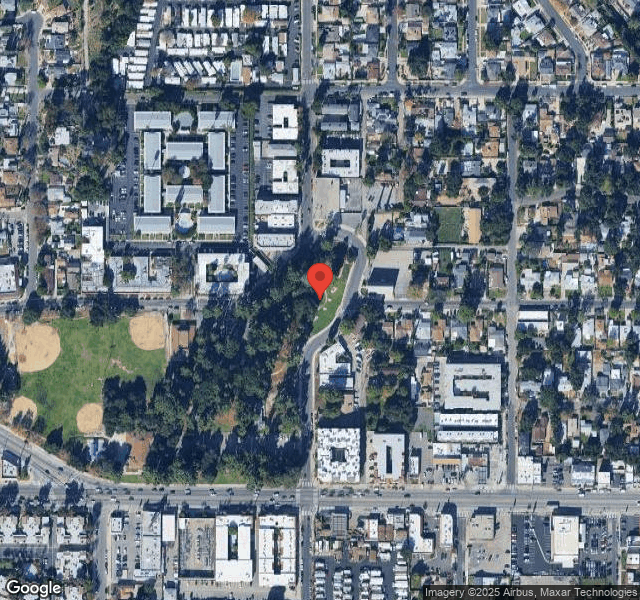

8647 FENWICK STREET., SUNLAND, CA 91040 (818) 352-1421
For profit - Limited Liability company 121 Beds Independent Data: November 2025 2 Immediate Jeopardy citations
Trust Grade
0/100
#862 of 1155 in CA
Last Inspection: October 2024

Within standard 12-15 month inspection cycle. Federal law requires annual inspections.

Overview

New Vista Nursing and Rehabilitation Center has received a Trust Grade of F, indicating significant concerns about care quality. It ranks #862 out of 1155 facilities in California, placing it in the bottom half of nursing homes in the state and #215 out of 369 in Los Angeles County, meaning there are many better options available nearby. The facility is showing an improving trend, with issues decreasing from 38 in 2024 to 17 in 2025, but it still faces serious challenges, including $204,256 in fines that are higher than 96% of California facilities, indicating ongoing compliance problems. Staffing is average with a 3/5 rating and a 36% turnover, which is below the California average, and they provide more RN coverage than many facilities, allowing for better oversight of resident care. However, there have been critical incidents, such as failing to administer important medication to a resident for six days, risking serious health complications, and a case of physical abuse between residents that resulted in injuries requiring hospitalization. Overall, while there are some strengths, significant issues remain that families should carefully consider.

Trust Score
F
0/100
In California
#862/1155
Bottom 26%
Safety Record
High Risk
Review needed
Inspections
Getting Better
38 → 17 violations
Staff Stability
○ Average
36% turnover. Near California's 48% average. Typical for the industry.
Penalties
✓ Good
$204,256 in fines. Lower than most California facilities. Relatively clean record.
Skilled Nurses
⚠ Watch
Each resident gets only 28 minutes of Registered Nurse (RN) attention daily — below average for California. Fewer RN minutes means fewer trained eyes watching for problems.
Violations
⚠ Watch
102 deficiencies on record. Higher than average. Multiple issues found across inspections.
★★☆☆☆
2.0
Overall Rating
★★★☆☆
3.0
Staff Levels
★★★★★
5.0
Care Quality
★☆☆☆☆
1.0
Inspection Score
Stable
2024: 38 issues
2025: 17 issues

The Good

  • 5-Star Quality Measures · Strong clinical quality outcomes
  • Full Sprinkler Coverage · Fire safety systems throughout facility
  • No fines on record
  • Staff turnover below average (36%)

    12 points below California average of 48%

Facility shows strength in quality measures, fire safety.

The Bad

2-Star Overall Rating

Below California average (3.1)

Below average - review inspection findings carefully

Staff Turnover: 36%

10pts below California avg (46%)

Typical for the industry

Federal Fines: $204,256

Well above median ($33,413)

Significant penalties indicating serious issues

The Ugly 102 deficiencies on record

2 life-threatening 5 actual harm
Sept 2025 7 deficiencies
CONCERN (D) 📢 Someone Reported This

A family member, employee, or ombudsman was alarmed enough to file a formal complaint

Potential for Harm - no one hurt, but risky conditions existed

Deficiency F0554 (Tag F0554)

Could have caused harm · This affected 1 resident

Based on observation, interview and record review, the facility failed to ensure the interdisciplinary team (IDT- a group of health care professionals with various areas of expertise who work together...

Read full inspector narrative →
Based on observation, interview and record review, the facility failed to ensure the interdisciplinary team (IDT- a group of health care professionals with various areas of expertise who work together toward the goals of the residents' care plan) was involved in determining and assessing whether the self-administration of medications was clinically appropriate for one of five sampled residents (Resident 4) who was not assessed for self-administration of the medications stored at the resident's bedside.This deficient practice had the potential to result in Resident 4 unsafely administering medications and unsafely accessing medications stored at bedside.Findings:During a review of Resident 4' admission Record, the admission Record indicated the facility admitted the resident on 7/29/2025 with diagnoses that included type two (2) diabetes (DM- a disorder characterized by difficulty in blood sugar control and poor wound healing), lumbar spine disc degeneration (when the cushioning in your spine begins to wear away), hypertension (high blood pressure [the force of the blood pushing on the blood vessel walls is too high]), and history of malignant neoplasm (cancer) of bronchus (large airway that leads from the windpipe to a lung) and lung.During a review of Resident 4's History and Physical (H&P) dated 8/1/2025, the H&P indicated Resident 1 had the capacity to understand and make decisions.During a review of Resident 4's Minimum Data Set (MDS- a resident assessment tool) dated 8/5/2025, the MDS indicated Resident 4's cognition (ability to think and make decisions) was intact. The MDS further indicated Resident 4 required set up assist with eating, moderate assistance with toileting hygiene, showering, upper body dressing, putting on/taking off footwear, personal hygiene.During a concurrent interview and observation on 9/10/2025 at 4:20 p.m., with Resident 4, upon entering Resident 4's room, Resident 4 was observed organizing medications into a daily pill organizer. Resident 4 stated that Resident 4 had just returned from an outside pharmacy and Resident 4 was organizing her medications for the month. Resident 4 stated that Resident 4 had been taking her own medications since admission to the facility. Resident 4 recently informed the psychiatric (of or relating to the study of mental illness) nurse practitioner that Resident 4 was taking her own medications. Resident 4 was observed with medication bottles located next to Resident 4's bed. Resident 4 stated that the facility staff had not completed an IDT meeting with her regarding self-administering medications.During an interview on 9/11/2025 at 9:30 a.m., with Licensed Vocational Nurse 1 (LVN 1), LVN 1 stated that Resident 4 will normally refuse the medications that are prescribed by the facility physician. LVN 1 stated that LVN 1 did contact the physician a few days prior and notified the physician that Resident 4 continues to refuse the facility mediations and LVN 1 stated the physician instructed LVN 1 to continue to encourage Resident 4 to take the prescribed medication. LVN 1 stated that LVN 1 was unaware Resident 4 was self-administering Resident 4's own medications. LVN 1 stated that LVN 1 would inform the Registered Nurse Supervisor right away to discuss with Resident 4.During an interview on 9/11/2025 at 4:30 p.m., with the Director of Nursing (DON), the DON stated that Resident 4 had been self-administering her own medication while being admitted to the facility. The DON stated that an IDT should have been conducted with Resident 4 following her refusal of facility medications to understand why Resident 4 was not taking her medication. The DON stated that an IDT should be conducted prior to any resident self-administering medications and the physician should have been contacted to discuss Resident 4's medications and obtain a physician order for self-administration of medications.During a review of the facility's policy and procedure (P&P) titled, Medication-Self Administration, dated 5/14/2025, the policy indicated it is the policy of the facility that residents have the right to self-administer medications if the interdisciplinary team determines that this practice is clinically appropriate. On admission or shortly thereafter, each resident will be assessed to determine if they want to self-administer their medications. It is the responsibility of the IDT to determine if it is safe for the resident to self-administer drugs before the resident may exercise that right. The IDT must determine where the resident or the nursing staff will be responsible for storge and documentation of the administration of the medications, as well as, the location where the medications will be administered. These determinations should appear on the resident's comprehensive plan of care. The residents will be assessed quarterly to determine their ability to continue to self-administer their medications. The determination of whether it is safe for the resident to self-administer medications should be completed within seven days of the completion of the resident's comprehensive assessment.
CONCERN (D) 📢 Someone Reported This

A family member, employee, or ombudsman was alarmed enough to file a formal complaint

Potential for Harm - no one hurt, but risky conditions existed

Comprehensive Care Plan (Tag F0656)

Could have caused harm · This affected 1 resident

Based on interview and record review, the facility failed to develop and implement a comprehensive person-centered care plan (a document that summarizes a resident's needs, goals, and care/treatment) ...

Read full inspector narrative →
Based on interview and record review, the facility failed to develop and implement a comprehensive person-centered care plan (a document that summarizes a resident's needs, goals, and care/treatment) for one of five sampled residents (Resident 5) addressing Resident 5's behavior of spitting.This deficient practice had the potential to result in failure to deliver the necessary care and services. Findings:During a review of Resident 5's admission Record, the admission Record indicated the facility admitted the resident on 3/28/2020 with diagnoses that included diabetes mellitus (DM- a disorder characterized by difficulty in blood sugar control and poor wound healing), hyperlipidemia (a condition characterized by high levels of fats in the blood), dementia (a progress state of decline in mental status), and dysphagia (difficulty swallowing).During a review of Resident 5's History and Physical (H&P) dated 3/4/2025, the H&P indicated Resident 5 does not have the capacity to understand and make decisions.During a review of Resident 5's Minimum Data Set (MDS- a resident assessment tool) dated 6/12/2025, the MDS indicated Resident 5's cognition (ability to think and make decisions) was severely impaired. The MDS further indicated Resident 5 requires set up assist with eating, maximal assistance with oral hygiene, toileting, upper body dressing, lower body dressing, putting on/taking off footwear and personal hygiene. Resident 5 is dependent on staff for showering.During an interview on 9/11/2025 at 1:00 p.m., with Certified Nursing Attendant 1 (CNA 1), CNA 1 stated that Resident 5 has a long history of spitting and will provide her (Resident 5) with a small trash located next to her bed or place the small trash can by her wheelchair when she is out of bed. CNA 1 stated that she (CNA 1) will remind Resident 5 to spit into the trash can instead of the floor.During a concurrent interview and record review on 9/11/2025 at 4:00 p.m., with the Director of Nursing (DON), reviewed Resident 5's care plans. The DON stated that she (DON) was unaware of Resident 5 having episodes of spitting. The DON confirmed by stating that Resident 5 should have a care plan in place to address Resident 5's episodes of spitting. The DON stated that she has directed staff to provide Resident 5 with a basin to use during the episodes of spitting.During a review of the facility's policy and procedure (P&P) titled, Comprehensive Care Planning, dated 5/14/2025, the policy indicated it is the policy of this facility that a comprehensive resident-centered care plan be developed for each resident that includes measurable objectives and timeframes to meet each resident's medical, nursing and mental and psychosocial needs that are identified in the comprehensive assessment.The comprehensive care plan will provide specific information to include resident strengths, goals, left history and preferences discharge planning and will be completed withing seven days of care area assessment completion. Based upon the resident assessment the care plan may include addressing oral care, skin integrity, medical treatment/diagnostic testing based on the resident's choices/directives, symptom management, nutrition and hydration and activities/psychosocial needs.
CONCERN (D) 📢 Someone Reported This

A family member, employee, or ombudsman was alarmed enough to file a formal complaint

Potential for Harm - no one hurt, but risky conditions existed

Pharmacy Services (Tag F0755)

Could have caused harm · This affected 1 resident

Based on interview and record review, the facility failed to ensure the Medication Administration Record (MAR- a daily documentation record used by a licensed nurse to document medications and treatme...

Read full inspector narrative →
Based on interview and record review, the facility failed to ensure the Medication Administration Record (MAR- a daily documentation record used by a licensed nurse to document medications and treatments given to a resident) and Individual Count Sheet Record (accountability record of medications that are considered to have a strong potential for abuse) coincided per facility policy for one of three sampled residents (Resident 6).This deficient practice had the potential for medication errors and drug diversion (illegal distribution or abuse of prescription drug). Findings:During a review of Resident 6's admission Record, the admission Record indicated the facility readmitted Resident 6 on 7/31/2025 with diagnoses that included metabolic encephalopathy (underlying systemic conditions or substances that disrupt the brain's chemical balance, leading to brain dysfunction), type two (2) diabetes mellitus (DM- a disorder characterized by difficulty in blood sugar control and poor wound healing) with hyperglycemia (a condition in which the blood glucose (sugar) levels are abnormally high), and encounter for palliative care (specialized approach to medical care that focuses on improving the quality of life for people with serious illnesses).During a review of Resident 6's Minimum Data Set (MDS - a resident assessment tool) dated 8/8/2025, the MDS indicated Resident 6's cognition (the mental action or process of acquiring knowledge and understanding through thought, experience, and the sense) was moderately impaired. The MDS indicated Resident 6 required partial/moderate assistance from staff with eating and oral hygiene, required substantial/maximal assistance from staff with personal hygiene, and was dependent with toileting hygiene.During a review of Resident 6's physician's orders dated 8/4/2025 timed 10:43 a.m., the physician's orders indicated an order for lorazepam oral concentrate two (2) milligram/milliliters (mg/mL - units of measurement), give 0.25 mL orally four (4) hours as needed for anxiety (intense, excessive, and persistent worry and fear about everyday situations) for 14 days manifested by restlessness leading to distress.During a review of Resident 6's MAR for 8/2025, the MAR indicated Resident 6 was administered lorazepam oral concentrate on 8/11/2025 at 10:04 a.m.During a review of Resident 6's Individual Count Sheet Record for lorazepam, the Individual Count Sheet Record indicated there was no documented evidence that Resident 6 was administered lorazepam on 8/11/2025 at 10:04 a.m.During a concurrent interview and record review on 9/10/2025 at 10:15 a.m., with the Director of Nursing (DON), reviewed Resident 6's MAR for 8/2025 and Individual Count Sheet Record for lorazepam. The DON stated that Resident 6's MAR indicated that Resident 6 was administered lorazepam oral concentrate on 8/11/2025 at 10:04 a.m. The DON was unable to find documented evidence on Resident 6's Individual Count Sheet Record indicating Resident 6 was administered lorazepam on 8/11/2025 at 10:04 a.m. The DON stated that when passing narcotic medications (a drug or other substance that affects mood or behavior), the licensed nurse should assess for pain first, document on the Individual Count Sheet Record what medication was prepared, administer the medication, and then document on the MAR. The DON stated that this process is to ensure that the medication count is accurate. The DON stated that the Individual Count Sheet Record should always coincide with the MAR to ensure there is no drug diversion happening in the facility. During a review of the facility's policy and procedure (P&P) titled, Preparation and General Guidelines: Controlled Medications, review date 5/14/2025, the policy indicated medications included in the Drug Enforcement Administration (DEA) classification as controlled substances (medications that are considered to have a strong potential for abuse) are subject to special handling, storage, disposal, and record keeping in the facility in accordance with federal and state laws and regulations. When a controlled medication is administered, the licensed nurse administering the medication immediately enters the following information on the accountability record and the medication and duration record (MAR):1. Date and time of administration.2. Amount administered.3. Signature of the nurse administering the dose on the accountability record at the time the administration is removed from the supply.4. Initials to the nurse administering the dose on the MAR after the medication is administered.
CONCERN (D) 📢 Someone Reported This

A family member, employee, or ombudsman was alarmed enough to file a formal complaint

Potential for Harm - no one hurt, but risky conditions existed

Deficiency F0761 (Tag F0761)

Could have caused harm · This affected 1 resident

Based on observation, interview, and record review, the facility staff failed to ensure drugs and biologicals were stored in accordance with currently accepted professional principles for one of three...

Read full inspector narrative →
Based on observation, interview, and record review, the facility staff failed to ensure drugs and biologicals were stored in accordance with currently accepted professional principles for one of three sampled residents (Resident 6) by failing to ensure a discontinued bottle of lorazepam (medication used to treat anxiety [intense, excessive, and persistent worry and fear about everyday situations]) was kept safe, secured, and accounted for.This deficient practice resulted in Resident 6's bottle of lorazepam to go unaccounted and had the potential to result in undetected diversion (illegal distribution or abuse of prescription drugs or their use for unintended purposes).Findings:During a review of Resident 6's admission Record, the admission Record indicated the facility readmitted Resident 6 on 7/31/2025 with diagnoses that included metabolic encephalopathy (underlying systemic conditions or substances that disrupt the brain's chemical balance, leading to brain dysfunction), type two (2) diabetes mellitus (DM- a disorder characterized by difficulty in blood sugar control and poor wound healing) with hyperglycemia (a condition in which the blood glucose (sugar) levels are abnormally high), and encounter for palliative care (specialized approach to medical care that focuses on improving the quality of life for people with serious illnesses).During a review of Resident 6's Minimum Data Set (MDS - a resident assessment tool) dated 8/8/2025, the MDS indicated Resident 6's cognition (the mental action or process of acquiring knowledge and understanding through thought, experience, and the sense) was moderately impaired. The MDS indicated Resident 6 required partial/moderate assistance from staff with eating and oral hygiene, required substantial/maximal assistance from staff with personal hygiene, and was dependent with toileting hygiene.During a review of Resident 6's physician's orders dated 8/4/2025, the physician's orders indicated an order for lorazepam oral concentrate two (2) milligram/milliliters (mg/mL - units of measurement), give 0.25 mL orally four (4) hours as needed for anxiety for 14 days manifested by restlessness leading to distress.During a concurrent interview and record review on 9/10/2025 at 9:45 a.m., with the MDS Nurse (MDSN), reviewed Resident 6's Individual Count Sheet Record (accountability record of medications that are considered to have a strong potential for abuse) for lorazepam oral concentrate 2mg/mL. The MDSN stated that Resident 6's Individual Count Sheet Record indicated a prescription number (RX#) of 4005429 dated 8/1/2025.During a concurrent observation, interview, and record review on 9/10/2025 at 9:46 a.m., with the MDSN, observed the MDSN remove a bottle of lorazepam 2mg/mL from the locked refrigerator in the locked medication room. The MDSN reviewed the label on Resident 6's lorazepam oral concentrate 2mg/mL bottle and stated the lorazepam oral concentrate 2mg/mL bottle had an RX# of 4005499 dated 8/18/2025. The MDSN stated that the RX#s on the lorazepam oral concentrate 2mg/mL bottle and the Individual Count Sheet Record did not match. The MDSN was unable to locate the lorazepam oral concentrate 2mg/mL bottle with the RX# 4005429.During a concurrent interview and record review on 9/10/2025 at 10:14 a.m., with the Director of Nursing (DON), reviewed Resident 6's Individual Count Sheet Record for lorazepam oral concentrate 2mg/mL and the lorazepam oral concentrate 2mg/mL bottle. The DON stated that the RX# on the Individual Count Sheet Record and the RX# on the medication bottle should coincide with one another. The DON stated that she will look for the lorazepam oral concentrate 2mg/mL bottle with the RX# 4005429. During a concurrent interview and record review on 9/10/2025 at 10:16 a.m., with Registered Nurse 1 (RN 1), reviewed Resident 6's physician's orders. RN 1 stated that Resident 6's lorazepam order was received on 8/4/2025 and per Resident 6's physician's orders, was discontinued after 14 days later, on 8/18/2025.During an interview on 9/10/2025 at 10:48 a.m., with the DON, the DON stated that after a narcotic medication (a drug or other substance that affects mood or behavior) is discontinued, licensed nurses are to bring the narcotic medication and the Individual Count Sheet Record to the DON. The DON continued to state that once she (DON) received the narcotic medication and Individual Count Sheet Record, she then locks the narcotic medication and Individual Count Sheet Record in a cabinet for safe keeping. The DON stated that the pharmacist comes to the facility monthly and will then destroy narcotic medications together with the DON to be each other's witness. The DON stated that she reviewed her medication destruction log and lorazepam oral concentrate 2mg/mL RX# 4005429 dated 8/1/2025 was not given to her for safe keeping and has not been destroyed. During a follow-up interview on 9/11/2025 at 11:23 a.m., with the DON, the DON stated that the bottle of lorazepam oral concentrate 2mg/mL with the RX# 4005429 dated 8/1/2025 is gone and was not located. The DON further stated that the facility failed to ensure that a bottle of lorazepam was kept safe. The DON stated that licensed nurses should have done their job by making sure they are giving the correct endorsements and taking accountability of controlled medications upon shift change.During a review of the facility's policy and procedure (P&P) titled, Preparation and General Guidelines: Controlled Medications, review date 5/14/2025, the policy indicated medications included in the Drug Enforcement Administration (DEA) classification as controlled substances (medications that are considered to have a strong potential for abuse) are subject to special handling, storage, disposal, and recordkeeping in the facility, in accordance with federal and state law regulations. The Director of Nursing and the consultant pharmacist maintain the facility's compliance with federal and state law and regulations in the handling of controlled medications. Only authorized licensed nursing and pharmacy personnel have access to controlled medications. When a dose of a controlled medication is removed from the container for administration but refused by the resident or not given for any reason, it is not placed back in the container it must be destroyed according to facility policy in the presence of two licensed nurses and the disposal documented on the accountability record on the line representing that dose. The same process applies to the disposal of unusual partial tablets and unused portions of single dose ampules (small, usually glass, container of a single measured amount of medicine).
CONCERN (D) 📢 Someone Reported This

A family member, employee, or ombudsman was alarmed enough to file a formal complaint

Potential for Harm - no one hurt, but risky conditions existed

Deficiency F0806 (Tag F0806)

Could have caused harm · This affected 1 resident

Based on observation, interview, and record review, the facility failed to provide one of three sampled residents (Resident 7) with meals that accommodated their food preferences and failed to impleme...

Read full inspector narrative →
Based on observation, interview, and record review, the facility failed to provide one of three sampled residents (Resident 7) with meals that accommodated their food preferences and failed to implement their food preference policy by failing to update food preferences during the quarterly review.This deficient practice resulted in Resident 7's food preferences not being honored and had the potential to result in decreased meal intake which could lead to weight loss and malnutrition (lack of sufficient nutrients in the body).Findings:During a review of Resident 7's admission Record, the admission Record indicated the facility admitted Resident 7 on 1/21/2025 with diagnoses that included end stage renal disease (chronic irreversible kidney [organs that remove waste products from the blood and produce urine] failure), type two (2) diabetes mellitus (DM- a disorder characterized by difficulty in blood sugar control and poor wound healing) with hyperglycemia (a condition in which the blood glucose (sugar) levels are abnormally high), mild protein-calorie malnutrition (lack of sufficient nutrients in the body), and dependence on renal dialysis (the removing of waste and excess fluid to prevent build up in the body for residents who have loss of kidney function).During a review of Resident 7's Minimum Data Set (MDS - a resident assessment tool) dated 7/29/2025, the MDS indicated Resident 7's cognition (the mental action or process of acquiring knowledge and understanding through thought, experience, and sense) was intact. The MDS indicated Resident 7 required set up or clean up assistance from staff with eating, oral hygiene, toileting hygiene and personal hygiene.During a review of Resident 7's Order Summary Report, the Order Summary Report indicated an order for renal (a specialized dietary plan designed for individuals with chronic kidney disease [a condition where the kidneys gradually lose their ability to filter waste products and excess fluid from the blood] )/ no added salt (NAS)/consistent carbohydrate diet (CCHO- helps control blood sugar levels), regular/thin liquid consistency with meals, ordered 1/21/2025.During a review of Resident 7's care plan (a document that summarizes a resident's needs, goals, and care/treatment) for food dislikes, revised on 7/2025, the care plan indicated no carbohydrates (carbs- food consisting of or containing a lot of sugars, starch, or similar substances that can be broken down to release energy in the human body, and make up one of the main nutritional food groups) and indicated an intervention to respect food preferences within the limits of facility resources.During a review of Resident 7's meal card, the meal card indicated for lunch: meat and vegetables; renal; apples or banana; no carbs.a. During a concurrent observation and interview on 9/10/2025 at 1:09 p.m., with Resident 7, observed Resident 7's lunch tray which contained a meat protein, vegetables, and rice. Resident 7 stated that he (Resident 7) is always served carbs, even after kitchen staff have been made aware that Resident 7 dislikes carbs. Resident 7 stated that he does not like carbs because he is diabetic and carbs affect Resident 7's blood sugar.During an interview on 9/10/2025 at 2:15 p.m., with the Director of Dietary Services (DDS), the DDS stated that rice is a carb.During an observation on 9/11/2025 at 12:51 p.m., in Resident 7's room, Resident 7's lunch tray contained meat protein, vegetables, pasta, bread, and cake.During a concurrent observation and interview on 9/11/2025 at 12:51 p.m., with Resident 7, Resident 7 stated that they gave Resident 7 carbs again. Resident 7 stated that the kitchen always gives him carbs, either rice or pasta. Resident 7 stated that Resident 7 will not eat the rice and bread.During a concurrent interview and record review on 9/11/2025 at 1:46 p.m., with the DDS, reviewed Resident 7's meal card. The DDS stated that the kitchen did not honor Resident 7's preferences by serving Resident 7 carbs. The DDS stated that pasta and bread are carbs. The DDS stated that it is important to honor residents' dietary preferences because it is the resident's right and their choice.b. During a review of Resident 7's Dietary Profile dated 4/29/2025, the Dietary Profile indicated Resident 7 dislikes rice.During a concurrent interview and record review on 9/11/2025 at 1:56 p.m., with the DDS, reviewed Resident 7's Dietary Profile dated 4/29/2025. The DDS stated that residents' preferences are updated quarterly and as needed and documented on residents' dietary profile. The DDS stated that the DDS missed the last quarterly update for Resident 7's Dietary Profile, which should have been updated in July 2025. The DDS stated that he (DDS) should have updated and documented Resident 7's dislikes in Resident 7's chart. The DDS stated that he failed to update Resident 7's Dietary Profile dislikes and stated that it is important to update residents' dietary profile because it is their right to choose what they want to eat and what should be served during meals. During a review of the facility's policy and procedure (P&P) titled, Food Preferences, last reviewed 5/14/2925, the policy indicated resident's food preferences will be adhered to within reason. Food preferences will be obtained as soon as possible through the initial resident screen. This screening must be completed within seven days of admission by the FNS director. Food preferences can be obtained from the resident family for staff members. Updating of food preferences will be done as the resident's needs change and/or during the quarterly review.
CONCERN (D) 📢 Someone Reported This

A family member, employee, or ombudsman was alarmed enough to file a formal complaint

Potential for Harm - no one hurt, but risky conditions existed

Food Safety (Tag F0812)

Could have caused harm · This affected 1 resident

Based on observation, interview, and record review, the facility failed to follow proper food handling practices by failing to ensure clear storage cups of gelatin were dated and labeled according to ...

Read full inspector narrative →
Based on observation, interview, and record review, the facility failed to follow proper food handling practices by failing to ensure clear storage cups of gelatin were dated and labeled according to the facility's policy.This deficient practice had the potential to place 109 out of 116 residents who receive food from the facility's kitchen at risk for foodborne illnesses (refers to illness caused by the ingestion of contaminated food or beverages).Findings:During an observation of the facility's kitchen refrigerator on 9/11/2025 at 11:55 a.m., observed open food items not in its original packaging and placed in clear storage cups not labeled.During a concurrent observation and interview on 9/11/2025 at 11:56 p.m., with the Dietary Aide (DA), the DA stated that the clear storage cups are cups of gelatine for the residents. Observed the DA count the clear storage cups. The DA stated 11 of the clear storage cups had no label. The DA stated that the gelatin in clear storage cups were sugar free gelatin for residents who are diabetic. During an interview on 9/11/2025 at 11:57 p.m., with the Director of Dietary Services (DDS), the DDS stated that clear storage cups were sugar free gelatin and should be labeled SF to mean sugar free. The DDS stated that when a food item is not in its original packaging, the food item must be labeled with the name or description of the food item and the date when the food item was opened/prepared. When asked about the importance of accurate labeling, the DDS stated that it is important to label food items to make sure that the food item is what it is and for the safety of the residents.During a review of the facility's policy and procedure (P&P) titled, Labeling and Dating of Foods, last reviewed 5/14/2025, the policy indicated all food items in the storeroom, refrigerator, and freezer need to be labeled and dated. All prepared foods need to be covered, labeled and dated.
CONCERN (D) 📢 Someone Reported This

A family member, employee, or ombudsman was alarmed enough to file a formal complaint

Potential for Harm - no one hurt, but risky conditions existed

Deficiency F0919 (Tag F0919)

Could have caused harm · This affected 1 resident

Based on observation, interview, and record review, the facility failed to ensure one of five sampled residents (Resident 3) had a functioning call light (a device used by a resident to signal his/her...

Read full inspector narrative →
Based on observation, interview, and record review, the facility failed to ensure one of five sampled residents (Resident 3) had a functioning call light (a device used by a resident to signal his/her need for assistance from staff). This deficient practice had the potential to result in a delay in meeting the residents' needs for assistance which could have left the resident feeling isolated and at an increased risk for falls or accidents.Findings:During a review of Resident 3's admission Record, the admission Record indicated the facility admitted the resident on 9/2/2025 with diagnoses that included hemiplegia (one-sided paralysis [complete or partial loss of muscle function]) following cerebral infarction (stroke- loss of blood flow to a part of the brain) affecting right dominant side, history of falling, and difficulty swallowing.During a review of Resident 3's Minimum Data Set (MDS- a resident assessment tool) dated 9/2/2025, the MDS indicated Resident 1's cognition (ability to think and make decisions) was moderately impaired.During a review of Resident 3's History and Physical (H&P) dated 9/5/2025, the H&P indicated Resident 3 had the capacity to understand and make decisions.During an observation on 9/10/2025 at 9:30 a.m., a test was conducted of Resident 3's call light and was found to be not operating.During a concurrent observation and interview on 9/10/2025 at 9:31 a.m., with Registered Nurse Supervisor 1 (RNS 1), observed Resident 3's call light. RNS 1 confirmed by stating that Resident 3's call light was not working and RNS 1 noted that it had to be plugged in to be operating properly. RNS 1 tested call light after plugging the call light in and the call light was found to be operating properly.During an interview on 9/11/2025 at 4:00 p.m., with the Director of Nursing (DON), the DON stated that all residents should have a functioning call light to alert staff of any needs that they have. The DON stated that Resident 3 had the potential to have a delay in the care provided, increased risk for falls or accidents, and decreased quality of care.During a review of the facility's policy and procedure (P&P) titled, Call Lights, dated 5/14/2025, the P&P indicated it is the policy of the facility to respond to the resident's requests and needs. A newly admitted resident should be shown the call light in the room and in the restroom and how to operate them. The residents should do a return demonstration so that the facility can be sure that the resident can operate the call light. When the resident is in bed or in the wheelchair or chair in the room, staff should make sure that the call light is within easy reach of the resident and can operate the call light.
Aug 2025 2 deficiencies
CONCERN (D) 📢 Someone Reported This

A family member, employee, or ombudsman was alarmed enough to file a formal complaint

Potential for Harm - no one hurt, but risky conditions existed

Deficiency F0627 (Tag F0627)

Could have caused harm · This affected 1 resident

**NOTE- TERMS IN BRACKETS HAVE BEEN EDITED TO PROTECT CONFIDENTIALITY** Based on interview and record review, the facility failed to permit one of three sampled residents (Resident 1) to return to the...

Read full inspector narrative →
**NOTE- TERMS IN BRACKETS HAVE BEEN EDITED TO PROTECT CONFIDENTIALITY** Based on interview and record review, the facility failed to permit one of three sampled residents (Resident 1) to return to the facility after Resident 1 was transferred to General Acute Care Hospital 1 (GACH 1) for psychiatric (the branch of medicine focused on the diagnosis, treatment, and prevention of mental, emotional, and behavioral disorders) evaluation. This deficient practice subjected Resident 1 to an unnecessary prolonged hospitalization, violated Resident 1's rights to return to their facility, and has the potential to result in Resident 1's displacement in an unfamiliar facility requiring adjusting to new surroundings.During a review of Resident 1's admission Record, the admission Record indicated the facility originally admitted the resident on 4/12/2025 with diagnoses that included difficulty walking, alcohol abuse (a pattern of alcohol use that involves problems controlling your drinking, being preoccupied with alcohol or continuing to use alcohol even when it causes problems), alcohol dependence (condition where a person experiences a strong compulsion to drink alcohol and is unable to control their drinking despite negative consequences) with withdrawal (symptoms that may occur when a person who has been drinking too much alcohol on a regular basis suddenly stops drinking alcohol), unspecified psychosis (severe mental disorder in which thought and emotions are so impaired that contact is lost with external reality) not due to substance or known physiological condition, anxiety disorder (intense, excessive, and persistent worry and fear about everyday situations), poisoning by fentanyl (used to treat severe pain) or fentanyl analogs, accidental (unintentional), unsheltered homelessness. During a review of Resident 1's Minimum Data Set (MDS -a resident assessment tool) dated 6/5/2024, the MDS indicated that Resident 1 was cognitively (the mental action or process of acquiring knowledge and understanding through thought, experience, and the senses) impaired and was dependent from staff for transfer, dressing, toilet use, personal hygiene, and bathing.During a review of Resident 1's physician order, the physician order indicated an order to transfer via 5150 (a 72-hour hold [temporary detention] for mental health evaluation) to GACH 1, dated 7/31/2025 timed 1:42 p.m.During a review of Resident 1's Situation, Background, Assessment, Recommendation (SBAR- a sudden clinically important deviation from a resident's baseline in physical, cognitive, behavioral, or functional domains) Communication Form dated 7/31/2025, the SBAR indicated Resident 1 was physically aggressive towards staff. Danger to others evidenced by physical assault to staff.During a review of Resident 1's Nurses Notes dated 7/31/2025 timed 1:42 p.m., the Nurses Notes indicated Resident 1 placed on hold for danger to others escorted by law enforcement to GACH 1 psychiatric unit.During a review of Resident 1's GACH 1 Emergency Documentation note dated 7/31/2025 timed 6:27 p.m., the Emergency Documentation note indicated that psychiatry (psych- a branch of medicine focused on the diagnosis, treatment, and prevention of mental, emotional, and behavioral disorders) is not accepting hold. During a review of Resident 1's GACH 1 Emergency Documentation note dated 7/31/2025 timed 8:48 p.m., facility will not be taking resident, resident cannot be transferred to Psych Emergency Department (ED) for further management given patient will not be on a hold.During a review of Resident 1's GACH 1 Psych ED Consultation note dated 7/31/2025 timed 5:21 p.m., the Psych ED Consultation note indicated Resident 1 wants to go back to the facility and continue physical rehabilitation. The Psych ED Consultation note indicated the facility denied that Resident 1 made any threats. Does not want Resident 1 to come back to the facility because Resident 1 gets agitated and Resident 1 leaves during the day. Hold Not accepted. Legal: No hold.During a review of Resident 1's GACH 1 History and Physical (H&P) report dated 8/1/2025 timed 2:48 a.m., the H&P indicated Resident 1 was evaluated by psychiatry and does not meet criteria for hold. No acute psychiatric concerns. Placement: Facility declines for resident to return to previous arrangement. Pending placement.During a review of the facility's census (daily list indicating resident names with corresponding room numbers) dated 7/31/2025 (census for 8/1/2025), 8/1/2025 (census for 8/2/2025), 8/2/2025 (census for 8/3/2025), 8/3/2025 (census for 8/4/2025, and 8/4/2025 (census for 8/5/2025), the facility's census indicated that there was three available male beds (room [ROOM NUMBER]-B and room [ROOM NUMBER] A/B ) in the facility. During an interview on 8/5/2025 at 2:41 p.m., with the GACH Social Worker (GACH SW), the GACH SW stated that on 7/31/2025, Resident 1 was seen by a psychiatrist in the GACH ED. The GACH SW stated Resident 1 did not meet the criteria for a 5150 hold. The GACH SW stated the emergency room physicians determined Resident 1 was cleared to be discharged on 7/31/2025 and go back to the facility. The GACH SW stated there was no reason for Resident 1 to be in the GACH. The GACH SW stated that she spoke to the Director of Nursing (DON) on the evening of 7/31/2025 and the DON stated that the facility will not be taking Resident 1 back. The GACH SW stated that Resident 1 is still in GACH 1 pending placement.During an interview on 8/5/2025 at 9:05 a.m., with the DON, the DON stated that on 7/31/2025 at around 9:00 p.m., the DON received a call from the GACH SW. The DON stated the GACH SW informed the DON that Resident 1 was not on a 5150 hold and was ready to go back to the facility. The DON stated that the facility did not readmit Resident 1 because Resident 1's behaviors were escalating and unpredictable.During a concurrent interview and record review on 8/5/2025 at 3:46 p.m., with the DON, reviewed the facility's census dated 8/4/2025 (census for 8/5/2025) and stated that the facility has male beds available however the facility will not be readmitting Resident 1.During an interview on 8/5/2025 at 4:00 p.m., with the Administrator (ADM), the ADM stated that the facility will not be readmitting Resident 1 back to the facility because of his aggressive behavior. The ADM stated that the facility does not have male staff available to care for Resident 1 and that staff are afraid to care for Resident 1. The ADM stated that the facility does not have a policy specifically on readmissions.
CONCERN (D) 📢 Someone Reported This

A family member, employee, or ombudsman was alarmed enough to file a formal complaint

Potential for Harm - no one hurt, but risky conditions existed

Deficiency F0628 (Tag F0628)

Could have caused harm · This affected 1 resident

Based on interview and record review, the facility failed to provide the resident and/or the resident's responsible party with a notice for bed hold (holding or reserving a resident's bed while the re...

Read full inspector narrative →
Based on interview and record review, the facility failed to provide the resident and/or the resident's responsible party with a notice for bed hold (holding or reserving a resident's bed while the resident is absent from the facility for therapeutic leave or hospitalization) prior to transferring to General Acute Care Hospital 1 (GACH 1) for one of three sampled residents (Resident 1).This deficient practice had the potential to deprive the resident and/or the resident's responsible party the right to be informed of their rights regarding bed holds.During a review of Resident 1's admission Record, the admission Record indicated the facility originally admitted the resident on 4/12/2025 with diagnoses that included difficulty walking, alcohol abuse (a pattern of alcohol use that involves problems controlling your drinking, being preoccupied with alcohol or continuing to use alcohol even when it causes problems), alcohol dependence (condition where a person experiences a strong compulsion to drink alcohol and is unable to control their drinking despite negative consequences) with withdrawal (symptoms that may occur when a person who has been drinking too much alcohol on a regular basis suddenly stops drinking alcohol), unspecified psychosis (severe mental disorder in which thought and emotions are so impaired that contact is lost with external reality) not due to substance or known physiological condition, anxiety disorder (intense, excessive, and persistent worry and fear about everyday situations), poisoning by fentanyl (used to treat severe pain) or fentanyl analogs, accidental (unintentional), unsheltered homelessness. During a review of Resident 1's Minimum Data Set (MDS -a resident assessment tool) dated 6/5/2024, the MDS indicated that Resident 1 was cognitively (the mental action or process of acquiring knowledge and understanding through thought, experience, and the senses) impaired and was dependent from staff for transfer, dressing, toilet use, personal hygiene, and bathing.During a review of Resident 1's physician order, the physician order indicated an order to transfer via 5150 (a 72-hour hold [temporary detention] for mental health evaluation) to GACH 1, dated 7/31/2025 timed 1:42 p.m.During a concurrent interview and record review on 8/5/2025 at 8:52 a.m., with Registered Nurse 1 (RN 1), reviewed Resident 1's physician orders and progress notes dated 7/31/2025. RN 1 stated that there is no documented evidence that Resident 1 was informed or given a bed hold on 7/31/2025 when he was transferred to GACH 1. RN 1 stated that Resident 1 does not have a bed hold order. RN 1 continued to state that a physician's order is needed for bed holds. During a concurrent interview and record review on 8/5/2025 at 9:19 a.m., with the Director of Nursing (DON), reviewed Resident 1's physician orders and progress notes dated 7/31/2025. The DON stated that Resident 1 was transferred to GACH 1 on 7/31/2025 and Resident 1 does not have an order for a bed hold. When asked if residents need an order for bed hold, the DON stated that she was not sure and had to check the facility's policy. The DON stated that a bed hold is important to ensure that a resident who is transferred to the hospital has a bed to come back to if the resident comes back to the facility within seven days of transfer. During a review of the facility's policy and procedure (P&P) titled, Discharge Process, dated 5/14/2025, the P&P indicated before the facility transfers a resident to an acute hospital or the resident goes on a therapeutic leave, the facility will provide written information to the resident and their representative that specifies the following: the duration of the state bed hold policy during which the resident is permitted to return and resume residence; the information in the notice described above.
May 2025 4 deficiencies 1 Harm
SERIOUS (G) 📢 Someone Reported This

A family member, employee, or ombudsman was alarmed enough to file a formal complaint

Actual Harm - a resident was hurt due to facility failures

Free from Abuse/Neglect (Tag F0600)

A resident was harmed · This affected 1 resident

**NOTE- TERMS IN BRACKETS HAVE BEEN EDITED TO PROTECT CONFIDENTIALITY** Based on interview and record review, the facility failed to protect the resident ' s right to be free from physical abuse (deli...

Read full inspector narrative →
**NOTE- TERMS IN BRACKETS HAVE BEEN EDITED TO PROTECT CONFIDENTIALITY** Based on interview and record review, the facility failed to protect the resident ' s right to be free from physical abuse (deliberately aggressive or violent behavior with the intention to cause harm) for one of six sampled residents (Resident 1) when on 4/19/2025, Resident 2 hit Resident 1 ' s face several times with a fist (a person ' s hand when the fingers are bent in toward the palm and held there tightly). This deficient practice resulted in Resident 1 being subjected to physical abuse by Resident 2 while under the care of the facility. Resident 1 sustained hematoma (a type of discoloration [change in skin color] caused by bleeding under the skin) on the left dorsal (on the back) hand, left eye and left nostril, and skin lacerations (or skin cut, a deep cut or tear in the skin) on the nasal septum (the thin wall that separates the right and left sides of the nose), left eye, left lower lip, and left lower chin requiring transfer to General Acute Care Hospital 1 (GACH 1) for further evaluation and suturing (the process of using stitches [known as sutures – typically made from thread-like materials and are used to bring the edges of a wound together to promote healing] to close as wound). Findings: During a review of Resident 1 ' s admission Record, the admission Record indicated the facility admitted Resident 1 on 9/7/2023, with diagnoses that included cerebral infarction (often referred to as a stroke, death of brain tissue caused by a blockage or disruption of blood flow to the brain) with hemiplegia (severe or complete loss of strength leading to paralysis [loss of ability to move] on one side of the body) and hemiparesis (weakness or inability to move one side of the body), dementia (a progressive state of decline in mental abilities), During a review of Resident 1 ' s Minimum Data Set (MDS - a resident assessment tool) dated 3/13/2025, the MDS indicated Resident 1 had severely impaired cognition (the mental action or process of acquiring knowledge and understanding through thought, experience, and the senses). The MDS further indicated that Resident 1 was dependent on staff for toileting hygiene and lower body dressing, and required maximum assistance from staff for oral hygiene, upper body dressing, personal hygiene, and mobility [movement]. During a review of Resident 1 ' s Situation- Background- Assessment- Recommendation (SBAR- a form that provides a framework for communication between members of the health care team about a resident ' s condition) Communication Form dated 4/19/2025, timed at 6:00 p.m., the SBAR indicated on 4/19/2025 Resident 1 was hit by his roommate (Resident 2) and as a result Resident 1 sustained facial cuts and a cut on his (Resident 1) nose. The SBAR further indicated Resident was observed with a bloody face. The SBAR indicated Resident 1 ' s physician was notified with a new order to transfer Resident 1 to a hospital for further evaluation and treatment. During a review of Resident 1 ' s Physician Order dated 4/19/2025, timed at 11:30 p.m., the Physician Order indicated to transfer Resident 1 to GACH 1 for further evaluation due to cuts on the lip and nose. During a review of Resident 1 ' s Discharge Skin and Body assessment dated [DATE], the Skin and Body Assessment indicated the following skin conditions: 1. Skin cut on left eye area measuring 1.5 centimeters (cm – unit of length) 2. Skin cut on nose area measuring 0.5 cm 3. Skin cut on left side of lip area measuring 0.5 cm 4. Skin cut on left lower chin area measuring 1.5 cm 5. Hematoma on Resident 1 ' s left dorsal hand During a review of Resident 1 ' s Physician Order dated 4/20/2025, timed at 5:24 p.m., the Physician Order indicated to readmit the resident (Resident 1) to the facility. During a review of Resident 1 ' s Skin assessment dated [DATE] (upon Resident 1 ' s return to the facility), the Skin Assessment indicated the following skin conditions: 1. Nasal Septum cut closed with two stitches, measuring 1.5 cm in length and zero cm in width. 2. Left eye cut closed with one stitch, measuring 0.6 cm in length and zero cm in width. 3. Left lower lip cut closed with four stitches, measuring two cm in length and zero cm in width 4. Left lower chin cut closed with two stitches, measuring one cm in length and zero cm in width 5. Left dorsal hand hematoma measuring two cm in length and two cm in width 6. Left eye hematoma measuring three cm in length and five cm in width 7. Left nostril hematoma measuring one cm in length and 0.5 cm in width 8. Left eye bruise (a type of injury where small blood vessels under the skin break, usually due to trauma [serious physical injury] or impact, causing blood to leak into surrounding tissues) with swelling (enlargement or puffiness of a body part due to accumulation of fluid in the tissues that can occur from injury or trauma). During a review of Resident 1 ' s Physician Orders dated 4/20/2025, the Physician Orders indicated the following: 1. Nasal Septum cut with two stitches: Cleanse with normal saline (NS – a saltwater solution used to clean wounds). Pat dry and leave open to air every day shift for laceration for 14 days. 2. Left eye cut with one stitch: Cleanse with NS. Pat dry and leave open to air every day shift for laceration for 14 days. 3. Left lower lip cut with four stitches: Cleanse with NS. Pat dry and leave open to air every day shift for laceration for 14 days. 4. Left lower chin cut with two stitches: Cleanse with NS. Pat dry and leave open to air every day shift for laceration for 14 days. 5. Left dorsal hand hematoma: Monitor left dorsal hand hematoma for signs and symptoms (s/s – signs are objective findings that can be observed or measured by a healthcare professional, symptoms are subjective experiences reported by the resident) of skin breakdown every shift for 30 days. 6. Left eye hematoma: Monitor left eye hematoma for s/s of skin breakdown every shift for 30 days. 7. Left nostril hematoma: Monitor left nostril hematoma for s/s of skin breakdown every day shift for 30 days. During a review of Resident 2 ' s admission Record, the admission Record indicated the facility admitted Resident 2 on 4/24/2024 with diagnoses that included age-related cognitive decline (refers to the gradual decline in thinking abilities that can occur as people age) and alcohol dependence (a condition where a person ' s drinking pattern becomes problematic leading to significant health, social or occupational difficulties). During a review of Resident 2 ' s MDS dated [DATE], the MDS indicated Resident 2 had severely impaired cognition. The MDS further indicated that Resident 2 required moderate assistance from staff for personal hygiene and upper and lower body dressing, and supervision with toileting hygiene and mobility. During a review of Resident 2 ' s SBAR dated 4/19/2025, timed at 6:00 p.m., the SBAR indicated that on 4/19/2025, Resident 2 exhibited an aggressive behavior towards his (Resident 2 ' s) roommate and hit his (Resident 2 ' s) roommate (Resident 1) in the face causing skin cuts and bleeding from nose. During a review of Resident 2 ' s Physician Order dated 4/19/2025, timed at 6:30 p.m., the Physician Order indicated to arrange Resident 2 ' s transfer to an inpatient psychiatric care (receiving mental health treatment while staying overnight in a hospital or treatment facility) due to sudden onset of aggressive behavior. During a review of Resident 2 ' s Physician Order dated 4/20/2025, timed at 1:10 a.m., the Physician Order indicated to transfer Resident 2 to GACH 1 (same hospital Resident 1 was transferred) instead for evaluation of sudden behavioral changes. During an interview on 5/2/2025 at 11:20 a.m. with Resident 1 and Admissions Coordinator 1 (AC 1), in Resident 1 ' s room, Resident 1 stated he does not remember the specific date but recalls his (Resident 1 ' s) former roommate (Resident 2) hit him (Resident 1) on the face (while pointing to Resident 1 ' s left eye, nose and left side of chin). Resident 1 stated that at the time of the incident, he (Resident 1) was calling the nurses to obtain assistance however Resident 2 did not like it and started hitting Resident 1 in the face several times with Resident 2 ' s fist. Resident 1 further stated he was very upset following the incident, during which Resident 1 was hit in the face multiple times by Resident 2 with a fist. Resident 1 stated he (Resident 1) could not express with the right words how he (Resident 1) feels but wanted to press charges against Resident 2. During an interview on 5/2/2025 at 4:42 p.m., with the Director of Nursing (DON), the DON stated that Resident 2 hitting Resident 1 in the face several times with a fist is physical abuse. The DON stated the incident on 4/19/2025 (involving Resident 1 and Resident 2) resulted in actual harm to Resident 1. During a phone interview on 5/5/2025 at 12:41 p.m., with Registered Nurse 2 (RN 2), RN 2 stated that he (RN 2) heard screaming and an agitated voice (a voice that is upset or expressing worry, often showing signs of distress [indicates a condition where a person is in extreme danger and needs urgent help]) coming from the shared room of Resident 1 and Resident 2 while RN 2 was walking through the hallway. RN 2 stated he (RN 2) then entered the shared room of Resident 1 and Resident 2 and observed Resident 1 lying in his (Resident 1 ' s) bed with visible facial bleeding. RN 2 stated Resident 2 was unable to provide an explanation of the incident. During a review of the facility ' s policy and procedure (P&P) titled, Abuse Prevention/Investigation/Reporting and Resolution, last reviewed on 2/26/2025, indicated This facility will protect the rights, safety and wellbeing of each resident (regardless of physical or mental condition), for whom we provide care and treatment against any and all forms of physical, verbal, mental abuse .that are necessary to avoid physical harm, and to attain or maintain physical, mental, and psycho-social well-being of the residents.
CONCERN (D) 📢 Someone Reported This

A family member, employee, or ombudsman was alarmed enough to file a formal complaint

Potential for Harm - no one hurt, but risky conditions existed

Report Alleged Abuse (Tag F0609)

Could have caused harm · This affected 1 resident

**NOTE- TERMS IN BRACKETS HAVE BEEN EDITED TO PROTECT CONFIDENTIALITY** Based on interview and record review, the facility failed to implement its policy and procedures (P&P) for ensuring the reportin...

Read full inspector narrative →
**NOTE- TERMS IN BRACKETS HAVE BEEN EDITED TO PROTECT CONFIDENTIALITY** Based on interview and record review, the facility failed to implement its policy and procedures (P&P) for ensuring the reporting of a reasonable suspicion of a crime in accordance with Section 1150B of the Act by failing to report to the State Survey Agency (SSA) an allegation of physical abuse (deliberately aggressive or violent behavior with the intention to cause harm) within two (2) hours of the incident for one of six sampled residents (Resident 1). This deficient practice resulted in a delay in an onsite inspection by the SSA to ensure the safety of the other residents and had the potential to result in unidentified abuse. Findings: During a review of Resident 1 ' s admission Record, the admission Record indicated the facility admitted Resident 1 on 9/7/2023, with diagnoses that included cerebral infarction (often referred to as a stroke, death of brain tissue caused by a blockage or disruption of blood flow to the brain) with hemiplegia (severe or complete loss of strength leading to paralysis [loss of ability to move] on one side of the body) and hemiparesis (weakness or inability to move one side of the body), dementia (a progressive state of decline in mental abilities), During a review of Resident 1 ' s Minimum Data Set (MDS - a resident assessment tool) dated 3/13/2025, the MDS indicated Resident 1 had severely impaired cognition (the mental action or process of acquiring knowledge and understanding through thought, experience, and the senses). The MDS further indicated that Resident 1 was dependent on staff for toileting hygiene and lower body dressing, and required maximum assistance from staff for oral hygiene, upper body dressing, personal hygiene, and mobility [movement]. During a review of Resident 1 ' s Situation- Background- Assessment- Recommendation (SBAR- a form that provides a framework for communication between members of the health care team about a resident ' s condition) Communication Form dated 4/19/2025, timed at 6:00 p.m., the SBAR indicated on 4/19/2025 Resident 1 was hit by his roommate (Resident 2) and as a result Resident 1 sustained facial cuts and a cut on his (Resident 1) nose. The SBAR further indicated Resident was observed with a bloody face. The SBAR indicated Resident 1 ' s physician was notified with a new order to transfer Resident 1 to a hospital for further evaluation and treatment. During a review of Resident 2 ' s admission Record, the admission Record indicated the facility admitted Resident 2 on 4/24/2024 with diagnoses that included age-related cognitive decline (refers to the gradual decline in thinking abilities that can occur as people age) and alcohol dependence (a condition where a person ' s drinking pattern becomes problematic leading to significant health, social or occupational difficulties). During a review of Resident 2 ' s MDS dated [DATE], the MDS indicated Resident 2 had severely impaired cognition. The MDS further indicated that Resident 2 required moderate assistance from staff for personal hygiene and upper and lower body dressing, and supervision with toileting hygiene and mobility. During a review of Resident 2 ' s SBAR dated 4/19/2025, timed at 6:00 p.m., the SBAR indicated that on 4/19/2025, Resident 2 exhibited an aggressive behavior towards his (Resident 2 ' s) roommate and hit his (Resident 2 ' s) roommate (Resident 1) in the face causing skin cuts and bleeding from nose. During a review of the Communication Result Report (CRR) sent by the facility to the SSA dated 4/19/2025, the CRR indicated that the facility reported the alleged physical abuse to the SSA via the facsimile (known as fax - the telephonic transmission of scanned-in printed material) on 4/19/2025 at 7:52 p.m. (approximately three [3] hours and 12 minutes after being informed of the incident). During a phone interview on 5/5/2025 at 1 p.m., with Registered Nurse 2 (RN 2), RN 2 was asked about the time of the alleged physical abuse that occurred on 4/19/2025 in the shared room of Resident 1 and Resident 2. RN 2 was informed that Resident 1' s SBAR indicated that the physician was notified of the alleged resident abuse on 4/19/2025 at 5 p.m. RN 2 stated that the incident probably occurred at around 4:40 p.m., then RN 2 called to notify the Director of Nursing (DON) about 20 minutes later after the incident happened and after providing first aid to Resident 1. During a concurrent interview and record review on 5/5/2025 at 1:33 p.m., with the DON, reviewed the CRR dated 4/19/2025 timed 7:52 pm. The DON stated that the DON received the first phone call from RN 2 on 4/19/2025 at 5:45 p.m., which was missed then another phone call from the Administrator on 4/19/2025 at 5:57 p.m. The DON reviewed Resident 1 ' s SBAR dated 4/19/2025 which indicated that the physician was notified for the alleged resident abuse on 4/19/2025 at 5 p.m., but the DON stated that RN 2 called the DON right away when the incident happened at 5:45 p.m., so, if counted from the time 5:45 p.m., the facility should have been reported in two (2) hours by 7:45 p.m. on 4/19/2025 but the facility reported seven (7) minutes late from the required time of reporting. During a review of the facility ' s P&P titled, Abuse Prevention/Investigation/Reporting and Resolution, last reviewed on 2/26/2025, the policy indicated, All alleged violations involving abuse, neglect (failure to provide adequate care or services), exploitation (deliberate misplacement, exploitation [taking advantage of a resident], or wrongful, use of a resident's belongings or money without the resident's consent), or mistreatment, including injuries of unknown source and misappropriation of property will be reported by the facility Administrator, or his/her designee, to the following persons or agencies: a. To the state licensing/certification agency responsible for surveying/licensing the facility; An alleged violation of abuse, neglect, exploitation, or mistreatment (including injuries of unknown source and misappropriation of resident property) will be reported immediately, but not later than: a. Two (2) hours if the alleged violation involves abuse OR has resulted in serious bodily injury; or,
CONCERN (D) 📢 Someone Reported This

A family member, employee, or ombudsman was alarmed enough to file a formal complaint

Potential for Harm - no one hurt, but risky conditions existed

Deficiency F0741 (Tag F0741)

Could have caused harm · This affected 1 resident

Based on interview and record review, the facility failed to monitor and provide ongoing assessment of a resident ' s behavioral health needs, as to whether the interventions are improving and stabili...

Read full inspector narrative →
Based on interview and record review, the facility failed to monitor and provide ongoing assessment of a resident ' s behavioral health needs, as to whether the interventions are improving and stabilizing the resident ' s status or causing adverse consequences after discontinuing Seroquel (antipsychotic, a medication used to treat psychosis [a mental condition in which thought, and emotions are so affected that contact is lost with external reality]) for one of six sampled residents (Resident 1). This deficient practice had the potential to negatively affect Resident 1 ' s psychosocial (the mental, emotional, social, and spiritual aspects of a person ' s life) well-being. Findings: During a review of Resident 1 ' s admission Record, the admission Record indicated the facility admitted Resident 1 on 9/7/2023 with diagnoses that included dementia (a progressive state of decline in mental abilities), psychosis, and hemiplegia (one-sided paralysis [complete or partial loss of muscle function]) and hemiparesis (one-sided muscle weakness) following cerebral infarction (a serious medical condition that occurs when blood flow to the brain is blocked, leading to brain cell death). During a review of Resident 1 ' s Minimum Data Set (MDS - a resident assessment tool) dated 3/13/2025, the MDS indicated Resident 1 was usually able to make self-understood and usually understood others, and Resident 1 ' s cognition (ability to think and make decisions) was severely impaired. The MDS further indicated that Resident 1 was dependent on staff for toileting hygiene, lower body dressing and sit to stand, and required maximum assistance from staff for oral hygiene, upper body dressing, personal hygiene, lying to sitting on side of bed and transfer. During a review of Resident 1 ' s physician order dated 3/11/2025, the physician order indicated the physician discontinued Resident 1 ' s Seroquel 25 milligram (mg - a unit of measurement) one tablet by mouth at bedtime for psychotic disorder manifested by yelling on 3/11/2025. During a review of Resident 1 ' s Medication Administration Record (MAR - a daily documentation record used by a licensed nurse to document medications and treatments given to a resident) dated 4/2025, the MAR indicated Resident 1 ' s yelling episodes as follows: - On 4/12/2025 3 p.m.-11 p.m. shift: Two episodes of yelling - On 4/16/2025 7 a.m.-3 p.m. shift: Two episodes of yelling - On 4/16/2025 3 p.m.-11 p.m. shift: Two episodes of yelling - On 4/16/2025 11 p.m.-7 a.m. shift: Two episodes of yelling - On 4/17/2025 7 a.m.-3 p.m. shift: Two episodes of yelling - On 4/17/2025 3 p.m.-11 p.m. shift: Two episodes of yelling - On 4/17/2025 11 p.m.-7 a.m. shift: Two episodes of yelling - On 4/18/2025 7 a.m.-3 p.m. shift: Two episodes of yelling - On 4/18/2025 3 p.m.-11 p.m. shift: Two episodes of yelling During a concurrent interview and record review on 5/2/2025 at 2:30 p.m., with the Minimum Data Set Coordinator (MDSC), reviewed Resident 1 ' s Nurses ' Weekly Progress Notes (NWPN) completed after Resident 1 ' s Seroquel was discontinued on 3/11/2025. The MDSC stated that Resident 1 ' s NWPN were done on 3/17/2025, 3/24/2025, 3/31/2025, 4/7/2025, and 4/29/2025. The MDSC stated Resident 1 ' s NWPNs were missing for the third and fourth week of 4/2025. The MDSC stated that the licensed nursing staff should monitor and document the resident ' s emotional conditions or psychosocial needs at least once a week at a minimum, especially after discontinuing psychotropic medications. During a concurrent interview and record review on 5/2/2025 at 3 p.m., with the Director of Nursing (DON), reviewed Resident 1 ' s physician order for Seroquel and stated that it was discontinued on 3/11/2025. The DON stated the nursing staff still needed to monitor Resident 1 ' s behaviors to see if the resident was okay without the psychotropic medications (medications capable of affecting the mind, emotions, and behavior). The DON stated that with increased episodes of behavioral issues, the nurses should notify the physician. During a concurrent interview and record review on 5/5/2025 at 10:25 a.m., with Licensed Vocational Nurse 2 (LVN 2), reviewed Resident 1 ' s MAR dated 4/2025 for monitoring episodes of yelling and Resident 1 ' s physician order dated 3/11/2025 indicating the discontinuing of Seroquel. LVN 2 stated that the nurses needed to monitor the residents ' behaviors after discontinuing a psychotropic medication for any behavior changes and should inform the physician if there are any increased behavioral issues for a psychiatric re-evaluation. During a review of the facility ' s policy and procedure titled, Behavioral Management, last reviewed on 2/26/2025, the policy indicated, It is the policy of this facility to ensure that when a resident displays mental or psychosocial adjustment difficulties, he/she receives appropriate treatment and services to correct the identified problems in order to obtain or maintain the highest practical physical, mental, and psychosocial well-being Documentation Requirements Licensed nurses ' weekly progress notes may reflect the effectiveness of the psychotropic medication and reduction program in place, and any side effects experienced by the resident and intervention taken.
CONCERN (E) 📢 Someone Reported This

A family member, employee, or ombudsman was alarmed enough to file a formal complaint

Potential for Harm - no one hurt, but risky conditions existed

Notification of Changes (Tag F0580)

Could have caused harm · This affected multiple residents

Based on interview and record review, the facility failed to notify a resident ' s physician regarding an increase in episodes of yelling after discontinuing Seroquel (antipsychotic, a medication used...

Read full inspector narrative →
Based on interview and record review, the facility failed to notify a resident ' s physician regarding an increase in episodes of yelling after discontinuing Seroquel (antipsychotic, a medication used to treat psychosis [a mental condition in which thought, and emotions are so affected that contact is lost with external reality]) for one of six sampled residents (Resident 1). This deficient practice had the potential to result in worsening symptoms and negatively affect the delivery of care and services to Resident 1. Findings: During a review of Resident 1 ' s admission Record, the admission Record indicated the facility admitted Resident 1 on 9/7/2023 with diagnoses that included dementia (a progressive state of decline in mental abilities), psychosis, and hemiplegia (one-sided paralysis [complete or partial loss of muscle function]) and hemiparesis (one-sided muscle weakness) following cerebral infarction (a serious medical condition that occurs when blood flow to the brain is blocked, leading to brain cell death). During a review of Resident 1 ' s Minimum Data Set (MDS - a resident assessment tool) dated 3/13/2025, the MDS indicated Resident 1 was usually able to make self-understood and usually understood others, and Resident 1 ' s cognition (ability to think and make decisions) was severely impaired. The MDS further indicated that Resident 1 was dependent on staff for toileting hygiene, lower body dressing and sit to stand, and required maximum assistance from staff for oral hygiene, upper body dressing, personal hygiene, lying to sitting on side of bed and transfer. During a review of Resident 1 ' s physician order dated 3/11/2025, the physician order indicated the physician discontinued Resident 1 ' s Seroquel 25 milligram (mg - a unit of measurement) one tablet by mouth at bedtime for psychotic disorder manifested by yelling on 3/11/2025. During a review of Resident 1 ' s Medication Administration Record (MAR - a daily documentation record used by a licensed nurse to document medications and treatments given to a resident) dated 4/2025, the MAR indicated Resident 1 ' s yelling episodes as follows: - On 4/12/2025 3 p.m.-11 p.m. shift: Two episodes of yelling - On 4/16/2025 7 a.m.-3 p.m. shift: Two episodes of yelling - On 4/16/2025 3 p.m.-11 p.m. shift: Two episodes of yelling - On 4/16/2025 11 p.m.-7 a.m. shift: Two episodes of yelling - On 4/17/2025 7 a.m.-3 p.m. shift: Two episodes of yelling - On 4/17/2025 3 p.m.-11 p.m. shift: Two episodes of yelling - On 4/17/2025 11 p.m.-7 a.m. shift: Two episodes of yelling - On 4/18/2025 7 a.m.-3 p.m. shift: Two episodes of yelling - On 4/18/2025 3 p.m.-11 p.m. shift: Two episodes of yelling During a concurrent interview and record review on 5/5/2025 at 10:25 a.m., with Licensed Vocational Nurse 2 (LVN 2), reviewed Resident 1 ' s MAR dated 4/2025 for monitoring episodes of yelling and Resident 1 ' s physician order dated 3/11/2025 indicating the discontinuing of Seroquel. LVN 2 stated that the nurses needed to monitor the residents ' behaviors after discontinuing a psychotropic medication (medications capable of affecting the mind, emotions, and behavior) for any behavior changes and should inform the physician if there are any increased behavioral issues for a psychiatric re-evaluation. LVN 2 stated Resident 1 had two episodes of yelling on 4/12/2025 during the 3 p.m.-11 p.m. shift, two episodes of yelling on 4/16/2025 during the 7 a.m.-3 p.m., 3 p.m.-11 p.m., and 11 p.m.-7 a.m. shift, two episodes of yelling on 4/17/2025 during the 7 a.m.-3 p.m., 3 p.m.-11 p.m., and 11 p.m.-7 a.m. shift, and two episodes of yelling on 4/18/2025 during the 7 a.m.-3 p.m. and 3 p.m.-11 p.m. shift. LVN 2 stated LVN 2 was on duty on 4/17/2025 and 4/18/2025 for the 7 a.m.-3 p.m. shifts and marked on Resident 1 ' s MAR that Resident 1 had two episodes of yelling. LVN 2 stated LVN 2 did not notify Resident 1 ' s physician of Resident 1 ' s increased episodes of yelling. During a concurrent interview and record review on 5/5/2025 at 1:45 p.m., with the Director of Nursing (DON), reviewed Resident 1 ' s MAR dated 4/2025 for monitoring episodes of yelling, Resident 1 ' s physician order dated 3/11/2025 indicating the discontinuing of Seroquel, Resident 1 ' s Situation-Background-Assessment-Recommendation (SBAR - a communication tool used by healthcare workers when there is a change of condition among the residents) and Change of Condition (COC- a sudden clinically important deviation from a resident ' s baseline in physical, cognitive, behavioral, or functional domains) from 4/12/2025 to 4/18/2025, and Resident 1 ' s progress notes from 4/12/2025 to 4/18/2025. The DON stated that the DON was unable to locate documentation indicating that Resident 1 ' s physician was notified of Resident 1 ' s increased yelling episodes. The DON stated the nursing staff should notify the physician to reevaluate Resident 1 ' s behavioral issues after discontinuing Seroquel on 3/11/2025. During a review of the facility ' s policy and procedure titled, Change of Condition, last reviewed on 2/26/2025, the policy indicated, It is the policy of this facility that all changes in the resident condition will be documented in the medical record and communicated to the physician and resident/responsible party. Any sudden or serious change in a resident ' s condition manifested by a marked change in physical or mental behavior, will be communicated to the physician as soon as identified. Licensed nurse will use the ' Advanced SBAR Change of Condition Documentation/COC form ' to evaluate the situation, identify problem, gather information on applicable systems and report key items to the physician In addition to the Advanced SBAR Change of Condition Documentation/COC form, licensed and staff will continue to document follow up and the nurse ' s actions in the licensed progress notes as needed.
Feb 2025 1 deficiency
CONCERN (D) 📢 Someone Reported This

A family member, employee, or ombudsman was alarmed enough to file a formal complaint

Potential for Harm - no one hurt, but risky conditions existed

Medication Errors (Tag F0758)

Could have caused harm · This affected 1 resident

Based on interview and record review, the facility failed to ensure one of three sampled residents (Resident 1) was free from unnecessary psychotropic medications (medications capable of affecting the...

Read full inspector narrative →
Based on interview and record review, the facility failed to ensure one of three sampled residents (Resident 1) was free from unnecessary psychotropic medications (medications capable of affecting the mind, emotions, and behavior) by failing to ensure Resident 1's physician order for trazadone (medication used to treat depression [mood disorder that causes a persistent feeling of sadness and loss of interest]) PRN (as needed) had a duration. This deficient practice had the potential to result in the use of unnecessary medication and adverse reaction (undesired harmful effect resulting from a medication or other intervention) or impairment in the resident's mental or physical condition. Findings: During a review of Resident 1's admission Record, the admission Record indicated the facility initially admitted the resident on 9/4/2024 with diagnoses that included anxiety disorder (intense, excessive, and persistent worry and fear about everyday situations), dementia (decline in memory or other thinking skills severe enough to reduce a person's ability to perform everyday activities), and depression. During a review of Resident 1's Minimum Data Set (MDS - a resident assessment tool) dated 12/11/2024, the MDS indicated Resident 1's cognition (ability to think and make decisions) was moderately impaired. The MDS further indicated that Resident 1 required maximum assistance by staff with toileting hygiene and personal hygiene. Resident 1 required total dependence on staff for oral hygiene and showering. During a review of Resident 1's History and Physical (H&P- a formal assessment by a healthcare provider that involves a resident interview, physical exam, and documentation of findings) dated 1/3/2025, the H&P indicated Resident 1 can make needs known but cannot make medical decisions. During a review of Resident 1's physician orders dated 1/3/2025, the physician orders indicated an order for trazodone hydrochloride oral tablet, give 25 milligrams (mg- unit of measurement) by mouth every 24 hours as needed for insomnia (inability to sleep) at bedtime. During a review of Resident 1's Medication Administration Record (MAR, a report detailing the drugs administered to a resident by the licensed nurse in the facility) for 2/2025, the MAR indicated Resident 1 received trazodone oral tablet on 2/1/2025, 2/3/2025, 2/8/2025, 2/9/2025, 2/12/2025, 2/14/2025, 2/15/2025, 2/16/2025, and 2/17/2025. During a concurrent interview and record review on 2/20/2025 at 3:30 p.m., with the Director of Nursing (DON), reviewed Resident 1's physician orders. The DON confirmed by stating that Resident 1 is currently receiving trazadone for insomnia as needed. The DON stated that the correct process for as needed psychotropic medications is for psychotropic medications to be limited to 14 days and then have the physician reevaluate the resident's need for the psychotropic medication. During a review of the facility's policy and procedure (P&P) titled, Psychotropic Medication Policy, dated 2/29/2024, the policy indicated physician will use psychotropic medications appropriately working with the Interdisciplinary Team (IDT- a group of healthcare professionals responsible for assessment, development, implementation, and evaluation of the treatment plan) to ensure appropriate use, evaluation and monitoring .orders (physician orders) for PRN psychotropic medications will be limited (i.e., times 2 weeks) and only for specific clearly documented circumstance.
Jan 2025 3 deficiencies
CONCERN (D) 📢 Someone Reported This

A family member, employee, or ombudsman was alarmed enough to file a formal complaint

Potential for Harm - no one hurt, but risky conditions existed

Deficiency F0657 (Tag F0657)

Could have caused harm · This affected 1 resident

Based on interview and record review, the facility failed to revise a care plan (a document that summarizes a resident's needs, goals, and care/treatment) to indicate resident-centered interventions f...

Read full inspector narrative →
Based on interview and record review, the facility failed to revise a care plan (a document that summarizes a resident's needs, goals, and care/treatment) to indicate resident-centered interventions for the use of a mechanical lift machine (a device used to move those who are unable to stand on their own or whose weight makes it unsafe to move or lift them manually) for one of eight sampled residents (Resident 1). This deficient practice had the potential to affect the provision of care. Findings: During a review of Resident 1's admission Record, the admission Record indicated the facility admitted Resident 1 on 4/20/2024 with diagnoses including cerebral infarction (a serious medical condition that occurs when blood flow to the brain is blocked, leading to brain cell death), hemiplegia (one-sided paralysis [complete or partial loss of muscle function]) and hemiparesis (one-sided muscle weakness), and seizure (sudden, uncontrolled body movements and changes in behavior that occur because of abnormal electrical activity in the brain). During a review of Resident 1's Minimum Data Set (MDS - a resident assessment tool) dated 11/20/2024, the MDS indicated the resident's cognitive (the mental action or process of acquiring knowledge and understanding through thought, experience, and the senses) skills for daily decision making was intact, and the resident needed total assistance from staff with toileting/personal hygiene, upper/lower body dressing, sit to lying on the bed, and chair/bed-to-chair transfer. During a review of Resident 1's Initial History and Physical (H&P- a formal assessment by a healthcare provider that involves a resident interview, physical exam, and documentation of findings) dated 4/21/2024, the H&P indicated Resident 1 had diagnoses included hemiplegia and hemiparesis following cerebral infarction affecting left non-dominant side. During a review of Resident 1's Care Plan titled Activities of Daily Living (ADL - activities related to personal care), dated 4/18/2024, the care plan indicated that Resident 1 needs assistance with ADLs and used a mechanical lift for transfers. The care plan interventions were not marked to use at least two (2) person assist when using a mechanical lift for transfers or to use at least two (2) or more persons assist when using a mechanical lift for obese (medical condition characterized by an excessive accumulation of body fat that poses a risk to health) residents. During a concurrent interview and record review on 1/29/2025 at 2:19 p.m., with the Minimum Data Set Coordinator (MDSC), reviewed Resident 1's Care Plan titled, ADL, dated 4/18/2024. The MDSC stated that Resident 1 was dependent on staff for transferring from the bed to wheelchair and vice versa, and the Certified Nursing Assistants (CNAs) were using a mechanical lift that should always be handled by two staff. The MDSC stated that the care plan interventions were not marked for the mechanical lift to be used by two staff and that meant the care plan interventions were not revised with Resident 1's specific needs for transferring. During a concurrent interview and record review on 1/30/2025 at 5:10 p.m., with the Director of Nursing (DON), reviewed Resident 1's Care Plan titled, ADL, dated 4/18/2024. The DON stated that Resident 1's care plan indicated to use a mechanical lift for transfers, but interventions were not marked for to use at least two (2) person-assist when using a mechanical lift for transfers. The DON stated if not marked, then could not say that the care plans were implemented, but the care plans should be person-centered and individualized to meet a resident's needs. During a review of the facility's policy and procedure (P&P) titled, Care Plans, Comprehensive Person-Centered, last reviewed on 2/29/2024, the policy indicated, A comprehensive, person-centered care plan that includes measurable objectives and timetables to meet the resident's physical, psychosocial and functional needs is developed and implemented for each resident. During a review of the facility's P&P titled, Mechanical Lift, last reviewed on 2/29/2024, the policy indicated, The use of the mechanical lift is to help and move a resident safely from one location to another with a little physical effort as possible The use of the mechanical lift will be performed by two (2) staff members, when possible, with the maximum of safety principles Documentation: Licensed nurse will document resident's transfer needs, goals and interventions on the care plan. Based on interview and record review, the facility failed to revise a care plan (a document that summarizes a resident's needs, goals, and care/treatment) to indicate resident-centered interventions for the use of a mechanical lift machine (a device used to move those who are unable to stand on their own or whose weight makes it unsafe to move or lift them manually) for one of eight sampled residents (Resident 1). This deficient practice had the potential to affect the provision of care. Findings: During a review of Resident 1's admission Record, the admission Record indicated the facility admitted Resident 1 on 4/20/2024 with diagnoses including cerebral infarction (a serious medical condition that occurs when blood flow to the brain is blocked, leading to brain cell death), hemiplegia (one-sided paralysis [complete or partial loss of muscle function]) and hemiparesis (one-sided muscle weakness), and seizure (sudden, uncontrolled body movements and changes in behavior that occur because of abnormal electrical activity in the brain). During a review of Resident 1's Minimum Data Set (MDS - a resident assessment tool) dated 11/20/2024, the MDS indicated the resident's cognitive (the mental action or process of acquiring knowledge and understanding through thought, experience, and the senses) skills for daily decision making was intact, and the resident needed total assistance from staff with toileting/personal hygiene, upper/lower body dressing, sit to lying on the bed, and chair/bed-to-chair transfer. During a review of Resident 1's Initial History and Physical (H&P- a formal assessment by a healthcare provider that involves a resident interview, physical exam, and documentation of findings) dated 4/21/2024, the H&P indicated Resident 1 had diagnoses included hemiplegia and hemiparesis following cerebral infarction affecting left non-dominant side. During a review of Resident 1's Care Plan titled Activities of Daily Living (ADL - activities related to personal care), dated 4/18/2024, the care plan indicated that Resident 1 needs assistance with ADLs and used a mechanical lift for transfers. The care plan interventions were not marked to use at least two (2) person assist when using a mechanical lift for transfers or to use at least two (2) or more persons assist when using a mechanical lift for obese (medical condition characterized by an excessive accumulation of body fat that poses a risk to health) residents. During a concurrent interview and record review on 1/29/2025 at 2:19 p.m., with the Minimum Data Set Coordinator (MDSC), reviewed Resident 1's Care Plan titled, ADL, dated 4/18/2024. The MDSC stated that Resident 1 was dependent on staff for transferring from the bed to wheelchair and vice versa, and the Certified Nursing Assistants (CNAs) were using a mechanical lift that should always be handled by two staff. The MDSC stated that the care plan interventions were not marked for the mechanical lift to be used by two staff and that meant the care plan interventions were not revised with Resident 1's specific needs for transferring. During a concurrent interview and record review on 1/30/2025 at 5:10 p.m., with the Director of Nursing (DON), reviewed Resident 1's Care Plan titled, ADL, dated 4/18/2024. The DON stated that Resident 1's care plan indicated to use a mechanical lift for transfers, but interventions were not marked for to use at least two (2) person-assist when using a mechanical lift for transfers. The DON stated if not marked, then could not say that the care plans were implemented, but the care plans should be person-centered and individualized to meet a resident's needs. During a review of the facility's policy and procedure (P&P) titled, Care Plans, Comprehensive Person-Centered, last reviewed on 2/29/2024, the policy indicated, A comprehensive, person-centered care plan that includes measurable objectives and timetables to meet the resident's physical, psychosocial and functional needs is developed and implemented for each resident. During a review of the facility's P&P titled, Mechanical Lift, last reviewed on 2/29/2024, the policy indicated, The use of the mechanical lift is to help and move a resident safely from one location to another with a little physical effort as possible The use of the mechanical lift will be performed by two (2) staff members, when possible, with the maximum of safety principles Documentation: Licensed nurse will document resident's transfer needs, goals and interventions on the care plan.
CONCERN (D) 📢 Someone Reported This

A family member, employee, or ombudsman was alarmed enough to file a formal complaint

Potential for Harm - no one hurt, but risky conditions existed

Accident Prevention (Tag F0689)

Could have caused harm · This affected 1 resident

Based on observation, interview, and record review, the facility failed to ensure Certified Nursing Assistant 1 (CNA 1) provided two-person physical assistance when using a mechanical lift machine (a ...

Read full inspector narrative →
Based on observation, interview, and record review, the facility failed to ensure Certified Nursing Assistant 1 (CNA 1) provided two-person physical assistance when using a mechanical lift machine (a device used to move those who are unable to stand on their own or whose weight makes it unsafe to move or lift them manually) to transfer the resident from the bed to wheelchair for one of eight sampled residents (Resident 1). This deficient practice had a potential for the resident to experience discomfort during transfer by a mechanical lift and may lead to accident such as a fall and injury. Findings: During a review of Resident 1's admission Record, the admission Record indicated the facility admitted Resident 1 on 4/20/2024 with diagnoses including cerebral infarction (a serious medical condition that occurs when blood flow to the brain is blocked, leading to brain cell death), hemiplegia (one-sided paralysis [complete or partial loss of muscle function]) and hemiparesis (one-sided muscle weakness), and seizure (sudden, uncontrolled body movements and changes in behavior that occur because of abnormal electrical activity in the brain). During a review of Resident 1's Minimum Data Set (MDS - a resident assessment tool) dated 11/20/2024, the MDS indicated the resident's cognitive (the mental action or process of acquiring knowledge and understanding through thought, experience, and the senses) skills for daily decision making was intact, and the resident needed total assistance from staff with toileting/personal hygiene, upper/lower body dressing, sit to lying on the bed, and chair/bed-to-chair transfer. During a review of Resident 1's Initial History and Physical (H&P- a formal assessment by a healthcare provider that involves a resident interview, physical exam, and documentation of findings) dated 4/21/2024, the H&P indicated Resident 1 had diagnoses included hemiplegia and hemiparesis following cerebral infarction affecting left non-dominant side. During a concurrent observation and interview on 1/29/2025 at 1:26 p.m., with CNA 1 in Resident 1's room, observed CNA 1 coming out of Resident 1's room alone with the mechanical lift machine, and Resident 1 was sitting on the wheelchair. When CNA 1 was asked if CNA 1 operated the mechanical lift alone while transferring Resident 1 from the bed to the wheelchair, CNA 1 stated that CNA 1 operated the mechanical lift without any other staff and transferred Resident 1 from the bed to the wheelchair. When CNA 1 was asked how many persons are needed when using the mechanical lift machine to transfer a resident from the bed to the wheelchair, CNA 1 stated that it should be handled by two staff, but no one was available at that time. During a follow-up interview on 1/29/2025 at 1:39 p.m., with CNA 1, CNA 1 stated CNA 1 received instructions that the mechanical lift machine should be used by two-person assist and staff should help each other. CNA 1 stated that CNA 1 used the mechanical lift because one side of Resident 1's body was paralyzed and needed total assistance for transfer. When CNA 1 was asked why a mechanical lift should be handled by two people, CNA 1 stated that CNA 1 did not know the reason why exactly but probably it was dangerous if handled by one person. During an interview on 1/29/2025 at 3:11 p.m., with the Director of Staff Development (DSD), the DSD stated that CNA 1 should not use the mechanical lift alone to transfer a resident from the bed to the wheelchair due to a safety reason. The DSD stated the mechanical lift should be always handled by two staff, one staff would operate a mechanical lift machine, and the other staff would assist or hold a resident's body just in case of losing balance while using it. The DSD stated that the DSD was going to provide in-services (training intended for those actively engaged in a profession) to all staff immediately. During a review of the facility's policy and procedure titled, Mechanical Lift, last reviewed on 2/29/2024, the policy indicated, The use of the Mechanical lift is to help and move a resident safely from one location to another with a little physical effort as possible The use of the mechanical lift will be performed by two (2) staff members, when possible, with the maximum of safety principles. Based on observation, interview, and record review, the facility failed to ensure Certified Nursing Assistant 1 (CNA 1) provided two-person physical assistance when using a mechanical lift machine (a device used to move those who are unable to stand on their own or whose weight makes it unsafe to move or lift them manually) to transfer the resident from the bed to wheelchair for one of eight sampled residents (Resident 1). This deficient practice had a potential for the resident to experience discomfort during transfer by a mechanical lift and may lead to accident such as a fall and injury. Findings: During a review of Resident 1's admission Record, the admission Record indicated the facility admitted Resident 1 on 4/20/2024 with diagnoses including cerebral infarction (a serious medical condition that occurs when blood flow to the brain is blocked, leading to brain cell death), hemiplegia (one-sided paralysis [complete or partial loss of muscle function]) and hemiparesis (one-sided muscle weakness), and seizure (sudden, uncontrolled body movements and changes in behavior that occur because of abnormal electrical activity in the brain). During a review of Resident 1's Minimum Data Set (MDS - a resident assessment tool) dated 11/20/2024, the MDS indicated the resident's cognitive (the mental action or process of acquiring knowledge and understanding through thought, experience, and the senses) skills for daily decision making was intact, and the resident needed total assistance from staff with toileting/personal hygiene, upper/lower body dressing, sit to lying on the bed, and chair/bed-to-chair transfer. During a review of Resident 1's Initial History and Physical (H&P- a formal assessment by a healthcare provider that involves a resident interview, physical exam, and documentation of findings) dated 4/21/2024, the H&P indicated Resident 1 had diagnoses included hemiplegia and hemiparesis following cerebral infarction affecting left non-dominant side. During a concurrent observation and interview on 1/29/2025 at 1:26 p.m., with CNA 1 in Resident 1's room, observed CNA 1 coming out of Resident 1's room alone with the mechanical lift machine, and Resident 1 was sitting on the wheelchair. When CNA 1 was asked if CNA 1 operated the mechanical lift alone while transferring Resident 1 from the bed to the wheelchair, CNA 1 stated that CNA 1 operated the mechanical lift without any other staff and transferred Resident 1 from the bed to the wheelchair. When CNA 1 was asked how many persons are needed when using the mechanical lift machine to transfer a resident from the bed to the wheelchair, CNA 1 stated that it should be handled by two staff, but no one was available at that time. During a follow-up interview on 1/29/2025 at 1:39 p.m., with CNA 1, CNA 1 stated CNA 1 received instructions that the mechanical lift machine should be used by two-person assist and staff should help each other. CNA 1 stated that CNA 1 used the mechanical lift because one side of Resident 1's body was paralyzed and needed total assistance for transfer. When CNA 1 was asked why a mechanical lift should be handled by two people, CNA 1 stated that CNA 1 did not know the reason why exactly but probably it was dangerous if handled by one person. During an interview on 1/29/2025 at 3:11 p.m., with the Director of Staff Development (DSD), the DSD stated that CNA 1 should not use the mechanical lift alone to transfer a resident from the bed to the wheelchair due to a safety reason. The DSD stated the mechanical lift should be always handled by two staff, one staff would operate a mechanical lift machine, and the other staff would assist or hold a resident's body just in case of losing balance while using it. The DSD stated that the DSD was going to provide in-services (training intended for those actively engaged in a profession) to all staff immediately. During a review of the facility's policy and procedure titled, Mechanical Lift, last reviewed on 2/29/2024, the policy indicated, The use of the Mechanical lift is to help and move a resident safely from one location to another with a little physical effort as possible The use of the mechanical lift will be performed by two (2) staff members, when possible, with the maximum of safety principles.
CONCERN (E) 📢 Someone Reported This

A family member, employee, or ombudsman was alarmed enough to file a formal complaint

Potential for Harm - no one hurt, but risky conditions existed

Safe Environment (Tag F0921)

Could have caused harm · This affected multiple residents

**NOTE- TERMS IN BRACKETS HAVE BEEN EDITED TO PROTECT CONFIDENTIALITY** Based on observation, interview, and record review, the facility failed to provide a safe and comfortable environment by failing...

Read full inspector narrative →
**NOTE- TERMS IN BRACKETS HAVE BEEN EDITED TO PROTECT CONFIDENTIALITY** Based on observation, interview, and record review, the facility failed to provide a safe and comfortable environment by failing to: 1. Ensure that the facility ' s roof was free from cracks, holes and other damage that allowed water from rain to penetrate through and drip into the space between the roof and ceiling, and the ceiling structure inside the building did not become damaged from rainwater leaking in through holes, cracks, and other damage to the roof affecting five residents (Resident 2, 3, 4, 7, and 8), staff, and visitors. 2. Maintain the ceiling structure in the resident ' s rooms (the shared room for Resident 5 and 6) and the kitchen free from cracks and holes. These deficient practices resulted in water leaking from the ceiling of multiple areas of the facility on 1/26/2025 during a rainy day, affecting Residents 2, 3, 4, and 8 and placed the residents, staff, and visitors at risk for unsafe and/or uncomfortable environment. Findings: 1.a. During a review of Resident 2 ' s admission Record, the admission Record indicated the facility admitted Resident 2 to the facility on 9/4/2024 and readmitted on [DATE] with diagnoses including dementia (a progressive state of decline in mental abilities). During a review of Resident 2 ' s Minimum Data Set (MDS - a resident assessment tool) dated 12/11/2024, the MDS indicated the resident ' s cognitive (the mental action or process of acquiring knowledge and understanding through thought, experience, and the senses) skills for daily decision making was moderately impaired, and the resident needed total assistance from staff with eating, oral hygiene, and chair/bed-to-chair transfer, and needed maximal assistance with personal/toileting hygiene. During a review of Resident 7 ' s admission Record, the admission Record indicated the facility admitted Resident 7 to the facility on 8/17/2023 with diagnoses including cerebrovascular disease (stroke, loss of blood flow to a part of the brain). During a review of Resident 7 ' s MDS dated [DATE], the MDS indicated the resident ' s cognitive skills for daily decision making was severely impaired, the resident needed total assistance from staff with personal/toileting hygiene, lower body dressing, and needed moderate assistance with chair/bed-to-chair transfer. During a concurrent interview and observation with Family 1 (FM 1) in Resident 2 ' s room on 1/29/2025 at 4:05 p.m., FM 1 pointed to the ceiling around the privacy curtain rail and stated that there were water leaks from the ceiling on 1/26/2025. FM 1 further stated FM 1 heard that there were other rooms with water leaking from the ceiling on 1/26/2025and three residents had to moved out of their room and moved to another room. FM 1 further stated, Resident 2 was moved to another room on 1/26/2025, then returned to Resident 2 ' s original room when water stopped from the ceiling because Resident 2 and FM 1 did not like the room where Resident 2 was moved to. Observed Resident 2 ' s room ceiling around the privacy curtain rail repatched, with no discoloration, and no water leaking. During an interview with Licensed Vocational Nurse 1 (LVN) on 1/30/2025 at 2:04 p.m., LVN 1 stated that she noticed water leaks from the ceiling in the hallway of Nurse Station 3 and 4 (NS 3&4) at around 7 a.m. on 1/26/2025 and there were buckets placed on the floor to collect water from the ceiling, with safety corns placed around the areas with leaky ceiling. LVN 1 stated she observed the water leaks in the shared room for Resident 2 and 7 at around lunch time. LVN 1 stated Resident 2 and FM 1 agreed to be moved to another room, but Resident 7 refused to be moved to another room. LVN 1 stated it was not safe for the residents to stay inside room because water was dripping between the areas of Resident 2 and Resident 7 ' s bed and Resident 7, who is confused might walk around or wheel his wheelchair around the room without paying attention to the bucket with water. LVN 1 stated she placed buckets to collect water that was dripping from the ceiling. During a concurrent interview and observation in Resident 2 ' s room with the Maintenance Supervisor (MS) on 1/30/2025 at 3:10 p.m., the MS stated that he observed four small holes near the ceiling mounted ventilation on the area above the head of the bed. The MS stated he was unsure what the holes in the ceiling are for. 1.b. During a review of Resident 3 ' s admission Record, the admission Record indicated the facility admitted Resident 3 to the facility on [DATE] with diagnoses including multiple sclerosis (MS- a chronic, progressive disease involving damage to the nerve cells in the brain and spinal cord). During a review of Resident 3 ' s MDS dated [DATE], the MDS indicated the resident ' s cognitive skills for daily decision making was intact, and the resident needed total assistance from staff with lower body dressing, needed moderate assistance with toileting hygiene, and needed supervision or touching assistance with chair/bed-to-chair transfer. During a review of Resident 8 ' s admission Record, the admission Record indicated the facility admitted Resident 8 to the facility on 9/18/2023 with diagnoses including Alzheimer ' s Disease (a disease characterized by a progressive decline in mental abilities). During a review of Resident 8 ' s MDS dated [DATE], the MDS indicated the resident ' s cognitive skills for daily decision making was severely impaired, the resident needed total assistance from staff with personal/toileting hygiene, upper/lower body dressing, and needed maximal assistance with bed mobility (movement). During a concurrent interview and observation in Resident 3 ' s room with Resident 3 on 1/30/2025 at 1:19 p.m., Resident 3 stated that her original bed was Bed B, and she was offered to be moved to another room due to water leaking from the ceiling on 1/6/2025 but Resident 3 refused and took Bed A ' s bed instead after her roommate (Resident 8) was moved out. Observed the ceiling on the corner of Bed B with cracks, discoloration, holes, and chuck of the ceiling gone. Resident 3 stated no water was leaking from the ceiling above Bed A on 1/16/2025. Resident 3 stated she felt unsafe but did not want to move to another room and thought that the ceiling above Bed A was not going to fall off, because the water leaks were coming from the ceiling above Bed B. Resident 3 stated the leaking stopped completely on the following day. During a concurrent interview and observation in Resident 3 ' s room with the MS on 1/30/2025 at 2:58 p.m., the MS stated there were cracks with two spots of ceiling chunk gone in the repatched areas on the corner of Bed B ' s head of the bed near the wall. The MS measured the cracked area that had dark brown discoloration, and two spots of ceiling chunk were gone: 33 inches at its widest points, by 23 inches at its narrowest point. 1.c. During a review of Resident 4 ' s admission Record, the admission record indicated the facility admitted Resident 4 to the facility on 4/11/2024 with diagnoses including cerebral infarction (CI - a serious medical condition that occurs when blood flow to the brain is blocked, leading to brain cell death) and schizophrenia (a mental illness that is characterized by disturbances in thought). During a review of Resident 4 ' s MDS dated [DATE], the MDS indicated the resident ' s cognitive skills for daily decision making was intact, and the resident needed setup or clean-up assistance from staff with eating and oral hygiene and needed supervision or touching assistance from staff with personal/toileting hygiene, bed mobility and chair/bed-to-chair transfer. During a concurrent interview and observation in Resident 4 ' s room with the MS on 1/30/2025 at 2:44 p.m., observed a hole in the ceiling to the left of the mounted television on the wall with no active water leaks. The MS stated that the repatched areas were old and discolored around the hole and the hole measured five (5) inches at its widest points, by three (3) inches at its narrowest point. The MS further stated that the MS did not make any holes, and that the holes were made to drain the water that accumulated from the ceiling. During a review of the facility Night Nurse Census Report dated 1/26/2025, it indicated, there were room changes for Resident 2, 3, 4, and 8. During a concurrent interview and observation with the Infection Prevention Nurse (IPN) on 1/29/2025 at 4:33 p.m., the IPN stated on 1/26/2025, it was raining and he noticed that there was water leaking from the ceiling in the hallway of NS 3&4 at around 8:30 a.m., IPN reported the ceiling leaks to the Administrator (ADM) at around 10 a.m. The IPN stated she observed water dripping room the ceiling in the shared room of Resident 2 and 7, in Resident 4 ' s room, and the shared room of Resident 3 and 8. The IPN stated he and the nursing staff offered the room changes to the residents, Resident 8 agreed to move to another room, but Resident 3 did not want to be transferred and wanted to stay in her room and took Resident 8 ' s (Resident 3 ' s roommate) bed. The IPN stated he contacted Environmental Director from the corporate office and reported the ceiling leaks. The IPN stated when he reported to work on the following day, 1/27/2025, there were no more water leaks in the resident ' s rooms but observed that there were still water leaks in the hallway of NS 3&4. During a phone interview with corporate Environmental Director (ED) on 1/30/2025 at 4:40 p.m., the corporate Environmental Director stated that he received the report about the water leaks on Sunday, 1/26/2025, and he arrived at the facility between 8 p.m. and 9 p.m. The ED stated he went to the roof and drained water and cleaned the areas, then caulked the roof with tar and called a roofing company. 2.a. During a review of Resident 5 ' s admission Record, the admission Record indicated the facility admitted Resident 5 to the facility on 4/10/2024 and with diagnoses including hemiplegia (total paralysis of the arm, leg, and trunk on the same side of the body) left dominant side. During a review of Resident 5 ' s MDS dated [DATE], the MDS indicated the resident ' s cognitive skills for daily decision making was intact, and the resident needed moderate assistance from staff with personal hygiene, upper/lower body dressing, and needed supervision or touching assistance with bed mobility and transfer. During a review of Resident 6 ' s admission Record, the admission Record indicated the facility admitted Resident 6 to the facility on 4/24/2024 with diagnoses including age-related cognitive decline. During a review of Resident 6 ' s MDS dated [DATE], the MDS indicated the resident ' s cognitive skills for daily decision making was severely impaired, and the resident needed moderate assistance from staff with personal hygiene, upper/lower body dressing, and needed supervision or touching assistance with bed mobility and chair/bed-to-chair transfer. During a concurrent interview and observation in the shared room of Resident 5 and 6 on 1/31/2025 at 9:02 a.m., observed a piece of the ceiling gone between Resident 5 ' s privacy curtain rail and the mounted television on the wall across the Resident 5 ' s foot of the bed. Resident 5 stated that he was not comfortable seeing the hole but Resident 5 liked to watch television from the television mounted on the wall, so, he did not want to move to another room. During a concurrent interview and observation in the shared room for Resident 5 and 6 with the MS on 1/31/2025 at 10:28 a.m., the MS observed a piece of a ceiling gone and stated that the hole was old, repatched areas with no discoloration and measured the hole; nine (9) inches at its widest points, by four (4) inches at its narrowest point. The MS stated that did not notice the hole until today (1/31/2025). 2.b. During a concurrent observation and interview with the MS on 1/31/2025 at 9:13 a.m., in the kitchen, the MS stated that he did not receive reports of any water leaks in the kitchen on 1/26/2025, but observed old, repatched areas of the ceiling with cracks near the mounted ceiling ventilation over the food prep table. The MS stated that he never noticed the crack lines until that moment, but it was not going to be fall off from the ceiling, but the area needed to be assessed and will notify his supervisor. The MS measured the length of the crack as 36 inches to the point of curved, 26 inches to another curved point, and 48 inches to the ending point. Observed old, repatched ceiling on the corner with the small hole in the middle of the repatched areas near the mounted panel of the fire suppression system. The MS stated that he did not notice the hole before and stated that hole looked like it was made to drain water from the ceiling. During a concurrent observation and interview in the kitchen with Dietary Aide 1 (DA 1) on 1/31/2025 at 9:21 a.m., observed old, an area of repatched ceiling. DA 1 stated the kitchen ceiling was repatched about three years ago. During a concurrent interview with the ADM and the MS on 1/31/2025 at 10:56 a.m., when the ADM was asked if the ADM was aware of the kitchen ceiling ' s cracks and the hole in the old, repatched area, the ADM stated that he did not know about it. The MS stated that when the roofing company came and assessed the roof yesterday, 1/30/2025, the roof of the kitchen area was not included. The MS stated he was going to discuss the issue with his supervisor, and that the kitchen roof areas needed to be included in the assessment. The ADM stated that the facility is planning to work with a roofing company and has yet to receive a proposal. During a review of the facility ' s policy and procedure (P&P) titled, Sanitary and Homelike Environment last reviewed on 2/29/2024, indicated, The facility staff and management shall maximize, to the extent possible, the characteristics of the facility that reflect a personalized, home like setting. These characteristics include clean, sanitary, and orderly environment. During a review of the facility ' s P&P titled, Building Systems General Maintenance Inspection last reviewed on 2/29/2024, indicated, It is the policy of this facility to maintain building system in good working order, inspecting them at intervals which comply with state, federal and company standards to repair as necessary Weekly inspections are conducted by maintenance staff on the condition of physical plant and equipment for residents and staff, such as fire systems . permanent or portable fixtures or equipment within the facility . bedroom fixtures and the like Staff members report any broken, loose, or otherwise defective safety equipment or fixtures to their immediate supervisor and/or Administrator and document their findings on the Maintenance Request Log, Based on observation, interview, and record review, the facility failed to provide a safe and comfortable environment by failing to: 1. Ensure that the facility's roof was free from cracks, holes and other damage that allowed water from rain to penetrate through and drip into the space between the roof and ceiling, and the ceiling structure inside the building did not become damaged from rainwater leaking in through holes, cracks, and other damage to the roof affecting five residents (Resident 2, 3, 4, 7, and 8), staff, and visitors. 2. Maintain the ceiling structure in the resident's rooms (the shared room for Resident 5 and 6) and the kitchen free from cracks and holes. These deficient practices resulted in water leaking from the ceiling of multiple areas of the facility on 1/26/2025 during a rainy day, affecting Residents 2, 3, 4, and 8 and placed the residents, staff, and visitors at risk for unsafe and/or uncomfortable environment. Findings: 1.a. During a review of Resident 2's admission Record, the admission Record indicated the facility admitted Resident 2 to the facility on 9/4/2024 and readmitted on [DATE] with diagnoses including dementia (a progressive state of decline in mental abilities). During a review of Resident 2's Minimum Data Set (MDS - a resident assessment tool) dated 12/11/2024, the MDS indicated the resident's cognitive (the mental action or process of acquiring knowledge and understanding through thought, experience, and the senses) skills for daily decision making was moderately impaired, and the resident needed total assistance from staff with eating, oral hygiene, and chair/bed-to-chair transfer, and needed maximal assistance with personal/toileting hygiene. During a review of Resident 7's admission Record, the admission Record indicated the facility admitted Resident 7 to the facility on 8/17/2023 with diagnoses including cerebrovascular disease (stroke, loss of blood flow to a part of the brain). During a review of Resident 7's MDS dated [DATE], the MDS indicated the resident's cognitive skills for daily decision making was severely impaired, the resident needed total assistance from staff with personal/toileting hygiene, lower body dressing, and needed moderate assistance with chair/bed-to-chair transfer. During a concurrent interview and observation with Family 1 (FM 1) in Resident 2's room on 1/29/2025 at 4:05 p.m., FM 1 pointed to the ceiling around the privacy curtain rail and stated that there were water leaks from the ceiling on 1/26/2025. FM 1 further stated FM 1 heard that there were other rooms with water leaking from the ceiling on 1/26/2025and three residents had to moved out of their room and moved to another room. FM 1 further stated, Resident 2 was moved to another room on 1/26/2025, then returned to Resident 2's original room when water stopped from the ceiling because Resident 2 and FM 1 did not like the room where Resident 2 was moved to. Observed Resident 2's room ceiling around the privacy curtain rail repatched, with no discoloration, and no water leaking. During an interview with Licensed Vocational Nurse 1 (LVN) on 1/30/2025 at 2:04 p.m., LVN 1 stated that she noticed water leaks from the ceiling in the hallway of Nurse Station 3 and 4 (NS 3&4) at around 7 a.m. on 1/26/2025 and there were buckets placed on the floor to collect water from the ceiling, with safety corns placed around the areas with leaky ceiling. LVN 1 stated she observed the water leaks in the shared room for Resident 2 and 7 at around lunch time. LVN 1 stated Resident 2 and FM 1 agreed to be moved to another room, but Resident 7 refused to be moved to another room. LVN 1 stated it was not safe for the residents to stay inside room because water was dripping between the areas of Resident 2 and Resident 7's bed and Resident 7, who is confused might walk around or wheel his wheelchair around the room without paying attention to the bucket with water. LVN 1 stated she placed buckets to collect water that was dripping from the ceiling. During a concurrent interview and observation in Resident 2's room with the Maintenance Supervisor (MS) on 1/30/2025 at 3:10 p.m., the MS stated that he observed four small holes near the ceiling mounted ventilation on the area above the head of the bed. The MS stated he was unsure what the holes in the ceiling are for. 1.b. During a review of Resident 3's admission Record, the admission Record indicated the facility admitted Resident 3 to the facility on [DATE] with diagnoses including multiple sclerosis (MS- a chronic, progressive disease involving damage to the nerve cells in the brain and spinal cord). During a review of Resident 3's MDS dated [DATE], the MDS indicated the resident's cognitive skills for daily decision making was intact, and the resident needed total assistance from staff with lower body dressing, needed moderate assistance with toileting hygiene, and needed supervision or touching assistance with chair/bed-to-chair transfer. During a review of Resident 8's admission Record, the admission Record indicated the facility admitted Resident 8 to the facility on 9/18/2023 with diagnoses including Alzheimer's Disease (a disease characterized by a progressive decline in mental abilities). During a review of Resident 8's MDS dated [DATE], the MDS indicated the resident's cognitive skills for daily decision making was severely impaired, the resident needed total assistance from staff with personal/toileting hygiene, upper/lower body dressing, and needed maximal assistance with bed mobility (movement). During a concurrent interview and observation in Resident 3's room with Resident 3 on 1/30/2025 at 1:19 p.m., Resident 3 stated that her original bed was Bed B, and she was offered to be moved to another room due to water leaking from the ceiling on 1/6/2025 but Resident 3 refused and took Bed A's bed instead after her roommate (Resident 8) was moved out. Observed the ceiling on the corner of Bed B with cracks, discoloration, holes, and chuck of the ceiling gone. Resident 3 stated no water was leaking from the ceiling above Bed A on 1/16/2025. Resident 3 stated she felt unsafe but did not want to move to another room and thought that the ceiling above Bed A was not going to fall off, because the water leaks were coming from the ceiling above Bed B. Resident 3 stated the leaking stopped completely on the following day. During a concurrent interview and observation in Resident 3's room with the MS on 1/30/2025 at 2:58 p.m., the MS stated there were cracks with two spots of ceiling chunk gone in the repatched areas on the corner of Bed B's head of the bed near the wall. The MS measured the cracked area that had dark brown discoloration, and two spots of ceiling chunk were gone: 33 inches at its widest points, by 23 inches at its narrowest point. 1.c. During a review of Resident 4's admission Record, the admission record indicated the facility admitted Resident 4 to the facility on 4/11/2024 with diagnoses including cerebral infarction (CI - a serious medical condition that occurs when blood flow to the brain is blocked, leading to brain cell death) and schizophrenia (a mental illness that is characterized by disturbances in thought). During a review of Resident 4's MDS dated [DATE], the MDS indicated the resident's cognitive skills for daily decision making was intact, and the resident needed setup or clean-up assistance from staff with eating and oral hygiene and needed supervision or touching assistance from staff with personal/toileting hygiene, bed mobility and chair/bed-to-chair transfer. During a concurrent interview and observation in Resident 4's room with the MS on 1/30/2025 at 2:44 p.m., observed a hole in the ceiling to the left of the mounted television on the wall with no active water leaks. The MS stated that the repatched areas were old and discolored around the hole and the hole measured five (5) inches at its widest points, by three (3) inches at its narrowest point. The MS further stated that the MS did not make any holes, and that the holes were made to drain the water that accumulated from the ceiling. During a review of the facility Night Nurse Census Report dated 1/26/2025, it indicated, there were room changes for Resident 2, 3, 4, and 8. During a concurrent interview and observation with the Infection Prevention Nurse (IPN) on 1/29/2025 at 4:33 p.m., the IPN stated on 1/26/2025, it was raining and he noticed that there was water leaking from the ceiling in the hallway of NS 3&4 at around 8:30 a.m., IPN reported the ceiling leaks to the Administrator (ADM) at around 10 a.m. The IPN stated she observed water dripping room the ceiling in the shared room of Resident 2 and 7, in Resident 4's room, and the shared room of Resident 3 and 8. The IPN stated he and the nursing staff offered the room changes to the residents, Resident 8 agreed to move to another room, but Resident 3 did not want to be transferred and wanted to stay in her room and took Resident 8's (Resident 3's roommate) bed. The IPN stated he contacted Environmental Director from the corporate office and reported the ceiling leaks. The IPN stated when he reported to work on the following day, 1/27/2025, there were no more water leaks in the resident's rooms but observed that there were still water leaks in the hallway of NS 3&4. During a phone interview with corporate Environmental Director (ED) on 1/30/2025 at 4:40 p.m., the corporate Environmental Director stated that he received the report about the water leaks on Sunday, 1/26/2025, and he arrived at the facility between 8 p.m. and 9 p.m. The ED stated he went to the roof and drained water and cleaned the areas, then caulked the roof with tar and called a roofing company. 2.a. During a review of Resident 5's admission Record, the admission Record indicated the facility admitted Resident 5 to the facility on 4/10/2024 and with diagnoses including hemiplegia (total paralysis of the arm, leg, and trunk on the same side of the body) left dominant side. During a review of Resident 5's MDS dated [DATE], the MDS indicated the resident's cognitive skills for daily decision making was intact, and the resident needed moderate assistance from staff with personal hygiene, upper/lower body dressing, and needed supervision or touching assistance with bed mobility and transfer. During a review of Resident 6's admission Record, the admission Record indicated the facility admitted Resident 6 to the facility on 4/24/2024 with diagnoses including age-related cognitive decline. During a review of Resident 6's MDS dated [DATE], the MDS indicated the resident's cognitive skills for daily decision making was severely impaired, and the resident needed moderate assistance from staff with personal hygiene, upper/lower body dressing, and needed supervision or touching assistance with bed mobility and chair/bed-to-chair transfer. During a concurrent interview and observation in the shared room of Resident 5 and 6 on 1/31/2025 at 9:02 a.m., observed a piece of the ceiling gone between Resident 5's privacy curtain rail and the mounted television on the wall across the Resident 5's foot of the bed. Resident 5 stated that he was not comfortable seeing the hole but Resident 5 liked to watch television from the television mounted on the wall, so, he did not want to move to another room. During a concurrent interview and observation in the shared room for Resident 5 and 6 with the MS on 1/31/2025 at 10:28 a.m., the MS observed a piece of a ceiling gone and stated that the hole was old, repatched areas with no discoloration and measured the hole; nine (9) inches at its widest points, by four (4) inches at its narrowest point. The MS stated that did not notice the hole until today (1/31/2025). 2.b. During a concurrent observation and interview with the MS on 1/31/2025 at 9:13 a.m., in the kitchen, the MS stated that he did not receive reports of any water leaks in the kitchen on 1/26/2025, but observed old, repatched areas of the ceiling with cracks near the mounted ceiling ventilation over the food prep table. The MS stated that he never noticed the crack lines until that moment, but it was not going to be fall off from the ceiling, but the area needed to be assessed and will notify his supervisor. The MS measured the length of the crack as 36 inches to the point of curved, 26 inches to another curved point, and 48 inches to the ending point. Observed old, repatched ceiling on the corner with the small hole in the middle of the repatched areas near the mounted panel of the fire suppression system. The MS stated that he did not notice the hole before and stated that hole looked like it was made to drain water from the ceiling. During a concurrent observation and interview in the kitchen with Dietary Aide 1 (DA 1) on 1/31/2025 at 9:21 a.m., observed old, an area of repatched ceiling. DA 1 stated the kitchen ceiling was repatched about three years ago. During a concurrent interview with the ADM and the MS on 1/31/2025 at 10:56 a.m., when the ADM was asked if the ADM was aware of the kitchen ceiling's cracks and the hole in the old, repatched area, the ADM stated that he did not know about it. The MS stated that when the roofing company came and assessed the roof yesterday, 1/30/2025, the roof of the kitchen area was not included. The MS stated he was going to discuss the issue with his supervisor, and that the kitchen roof areas needed to be included in the assessment. The ADM stated that the facility is planning to work with a roofing company and has yet to receive a proposal. During a review of the facility's policy and procedure (P&P) titled, Sanitary and Homelike Environment last reviewed on 2/29/2024, indicated, The facility staff and management shall maximize, to the extent possible, the characteristics of the facility that reflect a personalized, home like setting. These characteristics include clean, sanitary, and orderly environment. During a review of the facility's P&P titled, Building Systems General Maintenance Inspection last reviewed on 2/29/2024, indicated, It is the policy of this facility to maintain building system in good working order, inspecting them at intervals which comply with state, federal and company standards to repair as necessary Weekly inspections are conducted by maintenance staff on the condition of physical plant and equipment for residents and staff, such as fire systems . permanent or portable fixtures or equipment within the facility . bedroom fixtures and the like Staff members report any broken, loose, or otherwise defective safety equipment or fixtures to their immediate supervisor and/or Administrator and document their findings on the Maintenance Request Log,
Dec 2024 1 deficiency
CONCERN (D) 📢 Someone Reported This

A family member, employee, or ombudsman was alarmed enough to file a formal complaint

Potential for Harm - no one hurt, but risky conditions existed

Deficiency F0558 (Tag F0558)

Could have caused harm · This affected 1 resident

Based on observation, interview and record review, the facility failed to ensure the call light (a device used by a resident to signal his/her need for assistance from staff) was within a resident's r...

Read full inspector narrative →
Based on observation, interview and record review, the facility failed to ensure the call light (a device used by a resident to signal his/her need for assistance from staff) was within a resident's reach while in bed for one of three sampled residents (Resident 2). This deficient practice had the potential to delay the provision of care and services for the resident and their needs not being met. Findings: During a review of Resident 2's admission Record, the admission Record indicated the facility admitted the resident on 11/11/2024 with diagnoses that included dysphagia (difficulty swallowing) and dementia (a progressive state of decline in mental abilities). During a review of Resident 2's Minimum Data Set (MDS- a resident assessment tool) dated 11/15/2024, the MDS indicated Resident 2's cognition (a mental process of acquitting knowledge and understanding) was severely impaired. During a review of Resident 2's care plan (a written document that summarizes a resident's needs, goals, and care/treatment) titled, Risk for Fall or Physical Injury, dated 11/11/2024, the care plan indicated an intervention to have call light within reach and answer promptly. During an observation on 12/27/2024 at 11:30 a.m., observed Resident 2's call light was not within reach. Observed Resident 2's call light hanging off Resident 2's overhead lamp. During a concurrent observation and interview on 12/27/2024 at 11:42 a.m., with Registered Nurse 1 (RN 1), observed Resident 2 in bed and Resident 2's call light hanging by the overhead lamp. RN 1 stated the call light has to be within reach of the resident so the resident can call anytime he would need something such as going to the toilet or needing to be changed. RN 1 stated that Resident 2 could potentially sustain skin breakdown if he sits soiled for longer than necessary because of the inability to call for help if the call light is not within his reach. RN 1 stated in such condition wherein the call light is unreachable by the resident, it will result to his needs not being attended timely. During a review of the facility's policy and procedure titled, Call Light- Answering, last reviewed on 2/29/2024, the policy indicated that the purpose of this policy is to meet the resident's needs and requests within an appropriate time frame. It is the only mechanism whereby residents are able to alert nursing personnel to their needs. Each resident receives direction upon admission on how to use the call light system and where the call light is positioned at the bedside .reposition call light within resident's reach .
Dec 2024 1 deficiency
CONCERN (D) 📢 Someone Reported This

A family member, employee, or ombudsman was alarmed enough to file a formal complaint

Potential for Harm - no one hurt, but risky conditions existed

Report Alleged Abuse (Tag F0609)

Could have caused harm · This affected 1 resident

**NOTE- TERMS IN BRACKETS HAVE BEEN EDITED TO PROTECT CONFIDENTIALITY** Based on interview, and record review, the facility failed to ensure an allegation of resident abuse (when staff intentionally p...

Read full inspector narrative →
**NOTE- TERMS IN BRACKETS HAVE BEEN EDITED TO PROTECT CONFIDENTIALITY** Based on interview, and record review, the facility failed to ensure an allegation of resident abuse (when staff intentionally prevents a resident from having contact with friends, family, or others) by facility staff was reported to the State Survey Agency (SSA) immediately, but no later than two hours after the allegation was made for one of three sampled residents. This deficient practice had the potential to result in a delay in the abuse allegation investigation. Findings: During a review of Resident 1's Face Sheet, the Face Sheet indicated the resident was admitted to the facility on [DATE] and re-admitted on [DATE] with diagnoses that included schizophrenia (a chronic mental illness that affects how people think, feel, and behave) and anxiety (a condition in which a person has excessive worry and feelings of fear, dread, and uneasiness). During a review of Resident 1' s Minimum Data Set (MDS, a resident assessment tool), dated 10/04/2024, the MDS indicated Resident 1 was severely impaired in cognition (the process of acquiring knowledge and understanding through thought, experience, and the senses) with skills required for daily decision making. The MDS indicated Resident 1 required setup or clean-up assistance with eating, and supervision with personal hygiene. During a review of Resident 1's Situation, Background, Assessment, Recommendation Report (SBAR, a communication tool used by healthcare workers when there is a change of condition among the residents), dated 12/11/2024, the report indicated it was reported that Resident 1 was locked inside the family room. The report indicated staff assessed the resident's psychosocial wellbeing related to the allegation; physician made aware with order for psychologist consultation. During a review of Resident 1's Care Plan for Psychosocial Well-being, initiated 12/11/2024, the care plan indicated there was an allegation of isolation. The care plan indicated a goal that the resident will be able to interact with family, and other residents or staff daily. The care plan indicated an intervention to have a psychology consult and follow up. During a concurrent observation and interview in the Station Two Hallway, on 12/10/2024 at 11:30 a.m., observed Social Services Assistant (SSA) hand surveyor a piece of folded up paper. The paper indicated that the Director of Nursing (DON) locked Resident 1 in the family room, it happened in the afternoon and was witnessed by Certified Nursing Assistant 1 (CNA 1). The SSA stated on 12/9/2024 at around 1 p.m., a CNA reported to her on the phone that the DON locked Resident 1 in the family room because the resident was yelling. The SSA stated she did not know what day the alleged incident occurred. When asked who reported the alleged incident, the SSA stated she would not tell the name of the CNA (unnamed CNA). During a second interview with the SSA on 12/10/2024 at 11:50 a.m., she (SSA) stated the unnamed CNA told her that the incident had occurred after they had left the facility at 4:30 p.m. The SSA stated it happened after 4:30 p.m. but before dinner at 5:00 p.m. The SSA stated she (SSA) did not know what day of the week it was. The SSA stated she (SSA) thought this was abuse and should be reported right away. The SSA stated the Administrator (ADM) is the first person they are required to notify. The SSA stated the ADM was busy and she did not tell the ADM because she (SSA) was not present during the alleged incident and did not witness it. During an interview and record review with the ADM on 12/11/24 with 2:26 p.m., reviewed the facility's policy and procedure Abuse Prevention/Investigation/Reporting and Resolution. The ADM stated an allegation of abuse should be reported to the Department of Public Health no later than two hours. The AADM stated the SSA notified her (ADM) that the unnamed CNA notified the SSA of the alleged abuse incident on 12/10/2024 (Adm did not indicate the time). The ADM stated the process is to report any alleged abuse to the ADM immediately. The ADM stated the SSA and the unnamed CNA should have reported the alleged incident to the ADM immediately as soon as they were aware of the alleged incident so that they could report timely to the Department of Public Health. During a review of the facility's policy and procedure titled, Abuse Prevention/Investigation/Reporting and Resolution, last reviewed 2/29/2024, the policy indicated any mandated reporter who, in his or her professional capacity, or within the scope of his or her employment, has observed or has knowledge of an incident that reasonably appears to be physical abuse, abandonment, abduction, isolation, financial abuse, or neglect, or reasonably suspects that abuse, shall report the known or suspected instance of abuse as follows: All alleged violations involving abuse, neglect, exploitation, or mistreatment, will be reported by the facility Administrator, or his/her designee, to the State licensing/certification agency responsible for surveying/licensing the facility. The policy indicated abuse will be reported immediately, but later than two (2) hours if the alleged violation involves abuse.
Nov 2024 1 deficiency
CONCERN (D) 📢 Someone Reported This

A family member, employee, or ombudsman was alarmed enough to file a formal complaint

Potential for Harm - no one hurt, but risky conditions existed

Infection Control (Tag F0880)

Could have caused harm · This affected 1 resident

**NOTE- TERMS IN BRACKETS HAVE BEEN EDITED TO PROTECT CONFIDENTIALITY** Based on observation, interview, and record review the facility failed to implement infection control practices by failing to en...

Read full inspector narrative →
**NOTE- TERMS IN BRACKETS HAVE BEEN EDITED TO PROTECT CONFIDENTIALITY** Based on observation, interview, and record review the facility failed to implement infection control practices by failing to ensure a resident's urinal bottle (also known as urine bottle, a container used to collect urine) was labeled with the resident name and room number for one of six sampled residents (Resident 6). This deficient practice had the potential to spread infection and cross contamination (the physical movement or transfer of harmful bacteria [germs] from one person, object, or place to another) among staff and other residents. Findings: During a review of Resident 6's admission Record, the admission Record indicated Resident 6 was originally admitted to the facility on [DATE] with diagnoses that included chronic obstructive pulmonary disease (COPD- a common lung disease causing restricted airflow and breathing problems), and hypertension (high blood pressure). During a review of Resident 6's Minimum Data Set (MDS - a resident assessment tool), dated 10/15/2024, the MDS indicated that Resident 6's cognition (the mental action or process of acquiring knowledge and understanding through thought, experience, and the senses) was intact. The MDS indicated Resident 6 required moderate assistance from staff with personal hygiene and dependent with toileting hygiene and bathing. During a concurrent observation and interview on 11/12/2024 at 9:45 a.m., with Licensed Vocational Nurse 3 (LVN 3), observed Resident 6 with two unlabeled urinal bottles, one urinal bottle was hanging on the right upper side of Resident 6's bed rail (also known as side rails, metal or plastic bars positioned along the side of a bed) and the other urinal bottle on Resident 6's left side on top of Resident 6's drawer. LVN 3 confirmed the finding and stated that facility staff should have labeled the urinal bottle with the name and room number of the resident because it is an infection control issue and to prevent switching of urinals with other residents that can lead to spread of infection. During a review of the facility's policy and procedure titled, Resident Dignity/Resident Rights, last reviewed in 2/29/2024, indicated it is the policy of this facility to promote care for residents in a manner and in an environment that maintains or enhances each resident's dignity and respect in full recognition of his or her individuality. Label personal items for everyday use such as urinals, emesis basins, lotions, toothpaste, and toothbrushes for their own personal use and promote good infection control practice and procedures. During a review of the facility's policy and procedure, titled Infection Control Guidelines, last revised in 2/29/2024, indicated to provide guidelines for general infection control while caring for residents. Standard precautions will be used in the care of all residents in all situations of suspected or confirmed presence of infectious disease. Standard precautions apply to blood, body fluids, secretions, and excretions regardless of whether or not they contain visible blood, non-intact skin, and/or mucous membrane.
Oct 2024 2 deficiencies
CONCERN (D) 📢 Someone Reported This

A family member, employee, or ombudsman was alarmed enough to file a formal complaint

Potential for Harm - no one hurt, but risky conditions existed

Deficiency F0552 (Tag F0552)

Could have caused harm · This affected 1 resident

Based on interview and record review the facility failed to protect the right of one of nine sampled residents (Resident 2) by failing to ensure Resident 2 and or Resident 2's Responsible Party (RP) w...

Read full inspector narrative →
Based on interview and record review the facility failed to protect the right of one of nine sampled residents (Resident 2) by failing to ensure Resident 2 and or Resident 2's Responsible Party (RP) were informed of Resident 2's laboratory result drawn on 8/7/2024. This deficient practice violated the Resident 2's right to be informed of his health status including his medical condition, care and treatment received while in the facility. Findings: During a review of Resident 2's admission Record indicated the facility admitted Resident 2 on 4/20/2024 with diagnoses that included cerebral infarction (a serious condition that occurs when brain tissue dies due to a lack of blood flow), hypertension (when the blood pressure to your blood vessels is too high) and hypothyroidism (a condition in which the thyroid gland [a butterfly-shaped organ in the neck that produces hormones that regulate weight, energy levels, metabolism, growth, and other bodily functions] does not release enough thyroid hormone into the bloodstream). During a review of Resident 2's Minimum Data Set (MDS- a federally mandated assessment tool), dated 7/26/20204 indicated Resident 2 had intact cognition (the mental action or process of acquiring knowledge and understanding through thought, experience, and the senses). The MDS indicated Resident 2 was dependent on staff with oral hygiene, toileting hygiene, shower/bathing, dressing, and personal hygiene. During a review of Resident 2's Physician Orders dated 8/8/2024 indicated to obtain Thyroid Stimulating Hormone (TSH- a laboratory test that measures the amount of TSH in the blood to convey how well a person's thyroid gland [a butterfly-shaped organ in the neck that produces hormones that regulate metabolism, growth, and other bodily functions] functions) on 8/9/2024. During a review of Resident 2's TSH Laboratory Result with a collected date of 8/7/2024, timed at 4:50 a.m. and test reported date of 8/7/2024, timed at 10:48 p.m. indicated a TSH result of 48.12 micro-international units per milliliter (ulU/ml - a unit of measurement for TSH levels), normal reference range was 0.45 to 5.33 ulU/ml. During a concurrent interview and record review on 10/22/2024 at 3:00 p.m. with Registered Nurse 2 (RN 2), Resident 2's Physician Orders from 8/1/2024 to 9/1/2024 and TSH result dated 8/7/2024 were reviewed. RN 2 stated that there was no Physician Order for the TSH test obtained on 8/7/2024. RN 2 stated a Physician Order should have been obtained from Resident 2's physician prior to drawing Resident 2's TSH levels on 8/7/2024 because it can affect the plan of care for Resident 2. RN 2 further stated that by drawing laboratory test without a physician's order poses an increased risk for injury and harm to Resident 2. RN 2 stated that, Resident 2 and Resident 2's RP should have been notified regarding the laboratory TSH test result done on 8/7/2024 because it is their right to be informed of Resident 2's plan of care and treatment. During a review of the facility`s policy and procedure, titled Resident Rights, dated 2/2024, the policy indicated Federal and state laws guarantee certain basic rights to all residents of this facility. These rights include the resident's rights to be informed of, and participate in, his or her care planning and treatment.
CONCERN (D) 📢 Someone Reported This

A family member, employee, or ombudsman was alarmed enough to file a formal complaint

Potential for Harm - no one hurt, but risky conditions existed

Quality of Care (Tag F0684)

Could have caused harm · This affected 1 resident

Based on interview and record review the facility failed to obtain a physician order for Thyroid Stimulating Hormone (TSH- a laboratory test that measures the amount of TSH in the blood to convey how ...

Read full inspector narrative →
Based on interview and record review the facility failed to obtain a physician order for Thyroid Stimulating Hormone (TSH- a laboratory test that measures the amount of TSH in the blood to convey how well a person's thyroid gland [a butterfly-shaped organ in the neck that produces hormones that regulate metabolism, growth, and other bodily functions] functions) to be done on 8/7/2024 for one of nine sampled residents (Resident 2). This deficient practice resulted had the potential to cause injury or harm to Resident 2 due to laboratory test being drawn on 8/7/2024 without a physician order. Findings: During a review of Resident 2's admission Record indicated the facility admitted Resident 2 on 4/20/2024 with diagnoses that included cerebral infarction (a serious condition that occurs when brain tissue dies due to a lack of blood flow), hypertension (when the blood pressure to your blood vessels is too high) and hypothyroidism (a condition in which the thyroid gland [a butterfly-shaped organ in the neck that produces hormones that regulate weight, energy levels, metabolism, growth, and other bodily functions] does not release enough thyroid hormone into the bloodstream). During a review of Resident 2's Minimum Data Set (MDS- a federally mandated assessment tool), dated 7/26/20204 indicated Resident 2 had intact cognition (the mental action or process of acquiring knowledge and understanding through thought, experience, and the senses). The MDS indicated Resident 2 was dependent on staff with oral hygiene, toileting hygiene, shower/bathing, dressing, and personal hygiene. During a review of Resident 2's Physician Orders dated 8/8/2024 indicated to obtain TSH on 8/9/2024. During a review of Resident 2's TSH Laboratory Result with a collected date of 8/7/2024, timed at 4:50 a.m. and test reported date of 8/7/2024, timed at 10:48 p.m. indicated a TSH result of 48.12 micro-international units per milliliter (ulU/ml - a unit of measurement for TSH levels), normal reference range was 0.45 to 5.33 ulU/ml. During a concurrent interview and record review on 10/22/2024 at 3:00 p.m. with Registered Nurse 2 (RN 2), Resident 2's Physician Orders from 8/1/2024 to 9/1/2024 and TSH result dated 8/7/2024 were reviewed. RN 2 stated that there was no Physician Order for the TSH test obtained on 8/7/2024. RN 2 stated a Physician Order should have been obtained from Resident 2's physician prior to drawing Resident 2's TSH levels on 8/7/2024 because it can affect the plan of care for Resident 2. RN 2 further stated that by drawing laboratory test without a physician's order poses an increased risk for injury and harm to Resident 2. During a review of the facility`s policy and procedure, titled Lab and Diagnostic Test Results-Clinical Protocol, last reviewed 2/29/2024 indicated the physician will identify and order diagnostic and lab testing based on diagnostic and monitoring needs.
Oct 2024 19 deficiencies 1 Harm
SERIOUS (G)

Actual Harm - a resident was hurt due to facility failures

Deficiency F0694 (Tag F0694)

A resident was harmed · This affected 1 resident

Based on interview, and record review, facility staff (Registered Nurse 3 [RN 3]) failed to monitor and provide peripheral (away from the center of the body) intravenous (IV- into a vein) line care to...

Read full inspector narrative →
Based on interview, and record review, facility staff (Registered Nurse 3 [RN 3]) failed to monitor and provide peripheral (away from the center of the body) intravenous (IV- into a vein) line care to one of one sampled resident (Resident 65) on 10/6/2024, when Resident 65 complained of pain to the IV site on the left forearm. This deficient practice resulted in RN 3 continuing to use Resident 65's IV site on the left forearm on 10/6/2024 to administer IV medication further causing Resident 65 to experience untreated pain to the IV site. Findings: During a review of Resident 65's admission Record, the admission Record indicated the facility admitted Resident 65 on 9/4/2024 with diagnoses that included chronic obstructive pulmonary disease (COPD - a progressive group of lung diseases that make it hard to breathe), atrial fibrillation (an irregular, often rapid heart rate that commonly causes poor blood flow), transient ischemic attack (TIA - a temporary disruption in the blood supply to part of the brain) and cerebral infarction (a serious condition when blood flow to the brain is blocked, causing brain tissue to die). During a review of Resident 65's History and Physical (H&P- a comprehensive assessment of a resident's medical history and current condition), dated 9/6/2024, the H&P indicated Resident 65 did not have the capacity to understand and make decisions. The H&P also indicated Resident 65 was admitted to the General Acute Care Hospital (GACH) for cholecystitis (inflammation of the gallbladder [a small digestive organ]) status post (s/p- medical term that refers to a patient's condition after a specific event, treatment, or diagnosis) cholecystectomy (surgical procedure to remove the gallbladder). During a review of Resident 65's Minimum Data Set (MDS-a federally mandated resident assessment tool), dated 9/11/2024, the MDS indicated Resident 65 needed substantial assistance from staff for toileting, dressing, showering, and personal hygiene, and some assistance for eating. During a review of Resident 65's physician's orders, the physician orders indicated the following: 1. Zosyn (antibiotic) 3.375 milligrams (mg - unit of measurement) IV every six hours for seven days for wound infection, ordered 10/3/2024. 2. Vancomycin (antibiotic) one (1) gram (gm - unit of measurement) IV every 12 hours for seven days for wound infection, ordered 10/3/2024. During a review of Resident 65's Type of Line form (documentation form for the insertion of IV lines) undated, the Type of Line form indicated that on 10/3/2024 at 6:00 p.m., Resident 65 had a left forearm IV line inserted. During a review of Resident 65's Type of Line form undated, the Type of Line form indicated that on 10/7/2024 at 10:30 a.m., Resident 65's left forearm IV access site was discontinued (removed) due to the IV line being infiltrated (a complication of IV therapy that occurs when IV fluid or medication leaks out of the vein and into the surrounding tissue causing swelling and pain). During a concurrent observation and interview on 10/7/2024 at 12:20 p.m., with Resident 65's wife (RR 1) in Resident 65's room, observed Resident 65's left forearm. RR 1 pointed to Resident 65's left foreman covered with a bandage and stated that the IV that was previously on Resident 65's left forearm was infiltrated from 10/6/2024 and had to be removed. RR 1 stated that RR 1 informed RN 3 on 10/6/2024 about Resident 65's left forearm IV access site having blood and fluid on the outside of the IV insertion site and causing Resident 65 pain, but RN 3 never checked Resident 65's left forearm IV site. RR 1 stated that Registered Nurse 4 (RN 4) removed Resident 65's left forearm IV access on 10/7/2024 because the IV access was causing Resident 65 pain. During an interview on 10/7/2024 at 12:30 p.m., with Resident 65, Resident 65 stated that his (Resident 65) IV access on the left forearm began to cause Resident 65 pain starting on 10/6/2024. Resident 65 stated that he (resident 65) informed RN 3 about the pain to the left forearm IV access site, but RN 3 did not provide any intervention for the pain in Resident 65's left forearm IV access site. Resident 65 stated that RN 3 even continued administering Resident 65's IV antibiotic Zosyn despite the pain at the IV access site on the left forearm. During an interview on 10/7/2024 at 12:35 p.m., with RN 4, RN 4 stated she (RN 4) had to remove the IV access on Resident 65's left forearm on 10/7/2024 during the 7 a.m.-3 p.m. shift because it was painful to Resident 65 and was no longer patent (patency refers to when the IV line is open and not clogged). During an interview on 10/7/2024 at 3:35 p.m., with RN 3, RN 3 stated that on 10/6/2024, Resident 65 complained of pain to the left forearm IV access site. RN 3 stated that he (RN 3) noted that Resident 65's IV access site to the left forearm had blood around the outside of the tubing. RN 3 stated that he (RN 3) did not check the patency of Resident 65's IV access to the left forearm and did not address Resident 65's complaint of pain to the left for arm access site. RN 3 stated that he (RN 3) continued to utilize Resident 65's left forearm IV access on 10/6/2024 at 6 p.m. to infuse the physician ordered antibiotic Zosyn despite Resident 65's complaint of pain; and despite not checking the patency of Resident 65's IV access. RN 3 stated he (RN 3) should have not increased the rate of the Zosyn administration and should have checked for placement and infiltration. During an interview on 10/10/2024 at 11:45 a.m., with the Director of Nursing (DON), the DON stated the licensed nurses must address any pain the residents are experiencing are reporting immediately. During an interview on 10/11/2024 at 2:00 p.m., with the Medical Records Assistant (MRA), the MRA stated they do not have a policy regarding IV medication administration and peripheral IVs.
CONCERN (D)

Potential for Harm - no one hurt, but risky conditions existed

Deficiency F0583 (Tag F0583)

Could have caused harm · This affected 1 resident

Based on observation, interview and record review, the facility failed to ensure a facility staff member provided privacy while doing a blood sugar level check (procedure to check the amount of sugar ...

Read full inspector narrative →
Based on observation, interview and record review, the facility failed to ensure a facility staff member provided privacy while doing a blood sugar level check (procedure to check the amount of sugar in the blood) and administered medications for one of three residents (Resident 99). This deficient practice violated the resident's right to privacy which had the potential to affect the resident's sense of self-worth and self-esteem. Findings: During a review of Resident 99's admission Record, the document indicated the facility admitted the resident on 3/27/2024 with diagnoses including difficulty in walking and type two (2) diabetes mellitus (a chronic condition that affects the way the body processes blood glucose [sugar]). During a review of Resident 99's Minimum Data Set (MDS- a standardized assessment and screening tool) dated 7/3/2024, the document indicated that the resident's cognitive (the mental action or process of acquiring knowledge and understanding through thought, experience, and the senses) skills for daily decision making was intact. The MDS also indicated the resident required substantial/maximal assistance with upper body dressing, lower body dressing, putting on and taking off footwear and personal hygiene. During a concurrent observation and interview on 10/9/2024 at 4:24 p.m., with Licensed Vocational 1 (LVN1), observed LVN 1 proceed to Resident 99's bedside and administered two oral medications and used the blood glucose meter (BGM- a small portable device used to measure the amount of sugar in the blood) to obtain Resident 99's blood sugar level. Observed LVN 1 not close the privacy curtain while performing the blood sugar testing and Resident 99 was within sight of their roommate and from the hallway. LVN 1 stated that she should have closed the curtain when administering Resident 99's medication and when checking their blood sugar. LVN 1 stated resident's privacy and dignity must be respected and promoted and not doing so violates their rights of a dignified existence. During a review of the facility's policy and procedure titled, Dignity and Privacy, dated 11/28/2018, the policy indicated, It is the policy of this facility to promote care for residents in a manner and in an environment that maintains or enhances each resident's dignity and respect in full recognition of his or her individuality .
CONCERN (D)

Potential for Harm - no one hurt, but risky conditions existed

Safe Environment (Tag F0584)

Could have caused harm · This affected 1 resident

Based on observation, interview, and record review, the facility failed to ensure one of four sampled residents' rooms (Resident 45) was within a comfortable temperature range of 71 degrees Fahrenheit...

Read full inspector narrative →
Based on observation, interview, and record review, the facility failed to ensure one of four sampled residents' rooms (Resident 45) was within a comfortable temperature range of 71 degrees Fahrenheit (F, unit of temperature) to 81 F. This deficient practice placed Resident 45 at risk for being in an uncomfortable environment due to the temperature being less than 71 F. Findings: During a review of Resident 45's admission Record, the document indicated the facility originally admitted the resident on 1/27/2020 and readmitted the resident on 5/7/2021 with diagnoses including acute kidney failure (when the kidneys suddenly can't filter waste products from the blood) and gout (a type of arthritis [a condition that causes sudden and severe pain and swelling in the joints]). During a review of Resident 45's Minimum Data Set (MDS - a federally mandated resident assessment tool), dated 8/6/2024, the MDS indicated the resident was cognitively (the mental action or process of acquiring knowledge and understanding through thought, experience, and the senses) intact. The MDS further indicated the resident was dependent on staff for transferring from a bed to a chair and required moderate assistance for toileting and personal hygiene. During an interview on 10/7/2024 at 10:37 a.m., with Resident 45, Resident 45 stated the facility temperature is freezing at night and is also too cold at times during the day. During a concurrent observation and interview on 10/9/2024 at 8:25 a.m., with Environmental Services 1 (EVS 1) in Resident 45's room, EVS 1 took the temperature in the room with an infrared thermometer (or known as a temperature gun- a device that measures an object's temperature from a distance by detecting infrared radiation emitted by the object). The temperature on the floor was 69.1 F and the temperature near the vent on the ceiling was 60.2 F. EVS 1 stated the facility's policy is to keep rooms between 71 and 81 F and the temperature in Resident 45's room should be increased. During an interview on 10/10/2024 at 1:31 p.m., with the Environmental Services Director (ESD), the ESD stated the facility's policy is to keep resident rooms between 71 and 81 F. The ESD stated he has had some complaints that rooms are too cold, so they check room temperatures between 5 and 6 a.m. to make sure temperatures are within range. The ESD stated if a room is at 69.1 F he would adjust the set temperature to make it a little bit higher. The ESD stated the resident could be uncomfortable if the temperature is below the acceptable 71-81 F range. During a review of the facility's policy and procedure (P&P) titled, Quality of Life - Homelike Environment, reviewed 2/29/2024, the P&P indicated residents are to be provided with a safe, clean, comfortable, and homelike environment which includes comfortable and safe temperature levels between 71 and 81 F.
CONCERN (D)

Potential for Harm - no one hurt, but risky conditions existed

Deficiency F0657 (Tag F0657)

Could have caused harm · This affected 1 resident

Based on interview and record review, the facility failed to: 1. Ensure one of one sampled resident's (Resident 65's) representative (RR 1) was invited and participated in Interdisciplinary Team (IDT...

Read full inspector narrative →
Based on interview and record review, the facility failed to: 1. Ensure one of one sampled resident's (Resident 65's) representative (RR 1) was invited and participated in Interdisciplinary Team (IDT - a group of professionals with different areas of expertise who work together to achieve a common goal for the resident) care plan meetings (a written document that summarizes a resident's needs, goals, and care/treatment). This deficient practice denied Resident 65 and RR 1's involvement in planning interventions related to the resident's recent weight loss. 2. Ensure the hospice (program that provides care and support for people who are nearing the end of their life and have stopped treatment to cure or control their disease) care provider was invited and included in the development of one of one resident's (Resident 24) care plan. This deficient practice had the potential to result in failure to deliver the necessary care and services. Findings: a. During a review of Resident 65's admission Record, the document indicated the facility admitted the resident on 9/4/2024 with diagnoses that included chronic obstructive pulmonary disease (COPD - a progressive group of lung diseases that make it hard to breathe), atrial fibrillation (an irregular, often rapid heart rate that commonly causes poor blood flow), personal history of transient ischemic attack (TIA - a temporary disruption in the blood supply to part of the brain) and cerebral infarction (a serious condition when blood flow to the brain is blocked, causing brain tissue to die). During a review of Resident 65's History and Physical (H&P- a comprehensive assessment of a resident's medical history and current condition), dated 9/6/2024, the document indicated the resident did not have the capacity to understand and make decisions. During a review of Resident 65's Minimum Data Set (MDS, a standardized assessment and care screening tool), dated 9/11/2024, the document indicated the resident needed substantial assistance from staff for toileting, dressing, showering, and personal hygiene, and some assistance for eating. During a review of Resident 65's IDT Weight Management care plans (a written document that summarizes a resident's needs, goals, and care/treatment) dated 9/18/2024, 9/25/2024 and 10/2/2024. The document indicated RR 1 was notified but did not specify if she was invited. During an interview on 10/7/2024 at 12:32 p.m., in Resident 65's room with RR 1, RR 1 stated that Resident 65 had lost over 10 pounds (lbs. - unit to measure for weight) in about a month and the facility did not invite her to the IDT meetings on 9/18/2024, 9/25/2024 and 10/2/2024 addressing Resident 65's weight loss, but only told her what happened during the meeting after the meetings were held. RR 1 further stated, she is Resident 65's wife and should be involved in something so important and her input is invaluable as she knows Resident 65 the best. RR 1 stated she felt disappointed that she was not invited to the three IDT meetings. During an interview on 10/8/2024 at 11:32 a.m., with the Director of Nursing (DON), the DON confirmed by stating the facility did not have the opportunity to invite RR 1 to the IDT meetings on 9/18/2024, 9/25/2024 and 10/2/2024, but the facility should have. The DON stated RR 1's input would have been valuable, and she had the right to attend the meeting. During a review of the facility's policy and procedure (P&P) titled, Development of Resident Care Plan/IDT Meeting, last reviewed on 4/1/2024, the P&P indicated residents and family members are invited to attend the care planning conference and participate in developing and reviewing the care plan. b. During a review of Resident 24's admission Record, the document indicated the facility admitted the resident on 4/7/2023 with diagnoses that included hypertension (high blood pressure [the force of the blood pushing on the blood vessel walls is too high]) and type two (2) diabetes mellitus (a chronic condition that affects the way the body processes blood glucose [sugar]). During a review of Resident 24's Minimum Data Set (MDS - a federally mandated resident assessment tool), dated 7/12/2024, the document indicated the resident's cognitive (the mental action or process of acquiring knowledge and understanding through thought, experience, and the senses) skills for daily decision making was moderately impaired and required substantial/maximal assistance from staff for toileting, shower, dressing and for personal hygiene. During a concurrent interview and record review on 10/9/2024 at 10:05 a.m., with Registered Nurse 1 (RN 1) and the Social Services Director (SSD), reviewed Resident 24's Interdisciplinary Team (IDT- a group of health care professionals with various areas of expertise who work together toward the goals of the residents' care plan) Care Conference dated 4/12/2024 and 7/12/2024. The documents indicated that there was no invitation extended to the hospice care team for collaboration in developing Resident 24's care plan. The SSD stated that hospice care team should be part of the care planning process so that everybody in the IDT is on the same page and are aware of the resident's current medical status. The SSD stated that there must be a collaboration of care between facility staff and the hospice care team and updates on the resident's conditions are communicated during this meeting. RN 1 stated that without collaboration, Resident 24 may not be provided with the necessary care and services the resident is entitled to. During a review of the facility's policy and procedure titled, Care Plans, Comprehensive Person-Centered, last reviewed on 2/29/2024, the policy indicated, A comprehensive, person-centered care plan that includes measurable objectives and timetables to meet the resident's physical, psychosocial and functional needs is developed and implemented for each resident . During a review of the facility's policy and procedure titled, Hospice Care Planning, last reviewed on 2/29/2024, the policy indicated the facility will utilize the interdisciplinary team to provide an individualized resident assessment and care planning between the facility and hospice team. This approach will maximize and maintain every resident's comfort, resident requests and family being integrated into the ongoing plan of care. The hospice/facility care plan will be available in the resident's medical record for review as needed .
CONCERN (D)

Potential for Harm - no one hurt, but risky conditions existed

Deficiency F0658 (Tag F0658)

Could have caused harm · This affected 1 resident

**NOTE- TERMS IN BRACKETS HAVE BEEN EDITED TO PROTECT CONFIDENTIALITY** Based on observation, interview, and record review, the facility failed to ensure a resident received treatment and care in acco...

Read full inspector narrative →
**NOTE- TERMS IN BRACKETS HAVE BEEN EDITED TO PROTECT CONFIDENTIALITY** Based on observation, interview, and record review, the facility failed to ensure a resident received treatment and care in accordance with professional standards of practice for one of two sampled resident (Resident 203) by failing to follow the facility's policy and procedure when performing a fingerstick (a procedure in which a finger is pricked with a lancet [a small needle] to draw a tiny drop of blood for testing) to check Resident 203's blood sugar level. This deficient practice had the potential for Resident 203 to have an inaccurate blood sugar test result and not receive the correct amount of insulin glargine (an injection that treats diabetes mellitus [DM - a disorder characterized by difficulty in blood sugar control and poor wound healing]) ordered by the physician, and possibly resulting in serious health complications requiring hospitalization. Findings: During a review of Resident 203's admission Record, the admission Record indicated the facility originally admitted the resident on 9/20/2023 and readmitted on [DATE] with diagnoses including type two (2) DM and acute (sudden) and chronic respiratory failure (RF -a condition where the lungs fail to effectively exchange gases, resulting in insufficient oxygen intake and/or inadequate removal of carbon dioxide from the blood). During a review of Resident 203's Minimum Data Set (MDS - a resident assessment tool) dated 9/25/2024, the MDS indicated the resident's cognitive (the mental action or process of acquiring knowledge and understanding through thought, experience, and the senses) skills for daily decision making was intact. The MDS further indicated that the resident was dependent on staff with toileting hygiene, upper/lower body dressing, and chair/bed-to-chair transfer. During a review of Resident 203's physician order summary report, the order summary report indicated an order dated 10/27/2024, to administer insulin glargine 30 units (unit - used for medication dosage) subcutaneously (SQ - under the skin) one time a day for diabetes in the afternoon and hold if blood sugar below 100 milligrams per deciliter (mg/dl - a unit of measurement). During a concurrent observation and interview on 11/19/2024 at 11:50 a.m., with Licensed Vocational Nurse 6 (LVN 6) in Resident 203's room, observed LVN 6 wipe Resident 203's right hand's fourth finger with an alcohol prep pad (APP - a small, pre-soaked wipe containing a high concentration of alcohol, used to clean and disinfect the skin before giving an injection or treating a minor cut) indicating 70 percent (% - out of each hundred or per one hundred) of isopropyl alcohol (IA - used as a disinfectant). LVN 6 used a lancet to prick Resident 203's finger and wiped the first drop of blood obtained with an APP. LVN 6 wiped the resident's finger with a new APP, obtained the second blood drop and applied the blood to the glucose test strip (a small, disposable plastic strip that measures the amount of glucose in the blood). When LVN 6 was asked if it was appropriate to use the second blood drop as the sample to test Resident 203' blood sugar right after wiping the finger with an APP, LVN 6 stated that she (LVN 6) learned from school to use the second blood drop obtained to test the resident's blood sugar after discarding the first blood drop. LVN 6 was asked if the alcohol was going affect the blood sugar test result, LVN 6 did not answer the question. During an interview on 11/19/2024 at 2:20 p.m., with the Director of Nursing (DON), the DON stated, if the licensed nurse used an APP to disinfect the resident's finger to obtain a blood sample, they should have waited for the alcohol to dry, otherwise the blood sugar test results would be affected by alcohol. During a review of the facility P&P titled, Obtaining a Fingerstick Glucose (sugar) Level, last reviewed on 2/29/2024, indicated, Obtain a blood sample by using a sterile (completely clean and free from any germs) lancet. Discard the first drop of blood if alcohol is used to clean the fingertips because alcohol may alter the results.
CONCERN (D)

Potential for Harm - no one hurt, but risky conditions existed

ADL Care (Tag F0677)

Could have caused harm · This affected 1 resident

**NOTE- TERMS IN BRACKETS HAVE BEEN EDITED TO PROTECT CONFIDENTIALITY** Based on observation, interview, and record review, the facility failed to ensure a resident who required assistance with nail t...

Read full inspector narrative →
**NOTE- TERMS IN BRACKETS HAVE BEEN EDITED TO PROTECT CONFIDENTIALITY** Based on observation, interview, and record review, the facility failed to ensure a resident who required assistance with nail trimming was provided care and services to maintain good personal hygiene for one of one sampled resident (Resident 24). This deficient practice had the potential to result in a negative impact on the resident's self- esteem due to an unkempt appearance. Findings: During a review of Resident 24's admission Record, the document indicated the facility admitted the resident was admitted on [DATE] with diagnoses that included hypertension (high blood pressure [the force of the blood pushing on the blood vessel walls is too high]) and type two (2) diabetes mellitus (a chronic condition that affects the way the body processes blood glucose [sugar]). During a review of Resident 24's Minimum Data Set (MDS - a standardized assessment and care screening tool), dated 7/12/2024, the document indicated the resident`s cognitive (the mental action or process of acquiring knowledge and understanding through thought, experience, and the senses) skills for daily decision making was moderately impaired and required substantial/maximal assistance from staff for toileting, shower, dressing and for personal hygiene. During a review of Resident 24's Care Plan (a written document that summarizes a resident's needs, goals, and care/treatment) for Activities of Daily Living (ADLs- are activities related to personal care), at risk for skin breakdown dated 8/12/2024, the document indicated an intervention to provide ADL assistance as needed. During a concurrent observation and interview on 10/9/24 at 9:55 a.m., with Registered Nurse 1 (RN 1), observed Resident 24 in bed with long fingernails with jagged edges and few broken nails. RN 1 stated that Certified Nurse Assistants (CNAs) assigned to Resident 24 should check the resident's fingernails and trim it when it's long. RN 1 stated that caring for the resident's fingernails is part of personal hygiene because if the nails are long and the resident scratches themselves, it may cause skin breakdown and can lead to skin tear and infection. A review of the facility's policy and procedure titled, Care Plans, Comprehensive Person-Centered, last reviewed on 2/29/2024, indicated that A comprehensive, person-centered care plan that includes measurable objectives and timetables to meet the resident's physical, psychosocial and functional needs is developed and implemented for each resident .
CONCERN (D)

Potential for Harm - no one hurt, but risky conditions existed

Quality of Care (Tag F0684)

Could have caused harm · This affected 1 resident

Based on interview and record review the facility failed to ensure residents received treatment and care in accordance with professional standards of practice for one of one sampled resident (Resident...

Read full inspector narrative →
Based on interview and record review the facility failed to ensure residents received treatment and care in accordance with professional standards of practice for one of one sampled resident (Resident 65) by not clarifying the rate of two intravenous (IV - medication that is given into a vein) medications. This deficient practice had the potential for Resident 65 to receive a medication error and harm to the resident. Findings: During a review of Resident 65's admission Record, the document indicated the facility admitted the resident on 9/4/2024 with diagnoses that included chronic obstructive pulmonary disease (COPD - a progressive group of lung diseases that make it hard to breathe), atrial fibrillation (an irregular, often rapid heart rate that commonly causes poor blood flow), personal history of transient ischemic attack (TIA - a temporary disruption in the blood supply to part of the brain) and cerebral infarction (a serious condition when blood flow to the brain is blocked, causing brain tissue to die). During a review of Resident 65's History and Physical (H&P- a comprehensive assessment of a resident's medical history and current condition), dated 9/6/2024, the document indicated the resident did not have the capacity to understand and make decisions. During a review of Resident 65's Minimum Data Set (MDS, a standardized assessment and care screening tool), dated 9/11/2024, the document indicated the resident needed substantial assistance from staff for toileting, dressing, showering, and personal hygiene, and some assistance for eating. During a review of Resident 65's physician's orders, the document indicated the following orders: - Zosyn (antibiotic) 3.375 milligrams (mg - unit of measurement) IV every six hours for seven days, ordered 10/3/2024. - Vancomycin (antibiotic) 1 gram (gm - unit of measurement) IV every 12 hours for seven days, ordered 10/3/2024. There was no rate (how much and how fast to give the medication) listed on either medication order. During a review of Resident 65's IV Therapy Care Plan (a written document that summarizes a resident's needs, goals, and care/treatment), dated 10/3/2024, the document did not indicate a rate for IV Zosyn and vancomycin. During a review of Resident 65's IV Medication Administration Record (MAR - a report detailing the drugs administered to a resident by a healthcare professional) binder, the document did not indicate a rate for IV Zosyn and vancomycin. During a concurrent interview and record review on 10/8/2024 at 11:20 a.m., with RN 5, reviewed Resident 65's physician's orders and IV MAR dated 10/2024. RN 5 confirmed by stating Resident 65's physician's orders and IV MAR did not indicate a rate for IV Zosyn and vancomycin. RN 5 stated this could cause confusion and a medication error. During a concurrent observation and interview on 10/8/2024 at 11:29 a.m., with RN 5, observed Resident 65's IV medication bag labels for Zosyn. RN 5 stated the rate is on the IV bag itself. RN 5 stated IV vancomycin had a rate of 100 milliliters (ml- unit of measurement) per hour (ml/hr) over 1 1/2 hours and IV Zosyn had a rate of 100 ml/hr over one hour. When asked why the rate is on the IV bag only, RN 5 stated he was not sure and that it has always been that way. RN 5 further stated it can be confusing and cause a medication error. During an interview on 10/10/2024 at 11:45 a.m., with the Director of Nursing (DON), the DON confirmed by stating there was no rate for Zosyn and vancomycin in either Resident 65's medical record, physician order, IV therapy care plan, or IV MAR. The DON stated the practice of using the IV medication bag as a reference for the rate could cause confusion and medication errors. During a review of the facility's policy and procedure (P&P) titled, General Documentation, last reviewed on 4/1/2024, the P&P indicated all entries shall be complete, concise, descriptive, and accurate. It further indicates when documenting IVs be certain to record the amount of solution, site of injection, medication added and flow rate; include frequent observation of the site, flow rate, changes in flow rate, changes of site and reasons for changes.
CONCERN (D)

Potential for Harm - no one hurt, but risky conditions existed

Accident Prevention (Tag F0689)

Could have caused harm · This affected 1 resident

**NOTE- TERMS IN BRACKETS HAVE BEEN EDITED TO PROTECT CONFIDENTIALITY** Based on observation, interview and record review, the facility failed to: 1. Ensure that a 24-inch television was bolted or anc...

Read full inspector narrative →
**NOTE- TERMS IN BRACKETS HAVE BEEN EDITED TO PROTECT CONFIDENTIALITY** Based on observation, interview and record review, the facility failed to: 1. Ensure that a 24-inch television was bolted or anchored on the television stand for one of three residents (Resident 8). This deficient practice had the potential for the television to fall over and cause injury to the resident. 2. Ensure a resident's medication was not left unattended at the bedside for one of three sampled residents (Resident 83). This deficient practice had the potential for other residents to enter the room and take another resident's medication and could experience adverse side effects (undesired harmful effect resulting from a medication or other intervention). Findings: 1. During a review of Resident 8's admission Record, the document indicated the facility admitted the resident on 8/20/2022 with diagnoses that included hypertension (high blood pressure [the force of the blood pushing on the blood vessel walls is too high]) and type two (2) diabetes mellitus (a chronic condition that affects the way the body processes blood glucose [sugar]). During a review of Resident 8's Minimum Data Set (MDS - a federally mandated resident assessment tool), dated 8/30/2024, indicated the resident's cognitive (the mental action or process of acquiring knowledge and understanding through thought, experience, and the senses) skills for daily decision making was moderately impaired and required supervision from staff for toileting, shower, dressing and for personal hygiene. During a concurrent observation and interview on 10/09/2024 at 10:24 a.m., with Registered Nurse 1 (RN1), observed in Resident 8's room, a 24-inch television placed on top of a drawer stand facing Resident 8's bed. Observed the television not bolted or anchored as it swayed and tilted when grasped. RN 1 stated that the way the television is placed on the stand, without it being bolted, can easily topple during earthquakes or if accidentally hit by a body part of the resident when the resident is wheeling himself in the room. During a review of the facility's policy and procedure titled, Accident Prevention, last reviewed on 2/29/2024, indicated, The facility will protect the resident's environment to remain free of accident hazards as possible; and each resident receives adequate supervision and assistance devices to prevent accidents . 2. During a review of Resident 83's admission Record, the document indicated the facility admitted the resident on 4/28/2023 with diagnoses that included diabetes mellitus, polyneuropathy (disease or dysfunction of one or more peripheral nerves [nerves located outside of the brain and spinal cord], typically causing numbness or weakness), and depression (mood disorder that causes a persistent feeling of sadness and loss of interest). During a review of Resident 83's MDS dated [DATE], the document indicated the resident was cognitively intact with skills required for daily decision making. The MDS indicated that Resident 83 was independent with eating and oral hygiene. The MDS indicated Resident 83 was diagnosed with schizophrenia (mental disorder in which people interpret reality abnormally). During a review of Resident 83's physician's orders, the document indicated the following orders: - Gabapentin (nerve pain medication) oral capsule 100 milligrams (mg, a unit of measurement), give one capsule by mouth at bedtime for nerve pain, dated 7/15/2024. - Lexapro (medication for depression) oral tablet 10 mg, give one tablet by mouth at bedtime for depression manifested by expression of sadness, dated 6/30/2024. - Metformin (medication for type 2 diabetes) oral tablet 500 mg, give one tablet by mouth two times a day for diabetes mellitus, dated 8/13/2024. - Seroquel (medication for schizophrenia) oral tablet 25 mg, give 0.5 tablet by mouth at bedtime for schizophrenia manifested by hearing voices affecting activities of daily living (ADLs - activities related to personal care), dated 9/21/2024. During a review of Resident 83's Self Administration of Medication Assessment, dated 10/7/2024, the document indicated the interdisciplinary team (a group of health care professionals who work together for a resident's goals) determined it is not safe for the resident to self-administer drugs. During a concurrent observation and interview on 10/7/2024 at 9:18 a.m., with Resident 83, observed a plastic cup containing four pills on his bedside table. Resident 83 stated a nurse left the medications yesterday. Resident 83 stated he does not take his medications because his stomach hurts. During a concurrent observation and interview on 10/7/2024 at 9:20 a.m., with Licensed Vocational Nurse 2 (LVN 2), observed the plastic cup with four pills at Resident 83's bedside. LVN 2 stated the pills were: gabapentin, Lexapro, metformin, and Seroquel. LVN 2 stated medications are not to be left at a resident's bedside because there are wandering residents in the facility who could enter the room and take them. LVN 2 stated she worked the 3 p.m. to 11 p.m. shift the previous day but Resident 83 took the medications she gave him. During an interview on 10/7/2024 at 9:25 a.m., with the Director of Nursing (DON), LVN 2 showed the pill cup to DON. The DON stated she did not know why the medications were left at the bedside or which staff left them. During a concurrent interview and record review on 10/11/2024 at 12:14 p.m., with the DON, reviewed the facility's policy and procedure titled, Medication Administration, last reviewed on 2/29/2024. The DON stated, according to the policy, medications are administered at the time they are prepared. The DON stated, according to policy, residents are allowed to self-administer medications when specifically authorized by the attending physician. The DON stated it is important not to leave medications at the bedside because other residents could come into the room and take them. The DON stated medications should not be left at the bedside because a resident could collect them over time and then take many at one time. During a review of the facility's policy and procedure titled, Medication Administration, last reviewed 2/29/2024, the policy indicated medications are administered at the time they are prepared. The policy and procedure indicated residents are allowed to self-administer medications when specifically authorized by the attending physician and in accordance with procedures for self-administration of medications.
CONCERN (D)

Potential for Harm - no one hurt, but risky conditions existed

Deficiency F0692 (Tag F0692)

Could have caused harm · This affected 1 resident

Based on observation, interview and record review, the facility failed to obtain the weight of one of one sampled resident (Resident 65) according to the facility's policy and procedure (P&P). This d...

Read full inspector narrative →
Based on observation, interview and record review, the facility failed to obtain the weight of one of one sampled resident (Resident 65) according to the facility's policy and procedure (P&P). This deficient practice had the potential for a delay in care and services and undetected weight loss. Findings: During a review of Resident 65's admission Record, the admission Record indicated the facility admitted Resident 65 on 9/4/2024 with diagnoses that included chronic obstructive pulmonary disease (COPD - a progressive group of lung diseases that make it hard to breathe), atrial fibrillation (an irregular, often rapid heart rate that commonly causes poor blood flow), transient ischemic attack (TIA - a temporary disruption in the blood supply to part of the brain) and cerebral infarction (a serious condition when blood flow to the brain is blocked, causing brain tissue to die). During a review of Resident 65's History and Physical (H&P- a comprehensive assessment of a resident's medical history and current condition), dated 9/6/2024, indicated the resident did not have the capacity to understand and make decisions. During a review of Resident 65's Minimum Data Set (MDS, a federally mandated resident assessment tool), dated 9/11/2024, it indicated the resident needed substantial assistance from staff for toileting, dressing, showering, and personal hygiene, and some assistance for eating. During a review of Resident 65's electronic medical record in regards to weights and Resident 65's Monthly Record of Vital Signs (measurements of the body's most basic functions) and Weights and Weekly Weights for 9/2024, the document did not indicate Resident 65's weight on 9/5/2024, the next day following the resident's admission to the facility. The weight that was first entered was as follows: - 9/8/2024 171 pounds (lbs. - unit of weight measurement). During a review of the Restorative Nurse Aid (RNA, a program designed to ensure each resident maintains their physical and functional abilities) Weight Log folder, the log indicated Resident 65's initial admission weight on 9/4/2024 of 170 lbs. The log did not indicate a weight on 9/5/2024. During a concurrent interview and record review on 10/9/2024 at 10:00 a.m., with Registered Nurse 4 (RN 4), reviewed Resident 65's electronic medical record in regards to weights, Resident 65's Monthly Record of Vital Signs and Weights for 9/2024, Weekly Weights for 9/2024, and RNA Weight Log. RN 4 confirmed by stating there was no weight entered for Resident 65 on their second day following admission to the facility, on 9/5/2024. RN 4 stated it should not have been missed because an accurate assessment is very important to provide the best care for the residents. During a concurrent interview and record review on 10/9/2024 at 10:20 a.m., with the Director of Nursing (DON), the DON confirmed by stating that Resident 65's electronic medical record in regards to weights, Resident 65's Monthly Record of Vital Signs and Weights for 9/2024, Weekly Weights for 9/2024, and RNA Weight Log did not indicate Resident 65's weight on their second day following admission to the facility. The DON stated it is extremely important that the facility follows the P&P because there is a potential for inaccuracies that can delay proper care. During a review of the facility's P&P titled, Weight Assessment and Intervention, reviewed on 4/1/2024, the policy indicated the nursing staff will measure residents' weight on admission, the next day, and weekly for two weeks thereafter. The policy further indicated the weights shall be recorded in the weight record book or notebook and in the individual's medical record.
CONCERN (D)

Potential for Harm - no one hurt, but risky conditions existed

Respiratory Care (Tag F0695)

Could have caused harm · This affected 1 resident

Based on observation, interview, and record review, the facility failed to provide respiratory care services consistent with professional standards of practice by failing to ensure that a resident rec...

Read full inspector narrative →
Based on observation, interview, and record review, the facility failed to provide respiratory care services consistent with professional standards of practice by failing to ensure that a resident received continuous oxygen per the physician's order for one of two sampled residents (Resident 203). This deficient practice had the potential to result in complications from receiving more oxygen than required and can negatively impact Resident 203's well-being. Findings: During a review of Resident 203's admission Record, the admission Record indicated the facility originally admitted the resident on 9/20/2023 and readmitted the resident on 10/26/2024 with diagnoses that included type two (2) diabetes mellitus (DM - a chronic condition that affects the way the body processes blood glucose [sugar]) and acute (sudden) and chronic respiratory failure (condition in which not enough oxygen passes from your lungs into your blood). During a review of Resident 203's Minimum Data Set (MDS - a resident assessment tool) dated 9/25/2024, the MDS indicated the resident's cognitive (the mental action or process of acquiring knowledge and understanding through thought, experience, and the senses) skills for daily decision making was intact. The MDS further indicated that the resident was dependent on staff with toileting hygiene, upper/lower body dressing, and chair/bed-to-chair transfer. During a review of Resident 203's Order Summary Report, the Order Summary Report indicated an order to provide oxygen at two (2) liters per minute (LPM - a unit of measurement) via nasal cannula (NC - a small plastic tube, which fits into the person's nostrils for providing supplemental oxygen) routinely for hypoxia (a severe deficiency of oxygen in the blood and tissues) every shift, ordered 11/15/2024. During a concurrent observation, interview, and record review on 11/19/2024 at 12 p.m., with Licensed Vocational Nurse 6 (LVN 6), reviewed Resident 203's physician orders. Observed with LVN 6, Resident 203 lying in bed with 4.5 LPM of oxygen. LVN 6 stated that Resident 203's physician order was to administer 2 LPM of oxygen and stated the staff did not follow the physician's order. LVN 6 further stated that LVN 6 did not check Resident 203's oxygen setting rate until the time of this observation and did not check Resident 203's oxygen setting rate since starting her (LVN 6) morning shift at around 7 a.m. During an interview on 11/21/2024 at 4:14 p.m., with the Director of Nursing (DON), the DON stated that it was unsure who increased Resident 203's oxygen setting level to 4.5 LPM on 11/19/2024. The DON stated the licensed nurses should check the oxygen setting levels to follow the physician's order whenever entering residents' room with oxygen therapy and monitor the residents closely. During a review of the facility's policy and procedure titled, Oxygen Use, last reviewed on 2/29/2024, the policy indicated, The purpose of this procedure is to provide the guidelines for safe oxygen administration Verify that there is a physician's order for this procedure.
CONCERN (D)

Potential for Harm - no one hurt, but risky conditions existed

Deficiency F0760 (Tag F0760)

Could have caused harm · This affected 1 resident

Based on interview and record review, the facility failed to ensure a resident was free from significant medication error by failing to administer an intravenous (IV - medication through a vein) medic...

Read full inspector narrative →
Based on interview and record review, the facility failed to ensure a resident was free from significant medication error by failing to administer an intravenous (IV - medication through a vein) medication at a rate (how much and how fast) prescribed by the physician to one of one sampled resident (Resident 65). This deficient practice had the potential to cause an adverse reaction (undesired harmful effect resulting from a medication or other intervention). Findings: During a review of Resident 65's admission Record, the admission Record indicated the facility admitted Resident 65 on 9/4/2024 with diagnoses that included chronic obstructive pulmonary disease (COPD - a progressive group of lung diseases that make it hard to breathe), atrial fibrillation (an irregular, often rapid heart rate that commonly causes poor blood flow), transient ischemic attack (TIA - a temporary disruption in the blood supply to part of the brain) and cerebral infarction (a serious condition when blood flow to the brain is blocked, causing brain tissue to die). During a review of Resident 65's History and Physical (H&P- a comprehensive assessment of a resident's medical history and current condition), dated 9/6/2024, the H&P indicated Resident 65 did not have the capacity to understand and make decisions. The H&P also indicated Resident 65 was admitted to the General Acute Care Hospital (GACH) for cholecystitis (inflammation of the gallbladder [a small digestive organ]) status post (s/p- medical term that refers to a patient's condition after a specific event, treatment, or diagnosis) cholecystectomy (surgical procedure to remove the gallbladder). During a review of Resident 65's Minimum Data Set (MDS-a federally mandated resident assessment tool), dated 9/11/2024, the MDS indicated Resident 65 needed substantial assistance from staff for toileting, dressing, showering, and personal hygiene, and some assistance for eating. During a review of Resident 65's physician's orders, the physician orders indicated an order for Zosyn (antibiotic) 3.375 milligrams (mg - unit of measurement) IV every six hours for seven days for wound infection, ordered 10/3/2024. During a review of Resident 65's IV Therapy Care Plan (a written document that summarizes a resident's needs, goals, and care/treatment), dated 10/3/2024, the document did not indicate a rate for IV Zosyn. During a review of Resident 65's IV Medication Administration Record (MAR - a report detailing the drugs administered to a resident by a healthcare professional) binder, the document did not indicate a rate for IV Zosyn. During an interview on 10/7/2024 at 12:20 p.m., with Resident 65's wife (RR 1), in Resident 65's room, RR 1 stated Registered Nurse 3 (RN 3) was Resident 65's nurse on the 3 p.m.-11 p.m. shift on 10/6/2024. Per RR 1, RN 3 did not check the IV for patency (free flowing/unobstructed) but rather increased the dial-a-flow (DAF - medical device used to regulate the flow of fluids through an IV that is not attached to a pump). RR 1 stated she then asked RN 3, pointing at the DAF, and asked why is it at a rate of 150 milliliters (ml- unit of measurement) per hour (ml/hr) and if it should it be 100 ml/hr. Per RR 1, RN 3 stated, These DAF never work properly, they are always too slow, that's why it is higher at 150. During an interview on 10/7/2024 at 12:35 p.m., with RN 4, in Resident 65's room, when asked about the IV Zosyn rate, RN 4 stated the rate is 100 ml/hr. RN 4 further stated nurses must follow the directions and may not adjust the rate without a physician's order because it can harm the resident by creating discomfort or infiltration at the IV site. During a concurrent interview and record review on 10/7/2024 at 3:35 p.m., with RN 3, reviewed Resident 65's IV MAR dated 10/2024 and confirmed by stating there was no rate for the Zosyn order. RN 3 reviewed Resident 65's paper and electronic medical record in regards for the rate of the Zosyn order and stated there was no rate for Zosyn. RN 3 then stated Zosyn does not have a rate but must be infused (method of delivering fluids or drugs into the bloodstream through a vein) over an hour. RN 3 stated the Zosyn administered by him on 10/6/2024 was running slow and dialed up the DAF to 150 ml/hr. RN 3 further stated DAFs do not work properly, they have a flaw to them, and he always dials the rate up. RN 3 confirmed that he dialed up the Zosyn to 150 ml/hr. RN 3 then confirmed by stating that the rate is on the Zosyn IV bag label at 100 ml/hr. RN 3 stated that he should not have increased it without a new order and the rate should be in the IV MAR and electronic MAR to avoid errors and harm to the resident. During a concurrent interview and record review on 10/8/2024 at 11:20 a.m., with RN 5, reviewed Resident 65's physician's orders and IV MAR dated 10/2024. RN 5 confirmed by stating Resident 65's physician's orders and IV MAR did not indicate a rate for IV Zosyn. RN 5 stated this could cause confusion and a medication error. During a concurrent observation and interview on 10/8/2024 at 11:29 a.m., with RN 5, observed Resident 65's IV medication bag labels for Zosyn. RN 5 stated the rate is on the IV bag itself and IV Zosyn had a rate of 100 ml/hr over one hour. When asked why the rate is on the IV bag only, RN 5 stated he was not sure and that it has always been that way. RN 5 further stated it can be confusing and cause a medication error. During an interview on 10/10/2024 at 11:45 a.m., with the Director of Nursing (DON), the DON confirmed by stating there was no rate for Zosyn in either Resident 65's medical record, physician order, IV therapy care plan, or IV MAR. The DON stated the practice of using the IV medication bag as a reference for the rate could cause confusion and medication errors. The DON stated that licensed nurses may not change the IV rate without a physician's order because it can cause pain and a medication error. During a review of the facility's policy and procedure titled, Medication Administration, last reviewed 2/29/2024, the policy indicated, Medications are administered as prescribed in accordance with good nursing principles and practices .Prior to administration, the medication and dosage schedule on the resident's medication administration (MAR) is compared with the medication label. If the label and MAR are different and the container is not flagged indicating a change in directions or if there is any reason to question the dosage or directions, the physician's orders are checked for the correct dosage schedule .Medications are administered in accordance with written orders of the attending physician.
CONCERN (D)

Potential for Harm - no one hurt, but risky conditions existed

Deficiency F0761 (Tag F0761)

Could have caused harm · This affected 1 resident

**NOTE- TERMS IN BRACKETS HAVE BEEN EDITED TO PROTECT CONFIDENTIALITY** Based on observation, interview and record review, the facility failed to ensure a multi-dose vial (contain more than one dose o...

Read full inspector narrative →
**NOTE- TERMS IN BRACKETS HAVE BEEN EDITED TO PROTECT CONFIDENTIALITY** Based on observation, interview and record review, the facility failed to ensure a multi-dose vial (contain more than one dose of medication) of Aplisol (used in a skin test to help diagnose tuberculosis [TB, a contagious bacterial infection that can affect the lungs and other parts of the body)] infection) found in one of three medication rooms (Medication Room A), was labeled with an open date. This deficient practice had the potential for the multi-dose of Aplisol to become expired and loss its potency and had the potential for it to be administered to multiple residents and lead to an inaccurate test result. Findings: During a concurrent medication cart inspection and interview on [DATE] at 4:24 p.m., with Registered Nurse 2 (RN 2), observed Medication Room A (MR A). Observed an opened Aplisol multi-dose vial unlabeled with an open date. RN 2 stated that upon opening a multi-dose vial, licensed nurses have to label it with an open date and discard after 28 or 30 days. RN 2 stated that the purpose of dating is to ensure the multi-dose vial is not used beyond its discard date. During an interview on [DATE] at 4:50 p.m., with Registered Nurse 1 (RN 1), RN1 stated that multi-dose vials can be used for multiple residents but needs to be labeled with an open date so the nurses will know when to discard it. RN 1 stated that using an expired Aplisol may not give an accurate result of the resident's health status which can lead to undetected residents who can be carrier of the contagious TB. During a review of the facility-provided Aplisol package insert (a document included in the package of a medication that provides information about that drug and its use), dated 3/2016, the document indicated under section Dosage and Administration, that vials in use for more than 30 days should be discarded.
CONCERN (D)

Potential for Harm - no one hurt, but risky conditions existed

Food Safety (Tag F0812)

Could have caused harm · This affected 1 resident

Based on observation, interview, and record review, the facility failed to ensure safe and sanitary food storage practices in the facility's kitchen by failing to: 1. Ensure a scooper was not left ins...

Read full inspector narrative →
Based on observation, interview, and record review, the facility failed to ensure safe and sanitary food storage practices in the facility's kitchen by failing to: 1. Ensure a scooper was not left inside of a large container of cornstarch. 2. Ensure an unpackaged container of lentils was not left open to air. These failures had the potential to result in harmful bacteria growth and cross contamination (transfer of harmful bacteria from one place to another) that could lead to foodborne illness (transfer of bacteria from one object to another) for 104 of 109 residents who received food from the kitchen. Findings: During a concurrent initial kitchen tour observation and interview on 10/7/2024 at 8:35 a.m., with the Dietary Manager (DM), in the dry food storage area of the facility's kitchen, observed a scooper left inside a large container of cornstarch. The DM opened the container of cornstarch and removed the scooper, stating it should not be left in there. The DM further explained no scoop should ever be left in any food storage container as it can cause bacteria growth and harm the residents. Observed a large unpackaged container of lentils left open. The DM pointed to the open container of unpackaged lentils and stated the lid should be on the container and it should not be left open because debris can fall inside and contaminate it. During a review of the facility's policy and procedure (P&P) titled, Storage of Canned and Dry Goods, last reviewed on 4/1/2024, the policy indicated foods shall be received and stored in a manner that complies with safe food handling practices .opened containers must be dated and sealed or covered during storage.
CONCERN (E)

Potential for Harm - no one hurt, but risky conditions existed

Pressure Ulcer Prevention (Tag F0686)

Could have caused harm · This affected multiple residents

**NOTE- TERMS IN BRACKETS HAVE BEEN EDITED TO PROTECT CONFIDENTIALITY** Based on observation, interview and record review, the facility failed to: 1. Ensure the low air loss mattress (LALM - a specia...

Read full inspector narrative →
**NOTE- TERMS IN BRACKETS HAVE BEEN EDITED TO PROTECT CONFIDENTIALITY** Based on observation, interview and record review, the facility failed to: 1. Ensure the low air loss mattress (LALM - a specialty bed that alternates pressure to help heal and prevent pressure ulcers [an injury that breaks down the skin and underlying tissue when an area of skin is placed under pressure]) was set correctly for one of one sampled resident (Resident 41). This deficient practice had the potential to increase the resident's risk of skin breakdown. 2. Ensure a resident's deep tissue injury (DTI, a form of pressure ulcer usually presenting with intact skin that is red or purple in color) pressure ulcer on the left and right heels were measured for approximately six weeks for one of two sampled residents (Resident 93). This deficient practice had the potential to not know if Resident 93's DTI was healing or not. Findings: 1. During a review of Resident 41's admission Record, the document indicated the facility admitted the resident on 3/4/2020 with diagnoses that included hypertension (high blood pressure [the force of the blood pushing on the blood vessel walls is too high]) and osteoarthritis (a degenerative joint disease that occurs when the cartilage and bone in the joints break down over time). During a review of Resident 41's Minimum Data Set (MDS, a standardized resident assessment and care screening tool) dated 9/3/2024, the document indicated that Resident 41's cognitive (the mental action or process of acquiring knowledge and understanding through thought, experience, and the senses) skills for daily decision making was severely impaired and was dependent on staff for toileting hygiene, shower, upper body dressing, lower body dressing, and personal hygiene. During an observation on 10/8/2024 at 12:03 p.m., with the Director of Nursing (DON), observed Resident 41 in bed using a LALM with a maximum setting range of 320-400 pounds (lbs.). During a concurrent interview and record review on 10/11/2024 at 3:45 p.m., with the DON, reviewed Resident 41's physician orders and Resident 41's current weight. The DON stated that there was no physician's order for the use of LALM and Resident 41 weighed 150 lbs. on 10/6/2024. The DON stated there should be an order when a LALM mattress is used and that they were just being proactive. The DON stated that if the setting is incorrect and the mattress is too firm it can potentially cause a skin breakdown which could led to infection. During a review of the facility's policy and procedure titled, Support Surface Guidelines, last reviewed 2/29/2024, the policy indicated, The purpose of this procedure guidelines for the assessment of appropriate pressure reducing and relieving devices for residents at risk of skin breakdown . 2. During a review of Resident 93's admission Record, the document indicated the facility admitted the resident on 10/23/2023 and re-admitted the resident on 6/10/2024 with diagnoses that included diabetes mellitus (a chronic condition that affects the way the body processes blood glucose [sugar]) and Alzheimer's disease (a disease characterized by a progressive decline in mental abilities). During a review of Resident 93's MDS dated [DATE], the document indicated the resident was severely impaired (never/rarely made decisions) in cognition with skills required for daily decision making. The MDS indicated that Resident 93 was dependent (helper does all the effort) with toileting, dressing, and personal hygiene. The MDS indicated Resident 93 had one or more unhealed pressure ulcers. During a review of Resident 93's physician's orders, the document indicated an order to cleanse the left and right heel with normal saline (salty solution) and pat dry; apply betadine (a topical antiseptic [chemical used for preventing infection in an injury]), cover with dry dressing and wrap with kerlix (gauze used for wrapping dressings) for 30 days and re-assess every day shift for DTI for 30 days, dated 9/11/2024. During a review of Resident 93's Skin Only Evaluation and Weekly Wound Reports from 7/19/2024 to 8/29/2024, the document indicated Resident 93 had a left and right heel DTI, but there was no indication of the length, width, or depth of the wounds. During a concurrent interview and record review on 10/11/2024 at 10:46 a.m., with Registered Nurse 1 (RN 1), reviewed Resident 93's Skin Only Evaluation and Weekly Wound Reports from 7/19/2024 to 8/29/2024. RN 1 was unable to display any records with Resident 93's left and right heel wound measurements. RN 1 stated it is important to document wound measurements so the licensed nurses and physician can know if a wound is healing and if not to change the treatment plan. During an interview on 10/11/2024 at 12:14 p.m., with the DON, the DON stated it is important to document wound measurements to assess if a wound is healing and if not to change the treatment plan. During a review of the facility's policy and procedure titled, Pressure Injury and Non-Pressure Injury Assessment Procedure, last reviewed 2/29/2024, the policy indicated descriptive documentation of all pressure ulcer and non-pressure ulcers must be done at least weekly and whenever there is a change in the appearance of the wound. The policy and procedure indicated description must include: location of pressure sore, size, color of wound bed, presence or absence of exudate (fluid that leaks), odor if present, stage, depth of the wound, tissue evolved, and description of necrotic tissue (dead tissue) if present.
CONCERN (E)

Potential for Harm - no one hurt, but risky conditions existed

Deficiency F0697 (Tag F0697)

Could have caused harm · This affected multiple residents

Based on interview and record review, the facility failed to ensure one of three sampled residents (Resident 63) was assessed for pain per shift as ordered by the physician. This deficient practice ha...

Read full inspector narrative →
Based on interview and record review, the facility failed to ensure one of three sampled residents (Resident 63) was assessed for pain per shift as ordered by the physician. This deficient practice had the potential for Resident 63 to experience undetected pain. Findings: During a review of Resident 63's admission Record, the document indicated the facility originally admitted the resident on 1/12/2022 and readmitted the resident on 6/5/2023 with diagnoses including but not limited to meningitis (a serious infection that causes inflammation of the meninges [the membranes that protect the brain and spinal cord]), intraspinal abscess (an enclosed collection of pus within the spine) and granuloma (a collection of immune cells that forms in response to chronic inflammation), paraplegia (paralysis [complete or partial loss of function and feeling in a body part] of the legs and lower body), and perineural cyst (fluid-filled sacs that form on nerves at the base of spine). During a review of Resident 63's History and Physical (H&P- a formal assessment by a healthcare provider that involves a resident interview, physical exam, and documentation of findings), dated 6/16/2024, the document indicated Resident 63 had the capacity to understand and make decisions. During a review of Resident 63's Minimum Data Set (MDS - a standardized assessment and care screening tool), dated 9/9/2024, the document indicated the resident had intact cognition (refers to mental activities including thinking, reasoning, understanding, learning, and remembering) and required at least moderate assistance from staff for most activities of daily living (ADLs- activities related to personal care). During a review of Resident 63's physician's orders, the document indicated the following active orders: 1. Hydrocodone-acetaminophen (medication used for moderate to severe pain) 5-325 milligrams (mg, a unit of measurement) give one tablet every six hours as needed for severe pain (8-10, numerical scale used to measure pain with 0 being no pain and 10 being the worst pain), ordered on 7/1/2024. There was no other current pain medication ordered. 2. Assess pain every shift using the pain rating scale: 0=no pain, 1-4=mild pain, 5-7=moderate pain, 8-10=severe pain, ordered 7/1/2024. During a review of Resident 63's care plan (a document that summarizes a resident's health conditions, treatments, and care needs) for alteration in comfort due to pain related to back problems, being bedfast (confined to bed), wheelchair-bound, and having two stage IV pressure injures (full-thickness skin and tissue loss with exposed muscle, tendon, ligament, cartilage, or bone), last revised 9/2024, the care plan indicated the following interventions: 1. Assess location, characteristics, onset, duration, frequency, quality, and intensity of pain. 2. Administer pain medication as indicated: hydrocodone-acetaminophen 5-325 mgs every six hours as needed for severe pain. During a concurrent interview and record review on 10/10/2024 at 1:00 p.m., with Registered Nurse 1 RN 1, reviewed Resident 63's Medication Administration Records (MARs - a daily documentation record used by a licensed nurse to document medications and treatments given to a resident), dated 7/2024 and 8/2024. The MARs indicated there were no pain assessments documented on 7/2/2024 7 a.m.-3 p.m. shift and 11 p.m.- 7 a.m. shift, 7/2/2024 11 p.m.- 7 a.m. shift, 7/3/2024 7 a.m.-3 p.m. shift, 7/4/2024 11 p.m.- 7 a.m. shift, 8/9/2024 11 p.m.- 7 a.m. shift, 8/10/2024 11 p.m.- 7 a.m. shift, and 8/25/2025 3 p.m.- 11 p.m. shift. RN 1 stated those could have been missed, but Resident 63 will always tell staff when he is in pain. RN 1 stated Resident 63's pain assessment should be documented each shift as that is what is ordered by the physician. During an interview on 10/10/2024 at 3:17 p.m., with the Director of Nursing (DON), the DON stated all pain assessments should be completed so they can assess if the resident is having pain and if pain medications are working or not. During a review of the facility's policy and procedure (P&P) titled, Pain Assessment and Management, reviewed 2/29/2024, the P&P indicated the resident should be provided optimal comfort through a pain control plan that is mutually established with the resident, family, and members of the health care team. The P&P further indicated the resident's pain should be assessed and documented, and the resident should receive medication as the physician ordered.
CONCERN (E)

Potential for Harm - no one hurt, but risky conditions existed

Pharmacy Services (Tag F0755)

Could have caused harm · This affected multiple residents

Based on interview and record review, the facility failed to ensure one of three sampled residents (Resident 13) received their trazadone (medication used to treat major depressive disorder [mood diso...

Read full inspector narrative →
Based on interview and record review, the facility failed to ensure one of three sampled residents (Resident 13) received their trazadone (medication used to treat major depressive disorder [mood disorder that causes a persistent feeling of sadness and loss of interest]) as ordered by the physician. This had the potential for Resident 13 to not receive adequate sleep and to suffer depression. Findings: During a review of Resident 13's admission Record, the document indicated the facility admitted the resident on 7/27/2017 and re-admitted the resident on 12/18/2022 with diagnoses that included depression. During a review of Resident 13's Minimum Data Set (MDS, a federally mandated resident assessment tool) dated 8/29/2024, the document indicated the resident was cognitively (the process of acquiring knowledge and understanding through thought, experience, and the senses) intact with skills required for daily decision making. The MDS indicated that Resident 13 was independent with eating and oral hygiene. During a review of Resident 13's Care Plan (a written document that summarizes a resident's needs, goals, and care/treatment) titled, Adverse Reaction (undesired harmful effect resulting from a medication or other intervention) related to use of Antidepressants, initiated 11/22/2023, the document indicated a goal that the resident will be able to sleep at least six to eight hours at night for 90 days. The care plan indicated an intervention to administer medication as ordered: trazadone 150 mg, one tab by mouth at bedtime for insomnia. During a review of Resident 13's physician's orders, the document indicated an order for trazadone oral tablet 150 milligrams (mg, a unit of measurement), give one tablet by mouth at bedtime for insomnia (common sleep disorder that can make it hard to fall asleep or stay asleep) manifested by sleeplessness, ordered 7/1/2024, clarified 8/30/2024, and ordered again on 9/14/2024. During a review of Resident 13's Medication Administration Record (MAR - a daily documentation record used by a licensed nurse to document medications and treatments given to a resident) dated 8/2024, the document indicated on 8/24/2024, Resident 13's trazadone was not given but was documented with a code 6 which means: other, see progress notes. During a review of Resident 13's Nursing Progress Notes, dated 8/24/2024, the document indicated a note: waiting for pharmacy to deliver. During a review of Resident 13's Delivery Record for the medication trazadone, the document indicated Resident 13's trazadone was delivered on 8/25/2024. During a review of Resident 13's MAR dated 9/2024, the document indicated the medication trazadone was not given on 9/24/2024, as indicated by a licensed nurses initials and the date circled. The MAR indicated a note documented on the back of the MAR that Resident 13's trazadone was unavailable on 9/24/2024, that pharmacy was called and will be sent. During a review of Resident 13's Delivery Record for the medication trazadone, the document indicated Resident 13's trazadone was delivered on 9/25/2024. During an interview on 10/7/2024 at 10:10 a.m., with Resident 13, Resident 13 stated there were two days he did not receive his trazadone. Resident 13 stated he could not sleep those nights. During a concurrent interview and record review on 10/9/2024 at 9:13 a.m., with Registered Nurse 1 (RN 1), reviewed Resident 13's MARs dated 8/2024 and 9/2024. RN 1 stated the pharmacy is notified at least three days in advance before a medication supply will be empty. RN 1 stated trazadone is not in their emergency kit (e-kit, contains certain medications that could be taken if needed immediately) and could not have been taken from the e-kit to be given to Resident 13 on 8/24/2024 and 9/24/2024 when the documentation indicated the trazadone was not given and available. RN 1 stated it is important for Resident 13 to get his medication because he would not get enough sleep and could negatively affect the resident. During a review of the facility's policy and procedure titled, Medication Administration, last reviewed 2/29/2024, the policy indicated medications are administered in accordance with written orders of the attending physician .The individual who administers the medication dose records the administration on the resident's MAR directly after the medication is given .If a dose of a regularly scheduled medication is withheld, refused, or given at other than the scheduled time, the space provided on the front of the MAR for that dosage administration is initialed and circled.
CONCERN (E)

Potential for Harm - no one hurt, but risky conditions existed

Deficiency F0757 (Tag F0757)

Could have caused harm · This affected multiple residents

Based on interview and record review, the facility failed to ensure licensed nurses monitored for side effects while a resident received apixaban (an anticoagulant- medications that prevent and treat ...

Read full inspector narrative →
Based on interview and record review, the facility failed to ensure licensed nurses monitored for side effects while a resident received apixaban (an anticoagulant- medications that prevent and treat blood clots [gel-like clumps of blood] in the heart and blood vessels) for one of three sampled residents (Resident 101). This deficient practice had the potential to result in Resident 101 experiencing adverse side effects (undesired harmful effect resulting from a medication or other intervention) from the anticoagulant including bleeding from the gums or nose, having blood in the stool, and unusual bruising. Findings: During a review of Resident 101's admission Record, the document indicated the facility admitted the resident on 4/20/2024 with diagnoses including cerebral infarction (an obstruction of blood flow in the brain that leads to tissue damage) and hemiplegia (total paralysis [complete or partial loss of muscle function] of the arm, leg, and trunk on the same side of the body). During a review of Resident 101's History and Physical (H&P- a comprehensive assessment of a resident's medical history and current condition) dated 4/21/2024, the H&P indicated Resident 101 can make his needs known but cannot make medical decisions. The H&P further indicated Resident 101 is currently using anticoagulants long-term. During a review of Resident 101's physician's orders, the document indicated the following orders: - Apixaban five milligram (mg, unit of measurement) tablet, give one tablet twice a day for blood clot prevention, dated 4/19/2024. - Monitor for gum bleeding, nose bleeding, unusual bruising, coughing up blood, blood-stained mucus, melena (black stool) each shift and notify the doctor for any symptoms present due to anticoagulant use, dated 4/20/2024. During a review of Resident 101's care plan (a document that summarizes a resident's health conditions, treatments, and care needs) titled, At risk for bleeding/signs of active bleeding related to the use of apixaban ., dated 4/23/2024, the care plan indicated interventions to assess for bleeding/signs of active bleeding and monitor for overt bleeding. During a concurrent interview and record review on 10/11/2024 at 10:54 a.m., with Registered Nurse 1 (RN 1), reviewed Resident 101's Medication Administration Records (MAR - a daily documentation record used by a licensed nurse to document medications and treatments given to a resident) dated 7/2024 and 8/2024. Resident 101's MARs indicated the following: - Resident 101 was not monitored for the side effects of anticoagulants on 7/1/2024 7 a.m.-3 p.m. shift and 11 p.m.-7 a.m. shift, 7/2/2024 11 p.m.-7 a.m. shift, 7/3/2024 7 a.m.-3 p.m. shift and 11 p.m.-7 a.m. shift, 7/4/2024 7 a.m.-3 p.m. shift and 11 p.m.-7 a.m. shift, 7/5/2024 11 p.m.-7 a.m. shift, 7/12/2024 11 p.m.-7 a.m. shift, 8/9/2024 11 p.m.-7 a.m. shift, 8/25/2024 3 p.m.-11 p.m. shift, and 8/31/2024 11 p.m.-7 a.m. shift. RN 1 stated when a resident is on an anticoagulant, licensed nurses should be monitoring for side effects like bruising and bleeding and documenting this on the MAR every shift. RN 1 stated if this is not done the resident could have side effects from the apixaban and they won't be able to evaluate the medication effectively. During an interview on 10/11/2024 at 1:35 p.m. with the Director of Nursing (DON), the DON stated Resident 101 should be monitored for the side effects of apixaban including signs of bleeding and excessive bruising. The DON stated they need to monitor for all potential side effects to effectively communicate about the medication with the doctor. During a review of the facility's policy and procedure (P&P) titled, Anticoagulation Use, last reviewed on 2/29/2024, the P&P indicated nursing staff will monitor for signs of bleeding (e.g. bleeding gums, bruising, bloody stools) and report to the physician.
CONCERN (E)

Potential for Harm - no one hurt, but risky conditions existed

Medication Errors (Tag F0758)

Could have caused harm · This affected multiple residents

**NOTE- TERMS IN BRACKETS HAVE BEEN EDITED TO PROTECT CONFIDENTIALITY** Based on interview and record review, the facility failed to ensure licensed nurses monitored for changes in behavior and side e...

Read full inspector narrative →
**NOTE- TERMS IN BRACKETS HAVE BEEN EDITED TO PROTECT CONFIDENTIALITY** Based on interview and record review, the facility failed to ensure licensed nurses monitored for changes in behavior and side effects while a resident received Seroquel (antipsychotic, a medication used to treat psychosis [a mental condition in which thought, and emotions are so affected that contact is lost with external reality]), for one of five sampled residents (Resident 101). This deficient practice had the potential to lead to Resident 101 to have unnoticed changes in behavior and experience adverse side effects (undesired harmful effect resulting from a medication or other intervention) including tardive dyskinesia (a movement disorder which causes involuntary and repetitive movements, including those of the face, mouth, tongue, arms, or legs) and cognitive impairment (decreased mental status [ability to understand and make decisions]). Findings: During a review of Resident 101's admission Record, the document indicated the resident was admitted to the facility on [DATE] with diagnoses including schizophrenia (a mental illness that is characterized by disturbances in thought), major depressive disorder (a mood disorder that causes a persistent feeling of sadness and loss of interest), and generalized anxiety disorder (a mental health condition that causes excessive fear, worry, and feelings of dread and uneasiness). During a review of Resident 101's History and Physical (H&P- a comprehensive assessment of a resident's medical history and current condition), dated 4/21/2024, the H&P indicated Resident 101 can make his needs known but cannot make medical decisions. During a review of Resident 101's physician's orders, the document indicated the following orders: - Seroquel 50 milligram (mg, unit of measurement) tablet, give one tablet three times a day for schizophrenia manifested by agitation, dated 7/1/2024. - Monitor resident each shift for changes in behavior, dated 7/1/2024. - Monitor resident each shift for Parkinsonism symptoms (tremors, drooling, rigidity) and tally by hashmark, dated 7/5/2024. - Monitor resident each shift for akathisia (inability to sit still/restlessness) and tally by hashmark, dated 7/1/2024. - Monitor resident each shift for tardive dyskinesia and tally by hashmark, dated 7/1/2024. - Monitor resident each shift for cognitive impairment and tally by hashmark, dated 7/1/2024. During a review of Resident 101's care plan (a document that summarizes a resident's health conditions, treatments, and care needs) titled, .at risk for adverse reactions related to use of antipsychotic medications due to schizophrenia manifested by agitation, dated 4/23/2024, the care plan indicated to observe for adverse reactions, signs and symptoms of tardive dyskinesia, monitor behavior each shift, and evaluate effectiveness of medications. During a concurrent interview and record review on 10/11/2024 at 10:54 a.m., with Registered Nurse 1 (RN 1), reviewed Resident 101's Medication Administration Records (MAR - a daily documentation record used by a licensed nurse to document medications and treatments given to a resident) dated 7/2024 and 8/2024. The MARs indicated the following for each physician order: - Resident 101 was not monitored for changes in behavior on 7/1/2024 11 p.m.-7 a.m. shift, 7/2/2024 11 p.m.-7 a.m. shift, 7/3/2024 7 a.m.-3 p.m. shift and 11 p.m.-7 a.m. shift, 7/4/2024 7 a.m.-3 p.m. shift and 11 p.m.-7 a.m. shift, 7/5/2024 11 p.m.-7 a.m. shift, 7/12/2024 11 p.m.-7 a.m. shift, 8/9/2024 11 p.m.-7 a.m. shift, and 8/25/2024 3 p.m.-11 p.m. shift. - Resident 101 was not monitored for Parkinsonism symptoms on 7/5/2024 11 p.m.-7 a.m. shift, 7/12/2024 11 p.m.-7 a.m. shift, 8/9/2024 11 p.m.-7 a.m. shift, and 8/25/2024 3 p.m.-11 p.m. shift. - Resident 101 was not monitored for akathisia on 7/1/2024 11 p.m.-7 a.m. shift, 7/2/2024 11 p.m.-7 a.m. shift, 7/3/2024 7 a.m.-3 p.m. shift and 11 p.m.-7 a.m. shift, 7/4/2024 7 a.m.-3 p.m. shift and 11 p.m.-7 a.m. shift, 7/5/2024 11 p.m.-7 a.m. shift, 7/12/2024 11 p.m.-7 a.m. shift, 8/9/2024 11 p.m.-7 a.m. shift, and 8/25/2024 3 p.m.-11 p.m. shift. - Resident 101 was not monitored for tardive dyskinesia on 7/1/2024 11 p.m.-7 a.m. shift, 7/2/2024 11 p.m.-7 a.m. shift, 7/3/2024 7 a.m.-3 p.m. shift and 11 p.m.-7 a.m. shift, 7/4/2024 7 a.m.-3 p.m. shift and 11 p.m.-7 a.m. shift, 7/5/2024 11 p.m.-7 a.m. shift, 7/12/2024 11 p.m.-7 a.m. shift, 8/9/2024 11 p.m.-7 a.m. shift, and 8/25/2024 3 p.m.-11 p.m. shift. - Resident 101 was not monitored for cognitive impairment on 7/5/2024 11 p.m.-7 a.m. shift, 7/12/2024 11 p.m.-7 a.m. shift, 8/9/2024 11 p.m.-7 a.m. shift, and 8/25/2024 3 p.m.-11 p.m. shift. RN 1 stated Resident 101 should have been monitored for behavior and for antipsychotic side effects and that these would only be documented in the MAR. RN 1 stated if this monitoring is not done, they may not be able to tell if the antipsychotic is effective. RN 1 stated they also many not be able to tell if the resident is having side effects or not and may not be able to evaluate the medication effectively. During an interview on 10/11/2024 at 1:35 p.m., with the Director of Nursing (DON), the DON stated Resident 101 should be monitored for his behavior and the side effects of his antipsychotic medication to be able to communicate effectively with the physician and to see if a reduction in the dose of the antipsychotic medication is needed. During a review of the facility's policy and procedure (P&P) titled, Psychotropic (medications capable of affecting the mind, emotions, and behavior) Medication Policy, reviewed on 2/29/2024, the P&P indicated the facility will regularly review psychotropic medications for continued need, appropriate dosage, side effects, and risks and/or benefits. The P&P further indicated nursing staff will monitor psychotropic drug use daily noting any adverse effects.
CONCERN (E)

Potential for Harm - no one hurt, but risky conditions existed

Infection Control (Tag F0880)

Could have caused harm · This affected multiple residents

**NOTE- TERMS IN BRACKETS HAVE BEEN EDITED TO PROTECT CONFIDENTIALITY** 2. During an initial kitchen tour observation on 10/7/2024 at 8:13 a.m., near the stove and tray-line area, the Dietary Manager ...

Read full inspector narrative →
**NOTE- TERMS IN BRACKETS HAVE BEEN EDITED TO PROTECT CONFIDENTIALITY** 2. During an initial kitchen tour observation on 10/7/2024 at 8:13 a.m., near the stove and tray-line area, the Dietary Manager was observed handling food without wearing a hairnet. During an interview on 10/7/2024 at 8:16 a.m., with the DM, the DM stated it was the facility's policy to always wear a hairnet while handling food in the kitchen. The DM further stated he should always wear his hairnet while in the kitchen but forgot. The DM stated that without a hairnet, hair debris can fall in the food and can cause cross-contamination; possibly causing residents to become ill. During an initial kitchen tour observation on 10/7/2024 at 8:22 a.m., near the stove area, observed [NAME] 1 (CK 1) handling and cooking food with two dangly bracelets, one that was metal, and the other was red fabric material. During an interview on 10/7/2024 at 8:16 a.m., with CK 1, CK 1 stated that she forgot to remove the bracelets prior to the start of her shift. CK 1 stated she is aware of the dress code policy, and they are not supposed to wear dangly jewelry because it could be dangerous by touching the food and cause an infection with a resident. During an interview on 10/7/2024 at 8:32 a.m. with the DM, the DM stated employees in the kitchen are provided training on the dress code while at work and with the exception on a wedding band, jewelry shall not be worn while handling food. The DS further stated it is an infection control issue because the jewelry can touch the food and cause cross contamination. A review of facility's policy and procedure (P&P) titled, Dress Code for Women and Men (Kitchen), revised on 4/1/2024, the P&P indicated staff working in the kitchen must wear a hairnet that completely covers the hair and no excessive dangly jewelry, just wedding bands only. Based on observation, interview, and record review, the facility failed to: 1. Ensure five of seven sampled residents (Resident 37, Resident 43, Resident 63, Resident 65, and Resident 81) were placed on enhance barrier precautions (EBP-a method of using personal protective equipment [PPE - equipment designed to protect the wearer from injury or the spread of illness or infection such as gloves and gowns] to reduce the spread of pathogens between residents in skilled nursing facilities). This deficient practice had the potential to increase the risk of spreading infection to other residents. 2. Ensure an employee was wearing a hairnet while in the kitchen and handling food and two employees were not wearing dangly jewelry and watches while cooking and handling food. These deficient practices had the potential to result in harmful bacteria growth and cross contamination (transfer of harmful bacteria from one place to another) that could lead to foodborne illness (transfer of bacteria from one object to another) to 104 of 109 residents who received food from the kitchen. Findings: 1.a. During a review of Resident 37's admission Record, the document indicated the facility admitted the resident on 11/29/2022 with diagnoses that included cerebral infarction (stroke, loss of blood flow to a part of the brain). The admission Record indicated Resident 37 had a gastrostomy tube (G-Tube, a plastic tube inserted into a resident's stomach to administer nutrition and medications for one who has swallowing problems). During a review of Resident 37's Minimum Data Set (MDS, a federally mandated resident assessment tool) dated 8/8/2024, the document indicated the resident was severely impaired in cognition (with skills required for daily decision making. The MDS indicated that Resident 37 was dependent (helper does all the effort) with toileting, dressing, and personal hygiene. During a review of Resident 37's physician's orders, the document indicated the following orders: Clean the G-Tube with normal saline (a saltwater solution), pat dry, and cover with a dry dressing every day shift, dated 6/29/2024. During a review of Resident 37's Care Plan (a written document that summarizes a resident's needs, goals, and care/treatment) for G-Tube, updated 5/9/2024, the document indicated Resident 37 has a G-Tube with a goal that the resident will remain free of signs and symptoms of infection at the G-Tube site. The care plan indicated an intervention to assess insertion site for redness and inflammation. During an observation on 10/8/24 at 11:22 a.m., with the Infection Preventionist (IP), observed Resident 37's room without EBP signs posted on the door or wall before entering the room. During a concurrent interview and record review on 10/9/2024 at 11:12 a.m., with the IP, reviewed the Resident EBP Assessment Record. The IP stated the residents indicated on the EBP Assessment Record should have EBP signs posted before entering the room. The IP stated he was aware of EBP since approximately 7/2024. The IP stated residents with indwelling devices such as catheters, G-Tubes, and wounds should be placed on EBP. The IP stated Resident 37 should have been on EBP since 7/2024. The IP stated the importance of posting EBP signs is to identify residents who are on EBP precautions and to prevent potential spreading of infection to other residents. 1.b. During a review of Resident 43's admission Record, the document indicated the facility admitted the resident on 9/7/2022 and re-admitted the resident on 9/5/2024 with diagnoses that included neuromuscular dysfunction of bladder (urinary conditions in people who lack bladder control due to a brain, spinal cord, or nerve problem). During a review of Resident 43's MDS dated [DATE], the document indicated the resident was cognitively intact with skills required for daily decision making. The MDS indicated that Resident 43 had an indwelling urinary catheter (tube inserted into the body to drain urine for those having the inability to urinate). During a review of Resident 43's physician's orders, the document indicated the following orders: Check the suprapubic catheter (a surgically created connection between the urinary bladder and the skin used to drain urine from the bladder) for cloudiness, blood, mucus, and sediments (particles in the urine that could be indicative of infection), dated 7/2/2024. During a review of Resident 43's Care Plan for Neuromuscular Dysfunction of Bladder, initiated 9/6/2024, the document indicated a goal that the resident will remain free of signs and symptoms of urinary infection for 90 days. The care plan indicated an intervention to provide suprapubic catheter care as ordered. During a concurrent observation and interview on 10/8/2024 at 10:42 a.m., with Treatment Nurse 1 (TN 1), observed Certified Nursing Assistant 1 (CNA 1) provide care to Resident 43 wearing gloves but not wearing a gown. TN 1 stated she does not wear a gown when providing wound care to Resident 43. During an observation on 10/8/24 at 11:22 a.m., with the IP, observed Resident 43's room without EBP signs posted on the door or wall before entering the room. During an interview on 10/8/2024 at 2 p.m., with CNA 1, CNA 1 stated he knew Resident 43 was on EBP even though there was not an EBP sign posted on the door leading into the room. CNA 1 stated he forgot to wear a gown earlier when he was observed providing Resident 43 care earlier that day. During a concurrent interview and record review on 10/9/2024 at 11:12 a.m., with the IP, reviewed the Resident EBP Assessment Record. The IP stated the residents indicated on the EBP Assessment Record should have EBP signs posted before entering the room. The IP stated he was aware of EBP since approximately 7/2024. The IP stated residents with indwelling devices such as catheters, G-Tubes, and wounds should be placed on EBP. The IP stated Resident 43 should have been on EBP since 7/2024. The IP stated the importance of posting EBP signs is to identify residents who are on EBP precautions and to prevent potential spreading of infection to other residents. 1.c. During a review of Resident 63's admission Record, the document indicated the facility admitted the resident on 1/12/2022 and re-admitted the resident on 6/5/2023 with diagnoses that included neuromuscular dysfunction of bladder and presence of a colostomy (a surgical procedure that brings one end of the large intestine out through the abdominal wall to allow waste to leave the body). During a review of Resident 63's MDS dated [DATE], the document indicated the resident was cognitively intact with skills required for daily decision making. The MDS indicated that Resident 63 had an indwelling urinary catheter and colostomy. During a review of Resident 63's physician's orders, the document indicated the following orders: - Provide suprapubic catheter care every day shift, dated 7/1/2024. - Provide colostomy care daily every day shift, dated 7/1/2024. During a review of Resident 63's Care Plan for Neuromuscular Dysfunction of Bladder, initiated 6/7/2023, the document indicated a goal that the resident will remain free of signs and symptoms of urinary infection for 90 days. The care plan indicated an intervention to monitor for signs and symptoms of urinary tract infection. During a review of Resident 63's Care Plan for Colostomy, initiated 6/7/2023, the document indicated a goal that the resident will maintain effective pattern of bowel functioning for 90 days. The care plan indicated an intervention to perform colostomy care as needed. During an observation on 10/8/24 at 11:22 a.m., with the IP, observed Resident 63's room without EBP signs posted on the door or wall before entering the room. During a concurrent interview and record review on 10/9/2024 at 11:12 a.m., with the IP, reviewed the Resident EBP Assessment Record. The IP stated the residents indicated on the EBP Assessment Record should have EBP signs posted before entering the room. The IP stated he was aware of EBP since approximately 7/2024. The IP stated residents with indwelling devices such as catheters, G-Tubes, and wounds should be placed on EBP. The IP stated Resident 63 should have been on EBP since 7/2024. The IP stated the importance of posting EBP signs is to identify residents who are on EBP precautions and to prevent potential spreading of infection to other residents. 1.d. During a review of Resident 65's admission Record, the document indicated the facility admitted the resident on 9/4/2024 with diagnoses that included cerebral infarction. During a review of Resident 65's MDS dated [DATE], the document indicated the resident was cognitively intact with skills required for daily decision making. The MDS indicated Resident 65 required maximum assistance (helper does more than half the effort) with toileting. During a review of Resident 65's physician's orders, the document indicated the following orders: - Clean the cholecystectomy site (a surgical procedure that removes the gallbladder [small digestive organ]), clean with normal saline, pat dry and apply mupirocin ointment (ointment to treat skin infections) twice a day for 14 days, dated 10/3/2024. During a review of Resident 65's Care Plan for Cholecystectomy Tube, initiated 10/10/2024, the document indicated a goal that there will be no signs and symptoms of infection daily through the next review date. The care plan indicated a goal to perform cholecystectomy care as ordered. During an observation on 10/8/24 at 11:22 a.m., with the IP, observed Resident 65's room without EBP signs posted on the door or wall before entering the room. During a concurrent interview and record review on 10/9/2024 at 11:12 a.m., with the IP, reviewed the Resident EBP Assessment Record. The IP stated the residents indicated on the EBP Assessment Record should have EBP signs posted before entering the room. The IP stated he was aware of EBP since approximately 7/2024. The IP stated residents with indwelling devices such as catheters, G-Tubes, and wounds should be placed on EBP. The IP stated Resident 65 should have been on EBP since 9/2024. The IP stated the importance of posting EBP signs is to identify residents who are on EBP precautions and to prevent potential spreading of infection to other residents. 1.e. During a review of Resident 81's admission Record, the document indicated the facility admitted the resident on 4/22/2023 with diagnoses that included pedestrian on foot injured in collision with car (foot injury from being hit by a car). During a review of Resident 81's MDS dated [DATE], the document indicated the resident was cognitively intact with skills required for daily decision making. The MDS indicated Resident 81 was dependent on staff for toileting and showering. During a review of Resident 81's physician's orders, the document indicated the following orders: - Left thigh wound to cleanse with normal saline, pat dry, and dressing change every day shift every other day for trauma wound for 21 days, dated 10/2/2024. During a review of Resident 81's Care Plan for Left Upper Thigh wound, initiated 7/1/2024, the document indicated the wound will heal without complication daily. The care plan indicated an order to apply treatment as ordered. During an observation on 10/8/24 at 11:22 a.m., with the IP, observed Resident 81's room without EBP signs posted on the door or wall before entering the room. During a concurrent interview and record review on 10/9/2024 at 11:12 a.m., with the IP, reviewed the Resident EBP Assessment Record. The IP stated the residents indicated on the EBP Assessment Record should have EBP signs posted before entering the room. The IP stated he was aware of EBP since approximately 7/2024. The IP stated residents with indwelling devices such as catheters, G-Tubes, and wounds should be placed on EBP. The IP stated Resident 81 should have been on EBP since 7/2024 due to their wound. The IP stated the importance of posting EBP signs is to identify residents who are on EBP precautions and to prevent potential spreading of infection to other residents. During a review of the facility's policy and procedure titled, Enhanced Barrier Precautions, revised 4/1/2024, the document indicated EBP is used to prevent the spread and transmission of multi-drug resistant organisms (MDRO- bacteria that have become resistant to certain antibiotics [medication to treat bacterial infections] between residents in skilled nursing facilities) to residents in long-term care facilities. The policy and procedure indicated EBPs use gown and gloves are applied prior to performing the high contact resident activity as opposed to before entering the room. The policy and procedure indicated high contact resident care activities requiring the use of gown and gloves for EBPs include device care such as urinary catheter, feeding tube, and wound care.
Sept 2024 4 deficiencies
CONCERN (D) 📢 Someone Reported This

A family member, employee, or ombudsman was alarmed enough to file a formal complaint

Potential for Harm - no one hurt, but risky conditions existed

Deficiency F0552 (Tag F0552)

Could have caused harm · This affected 1 resident

Based on interview and record review, the facility failed to ensure an informed consent (a process in which patients are given important information, including possible risks and benefits, about a med...

Read full inspector narrative →
Based on interview and record review, the facility failed to ensure an informed consent (a process in which patients are given important information, including possible risks and benefits, about a medical procedure or treatment) was obtained from a resident and/or the resident's responsible party (person, usually a family member who makes medical decisions for a resident) for one of three sampled residents (Resident 3) regarding the use of a psychotropic medication (medication capable of affecting the mind, emotions, and behavior). This deficient practice had the potential for the resident and/or the resident's responsible party to not be informed on medication therapy decisions that may affect a resident's health conditions. Findings: During a review of Resident 3's admission Record, the document indicated that the facility admitted Resident 3 on 4/20/2024 with diagnoses including cerebral infarction (damage to tissues in the brain due to a loss of oxygen to the area), schizophrenia (a serious mental illness that affects how a person thinks, feels, and behaves), and major depression (a mood disorder that causes a persistent feeling of sadness and loss of interest). During a review of Resident 3's History and Physical (H&P- a formal assessment by a healthcare provider that involves a resident interview, physical exam, and documentation of findings) dated 4/21/2024, the document indicated the resident cannot make medical decisions. During a review of Resident 3's Minimum Data Set (MDS - a standardized assessment and care-screening tool) dated 7/16/2024, the document indicated that the resident's cognitive skills (ability to understand and make decisions) were intact (not affected). The MDS further indicated that Resident 3 was totally dependent on two or more caregivers for all activities of daily living (ADLs-activities related to personal care) and required moderate assistance for eating. During a review of Resident 3's Order Summary Report dated 9/23/2024, the document indicated a physician order for Trazadone (a medication used to treat depression) 25 milligrams (mg- unit of measurement) by mouth at bedtime, dated 9/19/2024. During a review of Resident 3's informed consent for Trazadone dated 5/6/2024, the document did not indicate the dose and frequency of the medication and did not include the resident's representative's name. During a concurrent interview and record review on 9/24/2024 at 3:41 p.m., with the Director of Nursing (DON), reviewed Resident 3's informed consents for the use of Trazadone. The DON stated that she was unable to provide documented evidence that Resident 3's informed consent for the use of Trazadone was obtained from the physician prior to the initiation of therapy and there were no other consents after 5/6/2024. During a review of the facility's policy and procedure titled, Psychotropic Medication Policy, reviewed on 2/29/2024, the policy indicated, Document discussion with the resident and/or responsible party the risk versus benefit of the use of these medications. During a review of the facility's policy and procedure titled, Informed Consent- Psychotropic Medications/medical devices/medical procedure, reviewed 2/29/2024, the policy indicated, The facility shall be responsible for: a. documenting verification of informed consent for all new orders.
CONCERN (D) 📢 Someone Reported This

A family member, employee, or ombudsman was alarmed enough to file a formal complaint

Potential for Harm - no one hurt, but risky conditions existed

Deficiency F0558 (Tag F0558)

Could have caused harm · This affected 1 resident

Based on observation, interview, and record review, the facility failed to ensure a call light (a device used by a resident to signal his/her need for assistance from staff) was within a resident's re...

Read full inspector narrative →
Based on observation, interview, and record review, the facility failed to ensure a call light (a device used by a resident to signal his/her need for assistance from staff) was within a resident's reach for one of three sampled residents (Resident 1). This deficient practice had the potential to delay the provision of services and the resident's needs not being met. Findings: During a review of Resident 1's admission Record, the document indicated the facility admitted the resident on 7/16/2024 with diagnoses including fracture of neck of right femur (a break in the uppermost part of thighbone, next to hip joint), hypertension (high blood pressure [the force of the blood pushing on the blood vessel walls is too high]), and heart failure (heart muscle cannot pump enough blood to meet the body's needs). During a review of Resident 1's History and Physical (H&P- a formal assessment by a healthcare provider that involves a resident interview, physical exam, and documentation of findings) dated 9/1/2024, the document indicated the resident had the capacity to make medical decisions. During a review of Resident 1's Minimum Data Set (MDS - an assessment and care screening tool) dated 7/23/2024, the document indicated Resident 1 was cognitively intact (able to understand and make decisions). The MDS further indicated Resident 1 required moderate assistance with shower and upper body dressing and maximal assistance with lower body dressing and bed-to-chair transfer and shower transfer. During a concurrent observation and interview on 9/23/2024 at 9:35 a.m., observed Resident 1 sitting on a wheelchair next to their bed with the call light on the floor. Resident 1 stated it was difficult to reach the call light in this position. During a concurrent observation and interview on 9/23/2024 at 9:36 a.m., with Nursing Supervisor 1 (NS 1), in Resident 1's room, observed Resident 1's call light on the floor. NS 1 stated that the call light should be positioned within the resident's reach. NS 1 stated this deficient practice had the potential to result in Resident 1 being unable to call for help as needed. During an interview on 9/23/2024 at 2:30 p.m., with the Director of Nursing (DON), the DON stated the call light has to be positioned within the resident's reach. The DON stated not keeping the call light within the resident's reach could result in the resident not being able to reach help from the nursing staff when needed. During a review of the facility's policy and procedure titled, Call Light- Answering, reviewed 2/29/2024, the policy indicated, The purpose of this policy is to meet the resident's needs and requests within an appropriate time frame . Reposition call light within resident's reach.
CONCERN (D) 📢 Someone Reported This

A family member, employee, or ombudsman was alarmed enough to file a formal complaint

Potential for Harm - no one hurt, but risky conditions existed

Quality of Care (Tag F0684)

Could have caused harm · This affected 1 resident

Based on interview and record review, the facility failed to provide the necessary care and services for one of three sampled residents (Resident 3) by failing to: 1. Ensure the facility provided tran...

Read full inspector narrative →
Based on interview and record review, the facility failed to provide the necessary care and services for one of three sampled residents (Resident 3) by failing to: 1. Ensure the facility provided transportation for the ophthalmology (branch of medicine concerned with the diagnosis and treatment of disorders of the eye) appointments for Resident 3 on 9/18/2024. 2. Ensure Licensed Vocational Nurse 1 (LVN 1) documented Resident 3's missed ophthalmology appointments. 3. Ensure Resident 3's physician was notified that Resident 3's transportation did not occur per facility's policy. These deficient practices resulted in a delay in care and services and had the potential to place the resident at risk for further progression of vision impairment. Findings: During a review of Resident 3's admission Record, the document indicated that the facility admitted Resident 3 on 4/20/2024 with diagnoses including cerebral infarction (damage to tissues in the brain due to a loss of oxygen to the area), type two (2) diabetes mellitus (a chronic condition that affects the way the body processes blood glucose [sugar]), major depression (a mood disorder that causes a persistent feeling of sadness and loss of interest), and hemiplegia (one-sided muscle paralysis or weakness). During a review of Resident 3's History and Physical (H&P- a formal assessment by a healthcare provider that involves a resident interview, physical exam, and documentation of findings) dated 4/21/2024, the document indicated that the resident cannot make medical decisions. During a review of Resident 3's Minimum Data Set (MDS - a standardized assessment and care-screening tool) dated 7/16/2024, the document indicated that the resident's cognitive skills (ability to understand and make decisions) were intact (not affected). The MDS further indicated that Resident 3 was totally dependent on two or more caregivers for all activities of daily living (ADLs-activities related to personal care) and required moderate assistance for eating. During a review of Resident 3's physician orders, dated 9/10/2024, the document indicated the following order: appointment on 9/18/2024 at 9 a.m., 10 a.m., 10:30 a.m., and 11 a.m., at General Acute Care Hospital 1 (GACH 1). During a review of Resident 3's Care Plan (a document that outlines the actions and interventions needed to address a resident's health and care needs), dated 4/26/2024, the document indicated Resident 3 had vision impairment and was at risk for progressive decline in vision. The care plan interventions indicated to provide ophthalmologist consult as indicated. During an interview on 9/23/2024 at 11:01 a.m., with LVN 1, LVN 1 stated she was assigned to Resident 3 on 9/18/2024, and the resident was ready to go to his ophthalmology appointment around 7:15 a.m. LVN 1 stated when Family Member 1 (FM 1) called the facility to make sure that Resident 3 was sent for his appointments, LVN 1 checked if TC 1 arrived and noticed that TC 1 was not there. LVN 1 stated, when she called TC 1, TC 1 indicated that the transportation team was at the facility around 7:10 a.m. but was not able to enter the facility because the main entrance was closed. LVN 1 stated she did not document any nursing notes about the missed transportation. During an interview on 9/23/2024 at 12:42 p.m., with Resident 3, Resident 3 stated he was not picked up on 9/18/2024, for his four (4) scheduled appointments at GACH 1 for ophthalmology consulting. Resident 3 stated that his appointments were rescheduled for 10/30/2024, and that his necessary ophthalmology services were delayed for more than a month. During a concurrent interview and record review on 9/24/2024 at 12:26 p.m., with the Minimum Data Sheet Nurse (MDSN), reviewed Resident 3's clinical record from 9/18/2024 to 9/24/2024 in regards to documentation of Resident 3's missed appointments on 9/18/2024. The MDSN stated there was no nursing documentation regarding Resident 3's missed appointments on 9/18/2024 in Resident 3's chart. During an interview on 9/24/2024 at 3:41 p.m., with the Director of Nursing (DON), the DON stated that it is the facility's responsibility to follow the physician's order and make sure that Resident 3 was transported in a timely manner for his appointment. The DON stated that delaying necessary services for Resident 3 put him at risk for further progression of vision impairment. During a review of the facility's policy and procedure titled, Transporting Residents to Physician Appointments, dated 8/28/2009, the policy indicated that it is the facility's policy to safely transport residents through to appointments through assessment of their individual physical and psychosocial needs. The policy indicated if the transport should not occur for any reason, the physician will be notified and resolution of not being able to transport at this time .The licensed nurse will document in the medical record that the transport will occur and the status of resident.
CONCERN (E) 📢 Someone Reported This

A family member, employee, or ombudsman was alarmed enough to file a formal complaint

Potential for Harm - no one hurt, but risky conditions existed

Medical Records (Tag F0842)

Could have caused harm · This affected multiple residents

**NOTE- TERMS IN BRACKETS HAVE BEEN EDITED TO PROTECT CONFIDENTIALITY** Based on interview and record review, the facility failed to maintain accurate records in accordance with accepted professional ...

Read full inspector narrative →
**NOTE- TERMS IN BRACKETS HAVE BEEN EDITED TO PROTECT CONFIDENTIALITY** Based on interview and record review, the facility failed to maintain accurate records in accordance with accepted professional standards for two of three sampled residents (Resident 1 and Resident 3) by failing to maintain accurate information regarding shower/bed bath in the Certified Nursing Assistant Flowsheet (CNA Flowsheet- a chart used to keep track of information about resident's daily care). This deficient practice had the potential to result in the confusion of delivery of care and services to the residents. Findings: a. During a review of Resident 1's admission Record, the document indicated the facility admitted the resident on 7/16/2024 with diagnoses including fracture of neck of right femur (a break in the uppermost part of thighbone, next to hip joint), hypertension (high blood pressure [the force of the blood pushing on the blood vessel walls is too high]), and heart failure (heart muscle cannot pump enough blood to meet the body's needs). During a review of Resident 1's History and Physical (H&P- a formal assessment by a healthcare provider that involves a resident interview, physical exam, and documentation of findings) dated 9/1/2024, the document indicated the resident had the capacity to make medical decisions. During a review of Resident 1's Minimum Data Set (MDS - an assessment and care screening tool) dated 7/23/2024, the document indicated Resident 1 was cognitively intact (able to understand and make decisions). The MDS further indicated Resident 1 required moderate assistance with shower and upper body dressing and maximal assistance with lower body dressing and bed-to-chair transfer and shower transfer. During a review of Resident 1's CNA Flowsheet dated 9/2024, the document indicated the following: - On 9/1/2024 for the 7 a.m.- 3 p.m. shift, two (2) was documented for Shower/bathe self, indicating the resident needed substantial/maximal assistance for the activity. - On 9/2/2024 for the 7 a.m.- 3 p.m. shift, two (2) was documented for Shower/bathe self, indicating the resident needed substantial/maximal assistance for the activity. - On 9/3/2024 for the 7 a.m.- 3 p.m. shift, two (2) was documented for Shower/bathe self, indicating the resident needed substantial/maximal assistance for the activity. - On 9/4/2024 for the 7 a.m.- 3 p.m. shift, four (4) was documented for Shower/bathe self, indicating the resident needed supervision or touching assistance for the activity. - On 9/5/2024 for the 7 a.m.- 3 p.m. shift, four (4) was documented for Shower/bathe self, indicating the resident needed supervision or touching assistance for the activity. - On 9/7/2024 for the 7 a.m.- 3 p.m. shift, four (4) was documented for Shower/bathe self, indicating the resident needed supervision or touching assistance for the activity. - On 9/7/2024 for the 3 p.m.- 11 p.m. shift, four (4) was documented for Shower/bathe self, indicating the resident needed supervision or touching assistance for the activity. - On 9/8/2024 for the 7 a.m.- 3 p.m. shift, four (4) was documented for Shower/bathe self, indicating the resident needed supervision or touching assistance for the activity. - On 9/8/2024 for the 3 p.m.- 11 p.m. shift, four (4) was documented for Shower/bathe self, indicating the resident needed supervision or touching assistance for the activity. - On 9/9/2024 for the 11 p.m.- 7 a.m. shift, four (4) was documented for Shower/bathe self, indicating the resident needed supervision or touching assistance for the activity. - On 9/9/2024 for the 7 a.m.- 3 p.m. shift, four (4) was documented for Shower/bathe self, indicating the resident needed supervision or touching assistance for the activity. - On 9/10/2024 for the 7 a.m.- 3 p.m. shift, four (4) was documented for Shower/bathe self, indicating the resident needed supervision or touching assistance for the activity. - On 9/11/2024 for the 11 p.m.- 7 a.m. shift, four (4) was documented for Shower/bathe self, indicating the resident needed supervision or touching assistance for the activity. - On 9/12/2024 for the 11 p.m.- 7 a.m. shift, four (4) was documented for Shower/bathe self, indicating the resident needed supervision or touching assistance for the activity. - On 9/12/2024 for the 7 a.m.- 3 p.m. shift, four (4) was documented for Shower/bathe self, indicating the resident needed supervision or touching assistance for the activity. - On 9/12/2024 for the 3 p.m.- 11 p.m. shift, four (4) was documented for Shower/bathe self, indicating the resident needed supervision or touching assistance for the activity. - On 9/13/2024 for the 11 p.m.- 7 a.m. shift, four (4) was documented for Shower/bathe self, indicating the resident needed supervision or touching assistance for the activity. - On 9/13/2024 for the 3 p.m.- 11 p.m. shift, four (4) was documented for Shower/bathe self, indicating the resident needed supervision or touching assistance for the activity. - On 9/14/2024 for the 11 p.m.- 7 a.m. shift, four (4) was documented for Shower/bathe self, indicating the resident needed supervision or touching assistance for the activity. - On 9/14/2024 for the 7 a.m.- 3 p.m. shift, four (4) was documented for Shower/bathe self, indicating the resident needed supervision or touching assistance for the activity. - On 9/14/2024 for the 3 p.m.- 11 p.m. shift, four (4) was documented for Shower/bathe self, indicating the resident needed supervision or touching assistance for the activity. - On 9/15/2024 for the 11 p.m.- 7 a.m. shift, four (4) was documented for Shower/bathe self, indicating the resident needed supervision or touching assistance for the activity. - On 9/15/2024 for the 7 a.m.- 3 p.m. shift, four (4) was documented for Shower/bathe self, indicating the resident needed supervision or touching assistance for the activity. - On 9/15/2024 for the 3 p.m.- 11 p.m. shift, four (4) was documented for Shower/bathe self, indicating the resident needed supervision or touching assistance for the activity. - On 9/16/2024 for the 11 p.m.- 7 a.m. shift, four (4) was documented for Shower/bathe self, indicating the resident needed supervision or touching assistance for the activity. - On 9/16/2024 for the 7 a.m.- 3 p.m. shift, four (4) was documented for Shower/bathe self, indicating the resident needed supervision or touching assistance for the activity. - On 9/16/2024 for the 3 p.m.- 11 p.m. shift, four (4) was documented for Shower/bathe self, indicating the resident needed supervision or touching assistance for the activity. - On 9/17/2024 for the 11 p.m.- 7 a.m. shift, four (4) was documented for Shower/bathe self, indicating the resident needed supervision or touching assistance for the activity. - On 9/17/2024 for the 7 a.m.- 3 p.m. shift, four (4) was documented for Shower/bathe self, indicating the resident needed supervision or touching assistance for the activity. - On 9/17/2024 for the 3 p.m.- 11 p.m. shift, four (4) was documented for Shower/bathe self, indicating the resident needed supervision or touching assistance for the activity. - On 9/18/2024 for the 3 p.m.- 11 p.m. shift, four (4) was documented for Shower/bathe self, indicating the resident needed supervision or touching assistance for the activity. - On 9/19/2024 for the 7 a.m.- 3 p.m. shift, four (4) was documented for Shower/bathe self, indicating the resident needed supervision or touching assistance for the activity. - On 9/20/2024 for the 7 a.m.- 3 p.m. shift, four (4) was documented for Shower/bathe self, indicating the resident needed supervision or touching assistance for the activity. - On 9/20/2024 for the 3 p.m.- 11 p.m. shift, four (4) was documented for Shower/bathe self, indicating the resident needed supervision or touching assistance for the activity. - On 9/21/2024 for the 3 p.m.- 11 p.m. shift, four (4) was documented for Shower/bathe self, indicating the resident needed supervision or touching assistance for the activity. - On 9/22/2024 for the 7 a.m.- 3 p.m. shift, four (4) was documented for Shower/bathe self, indicating the resident needed supervision or touching assistance for the activity. - On 9/22/2024 for the 3 p.m.- 11 p.m. shift, four (4) was documented for Shower/bathe self, indicating the resident needed supervision or touching assistance for the activity. During an interview on 9/23/2024 at 9:35 a.m., with Resident 1, Resident 1 stated that his scheduled shower days are Monday and Thursday. Resident 1 stated Thursday is also a dialysis day and after dialysis he feels tired and often refuses to take a shower. During an interview on 9/23/2024 at 1:31 p.m., with Certified Nurse Assistant 3 (CNA 3), CNA 3 stated she will document on the CNA Flowsheet if a shower was provided. During a concurrent interview and record review on 9/24/2024 at 10:24 a.m., with Certified Nurse Assistant 4 (CNA 4), reviewed Resident 1's CNA flowsheets dated 9/2024. CNA 4 stated according to Resident 1's CNA Flowsheet, Resident 1 did not refuse any showers in 9/2024 and received a shower 21 days out of 23 days from 9/1/2024 to 9/23/2024. CNA 4 stated that the CNA Flowsheet is confusing and hard to understand. CNA 4 stated that incorrect codes were documented on the CNA Flowsheet. CNA 4 stated usually a shower is provided to the resident according to the resident's schedule twice a week and upon residents' request. During a concurrent interview and record review on 9/24/2024 at 10:55 a.m., with the Director of Staff Development (DSD), reviewed Resident 1's CNA flowsheet for 9/2024. The DSD stated that she could not clearly state what date and shift a shower or bed bath was provided to Resident 1. The DSD stated the CNA Flowsheet does not indicate which days are scheduled shower days and did not indicate that Resident 1 refused a shower on any days in 9/2024. b. During a review of Resident 3's admission Record, the document indicated that the facility admitted Resident 3 on 4/20/2024 with diagnoses including cerebral infarction (damage to tissues in the brain due to a loss of oxygen to the area), schizophrenia (a serious mental illness that affects how a person thinks, feels, and behaves), and major depression (a mood disorder that causes a persistent feeling of sadness and loss of interest). During a review of Resident 3's H&P dated 4/21/2024, the document indicated that the resident cannot make medical decisions. During a review of Resident 3's MDS dated [DATE], the document indicated that the resident's cognitive skills were intact. The MDS further indicated that Resident 1 required moderate assistance for eating and was totally dependent on two or more caregivers for all activities of daily living (ADLs- activities related to personal care) including shower and transfer to the shower. During a review of Resident 3's CNA Flowsheet dated 9/2024, the document indicated the following: - On 9/1/2024 for the 7 a.m.- 3 p.m. shift, one (1) was documented for Shower/bathe self, indicating the resident was dependent for the activity. - On 9/1/2024 for the 3 p.m.- 11 p.m. shift, one (1) was documented for Shower/bathe self, indicating the resident was dependent for the activity. - On 9/3/2024 for the 3 p.m.- 11 p.m. shift, one (1) was documented for Shower/bathe self, indicating the resident was dependent for the activity. - On 9/4/2024 for the 7 a.m.- 3 p.m. shift, one (1) was documented for Shower/bathe self, indicating the resident was dependent for the activity. - On 9/4/2024 for the 3 p.m.- 11 p.m. shift, one (1) was documented for Shower/bathe self, indicating the resident was dependent for the activity. - On 9/5/2024 for the 7 a.m.- 3 p.m. shift, one (1) was documented for Shower/bathe self, indicating the resident was dependent for the activity. - On 9/5/2024 for the 3 p.m.- 11 p.m. shift, one (1) was documented for Shower/bathe self, indicating the resident was dependent for the activity. - On 9/7/2024 for the 7 a.m.- 3 p.m. shift, one (1) was documented for Shower/bathe self, indicating the resident was dependent for the activity. - On 9/7/2024 for the 3 p.m.- 11 p.m. shift, one (1) was documented for Shower/bathe self, indicating the resident was dependent for the activity. - On 9/8/2024 for the 3 p.m.- 11 p.m. shift, one (1) was documented for Shower/bathe self, indicating the resident was dependent for the activity. - On 9/9/2024 for the 3 p.m.- 11 p.m. shift, one (1) was documented for Shower/bathe self, indicating the resident was dependent for the activity. - On 9/10/2024 for the 7 a.m.- 3 p.m. shift, one (1) was documented for Shower/bathe self, indicating the resident was dependent for the activity. - On 9/10/2024 for the 3 p.m.- 11 p.m. shift, one (1) was documented for Shower/bathe self, indicating the resident was dependent for the activity. - On 9/11/2024 for the 3 p.m.- 11 p.m. shift, one (1) was documented for Shower/bathe self, indicating the resident was dependent for the activity. - On 9/12/2024 for the 3 p.m.- 11 p.m. shift, one (1) was documented for Shower/bathe self, indicating the resident was dependent for the activity. - On 9/13/2024 for the 7 a.m.- 3 p.m. shift, one (1) was documented for Shower/bathe self, indicating the resident was dependent for the activity. - On 9/13/2024 for the 3 p.m.- 11 p.m. shift, one (1) was documented for Shower/bathe self, indicating the resident was dependent for the activity. - On 9/14/2024 for the 7 a.m.- 3 p.m. shift, one (1) was documented for Shower/bathe self, indicating the resident was dependent for the activity. - On 9/14/2024 for the 3 p.m.- 11 p.m. shift, one (1) was documented for Shower/bathe self, indicating the resident was dependent for the activity. - On 9/15/2024 for the 11 p.m.- 7 a.m. shift, one (1) was documented for Shower/bathe self, indicating the resident was dependent for the activity. - On 9/15/2024 for the 7 a.m.- 3 p.m. shift, one (1) was documented for Shower/bathe self, indicating the resident was dependent for the activity. - On 9/15/2024 for the 3 p.m.- 11 p.m. shift, one (1) was documented for Shower/bathe self, indicating the resident was dependent for the activity. - On 9/16/2024 for the 7 a.m.- 3 p.m. shift, one (1) was documented for Shower/bathe self, indicating the resident was dependent for the activity. - On 9/16/2024 for the 3 p.m.- 11 p.m. shift, one (1) was documented for Shower/bathe self, indicating the resident was dependent for the activity. - On 9/17/2024 for the 7 a.m.- 3 p.m. shift, one (1) was documented for Shower/bathe self, indicating the resident was dependent for the activity. - On 9/17/2024 for the 3 p.m.- 11 p.m. shift, one (1) was documented for Shower/bathe self, indicating the resident was dependent for the activity. - On 9/18/2024 for the 7 a.m.- 3 p.m. shift, one (1) was documented for Shower/bathe self, indicating the resident was dependent for the activity. - On 9/18/2024 for the 3 p.m.- 11 p.m. shift, one (1) was documented for Shower/bathe self, indicating the resident was dependent for the activity. - On 9/19/2024 for the 7 a.m.- 3 p.m. shift, one (1) was documented for Shower/bathe self, indicating the resident was dependent for the activity. - On 9/19/2024 for the 3 p.m.- 11 p.m. shift, one (1) was documented for Shower/bathe self, indicating the resident was dependent for the activity. - On 9/20/2024 for the 3 p.m.- 11 p.m. shift, one (1) was documented for Shower/bathe self, indicating the resident was dependent for the activity. - On 9/21/2024 for the 7 a.m.- 3 p.m. shift, one (1) was documented for Shower/bathe self, indicating the resident was dependent for the activity. - On 9/21/2024 for the 3 p.m.- 11 p.m. shift, one (1) was documented for Shower/bathe self, indicating the resident was dependent for the activity. - On 9/22/2024 for the 7 a.m.- 3 p.m. shift, one (1) was documented for Shower/bathe self, indicating the resident was dependent for the activity. - On 9/22/2024 for the 3 p.m.- 11 p.m. shift, one (1) was documented for Shower/bathe self, indicating the resident was dependent for the activity. During an interview on 9/23/2024 at 12:42 p.m., with Resident 3, Resident 3 stated that his scheduled shower days are Wednesday and Saturday. During an interview on 9/23/2024 at 1:31 p.m., with Certified Nurse Assistant 3 (CNA 3), CNA 3 stated she will document on the CNA Flowsheet if a shower was provided. During a concurrent interview and record review on 9/24/2024 at 10:24 a.m., with Certified Nurse Assistant 4 (CNA 4), reviewed Resident 3's CNA flowsheets for 9/2024. CNA 4 stated according to Resident 3's CNA Flowsheet, Resident 3 was receiving a shower twice a day for 14 days out of 23 days from 9/1/2024 to 9/23/2024. CNA 4 stated that the record is confusing and hard to understand. CNA 4 stated that incorrect codes were documented on the CNA Flowsheet. CNA 4 stated usually a shower is provided to the resident according to the resident's schedule twice a week and upon residents' request. During a concurrent interview and record review on 9/24/2024 at 10:55 a.m., with the Director of Staff Development (DSD), reviewed Resident 3's CNA flowsheets for 9/2024. The DSD stated that she could not clearly state what date and shift a shower or bed bath was provided to Resident 3. The DSD stated the CNA Flowsheet does not indicate which days are scheduled shower days. During an interview on 9/24/2024 at 11:37 a.m., with the Director of Nursing (DON), the DON stated that CNAs are required to keep accurate records in accordance with professional standards for all activities of daily living for all residents. During a review of the facility's policy and procedure titled, General Documentation, dated 2/29/2024, the policy indicated all entries shall be complete, concise, descriptive, and accurate.
Sept 2024 1 deficiency
CONCERN (D) 📢 Someone Reported This

A family member, employee, or ombudsman was alarmed enough to file a formal complaint

Potential for Harm - no one hurt, but risky conditions existed

Report Alleged Abuse (Tag F0609)

Could have caused harm · This affected 1 resident

**NOTE- TERMS IN BRACKETS HAVE BEEN EDITED TO PROTECT CONFIDENTIALITY** Based on interview and record review, the facility failed to implement its policy and procedures (P&P) for ensuring the reportin...

Read full inspector narrative →
**NOTE- TERMS IN BRACKETS HAVE BEEN EDITED TO PROTECT CONFIDENTIALITY** Based on interview and record review, the facility failed to implement its policy and procedures (P&P) for ensuring the reporting of a reasonable suspicion of a crime in accordance with Section 1150B of the Act by failing to report to the State Survey Agency (SSA) an allegation staff to resident physical abuse (deliberately aggressive or violent behavior by one person toward another that results in bodily injury) towards one of 11 sampled residents (Resident 2) made on 7/22/2024 by Resident 1. This deficient practice resulted in a delay of an onsite inspection by the SSA to ensure the safety of the other residents and had the potential to result in unidentified abuse. Findings: During a review of Resident 1 ' s admission Record, the admission record indicated that the facility originally admitted Resident 1 on 9/3/2022 and readmitted Resident1 on 2/4/2024 with diagnoses that included heart failure (a condition that occurs when the heart is unable to pump enough blood to meet the body ' s needs). During a review of Resident 1 ' s Minimum Data Set (MDS - a standardized assessment and care planning tool) dated 6/5/2024, the MDS indicated Resident 1 ' s cognition (mental action or process of acquiring knowledge and understanding through thought, experience, and the senses) was intact. The MDS further indicated that Resident 1 needed setup assistance from staff with eating and oral hygiene. The MDS indicated that Resident 1 was dependent on staff assistance with toileting hygiene, and personal hygiene. During an interview with Resident 1 on 9/6/2024 at 12:22 p.m., Resident 1 stated that Resident 2 (Resident 1 ' s roommate) was physically abused by Certified Nursing Assistant 1 (CNA 1). Resident 1 stated that on 7/19/2024, CNA 1 was forcing food into Resident 2 ' s mouth when the resident was refusing to eat. Resident 1 further stated that Resident 1 reported the allegation of abuse to the Former Administrator (FADM) and the Social Service Director (SSD). Resident 1 stated that they reported the allegation again to the FADM on 7/22/2024. During a review of Resident 2 ' s admission Record, the admission Record indicated the facility originally admitted Resident 2 on 12/14/2012, and readmitted Resident 2 on 9/14/2018 with diagnoses that included history of pulmonary embolism (PE - occurs when a blood clot dislodges from a vein, travels through the bloodstream, and lodges in the lung). During a review of Resident 2 ' s MDS dated [DATE], the MDS indicated that Resident 2 ' s cognition was severely impaired. The MDS further indicated that Resident 2 needed total staff assistance for all activities of daily livings (ADLs - the basic personal care tasks people need to do on their own to live independently, such as eating, dressing, toileting and moving). During a review of Resident 2 ' s Situation-Background-Assessment-and Recommendation (SBAR - a structured communication framework that can help teams share information about the condition of a resident) dated 9/6/2024, the SBAR indicated that Resident 2 ' s roommate (Resident 1) allegedly saw Certified Nursing Assistant 1 (CNA 1) forcing food into Resident 2 ' s mouth. The SBAR further indicated that CNA 1 allegedly sat on Resident 2 ' s right hand. The SBAR indicated that the incident happened sometime on 7/22/2024. During an interview with the Director of Nursing (DON), on 9/6/2024 at 3 p.m., when the DON was asked if the facility reported to the SSA Resident 1 ' s allegation of staff to resident abuse involving Resident 2 and CNA 1 on 7/19/2024, was physically abused by CNA 1, the DON stated that the incident was not reported. The DON further stated that if the allegation of abuse made by Resident 1 regarding Resident 2 and CNA 1 was reported to the SSA, then the DON would have been aware of the report. During an interview with CNA 1 on 9/12/2024 at 1:54 p.m., CNA 1 stated that some time during the end of July (unable to recall exact date), the facility FADM, SSD, and Infection Preventionist (IP) called CNA 1 and stated that CNA 1 was going to be under the investigation because Resident 1 reported that CNA 1 physically abused Resident 2. During an interview with the IP on 9/12/2024 at 3:28 p.m., the IP stated that the FADM, SSD, IP, and CNA 1 had a meeting a few months ago, but was unable to recall the date, regarding Resident 1 ' s allegation that CNA 1 physically abused Resident 2. IP stated that IP was unsure how come the allegation of physical abuse made by Resident 1 regarding CNA 1 and Registered Nurse 2 was not reported to the SSA. IP stated that once a resident reports an allegation of abuse to the facility, the facility should report the allegation to the SSA within two hours. During an interview with the current Administrator (ADM) on 9/12/2024 at 5:27 p.m., the ADM stated that the facility should have report within two hours to the SSA the abuse allegation reported by Resident 1 sometime back in July 2024. A review of the facility ' s P&P titled, Abuse Prevention/Investigation/Reporting last reviewed on 2/29/2024, indicated, An alleged violation of abuse, neglect (failure to provide adequate care or services), exploitation (taking advantage of a resident) or mistreatment (including injuries of unknown source and misappropriation [deliberate misplacement, exploitation, or wrongful, use of a resident ' s belongings or money without the resident's consent]) will be reported immediately, but not later than: Two (2) hours it the alleged violation involves abuse or has resulted in serious bodily injury.
Jul 2024 4 deficiencies
CONCERN (D) 📢 Someone Reported This

A family member, employee, or ombudsman was alarmed enough to file a formal complaint

Potential for Harm - no one hurt, but risky conditions existed

Comprehensive Care Plan (Tag F0656)

Could have caused harm · This affected 1 resident

**NOTE- TERMS IN BRACKETS HAVE BEEN EDITED TO PROTECT CONFIDENTIALITY** Based on observation, interview, and record review, the facility failed to develop a person-centered care plan (a document a des...

Read full inspector narrative →
**NOTE- TERMS IN BRACKETS HAVE BEEN EDITED TO PROTECT CONFIDENTIALITY** Based on observation, interview, and record review, the facility failed to develop a person-centered care plan (a document a designed to facilitate communication among members of the care team that the summarizes a resident's health conditions, specific care needs, and current treatments) and implement care plan interventions for two of seven sampled residents (Resident 2 and 3) by failing to: 1. Ensure a comprehensive person-centered care plan to accommodate Resident 3's food preference was developed and implemented. 2. Ensure a comprehensive person-centered care plan to address Registered Dietician 1 (RD 1) nutritional care planning recommendation to promote Resident 2's wound healing was developed and implemented. These deficient practices had the potential to result in a delay or lack of delivery of care and services and miscommunication among the care team regarding the resident's needs. Findings: 1. A review of Resident 3's admission Record indicated the facility admitted the resident on 3/10/2024 with diagnoses that included type two diabetes mellitus (a long-term condition in which the body has trouble controlling blood sugar and using it for energy), and hypertension (high blood pressure). A review of Resident 3's Minimum Data Set (MDS- a standardized assessment and screening tool) dated 6/15/2024, indicated Resident 3's cognition (the mental action or process of acquiring knowledge and understanding) was intact. The MDS indicated Resident 3 required setup or clean-up assistance for eating and required maximum assistance for bed mobility. A review of Resident 3's Physician Orders ordered 3/10/2024, indicated no pork, no dairy or dairy products, no spicy food or chiles pepper, and no cold or hot cereal. A review of Resident 3's Care Plan titled Nutritional Status dated 3/12/2024, last revised on 6/18/2024, indicated Resident 3 is on a therapeutic diet (a meal plan that controls the intake of certain foods or nutrients). The goal was for Resident 3's nutritional needs to be adequately met. The interventions included to provide diet as ordered and to respect food preferences. Further review of Resident 3's Care Plan titled Nutritional Status dated 3/12/2024, last revised on 6/18/2024, did not reflect Resident 3's food preference such as no pork, no dairy or dairy products, no spicy food or chiles pepper, and no cold or hot cereal as ordered by Resident 3's physician on 3/10/2024. During an interview with Resident 3 on 7/10/2024 at 8:44 a.m., inside Resident 3's room, Resident 3 stated that he (Resident 3) does not want any milk in his food tray including soy milk or dairy products because it can cause him to experience stomach upset. Resident 3 further stated that he was served with an ice cream a week ago (unable to recall specific date) and had to remind facility staff of his food preference and not to provide dairy products with his meals. During a concurrent interview and record review with the MDS Coordinator (MDSC) on 7/10/2024 at 10:40 a.m., the MDSC reviewed Resident 3's Physician Orders dated 3/10/2024 and Resident 3's Nutritional Status care plan dated 3/12/2024, last revised on 6/18/2024. The MDSC stated Resident 3's Nutritional Status care plan did not reflect Resident 3's food preferences and instead a none stated was entered and documented under food dislike. During a concurrent interview and record review with the Director of Nursing (DON) on 7/10/2024 at 3:27 p.m., the DON reviewed Resident 3's Nutritional Status care plan and stated that the facility did not implement a person-centered care plan to accommodate Resident 3's food preferences. The DON stated Resident 3's food preferences of no pork, no dairy or dairy products, no spicy food or chiles pepper, and no cold or hot cereal should have been included and documented in Resident 3's care plans. The DON further stated that changes in resident's preferences and goals should be reflected in the care plan. The DON stated the purpose of the person-centered comprehensive care plan was to meet the resident's preferences, choices, and goals and to implement the care and services to be provided to a resident. 2. A review of Resident 2's admission Record indicated the facility admitted the resident on 4/19/2024 and re-admitted on [DATE] with diagnoses that included including fracture (broken bone) of pelvis (wide curved set of bones at the bottom of the body that the legs and spine are connected to) and multiple fracture of ribs (the bony framework of the chest area). A review of Resident 2's Dietary assessment dated [DATE] indicated Resident 2 had stage III (full thickness tissue loss) pressure ulcer (PU - injury to skin and underlying tissue resulting from prolonged pressure on the skin) on the right hip. Further review of Resident 2's Dietary Assessment under Care Planning Decisions section indicated to proceed to nutritional care planning (compromised status, risk factors and or complications were identified requiring a need for intervention). Resident 2's Dietary Assessment indicated to add activated liquid protein (a nutritional supplement that provides a concentrated source of protein) 30 milliliters (ml - unit of measure) twice a day and Zinc Sulfate (ZnSO4 - a supplement that helps in the immune system function and for growth, for the development and health of body tissues) for 14 days. During a concurrent interview and record review on 7/10/2024 at 10:18 a.m. with MDSC, Resident 2's Dietary assessment dated [DATE] was reviewed. The MDSC stated that there was no documented evidence found in Resident 2's medical record from 5/2/2024 until discharged (on 7/3/2024) that RD 1's nutritional recommendations were reflected and implemented in Resident 2's care plans. A review of the facility policy and procedures (P&P) titled Care Plans, Comprehensive Person-Centered, dated 11/28/2018, last reviewed on 2/29/2024, indicated, A comprehensive, person-centered care plan that includes measurable objectives and the timetables to meet the resident's physical, psychosocial and functional needs is developed and implemented for each resident Assessment of residents are ongoing and care plans are revised as information about the residents and the residents' conditions change. A review of the facility P&P titled Nutritional Screening/Assessments/Resident Care Planning, last reviewed on 2/29/2024, indicated, A nutritional program specific to the resident's needs will be planned and implemented, and then reassessed periodically for progress.
CONCERN (D) 📢 Someone Reported This

A family member, employee, or ombudsman was alarmed enough to file a formal complaint

Potential for Harm - no one hurt, but risky conditions existed

Deficiency F0806 (Tag F0806)

Could have caused harm · This affected 1 resident

Based on observation, interview, and record review, the facility failed to accommodate a resident's food preference of no milk or dairy products with meals for one of two sampled residents (Resident 3...

Read full inspector narrative →
Based on observation, interview, and record review, the facility failed to accommodate a resident's food preference of no milk or dairy products with meals for one of two sampled residents (Resident 3). This deficient practice had the potential to result in decreased meal intake which can then lead to weight loss. Findings: A review of Resident 3's admission Record indicated the facility admitted the resident on 3/10/2024 with diagnoses that included type two diabetes mellitus (a long-term condition in which the body has trouble controlling blood sugar and using it for energy), and hypertension (high blood pressure). A review of Resident 3's Minimum Data Set (MDS- a standardized assessment and screening tool) dated 6/15/2024, indicated Resident 3's cognition (the mental action or process of acquiring knowledge and understanding) was intact. The MDS indicated Resident 3 required setup or clean-up assistance for eating and required maximum assistance for bed mobility. A review of Resident 3's Physician Orders ordered 3/10/2024, indicated no pork, no dairy or dairy products, no spicy food or chiles pepper, and no cold or hot cereal. During a concurrent observation and interview with the Dietary Supervisor (DS), in the kitchen, on 7/9/2024 at 4:33 p.m., the DS stated that Resident 3's diet card indicated no milk, no cereal, no pork, no dairy, and no fish however Resident 3's diet card was marked checked for milk during breakfast, lunch, and dinner. When the DS was asked if the kitchen staff provided milk for Resident 3, the DS stated that they provided non-dairy milk for Resident 3. During an interview with Resident 3 on 7/10/2024 at 8:44 a.m., inside Resident 3's room, Resident 3 stated that he (Resident 3) does not want any milk in his food tray including soy milk or dairy products because it can cause him to experience stomach upset. Resident 3 further stated that he was served with an ice cream a week ago (unable to recall specific date) and had to remind facility staff of his food preference and not to provide dairy products with his meals. During a concurrent observation and interview with the Dietary Aide 2 (DA 2), in the kitchen, on 7/10/2024 at 11:56 a.m., DA 2 reviewed Resident 3's diet card. DA 2 stated Resident 3's diet card was marked checked to provide milk during breakfast, lunch, and dinner and there was no entry of no milk under the dislike section. DA 2 stated that Resident 3's food preference should be honored, and that Resident 3 should not be provided with any milk or dairy products. A review of the facility policy and procedures titled Food Preferences, last reviewed on 2/29/2024, indicated, Resident's food preferences will be adhered to within reason Food preferences can be obtained from the resident, family, or staff members. Updating of food preferences will be done as the resident's needs change and/or during the quarterly review.
CONCERN (D) 📢 Someone Reported This

A family member, employee, or ombudsman was alarmed enough to file a formal complaint

Potential for Harm - no one hurt, but risky conditions existed

Medical Records (Tag F0842)

Could have caused harm · This affected 1 resident

Based on interview and record review, the facility failed to maintain medical records that are complete and accurately documented for one of seven sampled residents (Resident 1). This deficient pract...

Read full inspector narrative →
Based on interview and record review, the facility failed to maintain medical records that are complete and accurately documented for one of seven sampled residents (Resident 1). This deficient practice resulted in incomplete and inaccurate resident medical care information for Resident 1 and had the potential to result in confusion with the care and services for Resident 1 which could place the resident at risk for not receiving appropriate care. Findings: A review of Resident 1's admission Record indicated the facility admitted the resident on 7/1/2024 with diagnoses that included osteoporosis (a condition in which the bones become brittle and fragile) and major depressive disorder (a mental health condition that causes a persistently low or depressed mood and a loss of interest in daily activities). A review of Resident 1's Physician Order dated 7/5/2024 at 10:30 a.m. indicated to transfer Resident 1 to General Acute Care Hospital 1 (GACH 1) for generalized weakness and poor appetite. During a review of Resident 1's CNA Flowsheet for July 2024, there were no documented entries (blank) from 7/1/2024 to 7/5/2024 for the 11:00 p.m. to 7:00 a.m. to indicate the care and services were provided or refused by Resident 1 on the following self-care areas and mobility areas: a. Eating b. Oral Hygiene c. Toilet Hygiene d. Shower or Bathe Self e. Upper Body Dressing f. Lower Body Dressing g. Putting on/taking off footwear h. Personal Hygiene i. Roll left and right j. Lying to sitting on side of the bed k. Sit to Stand l. Chair/bed to chair transfer m. Toilet transfer n. Tub/Shower transfer o. Car transfer p. Walking q. Turning and Repositioning During a concurrent interview and record review with Treatment Nurse 1 (TN 1) on 7/9/2024 at 4:10 p.m., TN 1 reviewed Resident 1's CNA flowsheet and stated that there were gaps and blanks including the section for turning/repositioning. TN 1 stated that CNAs must document after delivering care services to provide relevant information accurately, correctly, and completely. During a concurrent interview and record review with Certified Nursing Assistant 1 (CNA 1) on 7/10/2024 at 7:03 a.m., CNA 1 reviewed Resident 1's CNA flowsheet from 7/1/2024 to 7/5/2024. CNA 1 confirmed the finding and stated Resident 1's CNA flowsheet was noted with blanks. CNA 1 stated if any residents refused care and be turned and repositioned, CNAs then should document R (means refused) and notify the charge nurses of the refusal. CNA 1 stated for care areas and mobility areas not applicable during the night shift (11:00 p.m. to 7:00 a.m.) such as walking, dressing, or showering, then CNAs should document 9 (means not applicable). During a concurrent interview and record review with the Director of Nursing (DON) on 7/10/2024 at 1:46 p.m., the DON reviewed Resident 1's CNA flowsheet from 7/1/2024 to 7/5/2024. The DON confirmed the findings and stated that there were gaps and blanks in Resident 1's CNA flowsheet and that the assigned CNAs did not document to reflect what care services were provided to Resident 1. The DON stated that the assigned CNA's from 11:00 p.m. to 7:00 a.m. should have documented the care services provided or refusals in Resident 1's CNA Flowsheet. A review of the facility policy and procedures (P&P) titled General Documentation, dated 11/27/2019, last reviewed on 2/29/2024, indicated, Completing and Correcting Clinical Records Individuals must be trained and competent in the fundamental documentation practices of the facility and the legal documentation standards Any person(s) making observations or rendering direct services to the resident shall document in the record Do not leave blank spaces on forms designed for chronological, sequential notes. A review of the facility P&P titled Activities of Daily Living Training, dated 11/30/2018, last reviewed on 2/29/2024, indicated that if a patient refuse to participate, CNA should document in the CNA flow sheet, and CNA to document activity on the CNA flow sheet.
CONCERN (E) 📢 Someone Reported This

A family member, employee, or ombudsman was alarmed enough to file a formal complaint

Potential for Harm - no one hurt, but risky conditions existed

Staffing Information (Tag F0732)

Could have caused harm · This affected multiple residents

Based on observation, interview, and record review, the facility failed to ensure staffing information of the actual hours worked by licensed and unlicensed nursing staffing directly responsible for r...

Read full inspector narrative →
Based on observation, interview, and record review, the facility failed to ensure staffing information of the actual hours worked by licensed and unlicensed nursing staffing directly responsible for resident care per shift was posted daily as indicated in the facility's policy and procedure (P&P) on Posting Direct Care Daily Staffing Numbers. This deficient practice resulted in the residents and visitors being unaware of the total number of staff and the actual hours worked by the staff in the facility. Findings: During an observation on 7/10/2024 at 9:30 a.m., observed in Nursing Station 1 (NS 1), a facility document (untitled) initially dated 6/8/2024 then was crossed with a line and was changed to 7/4/2024. The same facility document (untitled) with a now date of 7/4/2024 was again crossed with a line and was changed to 7/10/2024. The untitled facility document posted indicated the following categories of licensed and unlicensed nursing staff directly responsible for resident care per shift: a. For Day Shift 1. Registered Nurses (RNs) 2. Licensed Vocational Nurses (LVNs) 3. Certified Nurse Assistants (CNAs) 4. Restorative Nursing Assistants (RNAs) 5. Treatment Nurses (TX) 6. Minimum Data Set Nurse (MDS) b. For Evening Shift 1. RNs 2. LVNs 3. CNAs c. For Night Shift 1. RNs 2. LVNs 3. CNAs However, the total actual hours worked by each category of licensed and unlicensed nursing staff directly responsible for resident care per shift was blank. During an observation on 7/10/2024 at 9:32 a.m. observed in NS 1, a document titled Census and Direct Care Service Hours Per Patient Day (DHPPD) dated 7/9/2024 posted beside the facility document (untitled). The DHPPD form dated 7/9/2024 indicated actual total direct care service hours for 7/9/2024 and actual total CNA direct care service hours for 7/9/2024. During a concurrent observation and interview on 7/10/2024 at 10:10 a.m., with the [NAME] President of Operations (VPO), the VPO reviewed the untitled facility document initially dated 6/8/2024, currently dated 7/10/2024 and the DHPPD document dated 7/9/2024 posted in NS 1. The VPO stated that the information posted currently did not indicate the total actual hours worked by each category of licensed and unlicensed nursing staff directly responsible for resident care per shift for 7/10/2024. The VPO further stated that the untitled facility document had been posted since 6/8/2024 and was only updated twice (7/4/2024 and 7/10/2024) utilizing the same document. During an interview with the Director of Nursing (DON) on 7/10/2024 at 12:39 p.m., the DON stated that the facility should post the nursing staffing information on a daily basis and should reflect the total actual hours worked by each category of licensed and unlicensed nursing staff directly responsible for resident care per shift daily. The DON stated the total actual hours worked by each category of licensed and unlicensed nursing staff directly responsible for resident care per shift were not posted since 6/8/2024. A review of the facility's policy and procedure titled Posting Direct Care Daily Staffing Numbers dated 11/20/2022, last reviewed on 2/29/2024, indicated, Our facility will post on a daily basis for each shift, the number of nursing personnel responsible for providing direct care to residents Within two (2) hours of the beginning of each shift, the number of Licensed Nurses (RNs and LVNs) and the number of unlicensed nursing personnel (CNAs) directly responsible for resident care will be posted in a prominent location (accessible to residents and visitors) and in a clear and readable format . The actual time worked during that shift for each category and type of nursing staff.
May 2024 2 deficiencies
CONCERN (D) 📢 Someone Reported This

A family member, employee, or ombudsman was alarmed enough to file a formal complaint

Potential for Harm - no one hurt, but risky conditions existed

Medical Records (Tag F0842)

Could have caused harm · This affected 1 resident

**NOTE- TERMS IN BRACKETS HAVE BEEN EDITED TO PROTECT CONFIDENTIALITY** Based on interview and record review, the facility failed to maintain complete and accurate medical records for one of five samp...

Read full inspector narrative →
**NOTE- TERMS IN BRACKETS HAVE BEEN EDITED TO PROTECT CONFIDENTIALITY** Based on interview and record review, the facility failed to maintain complete and accurate medical records for one of five sampled residents (Resident 1) by failing to ensure licensed nurse signed the Treatment Administration Record (TAR - a report detailing wound care treatment provided to the resident by a healthcare professional) for Resident 1 on 5/30/2024. This deficient practice had the potential to result in confusion regarding Resident 1 ' s condition and what care and services were provided to Resident 1. Findings: A review of Residents 1 ' s admission Record indicated the facility originally admitted Resident 1 on 4/15/2024 and re-admitted on [DATE] with diagnoses that included cerebral infarct (damage to tissues in the brain due to loss of oxygen to the area) with hemiplegia (paralysis on one side of the body) affecting the left side, hypertension (high blood pressure), hyperlipidemia (high level of fats in the blood) and anemia (a condition in which the body does not have enough healthy red blood cells to carry oxygen throughout the body). A review of Resident 1 ' s Minimum Data Set (MDS - a standardized assessment and screening tool), dated 5/22/2024 indicated Resident 1 does not have the ability to make self understood and does not have the ability to understand others. Further review of Resident 1 ' s MDS indicated Resident 1 was dependent on staff with oral hygiene, toileting hygiene, bathing, dressing, personal hygiene, and mobility (movement). A review of Resident 1 ' s Physician Order indicated the following wound treatment orders: a. Sacro coccyx (tail bone) Pressure Injury (breakdown of skin integrity due to pressure) stage 4 (damage to the skin spreads to the muscle, bone or joints that can lead to bone infection): Cleanse with Normal Saline (NS - a solution of salt and water), pat dry, then apply Medihoney (used to treat wounds) and calcium alginate (used in the treatment of wounds), cover with dry dressing (DD - gauze, used to cover wounds) daily and as needed for soilage for 21 days, with a start date of 5/20/2024. b. Right heel Deep Tissue Injury (DTI - purple or maroon localized area of discolored intact skin or blood-filled blister [collection of fluid under the skin] due to damage of underlying soft tissue from pressure and or shear): Cleanse with NS, pat dry, then apply betadine (used on the skin to treat or prevent skin infection) solution, cover with DD, secure with kerlix (type of wound dressing) and tape daily for 21 days, with a start date of 5/20/2024. c. Left heel DTI: Cleanse with NS, pat dry, then apply betadine solution, cover with DD, secure with kerlix and tape daily for 21days, with a start date of 5/20/2024. d. Left inner thigh wound with dry scab (a dry, rusty brown crust formed over a wound): Cleanse with NS, pat dry, then apply betadine solution, to leave open in air daily for 21 days, with a start date of 5/20/2024. e. Right distal (refers to parts of the body further away from the center) leg wound: Cleanse with NS, pat dry, then apply Medihoney, cover with DD daily for 21days, with a start date of 5/20/2024. f. Gastrostomy tube (GT - a tube inserted through the belly that brings nutrition directly to the stomach) site: Cleanse with NS, pat dry and cover with DD daily. A review of Resident 1 ' s TAR dated 5/30/2024 indicated no documentation for the following treatment orders: a. Sacro coccyx Pressure Injury stage 4: Cleanse with NS, pat dry, then apply Medihoney and calcium alginate, cover with DD daily (7:00 a.m. to 3:00 p.m.) b. Right heel DTI: Cleanse with NS, pat dry, then apply betadine solution, cover with DD, secure with kerlix and tape daily. c. Left heel DTI: Cleanse with NS, pat dry, then apply betadine solution, cover with DD, secure with kerlix and tape daily. d. Left inner thigh wound with dry scab: Cleanse with NS, pat dry, then apply betadine solution, to leave open in air daily. e. Right distal leg wound: Cleanse with NS, pat dry, then apply Medihoney, cover with DD daily. f. Gastrostomy tube site: Cleanse with NS, pat dry and cover with DD daily. During a concurrent interview and record review on 5/30/2024 at 9:19 a.m. with Licensed Vocational Nurse 1 (LVN 1), reviewed Resident 1 ' s TAR dated 5/30/2024. LVN 1 stated he provided Resident 1 ' s wound treatment on 5/30/2024 at 7:30 a.m. however, he was in a hurry and did not document in the TAR. LVN 1 further stated he should have documented and signed (enter his initials) in the TAR after wound care treatments were provided to Resident 1 on 5/30/2024. During a concurrent interview and record review on 5/30/2024 at 3:46 p.m. with the Director of Nursing (DON), reviewed Resident 1 ' s TAR dated 5/30/2024. The DON stated LVN 1 should have signed Resident 1 ' s TAR after wound care treatments were provided. A review of the facility ' s policy and procedure titled, Charting and Documentation, last reviewed 2/29/2024, indicated it is the policy of the facility to document all services provided to the resident .in the resident ' s medical records. Furthermore, the policy indicated treatment or services performed is to be documented in the resident medical record.
CONCERN (E) 📢 Someone Reported This

A family member, employee, or ombudsman was alarmed enough to file a formal complaint

Potential for Harm - no one hurt, but risky conditions existed

Infection Control (Tag F0880)

Could have caused harm · This affected multiple residents

**NOTE- TERMS IN BRACKETS HAVE BEEN EDITED TO PROTECT CONFIDENTIALITY** Based on observation, interview, and record review, the facility failed to implement infection control practices by failing to e...

Read full inspector narrative →
**NOTE- TERMS IN BRACKETS HAVE BEEN EDITED TO PROTECT CONFIDENTIALITY** Based on observation, interview, and record review, the facility failed to implement infection control practices by failing to ensure Licensed Vocational Nurse 1 (LVN) 1 performed hand hygiene (washing of hands with water and soap or applying an alcohol-based hand rubs) for three of five sampled residents (Resident 2, Resident 3, Resident 4) on 5/30/2024 during wound care treatment. This deficient practice had the potential to spread the infection and cross contamination (the physical movement or transfer of harmful bacteria [germs] from one person, object, or place to another) among residents. Findings: A review of Resident 2's admission Record indicated the facility admitted Resident 2 on 12/18/2023 with diagnoses that included cerebral infarct (damage to tissues in the brain due to loss of oxygen to the area) with hemiplegia (paralysis on one side of the body) affecting the left side, hypertension (high blood pressure), type 2 diabetes mellitus (long term condition in which the body has trouble controlling blood sugar and using it for energy). A review of Resident 2's Minimum Data Set (MDS- a standardized assessment and screening tool) dated 5/20/2024, indicated Resident 2 usually makes self understood and usually understands others. A review of Resident 2's Physician Order dated 12/18/2023, indicated Gastrostomy tube (GT - a tube inserted through the belly that brings nutrition directly to the stomach) stoma (an artificial opening) site: Cleanse with Normal Saline (a mixture of salt and water), pat dry and cover with dry dressing (DD - gauze, used to cover wounds) daily, with a start date of 12/19/2023. During a wound care dressing (materials applied to wounds to promote healing, protect from infection and prevent further injury) observation on 5/30/2024 at 8:44 a.m., observed LVN 1 removing Resident 2 ' s soiled wound dressing on Resident 2 ' s Gtube site. LVN 1 doffed (removed) his gloves and donned (put on) new gloves to clean Resident 2 ' s Gtube site without performing hand hygiene. LVN 1 then proceeded on applying the dry dressing to cover Resident 2 ' s Gtube site. A review of Resident 3's admission Record indicated the facility admitted Resident 3 on 3/5/2024 with diagnoses that included type 2 diabetes mellitus, hyperlipidemia (high level of fats in the blood) and encephalopathy (disease that affects the brain). A review of Resident 3's MDS dated [DATE], indicated Resident 3 does not have the ability to make self understood and does not have the ability to understand others. Further review of Resident 3 ' s MDS indicated Resident 3 was dependent on staff with eating, oral hygiene, toileting hygiene, bathing, dressing, personal hygiene, and mobility (movement). A review of Resident 3's Physician Order dated 3/6/2024, indicated the following orders: 1. Sacro coccyx (tail bone) Pressure Injury (breakdown of skin integrity due to pressure): Cleanse with Normal Saline (NS - a solution of salt and water), pat dry, then apply triad (type of wound dressing used for management of pressure injury) every shift until healed, with a start date of 3/6/2024. 2. Tracheostomy (a surgically created hole in the windpipe that provides alternative airway for breathing) stoma (surgically made hole): Cleanse with NS, pat dry then cover with DD daily, with a start date of 3/7/2024. During a wound care dressing observation on 5/30/2024 at 9:04 a.m., observed LVN 1 removing Resident 3 ' s soiled wound dressing on Resident 3 ' s sacro coccyx area. LVN 1 then doffed his gloves and donned new gloves to clean Resident 3 ' s sacro coccyx area without performing hand hygiene. LVN 1 then proceeded on applying the dry dressing to cover Resident 3 ' s pressure injury wound site. A review of Resident 4's admission Record indicated the facility originally admitted Resident 4 on 1/12/2022 and readmitted on [DATE] with diagnosis that included epilepsy (neurological condition involving the brain that makes the individual more susceptible to having recurrent unprovoked seizures [sudden, uncontrolled body movements]). A review of Resident 4's MDS dated [DATE] indicated that Resident 4 had intact cognition (mental action or process of acquiring knowledge and understanding through thought, experience and senses). The MDS further indicated Resident 4 required moderate assistance from staff with showering, upper body dressing and personal hygiene. A review of Resident 4's Physician Order dated 5/15/2024, indicated the following orders: 1. Right ischium (bone in the pelvis) Pressure Injury: Cleanse with NS, pat dry, apply triad and calcium alginate (used in the treatment of wounds). Cover with DD daily for 21 days. 2. Gluteal cleft (area between the buttocks) wound: Cleanse with NS, pat dry, apply triad and calcium alginate. Cover with DD daily for 21 days. During a concurrent wound care dressing observation and interview on 5/30/2024 at 9:44 a.m. with LVN 1, observed LVN 1 removing Resident 4 ' s soiled wound dressing on Resident 4 ' s right ischium and gluteal cleft wound site. LVN 1 then doffed his gloves and donned new gloves to clean Resident 4 ' s wound care site without performing hand hygiene. LVN 1 then proceeded on applying the dry dressing to cover Resident 4 ' s pressure injury wound sites. When LVN 1 was asked regarding the facility ' s policy on hand hygiene, LVN 1 stated he should have washed his hands with soap and water or sanitize his hands using an alcohol rub after removing soiled wound dressings and before applying the clean wound dressings and wound care treatment for Resident 2, Resident 3 and Resident 4 however he did not. LVN 1 stated he did not have any hand sanitizer with him and decided to just change his gloves. LVN 1 further stated he should have performed hand hygiene for infection control and to prevent the spread of infection and cross contamination. During an interview on 5/30/2024 at 3:46pm with the Director of Nursing (DON), the DON stated hand hygiene should be done before and after wearing gloves, before and after performing wound care treatments, and after removing soiled dressing during wound care treatment. A review of the facility's policy and procedure titled Hand Hygiene, last reviewed on 2/29/2024 indicated that hand hygiene is required before and after resident contact, and before and after contact with resident ' s body fluids and excretions. A review of the facility's policy and procedure titled Infection Control, last reviewed on 2/29/2024 indicated employees must wash their hands for at least 15 seconds using antimicrobial or non-antimicrobial soap and water under the following conditions: after contact with blood, body fluids, secretions, or non-intact skin; after removing gloves; and after handling items potentially contaminated with blood, body fluids, or secretions. Furthermore, the policy further indicated if hands are not visibly soiled, use of alcohol-based hand rub containing 60 to 95% ethanol or isopropanol for the following situation: before handling clean or soiled dressings, gauze pads; before moving from a contaminated body site to a clean body site during resident care; after handling used dressings; and after removing gloves.
Apr 2024 1 deficiency
CONCERN (D) 📢 Someone Reported This

A family member, employee, or ombudsman was alarmed enough to file a formal complaint

Potential for Harm - no one hurt, but risky conditions existed

ADL Care (Tag F0677)

Could have caused harm · This affected 1 resident

**NOTE- TERMS IN BRACKETS HAVE BEEN EDITED TO PROTECT CONFIDENTIALITY** Based on observation, interview, and record review, the facility failed to provide care and services to maintain good grooming a...

Read full inspector narrative →
**NOTE- TERMS IN BRACKETS HAVE BEEN EDITED TO PROTECT CONFIDENTIALITY** Based on observation, interview, and record review, the facility failed to provide care and services to maintain good grooming and personal hygiene for one of two sampled residents (Resident 1). This deficient practice resulted in Resident 1 having long and untrimmed fingernails that had the potential to result in a negative impact on the Resident 1's self-esteem and self-worth. Findings: A review of Resident 1's Face Sheet (a document that gives a patient's information at a quick glance) indicated the resident was admitted on [DATE] with diagnoses that included hemiplegia (partial paralysis [Loss of ability to move all or part of the body] of one side of the body ) following cerebral infarction (occurs as a result of disrupted blood flow to the brain due to problems with the blood vessels that supply it) affecting right dominant side, dysphagia (swallowing difficulties), and type 2 diabetes mellitus (a disease that occurs when blood glucose [blood sugar] is too high). A review of Resident 1 ' s History and Physical Examination, dated 9/7/2023, indicated Resident 1 had no mental capacity to make decisions. A review of Resident 1's Minimum Data Set (MDS- a standardized assessment and screening tool), dated 3/14/2024, indicated Resident 1 ' s cognition (the mental action or process of acquiring knowledge and understanding) for daily decision making was severely impaired. The MDS indicated that Resident 1 ' s speech is clear, usually makes self-understood, and usually understands others. The MDS further indicated Resident 1 required substantial/maximal assistance with oral hygiene, toileting hygiene, and personal hygiene. A review of Resident 1 ' s care plan for Activities of Daily Living (ADL- fundamental skills required to independently care for oneself, such as eating, bathing, and mobility) evaluation, dated 03/2024, indicated needs assistance with grooming/hygiene and indicated related factors such as impaired cognition. The evaluation indicated interventions including providing ADL assistance as indicated. During a concurrent observation and interview with the MDS Nurse (MDSN) on 4/8/2024 at 3:10 p.m., the MDSN observed Resident 1 ' s fingernails on both hands. MDSN stated that Resident 1 ' s fingernails were long and needed to be trimmed. The MDSN stated that Certified Nursing Assistants (CNAs) should be trimming residents nails once a week, on Sundays. The MDSN further stated that residents ' nails should be kept short to prevent infections and accidents such as accidental scratches. A review of the facility`s policy and procedure titled, Activities of Daily Living, reviewed 2/29/2024, indicated it is the policy of the facility to ensure that the highest practicable level of physical, mental and psychosocial aspect of a resident is achieved through extensive and coordinated evaluation from different disciplines, this includes providing appropriate activities of daily living. Safety covers a multitude of possible situations during ADL ' s. From assisting a patent in the shower to trimming nails. The policy further indicated to prevent spreading germs and fungal infections, finger and toe nails should be trimmed with clippers that have been properly sterilized between residents.
Mar 2024 2 deficiencies 1 Harm
SERIOUS (G) 📢 Someone Reported This

A family member, employee, or ombudsman was alarmed enough to file a formal complaint

Actual Harm - a resident was hurt due to facility failures

Accident Prevention (Tag F0689)

A resident was harmed · This affected 1 resident

**NOTE- TERMS IN BRACKETS HAVE BEEN EDITED TO PROTECT CONFIDENTIALITY** Based on interview and record review, the facility failed to ensure one of three sampled residents (Resident 1), who has severe ...

Read full inspector narrative →
**NOTE- TERMS IN BRACKETS HAVE BEEN EDITED TO PROTECT CONFIDENTIALITY** Based on interview and record review, the facility failed to ensure one of three sampled residents (Resident 1), who has severe impaired cognition (ability to think and make decisions), with a wander-guard (a device designed to activate alarms when a resident gets closer to entries and exit points) in place as ordered by the physician was kept free from accidents and hazards by failing to monitor and provide supervision to Resident 1. This deficient practice resulted in Resident 1 leaving the facility on 2/8/2024 at 2:35 a.m. unnoticed, sustained abrasions (skin scrapes) on the left side above of the eyebrow, left side of the forehead, right side above of the eyebrow, right knee and left posterior (back) forearm, and required transfer to General Acute Care Hospital 1 (GACH 1) where Resident 1 was diagnosed with hypothermia (happens with prolonged exposure to cold weather and a person's body temperature drops dangerously low) and urinary tract infection (UTI - a condition in which bacteria invade and grow in any part of the urinary system). Findings: A review of Resident 1's admission Record indicated the facility re-admitted Resident 1 on 12/28/2023 with diagnoses that included hypertension (elevated blood pressure), type 2 diabetes mellitus (a disease in which your blood glucose [blood sugar] levels are too high), depression (a mood disorder that causes a persistent feeling of sadness, loss of interest and can interfere with daily living), bipolar disorder (a mental illness that causes unusual shifts in mood, ranging from extreme highs [mania or manic episode] to lows (depression or depressive episode]) and schizophrenia (a mental disorder in which a person interpret reality abnormally). A review of Resident 1's Initial History and Physical Examination Form dated 12/29/2023 indicated Resident 1 does not have the capacity to understand and make decisions. A review of Resident 1's Minimum Data Set (MDS- a standardized assessment and care screening tool) dated 2/5/2024 indicated that Resident 1's cognition was severely impaired. A review of Resident 1's Elopement (leaving the facility without notice or permission) Risk Form dated 12/28/2023 indicated that Resident 1 had one or more predisposing disease present, disoriented all the time, and takes two or more medications that can place resident at risk for elopement. A review of Resident 1's Physician Order with a clarification date of 1/18/2024 (originally ordered 10/7/2023) indicated for licensed nurses to check the presence and placement of Resident 1's wander guard every shift and document one (1) if present and two (2) if absent. A review of Resident 1's Care Plan, titled Wandering (to walk around without any clear purpose or direction) initiated on 11/30/2022, last revised on 2/2024 indicated Resident 1 has sporadic (occurring occasionally or random instances) wandering related to memory or recall deficits, disorientation (condition of having lost one's sense of direction), cognitive impairment, and diagnosis of schizophrenia. The care plan indicated a goal that Resident 1 would be free of injuries and unplanned exits. The care plan interventions included to provide a safe place to wander, away from safety hazards, and use of a wander-guard device. A review of Resident 1's Situation Background Assessment Recommendation (SBAR - a tool used to communicate a resident's condition among members of the health care team) Form dated 2/8/2024 indicated that on 2/8/2024 at approximately 2:35 a.m. Resident 1 was observed by Registered Nurse 1 (RN 1) not to be in his bed. A review of Resident 1's Nurses Notes, dated 2/8/2024 timed at 8:00 a.m., indicated that at approximately 8:00 a.m., of 2/8/2024, Emergency Medical Services Worker 1 (EMSW 1) notified the facility that they had found Resident 1 and had taken him to GACH 1. A review of Resident 1's Physician's Orders dated 2/8/2024 at 6:10 p.m. (upon Resident 1's return to the facility) indicated to resume all current orders, and to administer Cefdinir (a medication used to treat bacterial infections) 300 milligrams (mg- unit of measure) one capsule by mouth every 12 hours for UTI to be taken for seven days. Further review of Resident 1's Physician Orders dated 2/8/2024 at 6:10 p.m. indicated to cleanse Resident 1's left side above eyebrow abrasion, left side of forehead abrasion, right side above eyebrow abrasion, right knee abrasion and left posterior forearm abrasion with Normal Saline (a liquid solution used to cleanse wounds), pat dry and leave open to air daily for 14 days. During an interview with the Director of Nursing (DON) on 2/14/2024 at 8:30 a.m., the DON stated that on 2/8/2024 at approximately 2:35 a.m., RN 1 noted Resident 1 to be missing. The DON further stated that at approximately 8:00 a.m. on 2/8/2024, the facility received a call from EMSW 1 who informed that Resident 1 had been found wandering along the street (did not specify) and was transferred to GACH 1. The DON stated that the facility staff did not adequately monitor Resident 1 as evidenced by the fact that the facility staff did not know when or how Resident 1 left the facility. The DON stated that Resident 1's cognition is severely impaired and placed the resident at increased risk for injury when the resident eloped from the facility. The DON stated that Resident 1 could have been hit by a car or fallen and sustained some other injury while outside of the facility without supervision, which could have resulted in Resident 1 suffering pain, hospitalization, and death. The DON stated the facility has a policy for elopement prevention and the facility staff did not follow it. During an interview with Resident 1 on 2/15/2024 at 4:50 p.m., Resident 1 was unable to recall the elopement incident on 2/8/2024. During a follow-up interview with the DON on 2/15/2024 at 4:57 p.m., the DON stated that Resident 1 is mentally impaired (a condition in which a part of a person's mind is damaged or is not working properly) and requires supervision for his safety, but the facility staff failed to supervise Resident 1 on the early morning of 2/8/2024. During a review of Resident 1's GACH Emergency Documentation (ED) Notes dated 2/8/2024 timed at 11:01 a.m. indicated Resident 1 was seen and evaluated at GACH 1 on 2/8/2024 at 9:04 a.m. after Resident 1 was found wandering along the street. Resident 1 was diagnosed with hypothermia and urinary tract infection. Resident 1's rectal (refers to rectum, area where a person holds solid waste [stool] before excreting it from the body) temperature (involves gently inserting a thermometer into the anus [opening in a person's bottom through which solid waste leaves the body] for about one minute) was 34.5 degrees Celsius (°C - unit of measure, normal range 36.6°C to 38°C) low. The GACH ED Notes further indicated Resident 1 was found to be hypothermic (condition of having an abnormally low body temperature) and external warming was initiated. The GACH ED Notes indicated Resident 1 was hydrated with administration of Normal Saline (a fluid and electrolyte [minerals in body that affect how a person's body functions] replenisher used as a source of water and electrolytes) bolus (a single, large dose) intravenously (IV - into a vein) and ceftriaxone (a medication used to treat bacterial infection such as urinary tract infections) (dose not indicated) via IV. During a review of Resident 1's GACH laboratory results dated [DATE] at 1:23 p.m. indicated Resident 1's Blood Urea Nitrogen (BUN - a test that measures how much urea nitrogen [a waste product that kidneys remove from a person's blood] is in a person's blood; elevated BUN level can be due to dehydration [occurs when a person lose more fluid than a person takes in, causing the body not to have enough water and other fluids to carry out its normal functions]) Test Result was high at 39 milligrams per deciliter (mg/dl - unit of measure, normal range six (6) to 24 mg/dl). The GACH Laboratory Results further indicated Resident 1 was noted with leukocytosis (high white blood cell count [WBC- elevated level can indicate infection, inflammation, and injury]), WBC of 16,300 cells per microliter (cells/mcl - unit of measure, normal range 4,500 to 11,000 cells/mcl). A review of the facility's policy and procedure titled, Elopement/Against Medical Advice, with an effective date of 2/15/2018, last reviewed 2/28/2023, indicated .the facility has a responsibility to provide oversight and protect the rights, health and safety of each resident.
CONCERN (E) 📢 Someone Reported This

A family member, employee, or ombudsman was alarmed enough to file a formal complaint

Potential for Harm - no one hurt, but risky conditions existed

Comprehensive Care Plan (Tag F0656)

Could have caused harm · This affected multiple residents

**NOTE- TERMS IN BRACKETS HAVE BEEN EDITED TO PROTECT CONFIDENTIALITY** Based on interview and record review, the facility failed to implement comprehensive person-centered care plans (a document desi...

Read full inspector narrative →
**NOTE- TERMS IN BRACKETS HAVE BEEN EDITED TO PROTECT CONFIDENTIALITY** Based on interview and record review, the facility failed to implement comprehensive person-centered care plans (a document designed to facilitate communication among members of the care team that summarizes a resident ' s health conditions, specific care needs, and current treatments) for five of six sampled residents (Resident 1, Resident 2, Resident 3, Resident 4, and Resident 6), who were identified as a risk for elopement (an act or instance of a patient or person in care leaving a hospital, care facility, or safe area independently without notifying anyone). This deficient practice had the potential to negatively affect the delivery of care and services to Resident 1, Resident 2, Resident 3, Resident 4, and Resident 6. Findings: a. A review of Resident 1 ' s admission Record indicated the facility re-admitted Resident 1 on 2/1/2024 with diagnoses that included hypertension (high blood pressure [the force of the blood pushing on the blood vessel walls is too high]), type two (2) diabetes mellitus (a chronic condition that affects the way the body processes blood glucose [sugar]), depression (mood disorder that causes a persistent feeling of sadness and loss of interest), bipolar disorder (mental disorder that causes unusual shifts in mood, energy, activity levels, concentration, and the ability to carry out day-to-day tasks), and schizophrenia (mental disorder in which people interpret reality abnormally). A review of Resident 1 ' s Minimum Data Set (MDS- a standardized assessment and care screening tool) dated 2/5/2024 indicated that Resident 1 ' s cognition (the process of acquiring knowledge and understanding through thought, experience, and the senses) was severely impaired. A review of Resident 1 ' s Elopement Risk Assessment Form, dated 2/14/2024 indicated that Resident 1 was at risk for elopement. A review of Resident 1 ' s Care Plan titled, Elopement, initiated on 2/15/2024, indicated Resident 1 is at risk for elopement, had impaired cognition, memory impairment, poor judgement, and history of elopement. The care plan indicated a goal that Resident 1 will remain safe within the facility daily x 90 days. The care plan interventions included to monitor whereabouts every one (1) hour. During a concurrent interview and record review on 4/22/2024 at 11:22 a.m., with Licensed Vocational Nurse 1 (LVN 1), reviewed Resident 1 ' s Resident Monitoring Sheet dated 4/21/2024 and 4/22/2024. LVN 1 stated that she was assigned to Resident 1 on 4/22/2024. LVN 1 stated that for residents who are at risk for elopement, the facility is conducting hourly rounds to make sure residents are safe in the facility. LVN 1 stated that the hourly rounds are documented on an hourly sheet for each resident. LVN 1 stated that the charge nurses are responsible in ensuring residents whereabouts. LVN 1 reviewed Resident 1 ' s Resident Monitoring Sheet dated 4/21/2024 and stated that the hourly entries from 8:00 a.m. to 3:00 p.m. were blank. LVN 1 reviewed Resident 1 ' s Resident Monitoring Sheet dated 4/22/2024 and stated that the hourly entries from 8:00 a.m. to 10:00 a.m. were blank. When asked why the hourly entries for Resident 1 ' s Resident Monitoring Sheet dated 4/22/2024 from 8:00 a.m.-10:00 a.m. were blank, LVN 1 stated that she did not have a chance to document it yet. b. A review of Resident 2 ' s admission Record indicated the facility re-admitted Resident 2 on 6/8/2022 with diagnoses that included epilepsy (a disorder in which nerve cell activity in the brain is disturbed, causing seizures [a burst of uncontrolled electrical activity between brain cells that causes temporary abnormalities in muscle tone or movements behaviors, sensations or states of awareness]), hypertension, and schizophrenia (a mental disorder in which a person interpret reality abnormally). A review of Resident 2 ' s MDS dated [DATE], indicated that Resident 2 ' s cognition was severely impaired. A review of Resident 2 ' s Elopement Risk Assessment Form dated 2/8/2024, indicated that Resident 2 was at risk for elopement. A review of Resident 2 ' s Care Plan titled, Elopement, updated on 3/22/2024, indicated Resident 2 is at risk for elopement related to impaired cognition and memory impairment. The care plan indicated a goal that Resident 2 will remain safe within the facility daily x 90 days. The care plan interventions included to monitor whereabouts. During a concurrent interview and record review on 4/22/2024 at 11:24 a.m., with LVN 1, reviewed Resident 2 ' s Resident Monitoring Sheet dated 4/22/2024. LVN 1 stated that the hourly entries from 8:00 a.m. to 10:00 a.m. were blank. When asked why the hourly entries for Resident 2 ' s Resident Monitoring Sheet dated 4/22/2024 from 8:00 a.m.-10:00 a.m. were blank, LVN 1 stated that she did not a chance to document it yet. c. A review of Resident 3 ' s admission Record indicated the facility admitted Resident 3 on 3/8/2024 with diagnoses that included urinary tract infection (an illness in any part of the urinary tract, the system of organs that makes urine), metabolic encephalopathy (a broad term for any brain disease that alters brain function or structure), and hypertension. A review of Resident 3 ' s MDS dated [DATE], indicated that Resident 3 ' s cognition was moderately impaired. A review of Resident 3 ' s Elopement Risk Assessment Form dated 4/5/2024, indicated that Resident 3 was at risk for elopement. A review of Resident 3 ' s Care Plan titled, Resident 3 is at Risk for Elopement, dated 4/5/2024, indicated Resident 3 is at risk for elopement related to impaired cognition, memory impairment, poor judgement, and dementia (decline in memory or other thinking skills severe enough to reduce a person ' s ability to perform everyday activities). The care plan indicated a goal that Resident 3 will remain safe within the facility daily x 90 days. The care plan interventions included to monitor whereabouts. During a concurrent interview and record review on 4/22/2024 at 11:30 a.m., with the Director of Staff Development (DSD), reviewed Resident 3 ' s Resident Monitoring Sheet dated 4/22/2024. The DSD stated that the hourly entry for 10:00 a.m. was blank. The DSD stated that licensed nurses should be documenting hourly. d. A review of Resident 4 ' s admission Record indicated the facility re-admitted Resident 4 on 9/2/2023 with diagnoses that included urinary tract infection, heart failure (a condition in which the heart doesn ' t pump blood as well as it should), type 2 diabetes mellitus, hypertension, and unspecified dementia. A review of Resident 4 ' s MDS dated [DATE], indicated that Resident 4 ' s cognition was severely impaired. A review of Resident 4 ' s Elopement Risk Assessment Form dated 2/9/2024, indicated that Resident 4 was at risk for elopement. A review of Resident 4 ' s Care Plan titled, Elopement, initiated on 11/20/2023 and reviewed on 2/2024, indicated Resident 4 is at risk for elopement related to impaired cognition, memory impairment, poor judgement, and dementia. The care plan indicated a goal that Resident 4 will remain safe within the facility daily x 90 days. The care plan interventions included to monitor whereabouts. During a concurrent interview and record review on 4/22/2024 at 11:37 a.m., with LVN 2, reviewed Resident 4 ' s Resident Monitoring Sheet dated 4/22/2024. LVN 2 stated that the hourly entry for 10:00 a.m. was blank. e. A review of Resident 6 ' s admission Record indicated the facility admitted Resident 6 on 1/13/2022 with diagnoses that included chronic obstructive pulmonary disease (progressive lung disease) and dementia. A review of Resident 6 ' s MDS dated [DATE], indicated that Resident 6 ' s cognition was severely impaired. A review of Resident 6 ' s Elopement Risk Assessment Form dated 2/8/2024, indicated that Resident 6 was at risk for elopement. A review of Resident 6 ' s Care Plan titled, Wanderguard (brand of wander management solution for resident safety to protect those at risk for elopement), initiated 11/20/2023 and reviewed on 2/2024, indicated Resident 6 is wearing Wanderguard to alert staff of resident ' s whereabouts and safety due to episodes of trying to get out of the facility unattended. The care plan indicated a goal of will monitor safety and whereabouts and will remain in the facility without episodes of elopement daily x 90 days. The care plan interventions included to monitor whereabouts. During a concurrent interview and record review on 4/22/2024 at 11:38 a.m., with LVN 2, reviewed Resident 6 ' s Resident Monitoring Sheet dated 4/22/2024. LVN 2 stated the hourly entry for 10:00 a.m. was blank. During an interview on 4/22/2024 at 12:40 p.m., with Registered Nurse 1 (RN 1), RN 1 stated that the charge nurses are responsible for monitoring and documenting residents ' whereabouts who are at risk of elopement. Charge nurses should be documenting every hour on the residents ' Resident monitoring Sheet. RN 1 stated that charge nurses should be visually checking on residents and making sure they know where the resident is at all times. After doing their visual check, charge nurses are to document to ensure that monitoring was done. A review of the facility ' s policy and procedure titled, Care Planning & Interdisciplinary Team (IDT, a group of health care professionals with various areas of expertise who work together toward the goals of the residents ' care plan) Process, revised 2/29/2024, indicated a comprehensive, person-centered care plan that includes measurable objectives and timetables to meet the resident ' s physical, psychosocial and functional needs is developed and implemented for each resident. Care plan interventions are chosen only after careful data gathering, proper sequencing of events, careful consideration of the relationship between the resident ' s problem areas and their causes, and relevant clinical decision making.
Dec 2023 1 deficiency 1 Harm
SERIOUS (G) 📢 Someone Reported This

A family member, employee, or ombudsman was alarmed enough to file a formal complaint

Actual Harm - a resident was hurt due to facility failures

Free from Abuse/Neglect (Tag F0600)

A resident was harmed · This affected 1 resident

**NOTE- TERMS IN BRACKETS HAVE BEEN EDITED TO PROTECT CONFIDENTIALITY** Based on interview and record review, the facility failed to protect the resident ' s right to be free from physical abuse (deli...

Read full inspector narrative →
**NOTE- TERMS IN BRACKETS HAVE BEEN EDITED TO PROTECT CONFIDENTIALITY** Based on interview and record review, the facility failed to protect the resident ' s right to be free from physical abuse (deliberately aggressive or violent behavior with the intention to cause harm) by Resident 2 for one of five sampled residents (Resident 1); when on 12/21/2023 Resident 2 pulled Resident 1 out of bed causing Resident 1 to fall to the floor. This deficient practice resulted in Resident 1 being subjected to physical abuse by Resident 2 while under the care of the facility. Resident 2 pulled Resident 1 out of his bed causing Resident 1 to fall onto the floor, to cry, scream, and shake. Based on the reasonable person concept (hypothetical [suggested], average person's reaction to the actual circumstances) due to Resident 1 ' s severely impaired cognition (ability to think and make decisions), an individual subjected to physical abuse has lifetime physical pain and psychological (mental or emotional) effects including feelings of embarrassment and humiliation. Findings: A review of Resident 1's Face Sheet (admission record), dated 3/15/23, indicated the facility admitted Resident 1 on 2/23/23 with a medical history of psychosis (a condition of the mind that results in difficulties determining what is real and what is not real). A review of Resident 1's Minimum Data Set (MDS, a tool for resident assessment), dated 11/2/23, indicated Resident 1 had severe mental confusion. A review of Resident 1's Situation-Background-Assessment-Recommendation Communication Form (SBAR, a form that provides communication between health care team members about a resident 's condition), dated 12/21/23, indicated the facility noted Resident 1 to be a victim of aggressive behavior when Resident 2 pulled Resident 1 out of bed. The SBAR further indicated that Resident 1 was crying after being pulled out of the bed by Resident 2. A review of Resident 1's Care Plan for Psychosocial Well Being (an individual's emotional health and overall functioning), dated 12/21/23, indicated that Resident 1 was at risk for alteration in Psychosocial Well-Being as manifested by crying due to Resident 2 pulling Resident 1 out of bed. A review of Resident 2's Face Sheet, dated 7/26/23, indicated the facility admitted Resident 2 on 11/4/20 with a medical history of schizophrenia (a serious mental illness that affects how a person thinks, feels, and behaves). A review of Resident 2's MDS dated [DATE], indicated Resident 2 had severe mental confusion. A review of Resident 2's SBAR Communication Form, dated 12/21/23, indicated the facility noted Resident 2 to have aggression towards Resident 1. The SBAR indicated that Resident 2 was aggressive towards Resident 1 by pulling Resident 1 out of bed. The SBAR communication form further indicated that Resident 2's physician ordered the facility to transfer Resident 2 to the General Acute Care Hospital (GACH) for evaluation. A review of Resident 2's care plan for Behavioral Problems, dated 12/21/23, indicated that Resident 2 exhibited aggressive behavior towards Resident 1 by pulling Resident 1 out of bed. During an interview on 12/26/23 at 9:20 a.m. with Resident 1, when Resident 1 was asked if he was able to recall the incident that occurred on 12/21/23 where in Resident 2 pulled Resident 1 out of bed onto the floor, Resident 1 did not respond and was noted to be nonverbal. During an interview on 12/26/23, 9:50 a.m., Licensed Vocational Nurse 2 (LVN 2) stated that on 12/21/2023, LVN 2 heard screaming and crying coming out of Resident 1 and Resident 2 ' s room. LVN 2 stated that she ran into Resident 1 and Resident 2 ' s room where she witnessed Resident 2 pull Resident 1 off the resident ' s bed causing Resident 1 to fall to the floor. LVN 2 stated that she witnessed Resident 1 crying and shaking as she assisted Resident 1 back to the resident ' s bed. LVN 2 stated that she had received training in identifying distress in residents. LVN 2 stated that it appeared as though Resident 1 had suffered from psychosocial harm as the resident was crying and shaking as the result of the incident. During an interview on 12/26/2023 at 10:40 a.m., Administrator (ADM) stated that the incident that occurred on 12/21/2023, in which Resident 2 grabbed the legs of Resident 1 and pulled Resident 1 out of his bed and on to the floor, causing Resident 1 to cry and shake, was an act of willful (intentional, purposeful) abuse. The ADM stated that Resident 1 had a right to be free from all forms of abuse, and as a result of the incident, Resident 1 was not kept free from abuse while in the facility. During an interview on 12/26/2023 at 10:44 a.m. with the Director of Nursing (DON), the DON stated that the incident that occurred on 12/21/2023 where in Resident 2 grabbed the legs of Resident 1 and pulled Resident 1 out of his bed and on to the floor, causing Resident 1 to cry and shake, was an act of willful abuse. The DON stated that Resident 1 had the right to be free from all forms of abuse and that the facility was unable to protect Resident 1 from physical abuse. A review of the facility's policy and procedure titled Alleged Abuse Investigation, dated 1/27/11 and re-approved on 2/22/23, indicated that Abuse, is defined as a willful infliction of injury resulting in physical harm or pain or mental anguish. The policy further indicated the facility, will ensure that resident's rights are protected .
Nov 2023 5 deficiencies
CONCERN (D) 📢 Someone Reported This

A family member, employee, or ombudsman was alarmed enough to file a formal complaint

Potential for Harm - no one hurt, but risky conditions existed

Notification of Changes (Tag F0580)

Could have caused harm · This affected 1 resident

**NOTE- TERMS IN BRACKETS HAVE BEEN EDITED TO PROTECT CONFIDENTIALITY** Based on interview and record review, the facility failed to ensure notification of the attending physician when there was a cha...

Read full inspector narrative →
**NOTE- TERMS IN BRACKETS HAVE BEEN EDITED TO PROTECT CONFIDENTIALITY** Based on interview and record review, the facility failed to ensure notification of the attending physician when there was a change in the residents ' skin condition for two of seven sampled residents (Resident 2 and Resident 3). This deficient practice resulted in delay of medical care and treatment. Findings: a. A review of Resident 3 ' s admission Record indicated the facility admitted the resident on 6/10/2022 and readmitted on [DATE] with diagnoses including chronic obstructive pulmonary disease (COPD - a group of diseases that cause airflow blockage and breathing-related problems). A review of Resident 3 ' s MDS dated [DATE], indicated Resident 3 was able to understand and make decisions and required extensive assistance from staff with transfer, dressing and locomotion. During a concurrent observation and interview on 11/28/2023 at 1:42 p.m., in Resident 3 ' s room, observed that Resident 3 ' s both lower arms had dry flaky skin. Resident 3 pointed at his left-hand web areas (skin between your fingers) between the thumb and the index finger and stated, he could bear with dry skin but not the itchiness on his left hand. When Resident 3 was asked if he received treatments for his dry and itchy skin, Resident 3 stated he did not. During an interview and record review with Treatment Nurse 1 (TN 1) on 11/28/2023 at 3:28 p.m., TN 1 reviewed the Treatment Administration Record (TAR) for the month of 11/2023 and stated not receiving any reports from staff about Resident 3 ' s dry itchy skin, therefore, the physician was not informed. During a concurrent observation and interview with TN 1 and the MDS Coordinator (MDSC - responsible for overseeing the resident ' s assessment process) on 11/28/2023 at 3:40 p.m., in Resident 2 ' s room, both TN 1 and MDSC assessed Resident 2 ' s skin, and the MDSC stated they would notify Resident 2 ' s physician immediately. b. A review of Resident 2 ' s admission Record indicated the facility admitted the resident on 9/3/2022 with diagnoses including leukemia (a cancer of the blood, characterized by the rapid growth of abnormal blood cells). A review of Resident 2 ' s MDS dated [DATE], indicated Resident 2 was able to understand and make decisions and required extensive assistance from staff with dressing and personal hygiene. During a concurrent observation and interview on 11/28/2023 at 2:02 p.m., in Resident 2 ' s room, observed that Resident 2 ' s had rashes on both upper arms, shoulders, and on her left side of face. Resident 2 stated that she had the rashes for about a month and no treatment was provided. During an interview and record review with TN 1 on 11/28/2023 at 3:28 p.m., TN 1 reviewed the TAR for the month of 11/2023 and stated not receiving any reports from staff about Resident 2 having rashes and the physician was not informed. During a concurrent observation and interview with TN 1 and the MDSC on 11/28/2023 at 3:33 p.m., both TN 1 and MDSC assessed Resident 2 ' s skin in the resident room. The MDSC stated, the resident might have secondary skin issues like infection by scratching to relieve itches if not treated. During an interview on 11/29/2023 at 1:15 pm, the Director of Nursing (DON) stated that on 11/28/2023 (day of the observation), the attending physician of Resident 2 and Resident 3 were notified and ordered dermatology (branch of medicine concerned with the diagnosis and treatment of skin disorders) consults. The DON further stated the nurses should have reported to the physician Resident 2 ' s and Resident 3 ' s skin condition when the resident first noticed them. A review of the facility ' s policy and procedures titled Change of Condition dated January 2013, last reviewed by the facility on 2/22/2023, indicated, An acute change of condition is a sudden, clinically important deviation from a resident ' s baseline in physical, cognitive, behavioral, or functional domains. Clinically important means a deviation that, without intervention, may result in complications It is the policy of this facility that all changes in resident condition will be documented in the medical record and communicated to the physician and resident/ responsible party.
CONCERN (D) 📢 Someone Reported This

A family member, employee, or ombudsman was alarmed enough to file a formal complaint

Potential for Harm - no one hurt, but risky conditions existed

Deficiency F0711 (Tag F0711)

Could have caused harm · This affected 1 resident

**NOTE- TERMS IN BRACKETS HAVE BEEN EDITED TO PROTECT CONFIDENTIALITY** Based on interview and record review, the facility failed to ensure the attending physician completed for three of seven sampled...

Read full inspector narrative →
**NOTE- TERMS IN BRACKETS HAVE BEEN EDITED TO PROTECT CONFIDENTIALITY** Based on interview and record review, the facility failed to ensure the attending physician completed for three of seven sampled residents (Resident 1, Resident 2, and Resident 4) their History and Physical (H&P) examination timely and ensure all the conditions of the residents were identified and treated as needed. This deficient practice had the potential for not meeting the residents ' care needs. Findings: a. A review of Resident 1 ' s admission Record indicated the facility admitted the resident on 9/21/2023 with diagnoses including essential hypertension (occurs when you have abnormally high blood pressure that's not the result of a medical condition). A review of Resident 1 ' s Minimum Data Set (MDS - a standardized assessment and care planning tool) dated 9/28/2023, indicated Resident 1 was able to understand and make decisions and totally dependent on two staff ' s assistance with bed mobility and transfer. During a concurrent interview and record review on 11/28/2023 at 9:27 a.m., the MDS Coordinator (MDSC - responsible for overseeing the resident ' s assessment process) reviewed Resident 1 ' s H&P exam dated 9/21/2023, and stated the H&P was completed by Nurse Practitioner 1 (NP 1 - a nurse who has advanced clinical education and training, and NPs share many of the same duties as doctors) on 9/21/2023, at 2:29 p.m., but Resident 1 arrived at the facility on 9/21/2023 at 5:40 p.m. per Resident 1 ' s admission Record. The H&P was done before admission. b. A review of Resident 2 ' s admission Record indicated the facility admitted the resident on 9/3/2022 with diagnoses including leukemia (a cancer of the blood, characterized by the rapid growth of abnormal blood cells). A review of Resident 2 ' s MDS dated [DATE], indicated Resident 2 was able to understand and make decisions and required extensive assistance from staff with dressing and personal hygiene. A review of Resident 2 ' s initial H&P exam dated 9/6/2022, indicated there were boxes left blank to indicate Resident 2 ' s mental capacity. c. A review of Resident 4 ' s admission Record indicated the facility admitted the resident on 11/16/2023 with diagnoses including history of transient ischemic attack (TIA - a temporary period of symptoms like a stroke). A review of Resident 4 ' s initial H&P exam dated 11/16/2023, indicated there were boxes left blank to indicate Resident 4 ' s mental capacity. During a concurrent interview and record review on 11/28/2023 at 4:15 p.m., MDSC reviewed Resident 4 ' s H&P done 11/16/2023 and stated it was not complete because the physician did not mark the resident ' s mental capacity and the initial H&P should have been completed within 72 hours from admission. During a concurrent interview and record review with the Director of Nursing (DON) on 11/29/2023 at 1:09 p.m., the DON reviewed Resident 1 ' s H&P dated 9/21/2023 and stated that if NP 1 documented with incorrect information in Resident 1 ' s H&P, this could result to confusion if NP 1 examined the right resident or not. The DON further reviewed Resident 2 ' s H&P dated 9/6/2022 and Resident 4 ' s H&P dated 11/16/2023, and stated that it was very important to indicate the resident ' s mental capacity in H&P in order for staff to know the residents ' base line cognitive (relating to the mental process involved in knowing, learning, and understanding things) status and if the resident has the mental capacity to make decisions related to his or her care. A review of the facility ' s policy and procedures titled Charting and Documentation dated 3/30/2018, last reviewed by the facility on 2/22/2023, indicated, The medical record, electronic or otherwise, should facilitate communication between the interdisciplinary team regarding the resident ' s condition and response to care Documentation in the medical record will be objective, complete, and accurate.
CONCERN (D) 📢 Someone Reported This

A family member, employee, or ombudsman was alarmed enough to file a formal complaint

Potential for Harm - no one hurt, but risky conditions existed

Food Safety (Tag F0812)

Could have caused harm · This affected 1 resident

Based on observation and interview, the facility failed to ensure foods are distributed in a safe manner by using an open mobile meal cart and left the resident ' s meal tray unattended in hallway for...

Read full inspector narrative →
Based on observation and interview, the facility failed to ensure foods are distributed in a safe manner by using an open mobile meal cart and left the resident ' s meal tray unattended in hallway for one of three sampled residents (Resident 7). This deficient practice placed the resident at risk for foodborne illnesses (caused by the ingestion of contaminated food or beverages). Findings: During an observation on 11/28/2023 at 11:50 a.m., in the kitchen, observed Dietary Aide 1 (DA 1) placed meal trays for Resident 5, Resident 6, and Resident 7 in the open mobile meal cart. During an observation on 11/28/2023 at 12:09 p.m., Restorative Nursing Assistant 1 (RNA - a certified nursing assistant who has additional training in restorative nursing care to increase the residents ' strength and mobility 1) took Resident 6's meal tray and left Resident 7 ' s meal tray in the open mobile meal cart. RNA 1 entered Resident 6 ' s room to assist the resident and set up the meal tray. While RNA 1 was setting up Resident 6 ' s meal tray in Resident 6's room, Resident 7 ' s meal tray was left unattended in the open mobile meal cart located in the hallway. During an interview with RNA 1 on 11/28/2023 at 1:02 pm, when RNA 1 was asked if she was able to monitor Resident 7 ' s meal tray left in the open mobile meal cart in the hallway while helping Resident 6 ' s meal tray in the resident room, RNA 1 stated that she did not monitor the tray left in the open cart in the hallway, and she should have not left the trays unattended, because the confused residents might touch the meal trays and she would not know what happened to unattended trays in the open cart. During an interview with the Director of Nursing (DON) on 11/29/2023 at 1:25 pm, the DON stated meal trays should be attended and supervised by staff until delivered to the residents. A review of the facility ' s policy and procedures titled Covering Food During Transport undated and reviewed 2/22/2023, indicated, Food will be delivered from the kitchen to residents in a manner that does not cause contamination Meal trays will be delivered in cart. All foods will be covered on trays if not in an enclosed or covered cart. Exception: If cart is going from kitchen directly into dining room.
CONCERN (E) 📢 Someone Reported This

A family member, employee, or ombudsman was alarmed enough to file a formal complaint

Potential for Harm - no one hurt, but risky conditions existed

Deficiency F0553 (Tag F0553)

Could have caused harm · This affected multiple residents

**NOTE- TERMS IN BRACKETS HAVE BEEN EDITED TO PROTECT CONFIDENTIALITY** Based on interview and record review, the facility failed to ensure the right of three of seven sampled residents (Resident 1, R...

Read full inspector narrative →
**NOTE- TERMS IN BRACKETS HAVE BEEN EDITED TO PROTECT CONFIDENTIALITY** Based on interview and record review, the facility failed to ensure the right of three of seven sampled residents (Resident 1, Resident 2, and Resident 3) were respected by not allowing Residents 1, 2, 3 to attend and participate in their care plan meetings. This deficient practice resulted in the residents and their representatives not having ongoing participation in their care planning process. Findings: a. A review of Resident 1 ' s admission Record indicated the facility admitted the resident on 9/21/2023 with diagnoses including essential hypertension (occurs when you have abnormally high blood pressure that's not the result of a medical condition). A review of Resident 1 ' s Minimum Data Set (MDS - a standardized assessment and care planning tool) dated 9/28/2023, indicated Resident 1 was able to understand and make decisions and was totally dependent on two staff ' s assistance with bed mobility and transfer. During an interview on 11/29/2023 at 10:26 a.m., Case Manager (CM) stated, the facility should have the interdisciplinary team (IDT - team members from different disciplines working collaboratively, with a common purpose, to set goals, make decisions and share resources and responsibilities) care plan meeting in 72 hours from the admission then quarterly and annually unless a significant change assessment is needed. CM stated that somehow Resident 1 ' s IDT care plan meeting schedule was missed and was not done until 11/29/2023 (day of the interview). When the CM was asked the purpose of the IDT care plan meeting with the residents and/or family, the CM stated it was important to have the IDT care plan meeting to provide care and treatments needed based on the resident ' s needs. During an interview on 11/29/2023 at 11:05 a.m., Resident 1 stated that she never attended or was invited to attend a meeting with the staff and that she wanted to know what was going on with her care and what was the plan to discharged her. b. A review of Resident 2 ' s admission Record indicated the facility admitted the resident on 9/3/2022 with diagnoses including leukemia (a cancer of the blood, characterized by the rapid growth of abnormal blood cells). A review of Resident 2 ' s MDS dated [DATE], indicated Resident 2 was able to understand and make decisions and required extensive assistance from staff with dressing and personal hygiene. During an interview on 11/28/2023 at 2:02 p.m., Resident 2 stated she was unable to remember when the last meeting was held with the facility staff. Resident 2 stated she was not invited to attend the care plan meeting for a long time. During a concurrent interview and record review on 11/28/2023 at 3:30 p.m., Minimum Data Set Coordinator (MDSC - responsible for overseeing the resident ' s assessment process) reviewed the IDT Care Plan Conference Summary dated 6/10/2023 and stated the last IDT care plan meeting with Resident 2 was on 6/10/2023, and the last MDS assessment was done on 9/6/2023, but the IDT care plan meeting was not done. c. A review of Resident 3 ' s admission Record indicated the facility admitted the resident on 6/10/2022 and readmitted on [DATE] with diagnoses including chronic obstructive pulmonary disease (COPD - a group of diseases that cause airflow blockage and breathing-related problems). A review of Resident 3 ' s MDS dated [DATE], indicated Resident 3 was able to understand and make decisions and required extensive assistance from staff with transfer, dressing and locomotion. During an interview on 11/28/2023 at 1:42 p.m., Resident 3 stated, unable to recall if he had a meeting with the facility staff. Resident 3 asked how often the care plan meeting was held and stated he would like to participate and discuss his care plan. During a concurrent interview and record review on 11/28/2023 at 2:59 p.m., MDSC reviewed the IDT Care Plan Conference Summary dated 4/13/2023 and stated that two IDT care plan meetings were missed for Resident 3, and those care plan meetings should have been held at least quarterly. During an interview on 11/29/2023 at 1:15 p.m., the DON stated that the purpose of IDT care plan meeting with a team and the residents and/or their representatives was to have plans of care with individualized care plans for each resident ' s needs, and the facility should have arranged the IDT care plan meetings upon admission and at least quarterly to review the residents ' conditions and update the care plans as well. A review of the facility ' s policy and procedures titled Development of Resident Care Plan/IDT dated 11/30/2018 and reviewed 2/22/2023, indicated, To establish an IDT care planning process to ensure that resident care and treatment is planned appropriately for the resident ' s needs and severity of condition, impairment, disability, or disease Residents and family are invited to attend the care planning conference and participate in developing and reviewing the care plan. Scheduling residents for care planning conference is as follows: Within 72 hours from admission is expected to ensure understanding from the patient or the responsible parties. On a 12-week (quarterly) schedule with annual MDS due 12 weeks after third quarter review.
CONCERN (E) 📢 Someone Reported This

A family member, employee, or ombudsman was alarmed enough to file a formal complaint

Potential for Harm - no one hurt, but risky conditions existed

Staffing Information (Tag F0732)

Could have caused harm · This affected multiple residents

Based on observation, interview, and record review, the facility failed to ensure staffing information of licensed and unlicensed nursing staff at the beginning of each shift was posted and updated da...

Read full inspector narrative →
Based on observation, interview, and record review, the facility failed to ensure staffing information of licensed and unlicensed nursing staff at the beginning of each shift was posted and updated daily. This deficient practice resulted in the residents and visitors not having accurate and current nurse staffing information of the total number of staff and the actual hours worked by the staff each shift. Findings: During an observation on 11/28/2023 at 10:46 a.m., Census and Direct Care Service Hours Per Patient Day (DHPPD) dated 11/28/2023 posted in Nurses Station 1 (NS 1), indicated the scheduled total direct care service hours, scheduled total Certified Nursing Assistant (CNA) direct care service hours, beginning patient census, scheduled DHPPD, and scheduled CNA DHPPD. However, the facility did not indicate the total number and the actual hours worked by the categories of Registered Nurses (RNs), Licensed Vocational Nurses (LVNs), and CNAs per shift. During a concurrent observation, interview and record review with the Director of Staff Development (DSD) on 11/29/2023 at 8:52 a.m., the DSD reviewed the Census and DHPPD dated 11/29/2023 posted in NS 1. When the DSD was asked where the facility posted detailed nurse staffing information such as how many RNs, LVNs, or CNAs working each shift, the DSD stated that the facility did not post that information and only posted with the Census and DHPPD posted currently. During a concurrent interview and record review with the Director of Nursing (DON) on 11/29/2023 at 1:30 p.m., the DON reviewed the Census and DHPPD dated from 11/1/2023 to 11/10/2023 and stated that the facility had been posting only the Census and DHPPD at NS 1 not the number of each category of nursing staff per shift. The DON further stated the facility had been doing it incorrectly, and the right nurse staffing information indicating each category of nursing staff would be posted and updated each shift from now on. A review of the facility ' s policy and procedures titled Posting Direct Care Daily Staffing Numbers dated 11/20/2022 and reviewed 2/22/2023, indicated, Within two (2) hours of the beginning of each shift, the number of Licensed the nurses (RNs and LVNs) and the number of unlicensed nursing personnel (CNAs) directly responsible for resident care will be posted in a prominent location (accessible to residents and visitors) and in a clear and readable format . The actual time worked during that shift for each category and type of nursing staff.
Nov 2023 1 deficiency
CONCERN (D) 📢 Someone Reported This

A family member, employee, or ombudsman was alarmed enough to file a formal complaint

Potential for Harm - no one hurt, but risky conditions existed

Comprehensive Care Plan (Tag F0656)

Could have caused harm · This affected 1 resident

Based on observation, interview and record review, the facility failed to develop a person-centered care plan (a plan for an individual's specific health needs and desired health outcomes) for one of ...

Read full inspector narrative →
Based on observation, interview and record review, the facility failed to develop a person-centered care plan (a plan for an individual's specific health needs and desired health outcomes) for one of four sampled residents (Resident 1), who was identified with episodes of refusing Activities of Daily Living (ADL - activities related to personal care such as bed mobility, transfers or getting in and out of bed or a chair, dressing, using the toilet, personal hygiene, bathing or showering) care. This deficient practice had the potential to result in a delay in or lack of delivery of care and services. Findings A review of Resident 1's admission Record indicated the facility originally admitted Resident 1 on 9/6/2022 and readmitted Resident 1 on 6/12/2023 with diagnoses that included chronic kidney disease (a condition in which the kidneys are damaged and cannot filter blood as well as they should), epilepsy (also known as seizure disorder, a neurological disorder marked by a sudden and temporary change in the electrical and chemical activity in the brain which leads to a change a person's movement, behavior and level of awareness), schizophrenia (a mental disorder in which an individual interprets reality abnormally), and depression (a mood disorder that causes a persistent feeling of sadness and loss of interest). A review of R 1's Minimum Data Set (MDS, a standardized tool for assessment), dated 7/27/23, indicated R 1's ability to remember words and the correct year, month and day of the week was impaired and that she required assistance with personal hygiene. A review of Resident 1's Minimum Data Set (MDS - a standardized assessment and screening tool) dated 7/27/2023, indicated Resident 1 had severely impaired cognition (ability to think and make decisions) and required extensive assistance from staff with bed mobility and totally dependent on staff with dressing, toilet use, personal hygiene and bathing or showering. During a concurrent observation and interview on 10/23/2023 at 4:32 p.m., with the Director of Nursing (DON), in Resident 1's room, Resident 1 was observed lying in bed with hair unwashed and unkempt in appearance. Resident 1's hair was observed with several whitish flakes sticking on her hair. The DON further described Resident 1's hair as greasy with white flaky stuff. During an interview on 10/23/2023 at 4:36 p.m., with Licensed Vocational Nurse 2 (LVN 2), in the hallway outside of Resident 1's room, LVN 2 stated that Resident 1 usually refuses to allow staff to wash her hair and get her out of bed and into a chair. During a concurrent interview and record review on 10/23/2023 at 5:20 p.m. with the DON, Resident 1's Nursing Assistant Resident Daily Care Flow Chart for October 2023 was reviewed. Resident 1's Nursing Assistant Resident Daily Care Flow Chart for October 2023 indicated that facility staff documented 8/8 under Bathing (includes shower, sponge bath). The DON stated one box equals to one shift, Code 8 on the upper part of the box (means activity did not occur) and Code 8 on the lower part of the box (means there was no support from staff provided as the activity did not occur). The facility staff documented 8/8 under bathing on the following dates: - 7:00 a.m. to 3:00 p.m. shift: 10/1/2023 to 10/9/2023, and 10/11/2023 to 10/23/2023. - 3:00 p.m. to 11:00 p.m. shift: 10/1/2023 to 10/8/2023, 10/10/2023 to 10/15/2023, 10/16/2023 was blank, 10/17/2023 to 10/20/2023. - 11:00 p.m. to 7:00 a.m. shift: 10/1/2023 to 10/23/2023. During a concurrent interview and record review on 10/23/2023 at 5:30 p.m. with the DON, Resident 1's Nursing Assistant Resident Daily Care Flow Chart for October 2023 was reviewed. Resident 1's Nursing Assistant Resident Daily Care Flow Chart for October 2023 indicated that facility staff documented N under up in chair. The DON stated N means No. The facility staff documented N under up in chair on the following dates: - 7:00 a.m. to 3:00 p.m. shift: 10/2/2023 to 10/9/2023, 10/11/2023 to 10/17/2023, 10/18/2023 was blank, 10/19/2023 to 10/23/2023. - 3:00 p.m. to 11:00 p.m. shift: 10/1/2023, 10/2/2023 was blank, 10/3/2023 to 10/15/2023, 10/16/2023 was blank, 10/17/2023 to 10/21/2023, 10/22/2023 was blank. - 11:00 p.m. to 7:00 a.m. shift: 10/1/2023 to 10/23/2023. During a follow-up interview with the DON on 10/23/2023 at 5:40 p.m., the DON stated there were no care plans developed to address Resident 1's The DON further stated care plans should have been developed to direct the facility staff on how to care for Resident 1. During a phone interview on 10/24/2023 at 11:20 a.m., with Family Member 1 (FM 1), FM 1 stated she repeatedly asked the facility staff to inform her of Resident 1's episodes of refusal of care, however, she did not receive a phone call from the facility staff and was not aware of Resident 1's refusals of bathing or getting out of bed and into a wheelchair. FM 1 further stated she did not receive any invitation from the facility staff to participate in developing a plan of care for Resident 1. During a concurrent interview and record review on 10/24/2023 at 4:15 p.m., with the Administrator (ADM), Resident 1's Nursing Assistant Resident Daily Care Flow Chart for October 2023 was reviewed. ADM stated there was no documented evidence found indicating facility staff notified Resident 1's physician and FM 1 of Resident 1's refusal to be assisted up into her wheelchair, or her refusal of bathing or hair washing for October 2023. ADM stated that not getting a resident out of bed in a wheelchair and out of their room daily can lead to social isolation (lack of relationships with others and little to no social support or contact) and not bathing and washing hair for multiple days can lead to skin and scalp being itchy and uncomfortable which residents should not experience. A review of the facility's policy and procedure (P&P) titled, Care Plans, Comprehensive Person-Centered, dated 11/28/2018, indicated a comprehensive, person-centered care plan that includes measurable objectives and timetables to meet the resident's physical, psychosocial and functional needs is developed and implemented for each resident. The resident has the right to refuse to participate in the development of his or her care plan and medical and nursing treatments. Such refusals will be documented in the resident's clinical record.
Oct 2023 20 deficiencies 1 Harm
SERIOUS (G)

Actual Harm - a resident was hurt due to facility failures

Deficiency F0692 (Tag F0692)

A resident was harmed · This affected 1 resident

**NOTE- TERMS IN BRACKETS HAVE BEEN EDITED TO PROTECT CONFIDENTIALITY** Based on observation, interview and record review, the facility failed to ensure one of three sampled residents (Resident 106) m...

Read full inspector narrative →
**NOTE- TERMS IN BRACKETS HAVE BEEN EDITED TO PROTECT CONFIDENTIALITY** Based on observation, interview and record review, the facility failed to ensure one of three sampled residents (Resident 106) maintained acceptable parameters of nutritional status (desirable body weight) and did not experience unplanned severe weight loss (a body weight loss of greater than five [5] percent [%-unit of measure] of weight in one months' time) by: 1. Failing to ensure Resident 106 received their gastrostomy tube (G-tube - a flexible tube surgically inserted through the abdomen into the stomach for feeding, fluid, and medication administration) feedings at the rate of 70 milliliters (ml-unit of measure) per hour (hr- unit of time) as ordered by the physician, the g-tube feeding rate was observed set at 60 ml per hour on 10/17/2023. The physician had ordered to increase Resident 106's G-tube feeding rate on 10/14/2023 from 60 ml per hr to 70 ml per hr to meet the recommended daily nutritional intake and prevent severe weight loss. 2. Failing to ensure Resident 106 received the total volume of G-tube feeding volume or Kilocalorie (Kcal- unit of energy where 1 kcal equals 1000 calories) which was equal to 1600 ml or 2400 Kcal, as ordered by the physician to meet the recommended daily nutrition intake on 10/18/2023. 3. Failing to ensure facility staff monitored and documented Resident 106's intake (consumption of food) and output (amount of urine and stool) for four weeks as ordered by the physician on 9/5/2023 and per facility's policy and procedure regarding resident with a G-tube and indwelling urinary catheter (tube inserted into the bladder to allow urine to drain freely). 4. Failing to ensure that Resident 106's significant weight loss of 17 pounds (lbs.- unit of measure). in one months' time was reported to the resident's physician as soon as Licensed Vocational Nurse 1 (LVN 1) was made aware of the weight loss on 10/4/2023. 5. Failing to ensure Resident 106 was immediately seen by Registered Dietitian 1 (RD 1) when the resident was identified as exhibiting severe weight loss of 17 pounds on 10/4/2023; RD 1 did not assess Resident 106 until 10/10/2023 approximately six (6) days later. 6. Failing to ensure Resident 106's G-tube feeding recommendation by RD 1 on 10/10/2023 was carried out and implemented within 24 hours. The recommendations were not started until 10/14/2023, approximately four (4) days later. These deficient practices resulted in Resident 106 experiencing severe weight loss of 17 lbs., which was the equivalent of 13% of the resident's body weight from 9/5/2023 to 10/4/2023 and placed Resident 106 at risk for further weight loss. Findings: 1. A review of Resident 106's admission Record indicated the resident was originally admitted on [DATE] and was readmitted on [DATE] with diagnoses including G-tube, anxiety disorder (mental health disorder characterized by feelings of worry, anxiety or fear that are strong enough to interfere with one's daily activities) and peripheral vascular disease (a circulatory condition in which narrowed blood vessels reduce blood flow to the limbs [arms and legs]). A review of Resident 106's Minimum Data Set (MDS-a standardized assessment and screening tool) dated 9/12/2023, indicated that Resident 106 had a severely impaired cognition (ability to think and make decisions). The MDS indicated that Resident 106 was totally dependent on staff for eating. The MDS indicated that Resident 106's height was 71 inches (in-unit of measure), and weight was 130 lbs. The MDS indicated that Resident 106 was on a mechanically altered diet (food that can be safely and successfully swallowed) and feeding tube. The MDS further indicated that Resident 106 had an indwelling urinary catheter. The MDS also indicated that Resident 106 was admitted with a stage four (4) pressure ulcer (severe tissue damage caused by injury to skin and underlying tissue resulting from prolonged pressure on the skin; a stage four is the largest and deepest of all pressure ulcer stages). A review of Resident 106's General Acute Care Hospital (GACH) Discharge Summary Record, dated 8/17/2023, indicated Resident 106's diagnoses including, severe sepsis (serious condition in which the body responds improperly to an infection), bacteremia (infection of the blood) and severe protein-calorie malnutrition (a nutritional status in which reduced availability of nutrients leads to changes in body composition and function). The GACH Discharge Summary Record indicated that Resident 106 had a G-tube placed on 8/14/2023. A review of Resident 106's Registered Dietitian Assessment (RDA) Form, dated 9/8/2023, indicated Resident 106's weight was 130 lbs., height was 71 inches and Body Mass Index (BMI- is a tool that healthcare providers use to estimate the amount of body fat by using your height and weight measurements, a BMI of less than 18.5 falls within the underweight range.) was 18.1. It also indicated that the resident Ideal Body Weight (IBW) range was 154 to 172 lbs., and the goal was to gradually gain weight. RD 1 documented that no edema (medical term for swelling) was noted on Resident 106. The RDA Form further indicated that Resident 106 may benefit from additional Kcals, protein (builds, maintains, and replaces the tissues in your body) and supplement (anything that is added to a diet to benefit health) due to wounds and significant weight loss. A review of Resident 106's physician order dated 9/5/2023, indicated Resident 106 had the following orders: a) Isosource 1.5 (a type of feeding formula [nutrition that is delivered through a tube placed in the stomach] dense in calories and protein so that it supplies more of what the body needs in each serving, making it suitable for those with limited fluid tolerance) to provide 1200 ml and 1800 Kcal via G-tube for 20 hours via G-tube pump (a device that delivers the tube feeding formula with the ability to set the rate (speed) at which the formula is administered to a resident). Start infusion at 12:00 p.m. to 1:00 p.m. and continue until the ordered volume is infused (administered). Set pump at 60 ml per hour. b) Flush (water flush- injecting water into a tube to keep it from getting clogged) G-tube feeding with 40 ml of water for 20 hrs continuously to provide 800 ml of water via G-tube pump. c) Monitor intake and output for four weeks then reevaluate. d) Pureed diet (foods that have a soft, pudding like consistency) with thin liquids (watery liquids) as ordered. A review of Resident 106's physician order dated 10/14/2023, indicated an order for the following: a) Discontinue current G-Tube feeding rate and start Isosource 1.5 at 70 ml (one cc is the equivalent of one ml) per hr to run for 20 hours to provide 1400 ml or 2100 Kcal via enteral feeding (tube feeding). Start infusion at 12:00 p.m. to 1:00 p.m. and continue until the ordered volume is infused. A review of Resident 106's Weekly Weights Record were as followed: a) 9/6/2023, Resident 106 weighs 130 lbs. (admission weight) b) 9/13/2023, Resident 106 weighs 126 lbs. (three [3] lbs. of weight loss in seven [7] days) c) 9/20/2023, Resident 106 weighs 123 lbs. (seven lbs. of weight loss in 14 days) d) 9/27/2023, Resident 106 weighs 120 lbs. (10 lbs. of weight loss in 21 days) e) 10/4/2023, Resident 106 weighs 113 lbs. (17 lbs. of total weight loss in 28 days) During a concurrent observation and interview on 10/17/2023 at 8:25 a.m., with Registered Nurse 1 (RN 1), observed Resident 106's G-tube pump inside the resident's room. RN 1 stated that Resident 106's G-tube feeding rate was set at 60 ml per hr (ml/hr) and the feeding was currently ongoing. During a concurrent interview and record review on 10/17/2023 at 8:29 a.m., with RN 1 and LVN 1, Resident 106's Medication Administration Record (MAR- a document that tracks the daily medications administered to a resident by the licensed nurses) for 10/2023 was reviewed. RN 1 stated that according to Resident 106's MAR, the resident's G-tube feeding rate should have been set to 70 ml/hr starting on 10/14/2023 as ordered by Resident 106's physician. RN 1 stated that Resident 106's G-tube feeding rate was set to the wrong rate and amount. LVN 1 stated that Resident 106's was not getting the ordered g-tube feeding rate and amount as per Resident 106's physician's order. During an interview on 10/18/2023 at 1:44 p.m. with RD 1, RD 1 stated that she assessed Resident 106 on 10/10/2023 and recommended to increase the resident's G-tube feeding rate from 60 ml/hr to 70 ml/hr, and the volume from 1200 ml and 1800 Kcal to 1400 ml and 2100 Kcal because of the significant weight loss and multiple wounds the resident had experienced. A review of the facility's policy and procedure titled Enteral Feeding reviewed on 2/22/2023, indicated all personnel responsible for preparing, storing, and administering enteral nutrition formulas will be trained, qualified and competent in his or her responsibilities. The policy further indicated that the facility would remain current in and follow accepted best practices in enteral nutrition. It indicated to prevent errors in administration: a) Check the enteral nutrition label against the order before administration. Check the following information: i. Resident name, identification, and room number ii. Type of formula iii. Date and time formula was prepared. iv. Route of delivery. v. Access site vi. Rate of administration (ml/hr) 2. A review of Resident 106's physician order dated 10/14/2023, indicated an order for the following: Start Isosource 1.5 at 80 ml/hr to run for 20 hours to provide 1600 ml or 2400 Kcal via enteral feeding (tube feeding). Start infusion at 12:00 p.m. to 1:00 p.m. and continue until the ordered volume is infused. During a concurrent observation and interview on 10/19/2023 at 8:10 a.m., with LVN 1, Resident 106's G-tube feeding pump was observed inside the resident's room. LVN 1 stated that the total volume administered to Resident 1 as calculated by the G-tube pump at the time of observation was 1081 ml. When asked how come the total administered volume was less than the 1600 ml as ordered by the physician, LVN 1 stated that the facility staff (unidentified) likely stopped the feeding pump throughout various times of each shift. During an interview on 10/19/2023 at 11:01 a.m., LVN 1 stated that she turned off Resident 106's G-tube feeding pump at approximately 9:40 a.m. LVN 1 stated that the total volume of G-tube feeding administered to Resident 106 was only 1160 ml. LVN 1 stated that Resident 106 did not receive the full amount of G-tube feeding equaling to 1600 ml or 2400 Kcal as ordered by the physician. LVN 1 stated that when a resident does not receive the entire volume of G-tube feeding equivalent to the ordered Kcal, it places the resident as further risk of weight loss and malnutrition. During an interview on 10/19/2023 at 10:00 a.m., with RD 1, RD 1 stated that G-tube residents should always receive the total volume amount of G-tube feeding ordered by the physician. RD 1 stated for Resident 106, the physician order was for G-tube feeding at 80 ml/hr for 20 hours, will total 1600 ml or 2400 Kcal. RD 1 stated that even if the order was to turn off the feeding at 8:00 a.m., the licensed nurses should check the total G-tube feeding volume administered before turning the G-tube feeding off. RD 1 stated that if the total volume of the tube feeding volume administered did not reach the amount as ordered by the physician, then the tube feeding should still be continued. RD 1 stated that the total volume and the total Kcal ordered is important for residents who are losing weight. A review of the facility's policy and procedure titled Enteral Feeding reviewed on 2/22/2023, indicated all personnel responsible for preparing, storing, and administering enteral nutrition formulas will be trained, qualified and competent in his or her responsibilities. The policy further indicated that the facility would remain current in and follow accepted best practices in enteral nutrition. 3. A review of Resident 106's physician order dated 9/5/2023, indicated Resident 106 had the following orders: a. Monitor intake and output for four weeks then reevaluate. During a concurrent interview and record review on 10/18/2023 at 9:22 a.m., with Licensed Vocational Nurse 2 (LVN 2), Resident 106's medical chart was reviewed with no documented evidence found of staff completing any intake and output monitoring sheets from 9/5/2023 to 10/18/2023. LVN 2 stated that Resident 106 had a physician's order to monitor the resident's intake and output starting on 9/5/2023. LVN 2 stated that she was not able to find any documentation evidence of any intake and output sheets from 9/5/2023 to 10/18/2023 in Resident 106's medical chart. LVN 2 stated that it is also the facility's policy and practice that for any newly admitted resident with G-tubes and indwelling catheters, staff is to monitor the resident's intake and output for approximately one month. LVN 2 stated that when there is a physician's order to monitor a resident's intake and output, the nursing staff will have to document the total amount of tube feeding and water flushes provided to a G-tube resident during each shift, the total amount of the resident's oral intake, the total amount of urine output from an indwelling catheter, and the total amount of stool. LVN 2 stated these were not done for Resident 106. During an interview on 10/19/2023 at 11:10 a.m. with Director of Nursing (DON), the DON stated that new admissions, especially residents with a G-tube or an indwelling catheter, intake and output should be monitored according to the facility's policy and procedures. DON stated that there was no intake and output documentation completed for Resident 106 from the time of readmission on [DATE] to present (10/19/2023). DON stated that since admission, resident had been progressively losing weight, approximately three (3) to four (4) lbs. per week. The DON further stated that the intake and output monitoring sheet form would inform the licensed nurses whether a resident was receiving the total volume of the G-tube feeding as ordered by the physician, and if the resident is dehydrated (lack of fluid consumption) or having fluid overload (too much water). A review of the facility's policy and procedure titled Intake and Output reviewed on 2/22/2023, indicated, intake and output monitoring will be initiated by the licensed nurse or as ordered by the physician. Intake and output measurement will be performed on all residents with urinary catheters, enteral feedings, and Intravenous (IV - into a vein) fluid infusion or if potential for dehydration (harmful reduction in the amount of water in the body) exists. The purpose of intake and output records is to evaluate the resident's fluid balance, suggest various diagnoses and influence the physician choice of therapies. It also indicated that the nursing assistant and licensed nurse will document the resident's intake and output on the Intake and Output Form in the resident's medical record. 4. During a concurrent interview and record review on 10/19/2023 at 10:46 a.m., with Restorative Nursing Assistant 1 (RNA 1), Resident 106's Weekly Weight Record from 9/5/2023 to 10/4/2023 was reviewed. RNA 1 stated that when Resident 106 was weighed on 10/4/2023, it was discovered that Resident 1 had lost a total of 17 lbs. and went from 130 lbs. on 9/6/2023 to 113 lbs. on 10/4/2023. RNA 1 stated that on 10/4/2023, she notified LVN 1 of Resident 106's weight loss of 17 lbs. During a concurrent interview and record review on 10/19/2023 at 11:01 a.m., with LVN 1, Resident 106's weekly weight from 9/5/2023 to 10/4/2023 was reviewed. LVN 1 stated that on 10/4/2023, (unable to recall exact time), RNA 1 notified her about Resident 106's weight loss of 17 lbs. LVN 1 stated that she did not notify Resident 106's physician or RD 1 on 10/4/2023. LVN 1 stated that she should have notified Resident 106's physician and RD 1 as soon as possible for any weight loss especially a significant weight loss of 17 lbs. in one month. LVN 1 stated she did not notify Resident 106's physician nor the facility's RD regarding the 17 lbs. weight loss because she forgot about it. LVN 1 stated that she should have notified the RN Supervisor on 10/4/2023 regarding Resident 106's weight loss. LVN 1 stated that because she did not notify Resident 106's physician or the RN Supervisor on 10/4/2023, Resident 106 was placed at risk for further weight loss and possible malnutrition. During an interview on 10/19/2023 at 11:10 a.m., with the DON, the DON stated that Resident 106's physician should have been notified as soon as possible for any weight loss of three (3) % or three lbs. or more each week. When the DON was asked what the risk is of not notifying Resident 106's physician of the resident's weight loss, the DON stated that Resident 106 would not be assessed for possible underlying conditions (issues that may have contributed to the resident's weight loss), interventions to address the weight loss will not be in place and that Resident 106 would lose more weight. A review of the facility's policy and procedure titled Weight Assessment and Interventions reviewed on 2/22/2023, indicated, the multidisciplinary team will strive to prevent, monitor, and intervene for undesirable weight loss for their residents. The policy indicates that any weight change of five % or more since the last weight assessments will be retaken the next day for confirmation. If the weight is verified, nursing will immediately notify the dietitian in writing. Verbal notification must be confirmed in writing. The dietitian will respond within 24 hours of receipt of written notification. The policy indicates that the threshold for significant unplanned and undesired weight loss will be based on the following criteria: a. One month: five % weight loss is significant; greater than five % is severe. The policy further indicated that the physician and the multi-disciplinary team will identify conditions and medications that may be causing weight loss or increase the risk of weight loss. 5. During a concurrent interview and record review on 10/18/2023 at 1:44 p.m. with RD 1, Resident 106's RDA Form from 9/4/2023 to 10/18/2023 was reviewed. RD 1 stated that Resident 106 was assessed on 9/8/2023, but that there were no other RD visits made to Resident 106 until 10/10/2023. RD 1 stated that Resident 106 first was noted with severe weight loss of 17 lbs. or 13 % of body weight on 10/4/2023. RD 1 stated that Resident 106 was not assessed until 10/10/2023, six (6) days after Resident 106's first identified severe weight loss. RD 1 stated that after she had assessed Resident 106 on 10/10/2023, RD 1 recommended to increase Resident 106's tube feeding rate from 60 ml per hr to 70 ml per hr, and to increase the total infused volume to 1400 ml and 2100 Kcal because of the significant weight loss. When asked, if providing dietary recommendations six (6) days after a resident is identified as exhibiting severe weight loss would be considered a delay in treatment, RD 1 was unable to answer. When asked, if providing dietary recommendations six (6) days after a resident is identified as exhibiting severe weight loss could result in further west loss, RD 1 was unable to answer. During an interview on 10/19/2023 at 11:10 a.m., with the DON, the DON stated that there was a delay in treatment for Resident 106 by the RD 1 because the RD 1 did not assess Resident 106 until 10/10/2023 when the resident has exhibited severe weight loss on 10/4/2023. A review of the facility's policy and procedure titled Nutritional Assessment reviewed on 2/22/2023, indicated as part of the comprehensive assessment, a nutritional assessment, including current nutritional status and risk factors for impaired nutrition, shall be conducted for each resident. It indicated that the dietitian, in conjunction with the nursing staff and healthcare practitioners, will conduct a nutrition assessment for each resident upon admission (within current baseline assessment timeframes) and as indicated by a change in condition that places the resident at risk for impaired nutrition. 6. A review of Resident 106's Registered Dietitian (RD) Progress Notes dated 10/10/2023, indicated the following dietary recommendations: a. Add fortified (Food fortification is defined as the practice of adding vitamins and minerals to commonly consumed foods during processing to increase their nutritional value.) to diet order. b. Discontinue Isosource 1.5 at 60 ml/hr for 20 hours. c. Initiate Isosource 1.5 at 70 ml/hr for 20 hours to provide a total of 2100 Kcal. d. Initiate active liquid protein (a ready-to-use protein concentrate) 30 ml twice a day. e. Initiate zinc sulfate (a type of dietary supplement) 50 milligrams (mg- unit of measure) daily for 30 days. A review of Resident 106's physician orders dated 10/14/2023, indicated an order for the following: a. Discontinue current G-Tube feeding rate and start Isosource 1.5 at 70 ml/hr for 20 hours to provide 1400 ml or 2100 Kcal via enteral feeding. b. Discontinue current diet order and start fortified pureed diet with thin liquids. c. Administer 30 ml of active liquid protein via G-tube twice a day d. Zinc sulfate 50 mg daily for 30 days During a concurrent interview and record review on 10/18/2023 at 1:44 p.m. with RD 1, Resident 106's RDA Form from 9/4/2023 to 10/18/2023 were reviewed, and Resident 106's physician orders dated 10/14/2023 were reviewed. When the RD was asked if there was a delay in Resident 106's plan of care because the licensed nursing staff did not obtain physician orders for Resident 106 related to RD 1's dietary recommendations on 10/10/2023 until 10/14/2023, approximately four (4) days later, RD 1 was unable to answer. RD 1 stated that she would expect the licensed nurses to notify Resident 1's physician of the resident's dietary recommendations as soon as possible so that the recommendations can be implemented immediately to help prevent further weight loss and malnutrition. During a concurrent interview and record review on 10/19/2023 at 11:10 a.m., with DON, Resident 106's RDA Form from 9/4/2023 to 10/18/2023 were reviewed, and Resident 106's physician orders dated 10/14/2023 were reviewed. The DON stated that Resident 106 experienced a delay in care of approximately 10 days. The DON stated that the facility was first made aware of Resident 106's severe weight loss on 10/4/2023, but RD 1's dietary recommendations were not ordered for Resident 106 until 10/14/2023. A review of the facility's policy and procedure titled Weight Assessment and Interventions reviewed on 2/22/2023, indicated, the multidisciplinary team will strive to prevent, monitor, and intervene for undesirable weight loss for their residents.
CONCERN (D)

Potential for Harm - no one hurt, but risky conditions existed

Resident Rights (Tag F0550)

Could have caused harm · This affected 1 resident

**NOTE- TERMS IN BRACKETS HAVE BEEN EDITED TO PROTECT CONFIDENTIALITY** Based on observation, interview, and record review, the facility failed to ensure staff were not standing over residents while a...

Read full inspector narrative →
**NOTE- TERMS IN BRACKETS HAVE BEEN EDITED TO PROTECT CONFIDENTIALITY** Based on observation, interview, and record review, the facility failed to ensure staff were not standing over residents while assisting with feeding for two of two sampled residents (Resident 106 and 49) investigated for dignity. This deficient practice had the potential to negatively affect the resident's sense of self-esteem and self-worth. Findings: a. A review of Resident 106's Face Sheet (admission Record) indicated the facility originally admitted the resident on 8/17/2023 and readmitted on [DATE] with diagnoses including gastrostomy status (GT-tube inserted through the belly that brings nutrition directly to the stomach), anxiety disorder (intense, excessive, and persistent worry and fear about everyday situations), and peripheral vascular disease (a circulatory condition in which narrowed blood vessels reduce blood flow to the limbs). A review of Resident 106's Minimum Data Set (MDS-a standardized assessment and screening tool) dated 9/12/2023, indicated the resident had severely impaired cognition (ability to think and make decisions). The MDS also indicated that Resident 106 needed total dependence with one staff for eating. During a concurrent observation and interview on 10/17/2023 at 7:48 a.m., with Certified Nursing Assistant 3 (CNA 3), CNA 3 was observed standing up and feeding Resident 106 at bedside. CNA 3 stated that she's supposed to sit down while feeding resident, but it is faster if she stands up. CNA 3 immediately grabbed a chair next to the resident and started feeding Resident 106 while sitting down. b. A review of Resident 49's Face Sheet indicated the facility originally admitted the resident on 2/23/2022 and readmitted the resident on 3/14/2023 with diagnoses including anxiety disorder. A review of Resident 49's MDS dated [DATE], indicated the resident had severely impaired cognitive (the mental action or process of acquiring knowledge and understanding through thought, experience, and the senses) skills for daily decision making and was totally dependent on staff for bed mobility, transfers, dressing, eating, toilet use, and personal hygiene. During a concurrent observation and interview on 10/16/2023 at 1:11 p.m., observed Certified Nursing Assistant 1 (CNA 1) assisting Resident 49 with feeding. Observed CNA 1 standing over Resident 49 while feeding him. Resident 49's bed was in a low position. CNA 1 stated she has received inservices (training intended for those actively engaged in a profession) regarding being at eye level with residents while feeding them. CNA 1 stated she should have been sitting while feeding Resident 49. During an interview on 10/19/2023 at 8:33 a.m., with the Director of Staff Development (DSD), the DSD stated that CNAs should be at eye level with residents when feeding them. The DSD stated that CNAs should either be sitting or raise the resident's bed up. The DSD stated CNAs should never be standing over residents while feeding them. The DSD stated it was important to be at eye level with residents because it was a dignity issue. The DSD stated that residents can feel like they are being rushed or are beneath the CNA if they are not at eye level. During an interview on 10/19/2023 at 3:02 p.m., with the Director of Nursing (DON), the DON stated the facility's policy is that CNAs should be sitting down at eye level with residents while feeding them. The DON stated it was important to be at eye level with the residents because standing over them can be intimidating. The DON stated it could possibly make residents feel bad because they may feel rushed to eat. A review of the facility's policy and procedure titled, Resident Rights, last reviewed 2/22/2023, indicated that employees shall treat all residents with kindness, respect, and dignity.
CONCERN (D)

Potential for Harm - no one hurt, but risky conditions existed

Deficiency F0552 (Tag F0552)

Could have caused harm · This affected 1 resident

Based on interview and record review, the facility failed to obtain a consent and inform the resident in advance of the risks and benefits of the psychotropic (medications capable of affecting the min...

Read full inspector narrative →
Based on interview and record review, the facility failed to obtain a consent and inform the resident in advance of the risks and benefits of the psychotropic (medications capable of affecting the mind, emotions, and behavior) medication clozapine (medication that treats schizophrenia [a disorder that affects a person's ability to think, feel, and behave clearly] for one of five sampled residents (Resident 69). This deficient practice resulted in Resident 69 not being informed regarding the use of a psychotropic medication. Findings: A review of Resident 69's Face Sheet (admission Record) indicated the facility admitted the resident on 9/20/2023, with diagnoses including schizophrenia, epilepsy (a brain disorder that causes recurring, unprovoked seizures [burst of uncontrolled electrical activity between brain cells that causes temporary abnormalities in muscle tone or movements]), and gastro-esophageal reflux disease (a common condition in which the stomach contents move up into the esophagus [tube that connects the throat to the stomach]). A review of Resident 69's Minimum Data Set (MDS, a standardized assessment and care screening tool), dated 9/27/2023, indicated the resident had the ability to make self- understood and understand others. The MDS also indicated that the resident was totally dependent on staff for transfer, dressing, toilet use, personal hygiene, and bathing. A review of Resident 69's Physician's Orders dated 9/20/23, indicated clozapine 100 milligram (mg- a unit of measurement) one tablet by mouth daily for schizophrenia. During a concurrent interview and record review on 10/19/23 at 8:46 a.m., with the Minimum Data Set Nurse (MDS Nurse), reviewed Resident 69's Informed Consent Verification (ICV) for clozapine 100 mg one tablet by mouth daily. The ICV form did not indicate from whom the consent was obtained from. The MDS Nurse stated that the form is incomplete, and it does not identify who gave consent for the medication. The MDS Nurse stated that the facility has to honor and respect the resident's right to be informed of the risks and benefits of the psychotropic medication. A review of the facility's policy and procedures titled, Psychotropic Medication Policy, last reviewed on 2/22/2023, indicated that Physicians will use psychotropic medications appropriately working with the Interdisciplinary Team (IDT- healthcare team members working collaboratively to set goals and make decisions) to ensure appropriate use, evaluation and monitoring .and obtain an informed consent.
CONCERN (D)

Potential for Harm - no one hurt, but risky conditions existed

Quality of Care (Tag F0684)

Could have caused harm · This affected 1 resident

**NOTE- TERMS IN BRACKETS HAVE BEEN EDITED TO PROTECT CONFIDENTIALITY** Based on interview and record review, the licensed nursing staff failed to meet professional standards of quality of care by fai...

Read full inspector narrative →
**NOTE- TERMS IN BRACKETS HAVE BEEN EDITED TO PROTECT CONFIDENTIALITY** Based on interview and record review, the licensed nursing staff failed to meet professional standards of quality of care by failing to ensure a resident had an order for surgical wound dressing changes upon admission for one of three sampled residents (Resident 317). This deficient practice had delayed service and treatment of Resident 317's surgical wound and placed Resident 317 at risk for developing infection of the wound. Findings: A review of Resident 317's Face Sheet (admission Record) indicated the facility admitted the resident on 10/13/2023 with diagnoses including blood clot (clumps that occur when blood hardens from a liquid to a solid), type two diabetes mellitus (chronic condition that affects the way the body processes blood glucose [sugar]). and left knee infection. A review of Resident 317's History and Physical dated 10/13/2023, indicated the resident had the mental capacity to make decisions. A review of Resident 317's admission Skin assessment dated [DATE], indicated the resident had a left knee wound. It also indicated that the left knee dressing was intact and covered with transparent medical dressing (TMD) and gauze. A review of Resident 317's General Acute Care Hospital (GACH) discharge instructions dated 10/13/2023, indicated to keep incision and clean and dry, cover with sterile gauze and replace as needed. During a concurrent observation and interview on 10/16/2023 at 12:55 p.m., with Resident 317, left knee dressing was observed with dried blood noted. Resident 317 stated that he was admitted on [DATE] and since then, nobody has changed his dressing on the left knee. Resident 317 stated that he was scared of the infection. A review of Resident 317's physician's order dated 10/16/2023 at 2:30 p.m., indicated the resident had an order for left knee surgical site with 33 staples, cleanse with normal saline, pat dry and paint with betadine (an antiseptic [chemical agent that slows or stops the growth of microorganism] used for skin disinfection). Apply xeroform (yellow gauze dressing to keep wound moist) dressing and cover with bordered gauze daily for 21 days. During a concurrent interview and record review on 10/18/2023 at 11:10 a.m., with Licensed Vocational Nurse 2 (LVN 2), reviewed Resident 317's admission Skin assessment dated [DATE] and physician orders from 10/13/2023 until 10/18/2023. LVN 2 stated that Resident 317 was admitted with a left knee surgical wound on 10/13/2023. LVN 2 stated that the Registered Nurse (RN) will do the initial skin assessment upon admission and the treatment nurse will do the follow-up skin assessment the next day. LVN 2 stated that if the resident came in with a surgical wound, the RN should assess the surgical wounds and notify the attending physician for an order for a dressing change. LVN 2 stated that there was no order for Resident 317's dressing changes for the left knee upon admission. LVN 2 stated they would follow the physician's orders from the GACH, and those orders would be found on the discharge paperwork from the GACH. LVN 2 stated that Resident 317 had an order on 10/16/2023 for left knee surgical site dressing changes daily. During an interview on 10/18/2023 at 11:35 a.m., with the Infection Preventionist Nurse (IPN), the IPN stated that the RN does the initial skin assessment upon admission. The IPN stated that if resident came in with surgical wounds, the RN should assess the surgical wounds and document in the chart. The IPN also stated that the RN should then call the attending physician about the surgical wounds and get an order for wound dressing. The IPN stated that the resident will be at risk for infection or undetected infection of the surgical wounds if there was a delay on the skin assessment and dressing changes. The IPN stated that it was important to assess the surgical wound upon admission to make sure that the wound was not infected. During a telephone interview on 10/20/2023 at 9:42 a.m., with Registered Nurse 3 (RN 3), RN 3 stated that he was the RN Supervisor on 10/13/2023. RN 3 stated that he admitted Resident 317 on the night of 10/13/2023. RN 3 stated that on 10/13/2023, Resident 317 had a dressing on their left knee but he did not change the dressing. RN 3 stated that the licensed nurse in the morning should have followed-up with the attending physician and get an order for the dressing change. RN 3 stated that if the wound was not assessed and dressing changed was not done, there is a risk for the resident to have an infection of the wound. During an interview on 10/20/2023 at 10:43 a.m., with the Director of Nursing (DON), the DON stated that all wounds should be assessed upon admission for infection. The DON also stated that once nursing staff assessed the resident's wound, the nursing staff will notify the physician and get an order for wound dressing changes. The DON stated that if it is not done upon admission, there will be a risk for the resident to have a delay in care and treatment for the wound and place the resident at risk for infection. A review of the facility's policy and procedure titled, admission Assessment and Follow Up: Role of the Nurse, last reviewed on 2/22/2023, indicated to conduct an admission assessment including but not limited to summary of the individual's recent medical history .a list of active medical diagnoses and patient problems, especially those most related to reasons for admission to the facility .and current medications and treatments. It also indicated to contact the attending physician to communicate and review the findings of the initial assessment and any pertinent information and obtain admission orders that are based on the findings.
CONCERN (D)

Potential for Harm - no one hurt, but risky conditions existed

Deficiency F0694 (Tag F0694)

Could have caused harm · This affected 1 resident

**NOTE- TERMS IN BRACKETS HAVE BEEN EDITED TO PROTECT CONFIDENTIALITY** Based on observation, interview and record review, the facility failed to ensure that one of three sampled residents (Resident 3...

Read full inspector narrative →
**NOTE- TERMS IN BRACKETS HAVE BEEN EDITED TO PROTECT CONFIDENTIALITY** Based on observation, interview and record review, the facility failed to ensure that one of three sampled residents (Resident 317) with a peripherally inserted central catheter line (PICC line-a long flexible catheter [thin tube] that is put into a vein) was provided with a PICC line dressing as ordered by the physician on 10/14/2023. This deficient practice had the potential to place Resident 317 at risk for complications and infection from a central line-associated blood stream infection (CLABSI-a serious infection that occurs when germs enter the bloodstream through the central line). Findings: A review of Resident 317's Face Sheet (admission Record) indicated the facility admitted the resident on 10/13/2023 with diagnoses including blood clot (clumps that occur when blood hardens from a liquid to a solid), type two diabetes mellitus (chronic condition that affects the way the body processes blood glucose [sugar]). and left knee infection. A review of Resident 317's History and Physical dated 10/13/2023, indicated the resident had the mental capacity to make decisions. A review of Resident 317's physician's order dated 10/13/2023, indicated that Resident 317 had an order for PICC line dressing on the left upper arm within 24 hours of admission, then every seven days and as needed. A review of Resident 317's Skin assessment dated [DATE], indicated Resident 317 was admitted with a PICC line on the left upper arm. During a concurrent observation and interview on 10/16/2023 at 11:58 a.m., observed Resident 317's PICC line on the left upper arm. Resident 317 stated that nobody has changed his PICC line dressing since he got to the facility. Resident 317 stated that he was scared of an infection because he was admitted to the facility for an infection. During a concurrent observation and interview on 10/16/2023 at 12:16 p.m., with Registered Nurse 2 (RN 2), observed Resident 317's PICC line. RN 2 stated that the date on the PICC line dressing indicated it was last changed on 10/9/2023 at the hospital. RN 2 stated that the PICC line dressing is due to be changed today. During a concurrent interview and record review on 10/19/2023 at 4:30 p.m., with the Director of Nursing, reviewed Resident 317's Intravenous (via vein) Physician Order Form dated 10/13/2023. The DON stated that according to the physician order, Resident 317's PICC line dressing should have been changed on 10/14/2023. The DON stated that there is a potential for a blood stream infection if the PICC line dressing was not changed as ordered by the physician. A review of the facility's policy and procedure titled, PICC Dressing Change, reviewed on 2/22/2023, indicated that the PICC catheter insertion site is a potential for entry site for bacteria that could produce catheter-related infection. It also indicated that the initial PICC dressing are changed 24 hours after placement of the line. It also included that the assessment is to include the absence or presence of erythema, drainage, swelling, induration, skin temperature at site, or complaint of tenderness at the site or along the vein tract.
CONCERN (D)

Potential for Harm - no one hurt, but risky conditions existed

Medication Errors (Tag F0758)

Could have caused harm · This affected 1 resident

Based on observation, interview and record review, the facility failed to ensure licensed nurses monitored a specific behavior for a resident on olanzapine (medication used to treat mental disorders i...

Read full inspector narrative →
Based on observation, interview and record review, the facility failed to ensure licensed nurses monitored a specific behavior for a resident on olanzapine (medication used to treat mental disorders including schizophrenia [severe mental disorder that affects the way a person thinks, acts, expresses emotions, perceives reality, and relates to others] and bipolar disorder [mental disorder that causes unusual shifts in mood, energy, activity levels, concentration, and the ability to carry out day-to-day tasks]) for one out of five sample residents (Resident 87) investigated for unnecessary medications. This deficient practice had the potential to result in adverse reaction or impairment in the resident's mental or physical condition. Findings: A review of Resident 87's Face Sheet (admission Record) indicated the facility admitted the resident on 9/7/2023, with diagnoses that included diabetes mellitus (a chronic condition that affects the way the body processes blood sugar) and dementia (loss of memory, language, problem-solving, and other thinking abilities that are severe enough to interfere with daily life). A review of Resident 87's Minimum Data Set (MDS - an assessment and care screening tool), dated 9/14/2023, indicated Resident 87 was severely impaired in cognition (refers to conscious mental activities, and include thinking, reasoning, understanding, learning, and remembering) with skills required for daily decision making. The MDS indicated Resident 87 required one-person total dependence with bed mobility, transfer, dressing, and personal hygiene. A review of Resident 87's Physician's Orders indicated the following: - Olanzapine 5 milligrams (mg- a unit of measurement) one tab by mouth at bedtime for psychosis (a mental disorder characterized by a disconnection from reality in which one may have delusions [a false belief] and hallucinations [hearing or seeing things that do not exist)]) manifested by agitation, dated 9/7/2023. - Monitor episodes of psychosis manifested by agitation every shift and tally by hashmark, dated 9/7/2023. A review of Resident 87's Care Plan for Psychosis, initiated on 9/8/2023, indicated a goal that Resident 87 will show a decrease in occurrence of behavior from daily to no episodes of behavior daily, for 90 days. The care plan indicated an intervention to monitor for presence of behavior every shift. The care plan does not indicate any specific behavior. The care plan indicated to evaluate the effectiveness of medications and notify physician if behavior is unsuccessfully managed by medication. During a concurrent observation and interview on 10/16/2023 at 4:26 p.m., observed Resident 87 in the hallway before entering the room with Certified Nursing Assistant 4 (CNA 4) saying, hello in a volume louder than normal conversation. CNA 4 translated and asked Resident 87 questions. Resident 87 was able to answer basic questions about how he was doing but was unable to answer questions about his care, answering questions inappropriately. During an interview on 10/16/2023 at 4:32 p.m., with CNA 4, CNA 4 stated Resident 87 calls out, nurse, in a tone louder than normal conversation. CNA 4 stated she would enter Resident 87's room and he stops calling, stating he did not need anything. During a concurrent interview and record review on 10/18/2023 at 4:47 p.m., with Licensed Vocational Nurse 7 (LVN 7), reviewed Resident 87's Medication Administration Record (MAR) for the month of 8/2023. LVN 7 stated that the behavior meant by the word, agitation, is that Resident 87 screams for no reason. LVN 7 stated she and the certified nursing assistants (CNAs) enter the room and ask him what he needs, and Resident 87 says nothing. LVN 7 stated Resident 87 had cursed at a family member of his roommate one time for no reason. During an interview on 10/20/2023 at 12:51 p.m., with the Director of Nurses (DON), the DON stated Resident 87's behavior should be specific because agitation could include any type of behavior. The DON stated it is important to have a specific behavior so that licensed nursing staff and Resident 87's physician will know if the medication is effective in controlling the specific behavior and make medication dose adjustment if indicated. A review of the facility's policy and procedure titled, Psychotropic Medication Policy, last reviewed 2/22/2023, indicated physician's orders for psychotropic medications will be made for the treatment of specific medical and/or psychiatric conditions. The policy and procedure indicated licensed nursing staff will monitor for the presence of target behaviors (specific behaviors that have been chosen to change), on a daily basis charting by exception (i.e., charting only when the behaviors are present).
CONCERN (D)

Potential for Harm - no one hurt, but risky conditions existed

Food Safety (Tag F0812)

Could have caused harm · This affected 1 resident

Based on observation, interview, and record review, the facility failed to store food in accordance with professional standards for food service safety for 107 of 117 residents who are served food fro...

Read full inspector narrative →
Based on observation, interview, and record review, the facility failed to store food in accordance with professional standards for food service safety for 107 of 117 residents who are served food from the kitchen by failing to ensure a container of mixed vegetables inside the walk-in refrigerator was labeled with a use by date or the date it was opened. This deficient practice had the potential to place the residents at increased risk of experiencing a foodborne illness (an illness that comes from eating contaminated food). Findings: During the initial tour of the facility's kitchen on 10/16/2023 at 7:54 a.m., with the Dietary Supervisor (DS), observed an unlabeled container of mixed vegetables inside the walk-in refrigerator. The DS verified by stating that the container was unlabeled and stated that it should have been labeled with the date of when it was placed in the refrigerator. The DS stated it was important to label the container of mixed vegetables with the open date in order to ensure that staff did not use the vegetables beyond three days. The DS stated that, if used past three days, residents can experience foodborne illness. A review of the facility's policy and procedure titled, Food Receiving and Storage, last reviewed 2/22/2023, indicated that food shall be received and stored in a manner that complies with safe food handling practices. All food stored in the refrigerator or freezer will be covered, labeled, and dated with a use by date.
CONCERN (D)

Potential for Harm - no one hurt, but risky conditions existed

Medical Records (Tag F0842)

Could have caused harm · This affected 1 resident

Based on observation, interview and record review the facility failed to maintain accurate clinical records in accordance with accepted professional standards and practices by failing to ensure Licens...

Read full inspector narrative →
Based on observation, interview and record review the facility failed to maintain accurate clinical records in accordance with accepted professional standards and practices by failing to ensure Licensed Vocational Nurse 6 (LVN 6) did not willfully falsify entries in the Medication Administration Record (MAR- a flow sheet where nursing documents medications provided to a resident daily) for one of four sampled residents (Resident 51) investigated during medication administration. LVN 6 documented a heart rate (HR, the number of times the heart beats per minute [bpm]) of 85 bpm on 10/18/2023 that LVN 6 stated was determined by guessing the rate. This deficient practice resulted in inaccurate documentation in Resident 51's medical chart indicating the resident's HR was measured prior to the administration of carvedilol (a medication to treat high blood pressure [the force of the blood pushing on the blood vessel walls is too high]) with a physician's ordered parameter (a set of defined limits) to hold (do not give) if the HR was less than 55 bpm. Findings: A review of Resident 51's Face Sheet (admission Record) indicated the facility admitted the resident on 3/25/2023 and readmitted the resident on 6/13/23 with diagnoses that included chronic systolic heart failure (a serious condition that develops over time when your heart doesn't pump enough blood for your body's needs) , hypertension (HTN, high blood pressure), and diabetes mellites (a chronic condition that affects the way the body processes blood glucose [sugar]). A review of Resident 51's History and Physical, dated 6/16/2023, indicated the resident had the capacity to understand and make decisions. A review of Resident 51's Minimum Data Set (MDS - an assessment and screening tool) dated 9/28/2023, indicated the resident had the ability to understand others and was able to make herself understood. The MDS further indicated that Resident 51 required supervision for mobility, transfer, walking, dressing, eating, toilet use, and personal hygiene. A review of Resident 51's Physician Orders indicated an order for carvedilol 25 milligrams (mg- a unit of measurement) one tab by mouth twice a day, hold if systolic blood pressure (SBP, measures the pressure in your arteries [pathway that carries blood away from the heart] when your heart beats) less than 90 millimeters of mercury (mmHg-a unit of measure) or HR less than 55 bpm, dated 6/13/2023. A review of Resident 51's Care Plan titled, The resident is at risk for signs and symptoms of HTN such as .irregular pulse, initiated on 6/13/2023, indicated to administer carvedilol 25 mg as ordered. During a concurrent observation, interview, and record review during a medication pass observation on 10/18/2023 at 8:18 a.m., with LVN 6 at Medication Cart 1, reviewed Resident 51's MAR and physician orders. LVN 6 entered Resident 51's room with a manual blood pressure cuff (device used to measure blood pressure [BP]) and stethoscope (instrument used to listen to the heart and lungs). LVN 6 measured Resident 51's BP. LVN 6 then removed Resident 51's medication from the medication cart and administered the medications, including carvedilol, to Resident 51. LVN 6 then exited Resident 51's room and documented the administration of Resident 51's medications in the MAR. LVN 6 stated she documented the following: - On 10/18/2023 at 7:30 a.m. carvedilol 25 mg was administered with a HR of 85 bpm to Resident 51. LVN 6 stated carvedilol had a hold parameter for a HR less than 55 bmp. LVN 6 stated Resident 51 always had a high HR, and she did not measure Resident 51's HR prior to administering carvedilol to the resident. LVN 6 stated she determined Resident 51's HR by guessing and did not know what the residents actual HR was prior to administering the carvedilol. LVN 6 stated she should not have administered carvedilol with a guessed HR, and she should not have documented a guessed HR in Resident 51's MAR. During a follow-up interview on 10/18/2023 at 9:17 a.m., with LVN 6, LVN 6 stated the facility's procedure for medication administration is to check a resident's HR before administering medications with a hold parameter. LVN 6 stated Resident 51 had a lot of BP medications and only carvedilol had a hold parameter for HR. LVN 6 stated she was not concentrating and forgot to check Resident 51's HR. LVN 6 stated it was important to check a resident's HR and not guess because the HR could be lower than 55 bmp and the medication should not be given. LVN 6 stated when she documented in Resident 51's MAR a HR of 85 bpm she knew it was not accurate because she guessed the number. During a concurrent interview and record review on 10/19/2023 at 9:50 a.m., with the Director of Nursing (DON), reviewed the facility's policy and procedure regarding medication administration and documentation. The DON stated BP medication hold parameters are ordered by the physician to ensure medication is not given if a resident's HR is low. The DON stated carvedilol can affect the heart which can result in bradycardia (low heart rate) with possible electrical effects disturbing the HR resulting in an emergency and hospitalization. The DON stated a nurse who administers BP medication with an order including a hold parameter for HR without checking the resident's HR, lacks diligence and medication administration knowledge. The DON stated it was a medication error and the policy for medication administration was not followed. The DON stated if there is a parameter it should be followed and should be based on objective data that is measured and not guessed. The DON stated a guessed HR should never be entered into the MAR because the medical record should be complete, concise, and accurate per the facility's policy. The DON stated documenting a guessed HR in the MAR is a willful act. The DON stated a resident's clinical record needs to be accurate because everyone uses it to dictate care for the resident and medication adjustments may be made based on that information. The DON stated inaccurate information entered in a resident's clinical record could put the resident in danger and at risk for complications. A review of the facility's policy and procedure titled, Medication Administration, last reviewed 2/22/2023, indicated medications are administered as prescribed and in accordance with good nursing principles and practices and only by persons legally authorized to do so. Personnel authorized to administer medications do so only after they have familiarized themselves with the medication. Medications are administered in accordance with written orders of the attending physician. A review of the facility's policy and procedure titled, Specific Procedures for All Medications, last reviewed 2/22/2023, indicated to administer medications in a safe and effective manner. Obtain and record any vital signs as necessary prior to medication administration. A review of the facility's policy and procedure titled, General Documentation, last reviewed 2/22/2023, indicated personnel who document in the medical record should be credentialed and/or have the authority and right to document as defined by facility policy. Individuals must be trained and competent in the fundamental documentation practices of the facility and legal documentation standards. All entries shall be complete, concise, descriptive, and accurate.
CONCERN (D)

Potential for Harm - no one hurt, but risky conditions existed

Staffing Data (Tag F0851)

Could have caused harm · This affected 1 resident

Based on interview and record review, the facility failed to electronically submit staffing information based on payroll data on a quarterly schedule to the Centers for Medicare & Medicaid Services (C...

Read full inspector narrative →
Based on interview and record review, the facility failed to electronically submit staffing information based on payroll data on a quarterly schedule to the Centers for Medicare & Medicaid Services (CMS) for one of four fiscal quarters (4th quarter of 2022 [7/1/2022 to 9/30/2022]). The deficient practice prevented the provision of complete and accurate direct care staffing information to the public. Findings: During a concurrent interview and record review on 10/19/2023 at 4:20 p.m., with the [NAME] President of Operations (VPO), reviewed the Payroll-Based Journal Staffing Data Report (PBJ-SDR) for 4th quarter of 2022 (7/1/2022 to 9/30/2022). The VPO verified by stating the report indicated the 4th quarter was triggered because the facility failed to submit the direct care staffing information data for the quarter. The VPO stated the facility submitted the report on 11/14/2023 at 9:04 p.m. Pacific Standard Time (PST), but it was not accepted because it was four (4) minutes past due as the submission is tailored to 12:00 a.m. Eastern Standard Time (EST). A review of the facility's policy and procedure titled, Reporting Direct Care Staffing Information: PBJ, dated 1/27/2021, indicated that staffing and census information will be reported electronically to CMS through the Payroll-Based Journal system in compliance with 6106 of the Affordable Care Act. Staffing information is collected daily and for each fiscal quarter no later than 45 days after the end of the reporting quarter. Dates are as follows: Fiscal Quarter 1: October 1- December 31. Submission deadline: February 14 Fiscal Quarter 2: January 1-March 31. Submission deadline: May 15 Fiscal Quarter 3: April 1- June 30. Submission deadline: August 14 Fiscal Quarter 4: July 1- September 30. Submission deadline: November 14
CONCERN (D)

Potential for Harm - no one hurt, but risky conditions existed

Infection Control (Tag F0880)

Could have caused harm · This affected 1 resident

**NOTE- TERMS IN BRACKETS HAVE BEEN EDITED TO PROTECT CONFIDENTIALITY** Based on observation, interview, and record review, the facility failed to label a resident's wash basin found inside a bathroom...

Read full inspector narrative →
**NOTE- TERMS IN BRACKETS HAVE BEEN EDITED TO PROTECT CONFIDENTIALITY** Based on observation, interview, and record review, the facility failed to label a resident's wash basin found inside a bathroom shared by four residents with a resident identifier for four (Residents 270, 44, 71, and 34) out of four sampled residents investigated for infection control. This deficient practice had the potential to place the residents at increased risk of cross contamination (the process by which bacteria or other microorganisms are unintentionally transferred from one substance or object to another, with harmful effect) and developing an infection. Findings: A review of Resident 270's Face Sheet (admission Record) indicated the facility admitted the resident on 10/8/2023 with diagnoses including gastrostomy (surgical procedure used to insert a tube, often referred to as a G-tube, through the abdomen and into the stomach) status. A review of Resident 270's Minimum Data Set (MDS - a standardized assessment and care screening tool), dated 9/7/2023, indicated the resident had severely impaired cognitive (the mental action or process of acquiring knowledge and understanding through thought, experience, and the senses) skills for daily decision making and was totally dependent on staff for bed mobility, dressing, eating, toilet use, and personal hygiene. A review of Resident 44's Face Sheet indicated the facility admitted the resident on 12/8/2021 and readmitted the resident on 9/26/2022 with diagnoses including encephalopathy (a general term for brain disease, damage, or malfunction). A review of Resident 44's MDS, dated [DATE], indicated the resident had severely impaired cognition and required supervision for all activities of daily living (ADLs - activities related to personal care). A review of Resident 71's Face Sheet indicated the facility admitted the resident on 6/2/2023 with diagnoses including diverticulitis (occurs when small, bulging pouches develop in the digestive tract) of the intestine. A review of Resident 71's MDS, dated [DATE], indicated the resident had moderately impaired cognitive skills for daily decision making and was totally dependent on staff for locomotion on and off the unit, dressing, and toilet use. A review of Resident 34's Face Sheet indicated the facility admitted the resident on 11/19/2021 and readmitted the resident on 7/25/2023 with diagnoses including dependence on supplemental oxygen. A review of Resident 34's MDS, dated [DATE], indicated the resident had moderately impaired cognition and was totally dependent on staff for transfers, dressing, and toilet use. During a concurrent observation and interview on 10/16/2023 at 11:19 a.m., with Licensed Vocational Nurse 3 (LVN 3), observed an unlabeled wash basin inside the bathroom shared by Residents 270, 44, 71, and 34. LVN 3 verified by stating that the wash basin was not labeled with a resident identifier. LVN 3 stated she did not know whom the basin belonged to and that it should have been labeled with a resident identifier. During an interview on 10/19/2023 at 3:53 p.m., with the Director of Nursing (DON), the DON stated it was the facility's protocol to label resident items with the resident's room number and bed number if the item is not supposed to be a shared item. The DON stated if these items are not labeled with a resident identifier, then it can potentially be used by different residents and can cause cross contamination. During an interview on 10/19/2023 at 4:01 p.m., with the Infection Preventionist (IP), the IP stated it was the facility's protocol to label residents' equipment immediately with the resident's room number and initials. The IP stated it was important to label resident equipment so that there was no cross contamination, and so that the basin would only be used by one specific resident. During an interview on 10/19/2023 at 4:20 p.m., with the DON, the DON stated the policy they followed regarding the labeling of resident care equipment was the policy titled, Personal Belongings, since a wash basin is considered the resident's personal belonging. A review of the facility's policy and procedure titled, Personal Belongings, last reviewed 2/22/2023, indicated that all personal items are to be marked with the resident's first initial and last name. A review of the facility's policy and procedure titled, Infection Control, last reviewed 2/22/2023, indicated that standard precautions (set of basic infection prevention practices intended to prevent transmission of infectious diseases from one person to another) will be used in the care of all residents in all situations regardless of suspected or confirmed presence of infectious diseases. Standard precautions apply to blood, body fluids, secretions, and excretions regardless of whether or not they contain visible blood, non-intact skin, and/or mucous membranes.
CONCERN (E)

Potential for Harm - no one hurt, but risky conditions existed

Deficiency F0558 (Tag F0558)

Could have caused harm · This affected multiple residents

**NOTE- TERMS IN BRACKETS HAVE BEEN EDITED TO PROTECT CONFIDENTIALITY** Based on observation, interview, and record review, the facility failed to ensure call lights (the primary method of patient-nur...

Read full inspector narrative →
**NOTE- TERMS IN BRACKETS HAVE BEEN EDITED TO PROTECT CONFIDENTIALITY** Based on observation, interview, and record review, the facility failed to ensure call lights (the primary method of patient-nurse communication in a healthcare setting) were within residents' reach for three of three sampled residents (Residents 270, 34, and 29) investigated for accommodation of needs. This deficient practice had the potential to cause a delay in resident care and for the residents' needs to remain unmet. Findings: a. A review of Resident 270's Face Sheet (admission Record) indicated the facility admitted the resident on 10/8/2023 with diagnoses including metabolic encephalopathy (range of conditions that damage the brain's structure or function), respiratory failure (a serious condition that makes it difficult to breathe on your own), and paraplegia (a type of paralysis [loss of muscle function in part of your body] that affects the lower body). A review of Resident 270's Minimum Data Set (MDS - a standardized assessment and care screening tool), dated 9/7/2023, indicated the resident had severely impaired cognitive (the mental action or process of acquiring knowledge and understanding through thought, experience, and the senses) skills for daily decision making and was totally dependent on staff for bed mobility, dressing, eating, toilet use, and personal hygiene. A review of Resident 270's Care Plan (a written course of action that helps a patient achieve outcomes that improve their quality of life) for risk for falls or physical injury, initiated on 6/1/2023, indicated an intervention to keep call light within reach and answer call light promptly. During a concurrent observation and interview on 10/16/2023 at 11:10 a.m., with the Infection Preventionist (IP), observed Resident 270 awake in bed. Observed the resident's call light hanging on the resident's gastrostomy (surgical procedure used to insert a tube, often referred to as a G-tube, through the abdomen and into the stomach) feeding pole, not within Resident 270's reach. The IP stated that Resident 270's call light was not within reach. During an interview on 10/19/2023 at 3:02 p.m., with the Director of Nursing (DON), the DON stated the facility's policy regarding call lights was that they should be answered within five minutes and should be within residents' reach because it's how they communicate to get the staff's attention. The DON stated that if residents cannot reach their call light, then they may potentially fall, or their needs cannot be met. A review of the facility's policy and procedure titled, Call Light - Answering, last reviewed 2/22/2023, indicated that the purpose of the policy is to meet the resident's needs and requests within an appropriate time frame. It is the only mechanism at the resident's bedside whereby residents are able to alert nursing personnel to their needs. Each resident receives direction upon admission on how to use the call light system and where the call light is positioned at the bedside. b. A review of Resident 34's Face Sheet indicated the facility originally admitted the resident on 11/19/2021 and readmitted the resident on 7/25/2023 with diagnoses including metabolic encephalopathy, sepsis (a life-threatening condition that occurs when the body responds improperly to an infection), and generalized muscle weakness. A review of Resident 34's MDS, dated [DATE], indicated the resident had moderately impaired cognition and was totally dependent on staff for transfers, dressing, and toilet use. A review of Resident 34's Care Plan for risk for fall/injury, initiated on 7/18/2023, indicated an intervention to keep call light within reach and answer call light promptly. During a concurrent observation and interview on 10/16/2023 at 11:10 a.m., with the IP, observed Resident 34 awake in bed. When asked to test the functionality of her call light, Resident 34 could not locate her call light. Observed the call light behind Resident 34's headboard. The IP stated that Resident 34's call light was behind her bed. During an interview on 10/19/2023 at 3:02 p.m., with the Director of Nursing (DON), the DON stated the facility's policy regarding call lights was that they should be answered within five minutes and should be within residents' reach because it's how they communicate to get the staff's attention. The DON stated that if residents cannot reach their call light, then they may potentially fall, or their needs cannot be met. A review of the facility's policy and procedure titled, Call Light - Answering, last reviewed 2/22/2023, indicated that the purpose of the policy is to meet the resident's needs and requests within an appropriate time frame. It is the only mechanism at the resident's bedside whereby residents are able to alert nursing personnel to their needs. Each resident receives direction upon admission on how to use the call light system and where the call light is positioned at the bedside. c. A review of Resident 29's Face Sheet indicated the facility admitted the resident on 1/13/2022 with diagnoses including chronic obstructive pulmonary disease (a long-term lung disease that makes it hard to breathe) and lack of coordination. A review of Resident 29's MDS, dated [DATE], indicated the resident had severely impaired cognition and required limited assistance from staff for bed mobility, transfers, walking in the room and in the corridor, locomotion (movement or the ability to move from one place to another) on and off the unit, dressing, eating, toilet use, and personal hygiene. A review of Resident 29's Care Plan for risk for fall or physical injury, initiated on 1/13/2023, indicated an intervention to keep call light within reach and answer call light promptly. During a concurrent observation and interview on 10/16/2023 at 9:51 a.m., with the Physical Therapy Assistant (PTA), observed Resident 29 awake in bed. Observed Resident 29's call light behind her bed, not within reach. The PTA stated Resident 29's call light was not within the resident's reach and placed it next to the resident. During an interview on 10/19/2023 at 3:02 p.m., with the Director of Nursing (DON), the DON stated the facility's policy regarding call lights was that they should be answered within five minutes and should be within residents' reach because it's how they communicate to get the staff's attention. The DON stated that if residents cannot reach their call light, then they may potentially fall, or their needs cannot be met. A review of the facility's policy and procedure titled, Call Light - Answering, last reviewed 2/22/2023, indicated that the purpose of the policy is to meet the resident's needs and requests within an appropriate time frame. It is the only mechanism at the resident's bedside whereby residents are able to alert nursing personnel to their needs. Each resident receives direction upon admission on how to use the call light system and where the call light is positioned at the bedside.
CONCERN (E)

Potential for Harm - no one hurt, but risky conditions existed

Deficiency F0578 (Tag F0578)

Could have caused harm · This affected multiple residents

**NOTE- TERMS IN BRACKETS HAVE BEEN EDITED TO PROTECT CONFIDENTIALITY** 1.f. A review of Resident 28's Face Sheet indicated the facility admitted the resident on 2/24/2023 with diagnoses that included...

Read full inspector narrative →
**NOTE- TERMS IN BRACKETS HAVE BEEN EDITED TO PROTECT CONFIDENTIALITY** 1.f. A review of Resident 28's Face Sheet indicated the facility admitted the resident on 2/24/2023 with diagnoses that included end stage renal disease (a medical condition in which a person's kidneys [organs that remove waste products from the blood and produce urine] stop functioning on a permanent basis), hypertension (elevated blood pressure), and diabetes mellitus (a chronic condition that affects the way the body processes blood glucose [sugar]). A review of Resident 28's History and Physical, dated 2/25/2023, indicated the resident had the capacity to understand and make decisions. A review of Resident 28's Minimum Data Set (MDS - an assessment and screening tool) dated 9/1/2023, indicated the resident had the ability to understand others and was able to make himself understood. The MDS further indicated that Resident 27 was dependent on staff for dressing and toilet use and required extensive staff assistance with personal hygiene. A review of Resident 28's AD Acknowledgement form, dated 8/28/2023, indicated the resident did not have, but wished to execute, an AD. During a concurrent interview and record review on 10/18/2023 at 4:47 p.m., with the Social Service Director (SSD), reviewed Resident 28's AD Acknowledgement form. The SSD stated the facility's process is when a resident is admitted , the admitting nurse asks the resident if they have an AD or would like information to complete one. The SSD stated the AD Acknowledgement form is completed when the AD is discussed with the resident and the resident signs and dates the form. The SSD stated Resident 28 was admitted [DATE] and there was no documented evidence that the AD was discussed with the resident at admission. The SSD stated Resident 28's AD Acknowledgement form was completed on 8/28/2023. The SSD stated the form was completed six months after Resident 28 was admitted and the resident indicated he wanted to execute an AD. During a concurrent interview and record review on 10/19/2023 at 8:04 a.m., with the SSD, reviewed Resident 28's AD Acknowledgement form and Social Services Notes. The SSD stated Resident 28 had not formulated an AD because they were waiting for the Ombudsman (an individual who actively supports and promotes the interests for residents of nursing homes, board and care homes and assisted living facilities) to complete it. The SSD stated about a week after Resident 28 indicated he wanted to execute an AD, she called and left a message for the Ombudsman. The SSD stated there was no documented evidence in Resident 28's medical chart that she had followed up with the Ombudsman to facilitate the execution of an AD after Resident 28 indicated that he wanted to execute an AD. The SSD stated she should always document in the social services notes to show that something was done, but she did not. The SSD stated the importance of the AD and ensuring it is completed when a resident requests to execute an AD is to know what the resident's wishes are in a situation when they cannot make decisions for themselves. During a concurrent interview and record review on 10/19/2023 at 8:30 a.m., with the DON, reviewed Resident 28's clinical record and policy and procedure titled, Advanced Directive/PLOST. The DON stated the AD are kept in the resident's physical chart (clinical record). The DON stated Resident 28 did not have an AD in the chart. The DON stated the facility's policy is the AD is discussed and offered at admission. The DON stated if the AD is not discussed until six months after a resident's admission, then the policy was not really followed because of the obvious gap in time. The DON stated the social services department initiates the AD process when a resident wishes to execute an AD. The DON stated the Ombudsman is notified and the SSD follows up to ensure the Ombudsman is aware the resident wishes to formulate an AD. The DON stated the importance of discussing the AD at admission and ensuring the AD is executed with the Ombudsman is to ensure the residents wishes are known and there is a neutral party present to ensure the resident's actual wishes regarding how their health care is guided are represented in their AD. A review of the facility's policy and procedure titled, Advanced Directive/POLST, last reviewed 2/22/2023, indicated it is the policy of the facility to assure that all residents have the right to exercise the right to make medical decisions and honor the self-determination of each resident. The Social Services Department, in conjunction with nursing, will assure that each resident's desires regarding making decisions are solicited, honored, and respected. During the admission process, staff will inquire about an AD, give information about making medical decisions and inquiring if desire to execute an AD with the resident and or the responsible agent. If the resident desires to execute an AD, the Ombudsman will be contacted to witness the form. Social Services will assist with this process. 2. A review of Resident 27's Face Sheet indicated the facility admitted the resident on 4/7/2023 with diagnoses that included heart disease (a condition in which the heart cannot pump enough blood to meet the body's needs), hypertension (HTN, high blood pressure), diabetes mellitus, and palliative care (specialized medical care that focuses on providing relief from pain and other symptoms of a serious illness). A review of Resident 27's History and Physical, dated 4/13/2023, indicated the resident had the capacity to understand and make decisions. A review of Resident 27's MDS dated [DATE], indicated the resident had the ability to understand others and was able to make himself understood. The MDS further indicated that Resident 27 was dependent on staff for dressing, toilet use, and personal hygiene. A review of Resident 27's Physician Orders indicated an order for full code status, dated 4/7/2023. A review of a copy of Resident 27's POLST form, signed by the Nurse Practitioner and Resident 27, dated 8/3/2021, indicated the following: Do not attempt resuscitation/DNR. Selective treatment with a goal of treating medical conditions while avoiding burdensome measures. During a concurrent interview and record review on 10/18/2023 at 1:21 p.m., with LVN 2, reviewed Resident 27's POLST and physician orders. LVN 2 stated the physician writes orders to indicate a resident's code status. LVN 2 stated a POLST is a separate form that also indicates a resident's code status. LVN 2 stated Resident 27's POLST indicated DNR. LVN 2 stated Resident 27's physician orders indicated full code. LVN 2 stated Resident 27's POLST and physician orders did not match. LVN 2 stated the physician's order for full code should have been clarified by the nurse that reviewed the orders or any staff that refers to the orders for treatments. LVN 2 stated she thought Resident 27 was DNR, but after reviewing the physician's order indicating full code, she was not sure if the resident was full code or DNR. LVN 2 stated Resident 27 would be considered full code until she clarified the order with Resident 27's physician. LVN 2 stated the discrepancy between the POLST and physician's orders could potentially lead to confusion in an emergency situation when a code status should be known. LVN 2 stated the confusion could lead to Resident 27 being treated as a full code even when that was against his wishes. During an interview on 10/18/2023 at 2 p.m., Resident 27 was interviewed by the Director of Nursing (DON) and the SSD. Resident 27 stated he requested to be DNR with comfort treatment only. During an interview on 10/18/2023 at 2:17 p.m. with the DON, the DON stated Resident 27 was interviewed by the SSD and DON because LVN 2 indicated there was a discrepancy with conflicting code statuses on the resident's POLST and physician orders. The DON stated the POLST, physician's orders, and Resident 27's wishes should all match, and they did not. The DON stated staff should have clarified the discrepancy, but they did not. The DON stated the facility's policy and procedure was not followed because the facility wants to ensure the resident's wishes are honored and any confusion over the resident's code status could lead to a delay in response in care or the resident's wishes not being followed in an emergency. A review of the facility's policy and procedure titled, Advanced Directive/POLST, last reviewed 2/22/2023, indicated it is the policy of the facility to assure that all residents have the right to exercise the right to make medical decisions and honor the self-determination of each resident. The Social Services Department, in conjunction with nursing, will assure that each resident's desires regarding making decisions are solicited, honored, and respected. The resident's physician/nurse practitioner/physician's assistant will sign the POLST and write an order in the physician's orders for the code status of the resident. A review of the facility's policy and procedure titled, Resident Rights, last reviewed 2/22/2023, indicated employees shall treat residents with kindness, respect, and dignity. Federal and state laws guarantee certain basic rights to all residents in a facility. These rights include the resident's right to a dignified experience and self-determination. Based on interview and record review, the facility failed to ensure the resident's right to request, refuse, and or discontinues treatment and formulate an advance directive (AD, written statement of a person's wishes regarding medical treatment made to ensure those wishes are carried out should the person be unable to communicate) for seven of 15 residents (Resident 27, 28, 48, 56, 100, 106, and 317) investigated for AD by failing to: 1.Ensure the facility policy and procedure was followed to provide residents with information concerning the resident's right to implement an advance directive during the admission process for Resident 28, 48, 56, 100, 106, and 317. 2.Clarify and/or discontinue a physician's order for a code status (the type of emergent treatment a resident would or would not receive if their heart or breathing were to stop) for full code (primary goal of prolonging life by all medically effective means), when the Physician Orders for Life-Sustaining Treatment (POLST, a written document that specifies the types of medical treatment a patient would like to receive during serious illness) indicated Do Not Attempt Resuscitation (DNR, allow natural death) for Resident 27. These deficient practices had the potential to result in resident's wishes not being known and/or followed and confusion in the care and services provided placing residents at further risk of receiving unwanted treatment and not receiving appropriate care based on their wishes. Findings: 1.a. A review of Resident 100's Face Sheet (admission Record) indicated the facility originally admitted the resident on 8/11/2023 and readmitted the resident on 9/5/2023 with diagnoses including dysphagia (difficulty swallowing) and chronic obstructive pulmonary disease (COPD- group of lung diseases that block airflow and make it difficult to breath). A review of Resident 100's Minimum Data Set (MDS-a standardized assessment and screening tool) dated 8/18/2023, indicated the resident had moderately impaired cognition (ability to think and make decisions). During a concurrent interview and record review on 10/18/2023 at 7:56 a.m., with Licensed Vocational Nurse 2 (LVN 2), reviewed Resident 100's physical chart. LVN 2 stated that she was unable to find an AD acknowledgement form in the chart. LVN 2 stated that the AD acknowledgement form was supposed to be filled out by the resident or resident representative upon admission. 1.b. A review of Resident 106's Face Sheet indicated the facility originally admitted the resident on 8/17/2023 and readmitted on [DATE] with diagnoses including gastrostomy status (GT-tube inserted through the belly that brings nutrition directly to the stomach), anxiety disorder (intense, excessive, and persistent worry and fear about everyday situations), and peripheral vascular disease (a circulatory condition in which narrowed blood vessels reduce blood flow to the limbs). A review of Resident 106's MDS dated [DATE], indicated the resident had severely impaired cognition. The MDS also indicated Resident 106 needed total dependence with one staff for eating. During a concurrent interview and record review on 10/18/2023 at 9:04 a.m., with LVN 2, Resident 106's physical chart was reviewed. LVN 2 stated that she was unable to find an AD acknowledgement form in the chart. LVN 2 stated that it should have been filled out by the resident and resident representative upon admission. 1.c. A review of Resident 317's Face Sheet indicated the resident was admitted on [DATE] with diagnoses including blood clot (clumps that occur when blood hardens from a liquid to a solid), diabetes (chronic condition that affects the way the body processes blood glucose [sugar]). and left knee infection. A review of Resident 317's History and Physical dated 10/13/2023, indicated the resident had the mental capacity to make decisions. During a concurrent interview and record review on 10/18/2023 at 11:06 a.m., with LVN 2, Resident 317's physical chart was reviewed. LVN 2 stated that she was unable to find an AD acknowledgement form in the chart. A review of the facility's policy and procedure titled, Advance Directive, reviewed on 2/22/2023, indicated that advance directive will be respected in accordance with state law and facility policy. It also indicated that upon admission, the resident will be provided with written information concerning the right to refuse or accept medical or surgical treatment and to formulate an advance directive if he or she chooses to do so. Information about whether or not the resident has executed an advance directive shall be displayed prominently in the medical record. It also indicated that if the resident indicates that he or she has not established advance directives, the facility staff will offer assistance in establishing advance directive. 1.d. A review of Resident 48's Face Sheet indicated the facility admitted the resident on 1/24/2020 and re-admitted on [DATE] with diagnoses that included hypertension (high blood pressure). A review of Resident 48's Minimum Data Set (MDS, a standardized assessment and care screening tool), dated 8/8/2023, indicated the resident had intact cognition (the process of acquiring knowledge and understanding through thought, experience, and the senses) with skills required for daily decision making. The MDS indicated Resident 48 required one-person total limited assistance (resident highly involved in activity; staff provide guided maneuvering of limbs) with transfer, dressing, and personal hygiene. During an interview on 10/18/2023 at 8:36 a.m., with the Social Services Director (SSD), the SSD stated every resident should be given an AD Acknowledgement form and asked if they want to make an advance directive. The SSD stated the form should be filed out whether a resident wants to make an advance directive, does not want to make one, or already has made one. The SSD stated the importance of documentation of an AD is that the care team will know the resident's wishes in case a resident becomes incapacitated (unable to make their own medical decisions). During an interview on 10/18/2023 at 1:03 p.m., with Resident 48, Resident 48 stated he has not been told about the AD by the facility. During an interview on 10/18/2023 at 8:30 a.m., with the SSD, the SSD stated Resident 48 did not have an AD Acknowledgement form completed. During an interview on 10/19/2023 at 2:43 p.m., with the Director of Nursing (DON), the DON stated all residents should have a completed AD Acknowledgement form. The DON stated the AD Acknowledgement form is to be started upon a resident's admission to the facility. The DON stated this was important because it encourages a resident to plan their own medical plan of care, in the case that they may not later be able to make their own decisions. A review of the facility's policy and procedure titled, Advance Directive, reviewed 2/22/2023, indicated, upon admission the resident will be provided with written information concerning the right to formulate an advance directive if he or she chooses to do so. The policy and procedure indicated information about whether or not the resident has executed an advance directive shall be displayed prominently in the medical record. The policy and procedure indicated if the resident indicates that he or she has not established advance directives, the facility staff will offer assistance in establishing advance directives. 1.e. A review of Resident 56's Face Sheet indicated the facility admitted the resident on 5/12/2022 with diagnoses that included hypertension and dementia (impairment of at least two brain functions, such as memory loss and judgment). A review of Resident 56's MDS, dated [DATE], indicated Resident 56 was moderately impaired in cognition with skills required for daily decision making. The MDS indicated Resident 56 required one-person total dependence (full staff performance every time) with transfer, dressing, and personal hygiene. During an interview on 10/18/2023 at 8:36 a.m., with the Social Services Director (SSD), the SSD stated every resident should be given an AD Acknowledgement form and asked if they want to make an advance directive. The SSD stated the form should be filed out whether a resident wants to make an advance directive, does not want to make one, or already has made one. The SSD stated the importance of documentation of an AD is that the care team will know the resident's wishes in case a resident becomes incapacitated (unable to make their own medical decisions). During an interview on 10/18/2023 at 8:30 a.m., with the SSD, the SSD stated Resident 56 did not have an AD Acknowledgement form completed. During an interview on 10/19/2023 at 2:43 p.m., with the DON, the DON stated all residents should have a completed AD Acknowledgement form. The DON stated the AD Acknowledgement form is to be started upon a resident's admission to the facility. The DON stated this was important because it encourages a resident to plan their own medical plan of care, in the case that they may not later be able to make their own decisions. A review of the facility's policy and procedure titled, Advance Directive, reviewed 2/22/2023, indicated, upon admission the resident will be provided with written information concerning the right to formulate an advance directive if he or she chooses to do so. The policy and procedure indicated information about whether or not the resident has executed an advance directive shall be displayed prominently in the medical record. The policy and procedure indicated if the resident indicates that he or she has not established advance directives, the facility staff will offer assistance in establishing advance directives.
CONCERN (E)

Potential for Harm - no one hurt, but risky conditions existed

Comprehensive Care Plan (Tag F0656)

Could have caused harm · This affected multiple residents

**NOTE- TERMS IN BRACKETS HAVE BEEN EDITED TO PROTECT CONFIDENTIALITY** 4. A review of Resident 100's Face Sheet indicated the facility originally admitted the resident on 8/11/2023 and was readmitted...

Read full inspector narrative →
**NOTE- TERMS IN BRACKETS HAVE BEEN EDITED TO PROTECT CONFIDENTIALITY** 4. A review of Resident 100's Face Sheet indicated the facility originally admitted the resident on 8/11/2023 and was readmitted on [DATE] with diagnoses including dysphagia (difficulty swallowing), chronic obstructive pulmonary disease (COPD-group of lung diseases that block airflow and make it difficult to breath), and benign prostatic hyperplasia (BPH-prostate [a gland surround the neck of the bladder] enlargement that can cause difficulty with urination). A review of Resident 100's MDS dated [DATE], indicated the resident had moderately impaired cognition. The MDS also indicated the resident had an indwelling urinary catheter (collects urine by attaching to a drainage bag). A review of Resident 100's physician's order dated 8/11/2023, indicated an order for an indwelling urinary catheter attached to bedside drainage bag due to neurogenic bladder (urinary condition in people who lack bladder control due to a brain, spinal cord or nerve problem)/urinary retention (difficulty urinating) and obstructive uropathy (disorder of the urinary tract that occurs due to blocked urinary flow). During a concurrent interview and record review on 10/18/2023 at 8:35 a.m., with Licensed Vocational Nurse 2 (LVN 2), reviewed Resident 100's physician orders dated 8/11/2023 and comprehensive care plans dated from 8/11/2023 until 10/18/2023. LVN 2 stated that Resident 100 was admitted with an indwelling urinary catheter. LVN 2 stated that Resident 100 did not have any comprehensive care plan regarding an indwelling urinary catheter. LVN 2 stated that it was important for a resident with an indwelling urinary catheter to have a care plan so nursing staff can know who to properly take care of the resident based on the preferences and diagnosis. During an interview on 10/20/2023 at 11:14 a.m., with the Director of Nursing (DON), the DON stated that comprehensive care plans should be completed within seven days. The DON also stated that if there is any change of condition or any changes, the care plan should be revised or updated as soon as possible. The DON stated that it was important to have a care plan because it will tell provide the Interdisciplinary Team (IDT- healthcare team members working collaboratively to set goals and make decisions) with important information regarding the resident's care and interventions that are needed to be done to reach the resident's goal in a specific time. A review of the facility's policy and procedure titled, Care plans, Comprehensive Person-Centered reviewed on 2/22/2023, indicated a comprehensive, person-centered care plan that includes a measurable objectives and timetables to meet the resident's physical, psychosocial and functional needs is developed and implemented for each resident. It also indicated that assessments of residents are ongoing and care plans are revised as information about the residents' condition change. 5. A review of Resident 106's Face Sheet indicated the facility originally admitted the resident on 8/17/2023 and readmitted on [DATE] with diagnoses including gastrostomy status (GT-tube inserted through the belly that brings nutrition directly to the stomach), anxiety disorder (intense, excessive, and persistent worry and fear about everyday situations), and peripheral vascular disease (a circulatory condition in which narrowed blood vessels reduce blood flow to the limbs). A review of Resident 106's MDS dated [DATE], indicated the resident had severely impaired cognition. The MDS also indicated Resident 106 needed total dependence with one staff for eating. The MDS also indicated that resident was on mechanically altered diet (food that can be safely and successfully swallowed) and feeding tube. A review of Resident 106's weekly weights were as followed: - On 9/6/2023, 130 pounds (lbs.- a unit of weight) (admission weight) - On 9/13/2023, 126 lbs. (three lbs. of weight loss in one week) - On 9/20/2023, 123 lbs. (seven lbs. of weight loss in two weeks) - On 9/27/2023, 120 lbs. (10 lbs. of weight loss in three weeks) - On 10/4/2023, 113 lbs. (17 lbs. of weight loss in 4 weeks) A review of Resident 106's Care Plan titled, Significant Weight Change, dated 10/9/2023, indicated Resident 106 had significant weight loss of 17 lbs. in one month. Goals were to be able to consume 80-100% of meals daily for 30 days, will demonstrate behaviors lifestyle changes to reduce risk factors daily for 30 days and will be free from further weight loss of three pounds or more weekly for 30 days. Interventions were to provide diet as ordered, weekly weight for four weeks, assess for sign and symptoms of dehydration, initiate Restorative Nursing Assistant (RNA) feeding as ordered, provide meal substitute if unable to consume at least 75% of meals, provide and encourage to consume meals, snacks and or nourishment, administer enteral feeding as ordered, evaluate effectiveness and observe any adverse reactions to medications and notify the physician accordingly, pharmacist for medication review, and Registered Dietician (RD) consult as ordered. During a concurrent interview and record review on 10/18/2023 at 9:22 a.m., with LVN 2, reviewed Resident 106's weekly weights from 9/5/2023 until 10/4/2023 and comprehensive care plans from 9/5/2023 until 10/18/2023. LVN 2 stated that Resident 106 had a weight loss of 17 lbs. in one month on 10/4/2023. LVN 2 stated that the care plan was initiated for significant weight loss of 17 lbs. on 10/9/2023. LVN 2 stated that it should have been developed as soon as the nursing staff were aware of the weight loss on 10/4/2023. LVN 2 stated that it can affect the resident's delivery of care and cause the resident to continue to lose weight. During an interview on 10/20/2023 at 11:14 a.m., with the Director of Nursing (DON), the DON stated that comprehensive care plans should be completed within seven days. The DON also stated that if there is any change of condition or any changes, the care plan should be revised or updated as soon as possible. The DON stated that it was important to have a care plan because it will tell provide the IDT with important information regarding the resident's care and interventions that are needed to be done to reach the resident's goal in a specific time. A review of the facility's policy and procedure titled, Weight Assessment and Interventions reviewed on 2/22/2023, indicated, the multidisciplinary team will strive to prevent, monitor and intervene for undesirable weight loss for their residents. It also indicated that care planning for weight loss or impaired nutrition will be a multidisciplinary effort and will include the physician, nursing staff, the dietitian, the consultant pharmacist and the resident or resident's legal surrogate. It also indicated that individualized care plans shall address, to the extent possible the identified causes of weight loss; goals and benchmarks for improvement; and time frames and parameters for monitoring and reassessment. A review of the facility's policy and procedure titled, Care plans, Comprehensive Person-Centered reviewed on 2/22/2023, indicated a comprehensive, person-centered care plan that includes a measurable objectives and timetables to meet the resident's physical, psychosocial and functional needs is developed and implemented for each resident. It also indicated that assessments of residents are ongoing and care plans are revised as information about the residents' condition change. It also indicated that the Interdisciplinary team must review and update the care plan when there has been a significant change in the resident's condition. Based on interview and record review, the facility failed to develop and implement a comprehensive person-centered care plan (a written course of action that helps a patient achieve outcomes that improve their quality of life) with measurable goals and objectives including person-centered interventions for six of six sampled residents (Resident 267, 58, 99, 69, 100, 106), by failing to: 1. Develop a care plan addressing Resident 267's actual fall and the resident's use of anticoagulant (medications that decrease the ability of blood to clot) and insulin (a hormone that helps your body use sugar for energy). This deficient practice had the potential to place the resident at increased risk of having another fall and had the potential to place the resident at risk of experiencing adverse side effects from anticoagulant and insulin use. 2. Develop a care plan addressing Resident 58 and 99's Restorative Nursing Assistant Program (RNA- specially trained Certified Nursing Assistant who use specialized techniques to maintain and improve each resident's abilities and functions). This deficient practice placed the residents at risk for further decline if the residents were not evaluated and monitored of progressing or regressing in the performance of their activities of daily living (a series of basic activities necessary for independent living at home or in the community). 3. Develop a care plan addressing Resident 69's use of clozapine (a drug that changes brain function and results in alterations in perception, mood, consciousness, or behavior). This deficient practice had the potential to place the resident at risk for unrecognized adverse effect of psychoactive medication use such as new or worsening depression, abnormal thoughts, thoughts of suicide, hallucinations, confusion, agitation, aggressive behavior, anxiety. 4. Develop a care plan addressing Resident 100's indwelling urinary catheter (tube inserted into the bladder to drain urine). This deficient practice had the potential to result in inconsistent implementation of the resident's care that may lead to a delay in or lack of delivery of care and services. 5. Develop a care plan addressing Resident 106's weight loss of 17 pounds (lbs.- a unit of weight) when first identified on 10/4/2023. This deficient practice had the potential to result in inconsistent implementation of the resident's care that may lead to a delay in or lack of delivery of care and services. Findings: 1.a. A review of Resident 267's Face Sheet (admission Record) indicated the facility originally admitted the resident on 9/13/2022 and readmitted the resident on 7/7/2023 with diagnoses including difficulty in walking and other lack of coordination. A review of Resident 267's Minimum Data Set (MDS - a standardized assessment and care screening tool), dated 9/18/2023, indicated the resident had intact cognition (the mental action or process of acquiring knowledge and understanding through thought, experience, and the senses) and required extensive assistance from staff for transfers, dressing, toilet use, and personal hygiene. A review of Resident 267's Fall Risk Evaluation, dated 6/12/2023, indicated the resident was at high risk for falls. During a concurrent interview and record review on 10/17/2023 at 4:01 p.m., with the Minimum Data Set Nurse (MDS Nurse), reviewed Resident 267's Situation, Background, Assessment, Recommendation (SBAR - a verbal or written communication tool that helps provide essential, concise information, usually during crucial situations) Communication Form, dated 8/17/2023. The MDS Nurse stated that on 8/17/2023, Resident 267 had an unwitnessed fall from his wheelchair. When asked if there was a care plan to reflect that Resident 267 had an actual fall, the MDS Nurse stated she could not find any documentation. The MDS Nurse stated it was important to develop a care plan after an actual fall in order for staff to implement appropriate interventions. The MDS Nurse stated that if the care plan is not developed, it can potentially cause the resident to have another fall. During an interview on 10/19/2023 at 3:02 p.m., with the Director of Nursing (DON), the DON stated it was the facility's protocol to develop a care plan if the resident sustains a fall in the facility. The DON stated it was important to develop a care plan to reflect the actual fall because the interventions should be tailored according to the root cause of the fall. The DON stated that if the care plan is not developed, then the likelihood of the resident having another fall becomes higher. The DON stated that they incident may happen again if no new interventions are implemented. A review of the facility's policy and procedure titled, Care Plans, Comprehensive Person-Centered, last reviewed 2/22/2023, indicated that it is the policy of the facility to ensure a comprehensive, person-centered care plan that includes measurable objectives and timetables to meet the resident's physical, psychosocial, and functional needs is developed and implemented for each resident. Assessments of residents are ongoing and care plans are revised as information about the residents and the residents' conditions change. 1.b. A review of Resident 267's Face Sheet indicated the facility admitted the resident on 9/13/2022 and readmitted the resident on 7/7/2023 with diagnoses including long term use of insulin, type 2 diabetes mellitus (a condition that happens because of a problem in the way the body regulates and uses sugar as fuel), personal history of transient ischemic attack (TIA - a medical emergency that occurs when blood flow to a part of the brain stops for a brief time), and cerebral infarction (occurs as a result of disrupted blood flow to the brain due to problems with the blood vessels that supply it). A review of Resident 267's MDS dated [DATE], indicated the resident had intact cognition and required extensive assistance from staff for transfers, dressing, toilet use, and personal hygiene. During a concurrent interview and record review on 10/17/2023 at 4:13 p.m., with the MDS Nurse, reviewed Resident 267's physician's orders. The MDS Nurse stated Resident 267 was currently receiving enoxaparin (drug used to treat and prevent blood clots) 30 milligrams (mg- a unit of measurement) subcutaneously (SQ - given in the fatty tissue, just under the skin) daily for 30 days for deep vein thrombosis (DVT - a blood clot that forms in a vein, usually in the leg) prophylaxis (a medication or treatment that prevents an illness or a recurrence of a condition). The MDS Nurse also stated Resident 267 was receiving insulin aspart (a short-acting insulin) on a sliding scale (varies the dose of insulin based on blood glucose level). When asked to show the care plans for Resident 267's anticoagulant and insulin use, the MDS Nurse stated she could not find any care plans addressing the resident's anticoagulant and insulin use. The MDS Nurse stated it was important to have care plans for anticoagulant and insulin use so that staff were aware of the interventions and monitoring required for these medications. The MDS Nurse stated that without care plans, staff would be unable to provide the proper interventions if the resident experienced complications such as hypoglycemia (low blood sugar) or hyperglycemia (high blood sugar) from the insulin or bleeding from the anticoagulant. During an interview on 10/19/2023 at 3:02 p.m., with the DON, the DON stated it was the facility's policy to develop a care plan for residents receiving insulin and anticoagulants. The DON stated it was important to have a care plan for anticoagulant use so that monitoring can be done and so all staff can be on the same page in regards to the resident's care. The DON stated it was important to have a care plan for insulin use so that staff would know what to do in the event that the resident has a hypoglycemic episode. The DON stated that if these care plans are not developed, then the resident can suffer either from uncontrolled blood glucose or bleeding. A review of the facility's policy and procedure titled, Care Plans, Comprehensive Person-Centered, last reviewed 2/22/2023, indicated that it is the policy of the facility to ensure a comprehensive, person-centered care plan that includes measurable objectives and timetables to meet the resident's physical, psychosocial, and functional needs is developed and implemented for each resident. Assessments of residents are ongoing and care plans are revised as information about the residents and the residents' conditions change. 2.a. A review of Resident 58's Face Sheet indicated that the facility admitted the resident on 7/21/2023, with diagnoses that included heart failure (a condition that develops when your heart doesn't pump enough blood for your body's needs), hypertension (high blood pressure), and atrial fibrillation (an irregular and often very rapid heart rhythm). A review of Resident 58's MDS dated [DATE], indicated that Resident 58's cognitive skills (cognition refers to conscious mental activities, and include thinking, reasoning, understanding, learning, and remembering) for daily decision-making was intact. The MDS also indicated the resident required extensive assistance on staff for bed mobility, dressing, toilet use, personal hygiene, and bathing. During a concurrent interview and record review on 10/19/2023 at 8:18 a.m., with the MDS Nurse, reviewed Resident 58's physician order to provide ambulation (person's ability to walk under their own power) with front wheel walker (FFW- mobility device used to get around) once a day three times a week as tolerated, dated 10/3/2023. The MDS Nurse stated that an RNA order should be care planned to identify the problem, set goals and objectives and to outline the interventions necessary and determine a date when the care plan is evaluated for its effectiveness. The MDS Nurse stated that for Resident 58, there was no care plan developed for the physician's RNA order for ambulation with FFW. The MDS Nurse stated the nursing staff caring for the resident will not know what interventions to provide and when to evaluate if the interventions are effective. The MDS Nurse stated that Resident 58 will potentially not be able to attain his treatment goals and could decline if no intervention is provided and no evaluation is done. A review of the facility's policy and procedure titled, Care Plans, Comprehensive Person-Centered, last reviewed 2/22/2023, indicated that it is the policy of the facility to ensure a comprehensive, person-centered care plan that includes measurable objectives and timetables to meet the resident's physical, psychosocial, and functional needs is developed and implemented for each resident. Assessments of residents are ongoing and care plans are revised as information about the residents and the residents' conditions change. 2.b. A review of Resident 99's Face Sheet indicated that the facility admitted the resident on 7/20/2023, with diagnoses that included gastro-esophageal reflux disease (occurs when stomach acid repeatedly flows back into the tube connecting your mouth and stomach), human immunodeficiency virus (a virus that attacks the body's immune system), and chronic kidney disease (a condition in which the kidneys are damaged and cannot filter blood as well as they should). A review of Resident 99's MDS dated [DATE], indicated Resident 99's cognitive skills for daily decision-making was intact. The MDS also indicated the resident required extensive assistance on staff for transfer, toilet use, personal hygiene, and bathing. During a concurrent interview and record review on 10/18/2023 at 2:16 p.m., with the MDS Nurse, reviewed Resident 99's physician order for RNA for passive range of motion exercise (PROME- in passive range of motion exercises, the patient does not perform any movement themselves; instead, the therapist moves the limb or body part around the stiff joint, gently stretching muscles and reminding them how to move correctly) to bilateral lower extremities (BLE- the part of the body from the hip to the toes) once a day three times a week, dated 7/20/2023. The MDS Nurse stated that an RNA order should be care planned to identify the problem, set goals and objectives and to outline the interventions necessary and determine a date when the care plan is evaluated for its effectiveness. The MDS Nurse stated that for Resident 99, there was no care plan developed for the physician's RNA order for PROME. The MDS Nurse stated that without the care plan there will be no guideline and continuity of care. The MDS Nurse stated that a care plan should be person centered and specific because each resident has different needs and different problems. The MDS Nurse stated that Resident 99 will potentially not be able to attain his treatment goals and could decline if no intervention is provided and no evaluation is done. A review of the facility's policy and procedure titled, Care Plans, Comprehensive Person-Centered, last reviewed 2/22/2023, indicated that it is the policy of the facility to ensure a comprehensive, person-centered care plan that includes measurable objectives and timetables to meet the resident's physical, psychosocial, and functional needs is developed and implemented for each resident. Assessments of residents are ongoing and care plans are revised as information about the residents and the residents' conditions change. 3. A review of Resident 69's Face Sheet indicated the facility admitted the resident on 9/20/2023, with diagnoses including schizophrenia (a disorder that affects a person's ability to think, feel, and behave clearly), epilepsy (a brain disorder that causes recurring, unprovoked seizures [burst of uncontrolled electrical activity between brain cells that causes temporary abnormalities in muscle tone or movements]), and gastro-esophageal reflux disease (a common condition in which the stomach contents move up into the esophagus [tube that connects the throat to the stomach]). A review of Resident 69's MDS, dated [DATE], indicated that the resident had the ability to make self-understood and understand others. The MDS also indicated that the resident was totally dependent on staff for transfer, dressing, toilet use, personal hygiene, and bathing. During a concurrent interview and record review on 10/19/2023 at 8:46 a.m., with the MDS Nurse, reviewed Resident 69's physician's order dated 9/20/2023 for clozapine (medication that treats schizophrenia) 100 milligram (mg- a unit of measurement) one tablet by mouth daily for schizophrenia. The MDS Nurse verified by stating there was no care plan developed for Resident 69's physician order for clozapine. The MDS Nurse stated that there should be a care plan to identify the resident's care needs with goals, interventions and when to reevaluate if the interventions are effective and meeting the care plan goals. The MDS Nurse stated that care plans also serve as a communication tool in that it will provide clarity among the staff of what the resident's care needs are. A review of the facility's policy and procedure titled, Care Plans, Comprehensive Person-Centered, last reviewed 2/22/2023, indicated that it is the policy of the facility to ensure a comprehensive, person-centered care plan that includes measurable objectives and timetables to meet the resident's physical, psychosocial, and functional needs is developed and implemented for each resident. Assessments of residents are ongoing and care plans are revised as information about the residents and the residents' conditions change.
CONCERN (E)

Potential for Harm - no one hurt, but risky conditions existed

Accident Prevention (Tag F0689)

Could have caused harm · This affected multiple residents

**NOTE- TERMS IN BRACKETS HAVE BEEN EDITED TO PROTECT CONFIDENTIALITY** Based on observation, interview and record review, the facility failed to ensure a resident's environment remained free of accid...

Read full inspector narrative →
**NOTE- TERMS IN BRACKETS HAVE BEEN EDITED TO PROTECT CONFIDENTIALITY** Based on observation, interview and record review, the facility failed to ensure a resident's environment remained free of accident hazards and residents received adequate supervision for two of seven sampled residents (Resident 27 and 41) investigated under the Accidents Care Area by failing to: 1.Ensure Resident 27, who is at high risk for falls, was not left unattended by staff with the bed in the raised position. This deficient practice had the potential to result in Resident 27 sustaining an injury from a fall. 2. Provide monitoring for a high risk for elopement (when a patient or resident who is incapable of adequately protecting themself, and who departs the health care facility unsupervised and undetected) resident's whereabouts as ordered by the physician for Resident 41. This deficient practice had the potential to place the resident at increased risk of elopement and possible injury. Findings a. A review of Resident 27's Face Sheet (admission Record) indicated the facility admitted the resident on 4/7/2023 with diagnoses that included heart disease (a condition in which the heart cannot pump enough blood to meet the body's needs), hypertension (HTN, high blood pressure), diabetes mellites (a chronic condition that affects the way the body processes blood glucose [sugar]), and palliative care (specialized medical care that focuses on providing relief from pain and other symptoms of a serious illness). A review of Resident 27's History and Physical, dated 4/13/2023, indicated the resident had the capacity to understand and make decisions. A review of Resident 27's Minimum Data Set (MDS - an assessment and screening tool) dated 4/14/2023, indicated the resident had the ability to understand others and was able to make himself understood. The MDS indicated that Resident 27 was dependent on staff for dressing, toilet use, and personal hygiene. The MDS further indicated the resident had a fall in the last month prior to admission to the facility. A review of Resident 27's Fall Risk Evaluation form (a tool used to evaluate eight clinical parameters by assigning a score, a score of 10 or higher indicates a resident should be considered a high risk for potential falls), dated 10/2/2023, indicated the resident had intermittent confusion, was chair bound, had a problem with balance while walking and standing, decreased muscular coordination, required use of an assistance device, took medications, and had three or more predisposing diseases. The form indicated a score of 18 and the resident was a high risk for potential falls. A review of Resident 27's Care Plan (CP) titled, Risk for falls or physical injury related to confusion, disorientation (confusion over time and place), impaired memory, .unsteady gait (manner of walking), . decreased lower extremity strength, .incontinence (unable to control urination), ., and use of medications, initiated 4/7/2023, indicated a goal to minimize the potential for significant injury and potential for fall incidents by implementing interventions including placing the bed in the lowest position possible. During a concurrent observation and interview on 10/16/2023 at 9:22 a.m., with the Infection Preventionist (IP), observed Resident 27 in bed unattended by staff with the height of the bed adjusted to the raised position. Resident 27 used the call light to request staff assistance. Observed the IP enter Resident 27's room, speak with the resident, then exited the room leaving Resident 27's bed in the raised position. Observed the IP re-enter Resident 27's room. The IP stated Resident 27's bed was in the raised position and observed the IP lower Resident 27's bed. The IP stated the resident was fine with the bed in the raised position, but the lowest position is always better. During a concurrent interview and record review on 10/16/2023 at 9:37 a.m. with Licensed Vocational Nurse 2 (LVN 2), reviewed Resident 27's Fall Risk Evaluation form dated 10/2/2023 and Fall Risk CP. LVN 2 stated Resident 27 had been evaluated as a high risk for fall since admission and the high risk prevention protocol should be indicated in the residents CP. LVN 2 stated Resident 27's CP indicated to keep the residents bed in the low position and the bed should always be in the low position due to the resident's high risk for falls. LVN 2 stated the importance of keeping Resident 27's bed in the low position was if the resident had a fall from the bed in the high position it was more likely to result in injury. During a concurrent interview and record review on 10/19/2023 at 9:50 a.m., with the Director of Nursing (DON), reviewed the facility's policy and procedures titled Fall Prevention and Accident Prevention. The DON stated staff are encouraged to keep resident beds in the low position. The DON stated if Resident 27's CP and Fall Risk Evaluation indicated the resident was a high risk for fall and to keep the bed in the low position, then Resident 27's bed should be in the low position. The DON stated the importance of keeping a resident's bed in the low position was if a fall occurred with the bed in the high position, the intensity of the injury sustained would be more likely to be severe. The DON stated the facility's policies were not followed because the resident's CP was not implemented and there was a risk of injury from an accident. A review of the facility's policy and procedure titled, Fall Prevention, last reviewed 2/22/2023, indicated the purpose of the policy was to identify residents at risk for falls, initiate interventions to prevent falls and thus reduce the risk of injury due to falls. All patients will be assessed for fall risk upon admission with the nursing admission assessment that includes a fall risk assessment scale. Interventions will be implemented as appropriate. A patient centered care plan will be developed based on assessment. Prevention of falls is the responsibility of all personnel. The Fall Prevention Program consists of the bed at the lowest position as appropriate. A review of the facility's policy and procedure titled, Accident Prevention, last reviewed 2/22/2023, indicated the facility will protect the resident's environment to remain free of accident hazards as possible. Each resident receives adequate supervision and assistance devices to prevent accidents. b. A review of Resident 41's Face Sheet indicated the facility admitted the resident on 11/4/2020 and readmitted the resident on 11/29/2022 with diagnoses including bipolar disorder (a mental health condition that causes extreme mood swings), anxiety disorder (intense, excessive, and persistent worry and fear about everyday situations) and schizophrenia (a serious mental disorder that affects how a person thinks, feels, and behaves). A review of Resident 41's MDS, dated [DATE], indicated the resident had severely impaired cognitive (the mental action or process of acquiring knowledge and understanding through thought, experience, and the senses) skills for daily decision making and required extensive assistance from staff for bed mobility, transfers, walking in the room and in the corridor, locomotion on and off the unit, dressing, eating, toilet use, and personal hygiene. During a concurrent interview and record review on 10/17/2023 at 4:19 p.m., with the Minimum Data Set Nurse (MDS Nurse), reviewed Resident 41's physician's order, dated 10/7/2023. The MDS Nurse stated the physician had ordered for Resident 41 to have a tab alarm (features a pull-string that attaches magnetically to the alarm with a garment clip to the resident) on his wheelchair, a Wander Guard (a wander management solution for senior patients and resident safety to protect those at risk for elopement), and monitoring of the resident's whereabouts every shift. When asked to show documentation regarding monitoring of Resident 41's whereabouts every shift, the MDS Nurse stated she could not find any documentation indicating that staff were monitoring the resident's whereabouts every shift. The MDS Nurse stated it was important to monitor the resident for his own safety to ensure that staff knew where he was at all times. The MDS Nurse stated that if staff are not monitoring the resident's whereabouts, then the resident might go missing, might get lost, or get into an accident. During an interview on 10/19/2023 at 3:02 p.m., with the Director of Nursing (DON), the DON stated that it was the facility's policy to document the whereabouts of a resident with a high risk for elopement, by filling out a monitoring form. The DON stated it was important to monitor Resident 41's whereabouts because his risk for elopement was high. The DON stated staff should know where Resident 41 is in order to prevent an incident of elopement. The DON stated that if the monitoring is not being done, then the resident can end up eloping and possibly being injured. A review of the facility's policy and procedure titled, Accident Prevention, last reviewed 2/22/2023, indicated that the facility will protect the resident's environment to remain as free of accident hazards as possible, and each resident receives adequate supervision and assistance devices to prevent accidents.
CONCERN (E)

Potential for Harm - no one hurt, but risky conditions existed

Incontinence Care (Tag F0690)

Could have caused harm · This affected multiple residents

**NOTE- TERMS IN BRACKETS HAVE BEEN EDITED TO PROTECT CONFIDENTIALITY** Based on interview and record review, the facility failed to ensure one of two sample residents (Resident 100) who was admitted ...

Read full inspector narrative →
**NOTE- TERMS IN BRACKETS HAVE BEEN EDITED TO PROTECT CONFIDENTIALITY** Based on interview and record review, the facility failed to ensure one of two sample residents (Resident 100) who was admitted to the facility with an indwelling urinary catheter (tube inserted into the bladder to drain urine) received appropriate care and services, by failing to assess and monitor Resident 100's indwelling urinary catheter for the month of 9/2023. This deficient practice had the potential for Resident 100 to have a delay in identifying and treating a possible urinary tract infection (UTI- an infection in any part of the urinary system). Findings: A review of Resident 100's Face Sheet (admission Record) indicated the resident was originally admitted on [DATE] and was readmitted on [DATE] with diagnoses including dysphagia (difficulty swallowing), chronic obstructive pulmonary disease (COPD-group of lung diseases that block airflow and make it difficult to breath) and benign prostatic hyperplasia (BPH-[a gland surround the neck of the bladder] enlargement that can cause difficulty with urination). A review of Resident 100's Minimum Data Set (MDS-a standardized assessment and screening tool) dated 8/18/2023, indicated the resident had moderately impaired cognition (ability to think and make decisions). The MDS also indicated Resident 100 had an indwelling urinary catheter. A review of Resident 100's physician's order dated 8/11/2023, indicated an order for the following: Indwelling urinary catheter attached to bedside drainage bag due to neurogenic bladder (urinary condition in people who lack bladder control due to a brain, spinal cord or nerve problem)/urinary retention (difficulty urinating) and obstructive uropathy (disorder of the urinary tract that occurs due to blocked urinary flow). Indwelling urinary catheter care daily. Cleanse urinary meatus (opening of the urethra [tube that leads from the bladder and transports and discharges urine outside the body] with normal saline and pat dry. Change bedside drainage every Sunday and as needed when leaking and plugged. Change bedside drainage every Sunday and as needed when leaking and plugged. Check indwelling urinary catheter output every shift. Check for cloudiness, blood, mucus shreds, sediment (matter that settles to the bottom of a liquid). Apply indwelling urinary catheter stabilization device to prevent from being pulled out or dislodged. Check placement every shift. During a concurrent interview and record review on 10/18/2023 at 8:35 a.m., with Licensed Vocational Nurse 2 (LVN 2), reviewed Resident 100's Treatment Administration Record (TAR) for 8/2023, 9/2023, and 10/2023 and physician's orders dated 8/11/2023. LVN 2 stated that Resident 100 was admitted with an indwelling urinary catheter. LVN 2 stated that according to the physician's orders, Resident 100 had an order for indwelling urinary catheter care including cleaning the indwelling catheter and monitoring the urinary output. LVN 2 stated that there was care and monitoring done on the TAR for 8/2023 and 10/2023 regarding Resident 100's indwelling catheter, but none for the month of 9/2023. LVN 2 stated that the physician's orders were not discontinued but was unable to find the indwelling urinary catheter care and monitoring for the month of 9/2023. LVN 2 stated that for the month of 9/2023, the indwelling urinary catheter care and monitoring was not carried out. LVN 2 stated if the monitoring for the indwelling urinary catheter and care was not done, then the resident would be at risk for a UTI, undetected UTI, and a delay in care and treatment for a UTI. LVN 2 also stated that it would place the resident at risk for infection and sepsis (a life-threatening complication of an infection). During an interview on 10/20/2023 at 11:14 a.m., with the Director of Nursing (DON), the DON stated that all residents with indwelling urinary catheter should be monitored for urine output and indwelling urinary catheter care. The DON stated if the indwelling urinary catheter was not assessed or monitored, there is a potential for the resident to get an infection including a UTI and sepsis. A review of the facility's policy and procedure titled, Foley® Catheter Care, reviewed on 2/22/2023, indicated the purpose of this procedure is to prevent catheter associated urinary tract infections. It also indicated that the following information should be record in the resident's medical record: Character of urine such as color (straw-colored, dark, or red), clarity (cloudy, solid particles or blood) and odor. Any problems noted at the catheter urethral junction during perineal care (cleaning the private areas of a patient) such as drainage, redness, bleeding, irritation, crusting or pain. Report to physician any changes of condition related to foley catheter use.
CONCERN (E)

Potential for Harm - no one hurt, but risky conditions existed

Pharmacy Services (Tag F0755)

Could have caused harm · This affected multiple residents

**NOTE- TERMS IN BRACKETS HAVE BEEN EDITED TO PROTECT CONFIDENTIALITY** Based on observation, interview and record review, the facility failed to: 1. Ensure the Controlled Drug Record (CDR- accountab...

Read full inspector narrative →
**NOTE- TERMS IN BRACKETS HAVE BEEN EDITED TO PROTECT CONFIDENTIALITY** Based on observation, interview and record review, the facility failed to: 1. Ensure the Controlled Drug Record (CDR- accountability record of medications that are considered to have a strong potential for abuse) coincided with the Medication Administration Records (MAR) for three of five sampled residents (Resident 14, 46, 103). This deficient practice had the potential to result in medication error and/or drug diversion (illegal distribution or abuse of prescription drug). 2. Ensure to hold the administration of Lantus (long-acting insulin [hormone that lowers the level of sugar in the blood]) when a resident's blood sugar was below 100 milligram per deciliter (mg/dl- a unit of measurement) as specified in the physician's order for one of one sampled resident (Resident 7). This deficient practice had the potential to result in unintended complications related to the management of diabetes mellitus (a chronic condition that affects the way the body processes blood sugar) such as hypoglycemia (low blood sugar) which could lead to coma and even death. Findings: 1.a. A review of Resident 14's Face Sheet (admission Record) indicated the facility originally admitted the resident on 10/16/2021 and was readmitted on [DATE] with diagnoses including low back pain, fibromyalgia (chronic disorder that causes pain and tenderness throughout the body), and chronic obstructive pulmonary disease (COPD-group of lung diseases that block airflow and make it difficult to breath). A review of Resident 14's Minimum Data Set (MDS-a standardized assessment and screening tool) dated 7/20/2023, indicated Resident 14's cognition (ability to think and make decisions) was intact. A review of Resident 14's Physician's Order dated 5/16/2023, indicated an order for morphine sulfate (medication used to treat moderate to severe pain) immediate release (IR) 7.5 milligram (mg- a unit of measurement) 0.5 tablet by mouth every eight hours as needed for severe pain (scale of 8-10 [numerical scale used to measure pain with 0 being no pain and 10 being the worst pain]), hold for respiration less than 12 and notify the physician. A review of Resident 14's CDR for morphine sulfate IR 7.5 mg give 0.5 tablet by mouth every eight hours as needed for the month 10/2023, indicated the medication was removed on the following days: 10/10/2023 at 5 p.m. 10/12/2023 at 5 a.m. 10/13/2023 at 1 p.m. 10/14/2023 at 1p.m. 10/15/2023 at 1 p.m. During a concurrent interview and record review on 10/17/2023 at 7:50 a.m., with Licensed Vocational Nurse 4 (LVN 4), reviewed Resident 14's MAR and CDR for morphine sulfate 7.5 mg for the month 10/2023. LVN 4 was unable to find any medication administration record for morphine sulfate 7.5 mg 0.5 tablet every eight hours as needed for severe pain for the following dates and time: 10/10/2023 at 5 p.m. 10/12/2023 at 5 a.m. 10/13/2023 at 1 p.m. 10/14/2023 at 1p.m. 10/15/2023 at 1 p.m. LVN 4 stated that when nursing staff remove narcotic (medication with a high potential for abuse) medication such as morphine sulfate, they will need to document on the CDR and on the MAR. LVN 4 stated that the MAR should match the CDR. 1.b. A review of Resident 46's Face Sheet indicated the facility admitted the resident on 2/12/2023 with diagnoses including neuropathy (nerve pain), chronic pain syndrome (long lasting pain that affects a person's everyday life), and paraplegia (weakness or paralysis [complete or partial loss of muscle function] of the legs and lower body). A review of Resident 46's MDS dated [DATE], indicated Resident 46's cognition was intact. A review of Resident 46's physician's order dated 2/12/2023, indicated an order for hydrocodone/acetaminophen 5/325 mg one tablet by mouth every six hours as needed for severe pain. A review of Resident 46's CDR for hydrocodone/acetaminophen 5/325 mg one tablet by mouth every six hours as needed for severe pain indicated the medication was removed on the following dates and time: 10/1/2023 11 p.m. 10/2/2023 10:30 a.m. 10/7/2023 12 p.m. 10/8/2023 5 p.m. 10/9/2023 11 a.m. During a concurrent interview and record review on 10/16/2023 at 3:30 p.m., with Licensed Vocational Nurse 8 (LVN 8), reviewed Resident 46's MAR for the month of 10/2023. LVN 8 stated that he was not able to find any medication administration record for hydrocodone/acetaminophen 5/325 mg one tablet by mouth every six hours for the following dates and time: 10/1/2023 11 p.m. 10/2/2023 10:30 a.m. 10/7/2023 12 p.m. 10/8/2023 5 p.m. 10/9/2023 11 a.m. LVN 8 stated that the CDR and MAR should always matched. 1.c. A review of Resident 103's Face Sheet indicated the facility admitted the resident on 8/18/2023 with diagnoses including difficulty walking, psychoactive (any drug that affects behavior, mood, thoughts or perception) substance abuse, and schizophrenia (mental health disorder that affects how a person thinks, feels and behaves and have lost touch with reality). A review of Resident 103's MDS dated [DATE], indicated Resident 103's cognition was intact. A review of Resident 103's physician's order dated 8/18/2023 indicated an order for oxycodone 10 mg one tablet by mouth every six hours as needed for severe pain. A review of Resident 103's CDR for oxycodone 10 mg one tablet by mouth every six hours as needed for severe pain, indicated that the medication was removed on the following dates and time: 10/9/2023 at 1 a.m. 10/9/2023 at 7 p.m. 10/10/2023 at 4 a.m. 10/10/2023 at 10 a.m. 10/12/2023 2:30 p.m. 10/12/2023 at 3:30 p.m. 10/13/2023 at 4 p.m. 10/13/2023 at 10 p.m. 10/15/2023 at 9 a.m. During a concurrent interview and record review on 10/16/2023 at 3:40 p.m., with LVN 8, reviewed Resident 103's MAR for the month of 10/2023. LVN 8 was unable to find any medication administration for oxycodone 10 mg one tablet by mouth every six hours as needed for the following dates and time: 10/9/2023 at 1 a.m. 10/9/2023 at 7 p.m. 10/10/2023 at 4 a.m. 10/10/2023 at 10 a.m. 10/12/2023 2:30 p.m. 10/12/2023 at 3:30 p.m. 10/13/2023 at 4 p.m. 10/13/2023 at 10 p.m. 10/15/2023 at 9 a.m. During an interview on 10/20/2023 at 11:27 a.m., with Registered Nurse 2 (RN 2), RN 2 stated that when nursing staff remove any narcotic medications, they should immediately document in the CDR record and then on the resident's MAR. RN 2 stated that the staff should document date, time, location of the pain, characteristic of the pain, pain level, aggravating factors, non-pharmacological interventions, and the medication name and dose in the MAR. RN 2 stated that if the CDR and the MAR does not match, there is a possibility for a medication error and possible drug diversion. A review of facility's policy and procedure titled, Controlled Medications, last reviewed on 2/22/2023, indicated that medications including in the Drug Enforcement Administration (DEA) classification as controlled substance are subject to special handling, storage, disposable and record keeping in the facility, in accordance with federal and state laws and regulations. It also indicated that when a controlled medication is administered, the licensed nurse administering the medication immediately enters the following information on the accountability record and the MAR: Date and time of administration Amount administered. Signature of nurse administering the dose, completed after the medication is actually administered. 2. A review of Resident 7's Face Sheet indicated the facility admitted the resident on 2/8/2023, with diagnoses including hypertension (high blood pressure), dysphagia (difficulty swallowing), and type two diabetes mellitus. A review of Resident 7's MDS, dated [DATE], indicated the resident's cognitive skills (cognition refers to conscious mental activities, and include thinking, reasoning, understanding, learning, and remembering) for daily decision-making was severely impaired. The MDS further indicated Resident 7 was totally dependent on staff for activities of daily living (activities related to personal care) A review of Resident 7's physician's order dated 2/8/2023, indicated an order for Lantus insulin 15 units (U- a unit of measurement) subcutaneous (SQ - administering medication where a short needle is used to inject a medication into the tissue layer between the skin and the muscle) at bedtime, hold if blood sugar is less than 100 mg/dl. During an interview and record review on 10/18/2023 at 10:44 a.m., with the Minimum Data Set Nurse (MDS Nurse), reviewed Resident 7's physician order for Lantus insulin 15 units subcutaneous at bedtime dated 2/8/2023 and the MAR for the month of 8/2023. The MAR indicated that on 8/10/2023 and 8/11/2023 at 9:00 p.m., Lantus insulin 15 U was administered when the blood sugar result on 8/10/2023 at 9:00 p.m. was 96 mg/dl and the blood sugar result on 8/11/2023 at 9:00 p.m. was 88 mg/dl respectively. The MDS Nurse stated that Lantus insulin should have not been administered on 8/10/2023 and 8/11/2023 since the blood sugar reading was below 100 mg/dl. The MDS Nurse stated that the administration of Lantus insulin could potentially result in hypoglycemia (low blood sugar) which could lead to diabetic coma (a life-threatening disorder that causes unconsciousness). A review of the facility's policy and procedures titled, Medication Administration, last reviewed on 2/22/2023, indicated that, Medications are administered as prescribed in accordance with good nursing principles and practices and only by persons legally authorized to do so .medications are administered in accordance with written orders of the attending physician .
CONCERN (E)

Potential for Harm - no one hurt, but risky conditions existed

Drug Regimen Review (Tag F0756)

Could have caused harm · This affected multiple residents

**NOTE- TERMS IN BRACKETS HAVE BEEN EDITED TO PROTECT CONFIDENTIALITY** Based on interview and record review, the facility failed to ensure the Medication Regimen Review (MRR) was acted upon for three...

Read full inspector narrative →
**NOTE- TERMS IN BRACKETS HAVE BEEN EDITED TO PROTECT CONFIDENTIALITY** Based on interview and record review, the facility failed to ensure the Medication Regimen Review (MRR) was acted upon for three of five sampled residents (Resident 4, 267, and 7) investigated under the care area of unnecessary medications by failing to: 1. Notify the physician of the pharmacist's recommendation to re-evaluate a resident's rivaroxaban (anticoagulant - helps to prevent blood clots) and escitalopram (used to treat depression [mood disorder that causes a persistent feeling of sadness and loss of interest] and generalized anxiety disorder [intense, excessive, and persistent worry and fear about everyday situations]) for Resident 4. This deficient practice had the potential to place Resident 4 at increased risk of bleeding and unwanted side effects of the medication. 2. Notify the physician of the pharmacist's recommendation to decrease the dosage for a resident's mirtazapine (used to treat depression) for Resident 267. This deficient practice had the potential to place the resident at increased risk of experiencing adverse side effects from mirtazapine and dependence on the medication. 3. Ensure the Consultant Pharmacist's Medication Regimen Review (MRR) recommendations were clarified and communicated to the resident's medical provider for Resident 7. This deficient practice placed the resident at risk for unintended complication related to the medication carvedilol (can treat high blood pressure and heart failure) such as orthostatic hypotension (a condition in which your blood pressure suddenly drops when you stand up from a seated or lying position) which could lead to fall and injury. Findings: A review of Resident 4's Face Sheet (admission Record) indicated the facility admitted the resident on 9/6/2022 and readmitted the resident on 6/12/2023 with diagnoses including chronic pulmonary embolism (condition in one or more arteries in the lungs become blocked by a blood clot), long term use of anticoagulants (blood thinner), and a history of falling. A review of Resident 4's Minimum Data Set (MDS - a standardized assessment and care screening tool), dated 7/27/2023, indicated the resident had severely impaired cognition (the mental action or process of acquiring knowledge and understanding through thought, experience, and the senses) and was totally dependent on staff for dressing, toilet use, and personal hygiene. During a concurrent interview and record review on 10/19/2023 at 7:57 a.m., with the Director of Staff Development (DSD), reviewed Resident 4's physician's orders. The DSD stated Resident 4 had a physician's order for rivaroxaban (blood thinner) 20 milligrams (mg- a unit of measurement) by mouth (PO) at bedtime (QHS) for clot prevention. The DSD also stated the resident had a physician's order for escitalopram (medication used to treat major depressive disorder [mood disorder that causes a persistent feeling of sadness and loss of interest]) 20 mg once daily for depression manifested by feeling sad. A review of Resident 4's Consultant Pharmacist's Medication Regimen Review (MRR) dated 7/2/2023, indicated that the resident takes rivaroxaban 20 mg QHS and escitalopram 20 mg daily. The MMR note indicated that this combination may increase the risk of bleeding and to please re-evaluate the use of this combination. The Physician/Prescriber Response portion of the form was left blank. During an interview on 10/19/2023 at 10:54 a.m., with the DSD, the DSD stated he could not find any documentation indicating that the Consultant Pharmacist's MRR note dated 7/2/2023, was seen or acted upon by the physician. The DSD stated the pharmacist's note should have been faxed to the physician in order for them to get a response from the physician. The DSD stated it was important to notify the physician of the pharmacist's recommendation because it could potentially place the resident at increased risk for bleeding if not acted upon. During an interview on 10/19/2023 at 3:02 p.m., with the Director of Nursing (DON), the DON stated it was the facility's protocol to fax the pharmacist's recommendations to the physician, so the physician can provide a response. The DON stated it was important to notify the physician of the pharmacist's recommendations because the pharmacist is knowledgeable about the adverse effects and drug interactions of a medication. The DON stated that, in this particular case, if the physician was not aware of the pharmacist's recommendation and could not act upon it, then it could place the resident at increased risk of bleeding. A review of the facility's policy and procedure titled, Pharmacist Medication Regimen Review, last reviewed 2/22/2023, indicated that the consultant pharmacist reviews the medication regimen of each resident at least monthly. Findings and recommendations are reported to the Administrator, Director of Nursing, the responsible physician, and the Medical Director, where appropriate. The consultant pharmacist medication regimen review and nursing medication documentation review reports are processed as follows: Medication regimen review recommendations to physician. The consultant pharmacist or facility provides the report to the responsible physician and the director of nursing within seven working days of review. The physician provides a written response to the report to the facility within two weeks after the report is sent. A copy of the report is kept by the facility until the physician's signed response is returned. The physician response is provided to the consultant pharmacist for review and then filed by the facility. b. A review of Resident 267's Face Sheet indicated the facility admitted the resident on 9/13/2022 and readmitted the resident on 7/7/2023 with diagnoses including major depressive disorder. A review of Resident 267's MDS, dated [DATE], indicated the resident had intact cognition and required extensive assistance from staff for transfers, dressing, toilet use, and personal hygiene. A review of Resident 267's physician's order, dated 6/12/2023, indicated an order for mirtazapine (medication used to treat major depressive disorder) 15 mg PO QHS for depression manifested by feeling sadness. A review of Resident 267's Consultant Pharmacist's MRR, dated 8/2/2023, indicated that the resident takes mirtazapine 15 mg QHS for depression and does not appear to be showing behaviors. Please consider a dose reduction to 7.5 mg QHS. If a gradual dose reduction (GDR - a method used to reduce the dosage of a specific medication while closely monitoring the resident's progress and potentially incorporating alternative intervention strategies) is contraindicated (a specific situation in which a medicine, procedure, or surgery should not be used because it may be harmful to the person), please specify why. During an interview on 10/19/2023 at 10:57 a.m., with the DSD, the DSD stated he could not find any documentation indicating that Resident 267's Consultant Pharmacist's MRR dated 8/2/2023, was relayed to the physician. The DSD stated there was no documentation indicating that the recommendation was acted upon. During an interview on 10/19/2023 at 3:02 p.m., with the Director of Nursing (DON), the DON stated it was the facility's protocol to fax the pharmacist's recommendations to the physician, so the physician can provide a response. The DON stated it was important to notify the physician of the pharmacist's recommendations, in this case, because mirtazapine is a behavior modifier, and the resident is technically dependent on some chemical effect. The DON stated it was important to make the resident independent of that chemical effect. The DON stated the purpose of doing a GDR was to decrease the risk of adverse side effects from the medication. The DON stated if a GDR was not attempted, then the resident is at increased risk of experiencing side effects from the medication. A review of the facility's policy and procedure titled, Pharmacist Medication Regimen Review, last reviewed 2/22/2023, indicated that the consultant pharmacist reviews the medication regimen of each resident at least monthly. Findings and recommendations are reported to the Administrator, Director of Nursing, the responsible physician, and the Medical Director, where appropriate. The consultant pharmacist medication regimen review and nursing medication documentation review reports are processed as follows: Medication regimen review recommendations to physician. The consultant pharmacist or facility provides the report to the responsible physician and the director of nursing within seven working days of review. The physician provides a written response to the report to the facility within two weeks after the report is sent. A copy of the report is kept by the facility until the physician's signed response is returned. The physician response is provided to the consultant pharmacist for review and then filed by the facility. c. A review of Resident 7's admission Record indicated the facility admitted the resident on 2/8/2023, with diagnoses including hypertension (high blood pressure), dysphagia (difficulty swallowing), and type two diabetes mellitus (a chronic condition that affects the way the body processes blood sugar). A review of Resident 7's Minimum Data Set (MDS - an assessment and care screening tool), dated 8/16/2023, indicated the resident's cognitive skills (cognition refers to conscious mental activities, and include thinking, reasoning, understanding, learning, and remembering) for daily decision-making was severely impaired. A review of Resident 7's physician's orders dated 2/8/2023, indicated an order for carvedilol 25 milligram (mg- a unit of measurement) one tablet via gastrostomy tube (GT-tube inserted through the belly that brings nutrition directly to the stomach). During a concurrent interview and record review on 10/18/2023 at 10:44 a.m., with the Minimum Data Set Nurse (MDSN), reviewed Resident 7's Consultant Pharmacist's MRR dated 7/2/2023. Resident 7's MRR indicated Carvedilol is recommended to be given with food to reduce the rate of absorption, hence minimize the risk of orthostatic hypotension .please consider adjusting the administration time so that carvedilol is given with breakfast . The MDSN stated that the nurses` should notify the Medical Doctor (MD) of any recommendation by the CLP and clarify with the pharmacy if the recommendation is vague or confusing. The MDSN verified by stating that the licensed nurses did not clarify Resident 7's MRR recommendation regarding carvedilol and that the MD was not notified of the recommendation. The MDSN stated that without a clear order or instruction on the administration of carvedilol, the medication may not be as effective as intended and can affect the management of the resident's diagnosis of hypertension. The MDSN stated Resident 7 could potentially experience symptoms of hypotension such as dizziness, nausea, and vomiting when taking carvedilol without food. A review of the facility's policy and procedure titled, Pharmacist Medication Regimen Review, last reviewed 2/22/2023, indicated that the consultant pharmacist reviews the medication regimen of each resident at least monthly. Findings and recommendations are reported to the Administrator, Director of Nursing, the responsible physician, and the Medical Director, where appropriate. The consultant pharmacist medication regimen review and nursing medication documentation review reports are processed as follows: Medication regimen review recommendations to physician. The consultant pharmacist or facility provides the report to the responsible physician and the director of nursing within seven working days of review. The physician provides a written response to the report to the facility within two weeks after the report is sent. A copy of the report is kept by the facility until the physician's signed response is returned. The physician response is provided to the consultant pharmacist for review and then filed by the facility. A review of the facility's policy and procedure titled, Pharmacy Services Overview, last reviewed on 2/22/2023, indicated, The facility shall accurately and safely provide or obtain pharmacy services, including the provision of routine and emergency medications and biologicals, and the services of a licensed Pharmacist . collaborate with the staff and practitioners to address and resolve medication-related needs or problems .
CONCERN (E)

Potential for Harm - no one hurt, but risky conditions existed

Deficiency F0760 (Tag F0760)

Could have caused harm · This affected multiple residents

**NOTE- TERMS IN BRACKETS HAVE BEEN EDITED TO PROTECT CONFIDENTIALITY** Based on observation, interview, and record review, the facility failed to ensure that three of nine sampled residents (Resident...

Read full inspector narrative →
**NOTE- TERMS IN BRACKETS HAVE BEEN EDITED TO PROTECT CONFIDENTIALITY** Based on observation, interview, and record review, the facility failed to ensure that three of nine sampled residents (Resident 39, Resident 51 and Resident 58) were free from significant medication errors (when a medication is administered to a resident not as prescribed and has the potential to jeopardize the health and safety of the resident) by: 1. Failing to ensure Licensed Vocational Nurse 6 (LVN 6) checked Resident 51's heart rate (HR- the number of times the heart beats per minute [bpm], normal range is 60-100 bpm) prior to administering carvedilol (a medication to treat high blood pressure [when the force of the blood pushing on the blood vessel walls is too high]) with a physician's ordered parameter (a set of defined, measurable limits) to hold (do not give) the medication if the HR is less than 55 bpm. 2. Failing to ensure Resident 58 was not administer Diltiazem( medication for high blood pressure) with a physician's ordered parameter to hold the medication if the resident's systolic blood pressure (SBP- measures the pressure in your arteries when your heart beats, normal range is 80 to 120 millimeters of mercury [mmHg]) is less than 110 mmHg. On 9/21/2023 Resident 58 had a SBP of 106 mmHg and on 9/24/2023 the resident had a SBP of 103 mmHg and was administered Diltiazem by the facility licensed nurses. 3. Failing to ensure Resident 39 was administered insulin ( medication to help lower the sugar levels in the blood) as ordered by the physician on 10/16/2023 at 6:30 a.m. These deficient practices had the potential to result in hypotension (low blood pressure) for Resident 51 and 58; and placed Resident 39 at increased risk for hyperglycemia (an excess of sugar in the blood). Findings: 1. A review of Resident 51's Face Sheet indicated the facility admitted the resident on 3/25/2023 and readmitted the resident on 6/13/23 with diagnoses that included chronic systolic heart failure (a serious condition that develops over time when your heart doesn't pump enough blood for your body's needs) , hypertension (HTN- high blood pressure), and diabetes mellites (DM- a chronic condition that affects the way the body processes blood sugar [glucose]). A review of Resident 51's History and Physical, dated 6/16/2023, indicated the resident had the capacity to understand and make decisions. A review of Resident 51's Minimum Data Set (MDS - an assessment and screening tool) dated 9/28/2023, indicated the resident had the ability to understand others and was able to make herself understood. The MDS further indicated that Resident 51 required supervision for mobility, transfer, walking, dressing, eating, toilet use, and personal hygiene. A review of Resident 51's Physician Orders indicated an order for carvedilol 25 milligrams (mg, a unit of measurement) one tab by mouth twice a day, hold if systolic blood pressure (SBP, measures the pressure in your arteries [pathway that carries blood away from the heart] when your heart beats) less than 90 mmHg or HR less than 55 bpm, dated 6/13/2023. A review of Resident 51's Care Plan titled, The resident is at risk for signs and symptoms of HTN such as .irregular pulse, initiated 6/13/2023, indicated to administer carvedilol 25 mg as ordered. During a concurrent observation, interview, and record review during a medication pass observation on 10/18/2023 at 8:18 a.m. with LVN 6 at Medication Cart 1, LVN 6 reviewed Resident 51's Medication Administration Record (MAR-a flow sheet where nursing documents medications provided to a resident daily). LVN 6 entered Resident 51's room with a manual blood pressure (BP) cuff (device used to measure BP) and stethoscope (device used to assist in measuring BP and HR). LVN 6 measured Resident 51's BP. LVN 6 then removed Resident 51's medication from the medication cart and administered the medications, which included carvedilol, to resident 51. LVN 6 then exited Resident 51's room and documented the administration of Resident 51's medications in the MAR for October 2023. LVN 6 stated she documented the following: 1.On 10/18/2023 at 7:30 a.m. carvedilol 25 mg was administered with a HR of 85 bpm to Resident 51. LVN 6 stated carvedilol had a hold parameter for a HR less than 55 bmp. When LVN 6 was asked when the HR for Resident 51 was counted, LVN 6 stated Resident 51 always had a high HR, and she did not count the resident's HR prior to administering the carvedilol to the resident. LVN 6 stated she determined Resident 51's HR by guessing (to estimate) and did not know what Resident 51's actual HR was prior to administering the carvedilol. LVN 6 stated she should not have administered carvedilol without counting the HR, and she should not have document a guessed HR in the resident's MAR. During a follow up interview on 10/18/2023 at 9:17 a.m. with LVN 6, LVN 6 stated the facility procedure for medication administration is to check a resident's HR before administering medications with a hold parameter. LVN 6 stated Resident 51 had a lot of BP medications and only carvedilol had a hold parameter for HR. LVN 6 stated she was not concentrating when administering the medications to Resident 51 and forgot to check the resident's HR. LVN 6 stated it was important to check a resident's HR and not guess because the HR could have been lower than 55 bmp and then medication should not have been given. LVN 6 stated when she documented in Resident 51's MAR a HR of 85 bpm she knew it was not accurate because she guessed the number. During an interview on 10/19/2023 at 9:50 a.m. with the Director of Nursing (DON), the DON reviewed the facility policy and procedure regarding medication administration and documentation. The DON stated BP medication hold parameters are ordered by the physician to ensure a medication is not given if a resident's HR is low. The DON stated carvedilol can affect the resident's heart which can result in bradycardia (low heart rate). The DON stated a nurse who administers BP medication with an order including a hold parameter for HR without checking the resident's HR lacks diligence and medication administration knowledge. The DON stated it was a medication error and the facility's procedure for medication administration was not followed. The DON stated if there is a hold parameter it should be followed and based on objective data that is measured and not guessed. A review of the facility's policy and procedure titled, Medication Administration, last reviewed 2/22/2023, indicated medications are administered as prescribed and in accordance with good nursing principles and practices and only by persons legally authorized to do so. Personnel authorized to administer medications do so only after they have familiarized themselves with the medication. Medications are administered in accordance with written orders of the attending physician. A review of the facility policy and procedure titled, Specific Procedures for All Medications, last reviewed 2/22/2023, indicated to administer medications in a safe and effective manner. Obtain and record any vital signs as necessary prior to medication administration. 2. A review of Resident 58`s Face Sheet indicated that the facility admitted the resident on 07/21/2023, with diagnoses that included heart failure (a condition that develops when your heart doesn't pump enough blood for your body's needs), hypertension, and atrial fibrillation (an irregular and often very rapid heart rhythm). A review of Resident 58's MDS dated [DATE], indicated that Resident 58`s cognitive skills (cognition refers to conscious mental activities, and include thinking, reasoning, understanding, learning, and remembering) for daily decision-making was intact. The MDS also indicated the resident required extensive assistance on staff for bed mobility, dressing, toilet use, personal hygiene, and bathing. A review of Resident 58`s physician`s order dated 7/21/2023, indicated an order for Diltiazem 30 mg every eight (8) hours by mouth for hypertension and hold if systolic blood pressure is less than 110 mmHg. On 10/18/23 at 11:44 AM, during a concurrent interview and record review with the Minimum Data Set Nurse (MDSN), reviewed Resident 58`s physician`s order for Diltiazem and Resident 58`s MAR for the month of September 2023.The MDSN stated that on 9/21/2023 and 9/24/2023 at 6:00 a.m., Resident 58`s SBP were 106 mmHg and 103 mmHg respectively. The MDSN stated that the licensed nurses administering the medications to Resident 58 should have followed the hold parameter of the medication which was to not administer the medication if the resident's SBP was less than 110 mmHg. The MDSN stated that the administration of Diltiazem with an SBP of less than 110 mmHg could potentially result to hypotension or low blood pressure with symptoms such as fainting, dizziness, and blurry vision which could lead to fall and injury. A review of the facility`s policy and procedures titled Medication Administration-General Guidelines, last reviewed on 02/22/2023, indicated that medications are administered as prescribed in accordance with written orders of the attending physician. 3. A review of Resident 39's Face Sheet indicated the facility admitted the resident on 3/27/2023 and re-admitted on [DATE] with diagnoses that included diabetes mellitus, peripheral vascular disease (A circulatory condition in which narrowed blood vessels reduce blood flow to the limbs[arms and legs]), and amputation (surgical removal) of right middle finger. A review of Resident 39' s MDS, dated [DATE], indicated Resident 39 had intact cognition (the process of acquiring knowledge and understanding through thought, experience, and the senses) with skills required for daily decision making. The MDS indicated Resident 39 required partial assistance with functional abilities such as bed-to-wheelchair transfer. A review of Resident 39's Physician's Orders indicated the following: a) Finger stick blood sugar monitoring (when a resident pricks [pokes] their fingertip with a small needle called a lancet to produce a drop of blood that is then tested to measure the amount of sugar in the blood; normal blood sugar is 70 to 100 milligrams per deciliter [mg/dL-unit of measure]) before meals (QAC) and at hour of sleep (QHS) with Novolog insulin (medication that lowers the amount of sugar in the blood) sliding scale coverage (the increasing administration of the pre?meal insulin dose based on the blood sugar level before the meal) given subcutaneously (SUBQ, inject with needle into the fat underneath the skin) as follows: a. 151-200 mg/dL, give two (2) units (U-unit of measure) of insulin. b. 201-250 mg/dL, give four (4) units of insulin. c. 251-300 mg/dL, give six (6) units of insulin. d. 301-350 mg/dL, give eight (8) units of insulin. e. 351-400 mg/dL, give 10 units of insulin. f. if greater than 400 mg/dL, give 12 units of insulin and notify the doctor, dated 9/27/2023. b) Novolog insulin seven (7) units SUBQ, three times a day before meals; hold if blood sugar is less than 100 mg/dL, dated 9/27/2023. A review of Resident 39's MAR for the month of October 2023, indicated Resident 39 refused his 6:30 a.m. blood sugar check on 10/16/2023. A review of Resident 39's Nursing Progress Notes indicated Resident 39 refused his blood sugar check on 10/16/2023 at 6:30 a.m. During an interview with Resident 39 on 10/16/2023 at 11:09 a.m., Resident 39 stated that the facility's licensed nursing staff documents in his medical records that Resident 39 refuses his 6:30 a.m. insulin dose. Resident 39 stated that he does not refuse the medication but informs the licensed nurses that he prefers that the nurses check his insulin level at around 7:00 a.m. so that it is closer to the arrival of his breakfast. Resident 39 stated that because his prescribed insulin is fast acting (when the insulin starts working to lower the amount of sugar in the blood within 15 minutes of being administered), he worries that if his breakfast arrives late, he will experience hypoglycemia. During a phone interview with Licensed Vocational Nurse 5 (LVN 5) on 10/19/2023 at 8 a.m., LVN 5 stated she was the nurse caring for Resident 39 when the resident refused his blood sugar check at 6:30 a.m. on 10/16/2023. LVN 5 stated she documented the incident on a nursing progress note. LVN 5 stated Resident 39 has told her in the past, that he was afraid of getting his insulin one hour early because the resident was fearful of experiencing hypoglycemia. LVN 5 stated that Resident 39 has informed her in the past that he would prefer to have his blood sugar levels checked at around 7:00 a.m. because it is closer to the time that breakfast arrives. LVN 5 stated she did not check Resident 39's blood sugar at 7:00 a.m. on 10/19/2023. LVN 5 stated she has endorsed Resident 39's refusal to the oncoming 7 a.m. to 3 p.m. licensed nursing staff. LVN 5 stated she had previously notified Resident 39's physician (unknown date) of Resident 39's blood sugar check refusals at 6:30 a.m. but did not inform the physician that Resident 39 would prefer to have his blood sugar checked after 7 a.m. before the breakfast trays arrive. During an interview with the DON on 10/20/2023 at 11:49 a.m., the DON stated he was not sure why the licensed nurses did not obtain an order to check Resident 39's blood sugar at 7:30 a.m. as per the resident's preference. The DON stated that Resident 39's physician should have been notified that the resident did not refuse his 6:30 a.m. blood sugar checks, but instead wanted to have the blood sugar check scheduled closer to the arrival of his breakfast tray. The DON stated this was a reasonable request by Resident 39 since the request aligned with the physician's order to check the resident's blood sugar and administer insulin before the resident's meal. A review of the facility's policy and procedure titled, Medication Administration, reviewed 2/22/2023, indicated medications are administered in accordance with written orders of the attending physician.
CONCERN (E)

Potential for Harm - no one hurt, but risky conditions existed

Antibiotic Stewardship (Tag F0881)

Could have caused harm · This affected multiple residents

**NOTE- TERMS IN BRACKETS HAVE BEEN EDITED TO PROTECT CONFIDENTIALITY** Based on interview and record review, the facility failed to implement its antibiotic stewardship program by failing to conduct ...

Read full inspector narrative →
**NOTE- TERMS IN BRACKETS HAVE BEEN EDITED TO PROTECT CONFIDENTIALITY** Based on interview and record review, the facility failed to implement its antibiotic stewardship program by failing to conduct infection surveillance and complete the infection control reporting form once signs and symptoms of infection were identified and antibiotics were initiated for three of five sampled residents (Residents 66, 105, and 106). This deficient practice had the potential for Residents 66, 105, and 106 to develop antibiotic resistance from unnecessary or inappropriate antibiotic use for future infections. Findings: a. A review of Resident 66's Face Sheet (admission Record) indicated the facility admitted the resident on 11/23/2021 with diagnoses that included hypertension (high blood pressure). A review of Resident 66's Minimum Data Set (MDS, a standardized assessment and care screening tool), dated 8/31/2023, indicated Resident 66 was cognitively (the process of acquiring knowledge and understanding through thought, experience, and the senses) intact with skills required for daily decision making. The MDS indicated Resident 66 required one-person limited assistance (resident highly involved in activity; staff provide guided maneuvering of limbs) with transfer, dressing and personal hygiene. A review of Resident 66's Physician's Orders, dated 10/13/2023, indicated the following: - Levaquin (an antibiotic medication) 750 milligrams (mg- a unit of measure), one tab by mouth, one time a day for sepsis (a life-threatening complication from an infection) and urinary tract infection (bacterial infection in the lower urinary system). - Zithromax (an antibiotic medication) 250 mg, give two tablets by mouth once a day for four days for chronic obstructive pulmonary disease exacerbation (worsening of COPD, a chronic inflammatory lung disease that makes breathing difficult) and sepsis. During a concurrent interview and record review on 10/19/2023 at 10:07 a.m., with the Infection Preventionist (IP), reviewed Resident 66's clinical record. The IP stated he is the leader for the facility's antibiotic stewardship program (a program to promote the appropriate use of antibiotics in effectively treating infections and to reduce negative side effects). The IP stated once a resident is prescribed an antibiotic, an infection surveillance form (a systematic collection of data to track infection which is collected when a resident has certain signs and symptoms that could be a bacterial infection) should be created. The IP stated licensed nursing staff use the McGeer or Loeb criteria (a criteria of signs and symptoms that must be met to qualify an infection as being a true infection). The IP stated, if the resident does not meet the criteria for the illness to be a bacterial infection, the resident's physician is notified, and the doctor decides if he wants to continue the medication or to discontinue it. The IP stated Resident 66 was admitted to the facility from a general acute care hospital (GACH or simply hospital) on Zithromax (type of antibiotic) and Levaquin (type of antibiotic). The IP stated, although these medications were prescribed in the hospital, licensed nursing staff should also document on an infection surveillance form. The IP stated there is no documented evidence that an infection surveillance form was completed for Resident 66. The IP stated it is important that each resident prescribed an antibiotic have an infection surveillance form documented so that a resident's physician can then be made aware if they do not meet the McGeer or Loeb criteria for infection. The IP stated this was important so that a resident is not prescribed an antibiotic unnecessarily because a resident could develop a resistance to this medication and not be effective in treating future infections. During an interview on 10/20/2023 at 11:44 a.m., with the Director of Nurses (DON), the DON stated a surveillance infection form should be completed for a resident prescribed an antibiotic so that the facility can track infections in the facility. The DON stated completing the infection surveillance form is also important so that the medication is justified in its use and prevent resistance for future infections which could result in illness and possible hospitalization. A review of the facility's policy and procedure titled, Antibiotic Stewardship Program, last reviewed 2/22/2023, indicated the facility is implementing an antibiotic stewardship program to promote the appropriate use of antibiotics while attempting to reduce any adverse side effects. The policy indicated the antibiotic stewardship team will review infections and monitor antibiotic usage pattens on a regular basis. The policy and procedure indicated the facility will review antibiotics prescribed in which the clinicians to reassess the ongoing need for and choice for an antibiotic when the clinical picture is clearer and more information is available. b. A review of Resident 105's Face Sheet indicated the facility admitted the resident on 8/24/2023 with diagnoses that included muscle spasms and long term use of anticoagulants (or blood thinners, medication that reduces the time it takes the blood to clot). A review of Resident 105's MDS, dated [DATE], indicated Resident 105 was cognitively intact with skills required for daily decision making. The MDS indicated Resident 105 required one-person extensive assistance (resident involved in activity, staff provide weight-bearing support) with dressing and personal hygiene. A review of Resident 105's Physician's Order indicated the following: - Ciprodex otic suspension (an antibiotic used to treat an ear infection), one drop to left ear twice a day for 14 days, dated 10/10/2023. - Mupirocin 2% ointment, apply topically to affected area twice a day for seven days, diagnosis: spider bite on left upper side of back, dated 10/13/2023. A review of Resident 105's Situation, Background, Assessment, and Recommendation Form (SBAR, a form filled out by licensed nursing staff for the purpose of communicating to other members of the health care team, including a resident's doctor), dated 10/10/2023, indicated Resident 105 complained of ear discomfort, no drainage noted or redness. The SBAR indicated Resident 105's physician was notified, and the physician prescribed Resident 105 Ciprodex ear drops. A review of Resident 105's SBAR, dated 10/13/2023, indicated Resident 105 stated a spider bit her on her upper left side of back with redness and no discharge. The SBAR indicated Resident 105's physician was notified, and the doctor prescribed mupirocin ointment. During a concurrent interview and record review on 10/19/2023 at 10:07 a.m., with the Infection Preventionist (IP), reviewed Resident 105's clinical record. The IP stated he is the leader for the facility's antibiotic stewardship program. The IP stated once a resident is prescribed an antibiotic, an infection surveillance form should be created. The IP stated licensed nursing staff use the McGeer or Loeb criteria. The IP stated, if the resident does not meet the criteria for the illness to be a bacterial infection, the resident's physician is notified, and the doctor decides if he wants to continue the medication or to discontinue it. The IP stated Resident 105 was prescribed an antibiotic, Ciprodex for left ear discomfort. The IP stated he should have documented the antibiotic and symptoms on the surveillance form and assess to see if the McGeer or Loeb criteria are met and if not then to notify Resident 105's physician to see if he wanted to continue to prescribe the antibiotic. The IP stated the surveillance form should also be completed for Resident 105's mupirocin antibiotic. The IP stated it is important that each resident prescribed an antibiotic have an infection surveillance form documented so that a resident's physician can then be made aware if they do not meet the McGeer or Loeb criteria for infection. The IP stated this was important so that a resident is not prescribed an antibiotic unnecessarily because a resident could develop a resistance to this medication and not be effective in treating future infections. During an interview on 10/20/2023 at 11:44 a.m., with the DON, the DON stated a surveillance infection form should be completed for a resident prescribed an antibiotic so that the facility can track infections in the facility. The DON stated completing the infection surveillance form is also important so that the medication is justified in its use and prevent resistance for future infections which could result in illness and possible hospitalization. A review of the facility's policy and procedure titled, Antibiotic Stewardship Program, last reviewed 2/22/2023, indicated the facility is implementing an antibiotic stewardship program to promote the appropriate use of antibiotics while attempting to reduce any adverse side effects. The policy indicated the antibiotic stewardship team will review infections and monitor antibiotic usage pattens on a regular basis. The policy and procedure indicated the facility will review antibiotics prescribed in which the clinicians to reassess the ongoing need for and choice for an antibiotic when the clinical picture is clearer and more information is available. c. A review of Resident 106's Face Sheet indicated the facility admitted the resident on 8/17/2023 and readmitted [DATE], with diagnoses that included peripheral vascular disease (PVD, a circulatory condition in which narrowed blood vessels reduce blood flow to the limbs). A review of Resident 106's MDS, dated [DATE], indicated Resident 106 was moderately impaired in cognition with skills required for daily decision making. The MDS indicated Resident 105 required one-person extensive assistance with dressing and personal hygiene. A review of Resident 106's Physician's Orders indicated the following: - Vancomycin (an antibiotic) 750 mg intravenously (IV, injected into the veins) every 12 hours (continue from hospital), for 11 days, dated 9/5/2023. - Meropenem (an antibiotic) 1 gram (gm- a unit of measurement) every eight hours by IV for 11 days, dated 9/5/2023. During a concurrent interview and record review on 10/19/2023 at 10:07 a.m., with the Infection Preventionist (IP), reviewed Resident 106's clinical record. The IP stated he is the leader for the facility's antibiotic stewardship program. The IP stated once a resident is prescribed an antibiotic, an infection surveillance form should be created. The IP stated licensed nursing staff use the McGeer or Loeb criteria. The IP stated, if the resident does not meet the criteria for the illness to be a bacterial infection, the resident's physician is notified, and the doctor decides if he wants to continue the medication or to discontinue it. The IP stated Resident 106 was admitted from a GACH with vancomycin (type of antibiotic) and meropenem (type of antibiotic) prescribed. The IP stated there was no infection surveillance form, but one should have been created for Resident 106. The IP stated it is important that each resident prescribed an antibiotic have an infection surveillance form documented so that a resident's physician can then be made aware if they do not meet the McGeer or Loeb criteria for infection. The IP stated this was important so that a resident is not prescribed an antibiotic unnecessarily because a resident could develop a resistance to this medication and not be effective in treating future infections. During an interview on 10/20/2023 at 11:44 a.m., with the DON, the DON stated a surveillance infection form should be completed for a resident prescribed an antibiotic so that the facility can track infections in the facility. The DON stated completing the infection surveillance form is also important so that the medication is justified in its use and prevent resistance for future infections which could result in illness and possible hospitalization. A review of the facility's policy and procedure titled, Antibiotic Stewardship Program, last reviewed 2/22/2023, indicated the facility is implementing an antibiotic stewardship program to promote the appropriate use of antibiotics while attempting to reduce any adverse side effects. The policy indicated the antibiotic stewardship team will review infections and monitor antibiotic usage pattens on a regular basis. The policy and procedure indicated the facility will review antibiotics prescribed in which the clinicians to reassess the ongoing need for and choice for an antibiotic when the clinical picture is clearer and more information is available.
CONCERN (E)

Potential for Harm - no one hurt, but risky conditions existed

Deficiency F0883 (Tag F0883)

Could have caused harm · This affected multiple residents

**NOTE- TERMS IN BRACKETS HAVE BEEN EDITED TO PROTECT CONFIDENTIALITY** Based on interview and record review the facility failed to educate about risks and benefits of and offer the pneumococcal (PNA,...

Read full inspector narrative →
**NOTE- TERMS IN BRACKETS HAVE BEEN EDITED TO PROTECT CONFIDENTIALITY** Based on interview and record review the facility failed to educate about risks and benefits of and offer the pneumococcal (PNA, pneumococcal disease is an infection caused by a type of bacteria called streptococcus pneumoniae) vaccination for four of five sampled residents (Resident 34, 99, 100, and 317). These deficient practices had the potential to result in increased risk for residents developing complications from pneumonia. Findings: a. A review of Resident 34's Face Sheet (admission Record) indicated the facility admitted the resident on 11/19/2021 and re-admitted on [DATE] with diagnoses that included anemia (blood has a lower than normal number of red blood cells) and dependence on supplemental oxygen (oxygen therapy from a portable device to provide additional oxygen to those with difficulty breathing). A review of Resident 34's Minimum Data Set (MDS, a standardized assessment and care screening tool), dated 8/23/2023, indicated Resident 34 was moderately impaired in cognition (the process of acquiring knowledge and understanding through thought, experience, and the senses) with skills required for daily decision making. The MDS indicated Resident 34 required one-person extensive assistance (resident involved in activity, staff provide weight-bearing support) with transfer, and dressing. A review of Resident 34's facility Immunization Record (a record that indicates all the immunizations a resident has had since admission to the facility) indicated Resident 34 has not had a PNA vaccine since admission to the facility. A review of Resident 34's California Immunization Registry Record (CAIR, a secure, confidential, statewide computerized immunization information system for California residents), indicated Resident 34 last had a PNA vaccine 1/26/2008. Resident 34's CAIR record indicated the resident was due for another PNA vaccine. b. A review of Resident 99's Face Sheet indicated the facility admitted the resident on 7/20/2023 with diagnoses that included chronic kidney disease (CKD, a condition in which the kidneys are damaged and cannot filter blood as that of a normal functioning kidney). A review of Resident 99's MDS, dated [DATE], indicated Resident 99 was cognitively intact with skills required for daily decision making. The MDS indicated Resident 99 required one-person extensive assistance with bed mobility dressing, and personal hygiene. A review of Resident 99's facility Immunization Record indicated Resident 99 has not had a PNA vaccine since admission to the facility. A review of Resident 99's CAIR Record indicated Resident 99 has not had a PNA vaccine. c. A review of Resident 100's Face Sheet indicated the facility admitted the resident on 8/11/2023 with diagnoses that included chronic kidney disease and chronic obstructive pulmonary disease (COPD, a group of lung diseases that block airflow and make it difficult to breathe). A review of Resident 100's MDS, dated [DATE], indicated Resident 100 was cognitively intact with skills required for daily decision making. The MDS indicated Resident 100 required one-person extensive assistance with bed mobility, and personal hygiene. A review of Resident 100's facility Immunization Record indicated Resident 100 has not had a PNA vaccine since admission to the facility. A review of Resident 100's CAIR Record indicated Resident 100 last had a PNA vaccine 5/9/2008. Resident 100's CAIR record indicated the resident was due for another PNA vaccine. d. A review of Resident 317's Face Sheet indicated the facility admitted the resident on 10/13/2023 with diagnoses that included deep vein thrombosis (a blood clot that forms in the legs and can loosen and lodge in the lungs causing death) of the lower extremities and malignant neoplasm (cancerous tumor). A review of Resident 317's History and Physical dated 10/13/2023, indicated resident had mental capacity to make decisions. A review of Resident 317's facility Immunization Record indicated Resident 100 has not had a PNA vaccine since admission to the facility. A review of Resident 317's CAIR Record indicated Resident 317 last had a PNA vaccine 9/15/2004. Resident 317's CAIR record indicated the resident was due for another PNA vaccine. During an interview on 10/18/2023 at 11:02 a.m., with the Infection Preventionist (IP), the IP stated Resident 34, Resident 99, Resident 100, and Resident 317 had not been offered the PNA vaccine upon admission to the facility. The IP stated these residents are eligible for the PNA vaccine and, he will offer it to them. The IP stated these residents should have been offered the PNA vaccine, but his focus in the last two years had only been the Coronavirus disease-2019 (COVID-19, a highly contagious viral infection that can trigger respiratory tract infection) and influenza (a common viral infection that attacks the lungs, nose, and throat) vaccines. A review of the facility's policy and procedure titled, Pneumonia Vaccine, last reviewed 2/22/2023, indicated streptococcus pneumonia remains a leading infectious cause of serious illness among older adults. The policy and procedure indicated the PNA vaccine is to be evaluated upon a resident's admission to the facility. The policy and procedure indicated if a resident is eligible (meeting certain criteria) for the vaccine, then they should be offered the PNA vaccine.
Sept 2023 1 deficiency
CONCERN (E) 📢 Someone Reported This

A family member, employee, or ombudsman was alarmed enough to file a formal complaint

Potential for Harm - no one hurt, but risky conditions existed

Laboratory Services (Tag F0770)

Could have caused harm · This affected multiple residents

**NOTE- TERMS IN BRACKETS HAVE BEEN EDITED TO PROTECT CONFIDENTIALITY** Based on interview and record review, the facility failed to draw (obtain) laboratory (lab) tests as ordered by the physician fo...

Read full inspector narrative →
**NOTE- TERMS IN BRACKETS HAVE BEEN EDITED TO PROTECT CONFIDENTIALITY** Based on interview and record review, the facility failed to draw (obtain) laboratory (lab) tests as ordered by the physician for one of three sampled residents (Resident 1). This deficient practice had the potential to delay necessary care and services. Findings: A review of Resident 1's admission Record indicated the facility admitted the resident on 3/29/2021 and readmitted on [DATE] with diagnoses that included depression (feelings of sadness) and hypothyroidism (happens when the thyroid gland [organ] doesn't make enough thyroid hormone). A review of Resident 1's Minimum Data Set (MDS, a standardized assessment and care screening tool), dated 2/03/2023, indicated Resident 1 had severely impaired in cognition (the process of acquiring knowledge and understanding through thought, experience, and the senses). The MDS indicated Resident 1 required one-person total dependence (full staff performance every time during a seven-day assessment period) with dressing, eating, and personal hygiene. A review of Resident 1's Care Plan for Hypothyroidism, initiated 8/02/2021, indicated the resident will have no signs and symptoms present for 90 days. The care plan indicated one of the interventions was to conduct lab works as ordered and report abnormal results to Resident 1's physician. A review of Resident 1's Physician's Orders indicated the following: 1. Draw labs: Hemoglobin A1C (HbA1C is a blood test that measures a resident's average blood sugar levels over a three month period) and thyroid stimulating hormone (TSH used to find out how well your thyroid [organ in the neck] is working]and free T4, (T4- a lab test to assess the function of your thyroid and to diagnose possible medical conditions) in six weeks from ordered date of 11/16/2022. 2. Draw labs of completed blood count (CBC- a test used to look at overall health and find a wide range of conditions), ferritin (a blood test to see the level of a protein to store iron) iron panel (a test to assess the amount of iron in the body), basic metabolic panel (BMP, blood test to check the body's fluid balance and see how well the kidneys are working) and TSH, ordered 1/14/2023. 3. Draw labs: iron level (measures the iron in your blood) and ferritin level, ordered 3/10/2023. During a concurrent record review and interview with Registered Nurse (RN 1) on 9/07/2023 at 12:30 p.m., reviewed the following documents with RN 1: 1. Resident 1's physician order to draw labs: A1C, TSH and T4 in six weeks, ordered on 11/16/2022. 2. Resident 1's Lab results dated 11/28/2023 for A1C, TSH and T4 completed on 11/28/2022. 3. Resident 1's physician order for CBC, ferritin, iron panel, Basic Metabolic Panel (BMP- is a common test used to assess a resident's overall health status) , and TSH, ordered on 1/14/2023. 4. Resident 1's lab results for CBC, Ferritin, Iron panel, BMP, and TSH completed on 2/10/23. 5. Resident 1's physician order to draw labs for iron panel and ferritin level ordered on 3/10/2023. 6. Resident 1's lab results for iron panel and ferritin completed on 3/16/2023. RN 1 stated Resident 1's physician lab order for HbA1c, TSH, T4 to be done six weeks after the order date of 11/16/2022 was not followed because the laboratory staff completed the lab test early on 11/28/2022 rather than waiting the six weeks as per physician order. RN 1 stated that Resident 1's lab order for CBC, ferritin, iron panel, BMP, and TSH ordered on 1/14/2023 should have drawn by the following business day. RN 1 stated that the laboratory did not draw the labs for Resident 1 ordered on 1/14/2023 until 2/10/2023. RN 1 stated that Resident 1's physician order labs for iron panel and ferritin ordered on 3/10/2023 should have been drawn by the laboratory the following business day rather than on 3/16/2023 by the laboratory. RN 1 stated that it is important that resident's labs are drawn timely because it can potentially change a prescribed medication related to the laboratory results. During an interview with the Director of Nurses (DON) on 9/08/2023 at 12:42 p.m., DON reviewed the facility's policy and procedure titled, Lab and Diagnostic Test, last reviewed on 7/19/2023. The DON stated that the policy did not specify a time frame for when labs for a resident are to be drawn. The DON stated that for routine (non-emergent labs) lab orders by a physician, the laboratory should draw the ordered lab the following business day.
Jul 2023 4 deficiencies
CONCERN (D) 📢 Someone Reported This

A family member, employee, or ombudsman was alarmed enough to file a formal complaint

Potential for Harm - no one hurt, but risky conditions existed

Resident Rights (Tag F0550)

Could have caused harm · This affected 1 resident

**NOTE- TERMS IN BRACKETS HAVE BEEN EDITED TO PROTECT CONFIDENTIALITY** Based on observations, interviews, and record review, the facility failed to ensure one of three sampled residents (Resident 1) ...

Read full inspector narrative →
**NOTE- TERMS IN BRACKETS HAVE BEEN EDITED TO PROTECT CONFIDENTIALITY** Based on observations, interviews, and record review, the facility failed to ensure one of three sampled residents (Resident 1) was not imposed with restrictions that violated Resident 1 ' s rights. Since admission on [DATE], Resident 1 has been wearing a global positioning system (GPS- a global navigation satellite system that provides location) monitoring device (GPSMD - a device worn by a resident that provides and monitors the location of the resident) that prevented Resident 1 from moving more than 50 miles from the facility. This deficient practice had the potential for Resident 1 experiencing a decline in self-esteem, self-worth, and a sense of independence. Findings: A review of Resident 1 ' s Face Sheet, dated 5/9/23, indicated the facility admitted Resident 1 on 11/27/22 with a history of a peripheral autonomic neuropathy (when there is damage to the nerves that control automatic [without conscious effort] body functions). A review of Resident 1 ' s Minimum Data Set (MDS, a standardized tool for assessment), dated 6/2/2023, indicated the resident had intact cognition (could remember words and think clearly). During a concurrent observation and interview on 6/22/2023 at 3:55 p.m., inside Resident 1 ' s room, observed Resident 1 with a black electronic device attached to a band that encircled Resident 1 ' s right ankle. Resident 1 stated, It ' s a GPS monitor that monitors my location. Resident 1 also stated he could not easily remove the device from his ankle. During an interview on 6/23/23 at 3:50 p.m., Resident 1 stated that he wore a GPSMD on his right ankle. Resident 1 stated that the GPSMD communicates with another device in a police department building which his Parole Officer (Deputy 1- a law enforcement officer who supervises residents who have been released from jail) monitors. Resident 1 further stated that he wears the GPSMD because he is on parole (permission for a resident to be released from jail before their sentence is finished) and per his conditions of parole (restrictions that residents who are on parole have to follow), he is not allowed to move more than 50 miles away from the facility, he cannot leave the state of California, and he is not allowed to go to, locations of known gang-related activity. During an interview on 6/29/23, 2:35 p.m. with Director of Nursing 1 (DON 1), DON 1 stated that Resident 1's GPSMD would be considered a restraint because Resident 1 could not remove it easily and it restricted the resident ' s location and movements outside of the facility. DON 1 stated that Resident 1's GPSMD was not treating a medical symptom and was not protecting Resident 1's safety, therefore, the facility should not have allowed Resident 1 to wear the GPSMD in the facility. DON 1 stated that Resident 1 ' s rights were violated because the resident ' s GPSMD restricted the residents freedom of movement outside of the facility. A review of the facility ' s policy and procedure titled Resident Rights, last reviewed on 2/22/23, indicated that federal and state laws guarantee certain basic rights to all residents of the facility. These rights include the resident ' s rights to: be free from physical restraints not required to treat the resident ' s symptoms, self-determination, communication with and access to people and services, both inside and outside the facility; and exercise his or her rights without interference from the facility.
CONCERN (D) 📢 Someone Reported This

A family member, employee, or ombudsman was alarmed enough to file a formal complaint

Potential for Harm - no one hurt, but risky conditions existed

Deficiency F0604 (Tag F0604)

Could have caused harm · This affected 1 resident

Based on observation, interview, and record review, the facility failed to ensure one of three sampled residents (Resident 1) was free of physical restraints when the facility admitted Resident 1 on 1...

Read full inspector narrative →
Based on observation, interview, and record review, the facility failed to ensure one of three sampled residents (Resident 1) was free of physical restraints when the facility admitted Resident 1 on 11/27/22 with a global positioning system (GPS-a global navigation satellite system that provides location) monitoring device (GPSMD,- a device worn by a resident that provides and monitors the location of the resident) ) in place that monitored and restricted Resident 1 ' s location and movements outside of the facility. This deficient practice increased Resident 1 ' s risk for complications for restraint use such as a decline in functioning, self-worth, and injury caused by a physical restraint (the means of purposely limiting or obstructing the freedom of a person's bodily movement). Findings: A review of Resident 1's Face Sheet, dated 5/9/23, indicated the facility admitted Resident 1 on 11/27/22 with a history of a peripheral autonomic neuropathy (when there is damage to the nerves that control automatic [without conscious effort] body functions). A review of Resident 1's Minimum Data Set (MDS, a standardized tool for assessment), dated 6/2/2023, indicated the resident had intact cognition (could remember words and think clearly). During a concurrent observation and interview on 6/22/2023 at 3:55 p.m., inside Resident 1 ' s room, observed Resident 1 with a black electronic device attached to a band that encircled Resident 1's right ankle. Resident 1 stated, It's a GPS monitor that monitors my location. Resident 1 also stated he could not easily remove the device from his ankle. During a concurrent interview and record review on 6/29/23, 2:35 p.m. with Director of Nursing 1 (DON 1), the facility ' s policy titled Restraints, reviewed 2/22/23 was reviewed. The facility policy indicated, physical restraints are defined as any manual method (usage of hands) or physical or mechanical (use of equipment) device, material or equipment attached to the resident's body that the individual cannot remove easily, which restricts freedom of movement. DON 1 stated that by the facility ' s policy regarding the definition of restraints, Resident 1's GPSMD would be considered a restraint because Resident 1 could not remove it easily and it restricted his location and movements outside of the facility. The facility policy further indicated, Restraints may only be used if/when the resident has a specific medical symptom that cannot be addressed by another less restrictive intervention and a restraint is required to: a. treat the medical symptom; b. protect the resident's safety . DON 1 stated Resident 1's GPSMD was not treating a medical symptom and was not protecting Resident 1's safety, therefore, the facility should not have allowed Resident 1 to wear the GPSMD in the facility.
CONCERN (D) 📢 Someone Reported This

A family member, employee, or ombudsman was alarmed enough to file a formal complaint

Potential for Harm - no one hurt, but risky conditions existed

Comprehensive Care Plan (Tag F0656)

Could have caused harm · This affected 1 resident

Based on observations, interviews, and record reviews the facility failed to develop a comprehensive person-centered plan of care (a plan that sets resident goals, identifies activities or action step...

Read full inspector narrative →
Based on observations, interviews, and record reviews the facility failed to develop a comprehensive person-centered plan of care (a plan that sets resident goals, identifies activities or action steps needed to achieve these goals with expected dates for each action step) for one of three sampled residents (Resident 1) regarding Resident 1 ' s global positioning system (GPS-a global navigation satellite system that provides location) monitoring device (GPSMD,- a device worn by a resident that provides and monitors the location of the resident). The deficient practice of failing to create a comprehensive care plan increased the risk that Resident 1 may not have received effective treatment interventions related to the resident ' s GPSMD device which could have interfered with the resident ' s ability to obtain and maintain the highest level of physical, mental, and psychosocial well-being. Findings: A review of Resident 1's Face Sheet, dated 5/9/23, indicated the facility admitted Resident 1 on 11/27/22 with a history of a peripheral autonomic neuropathy (when there is damage to the nerves that control automatic [without conscious effort] body functions). A review of Resident 1's Minimum Data Set (MDS, a standardized tool for assessment), dated 6/2/2023, indicated the resident had intact cognition (could remember words and think clearly). During a concurrent observation and interview on 6/22/2023 at 3:55 p.m., inside Resident 1 ' s room, observed Resident 1 with a black electronic device attached to a band that encircled Resident 1's right ankle. Resident 1 stated, It's a GPS monitor that monitors my location. Resident 1 also stated he could not easily remove the device from his ankle. During an interview on 6/23/23 at 3:50 p.m., Resident 1 stated that he wore a GPSMD on his right ankle. Resident 1 stated that the GPSMD communicates with another device in a police department building which his Parole Officer (Deputy 1- a law enforcement officer who supervises residents who have been released from jail) monitors. Resident 1 further stated that he wears the GPSMD because he is on parole (permission for a resident to be released from jail before their sentence is finished) and per his conditions of parole (restrictions that residents who are on parole have to follow), he is not allowed to move more than 50 miles away from the facility, he cannot leave the state of California, and he is not allowed to go to, locations of known gang-related activity. During a concurrent interview and record review on 6/27/23 at 4:19 p.m., with Registered Nurse 1 (RN 1), RN 1 reviewed Resident 1's care plan dated 11/28/22 through 2/22/23. RN 1 stated that there was no care plan found regarding Resident 1's GPSMD. RN 1 stated the facility should have created a plan of care for Resident GPSMD but did not do so. RN 1 stated that care plans are important so that facility staff, such as nursing, can be aware of what forms of health care and monitoring a resident need to ensure their safety and health. RN 1 stated that without a care plan for Resident 1's GPSMD, staff may not have been aware Resident 1 had the device which could then impact the care and services required by Resident 1. During a concurrent interview and record review on 6/29/23 at 2:25 p.m. with Director of Nursing 1 (DON 1), the facility's policy titled Care Plans, Comprehensive Person-Centered reviewed 2/22/23 was reviewed. The policy indicated that a comprehensive, person-centered care plan that includes measurable objectives and timetables to meet resident ' s physical, psychosocial and functional needs is developed and implemented for each resident. DON 1 stated the facility should have but did not create a plan of care regarding the assessment and monitoring of Resident 1's GPSMD. DON 1 stated that the facility did not follow its own policy regarding care plans.
MINOR (B) 📢 Someone Reported This

A family member, employee, or ombudsman was alarmed enough to file a formal complaint

Minor Issue - procedural, no safety impact

Assessment Accuracy (Tag F0641)

Minor procedural issue · This affected multiple residents

**NOTE- TERMS IN BRACKETS HAVE BEEN EDITED TO PROTECT CONFIDENTIALITY** Based on observations, interviews, and record reviews, the facility failed to accurately assess one of three sample residents (R...

Read full inspector narrative →
**NOTE- TERMS IN BRACKETS HAVE BEEN EDITED TO PROTECT CONFIDENTIALITY** Based on observations, interviews, and record reviews, the facility failed to accurately assess one of three sample residents (Resident 1) regarding the presence of a global positioning system (GPS-a global navigation satellite system that provides location) monitoring device (GPSMD - a device worn by a resident that provides and monitors the location of the resident) in Section P for restraints in Resident 1 ' s the Minimum Data Set (MDS, a standardized tool for resident assessment). This deficient practice of failing to accurately assess Resident 1 ' s restraint status had the potential to negatively affect Resident 1's plan of care and delay the delivery of necessary care and services. Findings: A review of Resident 1's Face Sheet, dated 5/9/23, indicated the facility admitted Resident 1 on 11/27/22 with a history of a peripheral autonomic neuropathy (when there is damage to the nerves that control automatic [without conscious effort] body functions). A review of Resident 1's Minimum Data Set (MDS, a standardized tool for assessment), dated 6/2/2023, indicated the resident had intact cognition (could remember words and think clearly). A record review of Resident 1 ' s MDS, dated [DATE], indicated Resident 1 was without a physical restraint and did not indicate Resident 1 ' s GPSMD as a restraint under Section P. During a concurrent observation and interview on 6/22/2023 at 3:55 p.m., inside Resident 1 ' s room, observed Resident 1 with a black electronic device attached to a band that encircled Resident 1's right ankle. Resident 1 stated, It's a GPS monitor that monitors my location. Resident 1 also stated he could not easily remove the device from his ankle. During an interview on 6/23/23 at 3:50 p.m., Resident 1 stated that he wore a GPSMD on his right ankle. Resident 1 stated that the GPSMD communicates with another device in a police department building which his Parole Officer (Deputy 1- a law enforcement officer who supervises residents who have been released from jail) monitors. Resident 1 further stated that he wears the GPSMD because he is on parole (permission for a resident to be released from jail before their sentence is finished) and per his conditions of parole (restrictions that residents who are on parole have to follow), he is not allowed to move more than 50 miles away from the facility, he cannot leave the state of California, and he is not allowed to go to, locations of known gang-related activity. During a concurrent interview and record review on 6/27/23 at 4:25 p.m., Registered Nurse 1 (RN 1) reviewed Resident 1's MDS dated [DATE]. RN 1 stated that section P of Resident 1's MDS reserved for restraints did not indicate that Resident 1 wore a GPSMD. RN 1 stated that a restraint is any object that restricts a resident's freedom of movement and that because Resident 1's GPSMD restricted Resident 1's locations and movements outside of the facility, the device should be considered a restraint. RN 1 stated that the facility should have ensured that Resident 1 ' s GPSMD was documented on Resident 1's MDS under section P. RN 1 stated that Resident 1 ' s GPSMD was not documented on Resident 1 ' s MDS dated [DATE] under section P. RN 1 further stated that correctly documenting a resident ' s MDS is important because the MDS allows for all members of Resident 1 ' s care team to be aware of Resident 1 ' s current healthcare needs so that they can all work to provide Resident 1 with the best care possible. RN 1 stated that because the facility did not ensure the correct documentation of Resident 1 ' s GPSMD in the resident ' s MDS, Resident 1 ' s healthcare provider may not have been aware of his health care needs related to his GPSMD. RN 1 stated that, healthcare providers for Resident 1 may not have been able to provide Resident 1 with the care the needed. During a concurrent interview and record review on 6/29/23 at 2:15 p.m. with Administrator 1 (ADM 1), the facility's policy titled Certifying Accuracy of MDS Assessment, reviewed 2/22/23 was reviewed. The policy indicated, All personnel who complete any portion of the Resident Assessment (MDS) must sign and certify the accuracy of that portion of the assessment. ADM 1 stated that because Resident 1's GPSMD restricted Resident 1's location and movements outside of the facility, the GPSMD was a restraint. ADM 1 stated that the facility did not ensure the device was documented correctly on Resident 1's MDS under section P and therefore did not follow the facility ' s policy.
Jun 2023 1 deficiency
CONCERN (D) 📢 Someone Reported This

A family member, employee, or ombudsman was alarmed enough to file a formal complaint

Potential for Harm - no one hurt, but risky conditions existed

Accident Prevention (Tag F0689)

Could have caused harm · This affected 1 resident

**NOTE- TERMS IN BRACKETS HAVE BEEN EDITED TO PROTECT CONFIDENTIALITY** Based on observation, interview, and record review, the facility failed to ensure one of nine door alarms (door alarm system tha...

Read full inspector narrative →
**NOTE- TERMS IN BRACKETS HAVE BEEN EDITED TO PROTECT CONFIDENTIALITY** Based on observation, interview, and record review, the facility failed to ensure one of nine door alarms (door alarm system that alert staff by activating a local audible alarm when a door or gate is opened) was set in the active operating position. This deficient practice increased the risk of resident elopement (leaving the facility without prior approval) and had the potential to result in accidents and hazards to residents who exhibits wandering (to move around or go to different places usually without having a particular purpose or direction) behavior. Findings: During a concurrent observation and interview with the Administrator (ADM) and Maintenance Supervisor (MS) on 6/22/2023, at 10:19 a.m., across from room [ROOM NUMBER], observed an exit door with an attached gray colored door alarm that opened to the stairway. The evaluator opened the door and the door alarm failed to activate. The evaluator observed the door alarm was set to the deactivated position. The MS stated that the door alarm should be set to active at all times. The ADM stated that the facility exit door would not alarm since the alarm system was set to deactivated. The ADM stated that as a result of the facility alarm being set to deactivated, a resident could make their way to the laundry room in the facility ' s lower area. Observed the MS proceeded then re-activate the door alarm by inserting a key and switching the alarm system to the active position. The MS stated that the Housekeeping Supervisor (HSKS), the nursing supervisors, and himself have a key to disable door alarms. During a concurrent observation and interview with the MS on 6/22/2023, at 10:45 a.m., observed two pathways to two exit doors from the stairway at the lower level. Observed both exit doors without door alarms, and both exit doors led to a parking space. The exit door near the laundry washing area was left propped open. The MS stated that the exit doors lead to the facility ' s parking area and that the parking area was not fully enclosed. During an interview on 6/22/2023, at 1:19 p.m., the ADM stated that she did not know why the facility alarm system was disabled. The ADM stated that the alarm should be in the active position at all times. A review of the facility ' s Policy and Procedures titled, Security Management Program, dated 2/22/2023, indicated that it is the facility ' s policy to provide for the security and personal safety of its residents, employees, staff, and visitors and to protect the property of the facility and of those using the facility. A review of the facility ' s Policy and Procedures titled, Interior Maintenance, dated 2/22/2023, indicated that the facility will Check door alarms to ensure they are in good working order. A review of the facility ' s Policy and Procedures titled, Workplace Violence Prevention Program, dated 2/22/2023, indicated that Emergency fire exits are appropriately signed and alarmed.
May 2023 2 deficiencies
CONCERN (D) 📢 Someone Reported This

A family member, employee, or ombudsman was alarmed enough to file a formal complaint

Potential for Harm - no one hurt, but risky conditions existed

Accident Prevention (Tag F0689)

Could have caused harm · This affected 1 resident

**NOTE- TERMS IN BRACKETS HAVE BEEN EDITED TO PROTECT CONFIDENTIALITY** Based on observation, interview, and record review, the facility failed to ensure residents received adequate supervision and as...

Read full inspector narrative →
**NOTE- TERMS IN BRACKETS HAVE BEEN EDITED TO PROTECT CONFIDENTIALITY** Based on observation, interview, and record review, the facility failed to ensure residents received adequate supervision and assistance devices to prevent accidents by failing to ensure the bed alarm (a physical or electronic device that monitors resident movement and alerts the staff when movement is detected while the resident is in bed) was functional and in place for one of three sampled residents (Resident 5) identified as a high fall risk and as ordered by the physician. This deficient practice had the potential to result in possible harm or injury to Resident 5. Findings: A review of Resident 5's admission Record indicated the facility admitted the resident on 2/8/2023 with diagnoses that included cerebral edema (swelling of the brain), muscle weakness, and lack of coordination. A review of Resident 5's History and Physical, dated 2/11/2023, indicated the resident did not have the capacity to understand and make decisions and the resident had a history of falls. A review of Resident 5's Minimum Data Set (MDS - an assessment and screening too), dated 5/17/2023, indicated the resident rarely/never had the ability to understand others and rarely/never had the ability to make himself understood. The MDS further indicated the resident was totally dependent on staff for bed mobility, transfer, dressing, eating, toilet use and personal hygiene. A review of Resident 5's Physician Orders indicated an order for a pad alarm (device that contains sensors on a pad, placed under a resident, attached by a wire cord to an alarm monitor which is triggered when a change in pressure is detected) in bed or wheelchair to alert staff and remind resident to prevent unassisted ambulation, dated 2/8/2023. A review of Resident 5's Fall Risk Evaluation form, dated 2/8/2023 and updated 5/8/2023, indicated a score of ten (a numeric score based on eight clinical conditions with a score of greater than ten indicating a high risk for fall). The Fall Risk Evaluation form indicated if the total score is 10 or greater, the resident should be considered at high risk for potential falls and a prevention protocol should be initiated immediately and documented on the care plan. A review of Resident 5's Care Plan (CP) titled, Fall/Injury, initiated 2/8/2023 and last evaluated 5/2023, indicated the resident was at risk for falls related to confusion, disorientation, limited range of motion, and a history of falls. The CP indicated an intervention to use a pad alarm in bed. During an observation on 5/24/2023 at 3:30 p.m., observed Resident 5 in bed and with a pad alarm attached to the bed frame on the left side of the bed with a grey cord running from the alarm monitor to below a floor mat (a mat made of high impact foam designed to help prevent injury from falls) placed on the left side of the bed. During a concurrent observation, interview, and record review on 5/24/2023 at 3:35 p.m., with the Medical Records Director (MRD), the MRD checked Resident 5's pad alarm monitor. The MRD removed the monitor from the bed frame and pulled the grey cord out from under the floor mat. The end of the grey cord was frayed (a wire whose ends have been severed or exposed through its insulation). The MRD stated the alarm monitor was not connected to the sensor pad. The MRD reviewed Resident 5's physician orders and stated Resident 5 should have a functioning bed alarm and stated he didn't. During a concurrent observation and interview on 5/24/2023 at 3:55 p.m., with the Director of Nursing (DON), the DON assessed Resident 5's pad alarm monitor and cord and stated it appeared the cord was broken off the sensor pad. The DON assessed Resident 5 and stated there was no sensor pad under Resident 5. The DON stated Resident 5 was a high fall risk and had a physician's order for a pad alarm. The DON stated there should be a sensor pad in place connected to the alarm monitor and stated there was no pad under the resident and the alarm monitor was not functioning. During an interview on 5/24/2023 at 4 p.m., with Licensed Vocational Nurse 1 (LVN 1), LVN 1 stated her shift was from 7 a.m. to 3 p.m. LVN 1 stated Resident 5 is a high risk for falls and has a pad alarm to alert staff if he moves in the bed. LVN 1 stated she monitors the functioning and placement of the pad alarm every shift, but she was very busy today and did not monitor the alarm and sensor pad. LVN 1 stated she was not aware it was broken. LVN 1 stated she did not know how long the alarm had been broken and stated she should have checked it earlier in her shift. During an interview on 5/24/2023 at 4:10 p.m., with the DON, the DON stated it is everyone's responsibility to monitor pad alarms and check functionality otherwise they wouldn't know if the device was working. The DON stated Resident 5 had aggressive measures for high fall risk including a low bed and a pad alarm. The DON stated the importance of the pad alarm is that it should have been in place as an intervention for the resident to prevent a possible injury from a fall. During an interview and record review on 5/30/2023 at 12:40 p.m., with the DON, reviewed the facility's policies and procedures regarding fall prevention and room and equipment. The DON stated the facility did not have a specific policy for bed alarms, but it is a device listed as an intervention in the fall policy. The DON stated all equipment should be monitored and replaced as needed per facility policy and staff had access to alarms and could easily get a new one if it was broken. The DON stated the importance of the functioning alarm was to divert attention of staff to the individual. The DON stated Resident 5 is a high fall risk so staff should attend to him immediately when the alarm sounds to prevent falls. The DON stated a nonfunctioning alarm could potentially result in injury from a fall. A review of the facility policy and procedure titled, Interior Maintenance- Room and Equipment, last reviewed 2/22/2023, indicated, it was the policy of this facility to maintain in good repair, all interior surfaces, fixtures, equipment, appliances, and furnishings to provide safe, clean, comfortable environment for residents and employees. A review of the facility policy and procedure titled, Free of Accident Hazards/Reporting Incident/Supervision/Devices, last reviewed 2/22/2023, indicated, the facility will protect the resident's environment to remain as free of accident hazards as possible; and each resident receives adequate supervision and assistance devices to prevent accidents. Staff identifying any incident or resident safety issues and shall report to the Administrator, Director of Nursing or other person in charge. A review of the facility policy and procedure titled, Fall Prevention Program, last reviewed 2/22/2023, indicated the purpose of the policy was to identify patients at risk for falls, initiate interventions to prevent falls and thus reduce the risk of injury due to falls. All patients will be assessed for fall risk upon admission and have fall precautions implemented as appropriate .All adult patients are assessed upon admission with the nursing admission assessment that includes a fall risk assessment scale. Interventions will be implemented according to the patient need identified during assessment or re-assessment. Prevention of falls is the responsibility of all personnel. The Fall Prevention Program consists of the following: following assessment by the nurse, if the patient is found to be at high risk for falls, the fall protocol will be initiated and documented, develop a plan of care, and may use tab alarms/ pad alarms as appropriate. A review of the facility-provided Direct Supply Attendant Pressure Alarm Owner's [NAME], undated, indicated failure to comply with all directions and warnings may result in injury or death, use only as directed .Inspect the device for damage before each use and do not use if it appears to be damaged or not functioning properly. Alarm alert may fail to sound if not functioning properly .This device will not stop or prevent falls by residents .This product is not intended to replace good care giving practices including inspection and testing before use.
CONCERN (E) 📢 Someone Reported This

A family member, employee, or ombudsman was alarmed enough to file a formal complaint

Potential for Harm - no one hurt, but risky conditions existed

Deficiency F0604 (Tag F0604)

Could have caused harm · This affected multiple residents

**NOTE- TERMS IN BRACKETS HAVE BEEN EDITED TO PROTECT CONFIDENTIALITY** Based on observation, interview, and record review the facility failed to ensure residents are free from physical restraints (an...

Read full inspector narrative →
**NOTE- TERMS IN BRACKETS HAVE BEEN EDITED TO PROTECT CONFIDENTIALITY** Based on observation, interview, and record review the facility failed to ensure residents are free from physical restraints (any manual method, physical or mechanical device, material or equipment that is attached or adjacent to the patient's body that he or she cannot easily remove that restricts or inhibits freedom of movement or normal access to one's body) imposed for purposes of convenience (any action that has the effect of altering a resident's behavior such that the resident requires a lesser amount of effort or care, and is not in the resident's best interest) when four side rails (SR, also referred to as 'bed rails' and 'bed side rails', adjustable metal or rigid plastic bars attached to the bed that may be positioned in various locations on the bed; upper or lower, either or both sides) were placed in the raised (up) position on bilateral (two sides) upper (area including arms, shoulders and head) and bilateral lower (area including legs) for three of five sampled residents (Resident 1, 2, and 3). This deficient practice had the potential to result in psychosocial harm, decline in physical functioning, physical harm from entrapment (occurs when a resident is caught between the mattress and SR or within the SR itself) and death. Findings: a. A review of Resident 1's admission Record indicated the facility admitted the resident on 1/31/2023 and readmitted the resident on 2/23/2023 with diagnoses that included sepsis (a serious condition in which the body responds improperly to an infection), acute pyelonephritis (a bacterial infection of the kidney), muscle weakness, and lack of coordination. A review of Resident 1's History and Physical, dated 3/3/2023, indicated the resident had the capacity to understand and make decisions. A review of Resident 1's Minimum Data Set (MDS - an assessment and screening too), dated 5/8/2023, indicated the resident had the ability to understand others and had the ability to make himself understood. The MDS further indicated the resident was totally dependent on staff for transfer, dressing, and toilet use and required extensive staff assistance with bed mobility and personal hygiene. A review of Resident 1's Physician Orders indicated an order for both half SR up for positioning and ease of mobility as enabler when in bed, dated 3/23/2023. A review of Resident 1's Care Plan (CP) titled, Fall/Injury, initiated 2/23/2023, indicated the resident was at risk for falls and indicated an intervention to use half side rails to assist in arising from or positioning in bed and to provide instruction in use of mobility devices and safety devices. A review of Resident 1's Restraint Assessment Form, dated 2/23/2023, indicated a recommendation for two side, half side rails. During a concurrent observation and interview on 5/25/2023 at 6:55 a.m., with Registered Nurse 1, RN 1 assessed Resident 1 and stated three SRs were up in the raised position because the resident requested it because his foot slides off the bed. RN 1 then stated Resident 1 requested the third SR up when he was being turned from side to side and the certified nursing assistant (CNA) forgot to put it down. RN 1 stated the third SR should not have been up because the physician's order is for two SRs. RN 1 stated if a resident requests a third SR, then they would need to get a physician's order. During a concurrent observation and interview on 5/25/2023 at 8:45 a.m., observed Resident 1 lying in bed with four SRs in the raised position. Resident 1 stated he did not ask to have the SRs up. Resident 1 stated he did not know how to put the SRs down and nobody ever told him how to put them down. During a concurrent observation and interview on 5/25/2023 at 9:30 a.m., the Director of Nursing (DON) entered Resident 1's room, assessed the bed with four SRs raised, stated Resident 1 was not a fall risk, and exited the room with the four SRs left in raised position. During a concurrent observation and interview on 5/25/2023 at 9:45 a.m., with Certified Nursing Assistant 2 (CNA 2) in Resident 1's room, CNA 2 stated Resident 1's bed had all four SRs up and they had been up since he arrived at 7 a.m. CNA 2 exited Resident 1's room and left the SRs raised. During a concurrent observation, interview, and record review on 5/25/2023 at 10:50 a.m., with the Minimum Data Set Nurse (MDS Nurse), reviewed Resident 1's physician orders, CP for falls, Side Rail Assessment form dated 2/23/2023, and Informed Consent Verification from dated 2/23/2023. The MDS Nurse stated Resident 1 was assessed and consented for the use of two SRs and had an order and CP for the use of two side SRs. Observed with the MDS Nurse, Resident 1 lying in bed and the MDS Nurse stated Resident 1 had all four SRs in the raised position and was on a Hill-Rom (a bed manufacturer) bed. The MDS Nurse stated it was not appropriate for Resident 1 to have all four SRs raised. The MDS Nurse stated she did not know why four SRs were up because it is considered a restraint to have all four SRs raised and the facility does not restrain residents. The MDS nurse stated the use of four SRs is a restraint because it limits a resident's freedom of movement. The MDS Nurse stated if four SRs are up it could result in skin tears from the resident hitting their limbs on the rails, a fall with fracture from trying to get over the bed rails, injury from entrapment, and possible death. During a concurrent interview and record review on 5/26/2023 at 10 a.m., with the Assistant Administrator (AADM), the AADM stated the standard of practice for SR usage is the use of the upper left and right SRs only, so it does not restrict residents' movement. The AADM stated if SRs are used, then consent and a SR assessment are completed before the SRs are used and a physician's order is needed. The AADM stated the risk of four SR usage without an assessment or physician's order is that there is a risk for injury including bruising, skin tears, and entrapment. The AADM stated entrapment could potentially lead to further injury including fractures and possible death. During an interview on 5/26/2023 at 11:25 am, with the Physical Therapist (PT), the PT stated Resident 1 could move his upper and lower extremities and the use of four SRs would be considered a restraint. b. A review of Resident 2's admission Record indicated the facility admitted the resident on 8/23/2021 and readmitted the resident on 3/22/2022 with diagnoses that included hemiplegia (mild to severe loss of strength or paralysis on one side of the body) following cerebral infarction (damage to tissues in the brain due to a loss of oxygen to the area) affecting left side, epilepsy (brain disorder that causes recurrent seizures [sudden, uncontrolled body movements and changes in behavior that occur because of abnormal electrical activity in the brain]), and lack of coordination. A review of Resident 2's History and Physical, dated 11/2/2022, indicated the resident did not have the capacity to understand and make decisions. A review of Resident 2's MDS, dated [DATE], indicated the resident had the ability to understand others and had the ability to make himself understood. The MDS further indicated the resident was totally dependent on staff for bed mobility, transfer, dressing, eating, toilet use and personal hygiene. A review of Resident 2's Physician Orders indicated an order for both half SR up for positioning and ease of mobility as enabler when in bed, dated 3/22/2022. A review of Resident 2's CP titled, Fall/Injury, initiated 8/23/2021 and last evaluated 5/2023, indicated the resident was at risk for falls and indicated an intervention to use half SRs to assist in arising from or positioning in bed and to provide instruction in use of mobility devices and safety devices. A review of Resident 2's Restraint Assessment Form, dated 8/29/2022 and last reviewed 11/28/2022, indicated a recommendation for two side, half side rails to assist with bed mobility. During a concurrent observation and interview on 5/25/2023 at 10:55 a.m., with the MDS Nurse, observed Resident 2 lying in bed. The MDS Nurse stated Resident 2 had all four SRs in the raised position and was on a Hill-Rom bed. The MDS Nurse stated she did not know why four SRs were up because it is considered a restraint to have all four SRs raised and the facility does not restrain residents. The MDS nurse stated the use of four SRs is a restraint because it limits a resident's freedom of movement. The MDS Nurse stated if four SRs are up it could result in skin tears from the resident hitting their limbs on the rails, a fall with fracture from trying to get over the bed rails, injury from entrapment, and possible death. During a concurrent observation and interview on 5/25/2023 at 1 p.m., with Certified Nursing Assistant 1 (CNA 1), observed Resident 2 lying in bed. CNA 1 stated four SRs were up because the resident only uses one hand, is a little confused, and can fall. CNA 1 stated the facility has received new beds in the last few months that have four SRs attached and stated the old bed did not have four SRs. CNA 1 stated Resident 2 cannot put the SRs down himself because the only way to lower them is from outside of the bed. During a concurrent observation and interview on 5/25/2023 at 1:10 p.m., observed Resident 2 lying in bed with four SRs raised and stated he usually had four SRs up and could not remove them and did not know how to put them down. During a concurrent interview and record review on 5/25/2023 at 1:45 p.m., with the AADM, reviewed Resident 2's Physician Orders, Side Rail Assessment form dated 8/29/2022, and Informed Consent Verification form dated 8/23/2021. The AADM stated the orders, assessment, and consent indicated for the use of both half SRs, which meant left and right upper SRs, and stated four side rails were not to be used. The AADM stated there is confusion with the CNAs and the new beds, some are using four SRs and they should not be. The AADM stated there was no documented evidence in Resident 2's chart that four SRs were appropriate to use in the facility. During a concurrent interview and record review on 5/26/2023 at 10 a.m., with the AADM, the AADM stated the standard of practice for SR usage is the use of the upper left and right SRs only, so it does not restrict residents' movement. The AADM stated if SRs are used, then consent and a SR assessment are completed before the SRs are used and a physician's order is needed. The AADM stated the risk of four SR usage without an assessment or physician's order is that there is a risk for injury including bruising, skin tears, and entrapment. The AADM stated entrapment could potentially lead to further injury including fractures and possible death. During an interview on 5/26/2023 at 11:25 am, with the PT, the PT stated Resident 2 could move with extensive assistance and the use of four SRs would be considered a restraint. c. A review of Resident 3's admission Record indicated the facility admitted the resident on 2/22/2023 with diagnoses that included disease of the spinal cord (a long, fragile tubelike structure that begins at the end of the brain stem and continues down almost to the bottom of the spine), contracture (the chronic loss of joint mobility caused by structural changes in non-bony tissue) of muscle, left and right lower leg, and dementia (general term for loss of memory, language, problem-solving and other thinking abilities that are severe enough to interfere with daily life). A review of Resident 3's History and Physical, dated 2/23/2023, indicated the resident had the capacity to understand and make decisions. A review of Resident 3's MDS, dated [DATE], indicated the resident had the ability to understand others and had the ability to make himself understood. The MDS further indicated the resident was totally dependent on staff for bed mobility, transfer, dressing, eating, toilet use and personal hygiene. A review of Resident 3's Physician Orders indicated an order for both half SR up for positioning and ease of mobility as enabler when in bed, dated 2/22/2023. A review of Resident 3's Restraint Assessment Form, dated 2/22/2023, indicated a recommendation for two side, half side rails to assist with bed mobility. During a concurrent observation and interview on 5/25/2023 at 11 a.m., with the MDS Nurse, observed Resident 3 lying in bed. The MDS Nurse stated Resident 3 had four SRs in the raised position and was on a Hill-Rom bed. The MDS Nurse stated she did not know why four SRs were up because it is considered a restraint to have all four SRs raised and the facility does not restrain residents. The MDS nurse stated the use of four SRs is a restraint because it limits a resident's freedom of movement. The MDS Nurse stated if four SRs are up it could result in skin tears from the resident hitting their limbs on the rails, a fall with fracture from trying to get over the bed rails, injury from entrapment, and possible death. During an observation and interview on 5/25/2023 at 1:25 p.m., with Certified Nursing Assistant 3 (CNA 3) and Resident 3, observed Resident 3 in bed. CNA 3 stated she placed four SRs up for Resident 3 and stated he always has four SRs up. CNA 3 stated Resident 3 did not ask to have the SRs up, but the SRs are always up because she does not want the resident to fall. Resident 3 stated he could not put the SRs down. During a concurrent interview and record review on 5/25/2023 at 1:45 p.m., with the AADM, reviewed Resident 3's physician orders, Side Rail Assessment from dated 2/22/2023, and Informed Consent Verification from dated 2/22/2023. The AADM stated the orders, assessment, and consent indicated for the use of both half SRs, which meant left and right upper SRs, and stated four side rails were not to be used. The AADM stated there is confusion with the CNAs and the new beds, some are using four SRs and they should not be. The AADM stated there was no documented evidence in Resident 3's chart that four SRs were appropriate to use in the facility. During a concurrent interview and record review on 5/26/2023 at 10 a.m., with the AADM, the AADM stated the standard of practice for SR usage is the use of the upper left and right SRs only, so it does not restrict residents' movement. The AADM stated if SRs are used, then consent and a SR assessment are completed before the SRs are used and a physician's order is needed. The AADM stated the risk of four SR usage without an assessment or physician's order is that there is a risk for injury including bruising, skin tears, and entrapment. The AADM stated entrapment could potentially lead to further injury including fractures and possible death. During a concurrent interview and record review on 5/30/2023 at 10:15 a.m., with the DON, the DON reviewed the facility's policies and procedures regarding SRs, restraints, and the User Manual for the CareAssist (Trademark) Bed from Hill-Rom. The DON stated a restraint is anything that limits resident mobility. The DON stated the policy and procedure did not specifically indicate four SRs should not be used, but it is the standard of practice to not use four SRs. The DON stated four SRs should not be used for staff convenience to replace monitoring. The DON stated the facility's policy regarding restraints and side rails was not followed because it indicated the least restrictive method of restraint should be used and the resident should be assessed prior to SR usage. The DON stated the residents were not assessed for four SRs and four SRs were in use. The DON stated entrapment could occur with four SR usage and could potentially lead to death. A review of the facility's policy and procedure titled, Restraint, last reviewed 2/22/2023, indicated it was the policy of the facility to provide care and services related to resident respect and dignity, as it relates to the use of physical and chemical restraints, according to state and federal regulations. The Procedure: 1. Whenever restraint use is considered, the facility will explain to the resident and or legal representative how the use of the restraint would treat the resident's medical symptoms and assist the resident in attaining or maintaining his/her highest practicable level of physical or psychological wellbeing. 2. The facility will also explain the potential negative outcomes of restraint use which include, but are not limited to, declines in the resident's physical functioning (e.g., ability to ambulate) and muscle condition, contractures, increased incidence of infections and development of pressure sores/ulcers, delirium, agitation, and incontinence. 3. Before using a device for mobility or transfer, evaluation will include a review of the resident's bed mobility, and ability to transfer between positions, to and from bed or chair, to stand and toilet. All documentation of evaluations, communication and care planning considerations will be maintained in the resident's clinical record. 4. The resident will be re-evaluated for the appropriate use of the least restrictive device in conjunction with the Resident Assessment Instrument. A review of the facility's policy and procedure titled, Bedrails, last reviewed 2/22/2023, indicated the facility shall provide adequate management of bedrails to ensure that residents attain or maintain the highest practicable physical, mental, and psychosocial well-being. The Procedure: 1. The facility will attempt to use appropriate alternatives prior to installing a side or bed rail. 2. If a bed or side rail is used, the facility will ensure correct installation, use, and maintenance of bed rails, including but not limited to the following elements. a. Assess the resident for risk of entrapment from bed rails prior to installation. b. Review the risks and benefits of bed rails with the resident or resident representative and obtain informed consent prior to installation. c. Ensure that the bed's dimensions are appropriate for the resident's size and weight. d. Follow the manufacturers' recommendations and specifications for installing and maintaining bed rails. 3. The admitting nurse will evaluate the resident for the use of bed/side rails. 4. When bed/side rails are requested by the resident/resident representative, the admitting nurse will complete the Side Rail Evaluation. 5. When bed/side rails are deemed to be appropriate for the resident, upon completion of the Side Rail Evaluation, the admitting nurse will review risks and benefits and obtain informed consent. A review of the facility-provided User Manual for the CareAssist (Trademark) Bed from Hill-Rom, dated 2005, indicated a warning to evaluate patients for entrapment risk according to the facility protocol, and monitor patients appropriately. Side rails are intended to be a reminder to the patient of the unit's edges, not a patient-restraining device. When appropriate, Hill-Rom recommends that medical personnel determine the proper methods necessary to ensure a patient remains safely in bed. The use of siderails in the bed position should be determine according to patient need after assessing any risk factors according to the facility protocols for safe positioning. Hill-Rom recommends that the appropriate medical personnel determine the level of restraint necessary to ensure a patient will remain safely in bed.
Feb 2023 1 deficiency
CONCERN (E) 📢 Someone Reported This

A family member, employee, or ombudsman was alarmed enough to file a formal complaint

Potential for Harm - no one hurt, but risky conditions existed

Accident Prevention (Tag F0689)

Could have caused harm · This affected multiple residents

**NOTE- TERMS IN BRACKETS HAVE BEEN EDITED TO PROTECT CONFIDENTIALITY** Based on observation, interview, and record review, the facility failed to implement their policies and procedures for two of th...

Read full inspector narrative →
**NOTE- TERMS IN BRACKETS HAVE BEEN EDITED TO PROTECT CONFIDENTIALITY** Based on observation, interview, and record review, the facility failed to implement their policies and procedures for two of three sampled residents (Resident 2 and Resident 3) identified as high fall risks by: 1.Failing to monitor Resident 2 and Resident 3 after a fall incident per facility policy. 2.Failing to ensure a fall risk assessment was completed after an actual fall for Resident 2 and Resident 3. 3.Failing to implement their fall prevention program for Resident 2 and Resident 3. This deficient practice had the potential to result in serious consequences such as fractures (break in the bone), bleeding, and death. Findings: 1. A review of Resident 2's Face Sheet (admission Record) indicated the facility admitted Resident 2 on 3/28/2020 with diagnoses that included bilateral (both) primary osteoarthritis (a type of arthritis that occurs when flexible tissue at the ends of bones wears down) of knee, patellar tendinitis (common overuse injury, caused by repeated stress on your patellar tendon) right knee, and unspecified dementia (group of thinking and social symptoms that interferes with daily functioning) without behavioral disturbance. A review of Resident 2's Minimum Data Set (MDS - standardized assessment and care planning tool) dated 12/14/2022, indicated Resident 2's cognitive (refers to conscious mental activities including thinking, reasoning, understanding, learning, and remembering) skills for daily decision making were severely impaired. The MDS indicated Resident 2 required limited assistance with bed mobility, and transfer. The MDS indicated Resident 2 required extensive assistance with dressing, toilet use, and personal hygiene. The MDS also indicated under mobility devices: walker and wheelchair. A review of Resident 2's Fall Risk assessment dated 12/2022 indicated Resident 2 was a high risk for falls. A review of Resident 2's Situation-Background-Assessment-Recommendation (SBAR- communication technique that provides a framework for communication between members of the health care team) form dated 1/10/2023, indicated unwitnessed fall. During an interview and concurrent record review on 2/1/2023 at 4:00 p.m., with the MDS Coordinator (MDSC), reviewed Resident 2's medical record. The MDSC stated that after a change of condition (COC), staff should be monitoring the resident and documenting every shift for 72 hours. The MDSC stated Resident 2 had a change of condition on 1/10/2023; Resident 2 had an unwitnessed fall. The MDSC continued to state that there was no documented evidence that staff monitored the resident after the unwitnessed fall on: 1/10/2023 for the 3 p.m.-11 p.m. shift; 1/10/2023 for the 11 p.m.-7 a.m. shift; and 1/12/2023 for the 7 a.m.-3 p.m. shift. A review of Resident 3's Face Sheet indicated the facility admitted Resident 3 on 3/28/2020 with diagnoses that included chronic obstructive pulmonary disease (a group of diseases that cause airflow blockage and breathing-related problems), other lack of coordination, and unspecified dementia without behavioral disturbance. A review of Resident 3's MDS dated [DATE], indicated Resident 3's cognitive skills for daily decision making was severely impaired. The MDS indicated Resident 3 required limited assistance with bed mobility, transfer, dressing, toilet use, and personal hygiene. The MDS also indicated under mobility devices: cane/crutch and wheelchair. A review of Resident 3's Fall Risk assessment dated 7/2022 indicated Resident 3 was a high risk for falls. A review of Resident 3's SBAR communication form dated 1/10/2023, indicated unwitnessed fall. During an interview and concurrent record review on 2/1/2023 at 4:15 p.m., with the MDSC, reviewed Resident 3's medical record. The MDSC stated Resident 3 had a change of condition on 1/10/2023; Resident 3 had an unwitnessed fall. The MDSC continued to state that there was no documented evidence that staff monitored the resident after the unwitnessed fall on: 1/10/2023 for 3 p.m.-11 p.m. shift; 1/10/2023 for 11 p.m.-7 a.m. shift; and 1/12/2023 3 p.m.-11 p.m. shift. During an interview on 2/1/2023 at 4:45 p.m., with the Director of Nursing (DON), the DON stated that monitoring residents after a change in condition, especially after a fall, is important so that they can monitor any changes that occur resulting from the fall. The DON stated they should be monitoring for any delayed injury. The DON stated if any delayed injury occurred, they must report to the physician immediately to provide proper interventions. A review of the facility-provided policy and procedure titled, Change of Condition and Notification of Family, effective 11/16/2022, indicated it is the policy of this facility that all changes in the resident condition will be documented in the medical record and communicated to the physician and resident/responsible party .In addition to the advanced SBAR Change of Condition/COC form, licensed staff will continue to document follow up and nurse's actions in the licensed progress notes as needed. A review of the facility-provided policy and procedure titled, Fall Reduction Program, effective 11/21/2022, indicated each nurse, each shift will observe resident and document for 72 hours in the resident's medical record. A review of the facility-provided policy and procedure titled, General Documentation, effective 11/27/2022, indicated every entry shall be recorded promptly as the events or observations occur. All entries shall be complete, concise, descriptive, and accurate .Documentation is required where regulations are not specific, based on a frequency defined by the facility's policy, resident's condition, changes in the resident's condition, standards of the community and on clinical judgement. 2. During a concurrent interview and record review on 2/1/2023 at 4:03 p.m., with the MDSC, reviewed Resident 2's Fall Risk assessment dated 1/2023. The MDSC stated that the Fall Risk Assessment was not completed. The Fall Risk Assessment indicated blank documentation for Ambulation/Elimination Status, Vision Status, Gait/Balance, Systolic Blood Pressure (SBP- the top number, measures the force your heart exerts on the walls of your arteries each time it beats), Medications, and Predisposing diseases (indicating a tendency to, or susceptibility to, disease). During a concurrent interview and record review on 2/1/2023 at 4:18 p.m., with the MDSC, reviewed Resident 3's Fall Risk Assessment. The MDSC stated that the Fall Risk Assessment had not been updated since 7/2022. During an interview on 2/1/2023 at 4:37 p.m., with the DON, the DON stated the Fall Risk Assessment should be done quarterly and as needed, such as a fall incident. The DON stated that the MDSC is responsible for updating a resident's assessment, such as the Fall Risk Assessment. The DON stated the Fall Risk Assessment will be used in formulating care plans and ensuring interventions are appropriate for each resident. A review of the facility-provided policy and procedure titled, Change of Condition and Notification of Family, effective 11/16/2022, indicated a current care plan will be updated if necessary or a new plan of care will be developed for the change of condition. 3. During an interview on 2/1/2023 at 5:00 p.m., with the DON, the DON stated that residents who are a high risk for fall are identified by a star sticker that is placed next to their name, outside their room. The DON stated they are part of their falling star program, in which they pay extra attention to them. During a concurrent observation and interview on 2/1/2023 at 5:42 p.m., with the DON, observed Resident 2 and Resident 3's name outside their door. The DON confirmed there was no star sticker next to their name. The DON stated they should have a sticker next to their name so that staff can identify residents who are high risk for fall, so they can keep a closer eye on them. During an interview on 2/1/2023 at 5:47 p.m., with Certified Nursing Assistant 2 (CNA 2), CNA 2 was asked how residents were identified as high risk for falls, and CNA 2 stated she did not know how high risk for fall residents were identified. During an interview on 2/1/2023 at 5:50 p.m., with CNA 3, CNA 3 was asked how residents are identified as high risk for falls, and CNA 3 stated residents who are high risk for falls wore a yellow bracelet. CNA 3 continued to state that it would be nice if there was a symbol or sign outside residents' rooms to let staff know so staff can check on the residents more often. A review of the facility-provided policy and procedure titled, Fall Reduction Program, effective 11/21/2022, indicated under Fall Reduction Program Falling Star Program A. Program Goal: The Falling Star Program is a comprehensive program designed to identify and address residents actively at risk for falls. This is in accordance to assisting residents maintain a safe and comfortable environment while residing in the facility. B. Staff Involvement: The falling star program will be a full facility program including all disciplines 24 hours a day, seven days a week. The Falling Star Program will be in-serviced to all facility staff on hire, annually, and PRN (as needed) as dictated by department heads and/or the administrator. D. The Falling Star Identification: 1. Residents who are included in the falling star program will be identified with a star. The star will be placed outside resident's room, wheelchairs, walkers, and/or canes.
Nov 2022 1 deficiency
CONCERN (D) 📢 Someone Reported This

A family member, employee, or ombudsman was alarmed enough to file a formal complaint

Potential for Harm - no one hurt, but risky conditions existed

Quality of Care (Tag F0684)

Could have caused harm · This affected 1 resident

Based on interview and record review, the facility failed to promptly schedule gastrointestinal (GI) and orthopedic (ortho) specialist consults, as ordered by the physician, for one (Resident 1) of th...

Read full inspector narrative →
Based on interview and record review, the facility failed to promptly schedule gastrointestinal (GI) and orthopedic (ortho) specialist consults, as ordered by the physician, for one (Resident 1) of three sampled residents. This deficient practice had the potential to result in a delay or lack of delivery of care and services to Resident 1. Findings: A review of Resident 1 ' s Face Sheet (admission Record) indicated the facility admitted the resident on 10/17/2022, with diagnoses including Crohn ' s disease (chronic disease that causes inflammation in the digestive tract) of small intestine, orthopedic aftercare, lack of coordination, and history of physical injury. A review of Resident 1 ' s Minimum Data Set (MDS- a standardized assessment and care screening tool), dated 10/24/2022, indicated the resident ' s cognition (the mental action or process of acquiring knowledge and understanding through thought, experience, and the senses) was intact. The MDS indiacted Resident 1 was totally dependent on staff with bed mobility, transfer, dressing, toilet use, and bathing. A review of Resident 1 ' s History and Physical, dated 10/19/2022, indicated the resident had the capacity to understand and make decisions. A review of Resident 1 ' s Physician Orders indicated an order for GI and Ortho consult, dated 10/19/2022. A review of Resident 1 ' s care plan, dated 10/18/2022, indicted the resident is at risk for pain due to gastroesophageal reflux disease (GERD-a digestive disease in which stomach acid or bile irritates the food pipe lining) and terminal ileitis (inflammation of the ileum [the last part of the small intestine]). The care plan interventions included referral to GI specialist, as indicated. During a concurrent interview on 10/31/2022 at 3:52 p.m., and concurrent record review of Resident 1 ' s physician orders and progress notes, the Director of Nursing (DON) stated the physician orders indicated an order dated 10/19/2022, for GI and Ortho follow-up consult. The DON stated facility was waiting on authorization from Resident 1 ' s insurance provider to schedule GI and ortho consults. Resident 1 ' s progress note indicated an entry by the Case Manager on 10/28/2022, indicating that the GI specialist contacted by the Case Manager does not accept the resident ' s insurance. The DON stated the Case Manager is the one responsible for following up specialist consults ordered by the physician. The Case Manager was not available for interview. During a follow-up interview on 11/01/2022 at 11:27 a.m., the DON stated the GI and ortho consult should have been scheduled by the Case Manager as soon as possible. The DON stated the delay in getting the GI and ortho consult may place Resident 1 at risk for worsening pain, at risk for joint limitation, and at risk for decline in function. The DON stated the Case Manager should have notified Resident 1 ' s physician if there was a delay in scheduling the consults. The Case Manager was not available for interview. A review of the facility's policy and procedure titled, Specialist Consults Policy, dated 11/30/2021, indicated each referral or consult need to have an order from the primary physician; patients coming from the hospital will need to follow up with the same specialist if indicated; the primary physician may be notified if there is a delay in scheduling consult scheduling related to insurance prior authorization; the resident must be notified on the status of his specialist consult or referral.
Apr 2021 10 deficiencies 2 IJ (2 affecting multiple)
CRITICAL (K)

Immediate Jeopardy (IJ) - the most serious Medicare violation

Deficiency F0760 (Tag F0760)

Someone could have died · This affected multiple residents

**NOTE- TERMS IN BRACKETS HAVE BEEN EDITED TO PROTECT CONFIDENTIALITY** Based on interview, and record review, the facility failed to administer six doses of warfarin (also known by the brand name, Co...

Read full inspector narrative →
**NOTE- TERMS IN BRACKETS HAVE BEEN EDITED TO PROTECT CONFIDENTIALITY** Based on interview, and record review, the facility failed to administer six doses of warfarin (also known by the brand name, Coumadin, an anticoagulant [blood thinner] to prevent blood clot formation [thrombus that partially blocks the vessel] which may detach or break off [embolus] and moves through the blood vessels until it gets stuck in small vessels [embolism], it usually affects the legs, lungs, or heart) from 3/24/2021 until 3/30/2021 for one of three sampled residents (Resident 136) prescribed warfarin. The deficient practice placed Resident 136 at risk for serious potential harm including deep vein thrombosis (DVT - blood clot), pulmonary embolism (PE - blockage in a lung due to a blood clot), and stroke due to the lack of administering the anticoagulant medication for six days, in accordance with the physician's order. Because of the serious potential harm of vascular complications (related to blood vessels) as a result of the deficient practice, an Immediate Jeopardy situation (IJ - a situation in which the facility's noncompliance with one or more requirements of participation has caused, or is likely to cause, serious injury, harm, impairment or death to a resident) was identified and called on 4/9/2021 at 2:49 p.m., in the presence of the Administrator, Assistant Administrator, Director of Nursing (DON). On 4/12/2021, at 8:37 a.m., the facility submitted an acceptable POA which included the following summarized actions: - Resident 136 was assessed for complications, laboratory tests done. - The facility identified two other residents on warfarin, which were assessed, laboratory tests done, physician's orders and Medication Administration Record (MAR) were reviewed to ensure they received the ordered warfarin. - The facility's Medical Director (MD 2) evaluated all residents taking warfarin. - The DON and Director of Staff Development (DSD) conducted in-service training to licensed nurses on medication related topics. - System changes monitored by DON and results communicated to the Quality Assurance and Compliance Committee for their review. The Quality Assurance Compliance will review the results and a Performance Improvement Project (PIP, interventions to address a particular issue) for ensuring residents are free of any medication error On 4/12/2021 at 4:54 p.m., while onsite and after confirming the facility's implementation of the immediate corrective actions, the IJ was lifted in the presence of the Administrator, Assistant Administrator, and DON. Findings: A review of Resident 136's admission Record, dated 3/23/2021, indicated the facility admitted Resident 136 on 3/23/2021 with diagnoses that included activated protein C (APC) resistance (a disorder that results in an increased tendency to form abnormal blood clots. This increases the risk of DVT, PE and history of coronary artery bypass graft (CABG, a form of bypass surgery that can create new routes around narrowed and blocked coronary arteries). A review of Resident 136's Physician's Order dated 3/23/2021, indicated to administer warfarin 10 milligrams (mg) by mouth every evening. A review of Resident 136's Physician's Order dated 3/24/2021, indicated to draw Prothrombin Time (PT, a blood test which measure how long it takes for a clot to form in the blood) and International Normalized Ratio (INR, a blood test derived by PT, used to determine an effective dose of warfarin. A typical therapeutic value is between 2 - 3 but can depend on resident-specific factors) on 3/25/2021. A review of Resident 136's MAR for 3/2021 indicated the resident did not receive warfarin between 3/23/2021 and 3/29/2021. A review of the pharmacy delivery receipts indicated warfarin was not delivered to the facility on 3/24/2021 along with the other medications ordered on admission. A review of Resident 136's Minimum Data Set (MDS, a standardized assessment and care-screening tool), dated 3/30/2021 indicated Resident 136 had no memory problems, was able to understand and make decisions. Required one-person limited assistance with transfer, dressing, and toilet use. Resident 136 used a walker to walk inside his room and hallways. A review of Resident 136's Physician's Order dated 3/29/2021, indicated to draw daily PT/INR until INR was 2.0 to 2.5. A review of Resident 136's MAR for 3/2021 indicated the INR was abnormally low on: 3/24 = 1.1 3/25 = 1.1 3/30 = 1.0 A review of Pharmacy 1's delivery receipts indicated the first delivery of Resident 136's warfarin to the facility was on 3/30/2021 at 3:16 p.m. A review of Resident 136's Physician's Order dated 3/30/2021, indicated to give warfarin 12 mg one time today and draw a PT/INR on 3/31/2021. A review of Resident 136's MAR for 3/31/2021 indicated the INR was 1.1. A review of Resident 136's Physician's Order dated 3/31/2021, indicated to give warfarin 12 mg today, check PT/INR in the morning of 4/1/2021. A review of Resident 136's MAR for 4/1/2021 indicated the INR was 1.2. A review of Resident 136's Physician's Order dated 4/1/2021, indicated to give warfarin 15 mg today, check PT/INR in the morning of 4/2/2021. A review of Resident 136's MAR for 4/2/2021 indicated the INR was 1.4. On 4/3/2021, the INR was 1.5. On 4/4/2021 Resident 136's INR was 3.0 (therapeutic range: either the dosage range or blood plasma or serum concentration usually expected to achieve desired therapeutic effects for a safe effective therapy). On 04/06/21 at 10:27 a.m., during an interview, Resident 136 stated he was admitted to the facility on [DATE] and a nurse told him the pharmacy did not deliver his warfarin from 3/24/2021 until 3/30/2021. Resident 136 stated he was unaware of this since he takes many medications and staff put all his medications together in one cup. Resident 136 stated he trusted that staff were giving him all his medications. On 4/6/2021, at 12 p.m., during a review of the MAR for 03/2021 and concurrent interview, Registered Nurse 1 (RN 1) stated she did not see any initials for the warfarin on the MAR for the dates 3/23/2021 through 3/29/2021, which means the warfarin was not given. RN 1 stated on 3/29/2021, she was reviewing Resident 136's INR low results and notified Resident 136's Nurse Practitioner. RN 1 stated was low during the days the warfarin was not given. On 4/6/2021 at 12:54 p.m., during an interview, the Administrator stated the facility had used only one pharmacy and the licensed nurses did not follow up the warfarin with the pharmacy. On 4/6/2021, at 3:42 p.m., during a record review and concurrent interview, Infection Preventionist (IP) indicated Resident 136's Physician's Orders were faxed to the pharmacy upon Resident 136's admission on [DATE]. On 4/6/2021 at 4:16 p.m., during an interview and concurrent review of the MAR for 03/2021, Licensed Vocational Nurse 1 (LVN 1) stated she was Resident 136's medication nurse and worked the 3 p.m. to 11 p.m. from 3/24/2021 to 3/29/2021. LVN 1 stated she administered all of Resident 136's scheduled medications during that timeframe except for warfarin because she did not see the order for warfarin in the MAR. LVN 1 stated the DSD notified her of the omission error on 3/30/2021. LVN 1 stated when she checked the medication cart for Resident 136's warfarin on 3/30/21, it was not present. On 4/9/2021, at 10:24 a.m., during an interview, the pharmacy's vice-president, stated on 3/23/2021, the pharmacy received the order for warfarin but did not process it as a result of a human error. Warfarin was delivered to the facility on 3/30/2021. On 4/9/2021 at 10:58 a.m., during a telephone interview, Resident 136's Medical Doctor 1 (MD 1) stated Resident 136's therapeutic INR range was 2 to 3. MD 1 stated he and NP 1 were checking Resident 136's INR every day and adjusting the medication according to the INR result. MD 1 stated he was not aware Resident 136 was not receiving the warfarin until 3/30/2021. During a phone interview with the facility's Medical Director 2 (MD 2) on 4/13/21 at 12:05 PM, he stated Resident 136 was at risk for developing a DVT and PE. A review of the facility's policy and procedures titled, Medication Ordering and Receiving From Pharmacy, reviewed 1/27/2021, indicated licensed nurses receive medications delivered to the facility and document the delivery was received and was secure (on the medication delivery receipt). Verify medications received and directions for use with the medication order form. Promptly report discrepancies and omissions to the issuing pharmacy and the charge nurse/supervisor. Immediately delivers the medications to the appropriate secure storage area. Assures medications are incorporated into the resident's specific allocation prior to the next medication pass.
CRITICAL (K)

Immediate Jeopardy (IJ) - the most serious Medicare violation

Infection Control (Tag F0880)

Someone could have died · This affected multiple residents

**NOTE- TERMS IN BRACKETS HAVE BEEN EDITED TO PROTECT CONFIDENTIALITY** 2. On 4/8/2021 at 9:56 a.m., RN 5 was observed checking Resident 37's blood pressure on the left arm, without first disinfecting...

Read full inspector narrative →
**NOTE- TERMS IN BRACKETS HAVE BEEN EDITED TO PROTECT CONFIDENTIALITY** 2. On 4/8/2021 at 9:56 a.m., RN 5 was observed checking Resident 37's blood pressure on the left arm, without first disinfecting the blood pressure cuff. After taking the blood pressure, RN 5 removed the blood pressure cuff from Resident 37's arm, and without disinfecting it, placed it on the medication cart. On 4/8/2021, at 10:09 a.m., RN 5 proceeded to take Resident 16's blood pressure, with the same blood pressure device previously used with Resident 37. RN 5 checked Resident 16's blood pressure without disinfecting the blood pressure cuff. After completing the procedure, during an interview, RN 5 stated he should have disinfected the blood pressure cuff before and after each resident but forgot. A review of the facility's policy and procedure titled, Cleaning and Disinfecting of Blood Pressure Cuffs, dated 1/27/2021, indicated to clean the inside of the blood pressure with Environmental Protection Agency (EPA) approved disinfectant before each use for each resident. On 4/8/2021 at 12:00 p.m., during an interview, the Infection Preventionist (IP) stated that the blood pressure cuff should be disinfected between use of residents to prevent the spread of infection and cross contamination (process by which bacteria or other microorganisms are unintentionally transferred from one substance or object to another, with harmful effect). 3. On 4/8/2021 at 10 a.m., during a concurrent observation and interview in Resident 37's room, RN 5 was observed administering medications to Resident 37 without first performing hand hygiene. RN 5 stated he was required to perform hand hygiene before and after administering medications for each resident but forgot to do it. On 4/8/2021 at 12 p.m., during an interview, IP stated licensed nurses are required to perform hand hygiene with hand sanitizer or hand washing before and after medication pass for each resident and confirmed that RN 5 should have performed hand hygiene before administering medications for Resident 37 to prevent the spread of infection and cross contamination. A review of the facility's policy and procedure titled, Hand Hygiene dated 1/27/2021, indicated to perform hand hygiene before handling medication. 4. A review of the facility's COVID-19 screening log for visitors, dated 4/4/2021, indicated one of four visitors was not screened for signs and symptoms of COVID-19. On the form it was noted that the visitor's temperature was checked, but they were no documentation that the visitor was asked if they were or were not experiencing any signs and symptoms of COVID-19 was done. On 4/8/2021 at 12:29 p.m., during a concurrent interview and record review, the IP stated the receptionist checks the temperature and screens all staff and visitors for COVID-19 symptoms and documents on a log. The IP reviewed the screening logs and confirmed that on 4/4/2021, one of four visitors did not have documentation that they were screened for signs and symptoms of COVID-19. A review of the facility's policy and procedures titled, COVID-19 Screening, dated 1/27/2021, indicated all individuals entering the building will be asked the following questions: Have you had any of the following respiratory symptoms? cough, shortness of breath Or any of these symptoms? fever, repeated shaking with chills, headache, new loss of taste or smell, diarrhea, congestion or runny nose, chills, muscle or body aches, sore throat, nausea/vomiting, fatigue. Ask if they have had a known exposure to someone with COVID-19. Check temperature and document results. Ask all healthcare personnel, including staff, if they have had exposure to other facilities with recognized COVID-19 cases. 6. On 4/11/2021 at 1:35 p.m., during an observation and concurrent interview with Registered Nurse 5 (RN 5) of Resident 386's isolation cart, it was noted that there were no disinfectant wipes in the cart. RN 5 was asked what type of disinfectant is to be use for medical equipment (blood pressure cuff, stethoscope, etc.) used by Resident 386 as the resident had C-diff, RN 5 was observed pulling out hydrogen peroxide disinfectant wipes from the medication cart. RN 5 stated that he uses the hydrogen peroxide disinfectant wipes for all medical equipment shared between residents. On 4/11/2021 at 3:33 p.m., during an interview, IP was asked if hydrogen peroxide wipes should be used on medical equipment for residents with C-diff. IP stated that hydrogen peroxide should not be used, and that only bleach can kill C. diff. IP stated that staff should only use wipes containing bleach for Resident 386 medical equipment as the resident has an active C. diff. infection. A review of the facility's policy and procedure titled Infection Control: Clostridium Difficile dated 03/2015 indicated to implement infection control measures to prevent the spread of communicable disease and conditions. 5. A review of Resident 386's admission Record (Face Sheet) indicated the facility admitted the resident on 9/2/2020 with diagnoses including sepsis (life-threatening complication of an infection) due to other specified staphylococcus (a bacteria), lack of coordination (loss of coordinated body movement), heart failure (heart muscle does not pump blood well and it becomes too weak or stiff to fill and pump efficiently), and type 2 diabetes mellitus (a chronic condition that affects the way the body processes blood sugar). A review of Resident 386's MDS dated [DATE] indicated the resident's cognition (mental action or process of acquiring knowledge and understanding) was severely impaired and required total care. A review of Resident 386's Physician's Order dated 3/28/2021, indicated to place the resident on contact isolation precautions due to C. Diff. On 4/6/2021 at 10:23 a.m., during a concurrent observation and interview, the Central Supply Supervisor (CSS) entered Resident 386's room without putting on personal protective equipment (PPE, refers to protective clothing, helmets, gloves, face shields, goggles, facemask and/or respirators or other equipment designed to protect the wearer from injury or the spread of infection or illness). Resident 386's room was observed with a cart outside the room with PPEs (isolation cart) and a contact isolation signs outside the room. The CSS was asked what he should wear prior to going into a contact isolation room and he stated, I made a mistake and forgot to put on an isolation gown and gloves. On 4/8/2021 at 12:02 p.m., during an interview, the IP stated CSS should have donned (put on) an isolation gown and gloves prior to entering a contact isolation room to prevent the spread of infection. A review of the facility's policy and procedures titled, Transmission-Based Precaution dated 1/27/2021, indicated for Contact Precautions, use PPE appropriately, including gloves and gown. Wear a gown and gloves for all interactions that may involve contact with the patient or the patient's environment. Donning PPE upon room entry and properly discarding before exiting the patient room is done to contain pathogens (bacterium, virus, or other microorganism that can cause disease). Based on observation, interview, and record review, the facility failed to practice infection control measures by: 1. Failing to ensure three of three sampled residents (Resident 75, 136, and 141) were free from serious risk of bloodborne infections (germs transmitted through human blood and can cause diseases including Hepatitis B and C [a virus affecting the liver] and human immunodeficiency virus [HIV, a virus that attacks the body's immune system]) when licensed nurses failed to disinfect (clean with a chemical, to destroy bacteria) the International Normalized Ratio (INR, used to determine an effective dose of an anticoagulant [blood thinner] medication) testing device (a small portable device to measure the INR by taking a drop of blood from a finger into a test strip (strip of material used to collect blood for analysis of Prothrombin Time [PT, a blood test which measure how long it takes for a clot to form in the blood] /International Normalized Ratio [INR, a blood test used to determine an effective dose of warfarin, a blood thinning medication]) after using the device. 2. Failing to ensure facility staff disinfected the blood pressure cuff (a medical equipment that is wrapped around a patient's arm and then inflated in order to measure their blood pressure) between use for two of two sampled residents (Resident 16 and 37). 3. Failing to ensure facility staff observed hand hygiene prior to administering medications to one of two sampled residents (Resident 37). 4. Failing to screen for signs and symptoms of Coronavirus Disease 2019 (COVID-19, a highly contagious infection that transmits from person to person and affects the respiratory system) for one of four visitors upon entrance. 5. Failing to ensure facility staff donned (put on) a gown and gloves prior to entering the room of one of three sampled resident (Resident 386) who was on contact isolation (precautions used for residents with known or suspected infections). 6. Failing to ensure facility staff used bleach-based disinfectant wipes to disinfect medical equipment (blood pressure cuff, stethoscope, etc.) for one of three sampled resident (Resident 386) who was on contact isolation for Clostridium Difficile (C. diff., bacteria that cause severe diarrhea and inflammation of the bowel). These deficient practices placed Residents 75, 136, and 141 at risk for serious potential harm for bloodborne infections due to their use of the shared INR testing device, placed Residents 16, 37, and 386 at increased risk for infection, and the failure of screening visitors placed staff and resident at risk for contracting and spreading COVID-19. Due to the serious potential for harm of infection with bloodborne pathogens (infectious microorganisms in human blood that can cause disease in humans) as a result of failing to disinfect the INR testing device, an Immediate Jeopardy situation (IJ, a situation in which the facility's noncompliance with one or more requirements of participation has caused, or is likely to cause, serious injury, harm, impairment or death to a resident) was called on 4/9/2021 at 2:49 p.m. in the presence of the Administrator (ADM), Assistant Administrator (AADM), and Director of Nursing (DON). On 4/10/2021 at 11:48 a.m., the facility presented the Department with a Plan of Action (POA, a plan to immediately address an issue so that residents are not in danger) which included the following summarized actions: 1. Resident 136 was fully assessed by the Medical Director (MD 2) and DON. 2. Two other residents (Resident 75 and 141) who are currently admitted in the facility were identified as at risk for blood borne pathogen infection. The residents were fully assessed by MD 2 and DON. 3. System measures to prevent recurrence included discontinuing use of the INR testing device and using laboratory blood draws. Staff teaching was conducted on Disinfection of Devices and/or Equipment Use for Nursing Care. The C-diff equipment disinfecting wipes were switched from hydrogen peroxide (mild antiseptic [substance that stops or slows down the growth of microorganism) to bleach. 4. System changes will be monitored by DON, Infection Preventionist (IP) and Director of Staff Development (DSD). On 4/10/21 at 1:59 p.m., in a conference meeting with the ADM, the Department informed the facility that the POA was not accepted and the Immediate Jeopardy was still in effect. The Department notified the ADM that the POA needed to specify any labs in addition to the assessments. The Department notified the ADM the facility's implementation of the immediate corrective actions would need to be confirmed. On 4/12/2021 at 8:37 a.m., the facility presented a revised POA which included the following additional summarized actions: The POA included the summarized actions: 1. Resident 136 was fully assessed by the Medical Director (MD 2) and DON. 2. Two other residents at risk for blood borne pathogen infection were identified. The residents were fully assessed by MD 2 and DON. MD 2 ordered an HIV and Hepatic (liver) function lab and were drawn. 3. System measures to prevent recurrence included discontinuing use of the INR testing device and using laboratory blood draws instead. Staff teaching was conducted on Disinfection of Devices and/or Equipment Use for Nursing Care. The C-diff equipment disinfecting wipes were switched from hydrogen peroxide to bleach. 4. System changes will be monitored by DON, IP and DSD. On 4/12/21 at 4:54 p.m., while onsite and after confirming the facility's implementation of the immediate corrective actions, the Department removed the Immediate Jeopardy, in the presence of the ADM, AADM, and DON. Findings: 1. A review of Resident 136's admission Record, dated 3/23/2021, indicated the facility admitted Resident 136 on 3/23/2021 with diagnoses that included activated protein C (APC) resistance (a disorder that results in an increased tendency to form abnormal blood clots), and coronary artery bypass graft (CABG, a form of bypass surgery that can create new routes around narrowed and blocked coronary arteries) A review of Resident 136's Minimum Data Set (MDS, a standardized assessment and care-screening tool), dated 3/30/2021 indicated Resident 136 had no memory problems, was able to understand and make decisions. Resident 136 required one-person limited assistance with transfer, dressing, and toilet use. A review of Resident 136's Physician's Order, dated 3/23/21, indicated to draw a PT/INR on 3/24/21. A review of Resident 136's Physician's Order dated 3/24/21, indicated to draw PT/INR on 3/25/21. A review of Resident 136's Physician's Order dated 3/29/21, indicated to draw daily PT/INR until INR was 2.0 to 2.5. A review of Resident 75's Minimum Data Set, dated [DATE] indicated Resident 75 was admitted to the facility on [DATE] with a diagnosis of heart failure (a condition when the heart cannot keep up with its workload) and hypertension (high blood pressure). Resident 75 was cognitively (the process of acquiring knowledge and understanding through thought, experience, and the senses) intact in skills required for daily decision making. Resident 75 required one-person limited assistance with bed mobility, transfer, and dressing. A review of Resident 75's January 2020 through April 2020 Medication Administration Record (MAR- a record of mediations administered to residents), indicated Resident 75 had an order to take the PT/INR levels with the frequency dependent on the results of the lab results. A review of Resident 75's PT/INR Testing Record indicated Resident 75's PT/INR was taken from 6/4/20 until 7/13/20 a total of 12 times. A review of Resident 141's March 2021 and April 2021 MARs indicated Resident 141 was admitted to the facility on [DATE] with a diagnosis that included stroke (lack of oxygen to the brain) and hypertension (high blood pressure). A review of Resident 141's March 2021 to April 2021 MAR indicated Resident 141's PT/INR was taken on 3/22/21, 3/29/21, and 4/5/21 for a total of three times. During an observation and concurrent interview with Registered Nurse 2 (RN 2) in the conference room on 4/8/21 at 3:47 p.m., RN 2 was observed demonstrating how to use the INR testing device. Observed was a visible dry brownish-red substance on the exterior of the INR testing device. When asked what the brownish-red substance on the INR testing device was, RN 2 stated that it looked like blood. RN 2 stated the device was last used on 4/8/21 at 6:00 a.m. by Registered Nurse 4 (RN 4) .RN 2 stated that the device was not disinfected after use by RN 4. When asked about disinfecting the device test strip guide (the testing slot for the INR test strip to be placed when calculating the INR value), RN 2 demonstrated the disinfection by placing an alcohol pad in the test strip guide. When asked if there was a user manual for the testing device, RN 2 stated the facility did not have one. On 4/8/2021 at 4:10 p.m., during an interview with RN 2, when asked if the cover of the test strip guide on the INR testing device should be removed prior to disinfecting, , RN 2 stated not knowing the cover could be removed. RN 2 stated he had been using the INR testing device for approximately six years but did not know the recommended procedure to use and disinfect the testing device. On 4/8/2021 at 4:22 p.m., during an interview, DSD stated that the facility uses the same INR testing device for all residents in the facility requiring PT/INR testing. DSD stated that by not disinfecting the INR testing device, it could put residents who use the device at risk of contracting a bloodborne pathogen. A review of the INR testing device User Manual found online, dated August 2016, indicated that medical staff and other persons using the INR testing device to perform tests on more than one patient must be aware that any object encountering human blood is a potential source of infection. The manual indicated that when disinfecting, one is to use a thumbnail to open the cover of the test strip guide by pressing its front edge upward and to move the cover safely away from the testing device. A cotton swab should be used with a cleaning agent to clean the easily accessible areas. A review of the facility's policy and procedure titled, PT/INR Testing, reviewed 1/27/21, the policy did not address the cleaning of the INR testing device.
CONCERN (D)

Potential for Harm - no one hurt, but risky conditions existed

Deficiency F0554 (Tag F0554)

Could have caused harm · This affected 1 resident

**NOTE- TERMS IN BRACKETS HAVE BEEN EDITED TO PROTECT CONFIDENTIALITY** Based on observation, interview, and record review, Licensed Vocational Nurse 4 (LVN 4) failed to ensure the resident, who was a...

Read full inspector narrative →
**NOTE- TERMS IN BRACKETS HAVE BEEN EDITED TO PROTECT CONFIDENTIALITY** Based on observation, interview, and record review, Licensed Vocational Nurse 4 (LVN 4) failed to ensure the resident, who was assessed as unsafe to self-administer medications, was not left unattended with medications at the bedside for the resident to take for one of one sampled resident (Resident 81). This deficient practice had the potential for Resident 81 to receive increased or decreased doses (quantities of medications prescribed to be taken at one time) of medications which may lead to inadequate management of her overall health condition. Findings: A review of Resident 81's Face Sheet indicated the resident was admitted to the facility on [DATE] with diagnoses including hypertension (high blood pressure) and end stage renal disease (kidney failure) with dependence on renal dialysis (a process to clean the blood of impurities when the kidneys are not working). A review of Resident 81's Minimum Data Set (MDS - a standardized assessment and care screening tool), dated 03/14/2021, indicated Resident 81 was severely impaired in cognition (the process of acquiring knowledge and understanding through thought, experience, and the senses) in skills for daily decision-making. The MDS indicated Resident 81 required one-person limited assistance (resident highly involved in activity) in eating and one-person extensive assistance (resident involved in activity while staff provide weight-bearing support) in bed mobility. A review of Resident 81's Physician's Orders indicated the following: 1. Nephrovite (a combination of different B vitamins to prevent vitamin deficiency) 0.8 milligrams (mg - unit of measurement) tablet by mouth daily for supplement; order date: 3/7/21. 2. Ondansetron (medication to prevent nausea and vomiting) 4 mg tablet by mouth as needed every eight hours for nausea; order date: 03/07/2021. 3. Meclizine (medication to treat motion sickness and vertigo [a sudden internal or external spinning sensation]); order date: 03/07/2021. 4. Amlodipine (a medication to treat high blood pressure) 10 mg tablet by mouth daily for hypertension; order date: 03/07/2021. During the initial tour observation of the facility, and a concurrent interview with Licensed Vocational Nurse 4 (LVN 4), on 04/07/2021 at 10:03 a.m., observed Resident 81 lying in bed in her room. On the bedside table, observed a 30 milliliter (ml - unit of measurement) plastic medication cup containing four medications. Resident 81 stated staff gave her these medications earlier, and she would take them later. LVN 4 entered Resident 81's room and observed the medications left at the bedside. LVN 4 stated she should have not left them unattended at the bedside. LVN 4 stated the medications were amlodipine, Nephrovite, ondansetron, and meclizine. During an interview and concurrent record review, on 04/07/2021 at 10:07 a.m., LVN 4 was not able to find a Self-Administration of Drugs Assessment form (a form to assess a resident to see if they possess the capability to take medications on their own) in Resident 81's medical chart (clinical record). LVN 4 was not able to find a care plan (written guide that organizes information about the resident's care) regarding self-administration of medications. During an interview and concurrent record review, on 04/14/2021 at 10 a.m., LVN 4 stated Resident 81's Self-Administration of Drugs Assessment form, dated 04/07/2021, was made after the inquiry about Resident 81's medications observed at bedside on 04/07/2021. The form indicated Resident 81 was safe to self- administer medications. LVN 4 stated licensed nursing staff administered the morning medications but if Resident 81 did not want to take any of those medications at that time, those medications would have to be stored in the medication cart until Resident 81 was ready for them. A review of the facility's policy and procedures titled, Self-Administration of Medications, reviewed on 01/27/2021, indicated the following: 1. Licensed staff and practitioner (physician) will assess a resident's mental and physical abilities, to determine whether a resident is capable of self-administering medications. 2. The staff and practitioner will document their findings and the choices of residents who are potentially capable of self-administering medications. 3. Self-administered medications must be stored in a safe and secure place, which is not accessible by other residents.
CONCERN (D)

Potential for Harm - no one hurt, but risky conditions existed

Deficiency F0726 (Tag F0726)

Could have caused harm · This affected 1 resident

Based on observation, interview, and record review, the facility failed to ensure two licensed nursing staff possessed the competencies (a measurable pattern of knowledge, skills, abilities, behaviors...

Read full inspector narrative →
Based on observation, interview, and record review, the facility failed to ensure two licensed nursing staff possessed the competencies (a measurable pattern of knowledge, skills, abilities, behaviors that an individual needs to perform work roles successfully) necessary to use the International Normalized Ratio (INR - a lab value to measure how long it takes for a blood clot to form. The INR is used to determine an effective dose of an anticoagulant [blood thinner]) testing device (a device to measure one's INR by taking a drop of blood from the finger) that was being used for three out of three sampled residents. This deficient practice had the potential for spread of bloodborne pathogens (infectious microorganisms in human blood that can cause disease in humans) to other residents using the INR testing device. Findings: During an observation and concurrent interview with Registered Nurse 2 (RN 2) on 4/8/2021 at 3:47 p.m., RN 2 was demonstrating how to use the International Normalized Ratio (INR - a lab value to measure how long it takes for a blood clot to form. The INR is used to determine an effective dose of an anticoagulant [blood thinner]) testing device (a device to measure one's INR by taking a drop of blood from the finger). There was a visible brownish-red substance on the exterior of the INR testing device. RN 2 stated it looked like blood. RN 2 cleaned the device with a Clorox Hydrogen Peroxide Wipe (disinfectant wipe). RN 2 stated Registered Nurse 4 (RN 4) was the last licensed staff to use the INR testing device that morning at 6 am. and did not clean it. When asked about cleaning the device interior, RN 2 demonstrated the cleaning by placing an alcohol pad in Test Strip Guide (the testing device slot for the INR test strip to be placed when calculating the INR value). When asked if there was a user manual for the testing device, RN 2 stated the facility did not have one. RN 2 stated he was last trained on how to clean the INR testing device six months ago. RN 2 stated in past in-services, he was told only to clean the INR testing device exterior with alcohol pads. A review of the INR testing device User Manual found online, dated 08/2016, indicated: 1. There is a potential risk of infection. Medical staff and other persons using the INR testing device to perform tests on more than one patient must be aware that any object coming into contact with human blood is a potential source of infection. 2. The sequence of events in performing a test indicated: to take a test strip out of the container, insert the strip, match the number displayed on the testing device with that on the test strip container. The next step is to then collect the blood and find the target area on the strip by bring the patient's finger to the top of the test strip or by bringing the testing device to the patient's finger so that the side of the test strip touches the blood drop. 3. When cleaning, one is to use a thumbnail to open the cover of the test strip guide by pressing its front edge upward and to move the cover safely away from the testing device. A cotton swab should be used with a cleaning agent to clean the easily accessible areas. During an interview with RN 2, on 4/8/2021 at 4:10 p.m., when asked about cleaning the Test Strip Guide interior by removing the cover, RN 2 did not know the cover could be removed. RN 2 stated he did not clean the INR testing device properly. RN 2 stated he had been using the INR testing device for approximately six years. During an interview with the Director of Nurses (DON), on 4/8/2021 at 5:16 p.m., she stated she was not aware the facility used the INR testing device until 4/6/2021. The DON stated the Director of Staff Development (DSD) had the staff inservices (training) for the INR testing device. During an interview and concurrent record review, on 4/9/2021 at 10:50 a.m., the DSD stated RN 2 and RN 4 were the only licensed nursing staff using the INR testing device. RN 2 and RN 4's Licensed Nurse Skills Competency dated 4/18/19 did not indicate a skills competency check on the use of the INR testing device. The DSD stated these competencies were conducted by the previous DON. The DSD stated the skills competency should be done annually (every twelve months). The DSD stated there should have been a skills competency on the use of the INR testing device.
CONCERN (D)

Potential for Harm - no one hurt, but risky conditions existed

Medication Errors (Tag F0758)

Could have caused harm · This affected 1 resident

**NOTE- TERMS IN BRACKETS HAVE BEEN EDITED TO PROTECT CONFIDENTIALITY** Based on interview and record review, the facility failed to ensure residents were receiving the appropriate amount, indication,...

Read full inspector narrative →
**NOTE- TERMS IN BRACKETS HAVE BEEN EDITED TO PROTECT CONFIDENTIALITY** Based on interview and record review, the facility failed to ensure residents were receiving the appropriate amount, indication, and effectiveness of the medications for two of five sampled residents investigated under unnecessary medications care area (Resident 19 and 79) by: 1. Continuing on Risperdal (a psychotropic [medication capable of affecting the mind, emotions, and behavior)] drug used to treat mental/mood disorders) with no attempt for gradual dose reductions (GDR - stepwise tapering of a dose to determine if symptoms, conditions, or risks can be managed by a lower dose or if the dose or medication can be discontinued) for Resident 19. 2. Not following-through with Resident 79's physician to consider discontinuing Lexapro (a psychotropic medication used to treat mental/mood disorders) as per the facility consultant pharmacist's medication recommendation. These deficient practices had the potential for the residents to receive unnecessary psychotropic medications and can lead to adverse reactions (any unexpected or dangerous reaction to a drug) like heart failure (a progressive heart disease that affects pumping action of the heart muscles), sudden death, or infections (primarily pneumonia [an infection of the air sacs in one or both the lungs]). Findings: a. A review of Resident 19's Face Sheet indicated the resident was admitted to the facility on [DATE] with diagnoses that included dementia (a loss of mental ability severe enough to interfere with normal activities of daily living) and traumatic brain injury (a violent blow to the head). A review of Resident 19's Minimum Data Set (MDS - a standardized assessment and care screening tool) dated 03/29/2021, indicated the resident had severely impaired cognitive skills (refers to conscious mental activities including thinking, reasoning, understanding, learning, and remembering) for daily decision making; and required extensive assistance with bed mobility, transferring, dressing, and personal hygiene. A review of Resident 19's Physician Order dated 06/30/2020, indicated to administer Risperdal (a psychotropic [medication capable of affecting the mind, emotions, and behavior)] 0.5 milligrams (mg - unit of measurement) one tablet by mouth every hours of sleep (HS) for psychosis (condition that affect the mind described as having some loss of contact with reality) manifested by inappropriate sexual behavior. A review of Resident 19's Psychotropic Summary Sheet (monthly review of resident's behaviors and adverse reactions to the use of medications capable of affecting the mind, emotions, and behavior), indicated the resident had zero episodes of inappropriate sexual behavior from 07/01/2020 to 02/28/2021. A review of Resident 19's Risperdal care plan (written guide that organizes information about the resident's care), re-evaluated in 03/2021 indicated the goals of decreasing the occurrence of inappropriate sexual behavior from daily to less than daily. Interventions included to evaluate effectiveness of medications and to notify the physician if behavior is unsuccessfully managed by medication. During a concurrent interview and record review of Resident 19's clinical record, on 04/12/2021 at 9:30 a.m., Minimum Data Set Coordinator (MDS) confirmed resident was evaluated by the psychiatrist on: 1. 4/5/2021 2. 3/1/2021 3. 2/1/2021 4. 1/4/2021 5. 12/1/2020 6. 11/2/2020 7. 10/2/2020 8. 9/1/2020 9. 6/30/2020 MDS confirmed there was no gradual dose reduction (GDR - - stepwise tapering of a dose to determine if symptoms, conditions, or risks can be managed by a lower dose or if the dose or medication can be discontinued) done. MDS stated the facility's consultant pharmacist made a GDR recommendation for Risperdal use on 01/03/2021. During an interview, on 04/13/2021 at 1:56 p.m., the Director of Nursing (DON) stated the interdisciplinary team (IDT - a group of health care professionals from different fields who coordinate resident care) should have reviewed the use of Risperdal. The DON stated the registered nurse supervisor was in-charge of following through the pharmacist's recommendations. The DON stated it is important to address the recommendation especially it is given with the risk of the geriatric population. A review of the facility's policy and procedure titled Psychotropic Medication, reviewed and approved on 01/27/2021, indicated the physicians will use psychotropic medications appropriately working with the interdisciplinary team to ensure appropriate use, evaluation, and monitoring. Attempt for a gradual dose reduction (GDR) must be attempted for 2 separate quarters (with at least one month between attempts). Gradual dose reduction must be attempted annually thereafter or as the resident's clinical condition warrants. b. A review of Resident 79's Face Sheet indicated the resident was admitted on [DATE] with diagnosis including metabolic encephalopathy (a disease that affects brain structure or function). A review of Resident 79's Minimum Data Set (MDS - a standardized assessment and care screening tool) dated 03/04/2021 indicated the resident had unclear speech, sometimes was able to make self understood, and sometimes was able to understand others. The MDS indicated the resident required total assistance with bed mobility, transferring, dressing, eating, toileting, and personal hygiene with physical assistance from nursing staff. A review of Resident 79's Physician Order dated 03/24/2021 indicated to administer Lexapro (a psychotropic medication used to treat mental/mood disorders) 5 milligrams (mg - unit of measurement) one tablet by mouth every day for depression (mood disorder that causes a persistent feeling of sadness and loss of interest) manifested by lack of motivation and expression of sadness. A review of Resident 79's Psychotropic Summary Sheet (monthly review of resident's behaviors and adverse reactions to the use of medications capable of affecting the mind, emotions, and behavior), indicated the resident had displayed zero behaviors of lack of motivation and expression of sadness from 07/19/2020 to 02/28/2021. During a concurrent interview and record review of Resident 79's clinical record on 04/12/2021 at 9:48 a.m., Minimum Data Set Coordinator (MDS) confirmed the facility consultant pharmacist's medication regimen recommendation (MRR - review of a resident's drug therapy to assure appropriateness of medication usage), dated 03/01/2021, indicated to consider either discontinuing Lexapro or consider a trial discontinuance. MDS stated this recommendation was not followed through by the facility. MDS stated the facility consultant pharmacist emails the recommendations to the facility, then the Registered Nurse (RN) supervisors send the MRR to the physician, and then they follow through. A review of the facility's policy and procedure titled Psychotropic Medication, reviewed and approved on 01/27/2021, indicated the physicians will use psychotropic medications appropriately working with the interdisciplinary team to ensure appropriate use, evaluation, and monitoring. Attempt for a gradual dose reduction (GDR) must be attempted for 2 separate quarters (with at least one month between attempts). Gradual dose reduction must be attempted annually thereafter or as the resident's clinical condition warrants. A review of the facility's policy and procedures titled Medication Regimen Review (Monthly Report), reviewed and approved on 01/27/2021, indicated the recommendations are acted upon and documented by the facility staff and or the prescriber.
CONCERN (D)

Potential for Harm - no one hurt, but risky conditions existed

Medical Records (Tag F0842)

Could have caused harm · This affected 1 resident

**NOTE- TERMS IN BRACKETS HAVE BEEN EDITED TO PROTECT CONFIDENTIALITY** Based on interview and record review, the facility failed to document vital signs (clinical measurements) and medical interventi...

Read full inspector narrative →
**NOTE- TERMS IN BRACKETS HAVE BEEN EDITED TO PROTECT CONFIDENTIALITY** Based on interview and record review, the facility failed to document vital signs (clinical measurements) and medical interventions during Resident 86's change of condition, for one of three sampled residents (Resident 86). This deficient practice resulted in incomplete medical records documentation for Resident 86. Findings: A review of the Face Sheet (admission record) indicated Resident 86 was readmitted to the facility on [DATE] with diagnoses that included chronic obstructive pulmonary disease (chronic inflammatory lung disease that causes obstructed airflow from the lungs), pneumonia (lung infection), and diabetes mellitus (chronic condition characterized by high blood sugar). A review of the Minimum Data Set (MDS - an assessment and care screening tool), dated [DATE], indicated Resident 86 had the ability to make self-understood and understand others. A review of Resident 86's Nurses Notes, dated [DATE], indicated the following: At 5 a.m., Resident 86 was observed to be nonresponding to verbal and tactile stimulation and paramedics were called. At 5:05 a.m., paramedics assessed the resident and took care of emergency needs. At 5:12 a.m., paramedics pronounced that the resident expired and physician was notified. There was no documented evidence of vital signs and medical interventions in Resident 86's chart. During a concurrent interview and record review, on [DATE] at 7:44 a.m., Registered Nurse 4 (RN 4) stated she attended to Resident 86 immediately upon receiving notification by a Certified Nursing Assistant the resident was unresponsive. RN stated she did not document all the assessments and interventions that were done for Resident 86 in the nursing notes. RN 4 stated that she should have written more details regarding interventions and vital signs. During a concurrent interview and record review, on [DATE] at 8:36 a.m., the Director of Nursing (DON) stated RN 4 should have documented interventions, such as vital signs in the medical record. A review of the facility's policy titled, Resident Examination/Assessment, dated [DATE], indicated that the documentation of resident assessments should be recorded in the resident's record that includes the date and time the procedure was performed and all assessment data obtained during the procedure.
CONCERN (E)

Potential for Harm - no one hurt, but risky conditions existed

Resident Rights (Tag F0550)

Could have caused harm · This affected multiple residents

**NOTE- TERMS IN BRACKETS HAVE BEEN EDITED TO PROTECT CONFIDENTIALITY** Based on interview and record review, the facility failed to accommodate residents' rights and preferences for seven out of seve...

Read full inspector narrative →
**NOTE- TERMS IN BRACKETS HAVE BEEN EDITED TO PROTECT CONFIDENTIALITY** Based on interview and record review, the facility failed to accommodate residents' rights and preferences for seven out of seven sampled residents. 1. For Resident 16, the facility did not allow family to bring sugar free mints for the resident. 2. For Residents 136, 61, 83, 57, 52, and 54, the facility prohibited residents from ordering outside food brought in by delivery or have food brought in by family. These deficient practices had the potential to violate residents' rights and to negatively affect their psychosocial well-being. Findings: 1. A review of Resident 16's Face Sheet (admission record) indicated the resident was admitted on [DATE], with diagnoses that included transient cerebral ischemic attack (temporary blockage of blood flow to the brain), chronic obstructive pulmonary disease (group of lung diseases that causes obstructed air flow), hypertension (elevated blood pressure), and diabetes mellitus (chronic condition characterized by high blood sugar). A review of Resident 16's Minimum Data Set (MDS - an assessment and care screening tool), dated 3/12/2021, indicated Resident 16 had the ability to make self-understood and understand others. During an interview, on 4/6/2021 at 11:08 a.m., Resident 16 stated the dietitian would not allow her family to send her sugar free mints. During an interview, on 4/9/2021 at 2:34 p.m., the Dietary Supervisor (DS) stated residents were not allowed to have food brought in from outside since the pandemic started for infection control purposes. The DS confirmed that the facility refused snacks that the family had sent to residents. 2. During the Resident Council meeting, on 4/7/2021 at 1:34 p.m., Residents 136, 61, 83, 57, 52, and 54 confirmed they were not allowed to order outside food or have food brought in by family due to Coronavirus disease-2019 (COVID-19 - a highly contagious viral infection that can trigger respiratory tract infection) but staff were able to. During an interview, on 4/9/2021 at 4:38 p.m., Resident 57 stated she wanted her family to bring her food from home but the facility did not allow it. Resident 57 stated the family was told they were not allowed to bring food for the resident. During an interview, on 4/9/2021 at 4:49 p.m., the Infection Preventionist (IP) stated residents' family was allowed to bring food for the residents. However, residents were not allowed to bring in food by delivery because of infection control purposes. The IP stated the facility would not be able to keep food brought in by delivery in the refrigerator for 24 hours. During an interview, on 4/12/2021 at 9:35 a.m., the IP was again interviewed. The IP stated the facility will be changing its' policy to allow food to be brought in by delivery for residents. The IP stated residents have the right to have food brought in by delivery if they choose. A review of facility's policy and procedure titled, Food Brought in by Family, dated 1/27/2021, indicated food brought to the facility by visitors and family is permitted. Facility staff will strive to balance resident choice, homelike environment, nutritional needs and risk for COVID-19 transmission.
CONCERN (E)

Potential for Harm - no one hurt, but risky conditions existed

Comprehensive Care Plan (Tag F0656)

Could have caused harm · This affected multiple residents

**NOTE- TERMS IN BRACKETS HAVE BEEN EDITED TO PROTECT CONFIDENTIALITY** Based on interview and record review, the facility failed to develop and implement individualized care plans (written guide that...

Read full inspector narrative →
**NOTE- TERMS IN BRACKETS HAVE BEEN EDITED TO PROTECT CONFIDENTIALITY** Based on interview and record review, the facility failed to develop and implement individualized care plans (written guide that organizes information about the resident's care) for three out of 24 residents (Residents 54, 65, and 4) investigated under the care area of care planning; for one of one sampled resident (Resident 138) investigated under the care area of urinary catheter; and for one of one sampled resident (Resident 13) investigated under care area of nutrition. 1. For Resident 54, the facility failed to ensure the resident had a resident-centered care plan for smoking. 2. For Resident 65, the facility failed to ensure the resident, who had an order for oxygen, had a resident-centered care plan addressing oxygen use. 3. For Resident 4, the facility failed to ensure the resident had an individualized plan of care addressing his dental needs. 4. For Resident 138, the facility failed to develop and implement a urinary catheter (a hollow flexible tube inserted in the bladder [hollow muscular organ that stores urine] to drain urine) care plan (written guide that organizes information about the resident's care). Resident 138 was admitted with a urostomy (surgically created opening in the abdominal wall through which urine passes) and observed with sediments (substances present in the urine that separate and accumulate at the bottom of a container of urine) in the urinary catheter tubing. 5. For Resident 13, the facility failed to develop and implement a comprehensive care plan (written guide that organizes information about the resident's care) addressing a significant weight loss of 16 pounds (lbs. - a unit of measurement) in one month, for one of one sampled resident (Resident 13) investigated under nutrition care area. These deficient practices had the potential to negatively affect the delivery of care and services to the residents. Findings: a. A review of Resident 54's Face Sheet (admission record) indicated that the facility admitted the resident on 8/7/2020 with diagnoses that included metabolic encephalopathy (condition in which brain function is disturbed due to different diseases or toxins in the body), acute kidney failure (sudden loss in the kidneys' ability to remove waste from the body), and hyperlipidemia (high cholesterol). A review of Resident 54's Minimum Data Set (MDS - an assessment and care screening tool), dated 2/12/2021, indicated the resident had the ability to make self-understood and understand others. During a concurrent interview and record review, on 4/9/2021 at 12:24 p.m., Registered Nurse 5 (RN 5) stated there was no care plan for smoking. RN 5 stated the care plan for smoking should have been done and reviewed upon conducting the smoking assessment for Resident 54 every three months. During an interview, on 4/12/21 at 1:55 p.m., the Minimum Data Set Coordinator (MDS) stated care plans were initiated upon admission after assessing residents and when there was a change of condition. The MDS stated if a resident was identified as a smoker, the facility would initiate a care plan for smoking for the resident. The MDS further stated the purpose of the care plan was to set goals and interventions regarding the resident's care and assess the effectiveness of the care provided. b. A review of Resident 65's Face Sheet (admission record) indicated the resident was admitted to the facility on [DATE] with diagnoses that included but not limited to chronic obstructive pulmonary disease (group of lung diseases that block airflow and make it difficult to breathe), Sepsis (infection in the blood) and hypertension (elevated blood pressure). A review of Resident 65's MDS, dated [DATE], indicated the resident has the ability to make self-understood and has the ability to understand others. A review of Resident 65's Physician Orders indicated an order to give the resident 3-4 Liters of oxygen every shift using a nasal cannula (device used to deliver supplemental oxygen) routinely for shortness of breath. May titrate oxygen to keep oxygen saturation (amount of oxygen in the blood vessels) above or at 92% (normal range 95-100%), ordered on 3/15/2021. During a concurrent interview and record review of Resident 65's care plan on 4/8/2021, at 3:36 p.m. with Registered Nurse 3 (RN 3), RN 3 stated that she could not locate the care plan for oxygen use. During a follow up interview on 4/8/2021, at 4:46 p.m., RN 3 verified that there was no care plan for oxygen use for Resident 65. c. A review of Resident 4's Face Sheet (admission record) indicated the resident was admitted to the facility on [DATE] with diagnoses that included bullous pemphigoid (rare skin condition causing large, fluid-filled blisters), diabetes mellitus (high sugar in the blood) and pulmonary hypertension (elevated blood pressure in the lungs and heart). A review of Resident 4's MDS, dated [DATE], indicated Resident 4 had the ability to make himself understood and to understand others. During an interview on 4/6/2021, at 9:18 a.m., Resident 4 stated he was waiting for the dentist to come back to finish his dental work. Resident 4 stated that he did not like his food grounded up and ate less because he missed eating regular food. Resident 4 stated he had teeth problems and his options were limited. A review of Resident 4's Physician Orders indicated an order for dental consult and follow up treatment as indicated dated 1/28/2020. During a concurrent interview and record review on 4/9/2021, at 9:59 a.m., RN 3 verified that Resident 4's teeth were extracted (pulled out) on 2/21/2021. RN 3 stated the last dental appointment for Resident 4 was on 3/3/2021. RN 3 stated there was no care plan for Resident 4's dental needs. During a follow up interview on 4/9/2021, at 10:25 a.m., RN 3 stated Resident 4 should have a care plan for his dental consult because that may have prevented delays in getting his dentures. RN 3 stated Resident 4's teeth being extracted was a change of condition, so a care plan should have been created. A review of the facility's policy titled, Ancillary Referral of Services, revised 1/27/2021, indicated Care planning is completed including: the reason for the service, goals for resolution, provision of services under the approach - followed by updates to the approaches required. A review of the facility's policy and procedure titled, Care Planning and Interdisciplinary Team Process, dated 1/27/2021, indicated A comprehensive, person-centered care plan that includes measurable objectives and timetables to meet the resident's physical, psychosocial and functional needs is developed and implemented for each resident. The interdisciplinary team must review and update the care plan at least quarterly, in conjunction with the required quarterly MDS assessment. d. A review of Resident 138's Face Sheet indicated the resident was admitted on [DATE] with diagnoses including malignant neoplasm (cancerous tumor-abnormal growth of cells that can grow uncontrolled and spread throughout other parts of the body) of bladder (hollow muscular organ that stores urine) and artificial opening of urinary tract status. During a concurrent observation and interview, on 04/07/2021 at 12:32 p.m., Licensed Vocational Nurse 4 (LVN 4) saw sediments (substances present in the urine that separate and accumulate at the bottom of a container of urine) in the urinary catheter (a hollow flexible tube inserted in the bladder [hollow muscular organ that stores urine] to drain urine) tubing of Resident 138. LVN 4 stated she also saw the sediments inside the urinary catheter tubing and she would investigate further. During a concurrent interview and record review of Resident 138's clinical record, on 04/12/2021 at 3:27 p.m., LVN 3 confirmed there was no urostomy (surgically created opening in the abdominal wall through which urine passes) care plan (written guide that organizes information about the resident's care) noted on the resident's clinical record. During an interview, on 04/12/2021 at 3:37 p.m., LVN 3 stated if there were sediments in the urinary catheter tubing, the licensed nurse had to notify the resident's physician and initiate a short-term care plan. LVN 3 stated the purpose of having the care plan was to provide guidelines for what to do for the urostomy such as how to maintain it, what to do if there were significant changes, when to notify the resident's physician, and what to assess in the urostomy site. LVN 3 stated care plan is developed upon admission, and if there are any changes such as hospitalization or changes in orders, the care plan would need to be revised (updated). During an interview, on 04/13/2021 at 1:51 p.m., the Director of Nursing (DON) stated a baseline care plan is initiated upon admission. The DON also stated the licensed nurses review and complete the care plan the next morning. A review of the facility's policy and procedures titled Care Planning and Interdisciplinary Team (IDT) Process, reviewed and approved on 01/27/2021, indicated a comprehensive person-centered care plan that includes measurable objectives and timetables to meet the resident's physical, psychosocial and functional needs is developed and implemented for each resident. The comprehensive, person-centered care plan will describe the services that are to be furnished to attain or maintain the resident's highest practicable physical, mental, and psychosocial well-being. e. A review of Resident 13's Face Sheet indicated the resident was admitted on [DATE] with diagnosis including hemiplegia (complete paralysis of half of the body) following cerebral infarction (stroke) affecting left nondominant side. A review of Resident 13's Minimum Data Set (MDS - a standardized assessment and care screening tool), dated 03/18/2021, indicated the resident had severe cognitive (conscious mental activities including thinking, reasoning, understanding, learning, and remembering) impairment. The MDS also indicated the resident required total assistance with bed mobility, dressing, eating, toileting, and personal hygiene with one-person physical assistance. A review of Resident 13's Physician Orders indicated an order dated 09/04/2020 to provide resident with puree (very smooth, crushed or blended food) diet with nectar-thickened (easily pourable and comparable to apricot nectar) liquids and large portions at lunch and dinner. During an interview, on 04/05/2021 at 10:02 a.m., Resident 13 stated he had left arm and hand contracture (abnormal shortening of muscle tissue), and that everything was wrong with the food. Resident 13 stated the facility served him for breakfast with French toast with raw egg on top, oatmeal that was solid liquid, and scrambled eggs that were raw. The resident stated the facility served him for lunch with mashed potatoes and no meat on his plate. Resident 13 stated the facility served him for supper with no meat, and he had been wanting to eat meat. Resident 13 stated he had lost weight and had not been eating that much. During a concurrent interview and record review of Resident 13's clinical record on 04/12/2021 at 3:03 p.m., Minimum Data Set Coordinator (MDS) indicated the resident weighed 160 pounds (lbs - unit of measure) on 04/01/2020. The resident weighed 144 lbs. on 05/06/2020. MDS confirmed Resident 13 had a significant weight loss of 16 lbs. within one month. During a concurrent interview and record review of Resident 13's clinical record on 04/13/2021 at 9:45 a.m., MDS confirmed an interdisciplinary team (IDT - a group of health care professionals from different fields who coordinate resident care) meeting was not done to discuss and develop a care plan about the 16-lb weight loss. MDS stated the social services staff and case manager were in-charge of coordinating the meeting with the family and the IDT team. During an interview, on 04/13/2021 at 1:57 p.m., the Director of Nursing (DON) stated an IDT meeting should have been held in the month of May 2020 discussing Resident 13's 16-lb weight loss. A review of the facility's policy and procedures titled Care Planning and IDT Process, reviewed and approved on 01/27/2021, indicated a comprehensive person-centered care plan that includes measurable objectives and timetables to meet the resident's physical, psychosocial and functional needs is developed and implemented for each resident. The comprehensive, person-centered care plan will describe the services that are to be furnished to attain or maintain the resident's highest practicable physical, mental, and psychosocial well-being. A review of the facility's policy and procedures titled Resident Care Plan Meeting/IDT, reviewed and approved on 01/27/2021, indicated the purpose of the IDT meeting is to establish a care-management system in which the care and treatment planning process is timely, systematic, and comprehensive and incorporates input from all disciplines and to provide a mechanism for resident and family input to the care plan.
CONCERN (F)

Potential for Harm - no one hurt, but risky conditions existed

Social Worker (Tag F0850)

Could have caused harm · This affected most or all residents

Based on interview and record review, the facility failed to employ a qualified social worker that met the minimum qualifications, for 93 out of 93 residents. This deficient practice had the potential...

Read full inspector narrative →
Based on interview and record review, the facility failed to employ a qualified social worker that met the minimum qualifications, for 93 out of 93 residents. This deficient practice had the potential for an unqualified social worker to provide medically related necessary services for residents within the facility to attain highest practicable well-being. Findings: During an interview, on 4/13/2021 at 10:31 a.m., the Social Service Director (SSD) stated she did not have a bachelor's degree in social services or the human services field. The SSD stated she earned her bachelor's degree in accounting and marketing and has an associate's degree in social services. The SSD further stated she had six to seven months of supervised social service experience in a health care setting. During a concurrent interview and record review, on 4/13/2021 at 11:53 a.m., the Director of Staff Development (DSD) stated the SSD had an Associate's degree in psychology and social service, a bachelor's degree in accounting and marketing, and 36 hours completion of social service designee certification program. During an interview, on 4/13/2021 at 3:55 p.m., the ADM stated the criteria for hiring a SSD was a minimum of bachelor's degree in social services or in the human services field with least two years of preferable social services experience. The ADM stated the SSD did not have a bachelor's degree in social service and agreed the SSD did not meet the qualifications for social worker in a 121 licensed bed facility based on the regulation. A review of the Social Services Director job description indicated the Director of Social Services must have a bachelor's degree in social services or a health related field and must have experience as SSD in a long term care setting for a preferred three to five years.
MINOR (B)

Minor Issue - procedural, no safety impact

Deficiency F0642 (Tag F0642)

Minor procedural issue · This affected multiple residents

Based on interview and record review, the facility failed to ensure the Minimum Data Set (MDS - a standardized assessment and care screening tool) certification of completion for one of one sample res...

Read full inspector narrative →
Based on interview and record review, the facility failed to ensure the Minimum Data Set (MDS - a standardized assessment and care screening tool) certification of completion for one of one sample resident investigated under the Resident Assessment Facility task was signed by a Registered Nurse. This deficient practice had the potential to result in inaccuracy of assessments. Findings: During a concurrent interview and record review, on 04/08/2021 at 3:24 p.m., Resident 19's Minimum Data Set (MDS - a standardized assessment and care screening tool) dated 12/29/2020 and 9/29/2020, indicated a section labeled, Section Z0500 - Signature of Registered Nurse (RN) Assessment Coordinator Verifying Assessment Completion. Licensed Vocational Nurse 5 (LVN 5) confirmed that an LVN signed both of Resident 19's MDS assessments, verifying the completion of the MDS assessments. LVN 5 stated it has been their practice for the LVN to sign the MDS assessment, and then the registered nurse countersigns after the MDS is printed out. During an interview, on 04/08/2021 at 4:16 p.m., Minimum Data Set Coordinator (MDS [RN Assessment Coordinator]) stated Resident 19's MDS assessments were signed by the LVN. MDS stated she did not know it has to be an RN to sign section Z0500. MDS stated moving forward, she will sign the RN Coordinator's certification (verification of MDS completion). MDS confirmed the MDS Assessments are transmitted (submitted to the Centers for Medicare and Medicaid Services [CMS] - federal agency within the United States Department of Health and Human Services) with the LVN signature. MDS stated the process was for the LVN to sign the MDS assessments and she countersigns them upon request of a copy of the MDS. During an interview, on 04/13/2021 at 1:49 p.m., the Director of Nursing (DON) stated the RN has to sign the MDS assessments prior to transmission (submission to CMS). A review of the Centers of Medicare and Medicaid Services (CMS) Resident Assessment Instrument (RAI) Version 3.0 Manual, dated 10/2016, indicated that section Z0500: Signature of RN Assessment Coordinator Verifying Assessment Completion according to Federal regulation, requires the RN Assessment Coordinator to sign and thereby certify that the assessment is complete.
Understanding Severity Codes (click to expand)
Life-Threatening (Immediate Jeopardy)
J - Isolated K - Pattern L - Widespread
Actual Harm
G - Isolated H - Pattern I - Widespread
Potential for Harm
D - Isolated E - Pattern F - Widespread
No Harm (Minor)
A - Isolated B - Pattern C - Widespread

Questions to Ask on Your Visit

  • "What changes have you made since the serious inspection findings?"
  • "What safeguards are in place to prevent abuse and neglect?"
  • "Can I speak with families of current residents?"
  • "What's your RN coverage like on weekends and overnight?"

Our Honest Assessment

Strengths
  • • 36% turnover. Below California's 48% average. Good staff retention means consistent care.
Concerns
  • • Multiple safety concerns identified: Federal abuse finding, 2 life-threatening violation(s), Special Focus Facility, 5 harm violation(s), $204,256 in fines, Payment denial on record. Review inspection reports carefully.
  • • 102 deficiencies on record, including 2 critical (life-threatening) violations. These warrant careful review before choosing this facility.
  • • $204,256 in fines. Extremely high, among the most fined facilities in California. Major compliance failures.
  • • Grade F (0/100). Below average facility with significant concerns.
Bottom line: This facility has a substantiated abuse finding. Extreme caution advised. Explore alternatives.

About This Facility

What is New Vista's CMS Rating?

CMS assigns NEW VISTA NURSING AND REHABILITATION CENTER an overall rating of 2 out of 5 stars, which is considered below average nationally. Within California, this rating places the facility higher than 0% of the state's 100 nursing homes. A rating at this level reflects concerns identified through health inspections, staffing assessments, or quality measures that families should carefully consider.

How is New Vista Staffed?

CMS rates NEW VISTA NURSING AND REHABILITATION CENTER's staffing level at 3 out of 5 stars, which is average compared to other nursing homes. Staff turnover is 36%, compared to the California average of 46%. This relatively stable workforce can support continuity of care. RN turnover specifically is 73%, which is notably high. RNs provide skilled clinical oversight, so turnover in this role can affect medical care quality.

What Have Inspectors Found at New Vista?

State health inspectors documented 102 deficiencies at NEW VISTA NURSING AND REHABILITATION CENTER during 2021 to 2025. These included: 2 Immediate Jeopardy (the most serious level, indicating potential for serious harm or death), 5 that caused actual resident harm, 93 with potential for harm, and 2 minor or isolated issues. Immediate Jeopardy findings are rare and represent the most serious regulatory concerns. They require immediate corrective action.

Who Owns and Operates New Vista?

NEW VISTA NURSING AND REHABILITATION CENTER is owned by a for-profit company. For-profit facilities operate as businesses with obligations to shareholders or private owners. The facility operates independently rather than as part of a larger chain. With 121 certified beds and approximately 112 residents (about 93% occupancy), it is a mid-sized facility located in SUNLAND, California.

How Does New Vista Compare to Other California Nursing Homes?

Compared to the 100 nursing homes in California, NEW VISTA NURSING AND REHABILITATION CENTER's overall rating (2 stars) is below the state average of 3.1, staff turnover (36%) is significantly lower than the state average of 46%, and health inspection rating (1 stars) is much below the national benchmark.

What Should Families Ask When Visiting New Vista?

Based on this facility's data, families visiting should ask: "What changes have been made since the serious inspection findings, and how are you preventing similar issues?" "What safeguards and monitoring systems are in place to protect residents from abuse or neglect?" "Can I visit during a mealtime to observe dining assistance and food quality?" "How do you handle medical emergencies, and what is your hospital transfer rate?" These questions are particularly relevant given the facility's Immediate Jeopardy citations and the substantiated abuse finding on record.

Is New Vista Safe?

Based on CMS inspection data, NEW VISTA NURSING AND REHABILITATION CENTER has documented safety concerns. The facility has 1 substantiated abuse finding (meaning confirmed case of resident harm by staff or other residents). Inspectors have issued 2 Immediate Jeopardy citations (the most serious violation level indicating risk of serious injury or death). The facility is currently on the Special Focus Facility watch list (a federal program monitoring the lowest-performing 1% of nursing homes nationwide). The facility has a 2-star overall rating and ranks #100 of 100 nursing homes in California. Families considering this facility should ask detailed questions about what corrective actions have been taken since these incidents.

Do Nurses at New Vista Stick Around?

NEW VISTA NURSING AND REHABILITATION CENTER has a staff turnover rate of 36%, which is about average for California nursing homes (state average: 46%). Moderate turnover is common in nursing homes, but families should still ask about staff tenure and how the facility maintains care continuity when employees leave.

Was New Vista Ever Fined?

NEW VISTA NURSING AND REHABILITATION CENTER has been fined $204,256 across 3 penalty actions. This is 5.8x the California average of $35,121. Fines at this level are uncommon and typically indicate a pattern of serious deficiencies, repeated violations, or failure to correct problems promptly. CMS reserves penalties of this magnitude for facilities that pose significant, documented risk to resident health or safety. Families should request specific documentation of what issues led to these fines and what systemic changes have been implemented.

Is New Vista on Any Federal Watch List?

NEW VISTA NURSING AND REHABILITATION CENTER is currently an SFF Candidate, meaning CMS has identified it as potentially qualifying for the Special Focus Facility watch list. SFF Candidates have a history of serious deficiencies but haven't yet reached the threshold for full SFF designation. The facility is being monitored more closely — if problems continue, it may be added to the official watch list. Families should ask what the facility is doing to address the issues that led to this status.