IDYLWOOD CARE CENTER
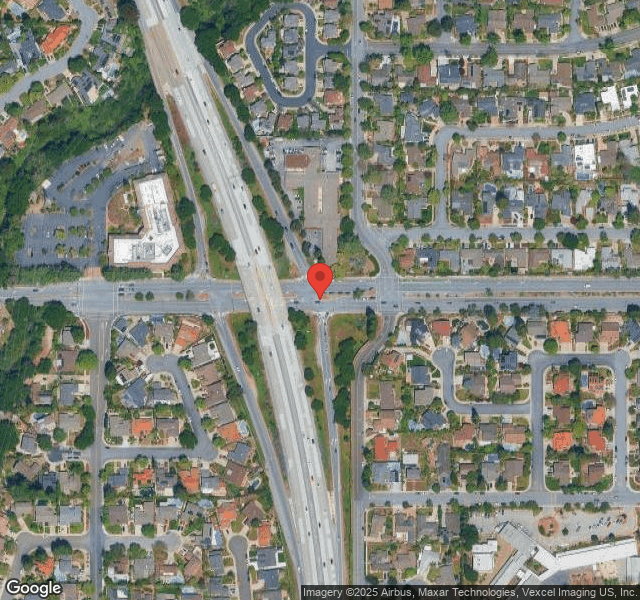
1002 W. FREMONT AVENUE, SUNNYVALE, CA 94087 (408) 739-2383
For profit - Limited Liability company 185 Beds Independent Data: November 2025
Trust Grade
80/100
#101 of 1155 in CA
Last Inspection: April 2025

Within standard 12-15 month inspection cycle. Federal law requires annual inspections.

Overview

Idylwood Care Center has a Trust Grade of B+, which means it is above average and recommended for families considering long-term care. It ranks #101 out of 1,155 facilities in California, placing it in the top half, and #5 out of 50 in Santa Clara County, indicating that only four local options are better. However, the facility is experiencing a worsening trend, with issues rising from 1 in 2024 to 12 in 2025. Staffing is a strong point here, with a 5/5 rating and a turnover rate of 31%, which is below the state average, showing that staff members are stable and familiar with the residents. On the downside, there were no fines recorded, which is positive, but the RN coverage is average, and several concerning incidents have been noted, such as dirty oxygen concentrator filters for a resident requiring supplemental oxygen and a troubling medication error rate of 18.75%, indicating potential risks in medication management.

Trust Score
B+
80/100
In California
#101/1155
Top 8%
Safety Record
Low Risk
No red flags
Inspections
Getting Worse
1 → 12 violations
Staff Stability
○ Average
31% turnover. Near California's 48% average. Typical for the industry.
Penalties
✓ Good
No fines on record. Clean compliance history, better than most California facilities.
Skilled Nurses
○ Average
Each resident gets 37 minutes of Registered Nurse (RN) attention daily — about average for California. RNs are the most trained staff who monitor for health changes.
Violations
⚠ Watch
33 deficiencies on record. Higher than average. Multiple issues found across inspections.
★★★★★
5.0
Overall Rating
★★★★★
5.0
Staff Levels
★★☆☆☆
2.0
Care Quality
★★★★☆
4.0
Inspection Score
Stable
2024: 1 issues
2025: 12 issues

The Good

  • 5-Star Staffing Rating · Excellent nurse staffing levels
  • Full Sprinkler Coverage · Fire safety systems throughout facility
  • No fines on record
  • Staff turnover below average (31%)

    17 points below California average of 48%

Facility shows strength in staffing levels, fire safety.

The Bad

Staff Turnover: 31%

15pts below California avg (46%)

Typical for the industry

The Ugly 33 deficiencies on record

Apr 2025 12 deficiencies
CONCERN (D) 📢 Someone Reported This

A family member, employee, or ombudsman was alarmed enough to file a formal complaint

Potential for Harm - no one hurt, but risky conditions existed

Resident Rights (Tag F0550)

Could have caused harm · This affected 1 resident

**NOTE- TERMS IN BRACKETS HAVE BEEN EDITED TO PROTECT CONFIDENTIALITY** Based on observation, interview, and record review, the facility failed to provide care in a manner that maintained dignity and ...

Read full inspector narrative →
**NOTE- TERMS IN BRACKETS HAVE BEEN EDITED TO PROTECT CONFIDENTIALITY** Based on observation, interview, and record review, the facility failed to provide care in a manner that maintained dignity and respect for two of 32 residents when: 1. Maintenance staff intervened while staff attempted to de-escalate Resident 62's angry outburst. 2. Resident 88's urinal was on his bedside table next to food items. These failures had the potential to affect the emotional well-being of the residents. Findings: 1. During an observation on 4/7/25 at 1:31 p.m., there were two maintenance staff working on a handrail in the hallway, close to the nurse's station. Resident 62 was in his wheelchair banging on the door to the nurse's station. One of the maintenance workers, maintenance staff M (MS M) was repeatedly telling Resident 62 to stop banging on the door. MS M stood up from his position fixing the handrail, walked to Resident 62 at the nurse's station, and stood behind Resident 62's wheelchair. MS M continued to tell Resident 62 to stop banging on the door. MS M then grabbed Resident 62's wheelchair and pulled the resident backward. Resident 62 swung his right arm behind him and hit MS M in the face. Review of Resident 62's face sheet indicated he was admitted to the facility with diagnoses including schizophrenia (a mental illness that is characterized by disturbances in thought) and bipolar disorder (mental disorder characterized by periods of elevated mood and depression, often with poor decision-making). Review of Resident 62's care plan indicated he has repetitive anxious concerns/complaints, demands juice, burritos, popsicles, and does not allow ample time for staff to accommodate requests. The care plan also indicated Resident 62 bangs on office and nurse's station doors. The care plan interventions included to explain all procedures to the resident before starting and allow the resident time to adjust to changes. Review of the report sent to the Department on 4/11/25 indicated the following: On 4/7/2025, at approximately [1:30 p.m.], staff observed Resident 62 repeatedly banging on the . nursing station window. While CNA [certified nursing assistant] was assisting Resident 62, one maintenance staff intervened and loudly verbalized to [Resident 62] to stop banging on the window. Maintenance staff attempted to redirect [Resident 62] by pulling [Resident 62]'s wheelchair backward towards [his] room. Maintenance staff was behind [Resident 62]'s wheelchair. [Resident 62] responded to maintenance staff by suddenly punching staff using his [Resident 62] right fist to hit the staff member's right eye. Two nurses remained with Resident 62 until he [calmed] down . During an interview on 4/7/25 at 1:45 p.m. licensed vocational nurse N (LVN N) stated he saw the incident with Resident 62. LVN N stated Resident 62 is constantly banging on the window. He stated he saw MS M try to take the resident back to his room and Resident 62 hit MS M on the right side of his face. During an interview on 4/10/25 at 1:43 p.m., the maintenance supervisor O (MS O) stated he heard about the incident with Resident 62 and MS M. The MS O stated he supervises four staff members. He stated he expects maintenance staff to be considerate to residents. The MS O stated if there was a situation related to nursing, he would expect maintenance staff to find someone appropriate to help. When asked about whether maintenance staff should be involved in a resident's disruptive behavior, the MS O stated maintenance staff do not get involved in those types of interactions. When asked what he thought about MS M pulling backwards on Resident 62's wheelchair from behind, the MS O stated, I don't feel that that was the best approach. During an interview on 4/11/25 at 3:38 p.m. with the administrator (ADM) and director of nursing (DON), the DON stated Resident 62 has a behavior of banging on the door of the nursing station. She stated staff is aware how to handle Resident 62. The DON stated staff does not have to go close to Resident 62 to redirect him because he can get aggressive. She stated MS M attempted to redirect Resident 62 and pulled his wheelchair backwards. The DON stated Resident 62's reaction to his wheelchair being moved was to swing and Resident 62 hit MS M's right eye. Both the DON and ADM stated MS M should not have been involved in that type of situation. Review of the facility's policy and procedure, Adequate Staffing/Workplace Composition, revised 8/2023 indicated, Staff will participate in de-escalation training. Review of Crisis Prevention Institute's Nonviolent Crisis Intervention Training Participant Workbook, (training the facility provides) indicated, Always respond with respect, empathy, and compassion. The workbook also indicated, Interpret distress behaviors and address the cause of the behavior to de-escalate the situation and Manage your own emotional responses to distress behavior. 2. Review of Resident 88's clinical record indicated he was admitted to the facility on [DATE] with diagnoses including depression, anxiety, and need for assistance with personal care. Review of Resident 88's minimum data set (MDS, an assessment tool), dated 3/20/25, indicated his cognition was moderately impaired and he needed partial/moderate assistance for toileting hygiene. During an observation on 4/7/25 at 9:47 a.m., Resident 88's bedside table had several drink items on the table including a glass of milk, a cup of coffee, and a glass with a pink liquid. Next to the drinks, on Resident 88's bedside table, was a plastic urinal that contained a yellow liquid. When Resident 88 was asked about the items on his bedside table he stated, That's the remnants of my breakfast I am finishing. Resident 88 further stated he does not like the urinal next to his food but stated, I can't do anything about it. During an observation on 4/7/25 at 9:50 a.m., the activities director (AD) was removing Resident 88's urinal from his bedside table. During a concurrent interview with the AD, he stated, It should not be on the bedside table next to the food. The AD removed the urinal and returned with a plastic urinal holder which he placed on the left side of Resident 88's bedframe. During an interview with the director of nursing (DON) on 4/10/25 at 7:30 a.m., she stated a urinal should not be placed on the bedside table during the meal service or when any food items are on the bedside table. The DON further stated staff should empty urinals after each use and then store in holders on the side of the resident's bed. Review of the facility's policy titled, Use of Bedpans and Urinals indicated, Avoid storing on any surface used for eating, such as the rolling bedside table.
CONCERN (D)

Potential for Harm - no one hurt, but risky conditions existed

Deficiency F0554 (Tag F0554)

Could have caused harm · This affected 1 resident

**NOTE- TERMS IN BRACKETS HAVE BEEN EDITED TO PROTECT CONFIDENTIALITY** Based on observation, interview, and record review, the facility failed to perform interdisciplinary team (IDT, staff from diffe...

Read full inspector narrative →
**NOTE- TERMS IN BRACKETS HAVE BEEN EDITED TO PROTECT CONFIDENTIALITY** Based on observation, interview, and record review, the facility failed to perform interdisciplinary team (IDT, staff from different departments who coordinate the residents care) assessment and obtain a physician order for self-administration of medication for one out of 32 sampled residents (Resident 78) when Resident 78 had over-the-counter medication (OTC, can be purchased without a prescription from medical doctor) bottle of expired Vicks VapoRub (used to treat to relieve coughs, congestion and minor pains) on the bedside tray table. This failure had the potential for unsafe and improper administration of OTC medication. Findings: Review of Resident 78's face sheet (FS, a document that gives a resident's information at a quick glance) indicated Resident 78 was admitted to facility on [DATE]. Resident 78's FS also indicated diagnoses included congestive heart failure (a condition when heart is unable to pump blood efficiently), chronic obstructive pulmonary disease (a progressive lung disease characterized by airflow limitation and lung tissue destruction), and depression (a condition of persistent feeling of sadness, and loss of interest or pleasure in daily activities). Review of Resident 78's minimum data set (MDS, clinical and functional assessment tool) dated [DATE] indicated Resident 78's brief interview for mental status (BIMS, a tool used to assess cognition) score of 15 (score of 0 to 7- severe cognitive impairment, 8 to 12-moderate cognitive impairment, and 13 to 15 - intact cognition). Review of Resident 78's clinical documentation indicated there was no documented evidence of the IDT's assessment for self-administration of medication. Review of Resident 78's physician orders indicated there was no order for OTC Vicks VapoRub for self-administration. During an observation in Resident 78's room on [DATE] at 9:11 a.m., a bottle of OTC medication Vicks VapoRub was on the tray table next to Resident 78's bed. This bottle had about one-fourth of the medication left and was labeled with an expiration date 12/2024. During a concurrent interview, Resident 78 stated he used this medication himself most of the days for his nose and was not aware of the expiration date. Resident 78 also stated his son gave this bottle long ago and nursing staff was aware of him using this medication often. During an interview with licensed vocational nurse B (LVN B) on [DATE] at 12:42 p.m., LVN B confirmed the bottle of Vicks VapoRub OTC medication was left on Resident 78's tray table and was expired. LVN B also stated there was no physician order for this medication for self-use for Resident 78. LVN B stated this medication should not have been left in the room for Resident 78. During an interview with facility's director of nursing (DON) on [DATE] at 10:55 a.m., the DON stated she was not aware of Resident 78 self-administering OTC medication. The DON also stated the IDT should have assessed Resident 78 for safely self-administering the medication and nursing staff should have obtained a physician order for Vicks VapoRub for self-administration for Resident 78. Review of facility's policy and procedure (P&P) titled, Self Administration of Medications, last revised dated [DATE], the P&P indicated, Facility, in conjunction with the Interdisciplinary Care Team, should assess and determine, with respect to each resident, whether Self-Administration of medications is safe and appropriate. Facility should ensure that orders for Self-Administration list the specific medication(s) the resident may Self-Administer.
CONCERN (D)

Potential for Harm - no one hurt, but risky conditions existed

Deficiency F0578 (Tag F0578)

Could have caused harm · This affected 1 resident

Based on interview and record review, the facility failed to follow their policy and procedure (P&P) for advance directive (AD, written instructions, such as a living will or durable power of attorney...

Read full inspector narrative →
Based on interview and record review, the facility failed to follow their policy and procedure (P&P) for advance directive (AD, written instructions, such as a living will or durable power of attorney [a document that authorizes to act on behalf of resident] for healthcare when the individual is incapacitated) and physician orders for life-sustaining treatment (POLST, a document that specifies the medical treatments the resident wants to receive during serious illness) form for three of six sampled residents (Resident 17, 10, and 117). These failures could lead to the delivery of unnecessary or inappropriate medical services against a resident's goals and wishes. Findings: Review of Resident 17's face sheet (FS, a document that gives a resident's information at a quick glance) indicated Resident 17 was admitted to facility on 8/13/2019. Review of Resident 17's POLST form date prepared on 2/3/2025 indicated section D for AD was incomplete and left blank. Review of Resident 17's clinical record indicated there was no documented evidence the facility verified, offered, or assisted Resident 17 to execute an AD. Review of Resident 10's FS indicated Resident 10 was admitted to facility on 1/31/2002. Review of Resident 10's POLST form prepared undated indicated section D for AD incomplete, left blank. Review of Resident 10's clinical record indicated there was no documented evidence the facility verified, offered, or assisted Resident 10 to execute an AD. Review of Resident 117's FS indicated Resident 117 was admitted to facility on 9/15/2021. Review of Resident 117's POLST form prepared date 7/13/2021, section D for AD indicated, No Advance Directive. Review of Resident 117's clinical record indicated there was no documented evidence the facility offered or assisted Resident 117 to execute an AD. During an interview with the facility's social service director (SSD) on 4/9/2025 at 2:05 p.m., the SSD confirmed above findings. The SSD stated facility should have completed POLST form for section D for AD for Residents 17 and 10. The SSD also stated social service staff should have verified, discussed, offered, and assisted to execute AD for Residents 17, 10, and 117. During an interview with the director of nursing (DON) on 4/11/2025 at 10;29 a.m., the DON stated nursing staff should have verified and completed all sections of POLST form for residents. The DON also stated social service staff should have verified, offered, and assisted Residents 17, 10, and 117 to execute an AD. Review of facility's P&P titled, Advance Directives, revised 9/1/2013, the P&P indicated, When admitted , the resident/client is asked if he or she has executed an Advance Directive. If the answer is Yes, a copy of the Advance Directive is obtained and placed in the clinical record. Social Services may provide information on preparing an Advance Directive and contacts the local Ombudsman (independent advocate acts as a point of contact between the resident and nursing facility, ensuring fair solutions related to care, safety, and services) for assistance. Review of facility's P&P titled, POLST (Physician Orders for Life Sustaining Treatment), revised 9/1/2013, the P&P indicated, The admitting nurse will note the existence of the POLST form on admission and review the form for completeness .
CONCERN (D)

Potential for Harm - no one hurt, but risky conditions existed

Deficiency F0583 (Tag F0583)

Could have caused harm · This affected 1 resident

Based on observation, interview, and facility's document review, the facility failed to maintain resident's rights to privacy and confidentiality for one of five sampled residents (Resident 34) when R...

Read full inspector narrative →
Based on observation, interview, and facility's document review, the facility failed to maintain resident's rights to privacy and confidentiality for one of five sampled residents (Resident 34) when Resident 34's personal information and care instructions were posted in the room visible to roommate and visitors. This failure had the potential to compromise resident's rights. Finding: During an observation on 4/7/2025 at 10:52 a.m., inside Resident 34's room, Resident 34 was sharing a room with one other resident. Resident 34 was awake and there were two care instructions posted at the wall above Resident 34's head of bed (HOB). One care instruction indicated, SPLINT INSTRUCTION, type of splint: Resting hand splint, The purpose of your splint: Maintain skin integrity and joint ROM (range of motion), When to wear your splint: 4-6 hours daily 5x [times]/week, how to wear splint: apply splint . The second care instruction indicated, Feeding Safely 1. Slow rate of feeding, 2. [Resident 34] need cues to chew thoroughly! 3. Every 3 bites of food - sip of liquid, 4. Check mouth for pocketing. During a concurrent observation and interview with Registered Nurse J (RN J) on 4/7/25 at 3:25 p.m., inside Resident 34's room, the care instructions were still posted. RN J confirmed the above observation and stated the facility put the care instruction for communication. RN J further stated Resident 34's care instruction should have been covered for privacy. During an interview on 4/9/25 at 3:31 p.m., with the Director of Nursing (DON), the DON stated care instructions should have been covered for resident privacy and confidentiality. During a review of facility's policy and procedure (P&P) titled RESIDENT RIGHTS revised date 1/15/07, indicated, .RESIDENT RIGHTS UNDER FEDERAL REGULATIONS . 30. The Resident has the right to personal privacy and confidentiality of his or her personal and clinical records. Personal privacy includes accommodations, medical treatment, written and telephone communications, personal care, visits, and meetings of the family and Resident groups .
CONCERN (D)

Potential for Harm - no one hurt, but risky conditions existed

Respiratory Care (Tag F0695)

Could have caused harm · This affected 1 resident

Based on observation, interview, and record review, the facility failed to ensure oxygen (O2) was administered per physician's order for one of three sampled residents (Resident 79) when Resident 79 w...

Read full inspector narrative →
Based on observation, interview, and record review, the facility failed to ensure oxygen (O2) was administered per physician's order for one of three sampled residents (Resident 79) when Resident 79 was receiving 5 liters per minute (LPM) of oxygen. This failure had the potential to affect Resident 79's respiratory health. Finding: During an observation on 4/7/25 at 10:47 a.m., Resident 79 was lying in bed with oxygen concentrator (a device which concentrates the oxygen from ambient air) in used at 5 LPM via nasal cannula (NC, device placed in the nostril used to deliver oxygen). During a review of Resident 79's physician's order indicated an order, dated 5/28/24, Administer oxygen at 3LPM/NC continuously to maintain oxygen saturation [the percentage of oxygen in the blood] > [greater than] 92%. every shift. During an observation on 4/7/25 at 1:54 p.m., inside Resident 79's room. Resident 79 was sleeping with a NC and the O2 concentrator on and set at 5 LPM. During a concurrent observation and interview on 4/7/25 at 3:22 p.m., with Registered Nurse J (RN J), inside Resident 79's room, RN J checked Resident 79's oxygen concentrator and she confirmed it was set at 5 LPM. RN J stated the order is 3 LPM and it should not be at 5 LPM. During an interview on 4/9/25 at 3:27 p.m., with the Director of Nursing (DON), the DON stated the nurses should be following the physician's order for oxygen. The DON further stated the resident can affect the breathing if they are getting too much oxygen. During a review of facility's policy and procedure (P&P) titled, Oxygen Management revised date 9/01/13, indicated, It is the policy of this facility to provide oxygen support in a safe manner to prevent accidents, to maintain adequate oxygenation to the resident . During a review of facility's policy and procedure (P&P) titled, Labeling of Oxygen Cannula/Tubing revised date 9/01/13, indicated, 4. Procedure: Before use: Verify the physician's order for oxygen therapy, including the flow rate . During use: . Adjust the flow rate as ordered by the physician . Documentation: Document, including the flow rate, duration and patient's response .
CONCERN (D)

Potential for Harm - no one hurt, but risky conditions existed

Deficiency F0698 (Tag F0698)

Could have caused harm · This affected 1 resident

**NOTE- TERMS IN BRACKETS HAVE BEEN EDITED TO PROTECT CONFIDENTIALITY** Based on interview and record review the facility failed to provide dialysis services consistent with professional standards for...

Read full inspector narrative →
**NOTE- TERMS IN BRACKETS HAVE BEEN EDITED TO PROTECT CONFIDENTIALITY** Based on interview and record review the facility failed to provide dialysis services consistent with professional standards for one of one resident (Resident 100) when: 1. Communication with the dialysis facility was not properly coordinated when Resident 100's dialysis communication records (DCR) were not completed; 2. Resident 100's dialysis care plan did not have a person-centered intervention and 3. Staff was not trained on emergency care for residents with renal diseases, dialysis care, and there was no emergency dialysis kit available. These failures may affect the quality of dialysis care being provided to the residents and had the potential to cause resident health complications. Findings: 1. Review of Resident 100's clinical record indicated he was re-admitted to the facility on [DATE] with diagnoses including chronic kidney disease stage 5 (CKD, a condition in which the kidney no longer functions normally to filter waste and excess water from the blood as urine) and dependence on renal dialysis (a process of removing waste and excess water from the blood in those whose kidneys have lost normal function) and diabetes mellitus (DM) type 2 (A chronic condition that affects the way the body processes blood sugar). He was scheduled for dialysis every Tuesday, Thursday, and Saturday. During a concurrent interview and record review on 4/9/25 at 11:09 a.m., with the minimum data sheet coordinator (MDSC), he reviewed Resident 100's DCR's records dated 2/11/25, 2/13/25, 2/27/25, 3/1/25, 3/4/25, 3/6/25, 3/11/25, 3/13/25, 3/18/25, 3/22/25, 3/25/25, 3/27/25, and 3/29/25 were not completed by a dialysis center. He stated that facility licensed nurses should have followed up with Resident 100's dialysis center and completed the DCR's post dialysis assessment for Resident 100's continuity of dialysis care. The MDSC further stated that there was no documentation in the nurse's notes indicating that the licensed nurse called the dialysis clinic to inquire about Resident 100's special instructions, pre and post-dialysis weight and condition while at the dialysis clinic. During a concurrent interview and record on 4/9/25 at 11: 32 a.m., with the MDSC, He confirmed that Resident 100's clinical record revealed DCR's dated 2/11/25, 3/4/25, 3/15/25 and 3/29/25 DCR's post dialysis assessment was not completed by the facility. MDSC stated that the facility licensed nurses should have completed the Dialysis Assessment Communication Form prior to Resident 100's dialysis treatment and should have completed the assessment after he returned to the facility. Review of the facility's policy and procedure revised 9/1/13, titled, Dialysis, Care for a Resident/Client on indicated, Residents/clients receiving dialysis are cared for in a manner that limits or prevents complications. Exchange of information useful and necessary for the care of the resident/client is documented in the medical record . When dialysis treatments are provided at an outside agency, the agency has direct responsibility for the supervision and care of the resident during the entire treatment process including assessment, access device care, prevention of infections, immediate post-dialysis assessment, administration of treatments and medications etc. while the skilled facility, the facility has direct responsibility for the care of the resident, including customary standard care and the following: Assessment of the resident, including monitoring of vital signs post dialysis, monitoring of shunt site, monitoring for post dialysis complications, providing and monitoring any special diets and etc. Review of the facility's Skilled Nursing Facility (SNF) Dialysis Assessment Communication Form (DACF) indicated, The dialysis unit should complete the dialysis unit section of the Dialysis Communication Form and return the form to the facility and the information shall be shared between the facility and the dialysis unit. Prior to dialysis the SNF Nurse shall complete the Dialysis Communication Form including resident condition, status of the dialysis access site, vital signs, weight diet etc. and send with resident to dialysis for each treatment and complete back of form when resident returns from dialysis. 2. During an observation on 4/8/25 at 9:43 a.m., and 4/9/25 a.m. at 10:28 a.m., Resident 100 had a permacath (long, flexible tube inserted into a vein most commonly in the neck and into the heart to allow dialysis to occur) in place. Review of Resident 100's physician's order, dated 2/7/25, indicated he had a hemodialysis catheter for dialysis via right chest permacath and was scheduled to go to a dialysis facility three times a week. During a concurrent interview and record on 4/9/25 at 3: 13 p.m., with the assistant director of nursing (ADON), She reviewed Resident 100's care plan dated 2/7/25 indicated Resident 100 has right upper chest permacath for dialysis related to diagnosis of Type 2 DM and CKD stage five and one of the interventions was to check for thrill (vibration over an arteriovenous [AV] fistula or graft [types of accesses used for dialysis] and bruit (whooshing sound heard over an AV fistula or graft). ADON stated that the care plan did not have a person-centered intervention because for chest permacath, there would be no monitoring of the thrill and bruit. ADON further stated that she will revise the dialysis care plan to reflect the Resident 100's status. Review of the facility's policy and procedure revised 1/22/20, titled, Care Planning indicated person-centered care plans are prepared by an Interdisciplinary Team with input from the person served, to meet individual needs and preferences . Begin with identifying the person's served strengths, needs, abilities, preferences, considering cultural needs and addressing challenges to care. Problems experienced by the persons served are care planned to use three main care plan components: Problem Statement, Goals, Interventions. 3. During a concurrent observation and interview on 4/9/25 at 10:52 a.m., with registered nurse I (RN I) and licensed vocational nurse S (LVN S) both stated that they don't have a current training about taking care of Resident 100 that was on dialysis care. Both further stated that there was no emergency dialysis kit in the unit, medication room, medication cart, and crash cart.
CONCERN (D)

Potential for Harm - no one hurt, but risky conditions existed

Pharmacy Services (Tag F0755)

Could have caused harm · This affected 1 resident

Based on observation, interview, and record review, the facility failed to follow its policy and procedure when Registered Nurse I (RN I) did not use a pair of gloves while preparing a hazardous drug ...

Read full inspector narrative →
Based on observation, interview, and record review, the facility failed to follow its policy and procedure when Registered Nurse I (RN I) did not use a pair of gloves while preparing a hazardous drug (medications that pose potential health risks to individuals who handle them). This failure had the potential to expose RN I to hazardous drug. Findings: During the medication administration observation on 4/8/25 at 9:04 a.m., Registered Nurse I (RN I), was observed preparing five medications for Resident 139. One of the medications was finasteride (used to treat symptoms of Benign Prostatic Hyperplasia (BPH, a benign [not cancerous] condition in which the prostate gland [prostate is a gland in the male reproductive system] is larger than normal) 5 mg (milligrams, unit of measurement). The finasteride medication blister pack (packaged doses of medication within small, clear, or light-resistant, amber-colored plastic bubbles.) was labeled with a red sticker stating, Hazardous drug. RN I prepared the finasteride medication without using gloves. During a concurrent interview and record review after the observation on 4/8/25 at 9:26 a.m., RN I confirmed the finasteride medication blister pack red sticker indicated hazardous drug. She stated she did not wear gloves when preparing the medication. She further stated she should have used gloves when preparing finasteride. During an interview on 4/10/25 at 8:35 a.m., with the Director of Nursing (DON), the DON stated when preparing finasteride, the nurse should wear gloves. During an interview on 4/10/25 at 3:35 p.m., with the Facility Pharmacist Consultant (FPC), the FPC stated they [nurse] should wear gloves when preparing finasteride. The FPC further stated finasteride can affect women. During a review of facility's policy and procedure titled, Hazardous Drug/Chemicals and Safety Data Sheets (MSDSs) revised date 1/1/13, indicated, .2. Facility staff preparing, infusing administering or removing a hazardous drug/chemical from its packaged should use protective equipment such as gloves or masks to protect themselves from exposure to aerosolized fluids or particles per Facility Policy. According to Drugs.com Finasteride can be absorbed through the skin. Finasteride can cause birth defects if a woman is exposed to it during pregnancy. The tablets should not be handled by a woman who is pregnant or who may become pregnant.
CONCERN (D)

Potential for Harm - no one hurt, but risky conditions existed

Deficiency F0810 (Tag F0810)

Could have caused harm · This affected 1 resident

Based on observation, interview and record review, the facility failed to ensure to provide adaptive equipment (a device specifically designed to assist with drinking/eating) with meals to one of two ...

Read full inspector narrative →
Based on observation, interview and record review, the facility failed to ensure to provide adaptive equipment (a device specifically designed to assist with drinking/eating) with meals to one of two sampled residents (Resident 10). This failure had the potential to affect the swallowing ability, fluid intake, health, and well-being of Resident 10. Findings: Review of Resident 10's face sheet (FS, a document that gives a resident's information at a quick glance) indicated Resident 10 was admitted to facility on 1/31/2002 with diagnoses including dysphagia (difficulty swallowing). Review of Resident 10's physician orders indicated, Nosey cup TID (three times per day) with meals for adaptive equipment . dated 11/5/2021. Review of Resident 10's meal tray card for lunch on 4/8/2025 indicated, Nosey Cup (an adaptive drinking cup with a U-shaped cut out on one side, designed to maintain proper head and neck position when drinking for safe swallowing liquids) highlighted in yellow color. During lunch meal observation and interview with certified nursing assistant K (CNA K) in Resident 10's room on 4/8/2025 at 12:30 p.m., there was a regular plastic cup provided with Resident 10's meal tray. There was no nosey cup on Resident 10's tray. CNA K confirmed there was no nosey cup with Resident 10's meal tray. Resident 10 drank a strawberry health shake (supplemental nutritional liquid filled with nutrients) by herself from the regular plastic drinking cup and it spilled out of Resident 10's mouth. During this observation other liquid supplements also spilled out of Resident 10's mouth while drinking with the plastic cup. CNA K stated Resident 10 drinks liquids comfortably with a nosey cup and liquids will not spill out of her mouth. CNA K also stated Resident 10 frequently did not receive a nosey cup with her meal tray. During an interview with assistant dietary supervisor (ADS) on 4/8/2025 at 3:07 p.m., ADS stated dietary staff should have read the lunch tray card and provided a nosey cup with each meal tray for Resident 10. During an interview with registered dietitian 1 (RD 1) and RD 2 together on 4/8/2025 at 3:11 p.m., RD 1 stated kitchen staff should have provided a nosey cup with lunch meal tray on 4/8/2025 for Resident 10. RD 1 also stated kitchen staff will receive education for extra attention for tray cards with adaptive equipment. During a second observation of a lunch meal on 4/9/2025 at 12:45 p.m., Resident 10 was able to drink liquids from nosey cup without spilling and there were no swallow concerns. During a third observation along with CNA L during breakfast meal on 4/10/2025 at 7:45 a.m., Resident 10 was able to drink liquids from nosey cup with no concerns. CNA L stated nosey cup helps to drink liquids for Resident 10. CNA L stated the kitchen was not sending a nosey cup with meal trays once in a while for Resident 10. During an interview with the assistant director of nursing (ADON) on 4/10/2025 at 10:03 a.m., the ADON stated kitchen staff should have provided a nosey cup for Resident 10 with each meal. During an interview with occupational therapist (OT) on 4/10/2025 at 10:37 a.m., OT stated nosey cup facilitates drinking liquids for residents. During an interview with speech therapist (ST) on 4/10/2025 at 10:51 a.m., ST stated nosey cup facilitates drinking, helps with swallowing liquids, prevents spilling out of the mouth, and helps to increase fluid intake for Resident 10. During an interview with director of nursing (DON) on 4/11/2025 at 10:48 a.m., DON stated kitchen staff should have provided nosey cup for Resident 10 with each meal. Review of facility's undated policy and procedure (P&P) titled, Self-Feeding Devices, the P&P indicated, Devices commonly used, such as divider plates and feeding cups, will be kept in stock. The Food & Nutrition Services Department will store self-feeding devices. Residents needing devices will receive them with each meal or snack, on their meal trays.
CONCERN (E)

Potential for Harm - no one hurt, but risky conditions existed

Unnecessary Medications (Tag F0759)

Could have caused harm · This affected multiple residents

Based on observation, interview, and record review, the facility had a medication error rate of 18.75% when six medication errors occurred out of 32 opportunities during the medication administration ...

Read full inspector narrative →
Based on observation, interview, and record review, the facility had a medication error rate of 18.75% when six medication errors occurred out of 32 opportunities during the medication administration for three out of seven residents (Resident 3, Resident 34, and Resident 139). The failures resulted in the nursing staff not following physician's orders and the facility's policy and procedures (P&P), and had the potential for medication complications or residents not receiving full therapeutic effects of the medication. Findings: 1. During the medication administration observation on 4/7/24 at 4:35 p.m., Licensed Vocational Nurse F (LVN F) was observed administering five medications for Resident 3. Included in the medications was eye drops, Brimonidine Tartrate [used to lower pressure in the eyes in patients with glaucoma (high pressure in the eyes that may damage nerves and cause vision loss)]. LVN F asked Resident 3 to open the eyes but did not instruct the resident to look up. LVN F instilled one drop of the medication directly to the inner corner of Resident 3's eye without pulling the lower eyelid down. As soon as the eye drop was instilled to inner corner of Resident 3's eyes, LVN J immediately wiped Resident 3's eyes with a tissue. LVN J did not apply gentle pressure on Resident 3's tear duct after administering the eye drops. During an interview after the medication administration, on 4/7/25 at 4:53 p.m. with LVN F, he confirmed he instilled the drops directly into the inner corner of Resident 3's eyes and did not pull the resident's lower eyelid to make a pocket to instill the medication in during eye drop administration. He further stated he normally administered the eye drop in the center of the eye or pupil [circular black opening in the center of the iris (the colored part of the eye that surrounds the pupil) of the eye]. During a review of Resident 3's physician's order indicated an order, dated 2/26/25 for Brimonidine Tartrate Instill 1 drop in both eyes three times a day for Glaucoma. During an interview on 4/8/25 at 3:13 p.m., with the Director of Nursing (DON), she stated during eye drop administration, the nurses should make a pocket and instill the eye drop in the conjunctival sac (the pocket where eye drops and ointments are typically administered). During phone interview on 4/10/25 at 3:39 p.m., with the Facility Pharmacist Consultant (FPC), the FPC stated for eye drop administration the nurse should wash hands, wear gloves, instruct the patient to look up if the patient cannot follow instruction, they have to hold the eyelid (lower). According to MedlinePlus.gov, a service of the National Library of Medicine (NLM), the world's largest medical library, which is part of the National Institutes of Health (NIH). Indicated the following for Brimonidine Ophthalmic: To instill eye drops, follow these steps: . 5. While tilting your head back, pull down the lower lid of your eye with your index finger to form a pocket . 7. While looking up, gently squeeze the dropper so that a single drop falls into the pocket made by the lower eyelid. Remove your index finger from the lower eyelid . 9. Place a finger on the tear duct and apply gentle pressure [prevent the medication from draining into the nose and reduces the risk of systemic side effects]. 10. Wipe any excess liquid from your face with a tissue . During a review of the facility's P&P titled 6.0 General Dose Preparation and Medication Administration Revised date 1/1/13, indicated, Applicability: This Policy 6.0 sets forth the procedures relating to general dose preparation and medication administration. Facility staff should also refer to Facility policy regarding medication administration and should comply with Applicable Law and the State Operations Manual when administering medications . 5. During medication administration, Facility staff should take all measures required by Facility policy and Applicable Law, including, but not limited to the following: .Provide the resident with any necessary instructions. 5.8 Follow manufacturer medication administration guidelines . 2. During the medication administration observation on 4/8/25 at 8:36 a.m., Registered Nurse E (RN E), was observed preparing five medications, one liquid medication, four tablets of three different medications, and one powdered medication for Resident 34. The four tablets were one tablet of aspirin (treat mild to moderate pain) 81 milligrams (mg, unit of measurement); two tablets of carbamazepine (used to treat seizures, nerve pain) 200 mg; and one tablet of lithium (treat bipolar disorder, a mental condition in which a person has wide or extreme swings in their mood) 300 mg. The resident was receiving medications via gastrostomy tube (G-tube, tube inserted through the abdomen that delivers nutrition and medications directly to the stomach). RN E placed the four tablets of three different medications in one small medication cup, then she put it inside the pill crusher pouch and crushed all the three medications together. She put the three crushed medications in one cup of 4 ounces (oz, unit of measurement) of water, which was mixed with 17 grams of polyethylene glycol powder (treat occasional constipation). On 4/8/25 at 8:45 a.m., RN E was observed administering the medication to Resident 34 via G-tube. RN E flushed the G-tube with water and she administered the four mixed medications in one cup using a 60 ml (milliliter, unit of measurement) syringe (commonly used in a wide range of applications, including medication delivery, fluid injections, blood draws, and laboratory testing), then she flushed the G-tube with water. During an interview shortly after the observation, on 4/8/25 at 8:59 a.m., RN E confirmed she crushed the three medications all together and mixed it with 17 gram of polyethylene powder in the cup, total of four mixed medications was administered to Resident 34's G-tube together. The liquid medication was administered separately. RN E stated the three medications should be crushed separately. She stated she should have flushed 15 ml in between each mediation. RN E also stated the four medications should be administered separately. She further stated the medications has different interactions. During an interview on 4/8/25 3:15 p.m., with the DON, she stated during G-tube medication administration, nurses should crush the medication separately and administer the medications separately with flushing in between. During a review of Resident 34's physician's order indicated an order, dated 1/25/24 Enteral Feed (also known as tube feeding) Order every shift flush tube with 15 ml of water in between each medication. During a telephone interview on 4/10/25 at 3:37 p.m., with the Facility Pharmacist Consultant (FPC), the FPC stated for G-tube medicaiton administration, the nurse should administer the medication in separate cups and flush after each medication. She further stated it is a precaution because some drugs might have an interaction. During a review of the facility's P&P titled, ENTERAL THERAPY (Tube Management, Feeding, Medications) Revised date 9/1/13, indicated, . III MEDICATION AND ADMINISTRATION VIA ENTERAL TUBE A. Procedure for Administering Medication: . 4. Administer each medication one at a time, with water flushes prior to administration, due to risk for physical and chemical incompatibilities, potential for tube obstruction, and potential for altered therapeutic drug response . 3. During the medication administration observation on 4/8/25 at 9:04 a.m., Registered Nurse I (RN I), was observed preparing five medications for Resident 139. Included in the medications was tamsulosin (used in men to treat the symptoms of an enlarged prostate [prostate is a gland in the male reproductive system]) 0.4 mg 2 capsules. The medication was not in the cart and RN I stated she will check the medication room for tamsulosin. RN I came back without the tamsulosin and she stated the medication is not available. She further stated she will call the pharmacy. During an interview on 4/8/25 at 1:18 p.m., when RN I was asked whether she was able to give tamsulosin to Resident 139, RN stated it was not given and the pharmacy will deliver the medication later in afternoon. During a review of Resident 139's physician's order indicated an order for Tamsulosin capsule 0.4 mg give 2 capsule by mouth one time a day for BPH (benign prostatic hyperplasia, condition when the prostate gland is larger than normal), dated 5/29/24. During a review of Resident 139's Medication Administration Record (MAR) indicated the 4/8/25 9 a.m. administration for tamsulosin 0.4 mg give 2 capsule was marked 18 meaning medication not available. During an interview of 4/9/25 at 3:36 p.m., with the DON, she stated medication should have been ordered on time and stated medications should be available. She further stated Resident 139 did not receive the medication tamsulosin yesterday. During a review of the facility's P&P titled, MED PASS, MEDICATION ADMINISTRATION ESSENTIALS Revised date 9/1/13, indicated, . 2. The licensed nurse administers medications within one hour before or one hour after the scheduled administration time. E. Medication Rights Licensed nurses are to follow the seven rights of medication: 4. The right time.
CONCERN (E)

Potential for Harm - no one hurt, but risky conditions existed

Deficiency F0761 (Tag F0761)

Could have caused harm · This affected multiple residents

3. During a wound treatment observation, on 4/9/25 at 8:15 a.m., the treatment nurse (TXN) prepared supplies to perform a wound treatment for Resident 98. The TXN left the treatment cart unlocked, ent...

Read full inspector narrative →
3. During a wound treatment observation, on 4/9/25 at 8:15 a.m., the treatment nurse (TXN) prepared supplies to perform a wound treatment for Resident 98. The TXN left the treatment cart unlocked, entered Resident 98's room, and closed the door. The treatment cart was left unlocked in the hallway, outside of Resident 98's room. During an interview, on 4/9/25 at 8:22 a.m., the TXN confirmed he left the treatment cart unlocked and stated it should be locked. During an interview with the director of nursing (DON) on 4/10/25 at 7:30 a.m., she confirmed the treatment cart should be locked when not in use. The DON further added the treatment cart should always be within view of the user when unlocked. The facility's policy, General Dose Preparation and Medication Administration, revised 1/1/13 indicated, Facility should ensure that medication carts are always locked when out of sight or unattended. Based on observation, interview, and record review, the facility failed to ensure proper medication storage and labeling of medications when: 1. Opened multi-dose vials/inhalers had no open date; 2. Expired medications were not removed from active stock; 3. A treatment cart was left unlocked and unattended. These failures had the potential for residents to receive medications with reduced efficacy and had the potential for residents to access the unlocked and unattended treatment cart. Findings: 1. During an inspection of a medication cart on 4/7/25 at 3:31 p.m., with Registered Nurse D (RN D), one opened bottle of Pepto Bismol (indication include diarrhea, heartburn, indigestions, nausea, and stomach upset) was identified. The bottle had an expiration of 3/2025. RN D confirmed Pepto Bismol was expired on 3/2025. She further stated it should not be in the cart and should not be used. During an interview on 4/8/25 at 3:27 p.m., with the Director on Nursing (DON), the DON stated any expired medication should not be in the cart because the efficacy of the medication is not the same. 2. During an inspection of another medication cart on 4/7/25 at 3:46 p.m., with Registered Nurse E (RN E), RN E confirmed the following findings: a. One opened multi-dose vial of insulin did not have an open date. A review of the manufacturer's label on the insulin vial indicated it must be discarded 28 days after opening. RN E stated insulin should have an open date and discard 28 days after opening. b. A Wixela (medication to treat breathing problems such as asthma) inhaler had an open date of 3/5/25. A review of manufacturer's label indicated to discard one month after opening. RN E stated it should be discarded. c. A Breyna (medication to treat breathing problems such as asthma) inhaler was undated with the open date. A review of manufacturer's label with RN E indicated, to discard three months after opening. RN E stated Breyna should have an open date and be discarded in three months. During an interview on 4/8/25 at 3:33 p.m. with the Director of Nursing (DON), the DON stated the expired Wixela inhaler should not be in the medication cart, the Breyna inhaler should have an open date, and the multi-dose vial of insulin should have an open date to know when it should be discarded. During a review of facility's policy and procedure titled, Storage and Expiration of Medications, Biologicals, Syringes and Needles revised date 6/30/17, indicated, . 4. Facility should ensure that medications and biologicals that: (1) have an expired date on the label; (2) have been retained longer than recommendation by manufacturer or supplier guidelines; or (3) have been contaminated or deteriorated, are stored separate from other medications until destroyed or return to the supplier. 5. Once any medication or biological package is opened, Facility should follow manufacturer/supplier guidelines with respect to expiration dates for opened medications. Facility staff should record the dated opened on the medication container when the medication has as shortened expiration once opened.
CONCERN (E)

Potential for Harm - no one hurt, but risky conditions existed

Food Safety (Tag F0812)

Could have caused harm · This affected multiple residents

Based on observation, interview, and record review, the facility failed to maintain sanitary conditions in the kitchen when: 1. A table mounted can opener had brownish colored substances; 2. Six food...

Read full inspector narrative →
Based on observation, interview, and record review, the facility failed to maintain sanitary conditions in the kitchen when: 1. A table mounted can opener had brownish colored substances; 2. Six food trays had black substances inside the corners of the trays; and 3. The back and side of a food cart parked inside the kitchen had whitish substances outside food cart surfaces. These failures had the potential to cause foodborne illnesses for residents. Findings: 1. During an initial tour in the kitchen on 4/7/25 at 8:44 a.m., with Registered Dietitian 2 (RD 2), a table mounted can opener had brownish colored substances on the top and sides. RD 2 confirmed the observation and stated the can opener needed to be cleaned and free from rust. 2. During a concurrent observation and interview on 4/7/25 at 8:52 a.m., with RD 2, she confirmed two trays with three loaves of bread were stored in each tray. One tray with 15 bowls, one tray with 27 bowls, and two empty trays were stored together inside a cart. There were black substances inside the corners of each tray. RD 2 stated they will clean the trays now. 3. During a concurrent observation and interview on 4/7/25 at 8:59 a.m., with RD 1 and RD 2, there was a food cart parked inside the kitchen and had whitish substances outside the back and side surface. RD 1 and RD 2 acknowledged the above observation and stated they will clean the food cart now. According to the FDA Food Code 2017, (A) EQUIPMENT FOOD-CONTACT SURFACES and UTENSILS shall be clean to sight and touch. (B) The FOOD-CONTACT SURFACES of cooking EQUIPMENT and pans shall be kept free of encrusted grease deposits and other soil accumulations. (C) Non FOOD-CONTACT SURFACES of EQUIPMENT shall be kept free of an accumulation of dust, dirt, FOOD residue, and other debris. Review of the facility's undated policy and procedure, titled, Pot and Pan Washing indicated pots and pans will be properly sanitized. The preferred method is to run all pots and pans through the dish machine.
CONCERN (F) 📢 Someone Reported This

A family member, employee, or ombudsman was alarmed enough to file a formal complaint

Potential for Harm - no one hurt, but risky conditions existed

Infection Control (Tag F0880)

Could have caused harm · This affected most or all residents

**NOTE- TERMS IN BRACKETS HAVE BEEN EDITED TO PROTECT CONFIDENTIALITY** 10. Review of Resident 27's clinical record indicated he was admitted to the facility on [DATE] with diagnoses including COPD an...

Read full inspector narrative →
**NOTE- TERMS IN BRACKETS HAVE BEEN EDITED TO PROTECT CONFIDENTIALITY** 10. Review of Resident 27's clinical record indicated he was admitted to the facility on [DATE] with diagnoses including COPD and pericardial effusion (build up of extra fluid in the space around the heart.) Review of Resident 27's physician order, dated [DATE], it indicated he had an order for continuous supplemental oxygen at 2 to 5 liters per minute. During an observation on [DATE] at 9:48 a.m., Resident 27 was receiving oxygen via nasal cannula being delivered via an oxygen concentrator. The filters on both sides of the oxygen concentrator machine were dusty, with an accumulation of whitish gray substances on the filter sponges. During an observation and concurrent interview with licensed vocational nurse A (LVN A) on [DATE] at 10:07 a.m., he confirmed both filters on Resident 27's concentrator were dirty and he stated the filters should be changed. During an interview with the director of nursing (DON) on [DATE] at 7:30 a.m., she stated the concentrator filter should be cleaned every week and replaced as needed. Review of the facility's policy Cleaning Resident Rooms and Equipment revised [DATE], indicated, . 5. For oxygen tanks, connectors and concentrators: b. Clean oxygen concentrator filters weekly. Review of the Platinum Series XL, 5, 10 operator's manual indicated the following for routine maintenance of the cabinet filters: Remove each filter and clean at least once a week. Based on observation, interview and record review, the facility failed to maintain proper infection control practices when: 1. Resident 77 had an opened plastic bag with gastrostomy (GT, a surgical opening into the stomach for administration of nutrition and medications) syringe dated [DATE] and his urinary catheter attached to urinary catheter drainage bag (a urinary catheter is a thin, flexible tube used to drain urine from the bladder) was not properly positioned; 2. Resident 5's and 31's room had an opened and unlabeled GT syringe; 3. Resident 32 had an opened unlabeled plastic bag with enteral feeding tube (used to deliver nutrients directly into the stomach or small intestine, bypassing the mouth and swallowing process); 4. Resident 100's used spirometer (an apparatus for measuring the volume of air inspired and expired by the lungs that measures ventilation, the movement of air into and out of the lungs) mouthpiece had a dried yellowish substance and was touching the inside part of a wash basin; 5. A dirty plastic garbage bag was touching a box of clean gloves on top of Resident 100's bed and Dakin's solution (used to clean wounds) was not cleaned before storing in the treatment cart; 6. Nasal cannulas (NC, a tubing used to deliver oxygen) for Residents 43 and 40 were not in the resident's nostrils and were not stored properly; 7. A nurse was wearing an N95 (personal protective mask that filters out at least 95% of airborne particles, designed to form a seal around nose and mouth) face mask below her nose and mouth; 8. Resident 17's foley catheter (F/C, thin, flexible tube used to drain urine from bladder) drainage bag (urine collection bag) was on the floor; 9. The enteral feeding tubing for Residents 56, 28, and 17 were not dated; 10. The filters in Resident 27's concentrator were dirty. 11. A nurse did not sanitize a stethoscope after use. These failures had the potential to result in the transmission and spread of infection throughout the facility. Findings: 1. During the initial tour observation of the facility on [DATE] at 9:50 a.m., Resident 77's bedside table has plastic bag with GT syringe dated [DATE]. During the initial tour observation of the facility on [DATE] at 9:51 a.m., Resident 77's had a urinary catheter attached to a urinary catheter drainage bag. The position of the tubing of the urinary catheter was above the level of the bladder and was kinked. During a concurrent observation and interview on [DATE] at 9:52 a.m., with licensed vocational nurse Q (LVN Q) she acknowledged the above observation and stated the GT syringe should not be there. During a concurrent observation and interview on [DATE] at 9:55 a.m., with LVN Q, she confirmed the above observation and stated the position of the tubing was above the level of the bladder, urine was going back to the bladder, and it should not have been kinked. During a concurrent interview and record review on [DATE] at 8:57 a.m., with the assistant director of nursing (ADON), the ADON reviewed Resident 77's clinical records and stated that Resident 77 was readmitted to the facility on [DATE] and had a suprapubic catheter (small flexible tube surgically inserted into the bladder through an incision in the lower abdomen) insertion procedure on [DATE] due to diagnosis of obstructive and reflux uropathy. The ADON further stated that the care plan for suprapubic catheter was initiated on [DATE] and indicated that one of the interventions was to position catheter bag and tubing below the level of the bladder and away from the entrance room door. 2. During the initial tour observation of the facility on [DATE] at 10:06 a.m., a room was shared by two residents, Resident 5 and Resident 31. There was a bedside table in the middle of the room. On top of the bedside table there was an opened and unlabeled GT syringe. During a concurrent observation and interview on [DATE] at 10:10 a.m., with LVN Q, she confirmed the above observation and stated it should have been labeled because both residents are on isolation precautions. 3. During an observation on [DATE] at 10:27 a.m., Resident 32's bedside table had an opened plastic bag with enteral feeding tube inside. The bag was undated, unlabeled, and touching an opened package of A and D ointment (used to moisturize skin). During a concurrent observation and interview on [DATE] at 10:30 a.m., with LVN Q, she confirmed the above observation and stated it should have been labeled and dated. She further stated that A&D ointment that was used and opened should have been discarded to prevent contamination. 4. During the initial tour observation of the facility on [DATE] at 10:00 a.m., Resident 100's used spirometer mouthpiece had a dried yellowish substance and was touching the inside part of the pink wash basin. The spirometer was stored together with string, lotion, plastic and paper. During a concurrent observation and interview on [DATE] at 10:02 a.m., LVN Q confirmed the above observation and LVN Q stated that the spirometer apparatus mouthpiece should not be touching the pink wash basin. LVN Q further stated that after using the spirometer apparatus, it should have been cleaned and put it inside a plastic bag. Review of the facility's undated policy and procedure, titled, Cleaning and Disinfection of Resident-Care Items and Equipment indicated, Resident care equipment, including reusable items and durable medical equipment will be cleaned and disinfected according to current CDC recommendations for disinfection and the OSHA Bloodborne Pathogens Standard . Disinfection necessary for items used in resident care . Semi-critical items consist of items that may come in contact with mucus membranes or non-intact skin (e.g., respiratory therapy equipment). Such devices should be free from all microorganisms, although small numbers of bacterial spores are permissible. 5. During wound dressing change observation on [DATE] at 10:05 a.m., with the TX N, there was a dirty plastic garbage bag on top of Resident 100's bed that contained used gauze, used dressings, and used gloves. The garbage bag was touching and covering more than half of an opened box of clean gloves. The TX N was holding a Dakin's solution bottle with his left gloved hand with the same glove that was used during Resident 100's wound dressing change. The TX N stored the Dakin's solution bottle inside the treatment cart without cleaning the bottle. During an interview on [DATE] at 10:15 a.m., with TX N, he confirmed the above observations. Review of the facility's policy and procedure dated [DATE], titled, Dressing, Non-Sterile and Sterile indicated, Non-sterile (clean) dressing changes are applied in a clean and comfortable manner . Example of Wounds: Pressure Ulcers, Chronic Wounds, Skin tears, Less Invasive Wounds . Clean technique means free of dirt, marks, or stains . Clean technique involves strategies used in patient care to reduce the overall number of microorganisms or to prevent or reduce the risk of transmission of microorganisms from one person to another or from one place to another. Review of the facility's undated policy and procedure, titled, Personal Protective Equipment - Gloves indicated gloves shall be used only once and discarded into the appropriate receptacle located in the room in which the procedure is being performed. 6. Review of Resident 43's face sheet (FS, a document that gives a resident's information at a quick glance) indicated Resident 43 was admitted to the facility on [DATE]. Resident 43's FS also indicated diagnoses included chronic obstructive pulmonary disease (COPD, a progressive lung disease causes airflow limitations and lung tissue destruction) and respiratory failure with hypoxia (a condition with low oxygen [O2, a colorless, odorless, and tasteless gas essential to living organisms] blood levels due to lungs unable to adequately oxygenate the blood). Review of Resident 43's physician orders, dated [DATE] indicated, Administer continuous oxygen at 2 LPM [liters per minute, flow rate of oxygen delivery] via nasal cannula. During an initial observation of Resident 43's room on [DATE] at 10:00 a.m., Resident 43's NC was laying on the bed's left side rail and was connected to an oxygen concentrator (a medical device that concentrates oxygen from environmental air and delivers it to a resident in need of supplemental oxygen). Resident 43's oxygen concentrator was on. During an interview with licensed vocational nurse B (LVN B) on [DATE] at 10:17 a.m., LVN B confirmed Resident 43's NC was not in the resident's nostril and was left on the side rail. LVN B stated the NC should not have been left on the side rail due to infection control. Review of Resident 40's FS indicated Resident 40 was admitted to the facility on [DATE]. Resident 40's FS also indicated diagnoses included thrombocytopenia (low levels of platelets [type of blood cells to help to stop bleeding] in blood) and venous insufficiency (a condition when blood flow problems sending from legs back up to heart). Review of Resident 40's physician orders, dated [DATE] indicated, Administer 2-5 liters of oxygen via nasal cannula to maintain oxygen level of > [greater than] 92% as needed. During an initial observation of Resident 40's room on [DATE] at 10:37 a.m., Resident 40's NC was laying on a humidifier (a medical device that adds moisture to the oxygen delivered to resident during oxygen therapy) and was connected to an oxygen concentrator. Resident 40's oxygen concentrator was on. During an interview with licensed vocational nurse P (LVN P) on [DATE] at 11:40 a.m., LVN P confirmed the above observation. LVN P stated the NC should be in Resident 40's nostril when oxygen is in use. LVN P also stated the NC should not have been left on the humidifier. During an interview with the facility's infection preventionist (IP) on [DATE] at 8:20 a.m., the IP stated nasal cannulas should be in resident's nostrils when oxygen is in use. The IP also stated NC should not have been left on a side rail or humidifier because it would be an infection control issue. Review of facility's policy and procedure (P&P) titled, Labeling of Oxygen Cannula/Tubing, dated [DATE], the P&P indicated, During Use: Place the cannula in the patient's nostrils, ensuring a comfortable and secure fit. 7. During an observation on [DATE] at 9:55 a.m., licensed vocational nurse B (LVN B) was preparing medications in front of the medication cart (movable equipment used in healthcare settings to store, transport, and dispense medications) in the hallway. LVN B's N95 (personal protective mask that filters out at least 95% of airborne particles, designed to form a seal around nose and mouth) face mask was below her nose and mouth. During a second observation on [DATE] at 10:11 a.m., LVN B's N95 face mask was below her nose and mouth while preparing medications in front of the medication cart in the hallway. During an interview with LVN B on [DATE] at 10:15 a.m., LVN B confirmed her N95 was below her nose and mouth. LVN B adjusted her N95 to cover her nose and mouth and stated her N95 should have covered her nose and mouth to form a tight seal. During an interview with the IP on [DATE] at 7:58 a.m., the IP confirmed all staff must wear N95 due to current influenza (a common, sometimes deadly viral infection of the nose, throat, and lungs) outbreak (a sudden and unexpected increase in number of cases) in the facility. The IP stated LVN B's N95 face mask should have covered her nose and mouth to prevent the spread of infection. Review of facility's P&P titled, Personal Protective Equipment, dated [DATE], the P&P indicated, PPE (personal protective equipment) required for transmission-based precautions is maintained outside and inside the resident's room, as needed. Review of facility's P&P titled, Personal Protective Equipment-Using Face Masks, dated [DATE], the P&P indicated, Be sure that face mask covers the nose and mouth. 8. Review of Resident 17's FS indicated Resident 17 was admitted to the facility on [DATE]. Resident 17's FS also indicated diagnoses included ureteral obstruction (blockage of the tubes that carry urine from kidneys [body organ that filter waste and excess water from blood, producing urine] to the bladder [body organ that stores urine]). Review of Resident 17's physician order, dated [DATE] indicated, Indwelling Foley catheter #18 F (size of F/C) with 10 cc [cubic centimeter, unit of measurement] [NAME] to bedside gravity drainage bag. During an observation on [DATE] at 9:30 a.m., Resident 17's F/C drainage bag was on the floor next to the right side of Resident 17's bed. During a concurrent observation and interview with certified nursing assistant T (CNA T) on [DATE] at 9:40 a.m., CNA T confirmed Resident 17's F/C drainage bag was on the floor. CNA T stated the F/C drainage bag should not have been on the floor due to infection control. CNA T also stated nursing staff should have placed the F/C drainage bag in a privacy bag anchored to Resident 17's bed frame. During an interview with LVN P on [DATE] at 10:02 a.m., LVN P stated Resident 17's F/C drainage bag should have been placed in a privacy bag and anchored to the bed frame below the bladder. LVN P also stated nursing staff should not have left F/C drainage bag on the floor for infection control and prevention. During an interview with the IP on [DATE] at 8:15 a.m., IP stated nursing staff should have placed Resident 17's F/C drainage bag in a privacy bag and should not have left the bag on the floor for infection control practice. Review of facility's P&P titled, Catheter Care, Urinary, dated [DATE], the P&P indicated, If drainage bag is packed separately, open package and attach bag to the bed frame. Use an alternate method to keep the drainage bag off the floor. 9. Review of Resident 56's FS indicated Resident 56 was admitted to the facility on [DATE]. Resident 56's FS also indicated diagnoses included gastrostomy (a surgical opening into the stomach, insert thin flexible tube to provided nutrition), and dysphagia (difficulty swallowing). Review of Resident 56's physician order dated [DATE] indicated, Enteral Feed Order every shift isosource [type of ready-to-use liquid nutrition formula] 1.5 at 70 ml/hr [milliliter/hour, metric unit of volume of fluid in one hour] via J-tube [jejunal tube, JT, soft plastic tube surgically inserted through skin into the small intestine to deliver nutrition and medications]. During an observation on [DATE] at 10:50 a.m., Resident 56's JT feeding was in use. The enteral feeding tube was attached to the ready-to-use feeding formula bag and the other end was attached to Resident 56's JT. Resident 56's enteral feeding tube was not dated. Review of Resident 28's FS indicated Resident 28 was admitted to the facility on [DATE]. Resident 28's FS also indicated diagnoses included gastrostomy and dysphagia. Review of Resident 28's physician order dated [DATE] indicated, Enteral Feed Order every shift isosource 1.5 at 70ml/hr via J-tube. During an observation on [DATE] at 11:02 a.m., Resident 28's JT feeding was in use. The enteral feeding tube was attached to the ready-to-use feeding formula bag and the other end was attached to Resident 28's JT. Resident 28's enteral feeding tube was not dated. Review of Resident 17's FS indicated diagnoses included gastrostomy status and dysphagia. Review of Resident 17's physician order, dated [DATE] indicated, Enteral feed order every shift isosource 1.5 at 5 ml/hr via G-tube [GT]. During an observation on [DATE] at 11:13 a.m., Resident 17's GT feeding was in use. The enteral feeding tube was attached to the ready-to-use feeding formula bag and the other end was attached to Resident 17's GT. Resident 17's enteral feeding tube was not dated. During an interview with LVN P on [DATE] at 11:33 a.m., LVN P confirmed the enteral feeding tubes were not dated when started for Resident 56, 28 and 17. LVN P stated nursing staff should have dated the residents' enteral feeding tubes. During an interview with IP on [DATE] at 8:10 a.m., the IP stated nursing staff should have labeled each enteral feeding tube with the date the feeding tube kit was opened. Review of manufacturer's recommendations for the enteral administration kit indicated, Discard administration set and transition connector when delivery is complete within a maximum of 48 hours. 11. During medication administration observation on [DATE] at 8:33 a.m., with Registered Nurse E (RN E), she was observed checking the gastrostomy tube (GT tube, a surgical opening into the stomach for administration of nutrition and medications) placement for Resident 34 using a stethoscope. After checking for placement, RN E placed the stethoscope inside the medication cart without sanitizing the stethoscope. During an interview shortly after medication administration on [DATE] at 8:57 a.m., RN E was asked whether she cleaned or sanitized the stethoscope after she used it and before placing it inside the medication cart. RN E stated, I did not sanitize it. She further stated for infection control it should be sanitized before and after use. During an interview on [DATE] at 3:38 p.m., with the Director of Nursing (DON), the DON stated the nurse should disinfect (clean something using chemicals that kill bacteria) the stethoscope after being used and before placing it back in the medication cart for infection control. During a review of facility's policy and procedure (P&P) titled, Cleaning and Disinfection of Resident-Care Items and Equipment dated 2001, indicated, Resident-care equipment, including reusable items and durable medical equipment will be cleaned and disinfected according to current CDC recommendations for disinfection and the OSHA Bloodborne Pathogens Standard . 5. Reusable items are cleaned and disinfected or sterilized between residents (e.g., stethoscopes, durable medical equipment). 6. Reusable resident care equipment is decontaminated and/or sterilized between residents according to manufacturers' instructions.
Jul 2024 1 deficiency
CONCERN (D) 📢 Someone Reported This

A family member, employee, or ombudsman was alarmed enough to file a formal complaint

Potential for Harm - no one hurt, but risky conditions existed

Deficiency F0777 (Tag F0777)

Could have caused harm · This affected 1 resident

Based on interview and record review, the facility failed to follow up on diagnostic results timely for two of three residents (Resident 1 and 2) when: 1. Resident 1's dual-energy x-ray absorptiometry...

Read full inspector narrative →
Based on interview and record review, the facility failed to follow up on diagnostic results timely for two of three residents (Resident 1 and 2) when: 1. Resident 1's dual-energy x-ray absorptiometry (DEXA or DXA, bone density scan used to diagnose osteoporosis [bone disease that causes a loss of bone density, weakens bones, and increases the risk of fractures]) scan results were not followed up timely. 2. Resident 2's order to schedule a DEXA scan was not followed up timely. This failure resulted in Resident 1's DEXA scan results not reported to the physician timely and a delay in starting medication to treat Resident 1's osteoporosis. This failure had the potential to result in Resident 2 not receiving necessary treatment/medication timely. Findings: 1. Review of Resident 1's clinical record indicated she was admitted to the facility with schizophrenia disorder that affects a person's ability to think, feel, and behave clearly) and benign neoplasm (abnormal but noncancerous tumor) of meninges (membranes that protect the brain and spinal cord). Review of Resident 1's Change of Condition – Initial Note, dated 10/24/23 indicated, . during skin observation, resident noted with discoloration on left hand (palm) and left-hand swelling (back) . NP [nurse practitioner] examined resident and gave an order for x-ray. Review of Resident 1's Radiology Report of the left hand, dated 10/24/23 indicated, There is a complete oblique fracture [broken bone at an angle] through the proximal [closer to the center] fourth metacarpal [ring finger] . There is diffuse osteopenia [reduced bone density]. Review of Resident 1's Progress Note, created by Resident 1's physician, dated 10/25/23 indicated, She likely has underlying osteoporosis . just to get a handle on how osteoporotic she is, I am going to go ahead and get a DEXA scan. Review of Resident 1's physician orders indicated she had an order, dated 10/26/23 for Dexa Scan Referral ASAP [as soon as possible]. Review of Resident 1's left hand complete oblique fracture care plan, dated 10/24/23 indicated, Obtain and monitor lab/diagnostic work as ordered. Report results to MD/NP and follow up as indicated. Review of Resident 1's Nurses Note, dated 12/1/23 indicated Resident 1 left the facility for Dexa Scan Bone Density appointment. There was no documentation in Resident 1's clinical record that indicated the facility followed-up on the DEXA scan results. Review of Resident 1's Change of Condition – Initial Note, dated 2/7/24 indicated During ADL care, resident noted with discoloration on right 4th finger. Review of Resident 1's Radiology Report of the right hand, dated 2/7/24 indicated, There is an acute appearing fracture of the fourth middle phalanx [bones in the fingers] with minimal displacement [not aligned] extending to the distal [away from the center] IP [interphalangeal, joints between adjacent phalanges] joint . The bony structures appear osteopenic. Review of Resident 1's DXA Scan results, dated 12/1/24, faxed to the facility on 2/26/24 indicated, The patient [Resident 1] has osteoporosis. Review of Resident 1's physician orders indicated she had an order, dated 2/26/24 for Alendronate Sodium Oral Tablet 70 milligrams (mg, unit of measurement). During an interview with Resident 1's physician (MD) on 7/26/24 at 10:36 a.m., the MD stated he would expect DEXA scan results to be provided to him in two to three weeks and certainly within a month. During an interview on 7/26/24 at 12:10 p.m., the director of nursing (DON) confirmed that the facility received Resident 1's 12/1/23 DEXA scan results on 2/26/24. The DON stated the facility does not get results timely but they try their best to contact the service or hospital for the results. Review of the facility's policy, Radiology Services, dated 9/1/13 indicated, Radiology services will be provided and results reported to the physician in a timely manner to meet the needs of residents. 2. Review of Resident 2's clinical record indicated she was admitted to the facility with diagnosis including hemiplegia and hemiparesis (complete paralysis, partial paralysis or muscle weakness on one side of the body) and hypertension (high blood pressure). Review of Resident 2's physician orders indicated she had an order, dated 12/20/23 to Schedule DEXA SCAN. Review of Resident 2's Nurses Note, dated 4/26/24 indicated, Referral request form for Dexa scan and additional documents faxed . There was no documentation that a referral for a DEXA scan for Resident 2 was sent prior to 4/26/24. During an interview on 7/26/24 at 12:10 p.m., the director of nursing (DON) stated she was not able to find Resident 2's DEXA scan referral before 4/26/24. The DON stated if a nurse sent a referral, they still have to document that it was done. Review of the facility's policy, Radiology Services, dated 9/1/13 indicated, Orders for radiology tests shall be noted promptly. Orders, including the reason for the test, shall be submitted to the radiology service. The orders shall be telephones and/or sent electronically to the radiology service.
Dec 2023 3 deficiencies
CONCERN (D)

Potential for Harm - no one hurt, but risky conditions existed

Deficiency F0687 (Tag F0687)

Could have caused harm · This affected 1 resident

Based on observation, interview, record review, and facility policy review, the facility failed to ensure podiatry care, specifically toenail care, was provided for 1 (Resident #130) of 2 sampled resi...

Read full inspector narrative →
Based on observation, interview, record review, and facility policy review, the facility failed to ensure podiatry care, specifically toenail care, was provided for 1 (Resident #130) of 2 sampled residents reviewed for activities of daily living (ADLs). Findings included: A review of a facility policy titled, Fingernails and Toenails, Care of, effective 09/01/2013, revealed, Fingernails and toenails are cleaned and trimmed regularly. Only podiatrists, physicians or licensed nurses provide nail care to diabetic residents, or residents with severe circulatory impairment. A review of an admission Record revealed the facility admitted Resident #130 on 09/27/2023. According to the admission Record, the resident had a medical history to include a diagnosis of need for assistance with personal care. The admission Record did not reflect a diagnosis of diabetes, circulatory impairment, or any nailbed abnormalities. A review of Resident #130's Care Plan revealed a Focus area, initiated 09/27/2023, that indicated the resident had an ADL self-care performance deficit related to impaired physical mobility. Interventions directed staff to assist Resident #130 with personal hygiene and to check nail length and trim and clean as necessary on bath days. A review of an Order Summary Report, listing active orders as of 12/13/2023, revealed Resident #130 had an active order started on 10/03/2023 to Check resident's Nails and Trim/clip as appropriate, to be done every Tuesday. On 12/11/2023 at 1:35 PM, Resident #130 was observed to have long toenails on both feet. Their big toenails were approximately three quarters of an inch off the tips of the toes, and nails two through four were approximately a quarter of an inch off the tips of the toes. The fifth toenails on both feet were approximately a half an inch off the tips of the toes. During an interview on 12/12/2023 at 1:30 PM, Licensed Vocational Nurse (LVN) #5 stated that residents' nails were trimmed once per week. LVN #5 stated that the certified nursing assistants (CNAs) conducted nail care unless a resident had diabetes, noting nail care fell to the podiatrist for residents with diabetes. During an interview on 12/12/2023 at 1:40 PM, LVN #6 stated residents had their toenails trimmed every Tuesday. LVN #6 stated the CNAs were responsible for trimming the residents' toenails. During an observation on 12/13/2023 at 11:31 AM, LVN #2 checked Resident #130's feet and stated that their toenails were too long. During an interview on 12/13/2023 at 12:36 PM, the Assistant Director of Nursing (ADON) stated the nurses or podiatrist trimmed the toenails of diabetic residents and confirmed Resident #130 did not have a diagnosis of diabetes. The ADON confirmed staff could trim Resident #130's toenails.
CONCERN (D)

Potential for Harm - no one hurt, but risky conditions existed

Tube Feeding (Tag F0693)

Could have caused harm · This affected 1 resident

Based on observation, interview, record review, and facility policy review, the facility failed to ensure the head of bed (HOB) was elevated 30 degrees during the infusion of enteral feeding as ordere...

Read full inspector narrative →
Based on observation, interview, record review, and facility policy review, the facility failed to ensure the head of bed (HOB) was elevated 30 degrees during the infusion of enteral feeding as ordered by a physician for 1 (Resident #68) of 2 sampled residents reviewed for tube feeding management. Findings included: A review of a facility policy titled, Enteral Therapy (Tube Management, Feeding, Medications), effective on 09/01/2013, revealed, POLICY Enteral nutrition is provided in a safe and effective manner to promote nutritional well-being and prevent complications of enteral therapy, as ordered by the physician. The section of the policy titled II. Administration of Enteral Feeding / Nutrition, C. Procedure for Feeding Pump Method: specified, 3. Ensure head of bed is elevated minimum of 30-45 degrees before starting the feeding. A review of an admission Record revealed the facility admitted Resident #68 on 01/20/2022. According to the admission Record, the resident had a medical history that included diagnoses of dysphagia (difficulty swallowing) and pneumonitis due to inhalation of food and vomit. A review of an annual Minimum Data Set (MDS), with an Assessment Reference Date (ARD) of 10/04/2023, revealed a Staff Assessment for Mental Status (SAMS) concluded Resident #68 had a short- and long-term memory problems and severely impaired cognitive skills for daily decision making. According to the MDS, Resident #68 received 51 percent or more of their daily calories through a parenteral or tube feeding and 501 cubic centimeters per day or more of their average daily fluid intake per day by intravenous line or tube feeding during the entire seven-day assessment look-back period. A review of an Order Summary Report, listing active orders as of 12/13/2023, revealed a physician's order dated 09/19/2023 to Elevate HOB 30 degrees during feeding and one hour after feeding. On 12/13/2023 at 8:23 AM, Resident #68 was in bed while their tube feeding infused. Per the observation, the resident's HOB did not appear to be at the proper level. During an interview on 12/13/2023 at 8:58 AM, Licensed Vocational Nurse (LVN) #6 stated that the HOB should be elevated to prevent aspiration. LVN #6 stated that staff frequently checked the HOB by eyeballing it to ensure it was elevated appropriately. During an interview on 12/13/2023 at 9:06 AM, LVN #6 stated Resident #68's HOB was too low. During an interview on 12/13/2023 at 9:10 AM, LVN #2 stated that, during tube feedings, a resident's HOB should be elevated between 30 and 90 degrees beginning an hour before the tube feeding until an hour after the tube feeding was stopped. LVN #2 said staff checked the angle of the HOB visually and said if the HOB was not elevated high enough, there was a risk for aspiration. On 12/13/2023 at 1:38 PM, the Director of Nursing (DON) and Administrator were interviewed concurrently. They stated that when a tube feeding was given, the resident's HOB should be elevated 30 to 45 degrees. They stated the nurses did not measure the angle of a resident's HOB, but rather became familiar with what 30 degrees looked like. They stated that the nurses were supposed to check the elevation of a resident's HOB frequently.
CONCERN (E)

Potential for Harm - no one hurt, but risky conditions existed

MDS Data Transmission (Tag F0640)

Could have caused harm · This affected multiple residents

Based on interview, facility document and policy review, and review of the Centers for Medicare and Medicaid Services (CMS) Long-Term Care Facility Resident Assessment Instrument (RAI) User's Manual, ...

Read full inspector narrative →
Based on interview, facility document and policy review, and review of the Centers for Medicare and Medicaid Services (CMS) Long-Term Care Facility Resident Assessment Instrument (RAI) User's Manual, the facility failed to retransmit Minimum Data Set (MDS) assessments within required timeframes for 8 (Residents #86, #67, #121, #108, #136, #22, #56, and #65) of 29 residents reviewed for MDS requirements. Findings included: A review of a facility policy titled, MDS, Minimum Data Set/Resident Assessment Instrument, effective on 05/27/2015, revealed, It is the policy of this facility to complete the Resident Assessment Instrument (RAI)/Minimum Data Set (MDS) in accordance with the regulations, timeframes and guidelines set forth by OBRA [Omnibus Budget Reconciliation Act]-required and Medicare-required assessments. A review of the CMS Long-Term Care Facility RAI 3.0 User's Manual, version 1.18.11, revised in October 2023, revealed in Chapter 2: Assessments for the RAI that a Significant Correction to a Prior Quarterly (SCQA) must be transmitted no later than the MDS Completion Date + [plus] 14 calendar days, with the MDS Completion Date defined as the 14th day after determination that significant error in prior quarterly assessment occurred. The manual further specified, a Significant Correction to Prior Comprehensive (SCPA) must be transmitted no later than the Care Plan Completion Date + 14 calendar days, with the Care Plan Completion Date defined as the CAA(s) Completion Date [Care Area Assessments, the 14th calendar day after determination that significant error in prior comprehensive assessment occurred] + 7 calendar days. A review of an MDS 3.0 Final Validation Report revealed the following MDS assessments were Rejected on 11/04/2023: - Resident #86's quarterly MDS, with an Assessment Reference Date (ARD) of 10/25/2023; - Resident #67's quarterly MDS, with an ARD of 10/24/2023; - Resident #121's quarterly MDS, with an ARD of 10/26/2023; - Resident #108's annual MDS, with an ARD of 10/24/2023; - Resident #136's quarterly MDS, with an ARD of 10/27/2023; - Resident #22's quarterly MDS, with an ARD of 10/25/2023; - Resident #56's quarterly MDS, with an ARD of 10/26/2023; and - Resident #65's quarterly MDS, with an ARD of 10/26/2023. During an interview on 12/13/2023 at 9:10 AM, the MDS Coordinator stated the facility received a validation report from CMS when they transmitted MDS assessments to let them know if there were any errors. He stated if there were any errors, they should be corrected and retransmitted right away. The MDS Coordinator said in October 2023, there was an issue when the MDS system changed, and he had to resubmit several MDSs. He further stated he missed resubmitting the rejected MDS assessments for Residents #86, #67, #121, #108, #136, #22, #56, and #65. During an interview on 12/13/2023 at 2:16 PM, the Administrator stated she expected MDS assessments to be submitted timely.
Jul 2023 1 deficiency
CONCERN (D) 📢 Someone Reported This

A family member, employee, or ombudsman was alarmed enough to file a formal complaint

Potential for Harm - no one hurt, but risky conditions existed

Free from Abuse/Neglect (Tag F0600)

Could have caused harm · This affected 1 resident

**NOTE- TERMS IN BRACKETS HAVE BEEN EDITED TO PROTECT CONFIDENTIALITY** Based on observation, interview, and record review, the facility failed to protect one of three residents (Resident 1) from abus...

Read full inspector narrative →
**NOTE- TERMS IN BRACKETS HAVE BEEN EDITED TO PROTECT CONFIDENTIALITY** Based on observation, interview, and record review, the facility failed to protect one of three residents (Resident 1) from abuse. The facility was aware Resident 2 had episodes of wandering behavior to other resident's room. This failure resulted to Resident 1 being touched inappropriately. Findings: Review of SOC 341 (a form used to report suspected abuse) sent to the California Department of Public Health (CDPH) dated 5/3/23, indicated on 5/3/23 around 8:20 p.m., Resident 2 was seen by certified nursing assistant A (CNA A) during rounds sitting at Resident 1's edge of the foot of the bed with his pants and brief down while touching Resident 1's bilateral thighs (both thighs). Review of Resident 1's clinical record, indicated she was admitted on [DATE] with diagnoses including dementia (mental disorder caused by brain disease or injury), Schizophrenia (a chronic and severe mental disorder that affects how a person thinks, feels, and behaves), anoxic brain damage (the brain is deprived of oxygen), anxiety disorder (medical condition includes symptoms of intense anxietyor panic that are directly caused by a physical health problem.), major depressive disorder (mood disorder that causes a persistent feeling of sadness and loss of interest) and legal blindness. Review of Resident 1's minimum data set (MDS, an assessment tool) dated 3/31/23 indicated her brief interview for mental status (BIMS, cognition level) score was 3 (severely impaired cognition). Review of Resident 1 incident note dated 5/3/23 indicated, on 5/3/23 around 8:20 p.m., Resident 2 was seen by certified nursing assistant A (CNA A) inside Resident 1's room. Resident 2 was observed with pants and brief down while touching Resident 1's bilateral (both) thigh. Resident 1 indicated He's trying to f**k me! Review of Resident 2's clinical record indicated he was admitted to the facility on [DATE] with diagnoses including dementia (impaired ability to think, remember and make decisions) and Alzheimer's disease (progressive disease that destroys memory and mental functions). Review of Resident 2's Wandering Assessment, dated 4/26/23 indicated he had a score of 9 (moderate risk for wandering). Review of Resident 2's Wandering Assessment, dated 4/28/23 indicated, he had a score of 15 (high risk for wandering). Review of Resident 2's care plan regarding elopement dated 4/28/23 indicated, he had episodes of wandering out of his room and walking into other residents ' room. The facility's intervention includes monitoring Resident 2's whereabouts. Further review of Resident 2's care plan indicated on 5/2/23, Resident 2 had an episode of wandering into other residents' room and found sleeping in other residents' empty bed. During an interview with CNA A on 7/17/23 at 10:52 a.m., CNA A confirmed she witnessed the incident between Resident 1 and Resident 2 on 5/3/23. CNA A stated she saw Resident 2 with his pants and brief down while touching Resident 1's bilateral thigh (front area). Review of Resident 2's Monitoring Tool, dated 5/3/23 indicated, at 8:15 p.m. Resident 2 was wandering and ambulating (walking). During an interview with the nursing supervisor (NS) on 7/17/23 at 12:40 p.m., the NS stated CNA A reported to her the incident between Resident 1 and Resident 2. The NS stated on 5/3/23 at around 8:20 p.m., she saw Resident 2 with his pants and brief down while touching Resident 1's bilateral thigh and immediately separated the residents. During an interview and record review on 7/18/22 at 10:55 a.m., with the minimum data set coordinator (MDSC), the MDSC reviewed Resident 2's MDS dated [DATE] and confirmed Resident 2 had a BIMS score of 1 (severely impaired cognition) and had a behavior of wandering that could significantly intrude other's activities or privacy. The MDSC stated Resident 2 could walk independently across his room where Resident 1's room was located. During a concurrent interview and record review on 7/18/23 at 11:56 a.m., with the social services director (SSD), the SSD reviewed Resident 2's Wandering Assessment, dated 4/26/23, the SSD indicated Resident 2 had a score of 9 (moderate risk for wandering) and on 4/28/23 he had a core of 15 (high risk for wandering). The SSD reviewed her notes dated 4/28/23 and confirmed staff observed Resident 2 had episodes of wandering out of his room and walking into other resident's room. During a concurrent interview and record review on 7/18/23 at 11:18 a.m., with the MDSC, he reviewed Resident 2's clinical record and stated Resident 2's wandering behavior care plan was initiated on 4/26/23 and updated on 4/28/23 had an intervention of monitoring resident's whereabouts. The MDSC confirmed on 5/2/23, Resident 2 had another wandering episode into other residents' room and was found sleeping in other residents' empty beds. There was no new intervention regarding the behavior on 5/2/23. At 11:30 a.m., the MDSC reviewed Resident 2's care plan dated 5/3/23, indicated Resident 2 was seen touching Resident 1's bilateral thighs [front area]. At 11:55 a.m., the MDSC reviewed nurses notes dated 4/28/23 and confirmed Resident 2 had episodes of wandering out of his room and lying in other residents' beds. The MDSC reviewed nurses notes dated 5/3/23 for 5/2/23 indicating Resident 2 had an episode of wandering into other residents room and found sleeping in other residents' empty beds. The MDSC reviewed the CNA's every 15 minutes monitoring tool form 4/26/23 to 5/3/23 and could not provide evidence licensed nurses (LN) monitored Resident 2's whereabouts every shift as indicated in the care plan. During a concurrent interview and record review with the director of nursing (DON) on 7/18/23 at 12:18 p.m., the DON reviewed Resident 2's clinical record and confirmed LNs did not have monitoring for Resident 2's whereabouts every shift. The DON stated the LNs started to monitor Resident 2's whereabouts was started on 5/4/23, after the incident on 5/3/23. Review of the facility's policy titled, Policy and Procedure on Elderly and Dependent Adult Abuse/Suspicion of a crime, revised 1/10/2019 indicated, [facility name] culture will not tolerate abuse or neglect of any kind, at any time. It is the policy of this facility to take every proactive measure to prevent the occurrence of alleged abuse to any resident or person served. Each resident and person served has the right to be free from any form of abuse. The policy further indicated, Sexual abuse is non-consensual sexual contact of any type with a resident .It includes, but is not limited to: sexual harassment, sexual coercion, or sexual assault .
Feb 2023 3 deficiencies
CONCERN (D)

Potential for Harm - no one hurt, but risky conditions existed

Deficiency F0883 (Tag F0883)

Could have caused harm · This affected 1 resident

**NOTE- TERMS IN BRACKETS HAVE BEEN EDITED TO PROTECT CONFIDENTIALITY** Based on interview and record review, the facility failed to follow their policy and procedure for influenza (Flu-A common viral...

Read full inspector narrative →
**NOTE- TERMS IN BRACKETS HAVE BEEN EDITED TO PROTECT CONFIDENTIALITY** Based on interview and record review, the facility failed to follow their policy and procedure for influenza (Flu-A common viral infection affects lungs, nose, and throat), and pneumococcal (PNA- an serious infection of one or both of the lungs caused by bacteria, viruses, fungi, or chemical irritant) vaccines (a preparation that is used to stimulate the body's immune response against diseases) for two out of six residents (Resident 2, and 3) when: residents responsible party (RP, person designated to make healthcare and/or financial decisions on behalf of a resident) were not provided with education regarding risk versus benefits, did not develop care plan and did not re-offer the vaccines. These failures put Resident 2 and 3 at risk of contracting flu and PNA. Findings: Review of Resident 2's clinical record indicated; she received the PNA vaccine on 12/25/12. Review of Resident 2's immunization record indicated, Resident 2's RP refused flu and PNA vaccine on 1/9/20. There was no evidence Resident 2's RP was provided with education regarding the risk versus benefits of flu and PNA vaccines. Further review of Resident 2's clinical record, did not indicate a care plan was developed to address the refusal of flu and PNA vaccines and there was no evidence the vaccines were re-offered to the RP. Review of Resident 3's clinical record indicated; her RP refused the PNA vaccine on 12/17/19. Review of Resident 3's immunization record indicated, her RP refused flu and PNA vaccines. There was no evidence Resident 3's RP was provided with education regarding the risk and benefits of flu and PNA vaccines. Further review of Resident 3's clinical record, did not indicate a care plan was developed to address the refusal of flu and PNA vaccines, and there was no evidence the vaccines were re-offered to the RP. During an interview and concurrent interview with the infection preventionist (IP) on 2/7/23 at 1:25 p.m., the IP reviewed Resident 2 and 3's clinical record and confirmed their RPs were not provided with education regarding the risk versus benefits of flu and PNA vaccines. The IP acknowledged; care plan was not developed to address the refusal of the vaccines. During an interview with the director of nursing (DON) on 2/7/23 at 1:40 p.m., the DON stated care plan regarding vaccine refusal should have been developed when both RP refused the vaccines. During an interview with the IP on 2/7/23 at 1:45 p.m., the IP confirmed the facility did not re-offer the flu and PNA vaccines to Resident 2 and 3's RP. The IP further stated the vaccines should have been offered again. According to the current Center for Disease Control and Prevention (CDC) recommendation titled, Pneumococcal Vaccine Timing for Adults, dated 4/1/22, the CDC recommends PNA vaccination for adults 65 years and older and adults 19 years through [AGE] years old with certain underlying medical conditions or other risk factors. For those who have never received a pneumococcal vaccine or those with unknown vaccine history, administer one dose of PCV 15 or PCV 20. If PCV 20 is used, their pneumococcal vaccinations are complete. Review of facility's policy, Influenza Vaccine dated August 2016 indicated, The facility shall provide pertinent information about the significant risk and benefits of vaccines to residents (or resident's legal representatives). Review of facility's policy, Pneumococcal Vaccine, dated August 2016 indicated, Prior to or upon admission, residents will be assessed for eligibility to receive the pneumococcal vaccine series, and when indicated, will be offered the vaccine series within thirty (30) days of admission to the facility unless medically contraindicated or the resident has already been vaccinated. The resident, or legal representative shall receive information and education regarding the benefits and potential side effects of the pneumococcal vaccine. Provision of such education shall be documented in the resident's medical record. Review of facility's policy, Care Planning dated 9/1/13 indicated, Care planning shall include review of clinical issues, potential discharge planning, coordination of care and management of resources.
CONCERN (D)

Potential for Harm - no one hurt, but risky conditions existed

Deficiency F0887 (Tag F0887)

Could have caused harm · This affected 1 resident

Based on interview and record review, the facility failed to follow and implement their policy and procedure for Covid-19 (contagious respiratory illness caused by virus) vaccine (a preparation that i...

Read full inspector narrative →
Based on interview and record review, the facility failed to follow and implement their policy and procedure for Covid-19 (contagious respiratory illness caused by virus) vaccine (a preparation that is used to stimulate the body's immune response against diseases) for one out of six Residents (Resident 3) when: Resident 3's responsible party (RP, person designated to make healthcare and/or financial decisions on behalf of a resident) did not received education for risk versus benefits for refusing the Covid 19-vaccine and care plan was not developed to address the refusal. These failures put Resident 3 at risk of contracting Covid 19. Findings: Review of Resident 3's clinical record, indicated Resident 3's RP refused the Covid-19 vaccine on 1/14/21. There was no documented evidence the RP was provided with education regarding the risk and benefits of Covid-19 vaccine and care plan was not developed to address the refusal. During an interview and concurrent record review with the infection preventionist (IP) on 2/7/23 at 1:25 p.m., the IP reviewed Resident 3's clinical record and confirmed Resident 3's RP refused the Covid-19 vaccine and education regarding risk and benefits was not provided. The IP acknowledged care plan was not developed to address the refusal. Review of the facility's policy Coronavirus (Covid-19) Prevention and Management revised on 1/31/23 indicated, Vaccination status should be evaluated on admission and if the person served has not been vaccinated, staff will provide education about the advantages of being vaccinated while in a congregate setting. This education will be ongoing. The facility will maintain records of such education offered to persons served. Review of the facility's, Care Planning, dated 9/1/13 indicated, Care planning shall include review of clinical issues, potential discharge planning, coordination of care and management of resources.
CONCERN (E)

Potential for Harm - no one hurt, but risky conditions existed

Infection Control (Tag F0880)

Could have caused harm · This affected multiple residents

3. During an observation in resident room G on 2/6/23 at 10:09 a.m., Resident 1's f/c drain bag was placed in a privacy bag and anchored to his bed frame and was touching the floor. During an observat...

Read full inspector narrative →
3. During an observation in resident room G on 2/6/23 at 10:09 a.m., Resident 1's f/c drain bag was placed in a privacy bag and anchored to his bed frame and was touching the floor. During an observation and concurrent interview with the IP on 2/6/23 at 10:12 a.m., the IP came to room G and confirmed the above observation. The IP further stated, f/c drain privacy bag should not touched the floor. Review of the facility's policy and procedure titled, Foley Catheter Care, dated 9/1/2013 indicated, Do not allow catheter tubing, bag or spigot to touch the floor. 4. During an observation on 2/6/23, at 10:24 a.m., resident room A bathroom had one unlabeled wash basin. At 10:30 a.m., resident room B bathroom had one empty unlabeled wash basin. At 10:35 a.m., resident room C bathroom had one unlabeled urinal and was on top of a commode. At 10:40 a.m., resident room D had one unlabeled urinal left on the bedside table. At 10:45 a.m., resident room E's bathroom had one unlabeled wash basin on top of a resident commode. During an interview with certified nursing assistant B (CNA B) on 2/6/23 at 10:50 a.m., CNA B acknowledged the wash basins, and urinals were not labeled. He further stated wash basins, and urinals should be labeled with resident's initials and room number. During an interview with the IP on 2/6/23 at 1:25 p.m., the IP stated all wash basins and urinals should be labeled with resident's initials, and room number to maintain infection control standards. He further stated it was the facility's policy and procedure to label urinals and should also apply for labeling wash basin. Review of facility's policy and procedure titled, Bedpan &Urinals, Use of, dated 09/01/13 indicated, Urinal - provide upon admission and label with resident/client's name. 4. During an observation 2/6/23 at 11:00 a.m., the PT was observed in the hallway removing her gloves and discarded the gloves to the garbage bin attached to medication cart. The PT proceeded to the rehabilitation office without performing hand hygiene. During an interview with the PT on 2/6/23 at 11:05 a.m., the PT confirmed she did not perform hand hygiene after she removed her gloves. She further stated she should have cleaned her hands after removing gloves. During an interview with the IP on 2/6/23 at 1:25 p.m., the IP stated all staff should perform hand hygiene upon removing gloves to prevent transmission of infections. 6. During concurrent observation and interview with LVN A on 2/6/23 at 11:10 a.m., LVN A's surgical face mask was below her nostrils. LVN A confirmed the observation and stated the surgical face mask should cover the nose and mouth all the time. During an interview with IP on 2/6/23 at 1:25 p.m., he stated surgical face mask should cover the mouth and nose. The IP further stated staff should wear the surgical face mask properly while in the facility for infection control practices. Review of the facility's policy and procedure titled, Coronavirus (Covid-19) Prevention and Management, revised on 1/31/23 indicated, All staff in all Crestwood Behavioral Health programs are required to wear procedural masks. 7. During a kitchen observation on 2/6/23 at 11:19 a.m., the DA was preparing juice cups and placing water cups to resident's lunch trays with gloves on. The DA removed her eyeglasses, cleaned the eyeglasses using a tissue and placed eyeglasses back on, with gloves on. The DA proceeded with her task preparing residents lunch trays without changing or removing her gloves. During a concurrent interview with the DA, she acknowledged the above observation and stated gloves should be removed and hand hygiene should be performed in between task. During an interview with the IP on 2/6/23 at 1:25 p.m., the IP stated the DA should remove her gloves and perform hand hygiene in between task. The IP further stated the DA should have wear new gloves before returning to her task. Review of facility's policy and procedure titled, Hand Hygiene, revised August 2014 indicated, Staff will perform hand hygiene frequently, including before and after all resident contact, contact with potentially infectious material, and before putting on and upon removal of personal protective equipment, including gloves. Based on observation, interview, and record review, the facility failed to implement infection prevention and control practices when: 1. The Housekeeper (HK) did not perform hand hygiene after removing gloves; 2. Licensed Vocational Nurse A (LVN A) did not perform hand hygiene after disposal of lancet (device used for testing blood sugar); 3. There was a Foley Catheter (F/C, flexible tube that passes through the urethra and into bladder to drain urine) drain privacy bag (bag is equipped with adjustable straps that keep the urine bag in place to maintain resident's dignity) touching the floor; 4. There were unlabeled urinals and wash basins in multiple resident's bathrooms and on a bedside table; 5. The Physical Therapist (PT) did not perform hand hygiene after removing gloves; 6. LVN A wore surgical mask below the nostril; and 7. The Dietary Aide (DA) did not perform hand hygiene in between tasks. These failures had the potential to result in transmission and spread of infection to the residents and staff in the facility. Findings: 1. During an observation with the Infection Preventionist (IP) on 2/6/23, at 10:02 a.m., while in the hallway, the HK had gloves on, mopped the floor, then touched and disposed the dirty cloth. The HK removed his gloves, touched the cart, then applied a new pair of gloves. The HK proceeded to clean the resident's side table in room A. The HK did not perform hand hygiene after removing gloves and proceeding to a new task. During an interview with the IP on 2/6/23, at 1:28 p.m., the IP confirmed the above observation and stated the HK should perform hand hygiene after removing gloves and prior to starting a new task. 2. During an observation and concurrent interview with LVN A on 2/6/23, at 11:00 a.m., LVN A disposed the lancet in the sharps container and did not perform hand hygiene. LVN A stated she just checked Resident 2's blood sugar. LVN A further stated she should perform hand hygiene after touching and disposing used lancet. During an interview with the IP on 2/6/2023, at 1:35 p.m., the IP was informed of the above observation and stated the LVN should have performed hand hygiene after touching and disposing of used lancet.
May 2021 13 deficiencies
CONCERN (D)

Potential for Harm - no one hurt, but risky conditions existed

Deficiency F0637 (Tag F0637)

Could have caused harm · This affected 1 resident

**NOTE- TERMS IN BRACKETS HAVE BEEN EDITED TO PROTECT CONFIDENTIALITY** Based on interview and record review, the facility failed to complete a significant change in status assessment (SCSA) in the mi...

Read full inspector narrative →
**NOTE- TERMS IN BRACKETS HAVE BEEN EDITED TO PROTECT CONFIDENTIALITY** Based on interview and record review, the facility failed to complete a significant change in status assessment (SCSA) in the minimum data set (MDS, an assessment tool) for one of 25 sampled residents (87) when the resident had significant weight loss, had declined in activities of daily living (ADL, daily self-care tasks, e.g., bathing, toileting, and transferring) and had declined bowel continence. These failures had the potential to result in Resident 87 unable to achieve or maintain optimal status of health, function and quality of life. Findings: Review of Resident 87's face sheet (summary page of a patient's important information) indicated he was readmitted to the facility on [DATE] with diagnoses including dysphagia (difficulty of swallowing), major depressive disorder (mood disorder that interferes with daily life) and schizoaffective disorder (a mental illness that can affect your thoughts, mood and behavior). During a concurrent interview and record review on 5/7/21 at 1:41 p.m., with registered dietitian BB (RD BB), she reviewed the clinical records of Resident 87 and stated the ideal body weight (IBW) is 130 lbs.-155 lbs. and his height is 5'6. She further stated that Resident 87 was below his IBW. During a concurrent interview and record review on 5/7/21 at 2:08 p.m., with the RD BB, she reviewed the clinical records of Resident 87 and stated readmission weight on 9/25/21 was 114 lbs., on 10/24/21, weight is 105 lbs. She further stated that Resident 87 had a 7.8% weight loss in a month. During a concurrent interview and record review on 5/7/21 at 3:52 p.m., with RD BB, she reviewed the weight variance committee meeting notes dated 10/26/2020. She stated there was no nursing staff present during the discussion about Resident 89's weights and the director of nursing was aware about weight loss of 5 % or more in the last 30 days. She further stated that the weight loss of Resident 87 was unplanned. Review of Resident 87's MDS dated [DATE], indicated his cognition (mental, thought processes) and brief interview for mental status (BIMS, cognition level) score of four is severely impaired. He required extensive assistance with two persons assist in activities of daily living (ADL), locomotion on unit indicate activity occurred only once or twice, walk in room needs limited assistance with one person assist and locomotion off unit did not occur over seven day period. His bowel continence is frequently incontinent- two or more episodes of bowel incontinence but at least one continent bowel movement. Review of Resident 87's MDS dated [DATE], he required extensive assistance with more than two people physical assist with bed mobility, dressing and personal hygiene. Eating required extensive assistance with one-person assist, locomotion on unit and locomotion off unit did not occur over seven day period and for transfer activity occurred only once or twice with one person physical assist. His bowel continence is always incontinent-no episode of continent bowel movement. During an interview and concurrent record review with minimum data set coordinator D (MDSC D) on 5/7/21 at 4:11 p.m., he reviewed the RD notes, care plan and weight variance meeting notes and confirmed that Resident 87 had a weight loss of 7.8 % within 30 days. He stated he was not aware of the weight loss and if he had known about the unplanned weight loss, a comprehensive assessment should have been done within 14 days from the determination of the significant change in status. During a concurrent interview and record review on 5/7/21 at 4:30 p.m. with MDSC D, he reviewed the MDS dated [DATE] and 9/25/2020. He stated Resident 87 had two or more decline in ADL's, declined bowel continence and a weight loss of 7.8 % within the last 30 days from the readmission weight on 9/25/21 was 114 lbs., on 10/24/21, weight is 105 lbs. MDSC D confirmed there was no evidence a SCSA comprehensive assessment was done and no interdisciplinary team (IDT, a group of health care professionals from diverse fields who work toward a common goal for residents) discussion about criteria of a SCSA. Review of Resident Assessment Instrument Manual 3.0 Version 1.16.1, dated 10/2018, indicated .a significant change in status assessment must be completed on the fourteenth calendar day after determination that a significant change in the resident's status occurred. The manual further indicated a SCSA MDS is appropriate when a resident declined in two or more areas or the emergence of an unplanned weight loss problem . Review of the facility's general policy guidelines revision dated 10/29/2015, titled Weight Management, indicated a weight management committee (IDT) will review all significant weight variances. All residents with significant weight change will be discuss in the weight committee, stand -up meeting and /or care conferences (IDT). Any significant weight change that may require a new MDS according to RAI guidelines will be evaluated by the IDT.
CONCERN (D)

Potential for Harm - no one hurt, but risky conditions existed

Comprehensive Care Plan (Tag F0656)

Could have caused harm · This affected 1 resident

**NOTE- TERMS IN BRACKETS HAVE BEEN EDITED TO PROTECT CONFIDENTIALITY** Based on observation, interview, and record review, the facility failed to develop a comprehensive person-centered care plan wit...

Read full inspector narrative →
**NOTE- TERMS IN BRACKETS HAVE BEEN EDITED TO PROTECT CONFIDENTIALITY** Based on observation, interview, and record review, the facility failed to develop a comprehensive person-centered care plan with measurable objectives, goal and person-centered interventions, for one of 25 sampled residents (118). This deficient practice had the potential to result not meeting the resident's needs. Findings: During an observation on 5/3/21 at 10:21 a.m., Resident 118 was lying in bed, with a fall mat on the floor next to his bed and had a low bed. Resident 118 had unclear speech, slurred and mumbled words. A review of Resident 118's face sheet indicated he was readmitted to the facility on [DATE], with diagnoses that included Schizophrenia (chronic brain disorder characterized by hallucinations, disorganized thoughts and speech, and trouble thinking), Alzheimer's (a progressive disease that destroys memory and mental functions), dementia (decline in memory or other thinking skills severe enough to reduce a person's ability to perform everyday activities), Anxiety disorder (medical condition includes symptoms of intense anxiety or panic that are directly caused by a physical health problem.) and type 2 diabetes mellitus(high blood sugar). Review of Resident 118's minimum data set (MDS, an assessment tool) dated 4/8/21, indicated his cognition (mental, thought processes) and a brief interview for mental status (BIMS, cognition level) score of three is severely impaired. He required extensive assistance with one person physical assist in activities of daily living (ADL), non-ambulatory, wheelchair locomotion on and off unit did not occur and transfer activity did occur but only one or twice in seven days from bed to wheelchair. His speech was unclear; he slurred or mumbled words and only sometimes understands. A review of Resident 118's Fall Risk assessment dated [DATE], indicated a fall risk score of 17 (High Risk = 10 or above). A review of Resident 118's Care plan dated 7/7/17 indicated Resident 118 was at risk for falls due to psychoactive drug use, impaired physical function, gait or balance problem and behavior issues related to diagnosis of dementia and schizophrenia. During a concurrent interview and record review on 5/5/21 at 4:47 p.m., with the assistant director of nursing (ADON), she reviewed Resident 118's baseline Fall Care Plan dated 7/7/17 and 4/23/21. She stated most of the fall interventions on the care plan were not relevant to the resident. Resident 118 could not walk, and providing non-skid footwear, ensure usage when ambulating and propelling himself in his wheelchair did not apply, providing verbal cues, encouragement and frequent reminders to ask for assistance using the call light when getting in and out of bed were not meaningful interventions. Resident 118 was not cognitively aware and was not capable of using the call light to ask for help. The ADON further stated it was her expectation for care plans to be individualized, resident specific, realistic and measurable goal and implemented. A review of Resident 118's interdisciplinary team (IDT, team members from different disciplines involved in a resident's care) notes dated 4/26/21, indicated fall incident occurred on 4/23/21 a.m. shift and found on the floor next to his bed. Further investigation of the IDT, Resident 118 was asleep prior to fall incident and no episode of getting out of bed. Resident 118 was send out to emergency department (ED) on 4/23/21 after fall incident for further medical evaluation and treatment due to Resident 118 complained of head, back and hip pain. During an interview and concurrent record review with minimum data set coordinator D (MDSC D) on 5/5/21 at 5:48 p.m., he reviewed the short-term fall care plan dated 4/23/21. Care plan indicated Resident 118 had episode of unwitnessed fall and the goal was will have no complications related to unwitnessed fall through the review date 4/30/21. MDSC D confirmed that the care plan goal was not reviewed and updated until 5/2/21 and was late for revision. He further stated the care plan was not person centered, individualized, resident centered, objective and goal was not realistic and measurable, and most of the interventions was not applicable with the Resident 118's status or condition. Review of the facility's policy dated 9/1/13, titled Care Planning indicated care plan consisted of three main components: problem statement or nursing diagnosis (may also include resident/client strength) for which goals and interventions are developed, Goal(s) which are resident/client oriented, are time-limited, and that are realistic and measurable in order to monitor the resident/client's progress, Intervention(s) which are measures and actions put in place to assist the resident/client to reach their goal, and include the assigned discipline or person responsible to perform the intervention and care plans are reviewed no less than quarterly with the resident assessment schedule and revised as needed to meet the needs of the resident/client. Review of the facility's policy dated 9/1/13, titled Fall Prevention & Management indicated Nurses are to evaluate the resident's fall prevention care plan weekly for effectiveness/outcome.
CONCERN (D)

Potential for Harm - no one hurt, but risky conditions existed

Deficiency F0658 (Tag F0658)

Could have caused harm · This affected 1 resident

**NOTE- TERMS IN BRACKETS HAVE BEEN EDITED TO PROTECT CONFIDENTIALITY** 2. Review of Resident 117's admission record indicated he was admitted to the facility on [DATE] with chronic obstructive pulmon...

Read full inspector narrative →
**NOTE- TERMS IN BRACKETS HAVE BEEN EDITED TO PROTECT CONFIDENTIALITY** 2. Review of Resident 117's admission record indicated he was admitted to the facility on [DATE] with chronic obstructive pulmonary disease (COPD, a disease that causes airflow blockage and breathing-related problems.) Review of Resident 117's physician order indicated he had an order for oxygen 2 liter (L, a metric unit of volume) per minute (LPM) to 5 LPM as needed every shift related to COPD. During an observation with licensed vocational nurse C (LVN C) on 5/3/21 at 10:25 a.m., Resident 117 was lying in bed and was administered oxygen at 1.25 LPM. During a concurrent interview with LVN C, she confirmed Resident 117 was administered oxygen at 1.25 LPM. LVN C stated it should have been 2LPM. Review of the facility's 9/1/13 policy, Physician Orders indicated Licensed nursing personnel will ensure that telephone and verbal orders will be recorded and implemented. Based on observation, interview, and record review, the facility failed to ensure services provided meet professional standards for two of 25 sampled residents (88 and 117) when: 1. Resident 88's feeding pump was not turned off during medication administration to ensure flow of medication towards the resident's feeding tube. 2. Resident 117's oxygen flow rate was not followed according to the physician's order. These failures had the potential to compromise residents' safety and needs. Findings: 1. During an observation on 5/5/21 at 4:27 p.m., while LVN J was administering medication to Resident 88's feeding tube, the feeding pump was still running. LVN J did not turn off the feeding pump. Also, LVN J did not close the 3-way valve to ensure flow of medication given towards the patient. The port was open towards the feeding solution and resident's stoma. During an interview with LVN J on 5/5/21 at 4:28 p.m., LVN J stated she should have turned off the feeding pump and closed the 3-way valve towards the feeding solution before giving the medication. Review of the facility's policy and procedure titled Enteral Therapy (Tube Management, Feeding, Medications) dated 9/1/13, procedure for administering medication indicated 2. Prior to administering medication, stop the feeding and flush the tube with at least 15 cc water .
CONCERN (D)

Potential for Harm - no one hurt, but risky conditions existed

ADL Care (Tag F0677)

Could have caused harm · This affected 1 resident

**NOTE- TERMS IN BRACKETS HAVE BEEN EDITED TO PROTECT CONFIDENTIALITY** Based on observation, interview, and record review, the facility failed to provide the necessary care to maintain good grooming ...

Read full inspector narrative →
**NOTE- TERMS IN BRACKETS HAVE BEEN EDITED TO PROTECT CONFIDENTIALITY** Based on observation, interview, and record review, the facility failed to provide the necessary care to maintain good grooming and personal hygiene for one of four residents (84). This failure resulted in Resident 84 having long and dirty fingernails and long toenails. Findings: Review of Resident 84's admission record indicated he was admitted to the facility on [DATE] with diabetes diagnosis (a disease in which the blood sugar levels are too high.) Review of Resident 84's Minimum Data Set (MDS, a clinical assessment tool), dated 12/28/2020, indicated Resident 84 needed extensive assistance with one-person physical assistance for personal hygiene. During an observation on 5/3/21 at 11:46 a.m., Resident 84 was lying in bed. His fingernails and toenails were long, and his fingernails were dirty. During a concurrent interview with supervisor A (SUP A), she confirmed Resident 84's fingernails and toenails were long, and his fingernails were dirty. SUP A stated sometimes Resident 84 refused to have his nails cut. Review Resident 84's physician order indicated he had an order for podiatry care and treatment every 60 days and as needed dated 1/30/14. During an interview with social service director B (SSD B) on 5/5/21 at 3:33 p.m., she stated Resident 84's fingernails should be trimmed by licensed nurse and his toenails should be trimmed by the podiatrist. SSD B confirmed that the last time Resident 84 received podiatric treatment was on 2/18/21. SSD B stated a podiatric treatment should have been scheduled for Resident 84 in 4/2021. During an interview with SUP A on 5/5/21 at 3:56 p.m., she was unable to provide the document about Resident 84's refusal of his nails to be cut. Review of the facility's 9/1/13 policy Fingernails and Toenails, Care of indicated Fingernails and toenails are cleaned and trimmed regularly.
CONCERN (D)

Potential for Harm - no one hurt, but risky conditions existed

Incontinence Care (Tag F0690)

Could have caused harm · This affected 1 resident

Based on observation, interview and record review, the facility failed to ensure bladder care was provided for one of five residents with indwelling urinary catheter (hollow tube that is inserted into...

Read full inspector narrative →
Based on observation, interview and record review, the facility failed to ensure bladder care was provided for one of five residents with indwelling urinary catheter (hollow tube that is inserted into your bladder to drain urine) when Resident 329's urinary collection bag was not emptied. This failure had the potential to cause resident's urinary tract infection (when bacteria gets into urine and travels up to bladder). Findings: During an observation on 5/4/21 at 3:30 p.m., Resident 329's urinary collection bag was full, bulky and hanging beside the bed. It contained more than 1000 ml of amber urine . During an interview with LVN K on 5/04/21 at 3:32 p.m., LVN K stated the urinary collection bag was not emptied since this morning and should have been emptied on every shift to avoid it becoming too full and heavy, which may pull on the catheter. This should occur every 2 to 3 hours or when the bag is about half to three-quarters full. Review of Resident 329's physician order dated 1/25/21, indicated Catheter care daily (per facility protocol) - AM every day shift. Review of Resident 329's care plan to address risk for urinary system alteration related to retention of urine secondary to benign prostatic hyperplasia, obstructive uropathy and renal stone, revised date 9/30/2020, indicated Check resident for incontinence during rounds at least every 2 hours and assist with pericare as needed .Provide catheter care as ordered The facility's undated policy and procedure titled Foley Catheter Care, indicated .1. Empty drainage bag every shift .
CONCERN (D)

Potential for Harm - no one hurt, but risky conditions existed

Deficiency F0692 (Tag F0692)

Could have caused harm · This affected 1 resident

**NOTE- TERMS IN BRACKETS HAVE BEEN EDITED TO PROTECT CONFIDENTIALITY** 2. During an observation on 5/3/21 at 9:59 a.m., Resident 87's was lying in bed with his breakfast tray untouched and uncovered ...

Read full inspector narrative →
**NOTE- TERMS IN BRACKETS HAVE BEEN EDITED TO PROTECT CONFIDENTIALITY** 2. During an observation on 5/3/21 at 9:59 a.m., Resident 87's was lying in bed with his breakfast tray untouched and uncovered on top of his bedside table. During an observation and concurrent interview with LVN M on 5/3/21 at 11:17 a.m., he confirmed the above observation. He stated the CNA assigned to Resident 87 did not ask for food replacements and/or offer a food substitute; and lunch would be served soon. During an observation on 5/3/21 at 12:30 p.m., Resident 87's was lying in bed with his lunch tray untouched and uncovered on top of his bedside table. During an observation and concurrent interview with LVN M on 5/3/21 at 1:15 p.m., he confirmed the above observation. He stated the CNA assigned to Resident 87 did not ask for a food substitute and the lunch tray was served around 12:40 p.m. He further stated the food was already cold and needed to be replaced. During multiple observations on 5/4/21 at 8:15 a.m., 5/5/21 at 8:49 a.m., 5/6/21 at 8:45 a.m., and 5/7/21 at 10:00 a.m., Resident 87's was lying in bed with his breakfast tray was untouched and uncovered on top of his bedside table. During an observation and concurrent interview with CNA AA on 5/6/21 at 8:55 a.m.,she confirmed Resident 87 did not eat breakfast on 5/4/21, 5/5/21 and 5/6/21. She stated the charge nurse was notified about the refusal and she forgot to ask the kitchen for a substitute meal tray . During a concurrent interview and record review on 5/7/21 at 1:45 p.m., she stated Resident 87 had been refusing meals. Nursing staff removed his meal tray without offering a replacement food tray or should have offerd a substitute meal tray if the food remained untouched or refused. She further stated that certain food should not be left behind for longer periods as it may get spoiled or contaminated. Review of Resident 87's face sheet (summary page of a patient's important information) indicated he was readmitted to the facility on [DATE] with diagnoses including dysphagia (difficulty of swallowing), major depressive disorder (mood disorder that interferes with daily life) and schizoaffective disorder (a mental illness that can affect your thoughts, mood and behavior). Review of Resident 87's MDS dated [DATE], indicated his cognition (mental, thought processes) and brief interview for mental status (BIMS, cognition level) score of six severely impaired and eating required extensive assistance with one-person assist. Review of Resident 87's clinical record he is on mechanical soft texture diet due to difficulty of swallowing. A review of the facility's undated policy titled Food Substitution for Residents Who Refuse the Meal, indicated suitable nourishing alternate meal after planned, served meal has been refused. Nursing personnel will question any resident who does not eat his meal or food item as to why he is not eating and offer a food substitution in accordance with the resident's diet order. Based on observation, interview, and record review, the facility failed to ensure two of 11 sampled residents (75 and 87) were not offered and provided food substitution during meal refusals. This failure had the potential to result in altered nutritional status and unplanned weight loss for the residents. Findings: 1. During an observation and concurrent interview with licensed vocational nurse E (LVN E) on 5/4/21 at 3:24 p.m., Resident 75 was sitting in bed reading his newspaper. An untouched and uncovered lunch tray was on top of his overhead table. LVN E confirmed the observation and stated Resident 75's lunch tray was served around 12:30 p.m. She confirmed the food was already cold and would need to be replaced. During an interview with registered dietician G (RD G) on 5/4/21 at 3:45 p.m., she confirmed the lunch trays were served starting at 11:30 a.m. and stated nursing staff should offer a substitute meal tray if the food remained untouched or refused. During an interview with registered dietician H (RD H) on 5/5/21 at 10:14 a.m., she stated Resident 75 eats slow and sometimes would not allow the staff to remove his meal tray without offering replacement food tray. She acknowledged certain food should not be left behind for longer periods as it may get spoiled or contaminated. RD H also stated the lunch tray should be taken away by 2 p.m. and staff should offer an alternate meal. During an interview with certified nursing assistant F (CNA F) on 5/6/21 at 7:46 a.m., she remembered Resident 75 did not eat his lunch last Tuesday, 5/4/21. She acknowledged not taking away his lunch tray and did not offer a replacement food until her shift ended at 3 p.m. Review of Resident 75's clinical record indicated he had diagnoses of schizophrenia (a serious mental illness that affects how a person thinks, feels, and behaves), depressive disorder (a mood disorder that causes a persistent feeling of sadness and loss of interest and can interfere with your daily functioning) and dysphagia (swallowing difficulties). He was on pureed texture and nectar thick liquid. He refuses to wear dentures. Review of Resident 75's latest minimum data set (MDS, an assessment tool), indicated he had moderately impaired cognitive skills.
CONCERN (D)

Potential for Harm - no one hurt, but risky conditions existed

Unnecessary Medications (Tag F0759)

Could have caused harm · This affected 1 resident

Based on observation, interview, and record review, the facility had 10.71 percent medication error rate when three (3) medication errors of 28 opportunities were identified during a medication pass f...

Read full inspector narrative →
Based on observation, interview, and record review, the facility had 10.71 percent medication error rate when three (3) medication errors of 28 opportunities were identified during a medication pass for three of seven residents. These failures had the potential to result in an ineffective drug therapy and possible adverse events. Findings: 1. During an observation on 5/4/21 at 8:45 a.m., LVN E poured 15 ml of Centrum liquid (Multivita.m.in & Mineral liquid) over piston (irrigation) syringe to Resident 46's gastrostomy (G-tube, feeding tube placed through the abdomen into the stomach). The medication was not fully administered when there was about one-third back flow of the multivita.m.in liquid spilled out from the piston syringe that was orange colored. During an interview with LVN E on 5/04/21 at 9:00 a.m., LVN E stated only about three-fourth of the multivita.m.in liquid was given to Resident 46 because the medication spilled out from the syringe. Review of Resident 46's physician order for 5/2021, indicated Multivita.m.in & Mineral liquid. Give 15 ml via G-tube one time a day for supplement. 2. During an observation on 05/6/21 at 8:36 a.m., LVN L crushed the tablet of lithium carbonate (treatment for mood disorder) 300 milligra.m. (mg, unit of mass) and administered via G- tube. Since 9:30 a.m. Resident 83's breakfast meal-tray was placed on the bedside table and was not consumed. During an interview with LVN L on 5/6/21 at 9:30 a.m., LVN L stated Resident 83 had not eaten her breakfast. LVN L acknowledged that she should have waited Resident 83 to consume her breakfast before giving her the medication to prevent an upset stomach. Review of Resident 83's medication packet for lithium carbonate, label indicated Take with food and plenty of water. 3. During an observation on 5/6/21 at 9:33 a.m., LVN L gave ferrous sulfate (iron supplement) 325 mg tablet instead of ferrous fumarate 325 mg to Resident 33. During an interview with LVN L at 11:10 a.m., LVN L stated there was no available stock of ferrous fumarate. She further stated they have been giving the resident ferrous sulfate all this time. Review of Resident 33's physician order for 5/2021, indicated Ferrous Fumarate 325 mg. Give 1 tablet by mouth one time a day for supplement.
CONCERN (D)

Potential for Harm - no one hurt, but risky conditions existed

Medical Records (Tag F0842)

Could have caused harm · This affected 1 resident

**NOTE- TERMS IN BRACKETS HAVE BEEN EDITED TO PROTECT CONFIDENTIALITY** Based on interview and record review, the facility failed to ensure documentation was complete for two of six residents (84 and ...

Read full inspector narrative →
**NOTE- TERMS IN BRACKETS HAVE BEEN EDITED TO PROTECT CONFIDENTIALITY** Based on interview and record review, the facility failed to ensure documentation was complete for two of six residents (84 and 94) when Resident 84 and Resident 94 restorative nursing assistance (RNA) order were not transcribed to the Restorative Flow Sheet (RFS). These failures resulted in Residents 84 and 94 not receiving a RNA as ordered. Findings: 1. Review of Resident 84's admission Record indicated he was admitted to the facility on [DATE] with muscle weakness diagnosis. Review of Resident 84's physician order indicated he had an RNA order for active assisted range of motion (AAROM) or passive range of motion (PROM) of bilateral upper extremity in all planes while supine in bed as tolerated three times a week for three months, dated 4/23/21. However, this order was not on Resident 84's 5/2021 RFS. During an interview with minimum data set coordinator D (MDSC D) on 5/7/21 at 1:35 p.m., he confirmed the order was not on Resident 84's 5/2021 RFS, and therefore Resident 84 had not received this RNA service. 2. Review of Resident 94's admission Record indicated she was admitted to the facility on [DATE] with unsteadiness on feet diagnosis. Review of Resident 94's physician order indicated she had an RNA order for AAROM/PROM for bilateral lower extremity as tolerated (two sets of 10 repetitions) three times a week for three months, dated 2/10/21. However, this order was not on Resident 94's RFS from 2/2021 to 5/2021. During an interview with MDSC D on 5/7/21 at 1:29 p.m., he confirmed the order was not on Resident 94's RFS from 2/2021 to 5/2021, and therefore Resident 94 had not received this RNA service. Review of the facility's 9/1/13 policy Restorative Nursing Program, indicated The nursing or physician order will be transcribed to a Restorative Flow sheet, to be initialed as completed by the Certified Nursing Assistant or Restorative Nursing Assistant.
CONCERN (D)

Potential for Harm - no one hurt, but risky conditions existed

Safe Environment (Tag F0921)

Could have caused harm · This affected 1 resident

Based on observation, interview, and record review, the facility failed to ensure outlet wall plates for two of 12 residents (Residents 8 and 329), were installed in a way to protect residents from po...

Read full inspector narrative →
Based on observation, interview, and record review, the facility failed to ensure outlet wall plates for two of 12 residents (Residents 8 and 329), were installed in a way to protect residents from potentially dangerous open electrical outlets. Findings: During an observation on 5/03/21 at 11:55 am, Residents 8 and 329's outlet wall plates facing towards the head of the residents bed were broken. During an interview with maintenance supervisor (MS) on 05/04/21 at 3:35 p.m., The MS acknowledged the findings and stated these were not logged in for repair or replacement. During an interview with LVN K on 5/04/21 at 3:45 p.m., LVN K stated if that's were not replaced that can present an electrical shock risk and potential fire hazard to residents' in this room. The facility's undated policy and procedure titled, Maintenance Log Procedure, procedure indicated 1. Fill out the Maintenance Request Form or maintenance log. Clearly state the issue or problem. Also note the urgency (if urgent). 2. Maintenance request form will be checked by Maintenance Dept. on a regular basis to address the stated issue or problem. 3. The status report (verbal or written) will be regularly given back to the one who requested or to the Department Head, until the request has been fulfilled. 4. In case or emergency, maintenance staff is called for immediate repair or replacement.
CONCERN (E)

Potential for Harm - no one hurt, but risky conditions existed

Resident Rights (Tag F0550)

Could have caused harm · This affected multiple residents

3. During an observation on 5/3/21, at 11:30 a.m., Resident 106 was observed with an uncovered urinary catheter drainage bag hanging from his wheelchair while the occupational therapist (OT) was wheel...

Read full inspector narrative →
3. During an observation on 5/3/21, at 11:30 a.m., Resident 106 was observed with an uncovered urinary catheter drainage bag hanging from his wheelchair while the occupational therapist (OT) was wheeling him in the hallway outside his room. During a concurrent observation and interview on 5/3/21 at 11:37 a.m. with the OT, she confirmed the above observation and stated Resident 106 should have bag covering the urinary catheter drainage bag when outside his room. During an interview on 5/3/21 at 11:46 a.m. with licensed vocational nurse M (LVN M), he stated Resident 106 should have a blue dignity bag covering the urinary catheter drainage bag when in his wheelchair. A review of the facility's undated policy titled Foley Catheter Care indicated care of foley bag . Protect residents' privacy and dignity by placing cover over foley bag when resident is out of bed. 2. During an observation and concurrent interview with licensed vocational nurse E (LVN E) on 5/4/21 at 2:55 p.m., Resident 91 was sleeping in bed. Her privacy curtain was not drawn. Resident 91 was visible from the hallway with no clothes on except for an adult diaper. LVN E confirmed the observation and immediately drew the curtain and helped Resident 91 put on her clothes. She stated Resident 91 had the tendency to pull her clothes off due to her behavior. LVN E acknowledged Resident 91's dignity should always be protected by checking and making frequent rounds. During an interview with certified nursing assistant F (CNA F) on 5/6/21 at 8:16 a.m., she acknowledged Resident 91 had episodes of involuntary movements that could result in her accidental clothes removal. She stated the staff should regularly check the resident to make sure her clothes were on and that she had privacy. Review of Resident 91's clinical record indicated she had diagnoses of schizophrenia (a serious mental illness that affects how a person thinks, feels, and behaves), dementia (a loss of memory, language, problem-solving and other thinking abilities that are severe enough to interfere with daily life), and Huntington's disease (a fatal genetic disorder that causes the progressive breakdown of nerve cells in the brain). Review of Resident 91's Minimum Data Set (MDS, a clinical assessment tool) dated 3/22/21, indicated she had severely impaired cognitive skills. Her dressing required extensive assistance and two-person physical assist. A review of the facility's policy titled Resident's Rights dated 1/15/2007, indicated residents shall have the right to be treated with consideration, respect and full recognition of dignity and individuality, including privacy in treatment and in care of personal needs. Based on observation, interview, and record review, the facility failed to ensure respect and dignity was maintained for 3 of 25 sampled residents (38, 91, and 106) when: 1. Resident 38's privacy curtain was not drawn while she was voiding (passing urine from the body) on a toilet seat; 2. Resident 91 did not have appropriate covering or clothing and was exposed to view from her room; and 3. Resident 106's urinary catheter drainage bags (a urinary catheter is a thin, flexible tube used to drain urine from the bladder) was left uncovered. These failures had the potential to affect the emotional and psychosocial well-being of the residents. Findings: 1. During an observation on 5/4/21 at 3:15 p.m., Resident 38 was on a toilet seat beside her bed. Her privacy curtain was not drawn and the resident's door was open to the hallway where other residents and staff passed by. Two activity staff were present in the room. Resident 38's lower body part was exposed naked from waist level to lower legs. During an interview with LVN J on 5/4/21 at 3:35 p.m. , LVN J stated the curtain should be drawn to provide visual privacy while the resident was on a commode to promote resident dignity. A review of the facility's policy titled Resident's Rights dated 1/15/2007, indicated residents shall have the right to be treated with consideration, respect and full recognition of dignity and individuality, including privacy in treatment and in care of personal needs.
CONCERN (E)

Potential for Harm - no one hurt, but risky conditions existed

Deficiency F0761 (Tag F0761)

Could have caused harm · This affected multiple residents

**NOTE- TERMS IN BRACKETS HAVE BEEN EDITED TO PROTECT CONFIDENTIALITY** 4. During an environmental tour with the Infection Preventionist (IP) on [DATE] at 7:55 a.m., a large push cart containing boxes...

Read full inspector narrative →
**NOTE- TERMS IN BRACKETS HAVE BEEN EDITED TO PROTECT CONFIDENTIALITY** 4. During an environmental tour with the Infection Preventionist (IP) on [DATE] at 7:55 a.m., a large push cart containing boxes of normal saline (NS, a mixture of sodium chloride in water that has a number of uses in medicine), medicine plastic cups, surgical drapes, and personal protective equipment (PPE) were under the tree next to the parking lot. During an interview with central supply staff I (CSS-I) on [DATE] at 8:15 a.m., he stated the supplies were delivered yesterday afternoon. However, he decided not to put them inside the building because his shift was almost over. When asked if it was safe to leave the NS boxes overnight outside the building, CSS-I stated it did not matter since it was only use for flushing. During an interview with the IP on [DATE] at 8:30 a.m., he confirmed the observation and stated the NS should be safely stored inside the building at a room temperature. During an interview with the Administrator (ADM) on [DATE] at 10:30 a.m., she acknowledged the NS should be stored in room temperature and not to be left outside the building. She also stated the facility had allocated a designated space where to put the medical supplies. The facility's policy and procedure titled Storing and Safe Handling of Drugs dated 06/2011, indicated drugs and biologicals are to be stored in a secure and orderly manner under proper temperatures and are to be accessible only to licensed nursing and pharmacy personnel. Based on observation, interview, and record review, the facility failed to properly store medications and biologicals when: 1. An expired bottle of loperamide (anti-diarrhea) was found in one of the medication carts in Station B; 2. A bottle of Haloperidol (used to treat mental disorder) not kept in its original carton to protect from light was found in medication cart in Station A; 3. A Zioptan (sterile eye drop solution) single use containers not stored in refrigerator was found in the medication cart in Station A; and 4. Two boxes containing normal saline (NS, a mixture of sodium chloride in water that has a number of uses in medicine) were left outside the building. This failure had the potential to affect the efficacy and potency of the drugs. Findings: 1. During an observation on [DATE] at 2:40 p.m., in Station B, there was a bottle of Loperamide HCl (anti-diarrhea) containing several pills which had an expiration date of 11/2020 found in the top drawer of the medication cart. During an interview with LVN M, on [DATE] at 2:35 p.m., LVN M stated the loperamide should have been discarded since last year. Review of the policy and procedure titled Storing and Safe Handling of Drugs revised date 6/11, indicated I. Drugs are not to be kept on hand after the expiration date that appears on the label. Outdated, contaminated, or deteriorated drugs and those in containers that are cracked, soiled, or without secure closures are to be immediately withdrawn from stock, reordered from the pharmacy if a current order exists for any client, and disposed of in accordance with procedures for drug destruction. 2. During an observation on [DATE] at 3:24 p.m., in Station A, there was a 120 ml bottle of Haloperidol oral solution (2 mg/ml) kept in a clear plastic in the medication cart. The label indicated Store at controlled room temperature. Protect from light. During an interview with LVN N on [DATE] at 3:25 p.m., LVN N stated the bottle should be stored in the original carton to protect from light. 3. During an observation on [DATE] at 3:45 p.m., in Station A, there was a Zioptan (tafluprost ophthalmic solution) found in the medication cart. Its label indicated Refrigerate (2 to 8 degrees Celsius or 36 to 46 degrees Fahrenheit. During an interview with LVN O on [DATE] at 3:46 p.m., LVN O stated, that should have been refrigerated since then. The resident who owns it was transferred to the hospital.
CONCERN (E)

Potential for Harm - no one hurt, but risky conditions existed

Food Safety (Tag F0812)

Could have caused harm · This affected multiple residents

Based on observation, interview, and record review, the facility failed to maintain sanitary conditions in the kitchen when: 1. Ten dietary staff did not cover their hair completely with a hairnet; 2....

Read full inspector narrative →
Based on observation, interview, and record review, the facility failed to maintain sanitary conditions in the kitchen when: 1. Ten dietary staff did not cover their hair completely with a hairnet; 2. Two cans of dried peas in the dry storage room were dented; 3. Chopping boards 2 of 7 had deep cuts; and 4. Two dietary staff used the same potholder that was dropped on the floor to hold the hot tray and pots. These failures had the potential to result in a food borne illness outbreak among a population of vulnerable residents with complex medical conditions. Findings: 1. During an initial kitchen tour with the dietary manager (DM) on 5/3/21 at 9:15 a.m., the DM, registered dietitian (RD), dietary aide (DA) DA Q, DA R, DA S, DA T, DA U, DA V, DA W and DA X, worked in the kitchen. Their hair on the sides and back were not completely covered with a hair net. During an interview with the DM on 5/3/21 at 9:25 a.m., she confirmed the above observation and she stated dietary staff should have covered their hair completely with a hair net. Review of the facility's policy, DRESS CODE FOR WOMEN AND MEN, dated 2018 indicated, .Appropriate dress in the Food & Nutrition Department Personal hygiene and appropriate dress are a very important part of the total appearance of the Food & Nutrition Services Department. The policy indicated women should wear .Hair net or hat which completely covers the hair . and men should wear .Hat for hair, if hair is short .Hair net for hair, if hair is long (over the ears or longer) . 2. During an initial kitchen tour with the DM on 5/3/21 at 9:43 a.m., she confirmed two cans of dried peas in the dry storage room were dented and were not removed to prevent use. A review of the facility document titled Food Storage- Dented Cans, indicated Food in unlabeled, broken containers or cans with side seam dents, rim dents or swells shall not be retained or used by the facility. All dented cans (defined as side seam or rim dents) and rusty cans are to be separated from remaining stock and placed in a specified labeled area for returns to purveyor for refund. According to the United States Food and Drug Administration (FDA, a federal agency) indicated, A sharp dent on either the top or side seam can damage the seam and allow bacteria to enter the can. Discard any can with a deep dent on any seam. 3. During a concurrent observation and interview on 5/4/21 at 11:26 a.m., with the DM, she acknowledge that two chopping boards had deep cuts and stated she needed to replace the chopping boards. 4. During an observation in the kitchen on 5/4/21 at 11:05 a.m., dietary cook Y (DC Y) grabbed the potholder and then dropped the potholder on the floor, he picked it up and used it to hold the lasagna tray to put inside the oven and then put the potholder on top of the grill. During an interview with DC Y on 5/4/21 at 11:10 a.m., he confirmed the above observation and stated that he should not had used the potholder to hold the lasagna tray inside the oven due to infection control issue. During an observation in the kitchen on 5/4/21 at 11:10 a.m., DA Z grabbed the potholder that was dropped on the floor and placed on top of the grill by DC Y and used it to hold the hot dog pot and boiled eggs pot. During a concurrent observation and interview on 5/4/21 at 11:26 a.m., with DA Z, she confirmed the above observation and stated she should not have used the potholder that was dropped on the floor due to contamination. A review of the facility document titled, Sanitation indicated all utensils, and equipment shall be kept clean, maintained in good repair and shall be free from breaks, corrosions, open seam, cracks and chipped areas.
CONCERN (F)

Potential for Harm - no one hurt, but risky conditions existed

Infection Control (Tag F0880)

Could have caused harm · This affected most or all residents

**NOTE- TERMS IN BRACKETS HAVE BEEN EDITED TO PROTECT CONFIDENTIALITY** 8. During an observation on 5/3/21 at 10:07 a.m., Resident 78 had signage outside his door and one pair of used gloves and two d...

Read full inspector narrative →
**NOTE- TERMS IN BRACKETS HAVE BEEN EDITED TO PROTECT CONFIDENTIALITY** 8. During an observation on 5/3/21 at 10:07 a.m., Resident 78 had signage outside his door and one pair of used gloves and two disposable gowns were exposed outside the garbage lid. During a concurrent observation and interview on 5/3/21 at 10:08 a.m., with LVN M, he confirmed the above observation and stated the garbage can was overflowing and the housekeeper should empty the garbage can. He further stated that Resident 78 is on contact isolation precaution and staff should have disposed the used gowns and pair of gloves inside the garbage can with fully covered by the lid. During an observation on 5/6/21 at 8:25 a.m., Resident 78 had signage outside his door and two pairs of used gloves, two disposable gowns were expose outside the garbage lid cover. During a concurrent observation and interview on 5/6/21 at 8:30 a.m., with LVN K, he acknowledged the above observation. He stated the garbage can was full and the housekeeper should empty the garbage can. He further stated that the overflowing of used gloves and gowns in the garbage can was against infection control. 9. During an observation on 5/3/21 at 10:32 a.m., activity assistant (ACA) was inside the room of Resident 78 and he was wearing a facemask, face shield, disposable gown and gloves. During an observation on 5/3/21 at 10:33 a.m., ACA removed the gown and gloves outside Resident 78's room and disposed of then inside the trash can that was attached to the medication cart, parked across the hallway. During concurrent observation and interview on 5/3/2021 at 10:34 a.m., with ACA, he acknowledged the above observation. He stated that he did not know where to dispose the used gown and gloves. He further stated that Resident 78 is on contact isolation precaution. Review of Resident 78's clinical records indicated he was on contact and droplet precaution for observation following exposure to his roommate with an episode of vomiting on 4/25/21. 10. During an observation on 5/3/21 at 11:30 a.m., Resident 106 was observed with urinary catheter drainage bag (a urinary catheter is a thin, flexible tube used to drain urine from the bladder) hanging from his wheelchair and was touching the floor while the occupational therapist (OT) was wheeling him in the hallway outside his room. During a concurrent observation and interview on 5/3/21 at 11:37 a.m., with the OT, she confirmed the above observation and stated that Resident 106's urinary catheter drainage bag should not be touching the floor. During an interview on 5/3/21 at 11:46 a.m. with LVN M, he stated that Resident 106's urinary catheter drainage bag should not be touching the floor when up in his wheelchair due to an infection control issue. 5. Review of Resident 44's admission Record indicated he was admitted to the facility on [DATE] with chronic obstructive pulmonary disease (COPD, a disease that causes airflow blockage and breathing-related problems.) Review of Resident 44's physician order indicated he had an order for ipratropium-albuterol (a solution used to treat air flow blockage and prevent the worsening of COPD) 0.5-2.5 (3) milligram (mg, a metric unit of weight)/3 milliliter (ml, a metric unit of volume) inhale orally via nebulizer (a machine that turns liquid medicine into a fine mist that's inhaled into the lungs; this mist comes through a tube that is attached to a facemask) two times a day related to COPD, dated 8/19/2020. During an observation with licensed vocational nurse C (LVN C) on 5/3/21 at 10:12 a.m., the container bag of Resident 44's nebulizer tubing and facemask was dated 4/18/21. During a concurrent interview with LVN C, she stated the container bag should be changed every week. 6. Review of Resident 112's admission Record indicated she was admitted to the facility on [DATE] with asthma diagnosis (a long-term disease of the lungs, it causes the airways to get inflamed and narrow, and it makes it hard to breathe.) Review of Resident 112's physician order indicated she had orders for budesonide (used to prevent inflammation, swelling, in the lungs, which makes the asthma attack less severe) 0.5 mg/2 ml inhale orally via nebulizer two times a day, dated 4/29/21, and ipratropium-albuterol 0.5-2.5 (3) mg/3 ml inhale orally via nebulizer every 8 hours related to asthma, dated 8/26/2020. During an observation with LVN C on 5/3/21 at 12:17 p.m., Resident 112's nebulizer facemask and tubing were not dated. During a concurrent interview with LVN C, she stated Resident 112's nebulizer facemask and tubing should be dated. Review of the facility's 9/1/13 policy Aerosolized Medication, indicated Change nebulizer set-up weekly. Store medication reservoir, mask and tubing in a clean plastic bag including date supplies were changed. 7. Review Resident 117's admission Record indicated he was admitted to the facility on [DATE] with chronic obstructive pulmonary disease (COPD, a disease that causes airflow blockage and breathing-related problems.) During an observation with LVN C on 5/3/21 at 10:25 a.m., Resident 117 was administered oxygen via nasal cannula (a device consists of a lightweight tube which on one end splits into two prongs which are placed in the nostrils and from which a mixture of air and oxygen flows) and the filter of the oxygen concentration was dusty. During a concurrent interview with LVN C, she confirmed the filter of the oxygen concentration was dusty. LVN C stated the filter should be cleaned. Review of the facility's 7/23/18 policy, Oxygen Management, indicated It is the policy of this facility to provide oxygen support in a safe manner. 4. During an initial tour on 5/3/21 at 9:55 a.m., Station 1's Room A, certified nursing assistant F (CNA F) was picking up dirty linens in room A without wearing a glove on her left hand. During an interview on 5/3/21 at 10:00 a.m., CNA F acknowledged the above observation and stated she removed the glove because it got soiled and did not want to contaminate other linens. CNA F stated she should have put on a new pair of gloves. During an interview with the infection preventionist (IP) on 5/7/21 at 9:25 a.m., he stated CNA F should have put a new pair of gloves after washing her hands. He also stated all the staff were expected to follow the facility's guidelines on donning and doffing of appropriate personal protective equipment (PPE). The facility policy and procedure titled, Standard Precautions dated 10/2018, indicated gloves are worn when handling or touching resident-care equipment that is visibly soiled or potentially contaminated with blood, body fluids, or infectious organisms. Based on observation, interview, and record review, the facility failed to maintain an effective infection control program when: 1. Resident 4's nasal cannula (a device consists of a lightweight tube which on one end splits into two prongs which are placed in the nostrils and from which a mixture of air and oxygen flows) was touching the floor; 2. Resident 6's nasal cannula was not kept in plastic and was touching the floor; 3. LVN P did not hand sanitize prior and after hand gloving after he wiped his sweat on forehead with a facial tissue; 4. CNA F was not wearing a glove on her left hand while picking up dirty linens in room A; 5. The container bag for Resident 44's nebulizer (a machine that turns liquid medicine into a fine mist that's inhaled into the lungs; this mist comes through a tube that is attached to a facemask) set was not changed; 6. Resident 112's nebulizer set was not dated; 7. The filter of Resident 117's oxygen concentration was dusty; 8. Resident 78's garbage can overflowed; 9. Activity assistant (ACA) removed personal protective equipment (PPE) outside of Resident 78's room and discarded them in the trash can of the medication cart; 10. Resident 106's urinary catheter drainage bag was touching the floor. These failures placed the residents' at increased risk of healthcare-associated infection. Findings: 1. During an observation on 05/03/21 at 09:50 a.m., Resident 4 was sleeping in bed, with oxygen at 3 liters via nasal cannula and its tubing was touching the floor. During an interview with LVN M on 5/04/21 at 2:26 p.m., LVN M stated it should not be touching the floor; it should be wrapped or covered with barrier for infection control. 2. During an observation on 05/03/21 at 9:42 a.m., in Resident 6's room, Resident 6's nasal cannula connected to oxygen concentrator was not kept in plastic and was touching the floor. Review of the facility policy and procedure titled, Cleaning of Resident/Client Room and Equipment, medical equipment indicated e. Oxygen and Nebulizer masks and tubing are stored in a clean plastic bag when not in use . 3. During an observation on 5/5/21 at 4:56 p.m., prior to giving eye drop medication to Resident 6, LVN P wiped his sweat on forehead with facial tissue but did not hand sanitize before donning and after doffing gloves. During an interview with LVN P on 5/5/21 at 5:15 p.m., LVN P acknowledged that he should have hand sanitized prior and after hand gloving. Review of the facility policy and procedure titled Hand washing/Hand Hygiene, indicated Use an alcohol-based hand rub containing at least 62% alcohol; or alternatively, soap (antimicrobial or non-antimicrobial) and water for the following situations: .c. Before preparing or handling medications j. After contact with blood or bodily fluids m. After removing gloves .
Understanding Severity Codes (click to expand)
Life-Threatening (Immediate Jeopardy)
J - Isolated K - Pattern L - Widespread
Actual Harm
G - Isolated H - Pattern I - Widespread
Potential for Harm
D - Isolated E - Pattern F - Widespread
No Harm (Minor)
A - Isolated B - Pattern C - Widespread

Questions to Ask on Your Visit

  • "Can I speak with families of current residents?"
  • "What's your RN coverage like on weekends and overnight?"

Our Honest Assessment

Strengths
  • • Grade B+ (80/100). Above average facility, better than most options in California.
  • • No major safety red flags. No abuse findings, life-threatening violations, or SFF status.
  • • No fines on record. Clean compliance history, better than most California facilities.
  • • 31% turnover. Below California's 48% average. Good staff retention means consistent care.
Concerns
  • • 33 deficiencies on record. Higher than average. Multiple issues found across inspections.
Bottom line: Generally positive indicators. Standard due diligence and a personal visit recommended.

About This Facility

What is Idylwood's CMS Rating?

CMS assigns IDYLWOOD CARE CENTER an overall rating of 5 out of 5 stars, which is considered much above average nationally. Within California, this rating places the facility higher than 99% of the state's 100 nursing homes. This rating reflects solid performance across the metrics CMS uses to evaluate nursing home quality.

How is Idylwood Staffed?

CMS rates IDYLWOOD CARE CENTER's staffing level at 5 out of 5 stars, which is much above average compared to other nursing homes. Staff turnover is 31%, compared to the California average of 46%. This relatively stable workforce can support continuity of care.

What Have Inspectors Found at Idylwood?

State health inspectors documented 33 deficiencies at IDYLWOOD CARE CENTER during 2021 to 2025. These included: 33 with potential for harm.

Who Owns and Operates Idylwood?

IDYLWOOD CARE CENTER is owned by a for-profit company. For-profit facilities operate as businesses with obligations to shareholders or private owners. The facility operates independently rather than as part of a larger chain. With 185 certified beds and approximately 149 residents (about 81% occupancy), it is a mid-sized facility located in SUNNYVALE, California.

How Does Idylwood Compare to Other California Nursing Homes?

Compared to the 100 nursing homes in California, IDYLWOOD CARE CENTER's overall rating (5 stars) is above the state average of 3.2, staff turnover (31%) is significantly lower than the state average of 46%, and health inspection rating (4 stars) is above the national benchmark.

What Should Families Ask When Visiting Idylwood?

Based on this facility's data, families visiting should ask: "Can I visit during a mealtime to observe dining assistance and food quality?" "How do you handle medical emergencies, and what is your hospital transfer rate?" "Can I speak with family members of current residents about their experience?"

Is Idylwood Safe?

Based on CMS inspection data, IDYLWOOD CARE CENTER has a clean safety record: no substantiated abuse findings (meaning no confirmed cases of resident harm), no Immediate Jeopardy citations (the most serious violation level indicating risk of serious injury or death), and is not on the Special Focus Facility watch list (a federal program monitoring the lowest-performing 1% of nursing homes). The facility has a 5-star overall rating and ranks #1 of 100 nursing homes in California. While no facility is perfect, families should still ask about staff-to-resident ratios and recent inspection results during their visit.

Do Nurses at Idylwood Stick Around?

IDYLWOOD CARE CENTER has a staff turnover rate of 31%, which is about average for California nursing homes (state average: 46%). Moderate turnover is common in nursing homes, but families should still ask about staff tenure and how the facility maintains care continuity when employees leave.

Was Idylwood Ever Fined?

IDYLWOOD CARE CENTER has no federal fines on record. CMS issues fines when nursing homes fail to meet care standards or don't correct problems found during inspections. The absence of fines suggests the facility has either maintained compliance or corrected any issues before penalties were assessed. This is a positive indicator, though families should still review recent inspection reports for the full picture.

Is Idylwood on Any Federal Watch List?

IDYLWOOD CARE CENTER is not on any federal watch list. The most significant is the Special Focus Facility (SFF) program, which identifies the bottom 1% of nursing homes nationally based on persistent, serious quality problems. Not being on this list means the facility has avoided the pattern of deficiencies that triggers enhanced federal oversight. This is a positive indicator, though families should still review the facility's inspection history directly.