MOUNTAIN VIEW CONV HOSP
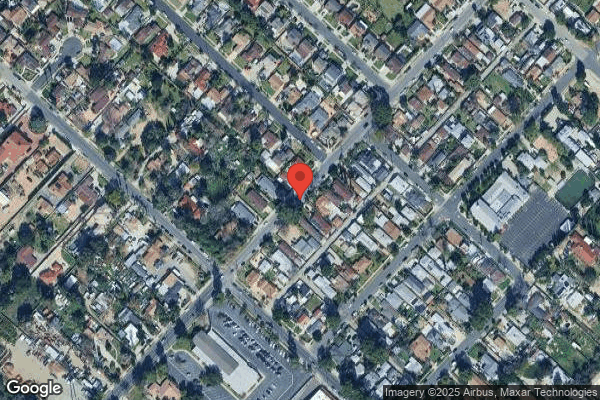
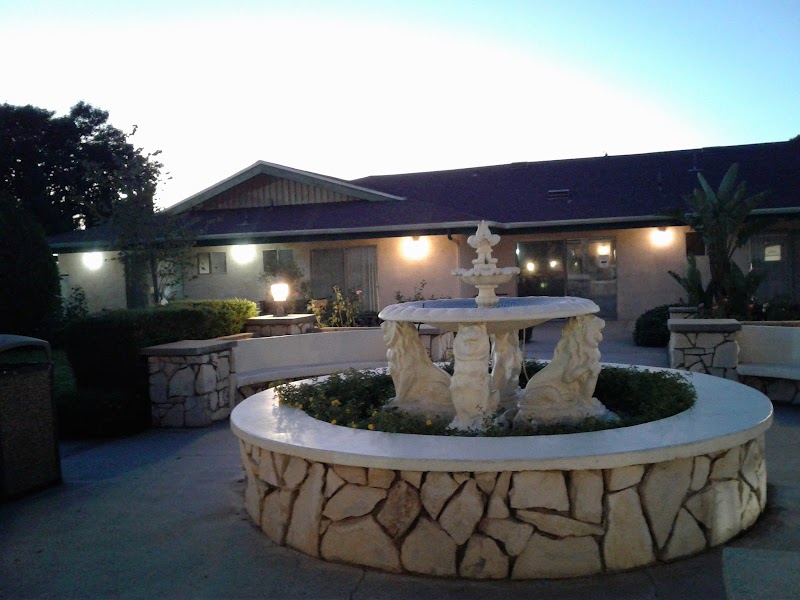
13333 FENTON AVENUE, SYLMAR, CA 91342 (818) 367-1033
For profit - Limited Liability company 114 Beds CAMBRIDGE HEALTHCARE SERVICES Data: November 2025 1 Immediate Jeopardy citation
Trust Grade
38/100
#858 of 1155 in CA
Last Inspection: December 2024

Within standard 12-15 month inspection cycle. Federal law requires annual inspections.

Overview

Mountain View Conv Hospital has received a Trust Grade of F, which indicates significant concerns about the quality of care provided. This facility ranks #858 out of 1,155 in California, placing it in the bottom half of nursing homes in the state, and #214 out of 369 in Los Angeles County, suggesting only a few local options are better. While the facility's performance is improving, with issues decreasing from 33 in 2024 to 9 in 2025, it still has significant weaknesses. Staffing is rated average with a turnover rate of 32%, which is better than the state average, but the RN coverage is only average as well. However, serious incidents have been reported; one resident was subjected to sexual abuse by a staff member, highlighting a critical safety concern. Additionally, there were issues with staff not ensuring the safety of residents and their ability to access medical records upon request, which undermines resident rights. While the facility has no fines on record, the overall low health inspection rating and high number of deficiencies mean families should carefully consider these factors when researching care options.

Trust Score
F
38/100
In California
#858/1155
Bottom 26%
Safety Record
High Risk
Review needed
Inspections
Getting Better
33 → 9 violations
Staff Stability
○ Average
32% turnover. Near California's 48% average. Typical for the industry.
Penalties
✓ Good
No fines on record. Clean compliance history, better than most California facilities.
Skilled Nurses
○ Average
Each resident gets 39 minutes of Registered Nurse (RN) attention daily — about average for California. RNs are the most trained staff who monitor for health changes.
Violations
⚠ Watch
102 deficiencies on record. Higher than average. Multiple issues found across inspections.
★★☆☆☆
2.0
Overall Rating
★★★☆☆
3.0
Staff Levels
★★★★★
5.0
Care Quality
★☆☆☆☆
1.0
Inspection Score
Stable
2024: 33 issues
2025: 9 issues

The Good

  • 5-Star Quality Measures · Strong clinical quality outcomes
  • Full Sprinkler Coverage · Fire safety systems throughout facility
  • No fines on record
  • Staff turnover below average (32%)

    16 points below California average of 48%

Facility shows strength in quality measures, fire safety.

The Bad

2-Star Overall Rating

Below California average (3.1)

Below average - review inspection findings carefully

Staff Turnover: 32%

14pts below California avg (46%)

Typical for the industry

Chain: CAMBRIDGE HEALTHCARE SERVICES

Part of a multi-facility chain

Ask about local staffing decisions and management

The Ugly 102 deficiencies on record

1 life-threatening
Aug 2025 1 deficiency
CONCERN (D) 📢 Someone Reported This

A family member, employee, or ombudsman was alarmed enough to file a formal complaint

Potential for Harm - no one hurt, but risky conditions existed

Deficiency F0628 (Tag F0628)

Could have caused harm · This affected 1 resident

**NOTE- TERMS IN BRACKETS HAVE BEEN EDITED TO PROTECT CONFIDENTIALITY** Based on interview and record review, the facility failed to ensure one of four sampled residents (Resident 1) was provided with...

Read full inspector narrative →
**NOTE- TERMS IN BRACKETS HAVE BEEN EDITED TO PROTECT CONFIDENTIALITY** Based on interview and record review, the facility failed to ensure one of four sampled residents (Resident 1) was provided with correct information regarding the specific location where Resident 1 was being discharged in the Notice of Transfer or Discharge the facility provided to Resident 1. This deficient practice had the potential to result in confusion and affect the delivery of care and services to Resident 1.Findings: During a review of Resident 1's admission Record, the admission Record indicated the facility admitted the resident on 6/6/2024 and readmitted on [DATE] with diagnoses including epilepsy (a brain condition that causes recurring seizures[a sudden, uncontrolled electrical disturbance in the brain which can cause uncontrolled jerking, blank stares, and loss of consciousness]), ileostomy (a surgical procedure that creates an opening, called a stoma, on the abdomen to allow waste [stool and gas] to exit the body when the colon or rectum is not working properly), and acute respiratory failure (a serious condition that makes it difficult to breathe on your own) with hypoxia (when your body, or a part of your body, does not get enough oxygen).During a review of Resident 1's Minimum Data Set (MDS - a resident assessment tool), dated 6/6/2025, the MDS indicated Resident 1's cognitive function was intact (an individual's mental abilities, including thinking, learning, and remembering, are functioning at a normal level for their age and without significant decline). The MDS indicated Resident 1 required partial assistance (helper does less than half the effort) with toileting, requires supervision (helper provides verbal cues and or touching and or contact guard assistance) with showering, required set up (helper sets up or cleans up) with personal hygiene, and was independent (completes activity on own) with eating, oral hygiene, upper and lower body dressing, putting on and taking off shoes.During a review of Resident 1's Physician Order, dated 6/5/2025, the Physician Order indicated to discharge Resident 1 to Assisted Living Facility (AL) 1 on 6/6/2025 at 2 p.m.During a review of Resident 1's Physician Order, dated 6/6/2025, the Physician Order indicated to discharge Resident 1 to AL 2.During a review of Resident 1's Notice of Transfer or Discharge, dated 6/6/2025, the Notice of Transfer or Discharge indicated Resident 1 had a planned discharge to AL 1. The Notice of Transfer or Discharge indicated it was signed by facility representative and Resident 1.During an interview on 8/12/2025 at 11:32 a.m. with the Social Services Director (SSD), the SSD stated Resident 1 had met with a placement coordinator and agreed to be discharged to AL 1. The SSD stated on 6/6/2025 when transportation came to pick up Resident 1 for Resident 1's discharge. SSD stated verified AL 1's address and transportation notified SSD that Resident 1 was being transferred to AL 2. The SSD stated contacted the placement coordinator who notified SSD AL1 did not have a room for Resident 1, but AL 2 did have a room for Resident 1. The SSD stated verified verbally with Resident 1 if he (Resident 1) was okay with being discharged to AL 2. The SSD stated Resident 1 agreed to the discharge.During a concurrent interview and record review on 8/12/2025 at 2 p.m., Resident 1's Notice of Transfer or Discharge was reviewed with the Director of Nursing (DON). The DON stated Resident 1 received the notice of discharge. The DON stated Resident1 had agreed to be discharged to AL 1. The DON stated was notified by SSD that Resident 1 was placed in a different facility (AL 2), the DON stated she (DON) verified with the SSD that Resident 1 had agreed to the placement and SSD stated Resident 1 had agreed to the placement. The DON stated the Notice of Transfer or Discharge is provided by the Registered Nurse (RN) when the resident is being discharged , the medications are reviewed, any follow up visit and home health are reviewed, then it is signed by both the resident and the RN. The DON reviewed the Notice of Transfer or Discharge, and the DON stated the notice indicated Resident 1 was discharged to AL 1. The DON stated the facility did not provide Resident 1 with the Notice of Transfer or Discharge for the new facility (AL 2). There was no documented evidence there were changes made to Resident 1's Notice of Transfer or discharge before Resident 1's discharge. The DON reviewed the facility policy titled, Transfer or Discharge, Facility-Initiated, and the DON stated per the facility policy the resident should be given the specific location they (residents) are going to. The DON stated the signed Notice of Transfer or Discharge is not accurate because there is a potential to not have accurate records. The DON stated the facility needs to communicate with home health because there is a potential with home health to not be aware of Resident 1 going to AL 2, potentially resulting in Resident 1 missing on services.During a review of the facility's policy and procedure (P&P) titled, Transfer or Discharge, Facility-Initiated, last reviewed on 9/2024, the P&P indicated the resident and representative are notified in writing of the following information:c. The specific location (such as the name of the new provider or description and or address if the location is a residence) to which the resident is being transferred or discharged .During a review of the facility P&P titled, Charting and Documentation, last reviewed on 9/2024, the P&P indicated documentation in the medical record will be objective, complete, and accurate.
Aug 2025 1 deficiency
CONCERN (D) 📢 Someone Reported This

A family member, employee, or ombudsman was alarmed enough to file a formal complaint

Potential for Harm - no one hurt, but risky conditions existed

Medical Records (Tag F0842)

Could have caused harm · This affected 1 resident

**NOTE- TERMS IN BRACKETS HAVE BEEN EDITED TO PROTECT CONFIDENTIALITY** Based on interview and record review, the facility failed to ensure the medical records of one of three sampled residents (Resid...

Read full inspector narrative →
**NOTE- TERMS IN BRACKETS HAVE BEEN EDITED TO PROTECT CONFIDENTIALITY** Based on interview and record review, the facility failed to ensure the medical records of one of three sampled residents (Resident 1) were maintained in accordance with accepted professional standards and practice, complete, and accurately documented by failing to ensure Resident 1's intermittent catheterization (a procedure where a hollow tube is temporarily inserted into the bladder to drain urine and then removed) procedure was documented. This deficient practice had the potential to result to inaccurate medical interventions for Resident 1. Findings: During a review of Resident 1's admission Record (AR), AR indicated facility originally admitted Resident 1 on 5/30/2025 and readmitted on [DATE] with diagnoses including anxiety disorder (feeling of anxiousness that affects daily life), urinary tract infection (UTI- an infection in the bladder/urinary tract), and diabetes mellitus (DM-a disorder characterized by difficulty in blood sugar control and poor wound healing). During a review of Resident 1's Minimum Data Set (MDS - a resident assessment tool), dated 6/5/2025, the MDS indicated Resident 1's cognitive functioning (mental processes that enable people to think, understand, make decisions, and complete tasks) was intact. The MDS further indicated Resident 1 required maximal assistance from staff for toileting hygiene and lower body dressing. During a review of Resident 1's History and Physical (H&P), dated 8/1/2025, the H&P indicated Resident 1 had the capacity to understand and make decisions. During a review of Resident 1's Order Summary Report, the report indicated the following physician's order:-8/2/2025: May insert a straight catheter (a thin flexible tube used to drain urine from the bladder) to collect urine sample for ordered urinalysis (a series of tests performed on a urine sample to detect the presence of diseases or conditions) and urine culture (a test used to identify and detect bacteria in urine sample). During an interview on 8/5/2025 at 11:03a.m. with Licensed Vocational Nurse (LVN) 1, LVN 1 stated the procedure of intermittent catheterization for Resident 1 was completed on 8/2/2025. LVN 1 stated the procedure was not documented in Resident 1's medical record. LVN 1 further stated the procedure and resident's response to the procedure should have been documented in Resident 1's medical record to indicate the procedure was completed. During an interview on 8/5/2025 at 12:55a.m. with the Director of Nursing (DON), the DON stated the facility should have documented Resident 1's procedure of intermittent catheterization in Resident 1's medical record as it was part of Resident 1's record and was part of communication for safety and comfort. The DON stated this failure had the potential for miscommunication and for Resident 1 to miss important treatments. During a record review of the facility-provided policy and procedure titled, Catheterization, Intermittent, Female Resident, last reviewed on 9/2024, the policy and procedure indicated, The following information should be recorded in the resident's medical record:1. The date and time of the procedure was performed. 2. The name and title of the individual(s) who performed the procedure. 3. The amount of urine drained. 4. The character, clarity, and color of the urine. 5. Any observation of obstruction; evidence of blood, pus, etc. 6. Any change in the resident's condition (e.g., swelling, discomfort, etc.). 7. Any problems or complaints made by the resident related to the procedure. 8. The resident's response to the treatment. 9. All assessment data obtained during the procedure. 10. If the resident refused the procedure, the reason(s) why and the intervention taken 11. The signature and title of the person recording the data. During a record review of the facility-provided policy and procedure titled, Charting and Documentation, last reviewed on 9/2024, the policy and procedure indicated, All services provided to the resident, progress toward the care plan goals, or any changes in the resident's medical, physical, functional or psychosocial condition, shall be documented in the resident's medical record. The medical record should facilitate communication between the interdisciplinary team regarding the resident's condition and response to care.Documentation of procedures and treatments will include care-specific details.
Jun 2025 1 deficiency
CONCERN (D) 📢 Someone Reported This

A family member, employee, or ombudsman was alarmed enough to file a formal complaint

Potential for Harm - no one hurt, but risky conditions existed

Grievances (Tag F0585)

Could have caused harm · This affected 1 resident

Based on interview and record review, the facility failed to ensure one of three sampled resident's (Resident 2) concerns were reported to the licensed nurses, investigated, and documented in the grie...

Read full inspector narrative →
Based on interview and record review, the facility failed to ensure one of three sampled resident's (Resident 2) concerns were reported to the licensed nurses, investigated, and documented in the grievance form. This deficient practice had the potential to violate residents' rights to have grievances addressed. Findings: During a review of Resident 2's admission Record, the admission Record indicated the facility admitted the resident on 5/21/2025 with diagnoses including aftercare following joint replacement surgery (a procedure to replace all or some of a joint), osteoarthritis (condition that causes the joints to become very painful and stiff) of the left knee, and type 2 diabetes mellitus (a chronic condition that affects the way the body processes blood sugar [glucose]). During a review of Resident 2's History and Physical (H&P - a medical examination that involves a doctor taking a patient's medical history, performing a physical exam, and documenting their findings), dated 5/23/2025, the H&P indicated Resident 2 had the capacity to understand and make decisions. During a review of Resident 2's Minimum Data Set (MDS – a resident assessment tool), dated 5/27/2025, the MDS indicated Resident 2's cognitive (conscious mental activities including thinking, reasoning, understanding, learning, and remembering) skills for daily decision making was intact. During an interview on 6/5/2025 at 2:42 p.m. with Resident 2, Resident 2 stated a male x-ray (invisible electromagnetic energy beams to produce images of internal tissues, bones, and organs) technician went in the resident's room at 10 p.m. on 5/30/2025. Resident 2 stated she was woken up and got scared when the x-ray technician pushed the bedside table away. Resident 2 stated the x-ray technician did not knock before entering the room, did not introduce himself, and did not explain to Resident 2 the procedure to be done. Resident 2 stated she (Resident 2) was thankful she had her clothes on. During an interview on 6/9/2025 at 12:34 p.m. with Licensed Vocational Nurse (LVN) 2, LVN 2 stated he was not aware of Resident 2's complaint about the x-ray technician that went inside the resident's room at 10 p.m. on 5/30/2025. During a telephone interview on 6/9/2025 at 12:42 p.m. with Certified Nursing Assistant (CNA) 3, CNA 3 stated Resident 2 complained that the x-ray technician did not knock before he entered the resident's room. CNA 3 stated Resident 2 was sleeping and had the door closed. CNA 3 stated she did not report Resident 2's complaint to the licensed nurses. CNA 3 stated she should have reported Resident 2's complaints to the licensed nurses. During an interview on 6/9/2025 at 1:49 p.m. and a concurrent record review of Resident 2's Progress Notes, dated 5/30/2025 to 5/31/2025, reviewed with the Director of Staff Development (DSD), the DSD stated there was no documented evidence of Resident 2's complaint about the x-ray technician. The DSD stated Resident 2's complaints that were not addressed had the potential to cause the resident to worry and negatively affect the resident's mental health. The DSD stated the facility failed to report and address Resident 2's complaint. During an interview on 6/9/2025 at 2:21 p.m. and a concurrent record review of the facility's policy and procedure (PnP), reviewed with the Director of Nursing (DON), the DON stated the PnP titled, Grievances/Complaints – Staff Responsibility, last reviewed on 9/11/2024, indicated should a staff member overhear or be the recipient of a complaint voiced by a resident . concerning the resident's medical care, treatment ., the staff member is encouraged to guide the resident . as to how to file a written complaint with the facility. The facility's PnP titled, Grievances/Complaints, Filing, last reviewed on 9/11/2024, was reviewed with the DON, the PnP indicated residents and their representatives have the right to file grievances, either orally or in writing, to the facility staff or to the agency designated to hear grievances. The PnP indicated all grievances, complaints, or recommendations stemming from resident or family groups concerning issues of resident care in the facility will be considered. The DON stated the third party or outside company were expected to follow the facility's PnP in providing resident care. The DON stated CNA 3 should have reported Resident 2's complaints to the licensed nurses so the licensed nurses could file for a grievance on the resident's behalf. The DON stated Resident 2's complaint not reported had the potential to cause the resident emotional and psychological (relating to the mind) effect such as feeling of concerns were not addressed. During a review of the facility's PnP titled, Dignity, last reviewed on 9/11/2024, the PnP indicated each resident shall be cared for in a manner that promotes and enhances his or her sense of well-being, level of satisfaction with life, and feelings of self-worth and self-esteem. The PnP indicated residents' private space and property are respected at all times. Staff do not handle or move a resident's personal belongings without the resident's permission. The PnP indicated staff are expected to knock and request permission before entering residents' rooms. The PnP indicated procedures are explained before they are performed .
Jun 2025 2 deficiencies
CONCERN (D) 📢 Someone Reported This

A family member, employee, or ombudsman was alarmed enough to file a formal complaint

Potential for Harm - no one hurt, but risky conditions existed

Medical Records (Tag F0842)

Could have caused harm · This affected 1 resident

Based on interview and record review, the facility failed to maintain complete and accurate medical records for one of three sampled residents (Resident 1) when Resident 1's Dialysis Communication Rec...

Read full inspector narrative →
Based on interview and record review, the facility failed to maintain complete and accurate medical records for one of three sampled residents (Resident 1) when Resident 1's Dialysis Communication Records binder went missing on 2/20/2025 with Resident 1's Dialysis Communication Records. This deficient practice had the potential to negatively impact the delivery of services to Resident 1. Findings: During a review of Resident 1's admission Record, the admission Record indicated the facility admitted Resident 1 on 9/6/2024 and readmitted the resident on 1/14/2025 with diagnoses including acute respiratory failure (your lungs are not working properly to get enough oxygen into your blood and/or remove enough carbon dioxide), end stage renal disease (ESRD- irreversible kidney failure), and dependent on renal dialysis (a treatment that filters blood when your kidneys are not working properly). During a review of Resident 1's Minimum Data Set (MDS - a resident assessment tool), dated 1/17/2025, the MDS indicated Resident 1 usually understood and was usually able to make self understood. The MDS indicated Resident 1 required substantial to maximal assistance (helper does more than half the effort) with eating, oral hygiene, upper and lower body dressing, putting on and taking off footwear, and personal hygiene. During a review of Resident 1's Order Summary Report, dated 1/15/2025, the Order Summary Report indicated: - dialysis schedule Tuesday/Thursday/Saturday chair time at 2 p.m. - dialysis monitor dialysis site (right upper chest) for tenderness, redness, and or bleeding. N=no abnormal findings, y= presence of abnormal findings, Notify the Medical Doctor (MD). During a review of Resident 1's Order Summary Report, dated 2/20/2025, the Order Summary Report indicated to transfer Resident 1 to General Acute Care Hospital (GACH) 1 from dialysis center due to altered mental status. During a review of Resident 1's Progress Notes, dated 2/20/2025 at 2:50 p.m., the Progress Notes indicated the facility received a call from the dialysis center that Resident 1 was transferred to GACH 1. During an interview on 6/2/2025 at 1:10 p.m. with Registered Nurse (RN) 1, RN 1 stated when a dialysis resident go to the dialysis center, the resident takes the dialysis binder that is a communication binder with the Skilled Nursing Facility (SNF) 1 and the dialysis center but if the resident does not come back then the facility does not get the binder back. RN 1 stated Resident 1 went out to GACH 1 from the dialysis center and Resident 1 never came back and SNF 1 never got the dialysis binder back. During an interview on 6/2/2025 at 3 p.m. with the Director of Nursing (DON), the DON stated for dialysis residents we have a form called Dialysis Communication Record where the SNF 1 nurses will document prior to resident's dialysis and then the dialysis center will communicate to SNF 1 if anything special was done to the resident while at the dialysis center, then SNF 1 will assess the resident and document the post assessment in the Dialysis Communication Record. The DON stated the nurses are the ones responsible to ensure the Dialysis Communication binder goes and returns with the resident. The DON stated for Resident 1 we are not sure where the Dialysis Communication binder went. The DON stated facility staff should have communicated with the dialysis center to get the binder back. The DON stated SNF 1 does not have Resident 1's Dialysis Communication binder. The DON stated the reason to have the Dialysis Communication binder is to have continuity of care to see if there has been a Change of Condition (COC), so each side knows the care that the resident was given and status of the resident. The DON stated it is for continuity and consistency of the care. The DON stated there can be an issue with possible missing treatment, and an issue with having accurate documentation. During a review of the facility's Policy and Procedure (P&P) titled, Charting and Documenting, last reviewed on 9/2024, the P&P indicated documentation is the medical record will be objective, complete, and accurate.
CONCERN (E) 📢 Someone Reported This

A family member, employee, or ombudsman was alarmed enough to file a formal complaint

Potential for Harm - no one hurt, but risky conditions existed

Deficiency F0573 (Tag F0573)

Could have caused harm · This affected multiple residents

**NOTE- TERMS IN BRACKETS HAVE BEEN EDITED TO PROTECT CONFIDENTIALITY** Based on interview and record review, the facility failed to provide copy of medical records upon written request for two of thr...

Read full inspector narrative →
**NOTE- TERMS IN BRACKETS HAVE BEEN EDITED TO PROTECT CONFIDENTIALITY** Based on interview and record review, the facility failed to provide copy of medical records upon written request for two of three sampled residents (Resident 1 and Resident 2). On 5/9/2025 at 10:32 a.m., Resident 1 requested for medical records and the medical records were sent electronically on 5/27/2027 at 3:57 p.m. (18 days). On 5/27/2025 at 12:01 p.m., Family Member (FM) 1 requested for Resident 2's medical records and the medical records were not received as of 6/2/2025. This deficient practice violated the rights of Resident 1 and Resident 2 to obtain a copy of their medical records. Findings: a. During a review of Resident 1's admission Record, the admission Record indicated the facility admitted Resident 1 on 9/6/2024 and readmitted the resident on 1/14/2025 with diagnoses including acute respiratory failure (your lungs are not working properly to get enough oxygen into your blood and/or remove enough carbon dioxide), end stage renal disease (ESRD- irreversible kidney failure), and dependent on renal dialysis (a treatment that filters blood when your kidneys are not working properly). During a review of Resident 1's Minimum Data Set (MDS - a resident assessment tool), dated 1/17/2025, the MDS indicated Resident 1 usually understood and was usually able to make self understood. The MDS indicated Resident 1 required substantial to maximal assistance (helper does more than half the effort) with eating, oral hygiene, upper and lower body dressing, putting on and taking off footwear, and personal hygiene. During a review of the facility-provided record titled, Medical Records Request Summary (MRRS), for 5/2025, the MRRS indicated on 5/9/2025 at 10:32 a.m. Resident 1, through a Law Office (LO), requested medical records and Skilled Nursing Facility (SNF) 1 called and informed LO that SNF 1 received the request. The MRSS indicated on 5/19/2025 at 2:43 p.m. an invoice was sent to LO for the copy of medical records via email. The MRSS further indicated on 5/27/2025 at 3:57 p.m. SNF 1 sent medical records electronically. b. During a review of Resident 2's admission Record, the admission Record indicated the facility admitted Resident 2 on 5/19/2025 with diagnoses including chronic obstructive pulmonary disease (COPD-a chronic lung disease causing difficulty in breathing), acute respiratory failure (the inability of the respiratory system to meet the oxygenation, ventilation, or metabolic requirements of the patient) with hypoxia (the body is not getting enough oxygen), and adult failure to thrive (a gradual decline in health and well-being, often marked by weight loss, poor nutrition, and a reduced ability to perform daily activities). During a review of the MDS, dated [DATE], the MDS indicated Resident 2 sometimes understood and sometimes was understood. The MDS indicated Resident 2 was dependent (helper does all the effort) with toileting, showering, lower body dressing and putting on and taking off footwear and required substantial assistance with upper body dressing. During a review of the facility-provided record MRRS, dated 5/2025, the MRRS indicated on 5/27/2025 at 12:01 p.m. Family Member (FM) 1 requested for Resident 2's records and on 5/27/2025 at 12:52 p.m. FM 1 sent signed authorization to release form via email. During an interview on 6/2/2025 at 1:32 p.m. with the Medical Records Director (MRD), the MRD stated the process for requesting medical records is once the facility receives the request the MRD contacts the party to sign the authorization to release form. The MRD stated the facility will let the requesting party know the total number of papers and the cost of the request. The MRD stated there was a delay in retrieving the records for Resident 1 because the facility was attempting to collect the dialysis binder from the dialysis center. The MRD stated the facility decided to just send the invoice without the dialysis records to the LO. The MRD stated records should have been given within forty-eight (48) hours. The MRD stated records were not provided within 48 hours to Resident 1. During an interview on 6/2/2025 at 2:17 p.m. with the MRD, the MRD stated for Resident 2, the facility was waiting on the Medical Doctor (MD) to sign the discharge paperwork. The MRD stated FM 1 requested for records on 5/27/2025 and the invoice was provided on 6/2/2025, hence, the record request was not provided within 48 hours. The MRD stated that not being able to provide the records as per policy may cause the requester to not be able to get the records if it is for an emergent purpose because the facility should be providing records within the 48 hours. The MRD was not able to provide documented evidence Resident 2's medical records were provided to FM 1 as of 6/2/2025. During an interview on 6/2/2025 at 3 p.m. with the Director of Nursing (DON), the DON stated when residents and/or family requests for medical records the MRD is the one that is responsible for providing records within 48 hours. The DON stated there was a six (6) day delay in providing Resident 1 with the invoice to obtain the medical records and a delay of four (4) days in providing Resident 2's family with invoice. The DON stated the potential for not providing records within the 48 hours would be not following the policy. During a review of the facility's Policy and Procedure (P&P) titled, Release of Information, last reviewed on 9/2024, the P&P indicated, A resident may obtain photocopies of his or her records by providing the facility with at least a forty-eight (48) hour (excluding weekends and holidays) advance notice of such request.
May 2025 2 deficiencies
CONCERN (D) 📢 Someone Reported This

A family member, employee, or ombudsman was alarmed enough to file a formal complaint

Potential for Harm - no one hurt, but risky conditions existed

Notification of Changes (Tag F0580)

Could have caused harm · This affected 1 resident

Based on interview and record review, the facility failed to inform the attending physician (MD) and resident representative on one of four sampled residents (Resident 2) when Resident 2 had a signifi...

Read full inspector narrative →
Based on interview and record review, the facility failed to inform the attending physician (MD) and resident representative on one of four sampled residents (Resident 2) when Resident 2 had a significant change in condition (COC - a change in the resident's physical, mental, or psychosocial status that causes either life-threatening conditions or clinical complications) on 1/22/2025 when Resident 2 was noted with hematuria (blood in the urine). This deficient practice had the potential for the delay in the care of Resident 2. Findings: During a review of Resident 2 ' s admission Record, the admission Record indicated the facility admitted Resident 2 on 8/8/2024 and readmitted the resident on 11/6/2024 with diagnoses including malignant neoplasm of prostate (prostate cancer, that develops in the prostate gland, a small gland in the male reproductive system located below the bladder [an organ inside the body that stores urine until it can be excreted]), chronic kidney disease stage 3 (kidneys are moderately damaged and not filtering waste and extra fluids from your blood as well as they should), and acute respiratory failure (lungs aren't working properly to get enough oxygen into your blood or to remove carbon dioxide effectively) with hypoxia (low levels of oxygen in your body tissues). During a review of Resident 2 ' s Minimum Data Set (MDS – a resident assessment tool), dated 12/31/2024, the MDS indicated Resident 2 was able to understand and be understood. The MDS indicated Resident 2 was dependent (helper does all of the effort) with toileting, showering and required substantial to maximal assistance (helper does more than half the effort) with lower body dressing, putting on and taking off footwear and personal hygiene. During a review of Resident 2 ' s Physician Order Summary Report, dated 1/20/2025, the Physician Order Summary Report indicated a physician ' s order for urinalysis (UA-a test that examines a urine sample to look for abnormalities that could indicate a medical problem) sent to laboratory (lab) 1/22/2025 related to hematuria. During a review of Resident 2 ' s Physician Order Summary Report dated 1/24/2025, the Physician Order Summary Report indicated a physician ' s order for urine culture (a test that checks for bacteria or other germs in a urine sample to determine if a urinary tract infection [UTI- an infection in the bladder/urinary tract] is present) sent on 1/22/2025 related to lower abdominal pain. During a review of Resident 2 ' s care plan, created on 8/16/2024 and revised on 1/11/2025, the care plan indicated the resident had frequent incontinence with bladder function related to prostate cancer, limit functional mobility, and cognitive impairment. The interventions for the care plan included to monitor fluid intake, monitor and document for signs and symptoms of UTI including blood-tinged urine, and to monitor, document, and report to MD as needed for possible causes of incontinence, bladder infection. During a review of Resident 2 ' s Lab Result Report dated 1/22/2025, the Lab Result Report indicated Resident 2 ' s white blood cells (WBCs- a blood cell that helps attack infection or injury in the body) resulted in 26 (reference range is 0-5) and red blood cells (RBCs- a type of blood cell that is made in the bone marrow and found in the blood) resulted in 16 (reference range 0-2). During a review of Resident 2 ' s Lab Result Report dated 1/22/2025 with a reported date of 1/24/2025, the Lab Result Report indicated Resident 2 ' s urine culture resulted with proteus mirabilis (a type of bacterium often found in the gut, common cause of UTIs). The Lab Result Report indicated that a message about this was left to the MD on 1/26/2025. During a review of Resident 2 ' s Progress Notes dated 1/22/2025 at 2:43 p.m., the Progress Notes indicated the UA result was reported to the MD with no new physician ' s orders. During a review of Resident 2 ' s Change in Condition (COC) Evaluation dated 1/26/2025 at 9:15 p.m., the COC Evaluation indicated the urine culture and sensitivity (c/s) resulted on 1/26/2025 was positive for proteus mirabilis which was reported to the MD who ordered for antibiotics. During a review of Resident 2 ' s care plan created on 1/26/2025, the care plan for urine culture positive for proteus mirabilis indicated interventions to administer antibiotics as ordered, monitor for signs and symptoms of UTI, and monitor for adverse side effects of the antibiotic. During a review of Resident 2 ' s care plan created on 1/27/2025, the care plan for UTI on antibiotic therapy indicated interventions to monitor urine output color, and to notify MD if any changes noted. During a review of the facility ' s Infection Surveillance Monthly Report for January 2025, the Infection Surveillance Monthly Report indicated for Resident 2, the UA c/s collected on 1/22/2025 resulted on 1/26/2025 and was positive for proteus mirabilis. During a concurrent interview and record review on 5/12/2025 at 3:45 p.m. of Resident 2 ' s chart with the Quality Assurance Nurse (QA), the QA stated when there is a COC specifically related to blood in urine, the Registered Nurse (RN) will assess the resident, will call the MD, will inform the family, will do 72-hour monitoring, and will follow the MD orders. The QA stated there will be a COC created immediately when the COC is noted. The QA reviewed Resident 2 ' s chart, the QA stated the Infection Surveillance Monthly Report for January 2025 indicated Resident 2 had blood in his urine on 1/22/2025. The QA stated there were no COC notes for the date of 1/22/2025 about Resident 2 ' s COC of blood in urine but there was a COC notes on 1/26/2025 for the positive culture. The QA stated there should have been a COC notes on 1/22/2025 in order to verify that the MD and Resident 2 ' s family member were notified of Resident 2 ' s COC on 1/22/2025. The QA stated there is potential harm to the resident if the MD was not notified; they should ensure all parties are informed of the COC. During a concurrent interview on 5/12/2025 at 4:38 p.m. with the Director of Nursing (DON), the DON stated for Resident 2 ' s COC of hematuria on 1/22/2025, there should have been COC notes created but there was no COC for 1/22/2025. The DON stated with COC ' s, they contact the MD and with Resident 2, they contact Family Member (FM) 1, because Resident 2 wanted FM 1 to be notified. The DON stated when a COC is created, it involves contacting the MD, calling the family member, getting orders, monitoring for 72 hours, and care planning. The DON stated if the COC is not created, there can be a potential risk for the resident not to be monitored. The DON stated they cannot verify that the MD and or FM 1 was notified when Resident 2 had the COC on 1/22/2025. The DON stated the MD needs to be notified to provide orders and Resident 2 wants FM 1 to be notified; they should have notified MD and FM 1. During a review of the facility ' s Policy and Procedures (P&P) titled, Change in a Resident ' s Condition or Status, last reviewed on 9/2024, the P&P indicated the facility promptly notifies the resident, his or her attending physician, and the resident representative of changes in the resident ' s medical and or mental condition and or status. 1. The nurse will notify the resident ' s attending physician or physician on call when there has been a (an): d. significant change in the resident ' s physical, emotional, mental condition; 2. A significant change of condition is a major decline or improvement in the resident ' s status that: a. will not normally resolve itself without intervention by staff or implementing standard disease-related clinical interventions. 4. Unless otherwise instructed by the resident, the nurse will notify the residents ' representative when: b. there is a significant change in the resident's physical, mental, or psychosocial status; 5. except in medical emergencies, notifications will be made within twenty-four (24) hours of a change in occurring in the resident ' s medical and or mental condition or status.
CONCERN (D) 📢 Someone Reported This

A family member, employee, or ombudsman was alarmed enough to file a formal complaint

Potential for Harm - no one hurt, but risky conditions existed

Comprehensive Care Plan (Tag F0656)

Could have caused harm · This affected 1 resident

Based on interview and record review, the facility failed to develop and implement a comprehensive person-centered care plan (is a form that summarizes a person ' s health conditions and current treat...

Read full inspector narrative →
Based on interview and record review, the facility failed to develop and implement a comprehensive person-centered care plan (is a form that summarizes a person ' s health conditions and current treatments for their care) for one of four sampled residents (Resident 2), when Resident 2 had a Change in Condition (COC- a major decline in a resident ' s status), on 1/22/2025 of hematuria (blood in the urine). This deficient practice had the potential to negatively affect Resident 2 ' s physical and psychosocial wellbeing. Findings: During a review of Resident 2 ' s admission Record, the admission Record indicated the facility admitted Resident 2 on 8/8/2024 and readmitted the resident on 11/6/2024 with diagnoses including malignant neoplasm of prostate (prostate cancer, that develops in the prostate gland, a small gland in the male reproductive system located below the bladder [an organ inside the body that stores urine until it can be excreted]), chronic kidney disease stage 3 (kidneys are moderately damaged and not filtering waste and extra fluids from your blood as well as they should), and acute respiratory failure (lungs aren't working properly to get enough oxygen into your blood or to remove carbon dioxide effectively) with hypoxia (low levels of oxygen in your body tissues). During a review of Resident 2 ' s Minimum Data Set (MDS – a resident assessment tool), dated 12/31/2024, the MDS indicated Resident 2 was able to understand and be understood. The MDS indicated Resident 2 was dependent (helper does all of the effort) with toileting, showering and required substantial to maximal assistance (helper does more than half the effort) with lower body dressing, putting on and taking off footwear and personal hygiene. During a review of Resident 2 ' s Physician Order Summary Report, dated 1/20/2025, the Physician Order Summary Report indicated a physician ' s order for urinalysis (UA-a test that examines a urine sample to look for abnormalities that could indicate a medical problem) sent to laboratory (lab) 1/22/2025 related to hematuria. During a review of Resident 2 ' s Physician Order Summary Report dated 1/24/2025, the Physician Order Summary Report indicated a physician ' s order for urine culture (a test that checks for bacteria or other germs in a urine sample to determine if a urinary tract infection [UTI- an infection in the bladder/urinary tract] is present) sent on 1/22/2025 related to lower abdominal pain. During a review of Resident 2 ' s care plan, created on 8/16/2024 and revised on 1/11/2025, the care plan indicated the resident had frequent incontinence with bladder function related to prostate cancer, limit functional mobility, and cognitive impairment. The interventions for the care plan included to monitor fluid intake, monitor and document for signs and symptoms of UTI including blood-tinged urine, and to monitor, document, and report to MD as needed for possible causes of incontinence, bladder infection. During a review of Resident 2 ' s Progress Notes dated 1/22/2025 at 2:43 p.m., the Progress Notes indicated the UA result was reported to the MD with no new physician ' s orders. During a review of Resident 2 ' s Change in Condition (COC) Evaluation dated 1/26/2025 at 9:15 p.m., the COC Evaluation indicated the urine culture and sensitivity (c/s) resulted on 1/26/2025 was positive for proteus mirabilis which was reported to the MD who ordered for antibiotics. During a review of Resident 2 ' s care plan created on 1/26/2025, the care plan for urine culture positive for proteus mirabilis indicated interventions to administer antibiotics as ordered, monitor for signs and symptoms of UTI, and monitor for adverse side effects of the antibiotic. During a review of Resident 2 ' s care plan created on 1/27/2025, the care plan for UTI on antibiotic therapy indicated interventions to monitor urine output color, and to notify MD if any changes noted. During a concurrent interview and record review on 5/12/2025 at 3:45 p.m. of Resident 2 ' s chart with the Quality Assurance Nurse (QA), the QA stated the Infection Surveillance Monthly Report for January 2025 indicated Resident 2 had blood in his urine on 1/22/2025. The QA stated there were no COC notes for the date of 1/22/2025 about Resident 2 ' s COC of blood in urine but there was a COC notes on 1/26/2025 for the positive culture. The QA stated there should have been a COC notes on 1/22/2025 as the COC notes would prompt the nurses to create a care plan for the risk of hematuria. The QA stated because there was no care plan for Resident 2 ' s hematuria, there can be a potential risk for delay in treatment, and there are no interventions to follow. During a concurrent interview on 5/12/2025 at 4:38 p.m. with the Director of Nursing (DON), the DON stated for Resident 2 ' s COC of hematuria on 1/22/2025, there should have been COC notes created but there was no COC for 1/22/2025. The DON stated when a COC is created, it involves contacting the MD, calling the family member, getting orders, monitoring for 72 hours, and care planning. The DON stated there was no care plan for Resident 2 ' s COC of hematuria on 1/22/2025. The DON stated the care plan for hematuria would include interventions that include monitoring of Resident 2. The DON stated there is a potential for the resident not to be monitored and there will no way to determine if the interventions are effective. During a review of the facility ' s Policy and Procedures (P&P) titled, Care Plans, Comprehensive Person-Centered, last reviewed on 9/2024, the P&P indicated person-centered care plan that includes measurable objectives and timetables to meet the resident ' s physical, psychosocial and functional needs is developed and implemented for each resident.
Mar 2025 1 deficiency
CONCERN (D) 📢 Someone Reported This

A family member, employee, or ombudsman was alarmed enough to file a formal complaint

Potential for Harm - no one hurt, but risky conditions existed

Report Alleged Abuse (Tag F0609)

Could have caused harm · This affected 1 resident

**NOTE- TERMS IN BRACKETS HAVE BEEN EDITED TO PROTECT CONFIDENTIALITY** Based on interview and record review, the facility failed to implement its abuse prevention policy by failing to report an injur...

Read full inspector narrative →
**NOTE- TERMS IN BRACKETS HAVE BEEN EDITED TO PROTECT CONFIDENTIALITY** Based on interview and record review, the facility failed to implement its abuse prevention policy by failing to report an injury of unknown origin for one of three sampled residents (Resident 1). This deficient practice had the potential to place Resident 1 at risk for more injury. Findings: During a review of Resident 1's admission Record, the admission record indicated the facility admitted the resident on 9/29/2022 and readmitted on [DATE] with diagnoses including dysphagia (difficulty swallowing), difficult walking, anxiety (a common emotion characterized by feelings of unease, worry, fear, and apprehension), type 2 diabetes (a condition where the body either does not produce enough insulin or cannot effectively use the insulin leading to high blood sugar levels). During a review of Resident 1's Minimum Data Set (MDS, a resident assessment tool), dated 1/2/2025, indicated the resident had severe cognitive impairment (problems with a person's ability to think, learn, remember, use judgment, and make decisions). During a review of Resident 1's Situational Background, Assessment, and Recommendation (SBAR) tool, dated 2/2/2025, the SBAR indicated Resident 1 had right side of the eye skin discoloration. During a review of Resident 1's Progress Notes, dated 2/8/2025, indicated Resident 1 is currently on monitoring for right eye discoloration with swelling and Resident 1 had been reminded to not attempt to get out of bed without assistance. During a review of Resident 1's progress notes, dated 2/8/2025, the progress notes indicated the resident is currently being monitored for right eye discoloration and swelling. During an interview on 3/11/2025, at 11:30 a.m., Certified Nurse Assistant (CNA) 1 stated she took care of Resident 1 on 2/8/2025 during the morning shift. CNA1 stated when she came on her shift the Resident 1's face was bruised and swollen. During an interview on 3/11/25 at 12:30 p.m., Licensed Vocational Nurse (LVN) 1, stated he worked on 2/6/2025 with Resident 1 at around 12:30 a.m. LVN 1 stated CNA 1 tried to clean Resident 1 and noticed a bruise, swelling, and discoloration on the right side of the head. LVN 1 stated he assessed Resident 1 and made the report of the bruise and swelling to the Registered Nurse (RN) 1. During an interview on 3/11/2025, at 1:35 p.m., Registered Nurse (RN) 1 stated Resident 1 had a bruise that was reported to her on 2/4/2025. RN 1 stated she does not know how Resident 1 got the bruise as it was not reported as a fall by the staff. RN 1 stated the process at the facility is that any unknown injury is reported. RN 1 stated Resident 1's bruise was reported to the doctor. During an interview on at 16:30 p.m., the Director of Nursing (DON) stated she did not know how the Resident 1 got the bruise on her face as staff did not report any fall. The DON stated [NAME] for any unknown injury it is reported to the doctor and treatment is started right away. The DON stated Resident 1's unknown injury was not reported to the Survey State Agency. During a review of the facility-provided policy and procedure titled, Abuse, Neglect, Exploitation or Misappropriation-Reporting and Investigating, revised on 9/2022, the policy and procedure indicated, All reports of resident abuse (including injuries of uknown origin) . are reported to local, state, and federal agencies (as required by current regulations) and thoroughly investigated by facility management 1. If resident abuse, neglect, exploitation, misappropriation of resident property or injury of unknown source is suspected, the suspicion must be reported immediately to the administrator and to other officials according to state law 3. Immediately is defined as: within two hours of an allegation involving abuse or result in serious bodily injury
Jan 2025 1 deficiency
CONCERN (D) 📢 Someone Reported This

A family member, employee, or ombudsman was alarmed enough to file a formal complaint

Potential for Harm - no one hurt, but risky conditions existed

Deficiency F0655 (Tag F0655)

Could have caused harm · This affected 1 resident

Based on interview and record review, the facility failed to develop a baseline individualized care plan for one of three sampled residents (Resident 1). Resident 1 had no care plan to address safety ...

Read full inspector narrative →
Based on interview and record review, the facility failed to develop a baseline individualized care plan for one of three sampled residents (Resident 1). Resident 1 had no care plan to address safety precautions related to history of epilepsy (repeatedly uncontrolled electrical activity in the brain, which may produce a jerking movement of a part or the entire body. This deficient practice had the potential for Resident 1 to not receive appropriate care and treatment specific to their needs. Findings: During a record review of Resident 1's admission Record, the admission Record indicated the facility admitted Resident 1 on 12/10/2024, with diagnoses that included unspecified (unconfirmed) epilepsy (recurrent seizures, which are brief episodes of abnormal brain activity that can cause involuntary movements), loss of consciousness, or other symptoms, Alzheimer's disease (a disease characterized by a progressive decline in mental abilities) and other lack of coordination. During a record review of Resident 1's History and Physician (H&P- a medical examination that involves a doctor taking a patient's medical history, performing a physical exam, and documenting their findings) dated 12/11/2024, the H&P indicated Resident 1 did not have the capacity to understand and make decisions. During a record review of Resident 1's Minimum Data Set (MDS-a resident assessment tool) dated 12/14/2024, the MDS indicated Resident 1's cognitive (mental action or process of acquiring knowledge and understanding) skills for daily decisions were severely impaired. The MDS indicated Resident 1 required maximum assistance from staff for toileting and dressing. The MDS indicated Resident 1 was always incontinent (unable to control) of bowel and bladder functions. During a record review of Resident 1's Order Summary Report dated 12/11/2024, the Order Summary Report indicated Resident 1 was on the following medications: 1. Depakote (medication used to treat seizure [temporary disruptions in brain electrical activity that can cause involuntary movements, changes in awareness, or other symptoms] disorders) oral tablet delayed release 250 milligram (mg- metric unit of measurement, used for medication dosage and or amount), give one tablet by mouth three times a day for seizures. 2. Keppra (medication used to treat seizure) oral tablet 500 mg, give one tablet by mouth two times a day for seizure 3. Phenytoin sodium (medication used to treat seizure) extended (release at a delayed or slower rate) oral capsule, give 260 mg by mouth at bedtime for seizure. During a record review of Resident 1's Change in Condition Evaluation (CIC-a medical document used by healthcare professionals to document and report any significant changes in a patient's physical or mental status) dated 12/14/2024, the CIC indicated Resident 1 had a seizure. The CIC indicated the physician was notified at 11 a.m. and ordered lorazepam (medication used to treat seizure) one mg every eight hours as needed for seizure. During a review of Resident 1's Care Plan about episode of seizure dated 12/14/2024, the Care Plan indicated only the following interventions: 1. Notify family. 2. Notify the physician 3. Administer medications as ordered 4. Neurology (concerned especially with the structure, function, and diseases of the nervous system) consults as ordered. During a record review of Resident 1's Change in Condition Evaluation (CIC) dated 12/18/2024, the CIC indicated Resident 1 had a seizure. The CIC indicated the physician was notified at 2 p.m. and ordered to transfer Resident 1 to the hospital. During an interview on 1/24/2025, at 9:24 a.m., with Licensed Vocational Nurse 1 (LVN 1), LVN 1 stated he (LVN 1) was the assigned LVN when Resident 1 had a seizure on 12/14/2024. LVN 1 stated seizure precautions (safety measures taken to reduce the risk of injury to people who have seizures) involve padded side rails and foam padding on sharp edges to prevent injury. LVN 1 stated there should be a care plan for seizure precautions. During a concurrent interview and record review on 1/24/2025 at 10:31 a.m., with Registered Nurse 1 (RN 1), Resident 1's Care plan was reviewed. RN 1 stated there were no care plan on seizure precaution and at risk for fall related to seizure and there should be one created. RN 1 stated upon admission RN Supervisor creates a care plan for pain, safety, fall and activities of daily living. RN 1 stated the MDS Nurse (MDSN) creates the other care plans the next day or within 72 hrs. RN 1 stated the importance of care plan for seizure and fall was to provide quality of care and guides the nurses on what are the seizure precaution interventions. During an interview on 1/24/2025, at 11:22 a.m., with the MDS Nurse (MDSN), the MDSN stated the care plan for seizure history was not created. The MDSN stated the importance of care plan was to individualized focus of care. The MDSN stated the intervention included in the care plan for seizure precaution should include seizure prevention like padding the side rails, low bed, oxygen if available and after seizure intervention should include keep resident safe from injury, check vital signs (measure the basic functions of your body. They include your body temperature, blood pressure, pulse and respiratory [breathing] rate), call the physician and administer medication. During an interview on 1/24/2025, at 11:34 a.m., with the Director of Nursing (DON), the DON stated baseline care plan for risk for fall and risk for seizure should have been created for safety During a review of policy and procedure titled, Seizures and Epilepsy- Clinical Protocol, dated 11/2018 and last reviewed on 9/25/2024, the PnP indicated, 1. The physician and staff will help identify individuals who have a history of seizure or epilepsy, and individuals who are receiving antiepileptic (medications used to prevent or control seizures, which are abnormal electrical activity in the brain) medications for any reason; for example, seizure prophylaxis (prevention) after a recent stroke (occurs when blood flow to the brain is interrupted, causing brain cells to die) or treatment for behavioral symptoms related to dementia (progressive state of decline in mental abilities). 3. The staff and physician will monitor for complications related to antiepileptic medications, for example, dizziness, ataxia (a condition characterized by a loss of muscle coordination, balance, and movement control), somnolence (an excessive feeling of drowsiness and sleepiness), headache, diplopia (is a condition where a person sees two distinct images of a single object), blurred vision, nausea, vomiting, and rash. During a record review of facility's PnP, titled, Care Plans-Baseline, dated 11/2022 and last reviewed on 9/25/2024, the PnP indicated, A baseline plan of care to meet the resident's immediate health and safety needs is developed for each resident within 48 hours of admission. The baseline care plan is updated as needed to meet the resident's needs until the comprehensive care plan is developed. 4. The resident and or representative are provided a written summary of the baseline care plan (in a language that the resident/representative can understand) that includes, but is not limited to the following: a. The stated goals and objectives of the resident. b. A summary of the resident's medications and dietary instructions. c. Any services and treatments to be administered by the facility and personnel acting on behalf of the facility; and d. Any updated information based on the details of the comprehensive care plan, as necessary.
Dec 2024 21 deficiencies
CONCERN (D)

Potential for Harm - no one hurt, but risky conditions existed

Deficiency F0578 (Tag F0578)

Could have caused harm · This affected 1 resident

**NOTE- TERMS IN BRACKETS HAVE BEEN EDITED TO PROTECT CONFIDENTIALITY** Based on interview and record review, the facility failed to ensure the resident's right to request, refuse, and/or discontinue ...

Read full inspector narrative →
**NOTE- TERMS IN BRACKETS HAVE BEEN EDITED TO PROTECT CONFIDENTIALITY** Based on interview and record review, the facility failed to ensure the resident's right to request, refuse, and/or discontinue treatment for one of two residents (Resident 94) reviewed under the Advance Directive (written statement of a person's wishes regarding medical treatment made to ensure those wishes are carried out should the person be unable to communicate) care area by failing to ensure a resident with full code status (primary goal of prolonging life by all medically effective means) did not have an active physician's order indicating do not resuscitate / do not intubate (DNR/DNI - a medical order written by a doctor to instruct health care providers NOT to do cardiopulmonary resuscitation [CPR] or intubation [a procedure that can assist with breathing] if breathing stops or the heart stops beating). This deficient practice had the potential to result in the resident's wishes not being known and placing the resident at risk for a delay in life-saving treatment which may result in the death of the resident. Findings: During a review of Resident 94's admission Record, dated [DATE], the admission Record indicated the facility admitted Resident 94 on [DATE] with diagnoses that included hemiplegia (total paralysis of the arm, leg, and trunk on the same side of the body) and hemiparesis (partial paralysis or weakness on one side of the body) following cerebral infarction (stroke, loss of blood flow to a part of the brain) affecting the left non-dominant side, gastrostomy (a surgical opening fitted with a device to allow feedings to be administered directly to the stomach common for people with swallowing problems), and dysphagia (difficulty swallowing.) During a review of Resident 94's Minimum Data Set (MDS - resident assessment tool), dated [DATE], the MDS indicated Resident 94 rarely / never had the ability to understand others and rarely / never had the ability to be understood. The MDS further indicated the resident was dependent on staff for toileting, showering, dressing, oral and personal hygiene, and mobility. The MDS indicated the resident required tube feeding while in the facility. During a review of Resident 94's Order Summary Report, dated [DATE], the Order Summary Report indicated the following orders: - Code Status: DNR/DNI, dated [DATE]. - CPR - attempt resuscitation according to the Physician Orders for Life-sustaining Treatment (POLST - a form that contains written medical orders for healthcare professionals regarding specific medical treatments that can or cannot be done at the end-of life) issued, dated [DATE] During a review of Resident 94's POSLT, signed by the physician and resident representative on [DATE], the POLST indicated the following orders: -Attempt Resuscitation / CPR -Full Treatment - primary goal of prolonging life by all medically effective means. During a review of Resident 94's Care Plan regarding POLST / Advance Directives, initiated [DATE], and last revised on [DATE], the Care Plan indicated the resident needs to be kept comfortable as resident / family member / responsible party has preferred intensity of care to attempt resuscitation according to the POLST with full treatment. The Care Plan indicated to respect the resident and / or responsible party's wishes. During a concurrent interview and record review on [DATE] at 10:48 a.m., Registered Nurse 2 (RN 2) reviewed Resident 94's POLST and physician orders. RN 2 stated Resident 94's POLST completed on [DATE] indicated the resident was full code status. RN 2 stated Resident 94 had an active order for DNR/DNI dated [DATE]. RN 2 stated the physician's order was confusing and did not match the resident's POLST. RN 2 stated the physician's order and the POLST should not contradict because it would confuse the nurses and potentially cause a delay in care during an emergency. RN 2 stated the Director of Nursing (DON) entered the physician's order for DNR/DNI. During an interview on [DATE] at 12 p.m. with Family Member 1 (FM 1), FM 1 stated they were Resident 94's representative. FM 1 stated they had a conversation with the facility staff regarding Resident 94's code status and they preferred to provide all the care possible for Resident 94. FM 1 stated Resident 94 was not DNR status. During a concurrent interview and record review on [DATE] at 11:09 a.m. with the DON, the DON reviewed the facility policy and procedures regarding resident rights and Advance Directives. The DON stated it was important for staff to know a resident's code status to know the correct treatment to perform during an emergency. The DON stated for example, if a resident requested a natural death then staff would not perform CPR. The DON stated it was a resident's right for staff to follow their (residents) wishes during an emergency. The DON stated she entered Resident 94's DNR/DNI order based on the Resident's code status prior to the completion of the POLST. The DON stated she missed reviewing Resident 94's POLST and should not have entered the physician's order without checking the POLST first. The DON stated when Resident 94 had a physician's order for DNR/DNI, there was a potential for a delay in resuscitation potentially resulting in the death of the resident. The DON stated the facility policies and procedures were not followed regarding the resident's right to self determination and their right to accept or refuse medical treatment. During a review of the facility-provided policy and procedure (P&P) titled, Resident Rights, last reviewed [DATE], the P&P indicated federal law guarantees certain basic rights to all residents of the facility. These rights include the right to self-determination and to participate in decision making regarding his or her care. During a review of the facility-provided P&P titled, Advance Directives, last reviewed [DATE], the P&P indicated upon admission, the resident will be provided with written information concerning the right to refuse or accept medical treatment. The attending physician will provide information to the resident and legal representative regarding resident's health status, treatment options, and expected outcomes during the development of the initial comprehensive assessment and care plan. The plan of each resident will be consistent with his or her documented treatment preferences. A resident will not be treated against his or her own wishes.
CONCERN (D)

Potential for Harm - no one hurt, but risky conditions existed

Notification of Changes (Tag F0580)

Could have caused harm · This affected 1 resident

**NOTE- TERMS IN BRACKETS HAVE BEEN EDITED TO PROTECT CONFIDENTIALITY** Based on observation, interview, and record review, the facility failed to notify one of six sampled resident's (Resident 75) ph...

Read full inspector narrative →
**NOTE- TERMS IN BRACKETS HAVE BEEN EDITED TO PROTECT CONFIDENTIALITY** Based on observation, interview, and record review, the facility failed to notify one of six sampled resident's (Resident 75) physician (MD 1) for a change in condition (COC) for inability to complete passive range of motion (PROM, movement at a given joint with full assistance from another person) exercises for both knees during Restorative Nursing Aide program (RNA, nursing aide program that help residents to maintain their function and joint mobility) treatment. This deficient practice had the potential for Resident 75 to have delay in assessment and intervention and further decline of both knee ROM. Findings: During an observation and interview on 12/4/2024 at 10:02 a.m. in Resident 75's room, Restorative Nursing Aide (RNA 1) and Restorative Nursing Aide (RNA 2) performed RNA treatment session at bedside for Resident 75. RNA 1 performed PROM to Resident 75's right shoulder, elbow, wrist, and fingers. RNA 1 was not able to move Resident 75's right arm all the way and could move the shoulder, elbow, wrist, and fingers a little. RNA 1 proceeded to perform PROM to Resident 75's right hip and ankle/foot. RNA 1 did not attempt to perform any ROM to the right knee. Upon completion of PROM exercises to the right upper extremity (RUE) and right lower extremity (RLE), RNA 2 performed left UE (LUE) PROM at the shoulder, elbow, wrist, and fingers. RNA 2 proceeded to perform PROM to Resident 75's left hip and left ankle/foot. RNA 2 did not attempt to perform ROM to Resident 75's left knee. At the end of the RNA session, when asked why RNA 1 and RNA 2 did not perform PROM exercises to both knees, RNA 1 and RNA 2 stated they did not attempt to perform RNA treatment to the knees, because both knees could not bend. RNA 1 then demonstrated and tried to bend Resident 75's right knee (which was in a straight position) and could not bend Resident 75's right knee. During a review of Resident 75's admission Record (AR) dated 12/2/2024, the AR indicated Resident 75 admitted to the facility on [DATE] with diagnoses including but not limited to acute respiratory failure (any condition that affects breathing function and result in lungs not functioning properly), dependence on respirator (machine to help breathing), and contracture (a stiffening/shortening at any joint, that reduces the joint's range of motion) unspecified joint. During a review of Resident 75's History and Physical (H&P) examination, dated 12/4/2024, the H&P indicated Resident 75 did not have the capacity to understand and make decisions. During a review of Resident 75's Minimum Data Set (MDS, resident assessment tool), dated 9/20/2024, the MDS indicated Resident 75 was severely impaired in cognitive (mental processes involved in gaining knowledge and comprehension, includes thinking, knowing, remembering, judging, problem-solving) skills for daily decision making. The MDS indicated Resident 75 had functional limitation in range of motion impairments on both sides of the upper extremities and both sides of the lower extremities. The MDS indicated Resident 75 required dependent assistance from staff for oral hygiene, toileting, bathing, and dressing. The MDS indicated Resident 75 received six (6) days of Restorative Nursing Program for passive range of motion and 6 days of splint or brace (rigid material or apparatus used to support and immobilize a broken bone or impaired joint) assistance. During a review of Resident 75's care plan (CP), dated 10/13/2023 and revised on 12/4/2024, the CP indicated Resident 75 was at risk for further decline in ROM to all extremities. The CP goal indicated Resident 75 to maintain current ROM to all extremities. The CP intervention indicated for RNA to provide PROM exercises to all extremities once a day, 6 times a week and RNA to provide both pressure relief ankle foot orthosis (PRAFO, an orthotic device designed to correct or address problems with the ankle and foot and provide pressure relief at heels) splints up to four (4) hours or as tolerated once a day, 6 times a week. During a review of Resident 75's Order Summary Report (OSR) dated 12/4/2024, the OSR indicated an order dated 10/13/2023 for RNA to apply both PRAFO up to 4 hours or as tolerated once a day 6 times a week. The OSR indicated an order dated 10/13/2023 for RNA to provide PROM exercises to all extremities as tolerated once a day, 6 times a week. During a review of Resident 75's Physical Therapy (PT) Evaluation dated 9/19/2023, the PT evaluation indicated Resident 75 had impaired ROM in right hip and ankle, and left hip, knee, and ankle. The PT evaluation indicated Resident 75's right knee was within normal limits and did not have any ROM impairments. During a review of Resident 75's PT Discharge Summary (DC) dated 10/13/2023, the PT DC indicated DC recommendations for RNA to render PROM exercises to all extremities as tolerated 6 times a week. The PT DC indicated RNA training was completed on proper resident handling and technique during both LE PROM exercises to prevent decline in ROM. During a review of Resident 75's PT Evaluation dated 12/5/2024, the PT Eval indicated Resident 75 had ROM limitation in both hips, both knees, and both ankle/foot. During a review of Resident 75's RNA Weekly Summary (WS) dated January 2024 until December 2024, the RNA WS indicated Resident 75 completed PROM exercises to all extremities. The RNA WS did not indicate any comments that Resident 75 could not perform PROM exercises to both knees during RNA treatment. During an interview and record review on 12/5/2024 at 11:39 a.m. with the Director of Staff Development (DSD), RNA meeting notes from January 2024 to December 2024 were reviewed. The DSD stated she was the supervisor for the RNAs and attended, along with Director of Rehabilitation (DOR), the RNA meetings with all RNA staff. The DSD stated she did not recall any RNA reporting Resident 75 could not perform PROM in both knees during RNA treatment. The DSD stated if the RNAs reported any changes or that RNA could not perform any part of the RNA treatment such as PROM to the knees, it would be noted in the RNA meeting notes or in Resident 75's medical record as a COC. The DSD reviewed the 2024 RNA meeting notes from January to present and stated there was no indication RNA reported Resident 75 had a decline in both knees and RNAs were not completing PROM exercises to both knees. The DSD stated anytime a resident had a decline in ROM, this was considered a COC and would need to be reported to the physician. DSD stated she was not aware of any decline in ROM in Resident 75's legs. The DSD stated it should have been reported and was considered a COC. During an interview and record review on 12/5/2024 at 2:32 p.m. with Registered Nurse Supervisor (RN 1), Resident 75's medical records were reviewed. RN 1 stated he was the supervisor for Resident 75. RN 1 stated he was not aware of any reports from RNA of any issues with Resident 75's legs or knees. RN 1 reviewed Resident 75's medical records for any COC and stated there were no COCs for Resident 75 regarding his lower extremities ROM. RN 1 stated a decline in ROM was considered a COC and would require MD notification. RN 1 stated a decline in ROM could mean that Resident 75 was getting stiffer and may need medical intervention, because it was important to prevent further worsening of any contractures. During an interview on 12/6/2024 at 9:21 a.m., RNA 1 stated she did not do PROM on Resident 75's knees because she could not move it. RNA 1 stated she could not remember if she reported that she was not completing the RNA order for PROM to both knees. RNA 1 stated it was important to report because if the RNAs did not report, the resident could get worse. During an interview on 12/6/2024 at 9:28 a.m., RNA 2 stated that RNAs should always try to perform PROM on Resident 75's knees because it was an order and if Resident 75 could not do it, then RNAs should report it. During an interview on 12/6/2024 at 9:41 a.m., Physical Therapist (PT 1) PT 1 stated when PT recommended an RNA program for Resident 75 for PROM to BLE 6 times a week as tolerated, it was expected for RNA staff to complete PROM exercises to all joints including the hip, knees, and ankle/foot. PT 1 stated if the RNAs were not performing any part of the order such as not performing PROM to the knees, then it should be reported, and therapy staff should know. PT 1 stated it should be reported because there needs to be an intervention. PT 1 stated PT staff would not write an RNA order unless the resident could tolerate it and if Resident 75 could not tolerate with RNA, then Resident 75 should be reassessed to see what can be done or changed. PT 1 stated she was not aware of any RNA reports indicating Resident 75 could not perform any PROM to both knees. PT 1 stated the RNA staff should try to bend the knees to see if it can be moved, because if they do not move it and did not follow the RNA order for PROM to both knees, then there could be a tendency for a decline in ROM in the knees. PT 1 stated after review of the PT evaluation dated 9/19/2024 compared with the PT evaluation completed 12/5/2024, there was a decline in Resident 75's right leg ROM. During an interview on 12/6/2024 at 10:11 a.m., the DOR stated significant declines in ROM should be reported to see if there were any intervention that could be done to try to improve the resident's joint integrity. DOR stated Resident 75 was a high risk for contractures because of his medical condition. DOR stated therapy staff was not aware of any ROM decline in Resident 75. DOR stated she attended the RNA meetings and did not remember any reports from RNA regarding any issues during RNA with BLE. During an interview on 12/6/2024 at 12:40 p.m., the Director of Nursing (DON) stated Resident 75 had an order for RNA to perform PROM exercises for all extremities 6 times a week. DON stated if the RNA order was for PROM exercises to all extremities, then RNAs were expected to move all the joints including the knees and if RNAs could not perform any part of the order, the RNAs were expected to report it. DON stated the RNAs should have reported that they did not complete the knee PROM anymore because it could be a problem that needed to be addressed such as something could be wrong with Resident 75's knee. DON stated it was important for it to be reported so that the facility could assess and intervene. A review of the facility's undated Restorative Nursing Assistant job description indicated an RNA will relate all pertinent information concerning a resident's condition to a charge nurse when required and reporting any changes in resident's condition immediately to the supervisor. During a review of the facility's policy and procedure, last reviewed on 10/9/2024, titled Change in a Resident's Condition or Status, the policy and procedures indicated, the nurse will notify the resident's attending physician when there has been a significant change in the resident's physical condition.
CONCERN (D)

Potential for Harm - no one hurt, but risky conditions existed

Deficiency F0655 (Tag F0655)

Could have caused harm · This affected 1 resident

Based on interview and record review, the facility failed to develop a baseline care plan for one of one sampled resident (Resident 353) that identified resident-centered interventions regarding Resid...

Read full inspector narrative →
Based on interview and record review, the facility failed to develop a baseline care plan for one of one sampled resident (Resident 353) that identified resident-centered interventions regarding Resident 353's use of a psychotropic (medications that affect the mind, emotions, and behaviors) medication, lorazepam (medication used to manage anxiety [feelings of fear, dread, uneasiness, and worried thoughts]). This deficient practice had the potential to result in a delay in care or lack of delivery of care and services for the resident. Findings: During a review of Resident 353's admission Record, the admission Record indicated the facility originally admitted the resident on 8/14/2023 and readmitted the resident on 11/27/2024, with diagnoses including chronic respiratory failure (a condition in which not enough oxygen passes from the lungs into the blood), tracheostomy (a surgical procedure to create an opening through the neck into the trachea [windpipe] to facilitate breathing) status, and dependence on ventilator (a breathing machine that delivers air and oxygen into the lungs of a patient whose breathing has ceased, is failing or inadequate). During a review of Resident 353's Minimum Data Set (MDS, resident assessment tool), dated 8/14/2024, the MDS indicated the resident rarely or never had the ability to make self understood and understand others. During a review of Resident 353's physician's orders dated 11/28/2024, the physician order indicated an order for lorazepam oral tablet 0.5 milligram (mg- a unit of measure), give 1 tablet by gastrostomy tube (GT - tube placed into stomach for nutritional support and administering medications) every 8 hours as needed for anxiety manifested by tachypnea (rapid and shallow breathing) leading to shortness of breath or desaturation (drop in blood oxygen levels). During an interview on 12/4/2024, at 4:06 p.m., with Registered Nurse 1 (RN 1), RN 1 stated the use of as needed lorazepam should have been part of the baseline care plan for the staff to know the resident's plan of care. During a concurrent interview and record review on 12/4/2024, at 4:15 p.m., reviewed Resident 353's care plans with RN 1, RN 1 stated there was no care plan developed for the use of lorazepam. RN 1 stated baseline care should have been developed. During an interview on 12/6/2024 at 12:24 p.m., with the Director of Nursing (DON), the DON stated the care plan is developed to meet the resident's needs. During a review of the facility's recent policy and procedure (P&P) titled, Care Plans - Baseline, last reviewed on 10/9/2024, the P&P indicated to assure the resident's immediate care needs are met and maintained, a baseline care plan will be developed within 48 hours of the resident's admission.
CONCERN (D)

Potential for Harm - no one hurt, but risky conditions existed

Deficiency F0676 (Tag F0676)

Could have caused harm · This affected 1 resident

Based on observation, interview, and record review, the facility failed to provide care and services for personal hygiene for one of one sampled resident (Resident 77) investigated under the activitie...

Read full inspector narrative →
Based on observation, interview, and record review, the facility failed to provide care and services for personal hygiene for one of one sampled resident (Resident 77) investigated under the activities of daily living (ADLs, activities such as bathing, dressing and toileting a person performs daily) care area when Resident 77, a female resident, was not offered shaving equipment or offered by the facility staff to be groomed for facial hair. This deficient practice had the potential to negatively affect the resident's psychosocial wellbeing. Findings: During a review of Resident 77's admission Record, the admission Record indicated the facility originally admitted Resident 77 on 10/27/2023 and readmitted the resident on 11/5/2024 with diagnoses including weakness. During a review of Resident 77's Minimum Data Set (MDS, a resident assessment tool), dated 10/29/2024, the MDS indicated Resident 77 was able to understand and make decisions and required setup assistance with personal hygiene (the ability to maintain personal hygiene, including combing hair, shaving, applying makeup, washing/drying face, and hands). During a review of Resident 77's History and Physical (H&P), dated 12/9/2023, the H&P indicated Resident 77 has the capacity to understand and make decisions. During a review of Resident 77's Care Plan titled, The resident has an ADL Self Care Performance Deficit, dated 2/2/2024, the Care Plan indicated Resident 77 requires supervision-total assistance with ADLs. During an observation on 12/3/2024, at 8:14 a.m., inside Resident 77's room, Resident 77 was lying in bed asleep with hair between her nose and lips. During an observation on 12/3/2024, at 2:30 p.m., inside Resident 77's room, Resident 77 was lying in bed asleep with hair between her nose and lips. During a concurrent observation and interview with Resident 77, on 12/4/2024, at 10:18 a.m., inside Resident 77's room, Resident 77 was lying in bed awake with hair between her nose and lips. Resident 77 stated she is able to take care of herself as long as she is provided the supplies. Resident 77 stated when she was initially admitted to the facility, she was offered a razor but has not had one to use due to readmissions from the general acute care hospital (GACH) and has not been offered another razor since her initial admission. Resident 77 further stated she would like a razor to shave her mustache and wished that the facility staff would ask or offer her equipment. During an interview with Certified Nursing Assistant (CNA) 1, on 12/4/2024, at 11:05 a.m., CNA 1 stated female residents with facial hair should be offered a razor if they are alert and able to take care of themselves. CNA 1 further stated if residents are not offered equipment or supplies to care for themselves, it can negatively affect their mental health. During an interview with the Director of Nursing (DON), on 12/4/2024, at 11:42 a.m., the DON stated Resident 77 is alert and needs setup or supervision with her ADL care. The DON stated the facility staff should offer Resident 77 a razor daily for her facial hair and if the resident has episodes of refusals, a plan of care should be created for her refusal. The DON stated female residents should be checked daily for facial hair and depending on the functional status of the resident, should be provided with the equipment if the resident is able to shave themselves or be assisted with shaving if they are not able to perform it themselves. The DON further stated if services or equipment are not offered to residents, it can negatively affect the residents' dignity. During a review of the facility's policy and procedure (P&P) titled, Activities of Daily Living (ADL), Supporting, last reviewed 10/9/2024, the P&P indicated residents will be provided with care, treatment, and services as appropriate to maintain or improve their ability to carry out ADLs. The P&P further indicated residents with cognitive impairment (difficulty understanding or making decisions) will have staff identify underlying causes of the problem and not assume the resident is refusing or declining care and approaching the resident in a different way or at a different time, or having another staff member speak with the resident may be appropriate.
CONCERN (D)

Potential for Harm - no one hurt, but risky conditions existed

Respiratory Care (Tag F0695)

Could have caused harm · This affected 1 resident

Based on observation, interview, and record review, the facility failed to provide residents with necessary respiratory care and services that is in accordance with professional standards of practice ...

Read full inspector narrative →
Based on observation, interview, and record review, the facility failed to provide residents with necessary respiratory care and services that is in accordance with professional standards of practice to one (1) out of 1 sampled resident (Resident 97) investigated respiratory care area by failing to ensure the oxygen humidifier (a medical device that adds moisture to supplemental oxygen to help relieve respiratory problems and irritation) indicated the date it was last changed. This deficient practice placed the resident at risk for acquiring infection. Findings: During a review of Resident 97's admission Record, the admission Record indicated the facility admitted Resident 97 on 11/4/2024 with diagnoses including acute respiratory failure (a condition that occurs when the lungs suddenly cannot provide enough oxygen to the body causing extreme shortness of breath), gastrostomy status (GT - a surgical opening fitted with a device to allow feedings to be administered directly to the stomach common for people with swallowing problems), and tracheostomy (a surgical procedure to create an opening through the neck into the trachea [windpipe] to facilitate breathing) status. During a review of Resident 97's History and Physical (H&P) dated 11/6/2024, the H&P indicated Resident 97 did not have the capacity to understand and make decisions. During a review of Resident 97's Minimum Data Set (MDS - a resident assessment tool) dated 11/10/2024, the MDS indicated Resident 97 had severely impaired cognition (mental action or process of acquiring knowledge and understanding) and required total assistance from staff with all activities of daily living (ADLs - basic tasks that must be accomplished every day for an individual to thrive). The MDS indicated Resident 97's tracheostomy status. During a review of Resident 97's Order Summary Report, the Order Summary Report indicated a physician's order dated 11/5/2024 for humidified oxygen via tracheostomy at two (2) liters per minute (liters/min - a unit of measurement). During a review of Resident 97's care plan on presence of tracheostomy related to impaired breathing mechanics, initiated 11/8/2024, the care plan indicated to give humidified oxygen as prescribed. During an observation on 12/3/2024 at 9:43 a.m., inside Resident 97's room, observed Resident 97 with tracheostomy connected to an oxygen concentrator (a medical device that separates nitrogen [a colorless, odorless, and nontoxic gas found in the air, soil, and water] from the air around so a person can breathe up to 95 percent [% - a unit of measurement]) with a humidifier at 2 liters/min. It was observed Resident 97's oxygen humidifier did not indicate the date it was last changed. During a concurrent observation and interview on 12/3/2024 at 10:04 a.m., inside Resident 97's room with Respiratory Therapist 1 (RT 1), RT 1 stated oxygen humidifiers are changed every Monday and Thursday by the night shift staff and labeled with the date it was last changed. RT 1 verified Resident 97's oxygen humidifier did not indicate the date it was last changed. RT 1 stated the oxygen humidifier should have indicated the date it was last changed so the staff would be aware if the oxygen humidifier was changed or not. RT 1 stated not indicating the date on the humidifier placed the resident at risk for infection if not changed as scheduled. During a concurrent observation and interview on 12/3/2024 at 10:06 a.m., inside Resident 97's room with Registered Nurse 1 (RN 1), RN 1 stated oxygen humidifiers are changed two times a week by the night shift respiratory therapist assigned to the resident and labeled with the date it was last changed. RN 1 verified Resident 97's oxygen humidifier did not indicate the date it was last changed. RN 1 stated the humidifier should have been labeled with the date it was last changed so all the staff would be aware if the humidifier was changed as scheduled and placed the resident at risk for infection if not changed as scheduled. During a review of the facility's policy and procedure (P&P) titled, Changing Disposable Equipment, last reviewed 10/9/2024, the P&P indicated: - Disposable equipment is for single use only and be changed as regularly scheduled and on a as needed basis. - Disposable equipment must be labeled with the patient's name and date. - Humidifiers are changed every Monday and Thursday by the night shift staff.
CONCERN (D)

Potential for Harm - no one hurt, but risky conditions existed

Deficiency F0700 (Tag F0700)

Could have caused harm · This affected 1 resident

**NOTE- TERMS IN BRACKETS HAVE BEEN EDITED TO PROTECT CONFIDENTIALITY** Based on observation, interview, and record review the facility failed to ensure the resident was assessed for the use of grab b...

Read full inspector narrative →
**NOTE- TERMS IN BRACKETS HAVE BEEN EDITED TO PROTECT CONFIDENTIALITY** Based on observation, interview, and record review the facility failed to ensure the resident was assessed for the use of grab bars/bed rails (a metal or plastic bars positioned along the side of a bed), which includes a review of risks including entrapment (when a resident is trapped in the spaces in between or around the bed rails, mattress, or bed frame); and informed consent (voluntary agreement to accept treatment and/or procedures after receiving education regarding the risks, benefits, and alternatives offered) was obtained from the resident or if applicable, the resident representative for one of one sampled resident (Resident 89) investigated under bedrails by failing to obtain a physician's order on the use of grab bars/side rails, obtain an informed consent, assess the resident on the safe use, and develop and implement a care plan on the use of grab bars/side rails. This deficient practice placed the residents at risk for potential accidents such as a body part being caught between the rails, falls if a resident attempts to climb over, around, between, or through the rails. Findings: During a review of Resident 89's admission Record (AR), the AR indicated the facility admitted the resident on 8/6/2024, with diagnoses including encephalopathy (a change in how the brain functions), syncope (fainting or passing out) and collapse, and fall. During a review of Resident 89's History and Physical (H&P), dated 8/9/2024, the H&P indicated the resident can make needs known but cannot make decisions. During a review of Resident 89's Minimum Data Set (MDS, a resident assessment tool), dated 11/8/2024, the MDS indicated the resident had the ability to make self-understood and understand others. The MDS indicated the resident required partial to setup assistance on mobility and activities of daily living (ADL, activities such as bathing, dressing and toileting a person performs daily). During a review of Resident 89's Side Rail Utilization Assessment, dated 8/13/2024, the Side Rail Utilization Assessment indicated the grab bars/siderails were not in use or requested. During a review of Resident 89's Fall Risk Assessment, 10/29/2024, the Fall Risk Assessment indicated the resident was at risk for falls. During an observation on 12/3/2024, at 1:21 p.m., observed Resident 89 lying in bed with both upper grab bars/side rails on. During a concurrent observation, interview, and record review on 12/3/2024, at 2:42 p.m., with Registered Nurse 2 (RN 2), inside Resident 89's room, observed the upper grab bars/side rails were applied on the resident. Reviewed the Order Summary Report, Side Rail Utilization Assessment, Informed Consent, and Care Plans of the resident. RN 2 stated there was no physician's order for the grab bars/side rails, the Side Rail Utilization Assessment was not updated, there was no consent on the use of grab bars/side rails, and no care plan was developed and implemented on the use of grab bars/side rails on the resident. RN 2 stated it was important to have a physician's order, a Side Rail Utilization Assessment, an informed consent, and a care plan on the use of the grab bars to ensure the grab bars were needed and to prevent accidents with injury. RN 2 stated the resident came back to the facility on [DATE], and the Side Rail Utilization Assessment was not done for the readmission. During a review of the facility's recent policy and procedure (P&P) titled, Bed Safety and Bed Rails, last reviewed on 10/9/2024, the P&P indicated Bed rails are adjustable metal or rigid plastic bars that attach to the bed. They are available in a variety of types, shapes, and sizes ranging from full to one-half, one-quarter, or one-eight lengths. Some bed rails are not designed as part of the bed by the manufacturer and may be installed on or used along the side of a bed. For the purpose of this policy bed rails include: a. side rails; b. safety rails; and c. grab/assist bars. The use of bed rails or side rails (including temporarily raising the side rails for episodic use during care) is prohibited unless the criteria for use of bed rails have been met, including attempts to use alternatives, interdisciplinary evaluation, resident assessments, and informed consent.
CONCERN (D)

Potential for Harm - no one hurt, but risky conditions existed

Deficiency F0804 (Tag F0804)

Could have caused harm · This affected 1 resident

Based on observation, interview, and record review, the facility failed to prepare food by methods that conserved temperatures when breakfast food temperatures in Station Three (3) had the following t...

Read full inspector narrative →
Based on observation, interview, and record review, the facility failed to prepare food by methods that conserved temperatures when breakfast food temperatures in Station Three (3) had the following temperatures: - Fried eggs 114 degrees Fahrenheit (°F, a degree of temperature) - Oatmeal 94°F - Milk 51°F - Juice 69°F This deficient practice placed 34 of 77 facility residents in Station 3, including Resident 6, on regular consistency texture (texture with no restriction) and texture modified diets at risk of unplanned weight loss, a consequence of poor food intake, getting food from the kitchen. Findings: During a review of Resident 6's admission Record, the admission Record indicated the facility originally admitted Resident 6 on 12/11/2022 and readmitted the resident on 5/26/2024 with diagnoses including hypothyroidism (when thyroid gland does not make enough thyroid hormones to meet the body's needs), hyperlipidemia (high fats in the blood), and essential hypertension (HTN, high blood pressure). The admission Record further indicated Resident 6's room was in Station 3. During a review of Resident 6's Minimum Data Set (MDS, a resident assessment tool), dated 9/12/2024, the MDS indicated Resident 6 had moderately intact (process of thinking and reasoning) skills for daily decision making and required set-up and clean up assistance when eating. During a review of Resident 6's Order Summary Report, dated 12/12/2022, the Order Summary Report indicated Resident 6 was ordered regular diet (diet with no restriction) with thin liquid consistency (diet with no restriction). During an interview on 12/3/2024 at 9:57 a.m. with Resident 6, Resident 6 stated the food for breakfast was sometimes cold and not tasty. During a review of the facility's daily spreadsheet titled Cycle 4 2024, dated 12/4/2024, the spreadsheet indicated residents on regular diet would include the following foods in the tray: - Juice 4 fluid ounces (oz, a unit of measurement) - Cold or hot cereal 1 serving - Fried egg 1 each - Bacon 1 slice - Toast/Jelly 1 each. - Coffee 8 oz - Milk 8 oz - Margarine 1 each During an observation on 12/4/2024 at 7 a.m., staff started the trayline (an area where foods were assembled) service for breakfast. During an observation on 12/4/2024 at 7:17 a.m., the kitchen staff finished plating foods for Station 3 residents. During an observation on 12/4/2024 at 7:19 a.m., the kitchen staff left the kitchen and delivered the cart for Station 3 in the dining room hallway. During an observation on 12/4/2024 at 7:20 a.m., a nursing staff checked the 20 trays for Station 3 against the diet list (a list of resident's names with their diets) for accuracy. During an observation on 12/4/2024 at 7:27 a.m., the cart left the dining room hallway. During an observation on 12/4/2024 at 7:29 a.m., nursing staff started passing the trays to the residents in Station 3. During an observation on 12/4/2024 at 7:37 a.m., nursing staff passed all the trays in Station 3. During a concurrent observation and interview on 12/4/2024 at 7:38 a.m. of the test tray (a process of tasting, temping, and evaluating the quality of food), the Dietary Supervisor (DS) checked the temperatures of the food using the facility food thermometer and the following foods had the following temperatures: - Fried eggs 114°F - Bacon 81°F - Oatmeal 94°F - Milk 51°F - Juice 69°F The DS stated the foods were cold especially the oatmeal and this could be cause of the travel time from the kitchen to Station 3. The DS stated residents could have poor intake because of the acceptability of the food resulting to weight loss as a potential outcome. During a review of the facility's policies and procedures (P&P) titled Menus, reviewed 10/8/2024, the P&P indicated Menus are developed and prepared to meet resident choices including religious, cultural, ethnic needs following established national guidelines for nutritional adequacy.
CONCERN (D)

Potential for Harm - no one hurt, but risky conditions existed

Medical Records (Tag F0842)

Could have caused harm · This affected 1 resident

**NOTE- TERMS IN BRACKETS HAVE BEEN EDITED TO PROTECT CONFIDENTIALITY** Based on interview and record review, the facility failed to document the resident's condition and treatments administered when...

Read full inspector narrative →
**NOTE- TERMS IN BRACKETS HAVE BEEN EDITED TO PROTECT CONFIDENTIALITY** Based on interview and record review, the facility failed to document the resident's condition and treatments administered when the resident was found unresponsive for one of one sampled resident (Resident 100) reviewed under death care area. This deficient practice had the potential to result in inaccurate documentation in the medical record regarding Residents 100's condition and response to care. Findings: During a review of Resident 100's admission Record, the admission Record indicated the facility originally admitted the resident on [DATE] and readmitted the resident on [DATE] with diagnoses including sepsis (a life-threatening blood infection), chronic obstructive pulmonary disease (COPD- a chronic lung disease causing difficulty in breathing), and type 2 diabetes mellitus (DM-a disorder characterized by difficulty in blood sugar control and poor wound healing). During a review of Resident 100's History and Physical (H&P), dated [DATE], the H&P indicated the resident had the capacity to understand and make decisions. The H&P indicated the resident's code status as full code (all resuscitation procedures will be provided when the resident's heart stopped beating and/or stopped breathing). During a review of Resident 100's physician's order sheet, dated [DATE], the physician's order sheet indicated cardiopulmonary resuscitation (CPR-a resuscitation procedure) according to the Physician Orders for Life-Sustaining Treatment (POLST- portable medical orders that communicate patient wishes for end-of-life intervention to health care facilities and providers, including emergency medical services). During a review of Resident 100's Health Status Note, dated [DATE] at 4:41 a.m., the Health Status Note indicated as per Certified Nursing Assistant (CNA) account of the event she was about to provide care to Resident 100 and as she walked in resident was non-responsive and immediately called the charge nurse's attention. Code blue protocol was initiated. During a concurrent interview and record review, on [DATE] at 11:43 a.m., reviewed Resident 100's Health Status Notes and vital signs (measurements of the body's most basic functions such as body temperature, heart rate, respiration rate, and blood pressure), dated [DATE], with the Director of Staff Development (DSD), the DSD stated when the resident has a change of condition or an emergency procedure, the licensed nurse who responded should document the assessment including the resident's vital signs and the status of the resident including pulse/heart rate then to start CPR when there is no pulse. The DSD stated the documenting the assessments they need to prove status of the resident at that moment. The DSD stated there were no documentation of the resident's vital signs and treatment/s that were provided. During an interview on [DATE] at 12:29 p.m. with the Director of Nursing (DON), the DON stated the purpose of accurate documentation is to know proper and correct care is being provided to the residents. The DON stated when the licensed nurse does not document, then the resident's medical record is incomplete. During a review of the facility's policy and procedure (P&P) titled, Charting and Documentation, last reviewed [DATE], the P&P indicated all services provided to the resident, progress toward the care plan goals, or any changes in the resident's medical, physical, functional, or psychosocial condition, shall be documented in the residence medical record. The medical record should facilitate communication between the interdisciplinary team regarding the residence condition and response to care. The P&P indicated documentation of procedures and treatments will include care dash specific details, including: a. The date and time the procedure/treatment was provided; b. The name and title of the individual(s) who provided the care; c. The assessment data and/or any unusual findings obtained during the procedure/treatment; d. How the resident tolerated the procedure/treatment; e. Whether the resident refused the procedure/treatment; f. Notification of family, physician, or other staff, if indicated; and g. The signature and title of the individual documenting.
CONCERN (D)

Potential for Harm - no one hurt, but risky conditions existed

Infection Control (Tag F0880)

Could have caused harm · This affected 1 resident

**NOTE- TERMS IN BRACKETS HAVE BEEN EDITED TO PROTECT CONFIDENTIALITY** b. During a review of Resident 89's admission Record (AR), the AR indicated the facility admitted the resident on 8/6/2024, with...

Read full inspector narrative →
**NOTE- TERMS IN BRACKETS HAVE BEEN EDITED TO PROTECT CONFIDENTIALITY** b. During a review of Resident 89's admission Record (AR), the AR indicated the facility admitted the resident on 8/6/2024, with diagnoses including diabetes type 2 (DM-a disorder characterized by difficulty in blood sugar control and poor wound healing) and encephalopathy (a change in how the brain functions). During a review of Resident 89's History and Physical (H&P), dated 8/9/2024, the H&P indicated the resident could make needs known but cannot make decisions. During a review of Resident 89's MDS, dated [DATE], the MDS indicated the resident had the ability to make self-understood and understand others. The MDS indicated the resident required partial to setup assistance on mobility and activities of daily living (ADL, activities such as bathing, dressing and toileting a person performs daily). During a concurrent observation and interview on 12/3/2024, at 9:03 a.m., with Certified Nursing Assistant 2 (CNA 2), inside Resident 89's room, observed a urinal bottle hanging at the right side of the resident's bed not labeled with the room number and initials of the resident. CNA 2 stated the urinal bottle should be labeled with the room number and initials of the resident to prevent switching of the urinal bottle with other residents for infection control. During an interview on 12/4/2023, at 11:30 a.m., with the DON, the DON stated the urinal should be personalized for infection control. The DON stated the staff should label the urinal bottle with the name of the resident and the room number. During a review of the facility's recent policy and procedure (P&P) titled, Policies and Practices- Infection Control, last reviewed on 10/9/2024, the P&P indicated this facility's infection control policies and practices are intended to facilitate maintaining a safe, sanitary, and comfortable environment and to help prevent and manage transmission of diseases and infections. Based on observation, interview, and record review, the facility failed to maintain an infection prevention and control program designed to provide a safe, sanitary, and comfortable environment and to help prevent the development and transmission of communicable diseases and infections by failing to: 1.Ensure the nasal cannula (NC - tubing connected to a device that gives additional oxygen [O2] through the nose) was labeled with the date last changed to ensure the NC was changed weekly per the facility policy and procedure for one of three sampled residents (Resident 405) reviewed under the Respiratory Care area. 2. Ensure to label the urinal bottle (a container for collecting urine that is used by people who are unable to use a bathroom toilet) with the name and room number of the resident for one of one sampled resident (Resident 89) investigated during random resident screening. These failures had the potential to spread infections and illnesses among residents and staff. Findings: a.During a review of Resident 405's admission Record, dated 12/6/2024, the admission Record indicated the facility admitted Resident 405 on 11/24/2024 with diagnoses that included hemiplegia (total paralysis of the arm, leg, and trunk on the same side of the body) and hemiparesis (partial paralysis or weakness on one side of the body) following cerebral infarction (stroke, loss of blood flow to a part of the brain) affecting the right dominant side, acute respiratory failure (a serious condition that occurs suddenly when the lungs cannot get enough oxygen), and dependence on supplemental oxygen. During a review of Resident 405's Minimum Data Set (MDS - resident assessment tool), dated 11/30/2024, the MDS indicated Resident 405 rarely / never had the ability to understand others and rarely / never had the ability to be understood. The MDS further indicated the resident was dependent on staff for eating, toileting, showering, dressing, oral and personal hygiene, and mobility. During a review of Resident 405's Physician's Order Note dated 11/25/2024, the Physician's Order Note indicated Resident 405 did not have the capacity to understand and make decisions. During a review of Resident 405's Order Summary Report, dated 12/6/2024, the Order Summary Report indicated an for O2 at two liters per minute (LPM, a unit of measurement) via NC continuously, dated 11/24/2024. During an observation on 12/3/2024 at 9:30 a.m., observed Resident 405 lying in bed, awake. Resident 405 did not respond to the surveyor. Observed the resident administered O2 via an NC. Observed the NC was not labeled. During a concurrent observation and interview on 12/3/2024 at 9:36 a.m., Certified Nursing Assistant 7 (CNA 7) entered resident 405's room and assessed the NC tubing. CNA 7 stated the NC was not labeled. During an interview on 12/4/2024 at 11:09 a.m. with Registered Nurse 2 (RN 2), RN 2 stated O2 tubing is changed weekly and as needed, but RN 2 was not sure which day the tubing was changed. RN 2 stated they know the NC is changed weekly because the date is labeled on the NC with a sticker. RN 2 stated if the NC is not changed weekly then it may cause an infection in the resident. During an interview on 12/5/2024 at 12:58 p.m. with the Infection Preventionist (IP), the IP stated NCs are changed weekly on Tuesdays. The IP stated the NCs are changed by assigned staff and the assigned staff changes depending on who is working. The IP stated NCs are labeled with a sticker that includes the date the NC was changed. The IP stated the NCs are labeled with the date so all the staff can see when the NC was changed. The IP stated all staff are responsible for ensuring the NCs are dated. The IP stated the facility policy may not specifically indicate to label the NC, but labeling the NC is the process used to ensure the NCs are changed. The IP stated when NCs are not changed weekly it is an infection control issue and it may result in bacteria growth from the moisture in the NC. The IP stated bacteria growth in the NC may potentially result in pneumonia or a respiratory infection in the resident. During a concurrent interview and record review on 12/6/2024 at 11:09 a.m. with the Director of Nursing (DON), the DON reviewed the facility policy and procedures regarding infection control. The DON stated all NCs are changed weekly and labeled. The DON stated the NCs are labeled to ensure no residents with a NC are missed. The DON stated if the NC is missed and not changed, the NC may become dirty and transmit microorganisms to the resident's lungs potentially resulting in respiratory problems. The DON stated the facility policy was not followed when Resident 104's NC was not labeled with the date. During a review of the facility-provided policy and procedure (P&P) titled, Policies and Procedures - Infection Control, last reviewed 10/9/2024, the P&P indicated the facility's infection control policies and practices are intended to maintain a safe, sanitary, and comfortable environment and to help prevent and manage transmission of diseases and infections.
CONCERN (D)

Potential for Harm - no one hurt, but risky conditions existed

Antibiotic Stewardship (Tag F0881)

Could have caused harm · This affected 1 resident

Based on interview and record review, the facility failed to implement the facility's Antibiotic Stewardship Program (ASP- a set of commitments and actions designed to improve the use of antibiotics [...

Read full inspector narrative →
Based on interview and record review, the facility failed to implement the facility's Antibiotic Stewardship Program (ASP- a set of commitments and actions designed to improve the use of antibiotics [a medication used to treat bacterial infections]) for one of one sampled resident (Resident 3) investigated under the infection control care area by failing to monitor and complete the infection surveillance evaluation for Resident 3's metronidazole (a type of antibiotic) order. This deficient practice had the potential to place the resident at risk for microbial resistance and reduced resident outcomes. Findings: During a review of Resident 3's admission Record, the admission Record indicated the facility originally admitted the resident on 3/23/2007 and readmitted the resident on 7/10/2024 with diagnoses including chronic respiratory failure (a condition in which not enough oxygen passes from the lungs into the blood), tracheostomy (a surgical procedure to create an opening through the neck into the trachea [windpipe] to facilitate breathing) status, and dependence on ventilator (a breathing machine that delivers air and oxygen into the lungs of a patient whose breathing has ceased, is failing or inadequate). During a review of Resident 3's Minimum Data Set (MDS- a resident assessment tool), dated 9/27/2024, the MDS indicated Resident 3 had severely impaired cognition (mental action or process of acquiring knowledge and understanding) and required total assistance from staff with all activities of daily living (ADLs-activities such as bathing, dressing and toileting a person performs daily). The MDS indicated Resident 81 was receiving high-risk drug class, antibiotic. During a review of Resident 3's physician order sheet, the physician order sheet indicated the following: - Metronidazole oral tablet 500 milligrams (mg-a unit of measure). Give 1 tablet via gastrostomy (a surgical opening fitted with a device to allow feedings to be administered directly to the stomach common for people with swallowing problems) tube (GT) every eight (8) hours for left distal posterior leg infection for seven (7) days, order dated 9/17/2024. - Metronidazole oral tablet 500 mg. Give 1 tablet via GT every 8 hours for left distal posterior leg infection, order dated 9/24/2024. During a concurrent interview and record review on 12/4/2024 at 11:42 a.m., reviewed Resident 3's Infection Screening/Evaluation forms with the Infection Preventionist (IP), the IP stated the infection screening/evaluation form was not completed for the antibiotic metronidazole ordered on 9/17/2024 and 9/24/2024. The IP stated metronidazole ordered on 9/24/2024 has indefinite date, no stop date. The IP stated the evaluation is done to determine if it was a true infection or not and if the antibiotic was indicated. The IP stated the form is completed as part of their antibiotic monitoring. The IP stated the residents could potentially be at risk for antibiotic resistance. The IP stated the charge nurse who received the physician order should complete it but if she (IP) was at the facility, she (IP) would do it. The IP stated she reviews the new antibiotics daily, but she missed this one. During an interview on 12/6/2024 at 12:22 p.m. with the Director of Nursing (DON), the DON stated the ASP is used to monitor the use of antibiotics in their residents. The DON stated if the ASP is not followed, then residents are unnecessarily placed on antibiotics. The DON stated the ASP should be followed to prevent the resident's resistance to antibiotics and to ensure antibiotics are ordered responsibly. During a review of the facility's policy and procedure (P&P) titled, Antibiotic Stewardship, last reviewed 10/9/2024, the P&P indicated if an antibiotic is indicated, prescribers will provide complete antibiotic orders including the following elements: d. Duration of treatment: (1) Start and stop date; or (2) Number of days of therapy; During a review of the facility's P&P titled, Antibiotic Stewardship - Review and Surveillance of Antibiotic Use and Outcomes, dated 10/9/2024, the P&P indicated all clinical infections treated with antibiotics will undergo review by the infection preventionist, or designee. The P&P indicated that all resident antibiotic regimens will be documented on the facility-approved antibiotic surveillance tracking form. The information will include: a. resident name and medical record number; b. unit and room number; c. date symptoms appeared; d. name of antibiotic; e. start date of antibiotic; f. start date of antibiotic; g. site of infection; h. date of culture; i. stop date; j. total days of therapy; k. outcome; and l. adverse events.
CONCERN (E)

Potential for Harm - no one hurt, but risky conditions existed

Safe Environment (Tag F0584)

Could have caused harm · This affected multiple residents

**NOTE- TERMS IN BRACKETS HAVE BEEN EDITED TO PROTECT CONFIDENTIALITY** Based on observation, interview, and record review, the facility failed to provide a safe, comfortable, and homelike environmen...

Read full inspector narrative →
**NOTE- TERMS IN BRACKETS HAVE BEEN EDITED TO PROTECT CONFIDENTIALITY** Based on observation, interview, and record review, the facility failed to provide a safe, comfortable, and homelike environment for four of four sampled residents (Resident 22, 71, 95, and 17) investigated under Environmental Task by: 1. Failing to maintain the cleanliness of Resident 22's electric fan. 2. Failing to ensure Residents 71, 95, and 17's rooms were not below 71 degrees Fahrenheit (a unit of measure). These deficient practices had the potential to negatively affect the residents' quality of life. Findings: a. During a review of Resident 22's admission Record, the admission Record indicated the facility originally admitted the resident on 5/28/2023 and readmitted the resident on 4/1/2024 with diagnoses including acute on chronic respiratory failure (a condition when someone with a long-term breathing problem suddenly experience significant worsening of breathing difficulty requiring immediate medical attention, tracheostomy (a surgical procedure to create an opening through the neck into the trachea [windpipe] to facilitate breathing) status, and dependence on ventilator (a breathing machine that delivers air and oxygen into the lungs of a patient whose breathing has ceased, is failing or inadequate. During a review of Resident 22's History and Physical (H&P) dated 4/1/2024, the H&P indicated the resident had the capacity to understand and make decisions. During a review of Resident 22's Minimum Data Set (MDS, resident assessment tool), dated 9/9/2024, the MDS indicated the resident had an intact cognition (mental action or process of acquiring knowledge and understanding) and required total assistance from staff with all activities of daily living (ADLs - basic tasks that must be accomplished every day for an individual to thrive). During a concurrent observation and interview on 12/3/2024, at 10:20 a.m., inside Resident 22's room, with Registered Nurse 1 (RN 1), RN 1 confirmed the frame of an electrical fan placed on the floor by the foot of Resident 22's bed had strips of gray powder-like material lining the outward front and back of the frame. RN 1 stated the gray powder-like material on the fan is dust. RN 1 stated housekeeping was responsible to clean any equipment or appliance in the facility. RN 1 stated cleaning of furniture is included during the monthly deep cleaning of each room. RN 1 stated housekeeping staff should have checked any furniture in the room such as the electric fan daily when the room is cleaned and clean if visibly soiled to provide a safe and clean environment for the residents. During an interview on 12/4/2024 at 1:35 p.m. with the Maintenance Supervisor (MS), the MS stated housekeeping department is responsible to ensure cleanliness of furnishings such as fans. The MS stated furniture in the room including electric fan are cleaned on a regular basis when the room is scheduled for deep cleaning monthly. The MS stated housekeeping staff are supposed to check the fans every day and report to him for cleaning. The MS stated the staff should have notified him to clean the electric fan for resident safety and to keep the resident environment clean. The MS stated it was important to keep the fans clean because if it was not clean then the air coming out was not clean as well and can be a source of infection. During an interview on 12/4/2024 at 4:00 p.m. with the Director of Nursing (DON), the DON stated the housekeeping department is primarily responsible to maintain cleanliness of any furnishings inside the resident room. The DON stated the housekeeping department has a monthly schedule of rooms for deep cleaning which include cleaning the furnishings such as fans. The DON stated all staff are responsible to always maintain cleanliness of any equipment in the room. The DON stated if cleanliness is not maintained such as heavy dust in an electrical fan can cause allergens due to unclean air coming from the fan. The DON stated it was also a dignity issue, not providing a homelike environment, thus affecting resident's quality of life. During a review of the facility's policy and procedure (P&P) titled, Maintenance Service, last reviewed 10/9/2024, the P&P indicated maintenance service shall be provided to all areas of the building, grounds, and equipment. During a review of the facility's P&P titled, Cleaning and Disinfection of Environmental Surfaces, last reviewed 10/9/2024, the P&P indicated housekeeping and environmental surfaces will be cleaned on a regular basis when spills occurs and when these surfaces are visibly soiled. During a review of the facility's P&P titled, Homelike Environment, last reviewed 10/9/2024, the P&P indicated residents are provided with a safe, clean, comfortable, and homelike environment. The policy indicated the staff and management maximizes the characteristics of the facility that reflect a personalized, homelike setting by providing a clean, sanitary, and orderly environment. b.1. During a review of Resident 95's admission Record, the admission Record indicated the facility originally admitted the resident on 10/14/2024 and readmitted the resident on 10/23/2024 with diagnoses including acute respiratory failure (a sudden and serious condition that makes it difficult to breathe), acquired absence of left leg below knee, and type 2 diabetes mellitus (DM-a disorder characterized by difficulty in blood sugar control and poor wound healing). During a review of Resident 95's H&P, dated 10/25/2024, the H&P indicated the resident has the capacity to understand and make decisions. During a review of Resident 95's MDS, dated [DATE], the MDS indicated the resident had the ability to make self understood and understand others. The MDS indicated the resident required substantial assistance on mobility. b.2. During a review of Resident 17's admission Record, the admission Record indicated the facility originally admitted the resident on 5/4/2021 and readmitted the resident on 6/20/2024 with diagnoses including removal of internal fixation device (keep fractured bones stabilized and in alignment) and major depressive disorder (a mood disorder that causes a persistent feeling of sadness and loss of interest). During a review of Resident 17's H&P, dated 6/21/2024, the H&P indicated the resident has the capacity to understand and make decisions. During a review of Resident 17's MDS, dated [DATE], the MDS indicated the resident had the ability to make self understood and understand others. The MDS indicated the resident required partial to substantial assistance on mobility. b.3. During a review of Resident 71's admission Record, the admission Record indicated the facility originally admitted the resident on 10/3/2024 and readmitted the resident on 12/5/2024 with diagnoses including cerebral infarction (stroke-loss of blood flow to a part of the brain) and type 2 DM. During a review of Resident 71's H&P, dated 10/4/2024, the H&P indicated the resident has the capacity to understand and make decisions. During a review of Resident 71's MDS, dated [DATE], the MDS indicated the resident had the ability to make self understood and understand others. The MDS indicated the resident required substantial assistance with mobility and activities of daily living (ADLs-routine tasks/activities such as bathing, dressing and toileting a person performs daily to care for themselves). During an interview on 12/ 12/3/2024 at 8:23 a.m., with Resident 95, Resident 95 stated his room gets cold especially at night and makes it difficult for him to sleep. During an interview on 12/3/2024 at 8:30 a.m., with Resident 17, Resident 17 stated his room has been cold at night and the air conditioning (A/C) has been blowing cold air at night. Resident 17 stated he asked one of the staff to close the vent because it was blowing cool air, and the Maintenance Supervisor (MS) came to his room three days ago and told him to open the vent so the hot air can come in. Resident 17 stated it has been cold every night. Resident 17 stated he feels cold and feels frustrated because nothing is fixed. Resident 17 stated he has not seen the MS come at night to check, but he has complained about it to the night shift staff and was told to layer up with blankets. During a concurrent observation and interview on 12/4/2024 at 7:16 a.m., toured Station 1 with the MS and checked room temperatures using his laser thermometer device. The MS stated the following: - Room A, temperature reading 69.8 degrees F, observed vent open. - Room B, temperature reading 70 degrees F, observed vent open. During an interview on 12/4/2024 at 7:24 a.m., the MS stated the residents room temperature levels range from 70 degrees F to 80 degrees F. The MS stated the rooms are kept in those range because it is a requirement. When the MS was asked when the room temperature falls 70 degrees F and below the required temperature range, how does this affect the residents in those rooms, the MS stated it does not affect the residents. The MS stated he has spoken to Resident 17 sometime last week about the resident's concern about his room temperature. The MS stated when he checked the vent was closed and told the resident to open the vent so the heater could come in. The MS stated at night the vent setting is kept on the fan to circulate the air. The MS stated he checks the room temperatures once a day at 8 a.m. or 11 a.m., or 2 p.m. The MS stated he has not come in during the night to check the room temperatures. During a concurrent observation and interview on 12/4/2024 at 7:30 a.m., inside Resident 71's room (Room A), observed sliding window closed. Resident 71 stated at night it has been cold. Resident 71 stated last night was quite chilly, and he asked for extra blankets. During an interview on 12/4/2024 at 7:36 a.m., with Licensed Vocational Nurse 2 (LVN 2), LVN 2 stated she is the charge nurse for Room B. LVN 2 stated Resident 17 has complained about the temperature in his room that it has been cold. LVN 2 stated the first-time resident reported to her was about two weeks ago and she has reported it to maintenance department three times since and most recently last week. LVN 2 stated she writes it on the maintenance log if the maintenance is not here, but if he were here, she would just tell the MS in person. During an interview on 12/4/2024 at 7:40 a.m., with Resident 17, Resident 17 stated last night (12/3/2024) was cold as well. Resident 17 stated the heater does not kick in at night and it is freezing at night. Resident stated maintenance comes during the day and he (maintenances staff) points his laser gun on the floor. Resident stated the issue is it happens at 2 a.m., early morning when it's cold. Resident stated last night was cold as well. Observed sliding window closed. Resident stated he keeps his window closed because the cold air gets inside his room. During an interview on 12/6/2024 at 12:14 p.m., the DON stated the MS or maintenance staff can check the room temperatures. The DON stated the reason for checking the room temperatures is to ensure residents are comfortable. The DON stated when the room temperatures are below the required temperature range the residents had the potential to catch a cold or any respiratory issues especially residents with compromised conditions. The DON stated when the residents complained that the room is cold the nursing staff can offer extra blankets at night to ensure residents are comfortable. During a concurrent interview and record review of the facility's P&P titled, Homelike environment, on 12/6/2024 at 2:38 p.m., with the DON, the DON stated the residents room temperature range should be within 71 degrees F to 81 degrees F. During a review of the facility's P&P titled, Homelike Environment, last reviewed 10/9/2024, the P&P indicated residents are provided with a safe, clean, comfortable, and homelike environment. The policy indicated the facility staff, and management maximizes the characteristics of the facility that reflect a personalized, homelike setting including comfortable and safe temperatures (71 degrees F to 81 degrees F).
CONCERN (E)

Potential for Harm - no one hurt, but risky conditions existed

Comprehensive Care Plan (Tag F0656)

Could have caused harm · This affected multiple residents

**NOTE- TERMS IN BRACKETS HAVE BEEN EDITED TO PROTECT CONFIDENTIALITY** b. During a review of Resident 89's admission Record, the admission Record indicated the facility admitted the resident on 8/6/2...

Read full inspector narrative →
**NOTE- TERMS IN BRACKETS HAVE BEEN EDITED TO PROTECT CONFIDENTIALITY** b. During a review of Resident 89's admission Record, the admission Record indicated the facility admitted the resident on 8/6/2024, with diagnoses including encephalopathy (a change in how the brain functions), syncope (fainting or passing out) and collapse, and fall. During a review of Resident 89's History and Physical (H&P), dated 8/9/2024, the H&P indicated the resident can make needs known but cannot make decisions. During a review of Resident 89's MDS, dated [DATE], the MDS indicated the resident had the ability to make self-understood and understand others. The MDS indicated the resident required partial to setup assistance on mobility and activities of daily living (ADL, activities such as bathing, dressing and toileting a person performs daily). During a review of Resident 89's Side Rail Utilization Assessment, dated 8/13/2024, the Side Rail Utilization Assessment indicated the siderails were not in use or requested. During a review of Resident 89's Fall Risk Assessment, dated 10/29/2024, the Fall Risk Assessment indicated the resident was at risk for falls. During an observation on 12/3/2024, at 1:21 p.m., observed Resident 89 lying in bed with both upper grab bars on. During a concurrent observation, interview, and record review on 12/3/2024, at 2:42 p.m., with RN 2, inside Resident 89's room, observed the upper grab bars/ side rails were applied on the resident. Reviewed the Order Summary Report, Side Rail Utilization Assessment, Informed Consent (voluntary agreement to accept treatment and/or procedures after receiving education regarding the risks, benefits, and alternatives offered), and Care Plans of the resident. RN 2 stated there was no physician's order for the grab bars, the Side Rail Utilization Assessment was not updated, there was no consent on the use of grab bars, and no care plan was developed and implemented on the use of grab bars/side rail on the resident. RN 2 stated it was important to have a physician's order, a Side Rail Utilization Assessment, an informed consent, and a care plan on the use of the grab bars to ensure the grab bars/ side rails were needed and to prevent accidents with injury. RN 2 stated the resident came back to the facility on [DATE], and the Side Rail Utilization Assessment was not done for that readmission. During a review of the facility's recent P&P titled, Care Plans, Comprehensive Person-Centered, last reviewed on 10/9/2024, the P&P indicated a comprehensive, person-centered care plan that includes measurable objectives and timetables to meet the resident's physical, psychosocial and functional needs is developed and implemented for each resident. The comprehensive, person-centered care plan is developed within seven (7) days of the completion of the required comprehensive assessment (MDS). Based on interview and record review, the facility failed to develop and/or implement a comprehensive person-centered Care Plan (CP - a document outlining a detailed approach to care customized to an individual resident's need) by failing to: 1.Develop and implement a CP for supplemental oxygen (O2) use for one of three sampled residents (Resident 94) investigated under the Respiratory Care area. 2. Develop and implement a CP for diabetes mellites (DM-a disorder characterized by difficulty in blood sugar control and poor wound healing) for one of three sampled residents (Resident 94) investigated under the Respiratory Care area. 3. Develop and implement a care plan on the use of both upper grab bars/siderails (horizontal bars that attach to the side of a bed to help with safety and comfort) for one of one sampled residents (Resident 89) investigated under the Physical Restraints (device or manual holds that limit a person's movement or access to their body) care area. These deficient practices had the potential for delayed provision of necessary care and services for residents that had a diagnosis of DM, that required supplemental oxygen, and that used grab rail bars. 4. Ensure resident's Care Plan included measurable goal and outcomes for monitoring depression (a mental health condition that can cause feelings of sadness, loss of interest in activities and difficulty sleeping,) and use of amitriptyline (a medication used to treat depression) for one of three residents (Resident 51) investigated for unnecessary medications. This deficient practice had the potential to cause Resident 51 to receive suboptimal (less than the highest standard or quality) care, for the facility to not know how to manage and care for depression or how effective amitriptyline was for depression, leading to the use of unnecessary medications causing potential side effects (also known as adverse effects - unwanted, uncomfortable, or dangerous effects that a drug may have) resulting in excessive drowsiness, fatigue, increased risk for falls and inability to function and participate in normal daily activities and an overall negative impact on their physical, mental, and psychosocial well-being. Findings: a.1.During a review of Resident 94's admission Record (a document containing demographic and diagnostic information,) dated 12/4/2024, the admission Record indicated the facility admitted Resident 94 on 10/8/2024 with diagnoses that included hemiplegia (total paralysis of the arm, leg, and trunk on the same side of the body) and hemiparesis (partial paralysis or weakness on one side of the body) following cerebral infarction (stroke, loss of blood flow to a part of the brain) affecting the left non-dominant side, abnormal findings in the lung field, and Diabetes Mellitus (DM-a disorder characterized by difficulty in blood sugar control and poor wound healing). During a review of Resident 94's Minimum Data Set (MDS - resident assessment tool), dated 10/14/2024, the MDS indicated Resident 94 rarely / never had the ability to understand others and rarely / never had the ability to be understood. The MDS further indicated the resident was dependent on staff for toileting, showering, dressing, oral and personal hygiene, and mobility. During a review of Resident 94's Order Summary Report, dated 12/4/2024, the Order Summary Report indicated the following orders: -[Oxygen] administer O2 at two liters per minute (LPM, a unit of measurement) via nasal cannula (NC, device used to deliver supplemental oxygen or increased airflow to a patient or person in need of respiratory help) continuously. May titrate O2 up for O2 saturation (a measurement of blood oxygen concentration, normal oxygen saturation 95-100%) less than 92 %, dated 10/22/2024. ' During an observation and interview on 12/4/2024 at 10:45 a.m., observed Resident 94 lying in bed with a NC placed on top of their head. Observed Licensed Vocational Nurse 2 (LVN 2) entered Resident 94's room and placed the NC at the resident's nose to administer supplemental O2. LVN 2 stated Resident 94 takes the NC on and off a lot. During a concurrent interview and record review on 12/4/2024 at 11:36 a.m. with Registered Nurse 2 (RN 2), RN 2 reviewed Resident 94's physician orders and care plans. RN 2 stated Resident 94 was admitted to the facility with the need for continuous O2 use for hypoxemia (low oxygen levels). RN 2 stated they were not aware that Resident 94 removed the NC a lot. RN 2 stated it was important to have the NC in the correct place to ensure the resident was not in respiratory distress. RN 2 stated CPs plan the resident's care based on goals for resident problems. RN 2 stated if Resident 94 had a history of removing the NC, then there should be a CP for the resident's behavior. RN 2 reviewed Resident 94's CPs and stated there was no documented evidence of a CP regarding O2 use for Resident 94. RN 2 stated CPs are important to provide resident safety, optimal resident care, and ensure resident satisfaction. RN 2 stated without a CP for Resident 94's O2 usage the facility would not be able to provide good quality of care for the resident. During a concurrent interview and record review on 12/5/2024 at 10:07 a.m. with Minimum Data Set Coordinator 1 (MDSC 1), MDSC 1 reviewed Resident 94's care plans and physician orders. MDSC 1 stated CPs are created at resident admission by the admitting nurse and then reviewed by the interdisciplinary team. MDSC 1 stated the plan of care must be documented in a CP to ensure appropriate resident care with resident specific interventions based on their needs. MDSC 1 stated when Resident 94 had a physician's order for oxygen use there should have been a CP addressing the resident's use of O2, but Resident 94 did not have a CP for O2. During a concurrent interview and record review on 12/6/2024 at 11:09 a.m. with the Director of Nursing (DON), the DON reviewed the facility policy and procedures regarding care plans. The DON stated CPs include all resident issues to ensure continuity of care is planned and provided based on resident needs. The DON stated it is important to develop a CP addressing the use of O2 because supplemental O2 is vital to residents and when not provided there may be serious adverse effects. The DON stated Resident 94 should have had a CP for O2 that included interventions for monitoring the placement of the NC, but the resident did not have a CP. The DON stated the policy for CPs was not followed. During a review of the facility-provided policy and procedures (P&P) titled, Care Plans, Comprehensive Person-Centered, last reviewed 10/9/2024, the P&P indicated a comprehensive person-centered CP that includes measurable objectives and timetables to meet the resident's physical, psychosocial and functional needs is developed and implemented for each resident. The interdisciplinary team (IDT), in conjunction with the resident and his/her family or legal representative, develops and implements a comprehensive CP for each resident. The CPs are derived from thorough analysis of the information gathered as part of the comprehensive assessment. The comprehensive CP will: -include measurable objectives and timeframes - describe the services that are to be furnished to attain or maintain the resident's highest practicable physical, mental, and psychosocial well-being - incorporate identified problem areas -incorporate risk factors associated with identified problems The comprehensive CP is developed within seven days of the completion of the MDS. Assessments of residents is ongoing and CPs are revised as information about the resident and the resident's condition change. During a review of the facility-provided P&P titled, Oxygen Administration, last reviewed 10/9/2024, the P&P indicated the purpose of the procedure was to provide guidelines for safe oxygen administration. Review the resident's CP to assess for any special needs of the resident. a.2. During a review of Resident 94's Order Summary Report, dated 12/4/2024, the Order Summary Report indicated the following orders: -Insulin (a hormone that removes excess sugar from the blood, can be produced by the body or given artificially via medication) isophane (a type of insulin) subcutaneous (under the skin) suspension 100 unit (a measurement) / milliliters (mL - a unit of measurement), inject 14 units subcutaneously every 12 hours for DM, dated 10/10/2024. -Metformin HCL (a medication to treat DM) oral tablet 1000 milligrams (mg - a unit of measurement), give one tablet via GT two times a day for DM, dated 10/8/2024. During an interview on 12/4/2024 at 11:36 a.m. with RN 2, RN 2 stated CPs plan a resident's care based on goals for a resident's problems. RN 2 stated CPs are important to provide resident safety, optimal resident care, and ensure resident satisfaction. During a concurrent interview and record review on 12/5/2024 at 10:07 a.m. with MDSC 1, MDSC 1 reviewed Resident 94's care plans and physician orders. MDSC 1 stated CPs are created at resident admission by the admitting nurse and then reviewed by the interdisciplinary team. MDSC 1 stated the plan of care must be documented in a CP to ensure appropriate resident care with resident specific interventions based on their needs. MDSC 1 stated when Resident 94 was diagnosed with and receiving treatment for DM, there should have been a CP for DM, but Resident 94 did not have a CP for DM. MDSC 1 stated without a CP for DM, there are no established goals for the resident and interventions may be missed like monitoring for signs and symptoms of hyperglycemia (high blood sugar) and hypoglycemia (low blood sugar). During a concurrent interview and record review on 12/6/2024 at 11:09 a.m. with the DON, the DON reviewed the facility policy and procedures regarding care plans. The DON stated CPs include all resident issues to ensure there is planned continuity of care and care is provided based on resident needs. The DON stated it is important to get a CP addressing the diagnosis of DM to ensure interventions are provided like blood sugar monitoring, monitoring labs, and any medications that should be given. The DON stated when a CP for DM is not developed and implemented it could potentially result in the worsening of the resident's disease. The DON stated the policy for CPs was not followed. During a review of the facility provided P&P titled, Care Plans, Comprehensive Person-Centered, last reviewed 10/9/2024, the P&P indicated a comprehensive person-centered CP that includes measurable objectives and timetables to meet the resident's physical, psychosocial and functional needs is developed and implemented for each resident. The interdisciplinary team (IDT), in conjunction with the resident and his/her family or legal representative, develops and implements a comprehensive CP for each resident. The CPs are derived from thorough analysis of the information gathered as part of the comprehensive assessment. The comprehensive CP will: -include measurable objectives and timeframes - describe the services that are to be furnished to attain or maintain the resident's highest practicable physical, mental, and psychosocial well-being - incorporate identified problem areas -incorporate risk factors associated with identified problems The comprehensive CP is developed within seven days of the completion of the MDS. Assessments of residents is ongoing and CPs are revised as information about the resident and the resident's condition change. c.During a review of Resident 51's admission Record dated 12/4/2024, the admission Record indicated Resident 51 was originally admitted to the facility on [DATE] and re-admitted on [DATE] with a diagnosis including depression. During a review of Resident 51's MDS, dated [DATE], the MDS indicated resident's cognition (mental action or process of acquiring knowledge and understanding) was intact (not impaired) based on the results of the Brief Interview for Mental Status ([BIMS] - a mandatory tool used to screen and identify cognitive condition of residents upon admission into a long-term care facility,) symptom presence and frequency for feeling down, depressed, or hopeless was marked zero (0). ' During a review of Resident 51's Order Summary Report, dated 12/4/2024, the Order Summary Report indicated Resident 51 was prescribed amitriptyline 10 milligram ([mg] - a unit of measure of mass) to give one tablet by mouth at bedtime for depression manifested by verbalization of sadness due to health issues, starting 9/17/2024. During a review of Resident 51's Medication Administration Record ([MAR] - a record of mediations administered to residents,) for December 2024, the MAR indicated Resident 51 was prescribed amitriptyline 10 mg to give one tablet by mouth at bedtime for depression manifested by verbalization of sadness due to health issues, due at 9 p.m. During a review of Resident 51's Care Plan initiated 9/23/2024, the Care Plan did not indicate a measurable goal for depression or for the use of amitriptyline. During an interview on 12/4/2024 at 2:54 p.m., with the DON, the DON stated that after a thorough search of Resident 51's clinical record the DON was unable to locate the Care Plan for the goals and outcomes of depression and amitriptyline use individualized for Resident 51. The DON also stated not having a Care Plan for depression and amitriptyline use does not provide patient centered care for Resident 51. The DON stated without a Care Plan for depression and amitriptyline use, the facility will not be able to know what to care for and what improvement or decline to expect from the treatment for Resident 51. The DON stated the facility overlooked and failed to initiate a comprehensive Care Plan with measurable goals and outcomes for depression and amitriptyline between 9/23/2024 to 12/4/2024, to accurately reflect the needs of Resident 51 and ensure to maintain the highest level of functionality and quality of life. The DON stated the Care Plan has now been revised. During ar eview of the facility's P&P titled Care Plans, Comprehensive Person-Centered, last reviewed 10/9/2024, the P&P indicated A comprehensive person-centered care plan that includes measurable objectives and timetables to meet the resident's physical, psychosocial, and functional needs is developed and implemented for each resident. 1. The Interdisciplinary team (IDT), in conjunction with the resident and his/her family or legal representative, develops and implements a comprehensive, person-centered care plan for each resident. 8. The comprehensive, person-centered care plan will: a. Include measurable objectives and timeframes; b. Describe the services that are to be furnished to attain or maintain the resident's highest practicable, physical, mental, and psychosocial well-being; e. Include the resident's stated goals upon admission and desired outcomes g. Incorporate identified problem areas; h. Incorporate risk factors associated with identified problems; k. Reflect treatment foals, timetables and objectives in measurable outcomes; m. Aid in preventing or reducing decline in the resident's functional status and/or functional levels; o. Reflect on currently recognized standards of practice for problem areas and conditions. 12. A comprehensive, person-centered care plan is developed within seven (7) days of completion of the required comprehensive assessment (MDS.) 13. Assessments of residents are ongoing and care plans are revised as information about the residents and the resident's condition change. During a review of the facility's P&P titled Behavioral Assessment, Interventions and Monitoring, last reviewed 10/9/2024, the P&P indicated The facility will provide, and residents will receive behavioral health services as needed to attain or maintain the highest practicable, physical, mental and psychosocial well-being in accordance with the comprehensive assessment and plan of care. 1. The IDT will evaluate behavioral symptoms in residents to determine the degree of severity, distress, and potential safety risk to the resident, and develop a plan of care accordingly. 2. The care plan will incorporate findings from the comprehensive assessment .and be consistent with current standards of practice. 7. Interventions will be individualized and part of an overall care environment that supports the physical, functional and psychosocial needs, and strives to understand prevent or relieve the resident's distress or loss of abilities.
CONCERN (E)

Potential for Harm - no one hurt, but risky conditions existed

Deficiency F0688 (Tag F0688)

Could have caused harm · This affected multiple residents

**NOTE- TERMS IN BRACKETS HAVE BEEN EDITED TO PROTECT CONFIDENTIALITY** Based on observation, interview, and record review, the facility failed to ensure three of eight sampled residents (Residents 75...

Read full inspector narrative →
**NOTE- TERMS IN BRACKETS HAVE BEEN EDITED TO PROTECT CONFIDENTIALITY** Based on observation, interview, and record review, the facility failed to ensure three of eight sampled residents (Residents 75, 63, and 61) received appropriate services to prevent a decline in range of motion range of motion (ROM, full movement potential of a joint) and mobility by failing to: 1a. Provide Resident 75 with passive range of motion (PROM, movement at a given joint with full assistance from another person) exercises to both knees during the 12/4/2024 Restorative Nursing Aide (RNA, nursing aide program that help residents to maintain their function and joint mobility) treatment session as ordered by a physician. 1b. Provide appropriate monitoring of Resident 75's range of motion by therapy staff on a quarterly basis to determine any changes in ROM. 2. Provide appropriate monitoring of Resident 63's range of motion by therapy staff on a quarterly basis to determine any changes in ROM. 3. Provide an appropriate RNA order for Resident 61 for PROM prior to putting on both knee splints, left elbow splint and right hand splint six times a week. These deficient practices had the potential for worsening of contractures in Residents 75, 63, and 61 and affect overall resident quality of life including pain, skin integrity, and difficulty performing ADLs. Findings: 1a. During an observation and interview on 12/4/2024 at 10:02 a.m. in Resident 75's room, Restorative Nursing Aide 1 (RNA 1) and RNA 2 performed RNA treatment session at bedside for Resident 75. RNA 1 performed PROM to Resident 75's right shoulder, elbow, wrist, and fingers. RNA 1 was not able to move Resident 75's right arm all the way and could move the shoulder, elbow, wrist, and fingers a little. RNA 1 proceeded to perform PROM to Resident 75's right hip and ankle/foot. RNA 1 did not attempt to perform any ROM to the right knee. Upon completion of PROM exercises to the right upper extremity (RUE) and right lower extremity (RLE), RNA 2 performed left UE (LUE) PROM at the shoulder, elbow, wrist, and fingers. RNA 2 proceeded to perform PROM to Resident 75's left hip and left ankle/foot. RNA 2 did not attempt to perform ROM to Resident 75's left knee. At the end of the RNA session, when asked why RNA 1 and RNA 2 did not perform PROM exercises to both knees, RNA 1 and RNA 2 stated they did not attempt to perform RNA treatment to the knees, because both knees could not bend. RNA 1 then demonstrated and tried to bend Resident 75's right knee (which was in a straight position) and could not bend Resident 75's right knee. During a review of Resident 75's admission Record (AR) dated 12/2/2024, the AR indicated Resident 75 admitted to the facility on [DATE] with diagnoses including but not limited to acute respiratory failure (any condition that affects breathing function and result in lungs not functioning properly), dependence on respirator (machine to help breathing), and contracture (a stiffening/shortening at any joint, that reduces the joint's range of motion) unspecified joint. During a review of Resident 75's History and Physical (H&P) examination, dated 12/4/2024, the H&P indicated Resident 75 did not have the capacity to understand and make decisions. During a review of Resident 75's Minimum Data Set (MDS, resident assessment tool), dated 9/20/2024, the MDS indicated Resident 75 was severely impaired in cognitive (mental processes involved in gaining knowledge and comprehension, includes thinking, knowing, remembering, judging, problem-solving) skills for daily decision making. The MDS indicated Resident 75 had functional limitation in range of motion impairments on both sides of the upper extremities and both sides of the lower extremities. The MDS indicated Resident 75 required dependent assistance from staff for oral hygiene, toileting, bathing, and dressing. The MDS indicated Resident 75 received six (6) days of Restorative Nursing Program for passive range of motion and 6 days of splint or brace (rigid material or apparatus used to support and immobilize a broken bone or impaired joint) assistance. During a review of Resident 75's care plan (CP), dated 10/13/2023 and revised on 12/4/2024, the CP indicated Resident 75 was at risk for further decline in ROM to all extremities. The CP goal indicated Resident 75 to maintain current ROM to all extremities. The CP intervention indicated for RNA to provide PROM exercises to all extremities once a day, 6 times a week and RNA to provide both pressure relief ankle foot orthosis (PRAFO, an orthotic device designed to correct or address problems with the ankle and foot and provide pressure relief at heels) splints up to four (4) hours or as tolerated once a day, 6 times a week. During a review of Resident 75's Order Summary Report (OSR) dated 12/4/2024, the OSR indicated an order dated 10/13/2023 for RNA to apply both PRAFO up to 4 hours or as tolerated once a day 6 times a week. The OSR indicated an order dated 10/13/2023 for RNA to provide PROM exercises to all extremities as tolerated once a day, 6 times a week. During an interview on 12/6/2024 at 9:21 a.m. with RNA 1, RNA 1 stated she did not perform RNA PROM exercises to Resident 75's knees because she could not move it. During an interview on 12/6/2024 at 9:28 a.m. with RNA 2, RNA 2 stated that RNAs should always try to perform PROM on Resident 75's knees because it was an order and if Resident 75 could not do it, then RNAs should report it. During an interview on 12/6/2024 at 9:41 a.m. with Physical Therapist 1 (PT 1), PT 1 stated when PT recommended an RNA program for Resident 75 for PROM to BLE 6 times a week as tolerated, it was expected for RNA staff to complete PROM exercises to all joints including the knees. PT 1 stated if the RNAs were not performing any part of the order such as not performing PROM to the knees, then it should be reported, and therapy staff should be notified. PT 1 stated the RNA staff should try to bend the knees to see if it can be moved, because if they did not move it and did not follow the RNA order for PROM to both knees, then there could be a tendency for a decline in ROM in the knees. During an interview on 12/6/2024 at 12:40 p.m. with the Director of Nursing (DON), the DON stated Resident 75 had an order for RNA to perform PROM exercises for all extremities 6 times a week. The DON stated if the RNA order was for PROM exercises to all extremities, then RNAs were expected to move all the joints including the knees and if RNAs could not perform any part of the order, the RNAs were expected to report it. The DON stated the RNAs should have reported that they did not complete the knee PROM because it could be a problem that needed to be addressed such as something could be wrong with Resident 75's knee. During a review of the facility's policy and procedures (P&P) titled, Restorative Nursing Services, last reviewed 10/9/24, the P&P indicated residents will receive restorative nursing care as needed to help promote optimal safety and independence. During a review of the facility's P&P titled, Resident Mobility and Range of Motion, last reviewed 10/9/24, the P&P indicated residents with limited range of motion will receive treatment and services to increase and/or prevent a further decrease in ROM. 1b. During a review of Resident 75's Physical Therapy (PT) Evaluation dated 9/19/2023, the PT Evaluation indicated Resident 75 had impaired ROM in right hip and ankle, and left hip, knee, and ankle. The PT Evaluation indicated Resident 75's right knee was within normal limits and did not have any ROM impairments. During a review of Resident 75's Occupational Therapy (OT) Evaluation dated 9/20/2023, the OT Evaluation indicated Resident 75 had impaired ROM in both shoulders, elbows, wrist, and fingers. During a review of Resident 75's PT Evaluation dated 12/5/2024, the PT Evaluation indicated Resident 75 had ROM limitation in both hips, both knees, and both ankle/foot. During a review of Resident 75's OT Evaluation dated 12/5/2024, the OT Evaluation indicated Resident 75 had impaired ROM in both shoulders, elbows, wrist, and fingers. During a review of Resident 75's clinical records, the clinical records indicated Resident 75 received multiple Rehabilitation Screenings (Interdisciplinary Resident Screen) on 12/20/2023, 3/25/2024, 6/11/2024, and 9/18/2024. Resident 75's Rehab Screenings did not indicate any objective assessment or monitoring of ROM in both arms and legs. The Rehab Screenings indicated the following comments: -12/20/2023: no significant change of condition (COC), continue ROM and splinting program -3/25/2024: no significant COCs. Continue RNA program for splinting. -6/11/2024: no COC noted. Continue RNA program for ROM exercises and splinting to BUEs and BLEs. -9/16/2024: Resident presents with severe BUE flexion contractures on RNA program for PROM and splinting for both elbows and both hands. Resident also has an order for both PRAFOs. Dependent with self care, positioning and mobility. During an interview on 12/3/2024 at 10:21 a.m. with the Director of Rehabilitation (DOR), the DOR stated therapy staff completed quarterly screens for residents. DOR stated the rehab screen was not hands on and was based on staff interviews and resident record review. During an interview on 12/4/2024 at 3:53 p.m. with the DOR, the DOR stated rehab staff did not objectively assess the residents on their range of motion and the rehab screen was just visual. The DOR stated rehab staff relied on RNA and nursing staff to report and identify any declines in ROM or function to rehab staff. The DOR stated there was no baseline assessment of ROM for residents if they did not have an OT or PT evaluation. The DOR stated the current quarterly rehab screening system at the facility would not show if a resident developed a contracture because the rehab screening was only a yes or no question and was not an objective measure with degrees of movement at each joint. The DOR stated this would be a formal OT or PT evaluation. During an interview on 12/5/2024 at 10:42 a.m. with MDS Coordinator 1 (MDSC 1), MDSC1 stated MDS nurses did not perform an objective assessment of the resident's ROM during the MDS assessment. MDSC 1 reviewed the facility's policy and stated nursing staff did not complete an objective assessment of the resident's ROM and stated rehab staff also did not complete an objective assessment of the resident's ROM, because rehab staff do not touch the residents during quarterly screenings if they were not on therapy services. MDSC 1 stated for staff to be aware of any changes, the facility relied on CNA, RNA, and charge nurse staff to report any changes. MDSC 1 stated if there was a decline in ROM, this was considered a change in condition because it was a decline in the resident's care and would put the resident at risk for contracture and other risks. MDSC 1 stated the facility tried to avoid contractures because it could cause skin problems, injuries, pain, and difficulty in performing activities of daily living, such as eating. During an interview and record review on 12/5/2024 at 2:32 p.m. with Registered Nurse Supervisor (RN 1), the Admission/readmission Data Tool dated 9/16/2023 was reviewed. RN 1 stated RN staff completed a basic ROM for residents upon admission under musculoskeletal, which only indicated if there was weakness or hemiparesis (one sided weakness) or contractures, and the location of the limitation such as upper or lower extremities. RN 1 stated the admission Tool dated 9/16/2023 indicated Resident 75 had weakness and contracture to both upper extremities. RN 1 stated it was not objective and did not indicate how many degrees of movement Resident 75 had in each joint. RN 1 stated that RN staff were not trained in how to measure ROM and track the ROM. RN 1 stated it was the therapy staff that had the training to perform ROM assessment and monitor the resident's ROM. RN 1 stated only therapy staff completed objective ROM changes during therapy evaluations, but therapy did not complete evaluations unless there was a therapy evaluation order. RN 1 stated it was important to monitor ROM changes to prevent any worsening of contractures and movement. RN 1 stated residents that could not move their own extremity were at high risk to develop contractures. RN 1 stated contractures could affect a resident's quality of life such as cause pain, skin issues and it was important for staff to prevent contractures and prevent contractures from getting worse. During an interview and record review on 12/5/2024 at 4:34 p.m. Resident 75's PT evaluations and OT evaluations were reviewed with PT 1 and the DOR. The DOR stated Resident 75, compared to the OT eval dated 9/20/2023 and 12/5/2024 (about 14 months ago), Resident 75 had a decline in ROM in both shoulders, both elbows, right wrist and both finger joints. PT 1 stated Resident 75, compared to the PT eval dated 9/19/2023 and 12/5/2024, Resident 75 had a decline in ROM in both hips, right knee, and both ankles. During an interview on 12/6/2024 on 9:41 a.m. with PT 1, PT 1 stated it was important to be aware if a resident declined in ROM, because the resident may need a reassessment to see if there were any interventions that could be done. During an interview on 12/6/2024 at 10:11 a.m. with the DOR, the DOR stated resident declines in ROM needed to be identified and reported, because there could be intervention such as splinting that could be done to still and try to improve joint integrity and maintain skin integrity. During an interview on 12/6/2024 at 12:40 p.m. with the DON, the DON stated the therapy staff did not touch the resident during the quarterly rehab screening. The DON stated the facility's monitoring system for a resident's ROM was not effective because there was no objective assessment of a resident's ROM in the joints and there was no way of knowing if a resident's ROM actually declined. The DON stated the facility could not rely on RNA, CNA or nursing staff to identify a decline in ROM in a resident because nursing staff were not trained to objectively assess a resident's ROM. The DON stated an RNA was trained to report a change, but if an RNA could not identify a change, then they would not report it. The DON stated it was the therapy staff that were trained and knowledgeable to objectively assess and monitor a resident's ROM, especially in resident's that were at high risk for contractures. The DON stated the current system of joint mobility quarterly screenings was not effective and not done correctly, because the therapy staff was not identifying changes in ROM in residents during the quarterly screenings, such as Resident 75. The DON stated the current system of monitoring a resident's ROM needed to be changed. During a review of the facility's P&P titled, Resident Mobility and Range of Motion, last reviewed 10/9/24, the P&P indicated residents will not experience an avoidable reduction in range of motion, residents with limited range of motion will receive treatment and services to increase and/or prevent further decrease in ROM. The P&P also indicated as part of the resident's comprehensive assessment, the nurse will identify the resident's current range of motion of his or her joints, limitations in movement or mobility, opportunities for improvement. The nurse will also identify conditions that place the resident at risk for complications related to ROM and mobility including pain, skin integrity issues, contractures. Interventions may include therapies, the provision of necessary equipment, and/or exercises. Documentation of the resident's progress toward the goals and objectives will include attempts to address any changes or decline in the resident's condition or needs. 2. During an observation and interview on 12/4/2024 at 1:58 p.m. in Resident 63's room, RNA 3 performed RNA treatment to Resident 63 who was laying in bed. RNA 3 moved Resident 63's right arm up and down to less than shoulder level and out to the side. RNA 3 was able to bend and straighten Resident 63's right elbow a little but could not move it halfway. RNA 3 stated Resident 63's right elbow could not move much. RNA 3 was able to move the right wrist a little and straighten the fingers a little. RNA 3 was able to move the right leg up and down less than waist level and bend and straighten the knee a little, RNA 3 stated the right knee did not straighten all the way. RNA 3 was able to move the right ankle a little bit towards the body. During a review of Resident 63's admission Record (AR) dated 12/5/2024, the AR indicated Resident 63 admitted to the facility on [DATE] with diagnoses including, but not limited to hemiplegia (weakness to one side of the body) and hemiparesis (inability to move one side of the body) following cerebral infarction (blockage of the flow of blood brain, causing or resulting in brain tissue death) affecting right dominant side and dysphagia (difficulty swallowing). During a review of Resident 63's H&P examination, dated 2/21/2024, the H&P indicated Resident 63 had the ability to make needs known, but could not make medical decisions. During a review of Resident 63's MDS dated [DATE], the MDS indicated Resident 63 had severe cognitive impairment, did not have any functional impairments in range of motion in either side of the upper extremities and had functional impairments in range of motion on one side of the lower extremity. The MDS indicated Resident 63 required set up assistance with eating, moderate assistance with upper body dressing, and maximal assistance with lower body dressing and sit to lying. The MDS indicated Resident 63 received five days of Restorative Nursing Program for passive range of motion. During a review of Resident 63's care plan (CP), dated 3/19/2024, the CP indicated Resident 63 was at risk for decline in ROM, deformity and/or contracture formation. The CP goal indicated Resident 63 to maintain or increase range of motion and prevent/reduce risk of deformity and/or contracture progression and/or formation. The CP intervention indicated for RNA to provide PROM exercises to RUE and RLE as tolerated once a day, 5 times a week. During a review of Resident 63's Order Summary Report (OSR) dated 12/5/2024, the OSR indicated an order dated 3/19/2024 for RNA to render PROM exercises to right upper extremity and right lower extremity as tolerated once a day, five times a week. During a review of Resident 63's Occupational Therapy (OT) Evaluation dated 2/21/2024, the OT evaluation indicated impairments in RUE in shoulder, elbow, wrist, and hands. The OT evaluation did not indicate any ROM limitations in the LUE. During a review of Resident 63's Physical Therapy (PT) Evaluation dated 2/21/2024, the PT Evaluation indicated Resident 63 had impairments in ROM in the right hip, knee, and ankle/foot. The PT Evaluation did not indicate any ROM limitations in ROM in the LLE. During a review of Resident 63's clinical records, the clinical records indicated Resident 63 received multiple Rehabilitation Screenings (Interdisciplinary Resident Screen) on 5/27/2024, 8/16/2024, and 11/28/2024. Resident 63's Rehab Screenings did not indicate any objective assessment or monitoring of ROM in both arms and legs. The Rehab Screenings indicated the following comments: -5/27/2024: on RNA program for ROM exercises to RUE and RLE. -8/16/2024: loss of motion on the RUE and RLE. No significant changes with function. Continue RNA program. -11/28/2024: no significant changes noted. Loss of motion to RUE and RLE. Continue RNA program. During a review of Resident 63's OT Evaluation dated 12/5/2024, the OT eval indicated impairments in RUE shoulder, elbow, wrist, and hands. The OT evaluation did not indicate any ROM limitations in the LUE. During a review of Resident 63's PT Evaluation dated 12/5/2024, the PT Evaluation indicated Resident 63 had impairments in ROM in the right hip, knee, and ankle/foot. The PT Evaluation did not indicate any ROM limitations in ROM in the LLE. During an interview on 12/3/2024 at 10:21 a.m. with the DOR, the DOR stated therapy staff completed quarterly screens for residents. The DOR stated the rehab screen was not hands on and was based on staff interviews and resident record review. During an interview on 12/4/2024 at 3:53 p.m. with the DOR, the DOR stated rehab staff did not objectively assess the residents on their range of motion and the rehab screen was just visual. The DOR stated rehab staff relied on RNA and nursing staff to report and identify any declines in ROM or function to rehab staff. The DOR stated there was no baseline assessment of ROM for residents if they did not have an OT or PT evaluation. The DOR stated the current quarterly rehab screening system at the facility would not show if a resident developed a contracture because the rehab screening was only a yes or no question and was not an objective measure with degrees of movement at each joint. The DOR stated this would be a formal OT or PT evaluation. During an interview on 12/5/2024 at 10:42 a.m. with MDSC 1, MDSC 1 stated MDS nurses did not perform an objective assessment of the resident's ROM during the MDS assessment. MDSC 1 reviewed the facility's policy and stated nursing staff did not complete an objective assessment of the resident's ROM and stated rehab staff also did not complete an objective assessment of the resident's ROM, because rehab staff do not touch the residents during quarterly screenings if they were not on therapy services. MDSC 1 stated for staff to be aware of any changes, the facility relied on CNA, RNA, and charge nurse staff to report any changes. MDSC 1 stated if there was a decline in ROM, this was considered a change in condition because it was a decline in the resident's care and would put the resident at risk for contracture and other risks. MDSC 1 stated the facility tried to avoid contractures because it could cause skin problems, injuries, pain, and difficulty in performing activities of daily living, such as eating. During an interview and record review on 12/5/2024 at 2:32 p.m., with RN 1, the Admission/readmission Data Tool dated 9/16/2023 was reviewed. RN 1 stated RN staff completed a basic ROM for residents upon admission under musculoskeletal, which only indicated if there was weakness or hemiparesis or contractures, and the location of the limitation such as upper or lower extremities. RN 1 stated the admission Tool dated 9/16/2023 indicated there was weakness and contracture to both upper extremities. RN 1 stated it was not objective and did not indicate how many degrees of movement Resident 75 had in each joint. RN 1 stated that RN staff were not trained in how to measure ROM and track the ROM. RN 1 stated it was the rehabilitation staff that had the training to perform ROM assessment and monitor the resident's ROM. RN 1 stated only rehab staff completed objective ROM changes during therapy evaluations, but therapy did not complete evaluations unless there was a therapy evaluation order. RN 1 stated it was important to monitor ROM changes to prevent any worsening of contractures and movement. RN 1 stated residents that could not move their own extremity were at high risk to develop contractures. RN 1 stated a contractures could affect a resident's quality of life such as cause pain, skin issues and it was important for staff to prevent contractures and prevent contractures from getting worse. During an interview and record review on 12/5/2024 at 4:05 p.m. with the DOR and PT 1, Resident 63's OT and PT evaluations dated 2/21/2024 and 12/5/2024 were reviewed. The DOR stated after review of both OT evaluations dated 2/21/2024 and 12/5/2024, Resident 63 had slight decline in ROM in right shoulder flexion (moving arm up), finger joints. The DOR stated Resident 63 had improvements in ROM in right shoulder abduction (moving arm away from body), right elbow, wrist, and knuckles. PT 1 stated after review of Resident 63's PT evaluations dated 2/21/2024 and 12/5/2024 indicated decline in ROM in the right hip and right ankle and improvements in ROM in the right knee. During an interview on 12/6/2024 at 10:02 a.m. with PT 1, PT 1 stated if there were improvements or decline in ROM, it was important for staff to identify that so that therapy staff could see the resident, because the resident could improve and could possibly upgrade the current RNA order. PT 1 stated rehab was not aware of any reports from RNA regarding any improvements or decline in ROM for Resident 63. PT 1 stated it was important to preserve a resident's joint integrity because it could affect the resident's mobility and positioning, which affects their overall functioning such as bed mobility, their potential to ambulate, stand, transfer. PT 1 stated if a resident had a contracture, it could prevent them from walking or transferring. During an interview on 12/6/2024 at 12:40 p.m. with the DON, the DON stated the therapy staff did not touch the resident during the quarterly rehab screening. The DON stated the facility's monitoring system for a resident's ROM was not effective because there was no objective assessment of a resident's ROM in the joints and there was no way of knowing if a resident's ROM actually declined. The DON stated the facility could not rely on RNA, CNA or nursing staff to identify a decline in ROM in a resident because nursing staff were not trained to objectively assess a resident's ROM. DON stated an RNA was trained to report a change, but if an RNA could not identify a change, then they would not report it. The DON stated it was the therapy staff that were trained and knowledgeable to objectively assess and monitor a resident's ROM, especially in resident's that were at high risk for contractures. The DON stated the current system of joint mobility quarterly screenings was not effective and not done correctly, because the therapy staff was not identifying changes in ROM in residents during the quarterly screenings. The DON stated the current system of monitoring a resident's ROM needed to be changed. During a review of the facility's P&P titled, Resident Mobility and Range of Motion, last reviewed 10/9/24, the P&P indicated residents will not experience an avoidable reduction in range of motion, residents with limited range of motion will receive treatment and services to increase and/or prevent further decrease in ROM. The P&P also indicated as part of the resident's comprehensive assessment, the nurse will identify the resident's current range of motion of his or her joints, limitations in movement or mobility, opportunities for improvement. The nurse will also identify conditions that place the resident at risk for complications related to ROM and mobility including pain, skin integrity issues, contractures. Interventions may include therapies, the provision of necessary equipment, and/or exercises. Documentation of the resident's progress toward the goals and objectives will include attempts to address any changes or decline in the resident's condition or needs. 3. During an observation on 12/3/2024 at 9:34 a.m., Resident 61 was laying in bed and was wearing a left elbow splint and right hand roll. During a review of Resident 61's admission Record (AR) dated 12/6/2024, the AR indicated Resident 61 admitted to the facility on [DATE] and readmitted on [DATE] with diagnoses including but not limited to chronic respiratory failure with hypoxia (lack of oxygen) and other muscle spasm. During a review of Resident 61's H&P) examination, dated 4/15/2024, the H&P indicated Resident 61 did not have the capacity to understand and make decisions. During a review of Resident 61's MDS, dated [DATE], the MDS indicated Resident 61 was severely impaired in cognitive skills for daily decision making. The MDS indicated Resident 61 did not have functional limitation in range of motion impairments on both sides of the upper extremities or both sides of the lower extremities. The MDS indicated Resident 61 required dependent assistance from staff for oral hygiene, toileting, bathing, and dressing. The MDS indicated Resident 61 received four days of Restorative Nursing Program for passive range of motion and three days of splint or brace assistance. During a review of Resident 61's Order Summary Report (OSR) dated 12/6/2024, the OSR indicated the following orders dated 11/13/2022: -RNA to apply both knee splints up to four (4) hours a day as tolerated once a day, six (6) times a week -RNA to apply left elbow splint up to 4 hours or as tolerated once a day, 6 times a week -RNA to apply right hand splint up to 4 hours a day or as tolerated once a day 6 times a week -RNA to render PROM exercises to BLE and BUE as tolerated once a day five (5) times a week. During a review of Resident 61's care plan (CP), dated 11/29/2022 and revised on 2/16/2023, the CP indicated Resident 61 was at risk for decline in ROM/contracture related to medical condition, on RNA program. The CP goal indicated Resident 61 to maintain current range of motion and prevent further contracture daily for three months. The CP intervention indicated for RNA to provide PROM exercises as ordered, AFO/splint application by RNA as ordered. During an interview and record review on 12/6/2024 at 1:43 p.m. with RNA 1, Resident 61's RNA orders were reviewed. RNA 1 stated the RNA order for PROM was only for 5 times a week, but the RNA orders for splinting was for 6 times a week. RNA 1 stated it was not possible to put on the splints on the 6th day without doing first the PROM with Resident 61. RNA 1 stated RNAs performed PROM with Resident 61 six times a week but the RNA order did not indicate to perform PROM 6 times a week. During an interview and record review on 12/6/2024 at 1:50 p.m. with the DOR, Resident 61's RNA orders were reviewed. The DOR stated Resident 61 had RNA orders to put on both knee splints, right hand splint, and left elbow splint 6 times a week, and an RNA order to perform PROM to BUE and BLE 5 times a week. The DOR stated the RNA order for PROM for 5 times a week was not correct, because RNAs need to do PROM exercises prior to putting on a splint. The DOR stated the RNA order for PROM should be for 6 times a week and stated the RNA order for PROM frequency should be changed. The DOR stated it was important to perform joint ROM and mobilization in order to reach the maximum joint movement and position before putting on a splint, because the resident could be very contracted and the splint would not fit and could put the resident at risk for an injury. During a review of the facility's P&P titled, Resident Mobility and Range of Motion, last reviewed 10/9/24, the P&P indicated residents with limited mobility will receive appropriate services, equipment and assistance to maintain or improve mobility.
CONCERN (E)

Potential for Harm - no one hurt, but risky conditions existed

Accident Prevention (Tag F0689)

Could have caused harm · This affected multiple residents

**NOTE- TERMS IN BRACKETS HAVE BEEN EDITED TO PROTECT CONFIDENTIALITY** Based on observation, interview, and record review the facility failed to ensure the resident environment was free of accident h...

Read full inspector narrative →
**NOTE- TERMS IN BRACKETS HAVE BEEN EDITED TO PROTECT CONFIDENTIALITY** Based on observation, interview, and record review the facility failed to ensure the resident environment was free of accident hazards for six of eight sampled residents (Residents 16, 22, 6, 74, 405, and 354) investigated under accidents by failing to ensure: 1. Residents 16 and 22's fall mat (a cushioned floor pad designed to help prevent injury should a person fall) did not have a side table on top of them. 2. Resident 6's bed pad alarm (a device that alerts caregivers when a patient or resident attempts to leave their bed or chair without assistance) was working when the resident went to the bathroom. 3. Resident 74's bed did not have frayed wires on the bed remote control. 4. Resident 405's bed was not left in an elevated/high position while unattended by staff. 5. Resident 354's floor mat did not have the oxygen concentrator (a medical device that separates nitrogen [a colorless, odorless, and nontoxic gas found in the air, soil, and water] from the air around so a person can breathe up to 95 percent [% - a unit of measurement]) of pure oxygen on top of it. These deficient practices had increased the chances of the resident incurring accidents such as falls, electrical shock, and even death. Findings: 1.a During a review of Resident 16's admission Record (AR), the AR indicated the facility admitted the resident on 10/10/2024, with diagnoses including metabolic encephalopathy (a change in how the brain works due to an underlying condition), paraplegia (loss of movement and/or sensation, to some degree, of the legs), and abnormal posture. During a review of Resident 16's History and Physical (H&P), dated 10/11/2024, the H&P indicated the resident had physical debility (a stated of being weak, feeble, or infirm), muscle weakness, and physical deconditioning. The H&P indicated the resident can make needs known but cannot make medical decisions. During a review of Resident 16's Minimum Data Set (MDS, a resident assessment tool), dated 10/16/2024, the MDS indicated the resident had the ability to make self-understood and understand others. The MDS indicated the resident was dependent to needing substantial to maximal assistance on mobility and activities of daily living (ADL, activities such as bathing, dressing and toileting a person performs daily). During a review of Resident 16's Order Summary Report, dated 10/16/2024, the Order Summary Report indicated an order for low bed (a bed that is closer to the ground than a traditional bed) with bilateral floor mats to reduce potential injury. (Informed consent obtained by MD from resident representative [RP] after explanation of risks and benefits and verified by licensed nurse [LN]). During a concurrent observation and interview on 12/3/2024, at 1:16 p.m., with Certified Nursing Assistant 3 (CNA 3) and CNA 4 (CNA 4), inside Resident 16's room, observed Resident 16's fall mat at the left side of the bed with the side table on top of the fall mat. Both CNA 3 and CNA 4 stated there should be no side table on top of the fall mat to prevent injury to resident when he falls. CNA 4 added, placing the side table on top of the fall mat can make the table unstable and can fall on the resident. During an interview on 12/4/2023, at 11:32 a.m., with the Director of Nursing (DON), the DON stated there should be no side table on top of the fall mat because it can affect the stability of the side table and can fall on the resident. During a review of the facility's recent policy and procedure (P&P) titled, Falls and Fall Risk, Managing, last reviewed on 10/9/2024, the P&P indicated based on previous evaluations and current data, the nursing staff will identify interventions related to the resident's specific risks and causes to try to prevent the resident from falling and to try to minimize complications from falling. Examples of initial approaches might include exercise and balance training, a rearrangement of room furniture, improving footwear, changing the lighting, etc. 1.b During a review of Resident 22's admission Record, the admission Record indicated the facility originally admitted the resident on 5/28/2023 ad readmitted on [DATE] with diagnoses including acute on chronic respiratory failure (a condition when someone with a long-term breathing problem suddenly experience significant worsening of breathing difficulty requiring immediate medical attention, tracheostomy (a surgical procedure to create an opening through the neck into the trachea [windpipe] to facilitate breathing) status, and dependence on ventilator (a breathing machine that delivers air and oxygen into the lungs of a patient whose breathing has ceased, is failing or inadequate. During a review of Resident 22's H&P) dated 4/1/2024, the H&P indicated the resident had the capacity to understand and make decisions. During a review of Resident 22's MDS, dated [DATE], the MDS indicated the resident had an intact cognition (mental action or process of acquiring knowledge and understanding) and required total assistance from staff with all activities of daily living (ADLs - basic tasks that must be accomplished every day for an individual to thrive). During a review of Resident 22's Order Summary Report, the Order Summary Report indicated a physician's order dated 4/2/2024 for bilateral floor mats to reduce potential injury. During a review of Resident 22's care plan (CP) on risk for falls related to acute on chronic respiratory failure, tracheostomy with ventilator dependence initiated 12/11/2023 and last revised 12/20/2023, the CP indicate bilateral floor mat for safety management as one of the interventions. During an observation on 12/3/2024 at 10:20 a.m. inside Resident 22's room, observed presence of floor mats on the left and right side of Resident 22's bed with the overbed table on top of the right floor mat. During a concurrent observation and interview on 12/3/2024 at 11:00 a.m. inside Resident 22's room with Registered Nurse 3 (RN 3), RN 3 verified Resident 22's overbed table was placed on top of the floor mat. RN 3 stated there should be no heavy items placed or left on top of the floor mat. RN 3 stated the table can be unstable and items such as personal items on top of the table can fall on the resident and cause an injury. During an interview on 12/4/2024 at 11:30 a.m. with the DON, the DON stated there should be no heavy items on top of the floor mat. The DON stated the overbed table or any heavy equipment on top of the floor can be repositioned to provide a safe environment for the resident. The DON stated the overbed table should not have been left on top of the floor mat as the stability of the table can be affected and things can fall on the resident and can cause injury. During a review of the facility's P&P titled, Falls and Fall Risk, Managing, last reviewed 10/9/2024, the P&P indicated based on previous evaluations and current data, the nursing staff will identify interventions related to the resident's specific risks and causes to try to prevent the resident from falling and to try to minimize complications from falling. Examples of initial approaches may include exercise and balance training, rearrangement of room furniture, improving footwear, and changing the lighting. During a review of the facility's P&P titled, Hazardous Areas, Devices and Equipment, last reviewed 10/9/2024 indicated: - All hazardous, devices and equipment in the facility will be identified and addressed appropriately to ensure resident safety and mitigated accident hazards to the extent possible. - A hazard is identified as anything in the environment that has the potential to cause injury or illness. examples of environmental hazards include but are not limited to a furniture that is unstable or positioned at an improper height for residents. 2. During a review of Resident 6's admission Record (AR), the AR indicated the facility admitted the resident on 12/11/2022, and readmitted the resident on 5/26/2024, with diagnoses including fracture (a break or a crack in a bone) of the sacrum (bones of the buttocks), nasal bones, and history of falling. During a review of Resident 6's H&P, dated 5/2/2024, the H&P indicated the resident can make needs known but cannot make medical decisions. During a review of Resident 6's MDS, dated [DATE], the MDS indicated the resident had the ability to make self-understood and understand others. The MDS indicated the resident had impaired vision and uses a walker and a wheelchair to ambulate. The MDS indicated the resident required moderate to supervision assistance on mobility and activities of daily living (ADL). The MDS indicated the resident had a fall while a resident at the facility and was using a bed and chair alarm. During a review of Resident 6's Fall Risk Assessment, dated 8/22/2024, the Fall Risk Assessment indicated the resident was at risk for falls. During a review of Resident 6's Order Summary Report, dated 8/22/2024, the Order Summary Report indicated an order for bed and wheelchair (w/c) alarm to alert staff of unassisted transfers. Every shift for status post (s/p) fall. During a review of Resident 6's Care Plan (CP) titled The resident has had an actual fall with no visual signs of injury, last revised on 8/22/2024, the CP indicated an intervention of bed and wheelchair alarm to alert staff to prevent unassisted transfer. During an observation on 12/3/2024, at 9:26 a.m., observed Resident 6 inside the bathroom sitting on a wheelchair, washing her face in the sink by herself. Certified Nursing Assistant 6 (CNA 6) came in later to assist the resident. Observed the resident had a pad alarm on the bed but no audible alarms were sounding off since the resident was out of bed. During a concurrent observation and interview on 12/3/2024, at 9:35 a.m., with CNA 6, inside Resident 6's room, observed Resident 6's bed pad alarm not having audible sound alarms while the resident was out of bed. CNA 6 stated the bed pad alarm should emit a sound to notify the staff that the resident was out of bed. CNA 6 stated she does not know why it was not sounding off, and she was just assisting the resident in the bathroom, and she will call the CNA assigned to the resident. During a concurrent observation and interview on 12/3/2024, at 9:37 a.m., with CNA 4, inside Resident 6's room, observed Resident 6's bed pad alarm not sounding off. CNA 4 stated the bed pad alarm was not working and she will try to fix them. CNA 4 stated the bed alarm is not working and she will ask the maintenance to exchange them with a new one. CNA 4 stated it was everybody's responsibility to ensure the bed pad alarm is working at all times to prevent the resident from falls. During an interview on 12/4/2024, at 11:30 a.m., with the DON, the DON stated the staff, especially the ones assigned directly to the resident should test the bed pad alarm daily to ensure it is working. The DON stated the bed pad alarm should always be working to ensure the resident was not getting out of the bed unsupervised to prevent another fall. During a review of the facility's recent P&P titled, Falls and Fall Risk, Managing, last reviewed on 10/9/2024, the P&P indicated Position-change alarms will not be used as the primary or sole intervention to prevent falls, but rather will be used to assist the staff in identifying patterns and routines of the residents. The use of alarms will be monitored for efficacy and staff will respond to alarms in a timely manner. 3. During a review of Resident 74's admission Record (AR), the AR indicated the facility admitted the resident on 12/11/2023, with diagnoses including acute respiratory failure (a serious condition that makes it difficult to breathe on your own) with hypoxia (low levels of oxygen in the body tissues), and encephalopathy. During a review of Resident 74's H&P, dated 12/13/2023, the H&P indicated the resident had the capacity to understand and make decisions. During a review of Resident 74's MDS, dated [DATE], the MDS indicated the resident had the ability to make self-understood and understand others. During a review of Resident 74's Order Summary Report, dated 1/10/2024, the Order Summary Report indicated an order for psych consult (an appointment with a psychiatrist to obtain his medical opinion on a specific case) due to (d/t) aggressive behavior. During a review of Resident 74's Care Plan (CP) titled The resident has communication problem related to (r/t) hearing deficit ., last revised on 2/23/2024, the CP indicated an intervention to ensure/provide a safe environment. During a concurrent observation and interview on 12/3/2024, at 9:49 a.m., with Licensed Vocational Nurse 3 (LVN 3), inside Resident 74's room, observed Resident 74's bed remote control with frayed wires. LVN 3 stated there should be no frayed wires on the bed remote control of the resident to prevent accidents such as electrical shock. During an interview on 12/4/2024, at 8:10 a.m., with the Maintenance Supervisor (MS), the MS stated the maintenance department was responsible for making sure resident's bed control pads does not have frayed wires. The MS stated the staff should have reported the incident to the maintenance department as soon as they see frayed electrical cords on resident environment. The MS stated there was no potential for electrical shock on the resident as it is only low voltage. During an interview on 12/4/2024, at 11:41 a.m., with the DON, the DON stated there should be no frayed wires on the resident's environment to prevent potential electrocution of the resident. The DON stated it was everyone's responsibility to ensure the resident's environment were safe and free from accidents. During a review of the facility-provided Low Bed 1 Manual, undated, the manual indicated for your safety, the information in this manual must be followed to minimize the risk of electric shock, fire, or to prevent property damage, personal injury, or loss of life. Ensure that no damage is made to power supply cords by rolling the bed over them. Ensure cords are not frayed or damaged. During a review of the facility's recent P&P titled, Maintenance Service, last review on 10/9/2024, the P&P indicated the maintenance department is responsible for maintaining the buildings, grounds, and equipment in a safe and operable manner at all times. 4. During a review of Resident 405's admission Record, dated 12/6/2024, the admission Record indicated the facility admitted Resident 405 on 11/24/2024 with diagnoses that included hemiplegia (total paralysis of the arm, leg, and trunk on the same side of the body) and hemiparesis (partial paralysis or weakness on one side of the body) following cerebral infarction (stroke, loss of blood flow to a part of the brain) affecting the right dominant side, dementia (a progressive state of decline in mental abilities), and gastrostomy (GT - a surgical opening fitted with a device to allow feedings to be administered directly to the stomach common for people with swallowing problems). During a review of Resident 405's MDS dated [DATE], the MDS indicated Resident 405 sometimes had the ability to understand others and usually had the ability to be understood. The MDS further indicated the resident was dependent on staff for eating, toileting, dressing, oral and personal hygiene, and mobility. During a review of Resident 405's Physician's Order Note dated 11/25/2024, the Physician's Order Note indicated Resident 405 did not have the capacity to understand and make decisions. The note further indicated Resident 405 had a history of falling out of the bed with GT dislodgement. During a review of Resident 405's Care Plan (CP) regarding anticoagulants (a class of medications used to prevent blood clots [clumps that occur when blood hardens from a liquid to a solid]), initiated 12/1/2024, the CP indicated the resident was at risk for bleeding and to take precautions to avoid falls. During an observation on 12/3/2024 at 9:30 a.m., observed Resident 405 lying in bed, awake. Resident 405 did not respond to the surveyor. Observed the resident's bed appeared to be in the high/elevated position. During an observation on 12/3/2024 at 9:36 a.m., observed Certified Nursing Assistant 7 (CNA 7) entered resident 405's room and adjusted the resident's NC (a small plastic tube, which fits into the person's nostrils for providing supplemental oxygen). CNA 7 then exited Resident 405's room. Observed CNA 7 left Resident 405's bed in the elevated/high position. During a concurrent observation and interview on 12/3/2024 at 10:08 p.m. with CNA 7, observed Resident 405's bed remained in the elevated/high position. CNA 3 entered Resident 405's room and stated the resident's bed was elevated to the high position. CNA 7 stated she was not sure why the bed was in the high position, and she was not assigned to care for the resident. CNA 7 lowered Resident 405's bed. During an interview on 12/3/2024 at 10:14 a.m. with CNA 5, CNA 5 stated she was caring for Resident 405 and the resident did not have the ability to move the bed up and down. CNA 5 stated she was not sure why Resident 405's bed was up and she had not noticed it before when she checked on the resident. CNA 5 stated it was important to not leave the bed up to prevent injuries in the resident, especially if they are a fall risk. During an interview on 12/4/2024 at 11:16 a.m. with RN 2, RN 2 stated if a resident accidentally falls from a bed left in the high position the fall may result in a more severe injury like a fracture. RN 2 stated Resident 405 is a new admission and is not able to move the bed up and down. RN 2 stated Resident 405 is not alert, is bedbound, and the resident should have the bed in the low position to prevent accidents and injuries. During a concurrent interview and record review on 12/6/2024 at 11:09 a.m. with the DON, the DON reviewed the facility policy and procedures regarding fall prevention. The DON stated residents should not have their beds left in the high position. The DON stated when resident's fall from a low bed the potential for injury is less severe, but when they fall from the bed in the high position it may result in a fracture, or they may hit their head. The DON stated the facility policy was not followed when Resident 405's bed was left in the high position. During a review of the facility provided P&P titled, Falls and Fall Risk, Managing, last reviewed 10/9/2022, the P&P indicated based on previous evaluations and current data, the nursing staff will identify interventions related to the resident's specific risks and causes to try to prevent the resident from falling and try to minimize complications from falling. Environmental factors that contribute to the risk of falls include incorrect bed height. 5. During a review of Resident 354's admission Record, the admission Record indicated the facility originally admitted the resident on 4/6/2015 and readmitted on [DATE] with diagnoses including chronic respiratory failure (a condition that usually happens when the airways that carry air to the lungs become narrow and damaged which limits the movement of air throughout the body), tracheostomy (a surgical procedure to create an opening through the neck into the trachea [windpipe] to facilitate breathing) status, and dependence on ventilator (a breathing machine that delivers air and oxygen into the lungs of a patient whose breathing has ceased, is failing or inadequate. During a review of Resident 354's H&P dated 5/30/2024, the H&P indicated the resident did not have the capacity to understand and make decisions. During a review of Resident 354's MDS, dated [DATE], the MDS indicated the resident had severely impaired cognition (mental action or process of acquiring knowledge and understanding) and required total assistance from staff with all activities of daily living (ADLs - basic tasks that must be accomplished every day for an individual to thrive). During a review of Resident 354's Order Summary Report, the Order Summary Report indicated a physician's order dated 5/28/2024 for bilateral floor mats to decrease potential injury. During a review of Resident 354's care plan (CP) on risk for falls related to medical conditions with comorbidities, cognitive status, initiated 5/31/2024 and last revised 9/11/2024, the CP indicated bilateral floor mats at bedside as one of the interventions. During an observation on 12/3/2024 at 10:34 a.m. inside Resident 354's room, observed presence of floor mats on the left and right side of Resident 354's bed with the oxygen concentrator on top of the left uppermost part of the left floor mat. During a concurrent observation and interview on 12/3/2024 at 11:05 a.m. inside Resident 354's room with Registered Nurse 3 (RN 3), RN 3 verified Resident 354's oxygen concentrator was placed and slightly tilter on top of the left floor mat. RN 3 stated there should be no heavy items placed or left on top of the floor mat. RN 3 stated the oxygen concentrator can be unstable and possibly fall pulling on the oxygen tubing connected to Resident 354's ventilator set up. During an interview on 12/4/2024 at 11:30 a.m. with the DON, the DON stated there should be no heavy items on top of the floor mat. The DON stated the oxygen concentrator or any heavy equipment on top of the floor can be repositioned to provide a safe environment for the resident. The DON stated the oxygen concentrator should not have been left on top of the floor mat as the stability of the device can be affected and can potentially fall causing accident and accidental pulling of the oxygen tubing connected to the oxygen concentrator. During a review of the facility's P&P titled, Falls and Fall Risk, Managing, last reviewed 10/9/2024, the P&P indicated based on previous evaluations and current data, the nursing staff will identify interventions related to the resident's specific risks and causes to try to prevent the resident from falling and to try to minimize complications from falling. Examples of initial approaches may include exercise and balance training, rearrangement of room furniture, improving footwear, and changing the lighting. During a review of the facility's P&P titled, Hazardous Areas, Devices and Equipment, last reviewed 10/9/2024 indicated: o All hazardous, devices and equipment in the facility will be identified and addressed appropriately to ensure resident safety and mitigated accident hazards to the extent possible. o A hazard is identified as anything in the environment that has the potential to cause injury or illness. examples of environmental hazards include but are not limited to a furniture that is unstable or positioned at an improper height for residents. During a review of the facility-provided P&P titled, Hazardous Areas, Devices and Equipment, last reviewed 10/9/2022, the P&P indicated all hazardous areas, devices, and equipment in the facility will be identified and addressed appropriately to ensure resident safety and mitigate accident hazards to the extent possible. A hazard is defined as anything in the environment that has the potential to cause injury or illness. Examples of environmental hazards include furniture that is positioned at an improper height for residents. Training of safety and interventions to reduce hazard risks will be ongoing. During a review of the facility-provided P&P titled, Safety and Supervision of Residents, last reviewed 10/9/2022, the P&P indicated the facility strives to make the environment as free from accident hazards as possible. Resident safety and supervision and assistance to prevent accidents are facility-wide priorities. Employees shall be trained on potential accident hazards and demonstrate competency on how to prevent avoidable accidents.
CONCERN (E)

Potential for Harm - no one hurt, but risky conditions existed

Tube Feeding (Tag F0693)

Could have caused harm · This affected multiple residents

**NOTE- TERMS IN BRACKETS HAVE BEEN EDITED TO PROTECT CONFIDENTIALITY** b. During a review of Resident 60's AR, the AR indicated the facility admitted the resident on 4/11/2024, and readmitted the res...

Read full inspector narrative →
**NOTE- TERMS IN BRACKETS HAVE BEEN EDITED TO PROTECT CONFIDENTIALITY** b. During a review of Resident 60's AR, the AR indicated the facility admitted the resident on 4/11/2024, and readmitted the resident on 11/23/2022, with diagnoses including, dysphagia, and diabetes type 2 (DM-a disorder characterized by difficulty in blood sugar control and poor wound healing). During a review of Resident 60's History and Physical (H&P), dated 5/2/2024, the H&P indicated the resident did not have the capacity to understand and make decisions. During a review of Resident 60's MDS, dated [DATE], the MDS indicated the resident rarely to never had the ability to make self-understood and understand others. The MDS indicated the resident was totally dependent on mobility and activities of daily living (ADL, activities such as bathing, dressing and toileting a person performs daily). The MDS also indicated the resident has a tube feeding and was on therapeutic diet. During a review of Resident 60's Order Summary Report, dated 9/17/2024, the Order Summary Report indicated an order of enteral feed order every shift. Flush enteral tube (a flexible plastic tube that delivers liquid nutrition directly into the stomach and small intestine) with 40 cc/hour (hr) times (x) 20 hrs of water every 6 hours to provide 80 cc/day. During an observation on 12/3/2024, at 9:16 a.m., inside Resident 60's room, observed the resident's water flush bag was not labeled with the rate of delivery via pump. During an interview and record review on 12/4/2024, at 11:39 a.m., with the DON, the DON stated the rate of water flush was missing on the label of Resident 60's water flush bag. The DON stated it was important to label the water flush tubing bag with the rate so that the staff know the right amount of water flush to be delivered to the resident and to prevent over or under hydration of the resident. During a review of the facility's recent policy and procedure (P&P) titled, Enteral Feedings- Safety Precautions, last reviewed on 10/9/2024, the P&P indicated to check the enteral nutrition label against the order before administration. Check the following information: g. rate of administration (ml/hr). On the formula label document initials, date and time the formula was hung, and initial that the label was checked against the order. Based on observation, interview, and record review, the facility failed to provide appropriate treatment and services to prevent complications of enteral feeding (EF or tube feeding, a form of nutrition that is delivered into the digestive system as a liquid) for two of three sampled residents (Resident 94, 60, and 68) reviewed under the Tube Feeding care area by failing to: 1.Ensure Licensed Vocational Nurse 4 (LVN 4) checked for residual (the amount of liquid or food that remains in the stomach after a tube feeding) prior to administering the gastrostomy tube (G-tube or GT - a surgical opening fitted with a device to allow feedings to be administered directly to the stomach common for people with swallowing problems) feeding for Resident 94. 2. Label the water flush bag with the rate to be infused for Resident 60. 3. Ensure the licensed nurse (LN) indicated the administration rate for the EF formula and water flush bag for Resident 68. These failures had the potential to result in altered nutritional status such as dehydration (occurs when your body loses more fluids than it takes in) and malnutrition (not getting enough of the right nutrients your body needs from food) and complications associated with enteral feeding such as aspiration pneumonia (lung infection/inflammation caused by accidentally inhaling food or liquid into the lungs), abdominal pain, and diarrhea. Findings: a.During a review of Resident 94's admission Record (AR), dated 12/4/2024, the AR indicated the facility admitted Resident 94 on 10/8/2024 with diagnoses that included hemiplegia (total paralysis of the arm, leg, and trunk on the same side of the body) and hemiparesis (partial paralysis or weakness on one side of the body) following cerebral infarction (stroke, loss of blood flow to a part of the brain) affecting the left non-dominant side, gastrostomy, and dysphagia (difficulty swallowing). During a review of Resident 94's Minimum Data Set (MDS - resident assessment tool), dated 10/14/2024, the MDS indicated Resident 94 rarely / never had the ability to understand others and rarely / never had the ability to be understood. The MDS further indicated the resident was dependent on staff for toileting, showering, dressing, oral and personal hygiene, and mobility. The MDS indicated the resident required EF while in the facility. During a review of Resident 94's Order Summary Report, dated 12/4/2024, the Order Summary Report indicated the following orders: - EF Order: every four hours bolus feeding (large amounts of EF several times a day) of Diabetesource AC 1.2 (a type of EF formula), total of 250 milliliters (mL - a unit of measurement) every four hours for a total of 1500/1800 kilocalories (kcals - a unit of measurement) in 24 hours, dated 11/29/2024. - EF Order: every shift check residual prior to each feeding, if greater than 100 cubic centimeters (cc - a measurement equal to one mL) hold feeding for one hour. Re-check, if less than 100 cc then resume feeding. If unable to resume, notify MD, dated 10/22/2024. - EF Order: water flush at 160 mL every four hours for a total of 800 cc in 24 hours, dated 11/11/2024. During a review of Resident 94's Care Plan (CP) regarding nutritional status, initiated 10/8/2024 and last revised on 10/13/2024, the CP indicated the resident was dependent on GT. The CP indicated to provide enteral feeding formula as ordered and tolerated. During an EF observation on 12/5/2024 at 10:45 a.m., observed Resident 94 lying in bed. LVN 4 prepared Resident 94's feeding and water flush, entered the resident's room, checked for GT placement with a stethoscope, and then administered the EF and water flush. Observed LVN 4 did not check for residual prior to administering the EF. During a follow up interview and record review on 12/5/2024 at 11 a.m., with LVN 4, LVN 4 reviewed Resident 94's physician orders. LVN 4 stated LVN 4 did not check for residual prior to administering the EF, but LVN 4 did check for placement of the GT. LVN 4 reviewed Resident 94's physician orders and noted there was an order to check for residual prior to administering the EF. LVN 4 stated LVN 4 should have checked Resident 94's residual prior to administering the feeding, but did not because LVN 4 was nervous. LNV 4 stated it was important to check for residual because the EF should not be given if there was more than a certain amount of residual remaining. During a concurrent interview and record review on 12/6/2024 at 11:09 a.m. with the Director of Nursing (DON), the DON reviewed the facility policy and procedures regarding EF. The DON stated the nurse must check for residual prior to administering an EF because there may be less gastric motility and EF may not be fully absorbed. The DON stated if more EF is added to the EF remaining in the stomach, the resident may aspirate (food or liquid accidentally inhaled into the lungs) causing pneumonia (an infection/inflammation in the lungs). The DON stated it was a standard of practice to check for residual and the standard of practice was not followed. During a review of the facility-provided procedure titled, Enteral Tube Feeding via Syringe (Bolus), last reviewed 10/9/2024, the procedure indicated the purpose was to provide nutritional support to residents unable to obtain nourishment orally. Verify there is a physician's order for the procedure. Review the resident's care plan and provide for any special needs of the resident. Check the order to verify the type, amount, method and rate of administration. Monitor residents for feeding intolerance. c. During a review of Resident 68's admission Record, the admission Record indicated the facility originally admitted Resident 68 on 5/6/2024 and readmitted the resident on 9/27/2024, with diagnoses including acute respiratory failure (a condition that occurs when the lungs suddenly cannot provide enough oxygen to the body causing extreme shortness of breath), gastrostomy status, and tracheostomy (a surgical procedure to create an opening through the neck into the trachea [windpipe] to facilitate breathing) status. During a review of Resident 68's H&P dated 9/30/2024, the H&P indicated Resident 68 did not have the capacity to understand and make decisions. During a review of Resident 68's MDS dated [DATE], the MDS indicated Resident 68 had severely impaired cognition (mental action or process of acquiring knowledge and understanding) and required total assistance from staff with all activities of daily living (ADLs - basic tasks that must be accomplished every day for an individual to thrive). The MDS indicated Resident 68 received tube feedings. During a review of Resident 68's Order Summary Report, the Order Summary Report indicated the following physician's orders: - 10/3/2024: Glucerna 1.5 (a calorically dense feeding formula designed to help minimize spikes in blood sugar) at 75 ml/hr for 20 hours to provide 1500 ml formula per 2250 kCal. - 11/13/2024: Free water via enteral pump (a medical device that slowly delivers nutrients to a patient's GI tract through a feeding tube) at 70 ml/hr for 20 hours to provide 1400 ml in 24 hours or until total volume infused. During an observation 12/3/2024 at 11:09 a.m. inside Resident 68's room, observed Resident 68's enteral pump was turned off with EF formula bag of Glucerna 1.5 and water flush bag hanging on the pole labeled with the resident name, room number, and start date and time. The EF bag and water flush bag did not indicate the administration rate. During a concurrent observation and interview on 12/3/2024 at 11:23 a.m. inside Resident 68's room with Licensed Vocational Nurse 1, LVN 1 stated when hanging a new bag, the licensed nurse should label both the formula bag and water flush bag with the resident name, room number, start date and time, and the administration rate. LVN 1 verified Resident 68's formula bag and water flush bag did not indicate the administration rate. LVN 1 stated the formula and water flush bag should have indicated the administration rate to ensure the resident was receiving the correct amount of formula and water flush as ordered by the physician. During an interview on 12/3/2024 at 11:30 a.m. with Registered Nurse 1 (RN 1), RN 1 stated the nurses are supposed to label the formula bag and water flush bag every time they change the bags with the resident name, room number, start date and time, and the administration rate. RN 1 stated the formula bag and water flush bag should have indicated the administration rate to ensure all staff are aware the resident was getting the accurate amount of feeding and water prescribed by the physician. During an interview on 12/4/2024 at 4:00 p.m. with the DON, the DON stated the nurses should check the physician's order first prior to changing the EF formula bag and water flush bag. The DON stated the label should indicate the resident's name, room number, start date and time, and the administration rate so that all the staff would be aware the resident is getting the accurate amount of water and formula every day. The DON stated if the administration rate is not accurate or correct, it placed the resident at risk of not receiving the correct amount of EF and water which may lead to malnutrition and dehydration. During a review of the facility's P&P titled, Enteral Feedings - Safety Precautions, last reviewed 10/9/2024, the P&P indicated the facility ensures the safe administration of enteral nutrition. The P&P further indicated: 1. Check the enteral nutrition label against the order before administration. Check the following information: a. Resident name, ID, and room number b. Type of formula c. Date and time formula was prepared d. Route of delivery e. Access site f. Method (pump, gravity, syringe), and g. Rate of administration 2. On the formula label document initials, date and time the formula was hung, and initial that the label was checked against the order.
CONCERN (E)

Potential for Harm - no one hurt, but risky conditions existed

Pharmacy Services (Tag F0755)

Could have caused harm · This affected multiple residents

**NOTE- TERMS IN BRACKETS HAVE BEEN EDITED TO PROTECT CONFIDENTIALITY** Based on observation, interview, and record review the facility failed to: 1. Ensure to dispose of medications in a manner that...

Read full inspector narrative →
**NOTE- TERMS IN BRACKETS HAVE BEEN EDITED TO PROTECT CONFIDENTIALITY** Based on observation, interview, and record review the facility failed to: 1. Ensure to dispose of medications in a manner that was not retrievable, in one (1) of two (2) inspected Medication Rooms (Medication Room Station 1.) 2. Include the verifying signatures of two licensed nurses on the Medication Disposition Record/Pass Log for six (6) of six (6) logged records. As a result, control and accountability of discontinued medications and medications awaiting final disposition (process of returning and/or destroying unused medications) did not follow state and federal regulations and facility policy and procedures. These deficient practices increased the opportunity for medication diversion (the transfer of a medication from a lawful to an unlawful channel of distribution or use,) and increased the risk that residents in the facility could have accidental exposure to harmful medications and delayed medication treatment during emergencies possibly leading to physical and psychosocial harm, and hospitalization. Findings: During a concurrent observation and interview on [DATE] at 9:15 a.m., with Registered Nurse (RN) 2, by Medication Room Station 1, the pharmaceutical waste bin was observed to contain a mixture of unopened and unused medications in their original manufacturer packaging, as well as intact (not damaged or impaired in any way) lose medication tablets and capsules out of their manufacturer packaging. RN 2 stated the pharmaceutical waste bin contained medications that were disposed in original manufacture packaging and as lose tablets and capsules. RN 2 stated, per facility policy and procedures, medications needed to be disposed of in a manner that the medications could not be retrieved intact (unchanged from original form) by pouring liquid over them. RN 2 stated that the pharmaceutical bin did not contain liquid poured over the medications, and the medications remained in a form that could be easily retrieved and re-used. RN 2 stated when medications are not disposed properly there could be the potential for accidental misuse and diversion. During a concurrent record review and interview on [DATE] at 9:20 a.m., with RN 2, by Medication Room Station 1, RN 2 reviewed Medication Disposition Record/Pass records between [DATE] and [DATE]. RN 2 stated RN 2 was unable to locate the witness signatures of licenses nurses on the six (6) logged disposition records. RN 2 stated that licensed nurses failed to follow policy of signing the logs by a witness when disposing medications. During a concurrent record review and interview on [DATE] at 2:54 p.m., with the Director of Nursing (DON,) the DON reviewed the six (6) Medication Disposition Record/Pass Log records. The DON stated the DON was unable to locate the witness signatures on the logs dated between [DATE] and [DATE]. The DON stated licensed nurses failed to include the signatures of witnesses when destroying medications. The DON stated it was important to verify and sign these logs with witnesses to prevent medication diversions and accidental exposure to residents. During the same interview, the DON stated expired or discontinued medications were destroyed by removing them from manufacturer containers, placing them in the pharmaceutical bin and pouring water over the medications to make them irretrievable. The DON acknowledged some medications in the bin were in original manufacturer containers and the bin did not contain water poured over the medications, the mediations remained in their original form, allowing for easy access, retrieval, and potential re-use. The DON acknowledged that without proper disposal the potential of accidental misuse and diversion of medications could affect the safety of all residents and staff. The DON stated the facility failed to destroy the medications found in the pharmaceutical bin in Medication Room Station 1 safely and according to policy. During a review of the policy and procedures (P&P) titled Discarding and Destroying Medications, last reviewed [DATE], the P&P indicated Medications will be disposed of in accordance with federal, state, and local regulations governing management of non-hazardous pharmaceuticals, hazardous waste and controlled substances. 2. Non-controlled .will be disposed of in accordance with state regulations and federal guidelines regarding disposition of non-hazardous medications. a. Take the mediation out of the original container b. Mix medication, either liquid or solid, with an undesirable substance. Undesirable substances include sand, coffee gounds, kitty litter, or other absorbent material. c. Dispose of the waste in the presence of two witnesses e. Include the signatures of at least two witnesses. 11. The medication disposition record will contain the following information: h. Signature of witnesses. During a eview of the facility P&P titled Medication Destruction, last reviewed [DATE], the P&P indicated: C. Non-controlled medication destruction occurs in the presence of 2 licensed nurses. D. The nurse(s) and/or pharmacist witnessing the destruction ensure that the following information is entered on the medication disposition form. 6) Signature of witnesses.
CONCERN (E)

Potential for Harm - no one hurt, but risky conditions existed

Medication Errors (Tag F0758)

Could have caused harm · This affected multiple residents

**NOTE- TERMS IN BRACKETS HAVE BEEN EDITED TO PROTECT CONFIDENTIALITY** Based on interview and record review, the facility failed to ensure two of five sampled residents (Residents 17 and 353) review...

Read full inspector narrative →
**NOTE- TERMS IN BRACKETS HAVE BEEN EDITED TO PROTECT CONFIDENTIALITY** Based on interview and record review, the facility failed to ensure two of five sampled residents (Residents 17 and 353) reviewed for unnecessary (any medication in excessive dose, excessive duration, without adequate monitoring) medications were free from the use of unnecessary psychotropic (any medication capable of affecting the mind, emotions, and behavior) medications in accordance with the facility policy and procedure by: 1. Failing to monitor side effects (also known as adverse effects - unwanted, uncomfortable, or dangerous effects that a drug may have) of Trazadone (a psychotropic medication used for depression [also referred to as antidepressant] and insomnia [inability to sleep]) for Resident 17. As a result, there was no documentation in the clinical chart indicating if Resident 17 experienced any adverse consequences from the use of Trazodone between 11/1/2024 and 12/4/2024. This deficient practice had the potential to cause Resident 17 to receive suboptimal (less than the highest standard or quality) care and to be unable to identify the side effects related to Trazodone, resulting in the use of unnecessary medications causing potential adverse consequences and negatively impacting their physical, mental, and psychosocial well-being. 2. Failing to ensure as needed (PRN) psychotropic drugs (medications that affect the mind, emotions, and behaviors) were limited to 14 days by failing to indicate a duration for the resident's prn lorazepam (medication used to manage anxiety [feeling of fear, dread, uneasiness]). This deficient practice had the potential to result in the use of unnecessary psychotropic drugs and adverse effects (an undesired and harmful result of a treatment or intervention, such as a medication or surgery) of the medication. Findings: a. During a review of Resident 17's admission Record (a document containing demographic and diagnostic information,) dated 12/4/2024, the admission Record indicated Resident 17 was originally admitted to the facility on [DATE] and re-admitted on [DATE] with a diagnosis including depression (a mental health condition that can cause feelings of sadness, loss of interest in activities and difficulty sleeping.) During a review of Resident 17's Order Summary Report, dated 12/4/2024, the Order Summary Report indicated Resident 17 was prescribed Trazodone 50 milligram ([mg] - a unit of measure of mass) to give one tablet by mouth at bedtime for depression manifested by persistent inability to sleep, starting 9/17/2024. During a review of Resident 17's Medication Administration Record ([MAR] - a record of mediations administered to residents,) for November and December 2024, the MAR indicated Resident 17 was prescribed Trazodone 50 mg to give one tablet by mouth at bedtime for depression manifested by persistent inability to sleep, at 9 p.m. During a review of Resident 17's Care Plan (a document outlining a detailed approach to care customized to an individual resident's need,) initiated 9/4/2024, the Care Plan indicated The resident uses antidepressant medication Trazodone. Give antidepressant medications ordered by physician. Monitor/document side effect and effectiveness. Antidepressant side effects: nausea, vomiting, anxiety, sexual dysfunction, insomnia, dizziness, weight loss or gain, tremors, sweating, drowsiness, fatigue, dry mouth, diarrhea, constipation, headache, and increased risk for falls. During a review of Resident 17's Minimum Data Set (MDS - a resident assessment tool), dated 9/4/2024, the MDS indicated resident's cognition (mental action or process of acquiring knowledge and understanding) was intact (not impaired) based on the results of the Brief Interview for Mental Status ([BIMS] - a mandatory tool used to screen and identify cognitive condition of residents upon admission into a long-term care facility,) symptom presence and frequency for feeling down, depressed, or hopeless was marked zero (0), and trouble falling or staying asleep, or sleeping too much was not marked. During a concurrent record review of Resident 17's clinical record and MAR for November and December 2024 and an interview on 12/4/2024 at 11:01 a.m., with the Director of Nursing (DON,) the DON stated after a search of Resident 17's clinical record and MAR the DON was unable to locate documentation for monitoring the side effects of Trazodone. The DON stated according to the care plan initiated 9/4/2024, the facility needed to monitor the side effects of Trazodone including, nausea, vomiting, anxiety, sexual dysfunction, insomnia, dizziness, weight loss or gain, tremors, sweating, drowsiness, fatigue, dry mouth, diarrhea, constipation, headache, and increased risk for falls. The DON stated monitoring side effects of Trazodone was important to ensure Resident 17 was free from use of unnecessary medications and adverse consequences, and potential harm by negatively impacting their physical and psychosocial well-being. The DON stated the facility failed to monitor the side effects of Trazodone for Resident 17 between 11/1/24 and 12/4/2024, and starting immediately will implement the monitoring of side effects. During a review of the facility's policy and rocedures (P&P,) titled Adverse consequences and Medication Errors, last reviewed 10/9/2024, the P&P indicated: 2. An 'adverse consequence' is defined as an unpleasant symptom or event that is due to or associated with a medication, such as an impairment or decline in an individual's mental or physical condition or functional or psychosocial status. An adverse consequence may include: a. Adverse drug/medication reaction b. Side effect 3. An adverse drug reaction (ADR), a form of adverse consequence, is defined as a secondary and usually undesirable effect of a drug and is different from the therapeutic and helpful effects of the drug. An ADR is any noxious and unintended response to a drug and occurs in doses for prophylaxis, diagnosis or therapy. 4. The staff and practitioner shall strive to minimize adverse consequences by: a. Following relevant clinical guidelines and manufacturer's specifications for use, dose, administration, duration, and monitoring of the medication. 9. Facility staff monitor the resident for possible mediation-related adverse consequences. During a review of facility P&P titled Behavioral Assessment, Interventions and Monitoring, last reviewed 10/9/2024, the P&P indicated: 10. When medications are prescribed for behavioral symptoms, documentation will include: h. Monitoring for efficacy and adverse consequences. 4a. The IDT will monitor for side effects and complications related to psychoactive medications; for example, lethargy, abnormal involuntary movements, anorexia, or recurrent falling. b. During a review of Resident 353's admission Record, the admission Record indicated the facility originally admitted the resident on 8/14/2023 and readmitted on [DATE], with diagnoses including chronic respiratory failure (a condition in which not enough oxygen passes from the lungs into the blood), tracheostomy (a surgical procedure to create an opening through the neck into the trachea [windpipe] to facilitate breathing) status, and dependence on ventilator (a breathing machine that delivers air and oxygen into the lungs of a patient whose breathing has ceased, is failing or inadequate). During a review of Resident 353's MDS dated [DATE], the MDS indicated the resident rarely or never had the ability to make self understood and understand others. During a review of Resident 353's physician order sheet, dated 11/28/2024, the physician's order indicated an order for lorazepam oral tablet 0.5 milligram (mg- a unit of measure). Give 1 tablet by gastrostomy tube ((GT - tube placed into stomach for nutritional support and administering medications) every 8 hours as needed for anxiety manifested by tachypnea (rapid or shallow breathing) leading to shortness of breath or desaturation (drop in blood oxygen levels). During a concurrent interview and record review on 12/4/2024, at 4:06 p.m., reviewed lorazepam order, with Registered Nurse 1 (RN 1). RN 1 stated their facility practice for psychotropic medications should indicate a stop order date. RN 1 stated Resident 353's lorazepam, ordered on 11/28/2024, has an indefinite duration. RN 1 stated the physician would usually indicate a duration for the use of psychotropic medications. RN 1 stated there were no documentation about the rationale (reason) for indefinite use of Resident 353s PRN lorazepam, ordered on 11/28/2024. During an interview on 12/6/2024 at 12:24 p.m., with the Director of Nursing (DON), the DON stated the facility's process for PRN psychotropic medications should indicate a duration and as much as possible for 14 days as needed and if need to extend to notify the resident's physician. The DON stated if there is no duration indicated and no documented rationale then the resident would be placed at risk for unnecessary medication. The DON stated it is also to reduce the resident's polypharmacy (taking multiple prescription drugs at the same time). The DON stated there should be a documented rationale for the indefinite use or if there were no rationale then the order would need to indicate 14 days duration for the PRN psychotropic medication, lorazepam. During a review of the facility's recent policy and procedure (P&P) titled, Psychotropic Medication Management, last reviewed on 10/9/2024, the P&P indicated PRN orders for psychotropic drugs are limited to 14 days. Except if the attending physician or prescribing practitioner believes that it is appropriate for the PRN order to be extended beyond 14 days, he/she should document his/her rationale in the resident's medical record and indicate the duration for the PRN order.
CONCERN (E)

Potential for Harm - no one hurt, but risky conditions existed

Unnecessary Medications (Tag F0759)

Could have caused harm · This affected multiple residents

**NOTE- TERMS IN BRACKETS HAVE BEEN EDITED TO PROTECT CONFIDENTIALITY** Based on observation, interview, and record review, the facility failed to ensure that its medication error rate was less than 5...

Read full inspector narrative →
**NOTE- TERMS IN BRACKETS HAVE BEEN EDITED TO PROTECT CONFIDENTIALITY** Based on observation, interview, and record review, the facility failed to ensure that its medication error rate was less than 5 percent (%) due to five (5) errors observed out of 28 total opportunities resulting in an error rate of 17.86%. The medication errors were as follows: 1. Resident 57 received a dose Omega-3 Fatty Acid (a medication used as a dietary supplement to protect eye health) that was different than the one ordered by Resident 57's physician. 2. Resident 404 did not receive metformin (a medication used to treat diabetes mellitus 2 ([DM 2] - a condition where there is high blood sugar levels) and pioglitazone (a medication that treats DM 2) as ordered by Resident 404's physician, and received a form of multivitamin that was different than the one ordered by Resident 404's physician. 2. Resident 258 received a form of multivitamin (a medication used as a dietary supplement to provide essential vitamins, minerals, and other nutritional elements) that was different than the one ordered by Resident 258's physician. These failures had the potential to result in Residents 57, 258, and 404 to experience medication adverse effects (unwanted, uncomfortable, or dangerous effects that a medication may have) and the potential to result in Resident 57's, 258's and 404's health and well-being to be negatively impacted. Findings: 1. During a review of Resident 57's admission Record (a document containing demographic and diagnostic information,) dated 12/3/2024, the admission Record indicated Resident 57 was originally admitted to the facility on [DATE] with a diagnosis including cataract (clouding of the eye's lens that causes blurred, cloudy, double vision). During a review of Resident 57's Order Summary Report (a report listing the physician order for the resident), dated 11/1/2024, the Order Summary Report indicated Resident 57 was prescribed Omega-3 Fatty Acid 1000 mg capsule to give two (2) capsules by mouth once a day for supplement, starting 10/22/2024. During a review of Resident 57's Medication Administration Record ([MAR] - a document of the medications administered to a resident that is part of the resident's permanent medical record], for December 2024, the MAR indicated Resident 57's Omega-3 Fatty Acid 1000 mg capsule to give two (2) capsules by mouth once a day for supplement, was due at 9 a.m. 2. During a review of Resident 258's admission Record dated 12/3/2024, the admission Record indicated Resident 258 was originally admitted to the facility on [DATE] with a diagnosis including aftercare for joint replacement surgery. During a review of Resident 258's Order Summary Report, dated 12/4/2024, the Order Summary Report indicated Resident 258 was prescribed multivitamin tablet to give one (1) tablet by mouth once a day for supplement, starting 11/30/2024. During a review of Resident 258's MAR for December 2024, the MAR indicated Resident 258's multivitamin tablet to give one (1) tablet by mouth once a day for supplement, was due at 9 a.m. 3. During a review of Resident 404's admission Record dated 12/3/2024, the admission Record indicated Resident 404 was originally admitted to the facility on [DATE] with a diagnosis including malnutrition (an imbalance between the nutrients your body needs to function and the nutrients it gets) and DM 2. During a review of Resident 404's Order Summary Report dated 12/4/2024, the Order Summary Report indicated Resident 404 was prescribed: a. metformin 500 mg to give one (1) tablet by mouth twice a day for DM 2, starting 12/2/2024, b. multivitamin tablet to give one (1) tablet by mouth once a day for supplement, starting 11/30/2024, c. pioglitazone 15 mg to give one (1) tablet by mouth once a day for DM 2, starting 12/2/2024. During a review of Resident 404's MAR for December 2024, the MAR indicated Resident 404's: a. metformin 500 mg to give one (1) tablet by mouth twice a day for DM 2, was due at 9 a.m. and 5 p.m., b. multivitamin tablet to give one (1) tablet by mouth once a day for supplement, was due at 9 a.m., c. pioglitazone 15 mg to give one (1) tablet by mouth once a day for DM 2, was due at 9 a.m. During an observation on 12/3/2024 at 8:42 a.m., by Medication Cart 1, Licensed Vocational Nurse 5 (LVN 5) was observed not administering metformin 500 milligram ([mg]-a unit of measure of mass) tablet and pioglitazone 15 mg tablet, and was observed administering multivitamin with minerals tablet orally (by mouth) to Resident 404. Resident 404 was observed swallowing the multivitamin with mineral tablet with full glass of water. During an interview on 12/3/2024 at 10:30 a.m., with LVN 5, LVN 5 stated that she failed to prepare and administer metformin 500 mg tablet and pioglitazone 15 mg tablet, and administered multivitamin with minerals tablet to Resident 404, during the morning medication administration at 8:42 a.m. LVN 5 stated that she failed to administer the correct dose of form of multivitamin to Resident 404, as prescribed by the physician. LVN 5 stated that not administering metformin and pioglitazone can harm Resident 404 by not treating DM 2. LVN 5 stated administering multivitamin with minerals to Resident 404 may not be beneficial to their health and may cause adverse effects. LVN 5 stated these were considered medication errors. LVN 5 stated that she will notify the physician for not administering metformin and pioglitazone and administering incorrect multivitamin to Resident 404 and obtain additional orders as necessary. During an observation on 12/3/2024 at 9:32 a.m., by Medication Cart 6, LVN 6 was observed administering Omega-3 Fatty Acid 500 mg two (2) capsules (=1000 mg) to Resident 57. Resident 57 was observed swallowing two (2) Omega-3 Fatty Acid 500 mg capsules mixed in applesauce followed by a cup of soda. During an observation on 12/3/2024 at 9:44 a.m., by Medication Cart 6, LVN 6 was observed administering multivitamin with minerals tablet orally to Resident 258. Resident 258 was observed swallowing the multivitamin with mineral tablet with a sip of water. During an interview on 12/3/2024 at 10:51 a.m., with LVN 6, LVN 6 administered two (2) Omega-3 Fatty Acid 500 mg capsules to Resident 57 during the morning medication administration on 12/3/2024 at 9:32 a.m., and administered multivitamin with mineral tablet to Resident 258 during the morning medication administration on 12/3/2024 at 9:44 a.m. LVN 6 stated that she failed to follow physician orders and failed to follow 5 rights of medication administration by not administering Omega-3 Fatty Acid 2000 mg to Resident 57 and not administering multivitamin without minerals to Resident 258. LVN 6 stated giving less than the ordered amount of Omega-3 Fatty Acid may not help Resident 57's condition and giving additional minerals to Resident 258 may cause unnecessary adverse effects. LVN 6 stated these were considered medication errors. During an interview on 12/4/2024 at 2:54 p.m., with the Director of Nursing (DON), the DON stated several licensed nurses failed to follow facility medication administration guidelines to ensure physician orders are followed and the right medications were administered to residents. The DON stated licensed nurses also failed to follow the 5 rights of medication administration by failing to check the medication label against the order. The DON stated that LVN 5 overlooked to administer metformin and Pioglitazone, and administered the wrong multivitamin to Resident 404, and that LVN 6 administered the wrong dose of Omega-3 Fatty Acid to Resident 57 and the wrong multivitamin to Resident 258. DON stated these were considered medication errors. The DON stated not administering the correct medications can lead to harm by causing more adverse effects to Resident 57, 258 and 404 and does not treat their conditions. During a review of the facility's policy and procedures (P&P), titled Administering Medications, last reviewed 10/9/2024, the P&P indicated that Medications are administered in a safe and timely manner, and as prescribed. 5. Medications are administered in accordance with prescriber orders. 7. Medications are administered within one (1) hour of their prescribed time. 10. The individual administering the medication checks the label THREE (3) times to verify the right resident, right medication, right dosage, right time and right method (route) of administration before giving the medication. During a review of the facility's P&P, titled Adverse consequences and Medication Errors, last reviewed 10/9/24, the P&P indicated: 2. An 'adverse consequence' is defined as an unpleasant symptom or event that is due to or associated with a medication, such as an impairment or decline in an individual's mental or physical condition or functional or psychosocial status. An adverse consequence may include: a. Adverse drug/medication reaction b. Side effect 3. An adverse drug reaction (ADR), a form of adverse consequence, is defined as a secondary and usually undesirable effect of a drug and is different from the therapeutic and helpful effects of the drug. An ADR is any noxious and unintended response to a drug and occurs in doses for prophylaxis, diagnosis or therapy. 4. The staff and practitioner shall strive to minimize adverse consequences by: a. Following relevant clinical guidelines and manufacturer's specifications for use, dose, administration, duration, and monitoring of the medication; 5. A medication error is defined as the preparation or administration of drugs or biological which is not in accordance with physician's orders, manufacturer specifications, or accepted professional standards and principles of the professional(s) providing services. 6. Examples of medication error include: a. Omission - a drug is ordered but not administered; c. Wrong dose f. Wrong drug
CONCERN (E)

Potential for Harm - no one hurt, but risky conditions existed

Deficiency F0805 (Tag F0805)

Could have caused harm · This affected multiple residents

Based on observation, interview and record review, the facility failed to prepare foods in a form designed to meet individual needs when residents on puree diet/level four (4) (food that are soft and ...

Read full inspector narrative →
Based on observation, interview and record review, the facility failed to prepare foods in a form designed to meet individual needs when residents on puree diet/level four (4) (food that are soft and pudding-like consistency) received puree beans that could not hold it shape and puree cabbage that was weeping liquid on the resident's plate. This deficient practice had the potential to cause coughing, choking (to keep from breathing the normal way) and death for 11 of 76 residents on puree/level 4 diet. Findings: During a review of the facility's daily spreadsheet titled Cycle 4, dated 12/3/2024, the spreadsheet indicated residents on puree/level 4 diet would include the following foods in the tray: - Puree pork loin 3 ounces (oz, a unit of measurement) - Puree Boston baked beans ½ cup (c, a household measurement) - Puree steamed cabbage 2 oz. - Puree bread 1 each - Puree peach cobbler ½ c. - Water 8 oz During an observation on 12/3/2024 at 12:06 a.m. of lunch trayline (an area where foods were assembled) puree Boston baked beans was not holding it shape when dished out to the resident's plate. During a concurrent observation and interview on 12/3/2024 at 12: 47 p.m. of the puree/level 4 diet test tray (a process of tasting, temping, and evaluating the quality of food) with the Dietary Supervisor (DS), Diet Aide 1 (DA 1), and [NAME] 2, the DS stated the puree Boston baked beans did not hold it shape on the plate and puree diet should hold its shape on the plate and it should not be watery. [NAME] 2 stated the puree cabbage and puree pork loin were weeping water. The DS stated if the puree food did not hold it shape it would not be presentable in the tray resulting for resident not to eat the food causing weight loss and malnutrition (lack of proper nutrition caused by not having enough to eat). DA 1 stated aspiration would be another potential outcome for the residents if their puree food was not in the right texture and consistency. During a review of the facility's policies and procedures (P&P) titled Menu Policies, reviewed 10/9/2024, the P&P indicated therapeutic diets, including textured-modified diets, as ordered by the physician are preplanned by Registered Dietitian (RDN) and prepared and served using safe, sanitary food practices. Procedure: (1) Registered Dietitian (RDN) prepare therapeutic diets based on the approved diet manual. During a review of the facility's Diet Manual titled Dysphagia Diets Puree IDDSI Level 4, reviewed 10/9/2024, indicated Definition: A diet used in the dietary management of dysphagia with food texture prepared lump-free, not firm, or sticky and holds it shape on a plate. The diet requires no biting or chewing. Any liquids must not separate from the food and the food can fall off a spoon intact. The food is more easily swallowed and prevents aspiration. Recommendations: (3) Puree foods do not require chewing. They should have a pudding like consistency without lumps (i.e., sour cream or mayonnaise thickens/moistens). All foods are appropriate if the consistency is pureed smooth without fibrous particles. Gravy or sauce maybe added for lubrication or flavor enhancement. During a review of the facility's recipe titled P Boston Baked Beans #2, dated 2024, the recipe indicated, Ingredients: Boston baked beans and thickener. CCP: Finished product should pass both the (1) spoon tilt test and the (2) Fork drip test. During a review of the facility's recipe titled P Steamed Cabbage, dated 2024, the recipe indicated, Ingredient: steamed cabbage and thickener. (2) Add thickener and hot water. Process until smooth. During a review of the International Dysphagia Diet Standardization Initiative ([IDDSI] a framework for categorizing food textures and drink thickness) guideline website titled IDDSI dated 7/2019, the IDSSI website indicated, Level 4 Pureed is usually eaten with spoon, falls off spoon in a single spoonful when tilted and continues to hold shape on the plate, no lumps, not sticky, and liquid must not separate from solid.
CONCERN (E)

Potential for Harm - no one hurt, but risky conditions existed

Food Safety (Tag F0812)

Could have caused harm · This affected multiple residents

Based on observation, interview, and record review, the facility failed to ensure safe and sanitary food storage and food preparation practices in the kitchen when: a. There were chipped, cracked, a...

Read full inspector narrative →
Based on observation, interview, and record review, the facility failed to ensure safe and sanitary food storage and food preparation practices in the kitchen when: a. There were chipped, cracked, and rusted kitchen utensils and equipment. 1. Two (2) of five (5) shelves in the walk-in refrigerator had cracks and rusts. 2. Green chopping board had food stains, cracks, and scratches. b. Food preparation surfaces and kitchen equipment were not cleaned and sanitized. 1. Reach-in refrigerator had food debris, dirt and dust build up around the gasket (a piece of rubber in between surfaces). 2. Dry storage racks with dust build up and food debris and dirt on the floor in the dry storage room. 3. Coffee machine spout (a tube or lip projecting from a container, through which liquid can be poured) had dried up coffee and waterspout had mineral water buildup. 4. Condiments storage area had food debris and sugar spill. 5. Mixer had dry food splatter and residue. c. A dented can was stored with non-dented cans. d. Staff was wearing a watch, a red bracelet, and two (2) silver rings while preparing food. e. 1. [NAME] touched the faucet dial after washing her hands then proceeded working. 2. [NAME] washed her hands in the two-compartment sink using the dish soap for 3 seconds then rinse her hands. f. Staff did not wash and properly air-dry kitchen equipment before using. 1. [NAME] got the measuring cup from the two-compartment sink, wipe it with a towel and started using it. 2. Cook used the blue scoop in trayline (an area where foods were assembled) after washing it in the three-compartment sink's sanitizer without air drying. These failures had the potential to result in harmful bacteria growth and cross contamination (transfer of harmful bacteria from one place to another) that could lead to foodborne illness (a disease caused by consuming food or drinks that are contaminated by germs or chemicals) in of 73 of 76 medically compromised residents who received food and ice from the kitchen. Findings: a.1. During an observation on 12/3/2024 at 8:16 a.m. of the racks in the walk-in refrigerator, 2 of 5 racks had chips and cracks and one (1) was rusted. During a concurrent observation and interview on 12/03/2024 at 8:34 a.m. with the Dietary Supervisor (DS), the DS stated the paint of the racks in the walk-in refrigerator was coming off and it was not okay due to physical contamination (occurs when food is mixed with foreign object that is not meant to be there). The DS stated since the racks had cracks and rusts it would be difficult to clean causing bacterial growth. The DS stated foodborne illness could be a potential outcome to the residents of having crack and rusted racks in the kitchen. During a review of facility's policies and procedures (P&P) titled Refrigerator and Freezers, reviewed 10/9/2024, the P&P indicated, (9) Supervisors will inspect refrigerators and freezers monthly for gasket condition, fan condition, presence of rust, excess condensation, and any other damage or maintenance needs. Necessary repairs will be initiated immediately. During a review of facility's P&P tilted Sanitation, reviewed 10/9/2024, the P&P indicated, The food service area shall be maintained in a clean and sanitary manner. (2) All utensils, counters, shelves, and equipment shall be kept clean, maintained in good repair and shall be free from breaks, corrosions, open seams, cracks, and chipped areas that may affect their use or proper cleaning, seals hinges and fasteners will be kept in good repair. a.2. During an observation on 12/3/2024 at 10:08 a.m. of the chopping board, the green chopping board had scratches. During a concurrent observation and interview on 12/3/2024 at 10:25 a.m. of the chopping boards with the DS, the DS stated the green chopping board had cracks and food stains and needed to be replaced because of cross-contamination to food. During a review of facility's P&P titled Section F: Safety and Sanitation, reviewed 10/9/2024, the P&P indicated, (15) Separate cutting boards (color coded suggested) will be designated and use for raw fish, meat and poultry, cooked meat and poultry, and raw fruits and vegetables. All cutting boards will be cleaned and sanitized after every use. During a review of Food Code 2022, the Food Code 2022 indicated, 4-202.11 Food-Contact Surfaces. (A) Multiuse Food-contact surfaces shall be (1) Smooth (2) Free of breaks, open seams, cracks, chips, inclusions, pits, and similar imperfections. (3) Free of sharp internal angles, corners, and crevices, (4) Finished to have smooth welds and joints. b.1. During an observation on 12/3/2024 at 8:24 a.m. in the reach-in freezer, shelves had dirt debris and the gasket of the freezer had dust buildup. During a concurrent observation and interview on 12/3/2024 at 8:31 a.m. of the reach-in freezer with the DS, the DS stated the dirt in the reach-in freezer were food particles and it was not acceptable. The DS stated staff needed to clean the reach-in freezer daily, as needed, and deep clean it every week. The DS stated last time the reach-in freezer was cleaned was last Saturday. DS stated the staff did not clean it well. The DS stated it was important to maintain the cleanliness of the freezer to prevent cross-contamination that could cause foodborne illnesses to the residents. During a review of facility's P&P titled Refrigerators and Freezers, reviewed 10/9/2024, the P&P indicated, (10) Refrigerator and freezers will be kept clean, free from debris, and moped with sanitizing solution on a scheduled basis and more often as necessary. b.2. During an observation on 12/3/2024 at 8:44 a.m. of the dry storage room, the racks had dust buildup and there were food debris on the floor. During a concurrent observation and interview on 12/3/2024 at 8:51 a.m. of the dry storage area with the DS, the DS stated the racks had dust buildup and there were food debris on the floor that needed to be cleaned. The DS stated the morning (AM) dishwasher was scheduled to clean the dry storeroom every Wednesday, Thursday, and Saturday. The4 DS stated they needed to clean the storeroom so as not to attract pest that could cause cross-contamination to food. During a review of facility's P&P titled Recommended Storage Practices, reviewed 10/9/2024, the P&P indicated, Store all packaged food, canned foods, or food item in clean and dry place at all times. Storage areas: (d) shelves will be kept clean. (e) Storage areas will be kept clean and free of clutter. During a review of facility's P&P titled Section F: Safety and Sanitation, reviewed 10/9/2024, the P&P indicated, Floors: (1) Floors are to be kept clean, dry, uncluttered and free from broken tiles or defective boards. b.3. During an observation on 12/3/2024 at 9:48 a.m. of the coffee machine dispenser, the spout had dry coffee buildup and the waterspout had hard water buildup. During a concurrent observation and interview on 12/3/2024 at 10:15 a.m. with the DS, the DS stated their vendor was responsible cleaning the coffee machine. The DS stated there was a coffee debris and accumulation in the coffee machine spout and the waterspout had minerals buildup. The DS stated it was not okay to have coffee and mineral build up in the spout of the machine due to cross-contamination. During a review of facility's P&P titled Section F: Safety and Sanitation, reviewed 10/9/2024, the P&P indicated, Food and Nutrition Services employees shall perform job responsibilities in a safe and sanitary manner. Concerns will be reported to the Nutrition Services Manager (NSM). Food services employees will be trained on safety and sanitation procedures when hired and on regular schedule throughout employment. b.4. During an observation on 12/3/2024 at 9:51 a.m. of the condiment containers, the sugar, creamer, and sweetener containers had dirt debris and dust. During a concurrent observation and interview on 12/3/2024 at 10:19 a.m. with the DS, the DS stated the condiment area had sugar splatter and it needed to be maintained clean to prevent bugs or pest going in the area. During a review of facility's P&P tilted Sanitation, reviewed 10/9/2024, the P&P indicated, The food service area shall be maintained in a clean and sanitary manner. (1) All kitchen areas and dining areas shall be kept clean, free from litter and rubbish and protected from rodents, roaches, flies, and other insects. b.5. During an observation on 12/3/2024 at 9:56 a.m. of the mixer, the mixer covered with white plastic had food splatters and residue in its internal parts. During a concurrent observation and interview on 12/3/2024 at 10:22 a.m. of the mixer with the DS, the DS stated they used the mixer five (5) times every week for cake mixes and they used it for lemon bar last night. The DS stated they cleaned the mixer after every use, and it had dry food splatters. The DS stated the food splatter needed to be cleaned to prevent the debris from falling to the food for bacterial growth prevention. The DS stated bacterial growth in food could lead to food borne illnesses to residents. During a review of facility's P&P tilted Sanitation, reviewed 10/9/2024, the P&P indicated, The food service area shall be maintained in a clean and sanitary manner. (3) All equipment, food contact surfaces and utensils shall be washed to remove or completely loosens soils by using the manual or mechanical means necessary and sanitized using hot water and/or chemical sanitizing solution. During a review of Food Code 2022, the Food Code 2022 indicated, 4-601.11 (A) Equipment Food Contact Surfaces and utensils shall be cleaned: (1) Except as specified in (B) of this section, before use with a different type of raw animal food such as beef, fish, lamb, pork or poultry; (2) Each time there is a change from working with raw foods to working with ready-to-eat food; (3) Between uses with raw fruits and vegetables and with time/temperature control for safety food. (4) Before using or storing a food temperature measuring device, and (5) At the time during the operation when contamination may have occurred. During a review of Food Code 2022, the Food Code 2022 indicated,4-602.13 Nonfood-Contact Surfaces. Nonfood-contact surfaces of equipment shall be cleaned at a frequency necessary to preclude accumulation of soil residues. During a review of Food Code 2022, the Food Code 2022 indicated, 4-602.12 Cooking and Baking Equipment. (A) The food contact surfaces of cooking and baking equipment shall be cleaned at least every 24 hours. This section does not apply to hot oil cooking and filtering equipment if it is cleaned as specified subparagraph 4-602.11 (D)(6). During a review of Food Code 2022, the Food Code 2022 indicated, 3-307.11 Miscellaneous Sources of Contamination. Food shall be protected from contamination that may result from a factor or source not specified under Subparts 3-301-3-306. c. During an observation on 12/3/2024 at 8:44 a.m. in the dry storage room, a dented can was stored with the non-dented can. During a concurrent observation and interview on 12/3/2024 at 8:49 a.m. of the dry storage area with the DS, the DS stated there was a dented can stored with the non-dented cans. The DS stated they separated dented cans from non-dented cans because they could not use dented cans. The DS stated dented cans were dangerous to use as air could go to the canned food, it could spoil and if consumed, residents could get sick caused by bacteria. During a review of the facility's P&P titled Dented Cans Policy, reviewed 10/9/2024, the P&P indicated, Food in unlabeled, rusty, leaking, broken containers or can with side dents, rim dent or swells shall not be retained or used by the facility. All dented cans and rusty cans are to be separated from remaining stock and placed in a specified labeled area for return to purveyor for refund. All leaking cans are to be disposed of immediately. A sharp dent or either the top or side seam can damage the seam and allow bacteria to enter the can. Discard any can with deep dent on any seam. During a review of Food Code 2022, the Food Code 2022 indicated, 3-101.11 Safe Unadulterated, and Honestly Presented. Food shall be safe, unadulterated, and, as specified under 3-601.12, honestly presented. 3-201.11 Compliance with Food Law. A primary line of defense ensuring that food meets the requirements of §3-101.11 is to obtain food from approved sources, the implications of which are discussed below. However, it is also critical to monitor food products to ensure that, after harvesting, processing, they do not fail victim to conditions that endanger their safety, make them adulterated, or compromise their honest presentation. The regulatory community, industry, and consumers should exercise vigilance in controlling the conditions to which foods are subjected and be alert to signs of abuse. FDA considers food in hermetically sealed containers that are swelled or leaking to be adulterated and actionable under the Federal Food, Drug, and Cosmetic Act. Depending on the circumstances, rusted, and pitted or dented cans may also present a serious potential hazard. d. During an observation on 12/3/2024 at 10:11 a.m. of the Dietary Aide 1 (DA 1), DA 1 was wearing a watch, a red bracelet, two (2) silver rings while cutting and dishing out peach cobbler. During an interview on 12/3/2024 at 10:27 a.m. with the DS, the DS stated employee should not wear jewelries during food preparation, and they only allowed to wear wedding bands because jewelries could fall in the food causing cross-contamination. During a review of facility's P&P titled Section F: Safety and Sanitation, reviewed 10/9/2024, the P&P indicated, (13) Jewelry will be kept to a minimum and hand jewelry (e.g. rings) will be kept covered with gloves during food handling. Fingernails shall be kept clean and trimmed. A review of Food Code 2022, the Food Code 2022 indicated 2-303.11 Prohibition. Except for a plain ring such as wedding band, while preparing food, food employees may not wear jewelry including medical information jewelry on their arms and hands. e.1. During an observation on 12/3/2024 at 10:32 a.m. of [NAME] 1, Cook 1 washed her hands in the two-compartment sink then touched the water faucet dial and got a paper towel and wiped her hand. [NAME] 1 proceeded to go to work. e.2. During an observation on 12/3/2024at 11:37 a.m. of [NAME] 1, [NAME] 1 washed her hands in the two-compartment sink, got soap from the green bucket and quickly rinse her hands for three (3) seconds. During an interview on 12/3/2024 at 12:30 p.m. with the DS, the DS stated it was not okay for the staff to wash their hands in the two-compartment sink as the green bucket was for dish soap and staff was supposed to use handwashing soap. TheDS stated the process for handwashing were as follows: a. Use soap for handwashing in the handwashing sink. b. Wash hands for 20 seconds and scrub between the fingers. c. Rinse the hands. d. Dry hands with paper towel. The DS stated it was important to wash their hands to get rid of germs that could contaminate food and result to food borne illnesses to residents. During a review of facility's P&P titled Recommended Storage Practices, reviewed 10/9/2024, the P&P indicated, VII. Handwashing. Policy: Each employee will wash his or her hands frequently to eliminate visible dirt and reduce bacterial load. Procedure: (1) When to wash: - When reporting to work - After working with or cleaning dirty equipment or utensils. - Anytime hands are soiled. During a review of facility's P&P titled Preventing Foodborne Illness-Employee Hygiene and Sanitary Practices, reviewed 10/9/2024, the P&P indicated, Food and nutrition service employees will follow appropriate hygiene and sanitary procedures to prevent the spread of foodborne illness. (6) Employee must wash their hands: - During food preparation, as often as necessary to remove soil and contamination and to prevent cross contamination when changing task; and/or - After engaging in other activities that contaminate the hands. During a review of Food Code 2022, the Food Code 2022 indicated 2-301.14 When to Wash. FOOD EMPLOYEES shall clean their hands and exposed portions of their arms as specified under § 2-301.12 immediately before engaging in FOOD preparation including working with exposed FOOD, clean EQUIPMENT and UTENSILS, and unwrapped SINGLE-SERVICE and SINGLE-USE ARTICLESP and: (A) After touching bare human body parts other than clean hands and clean, exposed portions of arms; P (B) After using the toilet room; P (C) After caring for or handling SERVICE ANIMALS or aquatic animals as specified in 2-403.11(B); P (D) Except as specified in 2-401.11(B), after coughing, sneezing, using a handkerchief or disposable tissue, using TOBACCO PRODUCTS, eating, or drinking; P (E) After handling soiled EQUIPMENT or UTENSILS; P (F) During FOOD preparation, as often as necessary to remove soil and contamination and to prevent cross contamination when changing tasks; P (G) When switching between working with raw FOOD and working with READY-TO-EAT FOOD; P (H) Before donning gloves to initiate a task that involves working with FOOD; P and (I) After engaging in other activities that contaminate the hands. f.1. During an observation on 12/3/2024 at 10:33 a.m. of [NAME] 1, [NAME] 1 got the measuring cup from the two-compartment sanitizing sink and wiped it with the paper towel and start using it to measure the food thickener. During an interview on 12/3/2024 at 12;16 a.m. with the DS, the DS stated the proper dishwashing in the two-compartment sink is to wash the kitchen utensils, soak it in sanitizer then allow the utensil to air dry. The DS stated they do not use towel to dry the utensils to allow sanitizer to disinfect the utensils. The DS stated not air drying could cause food borne illnesses to the residents. f.2. During an observation on 12/3/2024 at 12:20 p.m. of the trayline, [NAME] 1 got the scoop from the sanitizer sink, shook off the water with sanitizer from the scoop and used it to scoop out food in the steamtable. During an interview on 12/3/2024 at 12:28 p.m. with the DS, the DS stated staff needed to air dry washed utensils to allow the sanitizer to evaporate and not air drying could cause chemical contamination. The DS stated chemical contamination could promote bacterial growth because the chemical did not have time to dry. During a review of facility's P&P titled Recommended Storage Practices, reviewed 10/9/2024, the P&P indicated, Two-compartment sink method (7) Place sanitized dishes on drain board to air dry. During a review of facility's P&P tilted Sanitation, reviewed 10/9/2024, the P&P indicated, (10) Food preparation equipment and utensils that are manually washed will be allowed to air dry whenever practical. During a review of Food Code 2022, the Food Code 2022 indicated, 4-901.11 Equipment and Utensils, air-drying required. After cleaning and sanitizing equipment and utensils: (A) Shall be air-dried or used after adequate draining as specified in the first paragraph of 40 CFR 180.940 tolerance exemptions for active and inert ingredients for use in antimicrobial formulations (food-contact surface sanitizing solutions), before contact with food and; (B) May not be cloth dried except that utensils that have been air-dried may be polished with cloths that are maintained clean and dry.
MINOR (B)

Minor Issue - procedural, no safety impact

Assessment Accuracy (Tag F0641)

Minor procedural issue · This affected multiple residents

**NOTE- TERMS IN BRACKETS HAVE BEEN EDITED TO PROTECT CONFIDENTIALITY** Based on interview and record review, the facility failed to ensure an accurate assessment was conducted by failing to ensure t...

Read full inspector narrative →
**NOTE- TERMS IN BRACKETS HAVE BEEN EDITED TO PROTECT CONFIDENTIALITY** Based on interview and record review, the facility failed to ensure an accurate assessment was conducted by failing to ensure the Minimum Data Set (MDS - resident assessment tool) was coded correctly to indicate a resident was discharged home for one of one sampled resident (Resident 102) reviewed during the Hospitalization Closed Record Review care area. This deficient practice had the potential to result in negatively affecting Resident 102's delivery of care and services. Findings: During a review of Resident 102's admission Record, dated 12/5/2024, the admission Record indicated the facility admitted Resident 102 on 9/6/2024 with diagnoses that included acute respiratory failure (a serious condition that occurs suddenly when the lungs cannot get enough oxygen), pneumonia (an infection/inflammation in the lungs), and end stage renal disease (a medical condition in which a person's kidneys [organs that remove waste products from the blood and produce urine] stop functioning on a permanent basis). During a review of Resident 102's MDS, dated [DATE], the MDS indicated Resident 102 was discharged from the facility on 10/18/2024 to a short-term general hospital. During a review of Resident 102's Discharge summary, dated [DATE], the Discharge Summary indicated the resident's health improved sufficiently and no longer needed the services provided by the facility. The Discharge Summary further indicated the resident was discharged home on [DATE]. During a review of Resident 102's Discharge Summary Progress Note, dated 10/18/2024 at 2:45 p.m., the Discharge Summary Progress Note indicated the resident was discharged home with family. During a concurrent interview and record review on 12/4/2024 at 3:10 p.m. with Minimum Data Set Coordinator 1 (MDSC 1), MDSC 1 reviewed Resident 102's Discharge Summary Progress Note dated 10/18/2024 at 2:45 p.m., Discharge summary dated [DATE], MDS dated [DATE], and the Centers for Medicare & Medicaid Services (CMS) Resident Assessment Instrument (RAI) Version 3.0 Manual (instructional guide for coding the MDS). MDSC 1 stated when a resident is discharged from the facility, an MDS discharge assessment is completed and submitted within 14 days of the resident's discharge. MDSC 1 stated staff reviews the resident's clinical record when completing the MDS discharge assessment. MDSC 1 stated Resident 102 was discharged home, but the MDS indicated the resident was discharged to the hospital. MDSC 1 stated the MDS was not correct. MDSC 1 stated the MDS should be correct to indicate an accurate discharge to ensure the proper services are provided to the resident. MDSC 1 stated Resident 102's MDS was not completed per the RAI manual. During an interview on 12/6/2024 at 11:09 a.m. with the Director of Nursing (DON), the DON stated the MDS is completed based on the gathering of all the facts regarding a resident's care. The DON stated the MDS must be correct and thorough because it is sent to CMS for billing purposes. The DON stated Resident 102 was discharged home and the MDS was not accurate when it indicated Resident 102 was discharged to the hospital. During a review of facility-provided CMS RAI Version 3.0 Manual, dated 10/2024, the CMS RAI Version 3.0 Manual indicated the discharge status of the MDS documents the location to which a resident is being discharged at the time of discharge. Knowing the setting to which the individual was discharged helps to inform discharge planning. Review the medical record including the discharge plan and discharge orders for documentation of the discharge location. Select the two-digit code that corresponds to the resident's discharge status. Code 01: for home/community discharge to a private home, apartment, board and care, assisted living facility, or group home. During a review of the facility-provided policy and procedure (P&P) titled, Resident Assessments, last reviewed 10/9/2024, the P&P indicated a comprehensive assessment of each resident is completed at intervals designated by Omnibus Budget Reconciliation Act (OBRA) regulations and the Medicare Prospective Payment System (PPS) requirements. Data from the MDS is submitted to the Internet Quality Improvement Evaluation System (iQIES) as required. OBRA required assessments are federally mandated, and therefore, must be performed on all residents. OBRA assessments include Discharge Assessments. Assessments are completed by staff members who have the skills and qualifications to assess relevant care areas who are knowledgeable about the resident's strengths and areas of decline. Information in the MDS assessments will consistently reflect information in the progress notes, plans of care and resident observations and interviews.
Nov 2024 3 deficiencies
CONCERN (D) 📢 Someone Reported This

A family member, employee, or ombudsman was alarmed enough to file a formal complaint

Potential for Harm - no one hurt, but risky conditions existed

Pressure Ulcer Prevention (Tag F0686)

Could have caused harm · This affected 1 resident

Based an interview and record review, the facility failed to ensure a resident received care consistent with professional standards of practice to prevent pressure ulcers (PU-a localized injury to the...

Read full inspector narrative →
Based an interview and record review, the facility failed to ensure a resident received care consistent with professional standards of practice to prevent pressure ulcers (PU-a localized injury to the skin and or underlying tissue usually over a bony prominences as a result of pressure or pressure in combination with shear) for one of three sampled residents (Resident 1) by failing to assess Resident 1's skin and wound weekly. This deficient practice placed Resident 1 at risk for development of pressure ulcers and worsening of wound. Findings: During a record review of Resident 1's admission Record, the admission Record indicated the facility admitted Resident 1 on 8/14/2023, with diagnoses that included chronic respiratory failure (long term condition when not enough oxygen passes from your lungs to your blood), tracheostomy (a procedure where a hole is made at the front of the neck. A tube is inserted through the opening and into the windpipe to help you breathe) and essential hypertension (occurs when you have abnormally high blood pressure that's not the result of a medical condition). During a record review of Resident 1's History and Physical (H&P), dated 10/24/2024, the H&P indicated Resident 1 was not alert, disoriented (to be confused or lost, particularly about one's sense of time, place, or identity), nonverbal and had functional quadriplegia (a condition that causes a person to be completely immobile due to a severe disability or frailty from another medical condition). During a record review of Resident 1's Minimum Data Set (MDS - a resident assessment tool) dated 8/14/2024, the MDS indicated Resident 1's cognitive (mental action or process of acquiring knowledge and understanding) skills for daily decisions were severely impaired. The MDS indicated Resident 1 required extensive assistance from staff for all activities of daily living (ADL-personal hygiene, bed mobility, dressing, and transfers). The MDS indicated Resident 1 was incontinent (unable to control) bowel and bladder functions. The MDS also indicated Resident 1 was at risk for developing pressure ulcers. During a record review of Resident 1's Surgical Consult, dated 10/29/2024, the Surgical Consult indicated Resident 1 was at risk for developing pressure ulcers due to limited mobility. During a concurrent interview and record review on 11/26/2024, at 10:17 a.m., with Treatment Nurse (TN), Resident 1's Skin and Wound Evaluation, dated 10/24/2024, and 11/4/2024 was reviewed. The Skin and Wound Evaluation, dated 10/24/2024, indicated Resident 1 had a surgical wound (a cut made in the skin during surgery, also known as an incision) stoma (a surgical opening in the abdomen that connects an internal organ to the outside of the body) in the right lower quadrant of abdomen that measured 0.9-centimeter (cm-unit of measurement) in length and 3.7 cm. in width with heavy serous (clear) drainage. The Skin and Wound Evaluation dated 11/4/2024, indicated Resident 1's right lower abdomen surgical stoma wound measured 1.7 cm in length and 2.7 cm. in width with heavy serous drainage. TN stated Skin and Wound Evaluation should have been done and documented weekly. TN stated on 10/31/2024, the Skin and Wound Evaluation was not done. TN stated there were no documented Skin and Wound Evaluation on 10/31/2024. TN stated the importance of weekly Skin and Wound Evaluation was to monitor if resident was responding to treatments and to find out if wound was improving or not. During an interview on 11/26/2024, at 10:46 a.m., with Registered nurse 1 (RN 1), RN 1 stated Resident 1 had a surgical wound and should be assess and documented weekly to check if the wound size is improving, if there were changes in color and amount of discharges (drain) and if there were any signs of infection. During an interview on 11/26/2024, at 11:47 a.m., with the Director of Nursing (DON), the DON stated skin and wound assessment should be done on admission and weekly. During a concurrent interview and record review on 11/27/2024, at 4:02 p.m., with the DON, facility's policy and procedure titled, Pressure Injury Risk Assessment dated 3/2020, and last reviewed on 9/25/2024, the PP indicated, I. The purpose of a pressure injury risk assessment is to identify all risk factors and then to determine which can be modified and which cannot, or which can be immediately addressed and which will take time to modify. Repeat the risk assessment weekly for the first four weeks, if there is a significant change in condition, or as often as is required based on the resident's condition. The following information should be recorded in the resident's medical record utilizing facility forms: 1. The type of assessment(s) conducted. 2. The date and time and type of skin care provided, if appropriate. 4. Any change in the resident's condition, if identified. 5. The condition of the resident's skin (the size and location of any red or tender areas), if identified. 6. How the resident tolerated the procedure or his or her ability to participate in the procedure. 7. Any problems or complaints made by the resident related to the procedure. 8. If the resident refused the treatment, the reason for refusal and the resident's response to the explanation of the risks of refusing the procedure, the benefits of accepting and available alternatives. Document family and physician notification of refusal. 9. Observations of anything unusual exhibited by the resident. 10. The signature and title (or initials) of the person recording the data. 11. Initiation of a (pressure or non-pressure) form related to the type of alteration in skin if new skin alteration noted. 12. Documentation in medical record addressing MD notification if new skin alteration noted with change of plan of care, if indicated. 13. Documentation in medical record addressing family, guardian or resident notification if new skin alteration noted with change of plan of care, if indicated. The DON stated skin assessment should have been done and documented weekly. During a record review of facility's PP titled, Wound Care dated 2010, and last reviewed on 9/25/2024, the PP indicated, Documentation: The following information should be recorded in the resident's medical record. 1. The type of wound care given. 2. The date and time the wound care was given. 3. The position in which the resident was placed. 4. The name and title of the individual performing the wound care. 5. Any change in the resident's condition. 6. All assessment data (wound bed color, size, drainage, etcetera) obtained when inspecting the wound. 7. How the resident tolerated the procedure. 8. Any problems or complaints made by the resident related to the procedure. 9. If the resident refused the treatment and the reason(s) why. 10. The signature and title of the person recording the data.
CONCERN (D) 📢 Someone Reported This

A family member, employee, or ombudsman was alarmed enough to file a formal complaint

Potential for Harm - no one hurt, but risky conditions existed

Deficiency F0757 (Tag F0757)

Could have caused harm · This affected 1 resident

Based on interview and record review, the facility failed to ensure one of three sampled residents (Resident 1), who was receiving heparin (an anticoagulant medication that helps prevent the formation...

Read full inspector narrative →
Based on interview and record review, the facility failed to ensure one of three sampled residents (Resident 1), who was receiving heparin (an anticoagulant medication that helps prevent the formation of blood clots) was monitored for its side effects of bleeding. This deficient practice had the potential to place Resident 1 at increased risk for side effects including bleeding. Findings: During a record review of Resident 1's admission Record, the admission Record indicated the facility admitted Resident 1 on 8/14/2023, with diagnoses that included chronic respiratory failure (long term condition when not enough oxygen passes from your lungs to your blood), tracheostomy (a procedure where a hole is made at the front of the neck. A tube is inserted through the opening and into the windpipe to help you breathe) and essential hypertension (occurs when you have abnormally high blood pressure that's not the result of a medical condition). During a record review of Resident 1's History and Physical (H&P), dated 10/24/2024, the H&P indicated Resident 1 was not alert, disoriented (to be confused or lost, particularly about one's sense of time, place, or identity) and nonverbal. During a record review of Resident 1's Minimum Data Set (MDS - a resident assessment tool) dated 8/14/2024, the MDS indicated Resident 1's cognitive (mental action or process of acquiring knowledge and understanding) skills for daily decisions were severely impaired. The MDS indicated Resident 1 required extensive assistance from staff for all activities of daily living (ADL-personal hygiene, bed mobility, dressing, and transfers). During a record review of Resident 1's Physician Order, dated 10/23/2024, the Physician Order indicated heparin sodium injection (the act of putting a liquid, especially a drug, into a person's body using a needle and a syringe) 5,000 units per milliliter (ml- unit of measurement), inject 5,000 units subcutaneously (beneath or under the skin) every eight hours for deep vein thrombosis (DVT-occurs when a blood clot forms in one or more of the deep veins in the body, usually in the legs) prophylaxis (an attempt to prevent disease). During a record review of Resident 1's Medication Administration Record (MAR), dated 10/2024, and 11/2024, the MAR indicated Resident 1 received heparin injection from 10/24/2024 to 11/13/2024. During a concurrent interview and record review on 11/26/2024, at 10:46 a.m., with Registered Nurse 1 (RN 1), Resident 1's Physician Order dated 10/23/2024, and MAR dated 10/2024, and 11/2024 was reviewed. RN 1 stated residents on heparin needed to be monitored for side effect of bleeding and documented in MAR. RN 1 stated there were no documented monitoring for the side effect of bleeding in Resident 1's MAR dated 10/2024, and 11/2024. RN 1 stated the importance of monitoring was to prevent bleeding tendency and prevent a decrease in hemoglobin (a protein in red blood cells that carries oxygen from the lungs to the body's tissues and organs and returns carbon dioxide to the lungs). During an interview on 11/26/2024, at 11:47 a.m., with the Director of Nursing (DON), the DON stated residents on heparin, or any anticoagulant needed to be monitored for its side effect of bleeding. During a concurrent interview and record review on 11/27/2024 at 4:02 p.m., with the DON, facility's policy and procedure (PP) titled, Anticoagulant-Clinical Protocol, dated 11/2018, and last reviewed on 9/25/2024, the PP indicated, 5. The staff and physician will monitor for possible complications in individuals who are being anticoagulated and will manage related problems. a. If an individual on anticoagulation therapy shows signs of excessive bruising, hematuria (blood in urine), hemoptysis (coughing up blood), or other evidence of bleeding, the nurse will discuss the situation with the physician before giving the next scheduled dose of anticoagulant. b. The physician will order measures to address any complications, including holding or discontinuing the anticoagulant as indicated. The DON stated monitoring for bleeding was part of their policy.
CONCERN (D) 📢 Someone Reported This

A family member, employee, or ombudsman was alarmed enough to file a formal complaint

Potential for Harm - no one hurt, but risky conditions existed

Medical Records (Tag F0842)

Could have caused harm · This affected 1 resident

Based on interview and record review, the facility failed to maintain accurate and complete medical record for one of three sampled residents (Resident 1). This deficient practice had the potential to...

Read full inspector narrative →
Based on interview and record review, the facility failed to maintain accurate and complete medical record for one of three sampled residents (Resident 1). This deficient practice had the potential to cause confusion in care and the medical records containing inaccurate documentation and can result in the delay of delivery of care. Findings: During a record review of Resident 1's admission Record, the admission Record indicated the facility admitted Resident 1 on 8/14/2023, with diagnoses that included chronic respiratory failure (long term condition when not enough oxygen passes from your lungs to your blood), tracheostomy (a procedure where a hole is made at the front of the neck. A tube is inserted through the opening and into the windpipe to help you breathe) and essential hypertension (occurs when you have abnormally high blood pressure that's not the result of a medical condition). During a record review of Resident 1's History and Physical (H&P), dated 10/24/2024, the H&P indicated Resident 1 was disoriented (to be confused or lost, particularly about one's sense of time, place, or identity) and nonverbal. During a record review of Resident 1's Minimum Data Set (MDS - a resident assessment tool), dated 8/14/2024, the MDS indicated Resident 1's cognitive (mental action or process of acquiring knowledge and understanding) skills for daily decisions were severely impaired. The MDS indicated Resident 1 required extensive assistance from staff for all activities of daily living (ADL-personal hygiene, bed mobility, dressing, and transfers). During a record review of Resident 1's Progress Notes, dated 11/11/2024, timed at 8:33 p.m., the Progress Notes indicated Resident 1 was transferred to General Acute Care Hospital (GACH) on 11/11/2024, at 8:20 p.m. During a record review of Resident 1's Medication Administration Record (MAR), dated 11/2024, the MAR indicated Resident 1's oxygen saturation (O2 sat- a measurement of how much oxygen the blood is carrying as a percentage) on 11/12/2024 at 8 p.m., was 98 percent. During a concurrent interview and record review on 11/26/2024, at 10:46 a.m., with Registered Nurse 1 (RN 1), Resident 1's MAR dated 11/2024 was reviewed. RN 1 stated Respiratory Therapist 1 (RT1) documented on the wrong date because Resident 1 was transferred to GACH on 11/11/2024. RN 1 stated the importance of accurate documentation was to show accurate and correct vital signs (measurements of the body's most basic functions, such as breathing rate, pulse, blood pressure, and body temperature) of residents. During an interview on 11/26/2024, at 11:47 a.m., with the Director of Nursing (DON), the DON stated it is the facility's policy to document accurately. During a concurrent interview and record review on 11/27/2024, at 4:02 p.m., with the DON, facility's policy and procedure (PP) titled, Charting and Documentation, dated 7/2017, and last reviewed on 9/25/2024, the PP indicated, All services provided to the resident, progress toward the care plan goals, or any changes in the resident's medical, physical, functional or psychosocial condition, shall be documented in the resident's medical record. The medical record should facilitate communication between the interdisciplinary team (IDT- brings together knowledge from different health care disciplines to help people receive the care they need regarding the resident's condition and response to care). 3. Documentation in the medical record will be objective (not opinionated or speculative), complete, and accurate. The DON stated documentation should be accurate.
Oct 2024 3 deficiencies
CONCERN (D) 📢 Someone Reported This

A family member, employee, or ombudsman was alarmed enough to file a formal complaint

Potential for Harm - no one hurt, but risky conditions existed

Free from Abuse/Neglect (Tag F0600)

Could have caused harm · This affected 1 resident

**NOTE- TERMS IN BRACKETS HAVE BEEN EDITED TO PROTECT CONFIDENTIALITY** Based on interview and record review, the facility failed to protect the resident's right to be free from verbal abuse (is harsh...

Read full inspector narrative →
**NOTE- TERMS IN BRACKETS HAVE BEEN EDITED TO PROTECT CONFIDENTIALITY** Based on interview and record review, the facility failed to protect the resident's right to be free from verbal abuse (is harsh and insulting language directed at a person) by another resident for one of three sampled residents (Resident 1). On 10/16/2024 at 10:30 a.m., Resident 1 reported the incident of alleged verbal abuse of Resident 2 towards Resident 1 to Social Service Assistant 1 (SSA1). This deficient practice resulted in Resident 1 feeling anxious (feeling of worry, nervousness, or uneasiness) and verbalizing feeling depressed (a constant feeling of sadness and loss of interest, which stops the individual from doing normal activities) and stressed in the facility. Findings: During a record review of Resident 1's admission Record, the admission Record indicated the facility admitted the resident on 8/3/2024 with diagnoses including chronic systolic heart failure (a specific type of heart failure that occurs in the hearts left bottom chamber), chronic obstructive pulmonary disease (COPD - a chronic lung disease causing difficulty in breathing), and essential hypertension (an abnormally high blood pressure that was not a result of a medical condition). During a record review of Resident 1's Minimum Data Set (MDS - a federally mandated resident assessment tool), dated 8/6/2024, the MDS indicated Resident 1's cognition (refers to conscious mental activities including thinking, reasoning, understanding, learning, and remembering) was intact. The Mood section of the MDS indicated Resident 1 had little interest or pleasure in doing things, feeling down, depressed, or hopeless for 12 to 14 days or nearly every day. During a record review of Resident 1's Care Plan on daily preferences, last revised on 8/19/2024, the Care Plan Goal indicated the resident will express satisfaction with the type of daily preferences and activities. The Care Plan Interventions indicated Resident 1 preferred to go outside to get fresh air when the weather was good and preferred to do things with a group of people. During a record review of Resident 2's admission Record, the admission Record indicated the facility admitted the resident on 2/27/2019 with diagnoses including type 2 diabetes mellitus (a chronic condition that affects the way the body processes blood sugar [glucose]), low back pain, and essential hypertension. During a record review of Resident 2's Care Plan on behaviors, last revised on 5/4/2022, the Care Plan indicated the resident had the potential to demonstrate verbally offensive behaviors. The Care Plan Indicated Resident 2 retreats to own room after an incident of verbal outburst. During a record review of Resident 2's Care Plan on aggressive behavior, initiated on 6/9/2022, the Care Plan indicated the resident was verbally aggressive towards another resident. The Care Plan Interventions indicated to notify Attending Physician (MD) for any changes in condition or psychosocial well-being (the state of mental, emotional, and social health of an individual). During a record review of Resident 2's Care Plan on aggressive behavior, initiated 3/19/2024, the Care Plan indicated the resident had a verbal aggression. The Care Plan Interventions indicated to notify the MD. During a record review of Resident 2's History and Physical (H&P), dated 4/12/2024, the H&P indicated the resident had the capacity to understand and make a decision. During a record review of Resident 2's MDS, dated [DATE], the MDS indicated Resident 2's cognition was intact. During an interview on 10/29/2024 at 1:54 p.m. with Resident 1, Resident 1 stated Resident 2 had called the resident (Resident 1) derogatory names. Resident 1 stated Resident 2 told facility staff and other residents in a loud voice, that Resident 1 was gay, fat, and disgusting. Resident 1 verbalized feeling stressed and depressed. Resident 1 stated the Administrator (ADM) and SSA1 were informed about the alleged verbal abuse received from Resident 2. During an interview on 10/29/2024 at 2:19 p.m. with Certified Nursing Assistant 1 (CNA 1), CNA 1 stated she was inside Resident 2's room when Resident 2 stated Resident 1 was gay in a loud voice. CNA 1 stated Resident 2's voice was loud enough for Resident 1 to hear Resident 2's comment. CNA 1 stated she spoke to Resident 1 after, and Resident 1 was upset at Resident 2. CNA 1 stated she informed the nurse in charge about Resident 2's statement against Resident 1. CNA 1 stated Resident 1's allegation against Resident 2 was considered an alleged verbal abuse. During an interview on 10/29/2024 at 2:34 p.m. and concurrent record review of Resident 1's Care Plan on depression, last revised on 8/27/2024, reviewed with Licensed Vocational Nurse 2 (LVN 2), the Care Plan indicated the resident had depression. The Care Plan Interventions indicated to monitor, document, and report to the nurse and medical doctor (MD) the signs and symptoms of depression including hopelessness, anxiety, sadness . verbalizing negative statements, repetitive anxious or health-related complaints, and tearfulness. LVN 2 stated Resident 1 was not monitored for signs and symptoms of depression as indicated in the resident's Care Plan. LVN 2 stated Resident 1's behavior not monitored had the potential for facility staff to miss behavioral changes on the resident. During an interview on 10/29/2024 at 2:47 p.m. with Physical Therapist 1 (PT 1), PT 1 stated Resident 1 reported that Resident 2 had verbally harassed Resident 1. PT 1 stated verbal bullying was a type of verbal abuse. PT 1 stated Resident 1's alleged verbal abuse was not reported. During an interview on 10/29/2024 at 2:55 p.m. and concurrent record review of Resident 1's clinical records, reviewed with SSA 1, SSA 1 stated Resident 1 reported to her on 10/16/2024 at 10:30 a.m., about Resident 2's alleged verbal harassment towards Resident 1. SSA 1 stated Resident 2 allegedly called Resident 1 unspecified mean names. Resident 1's behavioral notes indicated MD 1 saw the resident on 9/25/2024. SSA 1 stated MD 1's documented Progress Notes indicated Resident 1's affect during the session were periods of depression and tearfulness, anxious, agitated, and irritable due to the verbal bullying Resident 1 received from Resident 2. SSA 1 stated verbal bullying would be considered as a form of verbal abuse. SSA 1 stated she did not document and report Resident 1's allegation of verbal bullying received from Resident 2. SSA 1 stated not reporting the alleged verbal abuse had the potential for Resident 1's concerns to not be addressed and prevent further abuse. During an interview on 10/29/2024 at 4:40 p.m. and a concurrent record review of Resident 1's Progress Notes, reviewed with the Director of Nursing (DON), the Progress Notes, dated 9/25/2024, indicated MD 1 saw the resident for a behavioral session and documented the session under Behavioral Note. The Behavioral Note indicated Resident 1's goal for the session was to address the reported feelings of depression and anxiety in relation to the resident's experience of bullying within the skilled nursing home with another resident. The Intervention section of the Behavioral Note indicated Resident 1 reported feeling tired of one of the residents bullying him and calling him names like fat, ugly, disgusting, etc. Resident 1 reported significant sadness due to the history of being bullied at school for being obese (having too much body fat). The Response section of the Behavioral Note indicated Resident 1's affect during the session were periods of depression and tearfulness, anxious, agitated, and irritable. Resident 1's Progress Notes, dated 10/18/2024, indicated MD 1 saw the resident for a behavioral session for managing symptoms of Resident 1 major depressive disorder. The behavioral note indicated Resident 1 discussed the concerns about bullying received from another resident. The DON stated she was not informed about Resident 1's allegation of verbal abuse received from Resident 2. The DON stated MD 1's documentation indicated Resident 1 reported harassment which was a form of abuse. The DON stated not reporting the alleged verbal abuse had the potential for the abuse to get worst. The DON stated the facility failed to monitor and address the alleged verbal abuse of Resident 2 to Resident 1. During an interview on 10/29/2024 at 5:19 p.m. with the ADM, the ADM stated she was the facility's abuse coordinator. The ADM stated she was not aware of Resident 1's allegation of bullying received from Resident 2. During a record review of the facility's policy and procedure (PnP) titled, Abuse, Neglect, Exploitation or Misappropriation - Reporting and Investigation, last reviewed on 9/11/2024, the PnP indicated if resident abuse . is suspected, the suspicion must be reported immediately to the administrator and to other officials according to State law. The PnP defined the word immediately as within two hours of an allegation involving abuse or result in serious bodily injury. During a records review of the facility's PnP titled, Resident Rights, last reviewed on 9/11/2024, the PnP indicated federal and state laws guarantee certain basic rights to all residents. These rights include the resident rights to .c. be free from abuse, neglect, misappropriation of property, and exploitation.
CONCERN (D) 📢 Someone Reported This

A family member, employee, or ombudsman was alarmed enough to file a formal complaint

Potential for Harm - no one hurt, but risky conditions existed

Report Alleged Abuse (Tag F0609)

Could have caused harm · This affected 1 resident

Based on interviews and record review, the facility failed to report the allegation of a resident-to-resident verbal abuse ((is harsh and insulting language directed at a person) to the State Survey A...

Read full inspector narrative →
Based on interviews and record review, the facility failed to report the allegation of a resident-to-resident verbal abuse ((is harsh and insulting language directed at a person) to the State Survey Agency (SSA) for one of three sampled residents (Resident 1). On 10/16/2024, Resident 1 reported an allegation of abuse by Resident 2 to Social Service Assistant 1 (SSA 1). The Abuse Coordinator reported the allegation to the SSA on 10/29/2024, 13 days after the allegation of abuse was made. This deficient practice had the potential to result in unidentified abuse and failure to protect other residents from abuse. Findings: During a record review of Resident 1's admission Record, the admission Record indicated the facility admitted the resident on 8/3/2024 with diagnoses including chronic systolic heart failure (a specific type of heart failure that occurs in the hearts left bottom chamber), chronic obstructive pulmonary disease (COPD - a chronic lung disease causing difficulty in breathing), and essential hypertension (an abnormally high blood pressure that was not a result of a medical condition). During a record review of Resident 1's Minimum Data Set (MDS - a federally mandated resident assessment tool), dated 8/6/2024, the MDS indicated Resident 1's cognition (refers to conscious mental activities including thinking, reasoning, understanding, learning, and remembering) was intact. The Mood section of the MDS indicated Resident 1 had little interest or pleasure in doing things, feeling down, depressed, or hopeless for 12 to 14 days or nearly every day. During an interview on 10/29/2024 at 1:54 p.m. with Resident 1, Resident 1 stated Resident 2 had called the resident derogatory names. Resident 1 stated Resident 2 told facility staff and other residents in a loud voice, that Resident 1 was gay, fat, and disgusting. Resident 1 verbalized feeling stressed and depressed. Resident 1 stated the Administrator (ADM) and Social Service Assistant 1 (SSA 1) were informed about the alleged verbal abuse received from Resident 2. During an interview on 10/29/2024 at 2:19 p.m. with Certified Nursing Assistant 1 (CNA 1), CNA 1 stated she was inside Resident 2's room when the resident stated Resident 1 was gay in a loud voice. CNA 1 stated Resident 2's voice was loud enough for Resident 1 to hear Resident 2's comment. CNA 1 stated she spoke to Resident 1 after, and the resident was upset at Resident 2. CNA 1 stated she could not remember the date Resident 2 made the statement against Resident 1. CNA 1 stated she informed the nurse in charge about Resident 2's statement against Resident 1. CNA 1 stated Resident 1's allegation against Resident 2 was considered an alleged verbal abuse. During an interview on 10/29/2024 at 2:47 p.m. with Physical Therapist 1 (PT 1), PT 1 stated Resident 1 reported that Resident 2 had verbally harassed Resident 1. PT 1 was not able to recall the date Resident 1 reported the alleged verbal abuse. PT 1 stated verbal bullying was a type of verbal abuse. PT 1 stated Resident 1's alleged verbal abuse was not reported. During an interview on 10/29/2024 at 2:55 p.m. with SSA 1, SSA 1 stated Resident 1 reported to her on 10/16/2024 at 10:30 a.m., about Resident 2's alleged verbal harassment towards Resident 1. SSA 1 stated Resident 2 allegedly called Resident 1 unspecified mean names. SSA 1 stated verbal bullying would be considered as a form of verbal abuse. SSA 1 stated she did not document and report Resident 1's allegation of verbal bullying received from Resident 2. SSA 1 stated not reporting the alleged verbal abuse had the potential for Resident 1's concerns to not be addressed and prevent further abuse. During an interview on 10/29/2024 at 5:19 p.m. with the ADM, the ADM stated she was the facility's Abuse Coordinator. The ADM stated she was not aware of Resident 1's allegation of bullying received from Resident 2. The ADM stated she was aware all allegations of abuse must be reported within two hours to the SSA, Ombudsman, and law enforcement. During a record review of the facility's policy and procedure (PnP) titled, Abuse, Neglect, Exploitation or Misappropriation - Reporting and Investigation, last reviewed on 9/11/2024, the PnP indicated if resident abuse .is suspected, the suspicion must be reported immediately to the administrator and to other officials according to State law. The PnP defined the word immediately as within two hours of an allegation involving abuse or result in serious bodily injury.
CONCERN (D) 📢 Someone Reported This

A family member, employee, or ombudsman was alarmed enough to file a formal complaint

Potential for Harm - no one hurt, but risky conditions existed

Medical Records (Tag F0842)

Could have caused harm · This affected 1 resident

Based on interview and record review, the facility failed to ensure clinical records were complete and accurately documented for one of three sampled residents (Resident 1). On 10/16/2024 at 10:30 a.m...

Read full inspector narrative →
Based on interview and record review, the facility failed to ensure clinical records were complete and accurately documented for one of three sampled residents (Resident 1). On 10/16/2024 at 10:30 a.m., Resident 1 reported the incident of alleged verbal abuse (is harsh and insulting language directed at a person) of Resident 2 towards Resident 1 to Social Service Assistant 1 (SSA 1). SSA 1 did not document the conversation with Resident 1 in Resident 1's clinical record. This deficient practice resulted in inaccurate information in Resident 1's clinical record. Findings: During a record review of Resident 1's admission Record, the admission Record indicated the facility admitted the resident on 8/3/2024 with diagnoses including chronic systolic heart failure (a specific type of heart failure that occurs in the hearts left bottom chamber), chronic obstructive pulmonary disease (COPD - a chronic lung disease causing difficulty in breathing), and essential hypertension (an abnormally high blood pressure that was not a result of a medical condition). During a record review of Resident 1's Minimum Data Set (MDS - a federally mandated resident assessment tool), dated 8/6/2024, the MDS indicated Resident 1's cognition (refers to conscious mental activities including thinking, reasoning, understanding, learning, and remembering) was intact. The Mood section of the MDS indicated Resident 1 had little interest or pleasure in doing things, feeling down, depressed, or hopeless for 12 to 14 days or nearly every day. During an interview on 10/29/2024 at 1:54 p.m. with Resident 1, Resident 1 stated Resident 2 had called the resident derogatory names. Resident 1 stated Resident 2 told facility staff and other residents in a loud voice, that Resident 1 was gay, fat, and disgusting. Resident 1 verbalized feeling stressed and depressed. Resident 1 stated the Administrator (ADM) and SSA1 were informed about the alleged verbal abuse received from Resident 2. During an interview on 10/29/2024 at 2:55 p.m. and concurrent record review of Resident 1's clinical records, reviewed with SSA 1, SSA 1 stated Resident 1 reported to her on 10/16/2024 at 10:30 a.m., about Resident 2's alleged verbal harassment towards Resident 1. SSA 1 stated Resident 2 allegedly called Resident 1 unspecified mean names. SSA 1 stated verbal bullying would be considered as a form of verbal abuse. SSA 1 stated she did not document Resident 1's allegation of verbal bullying received from Resident 2 in Resident 1's clinical records. SSA 1 was not able to provide documented evidence of Resident 1's reported allegation of verbal abuse received from Resident 2. SSA 1 stated conversations with Resident 1 regarding the resident's concerns should be documented. SSA 1 stated not documenting had the potential for resident concerns to be overlooked and not resolved. SSA 1 stated it is the facility's policy to ensure complete documentation in the resident's clinical records. SSA 1 stated the facility failed to ensure all resident concerns were documented. During an interview on 10/29/2024 at 4:40 p.m. with the Director of Nursing (DON), the DON stated all resident concerns and conversations with the residents should be documented in the resident's clinical records. The DON stated the facility failed to effectively communicate and document Resident 1's reported allegation of abuse. During a record review of the facility's policy and procedure (PnP) titled, Charting and Documentation, last reviewed on 9/11/2024, the PnP indicated all services provided to the resident, progress toward the care plan goals, or any changes in the resident's medical, physical, functional, or psychosocial condition shall be documented in the resident's clinical records. The PnP indicated the clinical record should facilitate communication between the interdisciplinary team (IDT, a coordinated group of experts from several different fields) regarding the resident's condition and response to care.
Aug 2024 1 deficiency
CONCERN (D) 📢 Someone Reported This

A family member, employee, or ombudsman was alarmed enough to file a formal complaint

Potential for Harm - no one hurt, but risky conditions existed

Pressure Ulcer Prevention (Tag F0686)

Could have caused harm · This affected 1 resident

Based on interview and record review the facility failed to provide care consistent with professional standards of practice to prevent pressure ulcer/injury (an injury that breaks down the skin and un...

Read full inspector narrative →
Based on interview and record review the facility failed to provide care consistent with professional standards of practice to prevent pressure ulcer/injury (an injury that breaks down the skin and underlying tissue) to one out of three sampled residents (Resident 1) by failing to develop and implement a resident-centered care plan addressing and assessing the resident's pressure injury risk assessment weekly for the first four weeks for Resident 1 who was admitted with a deep tissue injury (serious condition that affects the underlying layers of skin, muscle, and other soft tissues) in the sacral region (area at the base of the spine, near the hips). The deficient practices had the potential for development and worsening of pressure ulcers/injuries to Resident 1. Findings: During a review of Resident 1's admission Record, it indicated the facility admitted the resident on 6/26/2024, with diagnoses including type 2 diabetes mellitus (a disease that occurs when the blood glucose, also called blood sugar, is too high), difficulty in walking, and pressure-induced deep tissue damage of sacral region. During a review of Resident 1's History and Physical (H&P), dated 6/28/2024, the H&P indicated the resident does not have the capacity to understand and make decisions. During a review of Resident 1's Minimum Data Set (MDS, a standardized assessment and care screening tool), dated 7/2/2024, the MDS indicated the resident was cognitively intact and required supervision with 10 feet (unit of measure) ambulation, sit to stand, toilet transfer, chair/bed-to-chair transfer, and personal hygiene. The MDS indicated the resident's skin condition with one unstageable - deep tissue injury and identified the resident as at risk for developing pressure ulcers/injuries. The MDS indicated the resident was occasionally incontinent of urine and stool (feces). During a review of Resident 1's Order Summary Report, the report indicated an order for coccyx (tail bone) area pressure injury to cleanse with normal saline (sterile water), pat dry, apply Medihoney (medical wound aid gel dressing) gel then cover with bordered dressing every day shift and as needed for 30 days, dated 6/26/2024. During a concurrent interview and record review on 8/19/2024 at 11:48 a.m., with Treatment Nurse 1 (TX 1), Resident 1's Care Plan (CP) titled, Risk for unavoidable pressure ulcer or potential for pressure ulcer development related to pressure injury coccyx DTI and limited mobility, initiated on 7/2/2024 was reviewed. The CP indicated an intervention to assess/record/monitor wound healing and measure length, width, and depth where possible, assess and document status of wound perimeter. TX 1 stated the care plan should have indicated the frequency of wound assessment as weekly because treatment nurses should complete the skin assessment for pressure ulcer/injury wounds weekly during rounds with the wound doctor. During a concurrent interview and record review on 8/19/2024 at 12:10 p.m., with TX 1, Resident 1's Skin & Wound Evaluation forms and nursing progress notes were reviewed. TX 1 stated there was no documentation the weekly pressure ulcer evaluation for the week of 7/1/2024 and 7/8/2024 was completed. TX 1 stated if the weekly evaluation was not done, the treatment nurse or the charge nurse should have documented why it was not done. During an interview on 8/19/2024 at 12:12 p.m., TX 1 stated it is their facility's policy and procedure to reassess wounds weekly to determine if the wounds are improving or getting worse and notify the resident's physician if the wounds are getting worse. TX 1 stated if the reassessment is not done the resident's wound could potentially get worse which could result in infection and possibly death. TX 1 stated the weekly pressure ulcer wound assessments is a nursing intervention and does not need a physician order. During a concurrent interview and record review on 8/19/2024 at 2:41 p.m., with the Assistant Director of Nursing (ADON), the facility's policy and procedure titled, Pressure Injury Risk Assessment, was reviewed. The ADON stated the P&P indicated to repeat the risk assessment weekly for the first four weeks, if there is a significant change of condition, or as often as is required based on the resident's condition. The ADON stated Resident 1's pressure injury care plan should have indicated the frequency of assessment, which is weekly. The ADON stated weekly pressure ulcer wound assessment is done to monitor the progress of the wound and inform the doctor if the wound is not improving or not responding to the treatment. A review of the facility's policy and procedure (P&P) titled, Pressure Injury Risk Assessment, last reviewed on 10/18/2023, indicated the purpose of this procedure is to provide guidelines for the structured assessment and identification of residents at risk of developing new pressure injuries or worsening of existing pressure injuries. The guidelines indicated that once the assessment is conducted and risk factors are identified and characterized, a resident-centered care plan be created to address the modifiable risk factors for pressure injuries and to repeat the risk assessment weekly for the first four weeks, or as often as is required based on the resident's condition. The P&P indicated documentation should be recorded including the condition of the resident's skin (e.g. the size and location of any red or tender areas) and if the resident refused the treatment, the reason for refusal and the resident's response to the explanation of the risks of refusing the procedure, the benefits of accepting and available alternatives.
Aug 2024 1 deficiency
CONCERN (D) 📢 Someone Reported This

A family member, employee, or ombudsman was alarmed enough to file a formal complaint

Potential for Harm - no one hurt, but risky conditions existed

Infection Control (Tag F0880)

Could have caused harm · This affected 1 resident

Based on observation, interview, and record review, the facility failed to implement infection control measures for one of three sampled residents (Resident 1) by failing to ensure Certified Occupatio...

Read full inspector narrative →
Based on observation, interview, and record review, the facility failed to implement infection control measures for one of three sampled residents (Resident 1) by failing to ensure Certified Occupational Therapist Assistant 1 (COTA 1) wore a protective gown while assisting Resident 1, who was placed on enhanced barrier precaution (EBP-expand the use of personal protective equipment and refers to the use of gown and gloves during high-contact resident care activities that provide opportunities for transfer of multidrug resistant organisms [MDRO- are germs that are difficult to treat because they are resistant to many antibiotics) get out of the bed for rehabilitation therapy. This deficient practice had the potential for cross contamination (unintentional transfer of bacteria/germs or other contaminant from one surface to another) of infection among residents and staff. Findings: During a review of Resident 1 ' s admission Record, it indicated the facility admitted Resident 1 on 6/6/2024, with diagnoses that included surgical aftercare following surgery on the digestive system (a network of organs that help you digest and absorb nutrition from your food), recurrent (occurring often) enterocolitis (an inflammation of the digestive tract) due to clostridium difficile (C-Diff, a very contagious bacterial infection that causes symptoms such as frequent watery diarrhea, abdominal cramping, nausea, fever, blood in your stool, and a rapid heartbeat) and unspecified (unconfirmed) sepsis (a serious condition in which the body responds improperly to an infection). During a review of Resident 1 ' s History and Physical dated 8/5/2024, the H&P indicated Resident 1 had the capacity to understand and make decisions. During a review of Resident 1 ' s Minimum Data Set (MDS - a standardized assessment and care screening tool) dated 6/12/2024, the MDS indicated resident ' s cognitive (mental action or process of acquiring knowledge and understanding) skills for daily decisions was intact. The MDS indicated Resident 1 needed supervision or touching assistant when transferring from lying in bed to sitting. During a review of Resident 1 ' s Physician ' s Order dated 8/5/2024, the Physician's Order indicated Resident 1 was placed on enhanced barrier precautions (EBP) due to extended spectrum beta-lactamase (ESBL-enzymes produced by some bacteria that may make them resistant to some antibiotics) in urine and methicillin-resistant staphylococcus aureus (MRSA-infection is caused by a type of staph bacteria that's become resistant to many of the antibiotics) in wound. During a review of Resident 1 ' s Care Plan (CP) on enhanced barrier precaution dated 8/5/2024, the CP indicated an intervention to use gown and gloves during high contact resident care activities (dressing, bathing, transfers, hygiene, toileting, brief changes, changing linens, device care, wound care). During an observation on 8/15/2024 at 11:45 a.m., outside of Resident 1 ' s room, observed a signage for enhanced barrier precautions posted on Resident 1 ' s door that indicated, Everyone must clean their hands, including before entering and when leaving the room and providers and staff must also wear gloves and a gown for the following high-contact resident care activities: 1. Dressing 2. Bathing or showering 3. Transferring 4. Changing linens 5. Providing hygiene 6. Changing briefs or assisting with toileting 7. Device care 8. Wound care. During a concurrent observation and interview on 8/15/2024 at 11: 46 a.m., with Certified Nursing Assistant 1 (CNA 1), outside Resident 1 ' s room. Observed COTA 1 wearing a surgical mask and gloves. Observed COTA 1 place her left hand on the back of the resident and her right hand under the resident's calf while assisting the resident get up from the bed. CNA 1 stated COTA 1 should wear a gown when assisting Resident 1. During an interview on 8/15/2024 at 11:54 a.m., with Licensed Vocational Nurse 1 (LVN 1), LVN 1 stated Resident 1 was placed on enhanced barrier precaution and staff should wear a gown when touching the resident to prevent spread of infection. During an interview on 8/15/2024 at 12:00 p.m., with COTA 1, COTA 1 stated she was aware that Resident 1 was placed on EBP because there was a signage posted outside of the resident's room. COTA 1 stated she should have worn a gown when she assisted Resident 1 get up from the bed to go to the rehabilitation room to prevent spread of infection. During an interview on 8/15/2024 at 12:07 p.m., with the Infection Preventionist (IP), the IP stated staff should wear a gown when providing care to a resident who is placed on EBP. The IP stated she (IP) provided an in service(educated) training to the staff on the required PPE for EBP to prevent and protect the resident and the staff from acquiring infection. During an interview on 8/15/2024 at 12:48 p.m., with the Director of Staff Development (DSD), the DSD stated staff should wear a gown when assisting Resident 1 to prevent possible spread of infection. The DSD stated the facility ' s policy for any high contact on resident with EBP was that staff should wear a gown. During a concurrent interview and record review on 8/15/2024 at 1:17 p.m., with the Director of Nursing (DON), the facility policy and procedure (PnP) titled, Enhanced Barrier Preauction last reviewed on 10/18/2023 indicated, Enhanced barrier precautions (EBPs) are used as an infection prevention and control intervention to reduce the spread of multi-drug resistant organisms (MDROs) to residents. EBPs employ targeted gown and glove use during high contact resident care activities when contact precautions do not otherwise apply. Examples of high-contact resident care activities requiring the use of gown and gloves for EBPs include .transferring. The DON stated based on the facility ' s PnP, the staff should have worn a gown when going inside an enhanced barrier precaution room to prevent the spread of infection.
May 2024 1 deficiency
CONCERN (D) 📢 Someone Reported This

A family member, employee, or ombudsman was alarmed enough to file a formal complaint

Potential for Harm - no one hurt, but risky conditions existed

Pressure Ulcer Prevention (Tag F0686)

Could have caused harm · This affected 1 resident

Based on observation, interview, and record review, the facility failed to ensure the resident received care consistent with professional standards of practice to prevent pressure ulcer (a localized i...

Read full inspector narrative →
Based on observation, interview, and record review, the facility failed to ensure the resident received care consistent with professional standards of practice to prevent pressure ulcer (a localized injury to the skin and or underlying tissue usually over a bone prominence as a result of pressure or pressure in combination with shear [occur between the internal body structures and skin tissues typically moving in opposite directions and may lead to deep tissue injury]) for one of three sampled residents (Resident 1) by failing to ensure only one sheet of linen was placed over the low air loss mattress (LALM-a mattress designed to distribute the patient's body weight over a broad surface area to prevent skin breakdown and treat pressure ulcers) as indicated in the manufacturer's guidelines. This deficient practice had the potential for the development and worsening of pressure ulcers/injuries. Findings: A review of Resident 3's admission Record indicated the facility admitted the resident on 4/5/2021 with diagnoses that included other sequelae (condition resulting from a prior disease, injury, or attack of) cerebral infarction (also known as a stroke- refers to damage to tissues in the brain due to a loss of oxygen to the area), type two diabetes mellitus (glucose [blood sugar] levels in the blood are higher than normal because the body does not make enough insulin [is a hormone our body makes to keep our blood glucose levels within the normal range]) and unstageable pressure ulcer (a type of bed sore that occurs due to prolonged pressure on a specific area of the skin, resulting in the lack of blood flow and oxygen to the tissue) of sacral region (lower back). A review of Resident 3's History and Physical, dated 3/30/2024, indicated the resident had the capacity to understand and make decisions. A review of Resident 3's Minimum Data Set (MDS - a standardized assessment and care-screening tool), dated 3/20/2024, indicated Resident 3 had intact cognition (mental action or process of acquiring knowledge and understanding). The MDS indicated Resident 3 is dependent to staff for toileting, showering, and transfers. The MDS indicated Resident 3 was always incontinent (unable to control) of bowel and bladder functions. The MDS indicated Resident 3 had one unstageable pressure ulcer present upon admission and the resident was on pressure reducing device for bed. A review of Resident 3's Physician's Order, dated 3/15/2023, indicated an order for low air loss mattress (LALM- a mattress designed to distribute the patient's body weight over a broad surface area to prevent skin breakdown and treat pressure ulcers) for wound and skin management based on residents' comfort, weight. During a concurrent observation and interview on 5/21/2024 at 3:10 p.m., with Certified Nursing Assistant 1 (CNA 1), inside Resident 3's room. Observed resident laying on LALM. CNA 1 started counting layers of sheet on top of the LALM. CNA 1 stated Resident 3 had one linen, two disposable underpad and a sheet folded in two for a total of five layers. CNA 1 stated nurses were aware of the multiple layers. CNA 1 stated she was never inserviced on the use of LALM. During an interview on 5/21/2024 at 3:16 p.m., Licensed Vocational Nurse 1 (LVN 1) stated residents on LALM should only have one sheet on. LVN 1 stated she was not informed of Resident 3's multiple layers of sheet. During an interview on 5/21/2024 at 5:11 p.m., the Director of Nursing (DON) stated residents on LALM should only have maximum of two layers including the incontinent brief for wound management. The DON stated multiple layers of sheet on top of LALM defeats the purpose of the LALM. A review of Wound Management and Prevention thru Wound Care Learning Network titled, A Laboratory Study Examining the Impact of Linen Use on Low-air-loss Support Surface Heat and Water Vapor Transmission Rates, Volume 59-Issue 8, dated 8/2013, indicated The purpose of this study was to measure the effects of linens and underpads on a low air loss surface's ability to disperse heat and evaporate moisture. All combinations that included plastic-containing underpads significantly reduced the surface's ability to dissipate heat and evaporate moisture, and use of the maximum number of layers reduced heat withdrawal to the level of a static, non-LAL surface. The results of this study suggest that putting additional linens or underpads on LAL surfaces may adversely affect skin temperature and moisture, thereby reducing the pressure ulcer prevention potential of these surfaces. Additional studies to examine the effect of linens and underpads as well as microclimate management strategies on pressure ulcer risk are needed .
Mar 2024 2 deficiencies
CONCERN (D) 📢 Someone Reported This

A family member, employee, or ombudsman was alarmed enough to file a formal complaint

Potential for Harm - no one hurt, but risky conditions existed

Resident Rights (Tag F0550)

Could have caused harm · This affected 1 resident

Based on observation, interview, and record review, the facility failed to provide care in a manner that maintained a resident ' s dignity for one of three sampled residents (Resident 1) by failing to...

Read full inspector narrative →
Based on observation, interview, and record review, the facility failed to provide care in a manner that maintained a resident ' s dignity for one of three sampled residents (Resident 1) by failing to ensure the residents urinary collection bag was covered with privacy bag. This deficient practive had the potenttial to affect the self esteem and self -worth of Resident 1. Findings A review of Resident 1 ' s admission Record indicated the facility admitted the resident on 11/7/2023 with diagnoses that included unspecified (unconfirmed) sepsis (a serious condition in which the body responds improperly to an infection), stage 4 sacral pressure ulcer (severe tissue damage, a stage 4 pressure ulcer may look like a reddish crater on the skin, muscles, bones, and/or tendons may also be visible at the bottom of the stage 4 pressure ulcer), abnormal posture, and dysphagia (difficulty of swallowing). A review of Resident 1 ' s History and Physical, dated 11/8/2023, indicated the resident did not have the capacity to understand and make decisions. A review of Resident 1 ' s Minimum Data Set (MDS - a standardized assessment and care screening tool), dated 2/12/2024, indicated resident ' s cognitive (mental action or process of acquiring knowledge and understanding) skills for daily decisions were severely impaired. The MDS indicated Resident 1 was dependent to staff for toileting, shower, and bathing. The MDS indicated Resident 1 had a urinary catheter (a flexible tube used to empty the bladder and collect urine in a drainage bag) and was always incontinent (unable to control) for bowel function. A review of Resident 1 ' s Physician Order, dated 11/9/2023, indicated an order for urinary care (anchor with leg strap, place below the bladder with dignity bag, not touching the floor, flush for excessive sediments) as needed. During a concurrent observation and interview on 3/8/2024 at 3:48 p.m., with Registered Nurse 1 (RN 1), inside Resident 1 ' s room. Observed Resident 1 ' s urinary collection bag hanging on the right side of the bed with no privacy cover. RN 1 stated urinary collection bag should be covered. During a concurrent interview and record review on 3/8/2024 at 4:31 p.m., with the Assistant Director of Nursing (ADON), facility ' s policy and procedure (PnP) titled, Dignity dated 2/2021 and reviewed on 10/18/2023 was reviewed. The PnP indicated, Demeaning practices and standards of care that compromise dignity are prohibited. Staff are expected to promote dignity and assist residents, for example: a. helping the resident to keep urinary catheter bags covered. The ADON stated their policy for urinary collection bag indicated it should be covered for resident's privacy.
CONCERN (D) 📢 Someone Reported This

A family member, employee, or ombudsman was alarmed enough to file a formal complaint

Potential for Harm - no one hurt, but risky conditions existed

Deficiency F0694 (Tag F0694)

Could have caused harm · This affected 1 resident

Based on observation, interview, and record review, the facility failed to ensure one of three sampled residents (Resident 1) peripheral intravenous (IV-needle inserted within the vein) site was label...

Read full inspector narrative →
Based on observation, interview, and record review, the facility failed to ensure one of three sampled residents (Resident 1) peripheral intravenous (IV-needle inserted within the vein) site was labeled with date and time it was inserted. This deficient practice had the potential for Resident 1 to not receive the necessary care to the IV site. Findings: A review of Resident 1 ' s admission Record indicated the facility admitted the resident on 11/7/2023 with diagnoses that included unspecified (unconfirmed) sepsis (a serious condition in which the body responds improperly to an infection), stage 4 sacral pressure ulcer (severe tissue damage, a stage 4 pressure ulcer may look like a reddish crater on the skin, muscles, bones, and/or tendons may also be visible at the bottom of the stage 4 pressure ulcer), abnormal posture and dysphagia (difficulty of swallowing). A review of Resident 1 ' s History and Physical, dated 11/8/2023, indicated the resident did not have the capacity to understand and make decisions. A review of Resident 1 ' s Minimum Data Set (MDS - a standardized assessment and care screening tool), dated 2/12/2024, indicated resident ' s cognitive (mental action or process of acquiring knowledge and understanding) skills for daily decisions were severely impaired. The MDS indicated Resident 1 was dependent to staff for toileting, shower, and bathing. The MDS indicated Resident 1 had a urinary catheter (a flexible tube used to empty the bladder and collect urine in a drainage bag) and was always incontinent (unable to control) for bowel function. During an observation on 3/8/2024 at 3:46 p.m., observed Resident 1 ' s right wrist peripheral intravenous (IV-needle inserted within the vein) site with no date and time it was inserted. IV site was wrapped loosely with a rolled bandage. During a concurrent observation and interview on 3/8/2024 at 3:48 p.m., with Registered Nurse 1 (RN 1), inside Resident 1 ' s room. Observed resident receiving IV fluid dextrose 5.45 normal saline (intravenous solutions indicated for use in adults and pediatric [infants, children, and teens] patients as sources of electrolytes, calories, and water for hydration) infusing into resident ' s right wrist peripheral IV. RN 1 stated the IV site had no date and time it was inserted, and she was not sure if it was changed or not. During a concurrent interview and record review on 3/8/2024 at 4:31p.m., with the Assistant Director of Nursing (ADON), Resident 1 ' s IV Administration Record dated 3/2024 was reviewed. The IV Administration Record indicated IV was started on 3/3/2024. The ADON stated IV site should be labeled with date and time so they can change it on the seventh day or as needed to prevent infection. A review of facility ' s policy and procedure titled, Peripheral IV Catheter and Site Selection, dated 2/2022 and reviewed on 10/18/2023, indicated, Use peripheral IV catheter for duration of less than four days when criteria is met for compatibility of therapy. A review of facility ' s policy and procedure titled, Peripheral IV Catheter Insertion, dated 2/2022 and reviewed on 10/18/2023, indicated, Place label on one side of the catheter (not over the insertion site). Include the date and time of catheter insertion, initials, length, and gauge of catheter on the label.
Feb 2024 1 deficiency
CONCERN (D) 📢 Someone Reported This

A family member, employee, or ombudsman was alarmed enough to file a formal complaint

Potential for Harm - no one hurt, but risky conditions existed

Deficiency F0692 (Tag F0692)

Could have caused harm · This affected 1 resident

Based on interview and record review, the facility failed to ensure an ongoing weekly weight assessment was performed for one of three sampled residents (Resident 1) who was assessed as at nutritional...

Read full inspector narrative →
Based on interview and record review, the facility failed to ensure an ongoing weekly weight assessment was performed for one of three sampled residents (Resident 1) who was assessed as at nutritional risk by: 1. Failing to follow Registered Dietitian's (RD) recommendation to weekly weight Resident 1. 2. Failing to follow facility's policy to recheck Resident 1's weight after a weight loss was determined. These deficient practices had the potential to put Resident 1 at risk for unplanned weight loss. Findings. a. A review of Resident 1's admission Record indicated the facility admitted the resident on 9/21/2023 with diagnoses that included malignant (the tumor is cancerous and is likely to spread beyond its point of origin) neoplasm (refers to an abnormal growth of tissue) of sigmoid colon(the S-shaped part of your lower large intestine [absorbs water and electrolytes, producing and absorbing vitamins, and forming and propelling feces toward the rectum for elimination]), respiratory failure, unspecified (unconfirmed) protein-calorie malnutrition (occurs when someone loses weight, due to inadequate protein and calorie intake), gastrostomy (opening into the stomach from the abdominal wall, made surgically for the introduction of food), and generalized edema (swelling caused by too much fluid trapped in the body's tissues). A review of Resident 1's History and Physical, dated 9/23/2023, indicated the resident had the capacity to understand and make decisions. A review of Resident 1's Minimum Data Set (MDS - a standardized assessment and care screening tool), dated 9/27/2023, indicated resident's cognitive (mental action or process of acquiring knowledge and understanding) skills for daily decisions were severely impaired. The MDS indicated Resident 1 weighed 120 pounds (lb - unit of measurement) and with feeding tube (a flexible plastic tube placed into your stomach to help you get nutrition when you're unable to eat). A review of Resident 1's Weights and Vitals Summary indicated the following: 10/7/2023- 121 lbs. 10/18/2023- 105 lbs. 10/23/2023- 102 lbs. 11/1/2023- 100 lbs. 11/13/2023- 100 lbs. A review of Resident 1's Change of Condition (COC) Evaluation, dated 11/3/2023, indicated resident had 20 lbs. weight loss in thirty days. The COC indicated doctor was notified and ordered weekly weighs and Registered Dietitian (RD) consult. A review of Resident 1's Interdisciplinary Team (IDT-a coordinated group of experts from several different fields who work together) Weight Management Assessment (IDT Note), dated 11/3/2023, indicated a recent weight loss of 20 lbs. in 30 days. The IDT note indicated the weight loss was unavoidable and beneficial as resident had generalized edema which was improving. The IDT note indicated a recommendation for Dietary Consult. A review of Resident 1's Progress Notes (Dietary Note), dated 11/4/2023 timed at 1:41 p.m., indicated a recommendation for weekly weight monitoring. A review of Resident 1's Progress Notes, dated 11/4/2023 timed at 4:05 p.m., indicated Registered Nurse 1 (RN 1) relayed dietary recommendation to Medical Director 1 (MD 1). A review of Resident 1's Progress Notes (Dietary Note) dated 11/22/2023 timed at 12:27 p.m., indicated a recommendation to monitor weekly weights four times. A review of Resident 1's Weights and Vitals Summary indicated residents' weight on 12/3/2023 was 99 lbs. A review of Resident 1's Progress Notes (Dietary Note), dated 12/15/2023 timed at 12:31 p.m., indicated a recommendation to monitor weekly weights four times. A review of Resident 1's Weights and Vitals Summary indicated resident weight on 1/2/2024 was 99 lbs. A review of Resident 1's Care Plan on nutritional risk related to metastatic colon cancer (the recurrence develops at a site away from the colon or rectum), dated 9/28/2023, indicated an intervention to monitor weight per facility protocol. During a concurrent interview and record review on 2/2/2024 at 2:47 a.m., with the Quality Assurance (QA) nurse, Resident 1's Dietary Note dated 10/31/2023 and Weights and Vitals Summary dated 11/1/2023 and 11/13/2023 were reviewed. The Dietary Note indicated a recommendation to weight the resident weekly four times. The Weights and Vitals Summary indicated weights documented were: 11/1/2023- 100 lbs. and 11/13/2023- 100 lbs. The QA nurse stated the resident should have been weigh on 11/8/2023. During an interview on 2/2/2024 at 3:05 p.m., with RN 2, Resident 1's Dietary Note dated 11/22/2023 and Weights and Vitals Summary dated 12/3/2023 and 1/2/2024 were reviewed. The Dietary Note indicated a recommendation to weight the resident weekly four times. The Weights and Vitals Summary indicated weights documented were 12/3/2023- 99 lbs. and 1/2/2024 - 99 lbs. RN 2 stated the RD's recommendation were not followed, and resident was not weighed for almost one month. RN stated the RD hands them the written recommendation and they inform the doctor and gets an order. During a concurrent interview and record review on 2/2/2024 at 3:25 p.m., with the Director of Nursing (DON), facility's policy and procedure (PnP) titled, Weight Assessment and Intervention dated 3/2022 was reviewed. The PnP indicated Residents weights are monitored for undesirable or unintended weight loss or gain. Residents' weights are monitored for undesirable or unintended weight loss or gain. Residents are weighed upon admission and at intervals established by the interdisciplinary team (IDT). Weighs are recorded in each unit's weight record chart and in the individual's medical record. Any weight change of five percent or more since the last weight assessment is retaken the next day for confirmation. Individualized care plan shall address to the extent possible .C. time frames and parameters for monitoring and reassessment. The DON stated they do not have any weight documented on 10/19/2023 after a documented weight loss of 15 lbs. on 10/18/2023. The DON stated nurses should follow the RD's recommendation to determine significant weight change and to provide intervention right away. Based on interview and record review, the facility failed to ensure an ongoing weekly weight assessment was performed for one of three sampled residents (Resident 1) who was assessed as at nutritional risk by: 1. Failing to follow Registered Dietitian's (RD) recommendation to weekly weight Resident 1. 2. Failing to follow facility's policy to recheck Resident 1's weight after a weight loss was determined. These deficient practices had the potential to put Resident 1 at risk for unplanned weight loss. Findings. a. A review of Resident 1's admission Record indicated the facility admitted the resident on 9/21/2023 with diagnoses that included malignant (the tumor is cancerous and is likely to spread beyond its point of origin) neoplasm (refers to an abnormal growth of tissue) of sigmoid colon(the S-shaped part of your lower large intestine [absorbs water and electrolytes, producing and absorbing vitamins, and forming and propelling feces toward the rectum for elimination]), respiratory failure, unspecified (unconfirmed) protein-calorie malnutrition (occurs when someone loses weight, due to inadequate protein and calorie intake), gastrostomy (opening into the stomach from the abdominal wall, made surgically for the introduction of food), and generalized edema (swelling caused by too much fluid trapped in the body's tissues). A review of Resident 1's History and Physical, dated 9/23/2023, indicated the resident had the capacity to understand and make decisions. A review of Resident 1's Minimum Data Set (MDS - a standardized assessment and care screening tool), dated 9/27/2023, indicated resident's cognitive (mental action or process of acquiring knowledge and understanding) skills for daily decisions were severely impaired. The MDS indicated Resident 1 weighed 120 pounds (lb - unit of measurement) and with feeding tube (a flexible plastic tube placed into your stomach to help you get nutrition when you're unable to eat). A review of Resident 1's Weights and Vitals Summary indicated the following: 10/7/2023- 121 lbs. 10/18/2023- 105 lbs. 10/23/2023- 102 lbs. 11/1/2023- 100 lbs. 11/13/2023- 100 lbs. A review of Resident 1's Change of Condition (COC) Evaluation, dated 11/3/2023, indicated resident had 20 lbs. weight loss in thirty days. The COC indicated doctor was notified and ordered weekly weighs and Registered Dietitian (RD) consult. A review of Resident 1's Interdisciplinary Team (IDT-a coordinated group of experts from several different fields who work together) Weight Management Assessment (IDT Note), dated 11/3/2023, indicated a recent weight loss of 20 lbs. in 30 days. The IDT note indicated the weight loss was unavoidable and beneficial as resident had generalized edema which was improving. The IDT note indicated a recommendation for Dietary Consult. A review of Resident 1's Progress Notes (Dietary Note), dated 11/4/2023 timed at 1:41 p.m., indicated a recommendation for weekly weight monitoring. A review of Resident 1's Progress Notes, dated 11/4/2023 timed at 4:05 p.m., indicated Registered Nurse 1 (RN 1) relayed dietary recommendation to Medical Director 1 (MD 1). A review of Resident 1's Progress Notes (Dietary Note) dated 11/22/2023 timed at 12:27 p.m., indicated a recommendation to monitor weekly weights four times. A review of Resident 1's Weights and Vitals Summary indicated residents' weight on 12/3/2023 was 99 lbs. A review of Resident 1's Progress Notes (Dietary Note), dated 12/15/2023 timed at 12:31 p.m., indicated a recommendation to monitor weekly weights four times. A review of Resident 1's Weights and Vitals Summary indicated resident weight on 1/2/2024 was 99 lbs. A review of Resident 1's Care Plan on nutritional risk related to metastatic colon cancer (the recurrence develops at a site away from the colon or rectum), dated 9/28/2023, indicated an intervention to monitor weight per facility protocol. During a concurrent interview and record review on 2/2/2024 at 2:47 a.m., with the Quality Assurance (QA) nurse, Resident 1's Dietary Note dated 10/31/2023 and Weights and Vitals Summary dated 11/1/2023 and 11/13/2023 were reviewed. The Dietary Note indicated a recommendation to weight the resident weekly four times. The Weights and Vitals Summary indicated weights documented were: 11/1/2023- 100 lbs. and 11/13/2023- 100 lbs. The QA nurse stated the resident should have been weigh on 11/8/2023. During an interview on 2/2/2024 at 3:05 p.m., with RN 2, Resident 1's Dietary Note dated 11/22/2023 and Weights and Vitals Summary dated 12/3/2023 and 1/2/2024 were reviewed. The Dietary Note indicated a recommendation to weight the resident weekly four times. The Weights and Vitals Summary indicated weights documented were 12/3/2023- 99 lbs. and 1/2/2024 – 99 lbs. RN 2 stated the RD's recommendation were not followed, and resident was not weighed for almost one month. RN stated the RD hands them the written recommendation and they inform the doctor and gets an order. During a concurrent interview and record review on 2/2/2024 at 3:25 p.m., with the Director of Nursing (DON), facility's policy and procedure (PnP) titled, Weight Assessment and Intervention dated 3/2022 was reviewed. The PnP indicated Residents weights are monitored for undesirable or unintended weight loss or gain. Residents' weights are monitored for undesirable or unintended weight loss or gain. Residents are weighed upon admission and at intervals established by the interdisciplinary team (IDT). Weighs are recorded in each unit's weight record chart and in the individual's medical record. Any weight change of five percent or more since the last weight assessment is retaken the next day for confirmation. Individualized care plan shall address to the extent possible .C. time frames and parameters for monitoring and reassessment. The DON stated they do not have any weight documented on 10/19/2023 after a documented weight loss of 15 lbs. on 10/18/2023. The DON stated nurses should follow the RD's recommendation to determine significant weight change and to provide intervention right away.
Dec 2023 1 deficiency
CONCERN (D) 📢 Someone Reported This

A family member, employee, or ombudsman was alarmed enough to file a formal complaint

Potential for Harm - no one hurt, but risky conditions existed

Deficiency F0573 (Tag F0573)

Could have caused harm · This affected 1 resident

**NOTE- TERMS IN BRACKETS HAVE BEEN EDITED TO PROTECT CONFIDENTIALITY** F573 Resident Rights/Exercise of Rights §483.10(g)(2) The resident has the right to access personal and medical records pe...

Read full inspector narrative →
**NOTE- TERMS IN BRACKETS HAVE BEEN EDITED TO PROTECT CONFIDENTIALITY** F573 Resident Rights/Exercise of Rights §483.10(g)(2) The resident has the right to access personal and medical records pertaining to him or herself. (i) The facility must provide the resident with access to personal and medical records pertaining to him or herself, upon an oral or written request, in the form and format requested by the individual, if it is readily producible in such form and format (including in an electronic form or format when such records are maintained electronically), or, if not, in a readable hard copy form or such other form and format as agreed to by the facility and the individual, within 24 hours (excluding weekends and holidays); and (ii) The facility must allow the resident to obtain a copy of the records or any portions thereof (including in an electronic form or format when such records are maintained electronically) upon request and 2 working days advance notice to the facility. The facility may impose a reasonable, cost-based fee on the provision of copies, provided that the fee includes only the cost of: (A) Labor for copying the records requested by the individual, whether in paper or electronic form; (B) Supplies for creating the paper copy or electronic media if the individual requests that the electronic copy be provided on portable media; and (C)Postage, when the individual has requested the copy be mailed. §483.10(g)(3) With the exception of information described in paragraphs (g)(2) and (g)(11) of this section, the facility must ensure that information is provided to each resident in a form and manner the resident can access and understand, including in an alternative format or in a language that the resident can understand. Summaries that translate information described in paragraph (g)(2) of this section may be made available to the patient at their request and expense in accordance with applicable law. Based on interview and record review, the facility failed to provide a copy of medical records following a written request within 48 hours according to the facility's policy for one of three sampled residents (Resident 1). This deficient practice resulted in a violation of Resident 1 ' s right. Findings: A review of Resident 1 ' s admission Record indicated the facility admitted the resident on 3/7/2022 and discharged to a general acute care hospital on 8/26/2022. Her diagnoses included asthma (a respiratory condition marked by spasms in the bronchi of the lungs, causing difficulty in breathing. It usually results from an allergic reaction or other forms of hypersensitivity) and dysphagia (difficulty or discomfort in swallowing, as a symptom of disease). A review of Resident 1's History and Physical (H&P), dated 3/9/2022, indicated Resident 1 ' s neuropsychology (relationship between behavior, emotion, and cognition [thought process] on the one hand, and brain function on the other) was impaired. A review of Resident 1's durable Power of Attorney (POA) contract, dated 6/02/2021, indicated Resident 1 ' s significant other was appointed as the POA. A review of the medical record request form indicated it was prepared by a law firm on 10/31/2022 and was submitted to the facility on [DATE]. On 12/8/2023 at 8:35 a.m., during an interview, the Assistant Director of Nursing (ADON) stated whenever either resident or family member requests for copied medical records, the facility provides it within 48 hours. During an interview on 12/8/2023, at 9 a.m., Medical Record Supervisor (MR) stated the facility provides a copy of medical records within 48 hours once receiving a written request form is signed by a responsible party. During an interview on 12/08/2023 at 10:30 a.m., MR stated he emailed the invoice to Resident 1 ' s lawyer today. The reason why the record release was delayed is because his assistant was on vacation for more than one month, from 10/24/2023, and he returned on 12/1/23. Since he worked alone in the medical record department for a while, he did not have manpower and was not able to copy more than 4,000 pages by himself. Resident 1 was discharged last year, and it was in a storage. Usually copying old chart takes a longer time. According to the invoice, number of copies was 4,059 pages and the facility charges 15 cents per page. He stated no matter how busy he was, he was supposed to provide it sooner. He denied requesting extension of providing medical records to the law office and denied having a logbook when he receives a request. During an interview on 12/8/2023 at 1:10 p.m., the Director of Nursing (DON) stated medical records should be available immediately if one of residents requests to check the records within the facility. If family or representative requests a copy of medical records, the facility is obligated to provide it within 48 hours. For example, if the record is from outside storage because it is old chart, like last year record, it takes time, however, there is no excuse for not releasing the record after one month. A review of the facility ' s policy and procedure, revised on 11/2009, titled, Release of Information, indicated the resident may initiate a request to release resident may obtain photocopies of his or her records by providing the facility with at least a forty-eight hour (excluding weekends and holidays) advance notice of such request. A fee may be charged for copying services.
Nov 2023 18 deficiencies
CONCERN (D)

Potential for Harm - no one hurt, but risky conditions existed

Deficiency F0554 (Tag F0554)

Could have caused harm · This affected 1 resident

Based on observation, interview and record review, the facility's interdisciplinary team (IDT - a coordinated group of experts from several different fields who work together) failed to ensure that th...

Read full inspector narrative →
Based on observation, interview and record review, the facility's interdisciplinary team (IDT - a coordinated group of experts from several different fields who work together) failed to ensure that the self-administration of medication assessment was completed for one of one sampled resident (Resident 304), who was self-administering medications obtained outside of the facility. This deficient practice had the potential to result in unsafe medication administration or omission. Findings: A review of Resident 304's admission Record indicated the facility admitted the resident on 11/5/2023 with diagnoses including unilateral (one side) primary osteoarthritis (a degenerative disease that worsens over time, often resulting in chronic pain), right knee and urinary tract infection (UTI - an infection that affects part of the urinary tract-kidneys, ureters, urinary bladder, and the urethra). A review of Resident 304's Admission/readmission Data Tool, dated 11/5/2023, indicated the resident did not want to self-administer medications. A review of Resident 304's Minimum Data Set (MDS - a standardized assessment and care screening tool), dated 11/9/2023, indicated the resident was cognitively intact (mental action or process of acquiring knowledge and understanding. During a concurrent observation and interview, on 11/27/2023 at 8:44 a.m., at Resident 304 's bedside with LVN 1, Resident 304 showed her calcium tablet and alcacofa (artichoke - supplement) capsule and stated she takes these medications before lunch. Resident 304 stated she buys the medications at the grocery store and had been taking the medications before she was admitted to the facility. During a concurrent interview and record review on 11/27/2023 at 1:17 p.m., with LVN 1, Resident 304's Physician Orders and Assessments were reviewed. LVN 1 stated the there were no orders for calcium and artichoke supplement prior to 11/27/2023. LVN 1 stated the medications the resident was taking at bed side should have a physician's order because there might be a potential for adverse effects and can either potentiate or decreased the effectiveness of other medications. LVN 1 stated he could not find the self-administration of medication assessment for Resident 304. A review of Resident 304's Physician Orders indicated the following: - Calcium with vitamin (supplement) 500 milligrams (mg - a unit of measure) one tablet by mouth daily, order date 11/27/2023 at 10:42 a.m. - Artichoke (supplement) 25 mg one tablet by mouth daily, order date 11/27/2023 at 10:44 a.m. During an interview on 11/29/2023 at 11:58 a.m., with the Assistant Director of Nursing (ADON), the ADON stated the residents can self-administer medication if the IDT completed the self-administration medication assessment and determined it is clinically appropriate and safe for the resident to do so. A review of the facility's policy and procedure titled, Self-Administration of Medications, reviewed and approved on 10/18/2023, indicated that the residents have the right to self-administer medications if the IDT has determined that it is clinically appropriate and safe for the resident to do so.
CONCERN (D)

Potential for Harm - no one hurt, but risky conditions existed

Deficiency F0625 (Tag F0625)

Could have caused harm · This affected 1 resident

**NOTE- TERMS IN BRACKETS HAVE BEEN EDITED TO PROTECT CONFIDENTIALITY** Based on interview and record review, the facility failed to provide a notice of bed-hold (when a nursing home holds a bed when ...

Read full inspector narrative →
**NOTE- TERMS IN BRACKETS HAVE BEEN EDITED TO PROTECT CONFIDENTIALITY** Based on interview and record review, the facility failed to provide a notice of bed-hold (when a nursing home holds a bed when the residents go to the hospital) policy and return form for one of three residents investigated under closed record (Resident 101), when Resident 101 was transferred to General Acute Care Hospital 1 (GACH 1, health care facility where the resident receives active but short-term treatment for a severe injury or episode of illness, an urgent medical condition, or during recovery from surgery). This deficient practice had a potential to result in the resident's responsible party being unaware of the bed hold policy and can lead to a transfer of the resident to another skilled nursing facility not of the resident's or responsible party's preference. Findings: A review of Resident 101's admission Record indicated the facility admitted Resident 101 on 8/18/2023, with diagnoses including acute respiratory failure (a life-threatening lung injury that allows fluid to leak into the lungs) with hypoxia (low levels of oxygen in the body tissues), type 2 diabetes mellitus (a disease that occurs when the blood glucose, also called blood sugar, is too high), and chronic kidney disease, stage 4 (the kidneys are moderately or severely damaged and are not working as well as they should to filter waste from the blood). A review of Resident 101's Minimum Data Set (MDS, a standardized assessment and care screening tool), dated 9/22/2023, indicated the resident had an unplanned discharge on [DATE] to another nursing home or swing bed (a hospital room that can switch from in-patient acute care status to skilled care status). The MDS also indicated the resident had the ability to make self-understood and understand others. A review of the Order Summary Report, dated 9/23/2023, indicated an order to transfer the resident to GACH due to shortness of breath (SOB), labored breathing and desaturation (low levels of oxygen in the blood), the resident is on 7-day behold. A review of Resident 101's Situation, Background, Assessment, and Recommendation (SBAR, is a verbal or written communication tool that helps provide essential, concise information, usually during crucial situations) for Providers, dated 9/22/2023, indicated Resident 101 was picked up by emergency medical services (via 911, system that provides emergency medical care) and was brought to GACH 1. During a concurrent interview and record review on 11/30/2023, at 11:37 a.m., with the Medical Records Supervisor (MRS), Resident 101's medical record was reviewed. The MRS stated there was no bed hold notification provided to the resident or to the resident's representative. The MRS stated that during the resident's admission to the facility, the Admission's Coordinator provides and explains the bed hold forms to the resident or their representative. The MRS also stated licensed nurses should also ensure that the bed hold notification was provided to the resident and or their representative and the form filed in the resident's medical records. During an interview on 11/30/2023, at 11:50 a.m., with Registered Nurse 4 (RN 4), RN 4 stated he placed an order for 7-day bed hold but did not provide the written agreement for the 7-day bed hold to the resident's representative. During an interview on 11/30/2023, at 12:46 p.m., the Director of Nursing (DON) stated the staff should have given the resident's representative the bed hold agreement to honor resident's right to return to the facility if desired. A review of the facility's recent policy and procedure titled, Bed-Holds and Returns, last reviewed on 10/18/2023, indicated residents and/or representatives are informed (in writing) of the facility and state (if applicable) bed-hold policies. All residents/representatives are provided written information regarding the facility and state bed-hold policies, which address holding or reserving a resident's bed during periods of absence (hospitalization or therapeutic leave). Residents, regardless of payer source, and are provided written notice about these policies at least twice: a. notice 1: well in advance of any transfer (e.g., in the admission packet); and b. notice 2: at the time of transfer (or, if the transfer was an emergency, within 24 hours).
CONCERN (D)

Potential for Harm - no one hurt, but risky conditions existed

Deficiency F0655 (Tag F0655)

Could have caused harm · This affected 1 resident

**NOTE- TERMS IN BRACKETS HAVE BEEN EDITED TO PROTECT CONFIDENTIALITY** Based on interview and record review, the facility failed to develop a baseline care plan (initial written guide that organizes ...

Read full inspector narrative →
**NOTE- TERMS IN BRACKETS HAVE BEEN EDITED TO PROTECT CONFIDENTIALITY** Based on interview and record review, the facility failed to develop a baseline care plan (initial written guide that organizes information about the resident's care) within 48 hours of admission for one out of six sampled residents (Resident 257). This deficient practice had the potential for Resident 257 not to receive the appropriate care and treatment specific to her needs. Findings: A review of Resident 257's admission Record indicated the resident was admitted to the facility on [DATE] with diagnoses including sepsis (the body's overwhelming and life-threatening response to infection that can lead to tissue damage, organ failure, and death), malignant neoplasm (another term for a cancerous tumor) of the female genital organs, and polyneuropathy (a condition in which a person's peripheral nerves [refers to nerves that lies outside the brain and spinal cord] are damaged). A review of Resident 257's History and dated 11/27/2023, indicated the resident had the capacity to understand and make decisions. A review of Resident 257's Minimum Data Set (MDS - an assessment and care screening tool) dated 11/28/2023, indicated the resident was able to make her needs known, had an intact cognition (mental action or process of acquiring knowledge and understanding) and was dependent on staff with transfers, independent with eating, and required substantial or maximal assistance from staff with all other activities of daily living (ADLs - basic tasks that must be accomplished every day for an individual to thrive). During a review of Resident 257's care plan, there was no documented evidence that a baseline care plan was developed to address Resident 257's pain due to malignant neoplasm of the female reproductive organs. During a concurrent interview and record review on 11/29/2023 1:45 p.m., with Registered Nurse 2 (RN 2), Resident 257's care plan was reviewed. RN 2 stated there was no documented evidence that a baseline care plan to address resident's pain was developed upon admission. RN 2 stated that the admitting nurse should have developed and implemented the baseline care plan to address the resident's risk for falls, safety, ADLs, and pain. RN 2 stated it is important for the resident to have a baseline care plan, so the nurses are aware of the interventions to properly address the resident's pain. RN 2 stated that the baseline care plan provides instructions to the nurses to ensure there is no delay in care and services for the resident. During an interview on 11/30/2023 at 10:30 a.m., with the Assistant Director of Nursing (ADON), the ADON stated the baseline care plan should have been developed and implemented initiated upon admission to properly address Resident 257's pain. A review of the facility's policy and procedure titled, Care Plans-Baseline, last reviewed 10/18/2023, indicated the following: 1. A baseline care plan to meet the resident's immediate health and safety needs is developed within 48 hours of admission. 2. The baseline care plan includes instructions needed to provide effective, person-centered care of the resident that meet professional standards of care and must include the minimum healthcare information necessary to properly care for the resident.
CONCERN (D)

Potential for Harm - no one hurt, but risky conditions existed

Deficiency F0676 (Tag F0676)

Could have caused harm · This affected 1 resident

**NOTE- TERMS IN BRACKETS HAVE BEEN EDITED TO PROTECT CONFIDENTIALITY** Based on observation, interview, and record review, the facility failed to provide the necessary care and services to ensure tha...

Read full inspector narrative →
**NOTE- TERMS IN BRACKETS HAVE BEEN EDITED TO PROTECT CONFIDENTIALITY** Based on observation, interview, and record review, the facility failed to provide the necessary care and services to ensure that a resident's abilities in activities of daily living (ADL) do not diminish for one of 26 sampled residents (Resident 66) when the facility failed to provide Resident 66 a communication board (a device that displays symbols, photos, or illustrations to help individuals with limited or no language skills communicate more easily) at the bedside. This deficient practice had the potential for Resident 66 to not communicate her specific needs with the facility staff. Findings: A review of Resident 66's admission Record indicated Resident 66 was originally admitted to the facility on [DATE] and readmitted on [DATE] with diagnoses including hemiplegia (paralysis of one side of the body) following cerebral infarction (damage to tissues in the brain due to a loss of oxygen to the area) affecting right dominant side, type two diabetes mellitus (condition that affects the way the body processes blood sugar), aphasia (a language disorder that affects a person's ability to communicate), and dysphagia (difficulty or discomfort in swallowing). A review of Resident 66's Minimum Data Set (MDS - a standardized assessment and care screening tool), dated 10/23/2023, indicated Resident 66 was rarely or never understood, has adequate hearing, no speech pattern, and was dependent on staff for activities of daily living. A review of Resident 66's History & Physical (H&P), dated 5/4/2023, indicated Resident 66's hearing was intact, range of motion within functional limits, and was cooperative. A review of Resident 66's Care Plan, dated 8/30/2022, indicated Resident 66 has a communication problem related to aphasia. The care plan indicated the goal included that Resident 66 will be able to make basic needs known daily. The care plan further indicated interventions included anticipating and meeting Resident 66's needs and ensure/provide a safe environment. During an observation on 11/28/2023, at 9:54 a.m., inside Resident 66's room, Resident 66 was observed in bed awake. Further observation showed there was no communication board present at the bedside. During a concurrent observation and interview with Restorative Nurse Assistant (RNA) 1, on 11/28/2023, at 10:00 a.m., inside Resident 66's room, Resident 66 was observed in bed without a communication board present at the bedside. RNA 1 stated Resident 66 does not have a communication board at her bedside. RNA 1 stated Resident 66 is nonverbal and sometimes understands when speaking to her. RNA 1 further stated a communication board would be helpful for the resident. During an interview with Licensed Vocational Nurse (LVN) 2, on 11/30/2023, at 11:02 a.m., LVN 2 stated Resident 66 has aphasia. LVN 2 stated, when communicating with Resident 66, she would try to use the communication board and Resident 66 was able to use the communication board sometimes. LVN 2 stated if the communication board is not at the bedside, residents would not be able to express their needs. LVN 2 stated it is important to have the communication board at the bedside to be able to communicate properly with residents. LVN 2 further stated if a resident is not able to communicate, the resident could get frustrated and not be able to have their needs addressed. During an interview with the Director of Staff Development (DSD), on 11/30/2023, at 3:48 p.m., the DSD stated Resident 66 did not have a communication board at her bedside and a communication board should be available at the bedside so that residents can communicate their needs to the staff. The DSD further stated if a communication board is not present at the bedside, residents would not be able to indicate what their specific needs are. During an interview with the Director of Nursing (DON), on 11/30/2023, at 4:07 p.m., the DON stated Resident 66's communication board was not at the bedside. The DON further stated a communication board should be at residents' bedside so that the facility can provide proper care based on their needs and without a communication board, the resident would not be able to specify their needs. A review of the facility's policy and procedure (P&P) titled, Accommodation of Needs, last reviewed 10/18/2023, indicated to accommodate individual needs and preferences, staff attitudes and behaviors are directed towards assisting residents in maintaining independence, dignity, and well-being to the extent possible and in accordance with the residents' wises such as maintaining other adaptive devices for residents.
CONCERN (D)

Potential for Harm - no one hurt, but risky conditions existed

Pressure Ulcer Prevention (Tag F0686)

Could have caused harm · This affected 1 resident

**NOTE- TERMS IN BRACKETS HAVE BEEN EDITED TO PROTECT CONFIDENTIALITY** Based on observation, interview, and record review the facility failed to provide care consistent with professional standards of...

Read full inspector narrative →
**NOTE- TERMS IN BRACKETS HAVE BEEN EDITED TO PROTECT CONFIDENTIALITY** Based on observation, interview, and record review the facility failed to provide care consistent with professional standards of practice to prevent pressure ulcer/injury (ulcers that happen on areas of the skin that are under pressure from lying in bed, sitting in a wheelchair, or wearing a cast for a long period) to one out of ten sampled residents (Resident 30) by failing to ensure Resident 30's low air-loss mattress (LALM, an air mattress covered with tiny holes) was set according to the resident's weight. The deficient practice had the potential for the development and worsening of the resident's pressure ulcer. Findings: A review of Resident 30's admission Record indicated the facility admitted Resident 30 on 4/5/2021 and readmitted the resident on 7/2/2021, with diagnoses including pressure ulcer of sacral region (the portion of your spine between your lower back and tailbone) stage 4 (deep wounds that may impact muscle, tendons, ligaments, and bone), disorders of muscle, and morbid obesity (abnormal or excessive fat accumulation that presents a risk to health). A review of Resident 30's History and Physical (H&P), dated 3/30/2023, indicated Resident 30 had the capacity to understand and make decisions. A review of Resident 30's Minimum Data Set (MDS, a standardized assessment and care screening tool), dated 9/20/2023, indicated Resident 30 had the ability to make self-understood and understand others. The MDS indicated the resident needed total dependence on bed mobility, dressing, eating, toilet use, and personal hygiene with one to two-persons assist. The MDS indicated the resident was on pressure reducing device for bed. The MDS indicated the resident's weight was 233 pounds (lbs., unit of mass). A review of Resident 30's Braden Scale for Predicting Pressure Sore Risk, dated 9/20/2023, indicated a score of 11 (High Risk). A review of Resident 30's Order Summary Report, dated 3/16/2023, indicated an order of low air loss mattress for wound and skin management based on resident's comfort, weight, and hand test (Setting # 6). Monitor for proper function and settings. Y = proper function/ settings N = malfunctioning/ incorrect settings, call durable medical equipment (DME, equipment and supplies ordered by a healthcare provider for everyday use) provider. A review of Resident 30's Care Plan titled, The resident has actual unavoidable non healing impairment to skin integrity related to (r/t) Sacro coccyx (pertaining to both the sacrum and coccyx [the tailbone]) stage 4, last revised on 9/28/2022, indicated an intervention of may have low air loss mattress for wound and skin management based on residents' comfort, weight, and hand test. A review of Resident 30's Interdisciplinary Team (IDT, team members from different disciplines working collaboratively, with a common purpose, to set goals, make decisions and share resources and responsibilities) Wound Management Update, dated 11/16/2023, indicated to discontinue treatment on Sacro coccyx ulcer, resolved, skin intact. The Interdisciplinary team recommendations for pressure management include LALM and offloading. During a concurrent observation and interview on 11/27/2023, at 11:49 a.m., with Registered Nurse 1 (RN 1), observed Resident 30's LALM set at 450 lbs. RN 1 stated the setting should be based on the resident's weight. RN 1 stated the LALM's incorrect setting could cause skin issues or worsening of the pressure ulcer. A review of the facility's recent policy and procedure titled, Prevention of Pressure Injuries, last reviewed on 10/18/2023, indicated to select appropriate support surfaces based on the resident's risk factors, in accordance with current clinical practice. A review of the manufacturer's User's Manual- [NAME] Elite, undated, indicated under General Operation: 4. According to the weight and height of the patient, adjust the pressure setting to the most comfortable level without bottoming out. After the pressure in mattress reach the intended level the air mattress is ready to use.
CONCERN (D)

Potential for Harm - no one hurt, but risky conditions existed

Accident Prevention (Tag F0689)

Could have caused harm · This affected 1 resident

Based on observation, interview, and record review the facility failed to ensure one of ten sampled residents (Resident 46), who was assessed to be at high risk for fall with injury, was provided an e...

Read full inspector narrative →
Based on observation, interview, and record review the facility failed to ensure one of ten sampled residents (Resident 46), who was assessed to be at high risk for fall with injury, was provided an environment that is free from accident hazards by failing to keep the resident's bed at its lowest possible position. The deficient practice had the potential for repeated accidents and falls that could lead to fractures (a partial or complete break in bone) and even death. Findings: A review of Resident 46's admission Record indicated the facility admitted Resident 46 on 4/4/2019, and readmitted the resident on 3/6/2022, with diagnoses including hemiplegia (complete paralysis) and hemiparesis (partial weakness) following cerebral infarction (occurs as a result of disrupted blood flow to the brain due to problems with the blood vessel that supply it), epilepsy (a common condition that affects the brain and causes frequent seizures), and narcolepsy (a sleep disorder that makes people very drowsy during the day). A review of Resident 46's Minimum Data Set (MDS, a standardized assessment and care screening tool), dated 10/12/2023, indicated Resident 46 usually had the ability to make self-understood and understand others. The MDS indicated the resident required extensive assistance on bed mobility, transfer, dressing, toilet use, personal hygiene, and required one to two persons assistance. The MDS also indicated the resident uses a wheelchair. A review of Resident 46's Quarterly Risk Data Collection Tool- Fall Risk Assessment, dated 9/12/2023, indicated the resident was at risk for falls. A review of a care plan titled, The resident has a communication problem related to aphasia (a language disorder caused by damage in a specific area of the brain that controls language expression and comprehension), revised on 4/5/2023, indicated an intervention to ensure a safe environment: call light in reach, adequate low glare light, bed in lowest position and wheels locked, avoid isolation. During a concurrent observation and interview on, 11/27/2023, at 11:20 a.m., with Certified Nursing Assistant 1 (CNA 1), observed Resident 46's low bed was not left on its lowest position. Measured with CNA 1 the height of the bed from the floor to the mattress surface using a tape measure. CNA 1 stated the measurement was 33 inches off the floor. CNA 1 stated the higher the bed the higher the possibility of injury when they fall. During an interview on 11/30/2023, at 11:09 a.m., with the Director of Staff Development (DSD), the DSD stated the resident's bed should be at the lowest position The DSD stated the reason for putting the bed on its lowest position was to prevent injurious falls. During an interview on 11/30/2023, at 12:46 p.m., with the Director of Nursing (DON), the DON stated the bed should be at the lowest position so that when the resident falls there will be less injury. A review of the facility's recent policy and procedure titled, Safety and Supervision of Residents, last reviewed on 10/18/2023, indicated our facility strives to make the environment as free from accident hazards as possible. Resident safety and supervision and assistance to prevent accidents are facility-wide priorities. Due to their complexity and scope, certain resident risk factors and environmental hazards are addressed in dedicated policies and procedures. These risk factors and environmental hazards include the following: a. Bed Safety; c. Falls. A review of the facility's recent policy and procedure titled, Falls and Falls Risk, Managing, last reviewed on 10/18/2023, indicated environmental factors that contribute to the risk of falls include: c. incorrect bed height or width.
CONCERN (D)

Potential for Harm - no one hurt, but risky conditions existed

Deficiency F0725 (Tag F0725)

Could have caused harm · This affected 1 resident

Based on interview, and record review, the facility failed to ensure the facility had sufficient staff to provide care and respond to each resident's basic and individual needs, by failing to ensure a...

Read full inspector narrative →
Based on interview, and record review, the facility failed to ensure the facility had sufficient staff to provide care and respond to each resident's basic and individual needs, by failing to ensure a Registered Nurse (RN) was staffed according to the Facility Assessment. Resident 257's peripherally inserted central catheter (PICC, a long, flexible catheter (thin tube) that is placed into a vein in the upper arm) was not flushed (a procedure to ensure the lines stay clean and prevents blockage) by a registered nurse as ordered by the physician on 11/23/2023, 11/24/2023, 11/25/2023, and 11/26/2023. This deficient practice had the potential place the residents requiring parenteral services and treatment at risk for complications. Findings: A review of Resident 257's admission Record indicated the facility admitted the resident on 11/22/2023 with diagnoses including sepsis (the body's overwhelming and life-threatening response to infection that can lead to tissue damage, organ failure, and death) and urinary tract infection (UTI - an infection that affects part of the urinary tract-kidneys, ureters, urinary bladder, and the urethra). A review of Resident 257's History and Physical, dated 11/27/2023, indicated the resident has the capacity to understand and make decisions. A review of Resident 257's completed or discontinued physician's order dated 11/23/2023 indicated the following orders: 1. Flush PICC line purple lumen with ten (10) milliliters (ml - a unit of measurement) ml of normal saline (NS - the chemical name for salt used to clean out an IV catheter) every 12 hours for maintenance. 2. Flush PICC line red lumen with 10 ml NS before and after IV medication administration every 12 hours for maintenance. 3. Monitor PICC line site for signs of inflammation/ infiltration every shift. A review of Resident 257's Medication Administration Record (MAR - a medical record used to document medications taken by an individual) indicated an order to flush the PICC line and monitoring of the PICC line site on the following days and times had not been signed off by a registered nurse: 1. 11/25/2023 and 11/26/2023 at 9 p.m. 2. 11/25/2023 and 11/26/2023 3 p.m. to 11 p.m. shift 3. 11/23/2023, 11/24/2023, 11/25/2023, 11/26/2023 11 p.m. to 7 a.m. shift During an interview on 11/28/2023 at 5:00 p.m., with the Director of Nursing (DON), the DON stated the RN coverage is only 8 hours, and the facility does not have an RN for the 3 p.m. to 11 p.m. shift and for 11 p.m. to 7 p.m. shift. The DON stated the RNs in the morning covers the 3 p.m. to 11 p.m. shift. During a concurrent interview and record review of RNs timecards on 11/29/2023 at 10:28 a.m., with the Payroll Staff (PS), the PS stated the facility did not have an RN for 11 p.m. to 7 a.m. shift on 11/23/2023 and 11/24/2023. On 11/25/2023, the RN left at 8:17 p.m. for the day, and on 11/26/2023 there was no RN for 3 p.m. to 11 p.m. shift and 11 p.m. to 7 a.m. shift. The PS stated the following: - On 11/23/2023, RN 1 worked from 8:00 a.m. to 4:45 p.m., RN 3 worked from 3:05 p.m. to 11:45 p.m. - On 11/24/2023, RN 3 worked from 7:11 a.m. to 3:27 p.m , RN 2 worked from 2:57 p.m. to 11:32 p.m. - On 11/25/2023, RN 2 worked from 7:06 a.m. to 8:17 p.m. - On 11/26/2023, RN 3 worked from 7:23 a.m. to 3:07 p.m. During a concurrent interview and record review on 11/29/2023 at 12:19 p.m., with the DON, reviewed the Facility Assessment, dated 10/18/2023. The DON stated she was part of development of the Facility Assessment. The DON stated the Facility Assessment indicated staffing of 1 RN in the evenings and 2 licensed vocational nurses in the nights. During a concurrent interview and record review on 11/29/2023 at 12:20 p.m., with the DON, Resident 257's IV Administration Record dated 11/1/2023 to 11/30/2023 was reviewed. The DON stated there are missing documentation by the registered nurse on multiple days on Resident 257's IV Administration Record. During an interview on 11/29/2023 at 3:22 p.m., with the DON, the DON was asked how the facility would provide care to residents requiring the services of an RN if an RN was not available. The DON stated they try to extend the morning RNs work hours as much as possible to cover for the evening shift. The DON stated their facility have a job posting for another full time RN position.
CONCERN (D)

Potential for Harm - no one hurt, but risky conditions existed

Deficiency F0744 (Tag F0744)

Could have caused harm · This affected 1 resident

Based on interview and record review, the facility failed to ensure a resident diagnosed with dementia (the impaired ability to remember, think, or make decisions that interferes with doing everyday a...

Read full inspector narrative →
Based on interview and record review, the facility failed to ensure a resident diagnosed with dementia (the impaired ability to remember, think, or make decisions that interferes with doing everyday activities) received the appropriate treatment and services to attain or maintain his or her highest practicable physical, mental, and psychosocial well-being for one of 26 sampled residents (Resident 84) when Resident 84's care plans (a written or electronic record containing all the information the resident needs to effectively manage their own health) did not include and support Resident 84's dementia care needs. This deficient practice had the potential to affect Resident 84's safety and well-being. Findings: A review of Resident 84's admission Record indicated the facility admitted Resident 84 to the facility on 8/3/2023 and readmitted the resident on 9/24/2023 with diagnoses including dementia, psychosis (a collection of symptoms that affect the mind, where there has been some loss of contact with reality), and major depressive disorder (a mental health disorder characterized by persistently depressed mood or loss of interest in activities, causing significant impairment in daily life). A review of Resident 84's (H&P), dated 9/27/2023, indicated Resident 84 does not have the capacity to understand and make decisions. A review of Resident 84's Minimum Data Set (MDS - a standardized assessment and care screening tool), dated 11/6/2023, indicated Resident 84 had severe cognitive impairment (trouble with memory, paying attention, speaking, understanding, and recognition), was dependent on staff for dressing/undressing, toilet hygiene, personal hygiene, and required moderate to maximal assistance with mobility (surface-to-surface transfers and positioning in bed). Resident 84's MDS further indicated he was taking antipsychotic and antidepressant medication. During an interview with Resident 84, on 11/28/2023, at 12:24 p.m., Resident 84 stated he is not aware of the medications he is receiving and stated he believes he is in the hospital. Resident 84 was asked additional questions but was unable to provide answers. During a concurrent interview and record review with the Quality Assurance Nurse (QA Nurse), on 11/29/2023, at 3:15 p.m., Resident 84's care plan was reviewed and indicated the following: - Focus: At nutritional risk related to non-ST-Elevation Myocardial Infarction (NSTEMI - a type of heart attack), dementia, benign prostatic hyperplasia (BPH - prostate gland enlargement that can cause urination difficulty), psychosis, depression, and diet restrictions initiated on 8/9/2023. - Interventions included assessing likes and dislikes, monitor weight per facility protocol, offer alternatives for food dislikes or refusals, providing the diet as ordered, and snack daily per request. Further review of Resident 84's care plan did not indicate additional care plans to address dementia related care. The QA confirmed there were no other care plans in Resident 84's medical record addressing Resident 84's dementia. The QA stated Resident 84 was admitted to the facility with dementia and psychosis. The QA stated dementia symptoms depend on the resident and some interventions would include redirecting the resident, assisting with nutrition and hydration, and how to handle situations where residents can become combative. The QA stated care plans should be person-centered and care plans help guide the care of the resident. The QA further stated without a care plan, it makes it difficult to know what interventions should be used for the resident. During an interview with Licensed Vocational Nurse (LVN) 7, on 11/29/2023, at 3:36 p.m., LVN 7 stated she is assigned to Resident 84. LVN 7 stated Resident 84 has a history of dementia, is forgetful, has occasional repetition of words, and can verbalize his needs. LVN 7 further stated the dementia related care she has provided to Resident 84 included feeding, reorienting him to time, using a walker with supervision, helping with transfers, helping with repositioning, and frequently checking the resident for safety. During an interview with the QA, Nurse on 11/29/2023, at 3:54 p.m., the QA Nurse stated if residents have cognitive deficits related to dementia, the resident should have a care plan related to address those deficits. The QA further stated interventions would include redirecting the resident and safety related interventions. During an interview with the Director of Staff Development (DSD), on 11/330/2023, at 3:48 p.m., the DSD stated a comprehensive plan of care that is person-centered was not created to address the Resident 84's dementia. The DSD further stated care plans should be person-centered and it is important to have a care plan to address a resident's dementia care to ensure the resident's safety and well-being. During an interview with the Director of Nursing (DON), on 11/30/2023, at 4:07 p.m., the DON stated a comprehensive plan of care that is person-centered was not created to address Resident 84's dementia. The DON stated Resident 84 has episodes of forgetfulness and requires monitoring and reorientation. The DON further stated each resident has different needs and a care plan should be centered around their specific diagnoses. A review of the facility's policy and procedure (P&P) titled, Dementia - Clinical Protocol, last reviewed 10/18/2023, indicated for individual with confirmed dementia, the interdisciplinary team (IDT - different types of staff work together to share expertise, knowledge, and skills to impact on resident care) will identify a resident-centered care plan to maximize remaining function and quality of life. The P&P indicated direct care staff will support the residents in initiating and completing activities and tasks of daily living and bathing, dressing, mealtimes, and therapeutic and recreational activities will be supervised and supported through the day as needed. The P&P further indicated the IDT will identify and document the resident's condition and level of support needed during care planning and review changing needs as they arise.
CONCERN (D)

Potential for Harm - no one hurt, but risky conditions existed

Drug Regimen Review (Tag F0756)

Could have caused harm · This affected 1 resident

Based on interview and record review, the facility failed to ensure the consultant pharmacist's recommendations regarding the use of heparin (a medication used to prevent blood clots from forming or k...

Read full inspector narrative →
Based on interview and record review, the facility failed to ensure the consultant pharmacist's recommendations regarding the use of heparin (a medication used to prevent blood clots from forming or keep existing clots from getting worse) was acted upon for one of five sampled residents (Resident 24) investigated under the care area of unnecessary medications. This deficient practice had the potential to increase the risk for bleeding for Resident 24. Findings: A review of Resident 24's admission Record indicated the facility admitted the resident on 10/26/2023 with diagnoses including end stage renal disease (ESRD - the final, permanent stage of long-term kidney [organs that are found on either side of the spine, just below the rib cage and functions by filtering waste material out of the blood and pass them out of the body as urine] disease, where kidney function has declined to the point that the kidneys can no longer function on their own), dependence on renal dialysis (procedure to remove waste products and excess fluid from the blood when the kidneys stop working), anemia (a condition in which the blood doesn't have enough healthy red blood cells [cell that carries oxygen from the lungs and delivers it throughout the body]), and bed confinement status. A review of Resident 24's History and Physical (H&P), dated 10/30/2023, indicated the resident can make needs known, but cannot make medical decisions due to confusion. A review of Resident 24's Minimum Data Set (MDS - a standardized assessment and care screening tool), dated 11/1/2023, indicated the resident was cognitively intact (able to understand and make decisions) and required maximal assistance with dressing/undressing, personal hygiene, and bed mobility. A review of Resident 24's Order Summary Report, dated 10/26/2023, indicated a physician's order for Heparin Sodium Injection Solution 5,000 units per milliliters (ml - a unit of measure), inject one dose subcutaneously (under the skin) every eight hours for deep vein thrombosis (DVT - a medical condition that occurs when a blood clot forms in a deep vein) prophylaxis (prevention). A review of Resident 24's Note to Attending Physician/Prescriber, dated 11/10/2023, indicated the pharmacist consultant reviewed Resident 24's heparin order. The note indicated to verify the duration of therapy for use of the heparin, consider oral therapy, if possible, or please document rationale (reason) for continuing with the medication at that time. The note indicated to monitor Resident 24's complete blood count (CBC - a blood test that measures many different parts and features of your blood), basic metabolic panel (BMP - a laboratory test that measures different substances in the blood), and activated partial thromboplastin time (aPTT - a laboratory test that measures how many seconds it takes for the blood to clot) periodically while resident is on heparin. The note further indicated Resident 24's physician response was marked as disagree with indications as asymptomatic (without symptoms), DVT prophylaxis, and no stop date. The note did not indicate whether the physician wanted to order an aPTT or not. A review of Resident 24's Order Summary Report, dated 11/13/2023, indicated the resident was ordered a CBC and comprehensive metabolic panel (CMP - a laboratory test that measures different substances in the blood, including substances measured by a BMP). During an interview, on 11/27/2023 at 11:19 a.m., Resident 24 stated he received heparin injections every day. During a concurrent interview and record review with the Quality Assurance Nurse (QA Nurse), on 11/30/2023 at 10:02 a.m., reviewed Resident 24's Order Summary Report and the QA Nurse confirmed the following: - Resident 24 was ordered Heparin Sodium Injection Solution 5,000 units per ml, inject one dose subcutaneously every eight hours for DVT prophylaxis on 10/26/2023. - Resident 24 was ordered a CBC and CMP on 11/13/2023. - Resident 24 was not ordered an aPTT. Also reviewed Resident 24's Note to Attending Physician/Prescriber, dated 11/10/2023, with the QA Nurse who confirmed the consultant pharmacist recommended an aPTT. The QA Nurse stated Resident 24's physician disagreed and did not provide documentation to clarify what the physician disagreed with. The QA Nurse further stated it was possible that Resident 24's dialysis clinic may have tested Resident 24 for an aPTT. During an interview with the QA Nurse, on 11/30/2023 at 11:00 a.m., the QA Nurse stated Resident 24's laboratory results from the dialysis clinic did not indicate Resident 24 was tested for aPTT. During an interview with the Director of Staff Development (DSD), on 11/30/2023 at 3:48 p.m., the DSD stated it is important to monitor a resident who is on heparin to check their aPTT to monitor their risk for bleeding. The DSD further stated if a resident's aPTT is not being monitored, it can possibly increase the resident's risk for bleeding. During an interview with the Director of Nursing (DON), on 11/30/2023, at 4:07 p.m., the DON stated heparin is an anticoagulant (medication that prevents blood clots) and an aPTT should be ordered to monitor for bleeding. A review of the facility's policy and procedure (P&P) titled, Anticoagulation - Clinical Protocol, last reviewed 10/18/2023, indicated the physician will collaborate with the consultant pharmacist and nursing staff to identify potentially serious medication interactions with anticoagulants. The P&P further indicated the physician will order appropriate lab testing to monitor anticoagulant therapy and potential complications. A review of the facility's P&P titled, Medication Regimen Review (Monthly Report - a thorough evaluation of the medication regimen of a resident, with the goal of promoting positive outcomes and minimizing adverse consequences and potential risks associated with medication), last reviewed 10/18/2023, indicated recommendations are acted upon and documented by the facility staff and/or the prescriber. The P&P further indicated the physician accepts and acts upon suggestion or rejects and provides an explanation for disagreeing by the next physician visit.
CONCERN (D)

Potential for Harm - no one hurt, but risky conditions existed

Infection Control (Tag F0880)

Could have caused harm · This affected 1 resident

**NOTE- TERMS IN BRACKETS HAVE BEEN EDITED TO PROTECT CONFIDENTIALITY** Based on observation, interview, and record review, the facility failed to maintain an infection prevention and control program ...

Read full inspector narrative →
**NOTE- TERMS IN BRACKETS HAVE BEEN EDITED TO PROTECT CONFIDENTIALITY** Based on observation, interview, and record review, the facility failed to maintain an infection prevention and control program to two out of ten sampled residents (Resident 21 and 46) by failing to ensure: 1. Resident 21's urinal bottle (a container used to collect urine) was labeled with the name of the resident. 2. Certified Nursing Assistant 1 (CNA 1) wore a gown (disposable hospital gown) while performing direct nursing care (care performed involving contact with resident and the resident's surroundings) to Resident 46 who was on enhanced standard precautions (an infection control intervention designed to reduce transmission of resistant organisms). These deficient practices had the potential for cross contamination (unintentional transfer of bacteria/germs or other contaminants from one surface to another) of infection among residents. Findings: 1. A review of Resident 21's admission Record indicated the facility admitted Resident 21 on 5/4/2021 and readmitted the resident on 3/1/2023, with diagnoses including spinal stenosis (the space inside the backbone is too small), anxiety disorder (persistent and excessive worry that interferes with daily activities), and major depressive disorder (a mood disorder that causes a persistent feeling of sadness and loss of interest). A review of Resident 21's History and Physical (H&P), dated 3/30/2023, indicated Resident 21 had the capacity to understand and make decisions. A review of Resident 21's Minimum Data Set (MDS, a standardized assessment and care screening tool), dated 9/5/2023, indicated Resident 21 had the ability to make self-understood and understand others. The MDS indicated the resident required limited to extensive assistance on toilet use and personal hygiene. The MDS also indicated the resident was occasionally incontinent of urine (inability of the body to control the evacuative functions of urination). A review of Resident 21's Order Summary Report, dated 5/5/2023, indicated a physician's order that Resident 21 was on enhanced standard precaution isolation due to wound. A review of Resident 21's Care Plan titled, Resident is on enhanced standard precaution due to wound, last revised on 11/29/2023, indicated a goal that resident will not develop any signs and symptoms of acute infection. During a concurrent observation and interview, on 11/27/2023 at 11:40 a.m., observed with Registered Nurse 1 (RN 1) Resident 21's urinal bottle was not labeled with the name of the resident. RN 1 stated the urinal should be labeled with room number and the name of the resident to prevent switching of urinal bottles among residents that could cause spread of infection. During an interview, on 11/30/2023 at 11:09 a.m., the Director of Staff Development (DSD) stated the urinal bottle should be labeled with room number and resident's last name. The DSD stated the purpose of labeling the urinal bottle was for the staff not to interchange the urinal bottle of other residents and for infection control to prevent cross contamination. During an interview, on 11/30/2023 at 12:46 p.m., the Director of Nursing (DON) stated the staff should label the urinal bottle with the name of the resident to prevent cross contamination. A review of the facility's recent policy and procedure titled, Admitting the Resident: Role of the Nursing Assistant, last reviewed on 10/18/2023, indicated write the resident's name on appropriate articles (i.e., water pitcher, cup, urinal, denture cup, etc.). 2. A review of Resident 46's admission Record indicated the facility admitted the resident on 4/4/2019 and readmitted the resident on 3/7/2022, with diagnoses including Coronavirus Disease 2019 (COVID-19, a highly contagious disease spread from person to person through droplets released when an infected person coughs, sneezes, or talks), gastrostomy (a surgical procedure used to insert a tube, often referred to as g-tube, through the abdomen and into the stomach), and dysphagia (difficulty swallowing). A review of Resident 46's MDS, dated [DATE], indicated the resident usually had the ability to make self-understood and understand others. The MDS indicated the resident needed extensive assistance on toilet use and personal hygiene. The MDS also indicated the resident had urinary and bowel incontinence (inability of the body to control the evacuative functions of defecation). A review of Resident 46's Order Summary Report, dated 3/28/2023, indicated a physician's order that Resident 46 was on enhanced standard precautions due to g-tube. A review of Resident 46's Care Plan titled, Resident is on enhanced standard precautions due to (d/t) g-tube, revised on 4/5/2023, indicated an intervention of hand hygiene performed and personal protective equipment (PPE, equipment works to minimize exposure to a variety of hazards) put on or removed upon entry, upon exit from room. A review of Resident 46's Care Plan titled, Resident is on Enhanced standard precautions d/t g-tube, revised on 10/18/2023, indicated an intervention of hand hygiene performed and PPE put on or removed upon entry, upon exit from room. During a concurrent observation and interview, on 11/27/2023 at 11:20 a.m., observed CNA 1 providing direct care to Resident 46. CNA 1 stated she cleaned the resident's face, brushed her teeth, combed her hair, and changed her continence brief and clothes. CNA 1 stated she should have worn a gown while performing those activities to prevent infection to self and the resident. During an interview on 11/30/2023, at 11:09 a.m., the DSD stated CNA 1 should have worn an isolation gown during direct care. The DSD stated there was a potential for cross contamination. The DSD stated that she had in-serviced staff regarding enhanced standard precaution isolation. During an interview on 11/30/2023, at 12:46 p.m., the DON stated CNA 1 should have worn gloves, gown, and mask when providing direct care to residents on enhanced precaution isolation. The DON stated the failure to wear the PPEs could transmit infection to others. A review of the facility's recent policy and procedure titled, Enhanced Barrier Precautions, last reviewed on 10/18/2023, indicated enhanced barrier precautions (EBPs) are utilized to prevent spread of multi-drug resistant organisms (MDROs) to residents. Examples of high-contact care activities requiring the use of gown and gloves for EBPs include: a. dressing; b. bathing/showering; c. transferring; d. providing hygiene; e. changing linens; f. changing briefs or assisting with toileting; g. device care or use (central line (is a tube that doctors place in a large vein in the neck, chest, groin, or arm to give fluids, blood, medications, or to do medical tests quickly), urinary catheter (a flexible tube used to empty the bladder and collect urine in a drainage bag), feeding tube, tracheostomy (an opening surgically created through the neck into the trachea [windpipe] to allow air to fill the lungs)/ventilator [a device for maintaining artificial respiration], etc.); and h. wound care (any skin opening requiring a dressing).
CONCERN (D)

Potential for Harm - no one hurt, but risky conditions existed

Deficiency F0919 (Tag F0919)

Could have caused harm · This affected 1 resident

**NOTE- TERMS IN BRACKETS HAVE BEEN EDITED TO PROTECT CONFIDENTIALITY** Based on observation, interview, and record review, the facility failed to ensure a functioning call light system (device used t...

Read full inspector narrative →
**NOTE- TERMS IN BRACKETS HAVE BEEN EDITED TO PROTECT CONFIDENTIALITY** Based on observation, interview, and record review, the facility failed to ensure a functioning call light system (device used to alert facility staff assistance as needed by residents) was provided for two of seven sampled residents (Residents 38 and 257) investigated under the accommodation of needs care area when their call light was not functioning at the call light panel after pressing the call light button to activate the call light system for ten (10) minutes. This deficient practice placed the residents at risk for a delay of necessary care and services the residents need. Findings: a. A review of Resident 38's admission Record indicated the facility admitted the resident on 9/11/2023 with diagnoses including hemiplegia (weakness of one side of the body) and hemiparesis (total loss of function on a single side of the body) following cerebral infarction (also known as stroke - a condition caused by interruption or blockage of blood flow to the brain) affecting right dominant side, dysphagia (difficulty swallowing), and gastrostomy (a surgical procedure to insert a tube through the abdomen and into the stomach used for feeding, usually via a feeding tube). A review of Resident 38's History and Physical, dated 9/13/2023, indicated the resident was able to make her needs known but did not have the capacity to understand and make decisions. A review of Resident 38's Minimum Data Set (MDS- a standardized assessment and screening tool) dated 9/17/2023, indicated the resident was able to make her needs known and had severely impaired cognition (mental action or process of acquiring knowledge and understanding). The MDS indicated Resident 38 was unable to walk, required total assistance with eating and bathing, and needed extensive assistance with all other activities of daily living (ADLs - basic tasks that must be accomplished every day for an individual to thrive). A review of Resident 38's care plan on risk for unavoidable falls with injury related to limited mobility, gait or balance problems, incontinence, unaware of safety needs, initiated on 9/11/2023, with target date 12/27/2023, indicated the goal the resident will be free from falls with minor or serious injuries. The care plan indicated the following interventions: - Be sure the resident's call light is within reach and encourage to use for assistance as needed. The resident needs prompt response to all requests for assistance. - The resident needs a safe environment with a working and reachable call light. b. A review of Resident 257's admission Record indicated the facility admitted the resident on 11/22/2023 with diagnoses including sepsis (the body's overwhelming and life-threatening response to infection that can lead to tissue damage, organ failure, and death), malignant neoplasm (abnormal cells grow, multiply, and spread to other parts of your body) of the female genital organs, and polyneuropathy (a condition in which a person's peripheral nerves [refers to nerves that lies outside the brain and spinal cord] are damaged). A review of Resident 257's History and Physical, dated 11/27/2023, indicated the resident had the capacity to understand and make decisions. A review of Resident 257's Minimum Data Set (MDS - an assessment and care screening tool) dated 11/28/2023, indicated the resident was able to make her needs known, had an intact cognition (mental action or process of acquiring knowledge and understanding), was dependent on staff with transfers, was independent with eating, and required substantial or maximal assistance from staff with all other activities of daily living (ADLs - basic tasks that must be accomplished every day for an individual to thrive). A review of Resident 257's care plan for risk for falls related to impaired physical mobility, initiated on 11/23/2023, with target date of 2/21/2024, indicated an intervention to keep call light within reach. A review of the facility's Monthly Call Light Overhead Light and Nurse's Station Lights Maintenance Log indicated the call lights and nurse's station lights were last checked and maintained on 10/15/2023 and 11/12/2023. During a concurrent observation and interview, on 11/28/2023 at 12:45 p.m., observed Resident 257 shaking and stated she was in pain and needed her pain medication. Resident 257 pressed the call light button to ask for pain medication. Observed call light outside the door with the light on and there was no staff around. Resident 257's call light at the door was not visible on the hallway. During a concurrent observation and interview, on 11/28/2023 at 12:56 p.m., Licensed Vocational Nurse 6 (LVN 6) stated staff were able to identify if residents in room [ROOM NUMBER] (Rm 1), RM [ROOM NUMBER], RM [ROOM NUMBER], and RM [ROOM NUMBER] were calling by hearing the audible sound of the call light as well as looking at the call light panel at the nurse's station and the corresponding rooms would be lighted up. LVN 6 verified that RM [ROOM NUMBER]'s light did not have the light on in the call light panel. LVN 6 stated that RM [ROOM NUMBER]'s light should have the light on in the panel so staff would be aware that Residents 38 or 257 were calling for assistance to prevent delay in attending to their needs. LVN 6 stated the certified nursing assistant (CNA) assigned to RM [ROOM NUMBER], RM [ROOM NUMBER], RM [ROOM NUMBER], and RM [ROOM NUMBER] usually stayed around the mentioned rooms to ensure the call lights for residents in those rooms were answered timely. LVN 6 stated the issue should be reported to the maintenance department. During a concurrent observation and interview, on 11/28/2023 at 1:00 p.m., Registered Nurse 2 (RN 2) verified that RM [ROOM NUMBER]'s call light did not have the light on in the call light panel at the nurse's station. RN 2 stated that RM [ROOM NUMBER]'s light should have been on in the panel so staff would be aware that Residents 38 or 257 were calling for assistance to prevent delay in attending to their needs. During an interview, on 11/30/2023 at 10:30 a.m., with the Maintenance Director (MD), the MD stated call lights were checked and maintained once a month and included the call light panel and as needed if there were issues called in by the nurses. The MS stated the light bulb in the panel was slightly loose and was fixed immediately. During an interview, on 11/30/2023 at 12:57 p.m., the Director of Nursing (DON) stated RM [ROOM NUMBER] light should have been on in the call light panel so the call light would be answered timely to accommodate resident needs timely when they call for assistance. A review of the facility's policy and procedure titled, Call System, Resident, last reviewed 10/18/2023, indicated a policy statement that residents are provided with a means to call staff for assistance through a communication system that directly calls a staff member or a centralized workstation. The policy indicated the resident call system remains functional at all times. A review of the facility's policy and procedure titled, Maintenance Service, last reviewed 10/18/2023, indicated maintenance service shall be provided to all areas of the building, grounds, and equipment. The policy indicated the maintenance director is responsible for developing and maintaining a schedule of maintenance service to assure the buildings, grounds, and equipment are maintained in a safe and operable manner.
CONCERN (E)

Potential for Harm - no one hurt, but risky conditions existed

Deficiency F0558 (Tag F0558)

Could have caused harm · This affected multiple residents

**NOTE- TERMS IN BRACKETS HAVE BEEN EDITED TO PROTECT CONFIDENTIALITY** d. A review of Resident 28's admission Record indicated the facility admitted Resident 28 on 6/2/2016 and readmitted the residen...

Read full inspector narrative →
**NOTE- TERMS IN BRACKETS HAVE BEEN EDITED TO PROTECT CONFIDENTIALITY** d. A review of Resident 28's admission Record indicated the facility admitted Resident 28 on 6/2/2016 and readmitted the resident on 2/20/2023, with diagnoses including hemiplegia (complete paralysis) and hemiparesis (partial weakness) following nontraumatic intracerebral hemorrhage (bleeding into the substance of the brain in the absence of trauma or surgery), contracture (affixed tightening of muscle, tendons, ligaments, or skin) of the right elbow and right wrist. A review of Resident 28's Minimum Data Set (MDS, a standardized assessment and care screening tool), dated 8/25/2023, indicated Resident 28 sometimes had the ability to make self-understood and understand others. The MDS indicated the resident was totally dependent on bed mobility, transfer, locomotion on and off the unit, toilet use, and personal hygiene with one to two-persons assistance. A review of Resident 28's Care Plans titled, Resident 28 is at risk for impaired communication related to inability to verbalize needs, and Resident 28 has an activity of daily living (ADL, activities related to personal care) selfcare performance deficit related to intermittent weakness ., last revised on 3/8/2023, indicated interventions to have call light within reach and answer promptly, place frequently used items within reach, and encourage resident to use bell for assistance. During a concurrent observation and interview on 11/27/2023, at 9:47 a.m., with Nurse Consultant (CN 1), NC 1 stated the resident's call light is on the floor, on the resident's left side of the bed. NC 1 stated the call light should be reachable so the resident can call for help when needed. e. A review of Resident 52's admission Record indicated the facility admitted Resident 52 on 8/12/2022 and readmitted the resident on 3/6/2023, with diagnoses including metabolic encephalopathy (any disease that affects the whole brain and alters its structure or how it works, and causes changes in mental function), aphasia (a language disorder caused by damage in a specific area of the brain that controls language expression and comprehension), and polyneuropathy (a debilitating condition caused by the simultaneous malfunction of many peripheral nerves of the body). A review of Resident 52's MDS, dated [DATE], indicated Resident 52 usually had the ability to make self-understood and understand others. The MDS indicated the resident required extensive assistance on bed mobility, transfer, locomotion on and off the unit, dressing, toilet use, and personal hygiene with one-person assistance. A review of Resident 52's Quarterly Risk data Collection Tool- Fall Risk Assessment, dated 9/16/2023, indicated the resident was at risk for falls. A review of Resident 52's Care Plan titled, Resident 52 is risk for falls related to (r/t) impaired balance and mobility ., revised on 8/24/2022, indicated an intervention to be sure the resident's call light is within reach and encourage the resident to use it for assistance as needed. The resident needs prompt response to all requests for assistance. During a concurrent interview and record review on 11/27/2023, at 9:37 a.m., with CNA 2, observed Resident 52's call light hanging on the right upper side rail towards the floor. CNA 2 stated the call light should be within the resident's reach so the resident can call for help. CNA 2 stated the resident had right sided weakness and the left had minimal strength. During an interview on 11/30/2023, at 11:09 a.m., with the Director of Staff Development (DSD), the DSD stated the call light should be reachable so the residents can call for help if needed. The DSD stated the resident might try to reach the call light and potentially fall in the process. During an interview on 11/30/2023, at 12:46 p.m., with the Director of Nursing (DON), the DON stated the call light should be within the reach of the resident so they will be able to call when they need assistance. A review of the facility's recent policy and procedure titled, Call System, Residents, last reviewed on 10/18/2023, indicated residents are provided with a means to call staff for assistance through a communication system that directly calls a staff member or a centralized workstation. Each resident is provided with a means to call staff directly for assistance from his/her bed, from toileting/bathing facilities and from the floor. Based on observation, interview, and record review, the facility failed to accommodate resident needs and preferences for five (5) out of five 5 sampled residents (Residents 54, 87, 257, 28, and 52) investigated under the call lights care area by failing to: 1. Ensure the call light (a device used by a patient to signal his or her need for assistance from a professional staff) was within reach for Residents 54, 87, 28, and 52. 2. Ensure Resident 257's call light was answered promptly by facility staff. These deficient practices had the potential to result in the residents not being able to call for facility staff assistance and delay in the provision of necessary care and services that can negatively affect the resident's comfort and well-being. Findings: a. A review of Resident 54's admission Record indicated the facility admitted the resident on 9/12/2020 with diagnoses including polyneuropathy (a condition in which a person's peripheral nerves [refers to nerves that lies outside the brain and spinal cord] are damaged), congestive heart failure (a long-term condition that happens when the heart can't pump blood well enough to give the body a normal supply), osteoarthritis (a condition that occurs when the joint [places where two bones meet] wears out causing pain, swelling, and problems moving the joints), and low back pain. A review of Resident 54's Minimum Data Set (MDS - an assessment and care screening tool) dated 10/9/2023, indicated the resident was able to make her needs known, had moderately impaired cognition (mental action or process of acquiring knowledge and understanding) and required total assistance from staff with all activities of daily living (ADLs - basic tasks that must be accomplished every day for an individual to thrive). A review of Resident 54's Fall Risk assessment dated [DATE] indicated the resident was at high risk for falls. A review of Resident 54's care plan on risk for falls related to impaired mobility, impaired ADL functions, and arthritis initiated 12/31/2020, last revised 10/24/2022, indicated the resident will be free of falls and injury. The care plan indicated the following interventions: - Anticipate and meet the resident's needs. - Assist with ADLs. - Be sure the resident's call light is within reach and encourage the resident to use. it for assistance as needed. The resident needs prompt response to all requests for assistance. During an observation on 11/27/2023 at 9:30 a.m., observed Resident 54's pad call light on top of the chair next to the resident's bed and not within resident's easy reach. During a concurrent observation and interview on 11/27/2023 at 9:34 a.m., with Certified Nursing Assistant 1 (CNA 1), CNA 1 verified that the call light was on top of the chair and not within Resident 54's easy reach. CNA 1 stated that the chair was approximately 4 inches away from the resident's bed. CNA 1 stated Resident 53's call light should be within reach so the resident can call for assistance and the staff can address her needs timely. During an interview on 11/27/2023 at 9:41 a.m., with Licensed Vocational Nurse 3 (LVN 3), LVN 3 stated Resident 54 required total assistance from staff with all her ADLs. LVN 3 stated that the call light should have been within reach so the resident to call for assistance. LVN 3 stated it placed Resident 54 at risk for falls or injuries if the resident's needs are not met timely. b. A review of Resident 87 admission Record indicated the facility admitted the resident on 9/8/2023 with diagnoses including chronic respiratory failure (a long-term condition in which your lungs have a hard time loading your blood with oxygen and can leave you with low oxygen), dependence on respirator (a machine that helps a patient breath when having surgery or cannot breathe on their own due to a critical illness), tracheostomy (a procedure to help air and oxygen reach the lungs by creating an opening into the trachea [windpipe] from outside the neck), and gastrostomy (a surgical procedure to insert a tube through the abdomen and into the stomach used for feeding, usually via a feeding tube). A review if Resident 87's History and Physical dated 9/11/2023, indicated the resident did not have the capacity to understand and make decisions. A review of Resident 87's Minimum Data Set (MDS- a standardized assessment and screening tool) dated 9/14/2023, indicated the resident had severely impaired cognition (mental action or process of acquiring knowledge and understanding) and was totally dependent on staff with all activities of daily living (ADLs - basic tasks that must be accomplished every day for an individual to thrive). The MDS indicated Resident 87 had impairment on both upper arms and both lower extremities (lower legs). A review of Resident 87's Fall Risk assessment dated [DATE] indicated the resident was at high risk for falls. A review of Resident 87's care plan on ventilator dependence related to respiratory failure initiated 10/1/2023, last revised 10/31/2023, indicated to keep call bell within reach. During an observation on 11/27/2023 at 9:50 a.m., observed Resident 87's pad call light next to the resident's left upper arm. During a concurrent observation and interview on 11/27/2023 at 10:00 a.m., with Licensed Vocational Nurse 5 (LVN 5), LVN 5 stated Resident 87 required total assistance from staff with all her ADLs and is unable to move both upper arms. LVN 5 stated that the call light should have been placed on resident 87's upper chest next to the chin area in case the resident needs assistance . LVN 5 stated it placed Resident 87 at risk for falls or injuries if needs not met timely. During an interview on 11/30/2023 at 11:23 a.m., with the Director of Staff Development (DSD), the DSD stated call lights should be within the residents' reach so residents will be able to call for assistance. The DSD stated not having the call light within the resident's reach can place Residents 54 and 87 at risk for falls or injuries. c. A review of Resident 257's admission Record indicated the resident was admitted to the facility on [DATE] with diagnoses including sepsis (the body's overwhelming and life-threatening response to infection that can lead to tissue damage, organ failure, and death), malignant neoplasm (another term for a cancerous tumor) of the female genital organs, and polyneuropathy (a condition in which a person's peripheral nerves [refers to nerves that lies outside the brain and spinal cord] are damaged). A review of Resident 257's History and dated 11/27/2023, indicated the resident had the capacity to understand and make decisions. A review of Resident 257's Minimum Data Set (MDS - an assessment and care screening tool) dated 11/28/2023, indicated the resident was able to make her needs known, had an intact cognition (mental action or process of acquiring knowledge and understanding) and was dependent on staff with transfers, independent with eating, and required substantial or maximal assistance from staff with all other activities of daily living (ADLs - basic tasks that must be accomplished every day for an individual to thrive). During a concurrent observation and interview on 11/28/2023 at 12:45 p.m., observed Resident 257 shaking and stated she was in pain and pressed the call light button to ask for pain medication. Observed call light outside the door with the light on, and no staff was observed present in the hallway. Resident 257's call light had been on from 12:45 p.m. to 12:55 p.m. and was not answered by staff. During an interview on 11/28/2023 at 12:56 p.m., with Licensed Vocational Nurse 6 (LVN 6), LVN 6 stated the Certified nursing Assistant (CNA) monitors the rooms of their assigned residents to ensure the call lights were answered timely. LVN 6 stated the CNA assigned to Resident 257 should have answered the call light timely to prevent delay in providing assistance to Resident 257. During an interview with on 11/28/2023 at 1 p.m., with Registered Nurse 2 (RN 2), RN 2 stated Resident 257's call light should have been answered timely to prevent delay in addressing her needs. During an interview on 11/30/2023 at 12:57 p.m., with the Director of Nursing (DON), the DON stated the call light should have been within resident reach and answered timely to accommodate resident needs when they call for assistance. A review of the facility's policy and procedure titled, Call System, Resident, last reviewed 10/18/2023, indicated a policy statement that residents are provided with a means to call staff for assistance through a communication system that directly calls a staff member or a centralized workstation. The policy indicated calls for assistance are answered as soon as possible, but no later than 5 minutes.
CONCERN (E)

Potential for Harm - no one hurt, but risky conditions existed

Comprehensive Care Plan (Tag F0656)

Could have caused harm · This affected multiple residents

**NOTE- TERMS IN BRACKETS HAVE BEEN EDITED TO PROTECT CONFIDENTIALITY** Based on interview and record review the facility failed to develop and implement a comprehensive person-centered care plan (a w...

Read full inspector narrative →
**NOTE- TERMS IN BRACKETS HAVE BEEN EDITED TO PROTECT CONFIDENTIALITY** Based on interview and record review the facility failed to develop and implement a comprehensive person-centered care plan (a written or electronic record containing all the information the resident needs to effectively manage their own health) for five out of 26 sampled residents (Residents 81, 62, 72, 63, and 84) by failing to ensure: 1. Resident 81 had a care plan on the use of insulin (Glargine and Lispro, medications used to lower blood sugar levels). 2. Resident 62 had a care plan on the use of psychotropic medications (Aripiprazole and Sertraline, medications that affect the mind, emotions, and behavior). 3. Resident 72 had a care plan on the use of an anticoagulant (Eliquis, a drug to treat and prevent dangerous blood clots). 4. Resident 63 had a care plan addressing the administration of influenza (a viral infection that attacks the lungs, nose, and throat) vaccine (a substance used to stimulate immunity to a particular infectious disease). 5. Resident 84 had a care plan on the use of olanzapine (an antipsychotic medication used to treat mental disorders) and mirtazapine (medication used to treat depression [major depressive disorder - a mental health disorder characterized by persistently depressed mood or loss of interest in activities, causing significant impairment in daily life]. These deficient practices had the potential for failure to deliver necessary care and services and placed the residents at risk for experiencing adverse effects (a harmful or abnormal result) of significant medications. Findings: 1. A review of Resident 81's admission Record indicated the facility admitted Resident 81 on 4/20/2023, with diagnosis of type 2 diabetes mellitus (a disease that occurs when the blood glucose, also called blood sugar, is too high) with foot ulcer (open sore or wound). A review of Resident 81's Minimum Data Set (MDS, a standardized assessment and care screening tool), dated 10/20/2023, indicated Resident 81 had the ability to make self-understood and understand others. The MDS indicated the resident was receiving high-risk drug class hypoglycemic (a group of drugs used to help reduce the amount of sugar present in the blood) (including insulin). A review of Resident 81's Order Summary Report, indicated the following orders: -5/22/2023 Insulin Lispro injection solution 100 units per milliliter (unit/ml, number of units in one milliliter) (Insulin Lispro). Inject as per sliding scale (varies the dose of insulin based on blood glucose level): if 50-200= 2, (if blood sugar (BS) is equal or less 70, give orange juice (OJ), glucose gel or/and glucose intramuscular [IM, within or into the muscle] and call MD); 201-250= 4; 251-300= 6; 301-350= 8; 351-400= 10, (Notify MD for BS equal or greater than 400), subcutaneously (beneath, or under, all the layers of the skin) before meals and at bedtime for type 2 diabetes mellitus (DM2) (Rotate [a method to ensure repeated injections are not administered in the same area] injection sites). - 11/13/2023 Lantus subcutaneous solution 100 unit/ml (Insulin Glargine). Inject 38 units subcutaneously at bedtime for DM2 (Hold if BS less than (<) 100). During a concurrent interview and record review on 11/28/2023, at 12:35 p.m., with Registered Nurse 1 (RN 1), reviewed Resident 81's medical records. RN 1 stated the resident did not have a care plan on the use of insulin. RN 1 stated it is important to develop and implement a care plan for the use of insulin to ensure the resident does not experience hypo (low) and hyperglycemia (high blood sugar levels). 2. A review of Resident 62's admission Record indicated the facility admitted Resident 62 on 5/26/2021 and readmitted the resident on 8/25/2023, with diagnoses including schizophrenia (a mental disorder characterized by disruptions in thought processes, perceptions, emotional responsiveness, and social interactions), major depressive disorder (a mood disorder that causes a persistent feeling of sadness and loss of interest), and anxiety disorder (persistent and excessive worry that interferes with daily activities). A review of Resident 62's MDS, dated [DATE], indicated Resident 62 had the ability to make self-understood and understand others. The MDS indicated the resident was on an antipsychotic medication (used to treat and manage symptoms of many psychiatric disorders). A review of Resident 62's Order Summary Report, dated 8/28/2023 indicated the following orders: -Aripiprazole oral tablet 10 milligrams (mg, a unit of weight or mass) (Aripiprazole). Give 1 tablet orally one time a day for major depression monitor for behavior (m/b) persistent diminished pleasure/interest in usual daily activities leading to self-isolation. (Informed consent obtained from resident (RT)/ responsible party (RP) after explanation of risks and benefits and verified with MD). -Sertraline HCl oral tablet 50 mg (Sertraline HCl). Give 3 tablet orally one time a day for depression m/b verbalization of sadness with crying. (Informed consent obtained from RT/RP after explanation of risks and benefits and verified with MD) (3 tabs= 150 mg). During a concurrent interview and record review on 11/28/2023, at 12:33 p.m., with RN 1, reviewed Resident 62's medical record. RN 1 stated the resident did not have a care plan on the use of psychotropic medications, Aripiprazole and Sertraline. RN 1 stated it was important to have a care plan for psychotropic medications so the nurses can monitor the possible side effects (unwanted undesirable effects that are possibly related to a drug) of the medications. 3. A review of Resident 72's admission Record indicated the facility admitted Resident 72 on 5/27/2022 and readmitted the resident on 11/24/2022, with diagnosis of traumatic brain injury (a sudden injury that causes damage to the brain). A review of Resident 72's MDS, dated [DATE], indicated Resident 72 rarely to never had the ability to make self-understood and understand others. The MDS indicated the resident was receiving an anticoagulant. A review of Resident 72's Order Summary Report, dated 2/20/2023, indicated an order for Eliquis oral tablet 5 mg (Apixaban). Give 1 tablet via gastrostomy tube (g-tube, a tube inserted through the belly that brings nutrition directly to the stomach) two times a day for deep vein thrombosis (DVT, a medical condition that occurs when a blood clot forms in a deep vein) prophylaxis (ppx, measures designed to preserve health and prevent the spread of disease). During a concurrent interview and record review on 11/28/2023, at 12:30 p.m., with RN 1, reviewed Resident 72's medical records. RN 1 stated the resident does not have a care plan on the use of Eliquis. RN 1 stated there should have been a care plan developed for black box medications (certain medications that carry serious safety risks) because it can cause life-threatening events such as thrombosis (formation of a blood clot) and bleeding since the resident is bed bound. During an interview on 11/30/2023, at 11:09 a.m., with the Director of Staff Development (DSD), the DSD stated the care plan addresses the resident's goals and interventions for the resident's wellbeing. The DSD stated the care plan should have been developed for insulin (Lispro and Lantus) so the nurses can monitor for effectiveness of the medication and if there was a need to adjust the dosage of the insulin. The DSD stated it was important to have a care plan on the use of psychotropics to check for effectiveness and adjustment of the medication dosage, and to monitor for its side effects. During an interview on 11/30/2023, at 12:46 p.m., with the Director of Nursing (DON), the DON stated the care plan on the use of an anticoagulant is important in order to identify interventions to prevent adverse effects from happening. A review of the facility's recent policy and procedure titled, Care Plans, Comprehensive Person-Centered, last reviewed on 10/18/2023, indicated a comprehensive, person-centered care plan that includes measurable objectives and timetables to meet the resident's physical, psychosocial, and functional needs is developed and implemented for each resident. The interdisciplinary team (IDT), in conjunction with the resident and his/her family or legal representative, develops and implements a comprehensive, person-centered care plan for each resident. The comprehensive, person-centered care plan is developed within seven (7) days of the completion of the required MDS assessment (Admission, Annual or Significant Change in Status), and no more than 21 days after admission. 5. A review of Resident 84's admission Record indicated the facility admitted Resident 84 to the facility on 8/3/2023 and readmitted the resident on 9/24/2023 with diagnoses including dementia (the impaired ability to remember, think, or make decisions that interferes with doing everyday activities), psychosis (a collection of symptoms that affect the mind, where there has been some loss of contact with reality), and major depressive disorder. A review of Resident 84's H&P, dated 9/27/2023, indicated Resident 84 does not have the capacity to understand and make decisions. A review of Resident 84's MDS, dated [DATE], indicated Resident 84 had severe cognitive impairment (trouble with memory, paying attention, speaking, understanding, and recognition), was dependent on staff for dressing/undressing, toilet hygiene, personal hygiene, and required moderate to maximal assistance with mobility (surface-to-surface transfers and positioning in bed). Resident 84's MDS further indicated he was taking antipsychotic and antidepressant medication. A review of Resident 84's Order Summary Report indicated the following orders: Mirtazapine 7.5 mg, give one tablet by mouth at bedtime for depression manifested by verbalization of being sad on 11/28/2023. Olanzapine 2.5 mg, give one tablet by mouth two times a day for psychosis manifested by anger outbursts affecting activities of daily living on 11/13/2023. During a concurrent interview and record review with Licensed Vocational Nurse (LVN) 6, on 11/29/2023, on 3:09 p.m., Resident 84's Care Plans were reviewed and LVN 6 confirmed Resident 84 did not have care plans for mirtazapine and olanzapine. During a concurrent interview and record review with the Quality Assurance Nurse (QA), on 11/29/2023, at 3:15 p.m., Resident 84's Care Plans were reviewed, and the QA confirmed Resident 84 did not have a care plan for olanzapine and mirtazapine. The QA Nurse stated care plans should be person-centered and are used as a guide for nurses to provide care to the residents. The QA Nurse further stated without a care plan, it makes it difficult to know what interventions are to be used for residents. During an interview with the DSD, on 11/30/2023, at 3:48 p.m., the DSD stated a care plan for Resident 84's olanzapine and mirtazapine were not created. The DSD stated a care plan should be created for the use of antipsychotics and antidepressants to check for the effectiveness of the medications, check for adverse effects, and to see if there are any adjustments in dosage that need to be done. The DSD further stated if there is no care plan, the facility might not be able to see if the medications are effective or not. During an interview with the DON, on 11/30/2023, at 4:07 p.m., the DON stated a care plan for Resident 84's olanzapine and mirtazapine were not created. The DON stated the facility needs to have a care plan to monitor for behavior, monitor effectiveness, and side effects. The DON stated whatever change of condition related to psychotropic use needs to be communicated to the physician. The DON further stated it is important to check for behaviors for medication management. A review of the facility's policy and procedure (P&P) titled, Psychotropic Medication Use, last reviewed 10/18/2023, indicated drugs in the following categories are considered psychotropic medications are subject to prescribing, monitoring, and review requirements specific to psychotropic medications: Anti-psychotics; Anti-depressants. The P&P indicated residents, families, and/or the representative are involved in the medication management process including indications for use, dose, duration, adequate monitoring for efficacy (effectiveness) and adverse consequences, and preventing, identifying and responding to adverse consequences. 4. A review of Resident 63's admission Record indicated the facility originally admitted the resident on 5/17/2023 and readmitted the resident on 8/19/2023 with diagnoses including acute and chronic respiratory failure with hypoxia (a condition that makes it difficult to breathe independently with low oxygen level) and chronic obstructive pulmonary disease (COPD, a lung disease causing restricted airflow and breathing problems). A review of Resident 63's History and Physical (H&P), dated 6/7/2023, indicated the resident does not have the capacity to understand and make decisions. A review of Resident 63's Physician Order, dated 9/20/2023, indicated an order for Afluria quadrivalent (seasonal flu vaccine [designed to protect against four different flu (a contagious respiratory illness caused by influenza viruses) viruses] approved for ages 6 months and older) intramuscular (IM - injection of a substance into a muscle) suspension prefilled syringe 0.5 milliliter (ml - a unit of measure) (Influenza virus vaccine split quadrivalent) inject 0.5 ml IM one time only for immunization 1 Day. A review of Resident 63's Medication Administration Record, indicated on 9/20/2023 at 3:06 p.m. the Infection Preventionist (IP) administered the Afluria quadrivalent flu vaccine to the resident. During a concurrent interview and record review on 11/29/2023 at 8:20 a.m., with the IP, Resident 63's care plans were reviewed. The IP stated she should have developed a care plan addressing Resident 63's flu vaccine administration. The IP stated the purpose of the care plan it to provide goals and interventions for the care of the resident. During an interview on 11/29/2023 at 3:17 p.m., with the Director of Nursing (DON), the DON stated the purpose of developing a care flu vaccine administration is to include interventions such observing the resident for side effects or any other change in condition related to the vaccination. A review of the facility's policy and procedure titled, Care Plans, Comprehensive Person-Centered, reviewed and approved on 10/18/2023, indicated that a comprehensive, person-centered care plan that includes measurable objectives and timetables to meet the resident's physical, psychosocial and functional needs is developed and implemented for each resident. The policy indicated that assessments are ongoing and care plans are revised as information about the residents and the residents' condition change.
CONCERN (E)

Potential for Harm - no one hurt, but risky conditions existed

Deficiency F0658 (Tag F0658)

Could have caused harm · This affected multiple residents

**NOTE- TERMS IN BRACKETS HAVE BEEN EDITED TO PROTECT CONFIDENTIALITY** Based on interview and record review, the facility's licensed nursing staff failed to provide care in accordance with profession...

Read full inspector narrative →
**NOTE- TERMS IN BRACKETS HAVE BEEN EDITED TO PROTECT CONFIDENTIALITY** Based on interview and record review, the facility's licensed nursing staff failed to provide care in accordance with professional standards to three out of ten sampled residents (Residents 74, 46, and 33) by failing to rotate (a method to ensure repeated injections are not administered in the same area) subcutaneous (beneath the skin) insulin (a hormone that lowers the level of sugar in the blood) administration sites. The deficient practice had the potential for adverse effect (unwanted, unintended result) of same site subcutaneous administration of insulin such as lipodystrophy (abnormal distribution of fat). Findings: a. A review of Resident 74's admission Record indicated the facility admitted Resident 74 on 4/12/2015 and readmitted the resident on 3/18/2023, with diagnosis of type 2 diabetes mellitus (a disease that occurs when the blood glucose, also called blood sugar, is too high). A review of Resident 74's Minimum Data Set (MDS, a standardized assessment and care screening tool), dated 10/4/2023, indicated Resident 74 usually had the ability to make self-understood and understand others. The MDS indicated the resident was on a high- risk drug class hypoglycemic (a condition in which the blood sugar [glucose] level is lower than the standard range) (including insulin). A review of Resident 74's Order Summary Report, dated 5/23/2023, indicated an order for Lantus Solostar solution pen-injector 100 units per milliliter (unit/ml, number of units of insulin in one milliliter) (Insulin Glargine). Inject 18 unit subcutaneously every 12 hours for type 2 diabetes mellitus (DM 2) (Hold if blood sugar [BS] less than [< ]100) (Rotate injection sites). A review of Resident 74's Location of Administration for Lantus Solostar Solution Pen-injector 100 UNIT/ML dated 9/2023 to 11/2023 indicated the following: 09/02/23 9:08 a.m. subcutaneously (manner of administering medication beneath, or under, all layers of the skin) at the Abdomen - left lower quadrant (LLQ) 09/02/23 9:10 p.m. subcutaneously at the Abdomen - LLQ 09/07/23 9:29 p.m. subcutaneously Abdomen - right lower quadrant (RLQ) 09/08/23 9:22 p.m. subcutaneously Abdomen - RLQ 09/22/23 9:57 p.m. subcutaneously Abdomen - RLQ 09/23/23 9:52 p.m. subcutaneously Abdomen - RLQ 09/29/23 8:45 p.m. subcutaneously Abdomen - left upper quadrant (LUQ) 09/30/23 11:41 p.m. subcutaneously Abdomen - LUQ 10/04/23 9:48 p.m. subcutaneously Abdomen - RLQ 10/05/23 8:49 p.m. subcutaneously Abdomen - RLQ 10/23/23 9:56 p.m. subcutaneously Abdomen - RLQ 10/21/23 9:24 a.m. subcutaneously Abdomen - RLQ 10/27/23 9:06 a.m. subcutaneously Abdomen - RLQ 10/27/23 9:30 p.m. subcutaneously Abdomen - RLQ 11/05/23 9:17 a.m. subcutaneously Abdomen - LLQ 11/05/23 9:27 p.m. subcutaneously Abdomen - LLQ 11/07/23 8:45 a.m. subcutaneously Abdomen - LLQ 11/08/23 8:35 p.m. subcutaneously Abdomen - LUQ 11/14/23 8:43 p.m. subcutaneously Abdomen - LUQ During a concurrent interview and record review on 11/28/2023, at 12:38 p.m., with Registered Nurse 1 (RN 1), Resident 74's medical record was reviewed. RN 1 stated the Location of Administration of insulin to Resident 74 for 9/2023 to 11/2023 indicated there were multiple occasions the administration sites were not rotated. RN 1 stated the insulin administration site should be rotated to prevent skin discoloration and lipodystrophy on the frequented administration sites. b. A review of Resident 46's admission Record indicated the facility admitted Resident 46 on 4/4/2019 and readmitted the resident on 3/7/2022, with diagnosis of type 2 diabetes mellitus. A review of Resident 46's MDS, dated [DATE], indicated Resident 46 usually had the ability to make-self-understood and understand others. The MDS indicated the resident was receiving high- risk drug class hypoglycemic (a condition in which the blood sugar [glucose] level is lower than the standard range, including insulin). A review of Resident 46's Order Summary Report, dated 5/22/2023, indicated an order of insulin Lispro solution 100 unit/ml. Inject as per sliding scale: if 141-200=2, (Give orange juice (OJ) 8 ounces (oz., a unit of weight) via gastrostomy tube (gt, a tube inserted through the belly that brings nutrition directly to the stomach) (if BS if equal or less than 70 and notify MD); if 201-240=4; 251-300=6; 301-350=8; 251-400=10; 401+=12, (Notify MD is BS is equal or greater than 400), subcutaneously every 6 hours for DM2 (Rotate injection sites). A review of Resident 46's Care Plan titled, The resident has diabetes mellitus medication: insulin Lispro, last reviewed on 4/5/2023, indicated an intervention of insulin Lispro solution 100 unit/ml. Inject as per sliding scale .Rotate sites. During an interview and record review on 11/28/2023, at 12:38 p.m., with Registered Nurse 1 (RN 1), reviewed Resident 46's medical record. RN 1 stated the Location of Administration of insulin to Resident 46 for 9/2023 to 11/2023 indicated there were multiple occasions the administration sites were not rotated. RN 1 stated the insulin administration site should be rotated to prevent skin discoloration and lipodystrophy on the frequented administration site. During an interview on 11/30/2023, at 11:09 a.m., the Director of Staff Development (DSD) stated she had provided in-services for insulin administration. The DSD stated the site of administration should be rotated to ensure effectiveness of the medication and to prevent discoloration in the frequented administration site. During an interview on 11/30/2023, at 12:46 p.m., with the Director of Nursing (DON), the DON stated the administration sites should be rotated because it can cause hardening of the muscle, potential for infection, lipodystrophy. A review of the facility's recent policy and procedure titled, Insulin Administration, last reviewed on 10/18/2023, indicated to provide guidelines for the safe administration of insulin to residents with diabetes. Select an injection site. Injection sites should be rotated, preferably within the same general area (abdomen, thigh, upper arm). A review of the manufacturer's Highlights of Prescribing Information for Lantus (insulin glargine injection) for subcutaneous injection, with initial U.S. approval in 2000, indicated to rotate injection sites to reduce the risk of lipodystrophy. A review of the manufacturer's Highlights of Prescribing Information for Humalog (Insulin lispro injection), USP [rDNA origin] for injection, with initial U.S. approval in 1996, indicated Humalog administered by subcutaneous injection should be given in the abdominal wall, thigh, upper arm, or buttocks. Injection sites should be rotated within the same region (abdomen, thigh, upper arm, or buttocks) from one injection to the next to reduce the risk of lipodystrophy. c. A review of Resident 33's admission Record indicated the facility admitted Resident 33 on 4/19/2021, with a diagnosis of type 2 diabetes mellitus (a disease that occurs when your blood glucose, also called blood sugar, is too high) and low back pain. A review of Resident 33's History and Physical, dated 6/10/2023, indicated the resident has the ability to understand and make a decision. A review of Resident 33's Medication Administration Record dated 11/1/2023 to 11/30/2023 indicated the following: - Novolin R (releases a hormone called insulin into the body to lower blood sugar levels in the blood) - Flexpen Injection Solution Pen-Injector, 100 unit per milliliter (unit/ml, 100 units of insulin in each milliliter of insulin) (Insulin Regular). Inject as per sliding scale (varies the dose of insulin based on blood glucose level): if 61-150= 0 units; 151-200= 2 units; 201-250= 4 units; 251-300= 6 units; 301-350= 8 units; 351-400= 10 units, notify MD for blood sugar equal or greater than 400, subcutaneously (injection is given in the fatty tissue, just under the skin) before meals for blood sugar (rotate injection sites)(administer insulin coverage at least 15 minutes before meals)(hold if nothing by mouth [NPO]), order date 7/4/2023, discontinued date 11/4/2023. - Novolin R - Flexpen Injection Solution Pen-Injector, 100 unit per ml (Insulin Regular). Inject as per sliding scale: if 61-150= 0 units; 151-200= 2 units; 201-250= 4 units; 251-300= 6 units; 301-350= 8 units; 351-400= 10 units, notify MD for blood sugar equal or greater than 400, subcutaneously before meals and at bedtime for DM2 (type 2 DM), order date 11/4/2023, discontinued date 11/13/2023. - Novolin R Flexpen Injection Solution Pen-Injector, 100 unit per ml (Insulin Regular). Inject as per sliding scale: if 61-150= 0 units; 151-200= 2 units; 201-250= 4 units; 251-300= 6 units; 301-350= 8 units; 351-400= 10 units, notify MD for blood sugar equal or greater than 400, subcutaneously before meals and at bedtime for DM2 (type 2 DM)(rotate injection sites), order date 11/13/2023. A review of Resident 33's Location of Administration Report for Blood Glucose Monitoring from 11/1/2023 to 11/30/2023, indicated the following administered dates and locations: - Novolin R Flexpen Injection Solution Pen-Injector 100 unit/ml o 11/4/2023 11:30 a.m. at the abdomen - left upper quadrant (LUQ) o 11/4/2023 4:30 p.m. at the abdomen - LUQ o 11/9/2023 9:31 p.m. at the abdomen - LUQ o 11/10/2023 12:11 p.m. at the abdomen - LUQ o 11/10/2023 5:07 p.m. at the abdomen - LUQ o 11/13/2023 12:21 p.m. at the abdomen - right lower quadrant (RLQ) o 11/13/2023 4:30 p.m. at the abdomen - RLQ o 11/18/2023 9:43 p.m. at the abdomen - RLQ o 11/19/2023 12:11 p.m. at the abdomen - RLQ During a concurrent interview and record review on 11/29/2023 at 11:56 a.m., with the ADON, Resident 33's Location of Administration Report for Blood Glucose Monitoring from 11/1/2023 to 11/30/2023 was reviewed. The ADON stated the insulin had been administered to the same site repeatedly. The ADON stated the insulin injection sites should be rotated to make sure that the resident is not at risk for lipodystrophy. The ADON stated it is also indicated in the physician order to rotate injection sites. A review of the prescriber information titled Novolin R, revised 11/2022, indicated subcutaneous injection: inject subcutaneously 30 minutes before a meal into the abdominal area, buttocks, thigh, or the upper arm. Rotate injection sites to reduce risk of lipopdystrophy and localized cutaneous amyloidosis. A review of the facility's policy and procedure titled, Insulin Administration, reviewed and approved on 10/18/2023, indicated the procedure of insulin injections via syringe when selecting an injection site, injection sites should be rotated, preferably within the same general area (abdomen, thigh, upper arm).
CONCERN (E)

Potential for Harm - no one hurt, but risky conditions existed

Deficiency F0694 (Tag F0694)

Could have caused harm · This affected multiple residents

**NOTE- TERMS IN BRACKETS HAVE BEEN EDITED TO PROTECT CONFIDENTIALITY** Based on observation, interview, and record review the facility failed to ensure that each resident receives care and services f...

Read full inspector narrative →
**NOTE- TERMS IN BRACKETS HAVE BEEN EDITED TO PROTECT CONFIDENTIALITY** Based on observation, interview, and record review the facility failed to ensure that each resident receives care and services for the provision of parenteral fluids (formulated liquids that are injected into a vein to prevent or treat dehydration [a condition caused by the loss of too much fluid from the body]) consistent with professional standards of practice for two out of two sampled residents (Residents 63 and 257) by: 1. Failing to indicate the date and time of when Resident 257's total parenteral nutrition (TPN - a special formula given through a vein that provides most of the nutrients the body needs when someone cannot receive feedings or fluids by mouth) infusion (to introduce a solution into the body through a vein) was started. 2. Failing to change Resident 257's peripherally inserted central catheter (PICC - a long, thin tube that is inserted through a vein in the arm and passed through to the larger veins near the heart used to give medication or liquid nutrition) dressing every seven days (7) per facility policy. 3. Failing to flush (a procedure to ensure the lines stay clean and prevents blockage) Resident 257's PICC line's purple and red lumen (a part of the catheter used to give IV treatments or take blood) every 12 hours per physician's order. 4. Failing to monitor Resident 257's PICC line site for signs and symptoms of inflammation or infiltration (the accidental leakage of the intravenous (IV - within a vein) into the surrounding tissue every shift per physician's order. 5. Failing to indicate the date of when Resident 63's peripheral intravenous line (peripheral IV line - a soft, flexible tube placed through the skin into a vein, usually in the hand or arm) dressing was changed. 6. Failing to ensure there was a physician's order to change Resident 63's IV line site per facility policy. These deficient practices placed Residents 63 and 257 at risk for complications related to intravenous fluid administration such as infiltration, bruising, phlebitis (inflammation of a vein), fluid overload, and infections. Findings: a. A review of Resident 257's admission Record indicated the resident was admitted to the facility on [DATE] with diagnoses including sepsis (the body's overwhelming and life-threatening response to infection that can lead to tissue damage, organ failure, and death), malignant neoplasm (another term for a cancerous tumor) of the female genital organs, and polyneuropathy (a condition in which a person's peripheral nerves [refers to nerves that lies outside the brain and spinal cord] are damaged). A review of Resident 257's History and dated 11/27/2023, indicated the resident had the capacity to understand and make decisions. A review of Resident 257's Minimum Data Set (MDS - an assessment and care screening tool) dated 11/28/2023, indicated the resident was able to make her needs known, had an intact cognition (mental action or process of acquiring knowledge and understanding) and was dependent on staff with transfers, independent with eating, and required substantial or maximal assistance from staff with all other activities of daily living (ADLs - basic tasks that must be accomplished every day for an individual to thrive). A review of Resident 257's completed or discontinued physician's order dated 11/23/2023 indicated the following orders: 1. Flush PICC line purple lumen with ten (10) milliliters (ml - a unit of measurement) ml of normal saline (NS - the chemical name for salt used to clean out an IV catheter) every 12 hours for maintenance. 2. Flush PICC line red lumen with 10 ml NS before and after IV medication administration every 12 hours for maintenance. 3. Monitor PICC line site for signs of inflammation/ infiltration every shift. A review of Resident 257's Medication Administration Record (MAR - a medical record used to document medications taken by an individual) indicated an order to flush the PICC line and monitoring of the PICC line site on the following days and shifts have not been signed off by the licensed nurses: 1. 11/25/2023 and 11/26/2023 at 9 p.m. 2. 11/25/2023 and 11/26/2023 3 p.m. to 11 p.m. shift 3. 11/23/2023, 11/24/2023, 11/25/2023, 11/26/2023 11 p.m. to 7 a.m. shift During observations on 11/27/2023 at 1:45 p.m. and 11/28/2023 at 12:45 p.m., observed Resident 257's PICC line dressing labeled with the date of 11/20/2023. During a concurrent observation and interview on 11/28/2023 at 12:58 p.m., with Registered Nurse 2 (RN 2), RN 2 stated that the date on Resident 257's PICC line dressing indicated 11/20/2023 and the TPN infusion did not indicate a start date and time. RN 2 stated the PICC line dressing should have been changed every seven (7) days to ensure the PICC line and site remained intact and to prevent infection. RN 2 stated the TPN infusion should have indicated the start date and time, so the licensed nurses know when the infusion was started. During a concurrent interview and record review on 11/28/2023 at 1 p.m., with RN 2, reviewed Resident 257's physician's orders and MAR. RN 2 stated the physician's order indicated to flush the purple and red lumen with 10 ml NS every 12 hours for maintenance and monitoring every shift for signs and symptoms of infiltration. RN 2 verified that the following dates and times were unsigned: 11/25/2023 and 11/26/2023 at 9 p.m., 11/25/2023 and 11/26/2023 3 p.m. to 11 p.m. shift, and 11/23/2023, 11/24/2023, 11/25/2023, 11/26/2023 11 p.m. to 7 a.m. shift. RN 2 stated that she worked on 11/25/2023 and left at 8 p.m. and did not flush the red and purple lumens on 11/25/2023 at 9 p.m. RN 2 stated she did not sign the MAR to indicate the order for the monitoring for signs and symptoms of infiltration or inflammation on 11/25/2023 3 p.m. to 11 p.m. shift was done. RN 2 stated she should have flushed the lumens before leaving and monitored the PICC line site as it had the potential for Resident 257's PICC line and site to acquire infection and loose patency. RN 2 stated it is important to indicate the start date and time on the TPN infusion as the infusion was only good for 24 hours. During an interview on 11/28/2023 at 4:15 p.m., RN 1 stated PICC line dressing changes are done every seven days. RN 1 stated she should have dated Resident's 257's TPN bag when she started the infusion on 11/28/2023 at 9 am as the TPN infusion was only good for 24 hours. b. A review of resident 63's admission Record indicated the facility admitted the resident on 9/8/2023 with diagnoses including hemiplegia (weakness of one side of the body) and hemiparesis (total loss of function on a single side of the body) following cerebral infarction (also known as stroke - a condition caused by interruption or blockage of blood flow to the brain) affecting left dominant side, acute and chronic respiratory failure (a long-term condition in which your lungs have a hard time loading your blood with oxygen and can leave you with low oxygen), dependence on respirator (a machine that helps a patient breath when having surgery or cannot breathe on their own due to a critical illness), tracheostomy (a procedure to help air and oxygen reach the lungs by creating an opening into the trachea [windpipe] from outside the neck), and gastrostomy (a surgical procedure to insert a tube through the abdomen and into the stomach used for feeding, usually via a feeding tube). A review if Resident 63's History and Physical dated 8/20/2023, indicated the resident did not have the capacity to understand and make decisions. A review of Resident 63's Minimum Data Set (MDS- a standardized assessment and screening tool) dated 9/8/2023, indicated the resident had severely impaired cognition (mental action or process of acquiring knowledge and understanding) and was totally dependent on staff with all activities of daily living (ADLs - basic tasks that must be accomplished every day for an individual to thrive). A review of Resident 63's Order Summary Report did not indicate a physician's order to change Resident 63's IV line site. During a concurrent observation and interview on 11/27/2023 at 12:29 p.m., with Registered Nurse 5 (RN 5), observed the dressing on Resident 63's peripheral IV line on the left arm without a date. RN 5 stated IV-line dressings are changed every 7 days and as needed. RN 5 stated the peripheral IV line should have been labeled with the date and time the dressing was last changed so the nurses are aware of when to change the dressing. RN 5 stated the dressings should be changed timely to prevent infection. During a concurrent interview and record review on 11/29/2023 at 3:25 p.m., with RN 6, Resident 63's Order Summary Report and MAR were reviewed. RN 6 stated there was no physician's order to change Resident 63's IV site. RN 6 verified there was no documentation in the MAR of when the dressing was last changed. RN 6 stated it was important to have an order to change the IV site and document dressing changes for infection control. A review of the facility's policy and procedure titled, Central Venous Catheter Care and Dressing Changes, last reviewed 10/18/2023, indicated a purpose to prevent complications associated with IV therapy, including catheter-related infections associated with contaminated, loosened, or soiled catheter-site dressing. The policy indicated the following: - Perform site care and dressing change at established intervals or immediately if the integrity of the dressing is compromised (such as damp, loosened, or visibly soiled. - Change the dressing at least every seven days. - Label dressing with the date and time of dressing change and initials. - The date, time, type of dressing and reason for dressing change should be documented. A review of the facility's policy and procedure titled, Peripheral and Midline IV Dressing Changes, last reviewed 10/18/2023, indicated a purpose to prevent complications associated with IV therapy, including catheter-related infections that are associated with contaminated, loosened, soiled, or wet dressings. The policy indicated the following: - Perform site care and dressing change at established intervals or immediately if the integrity of the dressing is compromised (such as damp, loosened, or visibly soiled. - Change the dressing at least every seven days. - Observe insertion site and surrounding area for complications. - Apply sterile dressing and label with initials, date, and time. A review of the facility's policy and procedure titled, TPN/PPN Administration, last reviewed 10/18/2023, indicated the following: - A physician's order is required and must include the flush protocol. - TPN/peripheral parenteral nutrition (PPN - term for receiving nutrients through the peripheral vein rather than a central vein) may not hang more than 24 hours. - Administration sets must be changed every 24 hours. - The nurse must monitor for IV site for signs and symptoms of complications such as catheter complications, site assessment, and infection. - Label container and administration set with date and time, and nurse's initials. - Documentation in the medical record includes the flushing agents and site assessment.
CONCERN (E)

Potential for Harm - no one hurt, but risky conditions existed

Pharmacy Services (Tag F0755)

Could have caused harm · This affected multiple residents

**NOTE- TERMS IN BRACKETS HAVE BEEN EDITED TO PROTECT CONFIDENTIALITY** d. A review of Resident 66's admission Record indicated the facility admitted Resident 66 to the facility on 4/11/2022 and readm...

Read full inspector narrative →
**NOTE- TERMS IN BRACKETS HAVE BEEN EDITED TO PROTECT CONFIDENTIALITY** d. A review of Resident 66's admission Record indicated the facility admitted Resident 66 to the facility on 4/11/2022 and readmitted the resident on 5/23/2022 with diagnoses including hemiplegia (paralysis of one side of the body) following cerebral infarction (damage to tissues in the brain due to a loss of oxygen to the area) affecting right dominant side, type two diabetes mellitus (condition that affects the way the body processes blood sugar), aphasia (a language disorder that affects a person's ability to communicate), and dysphagia (difficulty or discomfort in swallowing). A review of Resident 66's Minimum Data Set (MDS - a standardized assessment and care screening tool), dated 10/23/2023, indicated Resident 66 was rarely or never understood, has adequate hearing, no speech pattern, and was dependent on staff for activities of daily living. A review of Resident 66's History & Physical (H&P), dated 5/4/2023, indicated Resident 66's hearing was intact, range of motion within functional limits, and was cooperative. A review of Resident 66's Order Summary Report, dated 11/23/2022, indicated to provide oral care three times a day to Resident 66. A review of Resident 66's Order Summary Report, dated 11/23/2022, indicated a dental consult for bleeding from the mouth and gums for Resident 66. A review of Resident 66's Order Summary Report, dated 5/23/2023, indicated an order for chlorhexidine gluconate solution 20% (a type of mouthwash used as a disinfectant) give 30 milliliters (ml - a unit of measure) every day and evening shift for mouthcare. A review of Resident 66's Order Summary Report, dated 5/23/2023, indicated peroxyl mouth/throat solution 1.5% give 15 ml by mouth as needed to cleanse blood in mouth and teeth if not resolved with chlorhexidine. A review of Resident 66's Care Plans, dated 7/16/2023, indicated Resident 66 has an alteration in hematological status related to episodes of bleeding from nose and gums and was seen by dental hygienist on 5/23/2023 with new orders noted and carried out. The care plans interventions included: - Chlorhexidine gluconate solution as ordered. - Peroxyl mouth/throat solution as ordered. During an observation on 11/28/2023, at 9:54 a.m., inside Resident 66's room, Resident 66 was observed in bed with dark stained teeth and black colored material around her teeth and gums. During a concurrent observation and interview with Restorative Nurse Assistant (RNA) 1, on 11/28/2023, at 10:00 a.m., inside Resident 66's room, RNA 1 confirmed Resident 66 had black colored material around her mouth. RNA 1 stated Resident 66 was admitted with oral problems and browning of her teeth. RNA 1 stated both the certified nursing assistants (CNA) and RNAs clean Resident 66's mouth. RNA 1 further stated if oral care is not performed, it could cause the resident discomfort and be a source of infection. During an interview with CNA 3, on 11/30/2023, at 10:41 a.m., CNA 3 stated she is assigned to Resident 66 and performs oral care on her. CNA 3 stated she uses mouth wash and a soft tipped sponge or toothbrush to clean Resident 66's gums and mouth. During a concurrent observation and interview with Licensed Vocational Nurse (LVN) 2, on 11/30/2023, at 11:02 a.m., in the hallway next to Medication Cart (Med Cart) 2, LVN 2 was observed searching inside Med Cart 2 for Resident 66's peroxyl mouth/throat solution and was unable to find it. LVN 2 stated Resident 66's peroxyl mouth/throat solution was not in Med Cart 2. LVN 2 stated the potential outcome of not having Resident 66's peroxyl mouth/throat solution is that Resident 66's bleeding may not stop. LVN 2 stated the purpose of performing oral care is for prevention of infections and for personal hygiene. LVN 2 further stated Resident 66 has dysphagia, is at risk for aspiration (breathing in a foreign object into the airway) and can possibly aspirate on material not cleaned out from the resident's mouth. During an interview with the Director of Staff Development (DSD), on 11/30/2023, at 3:48 p.m., the DSD stated Resident 66's peroxyl mouth/throat solution was not in the medication cart. The DSD stated if the first medication is not available and the back-up medication is not available, there will be a delay in care for the resident. During an interview with the Director of Nursing (DON), on 11/30/2023, at 4:07 p.m., the DON stated Resident 66's peroxyl mouth/throat solution was not in the medication cart. The DON further stated it is important to have a resident's medication for oral care so that there is no delay in their care. A review of the facility's policy and procedure (P&P) titled, Medication and Treatment Orders, Dental Services, last reviewed 10/18/2023, indicated medication orders and treatment will be administered by nursing service personnel a soon as the order has been received. Based on observation, interview, and record review the facility failed to administer medications in accordance with professional standards of practice by: 1. Failing to administer metformin (used to manage diabetes mellitus [DM, a condition that affects the way the body regulates and uses blood sugar])at the prescribed time for one of eight sampled residents (Resident 51). This deficient practice had the potential to increase the risk of side effects or complications for Resident 51. 2. Failing to account for Resident 211's doxycycline (antibiotic - treat and prevent infections) medication when a discrepancy was observed in one of three medication carts (Medication Cart 1 [Med Cart 1]). This deficient practice had the potential to place the resident at increased risk of adverse effects (undesired harmful effect) or omission. 3. Failing ensure intravenous (IV - injection of substances through the vein) emergency kit (e-kit - a small quantity of medications that can be dispensed when pharmacy services are not available) was replaced within 72 hours according to the facility's policy and procedure in one of two medication rooms (Med room [ROOM NUMBER]). This deficient practice had the potential to result in delayed or inadequate response to emergency situations, potentially leading to worsened outcomes for residents. 4. Failed to keep Resident 66's as needed oral care medication, peroxyl mouth/throat solution (medication used to treat canker sores, minor mouth wounds, and swollen gums), for use in the medication cart. This deficient practice had the potential for Resident 66's care to be delayed. Findings: a. A review of Resident 51's admission Record indicated the facility admitted the resident on 8/1/2023 with diagnoses including encephalopathy (a broad term for any brain disease that alters brain function or structure) and diabetes mellitus. A review of Resident 51's History and Physical, dated 8/2/2023, indicated the resident does not have the capacity to understand and make decisions. A review of Resident 51's Physician Order, dated 8/2/2023, indicated metformin oral tablet 1000 milligrams (mg - a unit of measure) give one tablet by mouth two times a day for DM 2, administer with breakfast and dinner. During an observation, on 11/27/2023 at 8:56 a.m., Licensed Vocational Nurse 3 (LVN 3) prepared the medications for Resident 51: 1. Metformin 1000 mg one (1) tablet (tab) 2. Amlodipine (antihypertensive, to manage high blood pressure) 10 mg 1 tab 3. Aspirin (treats pain and lowers risk for blood clot) 81 mg chewable 1 tab 4. Benazepril (antihypertensive) 5 mg 1 tab 5. Cranberry (supplement) 450 mg 1 tab 6. Docusate sodium (stool softener) oral 100 mg,1 tab 7. Famotidine (to manage sour stomach and indigestion) 20 mg, 1 tab 8. Keppra (antiseizure, manages involuntary muscle movements, sensory disturbances and altered consciousness) 750 mg,1 tab 9. Metoprolol (antihypertensive) 25 mg 1 tab 10. MVI with Min (supplement) 1 tab 11. Vitamin C (supplement) 500 mg,1 tab During an interview, on 11/27/2023 at 9:03 a.m., LVN 3 stated he will administer 11 total medications to Resident 51. During an interview, on 11/27/2023 at 9:12 a.m., LVN 3 stated he completed medication administration to Resident 51. During a concurrent interview and record review, on 11/29/2023 at 11:51 a.m., Resident 51's Medication Administration (Admin) Audit Report indicated the scheduled date of metformin administration was 11/27/2023 at 7:30 a.m., while the administration time was 11/27/2023 at 8:53 a.m. The Assistant Director of Nursing (ADON) stated medications should be administered at the prescribed time to get the effect. The ADON stated the resident's blood sugar could go down if metformin was not given with meals because the resident has to eat something when taking metformin. b. A review of Resident 211's admission Record indicated the facility originally admitted the resident on 8/24/2021 and readmitted the resident on 9/19/2023 with diagnoses including primary osteoarthritis of the right shoulder (a degenerative disease that worsens over time, often resulting in chronic pain) and type 2 diabetes mellitus (condition that affects the way the body regulates and uses blood sugar). A review of Resident 211's History and Physical, dated 9/20/2023, indicated the resident can make needs known but cannot make medical decisions. A review of Resident 211's Physician Order, dated 11/9/2023, indicated doxycycline oral tablet 20 mg, give one tablet by mouth in the evening for neurotrophic keratoconjunctivitis (a rare degenerative eye condition caused by damage to the nerves that send signals to the cornea [transparent part of the eye]) for 30 days. During a concurrent observation of Med Cart 1 and an interview, on 11/27/2023 at 10:45 a.m., LVN 2 stated Resident 211's doxycycline 20 mg had 11 tablets inside the medication bottle, and the antibiotic drug record indicated 12 tablets remaining. LVN 2 stated she does not know why it was only 11 tablets when it should be 12 tablets. During an interview, on 11/29/2023 at 11:53 a.m., the ADON stated the licensed nurse documents on the antibiotic drug records form to ensure the medication was given and were accounted for. The ADON stated the licensed nurses signs the medication administration record (MAR - used to document medications taken by each individual) after administering the medication. The ADON stated this is done to show what medications were given. A review of the facility's policy and procedure titled, Administering Medications, reviewed and approved on 10/18/2023, indicated medications are administered in a safe and timely manner, and as prescribed. The policy indicated that medications are administered in accordance with prescriber orders, including any required time frame. The policy indicated medications are administered within one (1) hour of their prescribed time, unless otherwise specified (for example, before and after meal orders). The policy indicated the individual administering the medication initials the resident's MAR on the appropriate line after giving each medication and before administering the next ones. c. During a concurrent observation and interview, on 11/27/2023 at 10:15 a.m., inside Med room [ROOM NUMBER], Registered Nurse 1 (RN 1) stated the IV e-kit has been opened. During a concurrent interview and record review, on 11/27/2023 at 10:23 a.m., RN 1 stated 0.9% normal saline (sterile water) liter had been removed for Resident 257 on 11/22/2023 at 8 p.m. RN 1 stated once the e-kit had been opened, it should be replaced within 72 hours. During an interview, on 11/29/2023 at 12:10 p.m., the ADON stated the licensed nurses call the pharmacy when they request to open the e-kit and they should have requested for replacement on that same call. The ADON stated IV e-kits should be replaced in 72 hours because in case medication is needed in the e-kit, it is available. A review of the facility's policy and procedure titled, Emergency Pharmacy Service and Emergency Kits, reviewed and approved on 10/18/2023, indicated that the emergency pharmacy service is available on a 24-hour basis. An emergency supply of medications including emergency drugs, antibiotics, controlled substances (a drug or chemical whose manufacture, possession, or use is regulated by a government), and products for infusion is supplied by the provider pharmacy in limited quantities in portable, sealed containers. The procedure indicated that if exchanging kits, the used sealed kits are replaced with the new sealed kits within 72 hours of opening.
CONCERN (E)

Potential for Harm - no one hurt, but risky conditions existed

Food Safety (Tag F0812)

Could have caused harm · This affected multiple residents

Based on observation, interview, and record review, the facility failed to ensure safe and sanitary food storage and food preparation practices in the kitchen when: 1. A cup containing prepared pineap...

Read full inspector narrative →
Based on observation, interview, and record review, the facility failed to ensure safe and sanitary food storage and food preparation practices in the kitchen when: 1. A cup containing prepared pineapple chunks inside the walk-in refrigerator was labeled without the preparation date. 2. The ice cream freezer's thermometer was not inside the freezer. These deficient practices had the potential to result in cross-contamination (unintentional transfer of bacteria/germs or other contaminants from one surface or substance to another) and foodborne illness (an infection or irritation of the gastrointestinal tract [including the stomach and intestines] caused by food or beverages that contain harmful bacteria/germs, chemicals, or other organisms) for 76 of 100 residents who receive food from the kitchen. Findings: a. During a concurrent observation and interview with Dietary Aide 1 (DA 1), on 11/27/2023, at 8:01 a.m., inside the kitchen's walk-in refrigerator, observed a small white container with a cap containing chunks of prepared pineapple on a shelf unlabeled with a date or time of preparation. DA 1 stated the prepared pineapples were not labeled with the date of preparation. During an interview with the Dietary Supervisor (DS), on 11/27/2023, at 8:31 a.m., the DS stated all food prepared or unlabeled should be labeled when it is opened or prepared. The DS further stated unlabeled food increases the potential for foodborne illness because the staff would not know how the food has been placed in storage. A review of the facility's P&P titled, Refrigerators and Freezer, last reviewed 10/18/2023, indicated all food is appropriately dated to ensure proper rotation by expiration dates. The P&P further indicated Use by dates are completed with expiration dates on all prepared food in the refrigerators. A review of the facility's P&P titled, Food Receiving and Storage, last reviewed 10/18/2023, indicated refrigerated foods are labeled, dated, and monitored so they are used by their use-by date, frozen, or discarded. b. During a concurrent observation and interview with DA 1, on 11/27/2023, at 8:05 a.m., inside the kitchen, observed the small freezer without a thermometer inside. DA 1 stated the small freezer is used to store ice cream. DA 1 stated there was no thermometer inside the freezer and there should be one. DA 1 further stated she did not know where the freezer thermometer was. During an interview with the DS, on 11/27/2023, at 8:31 a.m., the DS stated every refrigerator/freezer should have a thermometer to check for temperature to make sure food does not reach food temperature danger zones to prevent foodborne illnesses. A review of the facility's P&P titled, Refrigerators and Freezers, last reviewed 10/18/2023, indicated refrigerators and/or freezers are maintained in good working condition, monthly tracking sheets for all refrigerators and freezers are posted to record temperatures, and food service supervisors or designated employees check and record refrigerator and freezer temperatures daily with first opening and at closing in the evening. A review of the facility's P&P titled, Food Receiving and Storage, last reviewed 10/18/2023, indicated functioning of the refrigeration and food temperatures are monitored daily and at designated intervals throughout the day by the food and nutrition services manager or designee and documented according to state-specific requirements.
MINOR (B)

Minor Issue - procedural, no safety impact

Assessment Accuracy (Tag F0641)

Minor procedural issue · This affected multiple residents

**NOTE- TERMS IN BRACKETS HAVE BEEN EDITED TO PROTECT CONFIDENTIALITY** b. A review of Resident 101's admission Record indicated the facility admitted Resident 101 on 8/18/2023, with diagnoses includi...

Read full inspector narrative →
**NOTE- TERMS IN BRACKETS HAVE BEEN EDITED TO PROTECT CONFIDENTIALITY** b. A review of Resident 101's admission Record indicated the facility admitted Resident 101 on 8/18/2023, with diagnoses including acute respiratory failure (a life-threatening lung injury that allows fluid to leak into the lungs) with hypoxia (low levels of oxygen in the body tissues), type 2 diabetes mellitus (a disease that occurs when the blood glucose, also called blood sugar, is too high), and chronic kidney disease, stage 4 (the kidneys are moderately or severely damaged and are not working as well as they should to filter waste from the blood). A review of Resident 101's MDS, dated [DATE], indicated the resident had an unplanned discharge on [DATE] to another nursing home or swing bed. A review of the Order Summary Report, dated 9/23/2023, indicated an order to transfer to hospital due to shortness of breath (SOB), labored breathing and desaturation, on 7-day behold (when a nursing home holds a bed when the residents go to the hospital). A review of Resident 101's Situation, Background, Assessment, and Recommendation (SBAR, is a verbal or written communication tool that helps provide essential, concise information, usually during crucial situations) for Providers, dated 9/22/2023, indicated Resident 101 was transferred to the acute hospital via 911. During an interview and record review on 11/30/2023, at 12:15 p.m., with Minimum Data Set Coordinator (MDSC), Resident 101's MDS was reviewed. The MDSC stated the MDS should have been indicated the resident was discharged to an acute hospital instead of discharge to another nursing home or swing bed. The MDSC stated it was important to accurately code the MDS to make sure the facility know where the resident is being discharged . The MDSC also stated the purpose of coding the MDS accurately was to ensure the resident receives the necessary treatment and services. During an interview on 11/30/2023, at 12:46 p.m., with the Director of Nursing (DON), the DON stated the residents' discharge should be coded accurately in the MDS so the residents can receive services and treatment such as durable medical equipment (DMEs, equipment and supplies ordered by a healthcare provider for everyday or extended use) and home health services (a wide range of health care services that can be given in the home for an illness or injury), A review of the Centers for Medicare and Medicaid Services (CMS, a federal agency that administers the nation's major healthcare programs) Resident Assessment Instrument (RAI, a means of ensuring that residents receive the highest quality of care and can maintain the highest quality of life) Version 3.0 Manual, no date, indicated the RAI process has multiple regulatory requirements. Federal regulations at 42 CFR 483.20 (b)(1)(xviii), (g), and (h) require that: (1) the assessment accurately reflects the resident's status. Based on interview, and record review, the facility failed to accurately code the Minimum Data Set (MDS-a standardized assessment and care screening tool) Assessment for two of three sampled residents (Residents 83 and 101) investigated under closed records by failing to: 1. Ensure Resident 83's assessment indicated the resident was discharged to the community (refers to private home/apt., board/care, assisted living, or group home). The MDS indicated the resident was discharged to an acute hospital (a health care facility where patient receives active but short-term treatment for a severe injury or episode of illness, an urgent medical condition, or during recovery from surgery 2. Ensure Resident 101's assessment indicated the resident was discharged to an acute hospital. The MDS indicated Resident 101 was discharged to another nursing home or swing bed (a hospital room that can switch from in-patient acute care status to skilled care status). These deficient practices had the potential to negatively affect Resident 83 and Resident 101's plan of care and delivery of necessary care and services. Findings: a. A review of Resident 102's admission Record indicated the facility admitted the resident on 7/15/2023 with diagnoses including chronic respiratory failure (a long-term condition in which your lungs have a hard time loading your blood with oxygen and can leave you with low oxygen), sepsis (the body's overwhelming and life-threatening response to infection that can lead to tissue damage, organ failure, and death), and gastrostomy (a surgical procedure to insert a tube through the abdomen and into the stomach used for feeding, usually via a feeding tube). A review of Resident 102' History and Physical dated 7/16/2023, indicated the resident did not have the capacity to understand and make decisions. A review of Resident 102's Discharge summary dated [DATE] indicated the resident was discharged to home. A review of Resident 102's physician's order dated 9/3/2023, indicated the resident was discharged as requested by the resident and family. A review of Resident 102's MDS Discharge Assessment (a required assessment when the resident is discharged from the facility) dated 09/3/2023 indicated Resident 102 was discharged to acute hospital. During a concurrent interview and record review on 11/29/2023 at 12:54 p.m., with the Minimum Data Set Coordinator (MDSC), Resident 102's electronic health record including the resident's MDS Discharge Assessment was reviewed. The MDSC stated Resident 102's MDS Discharge assessment dated [DATE] indicated the resident was discharged to acute hospital. The MDSD stated Resident 102's MDS assessment was inaccurate. The MDSC stated the MDS assessment should be coded correctly for accuracy of records to avoid delay in providing the necessary care and services to the resident. A review of Centers for Medicare and Medicaid Services (CMS, a federal agency that administers the nation's major healthcare programs) Resident Assessment Instrument (RAI, a means of ensuring that residents receive the highest quality of care and can maintain the highest quality of life) Version 3.0 Manual, last updated 10/2023 Chapter 1 Section 1.3 indicated, the RAI process requires that the assessment accurately reflects the resident's status.
Oct 2023 1 deficiency
CONCERN (F) 📢 Someone Reported This

A family member, employee, or ombudsman was alarmed enough to file a formal complaint

Potential for Harm - no one hurt, but risky conditions existed

Safe Environment (Tag F0921)

Could have caused harm · This affected most or all residents

Based on observation, interview, and record review, the facility failed to ensure the safety of all staff and resident ' s on 10/20/2023 by failing to: 1. Ensure Family Member 1 (FM 1) was not able to...

Read full inspector narrative →
Based on observation, interview, and record review, the facility failed to ensure the safety of all staff and resident ' s on 10/20/2023 by failing to: 1. Ensure Family Member 1 (FM 1) was not able to open the locked facility back door from the inside for Evaluator to come in at 7:59 p.m. 2. Ensure FM 3 was not able to open the locked facility back door secured with a keypad that needed a code number, from the outside without anybody letting him in at 8:10 p.m., after visiting hours. These deficient practices placed all the residents and staff ' s safety at risk. Findings: a. A review of Resident 1 ' s admission Record indicated the facility admitted the resident on 10/4/2023 with diagnoses that included fracture of first lumbar vertebra (bone breaks in the lower portion of the spine), heart failure and pneumonia (lung infection). A review of Resident 1 ' s History and Physical (H&P), dated 10/12/2023, indicated the resident had the capacity to understand and make decisions. During a concurrent observation and interview on 10/20/2023 at 7:55 p.m., observed a locked facility back door entrance by the parking area. A keypad noted on the right side of the door and a doorbell button in the middle. Pressed doorbell and after two attempts Family Member 1 (FM 1) opened the door at 7:59 p.m. accompanied by FM 2. FM 1 stated she was just visiting her family and staff were busy in Resident 1 ' s room and there was no one around to open the door. During an interview on 10/20/2023 at 8:03 p.m., Registered Nurse 1 (RN 1) stated visiting hours is from 10 a.m. to 8 p.m. RN 1 stated doors are locked from 5 p.m. and can only be opened from the inside by the staff. b. A review of Resident 3 ' s admission Record indicated the facility admitted the resident on 7/29/2019 with diagnoses that included end stage renal disease (ESRD- the last stage of long-term kidney disease, when your kidneys can no longer support your body's needs), diabetes mellitus (uncontrolled elevated blood sugar) and history of coronavirus disease 2019 (COVID-19, a potentially severe, primarily respiratory illness caused by a coronavirus and characterized by fever, coughing, and shortness of breath). A review of Resident 3 ' s H&P, electronically signed on 12/1/2022, indicated the resident can make needs known but cannot make medical decisions. During a concurrent observation and interview on 10/20/2023 at 8:10 p.m., with Licensed Vocational Nurse 1 (LVN 1) at facility lobby in front of the locked back door. FM 3 observed opening the back door by the parking from the outside with no one opening the door for him. LVN 1 stated FM 3 was Resident 3 ' s visitor. During an interview on 10/20/2023 at 8:12 p.m., LVN 1 stated FM 3 knows what code number to press to open the locked door of the facility because he comes and visits every day. LVN 1 stated it is not safe for FM 1 to open the door for any visitors as we need to give instructions to visitors to log in first before they can enter the facility. During an interview on 10/20/2023 at 8:20 p.m., LVN 2 stated visitors should not be opening the doors for another visitors. LVN 2 stated the problem in the facility is that residents had been here for years and their family knows the code number to open the locked door. LVN 2 stated visiting hours ends at 8 p.m., and FM 3 came in after 8 p.m. During an interview on 10/20/2023 at 8:38 p.m., Certified Nursing Assistant 1 (CNA 1) stated staff are the only one who should know the code number to open the door. CNA 1 stated visitors should not be opening the doors after visiting hours because staff had to ask first who they were visiting, and they have to log in their name before they can go inside the facility. CNA 1 stated she does not feel safe knowing visitors can come in anytime because they know the code number to get inside the facility. During an interview on 10/20/2023 at 8:44 p.m., Registered Nurse 1 (RN 1) stated staff should be the only one who knows the code to open the facility door. RN 1 stated some visitors may have seen them enter the code number. RN 1 stated it is not safe for the new visitors to know the code number to open the door. RN 1 stated it is important to keep door closed for staff and patient safety. RN 1 stated staff should be the one that opens the door for visitors at night after visiting hours. During an interview on 10/24/2023 at 3:55 p.m., the Director of Nursing (DON) stated code number is the same number to open any doors in the facility. The DON stated staff should be the only one who knows the code number to get inside the facility. The DON stated staff should open the door for any visitors after visiting hours. The DON stated their visiting hours is from 10 a.m. to 8 p.m. although it is not included in the visitation policy. The DON stated they do not have a policy on who should know the code to open the locked door of the facility. A review of facility ' s policy and procedure titled, Visitation, dated 9/2022, indicated, Some visitation may be subject to reasonable clinical and safety restrictions that protect the health, safety, security and or rights of the facility residents such as: a. Keeping the facility locked or secured at night with a system in place for allowing visitors approved by residents. f. restrictions placed to prevent community-associated infection or communicable disease transmission to one or more residents.
Sept 2023 1 deficiency
CONCERN (D) 📢 Someone Reported This

A family member, employee, or ombudsman was alarmed enough to file a formal complaint

Potential for Harm - no one hurt, but risky conditions existed

Deficiency F0582 (Tag F0582)

Could have caused harm · This affected 1 resident

**NOTE- TERMS IN BRACKETS HAVE BEEN EDITED TO PROTECT CONFIDENTIALITY** Based on interview and record review, the facility failed to timely issue a refund to the resident representative for one of thr...

Read full inspector narrative →
**NOTE- TERMS IN BRACKETS HAVE BEEN EDITED TO PROTECT CONFIDENTIALITY** Based on interview and record review, the facility failed to timely issue a refund to the resident representative for one of three sampled residents (Resident 3). This deficient practice resulted in delayed issuance of the resident's refund. Findings: A review of Resident 3's admission Record indicated the facility admitted the resident on [DATE] with diagnosis including injuries of head, vascular dementia (a type of dementia that occurs when there is damage to the blood vessels in the brain, leading to problems with cognition and memory), and severe protein-calorie malnutrition (a condition characterized by severe deficiency in both protein and calories in an individual's diet). A review of Resident 3's History and Physical, dated [DATE], indicated the resident can make needs known but cannot make medical decisions. A review of Resident 3's Minimum Data Set (a standardized assessment and care screening tool), dated [DATE], indicated the resident usually made self-understood and usually understood others. The MDS indicated the resident required extensive assistance with bed mobility, walk in room, locomotion off unit, dressing, toilet use, and personal hygiene where one-person physical assist. A review of Resident 3's Discharge summary, dated [DATE], indicated the was a resident of the facility from [DATE] and was discharged on [DATE] due to the resident expired (permanent cessation of vital bodily functions, including the heart, brain, and respiratory activity). A review of Resident 3's Statement, dated [DATE], indicated a credit 8,664.00 USD. A review of Resident 3's Refund Request Form, dated [DATE], indicated reason for refund Resident 3's representative 1 (RR 1) paid in full and resident expired [DATE] with 8,664.00 United States Dollar (USD, money currency). The form indicated signed dated [DATE], by the Administrator (ADM). A review of Resident 3's Transaction Report from [DATE] to [DATE], indicated the following: - Private Insurance 1 (PRI 1), effective date [DATE], payment applied on [DATE], amount 8,894.39 USD. Total due from PRI 1: 0.00 USD. - Private Pay, effective date [DATE], Room & Board charged [DATE] – [DATE], amount 2,527 USD. - Private Pay, effective date [DATE], payment applied on [DATE], amount 11,191 USD. Total for Resident 3: 8,664 USD. During an interview on [DATE] at 10:10 a.m., the Business Office Manager (BOM) stated the facility received payment of $8,894.39 from PRI 1 on [DATE]. The BOM stated Resident 1's RP paid the facility a total of $11,191.00. The BOM stated the resident expired on [DATE] and a refund in the amount of $8,664 was due the resident's RP. The BOM stated she submitted Resident 3's refund request on [DATE]. During an interview on [DATE] at 11:30 a.m., ADM stated the BOM will process the refund due after the insurance company pays. The ADM stated the refund request is submitted within 14 days from the receipt of payment from PRI 1. The ADM stated the facility should follow-up with refund requests to ensure the facility is processing refunds in a timely manner. A review of the facility's policy and procedure, Refunds, indicated that it is the facility's policy to insure the accuracy and timeliness of all resident refunds. The policy indicated resident refunds for private payer types are to be refunded within 14 days of discharge or expiration. The policy indicated when private monies are due from a private insurance the refund will be held until payment is received from that insurance. Resident refunds for all other payer types are to be refunded within 30 days for overpayment. The procedure indicated the following: - Upon notice of a residence discharge her expiration, the business office will update the residence account with all available ancillary charges, payments, and necessary adjustments to reflect the accurate amount to be refunded. - The business office will complete the refund request form with the resident's representative as the payee. - The business office will sign the form and obtain approval of the administrator and the AR resource. Refunds of $1000 or more will need the approval of the accounts receivable director. - A copy of the refund request form will be given to accounts payable at the facility for input into the accounts payable system. - The refund check will be generated at the service center and mailed directly to the payee with a copy of to the facility upon receipt of the copy of the refund check the business office is to verify the accuracy of the refund and post it with a check number to the resident's account. - The refund packet and copy of the check is to be filed in the month end packet with an electronic copy saving the facility drive. - The refund check is to be mailed to the resident or resident representative by the service center no later than the following business day. The refund check is to be received by the resident or representative no later than 14 days after expiration.
Sept 2023 1 deficiency
CONCERN (D) 📢 Someone Reported This

A family member, employee, or ombudsman was alarmed enough to file a formal complaint

Potential for Harm - no one hurt, but risky conditions existed

Deficiency F0694 (Tag F0694)

Could have caused harm · This affected 1 resident

Based on observation, interview, and record review, the facility failed the following for one of three sampled residents (Resident 1): 1. Failed to label Resident 1's intravenous (IV - within a vein) ...

Read full inspector narrative →
Based on observation, interview, and record review, the facility failed the following for one of three sampled residents (Resident 1): 1. Failed to label Resident 1's intravenous (IV - within a vein) fluid (liquids given to replace water, sugar, and salt that you might need if you are ill) bag with resident ' s name, rate (number of drops per minute), date and time started. 2. Failed to label intravenous tubing with date and time opened. These deficient practices had the potential to cause medication errors. Findings: A review of Resident 1 ' s admission Record indicated the facility admitted the resident on 12/4/2020 with diagnoses that included nondisplaced fracture (the bone cracks or breaks but retains its proper alignment) of lateral malleolus of right fibula (bump of bone on the outside of your right ankle), hemiplegia (a severe or complete loss of strength,), hemiparesis (mild loss of strength) and hypertension (uncontrolled elevated blood pressure). A review of Resident 1 ' s History and Physical, dated 8/17/2022, indicated the resident had capacity to understand and make decisions. A review of Resident 1 ' s Minimum Data Set (MDS - a standardized assessment and care screening tool), dated 9/4/2023, indicated the resident had intact cognition (mental action or process of acquiring knowledge and understanding). The MDS indicated Resident 1 required extensive assistance from staff for activities of daily living (ADL - bed mobility, transfer, dressing, toilet use and personal hygiene). Resident 1 was always incontinent (unable to control) of bowel and bladder functions. A review of Resident 1 ' s Physician order, dated 9/27/2023, indicated an order for Dextrose five percent (% - unit of measure) Normal Saline (NS - solution of water and salt) (D5NS - fluid given into the vein for hydration) at 75 cubic centimeter (cc - unit of measure) per hour for one liter. During a concurrent observation and interview on 9/27/2023 at 8:37 a.m. with Licensed Vocational Nurse 1 (LVN 1) inside Resident 1 ' s room. Observed D5NS IV fluid bag at 350 cc level infusing (going in) to Resident 1's right forearm with no medication label. LVN 1 stated IV fluid bag did not have a medication label and IV tubing do not have a label on start date and time. During an interview on 9/27/2023 at 10:50 a.m., Registered Nurse 1 stated IV fluid bag should have a label indicating the name of the resident, rate (number of drops per minute), date and time IV fluid was started, and liters to be infused. RN 1 stated IV tubing should also be labeled with date and time started. During an interview on 9/27/2023 at 11:46 a.m., the Director of Nursing (DON) stated IV fluids and IV bags should be labeled. A review of facility ' s provided policy and procedure titled, Intravenous Administration of Fluids and Electrolytes, dated 2/2023, indicated, For continuous therapy, 1. [NAME] solution container with label that states when bag was started and approximated time of completion. 2. Always use a label or tape (never write directly on the bag with ink or marker).
Sept 2023 8 deficiencies 1 IJ
CRITICAL (J) 📢 Someone Reported This

A family member, employee, or ombudsman was alarmed enough to file a formal complaint

Immediate Jeopardy (IJ) - the most serious Medicare violation

Free from Abuse/Neglect (Tag F0600)

Someone could have died · This affected 1 resident

Based on observation, interview, and record review, the facility failed to ensure one of five sampled residents (Resident 1) was free from sexual abuse inflicted by Registered Nurse 1 (RN 1). On 5/20/...

Read full inspector narrative →
Based on observation, interview, and record review, the facility failed to ensure one of five sampled residents (Resident 1) was free from sexual abuse inflicted by Registered Nurse 1 (RN 1). On 5/20/2023 starting at 10:33 p.m., Resident 1, who was unable to communicate needs, was totally dependent on staff for care, and was unable to make decisions or consent to sexual activities, was recorded by a hidden, motion-activated video camera placed by Family Member 1 (FM 1) in front of the foot part of the bed, when RN 1 came to Resident 1's left side of the bed. RN 1 was observed lifting Resident 1's blanket covering the left foot, grasped his genital from his scrub pants (medical uniform with drawstring and/or elastic waists), and proceeded to rub his genital on the resident's left foot. As a result, Resident 1 was subjected to a non-consensual (without permission) sexual abuse by RN 1 while under the care of the facility. Based on the reasonable person concept (hypothetical [suggested], average person's reaction to the actual circumstances of alleged illegal activities) due to Resident 1's severely impaired cognition (mental action or process of acquiring knowledge and understanding), an individual subjected to sexual abuse has lifetime physical pain and psychological (mental or emotional) effects including feelings of hopelessness, helplessness, and humiliation. On 9/12/2023 at 4:26 p.m., the State Survey Agency (SSA) called an Immediate Jeopardy (IJ - a situation in which the facility's noncompliance with one or more requirements of participation has caused, or is likely to cause, serious injury, harm, impairment, or death to a resident) in the presence of the Administrator (ADM) and the Director of Nursing (DON) due to the facility's failure to prevent the sexual abuse (42 CFR §483.12) to Resident 1. On 9/13/2023 at 7:50 p.m., the ADM provided an acceptable IJ Removal Plan (a detailed plan to address the IJ findings). On 9/14/2023 at 10:31 a.m., while onsite and after verifying the facility's full implementation of the IJ removal plan through observations, interviews, and record reviews, the SSA accepted the IJ removal plan and removed the IJ situation in the presence of the ADM and the DON. The acceptable IJ Removal Plan included the following summarized actions: 1. On 9/12/2023, the DON conducted assessment for signs of sexual abuse (such as facial grimacing, pain, and change in facial expression) to all 15 residents in the Subacute Unit (SA, is a unit within the facility where residents with level of skilled nursing care needs more intensive than the care provided to the majority of residents in the facility), where Resident 1 lived prior to her discharge home on 6/12/2023, and who were totally dependent on staff for care, with no capacity to make decisions, and unable to communicate. No other residents were affected by the deficient practice. 2. On 9/12/2023, the Director of Staff Development (DSD) provided a re-education to nursing staff on 9/12/2023 regarding prevention and management of any types of abuse including identifying signs and symptoms of abuse on non-verbal (unable to speak) residents. 3. On 9/13/2023, the facility reported RN 1 to the Board of Registered Nursing (BRN). 4. On 9/13/2023, the facility termed (released from his job duties by his employer) RN 1. 5. On 9/13/2023, Licensed Vocational Nurses (LVNs) and RNs checked all other residents in the remaining units within the facility and those residents in the SA Unit who were not totally dependent with ADLs and with capacity to make decisions for any abuse. No other residents were affected. 6. On 9/13/2023, the facility developed a sexual screening assessment tool to be utilized for any resident who has been identified to be with suspicions of, or allegation of sexual abuse. These assessments would be discussed during their daily stand-up meetings for further review and interventions. The findings would be investigated by the ADM. 7. On 9/13/2023, the DSD initiated employee file reviews on all staff to be completed by 9/15/2023 validating background checks, licenses or certificates, and abuse prevention training upon hire. 8. On 9/13/2023, the facility developed a process for the interdisciplinary team (IDT- a group of healthcare professional from different discipline who participate in the care of the residents) and the Medical Director to conduct abuse investigation review to include internal guidelines specifying local law enforcement follow-up and timeline needed for the development of the final investigation conclusion. 9. On 9/13/2023, the facility developed a process for the Department Managers (from medical records, social services, activities / recreation, dietary, rehabilitation, and maintenance), the DSD, and the Infection Preventionist (IP) to conduct resident care room rounds daily and when assigned as Manager of the Day to identify any abuse. 10. On 9/13/2023, the facility developed a process for the ADM and/or designee to conduct random observation rounds weekly and as needed to validate compliance on abuse prevention and management. Any findings will be discussed during daily stand-up meetings for further recommendations and interventions. 11. On 9/13/2023, the facility developed a process for the ADM and/or designee to discuss any pattern of findings related to alleged abuse investigation and conclusions with emphasis on law enforcement outcomes of investigation with the Medical Director and the Quality Assurance and Assessment (QAA - broad and systematic process of determining whether the services provided meet facility standards to prevent quality failures) committee that consist of the ADM, the DON, the Medical Director, the SSD, the Medical Records Director, and the Activity Director monthly for three months and/or until the deficient practice is resolved. Findings: A review of Resident 1's admission Record (face sheet) indicated the facility admitted the resident on 4/1/2023 with diagnoses including anoxic brain damage (occurs when there is a complete loss of oxygen flowing to the brain, often as a result of reduced blood flow), diabetes mellitus (uncontrolled elevated blood sugar), acute respiratory failure (occurs when the lungs cannot release enough oxygen into the blood which prevents the organs from properly functioning), tracheostomy (a surgical procedure which consists of making an opening in the neck in order to place a tube into the windpipe to allow air to enter into the lungs), and history of sudden cardiac arrest (when the heart stops beating). A review of Resident 1's History and Physical (H&P) exam dated 4/3/2023 indicated the resident was unable to make own decisions. A review of Resident 1's Minimum Data Set (MDS - a standardized assessment and care-screening tool) dated 4/5/2023, indicated the resident was cognitively impaired, was unable to communicate, was totally dependent to staff for care including moving in bed, transfers, dressing, and personal hygiene. Resident 1 was dependent on a gastrostomy tube (GT, a tube surgically inserted into the stomach through the abdominal wall to administer food and medications) for feeding. A review of Resident 1's Change in Condition (COC) Evaluation dated 5/26/2023 documented by RN 4, indicated Resident 1 was involved in an alleged sexual abuse from RN 1. The notes indicated police officers came to the facility and informed RN 4 they had evidence of an alleged abuse. A police officer spoke to RN 1 and took him to the police station. A review of Resident 1's nursing Progress Notes, dated 5/26/2023 and timed at 8:43 p.m., indicated that per RN 4, police officers came to the facility at 6:55 p.m. asking for Resident 1's room and asking if the resident's family were present. At 7 p.m., RN 1 came to the Nursing Station and a police officer questioned him (RN 1) while another police officer requested for RN 1's backpack. RN 1 left the facility with the police officers. A review of Resident 1's nursing Progress Notes dated 5/26/2023 and timed at 10:15 p.m., indicated the DON with RN 4 spoke to FM 1 who then informed them the sexual abuse occurred on 5/20/2023. A review of Resident 1's nursing Progress Notes, dated 5/26/2023 and timed at 9:19 p.m., indicated RN 4 performed body assessment to Resident 1 and noted no obvious injury. RN 4 notified Resident 1's physician who ordered to transfer Resident 1 to General Acute Care Hospital 1 (GACH 1) for further evaluation due to alleged sexual abuse, but FM 1 refused the transfer and Resident 1 remained at the facility. During an interview, on 9/9/2023 at 12 p.m., FM 1 stated he had a video and a police report that RN 1 sexually abused Resident 1 on 5/20/2023 between 9:30 p.m. and midnight. FM 1 stated that it was not until 5/26/2023 when he saw the video and called the police. FM 1 stated he asked, and RN 4 confirmed RN 1 was working that evening (5/26/2023) during 7 p.m. to 7 a.m. shift., and RN 1 was arrested that same night. FM 1 stated RN 1 was currently out on bail (an amount of money a person, who has been arrested pays to a law court to be freed while waiting for a trial). FM 1 stated Resident 1 would tense up by opening her eyes, moving her mouth, and by having facial twitching (sudden movement) when hearing an unknown male voice. FM 1 stated Resident 1 would relax once reassured by the family's presence. FM 1 stated Resident 1 was discharged to home on 6/12/2023. The Evaluator requested FM 1 for the video evidence for review and FM 1 stated he would provide it later. On 9/11/2023 at 10:27 a.m., FM 1 emailed the Evaluator two video recordings dated 5/20/2023 and a police report dated 5/26/2023. On 9/11/2023 at 10:34 a.m., during a telephone interview, RN 1 stated he was aware of the video recording and had seen them, but he could not comment because the case was under investigation. RN 1 stated he had not been back to work, and his RN license had a court order for practice limitation restricting him from providing direct contact with residents or patients. On 9/11/2023 at 12 noon, during an observation of the first video footage dated 5/20/2023 starting at 10:33 p.m. and lasting 43 seconds (secs) long, indicated the following: At 5 secs - RN 1 approached and stood by Resident 1's left side facing the resident's left foot. RN 1 untied the string of his scrub pants and allowed the lower part of his scrub top to cover the string portion of his scrub pants. At 10 secs - RN 1 lifted the blanket covering the left foot and begun observing the resident's left foot by opening the left foot heel protector (offloads pressure from the bony prominence of the heel). At 21 secs - RN 1 moved closer to Resident 1's left side of the bed with his thighs touching the bed and his genitals touching the resident's left foot heel protector. At 27 secs - While looking at the door side of Resident 1's room, RN 1 used his left hand to move the lower part of his scrub top upwards and then placed it back down to cover the string portion of his scrub pants. At 31 secs - RN 1 stepped back from Resident 1's bed. At 38 secs - RN 1 covered Resident 1's left foot and walked away from the resident's left side of the bed. On 9/11/2023 at 12 noon, during an observation of the second video footage, dated 5/20/2023 starting at 10:34 p.m. and lasting 22 secs long, indicated the following: At 2 secs - RN 1 approached Resident 1's left side of the bed while putting a glove on his right hand. RN 1 stood by the resident's left foot area of the bed. At 5 secs - RN 1 untied the string of his scrub pants and allowed the lower part of his scrub top to cover the front of his scrub pants covering his genitals. At 10 secs - RN 1 removed the blanket covering Resident 1's left foot and rested the blanket on the resident exposing the lateral side (outer left side) of the heel protector. At 11 secs - RN 1 moved his thighs closer touching the resident's left side of the bed. At 13 secs - RN 1 moved his genitals closer to touch the resident's left heel protector. At 14 secs - RN 1 lifted the lower part of his scrub top using his left hand and moved closer to Resident 1's left foot. With his left hand, RN 1 grasped his genital while facing the resident's left foot. RN 1's genital was touching the resident's left heel protector. RN 1's blanket covered the inner part of the left heel protector. The lateral side (away from the center) of the left heel protector and RN 1's left hand were left uncovered. At 16 secs - While RN 1's left hand was doing a grasping motion of his genital, RN 1 moved his left hand with five up and down continuous motions towards Resident 1's left foot. At 22 secs - The video stopped with RN 1 still standing on Resident 1's left side. A review of Resident 1's Los Angeles Police Department Investigative Report (LAPD-IR) dated 5/26/2023, indicated the report was about a lewd act (intentionally exposing one's private area/s to someone with the intent to abuse, humiliate, degrade, or to gratify one's sexual desire) by a caretaker. The report indicated Resident 1 was the victim and the suspect was RN 1. The suspect used the victim's foot to stroke or rub his own genitals to get sexual arousal and gratification. The report further indicated the victim was incapacitated (disabled, helpless, and powerless) and the suspect was the victim's nurse. The LAPD-IR indicated that on 5/26/2023 at approximately 3:30 p.m., two police officers received a radio call to handle an elder abuse investigation. The LAPD-IR indicated two police officers responded and FM 1 informed them he noticed Resident 1 would grimace (to distort one's face in an expression usually of pain, disgust, or disapproval) every time she would hear a certain male voice later identified as RN 1. The LAPD-IR indicated FM 1 had suspicion that Resident 1 was not receiving the proper care in the facility, and so he placed a cellphone that would start recording when motion was detected in the room. The LAPD-IR indicated FM 1 provided the video recorded on 5/20/2023 between the times of 9:30 p.m. to 11:48 p.m. and the video did not capture the entire incident. On 9/11/2023 at 3:53 p.m., during an interview, the DON stated FM 1 only informed them about RN 1 sexually abusing Resident 1 and did not provide details or the video footage. The DON stated RN 1 did not return to work since 5/26/2023 and she or the ADM did not call RN 1 after the incident, and they were not aware if RN 1 remained arrested. The DON stated the facility was not aware of the status of the investigation and did not follow-up with the detectives. During an interview, on 9/12/2023 at 6:55 a.m., the ADM stated the facility's Abuse policy and procedures indicated all residents have the right to be free from abuse. During an interview, on 9/12/2023 at 10:28 a.m., the ADM stated on 5/27/2023, Detective 1 (D1) called her (the ADM), and she (the ADM) requested to view the video evidence but was denied because the investigation was ongoing. The ADM stated D1 informed her the case would be assigned to D2 and D3. The ADM stated on 5/30/2023, D2 and D3 visited the facility and requested to speak to the staff who worked on 5/20/2023 and they arranged 6/6/2023 for the detectives to call the facility so all staff could be present during the phone call. The ADM stated D2 and D3 informed her that they will reach out to the ADM once the investigation was done. The ADM stated she did not ask the detectives on how she will receive the police report and she did not clarify on what was the next step to do. The ADM stated they did not report RN 1 to the Board of Registered Nursing because they do not have enough evidence. A review of the facility's Promise to Comply with Anti-Harassment Policy signed and dated by RN 1 on 1/11/2023 indicated, As an employee, I acknowledge that I have read my employer's policy against harassment. I promise that I will fully comply with all aspects of that policy I agree that I will not engage in any conduct that would constitute unlawful harassment of another individual. I also agree to comply with my obligations under the policy to report any sexual harassment immediately to my supervisors. A review of the facility's Abuse Policy Acknowledgement Form signed and dated by RN 1 on 1/11/2023 indicated, I understand that as an employee of a long-term facility I have a legal responsibility to help assure that all residents in the facility are protected and kept safe from harm, further, that I shall report a known or reasonable suspicion of abuse immediately . A review of the facility's policy and procedure titled, Abuse and Neglect-Clinical Protocol, dated 3/2018 and reviewed on 11/16/2022, indicated, Abuse is defined as the willful infliction (with intention to cause) of injury, unreasonable confinement, intimidation or punishment with resulting harm, pain, or mental anguish. Abuse also includes the deprivation by an individual, including a caretaker, of goods or services that are necessary to attain or maintain physical, mental, and psychological well-being. Instances of abuse to all residents, irrespective of any mental or physical condition, cause physical harm, pain, or mental anguish. It includes verbal abuse, sexual abuse, physical abuse, and mental abuse including abuse facilitated or enabled using technology. Sexual abuse is defined as non-consensual (without permission) sexual contact of any type with a resident. A review of the facility's policy and procedure titled, Abuse, Neglect, Exploitation and Misappropriation Prevention Program dated 4/2021 and reviewed on 11/16/2022 indicated, Residents have the right to be free from abuse, neglect, misappropriation of resident property, and exploitation. This includes but is not limited to freedom from corporal punishment (physical punishment), involuntary seclusion (isolated or confined to a specific area), verbal, mental, sexual, or physical abuse, and physical or chemical restraint not required to treat the residents' symptoms. Protect residents from abuse, neglect, exploitation, or misappropriation of property by anyone including, but not necessarily limited to: a. facility staff.
CONCERN (D) 📢 Someone Reported This

A family member, employee, or ombudsman was alarmed enough to file a formal complaint

Potential for Harm - no one hurt, but risky conditions existed

Deficiency F0552 (Tag F0552)

Could have caused harm · This affected 1 resident

Based on interview and record review, the facility failed to ensure one of five sampled residents (Resident 20) and or the resident's representative (an individual with the authority to make decisions...

Read full inspector narrative →
Based on interview and record review, the facility failed to ensure one of five sampled residents (Resident 20) and or the resident's representative (an individual with the authority to make decisions for others) were provided correct information on how a monitoring system (sensors that automatically detects respiratory rate and motion from up to eight feet away without anything on the bed or body, measures respiratory rate, bed exits, time in range and motion of any time the resident is within the range of the device) works before obtaining a consent (give permission for something to happen or agreement to do something) for its use. This deficient practice violated the residents' and responsible party's rights to make an informed decision. Findings: As review of Resident 20's admission Record indicated the facility admitted the resident on 8/3/2023 with diagnoses that included chronic respiratory failure (a condition that occurs when the lungs cannot get enough oxygen into the blood or eliminate enough carbon dioxide from the body), tracheostomy (a surgically created hole [stoma] in your windpipe [trachea] that provides an alternative airway for breathing), diabetes mellitus (uncontrolled elevated blood sugar) and dependence on respirator (ventilator-machine that helps you breathe) status. A review of Resident 20's History and Physical dated 8/23/2023 indicated the resident did not have the capacity to understand and make decisions. A review of Resident 20's Minimum Data Set (MDS - a standardized assessment and care screening tool) dated 8/7/2023, indicated resident's cognitive (mental action or process of acquiring knowledge and understanding) skills for daily decisions were severely impaired. The MDS indicated Resident 20 required extensive assistance from staff for all activities of daily living (ADL- bed mobility, dressing, toilet use and personal hygiene). During an interview on 9/13/2023 at 10:40 a.m., Family Member 3 (FM 3) stated the facility admission Coordinator (AC) informed her that they have a new monitor that checks the resident's breathing, pulse, and blood pressure. FM 3 stated she was informed that it would alarm if there were any changes in residents' vital signs (measurements of the body's most basic functions- blood pressure, body temperature, heart rate and respiration). During an interview on 9/14/2023 at 5:36 p.m., the AC stated she received an in-service from the company representative (CR) of the monitoring system. The AC stated she obtained consent from residents and or their family members of both Subacute and Skilled Nursing Facility (SNF) on the use of the monitoring system. The AC stated she informed the residents and family members that the monitoring system checks vital signs including blood pressure, detects shortness of breath and resident's attempts of getting out of bed with the use of a radar since nothing was connected to the resident's body. The AC stated she did not know that the monitoring system only checks the resident's respiration and movement. The AC stated she did not know she was giving false information to residents and family members. The AC stated she should have known how the monitoring system works before she started getting consents. During an interview on 9/14/2023 at 6:10 p.m., the Director of Staff Development (DSD) stated the monitoring system only monitors the respiration and resident motion. DSD stated it does not check vital signs such as blood pressure or heart rate. During an interview on 9/14/2023 at 6:12 p.m., the Director of Nursing (DON) stated they were provided series of in-services on how the monitoring system works. The DON stated initially they thought the system checks vital signs and prevents fall but on the second in-service provided by CR it only checks the respiration and resident movement in bed. The DON stated the AC provided inaccurate information to residents and their family members. The DON stated the residents, and their family members have the right to receive correct information. The DON stated the facility does not have a policy on the use of the monitoring system. A review of facility's policy and procedure titled, Resident Rights dated 2/2021 and reviewed on 11/16/2022, indicated Federal and state laws guarantee certain basic rights to all residents of this facility. These rights include the resident rights to: p. be informed of, and participate in, his or her care planning and treatment; A review of monitoring systems Health Clinical Handbook undated, indicated monitoring system is a radar based contactless bedside monitor. The device uses state of the art algorithms and radar sensors to automatically detect respiratory rate and motion from up to 8 feet away without anything on the bed or body. The radar sensor passively measures respiratory rate, heart rate, bed exits, time in range and motion of any times the resident is within the range of the device.
CONCERN (D) 📢 Someone Reported This

A family member, employee, or ombudsman was alarmed enough to file a formal complaint

Potential for Harm - no one hurt, but risky conditions existed

Abuse Prevention Policies (Tag F0607)

Could have caused harm · This affected 1 resident

Based on interview and record review, the facility failed to implement its facility's abuse policy by failing to conduct a thorough investigation of an allegation of sexual abuse by a staff to a resid...

Read full inspector narrative →
Based on interview and record review, the facility failed to implement its facility's abuse policy by failing to conduct a thorough investigation of an allegation of sexual abuse by a staff to a resident for one of five sampled residents (Resident 1). This deficient practice had the potential to result in unidentified abuse and placed the residents at risk for further abuse. Findings: A review of Resident 1's admission Record indicated the facility admitted the resident on 4/1/2023 with diagnoses that included anoxic brain damage (occurs when there is a complete loss of oxygen flowing to the brain, often as a result of reduced blood flow), diabetes mellitus (uncontrolled elevated blood sugar), acute respiratory failure (occurs when your lungs cannot release enough oxygen into your blood, which prevents your organs from properly functioning), with tracheostomy (a surgical procedure which consists of making an opening in the neck in order to place a tube into the windpipe to allow air to enter into the lungs) and personal history of sudden cardiac arrest (when your heart stops beating or beats so fast that it stops pumping blood). A review of Resident 1's History and Physical (H&P) dated 4/3/2023 indicated the resident is unable to make own decisions. A review of Resident 1's Minimum Data Set (MDS - a standardized assessment and care-screening tool) dated 4/5/2023, indicated resident's cognitive (mental action or process of acquiring knowledge and understanding) skills for daily decisions were severely impaired. The MDS indicated resident is totally dependent to staff for activities of daily living (ADL- moving in bed, transfer, dressing, eating, toilet use and personal hygiene). The MDS indicated resident had a urinary catheter (a tube inserted into the urethra that carries urine out of the body) and is always incontinent (unable to control) bowel functions. A review of Resident 1's Change in Condition (COC) Evaluation dated 5/26/2023 indicated Resident 1 was involved in an alleged sexual abuse incident involving Registered Nurse 1 (RN 1). The COC indicated police officers came to the facility and informed RN 4 that they had evidence of Resident 1's alleged abuse. The COC indicated a police officer spoke to RN 1 and took him to the police station. A review of Resident 1's Progress Notes dated 5/26/2023 documented by the Director of Nursing (DON) at 10:15 p.m. indicated, DON and RN 4 spoke to Family Member 1 (FM 1) who responded that the abuse was sexual in nature that happened on 5/20/2023. A review of the local law enforcement (LLE) investigative report dated 5/26/2023 indicated Resident 1's name as the victim and RN 1in SNF 1 as the suspect. The LLE report indicated that on 5/26/2023 at approximately 3:30 p.m., two police officers received a radio call to handle an Elder Abuse investigation. The LLE report indicated that the two police officers who responded, was informed by FM 1 that he noticed that Resident 1 would grimace every time she would hear a certain male voice later identified as RN 1. The report indicated FM 1 had suspicion that Resident 1 was not receiving proper care in the facility, so he placed a cellphone with an application (app) that would start to record when motion is detected in the room. The report indicated FM 1 provided the video recorded on 5/20/2023 between 9:30 p.m., to 11:48 p.m. The report indicated the two police officers viewed the recorded video and observed RN 1 enter the room and walks over towards the left side of Resident 1's bed, removes the sheet, exposes the resident left foot and RN 1 was seen removing his private area and began to rub it on Resident 1's left foot for an unknown amount of time. The report indicated the video lasted 23 seconds long and does not capture the entire incident. A review of facility's five-day report dated 5/30/2023 indicated the following findings: 1. The facility is unable to substantiate (confirm) the allegation at this time due to limited information provided by family and the police department. 2. Facility will continue to investigate allegation as information becomes available. During an interview on 9/11/2023 at 10:34 a.m., RN 1 stated he was aware of the video and stated he had seen it but declined to provide information due to case is still ongoing. RN 1 stated he was taken by police on 5/26/2023 from SNF 1 and had not been back to work. RN 1 refused to answer when asked if the sexual allegation was true against Resident 1. RN 1 stated his RN license has a court order for practice limitation. RN 1 stated practice limitation means he can work as an RN but he is restricted from having direct contact with residents or patients. During an interview on 9/11/2023 at 3:53 p.m., the Director of Nursing (DON) stated they did not follow up with Board of Registered Nursing (BRN) to check if there was an outcome of the investigation. During an interview on 9/12/2023 at 6:55 a.m., the Administrator (ADM) stated when the incident was first investigated on 5/26/2023, she spoke to the detective and but was not allowed to see the video. The ADM stated she did not report RN 1 to the board due to no evidence of the alleged sexual abuse. The ADM stated during the time of the incident RN 1's license did not have restrictions. The ADM stated she did not re-checked RN 1's license with BRN. During an interview on 9/12/2023 at 9:58 a.m., the DON stated there were no other new information on Resident 1's alleged sexual abuse after 5/30/2023. The DON stated she did not reach out to the police department. The DON stated the investigation was not complete due to limited access to the police report. During an interview on 9/12/2023 at 10:28 a.m., the ADM stated that on 5/26/2023 at 7:30 p.m., LVN 1 notified her that police officers were removing RN 1 from the facility due to sexual misconduct. The ADM stated they reported right away to the State agency, the Ombudsman (representatives that assist residents in long-term care facilities with issues related to day-to-day care, health, safety, and personal preferences) and made a phone call to the police department. The ADM stated body check was done for Resident 1 on 5/26/2023 and staff interviews were initiated. The ADM stated that on 5/27/2023, when Detective 1 (D1) called her, she requested to view the video evidence and was informed by D1 that she cannot see it because the investigation is still ongoing. The ADM stated D1 informed her that the case will be assigned to D2 and D3 from that time on. The ADM stated that on 5/30/2023, D2 and D3 visited the facility and requested to speak to the staff who worked on 5/20/2023. On 6/6/2023 the facility arranged for the detectives to call the facility so all staff will be available for the phone interview. The ADM stated D2 and D3 informed her that they will reach out to the facility once the investigation is done. The ADM stated the last time she requested to view the video and obtain police report was on 6/6/2023 and did not follow up with police department. The ADM stated they did not report RN 1 to the BRN because they did not have enough evidence. During a concurrent interview and record review on 9/12/2023 at 11:01 a.m., with the ADM, RN 1's license was reviewed at the BRN website (website to check current status of registered nurses). The BRN website indicated RN 1's license had a disciplinary action posted on 6/22/2023 for court order- practice restriction; the Licensee (the holder of the license) ability to practice is currently restricted as a result of a court order. For more information, please refer to relevant court records and or contact the BRN with phone number provided. The ADM stated if she had searched RN 1's license in the RN Board website and saw the disciplinary action, she would have called for additional information, asked for the outcome of the board's investigation, and would have continued and completed the facility's investigation. During an interview on 9/12/2023 at 1:20 p.m., the ADM stated the facility does not have a specific policy that indicates following up with the police department on obtaining police reports nor following up with the RN Board investigation outcomes. A review of facility's policy and procedure titled, Abuse, Neglect, Exploitation or Misappropriation-Reporting and Investigating, dated 4/2021 and reviewed on 11/16/2022 indicated, All reports of resident abuse (including injuries of unknown origin), neglect, exploitation, or theft/misappropriation of resident property are reported to local, state, and federal agencies (as required by current regulations) and thoroughly investigated by facility management. Findings of all investigations are documented and reported. The investigator consults daily with the Administrator concerning the progress/findings of the investigation. All relevant professional and licensing boards are notified when an employee is found to have committed abuse. If the investigation reveals that the allegation of abuse are founded, the employee(s) is terminated.
CONCERN (D) 📢 Someone Reported This

A family member, employee, or ombudsman was alarmed enough to file a formal complaint

Potential for Harm - no one hurt, but risky conditions existed

Comprehensive Care Plan (Tag F0656)

Could have caused harm · This affected 1 resident

Based on interview and record review the facility failed to develop a comprehensive care plan for one of five sampled residents (Resident 20) by failing to create an individualized care plan for Resid...

Read full inspector narrative →
Based on interview and record review the facility failed to develop a comprehensive care plan for one of five sampled residents (Resident 20) by failing to create an individualized care plan for Resident 20 ' s ventilator (machines that helps you breathe) use. This deficient practice had the potential to negatively affect the delivery of necessary care and services. Findings: A review of Resident 20 ' s admission Record indicated the facility admitted the resident on 8/3/2023 with diagnoses that included chronic respiratory failure (a condition that occurs when the lungs cannot get enough oxygen into the blood or eliminate enough carbon dioxide from the body), tracheostomy (a surgically created hole [stoma] in your windpipe [trachea] that provides an alternative airway for breathing), diabetes mellitus (uncontrolled elevated blood sugar) and dependence on respirator (ventilator-machine that helps you breathe) status. A review of Resident 20 ' s History and Physical dated 8/23/2023 indicated the resident did not have the capacity to understand and make decisions. A review of Resident 20 ' s Minimum Data Set (MDS - a standardized assessment and care screening tool) dated 8/7/2023, indicated resident ' s cognitive (mental action or process of acquiring knowledge and understanding) skills for daily decisions were severely impaired. The MDS indicated Resident 20 required extensive assistance from staff for all activities of daily living (ADL- bed mobility, dressing, toilet use and personal hygiene). During a concurrent interview and record review on 9/14/2023 at 3:03 p.m., with the Director of Nursing (DON), Resident 20 ' s Care Plan for ventilator dated 8/4/2023 was reviewed. The Care Plan for ventilator did not indicate ventilatory settings and frequency of monitoring for respiration. The DON stated the care plan should be complete and individualized based on the physician's order. A review of the facility ' s policy and procedure titled, Care Plans, Comprehensive Person-Centered, dated 3/2022 and reviewed on 11/16/2022 indicated, The comprehensive, person-centered care plan. a. includes measurable objectives and timeframes. b. describes the services that are to be furnished to attain or maintain the resident ' highest practicable physical, mental, and psychological well-bring.
CONCERN (D) 📢 Someone Reported This

A family member, employee, or ombudsman was alarmed enough to file a formal complaint

Potential for Harm - no one hurt, but risky conditions existed

Medical Records (Tag F0842)

Could have caused harm · This affected 1 resident

**NOTE- TERMS IN BRACKETS HAVE BEEN EDITED TO PROTECT CONFIDENTIALITY** Based on interview and review, the facility failed to maintain accurate and complete medical record for three of five sampled re...

Read full inspector narrative →
**NOTE- TERMS IN BRACKETS HAVE BEEN EDITED TO PROTECT CONFIDENTIALITY** Based on interview and review, the facility failed to maintain accurate and complete medical record for three of five sampled residents (Resident 6, 19 and 20) by: 1. Failing to ensure licensed nurses document administration of metoprolol tartrate (a medication used to treat high blood pressure) accurately and per physician's order for Resident 6 and Resident 19. 2. Failing to ensure staff document the time physician was notified for Resident 20 ' s change in condition on 8/12/2023. These deficient practices had the potential to result in inadequate management or Residents 6 ' s and 19 ' s high blood pressure and the medical records containing inaccurate documentation and can result in the delay of delivery of care. Findings: a. A review of Resident 6's admission Record indicated the facility admitted the resident on 6/6/2019 and readmitted on [DATE] with diagnoses including chronic respiratory failure (a condition where there's not enough oxygen or too much carbon dioxide in your body), traumatic brain injury (an injury that usually results from a violent blow or jolt to the head or body), hypertension (also known as high or raised blood pressure, is a condition in which the blood vessels have persistently raised pressure). A review of Resident 6's Physician Subacute Progress notes dated 9/3/2023, indicated the resident did not follow commands and non-communicative. A review of Resident 6's Minimum Data Set (MDS- a resident assessment and care-screening tool) dated 8/15/2023, indicated the resident had severely impaired cognition (mental action or process of acquiring knowledge and understanding) and required total assistance from staff with activities of daily living (ADLs - basic tasks that must be accomplished every day for an individual to thrive). A review of Resident 6's Order Summary Report indicated a physician's order dated 6/6/2023 for metoprolol tartrate oral tablet 25 milligrams (mg - a unit of measurement) tablet give one tablet via gastrostomy tube (G-tube - a tube inserted through the belly that brings nutrition directly to the stomach) two times a day, hold if systolic blood pressure (SBP - the top number, measures the force the heart exerts on the walls of the arteries each time it beats) less than 110 and heart rate (HR - the number of times your heart beats per minute) less than 60. A review of Resident 6's Medication Administration Record (MAR - a report detailing the drugs administered to a patient by a healthcare professional at a treatment facility) dated 09/2023, indicated on 9/5/2023 at 9 a.m., the resident's blood pressure (BP - a measure of the force that your heart uses to pump blood around your body) was 98/62 millimeter of mercury (mmHg - a unit of measurement for BP). The MAR indicated a check mark on 9/5/2023 at 9 a.m. b. A review of Resident 19's admission Record indicated the facility admitted the resident on 5/17/2023 and readmitted on [DATE] with diagnoses including hemiplegia (paralysis on one side of the body) and hemiparesis (weakness on one side of the body) following cerebral infarction (also known as stroke that occurs when something blocks blood supply to part of the brain), and acute and chronic respiratory failure (a condition where there's not enough oxygen or too much carbon dioxide in the body. A review of Resident 19's Physician Progress Note dated 6/19/2923 indicated the resident remained non-verbal (a clinical way to describe a person who did not or does not speak) and did not follow commands. A review of Resident 19's Minimum Data Set (MDS- a resident assessment and care-screening tool) dated 9/8/2023, indicated the resident had severely impaired cognition (mental action or process of acquiring knowledge and understanding) and required total assistance from staff with activities of daily living (ADLs - basic tasks that must be accomplished every day for an individual to thrive). A review of Resident 19's Order Summary Report indicated a physician's order dated 8/19/2023 for metoprolol tartrate oral tablet 25 milligrams (mg - a unit of measurement) tablet give one tablet via G-tube every twelve hours hold if systolic blood pressure (SBP - the top number, measures the force the heart exerts on the walls of the arteries each time it beats) less than 110 and heart rate (HR - the number of times your heart beats per minute) less than 60. A review of Resident 19's Medication Administration Record (MAR - a report detailing the drugs administered to a patient by a healthcare professional at a treatment facility) indicated on 9/9/2023 at 9 a.m., the resident's blood pressure (BP - a measure of the force that your heart uses to pump blood around your body) was 106/76 mmHg. The MAR indicated a check mark on 9/9/2023 at 9 a.m. During a concurrent interview and record review on 9/13/2023 at 7:18 p.m., Resident 6's and 19's MAR were reviewed with Licensed Vocational Nurse 7 (LVN 7). LVN 7 verified that the residents had orders for metoprolol tartrate 25 mg two times a day via G- tube hold if SBP less than 90 mmHg. LVN 7 verified that the BP for Resident 6 on 9/5/2023 at 9 a.m. was 98/62 mmHg and the BP for Resident 19 on 9/9/2023 at 9 a.m. was 106/76 mmHg. LVN 7 stated that the BP for Residents 6 and 19 were below the parameters (factors or limits that affect the way something can be done or made) set by the physician. LVN 7 verified there were check marks indicated in the MAR for the metoprolol for both residents. LVN 7 stated the check marks in the MAR indicated the medication was administered. LVN 7 stated she did not administer the medication to Resident 6 on 9/5/2023 at 9 a.m. and that the administration was documented by mistake. LVN 7 stated she should have ensured she documented accurately. During a concurrent interview and record review on 9/14/2023 at 10:31 a.m., Resident 6's and 19's MAR were reviewed with the Director of Nursing (DON). The DON verified that Resident 6 and Resident 19 had orders for metoprolol tartrate 25 mg two times a day via G- tube hold if SBP less than 90 mmHg and that Resident 6's SBP on 9/5/2023 at 9 a.m. and Resident 19's SBP on 9/9/2023at 9 a.m. were below the parameters set by the physician. The DON stated a check mark in the MAR indicated the medications were administered. The DON stated the licensed nurses (LN) did not document correctly in the electronic health record (EHR - a computerized collection of a patient's health records). The DON stated that the LN should have ensured accurate documentation of medication administration in the EHR. A review of the facility's policy and procedure titled, Charting and Documentation, last reviewed on 11/16/2023 indicated documentation in the medical record will be objective, complete, and accurate. c. A review of Resident 20 ' s admission Record indicated the facility admitted the resident on 8/3/2023 with diagnoses that included chronic respiratory failure, tracheostomy (a surgically created hole [stoma] in your windpipe [trachea] that provides an alternative airway for breathing), diabetes mellitus (uncontrolled elevated blood sugar) and dependence on respirator (ventilator-machine that helps you breathe) status. A review of Resident 20 ' s History and Physical dated 8/23/2023 indicated the resident did not have the capacity to understand and make decisions. A review of Resident 20 ' s MDS dated [DATE], indicated the resident ' s cognitive skills for daily decisions were severely impaired. The MDS indicated Resident 20 required extensive assistance from staff for all activities of daily living. During a concurrent interview and record review on 9/14/2023 at 4:55 p.m., with the DON, Resident 20 ' s Change in Condition Evaluation (CIC) dated 8/12/2023 was reviewed. The CIC indicated the resident had a cardiac arrest (occurs when the heart suddenly and unexpectedly stops pumping) on 8/12/2023 at 9:55 a.m. and 911 emergency number was called. The CIC indicated the physician was notified on 8/12/2023 at 12 mn (date and time documented was before the resident's CIC). The DON stated there was no documentation in progress note of when physician was exactly called. The DON stated nurse forgot to document exact time physician was notified of Resident 20 ' s CIC. The DON stated nurses should make accurate documentation. A review of facility ' s policy and procedure titled, Charting and Documentation dated 7/2017 and reviewed on 11/26/2022 indicated, Documentation in the medical record will be objective (not opinionated or speculative), complete, and accurate. Documentation of procedures and treatment will include care-specific details including: f. notification of family, physician, or other staff, if indicated.
CONCERN (D) 📢 Someone Reported This

A family member, employee, or ombudsman was alarmed enough to file a formal complaint

Potential for Harm - no one hurt, but risky conditions existed

Deficiency F0849 (Tag F0849)

Could have caused harm · This affected 1 resident

Based on observation, interview, and record review, the facility failed to ensure that the hospice services meet professional standards and principles and ensure necessary care was provided consistent...

Read full inspector narrative →
Based on observation, interview, and record review, the facility failed to ensure that the hospice services meet professional standards and principles and ensure necessary care was provided consistently for one of one sampled resident (Resident 21) who was receiving hospice service (a program designed to provide a caring environment for meeting the physical and emotional needs of the terminally ill) by failing to ensure the facility designated a staff to coordinate with the hospice staff. This deficient practice had the potential to result in a delay or lack of coordination in delivery of hospice care and services to Resident 21. Findings: A review of Resident 21 ' s admission Record indicated the facility admitted the resident on 9/6/2020 with diagnoses including atrial fibrillation (an irregular and often very rapid heart rhythm), schizophrenia (a mental disorder that affects the way a person thinks, acts, expresses emotions, perceives reality, and relates to others), and encounter for palliative care (a specialized medical care for people living with a serious illness focused on providing relief from the symptoms and stress of the illness). A review of Resident 21 ' s Nurse practitioner Progress Note dated 6/5/2023, indicated the resident was alert and oriented to self only and did not follow commands. A review of the Resident 21 ' s Minimum Data Set (MDS- a resident assessment and care-screening tool) dated 6/12/2023, indicated the resident had severely impaired cognition (mental action or process of acquiring knowledge and understanding) and required total assistance from staff with dressing and bathing, and total assistance with all other activities of daily living (ADLs - basic tasks that must be accomplished every day for an individual to thrive). A review of Resident 21 ' s Physician ' s Order indicated the resident was admitted to Hospice Provider 1 (HP 1) under routine level of care on 12/11/2020. During an interview in 9/13/2023 at 10:42 a.m., the Quality Assurance Nurse (QAN) stated either the Licensed Vocational Nurse (LVN) or Registered Nurse (RN) were the designated staff to coordinate resident ' s care with the hospice staff. During a concurrent interview and record review on 9/13/2023 at 10:42 a.m., the Nursing Facility Services Agreement was reviewed with the Quality Assurance Nurse (QAN). The agreement between HC 1 and Skilled Nursing Facility 1 (SNF 1) indicated a date of 4/15/2020. The QAN verified that the agreement indicated the Director of Staff Development (DSD) as the facility designated person to coordinate care with hospice staff. The SSD stated for any medical or nursing services needed by the resident, the LVN or RN in charge of the resident coordinate their needs with the hospice provider. During an interview on 9/13/2023 at 11:22 a.m., the Social Services Director (SSD) stated she was in charge of setting up hospice referrals, calling the provider, and scheduling interdisciplinary team (IDT - a team of healthcare professionals from different professional disciplines who work together to manage the physical, psychological and spiritual needs of the patient) meetings with the resident representative and hospice provider. During an interview on 9/13/2023 at 11:40 a.m., the DSD stated that she was not aware that she was the facility's designated staff to coordinate Resident 21 ' s care with HP 1. The DSD stated she had attended IDT meetings as representative for nursing but was not involved in developing the plan of care for Resident 21. The DSD stated that she was not sure if the IDT meetings that she had attended were for a resident under hospice care. During a concurrent interview and record review on 9/13/2023 at 12:44 p.m., the Director of Nursing (DON) stated the facility did not have a designated staff to coordinate resident ' s care with the hospice provider. The DON stated the LVN or RN in charge of the hospice residents were responsible for any medical or nursing issues and the SSD schedules the IDT meetings. The Nursing Facility Services Agreement with HP 1 was reviewed with the DON and verified that the agreement indicated the DSD as the facility designated staff to coordinate care with the hospice provider. A review of the facility ' s policy and procedure titled, Hospice Program, last reviewed 11/16/2023, indicated the following: 1. The facility designated a staff with clinical and assessment skills to coordinate care provided to the resident by the facility staff and hospice staff. 2. The designated staff collaborates with hospice representatives and coordinated facility staff participation in the hospice care planning process for residents receiving these services. 3. Communicate with hospice representatives and other healthcare providers to ensure quality of care for the resident and family. 4. Ensuring that the facility communicates with the hospice medical director, the resident's attending physician, and other practitioners participating in the provision of care to the resident as needed to coordinate the hospice care with the medical care provided by other physicians. 5. Obtaining the following information from the hospice: (1) The most recent hospice plan of care specific to each resident. (2) Hospice election form. (3) Physician certification and recertification of the terminal illness specific to each resident. (4) Names and contact information for hospice personnel involved in hospice care of each resident. (5) Instructions on how to access the hospice's 24-hour on-call system. (6) Hospice medication information specific to each resident; and (7) Hospice physician and attending physician (if any) orders specific to each resident. 6. Ensure that the designated staff provides orientation on the policies and procedures of the facility, including resident rights, appropriate forms, and record keeping requirements, to hospice staff furnishing care to the residents.
CONCERN (D) 📢 Someone Reported This

A family member, employee, or ombudsman was alarmed enough to file a formal complaint

Potential for Harm - no one hurt, but risky conditions existed

Infection Control (Tag F0880)

Could have caused harm · This affected 1 resident

**NOTE- TERMS IN BRACKETS HAVE BEEN EDITED TO PROTECT CONFIDENTIALITY** Based on observation, interview and record review, the facility failed to implement infection control measures for three of five...

Read full inspector narrative →
**NOTE- TERMS IN BRACKETS HAVE BEEN EDITED TO PROTECT CONFIDENTIALITY** Based on observation, interview and record review, the facility failed to implement infection control measures for three of five sampled residents (Resident 3 and Resident 2) by: 1. Failing to ensure Resident 3 ' s urinary drainage bag was not touching the floor. 2. Failing to ensure Licensed Vocational Nurse 6 (LVN 6) don (put on) protective gown before entering Resident 2 ' s room, who was placed on enhanced barrier precautions (an infection control intervention designed to reduce transmission [transfer] of multidrug-resistant organisms [MDRO- bacteria that have become resistant to certain antibiotics that can no longer be used to control or kill the bacteria]) before emptying the urinal (container with urine). These deficient practices had the potential for cross contamination (unintentional transfer of bacteria/germs or other contaminants from one surface to another) of infection among residents. Findings: a. A review of Resident 3 ' s admission Record indicated the facility admitted the resident on 9/14/2018 with diagnoses that included chronic respiratory failure (a condition that occurs when the lungs cannot get enough oxygen into the blood or eliminate enough carbon dioxide from the body), Parkinson ' s disease (a brain disorder that causes unintended or uncontrollable movements, such as shaking, stiffness, and difficulty with balance and coordination), epilepsy (repeatedly uncontrolled electrical activity in the brain, which may produce a jerking movement of a part or the entire body) and flaccid neuropathic bladder (they can ' t urinate even when their bladder is full). A review of Resident 3 ' s History and Physical dated 1/10/2023 indicated, the resident is non-verbal but can make needs known. A review of Resident 3 ' s Minimum Data Set (MDS - a standardized assessment and care screening tool) dated 8/26/2023, indicated resident ' s cognitive (mental action or process of acquiring knowledge and understanding) skills for daily decisions were severely impaired. The MDS indicated Resident 3 is totally dependent to staff for all activities of daily living (ADL- bed mobility, dressing, eating, toilet use and personal hygiene). Resident 3 had an indwelling catheter (a catheter which is inserted into the bladder, via the urethra to drain urine). During a concurrent observation and interview on 9/9/2023 at 1:39 p.m., with Respiratory Care Practitioner 1 (RCP 1) in front of Resident 3 ' s room, Resident 3 ' s urinary collection bag was observed on the floor. RCP 1 stated his urinary drainage bag should not be touching the floor due for infection control. D uring an interview on 9/9/2023 at 1:56 p.m., RN 2 stated urinary drainage bag should not be touching the floor for infection control. During an interview on 9/9/2023 at 1:59 p.m., the Director of Nursing (DON) stated the urinary bag should not be touching the floor for infection prevention. A review of facility ' s policy and procedure titled, Urinary Care Catheter undated but reviewed on 11/16/2022 indicated, Be sure the catheter tubing (a tube that is inserted into the bladder, allowing the urine to drain freely) and drainage bag are kept off the floor. b. A review of Resident 2 ' s admission Record indicated the facility admitted the resident on 6/19/2023 with diagnoses that included malignant neoplasm (abnormal growth of tissue that is cancerous and is likely to spread) of the oropharynx (the middle segment which connects to the mouth and lets air, food, and fluid through), methicillin resistant staphylococcus aureus (MRSA- a bacteria resistant to the most commonly-used antibiotics) infection and tracheostomy (is an opening surgically created through the neck into the trachea [windpipe] to allow air to fill the lungs). A review of Resident 2 ' s History and Physical dated 7/20/2023 indicated the resident had normal mental status. A review of Resident 2 ' s MDS dated [DATE], indicated resident had intact cognition for daily decisions making. The MDS indicated Resident 2 required extensive assistance from staff for ADL (bed mobility, dressing, toilet use and personal hygiene). Resident 2 was occasionally incontinent (unable to control) of bowel and bladder functions. During a concurrent observation and interview on 9/12/2023 at 5:35 a.m., with Certified Nursing Assistant 3 (CNA 3) in front of Resident 2 ' s room, observed an isolation cart and a signage posted outside of Resident 2 ' s room indicating the resident was placed on enhanced barrier precautions. Observed Licensed Vocational Nurse 6 (LVN 6) going inside the room wearing a surgical mask and gloves. CNA 3 stated staff should wear a protective gown before entering the room to prevent the spread of infection. During an interview on 9/12/2023 at 5:39 a.m., LVN 6 stated she went inside Resident 2 ' s room who was on enhanced barrier precautions and emptied the urinal. LVN 6 stated she should have don a protective gown before emptying the urinal to prevent infection transmission (transfer). During an interview on 9/12/2023 at 6:23 a.m., Registered Nurse 5 (RN 5) stated LVN 6 should wear protective gown and gloves when doing care for a resident placed on an enhanced barrier precautions for infection control. During an interview on 9/12/2023 at 7:18 a.m., the DON stated staff should wear protective gown during resident care when inside an enhanced precautions room. A review of facility ' s policy and procedure titled, Enhanced Barrier Precautions, dated 8/2022 and reviewed on 11/16/2022 indicated the following; 2. Enhanced barrier precautions (EBP ' s) employ targeted gown and glove use during high contact resident care activities when contact precautions (infection control intervention to avoid touching an infected person and their dirty items such as clothing and surfaces) do not otherwise apply. a. Gloves and gown are applied prior to performing the high contact resident care activity (as opposed to before entering the room). b. Personal protective equipment (PPE-is equipment used to prevent or minimize exposure to hazards) is changed before caring for another resident. 3. Examples of high-contact resident care activities requiring the use of gown and gloves for EBP ' s include: g. device care or use (central line [much longer than a regular line and goes all the way up to a vein near the heart or just inside the heart], urinary catheter [a tube that is inserted into your bladder, allowing your urine to drain freely], .).
CONCERN (E) 📢 Someone Reported This

A family member, employee, or ombudsman was alarmed enough to file a formal complaint

Potential for Harm - no one hurt, but risky conditions existed

Respiratory Care (Tag F0695)

Could have caused harm · This affected multiple residents

**NOTE- TERMS IN BRACKETS HAVE BEEN EDITED TO PROTECT CONFIDENTIALITY** Based on observation, interview, and record review, the facility failed to provide necessary respiratory care and services for f...

Read full inspector narrative →
**NOTE- TERMS IN BRACKETS HAVE BEEN EDITED TO PROTECT CONFIDENTIALITY** Based on observation, interview, and record review, the facility failed to provide necessary respiratory care and services for four of six sampled resident (Resident 3, 7, 17 and 19) by: 1. Failing to ensure the emergency crash cart (a set of trays/drawers/shelves on wheels used for transportation and dispensing of emergency medication/equipment for life support protocols to potentially save someone's life) has an oxygen tank that is full. 2. Failing to ensure the Respiratory Therapist (RT-a certified medical professional who specializes in providing healthcare for your lungs) checks the emergency crash cart daily. 3. Failing to provide an oxygen tank at bedside for emergency use. These deficient practices can potentially delay the administration of oxygen during an emergency. Findings: a. A review of Resident 3 ' s admission Record indicated the facility admitted the resident on 9/14/2018 with diagnoses that included chronic respiratory failure (a condition that occurs when the lungs cannot get enough oxygen into the blood or eliminate enough carbon dioxide from the body), Parkinson ' s disease (a brain disorder that causes unintended or uncontrollable movements, such as shaking, stiffness, and difficulty with balance and coordination), epilepsy (repeatedly uncontrolled electrical activity in the brain, which may produce a jerking movement of a part or the entire body) and flaccid neuropathic bladder (they can ' t urinate even when their bladder is full). A review of Resident 3 ' s History and Physical dated 1/10/2023 indicated the resident cannot talk but can make needs known. A review of Resident 3 ' s Minimum Data Set (MDS - a standardized assessment and care screening tool) dated 8/26/2023, indicated the resident ' s cognitive (mental action or process of acquiring knowledge and understanding) skills for daily decisions were severely impaired. The MDS indicated Resident 3 is totally dependent on staff for all activities of daily living (ADL- bed mobility, dressing, eating, toilet use and personal hygiene). Resident 3 had an indwelling catheter (a catheter which is inserted into the bladder, via the urethra to drain urine). b. A review of Resident 7 ' s admission Record indicated the facility admitted the resident on 8/29/2014 with diagnoses that included chronic respiratory failure, tracheostomy (a procedure to help air and oxygen reach the lungs by creating an opening into the trachea [windpipe] from outside the neck), dependence on supplemental oxygen (a treatment that provides you with extra oxygen to breathe in) and respirator (ventilator-machines that move air in and out of your lungs). A review of Resident 7 ' s MDS dated [DATE], indicated the resident ' s cognitive skills for daily decisions were severely impaired. The MDS indicated Resident 7 was totally dependent on staff for all ADLs. The MDS also indicated resident is on oxygen therapy, had a tracheostomy, and a ventilator. c. A review of Resident 17 ' s admission Record indicated the facility admitted the resident on 5/28/2023 with diagnoses that included acute and chronic respiratory failure with hypoxia (low levels of oxygen in your body tissues), diabetes mellitus (uncontrolled elevated blood sugar), tracheostomy, dependent on respirator and on supplemental oxygen. A review of Resident 17 ' s History and Physical dated 6/26/2023 indicated the resident had capacity to make decisions. A review of Resident 17 ' s MDS dated [DATE], indicated the resident had intact cognition for daily decisions making. The MDS indicated Resident 17 was totally dependent to staff for all ADL. The MDS also indicated resident is on oxygen therapy, tracheostomy, and ventilator. d. A review of Resident 19 ' s admission Record indicated the facility admitted the resident on 5/17/2023 with diagnoses that included hemiplegia (mild or partial weakness or loss of strength on one side of the body), hemiparesis (a severe or complete loss of strength or paralysis on one side of the body) following cerebral infarction (also known as a stroke-refers to damage to tissues in the brain due to a loss of oxygen to the area), acute and chronic respiratory failure with hypoxia, tracheostomy and dependence on respirator. A review of Resident 19 ' s History and Physical dated 8/20/2023 indicated the resident did not have the capacity to understand and make decisions. A review of Resident 19 ' s MDS dated [DATE] indicated the resident had severely impaired cognition for daily decision making. The MDS indicated Resident 19 was totally dependent on staff for all ADLs. The MDS also indicated the resident is on oxygen therapy, tracheostomy, and ventilator. During a concurrent observation, interview, and record review on 9/14/2023 at 11:38 a.m., with Registered Nurse 4 (RN 4). Observed crash cart (a set of trays/drawers/shelves on wheels used for transportation and dispensing of emergency medication/equipment for life support protocols to potentially save someone's life) with a small oxygen tank with the arrow indicator on the zero level. The Crash Cart Checklist (CCC) dated 9/2023 indicated the Respiratory Therapist (RT) checks the crash cart supplies daily in the morning for availability but the following dates were left blank: 9/1/2023, 9/8/2023 and 9/14/2023. RN 4 stated the crash cart oxygen tank is empty. RN 4 stated 7 a.m. to 7 p.m. RTs were in charge of checking the crash cart including the oxygen tank level daily. RN 4 stated there can be a delay in providing oxygen during emergency when the oxygen tank is empty. RN 4 stated they have a big oxygen tank in each resident room to administer oxygen as needed. During an interview on 9/14/2023 at 11:40 a.m., RT 2 stated 7 p.m. to 7 a.m. RTs were in charge of checking the crash cart daily. During a concurrent observation and interview on 9/14/2023 at 11:41 a.m., with Licensed Vocational Nurse 10 (LVN 10) in Resident 17 and Resident 19 ' s rooms, LVN 10 stated the big oxygen tank's arrow indicator is in the red mark indicating the oxygen tanks were empty. LVN 10 stated oxygen tanks at bedside shoud be full because the residents may need oxygen in order to prevent hypoxia (low levels of oxygen in the body). During an interview on 9/14/2023 at 11:52 a.m., RN 4 stated Residents 3, 7, 17 and 19 are all Subacute (require special medical equipment, supplies, and treatments such as ventilators, tracheostomies, and tube feeding residents) residents and these residnets are mostly dependent on oxygen. During an interview on 9/14/2023 at 11:55 a.m., the Director of Nursing (DON) stated the 7 a.m. to 7 p.m. RT should check the crash cart daily. The DON stated having no oxygen at bedside can delay the respiratory services and care. During an interview on 9/14/2023 at 12:07 p.m., RN 4 stated Resident 3 and Resident 7 ' s oxygen tank were also empty. During an interview on 9/14/2023 at 3:03 p.m., the DON stated they do not have a policy for use of an oxygen tank in the room. During a concurrent interview and record review on 9/14/2023 at 3:27 p.m. with RT 2, the Crash Cart Checklist (CCC) dated 9/2023 was reviewed. The CCC indicated that on 9/1/2023, 9/8/2023 and 9/14/2023 were left blank. The CCC indicated respiratory therapist to check crash cart daily in a.m., for availability including a full oxygen tank. RT 2 stated he worked on 9/1/2023, 9/8/2023 and 9/14/2023. RT 2 stated he thought respiratory therapist will only help the nurses check the crash cart. RT 2 stated it is not acceptable to leave an empty oxygen tank in the crash cart as it can delay the oxygen administration during emergency. RT 2 stated oxygen is important for residents who are dependent on oxygen. A review of facility ' s policy and procedure titled, Emergency/Crash Cart undated but reviewed on 11/16/2022 indicated Effective emergency care depends on reliable and accessible equipment; therefore, the equipment as well as the personnel must be ready for an emergency at any time. RT staff and or licensed nurse will ensure that an emergency /crash cart is available, with the following items in place. -oxygen tank -oxygen tank regulator.
Jul 2023 4 deficiencies
CONCERN (D) 📢 Someone Reported This

A family member, employee, or ombudsman was alarmed enough to file a formal complaint

Potential for Harm - no one hurt, but risky conditions existed

Resident Rights (Tag F0550)

Could have caused harm · This affected 1 resident

**NOTE- TERMS IN BRACKETS HAVE BEEN EDITED TO PROTECT CONFIDENTIALITY** Based on observation, interview and record review, the facility failed to ensure that staff treat two of three residents (Reside...

Read full inspector narrative →
**NOTE- TERMS IN BRACKETS HAVE BEEN EDITED TO PROTECT CONFIDENTIALITY** Based on observation, interview and record review, the facility failed to ensure that staff treat two of three residents (Resident 3 and Resident 4) with respect and dignity. Certified Nursing Assistant 1 (CNA 1) was observed talking to CNA 2 in Tagalog (Filipino language) inside the resident's room. This deficient practice had the potential to affect Resident 3 and Resident 4's self-esteem and self-worth. Findings: a.A review of Resident 3's admission Record (Face Sheet) indicated the facility admitted the resident on 8/12/2020 with diagnoses that included metabolic encephalopathy (chemical imbalance in the blood that affects the brain), mild protein calorie malnutrition (person doesn't have enough protein and energy to meet nutritional needs) and dysphagia (difficulty swallowing). The Face Sheet indicated residents' primary language was Spanish. A review of Resident 3's History and Physical (H&P) dated 3/10/2023 indicated the resident had capacity to understand and make decisions. A review of Resident 3's Minimum Data Set (MDS - a standardized assessment and care screening tool) dated 6/8/2023, indicated resident's cognitive (mental action or process of acquiring knowledge and understanding) skills for daily decisions were moderately impaired. b.A review of Resident 4's Face Sheet indicated the facility admitted the resident on 6/2/2016 with diagnoses that included metabolic encephalopathy, urinary tract infection (UTI- when bacteria get into your urine and travels up to the bladder), and diabetes mellitus (uncontrolled elevated blood sugar). A review of Resident 4's H&P dated 2/2/2023, indicated the resident did not have the capacity to understand and make decisions. A review of Resident 4's MDS dated [DATE] indicated residents' cognitive skills for daily decision were severely impaired. During an observation on 7/1/2023 at 7:11 a.m. in Station 1 hallway, observed Certified Nursing Assistant 1 (CNA 1) walking in front of the lobby towards CNA 2 who was in front of the utility room. CNA 1 had asked CNA 2 about haircut schedule in Tagalog (Filipino language) and CNA 2 responded in the same language. CNA 2 went inside Resident 3 and Resident 4's room and CNA 1 followed and stood by the door and asked CNA 2 again while inside the resident's room in Tagalog about haircut. During an interview on 7/1/2023 at 7:12 a.m., CNA 1 stated he should have talk to CNA 2 in English while she was inside Resident 3 and Resident 4's room. During an interview on 7/1/2023 at 7:17 a.m., Licensed Vocational Nurse 1 (LVN 1) stated staff can use other language provided they were speaking to the resident. LVN 1 stated they should use English as the main way of communication for dignity purposes. During an interview on 7/1/2023 at 7:20 a.m., CNA 2 stated CNA 1 asked her while she was inside Resident 3 and Resident 4's room on who should he look for to schedule a resident's haircut and CNA 2 answered him that activity staff handles it. CNA 2 stated they should speak in English, or any language used by the resident to prevent the resident from misunderstanding them and prevent the resident from thinking that they were talking about them. During an interview on 7/5/2023 at 11:17 a.m., the Director of Nursing (DON) stated staff should speak and use English in the presence of any residents, so the resident will understand what's going on and prevent them from thinking that we are talking about them. A review of facility's Employee Handbook dated 9/2020 and reviewed on 11/16/2022, indicated, The primary language used by the facility for official work communication is English. However, it us the policy if this facility to affirm the rights of its residents and its employees, including the right to be free of discrimination. Consistent with this policy, each resident has the right to be fully informed of his or her total health status, including his or her medical condition, in a language that he or she understands. Speaking to residents in a language they do not understand, without an interpreter, is not permitted. At the same time, all employees have the right to communicate with each other in their primary language when not engaged in direct communication with or providing care to a resident.
CONCERN (D) 📢 Someone Reported This

A family member, employee, or ombudsman was alarmed enough to file a formal complaint

Potential for Harm - no one hurt, but risky conditions existed

Respiratory Care (Tag F0695)

Could have caused harm · This affected 1 resident

Based on interview and record review, the facility failed to ensure that a resident received continuous oxygen as ordered by the physician for one of three sampled residents (Resident 1). This deficie...

Read full inspector narrative →
Based on interview and record review, the facility failed to ensure that a resident received continuous oxygen as ordered by the physician for one of three sampled residents (Resident 1). This deficient practice had the potential to result in Resident 1 receiving less oxygen than required. Findings: A review of Resident 1's admission Record (Face Sheet) indicated the facility admitted the resident on 3/29/2023 with diagnoses that included hemiplegia (a severe or complete loss of strength), hemiparesis (presents as a slight loss of strength) following other cerebrovascular disease (conditions that affect the supply of blood to the brain), chronic obstructive pulmonary disease (COPD- a group of lung diseases that make it hard to breathe and get worse over time) and dysphagia (difficulty swallowing). A review of Resident 1's History and Physical dated 3/30/2023, indicated the resident did not have the capacity to understand and make decisions. A review of Resident 1's Minimum Data Set (MDS- a standardized assessment and care-screening tool) dated 4/2/2023, indicated the resident's cognition (mental action or process of acquiring knowledge and understanding) was severely impaired. The MDS indicated Resident 1 was totally dependent to staff for bed mobility, dressing, eating, toilet use and personal hygiene. The MDS indicated the resident was on oxygen therapy. A review of Resident 1's Physician Order dated 3/30/2023 indicated an order for oxygen at two liters per minute (lpm- unit of measurement) via nasal cannula (a medical device to provide supplemental oxygen therapy to people who have lower oxygen levels) continuously. A review of Resident 1's Weights and Vitals Summary dated 4/2023 indicated on the following dates, nurses were documenting resident was on room air. 1. 4/1/2023 at 2:06 p.m.-95% 2. 4/1/2023 at 8:45 p.m.- 96% 3. 4/2/2023 at 11:22 p.m.-96% 4. 4/3/2023 at 11:21 p.m.-95% 5. 4/5/2023 at 8:18 p.m.- 97% 6. 4/6/2023 at 9:27 a.m.- 97% 7. 4/7/2023 at 2:52 p.m.-96% 8. 4/9/2023 at 12:48 a.m.-96% 9. 4/9/2023 at 9:57 a.m.- 97% 10. 4/13/2023 at 2:26 a.m.-96% 11. 4/13/2023 at 7:45 a.m.- 97% 12. 4/14/2023 at 9:22 a.m.- 97% 13. 4/16/2023 at 8:18 p.m.- 94% 14. 4/17/2023 at 1:10 a.m.- 97% 15. 4/20/2023 at 6:26 p.m.- 97% 16. 4/21/2023 at 4:21 p.m.- 96% 17. 4/22/2023 at 1:17 p.m.- 98% 18. 4/26/2023 at 1:12 a.m.- 97% 19. 4/30/2023 at 1:09 a.m.- 97% A review of Resident 1's Care Plan on COPD dated 4/4/2023 indicated an intervention to give oxygen therapy as ordered by the physician. During an interview on 7/2/2023 at 7:33 a.m., Licensed Vocational Nurse 2 (LVN 2) stated Resident was on continuous oxygen via nasal cannula. LVN 2 stated she documented resident was on room air on 4/9/2023, 4/17/2023 and 4/26/2023 and that was an error. LVN 2 stated she needed to document accurately since it is a medical record. LVN 2 stated she had never witness resident removed her oxygen. During an interview on 7/5/2023 at 10:10 a.m., Registered Nurse 2 (RN 2) stated staff should follow physician order for continuous oxygen and document accurately. During a concurrent interview and record review on 7/5/2023, with the Director of Nursing (DON), Resident 1's Physician Order dated 3/30/2023 and Vitals Summary dated 4/2023 were reviewed. The Physician Order indicated oxygen two lpm via nasal cannula continuously. The DON stated there were multiple documentation that resident was on room air on the Vitals Summary dated 4/2023. The DON stated the staff need to document accurately so treatment can be provided, and care plan can be updated based on residents' medical needs. A review of facility's policy and procedure titled Oxygen Administration dated 10/2010 and reviewed on 11/16/2022 indicated, Verify that there is a physician's order for this procedure. Review the physician's order or facility protocol for oxygen administration. After completing the oxygen set up or adjustment the following information should be recorded in the resident's medical record: 3. The rate of oxygen flow, route, and rationale.
CONCERN (D) 📢 Someone Reported This

A family member, employee, or ombudsman was alarmed enough to file a formal complaint

Potential for Harm - no one hurt, but risky conditions existed

Pharmacy Services (Tag F0755)

Could have caused harm · This affected 1 resident

Based on interview and record review, the facility failed to ensure that staff followed physicians order for one of three sampled residents (Resident 2) by: 1. Failing to ensure that Resident 2 was gi...

Read full inspector narrative →
Based on interview and record review, the facility failed to ensure that staff followed physicians order for one of three sampled residents (Resident 2) by: 1. Failing to ensure that Resident 2 was given Norco (medication used to treat pain) for pain level of six out of ten (0-no pain, 10- severe pain) despite physician's order to give Norco for severe pain level between seven to ten. 2. Failing to ensure that Resident 2 was given Ultram (medication used to treat pain) for pain level of seven out of ten despite physician order to give Ultram for moderate pain level between four to six. This deficient practice may result in Resident 2's uncontrolled pain. Findings: A review of Resident 2's admission Record (Face Sheet) indicated the facility admitted the resident on 7/18/2002 with diagnoses that included Parkinson's disease (a brain disorder that causes unintended or uncontrollable movements, such as shaking, stiffness, and difficulty with balance and coordination), dysphagia (difficulty swallowing), Alzheimer's (a brain disorder that slowly destroys memory and thinking skills, and eventually, the ability to carry out the simplest tasks) and essential hypertension (uncontrolled elevated blood pressure). A review of Resident 2's Minimum Data Set (MDS - a standardized assessment and care screening tool) dated 12/2/2022, indicated resident's cognitive (mental action or process of acquiring knowledge and understanding) skills for daily decisions were moderately impaired. The MDS indicated the resident needed extensive assistance for bed mobility, dressing, toilet use and personal hygiene. A review of Resident 2's Physician's Order dated 8/7/2020 indicated an order for Ultram (medication to treat pain) tablet 50 milligrams (mg-unit of measure), give one tablet by mouth every six hours as needed for moderate pain level of four to six (0- no pain, 10- severe pain). A review of Resident 2's Physician's Order dated 9/10/2021 indicated an order for Norco (medication to treat pain) tablet 5-325 mg, give one tablet by mouth every six hours as needed for severe pain level of seven to ten. A review of Resident 2's Medication Administration Record (MAR- record of medication received by the resident) dated 2/2023, indicated on 2/11/2023 at 4:53 a.m., Norco was given for pain level of six. A review of Resident 2's MAR dated 2/2023, indicated Ultram was given on 2/24/2023 at 5:10 a.m., and 11:30 p.m. for a pain level of seven. A review of Resident 2's Care Plan on Pain dated 7/8/2018 and revised on 3/16/2021, indicated an intervention to administer Ultram 50 mg one tablet by mouth every six hours as needed for moderate pain level four to six and to administer Norco 5-325 mg one tablet by mouth every six hours as needed for severe pain level seven to ten. During an interview on 7/5/023 at 10:10 a.m., Registered Nurse 2 (RN 2) stated staff should follow physicians order for pain medication. During a concurrent interview and record review on 7/5/2023 at 11:17 a.m., with the Director of Nursing (DON), Resident 2's Physician Order dated 8/7/2020, 9/10/2021 and MAR dated 2/2023 were reviewed. The DON stated staff should follow the physician's parameter order for pain medication to prevent medication error. During an interview on 7/5/2023 at 12:06 p.m., Licensed Vocational Nurse 1 (LVN 1) stated he gave Ultram on 2/24/2023 at 5:10 a.m. instead of Norco for pain level of seven not following the physician's order. LVN 1 stated he should have checked the physician order first before administering the pain medicine. A review of facility's policy and procedure, titled Pain Assessment and Management , dated 10/2022 and reviewed on 11/16/2022, indicated The pain management program is based on a facility wide commitment to appropriate assessment and treatment of pain, based on professional standards of practice, the comprehensive care plan and the residents' choices related to pain management. The medication regimen is implemented as ordered. A review of facility's policy and procedure titled Administering Medications , dated 4/2019 and reviewed on 11/16/2022, indicated Medications are administered in accordance with the prescribers' orders, including any required time frame. The individual administering the medication checks the label three times to verify the right resident, right medication, right dosage, right time, and right method (route) of administration before giving the medication.
CONCERN (D) 📢 Someone Reported This

A family member, employee, or ombudsman was alarmed enough to file a formal complaint

Potential for Harm - no one hurt, but risky conditions existed

Laboratory Services (Tag F0770)

Could have caused harm · This affected 1 resident

Based on interview and record review the facility failed to ensure that laboratory requisition (request) form for five blood test for one of three sampled residents (Resident 1) was send to the labora...

Read full inspector narrative →
Based on interview and record review the facility failed to ensure that laboratory requisition (request) form for five blood test for one of three sampled residents (Resident 1) was send to the laboratory as per physician ' s order. This deficient practice resulted to Resident 1 missing the five-blood test ordered by the physician. Findings: A review of Resident 1 ' s admission Record (Face Sheet) indicated the facility admitted the resident on 3/29/2023 with diagnoses that included hemiplegia (a severe or complete loss of strength), hemiparesis (presents as a slight loss of strength) following other cerebrovascular disease (conditions that affect the supply of blood to the brain), chronic obstructive pulmonary disease (COPD- a group of lung diseases that make it hard to breathe and get worse over time) and dysphagia (difficulty swallowing). A review of Resident 1 ' s History and Physical dated 3/30/2023, indicated the resident did not have the capacity to understand and make decisions. A review of Resident 1 ' s Minimum Data Set (MDS- a standardized assessment and care-screening tool) dated 4/2/2023, indicated the resident ' s cognition (mental action or process of acquiring knowledge and understanding) was severely impaired. The MDS indicated Resident 1 was totally dependent to staff for bed mobility, dressing, eating, toilet use and personal hygiene. A review of Resident 1 ' s Care Plan on nutritional problem revised on 4/3/2023 indicated an intervention to obtain and monitor laboratory/diagnostic work (test used to help figure out what disease or condition a person has based on their signs and symptoms) as ordered and report results to physician and follow up as indicated. A review of Resident 1 ' s Progress Notes (PN) dated 4/4/2023, indicated Registered Nurse 2 (RN 2) informed residents ' physician of the blood test result and the physician had ordered a repeat blood test of the following in two weeks (4/18/2023). 1. Basic Metabolic Panel (BMP-measures the different substances in the blood to evaluate kidney function, blood sugar and chemical balance), 2. Lipid panel (blood test that measures the amount of certain fat molecules called lipids in your blood), 3. Thyroid Stimulating Hormone (TSH- test to check if thyroid gland [produces hormones that regulate the body's metabolic rate, growth, and development] is working normally), 4. Cholesterol (help determine your risk of the buildup of fatty deposits in your arteries that can lead to narrowed or blocked arteries throughout your body), 5. Complete Blood Count (CBC- a common medical test the doctor orders to monitor your health that provides important information about the type, number and other characteristics of cells found in the blood). A review of Resident 1 ' s Order Summary Report indicated no blood test was ordered on 4/18/2023. During a concurrent interview and record review on 7/1/2023 at 9:23 a.m., with Licensed Vocational Nurse 1 (LVN 1), Resident 1 ' s Physician Order and PN was reviewed. LVN 1 stated a blood test order for Complete Metabolic Panel (CMP- blood test that gives doctors information about the body's fluid balance, levels of electrolytes like sodium and potassium, and how well the kidneys and liver are working), lipid panel, TSH, cholesterol and CBC were ordered for 4/18/2023. LVN 1 stated the blood test result were not in Resident 1 ' s medical record. During an interview on 7/5/2023 at 10:10 a.m. Registered Nurse 2 (RN 2) stated she informed Resident 1 ' s physician on 4/4/2023 regarding the blood test result and the physician had ordered to do a repeat blood test in two weeks on 4/18/2023. RN 2 stated on 4/4/2023, they were transitioning from sending laboratory paper request and online request. RN 2 stated their computer did not have a direct link to laboratory, so she wrote in the paper requisition and placed in their laboratory binder. RN 2 stated she was not sure if somebody came and draw the blood and she did not follow up. RN 2 stated she called the laboratory on 7/5/2023 and was informed that no blood draw was done on 4/18/2023 for the resident. RN 2 stated blood test were important to guide the physician on the next plan of care. During an interview on 7/5/2023 at 11:17 a.m., the Director of Nursing (DON) stated staff needs to follow physician ' s order for blood test and to document. A review of facility ' s policy and procedure titled, Laboratory and Diagnostic Test Results-Clinical Protocol, dated 11/2018 and reviewed on 11/16/2022, indicated The physician will identify, and order diagnostic and laboratory testing based on the resident ' s diagnostic and monitoring needs. The staff will process test requisition and arrange for tests.
May 2023 4 deficiencies
CONCERN (D) 📢 Someone Reported This

A family member, employee, or ombudsman was alarmed enough to file a formal complaint

Potential for Harm - no one hurt, but risky conditions existed

Comprehensive Care Plan (Tag F0656)

Could have caused harm · This affected 1 resident

**NOTE- TERMS IN BRACKETS HAVE BEEN EDITED TO PROTECT CONFIDENTIALITY** Based on observation, interview, and record review, the facility failed to develop a comprehensive person-centered care plan for...

Read full inspector narrative →
**NOTE- TERMS IN BRACKETS HAVE BEEN EDITED TO PROTECT CONFIDENTIALITY** Based on observation, interview, and record review, the facility failed to develop a comprehensive person-centered care plan for one of five sampled residents (Resident 3), when the facility failed to create a care plan related to Resident 3's enhanced barrier precautions (EBP - an approach of targeted gown and glove use during high contact resident care activities designed to reduce transmission of multidrug-resistant organisms [MDRO - bacteria that are resistant to certain antibiotics]) due to Resident 3's history of MDRO and surgical wound status. This deficient practice had the potential to negatively affect the delivery of necessary care and services and potentially cause the spread of infection to other residents and staff. Findings: A review of Resident 3's admission Record, dated 5/17/2023, indicated Resident 3 was admitted to the facility on [DATE] with diagnoses including encounter for orthopedic aftercare following surgical amputation (care and services provided after surgical removal of a limb, such as an arm or leg), acquired absence of right leg below the knee, and resistance to multiple antimicrobial drugs (agents that kills microorganisms or stops their growth, such as antibiotics). A review of Resident 3's Physician's Order Note, dated 5/3/2023, indicated Resident 3 has the capacity to understand and make decisions. The physician's order note indicated Resident 3 has a diagnosis of status post right below the knee amputation. The physician's order note further indicated Resident 3 was seen at the general acute care hospital (GACH) with diagnoses including right below the knee amputation and history of bacteremia (bacteria in the blood). A review of Resident 3's Minimum Data Set (MDS - an assessment and care screening tool), dated 4/30/2023, indicated Resident 3 is cognitively intact (able to understand and make decisions), has impairment on one side of his lower extremity (hip, knee, ankle, and/or foot), and is on isolation or quarantine for an active infectious disease. A review of Resident 3's Order Summary Report, dated 4/27/2023, indicated Resident 3 had an order for treatment of Resident 3's right below the knee amputation, which included cleansing with normal saline (a liquid solution of sodium chloride and water with a number of uses in medicine, including cleaning wounds), pat dry, paint with betadine (an antiseptic used for skin disinfection), and cover with dry dressing wrap. A review of Resident 3's Order Summary Report, dated 5/8/2023, Resident 3 has an order for enhanced standard precautions due to history of MDRO. A review of the facility floor plan, dated 5/16/2023, indicated Resident 3's room was a EBP room. During an interview with the Infection Preventionist (IP), on 5/16/2023, at 11:02 AM, the IP stated residents with an orange sticker on their name plate indicates which rooms are EBP. The IP further stated residents on EBP include residents that have wounds. During an observation on 5/16/2023, at 12:28 PM, outside Resident 3's room, an orange sticker was noted on Resident 3's name plate. During an observation on 5/16/2023, at 12:47 PM, outside Resident 3's room, a sign posted adjacent to the doorway indicated Enhanced Barrier Precautions. The sign indicated, everyone must: clean their hands, including before entering and when leaving the room. The sign further indicated, Providers and staff must also: wear gloves and gown for the following High-Contact Resident Care Activities . Wound Care: any skin opening requiring a dressing. Further observation indicated Resident 3 had an isolation cart containing isolation gowns and gloves inside the resident's room. During an interview with Resident 3, on 5/16/2023, at 12:47 PM, Resident 3 stated he gets dressing changes for his right below the knee amputation daily. During a concurrent interview and record review with the IP, on 5/17/2023, at 11:57 AM, Resident 3's electronic medical record was reviewed. Record review of Resident 3's electronic medical record indicated Resident 3 did not have a care plan for enhanced barrier precautions. The IP confirmed that Resident 3 did not have a care plan for enhanced barrier precautions. The IP stated it is important to create care plans to show what is being done for residents and indicate what interventions are in place for the resident. The IP further stated it is important to have a care plan regarding enhanced barrier precautions to protect the resident and protect the staff from possible infection. During an interview with the Director of Nursing (DON), on 5/17/2023, at 12:29 PM, the DON stated that residents should have care plans regarding enhanced barrier precautions. The DON further stated it is important to have a care plan in place to prevent cross contamination and spread of infection. A review of the facility's policy and procedure (P&P) titled, Enhanced Barrier Precautions, dated 8/2022, indicated EBPs are utilized to prevent the spread of MDROs to residents. The P&P further indicated EBPs are indicated for residents with wounds regardless of MDRO colonization. A review of the facility's P&P titled, Care Plans, Comprehensive Person-Centered, revised 3/2022, indicated a comprehensive, person-centered care plan that includes measurable objectives and timetables to meet the resident's physical, psychosocial and functional needs is developed and implemented for each resident. The P&P indicated the comprehensive, person-centered care plan is developed within seven days of completion of the required MDS assessment. The P&P indicated the care plan interventions are derived from a thorough analysis of the information gathered as part of the comprehensive assessment and reflects currently recognized standards of practice for problem areas and conditions. The P&P further indicated care plan interventions are chosen only after data gathering, proper sequencing of events, careful consideration of the relationship between the resident's problem areas and their causes, and relevant clinical decision making.
CONCERN (D) 📢 Someone Reported This

A family member, employee, or ombudsman was alarmed enough to file a formal complaint

Potential for Harm - no one hurt, but risky conditions existed

Incontinence Care (Tag F0690)

Could have caused harm · This affected 1 resident

Based on observation, interview and record review, the facility failed to position the urinary catheter bag below the bladder of a resident with an indwelling urinary catheter (a flexible plastic tube...

Read full inspector narrative →
Based on observation, interview and record review, the facility failed to position the urinary catheter bag below the bladder of a resident with an indwelling urinary catheter (a flexible plastic tube inserted into the bladder that helps drain urine) for one of four sampled residents (Resident 7). This deficient practice had the potential to result in urinary tract infection (UTI-an infection involving any part of the urinary system, including urethra, bladder, ureters, and kidney). Findings: A review of Resident 7 ' s admission Record (Face Sheet) indicated the facility admitted the resident on 5/22/2023 with diagnoses incluidng disorders of muscle, intellectual disabilities (a person has certain limitations in mental functioning and in skills such as communicating and social skills), dysphagia (difficulty swallowing), hypertension (uncontrolled elevated blood pressure), and acute respiratory failure (condition in which not enough oxygen passes the lungs into the blood). A review of Resident 7 ' s History and Physical (H&P) dated 5/23/2023, indicated, Resident 7 did not have the capacity to understand and make decisions. A review of Resident 7 ' s Care Plan on urinary incontinence (loss of bladder control)/indwelling catheter (a flexible plastic tube inserted into the bladder that helps drain urine) dated 5/24/2023, indicated an intervention to position urine catheter bag below the level of the bladder. During a concurrent observation and interview on 5/24/2023, at 6:31 a.m., with Certified Nursing Assistant 7 (CNA 7), outside of Resident 7 ' s room, Resident 7 was observed with the urinary catheter bag hanging on the right upper side rail. CNA 7 stated, the bag should have been hung below the bed. CNA 7 stated it was his fault because he forgot to hang the bag back below the bed after he changed the resident. During an interview on 5/24/2023 at 7:15 a.m., Registered Nurse 1 (RN 1) stated the urinary catheter bag should be lower than the bladder for the urine to drain, prevent backflow that could cause infection. During an interview on 5/24/2023 at 10:32 a.m., the Director of Nursing (DON) stated the urinary catheter bag should be hang by the bed frame below the bladder to prevent infection. A review of facility ' s policy and procedure titled, Indwelling (Foley) Catheter Insertion, Female Resident dated 8/2022 indicated, Ensure the drainage bag is placed below the level of the bladder
CONCERN (D) 📢 Someone Reported This

A family member, employee, or ombudsman was alarmed enough to file a formal complaint

Potential for Harm - no one hurt, but risky conditions existed

Medical Records (Tag F0842)

Could have caused harm · This affected 1 resident

Based on interview and record review, the facility failed to maintain clinical records in accordance with accepted professional standards and practices for one of four sampled residents (Resident 6) b...

Read full inspector narrative →
Based on interview and record review, the facility failed to maintain clinical records in accordance with accepted professional standards and practices for one of four sampled residents (Resident 6) by failing to accurately document the resident's indwelling urinary catheter assessment and resinsertion on 5/17/2023. This deficient practice placed the resident at risk for not receiving the appropriate treatment and services due to inaccurate asessment. Findings: A review of Resident 6 ' s admission Record (Face Sheet) indicated the facility admitted the resident on 4/1/2023 with diagnoses including anoxic brain damage (lack of oxygen to the brain), diabetes mellitus (uncontrolled elevated blood sugar), acute respiratory failure (condition in which not enough oxygen passes the lungs into the blood) and tracheostomy (a surgical procedure which consists of making an opening in the neck in order to place a tube into the windpipe to allow air to enter into the lungs). A review of Resident 6 ' s History and Physical (H&P) dated 4/3/2023 indicated the resident is unable to make own decisions. A review of Resident 6 ' s Minimum Data Set (MDS - a standardized assessment and care-screening tool) dated 4/5/2023, indicated resident ' s cognitive (mental action or process of acquiring knowledge and understanding) skills for daily decisions were severely impaired. The MDS indicated resident is totally dependent on staff for activities of daily living (ADL- moving in bed, dressing, toilet use and personal hygiene). The MDS indicated resident had a urinary catheter (a flexible tube placed into the bladder to drain the urine) . A review of Resident 6 ' s Order Summary Report dated 4/1/2023, indicated an order to change foley (a type of indwelling catheter) catheter french 18 (size of the catheter) and bag, pro re nata (PRN-as needed) if leaking, plugged, or pulled out, obstruction, excessive sedimentation (particles in the urine) or when the close system is compromised. A review of Resident 6 ' s Treatment Administration Record (TAR) dated 5/17/2023, indicated no documentation that the indwelling urinary catheter was changed. During an interview on 5/23/2023 at 4:48 p.m., Family Member 1 (FM 1) stated that on 5/17/2023 Resident 6's urinary catheter was clogged and the resident's blood pressure was elevated. During an interview on 5/24/2023 at 7:42 a.m., Registered Nurse 2 (RN 2) stated Resident 6 had an elevated blood pressure on 5/17/2023 and during assessment RN 2 observed the resident's urinary catheter needed to be flushed. RN 2 stated LVN 3 had to reinsert a new urinary catheter because it was clogged and that eventually helped improved the resident's blood pressure. During a concurrent interview and record review on 5/24/2023, at 9:55 a.m. with RN 2, Resident 6 ' s Medication Administration Record (MAR), dated 5/2023, Treatment Administration Record (TAR) dated 5/2023 and Progress Notes (PN) dated 5/17/2023 were reviewed. RN 2 stated the MAR, TAR and PN did not indicate the urinary catheter change and assessment were documented. During an interview on 5/24/2023 at 10:16 a.m., LVN 3 stated on 5/17/2023 she repositioned Resident 6 and noticed her urinary catheter was not draining properly. LVN 3 stated she flushed the urinary catheter per physician order but felt resistance. LVN 3 stated she inserted a new urinary catheter catheter but forgot to document it. During an interview on 5/24/2023 at 10:32 a.m., the Director of Nursing (DON) stated LVN 3 should have documented that she changed the urinary catheter and in Resident 6's medical record. A review of facility ' s policy and procedure titled, Indwelling (Foley) Catheter Insertion, Female Resident, dated 8/2022, indicated, Documentation, 1. The date and time the procedure was performed. 2. The indication(s) for catheter use. 3. The name and title of the individual who performed the procedure. 4. All assessment date (example given, urine character, color, clarity) obtained during the procedure. 5. The size of the catheter inserted, and the amount of sterile water used to inflate the balloon. 6. how the resident tolerated the procedure.
CONCERN (E) 📢 Someone Reported This

A family member, employee, or ombudsman was alarmed enough to file a formal complaint

Potential for Harm - no one hurt, but risky conditions existed

Infection Control (Tag F0880)

Could have caused harm · This affected multiple residents

**NOTE- TERMS IN BRACKETS HAVE BEEN EDITED TO PROTECT CONFIDENTIALITY** Based on observation, interview, and record review, the facility failed to maintain an infection prevention and control program ...

Read full inspector narrative →
**NOTE- TERMS IN BRACKETS HAVE BEEN EDITED TO PROTECT CONFIDENTIALITY** Based on observation, interview, and record review, the facility failed to maintain an infection prevention and control program designed to provide a safe, sanitary, and comfortable environment and to help prevent the development and transmission of communicable diseases and infection for two of five sampled residents (Resident 1 and Resident 2) when the following occurred: 1.Resident 1's isolation cart was not easily accessible by facility staff. 2. Resident 2's isolation cart contained personal protective equipment (PPE - protective clothing designed to protect the wearer from injury or infection, such as isolation gowns, masks, and gloves) and Resident 2's personal belongings. These deficient practices had the potential for facility staff to have difficulty in accessing and utilizing PPE prior to providing care and potentially cause cross contamination between Resident 1's belongings, the facility staff, and the PPE, and increase the risk for infection. Additionally, Resident 2's personal belongings found inside the isolation cart had the potential for cross contamination with the PPE and increase the risk for infection with staff and other residents. Findings: 1. A review of Resident 1's admission Record, dated 5/17/2023, indicated Resident 1 was admitted to the facility on [DATE] with diagnoses including end stage renal disease (ESRD - medical condition in which a person's kidneys cease functioning on a permanent basis) and dependence on renal dialysis (also known as kidney dialysis, the process of removing excess water, solutes, and toxins from the blood in people whose kidneys no longer perform these functions naturally). A review of Resident 1's History & Physical (H&P), dated 10/26/2022, indicated Resident 1 has ESRD, has chronic (long-term) renal failure, and is on hemodialysis (a type of dialysis that uses a machine to remove blood from the body and filter the blood through an artificial kidney and return the cleaned blood to the body). A review of Resident 1's Minimum Data Set (MDS - an assessment and care screening tool), dated 2/2/2023, indicated Resident 1 was cognitively intact (able to understand and make decisions) and was receiving dialysis while a resident in the facility. A review of Resident 1's Order Summary Report, dated 3/28/2023, indicated Resident 1 was on Enhanced Barrier Precautions (EBP - an approach of targeted gown and glove use during high contact resident care activities designed to reduce transmission of multidrug-resistant organisms [MDRO - bacteria that are resistant to certain antibiotics]) due to hemodialysis. A review of Resident 1's Care Plan, dated 3/28/2023, indicated Resident 1 is on enhanced standard precautions due to hemodialysis. The care plan indicated interventions include hand hygiene (using alcohol-based hand rub [ABHR] or soap and water to clean hands) performed and PPE put on or removed upon entry and upon exit from the room. During a concurrent observation and interview with the Infection Preventionist (IP), on 5/16/2023, at 11:02 AM, Resident 1's room was observed. Outside Resident 1's room, next to Resident 1's doorway, a sign indicating EBP was observed. The IP stated Resident 1 was on EBP due to Resident 1's dialysis site. The IP stated the staff only need to wear PPE when providing care. Inside Resident 1's room, Resident 1's personal belongings and packages were observed against the wall and around Resident 1's side of the room with no isolation cart observed adjacent to the doorway or in plain view. Certified Nursing Assistant (CNA) 2 was observed inside Resident 1's room and CNA 2 stated Resident 1 moved the isolation cart behind her belongings. The isolation cart was observed in the corner of her room covered by Resident 1's personal belongings. The IP confirmed Resident 1's personal belongings were covering the isolation cart and stated the isolation cart should be readily available in the room. The IP was observed moving the resident's personal belongings aside to reach the isolation cart. The IP stated it is important for the isolation cart to be readily available so that there is no delay when providing care and to prevent the spread of infection. During an interview with CNA 1, on 5/16/2023, at 12:17 PM, CNA 1 stated isolation carts are located inside the room, usually by the hand sanitizer. CNA 1 further stated isolation carts should not be hard to reach in order to have access to the supplies needed to provide care. During an interview with CNA 2, on 5/17/2023, at 9:40 AM, CNA 2 stated she is assigned to Resident 1 and was assigned to Resident 1 on 5/16/2023. CNA 2 stated Resident 1 is on EBP. CNA 2 stated the isolation carts are usually by the door. CNA 2 stated on 5/16/2023, Resident 1's isolation cart was not easily accessible. CNA 2 further stated it is important to have the isolation cart easily accessible in case there is an emergency and the resident needs help. During an interview with CNA 3, on 5/17/2023, at 11:10 AM, CNA 3 stated residents on EBP have their isolation cart located next to the residents and should be easily accessible and visible. CNA 3 stated if the isolation cart is not easily accessible, staff would have a harder time getting to the equipment. CNA 3 further stated no access to the PPE can cause any infection to spread onto their clothing and possibly bring it home or to the other residents. During an interview with CNA 4, on 5/17/2023, at 11:26 AM, CNA 4 stated she is assigned to residents on EBP. CNA 4 stated PPE should be located inside the room, close to the door, and easily accessible. CNA 4 stated it is important that PPE is easily accessible to be able to protect the resident and themselves from infection. During an interview with CNA 5, on 5/17/2023, at 11:41 AM, CNA 5 stated she is assigned to residents on EBP. CNA 5 stated the isolation cart is located neat the hand sanitizer and it should be easily accessible. CNA 5 further stated it is important to keep the isolation cart easily accessible to prevent cross contamination and infection. During an interview with the Director of Nursing (DON), on 5/17/2023, at 12:29 PM, the DON stated EBP is for residents that are compromised and high risk for getting infections. The DON stated residents are compromised due to their diagnosis including dialysis and wounds. The DON stated isolation carts should be located inside the room next to the resident on EBP, close to the doorway with hand sanitizer. The DON stated the isolation carts should be accessible so that everything is reachable and infection control does not need to be broken. The DON further stated isolation carts that are accessible prevents cross contamination between donning (putting on) and doffing (taking off) PPE and after performing hand hygiene. 2. A review of Resident 2's admission Record, dated 5/17/2023, indicated Resident 2 was admitted to the facility on [DATE] with diagnoses including complete paraplegia (paralysis of the lower half of the body). A review of Resident 2's H&P, dated 9/1/2022, indicated Resident 2 has the capacity to understand and make decisions and has a history of sacral (relating to the sacrum, a bone located on the lower back situated between the hipbones) decubitus ulcer (also known as a bedsore or pressure ulcer, an injury to skin and underlying tissue resulting from prolonged pressure on the skin). A review of Resident 2's MDS, dated [DATE], indicated Resident 2 was cognitively intact. A review of Resident 2's Order Summary Report, dated 8/29/2023, indicated Resident 2 was ordered enhanced precautions for colonized MDRO. A review of Resident 2's Order Summary Report, dated 3/28/2023, indicated Resident 2 was ordered enhanced standard precautions due to wound. A review of Resident 2's Care Plan, dated 3/28/2023, indicated Resident 2 is on enhanced standard precautions due to wound. Resident 2's care plan further indicated interventions include hand hygiene and PPE put on or removed upon entry and upon exit from the room. During an interview with the IP, on 5/16/2023, at 11:02 AM, the IP stated residents with an orange sticker on their name plate indicates which rooms are EBP. The IP further stated residents on EBP include residents that have wounds. During a concurrent observation and interview with Resident 2, on 5/16/2023, at 1:22 PM, Resident 2's room was observed. Outside of Resident 2's room, next to the doorway, an EBP sign was noted. The name plate outside Resident 2's room was observed with an orange sticker next to Resident 2's name. Inside Resident 2's room, in the middle of the room next to drawers, an isolation cart was observed with isolation gowns, black fingerless gloves, and an orange container containing powder. Resident 2 stated, The staff does not even use the isolation cart, so I put my stuff in there for storage. During an interview with CNA 2, on 5/17/2023, at 9:40 AM, CNA 2 stated Resident 2 is on EBP. Resident 2 stated resident's personal belongings should not be inside the isolation cart. CNA 2 further stated the resident's personal belongings might contaminate the PPE in the isolation cart. During an interview with CNA 3, on 5/17/2023, at 11:10 AM, CNA 3 stated residents have their own closets, nightstands, and drawers and they can not place their personal belongings inside the isolation cart. CNA 3 stated isolation carts are just for PPE. CNA 3 further stated there might be cross contamination between a resident's personal belongings and the PPE inside the isolation cart and it might spread infection. During an interview with CNA 4, on 5/17/2023, at 11:26 AM, CNA 4 stated they are assigned to Resident 2 and Resident 2 is on EBP. CNA 4 stated resident's belongings should not be in the isolation cart. CNA 4 further stated it is important to not have a resident's personal belongings in the isolation cart to prevent cross contamination between the resident's belongings and the PPE and to prevent infection. During an interview with CNA 5, on 5/17/2023, at 11:41, CNA 5 stated resident's personal belongings should not be inside the isolation cart due to cross contamination and the possible spread of infection. During an interview with the DON, on 5/17/2023, at 12:29 PM, the DON stated resident's personal belongings should not be inside the isolation cart due to cross contamination and the PPE should be clean. A review of the facility's policy and procedure (P&P) titled, Enhanced Barrier Precautions, dated 8/2022, indicated EBPs are utilized to prevent the spread of MDROs to residents. The P&P indicated EBPs are indicated for residents with wounds and/or indwelling medical devices regardless of MDRO colonization. The P&P further indicated PPE is available outside the resident rooms. A review of the facility's P&P titled, Equipment and Supplies Used During Isolation, revised 8/2018, indicated appropriate infection prevention and control equipment and supplies are obtained, stored and used in accordance with current guidelines and manufacturer instructions. A review of the facility's P&P titled, Personal Property, revised 8/2022, indicated resident are permitted to retain and use personal possessions, including furniture and clothing, as space permits unless doing so would infringe on the rights or health and safety of other residents and resident rooms are equipped with closet space that includes clothes racks and shelving and that permits easy access to personal belongings.
Feb 2023 2 deficiencies
CONCERN (D) 📢 Someone Reported This

A family member, employee, or ombudsman was alarmed enough to file a formal complaint

Potential for Harm - no one hurt, but risky conditions existed

Deficiency F0676 (Tag F0676)

Could have caused harm · This affected 1 resident

Based on observation, interview, and record review, the facility failed to rinse off soap during bathing for one of one sampled resident (Resident 1). This deficient practice had the potential to resu...

Read full inspector narrative →
Based on observation, interview, and record review, the facility failed to rinse off soap during bathing for one of one sampled resident (Resident 1). This deficient practice had the potential to result in skin irritation and may develop skin dryness. Findings: A review of Resident 1 ' s admission Record on indicated the facility admitted the resident on 1/6/2023 with diagnoses including chronic respiratory failure (an ongoing condition when the airways that carry air to the lungs become narrow and damaged limiting air movement through the body) and Parkinson ' s disease (a progressive nervous system disorder that affects movement). A review of Resident 1 ' s Minimum Data Set (MDS, a standardized assessment and care screening tool), dated 11/29/2022, indicated the resident ' s cognitive skills (the act or process of knowing and perceiving) for daily decision making were severely impaired. The MDS further indicated the resident was totally dependent on staff for bed mobility, dressing, eating, toilet use, personal hygiene, and bathing. A review of Resident 1 ' s Care Plan titled, Activities of Daily Living (ADL, refers to resident's daily self care activities) Function, with revised date of 12/20/2021, indicated the resident be provided with bath and as necessary. During an observation on 1/16/2023 at 9:04 a.m., Certified Nursing Assistant 1 (CNA 1) was providing bed bath to Resident 1. CNA 1 placed body wash soap to a wet washcloth into a water basin. CNA 1 washed Resident 1 ' s body with the wet washcloth soaked in soap and water. CNA 1 then dried Resident 1 with dry towel. CNA 1 did not rinse (wash [something] with clean water to remove soap, detergent, dirt, or impurities) soap from Resident 1. During an observation on 1/16/2023 at 9:23 a.m., CNA 1 completed bed bath to Resident 1. During an interview on 1/16/2023 at 9:47 a.m., CNA 1 stated she did not rinse off the body wash soap from Resident 1. CNA 1 stated she should have rinsed off but since she used only a small amount, she felt that it was okay not to rinse it off. CNA 1 stated Resident 1 ' s family member brought the body wash soap. During an interview on 1/16/2023 at 10:39 a.m., the Director of Nursing (DON) stated for Resident 1 they were not aware the CNAs were using a different kind of soap brought in by a family member. The DON stated if the family member provided their own soap/body wash then it should be care planned and the CNAs should follow the manufacturer ' s instructions. The DON stated the CNA should have rinsed off Resident 1 ' s soap because it may cause skin irritation. The DON stated the nursing staff will monitor for redness and irritation and an in-service (a professional training or staff development effort) will be provided. A review of the facility ' s policy and procedure titled, Bath, Bed, reviewed and approved on 11/16/2022, indicated the purpose of this procedure are to promote cleanliness, provide comfort and to observe the condition of the resident ' s skin. The procedure indicated to wash, rinse, and dry the resident ' s different areas of the body including face, ears, neck, arms and hands, chest and abdomen, legs and feet, back, and perineum.
CONCERN (E) 📢 Someone Reported This

A family member, employee, or ombudsman was alarmed enough to file a formal complaint

Potential for Harm - no one hurt, but risky conditions existed

Abuse Prevention Policies (Tag F0607)

Could have caused harm · This affected multiple residents

**NOTE- TERMS IN BRACKETS HAVE BEEN EDITED TO PROTECT CONFIDENTIALITY** Based on interview and record review, the facility failed to implement their elder and dependent adult abuse policy and procedur...

Read full inspector narrative →
**NOTE- TERMS IN BRACKETS HAVE BEEN EDITED TO PROTECT CONFIDENTIALITY** Based on interview and record review, the facility failed to implement their elder and dependent adult abuse policy and procedures by failing to: 1. Ensure three out of four Certified Nursing Assistants (CNA 2, CNA 3, CNA 4) attended the abuse in-service (a professional training or staff development effort) provided to all facility staff from 10/4/2022 to 1/6/2023. 2. Ensure a process was in place to track staff attendance for the mandatory abuse in-services reviewed from 10/4/2022 to 1/6/2023. 3. Perform a thorough background check for one out of four Certified Nursing Assistants (CNA 3) prior to hiring. These deficient practices had the potential to place the residents at risk for elder abuse. Findings: During a concurrent interview and record review of CNA 3 ' s employee file on 1/16/2023 at 12:12 p.m., the Director of Nursing (DON) stated CNA 3 ' s date of hire was on 5/7/2022 with no background check noted on file. During a concurrent interview and record review of abuse in-services on 1/16/2023 at 12:22 p.m., the DON stated abuse in-services were scheduled and as needed if there are abuse allegations reported. The DON stated the abuse in-services are mandatory for all facility staff to attend and ensures all facility staff know the procedure of identifying the different types of abuse, prevent abuse, and reporting procedures. The DON stated the following abuse in-services provided: - On 1/6/2023, CNA 3 did not attend. - On 12/28/2022 to 12/29/2022, CNA 2 and CNA 3 did not attend. - On 10/4/2022, CNA 2 and CNA 4 did not attend. During a concurrent interview and record review of CNA 3 ' s employee records on 1/16/2023 at 12:55 p.m., the DON provided [NAME] ' s Law (the federal law that requires the release of relevant information to protect the public from sexually violent offenders) report, undated, indicated no matches and the Office of Inspector General (OIG, responsible for oversight of the Department of Health and Human Services [HHS, an agency of the federal government and a description of a wide range of careers within the medical and mental health fields]), search conducted on 1/16/2023, indicated no results were found. The DON confirmed the facility does an OIG search and search the state aide nurse aide registry if it is active and for any disciplinary actions. The DON confirmed these were the current process as part of the employee background check and no other additional background checks were used. During an interview on 1/16/2023 at 1 p.m., the DON stated their abuse policy does not indicate the training and the frequency of training. The DON confirmed they do not have a process of tracking staff attendance for abuse in-services. The DON stated it is important that staff attend the mandatory trainings to ensure they received the education and staff are knowledgeable of the facility ' s abuse policy and procedure. A review of the facility ' s policy and procedure titled, Abuse, Neglect, Exploitation and Misappropriation Prevention Program, dated 11/16/2022, indicated residents have the right to be free from abuse, neglect, misappropriation of resident property and exploitation. The procedure indicated the facility will conduct employee background checks and not knowingly employ or otherwise engage any individual who has been found guilty . hand a finding entered into the state nurse aide registry . a disciplinary action in effect against his or her professional license by a state licensure body as a result of a finding of abuse, neglect, exploitation, mistreatment of residents or misappropriation of resident property. The procedure indicated to provide staff orientation and training/orientation programs that include topics such as abuse prevention, identification and reporting of abuse, stress management, and handling verbally or physically aggressive resident behavior.
Nov 2022 20 deficiencies
CONCERN (D)

Potential for Harm - no one hurt, but risky conditions existed

Resident Rights (Tag F0550)

Could have caused harm · This affected 1 resident

Based on observation, interview, and record review, the facility failed to ensure a resident was treated with dignity and respect by failing to ensure Private Caregiver 1 (PC 1) knocked and asked perm...

Read full inspector narrative →
Based on observation, interview, and record review, the facility failed to ensure a resident was treated with dignity and respect by failing to ensure Private Caregiver 1 (PC 1) knocked and asked permission from the resident before entering the room for one (Resident 296) of one sampled resident reviewed for dignity. This deficient practice had the potential to affect the resident`s sense of self-worth and self-esteem. Findings: A review of Resident 296's admission Record indicated the facility admitted the resident on 11/10/2018, with diagnoses including type 2 diabetes mellitus (chronic condition that affects the way the body processes blood sugar [glucose]), history of falling and dysphagia (difficulty swallowing foods or liquids). A review of the Minimum Data Set (MDS - a standardized assessment and care screening tool) dated 11/16/2022, indicated Resident 296 had the ability to make self-understood and had the ability to understand others. The MDS indicated Resident 296 required extensive assistance with dressing, toilet use, personal hygiene and bathing. During a concurrent observation and interview on 11/21/2022 at 9:32 a.m., observed Private Caregiver 1 (PC1) entering Resident 296`s room without knocking and asking permission to come in. PC1 stated that the facility staff oriented her on donning the appropriate Personal Protective Equipment (PPE- refers to protective clothing, helmets, gloves, face shields, goggles, facemasks and/or respirators) but the staff did not instruct her to knock and ask permission before entering a resident's room. PC1 stated that she should have knocked and asked permission from the resident since this is the resident`s home. During an interview on 11/21/22 at 9:37 a.m., the Director of Nursing (DON) stated that staff must first knock and ask permission to come in before entering a resident's room, draw the privacy curtain if care will be provided to ensure privacy, and explain to the resident the care that will be provided. The DON further stated that dignity and respect must be promoted because this is their home, and the residents will feel bad if they are not treated with respect and dignity. A review of the facility`s policy and procedures dated February 2021, titled Dignity indicated that each resident shall be cared for in a manner that promotes and enhances his or her sense of well-being, level of satisfaction with life, and feelings of self -worth and self- esteem. Staff are expected to knock and request permission before entering residents` rooms .
CONCERN (D)

Potential for Harm - no one hurt, but risky conditions existed

Deficiency F0578 (Tag F0578)

Could have caused harm · This affected 1 resident

**NOTE- TERMS IN BRACKETS HAVE BEEN EDITED TO PROTECT CONFIDENTIALITY** Based on observation, interview and record review, the facility failed to ensure Social Services (SS) informed residents and/or ...

Read full inspector narrative →
**NOTE- TERMS IN BRACKETS HAVE BEEN EDITED TO PROTECT CONFIDENTIALITY** Based on observation, interview and record review, the facility failed to ensure Social Services (SS) informed residents and/or their responsible party about their right to formulate an advance directive (a written statement of a person's wishes regarding medical treatment) upon admission for three (Resident 16, Resident 46, and Resident 53) out of five sampled residents investigated for advance directives. This deficient practice violated the residents' and/or the representatives' right to be fully informed of the option to formulate their advance directives and had the potential to cause conflict with the residents' wishes regarding their health care. Findings: a. A review of Residents 16's admission Record indicated the facility readmitted the resident on [DATE] with diagnoses including heart failure (a chronic, progressive condition in which the heart muscle is unable to pump enough blood to meet the body's needs for blood and oxygen), type 2 diabetes mellitus (chronic condition that affects the way the body processes blood sugar [glucose]), and hyperlipidemia (a condition in which there are high levels of fat particles [lipids] in the blood). The admission Record further indicated advanced directive indicated CPR-attempt resuscitation according to the POLST issued. A review of the Minimum Data Set (MDS - a standardized assessment and care screening tool) dated [DATE], indicated Resident 16 had the ability to make self-understood and understand others. The MDS indicated Resident 16 required extensive assistance with bed mobility, transfer, toilet, and dressing. A review of Resident 16's Order Summary Report dated [DATE], indicated an order for CPR-attempt resuscitation according to the Physician Orders for Life Sustaining Treatment (POLST- a written medical order from a physician, nurse practitioner or physician assistant that helps give people with serious illnesses more control over their own care by specifying the types of medical treatment they want to receive during serious illness.) issued. During a concurrent interview and record review on [DATE] at 10:31 a.m., with Licensed Vocational Nurse (LVN 4), reviewed Residents 16's medical records. LVN 4 verified that the advance directive was not in the resident's medical record. LVN 4 stated that with no advance directive staff would not be able to respect residents' end-of-life rights During a concurrent interview and record review on [DATE], at 11:58 a.m., with the Social Service Supervisor (SSS), reviewed Resident 16's medical record. The SSS verified that the resident did not have an advance directive in the resident's medical record. The SSS stated the social service discusses the advance directive to the residents during admission and during the interdisciplinary team meeting. The SSS stated that the SS (indicate which staff) inform the residents that they can formulate an advance directive for free with the Ombudsman. The SSS stated the SS (indicate which staff is responsible) will document the resident's acceptance or refusal to formulate an advance directive in the resident's medical record. The SSS stated that the advance directive is used to respect residents wishes and would indicate who the resident's representative to contact if the resident cannot make medical decision. A review of the facility's policy and procedure titled Advance Directive, last revised on [DATE], indicated upon admission, the resident will be provided with a written information concerning the right to refuse or accept medical or surgical treatment and to formulate an advance directive if he or she chooses to do so. Information about whether or not the resident has executed and advance directive shall be displayed prominently in the medical record. b. A review of Residents 46's admission Record indicated the facility admitted resident on [DATE], with diagnoses including chronic obstructive pulmonary disease (COPD-a group of lung diseases that block airflow and make it difficult to breathe) with acute exacerbation (to make something that is already bad worse), and major depressive disorder (mental health disorder characterized by persistently depressed mood or loss of interest in activities, causing significant impairment in daily life). The admission Record further indicated advanced directive indicated CPR-attempt resuscitation according to the POLST issued. A review of the Minimum Data Set (MDS - a standardized assessment and care screening tool) dated [DATE], indicated Resident 46 had the ability to make self-understood and understand others. A review of Resident 46's Order Summary Report dated [DATE], indicated an order for CPR-attempt resuscitation according to the POLST issued. During a concurrent interview and record review on [DATE] at 10:31 a.m., with Licensed Vocational Nurse (LVN 4), reviewed Residents 46's chart. observed POLST in chart not signed by doctor no advanced directive in chart. LVN 4 verified that the advance directive was not in the resident's medical record. LVN 4 stated that with no advanced directive staff would not be able to respect residents' end-of-life rights. During a concurrent interview and record review on [DATE], at 11:58 a.m., with the Social Service Supervisor (SSS), reviewed Resident 16's medical record. The SSS verified that the resident did not have an advance directive in the resident's medical record. The SSS stated the social service discusses the advance directive to the residents during admission and during the interdisciplinary team meeting. The SSS stated that the SS (indicate which staff) inform the residents that they can formulate an advance directive for free with the Ombudsman. The SSS stated the SS (indicate which staff is responsible) will document the resident's acceptance or refusal to formulate an advance directive in the resident's medical record. The SSS stated that the advance directive is used to respect residents wishes and would indicate who the resident's representative to contact if the resident cannot make medical decision. A review of the facility's policy and procedure titled Advance Directive, last revised on [DATE], indicated upon admission, the resident will be provided with a written information concerning the right to refuse or accept medical or surgical treatment and to formulate an advance directive if he or she chooses to do so. Information about whether or not the resident has executed and advance directive shall be displayed prominently in the medical record. c. A review of Residents 53's admission Record indicated the facility readmitted resident on [DATE], with diagnoses including hyperlipidemia (a condition in which there are high levels of fat particles [lipids] in the blood), epilepsy (a central nervous system [neurological] disorder in which brain activity becomes abnormal, causing seizures or periods of unusual behavior, sensations and sometimes loss of awareness), and acute respiratory failure (a serious condition that makes it difficult to breathe on your own). The admission Record further indicated the advance directive indicated CPR-attempt resuscitation according to the POLST issued. A review of the Minimum Data Set (MDS - a standardized assessment and care screening tool) dated [DATE], indicated Resident 53 usually can make self-understood and usually understand others. A review of Resident 53's Order Summary Report dated [DATE], indicated an order for CPR-attempt resuscitation according to the POLST issued. During a concurrent interview and record review on [DATE] at 10:31 a.m., with Licensed Vocational Nurse (LVN 4), reviewed Residents 53's medical record. LVN 4 verified that the advance directive was not in the resident's medical record. LVN 4 stated that with no advance directive staff would not be able to respect residents' end-of-life rights During a concurrent observation and interview on [DATE] at 11:58 a.m., with the Social Service Supervisor (SSS), the SSS stated, advanced directives are done with social service during admission during the interdisciplinary team meeting and inform them they can do it in facility for free with Ombudsmen. The SSS stated will document if it was offered and there is an advanced directive form if they refused to get and advanced directive it will be noted there. The SSS verified that all three residents do not have an advanced directive. The SSS stated that advanced directive, is used to respect residents wishes, who would be resident representative to contact if resident can't make medical decision. During a concurrent interview and record review on [DATE], at 11:58 a.m., with the Social Service Supervisor (SSS), reviewed Resident 53's medical record. The SSS verified that the resident did not have an advance directive in the resident's medical record. The SSS stated the social service discusses the advance directive to the residents during admission and during the interdisciplinary team meeting. The SSS stated that the SS (indicate which staff) inform the residents that they can formulate an advance directive for free with the Ombudsman. The SSS stated the SS (indicate which staff is responsible) will document the resident's acceptance or refusal to formulate an advance directive in the resident's medical record. The SSS stated that the advance directive is used to respect residents wishes and would indicate who the resident's representative to contact if the resident cannot make medical decision. A review of the facility's policy and procedure titled Advance Directive, last revised on [DATE] indicated upon admission, the resident will be provided with a written information concerning the right to refuse or accept medical or surgical treatment and to formulate an advance directive if he or she chooses to do so. Information about whether or not the resident has executed and advance directive shall be displayed prominently in the medical record.
CONCERN (D)

Potential for Harm - no one hurt, but risky conditions existed

Deficiency F0583 (Tag F0583)

Could have caused harm · This affected 1 resident

Based on observation, interview and record review, the facility failed to provide privacy for three (Resident 45, Resident 64, and Resident 79) of nineteen sampled resident when the Medication Adminis...

Read full inspector narrative →
Based on observation, interview and record review, the facility failed to provide privacy for three (Resident 45, Resident 64, and Resident 79) of nineteen sampled resident when the Medication Administration Record (MAR) was left opened and unattended by staff. This deficient practice violated the residents' right to privacy and confidentiality of their medical records. Findings: a. A review of Resident 45's admission Record indicated the facility originally admitted the resident on 8/27/2019 and readmitted the resident on 11/20/2020, with diagnoses including type 2 diabetes mellitus (a condition that affects the way the body regulates and uses blood sugar) and hypertension (high blood pressure). A review of Resident 45's Minimum Data Set (MDS - a standardized assessment and care screening tool), dated 9/1/2022, indicated the resident was able to make self-understood and was able to understand others. The MDS indicated Resident 45 required supervision with bed mobility and eating; required one-person limited assistance with transfer, dressing, toilet use, and personal hygiene; and required physical help in part of bathing activity. During a medication pass observation on 11/22/2022 at 8:15 a.m., observed Licensed Vocational Nurse 2 (LVN 2) walked into Resident 45's room to check the resident's vital signs (reflect essential body functions, including your heartbeat, breathing rate, temperature, and blood pressure). Observed LVN 2 left the computer screen open, and the resident's medical record was visible to anyone. During an interview on 11/22/2022 at 8:50 a.m., LVN 2 stated whenever he is not using the computer, he is supposed to close the computer. LVN 2 stated he should have closed his computer when he turned away to go inside Resident 45's room to check her vital signs so that no other people could see the resident's information. A review of the facility's policy and procedure titled Protected Health Information (PHI), Management and Protections, last revised on 11/16/2022, indicated that it is the responsibility of all personnel who have access to resident and facility information to ensure that such information is managed and protected to prevent unauthorized release or disclosure. b. A review of Resident 64's admission Record indicated the facility originally admitted the resident on 2/17/2021 and readmitted the resident on 3/8/2021, with diagnosis including epilepsy (a group of disorders in which brain activity becomes abnormal, causing seizures or periods of unusual behavior, sensations and sometimes loss of awareness). A review of Resident 64's Minimum Data Set (MDS - a standardized assessment and care screening tool), dated 11/17/2022, indicated the resident was able to make self-understood and was able to understand others. The MDS indicated Resident 64 required one-person limited assistance with bed mobility, transfer, and dressing; required one-person extensive assistance with toilet use, personal hygiene, and bathing; and required setup and supervision with eating. During a medication (med) pass observation on 11/22/2022 at 9:14 a.m., observed LVN 3 walked into Resident 64's room to give medications, left the computer screen open, and the resident's medical record was visible to anyone. During the same med pass observation, observed LVN 3 returned to medication cart 1, removed her gloves and discarded the gloves into the medication cart 1's trash can, walked back to the room to go to the bathroom, with computer screen remained open. During an interview on 11/22/2022 at 9:35 a.m., LVN 3 stated when she left the computer screen open while unattended, Resident 64's information had become visible to other people. During an interview on 11/23/2022 at 8:50 a.m., the Director of Nursing (DON) stated leaving computer screen open was a violation of the Health Insurance Portability and Accountability Act (HIPAA - is a federal law that required the creation of national standards to protect sensitive patient health information from being disclosed without the patient's consent or knowledge) because the computer had PointClickCare (PCC - is an Electronic Medical Record [EMR] software) that contained patient health information. A review of the facility's policy and procedure titled Protected Health Information (PHI), Management and Protections, last revised on 11/16/2022, indicated that it is the responsibility of all personnel who have access to resident and facility information to ensure that such information is managed and protected to prevent unauthorized release or disclosure. c. A review of admission Record indicated the facility readmitted Resident 79 on 10/8/2022, with diagnoses including encephalopathy (A disorder of the brain that can be caused by disease, injury, drugs, or chemicals), essential (primary) hypertension (condition in which the force of the blood against the artery walls is too high), and altered mental status (confusion, not acting right, altered behavior, generalized weakness, lethargy, agitation, psychosis, disorientation, inappropriate behavior, inattention, and hallucination). A review of Resident 79's Minimum Data Set (MDS, a standardized assessment and screening tool) dated 10/26/2022, indicated the resident made self-understood sometimes and can understand sometimes. During a concurrent observation and interview on 11/21/2022 at 5:40 p.m., observed medication cart in station 2 with no staff present and the computer screen was open, displaying Resident 79's MAR. Observed Licensed Vocational Nurse (LVN 5) walking to cart, LVN 5 stated that she does not know who left the MAR. LVN 5 stated it is a violation of the Health Insurance Portability and Accountability Act ([HIPAA] a federal law that required the creation of national standards to protect sensitive patient health information from being disclosed without the patient's consent or knowledge). LVN 5 further stated that all staff must turn off or close MAR when leaving the computer to give privacy to residents. During an interview on 11/22/2022 at 6:01 p.m., with the Director of Nursing (DON), the DON stated the MAR should have been shut off to ensure the residents' records are not displayed to public, in accordance with HIPAA laws, and to ensure residents are treated with dignity. A review of the facility's policy and procedure titled Protected Health Information (PHI), Management and Protections, last revised on 11/16/2022, indicated that it is the responsibility of all personnel who have access to resident and facility information to ensure that such information is managed and protected to prevent unauthorized release or disclosure.
CONCERN (D) 📢 Someone Reported This

A family member, employee, or ombudsman was alarmed enough to file a formal complaint

Potential for Harm - no one hurt, but risky conditions existed

Grievances (Tag F0585)

Could have caused harm · This affected 1 resident

Based on interview and record review, the facility failed to: 1. Resolve a resident's grievance regarding her missing clothing for one (Resident 45) out of two sampled residents investigated for griev...

Read full inspector narrative →
Based on interview and record review, the facility failed to: 1. Resolve a resident's grievance regarding her missing clothing for one (Resident 45) out of two sampled residents investigated for grievances. 2. Make prompt efforts to resolve a resident's grievance regarding her missing box of art supplies for one (Resident 38) out of two sampled residents investigated for grievances. These deficient practices violated the residents' rights to have their grievances addressed. Findings: a. A review of Resident 45's admission Record indicated the facility originally admitted the resident on 8/27/2019 and readmitted the resident on 11/20/2020 with diagnoses that included end stage renal disease (when the kidneys no longer work as they should to meet the body's needs). A review of Resident 45's Minimum Data Set (MDS - a standardized assessment and care screening tool), dated 9/1/2022, indicated the resident had intact cognition (thought process) and required limited assistance from staff for transfers, walking in the room and in the corridor, dressing, toilet use, and personal hygiene. On 11/22/2022 at 8:08 a.m., during an interview, Resident 45 stated she had a pair of gray sweatpants and a couple of shirts that went missing three months ago. Resident 45 stated she notified someone from Social Services and the manager of housekeeping/laundry three months ago of the missing clothing. Resident 45 stated she was told her clothes would be replaced, but to this day they have not been replaced. On 11/22/2022 at 8:56 a.m., during an interview, the Social Services Assistant (SSA) stated she was not aware that the resident had any missing clothing. On 11/22/2022 at 10:22 a.m., during an interview, the Maintenance Supervisor (MS) stated that the resident had reported to him a while back about some missing clothes. The MS stated he spoke to the laundry staff about it at the time and believes they had found her clothes because the resident never complained about it again. The MS stated he never filled out a grievance form for the resident. The MS stated he never followed up with the Social Services Department to make sure that the matter had been resolved because they had ensured him that they would take care of it. On 11/22/2022 at 10:57 a.m., during an interview, the Social Services Supervisor (SSS) stated she tells staff that anyone can fill out a Grievance or Theft/Loss Report if a resident reports something to them. The SSS stated there should have been a Theft/Loss Report filed for the resident if she was reporting missing clothing. On 11/22/2022 at 1:29 p.m., during an interview, the SSS verified that she could not find any documentation indicating that Resident 45's complaint of missing clothing had been resolved. A review of the facility's policy and procedures titled, Theft and Loss Policy, last reviewed on 11/16/2022, indicated that all residents/families who report missing or stolen property can expect to have their concern investigated. Missing property not located by nursing staff or the laundry department within 24 to 48 hours is to be referred to the Social Services department. A Theft/Loss Monitoring Report will be completed with every referral given to Social Services. Social Services or a designee will investigate report, interview staff and residents and provide the Executive Director with information regarding the missing item(s). Social Services will provide payroll with a copy of the report and receipt to be processed for reimbursement. All facility department heads are responsible for follow-up of missing item complaints received by resident/family members and to notify the Executive Director. b. A review of Resident 38's admission Record indicated the facility admitted the resident on 8/24/2021 with diagnoses that included spinal stenosis (when the spaces in the spine narrow and create pressure on the spinal cord and nerve roots) and major depressive disorder (a mood disorder that causes a persistent feeling of sadness and loss of interest). A review of Resident 38's Minimum Data Set (MDS - a standardized assessment and care screening tool), dated 8/24/2022, indicated the resident had moderately impaired cognition (thought process) and required extensive assistance from staff for bed mobility, transfers, locomotion on and off the unit, dressing, and personal hygiene. On 11/21/2022 at 11:53 a.m., during an interview, Resident 38 stated she had a box of $200-worth of art supplies go missing. The resident stated she was told it was going to be replaced, but it was never replaced. On 11/21/2022 at 4:33 p.m., during an interview, Social Services Assistant (SSA) stated that whenever a resident reported anything missing, Social Services staff will fill out a Theft/Loss Report. The SSA stated she would then investigate by interviewing staff and searching for the lost item and document it on the report. The SSA stated she would then forward the report to the Administrator for replacement or reimbursement of the item if it could not be located. A review of the Social Services progress notes, dated 9/6/2022, indicated that Social Services would follow up with Resident 38 to obtain a list of the missing art supplies. There was no further mention of the missing art supplies in following notes. A review of the Grievance Log and Theft/Loss Log for the past year indicated there was no report filed for Resident 38's missing box of art supplies. On 11/23/2022 at 7:53 a.m., during an interview, Certified Nursing Assistant 1 (CNA 1) stated she has been assigned to Resident 38 for the past year. CNA 1 stated she was never interviewed by Social Services staff, the Director of Nursing (DON), or the Administrator (ADM) about a missing box of art supplies. On 11/23/2022 at 7:56 a.m., during an interview, Licensed Vocational Nurse 7 (LVN 7) stated she had taken care of Resident 38 before and was never interviewed about a missing box of art supplies. On 11/23/2022 at 8:06 a.m., during an interview, SSA stated she did recall the resident mentioning to her and her previous supervisor about a missing box of art supplies. SSA stated the resident had given her a list of the missing supplies. SSA stated she gave a copy of the list of missing items to the previous Administrator. SSA stated that the previous Administrator had told her she would take care of it by giving the resident a gift card from Michael's (store). SSA stated she did not know if the issue had ever been resolved. On 11/23/2022 at 10:21 a.m., during an interview, the Administrator (ADM) stated she was provided with all the documentation from the previous Administrator regarding the resident's missing box of art supplies, and she did not see anything in the documentation indicating that anything was done to resolve the issue. A review of the facility's policy and procedures titled, Theft and Loss Policy, last reviewed on 11/16/2022, indicated that all residents/families who report missing or stolen property can expect to have their concern investigated. Missing property not located by nursing staff or the laundry department within 24 to 48 hours is to be referred to the Social Services department. A Theft/Loss Monitoring Report will be completed with every referral given to Social Services. Social Services or a designee will investigate report, interview staff and residents and provide the Executive Director with information regarding the missing item(s). Social Services will provide payroll with a copy of the report and receipt to be processed for reimbursement. All facility department heads are responsible for follow-up of missing item complaints received by resident/family members and to notify the Executive Director.
CONCERN (D) 📢 Someone Reported This

A family member, employee, or ombudsman was alarmed enough to file a formal complaint

Potential for Harm - no one hurt, but risky conditions existed

Investigate Abuse (Tag F0610)

Could have caused harm · This affected 1 resident

Based on interview and record review, the facility failed to provide evidence that a resident's grievance regarding her missing iPad (brand name for a small computer) was thoroughly investigated for o...

Read full inspector narrative →
Based on interview and record review, the facility failed to provide evidence that a resident's grievance regarding her missing iPad (brand name for a small computer) was thoroughly investigated for one (Resident 38) out of one sampled resident investigated for personal property. This deficient practice had the potential to result in unidentified misappropriation of resident property in the facility. Findings: A review of Resident 38's admission Record indicated the facility admitted the resident on 8/24/2021 with diagnoses that included spinal stenosis (when the spaces in the spine narrow and create pressure on the spinal cord and nerve roots) and major depressive disorder (a mood disorder that causes a persistent feeling of sadness and loss of interest). A review of Resident 38's Minimum Data Set (MDS - a standardized assessment and care screening tool), dated 8/24/2022, indicated the resident had moderately impaired cognition (thought process) and required extensive assistance from staff for bed mobility, transfers, locomotion on and off the unit, dressing, and personal hygiene. On 11/21/2022 at 11:53 a.m., during an interview, Resident 38 stated she had a $900-worth 2021 iPad with her when she was admitted in 8/2021, which the facility lost. The resident stated she was told the facility would replace it. The resident stated she was given $125 to replace the iPad. On 11/21/2022 at 4:33 p.m., during an interview, the Social Services Assistant (SSA) stated she had started working at the facility at the end of March 2022 and was not involved in the investigation of Resident 38's missing iPad. The SSA stated if a resident reported a missing item, Social Services would fill out a Theft/Loss Report and interview staff to attempt to locate the missing item. The SSA stated she would then forward the report to the Administrator if the item needed to be replaced or reimbursed. The SSA stated she would also document the investigation in her own progress notes. On 11/22/2022 at 8:03 a.m., during a concurrent interview and record review, Resident 38 stated she had to repurchase an iPad similar to her original one with her own money. A review of the resident's receipt, dated 7/2/2022, indicated the resident purchased a 10.2-inch Generation 9 256 gigabyte (GB) iPad, totaling $896.67. A review of the Loss Investigation Report, dated 1/6/2022, indicated Social Services searched the resident's room and checked the laundry for the missing item. However, the area marked check with Certified Nursing Assistant (CNA) assigned to patient, check with charge nurse, and check with family and/or responsible party, were left unchecked. The report indicated that the iPad was replaced with a purchase value of $120.45. On 11/22/2022 at 3:11 p.m., during an interview, the Administrator (ADM) stated that, upon a resident's admission, they were encouraged not to keep any valuables over a certain amount. But if the resident decided to keep those valuables, the facility would document it on the inventory list in case it got lost or broken. The ADM stated, in the event an item was lost, she would investigate by searching the resident's room and interview staff who took care of the resident. The ADM stated the purpose of the investigation was to determine what happened to the missing item. On 11/23/2022 at 7:53 a.m., during an interview, Certified Nursing Assistant 1 (CNA 1) stated she has been assigned to Resident 38 for the past year. CNA 1 stated no one ever interviewed her about the resident's missing iPad. On 11/23/2022 at 7:56 a.m., during an interview, Licensed Vocational Nurse 7 (LVN 7) stated she has taken care of the resident before and was never interviewed about the resident's missing iPad. On 11/23/2022 at 10:21 a.m., during an interview, the ADM stated that according to her review of the available documentation, no interviews were done during the investigation. When asked if law enforcement had been notified, per their policy, the ADM stated there was no documentation indicating that law enforcement had been notified. When asked if Social Services had requested a receipt from either the resident or family for the item that was lost so it could be replaced with an item of similar value, the ADM stated there was no documentation indicating that Social Services had requested a receipt from the resident or family. A review of the facility's policy and procedures titled, Theft and Loss Policy, last reviewed on 11/16/2022, indicated that all residents/families who report missing or stolen property can expect to have their concern investigated. Missing property not located by nursing staff or the laundry department within 24 to 48 hours is to be referred to the Social Services department. A Theft/Loss Monitoring Report will be completed with every referral given to Social Services. If the value of the item is over $100, the local law enforcement must be notified. Social Services or a designee will investigate report, interview staff and residents and provide the Executive Director with information regarding the missing item(s). Social Services will provide payroll with a copy of the report and receipt to be processed for reimbursement. All facility department heads are responsible for follow-up of missing item complaints received by resident/family members and to notify the Executive Director.
CONCERN (D)

Potential for Harm - no one hurt, but risky conditions existed

Deficiency F0645 (Tag F0645)

Could have caused harm · This affected 1 resident

**NOTE- TERMS IN BRACKETS HAVE BEEN EDITED TO PROTECT CONFIDENTIALITY** Based on interview and record review, the facility failed to ensure that a resident had Level I Preadmission Screening and Resid...

Read full inspector narrative →
**NOTE- TERMS IN BRACKETS HAVE BEEN EDITED TO PROTECT CONFIDENTIALITY** Based on interview and record review, the facility failed to ensure that a resident had Level I Preadmission Screening and Resident Review (PASARR - a federal requirement to help ensure that individuals are not inappropriately placed in nursing homes for long term care) timely done on admission and that the resident was referred for Level II PASARR (the in-depth evaluation and determination by a state-designated authority after a positive Level I PASARR [means the resident needs to have an in-depth evaluation by a state-designated authority] is identified) after determining a positive Level I PASARR for one of one sampled resident (Resident 53) investigated addressing PASARR. This deficient practice had the potential for resident not to receive the necessary and appropriate psychiatric level of treatment and evaluation in the facility. Findings: A review of Residents 53's admission Record indicated the facility initially admitted the resident on 11/5/2019 and readmitted the resident on 8/2/2022 with diagnoses that included epilepsy (a central nervous system [neurological] disorder in which brain activity becomes abnormal, causing seizures or periods of unusual behavior, sensations and sometimes loss of awareness), bipolar disorder (a mental health condition that causes extreme mood swings that include emotional highs [mania or hypomania] and lows [depression]), and paranoid schizophrenia (a person experiences paranoia that feeds into delusions [symptom of some mental disorder causing a belief that, though false, has been accepted by the mind as a truth] and hallucinations [an experience involving the apparent perception of something not present]). A review of the Minimum Data Set (MDS - a standardized assessment and care screening tool) dated 9/30/2022, indicated Resident 53 usually can make self-understood and usually can understand others. During a concurrent interview and record review of Resident 53's PASARR on 11/22/2022 at 10:26 a.m., with Licensed Vocational Nurse (LVN 4), LVN 4 verified the resident's Level I PASARR dated 10/6/2022 was positive and there was no Level II PASARR in Resident 53's records. During an interview on 11/22/2022 at 5:37 p.m., with the Director of Nursing (DON), the DON stated PASARR is done on the day of admission regardless of payment, and the purpose of which was to determine if the residents have any mental illness and if they require any follow-up. The DON reviewed Resident 53's PASARR and stated they only had one PASARR dated 10/6/2022 (PASARR Level I). The DON stated the PASARR Level I was positive and required a follow-up PASARR Level II. The DON stated Resident 53 was admitted [DATE] and that there was a delay in getting the PASARR Level I which should have been done on admission. The DON also stated a delay in getting PASARR will affect the follow-up with the psychiatrist and can cause delay in treatment. The DON stated the responsible person for ensuring PASARR evaluations were completed is social services department. A review of facility policy and procedure titled admission Criteria, revised on 11/16/2022, indicated all new admissions and readmissions are screened for mental disorder (MD), intellectual disabilities (ID) or related disorders (RD) per the Medicaid Pre-admission Screening and Resident Review (PASARR) process. a. The facility conducts a Level I PASARR screen for all potential admissions, regardless of payer source, to determine if the individual meets the criteria for a MD, ID, RD. b. If the level I screen indicates that the individual may meet the criteria for MD, ID, or RD, he or she is referred to the state PASARR representative for the Level II (evaluation and determination) screening process.
CONCERN (D)

Potential for Harm - no one hurt, but risky conditions existed

Deficiency F0658 (Tag F0658)

Could have caused harm · This affected 1 resident

Based on observation, interview, and record review, the licensed nursing staff failed to follow professional standards of quality when Licensed Vocational Nurse (LVN 5) pre-poured three cups of liquid...

Read full inspector narrative →
Based on observation, interview, and record review, the licensed nursing staff failed to follow professional standards of quality when Licensed Vocational Nurse (LVN 5) pre-poured three cups of liquid medication with powdered medication in Station 2 Medication Cart 3. This deficient practice placed the residents at risk for receiving the wrong medications. Findings: During a concurrent observation of Station 2 Medication Cart 3 and interview with LVN 5, on 11/21/2022 at 5:43 p.m., LVN 5 opened the bottom drawer of the medication cart. Observed three plastic cups with liquid medication and powdered medication; there were no identifiers to indicate who the medications were prepared for. LVN 5 stated that the medications were supplements with powdered magnesium. LVN 5 stated she should not be pre-pouring medication as it could cause a medication error. LVN 5 stated medication should be prepared at the time when administering medications to the residents. During an interview on 11/22/2022 at 6:01 p.m., with the Director of Nursing (DON), the DON stated pre-pouring of medication is not acceptable at any time. The DON stated pre-pouring of medications can cause a medication error. The DON further stated medications should be prepared right before they are going to be administered to the resident. A review of facility policy and procedurse titled Medication Administration General Guidelines, last revised on 11/16/2022 indicated medications are administered as prescribed in accordance with good nursing principles and practices and only by persons legally authorized to do so. Medications are administered at the time they are prepared. Medications are not pre-poured.
CONCERN (D)

Potential for Harm - no one hurt, but risky conditions existed

ADL Care (Tag F0677)

Could have caused harm · This affected 1 resident

Based on observation, interview, and record review, the facility failed to ensure a resident who required assistance with nail trimming and facial shaving was provided care and services to maintain go...

Read full inspector narrative →
Based on observation, interview, and record review, the facility failed to ensure a resident who required assistance with nail trimming and facial shaving was provided care and services to maintain good personal hygiene for one of two sampled residents (Resident 86) investigated under the care area activities of daily living (ADL- activities related to personal care). This deficient practice had the potential to result in a negative impact on the resident`s self- esteem due to an unkempt appearance. Findings: A review of Resident 86`s admission Record indicated that the facility admitted the resident on 10/29/2022 with diagnoses that included malignant neoplasm of prostate (abnormal growth within the tissue of the prostate [gland in the male reproductive system]), hypertension (high blood pressure- a condition in which the force of the blood against the artery walls is too high), and hyperlipidemia (a condition in which there are high levels of fat particles [lipids] in the blood). A review of Resident 86's Minimum Data Set (MDS- a standardized assessment and screening tool), dated 11/04/2022, indicated the resident's cognitive skills (cognition refers to conscious mental activities, and include thinking, reasoning, understanding, learning, and remembering) for daily decision making was intact. The MDS indicated Resident 86 required extensive assistance for transfer, dressing, toilet use, personal hygiene, and bathing. On 11/21/2022 at 10:21 a.m., during an observation and interview, Resident 86 stated that he was admitted in the facility for rehabilitation after a spinal surgery. According to Resident 86 he wants to have his nails trimmed and shave his facial hair. Resident 86 further stated that nobody from the facility offered to have his nails trimmed and shave his facial hair. Per Resident 86, before it was his wife that shaves his facial hair and trim his fingernails although he can do it but the facility had to give him a mirror, razor, and a nail cutter. Resident 86 added that he feels clean and presentable if he had shaven even though he is already old. Resident 86 consented to have a photograph taken of his fingernails. On 11/23/2022 at 12:26 p.m., during an interview with the Assistant Director of Nursing (ADON), the ADON stated that certified nurse assistants (CNA) are the ones that will shave the residents and trim their fingernails. Per ADON, it is a dignity issue if a resident does not feel clean and presentable. Upon viewing of the photograph of the resident`s fingernails, the ADON confirmed that indeed the fingernails of Resident 86 required trimming. A review of Resident 86`s Care Plan (a formal process that correctly identifies existing needs and recognizes potential needs or risks) dated 11/8/2022, indicated a potential risk for unavoidable decline secondary to self-care deficits related to impaired mobility, decrease strength and endurance, pain, muscle weakness and required assistance with activities of daily living (ADL- activities related to personal care. They include bathing or showering, dressing, getting in and out of bed or a chair, walking, using the toilet, and eating). A review of the facility`s policy and procedures titled Shaving the Resident, last reviewed on 11/16/2022, indicated that the purpose of this procedure is to promote cleanliness and to provide skin care. A review of the facility`s policy and procedures titled Fingernails/Toenails, Care of, last reviewed on 11/16/2022, indicated that the purpose of this procedure are to clean the nail bed, to keep nails trimmed, and to prevent infections.
CONCERN (D)

Potential for Harm - no one hurt, but risky conditions existed

Pressure Ulcer Prevention (Tag F0686)

Could have caused harm · This affected 1 resident

Based on observation, interview, and record review the facility failed to provide wound care consistent with professional standards of practice by failing to clean the wound bed first before the surro...

Read full inspector narrative →
Based on observation, interview, and record review the facility failed to provide wound care consistent with professional standards of practice by failing to clean the wound bed first before the surrounding skin of the wound for one of one sampled resident (Resident 32). This deficient practiced had the potential to result in wound infection. Findings: A review of Resident 32's admission Record indicated the facility originally admitted the resident on 4/5/2021 and readmitted the resident on 7/2/2021 with diagnoses including type 2 diabetes mellitus (a condition that affects the way the body regulates and uses blood sugar) and stage four pressure ulcer (a deep wound reaching the muscles, ligaments, or bones) on sacral (a triangular-shaped bone at the base of the spine) region. A review of Resident 32's Minimum Data Set (MDS - a standardized assessment and care screening tool), dated 9/21/2022, indicated the resident was able to make self understood and was able to understand others. The MDS indicated Resident 32 required one-person extensive assistance with bed mobility, toilet use, and personal hygiene; required one-person total assistance with transfer, eating, and bathing; and required two-person extensive assistance with dressing. A review of Resident 32's current undated Care Plan indicated the resident was at risk for infection related to wound and medical condition with goal to monitor for signs and symptoms of infection and to have no complication. The current undated Care Plan indicated observe correct infection precautions as one of the interventions. A review of Resident 32's Physician Order, dated 11/22/2022 indicated cleanse sacrococcyx (tailbone) with normal saline (NS - a mixture of salt and water to clean wounds), pat dry, and apply santyl ointment (a topical medication used for removing damaged or burned skin to allow for wound healing and growth of healthy skin) cover with dry dressing daily and as needed for 30 days. During a wound care observation on 11/22/2022 at 9:52 a.m. in Resident 32's room, observed Licensed Vocational Nurse 1 (LVN 1) cleansed the resident's surrounding skin of sacrococcyx wound first then to wound bed with the same normal saline soaked gauze. During an interview on 11/22/2022 at 11:15 a.m., the Director of Nursing (DON) stated the process of cleaning a wound is to start from the wound bed going outward to peri wound (skin area surrounding the wound). The DON stated when LVN 1 cleansed Resident 32's sacrococcyx wound from the peri wound to the wound bed, it caused cross contamination (unintentional transfer of bacteria/germs or other contaminants from one surface or substance to another). The DON stated Resident 32 was placed at risk for infection because of improper procedure during wound care. During an interview on 11/23/2022 at 8:26 a.m., LVN 1 stated it was not a correct procedure when he cleansed Resident 32's sacrococcyx wound from the peri wound to the wound bed. LVN 1 stated the correct procedure was to cleanse the wound bed first then the peri wound. LVN 1 stated when he cleansed the wound from the peri wound to the wound bed, microorganism (tiny living things such as bacteria and fungi that cannot be seen by the naked eye) may have been introduced from outside of the wound to the wound that could cause infection or worsening of the wound. A review of the facility's policies and procedures (P&P), titled, Wound Care, dated 11/16/2022, indicated, The purpose of this procedure is to provide guidelines for the care of wounds to promote healing . 11. Place one (1) gauze to cover all broken skin. Wash tissue around the wound that is usually covered by the dressing, tape or gauze with antiseptic (a substance that stops or slows down the growth of microorganisms) or soap and water . During an interview on 11/23/2022 at 2:29 p.m., the DON stated the facility's policy did not indicate specific guideline on how to clean a wound but cleaning a wound from wound bed to peri wound is a standard practice.
CONCERN (D)

Potential for Harm - no one hurt, but risky conditions existed

Accident Prevention (Tag F0689)

Could have caused harm · This affected 1 resident

**NOTE- TERMS IN BRACKETS HAVE BEEN EDITED TO PROTECT CONFIDENTIALITY** Based on observation, interview, and record review, the facility failed to ensure two of four sampled residents (Resident 16 and...

Read full inspector narrative →
**NOTE- TERMS IN BRACKETS HAVE BEEN EDITED TO PROTECT CONFIDENTIALITY** Based on observation, interview, and record review, the facility failed to ensure two of four sampled residents (Resident 16 and Resident 46) were provided adequate supervision when the residents were observed in Station 3 smoking area, smoking with no supervision from staff. This deficient practice had the potential to result in accidents that could lead to injury. Findings: a. A review of Residents 16's admission Record indicated the facility originally admitted the resident on 12/24/2020 and readmitted the resident on 8/26/2022 with diagnoses that include heart failure (a chronic, progressive condition in which the heart muscle is unable to pump enough blood to meet the body's needs for blood and oxygen), type 2 diabetes mellitus (chronic condition that affects the way the body processes blood sugar [glucose]), and hyperlipidemia (a condition in which there are high levels of fat particles [lipids] in the blood). A review of the Minimum Data Set (MDS - a standardized assessment and care screening tool) dated 9/23/2022, indicated Resident 16 had the ability to make self-understood and understand others. The MDS indicated Resident 16 required extensive assistance with bed mobility, transfer, toilet, and dressing. A review of the care plan initiated on 12/30/2021 indicated Resident 16 was at risk for self-injury and injury to others related to smoking. The interventions included educating resident regarding the risks and consequences of smoking and use of smoking apron while smoking. A review of the Smoking assessment dated [DATE] indicated Resident 16 was a smoker, smoked 3-5 times a day, and can light her own cigarettes. During a concurrent observation and interview on 11/21/2022 at 10:30 a.m., with Resident 16, observed Resident 16 in Station 3 smoking patio with Resident 46 smoking; there were no staff observed in the smoking patio monitoring the residents. Resident 16 stated the facility did not have smoking breaks and the residents can smoke whenever they want to. Resident 16 further stated staff usually do not observe residents when the residents smoke. During a concurrent record review and interview on 11/23/2022 at 9:03 a.m. with the Director of Nursing (DON) of Resident 16's Fall Risk assessment dated [DATE], the DON stated the resident was a high fall risk. b. A review of Residents 46's admission Record indicated the facility admitted the resident on 9/20/2022 with diagnoses that included chronic obstructive pulmonary disease (COPD - a group of lung diseases that block airflow and make it difficult to breathe) with acute exacerbation (to make something that is already bad worse) and major depressive disorder (mental health disorder characterized by persistently depressed mood or loss of interest in activities, causing significant impairment in daily life). A review of the Minimum Data Set (MDS - a standardized assessment and care screening tool) dated 9/27/2022, indicated Resident 46 had the ability to make self-understood and understand others. A review of care Plan initiated on 9/28/2022, indicated Resident 46 was at risk for injury due to smoking. Interventions included using a smoking apron while smoking, smoking material per facility protocol, and removing any supplemental oxygen devices prior to entering the designated smoking area. A review of the Smoking assessment dated [DATE] indicated Resident 46 was a smoker, smoked 3-5 times a day, and can light her own cigarettes. A review of the Fall Risk assessment dated [DATE] indicated Resident 46 was a high risk for fall. During an interview on 11/21/2022 at 10:06 a.m., with Resident 46, Resident 46 stated she exits the building and smokes at no scheduled times, sometimes staff pass by but do not monitor the residents smoking. During an observation on 11/21/2022 at 10:30 a.m., observed Resident 46 in Station 3 smoking patio with Resident 16 smoking, no staff observed monitoring smoking; there were no staff observed in the smoking patio monitoring the residents. During an interview on 11/22/2022 at 12:14 p.m., with the Social Service Supervisor (SSS), the SSS stated there were no scheduled smoking breaks for residents. The SSS stated activities and medical records staff will alternate in monitoring the residents in the smoking area. The SSS stated that she cannot verify when they are monitoring due to there was no scheduled smoking. The SSS stated facility should schedule smoking times to ensure that staff are monitoring residents. The SSS stated that not monitoring residents can cause resident to get hurt, ashes can fall or cigarette burns. During an interview on 11/22/2022 at 5:48 p.m., with the Director of Nursing (DON), the DON stated that medical records, activities, and social services staff alternate with monitoring the smoking area. The DON stated she was not sure how staff do timeframes since there was no scheduled smoking breaks. The DON stated facility not monitoring residents during smoking break can be a potential for injury if residents are not being monitored while smoking. The DON stated even if residents are independent, they should always be monitored. A review of the policy and procedures titled Smoking Policy- Residents, last revised on 11/16/2022, indicated facility shall establish and maintain safe resident smoking practices. Any resident with restricted smoking privileges requires monitoring shall have the direct supervision of a staff member, family member, visitor or volunteer worker at all times while smoking.
CONCERN (D)

Potential for Harm - no one hurt, but risky conditions existed

Pharmacy Services (Tag F0755)

Could have caused harm · This affected 1 resident

Based on observation, interview, and record review, the facility failed to ensure one of one observed medication (Colace - a type of drug used to treat occasional constipation) was discarded in an inc...

Read full inspector narrative →
Based on observation, interview, and record review, the facility failed to ensure one of one observed medication (Colace - a type of drug used to treat occasional constipation) was discarded in an incineration bin (a type of waste container used to dispose of medical waste and/or medications that will be destructed by burning method) during a Medication Administration observation for one of five sampled residents (Resident 45). This deficient practice had placed the residents at risk for accidental or unnecessary access to the medication. Findings: During a Medication Administration observation on 11/22/2022 at 8:15 a.m., in Medication Cart 1 (Med Cart 1), for Resident 45, observed a Colace fell out of the bottle and landed on top of Med Cart 1. Observed Licensed Vocational Nurse 2 (LVN 2) picked up the Colace and threw it into Med Cart 1's trash can. During an interview on 11/22/2022 at 8:50 a.m., LVN 2 stated when Colace fell on top of Med Cart 1 it became dirty. LVN 2 stated he was not sure where to dispose of if a medication fell on top of a med cart. LVN 2 stated he threw away the Colace in Med Cart 1's trash can. During an interview on 11/22/2022 at 10:56 a.m., the Director of Nursing (DON) stated a mediation that fell on top of a med cart had been contaminated and should not be given to the resident anymore. The DON stated the contaminated medication should have been disposed of into an incineration bin. The DON stated an incineration bin is a small red bin located inside a med cart. During an interview on 11/23/2022 at 3:05 p.m., the DON stated medications should not be thrown in a regular trash can because other residents can take it from the trash can and consume it. A review of the facility's policies and procedures (P&P), titled, Disposal of Medications and Medication-Related Supplies, dated 11/16/2022, indicated, A. All medications are placed in the proper waste container per facility policy. The facility maintains a contract with a waste disposal company specifying pick-up and disposal procedures .
CONCERN (D)

Potential for Harm - no one hurt, but risky conditions existed

Deficiency F0761 (Tag F0761)

Could have caused harm · This affected 1 resident

Based on observation, interview, and record review, the facility failed to: 1. Ensure one of one observed medication cart (Med Cart 1) and one of one observed treatment cart (Tx Cart 1) were locked an...

Read full inspector narrative →
Based on observation, interview, and record review, the facility failed to: 1. Ensure one of one observed medication cart (Med Cart 1) and one of one observed treatment cart (Tx Cart 1) were locked and drawers closed when unattended. 2. Adhere to medication storage when food and personal items were found in the Medication Storage in Station 3. Cross Reference F880 3. Label a vial (a small glass container, used for holding liquid medicines that can be used multiple times on different residents which is also known as multi-dose) of Afluria Quadrivalent Influenza Vaccine 2022-2023 Formula (substance containing harmless forms of germs that prevents a highly contagious viral illness that infect the nose, throat, and lungs) with an open date (date when the medication started being used) for one of three medication rooms (Sub-acute Medication Room) investigated. These deficient practices had the potential to place residents' safety at risk by giving residents an opportunity for unsupervised and unnecessary access to medications and had the potential for cross contamination and provide resident an influenza vaccine which may become ineffective. Findings: a.1. During a Medication Administration observation on 11/22/2022 at 9:14 a.m., observed Licensed Vocational Nurse 3 (LVN 3) walked inside a resident's room and left Med Cart 1 unlocked and unattended with two drawers (top right drawer and bottom left drawer when facing the med cart) partially open. During an interview on 11/22/2022 at 9:35 a.m., LVN 3 stated she should have locked Med Cart 1 when she went inside a resident's room to give medications. LVN 3 stated it was important to lock medication carts to ensure no other people including residents get access to medications. a.2. During a wound care observation on 11/22/2022 at 9:52 a.m., observed LVN 1 walked inside a resident's room and left Tx Cart 1 unlocked and unattended. During an interview on 11/23/2022 at 8:26 a.m., LVN 1 stated the potential problem of leaving a treatment cart unlocked while unattended was residents might get access to the medications such as ointments and residents who are confused might drink betadine or could hurt themselves if they gain access to scissors. During an observation on 11/23/2022 at 8:50 a.m., the Director of Nursing (DON) stated medication carts and treatment carts should be locked when unattended such as when a nurse is going inside a resident's room and not within a nurse' visual field. The DON stated when Med Cart 1 and Tx Cart 1 were left unlocked or opened while unattended, this placed residents at risk for unnecessary access to medications. b. During a concurrent observation and interview on 11/21/2022 at 2:19 p.m., of the Medication Storage in Station 3, observed Jell-O (fruit-flavored gelatin) in the medication refrigerator; sugar, creamer, and butter inside a medication storage drawer, and a bag of clothing with no name or identifier for who the items belonged to. Registered Nurse (RN 3) verified the items in the medication storage and stated that items that are not medications should not be in medication room as these can be an infection control issue. During an interview on 11/22/2022 at 5:58 p.m. with the Director of Nursing (DON), the DON stated no food should be kept in the medication storage. The DON stated only medications should be kept in the medication storage, and there should be no food or personal items as these can be risks for contamination and infection. A review of the facility's policies and procedures (P&P), titled, Storage of Medications, last revised on 11/16/2022, indicated, The facility stores all drugs and biologicals in a safe, secure, and orderly manner . 3. The nursing staff is responsible for maintaining medication storage and preparation areas in a clean, safe, and sanitary manner . 6. Compartments (including, but not limited to, drawers, cabinets, rooms, refrigerators, carts, and boxes) containing drugs and biologicals are locked when not in use. Unlocked medication carts are not left unattended . 7. Medications are stored separately from food and are labeled accordingly . c. On 11/21/2022 at 4:35 p.m. during the Sub-acute Station (the station where medically fragile and residents are living that need special services, such as inhalation therapy [breathing treatments] and tracheostomy [a tube inserted into windpipe so residents can breathe] care) Medication Room observation with Registered Nurse 1 (RN 1), observed an undated vial of Afluria Quadrivalent Influenza Vaccine. RN 1 stated the via should have an open date so that licensed nurses know how long to keep it. RN 1 stated, if licensed nurses do not know how long the vaccine has been opened, then residents could receive an ineffective vaccine. During an interview with the Infection Preventionist (IP) on11/22/2022 at 9:33 a.m., she stated she discarded the influenza vaccine vial because she did not know when it was opened and did not know when it was sent to the facility from the pharmacy. The IP stated vials need to have an open date written on the vial. During an interview and concurrent record review with the Director of Nurses (DON) on 11/23/2022 at 1:26 p.m., she stated licensed nurses are to write an open date on all vials including influenza vaccines. The DON stated, if the medications were kept past the 28 days indicated in the manufacturer's product information, then a resident is at risk for receiving a vaccine that does not work. A review of the Afluria Quadrivalent Influenza Vaccine 2022-2023 Formula Product Information, revised 3/2022, indicated once the stopper of the multi-dose vial has been pierced the vial must be discarded within 28 days. A review of the facility's policy and procedure titled, Vials and ampules (small glass container for a medication used one time) of injectable (with a needle) medications, reviewed 11/16/2022, indicated the date opened and the initials of the first person to use the vial are to be recorded on multi-dose vials (on the label or an accessory label affixed for that purpose).
CONCERN (D) 📢 Someone Reported This

A family member, employee, or ombudsman was alarmed enough to file a formal complaint

Potential for Harm - no one hurt, but risky conditions existed

Deficiency F0886 (Tag F0886)

Could have caused harm · This affected 1 resident

Based on interview and record review, the facility failed to ensure four out of 89 residents (Residents 44, 65, 72, and 77) were included in the Coronavirus disease-2019 (COVID-19, a highly contagious...

Read full inspector narrative →
Based on interview and record review, the facility failed to ensure four out of 89 residents (Residents 44, 65, 72, and 77) were included in the Coronavirus disease-2019 (COVID-19, a highly contagious viral infection that can trigger respiratory tract infection) Response Testing (comprehensive testing to identify potential infections) for the week of 11/14/2022 to 11/20/2022. This deficient practice resulted to inadequate management of the COVID-19 outbreak (a sudden rise in the incidence of disease) and had the potential to cause the spread of COVID-19 infection to residents and staff. Findings: On 11/23/2022 at 7:50 a.m., during an interview and concurrent record review, the Infection Preventionist Nurse (IPN) indicated that the facility has a current outbreak after a facility staff tested positive for COVID-19 on 11/7/2022. Subsequently one resident tested positive for COVID-19 using an antigen test (diagnostic tests that detect structural features of the outside of the virus called antigens). According to the IPN, there are currently five facility staff and ten residents who tested positive for this outbreak of which one resident was currently in the hospital and one resident graduated from quarantine (separates and restricts the movement of people who were exposed to a contagious disease). Per the IPN, they are on Response Testing in compliance with the Los Angeles County Department of Public Health guidance. With this testing regime, residents and staff are tested for COVID-19 every Tuesday and Friday beginning the week 11/7/2022 to 11/13/2022. Upon review of the COVID-19 Response Testing tracker, for the week of 11/14/2022 to 11/20/2022, the tracker indicated that Residents 44, 65, 72, and 77 had no documentation that they were tested for COVID-19 or have refused testing for COVID-19. According to the IPN, the purpose of the twice a week testing is to timely identify COVID-19 positive staff and residents and mitigate (to try to lessen the seriousness) the spread by placing the COVID-19 positive residents on isolation and requiring staff to home quarantine. Per the IPN, if the COVID-19 status of a resident or staff are unknown because of lack of testing, they can possibly spread the COVID-19 infection which could result to serious complications such as hospitalization and death. A review of the facility`s COVID-19 Mitigation Plan, dated 11/22/2022, indicated that if a single positive COVID-19 case is identified among either staff or residents, the skilled nursing facility (SNF) must conduct comprehensive testing of all residents and staff regardless of the vaccination status to identify potential asymptomatic infections. All residents and staff should be tested on ce every 3-7 days .
CONCERN (E)

Potential for Harm - no one hurt, but risky conditions existed

Comprehensive Care Plan (Tag F0656)

Could have caused harm · This affected multiple residents

**NOTE- TERMS IN BRACKETS HAVE BEEN EDITED TO PROTECT CONFIDENTIALITY** Based on observation, interview, and record review, the facility failed to develop a comprehensive person-centered care plan wit...

Read full inspector narrative →
**NOTE- TERMS IN BRACKETS HAVE BEEN EDITED TO PROTECT CONFIDENTIALITY** Based on observation, interview, and record review, the facility failed to develop a comprehensive person-centered care plan with measurable objectives and specific treatment plans for 3 out of 3 sampled residents (Residents 28, 76, and 23) on a Restorative Nursing Aide program (RNA, nursing aide program that help residents to maintain their function and joint mobility). These deficient practices had the potential for a lack of individualized care and evaluation of the interventions and goals of the RNA program for Residents 28, 76, and 23, which can minimize the facility's ability to measure resident progress and adjustment of services and treatments as needed to prevent further decline in functional mobility and joint range of motion (ROM, full movement potential of a joint). Findings: a. A review of Resident 28's admission Record indicated the facility admitted the resident on 6/12/2021 with diagnoses including arthritis (swelling and tenderness of a joint causing pain and stiffness) left hip and right hip, hemiparesis (weakness to one side of the body) and hemiplegia (inability to move one side of the body), and fracture of neck of right femur (broken thigh bone). A review of Resident 28's physician's History and Physical dated 9/14/2022 indicated the resident had the capacity to understand and make decisions. A review of Resident 28's Minimum Data Set, dated [DATE] (MDS, a standardized assessment and care-screening tool) indicated the resident required extensive assistance (staff provided weight-bearing support) for bed mobility, transfers, walking, dressing, and toileting. The MDS indicated the resident had functional limitations in range of motion (limited ability to move a joint that interferes with daily functioning, including activities of daily living, or places the resident at risk of injury) impairments on one side of the upper extremities (UE, shoulder, elbow, wrist, hand) and lower extremities (LE, hip, knee, ankle, foot). A review of Resident 28's physician's Order Summary Report indicated an order dated 7/26/2022 for RNA to ambulate [resident] with front-wheeled walker (FWW, type of mobility aid with wide base of support) as tolerated once a day, three times a week and an order dated 7/26/2022 for RNA to render passive range of motion (PROM, movement at a given joint with full assistance from another person) exercises to right upper extremity (RUE) and right lower extremity (RLE) as tolerated once a day five times a week. A review of Resident 28's care plans did not indicate a care plan for RNA program for ambulation (walking) and PROM. During an interview and record review of Resident 28's care plans on 11/23/2022 at 8:51 a.m., the Director of Nursing (DON) stated she did not see any care plans regarding the resident on the RNA program. The DON stated that there should be a separate care plan for any resident on the RNA program because the staff need to review the program and assess the interventions to see if the goals were accomplished or if the interventions needed to be updated. The DON stated the care plans needed to be reviewed at least every three months so that all the staff were aware of the treatments and services the facility provided to the resident and to review the interventions to prevent decline and prevent any issues from arising. A review of the facility's policies and procedures, titled Restorative Nursing Services, revised 7/2017 indicated restorative goals and objectives are individualized and resident-centered, and are outlined in the resident's plan of care. A review of the facility's policies and procedures, titled, Care Plans, Comprehensive Person-Centered, revised 3/2022, indicated, the comprehensive, person-centered care plan includes measurable objectives and timeframes, describes the services that are to be furnished to attain the resident's highest practicable physical, mental, and psychosocial well-being, includes the resident's stated goals upon admission and desired outcomes. b. A review of Resident 76's admission Record indicated the facility admitted the resident on 3/19/2022 and readmitted the resident on 6/16/2022, with diagnoses including myocardial infarction (blockage of blood flow to the heart), functional quadriplegia (weakness or paralysis to all four extremities), and acute respiratory failure (any condition that affects breathing function and result in lungs not functioning properly) with hypoxia (low oxygen level in tissues). A review of Resident 76's physician's History and Physical dated 6/18/2022 indicated the resident did not have the capacity to understand and make decisions. A review of Resident 76's MDS dated [DATE] indicated the resident was totally dependent on staff for bed mobility, transfers, dressing, eating, toileting, and personal hygiene. The MDS indicated the activity of walking did not occur. The MDS indicated the resident had functional limitations in range of motion impairments on both sides of the UE and LE. A review of Resident 76's physician's Order Summary Report indicated an order dated 6/16/2022 for RNA to render PROM exercise to both UE (BUE) and both LE (BLE) as tolerated once a day five times a week to prevent decline in BUE and BLE ROM. During an interview and record review of Resident 76's care plans on 11/23/2022 at 9:06 a.m., the Director of Nursing (DON) stated Resident 76 was receiving RNA treatment for PROM for BUE and BLE five times a week. The DON stated a care plan for RNA to minimize decline in BUE and BLE was initiated on 11/18/2022 and revised on 11/22/2022. The DON stated the care plan for RNA was late and should have been initiated when the RNA program was ordered on 6/16/2022. The DON stated that there should be a separate care plan for any resident on the RNA program because the staff need to review the program and assess the interventions to see if the goals were accomplished or if the interventions needed to be updated. The DON stated the care plans needed to be reviewed at least every three months so that all the staff were aware of the treatments and services the facility provided to the resident and to review the interventions to prevent decline and prevent any issues from arising. A review of the facility's policies and procedures, titled Restorative Nursing Services, revised 7/2017 indicated restorative goals and objectives are individualized and resident-centered, and are outlined in the resident's plan of care. A review of the facility's policies and procedures revised 3/2022, titled, Care Plans, Comprehensive Person-Centered, indicated, the comprehensive, person-centered care plan includes measurable objectives and timeframes, describes the services that are to be furnished to attain the resident's highest practicable physical, mental, and psychosocial well-being, includes the resident's stated goals upon admission and desired outcomes. c. A review of Resident 23's admission Record indicated the facility originally admitted the resident on 2/01/2018 and readmitted the resident on 3/29/2022 with diagnoses that included quadriplegia (paralysis of all four extremities). A review of Resident 23's Minimum Data Set (MDS, a standardized assessment and care screening tool), dated 10/04/2022, indicated Resident 23 was cognitively intact (the process of acquiring knowledge and understanding through thought, experience, and the senses) with skills required for daily decision making. The MDS indicated Resident 23 required two-person extensive assistance (resident involved in activity, staff provide weight-bearing support) with dressing and personal hygiene. A review of Resident 23's Physician's Orders, dated 8/30/2022, indicated RNA to render passive range of motion (PROM, when a person other than the resident moves joints to the maximum range of motion that a joint can move) exercise to both upper and lower extremities as tolerated one time a day every Monday, Tuesday, Wednesday, Thursday, and Friday to prevent decline in both upper and lower range of motion. A review of Resident 23's Care Plan for Refusal to participate with PROM exercises, initiated 8/05/2022, indicated a goal that the resident will participate and tolerate RNA program daily. The Refusal Care Plan indicated the intervention to provide RNA PROM exercises on both upper and lower extremities as ordered. A review of Resident 23's Care Plan for RNA Program, initiated 11/23/2022, during the survey, indicated a goal to prevent further contracture (a condition of shortening and hardening of muscles and tendons often leading to rigidity of joints) daily. The RNA Care Plan indicated staff are to render range of motion exercises are tolerated during nursing care. During an interview with the Director of Rehabilitation (DOR) on 11/22/2022 at 3:12 p.m., she stated the licensed nurses put together a resident's RNA comprehensive care plan. The DOR stated she is not involved in creating a resident's RNA care plan. During an interview with the Director of Nurses (DON) on 11/23/2022 at 1:26 p.m., reviewed the policy titled, Resident Mobility and Range of Motion, reviewed on 11/16/2022. The DON stated there was no RNA care plan for Resident 23. The DON stated there was only a care plan for Resident 23's refusal of PROM. The DON stated there should be a care plan with a measurable goal and that is specific and is resident-centered. The DON stated the care plan should be developed by the interdisciplinary team based on the comprehensive assessment as is indicated in the policy. The DON stated the rehabilitation department should be involved in the care plan creation. The DON stated the licensed nurses will create an RNA care plan for Resident 23. The DON stated this was important to ensure a resident does not have a decline in range of motion. A review of the policy and procedure titled, Resident Mobility and Range of Motion, reviewed 11/16/2022, indicated residents with limited range of motion will receive treatment and services to increase and/or prevent a further decrease in range of motion. The policy indicated the care plan will be developed by the interdisciplinary team based on the comprehensive assessment. The policy indicated the care plan will include the type, frequency, and duration of interventions, as well as measurable goals and objectives.
CONCERN (E)

Potential for Harm - no one hurt, but risky conditions existed

Deficiency F0688 (Tag F0688)

Could have caused harm · This affected multiple residents

Based on observation, interview, and record review, the facility failed to provide treatments and services to minimize the risk of decline in mobility and joint range of motion (ROM, full movement pot...

Read full inspector narrative →
Based on observation, interview, and record review, the facility failed to provide treatments and services to minimize the risk of decline in mobility and joint range of motion (ROM, full movement potential of a joint) for four of seven sampled residents (Residents 40, 76, 28, and 23) who had limited range of motion and/or functional mobility when the facility failed to ensure: 1. For Resident 40, the facility did not provide a Restorative Nursing Aide program (RNA, nursing aide program that help residents to maintain their function and joint mobility) for active assistive range of motion (AAROM, movement at a given joint with a person's own effort and assistance from an external force or another person) for the lower extremities. 2. For Resident 76, the facility did not assess and monitor the resident's joint range of motion and mobility for changes on a quarterly basis. 3. For Resident 28, the facility did not assess and monitor the resident's joint range of motion and mobility for changes on a quarterly basis. 4. For Resident 23, the facility did not assess and monitor the resident's joint range of motion and mobility for changes on a quarterly basis. These deficient practices had the potential to cause decline in the Residents 40, 76, 28, and 23's range of motion, functional mobility, ability to participate in activities of daily living, and cause skin breakdown. These deficient practices also had the potential to prevent the residents' from receiving appropriate services and treatments to address any changes in joint range of motion and/or mobility. Findings: a. During an observation and interview on 11/22/2022 at 2:22 p.m. in Resident 40's room, observed Resident 40 lying in bed wearing a hospital gown. Resident 40 was able to move both arms up and down without limitations and could move both knees and ankles a little. Resident 40 stated she did not receive any RNA exercises and staff did not assist with any exercises. Resident 40 stated she received a piece of paper with exercises from therapy. Resident 40 stated when she tried to perform the exercises, staff told her not to perform the exercises independently. Resident 40 stated she would love to be able to do exercises for the arms and legs. A review of Resident 40's admission Record indicated the facility admitted the resident on 12/4/2020 with diagnoses including nondisplaced fracture of lateral malleolus of right fibula (broken bones in ankle), hemiparesis (weakness of one side of the body) and hemiplegia (inability to move one side of the body), and osteoarthritis (loss of protective cartilage that cushions the ends of your bones) of left ankle and foot. A review of Resident 40's Minimum Data Set (MDS, a standardized assessment and care-screening tool) dated 9/9/2022 indicated the resident required extensive assistance (staff provides weight bearing support) for bed mobility, transfers, dressing, and toileting. The MDS indicated the activity of walking did not occur. The MDS indicated the resident had functional limitations in range of motion (limited ability to move a joint that interferes with daily functioning, including activities of daily living, or places the resident at risk of injury) impairments on one side of the upper extremities (UE, shoulder, elbow, wrist, hand) and lower extremities (LE, hip, knee, ankle, foot). A review of the physician's History and Physical Examination dated 8/17/2022 indicated the resident had the capacity to understand and make decisions. A review of Resident 40's care plan for left LE osteoarthritis revised on 9/22/2022 indicated interventions to include monitor/document any signs and symptoms of complications related to arthritis such as joint pain, joint stiffness, swelling, decline in mobility, decline in self-care ability, and contracture (condition of shortening and hardening of muscles, tendons, or other tissue, often leading to deformity and rigidity of joints) formation. The care plan goals indicated for Resident 40 to maintain current level of mobility and be free of complications related to arthritis. A review of Resident 40's physician's orders did not indicate an order for an RNA program. During an interview on 11/22/2022 at 4:47 p.m., the Director of Rehabilitation (DOR) stated Resident 40 was discharged from physical therapy (PT, a rehabilitation profession that restores, maintains, and promotes optimal physical function) on 1/19/2021 and was not put on an RNA program for both lower extremities. The DOR stated that the resident was educated on how to complete an exercise program for LE and provided a handout to perform the exercises independently. The DOR stated Resident 40 would have benefited from an RNA program for active assisted range of motion for BLE because the resident did not have the strength to move BLE in the full range of motion independently. The DOR stated it was the policy of the facility that an RNA program was provided only for residents who required passive range of motion (movement at a given joint with full assistance from another person) exercises and that if residents needed an AAROM exercises, the residents would have to complete it independently. The DOR confirmed that residents who required AAROM do not have the strength to move the arms or legs by themselves and required another person to assist with the range of motion, which was why the exercise was considered an active assisted range of motion exercise. During an interview on 11/23/2022 at 9:14 a.m., the Director of Nursing stated there should not be any restrictions on what type of RNA program was offered at the facility. The DON stated if the resident required the care and services, then the facility should provide it, including an RNA program for AAROM exercises if the resident would benefit from the services. During an interview on 11/23/2022 at 10:45 a.m., the DOR stated Resident 40 would have benefited from an AAROM RNA program to help maintain the resident's strength and prevent decline in range of motion and mobility. The DOR stated that some residents required physical assistance and encouragement from staff to perform the exercises. The DOR stated that if the resident could not perform the exercises on their own, then staff should assist the resident with the exercises. A review of the facility's policies and procedures, titled, Restorative Nursing Services, revised 7/2017 indicated, residents will receive restorative nursing care as needed to help promote optimal safety and independence. It also indicated restorative goals and objectives are individualized and resident-centered, and are outlined in the resident's plan of care. b. A review of Resident 76's admission Record indicated the facility initially admitted the resident on 3/19/2022 and readmitted the resident on 6/16/2022, with diagnoses including myocardial infarction (blockage of blood flow to the heart), functional quadriplegia (weakness or paralysis to all four extremities), and acute respiratory failure (any condition that affects breathing function and result in lungs not functioning properly) with hypoxia (low oxygen level in tissues). A review of Resident 76's physician's History and Physical dated 6/18/2022 indicated the resident did not have the capacity to understand and make decisions. A review of Resident 76's Minimum Data Set (MDS, a standardized assessment and care-screening tool) dated 9/23/2022 indicated the resident required total dependence on staff for bed mobility, transfers, dressing, eating, toileting, and personal hygiene. The MDS indicated the activity of walking did not occur. The MDS indicated the resident had functional limitations in range of motion impairments on both sides of the UE and LE. A review of Resident 76's physician's Order Summary Report indicated an order dated 6/16/2022 for RNA to render passive range of motion (PROM, movement at a given joint with full assistance from another person) exercise to both UE (BUE) and both LE (BLE) as tolerated once a day five times a week to prevent decline in BUE and BLE ROM. A review of Resident 76's care plan for limited physical mobility related to disease process indicated interventions to include monitor/document/report to the physician signs and symptoms of immobility such as contractures (condition of shortening and hardening of muscles, tendons, or other tissue, often leading to deformity and rigidity of joints) forming or worsening, skin-breakdown, and fall related injury. The care plan goals indicated the resident will remain free of complications related to immobility including contractures and skin-breakdown. A review of Resident 76's Interdisciplinary Rehabilitation Screening Form dated 9/23/2022 indicated no significant change in function. The Screening Form did not indicate the resident's current joint range of motion or mobility. During an interview on 11/22/2022 at 9:36 a.m., the Director of Rehabilitation (DOR) stated Resident 76 was at risk for contractures because the resident was dependent on staff to move, position the body, for mobility and for all care needs. The DOR stated it was important for staff to prevent contractures and a decline in ROM because maintaining good joint integrity helped with providing care for residents such as changing clothes, good skin care, and proper positioning to prevent pressure ulcers (injury to skin and underlying tissue resulting from prolonged pressure on the skin) and wounds. In the same interview, the DOR stated the rehabilitation department completed a screening for all residents upon admission, quarterly, and if there was a change in condition such as a fall. The DOR stated that the screening was visual and did not involve an assessment of monitoring of the resident's joint range of motion or functional mobility. The DOR stated it mostly included asking the staff if the resident had any declines or changes. The DOR also stated that the screening form was not filed in the resident's medical chart, but in a separate binder kept in the rehabilitation department's gym. The DOR stated with the current procedure for screening residents, the rehabilitation staff did not know if a resident's joint range of motion declined, maintained, or improved because there was no objective documentation of the resident's current ROM and mobility at the time of the screening. The DOR stated there was no documentation to compare the resident's joint range of motion. DOR stated they relied on the nursing staff to verbalize and report any changes. During an observation and interview with the DOR at Resident 76's bedside on 11/22/2022 at 11:04 a.m., the DOR performed a joint range of motion evaluation of Resident 76's UE and LE at each joint. Observed Resident 76 to have limited movement in both shoulders, elbows, wrist, and hands and both hips, knees, and ankles. The DOR stated Resident 76's joint range of motion had worsened since occupational therapy (OT, rehabilitative profession that provides services to increase and/or maintain a person's capability to participate in everyday life activities) and physical therapy (PT, a rehabilitation profession that restores, maintains, and promotes optimal physical function) last evaluated the resident on 3/19/2022 and 3/20/2022. Upon review of the OT evaluation dated 3/19/2022, the DOR stated the resident now had a decline in ROM in the left shoulder, right elbow, and right fingers/hand, left wrist and left fingers/hand. Upon review of the PT evaluation dated 3/20/2022, the DOR stated the resident now had a decline in ROM in the right hip, left hip, knee, and ankle. The DOR stated the nursing staff did not report any declines in ROM for Resident 76 and that the visual quarterly rehabilitation screening completed on 9/23/2022 was not sufficient to monitor and identify a decline in ROM for Resident 76. The DOR stated Resident 76 was at risk for decline in joint integrity and difficulty in positioning, which can inhibit provision of care for the resident. During an interview on 11/23/22 at 8:51 a.m., the Director of Nursing (DON) stated that the rehabilitation department monitored all residents for mobility and joint ROM on admission, quarterly, and as needed. The DON stated the facility did not have a procedure or form that objectively monitored residents' ROM or mobility to see if there was a decline, or a change. The DON stated the MDS nurse or the RNAs were not the experts on how to assess joint ROM and that it should be the responsibility of the therapists every quarter and upon admission. The DON stated the nurses were not trained to evaluate ROM and mobility and should not be relied on to monitor the residents' joint ROM and mobility. The DON stated it was important to monitor the resident's ROM and mobility because the resident could decline and develop contractures, which could affect the resident's ability to feed themselves, dress themselves, walk, and affect the residents' overall quality of life. A review of the facility's policies and procedures titled Resident Mobility and Range of Motion, revised 7/2017 indicated as part of the resident's comprehensive assessment, the facility will identify the resident's current joint range of motion and current mobility status. c. A review of Resident 28's admission Record indicated the facility admitted the resident on 6/12/2021 with diagnoses including arthritis (swelling and tenderness of a joint causing pain and stiffness) left hip, arthritis right hip, hemiparesis (weakness to one side of the body) and hemiplegia (inability to move one side of the body), and fracture of neck of right femur (broken thigh bone). A review of Resident 28's physician's history and physical dated 9/14/2022 indicated the resident had the capacity to understand and make decisions. A review of Resident 28's Minimum Data Set (MDS, a standardized assessment and care-screening tool) dated 9/16/2022 indicated the resident required extensive assistance (staff provided weight-bearing support) for bed mobility, transfers, walking, dressing, and toileting. The MDS indicated the resident had functional limitations in range of motion impairments on one side of the upper extremities (UE, shoulder, elbow, wrist, hand) and lower extremities (LE, hip, knee, ankle, foot). A review of Resident 28's physician's Order Summary Report indicated an order dated 7/26/2022 for RNA to ambulate [resident] with front-wheeled walker (FWW, type of mobility aid with wide base of support) as tolerated once a day, three times a week and an order dated 7/26/2022 for RNA to render passive range of motion (PROM, movement at a given joint with full assistance from another person) exercises to right upper extremity (RUE) and right lower extremity (RLE) as tolerated once a day five times a week. A review of Resident 28's care plan for limited physical mobility related to status post surgery dated 6/13/2021 indicated interventions to include monitor/document/report to physician any signs and symptoms of immobility including contractures forming or worsening, skin-breakdown, and fall related injury. The care plan goal indicated for Resident 28 to increase level of mobility by decreased dependence on a mobility device and for Resident 28 to be free of complications related to immobility including contractures, skin-breakdown, and fall related injuries. A review of Resident 28's Interdisciplinary Rehabilitation Screening Form dated 9/12/2022 indicated the resident had no decline in functional mobility. The Screening Form did not indicate the resident's current joint range of motion or mobility. During an observation and interview on 11/21/2022 at 12:02 p.m. in Resident 28's room, Resident 28 was laying in bed. Resident 28 was able to move the LUE without any limitations and could move the right wrist, elbow, and shoulder a little bit. Resident 28 was able to move the LLE a little bit and stated he could not move the RLE. During an interview on 11/22/2022 at 9:36 a.m., the Director of Rehabilitation (DOR) stated the rehabilitation department completed a screening for all residents upon admission, quarterly, and if there was a change in condition such as a fall. The DOR stated that the screening was visual and did not involve an assessment of monitoring of the resident's joint range of motion or functional mobility. The DOR stated it mostly included asking the staff if the resident had any declines or changes. The DOR also stated that the screening form was not filed in the resident's medical chart, but in a separate binder kept in the rehabilitation department's gym. The DOR stated with the current procedure for screening residents, the rehabilitation staff did not know if a resident's joint range of motion declined, maintained, or improved because there was no objective documentation of the resident's current ROM and mobility at the time of the screening. The DOR stated there was no documentation to compare the resident's joint range of motion. DOR stated they rely on the nursing staff to verbalize and report any changes. During an interview on 11/23/22 at 8:51 a.m., the Director of Nursing (DON) stated that the rehabilitation department monitored all residents for mobility and joint ROM on admission, quarterly, and as needed. The DON stated the facility did not have a procedure or form that objectively monitored residents' ROM or mobility to see if there was a decline, or a change. The DON stated the MDS nurse or the RNAs were not the experts on how to assess joint ROM and that it should be the responsibility of the therapists every quarter and upon admission. The DON stated the nurses were not trained to evaluate ROM and mobility and should not be relied on to monitor the residents' joint ROM and mobility. The DON stated it was important to monitor the resident's ROM and mobility because the resident could decline and develop contractures, which could affect the resident's ability to feed themselves, dress themselves, walk, and affect the residents' overall quality of life. A review of the facility's policies and procedures titled Resident Mobility and Range of Motion, revised 7/2017 indicated as part of the resident's comprehensive assessment, the facility will identify the resident's current joint range of motion and current mobility status. d. During an observation and interview on 11/21/2022 at 8:47 a.m. in Resident 23's room, Resident 23 was lying almost flat in the bed and was covered in blankets and sheets from the toe to under the resident's ears. Resident 23 was watching television and stated the resident was receiving RNA exercises. Resident 23 stated if he did not receive exercises, the joints would get stiff. A review of Resident 23's admission Record indicated the facility initially admitted the resident on 2/1/2018 and readmitted the resident on 3/29/2022 with diagnoses including quadriplegia (weakness or paralysis of all four extremities). A review of Resident 23's Minimum Data Set (MDS, a standardized assessment and care screening tool), dated 10/04/2022, indicated the resident was able to make daily decisions. The MDS indicated Resident 23 required extensive assistance (staff provide weight-bearing support) from two staff to perform dressing and personal hygiene. The MDS indicated the resident had functional limitation in range of motion on both sides of the UE and LE. A review of Resident 23's physician's order dated 8/30/2022 indicated for RNA to render PROM exercises to BUE and BLE as tolerated once a day six times a week to prevent decline in BUE and BLE ROM. A review of Resident 23's care plan for an RNA program dated 11/23/2022 indicated the resident was at risk for decline in range of motion and contracture. The care plan interventions included RNA for ROM exercises as ordered and to monitor effectiveness of treatment. The care plan goal included to maintain current ROM and prevent further contracture. A review of Resident 23's Interdisciplinary Rehabilitation Screening Form dated 10/5/2022 indicated no significant change in function and to continue the RNA program. The Screening Form did not indicate the resident's current joint range of motion or mobility. During an interview on 11/22/2022 at 9:36 a.m., the Director of Rehabilitation (DOR) stated the rehabilitation department completed a screening for all residents upon admission, quarterly, and if there was a change in condition such as a fall. The DOR stated that the screening was visual and did not involve an assessment of monitoring of the resident's joint range of motion or functional mobility. The DOR stated it mostly included asking the staff if the resident had any declines or changes. The DOR also stated that the screening form was not filed in the resident's medical chart, but in a separate binder kept in the rehabilitation department's gym. The DOR stated with the current procedure for screening residents, the rehabilitation staff did not know if a resident's joint range of motion declined, maintained, or improved because there was no objective documentation of the resident's current ROM and mobility at the time of the screening. The DOR stated there was no documentation to compare the resident's joint range of motion. DOR stated they rely on the nursing staff to verbalize and report any changes. During an interview on 11/23/22 at 8:51 a.m., the Director of Nursing (DON) stated that the rehabilitation department monitored all residents for mobility and joint ROM on admission, quarterly, and as needed. The DON stated the facility did not have a procedure or form that objectively monitored residents' ROM or mobility to see if there was a decline, or a change. The DON stated the MDS nurse or the RNAs were not the experts on how to assess joint ROM and that it should be the responsibility of the therapists every quarter and upon admission. The DON stated the nurses were not trained to evaluate ROM and mobility and should not be relied on to monitor the residents' joint ROM and mobility. The DON stated it was important to monitor the resident's ROM and mobility because the resident could decline and develop contractures, which could affect the resident's ability to feed themselves, dress themselves, walk, and affect the residents' overall quality of life. A review of the facility's policies and procedures titled Resident Mobility and Range of Motion, revised 7/2017 indicated as part of the resident's comprehensive assessment, the facility will identify the resident's current joint range of motion and current mobility status.
CONCERN (E)

Potential for Harm - no one hurt, but risky conditions existed

Deficiency F0726 (Tag F0726)

Could have caused harm · This affected multiple residents

Based on interview and record review, the facility failed to ensure licensed nursing staff's competencies (a measurable pattern of knowledge, skills, abilities, behaviors that an individual needs to p...

Read full inspector narrative →
Based on interview and record review, the facility failed to ensure licensed nursing staff's competencies (a measurable pattern of knowledge, skills, abilities, behaviors that an individual needs to perform work roles successfully) necessary to perform their job roles were reviewed and validated yearly for two out of two licensed nursing staff investigated for competency skills. This had the potential for staff to perform care incorrectly and not according to a resident's plan of care. Findings: During an interview and record review with the Director of Staff Development (DSD) on 11/23/2022 at 9:25 a.m., reviewed licensed nurses' employee records. Reviewed Licensed Vocational Nurse 6's (LVN 6's) skills checklist (evaluation of competency) which indicated the last skills validation was completed on 11/14/2021. Reviewed Registered Nurse 2's (RN 2's) skills checklist which indicated the last skills validation was completed on 11/13/2021. The DSD stated licensed nursing staff should have skills validation completely annually (every 12 months). During an interview and record review with the DSD on 11/23/2022 at 1:21 p.m., reviewed the facility's policy and procedure titled, Performance Evaluations, reviewed 11/16/2022. The DSD stated the Performance Evaluations policy applies to all licensed nursing staff and certified nursing assistants. The DSD stated, according to policy, a performance evaluation will be completed on each employee at the conclusion of his/her 90-day probationary period, and at least annually after that. The DSD stated skills competencies are part of the performance evaluation. During an interview with the Director of Nurses (DON) on 11/23/2022 at 1:26 p.m., she stated skills competencies for licensed nursing staff and certified nursing assistants should be completed annually. A review of the facility's policy and procedure titled, Competency of Nursing Staff, reviewed 11/16/2022, indicated all nursing staff must meet the specific competency requirements. The policy indicated that licensed nurses employed by the facility will demonstrate specific competencies and skill sets deemed necessary to care for the needs of residents as identified through resident assessments and described in the plan of care.
CONCERN (E)

Potential for Harm - no one hurt, but risky conditions existed

Deficiency F0730 (Tag F0730)

Could have caused harm · This affected multiple residents

Based on observation, interview, and record review, the facility failed to ensure certified nursing assistants' (CNAs') competencies (a measurable pattern of knowledge, skills, abilities, behaviors th...

Read full inspector narrative →
Based on observation, interview, and record review, the facility failed to ensure certified nursing assistants' (CNAs') competencies (a measurable pattern of knowledge, skills, abilities, behaviors that an individual needs to perform work roles successfully) necessary to perform their job roles were reviewed and validated yearly for two out of two CNAs investigated for competency skills. This had the potential for staff to perform care incorrectly and not according to a resident's plan of care. Findings: During an interview and record review with the Director of Staff Development (DSD) on 11/23/2022 at 9:25 a.m., reviewed certified nursing assistants' employee records. Certified Nursing Assistant 2's (CNA 2's) skills checklist (evaluation of competency) indicated the last skills validation was completed on 8/26/2021. Reviewed CNA 3's skills checklist which indicated the last skills validation was completed on 8/24/2021. The DSD stated certified nursing assistants should have skills validation completely annually (every 12 months). During an interview and record review with the DSD on 11/23/2022 at 1:21 p.m., reviewed the facility's policy and procedure titled, Performance Evaluations, reviewed 11/16/2022. The DSD stated the Performance Evaluations policy applies to all licensed nursing staff and certified nursing assistants. The DSD stated, according to policy, a performance evaluation will be completed on each employee at the conclusion of his/her 90-day probationary period, and at least annually after that. The DSD stated skills competencies are part of the performance evaluation. During an interview with the Director of Nurses (DON) on 11/23/2022 at 1:26 p.m., she stated skills competencies for licensed nursing staff and certified nursing assistants should be completed annually.
CONCERN (E)

Potential for Harm - no one hurt, but risky conditions existed

Food Safety (Tag F0812)

Could have caused harm · This affected multiple residents

Based on observation, interview, and record review, the facility failed to store food in accordance with professional standards for food safety by failing to: 1. Label an opened bag of hamburger buns ...

Read full inspector narrative →
Based on observation, interview, and record review, the facility failed to store food in accordance with professional standards for food safety by failing to: 1. Label an opened bag of hamburger buns with an open date. 2. Label an opened bag of white bread with an open date. 3. Label a bin with eight heads of lettuce with a receive date. These deficient practices had the potential to cause foodborne illness (illness caused by consuming contaminated foods or beverages) for residents on oral feeding. Findings: On 11/21/2022 at 8:05 a.m., during a concurrent observation and interview, observed the following inside the walk-in refrigerator: 1. One opened bag of hamburger buns with no open date. 2. One opened bag of white bread with no open date. 3. A bin with eight heads of lettuce inside with no receive date. All observations were verified with the Dietary Aide (DA). On 11/22/2022 at 3:02 p.m., during an interview, the Dietary Supervisor (DS) stated that any food item that has been opened should be labeled with the date it was opened so that kitchen staff would know by when it needs to be consumed. The DS stated the lettuce should also have been labeled with the receive date so that kitchen staff knew when it needed to be consumed. A review of the facility's policy and procedure titled, Food Receiving and Storage, last reviewed on 11/16/2022, indicated that foods shall be received and stored in a manner that complies with safe food handling practices. All foods stored in the refrigerator or freezer will be covered, labeled, and dated.
CONCERN (E)

Potential for Harm - no one hurt, but risky conditions existed

Deficiency F0825 (Tag F0825)

Could have caused harm · This affected multiple residents

**NOTE- TERMS IN BRACKETS HAVE BEEN EDITED TO PROTECT CONFIDENTIALITY** b. A review of Resident 24's admission Record indicated the facility originally admitted the resident on 5/4/2021 and readmitted...

Read full inspector narrative →
**NOTE- TERMS IN BRACKETS HAVE BEEN EDITED TO PROTECT CONFIDENTIALITY** b. A review of Resident 24's admission Record indicated the facility originally admitted the resident on 5/4/2021 and readmitted the resident on 3/1/2022 with diagnoses including lumbar spinal stenosis (narrowing of the spaces in the spine) and abnormal posture. A review of Resident 24's Minimum Data Set (MDS - a standardized assessment and care screening tool), dated 9/8/2022, indicated the resident was able to make self understood and was able to understand others. The MDS indicated Resident 24 required one-person extensive assistance with bed mobility, transfer, dressing, and personal hygiene; required one-person limited assistance with toileting; and required physical help in part of bathing activity. A review of Resident 24's Order Summary Report from 08/2022 to 11/2022 indicated the following physician's orders: - PT evaluation dated 8/23/2022 - PT evaluation dated 9/26/2022 - PT evaluation dated 10/6/2022 - PT evaluation dated 11/18/2022 A review of Resident 24's Care Plan, dated 8/24/2022 indicated continue skilled PT services three times a week for four weeks for therapeutic exercises, therapeutic activities, and gait (walk) training. A review of Resident 24's Multidisciplinary Care Conference, dated 9/2/2022, indicated the meeting was attended by Nursing, Dietary, Therapy, Social Services, and Activities departments and one of the areas reviewed was therapy and/or restorative services. The Multidisciplinary Care Conference also indicated Resident 24 was requesting support for extension of PT. During an interview on 11/21/2022 at 9:38 a.m., Resident 24 stated there was a lack of follow-up from the facility because it took 90 days for his physical therapy to get approved. Resident 24 stated his last physical therapy was 8/10/2022. During an interview on 11/22/2022 at 10:36 a.m., Resident 24 stated from 8/10/2022 to 9/10/2022, the facility was waiting for his insurance approval for PT treatments. Resident 24 stated after a month and a half of waiting, he asked the Director of Rehabilitation (DOR) about his treatments and was told by the DOR that he was denied. Resident 24 stated he called his insurance himself and was told that it only takes five to seven days maximum to get reinstatement of coverage and there was no record of denial of PT treatments. Resident 24 stated when he was getting therapy, he had been able to walk short distance with a Physical Therapist and a walker, but now he feels that he is back to zero and unable to walk and stand again due to the long gap since last PT. Resident 24 stated on 11/16/2022, Physical Therapist 1 told him he was approved for therapy and will be evaluated but he was unable to do it that day due to back pain and back infection. A review of Resident 24's PT Discharge summary dated [DATE] indicated the resident's prognosis (the chance of recovery) was good with consistent staff follow-through. The PT Discharge Summary indicated a recommendation to continue with current restorative nursing assistant (RNA) program for bilateral lower extremities (BLE) exercises five times a week to prevent decline in range of motion (ROM) and strength. During an interview on 11/23/2022 at 9:12 a.m., the DOR stated Resident 24 was discharged from PT services on 8/10/2022 because there was no authorization from resident's insurance to continue therapy. The DOR stated the PT Discharge Summary on 8/10/2022 did not indicate that the resident no longer needed PT services. During an interview on 11/23/2022 at 10:40 a.m., the Director of Nursing (DON) stated if Resident 24 did not reach his maximum potential goal yet, or if the resident could still benefit from PT services, the facility should ask for more authorization from the insurance. The DON stated if the resident is still waiting for authorization from the insurance, the rehabilitation department can start the treatment under the approval of the Administrator (ADM) to prevent delay in treatment. The DON stated rehab, MDS nurse, and social services have weekly meetings to discuss residents who would still need additional therapy session. During an interview on 11/23/2022 at 10:53 a.m., the DOR stated the best practice when requesting for authorization from the insurance was by sending rehabilitation notes to the case manager before the last two visits. The DOR stated she faxed a request for authorization to the insurance for Resident 24 sometime after 8/10/2022 but was not sure of the exact time because she believed that the resident still needed PT services. The DOR stated the resident was transitioned to Restorative Nursing Assistant program (RNA nursing intervention program that assists or promotes the resident's ability to maintain or attain her maximum potential) so that the resident would not lose his gains. The DOR stated RNA exercises were not sufficient because it was not progressive but more on maintenance purposes. The DOR stated evaluations on 8/23/2022, 9/26/2022, and 10/6/2022 were not done because the rehabilitation department did not have insurance authorization. The DOR stated she did not ask the ADM for approval while waiting for the resident's insurance authorization. The DOR stated the facility did not have a case manager at the time and the Social Services Supervisor was the one helping with processing the request with the insurance. The DOR stated the lapse in Resident 24's PT services could have been prevented if the facility communicated with the resident's insurance timely to get the authorization. The DOR stated the lapse in therapy held Resident 24's progress and placed the resident at risk for decline and could lose his gained strength and skills. A review of the facility's policies and procedures, titled, Scheduling Therapy Services, dated 11/16/2022, indicated, Therapy services shall be scheduled in accordance with the resident's treatment plan . Based on observation, interview, and record review, the facility failed to provide physical therapy (PT, a rehabilitation profession that restores, maintains, and promotes optimal physical function) evaluation and treatment as ordered by a physician for two of five sampled residents (Residents 40 and 24) by failing to ensure: 1. Resident 40 received physical therapy evaluation and treatment as ordered by a physician on 12/13/2021 and 7/21/2022. 2. Resident 24 received physical therapy evaluation and treatment as ordered by a physician on 8/23/2022, 9/26/2022, and 10/6/2022. These deficient practices had the potential to cause a decline in functional mobility and strength in Residents 40 and 24. Findings: a. During an observation and interview on 11/22/2022 at 2:22 p.m. in Resident 40's room, observed Resident 40 lying in bed wearing a hospital gown. Resident 40 was able to move both arms up and down without limitations and could move both knees and ankles a little. Resident 40 stated she received physical therapy when she was first admitted to the facility but had not received any physical therapy since that time. A review of Resident 40's admission Record indicated the facility admitted the resident on 12/4/2020 with diagnoses including nondisplaced fracture of lateral malleolus of right fibula (broken bones in ankle), hemiparesis (weakness of one side of the body) and hemiplegia (inability to move one side of the body). A review of Resident 40's Minimum Data Set (MDS, a standardized assessment and care-screening tool) dated 9/9/2022 indicated the resident required extensive assistance (staff provides weight bearing support) for bed mobility, transfers, dressing, and toileting. The MDS indicated the activity of walking did not occur. The MDS indicated the resident had functional limitations in range of motion (limited ability to move a joint that interferes with daily functioning, including activities of daily living, or places the resident at risk of injury) impairments on one side of the upper extremities (UE, shoulder, elbow, wrist, hand) and lower extremities (LE, hip, knee, ankle, foot). A review of the physician's History and Physical Examination dated 8/17/2022 indicated Resident 40 had the capacity to understand and make decisions. A review of the physician's Order Summary Report dated 11/22/2022 indicated an order dated 12/13/2021 for physical therapy evaluation and treatment as indicated. A review of the physician's Order Summary Report dated 11/22/2022 indicated an order dated 7/20/2022 for physical therapy evaluation for wheelchair and to make suggestions for resident complaints. During an interview and record review on 11/22/2022 at 4:47 p.m., the Director of Rehabilitation (DOR) reviewed Resident 40's physician's orders and confirmed there was a physician's order dated 12/13/2021 for PT evaluation and treatment as ordered. The DOR reviewed Resident 40's PT records and stated Resident 40 did not receive a PT evaluation and treatment as ordered by the physician on 12/13/2021 because the case manager at the time did not obtain insurance authorization to complete the PT evaluation and treatment. In the same interview and record review, the DOR reviewed Resident 40's physician's orders and confirmed there was a physician's order dated 7/20/2022 for PT evaluation for wheelchair and to make suggestions for resident complaints. The DOR reviewed Resident 40's physical therapy records and stated Resident 40 did not receive a PT evaluation as ordered by the physician on 7/20/2022 because the case manager at the time did not obtain insurance authorization to complete the PT evaluation. The DOR stated it was a policy that the rehabilitation department did not perform therapy services unless there was an insurance authorization to provide the services. The DOR stated Resident 40 had rehabilitation potential and would have benefited from PT treatment and services to get stronger and to work on transferring from the bed to a wheelchair without the use of a mechanical lift (machine that allows a person to be transferred from one surface to another). During an interview and record review on 11/23/2022 at 9:14 a.m., the Director of Nursing (DON) reviewed Resident 40's medical records and confirmed there was a physician's order dated 12/13/2021 for PT evaluation and treatment and on 7/20/2022 for PT eval for wheelchair. The DON stated the PT evaluation and treatment should have provided immediately or the next day after the receipt of the physician's order. The DON stated the facility should not wait for any insurance authorization prior to the start of therapy services and that the therapy should be started no matter what. The DON stated that once a resident was admitted to the facility, the facility needed to provide any care that the resident required, including therapy. A review of the facility's policy and procedures revised 7/2013 titled, Scheduling Therapy Services, indicated therapy services shall be scheduled in accordance with the resident's treatment plan.
CONCERN (E)

Potential for Harm - no one hurt, but risky conditions existed

Infection Control (Tag F0880)

Could have caused harm · This affected multiple residents

**NOTE- TERMS IN BRACKETS HAVE BEEN EDITED TO PROTECT CONFIDENTIALITY** Based on observation, interview, and record review, the facility failed to follow infection control measures by failing to: 1. O...

Read full inspector narrative →
**NOTE- TERMS IN BRACKETS HAVE BEEN EDITED TO PROTECT CONFIDENTIALITY** Based on observation, interview, and record review, the facility failed to follow infection control measures by failing to: 1. Observe infection control practices in two of two observed rooms (room [ROOM NUMBER] and room [ROOM NUMBER]) and one of one observed medication cart (Med Cart 1) during a Medication Administration in which staff failed to: a. Perform hand hygiene (a process of cleaning hands with soap and water or alcohol-based hand rub) after leaving room [ROOM NUMBER]. b. Dispose a box of icy hot patch (used to treat minor aches and pains of the muscles/joints) that fell on the floor. c. Perform hand hygiene before putting on gloves and before entering room [ROOM NUMBER]. These deficient practices had the potential to result in spread of infection and contamination of other medications in Med Cart 1. 2. Maintain the proper distance in air gap (the unobstructed vertical space between the water outlet and the flood level of a fixture) between the ice machine's drainage pipe and the kitchen floor drain. This deficient practice had the potential to result in contamination of the ice machine's drainage pipe and the contents of the ice machine in the event of a backup of dirty water in the kitchen's floor drain. This, in effect, would increase residents' risk of ingesting contaminated water. 3. Follow the facility's policy and procedures when Nurse Practitioner 1 (NP1) failed to wear a gown before entering a contact isolation (when gloves and gown are worn when a patient has an infectious disease that may be spread by touching either the patient or other objects the patient has handled) room. This deficient practice placed residents at risk for infection and had the potential to spread infection throughout the facility. 4. Observe infection control measures when food and personal items were found in the Medication Storage in Station 3. This deficient practice had the potential for cross contamination (the process by which bacteria or other microorganisms are unintentionally transferred from one substance or object to another with harmful effect) of residents' medications. Cross Reference F761 5. Designate smoking times or smoking areas for each zone: green zone (area for residents who do not have Coronavirus Disease 2019 [COVID-19 - a highly contagious respiratory illness]), yellow zone (area for residents who are within 14 days of exposure to COVID-19), and red zone (area for residents who tested positive for COVID-19). This deficient practice had the potential to result in spread of infection placing residents, staff, and visitors at risk to be infected with COVID-19 and becoming seriously ill, leading to hospitalization and/or death. Findings: a. During a Medication Administration observation on 11/22/2022 at 8 a.m., in room [ROOM NUMBER], observed Licensed Vocational Nurse 2 (LVN 2) exited the room without performing hand hygiene; observed LVN 2 removed gloves, went straight to Med Cart 1, and began using the computer. During a Medication Administration observation on 11/22/2022 at 8:15 a.m., in Med Cart 1, observed a box of icy hot patch (used to treat minor aches and pains of the muscles/joints) fell on the floor then observed LVN 2 picked up the box and placed it back inside Med Cart 1 bottom right drawer. During an interview on 11/22/2022 at 8:50 a.m., LVN 2 stated hand hygiene is done when coming in and out of resident's room and before medication preparation. LVN 2 stated without hand hygiene between residents allowed for passing of germs from one resident to another resident. During the same interview, LVN 2 stated it was not the right procedure after he placed the box of icy hot patch back in the drawer after it had fallen onto the floor. LVN 2 stated the floor was contaminated and the box of icy hot patch had become contaminated and could contaminate all the medications in the bottom right drawer. During a med pass observation on 11/22/2022 at 9:14 a.m., in room [ROOM NUMBER], observed LVN 3 put on gloves without performing hand hygiene then grabbed medications and walked inside room [ROOM NUMBER]. During an interview on 11/22/2022 at 9:30 a.m., LVN 3 stated she forgot to do hand hygiene before wearing gloves and before walking inside room [ROOM NUMBER] to give medications. LVN 3 stated hand hygiene is important to prevent spread of infection when giving medications to residents. During an interview on 11/22/2022 at 10:56 a.m., the Director of Nursing (DON) stated not performing hand hygiene during med pass between residents could cause infection issues to residents such as upset stomach. The DON stated hand hygiene is done before donning (putting on) gloves, doffing (removing) gloves, every time a nurse touches a resident or did a procedure, and every time a nurse goes in and out of a resident's room. During the same interview, the DON stated the box of icy hot patch that fell on the floor should not have been placed back inside Med Cart 1. The DON stated LVN 2 should have taken the patches, placed them in a zip lock bag, label it, and discarded the box. The DON stated the box of icy hot patch that fell on the floor had been contaminated and placing it back inside Med Cart 1 bottom drawer contaminated the rest of the medications in the bottom drawer. A review of the facility's policies and procedures (P&P), titled, Handwashing/Hand Hygiene, dated 11/16/2022, indicated, This facility considers hand hygiene the primary means to prevent the spread of infections . 2. All personnel shall follow the handwashing/hand hygiene procedures to help prevent the spread of infections to other personnel, residents, and visitors . 7. Use and alcohol-based hand rub containing at least 62 percent (%) alcohol; or, alternatively, soap (antimicrobial or non-antimicrobial) and water for the following situations . b. Before and after direct contact with residents; c. Before preparing or handling medications . i. After contact with a resident's intact skin . l. After contact with objects (e.g., medical equipment) in the immediate vicinity of the resident; m. After removing gloves . A review of the facility's P&P, titled, Storage of Medications, dated 11/16/2022, indicated, The facility stores all drugs and biologicals in a safe, secure, and orderly manner . 3. The nursing staff is responsible for maintaining medication storage and preparation areas in a clean, safe, and sanitary manner . d. During a concurrent observation and interview on 11/21/2022 at 2:19 p.m., of the Medication Storage in Station 3, observed Jell-O (fruit-flavored gelatin) in the medication refrigerator; sugar, creamer, and butter inside a medication storage drawer, and a bag of clothing with no name or identifier for who the items belonged to. Registered Nurse (RN 3) verified the items in the medication storage and stated that items that are not medications should not be in medication room as these can be an infection control issue. During an interview on 11/22/2022 at 5:58 p.m. with the Director of Nursing (DON), the DON stated no food should be kept in the medication storage. The DON stated only medications should be kept in the medication storage, and there should be no food or personal items as these can be risks for contamination and infection. A review of facility policy and procedure titled Storage of Medications, last revised on 11/16/2022, indicated the facility stores all drugs and biologicals in a safe, secure, and orderly manner. The nursing staff is responsible for maintaining medication storage and preparation areas in a clean, safe, and sanitary manner. Medications are stored separately from food and are labeled accordingly. e. During an observation on 11/21/2022 at 10:30 a.m. observed one smoking patio for the facility located outside of Station 3. Station 3 was designated for yellow and red zone residents. There was no observation with regard to cohorting (grouping accordingly) of zones (from residents from the green zone, yellow zone, or red zone) in the smoking patio. During an interview on 11/22/2022 at 12:14 p.m. with the Social Service Supervisor (SSS), the SSS stated there are residents who smoke from Station 1 (green zone) and there are residents who smoke from Station 3 who were from the yellow and red zones. The SSS stated there was an issue with zones mixing in the smoking area since there were no scheduled times and there was only one smoking area in the facility which was located in Station 3. The SSS stated it could be an issue with infection control if the smoking area is not being properly monitored and cohorted. During an interview on 11/22/2022 at 5:48 p.m., with the Director of Nursing (DON), the DON stated the facility is not cohorting zones when the residents were smoking. The DON stated there should be designated times for each zone to smoke or have designated smoking zones for each zone. The DON stated there would be a concern for smoking in between zones due to possible cross contamination and spread of infection. A review of facility policy and procedures titled Coronavirus Disease 2019 (COVID-19) identification and Management of Ill Residents, last revised on 11/16/2022, indicated residents with signs and/or symptoms of COVID-19 are identified and isolated to help control the spread of infections to other residents, staff, and visitors. A review of facility policy and procedures titled Mitigation Plan Manual, last revised on 11/16/2022, indicated facility will have 3 separated cohorting areas: green, yellow, and red. b. On 11/21/2022 at 8:05 a.m., during a concurrent observation and interview, observed the ice machine's drainage pipe touching the kitchen floor drain. The Dietary Aide (DA) stated the pipe should not have been touching the grate. On 11/22/2022 at 3:02 p.m., during an interview, the Dietary Supervisor (DS) stated the ice machine drainage pipe should not have been resting on the grate due to infection control. The DS stated it was possible for pests and dirt to get into the drainage pipe if it was not hanging above the grate. A review of the facility's policy and procedure titled, Ice Machines and Ice Storage Chests, last reviewed on 11/16/2022, indicated that the ice machines and ice storage/distribution containers will be used and maintained to assure a safe and sanitary supply of ice. Ice-making machines, ice storage chests/containers, and ice can all become contaminated by waterborne microorganisms naturally occurring in the water source and colonization by microorganisms. The policy indicated there should be an indirect connection [between the pipe and the drain] by means of an air gap, no less than 1 inch. c. During an observation on 11/21/2022 at 11:15 a.m., observed a large red sign outside Resident 76's room that indicated: STOP, Contact Precautions. Observed NP 1 enter Resident 76's contact isolation room with gloves but without gown. When asked why NP 1 was not wearing a gown, NP 1 stated she only touched Resident 76's hands. NP 1 stated she was not sure why Resident 76 was on contact isolation. A review of Resident 76's admission Record indicated the facility originally admitted the resident on 3/19/2022 and readmitted the resident on 6/16/2022 with diagnoses that included bacteremia (the presence of bacteria in the blood). A review of Resident 76's Minimum Data Set (MDS, a standardized assessment and care screening tool), dated 9/23/2022, indicated the resident was severely impaired in cognition (the process of acquiring knowledge and understanding through thought, experience, and the senses) with skills required for daily decision making. The MDS indicated Resident 76 was totally dependent (full staff performance every time during entire seven-day period) on staff with bed mobility, dressing, and personal hygiene. A review of Resident 76's Physician's Orders, dated 6/16/2022, indicated an order for contact isolation for Resident 76 for a history of carbapenem-resistant enterobacteriaceae (CRE, bacteria that are resistant to the carbapenem class of antibiotics which are considered the drugs of last resort for such infections) to the rectum (section of the large intestine). During an interview with the Infection Preventionist (IP) on 11/21/2022 at 12:55 p.m., she stated NP 1 should have worn a gown while inside Resident 76's room. The IP stated this was important so that the bacteria will not potentially spread to other residents. During an interview with the Director of Nurses (DON) on 11/23/2022 at 1:26 p.m., she stated if a resident is on contact isolation for CRE everyone should wear a gown and gloves inside the room. The DON stated this was important to prevent the spread of this type of bacteria to others. A review of the policy and procedure titled, Isolation - Categories of Transmission-Based Precautions (precautions to follow to prevent the spread of infection and includes contact isolation), reviewed 11/16/2022, indicated staff and visitors will wear gloves and a disposable gown upon entering a contact isolation room and remove before leaving the room.
Understanding Severity Codes (click to expand)
Life-Threatening (Immediate Jeopardy)
J - Isolated K - Pattern L - Widespread
Actual Harm
G - Isolated H - Pattern I - Widespread
Potential for Harm
D - Isolated E - Pattern F - Widespread
No Harm (Minor)
A - Isolated B - Pattern C - Widespread

Questions to Ask on Your Visit

  • "What changes have you made since the serious inspection findings?"
  • "Can I speak with families of current residents?"
  • "What's your RN coverage like on weekends and overnight?"

Our Honest Assessment

Strengths
  • • No fines on record. Clean compliance history, better than most California facilities.
  • • 32% turnover. Below California's 48% average. Good staff retention means consistent care.
Concerns
  • • Multiple safety concerns identified: 1 life-threatening violation(s). Review inspection reports carefully.
  • • 102 deficiencies on record, including 1 critical (life-threatening) violation. These warrant careful review before choosing this facility.
  • • Grade F (38/100). Below average facility with significant concerns.
Bottom line: Trust Score of 38/100 indicates significant concerns. Thoroughly evaluate alternatives.

About This Facility

What is Mountain View Conv Hosp's CMS Rating?

CMS assigns MOUNTAIN VIEW CONV HOSP an overall rating of 2 out of 5 stars, which is considered below average nationally. Within California, this rating places the facility higher than 0% of the state's 100 nursing homes. A rating at this level reflects concerns identified through health inspections, staffing assessments, or quality measures that families should carefully consider.

How is Mountain View Conv Hosp Staffed?

CMS rates MOUNTAIN VIEW CONV HOSP's staffing level at 3 out of 5 stars, which is average compared to other nursing homes. Staff turnover is 32%, compared to the California average of 46%. This relatively stable workforce can support continuity of care.

What Have Inspectors Found at Mountain View Conv Hosp?

State health inspectors documented 102 deficiencies at MOUNTAIN VIEW CONV HOSP during 2022 to 2025. These included: 1 Immediate Jeopardy (the most serious level, indicating potential for serious harm or death), 99 with potential for harm, and 2 minor or isolated issues. Immediate Jeopardy findings are rare and represent the most serious regulatory concerns. They require immediate corrective action.

Who Owns and Operates Mountain View Conv Hosp?

MOUNTAIN VIEW CONV HOSP is owned by a for-profit company. For-profit facilities operate as businesses with obligations to shareholders or private owners. The facility is operated by CAMBRIDGE HEALTHCARE SERVICES, a chain that manages multiple nursing homes. With 114 certified beds and approximately 104 residents (about 91% occupancy), it is a mid-sized facility located in SYLMAR, California.

How Does Mountain View Conv Hosp Compare to Other California Nursing Homes?

Compared to the 100 nursing homes in California, MOUNTAIN VIEW CONV HOSP's overall rating (2 stars) is below the state average of 3.1, staff turnover (32%) is significantly lower than the state average of 46%, and health inspection rating (1 stars) is much below the national benchmark.

What Should Families Ask When Visiting Mountain View Conv Hosp?

Based on this facility's data, families visiting should ask: "What changes have been made since the serious inspection findings, and how are you preventing similar issues?" "Can I visit during a mealtime to observe dining assistance and food quality?" "How do you handle medical emergencies, and what is your hospital transfer rate?" "Can I speak with family members of current residents about their experience?" These questions are particularly relevant given the facility's Immediate Jeopardy citations.

Is Mountain View Conv Hosp Safe?

Based on CMS inspection data, MOUNTAIN VIEW CONV HOSP has documented safety concerns. Inspectors have issued 1 Immediate Jeopardy citation (the most serious violation level indicating risk of serious injury or death). The facility has a 2-star overall rating and ranks #100 of 100 nursing homes in California. Families considering this facility should ask detailed questions about what corrective actions have been taken since these incidents.

Do Nurses at Mountain View Conv Hosp Stick Around?

MOUNTAIN VIEW CONV HOSP has a staff turnover rate of 32%, which is about average for California nursing homes (state average: 46%). Moderate turnover is common in nursing homes, but families should still ask about staff tenure and how the facility maintains care continuity when employees leave.

Was Mountain View Conv Hosp Ever Fined?

MOUNTAIN VIEW CONV HOSP has no federal fines on record. CMS issues fines when nursing homes fail to meet care standards or don't correct problems found during inspections. The absence of fines suggests the facility has either maintained compliance or corrected any issues before penalties were assessed. This is a positive indicator, though families should still review recent inspection reports for the full picture.

Is Mountain View Conv Hosp on Any Federal Watch List?

MOUNTAIN VIEW CONV HOSP is not on any federal watch list. The most significant is the Special Focus Facility (SFF) program, which identifies the bottom 1% of nursing homes nationally based on persistent, serious quality problems. Not being on this list means the facility has avoided the pattern of deficiencies that triggers enhanced federal oversight. This is a positive indicator, though families should still review the facility's inspection history directly.