THE GROVE POST-ACUTE CARE CENTER
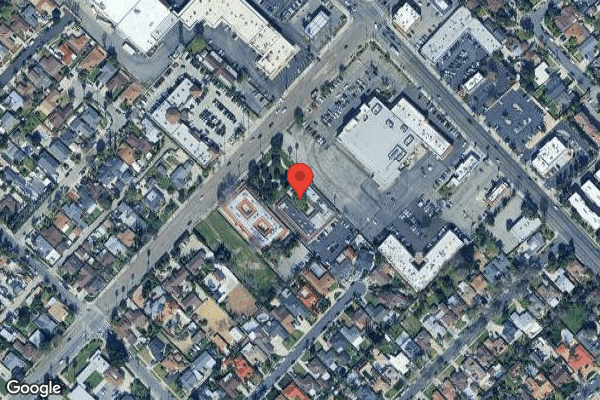
14122 HUBBARD STREET, SYLMAR, CA 91342 (818) 361-0191
For profit - Limited Liability company 75 Beds Independent Data: November 2025 1 Immediate Jeopardy citation
Trust Grade
41/100
#923 of 1155 in CA
Last Inspection: December 2024

Within standard 12-15 month inspection cycle. Federal law requires annual inspections.

Overview

The Grove Post-Acute Care Center has a Trust Grade of D, indicating below-average performance with some concerning issues. It ranks #923 out of 1155 facilities in California, placing it in the bottom half of the state, and #248 out of 369 in Los Angeles County, suggesting limited local options that are better. The facility is currently improving, reducing issues from 27 in 2024 to just 4 in 2025, which is a positive trend. Staffing is a strength, with a turnover rate of 20%, significantly lower than the state average, indicating that staff members are likely to stay and build relationships with residents. However, the facility has encountered serious problems, such as serving improperly prepared food to residents on modified diets, which could pose a choking hazard, and failing to manage waste disposal properly, increasing the risk of infection. While there are some strengths, these significant weaknesses raise concerns for families considering this home for their loved ones.

Trust Score
D
41/100
In California
#923/1155
Bottom 21%
Safety Record
High Risk
Review needed
Inspections
Getting Better
27 → 4 violations
Staff Stability
✓ Good
20% annual turnover. Excellent stability, 28 points below California's 48% average. Staff who stay learn residents' needs.
Penalties
✓ Good
$17,345 in fines. Lower than most California facilities. Relatively clean record.
Skilled Nurses
○ Average
RN staffing data not reported for this facility.
Violations
⚠ Watch
81 deficiencies on record. Higher than average. Multiple issues found across inspections.
★★☆☆☆
2.0
Overall Rating
★☆☆☆☆
1.0
Staff Levels
★★★★★
5.0
Care Quality
★☆☆☆☆
1.0
Inspection Score
Stable
2024: 27 issues
2025: 4 issues

The Good

  • 5-Star Quality Measures · Strong clinical quality outcomes
  • Low Staff Turnover (20%) · Staff stability means consistent care
  • Full Sprinkler Coverage · Fire safety systems throughout facility
  • No fines on record
  • Staff turnover is low (20%)

    28 points below California average of 48%

Facility shows strength in quality measures, staff retention, fire safety.

The Bad

2-Star Overall Rating

Below California average (3.1)

Below average - review inspection findings carefully

Federal Fines: $17,345

Below median ($33,413)

Minor penalties assessed

The Ugly 81 deficiencies on record

1 life-threatening
Aug 2025 2 deficiencies
CONCERN (D) 📢 Someone Reported This

A family member, employee, or ombudsman was alarmed enough to file a formal complaint

Potential for Harm - no one hurt, but risky conditions existed

Report Alleged Abuse (Tag F0609)

Could have caused harm · This affected 1 resident

Based on interviews and record review, the facility failed to report the allegation of a visitor-to-resident sexual abuse (sexual behavior or a sexual act forced upon a woman, man, or child without th...

Read full inspector narrative →
Based on interviews and record review, the facility failed to report the allegation of a visitor-to-resident sexual abuse (sexual behavior or a sexual act forced upon a woman, man, or child without their consent) to the State Survey Agency (SSA) for one of three sampled residents (Resident 1). On 7/3/2025, Resident 1 reported an allegation of abuse by the transportation company personnel to the Social Services Director (SSD). The Abuse Coordinator reported the allegation to the SSA on 7/30/2025, 27 days after the allegation of abuse was made. This deficient practice had the potential to result in unidentified abuse and failure to protect other residents from abuse.Findings: During a review of Resident 1's admission Record, the admission Record indicated the facility admitted the resident on 8/3/2024 with diagnoses including aftercare following joint replacement surgery, major depressive disorder (mental health condition that causes a persistently low or sad mood and a loss of interest in activities that once brought joy), and anxiety disorder (persistent and excessive worry that interferes with daily activities). During a review of Resident 1's History and Physical (H&P - a medical examination that involves a doctor taking a patient's medical history, performing a physical exam, and documenting their findings), dated 6/13/2025, the H&P indicated the resident had the capacity to understand and make decisions. During a review of Resident 1's Minimum Data Set (MDS - a resident assessment tool), dated 6/24/2025, the MDS indicated Resident 1's cognition (conscious mental activities including thinking, reasoning, understanding, learning, and remembering) was intact. During a review of the facility-provided Grievance/Complaint Resolution Report, dated 7/3/2025, the Grievance/Complaint Resolution Report indicated Resident 1 reported to the SSD about the allegation that happened on 7/2/2025 at 2 p.m. to 3 p.m., where the transportation company personnel inappropriately touched her face and called the resident beautiful. During an interview on 8/13/2025 at 9:41 a.m. with the Social Services Director (SSD), the SSD stated Resident 1 reported to her on 7/3/2025 that the transportation company personnel allegedly touched the resident's face and had unspecified inappropriate actions towards Resident 1. The SSD stated she notified the Director of Nursing (DON) and the Administrator (ADM) about Resident 1's allegations. During an interview on 8/13/2025 at 2:23 p.m. with the DON and a concurrent record review of the facility's policy and procedure (PnP) titled, Prevention, Reporting, and correction of Inappropriate Conduct Including Abuse, neglect, and Mistreatment of Residents and Investigations of Injuries of Unknown Origin, last reviewed on 1/2/2025, the PnP indicated .all personnel, vendors, and volunteers do not abuse or neglect any resident in the facility at any time for any reason. The PnP indicated The Administrator in coordination with General Counsel will.verify that any allegation of abuse is reported.to the California Department of Public Health Licensing and Certification.within two hours. The DON stated the ADM was the facility's Abuse Coordinator. The DON stated Resident 1's allegation of being inappropriately touched by the transportation company personnel should be reported within two hours to the SSA, Ombudsman, and law enforcement. The DON stated Resident 1 had the potential to experience distress and cause harm to other residents. The DON stated the facility failed to report the allegation of abuse within two hours.
CONCERN (D) 📢 Someone Reported This

A family member, employee, or ombudsman was alarmed enough to file a formal complaint

Potential for Harm - no one hurt, but risky conditions existed

Quality of Care (Tag F0684)

Could have caused harm · This affected 1 resident

Based on interview and record review, the facility failed to follow professional standards of practice for one of three sampled residents (Resident 1) by failing to ensure licensed nurses and social s...

Read full inspector narrative →
Based on interview and record review, the facility failed to follow professional standards of practice for one of three sampled residents (Resident 1) by failing to ensure licensed nurses and social services monitored Resident 1's psychological (anything concerning the mind, mental processes, or emotions) and psychosocial (a person's mental, emotional, social, and spiritual health) health after Resident 1's reported allegation of being inappropriately touched by the transportation company personnel. This deficient practice placed Resident 1 at risk of not being provided necessary care and services.Findings: During a review of Resident 1's admission Record, the admission Record indicated the facility admitted the resident on 8/3/2024 with diagnoses including aftercare following joint replacement surgery, major depressive disorder (mental health condition that causes a persistently low or sad mood and a loss of interest in activities that once brought joy), and anxiety disorder (persistent and excessive worry that interferes with daily activities). During a review of Resident 1's History and Physical (H&P - a medical examination that involves a doctor taking a patient's medical history, performing a physical exam, and documenting their findings), dated 6/13/2025, the H&P indicated the resident had the capacity to understand and make decisions. During a review of Resident 1's Minimum Data Set (MDS - a resident assessment tool), dated 6/24/2025, the MDS indicated Resident 1's cognition (conscious mental activities including thinking, reasoning, understanding, learning, and remembering) was intact. During a review of the facility-provided Grievance/Complaint Resolution Report, dated 7/3/2025, the Grievance/Complaint Resolution Report indicated Resident 1 reported to the SSD about the allegation that happened on 7/2/2025 at 2 p.m. to 3 p.m., where the transportation company personnel inappropriately touched her face and called the resident beautiful. During an interview on 8/13/2025 at 9:41 a.m. and a concurrent record review of Resident 1's Progress Notes, reviewed with the Social Services Director (SSD), the SSD stated Resident 1 reported to her on 7/3/2025 that the transportation company personnel allegedly touched the resident's face and had unspecified inappropriate actions towards Resident 1. The SSD stated there was no documented evidence in Resident 1's Progress Notes, dated 7/2/2025 to 8/13/2025, that the resident was monitored after the reported allegation of being inappropriately touched. The SSD stated she did not document her follow-up visits to Resident 1. The SSD stated that if the monitoring was not documented, it did not happen. The SSD stated Resident 1 had the potential to experience depression. During an interview on 8/13/2025 at 2:23 p.m. with the Director of Nursing (DON), the DON stated the licensed nurses, and the social services did not document the monitoring of Resident 1's psychological and psychosocial well-being after the resident reported the allegation of being inappropriately touched. The DON stated Resident 1's depression and anxiety had the potential to worsen if the resident's psychological and psychosocial health were not monitored. The DON stated the facility failed to monitor the psychological and psychosocial effects of the reported allegation on Resident 1. During a review of the facility's policy and procedure (PnP) titled, Prevention, Reporting, and correction of Inappropriate Conduct Including Abuse, neglect, and Mistreatment of Residents and Investigations of Injuries of Unknown Origin, last reviewed on 1/2/2025, the PnP indicated Evaluation of facts as deemed appropriate based on a case -by-case analysis, which may include. the assessment, care planning, and monitoring of residents with needs and behaviors that might lead to conflict or neglect.
Feb 2025 2 deficiencies
CONCERN (D) 📢 Someone Reported This

A family member, employee, or ombudsman was alarmed enough to file a formal complaint

Potential for Harm - no one hurt, but risky conditions existed

Report Alleged Abuse (Tag F0609)

Could have caused harm · This affected 1 resident

Based on interview and record review, the facility failed to report allegation of staff-to-resident abuse within two hours to the State Survey Agency (SSA- the agency that inspects long-term care faci...

Read full inspector narrative →
Based on interview and record review, the facility failed to report allegation of staff-to-resident abuse within two hours to the State Survey Agency (SSA- the agency that inspects long-term care facilities for the purposes of survey and certification) for one of three sampled residents (Resident 1). This deficient practice had the potential to place Resident 1 at risk for abuse. Findings: During a record review of Resident 1 ' s admission Record, the admission Record indicated the facility admitted Resident 1 on 2/16/2025, with diagnoses that included unspecified (unconfirmed) fracture of right femur (broken thigh bone), diabetes mellitus (DM-a disorder characterized by difficulty in blood sugar control and poor wound healing) and essential hypertension (also known as primary hypertension, is a type of high blood pressure that has no identifiable cause). During a record review of Resident 1 ' s admission / readmission Screening, dated 2/16/2025, timed at 8:17 p.m., the admission / readmission Screening indicated Resident 1 was oriented to person, place, time, and situation. During a record review of Resident 1 ' s Progress Notes, dated 2/16/2025, timed at 8:25 p.m., the Progress Notes indicated Resident 1 was alert. During a record review of facility ' s Report addressed to SSA, dated 2/18/2025, the Report indicated on 2/17/2025, at approximately 4:45 p.m., Resident 1 informed Family Member 1 (FM 1) that Certified Nursing Assistant 1 (CNA 1) had grabbed Resident 1 in the forearm and verbalized inappropriate words. The Report indicated CNA 1 tried to grabbed Resident 1 for no apparent reason. The Report indicated local law enforcement was notified on 2/17/2025 and the Ombudsman (an advocate for residents of nursing homes, board and care centers, and assisted living facilities) on 2/18/2025. During a record review of Licensed Vocational Nurse 1 (LVN 1) ' s written statement, dated 2/17/2025, LVN 1 ' s written statement indicated on 2/17/2025, at 4:30 p.m., FM 1 notified LVN 1 that CNA 1 had verbally abused Resident 1 and CNA 1 had grabbed Resident 1 ' s forearms and verbalized inappropriate words. LVN 1 ' s written statement indicated at 4:40 p.m., FM 1 requested Resident 1 to be transferred to the General Acute Care Hospital (GACH) and FM 1 had called 911 (emergency medical response) and the local law enforcement. LVN 1 ' s written statement indicated the Administrator (ADM) and the physician were notified, paramedics (healthcare professionals who respond to emergencies and provide advanced medical care to patients) arrived at 5:15 p.m., and local law enforcement arrived at 5:30 p.m. LVN 1 ' s written statement indicated local law enforcement spoke to Resident 1 and CNA 1, and local law enforcement left without providing contact information. During an interview on 2/27/2025 at 9:54 a.m., with the Director of Nursing (DON), the DON stated the allegation of abuse happened on 2/17/2025, between 4 p.m. to 4:30 p.m. The DON stated the reports to SSA and Ombudsman were sent on 2/18/2025 at 1:20 p.m., more than two hours from the time allegation was made. The DON stated because Resident 1 had no injury and if no injury they can send the report within 24 hours. During an interview on 2/27/2025, at 10:16 a.m., with the Administrator (ADM), the ADM stated the facility ' s policy and procedure for reporting allegation of abuse with no bodily injury was to report within 24 hours and to local law enforcement immediately and within two hours. The ADM stated the facility reports within two hours to SSA and Ombudsman if allegation involves bodily injury. The ADM stated the facility last reviewed the policy for abuse on 1/2/2025. During a concurrent interview and record review on 2/27/2025, at 10:25 a.m., with the ADM, facility ' s policy and procedure (P&P) titled, Prevention, Reporting and Correction of Inappropriate Conduct including Abuse, Neglect, and Mistreatment of Residents and Investigations of Injuries of Unknown Origin dated 7/1/2011 and last reviewed on 1/2/2025, the P&P indicated, It is the policy of this facility that all personnel, vendors and volunteers do no abuse or neglect any resident in the facility at any time for any reason. Abuse includes, but is not limited to physical, mental, verbal, sexual, or financial abuse or misappropriation of resident property. The facility maintains a zero tolerance to any abuse to residents from anyone including, but not limited to, facility staff, other residents, consultants or volunteers, staff of other agencies, serving the resident, family members or legal guardians, friends, or other individuals. The Administrator in coordination with General Counsel will . 2. Verify that any allegation of abuse is reported, to the California Department of Public Health Licensing and Certification (SSA), Local Law Enforcement and the Ombudsman within two (2) hours that does not involve serious bodily injury. The ADM stated their policy was wrong and should be updated. The ADM stated he (ADM) thought reporting two hours was to local law enforcement and reporting to SSA and Ombudsman with no injury within 24 hours.
CONCERN (D) 📢 Someone Reported This

A family member, employee, or ombudsman was alarmed enough to file a formal complaint

Potential for Harm - no one hurt, but risky conditions existed

Medical Records (Tag F0842)

Could have caused harm · This affected 1 resident

Based on interview and record review, the facility failed to maintain accurate and complete medical record for one of four sampled residents (Resident 1). This deficient practices had the potential to...

Read full inspector narrative →
Based on interview and record review, the facility failed to maintain accurate and complete medical record for one of four sampled residents (Resident 1). This deficient practices had the potential to cause confusion in care and the medical records containing inaccurate documentation. Findings: During a record review of Resident 1 ' s admission Record, the admission Record indicated the facility admitted Resident 1 on 2/16/2025, with diagnoses that included unspecified (unconfirmed) fracture of right femur (broken thigh bone), diabetes mellitus (DM - a disorder characterized by difficulty in blood sugar control and poor wound healing), and essential hypertension (also known as primary hypertension, is a type of high blood pressure that has no identifiable cause). During a record review of Resident 1 ' s admission / readmission Screening, dated 2/16/2025, timed at 8:17 p.m., the admission / readmission Screening indicated Resident 1 was oriented to person, place, time and situation. During a record review of Resident 1 ' s Progress Notes, dated 2/16/2025, timed at 8:25 p.m., the Progress Notes indicated Resident 1 was alert. During a record review of Resident 1 ' s Change of Condition (COC-communication between members of the health care team about a resident ' s condition), dated 2/17/2025, timed at 4 pm to 4:30 pm, the COC did not indicate any allegation of abuse. During a record review of Resident 1 ' s Progress Notes, dated 2/17/2025, the Progress Notes indicated no documentation that Resident 1 made an allegation of abuse against Certified Nursing Assistant 1 (CNA 1). During a record review of facility ' s Report addressed to State Survey Agency (SSA- agency that inspects long-term care facilities for the purposes of survey and certification), dated 2/18/2025, the Report indicated on 2/17/2025, at approximately 4:45 p.m., Resident 1 informed Family Member 1 (FM 1) that CNA 1 had grabbed Resident 1 in the forearm and verbalized inappropriate words. The Report indicated, CNA 1 tried to grabbed Resident 1 for no apparent reason. The Report indicated, local law enforcement was notified on 2/17/2025 and the Ombudsman on 2/18/2025. During a record review of Licensed Vocational Nurse 1 (LVN 1) ' s written statement, dated 2/17/2025, LVN 1 ' s written statement indicated on 2/17/2025, at 4:30 p.m., FM 1 notified LVN 1 that CNA 1 had verbally abused Resident 1 and CNA 1 had grabbed Resident 1 ' s forearms and verbalized inappropriate words. LVN 1 ' s written statement indicated at 4:40 p.m., FM 1 requested Resident 1 to be transferred to the General Acute Care Hospital (GACH) and FM 1 had called 911 (emergency medical response) and the local law enforcement. LVN 1 ' s written statement indicated the Administrator (ADM), and the physician was notified, paramedics (healthcare professionals who respond to emergencies and provide advanced medical care to patients) arrived at 5:15 p.m., and local law enforcement arrived at 5:30 p.m. LVN 1 ' s written statement indicated local law enforcement spoke to Resident 1 and CNA 1, and local law enforcement left without providing contact information. During a concurrent interview and record review on 2/27/2025, at 9:54 a.m., with the Director of Nursing (DON), Resident 1 ' s COC, dated 2/17/2025, and Progress Notes, dated 2/17/2025, were reviewed. The DON stated LVN 1 did not document in COC and Progress Notes that Resident 1 had an allegation of abuse towards CNA 1. The DON stated LVN 1 should have documented. The DON stated the importance of documentation was for communication process and to make sure whatever in the medical record is what had happened. During a record review of facility ' s policy and procedure (P&P) titled, Charting and Documentation, dated 7/2017 and last reviewed on 1/2/2025, the P&P indicated, All services provided to the resident, progress toward the care plan goals, or any changes in the resident's medical, physical, functional or psychosocial condition, shall be documented in the resident's medical record. The medical record should facilitate communication between the interdisciplinary team regarding the resident' condition and response to care. 2. The following information is to be documented in the resident medical record: a. Objective observations. b. Medications administered. c. Treatments or services performed. d. Changes in the resident's condition. e. Events, incidents or accidents involving the resident; and f. Progress toward or changes in the care plan goals and objectives. 3. Documentation in the medical record will be objective (not opinionated or speculative), complete, and accurate.
Dec 2024 22 deficiencies 1 IJ
CRITICAL (J)

Immediate Jeopardy (IJ) - the most serious Medicare violation

Deficiency F0805 (Tag F0805)

Someone could have died · This affected 1 resident

Based on observation, interview, and record review, the facility failed to prepare food in a form designed to meet individual needs (requirements that a person has in order to be well such as food) fo...

Read full inspector narrative →
Based on observation, interview, and record review, the facility failed to prepare food in a form designed to meet individual needs (requirements that a person has in order to be well such as food) for one of 62 sampled residents (Resident 214) on puree diet (a texture modified diet that consists of smooth, moist foods that are easy to swallow) by not following the recipes for puree oatmeal, puree scrambled eggs, and puree wheat breads and in accordance with the International Dysphagia Diet Initiative (IDDSI - a framework made up of levels and describes food textures and drink thickness) Level Four (pureed foods and extremely thick drinks) Standards when on 12/29/2024 Resident 214 was served bread soaked in milk, oatmeal with lumps, and scrambled eggs that were not smooth and not pureed. This deficient practice had the potential to cause the residents to not be able to eat their food and/or choke (when food gets stuck in your airway, blocking the flow of air to your lungs) on the food. On 12/29/2024 at 5:55 p.m., while onsite at the facility, the State Survey Agency (SSA) called an Immediate Jeopardy (IJ- a situation in which the provider's non-compliance with one or more requirements of participation has caused or is likely to cause serious injury, harm, impairment, or death to a resident) under 42 CFR §483.60 Food and Nutrition Services in the presence of the Administrator (ADM) and the Director of Nursing (DON) due to the facility's failure to ensure that facility staff followed the recipe for puree diet and served pureed food to Resident 214. On 12/30/2024 at 4 p.m., the ADM provided an IJ Removal Plan (a plan that identifies all actions the facility will take to immediately address the non-compliance that has resulted to IJ situation) which included the following summarized actions: 1. On 12/30/2024, the Registered Dietitian (RD) provided an in-service (staff training) to [NAME] 2, [NAME] 3, and Dietary Aide 1 (DA 1) regarding food preparation of IDDSI Level 4 foods. 2. On 12/30/2024, the RD provided an in-service and competency (measurable pattern of training, skills, experience, and knowledge to perform occupational tasks successfully) test to the Dietary Supervisor (DS) regarding puree food consistency to meet IDDSI Level 4 standards. The DS provided supervision to the dietary staff to ensure a blender (an electric mixing machine used in food preparation for pureeing food) was used on pureed foods for dinner service to meet IDDSI Level 4 standards. On 12/30/2024, the RD verified the DS's competency through return demonstration (a teaching method where a staff practices a skill after an instructor demonstrates it) and the RD acknowledged the DS to be competent in providing in-services to the dietary staff. 3. On 12/29/2024 at 4:10 p.m., the DON assessed Resident 214 for signs and symptoms of respiratory distress (a condition that makes it difficult to breathe) and for presence of food particles in the oral cavity (mouth) and there were no issues found. 4. On 12/29/2024, the DON provided an in-service to Licensed Vocational Nurse 1 (LVN 1) on food texture and consistency based on IDDSI Level 4 standards. The DON verified LVN 1's competency through return demonstration by observing and verbalizing the correct texture of puree diets using IDDSI Level 4 standards. 5. On 12/29/2024, the Infection Preventionist (IP) and the Minimum Data Set Coordinator (MDSC) checked all residents receiving pureed food to ensure proper consistency and texture for lunch and dinner meals. The licensed nursing staff will continue to check meal trays for breakfast, lunch, and dinner on an ongoing basis for proper puree consistency and texture of food. 6. On 12/29/2024, the DS checked the puree food items for proper texture and consistency per IDDSI Level 4 standards using the spoon tilt test (a method used to determine the stickiness of food and ability of the food to hold together) and fork drip test (a test used to check the correct thickness and cohesiveness of food). The DS will continue this process until six (6) months. 7. On 12/30/2024, the ADM, the RD, and the DS examined the process of food preparation and food distribution for all residents on puree diet to ascertain and confirm food items that did not pass IDDSI Level 4 standards would not be given to the residents and will be remade. 8. On 12/30/2024, the DON assessed the residents on puree diet for signs and symptoms of respiratory distress and ensured aspiration precautions (safety measures taken to prevent food or liquid from accidentally entering the airway while eating or drinking), were maintained for the residents on puree diet. The DON reviewed and revised the care plans as necessary. No other residents were affected by this deficient practice. 9. On 12/30/2024, the Speech Language Pathologist (SLP - a health professional who evaluates and treats speech, language, and swallowing disorders) assessed the residents on pureed diet for signs and symptoms of respiratory distress and aspiration. No other residents were affected by this deficient practice. 10. On 12/30/2024 at 2 p.m., the SLP provided an in-service to the dietary staff and the nursing staff on the risk of eating food that was not properly pureed per physician's order, choking hazards, what signs and symptoms to monitor, and what consistency and texture of a pureed diet should look like. 11. On 12/30/2024, the RD provided an in-service and competency test to [NAME] 1, [NAME] 2, DA 1, DA 2, and DA 3 on how to puree foods following the recipes and IDDSI Level 4 standards. The RD provided an in-service to six (6) of seven (7) dietary staff. [NAME] 4 was scheduled to attend an in-service on 12/31/2024 at 11:15 a.m. 12. A qualified RD will be supervising the DS for a period of one (1) month or until such time the RD determined the DS to be competent to supervise the workflow of the dietary staff and kitchen. At such time, if it is determined that the DS is not competent, the ADM will replace the DS with a qualified and competent DS. 13. A Spanish version of the menu and recipe will be obtained by the ADM as soon as applicable. 14. On 12/31/2024 at 10:45 a.m., the RD provided another in-service to the licensed nursing staff on testing the puree diet per IDDSI Level 4 standards. 15. The DS or licensed nurse will test the pureed foods on the menu per IDDSI Level 4 standards with a fork and spoon tilt test after the in-service training. The in-service training and competency test started on 12/30/2024. Training would continue until all licensed nursing staff and dietary staff have been completed. 16. The assigned designee for testing the puree foods will be the Station 2 charge nurse when the DS is not available such as on weekends, holidays. The 11 p.m. to 7 a.m. shift Station 2 charge nurse will be in-charge for breakfast, the 7 a.m. to 3 p.m. shift Station 2 charge nurse for lunch, and the 3 p.m. to 11 p.m. Station 2 charge nurse for dinner. 17. On 12/30/2024, a pureed food adherence tool titled Puree Texture Checklist was used for breakfast to ensure food on the menu are prepared using a blender per IDDSI standards. The Puree Texture Checklist will be used for breakfast, lunch, and dinner including weekends and holidays. 18. On 12/30/2024, the RD checked the snacks for the residents on puree diets which included blended yogurt, apple sauce, and pudding. No other snacks would be provided by staff to residents on puree diet except snacks approved by the RD. 19. Beginning the first week of 1/2025, the RD will conduct weekly Quality Assurance (QA- a data driven proactive approach to improvement used to ensure services are meeting quality standards) rounds (audits) in the kitchen to monitor meal tray accuracy including pureed food texture based on IDDSI Level 4 standards. The results of the audit will be presented to the Quality Assessment and Assurance (QAA- a continuous process used in healthcare to evaluate and improve the quality of care and services provided to the residents) committee monthly and at a minimum of quarterly for further action planning and monitoring as necessary. The benchmark (a standard or point of reference used to compare and measure the quality of performance and outcomes of healthcare services) for compliance will be 100 percent (%) for a period of three (3) months. On 12/31/2024 at 12:58 p.m., while onsite and after verifying the facility's full implementation of the IJ removal plan, the SSA accepted the IJ Removal Plan and removed the IJ in the presence of the Administrator and the DON. Cross reference F802 Findings: During a review of Resident 214's admission Record, the admission Record indicated the facility originally admitted Resident 214 on 9/27/2024 and readmitted the resident on 11/18/2024 with diagnoses including dysphagia oropharyngeal phase (swallowing problems occurring in the mouth and/or throat), end stage renal disease (final and permanent stage of kidney disease where kidney function has declined to the point that the kidneys can no longer function on their own), and adult failure to thrive (syndrome of weight loss, decreased appetite, poor nutrition, and inactivity, often accompanied by dehydration [when body loses more water than it takes in and could disrupt normal bodily function], depressive symptoms [refer to feelings and behaviors that may include sadness, loss of interest in usual daily activities, changes in appetite, and sleep issues], impaired immune function [body's defense system is not working well as it should, making it harder for the body to fight off infection and illness] and low cholesterol [level of fatty substance in the blood is low]). During a review of Resident 214's Minimum Data Set (MDS- a resident assessment tool), dated 11/6/2024, the MDS indicated Resident 214 usually made self understood and understand others. The MDS further indicated Resident 214 required moderate assistance with eating and had complaints of difficulty or pain when swallowing. The MDS further indicated Resident 214 had mechanically altered diet (food texture that is intended to be safe and easy to swallow) while a resident of the facility and within the last seven days. During a review of Resident 214's History and Physical (H&P) dated 11/9/2024, the H&P indicated the resident can make needs known but cannot make medical decisions. During a review of Resident 214's Order Summary Report, dated 11/18/2024, the Order Summary Report indicated a physician's order for fortified diet (a food that has extra nutrients added to it), pureed texture, thin liquids consistency (no restriction), fortified for lunch. During a review of Resident's 214's Nutritional Risk Assessment, dated 12/2/2024, the Nutritional Risk Assessment indicated Resident 214 had chewing or swallowing problems and was unable to communicate needs. During a review of Resident 214's Care Plan titled [Resident 214] has decreased swallow safety and skills, last revised on 11/19/2024, the Care Plan indicated interventions including assessing the diet, providing compensatory strategies (actions used to offset difficulties and improve performance in specific areas of limitation, physical disability, and health condition), and providing resident and caregiver education. During a review of Resident 214's Speech Therapy Evaluation and Plan of Treatment, dated 10/21/2024, the Speech Therapy Evaluation and Plan of Treatment indicated Resident 214 presented with mild oropharyngeal dysphagia. The Speech Therapy Evaluation and Plan of Treatment also indicated for Resident 214 to be on puree diet consistencies and thin liquid. During a review of the facility's daily cook's spreadsheet titled Winter Menus, dated 12/29/2024, the spreadsheet indicated residents on puree diet in accordance with IDDSI Level 4 would include the following in the meal tray: o Orange juice four (4) fluid ounces (oz, a unit of measurement) o Puree oatmeal three-fourth (3/4) cup (c, household measurement) o Puree western omelet one third (1/3) c o Puree coffee cake 1/3 c o Margarine one (1) teaspoon (tsp, household measurement) o Parsley sprig garnish: no o Milk eight (8) oz During a concurrent observation of the food at the steamtable (kitchen appliance that keeps food warm at a safe temperature for serving) and interview on 12/29/2024 at 7:13 a.m. with [NAME] 1, [NAME] 1 stated she prepared the bread soaked in milk and plain scrambled eggs for residents on puree diet. [NAME] 1 stated she made a pot of oatmeal to be used for residents on regular (diet with no restriction) diet and residents on puree diet. During an observation on 12/29/2024 at 7:14 a.m. of puree food in trayline (an area where foods were assembled) inside the kitchen, observed [NAME] 1 plated bread soaked in milk that had whole chunks of bread, scrambled eggs that were not smooth and pureed, and oatmeal with lumps from the steamtable to the residents' plates on puree diets. During an interview on 12/29/2024 at 7:31 a.m. with the DS, the DS stated [NAME] 1 did not follow the recipe for puree omelet when [NAME] 1 prepared scrambled eggs that were not smooth and pureed instead of puree western omelet. During a concurrent observation of the test tray (a process of tasting, temping [measuring the temperature of food to ensure it is safe to eat] and evaluating the quality of food) and interview on 12/29/2024 at 7:43 a.m. with the DS, the DS stated puree diet contains food that are blended, moist, and not too runny, and was served for residents with chewing and swallowing difficulties. The DS stated the foods that [NAME] 1 prepared including the puree bread and oatmeal had lumps and the puree scrambled eggs were not smooth. The DS stated [NAME] 1 must follow the recipe, but she (Cook 1) did not follow it. The DS stated residents could have swallowing problems and would not be able to eat the food resulting to weight loss as a potential outcome of not following the recipe for puree foods. The DS stated she was not familiar with the spoon tilt test, but she will get an in-service right away. During an interview on 12/29/2024 at 10:31 a.m. with the RD, the RD stated puree diet in accordance with IDDSI Level 4 standards were used for residents with no teeth and with issues on swallowing and chewing. The RD stated puree diet in accordance with IDDSI Level 4 should be smooth, with no lumps or chunks, or any food that residents could choke on, and all food should not require chewing or swallowing like mashed potato and pudding. The RD stated bread that was soaked in milk would not pass as pureed diet and texture. The RD stated Resident 214 and other residents with dysphagia diagnosis on pureed diet who received foods not passing a puree texture could be harmed, as food could get stuck in their throat and the residents could aspirate (accidentally inhale a substance into the lungs). During an interview on 12/29/2024 at 10:45 a.m. with the SLP, the SLP stated pureed diets included foods that are blended like baby food, with no chunks, or any textured food. The SLP stated Resident 214 and other residents with dysphagia diagnosis and pharyngeal (throat) impairments on puree diet could potentially choke food if the prepared food was in a form not designed to meet individual needs. The ST stated bread soaked in milk is not considered puree as it has mixed consistency of thin liquid and thickened food. The SLP stated Resident 214 and other residents with pharyngeal impairment and dysphagia diagnosis had more challenges with mixed consistency items, as they could choke on thin liquids. During an interview on 12/29/2024 at 11:45 a.m., Certified Nursing Assistant 1 (CNA 1) stated that on 12/29/2024, she (CNA 1) assisted Resident 214 with breakfast, and on Resident 214's meal tray, Resident 214 had oatmeal, eggs, tea, and bread that was soaked in milk. CNA 1 stated Resident 214 was on pureed diet. CNA 1 stated Resident 214 ate all the oatmeal and about half of the bread. During an interview on 12/29/2024 at 12:18 p.m. with the DS, the DS stated [NAME] 1 did not follow the recipe for puree diet and did not blend the foods. During an interview on 12/29/2024 at 2:02 p.m. with the DS, the DS stated there was no recipe for the bread soaked in milk. The DS stated [NAME] 1 should have followed the puree bread recipe, but she (Cook 1) did not. During an interview on 12/30/2024 at 7:05 a.m. with [NAME] 1, [NAME] 1 stated Sorry, ma'am I forgot to blend the food yesterday. During a review of the facility's policy and procedures (P&P) titled, Menu Planning, dated 10/30/2024, the P&P indicated the menu service provides the seasonal menus with corresponding recipes. The P&P indicated the menus are planned to meet nutritional needs of residents in accordance with established national guidelines, physician's orders and, to the extent medically possible, in accordance with the most recent recommended dietary allowances of the Food and Nutrition Board of the National Research Council National Academy of Sciences. The P&P indicated the menus are planned to consider texture and color of all foods in meals. The procedure indicated the facility's diet manual and the diets ordered by the physician should mirror the nutritional care provided by the facility. The P&P indicated menus are written for regular and therapeutic diets in compliance with the facility's diet manual and to refer to the diet manual as needed. The P&P indicated standardized recipes adjusted to appropriate yield shall be maintained and used in food preparation. During a review of the facility's diet manual titled Regular Pureed Diet/IDDSI Level 4, dated 10/30/2024, the diet manual indicated Description: The pureed diet is a regular diet that has been designed for residents who have difficulty chewing and/or swallowing. The texture pureed food items included on this diet should be smooth and free of lumps, hold their shape, while not being too firm or sticky, and should not weep. Detailed recipes and procedures for pureeing foods maybe found in Book #1, under the Food Safety/Miscellaneous Section. All foods are prepared in a food processor or blender, except for foods, which are normally in a soft and smooth state such as pudding, ice cream, applesauce, mashed potato. The diet manual further indicated foods avoided in the puree diet included lumpy cereal (oatmeal) dry cereal, unless pureed. IDDSI Testing Requirements: The finished pureed food items must pass IDDSI Level 4 testing requirements (like the fork drip, fork pressure, and spoon tilt tests.) During a review of the facility's recipe titled Recipe: Pureed (IDDSI Level 4) Eggs dated 10/30/2024, the recipe indicated (5) The finished pureed items should be smooth and free of lumps, hold its shape, while not being too firm or sticky, and should not weep. The finished pureed item must pass IDDSI Level 4 testing requirements. During a review of the facility's recipe titled Recipe: Pureed (IDDSI Level 4) Breads, Cakes, Cookies, Pancakes, French Toast, Sweet Rolls, Waffles, Tortillas, Sandwiches and Other Bread Products, dated 10/30/2024, the recipe indicated (4) The finished pureed items should be smooth and free of lumps, hold its shape, while not being too firm or sticky, and should not weep. The finished pureed item must pass IDDSI Level 4 testing requirements. During a review of the facility's recipe titled Recipe: Pureed (IDDSI Level 4) Hot Cereal, dated 10/30/2024, the recipe indicated (4) The finished pureed item should be smooth and free of lumps, hold its shape, while not being too firm or sticky, and should not weep. The finished product must pass IDDSI Level 4 testing requirements. During a review of the IDDSI guideline website titled IDDSI, dated 7/2019, the IDSSI guideline indicated, Level 4 Pureed is usually eaten with spoon, falls off spoon in a single spoonful when tilted and continues to hold shape on the plate, no lumps, not sticky, and liquid must not separate from solid. Food testing method: Spoon tilt test and Fork drip test.
CONCERN (D)

Potential for Harm - no one hurt, but risky conditions existed

Resident Rights (Tag F0550)

Could have caused harm · This affected 1 resident

**NOTE- TERMS IN BRACKETS HAVE BEEN EDITED TO PROTECT CONFIDENTIALITY** b. During a review of Resident 39's admission Record, the admission Record indicated the facility admitted Resident 39 on 8/6/20...

Read full inspector narrative →
**NOTE- TERMS IN BRACKETS HAVE BEEN EDITED TO PROTECT CONFIDENTIALITY** b. During a review of Resident 39's admission Record, the admission Record indicated the facility admitted Resident 39 on 8/6/2024 with diagnoses including hemiplegia (total paralysis of the arm, leg, and trunk on the same side of the body) and hemiparesis (weakness or the inability to move on one side of the body, making it hard to perform everyday activities like eating or dressing) following cerebral infarction (a serious medical condition that occurs when blood flow to the brain is blocked, leading to brain cell death) affecting right dominant side, and essential (primary) hypertension (HTN-high blood pressure). During a review of Resident 39's H&P dated 8/6/2024, the H&P indicated Resident 39 had the capacity to understand and make decisions. During a review of Resident 39's MDS, dated [DATE], the MDS indicated Resident 3 usually understands and was understood by others. The MDS indicated Resident 39 was dependent (helper does all the effort) with toileting, showering, lower body dressing, and putting on and taking off footwear, and required substantial assistance (helper does more than half the effort) with personal hygiene. During a review of Resident 39's Care Plan, initiated on 8/7/2024 for Resident 39's ADL self-care performance deficit, the Care Plan interventions included bathing and/or showering totally dependent on one (1) staff to provide shower two times a week and as necessary. During a review of Resident 39's ADL Bathing for December 2024, the ADL Bathing indicated on 12/27/2024 Resident had a shower at 10:39 a.m. During an interview on 12/28/2024 at 3:19 p.m. with Resident 39, Resident 39 stated she has not been showered for a week because Resident 39 requires a mechanical lift (a device used to assist with transfers of individuals who require support for mobility) to be showered and the facility could not find a sling (a fabric device used on lift machines to carry patients in a hammock-type position) Resident 39 stated she gets showered on Tuesdays and Fridays. During a concurrent interview and record review of Resident 39's ADL Bathing for December 2024 on 12/20/2024 at 10:48 a.m. with CNA 3, CNA 3 stated Resident 39 gets showers on Tuesdays and Fridays, requires a sling and a mechanical lift to shower. CNA 3 stated the facility has 2 mechanical lifts but they do not have enough slings. CNA 3 stated when showering, Resident 39 requires one sling to shower and one to use for transferring. CNA 3 stated Resident 39 refused to shower on 12/27/2024 but got a bed bath. CNA 3 stated Resident 39 refused shower because she did not have an extra sling to shower but only had one to use for transferring. CNA 3 reviewed the ADL bathing for December 2024 and stated she incorrectly put that Resident 39 was showered; CNA 3 stated she should have put it was a bed bath. During an interview on 12/30/2024 at 1:19 p.m. with CNA 2, CNA 2 stated it is hard to get residents up when there are not enough slings, that is why she only got one out of my three residents up that day. CNA 2 stated when doing showers, they require two slings, one to get the resident up and the other to shower the resident. CNA 2 stated if there are not enough slings and cannot shower the resident will offer the resident a bed bath. During an interview on 12/30/2024 at 3:49 p.m. with the DON, the DON stated they only have two mechanical lifts. The DON stated there are 29 residents that require the use of a mechanical lift and 40 slings, if there are not enough slings for the residents to get a shower, there is an issue. The DON stated it is a resident's right to have a shower if that is what they request; it is also part of their dignity. The DON stated there is a risk for infection and resident not feeling well if they are dirty. During a review of the facility's P&P titled, Resident Rights last reviewed 10/30/2024, the P&P indicated employees shall treat all residents with kindness, respect, and dignity. 1. Federal and state laws guarantee certain basic rights to all residents of this facility. These rights include the resident's right to: a. a dignified existence; b. be treated with respect, kindness, and dignity; e. self-determination Based on observation, interview, and record review, the facility failed to provide care in a manner that maintained or enhanced a resident's dignity and respect in full recognition of their individuality for two of two sampled residents (Resident 33 and 39) by: 1. Failing to ensure Certified Nursing Assistant 4 (CNA 4) was not standing over Resident 33 (who was investigated under dignity care area) while assisting him during a meal. 2. Failing to provide Resident 39 with a shower. These deficient practices had the potential to affect Resident 33 and 39's self-esteem, self-worth, and their sense of independence. Findings: a. During a review of Resident 33's admission Record, the admission Record indicated the facility admitted the resident on 3/3/2021 with diagnoses including Alzheimer's disease (a progressive brain disorder that slowly destroys memory and thinking skills), major depressive disorder (a mood disorder that causes a persistent feeling of sadness and loss of interest), and bipolar disorder (sometimes called manic-depressive disorder; mood swings that range from the lows of depression to elevated periods of emotional highs). During a review of Resident 33's History and Physical (H&P), dated 3/12/2024, the H&P indicated the resident does not have the consent/decision-making capacity due to dementia (a progressive state of decline in mental abilities). During a review of Resident 33's Minimum Data Set (MDS-a resident assessment tool), dated 12/2/2024, the MDS indicated the resident usually understood others and rarely made self-understood. The MDS indicated the resident has severely impaired cognitive skills (mental action or process of acquiring knowledge and understanding) for daily decision making. The MDS indicated the resident is dependent on staff for activities of daily living (ADLs- activities such as bathing, dressing and toileting a person performs daily) including eating, shower/bathing self, toileting hygiene, and personal hygiene. During a review of Resident 33's ADL care plan (CP), dated 12/4/2024, the CP indicated the goals of maintaining the resident's current level of function in ADLs. The CP indicated the resident required one staff assistance to eat. During an observation on 12/29/2024 at 7:46 a.m., inside Resident 33's room, observed CNA 4 standing over Resident 33's right side while assisting Resident 33 with feeding for breakfast. During a concurrent observation and interview on 12/29/2024 at 7:51 a.m., inside Resident 33's room, observed CNA 4 continued to stand over the resident while assisting him with his meal. CNA 4 stated she was not trained that she should sit down while assisting residents with their meals. CNA 4 stated she has seen other staff sit down on a chair while feeding other residents. CNA 4 stated staff sit down out of respect for the residents. During an interview on 12/31/2024 at 8:35 a.m., with the Director of Staff Development (DSD), the DSD stated when CNAs are assisting residents with their meals, CNAs are expected to get a chair and sit next to the resident. The DSD stated this is for the dignity and safety of the residents in the room or in the dining room. During an interview on 12/31/2024 at 8:57 a.m., with the Director of Nursing (DON), the DON stated CNAs are expected to sit down while assisting residents with their meals. The DON stated CNAs are checking the resident's chewing and swallowing of food and provide queuing. The DON stated CNAs should always use the chair and should not be standing over the resident. The DON stated the residents may feel disrespected that is why the staff needs to sit at eye level to show dignity and respect. During a review of the facility's policy and procedure titled (P&P) Dignity, last reviewed on 10/30/2024, the P&P indicated that staff should treat all residents with kindness, respect, and dignity. The P&P indicated the resident rights include the resident's right to a dignified existence and be treated with respect, kindness, and dignity.
CONCERN (D)

Potential for Harm - no one hurt, but risky conditions existed

Deficiency F0578 (Tag F0578)

Could have caused harm · This affected 1 resident

Based on observation, interview, and record review, the facility failed to inform residents and their responsible party about their right to formulate an advance directive (a written statement of a pe...

Read full inspector narrative →
Based on observation, interview, and record review, the facility failed to inform residents and their responsible party about their right to formulate an advance directive (a written statement of a person's wishes regarding medical treatment) upon admission for one of one sampled resident (Resident 14) investigated for advance directives. This deficient practice violated the resident's and/or the representative's right to be fully informed of the option to formulate their advance directives and had the potential to cause conflict with the resident's wishes regarding their health care. Findings: During a review of Resident 14's admission Record, the admission Record indicated the facility admitted Resident 14 on 6/11/2024 with diagnoses including pneumonia (an infection/inflammation in the lungs), muscle weakness (generalized) and cerebral palsy (CP- is a group of disorders that affect a person's ability to move, maintain balance, and control muscle tone). During a review of Resident 14's History and Physical (H&P) (H&P- a medical examination that involves a doctor taking a patient's medical history, performing a physical exam, and documenting their findings) dated 6/13/2024, the H&P indicated Resident 14 had fluctuating capacity to understand and make decision due to developmental delay. During a review of Resident 14's Minimum Data Set (MDS - a resident assessment tool), dated 12/16/2024, the MDS indicated Resident 14 sometimes understands and was sometimes understood by others. The MDS indicated Resident 14 was dependent (helper does all the effort) on oral hygiene, toileting, showering, lower body dressing, putting on and taking off footwear, and personal hygiene. During a record review on 12/28/2024 at 7:07 p.m. of Resident 14's medical records, no advance directive was noted in the chart. During an interview on 12/29/2024 at 2:10 p.m. with the Medical Records Director (MRD), the MRD stated there was no advance directive or advance directive acknowledgment form for Resident 14. During an interview on 12/29/2024 at 3:48 p.m. with the Social Services Director (SSD), the SSD stated they do not have any documentation indicating she has offered Resident 14 and/or her representative an advance directive. During an interview on 12/30/2024 at 9 a.m. with the Director of Nursing (DON), the DON stated regarding Resident 14, the SSD should have documented that an advance directive was offered but was unable to get a signature to prove that they have offered an advance directive to Resident 14. The DON stated Resident 14 is under court-ordered conservatorship (a legal arrangement where a judge appoints a person to make decisions for another person who is unable to do so for themselves). The DON stated not offering an advance directive can be neglecting the resident's right to how their care is handled for end of life. During a review of the facility's policy and procedure (P&P) titled, Advance Directives, last reviewed 10/30/2024, the P&P indicated it is the policy of the facility to comply with state and federal law regarding the development and implementation of a resident's advance directive. Upon admission or as soon as practicable thereafter, the resident and/or his/her legal representative or surrogate decision- maker will be provided with information regarding preferred intensity of care and/or advance directives.
CONCERN (D)

Potential for Harm - no one hurt, but risky conditions existed

Notification of Changes (Tag F0580)

Could have caused harm · This affected 1 resident

Based on interview and record review, the facility failed to ensure the physician was notified that azithromycin (antibiotic-medication used to treat infection) was not available on 12/10/2024, 12/11/...

Read full inspector narrative →
Based on interview and record review, the facility failed to ensure the physician was notified that azithromycin (antibiotic-medication used to treat infection) was not available on 12/10/2024, 12/11/2024 and 12/12/2024 for one of three sampled residents (Resident 214). This deficient practice resulted in delay of obtaining appropriate instructions from the physician for proper management and Resident 214 received an incomplete dose of the antibiotic. Cross reference F760 Findings: During a record review of Resident 214's admission Record, the admission Record indicated the facility admitted Resident 214 on 9/27/2024, with diagnoses that included end stage renal disease (ESRD- irreversible kidney failure), personal history of other infectious (something is capable of spreading or is spreading rapidly to others) and parasitic (an infectious disease caused by organisms that live in or on another organism, known as the host) diseases and urinary tract infections (UTI- an infection in the bladder or urinary tract). During a record review of Resident 214's History and Physical (H&P-a medical examination that involves a doctor taking a patient's medical history, performing a physical exam, and documenting their findings) dated 11/20/2024, the H&P indicated Resident 214 can make needs known but cannot make medical decisions. During a record review of Resident 214's Minimum Data Set (MDS - a resident assessment tool) dated 11/6/2024, the MDS indicated Resident 214's cognitive (mental action or process of acquiring knowledge and understanding) skills for daily decisions were severely impaired. The MDS indicated Resident 214 was dependent from staff for all activities of daily living (ADL-personal hygiene, bed mobility, dressing, and transfers). The MDS indicated Resident 214 was on antibiotic. During a record review of Resident 214's Physician Order dated 12/10/2024, timed at 2:41 p.m., the Physician Order indicated azithromycin tablet 250 milligrams (mg- metric unit of measurement, used for medication dosage and or amount), give 500 mg by mouth in the afternoon for pneumonia (PNA-lung infection) for one day (12/10/2024), then give 250 mg by mouth in the afternoon for PNA for four days (from 12/11/2024-12/14/2024). During a record review of Resident 214's Medication Administration Record (MAR-a daily documentation record used by a licensed nurse to document medications and treatments given to a resident) dated 12/2024, the MAR indicated azithromycin 500 mg was not administered on 12/10/2024, and the 250 mg was not administered on 12/11/2024 and 12/12/2024. The MAR indicated azithromycin 250 mg was given on 12/13/2024, 12/14/2024, and 12/15/2024 at 4 p.m. During a concurrent interview and record review on 12/29/2024 at 9:02 a.m., with the Infection Preventionist (IP), Resident 214's MAR dated 12/2024, and Progress Notes dated 12/10/2024, 12/11/2024, and 12/12/2024, were reviewed. The IP stated the MAR did not indicate that azithromycin 500 mg was administered to Resident 214 on 12/10/2024 or 12/11/2024. The IP stated the Progress Notes dated 12/11/2024 and 12/12/2024 indicated azithromycin 250 mg was not delivered. The IP stated azithromycin should be in the facility's emergency kit (ekit-a small supply of medication that can be used when pharmacy services are unavailable. Emergency kits are designed to help nursing facilities provide medication to their residents during emergencies). The IP stated if the medication was not documented it means medication was not given. The IP stated Resident 214 received an incomplete dose because she (Resident 214) only received three doses of azithromycin instead of five doses. The IP stated Resident 214's condition can worsen. The IP stated Licensed Vocational Nurse 1 (LVN 1) and LVN 2 should have called and notified the physician that azithromycin 500 mg and 250 mg were not available therefore were not given. The IP stated the importance of notifying the physician was to make the physician informed and to obtain new orders to extend the medication to complete the dose. During an interview on 12/29/2024, at 11:16 a.m., with the Director of Staff Development (DSD), the DSD stated the physician order was azithromycin for five days. The DSD stated the LVNs should have called the physician to notify that only three doses was given instead of five. The DSD stated the importance of calling the physician was to get an order to extend the days to complete the five doses. During an interview on 12/29/2024, at 11:24 a.m., with the Director of Nursing (DON), the DON stated Resident 214 did not receive the complete dose of azithromycin. The DON stated the LVNs should have called the physician and notify that azithromycin was just started on 12/13/2024 and will be completed on 12/17/2024. The DON stated Resident 214's infection could worsen if complete dose of medication was not received. During an interview on 12/30/2024 at 11:07 a.m., with the DSD, the DSD stated, LVN 1 and LVN 2 should have called the physician because it was a change in condition meaning there was a new medication order that was not available for three days. During a concurrent interview and record review on 12/30/2024, at 6:01 p.m., with the DON, the facility's policy and procedure (PP) titled, Change in a Resident's Condition or Status dated 2/2021 and last reviewed on 10/30/2024, was reviewed. The PP indicated, The nurse will notify the residents attending physician or physician on call when there has been a need to alter the resident's medical treatment significantly. The DON stated nurses should have called the physician when the medication was not available.
CONCERN (D)

Potential for Harm - no one hurt, but risky conditions existed

Safe Environment (Tag F0584)

Could have caused harm · This affected 1 resident

Based on observation, interview, and record review, the facility failed to provide a safe and homelike environment to one of one sampled resident (Resident 114) by failing to ensure the resident's wal...

Read full inspector narrative →
Based on observation, interview, and record review, the facility failed to provide a safe and homelike environment to one of one sampled resident (Resident 114) by failing to ensure the resident's wall clock was in working condition. The deficient practice had the potential to disrupt Resident 114's daily routine and other scheduled activities. Findings: During a review of Resident 114's admission Record, the admission Record indicated the facility admitted the resident on 12/17/2024 with diagnoses including chronic obstructive pulmonary disorder (COPD-a chronic lung disease causing difficulty in breathing), generalized muscle weakness, and hypertension (HTN-high blood pressure). During a review of Resident 114's History and Physical (H&P), dated 12/18/2024, the H&P indicated the resident can make needs known but can not make medical decisions. During a review of Resident 114's Minimum Data Set (MDS-a resident assessment tool), dated 12/23/2024, the MDS indicated the resident sometimes understood others and usually made self-understood. The MDS indicated the resident required substantial assistance (helper does more than half the effort) with mobility including rolling left and right, sitting to lying, lying to sitting on side of bed, sitting to standing, and walking 50 feet (ft-a unit of measure) with two turns; and dependent on staff with char/bed-to-chair transfers. During a concurrent observation and interview on 12/28/2024 at 8:35 a.m., inside Resident 114's room, observed wall clock indicating a time of 6:30. Resident 114 stated the wall clock does not work and she looks at the clock for the time. During a concurrent observation and interview on 12/29/2024 at 8:06 a.m., inside Resident 114's room, with Certified Nursing Assistant 4 (CNA 4), CNA 4 stated the wall clock was not working and shows the time as 6:30. CNA 4 stated the current time was 8:06 a.m. CNA 4 stated she will report to maintenance to have it fixed. CNA 4 stated the wall clock should show the actual time, so the resident knows what time it is. During an interview on 12/31/2024 at 8:41 a.m., with the Director of Staff Development (DSD), the DSD stated the CNA should call the maintenance to have the wall clock fixed to the right time. The DSD stated it should be changed for reality orientation of the resident, so they (resident) know the time. The DSD stated it can potentially confuse the resident with the time. During an interview on 12/31/2024 at 9:01 a.m., with the Director of Nursing (DON), the DON stated the maintenance should have been notified and the wall clock should have been checked and changed. The DON stated residents need to know the time at certain day and it is also the residents' rights. During a review of the facility's policy and procedure (P&P) titled, Homelike Environment, last reviewed 10/30/2024, the P&P indicated it is the facility's policy that residents are provided with a safe, clean, comfortable, and homelike environment and encouraged to use their personal belongings to the extent possible. The P&P indicated staff provides person-centered care that emphasizes the residents' comfort, independence, personal needs, and preferences.
CONCERN (D)

Potential for Harm - no one hurt, but risky conditions existed

ADL Care (Tag F0677)

Could have caused harm · This affected 1 resident

**NOTE- TERMS IN BRACKETS HAVE BEEN EDITED TO PROTECT CONFIDENTIALITY** b. During a review of Resident 39's admission Record, the admission Record indicated the facility admitted Resident 39 on 8/6/20...

Read full inspector narrative →
**NOTE- TERMS IN BRACKETS HAVE BEEN EDITED TO PROTECT CONFIDENTIALITY** b. During a review of Resident 39's admission Record, the admission Record indicated the facility admitted Resident 39 on 8/6/2024 with diagnoses including hemiplegia (total paralysis of the arm, leg, and trunk on the same side of the body) and hemiparesis (weakness or the inability to move on one side of the body, making it hard to perform everyday activities like eating or dressing) following cerebral infarction (a serious medical condition that occurs when blood flow to the brain is blocked, leading to brain cell death) affecting right dominant side, and essential (primary) hypertension (HTN-high blood pressure). During a review of Resident 39's H&P dated 8/6/2024, the H&P indicated Resident 39 had the capacity to understand and make decisions. During a review of Resident 39's MDS, dated [DATE], the MDS indicated Resident 39 usually understands and was understood by others. The MDS indicated Resident 39 was dependent (helper does all the effort) with toileting, showering, lower body dressing, and putting on and taking off footwear, and required substantial assistance (helper does more than half the effort) with personal hygiene. During a review of Resident 39's Care Plan, initiated on 8/7/2024 for Resident 39's ADL self-care performance deficit, the Care Plan interventions included bathing and/or showering totally dependent on one (1) staff to provide shower two times a week and as necessary. During a review of Resident 39's ADL Bathing for December 2024, the ADL Bathing indicated on 12/27/2024 Resident had a shower at 10:39 a.m. During an interview on 12/28/2024 at 3:19 p.m. with Resident 39, Resident 39 stated she has not been showered for a week because Resident 39 requires a mechanical lift (a device used to assist with transfers of individuals who require support for mobility) to be showered and the facility could not find a sling (a fabric device used on lift machines to carry patients in a hammock-type position) Resident 39 stated she gets showered on Tuesdays and Fridays. During a concurrent interview and record review of Resident 39's ADL Bathing for December 2024 on 12/20/2024 at 10:48 a.m. with CNA 3, CNA 3 stated Resident 39 gets showers on Tuesdays and Fridays, requires a sling and a mechanical lift to shower. CNA 3 stated the facility has 2 mechanical lifts but they do not have enough slings. CNA 3 stated when showering, Resident 39 requires one sling to shower and one to use for transferring. CNA 3 stated Resident 39 refused to shower on 12/27/2024 but got a bed bath. CNA 3 stated Resident 39 refused shower because she did not have an extra sling to shower but only had one to use for transferring. CNA 3 reviewed the ADL bathing for December 2024 and stated she incorrectly put that Resident 39 was showered; CNA 3 stated she should have put it was a bed bath. During an interview on 12/30/2024 at 1:19 p.m. with CNA 2, CNA 2 stated it is hard to get residents up when there are not enough slings, that is why I she only got one out of my three residents up that day. CNA 2 stated when doing showers, they require two slings, one to get the resident up and the other to shower the resident. CNA 2 stated if there are not enough slings and cannot shower the resident will offer the resident a bed bath. During an interview on 12/30/2024 at 3:49 p.m. with the DON, the DON stated they only have two mechanical lifts. The DON stated there are 29 residents that require the use of a mechanical lift and 40 slings, if there are not enough slings for the residents to get a shower, there is an issue. The DON stated it is a resident's right to have a shower if that is what they request. The DON stated there is a risk for infection and resident not feeling well if they are dirty. During a review of the facility's P&P titled, Activities of Daily Living (ADL), Supporting, last reviewed 10/30/2024, the P&P indicated resident will be provided with care, treatment, and services as appropriate to maintain or improve their ability to carry out activities of daily living (ADLs). Residents who are unable to carry out activities of daily living independently will receive the services necessary to maintain good nutrition, grooming and personal and oral hygiene. Based on observation, interview, and record review, the facility failed to provide necessary services to maintain good grooming and personal hygiene for two of two sampled residents (Resident 33 and 39) by: 1. Failing to trim Resident 33's fingernails. 2. Failing to provide Resident 39 with a shower. These deficient practices had the potential to negatively affect the residents' psychosocial wellbeing. Findings: a. During a review of Resident 33's admission Record, the admission Record indicated the facility admitted the resident on 3/3/2021 with diagnoses including Alzheimer's disease (a progressive brain disorder that slowly destroys memory and thinking skills), major depressive disorder (a mood disorder that causes a persistent feeling of sadness and loss of interest), and bipolar disorder (sometimes called manic-depressive disorder; mood swings that range from the lows of depression to elevated periods of emotional highs). During a review of Resident 33's History and Physical (H&P), dated 3/12/2024, the H&P indicated the resident does not have the consent/decision-making capacity due to dementia (a progressive state of decline in mental abilities). During a review of Resident 33's Minimum Data Set (MDS-a resident assessment tool), dated 12/2/2024, the MDS indicated the resident usually understood others and rarely made self-understood. The MDS indicated the resident has severely impaired cognitive skills (mental action or process of acquiring knowledge and understanding) for daily decision making. The MDS indicated the resident is dependent on staff for activities of daily living (ADLs- activities such as bathing, dressing and toileting a person performs daily) including eating, shower/bathing self, toileting hygiene, and personal hygiene. During a review of Resident 33's ADL care plan (CP), dated 12/4/2024, the CP indicated the goals of maintaining current level of function in ADLs. The CP indicated the resident required staff assistance with bathing/showering two times a week and as necessary; to check nail length and trim and clean on bath day and as necessary; and to report any changes to the nurse. During a review of Resident 33's Documentation Survey Report (DCS-a document that details a resident's ability to perform ADL) for the month of 12/2024, the DCS indicated Certified Nursing Assistant 5 (CNA 5) provided Resident 33 bath/towel bath on 12/27/2024, 12/28/2024, and 12/29/2024. During a concurrent observation and interview on 12/28/2024 at 12:19 p.m., inside Resident 33's room, with Family Member 1 (FM 1), observed Resident 33's left hand nails were long and chipped. FM 1 stated Resident 33's nails were long and chipped. During a concurrent observation and interview on 12/29/2024 at 8 a.m., inside Resident 33's room, with Certified Nursing Assistant 4 (CNA 4), CNA 4 stated Resident 33's left hand nails were long and the second digit next to the pinky finger was chipped. CNA 4 stated she does not know who would trim the resident's fingernails. CNA 4 stated it should have been done last Friday because that was his (Resident 33) scheduled shower day. CNA 4 stated CNAs are trained to trim residents' fingernails but she's not sure who trims Resident 33's fingernails. CNA 4 stated trimming of residents' fingernails should be done because it is part of the residents' hygiene. During a concurrent interview and record review of Resident 33's care plans on 12/30/2024 at 12:40 p.m., with Licensed Vocational Nurse 6 (LVN 6), LVN 6 stated he has not received any report from the CNAs regarding Resident 33's noncompliance with shower and/or nail trimming. During an interview on 12/30/2024 at 3:50 p.m., with CNA 5, CNA 5 stated he only provide Resident 33's shower every Tuesday and Friday. CNA stated he never trimmed the resident's nails because resident tends to scratch while he (CNA 5) provides him (Resident 33) care. CNA 5 stated he has not reported to the charge nurse and has not documented on the CNA communication binder. CNA 5 stated he just did not do it. CNA 5 stated the resident's tendency to scratch staff is not new, but he has not told his charge nurse. During an interview on 12/30/2024 at 5:40 p.m., with the Director of Staff Development (DSD), the DSD stated when the resident refuse to shower or nail trimming, CNAs are expected to notify their charge nurse and document on the communication report binder. The DSD stated for Resident 33, CNAs are expected to trim the resident's fingernails. The DSD stated this should have been done during the resident's shower day, but any other shift the CNAs can also do it. The DSD stated when a resident's fingernails are not trimmed, the resident may scratch himself and increase risk for infection due to the scratches or dirt build up underneath the nails. The DSD stated Resident 33's fingernails should have been trimmed. During an interview on 12/31/2024 at 9:04 a.m., with the Director of Nursing (DON), the DON stated the resident's (Resident 33) nails should have been trimmed. During a review of the facility's policy and procedure (P&P) titled, Activities of Daily Living (ADL), Supporting, last reviewed 10/30/2024, the P&P indicated resident will be provided with care, treatment, and services as appropriate to maintain or improve their ability to carry out ADLs. The P&P indicated residents who are unable to carry out activities of daily living independently will receive the services necessary to maintain good nutrition, grooming and personal and oral hygiene.
CONCERN (D)

Potential for Harm - no one hurt, but risky conditions existed

Pressure Ulcer Prevention (Tag F0686)

Could have caused harm · This affected 1 resident

**NOTE- TERMS IN BRACKETS HAVE BEEN EDITED TO PROTECT CONFIDENTIALITY** Based on observation, interview, and record review, the facility failed to provide the necessary treatment and services for two ...

Read full inspector narrative →
**NOTE- TERMS IN BRACKETS HAVE BEEN EDITED TO PROTECT CONFIDENTIALITY** Based on observation, interview, and record review, the facility failed to provide the necessary treatment and services for two of four residents (Resident 14 and Resident 214) at risk for developing pressure ulcer (a localized injury to the skin and/or underlying tissue usually over a bony prominence as a result of pressure, or pressure in combination with shear) by failing to follow the manufacturer guideline for low air loss mattress (LAL- a mattress that uses air to help prevent and treat pressure wounds and maintain a comfortable temperature and moisture level for the patient). This deficient practice had the potential for Resident 14 and Resident 214 to develop a pressure ulcer or for the wounds to worsen. Findings: a. During a review of Resident 14's admission Record, the admission Record indicated the facility admitted Resident 14 on 6/11/2024 with diagnoses including pneumonia (an infection/inflammation in the lungs), muscle weakness (generalized) and cerebral palsy (CP- is a group of disorders that affect a person's ability to move, maintain balance, and control muscle tone). During a review of Resident 14's History and Physical (H&P) (H&P- a medical examination that involves a doctor taking a patient's medical history, performing a physical exam, and documenting their findings) dated 6/13/2024 indicated Resident 14 had fluctuating capacity to understand and make decision due to developmental delay. During a review of Resident 14's Minimum Data Set (MDS - a resident assessment tool), dated 12/16/2024, the MDS indicated Resident 14 sometimes understands and was sometimes understood by others. The MDS indicated Resident 14 was dependent (helper does all the effort) on oral hygiene, toileting, showering, lower body dressing, putting on and taking off footwear, and personal hygiene. During a review of Resident 14's Physician Order, dated 7/25/2024, the Physician Order indicated the resident may have LAL mattress every day shift. During a review of Resident 14's weight dated 12/6/2024, the weight indicated Resident 14 weighed 86 pounds [lbs-unit of measurement]). During an observation on 12/28/2024 at 9:43 a.m., observed Resident 14 on bed with a LAL mattress set at 4 (weight 175 lbs). During a concurrent observation and interview on 12/28/2024 at 9:45 a.m. with Registered Nurse 1 (RN 1), RN 1 stated LAL mattresses need to be set according to residents' weight. RN 1 stated Resident 14's LAL mattress was set at 4 and it should have been set at 1. RN 1 stated if LAL mattress is set incorrectly, it can cause skin tissue damage to the resident. During an interview on 12/30/2024 at 3:57 p.m. with the Director of Nursing (DON), the DON stated LAL mattress need to be set according to weight. The DON stated, if the LAL is too firm, it defeats the purpose of the LAL. The DON stated the setting needs to be accurate to be effective; otherwise, it can lead to decline of wounds and improper healing. During a review of the undated Resident 14's LAL #1 User Manual provided by the facility, the User Manual indicated the comfort control LED displays the patients comfort pressure level from 0 to 9 and provides a guide to the caregiver to set approximate comfort pressure level depending on the patients' weight. During a review of the facility's policy and procedure (P&P) titled, Prevention of Pressure Injuries, last reviewed 10/30/2024, the P&P indicated select appropriate support surface based on the resident's risk factors, in accordance with current clinical practice. Review and select medical devices with consideration to the ability to minimize tissue damage, including size, shape, its application, and ability to secure the device. Monitor regular for comfort and signs of pressure-related injury. b. During a review of Resident 214 admission Record, the admission Record indicated the facility admitted Resident 214 on 9/27/2024 and readmitted the resident on 11/25/2024 with diagnoses including pressure-induced deep tissue damage (when prolonged pressure on a part of the body, like from sitting or lying down for too long, damages the tissues underneath the skin, even if the skin surface appears intact, causing a deep bruise-like area due to poor blood flow to that area) of sacral region (the triangular bone at the base of the spine that connects the spine to the pelvis), muscle weakness (generalized), and unsteadiness of feet. During a review of Resident 214's MDS dated [DATE], the MDS indicated Resident 214 usually understands others and and was usually understood. The MDS indicated Resident 14 was dependent (helper does all the effort) on oral hygiene, toileting, showering, lower body dressing, putting on and taking off footwear, and personal hygiene. During a review of Resident 214's Physician Order dated 11/18/2024, the Physician Order indicated the resident may have LAL mattress every day shift. During a review of Resident 214's Care Plan created on 10/23/2024 for Resident 214's potential for skin integrity decline, the Care Plan interventions included the resident may have LAL mattress for wound management, setting between 90-110 lbs. During a review of Resident 214's weight dated 12/6/2024, the weight indicated Resident 214 weighed 97 lbs. During an observation on 12/28/2024 at 9:02 a.m., observed Resident 214 on bed with LAL mattress set at 3 (weight 164 lbs). During a concurrent interview and observation on 12/28/2024 at 9:52 a.m. with Registered Nurse 1 (RN 1), RN1 stated Resident 214's LAL mattress was set at 3 but should have been set at 1 or 2. RN 1 stated a resident can be a risk for skin breakdown if the LAL mattress pressure is too firm. During an interview on 12/30/2024 at 3:57 p.m. with the DON,the DON stated LAL mattress need to be set according to weight. The DON stated, if the LAL is too firm, it defeats the purpose of the LAL. The DON stated the setting needs to be accurate to be effective; otherwise, it can lead to decline of wounds and improper healing. During a review of the facility's P&P titled, Prevention of Pressure Injuries, last reviewed 10/30/2024, the P&P indicated select appropriate support surface based on the resident's risk factors, in accordance with current clinical practice. Review and select medical devices with consideration to the ability to minimize tissue damage, including size, shape, its application, and ability to secure the device. Monitor regular for comfort and signs of pressure-related injury.
CONCERN (D)

Potential for Harm - no one hurt, but risky conditions existed

Accident Prevention (Tag F0689)

Could have caused harm · This affected 1 resident

**NOTE- TERMS IN BRACKETS HAVE BEEN EDITED TO PROTECT CONFIDENTIALITY** b. During a review of Resident 23's admission Record, the admission Record indicated the facility admitted Resident 23 on 1/12/2...

Read full inspector narrative →
**NOTE- TERMS IN BRACKETS HAVE BEEN EDITED TO PROTECT CONFIDENTIALITY** b. During a review of Resident 23's admission Record, the admission Record indicated the facility admitted Resident 23 on 1/12/2019 and readmitted the resident on 12/19/2024 with diagnoses that included muscle weakness (generalized), end stage renal disease (ESRD- irreversible kidney failure) and unsteadiness on feet. During a review of Resident 23's MDS, dated [DATE], the MDS indicated Resident 23 had the ability to understand and be understood by others. The MDS indicated Resident 23 required substantial assistance (helper does more than half the effort) with lower body dressing and required partial assistance (helper does less than half the effort) with toileting, showering, upper body dressing, putting on and taking off footwear, and personal hygiene. During a concurrent observation and interview on 12/28/2024 at 8:41 a.m., with Resident 23, observed an extension cord with power adapters wrapped around Resident 23's left side bed rail. Resident 23 stated she had asked facility since Monday to remove the extension cord and place it somewhere else as all the wires get in her way. During a concurrent observation and interview on 12/28/2024 at 8:46 a.m. with the DON, the DON stated Resident 23 has cords on the bed rail which should not be as it is a risk for a fire. During an interview on 12/30/2024 at 4 p.m. with the DON, the DON stated regarding Resident 23 and the extension cord on her bed side rail, there can be a risk for fire hazard and/or trip hazard. During a review of the facility's P&P titled, Hazardous Areas, Devices and Equipment, last reviewed 10/30/2024, the P&P indicated all hazardous areas, devices and equipment in the facility will be identified and addressed appropriately to ensure resident safety and mitigate accident hazards to the extent possible. A hazard is defined as anything in the environment that has the potential to cause injury or illness. Based on observation, interview, and record review the facility failed to provide an environment free from accidents and hazards for two of two sampled residents (Resident 44 and 23) reviewed under the Accidents care area by: 1. Failing to ensure Resident 44, who was identified as a smoker requiring supervision, had staff supervising the resident while the resident was smoking. This deficient practice had the potential to result in harm to the resident leading to burns and injuries. 2. Failing to properly manage and secure all cords and cables by Resident 23's left side bed rail (a bar attached to the side of a hospital bed to help prevent patients from falling out). This deficient practice had the potential to result in harm to the resident leading to risk of electric shock or fire. Findings: a. During a review of Resident 44's admission Record, the admission Record indicated the facility admitted the resident on 7/23/2024 with diagnoses including acute on chronic diastolic (congestive) heart failure (CHF-a heart disorder which causes the heart to not pump the blood efficiently, sometimes resulting in leg swelling), major depressive disorder (a mood disorder that causes a persistent feeling of sadness and loss of interest), and epilepsy (a condition that affects the brain and causes frequent seizures [sudden, uncontrolled body movements and changes in behavior that occurs because of abnormal electrical activity in the brain]). During a review of Resident 44's History and Physical (H&P), dated 8/1/2024, the H&P indicated the resident has the capacity to understand and make decisions. During a review of Resident 44's Minimum Data Set (MDS-a resident assessment tool), dated 11/1/2024, the MDS indicated the resident understood others and made self understood. The MDS indicated the resident utilized mobility devices including wheelchair and cane/crutch. The MDS indicated the resident required supervision with eating and oral hygiene; and required partial assistance (helper does less than half the effort) from staff with toileting hygiene, showering/bathing self, upper and lower body dressing, putting on/taking off footwear, and personal hygiene. The MDS indicated the resident required partial assistance from staff with mobility. During a review of Resident 44's Smoking-Safety Screen, dated 11/19/2024, the Smoking-Safety Screen indicated the resident needs a smoking apron and was safe to smoke with supervision. During a review of Resident 44's care plan for smoking, dated 11/19/2024, the care plan indicated the resident with goals of not having any injury related to smoking with interventions including supervision of resident during smoking activities. During a concurrent observation and interview on 12/29/2024 at 10:10 a.m., in the smoking area/patio, observed Resident 44 smoking in the smoking area with no staff noted. Observed Resident 44 with a lit cigarette and no apron noted. Resident 44 stated he has smoking breaks at 10 a.m., 2 p.m., and 4 p.m. Resident 44 stated staff will light his cigarette and then leave; once he is done, he will just wheel himself back inside the facility. Resident 44 stated staff do not stay with him or other residents when he is smoking in the smoking patio. During an observation on 12/29/2024 at 10:19 a.m., observed the Activity Director (AD) serving drinks in the dining room. During a concurrent interview and record review of Resident 44's Smoking-Safety Screen, dated 11/19/2024, on 12/30/2024 at 1:02 p.m., with Licensed Vocational Nurse 6 (LVN 6), LVN 6 stated the activities department provides the apron and cigarettes to the residents who have smoking privileges. LVN 6 stated Resident 44 needs to have an apron and should have someone with him while he is smoking. During an interview on 12/30/2024 at 4:53 p.m., the AD stated she is scheduled to work from Monday to Friday, from 8:30 a.m. to 5 p.m. The AD stated it was just her working that day and the facility was in the process of hiring one more activity staff scheduled on the weekends. The AD stated it is in her role to make sure that residents who smoked are supervised and have an apron on for safety. The AD stated she is supposed to be at the patio area when the residents smoke, but she was in the activity room that day looking out on the patio. The AD stated Resident 44 requires supervision while smoking. The AD stated residents are supervised to ensure they are safe because the cigarette ashes could potentially burn into his clothing or start a fire. During an interview on 12/30/2024 at 5:30 p.m., with the Director of Staff Development (DSD), the DSD stated Resident 44 required supervision according to the resident's care plan and should be supervised for the resident's safety. During an interview on 12/31/2024 at 9:11 a.m., with the Director of Nursing (DON), the DON stated the staff supervising the residents while smoking ensures the residents are safe, making sure the residents are in a designated smoking area and are wearing their apron, and assist the residents if they need help. During a review of the facility's policy and procedure (P&P) titled, Smoking Policy-Residents, last reviewed 10/30/2024, the P&P indicated the facility has established and maintains safe resident smoking practices. The P&P indicated that any resident with smoking privileges requiring monitoring shall have direct supervision of a staff member, family member, visitor, or volunteer worker at all times while smoking.
CONCERN (D)

Potential for Harm - no one hurt, but risky conditions existed

Deficiency F0727 (Tag F0727)

Could have caused harm · This affected 1 resident

**NOTE- TERMS IN BRACKETS HAVE BEEN EDITED TO PROTECT CONFIDENTIALITY** Based on interview and record review, the facility failed to provide a Registered Nurse (RN) for eight consecutive hours on 11/1...

Read full inspector narrative →
**NOTE- TERMS IN BRACKETS HAVE BEEN EDITED TO PROTECT CONFIDENTIALITY** Based on interview and record review, the facility failed to provide a Registered Nurse (RN) for eight consecutive hours on 11/19/2023 for 57 of 58 residents. This deficient practice had the potential to delay necessary care and services. Findings: During a record review of the facility's Nursing Staffing Assignment and Sign-In Sheet (Staff Assignment) dated 11/19/2023, the Nursing Staff Assignment indicated no RN was assigned to work on 11/19/2023. During a record review of the facility's Daily Room Census (Census) dated 11/19/2023, the Census indicated there were 57 residents in house (number of residents inside the facility). During a concurrent interview and record review on 12/28/2024 at 5:12 p.m., with the Director of Staff Development (DSD), the facility's Staff Assignment and Census dated 11/19/2023 were reviewed. The DSD stated there were no RN who worked on 11/19/2023. During an interview on 12/28/2024 at 5:20 p.m., with the Director of Nursing (DON), the DON stated the facility do not have a policy for requiring RN to work eight hours a day. The DON stated it could be in the Facility Assessment (determines the resources necessary to care for residents competently during the day-to-day operations and emergencies). During a concurrent interview and record review on 12/30/2024 at 6:01 p.m., with the DON, the Facility assessment dated [DATE] was reviewed. The Facility Assessment indicated Staffing Plan. Our facility provides adequate staffing to meet needed care and services for our resident's population. Day shift: one Nursing Supervisor RN for eight hours. The DON stated the importance of having an RN was to supervise Licensed Vocational Nurses (LVNs), to intervene in resident change in condition, to administer intravenous medication (administers fluids, medications and nutrients directly into a person's vein), and to provide support to charge nurses.
CONCERN (D)

Potential for Harm - no one hurt, but risky conditions existed

Deficiency F0760 (Tag F0760)

Could have caused harm · This affected 1 resident

Based on interview and record review, the facility failed to ensure the resident was free from any significant medication error for one of three sampled residents (Resident 214) by not following the p...

Read full inspector narrative →
Based on interview and record review, the facility failed to ensure the resident was free from any significant medication error for one of three sampled residents (Resident 214) by not following the physician's order. This deficient practice resulted in delay of antibiotic (medication used to treat infection) administration, incomplete antibiotic dose (a quantity of medicine prescribed by the physician) and had the potential to prolong Resident 214's pneumonia (PNA- lung infection). Cross reference 580 Findings: During a record review of Resident 214's admission Record, the admission Record indicated the facility admitted Resident 214 on 9/27/2024, with diagnoses that included end stage renal disease (ESRD- irreversible kidney failure), personal history of other infectious (something is capable of spreading or is spreading rapidly to others) and parasitic (an infectious disease caused by organisms that live in or on another organism, known as the host) diseases and urinary tract infections (UTI- an infection in the bladder/urinary tract). During a record review of Resident 214's History and Physical (H&P-a medical examination that involves a doctor taking a patient's medical history, performing a physical exam, and documenting their findings) dated 11/20/2024, the H&P indicated Resident 214 can make needs known but cannot make medical decisions. During a record review of Resident 214's Minimum Data Set (MDS - a resident assessment tool) dated 11/6/2024, the MDS indicated Resident 214's cognitive (mental action or process of acquiring knowledge and understanding) skills for daily decisions were severely impaired. The MDS indicated Resident 214 was dependent from staff for all activities of daily living (ADL-personal hygiene, bed mobility, dressing, and transfers). The MDS indicated Resident 214 was on antibiotic. During a record review of Resident 214's Physician Order dated 12/10/2024, timed at 2:41 p.m., the Physician Order indicated azithromycin (antibiotic- medication used to treat infection) tablet 250 milligrams (mg- metric unit of measurement, used for medication dosage and or amount), give 500 mg by mouth in the afternoon for pneumonia (PNA-lung infection) for one day (12/10/2024) then give 250 mg by mouth in the afternoon for PNA for four days (from 12/11/2024-12/14/2024). During a record review of Resident 214's Medication Administration Record (MAR-a daily documentation record used by a licensed nurse to document medications and treatments given to a resident) dated 12/2024, the MAR indicated azithromycin 500 mg was not administered on 12/10/2024, and the 250 mg was not administered on 12/11/2024 and 12/12/2024. The MAR indicated azithromycin 250 mg was given on 12/13/2024, 12/14/2024, and 12/15/2024 at 4 p.m. During a concurrent interview and record review on 12/29/2024, at 9:02 a.m., with the Infection Preventionist (IP), Resident 214's MAR dated 12/2024 and Progress Notes dated 12/10/2024, 12/11/2024, and 12/12/2024, were reviewed. The IP stated the MAR did not indicate that azithromycin 500 mg was administered to Resident 214 on 12/10/2024, or 12/11/2024. The IP stated the Progress Note dated 12/11/2024, and 12/12/2024 indicated azithromycin 250 mg was not delivered. The IP stated azithromycin should be in the facility's emergency kit (ekit-a small supply of medication that can be used when pharmacy services are unavailable. Emergency kits are designed to help nursing facilities provide medication to their residents during emergencies). The IP stated if the medication was not documented it means medication was not given. The IP stated Resident 214 received an incomplete dose because she (Resident 214) only received three doses of azithromycin 250 mg instead of one dose of 500 mg and four doses of 250 mg. The IP stated Resident 214's condition can worsen. The IP stated she (IP) should made sure that residents on antibiotics received the full dose of medication as per physician order. During an interview on 12/29/2024, at 11:16 a.m., with the Director of Staff Development (DSD), the DSD stated after Registered Nurse 2 (RN 2) received the physician order for azithromycin, Licensed Vocational Nurse 1 (LVN 1) should have called the pharmacy, and the pharmacist will decide if LVN 1 can open the ekit to get the 500 mg of azithromycin. The DSD stated if the antibiotic was not given on 12/10/2024, from 3 p.m., to 11p.m. shift, the next shift from 11 p.m., to 7 a.m., should have administered and started the first dose of 500 mg of azithromycin. During an interview on 12/29/2024, at 11:24 a.m., with the Director of Nursing (DON), the DON stated Resident 214 did not receive the complete dose of azithromycin. The DON stated Resident 214's infection could worsen if condition not treated. During a concurrent interview and record review on 12/29/2024, at 11:55 a.m., with LVN 4, facility's Packing Slip (receipt of medications delivered by pharmacy to the facility) dated 12/10/2024, was reviewed. The Packing Slip received and signed by LVN 4 on 12/10/2024 indicated four tablets of 250 mg of azithromycin were delivered for Resident 214. LVN 4 confirmed she (LVN 4) received the medication and placed the medication in the medication cart. During an interview on 12/30/2024, at 9:12 a.m., with the Pharmacist the Pharmacist stated, the pharmacy delivered four tablets of azithromycin 250 mg on 12/10/2024. The Pharmacist stated both 500 mg and 250 mg were available in the facility ekit. The Pharmacist stated 500 mg should have been administered to Resident 214 on 12/10/2024, and the 250 mg started on 12/11/2024, until 12/14/2024. The Pharmacist stated azithromycin is a medication used to treat infection and if not given according to physician's order may prolong the infection. The Pharmacist stated currently as of 12/30/2024, the facility's ekit had a stock of three tablets of azithromycin 500 mg and 10 tablets of 250 mg. During an interview on 12/30/2024, at 10:37 a.m., with RN 2, RN 2 stated she (RN 2) received the physician order to start 500 mg azithromycin that day (12/10/2024). RN 2 stated she notified LVN 1 that the medication was in the ekit. RN 2 stated the importance of starting the medication right away was for Resident 214's PNA. RN 2 stated Resident 214 missed the 500 mg and the first 250 mg of azithromycin. RN 2 stated there was a delay of three days after the medication was ordered by the physician. RN 2 stated azithromycin is a medication used to treat the infection. RN 2 stated nurses have to call the pharmacy before they (nurses) can open the ekit. During an interview on 12/30/2024, at 10:42 a.m., with LVN 2, LVN 2 stated on 12/12/2024, azithromycin 250 mg was not available in the medication cart. LVN 2 stated she called the pharmacy and was informed that medication will be delivered. LVN 2 stated medications delivered should be in the medication cart and on 12/12/2024, at 4 p.m., azithromycin was not in the medication cart which was why she (LVN 4) did not administer to Resident 214. LVN 2 stated the ekit was computerized and there was no way of knowing what medication and how many was inside the ekit. During an interview on 12/30/2024, at 11:07 a.m., with the Director of Staff Development (DSD), the DSD stated if medication administration was not documented, the medication was not given. The DSD stated LVN 1 and LVN 2 should have called the pharmacy, get the medication from the ekit, administer to Resident 214, and document that medication was given. During a concurrent interview and record review on 12/30/2024, at 6:01 p.m., with the DON, facility's policy and procedure (P&P) titled, Antibiotic Stewardship-Order for Antibiotics, dated 12/2024, was reviewed. The P&P indicated antibiotics will be prescribed and administered to residents under the guidance of the facility's antibiotic stewardship program and in conjunction with the facility's general policy for medication utilization and prescribing. If antibiotic is indicated, prescribers will provide complete antibiotic orders including the following elements: d. duration of treatment: 1 start and stop date or 2. Number of days of therapy. The DON stated if antibiotic is indicated, medication should have been administered. During a record review of facility's P&P titled, Administering Medications, dated 4/2019 and last reviewed on 10/30/2024, the P&P indicated, Medications are administered in a safe and timely manner, and as prescribed. Medications are administered in accordance with prescriber's orders, including any required time frame. Medications are administered within one hour of the prescribed time, unless otherwise specified (for example, before and after meal orders).
CONCERN (E)

Potential for Harm - no one hurt, but risky conditions existed

Deficiency F0726 (Tag F0726)

Could have caused harm · This affected multiple residents

Based on interview and record review the facility failed to ensure the Infection Preventionist (IP) was competent in implementing the facilities infection control program by failing to: 1. Follow the...

Read full inspector narrative →
Based on interview and record review the facility failed to ensure the Infection Preventionist (IP) was competent in implementing the facilities infection control program by failing to: 1. Follow the facility's policy titled, Scabies [a parasitic infestation caused by tiny mites (a group of insect-like organisms, some of which bite or cause irritation to humans) that burrow into the skin and lay eggs, causing intense itching and a rash] Identification, Treatment and Environmental Cleaning, when Resident 52 was removed from isolation prior to the completion of treatment and or it was determined the resident was free from scabies. 2. Follow facility's policy titled, Unusual Occurrence Reporting , when Resident 52 was positive for scabies and it was not reported to the state agency. These failures had the potential to spread scabies infestation to other residents and staff. Findings: During a review of Resident 52's admission Record, the admission Record indicated the facility admitted Resident 52 on 6/13/2024 with diagnoses including unspecified dementia (a progressive state of decline in mental abilities), muscle weakness (generalized), and essential (primary) hypertension (HTN-high blood pressure). During a review of Resident 52's History of Present Illness (H&P), dated 6/13/2024, the H&P indicated Resident 52 can make needs known but cannot make medical decision due to dementia. During a review of Resident 52's Minimum Data Set (MDS - a resident assessment tool), dated 12/18/2024, the MDS indicated Resident 52 had the ability to usually understand and the ability to be understood. The MDS indicated Resident 52 was dependent (helper does all the effort) with toileting, showering, lower body dressing, and putting on and taking off footwear, and required substantial assistance (helper does more than half the effort) with personal hygiene. During a review of Resident 52's Physician Order, dated 12/3/2024, the Physician Order indicated may have skin scrape (allows visualize of the superficial layer of the skin- the abnormal cells, any infections or even parasites [an organism that lives on or in a host organism and gets its food from or at the expense of its host] or mites to rule out scabies. During a review of Resident 52's Physician Order, dated 12/4/2024, the Physician Order indicated: - Clobestasol propionate external cream 0.05% (medication used to treat a variety of skin conditions) apply to general body topically every day and evening shift for prurigo nodularis (PN- a chronic skin condition that causes hard, itchy bumps called nodules to appear on the skin) for four weeks. - Generalized body dermatitis (skin condition that causes skin irritation and swelling) unspecified apply halobetasol 0.05% cream (medication used to treat a variety of skin conditions) to general body twice a day every day and evening shift for four weeks until finished. - Ivermectin (medication used to treat infections caused by parasites) oral tablet 3 milligrams (mg- a unit of measurement for mass) give 21 mg by mouth one time a day every Thursday for dermatitis unspecified for four weeks until finished. - Dermatitis unspecified apply permethrin 5% cream (medication used to treat conditions caused by tiny insects, such as scabies) 1 tube from neck to toes. Leave on for 12 hours then rinse once a week for four weeks at bedtime every Wednesday for four weeks. - Prednisone (medication used to treat inflammation) oral tablet 10 mg give 3 tablets by mouth one time a day for dermatitis unspecified for 3 days then give 2 tablets by mouth one time a day for dermatitis unspecified for 3 days then give 1 tablet by mouth one time a day for dermatitis unspecified for 3 days. During a review of Resident 52's Diagnostic Laboratories and Radiology Results, dated 12/7/2024, at 2:07 p.m., the Diagnostic Laboratories and Radiology Results indicated scabies mites seen. During a review of Resident 52's Change of Condition (COC) SBAR-Acute COC, dated 12/7/2024, at 10:30 p.m., the COC SBAR-Acute COC indicated received result from scabies scrape test. The results indicated, scabies mites seen, informed doctor with order to continue 21 mg ivermectin orally every Thursday for four weeks, place resident on contact (don [put on] gloves and a gown when entering a patient or resident room and when in contact with the individual, surfaces, or objects within their environment) isolations precautions indefinitely. During a review of Resident 52's Physician Order, dated 12/7/2024, the Physician Order indicated an order for ivermectin oral tablet 3 mg give 21 mg by mouth one time a day every Thursday for scabies infection for four weeks until finished. During a review of Resident 52's Care Plan for infection and isolation, revised on 12/7/2024, the Care Plan indicated skin scraping result scabies mites seen with intervention to isolate (contact) precautions for scabies infection. During a review of Resident 52's Physician Order, dated 12/8/2024, the Physician Order indicated contact isolation precautions for scabies infection. During a review of Resident 52's Physician Order, dated 12/17/2024, the Physician Order indicated contact isolation precautions for scabies infection was discontinued. During an observation on 12/28/2024, at 7:34 a.m., Resident 52's room did not have transmission-based precautions and a personal protective equipment (PPE - clothing and equipment that is worn or used to provide protection against hazardous substances and/or environments) cart. 1. During an interview on 12/29/2024, at 8:06 a.m., with the Infection Preventionist (IP), the IP stated Resident 52 is no longer on isolation, the isolation was discontinued on 12/17/2024, and Resident 52 was on contact isolation for 10 days. The IP stated Resident 52 was on isolation for scabies. The IP stated she was not sure how long scabies isolation should be for. The IP stated the doctor discontinued the isolation and Resident 52 is still scratching but is on topical medication. The IP stated treatment is effective when the rash has improved. During a concurrent interview and record review with the IP, on 12/29/2024, at 8:26 a.m., the facility's policy and procedure (P&P) titled, Scabies Identification, Treatment and Environmental Cleaning, reviewed on 10/30/2024, was reviewed and the P&P indicated to maintain contact precaution until treatment is done or the resident is determined to be scabies free. The IP stated Resident 52 is still on treatment, and no other scraping has been done to determine Resident 52 is scabies free. The IP stated according to policy, Resident 52 should still be on contact isolation, and staff, including housekeeping, and visitors must wear gown and gloves. The IP stated not following contact isolation can be a risk for spread of infection. During an interview on 12/30/2024, at 4:03 p.m., with the Director of Nursing (DON), the DON stated it is important for the IP to be competent in policies and infection control, due to the increased risk for improper isolation, and risk for transmission to residents and staff. During a review of the facility's P&P titled, Scabies Identification, Treatment and Environmental Cleaning, last reviewed 10/30/2024, the P&P indicated the purpose of this procedure is to treat residents infected with and sensitized to Sarcoptes scabiei and to prevent the spread of scabies to other residents and staff. The P&P further indicated to maintain contact precautions until treatment is complete and or resident is determined to be scabies free. During a review of the facility's P&P titled, Isolation-Categories of Transmission-Based Precautions, last reviewed 10/30/2024, the P&P indicated transmission-based precautions are initiated when a resident develops signs and symptoms of a transmissible infection; arrives for admission with symptoms of an infection; or has laboratory confirmed infection; and is at risk of transmitting the infection to other residents. The P&P further indicated contact precautions are implemented for residents known or suspected to be infected with microorganisms that can be transmitted by direct contact with the resident or indirect contact with environmental surfaces or resident-care items in the resident's environment. 2. During an interview on 12/30/2024, at 8:39 a.m., with the IP, the IP stated she did not report Resident 52's scabies to any state agency because it was only one case. The IP stated scabies is not a common occurrence in the facility, the positive scabies would fall under the facility's unusual occurrence and should have been reported to local state agency. The IP stated she was not sure what the process for reporting an unusual occurrence is, the IP stated there may be an incident report that must be done. During an interview on 12/30/2024, at 4:03 p.m., with the DON stated it is important for the IP to be competent in policies and infection control because there can be a risk for improper isolation and increase risk for transmission to residents and staff. During a review of the facility's P&P titled, Unusual Occurrence Reporting, last reviewed 10/30/2024, the P&P indicated as required by federal or state regulations, our facility reports unusual occurrences or other reportable events which affect the health, safety, or welfare of our residents, employees, or visitors. The P&P indicated other occurrences include occurrences that interfere with facility operations and affect the welfare, safety, or health of residents, employees, or visitors. The P&P further indicated a written report detailing the incident and actions taken by the facility after the event shall be sent or delivered to the state agency within forty-eight (48) hours of reporting the event or as required by federal and state regulations. During a review of the facility's P&P titled, Scabies Identification, Treatment and Environmental Cleaning, last reviewed 10/30/2024, the P&P indicated the purpose of this procedure is to treat residents infected with and sensitized to Sarcoptes scabiei and to prevent the spread of scabies to other residents and staff. Maintain contact precautions until treatment is complete and or resident is determined to be scabies free.
CONCERN (E)

Potential for Harm - no one hurt, but risky conditions existed

Pharmacy Services (Tag F0755)

Could have caused harm · This affected multiple residents

**NOTE- TERMS IN BRACKETS HAVE BEEN EDITED TO PROTECT CONFIDENTIALITY** Based on observation, interview, and record review, the facility failed to provide pharmaceutical services (including procedures...

Read full inspector narrative →
**NOTE- TERMS IN BRACKETS HAVE BEEN EDITED TO PROTECT CONFIDENTIALITY** Based on observation, interview, and record review, the facility failed to provide pharmaceutical services (including procedures that assure the accurate acquiring, receiving, dispensing, and administering of all drugs and biologicals) by: 1. Failing to destroy medications discontinued by the physician for Residents 25, 63, and 64. 2. Failing to label multidose medication bottle per facility policy with open date for two of four medication cart (Station 2 Medication Cart 2 and Station 1 Medication Cart 2) and one of two medication room (Medication room [ROOM NUMBER]) 3. Failing to sign Controlled Drug Record (narcotic sheet-a detailed log or documentation that tracks the dispensing, administration, and inventory of controlled substances [drugs classified as having a high potential for abuse]) of Resident 63's pregabalin (medication used to treat nerve pain) after medication administration on 12/28/2024. These deficient practices had the potential to result in drug diversion (illegal distribution or abuse of prescription drugs or their use for unintended purposes) and medication error. Findings: a. During a concurrent observation, interview, and record review of Medication room [ROOM NUMBER] during a medication storage observation on 12/28/2024, at 7:31 a.m., with Licensed Vocational Nurse 3 (LVN 3), observed bubble packs (a package that contains multiple sealed compartments with medication/s) of labeled medications on gray and white bins beside the refrigerator. LVN 3 stated the medications were discontinued. LVN 3 stated all discontinued medications should be placed inside the incinerator (an apparatus for burning waste material, especially industrial waste, at high temperatures until it is reduced to ash) found beside the door of the medication room. LVN 3 stated the discontinued medications belonged to Residents 25, 63 and 64 were as follows: 1. Resident 25's amoxicillin potassium clavulanate (medication used to treat infection) 875 milligrams (mg- metric unit of measurement, used for medication dosage and or amount) - 13 tablets left 2. Resident 63's losartan (medication used to treat high blood pressure) 25 mg - 38 tablets left 3. Resident 63's midodrine (medication used to treat low blood pressure) 5 mg - 11 tablets left 4. Resident 63's tamsulosin (medication used to treat enlarge prostate to improve the flow of urine) 0.4 mg- 14 tablets left 5. Resident 64's-erythromycin ophthalmic (medication used to treat eye infections) 5mg -1 tube During a record review of Resident 25's admission Record, the admission Record indicated the facility admitted Resident 25 on 11/11/2024, with diagnoses that included pneumonia (lung infection), essential hypertension (HTN- high blood pressure), and unsteadiness on feet. During a record review of Resident 25's History and Physical (H&P-a medical examination that involves a doctor taking a patient's medical history, performing a physical exam, and documenting their findings) dated 11/13/2024, the H&P indicated Resident 25 had the capacity to understand and make decisions. During a record review of Resident 25's Physician Order dated 12/20/2024, the Physician Order indicated amoxicillin potassium clavulanate 875 mg was discontinued on 12/20/2024, at 2:18 p.m. During a record review of Resident 63's admission Record, the admission Record indicated the facility admitted Resident 63 on 12/19/2024, with diagnoses that included cervical fusion of spine (a surgical procedure that joins two or more vertebrae in the neck to treat neck pain and stabilize the spine), essential hypertension, and unsteadiness of feet. During a record review of Resident 63's H&P dated 12/20/2024, the H&P indicated Resident 63 had the capacity to understand and make decisions. During a record review of Resident 63's Minimum Data Set (MDS- a resident assessment tool) dated 12/26/2024, the MDS indicated Resident 63's cognitive (mental action or process of acquiring knowledge and understanding) skills for daily decisions were intact. During a record review of Resident 63's Physician Order dated 12/23/2024, the Physician Order indicated on 12/23/2024, at 2:35 p.m., losartan 25 mg was discontinued. During a record review of Resident 63's Physician Order dated 12/26/2024, the Physician Order indicated on 12/26/2024, at 2:18 p.m., midodrine 5 mg was discontinued. During a record review of Resident 63's Physician Order dated 12/27/2024, the Physician Order indicated on 12/27/2024, at 8:26 a.m., tamsulosin 0.4 mg tablet was discontinued. During a record review of Resident 64's admission Record, the admission Record indicated the facility admitted Resident 64 on 3/21/2024, and was discharged on 12/13/2024, with diagnoses that included urinary tract infection (UTI- an infection in the bladder or urinary tract), repeated falls, and essential hypertension. During a record review of Resident 64's H&P dated 11/16/2024, the H&P indicated Resident 64 had the capacity to understand and make decisions. During a record review of Resident 64's Medication Administration record (MAR-a daily documentation record used by a licensed nurse to document medications and treatments given to a resident) dated 12/2024, the MAR indicated erythromycin ophthalmic ointment was last given on 12/12/2024, at 5 p.m. During an interview on 12/28/24, at 11:16 a.m., with the Director of Staff Developer (DSD), the DSD stated discontinued medications should be handed to the Director of Nursing (DON). During an interview on 12/28/2024, at 11:24 a.m., with the Director of Nursing (DON), the DON stated the facility had an incinerator bin located in each medication room that was picked up weekly by outside company. The DON stated discontinued medications should be emptied in the incinerator for destruction. During a concurrent interview and record review on 12/30/2024, at 6:01 p.m., with the DON, of the facility's policy and procedure (P&P) titled, Discarding and Destroying Medications dated 11/2022 and last reviewed on 10/30/2024, the P&P indicated, Medications that cannot be returned to the dispensing pharmacy (example given, non-unit dose medications, medications refused by the resident and or medications left by the residents upon discharge) are disposed of in accordance with federal, state and local regulations governing management of nonhazardous (not dangerous) pharmaceuticals, hazardous waste (dangerous) and controlled substances. Non-controlled and scheduled V (non-hazardous) controlled substances are disposed of in accordance with state regulations and federal guidelines regarding disposition of nonhazardous medications. The DON stated the importance of destroying medication was to prevent others from accessing discontinued medication and nurses need to dispose them. b. During a concurrent observation and interview on 12/28/24, at 7:31 a.m., with LVN 3 inside Medication room [ROOM NUMBER], observed calcium 500 mg with vitamin D (medication used to prevent and treat low calcium and vitamin D levels in your body) bottle inside the top cabinet with no open date. LVN 3 stated the bottle was opened and used, and there was no open date written on the bottle. LVN 3 stated once medication bottle was open, the medication bottle should be placed in the medication cart and labeled with open date. During a concurrent observation and interview on 12/28/2024, at 11:43 a.m., with LVN 4, Station 2 Medication Cart 2 was observed. LVN 4 stated the following medications had no open date. 1. Tums (medication used to relieve heartburn, sour stomach, and upset stomach) 2. Mucinex (medication used to relieve cough) 3. Budesonide (medication used to treat a variety of conditions, including asthma (lung inflammation making breathing difficult) 4. Fluticasone (medication used to prevent difficulty in breathing) 5. Lidocaine (medication used to temporarily numb and relieve pain) 6. Lidocaine viscous During a concurrent observation and interview on 12/28/2024, at 1:23 p.m., with the Infection Preventionist (IP), Station 1 Medication Cart 2 was observed. The IP stated the following medications had no open date. 1. Tums 2. Fluticasone 3. Lactulose (medication used to constipation [when bowel movements are infrequent or difficult to pass]) 4. Sodium chloride (medication used to prevent heat cramps caused by too much sweating) During an interview on 12/28/2024, at 11:24 a.m. with the DON, the DON stated all medications must have an open date as per facility policy. During a concurrent interview and record review on 12/30/2024, at 6:01 p.m., with the DON, facility's undated P&P titled, Specific Medication Administration Procedures, was reviewed. The P&P indicated, When opening a multidose container, place the date on the container. The DON stated the policy was last reviewed on 10/30/2024. During a record review of facility's P&P titled, Administering Medications dated 4/2019 and last reviewed on 10/30/2024, the P&P indicated, The expiration, beyond use date on the medication label is checked prior to administering. When opening a multi-dose container, the date opened is recorded on the container. c. During a concurrent observation, interview, and record review of Station 1 Medication Cart 2 during a medication cart observation on 12/28/2024, at 1:23 p.m., with the IP, observed Resident 63's pregabalin 100 mg had eight tablets left in the bubble pack. Resident 63's Controlled Drug Record (narcotic sheet) for pregabalin indicated there were nine tablets left. The IP stated one pregabalin was not signed in the narcotic sheet. During an interview on 12/28/2024, at 1:36 p.m., with LVN 5, LVN 5 stated she (LVN 5) just administered pregabalin to Resident 63 at 1 p.m. During a record review of Resident 63's MAR dated 12/28/2024, the MAR indicated Resident 63 was medicated by LVN 5 with pregabalin at 1 p.m. During an interview on 12/29/2024, at 11:16 p.m., with the DSD, the DSD stated once a narcotic medication was removed from the bubble pack or container, nurses should sign the narcotic sheet with date, time, and sign with the nurses' signature. The DSD stated it is a controlled drug and medication needs to be accounted for. During an interview on 12/29/2024, at 11:24 a.m., with the DON, the DON stated narcotic sheet should be signed right after getting the medication and before resident administration. The DON stated pregabalin is a controlled medication that needed to be counted. During a concurrent interview and record review on 12/30/2024, at 6:01 p.m., with the DON, the facility's P&P titled, Controlled Substances dated 4/2019 and last reviewed on 10/30/2024 was reviewed. The P&P indicated, The facility complies with all laws, regulations and other requirements related to handling, storage, disposal, and documentation of controlled medications. Controlled substances are reconciled upon receipt, administration, disposition and at the end of the shift. The DON stated nurses should sign the narcotic sheet right away after removing the narcotic from the bubble pack or container.
CONCERN (E)

Potential for Harm - no one hurt, but risky conditions existed

Deficiency F0802 (Tag F0802)

Could have caused harm · This affected multiple residents

Based on observation, interview, and record review, the facility failed to ensure kitchen staff were routinely trained and evaluated for competency (measurable pattern of training, skills, experience,...

Read full inspector narrative →
Based on observation, interview, and record review, the facility failed to ensure kitchen staff were routinely trained and evaluated for competency (measurable pattern of training, skills, experience, and knowledge in order to perform occupational tasks successfully) skills when staff: a. Failed to follow recipes and portion sizes for coffee cake for regular diet (diet with no restriction). b. Failed to blend the food, follow recipes, and portion sizes for puree diet (foods that are smooth with pudding like consistency)/International Dysphagia Diet Initiative ([IDDSI] a framework for categorizing food textures and drink thickness) Level four (4) for all breakfast food items. These failures had a potential to result in inadequacy of food and nutrients leading to weight loss and increased nutrient intake leading to unplanned weight gain of 62 of 63 residents who are on puree diet, regular diet, and modified diet textures (food texture that is intended to be safe and easy to swallow) getting food from the kitchen. Cross-Reference F803, F804, and F805 Findings: a. During an interview on 12/29/2024 at 7:10 a.m. with [NAME] 1, [NAME] 1 stated she prepared regular cake that day for breakfast and they did not have coffee cake. [NAME] 1 stated she did not know why they did not have the coffee cake. During an interview on 12/29/2024 at 12:19 p.m. with the DS, the DS stated they did not have any menu substitution hat day. The DS stated [NAME] 1 did not put brown sugar and coffee on top of the plain cake. The DS stated the recipe for the coffee cake calls for preparing regular cake then putting coffee and brown sugar on top. The DS stated [NAME] 1 forgot to do that and it was not okay as it affected the taste and flavor of the cake resulting to residents not eating the food and can potentially lead to residents' unplanned weight loss. During a review of the facility's recipe titled Recipe: Coffeecake dated 2024, the recipe indicated Ingredients: white flour, baking powder, brown sugar, salt, pasteurized large eggs, milk, oil. Crumb topping: margarine, sugar, white flour, cinnamon, and salt. Directions: - Combine dry ingredients in a mixer bowl. - Combine eggs and milk and add dry ingredients. Mix on low speed until dry ingredients are just moistened. - Add oil and mix on low speed for 1 minute. Spread into well-greased pans. - Mix margarine, sugar, flour, cinnamon, and salt until crumbly. Sprinkle over batter. Bake 24 minutes at 400°F. - Serve on trayline (an area where foods were assembled) warm or at room temperature. The recipe further indicated the coffeecake did not have a coffee ingredient and the brown sugar should be mixed with the wet and dry ingredients and not to sprinkle on top. During a review of the facility's P&P dated Menu Planning dated 10/30/2024, the P&P indicated, Standardized recipes adjusted to appropriate yield shall be maintained and used in food preparation. b. During a review of the facility's daily cook's spreadsheet titled Winter Menus, dated 12/29/2024, the spreadsheet indicated residents on puree diet/IDDSI Level 4 would include the following foods in the tray: - Orange juice four (4) fluid ounces (oz, a unit of measurement) - Puree oatmeal three-fourth (3/4) cup (c, household measurement) - Puree western omelet one third (1/3) c - Puree coffee cake 1/3 c - Margarine one (1) teaspoon (tsp, household measurement) - Parsley sprig garnish: no - Milk eight (8) oz During a concurrent observation and interview on 12/29/2024 at 7:13 a.m. of the food on the steamtable with [NAME] 1, [NAME] 1 stated she prepared bread soaked in milk, a same pot of oatmeal for regular diet and puree diet and plain scrambled eggs for puree diet residents. During an observation on 12/29/2024 at 7:14 a.m. of puree food in trayline (an area where foods were assembled) inside the kitchen, [NAME] 1 plated bread soaked in milk that had whole chunks of bread, scrambled eggs that were not smooth and pureed, and oatmeal with lumps from the steamtable to the residents' plates on puree diets. During an interview on 12/29/2024 at 7:31 a.m. with the DS, the DS stated [NAME] 1 did not follow the recipe for puree omelet and residents on puree diet were given scrambled eggs instead. The DS stated the staff used #10 scoop (3/8 cups) instead of #12 scoop (1/3 cup) to portion the puree Western omelet. The DS stated #10 was more portions than #12 scoops. The DS stated residents were getting larger portions of foods and could cause unplanned weight gain as a potential outcome of not using the correct scoop sizes. During a concurrent observation and interview on 12/29/2024 at 7:43 a.m. of the test tray (a process of tasting, temping, and evaluating the quality of food) with the DS, the DS stated puree diet contains food that are blended, moist and not too runny, and it is used for residents with chewing and swallowing difficulty. The DS stated the foods that [NAME] 1 prepared including the puree bread and oatmeal have lumps and the puree scrambled eggs was not smooth. The DS stated [NAME] 1 must follow the recipe, but she (Cook 1) did not follow it. The DS stated residents could have swallowing problems and would not be able to eat the food resulting to weight loss as a potential outcome of not following the recipe for puree foods. The DS stated she was not familiar with the spoon tilt test, but she will get an in-service right away. During an interview on 12/31/2024 at 1:37 p.m. with the Administrator (ADM), the ADM stated there was no competency done for the DS prior to 12/30/2024. During a review of the facility's P&P dated Food Preparation dated 10/30/2204, the P&P indicated, Procedure: (1) The facility will use approved recipes, standardized to meet the resident census. This count is to be kept current so that an accurate amount of food is prepared. (2) Recipes are specific as to portion yield, method of preparation, quantities of ingredients, and time and temperature guidelines. During a review of the facility's P&P titled Portion Control, dated 10/30/2024, the P&P indicated, Policy: Various portion sizes of the food served will be available to better meet the needs of the residents. During a review of the facility's job description (JD) titled Job Description-Cook dated and signed on 8/7/2020 by [NAME] 1 and Director of Staff Development (DSD), the JD indicated The primary purpose of your job position is to provide assistance in all food functions as directed/instructed and in accordance with established food policies and procedures. Administrative duties included: - Review menus prior to preparation of food. - Inspect special diet trays to verify that the correct diet is served to the resident. - Ensure that all food procedures are followed in accordance with established procedures. The facility's JD further indicated [NAME] 1 food service responsibilities were as follows: - Prepare meals in accordance with planned menus. - Serve food in accordance with established portion control procedures. - Prepare food for therapeutic diets in accordance with planned menus. - Prepare foods in accordance with standardized recipes and special diet order. During a review of the facility's job competency titled Verification of Job Competency Demonstration-Cooks dated 8/27/2024, the JD indicated [NAME] 1 demonstrated knowledge of the use of recipes, spreadsheets and record substitution, portion sizes of food being served and utensils selection. The job competency further indicated [NAME] 1 was trained by DS on using the blender and Robo coupe. During a review of the facility's JD titled Job Description-Director of Food Services dated and signed by the DS on 7/1/2020, the JD indicated, The primary purpose of your job position is to assist the Dietitian in planning, organizing, developing and directing the overall operation of the Food Services Department in accordance with current federal, state, and local standards, guidelines and regulations governing our facility, and as may be directed by Administrator and/or consulting dietitian. The JD further indicated the DS duties included: - Review therapeutic and regular diet plans and menus to verify they are in compliance with the physician's orders. - Review and check competence of food services personnel and make necessary adjustments/corrections as required or that may become necessary. - Make rounds to verify the food services personnel are performing required duties and to verify that appropriate food services procedures are being rendered to meet the needs of the facility. - Assist support services in developing, implementing, and conducting in-service training programs that relate to the Food Services Department.
CONCERN (E)

Potential for Harm - no one hurt, but risky conditions existed

Menu Adequacy (Tag F0803)

Could have caused harm · This affected multiple residents

Based on observation, interview, and record review the facility failed to follow the menu and did not meet nutritional needs of 62 of 63 residents on regular (diet with no restriction) and puree textu...

Read full inspector narrative →
Based on observation, interview, and record review the facility failed to follow the menu and did not meet nutritional needs of 62 of 63 residents on regular (diet with no restriction) and puree texture diets (foods that are smooth and pudding like consistency) when: 1. Cook 1 was unable to find the menu spreadsheet for 12/29/20224 breakfast. 2. Cook 1 did not prepare puree baked Western omelet for residents on puree diet/ International Dysphagia Diet Initiative ([IDDSI] a framework for categorizing food textures and drink thickness) Level 4. 3. Cook 1 did not prepare coffee cake and used regular cake for all the residents for breakfast. 4. Cook 1 used scoop size number (#) 10 (3/8 cup) instead of #12 (1/3 cup) scoop for puree eggs and bread soaked in milk. This failure had the potential to result in increased food and nutrient intake resulting to unintended (not done on purpose) weight gain or decreased in food and nutrient intake resulting to unintended weight loss. Findings: 1. During an interview on 12/29/2024 at 7:07 a.m. with [NAME] 1, [NAME] 1 stated she followed the menu at-a-glance (a list of food residents would receive for everyday for a week). [NAME] 1 stated she did not have the menu spreadsheet that day and could not find it. [NAME] 1 stated they used the menu spreadsheet (a sheet that contains each diet and what food and portions each diet would get) for what food each diet would get and for portion sizes of food. [NAME] 1 stated if spreadsheet was not available, they look at the resident's meal ticket for the portion sizes. During an observation on 12/29/2024 at 7:08 a.m. of the meal ticket on the trays, the meal tickets did not indicate any portion sizes of the food. During an interview on 12/29/2024 at 7:31 a.m. with the Dietary Supervisor (DS), the DS stated the spreadsheet could be found on week four (4) tab in the menu binder. The DS stated it was important that the menu spreadsheet is available to the staff so they would know what kind of food and portion size for each diet they would be serving the residents for the day. The DS stated inaccurate portion sizes for each diet for residents would be potential outcome for not having the spreadsheet available for staff and this could lead to unplanned weight loss or weight gain for the residents. During a review of the policies and procedures (P&P) titled Menu Planning dated 10/30/2024, the P&P indicated (2) Menus and cook's spreadsheet are to be dated and posted in the kitchen and on the consumer bulletin board in the entrance of the facility by the FNS Director two (2) weeks in advance. 2. During a review of the facility's daily cook's spreadsheet titled Winter Menus, dated 12/29/2024, the spreadsheet indicated residents on puree diet/IDDSI] Level 4 would include the following foods in the tray: - Orange juice four (4) fluid ounces (oz, a unit of measurement) - Puree oatmeal three-fourth (3/4) cup (c, household measurement) - Puree western omelet one third (1/3) c - Puree coffee cake 1/3 c - Margarine one (1) teaspoon (tsp, household measurement) - Parsley sprig garnish: no - Milk eight (8) oz During an observation on 12/29/2024 at 7:14 a.m. of the trayline (an area where foods were assembled on the trays), residents on puree diet received plain scrambled eggs that were not smooth in texture. During an interview on 12/29/2024 at 7:40 a.m. with the DS, the DS stated [NAME] 1 did not follow the recipe for baked Western omelet for residents on puree/IDDSI Level 4 instead, staff gave plain scrambled eggs to residents on puree diet. The DS stated residents would not get the right number of calories and it would change the flavor of the food because plain scrambled eggs would be missing other ingredients the puree baked western omelet had. The DS stated residents would not like the food and would not eat that could potentially lead to weight loss for not following the recipe. During a review of the facility's P&P titled Menu Planning, dated 10/30/2024, the P&P indicated this menu service provides the seasonal menus with corresponding recipes. The menus are planned to meet nutritional needs of residents in accordance with established national guidelines. Physician's orders and, to the extent medically possible, in accordance with the most recent recommended dietary allowances of the Food and Nutrition Board of the National Research Council National Academy of Sciences. During a review of the facility's recipe titled Baked Western Omelet dated 2024, the recipe indicated Ingredients: margarine, all-purpose flour, milk, pepper, large, pasteurized eggs, vegetables of choice such as fresh mushrooms, onions, green and red pepper, diced potatoes, cooked bacon, shredded cheddar cheese. During a review of the facility's recipe titled Recipe: Pureed (IDDSI Level 4) Eggs, dated 2024, the recipe indicated ingredients: prepared eggs per recipe, warm milk, if needed stabilizer: instant potato, non-fat dry milk, or commercial instant food thickener. 3. During an interview on 12/29/2024 at 7:10 a.m. with [NAME] 1, [NAME] 1 stated she prepared regular cake today for breakfast and they did not have coffee cake. DS stated she did not know why they did not have the coffee cake. During an interview on 12/29/2024 at 12:19 p.m. with the DS, the DS stated they did not have any menu substitution today. The DS stated [NAME] 1 did not put brown sugar and coffee on top of the plain cake. The DS stated the recipe for the coffee cake called for preparing regular cake then putting coffee and brown sugar on top. The DS stated [NAME] 1 forgot to do that and it was not okay as it affected the taste and flavor of the cake resulting to residents not eating the food and potentially lead to resident's unplanned weight loss. During a review of the facility's recipe titled Recipe: Coffeecake dated 2024, the recipe indicated Ingredients: white flour, baking powder, brown sugar, salt, pasteurized large eggs, milk, oil. Crumb topping: margarine, sugar, white flour, cinnamon, and salt. Directions: 1. Combine dry ingredients in a mixer bowl. 2. Combine eggs and milk and add dry ingredients. Mix on low speed until dry ingredients are just moistened. 3. Add oil and mix on low speed for 1 minute. Spread into well-greased pans. 4. Mix margarine, sugar, flour, cinnamon, and salt until crumbly. Sprinkle over batter. Bake 24 minutes at 400°F. 5. Serve on trayline warm or at room temperature. The recipe further indicated the coffeecake did not have a coffee ingredient and brown sugar is mixed with the wet and dry ingredients and not to sprinkle on top. During a review of the facility's P&P dated Food Preparation dated 10/30/2204, the P&P indicated, Procedure: (1) The facility will use approved recipes, standardized to meet the resident census. This count is to be kept current so that an accurate amount of food is prepared. (2) Recipes are specific as to portion yield, method of preparation, quantities of ingredients, and time and temperature guidelines. 4. During a review of the facility's cook's spreadsheet titled Winter Menus, dated 12/29/2024, the spreadsheet indicated residents on regular die (diet without restriction) would include the following foods in the tray: - Orange Juice 4 oz - Oatmeal ¾ c. - Baked Western omelet 3x2 ½ inches ([in.] a unit of measurement) = 1 serving - Coffee cake 2x2 ½ in. - Margarine 1 tsp. - Parsley sprig garnish: yes - Milk 8 oz During an observation on 12/29/2024 at 7:21 a.m. of the trayline, #10 scoop (3/8 c). During a concurrent observation and interview on 12/29/2024 at 7:31 a.m., of the scoop sizes in trayline with the DS, the DS stated color ivory scoop was used in scooping the baked Western Omelet. The DS stated this was #18 scoop which was three (3) oz in size. The DS stated she needed to correct the portion size to what the recipe say of 3x2 ½ in. per serving, but she did not know what the equivalent scoop size for it. The DS stated the puree diet portion size was #12 scoop hence the regular diet would get the same. The DS rechecked the scoop size and stated the staff were using #10 scoop which was 3/8 c., and it was not the correct portion size. The DS stated the staff should be using #12 scoop which was 1/3 c. The DS stated residents would be getting more portions and could lead to unplanned weight gain. During a review of the facility's recipe titled Recipe: Baked Western Omelet dated 2024, the recipe indicated Portion size 3x2 ½ in. (#12 scoop). During a review of the facility's P&P titled Portion Control, dated 1/18/2024, the P&P indicated, Policy: Various portion sizes of the food served will be available to better meet the needs of the residents.
CONCERN (E)

Potential for Harm - no one hurt, but risky conditions existed

Deficiency F0804 (Tag F0804)

Could have caused harm · This affected multiple residents

Based on observation, interview, and record review, the facility failed to prepare food by methods that conserved flavor and appearance for breakfast when: a. Cook 1 did not follow the recipe for cof...

Read full inspector narrative →
Based on observation, interview, and record review, the facility failed to prepare food by methods that conserved flavor and appearance for breakfast when: a. Cook 1 did not follow the recipe for coffee cake and prepared plain cake instead. b. Cook 1 did not follow the recipe and cut the baked Western omelet to 3x2 ½ inches serving and used number (#) 10 scoop (3/8 cup) instead. This failure had a potential to result in 62 of 63 facility residents at risk of unplanned weight loss, a consequence of poor food intake, getting food from the kitchen. Findings: a. During an interview on 12/29/2024 at 7:10 a.m. with [NAME] 1, [NAME] 1 stated she prepared regular cake today for breakfast and they did not have coffee cake. DS stated she did not know why they did not have the coffee cake. During an interview on 12/29/2024 at 12:19 p.m. with the DS, the DS stated they did not have any menu substitution today. DS stated [NAME] 1 did not put brown sugar and coffee on top of the plain cake. The DS stated the recipe for the coffee cake calls for preparing regular cake then putting coffee and brown sugar on top. The DS stated [NAME] 1 forgot to do that and it was not okay as it affected the taste and flavor of the cake resulting to residents not eating the food and potentially lead to resident's unplanned weight loss. During a review of the facility's recipe titled Recipe: Coffeecake dated 2024, the recipe indicated Ingredients: white flour, baking powder, brown sugar, salt, pasteurized large eggs, milk, oil. Crumb topping: margarine, sugar, white flour, cinnamon, and salt. Directions: 1. Combine dry ingredients in a mixer bowl. 2. Combine eggs and milk and add dry ingredients. Mix on low speed until dry ingredients are just moistened. 3. Add oil and mix on low speed for 1 minute. Spread into well-greased pans. 4. Mix margarine, sugar, flour, cinnamon, and salt until crumbly. Sprinkle over batter. Bake 24 minutes at 400°F. 5. Serve on trayline warm or at room temperature. The recipe further indicated the coffeecake did not have a coffee ingredient and brown sugar is mixed with the wet and dry ingredients and not to sprinkle on top. During a review of facility's policy and procedure titled Food Preparation dated 10/30/2024, the P&P indicated PROCEDURE: (1) The facility will be approved recipes, standardized to meet the resident census. This count is to be kept current so that an accurate amount of food is prepared. (2) Recipes are specific as to portion yield, method of preparation, quantities of ingredients, and time and temperature guidelines. b. During a review of the facility's cook's spreadsheet titled Winter Menus, dated 12/29/2024, the spreadsheet indicated residents on regular die (diet without restriction) would include the following foods in the tray: - Orange Juice 4 oz - Oatmeal ¾ cup (c., household measurement). - Baked Western omelet 3x2 ½ inches ([in.] a unit of measurement) = 1 serving - Coffee cake 2x2 ½ in. - Margarine 1 tsp. - Parsley sprig garnish: yes - Milk 8 oz During an observation on 12/29/2024 at 7:21 a.m. of the trayline, #10 scoop (3/8 c). During a concurrent observation and interview on 12/29/2024 at 7:31 a.m., of the scoop sizes in trayline with the DS, the DS stated, color ivory scoop was used in scooping the baked Western Omelet. The DS stated this was #10 scoop which was three (3/8 c) oz in size. The DS stated she needed to correct the portion size to what the recipe say of 3x2 ½ in. per serving. The DS stated staff should have cut the omelet for better presentation instead of using a scoop. The DS stated residents would not eat it leading to weight loss if food did not look appetizing. During a review of facility's P&P titled Food Preparation dated 1/18/2024, the P&P indicated POLICY: Food shall be prepared by methods that conserve nutritive value, flavor, and appearance. Prepared food will be sampled. The Food and Nutrition Service employee who prepares the food will sample it to be sure the food has satisfactory flavor and consistency. Use a clean spoon or put a small portion of the food in a dish and taste from the dish.
CONCERN (E)

Potential for Harm - no one hurt, but risky conditions existed

Food Safety (Tag F0812)

Could have caused harm · This affected multiple residents

**NOTE- TERMS IN BRACKETS HAVE BEEN EDITED TO PROTECT CONFIDENTIALITY** Based on observation, interview, and record review, the facility failed to ensure safe and sanitary food storage and food prepar...

Read full inspector narrative →
**NOTE- TERMS IN BRACKETS HAVE BEEN EDITED TO PROTECT CONFIDENTIALITY** Based on observation, interview, and record review, the facility failed to ensure safe and sanitary food storage and food preparation practices in the kitchen when: a. Expired items were stored in the kitchen refrigerator and undated foods were stored in the refrigerator. 1. Expired hotdog buns dated 12/22/2024 and hamburger buns dated 12/28/2024 in the kitchen and staff foods were stored in the kitchen refrigerator. 2. Resident foods were not labeled and dated in the resident's refrigerator and staff's foods were stored in the resident's refrigerator. b. Staff did not wash her hands after touching the paper towel dispenser button and before returning to work. c. Food preparation surfaces and kitchen equipment were not cleaned and sanitized. 1. Walk-in freezer's roof had ice crystals. 2. Canned food racks were dusty and dirty to touch. 3. Reach-in refrigerator gasket had dust and dirt debris. 4. Kitchen hood had dust buildup. d. One dented can was stored with non-dented cans. e. Expired sanitizer test strips were not disposed. These failures had the potential to result in harmful bacterial growth and cross contamination (transfer of harmful bacteria from one place to another) that could lead to foodborne illness (a disease caused by consuming food or drinks that are contaminated by germs or chemicals) in 62 of 63 medically compromised residents who received food and ice from the kitchen. Findings: a.1. During a concurrent observation and interview during the initial kitchen tour on 12/28/2024 at 7:13 a.m. with [NAME] 3, observed hot dog buns with best by date of 12/22/2024 and hamburger buns with best by date of 12/26/2024. [NAME] 3 stated hot dog buns and hamburger buns were no longer good and should be discarded; they were not safe for the residents to consume. An observation of the facility refrigerator noted a container with liquid item with no date on the container. [NAME] 3 stated it was salsa that was brought in by facility staff. An observation of the kitchen refrigerator noted a zip lock bag with a white substance. [NAME] 3 stated it was cream cheese which was also brought in by facility staff. [NAME] 3 stated she would discard both the salsa and the cream cheese. [NAME] 3 stated staff items should not be kept in the facility refrigerator. During an interview on 12/30/2024 at 3:43 p.m. with the Dietary Supervisor (DS), the DS stated if food items indicate best by date, it is the expiration date. The DS stated hot dog buns dated 12/22/2024 and hamburger buns dated 12/26/2024 would be considered expired and they should have been discarded; this can be a risk for the residents because residents can get sick if they consume expired food. The DS stated staff should not be placing items that belong to them in the refrigerator, and that only food that is bought from facility for residents can be placed in the refrigerator. The DS stated there can be a risk for contamination that can lead to residents getting sick. During an interview on 12/30/2024 at 4:07 p.m. with the Director of Nursing (DON), the DON stated for expired hotdog buns and hamburger buns in kitchen, there can be a risk for residents to consume placing them at can be a risk for gastrointestinal issues and poisoning. The DON stated staff items do not belong in the facility refrigerators as there can be a risk for cross contamination which can lead to residents getting sick. 2. During a concurrent observation and interview on 12/30/2024 at 11:29 a.m. at the nurse's station with Licensed Vocational Nurse 2 (LVN 2), LVN 2 stated they label and date food in the resident's refrigerator in the nursing station. LVN 2 stated they could store food for 48 hours and three were unlabeled and undated food inside the resident's refrigerator. LVN 2 stated it was important to label food for them to know how long the food has been in the refrigerator and if it was still okay to consume. LVN 2 stated there was staff food (2 yogurts) that were stored in the resident's refrigerator. LVN 2 staed they were not allowed to store staff food in the resident's refrigerator as they have a separate storage for food for staff and residents but did not know the reason why they were not allowed to do so. LVN 2 stated she needed to discard the foods that were not labeled as it could cause residents sickness such as stomachache when consuming expired foods. During a review of the facility's policy and procedure (P&P) titled, Storage of Food and Supplies, last reviewed 10/30/2024, the P&P indicated food and supplies will be stored properly and in a safe manner. Bread will be delivered frequently and used in the order that it is delivered to assure freshness. During a review of the facility's P&P titled, Employee Meals, last reviewed 10/30/2024, the P&P indicated food [NAME] by employees from outside the facility shall not be kept in the facility's refrigerator in the kitchen nor prepared or reheated in the facility's kitchen. Employees brining food from outside the facility may not keep their food in the refrigerator used to store food for the residents. They may bring food, which can be kept in the employee lounge. During a review of Food Code 2022, dated 1/18/2023, the Food Code 2022 indicated, 3-501.17 Commercially processed food, open and hold cold, (B) except specified in (E) - (G) of this section, refrigerated, ready-to-eat time/temperature control for food safety food prepared and packed by a food processing plant shall be clearly marked, at the time the original container is opened in a food establishment and if the food is held for more than 24 hours, to indicate the date or day by which the food shall be consumed on the premises, sold, or discarded, based on the temperature and time combinations specified in (A) of this section and (1) The day the original container is opened in the food establishment shall be counted as Day 1; and (2) The day or date marked by the food establishment may not exceed a manufacture's use-by- date if the manufacturer determined the use-by date based on food safety. b. During an observation on 12/29/2024 at 7:04 a.m. with Dietary Aide 1 (DA 1) handwashing, DA 1 washed her hands, held the paper towel push button, and returned to work. During an interview on 12/29/2024 at 8:24 a.m. with the DS, the DS stated after handwashing, staff were not supposed to touch the paper towel notch as it was considered dirty and could contaminate clean hands. The DS stated DA 1 should have rewashed her hands before going back to work and prior to handling food and clean utensils of the residents. The DS stated residents could get sick from contaminated food. During a review of facility's P&P titled Handwashing Procedures, reviewed 10/30/2024, the P&P indicated, Handwashing is important to prevent the spread of infection. When to washed hands: (1) After handling soiled dishes and utensils. (2) Before and after handling foods with the hands (cutting, peeling, mixing). During a review of Food Code 2022, dated 1/18/2023, the Food Code 2022 indicated 2-301.14 When to Wash. FOOD EMPLOYEES shall clean their hands and exposed portions of their arms as specified under § 2-301.12 immediately before engaging in FOOD preparation including working with exposed FOOD, clean EQUIPMENT and UTENSILS, and unwrapped SINGLE-SERVICE and SINGLE-USE ARTICLESP and: (A) After touching bare human body parts other than clean hands and clean, exposed portions of arms; P (B) After using the toilet room; P (C) After caring for or handling SERVICE ANIMALS or aquatic animals as specified in 2-403.11(B); P (D) Except as specified in 2-401.11(B), after coughing, sneezing, using a handkerchief or disposable tissue, using TOBACCO PRODUCTS, eating, or drinking; P (E) After handling soiled EQUIPMENT or UTENSILS; P (F) During FOOD preparation, as often as necessary to remove soil and contamination and to prevent cross contamination when changing tasks; P (G) When switching between working with raw FOOD and working with READY-TO-EAT FOOD; P (H) Before donning gloves to initiate a task that involves working with FOOD; P and (I) After engaging in other activities that contaminate the hands. c.1. During an observation on 12/29/2024 at 8:05 a.m. of the walk-in freezer, the freezer ceiling had ice crystals. During a concurrent observation and interview on 12/29/2024 at 8:20 a.m., of the walk-in freezer with the DS, the DS stated the ice crystals at the roof of the freezer was caused when the freezer gets defrosted, and it was not acceptable as the temperature could drop and affect the temperature of food causing food borne illnesses if residents consume it. The DS stated she needed to call the maintenance and check if the freezer was properly functioning. During a review of the facility's P&P titled Refrigerator and Freezer dated 1/18/2024, the P&P indicated, Maintaining a clean refrigerator and freezer can improve the safety and quality of your foods. For the best cleaning results, always refer to your owner's manual. 2. During a concurrent observation and interview on 12/29/2024 at 8:15 a.m. of the racks in the dry storage area with the DS, the DS stated, the racks where the cans were stored were dusty to touch. DS stated this was not okay as it could cross-contaminate resident's foods. During a review of the facility's P&P titled Storeroom dated 10/30/2024, the P&P indicated The general cleanliness and care of the storeroom and supplies are important to ensure safe wholesome food. (1) The floor, walls, lights, shelves, and equipment must be kept clean by setting up, maintaining, and monitoring a regular cleaning schedule. Routine inspections must be made to ensure cleanliness and high standards of sanitation. (Refer to shelves, walls, ceiling, and floor cleaning). (2) All will be cleaned weekly and noted on the cleaning schedule. Best to clean prior to food delivery. 3. During a concurrent observation and interview on 12/29/2024 at 8:20 a.m. with the DS, the DS stated the refrigerator gasket had dust debris and needed to be cleaned. The DS stated the refrigerators were cleaned once a month and as needed. The DS stated it was important to maintain the cleanliness of freezer and refrigerators to prevent contamination of food. During a review of the facility's P&P titled Refrigerator and Freezer dated 10/30/2024, the P&P indicated, (5) Wipe down gaskets with soapy water. 4. During a concurrent observation and interview on 12/29/2024 at 8:23 a.m. of the kitchen hood where the staff cook with the DS, the DS stated the kitchen hood vent was cleaned a week ago and the outside company cleaned it last 11/20/2024. The DS stated the vent was dusty and it was not okay because they were cooking under it. The DS stated they could contaminate the food as dust could fall in the food that they were cooking. During a review of facility's P&P titled Hood, Filters, and Vents, dated 10/30/2024, the P&P indicated, Hoods: Hoods must be cleaned every two weeks and must be free of dust and grease. During a review of Food Code 2022, dated 1/18/2023, the Food Code 2022 indicated, 4-601.11 (A) Equipment Food Contact Surfaces and utensils shall be cleaned: (1) Except as specified in (B) of this section, before use with a different type of raw animal food such as beef, fish, lamb, pork or poultry; (2) Each time there is a change from working with raw foods to working with ready-to-eat food; (3) Between uses with raw fruits and vegetables and with time/temperature control for safety food. (4) Before using or storing a food temperature measuring device, and (5) At the time during the operation when contamination may have occurred. During a review of Food Code 2022, dated 1/18/2023, the Food Code 2022 indicated,4-602.13 Nonfood-Contact Surfaces. Nonfood-contact surfaces of equipment shall be cleaned at a frequency necessary to preclude accumulation of soil residues. During a review of Food Code 2022, dated 1/18/2023, the Food Code 2022 indicated, 4-602.12 Cooking and Baking Equipment. (A) The food contact surfaces of cooking and baking equipment shall be cleaned at least every 24 hours. This section does not apply to hot oil cooking and filtering equipment if it is cleaned as specified subparagraph 4-602.11 (D)(6). During a review of Food Code 2022, dated 1/18/2023, the Food Code 2022 indicated, 3-307.11 Miscellaneous Sources of Contamination. Food shall be protected from contamination that may result from a factor or source not specified under Subparts 3-301-3-306. d. During an observation on 12/29/2024 at 8:10 a.m. at the dry storage area, there was 1 dented can stored with the non-dented cans. During a concurrent observation and interview on 12/29/2024 at 8:15 a.m. at the dry storage area with the DS, the DS stated there was one dented can stored with non-dented cans. The DS stated dented cans were placed separately in the rack in the dishwashing area because they could not use it as they were damage and contaminated. The DS stated residents could get sick associated with consuming food from the dented cans, but she could not remember the sickness. During a review of the facility's P&P titled Storeroom dated 10/30/2024, the P&P indicated (2) Leaking or severely dented cans and spoiled foods should be disposed of promptly to prevent contamination of other foods. If damaged when delivered, return them to the purveyor for credit. During a review of the facility's P&P titled Food Storage-Dented Cans dated 10/30/2024, the P&P indicated Policy: Food in unlabeled, rusty, leaking, broken containers or cans with side seam dents, rim dents, or swells shall not be retained or used by the facility. Procedure: All dented cans (defined as a side seam or rim dents) and rusty cans were to be separated from remaining stock and placed in a specified labeled area for return to purveyors for refund. All leaking cans are to be disposed of immediately. During a review of Food Code 2022, dated 1/18/2023, the Food Code 2022 indicated, 3-101.11 Safe Unadulterated, and Honestly Presented. Food shall be safe, unadulterated, and, as specified under 3-601.12, honestly presented. 3-201.11 Compliance with Food Law. A primary line of defense ensuring that food meets the requirements of §3-101.11 is to obtain food from approved sources, the implications of which are discussed below. However, it is also critical to monitor food products to ensure that, after harvesting, processing, they do not fail victim to conditions that endanger their safety, make them adulterated, or compromise their honest presentation. The regulatory community, industry, and consumers should exercise vigilance in controlling the conditions to which foods are subjected and be alert to signs of abuse. FDA considers food in hermetically sealed containers that are swelled or leaking to be adulterated and actionable under the Federal Food, Drug, and Cosmetic Act. Depending on the circumstances, rusted, and pitted or dented cans may also present a serious potential hazard. e. During a concurrent observation and interview on 12/29/2024 at 5:28 p.m. with the DS, the DS stated they used a test strip to test the concentration of the sanitizer used in cleaning food preparation surfaces in the kitchen. The DS stated two (2) of the sanitizer test strips had an expiration date of 5/30/2016. The DS stated test strips should not be expired to ensure it was reading the right concentration of the sanitizer for disinfecting surfaces. The DS stated the test strips had passed the expiration date and it would not be safe to use because it would not be reading the concentration of the sanitizer correctly. The DS stated dishes and food preparation surfaces could be contaminated causing sickness to the residents. During a review of the undated facility's manufacturer's guidelines titled Safety Information on Hydrion pH Test Papers, the manufacturer's guidelines indicated Hydrion pH test papers are marked with an expiration date and will perform as designed until that date as long as they are stored in a dry area, protected from sunlight. During a review of Food Code 2022, dated 1/18/2023, the Food Code 2022 indicated, 4-501.116 Warewashing Equipment, Determining Chemical Sanitizer Concentration. Concentration of the sanitizing solution shall be accurately determined by using test kit or other device.
CONCERN (E)

Potential for Harm - no one hurt, but risky conditions existed

Deficiency F0841 (Tag F0841)

Could have caused harm · This affected multiple residents

Based on interview and record review, the facility failed to designate a Medical Director (MD) for 12 months of 12 months (12/30/2023 to 12/30/2024) whose responsibilities were outlined in a job descr...

Read full inspector narrative →
Based on interview and record review, the facility failed to designate a Medical Director (MD) for 12 months of 12 months (12/30/2023 to 12/30/2024) whose responsibilities were outlined in a job description or facility policy in coordinating of medical care in the facility and failed to submit a MD application to State Agency 1 (SA 1). This failure had the potential to lead to confusion among staff regarding clinical decision-making and accountability. Findings: During an interview on 12/30/2024, at 1:20 p.m., with the Administrator (ADM), the ADM stated their facility license does not show the Medical Director (MD) of their facility. The ADM stated he will submit an MD application to SA 1. During an interview on 12/30/2024, at 3:37 p.m., with the ADM , the ADM stated they do not have policy and procedures and job description for their medical director. The ADM stated they have a physician agreement with their MD commenced on 4/1/2020 and renews yearly. The ADM stated the physician agreement would show their MD's job description. During an interview on 12/30/2024, at 4:18 p.m., with the MD, the MD stated he is involved in seeing the residents of the facility and does follow-up on residents, and if the resident's attending physician is not answering, the facility reaches out to him. The MD stated he attends the quality assurance performance improvement (QAPI - a data driven and proactive approach to quality improvement) meetings. The MD stated he does direct communication with the physicians through phone calls or in-person. The MD stated he participates in the facility assessment during their monthly QAPI and annual meetings. During a concurrent interview and record review with the ADM, on 12/30/2024, at 4:32 p.m., the MD's Physician Agreement, dated 4/1/2020, and the State Operations Manual, dated 8/8/2024, the ADM stated the MD's Physician Agreement does not indicate the MD's responsibilities outlining their participation in organizing and coordinating physician services and services provided by other professionals as they relate to resident care. The ADM stated the job description is there to show the de-alienation of the roles and responsibilities. The ADM stated he does not know how it could hurt the quality of care of the residents of not having a job description or not having a policy and procedure, but he does know it could help. During an interview on 12/31/2024, at 9:15 a.m., with the Director of Nursing (DON), the DON stated if he needs to consult his MD , he will reach out to him when there is an urgent matter and he cannot get a hold of the resident's attending physician to get an order. The DON stated if he needs clarification, he would need to call on the MD's expertise. The DON stated the MD provides oversight of the facility's clinical practices. The DON stated the MD attends their monthly QA meetings and discusses quality of care issues and if the facility had any infection control questions, the questions will be addressed with their panel of physicians.
CONCERN (E)

Potential for Harm - no one hurt, but risky conditions existed

Medical Records (Tag F0842)

Could have caused harm · This affected multiple residents

**NOTE- TERMS IN BRACKETS HAVE BEEN EDITED TO PROTECT CONFIDENTIALITY** 2. During a review of Resident 39's admission Record, the admission Record indicated the facility admitted Resident 39 on 8/6/2...

Read full inspector narrative →
**NOTE- TERMS IN BRACKETS HAVE BEEN EDITED TO PROTECT CONFIDENTIALITY** 2. During a review of Resident 39's admission Record, the admission Record indicated the facility admitted Resident 39 on 8/6/2024 with diagnoses including hemiplegia (total paralysis of the arm, leg, and trunk on the same side of the body) and hemiparesis (weakness or the inability to move on one side of the body, making it hard to perform everyday activities like eating or dressing) following cerebral infarction (a serious medical condition that occurs when blood flow to the brain is blocked, leading to brain cell death) affecting right dominant side, and essential (primary) hypertension (HTN - high blood pressure). During a review of Resident 39's H&P, dated 8/6/2024, indicated Resident 39 had the capacity to understand and make decisions. During a review of Resident 39's MDS, dated [DATE], the MDS indicated Resident 39 had the ability to usually understand and was understood. The MDS indicated Resident 39 was dependent (helper does all the effort) with toileting, showering, lower body dressing, and putting on and taking off footwear, and required substantial assistance (helper does more than half the effort) with personal hygiene. During a review of Resident 39's Care Plan for Activities of Daily Living (ADLs - activities related to personal care, including bathing, dressing, and eating), initiated on 8/7/2024, the Care Plan indicated Resident 39 had self-care performance deficit related to activity intolerance, hemiplegia right side, history of CVA, impaired balance with interventions included bathing and or showering totally dependent on one (1) staff to provide shower two times a week and as necessary. During a review of Resident 39's ADL Bathing, dated 12/27/2024, the ADL Bathing indicated Resident 39 had a shower at 10:39 a.m. During an interview on 12/28/2024, at 3:19 p.m., with Resident 39, Resident 39 stated he has not been showered for a week because he requires a mechanical lift (a device used to assist with transfers of individuals who require support for mobility) to be showered and the facility could not find a sling (a fabric device used on lift machines to carry patients in a hammock-type position) and was not able to be showered. Resident 39 stated he gets showered on Tuesdays and Fridays. During a concurrent interview and record review with CNA 3, on 12/30/2024, at 10:48 a.m., Resident 39's ADL Bathing, dated 12/2024, was reviewed and CNA 3 stated Resident 39 gets showers on Tuesday and Fridays, requires a sling and mechanical lift to shower. CNA 3 stated the facility has two mechanical lifts and does not have enough slings. CNA 3 stated, when showering, Resident 39 requires one sling to shower and one sling to clean and use for transferring. CNA 3 stated Resident 39 refused to shower on 12/27/2024 but got a bed bath. CNA 3 stated Resident 39 refused to shower because she did not have an extra sling to shower and only had one to use for transferring. CNA 3 reviewed the ADL Bathing for 12/2024 and stated she incorrectly documented Resident 39 was showered and should have documented Resident 39 received a bed bath. During an interview on 12/30/2024, at 4:32 p.m., with the DON, the DON stated CNA 3 documenting a shower instead of the bed bath she gave Resident 39 is inaccurate documentation. The DON stated CNA 3 should have documented she gave Resident 39 a bed bath because it is a risk for inaccurate documentation and is false. During a review of the facility's P&P titled, Charting and Documentation, last reviewed 10/30/2024, the P&P indicated documentation in the medical record will be objective, complete, and accurate. Based on interview and record review the facility failed to maintain medical records in accordance with accepted professional standards two of two sampled residents (Resident 33 and 39) investigated under Activities of Daily Living (ADL - activities such as bathing, dressing and toileting a person performs daily) by: 1. Failing to document accurately when showers were provided to Resident 33 from 12/23/2024 to 12/29/2024. 2. Failing to ensure Certified Nursing (CNA) 3 documented accurately Resident 39's bed bath as a shower on 12/27/2024. These failures had the potential to result in inaccurate documentation of the residents' clinical record. Findings: 1. During a review of Resident 33's admission Record, the admission Record indicated the facility admitted the resident on 3/3/2021 with diagnoses including Alzheimer's disease (a disease characterized by a progressive decline in mental abilities), major depressive disorder (a mood disorder that causes a persistent feeling of sadness and loss of interest), and bipolar disorder (sometimes called manic-depressive disorder; mood swings that range from the lows of depression to elevated periods of emotional highs). During a review of Resident 33's History and Physical (H&P), dated 3/12/2024, the H&P indicated the resident does not have the consent/decision-making capacity due to dementia (a progressive state of decline in mental abilities). During a review of Resident 33's Minimum Data Set (MDS - a resident assessment tool), dated 12/2/2024, the MDS indicated the resident usually understood others and rarely made self-understood. The MDS indicated the resident has severely impaired cognitive skills (mental action or process of acquiring knowledge and understanding) for daily decision making. The MDS indicated the resident is dependent on staff for activities of daily living (ADLs- activities such as bathing, dressing and toileting a person performs daily) including eating, shower/bathing self, toileting hygiene, and personal hygiene. During a review of Resident 33's ADL Care Plan (CP), dated 12/4/2024, the CP indicated the resident with goals of maintaining current level of function in ADLs. The CP indicated the resident required staff assistance with bathing/showering two times a week and as necessary; to check nail length and trim and clean on bath day and as necessary; and to report any changes to the nurse. During a review of Resident 33's Documentation Survey Report (DCS - a document that details a resident's ability to perform ADL) for the month of 12/2024, the DCS indicated CNA 5 provided Resident 33 bath/towel bath on 12/27/2024, 12/28/2024, and 12/29/2024. During a concurrent observation and interview on 12/28/2024, at 12:19 p.m., inside Resident 33's room, with Family Member (FM) 1, Resident 33's nails on her left hand were long and chipped. FM 1 stated Resident 33's nails were long and chipped. During a concurrent observation and interview, on 12/29/2024, at 8:00 a.m., inside Resident 33's room, with CNA 4, CNA 4 stated Resident 33's nails on her left hand were long and the second digit next to the pinky finger was chipped. CNA 4 stated she does not know who would trim the resident's fingernails. CNA 4 stated it should have been done last Friday because that was his scheduled shower day. CNA 4 stated CNAs are trained to trim resident's fingernails but she's not sure who trims Resident 33's fingernails. CNA 4 stated residents' fingernails should be trimmed because it is part of the residents' hygiene. During a concurrent interview and record review with Licensed Vocational Nurse (LVN) 6, on 12/30/2024, at 12:40 p.m., Resident 33's Care Plans were reviewed and LVN 6 stated he has not received any report from the CNAs regarding Resident 33's noncompliance with shower and/or nail trimming. LVN 6 stated there was no care plan developed for noncompliance of nail trimming. During an interview on 12/30/2024, at 3:50 p.m., with CNA 5, CNA 5 stated he only provides Resident 33's shower every Tuesday and Friday. CNA 5 stated he needs glasses to see and when he was documenting he did not have his glasses on and entered the wrong information. CNA 5 stated he should have documented 1 for shower and not 3 for bed bath. CNA 5 stated he never trimmed the resident's nails because Resident 33 tends to scratch while he provides him care. CNA 5 stated he has not reported to the charge nurse and has not documented on the CNA communication binder. CNA 5 stated he just did not do it. CNA 5 stated Resident 33's tendency to scratch staff is not new, but he has not told his charge nurse. CNA 5 stated he has provided Resident 33 with showers and has not refused. CNA 5 stated he never gave Resident 33 a bed bath and had always been showering during the resident's scheduled shower day. During an interview on 12/30/2024, at 5:40 p.m., with the Director of Staff Development (DSD), the DSD stated when residents refuse to shower or trim their nails, CNAs are expected to notify their charge nurse and document on the communication report binder. The DSD stated for Resident 33, CNAs are expected to trim the resident's fingernails. The DSD stated this should have been done during the resident's shower day, but any other shift, the CNAs can also do it. The DSD stated there should be a communication and a care plan will be developed for multiple instances of refusal. The DSD stated when Resident 33's fingernails are not trimmed, the resident may scratch himself and increase risk for infection due to the scratches or dirt build up underneath the nails. The DSD stated Resident 33's nails should have been trimmed. During a concurrent interview and record review with the DSD, on 12/30/2024, at 5:43 p.m., Resident 33's DCS, dated 12/2024, was reviewed and the DSD stated CNAs are trained to accurately document the care they have provided. The DSD stated the DCS indicated Resident 33 received bed baths daily two to three times a day for the last seven days from 12/29/2024 and every day from 12/23/2024 to 12/29/2024 in the evenings, 3:00 p.m. to 11:00 p.m. shift. The DSD stated Resident 33's DCS does not appear accurate because shower days are about twice a week and more per resident's preference. The DSD stated CNAs should document accurately for consistency and continuity of care. During an interview on 12/31/2024, at 9:03 a.m., the Director of Nursing (DON) stated it should be coded accurately and staff are expected to maintain proper documentation. The DON stated the documentation process provides a means of communication to all disciplines. During a review of the facility's policy and procedure (P&P) titled, Charting and Documentation, last reviewed 10/30/2024, the P&P indicated documentation in the medical record will be objective, complete, and accurate.
CONCERN (E)

Potential for Harm - no one hurt, but risky conditions existed

Infection Control (Tag F0880)

Could have caused harm · This affected multiple residents

**NOTE- TERMS IN BRACKETS HAVE BEEN EDITED TO PROTECT CONFIDENTIALITY** c. During a review of Resident 52's admission Record, the admission Record indicated the facility admitted Resident 52 on 6/13/2...

Read full inspector narrative →
**NOTE- TERMS IN BRACKETS HAVE BEEN EDITED TO PROTECT CONFIDENTIALITY** c. During a review of Resident 52's admission Record, the admission Record indicated the facility admitted Resident 52 on 6/13/2024 with diagnoses including unspecified dementia (a progressive state of decline in mental abilities), muscle weakness (generalized), and essential (primary) hypertension (HTN-high blood pressure). During a review of Resident 52's History and Physical (H&P- a medical examination that involves a doctor taking a patient's medical history, performing a physical exam, and documenting their findings) dated 6/13/2024, the H&P indicated Resident 52 can make needs known but cannot make medical decision, reason: dementia. During a review of Resident 52's Minimum Data Set (MDS - a resident assessment tool), dated 12/18/2024, the MDS indicated Resident 52 had the ability to usually understand others and had the ability to be understood. The MDS indicated Resident 52 was dependent (helper does all the effort) with toileting, showering, lower body dressing, and putting on and taking off footwear, and required substantial assistance (helper does more than half the effort) with personal hygiene. During a review of Resident 52's Physician Order dated 12/3/2024, the Physician Order indicated may have skin scrape (allows visualize of the superficial layer of the skin- the abnormal cells, any infections or even parasites [an organism that lives on or in a host organism and gets its food from or at the expense of its host] or mites [a term commonly used to refer to a group of insect-like organisms, some of which bite or cause irritation to humans] findings) to rule out (to exclude a diagnosis) scabies. During a review of Resident 52's Physician Orders dated 12/4/2024, the Physician's Orders indicated: - Clobestasol propionate (treats a variety of skin conditions) external cream 0.05 percent (%) apply to general body topically every day and evening shift for prurigo nodularis (PN- a chronic skin condition that causes hard, itchy bumps called nodules to appear on the skin) for four weeks. - Generalized body dermatitis (broad term that describes various types of skin inflammation) unspecified, apply halobetasol (treats a variety of skin conditions) 0.05% cream to general body twice a day every day and evening shift for four weeks until finished. - Ivermectin (treats skin conditions due to parasites) oral tablet 3 milligrams (mg- a unit of measurement) give 21 mg by mouth one time a day every Thursday for dermatitis unspecified for four weeks until finished. - Dermatitis unspecified apply permethrin (treats a variety of skin conditions) 5% cream 1 tube from neck to toes. Leave on for 12 hours then rinse once a week for four weeks at bedtime every Wednesday for four weeks. - Prednisone (decreases inflammation) oral tablet 10 mg give 3 tablets by mouth one time a day for dermatitis unspecified for 3 days then give 2 tablets by mouth one time a day for dermatitis unspecified for 3 days then give 1 tablet by mouth one time a day for dermatitis unspecified for 3 days. During a review of Resident 52's Diagnostic Laboratories and Radiology results dated 12/7/2024 at 2:07 p.m., the results indicated scabies mites seen. During a review of Resident 52's Change of Condition (COC) SBAR-Acute COC dated 12/7/2024 at 10:30 p.m., the COC SBAR-Acute COC indicated the facility received result from scabies scrape test. The results indicated scabies mites seen, informed doctor with order to continue 21 mg ivermectin orally every Thursday for four weeks, place resident on contact isolations precautions indefinitely. During a review of Resident 52's Physician Order dated 12/7/2024, the Physician Order indicated ivermectin oral tablet 3 mg give 21 mg by mouth one time a day every Thursday for scabies infection for four weeks until finished. During a review of Resident 52's Care Plan revised on 12/7/2024 for Resident 52's infection and isolation, the Care Plan indicated skin scraping result scabies mites seen with intervention to isolate (contact) precautions for scabies infection. During a review of Resident 52's Physician Order dated 12/8/2024, the Physician Order indicated contact isolation precautions (don [put on] gloves and a gown when entering a patient or resident room and when in contact with the individual, surfaces, or objects within their environment) for scabies infection. During a review of Resident 52's Physician Order dated 12/17/2024, the Physician Order indicated contact isolation precautions for scabies infection was discontinued. During an observation on 12/28/2024 at 7:34 a.m. observed Resident 52's room with no transmission-based precautions, no personal protective equipment (PPE - clothing and equipment that is worn or used to provide protection against hazardous substances and/or environments) cart noted. During an interview on 12/29/2024 at 8:06 a.m. with the IP, the IP stated Resident 52 is was no longer on isolation, the isolation was discontinued on 12/17/2024, and that Resident 52 was on contact isolation for 10 days. The IP stated Resident 52 was on isolation for scabies. The IP stated she not sure how long scabies isolation should be for. The IP stated the doctor discontinued the isolation; Resident 52 was still scratching but is on topical medication. The IP stated to determine the treatment is effective is when the rash has improved. During a concurrent interview and record review of the facility's P&P titled, Scabies Identification, Treatment and Environmental Cleaning, on 12/29/2024 at 8:26 a.m. with the IP, the IP stated the P&P indicated to maintain contact precaution until treatment is done or the resident is determined to be scabies free. The IP stated Resident 52 is still on treatment, and no other scraping has been done to determine Resident 52 is scabies free. The IP stated according to their P&P, Resident 52 should still be on contact isolation and staff must wear gown, gloves, all staff including housekeeping and visitors. The IP stated not following contact isolation can be a risk for spread of infection. During an interview on 12/30/24 at 9:15 a.m. with the DON, the DON stated the only way to confirm a resident is scabies free is to do another scrape test to see if there are any mites. The DON stated Resident 52 would still need to be on isolation; stopping isolation prior to completion of treatment and/or confirmed negative scraping can be a risk for the spread of scabies. During a review of the facility's P&P titled, Scabies Identification, Treatment and Environmental Cleaning, last reviewed 10/30/2024, the P&P indicated the purpose of this procedure is to treat residents infected with and sensitized to sarcoptes scabiei (itch mite) and to prevent the spread of scabies to other residents and staff. Maintain contact precautions until treatment is complete and /r resident is determined to be scabies free. During a review of the facility's P&P titled, Isolation-Categories of Transmission-Based Precautions, last reviewed 10/30/2024, the P&P indicated transmission-based precautions are initiated when a resident develops signs and symptoms of a transmissible infection; arrives for admission with symptoms of an infection; or has laboratory confirmed infection; and is at risk of transmitting the infection to other residents. Contact precautions are implemented for residents known or suspected to be infected with microorganisms that can be transmitted by direct contact with the resident or indirect contact with environmental surfaces or resident-care items in the resident's environment. d. During a review of Resident 214 admission Record, the admission Record indicated the facility admitted Resident 214 on 9/27/2024 and readmitted the resident on 11/25/2024 with diagnoses including pressure-induced deep tissue damage (when prolonged pressure on a part of the body, like from sitting or lying down for too long, damages the tissues underneath the skin, even if the skin surface appears intact, causing a deep bruise-like area due to poor blood flow to that area) of sacral region (the triangular bone at the base of the spine that connects the spine to the pelvis), muscle weakness (generalized), and unsteadiness of feet. During a review of Resident 214's Minimum Data Set (MDS - a resident assessment tool), dated 11/6/2024, the MDS indicated Resident 214 usually understands others andand was usually understood. The MDS indicated Resident 14 was dependent (helper does all the effort) on oral hygiene, toileting, showering, lower body dressing, putting on and taking off footwear, and personal hygiene. During a review of Resident 214's Physician Orders dated 12/9/2024, the Physician Orders indicated oxygen (O2) inhalation at 2 liters per minute (LPM- a unit of measurement) via nasal cannula as needed to keep O2 saturations (measurement of the amount of oxygen in the bloodstream) at 92 percent (%) and above. During an observation on 12/28/2024 at 9:06 a.m. observed Resident 214 sitting up on bed wearing a nasal cannula with oxygen set at 2 LPM, the nasal cannula was noted with no date. During a concurrent observation and interview on 12/28/2024 at 9:53 a.m. with Registered Nurse 1 (RN 1), RN 1 stated nasal cannulas get changed weekly and must indicate the date on the nasal cannula when it was changed. RN 1 stated since Resident 214's nasal cannula does not have a date, they cannot verify when the nasal cannula was last changed placing the resident at risk for infection. During an interview on 12/30/2024 at 4:01 p.m. with the Director of Nursing (DON), the DON stated Resident 214's nasal cannula not being dated can be a risk for infection as the nasal cannula can be dirty and/or old which was why it should be dated. During a review of the facility's policy and procedure (P&P) titled, Oxygen Administration, last reviewed 10/30/2024, the P&P indicated change humidifiers and tubing weekly unless otherwise directed and discard accordingly. Based on interview and record review, the facility failed to implement infection control measures by: 1. Failing to ensure water management plan was followed as per policy to prevent legionella (a bacteria that causes Legionnaires' disease -a serious type of pneumonia [lung infection] that can be life-threatening if left untreated. Legionella is found in [NAME] and soil, but it's usually spread through the air when water droplets containing the bacteria are inhaled. This can happen in places that hold or process warm water, like hot tubs, showers, fountains, and cooling towers.) 2. Failing to ensure one of two medication rooms (Medication room [ROOM NUMBER]) was maintained in a sanitary environment. These deficient practices may result in unidentified case of legionella and the spread of infection. 3. Failing to continue to place Resident 52 on contact isolation (keeping a sick person in a separate area to prevent the spread of germs that can be passed through direct touch with them or their environment) when the resident was positive for scabies (a parasitic infestation caused by tiny mites that burrow into the skin and lay eggs, causing intense itching and a rash) and had ongoing treatment with completion date 1/5/2025. This deficient practice had the potential to spread scabies infestation to other residents and staff. 4. Failing to ensure one of one sampled resident (Resident 214) received respiratory care that was consistent with professional standards of practice when on 12/28/2024 Resident 214 was observed wearing a nasal cannula (a medical device that provides supplemental oxygen to a patient through their nose) with no labeled date of when it was last changed. This deficient practice had the potential for risk of infection control. Findings: a. During an interview on 12/29/2024, at 8:08 a.m., with the Maintenance Supervisor (MS), the MS stated they do not have a standard in legionella prevention. During a concurrent interview and record review on 12/29/2024, at 8:15 a.m., with the MS, the facility ' s Water Management Plan dated 6/26/2024, and Daily Temperature Record of Water dated 10/2024, 11/2024 and 12/2024 were reviewed. The Water Management Plan indicated the following: III. Areas where legionella could grow and spread includes cooling tower, boiler, water softener, ice machine, dishwasher, shower heads and faucets and decorative fountain (control points- potential risk areas). IV. Control Measures and Monitoring includes: Environmental Services Director (MS) or designee will routinely test water temperatures at control points to ensure acceptable temperature ranges are maintained through routine and preventative maintenance standards to reduce the risk of legionella growth and spread. V. Ways to Intervene when control measures are not met: Environmental Service Director or designee will report any areas of suspected biofilm immediately to the Water Management Plan team. VI. The Water Management Plan team will be reviewed monthly during the Quality Assurance Performance Improvement (QAPI-data driven proactive approach to improvement used to ensure services are meeting quality standards) program to ensure that all testing, monitoring, and communication is performed, documented, and communicated as appropriate with timely intervention as necessary. The Daily Temperature Record of Water from 10/2024 to 12/2024, indicated 110 degrees Fahrenheit (F- unit of temperature). During a concurrent interview and record review on 12/29/2024, at 10:23 a.m., with the MS, the facility ' s undated policy and procedures (P&P) titled, Water Management Policy, and last reviewed on 10/30/2024 was reviewed. The P&P indicated, 3. A risk assessment will be conducted by the water management team annually to identify where legionella and other opportunistic (are infections that occur more often or are more severe in people with weakened immune system) waterborne pathogens (an organism or agent that causes diseases) could grow and spread in the facility ' s water systems. Based on the risk assessment, control points will be identified. The MS stated he did not have the risk assessment and had never done the risk assessment as indicated in the P&P. During a concurrent interview and record review on 12/29/2024, at 12:07 p.m., with the Administrator (ADM), the facility ' s Daily Temperature Record of Water dated 10/2024, 11/2024 and 12/2024 was reviewed. The Daily Temperature Record of Water from 10/2024 to 12/2024 indicated 110 Fahrenheit. The ADM stated water temperature between 77-113 was prone (at risk) for legionella growth. The ADM stated they do the risk assessment yearly. The ADM stated they do not have the minutes of the meeting and they have just the sign-in page on who attended the meeting. The ADM stated the facility just started the water management program this year. During an interview on 12/29/2024, at 12:34 p.m. with the MS, the MS stated nobody had informed him of what to look for signs of legionella. The MS stated water temperature between 70 to 75 degrees Fahrenheit can build bacteria and cause legionella. During a concurrent interview and record review on 12/29/2024, at 1 p.m. with the MS, the facility ' s temperature log for residents ' rooms and laundry rooms dated 10/2024 to 12/2024 and dish machine dated 12/2024 were reviewed. The MS stated he (MS) checks the shower room temperature, but he (MS) did not document it. The MS stated they do have two shower rooms. The MS stated it is important to check the water temperature in the shower rooms. During a concurrent interview and record review on 12/29/2024, at 1:04 p.m., with the Infection Preventionist (IP), the facility ' s Water Management Committee, dated 4/24/2024, 7/31/2024 and 10/30/2024 and their Water Management Policy last reviewed on 10/30/2024 were reviewed. The Water Management Committee indicated the ADM, the Director of Nursing (DON), the IP, and the MS had attended. The Water Management Policy indicated, 7. The effectiveness of the Water Management Program shall be evaluated no less than annually. Routine infection control surveillance data, water quality data and rounding data shall be utilized to validate the effectiveness. The IP stated she (IP) had never rounded with the MS around the facility to check for Legionella signs. The IP stated if she (IP) had never rounded around the facility she (IP) would not know if there were signs of Legionella. The IP stated she (IP) signed the Water Management Committee because there was an in-service provided by the ADM and the DON. The IP stated she was part of the Water Management Plan team and had never seen the IP surveillance data, the water quality data, and the rounding data indicated in the policy. The IP stated it is important to have those data for the resident safety and to identify areas to test for possible signs of legionella. During a concurrent interview and record review on 12/29/2024, at 1:11 p.m., with the MS, the MS provided the Daily Temperature Record of Water from the shower room dated 6/2023. The Daily Temperature Record of Water indicated the last date the shower room water temperature was checked was on 6/21/2023. The MS stated he (MS) checked the shower room water temperature but did not document. During an interview on 12/29/2024, at 1:15 p.m., with the DON, the DON stated the MS should know the potential signs of legionella. The DON stated the shower room water temperature should be checked for resident comfort and prevent burns. The DON stated shower room water temperature should be done and documented daily. During a concurrent interview and record review on 12/29/2024, at 6:01 p.m., with the DON, facility ' s Water Management Policy last reviewed on 10/30/2024 was reviewed. The Water Management Policy indicated, It is the policy of this facility to establish water management plans to reduce for reducing the risk of legionella and other opportunistic pathogens in the facility ' s water systems. 3.A risk assessment will be conducted by the water management team annually to identify where legionella and other opportunistic waterborne pathogens could grow and spread in the facility ' s water systems. Based on the risk assessment, control points will be identified. 4.Control measure will be applied to address potential hazards at each control point. A variety of measures may be used, including physical controls, temperature management, disinfectant level control, visual inspections, or environmental testing of pathogens. 7. The effectiveness of the Water Management Program shall be evaluated no less than annually. Routine infection control surveillance data, water quality data and rounding data shall be utilized to validate the effectiveness. 12. Documentation of all activities related to the water management program shall be maintained with the water management program binder for a minimum of three years. b. During a medication storage observation and concurrent interview on 12/28/2024 at 7:31 a.m., with Licensed Vocational Nurse 3 (LVN 3), inside Medication room [ROOM NUMBER], observed one donut wrapped in paper towel placed on top of a drainage kit box. LVN 3 stated medication rooms should not contain food for infection control. During an interview on 12/28/2024 at 11:24 a.m., with the DON, the DON stated there was a signage by the door to remind staff not to leave food inside the medication room for sanitary purposes. During a concurrent interview and record review on 12/30/2024 at 6:01 p.m., with the DON, the facility ' s P&P titled, Medication Labeling and Storage, dated 2/2023 and last reviewed on 10/30/2024 was reviewed. The PP indicated, The nursing staff is responsible for maintaining medication storage and preparation areas in a clean, safe and sanitary manner. The DON stated no food was allowed in the medication room.
CONCERN (F)

Potential for Harm - no one hurt, but risky conditions existed

Garbage Disposal (Tag F0814)

Could have caused harm · This affected most or all residents

Based on observation, interview, and record review, the facility failed to dispose garbage and refuse properly by: a. Not putting a plastic liner in the trash can used in the kitchen. b. Not comple...

Read full inspector narrative →
Based on observation, interview, and record review, the facility failed to dispose garbage and refuse properly by: a. Not putting a plastic liner in the trash can used in the kitchen. b. Not completely closing 1 (one) of 2 black dumpsters (large trash container designed to be emptied into a truck). These failures had a potential to result to attracting birds, flies, insects, pest and possibly spread infection to 62 of 63 facility residents. Findings: a. During an initial kitchen tour observation on 12/29/2024 at 7 a.m., the trash can in the kitchen had no plastic liner. During a concurrent observation and interview on 12/29/2024 at 8:30 a.m. with the Dietary Supervisor (DS), the DS stated the trash can used for handwashing did not have a plastic lining and it must have it to avoid contamination (transfer of harmful bacteria from one place to another)). b. During an observation on 12/29/2024 at 2:02 p.m. of the dumpster area, one dumpster bin was overflowing in trash and was not completely closed. During a concurrent observation and interview on 12/29/2024 at 5:31 p.m. of the dumpster area outside of the facility with the DS, the DS stated the dumpster was not closed and it was not acceptable as it could attract rats or cats that could spread germs in the facility. During an interview on 12/30/2024 at 11:46 a.m. with the Maintenance Supervisor (MS), the MS stated trash pickup was every day except Sunday. The MS stated the dumpster needed to be closed to prevent mosquitoes and rats that would go to the trash and go inside the facility. The MS stated residents could get sick as animals could spread sickness such as vomiting and diarrhea. The MS stated overflowing trash was not acceptable. During a review of the facility's policies and procedures (P&P) titled Trash Disposal/Dumpster, dated 12/31/2024, the P&P indicated The nursing home is committed to maintaining a clean, safe, and sanitary environment for residents, staff, and visitors. Proper trash disposal procedures shall be followed to prevent contamination, pests, and potential health risks, and to comply with local, state, and federal regulations. Bins must be emptied regularly to prevent overfilling. During a review of Food Code 2022, dated 1/18/2023, the Food Code 2022 indicated, 5-501.113 Covering Receptacles and waste handling units for refuse, recyclables, and returnable shall be kept covered: (A) Inside food establishment if the receptacles and units: (1) Contain food residue and are not in continuous use; or (2) After they are filled; and 174 (B) With tight-fitting lids or doors if kept outside the food establishment. During a review of Food Code 2022, dated 1/18/2023, the Food Code 2022 indicated, 5-501.116 Cleaning Receptacles. Proper storage and disposal of garbage and refused are necessary to minimize the development of odors, prevent such waste from becoming an attractant and harborage of breeding place for insects and rodents, and prevent the soiling of food preparation and food service areas. Improperly handled garbage creates nuisance conditions, makes housekeeping difficult, and may be possible source of contamination of food, equipment, and utensils. Outside receptacles must be constructed with tight-fitting lids or covers to prevent the scattering of the garbage or refuse by birds, the breeding of flies, or the entry of rodents. Proper equipment and supplies must be made available to accomplish thorough and proper cleaning of garbage storage areas and receptacles so that unsanitary conditions can be eliminated. During a review of Food Code 2022, dated 1/18/2023, the Food Code 2022 indicated, 5-501.15 Outside receptacles. (A) Receptacles and waste handling units for REFUSE, recyclables, and returnable used with materials containing FOOD residue and used outside the FOOD ESTABLISHMENT shall be designed and constructed to have tight-fitting lids, doors, or covers.
MINOR (B)

Minor Issue - procedural, no safety impact

Assessment Accuracy (Tag F0641)

Minor procedural issue · This affected multiple residents

**NOTE- TERMS IN BRACKETS HAVE BEEN EDITED TO PROTECT CONFIDENTIALITY** Based on interview and record review, the facility failed to accurately code the Minimum Data Set (MDS-a resident assessment too...

Read full inspector narrative →
**NOTE- TERMS IN BRACKETS HAVE BEEN EDITED TO PROTECT CONFIDENTIALITY** Based on interview and record review, the facility failed to accurately code the Minimum Data Set (MDS-a resident assessment tool) for one of one sampled resident (Resident 61) reviewed under Hospitalization care area, by failing to ensure the resident's MDS discharge assessment was completed accurately when the resident's MDS was coded discharged to hospital instead of discharged to home. This deficient practice had the potential to negatively affect the resident's plan of care and delivery of necessary care and services upon discharge. Findings: During a review of Resident 61's admission Record, the admission Record indicated the facility admitted the resident on 9/17/2024 with diagnoses including pneumonia (an infection/inflammation in the lungs), generalized muscle weakness, and unsteadiness of feet. During a review of Resident 61's History and Physical (H&P), dated 9/18/2024, the H&P indicated the resident has the capacity to understand and make decisions. During a review of Resident 61's Minimum Data Set (MDS-a resident assessment tool), dated 10/8/2024, the MDS indicated the resident was discharged on 10/8/2024 to short-term general hospital. During a review of Resident 61's physician order, dated 10/4/2024, the physician order indicated the resident may discharge home on [DATE] with all of resident's belongings and medications to home and home health services to follow. During a review of Resident 61's Discharge summary, dated [DATE], the Discharge Summary indicated the resident's disposition was home with home health. During a review of Resident 61's Nurses' Notes, dated 10/8/2024, the Nurses' Notes indicated the resident was discharged home and was picked up by his son. During a concurrent interview and record review of Resident 61's MDS dated [DATE], and physician order dated 10/4/2024, on 12/30/2024 at 2:33 p.m., with the MDS Coordinator (MDSC), the MDSC stated the resident was discharged on 10/8/2024 to home. The MDSC stated she coded the discharge assessment incorrectly and should have coded 1 for home or community. The MDS stated the MDS Assessment should be coded accurately to reflect the actual location where the resident was discharged and ensure home health services were arranged. During an interview on 12/31/2024 at 9:03 a.m., with the Director of Nursing (DON), the DON stated the MDS should be coded accurately. The DON stated coding the resident's disposition depends on where the resident is going, and they would need to know where resident is. The DON stated this could potentially place the resident at risk for inaccurate assessment and may cause miscommunication to the other disciplines. During a review of the facility's policy and procedure (P&P) titled, Record Content: Minimum Data Set (MDS)-Resident Assessment Instrument (RAI), last reviewed 10/30/2024, the P&P indicated that each responsible interdisciplinary team staff who completes portion(s) of the MDS shall sign and certify the accuracy of the portion(s) of the MDS which he/she completed.
MINOR (B)

Minor Issue - procedural, no safety impact

Deficiency F0911 (Tag F0911)

Minor procedural issue · This affected multiple residents

**NOTE- TERMS IN BRACKETS HAVE BEEN EDITED TO PROTECT CONFIDENTIALITY** Based on observation, interview, and record review, the facility failed to meet the requirement for no more than four resident p...

Read full inspector narrative →
**NOTE- TERMS IN BRACKETS HAVE BEEN EDITED TO PROTECT CONFIDENTIALITY** Based on observation, interview, and record review, the facility failed to meet the requirement for no more than four resident per room for 1 out of 25 rooms (room [ROOM NUMBER]). This deficient practice had the potential to result in inadequate space to provide safe nursing care, privacy for the residents, and limit the residents' ability to maneuver personal care devices. Findings: During an observation tour of the facility on 12/28/2024 at 8:22 a.m. observed room [ROOM NUMBER] with 5 beds, 4 residents were noted occupying the room. The residents had adequate space to move about freely inside the rooms and nursing staff had enough space to safely provide care to these residents, with space for the beds, side tables, dressers, and resident care equipment. During an interview on 12/30/2024 at 1:16 p.m. with Certified Nursing Assistant 2 (CNA 2), CNA 2 stated room [ROOM NUMBER] has 5 beds with 4 residents. CNA 2 stated there were no issues with room space and the staff can safely perform all care and activities of daily living (ADLs- activities such as bathing, dressing and toileting a person performs daily) for residents without any issue. During a concurrent interview and record review on 12/30/2023 at 3:20 p.m., a facility letter dated 12/29/2024 was reviewed with the Administrator (Adm). The letter indicated a request for a waiver for the 5 beds in room [ROOM NUMBER], each bed will allow for 92.23 square feet (sq ft - unit of measurement) of space. The Adm stated a request for room waiver was made for room [ROOM NUMBER]. The Adm stated there was no clutter and all residents were happy. The Adm stated if the residents had any concerns, they would try to accommodate their needs. Room # No. # of beds Total Square feet Total square feet per resident/bed 11 5 461.15 92.23 During the recertification survey between 12/28/2024 and 12/30/2024, observed that the above listed room had sufficient space for the residents' freedom of movement. The nursing staff had enough space to provide nursing care, privacy during care, and ability to maneuver residents' care equipment within the room. The room size did not present any adverse effect on the residents' personal space, nursing care, and comfort. During a review of the facility's policy and procedure (P&P) titled, Accommodation of Needs, last revised on 10/30/2024, the P&P indicated the facility's environment and staff behavior are directed toward assisting the resident in maintaining and/or achieving safe independent functioning, dignity, and well-being.
Jul 2024 2 deficiencies
CONCERN (E) 📢 Someone Reported This

A family member, employee, or ombudsman was alarmed enough to file a formal complaint

Potential for Harm - no one hurt, but risky conditions existed

Infection Control (Tag F0880)

Could have caused harm · This affected multiple residents

**NOTE- TERMS IN BRACKETS HAVE BEEN EDITED TO PROTECT CONFIDENTIALITY** Based on observation, interview, and record review, the facility failed to implement its infection control policy by failing to:...

Read full inspector narrative →
**NOTE- TERMS IN BRACKETS HAVE BEEN EDITED TO PROTECT CONFIDENTIALITY** Based on observation, interview, and record review, the facility failed to implement its infection control policy by failing to: 1. Implement its Enhanced Barrier Precautions (EBP- refer to an infection control intervention designed to reduce transmission of multidrug-resistant organisms that employs targeted gown and glove use during high contact resident care activities, residents with wounds or indwelling medical devices) for three of seven sampled residents (Resident 4, Resident 6, and Resident 7). 2. Implement personal protective equipment (PPE- protective clothing, helmets, goggles, or other garments or equipment designed to protect the wearer's body from injury or infection) during a coronavirus disease 2019 (COVID-19, a highly contagious viral illness that can lead to mild respiratory issues to severe pneumonia [a lung infection causing symptoms like cough, fever, and difficulty breathing]) outbreak (an increase, often sudden, in the number of cases of a disease above what is normally expected in that population in that area) when four Certified Nursing Assistants (CNA 1, CNA 2, CNA 3, and CNA 4) were observed without wearing eye protection (e.g. safety glasses or face shield) coming in and out of two out of seven sampled residents (Resident 2 and Resident 3) rooms who tested positive for COVID-19. These deficient practiices had the potential to result in an increased transmission of COVID-19 infections among residents and staff. Findings: a. A review of Resident 4 ' s admission Record indicated the facility admitted the resident on 4/27/2024 with diagnoses including pressure ulcer (damage to an area of the skin caused by constant pressure on the area for a long time) of other site, urinary tract infection (a condition in which bacteria invade and grows in the urinary tract [the kidneys, ureters, bladder, and urethra]), and acute cholecystitis (is a redness and swelling [inflammation] of the gallbladder [a small, pear-shaped organ that stores and releases bile]). A review of the Order Summary Report for Resident 4 dated 4/27/2024 indicated: - cleanse biliary drain (a thin, flexible tube, allows bile to flow out from a blocked bile duct into a collection bag outside the body) insertion site with normal saline (NS- is a mixture of sodium chloride [salt] and water, that is used in medicine including cleaning wounds, removal, and storage of contact lenses, and help with dry eye), cover with dry dressing every day. - Flush biliary drain tube on right upper quadrant (RUQ-a section of your tummy [abdomen]) with 10 milliliters (ml-unit of measurement) NS per shift, record output every shift. A review of Resident 4 ' s Minimum Data Set (MDS – a standardized assessment and care-screening tool), dated 5/9/2024 indicated the resident was able to understand and be understood. The MDS indicated Resident 4 was dependent (helper does all the effort) with toileting, showering, lower body dressing and putting on and taking off footwear. A review of the Order Summary Report for Resident 4 dated 6/30/2024 indicated left medial heel deep tissue pressure injury (DTPI) cleanse with NS, pat dry, swab with betadine solution (contains the active ingredient povidone-iodine (PVP-I), to help prevent infection in minor cuts, scrapes, and burns), cover with foam dressing and [NAME] with kerlix. A review of Resident 4 ' s Wound Care Plan dated 6/30/2024 indicated pressure injury DTPI left medial heel with interventions that included offload heels using pillows when in bed, and pressure relief and reduction mattress. A review of Resident 4 ' s Weekly Wound assessment dated [DATE] indicted left medial heel wound measuring length of 2.5 centimeters (cm-unit of measurement) and width of 2.3 cm. b. A review of Resident 6 ' s admission Record indicated the resident was admitted on [DATE] and readmitted on [DATE] with diagnoses that included gastrostomy (a surgical procedure used to insert a tube, often referred to as a G-tube, through the abdomen and into the stomach), cutaneous abscess (a localized collection of pus in the skin) of buttock, and dysphagia (swallowing difficulties). A review of Resident 6 ' s Minimum Data Set (MDS – a standardized assessment and care-screening tool), dated 5/7/2024 indicated the resident was able to understand sometimes and be understood sometimes. The MDS indicated Resident 6 required substantial (the helper does more than half the effort) with toileting, upper and lower body dressing, putting on and taking off footwear, and personal hygiene. A review of the Order Summary Report for Resident 6 dated 7/3/2024 indicated: - Enteral feed (any method of feeding that uses the gastrointestinal (GI) tract to deliver nutrition and calories) order every shift check tube placement and patency before each feeding and medication administration. - Enteral feed order every shift flush tube with 200 milliliters (ml-a unit of measurement) water. - Enteral feed order every shift feeding of jevity (calorically dense, fiber-fortified therapeutic nutrition that provides complete, balanced nutrition for long- or short-term tube feeding) 1.5 formula at 20 ml and hour for 20 hours to provide 400 ml and 480 calories in 24 hours via enteral pump. - Cleanse GT site with NS, pat dry, and apply dry dressing every day shift. A review of the Order Summary Report for Resident 6 dated 7/4/2024 indicated: - coccyx extending to bilateral buttocks moisture-associated skin damage (MASD- caused by prolonged exposure to various sources of moisture, including urine or stool, perspiration, wound exudate, mucus, saliva, and their content) cleanse with NS, pat dry apply triad paste daily and as needed for 21 days. - Left buttocks pressure injury cleanse with NS, pat dry, apply triad paste, cover with bordered dressing daily and as needed for 30 days. - right buttocks pressure injury cleanse with NS, pat dry, apply triad paste, cover with bordered dressing daily and as needed for 30 days. - Right hip abscess cleanse with NS, pat dry, apply triad paste, cover with bordered dressing daily and as needed for 30 days. A review of Resident 6 ' s G-tube feeding Care Plan dated 7/3/2024 indicated diet, fluids, and IV as ordered and observe for sign and symptoms of GI distress. A review of Resident 6 ' s Care Plan for MASD dated 7/4/2024 indicated MASD, coccyx extending to bilateral buttocks, related to fragile skin with interventions that included observe open wound for signs of infection, and report changes in resident ' s skin. A review of Resident 6 ' s Weekly Wound assessment dated [DATE] indicated: - Right hip length: 2.2 cm, width: 2.5, depth: 0.2 cm. - Right buttock length: 1.5 cm, width: 1.3, depth: 0.1cm. - Left buttock length 2.9cm, width: 1cm, depth: 0.1cm. - Coccyx extending to bilateral buttocks, MASD, skin intact. c. A review of Resident 7 ' s admission Record indicated the resident was admitted on [DATE] with diagnoses that included pressure ulcer ((damage to an area of the skin caused by constant pressure on the area for a long time)) to right hip, stage 3 (full thickness tissue loss, subcutaneous fat may be visible), pressure induced deep tissue damage (purple or maroon localized area of discolored intact skin or blood-filled blister due to damage of underlying soft tissue from pressure and/or shear) of right heel, and left heel. A review of Resident 7 ' s Minimum Data Set (MDS – a standardized assessment and care-screening tool), dated 4/17/2024 indicated the resident sometimes understood and was sometimes understood. The MDS indicated Resident 7 was dependent (helper did all the effort) with eating, oral hygiene, toileting, showering, upper and lower body dressing, and personal hygiene. The MDS further indicated Resident 7 had two stage 3 pressure ulcers and three unstageable deep tissue injury. A review of the Order Summary Report for Resident 7 dated 6/12/2024 indicated Medela wound vacuum to right hip 125 millimetre of mercury is a manometric unit of pressure (mm/hg-unit of measurement) continuous suction every shift. A review of the Order Summary Report for Resident 7 dated 6/21/2024 indicted: - Change medela wound vacuum (a type of therapy or dressing to help wounds heal) cannister every day shift. - Cleanse right hip with NS, pat dry, apply medela wound vacuum every Monday, Wednesday, and Friday. A review of the Order Summary Report for Resident 7 dated 6/26/2024 indicated left hip pressure injury (PI) cleanse with NS, pat dry, apply santly ointment (an FDA-approved prescription medicine that removes dead tissue from wounds so they can start to heal), cover with bordered dressing daily and as needed for 21 days. A review of the Order Summary Report for Resident 7 dated 6/28/2024 indicated re-eval sacral pressure injury (PI) cleanse with NS, pat dry, apply hydrogel, cover with foam dressing daily and as needed for 30 days. A review of Resident 7 ' s Weekly Wound assessment dated [DATE] indicated: - Right hip length: 7.2cm, width: 4cm, depth: 0.5cm. - Right 4th inner toe length: 0.7 cm, width: 0.5 cm, depth: 0.4 cm. - Right inner arm near elbow length: 0.7cm, width: 0.7cm, depth: 0.4 cm. - Left hip length: 2.7cm, width: 3.4cm, depth: 0.6cm. - Sacral length: 3.3cm, width: 1.7cm, depth: 0.6cm. During a concurrent interview and record review on 7/9/2024 at 12:15 p.m. with Licensed Vocational Nurse 1 (LVN 1), reviewed the facility policy titled, Enhanced Barrier Precautions. LVN 1 stated he was not sure what Enhanced Barrier Precautions (EBP) is about. LVN 1 was provided the facility policy for EBP. LVN 1 stated EBP is used for residents who have gastrostomy tube (G-tube- is a tube inserted through the belly that brings nutrition directly to the stomach). LVN 1 stated Resident 6 should be placed on EBP but stated there is no signage on the door indicating to observe EBP for Resident 6. LVN 1 stated residents on EBP require staff to wear specific PPE to protect the residents, and staff is not doing that. LVN 1 stated she thinks there is a lot of residents in the facility that should be placed on EBP. During a concurrent interview and record review on 7/9/2024 at 1 p.m. with Licensed Vocational Nurse 2 (LVN 2), reviewed facility policy titled, Enhanced Barrier Precautions. LVN 2 stated staff must wash hands regularly, wear gloves, gown, and mask when providing care for residents who are placed on EBP. LVN 2 stated there are residents in station 1 with g-tubes, who should be placed on EBP. LVN 2 stated staff should observe EBP to prevent cross contamination between residents. During an observation on 7/9/2024 at 1:29 p.m. observed Resident 4 ' s, Resident 6 ' and Resident 7 ' s room with no EBP signage on the door and no PPE cart outside of their rooms. During an interview on 7/9/2024 at 1:44 p.m. with Certified Nursing Assistant 2 (CNA 2), CNA 2 stated EBP is when you wash your hands and apply PPE to prevent the spread of infection. CNA 2 stated EBP is for residents who have g-tubes, catheters, urinary tract infections (condition in which bacteria invade and grow in the urinary tract [the kidneys, ureters, bladder, and urethra]), Clostridioides difficile (c-diff- a bacterium that causes an infection of the colon, the longest part of the large intestine) and wounds. CNA 2 stated the facility use EBP only for residents with COVID-19 or c-diff. CNA 2 stated there are residents in the facility with g-tubes, but they are not not placed on EBP. CNA 2 stated EBP are used for residents who are susceptible to infections. During an interview on 7/9/2024 at 4 p.m. with the Infection Preventionist (IP), the IP stated there are no residents in the facility who are placed on EBP. The IP stated residents with g-tubes and urinary catheters should be placed on EBP for infection control. The IP stated staff must wear gowns and gloves when caring for residents with EBP. A review of the facility ' s policies and procedures titled, Enhanced Barrier Precautions, last revised on 8/2022, indicated, Enhanced Barrier Precautions (EBPs) are utilized to prevent the spread of multi-drug resistant organisms (MDROs) to residents. 1. EBP are used as an infection prevention and control intervention to reduce the spread of MDROs to residents. 2. EBP ' s employ targeted gown and glove use during high contact resident care activity (as opposed to before entering the room). 5. EBP ' s are indicated (when contact precautions do not otherwise apply) for residents with wounds and/or indwelling medical devices regardless of MDRO colonization. 6. EBP ' s remain in place for the duration of the resident ' s stay or until resolution of the wound or discontinuation of the indwelling medical device that places them at increased risk. d. A review of Resident 2 ' s admission Record indicated the resident was admitted on [DATE] with diagnoses that included COVID-19, muscle weaknesses (generalized), and unsteadiness on feet. A review of Resident 2 ' s Minimum Data Set (MDS – a standardized assessment and care-screening tool), dated 6/19/2024 indicated the resident had the ability to make self-understood and usually understood. The MDS indicated Resident 2 was dependent (helper does all the effort) on toileting, showering, lower body dressing, and putting on and taking off footwear and required substantial (helper does more than half the effort) with personal hygiene. A review of Resident 2 ' s Order Summary Report dated 7/8/2024 indicated: - Novel respiratory (a newly identified respiratory pathogen, also called an emerging or novel respiratory pathogen, that causes acute respiratory infection) isolation precautions one time only for (COVID-19+) until 7/18/2024 at 11:59 p.m. - Paxlovid (used to treat coronavirus disease [COVID-19] in people who have mild to moderate symptoms and have a high risk for COVID-19 complications), pharmacy to dose. A review of Resident 2 ' s Change of Condition dated 7/8/2024 at 3:49 p.m. indicated Resident 2 had coughing and weakness. The Progress Note indicated Resident 2 was noted with coughing and generalized weakness, tested for COVID-19 and resulted positive, and doctor was notified and new orders received. e. A review of Resident 3 ' s admission Record indicated the resident was admitted on [DATE] and was readmitted on [DATE] with diagnoses that included COVID-19, essential (primary) hypertension (when the pressure in your blood vessels is too high [140/90 mmHg or higher]), and muscle weakness (generalized). A review of Resident 3 ' s Minimum Data Set (MDS – a standardized assessment and care-screening tool), dated 7/1/202 indicated the resident was sometimes able to understand and sometimes understood. The MDS indicated Resident 2 was dependent (the helper does all the effort) on toileting, showering, lower body dressing, and personal hygiene, and required substantial (helper does more than half the effort) with eating, oral hygiene, and upper body dressing. A review of Resident 3 ' s Order Summary Report dated 7/8/2024 indicated: - Novel respiratory (a newly identified respiratory pathogen, also called an emerging or novel respiratory pathogen, that causes acute respiratory infection) isolation precautions one time only for (COVID-19+) until 7/18/2024 at 11:59 p.m. - Paxlovid (used to treat coronavirus disease [COVID-19] in people who have mild to moderate symptoms and have a high risk for COVID-19 complications), pharmacy to dose. A review of Resident 3 ' s Change of Condition dated 7/8/2024 (no time indicated) indicated Resident 3 had cough, sneezing and weakness. The Progress Note indicated Resident 3 was noted with coughing, sneezing and weakness, tested for COVID-19 and resulted positive, doctor was notified and new orders received. During an observation on 7/9/2024 at 9:51 a.m. observed Certified Nursing Assistant 1 (CNA 1) entering Resident 3 ' s room donning (putting on work clothes, gear, and equipment) gown, gloves and an N95 mask (is a respiratory protective device designed to achieve a very close facial fit and very efficient filtration of airborne particle), without wearing a face shield or goggles. At 10:07 a.m. observed CNA 1 don an N95 mask, gown and gloves and enter Resident 2's room without wearing a face shield or goggles. During an observation on 7/9/2024 at 10:27 a.m. observed Certified Nursing Assistant 2 (CNA 2) enter Resident 3 ' s room wearing an N95 mask, gown, and gloves, but was not wearing a face shield, or goggles. Certified Nursing Assistant 3 (CNA 3) observed entering Resident 3 ' s room with an N95 mask, gown and gloves but with no face shield or goggles. During a concurrent observation and interview on 7/9/2024 at 10:48 a.m. in Resident 2 ' s room observed CNA 3, don gown, gloves, and an N95 mask but CNA 3 did not wear a face shield, or goggles. CNA 3 sated she forgot to wear goggles and stated she must wear goggles to prevent getting infected with COVID-19. At 10:54 a.m. CNA 1 was observed entering Resident 2 ' s room wearing gown, gloves, and an N95 mask. CNA 1 stated she should have worn goggles to prevent getting infected with COVID-19. At 10:58 a.m. observed Certified Nursing Assistant 4 (CNA 4) enter Resident 2 ' s room wearing an N95 mask, gown and gloves but was not wearing face shield or goggles. CNA 4 stated she should be wearing a face shield to prevent the spread of infection. During an interview on 7/9/2024 at 1:44 p.m. with CNA 2, CNA 2 stated she should wear an N95 mask, gloves, gown and face shield or goggles when caring for residents who have COVID-19 to prevent the spread the infection. During an interview on 7/9/2024 at 2:33 p.m. with CNA 1, CNA1 stated when caring for residents with COVID-19, staff should wear a gown, gloves, eye protection and a mask and to wash hands regularly. CNA 1 stated she should have worn an eye protection to prevent fluids from getting into the eyes from an infectious person. CNA 1 stated not wearing an eye protection can spread COVID-19. During an interview on 7/9/2024 at 4 p.m. with the Infection Preventionist (IP), the IP stated the PPE for COVID-19 should be an N95 mask, gown, gloves, and a face shield. The IP stated there is a risk for spreading COVID-19 when staff do not wear a face shield and or goggles when caring for residents with COVID-19. A review of the facility ' s policies and procedures titled, Coronavirus Disease (COVID-19)-Using Personal Protective Equipment, last revised on 9/2022 indicated personal protective equipment is provided to all employees, contractors, and volunteers free of charge. 3. Alternatively, if community transmission is high the facility may implement: b. eye protection (i.e., goggles or a face shield that covers the front and side of the face) worn during all patient care encounters. 4. When caring for resident with suspected or confirmed SARS-CoV-2 infection: a. Personnel who enter the room of a resident with suspected or confirmed SARS-CoV-2 infection adhere to standard precautions and use a N95 or equivalent or higher-level respirator, gown, gloves, and eye protection. c. eye protection: (1) eye protection (i.e., goggles or a face shield that covers the front and side of the face) is applied upon entry to the resident room or care area. (a) protective eyewear with gaps between glasses and the face do not protect eyes from all splashes and sprays.
CONCERN (E) 📢 Someone Reported This

A family member, employee, or ombudsman was alarmed enough to file a formal complaint

Potential for Harm - no one hurt, but risky conditions existed

Deficiency F0887 (Tag F0887)

Could have caused harm · This affected multiple residents

Based on interview and record review the facility: 1. Failed to provide documented evidence staff were provided education regarding the benefits and potential risks associated with coronavirus disease...

Read full inspector narrative →
Based on interview and record review the facility: 1. Failed to provide documented evidence staff were provided education regarding the benefits and potential risks associated with coronavirus disease 2019 (COVID-19, a highly contagious viral illness that can lead to mild respiratory issues to severe pneumonia [a lung infection causing symptoms like cough, fever, and difficulty breathing]) and or influenza (an infection of the nose, throat, and lungs, which are part of the respiratory system) vaccine for 6 out of 6 sampled staff investigated during record review. 2. Failed to provide documented evidence staff were offered the COVID-19 and or Flu vaccine for 6 out of 6 sampled staff investigated during record review. This deficient practice had the potential to result in an increase for transmission of COVID-19 and flu infections among residents and staff. Findings: During a record review on 7/9/2024 at 2:40 p.m. of Licensed Vocational Nurse 1's (LVN 1) immunization record, the record indicated LVN 1's last dose of COVID-19 vaccine was on 10/27/2022. The record did not indicate the staff's flu vaccine record, education on the risks and benefits of the vaccination was provided, and consent or declination for COVID-19 or flu vaccine was ofered to LVN 1. During a record review on 7/9/2024 at 2:40 p.m. of Licensed Vocational Nurse 2's (LVN 2) immunization record, the record indicated LVN 2's last dose of COVID-19 vaccine was on 12/29/2022. The record did not indicate the staff's flu vaccine record, education on the risks and benefits of the vaccination was provided and consent or declination COVID-19 or flu vaccine was offered to LVN 2. During a record review on 7/29/2024 at 2:40 p.m. of Certified Nursing Assistant 1's (CNA 1) immunization record, the record did not indicate education on the risks and benefits of the vaccination was provided , and consent or declination COVID-19 or flu vaccine was offered to CNA 1. During a record review on 7/29/2024 at 2:40 p.m. of Certified Nursing Assistant 2's (CNA 2) immunization record, the record indicated CNA 2's last dose of COVID-19 vaccine was on 12/19/2022. The record did not indicate the staff's flu vaccine record, education on the risks and benefits of the vaccination was provided , and consent or declination COVID-19 or flu vaccine was offered to CNA 2 During a record review on 7/29/2024 at 2:40 p.m. of Certified Nursing Assistant 3's (CNA 3) immunization record, the record indicated CNA 3's last dose of COVID-19 vaccine was on 3/14/2022. The record did not indicate the staff's flu vaccine record, education on the risks and benefits of the vaccination was provided , and consent or declination COVID-19 or flu vaccine was offered to CNA 3. During a record review on 7/29/2024 at 2:40 p.m. of Certified Nursing Assistant 4's (CNA 4) immunization record, the record indicated CNA 4's last dose of COVID-19 vaccine was on 11/10/2021. The record did not indicate education on the risks or benefits of the vaccination was provided, and consent or declination for COVID-19 vaccine was offered to CNA 4. During an interview on 7/9/2024 at 3:20 p.m. with the Director of Staff Development (DSD), the DSD stated he only received verbal consent and refusal of flu vaccine and or COVID-19 vaccine from staff. The DSD stated there is no documentation that flu and or COVID-19 vaccine were offered to staff. The DSD stated facility policy for flu and COVID-19 vaccination was not followed since he did not document the staff's refusal of either vaccine. During an interview on 7/9/2024 at 4 p.m. with the Infection Preventionist (IP), the IP stated staff are required to get the flu vaccine yearly and if the staff declines, the staff must wear a mask. The IP stated there is a declination form that should be filled out when a staff refuses the flu vaccine. The IP stated not offering COVID-19 and or flu vaccine to staff placed them (staff) at risk for spreading infectious diseases to residents. A review of the facility ' s policies and procedures titled, Influenza Vaccine, last revised on 3/2022, indicated, all residents and employees who have no medical contraindications to the vaccine will be offered the influenza vaccine annually to encourage and promote the benefits associated with vaccination against influenza. Prior to the vaccination, employee will be provided information and education regarding the benefits and potential effects of the influenza vaccine. Provision of such education shall be documented in the employee ' s medial record. If an employee refuses the vaccine for reasons other than medical contraindication, this shall be documented on the employee information consent for influenza vaccine. A review of the facility ' s policies and procedures titled, Coronavirus Disease (COVID-19)-Vaccination of Staff, last revised on 10/2022, indicated, all staff are required to be fully vaccinated for COVDI-19. Booster per Center for Disease Control and Prevention (CDC), refers to a dose of vaccine administered when the initial sufficient immune response to the primary vaccination series is likely to have waned over time. The facility maintains documentation related to staff COVID-19 vaccination that includes, at a minimum, the following: a. The staff were offered the COVID-19 vaccine or information on obtaining COVID-19 vaccine or information on obtaining COVID-19 vaccine; b. The staff were provided education regarding the benefit and potential risks associated with COVID-19 vaccine; c. A copy of the information consent; and d. Verification of vaccination or documentation of excemption/delay.
Jul 2024 3 deficiencies
CONCERN (D) 📢 Someone Reported This

A family member, employee, or ombudsman was alarmed enough to file a formal complaint

Potential for Harm - no one hurt, but risky conditions existed

Abuse Prevention Policies (Tag F0607)

Could have caused harm · This affected 1 resident

Based on interview and record review, the facility failed to follow the facility's policy and procedure on submitting the 5-day report to the State Survey Agency (SSA) within five working days of the ...

Read full inspector narrative →
Based on interview and record review, the facility failed to follow the facility's policy and procedure on submitting the 5-day report to the State Survey Agency (SSA) within five working days of the incident for one of three sampled residents (Resident 1). The alleged family-resident financial abuse was reported to the SSA on 6/21/2024 and the 5-day report was submitted on 7/3/2024, eight days after the alleged incident. This deficient practice had the potential to result in unidentified abuse in the facility and failure to protect other residents from abuse. Findings: A review of Resident 1's admission Record indicated the facility admitted the resident on 4/17/2024 with diagnoses including bipolar disorder (mental illness that causes unusual shifts in a person's mood, energy, activity levels, and concentration), chronic obstructive pulmonary disease (a group of diseases that cause airflow blockage and breathing-related problems), and essential hypertension (abnormally high blood pressure that's not the result of a medical condition). A review of Resident 1's Minimum Data Set (MDS - a standardized assessment and care-screening tool), dated 4/29/2024, indicated the resident's cognitive (involving conscious intellectual activity such as thinking, reasoning, or remembering) skills was intact. On 7/3/2024 at 3:35 p.m., during a telephone interview, the Administrator (ADM) stated he completed the investigation on the alleged family-resident financial abuse but did not submit the 5-day report to the SSA. The ADM stated that he reviewed the facility's policy and procedure on abuse investigation and stated he should have submitted the 5-day report to the SSA. On 7/3/2024 at 6:53 p.m., the ADM submitted the 5-day report on the surveyor. A review of the facility's policy and procedure titled, Abuse Investigation, dated 9/27/2023, indicated the ADM will provide a written report of the results of all abuse investigations and appropriate action taken to the State Survey and Certification Agency, the local police department, the Ombudsman, and others as may be required by state or local laws, within five working days of the reported incident.
CONCERN (D) 📢 Someone Reported This

A family member, employee, or ombudsman was alarmed enough to file a formal complaint

Potential for Harm - no one hurt, but risky conditions existed

Deficiency F0761 (Tag F0761)

Could have caused harm · This affected 1 resident

Based on observation, interview, and record review, the facility failed to ensure safe provision of pharmaceutical services for one of three sampled residents (Resident 3) by failing to ensure the res...

Read full inspector narrative →
Based on observation, interview, and record review, the facility failed to ensure safe provision of pharmaceutical services for one of three sampled residents (Resident 3) by failing to ensure the resident ' s medications were not left unattended at bedside. This deficient practice had the potential to cause medication errors and can possibly lead to unsafe drop in Resident 1's blood pressure and heart rate, and may have other adverse side effects. Findings: A review of Resident 3 ' s admission Record indicated the facility admitted the resident on 2/28/2023 with diagnoses that included type 2 diabetes mellitus (a chronic condition that affects the way the body processes blood sugar [glucose]), chronic obstructive pulmonary disease (a group of diseases that cause airflow blockage and breathing-related problems), and essential hypertension (abnormally high blood pressure that ' s not the result of a medical condition). A review of Resident 3 ' s History and Physical, dated 5/1/2024, indicated the resident had the capacity to understand and make decisions. A review of Resident 3 ' s Physician Orders, dated 5/3/2024, indicated an order for hydralazine hydrochloride (a medication used to control high blood pressure) 25 milligrams (mg - unit of measurement) one tablet by mouth every six hours for hypertension (a condition in which the force of the blood against the artery walls is too high). A review of Resident 3 ' s Minimum Data Set (MDS - a standardized assessment and care-screening tool), dated 6/7/2024, indicated the resident ' s cognitive (involving conscious intellectual activity such as thinking, reasoning, or remembering) skills was severely impaired. A review of Resident 3 ' s Physician Orders, dated 7/1/2024, indicated an order for nitrofurantoin macrocrystal (a medication to treat or prevent certain urinary tract infection [UTI - an infection in any part of the urinary system: kidneys, bladder, or urethra]) 50 mg by mouth four times a day for prophylaxis after ureteral stent placement (a procedure to place a thin, flexible plastic tube that temporarily help drain urine from in case of a blockage) for three days. A review of Resident 3 ' s Care Plan on hypertension, dated 3/3/2023, indicated the goal that the resident will remain free of complications related to hypertension. The Care Plan interventions indicated to give anti-hypertensive medications as ordered. On 7/3/2024 at 3:47 p.m., during a concurrent observation and interview, observed Resident 3 sitting on bed with a medicine cup on top of the overbed table. Registered Nurse 1 (RN 1) stated that there were six pills inside the medication cup. RN 1 stated that she gave the medications to Resident 3 and left them on the table for Resident 3 to take. RN 1 stated that she should not leave medications unattended. RN 1 stated that she should wait for Resident 3 to swallow the medications to ensure the medications were administered properly. RN 1 stated that the medications given to Resident 3 included hydralazine hydrochloride 25 mg and nitrofurantoin macrocrystal 50 mg. RN 1 stated that medications left unattended had the potential for other residents to take the medications or for Resident 3 to not take the medications and result to an increased blood pressure. On 7/3/2024 at 4:45 p.m., during a concurrent interview and record review, RN 2 stated that nurses should witness Resident 3 swallow the medications given and should not be left unattended on the table. RN 2 stated that medications should be given according to the physician orders. RN 1 stated that medications taken by mouth may be given one hour before or one hour after the scheduled time. The Medication Administration Record (MAR), dated 7/1/2024 to 7/31/2024, was reviewed with RN 2 and indicated that Resident 3 ' s hydralazine hydrochloride 25 mg was given at 1:26 p.m. and 3:55 p.m. on 7/3/2024. RN 2 stated Resident 3 ' s hydralazine hydrochloride 25 mg dose was given three hours and 31 minutes early. RN 2 stated that blood pressure medications given too early had the potential for Resident 3 ' s blood pressure to drop lower than the resident ' s usual blood pressure. RN 2 stated the facility failed to follow the medication administration policy and procedure to ensure medications were not left unattended and to ensure medications were given on time. A review of the facility ' s policy and procedure titled, Administering Medications, dated 9/27/2023, indicated that medications shall be administered in a safe and timely manner and as prescribed. The policy indicated that medications must be administered in accordance with the orders, including any required time frame. The policy indicated that for residents not in their rooms or otherwise unavailable to receive medications on the pass, the MAR may be flagged and after completing the medication pass, the nurse returns to the missed resident to administer the medication.
CONCERN (D) 📢 Someone Reported This

A family member, employee, or ombudsman was alarmed enough to file a formal complaint

Potential for Harm - no one hurt, but risky conditions existed

Safe Environment (Tag F0921)

Could have caused harm · This affected 1 resident

Based on observation, interview, and record review, the facility failed to maintain one of four means of egress (designated exit door) was free from obstructions. This deficient practice had the poten...

Read full inspector narrative →
Based on observation, interview, and record review, the facility failed to maintain one of four means of egress (designated exit door) was free from obstructions. This deficient practice had the potential to prevent prompt evacuation of residents and staff due to obstruction of egress access in the event of an emergency. Findings: On 7/3/2024 at 3:47 p.m., during a concurrent observation and interview, observed an emergency exit door located beside resident room one was blocked by a medication cart and a dirty linen bin. Registered Nurse 1 (RN 1) stated that she did not know where the medication cart should be stored when not in use. RN 1 stated the dirty linen bin and the medication cart should not block the emergency exit doors. On 7/3/2024 at 3:56 p.m., during a concurrent observation and interview, the blocked emergency exit door beside resident room one was observed with the Minimum Data Set Nurse (MDSN). The MDSN stated the medication cart was empty and was not in use. The MDSN stated the medication cart and the dirty linen bin should not block the emergency exit doors. MDSN stated that the emergency exit doors should be clear with an open pathway to the outside of the facility in case of emergency. MDSN moved the items blocking the emergency exit doors. A review of the facility's policy and procedures titled, Environmental Services Safety, dated 9/27/2023, indicated to keep exits free from obstruction. The policy indicated that access to exits must remain clear of obstructions at all times.
Dec 2023 20 deficiencies
CONCERN (D)

Potential for Harm - no one hurt, but risky conditions existed

Resident Rights (Tag F0550)

Could have caused harm · This affected 1 resident

Based on observation, interview, and record review, the facility failed to provide care in a manner that promoted dignity and respect for one of one sampled resident (Resident 19) by failing to ensure...

Read full inspector narrative →
Based on observation, interview, and record review, the facility failed to provide care in a manner that promoted dignity and respect for one of one sampled resident (Resident 19) by failing to ensure Resident 19's indwelling urinary catheter bag (also known as Foley catheter, is a hollow flexible tube inserted in the bladder through the urethra to drain urine) was covered with a privacy bag. This deficient practice had the potential to affect resident's sense of self-worth and self-esteem. Findings: A review of Resident 19's admission Record indicated the facility admitted the resident on 12/6/2019 and readmitted the resident on 12/1/2023 with diagnoses including vascular dementia (problems with reasoning, planning, judgment, memory and other thought processes caused by brain damage from impaired blood flow to your brain), presence of urogenital implant (an artificial material in your urinary organs or genitals), and chronic kidney disease stag 3 (CKD- a your kidneys have mild to moderate damage, and they are less able to filter waste and fluid out of your blood). A review of Resident 19's Minimum Data Set (MDS - a standardized assessment and care screening tool) dated 9/15/2023 indicated Resident 19 had the ability to understand and was able to be understood. The MDS indicated Resident 19 required extensive assistance with bed mobility, dressing, and was totally dependent on toilet use and personal hygiene. A review of the Physician's Orders for Resident 19 dated 12/1/2023 indicated an order for Foley catheter indicated for urinary retention. During an observation on 12/9/2023 at 8:23 a.m., in Resident 19's room, observed the resident's catheter bag hanging on the side of bed without a privacy bag, allowing visibility of the urine. During a concurrent observation and interview on 12/9/2023 at 8:53 a.m. with Registered Nursing 1 (RN 1), observed catheter bag without a privacy cover. RN 1 stated the privacy bag is to provide respect and dignity to the resident because without the bag, staff and residents can see the urine. During an interview on 12/10/2023 at 4:43 p.m. with the Director of Nursing (DON), the DON stated a privacy bag should be used to provide privacy and dignity to residents who have indwelling urinary catheter bag. The DON stated not having the dignity bag on Resident 19's catheter bag could cause the resident embarrassment because the urine is visible to others. A review of facility's policy and procedures titled, Dignity, last revised on 9/27/2023 indicated each resident shall be cared for in a manner that promotes and enhances is or her sense of well-being, level of satisfaction with life, and feeling of self-worth and self-esteem. Deeming practices and standards of care that compromise dignity is prohibited. Staff are expected to promote dignity and assist residents, for example: a. Helping the resident to keep urinary catheter bags covered.
CONCERN (D)

Potential for Harm - no one hurt, but risky conditions existed

Deficiency F0552 (Tag F0552)

Could have caused harm · This affected 1 resident

Based on observation, interview, and record review, the facility failed to ensure the resident's responsible party was informed in advance prior to the use of the bed side rails for one of one sampled...

Read full inspector narrative →
Based on observation, interview, and record review, the facility failed to ensure the resident's responsible party was informed in advance prior to the use of the bed side rails for one of one sampled resident (Resident 42). This deficient practice violated the resident's right to be informed of the risks and benefits of using side rails and the right to make decisions about the resident's treatment. Findings: A review of Resident 42's Record of admission indicated the facility admitted the resident on 7/8/2022 with diagnoses including pneumonitis (general inflammation in your lungs that can affect how well you breathe and cause other bodily symptoms) due to inhalation of food and vomit and coronavirus disease (COVID-19, a highly contagious disease caused by a virus named SARS-CoV-2). A review of Resident 42's History and Physical, dated 7/11/2022, indicated the resident does not have the capacity to understand and make decisions. A review of Resident 42's physician order, dated 12/30/2022, indicated an order for bilateral ¼ side rails up in bed and aid in mobility, positioning and transfer. A review of Resident 42's Minimum Data Set (MDS, a standardized assessment and care screening tool), dated 10/16/2023, indicated the resident sometimes make self-understood and sometimes understood others. The MDS indicated the helper does all the effort for the resident with the ability to roll from lying on back to left and right side and return to lying on back on the bed, sit to lying, and lying to sitting on side of bed. A review of Resident 42's At Risk for Falls care plan, dated 11/30/2023, indicated an intervention of bilateral 1/4 siderails up in bed to aid in mobility/positioning and transfer. During a concurrent observation and interview on 12/10/2023 at 10:59 a.m., at Resident 42's bed side, Certified Nursing Assistant 2 (CNA 2) stated Resident 42 has two side rails up. CNA 2 stated they never put the resident's side rails down. CNA 2 stated she has not received any instructions when to put the side rails down. During a concurrent observation and interview on 12/10/2023 at 11:04 a.m., at Resident 42's bed side, Licensed Vocational Nurse 4 (LVN 4) stated the resident has two side rails up. LVN 4 stated the side rails stay up all the time for safety precaution to prevent the resident from falling. LVN 4 stated Resident 42 does put the side rails down. LVN 4 further stated the resident uses the side rails for support when turning. During an interview on 12/10/23 at 2:07 p.m., with the MDS Coordinator (MDSC), the MDSC stated the informed consent for side rails use is obtained within 48 hours of admission. The MDSC stated the purpose of the informed consent is to inform the resident or resident 's responsible party (RP) the use of side rail as an enabler and not as a restraint. The MDSC stated she only started obtaining consents for side rails use sometime in 10/2023. During an interview on 12/10/2023 at 5:32 p.m., with the Director of Nursing (DON), the DON stated the informed consents are obtained during admission. The DON stated the facility recently started obtaining informed consents because it was not a practice in the past. A review of the facility's policy and procedure titled, Bed Safety and Bed Rails, approved on 9/27/2023, indicated the residents use of be rails is prohibited unless the critieria for use of bed rails have been met. The policy indicated before using bed rails for any reason, the staff shall inform the resident or representative about the benefits and potential hazards associated with bed rails and obtain informed consent. The policy indicated the following information will be included in the consent: a. The assessed medical needs that will be addressed with the use of bed rails; b. The residents' risks from the use of bed rails and how these will these will be mitigated; c. The alternatives that were attempted but failed to meet the resident's needs; and d. The alternatives that were considered but not attempted and the reasons.
CONCERN (D)

Potential for Harm - no one hurt, but risky conditions existed

Deficiency F0558 (Tag F0558)

Could have caused harm · This affected 1 resident

Based on observation, interview and record review, the facility failed to ensure the call light was within reach for one of eight sampled residents (Resident 108). This deficient practice had the pote...

Read full inspector narrative →
Based on observation, interview and record review, the facility failed to ensure the call light was within reach for one of eight sampled residents (Resident 108). This deficient practice had the potential to result in the delay in or lack of necessary care and services that can negatively affect the resident's comfort and well-being. Findings: A review of Resident 108's admission Record indicated the facility admitted the resident on 12/8/2023, with diagnoses including pneumonia (an infection that causes inflammation of air sacs in one or both lungs), lack of coordination and other abnormalities of gait and mobility. A review of Resident 108's baseline care plan dated 12/9/2023, indicated the resident is at risk for falls secondary to initial safety assessment or medical diagnosis, with a goal the resident will not experience an avoidable fall with major injury. The care plan indicated an intervention to have the call light within reach. During a concurrent observation and interview on 12/9/2023 at 9:49 a.m., with Certified Nursing Assistant 1 (CNA 1) and Resident 108, observed Resident 108's call light hanging on the left side of the side rail. Resident 108 was asked if she knew where her call light was. Observed Resident 108 looking for the call light in her bed. Resident stated she could not find the call light. CNA 1 stated the call light should be placed next to the resident. During an interview on 12/9/2023 at 9:50 am with Registered Nurse 1 (RN 1), RN 1 stated the call light should be within Resident 108's reach so the resident can call for help when needed. During an interview on 12/9/2023, with the Director of Nursing (DON), the DON stated all residents must have an accessible and functioning call light for use. The DON further stated if the call light is not accessible and functioning, the residents may not be able to call for assistance, placing the residents at risk for falls or injuries. A review of the facility's policy and procedure titled, Call System, Residents, last reviewed on 09/27/2023, indicated each resident is provided with a means to call staff directly for assistance from his/her bed, from toileting/bathing facilities and from the floor.
CONCERN (D)

Potential for Harm - no one hurt, but risky conditions existed

Deficiency F0577 (Tag F0577)

Could have caused harm · This affected 1 resident

Based on observation, interview, and record review, the facility failed to promote the resident rights to examine the results of the most recent survey (a survey to determine compliance with state and...

Read full inspector narrative →
Based on observation, interview, and record review, the facility failed to promote the resident rights to examine the results of the most recent survey (a survey to determine compliance with state and federal regulations) of the facility by failing to post the most recent survey results in a place that are prominent and accessible (a place where individuals wishing to examine survey results do not have to ask to see them) to residents, family members, and legal representatives of residents. This deficient practice resulted in the residents' and their representative not having access to examine the most recent survey results. Findings: During a concurrent observation and record review on 12/9/2023 at 7:45 a.m., in the facility lobby, observed the survey results binder placed in a file holder attached to the wall outside of the Administrator's office. The binder contained the facility's survey results for the year 2017, 2018, and 2019. During a concurrent interview and record review on 12/10/2023 at 7:31 a.m., with the Administrator, the survey results binder was reviewed. The Administrator stated the most recent survey results dated 12/2021 should have been posted in a prominent area where the residents and their families can access for review. The Administrator stated it is important to post the survey results to inform the residents and their families the areas the facility have deficiencies on. A review of the facility's policy and procedure titled, Resident Rights, last reviewed by the Interdisciplinary Committee on 9/27/2023, indicated federal and state laws guarantee certain basic rights to all residents of the facility. These rights include the resident's right to examine survey results.
CONCERN (D)

Potential for Harm - no one hurt, but risky conditions existed

Deficiency F0583 (Tag F0583)

Could have caused harm · This affected 1 resident

Based on observation, interview and record review facility failed to maintain privacy of confidential information when Licensed Vocational Nurse 2 (LVN 2) left an electronic health record (EHR- a digi...

Read full inspector narrative →
Based on observation, interview and record review facility failed to maintain privacy of confidential information when Licensed Vocational Nurse 2 (LVN 2) left an electronic health record (EHR- a digital version of a resident's paper chart) open, unattended, and out of view for one of one resident sampled (Resident 43). This deficient practice violated Resident 43's right to privacy and confidentiality of their medical records. Findings: A review of Resident 43's admission Record indicated the facility admitted the resident on 8/26/2022 and readmitted the resident on 12/1/2023 with diagnoses that included essential (primary) hypertension (the blood is pumping with more force than normal through your arteries [blood vessels that distribute oxygen-rich blood to your entire body]), hepatic encephalopathy (a nervous system disorder brought on by severe liver disease) and primary biliary cirrhosis (scarring of the liver). A review of Resident 43's Minimum Data Set (MDS - a standardized assessment and care screening tool), dated 9/5/2023 indicated Resident 43 sometimes was able to understand and sometimes understood. Resident 43 required extensive assistance with bed mobility and eating and was totally dependent on dressing, toilet use, and personal hygiene. During an observation on 12/9/2023 at 10:25 a.m. outside of Resident 43's room observed LVN 2's computer with Resident 43's EHR open and visible, unattended, and out of LVN 2's line of sight. During a concurrent observation and interview on 12/9/2023 at 10:28 a.m. with LVN 2. LVN 2 stated the computer was left opened and unattended, with Resident 43's EHR visible, and out of her line of sight. LVN 2 stated leaving the computer open had the potential for an unauthorized person to have access to residents' records', resulting in violation of the resident right to privacy of confidential information. During an interview on 12/10/2023 at 4:45 p.m. with the Director of Nursing (DON), the DON stated the residents' records need to be closed when staff are not around because leaving it open and unattended is a violation of the residents right to privacy and confidentiality. The DON stated there is a risk for resident private information to be exposed, resulting in breach of privacy. A review of facility's policies and procedures titled, Electronic Data Security, last revised on 9/27/2023 indicated the protection of all resident data is the responsibility of the facility under the Privacy Act ad shall be protected from accidental or malicious destruction, disclosure, or modification. Log-off when leaving the terminal.
CONCERN (D)

Potential for Harm - no one hurt, but risky conditions existed

Comprehensive Care Plan (Tag F0656)

Could have caused harm · This affected 1 resident

Based on interview and record review, the facility failed to develop and implement a comprehensive care plan for one of three sampled residents (Resident 46) by: a. Failing to develop a care plan for ...

Read full inspector narrative →
Based on interview and record review, the facility failed to develop and implement a comprehensive care plan for one of three sampled residents (Resident 46) by: a. Failing to develop a care plan for Resident 46's use of antibiotic metronidazole (medication used to treat infection) on 9/6/2023. b. Failing to ensure the care plan addressing Resident 46's colostomy had specific instructions on how to provide colostomy care. These deficient practices had the potential to result in failure to deliver necessary care and services. Findings: a. A review of Resident 46's admission Record (Face Sheet) indicated the facility admitted the resident on 9/6/2023 with diagnoses that included malignant neoplasm (an abnormal growth of tissue that is likely to spread) of the rectum (stores feces until a person is ready to have a bowel movement), chronic pain syndrome (ongoing pain lasting longer than six months) and cutaneous abscess of buttocks (a bump within or below the skin's surface that is usually painful and may feel thick and swollen). A review of Resident 46's History and Physical dated 9/8/2023 indicated the resident can make needs known but cannot make medical decisions. A review of Resident 46's Minimum Data Set (MDS - a standardized assessment and care-screening tool) dated 1/23/2023, indicated Resident 1's had intact cognition (mental action or process of acquiring knowledge and understanding). The MDS indicated the resident was on antibiotic (medication used to treat infection). The MDS also indicated the resident an ostomy (an opening from an area inside the body to the outside). A review of Resident 46's Physician's Order dated 9/6/2023 indicated an order for metronidazole (medication used to treat infection) tablet 500 milligram (mg-unit of measurement), one tablet by mouth three times a day for sepsis (a life threatening condition that arises when the body's response to an infection injures its own tissues and organs) multiloculate (having or comprising several small cavities or compartments) gluteal (buttocks) abscess (a collection of pus inside the body) until 9/14/2023. A review of Resident 46's Medication Administration Record (MAR- record of medications received by the resident) dated 9/2023 indicated the resident received metronidazole from 9/7/2023 until 9/14/2023. A review of Resident 46's Care Plans for infection dated 9/6/2023 and revised on 10/30/2023, did not indicate the care plan addressed the resident use of metronidazole antibiotic. During a concurrent interview and record review on 12/10/2023 at 11:48 a.m., with the Minimum Data Set Coordinator (MDSC), Resident 46's care plans were reviewed. The MDSC stated the resident did not have a care plan on the use of an ostomy (an opening from an area inside the body to the outside). During an interview on 12/10/2023 at 1:17 p.m., with the Director of Nursing (DON), the DON stated there should have been a care plan for the use of metronidazole antibiotic. The DON stated the care plan indicates the interventions, goals, and treatment plan for the resident's care. A review of facility's policy and procedure titled, Goals and Objectives, Care Plans dated 4/2009 and reviewed on 9/27/2023 indicated, Care plan goals and objectives are defined as the desired outcome for a specific resident problem. b. A review of 46's admission Record indicated the facility admitted the resident on 9/6/2023 with diagnoses including malignant neoplasm (abnormal growth in the tissue) of the rectum, chronic pain syndrome, and encounter for attention to colostomy. A review of Resident 46's Minimum Data Set (MDS, a standardized assessment and care screening tool) dated 9/14/2023, indicated the resident's cognition (the mental action or process of acquiring knowledge and understanding through thought, experience, and the senses) was intact. The MDS indicated the resident required limited with most areas of Activities of Daily Living (ADLs). The MDS indicated the resident has an ostomy (an opening from an area inside the body to the outside). A review of Resident 46's Care Plan on alteration in bowel elimination related to use of colostomy initiated on 9/12/2023, with goals of the colostomy site will be clean and dry and odor free daly and free from infection. The care plan indicated an intervention to provide colostomy care daily as ordered/needed every shift. The care did not indicate the specific instructions or procedure in providing colostomy care. A review of Resident 46's Order Summary Report as of 12/10/2023, indicated the following physician order, dated 9/7/2023: -Colostomy care every day shift. On 12/9/2023 at 3:13 p.m., attempted to interview Resident 46, but the resident stated he is busy. During a concurrent interview and record on 12/10/2023 at 12:01 p.m., with the Treatment Nurse (TN), Resident 46's medical records including care plan, physician orders and Treatment Administration Record (TAR) were reviewed. The TN stated the order only indicated colostomy care every day shift and did not provide specific care instructions. The TN stated the care plan should be individualized to meet the resident's needs. The TN stated the treatment order should have been clarified with the physician to prevent any negative outcome and to ensure quality care is provided to the resident. During an interview on 12/10/2023 at 3:22 p.m., with the Director of Nursing (DON), the DON stated the care plan and the phsyician orders for Resident 46's colostomy care did not indicate specific instructions such as how and what to clean the resident's stoma site with. The DON stated it is important for the care plan needs to be specific and person-centered in order to guide the nurses in providing the proper treatment to the resident. The DON stated not having specific instructions for colostomy care placed the resident's colostomy site at risk for infection and skin breakdown. A review of facility's policy and procedure titled, Goals and Objectives, Care Plans last reviewed the Interdisciplinary Committee on 9/27/2023, indicated, care plan goals and objectives are defined as the desired outcome for a specific resident problem. A review of facility's policy and procedure titled, Goals and Objectives, Care Plans last reviewed the Interdisciplinary Committee on 9/27/2023, indicated the comprehensive, person-centered care plan that includes measurable objectives and timetables to meet the resident's physical, psychosocial and functional needs is developed and implemented for each resident.
CONCERN (D)

Potential for Harm - no one hurt, but risky conditions existed

Deficiency F0657 (Tag F0657)

Could have caused harm · This affected 1 resident

Based on interview and record review, the facility failed to update a resident's comprehensive care plan after the resident's nephrostomy (a procedure to drain urine from the kidney using a tube) tube...

Read full inspector narrative →
Based on interview and record review, the facility failed to update a resident's comprehensive care plan after the resident's nephrostomy (a procedure to drain urine from the kidney using a tube) tube was removed for one of one sampled resident (Resident 2) reviewed under the catheter care area. This deficient practice had the potential to result in inconsistent implementation of the care plan that may lead to a delay in or lack of delivery of care and services. Findings: A review of Resident 2's admission Record indicated the facility initially admitted the resident on 10/18/2018 and readmitted the resident on 2/10/2023 with diagnoses including neoplasm (abnormal growth of tissue) of left kidney, history of urinary tract infections and chronic kidney disease, stage 2. A review of Resident 2's Minimum Data Set (MDS, a standardized assessment and care screening tool) dated 11/14/2023, indicated the resident had severely impaired cognitive skills for daily decision making. The MDS indicated the resident was dependent on staff with activities of daily living. During an observation on 12/9/2023 at 9:00 a.m., observed Resident 2 with an indwelling urinary catheter tubing connected to a drainage bag covered with a dignity bag, hung on the left side of the resident's bed. During a concurrent interview and record review on 12/10/2023 at 8:32 a.m., with the Director of Nursing (DON), Resident 2's care plans were reviewed. The care plan on suprapubic catheter due to neurogenic (lack of bladder control due to brain, spinal cord or nerve problem) developed on 2/13/2023 and last revised on 8/25/2023, indicated the resident has a nephrostomy tube. The DON stated the resident's nephrostomy was removed in 06/9/2023. The DON stated the resident's care plan should have been updated because the resident no longer requires interventions and goals addressing the nephrostomy tube. A review of the facility policy titled, Goals and Objectives, Care Plans, last reviewed the Interdisciplinary Committee on 9/27/2023, indicated care plans shall incorporate goals and objectives that lead to the resident's highest obtainable level of independence. Goals and objectives are reviewed and /or revised . when there has been a significant change in the resident's condition, at least quarterly. A review of the facility policy titled, Care Plans, Comprehensive Person-Centered, last reviewed the Interdisciplinary Committee on 9/27/2023, indicated the comprehensive, person, centered care plan interventions are derived from a thorough analysis of the information gathered as part of the comprehensive assessment.
CONCERN (D)

Potential for Harm - no one hurt, but risky conditions existed

Deficiency F0660 (Tag F0660)

Could have caused harm · This affected 1 resident

**NOTE- TERMS IN BRACKETS HAVE BEEN EDITED TO PROTECT CONFIDENTIALITY** Based on interview and record review, the facility failed to develop and implement a discharge care plan for a resident who was ...

Read full inspector narrative →
**NOTE- TERMS IN BRACKETS HAVE BEEN EDITED TO PROTECT CONFIDENTIALITY** Based on interview and record review, the facility failed to develop and implement a discharge care plan for a resident who was discharged to another long term care facility for one of three residents (Resident 56) reviewed under closed records. This deficient practice placed the resident at risk for not receiving the necessary care and services related to the resident's discharge goals and needs. Findings: A review of the admission Record indicated Resident 56 indicated the facility admitted the resident on 9/4/2023, with diagnoses including pneumonia (an infection that causes inflammation of air sacs in one or both lungs, anxiety disorder, and hypertension (high blood pressure). A review of Resident 56's Minimum Data Set (MDS, a standardized assessment and care screening tool) dated 9/13/2023, indicated the resident's cognitive skills for daily decision making was severely impaired. The MDS indicated there is no active discharge plan already occurring for the resident to return to the community. A review of Resident 56's MDS dated [DATE], indicated the resident had an unplanned discharged to a nursing home (long term care facility). During a concurrent interview and record review on 12/9/2023 at 6:46 p.m., with Minimum Data Set Coordinator (MDSC), Resident 56's medical records were reviewed. MDSC stated the resident had an unplanned discharge to another nursing home on [DATE]. The MDSC stated there was no documented discharge planning process done for the resident. The MDSC stated the resident discharge planning begins during admission. The MDSC stated the Social Services Director (SSD) usually coordinates with the facility interdisciplinary team (IDT) and the resident and their representative to discuss plan of care on discharge. The MDSC further stated not having a discharge plan could result in the resident having an inappropriate placement and unsafe discharge. During a concurrent interview and record review on 12/9/2023 at 12:33 p.m., with the SSD, Resident 56's medical records were reviewed. The SSD stated she talked about discharge planning with Resident 56's family but did have a discharge care plan documented. The SSD stated all residents should have a short term and term discharge care plan during IDT meetings with residents and their family to ensure the resident's discharge needs are met. A review of the facility policy titled, Care Plans, Comprehensive Person-Centered, last reviewed the Interdisciplinary Committee on 9/27/2023, indicated a comprehensive person centered care plan that includes measurable objectives and timetables to meet the resident's physical, psychosocial and functional needs is developed and implemented for each resident. The comprehensive care plan includes the resident's stated goals upon admission and desired outcomes. A review of facility policy titled, Care Planning-Interdisciplinary Team (IDT), last reviewed the Interdisciplinary Committee on 9/27/2023, indicated the IDT is responsible for the development of resident care plans. The IDT includes but is not limited to the resident's attending physician, a registered nurse with responsibility for the resident: a nursing assistant with responsibility for the resident; a member of the food and nutrition; to the extent practicable, the resident and/or the resident's representative.
CONCERN (D)

Potential for Harm - no one hurt, but risky conditions existed

Incontinence Care (Tag F0690)

Could have caused harm · This affected 1 resident

Based on observation, interview and record review, the facility failed to provide the appropriate treatment and services to a resident who has a suprapubic catheter (a type of catheter that is inserte...

Read full inspector narrative →
Based on observation, interview and record review, the facility failed to provide the appropriate treatment and services to a resident who has a suprapubic catheter (a type of catheter that is inserted through a hole in the abdomen and then directly into the bladder) for one (Resident 2) of one sampled resident reviewed under the catheter care area by failing to follow the physician's treatment order for care of the resident's suprapubic stoma site. This deficient practice placed Resident 2 at risk for skin breakdown around the stoma site and at risk for urinary tract infection (UTI, an infection in any part of the urinary system). Findings: A review of Resident 2's admission Record indicated the facility initially admitted the resident on 10/18/2018 and readmitted the resident on 2/10/2023 with diagnoses including neoplasm (abnormal growth of tissue) of left kidney, history of urinary tract infections and chronic kidney disease, stage 2. A review of Resident 2's Minimum Data Set (MDS, a standardized assessment and care screening tool) dated 11/14/2023, indicated the resident had severely impaired cognitive skills for daily decision making. The MDS indicated the resident was dependent on staff with activities of daily living. A review of Resident 2's Order Summary Report as of 12/10/2023, indicated the following order with the order date of 8/3/2023. Suprapubic catheter care: Cleanse with normal saline, pat dry, cover with fen foam (a type of foam dressing that provides a cushioning effect) until exhausted, then use bordered gauze dry dressing every day shift for moderate drainage, hypergranulation (overgrowth of tissue above the height or border of the skin edge). During an observation on 12/9/2023 at 9:00 a.m., observed Resident 2 with an indwelling urinary catheter connected to a drainage bag covered with a dignity bag, hung on the left side of the resident's bed. During a concurrent observation and interview on 12/10/2023, with the Treatment Nurse (TN), observed TN preparing the treatment supplies for suprapubic catheter care to Resident 2. The TN 2 stated the order indicated to use fen foam to cover the resident's stoma site, however, the TN stated the facility has always been using non-woven drain sponge. The TN stated he has not used fen foam as indicated in the physician's order. The TN stated he will clarify the order with the physician before proceeding with the treatment. The TN stated not following the physician's order placed the resident's stoma site at risk for skin breakdown. A review of Resident 2's Treatment Administration Record dated 09/1/2023-12/9/2023, indicated the licensed nurses had been signing the treatment as completed as indicated by check marks: Cleanse with normal saline, pat dry, cover with fen foam (a type of foam dressing that provides a cushioning effect) until exhausted, then use bordered gauze dry dressing every day shift for moderate drainage, hypergranulation. During an interview on 12/10/2023 at 8:32 a.m., with the Director of Nursing, the DON stated the facility has never used fen foam dressings. The DON stated not following the physician's order placed the resident at risk for receiving an inappropriate treatment that could result in skin breakdown and infection. The DON stated the order should have been clarified with ordering physician. A review of the facility policy titled, Suprapubic Catheter Care, last reviewed the Interdisciplinary Committee on 9/27/2023, indicated the purpose of the procedure is to prevent skin irritation around the stoma site and to prevent infection of the resident's urinary tract.
CONCERN (D)

Potential for Harm - no one hurt, but risky conditions existed

Deficiency F0691 (Tag F0691)

Could have caused harm · This affected 1 resident

Based on interview and record review the facility failed to provide the appropriate treatment and services to a resident who has a colostomy (a surgical procedure that brings on end of the large intes...

Read full inspector narrative →
Based on interview and record review the facility failed to provide the appropriate treatment and services to a resident who has a colostomy (a surgical procedure that brings on end of the large intestine out through the abdominal wall) for one of one (Resident 46) by failing to clarify with the physician the treatment order for colostomy care to ensure the order had specific instructions consistent with professional standards of practice, the comprehensive-centered care plan, and the resident's goals and preferences. This deficient practice placed the resident at risk for complications related to colostomy such as bleeding and infection. Findings: A review of 46's admission Record indicated the facility admitted the resident on 9/6/2023 with diagnoses including malignant neoplasm (abnormal growth in the tissue) of the rectum, chronic pain syndrome, and encounter for attention to colostomy. A review of Resident 46's Minimum Data Set (MDS, a standardized assessment and care screening tool) dated 9/14/2023, indicated the resident's cognition (the mental action or process of acquiring knowledge and understanding through thought, experience, and the senses) was intact. The MDS indicated the resident required limited with most areas of Activities of Daily Living (ADLs). The MDS indicated the resident has an ostomy (an opening from an area inside the body to the outside). A review of Resident 46's Order Summary Report as of 12/10/2023, indicated the following physician order, dated 9/7/2023: -Colostomy care every day shift. On 12/9/2023 at 3:13 p.m., attempted to interview Resident 46, but the resident stated he is busy. During a concurrent interview and record on 12/10/2023 at 12:01 p.m., with the Treatment Nurse (TN), Resident 46's medical records including physician orders and Treatment Administration Record (TAR) were reviewed. The TN stated the order only indicated colostomy care every day shift and did not provide specific care instructions. The TN stated he usually cleanses the area with normal saline, pat dry and changes the colostomy bag every other day. The TN stated the treatment order should have been clarified with the physician to prevent any negative outcome and to ensure quality care is provided to the resident. During an interview on 12/10/2023 at 3:22 p.m., with the Director of Nursing (DON), the DON stated the order for Resident 46's colostomy care did not indicate specific instructions such as how and what to clean the resident's stoma site with. The DON stated not having specific instructions for colostomy care placed the resident's colostomy site at risk for infection and skin breakdown. A review of the facility policy titled, Colostomy/Ileostomy Care, last reviewed the Interdisciplinary Committee on 9/27/2023, indicated the purpose of the procedure is to provide guidelines that will aid in preventing exposure of the resident's skin to fecal matter. Review the resident's care plan to assess for any special needs of the resident, assemble the equipment and supplies needed. The policy indicated the equipment and supplies and steps in the procedure for colostomy care.
CONCERN (D)

Potential for Harm - no one hurt, but risky conditions existed

Deficiency F0698 (Tag F0698)

Could have caused harm · This affected 1 resident

Based on interview and record review, the facility failed to ensure a resident who received dialysis (process of removing waste products and excess fluid from the body when the kidneys stop working pr...

Read full inspector narrative →
Based on interview and record review, the facility failed to ensure a resident who received dialysis (process of removing waste products and excess fluid from the body when the kidneys stop working properly) received treatment in accordance with standards of practice for one out of one sampled resident (Resident 26) by falling to complete post-dialysis assessment that included: 1. Failing to assess the dialysis access site (coronary arteriovenous [AV] shunt: an access made by joining coronary arteries [blood vessels that distribute oxygen-rich blood to the entire body] and venous [blood vessels located throughout the body that collect oxygen-poor blood and return it to the heart] side of heart). 2. Failing to assess the resident's vital signs (temperature, pulse rate [the number of times the heart beats per minute], blood pressure [pressure of blood pushing against the walls of your arteries], respiration rate [number of breaths a person takes per minute], and pain rating) upon return to the facility. These deficient practices had the potential to delay or lack the identification of any complication (such as pain, infection, trauma, vital signs not within normal range and bleeding) and had the potential to delay the provision of dialysis treatment. Findings: A review of Resident 26's admission Record indicated the facility admitted the resident on 1/12/2019 and readmitted the resident on 7/22/2023 with diagnoses including dependency on renal (kidney) dialysis, end stage renal disease (ESRD- a medical condition in which a person's kidneys cease functioning on a permanent basis leading to the need for a regular course of long-term dialysis or a kidney transplant to maintain life), and type 2 diabetes mellitus (a condition that happens because of a problem in the way the body regulates and uses sugar as a fuel) with chronic kidney disease (CKD- is a condition in which the kidneys are damaged and cannot filter blood as well as they should). A review of Resident 26's care plan, implemented on 7/21/2020, for hemodialysis related to renal failure, included interventions to document pre and post dialysis assessment per facility protocol, reinforce dressing at dialysis catheter site per day as needed for bleeding, monitor bruit (sound of blood flowing through the AV shunt) and thrill (vibration of blood going through the AV shunt) of shunt, document findings outside of baseline. A review of Resident 26's Minimum Data Set (MDS - a standardized assessment and care screening tool), dated 10/11/2023, indicated the resident was able to make self understood and understand others. The MDS indicated Resident 26 required partial assistance with toilet hygiene, shower/bathing self, upper body dressing, and personal hygiene. A review of the Physician's Orders for Resident 26 dated 1/13/2023 indicated: 1. Dialysis schedule Monday, Wednesday, Friday from 1:45 p.m. to 5:45 p.m. dialysis access site right upper arm AV shunt. 2. Monitor bruit and thrill of shunt per shift, document finding outside of baseline and call doctor. 3. Monitor dialysis site (right upper arm AV shunt) for bleeding, document findings outside of baseline every shift. A review of the Physician's Orders for Resident 26, dated 7/25/2023, indicated to monitor heart rate (pulse rate) if below 60 or above 120 or for irregular heart rate. A review of the Physician's Orders for Resident 26, dated 12/8/2023, indicated to monitor for pain post treatment. A review of Resident 26's Nurses Dialysis Communication Record, dated 12/6/2023, indicated the post dialysis assessment had no indication of date or time the resident returned to the facility. There were no vital signs documented and no assessment of access site (indicated as right arm). During an interview, on 12/9/2023 at 10:41 a.m., Resident 26 stated she goes to dialysis every Monday, Wednesday, and Friday. Resident 26 stated she is having issues with her blood pressure dropping. During a concurrent record review and interview, on 12/10/2023 at 11:29 a.m., reviewed Resident 26's Nurses Dialysis Communication Record. The Director of Nursing (DON) stated there were no documentations of the post dialysis assessment, of the resident's vital signs, or of the assessment of the access site. The DON stated when resident goes out to dialysis, the nursing staff are to fill out the Nurses Dialysis Communication Record prior to the resident going out. The documentation would include the resident's vital signs, date and time the resident left, medications given, and the access site assessment. The DON stated the dialysis center is expected to document the resident's vital signs. When the resident returns, the nurses need to review the Nurses Dialysis Communication Record and should be checking the resident's vital signs and document the assessment of access site. During an interview, on 12/10/2023 at 4:47 p.m., the DON stated when taking care of residents on dialysis, the nurses need to document the resident's vital signs pre and post dialysis to ensure the resident came back in stable condition. The DON stated they should also check the access site for bleeding, bruit, and thrill. The DON stated not assessing the resident post dialysis can result in a delay in the care if the resident is hypo/hypertensive (with low or high blood pressure) and the staff would not be aware of the resident's condition because no assessment was done. A review of the facility's policy and procedures titled, Dialysis Documentation, last revised on 9/27/2023, indicated the facility shall maintain an ongoing communication with the dialysis center's staff to coordinate the care and services of each resident receiving dialysis treatment with end-stage renal dialysis. 5. License nurses shall document the following: a. Date and time of the resident leaving the facility for the dialysis appointment, vitals, and condition prior treatment. Complete the paperwork to the dialysis center. b. Date and time of the resident's return from the treatment, vitals, and an assessment of the resident's response to treatment. c. Some of the assessment details to be included: Presence or absence of edema (swelling), elevated B/P, shortness of breath, or chest pain. Monitoring for bleeding secondary to heparin (blood thinner used to treat and prevent harmful blood clots) therapy from the site, mouth, urine, or feces. Checking of access site for clotting or infection. Checking of AV shunt site for swelling, redness, pain, drainage, and bruit/thrills.
CONCERN (D)

Potential for Harm - no one hurt, but risky conditions existed

Deficiency F0757 (Tag F0757)

Could have caused harm · This affected 1 resident

Based on observation, interview, and record review, the facility failed to ensure one of one sampled resident (Resident 12) was free from unnecessary medication when Licensed Vocational Nurse 3 (LVN 3...

Read full inspector narrative →
Based on observation, interview, and record review, the facility failed to ensure one of one sampled resident (Resident 12) was free from unnecessary medication when Licensed Vocational Nurse 3 (LVN 3) tried to administer docusate sodium (a stool softener) without verifying if the resident had loose stool per doctors' orders. This deficient practice had the potential for Resident 12 to have loose stools and had the potential of dehydrating (cause a person to lose a large amount of water) the resident. Findings: A review of Resident 12's admission Record indicated the facility admitted the resident on 10/12/2016 and readmitted the resident on 5/9/2022 with diagnoses including malignant neoplasm (another term for a cancerous tumor) of the large intestine (the portion of the digestive system most responsible for absorption of water from the indigestible residue of food), chronic obstructive pulmonary disease (COPD- is a long-lasting lung disease where the small airways in the lungs are damaged, making it harder for air to get in and out), and anemia (a condition that develops when your blood produces a lower-than-normal amount of healthy red blood cells). A review of Resident 12's Minimum Data Set (MDS - a standardized assessment and care screening tool), dated 10/6/2023, indicated Resident 12 had the ability to understand and was able to be understood. The MDS indicated Resident 12 required partial assistance with showering, bathing, upper body dressing, and personal hygiene, and required substantial assistance with toilet hygiene and lower body dressing. A review of the Physician's Orders for Resident 12, dated 8/9/2019, indicated docusate sodium 250 milligram (mg- a unit of measurement) give 1 capsule by mouth one time a day for constipation and hold for loose stools. During a concurrent observation and interview, on 12/10/2023 at 7:44 a.m. during Medication Administration, observed LVN 3 at Resident 12's bedside with docusate sodium capsule to administer to the resident. Resident 12 stated he already has diarrhea and refused to take the docusate sodium. LVN 3 stated he must check if Resident 12 is having loose stools prior to administration of docusate sodium; if the resident is having loose stools, there is a risk for the resident to continue to have loose stool and risk for dehydration, abdominal pain, and electrolyte imbalance. LVN 3 stated he did not review Resident 12's bowel movement records prior to administering medications. During an interview, on 12/10/2023 at 4:51 p.m., the Director of Nursing (DON) stated for medications with parameters (limit or rule), the nursing staff should be following the parameters and hold (do not administer) medication as ordered. The DON stated for Resident 12's docusate sodium, the nurse should verify if the resident is not having loose stool or diarrhea. The DON stated if staff is not monitoring if the resident is having loose stool, the nurse would not be following the doctors' orders and the resident could be at risk for continued loose stool that can lead to an electrolyte imbalance. A review of facility's policy and procedures titled, Administering Medications, last revised on 9/27/2023, indicated medications are administered in a safe and timely manner, and as prescribed. Medications are administered in accordance with prescriber orders, including any required time frame.
CONCERN (D)

Potential for Harm - no one hurt, but risky conditions existed

Antibiotic Stewardship (Tag F0881)

Could have caused harm · This affected 1 resident

Based on interview and record review, the facility failed to complete Surveillance Data Collection Forms for one of five residents (Resident 46) in the 9/2023 log. This deficient practice had the pote...

Read full inspector narrative →
Based on interview and record review, the facility failed to complete Surveillance Data Collection Forms for one of five residents (Resident 46) in the 9/2023 log. This deficient practice had the potential to increase antibiotic (medication used to treat infection) resistance (when bacteria change so antibiotic medicines can't kill them or stop their growth) and provide antibiotics without justification. Findings: A review of Resident 46's admission Record (face sheet) indicated the facility admitted the resident on 9/6/2023 with diagnoses that included malignant neoplasm (an abnormal growth of tissue that is likely to spread) of the rectum (stores feces until a person is ready to have a bowel movement) chronic pain syndrome (ongoing pain lasting longer than six months) and cutaneous abscess of buttocks (a bump within or below the skin's surface that is usually painful and may feel thick and swollen). A review of Resident 46's History and Physical dated 9/8/2023 indicated the resident can make needs known but cannot make medical decisions. A review of Resident 46's Minimum Data Set (MDS - a standardized assessment and care-screening tool) dated 1/23/2023, indicated the resident had intact cognition (mental action or process of acquiring knowledge and understanding). The MDS also indicated the resident was on antibiotic. A review of Resident 46's Physician Order dated 9/28/2023 indicated an order for amoxicillin-potassium clavulanate (medication combination used to treat a wide variety of bacterial infections) tablet 875-125 milligrams (mg-unit of measurement), one tablet by mouth every 12 hours for right gluteal (buttocks) abscess (a collection of pus [a fluid that is created as a result of certain inflammations] in any part of the body). A review of Resident 46's Medication Administration Record (MAR) dated 9/2023 indicated the resident was started on amoxicillin-potassium clavulanate on 9/28/2023 at 9 p.m. During a concurrent interview and record review, on 12/10/2023 at 7:48 a.m., with the Infection Preventionist (IP), Resident 46's Physician Order dated 9/28/2023, MAR dated 9/2023, and Infection Prevention and Control Surveillance Log (Surveillance log) dated 9/2023 were reviewed. The Surveillance log did not indicate the resident's use of amoxicillin-potassium clavulanate. The IP stated she forgot to include the amoxicillin-potassium clavulanate in the 9/2023 Surveillance log. The IP stated Surveillance log is used to keep tract of the antibiotic, its start date, indication and symptoms. During an interview, on 12/10/2023 at 1:17 p.m., the Director of Nursing (DON) stated the IP should document in the Surveillance log the residents name, indication of use, check the laboratory results, initiate a care plan, monitor for signs and symptoms or any change in condition, and check for resistance. The DON stated that anyone on antibiotic should be included the Surveillance log. The DON stated the Surveillance log is used to track infection and prevent the spread. A review of facility's policy and procedures titled, Antibiotic Stewardship-Review and Surveillance of Antibiotic Use and Outcomes, dated 12/2016 and reviewed on 9/27/2023 indicated, Antibiotic usage and outcome data will be collected and documented using a facility-approved antibiotic surveillance tracking form. As part of the facility antibiotic stewardship program (refers to a set of coordinated approaches to measure and improve how antibiotics are prescribed by clinicians and used by resident), all clinical infections treated with antibiotic will undergo review by the infection preventionist or designee. All resident antibiotic regimens will be documented on the facility-approved antibiotic surveillance tracking form. The information gathered will include: a. resident name and medical record number b. unit and room number c. date symptoms appeared. d. name of antibiotic e. start date of antibiotic f. pathogen (organism causing disease) identified. g. site of infections h. date of culture (test to determine whether infection causing organism are present) I. stop date j. total days of therapy k. outcome l. adverse reactions (unintended response to a medicine).
CONCERN (E)

Potential for Harm - no one hurt, but risky conditions existed

Quality of Care (Tag F0684)

Could have caused harm · This affected multiple residents

Based on observation, interview, and record review, the facility failed to provide care and services in accordance with professional standards of practice that will meet each resident's physical, ment...

Read full inspector narrative →
Based on observation, interview, and record review, the facility failed to provide care and services in accordance with professional standards of practice that will meet each resident's physical, mental, and psychosocial needs for one (Resident 107) of three sampled residents reviewed under the insulin care area by failing to obtain a physician's order for the use of a flash glucose monitoring system (a flash glucose monitor uses a sensor that is placed on the back of the upper arm and worn externally by the user, allowing glucose information to be monitored using a mobile application; the hand held reader is used to scan the glucose without the need to prick the fingers) provided by Resident 107's family member for the resident to use. This deficient practice had the potential to result in inaccurate blood sugar readings due to the lack of training provided to the licensed nurses on the functionality of the glucose monitoring device which could negatively affect management of Resident 107's diabetes. Findings: A review of Resident 107's admission Record indicated the facility initially admitted the resident o 2/21/2023 and readmitted the resident on 11/8/2023, with diagnoses including, type 2 diabetes (a disease that occurs when your blood sugar is high), stage 3 chronic kidney disease, and hypertension (high blood pressure). A review Resident 107's Minimum Data Set (MDS, a standardized assessment and care screening tool) dated 11/13/2023, indicated the resident had severely impaired cognitive skills for daily decision making and needed assistance with every day activities. The MDS indicated the resident received insulin (hormone that lowers the level of blood sugar) during the last seven days of the assessment. A review of Resident 107's Order Summary Report as of 11/28/2023, indicated an order for Novolog injection solution 100 unit/millimeter (unit of measurement) insulin apart, inject as per sliding scale: If 151-200= 1 unit; 201-250= 2 units; 251-300=3 units; 301-350=4 units; 351-400=5 units; 401 + blood sugar greater than 400 or less than 60, call MD (Doctor of Medicine), subcutaneously (injection given under the skin) before meals and at bedtime. During concurrent observation and interview on 12/9/2023 at 8:35 a.m., at Resident 107's bedside with Registered Nurse 1 (RN 1), observed a small device with a screen on top of the resident's bed side table. RN 1 stated the device monitors the resident's blood sugar and will alarm if it detects blood sugar in the high or low range. RN 1 stated the device was brought by the resident's family for resident to use in the facility. During a concurrent interview and record review with RN 1 on 12/9/2023 at 12:06 p.m., Resident 107's physician orders were reviewed. RN 1 stated she was an unable to find the physician order for the use of the glucose monitoring system. RN 1 stated the order was discontinued when the resident was transferred to general acute care hospital (GACH) on 10/2/2023. RN 1 stated there was no order for the resident to resume using the glucose monitoring system when the facility readmitted the resident on 11/6/2023. RN 1 further stated it is important to have an order for the use of the glucose monitoring device because the order will provide the licensed nurses instructions on how to properly use the system, including monitoring the sensor site for signs of irritation and infection, rotating the application site, and changing the sensor every 14 days. During a concurrent observation and interview on 12/9/2032 at 4:37 p.m., in Resident 107's room, observed Resident 107 asleep. LVN 1 demonstrated how to use the resident's blood sugar by pointing the glucose monitoring system to the resident's left arm, where the sensor was. The machine indicated a reading of 147. LVN 1 was asked how often the sensor is being changed. LVN 1 stated the machine will notify the user when it is time to change the sensor and further stated the resident's FM is the one that changes the system's sensor. LVN 1 stated the resident's FM was the one that showed the licensed nurses on how to use glucose monitoring system. LVN 1 stated it is important for the facility to provide an in-service and require a return demonstration, so everyone knows how to properly use the glucose monitoring system. During an interview on 12/10/2023 at 2:48 p.m., with Licensed Vocational Nurse 4 (LVN 4), LVN 4 stated the facility did not provide her an in-service on how to use the glucose monitoring system. LVN 4 stated Resident 107's FM was the one who provided instructions on how to use the system. LVN 4 stated the resident's FM changes the sensor and nurses only do the reading of the blood sugar. During a concurrent interview and record review with the Director of Nursing (DON) on 12/9/2023 at 5:46 p.m., Resident 107's medical record was reviewed. The DON stated the physician's order for the use of the glucose monitoring system was re-ordered today, 12/9/2023. The DON stated the resident's FM wanted the facility to use the glucose monitoring system to monitor the resident's blood sugar in the facility because the resident was using one at home. The DON stated the nurses only checks the resident's blood sugar and they (nurses) do not change the sensor. The DON stated the resident's FM is probably the one changing the sensor since it was the FM who brought the device to the facility. The DON stated without a physician's order the sensor might not be changed and the site not rotated. The DON stated there is no policy and procedure for the use of glucose monitoring system the resident is using, nor was there an in-service provided to the nurses. The DON further stated it is important to have an in-service on the use of the glucose monitoring system for resident safety, to properly manage the resident's diabetes and to prevent resident's decline due to change of condition resulting from hypo (low)/hyperglycemia (high blood sugar). A review of the quick reference guide for the flash glucose monitoring dated 2023, provided by the DON on 12/9/2023, indicated instructions on how to use the flash glucose monitoring device that included rotating sites between application to prevent skin irritation, sensor codes must match on sensor pack and sensor applicator, or glucose readings will be incorrect; sensor to be used up to 14 days. A review of the facility policy titled, Obtaining a Fingerstick Glucose Level, last reviewed the Interdisciplinary Committee on 9/27/2023, indicated to verify that there is a physician's order for the procedure, review the resident's care plan and provide for any special need of the resident, ensure that the equipment and devices are working properly by performing any calibrations or checks as instructed by the manufacturer of the facility.
CONCERN (E)

Potential for Harm - no one hurt, but risky conditions existed

Deficiency F0726 (Tag F0726)

Could have caused harm · This affected multiple residents

Based on interview and record review, the facility failed to ensure that licensed nursing staff have the specific competency (measurable pattern of knowledge, abilities, behaviors in order to perform ...

Read full inspector narrative →
Based on interview and record review, the facility failed to ensure that licensed nursing staff have the specific competency (measurable pattern of knowledge, abilities, behaviors in order to perform occupational functions successfully) and skills set necessary to care for residents using a flash glucose monitoring system (a flash glucose monitor uses a sensor that is placed on the back of the upper arm and worn externally by the user, allowing glucose information to be monitored using a mobile application; the hand held reader is used to scan the glucose without the need to prick the fingers) for one of three sampled residents reviewed under the insulin care area. This deficient practice had the potential to result in inaccurate blood sugar readings due to the lack of training provided to the licensed nurses on the functionality of the glucose monitoring device which could negatively affect management of Resident 107's diabetes. Cross reference to F684. Findings: A review of Resident 107's admission Record indicated the facility initially admitted the resident o 2/21/2023 and readmitted the resident on 11/8/2023, with diagnoses including, type 2 diabetes (a disease that occurs when your blood sugar is high), stage 3 chronic kidney disease, and hypertension (high blood pressure). A review Resident 107's Minimum Data Set (MDS, a standardized assessment and care screening tool) dated 11/13/2023, indicated the resident had severely impaired cognitive skills for daily decision making and needed assistance with every day activities. The MDS indicated the resident received insulin (hormone that lowers the level of blood sugar) during the last seven days of the assessment. A review of Resident 107's Order Summary Report as of 11/28/2023, indicated an order for Novolog injection solution 100 unit/millimeter (unit of measurement) insulin apart, inject as per sliding scale: If 151-200= 1 unit; 201-250= 2 units; 251-300=3 units; 301-350=4 units; 351-400=5 units; 401 + blood sugar greater than 400 or less than 60, call MD (Doctor of Medicine), subcutaneously (injection given under the skin) before meals and at bedtime. During concurrent observation and interview on 12/9/2023 at 8:35 a.m., at Resident 107's bedside with Registered Nurse 1 (RN 1), observed a small device with a screen on top of the resident's bed side table. RN 1 stated the device monitors the resident's blood sugar and will alarm if it detects blood sugar in the high or low range. RN 1 stated the device was brought by the resident's family for resident to use in the facility. During a concurrent observation and interview on 12/9/2032 at 4:37 p.m., in Resident 107's room, observed Resident 107 asleep. LVN 1 demonstrated how to use the resident's blood sugar by pointing the glucose monitoring system to the resident's left arm, where the sensor was. The machine indicated a reading of 147. LVN 1 was asked how often the sensor is being changed. LVN 1 stated the machine will notify the user when it is time to change the sensor and further stated the resident's FM is the one that changes the system's sensor. LVN 1 stated the resident's FM was the one that showed the licensed nurses on how to use glucose monitoring system. LVN 1 stated it is important for the facility to provide an in-service and require a return demonstration, so everyone knows how to properly use the glucose monitoring system. During an interview on 12/10/2023 at 2:48 p.m., with Licensed Vocational Nurse 4 (LVN 4), LVN 4 stated the facility did not provide her an in-service on how to use the glucose monitoring system. LVN 4 stated Resident 107's FM was the one who provided instructions on how to use the system. LVN 4 stated the resident's FM changes the sensor and nurses only do the reading of the blood sugar. During a concurrent interview and record review with the Director of Nursing (DON) on 12/9/2023 at 5:46 p.m., Resident 107's medical record was reviewed. The DON stated the resident's FM wanted the facility to use the glucose monitoring system to monitor the resident's blood sugar in the facility because the resident was using one at home. The DON stated the nurses only checks the resident's blood sugar and they (nurses) do not change the sensor. The DON stated the resident's FM is probably the one changing the sensor since it was the FM who brought the device to the facility. The DON stated there is no policy and procedure for the use of glucose monitoring system the resident is using, nor was there an in-service provided to the nurses. The DON further stated it is important to have an in-service on the use of the glucose monitoring system for resident safety, to properly manage the resident's diabetes and to prevent resident's decline due to change of condition resulting from hypo (low)/hyperglycemia (high blood sugar). During a follow-up interview on 12/10/2023 at 5:29 p.m., with the DON, the DON stated the nurses should have the competency and skill set necessary to safely operate the glucose monitoring machine. The DON stated the nurses should be able to state the purpose of the glucose monitoring machine, complete a return demonstration on how to use the device, including the steps in applying and changing the sensor, in order to properly manage Resident 107's diabetes to prevent decline. A review of the quick reference guide for the flash glucose monitoring dated 2023, provided by the DON on 12/9/2023, indicated instructions on how to use the flash glucose monitoring device that included rotating sites between application to prevent skin irritation, sensor codes must match on sensor pack and sensor applicator, or glucose readings will be incorrect; sensor to be used up to 14 days. A review of the facility policy titled, Obtaining a Fingerstick Glucose Level, last reviewed the Interdisciplinary Committee on 9/27/2023, indicated to verify that there is a physician's order for the procedure, review the resident's care plan and provide for any special need of the resident, ensure that the equipment and devices are working properly by performing any calibrations or checks as instructed by the manufacturer of the facility.
CONCERN (E)

Potential for Harm - no one hurt, but risky conditions existed

Deficiency F0727 (Tag F0727)

Could have caused harm · This affected multiple residents

Based on interview and record review, the facility failed to provide the services of a registered nurse (RN) for at least eight consecutive hours a day as indicated in the facility's policy. This defi...

Read full inspector narrative →
Based on interview and record review, the facility failed to provide the services of a registered nurse (RN) for at least eight consecutive hours a day as indicated in the facility's policy. This deficient practice had the potential to result in the provision of substandard quality of care. Findings: During a concurrent interview and record review on 12/10/2023 at 9:35 a.m., with the Director of Staff Development (DSD), the weekend schedule for May and June 2023, census, and timecard were reviewed. The DSD stated the facility is required to be staffed with a registered nurse (RN) for at least eight hours a day. The DSD confirmed the facility did not have an RN working on the following dates: 1. 5/7/2023- census 58 2. 5/14/2023- census 55 3. 5/21/2023- census 54 4. 6/4/2023- census 55 5. 6/11/2023- census 64 6. 6/17/2023- census 65 7. 6/18/2023-census 65 8. 6/25/2023- census 60 During an interview on 12/10/2023 at 12:08 p.m., the Director of Nursing (DON) stated he does not have any proof that he worked in the facility on the days there was no RN working. A review of facility's policy and procedure, titled, Staffing, Sufficient and Competent Nursing, dated 8/2022 indicated, the facility provides sufficient numbers of nursing staff with appropriate skills and competency necessary to provide nursing and related care and services for all residents in accordance with resident care plans and the facility assessment. A registered nurse provides services at least eight consecutive hours every 24 hours, seven days a week. RN's may be scheduled more than eight hours depending on the acuity needs of the resident.
CONCERN (E)

Potential for Harm - no one hurt, but risky conditions existed

Deficiency F0761 (Tag F0761)

Could have caused harm · This affected multiple residents

**NOTE- TERMS IN BRACKETS HAVE BEEN EDITED TO PROTECT CONFIDENTIALITY** Based on observation, interview, and record review, the facility failed to ensure safe storage and handling of medications by fa...

Read full inspector narrative →
**NOTE- TERMS IN BRACKETS HAVE BEEN EDITED TO PROTECT CONFIDENTIALITY** Based on observation, interview, and record review, the facility failed to ensure safe storage and handling of medications by failing to: 1. Ensure Licensed Vocational Nurse 3 (LVN 3) dispose of nine medications in an unusable form in one of two medication carts (Med Cart 1). LVN 3 disposed the nine medications in a trash can instead of the medication room incinerator (a container for burning waste materials). This deficient practice had the potential to result in loss, diversion, or accidental exposure to medications. 2. Ensure one of two medication room (Med room [ROOM NUMBER]) temperature logbook for the medication room and refrigerator had documented temperature readings for 12/3/2023 and 12/6/2023. This deficient practice had the potential to result in medications not being stored as manufactured guidelines recommended which can render the medications ineffective. Findings: a. During a concurrent observation and interview, on 12/10/2023 at 7:27 a.m., observed Med Cart 1 with LVN 3. LVN 3 verified nine loose pills (medications) in the medication cart. LVN 3 stated the loose pills should not be in medication cart as it is a risk for the residents not to get all their prescribed medications and the staff cannot verify who the medications belonged to. Observed LVN 3 disposing of the nine pills into Med Cart 1 trash can. During an interview, on 12/10/2023 at 10:25 a.m., the Director of Nursing (DON) stated the facility process for disposing of medications that are not narcotics is to place the medications in the incinerator in the medication room. During an interview, on 12/10/2023 at 4:49 p.m., the DON stated that LVN 3 should not have disposed of the medications in the trash can, and that LVN 3 should have placed he medications in the incinerator inside the medication room. The DON stated anyone could grab the medications from the trash can and use them in unauthorized manner. A review of the facility's policy and procedure titled, Discarding and Destroying Medications, revised on 9/27/2023, indicated Medications that cannot be returned to the dispensing pharmacy are disposed of in accordance with federal, state and local regulations governing management of non-hazardous pharmaceuticals, hazardous waste and controlled substances. b. During a concurrent observation and interview, on 12/9/2023 at 5:52 p.m., with Licensed Vocational Nurse 1 (LVN 1) of the Med room [ROOM NUMBER], observed the temperature logbook for the medication room and the refrigerator in Med room [ROOM NUMBER]. LVN 1 stated the logs for both the medication room and the refrigerator are missing the temperature readings for 12/3/2023 and 12/6/2023. LVN 1 stated not documenting the temperatures can be a risk since they cannot verify what the temperatures were, and if the temperatures were not within the required temperature, the stored medications can go bad and can be ineffective. During an interview, the Director of Nursing (DON) stated the temperatures for the medication room and refrigerator are checked daily. The DON stated medications need to be stored properly and if the temperatures are not being monitored, there could be a risk of the readings not to be within range which can damage the stored medications. The DON stated the medications can be ineffective if not stored properly. A review of the facility's policy and procedure titled, Medication Labeling and Storage, revised on 9/27/2023 indicated facility stores all medication and biologicals in locked compartments under proper temperatures, humidity, and light controls. A review of the facility's policy and procedure titled, Storage of Medications, revised on 9/27/2023, indicated medications requiring store at room temperature are kept ranging from 15 Celsius (C- scale based on 0° for the freezing point of water and 100° for the boiling point of water) (59 Fahrenheit [F-a scale for measuring temperature, in which water freezes at 32 degrees and boils at 212 degrees]) to 30 C (86 F). Medication requiring refrigeration or temperature between 2 C (36F) and 8C (46 F) are kept in a refrigerator with a thermometer to allow temperature monitoring.
CONCERN (E)

Potential for Harm - no one hurt, but risky conditions existed

Deficiency F0838 (Tag F0838)

Could have caused harm · This affected multiple residents

Based on interview and record review, the facility failed to implement their facility assessment (determines the resources necessary to care for residents competently during the day-to-day operations ...

Read full inspector narrative →
Based on interview and record review, the facility failed to implement their facility assessment (determines the resources necessary to care for residents competently during the day-to-day operations and emergencies) by: 1. Failing to create and update the facility assessment for the year 2022. 2. Failing to assess three of five sampled staff (Licensed Vocational Nurse 1 [ LVN 1], LVN 2 and Registered Nurse 1 [RN 1]) for annual competencies for the year 2022 and 2023 as per their facility assessment. These deficient practices had the potential to delay the necessary care and services. Cross Reference to F726 Findings: a. During a concurrent interview and record review, on 12/10/2023 at 2:49 p.m., the Administrator (ADM) stated the facility assessment is a projection and plan of the overall operation of the facility. The ADM stated the facility assessment indicates resident assessment, type of acuity (the individual resident needs for nursing care) of residents, projected staffing, and list of vendors (a person or company that sells goods or services) they use to provide services. The ADM stated he should be updating the facility assessment annually, but he did not do it on year 2022. A review of Facility Assessment, dated 10/2018 and reviewed on 9/27/2023 indicated, A facility assessment is conducted annually to determine and update our capacity to meet the needs of and competently care for our residents during day-to-day operations. 1. once a year and as needed, a designated team conducts a facility wide assessment to ensure that the resources are available to meet the specific needs of our residents. b. During a concurrent interview and record review, on 12/10/2023 at 11:13 a.m., with the Director of Staff Development (DSD), the annual competencies (measurable pattern of knowledge, skills, abilities, behaviors in order to perform occupational functions successfully) of LVN 1, LVN 2, and Registered Nurse 1 (RN 1) were reviewed. The DSD stated LVN 1 was hired in 2015 and the last competency on LVN 1's file was about Medication Administration dated 9/5/2019. The DSD stated LVN 2 was hired in 2006 and the last competency on LVN 2's file was dated 2019. The DSD stated RN 1 was hired in 2022 and there was no competency on RN 1's file. The DSD stated the Director of Nursing (DON) evaluates the license nurses' competencies. During an interview, on 12/10/2023 at 11:53 a.m., the DON stated the last time license nurses' annual competencies were conducted was back in 2019. A review of facility's policy and procedure titled, Staffing, Sufficient and Competent Nursing, dated 8/2022 indicated, Our facility provides sufficient numbers of nursing staff with the appropriate skills and competency necessary to provide nursing and related care and services for all residents in accordance with resident care plans and the facility assessment. Competency is a measurable pattern of knowledge, skills, abilities, behaviors, and other characteristics that an individual needs to perform work roles or occupational functions successfully. Competency requirement and training for nursing staff are established and monitored by nursing leadership with input from the medical director to ensure that: A. programming for staff training results in nursing competency. b. gaps in education are identified and addressed. c. education topics and skills needed are determined based on the resident population. d. tracking or other mechanism are in place to evaluate effectiveness of training and e. training includes critical thinking skills and managing care in a complex environment with multiple interruptions. A review of Facility's Assessment, dated 12/9/2023 indicated, Competency skills evaluation are checked on hire and annually thereafter. Performance evaluations are performed annually to ensure staff are meeting our facility standards of performance and conduct.
CONCERN (E)

Potential for Harm - no one hurt, but risky conditions existed

Infection Control (Tag F0880)

Could have caused harm · This affected multiple residents

**NOTE- TERMS IN BRACKETS HAVE BEEN EDITED TO PROTECT CONFIDENTIALITY** Based on observation, interview, and record review, the facility failed to implement infection prevention and control practices ...

Read full inspector narrative →
**NOTE- TERMS IN BRACKETS HAVE BEEN EDITED TO PROTECT CONFIDENTIALITY** Based on observation, interview, and record review, the facility failed to implement infection prevention and control practices for one of one sampled medication rooms (Med room [ROOM NUMBER]) and for one of 18 sampled residents (Resident 108): 1. When the listed items were observed in Med room [ROOM NUMBER]: - Resident personal belongings (dentures). - Entraflo feeding bag (a feeding bag for residents that require gastrointestinal feeding) with expiration date of [DATE]. - Influenza (contagious respiratory illness) vaccine (protects against harmful disease) with expiration date of [DATE]. This deficient practice had the potential for cross-contamination (unintentional transfer of bacteria/germs or other contaminants from one surface to another) of the medication room. 2. Failing to ensure the resident's privacy curtain was kept clean and sanitary as evidenced by presence of blackish and whitish stains on the privacy curtain. This deficient practice had the potential for cross-contamination of infection among residents. Findings: a. During a concurrent observation and interview, on [DATE] at 5:52 p.m., of the Med room [ROOM NUMBER], Licensed Vocational Nurse 1 (LVN 1) stated there were resident personal belongings in the medication room, as well as an Entraflo feeding bag and flu vaccine that was expired. LVN 1 stated resident belongings should not be stored in the medication room as it can present as a risk for infection. LVN 1 stated expired medication (including vaccines) should have been discarded as there is a potential for staff to use it; using expired vaccine can affect its potency (strength) and can cause an adverse reaction (unwanted undesirable effects that are possibly related to a drug). During an interview, on [DATE] at 4:48 p.m., the Director of Nursing (DON) stated no expired medication should be in the medication room as there can be a risk for it to be administered or it will be ineffective. The DON stated resident belongings should not be in the medication room as it can be an issue with infection control and risk for cross-contamination. A review of the facility's policy and procedure titled, Medication Labeling and Storage, revised on [DATE] indicated nursing staff is responsible for maintaining medication storage and preparation areas in a clean, safe, and sanitary manner. If the facility has discontinued, outdated or deteriorated medications or biologicals, the dispensing pharmacy is contacted regarding returning or destroying these items. b. A review of Resident 108's admission Record indicated the facility admitted the resident on [DATE], with diagnoses including pneumonia (an infection that causes inflammation of air sacs in one or both lungs) and aspergillosis (an infection caused by Aspergillus [a type of fungus that lives indoors and outdoors]). A review of Resident 108's care plan dated [DATE], indicated the resident has a potential/actual infection related to pneumonia and spread of aspergillus fungus with a goal of resident risks of current infection will be minimized with interventions. The care plan included interventions to administer antibiotic as ordered, educate resident and visitors regarding infection control, and hand washing before and after delivery of care. During a concurrent observation and interview, on [DATE] at 12:35 p.m., with the Maintenance Supervisor (MS), observed Resident 108's privacy curtain with blackish and whitish stains. The MS stated the curtains are taken down and washed monthly. The MS stated if the curtain is dirty, it should be changed. The MS further stated things around the resident should be kept clean for infection control and prevention. During an interview, on [DATE], at 6:13 p.m., with the Director of Nursing (DON), the DON stated residents' privacy curtains should be kept clean and sanitary to prevent the spread of any microorganism and to promote the resident's dignity. A review of the facility policy and procedure titled, Infection Prevention and Control Overview for Environmental Services, last reviewed by the Interdisciplinary Committee on [DATE], indicated environmental services staff shall follow infection control prevention and control procedures applicable to the area he/she is assigned to . privacy curtains shall be washed during deep cleaning schedule of rooms and as needed when visibly soiled.
MINOR (B)

Minor Issue - procedural, no safety impact

Deficiency F0911 (Tag F0911)

Minor procedural issue · This affected multiple residents

**NOTE- TERMS IN BRACKETS HAVE BEEN EDITED TO PROTECT CONFIDENTIALITY** Based on observation, interview, and record review, the facility failed to meet the requirement for no more than four residents ...

Read full inspector narrative →
**NOTE- TERMS IN BRACKETS HAVE BEEN EDITED TO PROTECT CONFIDENTIALITY** Based on observation, interview, and record review, the facility failed to meet the requirement for no more than four residents per room for 1 out of 26 rooms (room [ROOM NUMBER]). This deficient practice had the potential to result in inadequate space to provide safe nursing care, privacy for the residents, and limit the residents' ability to maneuver personal care devices. Findings: During a general observation tour of the facility, on 12/9/2023 at 8:45 a.m., observed room [ROOM NUMBER] with 5 resident beds. The residents had adequate space to move about freely inside the rooms and nursing staff had enough space to safely provide care to these residents, with space for the beds, side tables, dressers, and resident care equipment. During an interview, on 11/10/2023 at 8:58 a.m., Certified Nursing Assistant 1 (CNA 1) stated room [ROOM NUMBER] has 5 beds with 3 residents. CNA 1 stated there were no issues with room space and can safely perform all care and activities of daily living (ADLs - basic tasks that must be accomplished every day for an individual to thrive) for residents without any issue. During a concurrent interview and record review, on 12/1/2023 at 4 p.m., reviewed a facility letter dated 12/9/2023 indicating a request for a waiver for the 5 beds in room [ROOM NUMBER], each bed will allow for 92.23 square feet (ft - unit of measurement) of space. The Administrator (Adm) stated a request for room waiver was made for room [ROOM NUMBER]. The Adm stated there was no clutter and all residents were happy. The Adm. stated if the residents had any concerns, they would try to accommodate their needs. Room No. # of beds Total Square feet Total square feet per resident/bed 11 5 461.15 square feet 92.23 square feet During the recertification survey between 12/9/2023 and 12/10/2023, observed that Resident 11 had sufficient space for the residents' freedom of movement. Also observed that the nursing staff had enough space to provide nursing care, privacy during care, and ability to maneuver residents' care equipment within the room. The room size did not present any adverse effect on the residents' personal space, nursing care, and comfort. A review of the facility's policy and procedure titled, Accommodation of Needs, revised on 9/27/2023, indicated the facility's environment and staff behavior are directed toward assisting the resident in maintaining and/or achieving safe independent functioning, dignity and well-being.
Oct 2023 3 deficiencies
CONCERN (D) 📢 Someone Reported This

A family member, employee, or ombudsman was alarmed enough to file a formal complaint

Potential for Harm - no one hurt, but risky conditions existed

Deficiency F0887 (Tag F0887)

Could have caused harm · This affected 1 resident

**NOTE- TERMS IN BRACKETS HAVE BEEN EDITED TO PROTECT CONFIDENTIALITY** Based on interview and record review, the facility failed to implement their COVID-19 (a disease caused by a virus named SARS-Co...

Read full inspector narrative →
**NOTE- TERMS IN BRACKETS HAVE BEEN EDITED TO PROTECT CONFIDENTIALITY** Based on interview and record review, the facility failed to implement their COVID-19 (a disease caused by a virus named SARS-CoV-2 than can be contagious and spreads quickly) vaccination policy for two (Residents 1 and 2) out of five sampled residents by failing to provide documentation that Resident 1 and Resident 2 or their representative either accepted and received the vaccine or did not receive the vaccine due to refusal, prior vaccination or contraindication to having the COVID-19 vaccine. This deficient practice placed Residents 1 and 2 at risk for developing serious illnesses when infected with COVID-19 virus. Findings: a. A review of Resident 1's admission Record indicated the facility admitted the resident on 4/8/2023 and readmitted on [DATE] with diagnoses including urinary tract infections (UTI- a bacterial infection of the bladder and associated structures), dysphagia (difficulty swallowing), and generalized muscle weakness. A review of Resident 1's History and Physical dated 5/17/2023, indicated the resident had the capacity to understand and make decisions. A review of Resident 1's Minimum Data Set (MDS - an assessment and care screening tool) dated 9/14/2023, indicated the resident had severely impaired cognition (mental action or process of acquiring knowledge and understanding) and required limited assistance from staff with eating, extensive assistance with bed mobility, total assistance with all other activities of daily living (ADLs - basic tasks that must be accomplished every day for an individual to thrive). A review of Resident 1's immunization record did not indicate the resident received the Covid-19 vaccine. b. A review of Resident 2's admission Record indicated the facility admitted the resident on 4/8/2023 and readmitted on [DATE] with diagnoses including Covid-19, myelodysplastic syndromes (a group of disorders caused by blood cells that are poorly formed or don't work properly), and epilepsy (a common condition that affects the brain and causes frequent seizures). A review of Resident 2's History and Physical dated 8/21/2023, indicated the resident had the capacity to understand and make decisions. A review of Resident 2's Minimum Data Set (MDS - an assessment and care screening tool) dated 8/31/2023, indicated the resident had an intact cognition (mental action or process of acquiring knowledge and understanding) and was independent with eating, total assistance from staff with transfers, and bathing, and extensive assistance with all other activities of daily living (ADLs - basic tasks that must be accomplished every day for an individual to thrive). A review of Resident 2's immunization record did not indicate the resident received the Covid-19 vaccine. During a concurrent interview and record review on 10/7/2023 at 12 p.m., the Infection Preventionist (IP) verified here was no documented evidence in the immunization record that Residents 1 and 2 received any COVID-19 vaccine. The IP stated the vaccine should have been offered to Residents 1 and 2 and documented the acceptance and or refusal of the vaccine in the medical record. The IP stated the residents were at risk for COVID-19 infection. A review of the facility's policy and procedure titled, Coronavirus Disease (Covid-19) - Vaccination of Residents, last reviewed on 9/27/2023, indicated the following: 1. Each resident is offered is offered the Covid-29 vaccine unless medically contraindicated or the resident has already been immunized. 2. The resident or resident representative has the opportunity to accept or refuse a Covid-19 vaccine, and to change his/her decision. 3. Covid-19 vaccine education, documentation, and reporting are overseen by the infection preventionist and coordinated by his or her designee. A review of the facility's policy and procedure titled, Vaccination of Residents, last reviewed 9/27/2023, indicated the following: 1. The resident or the resident's representative may refuse vaccines for any reasons. 2. If vaccines are refused, the refusal shall be documented in the resident's medical record. 3. If the resident receives a vaccine, the following information shall be documented in the resident's medical record: Site of administration Date of administration Lot number of the vaccine Expiration date Name of person administering the vaccine.
CONCERN (E) 📢 Someone Reported This

A family member, employee, or ombudsman was alarmed enough to file a formal complaint

Potential for Harm - no one hurt, but risky conditions existed

Infection Control (Tag F0880)

Could have caused harm · This affected multiple residents

Based on observation, interview and record review, the facility failed to implement infection control practices for five of seven sampled residents by: 1. Failing to conduct a complete screening of vi...

Read full inspector narrative →
Based on observation, interview and record review, the facility failed to implement infection control practices for five of seven sampled residents by: 1. Failing to conduct a complete screening of visitors on 10/5/2023 and 10/6/2023 for temperature and signs and symptoms of Coronavirus Disease 2019 (COVID-19- highly contagious respiratory disease is thought to spread from person to person through droplets released when an infected person coughs, sneezes or talks) before entering the facility. 2. Failing to ensure three visitors were screened for COVID-19 before entering Resident 4's room. 3. Failing to ensure Certified Nursing Assistant 1 (CNA 1) performed hand hygiene and don (put on) gown and gloves before entering Resident 5's room, who was on contact isolation. 4. Failing to ensure Laundry Staff 1 (LS 1) was wearing an N 95 mask with straps that were intact behind the neck, while inside the facility. 5. Failing to ensure Licensed Vocational Nurse 1 (LVN 1) performed hand hygiene and don gown, gloves, and face shield before entering Resident 1, Resident 2, and Resident 3's room, who were on isolation for COVID-19. These deficient practices had the potential to result in the spread of infection placing the residents, staff, and visitors at risk for COVID-19 and other respiratory infection. Findings: a. During an interview on 10/7/2023 at 8 a.m. Licensed Vocational Nurse 2 (LVN 2) stated the facility has a COVID-19 outbreak with 13 positive residents. A review of facility's Visitor Screening Log (visitor log) dated 10/5/2023 and 10/6/2023, indicated the following: -On 10/5/2023, three visitors were not screened for Coronavirus Disease 2019 (COVID-19- highly contagious respiratory disease is thought to spread from person to person through droplets released when an infected person coughs, sneezes or talks) signs and symptoms -On 10/5/2023, a visitor's temperature was not checked. -On 10/6/2023, five visitor's temperatures were not checked.' -On 10/6/2023 seven visitors were not screened for signs and symptoms of COVID-19. During a concurrent interview and record review on 10/7/2023 at 8:50 a.m., the facility's visitor log was reviewed with the Director of Nursing (DON). The DON stated the visitor log had incomplete entries for COVID-19 screening. The DON stated visitors should be screened for COVID-19 signs and symptoms and their temperature checked before entering the facility to prevent the spread of COVID-19 to residents and staff. A review of facility's COVID-19 Outbreak (sudden increase in number) Notification dated 9/30/2023 indicated Public Health required the following control measures and actions: 6. Safe Entry, Visitation, and Communal (shared by a group) Activities. b. Restrict entry to any visitors if they have any of the following: 2. COVID-19 symptoms. A review of facility's policy and procedure titled, HealthCare Provider (HCP)/Visitor Screening Protocol undated and reviewed on 9/27/2023 indicated, It is the policy of Skilled Nursing Facility 1 (SNF 1) to screen all healthcare employees and visitors for COVID-19. Screening shall include name, date, time of visit, temperature upon arrival and exit of the building, as well as symptoms such as fever, chills, cough, shortness of breath . 2. A review of 4's admission Record (Face Sheet) indicated the facility admitted the resident on 9/6/2023 with diagnoses including hemiplegia (refers to a severe or complete loss of strength), hemiparesis (refers to mild loss of strength) following cerebral infarction (also known as a stroke-refers to damage to tissues in the brain due to a loss of oxygen to the area) and diabetes mellitus (uncontrolled elevated blood sugar). A review of Resident 4's History and Physical (H&P) dated 9/7/2023 indicated the resident had the capacity to understand and make decisions. A review of Resident 4's Care Plan on risk for COVID-19 dated 9/7/2023 indicated an intervention to implement visitor restriction. During an observation on 10/7/2023 at 8:25 a.m., in the front lobby, observed three visitors who were wearing mask, enter the facility and walked straight to Resident 4's room. During an interview on 10/7/2023 at 8:27 a.m., Family Member 1 (FM 1) stated they get screened for COVID-19 when they visit the facility but there was no screener in the lobby so they went straight to Resident 4's room. During an interview on 10/7/2023 at 8:50 a.m., the Director of Nursing (DON) stated visitors should be screened for COVID-19 signs and symptoms to prevent the spread of COVID-19 inside the facility. A review of facility's policy and procedure titled, Healthcare provider/Visitor Screening Protocol undated and reviewed on 9/27/2023 indicated, It is the policy of Skilled Nursing Facility 1 (SNF 1) to screen all healthcare employees and visitors for COVID-19 .Screening will be conducted by the front desk receptionist during the hours of 9 a.m. to 5 p.m. Screening will be conducted by a Licensed Nurse after hours of 5:30 p.m. until 9 a.m. 3. A review of Resident 5's admission Record indicated the facility admitted the resident on 9/27/2023 with diagnoses that included orthopedic aftercare (care that focuses on treating the musculoskeletal system involving bones and muscles) following surgical amputation (surgical removal of all or part of an extremity), hypertension (uncontrolled elevated blood pressure) and atrial fibrillation (irregular and often very rapid heart rhythm). A review of Resident 5's H&P dated 9/28/2023 indicated the resident had capacity to understand and make decisions. A review of Resident 5's laboratory result dated 10/5/2023 indicated the resident was positive for clostridium difficile toxin (c-diff, a germ or bacteria that causes diarrhea and colitis [an inflammation of the colon]). A review of Resident 5's Care Plan on c-diff infection dated 10/5/2023 indicated the following interventions: 1. Handwashing before and after delivery of care. 2. Contact isolation precaution (used when a patient has an infectious disease that may be spread by touching either the patient or other objects the patient has handled). During an observation on 10/7/2023 at 8:31 a.m., observed Certified Nursing Assistant 1 (CNA 1) wearing a mask enter Resident 5's room, (who was on contact isolation) stood by the foot of the bed and spoke to the resident. CNA 1 did not perform hand washing and did not wear gown and gloves before entering the contact isolation room. During an interview on 10/7/2023 at 8:32 a.m., CNA 1 stated she was not assigned to Resident 5 and was just answering the call light. CAN 1 stated she did not notice the contact isolation signage posted by Resident 5's door. CNA 1 stated she did not put on gown and gloves because she was not in contact with the resident. During an interview on 10/7/2023 at 8:50 a.m., the DON stated staff should use sanitizer or perform hand washing and put on a gown and gloves before entering any isolation room to prevent the spread of infection. A review of facility's policy and procedure titled, Transmission-Based Precautions, undated and reviewed on 9/27/2023 indicated, In addition to standard precautions, use contact precaution or the equivalent for specified patients known or suspected to be infected or colonized (to take control) with epidemiologically (study of how often diseases occur in different groups of people and why) important microorganisms (a living thing that is so small it must be viewed with a microscope [a device that uses lenses to make very small objects look larger]) that can be transmitted by direct contact with the patient (hand or skin to skin contact that occurs when performing patient care activities that require touching the patient's dry skin) or indirect contact (touching) with environmental surfaces or patient care items in the patients environment. A. Gloves and handwashing B. Gown. Examples of such illnesses include C-diff. 4. During an observation on 10/7/2023 at 8:36 a.m., observed Laundry Staff 1 (LS 1) standing in the hallway in front of the laundry room with no mask. Observed LS 1's mouth and nose visible. During an interview on 10/7/2023 at 8:37 a.m. with LS 1 and translated by CNA 4. LS 1 stated she took her mask off because she felt hot. LS 1 stated she was aware that they had a COVID-19 outbreak she should have kept her mask. During an interview on 10/7/2023 at 8:50 a.m. the DON stated all staff should wear a mask when inside the facility due to COVID-19 outbreak. During a concurrent observation and interview on 10/7/2023 at 10:25 am with LS 1 and translated by CNA 2 inside the conference room with another Evaluator. Observed LS 1 wearing an N95 (respiratory protective device designed to achieve a very close facial fit) with only one strap behind her head, the bottom strap was missing. LS 1 stated she removed the bottom strap because it was too tight on her neck, causing a headache. During an interview on 10/7/2023 at 10:27 a.m., LS 1 stated she should worn a new N95 with bottom and top strap at the back of her head and neck to keep the seal tight to protect her from getting infected with COVID-19. During an interview on 10/7/2023 at 11:10 a.m., the Director of Staff Development (DSD) stated correct way to use N95 is to put the two straps behind the head and behind the neck to seal the mask to prevent the spread of COVID-19. A review of facility's COVID-19 Mitigation Plan dated 6/26/2020 and reviewed on 9/27/2023 indicated, All staff will wear a facemask while in the facility for source control. A review of facility's policy and procedure titled, Infection Control Policy and Procedure for COVID-19 indicated all staff are required to wear a facial masks while at the facility. A review of facility's COVID-19 Mitigation Plan dated 6/26/2020 and reviewed on 9/27/2023 indicated, Staff will be trained on proper donning and doffing procedures. A review of facility's protocol titled, How to Use Your N95 Respirator- COVID-19 dated 1/28/2022 and reviewed on 9/27/2023 indicated, Your N95 may look different than the one in these pictures. As long as your N95 has two head straps (not ear loops) these basic instructions apply: 1. Wash your hands, 2. Check your N95- always inspect the N95 for damage before use. If it appears damaged, dirty or damp, do not use it. 3. Put on the N95 a. pull the top strap over your head, placing it near the crown. Then pull the bottom strap over and place it at the back of your neck, below your ears. 5. A review of Resident 1's admission Record indicated the facility admitted the resident on 4/8/2023 with diagnoses that included cholecystitis (a redness and swelling [inflammation] of the gallbladder [stores and releases bile to help in digestion]), COVID-19 and dysphagia (difficulty in swallowing). A review of Resident 1's H&P dated 5/19/2023 indicated the resident had capacity to understand and make decisions. A review of Resident 1's Change of Condition (COC) dated 9/29/2023 indicated the resident was positive for COVID-19. A review of Resident 1's Care Plan on COVID-19 dated 9/29/2023 indicated an intervention to maintain isolation as ordered. A review of Resident 2's admission Record indicated the facility admitted the resident on 8/20/2023 with diagnoses that included non-pressure chronic ulcer of right lower leg (underlying tissue damage or a trauma, has caused skin loss leaving a raw wound that takes a long time to heal), COVID-19 and muscle weakness. A review of Resident 2's H&P dated 8/21/2023 indicated the resident had capacity to understand and make decisions. A review of Resident 2's Change of Condition (COC) dated 9/29/2023 indicated the resident was positive for COVID-19. A review of Resident 2's Care Plan on COVID-19 dated 9/29/2023 indicated an intervention to maintain isolation as ordered. A review of Resident 3's admission Record indicated the facility admitted the resident on 7/8/2022 with diagnoses that included pneumonitis (general inflammation in your lungs that can affect how well you breathe), methicillin resistant staphylococcus aureus infection (infection that is difficult to treat because of resistance to some antibiotics) and diabetes mellitus. A review of Resident 3's H&P dated 7/11/2022 indicated the resident did not have the capacity to understand and make decisions. A review of Resident 3's Change of Condition (COC) dated 9/29/2023 indicated the resident was positive for COVID-19. A review of Resident 3's Care Plan on COVID-19 dated 9/29/2023 indicated an intervention to maintain isolation as ordered. During an observation on 10/8/2023 at 8:10 a.m., observed went inside Resident 1, 2, and 3's room, who were on isolation for COVID-19, without performing hand hygiene and did not wear googles, gown and gloves. During an interview on 10/8/2023 at 8:38 a.m., LVN 1 stated she spoke to Resident 3 in bed 3 and asked the resident about a providing a treatment. During an interview on 10/8/2023 at 8:52 a.m. the DSD stated all staff were educated on what to do and what PPE to use before entering a COVID-19 isolation room. The DSD stated LVN 1 should have use the full set of PPE including hand hygiene, mask, goggles or face shield, gown, and gloves before entering a COVID-19 room to prevent the spread of the infection. During an interview on 10/8/2023 at 10:51 a.m., the DON stated LVN 1 should have performed hand hygiene, use N95, goggles with gown and gloves before entering a COVID-19 positive room to prevent the increase cases of COVID inside the facility. The DON stated they had 13 COVID-19 positive resident inside the facility. A review of facility's policy and procedure titled, Coronavirus Disease (COVID-19)-Using Personal Protective Equipment dated 9/2022 and reviewed on 9/27/2023 indicated, When caring for a resident with suspected or confirmed severe acute respiratory syndrome coronavirus 2 (SARS-CoV -2, virus that causes COVID-19) infection: a. Personnel who enter the room of a resident with suspected or confirmed SARS-CoV-02 infection adhere to standard precautions and use an approved N95 or equivalent or higher-level respirators, gown, gloves, and eye protection.
CONCERN (E) 📢 Someone Reported This

A family member, employee, or ombudsman was alarmed enough to file a formal complaint

Potential for Harm - no one hurt, but risky conditions existed

Deficiency F0883 (Tag F0883)

Could have caused harm · This affected multiple residents

Based on interview and record review, the facility failed to ensure one of five residents sampled received the pneumococcal vaccine (a drug that helps the immune system develop immunity from pneumococ...

Read full inspector narrative →
Based on interview and record review, the facility failed to ensure one of five residents sampled received the pneumococcal vaccine (a drug that helps the immune system develop immunity from pneumococcal pneumonia [an infectious bacterial lung disease]). This deficient practice place resident at risk for respiratory infection including pneumonia. Findings: A review of Resident 6's admission Record indicated the facility admitted the resident on 9/8/2023 with diagnoses including pneumonia (a lung infection), pulmonary fibrosis (a lung condition that occurs when lung tissue becomes damaged and scarred making it difficult to breath), and generalized muscle weakness. A review of Resident 6's History and Physical dated 9/14/2023 indicated the resident did not have the capacity to understand and make decisions. A review of Resident 6's Minimum Data Set (MDS - an assessment and care screening tool) dated 9/14/2023, indicated the resident had severely impaired cognition (mental action or process of acquiring knowledge and understanding) and required supervision with eating, total assistance from staff with locomotion off unit, and bathing, and extensive assistance with all other activities of daily living (ADLs - basic tasks that must be accomplished every day for an individual to thrive). During a concurrent interview and record review on 10/7/2023 at 12:00 p.m., Resident 6's pneumococcal vaccine consent form was reviewed with the Infection Preventionist. The IP stated and verified the resident agreed to receiving the vaccine, but the form did not indicate Resident 6's signature. The IP stated the consent should have been signed by Resident 6 or their representative. The IP stated there was no documented evidence that the vaccine had been ordered and administered to Resident 6. The IP stated not administering the vaccine timely placed Resident 6 at risk for any respiratory infection including pneumonia. During a concurrent interview and record review on 10/7/2023 at 11:30 a.m., Resident 6's pneumococcal vaccine consent form was reviewed with the Director of Nursing. The DON stated the form should indicate the resident's signature consenting to receiving the pneumococcal vaccine. The DON stated there was no documented evidence that the vaccine was ordered and administered to Resident 6. The DON stated the pneumococcal vaccine should be administered timely to prevent any respiratory infections including pneumonia. A review of the facility's policy and procedure titled, Pneumococcal Vaccine, last reviewed 9/27/2023, indicated the following: 1. All residents are offered pneumococcal vaccines to aid in preventing pneumonia/pneumococcal infections. 2. Residents are assessed upon admission for eligibility to receive the vaccine and are offered within 30 days of admission to the facility unless medically contraindicated or the resident has been vaccinated. 3. The date of vaccination, lot number, expiration date, person administering, and the site of vaccination are documented in the medical record. A review of the facility's policy and procedure titled, Vaccination of Residents, last reviewed 9/27/2023, indicated the following: 1. The resident or the resident's representative may refuse vaccines for any reasons. 2. If vaccines are refused, the refusal shall be documented in the resident's medical record. 3. If the resident receives a vaccine, the following information shall be documented in the resident's medical record: o Site of administration o Date of administration o Lot number of the vaccine o Expiration date o Name of person administering the vaccine.
Sept 2023 3 deficiencies
CONCERN (D) 📢 Someone Reported This

A family member, employee, or ombudsman was alarmed enough to file a formal complaint

Potential for Harm - no one hurt, but risky conditions existed

Deficiency F0552 (Tag F0552)

Could have caused harm · This affected 1 resident

Based on interview and record review, the facility failed to implement their policy and procedure by failing to ensure the Responsible Party (RP) was informed for one of four sampled residents (Reside...

Read full inspector narrative →
Based on interview and record review, the facility failed to implement their policy and procedure by failing to ensure the Responsible Party (RP) was informed for one of four sampled residents (Resident 1) when Resident 1 was diagnosed with unspecified dermatitis (inflammation of the skin). This deficient practice violated the resident's rights to be informed of and participate in the resident's treatment. Findings: A review of Resident 1's admission Record indicated the facility admitted the resident on 6/8/2023 with the diagnoses that included unspecified dementia (the loss of cognitive functioning — thinking, remembering, and reasoning — to such an extent that it interferes with a person's daily life and activities), chronic obstructive pulmonary disease (COPD- a group of diseases that cause airflow blockage and breathing-related problems), and hyperlipidemia (an excess of lipids or fats in your blood). A review of Resident 1's Physician Progress Notes, dated 6/9/2023, indicated Resident 1 did not have the capacity to understand and make decisions, reason listed was dementia, memory loss for over 1 year. Progress notes further indicated surrogate decision maker is RP. A review of Resident 1's Minimum Data Set (MDS - a standardized assessment and care screening tool), dated 6/19/2023, indicated Resident 1 sometimes understands and is sometimes understood. The MDS indicated Resident 1 required extensive assistance with bed mobility, transfer, dressing, toilet use, and personal hygiene. A review of Resident 1's Physician Order, dated 9/1/2023, indicated the following orders: 1. Dermatology (a branch of medicine dealing with the skin, its structure, functions, and diseases) consult for skin rash. 2. Hydrocortisone (a steroid [corticosteroid] medicine. It works by calming down your body's immune response to reduce pain, itching and swelling [inflammation]) external Cream 1% apply to back, chest and abdomen topically every shift for rash for 14 days wash with soap and water pat dry apply topical cream and LOA. A review of Change of Condition (COC) SBAR- Acute, dated 9/1/2023 at 9 p.m., indicated Resident 1 was noted with back, chest and abdomen, red pinpointed raised, scabby scattered rash. COC further indicated Resident 1's Primary Care Physician (MD2) was notified and responsible party. A review of Progress Notes, dated 9/2/2023, indicated Resident 1 was on enhanced isolation for E-coli and rash to back, chest, and abdomen. A review of Resident 1's Physician Order, dated 9/4/2023, indicated Benadryl (a brand of various antihistamine medications used to stop allergies) allergy extra strength oral tablet 50 milligram (mg- unit of measurement) give 1 tablet by mouth every 8 hours as needed for unspecified dermatitis (inflammation of the skin). A review of Progress Notes, dated 9/4/2023, indicated Resident 1 was on contact isolation precautions due to rashes noted on back, chest, and abdomen. A review of Resident 1's Physician Order, dated 9/7/2023, indicated the following orders: 1. Ivermectin (medication used to treat parasite) oral tablet 3 mg give 3 tablets by mouth one time a day every Friday for dermatitis unspecified for 4 weeks. 2. Permethrin (medication used to treat scabies [an infestation of tiny insects characterized by small, red bumps and intense itching. This highly contagious infection often spreads from person to person during close contact]) external Cream 5% apply to general body topically at bedtime every Tuesday for dermatitis unspecified for 4 weeks. 3. Prednisone (cortisone-like medicine or steroid, it works on the immune system to help relieve swelling, redness, itching, and allergic reactions) oral tablet 20 mg give 20 mg by mouth two times a day for dermatitis unspecified for 5 days. A review of Resident 1's Care Plan, developed on 9/7/2023, indicated Resident 1 had raised skin rash. The interventions included contact precautions to alert staff and visitors of measures needed to prevent disease transmission, scabicide (product use to kill scabies [an itchy skin rash caused by a tiny burrowing mite called Sarcoptes scabiei] mites [a group of insect-like organisms, some of which bite or cause irritation to humans]) treatment repeat in 3-7 days as ordered, ivermectin weekly for four weeks and prednisone two times a day for five days. During an interview on 9/8/2023 at 11:04 a.m., Treatment Nurse 1 (TN1) stated there was a change in condition with Resident 1 when Dermatologist (MD1) diagnosed her with dermatitis unspecified on 9/7/2023. TN1 stated there was no documentation that the RP was contacted on 9/7/2023 or any time after that. TN1 stated facility needed to communicate any changes with the family/RP because it is their right to know. During a concurrent record review and interview on 9/8/2023 at 12:25 p.m., the Director of Nursing (DON) stated there was no COC done on 9/7/2023. During an interview on 9/8/2023 at 12:43 p.m., the DON stated the fact that there were new orders and a new diagnosis there should have been a COC. The DON stated the purpose of a COC is to communicate any changes, document the assessment, communication done with MD and family. The DON stated this was not done for Resident 1's COC on 9/7/2023, it's the resident and RP's right. A review of the facility's policy and procedure titled, Change in a Resident's Condition or Status, last revised on 2/2021 indicated facility promptly notifies the resident, his or her attending physician, and the resident representative of changes in the resident's medical/mental condition and/or status. Unless otherwise instructed by the resident, a nurse will notify the resident's representative when there is a significant change in the resident's physical, mental, or psychosocial status. Policy further indicated except in medical emergencies, notifications will be made within twenty-four (24) hours of a change occurring in the resident's medical/mental condition or status.
CONCERN (D) 📢 Someone Reported This

A family member, employee, or ombudsman was alarmed enough to file a formal complaint

Potential for Harm - no one hurt, but risky conditions existed

Deficiency F0757 (Tag F0757)

Could have caused harm · This affected 1 resident

Based on interview and record review, the facility failed to ensure one of four sampled residents (Resident 1) was free of unnecessary medication when Resident 1 was given ivermectin (an anti-parasiti...

Read full inspector narrative →
Based on interview and record review, the facility failed to ensure one of four sampled residents (Resident 1) was free of unnecessary medication when Resident 1 was given ivermectin (an anti-parasitic drug approved in humans for treatment of certain tropical diseases) and permethrin (an insecticide [chemicals used to control insects by killing them or preventing them from engaging in undesirable or destructive behaviors]) for unspecified dermatitis (inflammation of the skin). This deficient practice resulted in Resident 1 receiving unnecessary medications and had the potential to not receive the necessary care and services that will address the underlying problem. Findings: A review of Resident 1's admission Record indicated the facility admitted the resident on 6/8/2023 with diagnoses that included unspecified dementia (the loss of cognitive functioning — thinking, remembering, and reasoning — to such an extent that it interferes with a person's daily life and activities), chronic obstructive pulmonary disease (COPD- a group of diseases that cause airflow blockage and breathing-related problems), and hyperlipidemia (an excess of lipids or fats in your blood). A review of Resident 1's Minimum Data Set (MDS - a standardized assessment and care screening tool), dated 6/19/2023, indicated Resident 1 sometimes understands and is sometimes understood. The MDS indicated Resident 1 required extensive assistance with bed mobility, transfer, dressing, toilet use, and personal hygiene. A review of Resident 1's Physician Order, dated 9/1/2023, indicated the following orders: 1. Dermatology (a branch of medicine dealing with the skin, its structure, functions, and diseases) consult for skin rash. 2. Hydrocortisone (a steroid [corticosteroid] medicine. It works by calming down your body's immune response to reduce pain, itching and swelling [inflammation]) external Cream 1% apply to back, chest and abdomen topically every shift for rash for 14 days wash with soap and water pat dry apply topical cream and LOA. A review of Resident 1's Change of Condition (COC) SBAR- Acute, dated 9/1/2023 at 9 p.m., indicated Resident 1 was noted with back, chest and abdomen, red pinpointed raised, scabby scattered rash. The COC further indicated Resident 1's Primary Care Physician (MD2) was notified and responsible party. A review of Progress Notes, dated 9/2/2023, indicated Resident 1 was on enhanced isolation for E-coli and rash to back, chest, and abdomen. A review of Resident 1's Physician Order, dated 9/4/2023, indicated Benadryl (a brand of various antihistamine medications used to stop allergies) allergy extra strength oral tablet 50 milligram (mg- unit of measurement) give 1 tablet by mouth every 8 hours as needed for unspecified dermatitis (inflammation of the skin). A review of Progress Notes, dated 9/4/2023, indicated Resident 1 was on contact isolation precautions due to rashes noted on back, chest, and abdomen. A review of Resident 1's Physician Order, dated 9/7/2023, indicated the following orders: 1. Ivermectin (medication used to treat parasite) oral tablet 3 mg give 3 tablets by mouth one time a day every Friday for dermatitis unspecified for 4 weeks. 2. Permethrin (medication used to treat scabies [an infestation of tiny insects characterized by small, red bumps and intense itching. This highly contagious infection often spreads from person to person during close contact]) external Cream 5% apply to general body topically at bedtime every Tuesday for dermatitis unspecified for 4 weeks. 3. Prednisone (cortisone-like medicine or steroid, it works on the immune system to help relieve swelling, redness, itching, and allergic reactions) oral tablet 20 mg give 20 mg by mouth two times a day for dermatitis unspecified for 5 days. A review of Resident 1's Care Plan, developed on 9/7/2023, indicated Resident 1 had raised skin rash. The interventions included contact precautions to alert staff and visitors of measures needed to prevent disease transmission, scabicide (product use to kill scabies [an itchy skin rash caused by a tiny burrowing mite called Sarcoptes scabiei] mites [a group of insect-like organisms, some of which bite or cause irritation to humans]) treatment repeat in 3-7 days as ordered, ivermectin weekly for four weeks and prednisone two times a day for five days. During an interview on 9/8/2023, the Infection Preventionist (IP) stated Resident 1 developed rash on 9/1/2023 and she placed Resident 1 on isolation on 9/4/2023. The IP stated Resident 1 had a rash it was scattered to back, abdomen and chest and Resident 1 was very itchy. The IP stated that diagnosis was dermatitis unspecified, the IP stated that MD1 stated it was possible scabies. During an interview on 9/28/2023 at 10:58 a.m., the Director of Staff Development (DSD) stated there was no skin scraping test done for Resident 1. The DSD stated skin scrape testing will determine a diagnosis of scabies. The DSD stated unnecessary medications are medications that you arere not supposed to give, would need a diagnosis for those medications to administer. The DSD stated he would question the doctor because there was no diagnosis or skin scraping test indicating it was scabies. The DSD stated the facility needs to do less strictive measures first. The DSD stated administering unnecessary medications is a risk for the resident to not have the adequate care or treatment for the resident. During an interview on 9/28/2023 at 12:10 p.m., the Consulting Pharmacist (CP), stated ivermectin is used to treat scabies and pinworms and so is permethrin which are highly effective in treating scabies. The CP stated the MD1 should have diagnosed Resident 1 with suspected scabies to use both these medications. During an interview on 9/28/2023 at 2:04 p.m., the DON stated Resident 1 was diagnosed with unspecified dermatitis. The DON stated to determine scabies it is best to do a skin scraping test. The DON stated ivermectin and permethrin are given for scabies because they are parasitic medications. The DON stated an unnecessary medication is a medication that is given for reason that does not pertain to resident, for example without a diagnosis. The DON stated Resident 1's diagnosis of unspecified dermatitis and being treated with ivermectin and permethrin would be considered unnecessary medications because there was no diagnosis of scabies. A review of the facility's policy and procedure titled, Medication Orders, undated, indicated elements of the medication order specify the following: g. Diagnosis or indication for use. The facility was not able to provide a P/P on unnecessary medications.
CONCERN (E) 📢 Someone Reported This

A family member, employee, or ombudsman was alarmed enough to file a formal complaint

Potential for Harm - no one hurt, but risky conditions existed

Infection Control (Tag F0880)

Could have caused harm · This affected multiple residents

Based on interview and record review, the facility failed to conduct skin scraping on one of four sampled resident (Resident 1) when on 9/1/2023 Resident 1 was identified with a rash on their back, ch...

Read full inspector narrative →
Based on interview and record review, the facility failed to conduct skin scraping on one of four sampled resident (Resident 1) when on 9/1/2023 Resident 1 was identified with a rash on their back, chest, and abdomen, on 9/4/2023 Resident 1 was placed on contact isolation precautions, and on 9/7/2023 the Dermatologist 1 (MD 1) diagnosed Resident 1 with unspecified dermatitis and was considering it as scabies. This deficient practice had the likelihood to spread scabies infestation to other residents and staff. Findings: A review of Resident 1's admission Record indicated the facility admitted the resident on 6/8/2023 with the diagnoses that included unspecified dementia (the loss of cognitive functioning — thinking, remembering, and reasoning — to such an extent that it interferes with a person's daily life and activities), chronic obstructive pulmonary disease (COPD- a group of diseases that cause airflow blockage and breathing-related problems), and hyperlipidemia (an excess of lipids or fats in your blood). A review of Resident 1's Minimum Data Set (MDS - a standardized assessment and care screening tool), dated 6/19/2023, indicated Resident 1 sometimes understands and is sometimes understood. The MDS indicated Resident 1 required extensive assistance with bed mobility, transfer, dressing, toilet use, and personal hygiene. A review of Resident 1's Physician Order, dated 9/1/2023, indicated the following orders: 1. Dermatology (a branch of medicine dealing with the skin, its structure, functions, and diseases) consult for skin rash. 2. Hydrocortisone (a steroid [corticosteroid] medicine. It works by calming down your body's immune response to reduce pain, itching and swelling [inflammation]) external Cream 1% apply to back, chest and abdomen topically every shift for rash for 14 days wash with soap and water pat dry apply topical cream and LOA. A review of Change of Condition (COC) SBAR- Acute dated, 9/1/2023 at 9 p.m., indicated Resident 1 was noted with back, chest and abdomen, red pinpointed raised, scabby scattered rash. A review of Progress Notes, dated 9/2/2023, indicated Resident 1 was on enhanced isolation for E-coli and rash to back, chest, and abdomen. A review of Resident 1's Physician Order, dated 9/4/2023 indicated Benadryl (a brand of various antihistamine medications used to stop allergies) allergy extra strength oral tablet 50 milligram (mg- unit of measurement) give 1 tablet by mouth every 8 hours as needed for unspecified dermatitis (inflammation of the skin). A review of Progress Notes, dated 9/4/2023, indicated Resident 1 was on contact isolation precautions due to rashes noted on back, chest, and abdomen. A review of Resident 1's Physician Order, dated 9/7/2023, indicated the following orders: 1. Ivermectin (medication used to treat parasite) oral tablet 3 mg give 3 tablets by mouth one time a day every Friday for dermatitis unspecified for 4 weeks. 2. Permethrin (medication used to treat scabies [an infestation of tiny insects characterized by small, red bumps and intense itching. This highly contagious infection often spreads from person to person during close contact]) external Cream 5% apply to general body topically at bedtime every Tuesday for dermatitis unspecified for 4 weeks. 3. Prednisone (cortisone-like medicine or steroid, it works on the immune system to help relieve swelling, redness, itching, and allergic reactions) oral tablet 20 mg give 20 mg by mouth two times a day for dermatitis unspecified for 5 days. A review of Resident 1's Care Plan, developed on 9/7/2023, indicated Resident 1 had raised skin rash. The interventions included contact precautions to alert staff and visitors of measures needed to prevent disease transmission, scabicide (product use to kill scabies [an itchy skin rash caused by a tiny burrowing mite called Sarcoptes scabiei] mites [a group of insect-like organisms, some of which bite or cause irritation to humans]) treatment repeat in 3-7 days as ordered, ivermectin weekly for four weeks and prednisone two times a day for five days. During an interview on 9/8/2023 at 11:04 a.m., Treatment Nurse 1 (TN1) stated Resident 1 had developed a rash on 9/1/2023 and was on enhanced isolation due to Escherichia coli (E-coli most common bacteria found to cause urinary tract infection [UTIs -common infection that happens when germs, often from the skin or anus, enter the urethra [the tube that conducts urine from the bladder to the outside of the body], and infect the urinary tract]) in her urine. TN1 stated Resident 1 was sharing a room with two other residents and Resident 1 was moved to a private room and placed on contact isolation on 9/4/2023. TN1 stated there was a delay of 3 days in isolating Resident 1, there was a risk for spread of infection. During an interview on 9/8/2023 at 12:01 p.m., Licensed Vocational Nurse 1 (LVN1) stated she was made aware of Resident 1's rash on Saturday, 9/2/23, on Resident 1's abdomen, back and chest. LVN1 stated Resident 1 was not on contact isolation at that time, she was sharing a room with other residents. LVN1 stated diagnosis was considered unspecified dermatitis but Dermatologist (MD1) was considering it as scabies. LVN1 stated there was a delay in isolating which could have risked Resident 1 transmitting scabies to the other resident and or staff since scabies has not been ruled out. During an interview on 9/8/2023 at 12:26 p.m., the Infections Preventionist (IP) stated she came into facility on 9/4/2023 and saw an order for rash for Resident 1 dated 9/1/2023. The IP stated she checked Resident 1's rash and immediately transferred Resident 1 to an isolation room. The IP stated rash was scattered to back, abdomen and chest and Resident 1 was very itchy making Resident 1 contagious. The IP stated she did consider it as scabies so Resident 1 should have been placed on isolation immediately. The IP stated that MD1 diagnosed Resident 1 with dermatitis unspecified. The IP stated that MD1 stated it was possibly scabies. The IP stated delay in isolating Resident 1 placed the facility at risk for possibility of spreading scabies. During an interview on 9/8/2023 at 2:18 p.m., MD1 stated he assessed Resident 1 on 9/7/2023 and gave recommendations. MD1 stated Resident 1 had dermatitis unspecified, can be an allergy, and or a possibility of scabies. MD1 stated that is why he ordered the prednisone, ivermectin, and permethrin because it could be several things and this medication would cover all the possible issues. MD1 stated based on his knowledge, upon seeing Resident 1's rash she should have been isolated. MD1 stated delay of isolation could have had the potential for other staff and resident to acquire scabies if in fact Resident 1 had scabies. During an interview on 9/8/2023 at 12:43 p.m., the Director of Nursing (DON) stated Resident 1 was on isolation for E-coli of urine, was able to have roommates because she did not use the restroom, is incontinent and used incontinent brief. The DON stated Resident 1 had the rash on 9/1 and was isolated on 9/4 by the IP who determined it could have been a possible contagious rash. The DON stated Resident 1 was diagnosed with dermatitis unspecified but MD1 stated possible scabies, there was a delay in isolation could place the facility at risk for spread of scabies. During an interview on 9/28/2023 at 10:58 a.m., the Director of Staff Development (DSD) stated there was no skin scraping test done for Resident 1 to determine it was scabies. The DSD stated the facility should have done a skin scraping for Resident 1. A review of the facility provided policy and procedure titled, Scabies Identification, Treatment and Environmental Cleaning, revised on 8/2016, indicated, The purpose of this procedure of this procedure is to treat residents infected with and sensitized to Sarcoptes scabiei and to prevent the spread of scabies to other residents and staff Diagnosis may be established by recovering the mite from its burrow and identifying it microscopically. A review of County of Los Angeles Public Health on Acute Communicable Disease Control Program for Scabies Prevention and Control Guidelines for Healthcare Settings dated 7/2019, indicated, Essential elements of a successful scabies prevention program include: A policy to ensure early identification and aggressive treatment of patients/residents with atypical scabies. Skin scraping is recommended prior to treatment for patients/residents diagnosed with atypical scabies Summary of Action Steps: 1. Evaluate patients/ residents on affected units and immediately placed patients/residents with suspected scabies in contact precaution 5. Confirm the presence of scabies by microscopic identification of the mite or its products (skin scraping) in one or more symptomatic patients/residents or HCW Management of Symptomatic Cases: . it is recommended that efforts be made to confirm the diagnosis of scabies by skin scraping in at least one symptomatic individual Symptomatic Patients/Residents: a. Immediately place any patient/resident with suspected scabies infestation on contact precautions b. Attempt to confirm the diagnosis of scabies by microscopic identification of the mite, its eggs, or fecal pellets if the patient/resident is the suspected source of the outbreak or if the clinical diagnosis of scabies is in question.
Aug 2023 3 deficiencies
CONCERN (D) 📢 Someone Reported This

A family member, employee, or ombudsman was alarmed enough to file a formal complaint

Potential for Harm - no one hurt, but risky conditions existed

Deficiency F0657 (Tag F0657)

Could have caused harm · This affected 1 resident

Based on interview and record review, the facility failed to ensure that the resident's at risk for fall or injury care plan interventions were revised timely when the resident no longer required the ...

Read full inspector narrative →
Based on interview and record review, the facility failed to ensure that the resident's at risk for fall or injury care plan interventions were revised timely when the resident no longer required the use of floor mats at the bedside for one (Resident 1) of three sampled residents. This deficient practice had the potential to affect the provision of necessary care and services for Resident 1. Findings: A review of Resident 1's admission Record indicated the facility admitted the resident on 2/24/2022 and readmitted the resident on 4/1/2022 with diagnoses including muscle weakness, lack of coordination (uncoordinated movements), hemiplegia (paralysis on one side of the body) and hemiparesis (weakness on one side of the body) following cerebral infarction (also known as stroke - a condition when blood flow to the brain is blocked) affecting right dominant side. A review of resident 1's History and Physical dated 4/22/2022, indicated the resident did not have the capacity to understand and make decisions. A review of Resident 1's Minimum Data Set (MDS-a standardized assessment and screening tool) dated 9/10/2022, indicated the resident hadseverely impaired cognition (mental action or process of acquiring knowledge and understanding) and required limited assistance from staff with locomotion (ability to move from place to place) around the facility, extensive assistance with bed mobility, walking in the corridor, and dressing, and total assistance with all other activities of daily living (ADLs - basic tasks that must be accomplished every day for an individual to thrive). A review of resident's care plan for risk for fall or injury related to gait (pattern of walking) or balance problems initiated on 2/25/2022 and last revised on 8/16/2023 indicated an intervention for floor mats by beside. A review of Resident 1's Fall Risk Assessments (a tool used to determine how likely that a patient will fall) on the following dates indicated the following: 1. On 7/24/2023, Resident 1 was determined to be a high risk for fall with a score of 21. 2. On 10/6/2022, Resident 1 was determined to be a high risk for fall with a score of 18. 3. On 1/5/2023, 4/4/2023, and 7/4/2023, Resident 1 was determined to be a high risk for fall with a score of 16. During an observation on 8/23/2023 at 9:20 a.m., the floor mat was not observed at the bedside. During a concurrent interview and record review on 8/23/2023 at 11:04 a.m., Resident 1's care plan was reviewed with Licensed Vocational Nurse 1 (LVN 1). LVN 1 verified an intervention for floor mats at the bedside was in the care plan. LVN 1 verified there were no floor mats at the bedside. LVN 1 stated the floor mats should have been at the bedside as indicated in the care plan as a safety measure to lessen injury when Resident 1 gets out of bed unassisted. LVN 1 stated the care plan should have been updated if the resident did not require the floor mats anymore. During a concurrent interview and record review on 8/23/2023 at 11:32 a.m., Resident 1's care plan was reviewed with Registered Nurse 1 (RN 1). RN 1 verified an intervention for floor mats at the bedside was in the care plan. RN 1 stated the floor mats should have been at the bedside as indicated in the care plan for the resident's protection in case the resident attempts to get out of bed unassisted. RN 1 the care plan should have been updated if the resident did not require the floor mats anymore. During a concurrent interview and record review on 8/23/2023 at 12:31 p.m., Resident 1's care plan for risk for falls related to gait or balance problems and fall risk assessments were reviewed with the Director of Nursing (DON). The DON stated that floor mat at the bedside was one of the interventions in place and that the resident remained a high fall risk but did not require the floor mats anymore because the scores were going down. The DON stated the care plan should have been revised and remove the floor mats as one of the interventions. During a concurrent interview and record review on 8/23/2023 at 1:33 p.m., the care plan for risk for falls related to gait or balance problems and fall risk assessments were reviewed with the Minimum Data Set Coordinator (MDSC). The MDSC stated that floor mats at the bedside was one of the interventions in place. The MDSC that the resident scores were stable for the last three quarters. The MDSC stated the care plan should have been revised and remove the floor mats as one of the interventions if Resident 1 no longer required the use of it. A review of the facility's policy and procedure titled, General Documentation Policy, last reviewed 1/25/2023, indicated that care plans shall be reviewed and revised at a minimum of quarterly or more often as the resident's condition warrants.
CONCERN (E) 📢 Someone Reported This

A family member, employee, or ombudsman was alarmed enough to file a formal complaint

Potential for Harm - no one hurt, but risky conditions existed

Deficiency F0604 (Tag F0604)

Could have caused harm · This affected multiple residents

Based on observation, interview, and record review, the facility failed to ensure a resident was free from physical restraints (any manual method, physical or mechanical device, material or equipment ...

Read full inspector narrative →
Based on observation, interview, and record review, the facility failed to ensure a resident was free from physical restraints (any manual method, physical or mechanical device, material or equipment that is attached or adjacent to the patient's body that he or she cannot easily remove that restricts freedom of movement or normal access to one's body) for purposes of discipline or convenience, and not required to treat the resident's medical symptoms for one (Resident 1) of three sampled residents by: 1. Failing to identify the use of bed and wheelchair alarm (devices that contain sensors and trigger an alarm or warning light when change in pressure was detected) as meeting the criteria of being a restraint for Resident 1. 2. Failing to ensure a bed and wheelchair alarm had a physician's order. 3. Failing to ensure the informed consent was obtained from Resident 1's responsible party prior to the use of bed and wheelchair alarm. 4. Failing to ensure the resident was assessed for less restrictive measures prior to the use of bed and wheelchair alarm. These deficient practices placed Resident 1 at risk for unnecessary prolonged use of restraints and can lead to a decline in functioning. Findings: A review of Resident 1's admission Record indicated the facility admitted the resident on 2/24/2022 and readmitted the resident on 4/1/2022 with diagnoses including muscle weakness, lack of coordination (uncoordinated movements), hemiplegia (paralysis on one side of the body) and hemiparesis (weakness on one side of the body) following cerebral infarction (also known as stroke - a condition when blood flow to the brain is blocked) affecting right dominant side. A review of resident 1's History and Physical dated 4/22/2022, indicated the resident did not have the capacity to understand and make decisions. A review of Resident 1's Minimum Data Set (MDS-a standardized assessment and screening tool) dated 9/10/2022, indicated the resident had severely impaired cognition (mental action or process of acquiring knowledge and understanding) and required limited assistance from staff with locomotion (ability to move from place to place) around the facility, extensive assistance with bed mobility, walking in the corridor, and dressing, and total assistance with all other activities of daily living (ADLs - basic tasks that must be accomplished every day for an individual to thrive). A review of Resident 1's order summary report did not indicate the following: 1. A physician's order for the use of alarm device on the bed and wheelchair. 2. Documented evidence that the resident was assessed every shift for less restrictive measures for the placement of alarm device on the bed and wheelchair. A review of resident's care plan for risk for fall or injury related to gait (pattern of walking) or balance problems initiated on 2/25/2022 and last revised on 8/16/2023 indicated to place alarm device when in bed and in wheelchair dated 7/27/2022. There was no documented evidence that Resident 1 was assessed for least restrictive measures. A review of Resident 1's Fall Risk Assessments (a tool used to determine how likely it is that a patient will fall) on the following dates indicated the following: 1. On 7/24/2023, Resident 1 was determined to be a high risk for fall with a score of 21. 2. On 10/6/2022, Resident 1 was determined to be a high risk for fall with a score of 18. 3. On 1/5/2023, 4/4/2023, and 7/4/2023, Resident 1 was determined to be a high risk for fall with a score of 16. During a concurrent observation and interview on 8/23/2023 at 9:25 a.m., observed Resident 1 in the dining room on a wheelchair with an alarm device in the back of the wheelchair, attached with a clip to the resident's shirt. The Activity Director (AD) verified that the device in the back of Resident 1's wheelchair was an alarm to prevent resident from getting up unassisted which may lead to a fall. During a concurrent observation and interview on 8/23/2023 at 9:25 a.m., the Director of Nursing (DON) verified Resident 1 had an alarm device in the back of the wheelchair and was attached to the resident's shirt with a clip. The DON stated that the alarm device on the wheelchair was also used as an alarm device for the bed and was attached to whatever clothing the resident was wearing. During an interview on 8/23/2023 at 10:47 a.m., Certified Nursing Assistant 1 (CNA 1) stated that Resident 1 had a stroke and can no longer walk without assistance. CNA 1 stated that the resident had an alarm device for the bed and wheelchair since the stroke. CNA 1 stated that the device had a clip and was always attached to Resident 1's clothing while in the wheelchair or in the bed except when providing care. During a concurrent interview and record review on 8/23/2023 at 11:04 a.m., Resident 1's order summary report was reviewed with Licensed Vocational Nurse 1 (LVN 1). LVN 1 verified that there was no order for the alarm device for Resident 1 and the facility did not consider the alarm device a restraint. LVN 1 stated the alarm was considered a nursing measure for resident safety and did not require a physician's order. LVN 1 stated the alarm device was attached to the resident's clothing with a clip while in the wheelchair or while in bed except when providing care. During a concurrent interview and record review on 8/23/2023 at 11:32 a.m., Resident 1's order summary report was reviewed with Registered Nurse 1 (RN 1). RN 1 verified that there was no physician's order for the use of bed and wheelchair alarm device. RN 1 stated the alarm device was considered a nursing intervention and less restrictive device used for Resident 1's safety to prevent falls from getting out of bed or wheelchair unassisted. RN 1 stated the alarm device did not require a consent (permission) from the family. During a concurrent interview and record review on 8/23/2023 at 12:31 p.m., Resident 1's order summary report was reviewed with the DON. The DON verified that there was no physician's order and there was no consent obtained from the responsible party for the alarm device. The DON stated the alarm device for the bed and wheelchair do not restrict resident movements, hence not considered a restraint in the facility. The DON stated the alarm device did not require a physician's order as it was considered as a nursing intervention to prevent injuries from falls. The DON stated the device would alarm when Resident 1 tried to get up from the wheelchair or out of bed unassisted as it was attached to the resident's clothing. The DON stated there should have been a physician's order and consent from Resident 1's responsible party regarding the use of the alarm device. The DON stated the facility did not have a specific policy addressing the use of alarm device. During a concurrent interview and record review on 8/23/2023 at 1:33 p.m., Resident 1's order summary report was reviewed with the Minimum Data Set Coordinator (MDSC). The MDSC verified there was no physician's order and consent for the use of bed and wheelchair alarm device. The MDSC stated the alarm device was a less restrictive measure and did not require a physician's order and consent from the responsible party. The MDSC stated the device would alarm when a resident attempted to get out of bed or wheelchair and alerted staff when attempts were made. The MDSC stated there should have been a physician's order for the use of the alarm device and a consent from the responsible party. A review of the facility's policy and procedure titled, Restraints (Physical), last reviewed 1/25/2023, indicated that physical restraints are defined as any manual method or physical or mechanical device, material, or equipment attached or adjacent to the resident's body that the individual cannot remove easily. The policy indicated to develop or review alternate methods to be used and method of application.
CONCERN (E) 📢 Someone Reported This

A family member, employee, or ombudsman was alarmed enough to file a formal complaint

Potential for Harm - no one hurt, but risky conditions existed

Deficiency F0658 (Tag F0658)

Could have caused harm · This affected multiple residents

**NOTE- TERMS IN BRACKETS HAVE BEEN EDITED TO PROTECT CONFIDENTIALITY** Based on observation, interview, and record review, the facility failed to meet professional standards of quality care for one o...

Read full inspector narrative →
**NOTE- TERMS IN BRACKETS HAVE BEEN EDITED TO PROTECT CONFIDENTIALITY** Based on observation, interview, and record review, the facility failed to meet professional standards of quality care for one of three sample residents (Resident 1) by: 1. Failing to ensure an initial assessment was completed (process of gathering and evaluating information) for the use of Wanderguard system (a device utilized to allow patients a level of independence within the bounds of the facility) and reviewed quarterly or as needed per facility policy. 2. Failing to ensure an initial assessment was completed for the use of an alarm device for the bed and wheelchair (devices that contain sensors and trigger an alarm or warning light when change in pressure was detected) and reviewed quarterly or as needed. 3. Failing to ensure that the staff monitored placement of the alarm device for the bed and wheelchair. These deficient practices placed Resident 1 at risk for unnecessary use of the alarm device and Wanderguard and had the potential to cause impairment or decline in their mental, physical, functional, and psychosocial status. Findings: A review of Resident 1's admission Record indicated the facility admitted the resident on 2/24/2022 and readmitted on [DATE] with diagnoses including muscle weakness, lack of coordination (uncoordinated movements), hemiplegia (paralysis on one side of the body) and hemiparesis (weakness on one side of the body) following cerebral infarction (also known as stroke - a condition when blood flow to the brain is blocked) affecting right dominant side. A review of resident 1's History and Physicaldated 4/22/2022, indicated the resident did not have the capacity to understand and make decisions. A review of Resident 1's Minimum Data Set (MDS-a standardized assessment and screening tool) dated 9/10/2022, indicated the resident had an severely impaired cognition (mental action or process of acquiring knowledge and understanding) and required limited assistance from staff with locomotion (ability to move from place to place) around the facility, extensive assistance with bed mobility, walking in the corridor, and dressing, and total assistance with all other activities of daily living (ADLs - basic tasks that must be accomplished every day for an individual to thrive). A review of Resident 1's care plan for risk for fall or injury related to gait (pattern of walking) or balance problems initiated on 2/25/2022 and last revised on 8/16/2023 indicated an intervention (an act of taking action) to place alarm device when in bed and in wheelchair. A review of Resident 1's care plan for risk for injuries due to resident attempts to exit the building unattended initiated on 7/14/2023 and last revised 8/16/2023, indicated an intervention for Wanderguard in place at all times. During a concurrent interview and record review on 8/23/2023 at 11:04 a.m., reviewed Resident 1's electronic health record (EHR - a computerized collection of a patient's health records) with the Licensed Vocational Nurse 1 (LVN 1). LVN 1 stated there was no documented evidence that assessments were completed prior to use of the Wanderguard and alarm device for the bed and wheelchair. LVN 1 stated the assessments should have been completed prior to use of the Wanderguard and alarm device to ensure the appropriate interventions are in place according to the resident's needs. LVN 1 stated assessments are reviewed quarterly or as needed. LVN 1 stated there should have been monitoring for the placement of the alarm device to ensure resident safety. During a concurrent interview and recordreview on 8/23/2023 at 11:32 a.m., Resident 1's EHR was reviewed with the Registered Nurse 1 (RN 1). RN 1 verified there was no documented evidence that the assessments were completed prior to use of the Wanderguard and alarm device for the bed and wheelchair. RN 1 stated the assessments for the use of wandergard and alarm device should have been completed initially and reviewed quarterly or as needed to ensure the appropriate interventions are in place according to Resident 1's needs. During a concurrent interview and record review on 8/23/2023 at 12:31 p.m., Resident 1's EHR was reviewed with the Director of Nursing (DON). The DON statd there was no documented evidence the assessments were completed for the use of Wanderguard and alarm device. The DON stated there was no monitoring in place for the placement of alarm device on the bed and wheelchair. The DON stated the assessments should have been completed initially and reviewed quarterly or as needed to evaluate the appropriateness and justify continued use of the Wanderguard and alarm device. The DON stated the facility did not have a specific policy regarding the use and monitoring for placement of alarm device. During a concurrent interview and record review on 8/23/2023 at 1:33 p.m., Resident 1's EHR was reviewed with the Minimum Data Set Coordinator (MDSC). The MDSC stated that Resident 1 had been on the Wanderguard since 7/14/2022 and the alarm device for the bed and wheelchair since 7/27/2022. The MDSC verified there was no documented evidence the assessments were completed and reviewed quarterly or as needed for the use of the Wanderguard and alarm device. The MDSC stated the assessments should have been done initially and reviewed quarterly or as needed per facility policy to determine if the resident required continued use of the Wanderguard and alarm device. A review of the facility's policy and procedure titled, Restraints, Physical, last reviewed 1/25/2023, indicated to complete the restraint assessment form. The policy indicated physical restraints shall be reviewed at a minimum of quarterly or more frequently as indicated. A review of the facility's, policy and procedure titled, Wandering Residents, indicated that it is the facility's policy to allow each resident as much physical freedom as safely possible to maintain the resident's optimum function. The policy indicated all appropriate residents shall be assessed per facility policy for suspected wandering behavior. The need for the Wanderguard system shall be assessed a minimum of quarterly.
Jun 2023 2 deficiencies
CONCERN (D) 📢 Someone Reported This

A family member, employee, or ombudsman was alarmed enough to file a formal complaint

Potential for Harm - no one hurt, but risky conditions existed

Deficiency F0760 (Tag F0760)

Could have caused harm · This affected 1 resident

Based on interview and record review, the facility failed to ensure one of three sampled residents (Resident 1) was free of any significant medication errors (administration of medications which was n...

Read full inspector narrative →
Based on interview and record review, the facility failed to ensure one of three sampled residents (Resident 1) was free of any significant medication errors (administration of medications which was not in accordance with accepted professional standards and principles). This deficient practice had the potential to result in Resident 1's elevated blood pressure levels and placed the resident's health and safety at risk. Findings: Review of Resident 1 ' s admission Record indicated the facility admitted the resident on 5/25/2023 with diagnoses including urinary tract infection (UTI-a condition in which bacteria invade and grow in the urinary tract [ the kidney, ureters, bladder, and urethra]), heart failure (a condition that develops when your heart doesn't pump enough blood for your body's needs), and essential hypertension (a condition in which the blood vessels have persistently raised pressure). A review of Resident 1's History and Physical (H&P), dated 5/26/2023, indicated that the resident had no capacity to make decisions. A review of Resident 1's Minimum Data Set (MDS - a standardized assessment and care screening tool), dated 6/6/2023, indicated the resident had severely impaired cognition (when person has trouble remembering, learning new things, concentrating, or making decisions that affect their everyday life). The MDS further indicated the Resident 1 is totally dependent to staff and needed one-person assist from staff for bed mobility, dressing, toilet use and personal hygiene. A review of Resident 1's Physician Order, dated 5/25/2023, indicated the following orders: 1. Carvedilol (medication used to treat hypertension) tablet 6.25 milligrams (mg-a unit of measurement) by mouth two times a day for hypertension, hold medication for heart rate (hr) below 60 or systolic blood pressure (sbp- measures the pressure in your arteries when your heart beats) less than 110. 2. Isosorbide mononitrate (medication used to treat hypertension) tablet 30 mg extended release (ER-the pill is formulated so that the drug is released slowly over time) by mouth one time a day for hypertension, hold medication for sbp less than 110. 3. Losartan potassium (medication used to treat hypertension) tablet 50 mg by mouth one time a day for hypertension, hold medication for sbp less than 110. A review of Resident 1's Care Plan on hypertension, dated 5/25/2023, indicated an intervention to give anti (against)-hypertension medications as ordered. A review of Resident 1's Medication Administration Record (MAR), dated 6/2023, indicated carvedilol was not given on 6/10/2023 at 9 a.m., 6/11/2023 at 9 a.m., 6/12/2023 at 5 p.m. A review of Resident 1's MAR, dated 6/2023, indicated the following medications were not given at 9 a.m. from 6/10/2023 to 6/12/2023: 1. Isosorbide mononitrate 2. Losartan potassium A review of Resident 1's Progress Notes (PN), dated 6/10/2023 to 6/12/2023, indicated carvedilol, isosorbide mononitrate, losartan potassium were not available, and nurses notified the pharmacy. During a concurrent interview and record review on 6/28/2023 at 3:20 p.m. with Director of Nursing (DON), Resident1's MAR dated 6/2023 and PN dated 6/10/2023 to 6/12/2023 were reviewed. The DON stated that carvedilol, isosorbide mononitrate and losartan potassium were not given to Resident 1 on 6/10/2023, 6/11/23 and 6/12/2023. The DON stated the medications were not given because they were not available. The DON stated it is the Licensed Vocational Nurse's (LVN's) responsibility to request for medications to the pharmacy 72 hours in advance before they ran out . The DON stated omission of administration of blood pressure medication potentially can affect resident's outcome and compromise resident's health. During an interview on 6/29/2023 at 11:03 a.m., LVN 1 stated not administering medication according physician order can compromise residents blood pressure and put resident at risk of stroke. During an interview on 6/29/2023 at 11:15 a.m., LVN 2 stated medication had to be given to the residents according physician order. LVN 2 stated nurses had to place an order to the pharmacy in advance of 72 hours before medication runs out. LVN 2 stated that not administering medication according physician order potentially can put resident at risk for complications. A review of the facility's policy and procedure titled, Medication Orders, reviewed on 1/25/2023, indicated, Medications are administered only upon the clear, complete, and signed order of the person lawfully authorized to prescribe.
CONCERN (E) 📢 Someone Reported This

A family member, employee, or ombudsman was alarmed enough to file a formal complaint

Potential for Harm - no one hurt, but risky conditions existed

Pharmacy Services (Tag F0755)

Could have caused harm · This affected multiple residents

Based on interview and record review, the facility failed to provide pharmaceutical services (including procedures that assure the accurate acquiring, receiving, dispensing, and administering of all d...

Read full inspector narrative →
Based on interview and record review, the facility failed to provide pharmaceutical services (including procedures that assure the accurate acquiring, receiving, dispensing, and administering of all drugs and biologicals) for one of three sampled residents (Resident 1) by: 1. Failing to notify the physician that three medications that lower the blood pressure were not available from 6/10/2023 to 6/12/2023. 2. Failing to request from the pharmacy the three blood pressure medications timely. These deficient practices placed Resident 1 at risk of developing dangerous high blood pressure levels (pressure of the circulating blood against the walls of blood vessels). Findings: A review of Resident 1 ' s admission Record indicated the facility admitted the resident on 5/25/2023 with diagnoses including urinary tract infection (UTI-a condition in which bacteria invade and grow in the urinary tract [the kidney, ureters, bladder, and urethra]), heart failure (a condition that develops when your heart doesn't pump enough blood for your body's needs), and essential hypertension (a condition in which the blood vessels have persistently raised pressure). A review of Resident 1's History and Physical (H&P), dated 5/26/2023, indicated that the resident had no capacity to make decisions. A review of Resident 1's Minimum Data Set (MDS-a standardized assessment and care screening tool), dated 6/6/2023, indicated the resident had severely impaired cognition (when person has trouble remembering, learning new things, concentrating, or making decisions that affect their everyday life). The MDS further indicated Resident 1 was totally dependent on staff and needed one-person assistance from staff for bed mobility, dressing, toilet use and personal hygiene. A review of Resident 1's Order Summary Report, dated 5/25/2023, indicated the following orders: 1. Carvedilol (medication used to treat hypertension) tablet 6.25 milligrams (mg, a unit of measurement) by mouth two times a day for hypertension, hold medication for HR (heart rate) below 60 or Systolic Blood Pressure (SBP-measures the pressure in your arteries when your heart beats) less than 110. 2. Isosorbide mononitrate (medication used to treat hypertension) 30 mg Extended Release (ER-the pill is formulated so that the drug is released slowly over time) by mouth one time a day for hypertension, hold medication for SBP less than 110. 3. Losartan potassium (medication used to treat hypertension) Tablet 50 mg by mouth one time a day for hypertension, hold medication for SBP less than 110. A review of Resident 1's Medication Administration Record (MAR), dated 6/2023, indicated carvedilol was not given on 6/10/2023 and 6/11/2023 at 9 a.m., and on 6/12/2023 at 5 p.m. A review of Resident 1's MAR, dated 6/2023, indicated the following medications were not given on at 9 a.m. from 6/10/2023 to 6/12/2023: 1. Isosorbide mononitrate 2. Losartan potassium. A review of Resident 1's Progress Notes (PN), dated 6/10/2023 to 6/12/2023, indicated carvedilol, isosorbide mononitrate, losartan potassium were not available, and nurses called the pharmacy. The PN did not indicate that the physician was notified about the three blood pressure medications that were not available and were not given to Resident 1 for three days. During a concurrent interview and record review on 6/28/2023 at 3:20 p.m. with Director of Nursing (DON), Resident 1's MAR dated 6/2023 and PN dated 6/10/2023 to 6/12/2023 were reviewed. The DON stated that carvedilol, isosorbide mononitrate and losartan potassium were not given to Resident 1 on 6/10/2023, 6/11/23 and 6/12/2023 and the physician was not notified about it. The DON stated nurses should notify the physician and the pharmacy to request medication refills 72 hours before they run out. The DON stated omission of administration of blood pressure medication can potentially affect resident's outcome and compromise resident's health. During an interview on 6/29/2023 at 11:03 a.m., LVN 1 stated it is the nurse's responsibility to send request to the pharmacy 72 hours in advance before they run out of the medication because it takes 24 hours for them to deliver the medication. LVN 1 stated they have to notify the physician if medications are not available. LVN 1 stated not administering medication according physician order can compromise residents blood pressure and put resident at risk of stroke. During an interview on 6/29/2023 at 11:15 a.m., LVN 2 stated medication had to be given to the resident according physician order. LVN 2 stated she notified the physician on 6/12/2023 about Resident 1's complains of nausea (feeling sick to the stomach), but she did not notify the physician about blood pressure medication not available. LVN 2 stated that not administering medication according to the physician's order potentially can put resident at risk for complications. A review of the facility policy and procedure titled, Medication Orders, reviewed on 1/25/2023, indicated ,The prescriber is contacted for direction when delivery of a medication will be delayed, or the medication is not or will not be available. The following steps are initiated to complete documentation and receive the medications: c. call, fax or electronically transfer the medication order to the provider pharmacy.
Dec 2021 19 deficiencies
CONCERN (D)

Potential for Harm - no one hurt, but risky conditions existed

Resident Rights (Tag F0550)

Could have caused harm · This affected 1 resident

**NOTE- TERMS IN BRACKETS HAVE BEEN EDITED TO PROTECT CONFIDENTIALITY** b. A review of the admission Record indicated Resident 30 was admitted to the facility, on 3/16/2020 and readmitted on [DATE], w...

Read full inspector narrative →
**NOTE- TERMS IN BRACKETS HAVE BEEN EDITED TO PROTECT CONFIDENTIALITY** b. A review of the admission Record indicated Resident 30 was admitted to the facility, on 3/16/2020 and readmitted on [DATE], with diagnoses that included hemiplegia and hemiparesis (mild to severe loss of strength on one side of the body) following cerebral infarction (a stroke) and vascular dementia (a general term describing problems with reasoning, planning, and judgement). A review of the History and Physical (H&P), dated 9/12/2021, indicated Resident 30 did not have the capacity to understand and make decisions. A review of the Minimum Data Set (MDS- an assessment and care screening tool), dated 7/23/2021, indicated Resident 30 had the ability to make self-understood and the ability to understand others. The MDS indicated Resident 30 required total dependence on staff for eating. A review of Resident 30's CP titled, The resident has nutritional problem or potential nutritional problem on pureed texture diet related to poor chewing, initiated 8/10/2021, indicated the resident would be provided and served the diet as ordered and the monitored for intake at every meal. During an observation, on 12/14/2021 at 12:41 p.m., Resident 30 sat in bed and ate lunch assisted by CNA 1. CNA 1 stood over Resident 30 and spoon fed the pureed lunch to the resident. During an interview, on 12/14/2021 at 12:49 p.m., CNA 1 stated she stood while feeding Resident 30 because she could not find a chair in the room. CNA 1 stated she was aware it was important to sit while providing feeding assistance so that the resident was comfortable and safe during meals. During a concurrent interview and record review on 12/16/21 at 8:51 a.m., the Director of Nursing (DON) stated staff should provide feeding assistance at eye level (with the resident). The DON stated it was a dignity issue and residents should not be fed from a standing position. The DON stated sitting provided the opportunity for residents to be able to take their time and staff could see them swallow. The DON stated the facility did not have a specific policy that indicated residents must be assisted with feeding while staff was sitting down, but staff were aware of the practice. Based on observation, interview, and record review, the facility failed to ensure a resident's dignity and privacy was preserved for two of two sampled residents (Resident 20 and Resident 30) by: 1. Failing to cover Resident 20's urinary drainage bag with a privacy cover. 2. Failing to ensure Certified Nursing Assistant 1 (CNA 1) was sitting at eye level while providing feeding assistance to Resident 30. These deficient practices had the potential to affect Resident 20 and Resident 30's dignity and cause a decrease in the resident's quality of life by lowering self-esteem and self-worth. Findings: a. A review of the admission Record indicated Resident 20 was admitted to the facility, on 1/10/2018, and recently readmitted on [DATE], with diagnoses that included multiple sclerosis (chronic disease affecting the central nervous system [brain and spinal cord], functional quadriplegia (complete inability to move or use one's limbs due to severe disability caused by a medical condition without physical injury or damage to the spinal cord), neuromuscular dysfunction of bladder (a condition in which a person lacks bladder control due to brain, spinal cord, or nerve condition). A review of Resident 20's Minimum Data Set (MDS, a standardized assessment and care screening tool), dated 10/8/2021, indicated the resident had the ability to usually make self-understood and the ability to understand others. The MDS indicated Resident 20 was totally dependent on staff for bed mobility, transfer, dressing, eating, toilet use, personal hygiene, and bathing. A review of the physician's order indicated the following: Resident was to receive a suprapubic catheter (hollow, flexible tube inserted into the bladder to drain urine) indicated for benign prostatic hyperplasia (BPH, enlarged prostrate [gland located just below the bladder in males) with obstructive uropathy (condition in which the flow of urine is blocked), dated 1/10/2018. A review of Resident 20's care plan, initiated on 1/20/2020, indicated staff's interventions to position Resident 20's catheter bag and tubing below the level of the bladder and away from entrance room door. During an observation, on 12/14/2021 at 9:14 a.m., Resident 20 was lying in his bed located next to the doorway with urinary drainage bag positioned below the bladder. Resident 20's urinary drainage bag was observed uncovered from the doorway. During a concurrent observation and interview, on 12/14/2021 at 9:18 a.m., Certified Nursing Assistant 2 (CNA 2) verified that Resident 20 did not have a privacy cover over the resident's urinary catheter drainage bag. CNA 2 stated there should be a dignity bag to cover the urinary drainage bag at all times to provide privacy and for infection control. During an interview, on 12/16/2021 at 10:52 a.m., the Director of Nursing (DON) confirmed Resident 20's urinary drainage bag should have been covered. The DON explained the urinary drainage bag should be covered at all times while in bed for privacy and dignity purposes unless staff was providing care for the resident such as flushing the urinary catheter (a flexible tube that collects urine from the bladder and leads to a drainage bag) or assessing the urine. The DON further stated there was no reason for the urinary drainage bag to be left uncovered for others to see. During an interview, on 12/16/2021 at 11:10 a.m., the DON stated that the facility has no specific policy related to resident dignity and policy. However, the DON explained that the facility followed the Resident [NAME] of Rights which indicated residents had a right to be treated with consideration, respect and full recognition of dignity and individuality, including privacy in treatment and in care of personal needs.
CONCERN (D)

Potential for Harm - no one hurt, but risky conditions existed

Deficiency F0552 (Tag F0552)

Could have caused harm · This affected 1 resident

Based on interview and record review, the facility failed to rightfully inform in advance of the risks and benefits of the proposed plan in medication for one of one resident (Resident 47). Resident 4...

Read full inspector narrative →
Based on interview and record review, the facility failed to rightfully inform in advance of the risks and benefits of the proposed plan in medication for one of one resident (Resident 47). Resident 47 was not consented for the increase in Ativan [medication used to treat anxiety disorder (intense, excessive, and persistent worry and fear about everyday situations)]. This deficient practice caused Resident 47 to continue the use of Ativan without knowing the risks and benefits of the increase in medication. Findings: A review of the admission Record indicated Resident 47 was admitted to the facility, on 8/13/2016, with diagnoses that included major depressive disorder (mood disorder that causes a persistent feeling of sadness and loss of interest), impulse disorder (condition in which a person has trouble controlling emotions or behaviors), and epilepsy (brain disorder that causes recurring seizures). A review of the Minimum Data Set (MDS-an assessment and care screening tool), dated 11/26/2021, indicated Resident 47 rarely/never made self-understood and rarely/never understood others. A review of the physician's order indicated Resident 47 was to receive Ativan 1 mg (milligram) sublingually (applied under the tongue) every 4 hours as needed for anxiety manifested by continuous mumbling, dated 7/29/2021. During a concurrent interview and record review, on 12/15/2021 at 3:54 p.m., the Director of Nursing (DON) verified Resident 47 had a consent for Ativan 0.5 mg and not Ativan 1 mg. The DON stated there should be a new consent for the increase in dosage. The DON stated initiation and increase in dose for psychotropics (medications capable of affecting the mind, emotions, and behavior) needed consent. The DON stated consents were used to get the resident or representative's approval and informed them of the medication. A review of the facility's policy titled, Chemical Restraints, last reviewed and updated on 4/28/2021, indicated it was the policy of this facility to not use chemical restraints for the purpose of discipline or convenience and that chemical restraints are only initiated to treat a resident's medical symptoms and improve quality of life.
CONCERN (D)

Potential for Harm - no one hurt, but risky conditions existed

Grievances (Tag F0585)

Could have caused harm · This affected 1 resident

Based on interview and record review, the Social Services Director (SSD) failed to ensure a grievance (a formal complaint) was completed for a resident to staff complaint for one of one resident (Resi...

Read full inspector narrative →
Based on interview and record review, the Social Services Director (SSD) failed to ensure a grievance (a formal complaint) was completed for a resident to staff complaint for one of one resident (Resident 12). This deficiency resulted in Resident 12's grievance to become unresolved. Findings: A review of the admission Record indicated Resident 12 was admitted to the facility, on 7/20/2021, with diagnoses that included surgical amputation (removal of all or part of a limb), absence of right leg below knee (BKA, below knee amputation), unsteadiness on feet, hypertension (HTN, high blood pressure), and type 2 diabetes (DM, a chronic disease in which the blood sugar was high and may cause nerve damage, foot problems, and increased wound healing time). A review of the History and Physical (H&P), dated 7/22/2021, indicated Resident 12 had the capacity to understand and make decisions. A review of the Minimum Data Set (MDS- an assessment and care screening tool), dated 9/24/2021, indicated Resident 12 had the ability to make self-understood and the ability to understand others. The MDS indicated Resident 12 was cognitively intact and required limited assistance with walking, dressing, and toilet use. During an interview, on 12/15/2021 at 11:43 a.m., Resident 12 stated he had issues with Licensed Vocational Nurse (LVN 4) with how she checked his blood sugar. Resident 12 stated he and LVN 4 had a disagreement and he asked her not to come back. Resident 12 stated he spoke with the SSD regarding the issue with LVN 4. During an interview and record review, on 12/16/2021 at 7:57 a.m., the SSD stated Resident 12 reported he had an encounter with LVN 4. The SSD stated she was not sure of the date but it was probably around 8/2021. The SSD verified there was no documented evidence of the grievance and she spoke with the Director of Nursing (DON) regarding the encounter. The SSD stated she should have filed a grievance and made a mistake. The SSD stated grievance reports were important to make sure the residents were comfortable and able to complete their rehabilitation. During an interview and record review, on 12/16/2021 at 8:06 a.m., the Director of Nursing (DON) stated the SSD did not report any grievances or issues regarding Resident 12 and LVN 4. The DON stated if there was an issue, the SSD should have reported it and a grievance should have been filed. The DON stated any issue reported to the SSD should be investigated and a conclusion be made. The DON verified by a review of the medication administration record (MAR) and progress notes that Resident 12 refused treatment and medications provided by LVN 4. The DON stated when other nurses cared for the resident there was no documentation of resident refusals. During a telephone interview, on 12/17/2021 at 6:01 a.m., LVN 4 stated Resident 12 was sometimes rude and noncompliant. LVN 4 stated in September, Resident 12 got upset when she checked his blood sugar. LVN 4 stated Resident 12 complained that she hurt him during the blood sugar check, but she did it the normal way and did not think she was hurting him. LVN 4 stated she thought the resident complained because he did not like her. LVN 4 stated Resident 12 refused blood sugar monitoring and insulin (a medication to treat high blood sugar), blood pressure monitoring for hydralazine (a medication used to treat high blood pressure) as needed, and Tylenol for pain. A review of the facility's policy titled, Grievances, reviewed 4/28/2021, indicated it is the policy of this facility to investigate and resolve, if possible, grievances brought by residents, visitors, and/or other individuals regarding care and/or services provided by the facility. It is the policy of this facility that no staff member shall at any time retaliate, in any manner whatsoever, against any individual who brings a grievance to the attention of a staff member in the facility. When a grievance is addressed by an individual, the individual receiving the grievance will put the concern in writing. The individual who received the grievance will give the written grievance to the Administrator for follow up. The Administrator, and/or his or her designee will investigate the grievance and address the conclusions of the investigation either by telephone, or in person, with the individual who brought the grievance. Unless otherwise not possible by extenuating circumstances, grievances should be investigated and discussed with the reporting individual within 5 business days of receipt.
CONCERN (D)

Potential for Harm - no one hurt, but risky conditions existed

Report Alleged Abuse (Tag F0609)

Could have caused harm · This affected 1 resident

Based on interview and record review, the Social Services Director (SSD) failed to ensure a grievance (a formal complaint) was completed for a resident to staff complaint for one of one resident (Resi...

Read full inspector narrative →
Based on interview and record review, the Social Services Director (SSD) failed to ensure a grievance (a formal complaint) was completed for a resident to staff complaint for one of one resident (Resident 12). This deficiency resulted in Resident 12's grievance to become unresolved. Findings: A review of the admission Record indicated Resident 12 was admitted to the facility, on 7/20/2021, with diagnoses that included surgical amputation (removal of all or part of a limb), absence of right leg below knee (BKA, below knee amputation), unsteadiness on feet, hypertension (HTN, high blood pressure), and type 2 diabetes (DM, a chronic disease in which the blood sugar was high and may cause nerve damage, foot problems, and increased wound healing time). A review of the History and Physical (H&P), dated 7/22/2021, indicated Resident 12 had the capacity to understand and make decisions. A review of the Minimum Data Set (MDS- an assessment and care screening tool), dated 9/24/2021, indicated Resident 12 had the ability to make self-understood and the ability to understand others. The MDS indicated Resident 12 was cognitively intact and required limited assistance with walking, dressing, and toilet use. During an interview, on 12/15/2021 at 11:43 a.m., Resident 12 stated he had issues with Licensed Vocational Nurse (LVN 4) with how she checked his blood sugar. Resident 12 stated he and LVN 4 had a disagreement and he asked her not to come back. Resident 12 stated he spoke with the SSD regarding the issue with LVN 4. During an interview and record review, on 12/16/2021 at 7:57 a.m., the SSD stated Resident 12 reported he had an encounter with LVN 4. The SSD stated she was not sure of the date but it was probably around 8/2021. The SSD verified there was no documented evidence of the grievance and she spoke with the Director of Nursing (DON) regarding the encounter. The SSD stated she should have filed a grievance and made a mistake. The SSD stated grievance reports were important to make sure the residents were comfortable and able to complete their rehabilitation. During an interview and record review, on 12/16/2021 at 8:06 a.m., the Director of Nursing (DON) stated the SSD did not report any grievances or issues regarding Resident 12 and LVN 4. The DON stated if there was an issue, the SSD should have reported it and a grievance should have been filed. The DON stated any issue reported to the SSD should be investigated and a conclusion be made. The DON verified by a review of the medication administration record (MAR) and progress notes that Resident 12 refused treatment and medications provided by LVN 4. The DON stated when other nurses cared for the resident there was no documentation of resident refusals. During a telephone interview, on 12/17/2021 at 6:01 a.m., LVN 4 stated Resident 12 was sometimes rude and noncompliant. LVN 4 stated in September, Resident 12 got upset when she checked his blood sugar. LVN 4 stated Resident 12 complained that she hurt him during the blood sugar check, but she did it the normal way and did not think she was hurting him. LVN 4 stated she thought the resident complained because he did not like her. LVN 4 stated Resident 12 refused blood sugar monitoring and insulin (a medication to treat high blood sugar), blood pressure monitoring for hydralazine (a medication used to treat high blood pressure) as needed, and Tylenol for pain. A review of the facility's policy titled, Grievances, reviewed 4/28/2021, indicated it is the policy of this facility to investigate and resolve, if possible, grievances brought by residents, visitors, and/or other individuals regarding care and/or services provided by the facility. It is the policy of this facility that no staff member shall at any time retaliate, in any manner whatsoever, against any individual who brings a grievance to the attention of a staff member in the facility. When a grievance is addressed by an individual, the individual receiving the grievance will put the concern in writing. The individual who received the grievance will give the written grievance to the Administrator for follow up. The Administrator, and/or his or her designee will investigate the grievance and address the conclusions of the investigation either by telephone, or in person, with the individual who brought the grievance. Unless otherwise not possible by extenuating circumstances, grievances should be investigated and discussed with the reporting individual within 5 business days of receipt.
CONCERN (D)

Potential for Harm - no one hurt, but risky conditions existed

Deficiency F0685 (Tag F0685)

Could have caused harm · This affected 1 resident

Based on interview and record review, the Social Services Director (SSD) failed to ensure a grievance (a formal complaint) was completed for a resident to staff complaint for one of one resident (Resi...

Read full inspector narrative →
Based on interview and record review, the Social Services Director (SSD) failed to ensure a grievance (a formal complaint) was completed for a resident to staff complaint for one of one resident (Resident 12). This deficiency resulted in Resident 12's grievance to become unresolved. Findings: A review of the admission Record indicated Resident 12 was admitted to the facility, on 7/20/2021, with diagnoses that included surgical amputation (removal of all or part of a limb), absence of right leg below knee (BKA, below knee amputation), unsteadiness on feet, hypertension (HTN, high blood pressure), and type 2 diabetes (DM, a chronic disease in which the blood sugar was high and may cause nerve damage, foot problems, and increased wound healing time). A review of the History and Physical (H&P), dated 7/22/2021, indicated Resident 12 had the capacity to understand and make decisions. A review of the Minimum Data Set (MDS- an assessment and care screening tool), dated 9/24/2021, indicated Resident 12 had the ability to make self-understood and the ability to understand others. The MDS indicated Resident 12 was cognitively intact and required limited assistance with walking, dressing, and toilet use. During an interview, on 12/15/2021 at 11:43 a.m., Resident 12 stated he had issues with Licensed Vocational Nurse (LVN 4) with how she checked his blood sugar. Resident 12 stated he and LVN 4 had a disagreement and he asked her not to come back. Resident 12 stated he spoke with the SSD regarding the issue with LVN 4. During an interview and record review, on 12/16/2021 at 7:57 a.m., the SSD stated Resident 12 reported he had an encounter with LVN 4. The SSD stated she was not sure of the date but it was probably around 8/2021. The SSD verified there was no documented evidence of the grievance and she spoke with the Director of Nursing (DON) regarding the encounter. The SSD stated she should have filed a grievance and made a mistake. The SSD stated grievance reports were important to make sure the residents were comfortable and able to complete their rehabilitation. During an interview and record review, on 12/16/2021 at 8:06 a.m., the Director of Nursing (DON) stated the SSD did not report any grievances or issues regarding Resident 12 and LVN 4. The DON stated if there was an issue, the SSD should have reported it and a grievance should have been filed. The DON stated any issue reported to the SSD should be investigated and a conclusion be made. The DON verified by a review of the medication administration record (MAR) and progress notes that Resident 12 refused treatment and medications provided by LVN 4. The DON stated when other nurses cared for the resident there was no documentation of resident refusals. During a telephone interview, on 12/17/2021 at 6:01 a.m., LVN 4 stated Resident 12 was sometimes rude and noncompliant. LVN 4 stated in September, Resident 12 got upset when she checked his blood sugar. LVN 4 stated Resident 12 complained that she hurt him during the blood sugar check, but she did it the normal way and did not think she was hurting him. LVN 4 stated she thought the resident complained because he did not like her. LVN 4 stated Resident 12 refused blood sugar monitoring and insulin (a medication to treat high blood sugar), blood pressure monitoring for hydralazine (a medication used to treat high blood pressure) as needed, and Tylenol for pain. A review of the facility's policy titled, Grievances, reviewed 4/28/2021, indicated it is the policy of this facility to investigate and resolve, if possible, grievances brought by residents, visitors, and/or other individuals regarding care and/or services provided by the facility. It is the policy of this facility that no staff member shall at any time retaliate, in any manner whatsoever, against any individual who brings a grievance to the attention of a staff member in the facility. When a grievance is addressed by an individual, the individual receiving the grievance will put the concern in writing. The individual who received the grievance will give the written grievance to the Administrator for follow up. The Administrator, and/or his or her designee will investigate the grievance and address the conclusions of the investigation either by telephone, or in person, with the individual who brought the grievance. Unless otherwise not possible by extenuating circumstances, grievances should be investigated and discussed with the reporting individual within 5 business days of receipt.
CONCERN (D)

Potential for Harm - no one hurt, but risky conditions existed

Pressure Ulcer Prevention (Tag F0686)

Could have caused harm · This affected 1 resident

**NOTE- TERMS IN BRACKETS HAVE BEEN EDITED TO PROTECT CONFIDENTIALITY** Based on observation, interview, and record review the facility failed to ensure residents received care consistent with profess...

Read full inspector narrative →
**NOTE- TERMS IN BRACKETS HAVE BEEN EDITED TO PROTECT CONFIDENTIALITY** Based on observation, interview, and record review the facility failed to ensure residents received care consistent with professional standards of practice to prevent pressure ulcers (PU, injuries to the skin and underlying tissue resulting from prolonged pressure) by failing to set the Low Air Loss Mattress (LALM, a mattress designed to prevent and treat PUs) in accordance with the manufacturer's guidelines, for one of two sampled residents (Resident 17). This deficient practice had the potential for residents to develop further skin injuries. Findings: A review of the admission Record indicated Resident 17 was admitted to the facility, on 9/30/2015 and readmitted on [DATE], with diagnoses that included infections of the skin and subcutaneous tissue (the lowermost layer of the skin), pressure-induced deep tissue damage (i.e., PU), and paraplegia (paralysis of the lower legs and lower body). A review of the undated History and Physical (H&P), indicated Resident 17 had the capacity to understand and make decisions. The H&P indicated Resident 17's physical exam included heeled ulcers on the back and extremities. A review of the Minimum Data Set (MDS- an assessment and care screening tool), dated 9/29/2021, indicated Resident 17 was at risk for developing PUs and received skin and ulcer treatment including a pressure reducing device for the bed. A review of the Weekly Wound Assessment, dated 12/10/2021, indicated Resident 17 had a right heel diabetic ulcer and an intact (healed), slight edematous (fluid retention), dark skin colored, oval shaped peri wound. A LALM was in use. A review of Resident 17's care plan (CP) titled, The resident has potential impairment to skin integrity area related to fragile skin, decreased mobility, incontinency, initiated 9/30/2021, indicated the resident was admitted with multiple pressure injuries. The CP treatment indicated to place the resident on a pressure relieving/reducing mattress to protect the skin while in bed. The CP indicated to follow facility protocols for treatment of injury. During a concurrent observation, interview, and record review, on 12/14/2021 at 9:15 a.m., Licensed Vocational Nurse 2 (LVN 2) verified Resident 17 was on a LALM at a setting of 9. LVN 2 stated she was not sure why it was set to 9, but the 9 indicated the LALM was set for a resident weight of 350+ pounds. LVN 2 verified by documentation in Resident 17's chart that the resident weighed 173 pounds on 12/7/2021. LVN 2 stated the Treatment Nurse (TN) ordered and set up the LALMs. During a concurrent observation, interview, and record review, on 12/14/2021 at 9:23 a.m., the TN stated she ordered the LALMs. The TN reviewed and verified the Resident 17's chart indicated the resident weighed 173 pounds. The TN assessed and verified the LALM was set at 9, indicated for a resident weight of 350+ pounds. The TN stated the LALM should be set to 4 coinciding to Resident 17's weight. The TN stated 9 was too high for Resident 17. The TN stated it was important to use the correct LALM setting because the resident had wounds and it prevented pressure at the bony prominences. The TN stated the LALM prevented pressure ulcers. During an interview, on 12/16/2021 at 8:51 a.m., the Director of Nursing (DON) stated the LALMs were set based on a resident's weight. The DON stated the facility's policy was to follow the manufacturer's guidelines which was weight based. The DON stated the setting could be adjusted slightly for comfort, but a level 9 for Resident 17 would make the mattress too firm and would not be appropriate for prevention of PUs.
CONCERN (D)

Potential for Harm - no one hurt, but risky conditions existed

Respiratory Care (Tag F0695)

Could have caused harm · This affected 1 resident

**NOTE- TERMS IN BRACKETS HAVE BEEN EDITED TO PROTECT CONFIDENTIALITY** Based on observation, interview, and record review, the facility failed to follow the physician's order regarding oxygen therapy...

Read full inspector narrative →
**NOTE- TERMS IN BRACKETS HAVE BEEN EDITED TO PROTECT CONFIDENTIALITY** Based on observation, interview, and record review, the facility failed to follow the physician's order regarding oxygen therapy (treatment providing supplemental or extra oxygen) by failing to ensure a resident received the correct flow rate (refers to the amount of oxygen gas being delivered to the body, measured in liters per minute) of oxygen as ordered for two of two sampled residents (Residents 42 and 107). This deficient practice placed Resident 42 and Resident 107 at risk of having oxygen toxicity (condition resulting from the harmful effects of breathing molecular oxygen which can result in lung damage). Findings: a. A review of the admission Record indicated Resident 42 was admitted to the facility, on 8/06/2021 and readmitted on [DATE], with diagnoses that included chronic obstructive pulmonary disease (COPD, chronic inflammatory lung disease that causes obstructed airflow from the lungs), transient cerebral ischemic attack (brief episode during which parts of the brain do not receive adequate blood) and hypertension (elevated blood pressure). A review of the Minimum Data Set (MDS, a standardized assessment and care screening tool), dated 11/16/2021, indicated Resident 42 had the ability to make self-understood and the ability to understand others. The MDS further indicated Resident 42 required one-person extensive assistance from staff with bed mobility, transfer, dressing, toileting, and personal hygiene. A review of Resident 42's Care Plan, initiated on 10/08/2021, indicated a goal that Resident 42 would maintain normal breathing pattern as evidenced by eupnea (normal breathing), normal skin color, and regular respiratory rate/pattern through the review date. The care plan indicated Resident 42 may have supplemental oxygen at 2-3 liters per minute via nasal cannula to maintain oxygen saturation (oxygen in the blood) at or equal to 92%. During an observation, on 12/14/2021 at 9:28 a.m., Resident 42 was sitting in a wheelchair and wore a nasal cannula connected to the oxygen concentrator (medical device that provides oxygen according to the set oxygen flow rate). The oxygen was observed to be 5 liters per minute (LPM) of oxygen per reading on the flow rate. During a concurrent observation, interview, and record review, on 12/14/2021 at 11:08 a.m., Licensed Vocational Nurse 1 (LVN 1) observed and confirmed that Resident 42 was on 5 L of oxygen upon checking the set flow rate on the oxygen concentrator. LVN 1 reviewed Resident 42's physician orders and stated the resident may have supplemental oxygen via nasal cannula (NC) at 2-3 liters (L) to maintain oxygen saturation at or equal to 92% as needed for shortness of breath (SOB). LVN 1 stated that Resident 42 had COPD with intermittent episodes of SOB and should be on 2-3L of oxygen as needed per physician's order. LVN 1 verified that the resident was receiving more oxygen than ordered and there was potential for hyper oxygenating (administering excess oxygen) the resident. During a concurrent interview and record review, on 12/16/2021 at 10:55 a.m., the Director of Nursing (DON) verified Resident 42 should have been on 2-3L of oxygen. The DON explained there needed to be an order to titrate to adjust the flow rate of the oxygen beyond the 2-3L range. The DON further stated that Resident 42 had COPD and needed to be on 2-3L of oxygen. The DON stated it was important to follow parameters ordered by the physician and that there is potential for the resident to receive too much oxygen that can possibly lead to headache and confusion. A review of the facility's policy titled, Oxygen Administration, last reviewed and approved on 4/28/2021, indicated it is policy of the facility that oxygen therapy be administered upon a physician order or in the event of an emergency by a licensed nurse or respiratory therapist. The policy further stated to set the oxygen flow rate as ordered or oxygen percentage as ordered. b. A review of the admission Record indicated Resident 107 was admitted to the facility, on 11/24/2021, with diagnoses that included pneumonia (bacterial lung infection). A review of the Minimum Data Set (MDS - a comprehensive assessment and care screening tool), dated 12/06/2021, indicated Resident 107 was cognitively (process of acquiring knowledge and understanding through thought, experience, and the senses) intact in daily decision making. The MDS indicated Resident 107 made himself understood and had the ability to usually understand others. The MDS indicated Resident 107 needed one-person extensive assistance (resident involved in activity, staff provide weight-bearing support) with bed mobility, transfer, and dressing. A review of physician's orders, dated 11/29/2021, indicated Resident 107 was to receive continuous oxygen inhalation at 2-3 L/min via nasal cannula (device used to deliver supplemental oxygen to a patient in need of respiratory help which consists of a lightweight tube which on one end splits into two prongs which are placed in the nostrils and from which a mixture of air and oxygen flows), to keep oxygen saturation equal to or greater than ninety-two percent every shift for shortness of breath. The physician's order was for facility staff to check the oxygen saturation every shift for shortness of breath. A review of Resident 107's Care Plan for oxygen therapy, initiated 11/25/2021, indicated a goal that Resident 107 would have no signs or symptoms of poor oxygen absorption. The care plan indicated to place oxygen via nasal cannula at two to three L/min to keep oxygen saturation equal to or greater than ninety-two present. The care plan indicated for staff to monitor the oxygen saturation every shift as ordered. During a concurrent observation and interview with the Treatment Nurse (TN), on 12/14/2021 at 12:10 p.m., Resident 107 was observed with his eyes closed. Resident 107 was observed to receive oxygen at six liters per minute (6 L/min) via nasal cannula, attached to an oxygen concentrator (medical device that concentrates oxygen from environmental air to a resident in need of supplemental oxygen). During a concurrent interview and record review, on 12/14/2021 at 12:15 p.m., the TN was observed to enter Resident 107's room and turned down the oxygen concentrator to 4 L/min and checked Resident 107's oxygen saturation which was ninety-seven percent. The TN then decreased Resident 107's oxygen concentrator to three L/min and checked the oxygen saturation which was ninety-six percent. The TN stated Resident 107's oxygen concentrator should not have been set to six L/min. During an interview, on 12/14/2021 at 12:25 p.m., LVN 2 stated she checked Resident 107's oxygen saturation level earlier when she administered medications and it was ninety-six percent. LVN 2 stated she should have also checked the oxygen concentrator to ensure Resident 107 did not receive too much oxygen producing carbon dioxide (waste product that one gets rid of by exhaling) buildup which could damage the lungs. During an interview, on 12/17/2021 at 12:11 p.m., DON stated licensed nurses should follow oxygen physician's orders so that a resident did not receive too much oxygen which could result in oxygen toxicity. A review of the facility's policy titled, Oxygen Administration, reviewed 04/28/2021, indicated it is the policy of the facility that oxygen therapy be administered upon a physician order. The policy indicated licensed nurses should set the oxygen flow rate as ordered.
CONCERN (D)

Potential for Harm - no one hurt, but risky conditions existed

Deficiency F0697 (Tag F0697)

Could have caused harm · This affected 1 resident

Based on observation, interview, and record review, the facility failed to treat a resident's pain in a timely manner when the licensed nursing staff did not communicate with each other, for one (Resi...

Read full inspector narrative →
Based on observation, interview, and record review, the facility failed to treat a resident's pain in a timely manner when the licensed nursing staff did not communicate with each other, for one (Resident 106) of three residents investigated for pain. This deficient practice has the potential for Resident 106 to have prolonged unrelieved pain. Findings: A review of the admission Record indicated Resident 106 was admitted to the facility, on 12/07/2021, with diagnoses that included right upper limb cellulitis (common bacterial skin infection that causes redness, swelling, and pain in the infected area of the skin). A review of the admission Screening, dated 12/07/2021, indicated Resident 106 was alert and oriented to person, place, time and situation but had confusion in the area of cognition (process of acquiring knowledge and understanding through thought, experience, and the senses). Resident 106 had no difficulty understanding others or being understood. The record indicated Resident 106 was dependent on staff for help with transfers, dressing and personal hygiene. At the time of the admission assessment, Resident 106 did not have pain. A review of the physician's orders indicated Resident 106 was to receive tramadol (medication to treat pain) tablet 50 mg (milligrams -unit of measurement) by mouth every six hours as needed for moderate to severe pain, dated 12/07/2021. A review of Resident 106's Care Plan for Pain, initiated on 12/08/2021, indicated a goal that Resident 106 would be free of any pain pre and post treatment. One of the interventions indicated to administer pain medication as ordered by the physician. During an observation and interview, on 12/14/2021 at 9:30 a.m., Resident 106 stated he was in a lot of pain and did not want to talk until after he received pain medication. Treatment Nurse (TN) stated she would tell Resident 106's medication nurse so that he could receive pain medication. During an interview, on 12/14/2021 at 10:15 a.m., Licensed Vocational Nurse (LVN 2) stated she was not notified of Resident 106's pain. LVN 2 walked to Resident 106's room and asked Resident 106 if he had pain. Resident 106 stated he had 9/10 (numeric pain scale with 0 being no pain at all to 10, the worst imaginable pain) to right forearm. LVN 2 stated she would give Resident 106 pain medication. During an interview, on 12/14/2021 at 10:50 a.m., TN stated she forgot to tell LVN 2 of Resident 106's pain. The TN stated she should have told LVN 2 or another staff to tell LVN 2 but did not. A review of Resident 106's Medication Administration Record (MAR) for the month of 12/2021, indicated Resident 106 was documented as having received tramadol 50 mg. at 10:17 a.m. During an interview, on 12/17/2021 at 11:32 a.m., the Director of Nursing (DON) stated Resident 106 should not have had to wait forty-five minutes to receive medication since licensed nursing staff knew he had pain. A review of the facility's policy titled, Pain Assessment, reviewed 04/28/2021, indicated the licensed nurse shall, upon receiving information that a resident is in pain or distress and/or observes pain or distress.
CONCERN (D)

Potential for Harm - no one hurt, but risky conditions existed

Deficiency F0698 (Tag F0698)

Could have caused harm · This affected 1 resident

**NOTE- TERMS IN BRACKETS HAVE BEEN EDITED TO PROTECT CONFIDENTIALITY** Based on interview and record review, the facility failed to notify the physician regarding an absent bruit (sound of blood pass...

Read full inspector narrative →
**NOTE- TERMS IN BRACKETS HAVE BEEN EDITED TO PROTECT CONFIDENTIALITY** Based on interview and record review, the facility failed to notify the physician regarding an absent bruit (sound of blood passing through the access site) and thrill (vibration of blood passing through the access site) for one of one sampled resident (Resident 29) investigated under the care area of dialysis (process of removing waste products and excess fluid from the body). This deficient practice had the potential to compromise the patency of Resident 29's dialysis access site. Findings: A review of Resident 29's admission Record indicated the resident was admitted to the facility on [DATE] with a readmission date of 6/29/2021 with diagnoses that included end stage renal disease (chronic irreversible kidney failure), dependence on renal dialysis (process of removing waste products and excess fluid from the body), and atrial fibrillation (irregular rapid heart rate). A review of Resident 29's Minimum Data Set (MDS-an assessment and care screening tool) dated 10/18/2021 indicated the resident had the ability to make self-understood and had the ability to understand others. A review of Resident 29's physician's order indicated an order for monitor bruit (sound of blood passing through the access site) and thrill (vibration of blood passing through the access site) of shunt (dialysis access) document findings outside of baseline and call MD (physician) every shift, ordered 6/29/2021. During a concurrent interview and record review on 12/16/2021 at 2:01 p.m., with Licensed Vocational Nurse 1 (LVN 1), Resident 29's Medication Administration Record (MAR) was reviewed. LVN 1 stated a positive sign (+) means that bruit and thrill are present and a negative sign (-) means that bruit and thrill were absent. LVN 1 verified documentation on MAR for 12/12/2021 indicated bruit and thrill were absent for all three shifts. LVN 1 stated if negative bruit and thrill were assessed, the licensed nurse should call the physician and get orders. LVN 1 stated the resident could possibly be sent out for diagnostic testing for their dialysis access site. LVN 1 verified there was no documented evidence indicating physician was notified about an absent bruit and thrill. During a concurrent interview and record review on 12/17/2021 at 1:18 p.m., with the Director of Nursing (DON), Resident 29's MAR was reviewed. The DON stated before and after dialysis, the licensed nurse should check the resident's vital signs and monitor for bruit and thrill. The DON stated the purpose was to check for function of dialysis access site and make sure there are no irregularities. The DON stated if there are irregularities, licensed nurse should notify the physician and the dialysis center and see how they would like to proceed. A review of Resident 29's care plan titled, The resident needs hemodialysis related to renal failure, initiated on 4/20/2020 indicated an intervention to monitor bruit and thrill and document finding outside of baseline and call MD every shift. A review of the facility's policy and procedure titled, Dialysis Resident, Care of, last reviewed and updated on 4/28/2021, indicated, It is the policy of this facility to provide nursing care to dialysis residents in accordance with physician orders and to maintain the patency of AV shunts (arteriovenous shunt- a passageway, artificial or natural, that allows blood to flow from an artery to a vein, to access for dialysis) and minimize risks of complications from those shunts. Shunt sites are checked every shift and any changes in status are documented. Normal findings are not required to be charted. If changes in bruit or thrill noted, notify physician promptly.
CONCERN (D)

Potential for Harm - no one hurt, but risky conditions existed

Drug Regimen Review (Tag F0756)

Could have caused harm · This affected 1 resident

**NOTE- TERMS IN BRACKETS HAVE BEEN EDITED TO PROTECT CONFIDENTIALITY** Based on interview and record review, the facility failed to ensure the Medication Regimen Review (MRR - review of a resident's ...

Read full inspector narrative →
**NOTE- TERMS IN BRACKETS HAVE BEEN EDITED TO PROTECT CONFIDENTIALITY** Based on interview and record review, the facility failed to ensure the Medication Regimen Review (MRR - review of a resident's drug therapy to assure appropriateness of medication usage) was acted upon for one of six sampled residents (Resident 47), by failing to act upon the facility consultant pharmacist's recommendation for Resident 47's Ativan (medication used to treat anxiety [intense, excessive, and persistent worry and fear about everyday situations]) as needed (PRN) order. This deficient practice had the potential to cause adverse side effects (any unexpected or dangerous reaction to a drug) to Resident 47 from the continued use of this medication. Findings: A review of Resident 47's admission Record indicated the resident was admitted to the facility on [DATE] with diagnoses that included major depressive disorder (mood disorder that causes a persistent feeling of sadness and loss of interest), impulse disorder (condition in which a person has trouble controlling emotions or behaviors), and epilepsy (brain disorder that causes recurring seizures). A review of Resident 47's Minimum Data Set (MDS-an assessment and care screening tool) dated 11/26/2021 indicated the resident rarely/never made self-understood and rarely/never understood others. A review of Resident 47's physician's order indicated an order for Ativan 1 milligram (mg - unit of measurement) sublingually (applied under the tongue) every 4 hours as needed (PRN) for anxiety (intense, excessive, and persistent worry and fear about everyday situations) manifested by continuous mumbling, ordered on 7/29/2021. A review of Resident 47's Medication Regimen Review (MRR - review of a resident's drug therapy to assure appropriateness of medication usage) dated 8/23/2021 indicated, Limit PRN Ativan to 14 days. During an interview on 12/17/2021 at 10:28 a.m., with the facility's Consultant Pharmacist (CP), the CP stated PRN psychotropics (medications capable of affecting the mind, emotions, and behavior) are limited to 14 days unless the prescribing clinician provided documentation why it should be beyond 14 days. The CP stated there is a duration (length of time) because it forces the facility to continually reevaluate the need for it and may change to a routine order if it is being used a lot. The CP stated the purpose on reevaluating was to see if the medication was being used effectively and appropriately. The CP stated the order can be extended beyond 14 days but there needs to be documented rationale (underlying reason) why it is being extended. The CP also stated if the order is beyond 14 days, there should be a documented duration. During a concurrent interview and record review on 12/17/2021 at 1:33 p.m., with the Director of Nursing (DON), Resident 47's MRR dated 8/23/2021 was reviewed. The DON verified there was no documented evidence that the CP's recommendation was acted upon and relayed to the physician. The DON verified there was no documented evidence of the physician's response to the CP's recommendation. The DON stated the CP's recommendation should have been relayed to the physician. A review of the facility's policy and procedure titled, Drug Regimen Review, last reviewed and updated on 4/28/2021, indicated, Medication regimen review applies to all residents, including residents receiving respite care (temporary care), residents at the end of life or who have elected the hospice (type of care that focuses on the terminally ill) benefit, residents with an anticipated stay or less than 30 days, or residents who have experienced a change in condition. Findings and recommendations shall be reported to the Administrator, Director of Nursing, the responsible physician and the Medical Director, when appropriate. Each resident's drug regimen shall be reviewed to ensure it is free from unnecessary medications. A medication shall be considered unnecessary when it is used in excessive dosage, for excessive duration, without adequate monitoring, without adequate indications for its use, in the presence of adverse consequences which indicate the dose should be reduced or discontinued, any combination of the reasons above.
CONCERN (D)

Potential for Harm - no one hurt, but risky conditions existed

Deficiency F0757 (Tag F0757)

Could have caused harm · This affected 1 resident

**NOTE- TERMS IN BRACKETS HAVE BEEN EDITED TO PROTECT CONFIDENTIALITY** Based on interview and record review, the facility failed to adequately monitor for complications that include signs and symptom...

Read full inspector narrative →
**NOTE- TERMS IN BRACKETS HAVE BEEN EDITED TO PROTECT CONFIDENTIALITY** Based on interview and record review, the facility failed to adequately monitor for complications that include signs and symptoms of bleeding and side effects related to anticoagulant (medication that help prevent blood clots) use for one of one sampled resident (Resident 6). This deficient practice had the potential for Resident 6 to develop side effects such as nose bleed, bloody stool, bruises, discolored urine, coughing and vomiting blood which may result in possible undue harm to the resident. Findings: A review of Resident 6's admission Record indicated the resident was admitted into the facility on [DATE], and was most recently readmitted on [DATE], with diagnoses that included anemia (a condition characterized by a lack of healthy red blood cells to carry oxygen to the body's tissues) and atrial fibrillation (an irregular and often very rapid heart rhythm that can lead to blood clots in the heart). A review of Resident 6's Minimum Data Set (MDS - an assessment and care screening tool), dated 12/9/2021, indicated Resident 6 had the ability to make self understood and had the ability to understand others. A review of Resident 6's physician order, ordered on 6/3/2021, indicated to administer apixaban (anticoagulant used to prevent serious blood clots from forming) tablet 2.5 milligrams (mg - unit of measurement), give one tablet by mouth two times a day for atrial fibrillation. A review of Resident 6's care plan, revised on 6/10/2021, indicated Resident 6 was at risk for bleeding and spontaneous bruising related to use of anticoagulant therapy. The interventions for the care plan included monitoring for signs and symptoms of bleeding and reporting any unusual bleeding/bruising. During a concurrent interview and record review, on 12/14/2021 at 4:35 p.m., Licensed Vocational Nurse 5 (LVN 5) stated all residents on anticoagulants are monitored for bleeding and side effects. LVN 5 explained that certified nursing assistants (CNAs) also report to the licensed vocational nurses (LVNs) if they notice any bleeding or bruising while providing care such as changing the residents. LVN 5 further stated that all residents who are on anticoagulants should have an order for monitoring side effects and that the registered nurse (RN) supervisors and LVNs are responsible for entering the order for anticoagulant monitoring upon admission on ce verifying the order for anticoagulants. LVN 5 reviewed Resident 6's physician's orders and stated Resident 6 had an order for apixaban indicated for atrial fibrillation. However, LVN 5 confirmed there was no order for monitoring of complications related to anticoagulant use. LVN 5 also reviewed the medication administration record (MAR) from June 2021 through December 2021 and verified there was no documentation of monitoring for complications from anticoagulant use since the resident was started on apixaban on 6/3/2021. LVN stated it was missed and confirmed licensed nurses should have been monitoring Resident 6 for complications once the resident was placed on apixaban and documenting the assessment on the MAR every shift for presence of signs and symptoms of bleeding. LVN 5 stated residents on anticoagulants should be closely monitored since there is a risk for bleeding and can be fatal if resident continues to bleed nonstop and it is not identified. Furthermore, LVN 5 stated it is important to notify the physician promptly and adjust medication if needed. During a concurrent interview and record review, on 12/16/2021 at 11:05 a.m., the Director of Nursing (DON) stated residents on anticoagulants need to be closely monitored for signs and symptoms of bleeding, bruising, and discoloration by the licensed nurse and documented on the MAR every shift. The DON stated the process was for the admitting nurse to place the order for anticoagulant monitoring once residents are admitted with orders for anticoagulants and that the RN supervisor or desk nurse follows up the next day to ensure that there was nothing missed. The DON confirmed there was no assessment for monitoring complications from apixaban upon reviewing Resident 6's medical record and stated it was missed. The DON stated the monitoring for bleeding and side effects related to apixaban use should have been documented on the MAR. The DON stated the importance of monitoring residents on anticoagulant since they are at high risk for bleeding and for staff to intervene promptly if resident is identified to be bleeding because the hemoglobin (protein in the red blood cells that carries oxygen to the body's organs and tissues) and blood pressure can further drop if resident continues to bleed. The DON stated that early intervention is vital depending on the severity of the bleeding so that the resident can be transferred to a higher level of care if necessary. A review of the facility's policy and procedures titled, Monitoring of Anti-Coagulant Medications, last reviewed and approved on 4/28/2021, indicated it is the policy of this facility to monitor residents on anti-coagulants for adverse effects. The policy and procedures further indicated that during each shift, as designated, each resident with orders for anti-coagulants shall be monitored by the licensed nurse for signs of bleeding.
CONCERN (D)

Potential for Harm - no one hurt, but risky conditions existed

Medication Errors (Tag F0758)

Could have caused harm · This affected 1 resident

**NOTE- TERMS IN BRACKETS HAVE BEEN EDITED TO PROTECT CONFIDENTIALITY** b. A review of Resident 42's admission Record indicated Resident 42 was admitted to the facility on [DATE], and was most recentl...

Read full inspector narrative →
**NOTE- TERMS IN BRACKETS HAVE BEEN EDITED TO PROTECT CONFIDENTIALITY** b. A review of Resident 42's admission Record indicated Resident 42 was admitted to the facility on [DATE], and was most recently readmitted on [DATE], with diagnoses that included major depressive disorder (mood disorder that causes a persistent feeling of sadness and loss of interest), transient cerebral ischemic attack (brief episode during which parts of the brain do not receive adequate blood), and chronic obstructive pulmonary disease (COPD, chronic inflammatory lung disease that causes obstructed airflow from the lungs). A review of Resident 42's Minimum Data Set (MDS, a standardized assessment and care screening tool), dated 11/16/2021, indicated the resident had the ability to make self understood and had the ability to understand others. The MDS further indicated Resident 42 required one-person extensive assistance from staff with bed mobility, transfer, dressing, toileting, and personal hygiene. A review of Resident 42's physician's order, dated 8/12/2021, indicated an order for lurasidone hydrochloride (antipsychotic medication [medication used to manage abnormal condition of the mind described as involved a loss of contact with reality]) tablet 20 milligrams (mg - unit of measurement), give one tablet by mouth one time a day for bipolar disorder (a mental disorder that causes unusual shifts in mood, energy, activity levels, and the ability to carry out day-to-day tasks) manifested by mood swings. During an interview, on 12/16/2021 at 11:55 a.m., Certified Nursing Assistant 3 (CNA 3) stated Resident 42 was really nice and has never observed the resident with any behavioral issues or mood swings. CNA 3 stated she monitored the resident's behavior by observing what mood Resident 42 was in. CNA 3 stated she has never seen Resident 42 get mad or screaming and yelling during her interactions with the resident. CNA 3 stated mood swings may indicate resident is crying, is sad, or even missing family.During a concurrent interview and record review, on 12/16/2021 at 12:19 p.m., Licensed Vocational Nurse 1 (LVN 1) reviewed the physician's order for lurasidone hydrochloride, ordered on 8/12/2021, and confirmed that the description of mood swings provided as the behavioral indication for the medication is vague and not specific enough. LVN 1 stated the behavioral indication of mood swings was open to interpretation and explained that nurses will not be able to monitor behaviors accurately without knowing the specific behavior the resident is showing and what behavior to monitor for. LVN 1 stated Resident 42 was usually ok and her normal self but resident can be observed with flat affect sometimes. LVN 1 explained the resident does not eat and becomes quiet and tends to keep to herself. LVN 1 further explained the behavior monitoring is documented in the Medication Administration Record (MAR) and stated that it is possible that staff may not be monitoring and documenting correctly on the MAR since no specific behavior was indicated. During a concurrent interview and record review, on 12/16/2021 at 3:53 p.m., Licensed Vocational Nurse 3 (LVN 3) stated Resident 42 was very quiet and hardly talked unless spoken to. LVN 3 stated he monitors behavior by documenting yes or no for the presence of behavior in the MAR. LVN 3 confirmed that the behavioral indication of mood swing is very vague, stating that he could not verbalize the specific behavior to monitor for. LVN 3 further stated the interpretation of the behavior for mood swing can vary depending on the nurse. LVN 3 stated the behavioral indication for lurasidone hydrochloride should be more specific in describing the Resident 42's behavior so that staff knows what specific behaviors to monitor for. LVN 3 further stated it is possible that behavior monitoring in MAR may not be as accurate. During an interview, on 12/16/2021 at 4:54 p.m., the Director of Nursing (DON) confirmed that the description of mood swing was vague and was not specific enough. The DON stated the behavioral indication for lurasidone hydrochloride should be more specific to track and monitor the effectiveness of the medication and to see if the resident's behavior is improving or worsening. The DON further stated that nurses may not interpret mood swing the same way and agreed it can be open to interpretation. The DON stated it is important to have a specific behavioral indication for an antipsychotic medication so staff know what specific behaviors to monitor for and document the observed behaviors accurately on the MAR. A review of the facility's policy and procedures titled, Chemical Restraints, last reviewed and approved on 4/28/2021, indicated the Interdisciplinary Team (IDT) will check the physician orders for the medication includes the name of the medication, dose, route, times and behavior(s) for which the medication is being administered. The policy and procedures further indicated the order shall also include monitoring requirements for the behavior(s). A review of the facility-provided document titled, Summary of Consultant Services, dated 11/29/2021, indicated a recommendation from the pharmacy consultant stating, a few psychotropic orders needed a specific behavior. Based on interview and record review, the facility failed to ensure two of six sampled residents (Resident 47 and Resident 42), who were reviewed for psychotropic medication (medications that affect mental processes, resulting in temporary changes in perception, mood, consciousness, and behavior) use, were free from unnecessary medications by: 1. Failing to ensure Resident 47's physician order for Ativan (medication used to treat anxiety [intense, excessive, and persistent worry and fear about everyday situations]) as needed (PRN) had a duration (length of time) and documented evidence that the physician indicated the clinical rationale (underlying reason) why the medication is being used longer than 14 days. 2. Failing to document a specific behavioral indication for the use of lurasidone hydrochloride (antipsychotic medication [medication used to manage abnormal condition of the mind described as involved a loss of contact with reality]) for Resident 42. These deficient practices had the potential to place the residents at risk for unnecessary medication and adverse side effects (an undesired harmful effect resulting from medication use) of psychotropic medications. Findings: a. A review of Resident 47's admission Record indicated the resident was admitted to the facility on [DATE] with diagnoses that included major depressive disorder (mood disorder that causes a persistent feeling of sadness and loss of interest), impulse disorder (condition in which a person has trouble controlling emotions or behaviors), and epilepsy (brain disorder that causes recurring seizures). A review of Resident 47's Minimum Data Set (MDS-an assessment and care screening tool) dated 11/26/2021 indicated the resident rarely/never made self-understood and rarely/never understood others. A review of Resident 47's physician's order indicated an order for Ativan 1 milligram (mg - unit of measurement) sublingually (applied under the tongue) every 4 hours as needed (PRN) for anxiety (intense, excessive, and persistent worry and fear about everyday situations) manifested by continuous mumbling, ordered on 7/29/2021. During an interview on 12/15/2021 at 3:54 p.m., with the Director of Nursing (DON), the DON stated PRN psychotropics (medications that affect mental processes, resulting in temporary changes in perception, mood, consciousness, and behavior) should have a duration (length of time) of 14 days; however, since Resident 47 was on hospice (type of care that focuses on the terminally ill), the physician did not put a stop date because the resident needed it. A review of Resident 47's Medication Regimen Review (MRR - review of a resident's drug therapy to assure appropriateness of medication usage) dated 8/23/2021 indicated, Limit PRN Ativan to 14 days. During an interview on 12/17/2021 at 10:28 a.m., with the Consultant Pharmacist (CP), the CP stated PRN psychotropics are limited to 14 days unless the prescribing clinician provided documentation why it should be beyond 14 days. The CP stated there is a duration because it forces the facility to continually reevaluate the need for it and may change to a routine order if it is being used a lot. The CP stated the purpose on reevaluating was to see if the medication was being used effectively and appropriately. The CP stated the order can be extended beyond 14 days but there needs to be documented rationale (underlying reason) why it is being extended. The CP also stated if the order is beyond 14 days, there should be a documented duration. During a concurrent interview and record review on 12/17/2021 at 1:33 p.m., with the Director of Nursing (DON), the DON verified there was no documented evidence that the physician indicated the clinical rationale why the medication waa being used longer than 14 days. A review of the facility's policy and procedure titled, Chemical Restraints, last reviewed and updated on 4/28/2021, indicated, It is the policy of this facility to not use chemical restraints for the purpose of discipline or convenience and that chemical restraints are only initiated to treat a resident's medical symptoms and improve quality of life. The policy did not indicate information regarding PRN psychotropic duration. A review of the facility's policy and procedure titled, Drug Regimen Review, last reviewed and updated on 4/28/2021, indicated, Medication regimen review applies to all residents, including residents receiving respite care (temporary care), residents at the end of life or who have elected the hospice benefit, residents with an anticipated stay or less than 30 days, or residents who have experienced a change in condition. Findings and recommendations shall be reported to the Administrator, Director of Nursing, the responsible physician and the Medical Director, when appropriate. Each resident's drug regimen shall be reviewed to ensure it is free from unnecessary medications. A medication shall be considered unnecessary when it is used in excessive dosage, for excessive duration, without adequate monitoring, without adequate indications for its use, in the presence of adverse consequences which indicate the dose should be reduced or discontinued, any combination of the reasons above.
CONCERN (D)

Potential for Harm - no one hurt, but risky conditions existed

Infection Control (Tag F0880)

Could have caused harm · This affected 1 resident

Based on observation, interview, and record review, the facility failed to observe infection control measures for two out of two sampled residents (Residents 8 and 9) by failing to clean and disinfect...

Read full inspector narrative →
Based on observation, interview, and record review, the facility failed to observe infection control measures for two out of two sampled residents (Residents 8 and 9) by failing to clean and disinfect the glucometer (small handheld device used to measure the amount of glucose [sugar] in the blood) after use between residents. This deficient practice had the potential for contamination and placed the residents at risk for infection. Findings: During an observation, on 12/17/2021 at 11:55 a.m., observed Licensed Vocational Nurse 3 (LVN 3) placing the glucometer (small handheld device used to measure the amount of glucose [sugar] in the blood) into a drawer of a medication cart without disinfecting the glucometer and after checking Resident 9's blood glucose level. During a concurrent observation and interview, on 12/17/2021 at 12:08 p.m. observed LVN 3 retrieve the glucometer from medication cart. Observed LVN 3 perform hand hygiene and don (put on) gloves. The glucometer was not disinfected and LVN 3 proceeded to perform a fingerstick (pricking the skin of a finger to obtain blood) on Resident 8 on his right forefinger with a lancet (device used to prick finger to obtain a blood sample) to check the blood glucose. LVN 3 confirmed that he had not cleaned and disinfected the glucometer in between use for Resident 9 and Resident 8. LVN 3 stated Sani-cloth (disinfectant wipe) should have been used to disinfect the glucometer between residents after every use to prevent the spread of infection. During an interview, on 12/17/2021 at 12:59 p.m., the Infection Preventionist (IP) stated there is a disinfectant in every medication cart and that nurses are required to disinfect glucometers after every use between residents with Sani-cloth. The IP confirmed that the LVN should have disinfected the glucometer with Sani-cloth after checking the blood sugar of Resident 9 and before using it on the next resident. IP stated the importance of disinfecting glucometers before and after each use for infection control since there is potential for cross contamination (unintentional transfer of bacteria/germs or other contaminants from one surface or substance to another). A review of the facility's policy and procedure titled, Blood Glucose Monitoring, last reviewed and approved on 4/28/2021, indicated glucometer machine shall be cleaned with an appropriate germicidal agent in between each patient use.
CONCERN (E)

Potential for Harm - no one hurt, but risky conditions existed

Quality of Care (Tag F0684)

Could have caused harm · This affected multiple residents

Based on interview and record review, the facility failed to ensure care was provided in accordance with professional standards of practice as evidenced by Licensed Vocational Nurse 4 (LVN 4) did not ...

Read full inspector narrative →
Based on interview and record review, the facility failed to ensure care was provided in accordance with professional standards of practice as evidenced by Licensed Vocational Nurse 4 (LVN 4) did not notify the physician of refusals of treatment and medications for approximately three months, for one of four sampled residents (Resident 12). This deficient practice had the potential to result in the adverse effects of hypertension and high blood sugar causing irreversible injury to the resident. Findings: A review of the admission Record indicated Resident 12 was admitted to the facility, on 7/20/2021, with diagnoses that included surgical amputation (removal of all or part of a limb), absence of right leg below knee (BKA, below knee amputation), unsteadiness on feet, hypertension (HTN, high blood pressure), and type 2 diabetes (DM, a chronic disease in which the blood sugar is high and may cause nerve damage, foot problems, and increased wound healing time). A review of the History and Physical (H&P), dated 7/22/2021, indicated Resident 12 had the capacity to understand and make decisions. A review of the Minimum Data Set (MDS- an assessment and care screening tool), dated 9/24/2021, indicated Resident 12 had the ability to make self-understood and the ability to understand others. The MDS indicated Resident 12 was cognitively intact and required limited assistance with walking, dressing, and toilet use. A review of the physician orders indicated the following: -For facility staff to monitor Resident 12's blood pressure (BP) three times a day for hydralazine (a medication used to high blood pressure) use, give hydralazine for increased blood pressure, dated 8/14/21. -Resident 12 was to receive hydralazine 25 milligrams, give 1 tablet by mouth every 8 hours as needed for hypertension, dated 8/14/21. -Resident 12 was to receive Tylenol Tablet 325 milligrams, give 2 tablets by mouth every 6 hours for pain management dated 7/20/21. -Resident 12 was to receive Humalog (insulin Lispro, a medication to treat high blood sugar), inject per sliding scale (a progressive increase in insulin dosage based on a resident's blood sugar measured before administration), subcutaneously before meals and at bedtime for DM. A review of Resident 12's care plan (CP) titled, The resident is at risk for pain/discomfort r/t neuropathic pain, postoperative right below knee amputation (BKA) discomfort, initiated 7/27/2021, indicted the resident should be relieved of pain/discomfort within one hour of medication administration. The CP indicated the resident would have analgesia as per orders. A review of Resident 12's CP titled, The resident has an amputation of right BKA related to diabetes initiated 7/22/2021, indicted a goal that the resident's wound would heal and progress without complications, the resident would have an acceptable level of comfort and have well-controlled phantom pain. The CP indicated the resident would be encouraged to comply with the treatment regimen and be given analgesics as ordered by the physician. A review of Resident 12's CP titled, The resident has diabetes mellites initiated 7/22/2021, indicated diabetes medication would be administered as ordered by the physician. A review of the physician's progress notes, dated 11/19/2021, indicated the residents blood pressure remained elevated and had been difficult to control, requiring the addition of medications to control it and to continue the use of as needed blood pressure medications (hydralazine). The notes further indicated the resident's glucose (BS) levels remain fluctuant, being covered with insulin sliding scale. During an interview on 12/15/2021 at 11:43 a.m., Resident 12 stated he had issues with LVN 4 regarding the way she checked his blood sugar. Resident 12 stated he and LVN 4 had a disagreement and he asked her to not come back. Resident 12 stated LVN 4 had not been back to care for him in the past 3 months (since the disagreement). During a concurrent interview and record review, on 12/16/2021 at 8:06 a.m., the Director of Nursing (DON) verified by a review of the medication administration review (MAR) and progress notes that Resident 12 refused treatment and medications provided only by LVN 4. The DON stated when other nurses cared for the resident there was no documentation of resident refusal. The DON stated LVN 4 was assigned to care for Resident 12 for 12-night shifts (11 p.m. to 7 a.m.) during the month of December and the MAR and progress notes indicated the following was documented by LVN 4: -Resident refused 12 of 12 scheduled blood pressure checks for hydralazine use. -Resident refused 12 of 12 scheduled blood sugar checks for insulin Lispro sliding scale administration. -Resident refused 12 of 24 scheduled medication administrations for Tylenol 325 mg. During a concurrent interview and record review, on 12/16/2021 at 10:20 a.m., the Minimum Data Set Nurse (MDS Nurse) verified that LVN 4 documented Resident 12 refused the following: - BP monitoring (for as needed hydralazine use) for 18 of 18 assigned shifts in 11/2021. - BP monitoring (for as needed hydralazine use) for 20 of 20 assigned shifts in 10/2021. - BP monitoring (for as needed hydralazine use) for 12 of 17 assigned shifts in 9/2021 - BS monitoring at 6 a.m. (for insulin Lispro sliding scale administration) for 18 of 18 assigned shifts for 11/2021. - BS monitoring at 6 a.m. (for insulin Lispro sliding scale administration) for 20 of 20 assigned shifts for 10/2021. - BS monitoring at 6 a.m. (for insulin Lispro sliding scale administration) for 13 of 17 assigned shifts for 9/2021 - Tylenol administration for 27 of 36 scheduled administrations for 18 assigned shifts for 11/2021. - Tylenol administration for 40 of 40 scheduled administrations for 20 assigned shifts for 10/2021. - Tylenol administration for 24 of 34 scheduled administrations for 20 assigned shifts for 9/2021. The MDS Nurse stated LVN 4 started documenting Resident 12 refused treatment and medication starting on 9/10/21. The MDS Nurse stated prior to 9/10/21, LVN 4 documented treatment and medication as provided and given. During a telephone interview, on 12/17/2021 at 6:01 a.m., LVN 4 stated Resident 12 refused blood sugar monitoring and insulin sliding scale coverage, blood pressure monitoring for hydralazine as needed, and Tylenol for pain. LVN 4 stated she was concerned that Resident 12 refused treatment, but she did not notify the physician. LVN 4 stated the importance of checking the blood sugar was to keep it under control to prevent the long-term side effects of DM. LVN 4 stated the importance of checking the blood pressure was to check for high blood pressure (and the need for medication to treat it). LVN 4 stated the importance of notifying the physician of Resident 12's refusals were that the physician could have made changes to the timing of administration and the resident would not have missed the treatment. During an interview on 12/17/21 at 8:44 a.m., the Director of Nursing (DON) stated there was a potential for a negative outcome low blood sugar or hypertension because he did not receive monitoring and medication. The DON stated Resident 12 had DM and a BKA and the potential for adverse outcomes. The DON stated per the facility policy, the physician should have been notified after Resident 12 had three documented refusals for treatment or medication. A review of the facility policy titled Medication Administration - General Guidelines, reviewed 4/28/2021, indicated medications are administered as prescribed in accordance with good nursing principles and practices and only by persons legally authorized to do so. The residents MAR is initialed by the person administering the medication, in the space provided under the date. If two consecutive doses of a vital medication are withheld or refused, the physician is notified.
CONCERN (E)

Potential for Harm - no one hurt, but risky conditions existed

Pharmacy Services (Tag F0755)

Could have caused harm · This affected multiple residents

**NOTE- TERMS IN BRACKETS HAVE BEEN EDITED TO PROTECT CONFIDENTIALITY** b. A review of Resident 6's admission Record indicated the resident was admitted into the facility on [DATE], and was most recen...

Read full inspector narrative →
**NOTE- TERMS IN BRACKETS HAVE BEEN EDITED TO PROTECT CONFIDENTIALITY** b. A review of Resident 6's admission Record indicated the resident was admitted into the facility on [DATE], and was most recently readmitted on [DATE], with diagnoses that included hypertensive chronic kidney disease (damage to the kidneys due to chronic elevated blood pressure), diabetes mellitus type two (chronic condition characterized by high blood sugar), and atrial fibrillation (an irregular and often very rapid heart rhythm that can lead to blood clots in the heart). A review of Resident 6's Minimum Data Set (MDS - an assessment and care screening tool), dated 12/9/2021, indicated Resident 6 had the ability to make self understood and had the ability to understand others. A review of Resident 6's physician order, ordered on 6/4/2021, indicated to give metoprolol tartrate (medication used to treat high blood pressure) tablet 12.5 milligram (mg - unit of measurement) by mouth two times a day for hypertension (elevated blood pressure) and hold (do not administer) for systolic blood pressure (SBP - the top number, measures the force your heart exerts on the walls of your arteries each time it beats) less than (<) 110 or heart rate < 60. During a concurrent interview and record review, on 12/16/2021 at 3:45 p.m., Licensed Vocational Nurse 3 (LVN 3) reviewed Resident 6's physician orders and verified there was an ordered parameter (limit or range) to hold the medication if SBP was less than 110 or heart rate was less than 60. LVN 3 then reviewed the Medication Administration Record (MAR) for November 2021 and confirmed that metoprolol tartrate was given on 11/5/2021 at 5 p.m. for blood pressure of 98/55 millimeters of mercury (mmHg - measurement of pressure) and again on 11/6/2021 at 5 p.m. for blood pressure of 99/51 mmHg. LVN 3 verified that a check mark on the MAR indicated the medication was administered. LVN 3 stated that the medication should have been held (not administered) since there was an order from the physician with specific parameters to hold if SBP was below 110. LVN 3 further stated administering blood pressure medications when it should have been held could further drop Resident 6's blood pressure and potentially cause dizziness. During a concurrent interview and record review, on 12/16/2021 at 4:35 p.m., the Director of Nursing (DON) reviewed the MAR for November 2021 and confirmed that metoprolol tartrate was given on 11/5/2021 at 5 p.m. for blood pressure of 98/55 mmHg and again on 11/6/2021 at 5 p.m. for blood pressure of 99/51 mmHg as indicated by the check mark. The DON stated the metoprolol tartrate should have been held both times since the SBP was below the ordered parameter of 110 and confirmed that the physician's order was not followed. The DON explained that there was potential to further drop the blood pressure and cause hypotension (abnormally low blood pressure) which can lead to dizziness, lethargy (state of drowsiness and unusual lack of energy and mental alertness), and confusion. A review of the facility's policy and procedure titled, Medication Administration - General Guidelines, last reviewed and approved on 4/28/2021, indicated medications are administered in accordance with written orders of the attending physician. c. A review of Resident 19's admission Record indicated the resident was admitted into the facility on 4/19/2021, with diagnoses that included hypertension (elevated blood pressure), muscle weakness, and atrial fibrillation (an irregular and often very rapid heart rhythm that can lead to blood clots in the heart). A review of Resident 19's Minimum Data Set (MDS - an assessment and care screening tool), dated 12/9/2021, indicated Resident 19 had the ability to make self understood and had the ability to understand others. A review of Resident 19's physician order, ordered on 4/6/2019, indicated to give metoprolol tartrate tablet 50 milligram (mg - unit of measurement) by mouth two times a day for hypertension and hold (do not administer) if systolic blood pressure (SBP - the top number, measures the force your heart exerts on the walls of your arteries each time it beats) was less than (<) 110 or heart rate < 60. During a concurrent interview and record review, on 12/16/2021 at 3:34 p.m., Licensed Vocational Nurse 3 (LVN 3) reviewed Resident 19's physician orders and verified there was an ordered parameter (limit or range) to hold the medication if SBP was less than 110 or heart rate was less than 60. LVN 3 then reviewed the MAR for December 2021 and confirmed that metoprolol tartrate was given on 12/1/2021 at 5 p.m. for blood pressure of 96/62 millimeters of mercury (mmHg - measurement of pressure). LVN 3 stated that the metoprolol tartrate should have been held (not administered) following the physician's order since the order indicated specific parameters to hold if SBP was below 110. LVN 3 further stated there was potential to further reduce the blood pressure if metoprolol tartrate was given when the blood pressure was already low and that the resident can become disoriented and even lose consciousness. During a concurrent interview and record review, on 12/16/2021 at 4:27 p.m., the Director of Nursing (DON) reviewed Resident 19's physician orders and verified the ordered parameters for metoprolol tartrate to hold if SBP was less than 110 or heart rate was less than 60. The DON reviewed the MAR and confirmed metoprolol tartrate was given on 12/1/2021 at 5 p.m. for BP of 96/62 mmHg when it should have been held to prevent hypotension (abnormally low blood pressure). The DON stated it should not have been given since there was potential to further reduce the blood pressure when the blood pressure was already low and can lead to lightheadedness, lethargy (state of drowsiness and unusual lack of energy and mental alertness), and confusion. A review of the facility's policy and procedure titled, Medication Administration - General Guidelines, last reviewed and approved on 4/28/2021, indicated medications are administered in accordance with written orders of the attending physician. Based on interview and record review, the facility failed to administer blood pressure medications according to parameters (limit or range) set by the physician for three of three sampled residents (Residents 29, 6, and 19). This deficient practice had the potential to result in unintended complications related to the management of blood pressure such as hypotension (abnormally low blood pressure). Findings: a. A review of Resident 29's admission Record indicated the resident was admitted to the facility on [DATE] with a readmission date of 6/29/2021 with diagnoses that included end stage renal disease (chronic irreversible kidney failure), dependence on renal dialysis (process of removing waste products and excess fluid from the body), and atrial fibrillation (irregular rapid heart rate). A review of Resident 29's Minimum Data Set (MDS-an assessment and care screening tool) dated 10/18/2021 indicated the resident had the ability to make self-understood and had the ability to understand others. A review of Resident 29's physician's orders, dated 06/29/2021, indicated an order for metoprolol succinate (blood pressure medication) tablet extended release 24 hour 50 milligrams (mg - unit of measurement) give 1 tablet by mouth one time a day for hypertension (HTN - elevated blood pressure) hold (do not administer) for systolic blood pressure (SBP - the top number, measures the force your heart exerts on the walls of your arteries each time it beats) less than (<) 110 or heart rate (HR) < 60. During a concurrent interview and record review on 12/16/2021 at 2:06 p.m., with Licensed Vocational Nurse 1 (LVN 1), Resident 29's Medication Administration Record (MAR) was reviewed. LVN 1 stated prior to giving blood pressure medications she would check the resident's blood pressure and also check for any parameters (limit or range). LVN 1 stated if blood pressure is under the parameter, the medication should not be given. LVN 1 verified that on 12/13/2021, Resident 29 had a blood pressure of 97/63 millimeters of mercury (mmHg - measurement of pressure) and was administered metoprolol. LVN 1 stated the medication should have not been given and should have been held. LVN 1 stated a potential outcome is a further drop in blood pressure and resident could faint. During a concurrent interview and record review on 12/17/2021 at 1:23 p.m., with the Director of Nursing (DON), Resident 29's MAR was reviewed. The DON stated prior to giving blood pressure medications, the blood pressure and heart rate should be checked and the parameters followed. The DON verified that on 12/13/2021, Resident 29 was administered metoprolol with a blood pressure of 97/63 mmHg. The DON stated the medication should have been held (not administered). The DON stated possible outcome could be the resident becomes hypotensive (state of having abnormally low blood pressure). The DON verified there was no documented evidence indicating the blood pressure medication was held. A review of the facility's policy and procedure titled, Medication Administration - General Guidelines, last reviewed and approved on 4/28/2021, indicated medications are administered in accordance with written orders of the attending physician.
CONCERN (E)

Potential for Harm - no one hurt, but risky conditions existed

Deficiency F0761 (Tag F0761)

Could have caused harm · This affected multiple residents

**NOTE- TERMS IN BRACKETS HAVE BEEN EDITED TO PROTECT CONFIDENTIALITY** b. A review of Resident 39's admission Record indicated the resident was admitted to the facility on [DATE] and was readmitted o...

Read full inspector narrative →
**NOTE- TERMS IN BRACKETS HAVE BEEN EDITED TO PROTECT CONFIDENTIALITY** b. A review of Resident 39's admission Record indicated the resident was admitted to the facility on [DATE] and was readmitted on [DATE] with diagnoses that included hemiplegia and hemiparesis (mild to severe loss of strength or paralysis on one side of the body) following a cerebral infarction (stroke), essential hypertension (high blood pressure), and benign prostatic hyperplasia (BPH - enlargement of the prostate gland that may result in urinary retention). A review of Resident 39's Minimum Data Set (MDS- an assessment and care screening tool) dated [DATE] indicated the resident rarely/never had the ability to make self understood and rarely/never had the ability to understand others. The MDS indicated Resident 39 required extensive assistance with bed mobility, dressing, eating, toilet use, and personal hygiene. The MDS further indicated the resident had a gastric tube (GT, a tube placed through the abdomen wall into the stomach and is used for feeding and medication administration). A review of the Resident 39's physician orders indicated the following: 1. May crush all crushable medications given via enteral (through the gastrointestinal system), dated [DATE]. 2. Amlodipine besylate (a medication to treat high blood pressure) tablet 10 milligrams (mg - unit of measurement), give 1 tablet enterally one time a day for hypertension (hold [do not administer] for systolic blood pressure [BP - measures the pressure the blood is exerting against the artery walls when the heart beats] less than 110), dated [DATE]. 3. Finasteride (a medication to treat enlarged prostate glands) tablet 5 milligrams, give 1 tablet enterally one time a day for BPH, dated [DATE]. 4. Losartan potassium (a medication to treat high blood pressure) tablet 25 milligrams, give 1 tablet enterally one time a day(hold for systolic blood pressure less than 110), dated [DATE]. A review of Resident 39's care plan (CP) titled, The resident requires tube feeding related to dysphagia (difficulty swallowing) and weight loss,' initiated [DATE], indicated the resident would remain free of side effects or complications related to tube feeding. May crush all crushable medication given via enteral pump feeding (slow push to facilitate consumption). During an observation on [DATE] at 9:04 a.m., the Treatment Nurse (TN) removed the following medications from the labeled medication bubble packs (a package that contains multiple sealed compartments with medication): 1. Amlodipine 1 tablet 2. Finasteride 1 tablet 3. Losartan 1 tablet The medication bubble packs were labeled for by mouth route (the location where a drug is to be administered) of administration. The TN crushed and administered the medications via the GT. During a concurrent interview and record review on [DATE] at 9:20 a.m., the TN reviewed Resident 39's Medication Administration Record (MAR) and physician orders and verified the amlodipine tablet, finasteride tablet, and losartan tablet were documented to be administered via the GT. The TN then verified the bubble packs (for amlodipine, finasteride, and losartan) were labeled for oral (by mouth) administration. The TN stated Resident 39's route of administration had recently changed from oral to enteral and a change in direction sticker should have been placed on the bubble packs to alert staff that the label was incorrect. The TN confirmed by assessment that there were no change of direction stickers on the medication bubble packs (for amlodipine, finasteride, and losartan). The TN stated it is important to have a change of direction sticker on the bubble pack to avoid medication errors because different nurses care for residents and they do not always know the resident's route of administration and rely on the MAR and medication labels. c. A review of the admission Record indicated Resident 12 was admitted to the facility, on [DATE], with diagnoses that included surgical amputation (removal of all or part of a limb), absence of right leg below knee (BKA, below knee amputation), and unsteadiness on his feet. A review of the History and Physical (H&P), dated [DATE], indicated Resident 12 had the capacity to understand and make decisions. A review of the Minimum Data Set (MDS- an assessment and care screening tool), dated [DATE], indicated Resident 12 had the ability to make self-understood and the ability to understand others. The MDS indicated Resident 12 was cognitively intact and required limited assistance with walking, dressing, and toilet use. A review of the physician orders, dated [DATE], indicated Resident 12 was to receive Robaxin (medication used to treat muscle conditions such as pain or injury) tablet 500 milligrams (mg), 1 tablet 3 times a day for muscle spasms. During a concurrent observation and interview, on [DATE] at 8:40 a.m., Resident 12 sat on his bed. There was an orange pill observed in a medication cup on the resident's nightstand. Resident 12 stated he must have received the pill while he was sleeping. During a concurrent observation and interview, on [DATE] at 8:45 a.m., Licensed Vocational Nurse 2 (LVN 2) stated the orange pill on Resident 12's nightstand during the night. LVN 2 verified that the orange pill was Robaxin 500 mg. During an interview on [DATE] at 8:06 a.m. the Director of Nursing (DON) stated it was against the facility's policy to leave medications at bedside for self-administration if the resident had not been assessed for the safety of medication self-administration. The DON stated Resident 12 had not been assessed for the safety of self-administration of medication and therefore cannot self-administer. During an interview on [DATE] at 10:44 a.m., Resident 12 stated for the past three months the nurse had left his medication on the bedside table while he was sleeping. Resident 12 stated he would wake up and take the pill left on the bedside table. During a telephone interview, on [DATE] at 6:01 a.m., LVN 4 stated on [DATE] and [DATE] she left Robaxin 500 mg on Resident 12's nightstand. LVN 4 stated she was not supposed to leave medication at bedside (for resident self-administration). d. A review of Resident 15's admission Record indicated the resident was admitted to the facility on [DATE] with a readmission date of [DATE] with diagnoses that included encephalopathy (disease that damages your brain), type 2 diabetes mellitus (DM-high blood sugar levels), and hypertension (elevated blood pressure). A review of Resident 15's Minimum Data Set (MDS-an assessment and care screening tool) dated [DATE] indicated the resident was sometimes understood and sometimes understood others. A review of Resident 15's physician's order indicated an order for insulin lispro (fast-acting insulin [a hormone that lowers blood sugar]) inject as per sliding scale (progressive increase in the insulin dose based on pre-defined blood glucose ranges) subcutaneously (SQ - administering medication where a short needle is used to inject a medication into the tissue layer between the skin and the muscle) before meals for DM. During an inspection of Medication Cart #2 in Station 2 on [DATE] at 2:35 p.m., with Licensed Vocational Nurse 1 (LVN 1), observed an opened insulin lispro vial dated 11/12. LVN 1 stated insulin vials and pens should be labeled with open dates (date when the medication started being used) and good for 28 days after opening. During an interview on [DATE] at 1:50 p.m., with the Director of Nursing (DON), the DON stated insulin vials and pens should be discarded before 28 days because the medication may not be effective in lowering blood sugar. A review of the facility-provided document titled, Pharmacy Advantage- Expiration Date Chart, indicated storage period for insulin is 28 days. e. A review of Resident 27's admission Record indicated the resident was admitted to the facility on [DATE] with diagnoses that included type 2 diabetes mellitus (DM - high blood sugar levels), hypertension (elevated blood pressure), and peripheral vascular disease (progressive circulation disorder caused by narrowing, blockage, or spasms in a blood vessel). A review of Resident 27's Minimum Data Set (MDS-an assessment and care screening tool) dated [DATE], indicated the resident had the ability to make self-understood and had the ability to understand others. A review of Resident 27's physician's order indicated the following: 1. Insulin lispro (fast-acting insulin [a hormone that lowers blood sugar]) inject as per sliding scale (progressive increase in the insulin dose based on pre-defined blood glucose ranges) subcutaneously (SQ - administering medication where a short needle is used to inject a medication into the tissue layer between the skin and the muscle) before meals for DM. 2. Insulin lispro inject 5 units SQ with meals for DM. During an inspection of Medication Cart #2 in Station 2 on [DATE] at 2:35 p.m., with Licensed Vocational Nurse 1 (LVN 1), observed an opened insulin lispro vial dated 11/13. LVN 1 stated insulin vials and pens should be labeled with open dates (date when the medication started being used) and good for 28 days after opening. During an interview on [DATE] at 1:50 p.m., with the Director of Nursing (DON), the DON stated insulin vials and pens should be discarded before 28 days because the medication may not be effective in lowering blood sugar. A review of the facility-provided document titled, Pharmacy Advantage- Expiration Date Chart, indicated storage period for insulin is 28 days. f. A review of Resident 51's admission Record indicated the resident was admitted to the facility [DATE] with a readmission date of [DATE] with diagnoses that included type 2 diabetes mellitus (DM- high blood sugar levels), Parkinson's disease (brain disorder that leads to shaking, stiffness, and difficulty with walking, balance, and coordination), and hypertension (elevated blood pressure). A review of Resident 51's Minimum Data Set (MDS-an assessment and care screening tool) dated [DATE], indicated the resident usually made self-understood and usually understood others. A review of Resident 51's physician's order indicated an order for insulin lispro (fast-acting insulin [a hormone that lowers blood sugar]) inject as per sliding scale (progressive increase in the insulin dose based on pre-defined blood glucose ranges) subcutaneously (SQ - administering medication where a short needle is used to inject a medication into the tissue layer between the skin and the muscle) three times a day for DM. During an inspection of Medication Cart #2 in Station 2 on [DATE] at 2:35 p.m., with Licensed Vocational Nurse 1 (LVN 1), observed an opened insulin lispro vial dated 11/10. LVN 1 stated insulin vials and pens should be labeled with open dates (date when the medication started being used) and good for 28 days after opening. During an interview on [DATE] at 1:50 p.m., with the Director of Nursing (DON), the DON stated insulin vials and pens should be discarded before 28 days because the medication may not be effective in lowering blood sugar. A review of the facility-provided document titled, Pharmacy Advantage- Expiration Date Chart, indicated storage period for insulin is 28 days. g. A review of Resident 6's admission Record indicated the resident was admitted to the facility on [DATE] with a readmission date of [DATE] with diagnoses that included anemia (blood has a lower than normal number of red blood cells), type 2 diabetes mellitus (DM - high blood sugar levels), and long term use of insulin (a hormone that lowers blood sugar). A review of Resident 6's Minimum Data Set (MDS-an assessment and care screening tool) dated [DATE], indicated the resident had the ability to make self-understood and had the ability to understand others. A review of Resident 6's physician's order indicated an order for insulin lispro (fast-acting insulin [a hormone that lowers blood sugar]) inject as per sliding scale (progressive increase in the insulin dose based on pre-defined blood glucose ranges) subcutaneously (SQ - administering medication where a short needle is used to inject a medication into the tissue layer between the skin and the muscle) two times a day for DM. During an inspection of Medication Cart #2 in Station 2 on [DATE] at 2:35 p.m., with Licensed Vocational Nurse 1 (LVN 1), observed an undated opened insulin lispro vial. LVN 1 stated insulin vials and pens should be labeled with open dates (date when the medication started being used) and good for 28 days after opening. During an interview on [DATE] at 1:50 p.m., with the Director of Nursing (DON), the DON stated insulin vials and pens should be discarded before 28 days because the medication may not be effective in lowering blood sugar. A review of the facility-provided document titled, Pharmacy Advantage- Expiration Date Chart, indicated storage period for insulin is 28 days. h. A review of the admission Record indicated Resident 156 was admitted to the facility, on [DATE], with diagnoses that included hypothyroidism (condition in which the thyroid gland doesn't produce enough thyroid hormone), hyperlipidemia (blood has too many lipids [fats]), and major depressive disorder (mood disorder that causes a persistent feeling of sadness and loss of interest). A review of the History and Physical indicated Resident 156 had the capacity to understand and make decisions. During a concurrent observation and interview, on [DATE] at 12:50 p.m., Resident 156 stated she was not getting her [NAME] thyroid (thyroid hormone) medication and that she took her own medication for [NAME]. Resident 156 was observed with a bag with her personal medications at her bedside containing [NAME] thyroid 30 mg, Losartan (used to treat high blood pressure) 50 mg, Provastatin (used to help lower bad cholesterol) 40mg, Trazodone (medication used to treat depression) 100 mg, Meloxicam (reduces pain, swelling, and stiffness of joints) 7.5 mg and Advair Diskus fluticasone propionate 250mcg/salmeterol (used to treat wheezing and shortness of breath) 50 mcg. During a concurrent interview and record review on [DATE] at 3:02 p.m., with the Director of Nursing (DON) verified according to the medications reconciled upon discharge list, Resident 156's [NAME] medication was listed under discontinued medications. The DON stated he was aware that Resident 156 had her Advair Diskus medication on her but was unaware she still had her other medications. The DON stated she should not have her own medications at her bedside due to safety reasons. The DON stated the facility should take the medications or resident should give her medications to her daughter to take home. A review of the facility's policy titled, Bedside Medication Storage, last reviewed and updated on [DATE] indicated bedside medication storage is permitted for residents who are able to self-administer medications, upon the written order of the prescriber and when it is deemed appropriate in the judgement of the facility's interdisciplinary resident assessment team. A written order for the bedside storage of medication is present in the resident's medical record. Bedside storage of medications is indicated on the resident medication administration record (MAR) and the medication label for the appropriate medications. Based on observation, interview, and record review, the facility failed to ensure drugs were labeled and stored in accordance with accepted professional principles for inspection of three of four medication carts by not: 1. Labeling the medication Combigan ophthalmic solution (eye drops to treat glaucoma [an eye condition causing gradual loss of sight]) with an open date (date when the medication started being used) for one resident (Resident 11) with the timeline specified by the drug manufacturer. The eye drop was stored in Medication Cart #1. 2. Discarding two medications, latanoprost ophthalmic solution (eye drops to treat glaucoma [an eye condition causing gradual loss of sight]) and Novolin R insulin (a hormone that lowers blood sugar) for one resident (Resident 11), both of which have expired. Both medications were stored in Medication Cart #1. 3. Ensuring the medication bubble packs (a package that contains multiple sealed compartments with medication) were labeled with the correct route (the location where a drug is to be administered) of medication administration for Resident 39. The medication bubble packs were stored in Medication Cart #3 4. Ensuring Resident 12's pain medications were secured and locked. 5. Discarding expired insulin vials that were observed in one of four medication carts (Medication Cart #2 in Station 2) for three residents (Resident 15, 27, 51). 6. Labeling an open insulin vial for one resident (Resident 6) that was observed in one of four medication carts (Medication Cart #2 in Station 2). 7. Failing to ensure Resident 156's medications were not left at bedside. The deficient practices of failing to label medications with an open date, and failing to discard medications which are expired increased the risk of the facility's residents receiving medications which may have become ineffective. Failing to label the correct route on the bubble pack had the potential to place the resident at risk for choking and/or aspiration. Residents might ingest medications without proper storage. Findings: a. On [DATE] at 3:25 p.m., during an observation of Medication Cart #1 with Licensed Vocational Nurse 6 (LVN 6) the following storage issues were found: 1. For Resident 11, a bottle of latanoprost ophthalmic solution 0.005% (eye drops to treat glaucoma [an eye condition causing gradual loss of sight]) with an open date (date when the medication started being used) of [DATE]. 2. For Resident 11, a bottle of Combigan ophthalmic solution 0.2/0.5% (eye drops to treat glaucoma [an eye condition causing gradual loss of sight]) without an open date. 3. For Resident 11, a bottle of Novolin R insulin (a hormone that lowers blood sugar) 100 units per milliliters (units/ml - unit of measurement) with an open date [DATE]. LVN 6 stated if the medications exceeded the manufacturer's storage specifications then they should be discarded but was unsure of the medications' expiration dates. A review of Resident 11's admission Record indicated Resident 11 was admitted to the facility on [DATE], with diagnoses that included glaucoma and diabetes mellitus (high blood sugar). A review of Resident 11's Minimum Data Set (MDS - a comprehensive assessment and care screening tool), dated [DATE], indicated Resident 11 was highly impaired (object identification in question, but eyes appear to follow certain objects) in vision. A review of Resident 11's physician's orders indicated the following: 1. Combigan ophthalmic solution 0.2-0.5%, instill one drop in left eye two times a day for glaucoma, dated [DATE]. 2. Latanoprost ophthalmic solution 0.005%, instill one drop in both eyes at bedtime for glaucoma, dated [DATE]. 3. Novolin R insulin 100 units/ml, inject four units subcutaneously (beneath the skin) three times a day for diabetes mellitus, hold (do not administer) for blood sugar less than 120 milligrams/deciliter (mg/dL, a unit of measure), dated [DATE]. During an interview and concurrent record review with the Director of Nursing (DON) on [DATE] at 4:45 p.m., he showed product information for latanoprost ophthalmic solution, , Combigan ophthalmic solution and Novolin R insulin. The DON confirmed the Novolin R insulin was three days past the expiration date, and Latanoprost Ophthalmic Solution was 60 days past the expiration date. The DON further stated the Combigan ophthalmic solution expiration date is four weeks upon opening but should be discarded because he did not know when the medication was opened. A review of the Novolin R insulin Product Information, dated 11/2019, indicated to discard after 42 days from being opened. A review of the latanoprost ophthalmic solution Product Information, revised 04/2021, indicated to discard after six weeks. A review of the Combigan ophthalmic solution, dated 10/2008, indicated the expiration date was four weeks after opening.
CONCERN (E)

Potential for Harm - no one hurt, but risky conditions existed

Menu Adequacy (Tag F0803)

Could have caused harm · This affected multiple residents

Based on observation, interview and record review, the facility failed to follow the menu as written for residents with a physician's order for a regular texture diet (foods that have a regular textur...

Read full inspector narrative →
Based on observation, interview and record review, the facility failed to follow the menu as written for residents with a physician's order for a regular texture diet (foods that have a regular texture in which no modifications have been made to them) for 29 of 57 sampled residents receiving food from the facility's kitchen. This deficient practice had the potential for residents to not receive a nutritive diet complete with protein and vitamins. Findings: A review of the facility lunch menu on 12/16/2021 indicated the following items will be served: herb baked chicken, pasta and cream marinara sauce for residents on a regular texture diet (foods that have a regular texture in which no modifications have been made to them). During the tray line observation on 12/16/2021 at 12 p.m., observed meals being placed on residents' trays. There was no cream marinara sauce on the steam table to be served. During an interview and concurrent record review with the Dietary Supervisor (DS) on 12/16/2021 at 12:20 p.m., reviewed the facility lunch menu for 12/16/2021. The DS stated there was no marinara sauced served with the lunch foods that day. The DS asked [NAME] 1 who stated she forgot to prepare the marinara sauce. [NAME] 1 stated the marinara sauce should have been served with the lunch because it was on the menu. During an interview with the DS on 12/16/2021 at 4:04 p.m., she stated the cooks would check the menu and what was prepared with her. The DS stated it was an oversight that the marinara sauce was not prepared with the other foods for the lunch on 12/16/2021. A review of the facility's document titled, In-Service: How to Read and Use a Menu Spreadsheet, reviewed 04/28/2021, indicated the cooks are to read the menu for Breakfast, Lunch, and Dinner and service the amount listed in the box below that specific column.
CONCERN (E)

Potential for Harm - no one hurt, but risky conditions existed

Food Safety (Tag F0812)

Could have caused harm · This affected multiple residents

Based on observation, interview, and record review the facility failed to: 1. Ensure the kitchen's ice machine was free from dark spots on the inside of the ice machine. 2. Ensure the ice machine air ...

Read full inspector narrative →
Based on observation, interview, and record review the facility failed to: 1. Ensure the kitchen's ice machine was free from dark spots on the inside of the ice machine. 2. Ensure the ice machine air gap (an amount of space that separates a water line pipe from an ice machine drain to a sewer) was not touching the drain. 3. Ensure sesame dressing in refrigerator was not stored past the discard date. 4. Ensure the dishware was sanitized with an adequate amount of sanitizer to reach the range required by the Department of Health Recommendations. 5. Ensure Dietary Aide 1 (DA 1), operating the dishwasher, adhered to infection control practices when gloves were not changed when moving from dirty dishes to clean dish area. 6. Ensure [NAME] 1 could properly demonstrate how to calibrate (adjust measurements, in comparison to a certain standard, to make sure a temperature is read accurately) a thermometer before taking food holding temperatures (critical temperature at which food is safe for consumption; reference range is 135 degrees Fahrenheit [°F - scale for measuring temperature] or higher) on a steam table (a table to keep food at a certain temperature while being served on plates). This failure in competency had the potential to affect 57 residents out of a sample of the entire facility of 60 which could result in unsafe food handling practices and suboptimal food quality practices that can affect the food served to residents. Findings: a. During an initial kitchen observation with [NAME] 1 on 12/14/2021 at 8:30 a.m., observed the ice machine. Wiped the top inside portion with a paper towel with gloved hand and saw dark black specks on the paper towel. [NAME] 1 stated the Dietary Supervisor (DS) cleans the ice machine. [NAME] 1 presented the facility's Permanent Cleaning Schedule for December 2021 which indicated no data and initials which indicated the ice machine had not been cleaned that month. [NAME] 1 stated she was not sure when the ice machine was last cleaned. During an interview with the DS on 12/14/2021 at 10:56 a.m., she stated she cleaned the ice machine on 12/10/2021 but forgot to sign the cleaning log. The DS stated the ice machine is cleaned once a week. The DS stated there should not be any dark specks on the ice machine interior when checking the ice machine. During a kitchen observation with the DS on 12/14/2021 at 2 p.m., observed the DS emptying the ice machine and cleaning it. A review of the ice machine manufacturer's instructions, dated 11/22/2016, indicated cleaning (removing dirt from objects) should be scheduled at a minimum of twice per year. However, the policy further indicated sanitizing (solution that ensures the reduction of germs to a safe level so illness is unlikely to occur) should be performed after each cleaning or more frequently as required. b. During an initial kitchen observation with [NAME] 1 on 12/14/2021 at 8:35 a.m., observed the ice machine air gap (an amount of space that separates a water line pipe from an ice machine drain to a sewer) was not in compliance. The ice machine drain pipe was touching the floor drain cover. [NAME] 1 stated she would tell maintenance to correct the issue. During an observation and interview with the DS on 12/14/2021 at 2 p.m., observed the ice machine air gap. The distance from the bottom of the pipe to the drain cover was lifted to be at two inches. The DS stated there should be a proper air gap to prevent any contamination from drain back flow and that maintenance corrected the issue. A review of the 2020 California Health and Safety Code Regulation, 114193.1, indicated an air gap should not be less than one inch. c. During an initial kitchen observation with [NAME] 1 on 12/14/2021 at 8:20 a.m., observed the walk-in refrigerator. Observed a one-gallon plastic container of sesame dressing with a written open date of 08/24/2021. [NAME] 1 stated that 08/24/2021 was the date the dressing was first opened. [NAME] 1 stated she did not know how long dressing was to be stored in the refrigerator once it was opened. During an interview and concurrent record review with the DS on 12/14/2021 at 10:56 a.m., she presented the document, Dry Good Storage Guidelines, dated 2018, which indicated bottled salad dressing was good to be kept in the refrigerator for two months after opening. The DS stated the dressing should have been discarded on 10/24/2021. d. During a kitchen observation on 12/16/2021 at 1 p.m. with Dietary Aide 1 (DA 1), observed her washing dishes. DA 1 demonstrated how to check the chlorine level (chlorine is used to kill pathogens) for the dishwashing machine sanitation chlorine concentration. The chlorine strip (a strip dipped in dishwasher water to make sure there is the correct amount of chlorine in the water) indicated 200 parts per million (ppm - unit of measurement of concentration) sanitizing concentration. During a concurrent record review and interview with the DS on 12/16/2021 at 4:06 p.m., she stated the dishwashing machine chlorine level should be 50-100 ppm. The DS presented the facility's policy and procedure titled, Dish Washing, reviewed 04/28/2021, indicated, in the case that a facility does not have the manufacturers recommendations, a low-temperature machine (dish washing machines that have wash and rinse cycles that run between 120 and 150 degrees Fahrenheit) chlorine reading should be between 50 and 100 ppm. A review of the facility's document, Dish Machine Temperature and Sanitizing Log, reviewed 04/28/2021, indicated the minimum sanitizing agent is 50 ppm. e. During a kitchen observation with the DS on 12/16/2021 at 1:05 p.m., observed DA 1 operating the dishwasher. DA rinsed off dishes in a sink next to the dishwasher, placed them in a rack, ran the rack through the wash and rinse dishwasher cycles, remove the rack from the dishwasher and place the clean dishes to dry in another area. During this time, DA 1 did not change gloves or wash hands between handling dirty dishes and clean dishes. The DS stated DA 1 should have changed the gloves and washed hands when handling the clean dishes so there would not be any cross contamination (the process by which bacteria or other microorganisms are unintentionally transferred from one substance or object to another). During a concurrent record review and interview with the DS on 12/16/2021 at 4:06 p.m., reviewed the facility's policy and procedure titled, Hand Washing Procedure, dated 2020. The document indicated, under the section titled, When Hands Need To Be Washed, hands need to be washed after handling soiled dishes and utensils. The DS stated the reason is that not washing hands after handling soiled dishes could lead to a foodborne illness (an infection or irritation of the gastrointestinal tract [including the stomach and intestines] caused by food or beverages that contain harmful bacteria/germs, chemicals, or other organisms) which is indicated under the policy section, Food Borne Illness Outbreak Section, under the entry for Unsanitary Dishware. f. During the kitchen tray line observation with the Dietary Supervisor (DS) and [NAME] 1 on 12/16/2021 at 12 p.m., observed [NAME] 1 calibrating (adjusting measurements, in comparison to a certain standard, to make sure a temperature is read accurately) the analog thermometer (a thermometer where the temperature is read like a scale) to be used to take the temperature of the food on the steam table (a table to keep food at a certain temperature while being served on plates). [NAME] 1 did not fill the container with ice and water but only ice and had to be instructed to use ice and water. [NAME] 1 stated the thermometer was to read at 0 degrees Fahrenheit (°F - scale for measuring temperature). [NAME] 1 had to be instructed the correct temperature was 32 °F. When calibrating, the temperature registered at 20 °F, not 32 °F. [NAME] 1 took the wrench to adjust the thermometer stem with a wrench twice but the temperature reading stayed at 20 °F. [NAME] 1 was going to still use the thermometer without proper calibration and the DS obtained a digital thermometer (thermometer with a convenient digital display) to use. [NAME] 1 checked the water and ice temperature with the digital thermometer which registered 32 °F and walked over to the steam table to take food temperatures. During a record review and concurrent interview with the DS on 12/16/2021 at 4:06 p.m., when asked about kitchen staff training, she stated there was not a recent in-service on calibrating thermometers. The DS presented the in-service titled, Preventing Food Borne Illness, dated 09/09/2021 which indicated [NAME] 1 had training on food holding temperatures (critical temperature at which food is safe for consumption). When asked about competencies for kitchen staff upon hire and/or annually, the DS stated the kitchen staff are not evaluated. During a record review and concurrent interview with the Registered Dietician (RD) on 12/17/2021 at 8:48 a.m., she stated the facility did not do kitchen staff competencies but will start doing them upon hire and annually. She presented the document titled, Demonstrating Food Safety and Job Competency for Food and Nutrition Service Employees, and stated it was competency form the facility would be using. The RD stated the competency document was approved for use by the Quality Assurance Performance Improvement team (QAPI, in nursing homes measures put into use to improve health care delivery and resident quality of life) on 04/28/2021 but had not yet been put into place. A review of the facility's policy and procedures titled, Thermometer Use and Calibration, reviewed 04/28/2021, indicated to calibrate a thermometer, one is to fill a large glass with crushed ice and add clean tap water until slush is formed. The policy and procedures indicated placing the thermometer in the water and ice and should read 32 °F. The policy and procedures indicated if the thermometer does not read 32 °F, then to calibrate or discard the thermometer. The policy and procedures indicated, for an analog thermometer, use a wrench tool to attach to the nut under the dial face of the thermometer and to firmly hold the nut in one hand and turn the face of the dial until the indicator is 32 °F. A review of the facility's policy and procedures titled, Meal Service, reviewed 04/28/2021, indicated hot food serving temperature must be at minimum holding temperature of 140 °F (Department of Public Health recommends 135 degrees F. or higher).
MINOR (B)

Minor Issue - procedural, no safety impact

Deficiency F0911 (Tag F0911)

Minor procedural issue · This affected multiple residents

**NOTE- TERMS IN BRACKETS HAVE BEEN EDITED TO PROTECT CONFIDENTIALITY** Based on observation, interview, and record review the facility failed to meet the requirement for no more than four residents p...

Read full inspector narrative →
**NOTE- TERMS IN BRACKETS HAVE BEEN EDITED TO PROTECT CONFIDENTIALITY** Based on observation, interview, and record review the facility failed to meet the requirement for no more than four residents per room for one of 25 resident rooms (room [ROOM NUMBER]). This deficient practice had the potential to result in inadequate space to provide sufficient nursing care and privacy for the residents. Findings: A review of the Client Accommodations Analysis form completed by the facility indicated room [ROOM NUMBER] housed five beds per room. During the Resident Council Meeting on 12/15/2021 at 11 a.m., when the residents were asked about their room space, there were no concerns or issues brought up. During the recertification survey from 12/14/2021 to 12/17/2021, it was observed that the residents residing in the room with an application for variance had sufficient amount of space for residents to move freely inside the room. There was adequate room for the operation and use of wheelchairs, walkers, or canes. The room variance did not affect the care and services provided by nursing staff for the residents. On 12/15/2021, the Administrator submitted a letter requesting for a waiver for room with more than four residents per room for the following rooms: - room [ROOM NUMBER]- with five residents = 461 square feet per room A review of the waiver letter dated 12/14/2021 indicated, This request is in relation to the fact that although there are 5 beds in room [ROOM NUMBER], the residents have freedom of movement, and their safety are not jeopardized. There is adequate space to allow equipment in the room to accommodate the residents' needs.
Understanding Severity Codes (click to expand)
Life-Threatening (Immediate Jeopardy)
J - Isolated K - Pattern L - Widespread
Actual Harm
G - Isolated H - Pattern I - Widespread
Potential for Harm
D - Isolated E - Pattern F - Widespread
No Harm (Minor)
A - Isolated B - Pattern C - Widespread

Questions to Ask on Your Visit

  • "What changes have you made since the serious inspection findings?"
  • "Can I speak with families of current residents?"
  • "What's your RN coverage like on weekends and overnight?"

Our Honest Assessment

Strengths
  • • 20% annual turnover. Excellent stability, 28 points below California's 48% average. Staff who stay learn residents' needs.
Concerns
  • • Multiple safety concerns identified: 1 life-threatening violation(s), Payment denial on record. Review inspection reports carefully.
  • • 81 deficiencies on record, including 1 critical (life-threatening) violation. These warrant careful review before choosing this facility.
  • • $17,345 in fines. Above average for California. Some compliance problems on record.
  • • Grade D (41/100). Below average facility with significant concerns.
Bottom line: Trust Score of 41/100 indicates significant concerns. Thoroughly evaluate alternatives.

About This Facility

What is The Grove Post-Acute's CMS Rating?

CMS assigns THE GROVE POST-ACUTE CARE CENTER an overall rating of 2 out of 5 stars, which is considered below average nationally. Within California, this rating places the facility higher than 0% of the state's 100 nursing homes. A rating at this level reflects concerns identified through health inspections, staffing assessments, or quality measures that families should carefully consider.

How is The Grove Post-Acute Staffed?

CMS rates THE GROVE POST-ACUTE CARE CENTER's staffing level at 1 out of 5 stars, which is much below average compared to other nursing homes. Staff turnover is 20%, compared to the California average of 46%. This relatively stable workforce can support continuity of care.

What Have Inspectors Found at The Grove Post-Acute?

State health inspectors documented 81 deficiencies at THE GROVE POST-ACUTE CARE CENTER during 2021 to 2025. These included: 1 Immediate Jeopardy (the most serious level, indicating potential for serious harm or death), 76 with potential for harm, and 4 minor or isolated issues. Immediate Jeopardy findings are rare and represent the most serious regulatory concerns. They require immediate corrective action.
Who Owns and Operates The Grove Post-Acute?

THE GROVE POST-ACUTE CARE CENTER is owned by a for-profit company. For-profit facilities operate as businesses with obligations to shareholders or private owners. The facility operates independently rather than as part of a larger chain. With 75 certified beds and approximately 61 residents (about 81% occupancy), it is a smaller facility located in SYLMAR, California.
How Does The Grove Post-Acute Compare to Other California Nursing Homes?

Compared to the 100 nursing homes in California, THE GROVE POST-ACUTE CARE CENTER's overall rating (2 stars) is below the state average of 3.1, staff turnover (20%) is significantly lower than the state average of 46%, and health inspection rating (1 stars) is much below the national benchmark.

What Should Families Ask When Visiting The Grove Post-Acute?

Based on this facility's data, families visiting should ask: "What changes have been made since the serious inspection findings, and how are you preventing similar issues?" "Can you walk me through typical staffing levels on day, evening, and night shifts?" "Can I visit during a mealtime to observe dining assistance and food quality?" "How do you handle medical emergencies, and what is your hospital transfer rate?" These questions are particularly relevant given the facility's Immediate Jeopardy citations and the below-average staffing rating.

Is The Grove Post-Acute Safe?

Based on CMS inspection data, THE GROVE POST-ACUTE CARE CENTER has documented safety concerns. Inspectors have issued 1 Immediate Jeopardy citation (the most serious violation level indicating risk of serious injury or death). The facility has a 2-star overall rating and ranks #100 of 100 nursing homes in California. Families considering this facility should ask detailed questions about what corrective actions have been taken since these incidents.

Do Nurses at The Grove Post-Acute Stick Around?

Staff at THE GROVE POST-ACUTE CARE CENTER tend to stick around. With a turnover rate of 20%, the facility is 25 percentage points below the California average of 46%. Low turnover is a positive sign. It means caregivers have time to learn each resident's needs, medications, and personal preferences. Consistent staff also notice subtle changes in a resident's condition more quickly.

Was The Grove Post-Acute Ever Fined?

THE GROVE POST-ACUTE CARE CENTER has been fined $17,345 across 1 penalty action. This is below the California average of $33,252. While any fine indicates a compliance issue, fines under $50,000 are relatively common and typically reflect isolated problems that were subsequently corrected. Families should ask what specific issues led to these fines and confirm they've been resolved.

Is The Grove Post-Acute on Any Federal Watch List?

THE GROVE POST-ACUTE CARE CENTER is not on any federal watch list. The most significant is the Special Focus Facility (SFF) program, which identifies the bottom 1% of nursing homes nationally based on persistent, serious quality problems. Not being on this list means the facility has avoided the pattern of deficiencies that triggers enhanced federal oversight. This is a positive indicator, though families should still review the facility's inspection history directly.