TARZANA HEALTH AND REHABILITATION CENTER
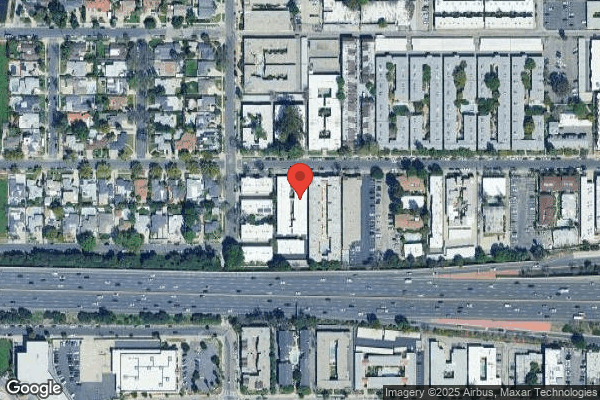
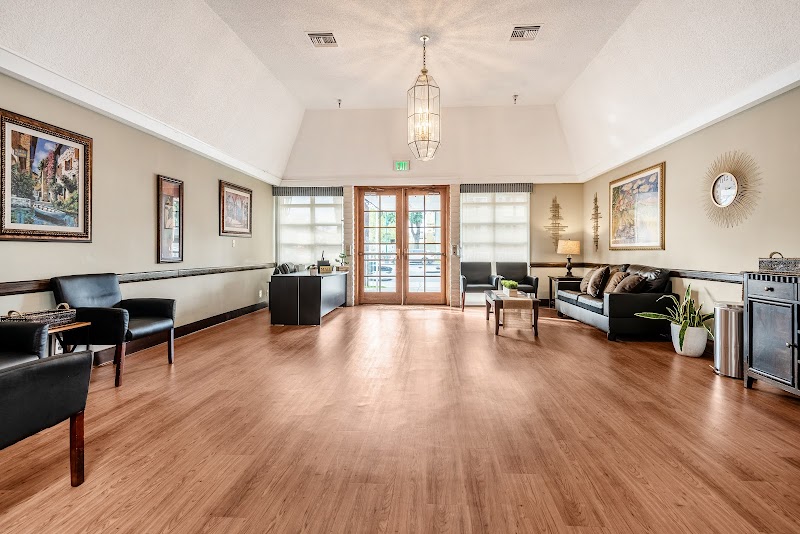
5650 RESEDA BLVD, TARZANA, CA 91356 (818) 881-4261
For profit - Limited Liability company 180 Beds DAVID & FRANK JOHNSON Data: November 2025 1 Immediate Jeopardy citation
Trust Grade
0/100
#1130 of 1155 in CA
Last Inspection: June 2025

Inspected within the last 6 months. Data reflects current conditions.

Overview

Tarzana Health and Rehabilitation Center has received a Trust Grade of F, indicating significant concerns about the quality of care provided. With a state rank of #1130 out of 1155 and a county rank of #352 out of 369, this facility is in the bottom half of nursing homes in California and Los Angeles County, respectively. While the facility is improving, having reduced issues from 37 in 2024 to 33 in 2025, it still reported a concerning total of 103 issues, including critical and serious incidents. Staffing seems to be a relative strength with a turnover rate of 33%, which is below the state average, yet the facility has faced fines totaling $95,254, higher than 82% of California facilities, suggesting ongoing compliance problems. Specific incidents include a resident being found with a dangerous torch lighter, another resident experiencing physical abuse from a peer, and staff failing to adhere to infection control measures during a COVID-19 outbreak, raising serious safety and health concerns.

Trust Score
F
0/100
In California
#1130/1155
Bottom 3%
Safety Record
High Risk
Review needed
Inspections
Getting Better
37 → 33 violations
Staff Stability
○ Average
33% turnover. Near California's 48% average. Typical for the industry.
Penalties
✓ Good
$95,254 in fines. Lower than most California facilities. Relatively clean record.
Skilled Nurses
⚠ Watch
Each resident gets only 23 minutes of Registered Nurse (RN) attention daily — below average for California. Fewer RN minutes means fewer trained eyes watching for problems.
Violations
⚠ Watch
103 deficiencies on record. Higher than average. Multiple issues found across inspections.
★☆☆☆☆
1.0
Overall Rating
★★★☆☆
3.0
Staff Levels
★★★☆☆
3.0
Care Quality
★☆☆☆☆
1.0
Inspection Score
Stable
2024: 37 issues
2025: 33 issues

The Good

  • Full Sprinkler Coverage · Fire safety systems throughout facility
  • No fines on record
  • Staff turnover below average (33%)

    15 points below California average of 48%

Facility shows strength in fire safety.

The Bad

1-Star Overall Rating

Below California average (3.1)

Significant quality concerns identified by CMS

Staff Turnover: 33%

13pts below California avg (46%)

Typical for the industry

Federal Fines: $95,254

Well above median ($33,413)

Moderate penalties - review what triggered them

Chain: DAVID & FRANK JOHNSON

Part of a multi-facility chain

Ask about local staffing decisions and management

The Ugly 103 deficiencies on record

1 life-threatening 1 actual harm
Sept 2025 1 deficiency
CONCERN (E) 📢 Someone Reported This

A family member, employee, or ombudsman was alarmed enough to file a formal complaint

Potential for Harm - no one hurt, but risky conditions existed

Infection Control (Tag F0880)

Could have caused harm · This affected multiple residents

**NOTE- TERMS IN BRACKETS HAVE BEEN EDITED TO PROTECT CONFIDENTIALITY** Based on observation, interview, and record review, the facility failed to implement infection control practices during a Corona...

Read full inspector narrative →
**NOTE- TERMS IN BRACKETS HAVE BEEN EDITED TO PROTECT CONFIDENTIALITY** Based on observation, interview, and record review, the facility failed to implement infection control practices during a Coronavirus Disease 2019 (COVID-19 - a highly contagious respiratory illness in humans capable of producing severe symptoms caused by the SARS-CoV-2 virus) outbreak (OB - when more people than usual get sick with a particular disease in a specific area over a certain time period) by:1. Failing to ensure two of 13 sampled staff (Activity Assistant 1 [AA 1] and Certified Occupational Therapy Assistant 1 [COTA 1]) wore masks properly, covering both nose and mouth while in resident care areas2. Failing to ensure two of 13 sampled staff (Physical Therapist 1 [PT 1] and Housekeeping 1 [HK 1] performed hand hygiene (HH - cleaning hands by either washing with soap and water, or by using a hand sanitizing [removing germs] gel) when:a. PT 1 failed to perform HH after Resident 6's physical therapy session and before touching the resident's body, wheelchair, and other objects.b. HK 1 failed to perform HH after handling trash in Restroom [ROOM NUMBER]. 3. Failing to ensure one of 13 sampled staff (HK 1) observed proper trash handling, as four trash bags touched HK 1's body during transport to the outside bin.These deficient practices had the potential to result in the spread of infection placing residents, staff, and visitors at risk of being infected with COVID-19. Findings:During an observation on 9/10/2025 at 7:55 a.m. observed a sign posted at the facility entrance indicating COVID-19 Exposure, dated 8/29/2025 and timed at 10:30 a.m.During an interview on 9/10/2025 at 2 p.m., with the Infection Prevention Nurse (IPN), the IPN stated that as of 9/10/2025, there are a total of 15 residents and eight staff with confirmed COVID-19 cases, since the initial exposure on 8/28/2025, and the outbreak (OB) is still ongoing.1.a. During a concurrent observation and interview on 9/10/2025 at 8:20 a.m., with AA 1, observed AA 1 sitting in the facility entrance area, wearing a surgical mask, positioned below the nose, covering only the mouth. AA 1 stated that he was assigned as a companion for residents who go out to medical appointments and was waiting for a resident. When AA 1 was asked if he was aware there is an ongoing COVID-19 OB in the facility, AA 1 responded that he has received training on proper mask use and that he should have covered both his mouth and nose with the surgical mask.1.b. During a record review of Resident 5's admission Record, the admission Record indicated that the facility admitted Resident 5 on 8/25/2025 with diagnoses including malignant (harmful or cancerous) neoplasm (an abnormal growth of cells that can form a mass or tumor) of tongue.During a review of Resident 5's Minimum Data Set (MDS - a comprehensive assessment and screening tool) dated 8/30/2025, the MDS indicated that Resident 5's cognition (the mental action or process of acquiring knowledge and understanding through thought, experience, and the senses) was intact. The MDS further indicated that Resident 5 required moderate assistance with toileting hygiene, dressing, and bed mobility (movement).During a review of Resident 5's Care Plan (CP) Report on COVID-19 Infection initiated on 9/4/2025, the CP indicated that Resident 5 required care and isolation precautions specifically related to COVID-19 infection and was exposed to the COVID-19 positive roommate on 9/3/2025. The intervention indicated to follow current policy and procedures for management of COVID-19.During a concurrent observation and interview on 9/10/2025 at 9:10 a.m., with COTA 1 observed a novel respiratory precaution (NRP - precautions should be used for residents known or suspected of being infected with COVID-19) sign posted outside Resident 5's room. Observed COTA 1 standing in Resident 5's doorway, talking to Resident 5. COTA 1 was wearing a surgical mask positioned below the nose, covering only the mouth. COTA 1 stated that he was aware of the ongoing COVID-19 OB and did not notice that his (COTA 1) surgical mask slid down and was covering only his mouthDuring an interview on 9/10/2025 at 1:45 p.m. with the DON, the DON stated that during a COVID-19 OB, all staff should wear well-fitted surgical mask covering both their mouths and noses in the resident care areas to protect residents and staff. During a review of the facility policy and procedure (P&P) titled Infection Outbreak Response and Investigation revised 4/24/2025, the P&P indicated, The facility promptly responds to outbreaks of infectious diseases within the facility to stop transmission of pathogens (any organism that causes disease) and prevent additional infections. Staff will be educated on the mode of transmission of the organism, symptoms of infection, and isolation or other special procedures. This includes special environmental infection control measures that are warranted based on the organism and the current Centers for Disease Control and Prevention (CDC) guidelines,During a review of the facility P&P titled Transmission-Based (Isolation) Precautions revised 4/24/2025, the P&P indicated, Initiation of Transmission-Based (Isolation) Precautions. Signage that includes instructions for use of specific PPE will be placed in a conspicuous location outside the resident's room, wing, or facility wide. or instructions to see the nurse before entering will be included in the signage,During a review of the CDC Guidelines titled Infection Control Guidance: SARS-CoV-2 dated 6/24/2024, it indicated that This guidance applies to all United States settings where healthcare is delivered, including nursing homes and home health. The recommendations in this guidance continue to apply after the expiration of the federal COVID-19 Public Health Emergency (PHE - a crisis that threatens the health of many people, like a new disease outbreak) . Source control options for Health care personnel included a well-fitting facemask,2.a. During a record review of Resident 6's admission Record, the admission Record indicated that the facility admitted Resident 6 on 8/29/2019 with diagnoses including hemiplegia (total paralysis [loss or impairment of muscle function, resulting in an inability to move or control certain parts of the body] of the arm, leg, and trunk on the same side of the body) and hemiparesis (paralysis or weakness on one side of the body) following cerebral infarction (CI - a serious medical condition that occurs when blood flow to the brain is blocked, leading to brain cell death).During a review of Resident 6's MDS dated [DATE], the MDS indicated that Resident 6's cognition was severely impaired. The MDS further indicated that Resident 6 required maximal assistance with eating and dependent on staff with oral/toileting/personal hygiene, shower/bathing, dressing, bed mobility (movement), and transfer.During an observation on 9/10/2025 at 8:33 a.m., observed PT 1 wearing N-95 (a disposable face mask that covers the user's nose and mouth which offers protection from small solid or liquid droplets found in the air) and gloves while providing physical therapy to Resident 6 inside the rehabilitation room. Observed PT 1 assisting Resident 6 with putting on a shoe and disinfected the gait belt at the end of the therapy. PT 1 did not perform hand hygiene after removing gloves and did not perform hand hygiene before touching the resident and the wheelchair. PT 1 then took Resident 6 to the hallway outside of Resident 6's room. PT 1 stated she (PT 1) should have performed hand hygiene after she (PT1) removed the gloves and before she touched any part of the resident's body and the wheelchair to prevent the spread of germs.During an interview on 9/10/2025 at 8:39 a.m., with the IPN, the IPN stated that PT 1 should have performed hand hygiene after she removed her (PT 1) gloves and before she touched Resident 6 to prevent the spread of germs2.b. During an observation on 9/10/2025 at 12:35 p.m., observed HK 1 handling trash from Restroom [ROOM NUMBER] without using gloves. During an interview on 9/10/2025 at 12:50 p.m., with HK 1 and CNA 1, who provided translation, HK 1 stated that she should have performed HH after handling trash and before touching the janitor cart for infection control purposes. During an interview on 9/10/2025 at 1:29 p.m. with the DON, the DON stated that HK 1 should have performed HH after handling trash and before touching other objects.During a review of the facility P&P titled Hand Hygiene revised 4/4/2025, the P&P indicated, All staff will perform hand hygiene procedures to prevent the spread of infection to other personnel, residents, and visitors. This applies to all staff working in all locations within the facility. The use of gloves does not replace hand hygiene. If your task requires gloves, perform hand hygiene prior donning (to put on) gloves, and immediately after removing gloves.3. During an observation on 9/10/2025 at 12:45 p.m., observed HK 1 transported four trash bags with bare hands, and the bags were in contact with her clothing from Hallway 1 to outside trash bin. During an interview on 9/10/2025 at 12:55 p.m., with HK 1 and CNA 1, who provided translation, HK 1 stated the trash bags were heavy, making it difficult for her (HK 1) to hold the trash bags away from her (HK 1) body and prevent them (trash bags) from touching her (HK 1) clothing. During an interview on 9/10/2025 at 1:29 p.m. with the DON, the DON stated that HK 1 should have used a cart to transport the trash to prevent cross contamination (the transfer of bacteria or other microorganisms from one substance to another). During a review of the facility P&P titled Infection and Control Program revised 4/24/2025, the P&P indicated, This facility has established and maintains an infection prevention and control program designed to provide a safe, sanitary, and comfortable environment and to help prevent the development and transmission of communicable disease and infection as per accepted national standards and guidelines,
Jul 2025 2 deficiencies
CONCERN (D) 📢 Someone Reported This

A family member, employee, or ombudsman was alarmed enough to file a formal complaint

Potential for Harm - no one hurt, but risky conditions existed

Deficiency F0745 (Tag F0745)

Could have caused harm · This affected 1 resident

**NOTE- TERMS IN BRACKETS HAVE BEEN EDITED TO PROTECT CONFIDENTIALITY** Based on interview and record review, the facility failed to provide medically related social services (services provided by the...

Read full inspector narrative →
**NOTE- TERMS IN BRACKETS HAVE BEEN EDITED TO PROTECT CONFIDENTIALITY** Based on interview and record review, the facility failed to provide medically related social services (services provided by the facility's staff to assist residents in attaining or maintaining their mental and psychosocial health) to maintain the highest practicable psychosocial well-being for one of three sampled residents (Resident 1) when the social services department did not arrange home health services (HH) and provide a walker to Resident 1 upon discharge. This deficient practice had the potential to negatively affect the resident's continuity of care and safety during the transition from facility to home.Findings: During a review of Resident 1's admission Record, the admission Record indicated the facility admitted Resident 1 on 3/19/2025 with diagnoses including hemiplegia (total paralysis of the arm, leg, and trunk on the same side of the body) and hemiparesis (paralysis or weakness on one side of the body) following cerebral infarction (CI - a serious medical condition that occurs when blood flow to the brain is blocked, leading to brain cell death) affecting right dominant (more powerful, controlling, or noticeable than other things) side. The admission Record further indicated Resident 1 was discharged on 6/30/2025 to a private home with no home health services. During a review of Resident 1's Minimum Data Set (MDS - a resident assessment tool) dated 6/30/2025, the MDS discharge assessment indicated Resident 1's cognitive (the mental action or process of acquiring knowledge and understanding through thought, experience, and senses) skills for daily decision making were intact. The MDS indicated that Resident 1 was independent with eating, oral/personal hygiene and bed mobility (movement), needed setup or clean-up assistance for chair/bed-to-chair transfer and walking 10 feet, and needed supervision or touching assistance for toileting hygiene and toilet transfer. The MDS further indicated Resident 1 was always continent both urine and bowel. During a review of Resident 1's physician order dated 6/27/2025, the physician order indicated to discharge Resident 1 to home on 6/30/2025.During a review of Resident 1's Interdisciplinary (working together to solve complex problems) Care Conference notes dated 6/26/2025, the notes indicated Resident 1 was being discharged on 6/30/2025, and the physician was notified to order Home Health (HH) services and rollator walker (RW - a walking aid with wheels, brakes and a seat, designed for people who need help with balance and walking).During a review of Resident 1's Physical Therapy (PT) Discharge summary dated [DATE], the PT Discharge Summary indicated that the discharge recommendations were home exercise program and HH services.During a review of Resident 1's Post Discharge Plan of Care and Summary (discharge summary) dated 6/30/2025 timed at 3:50 a.m., the Post Discharge Plan of Care and Summary indicated that the facility provided Resident 1's discharge summary to family (FM 2) on 6/30/2025 upon Resident 1's discharge. The discharge summary did not indicate recapitulation of Resident 1's stay, and discharge information for the areas of Therapy Services, Dietary Services, Social Services, and Activities Services. During an interview on 7/17/2025 at 2:54 p.m., with FM , FM 1 stated that the facility provided FM 1 incomplete discharge summary because it did not indicate the contact information of the HH services company (HH1) that would be providing HH services to Resident 1 at home. FM 1 stated HH 1 did not provide services to Resident 1 at home after the resident was discharged , so FM 1 had to independently arrange for a different HH services company one week (7/7/2025) after Resident 1 was discharged . FM 1 stated Resident 1 was not discharged with a walker, which was essential due to the resident's unsteady gait and fall risk. FM 1 further stated the discharge summary indicated that Resident 1 needed to be referred to a placement to lower level of care, specifically an independent living facility, which FM1 stated was inaccurate. During a concurrent interview and record review on 7/18/2025 at 2:15 p.m., with Registered Nurse 1 (RN 1), reviewed Resident 1's Discharge summary dated [DATE], electronically signed by RN 3. RN 1 stated that Resident 1's discharge summary did not contain the recap of the resident's stay or discharge information for Therapy Services, Dietary Services, Social Services, and Activities Services.During a concurrent interview and record review on 7/22/2025 at 12:33 p.m., with Social Services Assistant 1 (SSA 1) reviewed Resident 1's Discharge summary dated [DATE]. SSA 1 stated SSA 1 filled out the discharge summary prior to Resident 1's discharge, however, the discharge summary printed on 6/30/2025 from the system printed out the wrong discharge summary without the recapitulation of the resident's stay or complete discharge information.During a further interview and record review on 7/22/2025 at 12:54 p.m., with SSA 1 reviewed the facility facsimile (Fax - transmits a printed document electronically from one place to another) transaction record dated 7/22/2025 indicating that SSA 1 faxed the referral of HH services to HH 1 at 12:01 p.m. on 7/22/2025. SSA 1 stated that the first referral fax confirmation or documentation which included the discharge home order dated 6/30/2025 with instructions for HH services from HH1 and rollator walker might have been shredded mistakenly.During a review of the facility's policy and procedure (P&P) titled, Social Services last reviewed 4/24/2025, the P&P indicated, The social worker, or social services and designee, will pursue the provision of any identified need for medically related social services of the resident. Transitions of care services (e.g., assisting the resident with the identifying community placement options and completion of the application process, arranging intake for home care services for residents returning home, assisting with transfer arrangement to other facilities).
CONCERN (E) 📢 Someone Reported This

A family member, employee, or ombudsman was alarmed enough to file a formal complaint

Potential for Harm - no one hurt, but risky conditions existed

Deficiency F0628 (Tag F0628)

Could have caused harm · This affected multiple residents

**NOTE- TERMS IN BRACKETS HAVE BEEN EDITED TO PROTECT CONFIDENTIALITY** Based on interview and record review, the facility failed to ensure three of three residents (Resident 1, 2 and 3) were provided...

Read full inspector narrative →
**NOTE- TERMS IN BRACKETS HAVE BEEN EDITED TO PROTECT CONFIDENTIALITY** Based on interview and record review, the facility failed to ensure three of three residents (Resident 1, 2 and 3) were provided with a discharge summary that included recapitulation (Recap - describes the resident's course of treatment while residing in the facility) of the residents' stay and complete, appropriate discharge information and instructions to ensure safe and orderly discharge from the facility. This deficient practice had the potential to result in unsafe discharge, incomplete documentation of the resident's transfer or discharge in the resident's medical record, and inadequate communication of necessary discharge information to the resident or their representative.a. During a review of Resident 1's admission Record, the admission Record indicated the facility admitted Resident 1 on 3/19/2025 with diagnoses including hemiplegia (total paralysis of the arm, leg, and trunk on the same side of the body) and hemiparesis (paralysis or weakness on one side of the body) following cerebral infarction (CI - a serious medical condition that occurs when blood flow to the brain is blocked, leading to brain cell death) affecting right dominant (more powerful, controlling, or noticeable than other things) side. The admission Record further indicated Resident 1 was discharged on 6/30/2025 to a private home with no home health services. During a review of Resident 1's Minimum Data Set (MDS - a resident assessment tool) dated 6/30/2025, the MDS discharge assessment indicated Resident 1's cognitive (the mental action or process of acquiring knowledge and understanding through thought, experience, and senses) skills for daily decision making were intact. The MDS indicated that Resident 1 was independent with eating, oral/personal hygiene and bed mobility (movement), needed setup or clean-up assistance for chair/bed-to-chair transfer and walking 10 feet, and needed supervision or touching assistance for toileting hygiene and toilet transfer. The MDS further indicated Resident 1 was always continent both urine and bowel. During a review of Resident 1's physician order dated 6/27/2025, the physician order indicated to discharge Resident 1 to home on 6/30/2025.During a review of Resident 1's Interdisciplinary (working together to solve complex problems) Care Conference notes dated 6/26/2025, the notes indicated Resident 1 was being discharged on 6/30/2025, and the physician was notified to order Home Health (HH) services and rollator walker (RW - a walking aid with wheels, brakes and a seat, designed for people who need help with balance and walking).During a review of Resident 1's Physical Therapy (PT) Discharge summary dated [DATE], the PT Discharge Summary indicated that the discharge recommendations were home exercise program and HH services.During a review of Resident 1's Post Discharge Plan of Care and Summary (discharge summary) dated 6/30/2025 timed at 3:50 a.m., the Post Discharge Plan of Care and Summary indicated that the facility provided Resident 1's discharge summary to family (FM 2) on 6/30/2025 upon Resident 1's discharge. The discharge summary did not indicate recapitulation of Resident 1's stay, and discharge information for the areas of Therapy Services, Dietary Services, Social Services, and Activities Services. The discharge summary further indicated Resident 1's bladder (urine) and bowel continent status were incontinent (lose control over your bladder or bowels and leaking urine or feces), and Resident 1 needed assistance with eating, oral hygiene, and bed mobility. During an interview on 7/17/2025 at 2:54 p.m., with FM 1, FM 1 stated that the facility provided FM 1 incomplete discharge summary because it did not indicate the contact information of the HH services company (HH1) that would be providing HH services to Resident 1 at home. FM 1 stated HH 1 did not provide services to Resident 1 at home after the resident was discharged , so FM 1 had to independently arrange for a different HH services company one week (7/7/2025) after Resident 1 was discharged . FM 1 stated Resident 1 was not discharged with a walker, which was essential due to the resident's unsteady gait and fall risk. FM 1 further stated the discharge summary indicated that Resident 1 needed to be referred to a placement to lower level of care, specifically an independent living facility, which FM1 stated was inaccurate. During a concurrent interview and record review on 7/18/2025 at 2:15 p.m., with Registered Nurse 1 (RN 1), reviewed Resident 1's Discharge summary dated [DATE], electronically signed by RN 3. RN 1 stated that Resident 1's discharge summary did not contain the recap of the resident's stay or discharge information for Therapy Services, Dietary Services, Social Services, and Activities Services.During a concurrent interview and record review on 7/22/2025 at 12:33 p.m., with Social Services Assistant 1 (SSA 1) reviewed Resident 1's Discharge summary dated [DATE]. SSA 1 stated SSA 1 filled out the discharge summary prior to Resident 1's discharge, however, the discharge summary printed on 6/30/2025 from the system printed out the wrong discharge summary without the recapitulation of the resident's stay or complete discharge information.During a further interview and record review on 7/22/2025 at 12:54 p.m., with SSA 1 reviewed the facility facsimile (Fax - transmits a printed document electronically from one place to another) transaction record dated 7/22/2025 indicating that SSA 1 faxed the referral of HH services to HH 1 at 12:01 p.m. on 7/22/2025. SSA 1 stated that the first referral fax confirmation or documentation which included the discharge home order dated 6/30/2025 with instructions for HH services from HH1 and rollator walker might have been shredded mistakenly.During a concurrent interview and record review on 7/22/2025 at 1:53 p.m., with the Minimum Data Set Nurse 1 (MDSN 1) reviewed Resident 1's Discharge summary dated [DATE] and the MDS discharge assessment dated [DATE]. MDSN 1 stated they gathered the relevant information based on the look back periods from the assessment day (6/30/2025) by observing the resident, interviewing the assigned nurses, and the nurses' notes. MDSN 1 stated that the resident's continent status and functional status should match the information indicated on the discharge summary and the MDS discharge assessment. MDSN 1 stated the discharge summary should have indicated Resident 1 was continent with bowel and bladder independent with oral/personal hygiene, and bed mobilityb. During a review of Resident 2's admission Record, the admission Record indicated the facility admitted Resident 2 on 6/14/2025 with diagnoses including right acetabular (the socket of hip joint) fracture (broken bone) and history of falling. The admission Record indicated the Resident 2 was discharged to a private home on 6/25/2025 private home with no home health services.During a review of Resident 2's MDS dated [DATE], the MDS discharge assessment indicated Resident 2's cognitive skills for daily decision making were intact. The MDS indicated that Resident 2 needed moderate assistance for toileting hygiene, shower, lower body dressing, and needed supervision or touching assistance for eating, oral hygiene and bed mobility, transferring, and walking. The MDS further indicated Resident 2 was occasionally incontinent of urine.During a review of Resident 2's Order Summary Report dated 6/25/2025, the physician order indicated an order to discharge the resident to home on 6/25/2025 under HH services with physical/occupational therapy and Durable Medical Equipment (DME medical devices and supplies) including walker, wheelchair, and commode.During a concurrent interview and record review on 7/18/2025 at 1:10 p.m., with RN 1 reviewed Resident 2's Discharge summary dated [DATE] signed by the recipient without a date. RN 1 stated that Resident 2's discharge summary did not contain the recapitulation of the resident's stay or discharge information for Therapy Services, Social Services, and Activities Services. RN 1 stated RN 1 documented in the discharge summary Resident 2 was incontinent with bowel and bladder, however, the MDS dated [DATE], indicated Resident 2 was occasionally incontinent with bladder. RN 1 further stated she documented Resident 2's functional status was independent, however, the MDS dated [DATE] indicated Resident 2 required moderate assistance for toileting hygiene, shower, lower body dressing, and needed supervision or touching assistance for eating, oral hygiene and bed mobility, transferring, and walking. RN 1 stated that she only interviewed the resident on the day of the discharge and did speak with the assigned nurses or review the nursing [NAME]. RN 1 further stated RN 1 did not indicate the equipment needed at home, and as result Resident 2's discharge summary did not have accurate and complete information. c. During a review of Resident 3's admission Record, the admission Record indicated the facility admitted Resident 3 on 4/23/2025 with diagnoses including multiple sclerosis (MS- a chronic, progressive disease involving damage to the nerve cells in the brain and spinal cord) and right femur (thigh bone) fracture. The admission Record further indicated the date of discharge was 7/16/2025 and Resident 3 was discharged to private home with no home health services.During a review of Resident 3's MDS dated [DATE], the MDS discharge assessment indicated Resident 3's cognitive skills for daily decision making were intact. The MDS indicated that Resident 3 needed moderate assistance for toileting/personal hygiene, shower, lower body dressing, and needed supervision or touching assistance for bed mobility, transferring, and walking. The MDS further indicated Resident 3 was always incontinent with bowel and bladder.During a review of Resident 3's physician order dated 7/16/2025, the physician order indicated to discharge Resident 3 to home on 7/16/2025 with HH 2 services of RN/physical/occupational therapy and DME including rollator walker and bedside commode.During a concurrent interview and record review on 7/18/2025 at 2:55 p.m., with RN 2, reviewed Resident 3's chart and stated that the copy of Resident 3's discharge summary given to the resident or the resident's family with the recipient's acknowledgement should be stored in the chart, but RN 2 was unable to locate it. RN 2 stated that the facility could not provide proof that written discharge summaries were provided to Resident 3 upon discharge, without documentation of the recipient's acknowledgement. RN 2 reviewed the progress note written by RN 2 on 7/16/2025 and stated that he did not document that the discharge summary was given to the resident or the resident's family.During a concurrent interview and record review on 7/17/2023 at 5:07 p.m., with the Director of Nursing (DON) reviewed Resident 3's chart including progress notes dated 7/16/2025. The DON the DON was unable locate the documentation indicating the discharge summary was given to the resident or the resident's family upon the resident's discharge. The DON stated that the facility did not place copies of Resident 3's discharge summary with the recipient's acknowledgement in the chart, and did not document in the progress notes that the discharge summary was given to the resident or the resident's family.During a review of the facility's policy and procedure (P&P) titled, Discharge Summary last reviewed 4/24/2025, the P&P indicated, The discharge summary provides the necessary information to continuing in care providers pertaining to the course of treatment while the resident was in the facility and the resident's plan for care after discharge. It must include an accurate and current description of the clinical status of the resident and sufficiently detailed, individualized care instructions, to ensure that care is coordinated and the resident traditions safely from one setting to another. For residents discharged to their home, the medical record should contain documentation that written discharge instructions were given to the resident and if applicable, the resident representative. These instructions must be discussed with the resident and the resident representative and conveyed in a language and manner they will understand.
Jul 2025 1 deficiency
CONCERN (E) 📢 Someone Reported This

A family member, employee, or ombudsman was alarmed enough to file a formal complaint

Potential for Harm - no one hurt, but risky conditions existed

Pharmacy Services (Tag F0755)

Could have caused harm · This affected multiple residents

**NOTE- TERMS IN BRACKETS HAVE BEEN EDITED TO PROTECT CONFIDENTIALITY** Based on interview and record review, the facility failed to ensure the licensed nurses documented the administration of Norvasc...

Read full inspector narrative →
**NOTE- TERMS IN BRACKETS HAVE BEEN EDITED TO PROTECT CONFIDENTIALITY** Based on interview and record review, the facility failed to ensure the licensed nurses documented the administration of Norvasc (a medication used to treat high blood pressure) and metoprolol tartrate (a medication used to treat high blood pressure) on the Medication Administration Record (MAR- a report detailing the medications administered to a resident by a healthcare professional) after administering the medications to one of two sampled resident (Resident 1). This deficient practice had the potential to result in medication errors and confusion regarding the delivery of care and services.During a review of Resident 1's admission Record, the admission Record indicated the facility admitted Resident 1 on 3/2/2016 and readmitted on [DATE] with diagnoses including essential hypertension (HTN - high blood pressure), hypothyroidism (subnormal activity of the thyroid gland), and gastrostomy (a surgical opening fitted with a device to allow feedings to be administered directly to the stomach common for people with swallowing problems). During a review of Resident 1's Minimum Data Set (MDS - a resident assessment tool) dated 5/26/2025, the MDS indicated Resident 1's cognitive (the mental action or process of acquiring knowledge and understanding through thought, experience, and senses) skills for daily decision making were intact. The MDS further indicated that the resident needed moderate assistance for eating and supervision or touching assistance with oral/toileting/personal hygiene, upper/lower body dressing, bed mobility (movement), and transfer.During a review of Resident 1's Order Summary Report dated 6/1/2025, the Order Summary Report indicated the following orders: Norvasc oral tablet five (5) milligram (mg - a unit of measurement) to give one (1) tablet by mouth two times a day for HTN hold for systolic (pressure during the contraction of the heart) blood pressure (SBP) lower than 120 millimeters of mercury (mmHg - a unit used to measure pressure) or heart rate (HR) less than 60 beats per minute (bpm [a normal resting heart rate ranges from 60-100 bpm]). Order Date: 5/19/2025. Metoprolol tartrate oral tablet 25 mg to give half (0.5) tablet via gastrostomy tube (G-tube) two times a day for HTN. Hold for SBP less than 110 mmHg or HR less than 60 bpm. Order Date: 5/27/2025. Metoprolol tartrate oral tablet 25 mg to give one (1) tablet by mouth every 12 hours as needed for HTN SBP greater than 160 mmHg or HR greater than 120 bpm. Order Date: 5/19/2025.During a review of Resident 1's Electronic Medication Administration Record (EMAR - a report detailing the medications administered to a resident by a healthcare professional) Administration Details (MAR audit records) for Norvasc oral tablet five (5) mg dated 6/16/2025 to 6/19/2025, the MAR audit records indicated the following:1. On 6/16/2025, scheduled for 5 p.m., documented at 7:44 p.m.2. On 6/17/2025, scheduled for 9 a.m., documented at 10:52 a.m.3. On 6/17/2025, scheduled for 5 p.m., documented at 6:03 p.m.4. On 6/18/2025, scheduled for 5 p.m., documented at 6:11 p.m.During a review of Resident 1's MAR audit records for metoprolol tartrate 25 mg half tablet for the periods of 6/17/2025 to 6/19/2025, the MAR audit records indicated the following:1. On 6/17/2025, scheduled for 9 a.m., documented at 10:53 a.m.2. On 6/17/2025, scheduled for 5 p.m., documented at 6:07 p.m.3. On 6/18/2025, scheduled for 5 p.m., documented at 6:11 p.m.During a review of Resident 1's MAR audit records for metoprolol tartrate 25 mg one tablet for the periods of 6/17/2025 to 6/19/2025, the MAR audit records indicated the following:1. On 6/17/2025, scheduled for as needed, effective date and time (administered) at 10:19 a.m., documented on 6/19/2025 at 2:20 p.m.2. On 6/18/2025, scheduled for as needed, effective date and time at 9:22 a.m., documented on 6/19/2025 at 2:23 p.m.During a concurrent interview and record review on 7/15/2025 at 4:02 p.m., with Licensed Vocational Nurse 2 (LVN 2), reviewed Resident 1's MAR Audit Records for Norvasc documented by LVN 2 on 6/16/2025 at 7:44 p.m., LVN 2 stated that Resident 1's Norvasc scheduled at 5 p.m., should be given between 4 p.m. and 6 p.m. and should be documented as administered immediately after Norvasc was given. LVN 2 stated that, in order to save time, LVN 2 documented the medication administration after completing the medication pass for all assigned residents and stated he should not have done so. LVN 2 stated it is important to document immediately after administering the medication to ensure accurate and timely documentation.During a concurrent interview and record review on 7/15/2025 at 4:15 p.m., with LVN 1, reviewed Resident 1's MAR Audit Records for metoprolol tartrate. LVN 1 stated on 6/17/2025, Resident 1's metoprolol was documented as effective at 10:19 a.m. but its administration was not documented until 6/19/2025 at 2:20 p.m. LVN 1 stated she administered metoprolol timely but documented its administration at a later time and was unable to recall or state the exact time she administered the medication for Resident 1's elevated SBP of 167 mmHg. LVN 1 was unable to state the time interval between the administration of the scheduled metoprolol and the PRN metoprolol to the resident on 6/17/2025.During an interview with the Director of Nursing (DON) on 7/15/2025 at 4:40 p.m., the DON stated that medications can be administered within an hour of scheduled time, but licensed nurses should document the administration of medications on the MAR right after giving the medications to ensure accuracy and to prevent forgetting which medications were given.During a review of the facility's policy and procedure (P&P) titled, Medication Administration-General Guideline, last reviewed January 2025, the P&P indicated, The facility has sufficient staff and a medication distribution system to ensure safe administration of medications without unnecessary interruptions. Medications are administered within 60 minutes of scheduled time (1 hour before and 1 hour after) except before, with or after meal orders, which are administered based on mealtimes. Unless otherwise specified by the prescriber, routine medications are administered according to the established medication administration schedule for the facility. The individual who administered the medication dose records the administration on the residents' MAR directly after the medication given. At the end of each medication pass, the person administrating the medication review the MAR to ensure necessary doses were administered and documented,
Jul 2025 1 deficiency
CONCERN (D) 📢 Someone Reported This

A family member, employee, or ombudsman was alarmed enough to file a formal complaint

Potential for Harm - no one hurt, but risky conditions existed

Laboratory Services (Tag F0770)

Could have caused harm · This affected 1 resident

Based on interview and record review, the facility failed to provide laboratory services in a timely manner as ordered by a nurse practitioner (NP - a registered nurse with advanced training who can d...

Read full inspector narrative →
Based on interview and record review, the facility failed to provide laboratory services in a timely manner as ordered by a nurse practitioner (NP - a registered nurse with advanced training who can diagnose illnesses, prescribe medications, and manage patient care, often acting as a primary care provider) for one of three sampled residents (Resident 1). This deficient practice had the potential to delay necessary treatment and services to Resident 1.Findings:During a review of Resident 1's admission Record, the admission Record indicated the facility admitted the resident on 5/1/2025 with diagnoses including disorder of thyroid (occur when the thyroid produces too much or too little thyroid hormone, impacting your body's metabolism and overall function), diabetes mellitus (DM-a disorder characterized by difficulty in blood sugar control and poor wound healing), and obesity (a medical condition where someone has too much body fat). During a review of Resident 1's Minimum Data Set (MDS - a resident assessment tool) dated 5/7/2025, the MDS indicated Resident 1's cognition (mental action or process of acquiring knowledge and understanding through thought, experience, and the senses) was severely impaired. The MDS further indicated that Resident 1 was totally dependent on staff for oral/toileting/personal hygiene, upper/lower body dressing, and bed mobility.During a review of Resident 1's Change in Condition (CIC - a significant alteration in a person's health, caregiver support, or functional status that will not usually resolve itself without further intervention) Evaluation dated 6/30/2025, the CIC Evaluation indicated that Resident 1 had three episodes of diarrhea with foul (means something unpleasant or offensive) smell, and Resident 1's NP visited the resident and ordered the following: labs (medical procedures that involves testing a sample of blood, urine, or other substance from the body), banatrol (anti-diarrheal solution to provide nutrients for the dietary management of diarrhea formulated to provide nutrients for the dietary management of diarrhea), and a registered dietician (RD - a health professional who has special training in diet and nutrition) consult.During a review of Resident 1's Physician Order dated 7/1/2025, the physician order indicated an order to collect Resident 1's stool.During a review of Resident 1's Progress Notes dated 7/1/2025 at 12:16 a.m., the Progress Notes indicated that Resident 1's stool was collected and stored in the refrigerator.During a review of Resident 1's Lab Result Report dated 7/6/2025 timed at 8:05 p.m., the Lab Results Report (LRR) indicated that the stool was collected on 7/3/32025 and resulted in positive for clostridium difficile (C. diff- a highly contagious bacteria that causes severe diarrhea) toxins on 7/6/2025. During a concurrent interview and record review on 7/8/2025 at 2:40 p.m. with the Infection Prevention Nurse (IPN), reviewed Resident 1's Progress Notes and Lab Results Report dated 7/6/2025. The IPN stated that the antibiotic medication should be started only after a positive C. diff result is confirmed. However, the first stool specimen collected from Resident 1 on 7/1/2025, was not picked up by the laboratory, and there was a delay in obtaining a second specimen. The IPN stated this led to a delay in confirming the C. diff diagnosis and subsequently starting the necessary antibiotic treatment. During a concurrent interview and record review on 7/8/2025 at 3:02 p.m. with the Director of Nursing (DON), reviewed Resident 1's Progress Notes. The DON stated that Resident 1's stool specimen was collected and stored in the refrigerator on 7/1/2025. However, the laboratory did not pick up the specimen and there was a delay in obtaining the second stool specimen. The DON stated the stool specimen was sent out on 7/3/2025 and a positive C.diff test result was received on the evening of 7/6/2025, indicating the need for antibiotic treatment. The DON further stated vancomycin (medication to treat infection) was started on 7/7/2025. During a review of the facility's policy and procedure (P&P) titled, Laboratory Services and Reporting last reviewed on 4/24/2025, the P&P indicated, The facility must provide or obtain laboratory services when ordered by a physician, physician assistant, nurse practitioner, or clinical specialist in accordance with state law. The facility is responsible for the timeliness of the services.During a review of the facility's P&P titled, Culture and Sensitivity Lab Results last reviewed on 4/24/2025, the P&P indicated, The Nurse receiving the order for culture and sensitivity shall communicate the order to the oncoming nurse,
Jun 2025 26 deficiencies
CONCERN (D)

Potential for Harm - no one hurt, but risky conditions existed

Resident Rights (Tag F0550)

Could have caused harm · This affected 1 resident

**NOTE- TERMS IN BRACKETS HAVE BEEN EDITED TO PROTECT CONFIDENTIALITY** Based on interview, and record review, the facility failed to provide care in a manner that maintained a resident's dignity when...

Read full inspector narrative →
**NOTE- TERMS IN BRACKETS HAVE BEEN EDITED TO PROTECT CONFIDENTIALITY** Based on interview, and record review, the facility failed to provide care in a manner that maintained a resident's dignity when: 1. A resident's urinary catheter bag (device used to collect urine drained from the bladder via a urinary catheter [a hollow tube inserted into the bladder to drain or collect urine]) was not covered with a privacy bag (also known as a dignity bag - device used to cover the contents of a urinary catheter bag) for one of two sampled residents (Resident 137) reviewed under the dignity care area. 2. Staff failed to provide privacy and failed to consistently knock before entering a shower room for one of one sampled resident (Resident 119). Findings: 1. During a review of Resident 137's admission Record (face sheet), the admission Record indicated that the facility admitted the resident on 12/2/2023, with diagnoses including history of falling, major depressive disorder (a mood disorder that causes a persistent feeling of sadness and loss of interest), and type two diabetes mellitus (DM2-a disorder characterized by difficulty in blood sugar control and poor wound healing). During a review of Resident 137's Minimum Data Set (MDS - a resident assessment tool) dated 5/11/2025, the MDS indicated that the resident`s cognitive skills (brain's ability to think, read, learn, remember, reason, express thoughts, and make decisions) for daily decision making was moderately impaired (decisions poor, cues/supervision required). The MDS indicated that Resident 137 required staff substantial/maximal assistance (helper does more than half the effort) for toileting hygiene. The MDS indicated that Resident 137 required staff partial/moderate assistance (helper does less than half the effort) for oral hygiene, lower body dressing, and personal hygiene. The MDS further indicated that Resident 137 had an indwelling catheter. During a review of Resident 137's physician Order Summary Report dated 5/12/2025, the order summary report indicated an order for indwelling catheter due to urinary retention (a condition in which urine cannot empty from the bladder). During a concurrent observation and interview on 6/3/2025 at 9:22 a.m. with the MDS Coordinator (MDSC) inside Resident 137`s room, the MDSC stated that Resident 137`s urinary catheter bag was not covered with a privacy bag. The MDSC stated that urinary collection bags are required to be covered with a privacy bag to promote dignity. During an interview on 6/4/2025 at 2:18 p.m., with the Assistant Director of Nursing (ADON), the ADON stated that urinary catheter bags are required to be covered with a privacy bag. The ADON stated that Resident 137`s urinary catheter bag was not covered with a privacy bag and the potential outcome is the lack of promoting a resident`s dignity. During a review of the facility's Policy and Procedure (P&P) titled Promoting/Maintaining Resident Dignity, last reviewed on 4/24/2025, the P&P indicated that it is the practice of this facility to protect and promote resident rights and treat each resident with respect and dignity as well as care for each resident in a manner and in an environment, that maintains or enhances resident`s quality of life by recognizing each resident`s individuality. During a review of the facility's Policy and Procedure (P&P) titled Catheter Care, last reviewed on 4/24/2025, the P&P indicated that privacy bags will be available and catheter drainage bags will be covered at all times while in use. 2. During a review of Resident 119's admission Record, the admission Record indicated the facility admitted Resident 119 on 4/7/2023 and readmitted on [DATE] with diagnoses including, type 1 diabetes mellitus (a condition where your body cannot make insulin [chemical that helps regulate blood sugar]), dependence on renal dialysis, end stage renal disease (the kidneys have permanently lost their ability to function, requiring dialysis or a kidney transplant to survive), and acquired absence of right leg below the knee. During a review of Resident 119's Minimum Data Set (MDS, a standardized assessment and care screening tool), dated 4/8/2025, the MDS indicated Resident 119 did not have issues remembering and was able to make himself understood and understood others. The MDS indicated Resident 119 required moderate assistance from staff for bathing. During an interview on 6/4/2025 at 10:32 am with Resident 119, Resident 119 stated his shower days are Tuesdays and Fridays, and staff did not knock first prior to entering the shower room to drop off soiled linens while he was showering and he (Resident 119) felt his dignity and privacy were being violated, most recently on Tuesday 6/3/2025 with Certified Nursing Assistant 7 (CNA 7) helping him. Resident 119 stated staff came in at least 3 times to drop off linens and none of them knocked. During an interview on 6/4/2025 at 10:47 am with CNA 7, CNA 7 stated she assisted Resident 119 with his shower in shower room number four on 6/3/2025 at approximately 9:30 am and during the shower, several staff members walked in to drop off soiled linen and did not remember any of them knocking first. CNA 7 stated all staff should knock first prior to entering any room that residents occupy because they have a right to their dignity. During an interview on 6/4/2025 at 1:36 pm with the Director of Nursing (DON), the DON stated that staff should never walk into any room occupied by a resident without knocking to preserve their dignity. The DON further stated all residents have a right to privacy and dignity and staff must knock every time prior to walking into the shower rooms to deposit soiled linens. During a review of the facility's policy and procedure (P&P) titled, Promoting/Maintaining Resident Dignity, last reviewed on 4/24/2024, indicated it is the practice of the facility to protect and promotes resident rights and treat each resident with respect and dignity. The P&P further states to maintain resident privacy.
CONCERN (D)

Potential for Harm - no one hurt, but risky conditions existed

Deficiency F0558 (Tag F0558)

Could have caused harm · This affected 1 resident

Based on observation, interview, and record review, the facility failed to ensure a resident's call light (a device used in healthcare settings to allow patients or residents to signal for assistance ...

Read full inspector narrative →
Based on observation, interview, and record review, the facility failed to ensure a resident's call light (a device used in healthcare settings to allow patients or residents to signal for assistance from staff members) was within reach for one (Resident 138) out of one sampled resident. This deficient practice had the potential to result in the resident not being able to call for facility staff assistance and delay of provision of necessary care and services that can negatively affect the resident's comfort and well-being. Findings: During a review of Resident 138's admission Record, the admission Record indicated the facility admitted the resident on 1/17/2024 with diagnoses including a history of falling. During a review of Resident 138's Minimum Data Set (MDS - a resident assessment tool), dated 4/14/2025, the MDS indicated the resident was severely impaired in cognition (thought processes) and required maximal assistance from staff for most activities of daily living (ADLs - activities such as bathing, dressing and toileting a person performs daily). During a review of Resident 138's care plan (a document that outlines the goals, interventions, and expected outcomes of care for a specific patient) for risk for falls, initiated on 12/10/2024, the care plan indicated the goal that the resident will be free of falls through the review date. Among some of the listed interventions included to place the resident's call light within reach and encourage the resident to use it for assistance as needed. On 6/2/2025 at 9:05 a.m., during a concurrent observation and interview with Certified Nursing Assistant 6 (CNA 6), observed Resident 138 asleep in bed. Observed the resident's call light on the floor. CNA 6 confirmed that the resident's call light was on the floor. On 6/5/2025 at 10:38 a.m., during an interview with the Director of Nursing (DON), the DON stated that call lights should be placed within reach of residents so they can call for assistance when needed. The DON stated that care can potentially be delayed, or residents may try to stand up by themselves unassisted if they do not have access to their call lights. During a review of the facility's policy and procedure titled, Call Lights: Accessibility and Timely Response, last reviewed on 4/24/2025, the policy indicated that staff would ensure the call light is within reach of the resident and secured, as needed.
CONCERN (D)

Potential for Harm - no one hurt, but risky conditions existed

Notification of Changes (Tag F0580)

Could have caused harm · This affected 1 resident

**NOTE- TERMS IN BRACKETS HAVE BEEN EDITED TO PROTECT CONFIDENTIALITY** Based on observation, interview, and record review, the facility failed to notify the primary physician of a significant change ...

Read full inspector narrative →
**NOTE- TERMS IN BRACKETS HAVE BEEN EDITED TO PROTECT CONFIDENTIALITY** Based on observation, interview, and record review, the facility failed to notify the primary physician of a significant change in condition (major decline or improvement in a resident's status that will not resolve itself without intervention) for one of five residents (Resident 119) with limited range of motion ([ROM] full movement potential of a joint) and mobility (ability to move) concerns by failing to report Resident 119's improvement in performing sit-to-stand transfers using both prosthetic (device designed to replace a missing part of the body or to make a part of the body work better) legs in accordance with Resident 119's care plan. This failure prevented Resident 119 from obtaining Physical Therapy ([PT] profession aimed in the restoration, maintenance, and promotion of optimal physical function) services to improve independence with mobility, including the ability to walk. Findings: During a review of Resident 119's admission Record, the admission Record indicated the facility originally admitted Resident 119 on 4/7/2023 and re-admitted on [DATE] with diagnoses including Type 1 diabetes mellitus ([Type 1 DM] autoimmune disease where the body's immune system mistakenly attacks and destroys the insulin-producing cells in the pancreas leading to difficulty in blood sugar control and poor wound healing), acquired absence of the right leg above the knee, and acquired absence of the left leg below the knee. During a review of Resident 119's PT Evaluation and Plan of Treatment, dated 3/17/2025, the PT Evaluation indicated Resident 119 was referred to PT to assess function, determine if Resident 119 had any change in condition, train for sit-to-stand transfers and ambulation (the act of walking), and ambulation with new prosthetics legs. The PT Evaluation indicated Resident 119 was modified independent (resident completes the activity by themself with no assistance from a helper) for bed mobility, required partial/moderate assistance (helper does less than half the effort) for chair/bed-to-chair transfers, required substantial/maximal assistance (helper does more than half the effort) of two-persons for sit-to-stand transfers, and ambulation was not attempted due to medical or safety concerns. During a review of the PT Discharge summary, dated [DATE], the PT Discharge Summary indicated the reason for Resident 119's discharge was in accordance with the physician or case manager. The PT Discharge Summary indicated Resident 119 was independent (resident completes the activity by themself with no assistance from a helper) for maneuvering a manual wheelchair and required minimal assistance (required less than 25 percent [%] physical assistance to perform the task) for bed-to-chair transfers while wearing the prosthetics, moderate assistance (required between 26 to 50% physical assistance to perform the task) for sit-to-stand transfers with prosthetics, and moderate assistance for walking 20 feet (unit of measure) using parallel bars (pair of bars placed a short distance apart to provide support and stability during exercises and gait [manner of walking] training). The PT Discharge Summary included recommendations for the Restorative Nursing Aide ([RNA] nursing aide program that helps residents to maintain their function and joint mobility) to provide sit-to-stand transfers in parallel bars as tolerated, five times per week. During a review of Resident 119's care plan titled, Restorative Nursing Program, initiated on 8/16/2023 and revised on 3/31/2025, the care plan interventions included to monitor for any changes (decline/improvements) and to refer to the nurse and/or rehabilitation (therapy given to restore an individual back to their highest possible level of physical, mental, and psychosocial well-being) with any change of condition. The care plan interventions also included to perform sit-to-stand transfers with both of Resident 119's prosthetics in the parallel bars with moderate assistance of two-persons. During a review of Resident 119's Minimum Data Set ([MDS] a federally mandated resident assessment tool), dated 4/8/2025, the MDS indicated Resident 119 had clear speech, expressed ideas and wants, clearly understood others, and had intact cognition (clear ability to think, understand, learn, and remember). The MDS indicated Resident 119 had ROM impairments in both legs and required supervision or touching assistance (helper provides verbal cues and/or touching and/or steadying assistance as resident completes the activity) for toilet hygiene, upper body dressing, lower body dressing, rolling to either side in bed, transfers from lying to sitting at the edge of the bed, chair/bed-to-chair transfers, and toilet transfers. During an interview on 6/3/2025 at 9:57 a.m. with the Interim Director of Rehabilitation (IDOR), the IDOR stated the MDS Coordinator (MDSC) supervised the RNA staff. The IDOR stated nursing and the therapy staff communicated as needed and typically had monthly RNA meetings with the Director of Rehabilitation (DOR), MDSC, and RNAs present. During a concurrent observation and interview on 6/3/2025 at 11:16 a.m. in Resident 119's room, Resident 119 was sitting up in a wheelchair, had normal, fluent speech, and moved both arms normally. Resident 119 had a right above knee amputation ([AKA] surgical removal of the portion of the leg above the knee joint) and a left below knee amputation ([BKA] surgical removal of the portion of the leg below the knee). Resident 119 stated a prosthetic company provided temporary prosthetics for both legs but could not provide permanent prosthetics until Resident 119 started walking. Resident 119 stated the PTs (unidentified) provided four days of treatment after receiving both prosthetic legs and then transitioned Resident 119 to RNA for sit-to-stand transfers. Resident 119 stated health insurance issues was the reason the previous Director of Rehabilitation (PDOR) provided for Resident 119's inability to receive therapy to walk. Resident 119 stated the facility knew Resident 119 was alert with normal cognition, had both prosthetic legs, and was motivated to walk. Resident 119 stated feeling frustrated with the facility since the RNA sessions were limited to 15 minutes per weekday for sit-to-stand transfers instead of progressing to walk. Resident 119 stated he transferred to the wheelchair without assistance but required assistance to transfer to the toilet commode and the shower chair. Resident 119 stated walking would improve his independence with using the restroom. Resident 119 stated he was eager to walk to discharge out of the facility and retire elsewhere. During an observation on 6/3/2025 at 2:28 p.m. in the therapy gym with Physical Therapist 1 (PT 1), Resident 119's RNA session with Restorative Nursing Aide 1 (RNA 1) and RNA 2 was observed. Resident 119 sat in the wheelchair in-between the parallel bars with the prostheses attached to both legs. RNA 2 stood behind the wheelchair while RNA 1 stood in front of Resident 119, who was wearing a gait belt (assistive device placed around a person's waist to assist with safe transferring between surfaces or while walking) around the waist. RNA 1 physically assisted Resident 119 with the sit-to-stand transfer while Resident 119 used both arms to pull onto to the parallel bars. Resident 119 stood holding onto each parallel bar without assistance while RNA 1 counted out loud. RNA 1 physically assisted Resident 119 with transferring from standing to sitting in the wheelchair. Resident 119 performed four additional repetitions of sit-to-stand transfers using the parallel bars and remained standing without any physical assistance from RNA 1. Resident 119 continued to require RNA 1's assistance with transferring from standing to sitting back into the wheelchair. Resident 119 independently maneuvered the wheelchair to leave the therapy gym after the RNA session. During an interview on 6/3/2025 at 2:39 p.m. with RNA 1 and RNA 2, RNA 1 stated Resident 119's RNA program for the past two months included sit-to-stand transfers with both prosthetic legs in the parallel bars. RNA 1 stated Resident 119 stood for 20 seconds while holding onto the parallel bars. During an interview on 6/3/2025 at 2:57 p.m. with PT 1, PT 1 stated Resident 119 could be referred to PT once Resident 119 could perform sit-to-stand transfers with contact guard assistance (steadying assistance) in the parallel bars. PT 1 stated the facility had RNA meetings (unspecified frequency) where the RNAs could report a resident's progress. PT 1 stated Resident 119 has asked for more therapy and was motivated to walk. During a concurrent interview and record review on 6/3/2025 at 3:05 p.m. with PT 1, Resident 119's PT Discharge summary, dated [DATE], was reviewed. PT 1 stated the case manager (unidentified) provided Resident 119's discharge date . PT 1 stated Resident 119 required moderate assistance to walk using both prostheses in the parallel bars for five feet, four times (20 feet total) upon PT Discharge. PT 1 stated it was not safe for Resident 119 to walk with the RNAs in the parallel bars and recommended the RNA to assist with sit-to-stand transfers in the parallel bars. During a follow-up interview on 6/4/2025 at 9:44 a.m. with RNA 1, RNA 1 stated Resident 119 usually transferred to the wheelchair without any assistance. RNA 1 stated Resident 119 required physical assistance to perform sit-to-stand only one time during the RNA session on 6/3/2025 and did not want assistance to perform additional sit-to-stand transfers because Resident 119 was motivated to walk. During an interview on 6/4/2025 at 11:38 a.m. with the IDOR, the IDOR stated nursing (in general) could report either an improvement or decline in a resident's condition for the therapists to perform a reassessment. During a concurrent interview and record review on 6/5/2025 at 12:10 p.m. with PT 1, Resident 119's PT Discharge summary, dated [DATE], was reviewed. PT 1 stated Resident 119 required moderate assistance for sit-to-stand transfers upon discharge from PT services. PT 1 stated the RNAs worked with Resident 119 in therapy gym's parallel bars and would check on Resident 119 during the RNA sessions. PT 1 stated the RNAs reported any positive or negative changes to the PDOR during RNA meetings. PT 1 stated RNA 1 assisted Resident 119 with sit-to-stand transfers one time during the observed RNA session on 6/3/2025. PT 1 stated Resident 119 did not require any assistance from RNA 1 for the additional sit-to-stand transfers on 6/3/2025. PT 1 stated Resident 119's ability to perform sit-to-stand transfers improved since the resident's discharge from PT on 3/28/2025. PT 1 stated she did not know if Resident 119's improvement with sit-to-stand transfers was reported to the PDOR. During an interview on 6/5/2025 at 12:43 p.m. with RNA 1, RNA 1 stated Resident 119 used to require a lot of physical assistance to perform sit-to-stand transfers when RNA 1 initially started working with Resident 119. RNA 1 stated Resident 119 has improved with sit-to-stand transfers and did not want any physical assistance for sit-to-stand transfers. RNA 1 stated Resident 119's improvement was verbally reported to the PT staff, including PT 1, but did not document Resident 119's reported improvement in the medical record. RNA 1 stated the charge nurse was supposed to be informed of any improvement or decline in a resident's condition. RNA 1 stated Resident 119's improvement with sit-to-stand transfers was not reported to the charge nurse. During an interview on 6/5/2025 at 3:36 p.m. with the IDOR and MDSC, the MDSC stated the RNAs were supposed to report an improvement or decline in function to the charge nurse and inform the therapists during the RNA meeting. The MDSC stated Resident 119's improvement was not reported during the RNA meetings. The MDSC reviewed Resident 119's medical record and did not locate any change in condition documentation related to Resident 119's improvement with sit-to-stand transfers. The MDSC stated the RNAs should have reported Resident 119's change in condition to the charge nurse to notify the therapists and the physician for further recommendations. The IDOR stated failure to report Resident 119's change in condition resulted in the resident's continuation with RNA and prevented Resident 119 from receiving therapy services. During a review of the facility's policy and procedure (P&P) titled, Notification of Changes, implemented on 12/19/2022 and revised on 4/24/2025, the P&P indicated the facility must inform the resident and consult with the resident's physician when there is a change requiring such notification, including a significant change in the resident's physical condition and circumstances that require a need to alter treatment.
CONCERN (D) 📢 Someone Reported This

A family member, employee, or ombudsman was alarmed enough to file a formal complaint

Potential for Harm - no one hurt, but risky conditions existed

Free from Abuse/Neglect (Tag F0600)

Could have caused harm · This affected 1 resident

**NOTE- TERMS IN BRACKETS HAVE BEEN EDITED TO PROTECT CONFIDENTIALITY** 2. During a review of Resident 577's admission Record (front page of the chart that contains a summary of basic information abou...

Read full inspector narrative →
**NOTE- TERMS IN BRACKETS HAVE BEEN EDITED TO PROTECT CONFIDENTIALITY** 2. During a review of Resident 577's admission Record (front page of the chart that contains a summary of basic information about the resident), the admission Record indicated the facility admitted the resident on 5/22/2025 with diagnoses that included confirmed adult physical abuse (confirmed case that a resident suffered from physical abuse) and injury of the head. During a review of Resident 577' s Minimum Data Set (MDS, a federally mandated resident assessment tool), dated 5/28/2025, the MDS indicated Resident 577 was moderately impaired in cognition (the process of acquiring knowledge and understanding through thought, experience, and the senses) with skills required for daily decision making. The MDS indicated Resident 577 required moderate/partial assistance with walking 50 feet. During a review of Resident 577's Change in Condition (COC) Report, dated 6/03/2025 at 8 p.m., the COC indicated that at 7:25 p.m., Resident 577 reported to Registered Nurse 2 (RN 2) a verbal altercation with CNA 5 after the dinner tray was picked up without his consent. The COC indicated the assigned staff member was sent home. During a review of Resident 577's Nursing Progress Note, dated 6/03/2025, at 9:02 p.m., the Nursing Progress Note indicated that at 7:25 p.m., Resident 577 reported to Registered Nurse 2 (RN 2) a verbal altercation Resident 577 had with a staff member after the dinner tray was picked up without his consent. The note indicated the assigned staff member was sent home and the Department of Public Health, the local Ombudsman (an advocate for residents of nursing homes, board and care centers, and assisted living facilities), the Local Law Enforcement, and Resident 577's nurse practitioner and psychiatrist were notified. During a review of Resident 577's Care Plan (CP) for Suspected Abuse, initiated on 6/03/2025, the CP indicated the goals that: 1. Resident will be treated with respect, dignity and reside in the facility free of mistreatment and 2. Resident will identify and practice coping strategies that will facilitate the recovery and adjustment process during supportive counseling sessions. The care plan indicated interventions that included: -Assure resident that he/she is in a safe and secure environment with caring professionals. Explain that psychosocial adjustment is often facilitated by developing a trusting relationship with another person (i.e., social worker, nurse) and verbalizing thoughts, needs and feelings. -Establish a counseling schedule with the resident. Encourage resident to verbalize/share thoughts, anxieties, fears, concerns and general feelings. -Observe resident for signs of fear and insecurity during delivery of care. Take steps to calm resident and help resident feel safe. During a phone interview with CNA 5 on 6/05/2025 at 8:05 a.m., CNA 5 stated on 6/03/2025 at approximately between 6:30 p.m. and 6:45 p.m. she picked up Resident 577's dinner tray from his room. CNA 5 stated Resident 577 was in the bathroom, she asked him if she could pick up his tray, and he said yes. CNA 5 stated at approximately 7 p.m., Resident 577 came out into the hallway and asked where his tray was. CNA 5 stated Resident 577 directed profanities to her and she (CNA 5) responded by using profanity toward Resident 577 as well. During an interview with Resident 577 on 6/05/2025 at 8:21 a.m., he stated that CNA 5 came to take his tray when he was in the bathroom. Resident 577 stated he replied he was not done with dinner, but CNA 5 took the tray anyway. Resident 577 stated he said profanities to CNA 5, and CNA 5 responded by using profanity toward him. During an interview with the Director of Nurses (DON) on 6/05/2025 at 8:30 a.m., she stated CNA 5 should not have used profane language to Resident 577. The DON stated when residents say inappropriate things, the staff should walk away from the situation. The DON stated this was important for staff to a maintain a professional relationship with residents. The DON stated this is for resident safety and to promote the residents' mental well-being. During an interview with the DON on 6/05/2025 at 3:45 p.m., when asked if the altercation between Resident 577 and CNA 5 was considered verbal abuse, the DON stated it would not be willful, but what CNA 5 said was not an accident. During a concurrent interview and record review with the Administrator (ADM) on 6/05/2025 at 4:17 p.m., reviewed the facility's policy and procedure titled, Abuse, Neglect and Exploitation, last reviewed 4/24/2025. The abuse policy indicated the word willful means: the individual must have acted deliberately, not that the individual must have intended to inflect injury or harm. The ADM stated what CNA 5 said to Resident 577, according to the definition, would be verbal abuse. During a review of the facility's policy and procedure titled, Abuse, Neglect and Exploitation, last reviewed 4/24/2025 indicated the following: -It is the policy of the facility to provide protections for the health, welfare and rights of each resident by developing and implementing written policies and procedures that prohibit and prevent abuse, neglect, exploitation and misappropriation of property. -Willful means the individual must have acted deliberately, not that the individual must have intended to inflict injury or harm. -Verbal abuse means the use of oral, written or gestured communication or sounds that willfully includes disparaging and derogatory terms to residents or their families, or within their hearing distance regardless of their age, ability to comprehend, or disability. Based on interview and record review, the facility failed to protect the resident's right to be free from verbal abuse (a type of abuse that uses language) for two of nine residents reviewed under the abuse care area (Residents 46 and 577) when: 1. Resident 96 shouted offensive and discriminatory (treating someone unfairly or differently because of who they are - for example because of their race, gender, age, religion, or disability) language toward Resident 46. 2. Certified Nursing Assistant 5 (CNA 5) used offensive language in response to Resident 577's remarks. These deficient practices resulted in Residents 46 and 577 being subjected to verbal abuse while under the care of the facility. Residents who are subjected to verbal abuse are at increased risk for low self-esteem (when someone lacks confidence in themselves and their abilities), anxiety (a feeling of fear, dread, and uneasiness), depression (mood disorder that causes a persistent feeling of sadness and loss of interest in activities for long periods of time) and social isolation (when someone has few or no social connections or support, and lacks relationships with others). Findings: 1. During a review of Resident 46's admission Record, the admission Record indicated the facility originally admitted the resident on 1/11/2017 and readmitted the resident on 1/29/2025 with diagnoses including but not limited to hemiplegia (total paralysis of the arm, leg, and trunk on the same side of the body) following unspecified cerebral vascular disease (multiple conditions that affect the blood vessels of the brain) and diabetes mellitus (DM-a disorder characterized by difficulty in blood sugar control and poor wound healing). During a review of Resident 46's History and Physical (H&P), dated 8/14/2024, the H&P indicated the resident had fluctuating capacity to understand and make decisions. During a review of Resident 46's Minimum Data Set (MDS, a standardized assessment and care screening tool), dated 5/5/2025, the MDS indicated the resident had mild cognitive impairment (trouble remembering, learning new things, concentrating, or making decisions that affect everyday life). The MDS further indicated the resident was dependent on staff for all activities of daily living (ADLs- activities such as bathing, dressing and toileting a person performs daily). During a review of Resident 96's admission Record, the admission Record indicated the admitted the resident on 9/17/2022 with diagnoses including but not limited to legal blindness and major depressive disorder. During a review of Resident 96's H&P, dated 12/14/2024, the H&P indicated the resident could make his needs known but could not make medical decisions. During a review of Resident 96's MDS, dated [DATE], the MDS indicated the resident had severe cognitive impairment (trouble remembering, learning new things, concentrating, or making decisions that affect everyday life). The MDS further indicated the resident was dependent on staff for most ADLs. During an interview on 6/2/2025 at 9:30 a.m. with Resident 46 and Certified Nursing Assistant 7 (CNA 7) in Resident 46's room, Resident 46 stated his roommate (Resident 96) has yelled at him many times. Resident 46 stated Resident 96 used offensive language and made discriminatory remarks regarding Resident 46's race. CNA 7 stated about a month ago when Resident 46 was watching television she heard Resident 96 stated profanities to Resident 46 including discriminatory remarks about Resident 46's race while Resident 96 was asking Resident 46 to change the television channel. CNA 7 stated she has heard Resident 96 used profanities directed at Resident 46 many other times before that incident as well. During an interview on 6/4/2025 at 4:40 p.m. with Certified Nursing Assistant 9 (CNA 9), CNA 9 stated he heard Resident 96 say profanities to Resident 46 when Resident 46 was watching a non-English language channel on the television on multiple occasions. During an interview on 6/4/2025 at 4:55 p.m. with Certified Nursing Assistant 10 (CNA 10), CNA 10 stated he heard Resident 96 say profanities to Resident 46 after Resident 46 turned on his television. CNA 10 stated Resident 96 does not like listening to Resident 46's non-English language channel on the television and he has heard Resident 96 tell Resident 46 to turn it off on multiple occasions. During an interview on 6/5/2025 at 11:50 a.m. with the Social Services Director (SSD), the SSD stated a resident saying profanities is abuse if it was directed to another resident. The SSD stated there is a risk of psychosocial distress if a resident hears profanities directed at them. During an interview on 6/5/2025 at 1:53 p.m. with the Director of Nursing (DON) and the administrator (ADM), the DON stated hearing profanities could have a negative effect emotionally or psychologically. The ADM stated verbal abuse includes communicating something to someone that could have a negative effect emotionally or psychologically like yelling, profanities, or discriminatory language with the intent to make someone feel bad. During a concurrent interview and record review on 6/4/2025 at 4:15 p.m. with ADM, the facility's policy and procedure (P&P) titled, Abuse, Neglect and Exploitation, last reviewed 4/24/2025, indicated verbal abuse means the use of oral, written, or gestured communication or sounds that willfully includes disparaging (expressing the opinion that something is of little worth) and derogatory (to express a low opinion of someone or something) terms to residents or their families, or within their hearing distance regardless of their age, ability to comprehend, or disability. The ADM stated the words Resident 96 said to Resident 46 meets this definition of verbal abuse. The ADM stated staff should have reported this to a supervisor and it should have been reported to external entities. During a review of the facility's P&P titled, Abuse, Neglect and Exploitation, last reviewed 4/24/2025, the P&P indicated it is the policy of the facility to provide protections for the health, welfare, and rights of each resident by developing and implementing policies and procedures that prohibit and prevent abuse, neglect, exploitation and misappropriation of resident property. The P&P further indicated verbal abuse includes communication that willfully includes disparaging and derogatory terms to residents or within their hearing distance regardless of their age, ability to comprehend, or disability. The P&P further indicated willful means the individual acted deliberately, not that the individual must have intended to inflict injury or harm.
CONCERN (D) 📢 Someone Reported This

A family member, employee, or ombudsman was alarmed enough to file a formal complaint

Potential for Harm - no one hurt, but risky conditions existed

Report Alleged Abuse (Tag F0609)

Could have caused harm · This affected 1 resident

**NOTE- TERMS IN BRACKETS HAVE BEEN EDITED TO PROTECT CONFIDENTIALITY** Based on interview and record review, the facility failed to implement its policy and procedure (P&P) titled, Abuse, Neglect and...

Read full inspector narrative →
**NOTE- TERMS IN BRACKETS HAVE BEEN EDITED TO PROTECT CONFIDENTIALITY** Based on interview and record review, the facility failed to implement its policy and procedure (P&P) titled, Abuse, Neglect and Exploitation, for one of nine residents investigated under the abuse care area by not reporting to the California Department of Public Health (CDPH), the local Ombudsman (an advocate who supports residents by resolving issues related to their health, safety and well-being) the Local Law Enforcement (LLE), and the facility administrator, an allegation of verbal abuse by Resident 96 to Resident 46, immediately but no later than two hours after the allegation was made. This deficient practice resulted in unidentified abuse in the facility and failure to protect Resident 46 from further abuse. Cross reference to F600. Findings: During a review of Resident 46's admission Record, the admission Record indicated the facility originally admitted the resident on 1/11/2017 and readmitted the resident on 1/29/2025 with diagnoses including hemiplegia (total paralysis of the arm, leg, and trunk on the same side of the body) following unspecified cerebral vascular disease (multiple conditions that affect the blood vessels of the brain) and diabetes mellitus (DM-a disorder characterized by difficulty in blood sugar control and poor wound healing). During a review of Resident 46's History and Physical (H&P), dated 8/14/2024, the H&P indicated the resident had fluctuating capacity to understand and make decisions. During a review of Resident 46's Minimum Data Set (MDS, a standardized assessment and care screening tool), dated 5/5/2025, the MDS indicated the resident had mild cognitive impairment (trouble remembering, learning new things, concentrating, or making decisions that affect everyday life). The MDS further indicated the resident was dependent on staff for all activities of daily living (ADLs- activities such as bathing, dressing and toileting a person performs daily). During a review of Resident 96's admission Record, the admission Record indicated the facility admitted the resident on 9/17/2022 with diagnoses including legal blindness and major depressive disorder (mental health condition characterized by persistent feeling of sadness or loss of interest that interferes with daily life). During a review of Resident 96's H&P, dated 12/14/2024, the H&P indicated the resident could make his needs known but could not make medical decisions. During a review of Resident 96's MDS, dated [DATE], the MDS indicated the resident had severe cognitive impairment (trouble remembering, learning new things, concentrating, or making decisions that affect everyday life). The MDS further indicated the resident was dependent on staff for most ADLs. During an interview on 6/2/2025 at 9:30 a.m. with Resident 46 and Certified Nursing Assistant 7 (CNA 7) in Resident 46's room, Resident 46 stated his roommate (Resident 96) has yelled at him many times. Resident 46 stated Resident 96 used offensive language and made discriminatory (treating someone unfairly or differently because of who they are-for example, because of their race, gender, age, religion, or disability) remarks regarding Resident 46's race. CNA 7 stated about a month ago when Resident 46 was watching television she heard Resident 96 stated profanities to Resident 46 including discriminatory remarks about Resident 46's race while Resident 96 was asking Resident 46 to change the television channel. CNA 7 stated she has heard Resident 96 used profanities directed at Resident 46 many other times before that incident as well. During an interview on 6/2/2025 at 3:40 p.m. with the Social Services Director (SSD), the SSD stated he was unaware of any issue between Residents 46 and 96. The SSD stated no staff had ever talked to him about it. During an interview on 6/4/2025 at 9:53 a.m. with CNA 7, CNA 7 stated she did not report Resident 96's language to Resident 46 to anyone else because everyone already knew about it. During an interview on 6/4/2025 at 4:40 p.m. with Certified Nursing Assistant 9 (CNA 9), CNA 9 stated he heard Resident 96 say profanities to Resident 46 when Resident 46 was watching a non-English language channel on the television on multiple occasions. CNA 9 stated he never reported this to anyone else because everyone on staff already knew Resident 96 says these things to Resident 46. CNA 9 stated everyone hears Resident 96 say these things regularly. During an interview on 6/4/2025 at 4:55 p.m. with Certified Nursing Assistant 10 (CNA 10), CNA 10 stated he heard Resident 96 say profanities toward Resident 46 after Resident 46 turned on his television. CNA 10 stated Resident 96 does not like listening to Resident 46's non-English language channel on the television and he has heard Resident 96 tell Resident 46 to turn it off on multiple occasions. During an interview on 6/5/2025 at 11:50 a.m. with the Social Services Director (SSD), the SSD stated a resident saying profanities is abuse if it was directed to another resident. The SSD stated there is a risk of psychosocial distress if a resident hears profanities like this. The SSD stated after hearing this language staff should have notified their charge nurse who would then notify other staff so everyone would be aware. The SSD stated any abuse allegation should also be reported to CDPH so an investigation can be started. During an interview on 6/5/2025 at 1:53 p.m. with Director of Nursing (DON) and the administrator (ADM), the DON stated hearing profanities could have a negative effect emotionally or psychologically. The ADM stated verbal abuse includes communicating something to someone that could have a negative effect emotionally or psychologically like yelling, profanities, or discriminatory language with the intent to make someone feel bad. The ADM stated any potential abuse witnessed by a CNA should be reported to a charge nurse who with then report it to the DON. The ADM stated everyone is responsible for reporting abuse. The ADM stated they would need to investigate the reported incident and report the alleged abuse as a check and balance to make sure the facility is protecting victims. During a concurrent interview and record review on 6/4/2025 at 4:15 p.m. with the ADM, the facility's policy and procedure (P&P) titled, Abuse, Neglect and Exploitation, last reviewed 4/24/2025, the P&P indicated verbal abuse means the use of oral, written, or gestured communication or sounds that willfully includes disparaging (expressing the opinion that something is of little worth) and derogatory (to express a low opinion of someone or something) terms to residents or their families, or within their hearing distance regardless of their age, ability to comprehend, or disability. The ADM stated the words Resident 96 said to Resident 46 meets this definition of verbal abuse. The ADM stated staff should have reported this to a supervisior and it should have been reported to external entities. During a review of the facility's P&P titled, Abuse, Neglect and Exploitation, last reviewed 4/24/2025, the P&P indicated it is the policy of the facility to provide protections for the health, welfare, and rights of each resident by developing and implementing policies and procedures that prohibit and prevent abuse, neglect, exploitation and misappropriation of resident property. The P&P further indicated verbal abuse includes communication that willfully includes disparaging and derogatory terms to residents or within their hearing distance regardless of their age, ability to comprehend, or disability. The P&P further indicated willful means the individual acted deliberately, not that the individual must have intended to inflict injury or harm. The P&P further indicated all alleged violations to the abuse policy should be reported to the administrator, state agency, and all other required agencies immediately but later than two hours after the allegation is made if the events involve abuse.
CONCERN (D)

Potential for Harm - no one hurt, but risky conditions existed

Assessment Accuracy (Tag F0641)

Could have caused harm · This affected 1 resident

**NOTE- TERMS IN BRACKETS HAVE BEEN EDITED TO PROTECT CONFIDENTIALITY** Based on observation, interview, and record review, the facility failed to accurately assess the range of motion ([ROM] full mov...

Read full inspector narrative →
**NOTE- TERMS IN BRACKETS HAVE BEEN EDITED TO PROTECT CONFIDENTIALITY** Based on observation, interview, and record review, the facility failed to accurately assess the range of motion ([ROM] full movement potential of a joint) limitations for one of five residents (Resident 77) with limited ROM and mobility (ability to move) concerns. The facility failed to accurate assess Resident 77's left leg ROM limitation during three quarterly Minimum Data Set ([MDS] a federally mandated resident assessment tool) assessments on 9/24/2024, 12/18/2024, and 3/17/2025. This failure had the potential to affect the provision of Resident 77's care and provided inaccurate information to the Federal database. Findings: During a review of Resident 77's admission Record, the admission Record indicated the facility admitted Resident 77 on 6/21/2024 with diagnoses including morbid obesity (extremely high amount of body fat that seriously threatens health and well-being), history of healed traumatic fracture (break in bone), and history of falling. During a review of Resident 77's Occupational Therapy ([OT] profession aimed to increase or maintain a person's capability of participating in everyday life activities [occupations]) Evaluation, dated 6/24/2024, the OT Evaluation indicated Resident 77's ROM in both arms were within functional limits ([WFL] sufficient joint movement without significant limitation). During a review of Resident 77's Physical Therapy ([PT] profession aimed in the restoration, maintenance, and promotion of optimal physical function) Evaluation and Plan of Treatment, dated 6/24/2024, the PT Evaluation indicated Resident 77 had a history of a left femur (thigh bone) fracture on 2/6/2024. The PT Evaluation also indicated Resident 77 required moderate assistance (required between 26 to 50 percent [%] physical assistance to perform the task) for bed mobility. During a review of Resident 77's MDS, dated [DATE], the MDS indicated Resident 77 did not have any functional ROM limitations (limited ability to move a joint that interferes with daily functioning or places the resident at risk of injury) in both arms and legs. During a review of Resident 77's Physician Progress Note, dated 10/4/2024, the Physician Progress Note indicated Resident 77 had a history of fall with left intraarticular (within or into a joint) distal femoral (thigh bone near the knee) fracture and underwent surgical intervention (unspecified date). During a review of Resident 77's PT Discharge summary, dated [DATE], the PT Discharge Summary indicated Resident 77 required moderate assistance for bed mobility and maximal assistance (required between 51 to 75% physical assistance to perform the task) with sit-to-stand transfers. During a review of Resident 77's OT Discharge summary, dated [DATE], the OT Discharge Summary indicated Resident 77 required set-up assistance (helper sets up or clean up activity while the resident completes the activity) for self-feeding, hygiene, and grooming. The OT Discharge Summary also indicated Resident 77 was totally dependent for toileting and required maximal assistance for lower body bathing and lower body dressing. During a review of Resident 77's PT Evaluation and Plan of Treatment, dated 12/4/2024, the PT Evaluation indicated Resident 77 had a ROM impairment (unspecified severity) to bend the left knee due to a history fracture. The PT Evaluation also indicated Resident 77 required maximal assistance for bed mobility. During a review of Resident 77's MDS, dated [DATE], the MDS indicated Resident 77 did not have any functional ROM limitations in both arms and legs. During a review of Resident 77's PT Discharge summary, dated [DATE], the PT Discharge Summary indicated Resident 77 required contact guard assistance (steadying assistance) for bed mobility and total dependence with transfers. The PT Discharge Summary recommendations indicated for the Restorative Nursing Aide ([RNA] nursing aide program that helps residents to maintain their function and joint mobility) to provide active range of motion ([AROM] performance of ROM of a joint without any assistance or effort of another person) to both legs, five times per week as tolerated. During a review of Resident 77's care plan titled, Restorative Nursing Program, initiated 10/18/2024 and revised on 1/19/2025, the care plan interventions included active assistive range of motion ([AAROM] use of muscles surrounding the joint to perform the exercise but requires some help from a person or equipment) to both legs, including the hip, knee, and ankle joints, five times per week as tolerated. During a review of Resident 77's MDS, dated [DATE], the MDS indicated Resident 77 had clear speech, expressed ideas and wants, clearly understood verbal content, and had intact cognition (clear ability to think, understand, learn, and remember). The MDS indicated Resident 77 did not have any functional ROM limitations in both arms and legs. The MDS also indicated Resident 77 required set-up assistance for eating, partial/moderate assistance (helper does less than half the effort) for rolling to either side in bed, and substantial/maximal assistance (helper does more than half the effort) for lower body dressing and for transfers from lying in the bed to sitting at the edge of the bed. During a concurrent observation and interview on 6/3/2025 at 2:00 p.m. in Resident 77's room, Resident 77 was lying in bed and had clear, fluent speech. Resident 77 stated she used to walk with a walker (an assistive device used for stability when walking) and fell while taking out the trash in front of her home. Resident 77 stated the left leg broke and underwent surgery (unspecified date). During an interview on 6/4/2025 at 9:01 a.m. with Restorative Nursing Aide 1 (RNA 1), RNA 1 stated Resident 77's RNA program included AAROM to both legs. RNA 1 stated Resident 77's left leg was weaker than the right leg. During a concurrent observation and interview on 6/4/2024 at 9:06 a.m. in Resident 77's room, RNA 1 provided AAROM to Resident 77's right hip, knee, and ankle. Resident 77's right leg was observed without any ROM limitations. RNA 1 provided AAROM to Resident 77's left hip, knee, and ankle. Resident 77 had minimal ROM limitations when RNA 1 bent the left hip with the left knee. Resident 77 stated the left leg ROM has improved with the ROM exercises. During a concurrent interview and record review on 6/5/2025 at 9:31 a.m. with the MDS Coordinator (MDSC), Resident 77's PT Evaluation, dated 6/24/2024 and 12/4/2024, and MDS assessments, dated 9/24/2024, 12/18/2024, and 3/17/2025 were reviewed. The MDSC stated the MDS was a data collection assessment used to develop a resident's care plan. The MDSC stated the MDS assessments should contain accurate information since it could affect the resident's provision of care. The MDSC stated the PT Evaluations, dated 6/24/2024 and 12/4/2024, indicated Resident 77 had left knee ROM limitations which could have affected Resident 77 ability to perform transfers. The MDSC stated the MDS assessments, dated 9/24/2024, 12/18/2024, and 3/17/2025, indicated Resident 77 did not have any ROM limitations in both legs. The MDSC stated the MDS assessments were inaccurate. During a review of page 1-5 of the Resident Assessment Instrument (RAI) Manual for the MDS, revised 10/1/2023, the RAI Manual indicated an accurate assessment requires collecting information from multiple sources, including the resident, direct care staff, and the medical record.
CONCERN (D)

Potential for Harm - no one hurt, but risky conditions existed

Comprehensive Care Plan (Tag F0656)

Could have caused harm · This affected 1 resident

**NOTE- TERMS IN BRACKETS HAVE BEEN EDITED TO PROTECT CONFIDENTIALITY** Based on interview and record review, the facility failed to: 1. Develop a care plan addressing a resident's oxygen therapy for ...

Read full inspector narrative →
**NOTE- TERMS IN BRACKETS HAVE BEEN EDITED TO PROTECT CONFIDENTIALITY** Based on interview and record review, the facility failed to: 1. Develop a care plan addressing a resident's oxygen therapy for one (Resident 32) out of two sampled residents investigated under the care area of respiratory care. 2. Develop a care plan addressing a resident's use of hydromorphone (opioid medication used to treat moderate to severe pain) for one (Resident 117) out of five sampled residents investigated under the care area of unnecessary meds, chemical restraints/psychotropic meds, and med regimen review. These deficient practices had the potential to result in failure to deliver the necessary care and services. Findings: 1. During a review of Resident 32's admission Record, the admission Record indicated the facility originally admitted the resident on 8/28/2023 and readmitted the resident on 2/11/2025 with diagnoses including atrial fibrillation (an irregular and often rapid heart rhythm that affects the heart's upper chambers) and congestive heart failure (CHF - a heart disorder which causes the heart to not pump the blood efficiently, sometimes resulting in leg swelling). During a review of Resident 32's Minimum Data Set (MDS - a resident assessment tool), dated 4/14/2025, the MDS indicated the resident had severely impaired cognitive skills for daily decision making and was dependent on staff for all activities of daily living (ADLs - activities such as bathing, dressing, and toileting a person performs daily). On 6/4/2025 at 3:34 p.m., during a concurrent interview and record review, reviewed Resident 32's physician's orders with the MDS Coordinator (MDSC). The MDSC stated that a physician's order, dated 4/4/2025, indicated to provide oxygen at 2 liters per minute (LPM - unit of measurement) via nasal cannula (a small plastic tube, which fits into the person's nostrils for providing supplemental oxygen) continuously every shift for shortness of breath related to acute respiratory failure with hypoxia (a condition where tissues and organs do not receive enough oxygen to function correctly). When asked if there was a care plan addressing the resident's oxygen therapy, MDSC stated she could not find a care plan that addressed the resident's oxygen therapy. The MDSC stated a care plan should have been developed. On 6/5/2025 at 10:45 a.m., during an interview, the Director of Nursing (DON) stated a care plan should have been developed to address Resident 32's oxygen therapy. The DON stated there may potentially be a delay or interference with the resident's care if there was no care plan for the staff to follow. During a review of the facility's policy and procedure titled, Comprehensive Care Plans, last reviewed on 4/24/2025, the policy indicated it is the policy of the facility to develop and implement a comprehensive person-centered care plan for each resident, consistent with resident rights, that includes measurable objectives and timeframes to meet a resident's medical, nursing, and mental and psychosocial needs that are identified in the resident's comprehensive assessment. 2. During a review of Resident 117's admission Record, the admission Record indicated the facility originally admitted the resident on 6/7/2023 and readmitted the resident on 4/12/2025 with diagnoses including chronic pain syndrome (pain that persists for more than three months, beyond the expected healing time of an injury or illness). During a review of Resident 117's MDS, dated [DATE], the MDS indicated the resident had intact cognition (thought processes) and required supervision or touching assistance for all ADLs. On 6/4/2025 at 2:08 p.m., during a concurrent interview and record review, reviewed Resident 117's physician's orders with the MDSC. MDSC stated the resident had an order for hydromorphone 4 milligrams (mg - unit of measurement) by mouth every 4 hours as needed (PRN) for moderate to severe (4-10/10) pain, ordered on 2/21/2025. Reviewed the resident's 5/2025 Medication Administration Record (MAR - a daily documentation record used by a licensed nurse to document medications and treatments given to a resident) with the MDSC. MDSC stated the resident received PRN hydromorphone every day, multiple times a day. When asked if the resident had a care plan addressing her consistent use of hydromorphone, MDSC stated there was no care plan addressing the resident's consistent use of hydromorphone. On 6/5/2025 at 10:29 a.m., during an interview, the DON stated if Resident 117 was regularly receiving hydromorphone, then the facility should have developed a care plan addressing possible adverse reactions and whether or not the medication was effective. The DON stated there may potentially be a delay or interference with the resident's care if there was no care plan for the staff to follow. During a review of the facility's policy and procedure titled, Comprehensive Care Plans, last reviewed on 4/24/2025, the policy indicated it is the policy of the facility to develop and implement a comprehensive person-centered care plan for each resident, consistent with resident rights, that includes measurable objectives and timeframes to meet a resident's medical, nursing, and mental and psychosocial needs that are identified in the resident's comprehensive assessment.
CONCERN (D)

Potential for Harm - no one hurt, but risky conditions existed

Deficiency F0657 (Tag F0657)

Could have caused harm · This affected 1 resident

2. During a review of Resident 105's admission Record (AD-a document that gives a patient's information at a quick glance), the AD indicated that the facility initially admitted the resident on 11/30/...

Read full inspector narrative →
2. During a review of Resident 105's admission Record (AD-a document that gives a patient's information at a quick glance), the AD indicated that the facility initially admitted the resident on 11/30/2022 and readmitted the resident on 3/22/2023 with diagnoses that included hypertension, history of falling and epilepsy. During a review of Resident 105's Minimum Data Set (MDS - a standardized assessment and care screening tool), dated 5/13/2025, the MDS indicated the resident had the capacity to sometimes makes self-understood and sometimes understand others. The MDS indicated the resident required supervision and partial assistance for activities of daily living (ADLs- are activities related to personal care. They include bathing or showering, dressing, getting in and out of bed or a chair, walking, using the toilet, and eating). During a review of Resident 105's Order Summary Report, the OSR indicated a physician`s order (PO) dated 2/26/2025 that the resident may use side rails to reduce risk of injury. During a review of Resident 105`s Care Plan for Potential for seizure disorder related to head injury initiated on 5/6/2025, the care plan indicated a goal that the resident will be free from injury from seizure activity through the review date. The CP included an intervention to use padded side rails if ordered, to reduce the risk of injury. During an interview and record review with Licensed Vocational Nurse 5 (LVN 5) on 6/4/2025 at 9:21 a.m., reviewed Resident 105`s physician`s orders and care plans. LVN 5 confirmed that the OSR included a physician`s order dated 2/26/2025, that the resident may use padded siderails to reduce the risk of injury. LVN 5 also confirmed that Resident 105`s CP that indicated an intervention to use padded siderails was only initiated on 5/06/2025. LVN 5 stated that the CP for Potential for seizure disorder related to head injury, should have been updated when the physician`s order was obtained on 2/26/2025 to indicate use padded side rails to reduce the risk of injury. LVN 5 stated that padded siderails can protect or minimize the risk for injury in the event of a seizure episode. LVN 5 stated that Resident 105 could have sustained an injury if he had a seizure episode without the padded siderails. LVN 5 stated that updating the CP interventions timely would ensure staff responsible for the resident's care consistently implement the use of padded side rails. During a review of the facility policy and procedures, titled Comprehensive Care Plans last revised on 4/24/2025, the policy indicated that It is the policy of the facility to develop and implement a comprehensive person-centered care plan for each resident, consistent with resident rights, that includes measurable objectives and timeframes to meet a resident`s medical, nursing, and mental and psychosocial needs that are identified in the resident`s comprehensive assessment . Based on interview and record review the facility failed to: 1. Update and revise a resident`s care plan (a document outlining a detailed approach to care customized to an individual resident's need) for indwelling catheter (a hollow tube inserted into the bladder to drain or collect urine) quarterly for one of one sampled resident (Resident 137). These deficient practices had the potential to result in inadequate care and complications related to catheter use. 2. Update and implement a care plan intervention for the use of padded siderails (bed rails that have a soft protective covering or cushion provide additional comfort to the user and reduce the risk of injury from the rails) in a timely manner after the resident's new diagnosis of epilepsy (a brain disease where nerve cells do not signal properly, which causes seizures) for one of two residents (Resident 105) investigated for hospitalization. These deficient practices had the potential to result in failure to deliver the necessary care and services. Findings: 1. During a review of Resident 137's admission Record (face sheet), the admission Record indicated that the facility admitted the resident on 12/2/2023, with diagnoses including history of falling, major depressive disorder (a mood disorder that causes a persistent feeling of sadness and loss of interest), and type two diabetes mellitus (DM2-a disorder characterized by difficulty in blood sugar control and poor wound healing). During a review of Resident 137's Minimum Data Set (MDS - a resident assessment tool) dated 5/11/2025, the MDS indicated that the resident`s cognitive skills (brain's ability to think, read, learn, remember, reason, express thoughts, and make decisions) for daily decision making was moderately impaired (decisions poor, cues/supervision required). The MDS indicated that Resident 137 required staff substantial/maximal assistance (helper does more than half the effort) for toileting hygiene. The MDS indicated that Resident 137 required staff partial/moderate assistance (helper does less than half the effort) for oral hygiene, lower body dressing, and personal hygiene. The MDS further indicated that Resident 137 had an indwelling catheter. During a review of Resident 137's physician Order Summary Report dated 5/12/2025, the order summary report indicated an order for indwelling catheter due to urinary retention (a condition in which urine cannot empty from the bladder). During a review of Resident 137's care plan for indwelling catheter initiated on 12/4/2023, and last revised on 11/18/2024, the care plan indicated a goal that the resident will be/remain free from catheter-related trauma and early signs and symptoms of urinary tract infection (UTI- an infection in the bladder/urinary tract) will be recognized promptly. The care plan interventions were to monitor, record and notify the physician of any signs and symptoms of UTI and position the urinary catheter bag below the level of the bladder and away from the entrance room door. During a concurrent interview and record review on 6/4/2025 at 2:07 p.m., with the Assistant Director of Nursing (ADON), Resident 137`s care plans were reviewed. The ADON stated that Resident 137`s indwelling catheter care plan was initiated on 12/4/2023 and last reviewed/revised on 11/18/2024. The ADON stated Resident 137`s indwelling catheter care plan was not reviewed and revised after 11/18/2024. The ADON stated residents` care plans are required to be reviewed or revised quarterly, after a change of condition, and as needed. The ADON stated that the purpose of reviewing and re-evaluating the care plans is to check the effectiveness of the care plan interventions and make sure all the pertinent information and intervention regarding residents` care are included in the care plan. The ADON stated that the potential outcome of not reviewing/revising a resident`s care plan quarterly is inadequate care and supervision of the resident. During a review of the facility`s Policy and Procedure (P&P) titled Comprehensive Care Plans, last reviewed on 4/25/2025, the P&P indicated that it is the policy of this facility to develop and implement a comprehensive person-centered care plan for each resident, consistent with resident rights, that includes measurable objectives and timeframes to meet a resident`s medical, nursing, mental, and psychosocial needs that are identified in the resident`s comprehensive assessments. The comprehensive can plan will be reviewed and revised by the interdisciplinary team after each comprehensive MDS assessment.
CONCERN (D)

Potential for Harm - no one hurt, but risky conditions existed

Deficiency F0676 (Tag F0676)

Could have caused harm · This affected 1 resident

**NOTE- TERMS IN BRACKETS HAVE BEEN EDITED TO PROTECT CONFIDENTIALITY** Based on observation, interview, and record review, the facility failed to transfer one of five residents (Resident 89) with lim...

Read full inspector narrative →
**NOTE- TERMS IN BRACKETS HAVE BEEN EDITED TO PROTECT CONFIDENTIALITY** Based on observation, interview, and record review, the facility failed to transfer one of five residents (Resident 89) with limited range of motion ([ROM] full movement potential of a joint) and mobility (ability to move) concerns out-of-bed and into the wheelchair from 5/23/2025 to 6/4/2025 (12 days) due to the absence of the left knee immobilizer (device worn on the knee to restrict its movement, often used after surgery or severe injury to help the knee heal and prevent further damage). This failure had the potential for Resident 89 to experience a decline in activities of daily living ([ADLs] routine tasks/activities such as bathing, dressing and toileting a person performs daily to care for themselves) and mobility and resulted in Resident 89's feelings of sadness and depression. Findings: During a review of Resident 89's admission Record, the admission Record indicated the facility admitted Resident 89 on 5/2/2025 with diagnoses including sepsis (a life-threatening blood infection), history of falling , difficulty in walking, hemiparesis (weakness of the arm, leg, and trunk on the same side of the body) following a cerebral infarction (brain damage due to a loss of oxygen to the area) affecting the left non-dominant side, left eye visual field loss (reduction or loss of vision in the area an eye can see when it is focused on a central point), and major depressive disorder (mood disorder that causes a persistent feeling of sadness and loss of interest). During a review of Resident 89's History and Physical (H&P), dated 5/3/2025, the H&P indicated Resident 89 had left knee pain due to deep lacerations (type of wound cause by a tear or break in skin and underlying tissues) with concerns for a septic joint (serious infection in a joint caused by bacteria, fungi, or viruses entering the joint through the bloodstream, surgery, or injury) and underwent surgical irrigation and debridement (surgery to treat the infection and remove dead or unhealthy tissue). During a review of the Occupational Therapy ([OT] profession aimed to increase or maintain a person's capability of participating in everyday life activities [occupations]) Evaluation and Plan of Treatment, dated 5/3/2025, the OT Evaluation indicated Resident 89 experienced a slip and fall on 4/11/2025 resulting in an avulsion fracture (fracture where a piece of bone is pulled away from the main bone) of the right foot small toe and a left knee laceration, requiring surgical irrigation and debridement. The OT Evaluation indicated Resident 89 was hospitalized again on 4/23/2025 for left knee pain with concerns for sepsis. The OT Evaluation indicated Resident 89's precautions included a left knee immobilizer (medical device used to restrict movement of the knee joint to stabilize it during recover from injury or surgery) and a right CAM walker boot (medical walking boots for the stabilization of the lower leg to allow for healing of broken toes, severe ankle sprains, and other foot and ankle injuries). The OT Evaluation indicated Resident 89's prior level of function (ability prior to admission to the facility) was independent for all activities of daily living ([ADLs] routine tasks/activities such as bathing, dressing and toileting a person performs daily to care for themselves) despite Resident 89's history of left sided weakness and left visual field loss. The OT Evaluation indicated Resident 89 was within functional limits ([WFL] sufficient joint movement without significant limitation) for ROM in the right arm, left wrist, and left hand. The OT Evaluation indicated Resident 89 had active range of motion ([AROM] performance of ROM of a joint without any assistance or effort of another person) limitation in the left shoulder and left elbow with WFL strength in both arms. The OT Evaluation indicated Resident 89 required partial/moderate assistance (helper does less than half the effort) for personal hygiene and was dependent (helper does all the effort, resident does none of the effort to complete the activity, or the assistance of two or more helpers is required to complete the activity) for toilet hygiene. During a review of the Physical Therapy ([PT] profession aimed in the restoration, maintenance, and promotion of optimal physical function) Evaluation and Plan of Treatment, dated 5/3/2025, the PT Evaluation indicated Resident 89 was weight-bearing as tolerated ([WBAT] person is allowed to put as much weight on an injured or surgically repaired limb as they can comfortably manage) to both legs while wearing the left knee immobilizer and the right CAM walker boot. The PT Evaluation indicated Resident 89's prior level of function was independent with bed mobility, transfers, and walking. The PT Evaluation indicated Resident 89 had WFL ROM to both legs except the left knee. The PT Evaluation indicated Resident 89 required partial/moderate assistance for rolling to both sides in bed, transferring from lying to sitting on the side of the bed, sit-to-stand transfers, chair/bed-to-chair transfers, and walking 10 feet (unit of measure). During a review of Resident 89's PT Treatment Encounter Note, dated 5/6/2025, the PT Treatment Encounter Note indicated Resident 89 required moderate assistance (required between 26 to 50 percent [%] physical assistance to perform the task) for bed mobility, minimal assistance (required less than 25% physical assistance to perform the task) for sit-to-stand transfers using a front wheeled walker ([FWW] an assistive device with two front wheels used for stability when walking), and moderate assistance for walking 50 feet, two times (100 feet total), using the FWW. The PT Treatment Encounter Note indicated a recommendation for a new left knee immobilizer due to improper fit. During a review of Resident 89's Minimum Data Set ([MDS] a federally mandated resident assessment tool), dated 5/8/2025, the MDS indicated Resident 89 had clear speech, expressed ideas and wants, understood verbal content, and was moderately impaired for cognition (ability to think, understand, learn, and remember). The MDS indicated Resident 89 had ROM limitations in one arm and one leg and required substantial/maximal assistance (helper does more than half the effort) for toileting, partial/moderate assistance for transferring from lying to sitting on the edge of the bed, sit-to-stand transfers, chair/bed-to-chair transfers, and walking 10 feet. During a review of Resident 89's PT Treatment Encounter Note, dated 5/8/2025, the PT Treatment Encounter Note indicated the left knee immobilizer slid down Resident 89's leg and required adjustment during ambulation (the act of walking). During a review of Resident 89's PT Treatment Encounter Notes, dated 5/9/2025 and 5/13/2025, the PT Treatment Encounter Notes indicated Resident 89 did not perform standing activities and ambulation due to improper fit of the left knee immobilizer. During a review of Resident 89's OT Treatment Encounter Notes, dated 5/12/2025 and 5/13/2025, the OT Treatment Encounter Notes indicated Resident 89 was unable to transfer due to improper fit of the left knee immobilizer. During a review of Resident 89's physician's order, dated 5/14/2025, the physician's order indicated Resident 89 may have an Orthopedic (branch of medicine dealing with the correction or prevention of deformities, disorders, or injuries of the bones and associated soft tissue) consultation. During a review of Resident 89's OT Treatment Encounter Note, dated 5/16/2025, the OT Treatment Encounter Note indicated Resident 89 remained in bed due to improper fit of the knee immobilizer. During a review of Resident 89's PT Treatment Encounter Notes, dated 5/19/2025, 5/20/2025, 5/21/2025, and 5/22/2025, the PT Treatment Encounter Notes indicated Resident 89 did not perform standing activities and ambulation due to improper fit of the left knee immobilizer. During a review of Resident 89's physician order, dated 5/21/2025, the physician order indicated Resident 89 may have an Orthotic (healthcare professional who specializes in designing, fabricating, and fitting orthotic devices [medical device worn on the body to support, align, correct deformities, or improve function of a particular area]) consultation for knee immobilizer. During a review of Resident 89's OT Discharge summary, dated [DATE], the OT Discharge Summary indicated Resident 89 was dependent for toileting and was unable to perform toilet transfers due to improper fit of the left knee immobilizer. During a review of Resident 89's PT Discharge summary, dated [DATE], the PT Discharge Summary indicated recommendations for Restorative Nursing Aide ([RNA] nursing aide program that helps residents to maintain their function and joint mobility) to provide AROM to both legs while wearing the left knee extension brace, five times per week. The PT Discharge Summary indicated the RNA was not trained on walking with Resident 89 due to the improper fit of the left knee immobilizer which slipped downward while Resident 89 stood and walked. During a review of Resident 89's Documentation Survey Report (record of nursing assistant tasks) for transferring in 5/2025, the Documentation Survey Report indicated transferring was not applicable for Resident 89 on 5/23/2025, 5/24/2025, 5/25/2025, 5/26/2025, 5/27/2025, 5/28/2025, 5/29/2025, and 5/31/2025. The Documentation Survey Report, dated 5/31/2025 entered by Certified Nursing Assistant 3 (CNA 3), indicated Resident 89 was totally dependent with at least two-persons physical assistance for transferring. During a review of Resident 89's Documentation Survey Report for transferring in 6/2025, the Documentation Survey Report, dated 6/1/2025 entered by CNA 3, indicated Resident 89 was totally dependent with at least two-persons physical assistance for transferring. The Documentation Survey Report indicated transferring was not applicable for Resident 89 on 6/2/2025, 6/3/2025, and 6/4/2025. During a concurrent observation and interview on 6/4/2025 at 8:37 a.m. in Resident 89's room, Resident 89 was lying in bed with the head-of-bed elevated, had clear, fluent speech, and had active movement in both arms. Resident 89 stated a fall caused the fracture in the right small toe and the left knee injury which required surgery. During a concurrent observation and interview on 6/4/2025 at 8:46 a.m. in Resident 89's room, Restorative Nursing Aide 3 (RNA 3) arrived to provide Resident 89's RNA program for AROM to both legs. RNA 3 provided verbal cues for Resident 89 to perform right hip and knee AROM exercises. RNA 3 then removed the blanket over Resident 89's left leg, which had a white bandage over the knee and did not have a knee immobilizer applied. RNA 3 provided verbal cues for Resident 89 to perform left hip exercises while the knee was extended. RNA 3 stated Resident 89 could not bend the left knee. During a concurrent observation and interview on 6/4/2025 at 8:57 a.m. with Resident 89, Resident 89 stated the therapist used to walk with Resident 89 while wearing the right CAM walker boot and the left knee immobilizer, but the immobilizer kept sliding down and rubbed against the surgical site. A black knee immobilizer and a CAM walker boot were observed on top of Resident 89's bedside cabinet located on the left side of the bed. Resident 89 did not know the reason the facility stopped providing therapy. During an interview and record review on 6/4/2025 at 4:19 p.m. with the Case Manager (CM) and Case Manager Assistant (CMA), Resident 89's physician's orders for an Orthopedic consultation, dated 5/14/2025, and Orthotic consult for knee immobilizer, dated 5/21/2025, were reviewed. The CM stated CM and CMA were new since the facility's actual case manager was on leave and the previous case manager assistant was no longer employed at the facility. The CM stated Resident 89 had a knee immobilizer that did not fit. The CM stated the physician's order for the Orthopedic consultation was an error after discussing the case with Resident 89's health insurance case manager, who stated Resident 89 needed an Orthotic consultation for the knee immobilizer. The CM stated the facility was waiting for Resident 89's health insurance authorization to obtain the left knee immobilizer. During a concurrent observation and interview on 6/4/2025 at 4:51 p.m. in with the CM and CMA in Resident 89's room, Resident 89 stated the black knee immobilizer was new and came two days ago. A blue knee immobilizer was resting flat on top of Resident 89's bedside cabinet and was positioned underneath the new, black knee immobilizer. During an interview on 6/4/2025 at 4:53 p.m. with Family Member 1 (FM 1) on the telephone, Resident 89, the CM, and the CMA, FM 1 stated Resident 89 had been sitting in bed for 12 days without therapy due the absence of the left knee immobilizer. FM 1 did not know the reason for the facility's delay in providing the knee immobilizer, which was necessary for Resident 89 to receive a therapy reassessment and treatment to assist with Resident 89's discharge back home. The CM stated Resident 89's health insurance case manager was provided with the documents necessary to obtain the knee immobilizer but did not know Resident 89 already had the new knee immobilizer. During an interview on 6/5/2025 at 11:48 a.m. with Physical Therapist 1 (PT 1) and Occupational Therapist 1 (OT 1), PT 1 stated Resident 89 did not progress with PT because the left knee immobilizer did not fit properly and was a safety issue. OT 1 stated Resident 89 could not transfer out of bed, including into a wheelchair, without the knee immobilizer since Resident 89 was not allowed to bend the left knee. OT 1 and PT 1 stated they notified the previous Director of Rehabilitation (PDOR) regarding Resident 89's need for a new left knee immobilizer and stated the PDOR was responsible for discussing it with the case manager. OT 1 stated Resident 89 could potentially become weak and have decreased activity tolerance without getting out of bed. During an interview on 6/5/2025 at 1:02 p.m. with CNA 3, CNA 3 stated this past Sunday (6/1/2025) was the first time CNA 3 had taken care of Resident 89. CNA 3 stated she did not assist Resident 89 out of the bed over the weekend because the resident informed CNA 3 of the left knee limitation. During an interview on 6/5/2025 at 1:13 p.m. with Resident 89, Resident 89 stated feeling depressed and wanting to cry because she had been in bed for the past two weeks while waiting for the knee immobilizer. Resident 89 stated the absence of the left knee immobilizer prevented the staff from allowing Resident 89 to sit at the edge of the bed or transferring to a wheelchair. During a concurrent interview and record review on 6/5/2025 at 3:08 p.m. with the Interim Director of Rehabilitation (IDOR), MDS Coordinator (MDSC), and the CM, Resident 89's PT Discharge summary, dated [DATE], OT Discharge summary, dated [DATE], and Documentation Survey Report from 5/23/2025 to 6/4/2025 were reviewed. The IDOR stated Resident 89 was discharged from PT and OT on 5/22/2025. The MDSC stated Resident 89's Documentation Survey Report from 5/23/2025 to 5/31/2025 indicated not applicable, which meant the CNAs did not assist Resident 89 out-of-bed. The MDSC was informed CNA 3 did not assist Resident 89 out-of-bed on 6/1/2025. The MDSC stated the Documentation Survey Report from 6/2/2025 to 6/4/2025 also indicated not applicable, which meant the CNAs did not assist Resident 89 out-of-bed. The CM stated the reason Resident 89 did not get out of bed from 5/23/2025 to 6/4/2025 was because of the absence of another left knee immobilizer. The CM stated Resident 89's medical record did not include any documentation regarding the facility's attempts to obtain the left knee immobilizer. The IDOR stated the facility's therapy department worked with Orthotic companies who could have promptly provided another left knee immobilizer. The MDSC stated Resident 89 could potentially become weaker and depressed without getting out-of-bed. During a review of the facility's policy and procedure (P&P) titled, Activities of Daily Living (ADLs), implemented 12/19/2022 and revised 4/24/2024, the P&P indicated the facility will ensure a resident's abilities in ADLs do not decline unless unavoidable. The P&P indicated care, and services may consist of transfer and ambulation.
CONCERN (D)

Potential for Harm - no one hurt, but risky conditions existed

ADL Care (Tag F0677)

Could have caused harm · This affected 1 resident

**NOTE- TERMS IN BRACKETS HAVE BEEN EDITED TO PROTECT CONFIDENTIALITY** Based on interview and record review, the facility failed to ensure a resident who required assistance with bathing and shower w...

Read full inspector narrative →
**NOTE- TERMS IN BRACKETS HAVE BEEN EDITED TO PROTECT CONFIDENTIALITY** Based on interview and record review, the facility failed to ensure a resident who required assistance with bathing and shower was provided care and services to maintain good personal hygiene for one of one sampled resident (Resident 57) investigated under Activities of Daily Living (ADLs- is a term used to collectively describe fundamental skills required to independently care for oneself, such as eating, bathing, and mobility). This deficient practice had the potential to negatively affect the resident's psychosocial well-being due to poor hygiene. Findings: During a review of Resident 57's admission Record (AR), the AR indicated that the facility originally admitted the resident on 7/06/2022 and readmitted on [DATE] with diagnoses including morbid obesity (a disorder that involves having too much body fat, which increases the risk of health problems) and type two (2) diabetes mellitus (a chronic condition that affects the way the body processes blood glucose [sugar]). During a review of Resident 57's Minimum Data Set (MDS - a standardized assessment and care screening tool), dated 3/13/2025, the MDS indicated that the resident`s cognitive (the mental action or process of acquiring knowledge and understanding through thought, experience, and the senses) skills for daily decision making was moderately impaired and required partial and moderate assistance for shower, dressing, putting on/taking off footwear and personal hygiene. During an interview on 06/02/25 at 3:23 p.m., with Resident 57, the resident stated that she only receives bed baths and is not offered showers. Resident 57 stated that while her preference varies-sometimes wanting a shower and other times a bed bath-staff do not ask her which she would prefer. During an interview and record review on 6/05/25 8:50 p.m., with the Assistant Director of Nursing (ADON), reviewed Resident 57`s Certified Nurse Assistants (CNA) ADL task documentation. The CNA ADL task documentation indicated the following: a. week of 5/18/2025 to 5/24/2025, the resident was given bed bath on 5/21/ 2025 and no documentation for other dates this week indicating whether she was offered, received, or refused a shower or bed bath. b. week of 5/25/2025 to 5/31/2025, the resident was given bed bath on 5/28/2025, and no documentation for other dates this week indicating whether she was offered, received, or refused a shower or bed bath. The ADON stated that based on the assessed functional abilities (MDS 3/13/2025) of Resident 57, the resident should be able to shower with partial assistance. The ADON stated that residents` are to receive either a shower or bed bath two times a week. The ADON stated that on days when the resident refuses bed bath, staff should document, and care plan the refusal and educate the resident on the risks and benefits of good hygiene. The ADON stated that to maintain good hygiene, staff should offer both a bed bath and a shower to allow the resident to express her preference. The ADON stated that good hygiene can reduce the risk of the resident acquiring skin impairment and can make the resident feel good about herself. During a review of the facility`s policy and procedure (PP) titled Resident Showers, last reviewed on 4/24/2025, the PP indicated that It is the practice of this facility to assist residents with bathing to maintain proper hygiene, stimulate circulation and help prevent skin issues as per current standards of practice .residents will be provided showers as per request or as per facility protocols and based upon resident safety .
CONCERN (D)

Potential for Harm - no one hurt, but risky conditions existed

Quality of Care (Tag F0684)

Could have caused harm · This affected 1 resident

Based on interview and record review, the facility failed to ensure one of one sampled resident (Resident 147) obtained vascular studies (tests that check he blood flow in your arteries and veins) and...

Read full inspector narrative →
Based on interview and record review, the facility failed to ensure one of one sampled resident (Resident 147) obtained vascular studies (tests that check he blood flow in your arteries and veins) and had a follow-up appointment with the vascular surgeon as ordered by the physician. This deficient practice had the potential to result in Resident 147 not receiving the care and services needed to treat his vascular health. Findings: During a review of Resident 147's admission Record, the admission Record indicated the facility admitted the resident on 7/24/2024 with diagnoses including but not limited to diabetes mellitus (DM, a chronic condition that affects the way the body processes blood glucose [sugar]) with a foot ulcer (an open sore or wound). During a review of Resident 147's Minimum Data Set (MDS - a resident assessment tool), dated 4/10/2025, the MDS indicated the resident was cognitively (thought processes) intact. The MDS further indicated the resident required supervision or touching assistance for most activities of daily living (ADLs- activities such as bathing, dressing and toileting a person performs daily). During a review of Resident 147's Emergency Department Encounter Note, dated 12/21/2024, the Emergency Department Encounter Note indicated Resident 147 recently had a peripherally inserted central catheter (PICC - a long thin tube inserted into the arm that goes to the large veins near the heart used to give medications) removed from his left arm and now had pain and swelling to the left arm. The Emergency Department Encounter Note indicated Resident 147 was diagnosed with a deep vein thrombosis (DVT - a blood clot in the vein which can obstruct blood blow and cause pain, swelling, and redness) to the left arm while in the emergency department and was discharged with instructions to take rivaroxaban (a medication used to treat and prevent blood clots) for 21 days. During a review of Resident 147's vascular surgeon New Patient Consult note, dated 4/9/2025, the New Patient Consult note indicated Resident 147 had a history of a DVT to the left arm and was now complaining of chronic (long term) left arm swelling and pain as well as varicose veins (enlarged, twisted veins) in both legs. The New Patient Consult note indicated the following ordered procedures: - Lower extremity venous ultrasound (a medical imaging technique that uses high-frequency sound waves to create images of the body's internal structures); complete bilateral study (imaging of the veins in the legs) - Lower extremity arterial ultrasound; complete bilateral study - Duplex scan of lower extremity arteries (imaging of the arteries in the legs) - Upper extremity venous ultrasound; complete bilateral study (imaging of the veins of the arm) The New Patient Consult note indicated Resident should have a follow-up appointment after obtaining these studies. During a review of Resident 147's care plan titled, The resident has potential/actual impairment to skin integrity of the left foot diabetic ulcer and is at continued risk for skin breakdown, dated 12/1/2024 and last revised 4/14/2025, the care plan indicated a goal that the resident will be free from complication due to PICC line site swelling. The care plan indicated an intervention to obtain and monitor lab/diagnostic work as ordered and report results to the physician and follow-up as indicated. During an interview on 6/2/2025 at 10:55 a.m., with Resident 147, Resident 147 stated he saw a vascular specialist in April and was supposed to get ultrasound studies in both arms and legs after that but never did. Resident 147 stated he was concerned because he had a blood clot in his arm before and he is worried he has another one that could be anywhere in his body. Resident 147 stated the staff member that usually helped coordinate his outside appointments had recently left. Resident 147 stated he has been waiting several weeks to get these studies done and he does not know why the appointment has not been made yet. During an interview on 6/5/2025 at 9:31 a.m., with the Case Manager (CM), the CM stated Resident 147's need for vascular studies and a follow-up appointment was never endorsed to her by the previous case manager. The CM stated it is important for Resident 147 to get these studies and follow-up with the vascular surgeon to make sure Resident 147 doesn't get worse as he has a foot wound and a previous DVT. During an interview on 6/5/2025 at 12:22 p.m., with the Assistant Director of Nursing (ADON), the ADON stated the facility is responsible for coordinating the resident's plan of care including new orders and appointments. The ADON stated Resident 147 needs the ordered tests to ensure he has proper blood flow. During a review of the facility's policy and procedure (P&P) titled, Provision of Quality Care, reviewed 4/24/2025, the P&P indicated the facility will ensure that residents receive treatment and care by qualified persons in accordance with professional standards of practice, the comprehensive person-centered care plans, and the resident's choices. The P&P further indicated each resident will be provided care and services to attain or maintain his or her highest practicable physical, mental, and psychosocial well-being.
CONCERN (D)

Potential for Harm - no one hurt, but risky conditions existed

Pressure Ulcer Prevention (Tag F0686)

Could have caused harm · This affected 1 resident

Based on observation, interview, and record review, the facility failed to ensure a resident's low air loss mattress (LAL - a specialized support surface designed to reduce pressure on the skin and pr...

Read full inspector narrative →
Based on observation, interview, and record review, the facility failed to ensure a resident's low air loss mattress (LAL - a specialized support surface designed to reduce pressure on the skin and prevent or manage pressure ulcers [localized damage to the skin and/or underlying tissue usually over a bony prominence]) was set to the correct setting for one (Resident 32) out of three sampled residents investigated under the care area of pressure ulcer/injury. This deficient practice had the potential to place the resident at increased risk for discomfort and development of pressure ulcers/injuries. Findings: During a review of Resident 32's admission Record, the admission Record indicated that the facility originally admitted the resident on 8/28/2023 and readmitted the resident on 2/11/2025 with diagnoses including stage 4 pressure ulcer (full-thickness skin and tissue loss with exposed muscle, tendon, ligament, cartilage, or bone) of the sacral region (a triangular area located at the base of the spine, between the lumbar spine and the coccyx [tail-bone]). During a review of Resident 32's Minimum Data Set (MDS - a resident assessment tool), dated 4/14/2025, the MDS indicated the resident had severely impaired cognitive (thought processes) skills for daily decision making and was dependent on staff for activities of daily living (ADLs - activities such as bathing, dressing, and toileting a person performs daily). During a review of Resident 32's physician's orders, the physician orders indicated the following orders: 1. Kennedy ulcer (a specific type of pressure ulcer that develops rapidly and is often a sign of an individual's impending death): Cleanse with wound cleanser, pat dry, apply Medihoney (a brand of medical-grade honey used as a wound dressing) and collagen (a natural protein that is a key component of skin and tissue repair), then apply calcium alginate (highly absorbent wound dressings made from natural seaweed fibers and calcium salts) and cover with foam dressing daily and as needed, ordered on 4/21/2025. 2. May have LAL mattress for wound management, ordered on 2/18/2025. During a review of Resident 32's care plans (a document that outlines the goals, interventions, and expected outcomes of care for a patient), a care plan, initiated on 2/12/2025, indicated that the resident has impaired skin integrity and needs to use an LAL mattress for a reopened coccyx stage 4 pressure injury for skin wound maintenance. The care plan indicated to determine the appropriate type and settings of the LAL mattress. On 6/2/2025 at 10:14 a.m., during a concurrent observation and interview, observed Resident 32 asleep in bed. Observed the resident's LAL mattress set to 225 pounds (lbs. - unit of measurement). Observed a sticker on the LAL mattress indicating to set to 87 lbs. Licensed Vocational Nurse 5 (LVN 5) corroborated the observation and stated the LAL mattress should have been set to 87 lbs. On 6/5/2025 at 10:42 a.m., during an interview with the Director of Nursing (DON), the DON stated that the purpose of an LAL mattress was to prevent the development of pressure ulcers. The DON stated it was important for Resident 32's LAL mattress to be set correctly because the resident currently had a pressure ulcer, and the facility did not want her to develop any further pressure ulcers. During a review of the LAL mattress manufacturer's guide, the guide indicated that support surfaces or specialized mattress systems are used as part of an overall, multidisciplinary, multidimensional care plan intended to prevent and treat pressure injuries. Adjust the dial to correspond to the patients' appropriate weight setting or comfort level. During a review of the facility's policy and procedure titled, Pressure Injury Prevention and Management, last reviewed and revised on 4/24/2025, the policy indicated that the facility is committed to the prevention of avoidable pressure injuries, unless clinically unavoidable, and to provide treatment and services to heal the pressure ulcer/injury, prevent infection and the development of additional pressure ulcers/injuries. Evidence-based interventions for prevention will be implemented for all residents who are assessed at risk or who have a pressure injury present. Basic or routine care interventions could include, but are not limited to .provide appropriate, pressure-redistributing, support surfaces.
CONCERN (D)

Potential for Harm - no one hurt, but risky conditions existed

Incontinence Care (Tag F0690)

Could have caused harm · This affected 1 resident

**NOTE- TERMS IN BRACKETS HAVE BEEN EDITED TO PROTECT CONFIDENTIALITY** Based on interview and record review, the facility failed to: 1. Ensure one of two sampled residents (Resident 137) with an ind...

Read full inspector narrative →
**NOTE- TERMS IN BRACKETS HAVE BEEN EDITED TO PROTECT CONFIDENTIALITY** Based on interview and record review, the facility failed to: 1. Ensure one of two sampled residents (Resident 137) with an indwelling catheter (a hollow tube inserted into the bladder to drain or collect urine) received proper care and services by failing to provide indwelling catheter care to the resident since 5/12/2025. 2. Place Resident 164`s urinary catheter collection bag in a position below the level of his bladder while sitting on his wheelchair. These deficient practices had the potential to result in Resident 137 and 164 developing urinary tract infections (UTI-an infection in the bladder/urinary tract) and other health complications related to the use of an indwelling catheter. Findings: 1. During a review of Resident 137's admission Record (face sheet), the admission Record indicated that the facility admitted the resident on 12/2/2023, with diagnoses including history of falling, major depressive disorder (a mood disorder that causes a persistent feeling of sadness and loss of interest), and type two diabetes mellitus (DM2-a disorder characterized by difficulty in blood sugar control and poor wound healing). During a review of Resident 137's Minimum Data Set (MDS - a resident assessment tool) dated 5/11/2025, the MDS indicated that the resident`s cognitive skills (brain's ability to think, read, learn, remember, reason, express thoughts, and make decisions) for daily decision making was moderately impaired (decisions poor, cues/supervision required). The MDS indicated that Resident 137 required staff substantial/maximal assistance (helper does more than half the effort) for toileting hygiene. The MDS indicated that Resident 137 required staff partial/moderate assistance (helper does less than half the effort) for oral hygiene, lower body dressing, and personal hygiene. The MDS further indicated that Resident 137 had an indwelling catheter. During a review of Resident 137's physician Order Summary Report dated 5/12/2025, the order summary report indicated an order for indwelling catheter due to a urinary retention (a condition in which urine cannot empty from the bladder). Further review of Resident 137`s order summary report did not indicate any physician orders for the resident`s indwelling catheter care and monitoring. During a review of Resident 137's care plan for indwelling catheter initiated on 12/4/2023, and last revised on 11/18/2024, the care plan indicated a goal that the resident will be/remain free from catheter-related trauma and early signs and symptoms of urinary tract infection (UTI- an infection in the bladder/urinary tract) will be recognized promptly. The care plan interventions were to monitor, record and notify the physician of any signs and symptoms of UTI and position the urinary catheter bag below the level of the bladder and away from the entrance room door. During a review of Resident 137's TAR for 5/1/2025-5/31/2025, the TAR did not indicate any evidence that licensed staff provided indwelling catheter care and monitoring for Resident 137 after 5/11/2025. During a review of Resident 137's Treatment Administration Record (TAR- a daily documentation record used by a licensed nurse to document treatments given to a resident) for 6/1/2025 - 6/4/2025, the TAR did not indicate any evidence that licensed staff provided indwelling catheter care and monitoring for Resident 137. During a concurrent interview and record review on 6/4/2025 at 2:10 p.m., with the Assistant Director of Nursing (ADON), Resident 137`s physician orders and TAR for May and June 2025 were reviewed. The ADON stated that there are no physician orders to provide indwelling catheter care and monitoring to Resident 137 in her medical records. The ADON stated that licensed staff are required to obtain a physician order for indwelling catheter care and provide indwelling catheter care and monitor for all residents with an indwelling catheter to prevent infection. The ADON further stated that according to Resident 137`s TAR for May 2025, the last time a licensed nurse provided indwelling catheter care for Resident 137 was on 5/11/2025. The ADON stated that Resident 137 was transferred to the hospital on 5/11/2025 and readmitted back to the facility on 5/13/2025. The ADON stated that Resident 137`s indwelling catheter care order was not reinstated upon her return from the hospital. The ADON stated that the potential outcome of not providing catheter care for a resident with an indwelling catheter is increased risk for infection. During review of the facility`s Policy and Procedure (P&P) titled Catheter Care, last reviewed on 4/24/2025, the P&P indicated it is the policy of the facility to ensure that residents with indwelling catheters receive appropriate catheter care and maintain their dignity and privacy when indwelling catheters are in use. Catheter care will be performed every shift and as needed by nursing personnel. Document care and report any concerns noted to the nurse on duty and the physician. b. During a review of Resident 164's admission Record (face sheet), the admission Record indicated that the facility admitted the resident on 3/6/2025, with diagnoses including retention of urine, history of falling, and type two diabetes mellitus. During a review of Resident 164's MDS dated [DATE], the MDS indicated that the resident`s cognitive skills (brain's ability to think, read, learn, remember, reason, express thoughts, and make decisions) for daily decision making was intact (decisions consistent/reasonable). The MDS indicated that Resident 164 required staff substantial/maximal assistance (helper does more than half the effort) for toileting hygiene, showering/bathing, upper and lower body dressing, and putting on/taking off footwear. The MDS further indicated that Resident 164 had an indwelling catheter. During a review of Resident 164's physician Order Summary Report dated 5/20/2025, the Order Summary Report indicated an order for indwelling catheter due to a urinary retention. During a review of Resident 164's care plan for indwelling catheter initiated on 3/13/2025, and last revised on 4/29/2025, the care plan indicated a goal that the resident will be/remain free from catheter-related trauma through review date. The care plan interventions were to position catheter bag and tubing below the level of the bladder and away from entrance room door and to monitor for signs and symptoms of pain and discomfort due to catheter. During a concurrent observation and interview on 6/4/2025 at 8:07 a.m., Resident 164 was observed sitting on his wheelchair inside the facility`s dining room. Resident 164`s indwelling catheter collection bag was placed next to the resident at the same level of his bladder. Resident 164 stated that he is ready to go to a doctor's appointment. During a concurrent observation and interview on 6/4/2025 at 8:09 a.m., with Registered Nurse 1 (RN1), inside dining room, RN1 stated that Resident 164`s indwelling catheter collection bag was placed next to the resident on his wheelchair. RN 1 stated that the urinary collection bag and tubing are required to be positioned below the level of the bladder to prevent the backflow of urine and allow the bladder to fully empty. RN 1 stated that the potential outcome of not positioning residents` urinary collection bag on a lower position than the bladder is urine backflow and increased risk of infection. During review of the facility`s Policy and Procedure (P&P) titled Catheter Care, last reviewed on 4/24/2025, the P&P indicated that ensure that the indwelling catheter drainage bag is located below the level of the bladder to discourage backflow of urine.
CONCERN (D)

Potential for Harm - no one hurt, but risky conditions existed

Deficiency F0697 (Tag F0697)

Could have caused harm · This affected 1 resident

Based on interview and record review, the facility failed to ensure nurses documented nonpharmacological interventions (healthcare strategies that aim to improve health and well-being without using me...

Read full inspector narrative →
Based on interview and record review, the facility failed to ensure nurses documented nonpharmacological interventions (healthcare strategies that aim to improve health and well-being without using medications) prior to administering as needed (PRN) hydromorphone (an opioid medication used to treat moderate to severe pain) to one (Resident 129) out of two sampled residents investigated under the care area of pain management. This deficient practice had the potential to place the resident at increased risk of experiencing adverse side effects such as drowsiness, constipation, and decrease in respiration. Findings: During a review of Resident 129's admission Record, the admission Record indicated the facility admitted the resident on 2/21/2025 with diagnoses including a fracture of the left rib. During a review of Resident 129's Minimum Data Set (MDS - a resident assessment tool), dated 4/25/2025, the MDS indicated the resident had intact cognition (thought processes) and required maximal assistance from staff for most activities of daily living (ADLs - activities such as bathing, dressing, and toileting a person performs daily). During a review of Resident 129's physician's order, dated 4/21/2025, the order indicated to administer hydromorphone 2 milligrams (mg - unit of measurement) by mouth every 4 hours as needed for severe pain 7-10/10 not to exceed 3 grams (g - unit of measurement) per day from all sources. Treat trying nonpharmacologic interventions prior to medicating if appropriate. On 6/5/2025 at 10:10 a.m., during a concurrent interview and record review, reviewed Resident 129's 5/2025 Medication Administration Record (MAR - a daily documentation record used by a licensed nurse to document medications and treatments given to a resident) with the MDS Coordinator (MDSC). The MDSC stated that the resident received hydromorphone 2 mg on 5/1/2025, 5/7/2025, 5/9/2025, and 5/10/2025. When asked what nonpharmacological interventions were attempted prior to administering the medication, MDSC stated she could not find any documentation indicating that nonpharmacological interventions were attempted prior to administering the medication. On 6/5/2025 at 10:46 a.m., during an interview, the Director of Nursing (DON) stated it was important to attempt nonpharmacological interventions prior to administering PRN opioid medications because it was important not to over-medicate the resident unnecessarily. During a review of the facility's policy and procedure titled, Pain Management, last reviewed and revised on 4/24/2025, the policy indicated that nonpharmacological interventions will include but are not limited to: 1. Environmental comfort measures (e.g., adjusting room temperature, smoothing linens, comfortable seating, assistive devices or pressure redistributing mattress and positioning) 2. Loosening any constrictive bandage, clothing, or device 3. Applying splinting (e.g., pillow or folded blanket) 4. Physical modalities (e.g., cold compress, warm shower/bath, massage, turning and repositioning) 5. Exercises to address stiffness and prevent contractures as well as restorative nursing programs to maintain joint mobility 6. Cognitive/behavioral interventions (e.g., music, relaxation techniques, activities, diversions, spiritual and comfort support, teaching the resident coping techniques and education about pain)
CONCERN (D) 📢 Someone Reported This

A family member, employee, or ombudsman was alarmed enough to file a formal complaint

Potential for Harm - no one hurt, but risky conditions existed

Deficiency F0698 (Tag F0698)

Could have caused harm · This affected 1 resident

**NOTE- TERMS IN BRACKETS HAVE BEEN EDITED TO PROTECT CONFIDENTIALITY** Based on interview and record review the facility failed to document in the resident`s clinical record the physician`s order to ...

Read full inspector narrative →
**NOTE- TERMS IN BRACKETS HAVE BEEN EDITED TO PROTECT CONFIDENTIALITY** Based on interview and record review the facility failed to document in the resident`s clinical record the physician`s order to discontinue hemodialysis treatment (HD- the removing of waste and excess fluid to prevent build up in the body for residents who have loss of kidney [organs that remove waste products from the blood and produce urine] function) and send the resident to vascular surgery for permcath (a specialized central venous catheter [CVC- used for long-term hemodialysis treatment]) removal for one of four residents (Resident 122) investigated under the care area of dialysis. This deficient practice had the potential to result in health complications, including the risk of infection at the permcath site. Findings: During a review of Resident 122's admission Record, the admission Record indicated that the resident was admitted on [DATE], with diagnoses that included but not limited to, dysphagia (difficulty swallowing) and end stage renal disease (a severe medical condition where the kidneys have permanently lost their ability to function adequately). During a review of Resident 122`s Minimum Data Set (MDS - a standardized assessment and care screening tool), dated 4/25/2025, indicated the resident`s cognitive (the mental action or process of acquiring knowledge and understanding through thought, experience, and the senses) skills for daily decision making was impaired and was dependent on staff for toileting hygiene, shower, dressing and personal hygiene. During a review of Resident 122's physician`s order dated 4/19/2025,it indicated an order for hemodialysis treatment every Monday-Wednesday-Friday at 12:45 p.m. During an interview and record review on 6/05/2025 at 10:58 a.m., with Registered Nurse 3 (RN 3), reviewed Resident 122`s Dialysis Visit Note (DVN) dated 5/14/2025. The DVN indicated an order to discontinue hemodialysis treatment and send the resident for permcath removal with vascular surgery (refers to open surgeries and minimally invasive procedures that treat a range of blood vessel problems). RN 3 stated that on 5/14/2025 he received a call from the dialysis center and documented in the nurse's progress notes that Resident 122 does not need to go for hemodialysis treatment and dialysis center will call to schedule labs. RN 3 stated he had a conversation with the nurse practitioner (NP) regarding discontinuance of the hemodialysis treatment and to send Resident 122 for permcath removal but does not recall when this conversation happened. RN 3 also stated that he forgot to document his conversation with the NP and obtain an order for permcath removal from the resident`s primary provider. RN 3 stated Resident 122 was sent out on 6/4/2025 for right upper chest permcath removal. RN 3 stated that the delay in permcath removal placed the resident at risk of acquiring infection to the permcath site. During a review of the facility`s policy and procedures titled Hemodialysis, last reviewed on 4/24/2025, the policy indicated that This facility will provide the necessary care and treatment, consistent with professional standards of practice, physician orders, the comprehensive person-centered care plan, and the resident`s goals and preferences, to meet the special medical, nursing, mental, and psychosocial needs of residents receiving hemodialysis.
CONCERN (D)

Potential for Harm - no one hurt, but risky conditions existed

Drug Regimen Review (Tag F0756)

Could have caused harm · This affected 1 resident

Based on observation, interview, and record review, the facility failed to act upon recommendations from the Consultant Pharmacist (CP -a healthcare specialist who provides expert advice on medication...

Read full inspector narrative →
Based on observation, interview, and record review, the facility failed to act upon recommendations from the Consultant Pharmacist (CP -a healthcare specialist who provides expert advice on medications and pharmaceutical services, including patient safety) for one of two sampled residents (Resident 144) investigated for unnecessary medications by failing to review all of Resident 144`s PRN (as needed) medications for constipation (a problem with passing stool) and to ensure that the physician`s orders state the sequence in which the medication should be administered. This deficient practice had the potential for Resident 144 to receive an unnecessary medication that can lead to adverse side effects (any unwanted or harmful effect of a drug or treatment). Findings: During a review of Resident 144's admission Record, the admission Record indicated that the facility admitted the resident on 4/28/2025, with diagnoses including type two (2) diabetes mellitus (DM2-a disorder characterized by difficulty in blood sugar control and poor wound healing), major depressive disorder (a mood disorder that causes a persistent feeling of sadness and loss of interest), and insomnia (trouble falling asleep or staying asleep). During a review of Resident 144's Minimum Data Set (MDS- a resident assessment tool) dated 5/3/2025, the MDS indicated the resident`s cognitive skills (the brain's ability to think, read, learn, remember, reason, express thoughts, and make decisions) for daily decision making was moderately impaired (decisions poor, cues/supervision required). The MDS indicated that Resident 144 was dependent on staff (helper does all of the effort) for toileting hygiene, lower body dressing and putting on /taking off footwear. The MDS indicated that Resident 144 required staff substantial/maximal assistance (helper does more than half of the effort) for upper body dressing, and personal hygiene. During a review of Resident 144`s physician Order Summary Report dated 4/28/2025, the order summary report indicated to administer bisacodyl (a medication to treat constipation) rectal suppository (a form of medication that is inserted into the rectum)10 milligrams (mg-a unit of measure of mass), insert one suppository rectally every 24 hours as needed for constipation. During a review of Resident 144`s physician Order Summary Report dated 4/28/2025, the order summary report indicated to administer 30 milliliters (ml-a measure of volume in the metric system) of lactulose (medication to treat constipation) oral solution by mouth every six hours as needed for constipation. During a review of Resident 144`s physician Order Summary Report dated 4/28/2025, the order summary report indicated to administer 150 ml of magnesium citrate (medication to treat constipation) oral solution, by mouth every 24 hours as needed for constipation. During a review of Resident 144`s physician Order Summary Report dated 4/28/2025, the order summary report indicated to administer 30 ml of magnesium hydroxide (medication to treat constipation) oral solution by mouth every 12 hours as needed for constipation. During a review of Resident 144`s physician Order Summary Report dated 4/28/2025, the order summary report indicated to administer 17 grams (a metric unit of mass) of polyethylene glycol 3350 powder (medication to treat constipation) by mouth every 24 hours as needed for constipation. During a review of Resident 144`s physician Order Summary Report dated 4/28/2025, the order summary report indicated to administer senna (medication to treat constipation) oral tablet 8.6 mg, give two tablets by mouth two times a day for bowel management. The order summary report further indicated to hold the medication for loose stool. During a review of Resident 144`s Consultant Pharmacist`s Medication Regimen Review (MRR- a review of a resident's drug therapy to assure appropriateness of medication usage completed each month by the consultant pharmacist) notes from 5/1/2025-5/22/2025, the MRR notes indicated to review all of Resident 144`s PRN orders for constipation and to ensure that the physician`s orders state the sequence in which the medication should be administered. During a concurrent interview and record review on 6/5/2025 at 11:52 a.m., with the Assistant Director of Nursing (ADON), Resident 144`s physician orders and Consultant Pharmacist`s MRR notes from 5/1/2025-5/22/2025 were reviewed. The ADON stated that the facility`s Consultant Pharmacist reviews residents` medication lists and sends out recommendations to the Director of Nursing (DON) or ADON. The ADON stated that she (ADON) checks the recommendation, contacts the physician as needed, and acts upon the recommendations. The ADON stated that the Consultant Pharmacist recommended to check Resident 144`s physician orders for all PRN medications for constipation and obtain sequence in which the medications should be administered. However, licensed staff did not act upon the Consultant Pharmacist recommendation. The ADON stated that the potential outcome of not following up with the CP's recommendation is the inability to resolve medication-related problems and medication errors. During a review of the facility's Policies & Procedures (P&P) titled, Medication Regimen Review, last reviewed on 4/24/2025, the P&P indicated that the drug regimen of each resident is reviewed at least once a month by a licensed pharmacist and includes a review of the resident's medical chart. The pharmacist shall communicate anu recommendations and identified irregularities via written communication within 10 working days of the review. Facility staff shall act upon all recommendations according to procedures for addressing medication regimen review irregularities.
CONCERN (D)

Potential for Harm - no one hurt, but risky conditions existed

Deficiency F0760 (Tag F0760)

Could have caused harm · This affected 1 resident

Based on observation, interview, and record review, the facility failed to ensure Resident 89 received the medication Paxil (brand name and most used name for paroxetine, an antidepressant medication)...

Read full inspector narrative →
Based on observation, interview, and record review, the facility failed to ensure Resident 89 received the medication Paxil (brand name and most used name for paroxetine, an antidepressant medication) from 5/31/2025 until 6/04/2025. Paxil is considered a significant medication. This deficient practice placed the resident at risk for experiencing side effects, including symptoms of depression. Findings: During a review of Resident 89's admission Record (front page of the chart that contains a summary of basic information about the resident), the admission Record indicated the facility admitted the resident on 5/02/2025 with diagnoses that included depression (feelings of sadness) and cerebrovascular accident (CVA, stroke, loss of blood flow to a part of the brain). During a review of Resident 89' s Minimum Data Set (MDS, a federally mandated resident assessment tool), dated 5/08/2025, the MDS indicated Resident 89 was moderately impaired in cognition (the process of acquiring knowledge and understanding through thought, experience, and the senses) with skills required for daily decision making. The MDS indicated Resident 89 required supervision or touching assistance (helper provides verbal cues and/or touching as resident completes activity) with eating, oral hygiene, and personal hygiene. During a review of Resident 89's Physician's Orders indicated the following: -Paxil 40 milligrams (mg, metric unit of measurement, used for medication dosage and/or amount), give 40 mg by mouth one time a day for depression, dated 5/02/2025 and discontinued 5/05/2025. -Paxil 40 mg, give 40 mg by mouth one time a day for depression manifested by verbalization of sadness, dated 5/05/2025. During a review of Resident 89's Pharmacy Delivery Records indicated the pharmacy sent the following medications to the facility on these dates: Paxil 40 mg 14 count 5/03/2025 Paxil 40 mg 14 count 5/14/2025 Paxil 40 mg 10 count 6/05/2025 During a review of Resident 89's 5/2025 medication administration record (MAR, a daily documentation record used by a licensed nurse to document medications and treatments given to a resident) indicated Resident 89 received the medication, Paxil from 5/03/2025 until 5/31/2025. During a review of Resident 89's 6/2025 MAR, which covered the dates 6/01/2025 until 6/04/2025 indicated Resident 89 received the medication, Paxil from 6/01/2025 until 6/04/2025, when the MAR was printed for the survey team. During an interview with Resident 89 on 6/03/2025 at 9:30 a.m., she stated there was a time in 5/2025 when the facility ran out of the medication, Paxil. During a concurrent interview and record review with the DON on 6/05/2025 at 7:30 a.m., reviewed Resident 89's pharmacy delivery records for Paxil which indicated 14 tablets of Paxil was delivered to the facility on 5/03/2025. There were no other delivery records for Paxil. The DON stated she would have to call the facility's pharmacy to send the rest of Resident 89's Paxil Delivery Records. The DON stated it is important for Resident 89 to receive this medication to treat depression. During an interview with LVN 4 on 6/05/2025 at 10:59 a.m., survey team asked to see the Paxil bubble pack. LVN 4 stated licensed nursing staff gave the day before by another licensed nurse but the bubble pack must have been completed on 6/04/2025. LVN 4 stated he did not work on 6/04/2025 but worked on 6/03/2025 and he gave the Paxil to Resident 89 then. LVN 4 stated he was unable to give the 6/05/2025 Paxil with the other medications due at 9 a.m. LVN 4 stated he called the pharmacy to request the Paxil and is awaiting delivery. During an interview with the DON on 06/05/2025 at 2:30 p.m., confirmed with the DON that the resident received the Paxil at approximately 2 p.m. on 6/05/2025. The DON stated the medication, which was due at 9 a.m., had not yet been delivered at the facility at the time it was due. During a review of Resident 89's Pharmacy Delivery Records, received 6/09/2025, the record indicated the facility received 14 tablets of Paxil on 5/14/2025. During a concurrent phone interview and record review with the facility's Pharmacy's Pharmacist (Pharm 2) on 6/10/2025 at 10:47 a.m., reviewed Resident 89's Pharmacy Delivery records that indicated the following: Paxil 40 mg 14 count 5/03/2025 Paxil 40 mg 14 count 5/14/2025 Paxil 40 mg 10 count 6/05/2025 Pharm 2 stated, according to the records there was enough medication to cover the dates 5/03/2025 until 5/30/2025. Pharm 2 stated there was no Paxil delivery after that until 6/05/2025. Pharm 2 confirmed there was no Paxil delivered that would cover the medication administration dates: 5/31/2025 until 6/04/2025. During a review the facility's policy and procedure titled, Medication Reordering, last reviewed 4/24/2025, indicated the following: -The facility will utilize a systemic approach to provide or obtain routine and emergency medications in order to meet the needs of each resident. -Acquisition of medications should be completed in a timely manner to ensure medications are administered in a timely manner. -Each time a nurse is administering medications, the nurse will observe how many doses are left, that nurse will reorder the medication, time permitting. During a review the facility's policy and procedure titled, Unavailable Medications, last reviewed 4/24/2025, indicated the following: -Medications may be unavailable for a number of reasons. Staff shall take immediate action when it is known that the medication is unavailable: a. Determine reason for unavailability, length of time medication is unavailable, and what efforts have been attempted by the facility or pharmacy provider to obtain the medication. b. Notify physician of inability to obtain medication upon notification or awareness that medication is not available. Obtain alternative treatment orders and/or specific orders for monitoring resident while medication is on hold. c. If facility allows: Determine whether resident has home supply. Obtain orders to use home supply. Administer first dose after pharmacist has verified that the medication is correct with respect to name, dose, and form of medication. -If a resident misses a scheduled dose of the medication, staff shall follow procedures for medication errors, including physician/family notification, completion of a medication error report, and monitoring the resident for adverse reactions to omission of the medication.
CONCERN (D)

Potential for Harm - no one hurt, but risky conditions existed

Deficiency F0825 (Tag F0825)

Could have caused harm · This affected 1 resident

**NOTE- TERMS IN BRACKETS HAVE BEEN EDITED TO PROTECT CONFIDENTIALITY** Based on observation, interview, and record review, the facility failed to provide Physical Therapy ([PT] profession aimed in th...

Read full inspector narrative →
**NOTE- TERMS IN BRACKETS HAVE BEEN EDITED TO PROTECT CONFIDENTIALITY** Based on observation, interview, and record review, the facility failed to provide Physical Therapy ([PT] profession aimed in the restoration, maintenance, and promotion of optimal physical function) intervention to one of five sampled residents (Resident 119) with range of motion ([ROM] full movement potential of a joint [where two bones meet]) and mobility (ability to move) concerns who improved with sit-to-stand transfers and ambulation (the act of walking) using new prosthetic (device designed to replace a missing part of the body or to make a part of the body work better) legs in accordance with the facility's policies titled, Purpose and Objectives of Inpatient Rehabilitation Services and Provision of Quality Care. This failure resulted in Resident 119's discharge from PT services on 3/28/2025 after six treatment sessions with new prosthetic legs prior to potentially reaching the resident's highest level of function and goal of walking. Findings: During a review of Resident 119's admission Record, the admission Record indicated the facility originally admitted Resident 119 on 4/7/2023 and re-admitted on [DATE] with diagnoses including Type 1 diabetes mellitus ([Type 1 DM] autoimmune disease where the body's immune system mistakenly attacks and destroys the insulin-producing cells in the pancreas leading to difficulty in blood sugar control and poor wound healing), acquired absence of the right leg above the knee, and acquired absence of the left leg below the knee. During a review of Resident 119's PT Evaluation and Plan of Treatment, dated 3/17/2025, the PT Evaluation indicated Resident 119 was referred to PT to assess function, determine if Resident 119 had any change in condition, train for sit-to-stand transfers and ambulation, and ambulation with new prosthetics legs. The PT Evaluation indicated Resident 119 was modified independent (resident completes the activity by themself with no assistance from a helper) for bed mobility, required partial/moderate assistance (helper does less than half the effort) for chair/bed-to-chair transfers, required substantial/maximal assistance (helper does more than half the effort) of two-persons for sit-to-stand transfers, and ambulation was not attempted due to medical or safety concerns. The PT Plan of Treatment included therapeutic exercises (movement prescribed to correct impairments and restore muscle function), neuromuscular reeducation (technique used to restore movement patterns through repetitive motion to retrain the brain), therapeutic activity (tasks that improve the ability to perform activities of daily living [ADLs, tasks related to personal care including bathing, dressing, hygiene, eating, and mobility]), orthotic management and training (assessing, fitting, and training a patient on the proper use of a prosthetic device), and gait training therapy, three times per week for two weeks. During a review of Resident 119's PT Treatment Encounter Note, dated 3/19/2025 the PT Treatment Encounter Note indicated Resident 119 was modified independent for bed mobility, required minimal assistance (required less than 25 percent [%] physical assistance to perform the task) for bed to wheelchair transfers while wearing the left prosthetic leg, and required maximal assistance of two-persons for sit-to-stand transfers using both prosthetic legs in the parallel bars (pair of bars placed a short distance apart to provide support and stability during exercises and gait [manner of walking] training). The PT Treatment Encounter Note indicated Resident 119 participated in weight shifting forward and backward while standing in the parallel bars to improve standing balance. The PT Treatment Encounter Note indicated Resident 119 did not perform gait training. During a review of Resident 119's PT Treatment Encounter Note, dated 3/21/2025, the PT Treatment Encounter Note indicated Resident 119 was modified independent for bed mobility, required minimal assistance for bed to wheelchair transfers while wearing the left prosthetic leg, required maximal assistance of two-persons for sit-to-stand transfers using both prosthetic legs in the parallel bars, and required maximal assistance for gait training five feet (unit of measure), four times (20 feet total) in the parallel bars. During a review of Resident 119's PT Treatment Encounter Note, dated 3/24/2025, the PT Treatment Encounter Note indicated Resident 119 was modified independent for bed mobility, required minimal assistance for bed to wheelchair transfers while wearing the left prosthetic leg, and required moderate assistance (required between 26 to 50% physical assistance to perform the task) of two-persons for sit-to-stand transfers using both prosthetic legs to perform four repetitions in the sit-to-stand trainer (therapy device designed to help individuals regain the ability to stand up from a sitting position). During a review of Resident 119's PT Treatment Encounter Note, dated 3/26/2025, the PT Treatment Encounter Note indicated Resident 119 was modified independent for bed mobility, required minimal assistance for bed to wheelchair transfers while wearing the left prosthetic leg, required moderate assistance for sit-to-stand transfers using both prosthetic legs in the parallel bars, and required moderate assistance for gait training five feet, four times (20 feet total) in the parallel bars. During a review of the PT Discharge summary, dated [DATE], the PT Discharge Summary indicated the reason for Resident 119's discharge was in accordance with the physician or case manager. The PT Discharge Summary indicated Resident 119 was independent (resident completes the activity by themself with no assistance from a helper) for maneuvering a wheelchair and required minimal assistance for bed-to-chair transfers while wearing the prosthetics, moderate assistance for sit-to-stand transfers with prosthetics in the parallel bars, and moderate assistance for walking 20 feet using parallel bars. The PT Discharge Summary included recommendations for the Restorative Nursing Aide ([RNA] nursing aide program that helps residents to maintain their function and joint mobility) to provide sit-to-stand transfers in parallel bars as tolerated, five times per week. During an interview on 6/3/2025 at 9:57 a.m. with the Interim Director of Rehabilitation (IDOR), the IDOR stated the purpose of PT included to improve mobility, strength, ROM, and balance. During a concurrent observation and interview on 6/3/2025 at 11:16 a.m. in Resident 119's room, Resident 119 was sitting up in a wheelchair, had normal, fluent speech, and moved both arms normally. Resident 119 had a right above knee amputation ([AKA] surgical removal of the portion of the leg above the knee joint) and a left below knee amputation ([BKA] surgical removal of the portion of the leg below the knee). Resident 119 stated a prosthetic company provided temporary prosthetics for both legs but could not provide permanent prosthetics until Resident 119 started walking. Resident 119 stated the PTs (unidentified) provided approximately four days of treatment after receiving both prosthetic legs and then transitioned Resident 119 to RNA for sit-to-stand transfers. Resident 119 stated health insurance issues was the reason the previous Director of Rehabilitation (PDOR) provided for Resident 119's inability to continue receiving therapy to walk. Resident 119 stated the facility knew Resident 119 was alert with normal cognition, had both prosthetic legs, and was motivated to walk. Resident 119 stated feeling frustrated with the facility since the RNA sessions were limited to 15 minutes per weekday for sit-to-stand transfers instead of progressing to walk. Resident 119 stated he transferred to the wheelchair without assistance but required assistance to transfer to the toilet commode and the shower chair. Resident 119 stated walking would improve his independence with using the restroom. Resident 119 stated he was eager to walk to discharge out of the facility and retire elsewhere. During an interview on 6/3/2025 at 12:25 p.m. with Resident 119, Resident 119 stated the PDOR and the therapists knew about Resident 119's request for more therapy walk but was told Resident 119's health insurance prevented additional therapy. During an observation on 6/3/2025 at 2:28 p.m. in the therapy gym with Physical Therapist 1 (PT 1), Resident 119's RNA session with Restorative Nursing Aide 1 (RNA 1) and RNA 2 was observed. Resident 119 sat in the wheelchair in-between the parallel bars with the prostheses attached to both legs. RNA 2 stood behind the wheelchair while RNA 1 stood in front of Resident 119, who was wearing a gait belt (assistive device placed around a person's waist to assist with safe transferring between surfaces or while walking) around the waist. RNA 1 physically assisted Resident 119 with the sit-to-stand transfer while Resident 119 used both arms to pull onto to the parallel bars. Resident 119 stood holding onto each parallel bar without assistance while RNA 1 counted out loud. RNA 1 physically assisted Resident 119 with transferring from standing to sitting in the wheelchair. Resident 119 performed four additional repetitions of sit-to-stand transfers using the parallel bars and remained standing without any physical assistance from RNA 1. Resident 119 continued to require RNA 1's assistance with transferring from standing to sitting back into the wheelchair. Resident 119 independently maneuvered the wheelchair to leave the therapy gym after the RNA session. During an interview on 6/3/2025 at 2:57 p.m. with PT 1, PT 1 stated Resident 119 would be referred to PT once Resident 119 could perform sit-to-stand transfers with contact guard assistance (steadying assistance) in the parallel bars. PT 1 stated Resident 119 had asked for more therapy and was motivated to walk. During a concurrent interview and record review on 6/3/2025 at 3:05 p.m. with PT 1, Resident 119's PT Treatment Encounter Notes, dated 3/21/2025 and 3/26/2025, and PT Discharge summary, dated [DATE], were reviewed. PT 1 stated Resident 119 improved from walking five feet, four times with maximal assistance on 3/21/2025 to walking five feet, four times with moderate assistance on 3/26/2025 in the parallel bars using both prosthetic legs. PT 1 stated the case manager (unidentified) provided Resident 119's discharge date . PT 1 stated Resident 119 could have benefitted from additional therapy to improve standing and walking with both prosthetic legs. During an interview on 6/4/2025 at 9:44 a.m. with RNA 1, RNA 1 stated Resident 119 usually transferred to the wheelchair without any assistance. RNA 1 stated Resident 119 required physical assistance to perform sit-to-stand only one time during the RNA session on 6/3/2025 but did not want assistance for the additional sit-to-stand transfers because Resident 119 was motivated to walk. During a concurrent interview and record review on 6/4/2025 at 11:02 a.m. with the IDOR, Resident 119's PT Evaluation, dated 3/17/2025, and PT Discharge summary, dated [DATE], were reviewed. The IDOR stated the PT Evaluation indicated Resident 119 was referred to PT after receiving new prosthetic legs. The IDOR stated the PT Evaluation indicated Resident 119 required maximal assistance of two-persons for sit-to-stand transfers with both prosthetics and walking was not attempted. The IDOR stated the PT Discharge Summary indicated Resident 119 required moderate assistance for sit-to-stand transfers and moderate assistance for walking 20 feet with both prosthetic legs in the parallel bars. The IDOR stated the PT Discharge Summary indicated Resident 119 was discharged per physician or case manager. The IDOR stated Resident 119 improved with PT and could have been discharged due to receiving a last covered date (last date the person's health insurance policy covered specific services) for PT services. The IDOR stated the therapists could have discuss Resident 119's case with the physician for additional services if necessary. During an interview on 6/5/2025 at 10:49 a.m. with Resident 119, Resident 119 stated the reason for discharge from PT was insurance related. Resident 119 stated the physician (MD 1) came last weekend (unspecified date) for a quick visit and did not have time to discuss Resident 119's desire for therapy services. During a concurrent interview and record review on 6/5/2025 at 12:10 p.m. with PT 1, Resident 119's PT Discharge summary, dated [DATE], was reviewed. PT 1 stated Resident 119 was discharged from PT due to Resident 119's health insurance. During a telephone interview on 6/5/2025 at 2:30 p.m. with MD 1, MD 1 stated he visited Resident 119 last weekend (unspecified date). MD 1 stated Resident 119 was alert with intact cognition and both leg amputations. MD 1 stated he could not recall if the therapists discussed Resident 119's therapy services in 3/2025. MD 1 stated he would have advocated for Resident 119, provided written or telephone orders for therapy, and requested additional therapy services from Resident 119's health insurance if the therapist felt Resident 119 could benefit from additional therapy services. During a review of the facility's policy and procedure (P&P) titled, Purpose and Objectives of Inpatient Rehabilitation Services, implemented on 12/19/2022 and revised on 4/24/2025, the P&P indicated it was the objective of the rehabilitation department to provide comprehensive and integrated therapy services to restore patients to their highest level of function. During a concurrent interview and policy review on 6/5/2025 at 3:36 p.m. with the IDOR, the IDOR reviewed the facility's P&P titled, Purpose and Objectives of Inpatient Rehabilitation Services. The IDOR stated the facility's P&P indicated the facility provided therapy services to restore residents to the highest level of function. The IDOR stated Resident 119's health insurance provided a last covered date which limited Resident 119's progress with PT. The IDOR stated the therapy department could have had a conversation with Resident 119's physician prior to discharge to extend therapy services if Resident 119 would benefit from more therapy. The IDOR stated Resident 119's medical record did not include any documentation the therapy department discussed Resident 119's progress with MD 1 to attempt to extend therapy services. During a review of the facility's P&P titled, Provision of Quality Care, implemented 12/19/2022 and revised 4/24/2024, the P&P indicated Each resident will be provided care and services to attain or maintain his/her highest practicable physical, mental, and psychosocial well-being.
CONCERN (D)

Potential for Harm - no one hurt, but risky conditions existed

Medical Records (Tag F0842)

Could have caused harm · This affected 1 resident

**NOTE- TERMS IN BRACKETS HAVE BEEN EDITED TO PROTECT CONFIDENTIALITY** 2. During a review of Resident 89's admission Record, the admission Record indicated the facility admitted Resident 89 on 5/2/20...

Read full inspector narrative →
**NOTE- TERMS IN BRACKETS HAVE BEEN EDITED TO PROTECT CONFIDENTIALITY** 2. During a review of Resident 89's admission Record, the admission Record indicated the facility admitted Resident 89 on 5/2/2025 with diagnoses including sepsis (a life-threatening blood infection), history of falling , difficulty in walking, hemiparesis (weakness of the arm, leg, and trunk on the same side of the body) following a cerebral infarction (brain damage due to a loss of oxygen to the area) affecting the left non-dominant side, left eye visual field loss (reduction or loss of vision in the area an eye can see when it is focused on a central point), and major depressive disorder (mood disorder that causes a persistent feeling of sadness and loss of interest). During a review of Resident 89's History and Physical (H&P), dated 5/3/2025, the H&P indicated Resident 89 had left knee pain due to deep lacerations (type of wound cause by a tear or break in skin and underlying tissues) with concerns for a septic joint (serious infection in a joint caused by bacteria, fungi, or viruses entering the joint through the bloodstream, surgery, or injury) and underwent surgical irrigation and debridement (surgery to treat the infection and remove dead or unhealthy tissue). The H&P indicated to continue monitoring the left knee for signs of infection and maintain the current wound care routine. During a review of Resident 89's MDS, dated [DATE], the MDS indicated Resident 89 had clear speech, expressed ideas and wants, understood verbal content, and was moderately impaired for cognition. During a review of Resident 89's physician's order, dated 6/2/2025, the physician's order indicated the apply Betadine (topical chemical substance used to prevent and treat skin infections) to the left knee scab (dry, rough protective crust that forms over a cut or wound during healing) and cover with dry dressing daily for 14 days. During a review of Resident 89's Treatment Administration Record (TAR) for 6/2025, the TAR indicated Treatment Nurse 1 (TN 1) applied Betadine to the left knee scab and covered it with a dry dressing on 6/2/2025, 6/3/2025, and 6/4/2025. During a concurrent observation and interview on 6/4/2025 at 8:37 a.m., in Resident 89's room, Resident 89 was lying in bed with the head-of-bed elevated, had clear, fluent speech, and had active movement in both arms. Resident 89 stated a fall caused a left knee injury which required surgery. During a concurrent observation and interview on 6/4/2025 at 8:46 a.m., in Resident 89's room, Resident 89's left leg had a white bandage over the knee. Resident 89 stated TN 1 had not come to change the dressing. During an interview on 6/5/2025 at 12:40 p.m., with TN 1, TN 1 stated Betadine was applied to Resident 89's left knee scab daily and covered with a surgical dressing. During an interview on 6/5/2025 at 1:13 p.m., with Resident 89, Resident 89 stated TN 1 was supposed to but did not come to apply Betadine and change the dressing on the left knee. Resident 89 could not remember the last time TN 1 came to provide the treatment to the left knee. During a concurrent interview and record review on 6/5/2025 at 1:24 p.m., with TN 1, reviewed Resident 89's TAR for 6/2025. TN 1 stated Resident 89's Betadine was applied to the left knee and the dressing was changed on 6/2/2025 at approximately 1:30 or 1:45 p.m. prior to leaving the facility early at 2:00 p.m. TN 1 stated Resident 89's Betadine was applied to the left knee and the dressing was changed on 6/3/2025 and 6/4/2025 at the end of the day at approximately 5:00 p.m. During a concurrent interview and record review on 6/5/2025 at 1:33 p.m., with the Medical Records Assistant (MRA), reviewed Resident 89's TAR documentation history. The MRA stated Resident 89's TAR documentation history indicated TN 1 documented the application of Betadine to Resident 89's left knee scab and application of dry dressing on 6/2/2025 at 7:25 a.m., 6/3/2025 at 10:46 a.m., and 6/4/2025 at 11:49 a.m. During a concurrent interview and record review on 6/5/2025 at 1:52 p.m., with TN 1, reviewed Resident 89's TAR documentation history. TN 1 stated the nursing professional standard for medication administration included to administer the medication and then document the administered medication in the medical record. TN 1 stated the nursing professional standard for treatment administration was the same as medication administration in which the treatment should be provided prior to documentation in the medical record. TN 1 again stated Resident 89's Betadine was applied to the left knee and the dressing was changed on 6/2/2025 at approximately 1:30 or 1:45 p.m. prior to leaving the facility early at 2:00 p.m. TN 1 again stated Resident 89's Betadine was applied to the left knee and the dressing was changed on 6/3/2025 and 6/4/2025 at approximately 5:00 p.m. TN 1 reviewed Resident 89's TAR documentation history and stated TN 1 documented Resident 89's left knee treatment as administered prior to providing the treatment to avoid a medical record audit (systemic review of a resident's medical record to assess the quality, accuracy, and completeness of documentation). TN 1 stated documenting the treatment as completed prior to providing the treatment was not consistent with the nursing professional standard and could result in missed treatments since the treatment documentation was marked as completed without providing the treatment. During a concurrent interview and record review on 6/5/2025 at 4:03 p.m., with the Director of Nursing (DON), reviewed Resident 89's TAR documentation history. The DON stated the treatment administration documentation (in general) should be completed after providing the treatment. The DON stated Resident 89's TAR was not accurate and the treatment to the left knee could have been missed if TN 1 documented prior to providing the treatment. During a review of the facility's policy and procedure (P&P) titled, Documentation in the Medical Record, implemented 12/19/2022 and revised on 4/24/2025, the P&P indicated licensed staff shall document all services provided in the resident's medical record in accordance with State law and facility policy. The P&P indicated documentation could be completed at the time of service but no later than the shift in which the care occurred. The P&P also indicated documentation shall be factual and false information shall not be documented. During a review of the journal article, Applying Airline Safety Practices to Medication Administration, published in Medsurg Nursing (Volume 12, Number 2) on 4/2003, the journal article indicated standard nursing procedures included the seven rights (correct procedures) of medication administration, namely right drug, right patient, right dose, right time, right route, right reason and right documentation. The journal article indicated the standard procedure for medication administration taught to nursing students included administering the medication to the correct resident and then documenting the administration. The journal article indicated any breach of the seven rights, including the right documentation, could potentially result in a patient's injury. Based on interview and record review, the facility failed to maintain complete and accurate medical records in accordance with accepted professional standards for two of 48 sampled residents (Resident 137 and Resident 89) by failing to: 1. Develop a complete Change in Condition (COC- a sudden clinically important deviation from a resident's baseline in physical, cognitive, behavioral, or functional domains) Evaluation form after Resident 137's fall on 5/24/2025. This deficient practice placed Resident 137 at risk of not receiving appropriate care due to inaccurate medical care information and the potential to result in confusion in Resident 137's care and services. 2. Ensure a nursing wound treatment to Resident 89's left knee was not documented prior to the resident receiving the treatment. This deficient practice had the potential to result in missed wound care treatments. Findings: 1. During a review of Resident 137's admission Record, the admission Record indicated that the facility admitted the resident on 12/2/2023, with diagnoses including history of falling, major depressive disorder (a mood disorder that causes a persistent feeling of sadness and loss of interest), and type two diabetes mellitus (a chronic condition that affects the way the body processes blood glucose [sugar]). During a review of Resident 137's Minimum Data Set (MDS - a resident assessment tool) dated 5/11/2025, the MDS indicated that the resident`s cognitive skills (brain's ability to think, read, learn, remember, reason, express thoughts, and make decisions) for daily decision making was moderately impaired (decisions poor, cues/supervision required). The MDS indicated that Resident 137 required staff substantial/maximal assistance (helper does more than half the effort) for toileting hygiene. The MDS indicated that Resident 137 required staff partial/moderate assistance (helper does less than half the effort) for oral hygiene, lower body dressing, and personal hygiene. During a review of Resident 137's Change of Condition (COC) Evaluation form dated 5/24/2025, the COC evaluation form indicated it was marked incomplete and the surveyor was unable to open the form for review. During a review of Resident 137's Nursing Progress Notes dated 5/24/2025, the Nursing Progress Notes indicated that the resident fell at around 8:00 a.m., from her bed while she was trying to push her breakfast tray away. During a concurrent interview and record review on 6/4/2025 at 2:15 p.m., with the Assistant Director of Nursing (ADON), reviewed Resident 137's COC evaluation form dated 5/24/2025. The ADON stated on 5/24/2025, Resident 137 fell in the facility and Resident 137's COC evaluation form initiated after Resident 137`s fall on 5/24/2025 is not complete. The ADON stated that the charge nurse who developed Resident 137's COC evaluation form did not sign and complete the form. The ADON stated that licensed staff are required to develop a complete and accurate evaluation after residents' change of condition. The ADON stated residents' medical record forms and assessments are required to be complete and assessable. The ADON stated Resident 137's COC evaluation form dated 5/24/2025 is not a valid document and the potential outcome is that the resident may not receive the appropriate care due to inaccurate medical care information. During review of facility's Policy and Procedure (P&P) titled, Maintenance of Clinical Records, last reviewed on 4/24/2025, the P&P indicated that the facility will maintain clinical records for each resident in accordance with acceptable standards of practice that reflects the current plan of care and services provided as well as in a manageable size for use by the care providers. In accordance with acceptable standards of practice. The facility must maintain medical records on each resident that are complete, accurately documented, readily assessable and systemically organized.
CONCERN (E)

Potential for Harm - no one hurt, but risky conditions existed

Deficiency F0552 (Tag F0552)

Could have caused harm · This affected multiple residents

**NOTE- TERMS IN BRACKETS HAVE BEEN EDITED TO PROTECT CONFIDENTIALITY** Based on interview and record review the facility failed to: 1. Promote the resident's right to be informed of and participate i...

Read full inspector narrative →
**NOTE- TERMS IN BRACKETS HAVE BEEN EDITED TO PROTECT CONFIDENTIALITY** Based on interview and record review the facility failed to: 1. Promote the resident's right to be informed of and participate in his treatment for one of one (Resident 48) sampled residents by failing to obtain an informed consent (comprehensive explanation of the treatment) and inform the resident or responsible party in advance of the risks and benefits of the psychotropic (medications that affect a person's state or behavior) medication Zyprexa (used to treat several mental health conditions). This deficient practice violated Resident 48's or his/her responsible party the right to make an informed decision regarding the use of a psychotropic medication. 2. Ensure to provide the name of medications and their indications (reason for the use of the medication) prior to administration of the medications, affecting two (2) of four (4) residents observed for medication administration (Resident 20 and 100.) This deficient practice violated Resident 20's and 100's rights to make decisions regarding their medication regimen, withhold treatment or seek alternatives, potentially resulting in psychosocial harm. Findings: During a review of Resident 48 's admission Record, the admission Record indicated that the facility originally admitted the resident on 6/19/2018 and readmitted on [DATE], with diagnoses including post-traumatic stress disorder (a mental health condition triggered by experiencing or witnessing a traumatic event) and schizophrenia (a serious mental health condition that affects how people think, feel and behave). During a review of Resident 48`s History and Physical (H&P- a term used to describe a physician's examination of a patient) dated 5/20/2025, the H&P indicated that the resident could make needs known but cannot make medical decisions. During a review of Resident 48's Minimum Data Set ([MDS] - a resident assessment tool,) dated 3/11/2025, the MDS indicated Resident 48 had the ability to usually makes self- understood and the ability to usually understand others and required setup or clean-up assistance in performing activities of daily living (ADLs- activities such as bathing, dressing and toileting a person performs daily). During a review of Resident 48's Physician`s Orders dated 6/05/2024, the Physician's Orders indicated an order for Zyprexa 2.5 milligram (mg) tablet, give 1 tablet by mouth at bedtime for Schizophrenia (a chronic brain disorder characterized by symptoms like hallucinations, delusions, and disorganized thinking) manifested by fearful posturing when approached. During a concurrent interview and record review with Licensed Vocational 5 (LVN 5) on 6/04/2025 at 8:47 a.m., reviewed Resident 48`s Informed Consent Form for Zyprexa 2.5 mg, which indicated that the consent on file did not have the physician`s signature and dose frequency (number of times medication is administered). LVN 5 stated that it is a requirement for any psychotropic medication order to obtain the resident`s or family member's consent before the order is carried out. The signature of the physician on the consent form will indicate that the risks and benefits of the medication were explained to the resident and or his/her responsible party. LVN 5 further stated that it is the right of the resident to know what medication they are taking, and it is a violation of their right if their consent is not obtained and the risks and benefits of the medication was not explained to the resident. During a review of the facility`s policy and procedure titled Informed Consent, last reviewed on 4/24/2025, the policy indicated that It is the policy of this facility to uphold the rights of residents to participate in the planning and decision- making process concerning their care and treatment. When situations arise that involve complex decisions, the facility will verify that informed consent has been obtained prior to any medical intervention or treatment is initiated, including, but not limited to, administration of psychotherapeutic medications, application of a physical restraint or the prolonged use of a device that may lead to the inability to regain use of a normal body function and for transfer and discharge . Licensed nursing staff shall document either 1) in the order for the psychotherapeutic medication or physical restraint or device, when the order is given by the physician, that informed consent was obtained by the physician and the name/or relationship of the individual to the resident giving informed consent, or, 2) on a separate verification form. The physician may document that he/she obtained informed consent in the clinical record, on progress notes, history and physical or a standard form use by the facility. 2. During an observation on 6/2/2025 at 9:09 a.m., Licensed Vocational Nurse 1 (LVN 1) was observed administering amlodipine (a medication used to treat high blood pressure,) amiodarone (a medication used to treat atrial fibrillation,) apixaban((a medication used to treat atrial fibrillation,) multivitamin with minerals (a supplement,) docusate (a medication used as stool softener) bisacodyl (a medication used for constipation) and polyethylene glycol (a medication used for bowel [intestine] management,) orally to Resident 20. Resident 20 was observed swallowing the medications with a glass of water. LVN 1 was not observed informing Resident 20 the name of amiodarone, apixaban, multivitamin with minerals, docusate, bisacodyl and their indication during administration of the medications. During an observation on 6/2/2025 at 9:21 a.m., LVN 1 was observed administering atenolol (a medication used to treat high blood pressure,) losartan (a medication used to treat high blood pressure,) aspirin (a medication used for Coronary artery disease [CAD] is a condition with narrowed path of blood supply to the heart), sennosides (a medication used for constipation,) vitamin B12 (a supplement), and calcium carbonate with vitamin D (a supplement) orally to Resident 100. Resident 100 was observed swallowing the medications with ensure (a nutritional supplement.) LVN 1 was not observed informing Resident 100 the name of atenolol, losartan, calcium carbonate with vitamin D and their indication during administration of the medications. During an interview on 6/2/2025 at 9:24 a.m., with LVN 1, LVN 1 stated during the medication administration earlier that day (6/2/2025), LVN 1 administered amlodipine, amiodarone, apixaban, multivitamin with minerals, bisacodyl and polyethylene glycol orally to Resident 20 and failed to inform Resident 20 the names of amiodarone, apixaban, multivitamin with minerals, docusate, bisacodyl and their indications prior to the resident swallowing them. LVN 1 stated during the medication administration earlier that day (6/2/2025), LVN 1 administered atenolol, losartan, aspirin, sennosides, vitamin B12, and calcium carbonate with vitamin D orally to Resident 100 and failed to inform Resident 100 the names of a atenolol, losartan, calcium carbonate with vitamin D and their indications prior to the resident swallowing them. LVN 1 stated that LVN 1 usually informs the residents of each medication and the indication prior to administration but did not do so that time since LVN 1 had not clearly identified each medication cup with the name of the medication. LVN 1 stated according to facility policy LVN 1 should have informed Resident 20 and 100 the name and indication of all the medications administered that morning, to give Resident 20 and 100 the right to be involved in their care and treatment and be able to make choices such as refusing a specific medication. During an interview on 6/2/2025 at 12:28 p.m., with the Director of Nursing (DON,) the DON stated that LVN 1 failed to inform the name of the medications and their indications and side effects (unwanted, uncomfortable, or dangerous effects that a medication may have) prior to medication administration earlier that day (6/2/2025) to Resident 20 and 100. The DON stated that it was important to follow this process to ensure residents have the right to be informed about their care and make decisions about their treatments. The DON stated not providing this information during medication administrations restricts the residents from this right. During a review of Resident 20's admission Record (a document containing demographic and diagnostic information,) dated 6/2/2025, the admission Record indicated Resident 20 was originally admitted to the facility on [DATE] and re-admitted on [DATE] with diagnosis including atrial fibrillation (condition with irregular and fast heartbeat), and failure to thrive. During a review of Resident 20's Medication Administration Record ([MAR] - a record of mediations administered to residents), dated June 2025, the MAR indicated Resident 20 was prescribed the following medications: -amlodipine 5 milligram ([mg] - a unit of measure of mass) one (1) tablet orally once a day for hypertension (high blood pressure) at 9 a.m. -amiodarone 100 milligram ([mg] - a unit of measure of mass) two (2) tablets orally once a day for atrial fibrillation at 9 a.m. -apixaban 5 mg one (1) tablet orally two (2) times a day atrial fibrillation at 9 a.m. and 5 p.m. -multivitamin with minerals 1 (one) tablet orally once a day for supplement at 9 a.m. - docusate 100 mg one (1) capsule orally two (2) times a day for stool softener at 9.a.m. and 5 p.m. -bisacodyl 5 mg two (2) tablets orally once a day for bowel management at 9.a.m. -polyethylene glycol 17 gram ([GM] - a unit of measure of mass) orally for bowel management at 9 a.m. During a review of Resident 100's admission Record dated 4/7/2025, the admission Record indicated Resident 100 was originally admitted to the facility on [DATE] and re-admitted on [DATE] with diagnosis including atrial fibrillation, heart disease. During a review of Resident 100's MAR dated June 2025, the MAR indicated Resident 100 was prescribed the following medications: -aspirin 81 mg one (1) tablet orally once a day for CAD at 9 a.m. -vitamin B12 1000 microgram ([mcg] - a unit of measure of mass) one (1) tablet orally once a day for supplement, at 9 a.m. -atenolol 25 mg half tablet orally once a day for hypertension at 9 a.m. -losartan 25 mg one (1) tablet orally once a day for hypertension at 9 a.m. -sennosides 8.6 mg 2 (two) tablets orally one time a day for constipation at 9 a.m. -calcium with vitamin D3 one (1) tablet orally two (2) times a day for supplement at 8 a.m. and 5:30 p.m. During a review of the facility's policy and procedures (P&P), titled Resident Rights, last reviewed 4/24/2025, the P&P indicated: The resident has the right to be informed of, and participate in, his or her treatment, including: c. The right to be informed in advance, of the care to be furnished . e. The right to request, refuse, and/or discontinue treatment .
CONCERN (E)

Potential for Harm - no one hurt, but risky conditions existed

Deficiency F0688 (Tag F0688)

Could have caused harm · This affected multiple residents

**NOTE- TERMS IN BRACKETS HAVE BEEN EDITED TO PROTECT CONFIDENTIALITY** Based on observation, interview, and record review, the facility failed to provide active range of motion ([AROM] performance of...

Read full inspector narrative →
**NOTE- TERMS IN BRACKETS HAVE BEEN EDITED TO PROTECT CONFIDENTIALITY** Based on observation, interview, and record review, the facility failed to provide active range of motion ([AROM] performance of ROM of a joint without any assistance or effort of another person) exercises to both arms to one of five residents (Resident 77) with limited range of motion ([ROM] full movement potential of a joint) and mobility (ability to move) concerns in accordance with the Occupational Therapy ([OT] profession aimed to increase or maintain a person's capability of participating in everyday life activities [occupations]) Discharge recommendations on 1/16/2025. This failure had the potential for Resident 77 to experience a decline in range of motion ([ROM] full movement potential of a joint) in both arms. Findings: During a review of Resident 77's admission Record, the admission Record indicated the facility admitted Resident 77 on 6/21/2024 with diagnoses including morbid obesity (extremely high amount of body fat that seriously threatens health and well-being), history of healed traumatic fracture (break in bone), and history of falling. During a review of Resident 77's Physician Progress Note, dated 10/4/2024, the Physician Progress Note indicated Resident 77 had a history of fall with left intraarticular (within or into a joint) distal femoral (thigh bone near the knee) fracture and underwent surgical intervention (unspecified date). During a review of Resident 77's OT Evaluation and Plan of Treatment, dated 12/4/2024, the OT Evaluation indicated Resident 77 had within functional limits ([WFL] sufficient joint movement without significant limitation) ROM in the left arm, right elbow, and right hand. The OT Evaluation indicated Resident 77 had a right shoulder ROM impairment (unspecified severity). During a review of Resident 77's Physical Therapy ([PT] profession aimed in the restoration, maintenance, and promotion of optimal physical function) Evaluation and Plan of Treatment, dated 12/4/2024, the PT Evaluation indicated Resident 77 had ROM impairment (unspecified severity) to bend the left knee due to a history fracture. The PT Evaluation also indicated Resident 77 required maximal assistance (required between 51 to 75 percent [%] physical assistance to perform the task) for bed mobility. During a review of Resident 77's OT Discharge summary, dated [DATE], the OT Discharge Summary indicated recommendations for the Restorative Nursing Aide ([RNA] nursing aide program that helps residents to maintain their function and joint mobility) to provide AROM to both arms to maintain ROM and strength. During a review of Resident 77's PT Discharge summary, dated [DATE], the PT Discharge Summary indicated recommendations for the RNA to provide active range of motion to both legs. During a review of Resident 77's care plan titled, Restorative Nursing Program, initiated 10/18/2024 and revised on 1/19/2025, the care plan interventions included active assistive range of motion ([AAROM] use of muscles surrounding the joint to perform the exercise but requires some help from a person or equipment) to both legs, including the hip, knee, and ankle joints, five times per week as tolerated. Resident 77's care plan interventions did not include AROM to both arms. During a review of Resident 77's Documentation Survey Report (record of nursing assistant tasks) for RNA from 1/2025 to 3/2025, the Documentation Survey Report indicated the RNA provided Resident 77 with AAROM to both legs. The Documentation Survey Report did not include AROM to both of Resident 77's arms. During a review of Resident 77's Minimum Data Set ([MDS] a federally mandated resident assessment tool), dated 3/17/2025, the MDS indicated Resident 77 had clear speech, expressed ideas and wants, clearly understood verbal content, and had intact cognition (clear ability to think, understand, learn, and remember). The MDS indicated Resident 77 did not have any functional ROM limitations in both arms and legs. The MDS also indicated Resident 77 required set-up assistance for eating, partial/moderate assistance (helper does less than half the effort) for rolling to either side in bed, and substantial/maximal assistance (helper does more than half the effort) for lower body dressing and transfers from lying to sitting at the edge of the bed. During a review of Resident 77's Documentation Survey Report for RNA from 4/2025 to 5/2025, the Documentation Survey Report indicated the RNA provided Resident 77 with AAROM to both legs. The Documentation Survey Report did not include AROM to both of Resident 77's arms. During a review of Resident 77's Joint Mobility Assessment ([JMA] brief assessment of a resident's range of motion in each joint of both arms and legs), dated 5/30/2025, the JMA indicated Resident 77 had minimal ROM limitations (0 to 25% ROM loss) in the right shoulder and moderate ROM limitations (25 to 75% ROM loss) in the right knee. During a review of Resident 77's Documentation Survey Report for RNA for 6/2025, the Documentation Survey Report indicated the RNA provided Resident 77 with AAROM to both legs. The Documentation Survey Report did not include AROM to both of Resident 77's arms. During an interview on 6/4/2025 at 9:01 a.m. with Restorative Nursing Aide 1 (RNA 1), RNA 1 stated Resident 77's RNA program included active assistive range of motion ([AAROM] use of muscles surrounding the joint to perform the exercise but requires some help from a person or equipment) to both legs. During an observation on 6/4/2024 at 9:06 a.m. in Resident 77's room, RNA 1 provided AAROM to both of Resident 77's legs while lying in bed. RNA 1 did not provide any ROM exercises to Resident 77's arms. During a concurrent interview and record review on 6/4/2025 at 11:38 a.m. with the Interim Director of Rehabilitation (IDOR), Resident 77's OT Discharge summary, dated [DATE], and PT Discharge summary, dated [DATE], were reviewed. The IDOR stated Resident 77's PT Discharge Summary recommendations included RNA for AROM to both legs and OT Discharge Summary recommendations included RNA for AROM to both arms. During a concurrent interview and record review on 6/4/2024 at 11:53 a.m. with the IDOR, Resident 77's JMA, dated 5/30/2025, was reviewed. The IDOR stated the JMA indicated Resident 77 had minimal ROM impairment in the right shoulder and moderate ROM impairment in the left knee. During a concurrent interview and record review on 6/5/2025 at 11:33 a.m. with Occupational Therapist 1 (OT 1), Resident 77's OT Discharge summary, dated [DATE], was reviewed. OT 1 stated the OT Discharge recommendations indicated for the RNA to provide Resident 77 with AROM to both arms to maintain ROM and strength. OT 1 stated Resident 77's right shoulder ROM limitations could worsen without ROM exercises. OT 1 stated the RNA recommendations were provided to the previous Director of Rehabilitation (PDOR) to input the RNA task into the facility's electronic documentation system. OT 1 reviewed Resident 77's RNA tasks but was unable to locate a current task for AROM to both arms. During a concurrent interview and record review on 6/5/2025 at 12:32 p.m. with the Director of Medical Records (DMR) and MDS Coordinator (MDSC), Resident 77's RNA tasks were reviewed. The MDSC stated it was the Director of Rehabilitation's (DOR's) responsibility to input the RNA tasks into the facility's electronic documentation system. The DMR stated Resident 77's electronic documentation system did not include a current RNA task for AROM to both arms. During a concurrent interview and record review on 6/5/2025 at 2:59 p.m. with the MDSC and IDOR, Resident 77's OT Discharge summary, dated [DATE], and Documentation Survey Reports for RNA, dated 1/2025 to 6/2025, were reviewed. The IDOR stated the PDOR should have but did not input the RNA task for AROM to both arms in accordance with the OT Discharge Summary recommendations on 1/16/2025. The IDOR stated the purpose of RNA included maintain ROM and mobility. The MDSC stated Resident 77 could have developed ROM limitations without ROM exercises to both arms. During a review of the facility's policy and procedure (P&P) titled, Prevention of Decline in Range of Motion, implemented on 12/19/2022 and revised on 4/24/2025, the P&P indicated the facility will provide interventions, exercises, and/or therapy to maintain or improve ROM.
CONCERN (E)

Potential for Harm - no one hurt, but risky conditions existed

Accident Prevention (Tag F0689)

Could have caused harm · This affected multiple residents

**NOTE- TERMS IN BRACKETS HAVE BEEN EDITED TO PROTECT CONFIDENTIALITY** 5. During a review of Resident 105's admission Record, the admission Record indicated the facility initially admitted the reside...

Read full inspector narrative →
**NOTE- TERMS IN BRACKETS HAVE BEEN EDITED TO PROTECT CONFIDENTIALITY** 5. During a review of Resident 105's admission Record, the admission Record indicated the facility initially admitted the resident on 11/30/2022 and readmitted the resident on 3/22/2023 with diagnoses that included hypertension, history of falling and epilepsy. During a review of Resident 105's Minimum Data Set (MDS - a standardized assessment and care screening tool), dated 5/13/2025, indicated the resident had the capacity to sometimes makes self-understood and sometimes understand others. The MDS indicated the resident required supervision and partial assistance for activities of daily living (ADLs- are activities related to personal care, including bathing or showering, dressing, getting in and out of bed or a chair, walking, using the toilet, and eating). During a review of Resident 105's Physician Orders dated 12/26/2024, the Physician Orders indicated an order for Keppra Oral Tablet 500 milligram (mg), give two tablets by mouth two times a day for seizure. During a review of Resident 105`s Care Plan (CP) for potential for seizure disorder, initiated on 5/6/2025, the CP indicated an intervention to include the use of padded siderails. During an interview and record review with Licensed Vocational Nurse 5 (LVN 5) on 6/4/2025 at 9:21 a.m., reviewed Resident 105`s Care Plan initiated on 5/6/2025, for potential for seizure disorder, LVN 5 stated that the padded siderails can protect or minimize risk for injury in the event of a seizure. During a concurrent observation and interview on 6/4/2025 at 10:00 a.m., with LVN 5, inside Resident 105's room, observed Resident 105 in bed with no padded siderails. LVN 5 stated Resident 105 should have been provided with padded siderails as indicated in the care plan interventions to protect resident from injury in the event of a seizure. LVN 5 stated that Resident 105 could sustain an injury if the siderails are not padded. During a review of the facility policy and procedures, titled Seizure Precautions, last reviewed on 4/24/2025, the policy indicated that It is the policy of this facility to ensure a resident is protected from injury and managed in the event of a seizure according to current standards of practice . 3. During a review of Resident 135's admission Record, the admission Record indicated the facility admitted the resident on 4/8/2025 with diagnoses including dementia (a progressive state of decline in mental abilities). During a review of Resident 135's Minimum Data Set (MDS - a resident assessment tool), dated 4/14/2025, the MDS indicated the resident had severely impaired cognition (thought processes) and required maximal assistance from staff for most activities of daily living (ADLs - activities such as bathing, dressing, and toileting a person performs daily). On 6/4/2025 at 2:21 p.m., during a concurrent interview and record review, reviewed Resident 135's Change in Condition Evaluation, dated 5/13/2025, with the MDS Coordinator (MDSC). The MDSC stated that the resident had an unwitnessed fall in the facility on 5/13/2025. Reviewed the resident's admission Fall Risk Assessment, dated 4/8/2025, with MDSC. The MDSC stated the resident received a score of 19 indicating that the resident was at risk for falls. Reviewed the resident's post-fall Fall Risk Assessment, dated 5/13/2025, with MDSC. The MDSC stated the resident received a lower score of 11. The MDSC stated that the nurse who completed the post-fall assessment mistakenly marked no falls in the past 3 months, which was inaccurate. The MDSC stated the nurse should have assessed the resident as having had 1 - 2 falls in the past 3 months, which would have given him a higher score. On 6/5/2025 at 10:32 a.m., during an interview, the Director of Nursing (DON) stated it was important for the nurses to accurately assess residents so that the appropriate interventions can be implemented. During a review of the facility's policy and procedure titled, Fall Prevention Program, last reviewed and revised on 4/24/2025, the policy indicated that each resident will be assessed for fall risk and will receive care and services in accordance with their individualized level of risk to minimize the likelihood of falls. The facility utilizes a standardized risk assessment for determining a resident's fall risk. The nurse and/or interdisciplinary team (a group of healthcare professionals from various disciplines who work collaboratively to address a patient's needs, ensuring a comprehensive and coordinated approach to care) will initiate interventions on the resident's care plan, in accordance with the resident's level of risk. 4. During a review of Resident 32's admission Record, the admission Record indicated the facility originally admitted the resident on 8/28/2023 and readmitted the resident on 2/11/2025 with diagnoses including protein-calorie malnutrition, dementia, and osteoporosis (weak and brittle bones due to lack of calcium and Vitamin D). During a review of Resident 32's MDS, dated [DATE], the MDS indicated the resident had severely impaired cognitive skills for daily decision making and was dependent on staff for ADLs. During a review of Resident 32's Fall Risk Assessment, dated 2/14/2025, the assessment indicated the resident was at risk for falls. During a review of Resident 32's care plan for risk for fall as evident by generalized muscle weakness and difficulty in walking, initiated on 2/12/2025, the care plan indicated to ensure the resident's bed is kept in the lowest position. On 6/3/2025 at 10 a.m., during a concurrent observation and interview, observed Resident 32 asleep in bed. Observed the resident's bed in a high position. The Scheduler (SCHED) corroborated the observation and proceeded to lower the resident's bed. SCHED stated that the resident's bed should have been kept in the lowest position. SCHED proceeded to notify Certified Nursing Assistant 8 (CNA 8) that the resident's bed had been in a high position. CNA 8 stated she was the assigned CNA for Resident 32 that day. CNA 8 stated the resident's bed should have been in a low position. On 6/5/2025 at 10:41 a.m., during an interview, the DON stated it was important to keep Resident 32's bed in a low position to prevent any injuries from a potential fall. During a review of the facility's policy and procedure titled, Fall Prevention Program, last reviewed and revised on 4/24/2025, the policy indicated that each resident will be assessed for fall risk and will receive care and services in accordance with their individualized level of risk to minimize the likelihood of falls. Fall interventions include but are not limited to .the bed locked and lowered to a level that allows the resident's feet to be flat on the floor when the resident is sitting on the edge of the bed. 2. During a review of Resident 137's admission Record (face sheet), the admission record indicated that the facility admitted the resident on 12/2/2023, with diagnoses including history of falling, major depressive disorder (a mood disorder that causes a persistent feeling of sadness and loss of interest), and type two diabetes mellitus (DM 2-a disorder characterized by difficulty in blood sugar control and poor wound healing). During a review of Resident 137's Minimum Data Set (MDS - a resident assessment tool) dated 5/11/2025, the MDS indicated that the resident`s cognitive skills (brain's ability to think, read, learn, remember, reason, express thoughts, and make decisions) for daily decision making was moderately impaired (decisions poor, cues/supervision required). The MDS indicated that Resident 137 required staff substantial/maximal assistance (helper does more than half the effort) for toileting hygiene. The MDS indicated that Resident 137 required staff partial/moderate assistance (helper does less than half the effort) for oral hygiene, lower body dressing, and personal hygiene. The MDS further indicated that Resident 137 had one fall since her admission/entry, reentry, or prior assessment. During a review of Resident 137`s Change of Condition (COC-any significant, unexpected alteration in a resident's physical, mental, or psychosocial status) Evaluation form dated 5/24/2025, the COC evaluation form indicated that the resident fell at around 8:00 a.m., from her bed while she was trying to push her breakfast tray away. During a review of Resident 137`s Fall Risk assessment dated [DATE], the assessment indicated that Resident 137 was alert, able to ambulate, and had adequate vision with or without glasses. The fall risk assessment did not indicate Resident 137`s history of falls in the past three months, her gait and balance status, and the number of predisposed disease (a condition that increases a person's risk of developing another disease or health condition in the future). During a concurrent interview and record review on 6/4/2025 at 2:16 p.m., with the facility`s Assistant Director of Nursing (ADON), Resident 137`s fall risk assessments were reviewed. The ADON stated that a fall risk assessment is completed after each resident`s admission, readmission, and each fall. The ADON stated that Resident 137 had a fall on 5/24/2025 and a licensed nurse developed a fall risk assessment on 5/24/2025. However, Resident 137`s fall risk assessment is not complete. The ADON stated that no entry was documented on Resident 137`s history of falls, gait and balance status, and the predisposing diseases sections. The ADON stated a resident`s fall risk assessment is required to be completed thoroughly. The ADON stated the potential outcome of an incomplete fall risk assessment after a resident`s fall is insufficient care and the inability to implement appropriate interventions to prevent the resident`s future falls. During a review of the facility`s Policy and Procedure (P&P) titled Fall Risk Assessment, last reviewed on 4/24/2025, the P&P indicated that the risk assessment will be completed by the nurse or designee upon admission, annually, or when a significant change is identified. The risk assessment will contain the following components: identify environmental hazards and individual risks, including the need for supervision and evaluate and analyze hazards and risk. During a review of the facility's P&P titled, Fall Prevention Program, last reviewed on 4/24/2025, the P&P indicated that each resident will be assessed for fall risk and will receive care and services in accordance with their individualized level of risk to minimize the likelihood of falls. The facility utilizes a standardized risk assessment for determining a resident's fall risk. The nurse and/or interdisciplinary team (a group of healthcare professionals from various disciplines who work collaboratively to address a patient's needs, ensuring a comprehensive and coordinated approach to care) will initiate interventions on the resident's care plan, in accordance with the resident's level of risk. Based on interview, and record review, the facility failed to: 1. Ensure shower room two was free of accidents hazards when a broken shower head was leaking water, and a shower drain was not draining and filled the shower with about 2 inches of cloudy water. These deficient practices placed residents and staff that used shower room two at increased risk for slips, falls and injuries. 2. Implement its policy and procedure titled Fall Risk Assessment, for one of three sampled residents (Resident 137) by failing to complete an accurate fall risk assessment after the resident`s fall on 5/24/2025. This deficient practice placed Resident 137 at increased risk for recurrent falls and injuries. 3. Ensure a resident's Fall Risk Assessment (a comprehensive evaluation to determine a patient's likelihood of falling and to identify factors that increase their risk) after a fall was completed accurately for one (Resident 135) out of five sampled residents investigated under the care area of accidents. 4. Ensure a resident's bed was kept in a low position as indicated in the resident's care plan (a document that outlines the goals, interventions, and expected outcomes of care for a specific patient) for risk for falls for one (Resident 32) out of five sampled residents investigated under the care area of accidents. 5. Install padded side rails to reduce risk of injury for resident on seizure precaution for one of five residents (Resident 105) investigated under the care are of accidents. This deficient practice had the potential for the resident to sustain an injury during a seizure episode. Findings: 1. During an observation on 6/4/2025 at 2:35 pm in shower room two, observed three showers separated by a wall and shower curtains. Shower one had about two inches of cloudy water that was not draining and a used glove floating in it. Shower three's shower head was hung in a way that pointed out to the rest of the shower room and was leaking water all over the floor. During a concurrent observation and interview on 6/4/2025 at 2:44 pm in shower room two with Maintenance Worker 1 (MW 1), MW 1 stated showers should never be left clogged because people could slip and fall. MW 1 stated perhaps someone threw trash on the shower floor and it could have clogged it. MW 1 walked over to shower three and stated he did not know how long the shower has been broken. MW 1 attempted but could not get the shower head to turn off completely. MW 1 stated no one reported the clog or the broken shower head - but it should have been reported right away. During an interview on 6/4/2025 at 2:55 pm with the Maintenance Supervisor (MS), the MS stated staff must report any broken or non-functioning equipment immediately for safety to the residents and staff. MS stated no one reported the clogged shower in shower room two until this surveyor inquired about it. The MS further stated this was extremely important to keep residents safe. During a review of the facility's P&P titled, Physical Environment: Space and Equipment, last reviewed on 4/24/2025, the P&P indicated inspections of resident care equipment will be completed routinely and as needed to maintain and ensure safe operating conditions. During a review of the P&P named Safe and Homelike environment, last reviewed on 4/24/2025, the P&P indicated in accordance with resident's rights, the facility will provide a safe, clean, comfortable homelike environment. The P&P further indicated to ensure the resident can receive care and services safely and that the physical layout of the facility maximizes resident independence and dose not impose a safety risk.
CONCERN (E)

Potential for Harm - no one hurt, but risky conditions existed

Pharmacy Services (Tag F0755)

Could have caused harm · This affected multiple residents

**NOTE- TERMS IN BRACKETS HAVE BEEN EDITED TO PROTECT CONFIDENTIALITY** 2.a. During a review of Resident 89's admission Record, the admission Record indicated the facility admitted the resident on 5/0...

Read full inspector narrative →
**NOTE- TERMS IN BRACKETS HAVE BEEN EDITED TO PROTECT CONFIDENTIALITY** 2.a. During a review of Resident 89's admission Record, the admission Record indicated the facility admitted the resident on 5/02/2025 with diagnoses that included depression (feelings of sadness) and cerebrovascular accident (CVA, stroke, loss of blood flow to a part of the brain). During a review of Resident 89' s Minimum Data Set (MDS, a federally mandated resident assessment tool), dated 5/08/2025, the MDS indicated Resident 89 was moderately impaired in cognition (the process of acquiring knowledge and understanding through thought, experience, and the senses) with skills required for daily decision making. The MDS indicated Resident 89 required supervision or touching assistance (helper provides verbal cues and/or touching as resident completes activity) with eating, oral hygiene, and personal hygiene. During a review of Resident 89's Physician's Orders, the Physician's Orders indicated the following: -Paxil 40 milligrams (mg, metric unit of measurement, used for medication dosage and/or amount), give 40 mg by mouth one time a day for depression, dated 5/02/2025 and discontinued 5/05/2025. -Paxil (brand name for paroxetine, an antidepressant medication) 40 milligrams (mg, metric unit of measurement, used for medication dosage and/or amount), give 40 mg by mouth one time a day for depression manifested by verbalization of sadness, dated 5/05/2025. During a review of Resident 89's Pharmacy Delivery Records, it indicated the pharmacy sent the following medications: Paxil 40 mg 14 count 5/03/2025 Paxil 40 mg 14 count 5/14/2025 Paxil 40 mg 10 count 6/05/2025 During a review of Resident 89's 5/2025 Medication Administration Record (MAR, a daily documentation record used by a licensed nurse to document medications and treatments given to a resident), the MAR indicated Resident 89 received the medication, Paxil from 5/03/2025 until 5/31/2025. During a review of Resident 89's 6/2025 MAR, which covered the dates 6/01/2025 until 6/04/2025, the MAR indicated Resident 89 received the medication, Paxil from 6/01/2025 until 6/04/2025, when the MAR was printed for the survey team. During an interview with Resident 89 on 6/03/2025 at 9:30 a.m., she stated there was a time in 5/2025 when the facility ran out of the medication, Paxil. During a concurrent interview and record review with the DON on 6/05/2025 at 7:30 a.m., reviewed Resident 89's pharmacy delivery records for Paxil which indicated 14 tablets of Paxil was delivered to the facility on 5/03/2025. There were no other delivery records for Paxil. The DON stated she would have to call the facility's pharmacy to send the rest of Resident 89's Paxil Delivery Records. The DON stated it is important for Resident 89 to receive this medication to treat depression. During an interview with LVN 4 on 6/05/2025 at 10:59 a.m., asked to see the Paxil bubble pack. LVN 4 stated licensed nursing staff gave the day before but must have run out yesterday. LVN 4 stated he did not work on 6/04/2025 but worked on 6/03/2025 and he gave the Paxil to Resident 89 then. LVN 4 stated he was unable to give the 6/05/2025 Paxil with the other medications due at 9 a.m. LVN 4 stated he called the pharmacy to request the Paxil and is awaiting delivery. During an interview with the DON on 06/05/2025 at 2:30 p.m., confirmed with the DON that the resident received the Paxil at approximately 2 p.m. on 6/05/2025. The DON stated the medication, which was due at 9 a.m., had not yet been delivered at the facility at the time it was due. During a review of Resident 89's Pharmacy Delivery Records, received 6/09/2025, the record indicated the facility received 14 tablets of Paxil on 5/14/2025. During a concurrent phone interview and record review with the facility's Pharmacy's Pharmacist (Pharm 2) on 6/10/2025 at 10:47 a.m., reviewed Resident 89's Pharmacy Delivery records that indicated the following: Paxil 40 mg 14 count 5/03/2025 Paxil 40 mg 14 count 5/14/2025 Paxil 40 mg 10 count 6/05/2025 Pharm 2 stated, according to the records there was enough medication to cover the dates 5/03/2025 until 5/30/2025. Pharm 2 stated there was no Paxil delivery after that until 6/05/2025. Pharm 2 confirmed there was no Paxil delivered that would cover the medication administration dates: 5/31/2025 until 6/04/2025. b. During a review of Resident 89's Physician's Orders, the Physician's Orders indicated the following: -Sumatriptan Succinate tablet 100 mg, give 100 by mouth in the morning for migraine control, dated 5/02/2025 and discontinued on 5/31/2025. -Sumatriptan Succinate tablet 100 mg, give 100 by mouth as needed for headache, give every day as needed, dated 5/31/2025. During a review of Resident 89's Pharmacy Delivery Records, it indicated the pharmacy sent the following medications: -Sumatriptan 100 mg 14 count 5/03/2025 -Sumatriptan 100 mg 9 count 5/29/2025 During a review of Resident 89's 5/2025 MAR, which covered the dates 5/03/2025 until 5/31/2025. The MAR indicated Resident 89 received the medication, Sumatriptan daily from 5/03/2025 until 5/28/2025. During a review of Resident 89's 6/2025 MAR, which covered the dates 6/01/2025 until 6/04/2025. The MAR indicated Resident 89 received the medication, Sumatriptan as needed for one time only, on 6/04/2025 at 12:27 a.m. During an interview with Resident 89 on 6/03/2025 at 9:30 a.m., she stated there was a time in 5/2025 in which the facility did not have the medication, Sumatriptan. Resident 89 stated she needed the Sumatriptan because she was having migraine headaches for three days before she received the Sumatriptan. During a second interview with Resident 89 on 6/04/2025 at 3:44 p.m., she stated the Director of Nurses (DON) wanted her to call FM 2 to bring in the Sumatriptan which was brought in on 5/26/2025. During an observation and concurrent interview with Licensed Vocational Nurse 4 (LVN 4) on 6/03/2025 at 3:47 p.m., observed the Sumatriptan bottle that was brought in by FM 2. LVN 4 stated Resident 89 was receiving Sumatriptan regularly and the facility ran out of the medication. LVN 4 stated he was not sure how long the medication was not available. LVN 4 stated Resident 89's Family Member 2 (FM 2) brought the Sumatriptan from home. LVN 4 stated he was not sure how long the facility did not have the Sumatriptan before it was brought in by FM 2. During a concurrent interview and record review with the DON on 6/05/2025 at 7:25 a.m., reviewed Resident 89's pharmacy delivery records for Sumatriptan. The DON stated LVN 4 called the pharmacy on 5/13/2025 and pharmacy said the medication, Sumatriptan was not covered by insurance and will send an authorization for the facility to send back to get the medication. The DON stated LVN 4 called FM 2 and asked him to bring the Sumatriptan. The DON stated FM 2 brought the medication and it was stored in the medication cart but was not sure the date the medication was brought in. The DON reviewed the 5/2025 MAR against the shipment of Sumatriptan from 5/03/2025, and stated the medication would have been available from 5/03/2025 until 5/17/2025. After that the DON could not account for the medication availability from 5/18/2025 until 5/28/2025 because she was not sure when FM 2 brought in the Sumatriptan. The DON stated the new order was for 5/29/2025 in which the medication was changed to PRN daily only. The DON stated the facility should not have run out of the medication. The DON stated Resident 89 could be at risk for increased migraines. During a concurrent interview and record review with the Assistant Director of Nurses (ADON) on 6/05/2025 at 11:45 a.m., reviewed Resident 89's Nursing Progress Note, dated 5/29/25, indicating Resident 89 requested to have the Sumatriptan changed to one time a day as needed for migraines. The progress note indicated Resident 89's Sumatriptan was changed to as needed instead of once daily. During a review the facility's policy and procedure titled, Medication Reordering, last reviewed 4/24/2025, indicated the following: -The facility will utilize a systemic approach to provide or obtain routine and emergency medications in order to meet the needs of each resident. -Acquisition of medications should be completed in a timely manner to ensure medications are administered in a timely manner. -Each time a nurse is administering medications, the nurse will observe how many doses are left, that nurse will reorder the medication, time permitting. During a review the facility's policy and procedure titled, Unavailable Medications, last reviewed 4/24/2025, indicated the following: -Medications may be unavailable for a number of reasons. Staff shall take immediate action when it is known that the medication is unavailable: a. Determine reason for unavailability, length of time medication is unavailable, and what efforts have been attempted by the facility or pharmacy provider to obtain the medication. b. Notify physician of inability to obtain medication upon notification or awareness that medication is not available. Obtain alternative treatment orders and/or specific orders for monitoring resident while medication is on hold. c. If facility allows: Determine whether resident has home supply. Obtain orders to use home supply. Administer first dose after pharmacist has verified that the medication is correct with respect to name, dose, and form of medication. -If a resident misses a scheduled dose of the medication, staff shall follow procedures for medication errors, including physician/family notification, completion of a medication error report, and monitoring the resident for adverse reactions to omission of the medication. 3. During a review of Resident 11's admission Record, the admission Record indicated that the facility originally admitted the resident on 3/06/2025 and readmitted on [DATE] with diagnoses including, muscle weakness and hypertensive heart and chronic kidney disease with heart failure (hypertension and chronic kidney disease (CKD) are closely linked and can both contribute to heart failure. High blood pressure can damage blood vessels and the heart, while kidney damage can affect the heart's ability to pump blood efficiently, leading to heart failure). During a review of Resident 11's Minimum Data Set (MDS - a standardized assessment and care screening tool), dated 4/18/2025, indicated the resident had impaired cognition (thought processes) and dependent on staff for most activities of daily living (ADLs - activities related to personal care). During a review of Resident 11`s Physician`s Orders dated 4/11/2025, the Physician's Orders indicated an order for Hydralazine HCL Oral Tablet 50 milligram by mouth three times a day for hypertension and hold if systolic blood pressure (SBP-the maximum pressure in the arteries when the heart contracts and pushes blood out) is less than 120 millimeters of mercury (mmHg- unit of measurement). During a concurrent interview and record review on 6/04/2025 at 1:50 p.m., with Licensed Vocational 5 (LVN5), reviewed Resident 11`s Medication Administration Record (MAR-a legal document used in healthcare facilities to track all medications administered to a patient). The MAR indicated the administration of Hydralazine and the SBP on the following dates: - On 4/15/2025 at 9:00 p.m., Resident 11's BP was 119/68 mmHg. Hydralazine was administered. - On 4/19/2025 at 1:00 p.m., Resident 11's BP was 104/73 mmHg. Hydralazine was administered. - On 4/19/2025 at 9:00 p.m., Resident 11's BP was 110/68 mmHg. Hydralazine was administered. - On 4/27/2025 at 9:00 p.m., Resident 11's BP was 110/67 mmHg. Hydralazine was administered. - On 4/29/2025 at 9:00 p.m., Resident 11's BP was 119/70 mmHg. Hydralazine was administered. LVN 5 stated that blood pressure medications should be held or administered according to the physician's order. LVN 5 stated that if the physician's orders are not followed and medications are given outside of parameters, then the resident can experience adverse side effects such as hypotension which could result to dizziness, light headedness and increased the risk for fall. During a review of the facility's policy and procedure titled, Medication Administration, last reviewed on 4/24/2025, the policy indicated that Medications are administered by licensed nurses or other staff who are legally authorized to do so in this state, as ordered by the physician and in accordance with professional standards of practice, in a manner to prevent contamination or infection .obtain and record vital signs, when applicable or per physician orders. Ehen applicable, hold medication for those vital signs outside the physician`s prescribed parameters . Based on observation, interview, and record review, the facility: 1. Failed to have an available supply of ergocalciferol (a supplement used to treat vitamin D deficiency in patient with chronic kidney disease (CKD - a condition where the kidneys [organ that filters waste] are damaged) in the facility affecting 1 (one) of four (four) observed residents (Resident 23) for medication administration. As a result, Resident 23 did not receive ergocalciferol on 6/2/2025 at 9 a.m. This failure had the potential to cause Resident 23 to experience health complication such as vitamin deficiency, fragile bones, bone breakage and the health and well-being of Resident 23 being negatively impacted. 2. a. Failed to ensure Resident 89 received the medication Paxil (brand name and most used name for paroxetine, an antidepressant medication) from 5/31/2025 until 6/04/2025. b. Failed to ensure Resident 89's Sumatriptan (a medication given to treat migraine headaches) was available when needed and had to be brought in by Resident 89's family member (FM 2). 3. Failed to ensure licensed nurses administered blood pressure (the force of blood pushing against the walls of the arteries) medications within prescribed parameters (a set of defined limits) for one of 2 sampled residents (Resident 11). This deficient practice had the potential to place the resident at increased risk of experiencing adverse side effects (undesired harmful effect resulting from a medication or other intervention) from the medication. 4. Failed to ensure that one of one sampled resident (Resident 156) received medication as prescribed by her physician by failing to hold the administration of senna (medication to treat constipation [a problem with passing stool]) when the resident had loose stools. This deficient practice had the potential to cause increased fluid loss in Resident 156 and dehydration (a condition when the body uses or loses more fluid than it takes in). Findings: 1. During an observation on 6/2/2025 at 10:18 a.m. in Medication Cart 2, Licensed Vocational Nurse (LVN) 2 was observed administering carvedilol (a medication used for high blood pressure,) amlodipine (a medication used for high blood pressure,) clopidogrel (a medication used for Coronary artery disease [CAD - is a condition with narrowed path of blood supply to the heart]), aspirin (a medication used for cerebrovascular accidents ([CVA - an interruption in the flow of blood to cells in the brain] by thinning the blood) prophylaxis ([PPX - - action taken to prevent disease,]) sodium bicarbonate (a medication used for CKD,) multivitamin (a supplement,) vitamin C (a supplement,) and artificial tears (an eye drop used for dry eyes) to Resident 23, and was observed not administering ergocalciferol to Resident 23. During an interview on 6/2/2025 at 10:48 a.m. with LVN 2, LVN 2 stated that LVN 2 did not administer ergocalciferol that day (6/2/2025) at 10:18 a.m. to Resident 23, as prescribed by Resident 23's physician, since ergocalciferol capsule was not available in Medication Cart 2 or in the facility. LVN 2 stated this was considered a medication error. LVN 2 stated that medications should be ordered five (5) days in advance and be readily available to ensure timely administration at the scheduled times. LVN 2 stated ergocalciferol was a supplement used to maintain strong bones and not administering and missing a dose can harm Resident 23 by causing worsening of vitamin D deficiency possibly leading to fragile bones and potential breakage of bones. LVN 2 stated LVN 2 will reorder ergocalciferol from pharmacy and notify Resident 23's physician for not administering ergocalciferol to Resident 23 and obtain additional orders as necessary. During an interview on 6/2/2025 at 12:28 p.m., with the Director of Nursing (DON), the DON stated that medications should be readily available for administration at the scheduled times and as ordered by the physician. The DON stated per facility policy medications should be administered within a 60-minute window from the time scheduled. The DON stated LVN 2 failed to administer ergocalciferol to Resident 23 that day (6/2/2025) at 10:18 a.m. since ergocalciferol was not available in the facility. The DON stated ergocalciferol was prescribed by Resident 23's physician as a supplement for bone support and missing a dose can potentially harm Resident 23 by worsening the vitamin D deficiency needed for bone support potentially increasing the risk of having fragile bones and bone breakage. During a review of Resident 23's admission Record (a document containing demographic and diagnostic information,) dated 6/2/2025 the admission Record indicated Resident 23 was originally admitted to the facility on [DATE] with diagnosis including kidney failure, CKD, heart disease. on. During a review of Resident 23's Order Summary Report (a report listing the physician order for the resident,) dated 6/2/2025, the report indicated Resident 23 was prescribed ergocalciferol 1.25 milligram ([mg] - a unit of measure of mass) one (1) capsule orally once a day every Monday for supplement, starting 4/28/2025. During a review of Resident 23's ([MAR] - a document of the medications administered to a resident that is part of the resident's permanent medical record], for June 2025, the MAR indicated Resident 23 was prescribed ergocalciferol 1.25 mg to give one (1) capsule orally once a day every Monday for supplement, at 9 a.m. The MAR indicated the 9 a.m. dose for ergocalciferol was not administered on 6/2/2025. During a review of the facility's Policy and Procedures (P&P) titled Medication Administration-General Guidelines, last reviewed 4/24/2025, the P&P indicated that Medications are administered as prescribed in accordance with good nursing principles and practices . Administration 2. Medications are administered in accordance with written orders of the attending physician. 10. Medications are administered within 60 minutes of scheduled time (1 hour before and 1 hour after), except before or after meals, which are administered based on mealtimes. During a review of the facility's P&P titled Medication Errors, last reviewed 4/24/2025, the P&P indicated The facility shall ensure medications will be administered as follows: a. According to physician's orders. 4. The facility will consider factors indicating errors in medication administration, including, but not limited to, the following: a. Medication administered not in accordance with the prescriber's order. Examples include, but not limited to: i. Incorrect dose, route of administration, dosage form, time of administration; ii. Medication omission During a review of facility's P&P titled Medication Ordering and Receiving from Pharmacy, last reviewed 4/24/2025, the P&P indicated Medications and related products are received from the dispensing pharmacy on a timely basis. 2.a. Reorder medication five days in advance of need to assure an adequate supply is on hand. 4. During a review of Resident 156's admission Record (face sheet), the admission Record indicated that the facility admitted the resident on 11/30/2024, with diagnoses including chronic pain syndrome (pain that lasts longer than three months), lack of coordination (inability to move different parts of the body together effectively), and polyneuropathy ( a condition where multiple peripheral nerves are damaged). During a review of Resident 156's Minimum Data Set (MDS - a resident assessment tool) dated 3/6/2025, the MDS indicated that the resident`s cognitive skills (brain's ability to think, read, learn, remember, reason, express thoughts, and make decisions) for daily decision making was moderately impaired (decisions poor, cues/supervision required). The MDS indicated that Resident 156 was dependent on staff (helper does all of the effort) for toileting hygiene, showering/bathing, and lower body dressing. The MDS further indicated that Resident 156 was incontinent of bowel (the inability to control bowel movements, leading to the accidental passage of liquid or solid stool) occasionally (sometimes but not often). During a review of Resident 156's physician Order Summary Report (physician order) dated 5/12/2025, the order summary report indicated to administer senna oral tablet 8.6 milligrams (mg-a unit of measure of mass), give one tablet by mouth in the morning for bowel management. The order summary report further indicated to hold the administration of the medication if the resident had loose stools. During a review of Resident 156's care plan for risk for constipation initiated on 12/6/2024, the care plan indicated a goal that the resident will pass soft, formed stool through the review date. The care plan interventions were to monitor medications for side effects of constipation, record the bowel movement pattern each day, describe size and consistency and to provide/encourage/assist with adequate hydration. During a review of Resident 156`s Medication Administration Record (MAR - a daily documentation record used by a licensed nurse to document medications and treatments given to a resident) for 5/1/2025-5/31/2025, the MAR indicated that Resident 156 received 8.6 mg of senna every day for the entire month of May 2025. During a review of Resident 156`s MAR for 6/1/2025-6/3/2025, the MAR indicated that Resident 156 received 8.6 mg of every day from 6/1/2025 through 6/3/2025. During an interview on 6/3/2025 at 8:50 a.m., inside Resident 156`s room, Resident 156 stated that she has been having loose stool for the past three days. However, she (Resident 156) just today asked the charge nurse about the name and indication of the medications she is currently receiving. Resident 156 stated that she (Resident 156) learned today that she has been receiving senna which is a stool softener without her knowledge. Resident 156 stated that she did tell the charge nurse that she has been having loose stool for the past three days. However, the charge nurse continued to administer her senna. Resident 156 stated that she did not ingest the medication but instead threw it away. During a review of Resident 156`s Bowel Elimination chart from 5/7/2025-6/5/2025, the chart indicated that Resident 156 had loose stool on 5/30/2025, 6/2/2025 and 6/3/2025. During an interview on 6/3/2025 at 3:09 p.m., with Licensed Vocational Nurse 3 (LVN 3), LVN 3 stated that she did not administer senna to Resident 137 today because the resident reported that she has loose stool. During a concurrent interview and record review on 6/3/2025 at 3:11 p.m., with LVN 3, Resident 156`s physician orders and MAR for June 2025 were reviewed. LVN 3 stated Resident 156`s physician ordered to hold the administration of senna if the resident has loose stool. LVN 3 stated that she (LVN 3) she administered senna to Resident 156 today. LVN 3 stated that Resident 156 reported to her that she has been having loose stool today, however, she accidently administered senna to the resident. LVN 3 stated the potential outcome of administering stool softener to a resident who is having loose stools is the increased risk of fluid loss which can lead to dehydration. During a concurrent interview and record review on 6/4/2025 at 1:40 p.m. with the Assistant Director of Nursing (ADON), Resident 156`s physician orders and Bowel Elimination chart for June 2025 were reviewed. The ADON stated that Resident 156`s physician ordered to hold the administration of senna is the resident has loose stool. The ADON stated that the nurses documented that Resident 156 had loose stool on 5/30/2025, 6/2/2025, and 6/3/2025, however, LVN 3 administered senna to the resident on 6/3/2025. The ADON stated that licensed nurses are required to follow the physician orders and hold the stool softener if the resident is reporting loose stool. The ADON stated administering senna to a resident who is having loose stool could cause dehydration and electrolyte imbalance. During review of the facility`s Policy and Procedure (P&P) titled Provision of Quality Care, last reviewed on 4/24/2025, the P&P indicated that the facility would ensure that residents receive treatment and care by qualified persons in accordance with professional standards of practice, the comprehensive person-centered care plans, and the resident` choices. Each resident will be provided care and services to attain or maintain his/her highest practicable physical, mental, and psychosocial well-being. During review of the facility`s Policy and Procedure (P&P) titled Medication Administration, last reviewed on 4/24/2025, the P&P indicated that medications are administered by licensed nurses, or other staff who are legally authorized to do so in this state, as ordered by the physician and in accordance with professional standards of practice, in a manner to prevent contamination and infection.
CONCERN (E)

Potential for Harm - no one hurt, but risky conditions existed

Unnecessary Medications (Tag F0759)

Could have caused harm · This affected multiple residents

**NOTE- TERMS IN BRACKETS HAVE BEEN EDITED TO PROTECT CONFIDENTIALITY** Based on observation, interview, and record review, the facility failed to ensure that its medication error rate was less than f...

Read full inspector narrative →
**NOTE- TERMS IN BRACKETS HAVE BEEN EDITED TO PROTECT CONFIDENTIALITY** Based on observation, interview, and record review, the facility failed to ensure that its medication error rate was less than five (5) percent (%). Two (2) medication errors out of 27 total opportunities contributed to an overall medication error rate of 7.41% affecting two (2) of four (4) residents observed for medication administration (Resident 23 and 100). The medication errors were as follows: 1. Resident 23 did not receive ergocalciferol (a supplement used to treat vitamin D deficiency in patient with chronic kidney disease (CKD - a condition where the kidneys [organ that filters waste] are damaged) as ordered by Resident 23's physician. 2. Resident 100 received calcium with vitamin D3 (a combination medication used as a dietary supplement to provide support to bones) at a different time than ordered by Resident 100's physician. These failures had the potential for Residents 23 and 100 to experience medication adverse effects (unwanted, uncomfortable, or dangerous effects that a medication may have,) and health complication such as vitamin deficiency, fragile bones, bone breakage resulting in Resident 23's and 100's health and well-being to be negatively impacted. Cross reference with F755 Findings: During an observation on 6/2/2025 at 09:21 a.m., in Medication Cart 4B, Licensed Vocational Nurse (LVN) 1 was observed administering calcium 600 milligram ([mg] - a unit of measure of mass) with vitamin D3 400-unit (a unit of measure of mass) tablet orally to Resident 100. Resident 100 was observed swallowing calcium with vitamin D3 with a carton of ensure (a nutritional supplement drink.) During an observation on 6/2/2025 at 10:18 a.m. in Medication Cart 2, Licensed Vocational Nurse (LVN) 2 was observed administering carvedilol (a medication used for high blood pressure,) amlodipine (a medication used for high blood pressure,) clopidogrel (a medication used for Coronary artery disease [CAD - is a condition with narrowed path of blood supply to the heart]), aspirin (a medication used for cerebrovascular accidents ([CVA - an interruption in the flow of blood to cells in the brain] by thinning the blood) prophylaxis ([PPX - - action taken to prevent disease,]) sodium bicarbonate (a medication used for CKD,) multivitamin (a supplement,) vitamin C (a supplement,) and artificial tears (an eye drop used for dry eyes) to Resident 23, and was observed not administering ergocalciferol to Resident 23. During an interview on 6/2/2025 at 10:48 a.m. with LVN 2, LVN 2 stated that LVN 2 did not administer ergocalciferol that day (6/2/2025) at 10:18 a.m. to Resident 23, as prescribed by Resident 23's physician, since ergocalciferol capsule was not available in Medication Cart 2 or in the facility. LVN 2 stated this was considered a medication error. LVN 2 stated that medications should be ordered five (5) days in advance and be readily available to ensure timely administration at the scheduled times. LVN 2 stated ergocalciferol was a supplement used to maintain strong bones and not administering and missing a dose can harm Resident 23 by causing worsening of vitamin D deficiency possibly leading to fragile bones and potential breakage of bones. LVN 2 stated LVN 2 will reorder ergocalciferol from pharmacy and notify Resident 23's physician for not administering ergocalciferol to Resident 23 and obtain additional orders as necessary. During an interview on 6/2/2025 at 12 p.m., with LVN 1, LVN 1 stated that LVN 1 administered calcium with vitamin D tablet that day (6/2/2025) at 9:21 a.m. to Resident 100 in error. LVN 1 acknowledged the physician's order specified to administer calcium with vitamin D at 8 a.m. LVN 1 stated, per facility policy, there was a 60-minute window before and after the scheduled time for medication administration and LVN 1 administered the calcium with vitamin D later than that timeframe. LVN 1 stated that LVN 1 failed to follow 5 rights of medication administration and failed to administer calcium with vitamin D to Resident 100 at the correct time of administration. LVN 1 stated this was considered a medication error. During an interview on 6/2/2025 at 12:28 p.m., with the Director of Nursing (DON), the DON stated that medications should be readily available for administration at the scheduled times and as ordered by the physician. The DON stated per facility policy medications should be administered within a 60-minute window from the time scheduled. The DON stated this was considered a medication error. The DON stated LVN 2 failed to administer ergocalciferol to Resident 23 that day (6/2/2025) at 10:18 a.m. since ergocalciferol was not available in the facility. The DON stated ergocalciferol was prescribed by Resident 23's physician as a supplement for bone support and missing a dose can potentially harm Resident 23 by worsening the vitamin D deficiency needed for bone support potentially increasing the risk of having fragile bones and bone breakage. During the same interview the DON stated that LVN 1 failed to administer calcium with vitamin D to Resident 100, at the time scheduled by Resident 100's physician. The DON stated this was considered a medication error. The DON stated LVN 1 failed to follow facility medication administration guidelines and 5 rights of medication administration to ensure physician medication orders were administered at the right times to Resident 100. The DON stated that it was very important to administer medications as ordered by the physician, since medications are ordered specific to treat a condition and by deviating from that schedule will not help treat the resident's condition and possibly worsen it. During a review of Resident 23's admission Record (a document containing demographic and diagnostic information,) dated 6/2/2025 the admission Record indicated Resident 23 was originally admitted to the facility on [DATE] with diagnosis including kidney failure, CKD, heart disease. During a review of Resident 23's Order Summary Report (a report listing the physician order for the resident,) dated 6/2/2025, the report indicated Resident 23 was prescribed ergocalciferol 1.25 milligram ([mg] - a unit of measure of mass) one (1) capsule orally once a day every Monday for supplement, starting 4/28/2025. During a review of Resident 23's ([MAR] - a document of the medications administered to a resident that is part of the resident's permanent medical record], for June 2025, the MAR indicated Resident 23 was prescribed ergocalciferol 1.25 mg to give one (1) capsule orally once a day every Monday for supplement, at 9 a.m. The MAR indicated the 9 a.m. dose for ergocalciferol was not administered on 6/2/2025. During a review of Resident 100's admission Record, dated 6/2/2025, the record indicated Resident 100 was originally admitted to the facility on [DATE] and re-admitted on [DATE] with a diagnosis including anemia. During a review of Resident 100's Order Summary Report, dated 6/2/2025, the report indicated Resident 100 was prescribed calcium 600 mg with vitamin D 400-unit tablet to be given twice a day for supplement, starting 9/28/2022. During a review of Resident 100's MAR, for June 2025, the MAR indicated Resident 10 was prescribed calcium 600 mg with vitamin D 400-unit tablet to be given twice a day for supplement, at 8 a.m. and 5:30 p.m. During a review of the facility's Policy and Procedures (P&P) titled Medication Administration-General Guidelines, last reviewed 4/24/2025, the P&P indicated that Medications are administered as prescribed in accordance with good nursing principles and practices . Personnel authorized to administer medications do so only after they have familiarized themselves with the medication. Preparation 1. Prior to administration, the medication ad dosage schedule on the resident's MAR is compared with the medication label. If the label and MAR are different .the physician's orders are checked for the correct dosage schedule. Administration 2. Medications are administered in accordance with written orders of the attending physician. 10. Medications are administered within 60 minutes of scheduled time (1 hour before and 1 hour after), except before or after meals, which are administered based on mealtimes. During a review of the facility's P&P, titled Medication Errors, last reviewed 4/24/2025, the P&P indicated: It is the policy of this facility to provide protections for the health, welfare, and rights of each resident by ensuring residents receive care and services safely in an environment free of significant medication errors. Medication error means the observed or identified preparation or administration of medications or biologicals which is not in accordance with the prescriber's order . Medication error rate is determined by calculating the percentage of errors observed during a medication administration observation. The numerator is the total number of errors that is observed . The denominator consists of the total number of observations or opportunities of error and includes all the doses observed being administered plus the doses ordered but not administered. . 1.The facility shall ensure medications will be administered as follows: a. According to physician's orders. 2.The facility must ensure that it is free of medication error rates of 5% or greater . 4.The facility will consider factors indicating errors in medication administration, including, but not limited to, the following: a. Medication administered not in accordance with the prescriber's order. Examples include, but not limited to: i. Incorrect dose, route of administration, dosage form, time of administration; ii. Medication omission; 5.Medication timing errors will be determined by utilizing the facility's policy relating to dosing schedules. 7.To prevent medication errors and ensure safe medication administration, nurses should verify the following information: a. Right medication, dose, route, and time of administration.
CONCERN (E)

Potential for Harm - no one hurt, but risky conditions existed

Deficiency F0761 (Tag F0761)

Could have caused harm · This affected multiple residents

Based on observation, interview, and record review the facility failed to not leave six (6) medications on medication cart unattended, for one (1) of four (4) residents observed for medication adminis...

Read full inspector narrative →
Based on observation, interview, and record review the facility failed to not leave six (6) medications on medication cart unattended, for one (1) of four (4) residents observed for medication administration (Resident 100). As a result, the facility failed to maintain safe and secure medication storage limited to authorized personnel. This deficient practice increased the risk that residents in the facility could have access to medications due to improper storage, possibly resulting in residents experiencing medication adverse effects (unwanted, uncomfortable, or dangerous effects that a medication may have) affecting their health and well-being negatively. Findings: During an observation on 6/2/2025 at 9:19 a.m., in Medication Cart 4B, Licensed Vocational Nurse (LVN) 1 was observed preparing the following medications: calcium with vitamin D (a combination medication used as a dietary supplement to provide support to bones), aspirin (a medication used for Coronary artery disease [CAD] is a condition with narrowed path of blood supply to the heart), atenolol (a medication used to for hypertension [HTN - a condition in which the blood vessels have persistently raised pressure]), losartan (a medication used to for HTN), sennosides (a medication used for constipation), and vitamin B12 (a medication used as dietary supplement), in six (6) medication cups and placing the cups on top of Medication Cart 4B. LVN 1 was observed leaving the six (6) medication cups unattended on top of Medication Cart 4B and entering Resident 100's room. LVN 1 was observed taking Resident 100's vital signs (measurements of basic body functions like temperature, heart rate, and blood pressure) while LVN 1's back faced Medication Cart 4B. LVN 1 was observed returning to Medication Cart 4B taking three (3) medication cups and entering Resident 100's room and administering the three (3) medications. LVN 1 was observed returning to Medication Cart 4B taking the remaining three (3) medication cups and entering Resident 100's room and administering the remaining three (3) medications. During an interview on 6/2/2025 at 9:24 a.m., with LVN 1, LVN 1 stated that LVN 1 left six (6) medication cups containing calcium with vitamin D, aspirin, atenolol, losartan, and vitamin B12 tablets for Resident 100 unattended on top of Medication Cart 4B, while LVN 1 stepped inside Resident 100's room to take Resident 100's vitals. LVN 1 stated that LVN 1 then took three (3) medication cups from top of Medication Cart 4B, leaving behind three (3) medication cups on top of Medication Cart 4B, entered Resident 100's room and administered the three (3) medications, and returned to Medication Cart 4B taking the remaining medication cups and administering to Resident 100. LVN 1 stated that medications should always be supervised and stored safely and securely to ensure safe medication administration. LVN 1 stated without safe storage and supervision of medications there was a risk to all residents in the facility gaining unauthorized access to harmful medications from top of Medication Cart 4B, and there was a potential of unintended administration of those harmful medications leading to resident harm and adverse effects. During an interview on 6/2/2025 at 12:28 p.m., with Director of Nursing (DON), the DON stated that LVN 1 failed to safely store and supervise six (6) medications prepared for Resident 100. The DON stated without supervision of medications, other residents may gain unauthorized access to the medications, ingest (swallow) them, leading to harm and adverse effects. The DON stated medication storage should be supervised and all administrations monitored to prevent harm to residents. Review of the facility's policy and procedures (P&P), titled Storage of Medications, last reviewed 4/24/2025, the P&P indicated that Medications and biologicals are stored safely, securely, and properly . The medication supply is accessible only to licensed nursing personnel, pharmacy personnel, or staff members lawfully authorized. B. Only licensed nurses, pharmacy personnel, and those lawfully authorized are allowed access to medications. Medication rooms, carts, and medication supplies are locked or attended by persons with authorized access.
CONCERN (E)

Potential for Harm - no one hurt, but risky conditions existed

Infection Control (Tag F0880)

Could have caused harm · This affected multiple residents

**NOTE- TERMS IN BRACKETS HAVE BEEN EDITED TO PROTECT CONFIDENTIALITY** 3. During a review of Resident 142's admission Record (front page of the chart that contains a summary of basic information abou...

Read full inspector narrative →
**NOTE- TERMS IN BRACKETS HAVE BEEN EDITED TO PROTECT CONFIDENTIALITY** 3. During a review of Resident 142's admission Record (front page of the chart that contains a summary of basic information about the resident), the admission Record indicated the facility admitted the resident on 5/01/2025 and re-admitted on [DATE] with diagnoses that included dysphagia (difficulty swallowing) and presence of gastrostomy (a surgical opening fitted with a device to allow feedings to be administered directly to the stomach common for people with swallowing problems). During a review of Resident 142' s Minimum Data Set (MDS, a federally mandated resident assessment tool), dated 5/12/2025, the MDS indicated Resident 142 was severely impaired in cognition (the process of acquiring knowledge and understanding through thought, experience, and the senses) with skills required for daily decision making. The MDS indicated Resident 142 required substantial/maximal assistance (helper does more than half the effort) with dressing and dependent on staff for personal hygiene. During a review of Resident 142's Resident Census (report indicating when resident was admitted to the facility, discharge to hospital, and any room changes) indicated Resident 142 was originally admitted to the facility on [DATE], transferred to a general acute care hospital (GACH, or simply hospital) on 5/26/2025 and readmitted back to the facility on 5/30/2025. During the initial tour observation on 6/02/2025 at 9:10 a.m. with Registered Nurse 3 (RN 3), observed Resident 142 in his room who was receiving gastrostomy tube (GT, a resident with a gastrostomy who receives medications and nutrition through a plastic tube that rests in the stomach) feeding. The door and surrounding area of Resident 142's room did not have any enhanced barrier precaution sign or PPE supply cart by the room. During a concurrent interview and record review with the Infection Prevention Nurse (IPN) on 6/05/2025 at 8:54 a.m., he stated he ran a computer report that indicated the enhanced barrier signs and PPE supply cart should be placed in Resident 142's room. The IPN stated he was not sure why an EBP sign was not placed before. The IPN stated it is important to have the enhanced barrier precautions signs to reduce the risk of bacterial transmission to others. During a review of the facility's policy and procedure titled, Enhanced Barrier Precautions, last reviewed 4/24/2025, indicated enhanced barrier precautions refer to an infection control intervention designed to reduce transmission of multidrug-resistant organisms that employs targeted gown, and gloves use during high contact resident care activities. The policy and procedure indicated EBP are indicated for residents with residents with indwelling medical devices such as feeding tubes (i.e., GT). 4. During a review of Resident 11's admission Record (AR), the admission Record indicated the facility originally admitted the resident on 3/06/2025 and readmitted the resident on 4/11/2025, with diagnoses including type two (2) diabetes mellitus (a chronic condition that affects the way the body processes blood glucose [sugar]) and chronic obstructive pulmonary disease (COPD-a progressive lung disease that makes it hard to breathe). During a review of Resident 11's Minimum Data Set (MDS - a standardized assessment and care screening tool), dated 4/18/2025, the MDS indicated that the resident`s cognitive (the mental action or process of acquiring knowledge and understanding through thought, experience, and the senses) skills for daily decision making was moderately impaired and was dependent on staff for toileting, shower, dressing and moderate assistance for personal hygiene. During a review of the Resident 11`s physician`s orders, the physician's orders indicated an order for oxygen via nasal cannula at 2 liters per minute (LPM), may titrate to maintain oxygen saturation (the percentage of red blood cells that are carrying oxygen in the blood) greater than or equal to 90% every shift for COPD. During an observation and concurrent interview on 6/02/25 at 10:51 a.m., with Registered Nurse 3 observed Resident 11`s nasal cannula oxygen tubing bag with a sticker indicating a date of 5/4/2025. RN 3 stated oxygen tubing are replaced weekly and as needed if soiled. RN 3 stated that changing the oxygen tubing weekly is a facility protocol to for infection control and prevention. RN 3 stated that the oxygen tubing can get contaminated and may increase the risk of the resident to acquire infection if the tubing becomes dirty due to prolonged use. RN 3 stated that Resident 11`s tubing should have been replaced since it has been more than three weeks since it was last changed, to protect the resident from acquiring infection. During a review of the facility's policy and procedure titled, Infection Prevention and Control Program, last reviewed and revised on 4/24/2025, the policy indicated that the facility has established and maintains an infection prevention and control program designed to provide a safe, sanitary, and comfortable environment and to help prevent the development and transmission of communicable diseases and infections as per accepted national standards and guidelines .All staff shall assume that all residents are potentially infected or colonized with an organism that could be transmitted during the course of providing resident care services. Based on observation, interview, and record review, the facility failed to: 1. Ensure a resident's oxygen tubing (a flexible tube used to connect an oxygen source, like a concentrator or tank, to a delivery device, such as a nasal cannula [a small plastic tube, which fits into the person's nostrils for providing supplemental oxygen] or mask) was labeled with the date of when it was last changed for one (Resident 98) out of five sampled residents investigated under the care area of infection control. This deficient practice had the potential to place the residents at increased risk of contracting an infection. 2. Ensure a resident's urinal (a container designed for collecting urine) was labeled with a resident identifier for one (Resident 138) out of five sampled residents investigated under the care area of infection control. This deficient practice had the potential to place the residents at increased risk of contracting an infection. 3. Ensure one (Resident 142) of 7 sampled residents was placed on enhance barrier precaution (EBP, a method of using personal protective equipment [PPE, equipment designed to protect the wearer from injury or the spread of illness or infection such as gloves and gowns] to reduce the spread of pathogens between residents in skilled nursing facilities). This deficient practice had the potential to increase the risk of spreading infection to other residents. 4. Ensure a resident's nasal cannula (a medical device that delivers supplemental oxygen therapy to people with low oxygen levels) oxygen tubing was replaced weekly for one of one sampled resident (Resident 11) investigated for Respiratory Care. This deficient practice had the potential to result in contamination of the resident's care equipment and risk of transmission of bacteria that can lead to infection. Findings: 1. During a review of Resident 98's admission Record, the admission Record indicated the facility originally admitted the resident on 2/1/2024 and readmitted the resident on 4/30/2024 with diagnoses including acute respiratory failure with hypoxia (a condition where tissues and cells in the body do not receive enough oxygen to function properly). During a review of Resident 98's Minimum Data Set (MDS - a resident assessment tool), dated 6/2/2025, the MDS indicated the resident had moderately impaired cognition (thought processes) and was dependent on staff for most activities of daily living (ADLs - activities such as bathing, dressing, and toileting a person performs daily). During a review of Resident 98's physician's orders, the following orders were noted: 1. Provide oxygen (O2) at 2 liters per minute (LPM - unit of measurement) via nasal cannula as needed (PRN), may titrate (adjusting the oxygen flow rate to maintain a patient's oxygen saturation [O2 sat - a measurement of how much oxygen the blood is carrying as a percentage] within a specific target range) to keep oxygen saturation above 92% every shift, ordered on 6/1/2025. 2. Change and label O2 tubing every night shift on Sunday and as needed, ordered on 6/1/2025. On 6/2/2025 at 9:58 a.m., during a concurrent observation and interview, observed Resident 98 in bed. Observed the resident receiving oxygen via nasal cannula. When asked when the oxygen tubing was last changed, Licensed Vocational Nurse 6 (LVN 6) stated she could not find any label on the oxygen tubing indicating when it was last changed. On 6/5/2025 at 10:36 a.m., during an interview, the Director of Nursing (DON) stated that oxygen tubing should be labeled with the date of when it was last changed because it should be changed at least weekly. The DON stated the purpose of changing it weekly was for infection control. The DON stated that if oxygen tubing was not changed regularly, then there can be cross contamination, and the resident may develop an infection. During a review of the facility's policy and procedure titled, Infection Prevention and Control Program, last reviewed and revised on 4/24/2025, the policy indicated that the facility has established and maintains an infection prevention and control program designed to provide a safe, sanitary, and comfortable environment and to help prevent the development and transmission of communicable diseases and infections as per accepted national standards and guidelines .All staff shall assume that all residents are potentially infected or colonized with an organism that could be transmitted during the course of providing resident care services. 2. During a review of Resident 138's admission Record, the admission Record indicated the facility admitted the resident on 1/17/2024 with diagnoses including malignant neoplasm of the prostate (a disease where cells in the prostate gland grow out of control, potentially spreading to other parts of the body). During a review of Resident 138's MDS, dated [DATE], the MDS indicated the resident had severely impaired cognition and required maximal assistance from staff for most ADLs. On 6/2/2025 at 9:05 a.m., during a concurrent observation and interview, observed Resident 138 asleep in bed. Observed an unlabeled urinal at the resident's bedside. Certified Nursing Assistant 6 (CNA 6) confirmed that the resident's urinal was not labeled with a resident identifier. On 6/5/2025 at 10:38 a.m., during an interview, the DON stated that urinals should be labeled with a resident identifier for infection control, to prevent cross contamination between residents. On 6/5/2025 at 2 p.m., during an interview, the Director of Medical Records (DMR) stated the facility had no specific policy addressing the labeling of urinals. During a review of the facility's policy and procedure titled, Infection Prevention and Control Program, last reviewed and revised on 4/24/2025, the policy indicated that the facility has established and maintains an infection prevention and control program designed to provide a safe, sanitary, and comfortable environment and to help prevent the development and transmission of communicable diseases and infections as per accepted national standards and guidelines .All staff shall assume that all residents are potentially infected or colonized with an organism that could be transmitted during the course of providing resident care services.
May 2025 1 deficiency
CONCERN (E) 📢 Someone Reported This

A family member, employee, or ombudsman was alarmed enough to file a formal complaint

Potential for Harm - no one hurt, but risky conditions existed

Deficiency F0699 (Tag F0699)

Could have caused harm · This affected multiple residents

**NOTE- TERMS IN BRACKETS HAVE BEEN EDITED TO PROTECT CONFIDENTIALITY** Based on interview and record review the facility failed to ensure trauma (refers to an emotional, psychological, or physical re...

Read full inspector narrative →
**NOTE- TERMS IN BRACKETS HAVE BEEN EDITED TO PROTECT CONFIDENTIALITY** Based on interview and record review the facility failed to ensure trauma (refers to an emotional, psychological, or physical response to a deeply distressing or disturbing event that overwhelms a resident's ability to cope) assessments were conducted for three of three sampled residents (Resident 1, Resident 2, and Resident 3). This deficient practice may result in delayed identification of underlying trauma-related issues, which could compromise resident care, delay appropriate referrals, and negatively impact resident outcomes. Findings: During a review of Resident 1's admission Record, the admission Record indicated the facility admitted Resident 1 on 3/13/2025 with diagnoses that included type two (2) diabetes mellitus (a long-term medical condition in which the body has trouble controlling blood sugar and using it for energy), dementia (a condition characterized by loss of thinking, remembering and reasoning skills) and pain in the right leg. During a review of Resident 1's History and Physical (H&P), the H&P dated 3/15/2025 indicated Resident 1 has fluctuating capacity to understand and make decisions. During a review of Resident 1's Minimum Data Set (MDS- a resident assessment tool) dated 3/18/2024, the MDS indicated Resident 1's cognition (the mental action or process of acquiring knowledge and understanding through thought, experience and the senses) was moderately impaired. The MDS indicated Resident 1 required supervision or touching assistance with eating, oral hygiene, and personal hygiene. The MDS indicated Resident 1 and required partial or moderate assistance from staff with toileting hygiene, shower or bathing and dressing. During a review of Resident 1's Change in Condition (COC - when there is a sudden change in a resident's condition) Evaluation Form dated 4/28/2025, timed at 3:25 p.m., the COC indicated the resident (Resident 1) reported to the hospital staff that Resident 1's roommate (did not indicate specifically who) struck him (Resident 1) in the right lower leg with a closed fist on 4/27/2025. During a review of a facility provided email from Resident 1's Family Member 1 (FM 1) sent to the Social Services Director (SSD) dated 4/29/2025 at 12:47 p.m., the email indicated that Resident 1 has a history of memory issues. The email indicated that the incident Resident 1 described to the hospital staff occurred about a year ago at a different facility. The email indicated that due to the ongoing pain and the similarity of the current experience, it may have triggered a trauma response, prompting the resident (Resident 1) to recall and report past incidents to the hospital staff. During a concurrent interview and record review on 5/12/2025, at 12:20 p.m., with the SSD, the SSD reviewed Resident 1's Social Services assessment dated [DATE]. The SSD stated that he (SSD) conducted a Social Service Assessment upon admission on [DATE]. The SSD stated that Social Services Assessments are conducted upon admission, quarterly (every three months) and as needed. When asked if a trauma care assessment was conducted, the SSD stated that the SSD was unfamiliar with a trauma assessment and that the SSD stated that SSD did not conduct a trauma assessment. When asked who is responsible for conducting residents' trauma assessments, the SSD stated that it is nursing's responsibility to conduct trauma assessments. During an interview on 5/12/2025 at 2:10 p.m., with FM 1, FM 1 stated that triggers, such as pain in Resident 1's ankle, may prompt the resident (Resident 1) to recall memories of past incidents. During a concurrent interview and record review on 5/12/2025 at 3:15 p.m. with the Medical Records Director (MRD), the MRD reviewed Resident 1's clinical records. The MRD stated that she (MRD) did not find documented evidence that a trauma assessment was conducted for Resident 1. During a review of Resident 2's admission Record, the admission Record indicated the facility originally admitted Resident 2 on 9/8/2022 and readmitted on [DATE] with diagnoses that included type two (2) diabetes mellitus with neuropathy (disease or dysfunction of one or more nerves, typically causing numbness or weakness in the hands and feet) and suicidal ideations (thinking about or planning suicide). During a review of Resident 2's H&P dated 12/6/2024, the H&P indicated Resident 2 has fluctuating capacity to understand and make decisions. During a review of Resident 2's MDS dated [DATE], the MDS indicated Resident 2's cognition was moderately impaired. The MDS indicated Resident 2 required supervision or touching assistance with eating and substantial or maximal assistance with oral hygiene and personal hygiene. The MDS indicated Resident 2 was dependent on staff with toileting hygiene, shower or bathing, and lower body dressing. During a concurrent interview and record review on 5/12/2025 at 3:23 p.m., with the MRD, the MRD reviewed Resident 2's clinical records. The MRD stated that she (MRD) did not find documented evidence that a trauma assessment was conducted for Resident 2. During a review of Resident 3's admission Record, the admission Record indicated the facility admitted Resident 3 on 4/14/2025 with diagnoses that included encounter for closed fracture (break in the bone) with routine healing and cerebral infarction (the death of brain tissue caused by a reduced blood supply to the brain) affecting right dominant (stronger or more frequently used for tasks requiring coordination and strength) side. During a review of Resident 3's MDS dated [DATE], the MDS indicated Resident 3's cognition was moderately impaired. The MDS indicated Resident 3 required supervision or touching assistance with eating and required partial or moderate assistance from staff with oral hygiene and personal hygiene. The MDS indicated Resident 3 required substantial or maximal assistance from staff with toileting and was dependent on staff with lower body dressing. During a concurrent interview and record review on 5/12/2025 at 3:27 p.m., with the MRD, the MRD reviewed Resident 3's clinical records. The MRD stated that she (MRD) did not find documented evidence that a trauma assessment was conducted for Resident 3. During a follow up interview on 5/12/2025 at 3:20 p.m., with the SSD, the SSD stated that a trauma assessment should have been conducted upon admission. The SSD stated that trauma assessments are important to be conducted so that the facility can offer the appropriate resources and interventions to a resident. The SSD continued to state that the SSD failed to capture the history of trauma for the residents by not conducting trauma assessments that would aid the facility in providing resident centered care. During a concurrent interview and record review on 5/12/2025 at 3:40 p.m., with the Director of Nursing (DON), the DON stated that trauma assessment is not done by nursing and should have been done by the SSD because it is related to a resident's psycho-social well-being. During a review of the facility's policy and procedure titled, Trauma Informed Care, last reviewed on 4/24/2025, indicated it is the policy of the facility to provide care and services which, in addition to meeting professional standards, are delivered using approaches which are culturally-competent, account for experiences and preferences, and addressed the needs of trauma survivors by minimizing triggers and/or re-traumatization. During a review of the facility's policy and procedure titled, Social Services, last reviewed on 4/24/2025, the facility, regardless of size, will provide medically related social services to each resident, to attain or maintain the resident's highest practicable physical, mental, and psychosocial well-being.
Apr 2025 1 deficiency
CONCERN (D) 📢 Someone Reported This

A family member, employee, or ombudsman was alarmed enough to file a formal complaint

Potential for Harm - no one hurt, but risky conditions existed

Medical Records (Tag F0842)

Could have caused harm · This affected 1 resident

**NOTE- TERMS IN BRACKETS HAVE BEEN EDITED TO PROTECT CONFIDENTIALITY** Based on interview and record review the facility failed to document wound care treatment provided for one of three sampled resi...

Read full inspector narrative →
**NOTE- TERMS IN BRACKETS HAVE BEEN EDITED TO PROTECT CONFIDENTIALITY** Based on interview and record review the facility failed to document wound care treatment provided for one of three sampled residents (Resident 2) in the Treatment Administration Record (TAR-medical record indicating treatment provided to the resident). This deficient practice had the potential for inconsistent treatment as ordered by the physician, worsening of current pressure ulcer (localized, pressure-related damage to the skin and/or underlying tissue usually over a bony prominence) and worsening skin condition. Findings: During a review of Resident 2 ' s admission Record dated 2/28/2025, the admission Record indicated Resident 2 was admitted to the facility on [DATE], with diagnoses that included type 2 diabetes (DM-a disorder characterized by difficulty in blood sugar control and poor wound healing), alcoholic cirrhosis of liver (a condition in which your liver Is scarred and permanently damaged), dysphagia (difficulty in swallowing), and chronic kidney disease (decreased function of the kidneys). During a review of Resident 2 ' s physician orders dated 3/1/2025, the physician orders indicated an order to cleanse gastrostomy tube (a tube used for feeding) with normal saline (a solution that contains salt water) and pat dry and cleanse (pressure ulcer of the sacrum [bone located at the base of the spine] with normal saline, pat dry then paint betadine and cover with a boarder dressing everyday shift. During a review of Resident 2 ' s skin assessment (a complete evaluation of a person ' s skin, hair, and nails to identify any signs of damage) dated 3/1/2025, the assessment indicated, Resident 2 was admitted to the facility with an unstageable pressure ulcer of the sacrum area and a gastrotomy tube. During a review of Resident 2 ' s History and Physical (H&P) dated 3/2/2025, the H&P indicated Resident 2 had the capacity to understand and make decisions. During a review of Resident 2 ' s Minimum Data Set (MDS - a federally mandated resident assessment tool) dated 3/6/2025, the MDS indicated, Resident 2 was dependent on staff for assistance with activities of daily (ADL-routine tasks/activities such as bathing, dressing and toileting a person performs daily to care for themselves) During a review Resident 2 ' s TAR dated March 2025, the TAR indicated, from 3/1/2025 to 3/3/2025, documentation for treatment to clean the gastrotomy tube site and cleansing the (sacrum) wound site with normal saline were left blank. During an interview on 4/3/2025 at 1:15 p.m. with Licensed Vocational Nurse 2 (LVN 2), LVN 2 stated on 3/3/2025, LVN 2 was working as a treatment nurse and he (LVN 2) provided treatment to Resident 2 and completed the physician orders for treatment to the sacrum and gastrotomy tube site. LVN 2 stated stated he should have documented in the TAR indicating the treatment was completed, after providing treatment to Resident 2 During an interview on 4/3/2025 at 2:00 p.m. with LVN 3, LVN 3 stated on 3/1/2025 and 3/2/2025 she was working as a treatment nurse. LVN 3 stated that on 3/1/2025, LVN 1 completed the skin assessment and provided the treatment to Resident 2's sacrum and gastrotomy tube site. LVN 3 stated on 3/2/2025, LVN 3 also provided the treatment to Resident 2's sacrum and gastrotomy tube site. LVN 3 stated she should have documented in the TAR, indicating that the treatment was completed, after providing the treatment to Resident 2. During an interview with the Director of Nursing (DON) on 4/3/2025 at 3:45 p.m., the DON stated after the licensed nurses provided the treatment to Resident 2's sacrum and gastrotomy tube site, the licensed nurses should have documented in the TAR that the treatment had been completed as ordered by the physician. During a review of the facility policy and procedure (P&P) titled Documentation in Medical Record dated 4/25/2024, the P&P indicated, each resident ' s medical record shall contain a representation of the experiences of the resident an include enough information to provide a picture of the resident ' s progress .Documentation can be completed at the time of service, but no later than the shift in which the assessment, observation, or care service occurred.
Nov 2024 1 deficiency
CONCERN (D) 📢 Someone Reported This

A family member, employee, or ombudsman was alarmed enough to file a formal complaint

Potential for Harm - no one hurt, but risky conditions existed

Grievances (Tag F0585)

Could have caused harm · This affected 1 resident

**NOTE- TERMS IN BRACKETS HAVE BEEN EDITED TO PROTECT CONFIDENTIALITY** Based on interview and record review, the facility failed to ensure that a grievance filed by one of three sampled residents (Re...

Read full inspector narrative →
**NOTE- TERMS IN BRACKETS HAVE BEEN EDITED TO PROTECT CONFIDENTIALITY** Based on interview and record review, the facility failed to ensure that a grievance filed by one of three sampled residents (Resident 1) was documented and filed in the facility grievance log. This deficient practice had the potential to affect the residents' quality of life and the provision of care. Findings: During a review of Resident 1's admission Record indicated that Resident 1 was originally admitted to the facility on [DATE] with diagnoses that included rheumatoid arthritis (a chronic inflammatory disorder usually affecting small joints in the hands and feet) and Sjogren syndrome (an immune system illness that mainly causes dry eyes and dry mouth). During a review of Resident 1's History and Physical dated 1/23/2024 indicated Resident 1 has the capacity to understand and make decisions. During a review of Resident 1's Minimum Data Set (MDS- a standardized assessment and screening tool) dated 10/16/2024, indicated Resident 1's cognitive (relating to the mental process involved in knowing, learning, and understanding things) skills for daily living was intact. The MDS indicated that Resident 1 required supervision or touch assistance with eating and required partial/moderate assistance from staff with oral hygiene, upper body dressing and personal hygiene. During an interview with Resident 1 on 11/6/2024 at 9:39 a.m., Resident 1 stated that Resident 1 complained to a facility staff (unable to recall) regarding bedbugs (small, flat wingless insects) that she (Resident 1) has seen on her bed and in her room. Resident 1 stated that someone from housekeeping department came to her room and has not heard anything else from the facility. During an interview with the Housekeeping Supervisor (HKS) on 11/6/2024 at 10:41 a.m., the HKS stated that on 10/15/2024, the HKS and his staff checked Resident 1's room and mattress for bedbugs. The HKS stated that the facility stripped all linen from Resident 1 room, washed all clothes, deep cleaned Resident 1's room, and replaced Resident 1's mattress. When asked how the HKS found out about Resident 1's complaint of bedbugs, the HKS stated that he was informed by Social Services Designee 1 (SSD 1). During an interview with SSD 1 on 11/6/2024 at 10:52 a.m., SSD 1 stated as SSD 1 was doing her morning rounds on 10/15/2024, Resident 1 informed SSD 1 that she (Resident 1) had a complaint about bedbugs on her mattress and her room. SSD 1 stated she (SSD 1) then informed SSD 1's supervisor the Social Services Director (SSD) and SSD 1sent a text to the HKS to inform the housekeeping department. During an interview and concurrent record review with the SSD on 11/6/2024 at 11:38 a.m., the SSD stated that once a grievance is received, the grievance should then be investigated by the appropriate department the grievance may fall under. The grievance is documented on the facility's grievance form. The SSD stated that once the facility grievance form is completed, the grievance form is then placed in the facility's grievance log. The SSD stated that he (SSD) was made aware of Resident 1's grievance about bedbugs in which the grievance was communicated to the HKS. The SSD reviewed the grievance forms and grievance logs for the month of October 2024 and stated that there was no documented evidence of Resident 1's grievance on 10/15/2024 regarding bedbugs. The SSD stated that it is important to log grievances on the facility's grievance log because it will inform the facility on when the grievance was received, help the facility track all grievances, and ensure timely resolutions of grievances. The SSD stated that it is the responsibility of the SSD to ensure all grievances are addressed and documented. During a review of the facility's policy and procedure titled, Resident and Family Grievances, reviewed 9/25/2024, the policy indicated that it is the policy of this facility to support each resident's and family' member's right to voice grievances without discrimination, reprisal or fear of discrimination. The grievance official is responsible for overseeing the grievance process; receiving and tracking grievances through to their conclusion; leading any necessary investigations by the facility; maintaining the confidentiality of all information associated with grievances; issuing written grievance decisions to the resident; and coordinating with state and federal agencies as necessary in light of specific allegations. The policy further indicated under procedure: b. The staff member receiving the grievance will record the nature and specifics of the grievance on the designated grievance form, or assist the family or family member to complete the form; c. Forward the grievance form to the Grievance Official as soon as practicable; d. The Grievance Official will take steps to resolve the grievance, and record information about the grievance, and those actions, on the grievance form. i. Steps to resolve the grievance may involve forwarding the grievance to the appropriate department manager for follow up. ii. All staff involved in the grievance investigation or resolution should make prompt efforts to resolve the grievance and return the grievance form to the Grievance Official. The Grievance Official, or designee, will keep the resident appropriately apprised of the progress towards resolution of the grievance. Evidence demonstrating the results of all grievances will be maintained for a period of no less than three (3) years from the issuance of the grievance decision.
Nov 2024 2 deficiencies 1 Harm
SERIOUS (G) 📢 Someone Reported This

A family member, employee, or ombudsman was alarmed enough to file a formal complaint

Actual Harm - a resident was hurt due to facility failures

Free from Abuse/Neglect (Tag F0600)

A resident was harmed · This affected 1 resident

**NOTE- TERMS IN BRACKETS HAVE BEEN EDITED TO PROTECT CONFIDENTIALITY** Based on interview and record review, the facility failed to protect the resident ' s right to be free from physical abuse (deli...

Read full inspector narrative →
**NOTE- TERMS IN BRACKETS HAVE BEEN EDITED TO PROTECT CONFIDENTIALITY** Based on interview and record review, the facility failed to protect the resident ' s right to be free from physical abuse (deliberately aggressive or violent behavior with the intention to cause harm by one resident towards another) for one of three sampled residents (Resident 4) when on 10/17/2024 at around lunch time, Registered Nurse 2 (RN 2) witnessed Resident 5 punched Resident 4 with his (Resident 5) closed fist twice on the right side of face while Resident 4 was sitting on the wheelchair. This deficient practice resulted in Resident 4 being subjected to physical abuse by Resident 5 while under the care of the facility. Based on the Reasonable Person Concept (the usual behavior of an average person under the same circumstances), due to Resident 4 ' s severely impaired cognition (the mental action or process of acquiring knowledge and understanding through thought, experience, and the senses) and medical condition, an individual subjected to physical abuse may have physical pain, psychological pain (mental or emotional) effects including feelings of hopelessness (a feeling or state of despair or lack of hope), helplessness (the belief that there is nothing that anyone can do to improve a bad situation, and humiliation (the feeling of being ashamed or losing respect for own self). Findings: During a review of Resident 4's admission Record, the admission Record indicated the facility admitted Resident 4 on 12/6/2022 with diagnoses that included hemiplegia (total or partial paralysis [loss of the ability to move] of one side of the body) and hemiparesis (one-side muscle weakness) following cerebral infarction (damage to the tissues in the brain due to a loss of oxygen to the area) affecting right dominant side and dysphagia (difficulty swallowing) following cerebral infarction. During a review of Resident 4's Minimum Data Set (MDS - a federally mandated resident assessment tool) dated 8/16/2024, the MDS indicated Resident 4 had severely impaired cognition. The MDS also indicated Resident 4 required partial or moderate assistance (helper does less than half the effort) with eating, and is dependent with oral hygiene, toileting hygiene, and personal hygiene. During a review of Resident 4 ' s Change in Condition (COC- a significant change in resident ' s health status) Evaluation, dated 10/17/2024, timed at 4:36 p.m., the COC indicated the resident (Resident 4) received punch from another resident (Resident 5) while sitting in wheelchair. During a review of Resident 5 ' s admission Record, the admission Record indicated Resident 5 was originally admitted to the facility on [DATE] and re-admitted on [DATE] with diagnoses that included schizophrenia (a mental illness that affects a person ' s thoughts, feelings, and behaviors), unspecified mood disorder (a mental health condition that primarily affects a person ' s emotional state), and personal history of traumatic brain injury (a brain injury caused by an external force such as a blow, jolt or impact to the head). During a review of Resident 5's MDS dated [DATE], the MDS indicated Resident 5 had severely impaired cognition. The MDS also indicated Resident 5 required partial/moderate assistance with eating and oral hygiene, dependent with toileting hygiene, and required substantial/maximal assistance (helper does more than half the effort) with personal hygiene. During a review of Resident 5 ' s Change in Condition Evaluation dated 10/17/2024, timed at 1:19 p.m., indicated the resident (Resident 5) was noted with episode of attempting to attack another resident (Resident 4). During a review of Resident 5 ' s Physician Orders dated 10/17/2024, timed at 7:12 p.m., the Physician Order indicated to transfer Resident 5 to General Acute Care Hospital 1 (GACH 1) due to physical aggression (behavior directed toward another person that results in physical harm or has the potential to cause physical harm) towards the other Resident. During an interview on 11/4/2024 at 11:41 a.m., with Certified Nursing Assistant 3 (CNA 3), CNA 3 stated that on 10/17/2024 around lunch time, he (CNA 3) was washing his hands in station 4. CNA 3 heard Resident 5 yell and when he (CNA 3) turned around, CNA 3 witnessed Resident 5 punched Resident 4 with his (Resident 5 ' s) closed fist twice on the right side of Resident 4 ' s face. During an interview on 11/4/2024 at 3:45 p.m., with RN 2, RN 2 stated that on 10/17/2024 at around lunch time, RN 2 witnessed Resident 5 punched Resident 4. RN 2 stated that RN 2 was at station 4 at around lunch time RN 2 witnessed Resident 4 being wheeled next to Resident 5, Resident 5 reached over and pulled Resident 4 ' s wheelchair close to Resident 5 and punched Resident 4 with a closed fist twice in the face. During an interview on 11/5/2024 at 10:51 a.m., with Licensed Vocational Nurse 2 (LVN 2), LVN 2 stated she (LVN 2) was assigned to Resident 5 on 10/17/2024. LVN 2 stated that on 10/17/2024 at around lunch time, LVN 2 witnessed Resident 5 punched Resident 4 with his (Resident 5 ' s) closed fist twice on the right side of Resident 4 ' s face. During a follow-up interview on 11/5/2024 at 11:00 a.m., with LVN 2, LVN 2 stated that physical abuse did occur because Resident 5 was witnessed punching Resident 4 in the face. During an interview on 11/5/2024 at 1:48 p.m., with the Social Services Director (SSD), when asked if the incident (Resident 5 punched Resident 4 in the face on 10/17/2024) between Resident 4 and Resident 5 was physical abuse, the SSD stated that he (SSD) did not feel comfortable answering the question. The SSD stated that Resident 5 had history of aggressive behavior and that the facility should have been more proactive in monitoring Resident 5 ' s behavior to ensure other residents were not within range for Resident 5 to punch or hit. A review of the facility ' s policy and procedure titled, Abuse, Neglect (fail to care properly), and Exploitation (taking advantage of a resident), last reviewed in 9/25/2024, indicated it is the policy of this facility to provide protections for the health, welfare, and rights of each resident by developing and implementing written policies and procedures that prohibit and prevent abuse, neglect
CONCERN (D) 📢 Someone Reported This

A family member, employee, or ombudsman was alarmed enough to file a formal complaint

Potential for Harm - no one hurt, but risky conditions existed

Abuse Prevention Policies (Tag F0607)

Could have caused harm · This affected 1 resident

**NOTE- TERMS IN BRACKETS HAVE BEEN EDITED TO PROTECT CONFIDENTIALITY** Based on interview, and record review, the facility failed to implement its policy and procedure by failing to conduct a thoroug...

Read full inspector narrative →
**NOTE- TERMS IN BRACKETS HAVE BEEN EDITED TO PROTECT CONFIDENTIALITY** Based on interview, and record review, the facility failed to implement its policy and procedure by failing to conduct a thorough investigation for an allegation of physical abuse (deliberately aggressive or violent behavior with the intention to cause harm by one resident towards another) for two of three sampled residents (Resident 4 and Resident 5) when on 10/17/2024 at around lunch time, Registered Nurse 2 (RN 2) witnessed Resident 5 punched Resident 4 with his (Resident 5) closed fist twice on the right side of face while Resident 4 was sitting on the wheelchair. This deficient practice had the potential to place the residents at risk for further abuse and may lead to serious outcomes. Findings: During a review of Resident 4's admission Record, the admission Record indicated the facility admitted Resident 4 on 12/6/2022 with diagnoses that included hemiplegia (total or partial paralysis [loss of the ability to move] of one side of the body) and hemiparesis (one-side muscle weakness) following cerebral infarction (damage to the tissues in the brain due to a loss of oxygen to the area) affecting right dominant side and dysphagia (difficulty swallowing) following cerebral infarction. During a review of Resident 4's Minimum Data Set (MDS - a federally mandated resident assessment tool) dated 8/16/2024, the MDS indicated Resident 4 had severely impaired cognition (the mental action or process of acquiring knowledge and understanding through thought, experience, and the senses). The MDS also indicated Resident 4 required partial or moderate assistance (helper does less than half the effort) with eating, and is dependent with oral hygiene, toileting hygiene, and personal hygiene. During a review of Resident 4 ' s Change in Condition (COC- a significant change in resident ' s health status) Evaluation, dated 10/17/2024, timed at 4:36 p.m., the COC indicated the resident (Resident 4) received punch from another resident (Resident 5) while sitting in wheelchair. During a review of Resident 5 ' s admission Record, the admission Record indicated Resident 5 was originally admitted to the facility on [DATE] and re-admitted on [DATE] with diagnoses that included schizophrenia (a mental illness that affects a person ' s thoughts, feelings, and behaviors), unspecified mood disorder (a mental health condition that primarily affects a person ' s emotional state), and personal history of traumatic brain injury (a brain injury caused by an external force such as a blow, jolt or impact to the head). During a review of Resident 5's MDS dated [DATE], the MDS indicated Resident 5 had severely impaired cognition. The MDS also indicated Resident 5 required partial/moderate assistance with eating and oral hygiene, dependent with toileting hygiene, and required substantial/maximal assistance (helper does more than half the effort) with personal hygiene. During a review of Resident 5 ' s Change in Condition Evaluation dated 10/17/2024, timed at 1:19 p.m., indicated the resident (Resident 5) was noted with episode of attempting to attack another resident (Resident 4). During a review of Resident 5 ' s Physician Orders dated 10/17/2024, timed at 7:12 p.m., the Physician Order indicated to transfer Resident 5 to General Acute Care Hospital 1 (GACH 1) due to physical aggression (behavior directed toward another person that results in physical harm or has the potential to cause physical harm) towards the other Resident. During a concurrent interview and record review on 11/4/2024 at 9:17 a.m., with the Social Services Director (SSD), the SSD stated that he (SSD) was designated to investigate the resident-to-resident altercation between Resident 4 and Resident 5 that occurred on 10/17/2024 at around lunch time. The SSD reviewed the facility ' s investigation summary dated, 10/22/2024 and stated that all staff that were interviewed during the SSD ' s investigation was included in the investigation summary. The SSD stated two (2) Certified Nursing Assistants, the Director of Nursing (DON), and one (1) Registered Nurse was interviewed. The SSD continued to state that based on the facility ' s investigation, Resident 5 ' s arms were flailing (to move energetically in an uncontrolled way) around when Resident 5 ' s arm made contact with Resident 4 ' s cheek. During an interview on 11/4/2024 at 3:45 p.m., with RN 2, RN 2 stated that on 10/17/2024 at around lunch time, RN 2 witnessed Resident 5 punched Resident 4. RN 2 stated that RN 2 was at station 4 at around lunch time. RN 2 witnessed Resident 4 being wheeled next to Resident 5, Resident 5 reached over and pulled Resident 4 ' s wheelchair close to Resident 5 and punched Resident 4 with a closed fist twice in the face. During a concurrent interview and record review on 11/4/2024 at 3:59 p.m., with the SSD, the SSD reviewed the facility ' s investigation summary dated, 10/22/2024. The SSD stated that because the DON was present during the alleged altercation between Resident 4 and Resident 5 on 10/17/2024, the SSD ' s investigation was based on the names the DON provided. The SSD further stated that the facility is a skilled nursing facility, and these things happen. The SSD stated that it is hard for the facility to prevent these incidents from occurring. When asked if the SSD conducted a record review of the incident, the SSD stated that he could not recall. When asked if the SSD interviewed RN 2 as part of his investigation, the SSD stated he could not recall. When asked if the SSD interviewed Resident 5 ' s assigned charge nurse, the SSD stated he could not recall. The SSD was unable to provide documented evidence that RN 2 and Resident 5 ' s assigned licensed nurse was interviewed during his investigation. During a follow up interview on 11/4/2024 at 4:11 p.m., with the SSD, when asked if a thorough investigation was conducted, the SSD stated that he did not conduct thorough interviews, nor did he conduct a thorough investigation. The SSD stated that the SSD will need to investigate again and turn in a new report. SSD stated that he (SSD) should have conducted a thorough investigation of the resident-to-resident altercation (Resident 5 [with a closed fist] punched Resident 4 in the face twice on 10/17/2024) for resident ' s safety. During an interview on 11/5/2024 at 10:51 a.m., with Licensed Vocational Nurse 2 (LVN 2), LVN 2 stated she (LVN 2) was assigned to Resident 5 on 10/17/2024. LVN 2 stated that on 10/17/2024 at around lunch time, LVN 2 witnessed Resident 5 punched Resident 4 with his (Resident 5 ' s) closed fist twice on the right side of Resident 4 ' s face. LVN 2 stated that the SSD asked her (LVN 2) what happened during the altercation between Resident 4 and Resident 5. LVN 2 stated that it was a verbal discussion (a conversation where people exchange ideas, feelings, and thoughts using spoken words), and that the SSD did not formally write down her (LVN 2) statement. During an interview on 11/5/2024 at 1:48 p.m., with the SSD, when asked if SSD interviewed LVN 2 during his initial investigation into Resident 4 and Resident 5 ' s altercation, the SSD stated that there was so many things going on that day that the SSD does not recall. A review of the facility's policy and procedure titled Abuse, Neglect (failure to care properly), Exploitation (taking advantage of a resident), last reviewed in 9/25/2024, indicated it is the policy of this facility to provide protections for the health, welfare and rights of each resident by developing and implementing written policies and procedures that prohibit and prevent abuse, neglect . Under investigation of alleged abuse, neglect, and exploitation: B. Written procedures for investigations include: 4. Identifying and interviewing all involved persons, including alleged victim, alleged perpetrator, witnesses, others who might have knowledge of the allegations; 6. Providing complete and thorough documentation of the investigation.
Oct 2024 5 deficiencies
CONCERN (D) 📢 Someone Reported This

A family member, employee, or ombudsman was alarmed enough to file a formal complaint

Potential for Harm - no one hurt, but risky conditions existed

Resident Rights (Tag F0550)

Could have caused harm · This affected 1 resident

Based on observation, interview, and record review, the facility failed to ensure one of three sampled staff members (Licensed Vocational Nurse 1 [LVN 1]) wore an identification badge while on duty. T...

Read full inspector narrative →
Based on observation, interview, and record review, the facility failed to ensure one of three sampled staff members (Licensed Vocational Nurse 1 [LVN 1]) wore an identification badge while on duty. This deficient practice had the potential to limit the residents' right to know the names of staff who provide care while also preventing residents from identifying staff from visitors. Findings: During an observation on 10/28/2024 at 9:40 a.m., observed LVN 1 pushing a resident on a wheelchair. Observed LVN 1, not wearing an identification badge. During a concurrent observation and interview on 10/28/2024 at 9:43 a.m., with LVN 1, observed LVN 1 not wearing an identification badge. LVN 1 stated that she was newly hired, and she is currently on orientation. When asked when she was hired, LVN 1 stated sometime in September and that she only works in the facility part time. LVN 1 stated that wearing an identification badge was important so that the resident and staff know who she is and her position in the facility. During a record review of LVN 1 ' s Offer of Employment Letter dated 9/18/2024, LVN 1 ' s letter indicated, Date of Hire: 9/24/2024. During an interview on 10/28/2024 at 4:03 p.m., with the Assistant Director of Nursing (ADON), the ADON stated that all facility staff are required to wear an identification badge to inform resident, visitors, and other staff of the staff member ' s name and title. The ADON stated this is important to ensure residents and family know who is providing care to the resident. The ADON stated staff identification badges should be provided upon hire. During a review of the facility ' s policy and procedure titled, Identification Badges, reviewed 9/25/2024, the policy indicated all employees are required to wear identification badges. All employees are required to wear an identification badge during their hours worked. All badges must be clearly visible and contain the employee ' s first name, last name, and job title. Employees will be responsible for maintaining their identification badge and wearing them at work.
CONCERN (D) 📢 Someone Reported This

A family member, employee, or ombudsman was alarmed enough to file a formal complaint

Potential for Harm - no one hurt, but risky conditions existed

Deficiency F0558 (Tag F0558)

Could have caused harm · This affected 1 resident

Based on observation, interview, and record review, the facility failed to ensure call lights (a device used by a resident to signal his/her need for assistance from staff) were within a resident ' s ...

Read full inspector narrative →
Based on observation, interview, and record review, the facility failed to ensure call lights (a device used by a resident to signal his/her need for assistance from staff) were within a resident ' s reach while in bed for one of three sampled residents (Resident 2). This deficient practice had the potential to delay the provision of services and resident ' s needs not being met. Findings: During a review of Resident 2 ' s admission Record, the document indicated the facility admitted the resident on 6/1/2023 with diagnoses that included atrial fibrillation (an irregular, often rapid heart rate that commonly causes poor blood flow), chronic (persisting for a long time or constantly recurring) pain syndrome, and dorsalgia (back pain). During a review of Resident 2 ' s Minimum Data Set (MDS-a standardized assessment and screening tool) dated 8/26/2024, the document indicated that Resident 2 required setup or clean up assistance with eating, requires substantial/maximal assistance with oral hygiene and personal hygiene. During an observation on 10/28/2024 at 9:36 a.m., in Resident 2 ' s room, observed Resident 2 on his bed and Resident 2 ' s call light not within the resident ' s reach. Observed Resident 2 laying on his call light. During a concurrent observation and interview on 10/28/2024 at 9:49 a.m., with Registered Nurse 1 (RN 1), observed Resident 2 on the bed and Resident 2 ' s call light not within reach. RN 1 stated that Resident 2 was laying on his call light and is unable to reach it because the call light is underneath Resident 2 ' s back. Observed RN 1 place the call light within Resident 2 ' s reach, by Resident 2 ' s right hand. When asked what the importance is of having residents ' call light within reach, RN 1 stated the residents ' call light should be within reach for their safety. During a review of the facility ' s policy and procedure titled, Call lights: Accessibility and Timely Response, review date 9/25/2024, indicated staff will ensure the call light is within reach of resident and secured.
CONCERN (D) 📢 Someone Reported This

A family member, employee, or ombudsman was alarmed enough to file a formal complaint

Potential for Harm - no one hurt, but risky conditions existed

Assessment Accuracy (Tag F0641)

Could have caused harm · This affected 1 resident

**NOTE- TERMS IN BRACKETS HAVE BEEN EDITED TO PROTECT CONFIDENTIALITY** Based on interview and record review, the facility failed to ensure the Minimum Data Set (MDS- a federally mandated resident ass...

Read full inspector narrative →
**NOTE- TERMS IN BRACKETS HAVE BEEN EDITED TO PROTECT CONFIDENTIALITY** Based on interview and record review, the facility failed to ensure the Minimum Data Set (MDS- a federally mandated resident assessment tool) for one of three sampled residents (Resident 2), a Thai (a native or inhabitant from Thailand) resident, was accurately conducted by failing to utilize the facility provided translator service to conduct Resident 2 ' s MDS assessment. This deficient practice resulted in an inaccurate assessment of Resident 2 ' s MDS quarterly assessment Section C (section of the MDS assessment focusing on cognitive [relating to or involving the processes of thinking and reasoning] patterns). Findings: During a review of Resident 2 ' s admission Record, the admission Record indicated the facility admitted Resident 2 on 6/1/2023 with diagnoses that included atrial fibrillation (an irregular, often rapid heart rate that commonly causes poor blood flow) and dorsalgia (back pain). During a review of Resident 2 ' s MDS dated [DATE], the MDS indicated Resident 2 ' s preferred language is Thai. The MDS further indicated that Resident 2 needs or wants an interpreter to communicate with a doctor or health care staff. The MDS indicated Resident 2 ' s cognition (the mental action or process of acquiring knowledge and understanding) was severely impaired. During a review of Resident 2 ' s Care Plan titled, The resident has a communication problem related to language barrier (Thai speaker), initiated 2/26/2024, the care plan indicated under interventions: Communication: Use alternative communication tools as needed; Resident prefers to communicate in Thai. During a concurrent interview and record review on 10/28/2024 at 12:28 p.m., with MDS Nurse 1 (MDSN 1), MDSN 1 reviewed Resident 2 ' s MDS dated [DATE] and stated that MDSN 1 assessed and conducted Resident 2 ' s MDS quarterly assessment. MDSN 1 stated that Resident 2 ' s primary language is Thai. When asked if MDSN 1 used a translator during Resident 2 ' s assessment, MDSN stated that the facility does not have a Thai speaking employee to help translate. MDSN 1 stated she (MDSN 1) used the translator application on her personal cellular phone to conduct Resident 2 ' s MDS quarterly assessment and did not use the facility provided translator service. MDSN 1 stated that she does not use the facility provided translator system and uses her personal cellphone ' s translation application because it is easier. MDSN 1 stated that Resident 2 ' s cognition assessment is not accurate because Resident 2 does not understand English and MDSN 1 did not use the facility provided translation service. During an interview on 10/28/2024 at 3:02 p.m., with MDSN 2, MDSN 2 stated when conducting an MDS assessment it is important that the facility knows the language that the resident speaks and understands. If the resident ' s primary language is not English, the facility will ask the resident ' s family to assist in translating, find a facility staff that speaks the same language, or utilize the facility provided translator service. MDSN 2 further stated that it is important that a translator is used so that the facility conducts an accurate assessment of the resident. MDSN 2 stated that because MDSN did not use the facility provided translator service, the facility cannot ensure the accuracy of Resident 2 ' s MDS assessment (Section C). MDSN 2 stated MDSN 1 should have not used her personal cellular phone ' s translation application because it is not part of the facility ' s policy. MDSN 2 continued to state that MDSN 1 should have used the facility provided translator service. A review of the facility ' s policy and procedure titled, MDS 3.0 Completion, last reviewed in 9/25/2024, indicated according to federal regulations, the facility conducts initially and periodically a comprehensive, accurate and standardized assessment of each resident ' s functional capacity.
CONCERN (D) 📢 Someone Reported This

A family member, employee, or ombudsman was alarmed enough to file a formal complaint

Potential for Harm - no one hurt, but risky conditions existed

Deficiency F0676 (Tag F0676)

Could have caused harm · This affected 1 resident

**NOTE- TERMS IN BRACKETS HAVE BEEN EDITED TO PROTECT CONFIDENTIALITY** Based on observation, interview and record review, the facility failed to ensure a communication board (a visual tool that helps...

Read full inspector narrative →
**NOTE- TERMS IN BRACKETS HAVE BEEN EDITED TO PROTECT CONFIDENTIALITY** Based on observation, interview and record review, the facility failed to ensure a communication board (a visual tool that helps residents, their families, and the care team communicate) with the residents preferred language of Thai (Foreign language of Thailand) was provided to one of two sampled residents (Resident 2). The facility provided Resident 2 with a communication board in tagalog (foreign language of the Philippines) This deficient practice had the potential to result in failure of delivering the necessary care and services to Resident 2 and could lead to frustration for Resident 2 when trying to express their (Resident 2) needs. Findings: During a review of Resident 2 ' s admission Record, the admission Record indicated the facility admitted Resident 2 on 6/1/2023 with diagnoses that included atrial fibrillation (an irregular, often rapid heart rate that commonly causes poor blood flow) and dorsalgia (back pain). During a review of Resident 2 ' s Minimum Data Set (MDS- a federally mandated resident assessment tool) dated 8/26/2024, the MDS indicated Resident 2 ' s preferred language is Thai. The MDS further indicated that Resident 2 needs or wants an interpreter to communicate with a doctor or health care staff. During a review of Resident 2 ' s Care Plan titled, The resident has a communication problem related to language barrier (Thai speaker), initiated 2/26/2024, the care plan indicated under interventions: Communication: Use alternative communication tools as needed; Resident prefers to communicate in Thai. During a concurrent observation and interview on 10/28/2024 at 9:45 a.m., with Certified Nursing Assistant 1 (CNA 1), CNA 1 stated that Resident 2 does not speak English. When asked what language Resident 2 spoke, CNA 1 stated that CNA 1 stated that he (CNA 1) does not know the language Resident 2 understands or speaks. When asked how staff communicates with Resident 2, CNA 1 stated that he (CNA 1) speaks to Resident 2 in English and uses hand gestures to communicate with Resident 2. When asked if Resident 2 has a communication board, CNA 1 stated that Resident 2 has a communication board at his (Resident 2) bedside. Observed CNA 2 open Resident 2 ' s bedside drawer and observed CNA 1 get Resident 2 ' s communication board. CNA 1 reviewed Resident 2 ' s communication board and stated Resident 2 ' s communication board is in tagalog (foreign language). During a concurrent observation and interview on 10/28/2024 at 9:49 a.m. with Registered Nurse 1 (RN 1), RN 1 reviewed Resident 2 ' s communication board and stated that Resident 2 ' s communication board is in tagalog. When asked if Resident 2 understands or speaks Filipino, RN 1 stated no Resident 2 does not speak or understand tagalog. RN 1 stated that Resident 2 speaks and understands Thai. When asked who was responsible for residents ' communication boards, RN 1 stated social services department is responsible. During a record review and concurrent interview on 10/28/2024 at 10:18 a.m. with the Social Services Director (SSD), the SSD reviewed Resident 2 quarterly social services assessment dated [DATE] and stated that the quarterly social service assessment indicated that Resident 2 ' s primary language is Tagalog. The SSD stated that Resident 2 ' s quarterly assessment is inaccurate and Resident 2 ' s primary language is Thai. The SSD stated that it is the social services department ' s responsibility to ensure that the department gather the correct information in relation to a resident ' s language so that the correct language assistance can be utilized. The SSD continued to state that a language board in the preferred language is important to provide residents with the means of communicating the resident ' s needs with facility staff if unable to communicate in English. During an interview on 10/28/2024 4:01 p.m., with the Assistant Director of Nursing (ADON), the ADON stated that Resident 2 does not understand English and that Resident 2 ' s primary language is Thai. The ADON stated that Resident 2 ' s communication board placed at Resident 2 ' s bedside should have been in Thai to ensure that Resident 2 can communicate Resident 2 ' s needs. A review of the facility ' s policy and procedure titled, Effective Communication, review date 9/25/2024, indicated it is the policy of this facility to accommodate needs when communicating with residents who have difficulties with communication to promote dignity, understanding, and safety. Staff will communicate with the resident, using techniques identified in their plan of care, and in accordance with his/her established routine for communication, as possible. Adaptive techniques include, but are not limited to: e. Using communication boards or writing materials.
CONCERN (D) 📢 Someone Reported This

A family member, employee, or ombudsman was alarmed enough to file a formal complaint

Potential for Harm - no one hurt, but risky conditions existed

Infection Control (Tag F0880)

Could have caused harm · This affected 1 resident

Based on observation, interview, and record review, the facility failed to ensure one of one staff member (Licensed Vocational Nurse 1 [LVN 1]) did not wear personal protective equipment (PPE – ...

Read full inspector narrative →
Based on observation, interview, and record review, the facility failed to ensure one of one staff member (Licensed Vocational Nurse 1 [LVN 1]) did not wear personal protective equipment (PPE – equipment designed to protect the wearer from injury or the spread of illness or infection) in the hallway while pushing a resident on a wheelchair. This deficient practice had the potential for the spread of infection and cross contamination among residents. Findings: During an observation on 10/28/2024 at 9:40 a.m., observed LVN 1 pushing a resident on a wheelchair in the hallway wearing gloves. Observed LVN 1 place the resident on the wheelchair in front of the nursing station and observed LVN 1 remove LVN 1 ' s gloves and dispose LVN 1 ' s gloves. During an interview on 10/28/2024 at 9:41 a.m., with LVN 1, LVN 1 stated that she was wearing gloves in the hallway. When asked why she was wearing gloves in the hallway, LVN 1 stated that she put on the gloves before pushing the resident ' s wheelchair from the resident ' s room because her skin was sensitive. LVN 1 stated that LVN 1 knows not to wear gloves in the hallway for infection control. LVN 1 continued to state that LVN 1 is unable to use hand sanitizer and some soaps because her skin is very sensitive. When asked if LVN 1 had any break in LVN 1 ' s skin integrity on her hands, LVN 1 stated no. During an interview on 10/28/2024 at 3:40 p.m., with the Infection Preventionist (IP), the IP stated that gloves should not be worn in the hallway for any reason. The IP stated that gloves should not be worn in the hallway because it can spread bacteria and infection. When asked if gloves should be worn prior to pushing a resident on a wheelchair, the IP stated gloves are not indicated for pushing a resident on a wheelchair. During a review of the facility ' s policy and procedure titled, Personal Protective Equipment, review date 9/25/2024, the policy indicated this policy promotes appropriate use of personal protective equipment to prevent the transmission of pathogens to resident, visitors, and other staff. The policy further indicated the outside of gloves are contaminated. Staff will receive training on why, what, and how of PPE upon hire, annually, when new products are introduced, and as needed.
Sept 2024 2 deficiencies
CONCERN (D) 📢 Someone Reported This

A family member, employee, or ombudsman was alarmed enough to file a formal complaint

Potential for Harm - no one hurt, but risky conditions existed

Comprehensive Care Plan (Tag F0656)

Could have caused harm · This affected 1 resident

Based on observation, interview, and record review, the facility failed to develop and implement a comprehensive person-centered care plan (a written document that summarizes a resident's needs, goals...

Read full inspector narrative →
Based on observation, interview, and record review, the facility failed to develop and implement a comprehensive person-centered care plan (a written document that summarizes a resident's needs, goals, and care/treatment) with resident-specific interventions for one of three sampled residents (Resident 1). Resident 1 is blind and raises and lowers his bed using the bed control and is unaware of the height of the bed. This deficient practice had the potential for a delay in care and services and placed Resident 1 at an increased risk of sustaining an injury from a fall. Findings: During a review of Resident 1's admission Record, the document indicated the facility originally admitted the resident on 12/18/2022 and readmitted the resident on 3/16/2023 with diagnoses including, but not limited to, end stage renal disease (the last stage of kidney disease where the kidneys stop functioning permanently), history of cerebral infarction (an obstruction of blood flow in the brain that leads to tissue damage), and legal blindness. During a review of Resident 1's Minimum Data Set (MDS - a standardized assessment and care screening tool) dated 8/6/2024, the document indicated the resident was able to make himself understood and understand others. The MDS further indicated Resident 1 is dependent on staff for toileting, showering, and lower body dressing. The MDS indicated Resident 1 required substantial assistance with personal hygiene and upper body dressing. During a review of Resident 1's Change in Condition Evaluation (CIC - a tool to identify and report changes in a resident's condition so that appropriate action can be taken) dated 9/1/2024, the document indicated on 9/1/2024 Resident 1 was found lying on the floor next to his bed with the bed found in the highest position. The CIC further indicated Resident 1 was adjusting his bed height using the bed control and was unaware of the height of his bed as he is blind. The CIC indicated Resident 1 stated he slid from his bed and landed on his buttocks. During a concurrent interview and record review on 9/25/2024 at 3:50 p.m., with Licensed Vocational Nurse 1 (LVN 1), reviewed Resident 1's Care Plan titled, The resident had an unwitnessed fall on 9/1/2024, dated 9/1/2024. LVN 1 stated the care plan did not indicate that Resident 1 raises and lowers his bed himself and cannot tell how high the bed is due to his blindness. LVN 1 stated the care plan should include to encourage the resident to call for assistance so staff can be with him if the height of the bed needs to be changed. LVN 1 stated this should be included in the care plan so staff have guidance to prevent injuries from future falls. During an interview on 9/25/2024 at 4:33 p.m., with the Director of Nursing (DON), the DON stated Resident 1's Care Plan titled, The resident had an unwitnessed fall on 9/1/2024, dated 9/1/2024, should include staff checking for Resident 1 raising the height of the bed himself. The DON stated the care plan should be specific to the resident so they can develop an effective plan of care. The DON stated there is a risk for a worse injury if the resident falls from bed while it is in a high position. During a review of the facility's policy and procedure (P&P) titled, Fall Prevention Program, last revised 12/28/2023, the P&P indicated if a resident is assessed to be a fall risk, the bed should be locked and lowered to a level that allows the resident's feet to be flat on the floor when the resident is sitting on the edge of the bed. The P&P also indicates when a resident experiences a fall, the facility will review the resident's care plan and update as indicated.
CONCERN (D) 📢 Someone Reported This

A family member, employee, or ombudsman was alarmed enough to file a formal complaint

Potential for Harm - no one hurt, but risky conditions existed

Accident Prevention (Tag F0689)

Could have caused harm · This affected 1 resident

**NOTE- TERMS IN BRACKETS HAVE BEEN EDITED TO PROTECT CONFIDENTIALITY** Based on observation, interview, and record review, the facility failed to ensure one of three sampled residents (Resident 1) wh...

Read full inspector narrative →
**NOTE- TERMS IN BRACKETS HAVE BEEN EDITED TO PROTECT CONFIDENTIALITY** Based on observation, interview, and record review, the facility failed to ensure one of three sampled residents (Resident 1) who was at risk for falls was not in bed in a high position and had an accurate fall risk assessment following a fall incident. This deficient practice placed Resident 1 at an increased risk of sustaining an injury from a fall. Findings: During a review of Resident 1's admission Record, the document indicated the facility originally admitted the resident on 12/18/2022 and readmitted the resident on 3/16/2023 with diagnoses including, but not limited to, end stage renal disease (the last stage of kidney disease where the kidneys stop functioning permanently), history of cerebral infarction (an obstruction of blood flow in the brain that leads to tissue damage), legal blindness, and functional quadriplegia (a partial to complete paralysis [complete or partial loss of muscle function] of the upper and lower limbs). During a review of Resident 1's Minimum Data Set (MDS - a standardized assessment and care screening tool) dated 8/6/2024, the document indicated the resident was able to make himself understood and understand others. The MDS further indicated Resident 1 has impairment to one side of upper extremities and impairment to both lower extremities. During a review of Resident 1's Fall Risk assessment dated [DATE], the document indicated Resident 1 is at risk for falls. During a review of Resident 1's Care Plan (a document that summarizes a resident's health conditions, treatments, and care needs) initiated on 1/7/2023, the document indicated Resident is at risk for falls related to balance problems, paralysis, psychoactive (medications capable of affecting the mind, emotions, and behavior) drug use, and vision problems. An intervention included to follow the facility's fall protocol. During a review of Resident 1's Change in Condition Evaluation (CIC - a tool to identify and report changes in a resident's condition so that appropriate action can be taken) dated 9/1/2024, the document indicated on 9/1/2024 Resident 1 was found lying on the floor next to his bed with the bed found in the highest position. The CIC further indicated Resident 1 was adjusting his bed height using the bed control and was unaware of the height of his bed as he is blind. The CIC indicated Resident 1 stated he slid from his bed and landed on his buttocks. During a concurrent observation and interview on 9/24/2024 at 9:58 a.m., with Resident 1 in his room, Resident 1 stated on 9/1/2024 he fell off his bed when it was in the highest position. Resident 1 demonstrated how he moves his bed up and down and that he moves the bed up so he is high enough to be able to reach his bedside table. Resident 1 stated he can't tell how high he is because he is blind. During a concurrent observation and interview on 9/24/2024 at 3:02 p.m., with Registered Nurse 1 (RN 1) and Certified Nursing Assistant 1 (CNA 1) in Resident 1's room, Resident 1 was observed in bed with the bed in the highest position. CNA 1 and RN 1 stated the bed should be in the lowest position as Resident 1 is a fall risk. During a concurrent interview and record review on 9/25/2024 at 3:50 p.m., with Licensed Vocational Nurse 1 (LVN 1), reviewed Resident 1's Fall Risk assessment dated [DATE], which was completed after his fall on 9/1/2024. LVN 1 stated the Fall Risk Assessment did not indicate that Resident 1 had fallen within the last three months. LVN 1 stated Resident 1's Fall Risk assessment dated [DATE] should indicate that Resident 1 had a fall to be accurate. LVN 1 stated the Fall Risk Assessment needs to be accurate so appropriate fall risk precautions can be taken. During an interview on 9/25/2024 at 4:33 p.m., with the Director of Nursing (DON), the DON stated Resident 1's bed should be in the lowest position as there is a higher risk of injury from falling from the high position. The DON further stated Resident 1's Fall Risk Assessment needs to be accurate so they can create a plan of care that is specific to that resident from accurate information. During a review of the facility's policy and procedure (P&P) titled, Fall Prevention Program, last revised 12/28/2023, the P&P indicated if a resident is assessed to be a fall risk, the bed should be locked and lowered to a level that allows the resident's feet to be flat on the floor when the resident is sitting on the edge of the bed. The P&P also indicates when a resident experiences a fall, the facility will complete a post-fall assessment.
Sept 2024 1 deficiency
CONCERN (D) 📢 Someone Reported This

A family member, employee, or ombudsman was alarmed enough to file a formal complaint

Potential for Harm - no one hurt, but risky conditions existed

Deficiency F0742 (Tag F0742)

Could have caused harm · This affected 1 resident

Based on interview and record review, the facility failed to provide a specialized service for a resident with major depressive disorder (mood disorder that causes a persistent feeling of sadness and ...

Read full inspector narrative →
Based on interview and record review, the facility failed to provide a specialized service for a resident with major depressive disorder (mood disorder that causes a persistent feeling of sadness and loss of interest) by failing to provide a psychiatry evaluation per the physician's order for one of four sampled residents (Resident 1). This deficient practice had the potential to negatively affect the resident's psychosocial (the mental, emotional, social, and spiritual effects of a disease) well-being and delay in attaining the resident's highest practicable mental and psychosocial well-being. Findings: During a review of Resident 1's admission Record, the document indicated the facility originally admitted Resident 1 on 10/14/2023 with diagnoses that included end stage renal disease (ESRD - a chronic kidney disease that occurs when the kidneys are no longer able to function properly and support the body's needs), dependence on renal (the kidney) dialysis (a procedure to remove waste products and excess fluid from the blood when the kidneys stop working properly), and major depressive disorder. During a review of Resident 1's Minimum Data Set (MDS - a standardized assessment and care-planning tool) dated 7/17/2024, the document indicated Resident 1's cognition (mental action or process of acquiring knowledge and understanding through thought, experience, and the senses) was intact and needed supervision or touching assistance from staff with eating, personal hygiene, and walking. During a review of Resident 1's physician's order dated 7/14/2024, the order indicated for a psychiatry (the branch of medicine concerned with the study, diagnosis, and treatment of mental illness) evaluation for depression. During an interview on 9/13/2024 at 8:25 a.m., with Resident 1, in Resident 1's room, Resident 1 stated he had been seen by a psychiatrist (medical practitioner specializing in the diagnosis and treatment of mental illness) at general acute care hospitals (GACH) when hospitalized due to his medical conditions but not here at the facility. During a concurrent interview and record review on 9/13/2024 at 10:01 a.m., with Licensed Vocational Nurse 1 (LVN 1), reviewed Resident 1's progress notes and interdisciplinary team (IDT- a group of health care professionals with various areas of expertise who work together toward the goals of the residents' care plan) notes dated from 7/14/2024 to 9/13/2024. LVN 1 stated she was unable to find documented evidence that Resident 1 was seen by the psychiatrist. During an interview on 9/13/2024 at 10:53 a.m., with Social Services Director (SSD), the SSD was asked if Resident 1's psychiatry evaluation that was ordered on 7/14/2024 was completed. The SSD stated that if it was completed, the psychiatrist's note would be in the resident's medical chart, and if there is no note that means the service was not done. During an interview on 9/13/2024 at 11:45 a.m., with the SSD, the SSD stated that Resident 1's psychiatry evaluation ordered on 7/14/2024 was not done. When the SSD was asked for the facility's protocol for processing psychiatry evaluations ordered by a resident's attending physician, the SSD stated that the nursing staff who received orders from a resident's physician would leave a note to the SSD's office, but the SSD was unable to recall if the SSD received a note for Resident 1's psychiatry evaluation order. When the SSD was asked if the facility had any tracing system to complete the psychiatry evaluation ordered by a resident's physician, the SSD stated that the facility did not have a tracing system. The SSD further stated that Resident 1's psychiatry evaluation was going to be arranged as an urgent matter on that day, 9/13/2024. During a concurrent interview and record review with the Director of Nursing (DON), the Assistant Director of Nursing (ADON), and the Quality Assurance Nurse (QAN) on 9/13/2024 at 12:36 p.m., reviewed Resident 1's clinical records including progress notes dated from 7/14/2024 to 9/13/2024. The QAN stated that Resident 1's psychiatry evaluation ordered on 7/14/2024 was not done. The DON stated that Resident 1's psychiatry evaluation would be arranged immediately, and the facility needed to develop a system not to happen again. During a review of the facility's policy and procedure (P&P) titled, Physician Services, last reviewed on 3/25/2024, the policy indicated, The medical care of each resident is under the supervision of a licensed physician Consultations with other healthcare providers will be upon the order of the attending physician of the resident. During a review of the facility's P&P titled, Behavioral Health Services, last reviewed on 7/25/2024, indicated, It is the policy of this facility to ensure all residents receive necessary behavioral health services to assist them in reaching and maintaining their highest level of mental and psychosocial functioning The Social Services Director shall serve as the facility's contact person for questions regarding behavioral services provided by the facility and outside sources such as physicians, psychiatrists, or neurologists.
Jun 2024 17 deficiencies 1 IJ (1 affecting multiple)
CRITICAL (K)

Immediate Jeopardy (IJ) - the most serious Medicare violation

Accident Prevention (Tag F0689)

Someone could have died · This affected multiple residents

**NOTE- TERMS IN BRACKETS HAVE BEEN EDITED TO PROTECT CONFIDENTIALITY** Based on observation, interview, and record review, the facility failed to ensure that one of 23 sampled residents (Resident 13...

Read full inspector narrative →
**NOTE- TERMS IN BRACKETS HAVE BEEN EDITED TO PROTECT CONFIDENTIALITY** Based on observation, interview, and record review, the facility failed to ensure that one of 23 sampled residents (Resident 139) was kept free from accident and failed to provide a safe environment free from accident hazards (elements of the resident environment that have the potential to cause injury or illness) for the residents, staff, and visitors, as indicated in the facility's policies and procedures by: 1. Failing to identify that one of 23 sampled residents (Resident 139) had a torch lighter (a device that creates a flame that is hotter [reaching 2,500 degrees Fahrenheit {°F- a unit of measure}] and more intense than a soft flame lighter (a device that procedures a small, soft, yellow flame reaching temperatures of 1400 °F, that is not as powerful as a torch flame) in possession while admitted in the facility. 2. Failing to ensure one of 23 sampled residents (Resident 139) capability to smoke and safely use a lighter independently was assessed taking into account the resident's functional, cognitive (relating to the mental process involved in knowing, learning, and understanding things), and medical factors as per facility policy and procedure. 3. Failing to provide safe water temperatures of less than 121 degrees °F in two of two sampled resident restroom hand sinks (room [ROOM NUMBER] and room [ROOM NUMBER]). 4. Failing to provide safe water temperatures of less than 121°F in two of four shower rooms (Shower room [ROOM NUMBER] and Shower room [ROOM NUMBER]). 5. Failing to ensure the circulating pump (used to circulate hot water within the pipes to allow instant access to hot water when the hot water faucet fixture [used to control the flow of water for sinks] is opened) for one of five water heaters (Water Heater 3) was in good working order. 6. Failing to ensure the cold-water shutoff valve (also called under-sink shut off valve, used to turn off the water to the sink without having the use of the main shutoff) under a resident hand sink was not partially closed for one of two sampled resident restroom hand sink (room [ROOM NUMBER]). These deficient practices placed Resident 139 at increased risk for severe burns and life-threatening injuries from the use of a torch lighter and had the potential for residents, staff, and visitors to sustain burns, scalding (injury from hot liquid or steam), and uncomfortable water temperatures. On 6/27/2024 at 8:28 p.m., the State Survey Agency (SSA) called an Immediate Jeopardy (IJ- a situation in which the facility's non-compliance with one or more requirements of participation has caused, or is likely to cause, serious injury, harm, impairment, or death of a resident) situation for the facility's failure to ensure that Resident 139, who had a diagnosis of dementia (impaired ability to remember, think, or make decisions that interferes with doing everyday activities), was kept free from accident hazards in the presence of the Administrator (Admin), Director of Nursing (DON) and Resource Nurse Consultant (RNC). On 6/28/2024 at 5:48 p.m., the SSA called a second IJ situation for the facility's failure to provide a safe environment free from accident hazards for the residents, staff, and visitors in the presence of the Admin and the DON. On 6/29/2024 at 6:50 p.m., the SSA notified the Admin, DON, RNC, Social Service Director (SSD), and Director of Staff Development (DSD) that the IJ situation was not removed, while onsite, after the facility submitted an IJ Removal Plan that was not accepted. On 7/2/2024 at 4:13 p.m., the Department accepted the IJ Removal Plan (Version 4) for the facility's failure to provide a safe environment free from accident hazards for the residents, staff, and visitors. On 7/3/2024 at 12:03 p.m., the Department accepted the IJ Removal Plan (Version 6) for the facility's failure to ensure that Resident 139 was kept free from accident. On 7/3/2024 at 7:19 p.m. after confirming the facility's implementation of the accepted IJ Removal Plans (Version 4 and Version 6), the Department removed the IJ while onsite, in the presence of the Admin and the DON. The acceptable IJ Removal Plan for the facility's failure to provide a safe environment free from accident hazards for the residents, staff, and visitors included the following: - On 6/28/2024, the Admin and Maintenance Supervisor (MS) checked the water temperature for all resident rooms, shower rooms and where there are water resources. - On 6/28/2024, the MS inspected the five water heaters in the facility. - On 6/28/2024, the Admin, DON, and designees(s) interviewed all residents if they experienced any uncomfortable water temperature when using the hand sinks or while being showered. - On 6/28/2024, the DON and designee(s) assessed the residents in rooms [ROOM NUMBERS], and residents who had their shower on 6/28/2024 for any signs of alteration in skin integrity from water temperature. - On 6/28/2024, the facility-contracted plumber assessed hot water heater 3. On 6/29/2024 the circulating pump for hot water heater 3 was replaced by contracted plumber. - On 6/28/2024, the DSD educated Activities, Dietary, Housekeeping, Medical Records, Nursing, Social Services, and administrative staffs which include Business Office, Payroll, and Reception regarding providing safe environment for residents with emphasis on providing safe water temperatures between 105 degrees Fahrenheit and 120 degrees Fahrenheit. - On 6/28/2024, a facility-contracted plumber assessed the water temperature for the hand sinks in rooms [ROOM NUMBERS], and resident shower rooms [ROOM NUMBERS]. The plumber replaced the cold-water valve and handle under the hand sink in room [ROOM NUMBER] and ensured the cold-water valve under the hand sink in room [ROOM NUMBER] was fully open and in good working condition. - On 6/29/2024 the hand sinks in resident room [ROOM NUMBER] and 51 were noted producing water temperatures less than 89°F. On 6/29/2024, the DSD in-serviced staff not to utilize the hand sinks in room [ROOM NUMBER] or room [ROOM NUMBER] until further notice due to low water temperatures. - On 6/29/2024, shower room [ROOM NUMBER] was identified having a temperature of over 120°F. The maintenance assistant removed the shower head so that the shower stall could not be utilized. On 6/29/2024 the second plumber adjusted the hot water heater for shower room [ROOM NUMBER]. All three shower stalls now register water temperatures between the safe water temperature range of 105 degrees Fahrenheit and 120 degrees Fahrenheit. - On 6/29/2024, a second contracted plumber was contacted and came in the same day to assess the hand sinks in resident room [ROOM NUMBER], resident room [ROOM NUMBER] and all four shower rooms. The plumber checked the hot water system (recirculates heated water through a system of pipes to radiators or air handler units, which then release the heat to the surrounding air), adjusted the hot water heater thermostat (control center of your water heater and the hot water supply in your home) for resident room [ROOM NUMBER], room [ROOM NUMBER] and shower room [ROOM NUMBER], The plumber also adjusted the mixing valves (a device that combines two or more fluid streams at different temperatures to produce a mixed stream at a desired temperature) for the hand sinks in room [ROOM NUMBER] and 51. - On 6/29/2024 to ensure that ADL care needs such as bathing/showering are provided to the residents, the scheduler divided the assigned showers between the 7:00 a.m. to 3:00 p.m. shift and the 3: 00 p.m. to 11:00 p.m. shift in shower room [ROOM NUMBER] and 4 which were functioning on 6/29/2024. - On 6/29/24 the Director of Staff Development (DSD) in-serviced the CNAs to not utilize the hand sinks in resident room [ROOM NUMBER] or 51 until notified otherwise. - On 6/29/2024 the DSD initiated education to licensed staff and CNA's on how to obtain water temperature to include competency as well as the safe water temperature range between 105 degrees Fahrenheit and 120 degrees Fahrenheit. - On 6/29/2024, the second plumber in-serviced the Admin, MS and Maintenance Assistant on ensuring that water temperatures fall within the safe temperature range between 105 degrees Fahrenheit to 120 degrees Fahrenheit, ensuring that all water heaters are inspected weekly, and ensuring that these visual inspections are documented on a log. - Starting on 6/30/24 the Certified Nursing Assistants (CNAs) will check the water temperature prior to giving showers and/or bed bath and log it utilizing water temperature form located in each shower room for showers or at the nurse's station for bed baths. The acceptable IJ Removal Plan for the facility's failure to ensure that Resident 139 was kept free from accident included the following: - On 6/27/2024, licensed nurses made rounds of all resident smokers' rooms to ensure that lighters were being properly stored and to ascertain if any additional residents were in possession of a torch lighter. - On 6/27/2024, the Care Plan Coordinator(s) (CPCs) ensured all residents identified as smokers had safety measures such as wearing apron, storing smoking supplies appropriately, designated smoking area with fire blanket (a safety device designed to extinguish incipient [starting] fires), and fire extinguisher, smoking schedule, and providing supervision during smoking if needed. - On 6/27/2024, the DON or designee will audit new admissions daily to ensure the Smoking Assessment has been completed upon admission by licensed nurse and that risk factors, safety measures, and resident-specific interventions are reflected on the care plan. The audit will be completed for admissions, annual and/or if there is a significant change with the resident. - On 6/28/2024, the DSD in-serviced licensed nurses, CNAs, and SSD regarding Inventory of Personal Effects (an itemized list of each and every belonging of a resident). - On 6/29/2024, the DON provided education regarding Smoking Safety Assessment and facility policy and procedures related to smoking to the Assistant Director of Nursing (ADON), Minimum Data Set (MDS) Nurses (or nurse assessment coordinator, collects and assesses information for the health and well-being of residents in Medicare or Medicaid-certified nursing homes), and Quality Assurance Nurse (QAN) who were directly involved in the resident's smoking assessments moving forward. The Activities Director (AD) will no longer be involved in the completion of Smoking Safety Assessments - On 6/30/2024, the RNC presented to the resident an alternative lighter and the torch lighter was removed agreeably from Resident 139's possession. To meet the resident's preference of a lighter that can be easily used in wind, moving forward Resident 139 will be utilizing an electric flameless lighter that has a cover to cover the heating element. Findings: 1. A review of Resident 139's admission Record indicated that the facility originally admitted Resident 139 on 5/2/2024 with diagnoses that included muscle weakness, hemiplegia (paralysis [inability to move] that affects only one side of the body) and hemiparesis (the weakness or inability to move one side of the body) following cerebral infarction (also known as a stroke or cerebrovascular accident [CVA- brain tissue death caused by a lack of blood flow to the brain]) affecting the right dominant side. A review of Resident 139's History and Physical (HP) dated 5/4/2024 completed by Medical Doctor 1 (MD 1) indicated that Resident 139 had a diagnosis of dementia due to CVA. The HP further indicated that Resident 139 had fluctuating capacity to understand and make decisions. A review of Resident 139's Minimum Data Set (MDS- a standardized assessment and screening tool) dated 5/8/2024 indicated that Resident 139 had intact cognition (the mental action or process of acquiring knowledge and understanding through thought, experience, and the senses). The MDS indicated that Resident 139 required partial to moderate assistance (facility staff does less than half the effort) with personal hygiene, lower body dressing, putting on and taking off footwear, and oral hygiene. The MDS further indicated that Resident 139 required substantial to maximal assistance (facility staff does more than half the effort) with toileting hygiene and bathing. A review of Resident 139's Occupational Therapy (OT - a program designed to improve a resident's ability to perform daily tasks) Evaluation and Plan of Treatment dated 5/3/2024 indicated that Resident 139's right upper extremity strength was impaired. A review of Resident 139's Inventory of Personal Effects dated 5/2/2024 did not indicate that Resident 139 was in possession of a torch lighter upon admission. The form was completed and documented by Certified Nursing Assistant 2 (CNA 2) and counter signed (a signature attesting the authenticity of a document already signed by another) by Registered Nurse 2 (RN 2). During an observation on 6/24/2024 at 9:53 a.m. inside Resident 139's room, observed a torch lighter placed on top of Resident 139's nightstand. During a concurrent observation and interview on 6/26/2024 at 9:46 a.m. with Registered Nurse 1 (RN 1) and Resident 139, inside Resident 139's room, observed Resident 139 with a torch lighter. RN 1 attempted to collect Resident 139's torch lighter, but Resident 139 refused. RN 1 stated that a torch lighter should not be kept at the resident's beside because a torch lighter can burn down the facility. During an interview with the Activity Assistant (AA) on 6/26/2024 at 10:18 a.m., the AA stated that a torch lighter is very dangerous, and that Resident 139 should not have a torch lighter in his (Resident 139) possession. During an interview with the ADON on 6/26/2024 at 10:24 a.m., the ADON stated that torch lighters are not allowed in the facility because they are a fire hazard. During an interview with Resident 139 on 6/26/2024 at 10:45 a.m., Resident 139 stated that the torch lighter has been in his (Resident 139) possession since he was admitted to the facility (5/2/2024). Resident 139 stated that the Admin has always been aware of Resident 139's torch lighter. During an interview with Certified Nursing Assistant 1 (CNA 1) on 6/27/2024 at 5:08 p.m., CNA 1 stated that she (CNA 1) has on multiple occasions been assigned to provide care to Resident 139. CNA 1 stated that while assigned to Resident 139, CNA 1 will occasionally take the resident to the designated smoking area. CNA 1 stated that from her (CNA 1) recollection, Resident 139 used a regular (referring to a soft flame lighter) lighter when smoking. CNA 1 stated that she (CNA 1) is familiar with what a torch lighter is and did not see Resident 139 use a torch lighter when smoking. CNA 1 stated that a torch lighter produces a flame at a high concentration and can burn through things such as a cigarette much quicker because the flame is stronger. CNA 1 stated that she (CNA 1) would be concerned if CNA 1 was to observe Resident 139 with a torch lighter because it is much more dangerous than a soft flame lighter. During a concurrent observation and interview with Resident 139 on 6/27/2024 at 6:24 p.m., the surveyor observed Resident 139 inside the Administrator's office. Resident 139 stated that he (Resident 139) has had the torch lighter since Resident 139's admission to the facility (on 5/2/2024). Resident 139 stated that he (Resident 139) uses a torch lighter while smoking because Resident 139's right hand is limited and that he (Resident 139) cannot really use the right hand. The surveyor observed Resident 139 slowly open and close his (Resident 139) right hand, and then slowly move his (Resident 139) right hand in small circular motions. Resident 139 stated that upon Resident 139's admission to the facility, the facility's staff did not thoroughly check and document his (Resident 139) belongings. Resident 139 stated that had the facility's staff thoroughly check Resident 139's belongings, they would have found the torch lighter in Resident 139's pocket. When asked which facility staff checked Resident 139's belongings upon the resident's admission, Resident 139 stated he (Resident 139) was unable to recall. During an interview with MD 1 on 6/27/2024 at 6:43 p.m., MD 1 stated that he (MD 1) completed Resident 139's HP dated 5/4/2024. MD 1 stated that Resident 139's HP dated 5/4/2024 that included Resident 139's diagnosis of dementia due to CVA and Resident 139's fluctuating capacity to understand and make decisions was an accurate assessment made by MD 1. MD 1 stated that MD 1 was not made aware until today (6/27/2024) that Resident 139 was in possession of a torch lighter. MD 1 stated that a torch lighter should be kept in a safe place such as a locked box. When MD 1 was asked if he (MD 1) was aware that Resident 139's torch lighter was found on top of the resident's nightstand unattended on 6/24/2024, MD 1 stated that he (MD 1) was not aware. MD 1 stated that because Resident 139's torch lighter was not in a locked box, and was left unattended on the resident's nightstand, the torch lighter increased the risk for danger for the facility. MD 1 stated Resident 139's torch lighter would especially be dangerous if a confused resident obtained the torch lighter while it was left unattended. During a concurrent interview and record review with RN 2 on 6/27/2024 at 7:39 p.m., reviewed Resident 139's Inventory of Personal Effects dated 5/2/2024. RN 2 stated that there was no torch lighter listed on the inventory of personal effects form of Resident 139. RN 2 stated that he (RN 2) admitted Resident 139 to the facility on 5/2/2024. When RN 2 was asked how the facility checks for the inventory of a resident upon admission, RN 2 stated that upon admission, a Certified Nurse Assistant (CNA) will take inventory and itemize all the belongings that is brought in by the resident. RN 2 stated that after a CNA has completed the Inventory of Personal Effects form, the assigned Registered Nurse (RN) will counter sign the form as a confirmation check that the CNA completed the form. RN 2 reviewed Resident 139's Inventory of Personal Effects dated 5/2/2024 and stated that RN 2 counter signed the form and then pointed to CNA 2's signature. RN 2 stated that it was CNA 2 who completed and documented Resident 139's Inventory of Personal Effects dated 5/2/2024. When RN 2 was asked about Resident 139's torch lighter, and if RN 2 knew the difference between a torch lighter and a soft flame lighter, RN 2 stated he (RN 2) knows the difference between a soft flame lighter and a torch lighter. RN 2 stated that the intensity of the flame is much higher in a torch lighter. RN 2 stated that the heat and flame size produced by the torch lighter would make it more likely for an injury or a burn to occur. RN 2 stated there are safety concerns as well such as if a torch lighter is left unattended and a confused resident was able to obtain the torch lighter. RN 2 stated that he (RN 2) would not leave a torch lighter with a resident even if the resident was alert and oriented (refers to a person's level of awareness of self, place, time, and situation) because it is a safety issue. During an interview on 6/27/2024 at 7:39 p.m. with the DON, the DON stated that there is no safety issues or concerns with Resident 139 possession or use of a torch lighter while admitted to the facility because Resident 139 knows how to use a torch lighter. DON stated that even though a torch lighter, which has a higher intensity and concentrated flame, and is able to burn through things faster than a soft flame lighter; a torch lighter is not any more dangerous nor does it impose any more of a safety risk than a soft flame lighter. The DON further stated that she is just now learning about what a torch lighter is. During an interview on 6/27/2024 at 7:39 p.m. with the Admin, the Admin stated that there is no increased risk for safety or injury when comparing a torch lighter to a soft flame lighter. The admin stated that even though a torch lighter has a higher intensity and more concentrated flame, and even though a torch lighter can burn through things much faster than a soft flame lighter, a torch lighter does not increase the risk of injury or safety when compared to a soft flame lighter. During an interview on 6/27/2024 at 8:28 p.m. with the Admin and DON, the Admin and DON stated that the SSA and the surveyors are to be blamed for putting the facility's residents at risk because the surveyors did not inform the Admin and the DON of Resident 139's torch lighter sooner and did not inform the Admin and DON sooner of the dangers and concerns of Resident 139's torch lighters. The Admin again stated and repeated that it was the SSA that put the safety of the residents of the facility at risk. A review of the facility's policy and procedure titled Resident Smoking, reviewed date 12/19/2023 indicated that it is the policy of the facility to provide a safe and healthy environment for residents, visitors, and employees, including safety as related to smoking. 2. A review of Resident 139's Initial Smoking Safety form dated 5/7/2024 documented by AD indicated that Resident 139 can smoke independently. The form identifies Risk Factors (a characteristic, condition, or behavior that increases the likelihood of getting a disease or injury) of smoking under safety factors and concerns to assess the following: a. Burn skin, clothing, furniture or other, b. Cognitive deficit (impairment in an individual's mental processes that lead to the acquisition of information and knowledge, and drive how an individual understands and acts) c. Drops ashes on self, d. Impaired gait (pattern of walk) and balance e. Impaired vision f. Insufficient fine motor skills (the coordination of small muscles in movement with the eyes, hands, and fingers) needed to securely hold cigarette, g. Is on medication that affects alertness and function, h. Lethargic (a condition marked by drowsiness and an unusual lack of energy and mental alertness), falls asleep easily during tasks or activities, i. Total or limited Range of Motion (ROM - the extent or limit to which a part of the body can be moved around a joint or a fixed point) in arms or hands, j. Unable to extinguish (to put out) a cigarette safely, k. Unable to hold a cigarette safely, l. Unable to light a cigarette safely, m. Unable to use ashtray to extinguish a cigarette, During an interview and concurrent record review with the Activities Director on 6/27/2024 at 4:16 p.m. with the Admin, DON, and RNC present in the room, reviewed Resident 139's HP dated 5/7/2024 and Initial Smoking Safety form dated 5/7/2024. Admin stated that he (Admin) along with his team (DON and RNC) will be joining any facility staff that will be interviewed by Surveyor 1. AD stated that she (AD) completed Resident 139's Initial Smoking Safety Form dated 5/7/2024. When asked about AD's professional background and how AD is able to assess the risk factors listed on the facility's Smoking Safety form such as a resident's cognition, the types of medications that affect the alertness and function of a resident, or the total or limited ROM in the arms or hands of a resident; AD stated that she is not a professional and that a professional such as a nurse is suppose to complete a follow up smoking safety assessment after the AD's initial assessment. AD stated that it is the nurse's responsibility to assess a resident's cognition, medications, and range of motion and ultimately determine if the resident has the capability to smoke independently. AD stated that she (AD) does not assess the resident's range of motion or a resident's medication regimen (a treatment plan that specifies the dosage, schedule, and the duration of treatment) when completing the facility's Smoking Safety form. AD stated that the facility pressures AD to complete the Smoking Safety form for the residents. When the AD was asked how the AD assesses the cognition of a resident when completing the Smoking Safety Form, AD stated that she (AD) asks the residents questions such as where the resident was born, the resident's occupation, the education background of the resident, and the religious preference of the resident. AD stated that based on her assessment of Resident 139 on 5/7/2024, AD determined that Resident 139 did not need supervision and could smoke independently. When AD was asked what cause AD to have concerns regarding a resident's ability to smoke independently, AD stated that if the resident was confused or had dementia, which Resident 139 was neither, AD would be concerned regarding the resident's ability to smoke independently because the risk for safety and injury is increased. When AD was asked to read the diagnosis listed under Resident 139's HP dated 5/7/2024, AD stated she was unable to read the diagnosis. When the DON was asked to read the diagnosis listed under Resident 139's HP dated 5/7/2024, the DON stated that the diagnosis listed is dementia. AD stated that AD never looks at the resident's HP when completing the Smoking Safety form. When the AD was asked how then was AD able to reach the determination that Resident 139 is able to smoke independently if AD states that dementia would be a cause of concern in relation to a residents capability to smoke independently, and the fact that AD does not assess the resident's medication and range of motion as indicated in the Smoker Safety form, AD stated that it is the nurse's responsibility to complete a follow up Smoke Safety form to determine a residents capability to smoke independently. During an interview with MD 1 on 6/27/2024 at 6:43 p.m., MD 1 stated that he (MD 1) completed Resident 139's HP dated 5/4/2024. MD 1 stated that Resident 139's HP dated 5/4/2024 that included Resident 139's diagnosis of dementia due to CVA and the determination that Resident 139's fluctuating capacity to understand and make decisions was an accurate assessment conducted by MD 1. During an interview on 6/27/2024 at 7:39 p.m. with the DON, the DON stated that there is no documented evidence that a licensed nurse conducted a follow up Smoking Safety form for Resident 139 after AD completed the Initial Smoking Safety form dated 5/7/2024. During an interview on 6/27/2024 at 7:39 p.m. with the RNC, the RNC stated that moving forward, only a licensed nurse will complete the Initial Smoking Safety form of a resident. RNC stated there is no way to prove that a licensed nurse completed a Smoking Safety form after AD's Initial Smoking Safety form dated 5/7/2024 because there is no documented evidence. RNC states that if something is not documented, that means it was not done. A review of the facility's policy and procedure titled Resident Smoking reviewed date 12/19/2023 indicated that it is the policy of the facility provide a safe and healthy environment for residents, visitors, and employees, including safety as related to smoking. The policy further indicated that documentation to support decision making regarding smoking will be included in the medical record, including but not limited to: . b. Assessment of relevant functional and cognitive factors affecting ability to smoke safely. 3. During an interview with the MS on 6/28/2024 at 12:30 p.m., the MS stated that the facility has five water heaters. Water heaters 1, 2, and 3 supplies hot water to resident restroom hand sinks, shower rooms, and nursing stations. Water Heater 3 supplies hot water to rooms [ROOM NUMBERS]. During a concurrent observation and interview with MS on 6/28/2024 at 12:52 p.m., in the courtyard near room [ROOM NUMBER], observed Water Heater 3 with a temperature control display indicating a temperature of 136°F (safe water temperature: less than 121 degrees °F). The MS stated that Water Heater 3 had a temperature set at 136°F, before the water reaches the mixing valve (a mechanical device that mixes cold water with hot water to deliver mixed, or tempered, water downstream). The MS stated while pointing to the circulating pump motor connected to Water Heater 3 that the circulating pump motor might be the problem as the motor gets too hot. The MS stated that the circulating pump motor of Water Heater 3 was keeping the water hotter than usual. The MS also stated that the water heater was not equipped with a high temperature alarm. During a concurrent observation and interview with the MS on 6/28/2024 at 1:15 p.m. in room [ROOM NUMBER], the MS measured the water temperature by turning on the hot water faucet fixture in the resident restroom hand sink and placing a probe thermometer (a thermometer [an instrument for measuring and indicating temperature {the measure of hotness or coldness}] that has a pointy metal stem) through the running water. The surveyor observed a water temperature reading of 138°F after having the water ran for one minute. The MS confirmed the finding by stating that the thermometer reading was 138°F. The surveyor observed that there were no warning signs posted to indicate water exceeding 125°F near the hand sink. The MS confirmed the observed finding that there were no warning signs posted to indicate water exceeding 125°F near the hand sink. During an interview with the MS on 6/28/2024 at 2:40 p.m., the MS stated that the water temperature in shower rooms and resident hand sinks should be between 108°F to 120°F. The MS stated that the water temperature should be no more than 120°F because the residents could burn themselves after 120 °F. The MS stated that if the water temperature exceeds 120°F, we (the facility) need to put caution sign and we (the facility) do not have that. During a concurrent observation and interview with the MS on 6/28/2024 at 2:58 p.m. in room [ROOM NUMBER], the MS re-tested the water temperature by turning on the hot water faucet fixture in the resident restroom hand sink and placing a probe thermometer through the running water. The surveyor observed steam coming from the running hot water. The MS stated that the thermometer reading was 137.8°F and that he (MS) see the steam coming out. During a concurrent observation and interview with the MS on 6/28/2024 at 3:05 p.m. in room [ROOM NUMBER], the MS measured the water temperature by turning on the hot water faucet fixture in the resident restroom hand sink and placing a probe thermometer through the running water. Observed a water temperature reading of 131°F after having the water ran for four minutes. The MS confirmed the finding by stating that the thermometer reading was 131°F. There were no warning signs posted to indicate the water temperature exceeding 125°F near the hand sink. The MS confirmed the observed finding that there were no warning signs posted to indicate the water temperature exceeding 125°F near the hand sink. During a facility tour with MS on 6/28/2024 at 3:11 p.m., MS measured the water temperatures by turning on the hot water faucet fixture in resident restroom hand sinks and placing a probe thermometer through the running water. The following were observed: a. In room [ROOM NUMBER], a water temperature reading of 131 °F was observed after having the water ran for less than one minute. MS confirmed the finding by stating the thermometer reading was 131 °F. b. In room [ROOM NUMBER], a water temperature reading of 138 °F was observed after having the water ran for less than two minutes. MS confirmed the finding by stating the thermometer reading was 138 °F. During an interview with the MS on 6/28/2024 at 4:51 p.m., the MS stated that the water temperature of 131°F and 138°F in the resident restroom hand sinks were not okay. The MS stated the water temperatures were too hot and should not exceed 120°F. A review of Resident 137's admission Record indicated the facility admitted Resident 137 on 4/25/2024 with diagnoses that included malignant neoplasm of retroperitoneum (a rare type of cancer that develops from the body's connective tissues, such as fat, muscle, blood vessels and fibrous tissue), low back pain, other abnormalities of gait (manner of walking) and mobility, and abnormal posture (positioning). A review of Resident 137's HP dated
CONCERN (D)

Potential for Harm - no one hurt, but risky conditions existed

Deficiency F0578 (Tag F0578)

Could have caused harm · This affected 1 resident

Based on interview and record review, the facility failed to ensure a copy of the resident's Advance Directive (AD-a written statement of a person's wishes regarding medical treatment) is kept in the ...

Read full inspector narrative →
Based on interview and record review, the facility failed to ensure a copy of the resident's Advance Directive (AD-a written statement of a person's wishes regarding medical treatment) is kept in the resident's chart and easily retrievable for one of four sampled residents (Resident 99). This deficient practice had the potential to create confusion which could lead to conflict with the resident's wishes regarding their health care. Findings: A review of Resident 99's admission Record indicated the facility admitted the resident on 7/7/2023 and readmitted the resident on 8/25/2023 with diagnoses that included hypertension (high blood pressure [the force of the blood pushing on the blood vessel walls is too high]), type two (2) diabetes mellitus (a chronic condition that affects the way the body processes blood glucose [sugar]), and dementia (impaired ability to remember, think, or make decisions that interferes with doing everyday activities). A review of Resident 99's Minimum Data Set (MDS - a standardized assessment and care screening tool), dated 4/3/2024, indicated the resident's cognitive (the mental action or process of acquiring knowledge and understanding through thought, experience, and the senses) skills for daily decision making was impaired and the resident was dependent on staff for toileting, shower, dressing and personal hygiene. During a concurrent interview and record review on 6/26/2024 at 9:06 a.m., with the Assistant Director of Nursing (ADON), reviewed Resident 99's Advance Directive Acknowledgement, dated 10/11/2023. The ADON stated that an Advance Directive (AD) is a detailed plan about end of life or emergency care. The ADON stated that the AD should be placed in the resident's active chart to be referenced in case of emergency and to determine what are the resident's wishes as far as healthcare and medical interventions. The ADON confirmed by stating that Resident 99 had executed an AD. The ADON was unable to explain where the actual AD was placed after a review of Resident 99's active paper and electronic chart record. The ADON stated that there is a potential risk of violating the resident's healthcare wishes if the AD is not accessible to the staff. A review of the facility's policy and procedure titled, Residents' Rights Regarding Treatment and Advance Directive, last reviewed on 5/29/2024, indicated, It is the policy of the facility to support and facilitate a resident's right to request, refuse and/or discontinue medical of surgical treatment and to formulate an advance directive .upon admission, should the resident have an advance directive, copies will be made and placed on the chart as well as communicated to the staff.
CONCERN (D)

Potential for Harm - no one hurt, but risky conditions existed

Deficiency F0583 (Tag F0583)

Could have caused harm · This affected 1 resident

Based on observation, interview and record review, the facility failed to ensure Certified Nurse Assistant 10 (CNA 10) provided privacy to one of three sampled residents (Resident 466) prior to render...

Read full inspector narrative →
Based on observation, interview and record review, the facility failed to ensure Certified Nurse Assistant 10 (CNA 10) provided privacy to one of three sampled residents (Resident 466) prior to rendering perineal care (washing and cleaning the private areas [genital and rectal areas of the body] of the resident). This deficient practice violated the resident's right to privacy. Findings: During a review of Resident 466's admission Record indicated the facility admitted the resident on 6/10/2024 with diagnoses that included heart failure (when the heart muscle can't pump enough blood to meet the body's needs for blood and oxygen), type two (2) diabetes mellitus (a condition that happens because of a problem in the way the body regulates and uses sugar as a fuel), and generalized muscle weakness. During a review of Resident 466's Minimum Data Set (MDS -a standardized assessment and care screening tool), dated 6/15/2024, indicated Resident 466's cognition (the mental action or process of acquiring knowledge and understanding through thought, experience, and the senses) was intact. The MDS further indicated that Resident 466 required maximum assistance with toileting hygiene and lower body dressing. During a concurrent observation and interview on 8/8/2024 at 1:50 p.m., with Registered Nurse 1 (RN 1), in Resident 466's room, observed Certified Nursing Assistant 10 (CNA 10) providing perineal care to Resident 466's while Resident 466's privacy curtain was not fully pulled to remove Resident 466 from public view and to prevent exposure of Resident 466's body parts. RN 1 confirmed the finding and stated that CNA 10 did not provide privacy while rendering perineal care to Resident 466. During an interview on 8/8/2024 at 1:57 p.m., with CNA 10, CNA 10 stated that she should have provided Resident 466 full privacy by pulling the privacy curtain all the way especially when cleaning the resident's perineal area and when providing care. CNA 10 further stated that she should have provided Resident 466 full privacy by pulling the privacy curtain all the way before starting perineal care because anyone could come in at any time. During a review of the facility's policy and procedure titled, Resident Rights, last reviewed 7/25/2024, indicated, the resident has a right to personal privacy including accommodations, medical treatment, telephone communications, personal care, visits, and meetings of family and resident groups.
CONCERN (D)

Potential for Harm - no one hurt, but risky conditions existed

Safe Environment (Tag F0584)

Could have caused harm · This affected 1 resident

**NOTE- TERMS IN BRACKETS HAVE BEEN EDITED TO PROTECT CONFIDENTIALITY** Based on observation, interview, and record review, the facility failed to ensure a homelike environment for two of two sampled ...

Read full inspector narrative →
**NOTE- TERMS IN BRACKETS HAVE BEEN EDITED TO PROTECT CONFIDENTIALITY** Based on observation, interview, and record review, the facility failed to ensure a homelike environment for two of two sampled residents (Resident 61 and Resident 466) by failing to: 1. Ensure Resident 61 had curtains that were not broken and provided comfortable lighting in Resident 61's room. 2. Ensure Resident 466 was provided with a window shade to provide comfortable lighting and temperatures. These deficient practices had the potential to affect the residents' rights to a safe, clean, comfortable, and homelike environment and put the residents at risk for physical discomfort. Findings: a. A review of Resident 61's admission Record indicated the facility readmitted the resident on 2/1/2024 with diagnoses that included type 2 diabetes mellitus (a chronic condition that affects the way the body processes blood glucose [sugar]) and generalized muscle weakness. A review of Resident 61's Minimum Data Set (MDS, a standardized resident assessment and care screening tool) dated 3/27/2024, indicated Resident 61 had moderately impaired cognition (the mental action or process of acquiring knowledge and understanding through thought, experience, and the senses). During a concurrent observation and interview on 6/26/2024 at 8:14 a.m., with Resident 61 in Resident 61's room (Room B), Resident 61's bed was closest to the window. The right window curtain had a shorter panel than the left, the curtain was disconnected from the window railings and the left window curtain panel was broken at the bottom. Bright sunlight was coming in through the middle and right side of the curtain that was detached. Resident 61 stated It could be prettier and it would be nice if it would close all the way. During a concurrent observation and interview on 6/26/2024 at 8:26 a.m., with Registered Nurse 1 (RN 1) in Resident 61's room, observed the curtain rod in the center was disconnected from the curtain, the curtains on the right were disconnected from the window railings, and the curtains were uneven and longer on the left panel. RN 1 stated, the railing is not working so it doesn't close all the way and the curtains should be the same length. RN 1 further stated, curtains need to be functional because the weather was warm and helps cool down the room, keeping the residents comfortable. RN 1 stated if Resident 61 was uncomfortable from light being too bright, that was also an issue. RN 1 further stated, they believe these things should be functional and are necessary to create a homelike environment for the residents. During an interview on 6/28/2024 at 2:02 p.m., with the HKS, the HKS stated that window curtains should be in good condition, nothing hanging with loose threads or hems. The HKS further stated, they want to make the facility presentable, not just for residents, but anyone who visits us to create a homelike environment that makes them feel comfortable. During an interview on 6/25/2024 at 3:38 p.m., with the MS, the MS stated maintenance department was responsible for maintaining curtain rails and making sure they work properly. A review of the facility's policy and procedure titled, Preventative Maintenance Program, last revised 12/19/2023, indicated, A Preventative Maintenance Program shall be developed and implemented to ensure the provision of a safe, functional, sanitary, and comfortable environment for residents, staff, and the public .The Maintenance Director is responsible for developing and maintaining a schedule of maintenance services to ensure that the buildings, grounds, and equipment are maintained in a safe and operable manner. A review of the facility's policy and procedure titled, Safe and Homelike Environment, last revised 12/19/2023, indicated, In accordance with residents' rights, the facility will provide a safe, clean, comfortable and homelike environment .This includes ensuring that the resident can receive care and services safely and that the physical layout of the facility maximizes resident independence . and defined 'Comfortable lighting' means lighting that minimizes glare and provides maximum resident control, where feasible, over the intensity, location, and direction of lighting to meet their needs or enhance independent functioning .Housekeeping and maintenance services will be provided as necessary to maintain a sanitary, orderly and comfortable environment . b. A review of Resident 466's admission Record indicated the facility admitted the resident on 6/10/2024 with diagnoses that included heart failure (when the heart muscle can't pump enough blood to meet the body's needs for blood and oxygen), type two (2) diabetes mellitus, and generalized muscle weakness. A review of Resident 466's MDS, dated [DATE], indicated Resident 466's cognition (the mental action or process of acquiring knowledge and understanding through thought, experience, and the senses) was intact. During a concurrent observation and interview on 6/24/2024 at 3:31 p.m., with Resident 466 in Resident 466's room, observed Resident 466 lying in bed without any blankets or sheets to cover. The room was warm and bright from the sun, and Resident 466 was using a personal fan attached to the bedrail. Resident 466 had a large, draped closed window to the resident's left side where the sun was shining. Resident 466 stated it was too bright and hot by the window and had requested a shade for the window from the Maintenance Assistant (MA) two weeks ago and was told the parts would be ordered, however the MA hadn't been back to add the shade and when Resident 466 reminded the MA, Resident 466 was again told it would take a few days to get the parts. During a concurrent observation and interview on 6/25/2024 at 3:38 p.m., with the MS in Resident 466's room, observed Resident 466 in bed with a personal fan fanning Resident 466's face and the patio window and drapes were closed. The MS checked the temperature with MS' thermometer on the side of Resident 466's bed and it was 80 degrees Fahrenheit (F, a unit of temperature), the wall behind the head of the bed was 76.6 degrees F. The MS stated it was warm because Resident 466 was close to where the sun comes in the room. The MS stated, the MA should have told the MS if something needed to be fixed but was not informed about the shade request and did not have a work order for it. The MS further stated the shade should have been placed the day after or the day of the request. During an interview on 6/25/2024 at 3:56 p.m., with the Administrator (Admin), the Admin stated a reasonable time of completion for maintenance workers to replace a shade was 24 hours because the hardware store was nearby or depending on the necessary parts required it could take about five days, stating two weeks was too long for a shade request to be completed. The Admin further stated, the area of the building where Resident 466's room is located gets hot when the sun hits it and providing a shade would make it more comfortable and homelike for the resident. During an interview on 6/25/2024 at 4:37 p.m., with the MS, the MS stated the shade could have been installed faster, maintenance workers could have gone to the hardware store the day of or day after to buy a whole new shade. The MS stated it was important because it was Resident 466's request, the resident felt hot, and it could have also affected Resident 466's privacy. The MS stated, the residents have rights. A review of the facility's policy and procedure titled, Preventative Maintenance Program, last revised 12/19/2023, indicated, A Preventative Maintenance Program shall be developed and implemented to ensure the provision of a safe, functional, sanitary, and comfortable environment for residents, staff, and the public. A review of the facility's policy and procedure titled, Safe and Homelike Environment, last revised 12/19/2023, indicated, In accordance with residents' rights, the facility will provide a safe, clean, comfortable and homelike environment .This includes ensuring that the resident can receive care and services safely and that the physical layout of the facility maximizes resident independence . and defined 'Comfortable and safe temperature levels' means that the ambient temperature should be in a relatively narrow range that minimizes residents' susceptibility to loss of body heat and risk of hypothermia (significant drop in body temperature caused by cold exposure) /hyperthermia (high body temperature or overheating caused by heat exposure) and is comfortable for the residents.
CONCERN (D)

Potential for Harm - no one hurt, but risky conditions existed

Comprehensive Care Plan (Tag F0656)

Could have caused harm · This affected 1 resident

Based on observation, interview, and record review, the facility failed to implement a comprehensive person-centered care plan (a plan for an individual's specific health needs and desired health outc...

Read full inspector narrative →
Based on observation, interview, and record review, the facility failed to implement a comprehensive person-centered care plan (a plan for an individual's specific health needs and desired health outcomes) for one of two sampled residents (Resident 63) by not providing the resident with bilateral (both sides) floormats (padding placed on the floor to help prevent injuries related to falls). This deficient practice resulted in a lack of delivery of care for Resident 63. Findings: A review of Resident 63's admission Record (Face Sheet) indicated the facility initially admitted the resident on 8/22/2019 and readmitted the resident on 9/11/2020 with admitting diagnoses of hemiplegia (weakness to one side of the body) and hemiparesis (inability to move on one side of the body) following cerebral (relating to the brain) infarction (death of tissue resulting from a failure of blood supply) affecting right dominant (powerful) side. A review of Resident 63's History and Physical, dated 1/20/2024, indicated that Resident 63 can make needs known, but cannot make medical decisions. A review of Resident 63's care plan, dated on 6/27/2021, indicated floor mats to both sides of the bed for Resident 63 to minimize possible injury if unassisted transfer occurs. During a concurrent observation and interview on 6/25/2024 at 9:37 a.m., with Director of Nursing (DON), DON observed Resident 63's room. DON stated that there was only one floor mat present. The DON further stated that floor mats are used for residents who are at high risk of falling in order to prevent injuries. The DON stated that Resident 63 requires two floor mats to prevent fall. A review of the facility's policy and procedure titled Comprehensive Care Planning, reviewed 8/17/2023, indicates it is the policy of this facility that a comprehensive resident-centered care plan be developed for each resident that includes measurable objectives and timeframes to meet each resident's medical, nursing and mental and psychosocial needs that are identifies in the comprehensive assessment.
CONCERN (D)

Potential for Harm - no one hurt, but risky conditions existed

ADL Care (Tag F0677)

Could have caused harm · This affected 1 resident

**NOTE- TERMS IN BRACKETS HAVE BEEN EDITED TO PROTECT CONFIDENTIALITY** b. A review of Resident 21's admission Record indicated the facility admitted the resident on 9/30/2020 with diagnosis of chroni...

Read full inspector narrative →
**NOTE- TERMS IN BRACKETS HAVE BEEN EDITED TO PROTECT CONFIDENTIALITY** b. A review of Resident 21's admission Record indicated the facility admitted the resident on 9/30/2020 with diagnosis of chronic obstructive pulmonary disease (COPD - a common lung disease causing restricted airflow and breathing problems.) A review of Resident 21's History and Physical (a thorough assessment that a healthcare provider performs during a resident's initial visit), dated 4/4/2024, indicated Resident 21 had the capacity to understand and make decisions. A review of Resident 21's MDS, dated [DATE], indicated that Resident 21 needs supervision or touching assistance during personal hygiene. During a concurrent observation and interview on 6/25/2024 at 8:13 a.m., in Resident 21's room, observed both of Resident 21's fingernails to be long. Resident 21 stated that their fingernails and toenails are long and needed to be trimmed and they have been telling the nurses many times, but no one shows up to help. During a concurrent observation and interview on 6/25/2024 at 8:19 a.m., with Certified Nursing Assistant 2 (CNA 2), observed Resident 21's fingernails were long. CNA 2 confirmed the observation by stating that Resident 21's fingernails were long and needed to be trimmed. CNA 2 explained that untrimmed nails could cause Resident 21 to scratch his skin and could make the resident to feel unkempt. A review of the facility's policy and procedure titled, Activities of Daily Living, last reviewed on 5/29/2024, indicated, A resident who is unable to carry out activities of daily living will receive the necessary services to maintain good nutrition, grooming, and personal and oral hygiene. Based on observation, interview, and record review, the facility failed to ensure a resident who required assistance with nail trimming is provided care and services to maintain good personal hygiene for two of two sampled residents (Resident 48 and 21) investigated under activities of daily living (ADL- activities related to personal care). This deficient practice had the potential to result in a negative impact on the resident's self- esteem due to an unkempt appearance. Findings: a. A review of Resident 48's admission Record indicated the facility admitted the resident on 1/11/2017 and readmitted the resident on 9/5/2021 with diagnoses that included hypertension (high blood pressure [the force of the blood pushing on the blood vessel walls is too high]), type two (2) diabetes mellitus (a chronic condition that affects the way the body processes blood glucose [sugar]), hemiplegia and hemiparesis (muscle weakness or partial paralysis on one side of the body) following unspecified cerebrovascular disease (a group of conditions that affect blood flow and the blood vessels in the brain) affecting left dominant side. A review of Resident 48's Minimum Data Set (MDS - a standardized assessment and care screening tool), dated 5/28/2024, indicated the resident's cognitive (the mental action or process of acquiring knowledge and understanding through thought, experience, and the senses) skills for daily decision making was moderately impaired and the resident was dependent on staff for toileting, shower, dressing and maximal assistance for personal hygiene. During a concurrent observation and interview on 6/25/2024 at 9:51 a.m., with Certified Nurse Assistant 7 (CNA 7), observed Resident 48 awake in bed. Observed Resident 48's fingernails to be long, dirty and with black substances under the tip of the nails. CNA 7 stated that CNAs provide showers, oral care, nail clipping, and shaving. CNA 7 stated that it is important for the resident to be properly groomed with nails trimmed and clean since some residents use their hands to eat and it is not dignified for the resident to have long and dirty fingernails. CNA 7 stated that when eating with dirty hands it can potentially lead to infection which could make the resident sick. A review of the facility's policy and procedure titled, Activities of Daily Living, last reviewed on 5/29/2024, indicated, A resident who is unable to carry out activities of daily living will receive the necessary services to maintain good nutrition, grooming, and personal and oral hygiene.
CONCERN (D)

Potential for Harm - no one hurt, but risky conditions existed

Pressure Ulcer Prevention (Tag F0686)

Could have caused harm · This affected 1 resident

**NOTE- TERMS IN BRACKETS HAVE BEEN EDITED TO PROTECT CONFIDENTIALITY** Based on observation, interview and record review, the facility failed to ensure the low air loss mattress (LAL - a specialty be...

Read full inspector narrative →
**NOTE- TERMS IN BRACKETS HAVE BEEN EDITED TO PROTECT CONFIDENTIALITY** Based on observation, interview and record review, the facility failed to ensure the low air loss mattress (LAL - a specialty bed that alternates pressure to help heal and prevent pressure ulcers [an injury that breaks down the skin and underlying tissue when an area of skin is placed under pressure]) was set correctly for two of 35 sampled residents (Resident 74 and 95). This deficient practice had the potential to increase the resident's risk of skin breakdown. Findings: a. A review of Resident 74's admission Record indicated the facility readmitted the resident on 11/3/2018 with diagnoses that included a stage four (4) pressure ulcer (full thickness tissue loss with exposed bone, tendon, or muscle) that reaches the muscles, ligaments, and/or bones), type II diabetes (a chronic condition that affects the way the body processes blood glucose [sugar]), and paraplegia (paralysis that occurs in the lower half of the body). A review of Resident 74's Minimum Data Set (MDS, a standardized resident assessment and care screening tool) dated 4/24/2024, indicated Resident 74 had intact cognition (ability to think and make decisions), needed partial/moderate assistance (helper lifts, holds or supports trunk or limbs, but provides less than half the effort), used a wheelchair, had an unhealed stage 4 pressure ulcer, and was at risk of developing pressure ulcers/injuries. A review of Resident 74's Order Summary Report, indicated Resident 74 had an active order for a LAL mattress for wound management and healing, 7/17/2020. During an observation on 6/24/2024 at 10:03 a.m., in Resident 74's room, observed Resident 74 in bed with their LAL mattress settings set to static mode (function that stops the mattress from alternating pressure) and was on comfort level five (levels 1-10 of soft-firm adjustment, adjusted by the resident's weight). During a concurrent observation and interview on 6/24/2024 at 11:39 a.m., with Treatment Nurse 1 (TXN 1) in Resident 74's room, observed Resident 74's LAL mattress setting was on static mode and comfort level five. TXN 1 stated Resident 74 had a pressure ulcer and was the reason Resident 74 was on the LAL mattress. TXN 1 stated Resident 74 needed to be on alternate mode and that static mode was wrong because it wouldn't benefit Resident 74's wound healing, may be uncomfortable, and could create more wounds for the resident. TXN 1 then changed the settings to alternate mode. A review of Resident 74's Care Plan (a written document that summarizes a resident's needs, goals, and care/treatment), dated 2/3/2023, indicated the resident had a pressure ulcer or potential for pressure ulcer development related to immobility and had listed interventions that the resident required a LAL mattress for wound management and to follow facility policies/protocols for the prevention/treatment of skin breakdown. During an interview on 6/27/2024 at 5:16 p.m., with the Assistant Director of Nursing (ADON), the ADON stated treatment nurses managed LAL mattress settings for residents and a LAL mattress' purpose was to help redistribute pressure for the resident and prevent further skin breakdown by decreasing weight on the resident's bony prominences. The ADON further stated, being on static mode could cause injury to the resident's skin and correct settings were important because they helped with pressure distribution for wounds. A review of the LAL's manual titled, Invacare microAIR MA 800: Alternating Pressure Low Air Loss Mattress System User Manual, copyrighted 2019, indicated it is intended for patients who are at risk of developing pressure ulcers according to the healthcare provider's clinical judgment (a healthcare provider's thought process based on subjective and objective information of a patient). The device could also be used for patients who have existing pressure ulcers, in conjunction with the facility's policy on pressure area management. The manual further indicated, the mattress used low air loss technology with the advanced 3:1 alternating function which provided active prevention for pressure relief (the cells inflate and deflate in a 3:1 cycle, meaning 2/3 of the body is always supported at any one time). A review of the facility's policy and procedure (P&P) titled, Use of Support Services, dated 12/19/2023, indicated, support surfaces will be used in accordance with evidence-based practice for residents with or at risk for pressure injuries and defined a Support surface as a specialized mattress, mattress overlay, or chair cushion designed to manage pressure, shear, microclimate, or friction forces on tissue. The P&P further indicated support surfaces will be utilized in accordance with manufacturer recommendations (including considerations for contraindications) .The effectiveness of support surfaces will be monitored through ongoing assessment of the resident and/or wound. Considerations for alternative surfaces included a lack of progression towards healing or changes in wound characteristics. A review of the facility's P&P titled, Pressure Injury Prevention and Management, dated 12/19/2022, indicated, The facility is committed to the prevention of avoidable pressure injuries, unless clinically unavoidable, and to provide treatment and services to heal the pressure ulcer/injury, prevent infection and the development of additional pressure ulcers/injuries. b. A review of Resident 95's admission Record indicated the facility readmitted the resident on 11/21/2023 with diagnoses that included multiple sclerosis (disease in which the immune system eats away at the protective covering of nerves), type II diabetes, dementia (progressive impaired ability to think, remember or make decisions that interferes with doing everyday activities) and muscle weakness. A review of Resident 95's MDS, dated [DATE], indicated Resident 95 had severely impaired cognition and was dependent (helper does all the effort, resident does none of the effort to complete the activity) on staff to roll from side to side, sit or lie in bed, and was at risk of developing pressure ulcers/injuries. A review of Resident 95's Order Summary Report, indicated Resident 95 had an active order for a LAL mattress for wound management ordered on 5/17/2024. During an observation on 6/24/2024 at 9:58 a.m., in Resident 95's room, observed Resident 95 in bed with their LAL mattress settings set to static mode and was on comfort level five (5) (levels 1-10 of soft-firm adjustment, adjusted by resident's weight). During a concurrent observation, interview, and record review on 6/24/2024 at 11:50 a.m., with TXN 1 in Resident 95's room, observed Resident 95's LAL mattress setting was on static mode and comfort level five (level 5 - for resident weight of 175 pound [lbs., a unit of weight]). TXN 1 stated Resident 95 had a pressure ulcer to the left buttock. TXN 1 stated Resident 95 needed to be on alternate mode and static mode was the wrong setting because it wouldn't benefit Resident 95's wound healing, may be uncomfortable, and could make wounds worse for the resident. TXN 1 then changed the settings to alternate mode. TXN 1 stated the treatment nurse oversees the LAL mattress device settings. TXN 1 stated the comfort level was based on weight and the mode should be on alternate mode. A review of Resident 95's Weight Summary, dated 6/4/2024, indicated Resident's 95's last measured weight was 150 lbs. TXN 1 decreased the comfort level from five to four (4) (comfort level 4 - for resident weight of 150 lbs.) for Resident 95's weight and stated that wound healing could be delayed and the wrong settings could create more wounds. A review of Resident 95's Care Plan, initiated 5/3/2024, indicated Resident 95 had impaired skin integrity and needed to use a LAL mattress to improve wound healing with an intervention to determine appropriate type and settings of the LAL mattress. During an interview on 6/27/2024 at 5:16 p.m., with the ADON, the ADON stated treatment nurses managed LAL mattress settings for residents and a LAL mattress' purpose was to help redistribute pressure for the resident and prevent further skin breakdown by decreasing weight on the resident's bony prominences. The ADON further stated, being on static mode could cause injury to the resident's skin and having the correct settings were important because they helped with pressure distribution for wounds. A review of the LAL's manual titled, Invacare microAIR MA 800: Alternating Pressure Low Air Loss Mattress System User Manual, copyrighted 2019, indicated it is intended for patients who are at risk of developing pressure ulcers according to the healthcare provider's clinical judgment (a healthcare provider's thought process based on subjective and objective information of a patient). The device could also be used for patients who have existing pressure ulcers, in conjunction with the facility's policy on pressure area management. The manual further indicated, the mattress used low air loss technology with the advanced 3:1 alternating function which provided active prevention for pressure relief (the cells inflate and deflate in a 3:1 cycle, meaning 2/3 of the body is always supported at any one time). A review of the facility's P&P titled, Use of Support Services, dated 12/19/2023, indicated, support surfaces will be used in accordance with evidence-based practice for residents with or at risk for pressure injuries and defined a Support surface as a specialized mattress, mattress overlay, or chair cushion designed to manage pressure, shear, microclimate, or friction forces on tissue. The P&P further indicated support surfaces will be utilized in accordance with manufacturer recommendations (including considerations for contraindications) .The effectiveness of support surfaces will be monitored through ongoing assessment of the resident and/or wound. Considerations for alternative surfaces included a lack of progression towards healing or changes in wound characteristics. A review of the facility's policy P&P titled, Pressure Injury Prevention and Management, dated 12/19/2022, indicated, The facility is committed to the prevention of avoidable pressure injuries, unless clinically unavoidable, and to provide treatment and services to heal the pressure ulcer/injury, prevent infection and the development of additional pressure ulcers/injuries.
CONCERN (D)

Potential for Harm - no one hurt, but risky conditions existed

Respiratory Care (Tag F0695)

Could have caused harm · This affected 1 resident

Based on observation, interview and record review, the facility failed to ensure that a resident received oxygen as ordered by the physician for one of one sampled resident (Resident 93). This deficie...

Read full inspector narrative →
Based on observation, interview and record review, the facility failed to ensure that a resident received oxygen as ordered by the physician for one of one sampled resident (Resident 93). This deficient practice had the potential to cause complications associated with Resident 93 receiving more oxygen than needed. Findings: A review of Resident 93's admission Record indicated the facility readmitted the resident on 3/16/2023 with diagnoses that included end stage renal disease (ESRD-chronic irreversible kidney failure), bed confinement status (resident is unable to leave the bed due to their medical condition), and blindness in one unspecified eye. A review of Resident 93's Minimum Data Set (MDS, a standardized resident assessment and care screening tool) dated 6/6/2024, indicated Resident 93's cognition (the mental action or process of acquiring knowledge and understanding through thought, experience, and the senses) was intact. A review of Resident 93's physician's orders indicated an active order for oxygen at two (2) liters per minute (LPM, unit of measurement) through a nasal cannula (NC- tubing used to deliver oxygen that has two prongs that rest in the nostrils and connects to the oxygen concentrator [medical device that gives oxygen]) as needed for anxiety (intense, excessive, and persistent worry and fear about everyday situations) manifested by hyperventilation (rapid or deep breathing) leading to shortness of breath, ordered on 3/16/2023. During an observation on 6/25/2024 at 8:46 a.m., observed Resident 93 in bed and receiving five (5) LPM of oxygen through a NC. During a concurrent observation and interview on 6/26/2024 at 8:40 a.m., with Registered Nurse 1 (RN 1) in Resident 93's room, RN 1 verified the observation by stating that Resident 93 was lying in bed and was receiving 5 LPM of oxygen via NC. During a concurrent interview and record review on 6/26/2024 at 8:43 a.m., with Registered Nurse 4 (RN 4), reviewed Resident 93's physician's orders. RN 4 stated Resident 93 had an order for 2 LPM of oxygen as needed for anxiety and was not aware Resident 93 was on 5 LPM of oxygen. RN 4 stated Resident 93's physician's order was not followed. During an interview on 6/27/2024 at 5:01 p.m., with the Assistant Director of Nursing (ADON), the ADON stated oxygen was a medication and it was important to follow physician's orders. The ADON stated there was a risk for drying out the resident's nose and over-oxygenation. The ADON stated failing to follow physician's orders could cause injuries to residents and were needed to be followed to ensure resident safety. A review of the facility's policy and procedure titled, Oxygen Administration, last revised 6/5/2023, indicated, Oxygen is administered to residents who need it, consistent with professional standards of practice, the comprehensive person-centered care plans, and the resident's goals and preferences .Oxygen is administered under order of a physician .Staff shall notify the physician of any changes in the resident's condition, including changes in vital signs, oxygen concentration, or evidence of complications associated with the use of oxygen.
CONCERN (D)

Potential for Harm - no one hurt, but risky conditions existed

Deficiency F0698 (Tag F0698)

Could have caused harm · This affected 1 resident

Based on interview and record review the facility failed to complete a post-hemodialysis (HD, the removing of waste and excess fluid to prevent build up in the body for residents who have loss of kidn...

Read full inspector narrative →
Based on interview and record review the facility failed to complete a post-hemodialysis (HD, the removing of waste and excess fluid to prevent build up in the body for residents who have loss of kidney [organs that remove waste products from the blood and produce urine] function) assessment for one of one sampled resident (Resident 99). This deficient practice placed Resident 99 at risk for complications of dialysis such as redness at the dialysis access site (way to reach the blood for hemodialysis), edema (too much fluid trapped in the body's tissues), excessive bleeding, and a change in vital signs (clinical measurements that indicate the state of a patient's essential body functions). Findings: A review of Resident 99's admission Record indicated the facility originally admitted the resident to the facility on 7/7/2023 and readmitted the resident on 8/25/2023 with diagnoses that included hypertension (high blood pressure [the force of the blood pushing on the blood vessel walls is too high]), type two (2) diabetes mellitus (a chronic condition that affects the way the body processes blood glucose [sugar]), and dementia (impaired ability to remember, think, or make decisions that interferes with doing everyday activities). A review of Resident 99's Minimum Data Set (MDS - a standardized assessment and care screening tool), dated 4/3/2024, indicated the resident's cognitive (the mental action or process of acquiring knowledge and understanding through thought, experience, and the senses) skills for daily decision making was impaired and the resident was dependent on staff for toileting, shower, dressing and personal hygiene. A review of Resident 99's physician's orders, indicated an order for dialysis every Monday, Wednesday, Friday at 10:00 a.m., dated 4/7/2024. A review of Resident 99's Dialysis Communication Record dated 6/7/2024, 6/10/2024, 6/12/2024, 6/14/2024, 6/17/2024, 6/19/2024, and 6/21/2024, indicated there was no documentation for post-hemodialysis monitoring (weight and blood pressure are monitored very closely before, during and after hemodialysis treatment). During a concurrent interview and record review on 6/24/2024 at 8:09 a.m., with the Director of Nursing (DON), reviewed Resident 99's Dialysis Communication Record dated 6/7/2024, 6/10/2024, 6/12/2024, 6/14/2024, 6/17/2024, 6/19/2024, and 6/21/2024. The DON stated residents on HD take a communication form with them to the HD center that is completed with an assessment before they leave the facility, by the HD nurse after HD, and after the resident returns to the facility. The DON stated that according to the Dialysis Communication Record, there was no post-HD monitoring done on 6/7/2024, 6/10/2024, 6/12/2024, 6/14/2024, 6/17/2024, 6/19/2024, and 6/21/2024 for Resident 99. The DON stated the importance of monitoring post-HD and completing the communication form was to ensure the resident did not have a change of condition (COC- a sudden clinically important deviation from a resident's baseline in physical, cognitive, behavioral, or functional domains) after HD. The DON stated that the post-HD assessment is important to evaluate if the resident is stable. The DON stated if there is no documentation on the forms it means there was no assessment done. A review of the facility's policy and procedure titled, Hemodialysis, last reviewed 5/29/2024, indicated that the facility will provide the necessary care and treatment, consistent with professional standards of practice, physician orders, the comprehensive person-centered care plan, and the resident's goals and preferences, to meet the special medical, nursing, and psychosocial needs of residents receiving hemodialysis .the nurse will ensure that the dialysis access site is checked before and after dialysis treatments and every shift for patency by auscultating (a method a healthcare provider may use to listen to the sounds of your heart, lungs, arteries [blood vessels that distribute oxygen-rich blood to your entire body] and abdomen) for a bruit (a whooshing or swishing sound caused by turbulent blood flow through an artery) and palpating for a thrill (a vibration felt upon palpation of a blood vessel), if absent, the nurse will immediately notify the attending physician, dialysis facility and/or nephrologist (a medical doctor who specializes in treating kidney conditions).
CONCERN (D)

Potential for Harm - no one hurt, but risky conditions existed

Staffing Information (Tag F0732)

Could have caused harm · This affected 1 resident

Based on observation, interview, and record review, the facility failed to ensure staffing information of the actual hours worked by licensed and unlicensed nursing staffing directly responsible for r...

Read full inspector narrative →
Based on observation, interview, and record review, the facility failed to ensure staffing information of the actual hours worked by licensed and unlicensed nursing staffing directly responsible for resident care per shift was posted daily for two of two days on 6/28/2024 and on 6/29/2024. This deficient practice had the potential to keep residents and visitors unaware of the total number of staff and the actual hours worked by the staff in the facility. Findings: During a concurrent observation, interview, and record review on 6/28/2024 at 12:09 p.m., with the Payroll (PR), observed the Staffing Posting (posted information that include the amount of staff available for the residents in the facility for that particular day) dated 6/28/2024, posted and framed in the lobby on top of the reception desk. The Staffing Posting indicated, Total Hours: 585.5; Per Patient Day (PPD) Projection: 3.65; Total Certified Nursing Assistant (CNA) Hours: 399.50; CNA PPD: 2.48. The PR stated that PR is responsible for calculating actual hours. The PR stated that actual nursing hours are calculated the following day for the day prior to ensure that the nursing hours are calculated accurately. The PR continued to state that the posted document is the facility's nursing projected hours. During an interview on 6/28/2024 at 12:11 p.m., with the Director of Staff Development (DSD), the DSD stated that the daily nursing hours posted in the lobby on top of the reception desk are projected nursing hour for the day, not actual hours. During an interview on 6/28/2024 at 2:10 p.m., with the Director of Nursing (DON), the DON stated that the facility does not have a policy specific to nursing posting. During an observation of the facility lobby on 6/29/2024 at 9:30 a.m., observed the Staffing Posting, dated 6/29/2024. The facility document indicated, Total Hours: 567.00; PPD Projection: 3.57; Total CNA Hours: 391.00; CNA PPD: 2.46. During a concurrent observation, interview, and record review on 6/29/2024 at 1:20 p.m., with the PR, observed the Staffing Posting dated 6/29/2024 posted. The PR stated the Staffing Posting, dated 6/29/2024, indicated, Total Hours: 567.00; PPD Projection: 3.57; Total CNA Hours: 391.00; CNA PPD: 2.46. The PR stated that the document posted are projected hours for 6/29/2024. The PR stated that she has not calculated the actual hours for today (6/29/2924) and will calculate actual hours tomorrow (6/30/2024). During an interview on 6/29/2024 at 1:55 p.m., with the Administrator (ADM), the ADM stated the facility must post daily nursing hours in a place easily visible for all to see. When asked about the importance of posting nursing hours, the ADM stated that the facility has to post nursing hours because it is a regulation, and it is to inform facility visitors, residents, and employees of the facility nursing hours. The ADM stated that the posted nursing hours that is framed and on top of the reception desk are projected hours. A review of the facility's policy and procedure titled, Facility Required Postings, reviewed 12/19/2023, indicated the facility will post required postings in an area that is accessible to all staff and residents.
CONCERN (D)

Potential for Harm - no one hurt, but risky conditions existed

Pharmacy Services (Tag F0755)

Could have caused harm · This affected 1 resident

**NOTE- TERMS IN BRACKETS HAVE BEEN EDITED TO PROTECT CONFIDENTIALITY** 2. A review of Resident 10's admission Record indicated the facility admitted the resident on 11/17/2018 with diagnoses that inc...

Read full inspector narrative →
**NOTE- TERMS IN BRACKETS HAVE BEEN EDITED TO PROTECT CONFIDENTIALITY** 2. A review of Resident 10's admission Record indicated the facility admitted the resident on 11/17/2018 with diagnoses that included heart failure (when the heart muscle can't pump enough blood to meet the body's needs for blood and oxygen), hypertension (high blood pressure [the force of the blood pushing on the blood vessel walls is too high]), and generalized muscle weakness. A review of Resident 10's MDS, dated [DATE], indicated Resident 10 had severely impaired cognition. A review of Resident 10's History and Physical, dated 8/17/2023, indicated Resident 10 was incapable of decision making. A review of Resident 10's Order Summary Report, dated 6/28/2024, indicated active orders for: - Norvasc tablet (medication used to treat high blood pressure) five (5) mg, give 5 mg by mouth one time a day related to essential (primary) hypertension. Hold if systolic blood pressure (top number in the blood pressure which measures the pressure in the arteries when the heart beats) is less than 120 millimeters of mercury (mmHg- measurement of pressure). - Toprol extended release tablet extended release 24-hour 50 mg (medication used to treat high blood pressure, chest pain and heart failure), give one tablet by mouth one time a day related to essential hypertension, give with food. Hold if systolic blood pressure is less than 110 mmHg or pulse rate is less than 60 beats per minute. A review of Resident 10's Care Plan (a written document that summarizes a resident's needs, goals, and care/treatment), initiated on 9/10/2019, indicated Resident 10 had chronic congestive heart failure with an intervention to give cardiac medications (medications for the heart) as ordered. During a concurrent observation, interview, and record review on 6/28/2024 at 10:51 a.m., with LVN 3, reviewed Resident 10's MAR, dated 6/28/2024. LVN 3 stated Norvasc 5 mg and Toprol 50 mg were given by LVN 3 for the 9 a.m. dose, but because LVN 3 was too busy, the medication administrations had not been charted by LVN 3 on the MAR. Resident 10's MAR indicated no documentation for Resident 10's 9 a.m. doses of Norvasc 5 mg and Toprol 50 mg. LVN 3 further stated, after medication administration, staff should document it was given on the MAR right away. During an interview on 6/28/2024 at 11:16 a.m., with the Assistant Director of Nursing (ADON), the ADON stated medications should be charted right after they are given. The ADON stated if this isn't done this could cause a medication error. The ADON stated the nurse could forget to go back and chart the medication was given and somebody else could give the medication if they don't see it's documented. The ADON stated the resident could be double dosed with medication causing harm or death. A review of the facility's policy and procedure (P&P) titled, Medication Administration, dated 12/19/2022, indicated, Medications are administered by license nurses, or other staff who are legally authorized to do so in this state, as ordered by the physician and in accordance with professional standards of practice, in a manner to prevent contamination or infection. The P&P further indicated that the MAR should be signed after the medication is administered. For those medications requiring vital signs, record the vital signs onto the MAR. Based on observation, interview, and record review, the facility failed to: 1. Ensure Licensed Vocational Nurse 1 (LVN 1) administered a resident's erythromycin (used to treat certain infections caused by bacteria) ointment in accordance with the physician's order for one of 35 sampled residents (Resident 87). This deficient practice had the potential to place the resident at increased risk of experiencing adverse side effects (undesired harmful effect resulting from a medication or other intervention) from the medication. 2. Ensure medications were documented after being administered for one of one sampled resident (Resident 10). This deficient practice had the potential to result in inaccurate documentation and Resident 10 receiving duplicate medication therapy, which could have caused harm to the resident. Findings: 1. A review of Resident 87's admission Record indicated the facility admitted the resident on 4/18/2024 with diagnoses including elevated white blood cell count (indicates that the body is fighting an infection or inflammation). A review of Resident 87's History and Physical Examination (the most formal and complete assessment of a resident and the problem), dated 4/20/2024, indicated the resident can make needs known but cannot make medical decisions. A review of Resident 87's Minimum Data Set (MDS - a standardized assessment and care screening tool), dated 4/24/2024, indicated the resident had severely impaired cognition (thought processes) and was dependent on staff for most activities of daily living (ADLs - activities related to personal care). A review of Resident 87's physician's order, dated 6/21/2024, indicated erythromycin ophthalmic (relating to the eye) ointment 5 milligrams/gram (mg/gm, a unit of measurement), instill one ribbon in left eye two times a day for conjunctivitis (pink eye) for five days. During a medication pass observation on 6/25/2024 at 8:10 a.m., observed LVN 1 administer erythromycin 0.5% eyedrop to both of Resident 87's eyes. During an interview on 6/25/2024 at 9:08 a.m., with LVN 1, LVN 1 confirmed the physician's order and stated she administered the erythromycin ointment to both eyes. During an interview on 6/27/2024 at 3:56 p.m., with Registered Nurse 2 (RN 2), RN 2 stated when giving medications, the licensed nurse should ensure he/she had the right patient, medication, time, dosage, and route. RN 2 stated it was important for the licensed nurse to check the medication against the physician's order before administering it in order ensure that the medication was being given correctly to the resident. RN 2 stated, if not given correctly, the resident can experience an overdose or adverse reaction to the medication. A review of the facility's policy and procedure titled, Medication Administration, last reviewed and revised on 12/19/2023, indicated that medications are administered by licensed nurses or other staff who are legally authorized to do so in this state, as ordered by the physician and in accordance with professional standards of practice, in a manner to prevent contamination or infection. Review the Medication Administration Record (MAR - a report detailing the drugs administered to a resident by a healthcare professional) to identify medication to be administered. Administer medication as ordered in accordance with manufacturer specifications.
CONCERN (D)

Potential for Harm - no one hurt, but risky conditions existed

Deficiency F0757 (Tag F0757)

Could have caused harm · This affected 1 resident

Based on interview and record review, the facility failed to ensure licensed nurses monitored for side effects for a resident on an anticoagulant (medicines that prevent blood clots [gel-like clumps o...

Read full inspector narrative →
Based on interview and record review, the facility failed to ensure licensed nurses monitored for side effects for a resident on an anticoagulant (medicines that prevent blood clots [gel-like clumps of blood] from forming in the blood vessels and heart) for one of 35 sampled residents (Resident 73). This deficient practice had the potential to result in the resident experiencing adverse side effects (undesired harmful effect resulting from a medication or other intervention) from the anticoagulant. Findings: A review of Resident 73's admission Record indicated the facility admitted the resident on 6/8/2022 with diagnoses including morbid (severe) obesity due to excess calories and personal history of transient ischemic attack (TIA - a temporary blockage of blood flow to the brain) and cerebral infarction (damage to tissues in the brain due to a loss of oxygen to the area). A review of Resident 73's History and Physical (a thorough assessment that a healthcare provider performs during a resident's initial visit), dated 12/17/2023, indicated the resident was incapable of decision making. A review of Resident 73's Minimum Data Set (MDS - a standardized assessment and care screening tool), dated 6/3/2024, indicated the resident had severely impaired cognition (thought processes) and required maximum assistance from staff for most activities of daily living (ADLs - activities related to personal care). A review of Resident 73's physician's orders, dated 6/12/2024, indicated to administer apixaban (an anticoagulant) five (5) milligram (mg - unit of measurement), give one tablet by mouth one time a day for deep vein thrombosis (DVT - a blood clot that forms in a deep vein in the body) prophylaxis (PPX - action taken to prevent disease). A review of Resident's 73's Medication Administration Record (MAR - a report detailing the drugs administered to a resident by a healthcare professional) dated 6/2024, indicated apixaban 5 mg was administered to Resident 73 every day starting on 6/13/2024. During a concurrent interview and record review on 6/27/2024 at 3:56 p.m., with Registered Nurse 2 (RN 2), reviewed Resident 73's MAR dated 6/2024. RN 2 stated he could not find any documentation indicating the licensed nurses were monitoring Resident 73 for bruising, bleeding, or other adverse side effects for the use of apixaban. RN 2 stated nurses should be monitoring for symptoms such as bleeding, tarry stools (black stools that are sticky, foul-smelling, and can indicate bleeding in the upper digestive tract), coffee ground emesis (vomit that looks like coffee grounds due to the presence of coagulated blood in the gastrointestinal tract), bruising, and bleeding. RN 2 stated it was important for nurses to monitor for these symptoms in order to know if the medication needed to be stopped. RN 2 stated that, if not monitored, then the resident can possibly bleed out and end up in the hospital. A review of the facility's policy and procedure titled, High Risk Medications - Anticoagulants, last reviewed/revised on 12/19/2023, indicated this facility recognizes that some medications, including anticoagulants, are associated with greater risks of adverse consequences than other medications. The resident's plan of care shall alert staff to monitor for adverse consequences.
CONCERN (D)

Potential for Harm - no one hurt, but risky conditions existed

Food Safety (Tag F0812)

Could have caused harm · This affected 1 resident

**NOTE- TERMS IN BRACKETS HAVE BEEN EDITED TO PROTECT CONFIDENTIALITY** Based on observation, interview, and record review, the facility failed to ensure proper food handling and storage practices by ...

Read full inspector narrative →
**NOTE- TERMS IN BRACKETS HAVE BEEN EDITED TO PROTECT CONFIDENTIALITY** Based on observation, interview, and record review, the facility failed to ensure proper food handling and storage practices by failing to: 1. Ensure a box of blueberry pie and strawberry rhubarb pie found in the facility's refrigerator were labeled per the facility's policy. This deficient practice had the potential to place 159 out of 165 residents living in the facility at risk for foodborne illnesses (when contaminated food is consumed which causes an infection resulting illness). 2. Ensure an eight-ounce glass of milk at the resident's bedside was labeled with a date and time to ensure the milk does not become spoiled and accidentally ingested for one of one sampled resident (Resident 65). This deficient practice had the potential to result in food borne illness upon ingestion of a spoiled milk. Findings: 1. During a concurrent observation and interview on 6/24/2024 at 8 a.m., with the Kitchen Assistant Supervisor ([NAME]), the [NAME] inspected a box of blueberry pie and strawberry rhubarb pie and stated that both boxes of pie were not labeled with a delivery date, open date, and expiration date. The [NAME] stated the boxes should be labeled per facility policy, and to ensure that residents are not consuming expired foods. The [NAME] stated he would date the boxes according to their facility policy. During an interview on 6/24/2024 at 8:46 a.m., with the Dietary Supervisor (DS), the DS stated that the boxes of blueberry and strawberry rhubarb pie should have been dated to ensure residents were not exposed to expired food that could cause foodborne illnesses. A review of the facility's policy and procedure titled, Food Storage, dated 8/29/2023, indicated that all products should be inspected for safety and quality and be dated upon receipt, when open, and when prepared. 2. A review of Resident 65's admission Record indicated the facility admitted the resident on 7/9/2018 with diagnoses including type two (2) diabetes mellitus (a chronic condition that affects the way the body processes blood glucose [sugar]) and osteoarthritis (a chronic condition that occurs when flexible tissue at the ends of bones wears down). A review of Resident 65's Minimum Data Set (MDS - a standardized assessment and care screening tool), dated 4/17/2024, indicated that the resident's cognitive (thought processes) skills for daily decision making was intact and the resident required moderate assistance with toileting hygiene, shower, lower body dressing and personal hygiene. During a room observation on 6/24/2024 at 11:14 a.m., observed on Resident 65's bedside table, an eight-ounce glass of milk covered with a transparent plastic wrap. The milk was not labeled with a date and time. Resident 65 was not in the room at this time. During a concurrent observation and interview on 6/24/2024 at 11:31 a.m., with the Director of Staff Development (DSD), the DSD verified the observation by stating that the eight-ounce glass of milk on Resident 65's bedside table was not labeled with a date and time. The DSD stated that milk and other dairy supplements are labeled with a date and time when delivered to the residents to ensure it does not stay with the resident longer than it is supposed to. The DSD stated that without labeling with a date and time, the staff would not know if the milk has been there since the previous night. The DSD stated that if spoiled milk was ingested, it could potentially result in food born illnesses. A review of the US Department of Agriculture Food Safety and Inspection Service Guidelines, undated, indicated, Leaving food out too long at room temperature can cause bacteria to grow to dangerous levels that can cause illness. Bacteria grow most rapidly in the range of temperatures between 40 Fahrenheit (F, a unit of temperature) and 140 F, doubling in number in as little as 20 minutes. This range of temperatures is often called the 'Danger Zone.'
CONCERN (D)

Potential for Harm - no one hurt, but risky conditions existed

Medical Records (Tag F0842)

Could have caused harm · This affected 1 resident

Based on observation, interview and record review facility failed to maintain complete and accurate medical records by failing to document the administration of oxygen for one of one sampled resident ...

Read full inspector narrative →
Based on observation, interview and record review facility failed to maintain complete and accurate medical records by failing to document the administration of oxygen for one of one sampled resident (Resident 93). This deficient practice had the potential to negatively impact an accurate evaluation of the resident's progression or regression of the delivery of care services. Findings: A review of Resident 93's admission Record indicated the facility readmitted the resident on 3/16/2023 with diagnoses that included end stage renal disease (ESRD-chronic irreversible kidney failure), bed confinement status (resident is unable to leave the bed due to their medical condition), and blindness in one unspecified eye. A review of Resident 93's Minimum Data Set (MDS, a standardized resident assessment and care screening tool) dated 6/6/2024, indicated Resident 93's cognition (the mental action or process of acquiring knowledge and understanding through thought, experience, and the senses) was intact. A review of Resident 93's physician's orders indicated an active order for oxygen at two (2) liters per minute (LPM, unit of measurement) through a nasal cannula (NC- tubing used to deliver oxygen that has two prongs that rest in the nostrils and connects to the oxygen concentrator [medical device that gives oxygen]) as needed for anxiety (intense, excessive, and persistent worry and fear about everyday situations) manifested by hyperventilation (rapid or deep breathing) leading to shortness of breath, ordered on 3/16/2023. During an observation on 6/25/2024 at 8:46 a.m., observed Resident 93 in bed and receiving five (5) LPM of oxygen through a NC. During a concurrent observation and interview on 6/26/2024 at 8:40 a.m., with Registered Nurse 1 (RN 1) in Resident 93's room, RN 1 verified the observation by stating that Resident 93 was lying in bed and was receiving 5 LPM of oxygen via NC. During a concurrent observation and interview on 6/27/2024 at 4:49 p.m., with Licensed Vocational Nurse 5 (LVN 5), Resident 93 was observed in bed with 3.5 LPM of oxygen being administered through a NC. LVN 5 stated vital signs (clinical measurements that indicate the state of a patient's essential body functions) are documented once a shift and could not find where in the medical record the amount of oxygen administered was documented. During a concurrent interview and record review on 6/27/2024 at 5:01 p.m., with the Assistant Director of Nursing (ADON), reviewed Resident 93's Medical Administration Record (MAR) dated 6/2024. The ADON stated there was no documentation indicating the amount of oxygen Resident 93 received. The ADON further stated based on the MAR, the nursing staff should have documented the amount of liters of oxygen, oxygen saturation (amount of oxygen circulating in the blood) of Resident 93, and if oxygen was administered as needed to allow them to see when changes are happening with the resident. The ADON stated documentation would aid with planning for the resident and it was important because it is a part of the medical record. A review of the facility's policy and procedure (P&P) titled, Medication Administration, last revised 12/19/2023, indicated, Medications are administered by licensed nurses, or other staff who are legally authorized to do so in this state, as ordered by the physician and in accordance with professional standards of practice .Sign MAR after administered. For those medications requiring vital signs, record the vital signs onto the MAR. A review of the facility's P&P titled, Oxygen Administration, last revised 6/5/2023, indicated, Oxygen is administered to residents who need it, consistent with professional standards of practice, the comprehensive person-centered care plans, and the resident's goals and preferences.
CONCERN (D)

Potential for Harm - no one hurt, but risky conditions existed

Infection Control (Tag F0880)

Could have caused harm · This affected 1 resident

**NOTE- TERMS IN BRACKETS HAVE BEEN EDITED TO PROTECT CONFIDENTIALITY** Based on observation, interview, and record review, the facility failed to ensure a resident's urinal (a container used to colle...

Read full inspector narrative →
**NOTE- TERMS IN BRACKETS HAVE BEEN EDITED TO PROTECT CONFIDENTIALITY** Based on observation, interview, and record review, the facility failed to ensure a resident's urinal (a container used to collect urine) was labeled with a resident identifier for one of 35 sampled residents (Resident 159). This deficient practice had the potential to increase the risk of spreading infection amongst residents. Findings: A review of Resident 159's admission Record indicated the facility on 5/17/2024 with diagnoses including immunodeficiency (a condition that occurs when the body's immune system doesn't function properly, making it harder to fight infections and other diseases). A review of Resident 159's MDS, dated [DATE], indicated the resident had moderately impaired cognition and was dependent on staff for most activities of daily living. During an observation on 6/24/2024 at 10:33 a.m., observed Resident 159 asleep in bed and with two unlabeled urinals at Resident 159's bedside. During a concurrent observation and interview on 6/24/2024 at 11:37 a.m., with Certified Nursing Assistant 6 (CNA 6), CNA 6 verified by stating that Resident 159's two urinals were not labeled. CNA 6 stated they should be labeled with the resident's name and room number. During an interview on 6/27/2024 at 3:56 p.m., with RN 2, RN 2 stated that resident equipment should be labeled with the resident's first initial, last name, and room number in order to ensure infection control. RN 2 stated, if resident urinals are not labeled, there is a possibility for infections to be spread amongst residents. A review of the facility's policy and procedure titled, Disinfection of Bedpans and Urinals, last reviewed and revised on 12/19/2023, indicated that bedpans and urinals are handled in a manner to prevent the spread of infection through personal equipment. Bedpans and urinals are for single resident use only.
CONCERN (E)

Potential for Harm - no one hurt, but risky conditions existed

Resident Rights (Tag F0550)

Could have caused harm · This affected multiple residents

2. A review of Resident 368's admission Record indicated the facility admitted the resident on 6/22/2024, with diagnoses of displaced fracture (break in the bone) of base of neck of right femur (thigh...

Read full inspector narrative →
2. A review of Resident 368's admission Record indicated the facility admitted the resident on 6/22/2024, with diagnoses of displaced fracture (break in the bone) of base of neck of right femur (thigh bone). A review of Resident 368's History and Physical indicated Resident 368 had the capacity to understand and make decisions. A review of Resident 368's physician's orders, dated 6/22/2024, indicated an order for an indwelling urinary catheter French (FR - unit used to measure the size of a urinary catheter) 16 with 10 cubic centimeters (cc - unit of volume) balloon to drainage bag. During a concurrent observation and interview on 6/24/2024 at 11:32 a.m., with Treatment Nurse 1 (TXN 1) in Resident 368's room, observed Resident 368 laying on bed with a urinary catheter bag hanging on the right side of the bed with Resident 368's urine visible. TXN 1 confirmed by stating Resident 368's drainage bag did not have a dignity bag and must have one for resident privacy and dignity. A review of the facility's policy and procedure title, Promoting/Maintaining Resident Dignity, last reviewed date on 5/29/2024, indicated to maintain resident privacy. 1.b. A review of Resident 87's admission Record indicated the facility admitted the resident on 4/18/2024 with diagnoses including encounter for attention to gastrostomy (a surgical procedure that creates an opening in the abdomen and into the stomach). A review of Resident 87's History and Physical Examination (a thorough assessment that a healthcare provider performs during a resident's initial visit), dated 4/20/2024, indicated the resident can make needs known but cannot make medical decisions. A review of Resident 87's Minimum Data Set (MDS - a standardized assessment and care screening tool), dated 4/24/2024, indicated the resident had severely impaired cognition (though processes) and was dependent on staff for most activities of daily living (ADLs - activities related to personal care). During an observation on 6/25/2024 at 8:10 a.m., observed Licensed Vocational Nurse 1 (LVN 1) prepare morning medications for Resident 87. Observed LVN 1 go into Resident 87's room to administer the medications without first knocking on the door. During an interview on 6/25/2024 at 8:50 a.m., with LVN 1, LVN 1 confirmed the observation by stating she entered Resident 87's room without knocking. During an interview on 6/27/2024 at 3:56 p.m., with Registered Nurse 2 (RN 2), RN 2 stated that, before entering residents' rooms, staff should knock on the door as a show of respect to the resident. RN 2 stated not knocking on the door before entering a room can potentially make residents feel uncomfortable or disrespected. A review of the facility's policy and procedure titled, Promoting/Maintaining Resident Dignity, last reviewed/revised on 5/29/2024, indicated it is the practice of the facility to protect and promote resident rights and treat each resident with respect and dignity as well as care for each resident in a manner and in an environment that maintains or enhances residents' quality of life by recognizing each resident's individuality. All staff members are involved in providing care to residents to promote and maintain resident dignity and respect resident rights. A review of the facility's policy and procedure titled, Medication Administration, last reviewed and revised on 12/19/2023, indicated to knock or announce presence. Based on observation, interview, and record review, the facility failed to provide dignity to residents by failing to: 1. Ensure staff members knocked and asked permission prior to entering the resident's room for two of three sampled residents (Resident 77 and 87). 2. Ensure an indwelling urinary catheter (a flexible tube inserted into the bladder and left in place to continuously drain urine) collection bag (attached to the catheter tube for the purpose of collecting urine) was covered with a privacy bag (dignity bag- a bag that conceals urine in the collection bag) for one of two sampled residents (Resident 368). These deficient practices had the potential to affect the residents' sense of self-worth and self-esteem. Findings: 1.a. A review of Resident 77's admission Record indicated the facility admitted the resident on 3/22/2023 with diagnoses that included hypertension (high blood pressure [the force of the blood pushing on the blood vessel walls is too high]), chronic obstructive pulmonary disease (a common lung disease causing restricted airflow and breathing problems), and dementia (impaired ability to remember, think, or make decisions that interferes with doing everyday activities). A review of Resident 77's Minimum Data Set (MDS - a standardized assessment and care screening tool), dated 6/19/2024, indicated the resident's cognitive (the mental action or process of acquiring knowledge and understanding through thought, experience, and the senses) skills for daily decision making was impaired and the resident was dependent on staff for toileting, shower, dressing and personal hygiene. During a concurrent observation and interview on 6/25/2024 at 9:30 a.m., with Certified Nurse Assistant 3 (CNA3), observed CNA 3 enter Resident 77's room without knocking and asking permission to enter and proceeded to Resident 77's bedside. When CNA 3 stepped out of the room, CNA 3 stated that the facility is considered as the residents' home and just like any home they are supposed to knock and ask permission prior to entering the room. CNA 3 stated that knocking on the resident's room is a show of respect and it promotes the resident's dignity. During an interview on 6/27/2024 at 5:10 p.m., with Registered Nurse 1 (RN1), RN 1 stated that it is disrespectful to enter a resident's room without knocking and asking permission. RN 1 stated that staff are regularly in- serviced (training intended for those actively engaged in a profession or activity) regarding how resident's dignity is upheld and promoted and stated one of those education included ensuring to knock before entering a resident's room. A review of the facility's policy and procedure titled, Dignity, last reviewed on 5/29/2024, indicated, It is the practice of this facility to protect and promote resident rights and treat each resident with respect and dignity as well as care for each resident in a manner and in an environment, that maintains or enhances resident's quality of life by recognizing each resident's individuality.
CONCERN (E)

Potential for Harm - no one hurt, but risky conditions existed

Deficiency F0761 (Tag F0761)

Could have caused harm · This affected multiple residents

**NOTE- TERMS IN BRACKETS HAVE BEEN EDITED TO PROTECT CONFIDENTIALITY** Based on observation, interview and record review, the facility failed to: 1. Ensure that a medication, Vancomycin (an antibioti...

Read full inspector narrative →
**NOTE- TERMS IN BRACKETS HAVE BEEN EDITED TO PROTECT CONFIDENTIALITY** Based on observation, interview and record review, the facility failed to: 1. Ensure that a medication, Vancomycin (an antibiotic used to treat infections caused by bacteria), was stored properly in the refrigerator for one of one sampled resident (Resident 43) during the inspection of one of five sampled medication carts (Medication Cart A). This deficient practice had the potential for Resident 43 to receive ineffective medication during administration due to a decrease of medication strength and stability. 2. Ensure that all drugs and biologicals used in the facility were labeled in accordance with professional standards by failing to label a box of artificial tears (eye drops that moisten dry eyes) with a resident's name for one of one sampled resident (Resident 121) but instead used a room number during the inspection of two of five sampled medication carts (Medication Cart B). This deficient practice had the potential for a resident to receive a medication not intended for that resident. 3. Ensure Licensed Vocational Nurse 1 (LVN 1), who was administering medications to a resident, did not leave the prepared medications unattended on top of the medication cart and at the resident's bedside for one of 35 sampled residents (Resident 87). This deficient practice had the potential to result in unauthorized personnel or residents having access to the resident's medications. Findings: 1. A review of Resident 43's admission Record indicated the facility readmitted the resident on 6/27/2024 with diagnoses that included heart failure (when the heart muscle can't pump enough blood to meet the body's needs for blood and oxygen) and type II diabetes (a chronic condition that affects the way the body processes blood glucose [sugar]). A review of Resident 43's Minimum Data Set (MDS, a standardized resident assessment and care screening tool) dated 4/19/2024, indicated Resident 43 had moderately impaired cognition (ability to think and make decisions) and needed extensive assistance with toilet use. During a concurrent observation and interview on 6/28/2024 at 11:45 a.m., with the Assistant Director of Nursing (ADON), observed Medication Cart A. Observed Resident 43's vancomycin 50 milligrams/milliliter (mg/ml, a unit of measurement) solution stored inside Medication Cart A. Resident 43's vancomycin was observed to have a green sticker with instructions to refrigerate the bottle. The ADON stated vancomycin should be refrigerated after given and stated the Licensed Vocational Nurse (LVN) was probably going to put it back. When the ADON reviewed Resident 43's MAR dated 6/2024, the MAR indicated vancomycin was given for the 6 a.m. dose and had not been documented given for the 12 p.m. dose. During an interview on 6/28/2024 at 12:07 p.m., with the ADON, the ADON stated because the medication was not refrigerated it could change the potency. A review of the Firvanq (vancomycin hydrochloride for oral solution) prescribing information, last revised 12/2021, indicated the reconstituted solution should be stored at 2 Celsius (C, a unit of temperature) to 8 C (36 Fahrenheit [F, a unit of temperature] to 46 F). A review of the facility's policy and procedure (P&P) titled, Medication Storage, dated 12/19/2023, indicated, It is the policy of this facility to ensure all medications housed on our premises will be stored in the pharmacy and/or medication rooms according to the manufacturer's recommendations and sufficient to ensure proper sanitation, temperature, light, ventilation, moisture control, segregation and security .Refrigerated products: a. All medications requiring refrigeration are stored in refrigerators located in the pharmacy and at each medication room. b. Temperatures are maintained within 36-46 degrees F. 3. A review of Resident 87's admission Record indicated the facility admitted the resident on 4/18/2024 with diagnoses including encounter for attention to gastrostomy (a surgical procedure that creates an opening in the abdomen and into the stomach, allowing for a feeding tube to be inserted), seizures (a sudden, uncontrolled burst of electrical activity in the brain that can cause temporary changes in muscle tone, behavior, sensations, or awareness), mild protein-calorie malnutrition (a nutritional disorder that occurs when someone doesn't consume enough proteins, calories, and other nutrients to meet their needs), and elevated white blood cell count (indicates an infection). A review of Resident 87's History and Physical Examination (a comprehensive assessment of a resident and their problem), dated 4/20/2024, indicated the resident can make needs known but cannot make medical decisions. A review of Resident 87's MDS dated [DATE], indicated the resident had severely impaired cognition (though processes) and was dependent on staff for most activities of daily living (ADLs - activities related to personal care). During an observation on 6/25/2024 at 8:10 a.m., observed LVN 1 prepare the following medications for Resident 87: - Eliquis (apixaban - used to treat or prevent deep venous thrombosis, a condition in which harmful blood clots form in the blood vessels of the legs) 5 mg. - Erythromycin (used to treat certain infections caused by bacteria) 0.5% eye ointment - Iron sulfate (treats and prevents iron deficiency anemia [blood has a lower than normal number of red blood cells]) 5 milliliters (ml - unit of measurement) - Multivitamin with minerals (supplement) - Liquid protein 30 ml - Valproic acid (treats seizures) 500 mg - Vitamin C 500 mg Observed LVN 1 leave the prepared medications unattended on top of the medication cart while she went into Resident 87's bathroom. Also observed LVN 1 leave the prepared medications unattended at Resident 87's bedside while she left Resident 87's room to obtain a new gastrostomy tube (g-tube - a soft, flexible tube that is surgically inserted into the stomach through the abdominal wall to provide direct access to the stomach) syringe. During an interview on 6/25/2024 at 8:50 a.m., with LVN 1, LVN 1 stated that she had left Resident 87's prepared medications unattended on top of the medication cart and at Resident 87's bedside. During an interview on 6/27/2024 at 3:56 p.m., with Registered Nurse 2 (RN 2), RN 2 stated licensed nurses should not leave prepared medications unattended because another resident might be able to get ahold of the medications and potentially suffer an adverse reaction. A review of the facility's policy and procedure titled, Medication Storage, last reviewed and revised on 12/19/2023, indicated during a medication pass, medications must be under the direct observation of the person administering medications or locked in the medication storage area/cart. 2. A review of Resident 121's admission Record indicated the facility admitted the resident on 2/18/2023 and re-admitted the resident on 11/11/2023 with diagnoses that included hypertension (high blood pressure [the force of the blood pushing on the blood vessel walls is too high]). A review of Resident 121's MDS, dated [DATE], indicated Resident 121 was cognitively (the process of acquiring knowledge and understanding through thought, experience, and the senses) intact with skills required for daily decision making. The MDS indicated Resident 121 required supervision (helper provides verbal cues) with eating. A review of Resident 121's Census (a document that lists a resident, their admissions, discharges to hospital, and room changes since admission to the facility) indicated Resident 121 was in Room D since 4/18/2024. A review of Resident 121's current and discontinued physician's orders did not indicate Resident 121 had a current order or discontinued order for artificial tears. During an observation on 6/26/2024 at 2:33 p.m., with LVN 2, observed Medication Cart B. Observed Confirmed LVN 2, a box with artificial tears with the room number, D written on the box. During a concurrent interview and record review on 6/26/2024 at 4:38 p.m., with the Director of Nursing (DON), reviewed Resident 121's current and discontinued physician's orders and Census. The DON stated a medication should have a resident's name written on the box or small bottle, not just a resident's room number. The DON stated a resident might change rooms and could place another resident coming to that room at risk for receiving the medication. The DON, upon review of Resident 121's physician's orders, current and discontinued, confirmed by stating that Resident 121 never had an order for artificial tears. The DON stated the artificial tears found with Resident 121's current room number were not intended to be given to the resident and may have been discontinued by that resident's physician. The DON stated the artificial tears should not be in the medication cart. The DON stated the artificial tears may have been prescribed for a resident who was in Room D before 4/18/2024 but was not sure which resident it was prescribed for. A review of the facility's policy and procedure titled, Medication Storage, last reviewed 5/2024, indicated the pharmacy and all medication rooms are routinely inspected by the consultant pharmacist for discontinued, outdated, defective, or deteriorated medications. The policy and procedure indicated these medications are destroyed in accordance with facility policy.
Apr 2024 1 deficiency
CONCERN (D) 📢 Someone Reported This

A family member, employee, or ombudsman was alarmed enough to file a formal complaint

Potential for Harm - no one hurt, but risky conditions existed

Deficiency F0745 (Tag F0745)

Could have caused harm · This affected 1 resident

**NOTE- TERMS IN BRACKETS HAVE BEEN EDITED TO PROTECT CONFIDENTIALITY** Based on interview and record review, the facility failed to ensure that a neurology (part of medicine that focuses on the brain...

Read full inspector narrative →
**NOTE- TERMS IN BRACKETS HAVE BEEN EDITED TO PROTECT CONFIDENTIALITY** Based on interview and record review, the facility failed to ensure that a neurology (part of medicine that focuses on the brain and nervous system [spine and nerves]) appointment was rescheduled for one of three sampled residents (Resident 1). This deficient practice resulted in a delay in the delivery of care and services needed for Resident 1. Findings: A review of Resident 1's admission Record, dated 8/2/2023, indicated Resident 1 was admitted to the facility on [DATE] with diagnoses that included hypertensive heart disease (problems with your heart that can develop if you have high blood pressure), hyperlipidemia (condition in which there are high levels of fat particles [lipids] in the blood), chronic kidney disease (kidneys are damaged and can't filter blood the way they should), major depressive disorder (mental health disorder characterized by persistently depressed mood or loss of interest in activities, causing significant impairment in daily life), and difficulty in walking. A review of Resident 1's History and Physical dated 8/3/2023, indicated that Resident 1 is able to make his own decision. A review of Resident 1's Minimum Data Set (MDS - a comprehensive assessment and screening tool), dated 2/5/2024, indicated Resident 1's decision making skills were moderately impaired. The MDS indicated that Resident 1 required supervision by staff for eating and oral hygiene. The MDS further indicated that Resident 1 required moderate assistance from staff with toileting, showering, and personal hygiene. A review of Resident 1's Physician Order dated 3/25/2024, indicated Resident 1 had an appointment with a neurologist (medical doctor who specializes in neurology) on 4/22/2024 at 1:30 p.m. During an interview with Resident 1 on 4/26/2024 at 9:52 a.m., Resident 1 stated that he was scheduled for a neurologist appointment for 4/22/2024 and was unsure why he did not go. Resident 1 stated that he was not informed by facility staff regarding the reason Resident 1 did not make his neurologist appointment. During an interview with Social Services Director (SSD) on 4/29/2024 at 3:00 p.m., SSD stated that Resident 1 had an appointment scheduled with the neurologist for 4/22/2024. SSD stated that transportation was scheduled for Resident 1 to take him to his neurologist appointment on 4/22/2024 but the scheduled transportation ran into mechanical issues and was unable to transport Resident 1 to the appointment. A review of Resident 1's Physician Order dated 4/29/2024 at 3:38 p.m. indicated that Resident 1 had a follow up appointment scheduled with a neurologist for 7/3/2024 at 1:30 p.m. During an interview with SSD on 4/30/2024 at 1:50 p.m., SSD stated that Resident 1's appointment with the neurologist was rescheduled for 7/3/2024 at 1:30 PM. SSD stated he called and scheduled the appointment on 4/29/2024 after speaking with the surveyor. SSD stated he was unsure how come Resident 1 was not immediately rescheduled for Resident 1's neurologist appointment after Resident 1 missed the initial appointment on 4/22/2024. During an interview with Social Services Assistant (SSA) on 4/30/2024 at 3:15 p.m., SSA stated that transportation was scheduled for Resident 1 to take the resident to his neurologist appointment on 4/22/2024. SSA stated that it is the facility's practice to call the requested transportation the morning of the scheduled transport. SSA stated that on the morning of 4/22/2024, SSA did not call to confirm Resident 1's transportation. During an interview with the Director of Nursing (DON) on 4/30/2024 at 3:50 p.m., DON stated that Resident 1 should have had a follow up appointment with the neurologist scheduled immediately after missing his appointment on 4/22/2024. DON stated that it is the social services department's responsibility to assists residents with scheduling of appointments ordered by the physician. A review of the facility policy and procedure (P&P) titled Provision of Physician Order Services dated 5/15/2023 indicated, the purpose of this policy is to provide a reliable process for the proper and consistent provision of physician ordered services according to professional standards of quality .facility staff will assist residents in scheduling and attending follow up appointments as ordered by the physician .Necessary documentation of scheduled appointments and resident attendance may be maintained.
Apr 2024 1 deficiency
CONCERN (D) 📢 Someone Reported This

A family member, employee, or ombudsman was alarmed enough to file a formal complaint

Potential for Harm - no one hurt, but risky conditions existed

Infection Control (Tag F0880)

Could have caused harm · This affected 1 resident

Based on observation, interview, and record review, the facility failed to implement infection control practices by failing to ensure a resident ' s nasal cannula (or nasal prongs, a device used to de...

Read full inspector narrative →
Based on observation, interview, and record review, the facility failed to implement infection control practices by failing to ensure a resident ' s nasal cannula (or nasal prongs, a device used to deliver extra oxygen through a tube and into a resident ' s nose placed directly on a resident ' s nostrils) was labeled with the date it was last changed for one of five sampled residents (Resident 1). This deficient practice had the potential to cause contamination of the resident ' s oxygen equipment and risk of transmission of bacteria that can lead to infections and respiratory distress. Findings: A review of Resident 1 ' s admission Record indicated the facility admitted the resident on 4/12/2024 with diagnoses that included chronic (continuing for a long time) obstructive pulmonary disease (a group of diseases that cause airflow blockage and breathing-related problem) and acute (sudden) and chronic respiratory failure (a long-term condition in which the respiratory system is unable to adequately exchange oxygen to the body). A review of Resident 1 ' s Minimum Data Set (MDS - a standardized assessment and care screening tool), dated 4/18/2024, indicated Resident 1 had severely impaired cognition (the process of acquiring knowledge and understanding through thought, experience, and the senses) with skills required for daily decision making. A review of Resident 1 ' s physician ' s orders dated 4/12/2024 indicated an order for oxygen at three (3) liters per minute (L/min, a unit of measure) via nasal canula continuously for shortness of breath (SOB) every shift. During a concurrent observation and interview on 4/17/2024 at 4:05 p.m., with the Director of Staff Development (DSD), observed Resident 1 in his bed receiving oxygen at 3 L/min via nasal cannula. Also observed was Resident 1 ' s nasal cannula not labeled with the date it was last changed. The DSD stated the nasal cannula should be labeled with the date it was last changed. The DSD stated the nasal cannula must be changed weekly to ensure it is clean and does not become contaminated that could cause the resident to be sick and possibly get an infection from contaminated nasal cannula. A review of the facility ' s policy and procedure titled, Oxygen Administration, last reviewed on 3/28/2024, indicated one of the infection control measures for oxygen therapy is to change oxygen tubing and mask/cannula weekly and as needed if it becomes soiled or contaminated.
Apr 2024 1 deficiency
CONCERN (E) 📢 Someone Reported This

A family member, employee, or ombudsman was alarmed enough to file a formal complaint

Potential for Harm - no one hurt, but risky conditions existed

Infection Control (Tag F0880)

Could have caused harm · This affected multiple residents

**NOTE- TERMS IN BRACKETS HAVE BEEN EDITED TO PROTECT CONFIDENTIALITY** Based on interview and record review, the facility failed to implement infection control practices by: 1. Failing to initiate (s...

Read full inspector narrative →
**NOTE- TERMS IN BRACKETS HAVE BEEN EDITED TO PROTECT CONFIDENTIALITY** Based on interview and record review, the facility failed to implement infection control practices by: 1. Failing to initiate (start) any tuberculosis (TB - a disease caused by germs that are spread from person to person through the air, and TB usually affects the lungs, but it can also affect other parts of the body, such as the brain, the kidneys, or the spine [back bone]) precautions after one of six sampled residents (Resident 1) was suspected for possible pulmonary (relating to the lungs) TB infection on 3/19/2024. 2. Failing to conduct an annual (yearly) TB tests for one of six sampled residents (Resident 2). This deficient practice had the potential to result in the spread of the TB disease to other residents, staff, and the public. Findings: 1. A review of Resident 1 ' s admission Record indicated the facility admitted Resident 1 on 1/6/2024 and readmitted on [DATE] with diagnoses including TB of spine, spinal stenosis (happens when the space inside the backbone is too small), and immunodeficiency (the decreased ability of the body to fight infections and other diseases due to conditions). A review of Resident 1 ' s Minimum Data Set (MDS - a standardized assessment and care-planning tool) dated 1/12/2024, indicated Resident 1 had intact cognition (ability to think and make decisions) and was dependent on staff for rolling left and right, changing positions from sitting to lying and from lying to sitting on side of bed. A review of Resident 1 ' s transfer summary dated 3/19/2024 timed at 6:06 p.m., indicated that Resident 1 was confirmed with TB in the spinal wound with abnormal Computed Tomography (CT- a procedure that uses a computer linked to an X-radiation [x-ray, a test that captures the images of the structures inside the body] machine to make a series of detailed pictures of areas inside the body) chest from 2/26/2024. A review of Resident 1 ' s Physician ' s Order dated 3/19/2024 at 6:05 p.m., indicated to transfer Resident 1 to General Acute Care Hospital 1 (GACH 1) for pulmonary TB work-up secondary to confirmed TB in wound on 3/19/2024. During an interview with the Infection Preventionist (IP) on 4/4/2024 at 11:53 a.m., IP stated that facility did not have any TB precautions while waiting for Resident 1 ' s confirming pulmonary TB results. IP stated that from his understanding the guidance provided by Public Health Nurse 1 (PHN 1) to the facility was for the facility to not do anything unless Resident 1 ' s pulmonary TB test resulted as positive. During an interview with the Director of Nursing (DON) on 4/4/2024 at 12:30 p.m., the DON stated that Resident 1 was transferred to GACH 1 for a possible TB infection which is considered contagious (spreading a disease from one resident to another). A review of the facility's policy and procedures (P&P) titled, Infection Prevention and Control Program, revised 12/19/2023, indicated, The facility has established and maintains an infection prevention and control program designed to provide a safe sanitary, and comfortable environment and to help prevent the development and transmission of communicable diseases and infections as per accepted national standards and guidelines. 2. A review of Resident 2's admission Record indicated the facility admitted Resident 2 on 9/12/2015 and readmitted the resident on 6/15/2020 with diagnoses including myasthenia gravis (a rare long-term condition that causes muscle weakness). A review of Resident 2's MDS dated [DATE], indicated Resident 2 had moderately impaired cognition and required moderate assistance from staff with mobility (movement). A review of Resident 2's Immunization (protection from infectious disease) Records indicated that Resident 2 ' s annual TB tests were done on 9/23/2015, 9/26/2016, 10/23/2017, 4/28/2019, 8/29/2022, and 2/21/2024, and all test results were negative. During a concurrent interview and record review with the DON on 4/4/2024 at 12:48 p.m., the DON reviewed Resident 2 ' s Immunization Records for TB and stated that the records indicated that Resident 2 ' s annual TB tests were missed for the year of 2018 and 2023. DON stated that Resident 2 ' s TB test should be done annually to screen (check) for TB infection. A review of the facility ' s P&P titled, Resident Screening for Tuberculosis, revised 12/19/2023, indicated, Current Resident Screening: All residents previously TB tested-negative will be retested in accordance with state requirements. In the absence of state requirement, retesting will be completed atleast annually.
Mar 2024 2 deficiencies
CONCERN (D) 📢 Someone Reported This

A family member, employee, or ombudsman was alarmed enough to file a formal complaint

Potential for Harm - no one hurt, but risky conditions existed

Deficiency F0559 (Tag F0559)

Could have caused harm · This affected 1 resident

**NOTE- TERMS IN BRACKETS HAVE BEEN EDITED TO PROTECT CONFIDENTIALITY** Based on interview and record review the facility failed to provide one of three sampled residents (Resident 2) a written notifi...

Read full inspector narrative →
**NOTE- TERMS IN BRACKETS HAVE BEEN EDITED TO PROTECT CONFIDENTIALITY** Based on interview and record review the facility failed to provide one of three sampled residents (Resident 2) a written notification of a room change prior to the move and the reason for the room change as per facility ' s policy and procedure (P&P) tilted, Change of Room or Roommate. On 3/20/2024, Resident 2 was moved to a different room without providing him with a written notice that included the reason for the move. This deficient practice resulted in Resident 2 to be confused about the room change and was denied the opportunity to inquire about the move. Findings: A review of Resident 2 ' s admission Record indicated Resident 2 was admitted to the facility on [DATE], with diagnoses including cerebral infraction (damage to the brain tissue) with hemiplegia (muscle weakness or inability to move one side of the body) affecting left dominant side and type 2 diabetes (a problem in the way the body regulates and uses sugar as a fuel). A review of Resident 2 ' history and physical dated 12/12/2023 indicated, Resident 2 was able to understand and make decisions. A review of Resident 2's Minimum Data Set (MDS - standardized assessment and care-screening tool) dated 2/21/2024, indicated Resident 2 required supervision by staff for eating and oral hygiene and moderate assistance from staff for toilet use and personal hygiene. On 3/21/2024 at 10:15 a.m., during an interview, Resident 2 stated that he was moved from his previous room on 3/20/2024 and he was not informed of the reason for the move and was not provided with a written notification prior to the room change. During an interview on 3/26/2024 at 3:30 p.m., the Social Services Assistant (SSA) stated that Resident 2 was moved after his roommates complained Resident 2 spent too long in the restroom. During an interview on 3/26/2024 at 3:40 p.m., the Director of Nursing (DON) stated that when a resident is moved to another room the resident must have a room change assessment completed and the resident needs to be given the room change notification in writing. The DON stated Resident 2 was not provided with a room change notification in writing. A review of the P&P titled, Change of Room or Roommate dated 12/29/2022, indicated the notice of a change in room or roommate will be provided in writing, in a language and manner the resident and representative understand and will include the reason(s) why the move or change is required.
CONCERN (D) 📢 Someone Reported This

A family member, employee, or ombudsman was alarmed enough to file a formal complaint

Potential for Harm - no one hurt, but risky conditions existed

Comprehensive Care Plan (Tag F0656)

Could have caused harm · This affected 1 resident

**NOTE- TERMS IN BRACKETS HAVE BEEN EDITED TO PROTECT CONFIDENTIALITY** Based on interview and record review the facility failed to develop a plan of care in consultation with the resident and /or the...

Read full inspector narrative →
**NOTE- TERMS IN BRACKETS HAVE BEEN EDITED TO PROTECT CONFIDENTIALITY** Based on interview and record review the facility failed to develop a plan of care in consultation with the resident and /or the resident's representative for one of three sampled residents (Resident 1) as per the facility ' s policy and procedure (P&P) titled, Comprehensive Care Plans. Resident 1 Responsible Party (RP) was not afforded the opportunity to participate in the initial care plan conference meeting. This deficient practice had the potential for Resident 1 ' s preferences and needs not being met and for the plan of care not to being individualized and resident specific. Findings: A review of Resident 1 ' s admission Record dated 1/2/2024, indicated Resident 1 was admitted to the facility on [DATE] with diagnoses including subarachnoid hemorrhage (bleeding in the space between the brain and the membrane that covers it), cognitive communication deficit (problems with communication), major depressive disorder (a mental health disorder characterized by persistent loss of interest in activities, causing significant impairment in daily life), and dementia (loss of memory, language, problem-solving and other thinking abilities that are severe enough to interfere with daily life). A review of Resident 1's Minimum Data Set (MDS – standardized assessment and care-screening tool) dated 1/6/2024, indicated Resident 1 ' s had moderate cognitive impairment (problems with a person's ability to think, learn, remember, use judgement, and make decisions). Resident 1 required moderate assistance from staff with eating and extensive assistance with oral hygiene and personal hygiene. A review of Resident 1 ' s Interdisciplinary Care Conference meeting, dated 1/3/2024, indicated the MDS Nurse, the Director of Rehabilitation, the Social Services Director, the Activities Director, the Dietary Supervisor, and the Registered Dietician were in attendance. Resident 1 ' s RP was not listed as in attendance for the care conference meeting. On 3/21/2024 at 9:20 a.m., during an interview, Resident 1 ' s RP stated that he was not invited to attend and participate in Resident 1 ' s care conference meeting. RP 1 stated the facility should have included him in the care conference meetings to discuss the plan of care. On 3/26/2024 at 1:15 p.m., during an interview, the MDS Nurse acknowledged Resident 1 ' s RP was not included in the initial care conference meeting conducted on 1/3/2024. The MDS Nurse did not explain the reason Resident 1 ' s RP was not included in the care conference held on 1/3/2024. On 3/26/2024 at 3:30 p.m., during an interview, the Director of Nursing (DON) stated that the correct process was to include the resident or the representative in the care conference meeting. A review of the facility ' s P&P titled, Comprehensive Care Plans dated 12/19/2022, indicated It is the policy of this facility to develop and implement a comprehensive person-centered care plan for each resident, consistent with resident rights, that includes measurable objectives and timeframes to meet a resident ' s medical, nursing, mental and psychosocial needs that are identified in the resident ' s comprehensive assessment .The comprehensive care plan will be prepared by an interdisciplinary team, that includes, but is not limited to: The attending physician or non-physician practitioner designees involved in the resident ' s care .A registered nurse with responsibility for the resident, a nurse aid with responsibility for the resident, a member of the food and nutrition services staff, the resident and the resident ' s representative, to the extent practicable.
Feb 2024 2 deficiencies
CONCERN (D) 📢 Someone Reported This

A family member, employee, or ombudsman was alarmed enough to file a formal complaint

Potential for Harm - no one hurt, but risky conditions existed

Deficiency F0676 (Tag F0676)

Could have caused harm · This affected 1 resident

Based on observation, interview and record review, the facility failed to ensure a communication board or aide was provided at bedside to facilitate ease of communication and allow the resident to com...

Read full inspector narrative →
Based on observation, interview and record review, the facility failed to ensure a communication board or aide was provided at bedside to facilitate ease of communication and allow the resident to communicate their needs for one of two sampled residents (Resident 1) whose primary and preferred language was not English. This deficient practice had the potential to result in failure of delivering the necessary care and services to the resident and cause frustration for the resident when trying to express their needs. Findings: A review of Resident 1's admission Record indicated the facility readmitted the resident on 7/5/2022 with diagnoses that included unspecified hearing loss and personal history of (healed) traumatic fracture (break in bone). Resident 1's admission Record indicated primary language: Mandarin (foreign language). A review of Resident 1's Minimum Data Set (MDS-a standardized assessment and screening tool) dated 11/8/2023, indicated Resident 1's preferred language is not English and needs an interpreter to communicate with a doctor or health care staff. The MDS indicated Resident 1's preferred language was Mandarin. The MDS indicated that Resident 1 sometimes had the ability to make self-understood and sometimes had the ability to understand others. A review of Resident 1's Care Plan titled, The resident has a communication problem related to hearing deficit, Mandarin language, initiated 11/10/2022, indicated under interventions: Communication: Use alternative communication tools as needed; Resident prefers to communicate in Mandarin. During a concurrent observation and interview on 2/1/2024 at 2:00p.m., with Certified Nursing Assistant 2 (CNA 2), CNA 2 stated that Resident 1 does not speak English. When asked what language Resident 1 spoke, CNA 2 stated that Resident 1 spoke Tagalog (foreign language). When asked how staff communicates with Resident 1, CNA 2 stated that she uses facial expressions and uses her hand gestures to communicate with Resident 1. When asked if Resident 1 had a communication board, CNA 2 stated that Resident 1 has a communication board at her bedside. Observed CNA 2 open Resident 1's bedside drawers and observed CNA 2 look around Resident 1's bedside. CNA 2 was unable to find/locate Resident 1's communication board. During a concurrent observation and interview on 2/1/2024 at 2:18 p.m., with CNA 3, CNA 3 stated, Resident 1 does not speak English and speaks Chinese. CNA 3 stated that she does not speak or understand Chinese. When asked how CNA 3 communicated with Resident 1, CNA 3 stated that she uses signs, fingers, and gestures. CNA 3 stated that staff are supposed to use a communication board for Resident 1 and stated the communication board would be hanging on the wall next to Resident 1's bedside. Observed Resident 1's bedside with CNA 3. Observed CNA 3 look for the communication board on the wall of Resident 1's bedside. CNA 3 stated that Resident 1's communication board was missing and was unable to locate it. During an interview on 2/5/2024 1:30 p.m., with the Director of Nursing (DON), the DON stated that Resident 1 does not understand English and that Resident 1's primary language is Mandarin. The DON stated that staff should use a communication board to communicate with Resident 1 to ensure that staff understood what Resident 1 needs. The DON stated that primarily staff use a communication board if the resident's primary language is not English. The DON stated that a communication board is a tool in communicating with a resident if there is a language barrier. The DON stated that a communication board makes the communication easier between the resident and the nurses and it will be frustrating for the resident if they are unable to communicate their needs. A review of the facility's policy and procedure titled, Effective Communication, review date 9/2/2023, indicated it is the policy of this facility to accommodate needs when communicating with residents who have difficulties with communication to promote dignity, understanding, and safety. Staff will communicate with the resident, using techniques identified in their plan of care, and in accordance with his/her established routine for communication, as possible. Adaptive techniques include, but are not limited to: e. Using communication boards or writing materials.
CONCERN (D) 📢 Someone Reported This

A family member, employee, or ombudsman was alarmed enough to file a formal complaint

Potential for Harm - no one hurt, but risky conditions existed

Deficiency F0883 (Tag F0883)

Could have caused harm · This affected 1 resident

Based on interview and record review, the facility failed to implement the facility's influenza vaccine (prevents infection from influenza [a common, sometimes deadly viral infection of the nose, thro...

Read full inspector narrative →
Based on interview and record review, the facility failed to implement the facility's influenza vaccine (prevents infection from influenza [a common, sometimes deadly viral infection of the nose, throat, and lungs]) policy by failing to ensure a resident and/or the resident's responsible party was provided education regarding the influenza vaccine for one of three sampled residents (Resident 1). This deficient practice had the potential for Resident 1 and/or their responsible party to not be aware of the risks and benefits of the influenza vaccine. Findings: A review of Resident 1's admission Record indicated the facility readmitted the resident to the facility on 7/5/2022 with diagnoses that included unspecified hearing loss and personal history of (healed) traumatic fracture (break in bone). A review of Resident 1's Minimum Data Set (MDS-a standardized assessment and screening tool) dated 11/8/2023, indicated that Resident 1 sometimes had the ability to make self-understood and sometimes had the ability to understand others. The MDS indicated Resident 1 required partial/moderate assistance with eating, oral hygiene, toileting hygiene, and personal hygiene. A review of Resident 1's Immunization Record for the influenza vaccine dated 1/16/2024, indicated the influenza vaccine was administered on 1/16/2024, however did not indicate that education was provided to resident/family. During a concurrent interview and record review on 2/1/2024 at 12:36 p.m., with the Infection Preventionist (IP), reviewed Resident 1's Immunization Record for the influenza vaccine dated 1/16/2024 and progress notes dated 1/16/2024-1/31/2024. The IP stated that prior to the administration of any vaccine, education will be provided to the resident and/or responsible party. The IP stated education will be provided verbally, and a vaccine information statement (VIS- document produced by the Centers for Disease Control and Prevention [CDC] that informs vaccine recipients or their legal representatives about the benefits and risks of a vaccine they are receiving) will also be provided to the resident and/or responsible party. The IP continued to state that documentation is completed in the resident's chart indicating education was provided. The IP stated that there was no documented evidence that education was provided to Resident 1 or to Resident 1's responsible party regarding the influenza vaccine. The IP further stated that if there is no documentation of the education provided, then the education was not done because there is no proof. A review of the facility's policy and procedure titled, Influenza Vaccine, review date 9/2/2023, indicated prior to the administration of the influenza vaccine, the person receiving the immunization, or his/her legal representative, will be provided a copy of CDC's current vaccine information statement relative to the influenza vaccination. The vaccine information statement will, as appropriate, be supplemented with visual presentations or oral explanations to assist vaccine recipients in understanding the benefits and potential side effects of the influenza vaccine. A review of the facility's policy and procedure titled, Documentation in Medical Records, review date 12/19/2023, indicated each resident's medical record shall contain a representation of the experiences of the resident and include enough information to provide a picture of the resident's progress. Licensed staff and interdisciplinary team members shall document all assessments, observations, and services provided in the resident's medical record in accordance with state law and facility policy. Principles of documentation include, but not limited to: ii. Record descriptive and not objective based on first-hand knowledge of the assessment, observation, or service provided.
Jan 2024 2 deficiencies
CONCERN (D) 📢 Someone Reported This

A family member, employee, or ombudsman was alarmed enough to file a formal complaint

Potential for Harm - no one hurt, but risky conditions existed

Comprehensive Care Plan (Tag F0656)

Could have caused harm · This affected 1 resident

**NOTE- TERMS IN BRACKETS HAVE BEEN EDITED TO PROTECT CONFIDENTIALITY** Based on interview and record review the facility failed to develop and implement a resident-centered plan of care for one of th...

Read full inspector narrative →
**NOTE- TERMS IN BRACKETS HAVE BEEN EDITED TO PROTECT CONFIDENTIALITY** Based on interview and record review the facility failed to develop and implement a resident-centered plan of care for one of three sampled residents (Resident 2). Resident 2 ' s specific behavior manifestations were not included in the care plan and the interventions were not individualized to the manifested behavior. In addition, Resident 2 ' s diagnosis of bipolar disorder (a mental illness that causes unusual shifts in a person's mood, energy, activity levels, and concentration) was not addressed in the plan of care for Resident 2. This deficient practice had the potential to result in inconsistent implementation of care and supervision of Resident 2 and had the potential for Resident 2 to harm himself and other residents. Findings: A review of Resident 2 ' s admission Record, dated 5/2/2023, indicated Resident 2 was admitted to the facility on [DATE] with diagnoses that included bipolar disorder, schizoaffective disorder (chronic mental health condition characterized primarily by symptoms of schizophrenia [a serious mental condition of a type involving a breakdown in the relation between thought, emotion, and behavior, leading to faulty perception], such as hallucinations [a sight, sound, smell, taste, or touch that a person believes to be real but is not real] or delusions [fixed false belief based on an inaccurate interpretation of an external reality]), major depressive disorder (mood disorder that causes a persistent feeling of sadness and loss of interest), generalized anxiety disorder (worrying constantly and can't control the worrying), and neuromuscular dysfunction of the bladder (urinary conditions in people who lack bladder control due to a brain, spinal cord or nerve problem). A review of Resident 2 ' s History and Physical exam dated 1/9/2024, indicated Resident 2 did not have the capacity to understand and make decisions but was able to make needs known. A review of Resident 2's Minimum Data Set (MDS - standardized assessment and care-screening tool) dated 10/18/2023 indicated Resident 2 had moderate impaired decision-making and was dependent on staff with activities of daily living (ADLs) including toileting and showering. Resident 2 required maximal assistance with lower body dressing and personal hygiene. A review of Resident 2 ' s Care Plan dated 6/14/2023 indicated Resident 2 had a behavior problem related to increased agitation (a feeling of irritability or severe restlessness), physical aggression, and sexual inappropriateness. The interventions included praising any indication of the resident ' s progress/improvement in behavior and providing a program of activities that is of interest and accommodate the resident ' s status. A review of Resident 2 ' s Care Plan dated 6/30/2023 indicated Resident 2 wandered (roaming around and becoming lost or confused about location), walking with butt naked to the nursing station. The interventions included assigning Resident 2 to a room closer or visible to the nursing station to monitor him, distracting resident from wandering by offering pleasant diversions, structured activities, food, conversation, televisions, and book, and identifying pattern of wandering. A review of Resident 2 ' s Care Plan dated 8/8/2023 indicated Resident 2 had mood problems with interventions including monitoring, documenting, reporting to the physician any risk for harming others, increased anger, labile (something that can change quickly and spontaneously) mood, or agitation, feeling threatened by others or thoughts of harming someone, possession of weapons or objects that could be used as weapons. During an interview on 1/19/2024 at 10:35 a.m., the MDS Nurse stated Resident 2 ' s sexual inappropriateness referred to in the plan of care dated 6/14/2023 was after Resident 2 attempted to touch a nurse in her private areas while providing care to him. The MDS nurse stated the care plan should have been more specific indicating what type of sexual inappropriate behavior Resident 2 demonstrated and the interventions should be more resident-specific. MDS nurse confirmed that upon admission Resident 2 did have a diagnosis of bipolar disorder and a care plan was not developed addressing Resident 2 ' s diagnoses of bipolar disorder. During an interview on 1/19/2024 at 10:40 a.m., the Director of Nursing (DON), DON stated the care plan for Resident 2 ' s for behavior problem related to increased agitation, physical aggression and sexual inappropriateness should have included specific actions Resident 2 demonstrated and the interventions should have specific to minimize the specific behavior. A review of the facility policy and procedure (P&P) titled, Comprehensive Care Plans dated 12/19/2023 indicated It is the policy of this facility to develop and implement a comprehensive person-centered care plan for each resident, consistent with resident rights, that includes measurable objectives and timeframes to meet resident ' s medical, nursing, mental and psychosocial needs that are identified in the resident ' s comprehensive assessment .The care planning process will include an assessment of the resident ' s strengths and needs, and will incorporate the residents personal and cultural preference in developing goals of care .The comprehensive care plan will described .The services that are to be furnished to attain or maintain the resident ' s highest practicable physical, mental and psychosocial well-being .Qualified staff responsible for carry out interventions specified in the care plan will be notified of their roles and responsibilities for carry out the interventions, initially and when changes are made.
CONCERN (D) 📢 Someone Reported This

A family member, employee, or ombudsman was alarmed enough to file a formal complaint

Potential for Harm - no one hurt, but risky conditions existed

Accident Prevention (Tag F0689)

Could have caused harm · This affected 1 resident

**NOTE- TERMS IN BRACKETS HAVE BEEN EDITED TO PROTECT CONFIDENTIALITY** Based on interview and record review, the facility failed to provide adequate supervision for one of three sampled residents (Re...

Read full inspector narrative →
**NOTE- TERMS IN BRACKETS HAVE BEEN EDITED TO PROTECT CONFIDENTIALITY** Based on interview and record review, the facility failed to provide adequate supervision for one of three sampled residents (Resident 2), which resulted in Resident 2 getting into Resident 1 ' s bed while Resident 1 was in bed. This deficient practice had the potential for harm to Resident 1 including, physical abuse, sexual abuse, physical injury, and psychosocial (emotional problems negatively affecting a person ' s health and quality of life) harm. Findings: A review of Resident 2 ' s admission Record, dated 5/2/2023, indicated Resident 2 was admitted to the facility on [DATE] with diagnoses that included bipolar disorder (a mental illness that causes unusual shifts in a person's mood, energy, activity levels, and concentration), schizoaffective disorder (chronic mental health condition characterized primarily by symptoms of schizophrenia [a serious mental condition of a type involving a breakdown in the relation between thought, emotion, and behavior, leading to faulty perception], such as hallucinations [a sight, sound, smell, taste, or touch that a person believes to be real but is not real] or delusions [fixed false belief based on an inaccurate interpretation of an external reality]), major depressive disorder (mood disorder that causes a persistent feeling of sadness and loss of interest), generalized anxiety disorder (worrying constantly and can't control the worrying), and neuromuscular dysfunction of the bladder (urinary conditions in people who lack bladder control due to a brain, spinal cord or nerve problem). A review of Resident 2 ' s History and Physical (H&P) exam dated 1/9/2024, indicated Resident 2 did not have the capacity to understand and make decisions but was able to make needs known. A review of Resident 2's Minimum Data Set (MDS - standardized assessment and care-screening tool) dated 10/18/2023 indicated Resident 2 had moderate impaired decision-making and was dependent on staff with activities of daily living (ADLs) including toileting and showering. Resident 2 required maximal assistance with lower body dressing and personal hygiene. A review of Resident 2 ' s Care Plan dated 6/14/2023 indicated Resident 2 had a behavior problem related to increased agitation (a feeling of irritability or severe restlessness), physical aggression, and sexual inappropriateness. The interventions included praising any indication of the resident ' s progress/improvement in behavior and providing a program of activities that is of interest and accommodate the resident ' s status. A review of Resident 2 ' s Care Plan dated 6/30/2023 indicated Resident 2 wandered (roaming around and becoming lost or confused about location), walking with butt naked to the nursing station. The interventions included assigning Resident 2 to a room closer or visible to the nursing station to monitor him, distracting resident from wandering by offering pleasant diversions, structured activities, food, conversation, televisions, and book, and identifying pattern of wandering. A review of Resident 2 ' s Care Plan dated 8/8/2023 indicated Resident 2 had mood problems with interventions including monitoring, documenting, reporting to the physician any risk for harming others, increased anger, labile (something that can change quickly and spontaneously) mood, or agitation, feeling threatened by others or thoughts of harming someone, possession of weapons or objects that could be used as weapons. A review of Resident 1 ' s admission Record, dated 1/10/2024, indicated Resident 1 was initially admitted to the facility on [DATE] with the most recent readmission to the facility on 1/10/2024 with diagnoses including type 2 diabetes (a condition that happens because of a problem in the way the body regulates and uses sugar as a fuel), epileptic seizures (happens as a result of abnormal electrical brain activity, also known as a seizure, kind of like an electrical storm inside your head), and dependance on renal dialysis (a process of filtering the blood of a person whose kidneys are not working normally). A review of Resident 1 ' s H&P exam, dated 11/3/2023, indicated Resident 1 had the capacity to make decisions. A review of Resident 1's MDS dated [DATE] indicated Resident 1 was dependent on staff for ADLs. During an interview on 1/17/2024 at 9:37 a.m., Registered Nurse Supervisor 1 (RNS 1) stated that on 1/13/2024 the Charge Nurse informed her that Resident 2 was found in the bed of Resident 1 (with Resident 1 in bed) and after being escorted out of Resident 1 ' s room, Resident 2 attempted to go into another resident ' s room. Resident 2 also hit Licensed Vocational Nurse 1 (LVN 1) who was escorting Resident 2 out. RNS 1 stated that Resident 2 was escorted to his assigned room and placed on one-to-one monitoring (continued monitoring of a resident by a staff member). RNS 1 stated Resident 2 was ambulatory and at times Resident 2 would walk down the hallway of the facility toward the nursing station and require redirection back to his assigned room. During an interview on 1/17/2024 at 10:35 a.m., Certified Nursing Assistant 1 (CNA 1) stated that on 1/13/2024 around 10:30 p.m., she was walking near Resident 1 ' s room and heard someone calling for help in a quiet voice and she walked towards the room of Resident 1 and observed Resident 2 lying in bed with Resident 1. CNA 1 stated that Resident 1 was lying on her back looking up towards the ceiling with the blanket covering her and Resident 2 was lying on his back with his left shoulder positioned on Resident 1 on top of the blanket. CNA 1 stated that she asked Resident 2 to get out of Resident 1 ' s bed. Resident 2 did get out of the bed of Resident 1 and CNA 1 escorted Resident 2 out to the hallway of the facility. CNA 1 stated Resident 2 attempted to go into another resident room and LVN 1 blocked Resident 1 from going into the other resident room and then Resident 2 hit LVN 1 in the face with his hand. During an interview on 1/18/2024 at 10:00 a.m., Resident 1stated that on Saturday night (1/13/2024), Resident 2 got into her bed. Resident 1 stated that Resident 2 was using his elbow to move her over in the bed. Resident 1 stated that she was calling out for help, but she could not because she was weak. Resident 1 stated that Resident 2 was in her bed for about 10 minutes until the staff came into the room. Resident 1 stated that once the staff came into the room Resident 2 got out of the bed. Resident 1 stated that she was unsure why Resident 2 was in her bed. During an interview on 1/19/2024 at 10:40 a.m., the Director of Nursing (DON) stated Resident 2 had history of wandering and needed to be supervised to prevent him from going into other residents ' rooms. A review of the facility policy and procedure (P&P) titled, Accidents and Supervision dated 12/19/2023 indicated the resident environment will remain as free of accidents hazards as is possible. Each resident will receive adequate supervision and assistive device to prevent accidents .Monitoring is the process of evaluating the effectiveness of the care plan interventions. Modification is the process of adjusting interventions as needed to make them more effective in addressing hazards and risk. Monitoring and modification processes include ensuring that interventions are implemented correctly and consistently, evaluating the effectiveness of the interventions, modifying, or replacing interventions as needed. Evaluating the effectives of new interventions.
Dec 2023 2 deficiencies
CONCERN (D) 📢 Someone Reported This

A family member, employee, or ombudsman was alarmed enough to file a formal complaint

Potential for Harm - no one hurt, but risky conditions existed

Deficiency F0760 (Tag F0760)

Could have caused harm · This affected 1 resident

Based on interview and record review, the facility failed to ensure that one of two sampled residents (Resident 1) was free from significant medication error (when a medication is administered to a re...

Read full inspector narrative →
Based on interview and record review, the facility failed to ensure that one of two sampled residents (Resident 1) was free from significant medication error (when a medication is administered to a resident not as prescribed and has the potential to jeopardize the health and safety of the resident) by failing to ensure Resident 1 was not administered a dose of furosemide (medication that helps treat high blood pressure) and spironolactone (medication that helps treat high blood pressure) with a physician ' s ordered parameter (a set of defined, measurable limits) to hold (do not give) the medication if the resident ' s systolic blood pressure (SBP- measures the pressure in your arteries when your heart beats, normal range is 80 to 120 millimeters of mercury [mmHg]) is less than 110 mmHg. This deficient practice placed Resident 1 at risk for hypotension (low blood pressure) which could lead to dizziness. Findings: A review of Resident 1 ' s admission Record indicated the facility originally admitted the resident on 2/18/2023 and then readmitted the resident on 11/11/2023 with diagnoses including alcoholic cirrhosis (permanent scarring that damages your liver and interferes with its functioning as a result of alcohol) of the liver, hypertension (high blood pressure) and chronic kidney disease (a gradual loss of kidney function over time). A review of Resident 1 ' s Minimum Data Set (MDS-a standardized assessment and screening tool), dated 11/20/2023, indicated that the resident had intact cognition (ability to think, understand and reason). A review of Resident 1 ' s Physician Order ' s dated 11/14/2023, indicated the following physician orders: a) Furosemide tablet 20 milligram (mg-unit of measurement), give one tablet by mouth one time a day for hypertension and hold for SBP less than 110 mmHg. b) Spironolactone 50 mg, give one tablet by mouth, one time a day for hypertension (high blood pressure) and hold for SBP less than 110 mmHg. A review of Resident 1 ' s Medication Administration Record (MAR-a flow sheet where nursing documents medications provided to a resident daily) dated 12/20/2023, indicated Resident 1 was administered a dose of Spironolactone 50 mg and Furosemide 20 mg for a SBP of 96mmHg. During a concurrent interview and record review on 12/22/2023 at 9:50 a.m. with Assistant Director of Nursing (ADON), Resident 1 ' s MAR dated 12/20/2023 was reviewed. ADON stated that Resident 1 had a SBP of 96 mmHg on 12/20/2023 at 9:00 a.m. ADON stated that despite Resident 1 ' s SBP of 96 mmHg, the resident was still administered a dose of Furosemide 20 mg and Spironolactone 50mg on 12/20/2023 at 9:00 a.m. ADON stated that administering furosemide and spironolactone to a resident with low blood pressure can place the resident at risk for further hypotension. A review of the facility ' s policy and procedure titled Medication Administration reviewed and revised on 12/19/2023, indicated that medications are administered by licensed nurses or other staff who are legally authorized to do so as ordered by the physician and in accordance with professional standards of practice. The policy further indicated that staff is to obtain and record vital signs per physician orders, and when applicable, hold medications for vital signs ( measurements of the body's most basic functions including blood pressure) outside the physician ' s prescribed parameters.
CONCERN (E) 📢 Someone Reported This

A family member, employee, or ombudsman was alarmed enough to file a formal complaint

Potential for Harm - no one hurt, but risky conditions existed

Deficiency F0773 (Tag F0773)

Could have caused harm · This affected multiple residents

**NOTE- TERMS IN BRACKETS HAVE BEEN EDITED TO PROTECT CONFIDENTIALITY** Based on interview, and record review, the facility failed to: 1. Ensure the physician ' s order regarding laboratory tests for ...

Read full inspector narrative →
**NOTE- TERMS IN BRACKETS HAVE BEEN EDITED TO PROTECT CONFIDENTIALITY** Based on interview, and record review, the facility failed to: 1. Ensure the physician ' s order regarding laboratory tests for basic metabolic panel (BMP-blood test that give a snapshot of the health of the kidney, blood sugar levels and electrolytes [essential part of how your body functions, affecting everything from hydration to how your heart beats]) and ammonia (blood test to check the liver) to be drawn (when a blood sample is obtained to conduct lab tests on) on 12/7/2023 was completed for one of two sampled residents (Resident 1). 2. Ensure that facility staff promptly notified the physician regarding a low level of potassium (mineral that is essential for all of the body's functions, helps your nerves, muscles heart to function well, and also helps move nutrients and waste around your body's cells) on 12/14/2023 for one of two sampled residents (Resident 1). 3. Ensure to promptly notify the physician regarding the critical result (a result that represents a variance as to be life threatening unless something is done promptly and for which some corrective action could be taken) of low level of potassium on 12/19/2023 for one of two sampled residents (Resident 1). These deficient practice resulted in a delay of necessary treatment and care for Resident 1, who had a critical level of potassium (hypokalemia - low level of potassium in the blood) and had the potential for delayed treatment of Resident 1 ' s liver disease. Findings: 1. A review of Resident 1 ' s admission Record indicated the facility originally admitted the resident on 2/18/2023 and then readmitted the resident on 11/11/2023 with diagnoses including alcoholic cirrhosis (permanent scarring that damages your liver and interferes with its functioning as a result of alcohol) of the liver, hypertension (high blood pressure) and chronic kidney disease (a gradual loss of kidney function over time). A review of Resident 1 ' s Minimum Data Set (MDS-a standardized assessment and screening tool), dated 11/20/2023, indicated that the resident had intact cognition (ability to think, understand and reason). A review of Resident 1 ' s Physician Order ' s dated 12/6/2023, indicated an order for BMP and ammonia laboratory levels to be collected on 12/7/2023. During a concurrent interview and record review on 12/22/2023 at 9:48 a.m. with Assistant Director of Nursing (ADON), Resident 1 ' s physician order for BMP and ammonia laboratory levels to be collected on 12/7/2023, and laboratory results from 12/7/2023 to 12/22/2023 were reviewed. The ADON stated that Resident 1 ' s ordered BMP for 12/7/2023 was not done until 12/14/2023. ADON stated that Resident 1 ' s ordered ammonia levels for 12/7/2023 had not yet been collected. ADON stated she does not know why the BMP laboratory was delayed and not completed until 12/14/2023. ADON stated that the physician order indicated for Resident 1 ' s BMP to be collected on 12/7/2023. The ADON stated she did not know why Resident 1 ' s ammonia laboratory level ordered to be collected on 12/7/2023 was not yet done. ADON stated that the physician orders for laboratory tests should be done as ordered. ADON stated that if not done, there is a potential for delay of treatment and services for the resident. 2. A review of Resident 1 ' s BMP laboratory result collected on 12/14/2023 at 10:10 a.m. and reported to the facility on [DATE] at 1:50 p.m., indicated the resident had a potassium level of 3.3 milliequivalents per liter (mEq/L-The normal range is 3.7 to 5.2 mEq/L). During a concurrent interview and record review on 12/22/2023 at 9:16 a.m. with the ADON, Resident 1 BMP laboratory results dated [DATE] and progress notes from 12/14/2023 to 12/22/2023 were reviewed. ADON stated that Resident 1 had a low potassium level on 12/14/2023 of 3.3 mEq/L. ADON stated all laboratory results that are outside of normal range should be reported to the resident ' s physician as soon as possible. ADON further stated that if the nurse notified the physician regarding a resident ' s abnormal lab results, the nurse would then have to document the notification in the resident ' s progress notes. ADON stated that there was no documented evidence that facility staff notified Resident 1 ' s physician regarding Resident 1 ' s low potassium level of 3.3 mEq/L from 12/14/2023. 3. A review of Resident 1 ' s Physician orders dated 12/18/2023, indicated an order for a Complete Metabolic Panel (CMP- blood test that gives doctors information about the body's fluid balance, levels of electrolytes like sodium and potassium, and how well the kidneys and liver are working) laboratory test. A review of Resident 1 ' s CMP laboratory result for 12/19/2023 at 7:09 a.m. indicated a critically low (lab results that are so abnormal they may be life threatening)potassium level of 2.6 mEq/L. During a concurrent interview and record review on 12/22/2023 at 9:20 a.m. with the ADON, Resident 1 ' s CMP laboratory results for 12/19/2023 and progress notes from 12/19/2023 to 12/22/2023 were reviewed. ADON stated that on 12/19/2023, Resident 1 had a critically low laboratory result of a potassium level of 2.6 mEq/L. ADON stated that the critically low level of potassium was informed to the facility by the laboratory on 12/19/2023 at 6:30 p.m. ADON stated that facility staff notified Resident 1 ' s physician of the critically low potassium level of 2.6 mEq/L on 12/20/2023 at 10:46 a.m. The ADON stated that facility staff should have called Resident 1 ' s physician on the same day that the facility received the critical laboratory result on 12/19/2023. The ADON stated that by facility staff waiting until the following day (12/20/2023) to notify Resident 1 ' s physician about the resident ' s critically low potassium level, it caused a delay in treatment. The ADON stated that because the BMP was not done as ordered on 12/7/2023, and because there was no physician notification on 12/14/2023 regarding Resident 1 ' s potassium level of 3.3 mEq/L; Resident 1 ' s abnormal potassium level was not addressed causing it to reach a critically low level on 12/19/2023. A review of facility ' s policy and procedure titled Laboratory Services and Reporting reviewed and revised on 12/19/2023, indicated the facility must provide or obtain laboratory services when ordered by a physician, physician assistant, nurse practitioner or clinical nurse specialist in accordance with state law. It also indicated that the facility must provide or obtain laboratory services to meet the needs of its residents and the facility is responsible for the timeliness of the services. It further stated to promptly notify the ordering physician, nurse practitioner .of laboratory results that fall outside the clinical reference range.
Nov 2023 2 deficiencies
CONCERN (D) 📢 Someone Reported This

A family member, employee, or ombudsman was alarmed enough to file a formal complaint

Potential for Harm - no one hurt, but risky conditions existed

Accident Prevention (Tag F0689)

Could have caused harm · This affected 1 resident

**NOTE- TERMS IN BRACKETS HAVE BEEN EDITED TO PROTECT CONFIDENTIALITY** Based on observation, interview, and record review, the facility failed to ensure one of three sampled residents (Resident 1) re...

Read full inspector narrative →
**NOTE- TERMS IN BRACKETS HAVE BEEN EDITED TO PROTECT CONFIDENTIALITY** Based on observation, interview, and record review, the facility failed to ensure one of three sampled residents (Resident 1) received supervision to prevent accidents by licensed and non-licensed nursing staff not checking on the assigned residents at the end and at the beginning of their nursing shift. On 10/25/2023 at 9:31 p.m., Resident 1, who was alert and oriented, left the facility without informing anyone and the nurses only learned about the missing resident at 3:45 a.m. on 10/26/2023, 5.5 hours after Resident 1 ' s departure, when General Acute Care Hospital 1 (GACH 1) called the facility about admitting Resident 1 to the emergency room (ER). Findings: A review of the Resident 1 ' s admission record indicated the resident was readmitted to the facility on [DATE] with diagnoses including aphasia (a language disorder that affects a person's ability to communicate) to following cerebral infarction (or stroke, disrupted blood supply and restricted oxygen supply to the brain), type 2 diabetes mellitus (a chronic condition that affects the way the body processes blood sugar [glucose]). A review of Resident 1 ' s history and physical dated 10/19/2023 indicated Resident had the capacity to understand and make medical decisions. A review of Resident 1 ' s Minimum Data Set (MDS - standardized assessment and care-screening tool) dated 8/18/2023 indicated Resident 1 required limited assistance with bed mobility, transfers, walking, toilet use, and personal hygiene. A review of Resident 1 ' s Change in Condition Evaluation, dated 10/26/2023, indicated resident left the facility without notifying staff (no time specified). The document further indicated according to the facility camera, resident was holding his belongings and waiting at lobby and walked out after the receptionist got off work (no time specified). A review of Resident 1 ' s nursing Progress Notes dated 10/26/2023, timed at 7:41 a.m., indicated Resident 1 left the facility (no time specified) without telling the staff and ended up at GACH 1 (no time specified) where he was diagnosed with urinary tract infection (UTI, an infection in any part of the urinary system) and would be discharged back to the facility during 7 a.m. to 3 p.m. shift (10/26/2023). A review of Resident 1 ' s Interdisciplinary Team (IDT) Care Conference Progress Notes, dated 10/26/2023 and timed at 2:00 p.m., indicated Resident 1 left the facility (time not specified) without telling staff and GACH 1 called the facility (time not specified) informing them that law enforcement had picked up Resident 1 and took him to GACH 1 ER. The IDT Care Conference notes indicated that the facility ' s surveillance video was checked, and Resident 1 left at 9:31 p.m. On 10/30/2023 at 3:55 p.m., during an interview with the Administrator and concurrent observation of the video footage of the lobby dated 10/25/2023 indicated that: From 9:00 p.m. to 9:26 p.m., Resident 1 is sitting at the lobby with the receptionist at the desk. Resident 1 was fully dressed (street clothes, shoes, glasses, holding some files, an iPad®, and a backpack. At 9:26 p.m.- The receptionist gets up, waves bye to Resident 1, and leaves lobby. At 9:31 p.m., Resident 1 is sitting in the chair. Stands up from gather his belongings and walks out the front door. Resident 1 exits the facility and make a left. On 10/30/2023 at 3:46 p.m., during an interview, the Director of Nursing (DON) stated that on 10/26/2023 at around 3:00 a.m., she received a call from a licensed nurse stating received a call from GACH 1 that Resident 1 was admitted to GACH 1. The DON stated the nurses were not aware Resident 1 was missing. On 10/30/2023 at 4:15 p.m., during an interview, Resident 1 communicate by hand and head movements, denied being hurt while he was out after leaving the facility. asked resident if he left the facility. Resident 1 stated he left around 10 p.m. to see friends. On 10/31/2023 at 7:05 a.m., during an interview, Certified Nursing Assistant 1 (CNA 1) stated he was assigned to Resident 1 on 10/25/2023 during the 11p.m. to 7 a.m. shift. CNA 1 stated that at the beginning of his shift, he made rounds (checking each room and the residents assigned for the shift) and did not see Resident 1 in his room. CNA 1 stated that Resident 1 ' s bed was made and clean, and he assumed Resident 1 went to a hospital. CNA 1 stated he should have alerted the charge nurse, Licensed Vocational Nurse 1 (LVN 1) when he didn ' t see Resident 1 in his room at the beginning of the shift. During an interview on 10/31/2023 at 12:17 p.m., LVN 1 stated he was the assigned charged nurse for Resident 1 on 10/25/2023 11p.m. to 7 a.m. shift. During the beginning of the shift, he normally makes rounds to make sure all residents are in their room but the night of the incident, he had initially been assigned at another Nursing Station and later changed to the resident ' s Nursing Station. LVN 1 stated that he asked CNA 1 to check on all his assigned residents, but CNA 1 did not inform him he did not see Resident 1. LVN 1 further stated that it was his mistake to assume and trust that CNA 1 would tell him if any resident was missing. LVN 1 stated he should have done room rounds himself to ensure that all his assigned residents were accounted for. LVN 1 stated that at around 3:45 a.m. the facility received a call from GACH 1 informing them Resident 1 was at the ER and that was when LVN 1 learned Resident 1 was not in the facility. During an interview on 10/31/2023 at 4:00 p.m., the DON stated the nursing staff is to make rounds at the beginning of the shift, every 2 hours, and as needed to ensure residents are safe and are in the facility. However, the DON stated there was no policy and procedure addressing the frequency of room rounds. A review of the Charge Nurse Job Description included in the Duties and Responsibilities: - Direct the day-to-day functions of the nursing assistants in accordance with current rules, regulations, and guidelines that govern the long-term care facilities. - Develop work assignments and/or assist in completing and performing such assignments. - Make daily round of our unit/shift to ensure that nursing service personnel are performing their work assignments in accordance with acceptable nursing standards. Report problems to the nursing supervisor. - Receive/give the nursing report upon reporting in and ending shift duties hours. - Ensure that personnel providing direct care too residents are providing such care in accordance with the resident ' s care plan and wishes. A review of the CNAs Job Description indicated no responsibilities or duties related to making rounds at the beginning, during, and at the end of the shift. A review of the facility's policy and procedure titled Accidents and Supervision, revised 12/19/2022, indicated each resident will receive adequate supervision and assistive devices to prevent accidents. Under definition: Supervision/Adequate Supervision refers to intervention and means of mitigating risk of an accident.
CONCERN (D) 📢 Someone Reported This

A family member, employee, or ombudsman was alarmed enough to file a formal complaint

Potential for Harm - no one hurt, but risky conditions existed

Medical Records (Tag F0842)

Could have caused harm · This affected 1 resident

**NOTE- TERMS IN BRACKETS HAVE BEEN EDITED TO PROTECT CONFIDENTIALITY** Based on interview and record reviewed, the facility failed to maintain complete and accurate medical records for one of three s...

Read full inspector narrative →
**NOTE- TERMS IN BRACKETS HAVE BEEN EDITED TO PROTECT CONFIDENTIALITY** Based on interview and record reviewed, the facility failed to maintain complete and accurate medical records for one of three sampled residents (Resident 1), when Licensed Vocational 1 (LVN 1) falsely documented measuring Resident 1 ' s vital signs(clinical measurements, specifically pulse rate, temperature, respiration rate, and blood pressure, that indicate the state of a patient's essential body functions) during the 11 p.m. to 7 a.m. nursing shift on the night of 10/25/2023 to the morning of 10/26/2023 when Resident 1 was absent from the facility. This deficient practice has the potential to result in confusion regarding Resident 1 ' s condition and did not accurately reflect the services provided to Resident 1. Findings: A review of the Resident 1 ' s admission record indicated the resident was readmitted to the facility on [DATE] with diagnoses including aphasia (a language disorder that affects a person's ability to communicate) to following cerebral infarction (or stroke, disrupted blood supply and restricted oxygen supply to the brain), type 2 diabetes mellitus (a chronic condition that affects the way the body processes blood sugar [glucose]). A review of Resident 1 ' s history and physical dated 10/19/2023 indicated Resident had the capacity to understand and make medical decisions. A review of Resident 1 ' s Minimum Data Set (MDS - standardized assessment and care-screening tool) dated 8/18/2023 indicated Resident 1 required limited assistance with bed mobility, transfers, walking, toilet use, and personal hygiene. A review of Resident 1 ' s Change in Condition Evaluation, dated 10/26/2023, indicated resident left the facility without notifying staff (no time specified). The document further indicated according to the facility camera, resident was holding his belongings and waiting at lobby and walked out after the receptionist got off work (no time specified). A review of Resident 1 ' s nursing Progress Notes dated 10/26/2023, timed at 7:41 a.m., indicated Resident 1 left the facility (no time specified) without telling the staff and ended up at GACH 1 (no time specified) where he was diagnosed with urinary tract infection (UTI, an infection in any part of the urinary system) and would be discharged back to the facility during 7 p.m. to 3 p.m. shift (10/26/2023). A review of Resident 1 ' s Interdisciplinary Team (IDT) Care Conference Progress Notes, dated 10/26/2023 and timed at 2:00 p.m., indicated Resident 1 left the facility (time not specified) without telling staff and GACH 1 called the facility (time not specified) informing them that law enforcement had picked up Resident 1 and took him to GACH 1 ER. The IDT Care Conference notes indicated that the facility ' s surveillance video was checked, and Resident 1 left at 9:31 p.m. A review of Resident 1 ' s Medication Administration Record (MAR) for 10/25/2023 11 p.m. to 7 a.m. shift indicated Resident 1 ' s blood pressure was 130/82 millimeters of mercury (mmHg), the temperature was 97.9 degrees Fahrenheit (°F), the heart rate was 86 beats per minute (bpm), the respiratory rate was 18 breathe per minute and the oxygen saturation (amount of oxygen carried by the red blood cells) was 98%. On 10/31/2023 at 1:55 p.m. during an interview, the Director of Nursing (DON) and concurrent review of Resident 1 Medication Administration Record (MAR) for 10/25/2023 during the 11 p.m. to 7 a.m. shift. The DON stated that vital signs documented were signed by LVN 1. On 10/31/2023 at 2:02 p.m., during an interview, LVN 1 confirmed he documented Resident 1 ' s vital signs during the 11p.m. to 7 a.m. shift and acknowledged he learned at around 3:45 a.m. (11/26/2023) that Resident 1 was not in the facility but was at GACH 1 ER. LVN 1 stated he copied and pasted Resident 1 ' s vital signed taken during the 3 p.m. to 11 p.m. shift (previous shift). LVN 1 stated he did not take Resident 1 ' s vital signs during the 3 p.m. to 11p.m. shift. LVN 1 stated Resident 1 was no in the facility, so he could not have possibly take the resident ' s vital signs. LVN 1 stated he needed to document vital signs because he is not supposed to leave blanks on the MAR. LVN 1 continued to state the facility did not have a policy to prevent documenting vital signs taken during a previous shift. During an interview with the DON on 10/31/2023 at 4:15 p.m., the DON stated that staff are not to copy and paste vital signs or any other type of documentation. Staff are only supposed to document interventions that they have done. The facility ' s policy and procedure titled Documentation in Medical Record, date reviewed/revised 12/19/2022, indicated each resident ' s medical record shall contain a representation of the experiences of the resident and include enough information to provide a picture of the resident ' s progress. Licensed staff and interdisciplinary team members shall document all assessments, observations, and services provided in the resident ' s medical recording accordance with state law and facility's policy.
Nov 2023 2 deficiencies
CONCERN (D) 📢 Someone Reported This

A family member, employee, or ombudsman was alarmed enough to file a formal complaint

Potential for Harm - no one hurt, but risky conditions existed

Deficiency F0552 (Tag F0552)

Could have caused harm · This affected 1 resident

Based on interview and record review, the facility failed to rightfully inform in advance of the risks and benefits of the proposed plan for the administration of a new psychotropic medication (medica...

Read full inspector narrative →
Based on interview and record review, the facility failed to rightfully inform in advance of the risks and benefits of the proposed plan for the administration of a new psychotropic medication (medication that affects brain activities to control behavior or treat disordered thought processes) Trileptal (a medication used to treat seizures [sudden and uncontrolled body movements] and as mood stabilizer) and decreased Trazodone (a medication used to treat major depressive disorder [a mood disorder that involves a persistent feeling of sadness and loss of pleasure or interest in activities for long periods of time) for one of two sampled residents (Resident 1). This deficient practice had the potential for the resident and / or the resident 's representative (RR) not to be well-informed of the medications and the potential risks and side effects (undesirable effect of a medication or treatment). This also had the potential to place the resident and the RR to miss the opportunity to decide whether to proceed or to refuse the medications or treatments. Findings: A review of Resident 1 ' s admission Record indicated the facility admitted Resident 1 on 2/14/2023 with diagnoses including epilepsy (a neurological condition involving the brain that makes people more susceptible to having recurrent unprovoked seizures) and major depressive disorder. A review of Resident 1 ' s Minimum Data Set (MDS - a standardized assessment and care-planning tool) dated 8/22/2023, indicated Resident 1 was able to understand and make decisions and required supervision from staff with bed mobility, transfer and walk. A review of Resident 1 Physician's Orders dated 10/20/2023 indicated to: 1. Administer Resident 1 Trileptal 150 milligrams (mg - unit of measure) one tablet by mouth three times a day for mood disorder manifested by mood swings. 2. Discontinue Resident 1's Trazodone 50 mg 1.5 tablets (75 mg) by mouth at bedtime for depression manifested by inability to sleep. 3. Administer Resident 1 Trazodone 50 mg one tablet by mouth at bedtime for depression manifested by inability to sleep. A review of Resident 1 ' s Facility Verification of Informed Consent Form (FVIC, informed consent - permission granted by a resident or RR to proceed with treatment after the physician had fully explained the benefits and possible risks or consequences), dated 10/20/2023, indicated two nursing staff, the Unit Manager (UM) 1 and UM 2, cosigned on the section of the form for the Resident / RR signature. A review of Resident 1 ' s Medication Administration Records (MAR - a report detailing the medications administered to a resident by a healthcare professional at a facility ) indicated Resident 1 received a total of five doses of Trileptal from 10/20/2023 through 10/22/2023. On 11/3/2023 at 2:21 p.m., during an interview with Licensed Vocational Nurse (LVN 1) and concurrent review of the MAR and the Facility Verification of Informed Consent (FVIC) for Trileptal, LVN 1 stated Resident 1 did not sign the consent. LVN 1 stated she did not check the form before giving the Trileptal to Resident 1. LVN 1 stated she should not administer a medication if the resident / RR did not consent. On 11/3/2023 at 3:48 p.m., during an interview, Resident 1 stated the licensed nurses or the physician informed him about the Trileptal and the change of the dose of Trazadone being administered, he was not asked consent, and was not given information of risk and benefits of the medications and any side effects or adverse effects (an undesired harmful effect resulting from a medication). During a concurrent interview and record review on 11/6/2023 at 4:33 p.m., UM 1 reviewed Resident 1's orders for Trileptal and Trazodone dated 10/20/2023 and the FVIC for Trileptal dated 10/20/2023. UM 1 stated that she received the phone call from Resident 1's primary care physician (PCP) for new orders to start Trileptal and decrease Trazodone and carried out. When UM 1 and UM 2 approached Resident 1 to have the resident ' s signature on the FVIC for Trileptal, Resident 1 refused to sign on the form and stated that the resident knew the new medication but he was not going to sign, so two nursing staff, UM 1 and UM 2 signed together on the form, but UM 1 did not inform Resident 1's PCP that Resident 1 refused to sign on the FVIC for the new medication Trileptal. During an interview with the Director of Nursing (DON) on 11/7/2023 at 10:00 a.m., DON stated that Resident 1 was alert and did not have any physical deficits to sign on the form, if Resident 1 refused to sign on the FVIC for the new psychotropic medication Trileptal, the facility should have contacted the physician for further instructions, and the facility should not administer if Resident 1 refused to sign the FVIC for the new psychotropic medication. A review of the facility's policies and procedures titled Informed Consent, revised 10/19/2023, indicated, It is the responsibility of the healthcare professional who proposes any medical intervention or treatment that requires informed consent to provide information to the resident/RR regarding the resident ' s condition and the circumstances that are pertinent to a decision to accept or refuse the proposed intervention or treatment Prior to initiating the administration of a psychotherapeutic medication or physical restraint or a device, licensed nursing staff shall verify with the resident or surrogate decision maker that he/she has given informed consent for the proposed psychotropic medication or physical restraint or device to the prescriber. Psychotherapeutic medications may not be administered until informed consent has been verified.
CONCERN (E) 📢 Someone Reported This

A family member, employee, or ombudsman was alarmed enough to file a formal complaint

Potential for Harm - no one hurt, but risky conditions existed

Infection Control (Tag F0880)

Could have caused harm · This affected multiple residents

**NOTE- TERMS IN BRACKETS HAVE BEEN EDITED TO PROTECT CONFIDENTIALITY** Based on interview and record review, the facility failed for four of nine sampled residents (Residents 4, Resident 5, Resident ...

Read full inspector narrative →
**NOTE- TERMS IN BRACKETS HAVE BEEN EDITED TO PROTECT CONFIDENTIALITY** Based on interview and record review, the facility failed for four of nine sampled residents (Residents 4, Resident 5, Resident 6, and Resident 7), to immediately report an outbreak (more cases of a disease than expected in a specific location over a specific time period) of the communicable disease (an infection transmissible by direct contact with an affected individual or the individual's body fluids or by indirect means), Influenza (a highly contagious viral infection that attacks the respiratory system [throat, nose, and lungs]) to comply with state and local public health authority requirements. The facility failed to report the Influenza outbreak to the State Survey Agency (SSA, the California Department of Public Health [CDPH] Licensing and Certification [L&C] District Office). This deficient practice had the potential to result in the spread of the Influenza to other residents, staff, and the public. Findings: 1. A review of Resident 4's admission Record indicated the facility admitted Resident 4 on 5/4/2023 and re-admitted Resident 4 on 7/20/2023 with diagnoses including chronic obstructive pulmonary disease (COPD - a group of diseases that cause airflow blockage and breathing-related problems). A review of Resident 4's Minimum Data Set (MDS - a standardized assessment and care-planning tool) dated 11/1/2023, indicated Resident 1 had severely impaired cognition (ability to think and make decisions) and required moderate assistance from staff with dressing, bed mobility, and transfers. A review of Resident 4's laboratory report received by the facility on 11/1/2023 at 6:23 p.m., indicated that Influenza A & B (Influenza A can spread from animals to humans and Influenza B is also very contagious, but only spreads between humans) were detected. 2. A review of Resident 5's admission Record indicated the facility admitted Resident 5 on 12/6/2022 with diagnoses including hemiplegia (a condition caused by brain damage that leads to paralysis [the loss of muscle function] on one side of the body) and hemiparesis (weakness or the inability to move on one side of the body) following cerebral infarction (damages to tissues in the brain due to a loss of oxygen to the area). A review of Resident 5's MDS dated [DATE], indicated Resident 5 had severely impaired cognition and required extensive assistance from staff with bed mobility, transfer, dressing, toilet use, and personal hygiene. A review of Resident 5's laboratory report received by the facility on 11/1/2023 at 6:23 p.m., indicated that Influenza A & B were detected. 3. A review of Resident 6's admission Record indicated the facility admitted Resident 6 on 12/7/2022 with diagnoses including COPD. A review of Resident 6's MDS dated [DATE], indicated Resident 6 had severely impaired cognition and required extensive assistance from staff with bed mobility, transfer, dressing, toilet use, and personal hygiene. A review of Resident 6's laboratory report received by the facility on 11/1/2023 at 6:23 p.m., indicated that Influenza A & B were detected. 4. A review of Resident 7's admission Record indicated the facility admitted Resident 7 on 4/17/2021 with diagnoses including Parkinson's disease (a brain disorder that causes unintended or uncontrollable movements, such as shaking, stiffness, and difficulty with balance and coordination). A review of Resident 7's MDS dated [DATE], indicated Resident 7 was able to understand and make decisions and required moderate assistance from staff with bed mobility and transfer. A review of Resident 7's laboratory report received by the facility on 11/1/2023 at 6:23 p.m., indicated that Influenza A & B were detected. During an interview with the Infection Preventionist (IP) on 11/6/2023 at 3:32 p.m., the IP stated the facility received the detection of Influenza test results for Residents 4, Resident 5, Resident 6, and Resident 7 on 11/1/2023 at around 7:28 p.m., and he reported the outbreak to the Local Health Department Public Health Nurse (PHN 1) the following day, 11/2/2023. PHN 1 instructed the IP to report the Influenza outbreak to the Acute Communicable Disease Center (ACDC) line. The IP called and reported to the ACDC line on 11/2/2023 at 2:32 p.m. The IP further stated that he did not know that the Influenza outbreaks should be reported to the local/state public health officials immediately. On 11/7/2023 at 11:10 a.m., during a concurrent interview with the Administrator (ADM), the Director of Nursing (DON), and the Director of Staff Development (DSD), the DSD stated the facility reported to PHN 1 and ACDC line the following day, 11/2/2023. The DSD further confirmed the facility did not report to the State Survey Agency. A review of the ACDC Reportable Diseases and Conditions for the Los Angeles Department of Public Health (LA DPH) 2023, indicated Influenza, due to novel strains, is to be reported by telephone immediately (within 1 hour) and do not wait for laboratory confirmation. After the telephone report, submit an electronic report to the Public Health Laboratory within 1 working day. A review of the facility's policy and procedures (P&P) titled, Infection Outbreak Response and Investigation, revised 9/19/2023, indicated, The facility promptly responds to outbreaks of infectious diseases within the facility to stop transmission of pathogens and prevent additional infections Outbreak generally refers to the occurrence of more cases of a communicable disease than expected in a given area or among a specific group of people over a particular period of time. If a condition is rare or has serious health implications, an outbreak may involve only one case An outbreak will be reported to the local and/or state health department in accordance with the state's reportable diseases website.
Oct 2023 1 deficiency
CONCERN (D) 📢 Someone Reported This

A family member, employee, or ombudsman was alarmed enough to file a formal complaint

Potential for Harm - no one hurt, but risky conditions existed

Infection Control (Tag F0880)

Could have caused harm · This affected 1 resident

Based on observation, interview, and record review, the facility failed to maintain an infection prevention and control program by failing to ensure one of five sampled resident ' s (Resident 4) digni...

Read full inspector narrative →
Based on observation, interview, and record review, the facility failed to maintain an infection prevention and control program by failing to ensure one of five sampled resident ' s (Resident 4) dignity urinary drain bag (a bag that restores the dignity of catheterized [when a tube is placed into a resident ' s bladder to allow for urine to pass] residents by concealing urinary drainage bags from public view)was not touching the floor. This deficient practice had the potential to result in a urinary tract infection (an infection in any part of the urinary system includes the kidneys, ureters, bladder, and urethral) that can cause serious health problems such as sepsis (a serious condition in which the body responds improperly to an infection and a potentially life-threatening complication). Findings: A review of Resident 4's admission Record indicated the facility admitted the resident on 9/7/2023 with diagnoses including diabetes mellitus (the body ' s inability to control the amount of sugar in the blood) and obstructive and reflux uropathy (a disorder of the urinary tract that occurs due to obstructed urinary flow and can be either structural or functional). A review of Resident 4's Minimum Data Set (MDS - a standardized assessment and screening tool), dated 9/25/2023 indicated the resident was able to remember, communicate, and making decisions. The MDS further indicated that Resident 4 needed extensive assistance with bed mobility, transfer, and toilet use. A review of Resident 4's Physician ' s Order dated 10/21/2023, indicated an to check Resident 4 ' s indwelling catheter (a tube which is inserted into the bladder [an organ like a bag inside the body of a person or animal, where urine is stored before it leaves the body] that allows urine to drain) and drainage bag daily, every shift. During a concurrent observation and interview with Certified Nursing Assistant 1 (CNA 1) and Licensed Vocational Nurse 1 (LVN 1) on 10/24/2023 at 2:20 p.m. inside Resident 4 ' s room, observed Resident 4 ' s dignity urinary drain bag was on the floor under the resident bed. CNA 1 stated that Resident 4 ' s dignity urinary drain bag was on the floor. LVN 1 stated that the reason why a resident ' s dignity urine drainage bag should not be touching to the floor is because it can lead to an infection of the bladder or kidneys. During an interview with the Director of Nursing (DON) on 10/24/2023 at 4:55 p.m., DON stated that a resident ' s dignity urine drain bag should not be touching to the floor because the resident might get urinary tract infection. A review of the facility ' s policy and procedures (P&P) titled, Indwelling Catheter Use and Removal reviewed 12/19/2022 indicated, If an indwelling catheter is in use, the facility will provide appropriate care for the catheter in accordance with current professional standards of practice and resident care policies and procedures that include but are not limited to: Insertion, ongoing care and catheter removal protocols that adhere to professional standards of practice and infection prevention and control procedures. A review of the facility ' s P&P titled, Infection Prevention and Control Program reviewed 12/19/2022 indicated, this facility has established and maintained an infection prevention and control program designed to provide a safe sanitary and comfortable environment and to help prevent the development and the transmission of communicable diseases (a disease that is spread from one person to another) and infections as per accepted national standards and guidelines All staff shall assume that all residents are potentially infected or colonized with an organism that could be transmitted during the course of providing resident care services.
Sept 2023 1 deficiency
CONCERN (D) 📢 Someone Reported This

A family member, employee, or ombudsman was alarmed enough to file a formal complaint

Potential for Harm - no one hurt, but risky conditions existed

Infection Control (Tag F0880)

Could have caused harm · This affected 1 resident

Based on observation, interview, and record review, the facility failed to maintain infection prevention and control practices for one of six sampled residents (Resident 1) when the facility staff fai...

Read full inspector narrative →
Based on observation, interview, and record review, the facility failed to maintain infection prevention and control practices for one of six sampled residents (Resident 1) when the facility staff failed to ensure that Resident 1 ' s nasal cannula tubing (a medical device to provide extra oxygen therapy to people who have lower oxygen levels) was not touching the floor. This deficient practice had the potential to increase the risk of infection from contamination (bacteria or other microorganisms are unintentionally transferred from one substance or object to another with harmful effect). Findings: A review of Resident 1's Face Sheet indicated the facility admitted the resident on 4/17/2023 with diagnosis including chronic obstructive pulmonary disease (COPD-a group of lung diseases that block airflow and make it difficult to breathe) and dysphagia (difficulty swallowing foods or liquids). A review of Resident 1's Minimum Data Set (MDS - a standardized assessment and care screening tool), dated 06/21/2023, indicated the resident's cognitive skills (ability to think, understand and reason) for daily decision making was impaired. The MDS indicated Resident 1 required one-person extensive assistance with bed mobility, eating, dressing, toilet use, and bathing. A review of Resident 1's physician`s order dated 8/19/2023, indicated an order to administer oxygen at two (2) to 10 liters per minute (LPM- a unit of measurement) to maintain oxygen saturation (the amount of oxygen that's circulating in your blood) between 88 percent (%-unit of measure) to 95% as needed ( normal range or oxygen saturation is between 95% to 100%). During a concurrent observation and interview on 9/19/2023 at 11:20 a.m. with Certified Nurse Assistant 1 (CNA1), the inside of Resident 1 ' s room was observed. Noted was Resident 1 lying in bed while the resident ' s nasal cannula tubing was observed touching the floor. CNA 1 stated that Resident 1 ' s nasal cannula tubing was indeed touching the floor. CNA 1 stated that Resident 1 ' s nasal cannula tubing needed to be replaced as it was contaminated and dirty having touched the floor. CNA 1 stated that it is the facility ' s practice to change the nasal cannula tubing of a resident anytime the tubing is found touching the floor. During an interview on 9/19/2023 at 11:25 a.m. with , Licensed Vocational Nurse 1 (LVN1), LVN 1 stated that nasal cannula tubing should be placed in a manner in which it is not touching the floor. LVN1 stated that because the floor is dirty, when a resident ' s nasal cannula tubing is touching the floor, the tubing is considered contaminated and has the potential to increase the risk for the resident to acquire an infection. A review of the facility`s policy and procedure titled Infection Prevention and Control Program (IPCP), dated 12/19/2022, indicated that this facility has established and maintains an infection prevention and control program designed to provide a safe, sanitary, and comfortable environment and to help prevent the development and transmission of communicable diseases (illnesses that spread from one person to another) and infections .
Aug 2023 1 deficiency
CONCERN (E) 📢 Someone Reported This

A family member, employee, or ombudsman was alarmed enough to file a formal complaint

Potential for Harm - no one hurt, but risky conditions existed

Menu Adequacy (Tag F0803)

Could have caused harm · This affected multiple residents

**NOTE- TERMS IN BRACKETS HAVE BEEN EDITED TO PROTECT CONFIDENTIALITY** Based on observation, interview, and record review the facility failed to: 1. follow the alternate menu tray ticket and honor th...

Read full inspector narrative →
**NOTE- TERMS IN BRACKETS HAVE BEEN EDITED TO PROTECT CONFIDENTIALITY** Based on observation, interview, and record review the facility failed to: 1. follow the alternate menu tray ticket and honor the resident ' s food preference for one of three sampled residents (Resident 2). 2. follow its menu and sought appropriate menu substitution approved by a Registered Dietitian (RD) when: - 38 of 38 sampled residents on regular diet (diet with no restriction) received a menu substitution of dinner roll instead of breadstick with butter and fresh fruit instead of very vanilla fruit salad as indicated in the daily spreadsheet menu. - 38 of 38 sampled residents on carbohydrate-controlled diet (CCHO - diet limiting the amount of carbohydrates such as those found in grains, starchy vegetables, and fruit) no added salt (NAS) diet (diet with no addition of table salt on the tray) received a menu substitution of fresh fruit instead of very vanilla fruit salad as indicated in the daily spreadsheet menu. - eight (8) of eight (8) sampled residents on renal diet (diet consist of low salt, low potassium and low phosphorus containing food) received a menu substitution of fresh fruit instead of very vanilla fruit salad as indicated in the daily spreadsheet menu. - six (6) of six (6) sampled residents on two (2) grams (gm - unit of measure) sodium diet (table salt is limited to 2000 milligram [mg - unit of measure]) received a menu substitution of fresh fruit instead of very vanilla fruit salad as indicated in the daily spreadsheet menu. - five (5) of five (5) sampled residents on heart healthy diet (diet that is low in fat and cholesterol containing food) received a menu substitution of fresh fruit instead of very vanilla fruit salad as indicated in the daily spreadsheet menu. - 10 of 10 sampled residents on no added salt diet (no table salt as condiments on the tray) received a menu substitution of fresh fruit instead of very vanilla fruit salad as indicated in the daily spreadsheet menu. - 29 of 29 sampled residents on mechanical soft diet (diet for residents who have trouble chewing and swallowing, consisting of chopped foods) received a menu substitution of honey dew fruit instead of fresh strawberries with whipped toppings as indicated in the daily spreadsheet menu. These deficient practices had the potential to result in decrease food intake due to the food served is not to a resident ' s liking and places the residents at risk for decrease nutritional value of food for calorie and fat content and could lead to weight loss. Findings: 1. A review of Resident 2 ' s admission Record indicated the facility initially admitted the resident on 2/5/2020 and was readmitted on [DATE] with diagnoses that included respiratory failure with hypoxia (occurs when you don ' t have enough oxygen in your blood), Chronic Kidney Disease (gradual loss of kidney function over time) and anemia (occurs when your blood doesn ' t carry enough oxygen to the rest of your body). A review of Resident 2 ' s Minimum Data Sheet (MDS- a standardized assessment and care screening tool), dated 8/11/2023, indicated the resident is cognitively (refers to ability to think, understand and reason) intact. The MDS indicated that Resident 2 needed set up help and supervision from staff when eating. A review of Resident 2 ' s physician diet order, dated 5/8/2023, indicated to provide two (2) grams sodium diet, mechanical soft texture, and regular consistency. On 8/16/2023 at 11:04 a.m., during an interview with Resident 2, Resident 2 stated, the facility ' s food was thumbs down and was too salty that she cannot eat it. Resident 2 further stated she needs the food selection or substitution and prefers more vegetables added to her food. Resident 2 stated the food was not nutritious at all. A review of Resident 2 ' s Alternate Menu Tray Ticket indicated Resident 2 requested to have bagel and cream cheese, hotdog or two legs of baked chicken legs and a coffee for lunch. On 8/16/2023 at 12:47 p.m., during a concurrent observation of the tray line (a system of food preparation in which trays move along) and interview with the Dietary Service Supervisor (DSS), observed Resident 2 ' s tray contained chicken stew, green peas, and a dinner roll. The DSS stated, This is a wrong tray. DSS stated Resident 2 ' s meal tray had chicken stew instead of baked chicken. The DSS stated that Resident 2 ' s alternate menu tray ticket was not followed and that Resident 2 ' s meal tray for lunch was not accurate. 2. A review of the facility ' s Diet Type Report dated 8/16/2023 indicated there are 38 residents on regular diet, 38 residents on CCHO NAS diet, eight residents on renal diet, six residents on two grams sodium diet, five residents on heart healthy diet and 10 residents on no added salt diet. Further review of the facility ' s daily spreadsheet menu for week 3 (with a date range of 7/30/2023 to 9/2/2023) indicated for lunch, residents should receive breadstick with butter (for residents on regular diet) and very vanilla fruit salad for dessert. A review of the facility ' s Diet Type Report dated 8/16/2023 indicated there are 29 residents on mechanical soft diet. Further review of the facility ' s daily spreadsheet menu for week 3 (with a date range of 7/30/2023 to 9/2/2023) indicated for lunch, residents who are on mechanical soft diet should receive fresh strawberries with whip topping for dessert. On 8/16/2023 at 11:45 a.m. during a tray line observation with the DSS, observed bread sticks were substituted with dinner rolls, very vanilla fruit salad was substituted with fresh fruit and fresh strawberries with whipped toppings were substituted with honey dew fruit. On 8/16/2023 at 1:18 p.m., during an interview with the DSS, the DSS stated he decided the food substitutions for lunch. The DSS further stated he is allowed to make the decisions regarding food substitutions. When asked where he documents the food substitutions, DSS stated he does not document and that the facility does not have a food substitution log. On 8/16/2023 at 1:35 p.m. during an interview with the RD, the RD stated she was not made aware of any food substitution for lunch. The RD stated DSS should have notified her, and she would have to review and approve the substitutions prior to serving to residents because the facility follows a standardized recipe. The RD stated all the nutrients are pre-measured. The RD further stated the DSS, or dietary staff must document the change in the substitution log binder located in the kitchen. On 8/16/2023 at 2:10 p.m., during a follow-up interview with the RD, the RD stated Menus must be followed, and alternatives aligned with the resident ' s needs and preferences should be offered if the meal is not to a resident ' s liking. The RD stated it is her responsibility to ensure the menu substitutions are equivalent in nutritional content and the recipes are suitable for different diets. A review of facilities ' policies and procedures titled Food Preparation Guidelines dated 2/19/2022, indicated that it is the policy of this facility to prepare foods in a manner to preserve or enhance a resident ' s nutrition and hydration status. Staff shall accommodate resident allergies, intolerances, and preferences, providing appropriate alternatives when needed. Alternative shall be appealing and of similar nutritive value to the food that is being substituted. Alternatives shall be consistent with the usual/or ordinary food items provided by the facility. A review of facilities ' policies and procedures titled Menus and Adequate Nutrition dated 12/19/2022, indicated that menus will be followed as posted. Notifications of any deviations from the menu shall be made as soon as practicable. Substitution shall comprise of foods with comparable nutritive value. The facility dietitian or other clinically qualified nutrition professional will review all menus for nutritional adequacy and approve the menus.
Jul 2023 3 deficiencies
CONCERN (D) 📢 Someone Reported This

A family member, employee, or ombudsman was alarmed enough to file a formal complaint

Potential for Harm - no one hurt, but risky conditions existed

Notification of Changes (Tag F0580)

Could have caused harm · This affected 1 resident

Based on interview and record review, the facility failed to notify the responsible party of a Change in Condition (COC- sudden clinically important deviation from a patient's baseline in physical, co...

Read full inspector narrative →
Based on interview and record review, the facility failed to notify the responsible party of a Change in Condition (COC- sudden clinically important deviation from a patient's baseline in physical, cognitive, behavioral, or functional domains) for one of three sampled residents (Resident 1). This deficient practice had the potential to have a negative effect on Resident 1's treatment if any decisions were needed at the time of the change of condition. Findings: A review of Resident 1's admission Record indicated the facility admitted the resident on 7/7/2023 with diagnoses that included type 2 diabetes mellitus (a chronic condition that affects the way the body processes blood glucose [sugar]) with foot ulcer (open wound or sore that will not heal or that return over a long period of time). A review of Resident 1's History and Physical dated 7/9/2023, indicated Resident 1 was capable of decision making. During an interview on 7/17/2023 at 3:55 p.m., with Family Member 1 (FM 1), FM 1 stated that he was not made aware that Resident 1 had a COC when Resident 1's blood sugar resulted more than 400 milligrams/deciliter (mg/dl- a unit of measurement). FM 1 stated the facility is supposed to make me aware of what is going on with his mother. During a concurrent interview and record review on 7/18/2023 at 2:39 p.m., with Licensed Vocational Nurse 1 (LVN 1), reviewed Resident 1's Medication Administration Record (MAR) dated 7/7/2023-7/11/2023. LVN 1 stated that on 7/10/2023 Resident 1 had a blood sugar result of 417 mg/dL. LVN 1 further reviewed Resident 1's progress notes and COC forms from 7/10/2023-7/11/2023 and stated that there was no documented evidence that FM 1 was made aware of Resident 1's blood sugar result. LVN 1 stated Resident 1's blood sugar of 417 mg/dL was a COC and FM 1 had to be notified. During an interview on 7/18/2023 at 2:54 p.m., with the Director of Nursing (DON), the DON stated that residents' responsible parties should always be made aware of residents' COC to make them aware of any changes. The DON stated licensed nurses should also document that the responsible party was made aware so that licensed nurses can get credit for what they did. The DON stated licensed nurses should inform responsible parties within the shift for any COC and document. A review of the facility-provided policy and procedure titled Notification of Changes, revised 9/2/2022, indicated the purpose of this policy is to ensure the facility promptly informs the resident, consults the resident's physician; and notifies, consistent with his or her authority, the resident's representative when there is a change requiring notification .The facility must inform the resident, consult with the resident's physician and/or notify the resident's family member or legal representative when there is change requiring such notification. Circumstances requiring notification include: Circumstances that require a need to alter treatment: Acute condition, exacerbation of chronic condition.
CONCERN (E) 📢 Someone Reported This

A family member, employee, or ombudsman was alarmed enough to file a formal complaint

Potential for Harm - no one hurt, but risky conditions existed

Quality of Care (Tag F0684)

Could have caused harm · This affected multiple residents

Based on interview and record review, the facility failed to provide the needed care and services that were resident centered, for two of three sampled residents (Resident 1 and 2) by: 1.Failing to do...

Read full inspector narrative →
Based on interview and record review, the facility failed to provide the needed care and services that were resident centered, for two of three sampled residents (Resident 1 and 2) by: 1.Failing to document a Change in Condition (COC- sudden clinically important deviation from a patient's baseline in physical, cognitive, behavioral, or functional domains) and/or failing to document monitoring after a COC for Resident 1 and Resident 2. 2.Failing to transcribe a doctor's order after receiving a telephone order after a COC for Resident 1. These deficient practices had the potential to result in confusion in the care and services for Resident 1 and Resident 2 and could place the resident at risk for not receiving appropriate care. Findings: 1. a. A review of Resident 1's admission Record indicated the facility admitted the resident on 7/7/2023 with diagnoses that included type 2 diabetes mellitus (a chronic condition that affects the way the body processes blood glucose [sugar]) with foot ulcer (open wound or sore that will not heal or that return over a long period of time). A review of Resident 1's History and Physical dated 7/9/2023, indicated Resident 1 was capable of decision making. A review of Resident 1's Order Summary Report indicated an order for insulin (hormone that lowers the level of glucose in the blood) aspart (Novolog [brand name]- rapid acting insulin) injection solution injects per sliding scale (progressive increase in the insulin dosage, based on pre-defined blood glucose ranges): if blood sugar 401 and above give 12 U (units- a unit of measurement), call physician if blood sugar <70 or >400, subcutaneously (SQ - administering medication where a short needle is used to inject a medication into the tissue layer between the skin and the muscle) before meals and at bedtime for diabetes, ordered 7/7/2023. A review of Resident 1's Care Plan in regards to diabetes mellitus, initiated on 7/9/2023, included an intervention to give diabetes medication as ordered and to monitor/document for side effects and effectiveness. During a concurrent interview and record review on 7/18/2023 at 10:34 a.m., with the Minimum Data Set Registered Nurse (MDS RN), reviewed Resident 1's Medication Administration Record (MAR) for 7/7/2023-7/11/2023. The MDS RN stated that on 7/10/2023 at 11:30 a.m., Resident 1 had a blood sugar result of 417 milligram/deciliter (mg/dL- a unit of measurement). The MDS RN reviewed COC forms from 7/10/2023-7/11/2023 and stated there was no documented evidence that a COC was documented for Resident 1's blood sugar of 417 mg/dL. The MDS RN further stated that licensed nurses should document all COCs of a resident so that staff can keep track and are aware of what is going on with the resident. Upon further review of Resident 1's progress notes and COC forms from 7/10/2023-7/11/2023, the MDS RN stated there was no documented evidence that Resident 1 was being monitored after a COC. The MDS RN stated that monitoring should be done and documented every shift for 72 hours after a COC to monitor if there were any further changes. The MDS RN stated if any additional changes were to be identified, licensed nurses would be able to contact the physician for other interventions. During a concurrent interview and record review on 7/18/2023 at 2:31 p.m., with Licensed Vocational Nurse 1 (LVN 1), reviewed Resident 1's progress notes and COC forms from 7/10/2023-7/11/2023. LVN 1 stated she did not document a COC for Resident 1's blood sugar result of 417 mg/dL because it was a busy day. LVN 1 continued to state that she should have documented a COC so that there is documentation to what happened to Resident 1, and it would help the nurses with monitoring the resident. During an interview on 7/27/2023 at 3:30 p.m., with the Director of Nurses (DON), the DON stated that all nurses should documented everything that they did for the resident in the resident's chart to show that they did for the residents. The DON continued to state that documentation is our evidence that services are provided to our residents. The DON further stated that if it was not documented it was not done. 1. b. A review of Resident 2's admission Record indicated the facility admitted the resident on 6/15/2023 with diagnoses that included encounter to palliative care (interdisciplinary medical caregiving approach aimed at optimizing quality of life and mitigating suffering among people with serious, complex, and often terminal illnesses), type 2 diabetes mellitus, and other disorders of the lung. A review of Resident 2's Minimum Data Set (MDS- a standardized assessment and screening tool), dated 6/23/2023, indicated Resident 2's speech was clear, was able to make self-understood, and had the ability to understand others. The MDS indicated Resident 2 required extensive assistance with bed mobility, toilet use, and personal hygiene. During a concurrent interview and record review on 7/19/2023 at 10:33 a.m., with Registered Nurse 1 (RN 1), reviewed Resident 1's progress notes and COC forms from 7/2/2023-7/6/2023. RN 1 stated Resident 2 had a COC on 7/2/2023. RN 1 stated that after a COC, licensed nurses are supposed to monitor the resident every shift for 72 hours for the specific COC. RN 1 reviewed Resident 2's progress notes from 7/2/2023-7/5/2023 and stated there was no documented evidence of COC monitoring for the following dates: 7/3/2023 3 p.m.-11 p.m. shift; 7/3/2023, 11 p.m.-7 a.m. shift; 7/4/2023 7 a.m.-3 p.m. shift; 7/4/2023 11 p.m.-7 a.m. shift, 7/5/2023 7 a.m.-3 p.m. shift; 7/5/2023 3 p.m.-11 p.m. shift and on 7/5/2023 11 p.m.-7 a.m. shift. RN 1 stated it is important to document any services provided to the resident to prove that monitoring was done. A review of the facility-provided policy and procedure titled Documentation in Medical Record, revised 3/2018, indicated each resident's medical record shall contain a representation of experiences of the resident and include enough information to provide a picture of the resident's progress. Licensed staff shall document all assessments, observations, and services provided in the resident's medical record in accordance with state law and facility policy .Documentation shall be accurate, relevant, and complete, containing sufficient details about the resident's care and/or responses to care. 2. A review of Resident 1's admission Record indicated the facility admitted the resident on 7/7/2023 with diagnoses that included type 2 diabetes mellitus with foot ulcer. A review of Resident 1's History and Physical dated 7/9/2023 indicated Resident 1 was capable of decision making. During a concurrent interview and record review on 7/18/2023 at 2:31 p.m., with LVN 1, reviewed Resident 1's physician orders and MAR for 7/7/2023-7/11/2023. LVN 1 stated that on 7/10/2023, Resident 1 had a blood sugar of 417 mg/dL. LVN 1 stated she called the doctor to inform him of Resident 1's condition. LVN 1 stated she received a telephone order to give Resident 1 10 U (units- a unit of measurement) of regular insulin (short-acting insulin). LVN 1 reviewed Resident 1's physician orders and stated she was unable to find documented evidence that the telephone order for the 10 units of regular insulin was transcribed into Resident 1's medical record and physician orders. When asked why this was not done, LVN 1 stated it was a busy shift and forgot to transcribe the telephone order. A review of the facility-provided policy and procedure titled Medication Orders, revised 12/19/2022, indicated documentation of medication orders: The order should be recorded on the physician order sheet, and the Medication Administration Record (MAR) .The policy also indicated verbal order: The nurse should document an order by telephone or in person on the physician's order sheet or input into electronic record as per facility policy, transmit the appropriate copy to the pharmacy for dispensing, and place the signed copy on the designated page in the resident's medical records. Physician orders should be signed per state specific guidelines. A review of the facility-provided job description titled Charge Nurse', indicated under duties and responsibilities: Transcribe physician's orders to the resident charts, as required.
CONCERN (E) 📢 Someone Reported This

A family member, employee, or ombudsman was alarmed enough to file a formal complaint

Potential for Harm - no one hurt, but risky conditions existed

Pharmacy Services (Tag F0755)

Could have caused harm · This affected multiple residents

Based on interview and record review, the facility: 1. Failed to ensure a physician's order was transcribed on the Medication Administration Record (MAR) for one of three sampled residents (Resident 1...

Read full inspector narrative →
Based on interview and record review, the facility: 1. Failed to ensure a physician's order was transcribed on the Medication Administration Record (MAR) for one of three sampled residents (Resident 1). 2. Failed to ensure medication administration was documented on the MAR for one of three sampled residents (Resident 1). These deficient practices had the potential to result in confusion in the care and services for Resident 1 and could place the resident at risk for not receiving appropriate care. 3. Failed to ensure a physician was notified of a resident's refusal of medications for one of two sampled residents (Resident 3). This deficient practice had the potential to place the resident at risk for not receiving appropriate care and had the potential for delay of care and services for Resident 3. a. A review of Resident 1's admission Record indicated the facility admitted the resident on 7/7/2023 with diagnoses that included type 2 diabetes mellitus (a chronic condition that affects the way the body processes blood glucose [sugar]) with foot ulcer (open wound or sore that will not heal or that return over a long period of time). A review of Resident 1's History and Physical dated 7/9/2023, indicated Resident 1 was capable of decision making. A review of Resident 1's Order Summary Report indicated an order for insulin (hormone that lowers the level of glucose in the blood) aspart (Novolog [brand name]- rapid acting insulin) injection solution injects per sliding scale (progressive increase in the insulin dosage, based on pre-defined blood glucose ranges): if blood sugar 401 and above give 12 U (units- a unit of measurement), call physician if blood sugar <70 or >400, subcutaneously (SQ - administering medication where a short needle is used to inject a medication into the tissue layer between the skin and the muscle) before meals and at bedtime for diabetes, ordered 7/7/2023. A review of Resident 1's Care Plan in regards to diabetes mellitus, initiated on 7/9/2023, included an intervention to give diabetes medication as ordered and to monitor/document for side effects and effectiveness. During a concurrent interview and record review on 7/18/2023 at 11:04 a.m., with Licensed Vocational Nurse 1 (LVN 1), reviewed Resident 1's MAR from 7/7/2023-7/11/2023. LVN 1 stated that on 7/10/2023 Resident 1 had a blood sugar level result of 417 milligram/deciliter (mg/dL- a unit of measurement). LVN 1 stated that she administered insulin per the physician order for insulin aspart per sliding scale and called the physician to inform them of Resident 1's blood sugar result. LVN 1 continued to state the physician gave her a telephone order to administer 10 units of regular insulin (short-acting insulin). LVN 1 reviewed Resident 1's MAR for 7/10/2023-7/11/2023 and stated she was unable to find documented evidence that the telephone order for 10 units of regular insulin was transcribed onto Resident 1's MAR. Upon further review of Resident 1's MAR for 7/10/2023-7/11/2023, LVN 1 stated that she was unable to find documented evidence that 10 units of regular insulin was administered to Resident 1. LVN 1 continued to state that she should have documented and transcribed the telephone order that she received on Resident 1's MAR. LVN 1 continued to state that she should have documented that she administered 10 units of regular insulin to Resident 1 because documenting in the MAR is what she is supposed to do after medication administration. When asked why LVN 1 did not transcribe the order for 10 units of regular insulin and did not document the administration of the medication on the MAR, LVN 1 stated that she was too busy she forgot to document in Resident 1's chart. During an interview on 7/27/2023 at 3:30 p.m., with the Director of Nurses (DON), the DON stated that all nurses should documented everything that they did for the resident in the resident's chart to show that they did for the residents. The DON continued to state that documentation is our evidence that services are provided to our residents. The DON further stated that if it was not documented it was not done. A review of the facility-provided policy and procedure titled, Medication Orders, revised 12/19/2023, indicated under documentation of medication orders: The order should be recorded on the physician order sheet, and the Medication Administration Record (MAR); Transcribe newly prescribed medications on the MAR or treatment record; Enter the new order on the MAR or the new order is in the electronic MAR. A review of the facility-provided policy and procedure titled, Medication Administration, revised 12/19/2022, indicated medications are administered by licensed nurses, or other staff who are legally authorized to do so in this state, as ordered by the physician and in accordance with professional standards of practice . Administer medication as ordered in accordance with manufacturer specifications . Sign MAR after administered. b. A review of Resident 3's admission Record indicated the facility admitted the resident on 2/23/2023 with diagnoses that included chronic obstructive pulmonary disease (a group of diseases that cause airflow blockage and breathing-related problems), dysphagia (swallowing difficulties), and anxiety disorder (persistent and excessive worry that interferes with daily activities). A review of Resident 3's Minimum Data Set (MDS- a standardized resident assessment and care-screening tool), dated 6/23/2023, indicated Resident 3's cognition (the mental action or process of acquiring knowledge and understanding through thought, experience, and the senses) was intact. The MDS indicated Resident 3 required extensive assistance with bed mobility, dressing, toilet use, and personal hygiene. A review of Resident 3's Order Summary Report indicated the following orders: - - Docusate sodium oral capsule (prevents and treats occasional constipation [occurs when your bowel movements become less frequent and stools become difficult to pass]) 250 milligrams (mg- a unit of measurement). Give 1 capsule by mouth one time a day for constipation. Order date: 2/23/2023. - Polyethylene glycol powder (can treat occasional constipation). Give 17 gram (gm- a unit of measurement) by mouth one time a day for constipation, mix with eight (8) ounces of water or juice. Order date: 3/6/2023. A review of Resident 3's Care Plan titled, At risk for constipation related to decreased mobility, initiated 3/7/2023 indicated interventions to monitor medications for side effects of constipation and to notify physician if current regimen is ineffective. During a concurrent interview and record review on 7/24/2023 at 3:15 p.m., with Licensed Vocational Nurse 2 (LVN 2), reviewed Resident 3's MAR for 7/1/2023-7/15/2023. LVN 2 stated when a resident refuses medication, LVN 2 will document on the MAR that resident refused because residents have the right to refuse. LVN 2 stated that Resident 3 will normally refuse her medications prescribed for constipation. LVN 2 stated Resident 3 refused docusate sodium oral capsule from 7/1/2023-7/6/2023 and 7/8/2023-7/14/2023 and refused polyethylene glycol powder from 7/1/2023-7/6/2023 and 7/8/2023-7/14/2023. LVN 2 stated that when Resident 3 refused medications, he would document Resident 3's refusal and report to the Unit Manager (UM). LVN 2 continued to state that the UM will then instruct him to document the refusal in Resident 3's MAR. When asked if LVN 2 informed the physician about the medication refusals, LVN 2 stated no he did not inform the physician because he did not know that he had to call the physician. LVN 2 stated that the registered nurse supervisor or the UM is responsible to call the physician. During a concurrent interview and record review on 7/24/2023 at 4:07 p.m., with the UM, reviewed Resident 3's MAR for 7/1/2023-7/15/2023. The UM stated that when a resident refuses medication for three (3) days, licensed nurses are supposed to call and report to the physician. The UM stated she recalls LVN 2 informing her in July 2023 that Resident 3 was refusing her medications for constipation. The UM stated that she instructed LVN 2 to document the refusal of the medications because she has the right to refuse her medications. The UM reviewed Resident 3's progress notes dated 7/1/2023-7/15/2023 and stated that she was unable to find documented evidence that Resident 3's physician was made aware that Resident 3 had refused her medications for constipation. The UM stated it is important to inform the physician of medication refusals and noncompliance of medication to get orders for alternate interventions. During an interview on 7/24/2023 at 4:55 p.m., with Registered Nurse 2 (RN 2), RN 2 stated any licensed nurse can call the physician for the needs of the residents. RN 2 stated licensed nurses should have called the physician after Resident 3 refused their medications 3 times. RN 2 stated licensed nurses should then document what they did for the resident to reference and have proof that the nurse did what they said they did. A review of the facility-provided policy and procedure titled, Medication Administration, revised 12/19/2022, indicated to report and document any adverse side effects or refusals.
Mar 2023 1 deficiency
CONCERN (D) 📢 Someone Reported This

A family member, employee, or ombudsman was alarmed enough to file a formal complaint

Potential for Harm - no one hurt, but risky conditions existed

Free from Abuse/Neglect (Tag F0600)

Could have caused harm · This affected 1 resident

Based on interview and record review, the facility failed to ensure the resident's right to be free from abuse for one of three sampled residents (Resident 1). On 2/24/2024 Resident 2 slapped Resident...

Read full inspector narrative →
Based on interview and record review, the facility failed to ensure the resident's right to be free from abuse for one of three sampled residents (Resident 1). On 2/24/2024 Resident 2 slapped Resident 1's right hand. This deficient practice resulted in Resident 1 being subjected to abuse from Resident 2. Findings: A review of Resident 1's admission Record, indicated the facility admitted the resident on 1/13/2023 with diagnoses included dementia (the impaired ability to remember, think, or make decisions that interferes with doing everyday activities). A review of Resident 1's History and Physical exam, dated 1/14/2023, indicated the resident did not have the capacity to understand and make decisions. A review of Resident 2's admission Record, indicated the facility admitted the resident on 2/20/2023 with diagnoses including chronic diastolic congestive heart failure (condition when the heart has a hard time pumping blood and can cause breathing problems and fluid buildup in the body). A review of Resident 2's History and Physical exam, dated 2/22/2023, indicated that the resident had the capacity to understand and make decisions. During an interview on 3/22/2023 at 4:50 p.m., Certified Nursing Assistant 1 (CNA 1) stated that on 2/24/2023 while she was walking down the hallway near Residents 1 and 2's shared room, she saw Resident 2 with her open palm right hand hit Resident 1 on the top of Resident 1's right hand. CNA 1 stated she ran inside and immediately separated the two residents. During an interview on 3/22/2023 at 5:15 p.m., the Registered Nurse Supervisor (RN 1) stated she was called in to Residents 1 and 2's shared room. RN 1 stated that CNA 1 told her that she witnessed Resident 2 slap Resident 1 on the hand. RN 1 stated Resident 2 admitted to slapping Resident 1 on the hand. During a concurrent interview and record review on 3/22/2023 at 5:30 p.m., the Director of Nursing (DON) stated that Resident 2 did hit Resident 1 on the hand on purpose and that it was not an accident. The DON verified on the facility's policies and procedures that this incident violated the facility's policy to ensure that Resident 1 was free from abuse. A review of the facility's policies and procedures titled, Abuse, Neglect and Exploitation, dated 9/2/2022, it indicated that it is the policy of the facility to provide protections for health, welfare and rights of each resident. It indicated that physical abuse includes but is not limited to hitting, and slapping.
Feb 2023 1 deficiency
CONCERN (D) 📢 Someone Reported This

A family member, employee, or ombudsman was alarmed enough to file a formal complaint

Potential for Harm - no one hurt, but risky conditions existed

Deficiency F0761 (Tag F0761)

Could have caused harm · This affected 1 resident

Based on observation, interview, and record review, the facility failed to keep one of one medication carts (Station 4 Medication Cart) locked while unattended and left medication cart keys unattended...

Read full inspector narrative →
Based on observation, interview, and record review, the facility failed to keep one of one medication carts (Station 4 Medication Cart) locked while unattended and left medication cart keys unattended on top of Station 4 Medication Cart while staff were away from the medication cart. This deficient practice had the potential for unsafe nursing practices and unauthorized entry to the medication cart, which could result in a negative impact to the health, and well-being of residents. Findings: During an observation on 2/27/2023 at 2:11 p.m., observed Station 4 Medication Cart parked in front of the nursing station. Observed Station 4 Medication Cart unlocked and keys on top of the medication cart unattended, while residents and other facility staff were observed walking by the unlocked medication cart and unattended keys. During an observation on 2/27/2023 at 2:21 p.m., observed Station 4 Medication Cart parked in front of the nursing station. Observed Station 4 Medication Cart unlocked and keys on top of the medication cart unattended, while residents and other facility staff were observed walking by the unlocked medication cart and unattended keys. During a concurrent observation and interview on 2/27/2023 at 2:25 p.m., with Registered Nurse 1 (RN 1), RN 1 confirmed that Station 4 Medication Cart was unlocked with the medication cart keys left unattended on top of the medication cart. RN 1 stated Station 4 Medication Cart is a shared cart between two licensed nurses and does not know who left the medication cart unlocked and left the medication cart keys unattended. RN 1 continued to state that medication carts should be kept locked when unattended so that no one can have access to the medication. RN 1 stated only nurses should have access to the medications in the medication cart. RN 1 stated medication cart keys should not be left unattended on top of the medication cart because anyone could have access to the medications. RN 1 further stated the licensed nurse who had the medication cart keys last should have given the keys to RN 1, instead of leaving the keys unattended for safe keeping. During an interview on 2/27/2023 at 2:38 p.m., with the Director of Nursing (DON), the DON stated medication carts should be kept locked when there is no supervision. The DON stated the medication cart and medication cart keys can be kept unlocked and unattended if the cart can be seen from a distance. The DON stated the medication cart should be kept locked for safety and to prevent residents and unauthorized staff from taking medications from the medication cart. A review of the facility-provided policy and procedure titled, Medication Storage, dated 9/2/2022, indicated it is the policy this facility to ensure all medications housed on our premises will be stored in the pharmacy and/or medication rooms according to the manufacturer's recommendations and sufficient to ensure proper sanitation, temperature, light, ventilation, moisture control, segregation, and security. General guidelines: a. All drugs and biologicals will be stored in locked compartments (i.e., medication carts), b. Only authorized personnel will have access to the keys to locked compartments, c. During medication pass, medications must be under direct observation of the person administering medications or locked in the medication storage area/cart.
Feb 2023 1 deficiency
CONCERN (D) 📢 Someone Reported This

A family member, employee, or ombudsman was alarmed enough to file a formal complaint

Potential for Harm - no one hurt, but risky conditions existed

Deficiency F0558 (Tag F0558)

Could have caused harm · This affected 1 resident

Based on observation, interview and record review, the facility failed to ensure resident ' s call light was within reach for one of six sampled residents (Resident 2). This deficient practice placed ...

Read full inspector narrative →
Based on observation, interview and record review, the facility failed to ensure resident ' s call light was within reach for one of six sampled residents (Resident 2). This deficient practice placed the resident at risk of inability to summon health care workers as needed to receive the assistance that may include urgent care. Findings: A review of Resident 2 ' s admission Record indicated, the facility admitted the resident on 1/1/2023 with diagnoses including Alzheimer ' s disease (a progressive disease that destroys memory and other important mental functions). A review of Resident 2 ' s Minimum Data Set (MDS - a standardized assessment and care screening tool) dated 1/7/2023, indicated that the resident understood others and was understood by others. Resident 2 required extensive assistance from staff with bed mobility, dressing, toilet use, and personal hygiene. On 1/18/2023 at 11:54 a.m., during a concurrent observation and interview, in Resident 2 ' s room, observed that Resident 2 ' s call light was on the floor, and Resident 2 stated that she could not find the call light, mostly she pressed the button if she needed help then they came to help her, but unable to call them at that moment if she needed their help. On 1/18/2023 at 12:08 p.m., during a concurrent observation and interview, Certified Nursing Assistant 1 (CNA 1) verified that Resident 2 ' s call light was on the floor. CNA 1 grabbed the call light from the floor, disinfected it with sanitizer wipes then left it within reach for Resident 2. CNA 1 stated that she was unsure when she checked the call light placement for the resident, probably it was at around between 10:00 a.m. and 10:30 a.m. CNA 1 stated that the residents ' call light should be always within reach to receive staff ' s assistance when needed, and the call light should be easily accessible to be used by the resident. On 1/18/2023 at 4:08 p.m., during an interview, the Administrator stated that the call lights for all residents should be within reach for staff to provide resident's needs promptly. A review of the facility ' s policy and procedures revised 9/2/2022, titled Call Lights: Accessibility and Timely Response indicated, The purpose of this policy is to assure the facility is adequately equipped with a call light Staff will ensure the call light is within reach of resident and secured, as needed. The call system will be accessible to residents while in their bed or other sleeping accommodations within the resident ' s room Staff members who see or hear on activated call light are responsible for responding.
Jan 2023 1 deficiency
CONCERN (E) 📢 Someone Reported This

A family member, employee, or ombudsman was alarmed enough to file a formal complaint

Potential for Harm - no one hurt, but risky conditions existed

Pharmacy Services (Tag F0755)

Could have caused harm · This affected multiple residents

Based on observation, interview and records review, the facility failed to provide pharmaceutical services (including dispensing and administering of all drugs and biologicals) for one of three sample...

Read full inspector narrative →
Based on observation, interview and records review, the facility failed to provide pharmaceutical services (including dispensing and administering of all drugs and biologicals) for one of three sampled resident (Resident 1) when Licensed Vocational Nurse 1 (LVN 1) handed 11 tablets of medications in one medication cup to Resident 1, and then exited the room before the resident had taken the medications. The 11 tablets provided to Resident 1 is as follows: 1. Atorvastatin (medication to lower blood cholesterol) tablet 2. Furosemide (medication to help remove excess water in the body) tablet 3. Multivitamin (dietary supplement ) tablet 4. Alprazolam (medication used to manage anxiety [mental illness that causes constant fear and worry]) tablet 5. Apixaban (medication to help prevent blood clot) tablet 6. Metformin (medication that helps lower blood sugar) tablet 7. Primidone (medication used to treat seizure [uncontrolled electrical activity in the brain, which may produce a jerking movement of a part or the entire body]) tablet 8. Topiramate (medication used to treat seizure) tablet 9. Baclofen (medication used to relax muscle) tablet 10. Gabapentin (medication used to treat seizure) tablet 11. Morphine sulfate (medication to treat pain) tablet This deficient practice has the potential to result in unsafe medication administration. Findings: A review of Resident 1 ' s admission Record (Face Sheet) indicated the facility admitted the resident on 12/11/2022 with diagnoses including seizure, anxiety, paraplegia (loss of movement and sensation of lower body) and diabetes (uncontrolled elevated blood sugar levels). A review of Resident 1 ' s History and Physical dated 12/13/2022 indicated the resident was capable of making decisions. A review of Resident 1 ' s Minimum Data Set (MDS - a standardized assessment and care-screening tool) dated 12/17/2022, indicated Resident 1 ' s cognitive (mental action or process of acquiring knowledge and understanding) skills for daily decisions were intact. The MDS indicated Resident 1 required extensive assistance with bed mobility, dressing and toilet use. A review of Resident 1 ' s Order Summary Report dated 01/2023, indicated on 12/11/2022, the Physician ordered following medications: 1. Atorvastatin Calcium tablet, 20 milligrams (mg-unit of measure) by mouth for hyperlipidemia (high levels of fat particles in the blood) for 30 days. 2. Furosemide tablet 20 mg. by mouth one time a day for prophylaxis (to prevent or control a disease). 3. Multivitamin tablet by mouth one time a day for supplement for 30 days. 4. Alprazolam) tablet two (2) mg. by mouth two times a day for anxiety. 5. Apixaban (medication to help prevent blood clot) tablet 2.5 mg by mouth two times a day. 6. Metformin tablet 500 mg. by mouth two times a day for diabetes (the body ' s inability to control sugar levels in the blood). 7. Primidone tablet 50 mg. by mouth to times a day for seizure. 8. Topiramate tablet 100mg. by mouth two times a day for seizure. 9. Baclofen tablet 20 mg. by mouth three times a day for antispasmodic (relieving muscle spasms). 10. Gabapentin tablet 800 mg. by mouth three times a day for seizure disorder. A review of Resident 1 ' s Order Summary Report dated 01/2023, indicated on 12/17/2022, the Physician ordered Morphine sulfate tablet 15 mg. by mouth every 12 hours for pain. During an observation on 1/3/2023 at 9:38 a.m., inside Resident 1 ' s room, observed Licensed Vocational Nurse 1 (LVN 1) entering Resident 1 ' s room. LVN 1 was then observed handing one medicine cup with medication tablets to Resident 1. LVN 1 then left the room before Resident 1 had begun taking the medications. During a concurrent observation and interview on 1/3/2023 at 9:40 a.m., Resident 1 stated the facility nurses always combine all her medications in one medication cup and do not even wait for her to take the medications before leaving the room. Resident 1 was observe counting a total of 11 tablets on the medicine cup. During a concurrent observation and interview on 1/3/2022 at 9:46 a.m., with Treatment Nurse 1 (TN 1), Resident 1 was observed with 11 tablets of medication in one medicine cup in her hand. TN 1 stated that nurses should make sure resident take the medications before leaving the room. During an interview on 1/3/2023 at 10:05 a.m., with LVN 1, LVN 1 stated that she gave 11 tablets of medication to Resident 1. LVN 1 then stated that she did not wait for Resident 1 to take the medications given to her prior to her exiting the resident ' s room. During an interview on 1/3/2023 at 10:26 a.m., with the Director of Staff Development (DSD), DSD stated nurses should not leave the medication with the resident without waiting for them to take it. During an interview on 1/10/2023 at 11:22 a.m., with the Director of Nursing (DON), DON stated nurses have to make sure that resident take the medications before they leave the room for proper administration and documentation. A review of Resident 1 ' s Care Plan on physician ' s order for supervised/unsupervised self-administration of medication dated 1/3/2023, indicated to monitor resident ' s self-administration of medications. A review of facility ' s policy and procedure titled, Medication Administration, dated 2022, indicated, that Medications are administered by licensed nurses, or other staff who are legally authorized to do so in this state, as ordered by the physician and in accordance with professional standards of practice .
Nov 2021 17 deficiencies
CONCERN (D)

Potential for Harm - no one hurt, but risky conditions existed

Deficiency F0552 (Tag F0552)

Could have caused harm · This affected 1 resident

**NOTE- TERMS IN BRACKETS HAVE BEEN EDITED TO PROTECT CONFIDENTIALITY** Based on observation, interview and record review, the facility failed to ensure a resident was provided a communication device ...

Read full inspector narrative →
**NOTE- TERMS IN BRACKETS HAVE BEEN EDITED TO PROTECT CONFIDENTIALITY** Based on observation, interview and record review, the facility failed to ensure a resident was provided a communication device with the language that the resident was able to understand for one out of one sample resident (Resident 95). This deficient practice prevented the resident from communicating with the staff and had a potential to delay receiving appropriate care/treatment the resident needed. Findings: A review of the admission Record for Resident 95 indicated the resident was admitted to the facility on [DATE] with diagnoses that included unspecific dementia without behavioral disturbance (term for loss of memory, language, problem-solving and other thinking abilities that are severe enough to interfere with daily life), history of falling, muscle weakness, anxiety disorder (feeling of fear, dread, and uneasiness), essential hypertension (high blood pressure), and type 2 diabetes mellitus without complications (an impairment in the way the body regulates and uses sugar [glucose] as a fuel). A review of the Minimum Data Set (MDS- a standardized assessment and care screening tool) for Resident 95 dated 10/20/2021, indicated the resident needed extensive to total assistance from the staff for the activities of daily living (ADL- basic tasks that must be accomplished every day for an individual to thrive). The MDS further indicated Resident 95 had severe cognitive (refers to conscious mental activities including thinking, reasoning, understanding, learning, and remembering) impairment. On 11/02/2021 at 03:43 p.m. during an interview with Family Member 2 (FM 2), FM 2 stated the resident gets confused and only speaks their native language, and not English. When FM 2 speaks to her in their native language, it helps her communicate. FM 2 stated his concerns that Resident 95 cannot speak to staff due to the language barrier. On 11/03/2021 at 10:13 a.m. during an interview with the Occupational Therapist (OT), OT stated resident speaks in her native language. The OT stated the physical therapist in the facility speaks Resident 95's native language but will not be in for a while. There were no other forms of communication provided. On 11/04/2021 at 01:36 p.m. during an interview with Certified Nursing Assistant 3 (CNA 3), CNA 3 stated Resident 95 was very confused and only spoke her native language. CNA 3 stated she communicates with the resident by signaling and using some of the resident's native language that she has learned. CNA 3 stated she was not aware of a communication book (displays photos, symbols, or illustrations to help people with limited language skills express themselves) for Resident 95 and had not seen it. On 11/04/2021 at 01:43 p.m. during an interview with Registered Nurse 1 (RN 1), RN 1 stated the resident spoke her native language, and they have a communication book they use to communicate with the resident. RN 1 checked in and around Resident 95's bed and could not find a communication book. RN 1 stated Resident 95 does not have one in the room but that they do have a charge nurse and a physical therapist who can translate in the resident's native language. After leaving the resident's room, observed RN 1 showing a green book titled Communication. RN 1 stated the communication book that included the resident's native language should be at her bedside. RN 1 stated it must have been taken out when the resident was transferred to the hospital. RN 1 stated she will put it in the residents' room. Asked RN 1 how can Resident 95 communicate with staff if the staff who speak the resident's native language and/or the communication book were not present at bedside, RN 1 stated Resident 95 would not be able to communicate. A review of facility progress notes from Social Services dated 11/02/2021 indicated that resident speaks in her native language; a communication packet has been provided to resident at bedside. A review of the facilities policy and procedures titled Resident Rights, revised on 11/22/2016, indicated the facility will make every effort to assist each resident in exercising his/her right to assure that the resident is always treated with respect, kindness, and dignity.
CONCERN (D)

Potential for Harm - no one hurt, but risky conditions existed

Deficiency F0558 (Tag F0558)

Could have caused harm · This affected 1 resident

**NOTE- TERMS IN BRACKETS HAVE BEEN EDITED TO PROTECT CONFIDENTIALITY** Based on observation, interview, and record review the facility failed to ensure call light was within reach for one of one samp...

Read full inspector narrative →
**NOTE- TERMS IN BRACKETS HAVE BEEN EDITED TO PROTECT CONFIDENTIALITY** Based on observation, interview, and record review the facility failed to ensure call light was within reach for one of one sampled resident (Resident 197) investigated under the Environment task. This deficient practice had the potential to result in resident not able to call for facility staff assistance and increase resident's risk for injury or fall. Findings: A review of Resident 197's admission Record indicated the resident was originally admitted on [DATE] with diagnoses including right side sciatica (pain radiating along the sciatic nerve, which runs down one or both legs from the lower back), persistent atrial fibrillation (an irregular, often rapid heart rate that commonly causes poor blood flow), and osteoarthritis (the wearing down of the protective tissue at the ends of bones [cartilage] occurs gradually and worsens over time). A review of Resident 197's Baseline Care Plan and Summary, dated 10/20/2021, indicated the resident can communicate with facility staff easily and had adequate vision and hearing. The Baseline Care Plan and Summary indicated Resident 197 required one-person physical assistance with personal hygiene, toileting, dressing, and bed mobility. A review of Resident 197's At Risk for Falls Care Plan, initiated date 10/21/2021, indicated the goal of keeping the resident free of falls. The interventions included ensuring the call light was within reach and encourage the resident to use it for assistance as needed. The resident needs prompt response to all requests for assistance. During a concurrent observation and interview on 11/02/2021 at 9:00 a.m., observed Resident 197 sitting on right side of bed eating breakfast and call light placed at the left side of the bed side rail. Resident 197 stated she cannot reach her call light and that it was is too far for her. Resident 197 stated her right side is her good side and can move it but she needed maximum assistance from nursing staff on her left side. Resident 197 stated she cannot turn to get her call light, and someone has to place her call light near her. During a concurrent observation and interview on 11/02/2021 at 9:02 a.m., the Registered Nurse 2 (RN 2) confirmed Resident 197's call light was too far for the resident. RN 2 stated the resident cannot use it because it was behind the resident. RN 2 stated the call light should be near the resident so she can use when she needs assistance from the facility staff. During an interview on 11/05/2021 at 1:17 p.m., the Director of Nursing (DON) stated the residents use the call light so they can ask for assistance and someone can help them and should be within reach because it has to be accessible for the resident. A review of the facility's procedure titled, Call Light, Answering, reviewed and approved on 09/10/2021, indicated that the purpose of this procedure is to respond to the resident's requests and needs. Procedural points indicated when the resident is in bed or confined to a chair be sure the call light is within easy reach of the resident and answer the resident's call as soon as possible.
CONCERN (D)

Potential for Harm - no one hurt, but risky conditions existed

Report Alleged Abuse (Tag F0609)

Could have caused harm · This affected 1 resident

**NOTE- TERMS IN BRACKETS HAVE BEEN EDITED TO PROTECT CONFIDENTIALITY** Based on interview and record review, the facility failed to implement its Abuse Reporting & Investigations policy and procedure...

Read full inspector narrative →
**NOTE- TERMS IN BRACKETS HAVE BEEN EDITED TO PROTECT CONFIDENTIALITY** Based on interview and record review, the facility failed to implement its Abuse Reporting & Investigations policy and procedures by failing to report resident-to-resident abuse allegation to the California Department of Public Health (CDPH) within 2 hours of the alleged incident for two out of two sampled residents (Residents 26 and 87) investigated under the care area of abuse. This deficient practice resulted in a delay of inspection by CDPH to ensure the residents' circumstances were investigated. This also had the potential to place the residents at risk for elder abuse. Findings: A review of the admission Record indicated Resident 26 was admitted to the facility on [DATE] and was readmitted on [DATE] with diagnoses that included muscle weakness and hypertension (high blood pressure). A review of Resident 's Minimum Data Set (MDS, a standardized assessment and care screening tool), dated 08/20/2021, indicated Resident 26 was cognitively (the process of acquiring knowledge and understanding through though, experience, and the senses) intact in skills required for daily decision making. The MDS also indicated Resident 26 required one-person extensive assistance (resident involved in activity, staff provide weight-bearing support) for bed mobility, toilet use, and personal hygiene. A review of the admission Record indicated Resident 87 was admitted to the facility on [DATE] with diagnoses that included generalized muscle weakness and history of falling. A review of Resident 87's Minimum Data Set (MDS, a standardized assessment and care screening tool), dated 10/12/2021, indicated Resident 87 was cognitively (the process of acquiring knowledge and understanding through though, experience, and the senses) intact in skills required for daily decision making. The MDS also indicated Resident 87 required one-person limited assistance (resident highly involved in activity; staff provide guided maneuvering of limbs or other non-weight-bearing assistance) for bed mobility, toilet use, and personal hygiene. A review of Resident 26's Grievance/Complaint Resolution Report, dated 11/01/2021, indicated on 11/01/2021, at an unspecified time, Resident 26 requested for his roommate, Resident 87, to be moved to a different room; that roommate stated to him, I'll kill you. The report indicated social services conducted a room change immediately. During an observation and interview on 11/02/2021 at 04:00 p.m., Resident 26 stated Resident 87 used profanity language to him on 10/31/2021. Resident 26 stated he notified staff and they moved Resident 87 from his room. During an interview with the Administrator (ADM) on 11/02/2021 at 05:00 p.m., he stated the resident-to-resident conflict between Resident 26 and Resident 87 was handled as a grievance and not as an allegation of abuse. The ADM stated, Resident 87, who made the verbal threat was removed from Resident 26's room as soon as staff were aware of the issue. The ADM stated he did not notify the Department of Health. During an interview with the Social Services Director (SSD) on 11/03/2021 at 4:42 p.m., she stated, regarding the resident to resident contract between Resident 26 and Resident 87 , she conducted an interdisciplinary team (IDT, in which a resident's various disciplines such as nursing, social services and administration), with the ADM and Resident 26 on 11/03/2021. The SSD stated the issue was handled as a grievance and not as an allegation of abuse. The SSD stated she did not notify the Department of Public Health of the matter. A review of the facility's policy and procedure, titled, Abuse Reporting & Investigations, reviewed 09/10/2021 indicated the administrator will notify California Department of Public Health (CDPH) Licensing and Certification immediately by telephone and in writing (SOC 341 - a report conducted by a person reporting suspected elder abuse), as soon as possible, but not later than 2 hours after the allegation is made, if the events that cause the allegation involved abuse.
CONCERN (D)

Potential for Harm - no one hurt, but risky conditions existed

Transfer Notice (Tag F0623)

Could have caused harm · This affected 1 resident

**NOTE- TERMS IN BRACKETS HAVE BEEN EDITED TO PROTECT CONFIDENTIALITY** Based on interview and record review, the facility failed to inform a representative of the Office of the State Long-Term Care O...

Read full inspector narrative →
**NOTE- TERMS IN BRACKETS HAVE BEEN EDITED TO PROTECT CONFIDENTIALITY** Based on interview and record review, the facility failed to inform a representative of the Office of the State Long-Term Care Ombudsman resident advocate) of the resident's discharge, for one of three sampled residents (Resident 12) investigated for care area of hospitalization. This deficient practice denied the resident's added protection of an inappropriate discharge and access to a resident advocate. Findings: A review Resident 12's admission Record, indicated the facility admitted resident originally on 08/28/2013 and readmitted on [DATE], with the diagnoses that included type 2 diabetes mellitus (a chronic condition that affects the way the body processes blood sugar [glucose]) and chronic kidney disease stage 4 (the stages of kidney disease are based on how well the kidneys can filter waste and extra fluid out of the blood [stage 4 means kidney function is moderately to severely damaged]). A review of Resident 12's Minimum Data Set (MDS-a resident assessment tool), dated 10/24/2021, indicated the resident had severe cognitive (refers to conscious mental activities including thinking, reasoning, understanding, learning, and remembering) impairement. A review of Resident 12's care plan, dated 10/04/2021, indicated resident presented with altered mental status, left-sided facial drooping secondary to hypoglycemia (a condition in which blood sugar level is lower than normal), possible stroke. The care plan interventions indicated to transfer Resident 12 to the general acute care hospital 1 (GACH 1) via 911. During a concurrent interview and record review, on 11/04/2021, at 09:20 a.m., of Resident 12's change in condition, dated 10/04/2021, with Registered Nurse 1 (RN 1), RN 1 confirmed and stated on 10/04/2021, at 4:10 p.m., 911 was called, paramedics arrived and transferred Resident 12 to the GACH 1 due to hypoglycemia. During a concurrent interview and record review, on 11/05/2021, at 2:30 p.m., of Resident 12's clinical record, with RN 1, RN 1 confirmed and stated Resident 12's clinical record indicated no documented evidence the Office of the State Long-Term Care Ombudsman (resident advocate) was notified of the resident's transfer to GACH 1. RN 1 stated the Social Services Director (SSD) is responsible for notifying the Office of the State Long-Term Care Ombudsman when a resident is transferred to a GACH. During an interview, on 11/05/2021, at 2:45 p.m., with SSD, the SSD confirmed and stated she does not notify the Office of the State Long-Term Care Ombudsman when residents are transferred to a general acute care hospital. During a concurrent interview and record review, on 11/05/2021, at 3:25 p.m., with the Medical Record Director (MRD), of Resident 12's clinical record, the MRD confirmed and stated the notice of proposed discharge/transfer was not completed. The MRD found a blank notice of proposed discharge/transfer in Resident 12's clinical record. During a concurrent interview and record review, on 11/05/2021, at 3:30 p.m., of Resident 12's clinical record, with the Director of Nursing (DON), the DON confirmed and stated the Office of the State Long-Term Care Ombudsman was not notified of Resident 12's transfer to GACH 1. The DON further stated the Office of the State Long-Term Care Ombudsman should have been notified of the resident's discharge from the facility via fax. A review of the policy and procedures, titled Transfer/Discharge Policy and Procedure, reviewed date 09/10/2021, indicated resident will be given written notice of transfer/discharge prior to or at the time of discharge/transfer and the reasons for the discharge/transfer. The policy further indicates if the resident is transferring to the acute hospital, the nurse supervisor/charge nurse will complete the notice of proposed transfer and discharge. The policy indicates if the resident does not have capacity to make his/her own healthcare decisions, the completed form will remain in the resident's clinical record until medical records removes the resident's copy the following business day to mail to the resident representative. The policy further indicated medical records will retrieve the completed notice of proposed transfer/discharge and give to social service to mail to the resident representative. The policy indicated the facility-initiated discharge notices will be sent to the State Long-Term Care Ombudsman via fax or email and a copy of the notification will be kept in the chart.
CONCERN (D)

Potential for Harm - no one hurt, but risky conditions existed

Deficiency F0625 (Tag F0625)

Could have caused harm · This affected 1 resident

**NOTE- TERMS IN BRACKETS HAVE BEEN EDITED TO PROTECT CONFIDENTIALITY** Based on interview and record review, the facility failed to provide the resident and the resident representative written bed ho...

Read full inspector narrative →
**NOTE- TERMS IN BRACKETS HAVE BEEN EDITED TO PROTECT CONFIDENTIALITY** Based on interview and record review, the facility failed to provide the resident and the resident representative written bed hold (holding or reserving a resident's bed while the resident is absent from the facility for therapeutic leave or hospitalization) notice after the transfer to the general acute care hospital 1 (GACH 1) for one of three sampled residents (Resident 12) investigated under care area for hospitalization. This deficient practice resulted in the facility not informing the resident and resident representative of the bed-hold notice policy. Findings: A review Resident 12's admission Record, indicated the facility admitted resident originally on 08/28/2013 and readmitted on [DATE], with the diagnoses that included type 2 diabetes mellitus (a chronic condition that affects the way the body processes blood sugar [glucose]) and chronic kidney disease stage 4 (the stages of kidney disease are based on how well the kidneys can filter waste and extra fluid out of the blood [stage 4 means kidney function is moderately to severely damaged]). A review of Resident 12's Minimum Data Set (MDS-a resident assessment tool), dated 10/24/2021, indicated the resident had severe cognitive (refers to conscious mental activities including thinking, reasoning, understanding, learning, and remembering) impairment. The MDS further indicated the facility readmitted resident on 10/07/2021 from general acute care hospital (GACH). A review of Resident 12's care plan, dated 10/04/2021, indicated resident presented with altered mental status, left-sided facial drooping secondary to hypoglycemia (a condition in which blood sugar level is lower than normal), possible stroke. The care plan interventions indicated to transfer Resident 12 to general acute care hospital 1 (GACH 1) via 911. During a concurrent interview and record review, on 11/04/2021, at 09:20 a.m., of Resident 12's change in condition, dated 10/04/2021, with Registered Nurse 1 (RN 1), RN 1 confirmed and stated the change of condition was documented on, 10/04/2021, at 4:10 p.m., 911 was called, paramedics arrived and transferred Resident 12 to the general acute care hospital 1 (GACH 1) due to hypoglycemia. RN 1 confirmed and stated there is no documented evidence the bed-hold (holding or reserving a resident's bed while the resident is absent from the facility for therapeutic leave or hospitalization) notice was completed on 10/04/2021 for Resident 12. RN 1 further stated the licensed nurse or registered nurse supervisor, assigned to Resident 12 at the time of transfer, should have documented bed hold notice. RN 1 stated Resident 12 was readmitted back to facility on 10/07/2021. During a concurrent interview and record review, on 11/05/2021, at 2:30 p.m., of Resident 12's clinical record, with RN 1, RN 1 confirmed and stated Resident 12's clinical record indicated no documented evidence the bed-hold notice was completed on 10/04/2021. RN 1 stated the nurses sometimes forget to complete the seven-day bed hold notice and further stated it should have been documented. RN 1 was asked about the important of completing the bed hold notice, RN 1 stated for resident and resident representative to know the resident can come back to facility. During a concurrent interview and record review, on 11/05/2021, at 3:30 p.m., of Resident 12's clinical record, with the Director of Nursing (DON), the DON confirmed and stated the bed hold notice was not completed and further stated states it should have been completed at the time of transfer to GACH 1. A review of the policy and procedures, titled Bed Holds, reviewed date 09/10/2021, indicated resident will be given written notice of the facility's bed hold policy, including bed hold's duration, on admission to the facility and at the time of transfer to the acute hospital.
CONCERN (D)

Potential for Harm - no one hurt, but risky conditions existed

Comprehensive Care Plan (Tag F0656)

Could have caused harm · This affected 1 resident

**NOTE- TERMS IN BRACKETS HAVE BEEN EDITED TO PROTECT CONFIDENTIALITY** Based on observation, interview, and record review, the facility failed to develop a person-centered care plan with measurable g...

Read full inspector narrative →
**NOTE- TERMS IN BRACKETS HAVE BEEN EDITED TO PROTECT CONFIDENTIALITY** Based on observation, interview, and record review, the facility failed to develop a person-centered care plan with measurable goals, objectives, and individualized interventions for one of five sampled residents (Resident 39) investigated under the Unnecessary Medications review. This deficient practice had the potential to result in Resident 39 receiving Levemir insulin (a hormone that regulates the body's blood sugar levels) medication without adequate monitoring for side effects such as rotating injection sites to prevent to prevent lumps and hardened tissue from developing. Findings: A review of Resident 39's admission Record indicated the resident was admitted on [DATE] with diagnoses including type 2 diabetes mellitus (a condition where blood sugar levels are not normal). A review of Resident 39's Physician Orders indicated an order of Levemir FlexTouch (a hormone that regulates the body's blood sugar levels) inject 10 unit subcutaneously (a method of administering medication where a short needle is used to inject a medication into the tissue layer between the skin and the muscle) at bedtime and rotate site of injection, ordered date: 10/07/2021. A review of Resident 39's Minimum Data Set (MDS-a standardized assessment and care screening tool) dated 09/06/2021, indicated the resident sometimes made self understood and sometimes understood others. The MDS also indicated Resident 39 received insulin injections in the last seven days. During a concurrent interview and record review of Resident 39's clinical record on 11/05/2021 at 8:52 a.m., Registered Nurse 1 (RN 1) confirmed there was no specified care plan for Levemir use and no side effect monitoring. During an interview on 11/05/2021 at 10:31 a.m., Minimum Data Set Coordinator (MDSC) stated Resident 39's risk for infection on injections sites should be included in the care plan. A review of the facility's policy and procedures titled, Care Planning - Interdisciplinary Team, reviewed and approved on 09/10/2021, indicated the facility's interdisciplinary team (IDT - a group of health care professionals from different fields who coordinate resident care) is responsible for the development of an individualized comprehensive care plan for each resident. A comprehensive care plan for each resident is developed within seven days of completion of the comprehensive assessment.
CONCERN (D)

Potential for Harm - no one hurt, but risky conditions existed

Pressure Ulcer Prevention (Tag F0686)

Could have caused harm · This affected 1 resident

**NOTE- TERMS IN BRACKETS HAVE BEEN EDITED TO PROTECT CONFIDENTIALITY** Based on observation, interview, and record review, for one of five sample residents with pressure injury/ulcer (localized damag...

Read full inspector narrative →
**NOTE- TERMS IN BRACKETS HAVE BEEN EDITED TO PROTECT CONFIDENTIALITY** Based on observation, interview, and record review, for one of five sample residents with pressure injury/ulcer (localized damage to the skin and underlying soft tissue usually over a bony prominence) (Resident 60), the facility failed to: 1. Turn Resident 60 every two hours. 2. Accurately assess Resident 60's pressure injury. These deficient practices had the potential for pressure injury getting worse or prolong healing. Findings: A review of the admission Record indicated Resident 60 was admitted to the facility on [DATE] and was re-admitted on [DATE] with diagnoses that included diabetes mellitus (high blood sugar), severe protein-calorie malnutrition (the state of inadequate intake of food [as a source of protein, calories, and other essential nutrients] occurring in the absence of significant inflammation or injury), and generalized muscle weakness. A review of Resident 60's Minimum Data Set (MDS, a standardized assessment and care screening tool), dated 09/23/2021, indicated Resident 60 was moderately impaired in cognition (the process of acquiring knowledge and understanding through thought, experience, and the senses) in skills required for daily decision making. Resident 60 required one-person extensive assistance (resident involved in activity, staff provide weight-bearing support) with bed mobility, transfer, dressing, and personal hygiene. A review of Resident 60's Braden Scale (a tool that predicts the risk for developing a facility-acquired pressure ulcer or injury), dated 09/23/2021, indicated Resident 60 was at risk for developing a pressure ulcer. A review of Resident 60's Change in Condition (COC) Evaluation, dated 10/09/2021, indicated licensed nursing staff assessed a right buttock pressure injury, and Resident 60's physician was notified. The COC Evaluation did not indicate any other characteristics of the wound such as color, size, or surrounding skin description. A review of Resident 60's Skin Evaluation, dated 10/10/2021, indicated Resident 60 had a stage II partial thickness skin loss (an area of broken skin that appears to be an open sore usually red in color). Resident 60's Skin Evaluation indicated the location was sacrum (area surrounding the tailbone) with length of 3.2 centimeters (cm. - a unit of measure), width of 2.5 cm., and depth of 0.1 cm. During an observation on 11/02/2021 at 11:50 a.m., observed Resident 60 lying flat in the bed. During an observation on 11/02/2021 at 12:58 p.m., observed Resident 60 lying flat in the bed. During an observation on 11/02/2021 at 1:26 p.m., observed Resident 60 lying flat in the bed. During an observation on 11/02/2021 at 2:21 p.m., observed Resident 60 lying flat in the bed. During an observation on 11/02/2021 at 3 p.m., observed Resident 60 lying flat in the bed. During a record review and concurrent interview with the Director of Nurses (DON) on 11/03/2021 at 11:21 a.m., she stated the wound was discovered on 10/09/2021 and assessed by the wound care treatment nurse the next day on 10/10/2021. When asked if the licensed nurse should have described the wound when first discovered on 10/09/2021, she stated the licensed nurse should have given more description, but that Resident 60 may have refused to be assessed. The DON searched the licensed nursing progress notes and care plans but found no documentation of Resident 60 refusing to have the wound measured. The DON stated Resident 60's physician was notified that night and treatment was started that night. The DON stated, even though there was no description of the wound in Resident 60's COC Evaluation, the licensed nurse gave enough detail so that the appropriate treatment was ordered and started. The DON stated the licensed nurse should have described the wound on Resident 60's COC Evaluation. During an interview with Resident 60 on 11/04/2021 at 2 p.m., she stated staff turn her in the bed approximately once a shift. During an interview with Resident 60's Family Member 1 (FM 1) on 11/04/2021 at 2:30 p.m., he stated when he has a video visit and when visiting in-person with Resident 60, he sees her lying flat in the bed. FM 1 stated he does not see her turned towards the left or the right in the bed. During an interview with Certified Nursing Assistant 6 (CNA 6) on 11/05/2021 at 7:32 a.m., she stated residents are turned every two hours but there is no turn schedule that specifies a particular time with a particular position in the bed. A review of the facility's policy and procedure titled, Prevention of Pressure Ulcers, reviewed 09/10/2021, indicated for a person confined to bed, to change position at least every two hours or more frequently if needed. A review of the facility's policy and procedure titled, Pressure Injury Management, reviewed 09/10/2021, indicated any time a new pressure injury is identified, the licensed nurse will complete the Skin Only Evaluation form. The policy indicated each pressure injury site will be assessed and documented.
CONCERN (D)

Potential for Harm - no one hurt, but risky conditions existed

Accident Prevention (Tag F0689)

Could have caused harm · This affected 1 resident

**NOTE- TERMS IN BRACKETS HAVE BEEN EDITED TO PROTECT CONFIDENTIALITY** Based on observation, interview, and record review, the facility failed to ensure a resident received adequate supervision when ...

Read full inspector narrative →
**NOTE- TERMS IN BRACKETS HAVE BEEN EDITED TO PROTECT CONFIDENTIALITY** Based on observation, interview, and record review, the facility failed to ensure a resident received adequate supervision when staff used a mechanical lift (a portable stand-alone battery powered assistive equipment/device with a sling seat) for one (Resident 60) of three sampled residents investigated for accidents. This deficient practice had a potential to result in accidental falls and can lead to injuries including fractures (broken bones) for Resident 60. Findings: A review of the admission Record indicated Resident 60 was admitted to the facility on [DATE] and was re-admitted on [DATE] with diagnoses that included severe protein-calorie malnutrition (the state of inadequate intake of food [as a source of protein, calories, and other essential nutrients] occurring in the absence of significant inflammation or injury) and generalized muscle weakness. A review of Resident 60's Minimum Data Set (MDS, a standardized assessment and care screening tool), dated 09/23/2021, indicated Resident 60 was moderately impaired in cognition (the process of acquiring knowledge and understanding through thought, experience, and the senses) in skills required for daily decision making. Resident 60 required one-person extensive assistance (resident involved in activity, staff provide weight-bearing support) with bed mobility, transfer, dressing, and personal hygiene. A review of Resident 60's Care Plan for Activities of Daily Living (ADL), initiated 11/02/2018, indicated a goal that will minimize risk for falls/injuries, skin breakdown, and further decline in physical functioning. There were no indications addressing how staff were to transfer Resident 60 from bed to chair. During an observation and concurrent interview with Certified Nursing Assistant 3 (CNA 3) on 11/02/2021 at 11:50 am., observed Resident 60 in the mechanical lift sling on her bed. No other staff was present in Resident 60's room. CNA 3 stated she moved Resident 60, using the mechanical lift by herself and should have used another staff to assist her transferring Resident 60 from the shower chair (a chair on wheels to transport a resident from their room to the shower room) to the bed using the mechanical lift. CNA 3 stated the staff who usually helps her was on break. During an interview with the Director of Nurses (DON) on 11/05/21 at 1 p.m., she stated, although not in the mechanical lift manufacturer's instructions, staff should be using two people for facility's mechanical lift. The DON stated it was not a safe transfer with just one person. The DON was unable to provide a policy or staff training that indicated two staff were required to perform a mechanical lift transfer from shower chair to bed. The DON stated there should be a policy or training document that addresses staff use of a mechanical lift. The DON stated the care plan should address Resident 60's transfer from bed to chair. A review of the mechanical lift user's manual used by the facility did not indicate the number of person(s) required for use with the mechanical lift.
CONCERN (D)

Potential for Harm - no one hurt, but risky conditions existed

Drug Regimen Review (Tag F0756)

Could have caused harm · This affected 1 resident

**NOTE- TERMS IN BRACKETS HAVE BEEN EDITED TO PROTECT CONFIDENTIALITY** Based on interview and record review, the facility failed to take action timely on the pharmacist's recommendation about medicat...

Read full inspector narrative →
**NOTE- TERMS IN BRACKETS HAVE BEEN EDITED TO PROTECT CONFIDENTIALITY** Based on interview and record review, the facility failed to take action timely on the pharmacist's recommendation about medication irregularity for one of five sampled residents (Resident 39) investigated under Unnecessary Medications Review related to the administration of: 1. Lisinopril (used to treat blood pressure) without monitoring the Basic Metabolic Panel (BMP-a test to measure kidney function, fluid balance, and blood sugar). 2. Atorvastatin (used to treat high cholesterol [type of fat] and triglyceride [type of fat] levels) without fasting lipid panel (a test that measures lipids [fats]). This deficient practice had the potential to result in adverse consequences (unwanted, uncomfortable, or dangerous effects that a drug may have). Findings: A review of Resident 39's admission Record indicated the resident was admitted on [DATE] with diagnoses including essential hypertension (high blood pressure) and unspecified hyperlipidemia (abnormally high concentrations of lipids [fats] in the blood). A review of Resident 39's Physician Orders indicated: 1. Atorvastatin 10 milligrams (mg - unit of measurement) give one tablet by mouth at bedtime related to hyperlipidemia; ordered date: 07/29/2021. 2. Lisinopril 20 mg give one tablet by mouth two times a day related to hypertension; ordered date: 07/29/2021. A review of Resident 39's Minimum Data Set (MDS-a standardized assessment and care screening tool) dated 09/06/2021, indicated the resident sometimes made self understood and sometimes understood others. During a concurrent interview and record review of Resident 39's clinical record and Consultant Pharmacist's Medication Regimen Review (MRR - a review of a resident's drug therapy to assure appropriateness of medication usage) on 11/05/2021 at 9:01 a.m., Registered Nurse 2 (RN 2) confirmed the following recommendations: 1. For recommendations created between 8/1/2021 and 8/26/2021, the MRR indicated a suggestion for Resident 39 for a fasting lipid panel on the next convenient lab day since the resident is receiving atorvastatin. 2. For recommendations created between 9/1/2021 and 9/27/2021, the MRR indicated a recommendation for Resident 39 for Basic Metabolic Panel (BMP-a test to measure kidney function, fluid balance, and blood sugar) for monitoring purposes, since the resident is on lisinopril. RN 2 confirmed both recommendations were not followed through with Resident 39's physician. During an interview on 11/05/2021 at 1:22 p.m., the Director of Nursing (DON) stated the facility's consultant pharmacist recommendations should be acted upon and the facility should inform the resident's physician of the recommendations. A review of the facility's policy and procedures titled, Medication Regimen Review, reviewed and approved on 09/10/2021, indicated recommendations are acted upon and documented by the facility staff and/or the prescriber. Physician accepts and acts upon suggestion or rejects and provides an explanation for disagreeing by the next physician visit.
CONCERN (D)

Potential for Harm - no one hurt, but risky conditions existed

Menu Adequacy (Tag F0803)

Could have caused harm · This affected 1 resident

**NOTE- TERMS IN BRACKETS HAVE BEEN EDITED TO PROTECT CONFIDENTIALITY** Based on observation, interview, and record review, the facility failed to follow its diet card (helps ensure that food placed o...

Read full inspector narrative →
**NOTE- TERMS IN BRACKETS HAVE BEEN EDITED TO PROTECT CONFIDENTIALITY** Based on observation, interview, and record review, the facility failed to follow its diet card (helps ensure that food placed on the meal tray corresponds to the diet ordered) when the meal tray did not match the items listed in the diet cards for two of two residents (Residents 6 and 91). This deficient practice had the potential for the residents to receive inadequate nutrition. Findings: a. A review of Resident 6's admission Record indicated the resident was re-admitted to the facility on [DATE], with diagnoses that included end stage renal disease (kidneys cease functioning on a permanent basis), type 2 diabetes mellitus (a chronic condition that affects the way the body processes blood sugar) with diabetic neuropathy (condition when the peripheral nerves become damaged or disrupted due to diabetes), paraplegia (paralysis that affects all or part of the trunk, legs, and pelvic organs), and dependence on renal dialysis (a treatment that does some things done by healthy kidneys. You need dialysis when you develop end stage kidney failure). A review of Resident 6's Minimum Data Set (MDS - a comprehensive standardized assessment and care-screening tool), dated 10/24/2021 indicated the resident was able to make self understood and understand others. The MDS further indicated Resident 6 had intact cognition (mental action or process of acquiring knowledge and understanding). On 11/02/2021 at 01:20 p.m. during an interview and observation with Resident 6 of his lunch tray, the diet card (helps ensure that food placed on the meal tray corresponds to the diet ordered) indicated boiled red potatoes. The resident's meal tray had mashed potatoes. Resident 6 stated he did not request an alternative to the potatoes and would have rather had the red potatoes. Resident 6 stated they do this all time, they either forget items or substitute at their discretion. On 11/04/21 at 07:52 a.m., during an interview and observation with Resident 6, observed an additional breakfast tray for the resident. The resident stated he knew that they were having waffles or french toast because they placed a syrup container on his tray. The resident stated he was not given either waffles or french toast so he requested for some. On 11/04/2021 at 07:59 a.m., during a review of the diet card, the diet card indicated Resident 6 should have gotten an english muffin and waffles but the resident's breakfast tray did not have either. The additional tray Resident 6 requested was provided after the breakfast tray was served; the tray included french toast. On 11/04/2021 at 8 a.m., during an interview with the Director of Nursing (DON) and Resident 6, and a concurrent review of the diet card, the resident stated he had spoken to someone daily and they still have not been able to get his meal right. Resident 6 stated the facility have been giving him the boxed eggs when he asked for real eggs. The resident also mentioned about the missing items in his breakfast tray. The resident stated he had verbalized his concerns to the dietary staff when they come in and take his meal preference. The resident pointed out to the DON that the diet card indicated Serve with real eggs, no liquid eggs. The DON stated the resident indeed was missing waffles from his breakfast tray and that she will speak to the Dietary Supervisor. The DON further stated the resident's renal (kidney) diet should be followed. A review of Resident 6's care plan revised on 06/27/2021 indicated an intervention to provide therapeutic diet as ordered to support glucose levels stabilization and to prevent overeating at meal, added renal restrictions and adjusted vitamin/mineral supplements. A review of the facility policy and procedures titled Meal Service, dated 2018 indicated nursing personnel will serve the trays immediately upon checking the tray to be sure nothing is missing from the tray and the diets are correct. b. A review of Resident 91's admission Record indicated the resident was admitted on [DATE] with diagnoses including type 2 diabetes mellitus (a condition where blood sugar levels are not normal). A review of Resident 91's physician order indicated consistent carbohydrates (CCHO -helps people with diabetes keep their carbohydrate consumption at a steady level, through every meal and snack), no added salt (NAS) diet, mechanical soft texture, and regular consistency ordered on 08/28/2021. A review of Resident 91's Nutritional assessment dated [DATE], indicated the resident's dietary supplements and nutritional interventions of whole milk three times a day with meals. A review of Resident 91's Risk for Altered Nutrition Care Plan, revised date 10/18/2021, indicated the goals for the resident to continue to tolerate current food texture without complications (like nausea or vomiting, coughing, choking, or aspiration). The care plan included interventions of providing assistance with meals and providing therapeutic and modified texture diet as ordered, honoring resident dietary preferences and requests. During a concurrent observation, interview, and record review on 11/02/2021 at 1:21 p.m., Certified Nursing Assistant 7 (CNA 7) confirmed the resident's diet card (helps ensure that food placed on the meal tray corresponds to the diet ordered) indicated CCHO, NAS, mechanical soft, extra gravy/sauce on side. CNA 7 confirmed on Resident 91's meal ticket shows whole milk and on the tray is 2% reduced fat milk. CNA 7 stated the 2% reduced fat milk has less fat than whole milk. During an interview on 11/05/2021 at 1:26 p.m., the Director of Nursing (DON) stated the dietary supervisor do the food preferences, interviews the residents, and updates the meal ticket or put it on the meal tracker. The DON stated the registered dietician's recommendations are given to the nursing staff who completes and gives the diet requisition form to the kitchen staff. A review of the facility policy and procedures titled Meal Service, reviewed and approved on 09/10/2021 indicated that the nursing personnel will serve the trays immediately upon checking the tray to be sure nothing is missing from the tray and the diet is correct.
CONCERN (D)

Potential for Harm - no one hurt, but risky conditions existed

Medical Records (Tag F0842)

Could have caused harm · This affected 1 resident

Based on observation, interview, and record review, the facility failed to maintain residents' records confidential when Licensed Vocational Nurse 1 (LVN 1) and Licensed Vocational Nurse 3 (LVN 3) lef...

Read full inspector narrative →
Based on observation, interview, and record review, the facility failed to maintain residents' records confidential when Licensed Vocational Nurse 1 (LVN 1) and Licensed Vocational Nurse 3 (LVN 3) left the electronic health records (EHRs) opened and unattended exposing residents' information on three different occasions observed on 11/02/2021 and one occasion on 11/04/2021. This deficient practice had the potential to place the residents' confidential information at risk for unathorized access. Findings: a. On 11/02/2021 at 09:04 a.m. during an observation and interview with Licensed Vocational Nurse 1 (LVN 1), observed the computer on and halfway open on the med cart, with resident's information opened and available for unauthorized access. LVN 1 exited a resident's room to wash hands. On 11/02/2021 at 09:11 a.m., LVN 1 stated that leaving the computer while turned on could be a risk because residents or other people could access the computer and see other resident confidential information. On 11/02/2021 at 01:15 p.m. during an observation and interview with LVN 1, observed LVN 1 donning (putting on) personal protective equipment (PPE - specialized clothing, like glove, gown, mask, or eye protection, used to protect workers from exposure to potentially infectious materials to avoid injury or disease) before entering a resident's room and closed the door behind him leaving the computer screen turned on. Once LVN 1 was out of the room, LVN 1 stated he should have logged off or locked the screen to avoid anyone accessing the resident confidential information. On 11/02/2021 at 01:20 p.m. during an interview with Registered Nurse 1 (RN 1), RN 1 stated there is a way to lock the computer screen. RN 1 stated leaving the computer screen on and unattended can be a Health Insurance Portability and Accountability Act (HIPAA - national standards to protect sensitive patient health information from being disclosed without the patient's consent or knowledge) violation; anyone can access resident's information. RN 1 stated staff should be logging off or locking the screen when leaving the computer. A review of facility policies and procedures titled Automated Records Protections, revised on 04/28/2018 indicated to log off the workstation whenever it will be left unattended for any length of time. b. During an observation on 11/04/2021 at 7:27 a.m., Licensed Vocational Nurse 3 (LVN 3) at Nursing Station 4 Med Cart 4, stepped out of his computer, leaving his electronic health record (EHR) open, exposed, and unattended. LVN 2 went inside a resident's room. During a concurrent observation and interview, on 11/04/2021 at 7:30 a.m., Registered Nurse 2 (RN 2) confirmed LVN 3's EHR in Nursing Station 4 Med Cart 4 was left open and unattended. RN 2 stated the EHR should be closed at all times when not in use. During an interview on 11/05/2021 at 1:36 p.m., the Director of Nursing (DON) stated there is a lock sign for the staff to click when the nursing staff give medications so that nothing will show on the computer screen. A review of facility policies and procedures titled, Automated Records Protections, reviewed and approved on 09/10/2021, indicated workstation usage - all staff members must comply with the following requirements to protect the security of information accessed from a workstation: log off the workstation whenever it will be left unattended for any length of time.
CONCERN (E)

Potential for Harm - no one hurt, but risky conditions existed

Resident Rights (Tag F0550)

Could have caused harm · This affected multiple residents

**NOTE- TERMS IN BRACKETS HAVE BEEN EDITED TO PROTECT CONFIDENTIALITY** Based on observation, interview, and record review, the facility failed to provide care in a manner that maintained or enhance a...

Read full inspector narrative →
**NOTE- TERMS IN BRACKETS HAVE BEEN EDITED TO PROTECT CONFIDENTIALITY** Based on observation, interview, and record review, the facility failed to provide care in a manner that maintained or enhance a resident's dignity and respect in full recognition of their individuality for three of three sampled residents (Residents 95, 91 and 198) by: 1. Failing to ensure licensed facility staff was not standing over the residents while assisting Residents 95 and 91 to eat. 2. Failing to ensure Resident 198 was not provided torn socks to wear. These deficient practices had the potential to affect the residents' sense of self-esteem and self-worth. Findings: a. A review of the admission Record for Resident 95 indicated the resident was admitted to the facility on [DATE] with diagnoses that included unspecified dementia without behavioral disturbance (term for loss of memory, language, problem-solving and other thinking abilities that are severe enough to interfere with daily life), history of falling, muscle weakness, and anxiety disorder (is a feeling of fear, dread, and uneasiness). A review of the Minimum Data Set (MDS- a standardized assessment and care screening tool) for Resident 95 dated 10/20/2021, indicated the resident needed extensive to total assistance from the staff for the activities of daily living. The MDS further indicated Resident 95 had severe cognitive (conscious mental activities including thinking, reasoning, understanding, learning, and remembering) impairment. On 11/03/2021 at 08:27 a.m., during an observation and interview, observed a chair beside the bed of Resident 95 while the Occupational Therapist (OT) stood over while assisting the resident to eat. The OT indicated that this was how she was trained when assisting residents to eat and it was not an issue with standing over the resident. On 11/05/2021 at 12:47 p.m. during an interview, the Director of Nursing (DON) stated staff should be sitting down next to resident eye level while assisting them with feeding. The DON stated the OT should have grabbed the chair and sat next to Resident 95. The DON stated it was like dignity issue; it can cause the resident to feel like they are being disrespected. A review of the facilities policy and procedures titled Resident Rights, revised on 11/22/2016 indicated the facility will make every effort to assist each resident in exercising his/her right to assure that the resident is always treated with respect, kindness, and dignity. b. A review of Resident 91's admission Record indicated the resident was admitted on [DATE] with diagnoses including type 2 diabetes mellitus (a condition where blood sugar levels are not normal). A review of Resident 91's physician order indicated consistent carbohydrates (CCHO -helps people with diabetes keep their carbohydrate consumption at a steady level, through every meal and snack), no added salt (NAS) diet, mechanical soft texture, and regular consistency ordered on 08/28/2021. A review of Resident 91's Risk for Altered Nutrition Care Plan, revised date 10/18/2021, indicated the goals for the resident to continue to tolerate current food texture without complications (like nausea or vomiting, coughing, choking, or aspiration). The care plan included interventions of providing assistance with meals and providing therapeutic and modified texture diet as ordered, honoring resident dietary preferences and requests. During an observation on 11/03/2021 at 8:24 a.m., observed Certified Nursing Assistant 1 (CNA 1) enter Resident 91's room and assisted the resident with her breakfast. CNA 1 was standing over the resident while assisting the resident with feeding and no chair was observed inside the room. During a concurrent observation and interview on 11/03/2021 at 8:29 a.m., observed the Director of Staff Development (DSD) handing a chair to CNA 1, while CNA 1 was inside Resident 91's room. CNA 1 stated they bring the chair for her, but she was already done assisting the resident with her breakfast. CNA 1 stated it was better for her to feed the resident standing up. CNA 1 stated the only time she uses the chair to sit down is when the residents eat slow but Resident 91 eats good. During an interview on 11/05/2021 at 1:28 p.m., the Director of Nursing (DON) stated the CNA should sit next to the resident at eye level because it is a dignity issue. It can also allow the staff to observe resident for aspiration risk during swallowing. A review of the facility's policy and procedures, titled Resident Rights, reviewed on 02/06/2019, indicated the resident has the right to exercise his or her rights as a resident of the facility and employees shall treat all residents with kindness, respect, and dignity. c. A review of Resident 198's admission Record indicated the resident was admitted on [DATE] with diagnoses including aftercare following joint replacement surgery. A review of Resident 198's Baseline Care Plan and Summary, dated 10/28/2021, indicated the resident was is cognitively (refers to conscious mental activities including thinking, reasoning, understanding, learning, and remembering) intact, prefers choosing clothes to wear and caring for personal belongings, and required one person physical assistance with dressing. During a concurrent observation and interview on 11/02/2021 at 10:24 a.m., Certified Nursing Assistant 2 (CNA 2) at Resident 198's bedside confirmed the resident was wearing socks provided by facility and the socks looked worn and had a tear. Resident 198 stated he did not like wearing someone else's clothes and torn garments. During an interview on 11/05/2021 at 1:29 p.m., the Director of Nursing (DON) stated they receive clothing donations and some residents do not like the clothing they provide. The DON stated they informed Resident 198's family if they can bring some clothes for him. The DON stated on the first day, the resident was status-post surgery and did not want to wear street clothes, and now resident's family brought clothes for him. The DON stated Resident 198 should not be wearing torn clothing because it is a dignity issue. A review of the facility's policy and procedures, titled Resident Rights, reviewed on 02/06/2019, indicated the resident has the right to exercise his or her rights as a resident of the facility and employees shall treat all residents with kindness, respect, and dignity.
CONCERN (E)

Potential for Harm - no one hurt, but risky conditions existed

Deficiency F0578 (Tag F0578)

Could have caused harm · This affected multiple residents

**NOTE- TERMS IN BRACKETS HAVE BEEN EDITED TO PROTECT CONFIDENTIALITY** b. A review of the Face Sheet indicated Resident 34 was originally admitted to the facility on [DATE], and readmitted on [DATE],...

Read full inspector narrative →
**NOTE- TERMS IN BRACKETS HAVE BEEN EDITED TO PROTECT CONFIDENTIALITY** b. A review of the Face Sheet indicated Resident 34 was originally admitted to the facility on [DATE], and readmitted on [DATE], with diagnoses that included end stage renal disease (a medical condition in which a person's kidneys can no longer function on their own and requires dialysis{ process of removing waste products and excess fluid from the body} or kidney transplant[transfer of a healthy kidney from one person into the body of a person who has little or no kidney function], diabetes mellitus (high blood sugar), hypertension (high blood pressure), hemiplegia (paralysis of one side of the body) and hemiparesis (weakness of one side of the body)following cerebral infarction (stroke or brain blockage), hyperlipidemia (high levels of fat in the blood). A review of the Minimum Data Set (MDS- a comprehensive assessment and screening tool), dated 10/8/2021, indicated Resident 84 was able to understand others usually. The MDS indicated Resident 34 required limited assistance with eating, extensive assistance with mobility, transfers, dressing, toilet use, and personal hygiene, and totally dependent to staff with bathing. A review of the History and Physical (H & P), dated 8/18/2021, indicated Resident 84 had the capacity to understand and make decisions. A review of the Physician Orders for Life-Sustaining Treatment (POLST - a portable medical order form that records patients' treatment wishes so that emergency personnel know what treatments the patient wants in the event of a medical emergency), dated 10/14/2020, indicated advanced directives were not discussed with Resident 84. During a concurrent interview and record review, on 11/5/2021, at 8:59 a.m., the Social Services Assistant (SSA) confirmed there is no Advanced Directive in the chart and stated the POLST form did not replace the Advance Directive form. Further stated, Advanced Directive form is included in the admission packet put together by the Admissions Director. The SSA stated licensed nurses discuss the POLST and Advanced Directive with resident representative during admission. During an interview on 11/5/2021 at 10:00 a.m., the Director of Nursing (DON), stated the POLST form did not replace the Advance Directives form and is completed during the admission process. The DON stated that the licensed nurses discuss the advance directives with the family during admission and during the interdisciplinary team meeting (IDT- interdisciplinary team a group of health care professionals from diverse fields who work in a coordinated fashion toward a common goal for the patient). d. A review of the Face Sheet indicated Resident 75 was originally admitted to the facility on [DATE], and readmitted on [DATE], with diagnoses that included congestive heart failure (a serious condition in which the heart doesn't pump blood as efficiently as it should), diabetes mellitus (high blood sugar), hypertension (high blood pressure), end stage renal disease on hemodialysis (a medical condition in which a person's kidneys can no longer function on their own and requires dialysis{ process of removing waste products and excess fluid from the body} or kidney transplant[transfer of a healthy kidney from one person into the body of a person who has little or no kidney function], atrial fibrillation (quivering or irregular heartbeat that can lead to blood clots, stroke, heart failure and other heart-related complications). A review of the Minimum Data Set (MDS- a comprehensive assessment and screening tool), dated 8/19/2021, indicated Resident 75 was able to understand others usually. The MDS indicated Resident 75 required supervision with eating, and moving around on and off the unit, and extensive assistance with bed mobility, transfers, dressing, toilet use, and bathing. A review of the History and Physical (H & P), dated 8/30/2021, indicated Resident 75 had the capacity to understand and make decisions. A review of the Physician Orders for Life-Sustaining Treatment (POLST - a portable medical order form that records patients' treatment wishes so that emergency personnel know what treatments the patient wants in the event of a medical emergency), dated 10/14/2020, indicated advanced directives were not discussed with Resident 75. f. A review of the Face Sheet indicated Resident 84 was originally admitted to the facility on [DATE], and readmitted on [DATE], with diagnoses that included end stage renal disease (a medical condition in which a person's kidneys can no longer function on their own and requires dialysis{ process of removing waste products and excess fluid from the body} or kidney transplant[transfer of a healthy kidney from one person into the body of a person who has little or no kidney function], diabetes mellitus (high blood sugar), hypertension (high blood pressure), hyperparathyroidism (condition wherein the parathyroid glands are releasing too much hormone, which causes calcium levels in your blood to rise). A review of the Minimum Data Set (MDS- a comprehensive assessment and screening tool), dated 10/8/2021, indicated Resident 84 has moderately impaired thought process. The MDS indicated Resident 84 required limited assistance with mobility, and eating, limited assistance with transfers, walking, dressing, toilet use, and personal hygiene, and extensive assistance with bathing. A review of the History and Physical (H & P), dated 6/14/2021, indicated Resident 84 is verbal and responds appropriately. A review of the Physician Orders for Life-Sustaining Treatment (POLST - a portable medical order form that records patients' treatment wishes so that emergency personnel know what treatments the patient wants in the event of a medical emergency), dated 10/14/2020, indicated advanced directives were not discussed with Resident 84. A review of care plan about selective treatment dated 7/7/202, revised on 10/11/2021, indicated that the facility has to review advanced directive and end of life requests with resident, family and IDT periodically to ensure they are current and provide education as needed. During a concurrent interview and record review, on 11/5/2021, at 8:59 a.m., the Social Services Assistant (SSA) confirmed there is no Advanced Directive in the chart and stated the POLST form did not replace the Advance Directive form. Further stated, Advanced Directive form is included in the admission packet put together by the Admissions Director. The SSA stated licensed nurses discuss the POLST and Advanced Directive with resident representative during admission. During an interview on 11/5/2021 at 10:00 a.m., the Director of Nursing (DON), stated the POLST form did not replace the Advance Directives form and is completed during the admission process. The DON stated that the licensed nurses discuss the advance directives with the family during admission and during the interdisciplinary team meeting (IDT- interdisciplinary team a group of health care professionals from diverse fields who work in a coordinated fashion toward a common goal for the patient). A review of the facility's policy, dated 1/2013, titled Advance Directives indicated the following: 1. admission Staff will provide the resident/surrogate written information regarding resident's right to complete an Advance Directive. 2. Staff will document on the Advance Directive Acknowledgement form that information was provided. 3. A copy of the Advance Directive is maintained as part of the resident's medical record. Based on interview and record review, the facility failed to ensure that documented evidence if education about advance directive (written document that indicated a person's wishes regarding medical treatment if that person is no longer able to communicate) was provided was in the residents' medical record, for three out of 13 sampled residents investigated under the Advance Directives care area (Residents 6, 83, and 58). This deficient practice violated the residents' and/or their representatives' right to be fully informed of the option to formulate an advance directive and had the potential to cause conflict due to lack of communication regarding residents' wishes about their medical treatment. Findings: a. A review of Resident 6's admission Records indicated the resident was re-admitted to the facility on [DATE], with diagnoses that included end stage renal disease (a medical condition in which a person's kidneys cease functioning on a permanent basis) leading to the need for a regular course of long-term dialysis or a kidney transplant to maintain life.), type 2 diabetes mellitus (a chronic condition that affects the way the body processes blood sugar) with diabetic neuropathy (condition when the peripheral nerves become damaged or disrupted due to diabetes), paraplegia (paralysis that affects all or part of the trunk, legs, and pelvic organs), and dependence on renal dialysis (a treatment that does some things done by healthy kidneys. You need dialysis when you develop end stage kidney failure). A review of Resident 6's Minimum Data Set (MDS - a comprehensive standardized assessment and care-screening tool), dated 10/24/2021 indicated the resident was able to make self understood and understand others. The MDS further indicated Resident 6 had intact cognition (mental action or process of acquiring knowledge and understanding). On 11/03/2021 at 12 p.m., during a record review, both paper chart and computer chart indicated that there was no documentation that Resident 6 or a family member were provided written information regarding the resident`s right to formulate an advance directive (written document that indicated a person's wishes regarding medical treatment if that person is no longer able to communicate). On 11/03/2021 at 12:48 p.m. during an interview, Social Services Assistant (SSA) stated there are no advanced directive for any of the residents in the charts. SSA stated they are currently contacting the Power of Attorney (a person appointed as an agent to act for the residents should they become incapacitated) of residents and asking them to fax the advanced directives over. On 11/05/2021 at 12:32 p.m., during an interview, the Social Services Director (SSD) stated she did not have Resident 6's acknowledgement form that indicated information regarding advanced directives was provided. A review of the facility's policy and procedures, dated 1/2013, titled Advance Directives, indicated the following: 1. admission Staff will provide the resident/surrogate written information regarding resident's right to complete an Advance Directive. 2. Staff will document on the Advance Directive Acknowledgement form that information was provided. 3. A copy of the Advance Directive is maintained as part of the resident's medical record. b. A review of Resident 83's admission Records indicated the resident was re-admitted to the facility on [DATE], with diagnoses that included hypertensive heart disease (the force of the blood against the artery walls is too high) with heart failure (the heart is unable to provide adequate blood flow to other organs), and vascular dementia with behavioral disturbance (describing problems with reasoning, planning, judgment, memory and other thought processes caused by brain damage from impaired blood flow to your brain). A review of Resident 83's Minimum Data Set (MDS - a comprehensive standardized assessment and care-screening tool), dated 10/07/2021 indicated the resident was able to make self understood and understand others. The MDS further indicated the resident had moderate cognitive (conscious mental activities including thinking, reasoning, understanding, learning, and remembering) impairment. On 11/03/2021 at 12:23 p.m., during a record review, both paper chart and computer chart indicated that there was no documentation that Resident 83 or a family member were provided written information regarding the resident`s right to formulate an advance directive (written document that indicated a person's wishes regarding medical treatment if that person is no longer able to communicate). On 11/05/2021 at 12:02 p.m. PM during an interview, the Social Services Director (SSD) stated her role with advance directives was to receive the acknowledgement form (indicates information regarding advanced directives was provided to the resident or responsible party) from the admission personnel when it is completed by the family. The SSD then would contact the family to get a copy and if needed she could guide them through with the Ombudsman (resident advocate) to help get an advanced directive if they wanted one. The SSD stated advanced directives should be in the charts. On 11/05/2021 at 12:42 p.m., during an interview, the SSD stated she did not have Resident 83's acknowledgement form that indicated information regarding advanced directives was provided. A review of the facility's policy and procedures, dated 1/2013, titled Advance Directives, indicated the following: 1. admission Staff will provide the resident/surrogate written information regarding resident's right to complete an Advance Directive. 2. Staff will document on the Advance Directive Acknowledgement form that information was provided. 3. A copy of the Advance Directive is maintained as part of the resident's medical record. c. A review of Resident 58's admission Record indicated the facility admitted resident on 09/12/2015, and readmitted on [DATE], with diagnoses of type 2 diabetes mellitus (a chronic condition that affects the way the body processes blood sugar [glucose]), polyneuropathy (condition in which a person's peripheral nerves are damaged), and myasthenia gravis (chronic autoimmune disorders in which antibodies destroy the communication between nerves and muscles, resulting in weakness of the skeletal muscles). A review of Resident 58's Minimum Data Set (MDS-a standardized assessment and care screening tool), dated 09/22/2021, indicated resident has the ability make self understood and understand others. During a concurrent interview and record review, on 11/04/2021, at 10:29 a.m., of Resident 58's medical chart, with Registered Nurse 1 (RN 1), RN 1 confirmed and stated Resident 58 does not have advanced directives (written document that indicated a person's wishes regarding medical treatment if that person is no longer able to communicate) in the medical chart. During a concurrent interview and record review, on 11/04/2021, at 3:37 p.m., of annual Social Service Assessment for Resident 58, dated 09/23/2021, with Social Service Director (SSD), the SSD confirmed and stated Resident 58 does not have an advanced directive. The SSD confirmed and stated the annual Social Service Assessment did not have documentation that the facility provided information to complete an advanced directive. The SSD stated information to complete an advance directive should be provided upon admission and it should be documented in the social service assessment. The SSD stated the importance of providing information is for resident and/or resident representative to have the opportunity to create an advance directive or change it, should there be a change in condition, and to select their choice of treatment to reflect what they want. During a review of the facility's policy and procedures, titled Advance Directives, reviewed date 09/10/2021, indicated the facility will insure a resident's right to make advance directive decisions in accordance with state and federal law. admission Staff will provide the resident/surrogate written information regarding resident's right to complete an advance directive. The staff will document on the Advance Directive Acknowledgement form that the resident/surrogate has been provided information regarding his/her right to complete an advance healthcare directive.
CONCERN (E)

Potential for Harm - no one hurt, but risky conditions existed

Deficiency F0761 (Tag F0761)

Could have caused harm · This affected multiple residents

**NOTE- TERMS IN BRACKETS HAVE BEEN EDITED TO PROTECT CONFIDENTIALITY** Based on observation, interview, and record review, the facility failed to observe proper storage and labeling of drugs and biol...

Read full inspector narrative →
**NOTE- TERMS IN BRACKETS HAVE BEEN EDITED TO PROTECT CONFIDENTIALITY** Based on observation, interview, and record review, the facility failed to observe proper storage and labeling of drugs and biologicals for one of four medication storage rooms (Nursing Station 4 Med room [ROOM NUMBER]) and one of four medication carts (Nursing Station 1 Med Cart 1) by: 1. Failing to ensure Resident 69's ipratropium bromide-albuterol sulfate (inhaler-used to treat and prevent symptoms such as wheezing and shortness of breath) was dated of when it was opened. 2. Failing to ensure Resident 24's albuterol (inhaler-used to treat and prevent symptoms such as wheezing and shortness of breath) was dated of when it was opened. 3. Failing to ensure Resident 10's Humulin R (insulin medication - a hormone that regulates the body's blood sugar levels), was dated of when it was opened. 4. Failing to ensure Resident 72's Basaglar (insulin medication - a hormone that regulates the body's blood sugar levels) was dated of when it was opened. 5. Failing to ensure 14 expired influenza (a highly contagious viral illness that infect the nose, throat, and lungs) vaccine (a preparation that is used to stimulate the body's immune response against diseases) vials and one pneumococcal (name for an infection caused by a certain bacteria) vaccine vial were removed from the medication storage and discarded right away. These deficient practices had the potential for unintentional medication administration of possibly expired medications for Residents 69, 24, 10, and 72; and had the potential to result in ineffective or toxic medications due to improper storage or labeling, possibly leading to health complications, hospitalizations, or death. Findings: During a concurrent observation and interview at Nursing Station 1 Med Cart 1, on 11/03/2021, at 4:25 p.m., Licensed Vocational Nurse 2 (LVN 2) confirmed the following: 1. Resident 69's ipratropium bromide-albuterol sulfate (inhaler-used to treat and prevent symptoms such as wheezing and shortness of breath) had no date of when it was opened. 2. Resident 24's albuterol (inhaler-used to treat and prevent symptoms such as wheezing and shortness of breath) had no date of when it was opened. The albuterol had a filled date (date when the pharmacy had prepared the medication) of 10/20/2021. There were four 4 vials left in a 25-vials box. 3. Resident 10's Humulin R (insulin medication - a hormone that regulates the body's blood sugar levels), filled date 09/26/2021, had no date of when it was opened. 4. Resident 72's Basaglar (insulin medication - a hormone that regulates the body's blood sugar levels), filled date 09/03/2021, had no date of when it was opened. LVN 2 stated opened medications including breathing treatments should have an open date. LVN 2 further stated ipratropium-albuterol sulfate should be used within 2 weeks according to manufacturer's instruction indicated on the box. LVN 2 stated the two insulins have been used and they do not have a date of when they were opened. LVN 2 stated the two the insulins will be replaced because once opened, they have to be disposed after 28 days. During a concurrent observation and interview at Nursing Station 4 Med room [ROOM NUMBER], on 11/04/2021, at 7:50 a.m., Registered Nurse 2 (RN 2) confirmed the following medications: 1. Six syringes of 0.5 milliliter of Fluzone (influenza vaccine - a preparation that is used to stimulate the body's immune response against a highly contagious viral illness that infect the nose, throat, and lungs) with expiration (exp) date of 04/21/2020. 2. One syringe of 0.5 ml of Flucelvax (influenza vaccine) with exp date of 06/19/2020. 3. Six syringes of 0.5 ml of Flubloc (influenza vaccine) with exp date of 06/30/2021. 4. One syringe of 0.5 ml of Fluzone (influenza vaccine) with exp date of 06/30/2021. 5. One single-dose 0.5 ml vial of Pneumovax (pneumococcal vaccine - a preparation that is used to stimulate the body's immune response against a strong type of bacteria) with exp date of 05/20/2021. During an interview on 11/04/2021 at 7:53 a.m., the RN 2 stated expired medications have to be disposed and should be removed from the storage so they it will not be administered to the residents. During an interview on 11/05/2021 at 1:50 p.m., the Director of Nursing (DON) stated nobody knew about the expired vaccines. The DON stated the Infection Control Preventionist (ICP) and the Director of Staff Development (DSD) offices have their own refrigerator for pneumococcal and influenza vaccines. The DON stated as soon as medications are expired, they have to be disposed. The DON stated not disposing right away may accidentally administer to residents expired medications. A review of the facility's policy and procedure titled Medication Labels, reviewed and approved 09/10/2021, indicated medications are labeled in accordance with facility requirement and state and federal laws. A review of the facility's policy and procedure titled Discontinued Medications, reviewed and approved 09/10/2021, indicated that when medications are expired . the medications are marked as discontinued or stored in a separate location and later destroyed.
CONCERN (E)

Potential for Harm - no one hurt, but risky conditions existed

Deficiency F0790 (Tag F0790)

Could have caused harm · This affected multiple residents

**NOTE- TERMS IN BRACKETS HAVE BEEN EDITED TO PROTECT CONFIDENTIALITY** Based on observation, interview, and record review, the facility failed to ensure the residents received dentures in a timely ma...

Read full inspector narrative →
**NOTE- TERMS IN BRACKETS HAVE BEEN EDITED TO PROTECT CONFIDENTIALITY** Based on observation, interview, and record review, the facility failed to ensure the residents received dentures in a timely manner, as recommended by the dentist, for two out of three sampled resident (Resident 31, Resident 87) investigated for dental services. This deficient practice had the potential to result in an inability for the residents to effectively chew food and experience weight loss, a lack of energy, and increased loss of muscle mass. Findings: a. A review of the admission Record indicated Resident 31 was admitted to the facility on [DATE] with diagnoses that included diabetes mellitus (high blood sugar) and vitamin D deficiency (a condition which can progress to weak and brittle bones). A review of Resident 31's Minimum Data Set (MDS, a standardized assessment and care screening tool), dated 08/23/2021 indicated Resident 31 was severely impaired in cognition (the process of acquiring knowledge and understanding through though, experience, and the senses) in skills required for daily decision making. The MDS also indicated Resident 31 was able to make self understood and understand others. The MDS indicated Resident 31 required one-person limited assistance (resident highly involved in activity; staff provide guided maneuvering of limbs or other non-weight-bearing assistance) for eating. The dental section of Resident 87's MDS also indicated there were no dental issues such as no natural teeth or tooth fragments. A review of Resident 31's Dental Notes, dated 07/28/2021, indicated Resident 31 had multiple broken teeth. The Dental Notes indicated to remove Resident 31's upper teeth and 4 lower teeth. During an observation and interview with Resident 31 on 11/03/2021 at 9:26 a.m., the resident stated he had problems with his teeth. Resident 31 opened his mouth showing his broken teeth, stating he had mouth pain. Resident 31 stated he had not seen a dentist for a long time. Resident 31 stated he had trouble chewing. The resident stated he wanted to find out when the dentist would come examine his teeth to fix them. During an interview with the Social Services Director (SSD) on 11/05/2021 at 12:11 p.m., she stated the dentist had seen Resident 31 on 06/28/2021 and 07/28/2021 for multiple broken teeth with a plan to extract (remove) the upper teeth and 4 lower teeth. The SSD stated there were some forms that the dental insurance company needed the facility to fill out and return. The SSD stated the forms were sent but the facility did not fill them out and return them. The SSD stated this should have been done as soon as the forms were sent to the facility by the dental insurance company on 06/08/2021 but were not completed and sent back. The SSD stated the dentist will see Resident 31 on 11/05/2021 and whatever forms need to be completed and sent to the dental insurance company will be done so there is no further delay in Resident 31 to having the teeth extracted so he can receive dentures. A review of the facility's policy and procedure titled, Dental Services, reviewed 09/10/2021, indicated social services shall coordinate most resident referrals with the exception of emergency or specialized services that are arranged directly by a physician or the nursing staff. The policy indicated social services will collaborate with the nursing staff to arrange for services that have been ordered by the physician. The policy indicated social services will document the referral in the resident's medical record. b. A review of the admission Record indicated Resident 87 was admitted to the facility on [DATE] with diagnoses that included generalized muscle weakness and history of falling. A review of Resident 87's Minimum Data Set (MDS, a standardized assessment and care screening tool), dated 10/12/2021, indicated Resident 87 was cognitively (the process of acquiring knowledge and understanding through though, experience, and the senses) intact in skills required for daily decision making. Resident 87 required one-person limited assistance (resident highly involved in activity; staff provide guided maneuvering of limbs or other non-weight-bearing assistance) for bed mobility, toilet use and personal hygiene. The dental section of Resident 87's MDS indicated there were no dental issues such as no natural teeth. A review of Resident 87's Oral Care Plan, initiated 10/16/2020, indicated a goal that Resident 87 will be free of infection, pain or bleeding in the oral cavity. One of the interventions indicated was coordinate arrangements for dental care, initiated 10/30/2020. One of the interventions was to observe/document/report any oral/dental problems needing attention, initiated 10/30/2020. On 11/02/2021 at 4:31 p.m., during an observation and interview, Resident 87 was alert and oriented and sitting in his wheelchair in his room. Resident 87 stated he had no teeth and opened his mouth showing that he had no teeth. Resident 87 stated he had been waiting a long time for someone to make an appointment for him to get dentures. Resident 87 stated he would eat better and be able to eat more food if he had dentures. During an interview with the Social Services Director (SSD) on 11/04/2021 at 2:06 p.m., she stated she called the dental insurance company on 11/04/2021 and dental impressions will be taken on 11/05/2021. The SSD stated Resident 87 was seen by the dentist in April 2021 and upper and lower dentures were recommended. The SSD stated the process should have been followed up after that but was not. The SSD stated Resident 87 will be seen by a dentist on 11/05/2021 and the process will be started so he can receive dentures. A review of Resident 87's Dental Notes, dated 11/05/2021, indicated the dentist visited with Resident 87 that day. A review of Resident 56's physician's order, dated 9/4/19, indicated an order for a regular texture diet, thin consistency. On 11/05/2021 at 12 p.m., during an interview, the Director of Nursing (DON) stated it is important for residents with no teeth to have dentures in order for them to be able to chew their food and prevent weight loss. A review of the facility's policy and procedure titled, Dental Services, reviewed 09/10/2021, indicated social services shall coordinate most resident referrals with the exception of emergency or specialized services that are arranged directly by a physician or the nursing staff. The policy indicated social services will collaborate with the nursing staff to arrange for services that have been ordered by the physician. The policy indicated social services will document the referral in the resident's medical record.
CONCERN (E)

Potential for Harm - no one hurt, but risky conditions existed

Food Safety (Tag F0812)

Could have caused harm · This affected multiple residents

Based an observation, interview, and record review, the facility failed to store, prepare, distribute, and serve food in accordance with professional standards for food service safety when: 1. Ice cre...

Read full inspector narrative →
Based an observation, interview, and record review, the facility failed to store, prepare, distribute, and serve food in accordance with professional standards for food service safety when: 1. Ice cream and chicken patties with no labels and date were observed in the walk-in freezer. 2. Texas toast and bagels with no labels and date were observed in the walk-in refrigerator. 3. Nutrition supplements thawing in the walk-in refrigerator with no thaw (frozen to liquid state) date or use by date were observed. These deficient practices had the potential to result in foodborne illness (an infection or irritation of the gastrointestinal tract [including the stomach and intestines] caused by food or beverages that contain harmful bacteria/germs, chemicals, or other organisms) in a medically vulnerable resident population of 96 who received the food prepared by the facility and 6 residents who are on nutrition supplements at the facility. Findings: a. During a concurrent kitchen observation and interview, on 11/02/2021, at 9 a.m., with the Dietary Manager (DM), observed an open box of vanilla ice cream and chicken patties with no label and date in the walk-in freezer. The DM confirmed and stated the ice cream and chicken patties were not labeled with received or open dates. The DM further stated they should be labeled with received or open date. The DM stated the ice cream and chicken patties should not be in the walk-in refrigerator and will be thrown away. During an interview, on 11/05/2021, at 3:13 p.m., with DM, the DM stated the ice cream should have been discarded when it arrived at the facility. The DM was asked about the risk of not labeling food items, the DM responded product quality and food safety. A review of the facility's policy and procedures, titled Labeling and Dating of Foods, review date 09/10/2021, indicated all food items in the storeroom, refrigerator, and freezer need to be labeled and dated. The policy and procedures further indicated food delivered to the facility needs to be marked with received date. b. During a concurrent kitchen observation and interview, on 11/02/2021, at 9:10 a.m., with DM, observed texas toast and bagels in the walk-in refrigerator. The DM confirmed and stated the texas toast and bagels were not labeled with expiration date or received date. The DM stated there should be an expiration date. The DM stated the Texas toast and bagels will be removed from the walk-in refrigerator. During an interview, on 11/05/2021, at 3:13 p.m., with DM, the DM stated the dietary staff receiving the bread and bagels should have labeled them with received dates. The DM further stated when bread does not have an expiration date, it should not be kept more than seven days. The DM was asked about the risk of not labeling food items, the DM responded food safety. A review of the facility's policy and procedures, titled Labeling and Dating of Foods, review date 09/10/2021, indicated all food items in the storeroom, refrigerator, and freezer need to be labeled and dated. The policy and procedures further indicated food delivered to the facility needs to be marked with received date. c. During a concurrent kitchen observation and interview, on 11/02/2021, at 12:08 p.m., with DM, observed one clear container with vanilla house shakes with no thaw date or use by date in the facility's walk-in refrigerator. The DM confirmed there was no label with thaw date or best by date. The DM stated health shakes should be labeled when they come out of the freezer with a discard date for seven days after taking out of the freezer. During an interview, on 11/05/2021, at 3:13 p.m., with DM, the DM stated it is the responsibility of the DM or any dietary staff to label food items with received date. The DM stated they should have labeled the clear container with health shakes with the name and dated seven days from when it came out of the freezer. The DM was asked about the risk of not labeling food items, the DM responded food safety. A review of the facility's policy and procedures, titled Labeling and Dating of Foods, review date 09/10/2021, indicated all food items in the storeroom, refrigerator, and freezer need to be labeled and dated. The policy and procedures further indicated food delivered to the facility needs to be marked with received date.
CONCERN (E)

Potential for Harm - no one hurt, but risky conditions existed

Infection Control (Tag F0880)

Could have caused harm · This affected multiple residents

**NOTE- TERMS IN BRACKETS HAVE BEEN EDITED TO PROTECT CONFIDENTIALITY** Based on observation, interview, and record review, the facility failed to implement infection control practices by: 1. Failing ...

Read full inspector narrative →
**NOTE- TERMS IN BRACKETS HAVE BEEN EDITED TO PROTECT CONFIDENTIALITY** Based on observation, interview, and record review, the facility failed to implement infection control practices by: 1. Failing to ensure Certified Nursing Assistant 4 (CNA 4) tied the gown in the back and performed hand hygiene after removing personal protective equipment (PPE - specialized clothing, like glove, gown, mask, or eye protection, used to protect workers from exposure to potentially infectious materials to avoid injury or disease). 2. Failing to ensure Resident 34's nasal cannula tubing (a small, flexible tube that contains two open prongs intended to sit just inside your nostrils) had a label of date on when it was changed, and failing to ensure the resident's handheld nebulizer (a small machine that turns liquid medicine into a mist) tubing was not left laying on top of the bedside table without a bag and without a label of date on when it was changed. 3. Failing to ensure Certified Nursing Assistant 3 (CNA 3) did not wear contaminated gown while walking in the hallway. 4. Failing to ensure Family Member 2 (FM 2) did not wear PPEs in the hallway after getting in contact with Resident 95. 5. Failing to ensure Resident 62 was provided bed bath with a specified soap for body wash use. These deficient practices had the potential for the spread of infection and cross contamination (unintentional transfer of bacteria/germs or other contaminants from one surface or substance to another) among residents and staff. Findings: a. During the initial observation tour on 11/2/2021 at 9:12 a.m. and a concurrent interview, observed Certified Nursing Assistant 4 (CNA 4) inside Resident 35's room. CNA 4 did not tie the gown in the back which comes off every time she leans over, and did not perform hand hygiene after removing personal protective equipment (PPE - specialized clothing, like glove, gown, mask, or eye protection, used to protect workers from exposure to potentially infectious materials to avoid injury or disease). During a concurrent interview, CNA 4 stated she was just fixing the trash and the gown disposal bins. CNA 4 stated she should have tied the gown in the back and performed hand hygiene after removing her PPEs as it had the potential for spreading infection. During an interview on 11/5/2021 at 12 p.m., Infection Control Preventionist (ICP) stated staff should properly use and discard all PPEs and perform hand hygiene, and stated it's an infection control issue. A review of the facility's policy and procedures titled Infection Control Manual - Coronavirus (COVID 19- a highly contagious viral infection that can trigger respiratory tract illness), revised on 10/12/2021, indicated it is the policy of the facility to minimize exposures to respiratory pathogens and promptly identify residents with clinical features and an epidemiologic risk for COVID-19, and to adhere to federal and state/local recommendations including, for example: admissions, visitation, and precautions. Hand hygiene using alcohol-based hand sanitizer before and after all patient contact, contact with infectious material, and before and after removal of PPE, including gloves. b. A review of the admission Record indicated Resident 34 was originally admitted to the facility on [DATE], and was readmitted on [DATE], with diagnoses that included end stage renal disease (a medical condition in which a person's kidneys can no longer function on their own and requires dialysis [process of removing waste products and excess fluid from the body] or kidney transplant [transfer of a healthy kidney from one person into the body of a person who has little or no kidney function], diabetes mellitus (high blood sugar), hypertension (high blood pressure), hemiplegia (paralysis of one side of the body), hemiparesis (weakness of one side of the body) following cerebral infarction (stroke or brain blockage), and hyperlipidemia (high levels of fat in the blood). A review of the Minimum Data Set (MDS- a comprehensive assessment and screening tool), dated 08/26/2021 indicated Resident 34 was cognitively (mental action or process of acquiring knowledge and understanding) intact. The MDS indicated Resident 34 required limited assistance with eating; extensive assistance with mobility, transfers, dressing, toilet use, and personal hygiene; and total assistance to staff with bathing. A review of the History and Physical (H & P), dated 8/18/2021, indicated Resident 34 had the capacity to understand and make decisions. During an observation on 11/2/2021 at 10:18 a.m. Resident 34's nasal cannula tubing (a small, flexible tube that contains two open prongs intended to sit just inside your nostrils) connected to the oxygen concentrator (medical device that gives oxygen) did not have any label of date and initial of staff. During an observation on 11/2/2021 at 10:18 a.m. Resident 34's handheld nebulizer (a small machine that turns liquid medicine into a mist) tubing was laying on top of the bedside table without a bag and did not have any label of date and initial of staff. During a concurrent interview on 11/2/2021 at 10:33 a.m., Registered Nurse 1 (RN 1) confirmed that Resident 34's nasal cannula tubing and handheld nebulizer tubing did not have any labels and added that all nasal cannulas and handheld nebulizer tubings are supposed to be changed and labeled every Sunday and placed in a bag when not in use. RN 1 stated it's an infection control issue. During an interview on 11/4/2021 at 10:00 a.m., the Director of Nursing (DON), stated that all nasal cannula tubing should be changed weekly and labeled with date and initial. A review of Resident 34's Order Summary Report indicated an order for oxygen (O2) at 2-5 liters per minute (liters/min - unit of measurement) to maintain O2 at 97% ordered on 8/24/2021. The Order Summary Report also indicated Oxygen tubing change every Sunday 11-7 p.m. shift every night shift every Sunday. A review of the policy and procedures titled Oxygen Therapy, dated 7/30/2018, indicated change oxygen tubing per manufacturer's recommendations. c. On 11/02/2021 at 11:35 a.m. during an observation, observed Certified Nursing Assistant 3 (CNA 3) in the hallway going to shower room with a resident in a shower chair. Observed CNA 3 wearing gown, gloves, face shield, and an N95 mask (respiratory protective device designed to achieve a very close facial fit and very efficient filtration of airborne particles). On 11/02/2021 at 12:10 p.m. during an interview, CNA 3 stated she was in contact with the resident and the facility was currently in yellow zone (area for the following residents: those who have been in close contact with known cases of coronavirus disease 2019 [COVID-19 - a highly contagious viral infection that can trigger respiratory tract illness]; residents with severely immunocompromised conditions who are newly admitted /readmitted ; residents who leave the facility for 24 hours or longer; residents with signs and symptoms pending test results; and for residents with indeterminate test results). CNA 3 stated that was why she was walking in hallway with gown and full personal protective equipment (PPE - specialized clothing, like glove, gown, mask, or eye protection, used to protect workers from exposure to potentially infectious materials to avoid injury or disease). CNA 3 stated that next time, she will take the gown off while in the resident's room and put on a new gown when in the shower room. CNA 3 stated she should not be wearing a gown in the hallway as that is a risk for spread of infection. CNA 3 further stated she was trained to remove gown before leaving a resident's room. On 11/05/2021 at 09:31 a.m. during an observation and interview with Infection Control Preventionist (ICP), ICP stated that when bathing a resident, staff is to don (put on) PPE at the resident's door, get resident ready, remove PPE, wash hands, then take the resident to the shower room. ICP also stated, when in the shower room, the staff then dons new PPE from PPE cart located outside the shower room. Observed ICP walk to the shower room and stated there should be a PPE cart outside the shower room; there was no PPE cart observed. ICP called the Director of Nursing (DON) who stated there should be a PPE cart outside the shower room. Informed ICP IP about staff wearing PPE in the hallway. ICP stated the hallway is considered a clean area and PPE should not be worn in the hallway as it is risk to cause a COVID-19 (a highly contagious viral infection that can trigger respiratory tract illness) or influenza (a highly contagious viral illness that infect the nose, throat, and lungs) outbreak (a sudden rise in the incidence of disease). A review of facility's policy and procedures titled, Infection Control Manual-Coronavirus (Covid-19) dated 10/12/2021, indicated staff will use appropriate PPE when they are interacting with residents. d. On 11/02/21 at 03:30 p.m. during an observation and an interview with Certified Nursing Assistant 3 (CNA 3), observed Family Member 2 (FM 2) wearing goggles, N95 mask (respiratory protective device designed to achieve a very close facial fit and very efficient filtration of airborne particles), gown, and gloves exit Resident 95's room with full personal protective equipment (PPE - specialized clothing, like glove, gown, mask, or eye protection, used to protect workers from exposure to potentially infectious materials to avoid injury or disease) on, walked down the hallway, and returned to Resident 95's room. Asked CNA 3 if there was an issue with FM 2 him walking in the hallways with full PPE, CNA 3 stated yes, and it was an infection control issue. On 11/02/2021 at 03:55 p.m. during an interview, asked FM 2 if he was ever told how to wear and remove the PPEs. FM 2 answered no, never. On 11/05/21 at 09:31a.m. during an interview with Infection Control Preventionist (ICP), ICP stated staff should have stopped FM 2 and educated him; FM 2 should be visiting in the patio not the resident's room. ICP further stated FM 2 should have been educated upon being screened. ICP stated the hallway is considered a clean area and PPEs should not be worn in the hallway as it is a risk to cause a COVID-19 (a highly contagious viral infection that can trigger respiratory tract illness) or influenza (a highly contagious viral illness that infect the nose, throat, and lungs) outbreak (a sudden rise in the incidence of disease). A review of facility's policy and procedures titled, Infection Control Manual-Coronavirus (Covid-19) dated 10/12/2021, indicated for any visitors entering the facility, regardless of their vaccination status, PPEs must be donned (put on) and doffed (removed) according to instruction by Healthcare Personnel (HCP) for contact with resident due to quarantine (separates and restricts the movement of residents who were exposed to a contagious disease to see if they become sick) status. e. A review of Resident 62's admission Record indicated the resident was admitted on [DATE] with diagnoses including edema (swelling) and malignant neoplasm of breast (abnormal growth within the breast tissue). A review of Resident 62's Minimum Data Set (MDS-a standardized assessment and care screening tool) dated 09/25/2021, indicated the resident was cognitively (refers to conscious mental activities including thinking, reasoning, understanding, learning, and remembering) intact and required physical help in part of bathing activity. A review of Resident 62's Potential for Skin Breakdown Care Plan, revised date 04/01/2021, indicated the resident goals that pressure ulcer will be minimized. The interventions included keeping skin clean and dry and identify potential causative factors where possible. A review of Health Guard Blue Antibacterial Liquid Soap, undated, indicated product function as hand soap. During an observation on 11/04/2021 at 10:41 a.m., Certified Nursing Assistant 8 (CNA 8) provided bed bath to Resident 62. At 10:51 a.m., CNA 8 put soap on the washcloth from the hand washing sink in the resident's room. During an interview on 11/04/2021 at 11:33 a.m., CNA 8 confirmed she completed bed bath to Resident 62 and that she used the soap from the resident's hand washing sink because the resident prefers it. CNA 8 stated she does not know if the hand soap can be used as body wash but she has been using it before. During an interview on 11/05/21 at 1:32 p.m., the Director of Nursing (DON) stated the one in shower room is the one they use to provide shower and bed bath. The DON stated the use of hand soap for bed bath may cause skin irritation. A review of the facility's policy and procedures titled Giving a Bedbath, reviewed and approved on 09/10/2021, indicated the purpose of this procedure is to promote cleanliness, provide comfort to the resident, and to observe the condition of the resident's skin following equipment and supplies included soap.
Understanding Severity Codes (click to expand)
Life-Threatening (Immediate Jeopardy)
J - Isolated K - Pattern L - Widespread
Actual Harm
G - Isolated H - Pattern I - Widespread
Potential for Harm
D - Isolated E - Pattern F - Widespread
No Harm (Minor)
A - Isolated B - Pattern C - Widespread

Questions to Ask on Your Visit

  • "What changes have you made since the serious inspection findings?"
  • "What safeguards are in place to prevent abuse and neglect?"
  • "Can I speak with families of current residents?"
  • "What's your RN coverage like on weekends and overnight?"

Our Honest Assessment

Strengths
  • • 33% turnover. Below California's 48% average. Good staff retention means consistent care.
Concerns
  • • Multiple safety concerns identified: Federal abuse finding, 1 life-threatening violation(s), 1 harm violation(s), $95,254 in fines, Payment denial on record. Review inspection reports carefully.
  • • 103 deficiencies on record, including 1 critical (life-threatening) violation. These warrant careful review before choosing this facility.
  • • $95,254 in fines. Extremely high, among the most fined facilities in California. Major compliance failures.
  • • Grade F (0/100). Below average facility with significant concerns.
Bottom line: This facility has a substantiated abuse finding. Extreme caution advised. Explore alternatives.

About This Facility

What is Tarzana Center's CMS Rating?

CMS assigns TARZANA HEALTH AND REHABILITATION CENTER an overall rating of 1 out of 5 stars, which is considered much below average nationally. Within California, this rating places the facility higher than 0% of the state's 100 nursing homes. A rating at this level reflects concerns identified through health inspections, staffing assessments, or quality measures that families should carefully consider.
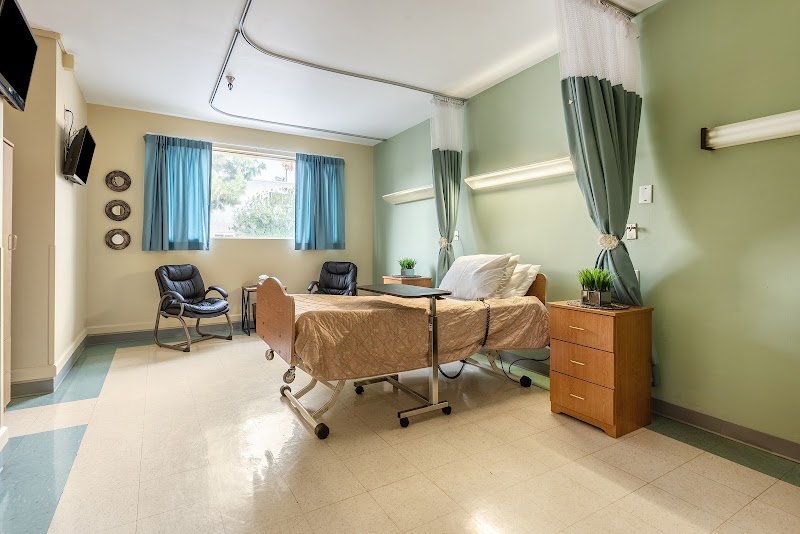
How is Tarzana Center Staffed?

CMS rates TARZANA HEALTH AND REHABILITATION CENTER's staffing level at 3 out of 5 stars, which is average compared to other nursing homes. Staff turnover is 33%, compared to the California average of 46%. This relatively stable workforce can support continuity of care.

What Have Inspectors Found at Tarzana Center?

State health inspectors documented 103 deficiencies at TARZANA HEALTH AND REHABILITATION CENTER during 2021 to 2025. These included: 1 Immediate Jeopardy (the most serious level, indicating potential for serious harm or death), 1 that caused actual resident harm, and 101 with potential for harm. Immediate Jeopardy findings are rare and represent the most serious regulatory concerns. They require immediate corrective action.
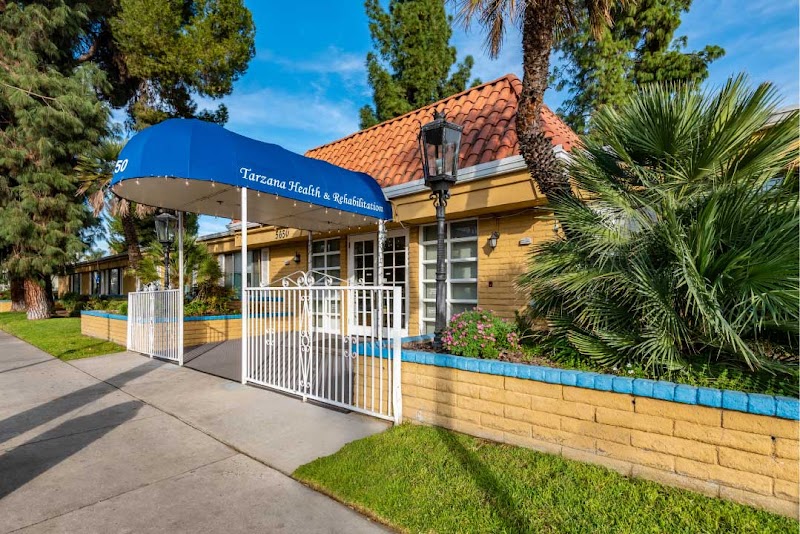
Who Owns and Operates Tarzana Center?

TARZANA HEALTH AND REHABILITATION CENTER is owned by a for-profit company. For-profit facilities operate as businesses with obligations to shareholders or private owners. The facility is operated by DAVID & FRANK JOHNSON, a chain that manages multiple nursing homes. With 180 certified beds and approximately 169 residents (about 94% occupancy), it is a mid-sized facility located in TARZANA, California.
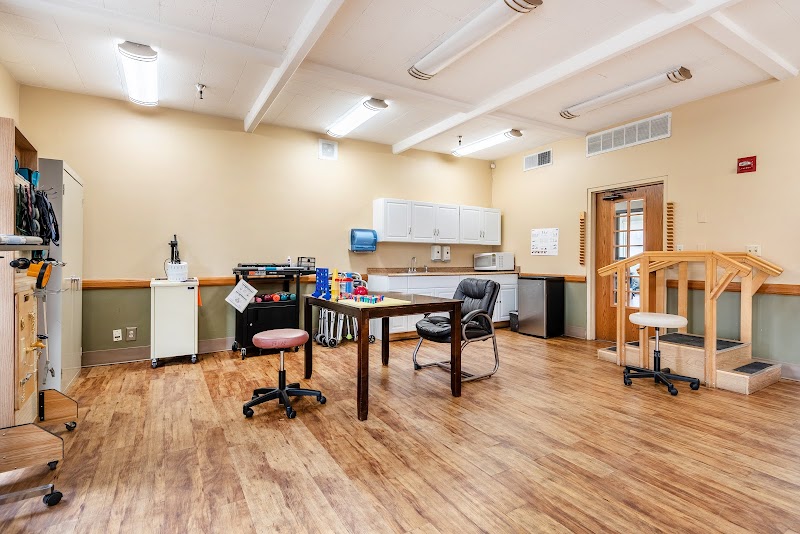
How Does Tarzana Center Compare to Other California Nursing Homes?

Compared to the 100 nursing homes in California, TARZANA HEALTH AND REHABILITATION CENTER's overall rating (1 stars) is below the state average of 3.1, staff turnover (33%) is significantly lower than the state average of 46%, and health inspection rating (1 stars) is much below the national benchmark.

What Should Families Ask When Visiting Tarzana Center?

Based on this facility's data, families visiting should ask: "What changes have been made since the serious inspection findings, and how are you preventing similar issues?" "What safeguards and monitoring systems are in place to protect residents from abuse or neglect?" "Can I visit during a mealtime to observe dining assistance and food quality?" "How do you handle medical emergencies, and what is your hospital transfer rate?" These questions are particularly relevant given the facility's Immediate Jeopardy citations and the substantiated abuse finding on record.

Is Tarzana Center Safe?

Based on CMS inspection data, TARZANA HEALTH AND REHABILITATION CENTER has documented safety concerns. The facility has 1 substantiated abuse finding (meaning confirmed case of resident harm by staff or other residents). Inspectors have issued 1 Immediate Jeopardy citation (the most serious violation level indicating risk of serious injury or death). The facility has a 1-star overall rating and ranks #100 of 100 nursing homes in California. Families considering this facility should ask detailed questions about what corrective actions have been taken since these incidents.

Do Nurses at Tarzana Center Stick Around?

TARZANA HEALTH AND REHABILITATION CENTER has a staff turnover rate of 33%, which is about average for California nursing homes (state average: 46%). Moderate turnover is common in nursing homes, but families should still ask about staff tenure and how the facility maintains care continuity when employees leave.

Was Tarzana Center Ever Fined?

TARZANA HEALTH AND REHABILITATION CENTER has been fined $95,254 across 2 penalty actions. This is above the California average of $34,031. Fines in this range indicate compliance issues significant enough for CMS to impose meaningful financial consequences. Common causes include delayed correction of deficiencies, repeat violations, or care failures affecting resident safety. Families should ask facility leadership what changes have been made since these penalties.

Is Tarzana Center on Any Federal Watch List?

TARZANA HEALTH AND REHABILITATION CENTER is not on any federal watch list. The most significant is the Special Focus Facility (SFF) program, which identifies the bottom 1% of nursing homes nationally based on persistent, serious quality problems. Not being on this list means the facility has avoided the pattern of deficiencies that triggers enhanced federal oversight. This is a positive indicator, though families should still review the facility's inspection history directly.