BALDWIN GARDENS NURSING CENTER
10786 LIVE OAK AVENUE, TEMPLE CITY, CA 91780 (626) 447-3553
For profit - Corporation 59 Beds ABRAHAM BAK & MENACHEM GASTWIRTH Data: November 2025
Trust Grade
53/100
#746 of 1155 in CA
Last Inspection: November 2024

Within standard 12-15 month inspection cycle. Federal law requires annual inspections.

Overview

Baldwin Gardens Nursing Center has a Trust Grade of C, indicating that it is average among nursing homes, situated in the middle of the pack but not standing out positively. In California, it ranks #746 out of 1,155 facilities, placing it in the bottom half, and #158 out of 369 in Los Angeles County, where only one local option is better. The facility is showing improvement, with issues decreasing from 14 in 2024 to just 1 in 2025, but there are still significant concerns, particularly regarding RN coverage, which is lower than 77% of similar facilities. Staffing appears to be a strong point, with a 4/5 star rating and a turnover rate of 22%, significantly better than the state average. However, the facility had notable incidents, such as failing to notify authorities about a non-functional sprinkler system and not ensuring call lights were within reach for residents, which could delay necessary care and pose safety risks. Overall, while there are strengths in staffing and trends of improvement, families should be aware of the facility's weaknesses and specific incidents that raise concerns about resident safety and care practices.

Trust Score
C
53/100
In California
#746/1155
Bottom 36%
Safety Record
Low Risk
No red flags
Inspections
Getting Better
14 → 1 violations
Staff Stability
✓ Good
22% annual turnover. Excellent stability, 26 points below California's 48% average. Staff who stay learn residents' needs.
Penalties
○ Average
$3,174 in fines. Higher than 57% of California facilities. Some compliance issues.
Skilled Nurses
⚠ Watch
Each resident gets only 25 minutes of Registered Nurse (RN) attention daily — below average for California. Fewer RN minutes means fewer trained eyes watching for problems.
Violations
⚠ Watch
47 deficiencies on record. Higher than average. Multiple issues found across inspections.
★★☆☆☆
2.0
Overall Rating
★★★★☆
4.0
Staff Levels
★☆☆☆☆
1.0
Care Quality
★★★☆☆
3.0
Inspection Score
Stable
2024: 14 issues
2025: 1 issues

The Good

  • 4-Star Staffing Rating · Above-average nurse staffing levels
  • Low Staff Turnover (22%) · Staff stability means consistent care
  • Full Sprinkler Coverage · Fire safety systems throughout facility
  • No fines on record
  • Staff turnover is low (22%)

    26 points below California average of 48%

Facility shows strength in staffing levels, staff retention, fire safety.

The Bad

2-Star Overall Rating

Below California average (3.1)

Below average - review inspection findings carefully

Federal Fines: $3,174

Below median ($33,413)

Minor penalties assessed

Chain: ABRAHAM BAK & MENACHEM GASTWIRTH

Part of a multi-facility chain

Ask about local staffing decisions and management

The Ugly 47 deficiencies on record

Mar 2025 1 deficiency
CONCERN (D) 📢 Someone Reported This

A family member, employee, or ombudsman was alarmed enough to file a formal complaint

Potential for Harm - no one hurt, but risky conditions existed

Report Alleged Abuse (Tag F0609)

Could have caused harm · This affected 1 resident

**NOTE- TERMS IN BRACKETS HAVE BEEN EDITED TO PROTECT CONFIDENTIALITY** Based on interview and record review, the facility Administrator (ADM) and Director of Nursing (DON) failed to report an injury ...

Read full inspector narrative →
**NOTE- TERMS IN BRACKETS HAVE BEEN EDITED TO PROTECT CONFIDENTIALITY** Based on interview and record review, the facility Administrator (ADM) and Director of Nursing (DON) failed to report an injury of unknown origin (IUO- injury in which the cause cannot be determined due to lack of witnesses and resident injured unable to express how the injury occurred) to officials including the State Survey Agency (SSA) and adult protective services (APS), immediately, but no later than 24 hours, and according to the facility ' s policy and procedure (P&P) titled, Abuse, Neglect, Exploitation or Misappropriation- Reporting and Investigating for one of two sampled residents (Resident 1). This failure had the potential for IUO to occur to other residents without appropriate reporting and investigation. Findings: During a review of Resident 1 ' s admission Record (AR), the AR indicated the facility initially admitted Resident 1 on 3/7/2024 and was readmitted on [DATE] with diagnoses that included unspecified intellectual disabilities (a condition that limits intelligence and disrupts abilities necessary for living independently) and generalized muscle weakness (weakness of muscles caused by lack of exercise, ageing, injury, or disease). During a review of Resident 1 ' s Minimum Data Set (MDS- a resident assessment tool) dated 3/6/2025, the MDS indicated Resident 1 had severely impaired cognition (ability to think, remember, and function). The MDS indicated Resident 1 was dependent (helper does ALL the effort. Resident does none of the effort to completely the activity, or the assistance of 2 or more helpers is required for the resident to complete the activity) with toileting hygiene, showering/bathing self, lower body dressing, putting on/taking off footwear, and tub/shower transfers. The MDS indicated Resident 1 required partial/moderate assistance (helper does less than half the effort and lifts or holds trunk or limbs, but provides less than half the effort) with upper body dressing, personal hygiene, rolling left and right (in bed), sitting to lying, sitting to standing, chair/bed-to-chair transfers, and walking 10 feet. During a review of Resident 1 ' s Resident Incident Investigation Report Form (RIIRM) dated 2/21/2025, the RIIRM indicated Resident 1 was, Suddenly noted a small skin discoloration under right lower eye. The RIIRM indicated Resident 1 was unable to communicate what happened. The RIIRM indicated the Resident 1 ' s right lower eye discoloration was, More than likely, self-inflicted by Resident 1. During a review of Resident 1 ' s situation-background-assessment-recommendation (SBAR- a written communication tool that helps provide essential, concise information, usually during crucial situations) Communication (SBAR) Form, dated 2/21/2025, timed at 1:03 pm, the SBAR form indicated licensed vocational nurse (LVN) 2 wrote Resident 1 was noted to have a self-inflicted small discoloration to right lower eye possibly upon striking (attempting to hit) out at staff. During an interview on 3/11/2025, timed at 3:25 pm, with LVN 2, LVN 2 stated 2/21/2025 between 9 am and 10 am, Resident 1 was agitated and trying to hit an unknown certified nurse assistant (CNA). LVN 2 stated Resident 1 attempted to hit and kick LVN 2 as well. LVN 2 stated Resident 1 was crying and rubbing Resident 1 ' s eyes, Aggressively. LVN 2 stated LVN 2 did not noticed any redness to Resident 1 ' s right eye that morning. LVN 2 stated Resident 1 stopped crying at some point after 12 pm, before LVN 2 ' s shift was over at 3 pm. LVN 2 stated the unknown CNA came up to LVN 2 and informed LVN 2 Resident 1 had redness under Resident 1 ' s right eye. LVN 2 stated LVN 2 did not know what caused the discoloration. LVN 2 stated LVN 2 did not actually know what happened to Resident 1 ' s right undereye because LVN 2 did not witness Resident 1 fall or hit anything. LVN 2 thought Resident 1 ' s right under eye discoloration happened due to rubbing Resident 1 ' s eyes, and was making an educated guess using LVN 2 ' s critical thinking skills. LVN 2 stated LVN 2 reported the incident to Resident 1 ' s sister and the DON. During a telephone interview on 3/11/2025, timed at 3:53 pm, with CNA 1, CNA 1 stated on 2/21/2025, Resident 1 was crying and rubbing Resident 1 ' s eyes a lot. CNA 1 stated around 11 am or 12 pm, CNA 1 went into to Resident 1 ' s room and noticed Resident 1 ' s right eye was red. CNA 1 stated CNA 1 did not witness Resident 1 fall or hit anything. CNA 1 stated CNA 1 report Resident 1 ' s right eye redness to LVN 2. During an interview on 3/11/2025, timed at 5:11 pm, with the DON, the DON stated on 2/21/2025, LVN 2 informed the DON Resident 1 had discoloration around the right eye. The DON stated the DON attempted to find out what happened when Resident 1 ' s sister visited Resident 1 that afternoon but Resident 1 could not answer. The DON stated they (the facility) did not know what happened to Resident 1 to cause the right eye discoloration unless it was caused by rubbing Resident 1 ' s eyes. The DON stated what happened to Resident 1 was an IUO. The DON stated IUO was supposed to be reported to the department of public health so it could be investigated for resident safety. The DON stated at the time of the interview, the DON was going to report the incident to the SSA, now, as well as local law enforcement, and the ombudsman. During an interview on 3/11/2025, timed at 5:40 pm, with the ADM, the ADM stated if staff identified a resident injury that was undetermined, it was supposed to be reported because it could be abuse. The ADM stated what happened to Resident 1 was an IUO, and should be reported to the ombudsman, department of public health, and local law enforcement. During a review of the P&P titled, Abuse Investigation and Reporting, revised 11/2024, the P&P indicated the facility promptly reports all resident abuse, neglect, exploitation, misappropriation of resident property, mistreatment and/or injuries of unknown source (abuse) shall be promptly reported to local, state, and federal agencies (as defined by current regulations) and thoroughly investigated by facility management. The P&P indicated an alleged violations of abuse, neglect, exploitation or mistreatment (including injuries of unknown source [ .] will be reported immediately but not more than 24 hours if the alleged violation does not involve abuse and has not resulted in serious bodily injury.
Dec 2024 1 deficiency
CONCERN (D) 📢 Someone Reported This

A family member, employee, or ombudsman was alarmed enough to file a formal complaint

Potential for Harm - no one hurt, but risky conditions existed

Deficiency F0919 (Tag F0919)

Could have caused harm · This affected 1 resident

Based on observation, interview, and record review, the facility failed to ensure one of three sampled bathrooms (Bathroom Room [BR] 1) had a functioning call light. This failure had the potential to ...

Read full inspector narrative →
Based on observation, interview, and record review, the facility failed to ensure one of three sampled bathrooms (Bathroom Room [BR] 1) had a functioning call light. This failure had the potential to result in residents being unable to notify staff for assistance. Findings: During a concurrent observation and interview on 12/17/2024 at 12:07 PM with Certified Nursing Assistant 1 (CNA 1) in BR 1, the call light button was observed to not stay on (pushed down) when pressed. CNA 1 stated the call light does not stay on and stated the risk of not having a working call light button was that the staff would not know if the resident would need help in the bathroom. During an interview on 12/17/2024 at 12:15 PM with the Maintenance Worker (MW), the MW stated the call light button was not staying in place when pushed down and stated if the call light does not work then the resident would not be able to call staff for assistance. During an interview on 12/18/2024 at 11:05 AM with the Director of Nursing (DON), the DON stated the call light button in the bathroom should stay on (down) when pushed. The DON stated if the call light was not working in BR 1 staff would not know if residents would need assistance. During a review of the facility's policy and procedure (P&P) titled Answering the Call Light, revised 10/2010, the P&P indicated staff to report defective call lights to the nurse supervisor promptly.
Nov 2024 13 deficiencies
CONCERN (D)

Potential for Harm - no one hurt, but risky conditions existed

Pressure Ulcer Prevention (Tag F0686)

Could have caused harm · This affected 1 resident

**NOTE- TERMS IN BRACKETS HAVE BEEN EDITED TO PROTECT CONFIDENTIALITY** Based on observation, interview, and record review, the facility failed to ensure the Low Air Loss (LAL) mattress (Alternating P...

Read full inspector narrative →
**NOTE- TERMS IN BRACKETS HAVE BEEN EDITED TO PROTECT CONFIDENTIALITY** Based on observation, interview, and record review, the facility failed to ensure the Low Air Loss (LAL) mattress (Alternating Pressure Mattress which provides alternating pressure and is designed to be used in the prevention, treatment and management of pressure injury [PI- a localized damage to the skin and underlying soft tissue usually over a bony prominence]) was set up accurately based on the resident's weight for one of two sampled residents (Resident 10). This failure had the potential risk for Resident 10 to develop PI. Findings: During a review of Resident 10's admission Record (AR), the AR indicated Resident 10 was admitted to the facility on [DATE] with diagnoses that included chronic obstructive pulmonary disease (COPD, a chronic lung disease causing difficulty in breathing) and Diabetes Mellitus (DM-a disorder characterized by difficulty in blood sugar control). During a review of Resident 10's Order Summary Report (OSR) dated 11/1/2024, the OSR indicated Resident 10 had an order for LAL mattress for wound management. During a review of Resident 10's Weight Summary (WS), the WS indicated on 11/12/2024, Resident 10 weighed 162 lbs. During a review of Resident 10's quarterly Minimum Data Set (MDS, a resident assessment tool) dated 11/15/2024, the MDS indicated Resident 10 had clear speech, sometimes understood others, and sometimes made self-understood. The MDS indicated Resident 10 was dependent (helper does all of the effort) for toileting hygiene and chair/bed-chair transfer. During an observation and interview on 11/19/2024 at 10:33 am, in Resident 10's room, Resident 10 was lying in bed on a LAL mattress and the LAL mattress controller (model-Proactive 4000 series) had a weight indicator at 280 pounds (lbs.) During an observation and interview on 11/19/2024 at 2:41 pm, in Resident 10's room, Resident 10 was lying in bed sleeping. Resident 10's LAL mattress controller indicated 280 lbs. During a concurrent interview, Licensed Vocational Nurse 3 (LVN 3) stated, Resident 10's LAL was set at 280 lbs. and Resident 10's actual weight was 162 lbs. LVN 3 stated, Resident 10 was bed bound and had history of PI. LVN 3 stated, the LAL set up for Resident 10 should be based on Resident 10's weight for wound management to prevent recurrence of PI. During an interview on 11/20/2024 at 9:43 am with the facility's Treatment Nurse (TN), the TN stated, staff should set Resident 10's LAL mattress by weight per manufacturer's recommendation so that the mattress would alternate and provide proper relief of body's pressure points to prevent possible PI to Resident 10. During a review of the Proactive Operation Manual for Resident 10's LAL mattress, the manual indicated Users can adjust air mattress to a desired firmness according to patient's weight or the suggestion from health care professional. During a review of the facility's Policy and Procedure (P&P) titled Support Surface Guidelines, revised 9/2013, the P&P indicated Any individual at risk for developing pressure ulcers should be placed on a redistribution support surface, such as foam, gel, static air, alternating air, or air-loss or gel when lying in bed.
CONCERN (D)

Potential for Harm - no one hurt, but risky conditions existed

Incontinence Care (Tag F0690)

Could have caused harm · This affected 1 resident

**NOTE- TERMS IN BRACKETS HAVE BEEN EDITED TO PROTECT CONFIDENTIALITY** Based on observation, interview, and record review, the facility failed to provide necessary care and services for a resident wi...

Read full inspector narrative →
**NOTE- TERMS IN BRACKETS HAVE BEEN EDITED TO PROTECT CONFIDENTIALITY** Based on observation, interview, and record review, the facility failed to provide necessary care and services for a resident with Foley catheter (a medical device that helps drain urine from the bladder) in accordance with the facility's Policy and Procedure (P&P) on catheter care for one of one sampled resident (Resident 9). This failure had the potential to result in catheter-related complications for Resident 9. Findings: During a review of Resident 9's admission Records (AR), the AR indicated Resident 9 was initially admitted to the facility on [DATE] and readmitted on [DATE] with diagnoses that included urinary tract infection (UTI- an infection of the bladder/urinary tract) and chronic kidney disease (characterized by progressive damage and loss of function in the kidneys). During a review of Resident 9's untitled Care Plan (CP) dated 11/20/2023, the CP indicated, Resident 9 had an indwelling catheter. The CP interventions included to check the tubing for kinks each shift. During a review of Resident 9's Minimum Data Set (MDS, a resident assessment tool), dated 10/6/2024, the MDS indicated Resident 9 had severely impaired cognition (ability to understand) and dependent (helper did all of the effort, resident did none of the effort to complete the activity) with oral and toileting hygiene, shower, upper and lower body dressing and personal hygiene. The MDS indicated Resident 9 had an indwelling catheter (foley catheter). During a concurrent observation and interview on 11/20/2024 at 2:14 pm with the Treatment Nurse (TN) inside Resident 9's room, Resident 9 was in bed, lying on his left side with a Foley catheter. The Foley catheter tubing was kinked where the tubing and the catheter was connected. The TN stated, Resident 9's Foley catheter tubing should be straight and free from kinks to prevent backflow of urine and cause UTI to the resident. During an interview on 11/21/2024 at 12:15 pm with the facility's Director of Nursing (DON), the DON stated Foley catheter tubing should be clear and straight and not kinked to allow urine to flow downward freely from the bladder and prevent back up of urine and cause UTI to the resident. During a review of the facility's P&P titled, Catheter Care, Urinary, revised September 2014, the P&P indicated, Check the resident frequently to be sure he or she is not lying on the catheter and to keep the catheter and tubing free of kinks.
CONCERN (D)

Potential for Harm - no one hurt, but risky conditions existed

Deficiency F0694 (Tag F0694)

Could have caused harm · This affected 1 resident

**NOTE- TERMS IN BRACKETS HAVE BEEN EDITED TO PROTECT CONFIDENTIALITY** Based on observation, interview, and record review, the facility failed to label and date the intravenous (IV, administered into...

Read full inspector narrative →
**NOTE- TERMS IN BRACKETS HAVE BEEN EDITED TO PROTECT CONFIDENTIALITY** Based on observation, interview, and record review, the facility failed to label and date the intravenous (IV, administered into a vein) site consistent with professional standards of practice for one of one sampled resident (Resident 157). This deficient practice had the potential to result in infection to Resident 157. Findings: During a review of Resident 157's admission Record (AR), the AR indicated Resident 157 was admitted to the facility on [DATE] with diagnoses that included osteomyelitis (inflammation of bone and bone marrow due to infection) and left foot amputation (a surgical procedure that removes a limb or other body part). During a review of Resident 157's Order Summary Report (OSR), dated 11/13/2024, Resident 157 had an order of Ceftriaxone (Antibiotic-medication to treat infection) 2 grams (gm, a unit of measurement) IV, once a day for osteomyelitis to left foot amputation. During a review of Resident 157's Minimum Data Set (MDS, a resident assessment tool) dated 11/17/2024, the MDS indicated Resident 157 had intact cognition (ability to understand) and dependent (helper did all of the effort, resident did none of the effort to complete the activity) with toileting hygiene, shower, upper and body dressing. During an observation on 11/19/2024 at 10:29 am inside Resident 157's room, Resident 157 had an IV site on the resident's right forearm. The IV site was not labeled and dated when it was started. The IV tubing port was not capped nor covered. During an interview on 11/20/2024 at 11:50 am with Registered Nurse Supervisor (RNS), RNS stated, the IV access should be labeled and dated when it was started and initialed with the nurse who started the IV to determine when the IV was started and when to change. RNS stated IV tubing port should be capped and covered to prevent infection. During an interview on 11/21/2024 at 11:24 pm with the Director of Nursing (DON), the DON stated IV access could be used for seven days. The DON stated IV access should be dated with date of insertion and initialed with the nurse who started it to identify when the IV access should be changed or needed to rotate the insertion site. The DON further stated, the IV tubing port should be covered with a cap for infection control purposes. During a review of the facility's Policy and Procedure (P&P) titled, Peripheral IV Catheter Insertion, revised April 2016, the P&P indicated, label on dressing should include date and time of dressing placement, initials, gauge, size, and length of catheter. During a review of the facility's P&P titled, Administration Set/Tubing Changes, revised 11/2023, the P&P indicated, Devices that were added to tubing such as extension sets, filters, stopcocks, end caps, or any other devices should be changed when tubing is changed. All equipment should be of needless design. Primary tubing should have a sterile end cap applied to end of tubing when it is disconnected from the catheter. The sterile end cap is discarded when tubing is to be reconnected to the catheter.
CONCERN (D)

Potential for Harm - no one hurt, but risky conditions existed

Respiratory Care (Tag F0695)

Could have caused harm · This affected 1 resident

**NOTE- TERMS IN BRACKETS HAVE BEEN EDITED TO PROTECT CONFIDENTIALITY** Based on observation, interview and record review, the facility staff failed to label the nasal cannula (NC- tube which on one e...

Read full inspector narrative →
**NOTE- TERMS IN BRACKETS HAVE BEEN EDITED TO PROTECT CONFIDENTIALITY** Based on observation, interview and record review, the facility staff failed to label the nasal cannula (NC- tube which on one end splits into two prongs which are placed in the nostrils to deliver oxygen) tubing for one of two sampled residents (Resident 41). This failure had the potential to result in infection to Resident 41. Findings: During a review of Resident 41's admission Record (AR), the AR indicated Resident 41 was readmitted to the facility on [DATE] with diagnoses that included dependence on supplemental oxygen and dysphagia (difficulty swallowing). During a review of Resident 41's Minimum Data Set (MDS - a federally mandated resident assessment tool) dated 10/31/2024, the MDS indicated Resident 41 had no speech, rarely/never understood others, and rarely/never made self-understood. Resident 41 was dependent (helper does all of the effort) for personal hygiene and chair/bed-chair transfer. During a review of Resident 41's Order Summary Report (OSR) dated 11/1/2024, the OSR indicated Resident 41 was ordered oxygen at two liters per minute via NC continuously for shortness of breath, every shift. During an observation on 11/19/2024 at 9:43 am, Resident 41 was lying in a recliner chair in the Activity Room with eyes opened. Resident 41 had ongoing oxygen via NC running at two liters per minute. During a concurrent interview with the facility's Infection Prevention Nurse (IPN), the IPN stated Resident 41's NC should be labeled with a date when the NC was applied to the resident. The IPN stated the NC should be changed weekly for infection control purposes. The IPN stated, without labeling the NC, staff would not know when the NC was applied and when it was due to be changed.
CONCERN (D)

Potential for Harm - no one hurt, but risky conditions existed

Drug Regimen Review (Tag F0756)

Could have caused harm · This affected 1 resident

**NOTE- TERMS IN BRACKETS HAVE BEEN EDITED TO PROTECT CONFIDENTIALITY** Based on interview and record review, the facility failed to follow up on the pharmacist's medication regimen review (MRR, a tho...

Read full inspector narrative →
**NOTE- TERMS IN BRACKETS HAVE BEEN EDITED TO PROTECT CONFIDENTIALITY** Based on interview and record review, the facility failed to follow up on the pharmacist's medication regimen review (MRR, a thorough evaluation of the medication regimen of a resident, with the goal of promoting positive outcomes and minimizing adverse consequences associated with medication.) recommendations of the physician evaluating the use of Cyclobenzaprine (muscle relaxant medicine) in the elderly for one of five sampled residents (Resident 10). This deficient practice had the potential to result in the resident receiving unnecessary medications and not maintaining the resident's highest practicable level of physical, mental, and psychosocial well-being and not preventing or minimizing adverse consequences related to medication therapy to the extent possible. Findings: During a review of Resident 10's admission Record, the admission Record indicated Resident 10 was admitted on [DATE], with diagnoses that included chronic obstructive pulmonary disease (COPD, a chronic lung disease causing difficulty in breathing) and diabetes mellitus (DM-a disorder characterized by difficulty in blood sugar control and poor wound healing). During a review of Resident 10's quarterly Minimum Data Set (MDS, a resident assessment tool) dated 11/15/2024, indicated Resident 10 had clear speech, sometimes understood others, and sometimes made self-understood. Resident 10 was dependent (helper does all of the effort) in toileting hygiene and chair/bed-chair transfer. During a review of the facility's MRR for recommendations between 9/1/2024 and 9/24/2024, for Resident 10, the MRR indicated, This patient currently has order for Cyclobenzaprine/Flexeril PRN (as needed) as a muscle relaxant. Unfortunately, Flexeril has been characterized by OBRA (Omnibus Budget Reconciliation Act, AKA Nursing Home reform act of 1987) as an 'Inappropriate drug therapy' in the elderly due to this anticholinergic/sedative side effects and being poorly tolerated by the geriatric population. Although the medication maybe beneficial and no side effects warranted, your evaluation is necessary in order to keep the facility in compliance. During an interview on 11/20/2024 at 1:28 pm, the Director of Nursing (DON) stated, the DON was in charge of reviewing and acting upon the facility's monthly MRR report from the pharmacist. The DON stated, the MRR for Resident 10 's Cyclobenzaprine use should be followed up by sending the recommendation to the prescribing physician for evaluation as indicated by the MRR. The DON stated, there was no documentation in Resident 10's medical record that indicated this MRR recommendation had been addressed. The DON stated it was missed. The DON stated, the pharmacist's monthly MRR should be acted upon within 3 to 5 days after receiving the report and sent to the physician as needed. The DON stated, if nursing staff do not receive a response from the physician within 24 hours, the nursing staff should do a follow up call. The DON stated these measures were to prevent unnecessary medication to be given to residents for their health, safety, and quality of life. A review of the facility's Policy and Procedure (P&P) titled Medication Regimen Reviews, revised 5/2019, the P&P indicated The goal of the MRR is to promote positive outcomes while minimizing adverse consequences and potential risks associated with medications. The medication regimen and associated treatment goals involve collaboration with the resident or representative, family members, and the interdisciplinary team (IDT). As such, the MRR includes a review of the resident's stated preferences, the comprehensive care plans and information provided about the risks and benefits of the medication regimen. If the physician does not provide a timely or adequate response, or the consultant pharmacist identifies that no action has been taken, he/she contacts the medical director or the administrator. The attending physician documents in the medical record that the irregularity has been reviewed and what (if any) action was taken to address it.
CONCERN (D)

Potential for Harm - no one hurt, but risky conditions existed

Deficiency F0883 (Tag F0883)

Could have caused harm · This affected 1 resident

**NOTE- TERMS IN BRACKETS HAVE BEEN EDITED TO PROTECT CONFIDENTIALITY** Based on interview and record review, the facility failed to offer pneumococcal vaccine that protects against serious and potent...

Read full inspector narrative →
**NOTE- TERMS IN BRACKETS HAVE BEEN EDITED TO PROTECT CONFIDENTIALITY** Based on interview and record review, the facility failed to offer pneumococcal vaccine that protects against serious and potentially fatal pneumococcal disease that is caused by bacteria called Streptococcus pneumoniae (pneumococcus)] based on the Centers of Disease Control and Prevention (CDC)'s recommended schedule guidelines for one of five sampled residents (Resident 10). This failure had the potential to result in leaving residents at risk of acquiring, transmitting, or experiencing complications from pneumococcal disease. Findings: During a review of Resident 10's admission Record, the admission Record indicated Resident 10 was admitted to the facility on [DATE], with diagnoses that included chronic obstructive pulmonary disease (COPD, a chronic lung disease causing difficulty in breathing) and diabetes mellitus (DM-a disorder characterized by difficulty in blood sugar control and poor wound healing). During a review of Resident 10's quarterly Minimum Data Set (MDS, a resident assessment tool) dated 11/15/2024, the MDS indicated Resident 10 had clear speech, sometimes understood others, and sometimes made self-understood. Resident 10 was dependent (helper does all of the effort) for toileting hygiene and chair/bed-chair transfer. During a review of the facility's line list for required vaccines for residents, the line list indicated, Resident 10 received PPSV23 pneumococcal vaccine on 5/9/2014 and Prevnar13 pneumococcal vaccine on 2/16/2019. During a review of the current CDC's Pneumococcal Vaccine Timing for Adults (PVTA, pneumococcal vaccine schedule guideline/recommendation), the PVTA indicated, adults might choose to receive PCV20 pneumococcal vaccine if they received their PCV13 at any age and PPSV23 after [AGE] years old, for more than five years. During an interview on 11/20/2024 at 10:53 am, the Infection Prevention Nurse (IPN) stated, the IPN stated Resident 10 was due for a PCV 20 pneumococcal vaccine in 2/2024, which was more than five years after the last Prevnar13 pneumococcal vaccine in 2/2019 per CDC recommended guideline for pneumococcal vaccine. The IPN stated, the IPN had missed to inform Resident 10 or Resident 10's responsible party that Resident 10's pneumococcal vaccine was not up to date, and Resident 10 might have the option to receive another dose. The IPN stated, it was important to provide residents up to date pneumococcal vaccine to prevent them from pneumonia (lung infection) which could lead to hospitalization. During a review of the facility's Policy and Procedure (P&P) titled Pneumococcal Vaccine, revised 3/2023, the P&P indicated All residents will be offered pneumococcal vaccine to aid in preventing pneumonia/pneumococcal infections. Pneumococcal vaccine will be administered to residents (unless medically contraindicated, history unknown, or refused) per our facility's physician-approved pneumococcal vaccination protocol. Administration of the pneumococcal vaccines or revaccinations will be made in accordance with current CDC recommendations at the time of the vaccination.
CONCERN (E)

Potential for Harm - no one hurt, but risky conditions existed

Deficiency F0558 (Tag F0558)

Could have caused harm · This affected multiple residents

**NOTE- TERMS IN BRACKETS HAVE BEEN EDITED TO PROTECT CONFIDENTIALITY** Based on observation, interview, and record review, the facility failed to ensure call lights were within reach for four of four...

Read full inspector narrative →
**NOTE- TERMS IN BRACKETS HAVE BEEN EDITED TO PROTECT CONFIDENTIALITY** Based on observation, interview, and record review, the facility failed to ensure call lights were within reach for four of four sampled residents (Residents 7, 9,12 and 23). These deficient practices had the potential for Residents 7, 9,12 and 23 not to receive necessary care or receive delayed services, placing the residents at risk for falls or injury. Findings: a. During a review of Resident 12's admission Record (AR), the AR indicated Resident 12 was initially admitted to the facility on [DATE] and re admitted on [DATE] with diagnoses that included hemiplegia (paralysis of one side of the body) and hemiparesis (muscular weakness of one half of the body) following cerebral infarction (type of ischemic [deficient supply of blood] stroke [sudden death of brain cells in a localized area due to inadequate blood flow] resulting from a blockage in the blood vessels supplying blood to the brain) affecting left non-dominant side and osteoarthritis (a progressive disorder of the joints, caused by a gradual loss of cartilage). During a review of Resident 12's Fall Risk Assessment (FRA - method of assessing a patient's likelihood of falling) dated 11/2/2022, the FRA indicated Resident 12 was assessed as high risk for fall due to intermittent confusion, unable to assess gait/balance and presence of predisposing disease condition. During a review of Resident 12's untitled Care Plan (CP) dated 4/11/2023, the Care Plan indicated Resident 12 was at risk for fall secondary to history of falls, impaired balance and recent cerebrovascular accident (CVA, blood flow to a part of the brain is stopped either by a blockage or the rupture of a blood vessel).The CP interventions indicated for nursing staff to keep the resident's call light within easy reach and encourage the resident to call for assistance. During a review of Resident 12's Minimum Data Set (MDS - a federally mandated resident assessment tool) dated 9/16/2024, the MDS indicated Resident 12 had severely impaired cognition (mental action or process of acquiring knowledge and understanding) for daily decision making. The MDS indicated Resident 12 was dependent (helper did all the effort and lifted or held trunk or limbs) to staff for oral/toileting hygiene, shower, upper and lower body dressing, putting on/taking off footwear and personal hygiene. During an observation on 11/19/2024 at 10:15 am, in Resident 12's room, Resident 12 was awake, lying in bed. Resident 12's call light was hanging on the left side rail of the bed. During a concurrent observation and interview on 11/19/2024 at 10:16 am, with the facility's Infection Prevention Nurse (IPN), the IPN stated, Resident 12 was unable to reach the call light because it was hanging on the left side rail. The IPN stated Resident 12's call light needed to be within reach for Resident 12 to use to call the staff if Resident 12 needed help in case of emergency or if the resident needed assistance from the facility staff. b. During a review of Resident 23's AR, the AR indicated Resident 23 was admitted to the facility on [DATE] with diagnoses that included paraplegia (impairment in motor or sensory function of the lower extremities) and lack of coordination. During a review of Resident 23's untitled CP dated 11/1/2024, the CP indicated Resident 23 was at risk for fall secondary to paraplegia. The CP interventions indicated for nursing staff to keep the resident's call light and bed controls within easy reach, answer the call light in a timely manner and encourage the resident to call for assistance. During a review of Resident 23's MDS dated [DATE], the MDS indicated Resident 23 had moderately impaired cognition for daily decision making. The MDS indicated Resident 23 was dependent to staff for oral/toileting hygiene, shower, upper and lower body dressing, putting on/taking off footwear and personal hygiene. During an observation on 11/19/2024 at 10:01 am, in Resident 23's room, Resident 23 was awake and lying in bed. Resident 23's call light was hanging at the left side rail of the bed. Resident 23 stated, I cannot reach my call light. During a concurrent observation and interview on 11/19/2024 at 10:02 am, with the facility's IPN, the IPN stated Resident 23's call light needed to be within reach for Resident 23 to use to ask for help and assistance. During an interview on 11/19/2024 at 10:40 am with the facility's Director of Nursing (DON), the DON stated, the call light needed to be within reach for the residents to use so that staff could assist in a timely manner. c. During a review of Resident 7's AR, the AR indicated Resident 7 was admitted to the facility on [DATE] with diagnoses that included intervertebral disc disorder with myelopathy (a condition where the spinal cord is compressed), spondylosis (age-related wear and tear of the spinal disks), and epilepsy (a disorder in which nerve cell activity in the brain is disturbed, causing seizures). During a review of Resident 7's untitled CP dated 8/11/2022, the CP indicated Resident 7 required to use bilateral (both sides) ¼ partial padded bedside rail for seizure precautions. The CP interventions indicated to place the call light and frequently used items within reach and to answer call light promptly. During a review of Resident 7's MDS dated [DATE], the MDS indicated Resident 7 had severely impaired cognition and dependent with oral and toileting hygiene, shower, upper and lower body dressing, and personal hygiene. During a concurrent observation and interview on 11/19/2024 at 10:48 am with Licensed Vocational Nurse 1 (LVN 1) inside Resident 7's room, Resident 7's call light was on the floor. LVN 1 stated Resident 7's call light should be placed close and next to the resident to use when assistance was needed. d. During a review of Resident 9's AR, the AR indicated Resident 9 was initially admitted to the facility on [DATE] and readmitted on [DATE] with diagnoses that included metabolic encephalopathy (a brain dysfunction caused by a chemical imbalance in the blood that affects the brain), hemiplegia (total paralysis of the arm, leg, and trunk on the same side of the body) and hemiparesis (muscle weakness on one side of the body). During a review of Resident 9's untitled CP dated 10/9/2023, the CP indicated Resident 9 was at risk for falls secondary to cerebrovascular accident (CVA, or stroke, caused by interrupted blood flow to the brain) with hemiplegia and hemiparesis. The CP interventions included to keep the resident's call light and bed controls within easy reach. During a review of Resident 9's MDS dated [DATE], the MDS indicated Resident 9 had severely impaired cognition and dependent with oral and toileting hygiene, shower, upper and lower body dressing, and personal hygiene. During a concurrent observation and interview on 11/19/2024 at 10:25 am with LVN 2 inside Resident 9's room, Resident 9's call light was under the bed and the cord was tangled in between the bed and the siderails. LVN 2 stated Resident 9's call light should be placed within reach of the resident to be able to call staff when help was needed. During an interview on 11/21/2024 at 11:22 am with the Director of Nursing (DON), the DON stated, the resident's call light or pad sensor should be placed next to the resident's strong arm and hand so that the resident could call for assistance and staff could assist the resident timely. During a review of the facility's Policy and Procedure (P&P) titled, Answering the Call Light, dated 10/2010, the P&P indicated when the resident is in bed or confined to a chair, be sure the call light is within easy reach of the resident. The P&P indicated to answer the resident's call light as soon as possible.
CONCERN (E)

Potential for Harm - no one hurt, but risky conditions existed

Deficiency F0578 (Tag F0578)

Could have caused harm · This affected multiple residents

**NOTE- TERMS IN BRACKETS HAVE BEEN EDITED TO PROTECT CONFIDENTIALITY** Based on interview and record review, the facility failed to provide information regarding Advance Directive (AD, a written pref...

Read full inspector narrative →
**NOTE- TERMS IN BRACKETS HAVE BEEN EDITED TO PROTECT CONFIDENTIALITY** Based on interview and record review, the facility failed to provide information regarding Advance Directive (AD, a written preferences regarding treatment options, a process of communication between individuals and their healthcare agents when individuals are not able to make their own healthcare decisions) for two of two sampled residents (Residents 11 and 25) in accordance with the facility's Policy and Procedure (P&P) titled Advance Directives. This failure had the potential for the facility staff to provide services and treatment against the residents' choices. Findings: a. During a review of Resident 11's admission Record (AR), the AR indicated the facility admitted Resident 11 on 10/9/2021 and readmitted on [DATE] with diagnoses that included dependence on supplemental oxygen and gastrostomy (creation of an artificial external opening into the stomach for nutritional support) status. During a review of Resident 11's Minimum Data Set Minimum Data Set (MDS, a federally mandated resident assessment tool), dated 9/9/2024, the MDS indicated Resident 11 had severely impaired cognition (mental action or process of acquiring knowledge and understanding) for daily decision making. The MDS indicated, Resident 11 required total dependence (helper does all of the effort) with oral hygiene, toileting hygiene, shower/bathe self, upper/lower body dressing, putting on/taking off footwear and personal hygiene. During a concurrent interview and record review of Resident 11's medical records (chart) on 11/19/2024 at 2:27 pm with Social Services Director (SSD), the SSD stated there was no Advance Directive Acknowledgement Form in Resident 11's chart. The SSD stated AD Acknowledgement form needed to be initiated and formulated upon Resident 11's admission. b. During a review of Resident 25's AR, the AR indicated the facility admitted Resident 25 on 2/6/2020 with diagnoses that included essential hypertension (elevated blood pressure without a known cause) and gastrostomy status. During a review of Resident 25's MDS dated [DATE], the MDS indicated Resident 25 had severely impaired cognition for daily decision making. The MDS indicated, Resident 25 required total dependence with oral hygiene, toileting hygiene, shower/bathe self, upper/lower body dressing, putting on/taking off footwear and personal hygiene. During a concurrent interview and record review of Resident 25's chart on 11/19/2024 at 2:31 pm with SSD, the SSD stated there was no Advance Directive Acknowledgement Form in Resident 25's chart. The SSD stated AD Acknowledgement form needed to be initiated and formulated upon Resident 25's admission. During an interview on 11/19/2024 at 2:51 pm with the facility's Director of Nursing (DON), the DON stated the AD Acknowledgement form needed to be in the resident's chart for accessibility and to identify Resident 25's wants and wishes. During a review of the facility's P&P titled, Advance Directives, dated 11/2023, the P&P indicated upon admission, the resident will be provided with written information concerning the right to refuse or accept medical or surgical treatment and to formulate advance directive if he she chooses to do so. The P&P indicated prior to or upon admission of a resident, the social services director or designee will inquire of the resident, his/her family members and/or his or her legal representative, about the existence of any written advance directives. The P&P indicated information about whether or not the resident has executed an advance directive shall be displayed prominently in the medical record.
CONCERN (E)

Potential for Harm - no one hurt, but risky conditions existed

Assessment Accuracy (Tag F0641)

Could have caused harm · This affected multiple residents

**NOTE- TERMS IN BRACKETS HAVE BEEN EDITED TO PROTECT CONFIDENTIALITY** Based on observation, interview, and record review, the facility failed to ensure two of two sampled residents' (Residents 16 an...

Read full inspector narrative →
**NOTE- TERMS IN BRACKETS HAVE BEEN EDITED TO PROTECT CONFIDENTIALITY** Based on observation, interview, and record review, the facility failed to ensure two of two sampled residents' (Residents 16 and 55) Minimum Data Set (MDS - a federally mandated resident assessment tool) reflected an accurate assessment, by failing to: a. Ensure Resident 16's discharge destination was coded correctly. Resident 16 was discharged to a Skilled Nursing Facility (SNF - care provided by trained registered nurses in a medical setting under a doctor's supervision) and was coded in the MDS assessment as being discharged to home or community. b. Ensure Resident 55's diagnosis was coded accurately. These deficient practices resulted in an inaccurate reporting to the Centers for Medicare and Medicaid (CMS, a federal agency that administers the Medicare program and works with state governments to administer the Medicaid and health insurance portability standards) Services agency and had the potential for Residents 16 and 55 not to receive interventions to address their specific care concerns. Findings: a. During a review of Resident 16's admission Record (AR), the AR indicated Resident 16 was initially admitted to the facility on [DATE] and readmitted on [DATE] with diagnoses that included Post-Traumatic Stress Disorder (PTSD - a disorder in which a person has difficulty recovering after experiencing or witnessing a traumatic event) and muscle weakness. During a review of Resident 16's History and Physical (H&P), dated 2/23/2023, the H&P indicated Resident 16 did not have a diagnosis of PTSD. During a review of Resident 16's MDS dated [DATE], the MDS indicated Resident 16 had active diagnosis of PTSD. During a review of Resident 16's MDS dated [DATE], the MDS indicated, Resident 16 had severely impaired cognition (mental action or process of acquiring knowledge and understanding) for daily decision making. The MDS indicated Resident 16 was dependent (helper did all the effort and lifted or held trunk or limbs) to staff for oral/toileting hygiene, shower, upper and lower body dressing, putting on/taking off footwear and personal hygiene. The MDS indicated Resident 16 had active diagnosis of PTSD. During a concurrent observation and interview on 11/19/2024 at 12:13 pm, Resident 16 was sitting on his wheelchair outside Resident 16's room. Resident 16 stated I do not have any trauma in the past. During an interview on 11/20/2024 at 2:04 pm, with the facility's Minimum Data Set Nurse (MDSN), the MDSN stated Resident 16 did not have any previous or active diagnosis of PTSD. The MDSN stated, she did not know why it was coded in the system and an error of the previous MDSN. The MDSN stated Resident 16's MDS assessment should have been coded accurately to give correct information to the Centers for Medicare and Medicaid services. b. During a review of Resident 55's AR, the AR indicated Resident 55 was admitted to the facility on [DATE] with diagnoses that included essential hypertension (elevated blood pressure without a known cause) and anemia (decrease in the total amount of red blood cells in the blood). During a review of Resident 55's Physician's Order (PO) dated 9/10/2024, timed 11:25 am, the PO indicated to discharge Resident 55 to SNF with medications and personal belongings. During a review of Resident 55's Progress Notes (PN) dated 9/10/2024, timed 2:27 pm, the PN indicated Resident 55 was discharged to SNF with all personal belongings and medication. During a review of Resident 55's MDS dated [DATE], the MDS indicated Resident 55 was discharged to home/community. During an interview on 11/20/2024 at 11:47 pm, with the facility's Social Services Director (SSD), the SSD stated Resident 55 was discharge to SNF on 9/10/2024 and not to home or community. During a concurrent interview and record review of Resident 55's MDS dated [DATE] on 11/20/2024 at 12:52 pm, with the facility's MDSN, the MDSN stated Resident 55 was coded in the MDS as discharged to home/community. The MDSN stated, Resident 55 was discharged to SNF and not to home/community on 9/10/2024. The MDSN stated, Resident 55's MDS assessment needed to be coded discharged to SNF and not to home/community. The MDSN stated Resident 55's MDS assessment needed to be coded accurately to give accurate information to CMS. During a review of the facility's Policy and Procedure (P&P) titled, Resident Assessments, dated 11/2019, P&P indicated the resident assessment coordinator is responsible for ensuring that the interdisciplinary team conducted timely and appropriate resident assessments and reviews according to the following requirements: OBRA required assessments conducted for all residents in the facility, such as initial assessment - conducted within fourteen days of th resident's admission to the facility and discharge assessment - conducted when an resident was discharged from the facility.
CONCERN (E)

Potential for Harm - no one hurt, but risky conditions existed

Accident Prevention (Tag F0689)

Could have caused harm · This affected multiple residents

**NOTE- TERMS IN BRACKETS HAVE BEEN EDITED TO PROTECT CONFIDENTIALITY** Based on observation, interview, and record review, the facility failed to ensure the residents had an environment free from acc...

Read full inspector narrative →
**NOTE- TERMS IN BRACKETS HAVE BEEN EDITED TO PROTECT CONFIDENTIALITY** Based on observation, interview, and record review, the facility failed to ensure the residents had an environment free from accident hazards(risks) for two of five sampled residents (Residents 7 and 53) by failing to: a. Ensure Resident 7's bilateral ¼ siderails were padded as ordered by the physician. b. Ensure Resident 53's floor mat (used to reduce fall related trauma if a patient gets up from bed, loses balance, and falls to the floor) was close to the bed and the resident's bed lowered at the lowest position. These failures had the potential to result in accidents and hazards for Residents 7 and 53. Findings: a. During a review of Resident 7's admission Records (AR), the AR indicated Resident 7 was admitted to the facility on [DATE] with diagnoses that included intervertebral disc disorder with myelopathy (a condition where the spinal cord is compressed), spondylosis (age-related wear and tear of the spinal disks), and epilepsy (a disorder in which nerve cell activity in the brain is disturbed, causing seizure [sudden, uncontrolled electrical disturbance in the brain which can cause uncontrolled jerking and loss of consciousness]). During a review of Resident 7's untitled Care Plan (CP) dated 2/20/2021, the CP indicated, Resident 7 had a seizure disorder. The CP interventions included for staff to apply bilateral padded side rails for seizure precautions. During a review of Resident 7's untitled CP dated 5/24/2021, the CP indicated Resident 7 had a potential for actual impairment to skin integrity. The CP interventions included for staff to pad the bed rails, wheelchair arms or any other source of potential injury. During a review of Resident 7's Order Summary Report (OSR) dated 1/25/2023, the OSR indicated Resident 7 had an order for padded side rails for seizure precautions. During a review of Resident 7's Minimum Data Set (MDS, a resident assessment tool), dated 10/19/2024, the MDS indicated Resident 7 had severely impaired cognition (ability to understand) and dependent (helper did all of the effort, resident did none of the effort to complete the activity) with oral and toileting hygiene, shower, upper and lower body dressing, and personal hygiene. During a concurrent observation on 11/19/2024 at 10:48 am inside Resident 7's room, Resident 7 was in bed, lying on her back with ¼ siderails up on both sides of the bed. The siderails were not padded. During a interview on 11/20/2024 at 11:28 am with Licensed Vocational Nurse 1 (LVN 1) inside Resident 7's room, LVN 1 stated, Resident 7's siderails needed to be padded on both sides of the bed for resident's safety during seizure activity. During an interview on 11/21/2024 at 11:27 am with the facility's Director of Nursing (DON), the DON stated siderails were ordered for residents with seizure to prevent harm and injury during seizure activity. During a review of the facility's Policy and Procedure (P&P) titled, Bed Safety, revised December 2007, the P&P indicated, To try to prevent deaths/injuries from the beds and related equipment (including the frame, mattress, siderails, headboard, footboard, and bed accessories), the facility shall identify additional safety measures for residents who have been identified as having a higher than usual risk for injury including entrapment (e.g., altered mental status, restlessness, etc.) b. During a review of Resident 53's admission Record, the admission record indicated Resident 53 was admitted to the facility on [DATE], with diagnoses that included muscle weakness and lack of coordination. During a review of Resident 53's Admission/readmission Initial Assessment, dated 10/25/2024, the admission Assessment indicated, Resident 53's fall risk assessment score was 14. A total score of 10 or above represents a high risk for falls. During a review of Resident 53's Minimum Data Set (MDS, a resident assessment tool), dated 10/28/2024, the MDS indicated, Resident 53 had clear speech, rarely/never understood others, and rarely/never made self-understood. The MDS further indicated Resident 53 required substantial/maximal assistance (helper does more than half the effort) for toilet hygiene and chair/bed-to-chair transfer. During a review of Resident 53's Order Summary Report dated 11/1/2024, the Order Summary indicated, Low bed with gym mats as least restrictive measure due to fall risk. During an observation on 11/19/2024 at 9:46 am, while in Resident 53's room, Resident 53 was lying in bed awake. Resident 53's bed was in a high position and the floor mats were at each side of Resident 53's bed. The floor mat on the right side of Resident 53's bed was two feet away from the edge of the bed. During a continued observation and concurrent interview on 11/19/2024 at 10:12 am, in Resident 53's room, there was no change in Resident 53's bed position lever and floor mats. Licensed Vocational Nurse 3 (LVN 3) stated, Resident 53's bed was not at its lowest position and the right floor mat was too far away from Resident 53's bedside. LVN 3 stated, if Resident 53 fell on the right side, Resident 53 would not land on the floor mat. LVN 3 stated, Resident 53 was newly admitted to this facility and had a history of falls. LVN 3 stated, Resident 53's bed should be placed at the lowest position, and the floor mats should be placed close to Resident 53's bedside so Resident 53 could land on the floor mat to cause less of an impact on the body if there is a fall. LVN 3 stated, these measures were to prevent the resident from sustaining injuries after a fall. During a review of the facility's Policy and Procedure (P&P) titled Fall Risk Assessment, revised 11/2023, the P&P indicated The staff will seek to identify environmental factors that may contribute to falling, such as lighting and room layout. The staff and attending physician will collaborate to identify and address modifiable fall risk factors and interventions to try to minimize the consequences of risk factors that are not modifiable.
CONCERN (E)

Potential for Harm - no one hurt, but risky conditions existed

Tube Feeding (Tag F0693)

Could have caused harm · This affected multiple residents

**NOTE- TERMS IN BRACKETS HAVE BEEN EDITED TO PROTECT CONFIDENTIALITY** Based on observation, interview, and record review, the facility failed to provide necessary care and services for gastrostomy t...

Read full inspector narrative →
**NOTE- TERMS IN BRACKETS HAVE BEEN EDITED TO PROTECT CONFIDENTIALITY** Based on observation, interview, and record review, the facility failed to provide necessary care and services for gastrostomy tube (GT, a tube inserted through the abdomen that delivers nutrition directly to the stomach) site as ordered by the physician and as indicated in the plan of care for three of four sampled residents (Residents 1, 26 and 36). These failures had the potential for complications related to tube feedings for Residents 1, 26 and 36. Findings: a. During a review of Resident 1's admission Records (AR), the AR indicated Resident 1 was admitted to the facility on [DATE] with diagnoses that included gastrostomy (a surgical opening fitted with a device to allow feedings/medication to be administered directly to the stomach), hemiplegia (total paralysis of the arm, leg, and trunk on the same side of the body) and hemiparesis (muscle weakness on one side of the body). During a review of Resident 1's untitled Care Plan (CP), dated 8/1/2022, the CP indicated Resident 1 had the potential for skin breakdown related to new G-tube stoma (the opening in the skin where the gastrostomy tube or G-tube is inserted into the stomach). The CP interventions included to provide G-tube stoma treatment as ordered, to cleanse the site with normal saline (NS), pat dry and apply a t-drain sponge (a pre-cut sponge that fits snugly around catheters, tubes and designed to keep moisture away from the site). During a review of Resident 1's Order Summary Report (OSR) dated 7/5/2023, the OSR indicated Resident 1 had an order for licensed staff to clean the gastrostomy site with NS, pat dry, and cover with T-drain dressing daily. During a review of Resident 1's Minimum Data Set (MDS, a federally mandated resident assessment tool) dated 10/22/2024, the MDS indicated Resident 1 had severely impaired cognition (ability to understand) and dependent (helper did all of the effort, resident did none of the effort to complete the activity) with eating, oral and toileting hygiene, shower, upper and lower body dressing and personal hygiene. The MDS indicated Resident 1 was on feeding tube for nutrition. During a concurrent observation and interview on 11/19/2024 at 10:02 am with Licensed Vocational Nurse 2 (LVN 2) inside Resident 1's room, Resident 1 was sitting in a reclining chair. Resident 1's skin around the G-tube stoma was red and the site was not covered. LVN 2 stated the G-tube stoma should be covered with a T-drain sponge dressing as ordered by the physician to minimize skin breakdown and prevent infection around the G-tube site. During an interview on 11/20/2024 at 10:39 am with the Treatment Nurse (TN), TN stated Resident 1's GT site and stoma would be cleansed with NS, pat dry, covered with T-drain sponge dressing and secured with a tape to prevent pulling and tugging. The TN stated GT site should be covered to absorb leaks or drainage around the GT site to prevent infection. During an interview on 11/21/2024 at 11:35 am with the Director of Nursing (DON), the DON stated, Resident 1's GT site/stoma needed to be covered with a T-drain sponge dressing to absorb drainage and prevent infection around the site. During a review of the facility's Policy and Procedure (P&P) titled, Gastrostomy/jejunostomy Site Care, revised 10/2022, the P&P indicated, Verify that there is a physician's order for this procedure. Review the resident's care plan to assess for any special needs of the resident. Assemble the equipment and supplies as needed. b. During a review of Resident 36's AR, the AR indicated Resident 36 was initially admitted to the facility on [DATE] and readmitted on [DATE] with diagnoses that included dysphagia (difficulty swallowing), gastrostomy, and dementia (a progressive state of decline in mental abilities). During a review of Resident 36's MDS, dated [DATE], the MDS indicated Resident 36 had severely impaired cognition and dependent with eating, oral and toileting hygiene, shower, upper and lower body dressing, and personal hygiene. The MDS indicated Resident 1 was on feeding tube for nutrition, During a concurrent observation and interview on 11/19/2024 at 10:12 am with LVN 2 inside Resident 36's room, Resident 36 was not in the room. Resident 36's GT tubing was hanging on the pole with the tubing end exposed and not covered. LVN 2 stated the GT tubing end should have a cap when not in use and not left exposed to prevent tubing contamination and cause infection to the resident. During an interview on 11/21/2024 at 11:35 am with the Director of Nursing (DON), the DON stated, all tubing/catheter ends needed to be capped when not in use or disconnected from the resident to prevent entry of bacteria on the port and cause infection to the resident. During a review of the facility's P&P titled, Enteral Feedings-Safety Precautions, revised 11/2024, the P&P indicated, Cap the feeding tubing when disconnected from the G-tube. c. During a review of Resident 26's AR, the AR indicated Resident 26 was admitted to the facility on [DATE], with diagnoses that included gastrostomy and diabetes mellitus (DM-a disorder characterized by difficulty in blood sugar control and poor wound healing). During a review of Resident 26's MDS dated [DATE], the MDS indicated Resident 26 had unclear speech, sometimes understood others, and sometimes made self-understood. Resident 26 was dependent (helper does all the effort) in toileting hygiene and chair/bed-chair transfer. During a review of Resident 26's OSR dated 11/1/2024, the OSR indicated, Every shift continuous water via GT Administer 40ml/hr. (milliliter/hour) for 20 hours using enteral pump for a total of 800ml in 24 hours. On at 12 pm, off at 8 am or until total volume is complete. During an observation on 11/19/2024 at 12:48 pm, in Resident 26's room, Resident 26 was sitting up in bed having lunch. The enteral pump was at the bedside with 100 ml's of water left inside the water bag. There was no infusion of water at this time. During an observation on 11/19/2024 at 2:41 pm, in Resident 26's room, Resident 26 was in bed sleeping. The enteral pump was not started with the water infusion. During a concurrent interview, Licensed Vocational Nurse 3 (LVN 3) stated, LVN 3 turned the GT feeding pump off at 8 am and did not start the infusion of water afterwards. LVN 3 stated, LVN 3 did was not aware that Resident 26 had a physician's order for a water infusion at 40ml/hr. for 20 hours which should start at 12 pm. LVN 3 stated, per the physician's order, LVN 3 should start the water infusion at 40ml/hr. at 12 pm. LVN 3 stated, LVN 3 did not follow the physician's order for Resident 26. LVN 3 stated, it was important to provide water to Resident 26 to keep the resident hydrated to avoid electrolytes imbalance. LVN 3 stated, the nurse should review the physician's order and carry it out. During an interview with the Director of Nursing (DON) on 11/19/2024 at 2:52 pm, the DON stated, nurses should follow the physician's order to provide water at 40ml/hr. via the enteral pump for 20 hours for 24 hours. The DON stated, this was to prevent Resident 26 from dehydration (body loses more fluid than intake) and for resident safety and quality of care. A review of the facility's Policy and Procedure (P&P) titled Enteral Nutrition revised 11/2018, the P&P indicated Adequate nutritional support through enteral nutrition is provided to residents as ordered. The decision to continue or discontinue the use of the feeding tube is made through collaboration between the interdisciplinary team, the provider, and the resident. The nurse conforms that orders for enteral nutrition are complete including: instructions for flushing [solution, volume, frequency, timing and 24-hour volume.])
CONCERN (E)

Potential for Harm - no one hurt, but risky conditions existed

Deficiency F0700 (Tag F0700)

Could have caused harm · This affected multiple residents

**NOTE- TERMS IN BRACKETS HAVE BEEN EDITED TO PROTECT CONFIDENTIALITY** Based on observation, interview, and record review, the facility failed to attempt the use of appropriate alternatives to sidera...

Read full inspector narrative →
**NOTE- TERMS IN BRACKETS HAVE BEEN EDITED TO PROTECT CONFIDENTIALITY** Based on observation, interview, and record review, the facility failed to attempt the use of appropriate alternatives to siderails before its installation for two of two sampled residents (Residents 9 and 39 ). These failures placed Residents 9 and 39 at risk for entrapment and injury from the use of siderails. Findings: a. During a review of Resident 39's admission Records (AR), the AR indicated Resident 39 was initially admitted to the facility on [DATE] and readmitted on [DATE] with diagnoses that included depression (loss of pleasure or interest in activities for long periods of time) and compression fracture (occurs when one or more bones in the spine weaken and crumple) of first lumbar vertebrae. During a review of Resident 39's Minimum Data Set (MDS, a resident assessment tool) dated 9/30/2024, the MDS indicated Resident 39 had intact cognition (ability to understand) and required partial/moderate assistance (helper did less than half the effort) with oral hygiene, upper body dressing and personal hygiene. Resident 39 required maximum assistance (helper did more than half the effort) with toileting, shower, and lower body dressing. During a review of Resident 39's Order Summary Report (OSR) dated 9/14/2024, the OSR indicated Resident 39 had an order for bilateral ¼ side rails for bed mobility. During a concurrent observation and interview on 11/19/2024 at 10:18 am with Licensed Vocational Nurse 2 (LVN 2) inside Resident 39's room, Resident 39 was in bed, lying on his back with ¼ siderails up on both sides of the bed. LVN 2 stated Resident 39 was alert and oriented. During a concurrent interview and record review on 11/20/2024 at 12:32 pm with Registered Nurse Supervisor (RNS), Resident 39's medical records (chart) and PointClickCare (PCC, a cloud-based software) were reviewed. The RNS stated there were no documented evidence that appropriate alternatives were attempted and did not meet the needs of Resident 39 before the siderails were installed. RNS stated other options appropriate for mobility for Resident 39 included the use of trapeze. RNS stated the facility should have tried other least restrictive appropriate options before the installation of siderails to prevent the risk of entrapment and injury to Resident 39. b. During a review of Resident 9's AR, the AR indicated Resident 9 was initially admitted to the facility on [DATE] and readmitted on [DATE] with diagnoses that included metabolic encephalopathy (a brain dysfunction caused by a chemical imbalance in the blood), hemiplegia (total paralysis of the arm, leg, and trunk on the same side of the body) and hemiparesis (muscle weakness on one side of the body). During a review of Resident 9's MDS dated [DATE], the MDS indicated Resident 9 had severely impaired cognition and dependent (helper did all of the effort, resident did none of the effort to complete the activity) with oral and toileting hygiene, shower, upper and lower body dressing, and personal hygiene. The MDS indicated Resident 9 had an indwelling catheter (thin, sterile tube inserted into the bladder to drain urine into a bag outside the body). During a review of Resident 9's OSR dated 6/12/2024, the OSR indicated Resident 9 had an order for bilateral ¼ siderails for bed mobility. During a concurrent observation and interview on 11/19/2024 at 10:25 am with LVN 2 inside Resident 9's room, Resident 9 was in bed, lying on his back with ¼ siderails up on both sides of the bed. LVN 2 stated Resident 9 was confused. During a concurrent interview and record review on 11/20/2024 at 12:32 pm with RNS, Resident 9's medical records and PCC were reviewed. RNS stated, there were no documented evidence that appropriate alternatives were attempted and did not meet the needs of Resident 9 before the siderails were installed. RNS stated Resident 9 had contracture (a stiffening/shortening at any joint, that reduces the joint's range of motion) of upper extremities and not able to use the siderails for turning and repositioning. RNS stated the facility should have tried other least restrictive appropriate options before the installation of siderails to prevent risk of entrapment and injury to Resident 9. During an interview on 11/21/2024 at 11:28 am with the facility's Director of Nursing (DON), the DON stated least restrictive alternatives should have been attempted and did not meet the resident's needs prior to installation and use of side rails for the safety of Residents 9 and 39. During a review of the facility's Policy and Procedure (P&P) titled, Bed Safety and Bed Rails, revised August 2022, the P&P indicated, The use of bed rails or side rails (including temporary raising the side rails for episodic use during care) is prohibited unless the criteria for use have been meet, including attempts to use alternatives, interdisciplinary evaluation, resident assessment, and informed consent.
MINOR (B)

Minor Issue - procedural, no safety impact

Staffing Information (Tag F0732)

Minor procedural issue · This affected multiple residents

Based on interview and record review, the facility failed to include the census information on the daily shift staffing posting for three of three recertifications days inspected (11/19/2024, 11/20/20...

Read full inspector narrative →
Based on interview and record review, the facility failed to include the census information on the daily shift staffing posting for three of three recertifications days inspected (11/19/2024, 11/20/2024, and 11/21/2024). This deficient practice of posting incomplete daily shift staffing information could mislead the residents and visitors and potentially affect the quality of nursing care provided to the residents. Findings: During a review of the facility's daily shift staffing posting dated 11/19/2024, 11/20/2024, and 11/21/2024, the daily shift staffing posting information included the name of the facility, the date for which the information was posted, type and category of nursing staff working during the shift, the projected and actual hours worked during the shift for each category and the nursing staff. During an interview on 11/21/2024 at 11:02 am with the Lobby Receptionist (LR), LR stated she was responsible for completing and posting the daily shift staffing. LR stated the daily shift staffing posting should include the census information at the beginning of the shift to ensure the facility had enough staff to care for the number of residents, every shift. LR stated the daily shift staffing information was posted for the staff and residents to be aware of the number of employees working every shift. During an interview on 11/21/2024 at 12:17 pm with the facility's Director of Nursing (DON), the DON stated, the daily shift staffing posting should include the census information to determine if there was enough staff working to care for the residents, on every shift. During a review of the facility's Policy and Procedure (P&P) titled, Posting Direct Care Daily Staffing Numbers, revised July 2016, the P&P indicated, Shift staffing information shall be recorded on the Nursing Staff Directly Responsible for Residents Care form for each shift. The information recorded on the form shall include the name of the facility, the date for which the information is posted, the resident census at the beginning of the shift for which the information is posted, twenty-four (24) hour shift schedule operated by the facility, the shift for which the information is posted, type (RN, LPN, LVN, or CNA) and category (licensed or non-licensed) of nursing staff working during that shift, the actual time worked during that shift for each category and type of nursing staff and total number of licensed and non-licensed nursing staff working for the posted shift.
Dec 2023 12 deficiencies
CONCERN (D)

Potential for Harm - no one hurt, but risky conditions existed

Deficiency F0558 (Tag F0558)

Could have caused harm · This affected 1 resident

Based on observation, interview and record review, the facility failed to provide reasonable accommodation of needs for one of one sampled resident (Resident 46) who was at risk for fall, by failing t...

Read full inspector narrative →
Based on observation, interview and record review, the facility failed to provide reasonable accommodation of needs for one of one sampled resident (Resident 46) who was at risk for fall, by failing to ensure the resident's call light was within reach as indicated in the facility's Policy and Procedure, titled Answering the Call Light and the resident's plan of care. This deficient practice had the potential for Resident 46 not to receive or received delayed care to meet the necessary services that could potentially result in falls and/or accidents. Findings: During a review of Resident 46's admission Record, the admission record indicated the facility admitted Resident 46 on 8/8/2021 with diagnoses that included epilepsy (a neurological disorder marked by sudden recurrent episodes of sensory disturbance, loss of consciousness, or convulsions, associated with abnormal electrical activity in the brain) and peripheral vascular disease ( a condition in which there is a build-up of fat and narrowing of arteries in the limbs, reducing blood flow). During a review of Resident 46's History and Physical (H&P), dated 8/9/2021, the H&P indicated Resident 46 did not have the capacity to understand and made decision. During a review of Resident 46's untitled care plan initiated on 9/27/2021, the care plan indicated Resident 46 had poor safety awareness. The care plan interventions included for the nursing staff to place the call light within reach and answer promptly. During a review of Resident 46's Minimum Data Set (MDS, a standardized assessment and care planning tool), dated 9/2/2023, the MDS indicated Resident 46 had severely impaired cognition (mental action or process of acquiring knowledge and understanding) for daily decision making. The MDS indicated, Resident 46 required total dependence with two-person physical assistance with bed mobility, transfer, dressing, eating, toilet use and personal hygiene. During a review of Resident 46's Fall Risk Assessment (method of assessing a patient's likelihood of falling), dated 11/27/2023, the assessment indicated Resident 46 was assessed as at high risk for fall due to disorientation, chair bound (required assist with elimination) and predisposing disease conditions. During a concurrent observation and interview on 12/1/2023 at 6:07 pm, with Treatment Nurse 1 (TN 1), Resident 46 was sitting on a wheelchair with the call light on the right side of the wheelchair. TN 1 stated Resident 46 was unable to reach the call light. TN 1 stated it was important that the call light was within reach for Resident 46's safety. During an interview on 12/2/2023 at 5:44 pm, with the Director of Nursing (DON), the DON stated the call light needed to be within reach all the time to attend Resident 46's needs and to ensure resident's safety. During a record review of the facility's Policy and Procedure (P&P) titled, Answering the Call Light, revised on March 2010, the P&P indicated, when the resident is in bed or confined to a chair, be sure the call light is within easy reach of the resident.
CONCERN (D)

Potential for Harm - no one hurt, but risky conditions existed

Comprehensive Care Plan (Tag F0656)

Could have caused harm · This affected 1 resident

**NOTE- TERMS IN BRACKETS HAVE BEEN EDITED TO PROTECT CONFIDENTIALITY** Based on interview and record review the facility failed to develop and implement an individualized person-centered plan of care...

Read full inspector narrative →
**NOTE- TERMS IN BRACKETS HAVE BEEN EDITED TO PROTECT CONFIDENTIALITY** Based on interview and record review the facility failed to develop and implement an individualized person-centered plan of care (details why a person received care, assessed health or care needs, medical history, personal details, expected and aimed outcomes, and what care and support will be delivered, how, when and by whom) with measurable objectives, timeframe, and interventions to meet the residents' needs for one of one sampled resident (Resident 36) who had type 2 diabetes mellitus (DM - a chronic condition that affects the way the body processes blood sugar) and was on Humulin R (type of insulin [a hormone that works by lowering levels of sugar in the blood]) as indicated in the facility's Policy and Procedure titled Care Plans, Comprehensive Person-Centered. This deficient practice had the potential for Resident 36 to not receive the necessary care, treatment and/or services. Findings: During a review of Resident 36's admission record, the record indicated the facility admitted Resident 36 on 7/15/2022 with diagnoses that included type 2 diabetes mellitus, dementia (long term and often gradual decrease in the ability to think and remember severe enough to affect a person's daily functioning) and urinary tract infection (UTI, an infection in any part of the urinary system). During a review of Resident 36's Minimum Data Set (MDS, a standardized assessment and care planning tool), dated 11/2/2023, the MDS indicated, Resident 36 required moderate assistance with oral hygiene, upper body dressing and personal hygiene. A review of Resident 36's History and Physical assessment dated [DATE], the assessment indicated Resident 36 did not have the capacity to make decisions. During a review of Resident 36's Physician order, dated 11/19/2023, the order indicated for Resident 36 to receive Humulin R subcutaneously (administering medication where a short needle is used to inject a medication into the tissue layer between the skin and the muscle) per sliding scale coverage (progressive increase in the insulin dose, based on pre-defined blood glucose ranges) before meals and at bedtime for type 2 DM. During a review of Resident 36's Physician order, dated 11/19/2023, the order indicated for Resident 36 to receive Jardiance Oral Tablet (used to treat high blood sugar levels) 10 milligrams (mg- unit of measurement) one tablet by mouth one time a day for type 2 DM. During a concurrent interview and record review on 12/2/2023 at 12:36 pm with the Infection Preventionist Nurse (IPN), Resident 36's medical record was reviewed. IPN stated there was no clinical documentation that a care plan was developed for Resident 36 to address type 2 DM and insulin use. IPN stated, a care plan needed to be initiated and implemented for Resident 36 to receive the care the resident needed. During a concurrent interview and record review on 12/3/2023 at 8:11 am, with the Director of Nursing (DON), the DON stated a care plan was not developed for Resident 36 who had a diagnosis of type 2 DM and was on insulin use. The DON stated it was important that a care plan needed to be initiated for Resident 36 for the staff to know the interventions and necessary treatment the resident needed. During a review of the facility's Policy and Procedure (P&P) titled, Care Plans, Comprehensive Person-Centered, revised 12/2016, the P&P indicated the Interdisciplinary Team (IDT), in conjunction with the resident and his/her family or legal representative, develops and implements a comprehensive, person-centered care plan for each resident. The P&P indicated each resident's comprehensive person-centered care plan will be consistent with the resident's rights to participate in the development and implementation of his or her plan of care.
CONCERN (D)

Potential for Harm - no one hurt, but risky conditions existed

Deficiency F0679 (Tag F0679)

Could have caused harm · This affected 1 resident

Based on interview and record review, the facility failed to provide activities in accordance with the resident's comprehensive assessment for one of two sampled residents (Resident 50). This deficien...

Read full inspector narrative →
Based on interview and record review, the facility failed to provide activities in accordance with the resident's comprehensive assessment for one of two sampled residents (Resident 50). This deficient practice had the potential to not support the physical, mental, and psychosocial well-being of Resident 50. Findings: During a review of Resident 50's admission Record, the admission record indicated the facility admitted the resident on 10/11/23 with diagnoses that included metabolic encephalopathy (build-up of toxins causing brain dysfunction,) and dementia (long term and often gradual decrease in the ability to think and remember severe enough to affect a person's daily functioning). During a review of Resident 50's Minimum Data Set (MDS - a standardized assessment and care planning tool) dated 11/6/23, the MDS indicated Resident 50 was rarely/never able to express ideas and wants and rarely/never understands verbal content. The MDS indicated Resident 50 was dependent in all activities of daily living. During an interview on 12/2/23 at 5:24 pm, the Activities Director (AD) stated the facility provided activities to residents based on the resident's activity preferences. The AD stated, AD conducted the activities assessment upon admission and if the resident was not able to respond, AD would find out the resident's preferences from the family. During an interview on 12/2/23 at 5:30 pm, the AD did not respond when asked how Activities Staff identify what activities needed to be provided based on Resident 50's activity preferences. The AD did not respond how the Activities Department will use the information regarding Resident 50's activity interests on the Activities Review assessment. During a review of Resident 50's initial Activities Review dated 11/7/23, on 12/2/23 at 5:34 pm, the review indicated Resident 50's past activity interests included sensory stimulation such as aromatherapy and hand massages. During a concurrent interview with the AD and review of Resident 50's Activity Attendance Record for the month of November 2023 on 12/2/23 at 5:35 pm, the record indicated in-room activities were provided including conversation, watching TV, and listening to music. The Activities Director stated sensory stimulation was not provided as indicated on Resident 50's Activities Review. During a review of the facility's Policy and Procedure (P&P) titled Activity Evaluation dated June 2018, the P&P indicated an activity evaluation is conducted as part of the comprehensive assessment to help develop activities plan that reflects the choices and interests of the resident. The resident's lifelong interests, spirituality, life roles, goals, strengths, needs and activity pursuit patterns and preferences are included in the evaluation. The activity evaluation is used to develop individual activities care plan that will allow the resident to participate in activities of his/her choice and interest.
CONCERN (D)

Potential for Harm - no one hurt, but risky conditions existed

Incontinence Care (Tag F0690)

Could have caused harm · This affected 1 resident

**NOTE- TERMS IN BRACKETS HAVE BEEN EDITED TO PROTECT CONFIDENTIALITY** Based on observation, interview and record review, the facility failed to assess and monitor the presence of white sediments (vi...

Read full inspector narrative →
**NOTE- TERMS IN BRACKETS HAVE BEEN EDITED TO PROTECT CONFIDENTIALITY** Based on observation, interview and record review, the facility failed to assess and monitor the presence of white sediments (visible particles in the urine that may contain red or white blood cells, casts or bacteria that could indicate infection) in the urine for one of four sampled residents (Resident 36) with suprapubic catheter (a hollow flexible tube that is inserted into the bladder through a cut in the abdomen used to drain urine from the bladder) as indicated in the facility's Policy and Procedure, titled Suprapubic Catheter Care and the resident's plan of care. This deficient practice had the potential for Resident 36 not to receive care or delayed care and treatment for urinary tract infection (UTI, condition in which bacteria invade and grow in any part the urinary system), hospitalization or sepsis (severe infection). Findings: During a review of Resident 36's admission record, the admission record indicated the facility readmitted Resident 36 on 10/27/23 with diagnoses that included dementia (long term and often gradual decrease in the ability to think and remember severe enough to affect a person's daily functioning) and obstructive and reflux uropathy (a condition that allows urine to go back up into the ureters [a tube that carries urine from the kidneys to the bladder] and kidneys causing repeated urinary tract infections). During a review of Resident 36's Minimum Data Set (MDS, a standardized assessment and care planning tool), dated 11/2/2023, the MDS indicated, Resident 36 required moderate assistance with oral hygiene, upper body dressing and personal hygiene. During a review of Resident 36's History and Physical assessment dated [DATE], the assessment indicated Resident 36 did not have the capacity to make decisions. During a review of Resident 36's Care Plan titled, Suprapubic Catheter, initiated on 11/19/2023, the care plan indicated interventions including nursing staff to monitor/record/report to physician for signs and symptoms of UTI: pain, burning, blood tinged urine, cloudiness, no output, deepening of urine color, increased pulse, increase temperature, urinary frequency, foul smelling urine, fever, chills, altered mental status, change in behavior and change in eating patterns. During a review of Resident 36's Physician's Order Summary Report, the report indicated an order on 11/19/2023 for staff to monitor Resident 36's suprapubic catheter for presence of sediments and cloudy urine, every shift. During a review of Resident 36's Physicians Order Summary Report, the report indicated an order on 11/19/2023 for staff to monitor Resident 36's suprapubic catheter for signs and symptoms of infection such as foul odor, drainage, irritation/redness, tenderness, or suprapubic discomfort, observe the meatus (urinary opening) for any tear, bleeding, blister and notify the physician if noted, every shift. During an observation on 12/1/2023 at 5:41 pm with Treatment Nurse 1 (TN 1), Resident 36 was awake in bed. Resident 36 had suprapubic catheter hanging at the right side of the resident's bed frame. Resident 36's catheter tubing and bag had white sediments and the urine was cloudy and dark yellow in color. During an interview on 12/1/2023 at 5:42 pm., with TN 1, TN 1 stated Resident 36's catheter tubing and bag contained white sediments and cloudy yellow colored urine which could be signs and symptoms of UTI. TN 1 stated she was monitoring Resident 36's catheter tubing and bag. TN 1 stated catheter tubing needed to be monitored to prevent UTI. During a concurrent observation and interview on 12/2/2023 at 12:46 pm, with Infection Prevention Nurse (IPN), Resident 36's suprapubic catheter tubing had white sediments and cloudy urine. IPN stated Resident 36 had history of UTI. IPN stated catheter tubing should be monitored by the licensed nurses for signs and symptoms of UTI such as sediments and cloudiness. During an interview on 12/2/2023 at 5:46 pm, with the facility's Director of Nursing (DON), the DON stated licensed nurses were monitoring residents' catheter tubing every 8 hours to check for the signs and symptoms of UTI such as fever, blood in the urine, sediments, and cloudiness. The DON stated Resident 36's suprapubic catheter needed to be monitored for sediments and cloudiness of the urine to prevent UTI. During a review of the facility's Policy and Procedure (P&P) titled, Suprapubic Catheter Care, revised 10/2010, the P&P indicated, to check the urine for unusual appearance (i.e., color, blood, etc.). The P&P indicated to observe the resident for signs and symptoms of urinary tract infection and urinary retention and report findings to the supervisor.
CONCERN (D)

Potential for Harm - no one hurt, but risky conditions existed

Tube Feeding (Tag F0693)

Could have caused harm · This affected 1 resident

**NOTE- TERMS IN BRACKETS HAVE BEEN EDITED TO PROTECT CONFIDENTIALITY** Based on observation, interview and record review, the facility failed to ensure the head of bed was kept elevated to 30 to 45 d...

Read full inspector narrative →
**NOTE- TERMS IN BRACKETS HAVE BEEN EDITED TO PROTECT CONFIDENTIALITY** Based on observation, interview and record review, the facility failed to ensure the head of bed was kept elevated to 30 to 45 degrees for one of two sampled residents (Resident 16) with ongoing G-tube (a tube inserted through the abdomen that delivers nutrition directly to the stomach) feeding. This deficient practice had the potential to result in complications from aspiration (food, liquid, or other material enters a person's airway and lungs by accident). Findings: During a review of Resident 16's admission Record, the admission record indicated Resident 16 was readmitted to the facility on [DATE], with diagnoses that included pneumonia (respiratory infection), metabolic encephalopathy (a brain disorder) and type 2 diabetes mellitus (a long-term medical condition resulting in unusual blood sugar levels). During a review of Resident 16's Minimum Data Set (MDS, a resident assessment and care screening tool) dated 10/10/2023, indicated Resident 16 had clear speech, sometimes understood others, and sometimes made self-understood. Resident 16 was dependent (helper does all of the effort, resident does none of the effort to complete the activity) for personal hygiene, dressing and toileting hygiene. During an observation and concurrent interview on 12/1/2023 at 6:01 pm, Resident 16 was lying in bed with head of bed not elevated in accordance with the facility's policy and procedure. Resident 16 had ongoing G-tube feeding at 50 milliliters (ml)/hour through a feeding pump. The Director of Nursing (DON) stated Resident 16's head of bed was not elevated in accordance with the facility's policy and procedure. The DON stated Resident 16's head of bed needed to be elevated at least 30 degrees while receiving G-tube feeding to prevent aspiration. The DON stated Resident 16 can develop aspiration pneumonia if Resident 16's tube feeding formula entered Resident 16's airway or lungs. During a review of the facility's Policy and Procedure titled, Enteral Feedings-Safety Precaution, revised 11/2018, the P&P indicated, Elevate the head of the bed at least 30 degrees during tube feeding and at least 1 hour after feeding.
CONCERN (D)

Potential for Harm - no one hurt, but risky conditions existed

Pharmacy Services (Tag F0755)

Could have caused harm · This affected 1 resident

**NOTE- TERMS IN BRACKETS HAVE BEEN EDITED TO PROTECT CONFIDENTIALITY** Based on observation, interview and record review, the facility failed to ensure safe administration of medication for one of th...

Read full inspector narrative →
**NOTE- TERMS IN BRACKETS HAVE BEEN EDITED TO PROTECT CONFIDENTIALITY** Based on observation, interview and record review, the facility failed to ensure safe administration of medication for one of three sampled residents (Resident 7) during medication pass administration. Licensed Vocational Nurse 4 (LVN 4) crushed Alfuzosin (medication used to treat symptoms of an enlarged prostate in men, including difficulty urinating) Hydrochloride (HCL) Extended Release (ER-medications that slowly released over a period of time, that do not immediately release the active ingredients of the medication into the body, through the use of enteric coating which should not be crushed) and administered the medication to Resident 7 through the G-tube (external opening into the stomach for medication/nutritional support). This deficient practice had the potential to result in rapid absorption of a large dose of the drug that was intended to be released slowly over many hours which can cause harm to Resident 7. Findings: During a review of Resident 7's admission Record, the admission record indicated Resident 7 was readmitted to the facility on [DATE], with diagnoses that included hemiplegia and hemiparesis affecting left non-dominant side (paralysis of partial or total body function on one side of the body and one-sided weakness without complete paralysis), dysphagia (difficulty swallowing) and gastrostomy (a surgical procedure used to insert a G-tube). During a review of Resident 7's Minimum Data Set (MDS, a resident assessment and care screening tool) dated 11/14/2023, the MDS indicated Resident 7 had unclear speech, sometimes understood others, and sometimes made self-understood. Resident 7 was dependent (helper does all of the effort, resident does none of the effort to complete the activity) for dressing, personal hygiene, and bed-to-chair transfer. During a review of Resident 7's Order Summary Report for December 2023, the report indicated the physician ordered for staff to administer to Resident 7 Alfuzosin HCL ER oral tablet, extended release 24 hour 10 milligrams (mg-unit of measurement) one tablet one time a day for Benign Prostatic Hyperplasia (BPH- the prostate and surrounding tissue expands causing difficulty urinating). During a medication pass observation on 12/2/2023 at 8:07 am, in Resident 7's room, LVN 4 crushed Alfuzosin HCL ER on e tablet to powder, mixed with water, and administered the medication to Resident 7 through the G-tube. During an interview on 12/2/2023 at 9:54 am, LVN 4 stated, Alfuzosin HCL ER was an extended-release medication meaning it was coated for slow release of the ingredient to the body. LVN 4 stated crushing an extended-release medication may alter the effectiveness of the medication and resulted in administration of a large dose all at once. LVN 4 stated she should not crush the Alfuzosin medication for Resident 7. During a review of the facility's Policy and Procedure (P&P) titled, Administering Medication through an Enteral Tube, revised 11/2018, the P&P indicated, Do not crush enteric coated, sustained release (slow release), buccal (between the gums and the inner lining of the mouth cheek), sub-lingual (under the tongue), or enzyme-specific medications. During a review of the facility's P&P titled, Crushing Medications, revised 4/2018, indicated, Medication shall be crushed only when it is appropriate and safe to do so, consistent with physician orders. The nursing staff and/or consultant pharmacist shall notify attending physician who gives an order to crush a drug that the manufacturer states should not be crushed (For example, long acting or enteric coated medication).
CONCERN (D)

Potential for Harm - no one hurt, but risky conditions existed

Deficiency F0805 (Tag F0805)

Could have caused harm · This affected 1 resident

Based on observation, interview and record review, the facility failed to ensure nectar-thickened fluid (liquid having the same thickness as vegetable juices and milkshakes) was provided to one of one...

Read full inspector narrative →
Based on observation, interview and record review, the facility failed to ensure nectar-thickened fluid (liquid having the same thickness as vegetable juices and milkshakes) was provided to one of one sampled resident (Resident 21) in accordance with the physician's order. This deficient practice had the potential for aspiration (accidentally swallowing food or liquid into the lungs) for Resident 21. Findings: During a review of Resident 21's admission Record, the admission record indicated the facility admitted the resident on 8/1/2022 with diagnoses that included dysphagia (difficulty swallowing). During a review of Resident 21's Minimum Data Set (MDS - a standardized assessment and care planning tool) dated 10/18/23, the MDS indicated Resident 21 rarely/never able to express ideas and wants and rarely/never understands verbal content. The MDS indicated Resident 21 was totally dependent with all activities of daily living. During an observation on 12/3/23 at 9:50 am, Certified Nursing Assistant 3 (CNA 3) delivered a pitcher of water to Resident 21's bedside table. During a review of the Diet Order list with the Dietary Services Supervisor (DSS) on 12/3/23 at 9:52 am, the list indicated Resident 21's diet was pureed (food has a soft, pudding-like consistency) fortified (food with added vitamins, minerals, and other nutrients,) nectar thickened fluids. During a concurrent interview, the DSS stated Resident 21 needed nectar-thickened water not thin liquid (thin liquid flow quickly, take little or no effort to drink.) The DSS stated the facility needed to provide pre-packaged thickened water and juices to Resident 21. The facility staff should not deliver regular water on a water pitcher to Resident 21. During an interview on 12/3/23 at 10:15 am, CNA 3 stated the water on the water pitcher CNA 3 gave to Resident 21 was regular and not thickened. CNA 3 stated if the thin liquid water was given to Resident 21, the water could go to Resident 21's lungs and cause shortness of breath. During a review of Resident 21's recapped Physician Orders as of 12/3/23, the order indicated for Resident 21 to receive fortified diet, pureed texture with nectar thick liquid consistency. During a review of the facility's Policy and Procedure (P&P) titled Dysphagia - Clinical Protocol dated September 2017, the P&P indicated if a modified consistency diet or other restrictions are indicated, nursing will obtain an order for such restrictions from the physician.
CONCERN (D)

Potential for Harm - no one hurt, but risky conditions existed

Deficiency F0808 (Tag F0808)

Could have caused harm · This affected 1 resident

**NOTE- TERMS IN BRACKETS HAVE BEEN EDITED TO PROTECT CONFIDENTIALITY** Based on observation, interview and record review, the facility failed to ensure dietary supplement was served as ordered for on...

Read full inspector narrative →
**NOTE- TERMS IN BRACKETS HAVE BEEN EDITED TO PROTECT CONFIDENTIALITY** Based on observation, interview and record review, the facility failed to ensure dietary supplement was served as ordered for one of one sampled resident (Resident 22). This deficient practice had the potential to affect the resident's dietary intake which could result in inadequate nutrition or further weight loss of Resident 22. Findings: During a review of the facility's admission Record, the admission record indicated Resident 22 was admitted to the facility on [DATE], with diagnoses that included hypertension (high blood pressure) and dementia (long term and often gradual decrease in the ability to think and remember severe enough to affect a person's daily functioning). During a review of Resident 22's care plan for nutritional and dehydration risk, initiated 4/13/2023, the care plan interventions included for staff to provide Ensure Clear twice a day with lunch and dinner. During a review of Resident 22's Minimum Data Set (MDS, a standardized assessment and care planning tool), dated 11/6/2023, the MDS indicated Resident 22 required set up with eating and oral hygiene. During a review of Resident 22's Order Summary Report for December 2023, the order indicated to administer to Resident 22 Ensure two times a day at lunch and dinner for weight loss. During an observation and concurrent interview on 12/1/2023 at 5:44 pm, Resident 22 was sitting in a wheelchair eating dinner. Resident 22 stated she did not receive the Ensure (liquid nutrition drink/supplement that contains high-quality protein and essential nutrients) that she was getting every dinner. Resident 22's meal ticket on the tray indicated to give Resident 22, 8 ounces Ensure Clear. There was no Ensure Clear on Resident 22's tray. During an observation and concurrent interview on 12/1/2023 at 6:32 pm, with Treatment Nurse 1 (TN 1), TN 1 stated there was no Ensure on Resident 22's dinner tray. TN 1 stated Resident 22's dinner tray did not match Resident 22's meal ticket. TN 1 stated, meal trays should be checked by two staff before it will be delivered to the residents. During an interview on 12/2/2023 at 5 :55 pm, with the Director of Nursing (DON), the DON stated staff needed to ensure residents received proper diet. The DON stated, Ensure supplement needed to be provided to Resident 22 as indicated on the meal ticket to meet Resident 22's nutritional needs. The DON stated, meal trays needed to be checked by license nurses accurately so that no food items or therapeutic diet will be missed in the resident's meal tray. The DON stated missed therapeutic diet can cause weight loss to Resident 22. During a review of the facility's Policy and Procedure (P&P) titled Food and Nutrition Service, dated 10/2018, the P&P indicated each resident is provided his or her daily nutritional and special dietary needs, taking into consideration the preferences of each resident. P&P indicated food and nutrition services staff will inspect food trays to ensure that the correct meal is provided to each resident.
CONCERN (D)

Potential for Harm - no one hurt, but risky conditions existed

Infection Control (Tag F0880)

Could have caused harm · This affected 1 resident

Based on observation, interview, and record review, the facility failed to ensure the nasal cannula tubing (a device used to deliver oxygen to a resident) did not touch the floor for one of six sample...

Read full inspector narrative →
Based on observation, interview, and record review, the facility failed to ensure the nasal cannula tubing (a device used to deliver oxygen to a resident) did not touch the floor for one of six sampled residents (Resident 58) in accordance with the facility's Policy and Procedure, titled Departmental (Respiratory Therapy) - Prevention of Infection. This deficient practice had the potential to increase the risk of infection to Resident 58. Findings: During a review of Resident 58's admission Record, the admission record indicated the facility admitted Resident 58 on 10/5/2023 with diagnoses that included chronic respiratory failure (condition in which not enough oxygen passes from the lungs into the blood) with hypoxia (low levels of oxygen in the body tissues), dependence on supplemental (treatment that provides with extra oxygen to breathe) oxygen and congestive heart failure (CHF, heart disease that affects the pumping action of the heart muscle). During a review of Resident 58's History and Physical (H&P), dated 10/5/2023, the H&P indicated Resident 58's had the capacity to make medical decisions. A review of Resident 58's Physician Order, dated 10/5/2023, the order indicated to administer oxygen at two (2) liters per minute (L/min) via nasal cannula (a device with two prongs that sit below the nose used to deliver supplemental oxygen) continuously for CHF. During a review of Resident 58's Minimum Data Set (MDS, a standardized assessment and care planning tool), dated 10/10/2023, the MDS indicated, Resident 58 required total dependence with toileting hygiene, shower/bathe self, lower body dressing and putting on/taking off footwear. During an observation on 12/1/2023 at 6:35 pm, with Treatment Nurse 1 (TN 1), Resident 58 was awake lying in bed with oxygen tubing touching the floor. TN 1 stated oxygen tubing should not touch the floor because the floor was dirty, and Resident 58 could get an infection. During an interview on 12/2/2023 at 5:46 pm with the facility's Director of Nurses (DON), the DON stated oxygen tubing needed to be off the floor to prevent infection. The DON stated, Resident 58's oxygen tubing should not be touching the floor because it will result to cross contamination (the process by which bacteria or other microorganisms are unintentionally transferred from one substance or object to another, with harmful effect). During a review of the undated facility's Policy and Procedure (P&P) titled, Departmental (Respiratory Therapy) - Prevention of Infection, the P&P indicated, infection control considerations related to oxygen administration is to keep oxygen tubing off the floor.
CONCERN (E)

Potential for Harm - no one hurt, but risky conditions existed

Quality of Care (Tag F0684)

Could have caused harm · This affected multiple residents

**NOTE- TERMS IN BRACKETS HAVE BEEN EDITED TO PROTECT CONFIDENTIALITY** Based on observation, interview, and record review, the facility failed to provide needed care and services by failing to: a. As...

Read full inspector narrative →
**NOTE- TERMS IN BRACKETS HAVE BEEN EDITED TO PROTECT CONFIDENTIALITY** Based on observation, interview, and record review, the facility failed to provide needed care and services by failing to: a. Assess one of one sampled resident (Resident 17) who developed edema (swelling caused by too much fluid trapped in the body's tissues) of the left lower leg. This deficient practice had the potential to result in delayed care and services to address Resident 17's edema. b. Complete a Situation, Background, Assessment, Recommendation (SBAR-a written communication tool that helps provide essential, concise information during crucial situations) report for one of one sampled resident (Resident 7), when Resident 7 was transferred to General Acute Care Hospital 1 (GACH 1) for a medical emergency. This deficient practice had the potential to result in Resident 7's health information not communicated between healthcare providers affecting the quality of care for Resident 7. Findings: a. During a review of Resident 17's admission Record, the admission record indicated Resident 17 was admitted to the facility on [DATE], with diagnoses that included chronic obstructive pulmonary disease (COPD, type of obstructive lung disease characterized by long-term poor airflow) and congestive heart failure (a long-term condition that happens when the heart cannot pump blood well enough to supply the body). During a review of Resident 17's Minimum Data Set (MDS, a resident assessment and care screening tool) dated 11/3/2023, the MDS indicated Resident 17 had clear speech, sometimes understood others, and sometimes made self-understood. Resident 17 was dependent (helper does all of the effort, resident does none of the effort to complete the activity) for eating, dressing and personal hygiene. During a review of Resident 17's progress notes dated 11/26/2023, timed 2:03 pm, the notes indicated Resident 17 did not have edema to upper and lower extremities. During an observation on 12/1/2023 at 6:26 pm, Resident 17 was lying in bed awake. Resident 17's left lower leg was swelling and edematous. During a concurrent observation and interview on 12/2/2023 at 4:42 pm, in Resident 17's room, Licensed Vocational Nurse 2 (LVN 2) assessed Resident 17's left lower extremity and stated Resident 17's left lower leg had 2+pitting edema (edema assessment by applying pressure on the affected area, measuring the depth of the pit [depression] and how long it lasts [rebound time]. +1: up to 2mm of depression, rebounding immediately; +2: 3-4mm of depression, rebounding in 15 seconds or less). LVN 2 stated, there was no documentation in Resident 17's medical record that Resident 17 developed edema of the left lower leg after 11/26/2023. LVN 2 stated Resident 17 had a history of edema and needed to be continuously monitored for any changes of edema to avoid fluid overload. LVN 2 stated certified nursing assistants (in general) needed to report to the Charge Nurse if they observed any resident's skin issues when providing shower or bed bath to the resident. LVN 2 stated Resident 17's recurrent edema should be reported to the physician for medical treatment. During a review of the facility's Policy and Procedure (P&P) titled, Change in Resident's Condition or Status, revised 2/2021, the P&P indicated The nurse will notify the resident's attending physician or physician on call when there has been a significant change in the resident's physical/emotional/mental condition. b. During a review of Resident 7's admission Record, the admission record indicated Resident 7 was originally admitted to the facility on [DATE] and readmitted on [DATE] with diagnoses that included hemiplegia and hemiparesis affecting left non-dominant side (paralysis of partial or total body function on one side of the body and one-sided weakness without complete paralysis), dysphagia (difficulty swallowing) and gastrostomy (a surgical procedure used to insert a tube, G-tube, through the abdomen into the stomach so that feeding can be delivered directly into the stomach bypassing the mouth and throat.) During a review of Resident 7's Physician Order dated 7/15/2023, the order indicated to transfer Resident 7 to GACH for further evaluation. During a review of Resident 7's medical record from 7/15/2023 -7/21/2023, the medical record did not indicate an SBAR was completed for Resident 7 on 7/15/2023. During a review of Resident 7's Minimum Data Set (MDS, a resident assessment and care screening tool) dated 11/14/2023, the MDS indicated Resident 7 had unclear speech, sometimes understood others, and sometimes made self-understood. Resident 7 was dependent (helper does all of the effort, resident does none of the effort to complete the activity) for dressing, personal hygiene, and bed-to-chair transfer. During an interview and concurrent review of Resident 7's medical record on 12/3/2023 at 8:22 am, the facility's Director of Nursing (DON) stated Resident 7 was transferred to GACH 1 due to medical emergency of chest pain. The DON stated, there was no SBAR documented in Resident 7's medical record when Resident 7 was transferred to GACH 1 on 7/15/2023. The DON stated, an SBAR should be completed and documented every time the resident had a change of condition or transferred to the hospital for emergency. The DON stated, the SBAR was important, so other healthcare professionals know the resident's condition and the care the resident needed based on the SBAR. The DON stated SBAR was used as a summary report for the resident upon a change of condition and a communication tool between staff for continuity of care. During a review of the facility's Policy and Procedure (P&P) titled, Change in a Resident's Condition or Status, revised 2/2021, the P&P indicated, Prior to notifying the physician or healthcare provider, the nurse will make detailed observations and gather relevant and pertinent information for the provider, including information prompted by the Interact SBAR Communication Form.
CONCERN (E)

Potential for Harm - no one hurt, but risky conditions existed

Food Safety (Tag F0812)

Could have caused harm · This affected multiple residents

Based on observation, interview, and record review, the facility failed to ensure opened food items had use by date for one of one dry storage area in the kitchen. This deficient practice had the pote...

Read full inspector narrative →
Based on observation, interview, and record review, the facility failed to ensure opened food items had use by date for one of one dry storage area in the kitchen. This deficient practice had the potential for foodborne illnesses. Findings: During an observation of the dry food storage area in the Kitchen on 12/1/23 at 5:18 pm, the following items were opened and did not have use-by-date label: One plastic storage container of breadcrumbs that was opened on 9/14/23. One plastic storage container of sweetened coconut flakes that was opened on 9/7/23. One bottle of onion powder that was opened on 12/16/22 and will expire on 8/15/25. One bottle of curry powder that was opened on 8/10/23 and will expire on 7/31/24. One bottle of black pepper that was opened on 9/24/23 and will expire on 4/24/25. One bottle of chili powder that was opened on 11/20/23 and will expire on 4/4/24. During an interview on 12/1/23 at 5:40 pm, the Dietary Services Supervisor (DSS) stated the kitchen staff needed to abide by the expiration date of the food item such as the expiration date of the breadcrumbs, sweetened coconut flakes, onion powder, curry powder, and black pepper. The DSS stated since the breadcrumbs and sweetened coconut flakes were transferred from the original container, there was no expiration date information on the storage container. During an interview on 12/1/23 at 6:30 pm, the DSS stated she could not find any Policy and Procedure (P&P) for how long the breadcrumbs can be stored. The DSS provided a print-out of a google search indicating breadcrumbs could be stored for up to one year and opened coconut flakes could last up to 5 months if kept in an airtight container in a cool, dry place. During a review of the facility's P&P titled Canned and Dry Goods Storage dated 2018 and a concurrent interview with the DSS on 12/2/23 at 3:56 pm, the P&P did not indicate storage information for opened breadcrumbs and opened sweetened coconut flakes. The P&P indicated storage guidelines for unopened food items (chili powder, spices) was 6 to 12 months. The DSS stated the facility did not have storage guidelines for opened food items. The DSS stated the storage life for opened food items will not be 6 to 12 months since the food items had been exposed to air, moisture and light that could affect the food quality and food safety and would place the residents at risk for foodborne illness. During the same interview, the DSS stated if the opened food item had no use-by-date label on, the food item could have expired and used during food preparation. The DSS stated she would consult with the Registered Dietitian to get information on storage guidelines opened food items. During a review of the facility's P&P titled Sanitation and Infection Control, dated 2018, the P&P indicated all open food items will have an open date and use-by-date per manufacturer's guidelines. The P&P indicated canned and dry foods should be stored according to Dry Goods Storage Guidelines.
CONCERN (E)

Potential for Harm - no one hurt, but risky conditions existed

Medical Records (Tag F0842)

Could have caused harm · This affected multiple residents

**NOTE- TERMS IN BRACKETS HAVE BEEN EDITED TO PROTECT CONFIDENTIALITY** Based on observation, interview, and record review, the facility failed to follow its Policy and Procedure titled Confidentialit...

Read full inspector narrative →
**NOTE- TERMS IN BRACKETS HAVE BEEN EDITED TO PROTECT CONFIDENTIALITY** Based on observation, interview, and record review, the facility failed to follow its Policy and Procedure titled Confidentiality of Information and Personal Privacy by ensuring the resident's identifiable, personal, and medical information were not exposed on the computer screen unattended and in view of unauthorized persons for two of two sampled residents (Residents 1 and 47). This deficient practice resulted in Residents 1 and 47's violation of resident's right for privacy to keep their personal and medical records confidential and not readily observable and accessible by others. Findings: a. During a review of Resident 1's admission Record, the admission record indicated the facility admitted Resident 1 on 10/30/2023 with diagnoses that included muscle weakness, anemia (lack of red blood cells to carry adequate oxygen to the body's tissues), and hypertension (increase blood pressure). During a review of Resident 1's History and Physical assessment dated [DATE], the assessment indicated Resident 1 did not have the capacity to understand and make decisions. During a review of Resident 1's Minimum Data Set (MDS, a standardized assessment and care planning tool), dated 11/3/2023, the MDS indicated, Resident 1 cognition (mental action or process of acquiring knowledge and understanding) for daily decision making was severely impaired. The MDS indicated, Resident 1 required total dependence with two-person physical assistance with oral hygiene, toileting hygiene, personal hygiene, upper and lower dressing. During an observation of the facility's nursing station on 12/3/2023 at 9:49 am, one computer screen was observed unattended and logged on, exposing Resident 1's identifiable, personal, and medical information. During a concurrent observation and interview on 12/3/2023 at 9:50 am, with Licensed Vocational Nurse 2 (LVN 2), LVN 2 returned to the nursing station and stated the computer screen should not have been left on and unattended because other people might see and access Resident 1's information. LVN 2 stated it was a violation of HIPAA (Health Insurance Portability Accountability Act, a federal law that required the creation of national standards to protect sensitive patient health information from being disclosed without the patient's consent or knowledge) to expose resident's personal and medical information and Resident 1's personal information should be kept private. LVN 2 stated unauthorized person can access and see Resident 1's information if the computer screen was left unattended. b. During a review of Resident 47's admission Record, the admission record indicated the facility admitted Resident 47 on 7/1/2023 with diagnoses that included dysphagia (difficulty swallowing), and metabolic encephalopathy (condition in which the brain function is disturbed due to diseases or toxins in the body). During a review of Resident 47's History and Physical assessment dated [DATE], the assessment indicated Resident 47 did not have the capacity to understand and make decisions. During a review of Resident 47's MDS dated [DATE], the MDS indicated, Resident 47 required limited assistance with one-person physical assistance with bed mobility, transfer (how resident moves between surfaces including to or from bed, chair, wheelchair, standing position), dressing, toilet use and personal hygiene. During an observation of the facility's nursing station on 12/3/2023 at 10:01 am, one computer screen was observed unattended and logged on, exposing Resident 47's identifiable, personal, and medical information. During a concurrent observation and interview with the Infection Preventionist Nurse (IPN) on 12/3/2023 at 10:03 am, the IPN stated, the computer screen should not be left on and unattended exposing residents' information. IPN stated, it was a HIPPA violation by exposing residents personal and medical information. During a concurrent observation and interview with the Minimum Data Set Coordinator (MDSC) on 12/3/2023 at 10:04 am, MDSC stated she was working on Resident 47's medical file and left the nursing station with the computer screen on, exposing Resident 47's information. MDSC stated, she completely forgot to close the application in the computer showing Resident 47's information, when she left the nursing station. MDSC stated exposing Resident's 47 information was a violation of HIPAA. During an interview on 12/3/2023 at 10:05 am, with the Director of Nursing (DON), the DON stated, I kept on reminding the staff to close the application when walking away from their computer. The DON stated, staff needed to maintain confidentiality of resident's personal records because people could go in and out of the nurse's station and could access residents' information. During a review of facility's Policy and Procedure (P&P) titled Confidentiality of Information and Personal Privacy, dated 10/2017, the P&P indicated, the facility will safeguard the personal privacy and confidentiality of all resident personal and medical records. The P&P indicated access to resident personal and medical records will be limited to authorized staff and business associates.
Jun 2023 2 deficiencies
CONCERN (D) 📢 Someone Reported This

A family member, employee, or ombudsman was alarmed enough to file a formal complaint

Potential for Harm - no one hurt, but risky conditions existed

Comprehensive Care Plan (Tag F0656)

Could have caused harm · This affected 1 resident

**NOTE- TERMS IN BRACKETS HAVE BEEN EDITED TO PROTECT CONFIDENTIALITY** Based on interview and record review, the facility failed to implement a care plan for one of three sampled residents (Resident ...

Read full inspector narrative →
**NOTE- TERMS IN BRACKETS HAVE BEEN EDITED TO PROTECT CONFIDENTIALITY** Based on interview and record review, the facility failed to implement a care plan for one of three sampled residents (Resident 1). Resident 1's care plan for acute pain related to cancer (disease caused by an uncontrolled division of abnormal cells in a part of the body) included interventions to administer pain relief measures such as distraction, relaxation, TENS (transcutaneous electrical nerve stimulation-a device that sends small electrical currents to targeted body parts), etc. Resident 1 had a nonpharmacological (non-medication) pain intervention order prior to administering Norco (brand name for hydrocodone-acetaminophen- narcotic analgesic for the treatment of moderate to moderately severe pain). Resident 1 was administered Norco eight times during 5/2023, but the nonpharmacological intervention was not documented as being used prior to the Norco administration. This deficient practice had the potential for Resident 1 to be over medicated or not be provided with adequate options to treat the resident ' s acute pain related to cancer. Findings: During a review of Resident 1 ' s admission Record indicated the resident was admitted to the facility on [DATE] with diagnoses that included malignant neoplasm of breast (breast cancer), malignant neoplasm of brain (brain cancer), and gout (a form of inflammatory arthritis caused by a buildup of uric acid and is painful). During a concurrent interview and record review on 6/13/2023 at 12:18 PM, with the Minimum Data Set Nurse (MDSN), Resident 1 ' s care plans, Order Summary Report, and Medication Administration Record (MAR) were reviewed. A review of the resident ' s care plan indicated the resident had acute pain related to cancer, initiated on 12/7/2022. The goal indicated the resident will verbalize adequate relief of pain or ability to cope with incompletely relieved pain through the review date, initiated on 12/7/2022. Interventions included to administer pain relief measures including distraction, relaxation, and TENS, and to monitor and record effectiveness, initiated 12/7/2022. A review of Resident 1 ' s Order Summary Report indicated: 1. Nonpharmacological interventions prior to as needed (PRN) medication administration of Norco: 1. Music/Radio/TV. 2. One to one conversation. 3. Snacks. 4. Activity/Exercise. 5. Verbal cues/prompting/encouraging. 6. Redirection/refocus/diversion. 7. Reassurance/orientation 8. Removal of stimuli. 9. Massage/Back rub. 10. Other (Specify). Prior to administration of PRN medication alternative interventions/methods to correct the resident ' s behavior(s) must be attempted/offered and documented, started on 11/30/2022. 2. Norco tablet 5-325 (hydrocodone-acetaminophen) give one tablet by mouth every six hours as needed for moderate (five to seven out of 10, on a pain scale of 0-10, 0-no pain to 10 severe pain) to severe (eight to 10 out of 10) pain, started on 11/30/2022. During a review of Resident 1 ' s MAR for 5/2023 indicated Norco was administered on 5/14/2023, 5/15/2023, 5/19/2023, 5/20/2023, 5/21/2023, 5/22/2023, 5/28/2023, and 5/31/2023. No documentation of nonpharmacological interventions prior to the administration of Norco was indicated in the MAR for the entire month of 5/2023. During a concurrent interview and record review on 6/13/2023 at 12:18 PM, the MDSN stated, staff were supposed to attempt nonpharmacological interventions for pain management and document the interventions before administering Resident 1 ' s Norco medication. The MDSN stated, on 5/14/2023, 5/15/2023, 5/19/2023, 5/20/2023, 5/21/2023, 5/22/2023, 5/28/2023, and 5/31/2023, Norco was given to Resident 1, however nonpharmacological interventions were not attempted or documented on Resident 1 ' s MAR. The MDSN stated, staff were not following Resident 1 ' s plan of care if nonpharmacological interventions were not attempted and documented. During an interview on 6/13/2023 at 2:20 PM, Resident 1's Responsible Party 1 (RP 1) stated, sometimes he saw staff try other methods of pain relief for Resident 1 but not every time. RP 1 stated, Resident 1 was on a lot of pain medications and using nonpharmacological pain relief interventions made RP 1 feel better that everything was being done to relieve Resident 1's pain. During an interview on 6/13/2023 at 3:17 PM, Licensed Vocational Nurse 1 (LVN 1) stated, if Resident 1 requested Norco, LVN 1 was supposed to attempt a nonpharmacological intervention first and had to document the interventions in the MAR. LVN 1 stated, if she did not do that, then she would not be following the orders or the care plan. LVN 1 stated, the nonpharmacological interventions included distraction, back rub/massage, watching TV, and others. During a concurrent interview and record review, on 6/13/2023 at 4:35 PM, with the Director of Nursing (DON), The DON reviewed Resident 1 ' s MAR. The DON confirmed that on 5/14/2023, 5/15/2023, 5/19/2023, 5/20/2023, 5/21/2023, 5/22/2023, 5/28/2023, and 5/31/2023, Resident 1 ' s Norco order was administered, however there was no documentation on the MAR that nonpharmacological interventions were attempted. The DON stated, staff should have followed the care plan and attempted the nonpharmacological intervention prior to administering Norco. The DON stated, staff were not providing Resident 1 with all pain relief options and could potentially put the resident at risk for over medication by not attempting a nonpharmacological intervention first. During a review of the facility ' s policy and procedure (P&P) titled, Care Plans, Comprehensive Person-Centered, revised 11/2022, a comprehensive, person-centered care plan that included measurable objectives and timetables to meet resident ' s physical, psychosocial, and functional needs is developed and implemented for each resident. The P&P indicated identified problem areas and their causes and developing interventions that targeted and meaningful to the resident, are the endpoint of an interdisciplinary process. It also indicated care plan interventions were chosen only after careful data gathering, proper sequencing of events, careful consideration of the relationship between the resident ' s problem areas and their causes, and relevant clinical decision making. The P&P also indicated the comprehensive, person-centered care plan will describe services that are to furnished to attain or maintain the resident ' s highest practicable physical, mental and psychosocial well-being.
CONCERN (E) 📢 Someone Reported This

A family member, employee, or ombudsman was alarmed enough to file a formal complaint

Potential for Harm - no one hurt, but risky conditions existed

Infection Control (Tag F0880)

Could have caused harm · This affected multiple residents

**NOTE- TERMS IN BRACKETS HAVE BEEN EDITED TO PROTECT CONFIDENTIALITY** Based on observation, interview, and record review, the facility staff failed to follow standard infection prevention control pr...

Read full inspector narrative →
**NOTE- TERMS IN BRACKETS HAVE BEEN EDITED TO PROTECT CONFIDENTIALITY** Based on observation, interview, and record review, the facility staff failed to follow standard infection prevention control practices (a set of practices that prevent or stop the spread of infections and or diseases in the healthcare setting) in accordance with the facility's policy and procedures (P&P) and Centers for Disease Control and Prevention (CDC, a federal government agency whose mission is to protect public health by preventing and controlling disease, injury, and disability) guidelines: a. Certified Nurse Assistant 1 (CNA 1) did not perform hand hygiene (procedures that included the use of alcohol-based hand rubs (ABHR containing 60% to 90% alcohol) and hand washing (with soap and water) before entering and after providing care sample Resident 5 and 6. b. CNA 2 failed to perform hand hygiene or hand washing prior to donning (putting on) personal protective equipment (PPE refers to protective clothing, helmets, gloves, face shields, goggles, facemasks and/or respirators or other equipment designed to protect the wearer from injury or the spread of infection or illness) prior to entering sample Resident 4's room. This deficient practice had the potential to transmit infection agent from a contaminated area, and spread infectious agents from resident to resident, that could result in a wide-spread infection in the facility. Findings: a. During a review of Resident 5's admission Record indicated Resident 5 was initially admitted to the facility on [DATE] and again on 2023, with diagnoses that included neuromuscular bladder dysfunction (a lack of bladder control due to a brain, spinal cord, or nerve problem) and dementia (a progressive impaired ability to think, remember or make decisions that interferes with doing everyday activities). During a review of Resident 6's admission Record indicated Resident 6 was initially admitted to the facility on [DATE], with diagnoses that included dementia and generalized muscle weakness (weakness of muscles caused by lack of exercise, ageing, injury, or disease). During a concurrent observation and interview, on 6/16/2023 at 3:30 PM, in the room of Residents 5 and 6, CNA 1 was observed assisting Resident 5. CNA 1 touched Resident 5 ' s arm and shoulder while talking to him and then touched his bedding and privacy curtain. CNA 1 did not perform hand hygiene after. Resident 6 then called for assistance. The CNA 1 then proceeded to open Resident 6 ' s bedside drawer and pull out a soda. CNA 1 did not perform hand hygiene before assisting Resident 6. CNA 1 opened a straw and the soda for Resident 6. CNA 1 stated, he was supposed to perform hand hygiene in between residents and before and after touching residents and their belongings. CNA 1 stated, hand hygiene was important so he does not spread microorganisms and if he did not perform hand hygiene then he could spread infection from resident to resident. CNA 1 stated, he could potentially be exposing the residents to Coronavirus-19 (COVID-19- an infection respiratory disease caused by the SARS-CoV-2 virus) if he did not perform hand hygiene. b. During a review of Resident 4's admission Record indicated Resident 4 was initially admitted to the facility on [DATE] and again on 1/28/2023, with diagnoses that included dementia and sepsis (the body ' s overwhelming response to infection that is a life-threatening emergency). During a concurrent observation and interview, on 6/16/2023 at 3:41 PM, in the common hallway, CNA 2 was observed donning PPE before going into Resident 4's room. CNA 2 did not perform hand hygiene before donning PPE. There were signs outside of Resident 4 ' s room door indicating to perform hand hygiene before donning PPE. CNA 2 stated, he was supposed to perform hand hygiene before donning PPE to protect the residents from germs. CNA 2 stated, he was going to Resident 4 ' s room, who was positive for COVID-19. CNA 2 stated, that COVID-19 was circulating in the facility and if he did not perform hand hygiene, he could be spreading it. During an interview on 6/13/2023 at 4:29 PM, the Infection Prevention Nurse (IPN nurse who helps prevent and identify the spread of infectious agents like bacteria and viruses in a healthcare environment) stated hand hygiene was supposed to be performed at the beginning of the shift, before and after resident care, before and after coming in and out of residents ' rooms, before and after touching residents and their belongings, in between residents and before they don PPE. The IPN stated, hand hygiene prevented infection and contamination of others and themselves. The IPN stated, staff could cause cross-contamination and spread of infection throughout the facility and added she had been doing weekly in-services on hand hygiene since the facility ' s COVID-19 rates went up in 5/2023. During a review of the facility ' s policy and procedure (P&P) titled, Handwashing/Hand Hygiene, revised 11/2022, indicated the facility considered hand hygiene the primary means to prevent the spread of infections. The P&P indicated to use an alcohol-based hand rub containing at least 62% alcohol; or alternatively soap and water for the following situations: before and after direct contact with residents, after contact with objects in the immediate vicinity of the resident, before and after entering isolation precautions setting and before and after assisting a resident with meals. During a review of the CDC, Hand Hygiene Guidance for Healthcare Settings, dated 1/30/2023, indicated healthcare personnel should use ABHR or wash with soap and water immediately before touching a resident, after touching a resident or the resident's immediate environment and immediately after glove removal. https://www.cdc.gov/handhygiene/providers/guideline.html
Mar 2023 1 deficiency
CONCERN (F) 📢 Someone Reported This

A family member, employee, or ombudsman was alarmed enough to file a formal complaint

Potential for Harm - no one hurt, but risky conditions existed

Safe Environment (Tag F0921)

Could have caused harm · This affected most or all residents

Based on observation, interview and record review, the facility failed to provide a safe and functional environment by not notifying the fire department and the authority having jurisdiction (AHJ) whe...

Read full inspector narrative →
Based on observation, interview and record review, the facility failed to provide a safe and functional environment by not notifying the fire department and the authority having jurisdiction (AHJ) when the automatic sprinkler system was out of service in the appropriate timeframe. The facility ' s automatic sprinkler system was non-functional and the fire department and AHJ were not notified per the facility ' s fire watch policy. This deficient practice could have a negative effect on the health, safety, and welfare of the residents, staff, and the public. Findings: On 2/6/2023, at 12:30 pm, a complaint investigation was initiated regarding the facility's broken water sprinkler pipe. The Director of Nursing (DON) was informed of the complaint visit. During an interview on 2/6/2023At 12:40 pm, the DON stated on the morning of 2/3/2023, the pipe to the facility ' s sprinkler system broke and water was coming out of the ground at the rear of the premises, on the south-east corner, close to the fence. The DON stated the broken pipe disabled the sprinkler system and the facility staff turned off the water, at the riser. (Riser is a water valve that allows water from the city ' s water line dedicated to the facility ' s sprinkler system.) The DON stated the facility called the plumbers were called that same day and they assessed the problem. The DON stated the pumbers could not fix the problem because it had to do with the sprinkler system. The DON stated the facility called a sprinkler system company and they said they could come out the next day. On the morning of 2/4/2023, a sprinkler system company came out and assessed the problem. They determined that the roots had damaged the 5-inch pipe and water was leaking out, on to the ground. The sprinkler system company said a replacement pipe was not available and that they might have to fabricate the pipe, but that would be the facility ' s decision. The facility implemented its fire watch procedure and notified the fire department and this department (AHJ). During an observation 2/4/2023 at 1:15 pm, with the maintenance supervisor, at the south-east corner of the rear premises, there was a hole (4 feet deep, 6 feet wide and 6 feet long) next to the fence, with 5-inch pipe that was detached and there was no liquid waste on the ground or in the hole. A review of the facility's fire watch policy and procedure was conducted. The policy stated the facility would immediately notify the fire department and the State licensing agency (AHJ) when there is an unforeseen disablement (for a period of more than four hours in a twenty-four hour period) of the facility ' s fire suppression or protection system and the facility will implement its fire watch procedure. At this same time, a review of the facility ' s fire watch log showed that the facility started it, on 2/4/23, at 8 am. On 2/9/2023 at 3:15 pm., a revisit was conducted at the facility. The administrator was informed of the revisit. On 2/9/2023 at 4:10 pm, a review of the L.A. County Environmental Health Food Official Inspection Report, dated 2/3/2023, was conducted. This inspection report indicated that, at 3:20 pm, the inspector observed a 5-foot by 6-foot by 4-foot pool of waste water in the far rear south-east corner of the facility ' s property. The inspection report ordered the facility to eliminate/remove the pool of waste water from the ground using an approved and legally approved method. At this same time, a review of the facility ' s faxed letter reporting this incident was conducted. It was noticed that the letter had a time stamp of 2/4/23 at 2:36 pm. On 2/9/2023 at 4:30 pm, an interview was conducted with the administrator regarding the fire watch policy. It was mentioned that when the inspector saw the waste water or sprinkler water (from the broken pipe), the facility knew they had a problem and should have started their fire watch procedure and report this to the fire department and this department, on 2/3/23. The fire department and the AHJ were not notified, until 2/4/23, 23 hours after the inspector saw the problem.
Nov 2022 2 deficiencies
CONCERN (D) 📢 Someone Reported This

A family member, employee, or ombudsman was alarmed enough to file a formal complaint

Potential for Harm - no one hurt, but risky conditions existed

Comprehensive Care Plan (Tag F0656)

Could have caused harm · This affected 1 resident

Based on interview, observation, and record review, the facility failed to develop and implement an individualized and comprehensive care plan to meet the individual needs for one of three sampled res...

Read full inspector narrative →
Based on interview, observation, and record review, the facility failed to develop and implement an individualized and comprehensive care plan to meet the individual needs for one of three sampled residents (Resident 3) by failing to: 1. Develop an individualized and detailed care plan for Resident 3 that established the resident ' s physical function and capabilities, or measure/approaches to assist the resident in feeding. 2. Implement interventions outlined in Resident 3 ' s care plan indicating the need to provide Glucerna (a meal replacement or supplement made specifically for individuals with diabetes) with each meal. These deficient practices placed Resident 3 at risk for nutritional decline, dehydration, impaired healing, and weight loss. Cross Reference F692 Findings: A review of Resident 3 ' s admission Record indicated the facility admitted the resident on 05/22/2022 with diagnoses that included multiple sclerosis (a potentially disabling disease that damages the nerves that allow the brain to communicate to the rest of the body), dysphagia (difficulty swallowing safely), and type 2 diabetes (an impairment in the way the body regulates and uses sugar (glucose) as a fuel). A review of Resident 3 ' s Minimum Data Set (MDS- standardized data collection tool used to assess cognitive and functional status) dated 08/24/2022, indicated Resident 3 was moderately cognitively (ability to think and reason) and was totally dependent on staff to feed him and provide him with beverages. A review of Resident 3 ' s comprehensive care plan for nutritional and dehydration risk, interventions to be taken by facility staff included assisting the resident with feeding, encouraging fluid intake, and offering Glucerna (a meal replacement or supplement made specifically for individuals with diabetes) if the resident refused to eat. A review of Resident 3s physician ' s orders dated 05/22/2022 at 8:55 PM, indicated the resident was to be given Glucerna with all meals for supplement. A review of Resident 3 ' s physician ' s orders dated 09/23/2022, indicated the resident was to have a fortified diet minced (finely chopped) texture with regular liquid consistency. During an interview on 11/03/2022 at 10:20 AM, the Director of Nursing (DON) stated, the residents were offered water frequently by the licensed nurses, certified nursing assistants (CNAs) and the activities personnel when they rounded, during medication administration, and with meals. The DON stated, the activities person would be rounding shortly and would offer water. The DON stated, since the water is a safety risk, they have to keep out of reach. During an observation on 11/03/2022 from 10:30 AM to 10:40 AM, the Activities Director (AD) was observed going from room to room with a cart, no beverages were observed on the cart. The AD was observed knocking on Resident 3 ' s door, saying, Buenos Dias, (good morning) and then walking away. The AD was observed going to all the rooms on the hallway (Rooms 12 – 23) and water was not offered in any room. During an observation on 11/03/2022 at 12:40 PM, Resident 3 was observed in bed, with his eyes closed, the head of his bead was elevated, and a lunch tray was on the end table to the right of the bed. The tray contained three cups of liquid (one orange, one red, one clear), the food portion was covered and no Glucerna was observed on the tray. During an observation on 11/03/2022 at 12:45 PM, Resident 3 was observed in the same position, with his eyes still closed. The lunch tray was no longer on the bedside table. The three glasses of liquid were observed on the table, no Glucerna was observed. CNA 1 was observed feeding the Resident 3 ' s roommate. During an interview on 11/03/2022 at 12:50 PM, CNA 1 was asked if Resident 3 had eaten lunch and stated the resident had eaten. CNA 1 then stated no, the resident had refused and then walked out of the room. During an interview on 11/03/2022 at 12:51 PM, Resident 3 was arousable when called by name. Resident 3 was able to answer simple questions and was asked if he had eaten lunch, he stated, no. Resident 3 was then asked if he was hungry and replied, yes. CNA1 and Licensed Vocational Nurse 1 (LVN 1) entered the room during the interview. LVN 1 proceeded to tell Resident 3, you refused your lunch. LVN 1 stated, the resident refused and lunch would be offered later. LVN 1 stated, Resident 3 was only to receive Glucerna if the resident refused to eat. During a concurrent observation and interview, on 11/03/2022 at 1:45 PM, CNA 2 was observed sitting next to Resident 3 giving the resident sips of Glucerna. CNA 2 stated, the resident liked to drink the Glucerna with ice and it took time to convince the resident to drink. During an interview on 11/03/2022 at 1:43 PM, CNA 2 stated, Resident 3 was depended on staff 100% to eat. CNA 2 stated, Resident 3 would get jealous if the other residents in the room were offered lunch first and needed to be the first one lunch was offered to or the resident would refuse to eat. CNA 2 stated, Resident 3 liked to feel important and a priority. CNA 2 stated, the resident was probably not offered lunch first which made him refuse. CNA 2 stated, the resident drank 100% of the Glucerna. CNA 2 denied having access to care plans and stated, all special needs were communicated during the morning huddle and by getting to know the residents. During an interview on 11/03/2022 at 2:10 PM, CNA 1 stated, when Resident 3 would say no, it meant no. CNA 1 stated, since the resident did not want her (CNA 2) to feed him CNA 1 went in to offer the Glucerna. CNA 1 denied having access to care plans and stated all special needs were communicated during the morning huddle. During an interview on 11/03/2022 at 2:20 PM, LVN 1 stated Resident 3 needed to be fed by staff and needed to be the first resident fed in the room. LVN 1 stated, CNA 1 entered the room and fed the roommate first which caused Resident 3 to become mad and refuse to eat. LVN 1 stated, that was an intervention that should have been added to the care plan but confirmed it was not on the current comprehensive care plan. LVN 1 stated, information about resident ' s feeding habits was communicated verbally during the morning huddle. LVN 1 stated, CNA 1 was normally assigned to Resident 3 and was not able to access the care plan. LVN 1 stated, that was an intervention that should have been added to the care plan but confirmed it was not on the current comprehensive care plan. LVN 1 stated, Resident 3 ' s care plan was not personalized or detailed. LVN 3 confirmed Resident 3 was not provided Glucerna with the lunch tray as ordered and stated dietary will place it on the tray and LVN 1 was responsible for checking the tray to make sure the diet was correct and complete prior to giving it to the residents. LVN 1 confirmed she did not check Resident 3 ' s lunch tray on 11/03/2022 to ensure the diet was correct and the Glucerna was on the tray. During an interview on 11/03/2022 at 2:49 PM, the AD stated, room rounds were performed by the AD every morning and offering the resident something to drinks was part of the rounds. The AD stated, a list would be obtained from the Dietary Department with every resident ' s diet order and restrictions, so the AD would know who she could safely provide water too. The AD stated, she did not pick up the list from the Dietary Department on 11/03/2022 and confirmed she (the AD) did not offer Resident 2 or any other resident anything to drink on 11/03/2022. During an interview on 11/03/2022 at 3 PM, the DON stated, CNAs were assigned residents to feed every shift and were to document the percentage eaten. The DON stated, if a resident ate 50% or less a substitute meal needed to be offered. The DON stated, if the substitute meal was refused, the CNA was to let the licensed nurses know. The DON stated, if supplements were ordered with each meal the supplements needed to be placed on the resident ' s tray for each meal and the trays needed to be checked by the charge nurses to make sure they had everything on them. The DON stated, feeding preferences needed to be placed on the care plan so that everybody knew the residents ' preferences and needs. The DON stated, the CNAs did not have access to the care plan interventions and the interventions were communicated verbally during the morning huddle. The DON stated, the AD was expected to obtain a list of diets for each resident and offer drinks when rounding to maintain hydration. The DON stated, Resident 3 ' s preference to be fed first should have been on the care plan. The DON reviewed Resident 3 ' s care plan and confirmed Resident 3 ' s specific feeding preferences were not in the care plan. The DON stated, If they know it should be in the care plan, it helps the resident to be fed in the best way. The DON stated, the facility staff knew special concerns about feeding needed to go in the care plan. A review of the facility's policy and procedures titled, Nutrition and Hydration, dated October 2010, indicated, Ensure that the resident ' s intake of fluids is sufficient. Sufficient fluid means the amount of fluid needed to prevent dehydration and maintain health. A review of the facility's policy and procedures titled, Care Plans, Comprehensive Person-Centered, dated December 2016, indicated, The care planning process will: c. Incorporate the resident ' s personal and cultural preferences in developing the goals of care. Care plan interventions are chosen only after careful data gathering, proper sequencing of events, careful consideration of the relationship between the resident ' s problem areas and their causes, and relevant decision making. A review of the facility's policy and procedures titled, Assistance with Meals, dated July 2017, indicated, Residents requiring full assistance: 1. Nursing staff will remove food trays from the food care and deliver the trays to each resident ' s room. 2. Residents who cannot feed themselves will be fed with attention to safety, comfort and dignity. Documentation: 1. Percentage of meal intake will be documented in the clinical records. 2. Poor intake and meal refusal will be reported to the charge nurse ' s.
CONCERN (E) 📢 Someone Reported This

A family member, employee, or ombudsman was alarmed enough to file a formal complaint

Potential for Harm - no one hurt, but risky conditions existed

Deficiency F0692 (Tag F0692)

Could have caused harm · This affected multiple residents

**NOTE- TERMS IN BRACKETS HAVE BEEN EDITED TO PROTECT CONFIDENTIALITY** Based on observations, interviews, and record reviews, the facility failed to provide nutritional and hydration care and service...

Read full inspector narrative →
**NOTE- TERMS IN BRACKETS HAVE BEEN EDITED TO PROTECT CONFIDENTIALITY** Based on observations, interviews, and record reviews, the facility failed to provide nutritional and hydration care and services to necessary to maintain nutritional status and hydration for two of three sampled residents (Resident 2 and 3) at risk for dehydration and weight loss. By failing to: 1. Ensure Resident 2 had water easily accessible, the water pitcher was placed behind the head out the bed, out of sight and out of reach. 2. Offer, provide, and assist Resident 2 with fluid intake when rounding to assess for needs. 3. Adhere to resident specific preferences for feeding and offer Glucerna (a meal replacement or supplement made specifically for individuals with diabetes) to Resident 3 with each meal. These deficient practices placed Residents 2 and 3 at risk for nutritional decline, dehydration, impaired healing, and weight loss. Cross reference: F656 Findings: A review of Resident 2 ' s admission Record indicated the facility admitted the resident on 07/26/2021 with diagnoses that included dementia (decline in memory or other thinking skills severe enough to reduce a person's ability to perform everyday activities) and anxiety disorder. A review of Resident 2 ' s Minimum Data Set (MDS- standardized data collection tool used to assess cognitive and functional status) dated 10/25/2022, indicated the resident required extensive assistance with transferring in and out of bed, was unable to walk, but was able to eat and drink with supervision. The MDS indicated the resident was not cognitively intact (ability to think and reason) enough to participate in a mental assessment. A review of Resident 2 ' s comprehensive care plan dated 07/28/2021, for risk for dehydration, interventions to be taken by facility staff to prevent dehydration included to encourage fluids as tolerated once a shift and assist residents with activities of daily living (ADL ' s: activities related to personal care. They include bathing or showering, dressing, getting in and out of bed or a chair, walking, using the toilet, and eating). A review of Resident 2 ' s physician orders dated 7/28/2021, indicated the resident was to have a low fat low cholesterol no added salt diet mechanical (easily chewed) texture and regular liquid consistency. A review of Resident 3 ' s admission Record indicated the facility admitted the resident on 05/22/2022 with diagnoses that included multiple sclerosis (a potentially disabling disease that damages the nerves that allow the brain to communicate to the rest of the body), dysphagia (difficulty swallowing safely), and type 2 diabetes (an impairment in the way the body regulates and uses sugar (glucose) as a fuel). A review of Resident 3 ' s MDS dated [DATE], indicated the resident moderately cognitively impaired and was totally dependent on staff to feed him and provide him with beverages. A review of Resident 3 ' s comprehensive care plan for nutritional and dehydration risk, interventions to be taken by facility staff included assisting the resident with feeding, encouraging fluid intake, and offering a Glucerna (a meal replacement or supplement made specifically for individuals with diabetes) if the resident refused to eat. A review of Resident 3s physician ' s orders dated 05/22/2022 at 8:55 PM, indicated the resident was to be given Glucerna with all meals for supplement. A review of Resident 3 ' s physician ' s orders dated 09/23/2022, indicated the resident was to have a fortified diet minced (finely chopped) texture with regular liquid consistency. During a concurrent observation and interview, on 11/03/2022 at 10:17 AM, Resident 2 was observed in bed, with a water pitcher behind the head of the bed (HOB) out of sight and out of reach. The resident had floor mats on either side of the bed and an end table on the right side of the bed. The resident was confused and only oriented to person. Resident 2 stated, she did not know what to do if she (the resident) was thirsty or where her water was. During an interview on 11/03/2022 at 10:20 AM, the Director of Nursing (DON) stated, resident who had floor mats next to their beds were not able to have an end table because it was a fall hazard. The DON stated, the water was placed behind the HOB so the residents could not see it and reach for it and fall. The DON stated, residents were offered water frequently by the licensed nurses, certified nursing assistants (CNAs) and the activities personnel when they rounded, during medication administration, and with meals. The DON stated, the activities person would be rounding shortly and would offer water. The DON stated, since the water is a safety risk, have to keep out of reach. During an observation on 11/03/2022 from 10:30 AM to 10:40 AM, the Activities Director (AD) was observed going from room to room with a cart, no beverages were observed on the cart. The AD was observed knocking on Resident 3 ' s door, saying, Buenos Dias, (good morning) and then walking away. The AD was observed going to all the rooms on the hallway (Rooms 12 – 23) and water was not offered in any room. During an observation on 11/03/2022 at 12:40 PM, Resident 3 was observed in bed, with his eyes closed, the head of his bead was elevated, and a lunch tray was on the end table to the right of the bed. The tray contained three cups of liquid (one orange, one red, one clear), the food portion was covered and no Glucerna was observed on the tray. During an observation on 11/03/2022 at 12:45 PM, Resident 3 was observed in the same position, with his eyes still closed. The lunch tray was no longer on the bedside table. The three glasses of liquid were observed on the table, no Glucerna was observed. CNA 1 was observed feeding the Resident 3 ' s roommate. During an interview on 11/03/2022 at 12:50 PM, CNA 1 was asked if Resident 3 had eaten lunch and stated the resident had eaten. CNA 1 then stated no, the resident had refused and then walked out of the room. During an interview on 11/03/2022 at 12:51 PM, Resident 3 was arousable when called by name. Resident 3 was able to answer simple questions and was asked if he had eaten lunch, he stated, no. Resident 3 was then asked if he was hungry and replied, yes. CNA1 and Licensed Vocational Nurse 1 (LVN 1) entered the room during the interview. LVN 1 proceeded to tell Resident 3, you refused your lunch. LVN 1 stated, the resident refused and lunch would be offered later. LVN 1 stated, Resident 3 was only to receive Glucerna if the resident refused to eat. During a concurrent observation and interview, on 11/03/2022 at 1:45 PM, CNA 2 was observed sitting next to Resident 3 giving the resident sips of Glucerna. CNA 2 stated, the resident liked to drink the Glucerna with ice and it took time to convince the resident to drink. During an interview on 11/03/2022 at 1:43 PM, CNA 2 stated, Resident 3 was depended on staff 100% to eat. CNA 2 stated, Resident 3 would get jealous if the other residents in the room were offered lunch first and needed to be the first one lunch was offered to or the resident would refuse to eat. CNA 2 stated, Resident 3 liked to feel important and a priority. CNA 2 stated, the resident was probably not offered lunch first which made him refuse. CNA 2 stated, the resident drank 100% of the Glucerna. CNA 2 denied having access to care plans and stated, all special needs were communicated during the morning huddle and by getting to know the residents. During an interview on 11/03/2022 at 2:10 PM, CNA 1 stated, when Resident 3 would say no, it meant no. CNA 1 stated, since the resident did not want her (CNA 2) to feed him CNA 1 went in to offer the Glucerna. CNA 1 denied having access to care plans and stated all special needs were communicated during the morning huddle. During an interview on 11/03/2022 at 2:20 PM, LVN 1 stated Resident 3 needed to be fed by staff and needed to be the first resident fed in the room. LVN 1 stated, CNA 1 entered the room and fed the roommate first which caused Resident 3 to become mad and refuse to eat. LVN 1 stated, that was an intervention that should have been added to the care plan but confirmed it was not on the current comprehensive care plan. LVN 1 stated, information about resident ' s feeding habits was communicated verbally during the morning huddle. LVN 1 stated, CNA 1 was normally assigned to Resident 3 and was not able to access the care plan. LVN 1 stated, that was an intervention that should have been added to the care plan but confirmed it was not on the current comprehensive care plan. LVN 1 stated, Resident 3 ' s care plan was not personalized or detailed. LVN 3 confirmed Resident 3 was not provided Glucerna with the lunch tray as ordered and stated dietary will place it on the tray and LVN 1 was responsible for checking the tray to make sure the diet was correct and complete prior to giving it to the residents. LVN 1 confirmed she did not check Resident 3 ' s lunch tray on 11/03/2022 to ensure the diet was correct and the Glucerna was on the tray. During an interview on 11/03/2022 at 2:49 PM, the AD stated, room rounds were performed by the AD every morning and offering the resident something to drinks was part of the rounds. The AD stated, a list would be obtained from the Dietary Department with every resident ' s diet order and restrictions, so the AD would know who she could safely provide water too. The AD stated, she did not pick up the list from the Dietary Department on 11/03/2022 and confirmed she (the AD) did not offer Resident 2 or any other resident anything to drink on 11/03/2022. During an interview on 11/03/2022 at 3 PM, the DON stated, CNAs were assigned residents to feed every shift and were to document percentage eaten. The DON stated, if a resident ate 50% or less a substitute meal needed to be offered. The DON stated, if the substitute meal was refused the CNA was to let the licensed nurses know. The DON stated, if supplements were ordered with each meal the supplements needed to be placed on the resident ' s tray for each meal and the trays needed to be checked by the charge nurses to make sure they had everything on them. The DON stated, the AD was expected to obtain a list of diets for each resident and offer drinks when rounding to maintain hydration. A review of a facility's policy and procedures titled, Nutrition and Hydration, dated October 2010, indicated, Ensure that the resident ' s intake of fluids is sufficient. Sufficient fluid means the amount of fluid needed to prevent dehydration and maintain health. A review of a facility's policy and procedures titled, Assistance with Meals, dated July 2017, indicated, Residents requiring full assistance: 1. Nursing staff will remove food trays from the food care and deliver the trays to each resident ' s room. 2. Residents who cannot feed themselves will be fed with attention to safety, comfort and dignity. Documentation: 1. Percentage of meal intake will be documented in the clinical records. 2. Poor intake and meal refusal will be reported to the charge nurse ' s.
Apr 2021 15 deficiencies
CONCERN (D)

Potential for Harm - no one hurt, but risky conditions existed

Resident Rights (Tag F0550)

Could have caused harm · This affected 1 resident

Based on observation, interview, and record review, the facility failed to ensure that residents were treated with dignity and respect for two of two sampled residents (Resident 2 and 206). with digni...

Read full inspector narrative →
Based on observation, interview, and record review, the facility failed to ensure that residents were treated with dignity and respect for two of two sampled residents (Resident 2 and 206). with dignity and respect when staff assisted Resident 2 with her meal not at eye level and hurriedly assisted Resident 206 in opening her juice carton. 1.Certified Nurse Assistant (CNA) 8 assisted Resident 2 with her meal standing up, not an eye level and hurriedly assisted another resident (Resident 206) in the same room, in opening her juice carton. This deficient practice did not honor and maintained Resident 2 and 206's dignity and had the potential to affect negatively Resident 2 and 206's self-esteem and self-worth. Findings: A review of Resident 2's Face Sheet (admission record), indicated the facility admitted the resident on 4/1/2021, with diagnoses including Alzheimer's Disease (a progressive disease that destroys memory and other important mental functions), dementia (conditions characterized by impaired ability to remember, think or make decisions that interferes daily life), and repeated falls. A review of Resident 2's History and Physical dated 4/1/2021 indicated Resident 2 had fluctuating capacity to understand and make decisions. A review of Resident 2's Minimum Data Set (MDS, a standardized assessment and care screening tool) dated 4/5/2021, indicated the resident required extensive assistance (resident involved in activity, staff provide weight-bearing support) with bed mobility, transfer, eating, and totally dependent with dressing, toilet use and personal hygiene. A review of Resident 206's Face Sheet, indicated the facility admitted the resident on 4/19/2021, with diagnoses including essential hypertension (high blood pressure that doesn't have a known secondary cause), hyperlipidemia (abnormally high concentration of fats or fat particles in the blood) and gastro esophageal reflux disease (long term digestive disorder; happens when stomach contents flow back up into the food pipe). A review of resident 206's History and Physical dated 4/20/2021 indicated Resident 206 had the capacity to understand and make decisions. A review of Resident 206's Minimum Data Set (MDS, a standardized assessment and care screening tool) dated 4/23/2021, indicated the resident required limited assistance (resident highly involved in activity) with bed mobility, transfer, toilet use, dressing, personal hygiene and supervision when eating. During an observation on 4/28/2021 at 7:45 a.m., Resident 2 was eating her meal, assisted by CNA 8 on her bed in semi-Fowlers position (resident positioned on their back with the head and trunk raised to between 15 to 45 degrees.) CNA 8 was observed feeding Resident 2 while standing at bedside while a chair was behind her. During the same observation on 4/28/2021 at 8:10 a.m., CNA 8 hurriedly assisted Resident 206 in opening her juice carton and rushed to go back at Resident 2's bedside. During an interview on 4/28/2021 at 8:42 am, CNA 8 stated she should feed residents at eye level or sitting down so they don't feel rushed. CNA 8 stated Resident 2's head kept on moving so she was following her mouth while feeding her. During an interview on 4/29/2021 at 9:48 a.m., the director of staff development (DSD) stated staff were instructed to feed residents sitting down and not to rush residents to maintain their dignity. The DSD stated that staff were also instructed to use facility's small chair and stool when feeding residents. During an interview on 4/29/2021 at 11:39 a.m., The Director of Nursing (DON) stated staff should be sitting down when feeding residents so residents would not feel that they were being rushed. The DON stated residents would have an impression that staff wanted to leave quickly when staff were to feed residents standing up. The DON stated, residents should be comfortable during dining and staff should not rush them. A review of the facility's policy and procedures titled Assistance with Meals dated 4/2017 indicated, residents who cannot feed themselves will be fed with attention to safety, comfort, and dignity by not standing over residents while assisting them with meals. A review of the facility's policy and procedures titled Quality of Life-Dignity and Privacy, dated 8/2009 indicated, residents should always be treated with dignity and respect. Treated with dignity means the resident will be assisted in maintaining and enhancing his or her self-esteem and self-worth.
CONCERN (D)

Potential for Harm - no one hurt, but risky conditions existed

Deficiency F0583 (Tag F0583)

Could have caused harm · This affected 1 resident

Based on observation, interview, and record review, the facility failed to provide care in a manner that promotes dignity and respect for one of one sampled residents Resident 38, by not obtaining Res...

Read full inspector narrative →
Based on observation, interview, and record review, the facility failed to provide care in a manner that promotes dignity and respect for one of one sampled residents Resident 38, by not obtaining Resident 38's weight in a private setting. Certified Nurse assistant (CNA) 1 was observed weighing Resident 38 in the facility's Activity/Dining Room draped in a white sheet while sitting on the shower chair, in the presence of five residents in the Activity/Dining Room. This deficient practice had the potential to decrease the self-esteem or self-worth of Resident 38 by not maintaining Resident 38's personal privacy. Findings: During an observation of the facility's Activity/Dining Room on 4/27/2021 at 9:15 a.m., five residents were present and individually seated at a table. CNA 1 was observed wheeling Resident 38 in a shower chair, draped in white sheet, entering the Activity/Dining room and proceeded to wheel Resident 38 on to a weighing scale, in front of the five residents present in the room. During an interview on 4/27/2021 at 9:20 a.m., CNA 1 stated that a weight was being obtained for Resident 38 prior to Resident 38's shower. CNA 1 stated that Activity/Dining Room was the only location for the weighing scale. CNA 1 could not state if resident weights should be obtained privately. During an interview on 4/27/2021 at 9:22 a.m., the director of nurses (DON) stated residents should not be weighed in the presence of other residents due to privacy and for the resident's dignity. The DON stated it was not the facility's practice. The DON stated she would conduct an in-service for staff on obtaining resident weights privately. A review of Resident 38's admission Record indicated an admission to the facility on 3/9/21 with diagnoses including malnutrition (lack of sufficient nutrients in the body),osteoporosis (bones become weak and brittle and susceptible to fractures), and heart disease. A review of Resident 38's Initial History and Physical indicated a fluctuating capacity to understand and make decisions. A review of Resident 38's Minimum Data Set (MDS-a care area screening and assessment tool) indicated Resident 38 was total dependent (requiring full staff performance) with bed mobility, transfers, dressing, eating, toilet use, and personal hygiene, requiring one person physical assist. During an interview on 4/29/2021 at 8:33 a.m., CNA 2 stated resident weight scale is located in the Activity/Dining Room. CNA 2 stated that weights are obtained in the morning prior to a resident's shower, and that if residents are present in the Activity/Dining Room, staff will assist to remove residents out of the room, obtain resident's weight privately, and then bring back the residents in the room. CNA 2 stated other resident's should not be present when a resident is being weighed due to resident's privacy. During an interview on 4/29/2021 at 8:44 a.m., CNA 3 stated to ensure resident's privacy, weights are not obtained in front of other residents. A review of the facility's policy and procedure (P&P) titled Quality of Life- Dignity and Privacy, revised August 2009, indicated residents shall be treated with dignity and respect at all times, and that a resident will be assisted in maintaining and enhancing the self-esteem and self-worth. The P&P indicated the staff should promote, maintain and protect resident privacy, including bodily privacy during assistance with personal care and during treatment procedures.
CONCERN (D)

Potential for Harm - no one hurt, but risky conditions existed

Safe Environment (Tag F0584)

Could have caused harm · This affected 1 resident

**NOTE- TERMS IN BRACKETS HAVE BEEN EDITED TO PROTECT CONFIDENTIALITY** Based on interview and record review, the facility failed to arrange and document a timely and accurate disposition of resident ...

Read full inspector narrative →
**NOTE- TERMS IN BRACKETS HAVE BEEN EDITED TO PROTECT CONFIDENTIALITY** Based on interview and record review, the facility failed to arrange and document a timely and accurate disposition of resident belongings for 1 of 3 closed record sampled residents (Resident 305) in accordance with the facility's policy and procedures. This deficient practice placed Resident 305's personal property at risk for theft and loss. Findings: A review of Resident 305's admission Record, indicated the facility admitted the resident on [DATE], with diagnoses including fracture (broken bone) of the left femur, pneumonia (infection of the lungs), and acute kidney failure. The record indicated Resident 305 had a Public Guardian (a court appointed person who arranges for custodial care and administers estates of gravely disabled or other incompetent persons). A review of Resident 305's Resident's Clothing and Possessions dated [DATE], indicated the resident had 2 pajamas, 1 black shoes, 6 pants, 1 white T-shirt, 1 formal shirt, 1 Bible, 1 bag of books, 6 flannel shirts, and 1 blue rope. A review of Resident 305's undated Physician's Discharge Summary, indicated the resident expired on [DATE]. During an interview and concurrent record review on [DATE] at 12:41 p.m., the social services director (SSD) stated she had to complete Resident 305's inventory list when the resident expired and contact the resident's Public Guardian to ask her to pick up the resident's belongings. The SSD stated she did not complete Resident 305's inventory list when the resident expired. During a follow-up interview on [DATE] at 12:57 p.m., the SSD stated she did not contact Resident 305's Public Guardian about the disposition of Resident 305's belongings. The SSD stated Resident 305's belongings were still in the facility. A review of the facility's policy and procedures titled, Personal Property, revised on 9/2012, indicated when a resident is discharged from the facility, staff will pack any and all personal items in a bag or box labeled with the resident's name and deposit these items in the Social Service office for safekeeping. Social Service staff will then contact the discharged resident or the resident's legally recognized decision-maker to ask them to pick up the belongings within 30 days. If needed, the Social Service staff will advise the resident or the resident's legally recognized decision-maker in writing that after 30 days, the items will be donated to the facility or discarded. Efforts to arrange for the timely and accurate disposition of belongings will be documented. After 30 days, if the belongings are still at the facility, the Social Service staff, along with the Administrator, will authorize the donation or discard of the belongings and document this on the resident inventory, which is kept in the medical record.
CONCERN (D)

Potential for Harm - no one hurt, but risky conditions existed

Transfer Notice (Tag F0623)

Could have caused harm · This affected 1 resident

Based on interview and record review, the facility failed to provide a written notice of transfer or discharge to 2 of 3 closed record sampled residents (29 and 55) as soon as practicable. This defic...

Read full inspector narrative →
Based on interview and record review, the facility failed to provide a written notice of transfer or discharge to 2 of 3 closed record sampled residents (29 and 55) as soon as practicable. This deficient practice placed Resident 29 and 55 at risk to not be fully informed of their appeal rights and options, which had the potential to result in inappropriate transfer or discharge. Findings: 1. A review of Resident 55's admission Record, indicated the facility admitted the resident on 10/22/2020, with diagnoses including chronic obstructive pulmonary disease with exacerbation (a group of lung diseases that block airflow and make it difficult to breathe), contact with and exposure to COVID-19 (a severe respiratory illness caused by a virus and spread from person to person), and chronic pain syndrome. The record indicated Resident 55 was self-responsible. A review of Resident 55's Initial History and Physical, dated 10/23/2020, indicated the resident had the capacity to understand and make decisions. A review of Resident 55's physicians order, dated 2/16/2021, indicated may discharge the resident to an assisted living facility (ALF, a housing facility for people with disabilities or for adults who cannot or who choose not to live independently) with home health (services given by a variety of skilled health care professionals at home). A review of Resident 55's Minimum Data Set (MDS), a standardized assessment and care planning tool, dated 3/12/2021, indicated the resident was cognitively intact and able to communicate. The MDS indicated Resident 55 required supervision (oversight, encouragement, or cueing) with bed mobility, locomotion on and off unit, dressing, eating, toilet use, personal hygiene, and bathing, and was independent with transfer. A review of Resident 55's Notice of Transfer/discharge date d 3/12/2021, indicated the resident would be discharged to ALF 1. The effective date of the notice was left blank. The notice indicated the transfer or discharge was appropriate because Resident 55's health had improved sufficiently, and no longer required services provided by the facility. The original Notice of Transfer/Discharge was signed by Licensed Vocational Nurse (LVN) 3 and filed in the resident's closed record. The written notice did not have Resident 55's signature. There was no documentation found in Resident 55's records that the Notice of Transfer/Discharge was given to Resident 55 prior to the discharge or as soon as practicable. During an interview and concurrent record review on 4/28/2021 at 2:40 p.m., the social services director (SSD) stated the licensed nurse was responsible for completing the written Notice of Transfer/Discharge. The SSD stated she would get a copy of the written notice from the licensed nurse to fax to the State Long-Term Care Ombudsman (advocates and works to resolve problems related to the health, safety, welfare, and rights of individuals who live in nursing homes, board and care, and assisted living facilities). The SSD stated only the licensed nurse would sign and date the notice, but not the resident or the responsible party. During an interview and concurrent record review on 4/28/2021 at 2:59 p.m., LVN 3 stated she completed Resident 55's Notice of Transfer/Discharge but did not provide the resident with the written notice. LVN 3 stated she would normally give the SSD a copy of the written notice, but not the resident being transferred or discharged . 2. A review of Resident 29's admission Records, indicated the facility admitted the resident on 4/17/2020, with diagnoses including COVID-19, mild cognitive impairment, diabetes mellitus (high blood sugar) acute embolism (sudden blocking of an artery) and thrombosis (blood clot in blood vessels) of deep veins of left upper extremity. The record indicated Resident 29 was self-responsible and the resident's family member (FM 1) was her emergency contact. A review of Resident 29's Initial History and Physical, dated 1/15/2021, indicated the resident had the capacity to understand and make decisions. A review of Resident 29's Minimum Data Set (MDS), a standardized assessment and care planning tool, dated 4/18/21, indicated the resident was able to communicate and had moderately impaired cognition. The MDS indicated Resident 29 was totally dependent (staff provides care 100% of the time) on the staff for all activities of daily living. A review of Resident 29's physicians order, dated 4/22/2021, indicated transfer the resident to the general acute care hospital (GACH) for nausea and vomiting and elevated temperature with 7-day bed hold. A review of Resident 29's Notice of Transfer/Discharge, dated 4/22/2021, indicated the resident was transferred to GACH 1 and FM 1 was notified of the transfer. The effective date of the notice was left blank. The notice indicated the transfer or discharge was appropriate because Resident 29's health had improved sufficiently, and she no longer required services provided by the facility. The original Notice of Transfer/Discharge was signed by Licensed Vocational Nurse (LVN) 2 and filed in the resident's closed record. The written notice did not have the resident's or FM 1's signature. There was no documentation found in Resident 29's record that the written Notice of Transfer/Discharge was mailed to FM 1. During an interview and concurrent record review on 4/28/2021 at 2:40 p.m., the SSD stated the licensed nurse was responsible for completing the written Notice of Transfer/Discharge. The SSD stated she would get a copy of the written notice from the licensed nurse to fax to the State Long-Term Care Ombudsman. The SSD stated only the licensed nurse would sign and date the notice, but not the resident or the responsible party. During an interview and concurrent record review on 4/29/2021 at 10:34 a.m., the director of nurses (DON) stated the reason for transfer indicated on Resident 29's Notice of Transfer/Discharge was incorrect. The DON stated the licensed staff verbally notified Resident 29 of the transfer and notified FM 1 over the phone. The DON stated the written notice should be mailed to the resident's responsible party and documented in the clinical record. A review of the facility's policy and procedures titled, Transfer or Discharge Notice, revised on 12/2016, indicated under the following circumstances, the notice will be given as soon as it is practicable but before the transfer or discharge: the transfer is necessary for the resident's welfare and the resident's needs cannot be met in the facility;. The policy indicated the resident and/or representative (sponsor) will be notified in writing of the-following information: a. The reason for the transfer or discharge; b. The effective date of the transfer or discharge; c. The location to which the resident is being transferred or discharged ; d. A statement of the resident's rights to appeal the transfer or discharge, including: (1) the name, address, email, and telephone number of the entity which receives such requests;(2) information about how to obtain, complete and submit an appeal form; and (3) how to get assistance completing the appeal process. e. The facility bed-hold policy; f. The name, address, and telephone number of the Office of the State Long-term Care Ombudsman; g. The name, address, email, and telephone number of the agency responsible for the protection and advocacy of residents with intellectual and developmental (or related) disabilities (as applies); h. The name, address, email, and telephone number of the agency responsible for the protection and advocacy of residents with a mental disorder or related disabilities (as applies); and i. The name, address, and telephone number of the state health department agency that has been designated to handle appeals of transfers and discharge notices.
CONCERN (D)

Potential for Harm - no one hurt, but risky conditions existed

Assessment Accuracy (Tag F0641)

Could have caused harm · This affected 1 resident

**NOTE- TERMS IN BRACKETS HAVE BEEN EDITED TO PROTECT CONFIDENTIALITY** Based on interview and record review, the facility failed to accurately assess the status of one of 22 sampled residents (Reside...

Read full inspector narrative →
**NOTE- TERMS IN BRACKETS HAVE BEEN EDITED TO PROTECT CONFIDENTIALITY** Based on interview and record review, the facility failed to accurately assess the status of one of 22 sampled residents (Resident 29) during the observation period of the Minimum Data Set (MDS, a standardized assessment and care planning tool) assessment. This deficient practice had the potential to misinform the staff about Resident 29's condition which had the potential to result in inconsistencies of care and delay in the development of care plans. Findings: A review of Resident 29's admission Records, indicated the facility admitted the resident on 4/17/2020, with diagnoses including COVID-19, mild cognitive impairment, diabetes mellitus (high blood sugar) acute embolism (sudden blocking of an artery) and thrombosis (blood clot in blood vessels) of deep veins of left upper extremity. A review of Resident 29's physicians order, dated 3/10/2021, indicated Restorative Nursing Assistant [RNA, a certified nursing assistant (CNA) who has additional, specialized training in restorative nursing care] to do passive range of motion (PROM, achieved when an outside force causes movement of a joint) to bilateral lower extremities (BLE) daily, five times per week as tolerated. The order indicated one time a day every Monday, Tuesday, Wednesday, Thursday, and Sunday and to document the total number of minutes for activity. A review of Resident 29's physicians order, dated 3/10/2021, indicated RNA to do PROM to bilateral upper extremities (BUE) daily, five times per week as tolerated. The order indicated one time a day every Monday, Tuesday, Wednesday, Thursday, and Sunday and to document the total number of minutes for activity. A review of Resident 29's MDS, dated [DATE], indicated the resident was able to communicate and had moderately impaired cognition. The MDS indicated Resident 29 was totally dependent (staff provides care 100% of the time) on the staff for all activities of daily living. The MDS indicated Resident 29 did not receive PROM restorative program for at least 15 minutes a day in the last seven calendar days. A review of Resident 29's Restorative Nursing Record for April 2021, indicated RNA performed PROM to the resident's BLE and BUE daily for five times per week, every Monday, Tuesday, Wednesday, Thursday, and Sunday, during the observation period of 4/11/2021 to 4/18/21. During an interview and concurrent record review on 4/29/2021 at 11:23 a.m., the MDS nurse stated the Restorative Nursing Programs section of the MDS was inaccurate. The MDS nurse stated she would make an MDS correction.
CONCERN (D)

Potential for Harm - no one hurt, but risky conditions existed

Deficiency F0658 (Tag F0658)

Could have caused harm · This affected 1 resident

**NOTE- TERMS IN BRACKETS HAVE BEEN EDITED TO PROTECT CONFIDENTIALITY** 3. A review of Residents 44's Face Sheet indicated the facility admitted the Resident 44 on 7/07/2019 and re admitted on [DATE] ...

Read full inspector narrative →
**NOTE- TERMS IN BRACKETS HAVE BEEN EDITED TO PROTECT CONFIDENTIALITY** 3. A review of Residents 44's Face Sheet indicated the facility admitted the Resident 44 on 7/07/2019 and re admitted on [DATE] with a diagnosis that included type 2 diabetes mellitus (the body does not produce enough or resists insulin [A natural hormone made by the pancreas that controls the level of the sugar glucosein the blood]) without complications. A review of Resident 44's Minimum Data Set (MDS, a standardized resident assessment and care planning tool) dated 2/28/2021 indicated Resident 44 had severely impaired cognition and unable to make daily decisions. A review of Resident 44's Order Summary Report as of 4/28/2021, indicated a physician order for Insulin Aspart Solution 100 units/milliliter according to a sliding scale ( dose is based on your blood sugar level just before your meal. The higher your blood sugar, the more insulin you take.) 70-140= 0 units, 141-180=2 units, 181-240= 4 units, 241-300= 6 units, 301-350=8 units, 351- 400 =10 units,12 units if > 401 and call the physician, subcutaneously ( under the skin.) before meals and at bedtime for diabetes mellitus with lancets and test strip. The order summary report indicated to administer Levemir Solution (Insulin Detemir) and inject 5 units subcutaneously every 12 hours for diabetes. A review of Resident 44's Medication Administration Record (MAR), on 4/28/2021 indicated that between 4/01/2021 to 4/30/2021 Resident 44 had received a subcutaneous (SQ) insulin injection to the same sites, on the following dates, On 4/07/2021, timed at 6:22 a.m., LVN 5 administered insulin Aspart SQ on the lower left abdomen. On 4/07/2021, timed at 10:35 a.m., LVN 1 administered insulin Levemir SQ on the lower left abdomen. LVN 1 did not rotate injection site from the previous injection. On 4/14/2021, timed at 6:23 a.m., LVN 5 administered insulin Aspart SQ on the left arm. On 4/14/2021, timed at 9:35 a.m., LVN 2 administered insulin Levemir SQ on the lower left arm. LVN 2 did not rotate injection site from the previous injection. On 4/21/2021, timed at 6:06 a.m., LVN 5 administered insulin Aspart SQ on the left arm. On 4/21/2021, timed at 9:28 a.m., LVN 2 administered insulin Levemir SQ on the left arm. LVN 2 did not rotate injection site from the previous injection. On 4/21/2021, timed at 8:35 p.m., LVN 5 administered insulin Aspart SQ on the right arm, On 4/21/2021, timed at 8:36 p.m., LVN 5 administered insulin Levemir SQ on the right arm. LVN 5 did not rotate injection site from the previous injection. On 4/22/2021, timed at 10:37 a.m., LVN 1 administered insulin Levimir SQ on the lower left abdomen. On 4/22/2021, timed at 17:10 p.m., LVN 1 administered insulin Aspart SQ on the lower left abdomen. LVN 1 did not rotate injection site from the previous injection. During an interview on 4/28/2021 at 8:08 a.m. LVN 1 stated, When giving insulin to the residents I always check in the computer for the previous site where the insulin was given, we always rotate sites. LVN 1 stated the insulin injection site has to be rotated-to prevent the resident from being hurt in the injection site and help with the insulin absorption. During a concurrent interview and review of Resident 44's MAR, on 4/28/2021 at 2:55 p.m., the DON stated that the resident's insulin administration had not been rotated on multiple occasions. The DON stated that when administering insulin the nurses has to alternate the sites and document in the MAR. The DON stated that insulin has to be administered on different sites unless the resident requested it. The DON stated if it is a resident request it needs to be documented in the nurses' notes. According to the American Diabetes Association, Insulin may be injected into the subcutaneous tissue of the upper arm and the anterior and lateral aspects of the thigh, buttocks, and abdomen (with the exception of a circle with a 2-inch radius around the navel). Rotation of the injection site is important to prevent lipohypertrophy (lipohypertrophy is an abnormal accumulation of fat underneath the surface of the skin. It's most seen in people who receive multiple daily injections, such as people with type 1 diabetes). American Diabetes Association: Diabetes Care 2003 Jan; 26(suppl 1): s121-s124.https://doi.org/10.2337/diacare.26.2007.S121 According to American Association of Diabetes Educators, Rotation of the injection site is critical to prevent lipohypertrophy, a common consequence of inadequate rotation reported to occur in nearly 50% of individuals using insulin. Lipohypertrophy has been linked to poorer glycemic control and may reduce absorption by as muchas 25%. American Association of Diabetes Educators. (n.d.). Learning how to inject insulin. Retrieved from http://www.diabeteseducator.org/export/sites/aade/_resources/pdf/general/Insulin. 2. A review of Resident 40's face sheet (admission record) indicated the facility admitted the resident on 7/31/2020 with diagnoses that included type 2 diabetes mellitus (adult onset diabetes, the body doesn't produce enough or resists insulin), urinary tract infection (an infection in any party of the urinary system, the kidneys, bladder or urethra), and sepsis (a serious condition resulting from the presence of harmful microorganisms in the blood or other tissues and the body's response to their presence, potentially leading to the malfunctioning of various organs, shock and death). A review of Resident 40's Minimum Data Set (MDS, a standardized resident assessment and care planning tool) dated 3/14/2021, indicated the resident had severe impairment in cognition (a mental process of acquiring knowledge and understanding) that includes never/rarely making decisions regarding tasks of daily life. A review of Resident 40's Order Summary Report as of 4/28/2021, indicated a physician order for Insulin Aspart Solution 100 units/ml according to a sliding scale: 70-140= 0 units, 141-180= 4 units, 181-240 = 8 units, 241-300 = 10 units, 301-350 =12 units, 351- 400 =16 units, 401+ = 20 units, subcutaneously every 6 hours for diabetes. A review of Resident 40's Medication Administration Record (MAR), on 4/28/2021 indicated that between 4/1/2021 to 4/30/2021 Resident 40 had received a subcutaneous (SQ) insulin injection on the same site, on the following dates, On 4/7/2021, timed at 12:42 a.m., LVN 8 administered insulin Aspart SQ on the left lower abdomen. On the next day, 4/8/2021, timed at 12:11 a.m., LVN 8 administered insulin Aspart SQ on the left lower abdomen. LVN 8 did not rotate injection site from the previous injection. On 4/13/2021, timed at 12:12 a.m., LVN 8 administered insulin Aspart SQ on the left lower abdomen. On 4/13/2021, timed at 7:45 p.m., LVN 4 administered insulin Aspart SQ on the left lower abdomen. On 4/14/2021, timed at 5:55 a.m., LVN 8 administered insulin Aspart SQ on the left lower abdomen. LVN 4 and LVN 8 did not rotate injection site from the previous injections. On 4/18/2021, timed at 1:05 p.m., LVN 4 administered insulin Aspart SQ on the left arm. On 4/18/2021, timed at 5:31 p.m., LVN 4 administered insulin Aspart SQ on the left arm. On 4/19/2021, timed at 12:38 a.m. LVN 8 administered insulin Aspart SQ on the left arm. On 4/19/2021, timed at 1:10 p.m., LVN 4 administered insulin Aspart SQ on the left arm. LVN 4 and LVN 6 did not rotate injection site from previous injection. On 4/22/2021, timed at 12:16 a.m., LVN 8 administered insulin Aspart SQ on the left arm. On 4/23/2021, timed at 7:09 a.m., LVN 6 administered insulin Aspart SQ on the left arm. On 4/27/2021, timed at 12:33 a.m., LVN 6 administered insulin Aspart SQ on the left arm. LVN 6 did not rotate injection site from the previous injection. On 4/26/2021, timed at 12:41 a.m., LVN 8 administered insulin Aspart SQ on left arm. On 4/26/2021, timed at 6:03 p.m., LVN 4 administered insulin Aspart SQ on the left arm. On 4/27/2021, timed at 12:33 a.m., LVN 8 administered insulin Aspart SQ on the left arm. LVN 4 and LVN 8 did not rotate the injection site from previous injection. On 4/27/2021, timed at 7:03 p.m., LVN 4 administered insulin Aspart SQ on left arm. On 4/28/2021, timed at 12:38 a.m., LVN 8 administered insulin Aspart SQ on the left arm. LVN 8 did not rotate injection site from previous injection. Based on interview and record review, the facility failed to rotate the administration site for insulin (a hormone that allows the body to use glucose for energy), according to accepted standards of clinical practice for 3 of sampled residents (Resident 5, Resident 40, Resident 44 ). This deficient practice increased the risk of damage to the skin and underlying tissue that can cause hardening of the skin and weakening of fatty tissue under the skin. Findings: A review of Resident 5's admission Record, indicated the facility admitted the resident on 12/12/15, and was readmitted on [DATE], with diagnosis including COVID-19 (a severe respiratory illness caused by a virus and spread from person to person), pneumonia (infection that inflames the air sacs in one or both lungs), and Type 2 diabetes mellitus (DM, high blood sugar). A review of Resident 5's physicians order, dated 1/6/21, indicated Levemir solution (helps control blood sugar levels) inject 8 units subcutaneously one time a day for DM in the morning. The order indicated to hold if blood sugar is less than 70. A review of Resident 5's physicians order, dated 1/7/21, indicated Novolog solution (used to lower blood sugar) 100 units per milliliter (unit/ml), inject as per sliding scale: if 70 to 140 = 0 units, 141-180 = 2 units, 181-240 = 4 units, 241 to 300 = 6 units, 301 to 350 = 8 units, 351 to 400 = 10 units, 401 to 450 = 12 units, subcutaneously (administered under the skin) before meals for DM. The order indicated if blood sugar is less than 70 and if the resident is conscious, give orange juice. If unconscious, give Glucagon (a protein that helps prevent blood sugar level to drop down)1 milligram (mg) intramuscularly and notify the physician. A review of Resident 5's MDS, dated [DATE], indicated the resident was able to communicate and was cognitively intact. The MDS indicated the resident was independent with eating, required extensive assistance (resident involved in activity, staff provide weight-bearing support) with bed mobility, dressing, personal hygiene, and bathing and total assistance (staff provided care 100% of the time) with transfer, locomotion on and off unit and toilet use. The MDS indicated Resident 5 received insulin injections during the last seven days. A review of Resident 5's care plan, dated 1/11/21, indicated the resident had DM and was at risk for hyperglycemia (high blood sugar) and hypoglycemia (low blood sugar). The care plan goal indicated the resident will be free from any signs and symptoms (s/sx) of hyperglycemia and will have no complications related to DM through the review date. The interventions included check the body for breaks in skin and treat promptly as ordered by the physician, give diabetes medication as ordered by the physician, and check fasting serum blood sugar as ordered by the physician with Novolog coverage per sliding scale before meals, and monitor, document and report as needed any s/sx of hyperglycemia and hypoglycemia. A review of Resident 5's Medication Administration Record (MAR) for April 2021, indicated the resident received insulin injection subcutaneously on the same site, on the following dates and times: a. Novolog on the left arm on 4/1/21 at 5:50 a.m. b. Levemir on the left arm on 4/1/21 at 9:56 a.m. c. Novolog on the right arm on 4/2/21 at 6:56 a.m. d. Levemir on the right arm on 4/21/21 at 3:34 p.m. e. Novolog on the left arm on 4/3/21 at 6:50 a.m. f. Levemir on the left arm on 4/3/21 at 1:24 p.m. g. Novolog on the right arm on 4/4/21 at 7:05 a.m. h. Levemir on the right arm on 4/4/21 at 11:48 a.m. i. Novolog on the left arm on 4/5/21 at 5:55 a.m. j. Levemir on the left arm on 4/5/21 at 11:58 a.m. k. Novolog on the left arm on 4/7/21 at 6:19 a.m. l. Levemir on the left arm on 4/7/21 at 10:37 a.m. m. Novolog on the right arm on 4/9/21 at 6:44 a.m. n. Novolog on the right arm on 4/9/21 at 12:39 p.m. o. Levemir on the left arm on 4/10/21 at 11:55 a.m. p. Novolog on the left arm on 4/10/21 at 2:52 p.m. q. Levemir on the right arm on 4/12/21 at 11:57 a.m. r. Novolog on the right arm on 4/12/21 at 2:19 p.m. s. Novolog on the left arm on 4/13/21 at 6:16 a.m. t. Levemir on the left arm on 4/13/21 at 10:49 a.m. u. Levemir on the right arm on 4/15/21 at 10:29 a.m. v. Novolog on the right arm on 4/15/21 at 5:11 p.m. w. Levemir on the right arm on 4/16/21 at 10:26 a.m. x. Novolog on the right arm on 4/16/21 at 12:30 p.m. y. Levemir on the left arm on 4/17/21 at 12:32 p.m. z. Novolog on the left arm on 4/17/21 at 1 p.m. i. Levemir on the right arm on 4/18/21 at 9:01 a.m. ii. Novolog on the right arm on 4/18/21 at 12 p.m. iii. Novolog on the left arm on 4/19/21 at 6:10 a.m. iv. Levemir on the left arm on 4/19/21 at 12:11 p.m. v. Levemir on the right arm on 4/20/21 at 11:40 a.m. vi. Novolog on the right arm on 4/20/21 at 1:04 p.m. vii. Novolog on the right arm on 4/23/21 at 6:31 a.m. viii. Levemir on the right arm on 4/23/21 at 10:04 a.m. ix. Levemir on the right arm on 4/25/21 at 12:03 p.m. x. Novolog on the right arm on 4/25/21 at 12:50 p.m. xi. Levemir on the left arm on 4/26/21 at 10:17 a.m. xii. Novolog on the left arm on 4/26/21 at 11:44 a.m. During an interview and concurrent record review on 4/28/21 2:55 p.m., the director of nurses (DON) acknowledged that the insulin injection sites for Resident 5 were not always being rotated. The DON stated the licensed nurse should rotate injection site every time he or she administers insulin injection. A review of the facility's policy and procedures titled, Insulin Administration, revised on 9/2014, indicated injection sites should be rotated, preferably within the same general area (abdomen, thigh, upper arm). A review of the Healthline's article titled, Insulin Injection Sites: Where and How to Inject, updated on 6/20/20, indicated people who take insulin daily should rotate their injection sites. This is important because using the same spot over time can cause lipodystrophy. In this condition, fat either breaks down or builds up under the skin, causing lumps or indentations that interfere with insulin absorption. Retrieved from https://www.healthline.com/health/diabetes/insulin-injection.
CONCERN (D)

Potential for Harm - no one hurt, but risky conditions existed

Deficiency F0661 (Tag F0661)

Could have caused harm · This affected 1 resident

Based on interview and record review, the facility failed to complete a discharge summary that includes a reconciliation of all pre-discharge medications with the post-discharge medications and a post...

Read full inspector narrative →
Based on interview and record review, the facility failed to complete a discharge summary that includes a reconciliation of all pre-discharge medications with the post-discharge medications and a post-discharge plan of care as indicated in the facility's policy for two of three closed record sampled residents (Resident 55). This deficient practice placed Resident 55 at risk for inaccuracies in medications and to not receive continuous, coordinated, and person-centered care after discharge. Findings: A review of Resident 55's admission Record, indicated the facility admitted the resident on 10/22/2020, with diagnoses including chronic obstructive pulmonary disease with exacerbation (a group of lung diseases that block airflow and make it difficult to breathe), contact with and exposure to COVID-19 (a severe respiratory illness caused by a virus and spread from person to person), and chronic pain syndrome. The record indicated Resident 55 was self-responsible. A review of Resident 55's Initial History and Physical, dated 10/23/2020, indicated the resident had the capacity to understand and make decisions. A review of Resident 55's physicians order, dated 2/16/21, indicated may discharge the resident to an assisted living facility (ALF, a housing facility for people with disabilities or for adults who cannot or who choose not to live independently) with home health (services given by a variety of skilled health care professionals at home). A review of Resident 55's Minimum Data Set (MDS), a standardized assessment and care planning tool, dated 3/12/2021, indicated the resident was cognitively intact and able to communicate. The MDS indicated Resident 55 required supervision (oversight, encouragement, or cueing) with bed mobility, locomotion on and off unit, dressing, eating, toilet use, personal hygiene, and bathing, and was independent with transfer. During an interview and concurrent record review on 4/28/2021 at 2:49 p.m., the medical records director (MRD) stated there was no post-discharge plan of care found in Resident 55's record. The MRD stated the licensed staff discharging the resident was responsible for completing the post-discharge plan of care. During an interview and concurrent record review on 4/28/2021 at 2:59 p.m., Licensed Vocational Nurse (LVN) 3 stated she discharged Resident 55. LVN 3 stated she completed the discharge summary form and discussed the discharge instructions and medication list with Resident 55 but did not document it on the resident's clinical record. LVN 3 stated the discharge summary form she completed did not include a post-discharge plan of care. A review of the facility's policy and procedures titled, Discharge Summary and Plan, revised on 12/2016, indicated when the facility anticipates a resident's discharge to a private residence, another nursing care facility (i.e., skilled, intermediate care, ICF/IID, etc.), a discharge summary and a post-discharge plan will be developed which will assist the resident to adjust to his or her new living environment. As part of the discharge summary, the nurse will reconcile all pre-discharge medication with the resident's post-discharge medications. The medication reconciliation will be documented. The policy indicated every resident will be evaluated for his or her discharge needs and will have an individualized post--discharge plan. A member of the interdisciplinary team (IDT, a team of healthcare workers working collaboratively, with a common purpose, to set goals, make decisions and share resources and responsibilities) will review the final post-discharge plan with the resident and family at least twenty-four (24) hours before the discharge is to take place. A copy of the following will be provided to the resident and receiving facility and a copy will be filed in the resident's medical records: an evaluation of the resident's discharge needs, the post-discharge plan, and the discharge summary.
CONCERN (D)

Potential for Harm - no one hurt, but risky conditions existed

Pressure Ulcer Prevention (Tag F0686)

Could have caused harm · This affected 1 resident

**NOTE- TERMS IN BRACKETS HAVE BEEN EDITED TO PROTECT CONFIDENTIALITY** Based on observation, interview, and record review, the facility failed to turn and reposition Resident 44, who had a Stage 3 pr...

Read full inspector narrative →
**NOTE- TERMS IN BRACKETS HAVE BEEN EDITED TO PROTECT CONFIDENTIALITY** Based on observation, interview, and record review, the facility failed to turn and reposition Resident 44, who had a Stage 3 pressure ulcer (a localized damage to the skin and underlying soft tissue over a bony area), to the sacrum (A triangular bone at the base of the spine, above the coccyx (tailbone), that forms the rear section ), every two hours as indicated in the resident's care plan. This deficient practice had the potential for the resident to have further skin breakdown and delay of wound healing. Findings: A review of Resident 44's face sheet indicated the facility initially admitted the Resident on 7/07/2019 and then re admitted on [DATE] with diagnoses including Stage 3 pressure ulcer to the sacral region, type 2 diabetes mellitus (adult onset diabetes, the body doesn't produce enough or resists insulin). A review of Resident 44's Minimum Data Set (MDS, a standardized resident assessment and care planning tool) dated 2/28/2021 indicated Resident 44's cognitive skills ( the ways that your brain remembers, reasons, holds attention, solves problems, thinks, reads and learns) for daily decision making was severely impaired. The MDS indicated Resident 44 was totally dependent (needing the support of something or someone in order to continue existing) to staff for bed mobility, transfer, dressing, eating, toilet use, personal hygiene, and bathing. The MDS section titled Skin Conditions indicated Resident 44 Skin and Ulcer/Injury treatments should include Pressure reducing device, turning/repositioning program. A review of Resident 44's Braden Scale for predicting pressure sore risk , dated 2/26/21, indicated Resident 44 was identified high risk for skin breakdown. A review of Resident 44's Skin Breakdown Progress Report, dated 4/21/2021, indicated the resident has a Stage 3 to the coccyx pressure ulcer measuring about 3.5-centimeter (cm) x 4.0 cm x 0.2 cm. A review of Resident 44's care plan, initiated on 3/12/2021, indicated the resident had the potential for impaired skin integrity. The interventions included the resident needs to be turned and repositioned every 2 hours and avoid repositioning the resident on his back. During an observation, on 4/26/2021 at 11:25 a.m. Resident 44 was observed in bed lying slightly tilted on his left side, head of bed elevated, LVN 1 at bedside finishing administering bolus tube feeding. On 4/26/2021 at 2:30 p.m. during an observation and concurrent interview, Resident 44 was observed lying slightly tilted on his left side, head of bed elevated tilt. LVN 1 stated Resident 44 had been in the same position since 11:30 a.m. LVN 1 stated that Resident 44 should be turned every two hours to prevent more pressure ulcers from developing. On 4/26/2021 at 2:32 p.m. during an interview, CNA 4 stated Resident 44 is on a two hour turning schedule. CNA 4 stated she turned Resident 44 at 12:30 p.m. before CNA 4 went to lunch. CNA 4 stated I must have put him back on the same side that he was already on and did not notice. CNA 4 stated the facility does not have a posted or documented turning schedule. CNA 4 stated every nurse was responsible for turning their residents. On 4/28/21at 2:57 p.m. during an interview, the DON stated We do not document the turning schedules I normally announce it over head but forgot that day since I was busy with the survey. I also have the nurses set alarms on their phones and I set one also. The DON stated Resident 44 should be turned every two hours as indicated in the care plan to prevent the development of additional pressure ulcers. A review of the facility's policy and procedure titled, Pressure Ulcers/Injuries, dated July 2017, indicated pressure ulcer/injury (PU/PI) pressure ulcers/injuries occur as a result of intense and /or prolonged pressure or pressure in combination with shear. The tolerance of soft tissue for pressure and shear may also be affected by skin temperature and moisture, nutrition, perfusion, co-morbidities and condition of the soft tissue.
CONCERN (D)

Potential for Harm - no one hurt, but risky conditions existed

Accident Prevention (Tag F0689)

Could have caused harm · This affected 1 resident

Based on observation, interview and record review, the facility failed to provide adequate supervision and assistive devices (tools, products or types of equipment that help for the safety of two of t...

Read full inspector narrative →
Based on observation, interview and record review, the facility failed to provide adequate supervision and assistive devices (tools, products or types of equipment that help for the safety of two of three sampled residents (Resident 48 and 206), who were assessed as high risk for fall by failure; 1.To ensure Resident 48 and 206 were provided appropriate assistive device during ambulation. 2.To provide assistance in accordance to Resident 48's care plan. 3.To develop invididualized plan of care for Resident 206 non-compliance. 4. For the staff to implement facility's policy on Fall Prevention Program This deficient practices increases residents' risk for safety, accidents and had the potential to cause an injury. Findings: 1. During an observation on 4/28/2021 at 8:40 a.m., Resident 48 got up on bed without assistance and walked towards her closet without the use of any assistive device. A review of Resident 48's Face Sheet (admission record), indicated the facility admitted the resident on 3/30/2021, with diagnosis that included Type 2 diabetes mellitus (long term condition that affects the way the body processes blood sugar), Parkinson's disease (brain disorder that leads to shaking, stiffness, and difficulty with walking, balance, and coordination) and Alzheimer's disease (a progressive disease that destroys memory and other important mental functions). A review of Resident 48's History and Physical dated 4/1/2021 indicated Resident 48 had fluctuating capacity to understand and make decisions. A review of Resident 48's Minimum Data Set (MDS, a standardized assessment and care screening tool) dated 4/2/2021, indicated the resident required limited assistance (highly involved in the activity) with one person physical assist on bed mobility, transfer, dressing, toilet use, personal hygiene and needs supervision (oversight, encouragement or cueing) when eating. A review of Resident 48's Fall risk assessment on admission dated 3/30/2021 indicated a score of 12. A total score of 10 or above represents high risk. 2. A review of Resident 48's Care Plan dated 4/1/2021 indicated Resident 48 has limited physical mobility related to her medical condition with the following interventions: a. Resident 48 is totally dependent with one person assist on walking/ambulation b. Resident 48 requires one person assist for locomotion (ability to move from one place to another) on wheelchair and front wheel walker. 1. During an observation on 4/27/2021 at 8:37 a.m., Resident 206 went to the bathroom without assistance and no assistive device. A review of Resident 206's Face Sheet, indicated the facility admitted the resident on 4/19/2021, with diagnoses including essential hypertension (high blood pressure that doesn't have a known secondary cause), hyperlipidemia (abnormally high concentration of fats or fat particles in the blood) and gastro esophageal reflux disease (long term digestive disorder; happens when stomach contents flow back up into the food pipe). A review of resident 206's History and Physical dated 4/20/2021 indicated Resident 206 has the capacity to understand and make decisions. A review of Resident 206's Fall risk assessment on admission dated 4/19/2021 indicated a score of 10. A total score of 10 or above represents high risk. A review of Resident 206's Minimum Data Set (MDS, a standardized assessment and care screening tool) dated 4/23/2021, indicated the resident required limited assistance with bed mobility, transfer, toilet use, personal hygiene with one person physical assist and supervision when eating. During an interview on 4/27/2021 at 8:40 a.m., Licensed Vocational Nurse (LVN) 2 stated Resident 206 is high risk for fall due to her fall history at the hospital. LVN 2 stated Resident 206 needs one person assist when going to the bathroom but Resident 206 sometimes forget to use call light and would not ask for help. During an observation and an interview with LVN 2 on 4/28/2021 at 8:04 a.m., Resident 206 was observed walked with unsteady gait to the bathroom without assistance and was not using any assistive device. LVN 2 came and assisted Resident 206 back to her bed. LVN 2 stated Resident 206 likes to go to the bathroom every now and then without using assistive device and would not ask the staff for assistance. During a concurrent interview and record review with Minimum Data Set (MDS) nurse, on 4/28/2021 at 9:45 a.m., MDS nurse stated she developed and initiated comprehensive care plan for Resident 48 and 206. The MDS nurse stated Resident 48 needs limited assistance with one-person physical assist on transfer, bed mobility, ambulation, and toileting. MDS nurse stated comprehensive assessment was not due until 5/2/2021. MDS nurse stated Resident 206 was alert and needs limited assist with 1 person during transfer, bed mobility, personal hygiene and toileting. MDS nurse stated Resident 206 has Restorative Nursing Assistant program (RNA-nursing interventions that promote the resident's ability to live as independently and safely as possible) and used front wheel walker (FWW) on ambulation. During a concurrent interview and record review with Restorative Nursing Assistant (RNA 1), on 4/28/2021 at 11:07 a.m., RNA 1 stated Resident 48 was not in RNA program, but he sees her in the hallway walking by herself using a cane. RNA 1 stated Resident 206 currently in RNA program. RNA 1 stated Resident 206 was able to walk inside the room with minimum assistance and with the use of FWW and gait belt (a device put on a resident who has mobility issues). RNA 1 validated that there was no FWW provided inside Resident 206's room. RNA 1 stated Resident 206's has steady gait (person's manner of walking) when using FWW but unsteady without it. Restorative Nursing Weekly Summary dated 4/22 indicated Resident 206 was able to ambulate with RNA with minimum assist and with the use of FWW and gait belt. During a concurrent observation and interview on 4/29/2021 at 9:08 a.m., Resident 48 was standing beside her closet without cane. Resident 48 stated (interpreted by RNA 1) that she went to the bathroom by herself and she was has not used her cane. During an interview on 4/29/2021 at 9:42 a.m., Physical Therapy Assistant (PTA) stated Resident 48 was able to follow directions and cooperates during physical therapy (care that aims to ease pain and help a person function, move and live better). PTA stated Resident 48 currently using FWW and the goal was to progress and able to use a cane. PTA stated Resident 48's gait was steady using FWW with small steps and able to walk 150 feet but with stand by assist due to her high risk for fall status. PTA stated it was not safe for Resident 48 to ambulate and go to the toilet without assistance. PTA stated Resident 48 not safe to use her cane. 3. During a concurrent interview and record review with LVN 2 on 4/29/2021 at 10:07 a.m., LVN 2 stated Resident 206 was instructed to use call light and ask for help when going to the bathroom but Resident 206 forgets. LVN 2 stated Resident 206 was non-compliant on the staff reminder to call the staff for help and would not use the call light. LVN 2 stated there was no care plan develop and implemented for the resident non-compliance. LVN 2 stated Resident 206 likes to go to the bathroom to wash her face and brush her teeth. LVN 2 stated resident 206 needs limited assist on transfer, bed mobility, toileting, and personal hygiene. LVN 2 validated that there was no FWW in Resident 206's room for resident to use. LVN 2 while reviewing Certified Nursing Assistant (CNA) Activities of Daily Living (ADL) charting for the month of April, stated some CNAs enter limited assist and some CNAs enter independent on Resident 206's toileting. During an interview on 4/29/2021 at 10:26 a.m., LVN 1 stated Resident 48 needs supervision and assistance when walking and going to the bathroom to prevent fall. LVN 1 stated Resident 48 is on fall prevention program and high risk for fall. 4. During an interview on 4/29 at 11:39 a.m., the Director of Nursing (DON) stated Resident 48 and 206 were both fall risk residents. The DON stated Resident 48 and 206 were on Falling Star Program wherein they could identify residents who are fall risk and implement interventions to prevent residents on falling. The DON stated licensed nurses who identifies resident's problem or concern first needs to initiate the care plan and its interventions. A review of the facility's current Safety Rounds for Residents With a High Risk for Falls indicated Resident 48 and 206 were both high risk for fall and interventions should be always in place to prevent avoidable falls. A review of the facility's policies and procedure (P&P) titled Care Plans, Comprehensive Person-Centered revised on 12/2016 indicated that assessment of residents are ongoing and care plans are revised as information about the residents and the residents' condition changes. A review of the facility's P&P titled Safety and Supervision of Residents revised on 07/2017 indicated that the care team shall target interventions to reduce individual risk related to hazards including adequate supervision and assistive devices. The policy indicated, implementing interventions to reduce accident risks and hazard shall include communicating specific interventions to all relevant staff, assigning responsibility for carrying out interventions and ensuring that interventions are implemented. A review of the facility's P&P titled Falling Star Program revised on 12/8/2020 indicated to educate staff members on falling star program-is a form of communication reminding staff to provide supervision, increased attention and focus on resident's safety; Monitoring appropriate use of safety devices and visual checks during activities, rehab, lobby, room and other areas.
CONCERN (D)

Potential for Harm - no one hurt, but risky conditions existed

Incontinence Care (Tag F0690)

Could have caused harm · This affected 1 resident

**NOTE- TERMS IN BRACKETS HAVE BEEN EDITED TO PROTECT CONFIDENTIALITY** 2. A review of Resident 13's admission Record indicated the facility admitted the resident on 2/06/2020 and readmitted on [DATE]...

Read full inspector narrative →
**NOTE- TERMS IN BRACKETS HAVE BEEN EDITED TO PROTECT CONFIDENTIALITY** 2. A review of Resident 13's admission Record indicated the facility admitted the resident on 2/06/2020 and readmitted on [DATE] with diagnoses that included type 2 diabetes mellitus without complications, multiple sclerosis (a disease in which the immune system eats away at the protective covering of nerves), neuromuscular dysfunction of bladder ( a problem in your central nervous system makes you loose control of your bladder). A review of Resident 13's MDS, dated [DATE] indicated the resident was cognitively intact (skills for daily decision making). The MDS indicated Resident 44 was totally dependent to staff for bed mobility, transfer, dressing, eating, toilet use, personal hygiene, and bathing. A review of Resident 13's physician's orders dated 2/03/2021 indicated Change foley catheter 18 french every month on the 20th and as needed if plugged or pulled out every day shift starting on the 20th and ending on the 20th every month. A review of Resident 13's Care plan dated 1/12/2021 and reevaluated on 3/22/2021, indicated the resident has indwelling catheter related to Neurogenic bladder. The care plan indicated the resident will show no signs and symptoms of urinary infection. The care plan interventions included position catheter bag and tubing below the level of the bladder and away from entrance room door. During an observation on 4/26/21 at 11:45 am, Resident 13's urinary drainage bag was observed half full and touching the bedroom floor while Resident 13 was sitting up in bed and watching television. During a concurrent interview on 4/26/21 at 11:50 am, Licensed Vocational Nurse (LVN) 1 stated that Resident 13's urinary drainage bag was touching the bedroom floor. LVN 1 stated the urinary drainage bag should not be touching the floor due to infection control issues. LVN 1 stated that this practice placed the resident at risk for developing complications such as UTI. LVN 1 stated maybe the CNA (certified nursing assistant) lowered the bed too much and did not notice the urinary drainage bag was touching the floor. During an interview on 4/26/2021 at 12:10 pm, CNA 4 stated she always check the resident's urinary drainage bags to make sure they do not touch the ground. CNA 4 stated she had received in-service training on how to take care of residents with urinary catheters. A review of the facility's in-service training report titled Indwelling Catheter Care dated 4/9/2021 indicated that nursing staff (CNAs, LVNs) were educated on catheter care and why the drainage bag should not touch the floor. A review of the facility's policy and procedure titled Catheter Care, Urinary dated December 2018, indicated that the urinary drainage bag must always be held or positioned lower than the bladder to prevent the urine in the tubing and drainage bag from flowing back into the urinary bladder. Facility's policy and procedure also indicated to be sure the catheter tubing and drainage bag are kept off the floor. Based on observation, interview, and record review, the facility failed to ensure residents' with indwelling urinary catheters (tube inserted into the bladder to drain urine) received care and services in accordance with the facility's policy and procedure for two of two sampled residents (Resident 40 and Resident 13 ). 1. Resident 40's urinary drainage bag was observed positioned higher than the bladder while the resident was lying in bed. 2. Resident 13's urinary drainage bag was observed touching the floor while the resident was sitting up in bed. This deficient practice had the potential to cause an increased risk in the development and transmission of catheter-associated urinary tract infections (an infection in any party of the urinary system, the kidneys, bladder or urethra). A review of Resident 40's face sheet indicated the facility initially admitted the resident on 7/31/2020 with diagnoses that included type 2 diabetes mellitus (adult onset diabetes, the body doesn't produce enough or resists insulin) without complications, urinary tract infection (UTI; an infection in any party of the urinary system, the kidneys, bladder or urethra), other obstructive and reflux uropathy (occurs when urine cannot drain through the urinary tract, urine backs up into the kidney and causes it to become swollen, condition is known as hydronephrosis) and sepsis (a serious condition resulting from the presence of harmful microorganisms in the blood or other tissues and the body's response to their presence, potentially leading to the malfunctioning of various organs, shock and death). A review of Resident 40's Minimum Data Set (MDS, a standardized resident assessment and care planning tool) dated 3/14/2021, indicated the resident had severe impairment in cognition (mental action or process of acquiring knowledge and understanding) that includes never/rarely making decisions regarding tasks of daily life. A review of Resident 40's physician's orders dated 3/3/2021 indicated Foley catheter size #16 french 10 cc to gravity drainage. Change every month and as needed if plugged/leak/pulled out every day shift starting on the 18th and ending on the 18th every month related to other obstructive and reflux uropathy. A review of Resident 40's Care plan dated 3/5/2021 indicated the resident has indwelling catheter related to obstructive uropathy. Care plan indicated to position catheter bag and tubing below the level of the bladder and away from the entrance door. During an observation on 4/26/2021 at 9:44 a.m., Resident 40's urinary drainage bag was observed on resident's bed rail at the level of the resident's head, while resident was lying in bed. During a concurrent observation and interview on 4/26/2021 at 9:45 a.m., Licensed Vocational Nurse (LVN) 4 stated that the foley drainage bag was hanged by Resident 40's head. LVN 4 stated the foley drainage bag should not touch the floor. LVN 4 stated she reminds her certified nursing assistants (CNAs) to make sure foley drainage bag is not touching the floor. LVN 4 was observed performing hand hygiene, put gloves on and moved foley drainage bag below the bed and away from Resident 40's head and the floor. During an interview on 4/28/2021 at 8:39 a.m., CNA 6 stated that CNAs usually empty out foley catheter bag after each shift. CNA 6 stated that the urinary drainage bag must be below the waist and should not be touching the ground. CNA 6 stated that the urinary drainage
CONCERN (D)

Potential for Harm - no one hurt, but risky conditions existed

Tube Feeding (Tag F0693)

Could have caused harm · This affected 1 resident

Based on observation, interview, and record review, the facility failed to provide the appropriate care to one of one sampled resident (Resident 40) who had a gastrostomy tube (G-tube, a tube placed d...

Read full inspector narrative →
Based on observation, interview, and record review, the facility failed to provide the appropriate care to one of one sampled resident (Resident 40) who had a gastrostomy tube (G-tube, a tube placed directly into the stomach through an abdominal wall incision for administration of food, fluids, and medications) in a total sample of 22 residents by failing to: 1. Ensure Licensed Vocational Nurse (LVN) 4 flushed Resident 40's G-tube with 30 cubic centimeter (cc) of water as ordered by the physician. 2. Ensure LVN 4 rinsed Resident 40's G-tube syringe after medication administration. These deficient practices placed Resident 40's G-tube at risk for getting clogged and contaminated which had the potential to cause discomfort and infection. Findings: During the medication pass observation on 4/27/21 from 9:09 a.m. to 9:58 a.m., LVN 4 administered a total of 8 medications to Resident 40 via G-tube. LVN 4 flushed Resident 40's G-tube with 10 cubic centimeter (cc) of water after medication administration. LVN 4 clamped the tubing and removed the G-tube syringe from the G-tube port. LVN 4 did not rinse the G-tube syringe after use, placed it back inside the bag, and hung it on the G-tube pole. A review of Resident 40's physician's order, dated 3/3/21, indicated may give 30 cc of fluid via G-tube post medication administration. During an interview on 4/27/21 11:39 a.m., the director of nurses (DON) stated the licensed nurse has to flush the resident's G-tube with 30 cc of water before and after medication administration as ordered by the primary physician. The DON stated the licensed nurse has to rinse the G-tube syringe after each use and before placing it back in the bag and hang it on the G-tube pole. A review of the facility's policy and procedures titled, Administering Medications through an Enteral Tube, dated 3/2015, indicated when the last of the medication begins to drain from the tubing, flush the tubing with 15 cc water or prescribed amount.
CONCERN (D)

Potential for Harm - no one hurt, but risky conditions existed

Unnecessary Medications (Tag F0759)

Could have caused harm · This affected 1 resident

Based on observation, interview, and record review, the facility failed to ensure that its medication error rate was not 5% or greater. During the medication pass observation, there were 2 medication ...

Read full inspector narrative →
Based on observation, interview, and record review, the facility failed to ensure that its medication error rate was not 5% or greater. During the medication pass observation, there were 2 medication errors observed out of 36 opportunities, which yielded a 5.56% medication error rate. 1. Licensed Vocational Nurse (LVN) 4 did not flush Resident 40's gastrostomy tube (G-tube, a tube inserted through the abdomen that delivers nutrition and medications directly to the stomach) with 30 cubic centimeter (cc) of fluid (water) after medication administration as ordered by the physician. 2. LVN 4 administered multivitamin with minerals via Resident 40's G-tube, instead of multivitamins only as ordered by the physician. This deficient practice had the potential to worsen residents' current medical condition, provide ineffective treatment and administration of incorrect medication(s). Findings: During the medication pass observation on 4/27/2021 from 9:09 a.m. to 9:58 a.m., LVN 4 administered a total of 8 medications to Resident 40, including multivitamin with minerals liquid 10 cc via G-tube. LVN 4 flushed Resident 40's G-tube with 10 cc of water after medication administration. A review of Resident 40's physician's order, dated 3/3/2021, indicated may give 30 cc of fluid via G-tube post medication administration. A review of Resident 40's physician's order, dated 3/31/2021, indicated multivitamin liquid, give 10 cc via G-tube one time a day for supplement for 30 days. During an interview and concurrent record review on 4/27/2021 at 11:04 a.m., LVN 4 looked at the multivitamin liquid bottle she administered to Resident 40 and stated she administered multivitamin with minerals. LVN 4 stated the physician's order indicated multivitamin only and without minerals. Additionally, LVN 4 stated G-tube should be flushed with 30 cc of water before and after medication administration. LVN 4 stated she does not remember how much water she used to flush Resident 40's G-tube after medication administration. During an interview on 4/27/2021 at 11:39 a.m., the director of nurses (DON) stated licensed staff should flush the resident's G-tube with 30 cc of water before and after medication administration. The DON stated the facility did not have multivitamin liquid without minerals available in stock. The DON stated LVN 4 obtained a new physician's order for multivitamin with minerals for Resident 40. A review of the facility's policy and procedures titled, Administering Medications through an Enteral Tube, revised on 3/2015, indicated verify that there is a physician's medication order for this procedure. Follow the medication administration guidelines in the policy entitled Administering Medications. The policy indicated when the last of the medication begins to drain from the tubing, flush the tubing with 15 cc water or prescribed amount. A review of the facility's policy and procedures titled, Administering Medications, revised on 4/2019, indicated medications are administered in a safe and timely manner, and as prescribed. The individual administering the medication checks the label three times to verify the right resident, right medication, right dosage, right time and right method (route) of administration before giving the medication.
CONCERN (D)

Potential for Harm - no one hurt, but risky conditions existed

Medical Records (Tag F0842)

Could have caused harm · This affected 1 resident

Based on observation, interview and record review, facility failed to maintain resident record in accordance with standard of practice by failure to, 1. Keep the residents' personal information and id...

Read full inspector narrative →
Based on observation, interview and record review, facility failed to maintain resident record in accordance with standard of practice by failure to, 1. Keep the residents' personal information and identification when Licensed Vocational Nurse (LVN) 4 left her medication cart (used to transport medications from resident room to resident room) unattended with laptop screen open and turned on showing residents' names and pictures. 2. Ensure that licensed nurses were competent in accessing residents' medical records. Licensed Vocational Nurse (LVN) 1 was unable to provide Resident 48's prior blood sugar and could not state how to check or locate Resident 48's blood sugar on the electronic medical record (EMR). This deficient practice had the potential for an unauthorized person to access residents' medical records, other personal information and violate HIPAA (Health Insurance Portability and Accountability Act- a federal law that requires the creation of national standards to protect sensitive patient health information from being disclosed without the patient's consent or knowledge) regulation and potential for inappropriate or lack of care. Findings: 1. During an observation on 4/28/2021 at 7:30 a.m., a medication cart was left unattended in the hallway, in front of the nursing station, A laptop with screen open and turned on, showing resident's name and pictures was on top of the medication chart. During a concurrent observation and interview on 4/28/2021 at 7:31 a.m., LVN 4 was helping in passing food trays when the Administrator (ADM) passed by the medication cart and caught LVN 4's attention. The ADM stated laptop screen should not be left unattended open and screen on to protect residents' identification and information. During an interview on 4/28/2021 at 7:31 a.m., LVN 4 stated she should not leave her laptop screen open and turned on, showing any of the residents' information. LVN 4 stated it could be HIPAA violation if an authorized person could access the residents' information. During an interview on 4/28/2021 at 11:42 a.m., the director of staff development (DSD) stated all staff had received annual HIPAA training. The DSD stated staff could not leave laptop or computer screen on due to unauthorized personnel could access residents' information. The DSD further stated the staff has to turn off or log off on their laptop or computer and ensure screen was not visible to another person aside from the one using it. During an interview on 4/29/2021 at 11:39 a.m., the Director of Nursing (DON) stated facility employees had received HIPAA training upon hire and annually. The DON stated all staff could not leave their computers and/or laptop screen turned on or unattended due to the residents' information could be visible to unauthorized personnel. The DON stated the staff has to log off on their computer every time they are leave their workstation to prevent unauthorized person in accessing residents' information and medical/health records. A review of facility's policy and procedures titled Quality of Life-Dignity and Privacy dated 8/2009 indicated staff shall promote, maintain and protect residents' privacy. 2. A review of Resident 48's Face Sheet (admission record), indicated the facility admitted the resident on 3/30/2021, with diagnoses including Type 2 Diabetes Mellitus (long term condition that affects the way the body processes blood sugar), Parkinson's Disease (brain disorder that leads to shaking, stiffness, and difficulty with walking, balance, and coordination) and Alzheimer's Disease (a progressive disease that destroys memory and other important mental functions). A review of Resident 48's History and Physical dated 4/1/2021 indicated Resident 48 had fluctuating capacity to understand and make decisions. A review of Resident 48's Minimum Data Set (MDS, a standardized assessment and care screening tool) dated 4/2/2021, indicated the resident required limited assistance (highly involved in the activity) with bed mobility, transfer, dressing, toilet use, personal hygiene and needs supervision (oversight, encouragement or cueing) when eating. A review of Resident 48's Physician Order dated 3/30/2021 indicated, to check blood sugar before meals and at bedtime and to notify the primary doctor if blood sugar level is above 350 mg/dl (milligrams per deciliter-measurement that indicates the amount of a particular substance such as glucose in a specific amount of blood)and if under 60 mg/dl. It was also indicated in the Physician's to give 1 tablet of Metformin orally (medication to treat high blood sugar levels) twice a day, and to inject Semglee Solution Pen-injector (injection used to control high blood sugar in persons with diabetes mellitus) subcutaneously (SQ-under the skin) once a day and once at bedtime. During a concurrent interview and record review on 4/28/2021 at 10:46 a.m., LVN 1 stated while checking Resident 48's Physician's Order dated 3/30/2021,licensed nurses need to check Resident 48's blood sugar level before meals and at bedtime, scheduled as 6:30 a.m., 12 p.m. and 5 p.m. When asked, LVN 1 was unable to provide and could not locate Resident 48's blood sugar level at 6:30 a.m. in the EMR. LVN 1 stated she does not know how to locate blood sugar level in the EMR that was entered by other licensed nurses at different time or working shift (three working shifts in a day, 8 hours per shift). LVN 1 verified that Resident 48 did not eat breakfast and it was indicated in the EMR, Metformin was given at 7:30 am and insulin was given at 9 am. LVN 1 further stated licensed nurse working prior to her will notify her if Resident 48's blood sugar level was critically high or low. During a concurrent observation and interview on 4/28/2021 at 10:53 a.m., LVN 1 was in the nursing station, on the phone and stated that she was calling someone to help her locate Resident 48's blood sugar level before breakfast (6:30 a.m.) LVN 7 offered to help LVN 1 and was able to locate Resident 48's blood sugar level at 6:30 am. LVN 7 stated while checking Resident 48's EMR, Resident 48's blood sugar at 6:30 a.m. was 243 mg/dl. LVN 1 stated that she administered Resident 48's insulin (used to control blood sugar) at 9 am. During an interview on 4/28/2021 at 11:42 a.m., the director of staff development (DSD) stated all staff were trained on how to use and navigate EMR. The DSD stated all nurses attended a training class on how to use EMR. During an interview on 4/29/2021 at 11:39 a.m., the Director of Nursing (DON) stated all staff were trained by the person from their company on how to use EMR. The DON stated the Minimum Data Set (MDS) nurse is also knowledgeable in EMR and able to help staff if they encounter any difficulties or trouble. The DON stated it is so important that licensed nurses know how to access and to locate blood sugar level in the EMR. The DON stated the staff has to know how to access and locate resident's blood sugar level at any time of the day. The DON stated the staff could access the EMR and evaluate if residents' blood sugar was dropping, increasing, or if the insulin or other diabetic medications ware effective or not. The DON further stated they need to notify the doctor if they see residents' blood sugar level were abnormal, and if insulin or other diabetic medications were not effective and if the residents were constantly refusing meals.
CONCERN (E)

Potential for Harm - no one hurt, but risky conditions existed

Food Safety (Tag F0812)

Could have caused harm · This affected multiple residents

Based on observation, interview and record review, the facility failed to ensure proper food storage and preparation by failing to ensure the following: a. Store opened condiments in accordance to fac...

Read full inspector narrative →
Based on observation, interview and record review, the facility failed to ensure proper food storage and preparation by failing to ensure the following: a. Store opened condiments in accordance to facility's goods storage guidelines and use by date recommendation. b. Discard dry goods with past best before date and leftover food. c. Snacks prepared for resident going out of the facility was properly prepared, following facility's food preparation policy and properly labeled with resident's name and time of preparation. This deficient practice had the potential to decrease food quality, cause food contamination and foodborne illnesses due to unsafe food handling practices. Findings: An initial kitchen tour of the facility's kitchen was conducted with Dietary Supervisor (DS 1) on 4/26/2021 at 8:05 a.m. During a concurrent observation and interview with DS 1, on 4/26/2021 at 8:27 a.m., two sandwiches inside a plastic bag was located on the dry goods rack inside the pantry. The plastic bag was dated with 4/25 (previous day), not labeled with resident's name, the time of food preparation and what kind of sandwich/food. DS 1 stated it was jelly sandwiches. During an interview on 4/26/2021 at 8:27 a.m., DS 1 stated the two-jelly sandwiches was prepared for a resident going out of the facility for dialysis treatment (process of removing excess water, solutes, and toxins from the blood in people whose kidneys can no longer perform these functions naturally. DS 1 did not know which resident and stated that snacks for residents going out of the facility should be prepared the same day. DS 1 called the attention of the Kitchen Staff (KS) 1 and instructed KS 1 to throw the jelly sandwiches and reminded KS 1 to make sure to-go snacks should be made the same day. During a concurrent observation and interview with DS 1, on 4/26/2021 at 8:36 a.m., an opened plastic container of Worcestershire sauce dated 4/21 was on the lower level of dry goods rack inside the pantry. The Worcestershire sauce was dated and marked by the manufacturer and indicated best before 4/13/21. DS 1 stated that she was the one responsible for checking expired, past best before and spoiled foods including dry or canned goods. DS 1 stated that the Worcestershire should have been thrown away before or on 4/13/2021. During an interview on 4/26/2021 at 8:43 a.m., KS 1 stated the jelly sandwich was a leftover from previous day, (4/25/2021). KS 1 stated snacks for residents going out of the facility for appointments should be prepared the same day and labeled appropriately. KS 1 stated leftover foods should be refrigerated and expired or past best before dates should be discarded. A review of the facility's policy and procedures titled Food Preparation dated 3/2018 indicated a. foods which are prepared and not served on the day of preparation are to be stored appropriately, covered, clearly identified, dated with the date of preparation and served within 24 hours to help ensure food quality. The policy indicated that leftovers must be refrigerated immediately utilizing the cool down log, covered, labeled and dated. A review of the facility's Food Service Policy and Procedures titled Suggested Dry Goods Storage Guidelines dated 2012 indicated, it is recommended to follow the dry goods' use by date or per manufacturer's recommendations.
CONCERN (E)

Potential for Harm - no one hurt, but risky conditions existed

Infection Control (Tag F0880)

Could have caused harm · This affected multiple residents

3. During an observation on 4/28/2021 at 8:08 a.m., CNA 5 was observed going inside Resident 355's room without donning gloves and gown. CNA 5 was observed handling Resident 355's breakfast tray from ...

Read full inspector narrative →
3. During an observation on 4/28/2021 at 8:08 a.m., CNA 5 was observed going inside Resident 355's room without donning gloves and gown. CNA 5 was observed handling Resident 355's breakfast tray from the bedside table, less than 1 foot away from the resident and removed the tray from the resident's room. There was a Contact Precaution for Stool signage by the resident's door to remind staff to don gloves and gown. A review of Resident 355's admission Record indicated the facility admitted Resident 355 on 4/2/2021 with diagnosis that included recurrent Enterocolitis due to Clostridium Difficile (a bacterium that can cause symptoms ranging from diarrhea to life-threatening inflammation of the colon). A review of Resident 355's laboratory results report dated 4/24/2021, indicated that Resident 355 has Clostridium Difficille (a bacterium that causes severe diarrhea and colitis [inflammation of the colon]) Toxin A/B detected. A review of Resident 355's Minimum Data Set (MDS) (a comprehensive assessment of resident's functional capabilities) dated 4/6/2021 indicated the resident had moderate cognitive impairment. The MDS indicated Resident 355's activities of daily living assistance required a 1-person physical assist during toilet use and eating, and 2+ person assist on transfers. During an interview, on 4/28/2021 at 8:45 a.m., CNA 5 stated that the contact precaution for Resident 355 was for stool. CNA 5 stated that the signage by Resident 355's door indicated isolation for contact precaution. CNA 5 stated that he received the training for isolation precaution and was aware that he should wear the appropriate PPE (isolation gown and gloves) whenever he provides care for a resident on contact precautions. During an interview, on 4/28/2021 at 10:33 a.m., the Infection Preventionist (IP) stated that all staff must don PPE which included gloves and gown, since all staff are already wearing face mask and eye shield and follow transmission-based precaution while caring for the contact precaution residents. A review of Resident 355's care plan focused on Clostridium Difficille revised on 4/23/2021 indicated to implement contact isolation precautions. A review of CDC's guidance, titled Infection Control Transmission-Based Precaution dated 1/7/2016, indicated to use contact precautions for patients with known or suspected infections that represent an increased risk for contact transmission. The guidance indicated to use PPE appropriately, including gloves and gown. Wear a gown and gloves for all interactions that may involve contact with the patient or the patient's environment. https://www.cdc.gov/infectioncontrol/basics/transmission-based-precautions.html 2. A review of Resident 26's face sheet indicated the facility initially admitted the resident on 11/5/19 with diagnoses that included type 2 diabetes mellitus, urinary tract infection and acute kidney failure (a condition which the kidneys suddenly can't filter waste from the blood). A review of Resident 26's physician's orders dated 4/24/2021 indicated Standard Contact Droplet Isolation (Contact precautions are intended to prevent transmission of infectious agents, including epidemiologically important microorganisms, which are spread by direct or indirect contact with the patient or the patient's environment. Droplet precautions is an infection with germs that can be spread to others by speaking, sneezing or coughing) with eye protection for 14 days due to Multi-Drug Resistant Organisms (MDRO) Urine (infection spread by direct contact with an infected person's fluids), Methicillin- resistant Staphylococcus aureus (MRSA, type of bacteria resistant to many different antibiotics) wound located in Lower extremity stasis ulcer (a wound on the leg or ankle caused by abnormal or damaged veins), and recent hospital stay every shift. A review of Resident 26's Minimum Data Set (MDS, a standardized resident assessment and care planning tool) dated, indicated 2/23/21, indicated the resident is able to make decisions regarding tasks of daily life. MDS indicated that resident's functional status for bathing would require physical help and support from staff. During an observation on 4/28/2021 at 9:30 a.m., CNA 7 was in Resident 26's room finishing up the resident's bed bath using a pair of gloves. CNA 7 was observed going in and coming out of Resident 26's bathroom with the same unchanged and contaminated pair of gloves on. CNA 7 was observed touching the bathroom door knob with the contaminated gloves CNA 7 and grabbed a piece of clean roll of plastic bag located on top of the hand sanitizer dispenser on the wall of Resident 26's room. CNA 7 placed the used bath basin inside the clean plastic bag and put the basin back on the resident's bedside table. CNA 7 did not remove the contaminated pair of gloves during this entire observation. During an interview on 4/28/2021 at 12:37 p.m., CNA 7 denied not removing the contaminated gloves during the observation in Resident 26's room at 4/28/2021 at 9:30 am. CNA 7 stated that in general, he should wash hands or use hand sanitizer, put on a new gown and new gloves when providing care. A review of the facility's in-service training report titled Hand Washing and PPE Validation dated 4/8/21 indicated that nursing staff (CNAs, LVNs) were educated on importance of hand washing before and after direct resident care and after contact with potentially contaminated substances to prevent the spread of infections. Based on observation, interview, and record review, the facility failed to implement interventions to prevent and control the spread of infection to five of five sampled residents (Residents 2, 26, 205, 206, and 355) by failing to: 1. Follow appropriate donning (putting on) and doffing (taking off) of protective personal equipment (PPE-protective equipment designed to protect the wearer's body from injury or infection) in the Yellow Zone (area for residents with close contact to a known COVID-19 case; newly admitted or re-admitted residents; dialysis patients; those who have symptoms of possible COVID-19 pending test results; and for residents with indeterminate tests) when Certified Nursing Assistant (CNA) 8 did not don and doff gloves and gowns between residents/ care while in the facility's Yellow Zone room (Residents 2, 205, and 206). 2. Ensure CNA 8 perform hand hygiene before and after donning and doffing gloves. 3. Certified Nursing Assistant (CNA) 7 did not perform hand hygiene or change gloves after performing direct patient care (bed bath) for Resident 26. 4. Ensure that CNA 5 donned gloves and gown prior to entering Resident 355's room that required contact precautions (intended to prevent transmission of infectious agents which are spread by direct or indirect contact with the patient or the patient's environment). These deficient practices had the potential to spread COVID-19 and other types of infection among staff, residents, and the community. Findings: 1.A review of Resident 2's Face Sheet (admission record), indicated the facility admitted the resident on 4/1/2021, with diagnoses including Alzheimer's Disease (a progressive disease that destroys memory and other important mental functions), dementia (conditions characterized by impaired ability to remember, think or make decisions that interferes daily life), and repeated falls. A review of Resident 2's History and Physical dated 4/1/2021 indicated Resident 2 had fluctuating capacity to understand and make decisions. A review of Resident 2's Minimum Data Set (MDS, a standardized assessment and care screening tool) dated 4/5/2021, indicated the resident required extensive assistance (resident involved in activity, staff provide weight-bearing support) with bed mobility, transfer, eating, and totally dependent with dressing, toilet use and personal hygiene. A review of Resident 205's Face Sheet, indicated the facility admitted the resident on 4/24/2021 with diagnoses including atrial fibrillation (abnormal heart rhythm/irregular heart rate) and left hip pain. A review of Resident 205's History and Physical dated 4/20/2021 indicated Resident 205 does not have the capacity to understand and make decisions. A review of Resident 206's Face Sheet, indicated the facility admitted the resident on 4/19/2021, with diagnoses including essential hypertension (high blood pressure that doesn't have a known secondary cause), hyperlipidemia (abnormally high concentration of fats or fat particles in the blood) and gastro esophageal reflux disease (long term digestive disorder; happens when stomach contents flow back up into the food pipe). A review of resident 206's History and Physical dated 4/20/2021 indicated Resident 206 has the capacity to understand and make decisions. A review of Resident 206's Minimum Data Set (MDS, a standardized assessment and care screening tool) dated 4/23/2021, indicated the resident required limited assistance (resident highly involved in activity) with bed mobility, transfer, toilet use, dressing, personal hygiene and supervision when eating. During an observation on 4/28/2021 at 7:43 a.m., CNA 8 was assisting Resident 205 in setting up her food inside the resident's room. Resident 205 was in the facility's Yellow Zone. CNA 8 was wearing an N95 mask (respiratory protective device designed to achieve a very close facial fit and very efficient filtration of airborne particles), a face shield, a disposable yellow gown, and gloves. CNA 8 went to Resident 205's roommate's (Resident 206) bed, to assist Resident 206 in setting up her food. During the observation, CNA 8 did not change her gown, gloves, and did not perform handwashing in between care of Residents 205 and 206. During an observation on 4/28/2021 at 7:45 am, CNA 8 was still inside Resident 2, 205, and 206's room located in the facility's Yellow Zone. CNA 8 was observed fixing Resident 2's beddings then went to Resident 2's roommate's (Resident 205) bed and assisted her with her food. CNA 8 changed her gloves in between caring for Resident 2 and 205 but did not change isolation gown. During an interview on 4/28/2021 at 7:46 a.m., Licensed Vocational Nurse (LVN) 2 was outside the clear plastic barrier with zipper and that CNA 8 did not change her gown and gloves in between residents, Resident 2, 205 and 206 in the facility's Yellow Zone. LVN 2 stated, CNA 8 should have changed gowns, gloves and do perform handwashing when taking care of each residents in the Yellow Zone. During an interview on 4/28/2021 at 8:07 a.m., Infection Control Preventionist (IP) Nurse stated staff should use one gown and gloves for each resident in the Yellow Zone and perform handwashing in between resident care. IP nurse stated staff should practice proper donning and doffing of gown and gloves every resident encounter including setting up the residents' food trays. During an interview on 04/28/2021 at 8:42 a.m., CNA 8 stated she was aware that she should change gown and gloves for each resident encounter in the Yellow Zone to prevent COVID-19 transmission. During an interview on 4/29/21 at 11:39 AM, the director of nursing (DON) stated staff should practice proper donning and doffing of gowns and gloves when taking care of each residents in the Yellow Zone. A review of the facility's policy and procedure (P&P) titled Infection Prevention and Control Program dated 10/2018, under Prevention of Infection indicated the facility must educate staff and ensure staff adhere to proper techniques. The policy indicated to implement appropriate isolation precautions when necessary and to follow established general and disease-specific guidelines such as those of the Centers for Disease Control (CDC). A review of the facility's P&P titled Personal Protective Equipment revised on 10/2018, gloves must be changed after each resident contact and hands must be washed. A review of the facility's P&P titled Coronavirus Disease 2019 (COVID-19) Mitigation Plan with unknown date, the employee and/or healthcare personnel (HCP) must wash hands with soap and water for every patient encounter and before and after using PPE including gloves. A review of CDC's Infection Control Guidance updated on 2/23/2021 indicated, when caring for a patient with suspected or confirmed SARS-coV-2 infection indicated the following: a. HCP should perform hand hygiene before and after all patient contact and before putting on and after removing PPE, including gloves. b. HCP must receive training on and demonstrate an understanding of when to use PPE, what PPE is necessary, how to properly don, use, and doff PPE in a manner to prevent self-contamination and how to properly dispose of or disinfect and maintain PPE. A review of Los Angeles County Public Health Coronavirus Disease 2019 Guidelines for preventing and managing COVID-19 in skilled Nursing facilities updated 4-11-21 Transmission Based Precautions and Personal Protective equipment indicated the following: a. Gloves should be changed between every patient encounter b. Hand hygiene should be performed before donning and after doffing gloves. c. Gowns should be changed between patients in all cohorts even in multi occupancy-rooms
Understanding Severity Codes (click to expand)
Life-Threatening (Immediate Jeopardy)
J - Isolated K - Pattern L - Widespread
Actual Harm
G - Isolated H - Pattern I - Widespread
Potential for Harm
D - Isolated E - Pattern F - Widespread
No Harm (Minor)
A - Isolated B - Pattern C - Widespread

Questions to Ask on Your Visit

  • "Can I speak with families of current residents?"
  • "What's your RN coverage like on weekends and overnight?"

Our Honest Assessment

Strengths
  • • No major safety red flags. No abuse findings, life-threatening violations, or SFF status.
  • • $3,174 in fines. Lower than most California facilities. Relatively clean record.
  • • 22% annual turnover. Excellent stability, 26 points below California's 48% average. Staff who stay learn residents' needs.
Concerns
  • • 47 deficiencies on record. Higher than average. Multiple issues found across inspections.
  • • Grade C (53/100). Below average facility with significant concerns.
Bottom line: Mixed indicators with Trust Score of 53/100. Visit in person and ask pointed questions.

About This Facility

What is Baldwin Gardens Nursing Center's CMS Rating?

CMS assigns BALDWIN GARDENS NURSING CENTER an overall rating of 2 out of 5 stars, which is considered below average nationally. Within California, this rating places the facility higher than 0% of the state's 100 nursing homes. A rating at this level reflects concerns identified through health inspections, staffing assessments, or quality measures that families should carefully consider.
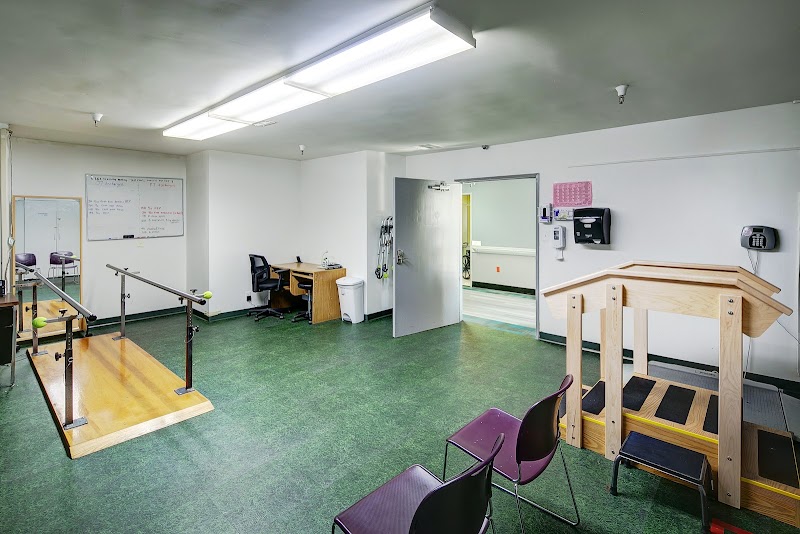
How is Baldwin Gardens Nursing Center Staffed?

CMS rates BALDWIN GARDENS NURSING CENTER's staffing level at 4 out of 5 stars, which is above average compared to other nursing homes. Staff turnover is 22%, compared to the California average of 46%. This relatively stable workforce can support continuity of care.

What Have Inspectors Found at Baldwin Gardens Nursing Center?

State health inspectors documented 47 deficiencies at BALDWIN GARDENS NURSING CENTER during 2021 to 2025. These included: 46 with potential for harm and 1 minor or isolated issues.

Who Owns and Operates Baldwin Gardens Nursing Center?

BALDWIN GARDENS NURSING CENTER is owned by a for-profit company. For-profit facilities operate as businesses with obligations to shareholders or private owners. The facility is operated by ABRAHAM BAK & MENACHEM GASTWIRTH, a chain that manages multiple nursing homes. With 59 certified beds and approximately 54 residents (about 92% occupancy), it is a smaller facility located in TEMPLE CITY, California.
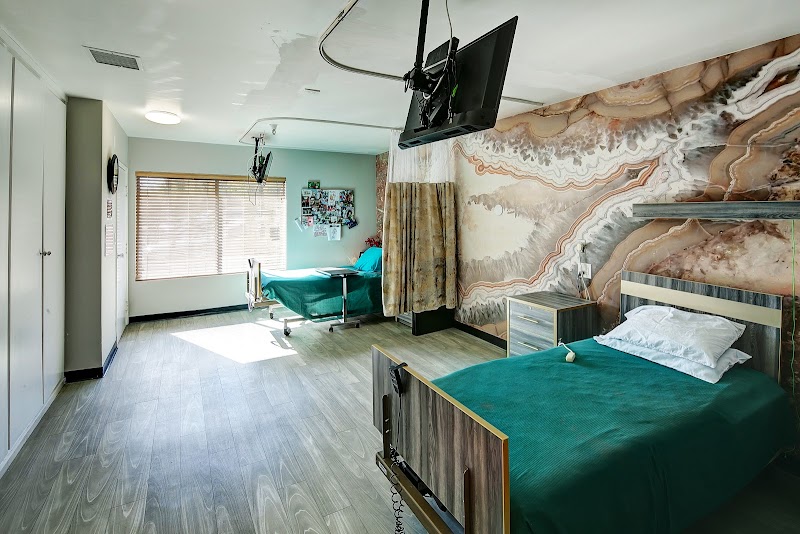
How Does Baldwin Gardens Nursing Center Compare to Other California Nursing Homes?

Compared to the 100 nursing homes in California, BALDWIN GARDENS NURSING CENTER's overall rating (2 stars) is below the state average of 3.1, staff turnover (22%) is significantly lower than the state average of 46%, and health inspection rating (3 stars) is at the national benchmark.

What Should Families Ask When Visiting Baldwin Gardens Nursing Center?

Based on this facility's data, families visiting should ask: "Can I visit during a mealtime to observe dining assistance and food quality?" "How do you handle medical emergencies, and what is your hospital transfer rate?" "Can I speak with family members of current residents about their experience?"

Is Baldwin Gardens Nursing Center Safe?

Based on CMS inspection data, BALDWIN GARDENS NURSING CENTER has a clean safety record: no substantiated abuse findings (meaning no confirmed cases of resident harm), no Immediate Jeopardy citations (the most serious violation level indicating risk of serious injury or death), and is not on the Special Focus Facility watch list (a federal program monitoring the lowest-performing 1% of nursing homes). The facility has a 2-star overall rating and ranks #100 of 100 nursing homes in California. While no facility is perfect, families should still ask about staff-to-resident ratios and recent inspection results during their visit.

Do Nurses at Baldwin Gardens Nursing Center Stick Around?

Staff at BALDWIN GARDENS NURSING CENTER tend to stick around. With a turnover rate of 22%, the facility is 24 percentage points below the California average of 46%. Low turnover is a positive sign. It means caregivers have time to learn each resident's needs, medications, and personal preferences. Consistent staff also notice subtle changes in a resident's condition more quickly.

Was Baldwin Gardens Nursing Center Ever Fined?

BALDWIN GARDENS NURSING CENTER has been fined $3,174 across 1 penalty action. This is below the California average of $33,111. While any fine indicates a compliance issue, fines under $50,000 are relatively common and typically reflect isolated problems that were subsequently corrected. Families should ask what specific issues led to these fines and confirm they've been resolved.

Is Baldwin Gardens Nursing Center on Any Federal Watch List?

BALDWIN GARDENS NURSING CENTER is not on any federal watch list. The most significant is the Special Focus Facility (SFF) program, which identifies the bottom 1% of nursing homes nationally based on persistent, serious quality problems. Not being on this list means the facility has avoided the pattern of deficiencies that triggers enhanced federal oversight. This is a positive indicator, though families should still review the facility's inspection history directly.