SANTA ANITA CONVALESCENT HOSPITAL
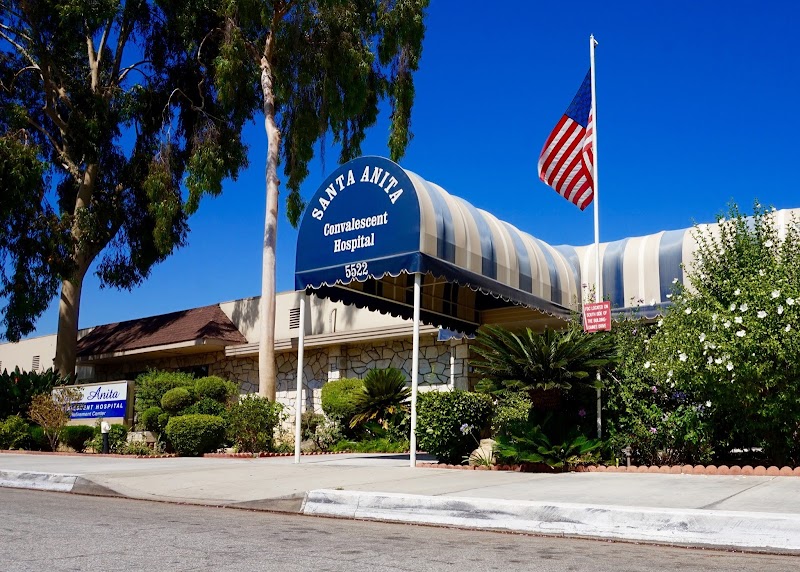
5522 GRACEWOOD AVE., TEMPLE CITY, CA 91780 (626) 579-0310
For profit - Corporation 391 Beds Independent Data: November 2025 5 Immediate Jeopardy citations
Trust Grade
0/100
#1103 of 1155 in CA
Last Inspection: May 2025

Inspected within the last 6 months. Data reflects current conditions.

Overview

Santa Anita Convalescent Hospital has received a Trust Grade of F, indicating significant concerns and poor quality of care. It ranks #1103 out of 1155 facilities in California, placing it in the bottom half, and #339 out of 369 in Los Angeles County, meaning there are very few local options that are worse. Although the facility is improving, as evidenced by a reduction in issues from 72 in 2024 to 60 in 2025, the overall picture remains troubling with 194 total deficiencies found, including critical issues such as failure to monitor residents' mental health and preventing sexual abuse. Staffing is rated average with a 3/5 star, but the turnover rate is concerning at 50%, much higher than the state average, and RN coverage is below average, meaning residents may not receive the attention they need. Additionally, the facility has incurred fines totaling $306,142, which is higher than 88% of California facilities, signaling ongoing compliance problems.

Trust Score
F
0/100
In California
#1103/1155
Bottom 5%
Safety Record
High Risk
Review needed
Inspections
Getting Better
72 → 60 violations
Staff Stability
⚠ Watch
50% turnover. Above average. Higher turnover means staff may not know residents' routines.
Penalties
✓ Good
$306,142 in fines. Lower than most California facilities. Relatively clean record.
Skilled Nurses
⚠ Watch
Each resident gets only 17 minutes of Registered Nurse (RN) attention daily — below average for California. Fewer RN minutes means fewer trained eyes watching for problems.
Violations
⚠ Watch
194 deficiencies on record. Higher than average. Multiple issues found across inspections.
★☆☆☆☆
1.0
Overall Rating
★★★☆☆
3.0
Staff Levels
★★★☆☆
3.0
Care Quality
★☆☆☆☆
1.0
Inspection Score
Stable
2024: 72 issues
2025: 60 issues

The Good

  • Full Sprinkler Coverage · Fire safety systems throughout facility
  • No fines on record

Facility shows strength in fire safety.

The Bad

1-Star Overall Rating

Below California average (3.1)

Significant quality concerns identified by CMS

Staff Turnover: 50%

Near California avg (46%)

Higher turnover may affect care consistency

Federal Fines: $306,142

Well above median ($33,413)

Significant penalties indicating serious issues

The Ugly 194 deficiencies on record

5 life-threatening 6 actual harm
Sept 2025 1 deficiency
CONCERN (E) 📢 Someone Reported This

A family member, employee, or ombudsman was alarmed enough to file a formal complaint

Potential for Harm - no one hurt, but risky conditions existed

Safe Environment (Tag F0921)

Could have caused harm · This affected multiple residents

Based on observation, interviews, and record review the facility failed to ensure the building structure was maintained and free of possible points of entry for pests (anything that is unwanted, bothe...

Read full inspector narrative →
Based on observation, interviews, and record review the facility failed to ensure the building structure was maintained and free of possible points of entry for pests (anything that is unwanted, bothersome, or causes harm to people, their homes, food, or crops) and rodents (mammals with long, sharp teeth that they use to repeatedly bite or chew on something) when: 1. A Tree branch with foliage (leaves) was touching the roof structure of the laundry department building creating a path for pests and rodents to enter the facility. 2. Part of the eaves (the edges that overhang the external walls of a building) of the roof located outside the laundry department building measuring 30 inches x 4 inches were left open without a wood cover or frame attached, that can create an entry/exit point for the pests and rodents to enter the facility. 3. A metal frame on the floor measuring 26 inches x 23 inches where the 2 drainpipes were placed beside the large washing machines were left with gaps including holes in the middle of the metal frame easy for pests and rodents to enter and exit. These deficient practices could potentially lead pests and rodents to enter the facility, spread bacteria, viruses, parasites and other communicable diseases compromising the health, safety, and well-being of 381 residents in the facility. Findings:During a review of the pest control service report on the exterior area of the facility dated 9/4/2025, the pest control service report indicated findings of trees/shrubs contacting the facility creating a path for pests to enter. The pest control service report also indicated action needed/taken to include trimming back the vegetation to eliminate contact. During an observation on 9/23/2025 at 2:17 PM, with the Maintenance Supervisor (MS) and Environmental Services Director (EVSD), the metal frame on the floor measuring 26 inches x 23 inches had large gaps around the two (2) drainpipes including holes in the middle of the metal frame located beside the 2 large washing machines of the laundry room. During a concurrent observation and interview with the MS and EVSD on 9/23/2025 at 2:31 PM, a tree branch with foliage was touching the top of the roof outside the laundry room adjacent to where part of the eave of the roof had an open area measuring 30 inches x 4 inches. The EVSD stated the facility should maintain the building and follow the pest control recommendation to prevent any pests from going on the roof and possibly get inside the building. During an interview on 9/23/2025 at 3:33 PM, the MS stated he was unsure how he missed the open area on the eaves of the roof and the tree branch touching the roof. The MS also stated it's important to maintain the facility structures and follow pest control recommendations to prevent rodents from climbing on the roof, going inside the attic and inside the building. During the same interview on 9/23/2025 at 3:33 PM with the MS, The MS stated it is important to close the hole and gap from the drainage floor in the laundry area to prevent water bugs (Cockroaches) from getting inside the laundry area. During an interview on 9/23/2025 at 3:55 PM, The Administrator (ADM) stated the facility should have followed the recommendation of the pest control services and trimmed the tree branch to ensure no rodents can potentially travel down the tree to the roof and enter through the adjacent eave of the roof opening outside and into the laundry area. ADM also stated rodents sometimes carry diseases, bacteria, and feces which could get into the linen and laundry supplies potentially causing adverse effects to the residents in the facility, including potentially affecting residents' health and well-being. During a review of the facility's undated policy and procedure (P&P) titled, Maintenance Services, reviewed July 1, 2025, the P&P indicated that the maintenance department is responsible for maintaining the buildings, grounds, and equipment in a safe and operable manner at all times to protect the health and safety of residents, visitors, and facility staff.
Aug 2025 1 deficiency
CONCERN (D) 📢 Someone Reported This

A family member, employee, or ombudsman was alarmed enough to file a formal complaint

Potential for Harm - no one hurt, but risky conditions existed

Accident Prevention (Tag F0689)

Could have caused harm · This affected 1 resident

**NOTE- TERMS IN BRACKETS HAVE BEEN EDITED TO PROTECT CONFIDENTIALITY** Based on observation, interview and record review, the facility failed to implement the use of a bed pad alarm (a pad with senso...

Read full inspector narrative →
**NOTE- TERMS IN BRACKETS HAVE BEEN EDITED TO PROTECT CONFIDENTIALITY** Based on observation, interview and record review, the facility failed to implement the use of a bed pad alarm (a pad with sensors that will alarm when a resident stands up unassisted to help prevent falls by alerting staff) for one (1) of four (4) sampled residents (Resident 1) as indicated on the care plan (a document that outlines the facility's plan to provide personalized care to a resident based on the resident's needs) and facility fall policy.This failure had the potential for Resident 1 to have repeated falls which could cause injury and harm to the resident. Findings:During a review of Resident 1's admission Record, the admission Record indicated Resident 3 was admitted to the facility on [DATE] with diagnoses that included generalized muscle weakness, lack of coordination, and congestive heart failure (CHF-a heart disorder which causes the heart to not pump the blood efficiently, sometimes resulting in leg swelling). During a review of Resident 1's Minimum Data Set (MDS - a resident assessment tool), dated 6/8/2025, the MDS indicated Resident 1 with moderately impaired cognitive skills (mental action or process of acquiring knowledge and understanding) for daily decision making. The MDS indicated Resident 1 required supervision or touching assistance (helper provides verbal cues, touching/steadying and/or contact guard assistance during activity) with eating, oral and personal hygiene and substantial/maximal assistance (helper does more than half the effort needed to complete the activity) with toileting, bathing and lower body dressing. The MDS also indicated Resident 1 was dependent (helper does all effort needed to complete activity) with rolling left and right, bed to chair transfers, toilet transfers and the ability to move from lying to sitting on the side of the bed. During a review of Resident 1's Physical Therapy (PT- a therapy that focuses on restoring, maintaining, and improving physical function and movement) Therapy Progress Report, dated 7/15/2025, the PT Therapy Progress Report indicated Resident 1 with the following functional deficits: decreased sitting balance, decreased standing balance, decreased endurance and poor postural control during sitting and standing. During a review of Resident 1's Occupational Therapy (OT- a therapy that aims to improve individuals' ability to engage in meaningful activities of daily living) Therapy Progress Report, dated 7/15/2025, the OT Progress Report indicated Resident 1 had decreased safety awareness and decreased overall strength. During a review of the Resident 3's Actual Witnessed Fall Care Plan revised 7/16/2025, the Care Plan indicated Resident 1 had a witnessed fall with minor injury to the left hand after sliding off wheelchair while in transportation van after going to an appointment. The care plan indicated Resident 1 with a history of weakness, lack of coordination, dementia (a progressive state of decline in mental abilities) with forgetfulness and poor posture. The care plan indicated staff interventions included PT and OT evaluation, use of tilt in wheelchair (wheelchair allows the user's entire seat and back to tilt as a single unit) while going to appointments, and a post fall rehabilitation screen for possible skilled interventions.During a concurrent interview and record review on 8/27/2025 at 1:17 PM with the Occupational Therapist, Resident 1's Therapy Post Fall Screen, dated 7/31/2025 was reviewed. The Therapy Post Fall Screen indicated therapy recommendations to include a tab alarm (bed alarm). The Occupational Therapist stated a tab alarm is a device for Resident 1's bed and/or wheelchair that will alarm if she tries to get up or out. During a review of Resident 1's Change of Condition (COC-a significant alteration in a resident's physical, mental, or emotional status that requires attention and intervention from healthcare professionals) Evaluation, dated 8/12/2025, the COC Evaluation indicated Resident 3 had a fall and was found hanging from the bed from side rails (metal or plastic bars that attach to the sides of a bed to provide support for moving, prevent falls from bed, or prevent residents from getting out of bed and wandering). The COC indicated Resident 1 sustained a left elbow skin tear (traumatic wounds caused by friction when the upper layer of the skin becomes torn from the underlying layers), right lower leg skin tear, and left knee contusion (a bruise). During a review of Resident 1's Resident Had an Actual Unwitnessed Fall on 8/12/2025 care plan, initiated 8/12/2025, the care plan indicated staff interventions included were to educate resident on risk for fall and to offer bed alarm. During a review of Resident 1's IDT Post Event Review, dated 8/14/2025, the IDT Post Event Review indicated under Interventions done/IDT recommendations, was the use of a bed alarm for Resident 1. During a concurrent observation and interview on 8/27/2025 at 11:24 AM with Resident 1, at Resident 1's bedside, Resident 1 was observed lying in bed without a bed alarm. Resident 1 stated the staff did not speak with her regarding the use of a bed alarm and has never had one on her bed. Resident 1 also stated she was not cleared to use a wheelchair for her appointment on 7/16/2025 and was told to go via gurney but wanted a wheelchair because she felt it was safer for her than a gurney. During a concurrent observation and interview on 8/27/2025 at 11:36 AM with Licensed Vocational Nurse 1 (LVN 1), at Resident 1's bedside, Resident 1 was observed lying in bed. LVN 1 stated Resident 1 did not have a bed alarm. LVN 1 stated Resident 1's fall interventions included the use of floor mats (a cushioned floor mat placed beside a bed, chair, or other high-risk area to reduce the impact of a fall and minimize the risk of serious injury), to keep the bed in the lowest position, and hourly staff rounding During an interview on 8/27/2025 at 2:10 PM with the Director of Rehabilitation (rehab-therapy given to restore an individual back to their highest possible level of physical, mental, and psychosocial well-being), the DOR stated the IDT recommended the use of bed alarm during Resident 1's post fall IDT meeting on 8/14/2025. The DOR stated the use of bed alarm will alert staff when Resident 1 is getting out of bed, which will allow staff to respond promptly to Resident 1's needs to help prevent falls. During a concurrent interview and record review on 8/27/2025 at 3:12 PM with the ADON, Resident 1's electronic medical chart was reviewed. The ADON stated Resident 1's medical chart did not indicate an order for a bed alarm. The ADON stated Resident 1 should have a bed alarm in place to prevent falls or should have been offered a bed alarm because it was recommended by IDT. The ADON stated Resident 1's progress note did not indicate if a bed alarm was offered to Resident 1 or a care plan indicating bed alarm refusal. During a concurrent interview and record review on 8/27/2025 at 5:00 PM with the Director of Nursing (DON), Resident 1's electronic medical chart was reviewed. The DON stated Resident 1's electronic medical record did not indicate that the resident refused a bed alarm. The DON stated there would be an updated IDT meeting and care plan if Resident 1 refused the use of bed alarm. During a review of the facility's Policy & Procedure titled, Fall Management Program, revised 6/1/2027, the P&P indicated the policy had a purpose to prevent resident falls and minimize complications associated with falls, the Nursing staff and IDT, with input from the Attending Physician will identify and implement interventions to reduce the risk of falls and the IDT will routinely review the plan of care at a minimum of quarterly, with a significant change in condition and post fall and interventions will be implemented based on the resident's condition. The P&P also indicated the IDT Committee will meet within 72 hours of a fall and will review and document the interventions to prevent future falls.
Aug 2025 2 deficiencies
CONCERN (D) 📢 Someone Reported This

A family member, employee, or ombudsman was alarmed enough to file a formal complaint

Potential for Harm - no one hurt, but risky conditions existed

Resident Rights (Tag F0550)

Could have caused harm · This affected 1 resident

**NOTE- TERMS IN BRACKETS HAVE BEEN EDITED TO PROTECT CONFIDENTIALITY** Based on interview and record review, the facility failed to ensure two (2) of four (4) sampled residents (Resident 2 and 3), we...

Read full inspector narrative →
**NOTE- TERMS IN BRACKETS HAVE BEEN EDITED TO PROTECT CONFIDENTIALITY** Based on interview and record review, the facility failed to ensure two (2) of four (4) sampled residents (Resident 2 and 3), were treated with dignity and respect when: 1. Certified Nursing Assistant 3 (CNA 3) failed to speak respectfully to Resident 2 during incontinent (involuntary loss of urine or stool) care on 8/24/2025 during the night shift (11 PM through 7 AM). 2. CNA 3 failed to respect Resident 3's request not to receive incontinent care on 8/21/2025 during the night shift. These failures had the potential to negatively affect Residents 2 and 3's overall wellbeing. Findings: 1. During a review of Resident 2's admission Record, the admission Record indicated Resident 2 was admitted to the facility on [DATE] with diagnoses that included adult failure to thrive(a decline caused by chronic diseases and functional impairments which can cause weight loss, decreased appetite, poor nutrition, and inactivity), dementia (a progressive state of decline in mental abilities) and weakness. During a review of Resident 2's Minimum Data Set (MDS - a resident assessment tool), dated 7/30/2025, the MDS indicated Resident 2 had moderately impaired cognitive skills(mental action or process of acquiring knowledge and understanding)for daily decision making. The MDS also indicated Resident 2 was substantial/maximal assistance (helper does more than half the effort needed to complete the activity) with eating, oral, personal and toileting hygiene and dependent (helper does all effort needed to complete activity) with shower/bathing and lower body dressing. The MDS also indicated Resident 2 had aurinary catheter (a hollow tube inserted into the bladder to drain or collect urine)and was always incontinent (having no or insufficient voluntary control) of bowel. 2. During a review of Resident 3's admission Record, the admission Record indicated Resident 3 was admitted to the facility on [DATE] with diagnoses that included hemiplegia (total paralysis of the arm, leg, and trunk on the same side of the body) and hemiparesis(weakness one side of the body),dementia (a progressive state of decline in mental abilities) and dysphagia (difficulty swallowing). During a review of Resident 3's MDS, dated 7/24/2025, the MDS indicated Resident 3 had severely impaired cognitive skills for daily decision making. The MDS also indicated Resident 3 was dependent with toileting hygiene, shower/bathing, partial/moderate assistance (helper does less than half the effort needed to complete the activity) with oral and personal hygiene and supervision or touching assistance (helper provides verbal cues, touching/steadying and/or contact guard assistance during activity) with eating. The MDS also indicated Resident 3 was frequently incontinent with urine and bowel. During an interview on 8/26/2025 at 1:14 PM with CNA 2, CNA 2 also stated staff are to speak and treat to all residents with respect. During an interview on 8/26/2025 at 3:33 PM with CNA 3, CNA 3 stated she was assigned to Resident 2 on 8/24/2025 and went to assist him with his incontinence care and told him No stop scratching, don't do this, come turn over. CNA 3 stated Resident 2 has feces on his left hand and CNA 3 wanted to clean him up. CNA 3 stated sometimes her voice can come across harsh to others but that was not her intention. CNA 3 stated she should have talked to Resident 2 in a way that was respectful. During an interview on 8/26/2025 at 3:50 PM, CNA 3 stated she was assigned to Resident 3 on the night shift of 8/21/2205. CNA 3 stated she told Resident 3 she would be providing her incontinent care, but the resident refused. CNA 3 stated she could not leave Resident 3 wet, so she insisted she needed to be changed and Resident 3 resisted. CNA 3 stated she did not think of leaving Resident 3 alone or calling for another nurse or translator to further understand or explain clearly to Resident 3. CNA3 stated she should not have provided care at that time if Resident 3 said she did not want it. During an interview on 8/27/2025 with LVN 3 at 12:14 PM, LVN 3 stated Resident 3's primary language was Spanish, and she was able to make her needs and wants known. LVN 3 stated according to facility policy, Residents have a right to refuse care and if Resident 3 refused ADL care, the staff should have acknowledged the resident's wants and went back later to offer ADL assistance and should have informed the LVN charge nurse. LVN 3 also stated that not honoring the residents' rights can upset them and can make them distrust staff there to help them. During an interview on 8/27/2025 at 4:03 PM with CNA 4, CNA 4 stated Resident 3 spoke Spanish and able to let staff know if she wanted incontinence care provided at that time. CNA 4 stated during the night shift on 8/22/2025, Resident 3 informed her CNA 3 was rough with care and not listening or trying to understand her while providing incontinent care. During a concurrent interview with the Director of Nursing (DON) and record review on 8/27/2025 at 5:00 PM, the facility's policy & procedure (P&P) titled Resident Rights- Quality of Life, implemented 5/1/2023, the P&P indicated the purpose to ensure all residents are treated with the level of dignity they are entitled to while residing at the facility. The P&P also indicated facility staff speak respectfully to residents at all times and staff treats cognitively impaired residents with dignity and sensitivity. The DON stated per policy, dignity and respect are to be given to every resident and speaking respectfullymeans using a normal time of voice, respectful tone, explaining to the resident what is to be done, and ensure culture and language differences are honored. The DON also stated, if a resident is refusing care, staff should never force a resident to do comply but educate them, inform the charge nurse and return later to ensure the care is provided. During a review of the facility's P&P titled Resident Rights, revised 10/1/2017, the P&P indicated the facility must treat each resident with respect and dignity and care for each resident in a manner and in an environment, that promotes maintenance or enhancement of his or her quality of life, recognizing each resident's individuality. During a review of the facility's P&P titled Privacy and Dignity, revised 6/1/2017, the P&P indicated staff assists the resident in maintaining self-esteem and self-worth, residents are groomed as they wish to be groomed and staff treats residents with respect including respecting their social status, speaking respectfully, listening carefully.
CONCERN (D) 📢 Someone Reported This

A family member, employee, or ombudsman was alarmed enough to file a formal complaint

Potential for Harm - no one hurt, but risky conditions existed

Quality of Care (Tag F0684)

Could have caused harm · This affected 1 resident

**NOTE- TERMS IN BRACKETS HAVE BEEN EDITED TO PROTECT CONFIDENTIALITY** Based on interview and record review, the facility failed to ensure one (1) of four (4) sampled residents (Resident 2), was asse...

Read full inspector narrative →
**NOTE- TERMS IN BRACKETS HAVE BEEN EDITED TO PROTECT CONFIDENTIALITY** Based on interview and record review, the facility failed to ensure one (1) of four (4) sampled residents (Resident 2), was assessed and monitored for 72 hours after an alleged incident episode of physical abuse (an intentional act causing injury or trauma to another person through bodily contact) as indicated in the facility's policy and procedure (P&P). This failure had the potential for Resident 2 not to be monitored for physical and/or psychosocial changes negatively affecting his overall well-being. Findings: During a review of Resident 2's admission Record, the admission Record indicated Resident 2 was admitted to the facility on [DATE] with diagnoses that included adult failure to thrive(a decline caused by chronic diseases and functional impairments which can cause weight loss, decreased appetite, poor nutrition, and inactivity), dementia (a progressive state of decline in mental abilities) and weakness. During a review of Resident 2's Minimum Data Set (MDS - a resident assessment tool), dated 7/30/2025, the MDS indicated Resident 2 had moderately impaired cognitive skills(mental action or process of acquiring knowledge and understanding)for daily decision making. The MDS also indicated Resident 2 was substantial/maximal assistance (helper does more than half the effort needed to complete the activity) with eating, oral, personal and toileting hygiene and dependent (helper does all effort needed to complete activity) with shower/bathing and lower body dressing. During a review of Resident 2's Change in Condition (COC- a significant alteration in a patient's physical, mental, or functional status) Evaluation, dated 8/24/2025, the COC indicated an alleged incident of physical abuse toward Resident 2 by Certified Nurse Assistant 3 (CNA 3). During a review of Resident 2's Risk for Emotional Distress related to Allegations of Abuse care plan(a document that outlines the facility's plan to provide personalized care to a resident based on the resident's needs), initiated 8/24/2025, the care plan indicated interventions to assess emotional status regularly. During an interview on 8/26/2025 at 11:18 AM with Licensed Vocational Nurse 2 (LVN 2), LVN 2 stated there was an allegation of abuse towards Resident 2 on 8/24/2025 and nursing monitors his mental and physical health for 72 hours as indicated on the facility's COC policy. During a concurrent interview and record review on 8/26/2025 at 11:26 AM with LVN 2 and Registered Nurse 2 (RN 1), Resident 2's electronic and physical medical chart was reviewed. The medical charts failed to indicate any monitoring of Resident 2's condition on 8/25/2025 during the day shift (7 AM through 3 PM), evening shift (3 PM through 11 PM) and night shift (11 PM through 7 AM). RN 1 stated there is no evidence of monitoring documented for Resident 2 after the COC. RN 1 stated the licensed nurses should have monitored and documented Resident 2's condition for each shift on 8/25/2025. LVN 2 stated it is important to assess and monitor Resident 2 for 72 hours because Resident 2 cannot verbalize changes so staff would not become aware of any new changes without monitoring. During an interview on 8/26/2025 at 1:40 PM with the Director of Staff Development (DSD),the DSD stated72-hour monitoring is done to monitor changes in condition (improving or worsening), documentation is done in the electronic chart under nurses' notes and is completed every shift. During an interview on 8/27/2025 at 12:14 PM with LVN 3, LVN 3 stated Resident 2 had a change in condition for an alleged instance of abuse and per facility policy, 72-hour monitoring by a nurse each shift should have been done to monitor for bruising, injuries or pain that Resident 2 may develop. LVN 3 stated Resident 2 has confusion and may be unable to verbalize changes, and if monitoring is not done, staff will not be aware of changes which could lead to Resident 2 experiencing neglect(fail to care for properly). During an interview on 8/27/2025 at 5PM with the Director of Nursing (DON), the DON stated that according to the facility policy, staff should have completed the 72-hour monitoring for Resident 2, to ensure he was not in distress, there are no injuries and there are no additional changes in his condition. During a review of the facility's P&P titled Change of Condition Notification, revised 6/1/2017, the P&P indicated the purpose to ensure residents, family, legal representatives and physicians are informed of changes in the resident's condition in a timely manner and a licensed nurse will document each shift for at least 72 hours.
Aug 2025 2 deficiencies
CONCERN (D) 📢 Someone Reported This

A family member, employee, or ombudsman was alarmed enough to file a formal complaint

Potential for Harm - no one hurt, but risky conditions existed

Deficiency F0804 (Tag F0804)

Could have caused harm · This affected 1 resident

**NOTE- TERMS IN BRACKETS HAVE BEEN EDITED TO PROTECT CONFIDENTIALITY** Based on observation, interview, and record review, the facility failed to ensure that food was served at the proper serving tem...

Read full inspector narrative →
**NOTE- TERMS IN BRACKETS HAVE BEEN EDITED TO PROTECT CONFIDENTIALITY** Based on observation, interview, and record review, the facility failed to ensure that food was served at the proper serving temperature for one (1) of two (2) sampled residents (Resident 2) in accordance with the facility's policy and procedure titled Food Temperatures. This deficient practice had the potential to negatively affect Resident 2's meal intake. which could lead to health complications and weight loss. Serving food at improper temperatures can reduce palatability and discourage consumption, especially and inadequate nutritional intake may lead to health complications such as weight loss, malnutrition (a condition that occurs when the body does not receive enough nutrients or calories to function properly), and a decline in overall health statusFindings:During a review of Resident 2's admission Record, the admission Record indicated the resident was admitted on [DATE] and was readmitted on [DATE] with the following diagnoses of diabetes mellitus (DM-a disorder characterized by difficulty in blood sugar control and poor wound healing), hypertension (HTN - high blood pressure) and depression (a serious mood disorder causing persistent sadness, loss of interest, and affecting thoughts, feelings, and daily activities like sleeping or eating). During a review of Resident 2's Minimum Data Set (MDS - a resident assessment tool), dated 7/21/2025, the MDS indicated the resident is independent in cognitive (the ability to understand and make decisions) skills for daily decision making. The MDS also indicated the resident required supervision or touching assistance (helper provides verbal cues and/or touching/steadying and/or contact guard assistance as resident completes activity. Assistance may be provided throughout the activity or intermittently) with toileting hygiene, upper body dressing, lower body dressing, and putting on taking off footwear but required partial/moderate assistance (helper does less than half the effort. Helper lifts, holds, or supports trunk or limbs, but provides less than half the effort) with shower/bathe self. Resident 2 required setup or clean up assistance (helper sets up or cleans up, resident completes activity. Helper assists only prior to or following the activity) with eating. During an interview on 8/15/2025 at 10:50AM in Resident 2's room, the resident stated her food is usually served cold. During a concurrent observation with Registered Dietician (RD) and interview on 8/15/2025 at 1:43 PM, Resident 2 was observed eating her food with pasta and carrots, and the resident stated the food is cold. The food temperature of Resident 2's tray was taken, with Resident 2's permission. The temperature of Resident 2's food was checked with RD and the temperature of the noodles/ pasta was at 123 degrees Fahrenheit and carrots at 108 degrees Fahrenheit. During a concurrent observation and interview on 8/15/2025 at 1:49 PM of the test tray with Assistant Administrator (AADM), RD and Dietary supervisor (DS) present. Test Tray 1 was noted with the milk at 45 degrees Fahrenheit, \chicken and rice casserole at 120 degrees Fahrenheit and carrots at 120 degrees Fahrenheit. Test Tray 2 was noted with milk at 51 degrees Fahrenheit, noodles at 135 degrees Fahrenheit and carrots at 125 degrees Fahrenheit. During a concurrent interview and record review on 8/15/2025 at 2:55 PM, the Policy and Procedure (P&P) titled Food Temperatures, revised 1/31/2019, was reviewed. The P&P indicated acceptable serving temperatures are not limited to the following: Casseroles - More than 140 degrees Fahrenheit Pasta - More than 140 degrees Fahrenheit Vegetables - More than 140 degrees Fahrenheit Milk, Juice - Less than 41 degrees Fahrenheit Quality Assurance Nurse (QAN) stated the serving temperatures means the required temperature of food when the food gets/ is served to the residents. During a concurrent interview and record review on 8/15/2025 at 3 PM, the P&P titled Food Temperatures, revised 1/31/2019, was reviewed. Administrator (ADM) stated the serving temperatures mean when the food gets to the residents. ADM also stated the pasta and carrots served to Resident 2 for lunch today did not meet the serving temperatures. During a review of the P&P titled Food Temperatures, revised 1/31/2025, the P&P indicated if temperatures do not meet the required serving temperatures listed above, reheat the product or chill the product to the proper temperature.
CONCERN (E) 📢 Someone Reported This

A family member, employee, or ombudsman was alarmed enough to file a formal complaint

Potential for Harm - no one hurt, but risky conditions existed

Infection Control (Tag F0880)

Could have caused harm · This affected multiple residents

Based on observation, interview, and record review, the facility failed to observe infection control measures as indicated in the facility's policy and procedure by failing to ensure:1. Licensed Vocat...

Read full inspector narrative →
Based on observation, interview, and record review, the facility failed to observe infection control measures as indicated in the facility's policy and procedure by failing to ensure:1. Licensed Vocational Nurse 1 (LVN 1) doff (remove an item or clothing) Personal Protective Equipment (PPE - clothing and equipment that is worn or used to provide protection against hazardous substances and/or environments) and perform hand hygiene (the process of cleaning one's hands to remove dirt, germs, and other microorganisms. It involves washing hands with soap and water or using alcohol-based hand rubs) prior to exiting Room B.2. Physician 1 don (putting on an item or clothing) on an N-95 (a disposable face mask that covers the user's nose and mouth which offers protection from small solid or liquid droplets found in the air) prior to entering Unit A (the COVID [Coronavirus Disease- a highly contagious respiratory disease caused by the SARS-CoV-2 virus. SARS-CoV-2 is thought to spread from person to person through droplets released when an infected person coughs, sneezes, or talks] unit).3. The Unit Manager (UM) wears the N-95 mask correctly covering the mouth and nose while in Unit A.4. Dietary Supervisor Assistant (DSA) change gloves and performs hand hygiene after picking up a bowl from the floor and before continuing with tray line (a healthcare food service assembly line where food trays are prepared by passing through a series of stations, each performing a specific task like adding cold items or hot food, to ensure efficient and accurate meal delivery to residents). 5. Dietary Staff (DTS) did not pick up a bag of bowl lids from the floor and put it on tray line near the ready-to-eat foods. These deficient practices had the potential to spread infection to staff and residents.Findings:1. During a concurrent interview and record review of the facility's floor plan on 8/15/2025 at 10:12 AM, Infection Preventionist Nurse (IPN) stated an N-95 mask should always be worn in Unit A (the COVID 19 Unit). IPN also stated when going into the resident's room in Unit A, PPE should be worn before entering the room and PPE should be removed/ doff before leaving the room. IPN stated there is signage posted and mask available outside of unit A outlining infection control protocols. IPN stated the red marking indicated on the floor plan means unit A is a COVID-19 unit. During a concurrent observation and interview on 8/15/2025 at 10:43 AM, LVN 1 was observed rolling a used gown outside of Room B, went back in Room B to dispose of the used gown and left Room B without performing hand hygiene. LVN 1 stated LVN 1 should have but did not remove his gown and performed hand hygiene prior to exiting Room B. LVN 1 stated it is not okay because it can spread infection to staff and other residents. During an interview on 8/15/2025 at 10:47 AM, IPN stated hand hygiene and donning of PPE should occur prior to entering the resident's room who is on isolation precautions (set of infection control measures designed to prevent the spread of infectious diseases in healthcare settings), and doffing of PPE and performing hand hygiene should occur before exiting the resident's room who is on isolation precaution. IPN stated with the indication of a mask already worn since Room B is in Unit A, the donning of PPE should be done as follow: perform hand hygiene, don gown, and don gloves before entering a resident's room, and doffing should be done as follows: doff gloves, doff gown and perform hand hygiene before exiting a resident's room. 2. During a concurrent observation and interview on 8/15/2025 at 12PM in Unit A, Physician 1 was noted without an N95 mask. Physician 1 was also observed walking up and down the hallway of Unit A twice without a mask/N-95 on. Physician 1 stated he forgot to put his mask on while in Unit A. 3. During a concurrent observation and interview on 8/15/2025 at 12:30 PM in Unit A, Unit Manager (UM) was observed with his N95 mask under placed under his chin not covering UM's mouth or nose. UM stated he was not wearing his N95 mask on correctly to ensure his mouth and his nose were covered. A review of the facility's P&P titled Personal Protective Equipment, revised 7/1/2023, the P&P indicated the facility will wear an N-95 to follow their respiratory protection program. The P&P also indicated when gowns are used, they are used only once and discarded into appropriate receptacle located in the room in which the procedure is performed. A review of the facility's P&P titled Categories of Transmission-Based Precautions Resident isolation, revised 7/1/2023, the P&P indicated the gown is removed, and hand hygiene is performed before leaving the resident's environment. A review of the facility's P&P titled Infection Prevention and Control Program, revised 10/24/2025, the P&P indicated it is intended to facilitate maintaining a safe, sanitary, and comfortable environment and to help prevent and manage transmission of diseases and infections. A review of the facility's P&P titled Hand Hygiene, revised 2/20/2025, the P&P indicated hand hygiene should be done immediately upon entering a resident occupied area and immediately upon exiting a resident occupied area. A review of the facility's P&P titled COVID-19 and Quarantine, revised 7/1/2025, the P&P indicated staff will be required to wear masks when there is an outbreak in the facility and appropriate PPE when care for a resident. A review of the Centers of Disease Control Guidelines How to use your N95 Respirator, dated 3/12/2025, the guidelines indicated when putting on an N95 Respirator, the respirator should be placed under the chin with the nose piece bar at the top with the nose piece mold to the shape of your nose and it should fit snugly. https://www.fda.gov/medical-devices/personal-protective-equipment-infection-control/n95-respirators-surgical-masks-face-masks-and-barrier-face-coverings 4. During a concurrent observation on 8/15/2025 at 12 PM in the kitchen with Dietary Supervisor (DS) present, the tray line was observed. Dietary Supervisor Assistant (DSA) was observed dropping a bowl of food from the refrigerator, then picking it up and continuing the tray line with the same contaminated gloves. During an interview on 8/15/2025 at 12:10 PM in the kitchen, DS stated DSA should have changed gloves and perform hand hygiene after picking up the bowl from the floor and before touching anything in the kitchen/ continuing the tray line. DS also stated not changing gloves and performing hand hygiene is not okay because it can spread infection. 5. During an observation on 8/15/2025 at 1:18 PM in the kitchen, tray line was observed when Dietary Staff (DTS) dropped a bag of bowl lids. DTS was observed picking up the bag of bowl lids, put it on the tray line near the ready-to-eat foods and touched the tray line with the same contaminated gloves. During an interview on 8/15/2025 at 1:20 PM in the kitchen during tray line, Registered Dietician (RD) stated DTS should have changed DTS' gloves and performed hand hygiene before continuing to work on the tray line because that can spread infection to the residents. DTS also stated, the bag of bowl lids that was picked up from the floor by the DTS should not be placed on the tray line and/ or near the ready-to- eat food items to avoid contamination of food served to the residents. A review of the facility's Policy and Procedure (P&P) titled Food Storage, revised 6/1/2017, the P&P indicated wash hands before handling food and keep work surfaces clean and orderly. A review of the facility's P&P titled General Dietary Department, revised 10/24/2022, the P&P indicated staff should wear intact disposable gloves in good condition that are changed appropriately to reduce the spread of infection. A review of the facility's P&P titled Hand Hygiene, revised 2/20/2025, the P&P indicated washing hands with soap and water before and after food preparation and before direct contact with food.
Aug 2025 2 deficiencies
CONCERN (D) 📢 Someone Reported This

A family member, employee, or ombudsman was alarmed enough to file a formal complaint

Potential for Harm - no one hurt, but risky conditions existed

Garbage Disposal (Tag F0814)

Could have caused harm · This affected 1 resident

Based on observation, interview, and record review, the facility failed to ensure one (1) of two (2) dumpsters (a movable waste container) were closed and not overflowing, in accordance with the facil...

Read full inspector narrative →
Based on observation, interview, and record review, the facility failed to ensure one (1) of two (2) dumpsters (a movable waste container) were closed and not overflowing, in accordance with the facility's Policy and Procedure (P&P) titled, Garbage and Trashcan Use and Cleaning. This deficient practice had the potential to attract vermin (animals that are believed to be harmful, carry diseases such as rodents, parasitic worms, or insects), pests (any living thing that has a negative effect on humans), and wildlife (undomesticated animal species) and may cause disease and other health issues to residents, staff, and the community.During an observation on 8/12/2025 at 8:30 AM one dumpster located at the facility's back parking lot overflowing and its lid was not closed. It contained crushed eggshells in an open box and kitchen trash. The dumpster has strong odor of spoiled /rotten food and could visually see flies flying around the dumpster. The dumpster concurrent observation and interview on 8/12/2025 at 8:41AM at the facility's back parking lot with the staffing coordinator (SC), SC stated the dumpster was overflowing, smelly, and with a lot of flies around the dumpster. SC stated it should be closed properly and not smelly. During an interview on 8/12/2025 at 8:46 AM with the Dietary Director (DD), DD stated dumpsters are supposed to be closed all the time, not smelly. The eggshell on the box should have been put inside the plastic before dumping it into the dumpster to prevent insects and rodents. During an interview on 8/13/2025 at 11:57 AM with Dietary Aid (DA), DA stated kitchen trashcans are lined with plastic, double-tied and placed in the dumpster outside. The DA also stated that not doing so could attract flies and insects and may lead to cross contamination, which can cause sickness like diarrhea and salmonella (bacteria that commonly causes food poisoning). During a record review of the facility's Policy and Procedures (P&P) titled, garbage and trashcan use and cleaning revised 11/1/2017, indicated The dietary staff will use garbage and trash cans according to the manufacture's guidelines. Garbage and trash cans will be cleaned routinely. I Food waste will be in placed in covered garbage and trashcan. III Sanitation of Equipment: A. Garbage and trash cans are cleaned at least daily, and more often if necessary. During a record review of the facility's P&P titled, Pest Control revised 11/1/2017, in General practices section indicated, Garbage and trach are not permitted to accumulate in any part of the facility.
CONCERN (D) 📢 Someone Reported This

A family member, employee, or ombudsman was alarmed enough to file a formal complaint

Potential for Harm - no one hurt, but risky conditions existed

Safe Environment (Tag F0921)

Could have caused harm · This affected 1 resident

**NOTE- TERMS IN BRACKETS HAVE BEEN EDITED TO PROTECT CONFIDENTIALITY** Based on observation, interview, and record review the facility failed to maintain a safe, clean, comfortable sanitary and home-...

Read full inspector narrative →
**NOTE- TERMS IN BRACKETS HAVE BEEN EDITED TO PROTECT CONFIDENTIALITY** Based on observation, interview, and record review the facility failed to maintain a safe, clean, comfortable sanitary and home-like environment for two (2) of 3 three sampled residents (Resident 1 and 2) by failing to:1. Ensure toilet was free from brownish to reddish color dry substants on the toilet seat.2. Ensure that the floor was free of clutters and food stains.3. Ensure that the dirty white towel with brownish colored substance was not placed on top of the covered linen barrel.4. Ensure that the old food tray from dinner was picked up.These deficient practices caused an unsanitary and unsafe environment potentially put residents in contamination and at risk for serious illness and/ or injury.During a record review of Resident 1's admission Record, the admission record indicated Resident 1 was admitted on [DATE] with diagnosis which included but not limit to anxiety (common mental health condition characterized by excessive and persistent worry, fear, and nervousness), history of falling, unspecified visual loss and Type II diabetes (body cannot use insulin properly, leading to high blood sugar). During a review of Resident 1's Minimum Data Set (MDS, a resident assessment tool), dated 7/1/2025, the MDS indicated Resident 1 cognitive skills (processes of thinking and reasoning) for daily decision making was intact. During a record review of Resident 2's admission Record, the admission record indicated Resident 2 was admitted on [DATE] with diagnosis which included but not limited to hypertension (high blood pressure), history of falling, hyperlipidemia (a condition where there are elevated levels of fats (lipids) in the blood) and Type II diabetes (body cannot use insulin properly, leading to high blood sugar). During a review of Resident 2's MDS, dated [DATE], the MDS indicated Resident 2's cognitive skills (processes of thinking and reasoning) for daily decision making was severely impaired (potentially requiring significant assistance with daily activities). During a concurrent observation and interview on 8/12/2025 at 8:00 AM at Resident 1 and 2's room, with the house keeping (HK1), HK1 stated the room was dirty. The toilet seat cover was not clean, there were dry urine from yesterday. HK 1 also stated the room was dirty. During a concurrent observation and interview on 8/12/2025 at 8:06 AM in Resident 1 and 2's room, the assistant administrator (AADM), AADM stated the room's floor was cluttered with empty cups, cup covers, and food wrappers. The floor was also crusted with dirt. The toilet bowl needed cleaning, dry feces (stool) were on the toilet seat. During the same concurrent observation and interview on 8/12/2025 at 8:06 AM with the AADM, AADM stated a dirty white towel with brownish, dry substance was on top of the white covered linen barrel. The AADM stated it should be inside the covered white barrel. The AADM also stated the leftover food from last night should have been picked up. The AADM also stated the room needs to be clean, as this can harbor bacteria and attract insects, ants, cockroaches, and rodents. During an interview on 8/12/2025 at 10:30 AM with the infection preventionist nurse (IPN1), IPN 1 stated food from night shift should have been taken out after eating. The dirty white towel with brown crusted color substance should be inside the white barrel for infection control. Other residents might get it and wipe themselves with it. IPN 1 stated the floor should be free of clutter and clean. IPN 1 also stated dirty toilet was not acceptable. These conditions can cause sickness that can be harmful to residents. During an interview on 8/13/2025 at 11:20 AM with Resident 1, Resident 1 stated that he was worried about the bathroom toilet not being clean. Resident 1 also stated he's worried that he might get sick because of that. During a review of the facility's policy and procedures (P&P,) titled Resident Room and Environment, revised on 11/1/2017, the P&P indicated Purpose: to provide residents with a safe, clean comfortable and homelike environment. The P&P also indicated the facility staff aim to create a personalized, homelike atmosphere, paying close attention to the cleanliness and order.
Jul 2025 1 deficiency
CONCERN (D) 📢 Someone Reported This

A family member, employee, or ombudsman was alarmed enough to file a formal complaint

Potential for Harm - no one hurt, but risky conditions existed

Deficiency F0558 (Tag F0558)

Could have caused harm · This affected 1 resident

**NOTE- TERMS IN BRACKETS HAVE BEEN EDITED TO PROTECT CONFIDENTIALITY** Based on observation, interview and record review, the facility failed to accommodate the needs for one (1) of two (2) sampled r...

Read full inspector narrative →
**NOTE- TERMS IN BRACKETS HAVE BEEN EDITED TO PROTECT CONFIDENTIALITY** Based on observation, interview and record review, the facility failed to accommodate the needs for one (1) of two (2) sampled residents (Resident 1) by ensuring the call light (initial communication between staff and residents) was within reach of Resident 1 when the resident needed to call for assistance for a brief change.This deficient practice has the potential to delay in the necessary care and services and/ or needs not being met for Resident 1.Findings:During a review of Resident 1's admission Record, the admission Record indicated the resident was originally admitted on [DATE] and was readmitted on [DATE] with the diagnoses of, but not limit to dementia (a progressive state of decline in mental abilities), displaced intertrochanteric fracture of right femur (a break between the bones located in the upper part of the thighbone), history of falling, and muscle wasting/atrophy (weakening, shrinking, and loss of muscle).During a review of Resident 1's Fall Risk Assessment, dated 7/5/2025, the assessment indicated the resident is at high risk for falling.During a review of Resident 1's Care Plan with focus at risk for falls and/or injuries, dated 7/5/2025, the care plan indicated attached call light within reach and encourage resident to use it for assistance as needed.During a review of Resident 1's Minimum Data Set (MDS - a resident assessment tool), dated 7/9/2025, the MDS indicated the resident was severely impaired in cognitive (the ability to understand and make decisions) skills for daily decision making. The MDS also indicated Resident 1 required supervision and touching assistance (helper provides verbal cues and/or touching/steadying and/or contact guard assistance as resident completes activity. Assistance may be provided throughout the activity or intermittently) with eating, oral hygiene, toileting hygiene, upper body dressing, and personal hygiene but required partial/moderate assistance (helper does less than half the effort. Helper lifts or holds trunk or limbs and provides less than half the effort) with lower body dressing and putting on/taking off footwear.During an observation on 7/30/2025 at 11:36 AM in Resident 1's room, Resident 1's call light was observed on the floor. Resident 1 was also observed touching his brief and stating that he needed a brief change.During a concurrent observation and interview on 7/30/2025 at 11:40 AM, Licensed Vocational Nurse 1 (LVN 1) stated it is not ok for Resident 1's call light to be on the floor because the resident would not be able to ask for assistance when needed.During an interview on 7/30/2025 at 2:46 PM, Certified Nursing Assistant 3 (CNA 3) stated Resident 1 knows how to use the call light to ask for assistance.During a concurrent interview and record review on 7/30/2025 at 3:30 PM with Quality Assurance Nurse (QAN), the policy and procedure (P&P) titled Call System Communication, dated 10/24/2022, was reviewed. The P&P indicated call light will be placed within the resident's reach in the resident's room. QAN stated the call light should be within reach of the resident so the resident can ask for assistance when needed.
Jul 2025 2 deficiencies
CONCERN (D) 📢 Someone Reported This

A family member, employee, or ombudsman was alarmed enough to file a formal complaint

Potential for Harm - no one hurt, but risky conditions existed

Medical Records (Tag F0842)

Could have caused harm · This affected 1 resident

**NOTE- TERMS IN BRACKETS HAVE BEEN EDITED TO PROTECT CONFIDENTIALITY** Based on interview and record review, the facility failed to maintain accurate resident medical records for one (1) of two (2) s...

Read full inspector narrative →
**NOTE- TERMS IN BRACKETS HAVE BEEN EDITED TO PROTECT CONFIDENTIALITY** Based on interview and record review, the facility failed to maintain accurate resident medical records for one (1) of two (2) sampled Residents (Resident 1) by failing to ensure Resident 1's inventory list (IL, a record of personal possessions brought into a healthcare facility upon admission) had the correct resident belongings and that the Il was signed and dated. This deficient practice had potential for all resident belongings not to be returned to Resident 1 upon discharge and potential for increased risk of loss or confusion.During a review of Resident 1's admission Record, the admission Record indicated Resident 1 was originally admitted to the facility on [DATE] and readmitted on [DATE]. Resident 1's diagnoses included dementia (a progressive state of decline in mental abilities), Parkinson's disease (a progressive disease of the nervous system marked by tremor, muscular rigidity, and slow, imprecise movements), and psychosis (a severe mental condition in which thought, and emotions are so affected that contact is lost with reality). During a review of Resident 1's Minimum Data Set (MDS, a resident assessment tool), dated 4/21/2025, the MDS indicated Resident 1's cognitive (ability to think and reason) skills for daily decision making was severely impaired (never/rarely made decisions). The MDS indicated Resident 1 required substantial/maximal assistance (helper does more than half the effort) with eating, oral hygiene, toileting hygiene, upper and lower body dressing, and personal hygiene. The MDS indicated Resident 1 was dependent (helper does all the effort) with eating and putting on/taking off footwear. During a review of Resident 1's discharge order, dated 5/21/2025, the discharge order indicated Resident 1 may transfer to General Acute Care Hospital for gastrostomy (a surgical opening fitted with a device to allow feedings to be administered directly to the stomach common for people with swallowing problems) tube placement. During a review of Resident 1's clinical census, the clinical census indicated that on 5/21/2025, Resident 1's status was hospital paid leave (transferred out to General Acute Care Hospital). During a review of Resident 1's IL 1, the IL 1's At Admission box, signed and dated 1/22/2025, indicated the following:2 shirts4 pairs of slacks/pants During a review of Resident 1's IL 2, the IL 2's At Admission box, signed and dated 1/28/2025, indicated three (3) pants. During a review of Resident 1's IL 3, the IL 3's At Admission box, signed and dated 3/11/2025, indicated the following items: 1 grey Jacket 3 shirts: 1 red strip and 2 grey shirts 1 pair of tan slippers. During a review of Resident 1's IL 2, the IL 2's At Discharge box, signed and dated 5/21/2025, indicated the following items: Four (4) panties 1 shirt 1 T-shirt During a review of Resident 1's IL 3, the IL 3 indicated the At Discharge box was not signed and dated, but it indicated the following items: 3 shirts: 1 red strip and 2 grey shirts 1 grey jacket During a concurrent record review of Resident 1's IL 1, 2 and 3, and interview on 7/16/2025 at 4:30 PM, with Social Service Staff 2 (SS 2), SS 2 stated the IL form is completed upon admission and updated when resident has new belongings brought in by family members. SS2 stated IL form is completed upon discharge. SS2 stated Resident 1's IL form with a documentation of 4 panties was inaccurate because Resident 1 does not use panty. SS 2 stated IL 3 has missing signature and date on the At Discharge box, SS 2 verified that there were items documented on the At Discharge box, but it did not have a signature and date. During an interview on 7/17/2025 at 2:15 PM, with Licensed Vocational Nurse 1 (LVN 1), LVN 1 stated that on 5/21/2025, she prepared Resident 1 for GACH transfer. LVN 1 stated she signed Resident 1's IL 2 form on 5/21/2025 but did not check whether all of Resident 1's listed personal belongings were given to Resident 1. LVN 1 stated IL 2 was completed by Certified Nurse Assistant 1 (CNA1) at the time Resident 1 was about to be transferred to GACH. During a concurrent record review of Resident 1's IL 1, 2 and 3 forms, and interview on 7/17/2025 at 2:40 PM, with SS 1, SS 1 stated a documentation of 4 panties was inaccurate because Resident 1 does not use panties. SS 1 stated the nurse must have mistakenly marked the panties for pants in the list. SS 1 stated Resident 1's IL 3 has missing signatures and date on the part where items were listed as At Discharge. SS 1 stated to avoid confusion, the nurse should have placed a one line for error, with his/her initials. During a concurrent record review of Resident 1's IL 1, 2 and 3, and interview on 7/17/2025 at 3:10 PM with the Director of Nursing (DON), the DON verified Resident 1's IL 2 and 3 were inaccurate because of wrong items documentation and missing date and signature in the forms. The DON stated wrong documentation can lead to confusion. The DON also added that the assigned LVN and CNA are responsible in completing resident's inventory list. During a review of Facility's Policy and Procedure (P&P) titled, Theft Prevention, revised on 11/1/2017, the P&P indicated, At the time of admission and discharge, Facility staff complete the resident Inventory. Items brought into the Facility after admission are added to the Resident Inventory at the request of the resident or his/her representative. During a review of Facility's P&P titled, Documentation-Nursing, revised on 6/1/2027, indicated Nursing documentation will be concise, clear, pertinent, and accurate.
CONCERN (E) 📢 Someone Reported This

A family member, employee, or ombudsman was alarmed enough to file a formal complaint

Potential for Harm - no one hurt, but risky conditions existed

Resident Rights (Tag F0550)

Could have caused harm · This affected multiple residents

**NOTE- TERMS IN BRACKETS HAVE BEEN EDITED TO PROTECT CONFIDENTIALITY** Based on observation, interview and record review, the facility failed to return the resident's personal belongings for two (2) ...

Read full inspector narrative →
**NOTE- TERMS IN BRACKETS HAVE BEEN EDITED TO PROTECT CONFIDENTIALITY** Based on observation, interview and record review, the facility failed to return the resident's personal belongings for two (2) of 2 sampled residents (Resident 1 and Resident 2) upon discharge from the facility as indicated in facility's policy and procedures (P&P) This deficient practice resulted in the violation of Resident 1 and Resident 2's right to have their personal belongings.1.During a review of Resident 1's admission Record, the admission Record indicated Resident 1 was originally admitted to the facility on [DATE] and readmitted on [DATE]. Resident 1's diagnoses included dementia (a progressive state of decline in mental abilities), Parkinson's disease (a progressive disease of the nervous system marked by tremor, muscular rigidity, and slow, imprecise movements), and psychosis s (a severe mental condition in which thought, and emotions are so affected that contact is lost with reality). During a review of Resident 1's Minimum Data Set (MDS, a resident assessment tool), dated 4/21/2025, the MDS indicated Resident 1's cognitive (ability to think and reason) skills for daily decision making was severely impaired (never/rarely made decisions). The MDS indicated Resident 1 required substantial/maximal assistance (helper does more than half the effort) with eating, oral hygiene, toileting hygiene, upper and lower body dressing, and personal hygiene. The MDS indicated Resident 1 was dependent (helper does all the effort) with eating and putting on/taking off footwear. During a review of Resident 1's discharge order, dated 5/21/2025, the discharge order indicated Resident 1 may transfer to General Acute Care Hospital for gastrostomy (a surgical opening fitted with a device to allow feedings to be administered directly to the stomach common for people with swallowing problems) tube placement. During a review of Resident 1's clinical census, the clinical census indicated that on 5/21/2025, Resident 1's status was hospital paid leave (transferred out to General Acute Care Hospital). During a review of Resident 1's Inventory List, the inventory list indicated:a. IL 1 form signed and dated 1/22/2025, indicated the following items: 2 shirts and four (4) slacksb. IL 2 form signed and dated 1/28/2025, indicated three (3) pants.c. IL 3 form signed and dated 3/11/2025, indicated the following items: 1 grey Jacket, 3 shirts (1 red stripe and 2 grey shirts), and 1 pair of tan slippers. During a review of Resident 1's IL form, signed and dated on resident's discharge date of 5/21/2025, the IL form indicated the following items: 4 panties, 1 shirt, and 1 T-shirt. During an interview on 7/17/2025 at 2:15 PM, with Licensed Vocational Nurse 1 (LVN 1), LVN 1 stated that on 5/21/2025, she prepared Resident 1 for GACH transfer. LVN 1 stated she signed Resident 1's IL 2 form on 5/21/2025 but did not check whether all of Resident 1's listed personal belongings were given to Resident 1. LVN 1 stated IL 2 was completed by Certified Nurse Assistant 1 (CNA1) at the time Resident 1 was about to be transferred to GACH. During an interview on 7/16/2025 at 2:45 PM with Social Service Staff 1 (SS 1), SS 1 stated when residents are transferred to GACH, the facility keeps the resident's belongings. SS1 stated the facility does not have a policy for the staff to call the family right after resident is transferred to GACH to retrieve the resident's belongings. SS 1 stated the facility returns the resident's belongings whenever the family member calls them.SS1 stated if the resident is not readmitted to the facility, one of the Social Service staff would call the resident or family to pick up the resident's belongings. During a concurrent observation of Resident 1's belongings, review of Resident 1's IL forms and interview on 7/17/2025 at 8:18 AM, with SS 2, SS 2 stated Resident 1's belongings were in the facility storage. SS 2 stated she collected Resident 1's belongings from the unit's storage on 5/21/2025 when resident was transferred to GACH. SS 2 stated she has not called Resident 1's responsible party or family to pick up the belongings left in the facility. SS 2 stated the following items were inside the plastic bag: 1 white shirt 1 white striped shirt 1 dark grey sweater 1 light gray long sleeves 1 blue zipper jacket 1 pajama pants 1 pair of socksSS 2 stated some of Resident 1's as listed on the IL forms are still missing, like the pair of slippers, some pants and slacks, and some shirts. 2. During a review of Resident 2's admission Record, the admission Record indicated Resident 2 was admitted to the facility on [DATE]. Resident 2's diagnoses included depression (a serious mental health condition characterized by persistent sadness, loss of interest, and changes in how one thinks, sleeps, eats, and acts), osteoporosis (weak and brittle bones due to lack of calcium and Vitamin D), and difficulty in walking. During a review of Resident 2's MDS, dated [DATE], the MDS indicated Resident 1's cognitive skill for daily decision making was moderately impaired (decisions poor; cues/supervision required). The MDS indicated Resident 2 was independent with eating, oral hygiene and personal hygiene. The MDS indicated Resident 2 required supervision with upper body dressing. The MDS indicated Resident 2 required partial/moderate assistance (helper does less than half the effort) with lower body dressing. The MDS indicated Resident 2 required substantial/maximal assistance with toileting hygiene, shower, and putting on/taking off footwear. During a review of Resident 2's discharge order, dated 6/30/2025, the discharge order indicated Resident 2 may transfer to GACH due to desaturation (a decrease in the normal level of oxygen saturation in the blood) and rectal bleeding. During a review of Resident 2's clinical census, the clinical census indicated that on 6/30/2025, Resident 1's status was hospital paid leave. During a review of Resident 2's IL form, signed and dated on Resident 2's discharge date of 6/30/2025, the IL form indicated 1 silver watch. During an interview on 7/17/2025 at 1 PM, SS 1 stated the facility is anticipating for Resident 2 to be readmitted to the facility and that is why the facility is keeping the resident's watch, which was kept in a locked storage in the Social Service Staff Office. During a concurrent record review of Resident 2's IL, and interview on 7/17/2025 at 1:35 PM, with SS 2, SS2 stated she retrieved Resident 2's watch on 6/30/2025 when Resident 2 was transferred to the hospital. SS 2 stated that she did not and should have called Resident 2 or Resident 2's family to pick up the resident's watch. During a concurrent record review of the facility's P&P titled, Theft Prevention, revised on 11/1/2017, and interview with the Director of Nursing (DON), on 7/17/2025 at 3 PM, the DON stated that the policy indicated upon the discharge or death of the resident, the facility provides the resident or his/her representative with a copy of the Resident Inventory and the resident's property and obtains a signed receipt from the recipient. The DON stated the Social Services staff should have called Resident 1 and Resident 2's representatives when the residents were still not back after bed hold (the practice of reserving a resident's bed when they are temporarily absent, usually for hospitalization or therapeutic leave) since this is considered a discharge to inform them regarding the resident's belongings. The DON stated returning the belongings of residents was important because it's their right to have their possessions given back to them. The DON added every belonging is different, some might have a sentimental value, monetary value, or just something that comforts the residents. During a review of the facility's P&P titled, Theft Prevention, revised on 11/1/2017, it indicated upon the discharge or death of the resident, the facility provides the resident or his/her representative with a copy of the Resident Inventory and the resident's property and obtains a signed receipt from the recipient.
Jun 2025 5 deficiencies 1 IJ
CRITICAL (J) 📢 Someone Reported This

A family member, employee, or ombudsman was alarmed enough to file a formal complaint

Immediate Jeopardy (IJ) - the most serious Medicare violation

Free from Abuse/Neglect (Tag F0600)

Someone could have died · This affected 1 resident

**NOTE- TERMS IN BRACKETS HAVE BEEN EDITED TO PROTECT CONFIDENTIALITY** Based on observation, interview, and record review, the facility failed to ensure one of two sampled residents (Resident 1) was ...

Read full inspector narrative →
**NOTE- TERMS IN BRACKETS HAVE BEEN EDITED TO PROTECT CONFIDENTIALITY** Based on observation, interview, and record review, the facility failed to ensure one of two sampled residents (Resident 1) was free from sexual abuse (non-consensual [without the person's permission] touching of one person for the sexual gratification of another) on 6/19/2025 by failing to: 1. Protect Resident 1 from Resident 2 by ensuring Resident 2 was provided a one-to-one sitter (1:1, an intervention when a nurse or healthcare professional provides constant observation and support to a resident who is at risk of harm, such as one with cognitive [mental action or process of acquiring knowledge and understanding] impairments, challenging behaviors, or one who may fall or cause harm to himself/herself or to others) in accordance with the physician's order on 6/19/2025 from 11 PM to 11:20 PM. 2. Prevent abuse by ensuring facility licensed staff monitored and documented Resident 2's sexual inappropriate behavior of playing with his private area (a person's external sexual organs or genitals) on 6/12/2025 and developed and implemented interventions to prevent abuse to Resident 1 and other residents in the facility. 3. Notify and inform Resident 2's primary physician (MD) of Resident 2's sexual inappropriate behavior of playing with his private area on 6/12/2025 and obtain orders to protect Resident 1 and other residents residing in the facility from safety and sexual abuse. These deficient practices resulted in Resident 1 experiencing sexual abuse from Resident 2 on 6/19/2025 at around 11:20 PM. Resident 2 who was positive for human immunodeficiency virus (HIV, attacks cells that help the body fight infection, making a person more vulnerable to other infections and diseases) and who should have been supervised with a 1:1 Sitter, was observed by Licensed Vocational Nurse 1 (LVN 1) on top of Resident 1 in Resident 1's room. Resident 1's pants and diaper were pulled down above her knees. Resident 2 stated having sex with Resident 1. Resident 1 was started on HIV prophylaxis (prevention) medication on 6/21/2025 which could result in Resident 1 to suffer adverse side effects such as kidney and liver damage, depression [a mood disorder characterized by persistent feelings of sadness, loss of interest in activities, and a range of other symptoms that interfere with daily life], anxiety [excessive worry, fear, and unease that can interfere with daily life], and suicidal thoughts [thoughts, feelings, or ideas about ending one's own life]). Resident 1 experienced dysphoric (experiencing a state of unease, dissatisfaction, or generalized unhappiness) mood during a consult with psychologist (specializes in the study of mind and behavior or in the treatment of mental, emotional, and behavioral disorders) on 6/25/2025. On 6/24/2025 at 5:38 PM, the California Department of Public Health (CDPH) called an Immediate Jeopardy situation (IJ, a situation in which the facility's noncompliance [not following rules] with one or more requirements of participation has caused, or is likely to cause, serious injury, harm, impairment, or death to a Resident) due to the facility's failure to protect Resident 1 from sexual abuse from Resident 2. The facility submitted an acceptable IJ Removal Plan (action to correct the deficient practice) to CDPH on 6/26/2025 at 4:50 PM. The IJ was removed on 6/26/2025, after the surveyor verified and confirmed the facility implemented the facility's IJ Removal Plan (a detailed plan to address the IJ findings) while onsite by observation, interview, and record review. The IJ was removed in the presence of the Director of Nurses (DON), Assistant Administrator, Clinical Director Regional, Assistant Administrator, Regional Infection Preventionist Nurse, Regional Director of Staff Development, Quality Assurance (QA), Assistant Director of Nurses (ADON), and Director of Staff Development (DSD). The acceptable IJ Removal Plan included the following information: 1. On 6/19/2025, Resident 2 was observed by the charge nurse on top of Resident 1. Immediately Resident 2 was pulled by the charge nurse to get off Resident 1 and was guided outside of the room. 2. Resident 2 was directed to his room by Licensed Vocational Nurse 1 (LVN 1) and was monitored by LVN 1 and Security guard 1 until the deputies from the local police department arrived at the facility. The deputies interviewed Resident 1. Resident 2 was handcuffed and was taken by the deputies for further investigation. 3. Resident 1 was transferred to the General Acute Care Hospital 1 on 6/20/2025 at 4:45 AM for evaluation by Sexual Assault Response Team (SART a multidisciplinary team that provides medical, legal, and emotional support to survivors of sexual assault) and received appropriate medical treatment. 4. Registered Nurse 1 (RN 1) notified Resident 1's family and physician on 6/20/2025 at 2:26 AM. RN 1 notified Resident 2's physician, family, and responsible party on 6/20/2025 at 12 AM. The Ombudsman (an independent advocate who helps residents navigate concerns, ensuring their rights are protected and their voices are heard), CDPH, and local law enforcement were notified. A thorough investigation was initiated by the Administrator on 6/20/2025. 5. Resident 1 was transferred back to the facility on 6/20/2025 with discharge instructions to provide prophylaxis medication for HIV, monitor for signs of medical deterioration such as fever, pelvic pain, abnormal vaginal/rectal bleeding. Psychosocial support visits by Social Services started on 6/20/2025 and will take place daily for 72 hours and as needed. 6. On 6/24/2025, the DON and Social Services Director completed a facility-wide audit of the wandering elopement assessment and behavior monitoring of all residents with documented sexual inappropriate and wandering behaviors. There were four (4) residents identified with sexually inappropriate behavior. There were also eleven residents identified with wandering and elopement risk. Wandering assessments were updated on 6/24/2025, care plans and orders were revised and updated as needed for 11 residents with wandering monitoring and 4 residents with sexually inappropriate behavior monitoring. 7. The psychologist was informed on 6/24/2025 to reassess the four residents with sexually inappropriate behavior. This will be completed on 6/2025. 11 Care plans were revised and updated for the wandering residents and 4 care plans were revised for the sexually inappropriate care plans. No other residents have been identified as having been sexually abused. 8. The 11 residents that were identified at risk of wandering and elopement were reassessed by the ADON on 6/24/2025. 9. The DON and Designees will in-service all available licensed nurses and certified nursing assistants starting 6/24/2025 and ongoing on recognition and reporting sexual inappropriate behaviors, implementation and documentation of 1:1 supervision; monitoring and documenting wandering behaviors, proper notification to physician of behavioral changes. Staff members who are not currently working will be in-serviced and educated on their first shift back to work. Care plan development and updates for sexually inappropriate behavioral issues, abuse prevention and reporting requirements, change of condition will likewise be initiated as warranted. 10. Outside Resource Consultant 1 was contacted from an outside Behavioral Management Program and will be providing education on sexual and wandering behaviors on 6/2025 and ongoing. 11. Vendor 1 was contacted on 6/24/2025 and will provide further education to licensed and non-licensed staff on 6/25/2025 and ongoing regarding sexual and wandering behaviors. 12. Starting 6/24/2025, residents admitted and readmitted will be assessed to include sexually inappropriate behaviors and wandering and elopement risk. 13. Starting 6/24/2025, residents with sexually inappropriate behavior and wandering behavior will be monitored and logged in newly implemented Resident Visual Check Log daily on every 2-hour basis. The log will be completed by the CNA or the LVN assigned to the resident. The Care plan for the 11 residents identified with wandering behavior and 4 residents identified with sexually inappropriate behavior were updated based on the Behavior Management Policy and Procedure. 14. Starting 6/24/2025, residents who are newly assessed or reassessed and identified with sexually inappropriate behavior or identified at risk for wandering and elopement risk will be referred to psychologist or psychiatrist for evaluation. 4 residents were identified with sexually inappropriate behavior, and 11 residents were identified with wandering behavior. 15. Starting 6/24/2025, the licensed and certified nursing assistant staff on duty will ensure the safety of all residents pertaining to sexually inappropriate behavior and wandering behavior by conducting daily rounds on the unit while they are in the care of facility staff. 16. Starting 6/24/2025 and ongoing, DON/Designee or QA nurse will provide retraining and reeducation to licensed nurses capturing all shifts to identify resident's changes in sexually inappropriate behaviors and to address or intervene, to monitor, protect, prevent serious complications /illness and behavior management. 17. Starting 6/24/2025 and ongoing, Vendor 1 to provide further training to staff will be provided in behavior management. 18. The Staff Development Coordinator/ DON or Designee will provide this in-service by 6/25/2025 and ongoing. This education will include sexually inappropriate behavior and wandering. The training will be included in the hire orientation packet for new hires and rehired employees. 19. The Unit Managers will ensure proper supervision of residents with behavioral issues and will review behavioral documentation monitoring on the electronic medical record (E-mar) each shift, and report concerns to the DON. The Social Services Director revised the facility's abuse prevention policy to include specific interventions for residents with sexual inappropriate behaviors and wandering behaviors. 20. Starting 6/24/2025 and ongoing, the DON and/or Designee is responsible and will audit 100% of residents with documented sexual inappropriate behaviors and wandering behaviors weekly for 4 weeks, then 50% monthly for 2 months to ensure 1:1 supervision is implemented as ordered, behaviors are properly documented, care plans are updated to reflect current behaviors, physician notifications occur as required, and appropriate interventions are in place The Unit Managers will conduct daily rounds on all shifts to ensure proper supervision of residents with behavioral issues. 21. The DON will report monitoring results to the Quality Assurance Performance Improvement (QAPI) committee monthly for three months. 22. The QAPI committee will evaluate the effectiveness of interventions and make changes as needed until substantial compliance is achieved and maintained. Cross reference F689 Findings: 1. During a review of Resident 1's admission Record, the admission Record indicated Resident 1 was admitted to the facility on [DATE] with diagnoses that included dementia (a progressive state of decline in mental abilities), depression and schizophrenia unspecified (a mental illness that is characterized by disturbances in thought). During a review of Resident 1's Minimum Data Set (MDS, a resident assessment tool), dated 4/26/2025, the MDS indicated Resident 1 had severe impairment with cognitive skills for daily decision making. Resident 1 required supervision or touching assistant (helper provides verbal cues and /or touching/steadying and/or contact guard assistance as resident completes activity) with bed mobility, transfer, walking, upper and lower body dressing, and toilet use. Resident 1 required substantial/ maximal assistance (helper does more than half the effort. Helper lifts or holds trunk or limbs but provides more than half the effort) with shower/ bathing self. During concurrent observation and interview on 6/23/2025 at 4:11 PM, Resident 1 was observed walking in the hallway. During the interview, Resident 1 was asked about the incident on 6/19/2025. Resident 1 stated, There is nothing to talk about. During a review of the General Acute Care Hospital (GACH) Emergency Department History and Physical (ED H&P), dated 6/20/2025, the GACH ED H&P indicated Resident 1 had reported one of the residents (Resident 2) entered her room, lowered his pants, pinned her down, and started having sexual intercourse with her. The GACH ED H&P also indicated the SART nurse, Resident 1 does have positive findings on genitourinary (GU, it refers to the organs and systems involved in the production, storage, and excretion of urine and reproduction) examination evidence of sexual assault (any kind of sexual activity, contact, or experience that happens without one's consent). It also indicated, per SART nurse, there is confirmation that the offender (Resident 2) is HIV positive and Resident 1 was started on Post-Exposure Prophylaxis (PEP, a medication regimen taken after potential exposure to HIV to prevent infection). During a review of Resident 1's Physician's Order, dated 6/20/2025, the Physician's Order, indicated to start Emtricitabine-Tenofovir Disoproxil Fumarate (Truvada, prescription medication used to treat HIV-1 infection, and also to reduce the risk of HIV - 1 infection in high-risk individuals) oral tablet 200 to 300 milligrams (mg, unit of mass) on 6/21/2025. Give one tablet by mouth in the morning for HIV - 1 infection prophylaxis for 28 days. During a review of Resident 1's Physician's order, dated 6/20/2025, the Physician's Order indicated Psychology referral. During a review of Resident 1's Psychology Report, dated 6/25/2025, the Psychology Report indicated Resident 1 was seen following a referral made by the staff on 6/24/2025 due to a report that Resident 1 experienced a suspected sexual assault. The report indicated Resident 1's mood appeared dysphoric and responded to questions with brief, simple answers. The report also indicated Resident 1 became visibly irritable when asked about the incident, expressing frustration with the repetitive nature of the inquiries. Resident 1 declined to provide any specific details and eventually ceased to respond altogether. During a review of the Resident 1's Psychology Report, dated 6/26/2025, the Psychology Report indicated Resident 1 was tearful at one point during evaluation, stating it was caused by the topic of the assault being brought up repeatedly. 2. During a review of Resident 2's admission Record, the admission Record indicated Resident 2 was initially admitted to the facility on [DATE] with diagnoses that included paranoid schizophrenia (a mental disorder characterized by psychosis, where individuals experience a disconnect from reality), violent behavior (it is characterized by actions intended to cause physical harm or injury to others, or damage to property), and positive for HIV. During a review of Resident 2's Physician's Order, dated 6/3/2025, the Physician's Order indicated Resident 2 may have 1:1 sitter. During a review of Resident 2's MDS, dated [DATE], the MDS indicated Resident 2 was moderately impaired with cognitive skills for daily decision making. Resident 2 also required supervision or touching assistance with toileting hygiene, shower/bathe self, change of position, and transfer. Resident 2 was independent for eating, oral hygiene, upper body dressing and personal hygiene. Resident 2 had episodes of wandering daily. During a review of Resident 2's Progress Notes, dated 6/20/2025 timed at 5:30 AM, the Progress Notes indicated at approximately 11:20 PM, charge nurse notified RN supervisor that Resident 2 was allegedly having sexually inappropriate behavior. CN stated that Resident 2 was on top of Resident 1. MD made aware and ordered Resident 1 to be transferred to GACH for further assessment. The facility notified the local police department who arrived at the facility around 1AM. The local police department took custody of Resident 2 and transferred Resident 2 to GACH for further investigation. During an interview on 6/24/2025 at 10 AM with Director of Nurses (DON), the DON stated Licensed Vocational Nurse 1 (LVN 1) called him on the phone on 6/19/2025 around 11:40 PM and notified him that LVN 1 found Resident 2 on top of Resident 1 in Resident 1's room. During an interview on 6/24/2025 at 12:35 PM with Quality Assurance Nurse (QAN), QAN stated the sexual abuse happened during change of shift, between 11 PM to 11:20 PM on 6/19/2025. QAN stated LVN 1 went to Resident 1's room upon hearing a screaming noise from Resident 1's room. QAN stated LVN 1 found Resident 2 on top of Resident 1. QAN stated LVN 1 removed Resident 2 from Resident 1's room right away. LVN1 then notified Registered Nurse Supervisor 1 (RNS 1) and reported to the DON, physicians, families, police, ombudsman (an advocate for residents of nursing homes, board and care centers, and assisted living facilities), and public health. During an interview on 6/24/2025 at 12:37 PM with QAN, QAN stated Resident 2 required a 1:1 sitter in accordance with the physician's order because of the resident's wandering behavior. During an interview on 6/24/2025 at 3:05 PM with Certified Nursing Assistant 3 (CNA 3), CNA 3 stated she had seen Resident 2 playing with his private area sometime this month (6/2025) but does not remember exactly what date. CNA3 stated she did not report the incident to the licensed nurse. During an interview on 6/24/2025 at 3:08 PM with CNA 2, CNA 2 stated she had seen Resident 2 playing with his private area in the restroom area during her shift but does not remember the date when this happened. CNA2 stated she had reported it the charge nurse (LVN 3) a few days after it happened. During an interview on 6/24/2025 at 3:20 PM with Security Guard 1 (SG1), SG 1 stated that on 6/19/2025 at around 11:20 PM, while SG 1 was near the entrance door, he heard LVN 1 scream, Hey get off her. SG 1 stated he followed where the voice was coming from and observed LVN 1 bringing Resident 2 out of Resident 1's room. SG 1 stated, The resident (Resident 2) was holding his pants. It was unbuttoned and unzipped, and I can see his penis. SG 1 stated, The resident (Resident 2) told me that he was having sex with that lady (Resident 1). During an interview on 6/24/2025 at 4:20 PM with RNS 1, RNS 1 stated LVN 1 reported to RNS 1 on 6/19/2025 around 11:20 PM that Resident 2 sexually assaulted Resident 1. RNS 1 stated immediately after receiving the report, she went to Resident 1's room with LVN 1. Resident 1 was observed on her bed with her pants and diaper pulled down above her knees. RNS 1 stated she observed Resident 2 standing with SG 1 in front of his room, across Resident 1's room. RNS 1 stated Resident 2 had an order for a 1:1 sitter but there were no staff assigned to supervise and sit with the resident. RNS 1 added there was no CNA providing 1:1 supervision for Resident 2 for the shift of 11 PM to 7 AM on 6/19/2025. RNS 1 added having a 1:1 sitter could have protected Resident 1 from sexual abuse from Resident 2. During a concurrent interview and record review on 6/24/2025 at 4:30 PM with RNS 1, Resident 2's medical records were reviewed. RNS 1 stated there was a nursing progress note, dated 6/15/2025, which indicated that CNA2 observed and had reported to LVN 3 that Resident 2 was playing with his private area on 6/12/2025. RNS 1 stated Resident 2's sexual inappropriate behavior was a change of condition (COC, any noticeable alteration in a resident's physical or mental status that deviates from their baseline or established pattern, potentially indicating a new illness, worsening condition, or need for intervention) and should have been reported to the MD. RNS1 stated the nurses should have completed a COC report, monitored Resident 2 for 72 hours, and should have notified the MD in accordance with the facility's COC policy. During an interview on 6/24/2025 at 3 PM with the DON, the DON stated the facility did not have a process, such as having a 1:1 sitter log to monitor and ensure the resident requiring a 1:1 sitter was provided with a facility staff to supervise and sit with the resident at all times. The DON stated the facility should have had a 1:1 sitter log, which will be filled out at the beginning of each shift where information such as the name of the resident requiring a sitter, the name of the sitter assigned to the resident, and the date and shift the sitter was assigned will be entered. The DON stated having a 1:1 sitter for Resident 2 could have prevented the sexual assault on 6/19/2025. During an interview on 6/24/2025 at 7 PM with LVN 1, LVN 1 stated that on 6/19/2025 at around 11:20 PM, he found Resident 2 on top of Resident 1 after he heard a screaming noise from Resident 1's room. LVN1 stated he immediately pulled Resident 2 away from Resident 1 while LVN 1 screamed for assistance. LVN 1 stated SG 1 came to assist, and he instructed SG 1 to monitor Resident 2 while LVN 1 went to the nurses' station to report the incident to RNS 1. LVN 1 stated there was an order for Resident 2 to have a 1:1 sitter however Resident 2 was not assigned a sitter on 6/19/2025 for the 11 PM to 7AM shift. During an interview on 6/24/2025 at 7:28 PM with LVN 3, LVN 3 stated one of the CNAs (unnamed) who was assigned as 1:1 sitter to Resident 2 reported on 6/15/2025 that Resident 2 was playing with his private area in his room on 6/12/2025. LVN 3 stated CNA should have reported the incident on 6/12/2025. LVN 3 stated the RN Supervisor (unnamed) also heard Resident 2's sexual inappropriate behavior from the CNA and instructed LVN 3 to document the report on the nursing progress notes. LVN 3 stated a COC report and monitoring for Resident 2's sexual inappropriate behavior should have been done. LVN 3 stated it should have been also reported to MD so proper interventions could have been developed and implemented. During a review of the facility's Policy and Procedure (P&P) titled, Abuse Prevention and Prohibition Program, revised on 8/1/2023, the P&P indicated . each resident has the right to be free from abuse, neglect, mistreatment, and/or misappropriation of property. The Facility has zero tolerance for abuse, neglect, mistreatment, and/or misappropriation of resident property. Staff must not permit anyone to engage in verbal, mental, sexual, or physical abuse, neglect, mistreatment, or misappropriation of resident property .The Administrator is responsible for coordinating and implementing the Facility's abuse prevention policies, procedures, training program, and systems .This policy also identifies Special Considerations regarding the investigation of injuries of unknown origin and criminal sexual abuse. During a review of the facility's P&P titled, Notification of Change of Condition, revised on 6/1/2017, indicated its purpose is to ensure residents, family, legal representatives, and physicians are informed of changes in the resident's condition in a timely manner. Definition: An acute change of condition (ACOC) is a sudden, clinically important deviation from a patient's baseline in physical, cognitive, behavioral, or functional domains. Clinically important means a deviation that, without intervention, may result in complications or death. (AMOA 2003) Procedure: I. The Licensed Nurse will notify the resident's Attending Physician when there is an: A. Incident/accident involving the resident; B. A significant change in the resident's physical, mental or psychosocial status, e.g., deterioration in health, mental or psychosocial status, life-threatening conditions or clinical complications. II. The Licensed Nurse will assess the resident's change of condition and document the observations and symptoms. Documentation: A. A licensed Nurse will document the following: i. Date, time, and pertinent details of the incident and the subsequent assessment in the Nursing Notes. ii. The time the Attending Physician was contacted, the method by which he was contacted, the response time, and whether or not orders were received. iii. Update the Care Plan to reflect the resident's current status. B. A licensed Nurse will communicate any changes in required interventions to the IDT members involved in the resident's care. C. A licensed Nurse will document each shift for at least seventy-two (72) hours. D. Documentation pertaining to a change in the resident's condition will be maintained in the resident's medical record and on the 24-Hour Report.
SERIOUS (G) 📢 Someone Reported This

A family member, employee, or ombudsman was alarmed enough to file a formal complaint

Actual Harm - a resident was hurt due to facility failures

Accident Prevention (Tag F0689)

A resident was harmed · This affected 1 resident

**NOTE- TERMS IN BRACKETS HAVE BEEN EDITED TO PROTECT CONFIDENTIALITY** Based on observation, interview, and record review, the facility failed to ensure one of two sampled residents (Resident 2) who ...

Read full inspector narrative →
**NOTE- TERMS IN BRACKETS HAVE BEEN EDITED TO PROTECT CONFIDENTIALITY** Based on observation, interview, and record review, the facility failed to ensure one of two sampled residents (Resident 2) who had episodes of wandering (moving aimlessly from place to place without a specific destination or purpose) was supervised by failing to provide a one to one sitter (1:1, an intervention when a nurse or healthcare professional provides constant observation and support to a resident who is at risk of harm, such as one with cognitive [mental action or process of acquiring knowledge and understanding] impairments, challenging behaviors, or one who may fall or cause harm to himself/herself or to others) in accordance with the physician's order on 6/19/2025. This deficient practice resulted in Resident 2 wandering into Resident 1's room on 6/19/2025 around 11:20 PM. Resident 2 was observed by Licensed Vocational Nurse 1 (LVN 1) on top of Resident 1 in Resident 1's room. Resident 1's pants and diaper were pulled down above her knees. Resident 2 stated having sex with Resident 1. Cross reference F600 Findings: 1. During a review of Resident 1's admission Record, the admission Record indicated Resident 1 was admitted to the facility on [DATE] with diagnoses that included dementia (a progressive state of decline in mental abilities), depression and schizophrenia unspecified (a mental illness that is characterized by disturbances in thought). During a review of Resident 1's Minimum Data Set (MDS, a resident assessment tool), dated 4/26/2025, the MDS indicated Resident 1 had severe impairment with cognitive skills for daily decision making. Resident 1 required supervision or touching assistant (helper provides verbal cues and /or touching/steadying and/or contact guard assistance as resident completes activity) with bed mobility, transfer, walking, upper and lower body dressing, and toilet use. Resident 1 required substantial/ maximal assistance (helper does more than half the effort. Helper lifts or holds trunk or limbs but provides more than half the effort) with shower/ bathing self. 2. During a review of Resident 2's admission Record, the admission Record indicated Resident 2 was initially admitted to the facility on [DATE] with diagnoses that included paranoid schizophrenia (a mental disorder characterized by psychosis, where individuals experience a disconnect from reality), violent behavior (it is characterized by actions intended to cause physical harm or injury to others, or damage to property), and positive for HIV. During a review of Resident 2's Wandering and Elopement (a person leaving a safe area or a responsible caregiver without permission or supervision) Risk Assessment, dated 6/3/2025, the Wandering and Elopement Risk Assessment indicated Resident 2 had a significant actual risk. During a review of Resident 2's Physician's Order, dated 6/3/2025, the Physician's Order indicated Resident 2 may have 1:1 sitter. During a review of Resident 2's MDS, dated [DATE], the MDS indicated Resident 2 was moderately impaired with cognitive skills for daily decision making. Resident 2 also required supervision or touching assistance with toileting hygiene, shower/bathe self, change of position, and transfer. Resident 2 was independent for eating, oral hygiene, upper body dressing and personal hygiene. Resident 2 had episodes of wandering daily. During a review of Resident 2's Progress Notes, dated 6/20/2025 timed at 5:30 AM, the Progress Notes indicated at approximately 11:20 PM, charge nurse notified RN supervisor that Resident 2 was allegedly having sexually inappropriate behavior. CN stated that Resident 2 was on top or Resident 1. During an interview on 6/24/2025 at 10 AM with Director of Nurses (DON), the DON stated Licensed Vocational Nurse 1 (LVN 1) called him on the phone on 6/19/2025 around 11:40 PM and notified him that LVN 1 found Resident 2 on top of Resident 1 in Resident 1's room. During an interview on 6/24/2025 at 12:35 PM with Quality Assurance Nurse (QAN), QAN stated the sexual abuse happened during change of shift, between 11 PM to 11:20 PM on 6/19/2025. QAN stated LVN 1 went to Resident 1's room upon hearing a screaming noise from Resident 1's room. QAN stated LVN 1 found Resident 2 on top of Resident 1. QAN stated LVN 1 removed Resident 2 from Resident 1's room right away. LVN1 then notified Registered Nurse Supervisor 1 (RNS 1) and reported to the DON, physicians, families, police, ombudsman (an advocate for residents of nursing homes, board and care centers, and assisted living facilities), and public health. During an interview on 6/24/2025 at 12:37 PM with QAN, QAN stated Resident 2 required a 1:1 sitter in accordance with the physician's order because of the resident's wandering behavior. During an interview on 6/24/2025 at 3 PM with the DON, the DON stated the facility did not have a process, such as having a 1:1 sitter log to monitor and ensure the resident requiring a 1:1 sitter was provided with a facility staff to supervise and sit with the resident at all times. The DON stated the facility should have had a 1:1 sitter log, which will be filled out at the beginning of each shift where information such as the name of the resident requiring a sitter, the name of the sitter assigned to the resident, and the date and shift the sitter was assigned will be entered. The DON stated having a 1:1 sitter for Resident 2 could have prevented the sexual assault on 6/19/2025. During an interview on 6/24/2025 at 3:20 PM with Security Guard 1 (SG1), SG 1 stated that on 6/19/2025 at around 11:20 PM, while SG 1 was near the entrance door, he heard LVN 1 scream, Hey get off her. SG 1 stated he followed where the voice was coming from and observed LVN 1 bringing Resident 2 out of Resident 1's room. SG 1 stated, The resident (Resident 2) was holding his pants. It was unbuttoned and unzipped, and I can see his penis. SG 1 stated, The resident (Resident 2) told me that he was having sex with that lady (Resident 1). During an interview on 6/24/2025 at 7 PM with LVN 1, LVN 1 stated that on 6/19/2025 at around 11:20 PM, he found Resident 2 on top of Resident 1 after he heard a screaming noise from Resident 1's room. LVN1 stated he immediately pulled Resident 2 away from Resident 1 while LVN 1 screamed for assistance. LVN 1 stated SG 1 came to assist, and he instructed SG 1 to monitor Resident 2 while LVN 1 went to the nurses' station to report the incident to RNS 1. LVN 1 stated there was an order for Resident 2 to have a 1:1 sitter however Resident 2 was not assigned a sitter on 6/19/2025 for the 11 PM to 7AM shift. During a review of the facility's Policy and Procedure (P&P) titled, Physician Orders, revised on 5/1/2024, the P&P indicated orders will be carried out completely and noted in a timely manner. During a review of the facility's P&P titled, Abuse Prevention and Prohibition Program, revised on 8/1/2023, the P&P indicated . each resident has the right to be free from abuse, neglect, mistreatment, and/or misappropriation of property. The Facility has zero tolerance for abuse, neglect, mistreatment, and/or misappropriation of resident property. Staff must not permit anyone to engage in verbal, mental, sexual, or physical abuse, neglect, mistreatment, or misappropriation of resident property . The Facility is committed to protecting residents from abuse by anyone, including but not limited to facility staff, other residents, consultants, volunteers, staff from other agencies providing services under arrangement, family members, legal guardians, surrogates, sponsors, friends, and visitors. Prevention: The Facility maintains adequate staffing on all shifts to ensure that the needs of each resident are met.
CONCERN (D) 📢 Someone Reported This

A family member, employee, or ombudsman was alarmed enough to file a formal complaint

Potential for Harm - no one hurt, but risky conditions existed

Comprehensive Care Plan (Tag F0656)

Could have caused harm · This affected 1 resident

**NOTE- TERMS IN BRACKETS HAVE BEEN EDITED TO PROTECT CONFIDENTIALITY** Based on observation, interview, and record review, the facility failed to develop and implement comprehensive care plan for one...

Read full inspector narrative →
**NOTE- TERMS IN BRACKETS HAVE BEEN EDITED TO PROTECT CONFIDENTIALITY** Based on observation, interview, and record review, the facility failed to develop and implement comprehensive care plan for one of two residents (Resident 2) to address Resident 2's sexual inappropriate behavior of touching his private area noted on 6/12/2025. . This failure placed other residents in the facility at risk of being sexually abused (unwanted sexual activity perpetrated by another adult, often involving the use of force, threats, manipulation, or taking advantage of someone's vulnerability or incapacitation) by Resident 2 and vice versa. Findings: During a review of Resident 2's admission Record indicated Resident 2 was initially admitted to the facility on [DATE] with diagnoses that included paranoid schizophrenia (a mental disorder characterized by psychosis, where individuals experience a disconnect from reality), and violent behavior (it is characterized by actions intended to cause physical harm or injury to others, or damage to property). A review of Resident 2's Minimum Data Set (MDS, a resident assessment tool), dated 6/6/2025, indicated Resident 2 had moderate impairment (decisions poor, cues/supervision required) for cognitive skills for daily decision making. The MDS also indicated Resident 2 also needs supervision or touching assistance for toileting hygiene, shower/bathe self, change of position, and transfer and independent for eating, oral hygiene, upper body dressing and personal hygiene. During a review of the Progress Notes (PN) dated 6/15/2025 from Resident 2's record, PN indicated Resident 2's 1:1 sitter (a caregiver responsible for providing companionship and support to patients who require close observation due to medical conditions, safety concerns, or behavioral challenges), reported to charge nurse (CN) and Registered Nurse Supervisor (RNS) that on 6/12/2025 while in Resident 2's room, Resident 2 was playing with Resident 2's private area and asked the sitter to get closer to Resident 2. and Resident 2 was asking sitter to get closer to him and get him a water on the date of 6/12/2025, sitter then went out of Resident 2's room and asked the male Registered Nurse (RN) to went back to Resident 2' room with her, but Resident 2 stopped playing his private area right at the time sitter and male RN stepped into his room. PN indicated Resident 2's inappropriate sexual behavior was reported to LVN3 on 6/15/2025. During an interview on 6/24/2025 at 7:28 PM with LVN 3, LVN 3 stated one of the CNAs (unnamed) who was assigned as 1:1 sitter to Resident 2 reported on 6/15/2025 that Resident 2 was observed masturbating in the resident's room on 6/12/2025. LVN 3 stated CNA should have reported the incident on 6/12/2025. LVN 3 stated licensed nurse should have developed and implemented and resident centered care plan to address Resident 2's sexual inappropriate behavior noted on 6/12/2025 and interventions such as close monitoring of Resident 2 should have added in the care plan. During an interview on 6/24/2025 at 7:40 PM with Registered Nurse Supervisor (RNS) 2, RNS 2 stated it is important to report inappropriate sexual behavior of Resident 2 and licensed nurse should have developed, initiated and implemented a care plan to address Resident 2's sexual inappropriate behavior of touching his private area to ensure the Resident 2's safety and safety of other residents in the facility for potential of being abused. During a review of the facility's Policy and Procedure (P&P) titled Care Planning, revised on 6/12/2025, indicated the following a Licensed Nurse will initiate the Care Plan, and the plan will be finalized in accordance with OBRA (Omnibus Budget Reconciliation Act)/MDS guidelines and updated as indicated for change in condition, onset of new problems, resolution of current problems, and as deemed appropriate by clinical assessment and judgment on an as needed bases. The P&P also indicated the interdisciplinary team meeting (IDT) will revise the Comprehensive Care Plan as needed at the following intervals: ¢ To address changes in behavior and care; the Care Plan serves as a course of action where the resident (resident's family and/or guardian or other legally authorized representative), resident's Attending Physician, and IDT work to help the resident move toward resident-specific goals that address the resident's medical, nursing, mental and psychosocial needs. ¢ The Care Plan will include measurable objectives and timetables to meet a resident's medical, nursing, mental and psychosocial needs.
CONCERN (E) 📢 Someone Reported This

A family member, employee, or ombudsman was alarmed enough to file a formal complaint

Potential for Harm - no one hurt, but risky conditions existed

Deficiency F0942 (Tag F0942)

Could have caused harm · This affected multiple residents

Based on interview and record review, the facility failed to ensure that 524 out of 552 direct care staff (all facility staff who directly provide program and/or nursing services to residents) and ind...

Read full inspector narrative →
Based on interview and record review, the facility failed to ensure that 524 out of 552 direct care staff (all facility staff who directly provide program and/or nursing services to residents) and indirect care staff (provide essential support services that do not involve direct, hands-on patient care like housekeeping, dietary, laundry, maintenance, and clerical staff) were in services/ trained on April 2025 on the rights of the residents and facility responsibilities when caring for the residents based on the facility's policy. This deficient practice can affect the staff's knowledge about their Resident's Rights when providing care for their residents. Findings: During a record review of the undated In-Service Calendar, the in-service calendar indicated Resident Rights in- service was scheduled in April 2025. During a concurrent interview and record review on 6/25/2025 at 3PM with Director of the Staff Development 1 (DSD 1), The In-service Binder for 2025 was reviewed. The Resident Rights In- Service dated 4/4/2025 indicated, 23 staff from the night shift (11 PM to 7AM) staff and 5 staff from 6 AM-2:30PM shift attended the in service. DSD 1 stated there were 28 staff that signed the attendance sheet meaning 524 staff did not attend the in serive for Resident's Rights conducted on 4/4/2025. The DSD stated it is impossible for the DSD to keep track of all 500 plus staff to ensure all active/ current staff have completed the in-service for Resident Rights. During a concurrent interview and record review on 6/26/2025 at 10:50 AM with Director of the Staff Development Consultant (DSDC), the Resident Rights In- Service dated 4/4/2025 was reviewed. DSDC stated that Resident Rights In- service was only provided to the 11 PM- 7AM shift. There were no sign-in sheets in the in-service binder for 7 AM-3 PM shift and 3PM-11:30 PM shift. DSD 1 stated DSD 1 cannot find the sign-in sheets for 4/4/2025 in service 7 AM-3 PM shift and 3PM-11:30 PM in the in-service binder which means the in-service was incomplete and it was not provided to the staff in the other shifts 7 AM-3 PM shift and 3PM-11:30 PM. During an interview on 6/26/2025 at 10:52 AM with DSDC, DSDC stated the Resident Rights in-service was not provided to all the staff on 4/4/2025 and it could have a significant impact on the residents because the staff were not educated about the residents' rights. DSDC stated all the staff on the floor needed to be educated regarding the Resident Rights and the staff needed to understand the Resident's rights, because the Residents consider the facility as their home and facility staff need to honor and respect the residents' rights. During an interview on 6/26/2025 at 10:59 AM with DSD 1, DSD 1 stated the entire facility staff needed to have the training regarding residents' rights annually and as needed because if not, the staff will be unaware of the information regarding the Resident's rights which included the resident's right not to be abused (the willful infliction of injury, unreasonable confinement, intimidation, or punishment with resulting physical harm, pain, or mental anguish), and the residents have every right to receive or decline care. DSD 1 stated if the in-service was incomplete, the staff might not respect the Resident's Rights. During an interview on 6/26/2025 at 11:30 AM with DSDC, DSDC stated it is not okay to have incomplete attendance of in-service, because it meant that it was not provided to the entire facility staff. DSDC stated it should have been provided to all the staff because the staff needs to understand the Resident rights. During a record review of facility's policy and procedure (P&P) titled, Facility education & In-Service Training dated 7/2019, P&P indicated, the Director of Staff Development will be responsible for the assessment of the educational needs of the staff, planning, implementation of the program and the evaluation of the staff learning. It is the responsibility of the department heads to be aware of mandatory in-services to plan for all staff to attend these in- services. The Director of Staff Development shall monitor mandatory in-services to ensure all staff are represented. Lack of staff attendance will be reported to the administrator and department heads. The following required services will be offered during the year for all skilled nursing facility employees Which included Resident Rights, Civil rights, Responsibilities and complaint procedures
CONCERN (E) 📢 Someone Reported This

A family member, employee, or ombudsman was alarmed enough to file a formal complaint

Potential for Harm - no one hurt, but risky conditions existed

Deficiency F0949 (Tag F0949)

Could have caused harm · This affected multiple residents

**NOTE- TERMS IN BRACKETS HAVE BEEN EDITED TO PROTECT CONFIDENTIALITY** Based on interview and record review, the facility failed to provide behavioral health training to the 452 out of 552 direct car...

Read full inspector narrative →
**NOTE- TERMS IN BRACKETS HAVE BEEN EDITED TO PROTECT CONFIDENTIALITY** Based on interview and record review, the facility failed to provide behavioral health training to the 452 out of 552 direct care staff (all facility staff who directly provide program and/or nursing services to residents) and indirect care staff (provide essential support services that do not involve direct, hands-on patient care like housekeeping, dietary, laundry, maintenance, and clerical staff) in the facility as required and determined by the facility assessment and facility policy. This deficient practice can affect the staff's knowledge when providing proper care for their 49 residents who have behavioral health issues and/ or concerns. Findings: During a record review of the facility's undated Annual In-Service Calendar, the in-service calendar indicated Behavioral Health Training in- service was scheduled in November 2024. During a record review of the Facility assessment dated [DATE], the Facility Assessment indicated that specialty unit: Unit A is the secure unit where the residents with dementia/ behavior are housed and the unit has 47 bed capacity. During a concurrent interview and record review on 6/26/2025 at 11:37 AM with Director of the Staff Development 1 (DSD 1), the facility's In-service Binder for 2024 was reviewed. The Behavioral Health Training In- Service dated 12/3/2024 indicated, there were 1 night shift staff, 14 evening shift staff and 75 morning shift staff attended the in service, total of 100 staff signed the attendance sheet. DSD 1 stated the in-service was incomplete because the attendance was majority of the morning shift. DSD stated if there were no night shift staff documented in the attendance, it means, there are other 452 staff that were not provided in-service about the behavioral health, and we did not follow up with the other shifts. During a concurrent interview and record review on 6/26/2025 at 11:39AM with DSD 1, the Behavioral Health Training in- service was dated 11/2024 was reviewed. DSD 1 stated Behavioral Health Training was provided to all the staff annually and as needed, aside from being part of orientation when the staff was newly hired. DSD 1 stated, the entire 452 staff did not receive education about behavioral health. It can affect the quality of care that staff provides for the residents with behaviors. During a concurrent interview and record review on 6/26/2025 at 11:59 AM with the Director of Nursing (DON), the Behavioral Health Training In- Service dated 12/3/2024 was reviewed. The Behavioral Health Training In- Service did not have a lesson plan included in the in-service binder. The DON stated the in-service was incomplete because the lesson plan was missing. The DON also stated, the participants were mainly the morning and evening shift, but not all evening shift staff and there were no staff for the night shift. The in-service training was not provided for all the 552 staff, and none of the 452 staff attended the in service, and did not receive the training they needed. The DON stated the facility have residents that have behavioral health concerns and/ or issues and these residents or other residents in the facility can get hurt, because it was unnoticed and not managed. During an interview on 6/26/2025 at 2:14 PM with Certified Nursing Assistant 4 (CNA 4), CNA 4 stated, it is important to have in service so all the staff will know what care is necessary for the residents. I do not know what the effect on the resident will be if there was no in-service provided to us regarding Resident's behavioral health. During an interview on 6/26/2025 at 2:32 PM with Licensed Vocational Nurse 4 (LVN 4), LVN 4 stated, if the behavioral health in-service was not provided to all the staff, there was a possibility that we will not be able to identify the inappropriate behaviors of the residents, and the resident's safety will be at risk. During a record review of facility's policy and procedure (P&P) titled, Facility education & In-Service Training dated 7/2019, P&P indicated, The Director of Staff Development will be responsible for the assessment of the educational needs of the staff, planning, implementation of the program, and the evaluation of staff learning. > Course content for the in-service program for all staff will be designed to provide an environment that enhances residents and employee safety and well-being. > An attendance record for each in-service shall be maintained by the Staff Development Department. It will include the title of the subject being presented, date and number of hours for the program, the name and title of the instructor, and signatures of all persons attending. > Individual lesson plans will be filed with the attendance record for each in-service. > Topics for CNA in-services recommended yearly, in addition to the required dementia-specific in-services, include but are not limited to the following: Managing Behavior. During a record review of facility's P&P titled, Behavior-Management revised date 6/26/2025, P&P indicated, the facility is responsible for providing behavioral health care and services that create an environment that promotes emotional and psychosocial well-being met each resident's needs and include individualized approaches to care.
Jun 2025 1 deficiency
CONCERN (D) 📢 Someone Reported This

A family member, employee, or ombudsman was alarmed enough to file a formal complaint

Potential for Harm - no one hurt, but risky conditions existed

Resident Rights (Tag F0550)

Could have caused harm · This affected 1 resident

**NOTE- TERMS IN BRACKETS HAVE BEEN EDITED TO PROTECT CONFIDENTIALITY** Based on interview and record review, the facility failed to respect the resident's right to receive visitors of the resident's ...

Read full inspector narrative →
**NOTE- TERMS IN BRACKETS HAVE BEEN EDITED TO PROTECT CONFIDENTIALITY** Based on interview and record review, the facility failed to respect the resident's right to receive visitors of the resident's choice and the right to have a responsible party of the resident's choice for one of two sampled residents (Resident 1). This deficient practice resulted in Resident 1 being uncomfortable and feeling unsafe to be visited by Visitor 1, which had the potential to cause psychosocial (interplay between mental processes and the surrounding social environment, and how they affect a person's health, functioning, and development) and emotional distress. Findings: During a review of Resident 1's admission Records, the admission Records indicated the Resident 1 was admitted to the facility on [DATE] and re-admitted on [DATE] with diagnoses including type 2 diabetes mellitus (a medication condition characterized by the body's inability to regulate blood sugar level), end stage renal disease (advanced stage kidney failure requiring dialysis), and dependence on renal dialysis (the process of removing excess water, solutes, and toxins from the blood in people whose kidneys can no longer perform these functions naturally). The admission Records indicated Visitor 1 is the resident's responsible party. During a review of Resident 1's Minimum Data Set (MDS-a resident assessment tool), dated 5/26/2025, indicated Resident 1's cognitive skill (mental action or process of acquiring knowledge and understanding for daily decision-making) for daily decision making was intact. The MDS also indicated Resident 1 was assessed to require partial/moderate assistance (helper does less than half the effort) with oral hygiene, upper/lower body dressing, and personal hygiene. During a review of Resident 1's Social Services Notes (SSN), authored by SSD 2, dated 1/30/2025, SSN indicated Resident 1 expressed disinterest with Visitor 1 to contact Resident 1 and Resident 1 requested Visitor 2 to continue to be involved with the resident's care. During a review of Resident 1's Interdisciplinary Team (IDT, a group of health care professionals with various areas of expertise who work together toward the goals of their residents) notes, dated 3/17/2025, indicated Resident 1 mentioned two times that the resident did not want to talk to Visitor 1, nor be visited by Visitor 1. During a review of Resident 1's SSN, authored by SSD 2, dated 3/18/2025, SSN indicated SSD 2 received endorsement from staff (unidentified) regarding Resident 1 expressed to have no visits from Visitor 1. During a review of Resident 1's SSN, authored by SSD 1, dated 4/24/2025 at 15:09, SSN indicated that on 4/23/2025, Visitor 1 visited Resident 1 in the unit, and Resident 1 asked Visitor 1 to leave immediately. SSN also indicated that Resident 1 was unhappy and had asked her sister to leave again. During a review of Resident 1's SSN, authored by SSD 1, dated 5/5/2025, at 16:25, SSN indicated Resident 1 told the unit charge nurse (unidentified) that Resident 1 wanted Visitor 2 to accompany the reisdent to the doctor appointment instead of Visitor 1. During an observation and interview with Resident 1 with the presence of Certified Nursing Assistant (CNA 1), on 6/18/2025 at 1:18 PM in Resident 1's room, Resident 1 stated she did not want Visitor 1 and 3 to visit her in the facility. Resident 1 stated she felt unsafe seeing Visitor 1. Resident 1 stated, I attempted to inform two SSDs (unable to recall name) many times that I refused Visitor 1 and Visitor 3. I also requested to change RP to Visitor 1; however, those requests were not done. Resident 1 further stated, I am capable to make my own decisions. I have the right to refuse who to see and to pick my own responsible party. During an observation and interview with CNA 1 in the presence of Resident 1 and Assistant of Director of Nursing (ADON), on 6/18/2025 at 1:40 PM in Resident 1's room, CNA 1 confirmed she assisted with translation for Resident 1 when the Resident 1 met with SSD 1 and SSD 2 (unable to recall exact dates to inform SSD 1 and SSD2 that Resident 1 refused to see and visits from Visitor 1 and Visitor 3. CNA 1 also stated, Resident 1 also requested SSD 1 and 2 to update Resident 1's medical records to show Visitor 2 as the resident's RP. During a concurrent interview and record review on 6/18/2025 at 2:19 PM with Quality Assurance Nurse (QAN), Resident 1's History and Physical Examination (H&P) dated 3/6/2025, the QAN stated according to Resident 1's H&P, Resident 1 had the capacity to understand and make decisions on her own. During the same interview and record review of Resident 1's admission Records dated 3/6/2025, QAN stated admission staff should update Resident 1's RP to Visitor 2 rather than Visitor 1 since it was requested by Resident 1. QAN stated since Resident 1 was no longer under conservatorship program (a program when a a person appointed by a court [conservator] to manage the financial affairs and/or personal care of another person who is deemed unable to do so themselves due to physical or mental limitations) and with intact cognitive, Resident 1 could make her own decision and could have the right to pick her own RP and who Resident 1 can decline visits from. QAN stated Resident 1 had the right to receive or to refuse her visitors of her choice. During a review of the facility's policy and procedure (P&P) titled, Resident Rights revised dated 10/1/2017, the P&P indicated that employees were to treat all residents with kindness, respect, dignity, and honor the exercise of rights' rights. The P&P indicated that state and federal laws guarantee certain basic rights to all residents of the facility which include, but are not limited to, a resident's right to inform the resident (and family members) of the resident's right to self-determination and participation in preferred activities; gather information about the resident's personal preferences on initial assessment and periodically thereafter, and document these preferences in the medical record.
Jun 2025 4 deficiencies
CONCERN (D) 📢 Someone Reported This

A family member, employee, or ombudsman was alarmed enough to file a formal complaint

Potential for Harm - no one hurt, but risky conditions existed

Assessment Accuracy (Tag F0641)

Could have caused harm · This affected 1 resident

**NOTE- TERMS IN BRACKETS HAVE BEEN EDITED TO PROTECT CONFIDENTIALITY** Based on interview and record review, the facility failed to ensure an accurate assessment to reflect the resident's weight loss...

Read full inspector narrative →
**NOTE- TERMS IN BRACKETS HAVE BEEN EDITED TO PROTECT CONFIDENTIALITY** Based on interview and record review, the facility failed to ensure an accurate assessment to reflect the resident's weight loss on the Minimum Data Set (MDS, a resident assessment and tool) for one (1) of six (6) sampled residents (Resident 6) in accordance with the facility policy. This deficient practice had the potential for the facility not to develop and implement an individualized care plan (a document that outlines the facility's plan to provide personalized care to a resident that includes measurable objectives, interventions and timeframes to meet a resident's medical, nursing, and mental psychosocial needs) to prevent further weight loss and negatively affect Resident 6's overall well-being. Cross reference F692 Findings: During a review of Resident 6's admission Record, the admission Record indicated Resident 6 was initially admitted to the facility on [DATE] and readmitted to the facility on [DATE], with the diagnoses including but not limited to Parkingson's disease (progressive disease of the nervous system marked by tremor, muscular rigidity, and slow, imprecise movement), dementia (progressive brain disorder that slowly destroys memory and thinking skills), type 2 diabetes mellitus (a disease that occurs when there is a problem in the way the body regulates and uses sugar as fuel), and dysphagia (difficulty swallowing). During a record review of Resident 6's Weights Summary, the weight summary indicated the following: 10/29/2024 = 163 pounds (lbs) 11/25/2024 = 149 lbs (a weight loss of 8.59 % in one month) During a record review of Resident 6's Minimum Data Set, dated [DATE], the MDS indicated the resident's cognitive (mental action or process of acquiring knowledge and understanding) skills for daily decision making were severely impaired. The MDS indicated Resident 6 required substantial/maximal assistance for eating, toileting hygiene, upper and lower body, and personal hygiene. The MDS also indicated Resident 6 did not have a loss of 5 % or more in the last month or loss of 10 % or more in the last 6 months. During a concurrent interview and record review on 6/17/2025 at 4:24 PM with the MDS nurse (MDS nurse) of Resident 6's MDS, the MDS nurse stated the MDS indicated Resident 6 had not lost more than 10% in the last six (6) months. MDS nurse stated the MDS was not accurate and needed to reflect Resident 6's weight loss of more than 10% in the last 6 months since Resident 6 lost 19% in the last 6 months. During an interview on 6/17/2025 at 4:45 PM with the Director of Nursing (DON), the DON stated Resident 6's MDS should be accurate for weight loss in order for the nurses to develop a plan of care for the weight loss. The DON stated the MDS should indicate a weight when the resident experienced weight loss in order for the nurses to monitor any trends for the weight loss. During a record review of the facility's policy and procedure titled, RAI (Resident Assessment Instrument, standardized tool used in nursing homes and long-term care facilities to assess resident's needs, strengths, and potential risks) Process, revised 10/1/2019, the policy indicated all information recorded within the MDS Assessment must reflect the resident's status at the time of the Assessment Reference Date. The RAI was used in conducting comprehensive assessments as part of an ongoing process through which the facility identifies each resident's preferences and goals of care, functional and health status, strengths and needs, as well as offering guidance for further assessment once problems have been identified.
CONCERN (D) 📢 Someone Reported This

A family member, employee, or ombudsman was alarmed enough to file a formal complaint

Potential for Harm - no one hurt, but risky conditions existed

Deficiency F0692 (Tag F0692)

Could have caused harm · This affected 1 resident

**NOTE- TERMS IN BRACKETS HAVE BEEN EDITED TO PROTECT CONFIDENTIALITY** Based on observation, interview, and record review, the facility failed to provide nutritional care and services for one (1) of ...

Read full inspector narrative →
**NOTE- TERMS IN BRACKETS HAVE BEEN EDITED TO PROTECT CONFIDENTIALITY** Based on observation, interview, and record review, the facility failed to provide nutritional care and services for one (1) of six (6) sampled residents (Resident 6) who had a significant weight loss in accordance with the facility's policy by failing to: a. Complete a Change of Condition (COC, tool used by health care professionals when communicating about critical changes in a resident's status) when Resident 6 had significant weight loss b. Follow the Registered Dietician recommendations when Resident 6 had a significant weight loss This deficient practice had the potential to place Resident 6 at risk for further weight loss and negatively affect the resident's overall wellbeing. Cross reference F641 Findings: During a review of Resident 6's admission Record, the admission Record indicated Resident 6 was initially admitted to the facility on [DATE] and readmitted to the facility on [DATE], with the diagnoses including but not limited to Parkingson's disease (progressive disease of the nervous system marked by tremor, muscular rigidity, and slow, imprecise movement), dementia (progressive brain disorder that slowly destroys memory and thinking skills), type 2 diabetes mellitus (DM, a disease that occurs when there is a problem in the way the body regulates and uses sugar as fuel), and dysphagia (difficulty swallowing). During a record review of Resident 6's Weights Summary, the weight summary indicated the following: 10/29/2024 = 163 pounds (lbs) 11/25/2024 = 149 lbs (a weight loss of 8.59 % in one month) 4/27/2025 = 132 lbs (a weight loss of 19% in 6 months). During a record review of Resident 6's Nutrition/Dietary Note, dated 11/26/2024, the note indicated Resident 6 lost 12 lbs in one week (7.5%). The Registered Dietician 1 (RD 1) recommended a referral to the physician for accuchecks (monitor resident's blood sugar level) due to history of type 2 DM, add four-ounce sugar free home parenteral nutrition (HPN, a medical nutrition therapy utilized in residents who are unable to maintain adequate nutrition and hydration) every day with lunch for two (2) months, add Boost Glucose Control (nutritional drink designed to help residents with diabetes manage their blood sugar levels as part of a balanced diet) every day with breakfast for 1 month, and lab orders. During a record review of Resident 6's medical records, the medical records did not indicate a COC, nursing notes, or follow up done for the Registered Dietician's (RD) recommendation for the significant weight loss. During a record review of Resident 6's Minimum Data Set (MDS, a resident assessment and tool), dated 4/21/2025, the MDS indicated the resident's cognitive (mental action or process of acquiring knowledge and understanding) skills for daily decision making were severely impaired. The MDS indicated Resident 6 required substantial/maximal assistance for eating, toileting hygiene, upper and lower body, and personal hygiene. The MDS also indicated Resident 6 did not have a loss of 5 % or more in the last month or loss of 10 % or more in the last 6 months. During an interview on 6/17/2025 at 1:08 PM with RD 2, RD 2 stated an intervention is needed to be done when a resident has a weight loss of 5%. RD 2 stated the nurse needed to notify the physician of the significant weight change and the RD's recommendations. During a concurrent interview and record review on 6/17/2025 at 1:48 PM with RD 2 of Resident 6's Nutrition/Dietary Note and physician's order, RD 2 stated Resident lost 8.59 % from 10/29/2024 to 11/25/2024. RD 2 stated on 11/26/2024, RD 1 had recommended for the nurses to refer to the physician for accuchecks due to history of type 2 DM, add four-ounce sugar free HPN every day with lunch for 2 months, add Boost Glucose Control every day with breakfast for 1 month, and lab orders. RD 2 stated Resident 6 did not and should have a physician's order for accuchecks, sugar free HPN, Boost Glucose Control or lab orders done after RD 1's recommendation on 11/26/2024. RD 2 stated the expectation was for the nurses to carry out the recommendations from the RD. RD 2 stated the residents could experience further weight loss when RD recommendations are not carried out. During a concurrent interview and record review on 6/17/2025 at 4:24 PM with MDS nurse (MDS nurse) of Resident 6's COC, MDS nurse stated Resident 6 did not and should have had a COC done for Resident 6's weight loss in November 2024. During an interview on 6/17/2025 at 4:45 PM with the Director of Nursing (DON), the DON stated when residents have a significant weight loss, the nurses should do a COC and notify the physician for any orders and follow the recommendations given by the RD. The DON stated nurses needed to implement the orders and recommendations to prevent the residents from losing more weight. During a record review of the facility's policy and procedure titled, Change of Condition Notification, revised 6/1/2017, the policy indicated the Licensed Nurse will notify the resident's Attending Physician when there is a change in weight of five pounds or more within a 30-day period unless a different stipulation has been stated in writing by the patient' physician. The Attending Physician will be notified timely with a resident's change in condition. Notification to the Attending Physician will include a summary of the condition change and an assessment of the resident's vital signs and system review focusing on the condition and/or signs and symptoms for which the notification is required.
CONCERN (D) 📢 Someone Reported This

A family member, employee, or ombudsman was alarmed enough to file a formal complaint

Potential for Harm - no one hurt, but risky conditions existed

Pharmacy Services (Tag F0755)

Could have caused harm · This affected 1 resident

**NOTE- TERMS IN BRACKETS HAVE BEEN EDITED TO PROTECT CONFIDENTIALITY** Based on observation, interview, and record review, the facility failed to administer a medication as indicated on the physician...

Read full inspector narrative →
**NOTE- TERMS IN BRACKETS HAVE BEEN EDITED TO PROTECT CONFIDENTIALITY** Based on observation, interview, and record review, the facility failed to administer a medication as indicated on the physician's order for one of six sampled residents (Resident 5) by failing to administer Diphenhydramine HCl Cream 2% (a medication used to treat allergic reactions) to Resident 5 from 6/1/2025 to 6/10/2025 (total of ten days). This deficient practice had the potential to result in worsening of Resident 5's skin rashes. Findings: During a record review of Resident 5's admission Record, the admission Record indicated Resident 5 was admitted to the facility on [DATE] with diagnoses including but not limited to pneumonia (lung inflammation caused by bacterial or viral infection), acute respiratory failure (an inability to maintain adequate oxygenation for tissues or adequate removal of carbon dioxide from tissues) with hypoxia (lack of oxygen in the tissues to sustain bodily function), and hemiplegia (a condition caused by brain damage or spinal cord injury that leads to paralysis [loss of motor function in one or more muscles] on one side of the body). During a record review of Resident 5's Minimum Data Set (MDS, a resident assessment and tool), dated 3/25/2025, the MDS indicated the resident's cognitive (mental action or process of acquiring knowledge and understanding) skills for daily decision making were moderately impaired. The MDS indicated Resident 5 was dependent (helper does all of the effort, resident does none of the effort to complete the activity) for shower/bathing self, upper and lower body dressing, and personal hygiene. During a record review of Resident 5's Change of Condition (COC, tool used by health care professionals when communicating about critical changes in a resident's status) dated 5/31/2025, the COC indicated Resident 5 was noted with rash on right arm, left chest and left leg. The physician recommendation was for a treatment evaluation to be done. During a record review of Resident 5's Physician Order Summary, dated 5/31/2025, the order indicated may have dermatology (a branch of medicine dealing with the skin, its structure, functions, and diseases) consultation due to rash. During a record review of Resident 5's Physician Order Summary, dated 6/1/2025, the order indicated Diphenhydramine HCl Cream 2% - Apply to affected area topically every eight hours as needed for skin rash. During a record review of Resident 5's Medication Administration Record (MAR, a medical record used by healthcare providers to document the administration of a medication or treatment) for the month of June 2025, the MAR indicated staff did not administer Diphenhydramine HCl Cream 2% to Resident 5 from 6/1/2025 to 6/10/2025 (total of ten days). During a record review of Resident 5's Dermatology Note, dated 6/10/2025, the note indicated Resident 5 had atopic dermatitis (a chronic condition that causes dry, itchy, and inflamed skin) on the right upper extremity (shoulder, elbow, wrist, hand) and chest. The plan was to apply Diflorasone (a highly potent steroid that prevents the release of substances in the body that cause inflammation) 0.05 % ointment to chest and right arm twice daily. During an interview on 6/17/2025 at 1:03 PM in Resident 5's room with Resident 5, Resident 5 stated the nurses did not put cream on my arm for a while, but then they started to give it about 6 days ago (6/11/2025) During a concurrent interview and record review on 6/17/2025 at 3:15 PM with Treatment Nurse (TXN), Resident 5's MAR and nurses notes dated from 6/1/2025 to 6/10/2025 were reviewed, TXN stated the nurses did not and should have administered the Diphenhydramine HCl Cream 2% as ordered by the physician from 6/1/2025 to 6/10/2025. TXN stated when TXN saw Resident 5 on 6/8/2025 and 6/10/2025, Resident 5 still had the rashes. TXN stated, since the Diphenhydramine HCl Cream 2% was not applied TXN was unable to determine if the medication was effective or not since it was not given per physician's order. During an interview on 6/17/2025 at 4:45 PM with the Director of Nursing (DON), the DON stated the nurses should be administering the medication ordered by the physician. The DON stated the medication was ordered to treat the condition the doctor had determined needed treating. The DON stated that when medications were not administered as ordered by the physician the condition might not get resolved or can worsen. During a review of the facility's policy and procedure titled, Medication - Administration, revised 6/1/2017, the policy indicated medication will be administered by a Licensed Nurse per the order of an Attending Physician or licensed independent practitioner. The P&P also indicated, it will be documented on the MAR. The P&P indicated, the nurse will document the date, time, and reason for giving the medication.
CONCERN (E) 📢 Someone Reported This

A family member, employee, or ombudsman was alarmed enough to file a formal complaint

Potential for Harm - no one hurt, but risky conditions existed

Accident Prevention (Tag F0689)

Could have caused harm · This affected multiple residents

**NOTE- TERMS IN BRACKETS HAVE BEEN EDITED TO PROTECT CONFIDENTIALITY** Based on observation, interviews, and record review, the facility failed to provide safety and supervision for two out of three ...

Read full inspector narrative →
**NOTE- TERMS IN BRACKETS HAVE BEEN EDITED TO PROTECT CONFIDENTIALITY** Based on observation, interviews, and record review, the facility failed to provide safety and supervision for two out of three sampled residents (Resident 3 and 4) to prevent fall. 1. On 2/17/2025, Certified Nurse Assistant (CNA) 1 provided bed mobility, dressing, and personal hygiene (bedside care) to Resident 3 without the assistance of another facility staff. 2. On 4/28/2025, the facility failed to provide documented evidence 1:1 sitter (a caregiver or facility staff who provides continuous, one- on- one supervisions t a resident who requires constant monitoring due to safety concerns) was provided to Resident 4 in accordance with the physician's order dated 1/22/2025. This deficient practice resulted in Resident 3 falling from bed during bedside care on 2/17/2025, and Resident 4 was found on the floor unwitnessed, although she had a physician's order for continuous one-on-one supervision through a sitter and a bed alarm. Findings: 1.During a review of Resident 3's admission Record, indicated Resident 3 was admitted to the facility on [DATE] with diagnosis of dementia (progressive impaired ability to think, remember or make decisions that interferes with doing everyday activities), osteoporosis, metabolic encephalopathy (problem in the brain caused by a chemical imbalance in the blood. The imbalance is caused by an illness or organs that are not working as well as they should. It is not caused by a head injury. When the imbalance affects the brain, it can lead to personality changes), muscle weakness, abnormal posture, and readmitted on [DATE] with diagnosis of right femur fracture (broken thighbone) with routine healing (without normal/ uncomplicated healing process after an injury). During a review of Resident 3's Minimum Data Set: (MDS- resident assessment tool), dated 3/10/2025, the MDS indicated Resident 3 had severe impaired cognition (ability to think, remember and make decisions) for daily decision making. The MDS indicated Resident 3 was dependent (helper does all of the effort, resident does none of the effort to complete the activity) on staff for eating, oral hygiene, toileting, showering, upper and lower body dressing, putting on taking off footwear, personal hygiene, rolling left and right, sit to lying, lying to sitting on side of bed, sit to stand, chair to bed transfer, and toilet transfer. During a review of Resident 3's Documentation Survey Report for interventions/tasks performed by the Certified Nursing Assistants (CNAs), dated 2/17/2025, the report indicated that only one-person physical assist was implemented to provide Resident 3 with bed mobility, dressing, personal hygiene (bedside care), and transferring in the evening of 2/17/2025. During a review of Resident 3's Nursing Progress Notes, dated 2/17/2025, the Progress notes indicated that in the evening of 2/17/2025, CNA 1 reported that Resident 3 was moving around and rolled off the bed during bedside care. During an interview on 6/17/2025 at 12:37 PM with CNA2, CNA2 stated she was assigned to care for Resident 3 a few times and she was aware that Resident 3 was dependent on staff for transferring, toileting, personal hygiene/ bedside care, and all other activities of daily living (ADLs), and should always have a second staff to help turn, reposition, and roll resident from one side to the other of the bed to ensure resident's safety and to prevent Resident 3 from falling form the bed. During an interview on 6/17/2025 at 1 PM with the Director of Staff Development (DSD)1, the DSD1 stated that a minimum 2-person assist should be implemented when providing care to residents who are dependent on staff for ADLs based on their MDS functional abilities in order to prevent falls and injuries. The DSD1 stated assisting a total dependent resident with only one person places the resident at increased risk of falls, fractures, skin tears, or dislocations. 2. During a review of Resident 4's admission Record, indicated Resident 4 was admitted to the facility on [DATE] with diagnosis of cerebral ischemia (a condition where the brain doesn't receive enough blood flow, resulting in a lack of oxygen and nutrients), dementia, and readmitted back to the facility on 1/21/2025 with facial fractures following a fall. During a review of Resident 4's MDS, the MDS indicated Resident 4 had severely impaired cognition for daily decision making. The MDS indicated Resident 4 required partial assistance (helper does less than half the effort to lift, hold, or support trunk or arms and legs, but provides less than half the effort) for eating, roll left and right, sit to lying, and lying to sitting. The MDS indicated Resident 4 required maximal assistance (helper does more than half the effort to lift or hold trunk or limbs and provides more than half the effort) for oral hygiene, toileting, upper body dressing, sit to stand, chair to bed transfer, toilet transfer, walking 10 feet, and personal hygiene. The MDS indicated Resident 4 was dependent on staff to shower, lower body dressing, putting on taking off footwear, and shower transfer. During a review of Resident 4's Order Summary, the Order Summary indicated the physician ordered a 1:1 sitter status post fall on 1/22/2025. During a review of Resident 4's nursing staffing assignment on 4/18/2025, the nursing assignment did not indicate Resident 4 had an assigned 1:1 sitter from 3 PM to 11 PM shift. During a review of Resident 4's Situation, Background, Assessment, and Recommendation (SBAR- a communication framework used to structure information exchange in healthcare setting), dated 4/28/2025, the SBAR indicated Resident 4 had an unwitnessed fall on 4/28/2025 and was found on the floor sitting on her right hip at around 4:10PM. During an interview on 6/17/2025 at 1 PM with the DSD1, DSD 1 stated a resident who has a 1:1 sitter should not be found on the floor and have an unwitnessed fall since the 1:1 sitter's main role was to ensure resident's safety and prevent that from happening. DSD1 stated this represents a lapse in supervision and the physician's order not being followed to ensure the safety of residents and prevent harm. During an interview on 6/17/2025 at 2 PM with the Director of Nursing (DON), the DON stated if Resident 4 had a sitter on 4/28/2025 the fall could have been prevented or Resident 4 should not have been seen on the floor. During a review of the facility's policy and procedure titled Transfer, the policy indicated safe and efficient transfers are combination of the resident's physical ability and perceptual capacity, proper equipment, appropriate techniques and good planning. If staff require help, they should ask for it and use assistive devices, and one or more caregivers. During a review of the facility's P&P titled Fall Management Program dated June 2017, indicated the facility is to provide the highest quality care in the safest environment for residents to prevent resident falls through meaningful assessments, interventions, education, and reevaluation. Following a resident's fall, the IDT-falls committee will meet within 72 hours of a fall to review and document summary of event following a fall, root cause analysis, referrals, and interventions to prevent future falls. During a review of the facility's P&P titled Sitters dated June 2017, the P&P indicated a sitter's sole responsibility is to provide companionship to a resident and notify facility staff if and or when resident attempts to get out of bed unassisted, accompany resident to the bathroom if resident is able to ambulate, and may not perform any other job of any employee of the facility. The sitter must notify the facility staff when taking a break or when the sitter will be away from the resident during his/ her work shift.
May 2025 25 deficiencies
CONCERN (D)

Potential for Harm - no one hurt, but risky conditions existed

Resident Rights (Tag F0550)

Could have caused harm · This affected 1 resident

**NOTE- TERMS IN BRACKETS HAVE BEEN EDITED TO PROTECT CONFIDENTIALITY** Based on observation, interview, and record review the facility failed to promote respect and dignity for two (2) of 2 sample re...

Read full inspector narrative →
**NOTE- TERMS IN BRACKETS HAVE BEEN EDITED TO PROTECT CONFIDENTIALITY** Based on observation, interview, and record review the facility failed to promote respect and dignity for two (2) of 2 sample residents (Resident 322, and 533) by failing to ensure: 1. Resident 233's privacy curtain (a cloth barrier used in health care settings to provide a private enclosure for residents) and/ or door was closed when staff provided incontinent care to the resident on 5/6/2025. 2. Resident 533's water pitcher was free of cracked, chipped parts and with sharp edges. These deficient practices had the potential for Resident 322 and 533 to experience loss of dignity, self-esteem and affect resident's psychosocial (pertaining to the influence of social factors on an individual's mind or behavior, and to the interrelation of behavioral and social factors) well-being. Findings: 1.During a review of Resident 322's admission Record, the admission Record indicated Resident 322 was initially admitted to the facility on [DATE] with diagnosis which included muscle weakness, dementia (a group of symptoms affecting memory, thinking and social abilities), dysphagia (swallowing difficulties). During a review of Resident 322's Minimum Data Set (MDS, a resident assessment tool), dated 3/17/2025, the MDS indicated Resident 322's cognitive (mental action or process of acquiring knowledge and understanding) skills for daily decision making were severely impaired (never /rarely made decisions). The MDS indicated Resident 322 required dependent (helper does all the effort) with eating, toilet hygiene, shower/bathe self, personal hygiene. During observation on 5/6/2025 at 5:46 AM at Resident 322's room door was open, Certified Nursing Assistant (CNA) 10 changing residents brief (protective underwear to prevent leakage) / providing incontinent care) without closing the privacy curtain. During an interview on 5/6/2025 at 5:48 AM with CNA 10, CNA 10 stated she just changed Resident 322's briefs CNA 10 stated the privacy curtain was not closed and the door was open leaving Resident 322 exposed to reisdent or facility staff who are passing by the hallway. During an interview on 5/8/2025 at 12:53 PM with CNA 11, CNA 11 stated when changing the resident's brief or providing incontinent care the resident's privacy curtain should be close all the way to provide privacy to residents. Residents might feel embarrassed if privacy is not provided. During a concurrent interview and record review on 5/8/2025 at 5:11 PM with the License Vocational Nurse (LVN) 16, the facility's Policy and Procedures (P&P) titled Privacy and Dignity revised date 1/1/2017 was reviewed. LVN 16 stated the P&P indicated to ensure that care and services provided by the facility promotes and maintains privacy dignity and overall quality of life. LVN 16 also stated the facility failed to assist in providing privacy while changing Resident 322, resident can possibly feel shame. LVN 16 stated the staff did not assist the resident in maintaining self-esteem and self-worth as per facility's P&P. 2. During a review of Resident 533's admission Record, the admission Record indicated Resident 533 was initially admitted to the facility on [DATE] with diagnosis which included hypertension (blood pressure is high), diabetes mellitus (condition that causes blood sugar to rise), anemia (condition in which the body does not have enough healthy red blood cells). During a review of Resident 533's History and Physical (H&P) dated 5/3/2025 indicated Resident 533 has the capacity to understand and make decisions. During a concurrent observation and interview on 5/5/2025 at 11:06 AM at Resident 533's room with Resident 533, observed the water pitcher spout (lip of the pitcher) was cracked, chipped and with sharp edges on top of Resident 533's bedside table. Resident 533 stated the pitcher spout was chipped and has sharp edges. During an interview on 5/8/2025 at 1:06 PM with LVN 17, LVN 17 stated that cracked pitcher was not acceptable, it can cause injury to residents, and it was for dignity. During the interview on 5/8/2025 at 4:59 PM with LVN16, LVN 16 stated the sharp jagged edges of the water pitcher were not safe for Resident 533. LVN 16 stated, residents should be treated with respect and dignity by ensuring the facility provides the residents with a safe environment. and the facility failed to provide dignity to Resident 533 because of not ensuring the resident's water pitcher was not cracked and with jagged/ sharp edges. During a review of facility's P&P titled Resident Rights revised date 10/1/2017 indicated purpose was to promote and protect the rights of all residents at the facility. P&P indicated all residents have right to dignified existence, self-determination. The facility must treat each resident with respect and dignity and care for each resident in a manner and in an environment that promotes maintenance or enhancement of his or her quality of life, recognizing each resident's individuality. P&P also indicated employees are to treat all residents with kindness, respect, and dignity and honor the exercise of residents' rights.
CONCERN (D)

Potential for Harm - no one hurt, but risky conditions existed

Deficiency F0558 (Tag F0558)

Could have caused harm · This affected 1 resident

**NOTE- TERMS IN BRACKETS HAVE BEEN EDITED TO PROTECT CONFIDENTIALITY** Based on observation, interview, and record review, the facility failed to ensure two (2) of 41 sampled residents (Residents 8 a...

Read full inspector narrative →
**NOTE- TERMS IN BRACKETS HAVE BEEN EDITED TO PROTECT CONFIDENTIALITY** Based on observation, interview, and record review, the facility failed to ensure two (2) of 41 sampled residents (Residents 8 and 369) had call lights (one of the major communication technologies that link nursing home staff to the needs of residents) placed within the residents' reach. This deficient practice had the potential for the delay in Residents 8 and 369 receiving care, which could affect the residents' overall wellbeing and could put them at risk for injury in an event of a fall if the residents attempted to get out of bed to reach for the call light to call for help. Findings: 1. During a review of Resident 8's admission Records, the admission Records indicated the Resident 8 was admitted to the facility on [DATE] and re-admitted on [DATE] with diagnoses including history of falling, muscle spasm (involuntary contraction of a muscle, typically harmless and temporary, but can be painful), and dementia (loss of memory, language, problem-solving and other thinking abilities that are severe enough to interfere with daily life). During a review of Resident 8's Minimum Data Set (MDS-a federally mandated resident assessment tool), dated 4/23/2025, indicated Resident 8's cognitive skill (mental action or process of acquiring knowledge and understanding for daily decision-making) for daily decision making was moderately impaired. The MDS also indicated Resident 8 was assessed to require partial/moderate assistance (helper does less than half the effort) with sit to stand, chair/bed-to-chair transfer, and toilet transfer. During an observation on 5/6/2024 at 9:18 AM in Resident 8's room, Resident 8 was lying in bed and the resident's call light was observed on the floor, behind her bed, and was disconnected from the wall. Resident 8 stated, I don't know where my call light is. Can you call someone for me? During an observation and concurrent interview on 5/6/2025 at 9:20 AM, in Resident 8's room with Certified Nursing Assistant 8 (CNA 8), CNA 8 stated, Resident 8's call light was on the floor behind her bed. CNA 1 stated, Resident 8's call light should be placed within the resident's reach. During an interview on 5/6/2025 at 9:21 AM with the Assistant Director of Nursing (ADON), the ADON stated, it is important that the resident's call light is within reach of the resident so the resident can call for help and get assistance in a timely manner. 2. During a review of Resident 369's admission Records, the admission Records indicated the Resident 369 was admitted to the facility on [DATE] and re-admitted on [DATE] with diagnoses including type 2 diabetes mellitus (a medication condition characterized by the body's inability to regulate blood sugar level) with unspecified complications, difficulty in walking, and other lack of coordination. During a review of Resident 369's MDS, dated [DATE], the MDS indicated Resident 369 had an intact cognitive skills for daily decision making. The MDS indicated Resident 369 was assessed to require partial/moderate assistance (helper does less than half the effort) with oral hygiene, toileting hygiene, and upper body dressing. During an observation and interview on 5/5/2025 at 11:43 AM in Resident 369's room with CNA 8, CNA 8 confirmed Resident 369's call light was on the floor. CNA 8 stated the call light was not within the resident's reach. CNA 8 stated Resident 369 was at risk for injury from fall if the resident attempted to get out of bed to get the call light to call for help. During a review of the facility's undated policy and procedure titled, Resident Call System, the policy and procedure indicated that the purpose of the policy was to ensure residents were provided with a means to call staff for assistance through a communication system that directly calls a staff member or a centralized workstation.
CONCERN (D)

Potential for Harm - no one hurt, but risky conditions existed

Safe Environment (Tag F0584)

Could have caused harm · This affected 1 resident

**NOTE- TERMS IN BRACKETS HAVE BEEN EDITED TO PROTECT CONFIDENTIALITY** Based on observation and interview, the facility failed to ensure the side rail (vertical bars attached to the sides of a bed pr...

Read full inspector narrative →
**NOTE- TERMS IN BRACKETS HAVE BEEN EDITED TO PROTECT CONFIDENTIALITY** Based on observation and interview, the facility failed to ensure the side rail (vertical bars attached to the sides of a bed primarily designed to prevent falls and provide assistance with mobility) pads for one (1) of 41 sampled residents (Resident 139) were free of old food particles stains. This deficient practice caused an unsanitary environment and had a potential for Resident 139 to be placed at risk for infection. Findings: During a review of Resident 139's admission Record, the admission Record indicated Resident 139 was originally admitted to the facility on [DATE] and readmitted on [DATE]. Resident 139's diagnoses included hemiplegia (severe or complete loss of strength on one side of the body) and hemiparesis (loss of strength on one side of the body) following unspecified cerebrovascular disease (a group of conditions that affect blood flow and the blood vessels in the brain) affecting unspecified side, insomnia (persistent problems falling and staying asleep), and dependence on supplemental oxygen. During a review of Resident 139's Minimum Data Set (MDS, a comprehensive assessment and care-screening tool), dated 5/21/2025, the MDS indicated Resident 139's cognitive skill (mental action or process of acquiring knowledge and understanding for daily decision-making) for daily decision making was moderately impaired. The MDS indicated Resident 139 was dependent (helper does all of the effort, resident does none of the effort to complete the activity) from staff for eating, toileting hygiene, and personal hygiene. During an observation on 5/6/2025 at 9:41 AM, in Resident 139's room, Resident 139 was observed sleeping on the bed, with his face touching the left padded side rail. Resident 139's bilateral side rail pads were observed with dry, yellow, and brown food stains. During a concurrent observation and interview on 5/6/2025 at 9:46 AM, in Resident 139's room with Activity Aide 1 (AA 1), AA1 stated Resident 139's bilateral side rail pads were dirty. AA 1 stated that Resident 139's left face touched the dirty side rail pads while he was sleeping. CNA 1 stated Resident 139 should have a clean and comfortable living environment. During an interview on 5/7/2025 at 4:35 PM with Quality Assurance Nurse 1 (QAN 1), QAN 1 stated the side rail pads should be disinfected daily and as needed to prevent cross contamination, safety, and comfort of the residents. During a review of facility's policy and procedures (P&P) titled, Infection Prevention and Control Program, revised date 12/1/2021, the P&P indicated the facility established and maintained an infection control program designed to provide a safe, sanitary, and comfortable environment and to help prevent the development and transmission of disease and infection in accordance with Federal and State requirements.
CONCERN (D) 📢 Someone Reported This

A family member, employee, or ombudsman was alarmed enough to file a formal complaint

Potential for Harm - no one hurt, but risky conditions existed

Free from Abuse/Neglect (Tag F0600)

Could have caused harm · This affected 1 resident

**NOTE- TERMS IN BRACKETS HAVE BEEN EDITED TO PROTECT CONFIDENTIALITY** Based on observation, interview, and record review, the facility failed to protect the resident's right for one (1) of two (2) s...

Read full inspector narrative →
**NOTE- TERMS IN BRACKETS HAVE BEEN EDITED TO PROTECT CONFIDENTIALITY** Based on observation, interview, and record review, the facility failed to protect the resident's right for one (1) of two (2) sampled residents (Resident 30) to be free from abuse (the willful infliction of injury, unreasonable confinement, intimidation, or punishment with resulting physical harm, pain or mental anguish) by another resident (Resident 312) in accordance with the facility's policies and procedures (P&P) titled Abuse Prevention and Prohibition Program. This deficient practice resulted in Resident 30 hitting her head on a doorway after Resident 312 tipped over the wheelchair that Resident 30 was sitting on. Findings: 1. During a review of Resident 312's admission Record, the admission Record indicated the resident was admitted to the facility on [DATE] with diagnoses that included early onset Alzheimer's Disease (a disease characterized by a progressive decline in mental abilities), major depressive disorder (a common mental health condition characterized by a persistent low mood, loss of interest or pleasure in activities, and other symptoms that can significantly interfere with daily life), hallucinations (false perceptions, where you sense an object, person, or event even though it is not really there or didn't happen), and anxiety disorder (persistent and excessive worry that interferes with daily activities). During a review of Resident 312's Minimum Data Set (MDS, resident assessment screening tool), dated 3/28/2025, the MDS indicated the resident had severe impairment of cognitive skills (mental action or process of acquiring knowledge and understanding )for daily decision making. The MDS indicated Resident 312 experienced hallucinations (false sensory perception). Resident 312 required partial/moderate assistance (helper does less than half the effort) for toileting hygiene, showering, lower body dressing and putting on/taking off footwear. Resident 312 required supervision (helper provides verbal cues or touching assistance) for upper body dressing. Resident 312 required set up or clean up assistance (helper sets up or cleans up) for eating, oral hygiene, and personal hygiene. During a review of Resident 312's Progress Notes, dated 5/3/2025 at 11:19 PM, the Progress Notes indicated that at 6:30 PM Resident 312 tipped over Resident 30 who was sitting on a wheelchair causing Resident 30 to fall on the ground and hit her right temporal (side of the head) area. 2. During a review of Resident 30's admission Record, the admission Record indicated the resident was admitted to the facility on [DATE] with diagnoses that included Parkinson's Disease (a progressive disease of the nervous system marked by tremor, muscular rigidity, and slow, imprecise movements), Type 2 Diabetes (DM-a disorder characterized by difficulty in blood sugar control and poor wound healing), and dementia (a progressive state of decline in mental abilities). During a review of Resident 30's MDS, dated [DATE], the MDS indicated the resident had severe impairment of cognitive skills for daily decision making and short term/long term memory problems. The MDS indicated Resident 30 used a wheelchair. Resident 30 required partial/moderate assistance (helper does less than half the effort) for toileting hygiene, showering, lower body dressing, personal hygiene and putting on/taking off footwear. Resident 30 required supervision (helper provides verbal cues or touching assistance) for oral hygiene, and upper body dressing. Resident 312 required set up or clean up assistance (helper sets up or cleans up) for eating. During a review of Resident 30's Progress Notes, dated 5/3/25 at 6:50 PM, the Progress Notes indicated Resident 312 flipped Resident 30 while Resident 30 was sitting on a wheelchair causing Resident 30 to hit her head on the doorway. The Progress Notes indicated Resident 30 sustained a minor skin tear on the right side of her scalp with minor bleeding. During an interview on 5/7/2025 at 10:37 AM with Certified Nurse Assistant 7 (CNA 7), CNA 7 stated that she saw Resident 312 flip over the wheelchair where Resident 30 was sitting on. CNA7 stated Resident 30 hit her head on the doorframe. Resident 30 was bleeding from the right side of her head behind her temple. During a record review of Resident 312's Care Plan (CP) titled, The resident has a behavior problem, flipped the chair of another resident while wheeling towards the dining room causing the other resident to fall. Dated 5/3/2025, the CP indicated that interventions included: 1. Anticipate the needs of the resident. 2. Intervene as necessary to protect the rights and safety of others. 3. Monitor behavior episodes and attempt to determine underlying cause. During a concurrent interview and record review on 5/8/2025 at 4:05 PM with the Director of Nursing (DON), the facility's policy and procedure (P&P) titled, Abuse Prevention and Prohibition Program, dated 8/1/2023 was reviewed. The P&P indicated: 1. Each resident has the right to be free from abuse. 2. The facility is committed to protecting residents from abuse by anyone. DON stated, residents have the right to be free from abuse but Resident 30 was abused by Resident 312. DON stated that Resident 312 was not monitored enough to prevent the abuse incident.
CONCERN (D)

Potential for Harm - no one hurt, but risky conditions existed

Assessment Accuracy (Tag F0641)

Could have caused harm · This affected 1 resident

**NOTE- TERMS IN BRACKETS HAVE BEEN EDITED TO PROTECT CONFIDENTIALITY** Based on interview and record review, the facility failed to ensure an accurate assessment of the Minimum Data Set (MDS -residen...

Read full inspector narrative →
**NOTE- TERMS IN BRACKETS HAVE BEEN EDITED TO PROTECT CONFIDENTIALITY** Based on interview and record review, the facility failed to ensure an accurate assessment of the Minimum Data Set (MDS -resident assessment tool) for one of 41 sampled residents (Residents 275), by failing to reflect Resident 275's current oxygen therapy. This deficient practice had the potential for the facility to not develop and implement an individualized care plan (a document that outlines the facility's plan to provide personalized care to a resident that includes measurable objectives, interventions and timeframes to meet a resident's medical, nursing, and mental and psychosocial needs), which could negatively affect Resident 275's care and overall well-being. Findings: During a review of Resident 275's admission Record, the admission Record indicated Resident 275 was admitted to the facility on [DATE] with diagnoses that included dementia (a progressive state of decline in mental abilities), epilepsy (a chronic disorder of the brain characterized by recurrent brief episodes of involuntary movement that may involve part or the entire body, sometimes accompanied by loss of consciousness) aphasia (a disorder that makes it difficult to speak) and dysphagia (difficulty swallowing). During a review of Resident 275's MDS, dated [DATE], the MDS indicated Resident 275 had severely impaired cognitive skills (mental action or process of acquiring knowledge and understanding) for daily decision making. The MDS indicated Resident 275 was dependent (helper does all effort needed to complete activity) with eating, bathing, dressing, oral, personal, and toileting hygiene. During a review of Resident 275's Order Summary, dated 5/7/2025, the Order Summary indicated Resident 275 was administered oxygen at two (2) liters per minute (via) nasal cannula (a small plastic tube, which fits into the person's nostrils for providing supplemental oxygen) every shift. During a record review of Resident 275's Medication Administration Record (MAR), dated 3/1/2025 through 5/2025, the MAR indicated oxygen at 2 liters was administered to Resident 275 daily during every shift. During a concurrent interview and record review on 5/8/2025 at 10:29 AM with the MDS Nurse (MDSN), Resident 275's MDS, dated [DATE] was reviewed. The MDS did not indicate Resident 275's oxygen therapy. MDSN stated Resident 275's oxygen therapy was not and should have been included in the MDS. MDSN stated it should have been reflected on the MDS to accurately reflect Resident 275's respiratory treatment because there is an order for oxygen and the oxygen therapy was given to the resident. MDSN stated Resident 275's MDS needs to be accurate because that is the only way staff can have a correct picture of Resident 275's needs to be met and resolved. MDSN also stated Resident 275's care could be affected by not having an accurate MDS because the resident may not receive complete and appropriate necessary care. During an interview on 5/8/2025 at 11:00 AM with MDS Nurse Supervisor (MDSNS), MDSNS stated an MDS is the picture of the residents including assessments, care planning, treatments and interventions. MDSNS stated it is important for the MDS to be an accurate reflection of the residents to ensure they receive proper care. During a record review of the facility's policy and procedure titled, Resident Assessment Instrument (RAI) Process, revised 10/1/2019, the policy indicated the facility will utilize the RAI process as the basis for the accurate assessment of each resident's functional capacity and health status.
CONCERN (D)

Potential for Harm - no one hurt, but risky conditions existed

Deficiency F0657 (Tag F0657)

Could have caused harm · This affected 1 resident

**NOTE- TERMS IN BRACKETS HAVE BEEN EDITED TO PROTECT CONFIDENTIALITY** Based on interview and record review, the facility failed to develop or revise a comprehensive care plan (a guide that healthcar...

Read full inspector narrative →
**NOTE- TERMS IN BRACKETS HAVE BEEN EDITED TO PROTECT CONFIDENTIALITY** Based on interview and record review, the facility failed to develop or revise a comprehensive care plan (a guide that healthcare workers used to ensure residents received tailored care to his/her individual needs and goals) for one of five sampled residents (Resident 124), when a care plan was not developed or revised for the use of Seroquel (an antipsychotic medication that helps treat several kinds of mental health conditions) for Resident 124. This failure placed Resident 124 at risk for not receiving specific and individualized care related to the use of strong antipsychotic medications (Seroquel). Cross Reference F605 Findings: During a review of Resident 124's admission Record (AR, a document containing a resident's demographic and diagnostic information), the AR indicated Resident 124 was admitted to the facility on [DATE] and readmitted on [DATE] with diagnoses that included Bipolar Disorder, Major Depressive Disorder (low mood or loss of pleasure or interest in activities for long periods of time), Single Episode, Difficulty Walking, and Schizophrenia (a psychiatric condition, manifested by (m/b) hallucinations/hearing voices and delusions/an unshakable belief in something that is untrue). During a review of Resident 124's History and Physical (H&P) dated 10/24/2024, H&P indicated the residents were alert, oriented, cooperative, and currently possess the general capacity to make their own decisions and included a diagnosis of Dementia (a decline in mental ability, including memory, thinking, and reasoning, that is severe enough to interfere with daily life). Resident 124's Dementia diagnosis was not included in Resident 124's current admission Record. During a review of Resident 124's clinical record titled, Order Summary Report, with active orders as of 5/8/2025, included an order for Seroquel Oral Tablet 50 MG (Quetiapine Fumarate), order dated 4/28/2025, instructions indicated to give 1 tablet by mouth at bedtime for schizophrenia m/b visual hallucinations, states that he sees people passing by but knows they are not real During an interview on 5/8/2025 at 1:35 PM with Licensed Vocational Nurse (LVN) 3, LVN 3 stated Resident 124 sometimes knows a lot. LVN 3 stated Resident 124 is confused sometimes. LVN 3 stated that Resident 124 does not hear voices, the resident can hear you but may not know what you are saying. During a concurrent telephone interview and review of clinical records on 5/8/2025 at 1:47 PM, with Psychiatrist (MD) 1 in the presence of LVN 3, Resident 124's clinical record titled, Psychiatric Progress Note, dated 12/8/2024 was reviewed. MD 1 stated he could not find evidence that Resident 124 has schizophrenia, and he (MD 1) gave a diagnosis of major depressive disorder. MD 1 stated Resident 124 may be depressed and have some psychiatric features. MD 1 stated it is difficult to make a diagnosis of schizophrenia when a patient (resident) is old. MD 1 stated the facility should provide NPI intervention to Resident 124, that may include redirecting the resident, comforting the resident. MD 1 stated Resident 124's behaviors are related to residents' diagnoses of dementia (a decline in mental ability, including memory, thinking, and reasoning, that is severe enough to interfere with daily life), depression (feelings of sadness and loss of interest or pleasure in activities), confusion, agitation, and anxiety. During a concurrent interview and record review on 5/8/2025, at 4:41 PM, with Director of Nursing (DON), Resident 124's medical record was reviewed. DON verified Resident 124 care plan for the use of Seroquel for schizophrenia for fearful posturing, dated 4/8/2025 was not reviewed and updated. DON stated there was no revised care plan or nonpharmacological interventions (NPI, treatments or strategies that aim to improve health or manage conditions without using medications, focusing instead on physical, psychological, or behavioral approaches) for Resident 124 for the use of Seroquel. During a review of the facility's policy and procedure (P&P) titled, Psychotherapeutic Drug Management in Residents with Dementia, revision dated 11/2017, indicated, Nursing Responsibility .implements and updates the care plan as indicated . Interdisciplinary Team (IDT) Responsibility - The care plan will reflect an individualized team approach emphasizing person-centered interventions with measurable goals, timetables and specific interventions for the management of behavioral and psychological symptoms . The resident's Care Plan will include the reason(s) for the drug and describe the behaviors the drug was prescribed to treat. The Care Plan will include the problem/symptoms the resident is experiencing, goals for the resident, a sticker or note describing the side effects of the drug, non-pharmacologic interventions to help the resident cope with the problem, i.e., quiet environment, comfort items nearby, and frequent supportive visits by staff etc. The resident's response to medications is not only evaluated by the Behavior Management Team. Evaluation and consideration of the resident's medication to continue, reduce or discontinue must also take place during . Review of care plan and monthly renewal of orders
CONCERN (D) 📢 Someone Reported This

A family member, employee, or ombudsman was alarmed enough to file a formal complaint

Potential for Harm - no one hurt, but risky conditions existed

Pressure Ulcer Prevention (Tag F0686)

Could have caused harm · This affected 1 resident

**NOTE- TERMS IN BRACKETS HAVE BEEN EDITED TO PROTECT CONFIDENTIALITY** Based on observation, interview, and record review, the facility failed to set the low air loss mattress (LALM, pressure relievi...

Read full inspector narrative →
**NOTE- TERMS IN BRACKETS HAVE BEEN EDITED TO PROTECT CONFIDENTIALITY** Based on observation, interview, and record review, the facility failed to set the low air loss mattress (LALM, pressure relieving mattress that operates using a blower based pump that is designed to circulate a constant flow of air through the mattress, commonly used to heal pressure ulcers [wound that occurs as a result of prolonged pressure on a specific area of the body]) at the correct setting for one (1) of four (4) sampled resident's (Resident 112) in accordance with the facility's policy and procedure (P&P) titled, Pressure Ulcer Prevention and physician's order. This deficient practice had the potential to result in Resident 112 developing pressure ulcers. Findings: During a review of Resident 112's admission Record, the admission Record indicated the resident was admitted to the facility on [DATE] with diagnoses that included muscle weakness, sepsis (a life-threatening blood infection) and chronic respiratory failure (condition in which not enough oxygen passes from the lungs into the blood). During a review of Resident 112's Minimum Data Set (MDS, resident assessment screening tool), dated 3/9/2025, the MDS indicated the resident had severe impairment of cognitive (capable of remembering, learning new things, concentrating, or making decisions that affect everyday life) skills for daily decision making. Resident 112 was dependent (staff does all the effort in tasks, resident does no effort in task, assistance of two or more helpers is sometimes required to complete a task) on staff for toileting hygiene, showering, lower body dressing, and putting on/taking off footwear. Resident 112 required supervision (helper provides verbal cues or touching assistance) for upper body dressing. Resident 112 required set up or clean up assistance (helper sets up or cleans up) for eating, oral hygiene, and personal hygiene. The MDS indicated Resident 51 was at risk of developing pressure ulcers. During a review of Resident 112's Order Summary Report, dated 1/26/2025, the order summary indicated, Resident 112 was ordered a LALM, and it was to be set based on Resident 112's weight. During a review of Resident 112's Weight Summary, dated 4/7/2025, the Weight Summary indicated Resident 112 weighed 82 lbs (pounds; unit of measurement for weight). During a review of Resident 112's Care Plan titled, The resident has potential for pressure ulcer development related to immobility, dated 9/26/2024, the care plan indicated staff interventions were to administer treatments as ordered and monitor for effectiveness. During an observation on 5/5/2025 at 10:33 AM, Resident 112's LALM was observed to be set at 50 lbs. During a concurrent record review and interview on 5/5/2025 at 10:35 AM with Licensed Vocational Nurse 5 (LVN 5), Resident 112's weight summary was reviewed. The weight summary indicated Resident 112 weighed 82 lbs. on 4/7/2025. LVN 5 stated, Resident [Resident 112] weighed 82 lbs on 4/7/2025 and the LALM is currently set at 50 lbs. The purpose of the LALM is to alternate the air pressure and prevent bed sores. If it's not set at the correct weight setting it's not preventing bed sores. During a concurrent interview and record review on 5/8/2025 at 4:00 PM with the Director of Nursing (DON), the facility's P&P titled, Pressure Ulcer Prevention, dated 6/1/2017 was reviewed. The P&P indicated: 1. Purpose: to identify residents at risk for skin breakdown, implement measures to prevent and/or manage pressure ulcers and minimize complications. 2. The facility will identify residents at risk for pressure ulcers and provide care and services to promote the prevention of pressure ulcer development. The DON stated that if the LALM is set at a lower setting than the resident's weight it can put the resident at risk for skin breakdown.
CONCERN (D) 📢 Someone Reported This

A family member, employee, or ombudsman was alarmed enough to file a formal complaint

Potential for Harm - no one hurt, but risky conditions existed

Accident Prevention (Tag F0689)

Could have caused harm · This affected 1 resident

**NOTE- TERMS IN BRACKETS HAVE BEEN EDITED TO PROTECT CONFIDENTIALITY** Based on interviews and record reviews, the facility failed to lock the casters (wheels that are attached to the bottom of a fur...

Read full inspector narrative →
**NOTE- TERMS IN BRACKETS HAVE BEEN EDITED TO PROTECT CONFIDENTIALITY** Based on interviews and record reviews, the facility failed to lock the casters (wheels that are attached to the bottom of a furniture to make them easier to move) of the bed for one of seven sampled residents (Resident 190), who had a history of fall accidents. This deficient practice has the potential for Resident 190 to have a repeated fall and sustain serious injury. Findings: During a review of Resident 190's admission Record, the admission Record indicated Resident 1 was initially admitted to the facility on [DATE] and was readmitted on [DATE] with diagnoses that included type 2 diabetes mellitus (a medication condition characterized by the body's inability to regulate blood sugar level), other abnormalities of gait and mobility, and muscle weakness. During a review of Resident 190's Minimum Data Set (MDS- a resident assessment tool), dated 3/13/2025, the MDS indicated Resident 190 was assessed having moderately impaired cognitive (mental action or process of acquiring knowledge and understanding) skills for daily decision making. The MDS also indicated Resident 190 was assessed to require partial/moderate assistance (helper does less than half the effort) with sitting to stand, chair/bed to chair transfer, and toilet transfer. The MDS indicated Resident 190 was assessed having two fall incidents with no injury and one fall incident since admission/entry or prior assessment. During a review of Resident 190's Fall Risk (Morse) Assessment (a widely used assessment tool that helps healthcare professionals predict a resident's risk of falling in healthcare settings like hospitals and long-term care facilities), dated 3/11/2025, the Fall Risk Assessment indicated Resident 190 was high risk for falls. During an observation on 5/5/2025 at 8:35 AM, in Resident 190's room. Resident 190 was observed attempting to get herself out of bed by holding onto the side rail and bedside table to stand up. Resident 190's bed was observed moving and the bed casters were left unlocked. Resident 190 stated, I don't know why the bed is moving. During an observation and interview on 5/5/2025 at 8:40 AM, in Resident 190's room with Assistant Director of Nursing (ADON), ADON confirmed the bed casters were left unlocked causing the bed to move around. ADON stated failure to properly lock the casters could lead to Resident 190 sustaining another fall and getting into a serious injury. During a review of the manufacturer's Owner Manual, the Owner Manual indicated that involuntary bed movement may take place if the floor lock or bed casters are left unlocked. Involuntary bed movement may lead to property damage or resident injury. Never leave a bed unattended while the floor lock is disengaged. During a review of facility's policy and procedure (P&P), titled Fall Management Program, revised dated 6/1/2017, the P&P indicated the facility to provide the highest quality care in the safest environment for the residents residing in the facility. The P&P indicated to place bed in lowest position with brake locked.
CONCERN (D)

Potential for Harm - no one hurt, but risky conditions existed

Tube Feeding (Tag F0693)

Could have caused harm · This affected 1 resident

**NOTE- TERMS IN BRACKETS HAVE BEEN EDITED TO PROTECT CONFIDENTIALITY** Based on observation, interview, and record review, the facility failed to ensure proper care and treatment for gastrostomy tube...

Read full inspector narrative →
**NOTE- TERMS IN BRACKETS HAVE BEEN EDITED TO PROTECT CONFIDENTIALITY** Based on observation, interview, and record review, the facility failed to ensure proper care and treatment for gastrostomy tube (G-tube, a tube inserted through the abdomen that delivers nutrition directly to the stomach) was provided for two of five sampled residents (Resident 40 and 5) by failing to ensure: 1. Resident 40's head of bed (HOB) was elevated to an angle of 30 to 45 degrees while the resident was receiving G-tube feeding (a liquid food mixture provided through the G-tube). This deficient practice had the potential for Resident 40 to aspirate (when something swallowed enters the lungs) which could lead to pneumonia (infection that inflames air sacs in one or both lungs) and/or choke. 2. To maintain a clean [NAME] Valve (a stopcock-like device, which allows the health care worker to access enteral systems without breaking open the lines) for G-tube. This deficient practice had the potential to result in complications including infections and stomach discomfort. Findings: 1. During a review of Resident 40's admission Record, the admission Record indicated that Resident 40 was originally admitted to the facility on [DATE] with dementia (loss of memory, language, problem-solving and other thinking abilities that are severe enough to interfere with daily life), type 2 diabetes mellitus (a medication condition characterized by the body's inability to regulate blood sugar level), and depression (a common and serious medical illness that negatively affects how the person feels, the way they think and how they act). During a review of Resident 40's Minimum Data Set (MDS - a comprehensive standardized assessment and screening tool), dated 2/23/2025, the MDS indicated Resident 40's cognitive (mental action or process of acquiring knowledge and understanding) skills for daily decision making were impaired. The MDS indicated Resident 40 required total dependence (full staff performance) on staff for oral hygiene, toilet hygiene, and personal hygiene. The MDS indicated Resident 40 was on feeding tube. During a review of Resident 40's Physician Oder, order date 10/7/24, the Physician Order indicated to elevate the HOB 30 to 45 degrees at all times during feedings and for at least 30 to 40 minutes after the feeding is stopped. During a review of Resident 40's Care Plan, initiated on 5/7/2005, the Care Plan indicated Resident 40 required tube feeding for his nutritional needs. It also indicated Resident 40 was at risk for aspiration. Staff interventions included for Resident 40's HOB to be elevated to 45 degrees during and 30 minutes after tube feed. During an observation on 5/5/2025 at 8:50 AM, in Resident 40's room. Resident 40 was observed lying in bed with the HOB flat. During an observation and interview on 5/8/22 at 3:39 PM, in Resident 40's room, with a Licensed Vocational Nurse 2 (LVN 2), LVN 2 stated Resident 40 was receiving G-tube feeding and the HOB was not elevated to Semi-fowler's (supine posture where the resident lies on the back with head and upper body elevated between 30 to 45 degrees) position per physician order. During an observation and interview on 11/2/22 at 3:41 PM, in Resident 40's room, with Quality of Assurance Nurse 1 (QAN 1), QAN 1 stated Resident 40's HOB should be raised at least 30 to 45 degrees while the resident was receiving G-tube feeding. QAN1 stated Resident 40 was at risk for aspiration if the HOB was too low. During a review of the facility's Policy and Procedure (P&P) titled, Bolus Feeding, revised 6/1/2017, the P&P indicated staff were to leave the resident in semi-Fowler's position during tube feeding and at least one hour after feeding. 2. During a review of Resident 5's admission Record, the admission Record indicated the facility originally admitted Resident 5 on 2/10/2023 and was re-admitted on [DATE] with diagnoses which included dysphagia (swallowing difficulties), diabetes mellitus (condition that causes blood sugar to rise), and anemia (condition in which the body does not have enough healthy red blood cells). During a review of Resident 5's Minimum Data Set (MDS, a resident assessment tool), dated 3/24/2025, the MDS indicated Resident 5's cognitive (mental action or process of acquiring knowledge and understanding) skills for daily decision making were moderately impaired. The MDS indicated Resident 5 required dependent (helper does all the effort) with toilet hygiene, shower/bathe self, personal hygiene. The MDS also indicated Resident 5's nutritional approach included a feeding tube while a resident in the facility. During a record review of Resident 5's Order Summary Report, the Order Summary Report, dated 5/7/2025, indicated for the following enteral feed (delivering nutrition and calories through the gastrointestinal [GI] tract) order dated 3/17/2025: a. Order as needed if soiled or dislodge b. Every day shift G-tube site cleans with normal saline (NS, fluid and electrolyte replenisher used as a source of water and electrolytes) cover with dry dressing. c. Every shift check tube placement before initiation of formula, medication administration and flushing tube. d. Every shift Nepro 1.8 at 55 Cubic Centimeter/hour (cc/hr., measure of volume flow rate) for 20 hours per G-tube via dual pump . date ordered 4/2/2025. During a record review of Resident 5's Care Plan, dated 4/3/2025, the Care Plan indicated a goal for the Resident's insertion site will be free of signs and symptoms of infection through the review date. Resident 5's care plan interventions included to inspect the skin around the stoma for signs and symptoms of infection and inspect the tube for inward or outward migration and observed for leakage. During a concurrent observation in Resident 5's room and interview with respiratory therapist (RT1) on 5/5/2025 at 10:07AM, the RT1 stated Resident 5's the [NAME] Valve was dirty with black dry discoloration. During an interview on 5/8/2025 at 2:00 PM with Registered Nurse 1 (RN1), RN 1 stated, A dirty [NAME] Valve was not acceptable, it is infection control. During a concurrent interview and record review on 5/8/2025 at 5:04 PM with licensed vocational nurse 16 (LVN16), LVN 16 stated the facility does not have Policy and Procedure (P&P) regarding maintaining [NAME] Valve. LVN 16 also stated the facility is supposed to create one. During a review of facility's P&P titled, Infection Prevention and Control Program, revised date 10/24/2022, the P&P indicated the purpose was to ensure the facility established and maintains an infection control program designed to provide a safe, sanitary and comfortable environment and to help prevent the development and transmission of disease and infection in accordance with federal and state requirements.
CONCERN (D)

Potential for Harm - no one hurt, but risky conditions existed

Deficiency F0698 (Tag F0698)

Could have caused harm · This affected 1 resident

**NOTE- TERMS IN BRACKETS HAVE BEEN EDITED TO PROTECT CONFIDENTIALITY** Based on interview, and record review, the facility failed to ensure one of three sampled resident (Resident 74), who was receiv...

Read full inspector narrative →
**NOTE- TERMS IN BRACKETS HAVE BEEN EDITED TO PROTECT CONFIDENTIALITY** Based on interview, and record review, the facility failed to ensure one of three sampled resident (Resident 74), who was receiving hemodialysis (process of removing waste products and excess fluid from the body) treatment was provided dialysis care and services by failing to assess the resident's right upper arm arteriovenous shunt (AV shunt, direct connection between an artery and a vein, bypassing the capillaries [tiny blood vessels that deliver nutrients and oxygen to cells throughout the body], which can be created surgically for various reasons including hemodialysis access) vascular (relating to vessels that carry blood or other liquids in a person's body) access in accordance with the facility policy. This deficient practice had the potential for Resident 74 to suffer from complications such as bleeding or infection and potential for unnoticed or missed excessive bleeding. Findings: During a review of Resident 74's admission Record, the admission Record indicated Resident 74 was originally admitted to the facility on [DATE] and readmitted on [DATE], with diagnoses that included end stage renal disease (kidneys suddenly become unable to filter waste products from your blood that can develop rapidly over a few hours or a few days), dependence on renal (kidney) dialysis, and anemia (a condition where the body does not have enough healthy red blood cells). During a review of Resident 74's Minimum Data Set (MDS, a resident assessment tool), dated 3/7/2025, the MDS indicated Resident 74's cognitive (ability to think and reason) skills for daily decision making was moderately impaired. The MDS indicated Resident 74 required partial/moderate assistance (helper does less than half the effort) with eating. The MDS indicated Resident 74 required substantial/maximal assistance (helper does more than half the effort) with oral hygiene, upper body dressing, lower body dressing, putting on/taking off footwear and personal hygiene. The MDS indicated Resident 74 was dependent (helper does all the effort) with toileting and showering. The MDS also indicated that Resident 182 was receiving hemodialysis. During a review of Resident 74's Order Summary Report, dated 5/7/2025, the Order Summary Report indicated hemodialysis every Monday, Wednesday, and Friday, ordered on 1/16/2025. During a review of Resident 74's Order Summary Report, dated 5/7/2025, the Order Summary Report indicated hemodialysis access site of right upper arm av shunt, check access site for signs and symptoms of infection (growth of germs in the body), and if bruit (swooshing, an abnormal sound) and thrill (vibration that can be felt) is present, ordered on 2/16/2025. During a concurrent record review and interview on 5/7/2025 at 12:05 PM, with Assistant Director of Nursing 2 (ADON 2), Resident 74's nurses dialysis communication records, dated 4/14/2025, 4/16/2025, 4/18/2025, 4/21/2025, 4/23/2025, 4/25/2025, 4/28/2025, 4/30/2025, 5/2/2025 and 5/5/2025 were reviewed. The ADON 2 verified these dates have incomplete dialysis access site assessment from dialysis center. The ADON 2 stated that having no documentation might cause confusion when delivering care to Resident 74. During a concurrent record review and interview on 5/8/2025 at 4:20 PM, with ADON 3, Resident 74's nurses dialysis communication records, dated 4/14/2025, 4/16/2025, 4/18/2025, 4/21/2025, 4/23/2025, 4/25/2025, 4/28/2025, 4/30/2025, 5/2/2025 and 5/5/2025 were reviewed. The ADON 3 verified these dates have incomplete dialysis access site assessment from dialysis center. The ADON 3 verified these were incomplete because some of the questions were not answered and left blank. The ADON 3 stated the receiving Licensed Vocational Nurse or Registered Nurse (RN) should have called the dialysis center if Dialysis communication record was incomplete. The ADON 3 stated, it was important to properly assess residents, document accurately, and complete the Dialysis communication record to make sure that resident will receive the proper care. During a review of the facility's Policy and Procedure (P&P) titled Dialysis Care, revised in 11/1/2017, the P&P indicated the Nursing Staff, Dialysis Provider Staff, and the Attending Physician (Dialysis Staff) will collaborate on a regular basis concerning the resident's care as follows: The Dialysis Provider will communicate in writing to the Facility: a. The resident's current vital signs; b. Pre and post dialysis weight; and c. Any problems encountered while the resident was at the Dialysis Provider.
CONCERN (D)

Potential for Harm - no one hurt, but risky conditions existed

Deficiency F0740 (Tag F0740)

Could have caused harm · This affected 1 resident

**NOTE- TERMS IN BRACKETS HAVE BEEN EDITED TO PROTECT CONFIDENTIALITY** Based on observation, interview, and record review the facility failed to provide necessary behavioral health care and services ...

Read full inspector narrative →
**NOTE- TERMS IN BRACKETS HAVE BEEN EDITED TO PROTECT CONFIDENTIALITY** Based on observation, interview, and record review the facility failed to provide necessary behavioral health care and services by failing to implement the care plan to provide a one to one sitter on 5/6/2025 for one of two sampled residents (Resident 270) who was diagnosed with depression (a constant feeling of sadness and loss of interest, which stops you doing your normal activities), and with suicidal ideation (when you think about, consider or feel preoccupied with the idea of death and suicide [death caused by self-directed injurious behavior with the intent to die as a result of the behavior]). This deficient practice had the potential to cause harm/injury to Resident 270. Findings: During a review of Resident 207's admission Record, the admission Record indicated Resident 207 was initially admitted to the facility on [DATE] and readmitted on [DATE] with diagnoses that included depression, End Stage Renal Disease (ESRD- irreversible kidney failure), and gastrostomy (a surgical opening fitted with a device to allow feedings to be administered directly to the stomach common for people with swallowing). During a review of Resident 270's Minimum Data Set (MDS- a resident assessment tool) dated 2/26/2025, the MDS indicated Resident 270's cognitive (ability to think and reason) skills for daily decision making was modified independence (some difficulty in new situations only). The MDS also indicated Resident 270 needed partial moderate assistance (helper does less than half of the effort: helper lifts, holds, or supports trunk limb, but provides less than half of the effort) with oral hygiene and upper body dressing. The MDS also indicated Resident 270 required substantial/maximal assistance (helper does more than half the effort) with toileting hygiene, shower, lower body dressing, putting on/taking off footwear and personal hygiene. The MDS further indicated Resident 270 had diagnoses of depression. During a review of Resident 1's care plan related to having suicidal ideation, initiated on 5/4/2025, the care plan intervention included the following: One to one sitter Coordinate with a multidisciplinary team (a group of professionals from different disciplines who work together to achieve a common goal). During a review of Resident 270's Nurse Progress notes, dated 5/4/2025, timed 11:18 PM, the Nurse Progress notes indicated Resident was stating that he wanted to die and didn't want any medication to be given to him and he would rather die. The resident stated, Let me die, I don't want any medication. During a review of Resident 270's Order Summary Report dated 5/7/2025, timed 4:06 PM, the Order Summary Report indicated an order of one-to-one sitter for 72 hours, with order date of 5/4/2025. During a review of Resident 270's Nurse's Notes, dated 5/6/2025, timed at 2:52 AM, the Nurse's Notes indicated Resident on monitoring for suicidal ideation. No sitter on night shift (11 PM - 7:30 AM). During an observation on 5/6/2025 at 5:37 AM, in Resident 270's room, Resident 270 was sleeping. There was no sitter or staff in Resident 270's room. During a concurrent observation and interview on 5/6/2025 at 5:48 AM, in the hallway outside Resident 270's room, Certified Nursing Assistant 2 (CNA 2) verified that there was no sitter in Resident 270's room. CNA 2 stated she did not see a staff member sitting in Resident 270's room throughout the night. During an interview on 5/6/2025 at 5:55 AM with CNA 9, CNA 9 stated he did not see any staff member who sat in Resident 270's room throughout the night shift. CNA 9 added he did not know Resident 270 need to have a sitter. During an observation on 5/6/2025 at 6:14 AM, in Resident 270's room, there was no sitter observed. During an interview on 5/6/2025 at 6:16 AM with LVN 1, LVN 1 stated Resident 207 did not have a sitter since 11 PM. LVN 1 stated the unit has only 2 assigned CNAs, and there was no extra staff to sit with Resident 207. LVN 1 stated she was aware that Resident 207 was on monitoring for suicidal ideation, but she did not inform the RN supervisor that there was no assigned staff to sit with Resident 207 at the beginning of their shift last night at 11 PM. During an interview on 5/8/2025 at 5:34 PM with the Director of staff services (DSD), the DSD is unable to provide written evidence of staff assignment to sit with Resident 207 from 5/5/2025 11 PM to 5/6/2025 7 AM. The DSD stated having a sitter to watch a resident who has suicidal ideation was important to prevent any accidents from happening because the resident might do something to hurt him/herself when there is no staff watching. During an interview on 5/8/2025 at 5:49 PM with the Director of Nursing (DON), the DON stated Resident 207 has an order for sitter on 5/4/2025 due to suicidal ideation. The DON stated he did not know why there was no sitter assigned to Resident 207 on 5/6/2025. During a review of Facility's Policy and Procedure (P&P), titled Suicide Prevention, revised on 6/1/2017, the P&P's purpose indicated to provide safety measures and immediate short-term treatments to residents who presents a suicide risk after admission to the facility. The procedure indicated the following: All facility staff members are obligated to report suicidal statements or other indicators of possible suicidal ideation to their immediate supervisor. If a resident mentions suicidal ideations at any time, the resident shall be assigned one to one supervision until the assessment is completed.
CONCERN (D)

Potential for Harm - no one hurt, but risky conditions existed

Deficiency F0806 (Tag F0806)

Could have caused harm · This affected 1 resident

Based on observation, interview and record review, the facility failed to ensure one of one sampled resident (Resident 134), preferred meal choices were implemented as requested by Resident 134. This ...

Read full inspector narrative →
Based on observation, interview and record review, the facility failed to ensure one of one sampled resident (Resident 134), preferred meal choices were implemented as requested by Resident 134. This failure resulted in a violation of Resident 134's right to have preferred meal choices, with the potential for decreased food intake and inadequate nutrition. Findings: During a review of Resident 134's admission Record, the admission record indicated Resident 134 was admitted to the facility with diagnoses that included gastroesophageal reflux disease (GERD- occurs when stomach acid repeatedly flows back into the tube connecting your mouth and stomach), osteoarthritis (a progressive disorder of the joints, caused by a gradual loss of cartilage) and anemia (a condition where the body does not have enough healthy red blood cells) During a review of Resident 134's Minimum Data Set (MDS- a resident assessment tool), dated 3/18/2025, the MDS indicated Resident 134 with moderately impaired cognitive skills (ability to understand and make decisions) and usually understood when expressing ideas and wants. The MDS also indicated Resident 134 was setup or clean-up assistance (helper helps only prior to or following the activity completion) with eating, oral hygiene and substantial/maximal assistance (helper does more than half the effort needed to complete the activity) with toileting hygiene, bathing and dressing. During a review of Resident 134's Risk for Potential Nutritional Problems . Care Plan (a document that outlines the facility's plan to provide personalized care to a resident based on the resident's needs), revised 4/16/2025, the Care Plan indicated Resident 134 dislikes pasta. During a review of Resident 134's Nutritional Assessment, dated 4/16/2025, the Nutritional Assessment indicated Resident 134's dietary profile included no pasta and the facility will honor [food] preferences. During a concurrent observation, interview and record review on 5/5/2025 at 12:32 PM with Resident 134 at Resident 134's bedside, Resident 134 was observed with a lunch tray that included chicken noodle soup. Resident 134's lunch tray card was reviewed and indicated Resident 134's dislike of pasta. Resident 134 stated the facility keeps giving her soup and dinner with pasta even though she does not like it. During an observation and interview on 5/7/2025 at 12:38 PM at Resident 134's bedside, Resident 134's lunch tray was observed with noodles, chicken and vegetables. Resident 134 stated I didn't get that nasty soup again [ chicken noodle soup], but they gave me these noodles. Resident 134 stated she will not eat the noodles on her lunch tray. During a concurrent interview on 5/7/2025 at 12:46 PM with Certified Nurse Assistant 10 (CNA 10) and Resident 134, CNA 10 stated Resident 134's lunch tray served Noodles not pasta, pasta refers to Italian. Resident 134 responded, No, pasta is anything like noodles, pizza, pasta, then added, What do you think the noodles are made of? During an interview on 5/8/2025 at 9:50 AM with Dietary Service Supervisor (DSS), DSS stated staff did not clarify what pasta means to Resident 134 to ensure her preferences are honored with meals. DSS also stated it is important to make sure resident preferences are honored to ensure proper nutrition and prevent weight loss. During a review of the facility's Policy & Procedure (P&P) titled, Resident Preference Interview, revised 6/1/2017, the P&P indicated resident preferences will be reflected on the tray card and updated in a timely manner. The P&P also indicated the dietary department will provide residents with meals consistent with their preferences as indicated on the tray card.
CONCERN (D)

Potential for Harm - no one hurt, but risky conditions existed

Medical Records (Tag F0842)

Could have caused harm · This affected 1 resident

**NOTE- TERMS IN BRACKETS HAVE BEEN EDITED TO PROTECT CONFIDENTIALITY** Based on observation, interview, and record review, the facility failed to maintain accurate medical records for one (1) of 8 sa...

Read full inspector narrative →
**NOTE- TERMS IN BRACKETS HAVE BEEN EDITED TO PROTECT CONFIDENTIALITY** Based on observation, interview, and record review, the facility failed to maintain accurate medical records for one (1) of 8 sample residents (Resident 263) by not documenting oxygen therapy (the odorless gas that is present in the air and necessary to maintain life) administration accurately. This deficient practice had the potential not to have accurate evaluation of the residents' progression or regression of the delivery of treatment and/ or care services. Findings: During a review of Resident 263's admission Record, the admission Record indicated Resident 263 was initially admitted to the facility on [DATE] with diagnosis which included sepsis (a serious condition in which the body responds improperly to an infection), dysphagia (swallowing difficulties) ,muscle weakness, chronic obstructive pulmonary disease (COPD, a common lung disease causing restricted airflow and breathing problems). During a review of Resident 263's Minimum Data Set (MDS, a resident assessment tool), dated 4/4/2025, the MDS indicated Resident 263's cognitive (mental action or process of acquiring knowledge and understanding) skills for daily decision making were severely impaired (never /rarely made decisions). The MDS indicated Resident 263 required substantial maximal assistance (helper does more than half the effort) on oral hygiene, toilet hygiene, personal hygiene. During a record review of Resident 263's Order Summary Report dated 5/7/2025, indicated an order dated 2/4/2025 for Oxygen at 2 liters (L, flow of oxygen is measured in liters per minute) via nasal cannula (flexible tube that goes around your head and into your nose) Humidification: Yes, as needed (PRN) every shift. During concurrent observation and interview on 5/5/2025 at 10:34 AM with the License Vocational Nurse (LVN) 16 in Resident 263's room, observed there was no oxygen at the resident's bedside. LVN 16 stated there was no oxygen set up/ ready for Resident 263's use at bedside in case the resident needs oxygen. During concurrent observation in Resident 263's room and interview and record review on 5/7/2025 at12:11 PM with the Registered Nurse (RN) 1, Resident 263's order summary report for May 2025 was reviewed. RN1 stated Resident 263 has an order for oxygen at 2L via nasal canula as needed. RN1 also stated there was no set up of oxygen in resident's room. During a concurrent interview and record review on 5/7/2025 at 1:24 PM with LVN 15, of Resident 263's medication administration record (MAR) dated 5/1/2025 to 5/31/2025. LVN 15 stated started from 5/1/2025 to 5/6/2025 and the MAR indicated that the oxygen at 2L was administered. LVN 15 also stated she did not administer the oxygen but on MAR it indicated it was administered, LVN 15 must have read and documented it wrong. During a concurrent interview and record review on 5/7/2025 at 4:22 PM with LVN 18, Resident 263's (MAR) dated 5/1/2025 to 5/31/2025 was reviewed. LVN 18 stated MAR indicated oxygen was administered to Resident 263 from 5/1/2025 to 5/6/2025. LVN 18 stated she did not give oxygen. During an interview and record review on 5/7/2025 at 4:48 PM with LVN 1, Resident 263's (MAR) dated 5/1/2025 to 5/31/2025 was reviewed. LVN 1 stated, LVN 1 did not give oxygen to Resident 263 from 5/1/2025 to 5/31/2025 but the MAR indicated it was administered. LVN 1 also stated 6 licensed nurses did not document accurately. During the interview on 5/8/2025 at 5:28PM with LVN 16, LVN 16 stated all documents should be accurate for continuity of care and for legal purposes. During a record review of the facility's Policy and Procedure (P&P) titled Documentation- Nursing revised date 6/1/2017 indicated to provide documentation of resident status and care given by nursing staff. The P&P indicated nursing document will be concise, clear, pertinent and accurate.
CONCERN (D)

Potential for Harm - no one hurt, but risky conditions existed

Deficiency F0848 (Tag F0848)

Could have caused harm · This affected 1 resident

Based on interview and record review, facility failed to ensure the arbitration (a process of resolving dispute outside of a court system which involves a neutral third party [arbitrator] who makes le...

Read full inspector narrative →
Based on interview and record review, facility failed to ensure the arbitration (a process of resolving dispute outside of a court system which involves a neutral third party [arbitrator] who makes legally binding decisions, resolving disagreement between nursing home and the reisdent or the resident's family) agreement signed by one of three samples residents (Resident 583), included information that provided for the use of a neutral arbitrator and the selection of a venue that is convenient to both parties [facility and residents] in accordance with the facility's policy titled Arbitration Agreement, . This failure resulted in an incomplete understanding of the facility's arbitration agreement for Resident 538. Findings: During a review of Resident 583's Arbitration Agreement, signed on 5/8/2025, the agreement did not indicate information regarding the use of a neutral arbitrator and the selection of a venue convenient to both parties. During an interview on 5/8/2025 at 2:58 PM with the Resident Ambassador (RA), the RA stated she explained the arbitration agreement to Resident 583 by reading only what was included in Resident 583's Arbitration Agreement signed on 5/8/2025. RA stated she did not inform Resident 583 about the use of the neutral arbitrator or convenient venue because it was not included in the facility's Arbitration Agreement form, and RA did not know it was necessary. During an interview on 5/8/2025 at 3:14 PM with the Admissions Director (AD), the AD stated the facility started using this agreement four months ago (January 2025), shortened it from the previous version and did not know the arbitration agreement needed to include information about the use of a neutral arbitrator and the selection of a convenient venue to comply with federal regulations. AD stated it is important to ensure the arbitration agreement includes all necessary regulatory language to ensure it is complete, so that residents can read and understand the arbitration agreement in full. During a review of the facility's Policy & Procedure (P&P) titled Arbitration Agreement, revised 10/24/2022, the P&P indicated the arbitration agreement will comply with federal and state laws and the facility administrator or designee will ensure use of the latest revision of the arbitration agreement (that complies with federal and state laws).
CONCERN (D)

Potential for Harm - no one hurt, but risky conditions existed

Safe Environment (Tag F0921)

Could have caused harm · This affected 1 resident

**NOTE- TERMS IN BRACKETS HAVE BEEN EDITED TO PROTECT CONFIDENTIALITY** Based on observation, interview, and record review the facility failed to maintain a safe, clean, comfortable sanitary and home-...

Read full inspector narrative →
**NOTE- TERMS IN BRACKETS HAVE BEEN EDITED TO PROTECT CONFIDENTIALITY** Based on observation, interview, and record review the facility failed to maintain a safe, clean, comfortable sanitary and home-like environment for two (2) of 5 sampled residents (Residents 90 and 533) by failing to: 1. Ensure the bedside control (used to adjust the bed height, head of bed and/or foot of the bed) wires for Residents 90 were not exposed (occurs when the insulation around electrical cords and cables is frayed or damaged, revealing the wires within). 2. Ensure the call light (a call bell or nurse call button) wires for Residents 533 were not exposed 3. Facility failed to ensure the trash cans were not overflowing in Room A. These deficient practices caused an unsanitary and had potential for residents to be placed at risk for serious illness and/ or injury. Findings: 1.During a review of Resident 90's admission Record, the admission Record indicated Resident 90 was initially admitted to the facility on [DATE] with diagnosis which included diabetes mellitus (condition that causes blood sugar to rise), anemia (condition in which the body does not have enough healthy red blood cells), hemiplegia(severe or complete loss of strength) and hemiparesis ( relatively mild loss of strength). During a review of Resident 90's Minimum Data Set (MDS, a resident assessment tool), dated 2/13/2025, the MDS indicated Resident 90's cognitive skills (processes of thinking and reasoning) for daily decision making was intact. During observation on 5/5/2025 at 9:56 AM at Resident 90's room, Resident 90's bed control wires were exposed. During a concurrent observation and interview on 5/8/2025 at 12:57 PM with the Certified Nursing Assistant (CNA), CNA 11 stated wires on Resident 90's bed control was exposed and it was not acceptable and it was dangerous because it can cause/ start a fire. During an interview on 5/8/2025 at 12:58 PM with the License Vocational Nurse (LVN) 17, LVN 17 stated exposed bed wire was not acceptable, and it can cause harm to residents and staff. 2. During a review of Resident 533's admission Record, the admission Record indicated Resident 533 was initially admitted to the facility on [DATE] with diagnosis which included hypertension (blood pressure is high), diabetes mellitus, and anemia. During a review of Resident 533's History and Physical (H&P) dated 5/3/2025 indicated Resident 533 has the capacity to understand and make decisions. During observation on 5/5/2025 at 11:09 AM at Resident 533's room, Resident 533's call light wires were exposed. During a concurrent observation and interview on 2/8/2025 at 11:09 AM with LVN 17, LVN 17 stated Resident 553's call light wires were exposed and placed the resident at risk for accident. 3. During observation in Room A on 5/15/2025 at 3:39 PM, Room A's trash can was open and filled with used Personal protective equipment (PPE, is equipment worn to minimize exposure to hazards that cause serious workplace injuries and illnesses). During an interview on 5/8/2025 at 2:04 PM with the Registered Nurse (RN 1), RN1 stated all trash cans supposedly closed all the time. RN1 also stated exposed wiring was not acceptable, it can cause harm to residents and staff's safety. During a concurrent interview and record review on 5/8/2025 at 4:52 PM with the LVN 16, the facility's Policy and Procedures (P&P) titled Maintenance Services revised date 6/1/2017 was reviewed. LVN 16 stated, P&P indicated purpose to protect the health and safety of residents, visitors, and facility staff. During a concurrent interview and record review on 5/8/2025 at 4:54 PM with the LVN 16, the facility's P&P titled Resident Rooms and Environment revised date 11/1/2017 was reviewed. LVN 16 stated, P&P indicated Purpose to provide residents with a safe, clean, comfortable and home like environment. LVN 16 stated the facility's P&P was not followed by the facility, exposed wiring and overflowing trashcan not safe for residents and staff and it can cause harm and sickness.
CONCERN (E)

Potential for Harm - no one hurt, but risky conditions existed

Deficiency F0605 (Tag F0605)

Could have caused harm · This affected multiple residents

**NOTE- TERMS IN BRACKETS HAVE BEEN EDITED TO PROTECT CONFIDENTIALITY** Based on interview and record review, the facility failed to ensure three of five sampled residents (Residents 124, 66, and 312)...

Read full inspector narrative →
**NOTE- TERMS IN BRACKETS HAVE BEEN EDITED TO PROTECT CONFIDENTIALITY** Based on interview and record review, the facility failed to ensure three of five sampled residents (Residents 124, 66, and 312) were free from chemical restraints (the use of medications such as psychotropic medications [drugs that affects brain activities associated with mental processes and behaviors, example is antipsychotics, antidepressants, anti-anxiety, hypnotics] not for therapeutic reasons, but to restrict a person's freedom of movement or control their behavior) when: 1. Resident 124 continued to receive Quetiapine (brand name: Seroquel; an antipsychotic medication that helps treat several kinds of mental health conditions) without target behavior monitoring, clinical documentation of Schizophrenia diagnosis, and without, documentation of nonpharmacological interventions (NPI, treatments or strategies that aim to improve health or manage conditions without using medications, focusing instead on physical, psychological, or behavioral approaches) attempted or provided for Resident 124's use of antipsychotic medication; 2. Resident 66 continued to receive Risperidone (brand name: Risperdal; an antipsychotic medication that helps treat several kinds of mental health conditions) without clinical documentation of NPI interventions attempted or provided for Resident 66's use of antipsychotic medication. 3. Resident 312's behavior was not monitored for the use of Olanzapine (an antipsychotic medication) as indicated on the care plan and physician's order. These failures had the potential for increased risks associated with the use of psychotropic medications that could negatively affect the residents' physical, mental and psychosocial well-being. Findings: 1. During a review of Resident 124's admission Record (AR, a document containing a resident's demographic and diagnostic information), dated 5/8/2025, the AR indicated Resident 124 was admitted to the facility on [DATE] and readmitted on [DATE] with diagnoses that included Bipolar Disorder, Major Depressive Disorder (low mood or loss of pleasure or interest in activities for long periods of time), Single Episode, Difficulty Walking, and Schizophrenia (a psychiatric condition, manifested by (m/b) hallucinations/hearing voices and delusions/an unshakable belief in something that is untrue). During a review of Resident 124's Minimum Data Set (MDS - a standardized assessment and screening tool) dated 4/7/2025, the MDS indicated the resident had moderate cognitive (mental action or process of acquiring knowledge and understanding) impairment. Resident 124's MDS indicated the resident exhibited no behaviors of hallucinations or delusions and there were no physical or verbal behavioral symptoms directed toward others. Resident 124's MDS indicated the resident was independent for eating, required setup for oral hygiene, upper body dressing, and personal hygiene, and required supervision to moderate assistance for toileting, bathing, and lower body dressing. During a review of Resident 124's History and Physical (H&P) dated 10/24/2024, H&P indicated the residents were alert, oriented, cooperative, and currently possess the general capacity to make their own decisions and included a diagnosis of Dementia (a decline in mental ability, including memory, thinking, and reasoning, that is severe enough to interfere with daily life). Resident 124's Dementia diagnosis was not included in Resident 124's current admission Record. During a review of Resident 124's clinical record titled, Order Summary Report, with active orders as of 5/8/2025, included the following orders: a. Seroquel Oral Tablet 50 MG (Quetiapine Fumarate), order dated 4/28/2025, instructions indicated to give 1 tablet by mouth at bedtime for schizophrenia m/b visual hallucinations, states that he sees people passing by but knows they are not real. b. Behavior Monitoring - Antipsychotic (Seroquel Oral Tablet 50 mg): Document number of episodes per shift of target behavior schizophrenia m/b (manifested by) visual hallucinations, states that he sees people passing by but knows they are not real every shift for behavioral monitoring, order dated 4/28/2025. During a review of Resident 124's care plans, residents' care plan indicated the resident uses psychotropic medications (Seroquel oral tablet 50 mg) r/t (related to) schizophrenia m/b fearful posturing, initial date 2/28/2025, revised on 4/8/2025. Resident 124's care plan goal indicated the resident will be/remain free of psychotropic drug related complications, including movement disorders .cognitive/behavioral impairment. Resident 124's care plan interventions indicated to administer psychotropic medications as ordered by physician. Monitor for effects and effectiveness every shift. Consult with pharmacy, MD to consider dosage reduction when clinically appropriate at least quarterly .Monitor/record occurrence of target behavior symptoms pacing, wandering, disrobing, inappropriate response to verbal communication, violence/aggression towards staff/other and document per facility protocol. During an interview on 5/8/2025 at 1:22 PM, with Resident 124 inside of resident's room, resident stated, I feel so so. Sometimes okay. Sometimes not remember. In the pass I used to walk. During an interview on 5/8/2025 at 1:35 PM with Licensed Vocational Nurse (LVN) 3, LVN 3 stated Resident 124 sometimes knows a lot. LVN 3 stated Resident 124 is confused sometimes. LVN 3 Resident 124 do not hear voices, the resident can hear you but may not know what you are saying. During a concurrent telephone interview and review of a clinical on 5/8/2025 at 1:47 PM, with Psychiatrist (MD) 1 in the presence of LVN 3, Resident 124's clinical record titled, Psychiatric Progress Note, dated 12/8/2024 was reviewed. MD 1 stated he could not find evidence that Resident 124 has schizophrenia, and he (MD 1) gave a diagnosis of major depressive disorder. MD 1 stated Resident 124 may be depressed and have some psychiatric features. MD 1 stated it is difficult to make a diagnosis of schizophrenia when a patient (resident) is old. MD 1 stated of course the facility should provide NPI intervention to Resident 124, that may include redirecting the resident, comforting the resident. MD 1 stated Resident 124's behaviors are related to residents' diagnoses of dementia, depression (feelings of sadness and loss of interest or pleasure in activities), confusion, agitation, and anxiety. During a concurrent interview and record review on 5/8/2025 at 2:21 PM, with Licensed Vocational Nurse (LVN) 3, Resident 124's nursing progress notes and medication administration record (MAR - a daily documentation record used by a licensed nurse to document medications and treatments given to a resident) for 4/2025, and 5/1-5/7/2025 were reviewed. LVN 3 stated the documentation indicated zero episodes of target behavior schizophrenia m/b visual hallucinations, states that he sees people passing by but knows they are not real. During a concurrent interview and record review on 5/8/2025 at 2:28 PM, with the Assistant Director of Nursing (ADON) 2, Resident 124's physician orders for Seroquel, nursing progress notes between March 2025 through May 2025, and MAR for April 2025 and May 2025, and psychiatric evaluations between 12/2024 through 5/2025 were reviewed. ADON 2 stated he questioned the Seroquel initial target behavior of fearful posturing and thought the target behavior needed to be changed to a more appropriate target behavior. ADON 2 stated on 4/28/2025, the use of Seroquel for Resident 124 target behavior was changed from fearful posturing to visual hallucinations. ADON 2 stated there was no documentation in the nursing progress notes to describe the fearful posturing behavior between March 2025 - April 2025. ADON 2 stated Resident 124's MAR indicated the resident exhibited zero behaviors of hallucinations for May 2025 (5/1/2025 - 5/7/2025) and zero for April 2025 (4/28/2025 - 4/30/2025). ADON 2 stated there was no documentation of licensed nurses performing NPI interventions prior to or during the use of Seroquel. ADON 2 stated NPI interventions should have included providing Resident 124 with activities, a calm environment, offering water or food, checking for pain. ADON 2 stated the licensed nurses should use and document the effectiveness of NPI interventions because Resident 124 may not actually need psychotropic medication. ADON 2 stated was not able to see in Resident 124's clinical record where the diagnosis of schizophrenia came from. ADON 2 stated there were no consult notes to show a diagnosis of schizophrenia for Resident 124. During a telephone interview on 5/8/2025 at 3:02 PM with Registered Nurse Practitioner (NP) 1, in the presence of ADON 2, NP 1 stated we are trying to do our part to discontinue antipsychotic medications when we do not see schizophrenia, hallucinations, or delusions in residents. NP 1 stated that sometimes residents come to the facility with an incorrect diagnosis of schizophrenia, and we try to review all of the residents' antipsychotic medications and correct the diagnosis and perform GDR in hopes of discontinuing antipsychotic medications not appropriately prescribed for residents. NP 1 stated Resident 124 did not exhibit behaviors of hallucinations or delusions. During a concurrent interview and record review on 5/8/2025 at 4:41 PM with the Director of Nursing (DON), Resident 124's MAR and Care Plans were reviewed between March 2025 through May 2025. DON stated there was no revised care plan or NPI interventions for Resident 124 for the use of Seroquel. DON stated the licensed nurses should have been doing NPI interventions for the use of antipsychotic medications to reduce the episodes of triggered behavior. 2. During a review of Resident 66's AR, dated 5/8/2025, the AR indicated, Resident 66 was admitted to the facility on [DATE], and readmitted on [DATE], indicated the resident's primary language was Chinese, with diagnoses that included dementia, cognitive communication deficit (difficulties with using mental processes, such as memory, attention, and processing, to understand and express oneself), depression, and bipolar disorder (a mental illness that causes clear shifts in a person's mood, energy, activity levels, and concentration). During a review of Resident 66's dated 4/15/2025, the MDS indicated the resident has short- and long-term memory problems and has severe cognitive impairment. The MDS indicated Resident 66 required supervision for personal hygiene (combing hair, washing face and hands), partial to substantial staff assistance for eating and toileting, and was dependent upon staff for oral hygiene, bathing, and dressing. During a review of Resident 66's clinical record titled, Order Summary Report, with active orders as of 5/8/2025, included the following orders: a. Risperdal Oral Tablet 0.5 MG (Risperidone), order dated 3/12/2025, instructions indicated to give 1 tablet by mouth at bedtime for bipolar disorder m/b hitting staff during nursing care. b. Behavior Monitoring - Antipsychotic (Risperdal): Document number of episodes per shift of target behavior m/b hitting staff during nursing care every shift for antipsychotic use, order dated 11/22/2024. During a review of Resident 66's Psychotropic Assessment Summary Review dated 10/9/2024, indicated, IDT Recommendations to MD, no dose reduction, reducing and eliminating medication clinically contraindicated at this time .IDT comments . patient (resident) just started with Risperdal for hitting staff during nursing care. During a review of resident 66's IDT-Psychotropic and Behavior Management report dated 3/6/2025, the IDT-Psychotropic and Behavior Management report indicated, Clarify diagnosis for Risperdal to indicate bipolar diagnosis. Continue monitoring and re-evaluate quarterly or as needed. Same as above. Risperdal Oral [NAME] 0.5 mg, one tablet by mouth at bedtime for bipolar disorder m/b hitting staff during nursing care. During a review of Resident 66's care plans, resident's care plans indicated: a. The resident has impaired cognitive function/ or impaired thought processes r/t (related to) Dementia, impaired decision making, psychotropic drug use, short term memory loss .Keep the resident's routine consistent and try to provide consistent caregivers as much as possible in order to decrease confusion, dated initiated 5/21/2019, revised 4/15/2025. b. Hitting staff during nursing care, initiated 10/7/2023, revised 4/15/2025, indicated, approach (Resident 66) calmly and explain procedures being done. If patient (resident) is agitated, let her calm down then come back. Medication as prescribed, Risperdal. During an interview on 5/8/2025 at 3:17 PM, with a Certified Nurse Assistant (CNA) 4, CNA 4 stated Resident 66 is calm with CNAs the resident is familiar with and gets a little agitated with new CNAs that she does not know. CNA 4 stated when Resident 66 does not want help the resident turns around, away from the staff. CNA 4 stated, I have never seen her (Resident 66) get physical. CNA 4 stated Resident 66 helps with her care by turning herself when she needs to be changed. CNA 4 stated Resident 66 speaks Cantonese, and the resident family usually visits and help speak on the resident's behalf about the resident's needs. During an observation on 5/8/2025, between 3:23 PM to 3:29 PM, inside of Resident 66's room, Resident 66 was observed lying in bed quiet and responded in English with Hi, and bye, bye. During an interview on 5/8/2025 at 3:39 PM with LVN 2 in the presence of a Registered Nurse (RN) 2, LVN 2 stated Resident 66 is quiet, and enjoys daily family visits. LVN 2 stated, I have never seen her (Resident 66) try and hit staff. During a concurrent interview and record review on 5/8/2025 at 3:49 PM with RN 2, in the presence of LVN 2, Resident 66's nursing progress notes, MAR for April 2025 and May 2025 were reviewed. RN 2 stated for Resident 66 there was no documentation of NPI monitoring on the resident's MAR. RN 2 stated she does not see any documentation of NPI interventions attempted for Resident 66's use of the antipsychotic medication Risperdal. During a concurrent interview and record review on 5/8/2025 at 3:54 PM with RN 1, Resident 66 Administration Record, nursing progress notes and MAR for April 2025 and May 2025 were reviewed. RN 1 reviewed Resident 66 nursing progress notes and stated there was no documentation that licensed nurses attempted NPI for Resident 66. During an interview on 5/8/2025 at 4:14 PM with DON, the DON stated it is possible for Resident 66 who has dementia to not respond well to staff they are not familiar with. DON stated for Resident 66 language barriers can create confusion when the resident cannot communicate needs to the staff. DON stated NPI should be implemented by licensed nurses to decrease residents' identified behaviors. During a review of the facility's policy and procedure (P&P) titled, Psychotherapeutic Drug Management in Residents with Dementia, revision dated 11/2017, indicated, To implement the most desirable and effective interventions to change, modify, decrease, or eliminate behaviors that are distressing to the resident, and/or are decreasing or negatively impacting the residents' quality of life . To ensure the resident receives only those medications, in doses and for the duration clinically indicated to treat the resident's assessed condition(s). To ensure non-pharmacological interventions are considered and used when indicated, instead of, or in addition to, medication .The facility will utilize individualized, non-pharmacological approaches to care (e.g., purposeful and meaningful activities). Meaningful activities are those that address the resident's customary routines, interests, preferences, and choices to enhance the resident's wellbeing. During a review of the facility's policy and procedure (P&P) titled, Unnecessary Medications, dated 2019, indicated, Anti-psychotic Drugs - Based on a comprehensive assessment of a resident, the facility must ensure that - - Residents who have not used anti-psychotic drugs are not given these drugs unless anti-psychotic drug therapy is necessary to treat a specific condition diagnosed and documented in the clinical record; and - Residents who use anti-psychotic drugs receive gradual dose reductions, and behavioral interventions, unless clinically contraindicated, in an effort to discontinue these drugs .Anti-psychotics should NOT be used if one or more of the following is/are the only indications: Wandering Poor self-care Restlessness, Impaired memory Anxiety Depression (without psychotic features) Insomnia Unsociability Indifference to surroundings Fidgeting Nervousness Uncooperativeness Agitation behaviors which do not represent danger to the resident or others 3. During a review of Resident 312's AR, the AR indicated the resident was admitted to the facility on [DATE] with diagnoses that included early onset Alzheimer's Disease (a disease characterized by a progressive decline in mental abilities), major depressive disorder, hallucinations (false perceptions, where you sense an object, person, or event even though it is not really there or didn't happen), and anxiety disorder (persistent and excessive worry that interferes with daily activities). During a review of Resident 312's MDS, dated [DATE], the MDS indicated the resident had severe impairment of cognitive (capable of remembering, learning new things, concentrating, or making decisions that affect everyday life) skills for daily decision making and short term/long term memory problems. The MDS indicated Resident 312 experienced hallucinations. Resident 312 required partial/moderate assistance (helper does less than half the effort) for toileting hygiene, showering, lower body dressing and putting on/taking off footwear. Resident 312 required supervision (helper provides verbal cues or touching assistance) for upper body dressing. Resident 312 required set up or clean up assistance (helper sets up or cleans up) for eating, oral hygiene, and personal hygiene. During a record review of Resident 312's Care Plan (CP) titled, The resident uses psychotropic medications (relating to drugs that affect a person's mental state), Olanzapine (an antipsychotic medication), related to behavior management dated 3/25/2025, CP indicated the goals were that the resident will reduce the use of psychotropic medication through the review date. The CP's intervention included: 1. Administer psychotropic medications as ordered by the physician. Monitor for side effects and effectiveness every shift. 2. Review behaviors/interventions and alternate therapies attempted and their effectiveness. During a review of Resident 312's Order Summary Report (OSR) dated 3/24/2025, OSR indicated that Resident 312 is to be monitored for the behavior of suicidal ideation or plans to harm self or others. OSR indicated Resident 312 was ordered Olanzapine for psychosis manifested by striking out during care. During a concurrent interview and record review on 5/8/2025 at 1:57 PM with Licensed Vocational Nurse 9 (LVN9), Resident 312's Medication Administration Record (MAR) dated 5/1/2025 to 5/31/2025 was reviewed. The MAR indicated that Resident 312's episodes of suicidal ideation were monitored using yes and no for day, evening, and night shifts without numerical count of occurrences. LVN 9 stated, The order is to monitor for suicidal ideation but it doesn't say what drug they are monitoring it for. Olanzapine can cause residents to have increased suicidal ideation and this resident is receiving Olanzapine. The MAR only states yes or no but doesn't count the times the resident had the behavior during the shift. The actual number of times a resident had the behavior is not documented. The doctor needs to monitor how many times a resident exhibits unwanted behavior to know if the resident's medication needs to be increased or decreased. During an interview with the facility's Pharmacist (PH) 1 on 5/8/2025 at 3:31 PM, PH 1 stated, If a patient is receiving Olanzapine, the patient should be closely monitored for suicidal ideation as it has been shown to increase this behavior in patients. It would safeguard the patient's wellbeing to monitor this behavior to ensure their safety and let the psychiatrist know if they need to adjust the patient's dose. If it's not monitored, the patient may receive an inappropriate dose and may lead to ineffective treatment. During a concurrent interview and record review on 5/8/2025 at 4:42 PM with the Director of Nursing (DON), the facility's P&P titled, Psychotherapeutic Drug Management in Residents with Dementia, dated 11/1/2017 was reviewed. The P&P indicated: 1. Purpose is to implement the most desirable and effective interventions to change, modify, decrease, or eliminate behaviors that are distressing to the resident, and/or decreasing or negatively impacting the resident's quality of life. 2. To help promote or maintain the resident's highest practicable mental and psychosocial well-being, promote safety and security, and to enhance the resident's ability to interact positively with his/her environment. 3. To ensure clinically significant adverse consequences are minimized. 4. To ensure that any potential contribution the medication regimen has to an unanticipated decline or newly emerging or worsening symptom is recognized and evaluated and the regimen is modified when appropriate. The DON stated, the policy states undesirable behaviors should be monitored to not negatively affect a resident. If the monitoring is just yes and no, it is unknown how many times a resident exhibited a certain behavior or if interventions have been effective in controlling the behaviors. During a review of the facility's policy and procedure (P&P) titled, Unnecessary Medications, dated 2019, indicated, Anti-psychotic Drugs - Based on a comprehensive assessment of a resident, the facility must ensure that - - Residents who have not used anti-psychotic drugs are not given these drugs unless anti-psychotic drug therapy is necessary to treat a specific condition diagnosed and documented in the clinical record; and - Residents who use anti-psychotic drugs receive gradual dose reductions, and behavioral interventions, unless clinically contraindicated, in an effort to discontinue these drugs
CONCERN (E) 📢 Someone Reported This

A family member, employee, or ombudsman was alarmed enough to file a formal complaint

Potential for Harm - no one hurt, but risky conditions existed

ADL Care (Tag F0677)

Could have caused harm · This affected multiple residents

**NOTE- TERMS IN BRACKETS HAVE BEEN EDITED TO PROTECT CONFIDENTIALITY** Based on observation, interview, and record review, the facility failed to assist three of five sampled residents (Residents 40,...

Read full inspector narrative →
**NOTE- TERMS IN BRACKETS HAVE BEEN EDITED TO PROTECT CONFIDENTIALITY** Based on observation, interview, and record review, the facility failed to assist three of five sampled residents (Residents 40, 120, and 263) who were unable to carry out activities of daily living (ADL) to maintain good grooming, and personal and oral hygiene by failing to: 1. Provide oral care to Resident 40. This failure had the potential for Resident 40 to have dental carries, teeth and gum infections and mouth sores that could lead to hospitalization. 2. Provide Resident 120 with a communication board (a sheet of symbols, pictures or photos that residents will learn to point to, to communicate with those around them) for Resident 120 to effectively communicate his needs. This failure had the potential for Resident 120 to not be able to effectively communicate his needs and result in a decline in psychosocial being. 3. Keep Resident 263's fingernails clean. This failure had the potential for Resident 263 for skin injury, infection, and scarring. Findings: 1. During a review of Resident 40's admission Record, the admission Record indicated that Resident 40 was originally admitted to the facility on [DATE] with dementia (loss of memory, language, problem-solving and other thinking abilities that are severe enough to interfere with daily life), type 2 diabetes mellitus (a medication condition characterized by the body's inability to regulate blood sugar level), and depression (a common and serious medical illness that negatively affects how the person feels, the way they think and how they act). During a review of Resident 40's Minimum Data Set (MDS - a comprehensive standardized assessment and screening tool), dated 2/23/2025, the MDS indicated that Resident 40's cognitive skill (mental action or process of acquiring knowledge and understanding) for daily decision making was impaired. The MDS indicated Resident 40 required total dependence (full staff performance) on staff for oral hygiene, toilet hygiene, and personal hygiene. During a review of Resident 40's Care Plan, initiated on 11/29/202, the Care Plan indicated resident has an ADL (activity daily living) self-care performance deficit related to aging process, dementia, limited mobility, lack of coordination, and abnormal posture. Staff interventions included to provide oral care daily and PRN (as needed). During an observation on 5/5/2025 at 8:50 AM, in Resident 40's room. Resident 40 was observed lying in bed. Resident 40's lips were observed dry, scaly, and cracked. During an interview and observation on 5/6/2025 at 1:38 PM, in the Resident 40's room with Registered Nurse 1 (RN 1), RN 1 stated Resident 40's lips were dry. RN stated it could be from poor oral hygiene. RN 1 stated Certified Nurse Assistants (unidentified) should provide oral care daily and after meals. During an interview on 5/7/2025 at 11:13 AM, in the Resident 40's room, with Quality Assurance Nurse 1 (QAN 1), QAN 1 stated Resident 40's lips were very dry and cracked. QAN 1 stated Resident 40 always had his mouth open which could cause his lips to be drier than normal usual. QAN 1 stated she would apply lip moisturizer. QAN 1 stated, Maintaining good oral care was as important as resident's physical health. Dry lips could become inflamed as a result of bacteria entering the cracks in the skin of the lips. During a review of facility's policy and procedures (P&P) titled, Grooming revised 6/1/2017, the P&P indicated that the facility will work with residents to improve their ability to groom him/herself to promote independence, hygiene, comfort, self-esteem and dignity by teaching the resident to groom him/herself with the use of assistive devices or techniques and with the appropriate types and amount of assistance. The P&P also indicated that self-grooming activities include combing or brushing hair, shaving, applying make-up, brushing teeth or dentures and taking care of fingernails and toenails. 2. During a review of Resident 120's admission Record, the admission Record indicated Resident 120 was originally admitted to the facility on [DATE] and readmitted on [DATE] with dysphagia (difficulty swallowing) following cerebral infarction (stroke - damage to the tissues in the brain due to a loss of oxygen to the area), emphysema (lung condition that causes shortness of breath), and adult failure to thrive (unintentional weight loss, a decline in functional abilities, and an overall decline in health status.) During a review of Resident 120's MDS, dated [DATE], the MDS indicated Resident 120's cognitive skill for daily decision making was severely impaired. The MDS indicated Resident 120 required substantial/maximal assistance (helper does more than half the effort) from staff for shower/bathe self, putting on/taking off footwear, and personal hygiene. During a review of Resident 120's Care Plan indicated resident has an impaired communication problem related to language barrier, initiated on 7/29/2024, Staff interventions indicated for Resident 120 to be able to communicate by writing, using communication board, gestures, sign language, and translator. During an observation on 5/5/2025 at 12:20 PM, in Resident 120's room, Resident 120 was observed making hand gestures toward Certified Nursing Assistant 8 (CNA 8). CNA 8 was observed attempting to communicate with Resident 120 by asking what he needed. During an interview on 5/5/2025 at 12:22 PM, in Resident 120's room with CNA 8, CNA 8 stated she did not understand exactly what Resident 120 wanted. CNA 8 stated Resident 120 was able to communicate with the staff with a communication board (a sheet of symbols, pictures or photos that one can use by point to, to communicate with those around them), however, the communication board was not available in the room. During an interview on 5/7/2025 at 3:46 PM, with QAN 1, QAN 1 stated the facility provided communication boards to residents who have any language barrier. The communication board should be available in the room and accessible for all residents and staff. QAN 1 stated that the communication board had pictures and the resident's primary language, so the resident could pinpoint the picture to communicate his/her needs to the staff. 3. During a review of Resident 263's admission Record, the admission Record indicated Resident 263 was initially admitted to the facility on [DATE] with diagnosis which included sepsis (a life-threatening blood infection), dysphagia (swallowing difficulties), and muscle weakness. During a review of Resident 263's MDS, dated [DATE], the MDS indicated Resident 263's cognitive skills for daily decision making were severely impaired. The MDS indicated Resident 263 required substantial maximal assistance (helper does more than half the effort) on oral hygiene, toilet hygiene, and personal hygiene. During a concurrent observation and interview on 5/5/2025 at 10:56 AM with CNA11, CNA 11 stated Resident 263's fingernails were observed dirty and crusted (having or forming a hard top layer or covering). During a concurrent observation and interview on 5/8/2025 at 5:17 PM with the Licensed Vocational Nurse 16 (LVN 16), LVN 16 stated Resident (Resident 263)'s fingernails were disgusting, with black fecal matter (the material in a bowel movement. Feces are made up of undigested food, bacteria, mucus, and cells from the lining of the intestines. Also called stool) on the nail bed. LVN 16 also stated these can possibly cause infection, sickness-like diarrhea and stomachache. LVN 16 also stated the facility needs to maintain residents' self-worth, dignity and self-esteem. During a review of facility's Policy and Procedure (P&P) titled, Grooming Care of the fingernails and toenails, dated 6/1/2017, the P&P indicated nail care is given to clean and keep the nails trimmed. During a review of facility's P&P titled, Resident Rights, revised date 10/1/2017, indicated purpose was to promote and protect the rights of all residents at the facility. P&P indicated all residents have right to dignified existence, self-determination. The facility must treat each resident with respect and dignity and care for each resident in a manner and in an environment that promotes maintenance or enhancement of his or her quality of life, recognizing each resident's individuality. P&P also indicated employees are to treat all residents with kindness, respect, and dignity and honor the exercise of residents' rights. During a review of facility's P&P titled, Infection Prevention and Control Program, revised date 10/24/2022, the P&P indicated its purpose is to ensure the facility established and maintains an infection control program designed to provide a safe, sanitary and comfortable environment and to help prevent the development and transmission of disease and infection in accordance with federal and state requirements.
CONCERN (E)

Potential for Harm - no one hurt, but risky conditions existed

Pharmacy Services (Tag F0755)

Could have caused harm · This affected multiple residents

**NOTE- TERMS IN BRACKETS HAVE BEEN EDITED TO PROTECT CONFIDENTIALITY** Based on observation, interview, and record review, the facility failed to ensure safe and accurate provision of medication for ...

Read full inspector narrative →
**NOTE- TERMS IN BRACKETS HAVE BEEN EDITED TO PROTECT CONFIDENTIALITY** Based on observation, interview, and record review, the facility failed to ensure safe and accurate provision of medication for four of four sampled residents (Resident 15, 32, 238, and 299) observed by failing to: 1. and 2. Identify Residents 299 and Resident 32 prior to administering medications. 3. and 4. Ensure physician orders which include parameter to determine when to administer blood pressure medication matched the prescription labels for Resident 238 and Resident 15. These deficient practices increased the potential for inaccurate and unsafe medication administration to meet the needs of each resident (Resident 15, 32, 238, and 299). Findings: 1. During a concurrent interview and medication pass observation on 5/6/2025 between 8:32 AM to 8:58 AM, with Licensed Vocational Nurse (LVN) 4 on Unit 200 at Medication Cart 2. LVN 4 stated Resident 299 was alert and oriented times 4 (is alert and oriented to person, place, time and event). LVN 4 was prepared Resident 299's morning medications, entered the resident's room and called the resident by name, then administered the medications to Resident 299. LVN 4 was not observed using identifiers to verify the resident's identity prior to administering the medications to Resident 299. The following medications were observed prepared and administered to Resident 299: i. Baclofen (treat muscle stiffness) 5 milligrams (mg - unit of measure by weight), three tablets (15 mg) ii. Oxybutynin (treat overactive bladder) 5 mg, one half tablet (2.5 mg) iii. Nitrofurantoin (antibiotic to treat infection) 100 mg, one tablet iv. Magnesium Oxide (mineral supplement) 400 mg, one tablet v. Docusate Sodium (stool softener) 100 mg, one tablet vi. Omega 3 (Fish Oil, supplement) 1000 mg, one capsule vii. Multivitamin with Minerals (supplement), one tablet viii. Vitamin C (vitamin supplement) 500 mg, one tablet ix. Acidophilus (Probiotic), one capsule During an interview on 5/6/2025 at 9:02 AM with Resident 299, Resident 299 stated the licensed nurse did not ask her name. During an interview on 5/6/2025 at 9:03 AM with LVN 4, LVN 4 stated all residents wear an identification bracelet with the resident's name. LVN 4 stated she did not look at Resident 299's identification bracelet to identify the resident before giving the medications. 2. During a concurrent interview and medication pass observation on 5/6/2025 between 10:02 AM to 10:07 AM, with LVN 6 on Unit 600 at the Medication Cart. Resident 32 was observed in a wheelchair in the hallway next to the medication cart. LVN 6 stated Resident 32 was asking for medications. LVN 6 prepared and administered two medications to Resident 32. LVN 6 stated Resident 32's name and was not observed verifying Resident 32's identity prior to administering the medications. The following medications were observed prepared and administered to Resident 32: i. Clonazepam (a controlled medication [potential for abuse and dependence], used to relieve sudden, unexpected attacks of extreme fear and worry) 1 mg, one tablet ii. Docusate Sodium 250 mg, one capsule During an interview on 5/6/2025 at 10:35 AM with LVN 6, LVN 6 stated, for Resident 32, I did not look at his (Resident 32) bracelet (identification bracelet) because he just came up at the medication cart and asked for his medications. During an interview on 5/6/2025 at 2:47 PM, with Director of Nursing (DON), the DON stated that licensed nurses must verify the resident's identity prior to medication administration by, asking the resident to state their name if the resident is alert, or comparing the picture in the facility computer system to the resident and asking the resident to state their name, or looking at the identification bracelet on the resident's wrist, or verifying the resident with another facility staff that knows the resident if the resident is missing an identification bracelet. The DON stated if we are trying to identify the resident prior to medication administration, licensed nurses should be asking the resident to state their name. During a review of the facility's Policy and Procedures (P&P) titled, Medication Administration, revision dated 6/2017, indicated, to provide practice standards for safe administration of medications for residents in the Facility Verify the resident's identity before administering the medication. 3. During a review of Resident 238's admission Record (AR, a document containing a resident's demographic and diagnostic information), the AR indicated Resident 238 was admitted to the facility on [DATE] and readmitted on [DATE] with diagnoses that included Atrial Fibrillation (AFib, an irregular and often very rapid heart rhythm) and Hypertensive Heart Disease (heart problems that occur because of high blood pressure that is present over a long time) with Heart Failure (also known as Congestive Heart Failure [CHF], a condition where the heart cannot pump enough blood to meet the body's needs)). During a review of Resident 238, May 2025 Order Summary, Resident 238's Order Summary included a physician order for Spironolactone Oral Tablet 25 mg, instructions indicated to give 1 (one) tablet by mouth one time a day (9 AM) for fluid retention. Hold for systolic blood pressure (SBP, blood pressure when the heart beats, measured in millimeters mercury, mmHg) less than 110 mmHg or if the heart rate (HR, the number of times the heart beats per minute [bpm]) is less than 60 bpm, order dated 5/5/2025. During a concurrent interview and medication pass observation on 5/6/2025 at 9:56 AM, with LVN 5, LVN 5 stated, Resident 238's blood pressure medication Spironolactone had a physician ordered parameter to hold if SBP was less than 110 mmHg or the HR was less than 60 bpm. During a review of Resident 238's prescription label for Spironolactone, instructions indicated, Take 1 tablet by mouth daily. Resident 238's prescription label did not include the physician's order to hold if the resident's SBP was less than 110 mmHg or HR was less than 60 bpm. During an interview on 5/6/2025 at 9:56 AM with LVN 5, LVN 5 stated Resident 238's Spironolactone prescription label did not include a hold parameter. LVN 5 stated Resident 238's prescription label did not match with the resident's Medication Administration Record instructions or with the resident's current physician's order for use. 4. During a review of Resident 15's AR, the AR indicated Resident 15 was admitted to the facility on [DATE] and readmitted on [DATE] with diagnoses that included Atrial Fibrillation (AFib, an irregular and often very rapid heart rhythm) and Hypertensive Heart Disease (heart problems that occur because of high blood pressure that is present over a long time) with Heart Failure (also known as Congestive Heart Failure [CHF], a condition where the heart cannot pump enough blood to meet the body's needs). During a review of Resident 15, May 2025 Order Summary, Resident 15's Order Summary included a physician order for Amiodarone HCl Tablet 200 mg, instructions indicated to give 1 (one) tablet by mouth one time a day (9 AM) for AFib. Hold if heart rate (HR, the number of times the heart beats per minute [bpm]) is less than 60 bpm, order dated 4/16/2023. During a concurrent interview and medication pass observation on 5/6/2025 between 10:11 AM to 10:30 AM, with LVN 6, LVN 6 prepared morning medications for Resident 15 that include Amiodarone 200 mg, one tablet. LVN 6 stated there was a parameter for Resident 15's blood pressure medication, Amiodarone to hold if the HR is less than 60. During a review of Resident 15 prescription label for Amiodarone, instructions indicated, Take 1 tablet by mouth daily. Resident 15's prescription label did not include the physician's order to hold if the resident's HR was less than 60 bpm. During an interview on 5/6/2025 at 2:47 PM with the DON, the DON stated having the prescription label on the medication pack should match with the current physician's order and MAR to prevent medication errors and make sure there are no medication discrepancies. During a review of the facility's P&P titled Medication Administration, revision dated 6/2017, indicated, The Rule of 3 - The Licensed Nurse administering medications will perform 3 checks comparing the physician's order, pharmacy label, and Medication Administration Record (MAR) . Compare the Licensed Practitioner's prescription/order with the MAR (first check). Compare the Licensed Practitioner's order with the pharmacy label on the medication package (second check). Compare the pharmacy label and MAR (third check). Any discrepancies identified during the first, second, and/or third check must be resolved prior to the administration of any medication.
CONCERN (E)

Potential for Harm - no one hurt, but risky conditions existed

Unnecessary Medications (Tag F0759)

Could have caused harm · This affected multiple residents

**NOTE- TERMS IN BRACKETS HAVE BEEN EDITED TO PROTECT CONFIDENTIALITY** Based on observation, interview, and record review, the facility failed to ensure it was free of medication error rate of five p...

Read full inspector narrative →
**NOTE- TERMS IN BRACKETS HAVE BEEN EDITED TO PROTECT CONFIDENTIALITY** Based on observation, interview, and record review, the facility failed to ensure it was free of medication error rate of five percent (5%) or greater, as evidenced by the identification of two medication errors out of 33 opportunities (observations during medication administration) for error, to yield a cumulative error rate of 6.06 % for two of four residents (Resident 32 and Resident 15) observed during the medication administration: 1. Facility failed to ensure the correct medication dose and form of docusate sodium was administered to Resident 32. 2. For Resident 15, facility licensed nurse did not check heart rate (HR, the number of times the heart beats per minute [bpm]) prior to administration of Amiodarone 200 mg as ordered. These deficient practices had the potential to result in harm to Resident 32 and Resident 15, by not administering medication as prescribed by the physician in order to meet resident's individual medication and therapeutic needs (the specific types of treatments or interventions that are necessary to address a person's medical condition or improve their overall well-being). Findings: 1. During a review of Resident 32's admission Record (AR, a document containing a resident's demographic and diagnostic information), the AR indicated Resident 32 was admitted to the facility on [DATE] and readmitted on [DATE] with diagnoses that included Intervertebral Disc Displacement, Lumbar Region (a condition characterized by the breakdown (degeneration) of one or more of the discs that separate the bones of the spine (vertebrae), causing pain in the back or neck and frequently in the legs and arms), low back pain, and anxiety (a feeling of worry, nervousness, or fear about something that might happen). During a review of Resident 32's Minimum Data Set (MDS - a standardized assessment and screening tool) dated 4/11/2025, the MDS indicated the resident's cognition (mental action or process of acquiring knowledge and understanding) was intact. During a review of Resident 32, May 2025 Order Summary, Resident 32's Order Summary included the following physician orders: a. Docusate Sodium Oral Tablet 100 mg, order dated 4/8/2025, instructions indicated to give 1 tablet by mouth four times a day (9 AM, 1 PM, 5 PM, and 9 PM) for bowel management, hold for loose stools. b. Clonazepam Oral Tablet 1 mg, order dated 4/24/2025, instructions indicated to give 1 tablet by mouth every 8 (eight) hours as needed for anxiety manifested by (m/b) verbalization of feeling nervous for 14 days. During a concurrent interview and observation of medication administration on 5/6/2025, at 10:02 AM, a resident was observed in a wheelchair in the hallway next to the medication cart (MedCart) on Unit 600. Licensed Vocational Nurse 6 (LVN 6) stated Resident 32 was asking for his medication. LVN 6 prepared two medications, Clonazepam 1 milligrams (mg, unit of measure by weight) one tablet and Docusate Sodium 250 mg, one capsule. LVN 6 stated the resident's name (Resident 32) and administered the two medications. LVN 6 was not observed asking the resident to state his name, date of birth , or looked at the resident's identification bracelet prior to administering the medication to Resident 32. During an interview on 5/6/2025 at 10:35 AM, with LVN 6, LVN 6 stated, I did not look at Resident 32's identification bracelet because he just came up to me at the medication cart and asked for his medications. During a concurrent interview and record review on 5/6/2025 at 2:05 PM, with LVN 6, Resident 32's Order Summary was reviewed. LVN 6 stated Resident 32 does not have an order for Docusate Sodium 250 mg capsule. LVN 6 stated that was her mistake. LVN 6 stated Resident 32's order was for Docusate Sodium 100 mg tablet with orders to administer four times a day. During an interview on 5/6/2025 at 2:47 PM, with the Director of Nursing (DON), the DON stated that licensed nurses must identify residents prior to medication administration. The DON stated a positive identification of the resident would be by comparing the resident to the resident's picture in the facility's computer system, looking at the resident's identification bracelet/band, or having an alert and oriented resident to state their name. 2. During a review of Resident 15's AR, the AR indicated Resident 32 was admitted to the facility on [DATE] and readmitted on [DATE] with diagnoses that included Atrial Fibrillation (AFib, an irregular and often very rapid heart rhythm) and Hypertensive Heart Disease (heart problems that occur because of high blood pressure that is present over a long time) with Heart Failure (also known as Congestive Heart Failure [CHF], a condition where the heart cannot pump enough blood to meet the body's needs)). During a review of Resident 15's MDS dated [DATE], the MDS indicated the resident's cognition was intact. During a review of Resident 15's Care Plan for: a. CHF last reviewed 3/26/2025 indicated to administer Amiodarone 200 mg daily as ordered .Monitor vital signs (reflect essential body functions, including the heartbeat, breathing rate, temperature, and blood pressure). Notify MD of significant abnormalities .Monitor/document/report PRN (as needed) and s/sx (signs and symptoms) of Congestive Heart Failure .increase heart rate (Tachycardia), lethargy and disorientation. b. Altered cardiovascular status r/t (related to) AFib last reviewed 3/26/2025 indicated to administer cardiac medication (amiodarone) as ordered . Monitor vital signs. Notify MD of significant abnormalities. During a review of Resident 15's May 2025 Order Summary, Resident 15's Order Summary included a physician order for Amiodarone HCl Tablet 200 mg, instructions indicated to give 1 (one) tablet by mouth one time a day (9 AM) for AFib. Hold if HR is less than 60, order dated 4/16/2023. During a concurrent interview and observation of medication administration on 5/6/2025, at 10:11 AM, with LVN 6, LVN 6 prepared Resident 15's medications that included Amiodarone 200 mg. LVN 6 entered Resident 15's room, stated the resident's name and administered the medications. LVN 6 was not observed checking the resident's HR prior to administering to the resident Amiodarone for AFib. LVN 6 was not observed explaining each medication to Resident 15 prior to medication administration. During an interview on 5/6/2025 at 10:31 AM, with LVN 6, LVN 6 stated, she checked Resident 15's blood pressure and HR in the morning at 8:45 AM, on 5/6/2025 and the BP was low 94/76 and the HR was 62. During a follow-up interview on 5/6/2025 at 2:12 PM, with LVN 6, LVN 6 stated she checked Resident 15's BP and HR at 8:45 AM, today, 5/6/2025 but did not document the results of the BP and HR until 10:15 AM on 5/6/2025. LVN 6 stated she should have documented the vitals (BP and HR) right away for Resident 15 after checking them this morning (5/6/2025). LVN 6 stated she should have checked Resident 15's HR before giving the medication Amiodarone because there was an ordered parameter to determine when to give or hold the medication. During an interview on 5/6/2025, at 2:47 PM, with the Director of Nursing (DON), the DON stated the best practice is for the licensed nurses to check the residents' vitals prior to medication administration when there is an ordered parameter to check vital signs. DON stated for accuracy of documentation of vital signs when it comes to medication administration the window to document vital signs opens in the facility's computer system when the licensed nurses are administering medication. DON stated the licensed nurse will receive a prompt in the facility's computer system to document vitals when the process of medication administration is completed. During a review of the facility's Policy and Procedures (P&P) titled Medication Administration, revision dated 6/2017, the P&P indicated, No medication will be used for any resident other than the resident for whom it was prescribed . Tests and taking of vital signs, upon which administration of medications or treatments are conditioned, will be performed as required and the results recorded. When administration of the drug is dependent upon vital signs or testing, the vital signs/testing will be completed prior to administration of the medication and recorded in the medical record (i.e., BP, pulse, finger stick blood glucose monitoring etc.) . Nursing Staff will keep in mind the seven rights of medication when administering medication: a. The right medication b. The right amount c. The right resident . The resident's MAR (Medication Administration Record) will be reviewed for allergies and/ or special considerations for administration including .Vital sign parameters . as appropriate.
CONCERN (E)

Potential for Harm - no one hurt, but risky conditions existed

Deficiency F0761 (Tag F0761)

Could have caused harm · This affected multiple residents

2. Ensure medications and biologicals were properly stored and labeled for six of six current and discharged residents (Resident 174, 219, 231, 483, and 484). a. Remove a discharged resident (Resident...

Read full inspector narrative →
2. Ensure medications and biologicals were properly stored and labeled for six of six current and discharged residents (Resident 174, 219, 231, 483, and 484). a. Remove a discharged resident (Resident 484) antibiotic (medication to treat infection) from Unit 700 med cart and accurately account for each dose until destroyed. b. Ensure a Lantus SoloStar (a prefilled insulin pen containing the long-acting insulin, used to manage blood sugar levels) insulin pen labeled for Resident 483 was refrigerated until opened and not stored at room temperature inside of Unit 300 med cart 2. c. Ensure discontinued controlled medication (medications with a high abuse potential), noncontrolled medications, and bed hold (when a resident is temporarily transferred out of the facility) medications were removed from Unit 300 med cart 1 for Residents 174 and Unit 400 med cart 1 for Residents 211, 231, and 219. These deficient practices had the potential of delayed care, exposing residents to deteriorated (less effective or potentially harmful) or contaminated medications, medication errors, and increased risk for drug loss or diversion (when prescription medicines are obtained or used illegally). Findings: 2.a. During a concurrent observation, interview, and record review on 5/7/2025 at 11:12 AM with a Licensed Vocational Nurse (LVN) 7, observed inside of Unit 700 med cart was a medication bubble pack (Unit-dose packaging, each bubble holds one dose of medication) labeled to contain Amoxicillin / Clavulanic acid (a combination antibiotic to treat infections) 875 milligrams (mg, unit of measurement by weight) per 125 mg (875-125 mg) with five tablets remaining for Resident 484. LVN 7 stated, I do not recognize the resident's name. LVN 7 reviewed Resident 484's nursing progress notes and assessments and indicated, Resident 484 left the faciity on 5/4/2025. During an interview on 5/7/2025 at 11:16 AM with LVN 14 in the presence of LVN 7, LVN 14 stated Resident 484's medication Amoxicillin / Clavulanic acid 875-125 mg should not have remained stored in Unit 700 med cart after the resident left the facility. LVN 14 stated medications remaining in the med cart and available for use after the resident is no longer in the facility could be given to the wrong resident and risk of a medication error. During a concurrent record review and interview on 5/7/2025 at 11:43 AM with Assistant Director of Nursing (ADON) 3 on Unit 700, in the presence of LVN 7 and LVN 14, ADON 3 reviewed Resident 484's physician order summary, Medication Administration Record (MAR) for May 2025, prescription bubble packs for Amoxicillin / Clavulanic acid 875-125 mg stored inside of Unit 700 med cart, and the facility's drug destruction logs were reviewed. Resident 484's order summary included an order for Amoxicillin / Clavulanic acid 875-125 mg with instructions to administer one tablet by mouth two times a day for right knee infected wound for 7 (seven) days and to give medication with food, order date 4/28/2025, with a start date of 5/1/2025 and a discontinue date of 5/4/2025 at 10:05 AM. ADON 3 stated the prescription label on the bubble pack indicated the facility receive 14 doses of Amoxicillin / Clavulanic acid 875-125 mg for Resident 484. ADON 3 stated the resident's MAR for May 2025, indicated Resident 484 was administered six (doses) of Amoxicillin / Clavulanic acid 875-125 mg and the resident's bubble pack showed five doses remaining out of 14 total doses. ADON 3 stated she would review and see if she could find the other bubble pack or documentation of the destruction of the three missing doses of antibiotic for Resident 484. During an interview on 5/7/2025 at 1:19 PM, ADON 3 stated together with the Director of Nursing (DON), they looked for the three missing doses of antibiotic left behind after Resident 484's discharge and reviewed the facility's drug destruction logs between 1/2025 through 5/6/2025. ADON 3 stated there was no record of the destruction or disposal of the three missing doses of the resident's antibiotic, Amoxicillin / Clavulanic acid 875-125 mg. During a review of the facility's Policy and Procedures (P&P) titled, Medication Destruction for Non-Controlled Medications, effective date 1/2022, indicated, unused, unwanted and non-returnable medications should be removed from their storage area and secured until destroyed .Medication destruction occurs only in the presence of at least two licensed healthcare professionals or according to regulation and applicable law .The licensed healthcare professionals witnessing the destruction ensure that the following information is entered on the medication disposition form: i. Date of destruction ii. Resident's name iii. Name and strength of medication iv. Prescription number, if applicable v. Amount of medication destroyed vi. Signatures of witnesses 2.b. During a concurrent observation and interview on 5/7/2025 at 2:54 PM with LVN 8 on Unit 300 at med cart 2, observed inside the medication cart on the top shelf was a Lantus SoloStar Insulin Pen labeled for Resident 483 with no open date and a fill date of 5/5/2025. LVN 8 stated the Lantus insulin for Resident 483 had not been opened. LVN 8 stated that Resident 483 unopened Lantus insulin should have been stored in the refrigerator until first used or when it was opened. According to manufacturer's labeling, Lantus SoloStar Storage Instructions: Unopened (Not in Use): Refrigerate: Store unused Lantus SoloStar pens in the refrigerator at 36 degrees ([°] Fahrenheit [F] a temperature scale) to 46°F. Opened (In Use): Room Temperature: Once you start using a Lantus SoloStar pen, store it at room temperature, below 86°F. During a review of the facility's P&P titled, Storage of Medications, effective date 1/2022, indicated, medications and biologicals are stored safely, securely, and properly, following manufacturer's recommendations or those of the supplier . Medication storage conditions are monitored on a monthly basis by the consultant pharmacist or pharmacy designee and corrective action taken if problems are identified .Medications requiring refrigeration are kept in a refrigerator at temperatures between 36°F (2°C [Celsius, a scale of temperature) to 46°F (8°C) with a thermometer to allow temperature monitoring. 2.c. During a concurrent observation and interview on 5/7/2025 at 3:14 PM, with LVN 9 on Unit 300 at med cart 1, inside of Unit 300 med cart 1 were multiple bubble packs of medications labeled for Resident 174. LVN 9 stated Resident 174 was transferred to the hospital on 5/2/2025. LVN 9 stated Resident 174's medications should have been removed from the medication cart and stored separately from current residents in the facility when Resident 174 was not in the facility. The following bedhold medications labeled for Resident 174 were observed inside of Unit 300 MedCart 1 included: - Carbidopa/levodopa (a combination medication used to treat Parkinson's disease, a movement disorder of the nervous system) - Memantine (used to treat memory loss) - Potassium Chloride (used to treat low potassium levels) - Irbesartan (used to treat high blood pressure) - Amlodipine (used to treat high blood pressure) - Donepezil (used to treat memory loss) - Terazosin (used to treat high blood pressure and benign (not cancer) prostatic hyperplasia [enlarged prostate, a gland in men located below the bladder]) During an interview on 5/7/2025 at 3:22 PM, with LVN 10, LVN 10 stated resident's on bed hold medications should not be stored in the medication cart. LVN 10 stated that only active residents' medications in the facility should be stored in the medication cart. LVN 10 stated residents who are not in the facility, their medications should be taken out of the med cart and not stored with active residents' orders. During a concurrent medication area inspection and interview on 5/7/2025 at 3:37 PM, with LVN 11 on Unit 400 at med cart 1, inside of Unit 400 med cart 1 the following discontinued and/or discharged residents' medications were observed stored inside of Unit 400 med cart 1 for: a. Resident 219, Vitamin D Capsule 1.25 mg (50,000 international units - units of measure), quantity of four. LVN 11 stated Resident 219 was transferred to the hospital on 5/4/2025. LVN 11 stated there is a space inside of the facility's medication room or medication cabinet to store medication of residents who are on bedhold. b. Resident 231, Lorazepam (a controlled medication to treat anxiety, a feeling of fear or uneasiness) 0.5 mg, quantity of three tablets remaining, with a fill date of 5/26/2024. LVN 11 stated that he did not know when Resident 231's order for Lorazepam was discontinued. During a review of Resident 231's Lorazepam physician orders, indicated the resident's Lorazepam .05 mg was discontinued on 12/31/2024 at 7:25 PM, per MD order. c. Resident 211, Acetaminophen (APAP, noncontrolled medication for pain) 300 mg combined with Codeine (a controlled medication for pain) 30 mg (300/30 mg), quantity of nine tablets remaining, with a fill date of 5/30/2024. LVN 11 stated, discontinued or expired controlled medications should have been given to the DON and not stored in Unit 400 med cart 1. During an interview on 5/7/2025 at 4:27 PM, with ADON 2, the ADON 2 stated bedhold medications should be stored in a different location than active orders to prevent accidental administration to another resident. ADON 2 stated discontinued, expired, or discharged residents'-controlled medications should be given to the DON for destruction as soon as the order was placed to discontinue the medication. ADON 2 stated discontinued controlled medications stored in the medication cart could increase the risk of drug diversion or licensed nurses could accidentally administer the medication in error to another resident. ADON 2 stated once a controlled medication is discontinued by the prescriber, the discontinued medication should be removed from the medication cart, counted with the DON and placed in a secure locked location, and not stored with active medication orders for residents. During a review of the facility's P&P titled, Discontinued Medications, effective date 1/2022, indicated, when medications are discontinued by the prescriber or the resident is discharged and medications are not sent with the resident, the medications are marked as discontinued and stored in a secure and separate area from the active supply, marked discontinued and securely stored until destroyed .Medications are removed from the medication cart or active supply immediately upon receipt of an order to discontinue (to avoid inadvertent administration). Medications awaiting disposal or return are stored in a locked secure area designated for that purpose until destroyed . Based on observation, interview, and record review, the facility failed to: 1. Ensure one of four (4) medication carts (med cart 1 - [Unit A medication cart ] a movable piece of equipment used in healthcare facilities to store, transport, and dispense medicines, medical supplies, and emergency equipment) was kept locked when unattended to prevent unauthorized access in accordance with the facility's P&P titled Medication Storage in the Facility. This deficient practice had the potential to result in unauthorized access of medications by residents, visitors and staff and predisposing them to possible medication overdose (taking a toxic or poisonous amount of a drug or medicine), unauthorized use of medications, adverse reactions (any unexpected or dangerous reaction to a drug), and drug-to-drug interactions (a reaction between two or more drugs or between a drug, and a food, beverage, or supplement). 2. Ensure medications and biologicals were properly stored and labeled for six of six current and discharged residents (Resident 174, 219, 231, 483, and 484): a. Remove a discharged resident (Resident 484) antibiotic (medication to treat infection) from Unit 700 med cart and accurately account for each dose until destroyed. b. Ensure a Lantus SoloStar (a prefilled insulin pen containing the long-acting insulin, used to manage blood sugar levels) insulin pen labeled for Resident 483 was refrigerated until opened and not stored at room temperature inside of Unit 300 med cart 2. c. Ensure discontinued controlled medication (medications with a high abuse potential), noncontrolled medications, and bedhold medications were removed from Unit 300 med cart 1 for Residents 174 and Unit 400 med cart 1 for Residents 211, 231, and 219. These deficient practices had the potential of delayed care, exposing residents to deteriorated (less effective or potentially harmful) or contaminated medications, medication errors, and increased risk for drug loss or diversion (when prescription medicines are obtained or used illegally). Findings: During a concurrent observation and interview on 5/5/2025 at 3:52 PM with the administrator (ADMIN) in Unit A, med cart 1 was unlocked and no facility staff/ licesnsed nurse near the med cart 1. ADMIN stated med cart 1 was unlocked, and that the medication cart was left unattended. During an interview on 5/5/2025 at 3:53 PM with License Vocational Nurse (LVN), LVN 15 stated, LVN 15 forgot to lock the med cart 1 when she left Unit A to attend to a resident. During an interview on 5/7/2025 at 4:50 PM with the Registered Nurse (RN) 3, RN 3 stated medication carts were supposed to be locked all the time, when unattended for safety reasons. RN 3 stated, confused and wandering residents can get assess to medications not intended for them. RN 3 stated it can cause harm that can lead to complications. During an interview on 5/8/2025 at 5:35 PM with LVN 16, LVN 16 stated only the nurse in charge of the medication cart has access to the medication cart key. LVN 16 stated it should be locked when unattended. for safety reasons. During a review of facility's Policies and Procedures (P&P) titled, Medication storage in the Facility revised date 1/2018 indicated medications and biologicals (a therapeutic substance, such as a vaccine or drug) are stored safely, securely and properly following manufacturers recommendations or those of the suppliers. The P&P indicated medication supply is accessible only to licensed nursing personnel, pharmacy personnel, or staff members lawfully authorized to administer medications. The P&P also indicated under procedures only licensed nurses, pharmacy personnel and those lawfully authorized to administer medications (such as medication aides) permitted to access medications. The P&P indicated medication rooms, carts and medication supplies are locked when not attended by a person with authorized access.
CONCERN (E)

Potential for Harm - no one hurt, but risky conditions existed

Food Safety (Tag F0812)

Could have caused harm · This affected multiple residents

Based on observation, interview, and record review, the facility failed to follow proper food handling practices in accordance with its policy and procedure by failing to ensure: 1. Two (2) can opener...

Read full inspector narrative →
Based on observation, interview, and record review, the facility failed to follow proper food handling practices in accordance with its policy and procedure by failing to ensure: 1. Two (2) can opener was clean and free of gunk (unpleasantly sticky or messy substance). 2. The apple bar from the cooling rack was properly covered. 3. Food trays were free of cracked and exposed metal that has rust (a reddish-brown substance that forms on the surface of iron and steel because of reacting with air and water). These deficient practices had the potential to result in pathogen (germ) exposure to residents, which could place the residents at risk for developing foodborne illness (food poisoning) with symptoms including upset stomach, stomach cramps, nausea, vomiting, diarrhea, and fever, which can lead to other serious medical complications and hospitalization. Findings: 1. During a concurrent observation and interview in the kitchen on 5/5/2025 at 7:41 AM with the Dietary Director (DD), observed a can opener with gunk. DD stated the can opener was not clean and has sticky food residue. DD also stated staff did not clean it. During an observation in the kitchen on 5/6/2025 at 6:01 AM, two can openers on the preparation table were dirty had food residue/ sticky gunk. During an interview on 5/7/2025 at 9:37 AM with dietary aid (DA1), DA1 stated the can openers are dirty. DA1 stated the can opener had tomato sauce, it has black sticky gunk. DA 1 stated opener should be washed after every use to keep it clean. 2. During a concurrent observation and interview in the kitchen's walking refrigerator near the sink on 5/5/2025 at 7:42 AM with DD, observed two (2) trays of apple bar on the cooling rack that was not fully covered. DD stated the 2 trays of apple bar on the cooling rack was not fully covered with aluminum foil and it should be properly sealed. 3. During a concurrent observation and interview in the kitchen on 5/6/2025 at 6:51 AM with the DD, observed food tray with crack exposing the metal part with rust. DD stated the food tray was cracked with exposed metal that has rust. During an interview on 5/7/2025 at 9:37 AM with DA 1, DA1 stated all food from the kitchen should be covered properly, the foil should be sealed and the apple bar should not be exposed, to prevent food contamination. This can possibly cause sickness like diarrhea, stomachache, nausea. DD also stated all trays should be free of crack, sharp edges and in good condition for the safety of residents and staff, can possibly cause harm to residents and staff. During a review of facility Policy & Procedure (P&P) titled, Can Opener Use and Cleaning revised 1/1/2017, indicated purpose to establish guidelines for the use and cleaning of a can opener. The P&P also indicated the can opener will be sanitized between uses. During a review of facility P&P titled, Discarding of Chipped / Cracked Dishes and Single Service Items, revised 6/1/2017, indicated to established guidelines for service ware and single service items. The P&P also indicated dietary staff will maintain a sanitary environment in the dietary department by discarding compromised service ware and single service items. The P&P indicated, the dietary staff will discard chipped or cracked dish or glass ware. During a review of facility P&P titled, Food Storage, revised 1/1/2017, indicated purpose to establish guidelines for storing, thawing and preparing food. The P&P indicated food items will be stored, thawed and prepared in accordance with good sanitary practice. The P&P also indicated food to be frozen should be store in airtight containers or wrapped in heavy duty aluminum foil or special laminated papers and any open products should be placed in storage containers with tight fitting lids.
CONCERN (E)

Potential for Harm - no one hurt, but risky conditions existed

Deficiency F0813 (Tag F0813)

Could have caused harm · This affected multiple residents

**NOTE- TERMS IN BRACKETS HAVE BEEN EDITED TO PROTECT CONFIDENTIALITY** Based on observation interview and record review the facility failed to follow its own Policy and Procedures (P&P) titled, Food ...

Read full inspector narrative →
**NOTE- TERMS IN BRACKETS HAVE BEEN EDITED TO PROTECT CONFIDENTIALITY** Based on observation interview and record review the facility failed to follow its own Policy and Procedures (P&P) titled, Food Brought in by Visitors by not labeling the food items brought by visitors to the facility with the resident's name and date they were brought to the facility. This failure had the potential to result in harmful bacterial growth and cross contamination (transfer of harmful bacteria from one place to another) that could lead to foodborne illness (a disease caused by consuming food or drinks that are contaminated by germs or chemicals) for residents with stored food in the resident's refrigerator. Findings: During a concurrent observation and interview on 5/6/2025 at 11:58 AM with the assistant director of nursing (ADON 1) at Unit B staff breakroom. ADON 1 stated one pint of [NAME] Daz ice cream, 14 pieces of ice [NAME], one [NAME] 's coffee with straw on, and four cans of Dr. Pepper were not labeled. During an interview on 5/7/2025 at 4:54 PM with the ADON1, ADON1 stated the resident food items brought by visitors found in the refrigerator located in Unit B staff break room were not labeled. The ADON1 stated this can cause cross contamination and possibly can cause sickness and harm to the residents. During an interview on 5/8/2025 at 2:08 PM with registered nurse 1 (RN 1), RN 1 stated food items brought in by visitors were kept for one week in the refrigerator and the food items should be labeled with the residents name and date when it was bought to the facility. During a record review of the facility's Policy and Procedure (P&P) titled, Food Brought in by Visitors, dated 5/1/2023, the P&P indicated its purpose was to provide residents with the option of having food prepared by the resident's family brought into the facility. The P&P indicated food from outside sources should be stored in sealable container with the resident's name and date it was brought to the facility. The P&P also indicated perishable food requiring refrigeration will be discarded after two hours at bedside, and if refrigerated it will be labeled, dated and discarded after 48 hours.
CONCERN (E)

Potential for Harm - no one hurt, but risky conditions existed

Garbage Disposal (Tag F0814)

Could have caused harm · This affected multiple residents

Based on observation, interview, and record review, the facility failed to ensure six (6) of 6 dumpsters (a movable waste container designed to be brought and taken away) were closed and not overflowi...

Read full inspector narrative →
Based on observation, interview, and record review, the facility failed to ensure six (6) of 6 dumpsters (a movable waste container designed to be brought and taken away) were closed and not overflowing, in accordance with the facility's Policy and Procedure (P&P) titled, Garbage and Trashcan Use and Cleaning. This deficient practice had the potential to attract vermin (animals that are believed to be harmful, carry diseases such as rodents, parasitic worms, or insects), pests (any living thing that has a negative effect on humans), and wildlife (undomesticated animal species) and may cause disease and other health issues to residents, staff, and the community. Findings: During an observation on 5/6/2025 at 5:52 AM 6 dumpsters located at the facility's back parking lot were overflowing lid not closed. During concurrent observation and interview on 5/7/2025 at 9:57 AM with the dietary director (DD), DD stated the 6 dumpsters at the facility's back parking were overflowing with clear plastic bag and black plastic bag containing facility trash and kitchen trash. The DD also stated dumpsters were not supposed to be overflowing, it can attract animals' rodents and can cause cross contamination. That can cause sickness like diarrhea, stomachache to residents and staff. During an interview on 5/8/2025 at 5:30 PM with the license vocational nurse (LVN 16), LVN 16 stated that all dumpsters and trashcans were supposed to be not overflowing, it should be closed properly because it could attract rodents, flies, insects that can cause sickness like stomachaches and diarrhea. During a record review of the facility's Policy and Procedures (P&P) titled, Garbage and Trashcan Use and Cleaning revised 11/1/2017, the P&P indicated Food waste will be in placed in covered garbage and trashcan.
CONCERN (E) 📢 Someone Reported This

A family member, employee, or ombudsman was alarmed enough to file a formal complaint

Potential for Harm - no one hurt, but risky conditions existed

Infection Control (Tag F0880)

Could have caused harm · This affected multiple residents

**NOTE- TERMS IN BRACKETS HAVE BEEN EDITED TO PROTECT CONFIDENTIALITY** 6. During a review of Resident 4's admission Record, the Admisison Record indicated Resident 4 was admitted to the facility on [...

Read full inspector narrative →
**NOTE- TERMS IN BRACKETS HAVE BEEN EDITED TO PROTECT CONFIDENTIALITY** 6. During a review of Resident 4's admission Record, the Admisison Record indicated Resident 4 was admitted to the facility on [DATE] with diagnoses that included acute respiratory failure (a sudden condition in which not enough oxygen passes from the lungs into the blood), dysphagia (difficulty swallowing) and down syndrome (a condition where a person is born with an extra copy of chromosome 21; can result in physical problems and/or intellectual disabilities). During a review of Resident 4's MDS, dated [DATE], the MDS indicated Resident 4 had severely impaired cognitive skills for daily decision making. The MDS also indicated Resident 4 was dependent with eating, dressing, oral hygiene and bathing. The MDS also indicated Resident 4 received oxygen therapy. During a review of Resident 4's Order Summary Report, the Order Summary Report indicated an order to change oxygen and nebulizer tubing every night shift every Saturday, ordered 4/25/2025. During an observation on 5/7/2025 at 3:20 PM with the Infection Preventionist Nurse (IPN) at Resident 4's bedside, the following were observed: a. Resident 4's [respiratory] set up bag dated 4/13/2025 b. A small nebulizer dated 4/13/2025 c. An oxygen mask (connected to nebulizer) dated 4/13/2025 d. Nebulizer tubing dated 4/13/2025 e. Undated yankauer without packaging hanging out of the set up bag. IPN stated Resident 4's set up bag, nebulizer, mask, tubing and yankauer have not and should have been changed weekly since 4/13/2025 because that was three weeks ago. IPN stated per facility protocol, all oxygen, suction and nebulizer equipment is to be properly stored in the resident's bag, changed weekly and dated with the changed date and Yankauer covered with dated packaging. IPN also stated it is important to ensure equipment is changed weekly to prevent Resident 4 from preventable infections from equipment possibly contaminated with pathogens, bacteria and/or mold. 7. During a review of Resident 275's admission Record, the admission Record indicated Resi-dent 275 was admitted to the facility on [DATE] with diagnoses that included dementia (a progressive state of decline in mental abilities), epilepsy (a chronic disorder of the brain characterized by recurrent brief episodes of involuntary movement that may involve part or the entire body, sometimes accompanied by loss of consciousness) aphasia (a disorder that makes it difficult to speak) and dysphagia. During a review of Resident 275's MDS, dated [DATE], the MDS indicted Resident 275 had severely impaired cognitive skills. The MDS indicated Resident 275 was dependent with eating, bathing, dressing, oral, personal and toileting hygiene. During a review of Resident 275's Order Summary Report, the Order Summary Report indicated an order to change oxygen and nebulizer tubing every night shift every Wednesday, ordered 10/16/2024. During an observation on 5/7/2025 at 3:28 PM with the IPN at Resident 275's bedside, the following were observed: a. Resident 275's set up bag dated 4/13/2025 b. Oxygen humidifier bottle (plastic bottle of water that adds moisture to the flow of oxygen) tubing dated 4/13/2025 IPN stated Resident 275's set up bag and humidifier tubing have not and should have been changed weekly since 4/13/2025 also. IPN also stated it is important to ensure equipment is changed weekly and according to policy to prevent the introduction of infections to Resident 275. During a review of the facility's policy and procedure (P&P) titled, Oxygen Administration, revised 6/1/2017, the P&P indicated all oxygen tubing, humidifiers, masks, and cannulas used to deliver oxygen will be changed weekly and when visibly soiled. The P&P also indicated oxygen items will be stored in a plastic bag to protect the equipment from dust and dirt when not in use. During a review of the facility's P&P titled, Disposable Circuits and Supply Change, dated 5/1/2024, the P&P indicated small volume nebulizer set up will be changed every Tuesday, labeled with the date of change and stored inside a resident set up bag (labeled with name, room number, and date of change). The P&P also indicated single patient suction canisters and connecting tubing must be changed every Wednesday and Sunday night. During a review of the facility's P&P titled Suctioning - Oropharyngeal, dated 5/1/2024, the P&P indicated yankauers are changed every 24 hours and as needed, labeled with resident's name and date when opened and returned to storage after use. Based on observation, interview and record review, the facility failed to observe infection control measures for seven of nine sampled Residents (Residents 270, 145, 183, 324, 149, 4, and 275) as indicated on the facility's policy and procedure (P&P) when the facility failed to: 1.2.3.4. Ensure facility staff donned (to put on) full personal protective equipment (PPE; clothing and equipment that is worn or used to provide protection against hazardous substances and/or environments) before entering a contact (a type of transmission-based precaution [TBP; infection control measures used in healthcare settings to prevent the spread of pathogens] used for residents with diseases caused by microorganisms [bacteria and viruses] that are spread through direct and indirect contact) isolation room for Residents 270, 145, 183 and 324. 5. Ensure an enhanced barrier precaution (EBP; additional infection control measures used in healthcare settings to prevent the spread of multidrug resistant organisms [MDRO; bacteria that are resistant to multiple antibiotics]) sign was posted and a PPE supply cart was available for Resident 149. 6.7. Ensure the respiratory equipment including tubing, masks, nebulizer (a machine that changes medication from a liquid to a mist for inhaling) and yankauer (an oral suctioning tool) were changed weekly order for Residents 4 and 275 as indicated on the physician's order and facility policy. These failures had the potential to result in the spread of bacteria and viruses to other residents in the facility. Findings: 1. During a review of Resident 270's admission Record, the admission Record indicated the resident was initially admitted to the facility on [DATE] with diagnoses of end stage renal disease (ESRD, irreversible kidney failure) and sepsis (a life-threatening blood infection) due to methicillin resistant staphylococcus aureus (MRSA, a bacteria that does not respond to antibiotics). During a review of Resident 270's Minimum Data Set (MDS, a resident assessment tool), dated 02/26/25, the MDS indicated the Resident 270's Brief Interview for Mental Status (BIMS, an assessment tool used by facilities to screen and identify memory, orientation, and judgement status of the resident) was 13 (cognitively intact). During a review of Resident 270's Order Summary Report, dated 4/27/2025, the Order Summary Report indicated that Resident 270 had an order for Contact Isolation for MRSA blood/urine. During an observation on 05/06/2025 at 5:44 AM, outside of Resident 270's room, a contact precautions sign was posted outside of the resident's room (on the wall next to the doorway) indicating for those entering the room to perform hand hygiene, wear a gown and wear gloves on room entry. CNA 2 was observed entering not donning PPE upon entering Resident 270's room. During an interview on 5/6/25 at 5:48 AM, CNA 2 stated she entered Resident 270's room without PPE just to ask the resident if he needed anything but should have worn PPE. 2. During a review of Resident 145's admission Record, the admission Record indicated the resident was initially admitted to the facility on [DATE] and readmitted [DATE] with diagnoses of severe sepsis (a life-threatening blood infection accompanied by organ dysfunction or tissue hypoperfusion [a decrease in blood flow to a specific area of the body]) with septic shock (a severe, potentially life-threatening condition where a body-wide infection leads to dangerously low blood pressure and organ dysfunction) and extended spectrum beta lactamase (ESBL; an enzyme found in strains of bacteria that cannot be killed by many of the antibiotics that doctors use to treat infections) resistance. During a review of Resident 145's MDS, dated [DATE], the MDS indicated the resident was severely impaired (never/rarely makes decision) with cognitive (ability to think, remember, and reason) skills for daily decision making. Resident 145 was dependent (helper does all of the effort. Resident does none of the effort to complete the activity or the assistance of 2 or more helpers is required for the resident to complete the activity) with transfers (how resident moves to and from bed, chair, or wheelchair), upper and lower body dressing (the ability to dress and undress above and below the waist), personal hygiene and eating. During a review of Resident 145's Order Summary Report dated 5/8/2025, the Order Summary Report indicated an order from 2/28/2025 for Resident 145 to have enhance barrier precautions due to indwelling device: gastrostomy (GT; a surgical opening fitted with a device to allow feedings to be administered directly to the stomach common for people with swallowing problems) and history of MDRO: MRSA nares (nose) and ESBL in the urine. During a review of Resident 145's Care Plan dated 3/19/2025, Resident 145's Care Plan indicated Resident 145 was at risk for infection related to indwelling device: GT and history of MDRO: MRSA nares and ESBL urine and indicated an intervention indicating to provide care using enhanced barrier precautions. 3. During a review of Resident 183's admission Record, the admission Record indicated the resident was initially admitted to the facility on [DATE] and readmitted [DATE] with diagnoses of metabolic encephalopathy (a problem with the brain) and hemiplegia (total paralysis of the arm, leg and trunk on the same side of the body). During a review of Resident 183's MDS, dated [DATE], the MDS indicated the resident was severely impaired with cognitive skills for daily decision making. Resident 183 needed substantial/maximal assistance (helper does more than half the effort) with walking 50 feet with 2 turns, going from a sitting to a standing position, personal hygiene, and putting on/taking off footwear. Resident 183 needed partial/moderate assistance (helper does less than half the effort) with walking 10 feet, chair/bed-to-chair transfers, upper body dressing and personal hygiene and needed setup or clean-up assistance (helper sets up or cleans up, resident completes activity, helper assists only prior to or following the activity) with eating. During a review of Resident 183's Order Summary Report dated 5/8/2025, the Order Summary Report indicated an order from 7/10/2024 for Resident 183 to have enhanced standard precautions due to history of MRSA of the wound. During a review of Resident 183's Care Plan dated 5/5/2025, the Care Plan indicated resident 183 was at risk for infection related to history of MDRO: MRSA of wound and indicated an intervention including to provide care to Resident 183 using enhanced barrier precautions. 4. During a review of Resident 324's admission Record, the admission Record indicated the resident was initially admitted to the facility on [DATE] and readmitted [DATE] with diagnoses of end stage renal disease (ESRD) and type 2 diabetes mellitus (DM2; a disorder characterized by difficulty in blood sugar control and poor wound healing). During a review of Resident 324's MDS, dated [DATE], the MDS indicated the resident was cognitively intact with cognitive skills for daily decision making. Resident 324 was dependent with putting on/taking off footwear and lower body dressing, needed substantial/maximal assistance with transfers and upper body dressing. Resident 324 needed partial/moderate assistance with personal hygiene and needed supervision or touching assistance with eating. During a review of Resident 324's Order Summary Report dated 5/8/2025, the Order Summary Report indicated an order from 4/27/2025 for Resident 324 to have contact precautions due to MRSA of the wound. During a review of Resident 324's Care Plan dated 5/5/2025, the Care Plan indicated Resident 324 had an actual infection of MRSA of the chest wound and included an intervention indicating to provide care using contact precautions to prevent the spread of infection within the facility. During a review of Resident 324's Care Plan dated 4/26/2025, the Care Plan indicated Resident 324 had ineffective protection related to inadequate defenses related to impaired tissue healing (MRSA of the wound) and included an intervention to place Resident 324 on contact isolation: practice hand hygiene prior to donning gown and gloves and doff (take off) PPE prior to exiting resident room and practice hand hygiene at all times when providing care to the resident. During an observation on 5/6/2025 at 10:11 AM outside of Residents 145, 183 and 324's room, a contact precautions sign was observed outside of the room by the door. The contact precautions sign indicated to clean hands and wear a gown and gloves upon room entry. Certified Nursing Assistant 10 (CNA 10) was observed entering the room without donning PPE and came out of the room with a basin of water, walked to the bathroom down the hall and was then observed entering another resident's room after leaving the bathroom. During an interview on 5/6/2025 at 10:19 AM with CNA 10, CNA 10 stated she was in Residents 145, 183 and 324's room to assist Resident 324 with a bed bath. CNA 10 stated she did not wear any PPE while assisting Resident 324 with a bed bath since the only resident on contact isolation in the room is Resident 145 and not Resident 324. CNA 10 further stated the required PPE for contact isolation is to don a gown, gloves and mask and before exiting the room to doff PPE, throw it into the trash and perform hand hygiene. During an interview on 5/6/25 at 9:40 AM, with Infection Preventionist 1 (IP 1), IP1 stated staff should don PPE prior to entering resident's room who was on contact precaution. During a concurrent interview and record review on 5/7/2025 at 9:42 AM with IP 1, the facility's policy and procedure (P&P) titled, Resident Isolation - Categories of Transmission-Based Precautions revised 7/1/2023 was reviewed. The P&P indicated under contact precautions that gloves (clean, non-sterile) are worn when entering the room and under gown that a (clean, non-sterile) gown is worn for interaction that may involve contact with the resident or potentially contaminated items in the resident's environment. IP 1 stated the P&P needs to be re-vamped to indicate not only gloves but a gown should also be worn prior to entering a contact isolation room and the P&P should also reflect what is indicated on the contact precautions sign which is clearly indicates both gown and gloves need to be worn prior to entering the room. During the same interview on 5/7/2025 at 9:42 AM with IP 1, IP 1 stated regardless of what staff plan to do inside a contact isolation room, they need to don full PPE prior to entering the room because MDROs can live on a surface for a long time and if staff are not donning PPE prior to entering, they could potentially touch an area with potential pathogens that could stay on their hand and once they touch another object, they could pass that infection on. During an interview on 5/7/2025 at 12:12 PM with IP 1, IP 1 stated donning full PPE prior to entering a contact precautions room is not only to protect the staff and the residents in that room but to also protect the other residents at the facility whom that same staff member is providing care for on that day from contracting that MDRO pathogen. During an interview on 5/7/2024 at 3:57 PM, with Quality Assurance 1 (QA 1), QA 1 stated staff are expected to follow the contact isolation signage to don PPE upon entering a contact precaution room to protect the residents and prevent the spread of infection in the facility. During an interview on 5/8/2025 at 10:56 AM, with Director of Nursing (DON), DON stated contact precaution signage indicates staff need to hand sanitize, wear gown, and wear gloves upon entering the room and once pass the door frame expected the staff to be wearing PPE to prevent the spread of infection to resident and other staff. During an interview on 5/8/2025 at 1:15 PM with IP 1, IP 1 stated Residents 145, 183 and 324's room is contact isolation. IP 1 stated Residents 145 and 183 are technically on EBP for history of MRSA and Resident 324 has the active MRSA infection and is on contact precautions, however, to avoid confusion amongst staff, the whole room is on contact precautions. IP 1 further stated it does not matter who in the room has the order for contact isolation or EBP, the whole room is to be treated as a contact isolation room and the expectation is for all staff entering the room to perform hand hygiene and don full PPE (gown and gloves) prior to entering the room. During an interview on 5/8/2025 at 1:47 PM with QA 1, QA 1 stated all staff prior to entering a contact isolation room need to don PPE prior to entering the room. QA 1 also stated if staff do not don PPE prior to entering a contact isolation room, there is a risk of spreading infection to other elderly residents at the facility who are prone to infection. During a review of the facility's policy and procedure (P&P) titled, Resident Isolation - Categories of Transmission-Based Precautions revised 7/1/2023, the P&P indicated its purpose was to ensure that transmission-based precautions are used when caring for residents with communicable diseases or transmittable infections. The P&P also indicated: A. Contact precautions are implemented for residents known or suspected to be infected or colonized with microorganisms that are transmitted by direct contact with the resident or indirect contact with environmental surfaces or resident-care items in the resident's environment. i. Examples of infection requiring Contact Precautions include, but are not limited to: 1. Gastrointestinal, respiratory, skin or wound infection or colonization with [NAME]-drug resistant organisms (e.g. [for example] MRSA). B. Table Summary of PPE i. Transmission Based 1. Focus: Suspected of confirmed infectious agents, specific modes of transmission, or ongoing MDRO transmission 2. PPE used for these situations: any room entry 3. Required PPE: don gloves and gown before room entry. 5. During a review of Resident 149's admission Record, the admission Record indicated the resident was initially admitted to the facility on [DATE] and readmitted [DATE] with diagnoses of sepsis (a life-threatening blood infection) and ESBL resistance. During a review of Resident 149's MDS, dated [DATE], the MDS indicated the resident was cognitively intact with cognitive skills for daily decision making. Resident 149 was dependent on putting on/taking off footwear and lower body dressing and needed substantial/maximal assistance with going from lying to sitting on the side of the bed, rolling left and right in bed, and upper body dressing. Resident 149 needed partial/moderate assistance with personal hygiene and needed supervision or touching assistance with eating. During a review of Resident 149's Order Summary Report dated 5/7/2025, the Order Summary Report indicated an order from 4/28/2025 for Resident 149 to have enhanced barrier precautions due to colonized (the presence of microorganisms [bacteria, viruses of fungi] on or in a person's body without causing any apparent symptoms or illness) ESBL of the urine and MRSA of the blood, pressure ulcer stage 3 (sacrococcyx [triangular bone at base of the spine]) and medical indwelling device of the midline right upper extremity. During a review of Resident 149's Care Plan dated 4/7/2025, the Care Plan indicated Resident 149 was at risk for infection related to history of ESBL urine and indicated an intervention to provide care using enhanced barrier precautions. During a review of Resident 149's Care Plan dated 4/28/2025, the Care Plan indicated Resident 149 was at risk for infection due to history of colonized ESBL, MRSA pressure ulcer stage 3 (sacrococcyx) and medical indwelling device in the midline right upper extremity. The Care Plan also indicated an intervention to observe enhanced barrier precautions by wearing gloves and gown for the following high-contact resident care activities such as dressing, bathing/showering, transferring, changing linens, providing hygiene, changing briefs or assisting with toileting. During a concurrent observation and interview on 5/6/2025 at 10:30 AM with IP 1 outside of Resident 149's room, no EBP sign or PPE supply cart was observed posted outside of Resident 149's room. IP 1 validated that there was no EBP sign, or PPE supply cart posted or available outside of Resident 149's room and stated an EBP sign should have been posted outside the resident's room and a PPE cart available for the staff to use since Resident 149 was ordered by the physician to be on EBP for her history of ESBL. IP 1 stated EBP should have been initiated for the resident upon her admission to the facility and even if there was a possibility she might have changed rooms, the EBP sign, and PPE supply cart should have followed the resident to her new room. IP 1 further stated that EBP is to protect the at-risk resident who is more susceptible to getting an infection which may be harder to treat. During an interview on 5/8/2025 at 1:40 PM with QA 1, QA 1 stated upon a resident's admission to the facility, it is the Infection Preventionist's job to assess and determine if the resident needs EBP and once confirmed, a sign should immediately be placed outside of their door and a PPE supply cart made available outside of the room. QA 1 stated the expected of staff would also be that prior to providing any high-contact activity with the residents, they must first don PPE since EBP is in place to protect both staff and residents from the further spread of infection. During a review of the facility's policy & procedure (P&P) titled Standard and Enhanced Precautions revised 4/1/2024, the P&P indicated, 'Enhanced Barrier Precautions' (EBP) refers toa n infection control intervention designed to reduce transmission of multidrug-resistant organisms that employs targeted gown and glove use during high contact resident care activities that are associated with a high risk of MDRO colonization when contact precautions do not otherwise apply and/or transmission such as presence of indwelling devices (e.g., urinary catheter, feeding tube, endotracheal [breathing tube] or tracheostomy tube [breathing tube], vascular catheters [a thin flexible tube inserted into a blood vessel to allow access to the bloodstream]) and wounds or presence of unhealed pressure ulcers. The P&P further indicated under Enhanced Barrier Precautions: C. EBP should be used for any residents who meet the above criteria whenever they reside in the Facility. D. For residents whom EBP are indicated, EBP should be used when performing the following high-contact resident care activities: i. Dressing ii. Bathing/showering iii. Transferring iv. Providing hygiene v. Changing linens vi. Changing briefs or assisting with toileting vii. Device care or use: central line, urinary catheter, feeding tube, tracheostomy/ventilator viii. Wound care: any skin opening requiring a dressing E. EBP are intended to be in place for the duration of a resident's stay in the Facility or until resolution of the wound or discontinuation of the indwelling medical device that placed them at high-risk.
MINOR (B)

Minor Issue - procedural, no safety impact

Deficiency F0912 (Tag F0912)

Minor procedural issue · This affected multiple residents

Based on observation, interview, and record review, the facility failed to ensure two bedrooms measured at least 80 square feet (sq. ft.) per resident in multiple resident bedrooms. Rooms A and C meas...

Read full inspector narrative →
Based on observation, interview, and record review, the facility failed to ensure two bedrooms measured at least 80 square feet (sq. ft.) per resident in multiple resident bedrooms. Rooms A and C measured less than 80 sq. ft. per resident. This deficient practice had the potential of not providing the required space for residents' personal care, or the ability to permit the use of residents' care devices, room to visitors, and the use of personal furniture. Findings: During the entrance conference on 5/5/2025 at 7:35 AM with the Administrator (ADM), ADM stated according to the facility's Client Accommodation Analysis form, two resident rooms (Rooms A and C) did not measure 80 sq. ft. per resident. During a concurrent review of the facility's Client Accommodation Analysis Form on 5/5/2025 at 4 PM with ADM, ADM stated the actual square footage of resident rooms A and B was not meeting the required room size which was as follows: Room Number: A B Number of beds: 3 3 Floor area: 235.93 235.93 Sr. ft. per Resident: 78.6 78.6 During a review of the facility's submitted room waiver request letter indicated a request for the waiver to be granted on the condition that there was ample room to accommodate wheelchairs and other medical equipment, as well as space for mobility and movement of ambulatory residents. There is adequate space for nursing care, and the health and safety of residents occupying these rooms are not in jeopardy. These rooms are in accordance with the special needs of the residents, and do not have an adverse effect on the residents' health and safety or impedes the ability of any resident in the rooms to attain his or her highest practicable well-being. During multiple observations made to the rooms through 5/5/2025 to 5/8/2025, the room sizes of the above rooms did not adversely affect the residents' health and or safety. The department is recommending approval of the room waiver submitted by the facility.
Apr 2025 2 deficiencies
CONCERN (D) 📢 Someone Reported This

A family member, employee, or ombudsman was alarmed enough to file a formal complaint

Potential for Harm - no one hurt, but risky conditions existed

Incontinence Care (Tag F0690)

Could have caused harm · This affected 1 resident

**NOTE- TERMS IN BRACKETS HAVE BEEN EDITED TO PROTECT CONFIDENTIALITY** Based on observation, interview and record review, the facility failed to provide the appropriate care and services to for one (...

Read full inspector narrative →
**NOTE- TERMS IN BRACKETS HAVE BEEN EDITED TO PROTECT CONFIDENTIALITY** Based on observation, interview and record review, the facility failed to provide the appropriate care and services to for one (1) out of 1 sampled resident (Resident 1) who was admitted with Indwelling catheter (a tube that helps drain urine from the bladder [organ inside the body that stores urine] then your urine goes from your bladder and through a drainage tube [indwelling catheter tube] into a drainage collection bag) in accordance with the facility's policy and procedure title, Care of Catheter by failing to: 1. Monitor and document Resident 1 for signs and symptoms of urinary tract infection (UTI, an infection in the bladder/urinary tract): pain, burning, blood-tinged urine (presence of blood in the urine) in accordance with Resident 1's Care Plan for Indwelling Catheter and bilateral (both sides) nephrostomy tubes (small catheter placed through the skin of the lower back into the kidney to drain urine directly form the kidney into a bag outside the body). 2. Ensure Resident 1's laboratory test for Complete Blood Count (CBC, a common blood test that measures the number and types of cells in the blood) was done on 4/6/2025 in accordance with the physician's order placed on 4/3/2025. Resident 1's CBC test was done on 4/5/2025 (9 days from 4/6/2025). These deficient practices had resulted in the delay of obtaining Resident 1's CBC result. On 4/15/2025, Resident 1 complained of always feeling cold and weak, and Resident 1's hemoglobin (Hgb- a protein found in red blood cells that carries oxygen from the lungs to the body's tissues and organs) level was at 6.8 grams per deciliter (g/dL, unit of measurement. Normal Hgb level is 11.0-18.8 g/dL) and red blood cells (RBC- a type of blood cell that is made in the bone marrow [soft spongy tissue that is in the center of the bone] and found in the blood and carries Hgb) level was at 2.35 million cells per microliter (mcL- unit of measurement. Normal RBC level is 3.9-5.5 mcL). Findings: During a review of Resident 1's admission Record, the admission Record indicated Resident 1 was originally admitted to the facility on [DATE] with diagnoses which included bladder cancer (a type of cancer that develops in the bladder, acute kidney failure (a sudden and temporary loss of kidney function, where the kidneys can no longer effectively filter waste and excess fluid from the blood) and anemia (a condition where the body does not have enough healthy red blood cells leading to a reduced ability to carry oxygen throughout the body. This can result to various symptoms like fatigue, weakness and shortness of breath). During a record review of Resident 1's Laboratory (Lab) Results in General Acute Care Hospital 1 (GACH 1- where Resident 1 was admitted from on 3/31/25) dated 3/30/2025. Laboratory Results indicated, 1. Hgb level was 9.2 g/dL. 2. RBC level was 3.33 mcL. During a record review of Resident 1's Laboratory Results from GACH 1 dated 3/31/2025. Lab Results indicated, 1. Hgb level was 8.7 g/dL. 2. RBC) level was 3.03 mcL. During a review of Resident 1's Minimum Data Set (MDS, resident assessment tool), dated 4/4/2025, the MDS indicated Resident 1 had intact cognitive skills (ability to think, understand, and reason) for daily decision making. The MDS indicated Resident 1 needed substantial/ maximal assistance (helper does more than half the effort. helper lifts, holds trunk or limbs, and provides more than half the effort) in toileting hygiene, shower/ bathe self, lower body dressing, putting on/ taking off footwear, sit to stand, chair/bed-to-chair transfer, toilet transfer, tub/ shower transfer and walk 10 feet. The MDS indicated Resident 1 came in with Indwelling catheter (including nephrostomy tubes). During a review of Resident 1's the Physician's Order dated from 3/31/2025 to 4/15/2025, indicated: 1. On 4/1/2025, may flush (process of introducing a sterile solution such as NS into the catheter to clear blockages or debris such as mucous plugs or blood clots to avoid the urine to back up into the kidney) Indwelling catheter with 10 cubic centimeters (cc- unit of measurement) of normal saline (NS- a sterile solution containing 0.9% of sodium chloride in water used to flush catheters and irrigate wounds) as needed for clogged. Sediments. 2. On 4/3/2025, Resident 1 is for laboratory test for CBC, Comprehensive Metabolic Panel (CMP, test provides information about your metabolism, how your body uses food and energy, and the balance of certain chemicals in your body), Vitamin B-12 (cobalamin, plays an essential role in red blood cell formation) Ferritin ( measures the level of this protein in the blood), Iron Panel (blood tests that look at how much iron is in your blood and other cells) to be done on 4/6/2025. During a review of Resident 1's Care Plan (CP) for Indwelling Catheter and bilateral (both sides) nephrostomy tubes dated 4/1/2025, the CP Interventions indicated o Check tubing for kinks each shift. o Monitor and document intake and output as per facility policy. o Monitor for signs and symptoms (s/s) of discomfort on urination and frequency. o Monitor/document for pain/discomfort due to catheter. o Monitor/record/report to MD (doctor) for signs and symptoms (s/s) of UTI: pain, burning, blood-tinged urine, cloudiness, no output, deepening of urine color, increased pulse, increased temperature, urinary frequency, foul smelling urine, fever, chills, and altered mental status. During an observation on 4/15/2025 at 10:16 AM inside Resident 1's room, Resident 1 was awake and laying on his bed. Resident 1 had a dark red colored urine output in the resident's Indwelling catheter tubing and there were 800 milliliters (mL- unit of measurement) of dark red colored urine output in Resident 1's Indwelling catheter drainage bag. During a concurrent observation and interview on 4/15/2025 at 10:18 AM with Treatment Nurse 2 (TN 2) inside Resident 1's room, Resident 1 was observed having dark red colored output in the resident's Indwelling catheter tubing and dark red colored output in his Indwelling catheter drainage bag. TN 2 stated Resident 1 was newly admitted to the facility, and the Indwelling catheter output has been bloody since the resident was admitted at the facility. During a concurrent observation and interview on 4/15/2025 at 10:36 AM with TN 1 inside Resident 1's room, Resident 1 had a nephrostomy drainage bag connected on the resident's left lower back with a reddish colored urine output. Resident 1's nephrostomy drainage bag connected on the resident's right lower back has an amber (shade of dark yellow, typically indicated dehydration) colored urine output. TN 1 observed Resident 1's Indwelling catheter tubing and drainage bag with dark red colored output. During an interview on 4/15/2025 at 11:28 AM with Licensed Vocational Nurse (LVN 2), LVN 2 stated, Resident 1 was admitted with bloody urine. LVN 2 stated if a resident had a bloody urine, the facility staff should have called the doctor and ask order for laboratory test and placed the resident on monitoring if blood form the urine is getting worst or improving. LVN 2 also stated, if Resident 1's urine was bloody for two weeks now, Resident 1 will have anemia because the blood is coming out of the urine. During an interview on 4/15/2025 at 11:48 AM, with Assistant Director of Nursing (ADON), ADON stated if Resident 1 had a bloody urine for two weeks now, this placed Resident 1's Hgb level to potentially decrease which can result to Resident 1 feeling weak and for the reisdent to experience discomfort. During a concurrent interview and record review on 4/15/2025 at 11:52 AM with ADON 1, Resident 1' Nurses' Progress Notes (NPN) dated 4/3/2025 to 4/14/2025 was reviewed. Resident 1's Nurses Progress Notes did not indicate Resident 1 refused the laboratory test or the blood was drawn (laboratory test was done) on 4/6/2025. ADON 1 stated, Resident 1's NPN has no documentation if the blood draw was refused by the resident, and it did not have documented evidence Resident 1's laboratory test for was done on 4/3/2025 to 4/14/2025. During a concurrent interview and record review on 4/15/2025 at 12:01 PM with Assistant Director of Nursing 1 (ADON 1), Resident 1's Laboratory Results Report (done in the facility) dated 4/15/2025 were reviewed. Laboratory Results indicated: 1. Hgb level was 6.8 g/dL. 2. RBC level was 2.35 mcL. ADON 1 stated, Resident 1's CBC test was done on 4/15/2025 (9 days from 4/6/2025). ADON stated, the laboratory test was delayed, and it was not done according to the doctor's order placed on 4/3/2025 to do the CBC test on 2/6/2025. ADON stated, Resident 1's laboratory result for Hgb and RBC done on 4/15/2025 were critically low and the facility staff must call the doctor to obtain orders and possible transfer Resident 1 to GACH 2. During a concurrent observation and interview on 4/15/2025 at 12:21 PM with Resident 1 inside Resident 1's room, Resident 1 was laying on his bed and was fully covered with multiple blankets up to the resident's neck. Resident 1 stated, I always feel cold and weak. During a record review of Resident 1's physician's order information on 4/15/2025 at 12:25 PM, Physician's order indicated transfer Resident 1 to GACH 2's ER for critical laboratory result. During a concurrent interview and record review on 4/15/2025 at 2:37 PM with LVN 2, Resident 1's nurses' progress notes (NPN) dated from 4/1/2025 to 4/15/2025 was reviewed. The NPN did not indicate documented evidence regarding observation of Resident 1's urine output on the bilateral nephrostomy bags and Indwelling catheter drainage bag from 4/1/2025 to 4/15/2025. LVN 2 stated, there was no documentation in the NPN regarding the observations/ assessment of Resident 1's urine output in the Indwelling catheter drainage bag from 4/1/2025 to 4/15/2025. LVN 2 stated licensed staff should have monitored and documented the color of Resident 1's urine output in the Indwelling catheter bag to monitor if the blood in the urine is getting worst or improving. LVN 2 stated, if facility staff did not chart/document the observation/ monitoring and/ or assessment of Resident 1's urine output, it means the facility staff did not visually check if what was the characteristic of Resident 1's urine output in the Indwelling catheter drainage bag. During a concurrent interview and record review on 4/15/2025 at 2:50 PM, Resident 1's Care plan (CP) for Indwelling Catheter and bilateral nephrostomy tubes dated 4/1/2025 were reviewed. The CP indicated monitor, record, report to MD (doctor) for signs of UTI including pain, burning and blood-tinged urine, cloudiness, etc. LVN 2 stated, If Resident 1 has UTI or blood in the urine, it should be monitored daily, and we (licensed nurse) have to chart it in the resident's progress notes. During a concurrent interview and record review on 4/15/2025 at 2:57 PM with LVN 2, Resident 1's Treatment Administration Record (TAR) for the month of 4/2025 was reviewed. The TAR did not indicate monitoring/ assessment of the characteristic of Resident 1's urine output. LVN 2 stated, the licensed nurse should have got an order for monitoring of the characteristic of resident 1's urine output in the Indwelling catheter drainage bag, including the signs and symptoms of infection like fever, shortness of breath, pain, presence of blood and staff should describe the characteristics of the urine output in their documentation. During an interview on 4/15/2025 at 3:02 PM with LVN 2, LVN 2 stated, it was important to monitor the presence of blood in Resident 1's urine because Resident 1 might continue to bleed in the Indwelling Catheter, the Hgb level will become lower, and it is dangerous for the resident, because the resident can have shortness of breath because there was not enough RBC in the blood and to transport oxygen throughout the body. During a concurrent interview and record review on 4/15/2025 at 3:55 PM with TN 1, Resident 1's NPN dated 4/1/2025 to 4/15/2025 were reviewed. TN 2 stated if there was no documentation of Resident 1's hematuria (blood in the urine), it means licensed nurses were not monitoring Resident 1's blood in the urine. During a concurrent interview and record review on 4/15/2025 at 4 PM with TN 1, Resident 1's Medication Administration Record (MAR) for the month of 4/2025 was reviewed. The MAR indicated monitor intake and output every shift. TN 1 stated, MAR order means we just monitor how much is the urine in the drainage bag and not the characteristics - like bloody urine. Abnormal output of urine should be described in the nurses' progress notes by the licensed nurses. During a concurrent interview and record review on 4/15/2025 at 4:04 PM with TN 1, Resident 1's CP for Indwelling catheter dated 4/1/2025 was reviewed. TN 1 stated the CP interventions was incomplete and it should include the interventions specific for Resident 1's needs such as monitoring of the presence of blood in the resident's urine. During a concurrent interview and record review on 4/15/2025 at 4:10 PM with LVN 3, Resident 1's MAR for the month of 4/2025 was reviewed. The MAR indicated monitor intake and output very shift. LVN 3 stated, MAR m the facility staff is checking for the amount of fluid that Resident 1 was drinking and how much of urine Resident 1 was peeing. LVN 3 stated it is the total volume of urine every shift and does not include assessment and/ or monitoring of Resident 1's hematuria. During an interview on 4/16/2025 at 3:25 PM with LVN 1, LVN 1 stated when Resident 1 was admitted the resident has a blood in the urine. LVN 2 stated, he did not monitor and document in Resident 1's medical records regarding presence of blood in Resident 1's whether it was more bloody or less bloody during LVN 2's shift. During an interview on 4/17/2025 at 9:55 AM with the Medical Director (MDD), MDD stated, If the laboratory order was carried out (done) on 4/6/2025, we could have made a decision earlier of transferring Resident 1 to the hospital. MDD stated the staff did not report anything to MDD from 3/31/2025 to 4/15/2025 regarding Resident 1's blood in the urine, and the next thing MDD know was Resident 1 was having more gross hematuria (blood I the urine that is visible to the naked eye) so MDD ordered blood work so MDD can make an assessment for comparison. MDD stated, the laboratory order dated on 4/3/2025 for Resident 1's CBC to be taken on 4/6/2025, was never drawn and was done on 4/15/2025 (9 days). During a review of the facility's policy and procedure title, Care of Catheter revised on 6/1/2017, the P&P indicated, a resident, with or without a catheter, receives the appropriate care and services to prevent infections to the extent possible. The P&P also indicated report the following signs and symptoms to the Attending Physician- Hematuria.
CONCERN (D) 📢 Someone Reported This

A family member, employee, or ombudsman was alarmed enough to file a formal complaint

Potential for Harm - no one hurt, but risky conditions existed

Laboratory Services (Tag F0770)

Could have caused harm · This affected 1 resident

**NOTE- TERMS IN BRACKETS HAVE BEEN EDITED TO PROTECT CONFIDENTIALITY** Based on observation, interview and record review, the facility failed to provide laboratory services timely for one (1) out of ...

Read full inspector narrative →
**NOTE- TERMS IN BRACKETS HAVE BEEN EDITED TO PROTECT CONFIDENTIALITY** Based on observation, interview and record review, the facility failed to provide laboratory services timely for one (1) out of 1 sampled resident (Resident 1) per physician's order dated on 4/3/2025. This deficient practice had the delay of providing the necessary care needed by Resident 1 and had resulted for Resident 1 to have critical laboratory results which needed for Resident 1 to be transferred to the General Acute Care Hospital (GACH) 2. Findings: During a review of Resident 1's admission Record, the admission Record indicated Resident 1 was originally admitted to the facility on [DATE]. Resident 1's diagnosis included bladder cancer (a type of cancer that develops in the bladder [the organ that stores urine], acute kidney failure (a sudden and temporary loss of kidney function, where the kidneys can no longer effectively filter waste and excess fluid from the blood) and anemia (a condition where the body does not have enough healthy red blood cells) During a review of Resident 1's Minimum Data Set (MDS, resident assessment tool), dated 4/4/2025, the MDS indicated Resident 1 had intact cognitive skills (ability to think, understand, and reason) for daily decision making. The MDS indicated Resident 1 needed substantial/ maximal assistance (helper does more than half the effort. helper lifts, holds trunk or limbs, and provides more than half the effort) in toileting hygiene, shower/ bathe self, lower body dressing, putting on/ taking off footwear, sit to stand, chair/bed-to-chair transfer, toilet transfer, tub/ shower transfer and walk 10 feet. The MDS indicated Resident 1 came in with indwelling catheter (including nephrostomy tubes [small catheter placed through the skin of the lower back into the kidney]) During a record review of Resident 1's Laboratory (Lab) Results in General Acute Care Hospital 1 (GACH 1) dated 3/30/2025. Lab Results indicated: 1. Hemoglobin (Hgb- a protein found in red blood cells that carries oxygen from the lungs to the body's tissues and organs) level was 9.2 grams per deciliter (g/dL, unit of measurement. Normal Hgb level is 11.0-18.8 g/dL). 2. Red Blood Cells (RBC- a type of blood cell that is made in the bone marrow [soft spongy tissue that is in the center of the bone] and found in the blood and carries Hgb) level was 3.33 million cells per microliter (mcL- unit of measurement. Normal RBC level is 3.9-5.5 mcL). During a record review of Resident 1's Laboratory Results in GACH 1 dated 3/31/2025. Lab Results indicated: 1. Hemoglobin (Hgb) level was 8.7 g/dL. 2. Red Blood Cells (RBC) level was 3.03 mcL. During a review of Resident 1's the Physician's Order Summary indicated, indwelling1. On 4/3/2025, Complete Blood Count (CBC, a common blood test that measures the number and types of cells in the blood) Comprehensive Metabolic Panel (CMP, test provides information about your metabolism, how your body uses food and energy, and the balance of certain chemicals in your body), Vitamin B-12 (cobalamin, plays an essential role in red blood cell formation) Ferritin ( measures the level of this protein in the blood), Iron Panel (blood tests that look at how much iron is in your blood and other cells) to be completed on 4/6/2025. During an observation on 4/15/2025 at 10:16 AM inside Resident 1's room, Resident 1 was awake and laying on his bed. Resident 1 had a dark red colored urine output in his indwelling catheter tubing. In addition, there was 800 milliliter (ml) of dark red colored urine output in Resident 1's indwelling catheter drainage bag. During a concurrent observation and interview on 4/15/2025 at 10:18 AM with Treatment Nurse 2 (TN 2) inside Resident 1's room, Resident 1 had a dark red colored output in Resident 1's indwelling catheter tubing and dark red colored output in his indwelling catheter drainage bag. During a concurrent interview and record review on 4/15/2025 at 11:39 AM with Assistant Director of Nursing 1 (ADON 1), Physician's order dated 4/3/2025 was reviewed. The Physician's order indicated CBC, CMP, Vit B12, Ferritin, Iron Panel to be completed (done) on 4/6/2025. ADON 1 stated the order indicated to complete the CBC CMP, Vit B12, Ferritin, Iron Panel but there was no laboratory result for 4/6/2025 in Resident 1's laboratory results records and no documented evidence the laboratory tests were done on 4/6/2025 During an interview on 4/15/2025 at 11:48 AM, with Assistant Director of Nursing (ADON), ADON stated if Resident 1 had a bloody urine for two weeks now, this placed Resident 1's Hgb level to potentially decrease which can result to Resident 1 feeling weak and for the reisdent to experience discomfort. During a concurrent interview and record revied on 4/15/2025 at 11:51 AM, the facility's Laboratory Logbook dated 4/3/2025 to 4/14/2025 was reviewed. Laboratory Logbook did not indicate document evidence that Resident Test Request Form for CBC, CMP, Iron Panel, Vit B12 and Ferritin was done and/ or completed on 4/6/2025. LVN 3 stated, If there was no Test Request Form dated 4/6/2025 it might be moved on the following day (4/7/2025). It might not be drawn by the lab personnel, or the resident refused. But if that happened, we (facility staff) should have documented it in Resident 1's progress notes. During a concurrent interview and record review on 4/15/2025 at 11:52 AM with ADON 1, Resident 1' Nurses' Progress Notes (NPN) dated 4/3/2025 to 4/14/2025 was reviewed. Resident 1's Nurses Progress Notes did not indicate Resident 1 refused the laboratory test or the blood was drawn (laboratory test was done) on 4/6/2025. ADON 1 stated, Resident 1's NPN has no documentation if the blood draw was refused by the resident, and it did not have documented evidence Resident 1's laboratory test for was done on 4/3/2025 to 4/14/2025. During a concurrent interview and record review on 4/15/2025 at 11:53 AM with ADON 1, Laboratory Logbook dated 4/6/2025 was reviewed. Laboratory Record Logbook did not indicate Test Request Form for Resident 1 on 4/6/2025 for Resident 1's BC, CMP, Iron Panel, Vit B12 and Ferritin. ADON 1 stated there was no documented evidence that the test ordered for Resident 1 was done on 4/6/2025. During an interview on 4/15/2025 at 11:56 AM with LVN 3, LVN 3 stated, if we do not have the Test Request Form it means it was not done on that date (4/6/2025). During a concurrent interview and record review on 4/15/2025 at 12:01 PM with Assistant Director of Nursing 1 (ADON 1), Resident 1's Laboratory Results Report (done in the facility) dated 4/15/2025 were reviewed. Laboratory Results indicated: 1. Hgb level was 6.8 g/dL. 2. RBC level was 2.35 mcL. ADON 1 stated, Resident 1's CBC test was done on 4/15/2025 (9 days from 4/6/2025). ADON stated, the laboratory test was delayed, and it was not done according to the doctor's order placed on 4/3/2025 to do the CBC test on 2/6/2025. ADON stated, Resident 1's laboratory result for Hgb and RBC done on 4/15/2025 were critically low and the facility staff must call the doctor to obtain orders and possible transfer Resident 1 to GACH 2. During a concurrent observation and interview on 4/15/2025 at 12:21 PM with Resident 1 inside Resident 1's room, Resident 1 was laying on his bed and was fully covered with multiple blankets up to the resident's neck. Resident 1 stated, I always feel cold and weak. During a record review of Resident 1's physician's order information on 4/15/2025 at 12:25 PM, Physician's order indicated transfer Resident 1 to GACH 2's ER for critical laboratory result. During a concurrent interview and record review on 4/26/2025 at 2:45 PM, Physician's order dated 4/3/2025 was reviewed. LVN 2 stated, the licensed staff who received the physician's order on 4/3/2025 has to fill up the laboratory Test Request Form and put in the Laboratory logbook, so the laboratory personnel can see the form and draw blood to Resident 1. LVN 2 stated if the licensed staff did not do the laboratory Test Request Form the laboratory personal would not see the order/ request and will not draw (obtain the blood sample) the Resident 1's blood. LVN 2 also stated if there was no CBC test done the facility staff will not know the level of Resident 1's hemoglobin or the result of all the laboratory orders. During a concurrent interview and records review on 4/15/2025 at 3:18 with LVN 3, Laboratory results on 4/15/2025 was reviewed. Resident 1 hemoglobin level was 6.8 g/dL. LVN 3 stated, Resident 1 had continued episodes of bleeding in his indwelling catheter and the resident was admitted at the facility with hemoglobin of 8.5 g/dL dated 3/24/2025from GACH 1. LVN 3 stated, Resident 1's hemoglobin became lower to 6.8 g/dL and the resident needed to be transferred to the GACH 2 and will have blood transfusion. LVN 2 stated ff the resident's hemoglobin was low, it means Resident 1 will not have enough oxygen in the body. During an interview on 4/16/2025 at 4:02 PM with Registered Nurse Supervisor 1 (RNS 1), RNS 1 stated, If we did not carry out the physician's order and Resident 1 has issues of hematuria, the hemoglobin will keep on dropping. The laboratory order should be drawn to check if what was the level of Resident 1's hemoglobin. if result was critical low, we need to call the physician and Resident 1 has to be transferred to the hospital. During an interview on 4/17/2025 at 9:55 AM with the Medical Director (MDD), MDD stated, If the laboratory order was carried out on 4/6/2025, we could have made a decision earlier of transferring Resident 1 to the hospital. During a review of the facility's policy and procedure title, Care of Catheter revised on 6/1/2017, the P&P indicated each resident who is incontinent of urine identified, assessed and provided appropriate treatment and services. A resident, with or without catheter, receives the appropriate care and services to prevent infections to the extent possible.
Apr 2025 2 deficiencies
CONCERN (D) 📢 Someone Reported This

A family member, employee, or ombudsman was alarmed enough to file a formal complaint

Potential for Harm - no one hurt, but risky conditions existed

ADL Care (Tag F0677)

Could have caused harm · This affected 1 resident

**NOTE- TERMS IN BRACKETS HAVE BEEN EDITED TO PROTECT CONFIDENTIALITY** Based on observation, interview, and record review, the facility failed to provide grooming services for one (1) of two (2) samp...

Read full inspector narrative →
**NOTE- TERMS IN BRACKETS HAVE BEEN EDITED TO PROTECT CONFIDENTIALITY** Based on observation, interview, and record review, the facility failed to provide grooming services for one (1) of two (2) sampled residents (Resident 2) who was dependent with activities of daily living (ADLs- are activities related to personal care that include bathing or showering, dressing, getting in and out of bed or a chair, walking, using the toilet, and eating), in accordance with the facility ' s policy. This deficient practice resulted in Resident 2 having oily matted hair(it has become a thick, untidy mass, often because it is wet or dirty), long and jagged (having rough, sharp points protruding) fingernails, potentially leading to skin injury, infection, and scarring. Findings: During a review of Resident 2's admission Record, the admission Record indicated Resident 2 was initially admitted to the facility on [DATE] and re-admitted on [DATE] with diagnosis including but not limit to diabetes II (body either doesn't produce enough insulin or can't effectively use the insulin it produces, leading to high blood sugar levels), dysphagia (swallowing difficulties), difficulty in walking, muscle weakness, depression and essential hypertension. During a review of Resident 2's Annual History and Physical (H&P) dated 3/20/2025, the H&P indicated Resident 2 does not have the capacity to understand and make discission. A review of Resident 2's Minimum Data Set (MDS, a resident assessment tool), dated 3/25/2025, the MDS indicated Resident 2 cognitive skills (processes of thinking and reasoning) for daily decision making was severely impaired (never/rarely made decisions). The MDS also indicated Resident 2 was dependent on personal hygiene (the ability to maintain personal hygiene, including combing hair, shaving, applying makeup, washing /drying face and hands) and dressing. During a concurrent observation and interview on 4/2/2025 at 2:53 PM with the License Vocational Nurse (LVN 1), on Resident 2 ' s room. LVN 1 stated Resident 2 was dirty, hair was very oily matted (it has become a thick, untidy mass, often because it is wet or dirty), and fingernails long dirty, jagged (not smooth). During an observation on 4/3/2025 at 9:50 AM at Resident 2 ' s room, Resident 2 was dirty with hair matted, oily sticky and fingernails long dirty not smooth. During an interview on 4/3/2025 at 3:26 PM with the assistant director or nursing (ADON), the ADON stated the hair of Resident 2 was matted, oily sticky. Fingernails long, not smooth with black to brownish color dirt under nails. ADON stated personal hygiene was not provided. ADON also stated not acceptable, it can cause skin breakdown. During an interview on 4/3/2025 at 4:18 PM with the registered nurse (RN 1) stated hair of the residents are not supposed to be matted, smelly. Resident 2 was supposed to be showered in the morning. Resident 2 was admitted [DATE], she should have received shower that day or the next day in the morning of 4/2/2025. Fingernails not smooth, dirty, with black, brown color stuff on it. The RN1 stated good hygiene makes residents feel comfortable. It can affect the psychosocial wellbeing (the state of mental, emotional, and social health of an individual) of the resident. During a concurrent interview and record review on 4/3/2025 at 5:13 PM of Resident 2 ' s medical records from the month of 3/25/2025 to 4/3/2025 with the license vocational nurse (LVN 1), LVN 1 stated no written documentation indicating Resident 2 was refusing shower, and nail hygiene. No care plan indicated on chart regarding resident was refusing activities of daily living (ADL ' s Activities of daily living are activities related to personal care. They include bathing or showering, dressing, getting in and out of bed or a chair, walking, using the toilet, and eating) care plan not specific. During a review of facility's policy and procedure(P&P) titled, Resident Rights, revised 10/1/2017, the P&P indicated to promote and protect the rights of all residents at the facility. All residents have a right to dignified existence, self-determination and communication with and access to persons and services inside and outside the facility. The facility must treat each resident with respect and dignity and care for each resident in a manner and in an environment that promotes maintenance or enhancement of his or her quality life recognizing each resident ' s individuality. The P&P also indicated the facility makes every effort to assist each resident in exercising his/her rights by providing the following services: A. The facility ' s staff encourages residents to participate in planning their daily care routines including ADL ' s. During a review of facility ' s P&P titled Hair and Scalp care revised date 6/1/2017, the P&P indicated to maintain cleanliness and provide attractive appearance to improve a resident self-image. The P&P also indicated hair and scalp care are provided as a component of a resident ' s hygienic program. Residents who have physician orders for therapeutic shampoo will have them administered per order. During a review of facility ' s P&P titled Grooming Care of the Fingernails and Toenails revised date 6/1/2017, the P&P indicated Purpose, Nail care is given to clean and keep the nails trimmed. The P&P also indicated smooth the nail file or emery board. Apply lotion as permitted. During a review of facility ' s P&P titled Care Planning revised date 10/24/2022, the P&P indicated , Purpose to ensure that a comprehensive person centered care plan was developed for each resident based on their individual assessment needs.
MINOR (B) 📢 Someone Reported This

A family member, employee, or ombudsman was alarmed enough to file a formal complaint

Minor Issue - procedural, no safety impact

Staffing Information (Tag F0732)

Minor procedural issue · This affected multiple residents

Based on observation, interview, and record review, on 4/3/2025 facility failed to ensure post accurate updated Direct Care Service Hours Per Patient Day (DHPPD, refers to the actual hours of work per...

Read full inspector narrative →
Based on observation, interview, and record review, on 4/3/2025 facility failed to ensure post accurate updated Direct Care Service Hours Per Patient Day (DHPPD, refers to the actual hours of work performed per patient day by a direct caregiver) in accordance with the facility's policy and procedure titled Nursing Department- Staffing, Scheduling & Posting. This deficient practice resulted in residents and visitors not informed of the facility census, staffing and actual hours worked by staff. Findings: During a concurrent observation and interview on 4/3/2025 at 8:35 AM with the Administrator (ADM), the DHPPD dated 4/2/2025 was observed posted in facility lobby. ADM stated the DHPPD had not updated. During an interview on 4/3/2025 at 3:14 PM with ADM, ADM stated DHPPD posted on 4/3/2025 at 8:35 AM at the lobby was not accurate it was dated 4/2/2025.DHPPD must be posted in a timely manner at the beginning of the day which was 7AM. During a concurrent interview and record review on 4/3/2025 at 5:20 PM with the License Vocational Nurse (LVN1), LVN 1 stated the facility ' s policy and procedure (P&P) titled Nursing Department Staffing Scheduling and Postings dated 10/24/2022, indicated to ensure an adequate number of nursing personnel are available to meet resident needs. The P&P also indicated under: III. Nursing Staffing Postings A. The facility will post the following information on a daily basis: I. Facility name. II. The current date. III. The total number and the actual hours worked by the following categories of licensed and unlicensed nursing staff directly responsible for resident care per shift: B. Posting requirements: i. The facility will post the nurse staffing data specified above, on a daily basis at the beginning of each shift. ii. Data must be posted in a clear and readable format and in prominent place readily accessible to residents and visitors.
Feb 2025 1 deficiency
CONCERN (D) 📢 Someone Reported This

A family member, employee, or ombudsman was alarmed enough to file a formal complaint

Potential for Harm - no one hurt, but risky conditions existed

Quality of Care (Tag F0684)

Could have caused harm · This affected 1 resident

**NOTE- TERMS IN BRACKETS HAVE BEEN EDITED TO PROTECT CONFIDENTIALITY** Based on observation, interview and record review the facility failed to follow physician's orders to not change the wound vacuu...

Read full inspector narrative →
**NOTE- TERMS IN BRACKETS HAVE BEEN EDITED TO PROTECT CONFIDENTIALITY** Based on observation, interview and record review the facility failed to follow physician's orders to not change the wound vacuum assisted closure (VAC; a medical device that uses gentle suction to help wound heal faster by applying negative pressure [suction] around the wound effectively removing excess fluid and debris while promoting tissues growth) dressing for one (1) of two (2) sampled residents (Resident 1) when Treatment Nurse 2 (TXN 2) changed Resident 1's surgical wound VAC dressing on 2/15/2025. This failure had the potential to result in Resident 1's surgical wound not healing as intended by the orthopedic surgeon (MD; a medical doctor who specializes in diagnosing and treating injuries and diseases of the musculoskeletal system [the body's framework of bones and muscles and their interconnecting parts]). Findings: During a review of Resident 1's admission Record, the admission Record indicated the resident was initially admitted to the facility on [DATE] and readmitted [DATE] with diagnoses of fracture (a break or crack in a bone) of left femur (thigh bone) and left hip pain. During a review of Resident 1's Minimum Data Set (MDS - a resident assessment tool), dated 12/12/2024, the MDS indicated the resident was moderately impaired (decisions poor; cue/supervision needed) with cognitive (ability to think, remember, and reason) skills for daily decision making. The MDS indicated Resident 1 was dependent (helper does all of the effort, resident does none of the effort to complete the activity) with toilet transfers (the ability to get on and off a toilet or commode), lower body dressing (the ability to dress and undress below the waist), and putting on/taking off footwear (the ability to put on and take off socks and shoes). The MDS also indicated Resident 1 needed substantial/maximal assistance (helper does more than half the effort) with upper body dressing (the ability to dress and undress above the waist) and needed supervision or touching assistance (helper provides verbal cues and/or touching/steadying and/or contact guard assistance as resident completes activity) with eating. During a review of Resident 1's History and Physical Examination (H&P), dated 1/14/2025, the H&P indicated the resident did not have the capacity to understand or make decisions. During a review of Resident 1's Skin/Wound note dated 2/14/2025 by Treatment Nurse 1 (TXN 1), Resident 1's Skin/Wound note indicated, TXN 1 spoke with MD office and received order to not open the wound VAC until the resident sees MD again. During a review of Resident 1's Order Summary Report dated February 2025, Resident 1's Order Summary Reported indicated an order for treatment of Resident 1's left hips surgical wound to keep wound VAC on, do not change dressing until MD sees Resident 1. The order also indicated Monitor for s/sx infection (erythema [abnormal redness of the skin], pain, odor, warmth, edema [swelling]) every day shift. During a review of Resident 1's Care Plan dated 2/14/2025, Resident 1's Care Plan indicated Resident 1 had potential impairment to skin integrity (referring to the condition of the skin) of the left hip related to (r/t) surgical wound and indicated and intervention to keep the wound VAC on until resident is seen by MD. During a review of Resident 1's Skin/Wound Note by TXN 2 dated 2/15/2025, Resident 1's Skin/Wound Note indicated, Wound VAC dressing was checked to ensure s/sx of infection. Wound VAC dressing was cleansed and changed, wound VAC was sent out intact with resident. During an interview on 2/27/2025 at 10:50 AM with TXN 2, TXN 2 stated she was aware Resident 1 had an order to not change his surgical wound VAC dressing until Resident 1 was seen by the MD. TXN 2 stated upon assessment, Resident 1's surgical wound VAC was not functioning and since Resident 1 needed to be sent out to the general acute care hospital (GACH), TXN 2 decided to change Resident 1's surgical wound VAC dressing before his transfer. TXN 2 further stated she did not know if Licensed Vocational Nurse 1 (LVN 1) called the MD to inform the MD the wound VAC was not functioning and to obtain an order to change Resident 1's wound VAC prior to the resident's transfer to GACH. During an interview on 2/27/2025 at 12:13 PM with LVN 1, LVN 1 stated she only remembers calling Resident 1's primary doctor to notify them of Resident 1's fever and not looking well but does not remember mentioning the resident's surgical wound VAC dressing. During a concurrent interview and record review on 2/27/2025 at 1:08 PM with TXN 1, Resident 1's Skin/Wound note dated 2/15/2025 by TXN 2 was reviewed. Resident 1's Skin Wound note indicated TXN 2 changed Resident 1's surgical wound VAC dressing. TXN 1 stated TXN 2 should have obtained an order from MD to change Resident 1's surgical wound VAC dressing before changing it. TXN 1 further stated that a physician's order must always be obtained prior to doing anything for the resident with regards to the wound VAC. During a concurrent interview and record review on 2/27/2025 at 2:00 PM with the Interim Director of Nursing (IDON), Resident 1's Order Summary Report dated February 2025 and Resident 1's Skin/Wound note dated 2/15/2025 by TXN 2 were reviewed. Resident 1's Order Summary Report did not indicate an order to change Resident 1's surgical wound VAC dressing and Resident 1's Skin/Wound note indicated TXN 2 changed Resident 1's surgical wound VAC dressing prior to their transfer to GACH. The IDON stated there was no order to change Resident 1's surgical wound VAC and TXN 2 changed Resident 1's surgical wound VAC dressing on 2/15/2025 without obtaining a physician's order. The IDON stated an order to change Resident 1's surgical wound VAC dressing should have been obtained prior to touching it since the current order was to not touch the surgical wound VAC. The IDON also stated in any situation there should always be an MD order prior to doing something and there is a possibility when Resident 1's surgical wound VAC was touched it could have altered the landscape of the wound or make the wound's condition worsen. During an interview on 2/27/2025 at 2:52 PM with MD, MD stated the expectation with Resident 1's surgical wound VAC would have been for TXN 2 to reach out to him if it was not functioning. MD stated in the future, the facility staff must contact him or any other surgeon/ doctors to see if they would like any updates on orders especially if the resident has a change in clinical status. During a concurrent interview and record review on 2/27/2025 at 3:17 PM with the IDON, the facility's policy and procedure (P&P) titled Wound Management revised 11/1/2017 was reviewed. The P&P indicated under wound management, the Attending Physician will be notified to advise on appropriate treatment promptly. The IDON stated this part of the P&P indicated that the MD should be notified to obtain an order for treatment.
Feb 2025 2 deficiencies
CONCERN (D) 📢 Someone Reported This

A family member, employee, or ombudsman was alarmed enough to file a formal complaint

Potential for Harm - no one hurt, but risky conditions existed

Resident Rights (Tag F0550)

Could have caused harm · This affected 1 resident

**NOTE- TERMS IN BRACKETS HAVE BEEN EDITED TO PROTECT CONFIDENTIALITY** Based on observation, interview, and record review, the facility failed to ensure one (1) of three (3) residents (Resident 1), w...

Read full inspector narrative →
**NOTE- TERMS IN BRACKETS HAVE BEEN EDITED TO PROTECT CONFIDENTIALITY** Based on observation, interview, and record review, the facility failed to ensure one (1) of three (3) residents (Resident 1), who had indwelling catheters (a tubing inserted through the urethra and into the bladder to drain urine), had a privacy bag to cover and maintain the resident dignity. This deficient practice had the potential for Resident 1 ' s dignity to not be maintained and negatively affecting Resident 1 ' s wellbeing (a person's physical, mental, emotional and social health factors.). Findings: During a review of Resident 1 ' s admission Record, the admission Record indicated Resident 1 was admitted to the facility on [DATE] and re-admitted to facility on 2/22/25, with diagnoses including, paraplegia (inability to move the lower parts of the body), GERD (gastroesophageal reflux disease - a digestive disorder, occurs when stomach acid flows back into the tube [esophagus] connecting the mouth and stomach), and hypertensive heart disease. During a review of Resident 1 ' s Minimum Data Set (MDS- resident assessment tool), dated 12/24/24, indicated Resident 1 ' s cognitive skill (mental action or process of acquiring knowledge and understanding for daily decision-making) was moderately impaired. The MDS also indicated Resident 1 was dependent (helper does all the effort, resident does none of the effort to complete the activity) from staff for eating, toileting hygiene, and personal hygiene. During a concurrent observation and interview in Resident 1 ' s room Assistant on 2/25/25 at 11:39 AM, with Director of Nursing (ADON), Resident 1 ' s indwelling catheter drainage bag was not covered with dignity bag. ADON stated that Resident 1 ' s indwelling catheter drainage bag (a collection device that holds urine that drains from a catheter inserted into the bladder) should be covered with bag to maintain resident ' s dignity. ADON stated that anyone who walked into the room could see the resident ' s urine drainage bag. During an interview with Administrator (ADM) on 2/25/25 at 12:37 PM. ADM stated that the facility had privacy bags for residents to use to cover their urine drainage bag. ADM stated the indwelling catheter bag should be covered to maintain the resident ' s privacy. During a review of the facility's policy and procedures (P&P) titled, Catheter-Care of, revised 6/1/2017, P&P indicated that the resident ' s privacy and dignity would be protected by placing cover over drainage bag.
CONCERN (E) 📢 Someone Reported This

A family member, employee, or ombudsman was alarmed enough to file a formal complaint

Potential for Harm - no one hurt, but risky conditions existed

Infection Control (Tag F0880)

Could have caused harm · This affected multiple residents

**NOTE- TERMS IN BRACKETS HAVE BEEN EDITED TO PROTECT CONFIDENTIALITY** Based on observation, interview, and record review, the facility failed to implement infection control practices (a set of pract...

Read full inspector narrative →
**NOTE- TERMS IN BRACKETS HAVE BEEN EDITED TO PROTECT CONFIDENTIALITY** Based on observation, interview, and record review, the facility failed to implement infection control practices (a set of practices that prevent or stop the spread of infections and or diseases in the healthcare setting) were followed in accordance with the facility's policy and procedure by failing to: 1. Ensure three (3) basins, located in residents shared restrooms were labeled. 2. Ensure Resident 1 ' s indwelling catheter drainage bag (a collection device that holds urine that drains from a catheter inserted into the bladder) was not touching the floor. This deficient practice had the potential to increase the risk for the spread of infection. Findings: 1. During a concurrent observation and interview on 2/25/25 at 11:23 AM in the shared male restroom, with Certified Nursing Assistant 1 (CNA 1), CNA1 stated that 2 unlabeled basins were observed on the floor in the male shower room. During a concurrent observation and interview on 2/25/25 at 11:26 AM in the shared female restroom with CNA 1, CNA 1 stated there was one unlabeled basin observed under the sink in the female shower room. CNA 1 stated each resident had his/her individual basin and each basin should be labeled with the resident ' s name and room number. CNA 1 stated she did not which basins belonged to the residents. CNA 1 stated unlabeled basins were a potential risk for spreading infection. 2. During a review of Resident 1 ' s admission Record, the admission Record indicated Resident 1 was admitted to the facility on [DATE] and re-admitted to facility on 2/22/25, with diagnoses including, paraplegia (inability to move the lower parts of the body), GERD (gastroesophageal reflux disease - a digestive disorder, occurs when stomach acid flows back into the tube [esophagus] connecting the mouth and stomach), and hypertensive heart disease. During a review of Resident 1 ' s Minimum Data Set (MDS- resident assessment tool), dated 12/24/24, indicated Resident 1 ' s cognitive skill (mental action or process of acquiring knowledge and understanding for daily decision-making) was moderately impaired. The MDS also indicated Resident 1 was dependent (helper does all the effort, resident does none of the effort to complete the activity) from staff for eating, toileting hygiene, and personal hygiene. During a concurrent observation and interview in Resident 1 ' s room on 2/25/25 at 11:39 AM, with Director of Nursing (ADON), Resident 1 ' s indwelling catheter drainage bag was observed touching the floor. ADON stated that Resident 1 ' s indwelling catheter drainage bag should not be touching the floor. During an interview with Administrator (ADM) on 2/25/25 at 12:37 PM, ADM stated licensed staff should keep the indwelling catheter bag off the floor for infection control. During an interview with the Administrator (ADM) on 2/25/25 at 3:22 PM, ADM stated personal items should be labeled with residents ' name and room number to prevent misused of others and for infection control purposes. During a review of the facility ' s policy and procedure (P&P) titled, Infection Prevention and Control Program, dated. The policy indicated that the facility established and maintained an Infection Control Program designed to provide a safe, sanitary and comfortable environment and to help prevent the development and transmission of disease. During a review of the facility ' s P&P titled, Cleaning and Disinfection of Resident Care Equipment, revised dated 6/1/17, indicated that re-usable items (equipment that is designated re-usable by more than one resident) are cleaned and disinfected or sterilized between residents. During a review of the facility's policy and procedures (P&P) titled, Catheter-Care of, revised 6/1/2017, the P&P indicated that collection bag did not touch the floor at any time.
Feb 2025 1 deficiency
CONCERN (D) 📢 Someone Reported This

A family member, employee, or ombudsman was alarmed enough to file a formal complaint

Potential for Harm - no one hurt, but risky conditions existed

Deficiency F0658 (Tag F0658)

Could have caused harm · This affected 1 resident

**NOTE- TERMS IN BRACKETS HAVE BEEN EDITED TO PROTECT CONFIDENTIALITY** Based on observation, interview, and record review, the facility failed to ensure one of one sampled resident (Resident 1) who h...

Read full inspector narrative →
**NOTE- TERMS IN BRACKETS HAVE BEEN EDITED TO PROTECT CONFIDENTIALITY** Based on observation, interview, and record review, the facility failed to ensure one of one sampled resident (Resident 1) who had a diagnosis of diabetes mellitus [DM- a chronic disease where a person has high blood sugar level because the body does not produce insulin (a hormone made by the pancreas-an organ in the body)] received treatment and services, in accordance with professional standards of practice (guidelines and principles that define expected conduct, skills and responsibilities of professional in their roles) by failing to: 1. Ensure a licensed staff reviewed Resident 1's medical history of DM and complete the medication reconciliation (a formal process that involves healthcare providers and patients to ensure accurate medication information is communicated during care transition) of discharge orders from General Acute Care Hospital (GACH) 1 for Resident 1's insulin lispro (medication used to treat diabetes), insulin gargline (medication used to treat diabetes), and blood sugar monitoring upon admission on [DATE]. 2. Verify with admitting physician (MD 1) if blood sugar monitoring and/or insulin lispro and/ or insulin gargline order from GACH 1 should be continued while Resident 1 is residing at the facility from 12/17/2024 to 12/21/2024. As a result, Resident 1 had a change in condition on 12/21/2024, manifested by altered level of consciousness (ALOC- a state of being less awake or alert than normal). Resident 1 was transferred to the GACH 2 via 911 (emergency contact number) emergency services. Resident 1's presented at GACH 2's Emergency Department (ED) unresponsive and with blood sugar level of 1400 milligrams per deciliter (mg/dL- unit of measurement. Normal value for an adult with DM is 80 to 130 mg/dL before meals and less than 180 mg/dL two hours after meal) on 12/21/2024 and was diagnosed with diabetic ketoacidosis (DKA- a serious complication of diabetes that occurs when the body does not have enough insulin) in GACH 2. Findings: During a review of Resident 1's admission Record, the admission Record indicated Resident 1 was admitted to the facility on [DATE], with diagnoses including, type 1 diabetes (a group of diseases that result in too much sugar in the blood [high blood glucose]) without complications, hypertension (high blood pressure), and sepsis (infection of the blood). During a review of Resident 1's History and Physical (H&P - a formal assessment of a patient and their medical condition performed by a healthcare provider, usually during an initial visit) dated 12/17/2024, the H&P indicated Resident 1 had the capacity to understand and make decisions. The H&P indicated Resident 1 had DM. During a review of Resident 1's Minimum Data Set (MDS- resident assessment tool), dated 12/21/2024, indicated Resident 1 had impaired cognitive skills (mental action or process of acquiring knowledge and understanding) in decision making. The MDS also indicated Resident 1 was dependent (helper does all of the effort, resident does none of the effort to complete the activity) from staff for eating, toileting hygiene, and personal hygiene. During a review of Resident 1's GACH 1 Patient Discharge Instructions and Plan (PDIP) dated 12/17/2024, included the following prescribed orders: 1. Insulin glargine 50 units (a unit of measure of volume) subcutaneous (SC-delivers medication into the fatty tissue beneath the skin) once a day (in the morning), 2. Insulin lispro 1 unit SC with breakfast, 3. Insulin lispro 1 unit SC with lunch, 4. Insulin lispro 1 unit SC with dinner, 5. Routine blood glucose testing (measures blood sugar levels, crucial for diagnosing and managing diabetes). During a concurrent interview and record review with Quality Assurance Nurse (QAN) on 2/21/2024 at 11:45 AM, Resident 1's Medication Administration Record (MAR) dated December 2024 and Resident 1's GACH 1 PDIP dated 12/17/2024 were reviewed. The MAR did not indicate an order for insulin gargline, insulin lispro and routine blood glucose testing. QAN stated, It was noted that the MAR for December 2024, was not updated reflecting the orders that were indicated in GACH 's Patient Discharge Instructions and Plan regarding insulin medications (glargine and lispro) and routine testing blood glucose. QAN stated medication reconciliation should be completed upon the resident's admission, the person reviews the discharge orders/ instructions and inform and verify with the resident's admitting doctor if need to add/ continue the orders to reflect on MAR and for continuity of care. During a review of Resident 1's Progress Noted dated 12/21/2024 and timed at 11:15 PM, documented by LVN 1, indicated Resident 1 was observed having ALOC and non-responsive. During a review of Resident 1's GACH 2's History and Physical (H&P) and Discharge summary, dated [DATE], it indicated the resident was admitted at GACH 2 on 12/22/2024 at 00:14 AM. The H&P indicated, upon arrival to the emergency department, Resident 1's blood sugar level was 1400s mg/dL and the reisdent was unresponsive. The discharge summary indicated resident was diagnosed with DKA. During concurrent interview and record review with the Assistant of Director of Nursing (ADON) on 2/21/2025 at 2:34 PM, Resident 1's Order Summary Report dated 12/1/2024 to 12/31/2024 was reviewed. The order summary report did not indicate an order for Resident 1's blood glucose monitoring, insulin gargline and insulin lispro. ADON stated Resident 1's Order Summary Report did not indicate that Resident 1 had orders to monitor the resident's blood sugar, and to administer insulin gargline and/ or insulin lispro from 12/17/2024 to 12/21/2024. ADON stated it was important review the residents PDIP to complete the medication reconciliation when a resident is admitted from GACH to ensure continuity of care and to worsening of the resident's condition. During the same interview and record review with ADON on 2/21/2025 at 2:34 PM, the facility's policy and procedure, titled admission Assessment dated 8/30/2019 was reviewed. The policy indicated, the licensed nurse will complete a drug regimen review upon admission or as close to the actual time of admission as possible to identify any potential or actual clinically significant medication issues. The policy also indicated the licensed nurse will contact the physician to communicate any identified medication issues and compile all physician prescribed/recommended actions by midnight of the next calendar day. ADON stated, the policy indicated drug regimen review meaning the medication reconciliation should have been completed for Resident 1 when the resident was admitted at the facility on 12/17/2024 from GACH 1. During a concurrent interview and record review with LVN 1 on 2/21/2025 at 3:02 PM, Resident 1's Change in Condition (COC) dated 12/21/2024 was reviewed. The COC indicated at 11:15 PM, Resident 1's Vital Sign (VS-clinical measurements of person's essential body functions) was 90/40 [Blood pressure-BP and Oxygen Saturation [amount of oxygen in the blood] of 86 % [normal levels between 95 to 100%]. LVN1 confirmed Resident 1's blood sugar level was not checked at the time of the resident's COC. LVN 1 stated Resident 1 had a known history of diabetes and blood sugar level should have been tested to identify whether the resident was hypoglycemic [low blood sugar level] or hyperglycemic [high blood sugar levels] for appropriate treatment. During an interview with Administrator (ADM) on 2/21/2025 at 3:11 PM, ADM stated medication reconciliation was important to ensure that residents received the right medications, in the right dose, and at the right time. During a telephone interview with Registered Nurse 1 (RN 1) on 3/4/2025 at 11:25 PM, RN 1 stated the process of admitting a new patient is the following: The admission team review and reconcile the resident's medications, then notifies primary doctor (admitting doctor) to obtain new order or keep the GACH's discharge medication order, then the facility transcribes the order to resident's Order Summary and MAR. RN 1 stated once the process completed, the charge nurse initiates and carries out (implement) the order, however, it was not done for Resident 1. During a telephone interview with RN 2 on 3/5/2025 at 9:40 AM, RN 2 stated Resident 1 was admitted to the facility without the resident's GACH 1's PDIP medical orders were reconciled and this had resulted in Resident 1 did not receive the appropriate admission orders for DM care such as monitoring of blood glucose level, administering insulin lispro and/ or insulin gargline, and could have the cause of Resident's 1's COC on 12/21/2025.
Jan 2025 3 deficiencies
CONCERN (D) 📢 Someone Reported This

A family member, employee, or ombudsman was alarmed enough to file a formal complaint

Potential for Harm - no one hurt, but risky conditions existed

Deficiency F0573 (Tag F0573)

Could have caused harm · This affected 1 resident

**NOTE- TERMS IN BRACKETS HAVE BEEN EDITED TO PROTECT CONFIDENTIALITY** Based on interview and record review, the facility failed to provide a copy of resident's medical records upon written request f...

Read full inspector narrative →
**NOTE- TERMS IN BRACKETS HAVE BEEN EDITED TO PROTECT CONFIDENTIALITY** Based on interview and record review, the facility failed to provide a copy of resident's medical records upon written request for one of 13 sampled residents (Resident 11) in accordance with the facility's policy and procedure titled, Resident Access to PHI (Protected Health Information; information in the medical record that can be used to identify an individual) or Financial Records,. This deficient practice resulted in violation of Resident 11's Responsible Party 1 (RP 1) right to obtain a copy of the resident medical records per facility policy. Findings: During a record review of Resident 11's admission Record, the admission Record indicated Resident 11 was initially admitted to the facility on [DATE] and readmitted on [DATE], with diagnoses of chronic congestive heart failure (a long-term condition when the heart cannot pump well enough to give the body a normal supply), chronic pulmonary edema (an abnormal accumulation of fluid in the lungs, making it hard to breathe), and dependence on renal dialysis (a lifesaving treatment for residents with kidney failure or end stage renal disease). During a review of Resident 11's Minimum Data Set (MDS, resident assessment and tool), dated 11/7/2024, the MDS indicated the resident's cognitive (mental action or process of acquiring knowledge and understanding) skills for daily decision making is intact. The MDS indicated Resident 11 required substantial/maximal assistance (helper does more than half the effort) for toileting hygiene, lower body dressing, personal hygiene, and sit to standing. During a review of the Resident/Resident Representative Request for Access to Protected Health Information form, the form indicated the facility received a request for release of Resident 11's records on 12/26/2024. The form indicated the facility released Residents 11's records on 1/17/2025 (16 business days after the initial request). During a review of RP 1's email correspondences with Medical Record 2, the emails indicated as follows: - On 12/27/2024, MR 2 confirmed receipt of request form for Resident 11. - On 1/2/2025, MR 2 wrote the request for Resident 11 was still not ready. During an interview on 1/28/2025 at 8:32 AM with RP 1, RP 1 stated RP 1 filled and emailed the record request form to MR 2 on 12/26/2024. RP 1 stated on 1/1/2025, RP 1 sent another email for an update for the record request and was told the following day the record was not ready. RP 1 stated RP 1 sent another email to MR 2 on 1/11/2025 and on 1/16/2025 to follow up on the request. RP 1 stated on 1/17/2025 (16 business days from 12/26/2024) she received a call from MR 2 stating the requested records were ready to be picked up. During a concurrent record review and interview on 1/29/2025 at 9:47 AM with Medical Record 1 (MR 1), Resident 11's Resident/Resident Representative Request for Access to Protected Health Information form dated 12/26/2024 was reviewed. MR 1 stated the form was requested on 12/26/2024. MR 1 stated requests for medical records should be processed within 48 hours and the facility calls the requestor once the records were available. MR 1 stated there was no notification (electronic mail or telephone call) sent to RP 1 when Resident 1's medical records were ready to be picked up on 1/16/2025. MR 1 stated the request medical form was not logged in the General Record Release Log and the request should have been logged. MR 1 stated Resident 1's medical records were made available and released to RP 1 on 1/17/2025 (16 business days from 12/26/2024). During a follow up interview and record review on 1/29/2025 at 3:04 PM with MR 1, the facility's policy and procedure titled, Resident Access to PHI (Protected Health Information) or Financial Records, revised 6/1/2017 was reviewed. MR 1 stated a copy of the medical record should be provided within 2 working days after receiving the written request. MR 1 stated Resident 11's records should have been and was not provided within 2 working days to RP 1. During an interview and record review of Resident 11's record request on 1/29/2025 at 5:34 PM with the Interim Director of Nursing (IDON), the IDON stated RP 1 made the record request on 12/26/2024 and the records were available on 1/16/2025 (15 days from the written request date). IDON stated Reisdent 1 medical records were not provided to RP 1 within the 2 working days from when the written request was received (12/26/2024). IDON stated RP 1 had requested Resident 11's records and may have needed the documents for a good reason. The IDON stated the medical records should have followed up with the record request. During a record review of the facility's policy and procedure titled, Resident Access to PHI (Protected Health Information) or Financial Records, revised 6/1/2017, the policy indicated if the resident and/or their personal representative requests a copy of the resident's medical or financial record, the Health Insurance Portability Accountability Act (HIPAA, a law designed to provide privacy standards to protect patient's medical record and other health information) Privacy Officer will provide the resident and/or their personal representative with a copy of the medical record within two (2) working (business) days after receiving the written request.
CONCERN (D) 📢 Someone Reported This

A family member, employee, or ombudsman was alarmed enough to file a formal complaint

Potential for Harm - no one hurt, but risky conditions existed

Pressure Ulcer Prevention (Tag F0686)

Could have caused harm · This affected 1 resident

**NOTE- TERMS IN BRACKETS HAVE BEEN EDITED TO PROTECT CONFIDENTIALITY** Based on interview and record review, the facility failed to provide necessary treatment and services consistent with profession...

Read full inspector narrative →
**NOTE- TERMS IN BRACKETS HAVE BEEN EDITED TO PROTECT CONFIDENTIALITY** Based on interview and record review, the facility failed to provide necessary treatment and services consistent with professional standards of practice for one (1) of two (2) sampled residents by failing to: a. Ensure Resident 1's physician orders for pressure ulcer (skin damage that occurs when constant pressure on a specific area of the body, often over a bony prominence, restricts blood flow and causes tissue breakdown leading to an open sore or wound if left untreated) treatments were transcribed when Resident 1 was admitted to the facility from Skilled Nursing Facility 1 (SNF 1- where reisdent was evacuated from) on 1/7/2025. b. Properly assess and document Resident 1's pressure ulcer/ skin condition and failed to provide treatment for the resident's pressure ulcer. These deficient practices had the potential to result in delayed healing of Resident 1's current pressure ulcer, pressure ulcer infection, and development of new pressure ulcer. Findings: During a review of Resident 1's admission Record, the admission Record indicated Resident 1 was admitted to the facility on [DATE], with diagnoses of multiple sclerosis (MS, an autoimmune disease that affects the brain and spinal cord [central nervous system] with symptoms ranging from numbness and tingling to blindness and paralysis), quadriplegia (paralysis of all four limbs), chronic respiratory failure (a long-term condition in which the respiratory system is unable to adequately exchange oxygen and carbon dioxide in the body) with hypoxia (lack of oxygen in the tissues to sustain bodily function), and schizophrenia (a chronic and severe mental disorder that affects how a person thinks, feels, and behaves). During a review of Resident 1's Minimum Data Set (MDS, a federally mandated resident assessment and tool), dated 1/14/2025, the MDS indicated the resident's cognitive (mental action or process of acquiring knowledge and understanding) skills for daily decision making was intact. The MDS indicated Resident 1 had impairment to both sides of the upper extremities (shoulders, elbows, wrists, hands) and lower extremities (hips, knees, ankles, feet). The MDS indicated Resident 1 was dependent (helper does all the effort, resident does none of the effort to complete the activity) for toileting hygiene, shower/bathe self, upper and lower body dressing, personal hygiene, chair/bed-to-chair transferring, and toilet transferring. The MDS also indicated rolling left and right, sit to lying, lying to sitting on side of bed, and sit to standing were not attempted due medical condition or safety concerns for Resident 1. During a record review of Resident 1's Physician Order Summary Report from SNF 1, dated 1/8/2025, the order indicated the following: - May have low air loss mattress (LAL, mattress used for residents who are risk for developing sores or already have pressure sores designed to circulate a constant flow of air for the management of pressure sores) for stage 4 pressure ulcer (pressure injury is very deep, reaching into muscle and bone and causing extensive damage) on coccyx (tailbone) every shift. - May spray lidocaine (local anesthetic) in sacrococcyx (the fused sacrum and coccyx). Let it dry, then cleanse sacrococcyx stage 4 with Dakin's solution (antiseptic for wound care), pat dry. Apply with collagen (used to promote tissue repair), cover with alginate (dressing used to treat wounds). Apply skin prep to periwound (skin surrounding the wound) and cover with dry dressing and secure with silicon bordered foam dressing daily and as needed for soiled or dislodged patch every day shift. During a record review of Resident 1's Wound Progress Note, dated 1/7/2025, the record indicated Resident 1 had a stage 4 pressure ulcer of the sacral (bone at the end of the spine) region. The record indicated Resident 1 presented with a chronic non-healing pressure ulceration of the center midline sacrococcyx. The measurements of the stage 4 pressure ulcer were length of 1 centimeter (cm, unit of measurement), width of 1 cm, and depth of 0.1 cm. During a record review of Resident 1's Nursing admission Assessment, dated 1/7/2025, the record did not indicate a pressure ulcer on the sacral region. During a record review of Resident 1's Skin Observation Checks, dated 1/7/2025, the record did not indicate a pressure ulcer on the sacral region. During a record review of Resident 1's care plan, initiated 1/8/2025, the care plan indicated Resident 1 was at high risk for skin breakdown and joint contractures due to MS. During a record review of Resident 1's Skin/Wound Note, dated 1/9/2025, the note indicated upon admission head-to-toe assessment Resident 1 was noted with intact skin, moisturized, and no open wounds. During a record review of Resident 1's Skin Risk Assessment, dated 1/9/2025, the record indicated Resident 1 was at moderate risk for developing a pressure ulcer or injury. During a record review of Resident 1's Skin Check Sheet, dated 1/16/2025, the record indicated Resident 1 received a bath. The Skin Check Sheet indicated for staff to include skin discoloration, skin tears, red areas, open areas, pressure ulcers, skin lesions, rash, and other skin condition identified, and to document in the comments section. There was no documentation for Resident 1's pressure ulcer on the sacral region. During a record review of Resident 1's Wound Progress Note, dated 1/21/2025, the record indicated Resident 1 had a stage 4 pressure ulcer of the sacral region. The record indicated Resident 1 presented with a chronic non-healing pressure ulceration of the center midline sacrococcyx. The measurements of the stage 4 pressure ulcer were a length of 0.9 cm, width of 0.5 cm, and depth of 0.5 cm (depth increased by 0.4 cm from 1/7/2025). During a concurrent interview and record review of Resident 1's Skin/Wound Note on 1/28/2025 at 3:09 PM with Treatment Nurse 2 (TXN 2), TXN 2 stated Resident 1 refused to be assessed on 1/9/2025. TXN 2 stated TXN 2 did not and should have and followed up with Resident 1's skin assessment. TXN 2 stated the next assessment was done on 1/21/2025 (14 days after admission) by Family Nurse Practitioner (FNP- outside wound care specialist). TXN 2 stated quality of care such as doing as skin assessment and if resident refuses, explaining the risk and benefits of why it needs to be done and consistently following up if they continue to refuse needed to be provided to Resident 1 to prevent the pressure ulcer from worsening and prevent of infection to the wound. TXN 2 stated Resident 1 had a regular mattress and should have had a LAL since Resident 1 was admitted from SNF1 with a pressure ulcer. During a concurrent interview and record review on 1/28/2025 at 4:27 PM with Certified Nursing Assistant 1 (CNA 1), Resident 1's Skin Check Sheet dated 1/16/25 was reviewed. Resident 1's Skin Check Sheet indicated no documentation of any wound on Resident 1's lower back area. CNA 1 stated Resident 1 required total care. CNA 1 stated CNA 1 saw a little pad on Resident 1's lower back on 1/16/2025 when she gave Resident 1 a bath. CNA 1 stated she did not mark the pad (wound dressing) she observed on the Skin Check Sheet. CNA 1 stated she did not and should have informed the charge nurse of the pad on the lower back. CNA 1 stated CNA 1 assumed Resident 1 received wound treatments since there was a pad placed on Resident 1's lower back. During a concurrent interview and record review on 1/29/2025 at 3:31 PM with Registered Nurse 1 (RN 1), Resident 1's Physician Orders from SNF 1 dated 1/8/2025 was reviewed. Resident 1's Physician Orders from SNF 1 indicated orders for Resident 1's pressure ulcer treatment. RN 1 stated the pressure ulcer treatment orders (LAL mattress and wound care orders) were not transcribed when Resident 1 was admitted to the facility on [DATE] from SNF 1. RN 1 stated a resident's full report from SNF 1 including skin problems and skin treatments are relayed to the primary doctor when residents are admitted to the facility to check with the doctor what orders they want to continue when a resident is admitted at the facility. RN 1 stated the facility did not have documented that the skin problems and treatment for Resident 1's pressure ulcer were relayed to the primary physician. RN 1 stated the admitting nurse needed to verify and ensure proper treatment was provided to the residents. RN 1 further stated RN 1 needed to review all orders to ensure all orders for Resident 1 were reconciled (the process of comparing a patient's current medical orders to their previous medical orders to prevent any errors). During the same concurrent interview and record review on 1/29/20225 at 3:31 PM with RN 1, Resident 1's progress notes and SBAR dated 1/11/2025 was reviewed. There was no documented evidence that the primary physician was notified of Resident 1's pressure ulcer on the sacrococcyx. RN 1 stated he did not see a pressure ulcer on Resident 1's back during the admission assessment on 1/7/2025. RN 1 stated the physician, RN supervisor, lead treatment nurse, and responsible party needed to be informed when Resident 1 refused the initial skin check assessment by the treatment nurse. RN 1 stated the treatment nurses needed to continue to follow up with the resident if Resident 1 will let them conduct skin assessment. RN 1 stated 14 days of a pressure ulcer not being assessed was too long to go unnoticed. RN 1 stated pressure ulcers needed to be addressed right away. with RN 1, During a concurrent interview and record review on 1/29/2025 at 4:53 PM of Resident 1's Wound Progress Notes, dated 1/7/2025, with FNP, FNP stated Resident 1 was seen on 1/7/2025 at SNF 1 and Resident 1 had a stage 4 pressure ulcer on the sacral region. During a concurrent interview and record review on 1/29/2025 at 5:25 PM with the Interim Director of Nursing (IDON) Resident 1's Physician Orders from SNF 1 dated ?? was reviewed. IDON stated Resident 1's Physician Orders from SNF 1 for LAL mattress and pressure ulcer treatment were not and should have been relayed (reconciled) to Resident 1's primary physician to obtain the order for wound care treatment to provide Resident 1's continuity of care. IDON stated the LAL mattress purpose was to lessen the pressure on the wound. The IDON stated when pressure ulcer treatments were not reconciled, treatment for the pressure ulcer was not provided it would cause worsening of the wound. During a concurrent interview and record review on 1/29/2025 at 5:25 PM with IDON, Resident 1's Treatment Administration Record (TAR, a medical record used by healthcare providers to document the administration of a medication or treatment) dated from 1/1/2025 to 1/22/2025 was reviewed. IDON stated there was no wound treatment provided for Resident 1's pressure ulcer on the resident's sacrococcyx area from 1/7/2025 to 1/22/2025 (15 days). During a record review of the facility's policy and procedure titled, Wound management, revised 11/1/2017, the policy indicated a resident who has a wound will receive necessary treatment and services to promote healing, prevent infection and prevent new pressure ulcers from developing. A Licensed Nurse will perform a skin assessment upon admission, readmission, weekly, and as needed for each resident. CNAs will complete body checks on resident's shower days and report unusual findings to the Licensed Nurse.
CONCERN (E) 📢 Someone Reported This

A family member, employee, or ombudsman was alarmed enough to file a formal complaint

Potential for Harm - no one hurt, but risky conditions existed

Deficiency F0761 (Tag F0761)

Could have caused harm · This affected multiple residents

**NOTE- TERMS IN BRACKETS HAVE BEEN EDITED TO PROTECT CONFIDENTIALITY** Based on observation, interview and record review, the facility failed to store and label medications for five (5) of 5 sampled ...

Read full inspector narrative →
**NOTE- TERMS IN BRACKETS HAVE BEEN EDITED TO PROTECT CONFIDENTIALITY** Based on observation, interview and record review, the facility failed to store and label medications for five (5) of 5 sampled residents (Residents 2, 3, 4, 5 and 6) in Medication Cart 2 by: 1. Failing to ensure a stored bottle of Vitamin D3 in the Central Supply room was not expired. 2. Failing to ensure Resident 2's open vial of insulin lispro (generic brand of a fast-acting insulin [a hormone that helps regulate blood sugar levels and metabolism]), Resident 3's open vial of Humulin R (brand name for insulin regular [a short acting insulin]) and Resident 4's opened bottle of Timolol (brand name for ophthalmic [referring to the eye] solution used to treat glaucoma [a group of eye conditions that damage the optic nerve which can lead to vision loss or blindness]) were labeled with an open date. 3. Failing to ensure Resident 5's unopened vial of Novolin R (brand name for regular human insulin) and Resident 6's unopened bottle of Latanoprost solution (brand name of a prescription eye drop medication used to treat glaucoma and ocular hypertension [a condition where pressure inside the eye is higher than normal]) were stored in the refrigerator. These failures had the potential to result in Residents 2, 3, 4, 5 and 6 receiving medications that had become ineffective and unintentional medication administration of possibly expired medication. Findings: 1. During a concurrent observation and interview on 1/29/2025 at 2:18 PM with Central Supply Staff (CS) in the Central Supply Room, a bottle of Vitamin D3 was observed on the storage shelf for over the counter (OTC) medications was found to be expired on July 2024. CS stated the bottle of Vitamin D3 should have been thrown out. During an interview on 1/29/2025 at 4:32 PM with Interim Director of Nursing (IDON), IDON stated there should not have been expired medication stored in the Central Supply Room and that the stock should be checked regularly for any expired medications to prevent staff from potentially administering expired medications to residents. 2. A. During a review of Resident 2's admission Record, admission Record indicated the resident was initially admitted to the facility on [DATE] and readmitted [DATE] with diagnoses of type two (2) Diabetes Mellitus (DM; a chronic disease that occurs when the body doesn't produce enough insulin or doesn't use insulin properly) and glaucoma. During a review of Resident 2's Minimum Data Set (MDS - a federally mandated resident assessment tool), dated 10/10/2024, MDS indicated the resident was moderately impaired with cognitive (ability to think, remember, and reason) skills for daily decision making. The MDS indicated Resident 2 needed substantial/maximal assistance (helper does more than half the effort) with walking 10 feet, putting on/taking off footwear and lower body dressing (the ability to dress and undress below the waist), needed partial/moderate assistance (helper does less than half the effort) with transfers (how resident moves to and from bed, chair, wheelchair, standing position) and upper body dressing (the ability to dress and undress above the waist) and needed supervision or touching assistance (helper provides verbal cues and/or touching/steadying and/or contact guard assistance as resident completes activity) with eating. During a review of Resident 2's Order Summary Report dated January 2025, the Order Summary Report indicated an order dated 1/2/2023 for Humalog (brand name for insulin lispro) subcutaneous (beneath the skin) solution 100 unit (unit of measurement)/milliliters (ML)Inject as per sliding scale (insulin dose based on blood sugar level): if 150-199 = 2; 200-249 = 4; 250-299j = 6; 300-349 = 8; 350-400 = 10. Call physician (MD) if blood sugar greater than 400, subcutaneously before meals and at bedtime for DM. B. During a review of Resident 3's admission Record, admission Record indicated the resident was initially admitted to the facility on [DATE] and readmitted [DATE] with diagnoses of type 2 DM and Essential (primary) Hypertension (HTN; a type of high blood pressure that develops gradually over time and usually has no clear cause). During a review of Resident 3's H&P, dated 9/16/2024, H&P indicated the resident has the capacity to understand and make decisions. During a review of Resident 3's MDS, dated [DATE], MDS indicated the resident was cognitively intact. Resident 3 needed partial/moderate assistance with walking 10 feet, putting on/taking off footwear, and upper and lower body dressing, needed supervision or touching assistance with going form a sitting to a standing position and personal hygiene and needed setup or clean-up assistance (helper sets up or cleans up; resident completes activity) with eating. During a review of Resident 3's Order Summary Report dated January 2025, the Order Summary Report indicated an order dated 2/24/2024 for Humulin R Injection Solution 100 unit/ml (Insulin Regular [Human]) Inject as per sliding scale: if 70-249 = 0; If blood sugar (B/S) is below 70 milligrams (mg; unit of measurement)/deciliter (dl; unit of measurement) may give orange juice (OJ); 250-300 = 2 units if unconscious. 3. A. During a review of Resident 4's admission Record, admission Record indicated the resident was initially admitted to the facility on [DATE] with diagnoses of glaucoma and type 2 DM. During a review of Resident 4's H&P, dated 2/20/2024, H&P indicated the resident has the capacity to understand and make decisions. During a review of Resident 4's MDS, dated [DATE], MDS indicated the resident needed partial/moderate assistance with putting on/taking off footwear, lower body dressing, and personal hygiene, needed supervision or touching assistance with walking 10 feet, bed-to-chair transfers and upper body dressing, and needed setup or clean-up assistance with eating. During a review of Resident 4's Order Summary Report dated January 2025, the Order Summary Report indicated an order dated on 4/16/2023 for Timoptic (brand name) Solution 0.5% (Timolol Maleate; eye drop medication that reduces pressure inside the eye) Instill one (1) drop in both eyes at bedtime for glaucoma, separate each ophthalmic medication by 3-5 minutes. B. During a review of Resident 5's admission Record, admission Record indicated the resident was initially admitted to the facility on [DATE] with diagnoses of type 2 DM with diabetic neuropathy (a type of nerve damage that can occur in people with diabetes) and Essential HTN. During a review of Resident 5's H&P, dated 4/17/2024, H&P indicated the resident does have the general capacity to make their own decisions. During a review of Resident 5's MDS, dated [DATE], MDS indicated the resident was cognitively intact. Resident 5 was dependent (helper does all of the effort) with walking 10 feet, needed substantial/maximal assistance with transfers and putting on/taking off footwear, needed partial/moderate assistance with lower body dressing and needed setup or clean-up assistance with upper body dressing, personal hygiene and eating. During a review of Resident 5's Order Summary Report dated January 2025, the Order Summary Report indicated an order dated on 11/17/2023 for Humulin R Injection Solution Inject as per sliding scale: if 0-149 = 0; 150-199 = 2; 200-249 = 4; 250-299 = 6; 300-349 = 8; 350-400 = 10, call and notify MD if blood sugar is great than (>) 400, subcutaneously two times a day for DM. C. During a review of Resident 6's admission Record, admission Record indicated the resident was initially admitted to the facility on [DATE] with diagnoses of chronic (long term) atrial fibrillation (a.fib; a condition where the heart's upper chambers beat irregularly and quickly) and glaucoma During a review of Resident 6's MDS, dated [DATE], MDS indicated the resident was severely impaired (difficulty with or unable to make decisions, learn, remember things) with cognitive skills for daily decision making. Resident 6 was dependent with bed-to-chair transfers, putting on/taking off footwear, and lower body dressing, needed substantial/maximal assistance with upper body dressing and personal hygiene and needed partial/moderate assistance with eating. During a review of Resident 6's Order Summary Report dated January 2025, the Order Summary Report indicated an order dated on 1/26/2025 for: a. Latanoprost Ophthalmic Emulsion (a mixture of two or more liquids that do not normally mix but are suspended together in tiny droplets) 0.005% Instill one (1) drop in both eyes at bedtime for glaucoma. During a concurrent observation and interview on 1/29/2025 at 2:30 PM with Licensed Vocational Nurse 1 (LVN 1), Medication Cart 2 was found to have the following: a. Resident 2's open vial of insulin lispro with no label of open date. b. Resident 3's open vial of Humulin R insulin not labeled with open date. c. Resident 4's open bottle of Timolol eye drops not labeled with open date. d. Resident 5's unopened vial of Novolin R insulin with a sticker indicating, refrigerate until opened observed stored in the medication cart. e. Resident 6' unopened vial of Latanoprost eye drops with a sticker indicating refrigerate until opened observed stored in the medication cart. LVN 1 stated the two opened vials of insulin and the open bottle of Timolol should have all been labeled with the date they were opened since they all are only good for 28 days after they are opened. LVN 1 also stated the unopened vial of insulin and unopened bottle of Latanoprost should have been stored in the refrigerator per instruction and not the medication cart until they are opened to keep the medications fresh and active. During an interview on 1/29/2025 at 4:32 PM with IDON, IDON stated it is important medications are labeled with an open date, especially insulin since it is only good for 28 days after it is opened. IDON also stated per their facility policy, eye drops should also be labeled with an open date since they are also only good for 28 days after being opened. IDON also stated if medications have an instruction to store in the refrigerator until opened, then they should be in the refrigerator to keep the consistency of the medication and if stored incorrectly it could potentially alter the component of the medication itself and affect its efficacy (the ability to produce a desired result or effect). During a review of the facility's P&P titled Medication Storage in The Facility revised January 2018, the P&P indicated medications and biologicals are stored safely, securely, and properly, following manufacturer's recommendations or those of the supplier. The P&P also indicated: a. Except for those requiring refrigeration or freezing, medications intended for internal use are stored in a medication cart of other designated area. b. Medications and biologicals are stored at their appropriate temperatures and humidity according to the United States Pharmacopeia guidelines for temperature ranges. c. Medications requiring refrigeration are kept in a refrigerator at temperatures between 36 degrees Fahrenheit (2 degrees Celsius) and 46 degrees Fahrenheit (8 degrees Celsius) with a thermometer to allow temperature monitoring. d. Certain medications or package types, such as intravenous (IV; within the vein) solutions, multiple dose injectable vials, ophthalmic, nitroglycerin tablets, blood sugar testing solutions and strips, once opened, require an expiration date shorter than the manufacturer's expiration date to insure medication purity and potency e. When the original seal of a manufacturer's container or vial is initially broken, the container or vial will be dated. a. The nurse shall place a date opened sticker on the medication and enter the date opened and the new date of expiration. The expiration date of the vial or container will be [30] days unless the manufacturer recommends another date or regulations/guidelines requiring different dating. f. The nurse will check the expiration date of each medication before administering it. g. No expired medication will be administered to a resident. h. All expired medications will be removed from the active supply and destroyed in the facility, regardless of amount remaining. The medication will be destroyed in the usual manner. During a review of the facility's P&P titled Vials and Ampules of Injectable Medications revised January 2018, the P&P indicated: a. Expiration Dates: Unopened vials expire on the manufacturer's expiration date. Opening a vial triggers a shortened expiration date that is unique for that product. The date opened and this triggered expiration date are both important to be recorded on the multidose vials [on the vial label or an accessory label affixed for that purpose]. At a minimum, the date opened must be recorded. b. Medication multidose vials may be used [until the manufacturer's expiration date/for the length of time allowed by state law/according to facility policy/for thirty days] if inspection reveals no problems during that time. USP <797> guidelines recommend discarding multidose vials (other than some insulins) at 28 days after opened. The date opened and the triggered expiration date should be recorded on a label for such purpose affixed to the vial. During a review of the Brand 1 Country Specific Package Insert for Timolol Maleate Eye Drops, Solution 0.5% dated June 2020, the package insert indicated to discard four (4) weeks after first opening and any contents remaining 4 weeks after opening should be discarded.
Jan 2025 3 deficiencies 1 Harm
SERIOUS (G) 📢 Someone Reported This

A family member, employee, or ombudsman was alarmed enough to file a formal complaint

Actual Harm - a resident was hurt due to facility failures

Accident Prevention (Tag F0689)

A resident was harmed · This affected 1 resident

**NOTE- TERMS IN BRACKETS HAVE BEEN EDITED TO PROTECT CONFIDENTIALITY** Based on observation, interview, and record review, the facility failed to prevent accidents for two (2) of 2 sampled residents ...

Read full inspector narrative →
**NOTE- TERMS IN BRACKETS HAVE BEEN EDITED TO PROTECT CONFIDENTIALITY** Based on observation, interview, and record review, the facility failed to prevent accidents for two (2) of 2 sampled residents (Resident 1 and 3) by: 1. Failing to ensure Resident 1 who had history of fall was free from falls and injury in accordance with the resident's care plan intervention to supervise Resident 1 while the resident is sitting in the wheelchair. On 1/3/2025, Certified Nursing Assistant 1 (CNA 1) left Resident 1 sitting in a wheelchair without staff supervision. This deficient practice resulted in Resident 1 being found outside of Building 1 on 1/3/2025 at around 1:45 PM. Resident 1 was found holding his left arm while lying on the ground with a laceration (a deep cut or tear in the skin) on the resident's left eyebrow measuring one (1) centimeter (cm- unit of measurement). Resident 1 complained of breakthrough pain (a sudden increase in pain in residents who are taking medicines that usually keep their pain under control) rated at 3 out of 10 (level of 10 as the most painful) on his left eyebrow laceration site. On 1/3/2025 at around 2:12 PM, Resident 1 was sent to General Acute Care Hospital (GACH) by the paramedics (a person trained to give emergency medical care to people who are injured or ill, typically in a setting outside of a hospital) where Resident 1 was found to have an acute (sudden) displaced fracture (a broken bone where the pieces have moved out of alignment, creating a gap between them) deformity in the left neck of the humerus (the short, narrow area that connects the head to the body of the upper arm bone). 2. Failing to identify the environment for potential safety hazard (something that is dangerous or likely to cause damage) and failing to ensure there was no sharp pointed knife with black handle on top of the Resident 3's shelf (a flat length of wood or other rigid material, attached to a wall or forming part of a piece of furniture, that provides a surface for the storage or display of objects). Theis deficient practice placed Resident 3 at risk for potential accidents and which can lead to serious harm or injury. Findings: 1. During a review of Resident 1's admission Record, the admission Record indicated Resident 1 was initially admitted to the facility on [DATE] and was readmitted on [DATE] with diagnoses that included unspecified dislocation of left hip (when the ball portion of the hip joint is dislodged from its socket), unspecified dementia (a progressive state of decline in mental abilities), and history of falling. During a review of Resident 1's Minimum Data Set (MDS- a resident assessment tool), dated 11/13/2024, the MDS indicated Resident 1 was assessed having severely impaired (never/rarely made decisions) cognitive (mental action or process of acquiring knowledge and understanding) skills for daily decision making. The MDS also indicated Resident 1 was assessed to require partial/moderate assistance (helper does less than half the effort) with sit to stand, sit to lying, and lying to sitting on side of bed. The MDS indicated, Resident 1 was assessed to be dependent (helper does all of the effort) with walking 10 feet (ft- unit of measurement) and that the resident used a manual wheelchair and required partial/moderate assistance with wheeling 50 ft with two turns and substantial/maximal assistance (helper does more than half the effort) with wheeling 150 ft. Resident 1 was assessed having fall incident with no injury since admission/entry or prior assessment. During a review of Resident 1's Fall Risk (Morse) Assessment (a widely used assessment tool that helps healthcare professionals predict a resident's risk of falling in healthcare settings like hospitals and long-term care facilities), dated 9/23/2024, the Fall Risk Assessment indicated Resident 1 was high risk for falls. During a review of Resident 1's Care Plan, dated 9/23/2024, the Care Plan indicated Resident 1 had an actual fall with no injury due to impaired sensory perception, confusion, impaired safety awareness, and muscle weakness initiated on 9/23/2024. The care plan indicated intervention to keep resident up in wheelchair in a supervised area and to provide frequent visual checks several times per shift. During a review of Resident 1's PT Evaluation and Treatment Plan, with a certification period of 10/7/2024 to 11/17/2024, the PT Evaluation and Treatment Plan's Functional/Mobility Assessment indicated Resident 1 required substantial/maximal assistance with sit to stand. The Functional/Mobility Assessment further indicated walking 10 feet was not attempted due to medical conditions or safety concerns. During a review of Resident 1's Progress Note, dated 1/3/2025, at 1:50 PM, the Progress Note indicated, report to Medical Doctor (MD) for Resident 1 was found on the floor with a 1 cm laceration on left eyebrow and the resident complained of unable to move left arm. The progress note indicated MD ordered to transfer the resident to GACH by paramedic. During a review of Resident 1's Pain Assessment, dated 1/3/2025, the Pain Assessment indicated Resident 1 complained of breakthrough pain rated at 3 out of 10 on his left eyebrow laceration site. Resident 1 received Tylenol (a medication used for pain) 325 milligrams (mg- unit of measurement) 2 tablets by mouth. During a review of Resident 1's Skin Observation Check, dated 1/3/2025, the Skin Observation Check indicated Resident 1 had a laceration measuring 1 cm by 0.1 cm on his left eyebrow. During a review of Resident 1's GACH X-ray (pictures of the inside of the body) of the left shoulder, dated 1/3/2025 entered time at 8:16 PM, the X-ray result indicated an acute displaced fracture deformity in the left neck of the humerus. During a review of Resident 1's Progress Note, dated 1/5/2025 entered at 6:38 AM, the Progress Note indicated, Resident 1 was monitored for unwitnessed fall and readmission (date and time not specified). During a review of Resident 1's Multidisciplinary Progress Record signed by Resident 1's MD, dated 1/6/2025, the Multidisciplinary Progress Record indicated Resident 1 had a left humerus fracture after the fall on 1/3/2025. During a review of GACH's Orthopedic (relating to the branch of medicine dealing with correction of deformities of bones or muscles) Notes dated on 1/7/2025, it indicated, Resident 1 had a fall from the resident's wheelchair on 1/3/2025 and fractured his left arm and family opted not to do surgery (branch of medicine treats injuries, diseases, and deformities by the physical removal, repair or readjustment of organs, bones and tissues often involving cutting into the body). The orthopedic notes also indicated, Resident 1 reported sharp pain with level of seven (7) out of 10 (pain level of 10 is the most painful). During an observation in Resident 1's room on 1/8/2025 at 9:09 AM, Resident 1 was observed lying in bed with left arm in a sling (a device used to limit movement of the shoulder or elbow while it heals). Resident 1 had a dry scab (a dry, rough protective crust that forms over a cut or wound during healing) on the resident's left elbow. Resident 1 stated he fell but did not remember when, how or why he fell. During an interview with Licensed Vocational Nurse 3 (LVN 3), on 1/8/2025, at 9:50 AM, LVN 3 stated Resident 1 is unable to stand without assistance. LVN 3 stated Resident 1 uses the wheelchair and can wheel his wheelchair in the hallway. LVN 3 stated on 1/3/2025 at around 1 PM, Resident 1 was sitting on his wheelchair in the dining room while CNA 1 was feeding another resident (not sure if in the dining room or into another resident's room). LVN 3 stated on 1/3/2025 Speech Therapist 1 (SPT 1) found Resident 1 on the ground outside Building 1's back door (unknown how the resident was able to get outside). LVN 3 stated SPT1 found resident lying on the resident's right side with blood coming from the resident's left eyebrow. LVN 3 stated Resident 1 complained of left shoulder pain after the fall. LVN 3 stated 911 (a phone number used to contact emergency services) was called and Resident 1 was transferred to GACH. LVN 3 stated Resident 1 should not have been left unsupervised in the dining room. During an interview with LVN 3 on 1/8/2025, at 9:55 AM, LVN 3 stated Resident 1 returned from GACH on the same day sometime in the evening of 1/3/2025. During an interview with CNA 1 on 1/8/2025, at 10:21 AM, CNA 1 stated she was assigned to care for Resident 1 on 1/3/2025. CNA 1 stated Resident 1 eats his meal in the dining room while sitting on his wheelchair. CNA 1 stated Resident 1 was able to wheel around in his wheelchair. CNA 1 stated on 1/3/2025, Resident 1 was sitting in the dining room when CNA 1 left the dining room to feed another resident (Resident 9). CNA 1 stated could not remember if there were other facility staff in the dining area to supervise the residents. CNA 1 stated she did not notify other staff that she was leaving Resident 1 in the dining room on 1/3/2025 and that she did not ask another staff to supervise Resident 1 before leaving the dining room to attend to another resident. During an interview with SPT 1, on 1/8/2025 at 10:57 AM, SPT 1 stated he was in another building when he heard someone crying outside. SPT 1 stated he went outside and saw Resident 1 on the ground, lying on his right side next to the resident's wheelchair outside Building 1's back door. SPT 1 stated Resident 1 was asking for help, and no staff was present when SPT 1 found the resident on the floor. SPT 1 stated Resident 1 was bleeding from his left eyebrow. During an interview and record review with LVN 2, on 1/8/2025, at 12:33 PM, Resident 1's Care Plan for fall dated 9/23/2024, was reviewed. The Care Plan indicated intervention to keep the resident in a supervised area. LVN 2 also stated Resident 1 fell outside Building 1 on 1/3/2025 and that the Care Plan intervention to keep Resident 1 in a supervised area was not followed. LVN 2 stated Resident 1's fall could have been prevented if the Care Plan was followed and a facility staff stayed in the dining room to supervise Resident 1. LVN 2 stated CNA 1 should have informed another staff that she was leaving the dining room so that Resident 1 can be supervised by another staff. LVN 2 stated the facility's policy to prevent falls and to provide a safe environment for residents was not followed. During a review of the facility's policy and procedure (P&P), titled, Fall Management Program, revised on 6/1/2017, the P&P indicated the facility will prevent resident falls and minimize complications associated with falls. The P&P further indicated, it is the policy of this facility to provide the highest quality of care in the safest environment for the residents residing in the facility and to prevent resident falls through meaningful assessments, interventions, education, and reevaluation. 2. During a review of Resident 3's admission record indicated the facility admitted Resident 1 on 6/12/2023 with diagnoses which includes muscle weakness, lack of coordination and major depressive disorder (a mood disorder that causes a persistent feeling of sadness and loss of interest). During a review of Resident 3's History and Physical (H&P) dated 9/16 /2024 indicated Resident 1 has the capacity to understand make decisions. During a review of Resident 3's Minimum Data Set (MDS, standardized care and screening tool), dated 9/11/2024, indicated Resident 3 was moderately impaired with cognition (processes of thinking and reasoning) skills for daily decision making. During an observation on 1/7/2025 at 9:50 AM in Resident 3's room. Observed a sharp pointed knife with black handle about four (4) inches (unit of measurement) long located on top of the shelf. During concurrent observation and interview on 1/7/2025 at 10:05 AM with the treatment nurse (TN1), TN 1 stated there was a sharp pointed knife with black handle on top of the Resident 3's shelf. TN1 also stated all residents are not supposed to have sharp pointed objects like knife in their possession or in the resident's room, it can cause accident that can harm Resident 1 and other residents. During interview on 1/7/2025 at 10:39 AM with the Unit Manager (UM) stated a knife was not allowed at the facility. UM stated the facility have confused, and residents that are wandering (when a person roams around and becomes lost or confused about their location. It is a common behavior that can cause great risk for the person and was often the major priority [and concern] for caregivers) in the facility. During concurrent interview and record review on 1/8/2025 at 4:33 PM with LVN 2, the facility's Policy and Procedure (P&P) titled Safety of Resident revised date 5/1/2023 was reviewed. LVN 2 stated the P&P indicated purpose: to provide a safe environment for resident and facility staff. During the same concurrent interview and record review on 1/8/2025 at 4:33 PM with LVN 2, the facility's P&P titled Weapons revised date 6/1/2017 was reviewed. The P&P indicated Purpose: To provide a safe environment for residents, visitors, and facility staff. The facility prohibits residents, visitors and staff form possessing any type of weapon while on the facility premises. All items designed to cause bodily harm are considered weapons including but not limited to knives, firearms, and blades longer than 3 inches. LVN 2 stated the knife on Resident 3's shelf top was more than 3 inches long and that after the facility investigated, the facility found out that it was Resident 3's family brought the knife with black handle last 1/5/2025 unknown time. LVN 2 stated, if that is the case the knife was at Resident 3's room since 1/5/2025 until 1/7/2025. LVN 2 stated the facility failed to provide safe environment to Resident 3 and other residents in the facility and the staff should have checked the environment for any safety hazards that needs to be removed especially they have confused residents and residents that were wandering around.
CONCERN (D) 📢 Someone Reported This

A family member, employee, or ombudsman was alarmed enough to file a formal complaint

Potential for Harm - no one hurt, but risky conditions existed

Pressure Ulcer Prevention (Tag F0686)

Could have caused harm · This affected 1 resident

**NOTE- TERMS IN BRACKETS HAVE BEEN EDITED TO PROTECT CONFIDENTIALITY** Based on observation, interview, and record review the facility failed to follow the Policy and Procedure on pressure ulcer prev...

Read full inspector narrative →
**NOTE- TERMS IN BRACKETS HAVE BEEN EDITED TO PROTECT CONFIDENTIALITY** Based on observation, interview, and record review the facility failed to follow the Policy and Procedure on pressure ulcer prevention and wound management by: 1. Failing to ensure the Low Air Loss mattress (LAL mattress, designed to prevent and treat pressure ulcer [localized damage to the skin and underlying soft tissue caused by prolonged pressure]) was set at the correct settings in accordance with the resident's weight. 2. Failing to do assess and monitor, inform Reisdent 2's primary physician and provide treatment for the resident's open wound noted in the Documented Survey Report (Certified Nurse Assistant's [CNA's] documentation) from 1/1/2025 to 1/7/2025. These deficient practices had the potential for Resident 2's pressure ulcer to worsen and for the resident to develop new pressure ulcer. Findings: A review of Resident 2's admission Record indicated the facility admitted Resident 2 on 8/31/2021 and was re admitted on [DATE]. Resident 2's diagnoses included anxiety (a feeling of fear, dread, and uneasiness), dysphagia (swallowing difficulties), hypertension (high blood pressure). A review of Resident 2's Minimum Data Set (MDS, standardized care and screening tool), dated 12/2/2024, indicated Resident 2 was dependent (helper does all the effort) on toileting and needed substantial /maximal assistance (helper does more than half of the effort) for personal hygiene. The MDS also indicated the resident was at risk for developing pressure ulcer/ injuries. The MDS also indicated skin and ulcer/ injury treatment included pressure reducing device for bed and turning/ repositioning program. 1. During a record review of Resident 2's Order Summary Report dated 1/7/2025, indicated an order dated 1/23/2024 for low air loss mattress for prevention of pressure ulcer. In addition, it indicated, and an order dated 7/7/2023 indicated may have low air loss mattress every day and evening shift for wound management, check for placement and functioning. During a concurrent observation in Resident 2's room interview and record review on 1/7/2025 at 11:03 AM with the Treatment Nurse (TN) 2, Resident 2's weight dated 12/2/2024 entered at 2:38 PM was reviewed. TN 2 stated the LAM mattress setting was set at 350 pounds (lbs., when it refers to weight). TN2 stated the LAL mattress setting should have been set between 107 lbs. to 110 lbs. since Resident 2 weight dated 12/2/2024 entered at 2:38 PM was 107 lbs. TN2 also stated if the LAL mattress was not on proper setting it defeats its purpose it can cause more harm to resident than prevent the pressure ulcer to worsen. During interview on 1/8/2025 at 10:56 AM with the Lead Treatment Nurse (LTN), LTN stated the setting of the LAL mattress should match the weight of the resident, that was the standard procedure the facility follows. LTN stated if the right setting was not followed it can cause or worsen pressure injury. A review of the undated LAL Mattress manufacture instructions indicated the pressure adjust setting should correlate with the resident's weight. A review of the facility's P&P titled, Support Surface Guidelines, revised 6/1/2017, indicated a LAL Mattress is indicated for residents with pressure ulcers. 2. During observation on 1/7/2025 at 11:10 AM with TN 2 observed Resident 2's sacral area (tailbone) with open wound, TN 2 stated it was a Pressure Ulcer stage 4 (injury to skin extend to muscle, tendon, or bone). TN 2 stated, TN 2 was not sure when did the Pressure Ulcer stage 4 started since there was no documented evidence in the Resident 2's medical records that the open wound on sacral area was assesses, monitored and treatment was provided when it started. During concurrent interview and record review on 1/8/2025 at 10:56 AM with LTN, LTN stated prior 1/7/2025 there was no documentation found on Resident 2's medical records regarding the pressure ulcer on the sacral area of the resident. During interview on 1/8/2025 at 12:42 PM with the Certified Nursing Assistant (CNA) 4 stated last week (unable to recall dates) CNA 4 was assigned to take care of Resident 2 and saw an open wound on the resident's butt (sacral area). CNA stated she documented regarding Resident 2's open wound on the sacral area in the resident's Documented Survey Report and told the licensed nurse but did not know what happened next. During concurrent interview and record review on 1/8/2025 at 4:33 PM with LVN2, of Resident 2's Documented Survey Report for the month of January 2025 indicated from 1/1/2025 to 1/7/2025 Resident 2 has an open area and nurse was notified. LVN 2 stated open area means open wound, and upon review of Resident 2's medical records dated from 1/1/2025 to 1/7/2025, there was no documented evidence the open wound was assessed and monitored by a licensed nurse, the doctor was made aware of the change with the resident's skin condition and that treatment was provided for the open wound. During a concurrent interview and record review of Resident 2's care plan on 1/8/2025 at 4:35 PM with LVN2, the care plan date initiated 9/26/2024 and date revised on 12/16/2024 indicated the resident has the potential for pressure ulcer development related to fragile skin, contractures, decline in mobility (ability to move around in bed). The care plan intervention indicated weekly treatment documentation to include measurement of each skin area of the skin breakdown's (pressure ulcer) width, length, depth, type of tissue exudate (fluid that leaks out of blood vessels into nearby tissues usually from cuts or from areas of infections and/ or inflammation. LVN 2 stated the facility failed to follow Resident 2's care plan because there no documented evidence from 1/1/2025 to 1/7/2025 for assessment and monitoring to include measurement of each skin area of the skin breakdown's width, length, depth, type of tissue exudate. During interview on 1/8/2025 at 3:53 PM with registered nurse (RN 1), RN 1 stated a resident cannot develop pressure ulcer stage 4 within 24 hours especially if they have preventative measures like LAL mattress. A review of the facility's Policy and Procedure (P&P) titled, Pressure Ulcer Prevention revised 1/1/2017, indicated the facility will identify resident at risk for pressure ulcers and provide care and services to promote the prevention (LAL mattress) of pressure ulcer development. The P&P also indicated the license nurse will conduct a skin assessment for resident upon admission, readmission, weekly and as needed and the results of the weekly assessment will be documented in the medical records. The P&P indicated, license nurse will develop a care plan specific to the resident's risk factor such as moisture control, pressure reduction, positioning, mobility, and nutrition. In addition, the P&P indicated the license nurse will document effectiveness of the pressure ulcer prevention techniques in the resident's medical record on a weekly basis. A Review of P&P titled Wound Management revised date 1/1/2017 indicated, to provide a system for the treatment and management of residents with wounds indicating pressure and non-pressure ulcers. The P&P also indicated the license nurse will perform a skin assessment upon admission, readmission, weekly and as needed for each resident. Upon identification of a new wound the nurse will: measure the wound (length, width, depth) and initiate wound monitoring record sheet. The P&P also indicated wound monitoring record sheet will be completed for each wound.
CONCERN (D) 📢 Someone Reported This

A family member, employee, or ombudsman was alarmed enough to file a formal complaint

Potential for Harm - no one hurt, but risky conditions existed

Safe Environment (Tag F0921)

Could have caused harm · This affected 1 resident

**NOTE- TERMS IN BRACKETS HAVE BEEN EDITED TO PROTECT CONFIDENTIALITY** Based on observation, interview, and record review the facility failed to maintain safe, clean, comfortable, sanitary, and home ...

Read full inspector narrative →
**NOTE- TERMS IN BRACKETS HAVE BEEN EDITED TO PROTECT CONFIDENTIALITY** Based on observation, interview, and record review the facility failed to maintain safe, clean, comfortable, sanitary, and home like environment for one of 51 sample rooms (room [ROOM NUMBER]) by failing to ensure trashcan is not overflowing, used and/ or dirty wash cloth were properly placed in the dirty bin and not on the floor or top of the white bin's (bin used to place residents' dirty clothes) lid. These deficient practices caused an unsanitary and had a potential for residents to be placed at risk for injury and/ or infection. Findings: During observation on 1/7/2025 at 9:35 AM, observed room [ROOM NUMBER]'s trashcan was overflowing with used gloves and gastrostomy tube (G-Tube- a tube inserted through the belly that brings nutrition directly to the stomach) feeding tube, used white washcloth was on top of the closed white bin. In addition, dirty white washcloth was on the floor. During observation and interview on 1/7/2025 at 10:20 AM with License Vocational Nurse (LVN1), LVN 1 stated room [ROOM NUMBER] was dirty, the trashcan was overflowing, dirty washcloth on top of the white bin, and another dirty washcloth on the floor. LVN 1 also stated all rooms are supposed to be clean all the time for infection control and to prevent accident. During interview on 1/7/2025 at 10:39 AM with the Unit Manager (UM), UM stated the facility needs to be kept clean all the time, used gloves and G-tube feeding tube supposed to be disposed properly. UM stated dirty washcloth were not supposed to be on the floor and/ or on top of the white bin. UM also stated it should be inside the white bin. UM also stated cleanliness should be followed for safety reason, to prevent infection and for comfort of the residents. During a concurrent interview and record review on 1/8/2025 at 4:33PM, the facility's policy and procedure (P&P) titled Resident Room and Environment revised date 11/1/2017 was reviewed. LVN 2 stated the P&P indicated The facility provides resident with a safe, clean comfortable and homelike environment. Facility staff aim to create a personalized, homelike atmosphere, paying close attention to cleanliness and order.
Oct 2024 2 deficiencies
CONCERN (D) 📢 Someone Reported This

A family member, employee, or ombudsman was alarmed enough to file a formal complaint

Potential for Harm - no one hurt, but risky conditions existed

Abuse Prevention Policies (Tag F0607)

Could have caused harm · This affected 1 resident

**NOTE- TERMS IN BRACKETS HAVE BEEN EDITED TO PROTECT CONFIDENTIALITY** Based on interview and record review, the facility failed to implement written policies and procedures to prevent misappropriati...

Read full inspector narrative →
**NOTE- TERMS IN BRACKETS HAVE BEEN EDITED TO PROTECT CONFIDENTIALITY** Based on interview and record review, the facility failed to implement written policies and procedures to prevent misappropriation of resident's property (the intentional, illegal use of the property or funds of another person for one's own use or other unauthorized purpose) for one (1) of two (2) sampled residents (Resident 1). Resident 1's inventory form (a data tool for recording all the items, supplies and commodities in an organization at a specific time) dated 1/12/2024 and 2/18/2024 were not signed by the resident/ resident representative when admitted at the facility on 1/8/2024. This deficient practice place Resident 1's items at risk for unauthorized use/ loss. Findings: During a review of Resident 1's admission Record indicated resident was admitted on [DATE] with the following diagnoses of hemiplegia (total paralysis of the arm, leg, and trunk on the same side of the body) and hemiparesis (one-sided muscle weakness) affecting the left non-dominant side and mononeuropathy (damage to a single nerve, which results in loss of movement, sensation, or other function of that nerve) of lower limb. During a review of Resident 1's History and Physical (H&P), dated 3/10/2024, indicated resident does not have the capacity to understand and make decisions. During a review of Resident 1's Minimum Data Set (MDS - a federally mandated resident assessment tool), dated 7/14/2024, indicated resident is intact with cognitive skills for daily decision making. The MDS also indicated resident required substantial/maximal assistance (helper does more than half the effort. Helper lifts or holds trunk or limbs and provides more than half the effort) with toileting hygiene, putting on/taking off footwear, sit to lying, and lying to sitting on side of bed. The MDS also indicated Resident is dependent (helper does all of the effort. Resident does none of the effort to complete the activity. Or the assistance of 2 or more helpers is required for the resident to complete the activity) with shower/bathe self, lower body dressing, sit to stand, chair/bed to chair transfer, toilet transfer, tub/shower transfer, walk 10 feet and walk 50 feet with two (2) turns. During a review of Resident 1's inventory, dated 1/12/2024, did not indicate the Resident 1's or responsible party's signature. During a review of Resident 1's Inventory, dated 2/18/2024, did not indicate Resident 1's or responsible party's signature. During a concurrent record review of Resident 1's inventory form, dated 1/12/2024 and 2/18/2024, and interview on 10/18/2024 at 2:29 PM, Social Worker (SW) stated the inventory should have the residents or resident's responsible party's signature as a documentation that resident agree and confirm that the belongings indicated in the inventory form was accurate. SW stated Resident 1's inventory forms were not signed by the resident or responsible party. During an interview on 10/18/2024 on 3:24 PM, Quality Assurance Nurse (QAN) stated on admission the facility needs to complete the inventory list and the social worker should follow up the next day to ensure it was completed and signed by both resident/ resident's responsible party and the facility staff. QAN also stated, the facility should have ensured Resident 1's inventory form was signed by the resident/ resident's responsible party, and it was not done. QAN stated the resident should sign the inventory and be given a copy and it was not included in the facility's Resident Inventory policy but should be in the policy. During a review of the facility's Resident Inventory, revised 6/2017, indicated a certification section that required a date and signature from resident/representative. During a review of the facility's undated Policy and Procedure (P&P) titled, Policy and Procedure for Inventory of Personal Belongings, indicated family/friend members and staff that made the inventory list must sign and date the form. During a review of the facility's P&P titled, Theft Prevention, dated 11/1/2017 indicated the facility is commented to preventing the misappropriation of resident property. The P&P also indicated to assist residents in safeguarding their personal property.
CONCERN (E) 📢 Someone Reported This

A family member, employee, or ombudsman was alarmed enough to file a formal complaint

Potential for Harm - no one hurt, but risky conditions existed

Quality of Care (Tag F0684)

Could have caused harm · This affected multiple residents

**NOTE- TERMS IN BRACKETS HAVE BEEN EDITED TO PROTECT CONFIDENTIALITY** Based on observation, interview, and record review the facility failed to provide treatment and care in accordance with the prof...

Read full inspector narrative →
**NOTE- TERMS IN BRACKETS HAVE BEEN EDITED TO PROTECT CONFIDENTIALITY** Based on observation, interview, and record review the facility failed to provide treatment and care in accordance with the professional standards of practice (define diagnostic, intervention, and evaluation competencies) to one (1) of two (2) sampled residents (Resident 1) who had a change in condition (a sudden, clinically important deviation form a resident's baseline in physical, cognitive, behavioral, or functional domains). 1. On 9/2/2024 to 9/9/2024, Resident 1 had periods of being verbally aggressive towards facility staff. There was no documented evidence that the facility staff monitored and have interventions in place to address the resident's behavior. 2. There was no documented evidence that the facility staff monitored and have treatments/ interventions in place to address the Resident 1's small pink/ reddish raised bumps with dry flaky skin on the resident's arm. This deficient practice has the potential to delay in the necessary care and services for Resident 1 and worsening of the resident's condition. Findings: During a review of Resident 1's admission Record indicated resident was admitted on [DATE] with the following diagnoses of hemiplegia (total paralysis of the arm, leg, and trunk on the same side of the body) and hemiparesis (one-sided muscle weakness) affecting the left non-dominant side and mononeuropathy (damage to a single nerve, which results in loss of movement, sensation, or other function of that nerve) of lower limb. During a review of Resident 1's History and Physical (H&P), dated 3/10/2024, indicated resident does not have the capacity to understand and make decisions. During a review of Resident 1's Minimum Data Set (MDS - a federally mandated resident assessment tool), dated 7/14/2024, indicated resident is independent in cognitive skills for daily decision making. MDS also indicated resident required substantial/maximal assistance (helper does more than half the effort. Helper lifts or holds trunk or limbs and provides more than half the effort) with toileting hygiene, putting on/taking off footwear, sit to lying, and lying to sitting on side of bed. Resident is dependent (helper does all of the effort. Resident does none of the effort to complete the activity. Or, the assistance of 2 or more helpers is required for the resident to complete the activity) with shower/bathe self, lower body dressing, sit to stand, chair/bed to chair transfer, toilet transfer, tub/shower transfer, walk 10 feet and walk 50 feet with two (2) turns. During a review of Resident 1's Progress Notes, dated 9/2/2024 at 7:19 AM, indicated resident stated to the charge nurse, Get out of my face. You are a w*nch and stated, Get out of my room. During a review of Resident 1's Progress Notes, dated 9/8/2024 at 7:09 AM, indicated resident yelled at the charge nurse and stated, Get out of my room and to leave me alone and stated, Leave me alone you anorexic (eating disorder causing people to obsess about weight and what they eat) b*tch. During a review of Resident 1's Progress Notes, dated 9/9/2024 at 3:41 PM, indicated resident continues to be verbally aggressive towards staff. During an observation on 10/18/2024 on 9:31 AM, Resident 1 was observed with multiple small pink/reddish raised bumps with dry flaky skin on the reisdent right arm. During a concurrent interview and record review of Resident 1's active Physician Orders on 10/18/2024 at 11:08 AM, Minimum Data Set Nurse (MDS Nurse) stated there was no order for treatment of Resident 1's new skin condition of multiple small pink/reddish raised bumps with dry flaky skin. MDS Nurse also stated the doctor was not called for the new skin condition. During a concurrent interview and record review of Resident 1's Treatment Administration Record (TAR), for the month of October 2024, MDS Nurse stated there was no treatment done for Resident 1's new skin condition. During an interview on 10/18/2024 at 12:19 PM, Certified Nursing Assistant (CNA) 1 stated Resident 1 attempted to hit her a week or two weeks ago. During an interview on 10/18/2024 at 1:08 PM, CNA 2 stated Resident 1 attempted to hit CNA 1 (unable to recall when) and CNA 2 did not report the resident's unusual behavior to the charge nurse. During an interview on 10/18/2024 at 1:28 PM, CNA 3 stated, Resident 1 has been having the behavior of being verbally aggressive to staff since the resident was admitted to the facility. During an interview on 10/18/2024 at 1:38 PM, CNA 4 stated Resident 1 would threaten the staff by saying she will call a lawyer. CNA 4 also stated she did not report the new/ unusual behavior to the licensed nurses because she thought everyone already knows. During an interview on 10/18/2024 at 2:15 PM, Licensed Vocational Nurse (LVN) 2 stated Resident 1 has the behavior of being aggressive to the staff for a while. LVN 2 also stated when the resident has a behavior, the facility needs to document, make a care plan, and call the doctor. During an interview with LVN 2 and Treatment Nurse (TN) 2 on 10/18/2024 at 2:30 PM, TN2 stated he does not know when Reisdent 1's multiple small pink/reddish raised bumps with dry flaky skin started on the resident's right arm. LVN 2 stated she does not remember when Resident 1's new skin condition (multiple small pink/reddish raised bumps with dry flaky skin) started. During an interview on 10/18/2024 at 2:45 PM, Resident 1 stated her new skin condition of having multiple small pink/reddish raised bumps with dry flaky skin on the resident's right arm which started last June 2024. During an interview on 10/18/2024 at 3:24 PM, Quality Assurance Nurse (QAN) stated if a resident has a behavior of being aggressive or verbalizing wanting to die, a change of condition and care plans should be done to ensure it was monitored and appropriate treatment was provided. QAN stated, Reisdent 1's aggressive behavior towards other and verbalizing wanting to die was not monitored and did not have interventions in place to prevent worsening of the resident's condition. QAN also stated if a resident has any change in condition including changes in skin condition, a change of condition, care plan, and documentation of monitoring and treatment provided should be done. QAN stated, Resident 1's skin condition was not monitored and did not have documented evidence that it was treated. QAN stated Resident 1 has not seen a dermatologist yet. During a review of the facility's Policy and Procedure (P&P) titled, Change of Condition Notification, revised 6/1/2017, indicated a licensed nurse will document the date, time and pertinent details of the incident and the subsequent assessment in the nursing notes, update the care plan to reflect the resident's current status, document each shift for 72 hours, and documentation pertaining to the change in condition. The P&P also indicated the licensed Nurse will notify the resident's attending physician. During a review of the facility's P&P titled, Care Planning, revised 10/24/2022, indicated a licensed nurse will initiate the care plan, and the plan will be finalized in accordance with MDS guidelines and updated as indicated for change in condition, onset of new problems, resolution of current problems. P&P also indicated to ensure that a comprehensive person-centered care plan is developed for each resident based on their individual assessed needs.
Sept 2024 3 deficiencies
CONCERN (D) 📢 Someone Reported This

A family member, employee, or ombudsman was alarmed enough to file a formal complaint

Potential for Harm - no one hurt, but risky conditions existed

Deficiency F0558 (Tag F0558)

Could have caused harm · This affected 1 resident

**NOTE- TERMS IN BRACKETS HAVE BEEN EDITED TO PROTECT CONFIDENTIALITY** Based on observation, interview, and record review, the facility failed to ensure the follow call light was within reach for one...

Read full inspector narrative →
**NOTE- TERMS IN BRACKETS HAVE BEEN EDITED TO PROTECT CONFIDENTIALITY** Based on observation, interview, and record review, the facility failed to ensure the follow call light was within reach for one of two sampled residents (Resident 1) as indicated on the facility policy. This deficient practice has the potential to delay in the provision of the necessary care and services Resident 1 needs which could result in injury and/harm to the resident. Findings: During a review of Resident 1's admission Record, the admission Record indicated resident was originally admitted on [DATE] and was readmitted on [DATE] with the following diagnoses of dementia (a progressive state of decline in mental abilities) abnormal posture and difficulty in walking. During a review of Resident 1's History and Physical (H&P), dated 4/28/2024, the H&P indicated resident cannot make own decisions but can make needs known. During a review of Resident 1's Minimum data set (MDS - a federally mandated resident assessment tool), dated 6/20/2024, the MDS indicated resident was moderately impaired with cognitive (the functions your brain uses to think, pay attention, process information, and remember things) skills for daily decision making. The MDS also indicated Resident 1 required partial/moderate assistance (Helper does less than half the effort. Helper lifts, holds, or supports trunk or limbs, but provides less than half the effort) with oral hygiene, toileting hygiene, shower/bathe self, upper body dressing, lower body dressing, putting on/taking off footwear, personal hygiene, sit to stand, chair/bed to chair transfer, toilet transfer and tub/shower transfer. The MDS indicated Resident 1 required supervision or touching assistance (Helper sets up or cleans up; resident completes activity. Helper assists only prior to or following the activity) with eating, roll left and right, sit to lying, lying to sitting on side of bed, walk 10 feet, walk 50 feet with two turn and walk 150 feet. During a review of Resident 1's Actual Fall Care Plan (CP), dated 8/11/2024, and revised 8/12/2024, the CP indicated staff interventions included were to keep the call light within reach, encourage resident to use prior to transfers/ambulation, and to anticipate resident needs. During a review of Resident 1's Activities of Daily Living (ADL, routine tasks/activities such as bathing, dressing and toileting a person performs daily to care for themselves) Care Plan (CP), initiated 8/23/2024, and revised 4/19/2024, the CP indicated staff interventions included were to keep the call light within reach, check at least every two hours, and to encourage resident to complete tasks. During an observation in Resident 1's room on 9/25/2024 at 10:45 AM, Resident 1 was observed lying in bed with the resident's call light on the floor. Resident 1 stated that he needed help but did not state what type of help was needed. Resident 1 was observed getting up with an unsteady gait and continued to walk toward the door of the room, pointing, and stating he needed assistance. Licensed Vocational Nurse 1 (LVN 1) came to the room and assisted Resident 1. During a concurrent observation in Resident 1's room and interview with LVN 1 on 9/25/2024 at 10:55 AM, LVN 1 stated Resident 1's call light was on the floor. LVN 1 stated it was important to keep the call light within reach so resident can call and be provided with assistance. During an interview on 9/25/2024 at 12:38 PM, Assistant Director of Nursing (ADON) stated the call light needs to be within reach at all times in case the resident needs assistance and to prevent falls. During a review of the facility Policy and Procedure (P&P) titled, Communication Call System, revised 10/24/2022, the P&P indicated call cords will be placed within the resident's reach in the resident's room.
CONCERN (D) 📢 Someone Reported This

A family member, employee, or ombudsman was alarmed enough to file a formal complaint

Potential for Harm - no one hurt, but risky conditions existed

Deficiency F0604 (Tag F0604)

Could have caused harm · This affected 1 resident

**NOTE- TERMS IN BRACKETS HAVE BEEN EDITED TO PROTECT CONFIDENTIALITY** Based on observation, interview, and record review, the facility failed to ensure one of two sampled residents (Resident 1) was ...

Read full inspector narrative →
**NOTE- TERMS IN BRACKETS HAVE BEEN EDITED TO PROTECT CONFIDENTIALITY** Based on observation, interview, and record review, the facility failed to ensure one of two sampled residents (Resident 1) was free of physical restraint (any manual method, physical or mechanical device, equipment, or material that is attached or adjacent to the resident's body; cannot be removed easily by the resident; and restricts the resident's freedom of movement or normal access to his/her body) when the facility failed to: a. Conduct an assessment for the use of bed alarm (alerting device intended to monitor a resident's movement. The device emits an audible signal when the resident moves in certain ways). b. Obtain a physician's order for the use bed alarm. This deficient practice had the potential to result in limiting Resident 1's mobility which may cause Resident 1 not to feel treated with respect and dignity. Findings: During a review of Resident 1's admission Record, the admission Record indicated resident was originally admitted on [DATE] and was readmitted on [DATE] with diagnoses including anxiety (intense, excessive, and persistent worry and fear about everyday situations), depression (mood disorder that causes a persistent feeling of sadness and loss of interest), and dementia (a progressive state of decline in mental abilities). During a review of Resident 1's History and Physical (H&P), dated 4/28/2024, the H&P indicated resident cannot make own decisions but can make needs known. During a review of Resident 1's Minimum data set (MDS - a federally mandated resident assessment tool), dated 6/20/2024, the MDS indicated resident was moderately impaired with cognitive (the functions your brain uses to think, pay attention, process information, and remember things) skills for daily decision making. The MDS also indicated Resident 1 required partial/moderate assistance (Helper does less than half the effort. Helper lifts, holds, or supports trunk or limbs, but provides less than half the effort) with oral hygiene, toileting hygiene, shower/bathe self, upper body dressing, lower body dressing, putting on/taking off footwear, personal hygiene, sit to stand, chair/bed to chair transfer, toilet transfer and tub/shower transfer. The MDS indicated Resident 1 required supervision or touching assistance (Helper sets up or cleans up; resident completes activity. Helper assists only prior to or following the activity) with eating, roll left and right, sit to lying, lying to sitting on side of bed, walk 10 feet, walk 50 feet with two turn and walk 150 feet. During a review of Resident 1's Physician's Orders for the month of 9/2024, the Physician's Orders did not indicate an order for the use of a bed alarm. During a concurrent observation in Resident 1's room and interview with Licensed Vocational Nurse 1 (LVN 1) on 9/30/2024 at 10:55 AM, Resident 1 was observed lying in bed with a bed alarm. LVN 1 stated Resident 1 required the bed alarm to prevent the resident from falling. During a concurrent interview with the MDS Nurse and a review of Resident 1's Medical Records on 9/25/2024 on 12:27 PM, MDS Nurse stated Resident 1 does not but should have an order for a bed alarm. MDS Nurse also stated Resident 1 does not but should have a bed alarm assessment and a care plan for the use of a bed alarm. MDS Nurse stated it was important to complete a bed alarm assessment to evaluate if the bed alarm causes limitation in Resident 1's movement which could have the potential effect of a physical restraint according to facility policy. During an interview on 9/25/2024 at 1:26 PM, Quality Assurance Nurse (QAN) stated Resident 1 did not and should have had a physician's order, an informed consent (voluntary agreement to accept treatment and/or procedures after receiving education regarding the risks, benefits, and alternatives offered) and a care plan for the use of a bed alarm. The QAN stated it was important to obtain a physician's order, an informed consent, and develop a care plan because the bed alarm is like a restraint and the resident has the right to know. During a review of the facility's Policy and Procedure (P&P) titled, Resident Rights, revised 10/1/2024, indicated state and federal law guarantee certain basic rights to all residents of the facility such as choosing treatment and participate in decisions and care planning, including involving representatives. Policy also indicated the facility must treat each resident with respect and dignity and care for each resident in a manner and in an environment, that promotes maintenance or enhancement of his or her quality of life, recognizing each resident's individuality. During a review of the facility's P&P titled, Restraints, revised 11/1/2017, indicated types of position change alarms include bed sensor pads and the use of position change alarms that are audible to the resident may have the unintended consequence of inhibiting freedom of movement. P&P also indicated if freedom of movement is inhibited, a position change alarm may have the potential effect of a physical restraint. P&P indicated there must be a physician's order for the use of the restraint and the licensed nurse will verify that informed consent has been obtained from the resident/responsible party and that they were educated regarding the risks and benefits of restraint use. P&P indicated care plans for residents with restraints will reflect the type of restraint to be used and interventions that address the immediate medical symptom(s) and underlying problems that may be causing the symptom(s). During a review of the facility's P&P titled, Informed Consent, revised 4/1/2024, indicated to ensure that the facility respects the resident's right to make an informed decision prior to deciding to undergo certain medical therapies and procedures. P&P also indicated physical restraint means any physical or mechanical device or material attached or adjacent to the resident's body that the resident cannot remove easily, which has the effect of restricting the resident's freedom of movement.
CONCERN (D) 📢 Someone Reported This

A family member, employee, or ombudsman was alarmed enough to file a formal complaint

Potential for Harm - no one hurt, but risky conditions existed

Deficiency F0657 (Tag F0657)

Could have caused harm · This affected 1 resident

**NOTE- TERMS IN BRACKETS HAVE BEEN EDITED TO PROTECT CONFIDENTIALITY** Based on interview and record review, the facility failed to follow its Care Planning policy for one of two sampled residents by...

Read full inspector narrative →
**NOTE- TERMS IN BRACKETS HAVE BEEN EDITED TO PROTECT CONFIDENTIALITY** Based on interview and record review, the facility failed to follow its Care Planning policy for one of two sampled residents by not revising Resident 1's care plan after a fall on 8/11/2024 and 9/9/2024. This deficient practice had the potential for Resident 1 to have further falls. Findings: During a review of Resident 1's admission Record, the admission Record indicated resident was originally admitted on [DATE] and was readmitted on [DATE] with the following diagnoses of abnormal posture, difficulty in walking, dementia (a progressive state of decline in mental abilities), anxiety (intense, excessive, and persistent worry and fear about everyday situations), and depression (mood disorder that causes a persistent feeling of sadness and loss of interest). During a review of Resident 1's History and Physical (H&P), dated 4/28/2024, the H&P indicated resident cannot make own decisions but can make needs known. During a review of Resident 1's Minimum data set (MDS - a federally mandated resident assessment tool), dated 6/20/2024, the MDS indicated resident was moderately impaired with cognitive (the functions your brain uses to think, pay attention, process information, and remember things) skills for daily decision making. The MDS also indicated Resident 1 required partial/moderate assistance (Helper does less than half the effort. Helper lifts, holds, or supports trunk or limbs, but provides less than half the effort) with oral hygiene, toileting hygiene, shower/bathe self, upper body dressing, lower body dressing, putting on/taking off footwear, personal hygiene, sit to stand, chair/bed to chair transfer, toilet transfer and tub/shower transfer. The MDS indicated Resident 1 required supervision or touching assistance (Helper sets up or cleans up; resident completes activity. Helper assists only prior to or following the activity) with eating, roll left and right, sit to lying, lying to sitting on side of bed, walk 10 feet, walk 50 feet with two turn and walk 150 feet. During a review of Resident 1's Progress Notes, dated 6/1/24 at 7 AM, the Progress Notes indicated Resident 1 had an unwitnessed fall and was found in the hallway lying on his left side. Progress notes also indicated Resident 1 described stumbling on his shoe, lost balance, and fell. During a review of Resident 1's Fall Risk Assessment, dated 6/1/2024, the Fall Risk Assessment indicated Resident 1 was at high risk for falls. During a review of Resident 1's Progress Notes, dated 8/11/2024 at 5:45 PM, the Progress Notes indicated Resident 1 was ambulating without assistance and was standing by the nursing station when Resident 1 fell back and hit his head on the floor. During a review of Resident 1's Change of Condition (COC, a sudden, clinically important deviation from a resident's baseline in physical, cognitive, behavioral, or functional domains), dated 9/9/2024 at 7:15 PM, the COC indicated Resident 1 had a fall with a pain level of 3/10 (mild pain) in the front rib cage area and lower back and x-ray (photographic or digital image of the internal composition of something, especially a part of the body) was ordered. During a review of Resident 1's Progress Notes, dated 9/9/2024 at 7:20 PM, the Progress Notes indicated Resident 1 was found lying on his right side on the bathroom floor. During a concurrent review of Resident 1's Care Plans, dated 4/15/2023 to 9/18/2024, and interview with MDS Nurse on 9/25/2024 at 12:27 PM, MDS Nurse stated the care plans were not revised after the fall on 8/11/2024 and 9/9/2024. The MDS Nurse also stated Resident 1 did not have a risk for fall care plan initiated prior to the fall incident on 6/1/2024. During a concurrent review of Resident 1's Care Plans, dated 4/15/2024 to 9/18/2024, and interview with Quality Assurance Nurse (QAN) on 9/25/2024 at 1:26 PM, QAN stated Resident 1's care plans were not revised on 8/11/2024 and 9/9/2024 to help prevent further falls. QAN added Resident 1 did not have a risk for fall care plan initiated prior to the fall on 6/1/2024. During an interview on 9/25/2024 at 3:10 PM, QAN stated Resident 1's care plan interventions after the resident's fall incident on 8/11/2024 was not and should have been revised to address the reason for Resident 1's fall such as taking the residents blood pressure every shift and before resident gets up from a sitting position. QAN stated Resident 1's care plan interventions after the resident's fall incident on 9/18/2024 was not and should have been revised to address the reason for Resident 1's fall such as getting assistance to use the restroom because the resident needs guidance. During a review of the facility's Policy and Procedure (P&P) titled, Fall Management Program, revised 6/1/2017, the P&P indicated to prevent resident falls and minimize complications associated with falls through the development of a Fall Management Program. Policy also indicated the nursing staff will develop a plan of care specific to the resident's needs with interventions to reduce the risk of falls and the Interdisciplinary Team (IDT, brings together knowledge from different health care disciplines to help residents receive the care they need) will routinely review the plan of care post fall. Policy indicated the Care Plan will be updated as necessary. During a review of the facility's P&P titled, Change of Condition Notification, revised 6/1/2017, the P&P indicated to update the care plan to reflect the resident's current status. During a review of the facility's P&P titled, Care Planning, revised 10/24/2022, the P&P indicated the IDT will revise the comprehensive care plan as needed at the following intervals as dictated by changes in the resident's condition. During a review of the facility's P&P titled, Safety of Residents, dated 5/1/2023, the P&P indicated resident exhibiting unsafe behavior will be reassessed by the IDT when the immediate episode is resolved to determine whether changes to the resident care plan are indicated.
Sept 2024 3 deficiencies
CONCERN (D) 📢 Someone Reported This

A family member, employee, or ombudsman was alarmed enough to file a formal complaint

Potential for Harm - no one hurt, but risky conditions existed

Deficiency F0602 (Tag F0602)

Could have caused harm · This affected 1 resident

**NOTE- TERMS IN BRACKETS HAVE BEEN EDITED TO PROTECT CONFIDENTIALITY** Based on observation, interview and record review, the facility failed to prevent the loss of personal property for one of two r...

Read full inspector narrative →
**NOTE- TERMS IN BRACKETS HAVE BEEN EDITED TO PROTECT CONFIDENTIALITY** Based on observation, interview and record review, the facility failed to prevent the loss of personal property for one of two residents (Resident 1), when Resident 1 was transferred out of facility. This failure resulted in the misplacement and/or loss of Resident 1 ' s personal belongings/property. FINDINGS: During a review of Resident 1 ' s admission Record, the record indicated Resident 1 was originally admitted to the facility on [DATE] and readmitted on [DATE], with diagnoses that included major depressive order (MDD - a mental health disorder characterized by persistently depressed mood or loss of interest in activities, causing significant impairment in daily life), generalized muscle weakness (lack of muscle strength requiring extra effort to move), gout (a type of arthritis that causes joint inflammation, pain, swelling, and redness) and gastro-esophageal reflux disease (GERD - chronic digestive disease where the contents of the stomach refluxes and irritates the esophagus). During a review of Resident 1 ' s Minimum Data Set (MDS – a standardized resident assessment care screening tool), dated 8/13/2024, indicated Resident 1 with intact cognitive (ability to think, remember and reason) patterns. The MDS indicated Resident 1 as independent (no help or staff needed to complete activity) with eating, setup or clean-up assistance (staff help only prior to or following the activity completion) with oral and personal hygiene and dependent (staff does all effort needed to complete activity) with toileting and bathing. During a review of Resident 1 ' s Inventory form, dated 8/28/2024 indicated Resident 1 ' s belongings [property] included blue pants, one (1) grey shirt, black boots, 1 pair of black shoes, a lotion, and a cane. During a review of Resident 1 ' s History & Physical (H&P), dated 8/30/2024, the H&P indicated Resident 1 had the capacity to understand and make decisions. During a review of Resident 1 ' s Social Services Note, dated 9/19/2024, indicated Resident 1 had not taken all personal property/belongings on the day Resident 1 was transferred to the GACH on 9/14/24. The Note indicated Social Services Designee (SSD) would search the facility for Resident 1 ' s remaining belongings. During an interview on 9/23/2024 at 10:10 AM with Family Member 1 (FM1), FM1 stated after Resident 1 was transferred to the hospital on 9/14/2024, she went to the facility to retrieve Resident 1 ' s personal property/belongings on 9/17/2024, but the facility could not locate all of Resident 1 ' s belongings. During an interview on 9/23/2024 at 3:23 PM with FM1, FM 1 stated speaking to SSD on 9/23/2024 and SSD stated the facility could not locate Resident 1 ' s belongings. During an interview on 9/23/2024 at 3:37 PM with SSD, SSD stated per the facility protocol, when a resident was transferred out of the facility, facility staff were to gather residents ' belongings [property] and place resident belongings/ property into a bag, label the bag with the resident ' s name, and store the labeled bag in the facility ' s storage area. During an interview on 9/23/2024 at 4:11 PM with SSD, SSD stated she was made aware a nursing staff member packed and labeled Resident 1 ' s property at the time of transfer [ 0n 9/14/2024] and taken to facility ' s storage area but SSD unable to locate in storage area after Resident 1 ' s property was requested by FM1. SSD stated as of 9/23/2024, facility is waiting for the nursing staff member to return to work on 9/25/2024 to follow up with missing items. SSD stated she or facility had not attempted to call the nursing staff to locate Resident 1 ' s missing property. During an interview on 9/24/2024 with Administrator (ADM), ADM stated, per the facility ' s protocol, Resident ' s personal property/belongings that were left in the facility upon a residents ' transfer, were bagged and labeled with the date, resident ' s name, and inventory sheet. The ADM stated the belongings were then stored in the facility ' s storage area. During a concurrent observation and interview on 9/24/2024 at 2:18 PM with SSD, in the facility ' s storage area for stored residents ' property, loose articles of clothing, a step stool, a grabbing device and a calendar was observed unbagged and unlabeled. SSD stated per facility protocol, all items should be bagged and labeled. SSD stated it was important that all resident property stored in the facility ' s storage area should be bagged and labeled so staff could easily identify which belongings were designated for specific residents so belongings would be returned to the correct resident or resident representative. During an interview on 9/25/2024 at 11:53AM with Resident 1, Resident 1 stated when she was transferred out of facility on 9/14/2024 to the general acute care hospital (GACH), Resident 1 did not bring her belongings. Resident 1 stated her belongings were left at the facility and included shoes, clothes, a cane, and personal things such as cream, deodorants, shampoo, and soap. During a review of the facility ' s policy and procedure (P&P) titled Theft Prevention, revised 11/1/2017, indicated the facility will exercise reasonable care for the protection of resident ' s property from theft or loss. During a review of the facility ' s P&P titled, Transfer and Discharge, revised 9/1/2023, indicated at the time of transfer/discharge of the resident, the facility will provide the resident or resident representative with a copy of the resident inventory and the resident ' s property and have the recipient sign a receipt.
CONCERN (D) 📢 Someone Reported This

A family member, employee, or ombudsman was alarmed enough to file a formal complaint

Potential for Harm - no one hurt, but risky conditions existed

Deficiency F0676 (Tag F0676)

Could have caused harm · This affected 1 resident

**NOTE- TERMS IN BRACKETS HAVE BEEN EDITED TO PROTECT CONFIDENTIALITY** Based on observation, interview and record review, the facility failed to ensure one of two sampled resident (Resident 2) was pr...

Read full inspector narrative →
**NOTE- TERMS IN BRACKETS HAVE BEEN EDITED TO PROTECT CONFIDENTIALITY** Based on observation, interview and record review, the facility failed to ensure one of two sampled resident (Resident 2) was provided a communication board (pre-printed picture board that has pictures, numbers, and user defined images that allows a resident to point or indicate on the board what he/she wants communicated) with the language the resident was able to understand in accordance with the facility policy. This failure had the potential to result in Residents 2 experiencing a delay in receiving appropriate care and treatment due to the staff not being able to properly communicate with the resident and decreased quality of care and psychosocial well-being. Findings: During a review of Resident 2 ' s admission Record, the record indicated Resident 2 was admitted to the facility on [DATE] with diagnoses that included gastro-esophageal reflux disease (GERD - chronic digestive disease where the contents of the stomach refluxes and irritates the esophagus), major depressive order (MDD - a mental health disorder characterized by persistently depressed mood or loss of interest in activities, causing significant impairment in daily life), muscle spasm (sudden, involuntary contraction of a muscle or group of muscles) and chronic obstructive pulmonary disease (a group of lung diseases that block airflow and make it difficult to breathe). The record also indicated Resident 2 with a primary language of Spanish. During a review of Resident 2 ' s History & Physical (H&P), dated 8/28/2023, the H&P indicated Resident 2 has the capacity to understand and make own medical decisions. During a review of Resident 2 ' s Minimum Data Set (MDS – a standardized resident assessment care screening tool), dated 7/12/2024, indicated Resident 2 with intact cognitive (ability to think, remember and reason) patterns. The MDS indicated Resident 2 as setup or clean-up assistance (staff help only prior to or following the activity completion) with oral hygiene and substantial/ maximal assistance (staff does more than half the effort needed to complete the activity) with toileting, bathing and personal hygiene. During a review of Resident 2 ' s Language Barrier care plan (a document that outlines the facility ' s plan to provide personalized care to a resident that includes measurable objectives and timeframes to meet a resident's medical, nursing, and mental and psychosocial needs), revised on 4/17/2024 indicated Resident 2 had an impaired communication problem related to a language barrier with a care plan goal indicating that Resident 2 would be able to make basic needs known on a daily basis. During a review of Resident 2 ' s Social Service Assessment, dated 7/19/2024 indicated Resident 2 ' s primary language was Spanish and needs/wants an interpreter to communicate with doctors and health care staff. The assessment also indicated Resident 2 had a history of psychosocial (mental and social aspects of a person's life including emotions, thoughts, attitudes, motivation, behavior, and the way in which a person relates to and interacts with their environment) challenges due to miscommunication among staff. During an interview on 9/23/2024 at 12:40PM with Licensed Vocational Nurse 1 (LVN 1), LVN 1 stated the facility protocol was to have communication boards at each residents ' bedside for those residents who could not speak English. During a concurrent observation and interview on 9/23/2024 at 12:47PM at Resident 2 ' s bedside, no communication board was observed. Resident 2 stated staff do not use a communication board to communicate with her and would only use translators (when available). Resident 2 stated the communication barrier created a struggle with staff understanding Resident 2 and her ability to understand staff that speak in English because They don ' t understand what I need and I don ' t understand what they mean. Resident 2 stated It makes me feel aggravated in the way that none of us can understand each other because they don ' t speak Spanish and I don ' t speak English. During an interview on 9/23/2024 at 3:37PM with Social Services Designee (SSD), SSD stated for residents whose primary language was not English, the facility protocol was to have their own communication board [in their primary language]. SSD also stated the communication boards were provided to the residents from social services to be kept at the resident ' s bedside and were not shared with other residents. During an interview on 9/24/2024 at 4:26PM with Certified Nurse Assistant (CNA) 2, CNA 2 stated for residents whose primary language was not English, the residents should have a communication board at the bedside that was utilized by staff to communicate with the residents. During an interview on 9/24/2024 at 4:34PM with LVN 2, LVN 2 stated she was the assigned nurse for Resident 2 and Resident 2 was Spanish speaking. LVN 2 stated residents who do not speak English, have communication boards, but LVN 2 could not state where Resident 2 ' s communication board was located or if Resident 2 was provided a communication board. LVN 2 also stated Resident 2 ' s communication board Has not been there for a long time, and I don ' t see it anymore. LVN 2 stated staff only use Spanish speaking interpreters when communicating with Resident 2. During a concurrent observation and interview on 9/24/2024 at 4:43PM with LVN 2 at Resident 2 ' s bedside, no communication board was found. LVN 2 stated Resident 2 should have been provided a communication board for staff and resident usage. During an interview on 9/25/2024 at 11:42AM with Director of Staff Development (DSD), DSD stated facility protocol was for residents with a primary language other than English. The DSD stated communication boards were printed out and provided to the resident by social services and was kept at residents ' bedside. DSD stated communication boards were important so that residents could communicate concerns and to notify staff of the residents needs. During a review of the facility ' s Policy & Procedure (P&P) titled, Translation or Interpretation Services, revised 6/1/2024, indicated the facility will aid residents with Limited English Proficiency (LEP) through translation and interpretation services. The P&P also indicated translation and interpretation services [including translators, interpreters, electronic devices, written materials and communication boards] will be provided in a way that is culturally relevant and appropriate to the resident.
CONCERN (D) 📢 Someone Reported This

A family member, employee, or ombudsman was alarmed enough to file a formal complaint

Potential for Harm - no one hurt, but risky conditions existed

Deficiency F0692 (Tag F0692)

Could have caused harm · This affected 1 resident

**NOTE- TERMS IN BRACKETS HAVE BEEN EDITED TO PROTECT CONFIDENTIALITY** Based on interview and record review the facility failed to follow policies and procedures for significant weight loss significa...

Read full inspector narrative →
**NOTE- TERMS IN BRACKETS HAVE BEEN EDITED TO PROTECT CONFIDENTIALITY** Based on interview and record review the facility failed to follow policies and procedures for significant weight loss significant weight loss (a loss of five [5] percent or more in one [1] month, 7.5% in three [3] months, or ten [10] percent in [6] months for one of two sampled residents (Resident 1) by failing to: 1. Notify the physician after a Resident 1 had a decrease in weight. 2. Document a change of condition assessment for Resident 1 ' s weight loss. 3. Revise Resident 1 ' s care plans for episodes of significant weight loss as indicated in the facility ' s policy and procedure (P&P). 4. Obtain readmission and weekly weights as order by the physician and indicated in the facility ' s policy and procedure. These failures had the potential to result in the lack of appropriate, coordinated and/or revised care and treatments, potentially resulting in increased weight loss and worsening of Resident 1 ' s health condition. FINDINGS: During a review of Resident 1 ' s admission Record, the record indicated Resident 1 was originally admitted to the facility on [DATE] and readmitted on [DATE], with diagnoses that included major depressive order (MDD - a mental health disorder characterized by persistently depressed mood or loss of interest in activities, causing significant impairment in daily life), generalized muscle weakness (lack of muscle strength requiring extra effort to move), gout (a type of arthritis that causes joint inflammation, pain, swelling, and redness) and gastro-esophageal reflux disease (GERD - chronic digestive disease where the contents of the stomach refluxes and irritates the esophagus). During a review of Resident 1 ' s Minimum Data Set (MDS - a standardized resident assessment care screening tool), dated 8/13/2024, indicated Resident 1 with intact cognitive (ability to think, remember and reason) patterns. The MDS indicated Resident 1 as independent (no help or staff needed to complete activity) with eating, setup or clean-up assistance (staff help only prior to or following the activity completion) with oral and personal hygiene and dependent (staff does all effort needed to complete activity) with toileting and bathing. The MDS also indicated Resident 1 does not have any swallowing disorders. During a review of Resident 1 ' s History & Physical (H&P), dated 8/30/2024, the H&P indicated Resident 1 had the capacity to understand and make decisions. During a review of Resident 1 ' s Order Summary, indicated the following orders: A. Obtain weight and vital signs upon admission, ordered 5/6/2024. B. Weekly Weights x four (4) every day shift every Tuesday for 4 weeks, ordered 5/6/2024. C. Obtain weight and vital signs upon admission, ordered 6/25/2024. D. Weekly Weights x 4 every day shift every Wednesday for 4 weeks, ordered 6/25/2024. E. Obtain weight and vital signs upon admission, ordered 7/10/2024. F. Weekly Weights x 4 every day shift every Monday for 4 weeks, ordered 7/10/2024. G. Obtain weight and vital signs upon admission, ordered 8/28/2024. H. Weekly Weights x 4 every day shift every Thursday for 4 weeks, ordered 8/28/2024. During a review of Resident 1 ' s Weights and Vitals Summary, dated 5/7/2024 through 9/14/2024, indicated Resident 1 ' s weights were as followed: A. 5% weight change from a weight of 234lbs on 6/3/2024 to 209lbs on 6/26/2024 (loss of 25 pounds (lbs). B. Weight loss of 10lbs from a weight of 204lbs on 7/1/2024 to 194lbs on 8/1/2024. C. 5% weight change from a weight of 194lbs on 8/1/2024 to 178lbs on 8/13/2024 (loss of 16lbs). During a review of the facility ' s Census List, (undated), for Resident 1, indicated Resident 1 was initially admitted to the facility on [DATE], and readmitted to the facility on [DATE], 7/10/2024 and 8/28/2024. During a concurrent interview and record review on 9/24/2024 at 4:56PM with Registered Nurse Supervisor (RNS), Resident 1 ' s electronic medical records and care plan (a document that outlines the facility ' s plan to provide personalized care to a resident that includes measurable objectives and timeframes to meet a resident's medical, nursing, and mental and psychosocial needs) were reviewed. Resident 1 ' s medical record did not indicate any indication of a change of condition completed or physician notification on 6/26/2024, 8/1/2024, and 8/13/2024 regarding Resident 1 ' s significant weight loss. Resident 1 ' s medical record did not indicate any weekly weights obtained, as ordered by the physician, upon readmission to the facility on 7/10/24. RNS stated he could not find any documentation in Resident 1 ' s medical record indicating the change of condition evaluations, physician notifications and revised care plans were done for Resident 1 ' s significant weight loss. RNS stated significant weight loss was considered a change of condition and for each time Resident 1 had an episode of significant weight loss, per facility policy a change of condition evaluation, physician notification and care plan revision should have been completed. RNS also stated Resident 1 ' s weight should have been obtained upon readmission to the facility on 7/10/24. RNS stated it was important to notify the physician of significant weight loss to receive the appropriate treatment and plan of care to address the weight loss. RNS stated a revised care plan was important because resident care plans guide [healthcare providers] on the interventions to carry out to address the weight loss. RNS stated care plans were utilized to assist in evaluating whether current interventions were effective or not. RNS stated it was important to obtain weights upon readmission and weekly, as ordered by the physician, since Resident 1 was already identified as having a decrease in weight, therefore by conducting weekly weights the facility could monitor changes. RNS stated when a change in condition and no notification to the physician was not done, or a care plan was not revised, there could be complications that could negatively affect the health of the residents, and the care provided to Resident 1 could be ineffective. During a review of the facility ' s P&P titled, Assessment and Management of Resident Weights, revised 6/1/2027, indicated: A. A licensed nurse or designee will weigh residents on admission and re-admission on shift they arrived. B. Hospital weight does not serve as admission or re-admission weight. C. Significant weight changes are: i. 5% in 1 month ii. 7.5% in 3 months iii. 10% in 6 months D. The director of nursing services (DNS) or licensed nurse will: i. Report weight change in the medical record; ii. Notify the physician and dietician of significant weight changes; iii. Document notification in the nurse ' s notes. E. Residents with significant weight change will be weighed at least weekly. During a review of facility ' s P&P titled Change of Condition Notification, revised 6/1/2017, indicated: A. Policy purpose it to ensure physicians are informed of changes in resident ' s condition in a timely manner. B. The licensed nurse will notify the resident ' s Attending Physician when there is a change in weight of 5lbs or more within a 30-day period. C. The licensed nurse will assess the resident ' s change of condition and document the observations and symptoms. D. The Attending Physician will be notified timely with a resident ' s change in condition. E. Notification to the Attending Physician will include a summary of the condition change and an assessment of the resident ' s vital signs and system review focusing on the condition. F. A licensed nurse will document the time the Attending physician was contacted, the method by which he was contacted, the method by which he was contacted, the response time, and whether or not orders were received. G. Update the care plan to reflect the resident ' s current status. H. Documentation pertaining to a change in the resident ' s condition will be maintained in the resident ' s medical record.
Sept 2024 2 deficiencies
CONCERN (D) 📢 Someone Reported This

A family member, employee, or ombudsman was alarmed enough to file a formal complaint

Potential for Harm - no one hurt, but risky conditions existed

Accident Prevention (Tag F0689)

Could have caused harm · This affected 1 resident

**NOTE- TERMS IN BRACKETS HAVE BEEN EDITED TO PROTECT CONFIDENTIALITY** Based on interview and record review the facility failed to assess, and implement facility's policies and procedure for a respon...

Read full inspector narrative →
**NOTE- TERMS IN BRACKETS HAVE BEEN EDITED TO PROTECT CONFIDENTIALITY** Based on interview and record review the facility failed to assess, and implement facility's policies and procedure for a response to fall (to drop or descend under the force of gravity, as to a lower place through loss or lack of support) for one of three sampled residents (Resident 3) by failing to ensure that Resident 3 was assessed on [DATE] by a licensed nurse after Certified Nurse Assistant (CNA) 1 witnessed Resident 3 fall from the wheelchair. CNA 1 did not wait for licensed nurse to check Resident 3, and moved and placed Reisdent 3 back to the wheelchair. This deficient practice could have led to serious complications to Resident 1 due to the delay in care. Findings: A review of Resident 3's admission record indicated the facility originally admitted Resident 3 on [DATE] and was readmitted on [DATE] with diagnosis which include muscle weakness, dementia (a progressive state of decline in mental abilities), dysphagia (difficulty swallowing). A review of Resident 3's History and Physical (H&P) dated [DATE] indicated Resident 3 does not have the capacity to make decisions due to Alzheimer's disease (a disease characterized by a progressive decline in mental abilities), and dementia. The H&P also indicated do not resuscitate (DNR - is a medical order written by a health care provider. It instructs providers not to do CPR [cardiopulmonary resuscitation] if a patient's breathing stops or if the patient's heart stops beating). A review of Resident 3's Minimum Data Set (MDS, standardized care and screening tool), dated [DATE], indicated Resident 3 was severely impaired with cognitive (processes of thinking and reasoning) skills for daily decision making. The MDS also indicated Resident 3 needs supervision or touching assistance (helper provides verbal cue and or touching steadying and or contact guard assistance as resident completes activity) on eating, partial moderate assist (helper does less than half the effort) on oral hygiene personal hygiene, substantial maximal assistance (helper does more than half the effort) on toilet hygiene, shower bathe self. The MDS also indicated, Resident 3 was assessed to need partial moderate assistance (helper does less than half the effort. Helper lifts, holds or supports trunk or limbs but provide less than half the effort) on sit to stand ( ability to come to standing position from sitting in a chair, wheelchair, or on the side of the bed), chair/bed to chair transfer( ability to transfer to and from a bed to a chair or wheelchair), toilet transfer ( the ability to get on and off a toilet commode). During concurrent interview on [DATE] at 8:15 AM with the Assistant Director of Nursing (ADON) and record review of Resident 3's progress notes dated on [DATE] timed at 3:26 PM was reviewed. The Progress notes indicated Resident 3 was found on the floor on her left side. Resident 3's progress notes dated [DATE] timed at 10:30 PM was also reviewed, it indicated around [DATE] at 4:54 PMCNA 1 was standing behind Resident 3's wheelchair when Resident 3 suddenly leaned forward towards the door, leaving little room for CNA 1 to immediately rescue Resident 3 from falling. The progress notes also indicated Resident 3 however fell off the wheelchair face down. ADON stated Resident 3 had history of fall incidents and the last ones were on [DATE] and [DATE]. During concurrent interview and record review on [DATE] at 1:17 PM, with the License Vocational Nurse (LVN 2), Resident 3's progress notes dated [DATE] timed at 4:54 PM was reviewed. LVN 2 stated progress notes indicated on [DATE] at 4:54 PM, Certified Nursing Assistant (CNA 1) was standing behind Resident 3's wheelchair when Resident 3 suddenly leaned forward towards the door, leaving little room for CNA 1 to immediately rescue Resident 3 from falling. Resident 3 however fell off the wheelchair face down. Resident 3 had a cut to the forehead measuring 1 centimeter (cm-metric units of measurement that are useful for measuring lengths of small objects), by 1cm by 1.5cm in depth. During telephone interview on [DATE] at 8:51 AM, with CNA 1, CNA 1 stated on [DATE], while Resident 3 was sitting on the wheelchair, Resident 3 just fell forward face first. CNA 1 picked Resident 3 immediately and sat the resident back to the wheelchair. Resident 3 had his eyes closed with mouth moving but not saying anything. CNA 1 also stated No body helped me put the Resident 3 back to the room. During the same interview on [DATE] at 8:51 AM, with CNA 1, CNA 1 stated the normal practice of the facility for witnessed fall was to call for help, do not touch resident until the registered nurse (RN) assessed the resident. During phone interview on [DATE] at 10:07 AM, with the LVN 1, LVN 1 stated CNA 1 placed Resident 3 back to the wheelchair and wheeled Resident 3 to the resident's room by herself. LVN 1 also stated CNA 1 should have not picked up Resident 3 without being assessed by the LVN and/ or RN. During an interview on [DATE] at 1:17 PM, with LVN 2, LVN 2 stated for any resident fall, CNAs were not allowed to move or transfer residents after fall without the assessment of licensed nurse (LVN or RN) to prevent further injury to the resident. A record review of the facility's Policies and Procedure (P&P) titled Response to Falls revised date [DATE] indicated purpose is to ensure the facility response quickly and appropriately to residents fall in a manner that addresses both the resident's immediate needs and longer- term fall prevention. The P&P also indicated procedure included immediate post fall response and upon witnessing fall or finding a resident in a position indicating fall, stay with the resident and send another staff member to notify a license nurse if the first responder is not licensed personnel. The P&P also indicated, not to move the resident initially until an assessment has been completed and call for assistance.
CONCERN (E) 📢 Someone Reported This

A family member, employee, or ombudsman was alarmed enough to file a formal complaint

Potential for Harm - no one hurt, but risky conditions existed

Free from Abuse/Neglect (Tag F0600)

Could have caused harm · This affected multiple residents

**NOTE- TERMS IN BRACKETS HAVE BEEN EDITED TO PROTECT CONFIDENTIALITY** Based on observation and interview, the facility failed to prevent sexual abuse (sexual behavior or a sexual act [with the inten...

Read full inspector narrative →
**NOTE- TERMS IN BRACKETS HAVE BEEN EDITED TO PROTECT CONFIDENTIALITY** Based on observation and interview, the facility failed to prevent sexual abuse (sexual behavior or a sexual act [with the intent to arouse or gratify sexual desire a person touches the anus, breast, or the genitals of another] forced upon a woman, man, or child without their consent) for one (1) of three (3) sampled residents (Resident 1). 1. On 9/14/2024, Resident 2 touched and squeezed Resident 1's left breast while in the activity room and was witnessed by Activity Aide (AA). 2. On 9/17/2024 and 9/18/2024, the facility failed to provide one- to- one monitoring (a type of care that involves a staff member providing constant observation and support to a patient. It's used to reduce the risk of harm to patients who may be at risk of falling, harming themselves or others, or exhibiting challenging behaviors) for Resident 2 to ensure resident will not repeat the sexual inappropriate behavior. This failure placed Resident 1 at risk for emotional or mental trauma. Findings: During a review of Resident 1's admission Record indicated the resident was initially admitted to the facility on [DATE] and readmitted on [DATE] with diagnoses of hemiplegia (a severe or complete loss of strength or paralysis on one side of the body) and hemiparesis (a mild loss of strength in a leg, arm, or face) following cerebral infarction (a damage to tissues in the brain due to a loss of oxygen to the area) affecting left non-dominant side, anemia (a problem of not having enough healthy red blood cells or hemoglobin to carry oxygen to the body's tissues) in chronic kidney disease (condition that occurs when the kidneys are damaged and can't filter blood properly), and type 2 diabetes mellitus (high blood sugar levels in blood stream) without complications. During a review of Resident 1's History and Physical Examination (H&P) dated 9/7/2024 indicated Resident 1 had no capacity to understand and make decisions. During a review of Resident 1's Minimum Data Set (MDS- a comprehensive assessment and screening tool) dated 7/17/2024, indicated Resident 1 had severe cognitive impairment status (mental action or process of acquiring knowledge and understanding). The MDS also indicated Resident 1 was dependent (helper does all the effort) on lower body dressing, shower, bath, and personal hygiene. The MDS indicated Resident 1 required substantial /maximal assistance (helper does more than half of the effort) on oral hygiene, toileting hygiene, and upper body dressing. During a record review of Resident 1's Progress Notes dated 9/14/2024 at 15:00 PM, indicated, Resident 1's breast was touched by another resident (Resident 1) in the activity room, and this was witnessed by the AA on 9/14/24 at 10:10 AM. During a review of Resident 2's admission Record indicated Resident 2 was admitted to the facility on [DATE] and readmitted on [DATE] with diagnoses that included hypertensive heart disease (a group of conditions that can occur when chronic high blood pressure damages the heart) with heart failure (the heart is unable to pump enough blood to meet the body's needs), type 2 diabetes mellitus (high blood sugar level in the blood stream), and bipolar disorder (a mental illness that causes unusual shifts in a person's mood, energy, activity levels, and concentration) During a review of Resident 2's H&P, dated 3/22/2024, H&P indicated the resident has the capacity to understand his medical condition or his bill of rights (a patient's rights and responsibilities). During a review of Resident 2's MDS dated [DATE], the MDS indicated Resident 2 was able to follow commands, his cognition skills was moderate impaired for decision making. Resident 2 required helper to do less than half of the effort for resident for the toilet, personal hygiene. The MDS also indicated Resident 2 required less than half of the effort for change of position and transfer. Resident 2 is moderate dependent. During a telephone video interview on 9/17/2024 at 3:53 PM with the AA, AA stated. on 9/14/2024 morning around 10:10 AM while in the activity room, she saw Resident 2 was standing behind Resident 1 and Resident 2's left hand was touching and squeezing Resident 1's left breast (AA demonstrated how Resident 2's left hand was touching and squeezing Resident 1's left breast, through telephone video interview). During an interview with Resident 1 on 9/17/2024 at 2:07 PM, Resident 1 shook her head, her face looks sad, and Resident 1 did not answer question when asked about Resident 2's inappropriate touching and squeezing of her breast in the activity room on 9/14/2024 around 10:10 AM. During a concurrent interview and record review on 9/18/2024 at 9:02 AM with Assistant Director of Nursing 2 (ADON2), Resident 2's nursing progress note dated 3/3/2024 and 9/14/2024 were reviewed. ADON2 stated the 9/14/2024 episode was not Resident 2's first episode of sexual abuse to other resident in the facility. ADON2 confirmed there was a former sexual abuse of Resident 2 to another female resident on 3/3/2024. ADON2 stated Resident 2 needed to be monitored besides psychiatric evaluation. ADON2 stated it was not enough and was unsafe to transfer Resident 2 from one unit to another unit, because this will expose risk to other female residents in the new unit Resident 2 was placed. During an interview on 9/18/2024 at 9:14 AM with Licensed Vocational Nurse 2, LVN2 stated Resident 2 did not have an order for monitoring and he was not on one-to-one monitor on 9/17/2024 and 9/18/2024. During an interview on 9/18/2024 at 10:46 AM with SSW, SSW stated Resident 2 must be monitored, he was allowed to get out of his unit and go to the smoking area by himself without any form of facility staff monitoring the resident at this time. SSW stated transferring of Resident 2 from one unit to another will expose other female residents in the new unit for potential or risk of sexual abuse by Resident 2. During an interview on 9/18/2024 at 12:48 PM with Certified Nursing Assistant (CNA 2), CNA 2 confirmed that there is no specific one to one monitor for Resident 2 today. During an observation on 9/18/2024 at 12:58 PM in the smoking area and hallway near smoking area, observed Resident 2 was sitting in the wheelchair and Resident 2 was wheeling himself without anyone monitoring him. During an interview on 9/18/2024 at 1:26 PM with the Director of Nursing (DON), the DON confirmed that there was no one to one monitor log, there was no physician order for one-to-one monitor of Resident 2. The DON also stated it is a potential sexual abuse risk to other residents if Resident 2 kept being transferred from unit to unit without proper one- to- one monitoring. During a review of facility Policy and Procedure (P&P) titled Abuse Prevention and Prohibition Program revised date 8/1/2023, indicated, purpose was to ensure the facility established operationalized and maintain an abuse prevention and prohibition program designed to screen and train employees, and protect residents. Each resident has the right to be free from abuse (improper usage or treatment of a person or thing), neglect (failure to provide necessary care, assistance, or supervision to a resident), mistreatment (inappropriate treatment or exploitation of a resident) and or misappropriation of property (illegal use of another person's property or funds for personal gain or other unauthorized purpose). The facility is committed to protecting residents from abuse by anyone, including but not limited to facility staff and other residents.
Sept 2024 2 deficiencies
CONCERN (D) 📢 Someone Reported This

A family member, employee, or ombudsman was alarmed enough to file a formal complaint

Potential for Harm - no one hurt, but risky conditions existed

Deficiency F0658 (Tag F0658)

Could have caused harm · This affected 1 resident

**NOTE- TERMS IN BRACKETS HAVE BEEN EDITED TO PROTECT CONFIDENTIALITY** Based on interview and record review, the facility failed to meet professional standards (practices, skills, ethics, and/or qual...

Read full inspector narrative →
**NOTE- TERMS IN BRACKETS HAVE BEEN EDITED TO PROTECT CONFIDENTIALITY** Based on interview and record review, the facility failed to meet professional standards (practices, skills, ethics, and/or qualifications set forth by a professional body representing the respective profession or discipline) of quality for one (1) of three (3) sampled residents (Resident 1) by failing to have a blood sugar check for Resident 1's physician's order of glucagon (medication used to treat severe low blood sugar) from 8/6/2024 to 8/15/2024. This deficient practice has the potential to put Resident 1 at risk for hypoglycemia (a condition in which the body's blood sugar level goes below the standard range). Findings: During a review of Resident 1's admission Record indicated resident was admitted at the facility on 8/6/2024 with the following diagnosis of sepsis (a serious condition in which the body responds improperly to an infection) and diabetes (a chronic disease that occurs either when the pancreas does not produce enough insulin [helps your body turn food into energy and manages your blood sugar levels] or when the body cannot effectively use the insulin it produces). During a review of Resident 1's History and Physical (H&P) from General Acute Care Hospital, dated 7/31/2024, indicated resident is alert and oriented. During a review of Resident 1's Minimum Data Set (MDS; a standardized care screening and assessment tool), dated 8/13/2024, indicated Resident is moderately impaired in cognitive (the functions your brain uses to think, pay attention, process information, and remember things) skills for daily decision making. The MDS also indicated resident required partial/moderate assistance (helper does less than half the effort. Helper lift, holds, or supports trunk or limbs, but provides less than half the effort) with toileting hygiene, shower/bathe self, upper body dressing, and lower body dressing. The MDS indicated Resident 1 also required supervision or touching assistance (helper provides verbal cues and/or touching/steadying and/or contact guard assistance as resident completes activity. Assistance may be provided throughout the activity or intermittently) with putting on/taking off footwear. During a review of Resident 1's Physician Orders, dated 8/6/2024, indicated glucagon emergency kit 1 milligram (MG; unit of measure), inject 1 unit intramuscularly (injection of medication into a muscle) as needed for blood sugar less than 70mg/deciliter (dl; unit of measure) and unable to take by mouth (PO) or unconscious. Notify Physician per Hypoglycemia protocol; may repeat in 20 minutes. During a concurrent interview and record review of Resident 1's medical records dated from 8/6/2024 to 8/16/2024 on 9/3/2024 at 2:15 PM, Minimum Data Set (MDS) Nurse stated Resident 1 was admitted on [DATE] with diagnosis of diabetes and the resident's blood sugar checks did not start until 8/16/2024. During a concurrent record review of Resident 1's Medication Administration Record (MAR; key information about the individual's medication including the medication name, dose taken, special instructions, date, and time) for August 2024 and interview on 9/4/2024 at 1:40 PM, MDS nurse stated the MAR did not indicate Resident 1's blood sugar was checked/ monitored. The MDS Nurse stated the facility did not start Resident 1's blood sugar checks until 8/16/2024 at 4:30 PM. The MDS nurse stated the licensed nurse that admitted the resident should have checked the order for completeness and called the doctor to verify if needed to add a blood sugar check in the physician's order. During a concurrent interview and record review of Resident 1's Physician Orders dated 8/6/2024and MAR for August 2024, the DON stated the glucagon order dated 8/6/2024 did not include blood sugar check/ monitoring. The DON stated, the glucagon order should have a blood sugar check with it to ensure that the blood sugar is stable and if under 70mg/dL to call the physician. The DON also stated if there was no order for blood sugar check with the glucagon order, there is no way to determine what was Resident 1's blood sugar level and if it was low the licensed nurses would not know and would not be able to administer glucagon as ordered to prevent Resident 1 from experiencing hypoglycemia which can lead to serious complications and/ or hospitalization. During a review of the facility's Job Description titled Charge Nurse, dated 2003, indicated report all discrepancies noted concerning physician orders and review medications for completeness of information and accuracy in the transcription of the physician's order. During a review of the facility's Job Description titled Registered Nurse Supervisor, dated 2003, indicated review medication for completeness of information and accuracy in the transcription of physician orders. During a review of the facility's Policy and Procedure (P&P) titled Blood Glucose Monitoring, revised 11/1/2017, indicated the attending physician will be notified of a blood sugar lower than 70mg/dl and the Director of Nursing Services will be responsible for assuring that all test logs are complete and accurate. The P&P also indicated documentation of blood glucose testing will be maintained in the MAR. During a review of the facility's P&P titled Diabetic Care, revised 6/1/2017, indicated to provide a protocol for the immediate treatment of hypoglycemia in residents diagnosed with diabetes and to improve the quality of care delivered to them. The P&P also indicated blood glucose levels will be monitored at specific intervals as ordered by the attending physician and hypoglycemia is defined as a blood glucose less than 70mg/dl, with or without symptoms and is potentially life-threatening condition requiring immediate treatment.
CONCERN (E) 📢 Someone Reported This

A family member, employee, or ombudsman was alarmed enough to file a formal complaint

Potential for Harm - no one hurt, but risky conditions existed

Infection Control (Tag F0880)

Could have caused harm · This affected multiple residents

**NOTE- TERMS IN BRACKETS HAVE BEEN EDITED TO PROTECT CONFIDENTIALITY** Based on observation, interview and record review, the facility did not follow infection control practices for three (3) of five...

Read full inspector narrative →
**NOTE- TERMS IN BRACKETS HAVE BEEN EDITED TO PROTECT CONFIDENTIALITY** Based on observation, interview and record review, the facility did not follow infection control practices for three (3) of five (5) sampled residents (Residents 2, 3 and 4) by failing to: 1. Facility staff perform hand hygiene (the process of cleaning your hands to prevent the spread of infectious diseases. It can be through using a hand sanitizer [contains at least 60% alcohol (ethanol or isopropyl alcohol) when soap and water are not available] or hand washing with soap and water) and don (putting on Personal Protective Equipment [PPE; protective clothing, goggles, or other garments to prevent or minimize exposure to and spread of infection or illness]) PPE prior to entering Resident 3 and 4's isolation room (room that keeps patients separate from others to prevent the spread of germs or to protect patients who are more easily infected). 2. Ensure Visitor 1 (Resident 2's visitor) discard soiled (used) gloves, perform hand hygiene and did not touch the clean PPE cart with a soiled glove. These deficient practices have the potential to spread infection to staff, residents, and visitors in the facility. Findings: During a review of Resident 2's admission Record indicated resident was admitted on [DATE] with the following diagnoses of sepsis (a serious condition in which the body responds improperly to an infection) and pneumonia (an infection that inflames the air sacs in one or both lungs) due to Methicillin-Resistant Staphylococcus Aureus [MRSA; staph bacteria that becomes resistant to many antibiotics used to treat ordinary staph infections]). During a review of Resident 2's History and Physical (H&P), dated 8/22/2024, indicated the resident has the capacity to understand and make decisions. During a review of Resident 2's Minimum Data Set (MDS, a standardized care screening and assessment tool), dated 8/27/2024, indicated resident is independent in cognitive (the functions your brain uses to think, pay attention, process information, and remember things) skills for daily decision making. The MDS also indicated resident required partial/moderate assistance (helper does less than half the effort. Helper lifts, holds, or supports trunk or limbs, but provides less than half the effort.) with upper body dressing and personal hygiene. Resident required substantial/maximal assistance (helper does more than half the effort. Helper lifts or holds trunk or limbs and provides more than half the effort) with toileting hygiene, shower/bath self, and lower body dressing. The MDS indicated resident has pneumonia, septicemia (body's most extreme response to an infection), and urinary tract infection (UTI; Illness in any part of the urinary tract [the system that makes urine]). During a review of Resident 3's admission Record indicated resident was originally admitted on [DATE] and was readmitted on [DATE] with the following diagnoses of UTI and protein-calorie malnutrition (lack of sufficient nutrients in the body). During a review of Resident 3's H&P, dated 8/17/2024, indicated resident does not have the capacity to understand and make decisions. During a review of Resident 3's MDS, dated [DATE], indicated resident is independent in cognitive skills for daily decision making. The MDS also indicated resident required partial/moderate assistance with upper body dressing. The MDS indicated Resident 3 required substantial/maximal assistance with toileting hygiene, shower/bathe self, and lower body dressing. During a review of Resident 4's admission Record indicated resident was originally admitted on [DATE] and was readmitted on [DATE] with the following diagnoses of cellulitis (a common and potentially serious bacterial skin infection) and diabetes (a chronic disease that occurs either when the pancreas does not produce enough insulin [helps your body turn food into energy and manages your blood sugar levels] or when the body cannot effectively use the insulin it produces.) During a review of Resident 4's H&P, dated 7/20/2024, indicated resident has the capacity to understand and make decisions. During a review of Resident 4's MDS, dated [DATE], indicated resident is independent in cognitive skills for daily decision making. The MDS also indicated resident requires setup or clean up assistance (helper sets up or cleans up; resident completes activity. Helper assists only prior to or following the activity) with shower/bathe self. The MDS also indicated resident is independent (Resident completes the activity by themselves with no assistance form the helper) with eating, oral hygiene, toileting hygiene, upper body dressing, lower body dressing, putting on/taking off footwear and personal hygiene. During a review of the facility's isolation list titled Facility's Infections Under Precautions, revised 9/1/2024, indicated Resident 2 has an infection of Candida Auris (C-Auris; emerging fungus that can cause severe, often multidrug-resistant, infections), Resident 3 has an infection of C-Auris, and Resident 4 has an infection of MRSA. During a review of the facility's Contact Isolation (set of precautions used to prevent the spread of infectious diseases caused by bacteria or viruses that can be transmitted through direct or indirect contact) signs posted outside of Resident 2, 3 and 4's room, indicated to sanitize hands, don on gloves and don on a gown prior to entering the room. The contact isolation sign also indicated to hand sanitize upon exiting the resident's room. During a concurrent observation and interview on 9/3/2024 at 11:08 AM, Social Service Designee (SSD) was observed going into Resident 4's room (Room A), without hand sanitizing or donning PPE. A few minutes after, SSD was then observed exiting Room A, did not perform hand hygiene and entered Resident 3's room (Room B) without hand sanitizing and donning PPE. SSD stated she did go insde Room A and then after went to Room B without hand sanitizing and donning on PPE before entering the resident's rooms. SSD also stated she made a mistake and was supposed to don on PPEs before entering an isolation room to prevent the spread of infection. During an interview on 9/3/2024 at 11:20 AM, the Director of Nursing (DON) stated the contact isolation signs means that anybody who goes into the room needs to put on PPEs as stated on the sign to prevent the spread of infection. During a concurrent observation and interview Infection Preventionist Nurse (IPN) outside Resident 2's room (contact isolation room) on 9/3/2024 at 12 PM, with Visitor 1 was observed wearing gloves going into Resident 2's room to assist Resident 2 a few minutes after Visitor 1came out of the room did not remove the soiled gloves and leaned on the clean PPE cart and touched the PPE cart's handle/ drawer. IPN stated the family member would need to be educated and soiled PPEs are not to be worn outside in the hallway. IPN also stated the family member should not be touching the PPE cart with dirty gloves because it can spread infection. During a concurrent observation outside Resident 2's room and interview on 9/3/2024 at 1 PM with IPN, Certified Nursing Assistant (CNA) was observed opening the PPE cart drawer located outside the resident's room, grabbed an isolation gown and don on the isolation gown. IPN stated that was exactly the reason why Visitor 1 should have not touched the clean PPE cart because it could have contaminated the clean PPE cart, and CNA could have spread the infection. During a review of the facility's Policy and Procedure (P&P) titled Infection Prevention and Control Program, revised 10/24/2022, indicated is to provide a safe, sanitary, and comfortable environment and to help prevent the development and transmission of disease and infection. The P&P also indicated develop isolation precaution protocols when control of an infectious or communicable disease or disease risk is required in accordance with current Centers of Disease Control (CDC; national public health agency of the United States) guidelines and recommendations. During a review of the facility's P&P titled Personal Protective Equipment, revised 7/1/2023, indicated gloves are used only once and are discarded into the appropriate receptacle located in the room in which the procedure is being performed. The P&P also indicated hands are washed before and after the removing of gloves. During a review of the facility's P&P titled Resident isolation - Categories of Transmission-Based Precautions (a set of additional precautions used in healthcare to prevent the spread of infection from patients who are known or suspected to be infected or colonized with pathogens [ example is contact isolation]), revised 7/1/2023, indicated transmission-based precautions are used whenever measures more stringent than standard precautions (a set of infection control practices used in healthcare to prevent the spread of disease. They apply to all patients, regardless of whether they appear to be infectious or symptomatic) are needed to prevent or control the spread of infection. During a review of CDC guidelines titled Transmission-Based Precautions, dated 4/3/2024, indicated use contact precaution for patients with known or suspected infections that represent an increased risk for contact isolation. Guideline also indicated donning PPE upon room entry and properly discarding before exiting the patient room is done to contain pathogens. https://www.cdc.gov/infection-control/hcp/basics/transmission-based-precautions.html
Aug 2024 1 deficiency
CONCERN (D) 📢 Someone Reported This

A family member, employee, or ombudsman was alarmed enough to file a formal complaint

Potential for Harm - no one hurt, but risky conditions existed

Deficiency F0657 (Tag F0657)

Could have caused harm · This affected 1 resident

**NOTE- TERMS IN BRACKETS HAVE BEEN EDITED TO PROTECT CONFIDENTIALITY** Based on interview and record review, the facility failed to revise one of two sampled residents (Resident 1) care plan after id...

Read full inspector narrative →
**NOTE- TERMS IN BRACKETS HAVE BEEN EDITED TO PROTECT CONFIDENTIALITY** Based on interview and record review, the facility failed to revise one of two sampled residents (Resident 1) care plan after identifying Resident 1 ' s increased behaviors of rising out of bed independently. This deficient practice had the potential for Resident 1 to sustain further injuries due to falls. Findings: During a review of Resident 1 ' s admission Record, indicated resident was admitted on [DATE] with the following diagnoses of muscle weakness and dementia (a loss of cognitive functioning – thinking, remembering, and reasoning – to such an extent that it interferes with a person ' s daily life and activities). During a review of Resident 1 ' s Nursing admission Assessment, dated 6/25/2024, the Assessment indicated Resident 1 had an impaired gait (walk) and could not walk unassisted. The Assessment indicated Resident 1 was at moderate risk for falls. During a review of Resident 1 ' s Care Plan with focus of risk for falls and/or injuries, initiated on 6/25/2024, indicated interventions to provide assistance with transferring and locomotion as needed and to educate/remind resident to request assistance prior to transfer/ambulation. During a review of Resident 1 ' s History and Physical (H&P), dated 6/26/2024, indicated resident is confused and not oriented. During a review of Resident 1 ' s Minimum Data Set (MDS; a standardized screening and assessment tool), dated 7/2/2024, indicated resident is severely impaired (never/rarely made decisions) in cognitive (the functions your brain uses to think, pay attention, process information, and remember things) skills for daily decision making. MDS also indicated resident is dependent (helper does all of the effort. Resident does none of the effort to complete the activity. Or, the assistance of 2 or more helpers is required for the resident to complete the activity) with oral hygiene, toileting hygiene, shower/bathe self, upper body dressing, lower body dressing, putting on/taking off footwear, personal hygiene and sit to stand (the ability to come to a standing position from sitting in a chair, wheelchair, or on the side of the bed). During a review of Resident 1 ' s Progress Notes, dated 8/13/2024 at 8:59 PM, indicated resident was found on the floor and Resident 1 stated that she wanted to go on her chair so she could go home. During a review of Resident 1 ' s Change in Condition (COC; a sudden deviation from a resident ' s baseline in physical, cognitive, behavioral, or functional domains), dated 8/13/2024, indicated Resident 1 had a fall with moderate pain and headache. COC also indicated resident was sent to the hospital for a Computed Tomography (CT; a medical imaging technique used to obtain detailed internal images of the body) for the unwitnessed fall. During a review of Resident 1 ' s CT of the cervical spine, dated 8/13/2024, indicated a fracture seen at the C2 (Second bone in the neck) dens (Type 2 fracture - occur at the base of the bony element extending superiorly from the second neck bone, between the level of the transverse ligament [a thick, strong band that arches across the ring of the first neck bone] and body of the line where the body rotates). During an interview on 8/26/2024 at 12:06 PM, Licensed Vocational Nurse (LVN) 1 stated Resident 1 would have episodes of getting up on her own because Resident 1 stated wanting to go home. LVN 1 stated Resident 1 ' s care plan should be revised to indicate Resident 1 ' s increase behaviors of attempting to independently get up on her own. During a concurrent record review of Resident 1 ' s Care Plans and interview on 8/26/2024 at 12:30 PM, Minimum Data Set (MDS) Nurse stated Resident 1 care plan with focus on risk for falls did not indicate Resident 1 ' s increased behaviors of getting up on her own and the care plan should have been revised. MDS also stated there was no care plan indicating resident tends to get up on her own. During an interview on 8/26/2024 at 12:45 PM, Certified Nursing Assistant (CNA) 3 stated Resident 1 would attempt to get up on her own because she would want to go home. CNA 3 stated Resident 1 had been attempting to get up on her own since two months ago, however, CNA3 stated not reporting this behavior to licensed nurses (LN). During an interview on 8/26/2024 at 2:33 PM, Director of Nursing (DON) stated care plans should be revised quarterly, annually, or when there was a change of condition. The DON also stated that Resident 1 ' s care plan should have been revised. During a review of the facility ' s Policy and Procedure (P&P) titled Change of Condition Notification, revised 6/1/2017, indicated a licensed nurse will update the Care Plan to reflect the resident ' s current status. Policy also indicated date, time and pertinent details of the incident and the subsequent assessment in the nursing notes. During a review of the facility ' s P&P titled Fall Management Program, 6/1/2017, indicated based on the information gathered form the history and assessment of the resident, the Nursing Staff and interdisciplinary team (IDT; brings together knowledge form different health care disciplines to help the resident receive the care they need), with input from the physician, will identify and implement interventions to reduce the risk of falls. Policy also indicated the nursing staff will develop a plan of care specific to the resident ' s needs with interventions to reduce the risk of falls. During a review of the facility ' s P&P titled Care Planning, revised 10/24/2022, indicated the IDT will revise the care plan as needed at the following intervals such as to address behavior and care and as dictated by changes in the resident ' s condition. During a review of the facility ' s P&P titled Safety of Residents, revised 5/1/2023, indicated residents will be monitored for behavioral triggers. Policy also indicated that if a resident ' s behavior in a way that compromises his or her safety, the Charge Nurse and the DON are notified immediately, and the change nurse/DON will maintain one on one supervision of the resident until the behavior has subsided.
Aug 2024 6 deficiencies
CONCERN (D) 📢 Someone Reported This

A family member, employee, or ombudsman was alarmed enough to file a formal complaint

Potential for Harm - no one hurt, but risky conditions existed

Resident Rights (Tag F0550)

Could have caused harm · This affected 1 resident

**NOTE- TERMS IN BRACKETS HAVE BEEN EDITED TO PROTECT CONFIDENTIALITY** Based on interview and record review, the facility failed to follow their employe handbook guidelines on Employee and Resident R...

Read full inspector narrative →
**NOTE- TERMS IN BRACKETS HAVE BEEN EDITED TO PROTECT CONFIDENTIALITY** Based on interview and record review, the facility failed to follow their employe handbook guidelines on Employee and Resident Relations for one (1) of two (2) sampled residents (Resident 1). As a result, Resident 1 felt uncomfortable when interacting with Activities Aid (AA) 1. Findings: During a review of Resident 1's admission Record, the admission Record indicated resident was originally admitted on [DATE] and was readmitted on [DATE] with the following diagnoses of asthma (a chronic lung disease affecting people of all ages) and muscle weakness. During a review of Resident 1's History and Physical (H&P), dated 7/28/224, the H&P indicated resident had the capacity to understand and make decisions. During a review of Resident 1's Minimum Data Set (MDS, a standardized care screening and assessment tool), dated 6/14/2024, the MDS indicated resident was independent with cognitive skills for daily decision making. MDS also indicated Resident 1 required partial/moderate assistance (helper does less than half the effort. Helper lifts, holds, or supports trunk or limbs, but provides less than half the effort) with toileting hygiene, shower/bathe self, lower body dressing, putting on/taking off footwear and personal hygiene. Resident 1 required supervision or touching assistance (helper proves verbal cues and/ or touching/steadying and/or contact guard assistance as resident completes activity. Assistance may be provided throughout the activity or intermittently) with oral hygiene and upper body dressing. During an interview on 8/16/2024 at 9:59 AM, Activities Aid (AA) stated she did text Resident 1 and knows that it is not appropriate to do that. During an interview on 8/16/2024 at 10:51 AM, Resident 1 stated AA sent him a text and offered him a ride. Resident also stated that he felt strange and weird. During an interview on 8/16/2024 at 12:15 PM, Assistant Administrator (AADM) stated it was not appropriate for AA to be interacting with Resident 1 like that per Employee Handbook. During an interview on 8/16/2024 at 2:54 PM, the Director of Nursing (DON) stated it was not appropriate behavior for an employee to be texting and offering a ride to a resident. The DON also stated, It is a liability. All employees are required to follow the employee handbook. During a review of Resident 1's Social Service Notes (SSN), dated 8/19/2024 at 3:19 PM, the SSN indicated Resident 1 felt weird when AA offered him a ride. During a review of the facility's Employee Handbook, May 2022 edition, under Resident/Employee Relationships, the Employee Handbook indicated romantic relationships between an employee and a resident may create a conflict of interest. Employee handbook also indicated it is the employee's responsibility to bring any potential conflicts of interest to the attention of the administrator or human resources immediately not engage in such matters and unaccptable conduct such as unprofessional or socially unacceptable behavior towards a resident will result in discipline, up to and including termination. During a review of the facility's undated Activities Aide Job Description, the Activities Aide Job Description indicated to ensure that all residents are treated fairly, with kindness, dignity and respect. During a review of the facility's Policy and Procedure (P&P) titled, Resident Rights, revised 10/1/2017, the P&P indicated the facility must treat each resident with respect and dignity and care for each resident in a manner and in an environment, that promotes maintenance or enhancement of his or her quality of life, recognizing each resident's individuality. Policy also indicated privacy and confidentiality includes electronic communications.
CONCERN (D) 📢 Someone Reported This

A family member, employee, or ombudsman was alarmed enough to file a formal complaint

Potential for Harm - no one hurt, but risky conditions existed

Comprehensive Care Plan (Tag F0656)

Could have caused harm · This affected 1 resident

**NOTE- TERMS IN BRACKETS HAVE BEEN EDITED TO PROTECT CONFIDENTIALITY** Based on interview and record review, the facility failed to develop and implement a comprehensive resident-centered care plan f...

Read full inspector narrative →
**NOTE- TERMS IN BRACKETS HAVE BEEN EDITED TO PROTECT CONFIDENTIALITY** Based on interview and record review, the facility failed to develop and implement a comprehensive resident-centered care plan for one of three sampled residents (Resident 2) in accordance with the facility policy. This deficient practice had the potential to result in a delay of nursing care and medical interventions. Findings: During a review of Resident 2's admission Record, the record indicated Resident 2 was admitted to the facility on [DATE], with diagnoses of polyneuropathy (damage or disease affecting multiple nerves of the body, causing weakness, numbness, and burning pain), type 2 diabetes mellitus (a disease that occurs when there is a problem in the way the body regulates and uses sugar as fuel), and hypertensive (high blood pressure) chronic kidney disease (gradual loss of kidney damage where kidneys cannot filter the blood the way they should). During a review of Resident 2's Physician's Order Summary Report, dated 3/5/2024, the record indicated Ipratropium Bromide Inhalation Solution (administered by oral inhalation with the aid of a nebulizer [a drug delivery device used to deliver drugs in the form of inhalation into the lungs] to open the airways in lung diseases where spasm may cause breathing problems) 0.02 % one dose inhale orally every four (4) hours as needed for shortness of breath, wheezing (a high-pitched, lung sound produced by airflow through an abnormally narrowed or compressed airway). During a review of Resident 2's Minimum Data Set (MDS, a standardized assessment and care planning tool), dated 5/14/2024, the record indicated Resident 2's cognitive (mental action or process of acquiring knowledge and understanding) skills for daily decision making were intact. The MDS indicated Resident 2 required partial/moderate assistance (helper does less than half the effort) for shower/bathe self, lower body dressing, sit to lying, and lying to sitting on side of bed. During a review of Resident 2's History and Physical (H&P, the initial clinical evaluation and examination of the resident), dated 5/12/2024, the record indicated Resident 2 had the capacity to understand and make decisions. The H&P also indicated Resident 2 had a diagnosis of hypoxemia (an abnormally low concentration of oxygen in the blood). During a review of Resident 2's Nurses Notes for the month of August 2024, the record did not indicate Resident 2 received the Ipratropium Bromide Inhalation. During a review of Resident 2's Medication Administration Record (MAR, a medical record used by healthcare providers to document the administration of a medication or treatment) for the month of August 2024, the record indicated there was no Ipratropium Bromide administered to Resident 2. During a review of Resident 2's Care Plans indicated there was no care plan for the use of nebulizer use. During an interview on 8/15/2024 at 3:05 PM in Resident 2's room with Resident 2, Resident 2 stated the licensed nurses administered the nebulizer to her every evening after dinner. During a concurrent record review of Resident 2's physician order and interview with Minimum Data Set Coordinator (MDSC) on 8/16/2024 at 12:28 PM, MDSC stated Resident 2 had an order for nebulizer administration every 4 hours as needed for shortness of breath or wheezing. MDSC stated the licensed nurses should have created the care plan when Resident 2 received the order for the nebulizer in March 2024. MDSC stated the licensed nurses should have asked the physician what diagnosis pertained to Resident 2's use of the nebulizer. MDSC stated the nebulizer care plan interventions should have included to monitor Resident 2's respirations, to keep the head of bed elevated, and change the nebulizer mask and tubing every week. MDSC stated respiratory conditions were life threatening and needed to be included in Resident 2's plan of care for the continuity of care. During a review of the facility's Policy and Procedure titled, Care Planning, revised 10/24/2022, indicated the care plan will include measurable objectives and timetables to meet a resident's medical, nursing, mental and psychosocial needs.
CONCERN (D) 📢 Someone Reported This

A family member, employee, or ombudsman was alarmed enough to file a formal complaint

Potential for Harm - no one hurt, but risky conditions existed

Deficiency F0691 (Tag F0691)

Could have caused harm · This affected 1 resident

**NOTE- TERMS IN BRACKETS HAVE BEEN EDITED TO PROTECT CONFIDENTIALITY** Based on observation, interview, and record review, facility staff failed to address care needs for one of three sampled residen...

Read full inspector narrative →
**NOTE- TERMS IN BRACKETS HAVE BEEN EDITED TO PROTECT CONFIDENTIALITY** Based on observation, interview, and record review, facility staff failed to address care needs for one of three sampled residents (Resident 1) who had colostomy (surgery to create an opening for the colon [large intestine] through the belly [abdomen]) who required assistance with colostomy care. This deficient practice had the potential for Resident 1 to experience discomfort or excoriation (a place where skin is scraped or worn away) of the skin at the colostomy site. Findings: During a review of Resident 1's admission Face Sheet, the admission Face Sheet indicated the resident was admitted to the facility on [DATE] with diagnoses that included acute ischemia of large intestine (does not receive enough blood flow to the large intestine), kidney failure (kidney lose the ability to remove waste and balance fluid). During a review of Resident 1's History and Physical Examination (H&P) dated 8/2/24, the H&P indicated Resident 1 had the capacity to understand and make decisions. During a review of Resident 1's Minimum Data Set (MDS, a standardized assessment and care-screening tool), dated 7/27/24, the MDS indicated Resident 1 had an intact cognitive (a mental process of acquiring knowledge and understanding) skills for daily decision making. MDS indicated Resident 1 required partial/moderate assistance (Helper does less than half the effort) from staff for toileting hygiene, shower/bathe self, and lower body dressing. The MDS also indicated that Resident 1 had an ostomy (a surgical procedure that creates an opening in the body to help get rid of waste like stool or urine). During a review of Resident 1's Care Plan, dated 8/14/24, the care plan indicated resident had a left lower quadrant [LLQ, [abdomen])) colostomy. Resident 1's care plan interventions included for staff to provide colostomy care (colostomy management)as ordered and to monitor for signs and symptoms of complication and infection and to notify the doctor as needed. During a review of Resident 1's Care Plan, dated 8/16/24, the care plan indicated Resident 1 continued to remove his colostomy bag (a small, waterproof pouch used to collect waste from the body) or empty the contents on the floor. The Care Plan indicated goals for Resident 1 to use the call light when assistance was needed. The Care Plan indicated interventions for staff to provide consistency in care to promote comfort. During a review of Resident 1's Physician's Order, dated 8/14/24, the Physician's Order indicated to change Resident 1's colostomy bag as needed for leakage or dislodgement. During a concurrent observation and interview with Resident 1 on 8/16/24 at 11:12 AM, , Resident 1 was observed lying in bed, awake, and alert. Resident 1 was observed with a colostomy bag on his LLQ. Resident 1 stated having a liquid consistency of stool output (the amount of waste coming out of stoma) from the colostomy, and that the colostomy bag filled up fast. Resident 1 stated calling for assistance from nursing staff using the call light, but the nursing staff did not come promptly during the night shift (11PM to7AM). Resident 1 stated since nursing staff had not come in time, Resident 1 had to empty his own colostomy bag or it was about to burst. During an interview on 8/16/24 at 12:22 PM with treatment nurse 1 (TXN1), TXN1 stated the colostomy bag should be emptied when the colostomy bag was 1/3 full to prevent leaking and to prevent skin irritation. During an interview on 8/16/24 at 2:40 PM with Assistant Administrator (AA), AA stated that call light request should be answered within ten (10) minutes. The AA also stated that night shift charge nurse should provide colostomy care and should empty residents' colostomy bags as needed. During a review of facility's policy and procedure (P&P) titled, Communication-call light, revised 10/24/22, the P&P indicated the nursing staff will answer call bells promptly, in a courteous manner. During a review of facility's P&P titled, Colostomy and Ileostomy Care-General dated 6/1/17, the P&P indicated that facility shall maintain resident hygiene, control odor, prevent skin irritation or breakdown, and provide supportive care to the resident.
CONCERN (D) 📢 Someone Reported This

A family member, employee, or ombudsman was alarmed enough to file a formal complaint

Potential for Harm - no one hurt, but risky conditions existed

Pharmacy Services (Tag F0755)

Could have caused harm · This affected 1 resident

**NOTE- TERMS IN BRACKETS HAVE BEEN EDITED TO PROTECT CONFIDENTIALITY** Based on interview and record review, the facility failed to ensure pharmaceutical services procedures such as administering and...

Read full inspector narrative →
**NOTE- TERMS IN BRACKETS HAVE BEEN EDITED TO PROTECT CONFIDENTIALITY** Based on interview and record review, the facility failed to ensure pharmaceutical services procedures such as administering and disposing of drugs were followed in accordance with the facility's policy for one of three sampled residents (Resident 1) by failing to: a. Ensure Resident 1 was administered two tablets of Sevelamer HCl (used to control phosphorus levels with chronic kidney disease who are on dialysis) as ordered by the physician. b. Failing to dispose of Resident 1's Silvadene Cream (used to treat or prevent infections) in the appropriate container. These failures had the potential to result in medication errors and could lead to adverse reactions (any unexpected or dangerous reaction to a drug). Findings: During a review of Resident 1's admission Record, the record indicated Resident 1 was initially admitted to the facility on [DATE] and readmitted on [DATE], with diagnoses of heart failure (a lifelong condition in which the heart muscle can't pump enough blood to meet the body's needs for blood and oxygen), end stage renal disease (advanced stage kidney failure), and dependence on renal dialysis (a lifesaving treatment for residents with kidney failure or end stage renal disease). During a review of Resident 1's Minimum Data Set (MDS, a standardized assessment and care planning tool), dated 2/27/2024, the record indicated Resident 1's cognitive (mental action or process of acquiring knowledge and understanding) skills for daily decision making were intact. The MDS indicated Resident 1 received dialysis. During a review of Resident 1's Physician Order Summary Report, the record indicated as follows: - 5/17/2024: Sevelamer Hydrochloride (HCL) 800 milligrams (MG, unit of measurement): Give two tablets by mouth three times a day for high phosphorus (a key mineral for maintaining mineral balance with kidney disease) level. - 7/25/2024: Silvadene External Cream 1%: Apply to bilateral buttock topically everyday shift for moisture associated skin damage (MASD, caused by prolonged exposure to a source of moisture such as urine, stool, sweat, wound drainage, saliva, or mucus). During a review of Resident 1's Medication Administration Record (MAR, a medical record used by healthcare providers to document the administration of a medication or treatment) for the month of August 2024 indicated to administer Sevelamer HCL 800 mg at 9 AM, 1 PM, and 5 PM. During a review of Resident 1's Treatment Administration Record (TAR, a medical record used by healthcare providers to document the administration of a medication or treatment) for the month of August 2024 indicated Silvadene External Cream 1% administered on 8/15/2024. During a concurrent interview with Resident 1 and observation on 8/15/2024 at 3:20 PM in Resident 1's room the following items were observed: - A plastic cup and two medication cups containing cream on the nightstand table. - A medication cup with two pills on the bedside table. Resident 1 stated the licensed nurses left the two pills on her bedside table and treatment cream on her nightstand table about two hours ago. During a concurrent interview and observation in Resident 1's room on 8/15/2024 at 3:41 PM with Licensed Vocational Nurse 1 (LVN 1), LVN 1 stated there was cream in the medication cups and two pills of Sevelamer in the medication cup. LVN 1 stated the medications were not supposed to be left at the bedside. During a concurrent observation and interview on 8/15/2024 at 4:17 PM in Resident 1's room with LVN 1, LVN 1 stated she did not watch Resident 1 take her Sevelamer tablets. LVN 1 stated if Resident 1 was able to self-administer medications it would be care planned. During a concurrent record review of Resident 1's care plans and Resident 1's MAR with LVN 1 on 8/15/2024 at 4:18 PM, LVN 1 stated Resident 1 did not have a care plan to self-administer medications. LVN 1 stated, At 1 PM, I gave the pills and documented that it was given and administered to her. LVN 1 stated Resident 1 did not take the two tablets of Sevelamer at 1 PM. LVN 1 stated the two tablets of Sevelamer were still at her bedside table. LVN 1 stated she was not supposed to document Sevelamer was administered at 1 PM and needed to correct the documentation. LVN 1 stated leaving medications at Resident 1's bedside posed infection control and safety concerns. LVN 1 stated Resident 1's medication could go missing if someone else were to go inside and got a hold of the medications which were not prescribed for them. During a concurrent record review of Resident 1's physicians order and care plans and interview on 8/16/2024 at 3:06 PM with the Director of Nursing (DON), the DON stated Resident 1's medications could be left at bedside if there was an order for self-administration and care planned. The DON stated Resident 1 did not have a physician order or care plan for self-administration. The DON stated licensed nurses were not supposed to document medications as administered if they did not verify the resident took the medication. The DON stated Resident 1's Sevelamer was used to mitigate high phosphorous levels. The DON stated if Resident 1 did not take the medication as ordered by the physician, this could result in a change of condition such as hypocalcemia (abnormally low calcium levels in the blood) and affect her bones and kidneys. The DON stated the cream should be disposed of and not left at the bedside. The DON stated proper medication administration assured that the resident took the medication and received the therapy that was ordered by the physician. During a review of the facility's Policy and Procedure titled, Medication Administration, revised 6/1/2017, the record indicated medications must be given to the resident by the Licensed Nurse preparing the medication. The Licensed Nurse will remain with the resident until the medicine is actually swallowed. The Licensed Nurse will chart the drug, time administered and initial his/her name with each medication administration. Medications will not be left at the bedside.
CONCERN (E) 📢 Someone Reported This

A family member, employee, or ombudsman was alarmed enough to file a formal complaint

Potential for Harm - no one hurt, but risky conditions existed

Respiratory Care (Tag F0695)

Could have caused harm · This affected multiple residents

**NOTE- TERMS IN BRACKETS HAVE BEEN EDITED TO PROTECT CONFIDENTIALITY** Based on observation, interview, and record review, the facility failed to provide necessary respiratory care services for two (...

Read full inspector narrative →
**NOTE- TERMS IN BRACKETS HAVE BEEN EDITED TO PROTECT CONFIDENTIALITY** Based on observation, interview, and record review, the facility failed to provide necessary respiratory care services for two (2) or three (3) sampled residents (Residents 2 and 3) in accordance with the facility policy by failing to ensure: 1. a. Resident 2's nebulizer (a drug delivery device used to deliver drugs in the form of inhalation into the lungs) face mask and tubing were changed weekly. b. Resident 2's nebulizer face mask and tubing bag was off the floor. 2. a. Resident 3's nasal cannula (NC, device used to deliver supplemental oxygen placed directly on a resident's nostril) tubing and humidifier (a device for supply moisture to the air to prevent dryness which could cause irritation) was changed weekly. b. Resident 3's nasal cannula was stored in a bag. c. Resident 3 had an order for oxygen administration by the physician. These deficient practices had the potential for the residents to develop a respiratory infection, cause complications, associated with oxygen therapy, and result in the spread of diseases and infection. Findings: 1. During a review of Resident 2's admission Record, the record indicated Resident 2 was admitted to the facility on [DATE], with diagnoses of polyneuropathy (damage or disease affecting multiple nerves of the body, causing weakness, numbness, and burning pain), type 2 diabetes mellitus (a disease that occurs when there is a problem in the way the body regulates and uses sugar as fuel), and hypertensive (high blood pressure) chronic kidney disease (gradual loss of kidney damage where kidneys cannot filter the blood the way they should). During a review of Resident 2's Minimum Data Set (MDS, a standardized assessment and care planning tool), dated 5/14/2024, the record indicated Resident 2's cognitive (mental action or process of acquiring knowledge and understanding) skills for daily decision making were intact. The MDS indicated Resident 2 required partial/moderate assistance (helper does less than half the effort) for shower/bathe self, lower body dressing, sit to lying, and lying to sitting on side of bed. During a review of Resident 2's Physician's Order Summary Report, dated 3/5/2024, the record indicated Ipratropium Bromide Inhalation Solution (administered by oral inhalation with the aid of a nebulizer to open the airways in lung diseases where spasm may cause breathing problems) 0.02 % one dose inhale orally every four (4) hours as needed for shortness of breath, wheezing (a high-pitched, lung sound produced by airflow through an abnormally narrowed or compressed airway). During a review of Resident 2's History and Physical (H&P, the initial clinical evaluation and examination of the resident), dated 5/12/2024, the record indicated Resident 2 had the capacity to understand and make decisions. The H&P also indicated Resident 2 had a diagnosis of hypoxemia (an abnormally low concentration of oxygen in the blood). During a review of Resident 2's Nurses Notes for the month of August 2024, the record did not indicate Resident 2 received the Ipratropium Bromide Inhalation. During a review of Resident 2's Medication Administration Record (MAR, a medical record used by healthcare providers to document the administration of a medication or treatment) for the month of July and August 2024, the record indicated there were no Ipratropium Bromide administered to Resident 2. During a concurrent interview with Resident 2 and observation on 8/15/2024 at 3:05 PM in Resident 2's room, Resident 2's nebulizer machine was on the nightstand attached to the tubing and nebulizer mask attached to the bag lying on the floor. The nebulizer mask and tubing were not labeled with a date. The storage bag holding the nebulizer mask and tubing was dated 7/28/2024. Resident 2 stated the licensed nurses administered the nebulizer to her every evening after dinner. During a concurrent observation and interview on 8/15/2024 at 4:11 PM in Resident 2's room with Licensed Vocational Nurse 1 (LVN 1), LVN 1 stated the tubing and nebulizer masks were changed every seven (7) days. LVN 1 stated the storage bag indicated the tubing and nebulizer was last changed on 7/28/2024 (used for 18 days). LVN 1 stated there was no date on the tubing and nebulizer mask. LVN 1 stated staff were supposed to change the nebulizer mask, tubing, and bag every 7 days. During an interview on 8/16/2024 at 9:56 AM with LVN 1, LVN 1 stated Resident 2 had an order to use the nebulizer as needed. LVN 1 stated she administered and documented the Ipratropium Bromide Inhalation to Resident 2 on 8/15/2024 in the evening. 2. During a review of Resident 3's admission Record, the record indicated Resident 3 was initially admitted to the facility on [DATE] and readmitted on [DATE], with diagnoses of acute respiratory failure (an inability to maintain adequate oxygenation for tissues or adequate removal of carbon dioxide from tissues) with hypoxia (lack of oxygen in the tissues to sustain bodily function), chronic obstructive pulmonary disease (COPD, disease that causes obstructed airflow from the lungs) with acute exacerbation (sudden worsening of symptoms), and pulmonary fibrosis (a lung disease where the tissue around the air sacs in the lungs becomes damaged). During a review of Resident 3's MDS, dated [DATE], the record indicated Resident 3's cognitive skills for daily decision making were moderately impaired. The MDS indicated Resident 3 was dependent (helper does all of the effort, resident does none of the effort to complete the activity) for toileting hygiene, shower/bathe self, lower body dressing, sit to lying, and sit to stand. During a review of Resident 3's Physician's Order Summary Report for the month of August 2024, the record did not indicate oxygen administration orders. During an observation on 8/15/2024 at 3:18 PM in Resident 3's room, Resident 3's NC tubing was wedged between the left side rail and bed. Resident 3's tubing and humidifier were not labeled with a date. The storage bag attached to the oxygen concentrator (a medical device that gives extra oxygen) was dated 7/28/2024. During a concurrent observation and interview on 8/15/2024 at 4:14 PM in Resident 3's room with LVN 1, LVN 1 stated Resident's NC was on the side rail. LVN 1 was observed tugging and pulling on the NC tubing to be released from Resident 3's left side rail. LVN 1 stated there was no date on the NC tubing and the humidifier. LVN 1 stated the storage bag was dated 7/28/2024 (used for 18 days). LVN 1 stated Resident 3 received supplemental oxygen as needed. During an interview on 8/16/2024 at 9:56 AM with LVN 1, LVN 1 stated Resident 3 had an order for as needed supplemental oxygen. LVN 1 stated the supplemental oxygen was administered to Resident 3 on an as needed basis. LVN 1 stated when oxygen is administered to the resident, it should be documented in the progress note and on the vital signs form where the oxygen saturation (SpO2, amount of oxygen in the blood or how well a resident is breathing) is documented. During an interview on 8/16/2024 at 11:12 AM with LVN 2, LVN 2 stated Resident 3 did not have an order for supplemental oxygen administration. During a concurrent interview and record review of Resident 3's Medical and Vital Signs record for July 2024 and August 2024 with the Director of Nursing (DON) on 8/16/2024 at 3:35 PM, the DON stated the oxygen concentrator (a medical device that gives extra oxygen) was set up with the tubing when the resident experienced respiratory distress or when the resident needed supplemental oxygen. The DON stated the licensed nurse needed to contact the physician and do a Change of Condition (COC, tool used by health care professionals when communicating about critical changes in a resident's status) since Resident 3 had the oxygen. The DON stated the oxygen machine with the tubing would not be set up if there was no order for oxygen or if the resident did not use the oxygen. The DON stated there were no current orders for oxygen administration from the doctor. The DON stated the licensed nurse documented Resident 3 received oxygen via NC on 7/16/2024 on the Vital Signs record. The DON stated Resident 3 did not have a COC for July and August which could indicate the physician was notified to administer oxygen to Resident 3. During a concurrent interview and record review on 8/16/2024 at 4:28 PM of Resident 3's physician's order and admission Record with the DON, the DON stated he was concerned about Resident 3's oxygen saturation monitoring. The DON stated there was no physician order for oxygen saturation monitoring. The DON stated the licensed nurses should be monitoring Resident 3's oxygen saturation to see if Resident 3 had a change in condition to require the use of oxygen. During a review of the facility's Policy and Procedure (P&P) titled, Oxygen Administration, revised 6/1/2017, the record indicated all oxygen tubing, humidifiers, masks, and cannulas used to deliver oxygen will be changed weekly. Oxygen items will be stored in a plastic bag at the resident's bedside to protect the equipment from dust and dirt when not in use. The P&P indicated the procedure to administer oxygen was to check the physician's order. During a review of the facility's P&P titled, Infection Prevention and Control Program, revised 10/24/2022, the record indicated the facility's infection control policies and procedures are intended to facilitate maintaining a safe, sanitary, and comfortable environment and to help prevent and manage transmission of diseases and infections.
CONCERN (E) 📢 Someone Reported This

A family member, employee, or ombudsman was alarmed enough to file a formal complaint

Potential for Harm - no one hurt, but risky conditions existed

Medical Records (Tag F0842)

Could have caused harm · This affected multiple residents

**NOTE- TERMS IN BRACKETS HAVE BEEN EDITED TO PROTECT CONFIDENTIALITY** Based on interview and record review, the facility failed to document records accurately and completely for two (2) of three (3)...

Read full inspector narrative →
**NOTE- TERMS IN BRACKETS HAVE BEEN EDITED TO PROTECT CONFIDENTIALITY** Based on interview and record review, the facility failed to document records accurately and completely for two (2) of three (3) sampled residents (Residents 1 and 2) in accordance with the facility's policy and procedure by failing to: 1. Ensure Resident 1's two tablets of Sevelamer HCl (used to control phosphorus levels with chronic kidney disease who are on dialysis) was accurately documented on the Medication Administration Record (MAR, a medical record used by healthcare providers to document the administration of a medication or treatment) when found on her bedside table and documented as administered. 2. Ensure Resident 2's Ipratropium Bromide Inhalation Solution (administered by oral inhalation with the aid of a nebulizer to open the airways in lung diseases where spasm may cause breathing problems) was documented on the MAR when administered. These failures had the potential to result in medication errors which could lead to adverse reactions (any unexpected or dangerous reaction to a drug). Findings: 1. During a review of Resident 1's admission Record, the record indicated Resident 1 was initially admitted to the facility on [DATE] and readmitted on [DATE], with diagnoses of heart failure (a lifelong condition in which the heart muscle can't pump enough blood to meet the body's needs for blood and oxygen), end stage renal disease (advanced stage kidney failure), and dependence on renal dialysis (a lifesaving treatment for residents with kidney failure or end stage renal disease). During a review of Resident 1's Minimum Data Set (MDS, a standardized assessment and care planning tool), dated 2/27/2024, the record indicated Resident 1's cognitive (mental action or process of acquiring knowledge and understanding) skills for daily decision making were intact. The MDS indicated Resident 1 received dialysis. During a review of Resident 1's Physician Order Summary Report, dated 5/17/2024, indicated Sevelamer Hydrochloride (HCL) used to control phosphorus (a key mineral for maintaining mineral balance with kidney disease) levels with chronic kidney disease who are on dialysis) 800 milligrams (MG, unit of measurement) - give two tablets by mouth three times a day for high phosphorus level. During a review of Resident 1's MAR on August 2024, the record indicated to administer Sevelamer HCL 800 mg at 9 AM, 1 PM, and 5 PM. During a concurrent interview with Resident 1 and observation on 8/15/2024 at 3:20 PM in Resident 1's room, there a medication cup with two pills on the bedside table. Resident 1 stated the licensed nurse left the two pills on her bedside table about two hours ago. During a concurrent observation and interview on 8/15/2024 at 3:43 PM in Resident 1's room with Licensed Vocation Nurse 1 (LVN 1), LVN 1 stated there were two pills in the medication cup at Resident 1's bedside. LVN 1 stated she did not watch Resident 1 take her medications. During a concurrent observation and interview on 8/15/2024 at 4:17 PM in Resident 1's room with LVN 1, LVN 1 stated she did not watch Resident 1 take her Sevelamer tablets. LVN 1 stated if Resident 1 was able to self-administer medications it would be care planned. During a concurrent record review of Resident 1's care plans and Resident 1's MAR with LVN 1 on 8/15/2024 at 4:18 PM, LVN 1 stated Resident 1 did not have a care plan to self-administer medications. LVN 1 stated, At 1 PM, I gave the pills and documented that it was given and administered to her. LVN 1 stated Resident 1 did not take the two tablets of Sevelamer at 1 PM. LVN 1 stated the two tablets of Sevelamer were still at her bedside table. LVN 1 stated she was not supposed to document Sevelamer was administered at 1 PM and needed to correct the documentation. LVN 1 stated leaving medications at Resident 1's bedside posed infection control and safety concerns. LVN 1 stated Resident 1's medication could go missing if someone else were to go inside and got a hold of the medications which were not prescribed for them. During a concurrent record review of Resident 1's physicians order and care plans and interview on 8/16/2024 at 3:06 PM with the Director of Nursing (DON), the DON stated Resident 1's medications could be left at bedside if there was an order for self-administration and care planned. The DON stated Resident 1 did not have a physician order or care plan for self-administration. The DON stated licensed nurses were not supposed to document medications as administered if they did not verify the resident took the medication. The DON stated Resident 1's Sevelamer was used to mitigate high phosphorous levels. The DON stated if Resident 1 did not take the medication as ordered by the physician, this could result in a change of condition such as hypocalcemia (abnormally low calcium levels in the blood) and affect her bones and kidneys. The DON stated the cream should be disposed of and not left at the bedside. The DON stated proper medication administration assured that the patient took the medication and received the therapy that was ordered by the physician. 2. During a review of Resident 2's admission Record, the record indicated Resident 2 was admitted to the facility on [DATE], with diagnoses of polyneuropathy (damage or disease affecting multiple nerves of the body, causing weakness, numbness, and burning pain), Type 2 Diabetes Mellitus (a disease that occurs when there is a problem in the way the body regulates and uses sugar as fuel), and hypertensive (high blood pressure) chronic kidney disease (gradual loss of kidney damage where kidneys cannot filter the blood the way they should). During a review of Resident 2's Physician's Order Summary Report, dated 3/5/2024, the record indicated Ipratropium Bromide Inhalation Solution 0.02 % one dose inhale orally every four (4) hours as needed for shortness of breath, wheezing (a high-pitched, lung sound produced by airflow through an abnormally narrowed or compressed airway). During a review of Resident 2's Minimum Data Set (MDS, a standardized assessment and care planning tool), dated 5/14/2024, the record indicated Resident 2's cognitive (mental action or process of acquiring knowledge and understanding) skills for daily decision making were intact. During a review of Resident 2's History and Physical (H&P, the initial clinical evaluation and examination of the resident), dated 5/12/2024, the record indicated Resident 2 had the capacity to understand and make decisions. The H&P also indicated Resident 2 had a diagnosis of hypoxemia (an abnormally low concentration of oxygen in the blood). During a review of Resident 2's Nurses Notes for the month of July and August 2024, the record did not indicate Resident 2 received the Ipratropium Bromide inhalation solution. During a review of Resident 2's MAR for the month of July and August 2024, the record indicated there was no Ipratropium Bromide administered to Resident 2. During an interview on 8/15/2024 at 3:05 PM in Resident 2's room with Resident 2, Resident 2 stated the licensed nurses administered the nebulizer to her every evening after dinner. During an interview on 8/16/2024 at 9:56 AM with LVN 1, LVN 1 stated Resident 2 had an order to use the nebulizer as needed. LVN 1 stated when Resident 2 used the nebulizer she needed to document the medication was administered in the MAR. LVN 1 stated she administered the Ipratropium Bromide to Resident 2 on 8/15/2024 in the evening. During an interview on 8/16/2024 at 11:12 AM with LVN 2, LVN 2 stated Resident 2 coughed a lot and had a physician's order to the Ipratropium Bromide inhalation solution. LVN 2 stated it was Resident 2's usual routine to receive her breathing treatment after dinner. LVN 2 stated she did not need to document the times when she administered Resident 2's Ipratropium Bromide inhalation breathing treatments. LVN 2 stated she was taught no documentation was needed after administration of the nebulizer breathing treatments. During a concurrent interview and record review on 8/16/2024 at 3:47 PM of Resident 2's MAR with the DON, the DON stated Resident 2 had an order for nebulizer administration every 4 hours as needed. The DON stated there was no documentation that Resident 2 had received any breathing treatments. The DON stated when medications were administered to residents, the licensed nurses should document the medication given. The DON stated documentation of medication being administered showed proof that the licensed nurses administered the medication. The DON stated there would be an inaccurate record in the resident's medical record when the licensed nurses do not document the medications administered to the residents. The DON stated not documenting medications could result in misdosing the resident or administering the medication too soon or too late. During a review of the facility's Policy and Procedure (P&P) titled, Nursing Documentation, revised 6/1/2017, the record indicated medication administration records and treatment administration records are completed with each medication or treatment completed. During a review of the facility's P&P titled, Medication Administration, revised 6/1/2017, the record indicated when a PRN (as needed) medication is given, it will be documented on the Medication Administration Record. The Nurse will document the date, time, and reason for giving the medication. The result or effectiveness of the PRN medication will be charted by the responsible Nurse on the back of the MAR or in the nursing notes.
Aug 2024 1 deficiency
CONCERN (D) 📢 Someone Reported This

A family member, employee, or ombudsman was alarmed enough to file a formal complaint

Potential for Harm - no one hurt, but risky conditions existed

Deficiency F0919 (Tag F0919)

Could have caused harm · This affected 1 resident

**NOTE- TERMS IN BRACKETS HAVE BEEN EDITED TO PROTECT CONFIDENTIALITY** Based on observation, interview, and record review, the facility failed to ensure one of three sampled residents (Resident 1) wa...

Read full inspector narrative →
**NOTE- TERMS IN BRACKETS HAVE BEEN EDITED TO PROTECT CONFIDENTIALITY** Based on observation, interview, and record review, the facility failed to ensure one of three sampled residents (Resident 1) was provided a functioning call light. This deficient practice had the potential to result in staff delay in meeting Resident 1's care needs and services for activities of daily living (ADL: personal hygiene or grooming, dressing, toileting, transferring or ambulating, and eating). Findings: A review of Resident 1 ' s admission Record indicated the resident was admitted to the facility on [DATE] and re-admitted on [DATE], with diagnoses that included calculus of kidney (a small, hard deposit that forms in the kidneys.), dementia (loss of memory, language, problem-solving and other thinking abilities that are severe enough to interfere with daily life), and difficulty in walking. A review of Resident 1 ' s History and Physical Examination (H&P) dated 8/1/24, indicated Resident 1 did not have the capacity to understand and make decisions. A review of Resident 1 ' s the Minimum Data Set (MDS, a standardized assessment and care-screening tool), dated 8/4/24, indicated Resident 1 had impaired cognitive skills (mental action or process of acquiring knowledge and understanding) for daily decision making. Resident 1 required substantial/maximal assistance (helper does more than half the effort) from staff with eating, oral hygiene, upper body dressing, lower body dressing, and personal hygiene. Resident 1 required partial/moderate assistance (helper does less than half the effort) from staff with upper body dressing and lower body dressing. During a concurrent observation and interview in on 8/14/24 at 10:34 AM, with Resident 1, Resident 1 ' s room was observed. Resident 1 was observed in her room, lying in her bed, awake. Resident 1 was able to respond with simple yes and no words when asked questions. Resident 1 was observed pressing the call light, but the call light did not make a sound and the light outside of Resident 1 ' s room, to alert staff that Resident 1 had pressed the call light, did not turn on. During a concurrent observation and interview on 8/14/24 at 10:51 AM, with licensed vocational nurse (LVN1), Resident 1 ' s call light was observed. LVN 1 confirmed, Resident 1 ' scall light was not functioning. LVN 1 stated call lights were utilized for residents to call for assistance when needed and was used for resident safety. LVN1 stated defective and/or nonfunctional call lights should be reported immediately to the maintenance supervisor (MS). During a concurrent observation and interview on 8/14/24 at 11:12 AM, with MS, Resident 1 ' s call light was observed. MS stated conducting weekly rounds to check all call lights within the facility. MS stated not being notified of any defective call lights. MS also stated it wasimportant to ensure call lights were functional in case a resident required assistance, the resident could call for assistance using the call light that can aid in reducing fall or injury. During an interview with Assistant Administrator (AA), on 8/14/24 at 1:27 PM, the AA stated call lights assisted residents to quickly communicate to staff when they required assistance by pressing the call light. AA stated the facility must always provide an operable call light, for each resident to reduce the potential for falls and injury. A review of the facility's policy and procedure (P&P) titled, Communication-Call Light, dated 10/24/22, indicated the facility will provide a call system to enable residents to alert the nursing staff from their rooms and toileting/bathroom facilities. The P&P indicated that if call bell is defective, it will be reported immediately to maintenance and replaced immediately.
Aug 2024 2 deficiencies
CONCERN (D) 📢 Someone Reported This

A family member, employee, or ombudsman was alarmed enough to file a formal complaint

Potential for Harm - no one hurt, but risky conditions existed

Deficiency F0676 (Tag F0676)

Could have caused harm · This affected 1 resident

**NOTE- TERMS IN BRACKETS HAVE BEEN EDITED TO PROTECT CONFIDENTIALITY** Based on observation, interview and record review, the facility failed to ensure one (1) of two (2) sampled resident (Resident 4...

Read full inspector narrative →
**NOTE- TERMS IN BRACKETS HAVE BEEN EDITED TO PROTECT CONFIDENTIALITY** Based on observation, interview and record review, the facility failed to ensure one (1) of two (2) sampled resident (Resident 4) was provided a communication board (pre-printed board that has pictures, numbers, and user defined images that allows a resident to point or indicate on the board what he/she wants communicated) for Resident 4 to understand and communicate care needs to facility staff. This failure had the potential to result in a delay of care services and needs for Resident 4. Findings: A review of Resident 4's admission Record indicated the resident was initially admitted to the facility on [DATE] with diagnosis which included abnormalities with gait (walking pattern) and mobility (ability to move joints and use muscles easily and comfortably) and a history of fall. A review of Resident 4's Minimum Data Set (MDS, standardized assessment and care screening tool), dated 7/19/24, indicated Resident 4 has moderately impaired cognitive (mental action or process of acquiring knowledge and understanding) skills for daily decision making. The MDS also indicated Resident 4 required substantial/maximal assistance (helper does more than half the effort) with toileting, shower, lower body dressing, and putting on/taking off footwear and required partial assistance (helper does less than half the effort) with upper body dressing. The MDS further indicated Resident 4 required supervision (helper provides verbal cues) with eating, oral and personal hygiene. A review of the Fall Risk Assessment (a nursing tool that uses a scoring system to evaluate resident's risk of fall), dated 8/1/24 indicated that Resident 4 had moderate risks for fall. The fall risk assessment also indicated that Resident 4 had a weak gait (stooped but able to lift head without losing balance and steps are short and resident may shuffle) and required nurse assistance with ambulation. During an observation on 8/8/24 at 12:30 PM, Resident 4 was observed lying in bed awake. Resident 4 could not communicate needs or could not understand English. Resident 4 ' s room did not have a language communication board located near or in Resident 4 ' s room. During an interview on 8/8/24 at 12:45 PM, the Licensed Vocational Nurse 1 (LVN 1) stated Resident 4 spoke Indonesian and very limited English. LVN 1 confirmed Resident 4 did not have any language communication board in the room and stated Resident 4 should have a communication board indicating the Indonesian language at her bedside so that staff and Resident 4 could communicate with one another, and to better assist Resident 4 with her needs. During an interview on 8/8/24 at 1:24 PM, the Social Service Designee/Assistant (SSA) stated Resident 4 did not speak English. The SSA also stated it was the responsibility of the social services department to provide a communication board in the residents ' room. The SSA further stated Resident 4 should have been provided with the language communication board so that the resident could express and communicate her specific needs to the staff. During an interview on 8/8/24 at 4:07 PM, the Assistant Director of Nursing 2 (ADON 2) stated there should be a communication board in Resident 4 ' s room so that the staff could communicate with Resident 4. The ADON stated the communication board would help Resident 4 communicate her specific needs. A review of the facility's Policy and Procedure titled, Residents Rights, dated October 1, 2017, indicated that State and Federal laws guarantee certain basic rights to all residents of the facility. That these rights include, but not limited to, a resident ' s right to be fully informed and participate in his/her treatment including being fully informed in a language that he or she understand of his/her total health status including his/her medical condition.
CONCERN (D) 📢 Someone Reported This

A family member, employee, or ombudsman was alarmed enough to file a formal complaint

Potential for Harm - no one hurt, but risky conditions existed

Accident Prevention (Tag F0689)

Could have caused harm · This affected 1 resident

**NOTE- TERMS IN BRACKETS HAVE BEEN EDITED TO PROTECT CONFIDENTIALITY** Based on observation, interview, and record review, the facility failed to implement interventions to prevent injuries for one (...

Read full inspector narrative →
**NOTE- TERMS IN BRACKETS HAVE BEEN EDITED TO PROTECT CONFIDENTIALITY** Based on observation, interview, and record review, the facility failed to implement interventions to prevent injuries for one (1) of two (2) sampled residents (Resident 7) by not providing fall mats as indicated per physician ' s order. This deficient practice had the potential to result in injuries to Resident 7 in an event of another fall (to drop or descend under the force of gravity, as to a lower place through loss or lack of support). Findings: A review of Resident 7 ' s admission Record indicated the resident was initially admitted to the facility on [DATE] and readmitted on [DATE] with a diagnosis of epilepsy (a burst of uncontrolled electrical activity between brain cells that causes temporary abnormalities in muscle tone or movements like stiffness, twitching or limpness) and fracture of the nasal bones. A review of Resident 7 ' s Minimum Data Set (MDS, standardized assessment and care screening tool), dated 7/9/24, indicated Resident 7 had severe cognitive (mental action or process of acquiring knowledge and understanding) skills for daily decision making. The MDS also indicated Resident 7 was dependent (helper does all the effort) with oral, toileting, and personal hygiene, shower, upper and lower body dressing and putting on/taking off footwear. A review of Resident 7 ' s physician ' s order dated 7/15/24 at 9 PM indicated an order that the resident may have bilateral floor mats as needed. A review of the Fall Risk Assessment (a nursing tool that uses a scoring system to evaluate resident's risk of fall), dated 8/3/24 indicated that Resident 7 had a high risk for fall. The fall risk assessment also indicated that Resident 7 had impaired gait (grasps furniture, person, or aid when ambulating and unable to walk unassisted) and a history of fall. During a concurrent observation and interview in Resident 7 ' s room with Licensed Vocational Nurse 2 (LVN 2) on 8/8/24 at 4:40 PM, Resident 7 ' s bed was observed without bilateral floor mats. LVN 2 stated the floor mats should have been provided to Resident 7 to prevent any injuries such as bruises and fractures in case of a fall. LVN 2 also stated the floor mats would help prevent Resident 7 from slipping when the resident would try to get up. During an interview on 8/9/24 at 11:41 AM, the Assistant Director of Nursing (ADON) stated Resident 7 should have been provided with floor mats as ordered by the physician. The ADON stated the floor mats should be placed in Resident 7 ' s room since they are used as a safety precaution to protect the resident from injury due to fall. The ADON also stated the facility utilizes floor mats for residents with previous fall and for those residents identified as a high risk for fall. The ADON further stated floor mats was discussed during Resident 7 ' s IDT (Interdisciplinary Team) meeting and determined as an appropriate intervention in reducing injuries and utilized as a safe preventative measure. A review of the facility's Policy and Procedure titled, Fall Management Program, dated June 1, 2017, indicated that it is the policy of the facility to provide the highest quality care in the safest environment for the residents residing in the facility. The policy also indicated the use of suggested universal fall prevention measures for all residents and that the following items on the environmental section listed below is not all – inclusive (does not include all) such as: i. Orient patient to environment. ii. Position call bell, urinal if applicable, and bedside stand within reach. iii. Keep walkways obstruction/spill-free. iv. Keep all cords from equipment away from traffic areas. v. Place bed in lowest position with brakes locked. vi. Residents should wear non-skid footwear whenever out of bed. vii. Use nightlights is not all-inclusive.
Jul 2024 3 deficiencies
CONCERN (D) 📢 Someone Reported This

A family member, employee, or ombudsman was alarmed enough to file a formal complaint

Potential for Harm - no one hurt, but risky conditions existed

Free from Abuse/Neglect (Tag F0600)

Could have caused harm · This affected 1 resident

**NOTE- TERMS IN BRACKETS HAVE BEEN EDITED TO PROTECT CONFIDENTIALITY** Based on observation, interview, and record review, the facility failed to protect the resident's right to be free from verbal a...

Read full inspector narrative →
**NOTE- TERMS IN BRACKETS HAVE BEEN EDITED TO PROTECT CONFIDENTIALITY** Based on observation, interview, and record review, the facility failed to protect the resident's right to be free from verbal and physical abuse (the willful infliction of injury, unreasonable confinement, intimidation, or punishment with resulting physical harm, pain or mental anguish) for one of two sampled Residents (Resident 1) when Resident 2 grabbed and squeezed Resident 1's thigh and aggressively used derogatory (lack of respect) language towards Resident 1 on 7/10/24. This failure resulted in Resident 1 having a bruise on the left eye, a scratch on the forehead, and another abuse attempt from Resident 2 trying to hit Resident 1 the following day on 7/11/2024. This failure also had the potential to affect Resident 1's psychosocial well-being. Findings: A review of Resident 1's admission Record indicated Resident 1 was initially admitted to the facility on [DATE] and readmitted on [DATE], with diagnoses of major depressive disorder (a mental health disorder characterized by persistently depressed mood or loss of interest in activities, causing significant impairment in daily life), dementia (progressive brain disorder that slowly destroys memory and thinking skills), and anxiety disorder (persistent and excessive worry that interferes with daily activities). A review of Resident 1's Minimum Data Set (MDS, a standardized assessment and care planning tool), dated 5/22/2024, indicated Resident 1's cognitive (mental action or process of acquiring knowledge and understanding) skills for daily decision making were severely impaired. The MDS indicated Resident 1 was dependent (helper does all of the effort, resident does none of the effort to complete the activity, or the assistance of two or more helpers were required for the resident to complete the activity) for toileting hygiene, shower/bathe self, upper and lower body dressing, roll left and right, and sit to lying, sit to stand, and chair/bed-to-chair transfer. A review of Resident 1's Nursing Note, dated 7/11/2024 at 3:45 AM, indicated upon shift change, the assigned Certified Nursing Assistant (CNA) reported to the charge nurse Resident 1 had a bruise/discoloration on the left eye. A review of Resident 1's Nursing Note, dated 7/11/2024 at 8:08 AM, indicated Resident 1 was transferred to General Acute Care Hospital (GACH) at 7:50 AM. A review of Resident 1's Nursing Note, dated 7/11/2024 at 8:52 AM, indicated Resident 1 had a noticeable bruising and discoloration on the left eye with minor swelling. It also indicated there was a bandage on of Resident 1's left forehead and was suspected possible self-inflicted scratch and injury. A review of Resident 1's Nursing Note, dated 7/11/2024 at 10:19 AM, indicated nurses from the night shift (NOC) reported Resident 1 had a Band-Aid on her forehead with some discoloration at the corner of her left eye and bluish discoloration on her lower eyelid. It indicated, Staff were discussing the cause of the injuries. At around 7:10 AM, Resident 2 was seen standing and tried to hit Resident 1. A review of Resident 1's Skin Observation Checks, dated 7/11/2024, indicated Resident 1 had a left eye discoloration/bruise with length of four (4) centimeters (cm, unit of measurement) and width three (3) cm. A review of Resident 1's SBAR (an acronym for Situation-Background-Assessment-Recommendation is a technique used to provide a framework for communication between members of the health care team), dated 7/11/2024 at 2 AM, indicated Resident 1 had left eye bruising and minor swelling. A review of Resident 1's Care Plan, dated 7/16/2024, indicated the Resident 1 had a discoloration and swelling on the left eye related to alleged resident to resident abuse. The care plan interventions were immediate room change, follow facility protocols for treatment of injury, and wellness visit from social services. A review of Resident 2's admission Record indicated Resident 2 was initially admitted to the facility on [DATE] and readmitted on [DATE], with diagnoses of schizophrenia (a chronic and severe mental disorder that affects how a person thinks, feels, and behaves), epilepsy (a brain disorder that causes unprovoked, recurrent seizures), and anxiety disorder. A review of Resident 2's MDS, dated [DATE], indicated Resident 2's cognitive skills for daily decision making were severely impaired. The MDS indicated Resident 2 required partial/moderate assistance (helper does less than half the effort, helper lefts, holds, or supports trunk or limbs, but provides less than half the effort) for sit to stand. The MDS indicated Resident 2 required supervision or touching assistance (helper provides verbal cues and/or touching/steadying and/or contact guard assistance as resident completes activity) for sit to lying, lying to sitting on side of bed, and walking ten feet. A review of Resident 2's Physician Order Summary Report, dated 7/10/2024, indicated Ativan injection (medication producing sedation [sleepiness or drowsiness] and relief of anxiety) - inject 0.5 milligrams (mg, unit of measurement) intramuscularly (given by needle into the muscle) one time only for agitation manifested by aggressive behavior related to schizophrenia. A review of Resident 2's Nursing Note, dated 7/10/2024 at 4 PM, indicated Resident 2 was agitated, restless, and threw everything on the floor. Licensed Vocational Nurse (LVN, unidentified) gave Intramuscular Ativan 0.5 mg on the left thigh to calm Resident 2 down. A review of Resident 2's Nursing Note, dated 7/11/2024 at 10:32 AM, indicated around 7 AM, Resident 2 was seen up, was going to and tried to hit Resident 1. A review of Resident 2's SBAR, dated 7/11/2024, indicated Resident 2 had behavioral symptoms of agitation and psychosis (a mental disorder characterized by a disconnection from reality). Resident 2 had aggressive behavior and was hitting, spitting, and hanging on the curtain and fell. Around 7:10 AM, Resident 2 was very aggressive, stood up and went to Resident 1 and tried to hit her. A review of Resident 2's Interdisciplinary Team (IDT, group of healthcare professionals from diverse fields who work in a coordinated manner toward a common goal for the resident), dated 7/11/2024, indicated Resident 2 had a single episode of psychosis manifested by aggression towards staff, was witnessed attempting to punch roommate on the face, and observed swinging by the curtains and suffered a witnessed fall. A review of the facility's Follow Up Investigation Report, dated 7/16/2024, indicated as follows: - Resident 1 was noted with discoloration to the left eyelid and her body language was defensive. -Resident 2 had a history of being verbally and physical aggressive towards staff and other residents. Based on the behavior patterns of Resident 2 and eyewitness statements of Resident 2 attempting to hit Resident 1, the facility concluded this was a resident-to-resident abuse case. The Follow Up Investigation Report also indicated the following staff interviews: - The report indicated CNA 2, NOC shift 11 PM to 7 AM on 7/10/2024, stated between 11:30 PM to 11:45 PM, CNA 2 notified the charge nurse Resident 1 had a Band Aid on her head and Resident 1's left eye was swollen and purple. CNA 2 stated Resident 2 stood up from her bed and started swinging and yelling while trying to hit CNA 2 with a fist. - The report indicated CNA 3, NOC shift 11 PM to 7 AM on 7/10/2024, stated she rushed into Resident 2's room when she heard Resident 2 was screaming. CNA 3 stated Resident 2 was walking and pushing the bedside table towards Resident 1. During an observation on 7/23/2024 at 3:32 PM in Resident 1's room, Resident 1 responded to questions with saying yeah, smiling, and nodding her head. During an interview on 7/23/2024 at 4:06 PM with CNA 1, CNA 1 stated she worked on 7/10/2024 from 3 PM to 11 PM. CNA 1 stated Resident 2 was very violet and combative since the beginning of the shift. CNA 1 stated she saw Resident 2 grab Resident 1's thigh. CNA 1 stated Resident 2 was bending down over Resident 1 as Resident 1 laid in bed. CNA 1 stated Resident 2 grabbed and squeezed Resident 1's thigh and aggressively used derogatory language towards Resident 1. CNA 1 stated Resident 1 was screaming saying, Get off me. CNA 1 stated Resident 2 was the aggressor, and this was abuse. CNA 1 stated she told Resident 2 to get off from Resident 1 and informed LVN 1 about Resident 2 grabbing Resident 1's thigh and aggressively using derogatory language towards Resident 1. CNA 1 stated Resident 2 released Resident 1's thigh when LVN 1 came to assist. During the same interview on 7/23/2024 at 4:30 PM with Quality Assurance Assistant (QAA), QAA stated staff needed to separate the residents for their safety. QAA stated for abuse prevention between two residents, one resident needed to be moved out of the room, however the first option would be to have a resident moved to a different unit. QAA stated it was a safer alternative to have the residents separated by a wall instead of separation by a curtain. QAA stated having a curtain between Residents 1 and 2 was a mere separation and was not going to prevent the residents' from hurting each other. QAA stated this would not ensure the residents safety. QAA stated Resident 2 was still exhibiting behaviors and maybe just by looking at Resident 1, it may be a trigger for Resident 2. During an interview on 7/24/2024 at 8:43 AM with LVN 2, LVN 2 stated on 7/11/2024 at 7:05 AM she heard Resident 2's agitated voice and went to the room. LVN 2 stated Resident 2 was standing at Resident 1's bed and swung the bedsheet and hit Resident 1. LVN 2 stated Resident 2 was usually agitated and when agitated she would stand and fight with the staff. During an interview on 7/24/2024 at 11:13 AM with Registered Nurse 2 (RN2), RN 2 stated on 7/10/2024 during the 3 PM to 11 PM shift, Resident 2 was very agitated, confused, and demented. RN 2 stated Resident 2 was physically aggressive, spitting all the time, and yelling. RN 2 stated grabbing is considered physical abuse and use of derogatory language would be verbal abuse, which needs to be reported to the Administrator. During an observation on 7/24/2024 at 12:21 PM in Resident 2's room, Resident 2's eyes were open wide, continuously saying no in a loud voice, and shaking her head. During an interview on 7/24/2024 at 2:14 PM with LVN 1, LVN 1 stated on 7/10/2024, Resident 1 was aggressively swinging the curtain in the air and grabbing anything nearby. LVN 1 stated CNA 1 had informed her Resident 2 was grabbing Resident 1. LVN 1 stated she saw both of Resident 2's hands tightly grabbing Resident 1's right thigh. LVN 1 stated Resident 2 was talking loudly in Language 1 with an irritated voice to Resident 1. LVN 1 stated Resident 1 was lying in bed talking with a worried look on her face. LVN 1 stated she took Resident 2's hands off Resident 1's thigh. LVN 1 stated this incident happened before dinner and after Resident 2 received the Ativan IM injection. LVN 1 stated she did not report what Resident 2 did to Resident 1 because she thought Resident 2 needed to punch Resident 1 really hard to be considered abuse. LVN 1 stated when Resident 1 grabbed Resident 1's thigh and how Resident 2 spoke with Resident 1 was considered abuse. LVN 1 stated she should have notified the RN, CDPH, law enforcement, ADM, and the Director of Nursing (DON) of the abuse incident. During an interview on 7/24/2024 at 4:59 PM with the Director of Staff Development (DSD), DSD stated staff needed to separate the two residents from being in the same room for anything that was considered abuse. DSD stated the residents should not remain in the same room due to the possibility of the resident coming back to the other resident which could lead to a bigger issue. During a concurrent record review of Resident 2's medical record and an interview on 7/24/2024 at 5:08 PM with the DON, the DON stated all staff needed to report anything that was considered potential signs of abuse. The DON stated grabbing a resident without the resident's consent was considered abuse and needed to be reported to ensure the safety of the residents. The DON stated staff first needed to ensure the residents were in a safe position, notify and ask for help, document the incident, notify the doctor, notify the ADM (if ADM not available notify the DON), and do an abuse report and complete the SOC 341 (form for abuse reporting). The DON stated Resident 2's nursing notes and SBAR did not indicate Resident 2 had grabbed Resident 1's thigh. The DON stated prior to 7/16/2024, there was no care plan intervention for a room change. The DON stated there was also no care plan created and should have been created to leave the adjacent bed empty next to Resident 2 since nurses knew about Resident 2's behavior. A review of the facility's Policy and Procedure titled, Abuse Prevention and Prohibition Program, revised 8/1/2023, indicated each resident has the right to be free from abuse, neglect, mistreatment, and/or misappropriation of property. Supervisors shall immediately intervene, correct, and report identified situations where abuse, neglect of misappropriation of resident property is at risk of occurring. For resident to resident-to-resident altercation the residents will be separated immediately.
CONCERN (D) 📢 Someone Reported This

A family member, employee, or ombudsman was alarmed enough to file a formal complaint

Potential for Harm - no one hurt, but risky conditions existed

Abuse Prevention Policies (Tag F0607)

Could have caused harm · This affected 1 resident

**NOTE- TERMS IN BRACKETS HAVE BEEN EDITED TO PROTECT CONFIDENTIALITY** Based on observation, interview, and record review, the facility failed to implement its written abuse prevention policy for two...

Read full inspector narrative →
**NOTE- TERMS IN BRACKETS HAVE BEEN EDITED TO PROTECT CONFIDENTIALITY** Based on observation, interview, and record review, the facility failed to implement its written abuse prevention policy for two (2) of 2 sampled residents (Residents 1 and 2) by failing to: 1. Report a resident to resident abuse (the willful infliction of injury, unreasonable confinement, intimidation, or punishment with resulting physical harm, pain or mental anguish) to California Department of Public Health (CDPH) when Resident 2 grabbed and squeezed Resident 1's thigh and aggressively used derogatory (lack of respect) language towards Resident 1 on 7/10/24. 2. Protect Resident 1 from further abuse from Resident 2 by keeping both Residents 1 and 2 in the same room after the abuse incident on 7/10/24. This deficient practice had the potential to result in Resident 1 experiencing further abuse from Resident 2, which could lead to injury and harm. Findings: A review of Resident 1's admission Record indicated Resident 1 was initially admitted to the facility on [DATE] and readmitted on [DATE], with diagnoses of major depressive disorder (a mental health disorder characterized by persistently depressed mood or loss of interest in activities, causing significant impairment in daily life), dementia (progressive brain disorder that slowly destroys memory and thinking skills), and anxiety disorder (persistent and excessive worry that interferes with daily activities). A review of Resident 1's Minimum Data Set (MDS, a standardized assessment and care planning tool), dated 5/22/2024, indicated Resident 1's cognitive (mental action or process of acquiring knowledge and understanding) skills for daily decision making were severely impaired. The MDS indicated Resident 1 was dependent (helper does all of the effort, resident does none of the effort to complete the activity, or the assistance of two or more helpers were required for the resident to complete the activity) for toileting hygiene, shower/bathe self, upper and lower body dressing, roll left and right, and sit to lying, sit to stand, and chair/bed-to-chair transfer. A review of Resident 1's Nursing Note, dated 7/11/2024 at 3:45 AM, indicated upon shift change, the assigned Certified Nursing Assistant (CNA) reported to the charge nurse Resident 1 had a bruise/discoloration on the left eye. A review of Resident 1's Nursing Note, dated 7/11/2024 at 8:08 AM, indicated Resident 1 was transferred to General Acute Care Hospital (GACH) at 7:50 AM. A review of Resident 1's Nursing Note, dated 7/11/2024 at 8:52 AM, indicated Resident 1 had a noticeable bruising and discoloration on the left eye with minor swelling. It also indicated there was a bandage on of Resident 1's left forehead and was suspected possible self-inflicted scratch and injury. A review of Resident 1's Nursing Note, dated 7/11/2024 at 10:19 AM, indicated nurses from the night shift (NOC) reported Resident 1 had a Band-Aid on her forehead with some discoloration at the corner of her left eye and bluish discoloration on her lower eyelid. It indicated, Staff were discussing the cause of the injuries. At around 7:10 AM, Resident 2 was seen standing and tried to hit Resident 1. A review of Resident 1's Skin Observation Checks, dated 7/11/2024, indicated Resident 1 had a left eye discoloration/bruise with length of four (4) centimeters (cm, unit of measurement) and width three (3) cm. A review of Resident 1's SBAR (an acronym for Situation-Background-Assessment-Recommendation is a technique used to provide a framework for communication between members of the health care team), dated 7/11/2024 at 2 AM, indicated Resident 1 had left eye bruising and minor swelling. A review of Resident 1's Care Plan, dated 7/16/2024, indicated the Resident 1 had a discoloration and swelling on the left eye related to alleged resident to resident abuse. The care plan interventions were immediate room change, follow facility protocols for treatment of injury, and wellness visit from social services. A review of Resident 2's admission Record indicated Resident 2 was initially admitted to the facility on [DATE] and readmitted on [DATE], with diagnoses of schizophrenia (a chronic and severe mental disorder that affects how a person thinks, feels, and behaves), epilepsy (a brain disorder that causes unprovoked, recurrent seizures), and anxiety disorder. A review of Resident 2's MDS, dated [DATE], indicated Resident 2's cognitive skills for daily decision making were severely impaired. The MDS indicated Resident 2 required partial/moderate assistance (helper does less than half the effort, helper lefts, holds, or supports trunk or limbs, but provides less than half the effort) for sit to stand. The MDS indicated Resident 2 required supervision or touching assistance (helper provides verbal cues and/or touching/steadying and/or contact guard assistance as resident completes activity) for sit to lying, lying to sitting on side of bed, and walking ten feet. A review of Resident 2's Physician Order Summary Report, dated 7/10/2024, indicated Ativan injection (medication producing sedation [sleepiness or drowsiness] and relief of anxiety) - inject 0.5 milligrams (mg, unit of measurement) intramuscularly (given by needle into the muscle) one time only for agitation manifested by aggressive behavior related to schizophrenia. A review of Resident 2's Nursing Note, dated 7/10/2024 at 4 PM, indicated Resident 2 was agitated, restless, and threw everything on the floor. The Licensed Vocational Nurse (LVN) gave Intramuscular Ativan 0.5 mg on the left thigh to calm Resident 2 down. A review of Resident 2's Nursing Note, dated 7/11/2024 at 10:32 AM, indicated around 7 AM Resident 2 was seen up, going to, and tried to hit Resident 1. A review of Resident 2's SBAR, dated 7/11/2024, indicated Resident 2 had behavioral symptoms of agitation and psychosis (a mental disorder characterized by a disconnection from reality). Resident 2 had aggressive behavior and was hitting, spitting, and hanging on the curtain and fell. Around 7:10 AM Resident 2 was very aggressive, stood up and went to Resident 1 and tried to hit her. A review of Resident 2's Interdisciplinary Team (IDT, group of healthcare professionals from diverse fields who work in a coordinated manner toward a common goal for the resident), dated 7/11/2024, indicated Resident 2 had a single episode of psychosis manifested by aggression towards staff, was witnessed attempting to punch roommate on the face, and observed swinging by the curtains and suffered a witnessed fall. A review of the facility's Follow Up Investigation Report, dated 7/16/2024, indicated as follows: - Resident 1 was noted with discoloration to the left eyelid and her body language was defensive. -Resident 2 had a history of being verbally and physical aggressive towards staff and other residents. Based on the behavior patterns of Resident 2 and eyewitness statements of Resident 2 attempting to hit Resident 1, the facility concluded this was a resident-to-resident abuse case. The Follow Up Investigation Report also indicated the following staff interviews: - The report indicated CNA 2, NOC shift 11 PM to 7 AM on 7/10/2024, stated between 11:30 PM to 11:45 PM, CNA 2 notified the charge nurse Resident 1 had a Band Aid on her head and Resident 1's left eye was swollen and purple. CNA 2 stated Resident 2 stood up from her bed and started swinging and yelling while trying to hit CNA 2 with a fist. - The report indicated CNA 3, NOC shift 11 PM to 7 AM on 7/10/2024, stated she rushed into Resident 2's room when she heard Resident 2 was screaming. CNA 3 stated Resident 2 was walking and pushing the bedside table towards Resident 1. During an observation on 7/23/2024 at 3:32 PM in Resident 1's room, Resident 1 responded to questions with saying yeah, smiling, and nodding her head. During an interview on 7/23/2024 at 4:06 PM with CNA 1, CNA 1 stated she worked on 7/10/2024 from 3 PM to 11 PM. CNA 1 stated Resident 2 was very violet and combative since the beginning of the shift. CNA 1 stated she saw Resident 2 grab Resident 1's thigh. CNA 1 stated Resident 2 was bending down over Resident 1 as Resident 1 laid in bed. CNA 1 stated Resident 2 grabbed and squeezed Resident 1's thigh and aggressively used derogatory language in Language 1. CNA 1 stated Resident 1 was screaming in Language 2 with her body language saying get from me. CNA 1 stated Resident 2 was the aggressor, and this was abuse. CNA 1 stated she told Resident 2 to get off from Resident 1 and informed LVN 1 about Resident 2 grabbing Resident 1's thigh and aggressively using derogatory language towards Resident 1. CNA 1 stated Resident 2 released Resident 1's thigh when LVN 1 came to assist. CNA 1 stated Resident 1 laid in her bed and rubbed her leg after Resident 2 released her. During an interview on 7/23/2024 at 4:30 PM with the Quality Assurance Assistant (QAA), QAA stated Resident 2 had been seen with uncontrollable behavior on 7/11/2024 prior to 7 AM during the 11 PM to 7 AM shift. QAA stated Resident 2 was confused and had a history of behavior manifestations on and off with aggressive behavior towards staff and other residents. QAA stated Resident 1 had bluish discoloration on her lower eyelid. QAA stated the conclusion was Resident 2 had potentially hit Resident 1 since Resident 2 was manifesting behaviors. QAA stated this was an abuse case confirmed by Resident 2's behavior. QAA stated based off interviews with the night shift and morning shift nurses, Resident 2 was already festering up and was noted with behavioral episodes. QAA stated Resident 2 had approached Resident 1 with a closed fist on 7/11/2024. During the same interview on 7/23/2024 at 4:30 PM with QAA, QAA stated staff were trained to intervene and prioritize the safety of the residents. QAA stated staff needed to separate the residents for their safety. QAA stated for abuse prevention between two residents, one resident needed to be moved out of the room, however the first option would be to have a resident moved to a different unit. QAA stated it was a safer alternative to have the residents separated by a wall instead of separation by a curtain. QAA stated having a curtain between Residents 1 and 2 was a mere separation and was not going to prevent the residents' from hurting each other. QAA stated this would not ensure the residents safety. QAA stated Resident 2 was still exhibiting behaviors and maybe just by looking at Resident 1, it may be a trigger for Resident 2. QAA stated when staff were aware of an abuse, they needed to report it to law enforcement, ombudsman, and the California Department of Public Health within two hours of the incident. QAA stated there were no reports submitted to CDPH between Resident 1 and 2 from the facility prior to the 7 AM incident on 7/11/2024. During an interview on 7/24/2024 at 8:43 AM with LVN 2, LVN 2 stated on 7/11/2024 at 7:05 AM she heard Resident 2's agitated voice and went to the room. LVN 2 stated Resident 2 was standing at Resident 1's bed and swung the bedsheet and hit Resident 1. LVN 2 stated Resident 2 was usually agitated and when agitated she would stand and fight with the staff. During an interview on 7/24/2024 at 11:13 AM with RN 2, RN 2 stated on 7/10/2024 during the 3 PM to 11 PM shift, Resident 2 was very agitated, confused, and demented. RN 2 stated Resident 2 was physically aggressive, spitting all the time, and yelling. RN 2 stated grabbing is considered physical abuse and use of derogatory language would be verbal abuse, which needs to be reported to the Administrator. During an observation on 7/24/2024 at 12:21 PM in Resident 2's room, Resident 2's eyes were open wide, continuously saying no in a loud voice, and shaking her head. During an interview on 7/24/2024 at 2:14 PM with LVN 1, LVN 1 stated on 7/10/2024, Resident 1 was aggressively swinging the curtain in the air and grabbing anything nearby. LVN 1 stated CNA 1 had informed her Resident 2 was grabbing Resident 1. LVN 1 stated she saw both of Resident 2's hands tightly grabbing Resident 1's right thigh. LVN 1 stated Resident 2 was talking loudly with an irritated voice to Resident 1. LVN 1 stated Resident 1 was lying in bed talking with a worried look on her face. LVN 1 stated she took Resident 2's hands off Resident 1's thigh. LVN 1 stated this incident happened before dinner. LVN 1 stated she did not report what Resident 2 did to Resident 1 because she thought Resident 2 needed to punch Resident 1 really hard to be considered abuse. LVN 1 stated when Resident 1 grabbed Resident 1's thigh and how Resident 2 spoke with Resident 1 was considered abuse. LVN 1 stated she should have notified the RN, CDPH, law enforcement, ADM, and the Director of Nursing (DON) of the abuse incident. During an interview on 7/24/2024 at 4:59 PM with the Director of Staff Development (DSD), DSD stated staff needed to separate the two residents from being in the same room for anything that was considered abuse. DSD stated the residents should not remain in the same room due to the possibility of the resident coming back to the other resident which could lead to a bigger issue. During a concurrent record review of Resident 2's medical record and an interview on 7/24/2024 at 5:08 PM with the DON, the DON stated all staff needed to report anything that was considered potential signs of abuse. The DON stated grabbing a resident without the resident's consent was considered abuse and needed to be reported to ensure the safety of the residents. The DON stated staff first needed to ensure the residents were in a safe position, notify and ask for help, document the incident, notify the doctor, notify the ADM (if ADM not available notify the DON), and do an abuse report and complete the SOC 341 (form for abuse reporting). The DON stated Resident 2's nursing notes and SBAR did not indicate Resident 2 had grabbed Resident 1's thigh. The DON stated prior to 7/16/2024, there was no care plan intervention for a room change. The DON stated there was also no care plan created and should have been created to leave the adjacent bed empty next to Resident 2 since nurses knew about Resident 2's behavior. A review of the facility's Policy and Procedure titled, Abuse Prevention and Prohibition Program, revised 8/1/2023, indicated each resident has the right to be free from abuse, neglect, mistreatment, and/or misappropriation of property. Facility Staff members will report known or suspected instances of abuse to the Administrator, or his/her designee. The Facility will report allegations of injuries of unknown source immediately but no later than 2 hours to state survey agency. The Facility will promptly and thoroughly investigate reports of resident abuse, neglect, mistreatment, misappropriation of property, injuries of an unknown source, and criminal acts.
CONCERN (E) 📢 Someone Reported This

A family member, employee, or ombudsman was alarmed enough to file a formal complaint

Potential for Harm - no one hurt, but risky conditions existed

Deficiency F0761 (Tag F0761)

Could have caused harm · This affected multiple residents

Based on observation, interview, and record review, the facility failed to provide pharmaceutical services in accordance with the facility's policy by failing to ensure: 1. Two (2) of two Emergency Ki...

Read full inspector narrative →
Based on observation, interview, and record review, the facility failed to provide pharmaceutical services in accordance with the facility's policy by failing to ensure: 1. Two (2) of two Emergency Kits (E-Kits) were replaced within 72 hours per facility's policy. 2. Facility's Pharmacy was notified of medication usage obtained from 2 of 2 E-Kits. 3. Pharmacist checked two of two E-Kits monthly. This had a potential for the residents to result in an insufficient inventory of medications in stock in case of an emergency. Findings: A record review of Unit A's Refrigerator E-Kit indicated the E-Kit was filled on 12/12/2023 and 5/2/2024. A record review of Unit B's Refrigerator E-Kit indicated the E-Kit was filled on 6/10/2024. A record review of Unit A's Emergency Drug Kit Slip indicated Lorazepam (medication producing sedation [sleepiness or drowsiness] and relief of anxiety [emotion characterized by feelings of tension, worried thoughts and physical changes]) had been used on 6/27/2027. A record review of Unit B's Emergency Drug Kit Slip indicated Lorazepam had been used on 7/10/2024 and 7/17/2024. During a concurrent interview, record review, and observation of Unit B's E-Kit on 7/24/2024 at 9:53 AM with Licensed Vocational Nurse 3 (LVN 3), LVN 3 stated the Pharmacist filled the E-Kit on 6/10/2024. LVN 3 stated the Lorazepam which was in the E-Kit had already been used on 7/10/2024 and 7/17/2024. LVN 3 stated when a medication is used in the E-Kit, nurses would need to fill out the Emergency Drug Kit form, then place the sticker on the form to be faxed to the pharmacy for the Pharmacist to refill the order. LVN 3 stated nurses would need to contact the pharmacy after each use of the E-Kit. LVN 3 stated the Pharmacist had not been notified that Lorazepam from the E-Kit had been used. During a concurrent interview, record review, and observation of the E-Kit on 7/24/2024 at 3:41 PM with LVN 4, LVN 4 stated Unit A's E-Kit was last filled on 5/2/2024. LVN 4 stated when the pharmacy brings the E-Kit, there is a green zip tie indicating the E-kit had not been opened. LVN 4 stated nurses need to contact the pharmacy once the E-kit is opened so the pharmacy could send a new E-Kit. LVN 4 stated once the call is placed to pharmacy, it would take about three (3) to five (5) days for a new E-Kit to be sent over to the facility. LVN 4 stated the Pharmacist was supposed to come monthly to check on the E-Kits. LVN 4 stated the Pharmacist had not replaced the E-Kit since it was opened on 6/27/2024. During a concurrent interview, record review, and observation of the E-Kit on 7/24/2024 at 5:37 PM with the Director of Nursing (DON), the DON stated when the physician authorized taking the medication in the E-Kit, the nurses would cut the security tag and fill out the inventory form. The DON stated the licensed nurse should reseal the E-Kit with a different color security tag and notify the pharmacy. The DON stated the Pharmacist needed to be notified so he/she is aware of the medication inventory and replenish the E-Kit. During a concurrent review of the facility policy for Medication Ordering and Receiving from Pharmacy with the DON on 7/24/2024 at 5:38 PM, the DON indicated the pharmacy would replace the E-Kit within 72 hours. The DON stated E-Kits were monitored at least every 30 days. The DON stated a proof of Pharmacist verifying the E-Kit should be noted on the E-Kit. During a concurrent observation of Unit A and B's Refrigerator E-Kit with the DON on 7/24/2024 at 5:38 PM, the DON stated the E-Kits were not and should have been replaced within 72 hours of usage. The DON stated and the E-Kits were not and should have been monitored every 30 days. A review of the facility's Policy and Procedure titled, Medication Ordering and Receiving From Pharmacy, dated 1/2022, indicated if replacing used medications, replacement doses are added to the kit within 72 hours of opening. The kits are monitored/inventoried by the [consultant pharmacist/provider pharmacy] at least [every thirty (30) days] for completeness and expiration dating of the contents. The date of inventory is noted [on the outside of the kit].
May 2024 30 deficiencies 2 Harm
SERIOUS (G) 📢 Someone Reported This

A family member, employee, or ombudsman was alarmed enough to file a formal complaint

Actual Harm - a resident was hurt due to facility failures

Accident Prevention (Tag F0689)

A resident was harmed · This affected 1 resident

**NOTE- TERMS IN BRACKETS HAVE BEEN EDITED TO PROTECT CONFIDENTIALITY** 4. A review of Resident 277's admission Record (Face Sheet), indicated Resident 277 was admitted to the facility on [DATE], and ...

Read full inspector narrative →
**NOTE- TERMS IN BRACKETS HAVE BEEN EDITED TO PROTECT CONFIDENTIALITY** 4. A review of Resident 277's admission Record (Face Sheet), indicated Resident 277 was admitted to the facility on [DATE], and readmitted on [DATE], with diagnoses that included history of fall, muscle weakness, and dementia (a chronic or persistent disorder of the mental processes caused by brain disease or injury and marked by memory disorders, personality changes, and impaired reasoning). A review of Resident 277's care plan for at risk for fall dated 12/19/2023 indicated Resident 277 was at risk for falls related to antihypertensive (medicines that bring blood pressure down) medications, balance deficit, bladder dysfunction (leaking of urine that you cannot control), cognitive impairment, decreased strength or endurance, history of falls, inappropriate use of assistance device with ambulation, poor safety awareness or judgment, psychotherapeutic medications (any drug that affects brain activities associated with mental processes and behavior), unsteady gait (manner of walking), visual deficit. The care plan goal indicated Resident 277 would be free of falls. The care plan interventions which included reviewing past information on past falls and attempts to determine cause of falls, anticipating for contributing factors for falls, placing the bed in low position, and to frequently providing visual monitoring. A review of Resident 277's History and Physical (H&P) dated 5/24/2023, indicated Resident 277 did not have the capacity to understand and make decisions. A review of Resident 277's Minimum Data Set (MDS - a comprehensive assessment and screening tool), dated 2/23/2024, indicated Resident 277's cognitive skills (mental action or process of acquiring knowledge and understanding) for daily decision-making was severely impaired. The MDS also indicated Resident 277 required supervision or touching assistance (helper provides verbal cues and/or touching, steadying and/or contact guard assistance as resident completes activity. Assistance maybe provided throughout the activity or intermittently.) for sit to stand, walking 10 feet, walking 50 feet with two turns, walking 150 feet. A review of Resident 277's Change in Condition (COC) Evaluation form, dated 4/23/2024 indicated Resident 277 had a fall on 4/23/2024 12:10 AM without injury sustained. The COC Evaluation form indicated the resident was found sitting on the floor next to the bed in an upright position. The resident complained of pain to the left forearm and there was a scrape and swelling noted. A review of Resident 277's Morse Fall Scale (MFS· tool that predicts the likelihood that a resident will fall), dated 4/23/2024, indicated Resident 277 had a total score of 65, which meant the resident was a high risk for fall. A review of Resident 277's COC Evaluation form dated 5/8/2024 indicated Resident 277 had a fall on 5/8/2024 with injury. Resident 277 had an unwitnessed fall in the patio of Unit 300 and was found with a laceration on her right upper eyelid approximately three (3) centimeters (cm, a unit of measurement). The COC Evaluation form indicated Resident 277 was transferred to GACH via 911 (an emergency service). A review of the interdisciplinary team (IDT, a team of professionals from different fields) conference record, dated 5/9/2024, indicated Resident 277 had an unwitnessed fall on 5/8/2024 in the patio of Unit 300 with injury sustained. The IDT conference record indicated Resident 277's care plan was updated. A review of the Computer Tomography (an imaging test that helps healthcare providers detect injuries and diseases) from the GACH, dated 5/8/2024, at 12:27 PM, indicated Resident 277 had a fracture of the right zygomatic arch and a fracture of the right orbital floor anterior wall and posterior wall of the maxillary sinus. A review of Resident 277's Order Summary Report dated 5/24/2024 indicated a physician order, dated 3/9/2024, to monitor resident's whereabouts due to wandering and an order, dated 5/8/2024 to transfer Resident 277 to the GACH for laceration (a deep cut or tear in the skin) on right upper eyelid post fall. During a concurrent observation and interview on 5/23/2024 at 2:30 PM, Resident 277 was observed wandering in hallway without staff supervision or assistance. Resident 277 was observed to have a laceration on the right upper eyelid (the folds of the skin which cover the eye). Resident 277 was mumbling words and did not respond to questions appropriately. Resident 277 stated that she did not recall falling or what led to her fall. During an interview on 5/24/2024 at 9 AM, Licensed Vocational Nurse (LVN) 9 stated Resident 277 liked to walk up and down the hallway. LVN 9 stated Resident 277 had an unwitnessed fall on 5/8/2024 and was found outside the smoking patio by a resident (unidentified) and that resident (unidentified) notified him (LVN 9). LVN 9 stated that he could not recall who was the resident that notified him of the fall. During the interview on 5/24/2024 at 9 AM, LVN 9 stated on 5/8/2024 he performed a head-to-toe assessment on Resident 277. LVN 9 stated the resident had a laceration to the right upper eyelid, which was bleeding. LVN 9 stated he notified the charge nurse (unidentified), and the paramedics (healthcare professionals trained to respond to emergency calls) were called. LVN 9 stated Resident 277 was transferred to the hospital for further evaluation. During the interview on 5/24/2024 at 9 AM, LVN 9 stated that he only supervised residents that went outside to smoke in the patio and the activity coordinator was the one who watched residents in the patio. LVN 9 stated Resident 277 shuffled (walking pattern that occurs when a person drags their feet while walking. The length of each step is typically shorter than normal) when she walked, which increased her chances for falls. During the interview on 5/24/2024 at 9 AM, LVN 9 stated Resident 277 was on frequent visual checks which just required us (the staff) to watch her (the resident) from a distance. LVN 9 stated it was a bit hard to keep track on her (the resident) because the resident liked to wander around the unit. LVN 9 stated the resident was on wandering monitoring as well. During a review of facility's Policy and Procedure (P&P) titled, Fall Management Program, revised on 6/1/2017, the P&P indicated to prevent resident falls and minimize complications associated with falls through the development of a Fall Management Program. 3. A review of Resident 179's admission Record indicated the resident was admitted to the facility on [DATE] and re-admitted on [DATE] with diagnoses which included Alzheimer's disease (a brain disorder that slowly destroys memory and thinking skills and, eventually, the ability to carry out the simplest tasks), dementia (a mental disorder in which a person loses the ability to think, remember, learn, make decisions, and solve problems), history of traumatic related fracture (a serious injury that occurs when extreme force is applied to the bone) and muscle weakness. A review of Resident 179's Minimum Data Set (MDS, a standardized assessment and care-screening tool), dated 2/16/2024, indicated Resident 179 had severely impaired cognitive skills (mental action or process of acquiring knowledge and understanding) for daily decision making. The MDS indicated Resident 179 required partial/moderate assistance (helper does less than half the effort, helper lifts, holds, or supports trunks or limbs, but provides less than half the effort) in toileting hygiene, shower/bathe self, lower body dressing, putting on/taking off footwear, roll left and right, sit to lying, and lying to sitting on side of the bed, sit to stand, chair /bed-to-chair transfer, toilet transfer and tub/shower transfer. A review of Resident 179's Care Plan (CP) initiated on 9/3/2022 and revised on 5/20/2024, indicated Resident 179 was at risk for falls and/or injuries related to balance deficit, cognitive, impairment, decreased strength and endurance, poor safety, awareness/judgement, unsteady gait, anti-hypertensive, and psychotropic medications. It indicated resident had multiple falls with interventions that included frequent visual checks, functional mobility training if indicated, keep adjustable bed in low position for safe transfers, monitor medications for side effects that may increase risk for falls, notify physician as appropriate, provide assistance with transferring and locomotion as needed, Physical therapy (PT, is a medical treatment used to restore functional movements, such as standing, walking, and moving different body parts) / Occupational therapy (OT, use of self-care and work and play activities to promote and maintain health, prevent disability, increase independent function, and enhance development) assessment and training as indicated. A review of Resident 179's Interdisciplinary Team (IDT, a group of professional and direct care staff that have primary responsibility for the development of a plan for the care and treatment of a resident) Meeting for the actual Falls incidents indicated, there were no IDT records for the following dates: - Actual fall on 1/9/2024, with injury. - Actual fall on 1/13/2024, no injury. - Actual fall on 2/12/2024, with injury. A review of Resident 179's Nurses Notes on 5/22/2024 at 3:26 PM indicated, Licensed Vocational Nurse 12 (LVN 12) stated, around 2PM, LVN 12 heard indicated a thump noise while charting at nursing station. LVN 12 went to the common bathroom, Resident 179 was being assisted to wheelchair. Licensed Nurse reported to charge nurse she found Resident 179 on floor on her left side and helped assist resident to wheelchair. There was hematoma noted on Resident 179's left cheek. During an observation in the residents' communal restroom on 5/22/2024 at 2:35 PM, observed Resident 179 with her face down on the floor. Multiple facility staff assisted Resident 179 back to her wheelchair and rolled her back to her room. During a concurrent record review of Resident 179's Fall Care plan and interview with the Director of Nursing (DON) on 5/24/2024 at 5:12 PM, the DON stated, Resident 179's care plan was generalized, it is not patient centered and needed areas for improvement. Resident 179 was a fall risk and interventions should include the need for a sitter and an IDT update. During a concurrent review of facility's policy for Fall Management Program and interview with the DON on 5/24/2024 at 10:06 PM, DON stated, The most effective intervention was having 1:1 sitter for the resident. It should have been done to supervise Resident 179. During a concurrent review of facility's policy for Fall Management Program and interview with the DON on 5/24/2024 at 10:28 PM, DON stated, In the post fall policy, IDT Team should review the fall incident and customize the care plan to the resident's needs and should try different approach or interventions. During a concurrent review of facility's policy for Fall Management Program and interview with the RCD on 5/24/2024 at 10:54 PM, RCD stated, Policy indicated on Post fall - Interventions to prevent future falls, it means 1:1 supervision should have been included in the care plan immediately. A review of facility's policy and procedure titled, Fall Management Program revised on 6/1/2017, indicated to provide the highest quality of care in the safest environment for the residents residing in the facility. The facility has developed a Fall Management program that strives to prevent resident falls through meaningful assessment, interventions, education, and reevaluation. Cross Reference F656 2. During a review of Resident 300's admission Record, the admission Record indicated Resident 300 was initially admitted to the facility on [DATE] and readmitted on [DATE], with diagnoses including fracture of a right femur, presence of right artificial hip joint, history of falling, and syncope (fainting or passing out). During a review of Resident 300's History and Physical (H&P), dated 5/7/2024, the H&P indicated Resident 300 did not have the capacity to understand and make decisions. The H&P indicated Resident 300 was status post ([S/P] a term used to refer to after the experienced event) right hip hemiarthroplasty. During a review of Resident 300's Minimum Data Set ([MDS] a standardized assessment and care-screening tool), dated 3/17/2024, the MDS indicated Resident 300's cognitive (mental action or process of acquiring knowledge and understanding) skills for daily decision making were moderately impaired. Resident 300 required partial/moderate assistance for walking ten feet (the ability to walk at least 10 feet in a room, corridor, or similar space). The MDS indicated walking 50 and 150 feet was not attempted due to the resident's medical condition or safety concerns. The MDS indicated Resident 300 required supervision or touching assistance (helper provides verbal cues and/or touching/steadying and/or contact guard assistance as the resident completes the activity) for roll left and right, sitting to lying and lying to sitting on side of bed. The MDS indicated Resident 300 required partial/moderate assistance for sit to stand and transfer between surfaces. During a review of Resident 300's Fall Risk Assessment, dated 4/11/2024, the Fall Risk assessment indicated Resident 300 was at moderate risk for falls. During a review of Resident 300's Nurses' Note, dated 4/11/2024, the Nurses' note indicated Resident 300 was placed on monitoring for an unwitnessed fall. There was no other information documented regarding the details of Resident 300's fall incident, including the resident's assessment after the fall. During a review of Resident 300's Physician's Order, dated 4/11/2024, the Physician's Order indicated an X-Ray (photographic or digital image of the internal composition of something, especially a part of the body) on the sacrum (the large, triangle-shaped bone at the base of the spine)/ coccyx (the small bone at the bottom of the spine) and left and right knee to rule out injury due to fall. During a review of Resident 300's X-Ray Report, dated 4/12/2024, the X-ray report indicated Resident 300 did not have an acute fracture or dislocation in the left knee, right knee, sacrum, and coccyx. During a concurrent review of Resident 300's IDT Fall Committee meeting (not done after fall on 4/11/2024) and fall care plan (not done after fall on 4/11/2024) and interview on 5/24/2024 at 10:51 PM with the Director of Nursing (DON), the DON stated, an IDT Fall Committee meeting was not conducted and should have been conducted after Resident 300's first fall on 4/11/2024. The DON also stated a fall care plan was not developed and should have been completed after Resident 300's first fall on 4/11/2024. The DON stated Resident 300's Fall Risk Assessment, dated 4/11/2024, indicated Resident 300 was at moderate risk for falls. The DON stated there was no fall risk assessment prior to Resident's fall on 4/11/2024. During a review of Resident 300's Nurses Notes, dated 5/1/2024, the Nurse's notes indicated during room rounds on 5/1/2024 at 10 AM, Resident 300 was found lying on the floor. The Nurses notes indicated Resident 300 claimed he slipped while walking in the hallway and complained of pain and discomfort on the back of his head and right shoulder. The Nurses note indicated the doctor ordered for Resident 300 to be transferred to a GACH. The Nurses Notes dated 5/1/2024 at 10:26 AM, indicated the paramedics arrived and transferred the resident. During a review of Resident 300's GACH's computed tomography ([CT] a diagnostic test noninvasive medical examination or procedure that is uses specialized X-ray {an imaging study that takes pictures of bones and soft tissues} equipment to produce cross-sectional images of the body) result, dated 5/1/2024, the CT indicated Resident 300 had a right hip fracture. During a review of Resident 300's GACH's H&P record, dated 5/2/2024, the GACH's H&P indicated a Medical Doctor (MD) discussed Resident 300's case with the Orthopedic Surgeon ([OS], doctor who specialize in surgery of bones, joints, and muscles) who ordered for Resident 300 to have an urgent right hip hemiarthroplasty surgery. During a review of Resident 300's GACH's Progress Note, dated 5/3/2024, the GACH's Progress Note indicated Resident 300 was brought in by Emergency Medical Service (EMS) for an unwitnessed fall at the facility. Resident 300 was found to have a right hip fracture and admitted for further management. Resident 300 was S/P right hip hemiarthroplasty on 5/2/2024. During a review of the IDT Falls Committee Meeting Notes, dated 5/8/2024 (seven days after the Resident 300's fall incident on 5/1/2024), the IDT Falls Committee Meeting Notes indicated Resident 300 had an unwitnessed fall. It also indicated Resident 300 was observed on the floor in the hallway, transferred to the hospital on 5/1/2024, and was readmitted back to the facility on 5/7/2024 after a right hip hemiarthroplasty surgery due to a fracture of the right hip. During a concurrent observation and interview on 5/23/2024 at 10:35 AM in Resident 300's room, Resident 300 was lying in bed awake and stated he does not know about his fall incidents. During an interview on 5/23/2024 at 10:46 AM, Certified Nursing Assistant (CNA 6) stated before Resident 300's hip surgery on 5/2/2024, the resident was able to walk around the unit, but now he cannot walk. During an interview on 5/23/2024 at 10:53 AM, Licensed Vocational Nurse (LVN 2) stated, prior to the fall on 5/1/2024, Resident 300 would always try to get up from the bed or a wheelchair unassisted. LVN 2 stated Resident 300 would walk around the hallway and to the nursing station by himself. LVN 2 stated Resident 300 walked short distances and his gait was unsteady. LVN 2 stated on 5/1/2024, LVN 2 heard a noise around the corner of the hallway while he was passing medication. LVN 2 stated Resident 300 was walking in the hallway by himself, possibly tried to grab onto the sidebar, and fell. LVN 2 stated Resident 300 was lying on the floor in the hallway and could not move his leg when assessed. LVN 2 stated Resident 300 complained of pain level rated 10 out of 10 on a pain scale from aero to ten where a zero represents no pain and 10 represents the worse pain possible. During an interview on 5/24/2024 at 9:09 PM LVN 8 stated Resident 300 was able to walk prior to his fall on 5/1/2024, however his gait was very unsteady, and he could not bear weight (support body weight through the bones, muscles, and joints during various activities, such as standing, walking, or exercising). LVN 8 stated Resident 300 would get up unassisted and he was very unbalanced. During a concurrent record review of Resident 300's current care plans with LVN 8, LVN 8 stated there was no care plan developed for Resident 300 getting up unassisted. During a concurrent record review of Resident 300's current care plans with LVN 8, LVN 8 stated, there were no interventions in place to ensure Resident 300 would not get up unassisted. LVN 8 stated Resident 300 wanted to walk by himself and did not want to use his wheelchair. LVN 8 stated Resident 300 needed someone to assist him when he walked. LVN 8 stated Resident 300 had fall risk factors which included his unsteady gait, balance, behavior disturbance, epilepsy (a brain disorder that causes unprovoked, recurrent seizures), cerebrovascular accident (CVA [stroke], damage to the brain from interruption of its blood supply) and medications. During a concurrent review of Resident 300's MDS, dated [DATE], and an interview on 5/24/2024 at 9:09 PM with LVN 8, LVN 8 stated prior to Resident 300's first fall on 4/11/2024, the resident required partial/moderate assistance for walking at least 10 feet. LVN 8 stated Resident 300 should be assisted with walking in accordance with the MDS. During a concurrent record review of Resident 300's Nurses Notes, for the month of April, SBAR (an acronym for Situation-Background-Assessment-Recommendation is a technique used to provide a framework for communication between members of the health care team), dated 4/11/2024, and IDT notes from 4/11/2024 to 5/24/2024, and interview with the DON on 5/24/2024 at 10:44 PM, the DON stated Resident 300 had a fall on 4/11/2024, however, the records only indicated Resident 300 had an unwitnessed fall. The DON stated Resident 300's documentation should have included a narrative or a summary of the fall event on 4/11/2024. The DON stated a care plan for fall prevention was not developed and should have been developed before Resident 300's fall on 4/11/2024. The DON stated if the care plan was developed then it should have been revised after Resident 300's fall on 4/11/2024, in accordance with the facility policy. The DON stated Resident 300's care plan for the fall prevention was not initiated until 5/7/2024. The DON also stated an IDT meeting was not conducted for Resident 300's first fall on 4/11/2024 from 4/11/2024 to 5/24/2024 and should have been conducted after Resident 300 fell on 4/11/2024, in accordance with the facility policy. During an interview on 5/24/2024 at 10:48 PM, the DON stated when a resident fall occurs, the initial intervention would be to ensure the resident was safe. The DON stated, the physician will be notified, and a post fall assessment (guide for staff in the assessment of resident for potential injury after a fall occurred) and neuro-check (consists of physical examination to identify signs of disorders affecting the brain, spinal cord [long, tube-like band connecting the brain to the lower back], and nerves) would be completed. The DON added an IDT meeting would be conducted to ensure revision of the resident's care plan to include interventions to keep the resident safe and prevent further falls. The DON stated IDT meetings were done within 72 hours after a resident fall in accordance with the facility policy. The DON stated the care plan for preventions of falls should be created or updated at the time of the fall or during the IDT meeting to include any interventions needed to prevent further falls. During a concurrent record review of Resident 300's Nurses Notes, dated 5/1/2024, and interview with the DON on 5/24/2024 at 10:56 PM, the DON stated Resident 300 had another fall on 5/1/2024. The DON stated Resident 300 was walking in the hallway and slipped and was found lying on the floor in the hallway. The DON stated according to the nursing documentation, there was no staff assisting Resident 300 while walking on 5/1/2024. The DON stated Resident 300 had to walk with partial or moderate assistance as indicated on the MDS, which meant Resident 300 needed someone to assist him while walking. The DON stated Resident 300 could not ambulate (to move from place to place: walk) 100 % on his own. The DON stated Resident 300 returned from the hospital on 5/7/2024 with a right hip fracture from the fall which required a surgical intervention. The DON stated a fall risk assessment was not completed for Resident 300 not until the resident had his first fall on 4/11/2024. The DON stated the fall risk assessment dated [DATE] indicated Resident 300 was assessed as at moderate risk for falls due to diagnoses such as CVA, and syncope. The DON stated a fall risk assessment should have been completed prior to Resident 300's first fall to help establish resident's fall risk and interventions to help prevent the resident's fall including the fall on 4/11/2024. The DON stated a care plan was not initiated until 5/7/2024, which was after the Resident 300 had two falls one on 4/11/2024 and the second on 5/1/2024. The DON stated Resident 300's fall could have been prevented if an IDT meeting was conducted and care plan for the prevention of falls was put in place before the resident first fall on 4/11/2024. During a review of facility's Policy and Procedure (P&P) titled, Fall Management Program, revised on 6/1/2017, the P&P indicated to prevent resident falls and minimize complications associated with falls through the development of a Fall Management Program. Following a resident's fall, the licensed nurse will review the circumstances of the fall, review the plan of care, implement new interventions as appropriate, and revise the plan as indicated. The IDT-Falls Committee will meet within 72 hours of a fall. The IDT-Falls Committee will review and document the summary of event following a fall, root cause analysis, referrals, as necessary; and interventions to prevent future falls. The Fall Management Program strives to prevent resident falls through meaningful assessments, interventions, education, and reevaluation. Based on observation, interview and record review, the facility failed to provide adequate supervision to prevent accidents for four (4) out of seven (7) residents (Resident 216, 217, 300, 179, and 277) by failing to: 1. Provide a 1:1 sitter for Resident 216, who was assessed as high risk for falls. 2. a. Ensure the licensed nurses developed a care plan with interventions to prevent Resident 300 from falls before the resident had a fall on 4/11/2024. b. Ensure the nursing staff developed a care plan for Resident 300's fall prevention after the resident's fall on 4/11/24 to prevent the resident from future falls including a fall on 5/1/2024. c. Ensure Resident 300 was provided with partial/moderate assistance (helper does less than half the effort) while walking on 5/1/2024 to prevent the resident from falling and sustaining an injury. d. Ensure an Interdisciplinary Team ([IDT]a group of healthcare professionals from diverse fields who work in a coordinated manner toward a common goal for the resident) Falls Committee was conducted with after Resident 300's fall on 4/11/2024 to evaluate a root cause analysis (a wide range of approaches, tools, and techniques used to uncover causes of problems) and provide interventions to prevent future falls in accordance with the fall management facility policy. 3. Facility did not ensure Resident 179 will have multiple falls. The facility did not revise Resident 179's care plans on each actual fall incident. 4. Visually (relating to seeing or sight) monitor Resident 277's whereabouts in accordance with the physician order dated 3/9/2024 and the care plan for the risk for falls dated 12/19/2023. Resident 277 was assessed as high risk for falls, had an episode of fall on 4/23/2024, and had a wandering (moving from place to place without a fixed plan) behavior. These deficient practices resulted in: 1. Multiple falls for Resident 216 on 4/28/2024 and 5/9/2024. 2. Resident 300 to fall on 5/1/2024 and sustained a right femur (thigh bone) fracture. On 5/1/2024 Resident 300 was transferred to the General Acute Care Hospital (GACH) where the resident underwent a right hip hemiarthroplasty (a surgical procedure that involves replacing half of the hip joint). 3. Resident 179 suffered ten actual fall (suddenly go down onto the ground or towards the ground unintentionally or accidentally) incidents in the facility which may lead to serious injury to the Resident. 4. Resident 277 to have an unwitnessed fall on 5/8/2024 in the patio and sustained a right eyebrow laceration (a deep cut or tear in skin), fracture (broken bone) of the right zygomatic arch (a bone surrounding the eyeball is broken), and a fracture of the right orbital (surrounding the eyeball) floor anterior (in front of) wall and posterior (toward the back) wall of the maxillary sinus (located to the side of the nasal [relating to the nose]cavity, and below the orbit). Resident 277 was transferred to the GACH on 5/8/2024. Findings: Cross Reference F657 1. A review of Resident 216 admission Record indicated resident was originally admitted on [DATE] and was readmitted on [DATE] with the following diagnoses of dementia (a condition characterized by memory loss and judgment) and schizophrenia (mental condition of a type involving a breakdown in the relation between thought, emotion, and behavior, leading to inappropriate actions and feelings). A review of Resident 216 History and Physical (H&P), dated 4/28/2024, indicated resident does not have the capacity to understand and make decisions. A review of Resident 216 Minimum Data Set (MDS; a standardized care screening and assessment tool), dated 4/23/2024, indicated resident was severely impaired in cognitive skills for daily decision making. MDS also indicated resident is dependent (helper does all of the effort. Resident does none of the effort to complete the activity. Or, the assistance of 2 or more helpers is required for the resident to complete the activity.) with oral hygiene, toileting hygiene, shower/bathe self, upper body dressing, lower body dressing and putting on/taking off footwear. MDS indicated resident has a history of falls in the past 2-6 months of admission. A review of Resident 216 Fall Risk Assessment, dated 12/16/2023, indicated resident was at high risk for falling. A review of Resident 216 Care Plan, initiated on 2/6/2024, indicated actual fall on 2/6/2024, actual fall on 4/28/2024, actual fall on 5/9/2024 at 12:15 PM, and unwitnessed fall on 5/9/2024 at 4:40 PM. A review of Resident 216 Progress Notes, dated 4/28/2024 at 12 AM, indicated resident tried to get out of right side of the bed, slipped and hit his head with slight bleeding on the forehead. A review of Resident 216 clinical record indicated that on 5/9/2024 at 12:15 PM resident had a fall. Resident did not hit his head and did not have any signs or symptoms of pain. A review of Resident 216 Progress Notes, dated 5/9/2024 at 4:50 PM, indicated resident was found by the bedside, inside his room. Medical Doctor (MD) was notified and gave an order for a 1:1 sitter. During an interview on 5/23/2024 at 10:32 AM, Licensed Vocational Nurse 10 (LVN 10) stated Resident 216 fell 4 (four) times. LVN 10 also stated Resident 216 required 1:1 after the first incident of the falls (2/6/2024). During a concurrent record review of Resident 216 clinical recorded, dated 5/9/2024 at 12:15 PM, and interview on 5/9/2024 at 10:34 AM, LVN 10 stated according to the record resident had a 1:1 sitter; however, LVN 10 clarified that sitter was also supervising nine other residents. LVN 10 also stated Resident 216 fell while in the hallway when he tried to stand from his wheelchair. LVN 10 stated resident should have a 1:1 sitter supervising Resident 216 and no other residents. During an interview on 5/24/2024 at 8:52 AM, Director of Nursing (DON) stated Resident 216's behavior of physical aggression and getting up on his own both from bed and wheelchair required for a 1:1 sitter in accordance with the policy. DON stated having a 1:1 sitter could have prevented Resident 216 from having further falls. A review of the facility's Policy and Procedure titled Safety of Residents, revised 5/1/2023, indicated if a resident's behavior becomes unmanageable in a way that compromises his or her safety the Charge Nurse and the Director of Nursing (DON) are notified immediately. Policy also indicated charge nurse/ DON will maintain one on one supervision of the resident until the behavior has subsided. A review of the facility's Policy and Procedure titled Fall Management Program, dated 6/1/2017, indicated the policy is to prevent resident falls and minimize complications. Policy also indicated to provide the highest quality care in the safest environment for the residents residing in the facility.
SERIOUS (G)

Actual Harm - a resident was hurt due to facility failures

Deficiency F0697 (Tag F0697)

A resident was harmed · This affected 1 resident

Based on observation, interview, and record review, the facility failed to ensure the resident, who was complaining of having new onset of severe (that which is disabling, preventing performing normal...

Read full inspector narrative →
Based on observation, interview, and record review, the facility failed to ensure the resident, who was complaining of having new onset of severe (that which is disabling, preventing performing normal activities during the day or night) pain to the right underarm area that was radiating to right shoulder had the pain under control for one of one sampled resident (Resident 88) by failing to: 1. Ensure Resident 88's pain was accurately assessed and re-assessed when the Tylenol (a pain reliever used to treat mild and moderate pain) was not effective in resolving Resident 88's pain. 2. Call the physician when Registered Nurse (RN) 2 and Licensed Vocational Nurse (LVN) 15 were unable to access the automated medication dispenser (a computer-controlled system that automates the dispensing of medications in hospitals) to obtain the Tramadol (a strong narcotic pain killer used to treat moderate to severe pain) in order to administer to Resident 88 for severe pain. 3. Ensure to implement Resident 88's care plan for actual pain on the right chest related to a fracture (broken bone) of the ninth (9th) and tenth (10th) ribs, to administer pain medication as ordered, and notify the physician Resident 88 was experiencing unmanageable, intolerable, and severe pain on 5/21/2024. These failures resulted in Resident 88 to experience unresolved severe pain for 13 hours from 10:10 AM to 11:09 PM on 5/21/2024. Findings: During a concurrent observation and interview on 5/21/2024 at 10:18 AM, at Resident 88 Room, Resident 88 was moaning and grimacing in pain. Resident 88 stated she was having unusual severe pain to the right underarm area that was radiating to her right shoulder. Resident 88 stated her pain level was nine (9) over 10 on a numeric pain scale (zero meaning no pain and 10 meaning the worst pain imaginable. A pain level of 9 meant severe pain). Resident 88 stated that the pain started on 5/21/2024 after she was transferred from the dialysis (a procedure to remove waste products and excess fluid from the blood when the kidneys stop working properly) chair to the wheelchair while at the dialysis center. Resident 88 stated that the pain had not stopped since she returned to the facility from the dialysis center at around 9:30 AM. Resident 88 stated she notified LVN 15 about her pain. Resident 88 stated she was given Tylenol by LVN 15 at approximately 10 AM (on 5/21/2024). Resident 88 stated the Tylenol still had not kicked in (had not taken into effect). During an interview on 5/21/2024 at 10:29 AM, LVN 15 stated that she had just given Resident 88 Tylenol 325 milligram (mg, unit of measurement. Tylenol is used to relieve mild pain or a pain level of 1 to 3 over 10) two tablets by mouth at 10:10 AM. LVN 15 stated Resident 88 complained of pain in right axilla (the area of the human body directly under the shoulder joint) and shoulder pain. LVN 15 stated Resident 88 had a pain level of three (3) over 10 (a pain level of 3 meant mild pain). LVN 15 stated she assessed Resident 88 and noted some bruising (happens when blood pools under your skin after an injury) and swelling around Resident 88's right ribcage area (surrounds the lungs and the heart, serving as an important means of bony protection for these vital organs). LVN 15 stated she notified RN 2 about the residents' pain, bruising, and swelling to the right ribcage area. During a concurrent observation and interview on 5/21/2024, at 1:27 PM, at Resident 88 Room, Resident 88 was grimacing and restless. Resident 88 stated she was uncomfortable and still in a lot of pain and the resident rated her pain level at an eight (8) over 10 on a numeric pain scale (a pain level of 8 meant severe pain). Resident 88 stated that she notified LVN 15, and she was informed that RN 2 had notified the Primary Care Physician (PCP) 1 and were waiting for orders. During an interview on 5/22/2024 at 10:41 AM, LVN 15 stated Resident 88 continued to have persistent pain to the right ribcage area. LVN 15 stated that on 5/22/2024, at 12:37 AM Resident 88 became hypotensive (low blood pressure) and lethargic (drowsy, not alert, or decrease in consciousness), PCP 1 was notified, and Resident 88 was transferred to the general acute care hospital (GACH) via paramedics (emergency medical response). During an interview on 5/22/2024 at 1:25 PM, LVN 15 stated RN 2 reported Resident 88's change of condition (COC- a sudden clinically important deviation from baseline) to PCP 1 on 5/21/2024, at noon. LVN 15 stated that the PCP 1 ordered Tramadol, and a chest x-ray (a device that produces images of internal tissues, bones, and organs) to rule out fracture, bruising, and pain. LVN 15 stated the licensed nurses were unable to access the automated medication dispenser because they (the licensed nurses) did not have the authorization access code from the pharmacy to retrieve the narcotic. LVN 15 stated that newly ordered medication (Tramadol) could take several hours to be delivered from the pharmacy. LVN 15 stated that the PCP 1 or Medical Director (MD) 1 should have been notified about the inability to retrieve the Tramadol from the automated medication dispenser as this (not having the access code) delay care and could have potentially affected Resident 88's physiologic (according to the normal way of functioning of the body) and psychologic (mental or emotional rather than physical) well-being. During a phone interview on 5/23/2024 at 2 PM, Resident 88 stated she had excruciating pain (causing great pain or anguish) on 5/21/2024 at her right underarm area that was radiating to her right shoulder. Resident 88 stated the pain started at the dialysis center after she was transferred from the dialysis chair to the wheelchair. Resident 88 stated the pain was constant and was never alleviated, causing her to feel restless and anxious from continuous pain. Resident 88 stated taking Tylenol, the morning she returned from dialysis (on 5/21/2021 at 10:10 a.m.), hardly felt any relief. Resident 88 stated that the pain became worse throughout the day, and she notified numerous staff members. Resident 88 stated she could only recall telling LVN 15 and RN 2 about her pain but could not recall the rest of the staff members she notified throughout the day. Resident 88 stated the pain progressively getting worse throughout the day. During an interview on 5/24/2024 at 9:17 AM, RN 5, who worked on 5/21/2024 morning shift (7 AM to 3 PM), stated Resident 88 returned from the dialysis center on 5/21/2024 at around 9:30 AM and reported pain to her right underarm. RN 5 stated LVN 15 and RN 2 assessed Resident 88 and identified bruising and swelling to the right ribcage area. RN 5 stated Resident 88 reported the pain started after she was transferred from the dialysis chair to the wheelchair. RN 5 stated that bruising and swelling could be an indication of internal bleeding and could have been a life-threatening matter. During a concurrent interview and record review on 5/24/2024 at 11AM, with RN 5, Resident 88's Medication Administration Record (MAR), for the month of May 2024 was reviewed and the MAR indicated the following: - On 5/21/2024 at 10:10 AM, Resident 88 pain level was three (3) of 10 and was given Tylenol. - On 5/21/2024 at 11:10 AM, the Tylenol was documented ineffective, Resident 88's pain level remained three (3) of 10. - On 5/21/2024 at 11:09 PM Resident 88 pain level was documented with pain level of seven (7) of 10 and Tramadol 25 mg was given. - On 5/22/2024 at 12:20 AM Resident 88's pain level increased to 10 over 10. RN 5 stated that there was no document indicating Resident 88 was reassessed for pain on 5/21/2024 after 11:10 AM when the Tylenol did not relieve Resident 88 from pain. RN 5 stated the next documented pain assessment and pain intervention was on 11:09 P.M. when Resident 88 was given Tramadol 25 mg. During an interview on 5/24/2024 at 11 AM, RN 5 stated that Resident 88 was not given the Tramadol timely due to a delay of getting authorization access code for the automated medication dispenser. RN 5 stated that waiting for a newly ordered medication (Tramadol) from the pharmacy could take several hours. RN 5 stated the MAR indicated that Resident 88 went approximately 13 hours without effective pain management to treat moderate to severe pain. RN 5 stated that the paramedics should have been called much sooner when the licensed nurses were unable to access the Tramadol from the automated medication dispenser and unable to alleviate Resident 88's pain from the rib fractures. RN 5 stated that there was no other pain medication or pain relief method documented and that if it was not documented, it was not done. During a concurrent observation and interview on 5/24/2024 at 11:24 AM, with RN 5, the automated medication dispenser showed Tramadol was available in the automated dispensing system. RN 5 stated that the primary physician or medical director should be notified if there was a delay of getting authorization to retrieve narcotics (a drug that is given to people in small amounts to make them sleep or feel less pain) from the automated medication dispenser especially when a resident was experiencing unrelieved pain. During an interview on 5/24/2024 at 1:09 PM, Minimum Data Set Nurse (MDSN) 1, stated that licensed nurses should be able to access the automated medication dispenser for urgent and emergency cases. MDSN 1 stated that she was aware that staff have had issues accessing the automated medication dispenser to pull medication due to authorization issues. MDSN 1 stated if they cannot contact the primary physician to expediate the authorization, they can reach out to the medical director who was available 24 hours seven (7) days a week who can help get the authorization. During the interview on 5/24/2024 at 1:09 PM, MDSN 1 stated unrelieved pain for a long period of time can cause physical, mental, and psychosocial (describing the intersection and interaction of social, cultural, and environmental influences on the mind and behavior) harm. MDSN 1 stated that Resident 88 should have not endured pain for such a long time. MDSN 1 stated that if staff member were having issues with accessing the automated medication dispenser due to authorization, then they should have called the paramedics and transfer the resident to GACH right away for further evaluation. During a concurrent interview and record review on 5/24/2024 at 2:15 PM, with the Director of Nursing (DON), Resident 88's progress notes, dated 5/21/2024 through 5/23/2024, and Resident 88's MAR dated 5/1/2024 through 5/31/2024 were reviewed. The DON stated the progress notes and MAR indicated, Resident 88 went several hours without pain medication, no pain assessments, and progress notes related to pain was documented in the charting system after 11:10 AM and before 11PM on 5/21/2024. During the interview on 5/25/2024 at 2:15 PM, the DON stated that he was aware that the process to use the automated medication dispenser was difficult to access. The DON stated that licensed nurse should not wait for primary doctor and pharmacy authorization while the resident was enduring severe pain. The DON stated the licensed nurse should reached out to MD 1 who was available 24 hours seven (7) days a week to expedite the authorization process. The DON stated that if all else fails then residents should be sent out via 911 for further evaluation and patient safety. The DON stated that possible complications of rib fractures could result in internal bleeding, organ injuries or respiratory failure (a serious condition that makes it difficult to breathe on your own). During a phone interview on 5/24/2024 at 2:35 PM, the Pharmacist (Pharm) 1 stated that Resident 88's Tramadol was delivered to the facility no later than 6:44 PM on 5/21/2024. During a phone interview on 5/24/2024 at 4:30 PM, Medical Director (MD) 1 stated that pain management was of vital importance. MD 1 stated that he expected staff to effectively manage residents' pain and residents should not be enduring pain for a long period of time. MD 1 stated that staff should be communicating with the medical (physician's) team if current treatment measures were ineffective. MD 1 stated that in a scenario where licensed nurses were unable to access the emergency kit to retrieve the necessary pain medication, licensed nurses should reach out to MD 1 to get the pharmacy to release the authorization code for the automated medication dispenser. MD 1 stated that the medical director was available 24 hours seven (7) days a week, but if staff are unable to get the authorization code from pharmacy, then staff should be transferring resident to the hospital for moderate to severe unrelieved pain for further evaluation. A review of Resident 88's admission Record (Face Sheet), indicated the facility admitted Resident 88 to the facility on 2/7/2017, and re-admitted the resident on 5/10/2024, with diagnoses including but not limited to, chronic kidney disease (a condition in which the kidneys are damaged and cannot filter blood as well as they should), end stage renal disease (the permanent stage where kidney function has declined to the point that the kidneys can no longer function on their own), chronic obstructive pulmonary disease (a common lung disease causing restricted airflow and breathing problems), renal dialysis, and type 2 diabetes mellitus (condition that affects the way the body processes blood sugar). A review of Resident 88's Minimum Data Set (MDS, a comprehensive standardized assessment and screening tool), dated 2/3/2024, indicated the resident's cognitive (the ability to think and process information) skills for daily decisions making was intact, and required partial or moderate assistance with activities of daily living (ADLs) and partial or moderate assistance with mobility. A review of Resident 88's COC form, dated 5/21/2024 at 10:10 AM, indicated Resident 88 came back from dialysis and had new swelling, bruising on the right armpit. The resident was complaining of pain to that area (right armpit), and that Resident 88 stated it (the swelling and bruising on the right armpit) occurred during transfer from dialysis chair to wheelchair in the dialysis center. The COC indicated Resident 88 had a respiratory rate (the number of breaths a person takes per minute) of 26 and had acute (sudden) right armpit pain level three (3) on a numeric pain scale. The COC indicated PCP 1 was notified at 10:15 AM and PCP 1 ordered to monitor the area and obtain an x-ray of the right ribs. A review of Resident 88's Final X-ray Report, dated 5/21/2024, indicated Resident 88 had an acute (sudden) hairline fractures (a small crack or severe bruise within a bone) to the ninth (9th) and tenth (10th) ribs. A review of Resident 88's progress notes, dated 5/21/2024 at 10:20 AM, indicated RN 2 called the dialysis center and spoke with the dialysis RN that took care of Resident 88 during dialysis. The dialysis RN stated that the staff at the dialysis center had difficulty transferring Resident 88 and the resident required four (4) people to transfer Resident 88 from dialysis chair to the wheelchair. A review of Resident 88's physician order dated 5/21/2024 at 12:54 PM indicated to give the resident Tramadol 25 mg give one tablet by mouth every six (6) hours as needed for moderate to severe pain. A review of Resident 88's plan of care for actual pain on the right chest related to a fracture of the 9th and 10th ribs, initiated on 5/21/2024, indicated an intervention to administer pain medications as ordered, monitor for effectiveness and side effects, monitor and assess for verbal and non-verbal cues of pain and discomfort: verbalization of pain, moaning, grimacing, guarded posture, restlessness, confusion, hallucinations (an experience involving the apparent perception of something not present), dysphoria (a state of feeling very unhappy, uneasy or dissatisfied), nausea, vomiting, dizziness, and falls. The care plan indicated to report occurrences to the physician. Resident 88's care plan indicated a goal to relieved Resident 88's pain within 30 minutes to an hour post intervention. A review of Resident 88's progress notes dated 5/22/2024 at 12:20 AM, indicated that the follow-up medication assessment for Resident 88 had a pain level of 9 or severe pain and the Tylenol was ineffective. A review of Resident 88's COC, dated 5/22/2024 at 12:37 AM, indicated Resident 88 was noted with hypotension (when blood pressure [the amount of force your blood uses to get through your arteries] is lower than normal) and decreased level of consciousness and PCP 1 was notified with an order to transfer Resident 88 to GACH for further evaluation via paramedics. The COC indicated Resident 88 had acute right armpit pain level nine (9) over 10 on a numeric pain scale and a blood pressure of 79/37 mmHg (millimeters of mercury-unit of measurement- normal reference range120/80). A review of Resident 88's Progress Notes, dated 5/23/2024, indicated LVN 18 called GACH to follow-up on Resident 88. LVN 18 spoke with GACH RN and was told Resident 88 was being treated for hairline fractures on the right ribs ninth (9th) and tenth (10th). GACH RN reported that resident was in stable condition. GACH RN reported that Resident 88 would be transferred to a lower level of care within the hospital and no discharge orders yet to return to skilled nursing facility. A review of the facility's policy & procedures (P&P) titled, Pain Management, dated 6/1/2017, indicated: - Facility staff is responsible for helping the resident attain or maintain their highest level of well-being while working to prevent or manage the resident's pain. - The licensed nurse will administer pain medication as ordered and document all medication as ordered and document all medication administered on the MAR. - After medications or interventions are implemented, re-evaluate the resident's level of pain within one hour. - The licensed nurse will assess the residents for pain and document results on the MAR each shift using the 1-10 pain scale. The shift pain score will indicate the highest pain level that occurred on that shift. - If there is a new onset of pain, if the pain changed in nature, or the pain has not been relieved with current medications, the licensed nurse will notify the attending physician for a review of medications and the IDT-pain committee. - Nursing staff will implement timely interventions to reduce the increase in severity of pain.
CONCERN (D)

Potential for Harm - no one hurt, but risky conditions existed

Resident Rights (Tag F0550)

Could have caused harm · This affected 1 resident

**NOTE- TERMS IN BRACKETS HAVE BEEN EDITED TO PROTECT CONFIDENTIALITY** 3. A review of Resident 8's admission Record indicated Resident 8 was initially admitted to the facility on [DATE] and was readm...

Read full inspector narrative →
**NOTE- TERMS IN BRACKETS HAVE BEEN EDITED TO PROTECT CONFIDENTIALITY** 3. A review of Resident 8's admission Record indicated Resident 8 was initially admitted to the facility on [DATE] and was readmitted on [DATE] with diagnoses that included hydronephrosis with renal and ureteral calculous obstruction (a condition where one or both kidneys swell due to a blockage in the tubes that drain urine from the kidneys), retention of urine, and pleural effusion (a buildup of fluid between the tissues that line that lungs and the chest). A review of Resident 8's History and Physical Examination (H&P), dated 11/13/2023, indicated Resident 8 did not possess the general capacity to make their own decisions. A review of Resident 8's Minimum Data Set (MDS, a standardized assessment and care planning tool), dated 4/25/2024, indicated Resident 8 was assessed having severely impaired cognitive (mental action or process of acquiring knowledge and understanding) skills for daily decision making and was dependent (helper does all of the effort) with eating, toileting hygiene, shower, upper and lower body dressing, personal hygiene, sit to lying, and rolling left and right. A review of Resident 8's Order Summary Report, dated 5/24/2024, indicated a physician order, with a start date on 11/10/2023, for indwelling catheter placement for wound management. During an observation of Resident 8, on 5/21/2024, at 11:18 AM, Resident 8 was observed asleep in bed. Resident 8's indwelling catheter was placed on the right side of the bed. Resident 8's dignity bag was on top of the collection bag but did not cover the collection bag exposing the urine collected in the bag. During an interview with Certified Nursing Assistant 10 (CNA 10), on 5/21/2024, at 11:25 AM, CNA 10 stated Resident 8's indwelling catheter collection bag was not covered by the dignity bag. CNA 10 stated the dignity bag was only sitting on top of the collection bag but was not pulled all the way down. CNA 10 stated indwelling catheter collection bags should always be covered with a dignity bag for resident's dignity. CNA 10 stated Resident 8 would not want staff and visitors to see his urine in the collection bag. During an interview with Registered Nurse 4 (RN 4), on 5/24/2024, at 11:34 AM, RN 4 stated it is important for the dignity bag to fully cover the indwelling catheter collection bag so the urine is not visible. RN 4 stated residents with foley catheters can get embarrassed when staff and visitors can see the urine in the bag. A review of the facility's policy and procedure (P&P), titled, Catheter-Indwelling, Insertion of, revised on 6/1/2017, indicated to cover the catheter with a dignity bag. A review of the facility's P&P, titled, Catheter-Care of, revised on 6/1/2017, indicated, The resident's privacy and dignity will be protected by placing cover over the drainage bag when the resident is out of bed. Based on observation, interview, and record review the facility failed to provide care in a manner that maintained or enhanced a resident's dignity and respect in full recognition of their individuality for three (3) of 36 sampled residents (Residents 221, 69 and 8) by failing to: 1. Ensure Resident 221 did not have brownish and whitish stains on the resident's shirt. 2. Ensure Resident 69 did not have reddish stains around the mouth and gown. 3. Ensure Resident 8's indwelling catheter (a tube inserted into the bladder to help drain urine) collection bag (designed to collect urine drained from the bladder via a catheter or sheath) was covered with a dignity bag (a bag used to the cover and hold the catheter drainage/collection bag, so it is not visible). These deficient practices violated Resident 8's right for privacy and had the potential to affect Resident 221, 69, and 8's self-worth, self-esteem, and psychosocial well-being. Findings: 1. A review of Resident 221's admission Record indicated resident was originally admitted on [DATE] and was readmitted on [DATE] with the following diagnosis of with the following diagnosis of hemiplegia (muscle weakness on one side of the body) and hemiparesis (weakness or inability to move one side of the body) affecting the right dominant side and dysphagia (difficulty swallowing). A review of Resident 221's H&P, dated 1/17/2024, indicated the resident has the capacity to understand and make decisions. A review of Resident 221's MDS, dated [DATE], indicated resident is moderately impaired in cognitive skills for daily decision making. The MDS indicated resident required supervision and touching assistance (helper provides verbal cues and/ or touching/ steadying and/or contact guard assistance as resident completes the activity. Assistance may be provided throughout the activity or intermittently) with eating and oral hygiene. The MDS also indicated resident required partial/moderate assistance (helper does less than half the effort. Helper lifts, holds, or supports trunk or limbs, but provides less than half the effort) with toileting hygiene, upper body dressing, lower body dressing, putting on/taking off footwear and personal hygiene. A review of Resident 221's care plan with focus on Cerebral Vascular Accident/Stroke (damage to the brain from interruption of its blood supply), revised 4/27/2024, indicated monitor/document residents' abilities for ADLs and assist resident as needed. During an observation on 5/22/2024 at 8:33 AM, observed Resident 221 with brownish and whitish stains on the resident's shirt. Resident 221 stated she feels dirty and would need a towel to clean up. During a concurrent observation in Resident 221's room and interview on 5/22/2024 at 8:50 AM, observed food stains (brownish and whitish stains) on Resident 221's shirt. Certified Nursing Assistant 11 (CNA 11) stated it is not okay to have food stains on the resident's shirt because that is the resident's dignity and she needs to be changed and kept clean. 2. A review of Resident 69 admission Record indicated resident was originally admitted on [DATE] and was readmitted on [DATE] with the following diagnosis of rheumatoid arthritis (inflamed joint tendons, ligaments, bones, and muscles) and anxiety disorder (a feeling of fear, dread, and uneasiness). A review of Resident 69 H&P, dated 4/25/2024, indicated the resident has the capacity to understand and make decisions. A review of Resident 69's MDS, dated [DATE], indicated resident is moderately impaired in cognitive skills for daily decision making. The MDS indicated resident required partial/moderate assistance with oral hygiene and substantial/maximal assistance (helper does more than half the effort. The MDS also indicated helper lifts or holds trunk or limbs and provides more than half the effort) with toileting hygiene, upper body dressing, lower body dressing, putting on/taking off footwear and personal hygiene. A review of Resident 69's care plan with focus ADL self-care performance with the following interventions: 1. Check at least every 2 hours and as needed for soiling and wetness. Cleanse as needed for episodes. 2. Provide clean clothes. Undress and dress appropriately 3. Thoroughly clean skin and keep dry. May apply house lotion and deodorant. During an observation on 5/21/2024 at 10:43 AM, Resident 69 was observed with reddish stains around the resident's mouth and on his gown. During an interview on 5/23/2024 at 2:48 PM, Director of Staff Development (DSD) stated Certified Nursing Assistants (CNAs) are supposed to provide oral care, change the resident, and make sure the resident is okay. DSD also stated the Residents 221 and 69 should be cleaned up after meals. During an interview on 5/23/2024 at 3:10 PM, Licensed Vocational Nurse 11 (LVN 11) stated it was not okay for the residents to have food stains on their face and clothes because it is the resident's dignity and the CNA should have made sure Residents 221 and 69 were kept clean and did not have food stains on their clothes after the residents ate. A review of the facility's Policy and Procedure titled Privacy and Dignity, dated 6/1/2017, indicated the facility promotes independence and dignity in dining. A review of the facility's policy and procedure titled Resident Rights - Accommodation of Needs, dated 5/1/2023, indicated the facility's environment is designed to assist the resident in achieving independent functioning and maintaining the resident's dignity and well-being.
CONCERN (D)

Potential for Harm - no one hurt, but risky conditions existed

Deficiency F0583 (Tag F0583)

Could have caused harm · This affected 1 resident

**NOTE- TERMS IN BRACKETS HAVE BEEN EDITED TO PROTECT CONFIDENTIALITY** Based on observation, interview, and record review, the facility staff failed to provide privacy and confidentiality (safeguardi...

Read full inspector narrative →
**NOTE- TERMS IN BRACKETS HAVE BEEN EDITED TO PROTECT CONFIDENTIALITY** Based on observation, interview, and record review, the facility staff failed to provide privacy and confidentiality (safeguarding the content of information including video, audio, or other computer stored information from unauthorized disclosure without the consent of the resident and/or the individual's surrogate or representative) of the resident's medical records by not closing the computer screen for one of 36 sampled residents (Resident 20). This deficient practice violated Resident 20's right for privacy and confidentiality. Findings: A review of Resident 20's admission Record indicated Resident 20 was initially admitted to the facility on [DATE] and was readmitted on [DATE] with diagnoses that included Parkinson's disease with dyskinesia (a brain disorder that causes unintended or uncontrollable movements), type 2 diabetes mellitus (a disease that occurs when the blood sugar is too high), and acute osteomyelitis (an infection of the bone that develops rapidly over a period of seven to 10 days) of left ankle and foot. A review of Resident 20's History and Physical Examination (H&P), dated 2/10/2024, indicated Resident 20 had the capacity to understand and make decisions. A review of Resident 20's Minimum Data Set (MDS, a standardized assessment and care planning tool), dated 2/16/2024, indicated Resident 20 had intact memory and cognitive (mental action or process of acquiring knowledge and understanding) skills for daily decision making and required partial/moderate assistance (helper does less than half the effort) with toileting hygiene, shower/bathe self, sit to stand, and toilet transfer. During an observation in the nurse's station, on 5/22/2024, at 2:32 PM, Licensed Vocational Nurse 13 (LVN 13) was observed reading Resident 20's progress notes. LVN 13 walked away from the computer and left Resident 20's progress notes information on the computer screen. LVN 13 did not log off her (to disconnect or stop using a computer system or program s no other individual can access) account and did not turn of the computer screen before walking away from the computer. During an interview with LVN 13, on 5/22/2024, at 2:35 PM, LVN 13 stated she walked away from the computer to get supplements (a product taken by mouth that contains one of more ingredients that are intended to supplement a diet and are not considered food) for Resident 20. LVN 13 stated it is the facility's policy to log off the computer and not leave the computer screen open before walking away from the computer. LVN 13 stated Resident 20's information can be seen and read by anyone walking in the hallway if the computer is screen is left open and unattended. LVN 13 stated she should have logged off and not have left the computer screen open for anyone to see while getting Resident 20's supplements. During an interview with Registered Nurse Supervisor 4 (RNS 4), on 5/24/2024, at 11:32 AM, RNS 4 stated facility staff are not supposed to walk away from the computer without logging off or turning off the computer screen. RNS 4 stated facility staff need to log off the computer before walking away even for a short period of time. RNS 4 stated resident's information are confidential. RNS 4 stated a breach of confidentiality (when private information is used without consent) can happen if the computer screen is left open by facility staff. A review of the facility's policy and procedure (P&P), titled, Privacy and Dignity, revised on 6/1/2017, indicated the facility will ensure that care and services provided by the Facility promote and/or enhance privacy, dignity, and overall quality of life. A review of the facility's P&P, titled, Notice of Privacy Practices, revised on 6/1/2017, indicated Facility staff will be trained on the privacy practices of the Facility, including the practices outlined in the Privacy Notice upon hire and annually. A review of the facility's P&P, titled, Resident Rights, revised on 10/1/2017, indicated Resident has the right to Privacy and confidentiality including the right to privacy in his/her specific oral, written, and electronic communications.
CONCERN (D)

Potential for Harm - no one hurt, but risky conditions existed

Safe Environment (Tag F0584)

Could have caused harm · This affected 1 resident

**NOTE- TERMS IN BRACKETS HAVE BEEN EDITED TO PROTECT CONFIDENTIALITY** Based on interview and record review, the facility failed to exercise reasonable care for the protection of one of one sampled r...

Read full inspector narrative →
**NOTE- TERMS IN BRACKETS HAVE BEEN EDITED TO PROTECT CONFIDENTIALITY** Based on interview and record review, the facility failed to exercise reasonable care for the protection of one of one sampled resident's (Resident 66) personal property from theft or loss, when Resident 66 reported to staff her personal belongings were missing. This deficient practice resulted in the violation of the resident's right of having a safe environment and had the potential to cause emotional distress to the resident. Findings: A review of Resident 66's admission Record indicated Resident 66 was admitted to the facility on [DATE], with diagnoses of rhabdomyolysis (the destruction or degeneration of muscle tissue accompanied by the release of breakdown products into the bloodstream), recurrent major depressive disorder (a mental health disorder characterized by persistently depressed mood or loss of interest in activities, causing significant impairment in daily life), and anxiety disorder (persistent and excessive worry that interferes with daily activities). A review of Resident 66's History and Physical (H&P, the initial clinical evaluation and examination of the resident), dated 10/31/2023, indicated Resident 66 had the capacity to understand and make decisions. A review of Resident 66's Inventory, dated 11/8/2024 (completed eight days after admission), indicated Resident 66 had five socks, three blouses, a blanket with red flower design, three bras, red travel bag, one pair of pajama pants, one small pink make up bag, a Starbucks bottle, a lady watch with black belt, a yellow ring, perfume, and a red stone ring. A review of Resident 66's Minimum Data Set (MDS, a standardized assessment and care planning tool), dated 5/6/2024, indicated Resident 66's cognitive (mental action or process of acquiring knowledge and understanding) skills for daily decision making were intact. The MDS indicated Resident 66 had impairment to both sides of the lower extremity (hip, knee, ankle, foot) and used a walker and wheelchair. The MDS indicated Resident 66 required partial/moderate assistance (helper does less than half the effort) for shower/bathe self, lower body dressing, sit to stand, chair/bed to chair transfer, and toilet transfer. A review of Resident 66's Inventory, dated 5/22/2024, indicated Resident 66 had six socks, two slippers, one black shoe, two jackets, an electric wheelchair, eight blouses, four dresses, one glasses, four nightgowns, four slacks, a blanket with red flower design, three bras, red travel bag, one pair of pajama pants, one small pink make up bag, a Starbucks bottle, a lady watch with black belt, a yellow ring, perfume, and a red stone ring, two credit cards, a box of instant soups, and crocheting supplies. During an interview on 5/22/2024 at 8:40 AM in Resident 66's room, Resident 66 stated when she was admitted she did not recall staff reviewing her personal items with her for her inventory list. Resident 66 stated staff did not write down every item she had. Resident 66 stated she had lost five hoodies, underwear, bra, and pajamas. Resident 66 stated when she had informed staff she lost her clothes, the staff informed her to label all her clothes. Resident 66 stated she labeled her clothes as instructed and still lost clothes. Resident 66 stated she had informed the staff of her missing items. Resident 66 stated staff said they would look for it in the laundry, but her clothes were not found. Resident 66 stated the facility had not followed up with her missing items and she was going to be discharged today. During an interview on 5/23/2024 at 12:14 PM with Certified Nursing Assistant 1 (CNA 1), CNA 1 stated when residents were admitted either the charge nurse or the CNAs completed the resident's inventory. CNA 1 stated missing items would be reported to the charge nurse. CNA 1 stated there were some residents who were still not able to find their missing items after searching the laundry room. CNA 1 stated he recalled Resident 66 had reported a missing pair of pajamas about a few months ago. CNA 1 stated he reported Resident 66's missing pajamas to the charge nurse. CNA 1 stated he did not follow up with Resident 66's missing pajamas, but stated he thought Resident 66's family member took her pajamas. During an interview on 5/24/2024 at 11:47 AM with the Social Services Director (SSD), SSD stated a Social Services staff was assigned to different units. SSD stated the assigned Social Services staff was responsible for inputting resident items on the inventory list. SSD stated when residents were admitted , the Social Services staff should go over the resident's inventory, and check their belongings. SSD stated residents should be informed that everything needed to be inventoried and informed another inventory should be started if the resident brought in additional items. SSD stated the theft and lost report was shared amongst all the social services staff. During an interview on 5/24/2024 at 12:07 PM with the Social Services Designee 2 (SSDE 2), SSDE 2 stated she was the SSDE 2 assigned to Resident 66. SSDE 2 stated she was responsible for Resident 66's inventory list. SSDE 2 stated she had visited Resident 66 frequently and knew Resident 66 had more personal items than what was listed on her inventory. SSDE 2 stated Resident 66's last inventory was done on admission. SSDE 2 stated Resident 66's inventory sheet did not list all her personal items when she was discharged on 5/22/2024. SSDE 2 stated when Resident 66 was discharged , Resident 66 had three large bags of personal items. SSDE 2 stated Resident 66's inventory sheet was not accurate. SSDE 2 stated Resident 66's items should have been inventoried in case any items went missing. SSDE 2 stated she was not aware Resident 66 had reported any missing items. During an interview on 5/24/2024 at 12:19 PM with SSDE 2, SSDE 2 stated the staff needed to inform SSDE 2 when residents report a missing item. SSDE 2 stated a theft and lost report would be initiated when residents reported a missing item, and an investigation would be initiated. SSDE 2 stated the resident's inventory list would be reviewed for the missing item. During an interview on 5/24/2024 at 2:39 PM with the Director of Nursing (DON), the DON stated upon admission, the resident's personal items are inventoried on the assessment form. The DON stated resident's inventory should be done on the first day of the resident's admission. The DON stated when the CNAs see the residents have more items, the CNAs needed to encourage the resident to inform them of the new items and update the items on the resident's inventory list. The DON stated staff needed to do an incident report and inform Social Services when residents reported a missing item. The DON stated the Social Services staff were responsible for following up with the missing item. The DON stated Social Services would review the residents' inventory for the missing item, therefore it was important to keep an updated and accurate inventory for each resident. A review of the facility's policy and procedure titled, Resident Rights - Personal Property, revised 5/1/2023, indicated the resident's personal belongings and clothing are inventoried and documented upon admission. A review of the facility's policy and procedure titled, Theft Prevention, indicated the facility will exercise reasonable care for the protection of the resident's property from theft or loss. The facility documents the reports of lost and stolen resident property.
CONCERN (D)

Potential for Harm - no one hurt, but risky conditions existed

Deficiency F0645 (Tag F0645)

Could have caused harm · This affected 1 resident

**NOTE- TERMS IN BRACKETS HAVE BEEN EDITED TO PROTECT CONFIDENTIALITY** Based on observation, interview and record review, the facility failed to complete a Preadmission Screening and Resident Review ...

Read full inspector narrative →
**NOTE- TERMS IN BRACKETS HAVE BEEN EDITED TO PROTECT CONFIDENTIALITY** Based on observation, interview and record review, the facility failed to complete a Preadmission Screening and Resident Review (PASRR, a federal requirement to help ensure that individuals are not inappropriately placed in nursing homes for long term care) timely for one of three sampled residents (Resident 216). This deficient practice had the potential to result in inappropriate placement and unidentified specialized services for Resident 216. Findings: A review of Resident 216 admission Record indicated resident was originally admitted on [DATE] and was readmitted on [DATE] with the following diagnoses of dementia (a condition characterized by memory loss and judgment) and schizophrenia (mental condition of a type involving a breakdown in the relation between thought, emotion, and behavior, leading to inappropriate actions and feelings). A review of Resident 216 History and Physical (H&P), dated 4/28/2024, indicated resident does not have the capacity to understand and make decisions. A review of Resident 216 Minimum Data Set (MDS; a standardized care screening and assessment tool), dated 4/23/2024, indicated resident was severely impaired in cognitive skills (the function brain uses to think, pay attention, process information, and remember things) for daily decision making. MDS also indicated Resident 216 was dependent (helper does all of the effort. Resident does none of the effort to complete the activity or the assistance of 2 or more helpers is required for the resident to complete the activity) with oral hygiene, toileting hygiene, shower/bathe self, upper body dressing, lower body dressing and putting on/taking off footwear. A review of a letter from Department of Health Care Services (DHCS, provide access to affordable, integrated, high-quality health care, including mental, dental, mental health, substance use disorder treatment and long-term care), dated 4/3/2024, indicated after reviewing the Positive PASRR level 1 screening and speaking with staff, a level 2 was not scheduled because the individual was unable to participate in the evaluation. It indicated, The case is now closed. To reopen, please submit a new level 1 screening. During an observation on 5/21/2024 at 8:51 AM, Resident 216's was observed lying in bed asleep. During a concurrent interview and record review on 5/24/2024 at 1:33 PM, the Assistant Director of Nursing 1 (ADON 1) stated Resident 216 was in the hospital on 3/7/2024 and came back on 3/14/2024. Resident 216 got transferred back to the hospital on 3/19/2024 and came back on 3/26/24. Resident 216 was sent to the hospital on 4/8/2024 and was readmitted back to the facility on 4/20/2024. ADON 1 stated Resident 216 has been in and out of the hospital. During a concurrent interview and record review on 5/24/2024 at 3 PM, Regional Clinical Director (RCD) stated Resident 216 had a positive PASARR 1 and was unable to participate in PASARR 2. RCD also stated Resident 216 was sent out and when the resident came back to the facility, the resident was supposed to receive another PASRR 1 evaluation within 31 days. During an interview on 5/24/2024 at 3:20 PM, DHCS stated since Resident 216 was not available at the time of the PASRR 2 evaluation, the facility should have completed a PASARR level 1 again when resident was readmitted back to the facility. DHCS stated if positive for PASRR level 1, then a level 2 will be needed. A review of the facility's Policy and Procedure titled, PASRR, revised 7/1/2023, indicated if there is a significant change in the individual's condition at any point, the individual must receive a new PASRR level 1 screening. Policy also indicated if the resident stays longer than thirty (30) days, a PASRR Level 1 screening must be performed within 31 days of admission.
CONCERN (D) 📢 Someone Reported This

A family member, employee, or ombudsman was alarmed enough to file a formal complaint

Potential for Harm - no one hurt, but risky conditions existed

Deficiency F0657 (Tag F0657)

Could have caused harm · This affected 1 resident

**NOTE- TERMS IN BRACKETS HAVE BEEN EDITED TO PROTECT CONFIDENTIALITY** 2. During a concurrent observation and interview on 5/23/2024 at 2:30 PM, Resident 277 was wandering in hallway without staff su...

Read full inspector narrative →
**NOTE- TERMS IN BRACKETS HAVE BEEN EDITED TO PROTECT CONFIDENTIALITY** 2. During a concurrent observation and interview on 5/23/2024 at 2:30 PM, Resident 277 was wandering in hallway without staff supervision or assistance. Resident 277 has a laceration on the right upper eyelid (the folds of the skin which cover the eye). Resident 277 was mumbling words and did not respond to questions appropriately. Resident 277 stated that she did not recall falling or what led to her fall. During an interview on 5/24/2024 at 9 AM, LVN 9 stated that he only supervised residents that went outside to smoke in the patio and the activity coordinator was the one who watched residents in the patio. LVN 9 stated Resident 277 shuffled (walking pattern that occurs when a person drags their feet while walking. The length of each step is typically shorter than normal) when she walked, which increased her chances for falls. LVN 9 stated Resident 277 was on frequent visual checks which just required us (the staff) to watch her (the resident) from a distance. LVN 9 stated it was a bit hard to keep track on her (the resident) because the resident liked to wander around the unit. LVN 9 stated the resident was on wandering monitoring as well. During a concurrent interview and record review on 5/24/2024 at 9:05 AM with LVN 9, Resident 277's care plan for at risk for fall dated 12/19/2023 were reviewed. LVN 9 stated Resident 277 was at high risk for falls because of previous history of falls, inappropriate use of assistance device with ambulation, poor safety awareness. The care plan interventions which included reviewing past information on past falls and attempts to determine cause of falls, anticipating for contributing factors for falls, and to frequently providing visual monitoring. LVN 9 stated the care plan did not specify who should observed the resident, when to observe or what to observe. The care plans interventions were not updated to tailor the resident needs to prevent recurring falls. LVN 9 stated the care plan was not revised after Resident 288 had multiple falls on 4/23/2024, 5/8/2024 and 5/17/2024. The care plan for at risk for fall indicated last revised on 12/19/2023. During a concurrent interview and record review on 5/24/24 at 9:08 AM, with Licensed Vocational Nurse (LVN) 9, Resident 277's care plan for actual falls date initiated 5/17/2023 revised 5/17/2024 were reviewed. LVN 9 stated Resident 277 had multiple falls on 4/23/2024, 5/8/2024 and 5/17/2024. LVN 9 stated the care plan for fall did not indicate that it was revised and updated when the previous plan of care was not effective, and Resident 277 fell on 5/8/2024. During an interview on 5/24/24 at 2:20 p.m. with the Director of Nursing (DON), The DON stated the purpose of the care plan was to identify risk factors, determine improvements and to see if goals were met. The DON stated without a care plan, residents progress could not be tracked. A review of Resident 277's admission Record (Face Sheet), indicated Resident 277 was admitted to the facility on [DATE], and readmitted on [DATE], with diagnoses that included history of fall, muscle weakness, and dementia (a chronic or persistent disorder of the mental processes caused by brain disease or injury and marked by memory disorders, personality changes, and impaired reasoning). A review of Resident 277's care plan for at risk for fall date initiated and revised on 12/19/2023, indicated Resident 277 was at risk for falls related to antihypertensive (medicines that bring blood pressure down) medications, balance deficit, bladder dysfunction (leaking of urine that you cannot control), cognitive impairment, decreased strength or endurance, history of falls, inappropriate use of assistance device with ambulation, poor safety awareness or judgment, psychotherapeutic medications (any drug that affects brain activities associated with mental processes and behavior), unsteady gait, visual deficit. The care plan goal indicated Resident 277 would be free of falls. The care plan interventions which included reviewing past information on past falls and attempts to determine cause of falls, anticipating for contributing factors for falls, placing the bed in low position, and to frequently providing visual monitoring. A review of Resident 277's History and Physical (H&P) dated 5/24/2023, indicated Resident 277 did not have the capacity to understand and make decisions. A review of Resident 277's Minimum Data Set (MDS - a comprehensive assessment and screening tool), dated 2/23/2024, indicated Resident 277's cognitive skills (mental action or process of acquiring knowledge and understanding) for daily decision-making was severely impaired. The MDS also indicated Resident 277 required supervision or touching assistance (helper provides verbal cues and/or touching, steadying and/or contact guard assistance as resident completes activity. Assistance maybe provided throughout the activity or intermittently.) for sit to stand, walking 10 feet, walking 50 feet with two turns, walking 150 feet. A review of Resident 277's Change in Condition (COC) Evaluation form, dated 4/23/2024 indicated Resident 277 had a fall on 4/23/2024 12:10 AM without injury sustained. The COC Evaluation form indicated the resident was found sitting on the floor next to the bed in an upright position and complained of pain to the left forearm. The COC evaluation form indicated Resident 277 had a scrape and swelling noted on left forearm. A review of Resident 277's Morse Fall Scale (MFS· tool that predicts the likelihood that a resident will fall), dated 4/23/2024, indicated Resident 277 had a total score of 65, which meant the resident was a high risk for fall. A review of Resident 277's COC Evaluation form dated 5/8/2024 indicated Resident 277 had a fall on 5/8/2024 with injury. Resident 277 had an unwitnessed fall in the patio of Unit 300 and was found with a laceration on her right upper eyelid approximately three (3) centimeters (cm, a unit of measurement). The COC Evaluation form indicated Resident 277 was transferred to GACH via 911 (an emergency service). A review of the Computer Tomography (an imaging test that helps healthcare providers detect injuries and diseases) from the GACH, dated 5/8/2024, at 12:27 PM, indicated Resident 277 had a fracture of the right zygomatic arch and a fracture of the right orbital floor anterior wall and posterior wall of the maxillary sinus. A review of the interdisciplinary team (IDT, a team of professionals from different fields) conference record, dated 5/9/2024, indicated Resident 277 had an unwitnessed fall on 5/8/2024 in the patio of Unit 300 with injury sustained. The IDT conference record indicated Resident 277's care plan was updated. A review of Resident 277's Change in Condition (COC) Evaluation form dated 05/17/2024 indicated Resident 277 had a fall on 05/17/2024 without injury sustained. A review of the interdisciplinary team (IDT) conference record dated 05/20/2024 indicated Resident 277 had an unwitnessed fall on 05/17/2024 with no injury. The IDT conference record indicated Resident 277's care plan was updated. A review of Resident 277's Order Summary Report dated 5/24/2024 indicated a physician order on 3/9/2024 to monitor Resident 277 whereabouts due to wandering, and an order dated 5/8/2024 to transfer Resident 277 to the GACH for laceration (a deep cut or tear in the skin) on right upper eyelid post fall. A review of the facility's policy and procedure (P&P) titled Fall Management Program revised 6/01/2017, indicated the licensed Nurse will review the circumstances of the fall, review the plan of care, implement new interventions as appropriate and revise the plan as indicated. A review of the facility policy and procedure (P&P) titled Care Planning revised on 12/24/2022, indicated A Licensed Nurse will initiate the Care Plan will be finalized in accordance with OBRA/MDS guidelines and updated as indicated for changes in condition, onset of new problems, resolution of current problems, and as deemed appropriate by clinical assessment and judgment on a as needed bases. Based on observation, interview, and record review, the facility failed to ensure to update and revised care plan for two of 36 sampled residents (Resident 216 and Resident 277) by failing to ensure: 1. Resident 216 care plan was not revised to addressed fall and behavior of physical aggression. 2. To update and revise care plan for falls after Resident 277 had an unwitnessed fall on 5/8/2024. Resident 277 sustained a right eyebrow laceration (a deep cut or tear in skin), fracture (broken bone) of the right zygomatic arch (a bone surrounding the eyeball is broken), and a fracture of the right orbital floor (surrounding the eyeball), anterior (in front of) wall and posterior (toward the back) wall of the maxillary sinus (located to the side of the nasal [relating to the nose] cavity, and below the orbit). These failures had the potential to place the residents at risk for further falls and physical aggression. Findings: Cross reference with F689 1. A review of Resident 216 admission Record indicated resident was originally admitted on [DATE] and was readmitted on [DATE] with the following diagnoses of dementia (a condition characterized by memory loss and judgment) and schizophrenia (mental condition of a type involving a breakdown in the relation between thought, emotion, and behavior, leading to inappropriate actions and feelings). A review of Resident 216 History and Physical (H&P), dated 4/28/2024, indicated resident does not have the capacity to understand and make decisions. A review of Resident 216 Minimum Data Set (MDS; a standardized care screening and assessment tool), dated 4/23/2024, indicated resident was severely impaired in cognitive skills for daily decision making. MDS also indicated resident is dependent (helper does all of the effort. Resident does none of the effort to complete the activity. Or, the assistance of 2 or more helpers is required for the resident to complete the activity.) with oral hygiene, toileting hygiene, shower/bathe self, upper body dressing, lower body dressing and putting on/taking off footwear. MDS indicated Resident 216 did not have mood but had behavior symptoms. MDS indicated resident has a history of falls in the past 2-6 months of admission. During a concurrent record review of Resident 216's fall care plan and interview on 5/24/2024 at 9:10 AM, Director of Nursing (DON) stated Resident 216's care plan on falls indicated an actual fall on 2/6, 4/28 and 5/9. DON stated staff interventions included were to anticipate and meet the resident needs, call light within reach, following facility fall protocol and review information on past falls and attempt to determine the cause of falls. During a concurrent record review of Resident 216's care plans and interview on 5/24/2024 at 9:15 AM, DON stated Resident 216's care plan on physical aggression. Staff interventions included were to administer medications as ordered, anticipate and meet resident needs, and establish limits for inappropriate behavior. The DON stated the care plan was not and should have been revised to reflect a new intervention after each incident of fall and physical aggression. DON stated Resident 216 care plan should have been revised to have included a care plan for 1:1 which could have prevented Resident 216 fall incidents which was considered a Change of Condition (COC; a sudden clinically important deviation from a patient's baseline in physical, cognitive, behavioral, or functional domains), in accordance to the facility's policy. A review of the facility's Policy and Procedure titled Safety of Residents, revised 5/1/2023, indicated if a resident's behavior becomes unmanageable in a way that compromises his or her safety the Charge Nurse and the Director of Nursing (DON) are notified immediately. Policy also indicated charge nurse/ DON will maintain one on one supervision of the resident until the behavior has subsided. A review of the facility's Policy and Procedure titled, Care Plan, revised 10/24/2022, indicated the interdisciplinary team (IDT; team members from different disciplines working collaboratively, with a common purpose, to set goals, make decisions and share resources and responsibilities.) will revise the comprehensive care plan as needed at the following intervals such as changes in the resident's condition and to address changes in behavior and care.
CONCERN (D)

Potential for Harm - no one hurt, but risky conditions existed

Deficiency F0676 (Tag F0676)

Could have caused harm · This affected 1 resident

**NOTE- TERMS IN BRACKETS HAVE BEEN EDITED TO PROTECT CONFIDENTIALITY** Based on observation, interview, and record review, the facility failed to ensure one of 36 sampled residents (Resident 306), wi...

Read full inspector narrative →
**NOTE- TERMS IN BRACKETS HAVE BEEN EDITED TO PROTECT CONFIDENTIALITY** Based on observation, interview, and record review, the facility failed to ensure one of 36 sampled residents (Resident 306), with a hearing deficit and a language barrier was provided with a communication board/pencil and paper. This deficient practice had the potential for a delay in the necessary care and services for Resident 36. Findings: A review of Resident 306's admission Record indicated resident was originally admitted on [DATE] and was readmitted on [DATE] with diagnoses of dementia (impaired ability to remember, think, or make decisions that interferes with doing everyday activities) and difficulty in walking. A review of Resident 306's History and Physical (H&P), dated 4/13/2024, indicated resident does not have the capacity to understand and make decisions. A review of Resident 306's Minimum Data Set (MDS; a standardized care screening and assessment tool), dated 4/17/2024, indicated resident was severely impaired in cognitive skills (the function brain uses to think, pay attention, process information, and remember things) for daily decision making. MDS indicated r Resident 306 required partial/moderate assistance (helper does less than half the effort. Helper lifts, holds or supports trunk or limbs but provides less than half the effort) with oral hygiene, upper body dressing and personal hygiene. MDS also indicated Resident 306 was dependent (helper does all of the effort. Resident does none of the effort to complete the activity or the assistance of 2 or more helper is required for the resident to complete the activity) with toileting hygiene, shower/bathe self, lower body dressing, and putting on/taking off footwear. A review of Resident 306's Care Plan with focus communication problem related to hearing deficit, language barrier, revised 4/22/2024, indicated to use alternative communication tools. During a concurrent observation and interview on 5/23/2024 at 10:21 AM, Licensed Vocational Nurse 10 (LVN 10) stated Resident 303 had a hearing deficit and language barrier. LVN 10 also stated there was no communication board or a pencil and paper for the resident to write on and that was not ok because the resident would not be able to communicate his needs to the staff. During an interview on 5/23/2024 at 2:57 PM, Director of Staff Development (DSD) stated a resident with a language barrier and hearing deficit should have a communication board in their language to express their needs. During an interview on 5/24/2024 at 8:42 AM, Certified Nursing Assistant 8 (CNA 8) stated she would use gestures with the resident. CNA 8 also stated the resident should but does not have a communication board. During an interview on 5/24/2024 at 9:55 AM, Director of Nursing (DON) stated if a resident had a language or a cognitive barrier, , then the resident would need a communication board to communicate their needs. A review of the facility's Policy and Procedure titled, Deaf or Hearing-Impaired Resident Care, revised 6/1/2017, indicated nursing staff will consider the following methods for communication based on resident needs such as pencil and paper and communication board.
CONCERN (D)

Potential for Harm - no one hurt, but risky conditions existed

ADL Care (Tag F0677)

Could have caused harm · This affected 1 resident

**NOTE- TERMS IN BRACKETS HAVE BEEN EDITED TO PROTECT CONFIDENTIALITY** Cross Reference F686 Based on observation, interview, and record review, the facility failed to provide a shower and/ or bed bat...

Read full inspector narrative →
**NOTE- TERMS IN BRACKETS HAVE BEEN EDITED TO PROTECT CONFIDENTIALITY** Cross Reference F686 Based on observation, interview, and record review, the facility failed to provide a shower and/ or bed bath according to the pre-determined schedule for one of two (2) sampled residents (Resident 1) who required assistance with activities of daily living (ADL). This deficient practice resulted in Resident 1 not receiving a shower and/ or bed bath from 3/29/24, for 12 days and had the potential to negatively impact Resident 1's quality of life and self-esteem. Findings: A review of Resident 1's admission Record indicated Resident 1 was admitted to the facility on [DATE] with diagnoses that included fracture of shaft of right fibula (a break in the smaller of the two bones between the knee and the ankle, acute bronchitis (an inflammation of the airways that carry air to the lungs), and obesity (a disorder that involves having too much body fat which increases the risk of health problems). A review of Resident 1's Minimum Data Set (MDS, a standardized assessment and care planning tool), dated 4/5/24, indicated Resident 1 was assessed having intact memory and cognitive (mental action or process of acquiring knowledge and understanding) skills for daily decision making. The MDS also indicated Resident 1required substantial/maximal (helper does more than half the effort, helper lifts or holds the trunk or limbs and provides more than half the effort) with toileting hygiene, shower/bathe self, lower body dressing, putting on/taking off footwear, roll left and right ( ability to roll from lying on back to left and right side), sit to lying, and lying to sitting on side of bed. A review of Resident 1's care plan, dated 4/8/24, indicated Resident 1 had an ADL self-care performance deficit related to right fibula fracture, spine fusion (a surgery to connect two or more bones in any part of the spine), obesity, difficulty walking, and lack of coordination. The care Plan interventions indicated to shower on shower days and bed bath on other days. During an interview with Resident 1 on 4/24/24, at 9:19 AM, Resident 1 stated she did not shower for twelve days after getting admitted to the facility because the staff did not offer or help her with a shower or a bed bath. Resident 1 stated the first time she showered was after she informed Licensed Vocational Nurse (LVN 2) that she has not been given a shower since admission. During an interview with Certified Nursing Assistant (CNA 1), on 4/24/24, at 11:13 AM, CNA 1 stated he has never assisted Resident 1 with a shower or a bed bath since the resident was admitted at the facility because the female CNAs are the ones that help her. CNA 1 stated he has not worked on Resident 1's shower day. During a concurrent interview with Licensed Vocational Nurse (LVN 1) and record review of the Skin Assessment binder, on 4/24/24, at 11:26 AM, LVN 1 stated CNAs fills out a skin assessment form after providing the residents a shower or bed bath. LVN 1 stated the skin assessment forms are placed in a binder in the Nurse's station. LVN 1 stated there are no skin assessment forms completed for Resident 1 in the Skin Assessment binder since the resident was admitted at the facility. LVN 1 stated the CNAs also chart the residents shower or bed bath in POC (electronic medical charting for CNAs). LVN 1 stated she does not know how many times Resident 1 has been given shower or bed bath since the resident was admitted at the faciltiy. LVN 1 stated Resident 1 was scheduled to shower or be given a bet bath twice a week. During an interview with Registered Nurse Supervisor (RNS), on 4/24/24, at 2:36 PM, RNS stated residents are given a shower or bed bath twice a week. RNS stated a skin assessment form is filled out by the CNA after providing the residents a shower or bed bath. RNS stated the shower schedule is discussed during the morning huddle at the nurse's station. RNS stated it is unacceptable for a resident to not be provided or offered a shower for 12 days. RNS stated residents can get skin problems, get depression, feel neglected (suffering a lack of proper care), and feel like no one cares about them if they are not provided or offered showers or bed baths. RNS stated residents are human beings who needs to shower. During an interview, on 4/24/24, at 4:17 PM, LVN 2 stated Resident 1 informed him during medication administration that her hair was sticky and greasy because she has not been offered a showered or a bed bath for more than a week. LVN 2 stated residents are given showers or bed baths twice a week in the facility. LVN 2 stated it is important for facility staff to provide showers or bed baths to residents to prevent rash or skin problems. LVN 2 stated residents feel good and happy when they are clean. LVN 2 stated residents in the facility need to shower as scheduled. During a concurrent interview and record review of the Skin Assessment binder from 1/24 to 4/24, on 4/24/24, at 4:41 PM, the Director of Staffing Development (DSD) stated CNAs fill out the skin assessment form after the residents are given a shower or bed bath. The DSD stated Resident 1 did not have any Skin Assessment forms in the Skin Assessment binder. During the same concurrent interview with the DSD and record review of the Documentation Survey Report v2, dated from 4/1/24 to 4/24/24, the DSD stated the following under Bathing: 1. On 4/1/24 (day 7am-3pm), 4/2/24 (evening 3pm-11pm), 4/8/24 (evening 3pm-11pm), 4/9/24 (evening 3pm-11pm), 4/11/24 (evening 3pm-11pm), 4/12/24 (evening 3pm-11pm), 4/15/24 (evening 3pm-11pm), 4/16/24 (evening 3pm-11pm), 4/18/24 (day 7am-3pm), 4/19/24 (evening 3pm-11pm), 4/22/24 (evening 3pm-11pm), and 4/23/2024 (evening 3pm-11pm), CNA charted -97. The DSD stated according to the Documentation Survey Report v2, -97 indicated not applicable. The DSD stated the report did not indicate on the said dates that a shower or bed bath was given. The DSD stated if a shower or bed bath was provided it will indicate what type of assistance was provided to the resident, but it did not. The DSD stated Resident 1 should have been given a shower or bed bath twice a week. The DSD stated there was no documentation that Resident 1 received a bath from 4/1/24 to 4/17/24. The DSD stated it is important for Resident 1 to be given a shower or bed bath so she can feel refreshed, happy, and help her feel good about herself. The DSD stated the shower schedule should have been followed by facility staff. A review of the facility's undated document, titled, Morning Shower Schedules, indicated a shower schedule of Tuesday and Friday for Bed B. The document indicated that 'Showers should be offered three times and reported to the charge nurse. The document further indicated, Charge nurse will document refusal/explanation and will contact the family. If continuous occurrence, update care plans, assessments and progress notes accordingly. A review of the facility's policy and procedure (P&P), titled, Showering a Resident, revised on 6/1/2017, indicated, A shower bath is given to the residents to provide cleanliness, comfort, and to prevent body odors. The P&P further indicated, Residents are offered a shower at a minimum of once weekly and given per resident request. A review of the facility's P&P, titled, Bed Baths, revised on 6/1/2017, indicated, A bed bath is given to residents to promote cleanliness and comfort and to stimulate circulation. The P&P further indicated, Residents are given bed baths as scheduled.
CONCERN (D)

Potential for Harm - no one hurt, but risky conditions existed

Quality of Care (Tag F0684)

Could have caused harm · This affected 1 resident

**NOTE- TERMS IN BRACKETS HAVE BEEN EDITED TO PROTECT CONFIDENTIALITY** Based on observation, interview, and record review the facility failed to ensure a doctor's appointment was completed for one of...

Read full inspector narrative →
**NOTE- TERMS IN BRACKETS HAVE BEEN EDITED TO PROTECT CONFIDENTIALITY** Based on observation, interview, and record review the facility failed to ensure a doctor's appointment was completed for one of 36 sampled residents (Resident 18) when facility staff failed to provide a documented evidence that Resident 18 was able to have an orthopedic (ortho- a branch of medication dealing with the correction of deformities or the bones or muscles) appointment, as ordered. This deficient practice resulted in delay in Resident 18's intervention and resulted in incomplete assessment and treatment of Resident 18's left leg. Findings: A review of Resident 18's admission Record indicated Resident 18 was initially admitted to the facility on [DATE] and was readmitted on [DATE] with diagnoses that included other abnormalities of gait and mobility (change to the walking pattern), age-related osteoporosis (a condition in which bones become weak and brittle) without current pathological fracture (a broken bone caused by a disease), contracture of left knee (shortening and hardening of muscles, tendons or tissues often leading to deformity and rigidity of joints), and non-pressure chronic ulcer (a wound caused by poor circulation which is caused by poor blood flow to the veins or arteries) of other part of left foot with unspecified severity. A review of Resident 18's Minimum Data Set (MDS, a standardized assessment and care planning tool), dated 5/20/2024, indicated Resident 18 was assessed having intact memory and cognitive (mental action or process of acquiring knowledge and understanding) skills for daily decision making and required substantial/maximal assistance (helper does more than half the effort) with oral hygiene and upper/lower body dressing. Resident 18 was dependent (helper does all of the effort) with toileting hygiene, shower/bathe self, personal hygiene, sit to lying, and toilet transfer. A review of Resident 18's Order Summary Report, dated 5/24/2024, indicated a physician order, with a start date of 2/9/2024, for orthopedic surgery referral due to contracted left leg. A review of Resident 18's left knee x-ray (a photographic image of the internal composition of a part of the body) result, dated 3/8/2024, indicated resident had an angulated (abnormal bend or curve) nondisplaced healing fracture (a broken bone that did not move out of alignment) of the distal diaphysis of the femur (the area of the leg just about the knee joint). A handwritten not on the x-ray result, dated 3/9/2024, indicated an appointment with Pacific Ortho on 3/29/24 at 9AM for follow up. During a concurrent observation in Resident 18's room and interview with Resident 18, on 5/21/2024, at 8:50 AM, Resident 18 was noted with a contracted left leg. Resident 18 stated she was unable to straighten out or move her left leg because of a fracture (broken bone) that happened a couple of months ago. Resident 18 stated the doctor assessed her left leg and ordered for her to see an orthopedic surgeon. Resident 18 stated the order was placed a couple of months ago and she has been waiting for the facility to make the ortho appointment for her. Resident 18 stated she has talked to different facility staff about the appointment and has not been given an update about the appointment. Resident 18 stated it is important for her to see the orthopedic surgeon because a hard bump has developed and was starting to stick out of her left knee. Resident 18 stated the bump was not there before. During an interview with Social Services Designee 2 (SSDE 2), on 5/24/2024, at 10:45 AM, SSDE 2 stated she was unaware of Resident 18's ortho appointment. SSDE 2 stated she only arranges the transportation for the residents. SSDE 2 stated the licensed staff are responsible for making the appointments for the residents. During a concurrent interview and record review of Resident 18's progress notes, on 5/24/2024, at 3:04 PM, with Licensed Vocational Nurse 14 (LVN 14), LVN 14 reviewed Resident 18's progress note, dated 3/8/2024, at 8:37 AM, and stated the progress note indicated Resident 18 went to appointment with Pacific Orthopedic accompanied by [NAME] via transportation. On stable condition. LVN 14 reviewed Resident 18's progress note, dated 3/14/2024, at 10:56 AM, and stated the progress note indicated that an appointment made with Pacific orthopedic on 3/29/2024 9 AM, Resident 18 and [NAME] friend made aware so she can go. Social Services department will arrange transportation. LVN 14 stated there is no indication on the progress notes dated after 3/14/2024 if Resident 18 made it to her ortho appointment on 3/29/2024. LVN 14 stated he does not know if 3/8/2024 was the last time Resident 18's went to see her orthopedic surgeon. LVN 14 stated Resident 18 did not have any ortho appointments scheduled at this time. LVN 14 stated the nursing staff was responsible for making the follow up appointments for the residents. During an interview with the Director of Nursing (DON), on 5/24/2024, at 4:01 PM, the DON stated Resident 18 had a follow up appointment to see the orthopedic surgeon on 3/29/2024 at 9 AM. The DON confirmed there was no documentation regarding Resident 18's ortho appointment on 3/29/2024 or if Resident 18 ever made it to the appointment. The DON stated nursing staff was responsible for making the appointments with the physician. The DON stated social services was responsible for arranging transportation for the appointments. The DON stated it is important for residents to go to their scheduled doctor's appointments to prevent harm or adverse outcomes. The DON stated missing physician appointments can cause in delay in treatment. A review of the facility's policy and procedure (P&P), titled, Referrals to Outside Services, revised on 6/1/2021, indicated the facility will provide residents with outside services as required by physician orders of the Care Plan. The P&P further indicated, the Director of Social Services or his or her designee will coordinate with nursing staff to ensure that the Attending Physician's order and referral to outside provider is documented in the resident's medical record.
CONCERN (D)

Potential for Harm - no one hurt, but risky conditions existed

Deficiency F0694 (Tag F0694)

Could have caused harm · This affected 1 resident

**NOTE- TERMS IN BRACKETS HAVE BEEN EDITED TO PROTECT CONFIDENTIALITY** Based on observation, interview, and record review, the facility staff failed to change the PICC line (peripherally inserted cen...

Read full inspector narrative →
**NOTE- TERMS IN BRACKETS HAVE BEEN EDITED TO PROTECT CONFIDENTIALITY** Based on observation, interview, and record review, the facility staff failed to change the PICC line (peripherally inserted central catheter- a long and flexible catheter that is inserted through a vein in the upper arm) dressing every 5-7 days and as needed (PRN) per facility policy for one of 36 sampled residents (Resident 651). This deficient practice had the potential to result in Resident 651 to develop an infection on the PICC line insertion site. Findings: A review of Resident 651's admission Record indicated Resident 651 was admitted to the facility on [DATE] with diagnoses that included cellulitis (a deep infection of the skin caused by bacteria) of right lower limb, type 2 diabetes mellitus with other skin ulcer (a disease that occurs when the blood sugar is too high), and peripheral vascular disease (reduced blood flow to the limbs due to narrowing of the blood vessels). A review of Resident 651's Nursing admission Assessment, dated 5/16/2024, indicated Resident 651 was oriented to person, time, place, and event. Resident 651 was independent with decision-making, usually able to express ideas and wants, and was usually able to understand verbal content. Resident 651 had totally dependent with one person assist with bed mobility, transfer, locomotion on and off unit, dressing, toilet use, personal hygiene, and bathing. A review of Resident 651's Order Summary Report, dated 5/24/2024, indicated a physician order, with a start date of 5/17/2024, for Peripherally Inserted Central Catheter (PICC): site care and dressing change, cleanse with Betadine (antiseptic used on the skin to treat or prevent skin infection) swab x 3 then cover with transparent dressing, change injection cap/extension set with dressing change one time a day every 7 days for IV antibiotics (medication administered into a vein used to fight bacterial infections); measure mid arm circumference, measure catheter length. During an observation in Resident 651's room on, 5/22/2024, at 10:10 AM, Resident 651 was observed with a PICC line on his right upper arm. Resident 651's PICC line dressing had 5/13/2024 1410 written in black ink on the top part of the transparent dressing. Resident 651 stated his IV antibiotic was administered thru the PICC line. Resident 651 stated the date on the PICC line dressing was the last time his PICC dressing was changed. During a concurrent observation in Resident 651's room and interview with Licensed Vocational Nurse 14 (LVN 14), on 5/23/2024, at 11:29 AM, LVN 14 confirmed Resident 651's PICC line dressing was dated 5/13/2024. LVN 14 stated Registered Nurses (RN) are responsible for changing the PICC line dressings every seven days. During an interview with Registered Nurse Supervisor 1 (RN 1), on 5/23/2024, at 11:51 AM, RN 1 stated PICC line dressing needs to be changed every seven days. RN 1 stated Resident 651's PICC line dressing should have been changed before 5/20/2024. RN 1 stated the Resident 651's PICC line goes straight to the blood stream and Resident 651 can get a blood infection if the PICC line dressing is not changed every seven days. RN 1 stated a blood infection can cause Resident 651 to end up in the hospital. A review of the facility's policy and procedure (P&P), titled, Central Venous Catheter Dressing Changes, effective, 1/1/2022, indicated to, Change transparent semi-permeable membrane (TSM) dressings (a dressing that allows oxygen, carbon dioxide, and water vapor to pass through) used to manage at least every 5-7 days and PRN (when wet, soiled, or non-intact).
CONCERN (D)

Potential for Harm - no one hurt, but risky conditions existed

Deficiency F0698 (Tag F0698)

Could have caused harm · This affected 1 resident

**NOTE- TERMS IN BRACKETS HAVE BEEN EDITED TO PROTECT CONFIDENTIALITY** Based on observation, interview, and record review, the facility failed to ensure one of three sampled residents (Resident 221) ...

Read full inspector narrative →
**NOTE- TERMS IN BRACKETS HAVE BEEN EDITED TO PROTECT CONFIDENTIALITY** Based on observation, interview, and record review, the facility failed to ensure one of three sampled residents (Resident 221) who received dialysis (hemodialysis, is a process of filtering the blood of a person whose kidneys are not working normally) had a dialysis emergency kit (kit that contains emergency supplies that will be needed in case dialysis site got dislodged and/or is bleeding) at the bedside. This deficient practice had the potential for Resident 221 to receive a delay in intervention during accidental bleeding from the resident's dialysis site. Findings: A review of Resident 221's admission Record indicated Resident 221 was initially admitted to the facility on [DATE] and was readmitted on [DATE] with diagnoses that included metabolic encephalopathy (problem in the brain caused by a chemical imbalance in the blood), type 2 diabetes mellitus (a disease that occurs when the blood sugar is too high), and end stage renal disease (ESRD- a medical condition in which a resident's kidneys stop functioning permanently). A review of Resident 221's History and Physical Examination (H&P), dated 1/24/2024, indicated Resident 221 had the capacity to understand and make decisions. A review of Resident 221's Minimum Data Set (MDS, a standardized assessment and care planning tool), dated 4/30/2024, indicated Resident 221 was assessed having severely impaired cognitive (mental action or process of acquiring knowledge and understanding) skills for daily decision making) and was dependent (helper does all of the effort) with toileting hygiene, shower/bathe self, sit to lying, and toilet transfer. A review of Resident 221's Order Summary Report, dated 5/24/2024, indicated a physician order, with a start date of 1/25/2024. For hemodialysis on Tuesday/Thursday/Saturday at 9:30 AM- 1 PM. During an observation in Resident 221's room, on 5/22/2024, at 8:35 AM, Resident 221 was observed asleep in bed. Resident 221 did not have a dialysis emergency kit at the bedside. During an interview with Certified Nursing Assistant 15 (CNA 15), on 5/22/2024, at 8:38 AM, CNA 15 stated Resident 221 goes to dialysis on Tuesdays, Thursdays, and Saturdays. CNA 15 stated she did not know if Resident 221 had a dialysis emergency kit and where it was stored. CNA 15 stated she did not know what a dialysis emergency kit was. During an interview with Licensed Vocational Nurse 15 (LVN 15), on 5/23/2024, at 3:10 PM, LVN 15 stated it is important for residents on dialysis to have a dialysis emergency kit at the bedside in case there is an accidental bleeding or dislodgment of the AV shunt (arteriovenous shunt- a surgically created passageway that allows blood to flow from an artery to a vein without going through a capillary network for dialysis access). LVN 15 stated the dialysis emergency kit has the necessary supplies needed to stop the bleeding. LVN 15 stated a resident can bleed out and die if bleeding or AV shunt dislodgement is not stopped right away. During a concurrent observation of Resident 221's room and interview with LVN 17, on 5/23/2024, at 3:26 PM, LVN 17 looked inside Resident 221's bedside table and closet and stated, Resident 221 did not have a dialysis emergency kit in his room. LVN 17 stated it is important for Resident 221 to have a dialysis emergency kit at the bedside because the dialysis emergency kit has the necessary supplies needed in case of bleeding or dislodgement of the AV shunt. LVN 17 stated it is the responsibility of all licensed staff to make sure a dialysis emergency kit is at the bedside. LVN 17 stated licensed nurses should report to the Registered Nurse (RN) Supervisor if there is no dialysis emergency kit at the bedside. During a concurrent interview and record review, on 5/23/2024, at 5:53 PM, with the Director of Nursing (DON), the facility's policy and procedure (P&P), titled, Dialysis Care, revised on 11/1/2017, was reviewed. The DON stated it was important for dialysis residents to have a dialysis emergency kit at the bedside because it would have the necessary supplies needed to stop the bleeding from the AV shunt site. The DON stated the supplies that need to be included in the dialysis emergency kit are torniquets (a device for stopping the flow of blood through a vein or artery, typically by compressing a limb with a cord of tight bandage) and gauze (a thin translucent fabric of silk, linen or cotton) dressings. The DON stated the facility's P&P did not indicate which supplies and equipment are needed in case of an emergency. The DON stated the facility's P&P did not indicate that a dialysis emergency kit should be at the bedside. The DON stated the P&P should be updated to indicate that a dialysis emergency kit needs to be at the bedside for residents on dialysis and which supplies, and equipment need to be inside the dialysis emergency kit. The DON stated emergent care is needed if a resident's AV shunt gets pulled or starts bleeding. A review of the same P&P, titled, Dialysis Care, revised on 11/1/2017 indicated, the facility will provide care for residents diagnosed with renal disease requiring ongoing dialysis treatments. The P&P further indicated, The Facility will be responsible for the overall care delivered to the resident, monitoring of the resident prior to and after the completion of each dialysis treatment.
CONCERN (D)

Potential for Harm - no one hurt, but risky conditions existed

Drug Regimen Review (Tag F0756)

Could have caused harm · This affected 1 resident

**NOTE- TERMS IN BRACKETS HAVE BEEN EDITED TO PROTECT CONFIDENTIALITY** Based on interview and record review, the facility failed to complete a Medication Regimen Review (MRR, a thorough evaluation of...

Read full inspector narrative →
**NOTE- TERMS IN BRACKETS HAVE BEEN EDITED TO PROTECT CONFIDENTIALITY** Based on interview and record review, the facility failed to complete a Medication Regimen Review (MRR, a thorough evaluation of the medication regimen of a resident, with the goal of promoting positive outcomes and minimizing adverse consequences associated with medication) for one (1) of five sampled residents (Resident 216). This deficient practice had the potential for Resident 216 to experience adverse drug reaction. Findings: A review of Resident 216 admission Record indicated resident was originally admitted on [DATE] and was readmitted on [DATE] with the following diagnoses of dementia (a condition characterized by memory loss and judgment) and schizophrenia (mental condition of a type involving a breakdown in the relation between thought, emotion, and behavior, leading to inappropriate actions and feelings). A review of Resident 216 History and Physical (H&P), dated 4/28/2024, indicated resident does not have the capacity to understand and make decisions. A review of Resident 216 Minimum Data Set (MDS, a standardized care screening and assessment tool), dated 4/23/2024, indicated resident is severely impaired in cognitive skills (the functions your brain uses to think, pay attention, process information, and remember things) for daily decision making. MDS also indicated resident was dependent (helper does all of the effort. Resident does none of the effort to complete the activity or the assistance of 2 or more helpers is required for the resident to complete the activity.) with oral hygiene, toileting hygiene, shower/bathe self, upper body dressing, lower body dressing and putting on/taking off footwear. MDS indicated Resident 216 did not have mood but had behavior symptoms. A review of Resident 216 Physician orders, dated 4/20/2024, indicated the following: - Mirtazapine (antidepressant medicine) oral tablet 15 milligrams (mg, unit of measure) give 1 tablet via gastrostomy tube (g-tube; a tube inserted through the belly that brings nutrition directly to the stomach) at bedtime for insomnia (inability to sleep) manifested by inability to sleep more than 6 hours. - Olanzapine (antipsychotic medication) oral tablet mg give 1 tablet via g-tube three times a day for psychosis (a severe mental condition in which thought and emotions are so affected that contact is lost with external reality) manifested by hitting/striking out during Activities of Daily Living (ADLs). A review of Resident 216 Medication Administration Record (MAR) from 4/1/24-5/31/24 AM, indicated the resident had been receiving Mirtazapine from 4/1/24-4/7/24 and 4/21/24-5/30/24. A review of Resident 216 MAR form 4/20/24-5/31/24, indicated the resident had been receiving Olanzapine from 4/1/24-4/7/24 and 4/21/24-5/30/24. During an interview on 5/24/2024 at 4:04 PM, Regional Clinical Director (RCD) stated the facility does not and should have had a MRR for Resident 216 especially for the use of Mirtazapine and Olanzapine. RCD stated having an MRR was important to identify any potential adverse effects in drug interactions. A review of the facility's Policy and Procedure titled, Drug Regimen Review, revised 11/1/2017, indicated the pharmacist will review each resident's medication regimen at least once a month to identify irregularities and to identify clinically significant risks and/or actual or potential adverse consequences which may result from or be associated with medications.
CONCERN (D)

Potential for Harm - no one hurt, but risky conditions existed

Menu Adequacy (Tag F0803)

Could have caused harm · This affected 1 resident

**NOTE- TERMS IN BRACKETS HAVE BEEN EDITED TO PROTECT CONFIDENTIALITY** Based on observation, interview, and record review, the facility failed to follow the tray card (a meal ticket with the resident...

Read full inspector narrative →
**NOTE- TERMS IN BRACKETS HAVE BEEN EDITED TO PROTECT CONFIDENTIALITY** Based on observation, interview, and record review, the facility failed to follow the tray card (a meal ticket with the resident's specific meal items and lists the resident's likes and dislikes and provides information about a resident for a specific meal) as written for one of four sampled residents (Resident 78). Resident 78's was served milk with the wrong milkfat (fatty portion of milk) percentage for lunch. This deficient practice had the potential to result in an elevated cholesterol (waxy substance found in the blood) level and placed Resident 78 at risk for complications from cardiovascular disease (a group of disorders of the heart and blood vessels) due to the excessive amount of milkfat in Resident 78's diet. Findings: A review of resident 78's admission Record indicated Resident 78 was admitted on [DATE] with diagnoses that included non-ST elevation myocardial infarction (partial blockage of one of the blood vessels that causes reduced flow of oxygen-rich blood to the heart muscle), type 2 diabetes mellitus (a disease that occurs when the blood sugar is too high), hyperlipidemia (high level of fat particles in the blood), and hypertensive heart disease (heart problems that occur because of high blood pressure) with heart failure (when the heart muscle does not pump blood as well as it should). A review of Resident 78's Minimum Data Set (MDS, a standardized assessment and care planning tool), dated 5/1/2024, indicated Resident 78 was assessed having severely impaired cognitive (mental action or process of acquiring knowledge and understanding) skills for daily decision making and required supervision or touching assistance with eating and substantial/maximal assistance (helper does more than half the effort) with upper body dressing, sit to lying, and lying to sitting on side of bed. A review of Resident 78's Nutritional Initial Assessment, dated 4/17/2024, indicated to see Resident 78's tray card for food likes and dislikes. A review of Resident 78's tray card, dated 5/24/2024, indicated a standing order for 8 fluid ounce ([fl. oz.] unit of measurement) Milk 1%. During a concurrent observation in Resident 78's room and interview with Certified Nursing Assistant 13 (CNA 13), on 5/21/2024, at 12:38 PM, Resident 78 was observed eating lunch with the assistance of CNA 13. Resident 78 was observed to have a 4 fl. oz. red milk (whole milk) carton labeled Milk Vitamin D on her food tray next to her cranberry juice. CNA 13 stated Resident 78's tray card indicated Resident 78 had a standing order for 8 fl. oz. of 1% milk. CNA 13 stated 1% milk comes in a blue milk carton and not red. CNA 13 stated Resident 78 was given whole milk instead of 1% milk. CNA 13 stated the kitchen gave Resident 78 the wrong milk for lunch. During an interview with the Director of Nursing (DON), on 5/23/2024, at 6:04 PM, the DON stated Resident 78 did not get the correct milk on 5/21/2024. The DON stated Resident 78 was served whole milk instead of the ordered 1% milk. The DON stated not following Resident 78's dietary preference can put the resident's health at risk and can cause elevated cholesterol levels and problems with digestion. A review of the facility's policy and procedure (P&P), titled, Resident Preference Interview, revised on 6/1/2017, indicated, Resident preferences will be reflected on the tray card and updated in a timely manner. The P&P further indicated, The Dietary Department will provide resident with meals consistent with their preferences as indicated on the tray card.
CONCERN (D)

Potential for Harm - no one hurt, but risky conditions existed

Medical Records (Tag F0842)

Could have caused harm · This affected 1 resident

**NOTE- TERMS IN BRACKETS HAVE BEEN EDITED TO PROTECT CONFIDENTIALITY** Based on observation, interview, and record review, the facility failed to maintain clinical records in accordance with accepted...

Read full inspector narrative →
**NOTE- TERMS IN BRACKETS HAVE BEEN EDITED TO PROTECT CONFIDENTIALITY** Based on observation, interview, and record review, the facility failed to maintain clinical records in accordance with accepted professional standards and practices for one of thirty- six sampled residents (Resident 18) by failing to accurately document Resident 18's wound intervention on the Interdisciplinary Team (IDT, a group of healthcare professionals who work together to help residents receive the care they need) Wound Meeting/Wound Report. This deficient practice had the potential to result in a lack of or a delay in communication between the facility staff and can interrupt provision of care/intervention to the resident. Findings: A review of Resident 18's admission Record indicated Resident 18 was initially admitted to the facility on [DATE] and was readmitted on [DATE] with diagnoses that included other abnormalities of gait and mobility (change to the walking pattern), age-related osteoporosis (a condition in which bones become weak and brittle) without current pathological fracture (a broken bone caused by a disease), contracture of left knee (shortening and hardening of muscles, tendons or tissues often leading to deformity and rigidity of joints), and non-pressure chronic ulcer (a wound caused by poor circulation which is caused by poor blood flow to the veins or arteries) of other part of left foot with unspecified severity. A review of Resident 18's Minimum Data Set (MDS, a standardized assessment and care planning tool), dated 5/20/2024, indicated Resident 18 was assessed having intact memory and cognitive (mental action or process of acquiring knowledge and understanding) skills for daily decision making and required substantial/maximal assistance (helper does more than half the effort) with oral hygiene and upper/lower body dressing. The MDS also indicated Resident 18 was dependent (helper does all of the effort) with toileting hygiene, shower/bathe self, personal hygiene, sit to lying, and toilet transfer. A review of Resident 18's Physician Order, dated 11/22/2023, indicated an order for Clindamycin HCL (a medication used to treat serious infections including the skin) oral capsule 150 milligrams ([mg]- unit of measurement) give 1 capsule by mouth every 6 hours for wound infection for 10 days. A review of Resident 18's Order Summary Report, dated 5/24/2024, indicated a physician order, with a start date of 5/16/2024 for: treatment of left lower leg venous ulcer: cleanse with normal saline (solution of salt and water), pat dry, apply Xeroform (petroleum based dressing used for open wounds), apply abdominal pad, and wrap with kerlix (indicated for use as a primary dressing for exuding wounds, burns, as a cover for surgical wounds and to secure and prevent movement of primary dressings), secure with tape as needed for soiled or dislodged for 21 days. A review of Resident 18's IDT Wound Meeting/Wound Report, dated 11/22/2023 to 5/16/2024, indicated the following wound intervention, Current pain medication effective. Practice off loading of sites with use of pillows. Hygiene care provided every shift and as needed. Treatment done daily and as needed. Reposition every 2 hours. Receiving folic acid, Vitamin C, and multivitamin with minerals by mouth daily to aid in wound management. Will continue to be seen my Vendor 1 wound physician weekly for wound treatment and evaluation. Recommended for patient to be started on Clindamycin by mouth for 10 days, orders are in. Will be offered yogurt along with this antibiotic regimen. PCP 2 updated on current wound status. Care Plan updated. Will proceed and follow up with any concerns. During a concurrent interview and record review on 5/24/2024, at 11:09 AM, with Treatment Nurse 2 (TN 2), Resident 18's IDT Wound Meeting/Wound Report from 1/18/2024 to 5/16/2024 was reviewed. TN 2 stated Resident 18's IDT Wound Meeting/Wound Report intervention from 5/16/2024 to 1/18/2024 indicated Resident 18 was started on Clindamycin by mouth for 10 days. TN 2 stated Resident 18 was currently not taking Clindamycin. TN 2 stated he does not remember when Resident 18 last took Clindamycin. TN 2 stated he did not document Resident 18's wound interventions on the IDT Wound Meeting/Wound Report form accurately. TN 2 stated it is important for all documentations to be correct and accurate because the wrong information can get passed on to other facility staff and physicians. TN 2 stated having an inaccurate documentation can affect the care that is provided to the resident. During an interview with the Director of Nursing (DON) on 5/24/2024, at 4:29 PM, the DON stated Resident 18's wound intervention on the IDT Wound Meeting/Wound Report should not have been the same from 1/18/2024 to 5/16/2024 specially if Resident 18 was no longer taking Clindamycin antibiotic. The DON stated Resident 18's IDT Wound Meeting/Wound Report should be individualized, unique and specific to the resident's needs. The DON stated it is the responsibility of facility staff to chart and document accurately. A review of the facility's policy and procedure (P&P), titled, Documentation-Nursing, revised on 6/1/2017, indicated, Nursing documentation will be concise, clear, pertinent, ad accurate. Narrative charting, as outlined in specific policies and procedures, will be used for initial treatments or procedures. A review of the facility's P&P, titled, Medical Record Content, revised on 5/1/2019, indicated the facility will ensure adequate and accurate documentation of care provided to each resident while at the Facility.
CONCERN (E)

Potential for Harm - no one hurt, but risky conditions existed

Deficiency F0552 (Tag F0552)

Could have caused harm · This affected multiple residents

**NOTE- TERMS IN BRACKETS HAVE BEEN EDITED TO PROTECT CONFIDENTIALITY** 3. A review of Residents 81's admission Record (Face sheet) indicated the facility admitted Resident 81 on 5/1/2024 with diagnos...

Read full inspector narrative →
**NOTE- TERMS IN BRACKETS HAVE BEEN EDITED TO PROTECT CONFIDENTIALITY** 3. A review of Residents 81's admission Record (Face sheet) indicated the facility admitted Resident 81 on 5/1/2024 with diagnoses that included unspecified dementia (the loss of cognitive functioning-thinking, remembering, and reasoning-to such an extent that it interfered with a person's daily life and activities) and unspecified psychosis. A review of Resident 81's Minimum Data Set (MDS-a standardized assessment and care screening tool), dated 5/8/2024 indicated the cognitive (the ability to think and process information) skills for daily decisions making was severely impaired. The MDS indicated Resident 81 had symptoms of feeling down, depressed (a common and serious medical illness that negatively affects how you feel, the way you think and how you act), hopelessness and little interest or pleasure in doing things. A review of Residents 81's psychiatric (the branch of medicine concerned with the study, diagnosis, and treatment of mental illness) evaluation, dated 5/15/2024, indicated Resident 81 was treated with Seroquel (Quetiapine Fumarate-use to treat psychosis [symptoms that affect the mind] and any severe mental illness that makes someone believe things that are not real) 12.5mg (milligrams-unit of measurement) by mouth at bedtime. The psychiatric evaluation indicated Resident 81 was anxious (experiencing worry, unease, or nervousness, typically about an imminent event or something with an uncertain outcome) with episodes of fear. The psychiatric evaluation indicated treatment plan included explaining the risks and benefits of medications and alternative treatment plan had been discussed with Resident and family who verbalize understanding and agreement with the treatment plan but did not indicate which family member. A review of Resident 81's physician order dated 5/1/2024, indicated to give Resident 81 the Quetiapine Fumarate 12.5mg by mouth at bedtime for psychosis M/B (manifested by) frightened when approach. During a concurrent interview and record review on 5/23/2024 at 9:52 AM, with Licensed Vocational Nurse (LVN) 10, Resident 81's medical record was reviewed. LVN 10 confirmed there was no consent for Seroquel on Resident 81's electronic or physical chart. LVN 10 stated it was important to obtain consent for Seroquel because the risk and benefits of the Seroquel should be explained to the resident or resident's responsible party and if they (the resident or resident responsible party) agree with the use of Seroquel, must sign the consent. LVN 10 stated Resident 81 has no capacity to make decisions, so the licensed nurses will obtain consent from resident responsible party. During a review of the facility's policy and procedure (P&P), titled Psychotherapeutic (techniques that help people change behaviors, thoughts, and emotions that cause problems or distress) Drug Management, revised 10/24/2022, indicated the facility attending physician/licensed healthcare professional (LHP) responsibility when obtaining consent for use of psychotherapeutic drugs includes the resident will be informed of the risks and benefits for the use of these medication. When admitted with orders for psychotherapeutic drugs, licensed staff will verify with the resident that the risks and benefits have been explained to them prior to consent or use. The consent will remain in place until medication is discontinued or until consent is revoked by resident/responsible party. 2. A review of Resident 216 admission Record indicated resident was originally admitted on [DATE] and was readmitted on [DATE] with the following diagnoses of dementia (a condition characterized by memory loss and judgment) and schizophrenia (mental condition of a type involving a breakdown in the relation between thought, emotion, and behavior, leading to inappropriate actions and feelings). A review of Resident 216 History and Physical (H&P), dated 4/28/2024, indicated resident does not have the capacity to understand and make decisions. A review of Resident 216 Minimum Data Set (MDS; a standardized care screening and assessment tool), dated 4/23/2024, indicated resident was severely impaired with cognitive skills (the functions your brain uses to think, pay attention, process information, and remember things) for daily decision making. MDS also indicated Resident 216 was dependent (helper does all of the effort. Resident does none of the effort to complete the activity or the assistance of 2 or more helpers is required for the resident to complete the activity) with oral hygiene, toileting hygiene, shower/bathe self, upper body dressing, lower body dressing and putting on/taking off footwear. A review of Resident 216 Physician Orders, dated 4/20/2024, indicated: a. Mirtazapine oral tablet 15 milligrams (MG, unit of measure) one (1) tablet via gastrostomy tube (G-Tube; a tube inserted through the belly that brings nutrition directly to the stomach) at bedtime for insomnia (persistent problems falling and staying asleep) manifested by inability to sleep more than six (6) hours. b. lorazepam 0.5 milligrams 1 tablet via G-tube every 4 hours as needed for anxiety manifested by inconsolable yelling out, dated 4/20/2024. c. lorazepam 0.5 mg, give 2 mg (equals to 4 tablets of 0.5 mg) via G-tube every 8 hours as needed for anxiety until 5/22/2024 manifested by inconsolable yelling out, dated 5/8/2024. d. Ativan 0.5 mg G-tube every 6 hours as needed for anxiety for 14 days, dated 5/22/2024. A review of Resident 216's informed consent, dated 4/20/2024, indicated the consent was for the physician order of lorazepam tablet 0.5 mg 1 tablet via G-tube every 4 hours as needed. The physician also had not signed the informed consent. During a concurrent interview and record review on 5/24/2024 at 1:44 PM, Assistant Director of Nursing 1 (ADON 1) stated Resident 216 did not and should have a consent for the use of Mirtazapine. During a concurrent record review of Resident 216's informed consent, dated 4/20/2024, for the lorazepam order and interview on 5/24/24 at 2:45 PM, the medical record personnel stated there was no other consent dated on or before 5/8/2024, for the change in dosage. During an interview on 5/24/2024 at 4:04 PM, Regional Clinical Director (RCD) stated there was no consent for Mirtazapine. RCD stated, It is not ok because it is the residents right to know what he is taking. A review of the facility's Policy and Procedure (P&P) titled, Psychotherapeutic Drug Management, revised 10/24/2022, indicated informed consent from resident and/ or surrogate decision maker for each drug and for each increase in dosage. Policy also indicated licensed staff will verify with the resident that the risk and benefits have been explained to them prior to consent or use. Based on interview and record review, the facility failed to ensure the resident and/or responsible party (RP) were informed in advance, of the risks and benefits prior to use of psychoactive medication (a drug that changes brain function and results in altercations in perception, mood, consciousness or behavior) for three (3) of six (6) sampled residents (Resident 216, Resident 306, and Resident 81) by failing to: 1. Obtain an informed consent prior to Resident 306's use Seroquel (an antipsychotic drug to treat certain mental conditions). 2. Obtain an informed consent prior to Resident 216's use of Mirtazapine (antidepressant and was primarily used for the treatment of a major depressive disorder) and lorazepam (Ativan, a psychotropic medication that treats anxiety [emotion characterized by feelings of tension, worried thoughts and physical changes]). 3. Obtain an informed consent for a psychotropic medication for Resident 81. This deficient practice violated Residents 216, 306, and 81 right to make an informed decision regarding the use of psychoactive medications. Findings: 1. A review of Resident 306's admission Record indicated Resident 306 was originally admitted on [DATE] and recently readmitted on [DATE]. A review of Resident 306's Physician Order, dated 4/12/24, indicated Seroquel 50 mg, give 1 tablet every night at bedtime for psychosis (a mental disorder characterized by a disconnection from reality) manifested by agitation with no cause. During a concurrent review of Resident 216's informed consents for the use of Seroquel and interview on 5/24/24 at 12:28 PM, the director of nursing (DON) acknowledged the physician did not sign the informed consent. The DON stated none of the boxes on the consent form where the resident or resident representative would indicate I DO consent . or I DO NOT consent . was checked. A review of the facility policy and procedure, Informed Consent (dated 4/1/2024), indicated The Attending Physician/LHP will . obtain an informed consent from the resident or authorized representative . The use of an informed consent will be done for . Psychotherapeutic Drugs . Or any changes to administration . The informed consent/Notice will be documented and placed in the resident's medical record . The informed consent must be signed by the resident or the resident's representative, and the physician/LHP .
CONCERN (E)

Potential for Harm - no one hurt, but risky conditions existed

Deficiency F0558 (Tag F0558)

Could have caused harm · This affected multiple residents

**NOTE- TERMS IN BRACKETS HAVE BEEN EDITED TO PROTECT CONFIDENTIALITY** 7. A review of Resident 36's admission Record (AR, a record containing diagnostic and demographic resident information), dated 5...

Read full inspector narrative →
**NOTE- TERMS IN BRACKETS HAVE BEEN EDITED TO PROTECT CONFIDENTIALITY** 7. A review of Resident 36's admission Record (AR, a record containing diagnostic and demographic resident information), dated 5/23/2024, the record indicated Resident 36 was readmitted to the facility on [DATE], with diagnoses that included but not limited to dysphagia (difficulty swallowing), heart failure (a condition that developed when your heart did not pump enough blood for your body's needed), sepsis (a serious condition in which the body responded improperly to an infection), and chronic kidney disease (kidneys were damaged and could not filter blood the way they should). A review of Resident 36's History and Physical (H&P, the most formal and complete assessment of the resident and the problem,) dated 3/15/2024, the H&P indicated Resident 36 had the capacity to understand and make decisions. A review of Resident 36's Minimum Data Set (MDS, a standardized resident assessment and care screening tool,) dated 3/18/2024, the MDS indicated Resident 36 was cognitively intact (a participant who had sufficient judgment, planning, organization, self-control, and the persistence needed to manage the normal demands of the participant's environment.) A review of Resident 36's care plan titled, The resident has an ADL self-care performance deficit r/t (related to) old age, post cva (CVA or cerebral vascular accident or a stroke, an interruption in the flow of blood to cells in the brain), difficulty, muscle weakness, lack of coordination, revised on 3/19/2024, the care plan indicated call light within reach. During a concurrent observation and interview on 5/22/2024 at 1:34 PM with Resident 36, Resident 36 was laying on his bed in his room. The resident's call light was hanging around the left upper bed side rail with the call light's push button (used to alert staff when assistance was needed) touching the floor mat. Resident 36 stated he could not reach his call light. During a concurrent observation and interview on 5/22/2024 at 3:04 PM with Resident 36, Resident 36 was laying on his bed in his room. The resident's call light was wrapped around the left upper bed side rail with the call light's push button dangling in the air. Resident 36 stated he could not reach his call light. During a concurrent observation and interview on 5/23/2024 at 10:08 AM with Resident 36, Resident 36 was laying on his bed in his room. The resident's call light was stuck in-between the mattress and the left upper bed side rail. Resident 36 stated he could not reach his call light and he needed help with his IV (intravenous, a way to give fluids, medicine, nutrition, or blood directly into the bloodstream through a vein). During a concurrent observation and interview on 5/24/2024 at 8:41 AM with Resident 36, Resident 36 was laying on his bed in his room. The resident's call light was stuck in-between the mattress and the left upper bed side rail. Resident 36 stated he could not reach his call light. 8. A review of Resident 180's AR, dated 5/24/2024, indicated Resident 180 was admitted to the facility on [DATE], with diagnoses that included but not limited to dysphagia, acute cerebrovascular insufficiency (conditions that resulted in obstruction of one or more arteries that supplied blood to the brain), hypertension (high blood pressure), and anxiety (feelings of fear, dread, and uneasiness that might occur as a reaction to stress.) A review of Resident 180's H&P, dated 3/20/2024, indicated Resident 180 did not have the capacity to understand and make decisions. A review of Resident 180's MDS, dated [DATE], indicated Resident 180 was cognitively intact and had an impairment (loss of function or ability) on both sides of upper extremity. A review of Resident 180's care plan titled, The resident at risk for falls and/or injuries r/t antihypertensive medications, bladder/bowel dysfunction, cognitive impairment, poor safety awareness/judgement, unsteady gait, revised on 4/26/2024, the care plan indicated attach call light within reach. During a concurrent observation and interview on 5/22/2024 at 1:37 PM with Resident 180, Resident 180 was laying on her bed in her room with her body leaning toward the right side of the bed. The resident's call light was found on the pillow placed in the center of bed toward the head of bed. Resident 180's both hands were contracted, and Resident 180 attempted to reach call light with her left hand but unable to. Resident 180 stated she was unable to reach call light. During a concurrent observation and interview on 5/24/2024 at 10:23 AM with Resident 180, Resident 180 was laying on her bed with her head sliding off the pillow and her body leaning toward the right upper padded side rail in room. The resident's call light cord was clipped on the linens and soft touch bell (a call button to alert staff that required a light touch) was placed on Resident 180's left upper arm. Resident 180 stated she was unable to reach call light, and she needed help to be repositioned. 9. A review of Resident 272's AR, dated 5/23/2024, indicated Resident 180 was readmitted to the facility on [DATE], with diagnoses that included but not limited to dysphagia, hemiplegia (paralysis that affected only one side of body) and hemiparesis (weakness or the inability to move on one side of the body, making it hard to perform everyday activities like eating or dressing) following cerebral infarction (damage to tissues in the brain due to a loss of oxygen to the area) affecting right dominant side, aphasia (language disorder that made it hard for you to read, write, and say what you mean to say), and epilepsy (neurological condition involving the brain that made people more susceptible to having recurrent unprovoked seizures.) A review of Resident 272's H&P, dated 3/17/2024, indicated Resident 272 did not have the capacity to understand and make decisions. A review of Resident 272's MDS, dated [DATE], indicated Resident 272 had severe cognitive impairment and impairment on one side of upper extremity. A review of Resident 272's care plan titled, The resident has an ADL self-care performance deficit r/t old age, dementia (a general term for loss of memory, language, problem-solving and other thinking abilities that are severe enough to interfere with daily life), cognitive loss, CVA with right hemiplegia, diabetes mellitus (a disease in which the body did not control the amount of sugar in the blood and the kidneys made a large amount of urine), limited mobility, difficulty walking, lack of coordination, muscle weakness, revised on 3/26/2024, the care plan indicated call light within reach. During an observation on 5/22/2024 at 8:36 AM, Resident 272 was laying on her bed in her room. The resident's call light was not visible and covered by a pillow and linens. The cord of the call light was laying on top of the left upper padded bed side rail. During an observation on 5/22/2024 at 1:37 PM, Resident 272 was laying on her bed in her room with her body leaning toward the right side of the bed. The resident's call light was wrapped around the left upper side rail with the call light push button touching the floor. The side rail pad, which was placed in-between mattress and left upper side rail, completely blocked the visibility of the call light. During an observation on 5/22/2024 at 3:01 PM, Resident 272 was laying on her bed in her room. The resident's call light was wrapped around the left upper side rail with the call light push button dangling in the air. The side rail pad, which was placed in-between mattress and left upper side rail, completely blocked the visibility of the call light. During an interview on 5/24/2024 at 11:47 AM with Licensed Vocational Nurse 4 (LVN 4), LVN 4 stated when residents were on bed, call lights were usually attached to their gowns or linens, and they (the call lights) should be within the residents' reach. LVN 4 stated within reach meant resident could easily reach the call lights. LVN 4 stated, it was important to have call light within reach because if residents needed help, staff could assist. LVN 4 stated having the call light within reach provided a sense of security and emotion security for patients. LVN 4 stated if call lights were not within resident's reach, it may cause residents felt isolated and abandon, and residents may fall. LVN 4 stated he made rounds to ensure the call lights were within the residents' reach, and the certified nursing assistant (CNA) usually checked every two hours. During an interview on 5/24/2024 at 11:53 AM with CNA 7, CNA7 stated call lights should be beside the patient on the bed, and it (the call light) should be right where resident can grab and within reach. CNA 7 stated if the call lights were not within reach, lots of things could happen, such as, residents were unable to get help from staff. A review of facility policy and procedure (P&P) titled, Communication- Call system, revised on 10/4/2022, indicated call cords will be placed within the resident's reach in the resident's room. 5. A review of the admission record indicated Resident 164 was admitted to the facility on [DATE] and readmitted on [DATE], with diagnoses that included but not limited to unspecified dementia (a term used to describe a group of symptoms affecting memory, thinking and social abilities), iron deficiency anemia secondary to blood loss (a condition in which the body does not have enough healthy red blood cells to provide oxygen to body tissues), difficulty in walking, muscle weakness, personal history of transient ischemic attack (happens when there's a temporary disruption in the blood supply to part of the brain). A review of the Minimum Data Set (MDS- a standardized assessment and care screening tool) dated 5/08/2024, indicated Resident 164 was severely impaired in cognitive skills for daily decision making, and required substantial/maximal assistance (helper does more than half the effort. Helper lifts or holds trunk or limbs and provides more than half the effort) from the staff for the activities of daily living such as toilet hygiene, shower, personal hygiene, and dressing. A review of the History and Physical (H&P) dated 10/21/2023 indicated Resident 164 does not have the capacity to understand and make decisions. A record review of Resident 164's care plan initiated on 10/06/2022 and revised on 5/10/2024 indicated Resident 164 was at risk for falls related to gait/balance problems and had two actual falls dated 2/19/2024 and 3/30/2024. The care plan interventions indicated, be sure the resident's call light is within reach and encourage the resident to use it for assistance as needed. The resident needs prompt response to all requests for assistance. During an observation in Resident 164's room and interview on 5/21/2024 at 10:17 AM, Resident 164 looked for the call light around bedside area and it was nowhere to be found. Observed RNA 1 assist Resident 164 out of the bathroom back to his bed. Asked RNA 1 to show surveyor where Resident 164's call light was. Observed RNA1 to look around Resident 164's bed, moved the curtains looking for the call light and RNA 1 stated the call light was not within reach or view of Resident 164. During concurrent observation and interview with RNA 1 on 5/21/2024 at 10:20 AM, RNA 1 continued to look for Resident 164's call light and found it inside the nightstand drawer away from Resident 164's view and reach. RNA 1 stated, if the call light is not within reach, Resident 164 cannot call and RNA 1 did not why the call light was inside the drawer. 6. A review of the admission record indicated Resident 160 was admitted to the facility on [DATE] and readmitted on [DATE], with diagnoses that included but not limited to type 2 diabetes mellitus with other circulatory complications (a condition that happens because of a problem in the way the body regulates and uses sugar as a fuel), contracture (a permanent tightening of the muscles, tendons, skin, and nearby tissues that causes the joints to shorten and become very stiff) to left and right knee, chronic kidney disease ( kidneys [an organ in the body that remove waste and extra water from the blood (as urine) and help keep chemicals (such as sodium, potassium, and calcium) balanced in the body] are damaged and can't filter blood the way they should). A review of the H&P, dated 11/26/2023, indicated Resident 160 had the capacity to understand and make decisions. A review of the MDS, dated [DATE], indicated Resident 160 required complete dependent assistance (helper does all of the effort. Resident does none of the effort to complete the activity or tasks) from the staff for the activities of daily living such as toilet hygiene, shower, personal hygiene, and dressing. A record review of Resident 160's care plan initiated on 5/12/2023 and revised on 5/10/2024, indicated Resident 160 has an ADL (activities of daily living) self-care performance deficit related to limited mobility and multiple contractures and is at risk for bedside rail entrapment. Interventions indicated to place the call light within reach. During an observation in Resident 160's room and interview on 5/21/2024 at 10:45 AM, Resident 160 was laying on his right side with two pillows placed behind his back. Observed call light to be placed on the left side of Resident 160's bed hanging by the side rail (a barrier attached to the side of the bed). Resident 160 tried to reach the call light to call a nurse for assistance but could not reach the call light. Resident 160 stated, I cannot reach the call light, it is behind me on my left side, if I needed help I could not call for help, I would have to scream, wait and hope that somebody to come and help me. During an interview with Infection Control Nurse (IPN) on 5/21/2021 at 10:59 AM, IPN stated, the call light is on the side rail on the patients left side, he (Resident 160) cannot reach it and it is on the opposite side of his body. If he needed to call for help, he would not be able to use the call light. If he was having an emergency, he cannot call for help. During a concurrent interview with Resident 160 on 5/21/2024 at 11:15 AM Resident 160 stated, I wear diapers and also I want to get repositioned in bed. Resident 1 also stated he needs assistance when moving around in bed so he need to have his call light within his reach at all times so he can call facility staff. A review of the facility's Policy titled Position and Body Alignment, revised 1/1/2012, indicated, to improve or maintain the resident's self-performance in moving to and from a laying position, turning side to side, and positioning while in bed. General Completion Steps A. Position the resident for comfort. B. Place the call light or other call device close to the person. A review of the facility's Policy titled Communication-Call System Revised 10/24/2022, indicated, To provide a mechanism for residents to promptly communicate with Nursing Staff. The policy also indicated call cords (call light) will be placed within the resident's reach in the resident's room. Based on observation, interview, and record review, the facility failed to ensure that the call light (a device used by patients to call for assistance from hospital staff) for nine (9) of 36 sampled residents were: 1-4. Within reach (an arm's length) for Residents 132, 143, 223 and 303. 5-6. Within reach for Residents 164 and 160. 7-9. Within reach for Residents 3, 272, and 180. This deficient practice had the potential to result in delayed provision of services, delay in care and not receiving assistance with activities of daily living (ADLs). Findings: 1. A review of Resident 132's admission Record indicated resident was originally admitted on [DATE] and was readmitted on [DATE] with the following diagnoses of absence of left leg above knee and dislocation of the left hip. A review of Resident 132's History and Physical (H&P), dated 4/5/2024, indicated resident does not have the capacity to understand and make decisions. A review of Resident 132's Minimum Data Set (MDS, a standardized care screening and assessment tool), dated 1/17/2024, indicated resident was moderately impaired in cognitive skills (the functions your brain uses to think, pay attention, process information, and remember things) for daily decision making. MDS also indicated resident required substantial/maximal assistance (helper does more than half the effort. Helper lifts or holds trunk or limbs and provides more than half the effort) with oral hygiene, toileting hygiene, upper body dressing, lower body dressing, putting on/taking off footwear and personal hygiene. MDS also indicated resident was dependent (helper does all of the effort. Resident does none of the effort to complete the activity or the assistance of 2 or more helpers is required for the resident to complete the activity) with shower/bathe self. A review of Resident 132's care plan with focus on resident at risk for falls, revised on 4/27/2024, indicated staff interventions were to attach the call light within reach and encourage resident to use it for assistance as needed. A review of Resident 132's care plan with focus on bladder incontinence, revised on 4/27/2024, indicated staff intervention included was to keep call light within reach and answer promptly. A review of Resident 132's care plan with focus on impaired visual function, revised on 4/27/2024, indicated staff interventions included was to keep call light within reach. During an observation on 5/21/2024 at 11:22 AM, Resident 132's call light was observed on the floor. 2. A review of Resident 143's admission Record indicated resident was originally admitted on [DATE] and was readmitted on [DATE] with the following diagnoses of dementia (impaired ability to remember, think, or make decisions that interferes with doing everyday activities) and history of falling. A review of Resident 143's H&P, dated 1/29/24, indicated resident does not have the capacity to understand and make decisions. A review of Resident 143's MDS, dated [DATE], indicated resident cognitive skills for daily decision making was intact. MDS also indicated resident required substantial/maximal assistance with eating, oral hygiene, toileting hygiene, upper body dressing, lower body dressing, putting on/taking off footwear and personal hygiene. MDS indicated resident was dependent with shower/bathe self. A review of Resident 143's care plan with focus ADL, revised 4/28/2024, indicated for call light to be within reach of the resident and encourage the resident to use bell to call for assistance. A review of Resident 143's care plan with focus of resident at risk for falls, revised on 4/29/2024, indicated staff interventions were to attach the call light within reach and encourage resident to use it for assistance as needed. During an observation on 5/21/2024 at 11:22 AM, Resident 143's call light was observed on the floor. 3. A review of Resident 223's admission Record indicated resident was originally admitted on [DATE] and was readmitted on [DATE] with the following diagnoses of cerebral infraction (damage to tissues in the brain due to loss of oxygen to the area) and dysphagia (difficulty swallowing). A review of Resident 223's H&P, dated 9/23/2023, indicated resident does not have the capacity to understand and make decisions. A review of Resident 223's MDS, dated [DATE], indicated resident was moderately impaired in cognitive skills for daily decision making. MDS indicated resident required substantial/maximal assistance with eating, oral hygiene, toileting hygiene, upper body dressing, lower body dressing, and personal hygiene. MDS also indicated resident was dependent with shower/bathe self and putting on/taking off footwear. A review of Resident 223's care plan with focus on impairment to skin integrity, revised on 4/1/2024, indicated staff intervention to have call light within reach at all times. During an observation on 5/21/2024 at 11:07 AM, Resident 223's call light was observed on the floor. 4. A review of Resident 303 admission Record indicated resident was admitted on [DATE] with the following diagnoses of hemiplegia (muscle weakness on one side of the body) and hemiparesis (weakness or inability to move one side of the body) affecting the right dominant side and aphasia (loss of ability to understand or express speech, caused by brain damage). A review of Resident 303's H&P, dated 3/23/2024, indicated resident does not have the capacity to understand and make decisions. A review of Resident 303's MDS, dated [DATE], indicated resident was moderately impaired in cognitive skills for daily decision making. MDS indicated resident required partial/moderate assistance (helper does less than half the effort. Helper lifts, holds, or supports trunk or limbs, but pro0vides less than half the effort) with eating, oral hygiene, and personal hygiene. Resident was dependent in toileting hygiene, shower/bathe self, lower body dressing and putting on/taking off footwear. A review of Resident 303's care plan with focus on at risk for falls, revised 4/27/2024, indicated staff interventions included were to ensure the resident's call light was within reach and to encourage the resident to use for assistance as needed. During an observation on 5/21/2024 at 8:37 AM, Resident 303's call light was observed under the pillow of Resident 303's right side. During a concurrent observation and interview on 5/23/2024 at 10:28 AM in Resident 303's room, observed call light on resident right side. LVN 10 stated it was not ok for Resident 303's call light to be on his right side because of his condition. LVN 10 also stated Resident 303 would not be able to access the call light when resident needs assistance. During an interview on 5/23/2024 at 12:48 PM, Director of Staff Development (DSD) stated it was not ok for the call light to be on the floor. DSD stated the call light should always be within reach of the resident. DSD also stated the call light should be on the residents non affected side. A review of the facility's policy and procedure titled, Communication - Call System, revised 10/24/2022, indicated call cords will be placed within reach in the resident's room.
CONCERN (E)

Potential for Harm - no one hurt, but risky conditions existed

Deficiency F0578 (Tag F0578)

Could have caused harm · This affected multiple residents

**NOTE- TERMS IN BRACKETS HAVE BEEN EDITED TO PROTECT CONFIDENTIALITY** 4. A review of Residents 342's Face Sheet indicated Resident 342 was originally admitted on [DATE] and readmitted on [DATE] with...

Read full inspector narrative →
**NOTE- TERMS IN BRACKETS HAVE BEEN EDITED TO PROTECT CONFIDENTIALITY** 4. A review of Residents 342's Face Sheet indicated Resident 342 was originally admitted on [DATE] and readmitted on [DATE] with primary diagnoses of metabolic encephalopathy (a brain disorder caused by a chemical imbalance in the blood) and secondary of Severe Sepsis with Septic Shock (a life-threatening condition that occurs when sepsis damages vital organs due to the body's response to an infection). A review of Residents 342 H&P dated 4/14/2024 indicated Resident 342 have the capacity to understand and make decisions, A review of H&P from general acute care hospital (GACH) dated 5/5/2024 indicated Resident 342 was alert and oriented with normal judgment and insight and normal orientation. A review of Residents 342 MDS, dated [DATE], indicated Resident 342 indicated the cognitive skills for daily decisions making was intact. The MDS indicated Resident 342 was totally dependent with toileting hygiene, shower, and dressing. During a concurrent interview and record review on 5/24/2024 at 3 PM with the Medical Records Director (MRD), Resident 342's physical chart or electronic medical record were reviewed. The MRD was unable to provide copies of the advance directive for Resident 342 and 345 and stated there were also no record that indicated the facility provided Resident 342 and Resident 345 with information or an opportunity on how to complete an advance directive. A review of the facility policy and procedure (P&P) titled, Advance Directives, revised 6/1/2021, indicated the facility will provide residents with the opportunity to make decisions regarding their health care. At the time of admission, admission staff or designee will inquire about the existence of an advance directive, including whether the resident has requested or is in possession of an aid-in dying drug. The admission staff will inform and provide written information to all adult residents concerning the right to accept or refuse medical treatment. The facility will honor resident's advance directive and will provide the resident with information related to advance directive upon admission. If no advance directive exists, the facility provided the resident with an opportunity to complete the advance directive from upon resident request. Assistance is provided as necessary to execute an advance directive form. A copy of the advance directive is maintained as part of the resident's medical record. 2. A review Resident 151 's admission Record (Face Sheet), dated 5/29/2024, the Face sheet indicated the facility admitted Resident 151 to the facility on 1/6/2023, and was readmitted on [DATE] with diagnoses including diabetes mellitus (a group of diseases that result in too much sugar in the blood), abnormal posture, pressure sore (injury to skin and underlying tissue resulting from prolonged pressure on the skin), muscle weakness. A review of Resident 151's Minimum Data Set (MDS- a standardized resident assessment and care screening tool), dated 5/13/2024, indicated Resident 151 cognitive (the ability to think and process information) skills for daily decisions making was severely impaired for decision making. The MDS indicated Resident 151 was totally dependent (totally dependent with staff for assistance of activities of daily living) with transfer, dressing, personal hygiene, toileting hygiene, and bathing. A review of Resident 151's Physician Orders for Life-Sustaining Treatment (POLST- a medical order signed by both a patient and physician, nurse practitioner, or physician assistant that specifies the types of medical treatment a patient wishes to receive toward the end of life), dated 5/10/2024, did not indicate if Resident 151 have advance directives or not. During a concurrent interview and record review with the Social Service Director (SSD) on 5/24/2024 at 10:45 AM, Resident 151 clinical records were reviewed. The SSD stated there was no documentation that formulation of advance directives was offered to Resident 151 or to Resident 151's authorized health care decision maker. 3. A review of Residents 345's Face Sheet, indicated the facility admitted Resident 345 to the facility on 5/6/2024 with diagnoses including cellulitis (infection of the skin, involving the deeper layers of the skin and the subcutaneous tissue) of right lower limb and unspecified peripheral vascular disease (a circulatory condition in which narrowed blood vessels reduce blood flow to the limbs). A review of Residents 345's MDS, dated [DATE], indicated the cognitive skills for daily decisions making was intact. A review of Residents 345's H&P, dated 5/6/2024, indicated that Resident 345 has the capacity to understand and make decisions. A review of Resident's 345 Advance Directive Acknowledgement form, dated 5/7/2024, indicated Resident 345 signed the form but the boxes to indicate if Resident 345 have advance directive or not was left unchecked. Based on interview and record review, the facility failed to ensure four of nine sampled residents (Resident 331, Resident 345, Resident 342, and Resident 151) medical records were updated to show documentation clarifying if a resident has an advance directive (written statement of a person's wishes regarding medical treatment made to ensure those wishes are carried out should the person be unable to communicate them to a doctor) or were provided an opportunity to complete the advance directive from. This deficient practice had the potential to result in confusion in the care and services for Resident 331, Resident 345, Resident 342, and Resident 151 and placed the residents at risk of receiving unwanted treatment and not receiving appropriate care based on the residents wishes. Findings: 1. A review of the admission record indicated Resident 331 was originally admitted on [DATE] with diagnoses that included but not limited to unspecified fracture of shaft of right fibula (a break in the bone that stabilizes and supports your ankle and lower leg muscle), subsequent encounter for closed fracture with routine healing (after a patient has received active treatment of the condition and is receiving routine care for the condition during the healing or recovery phase), obesity, difficulty in walking, major depressive disorder (a mental health condition that causes a persistently low or depressed mood and a loss of interest in activities that once brought joy) and anxiety disorder (disorder involves persistent and excessive worry that interferes with daily activities). A review of Resident 331's History and Physical (H&P) dated 4/1/2024, indicated Resident 331 has the capacity to understand and make decisions. A review of the Minimum Data Set (MDS-a standardized assessment and care screening tool), dated 4/5/2024, indicated Resident 331 was able to make self-understood and the ability to understand others and required substantial/maximal assistance (helper does more than half the effort) from staff members for transfer, toilet use, personal hygiene, and bathing. A review of Resident 331's Physician Orders for Life-Sustaining Treatment (POLST) dated 3/29/2024, the POLST did not indicate if Advance Directive information was discussed with Resident 331 since Resident 331 has capacity and was legally recognized decisionmaker and there was no advance directive date available or advance directive follow up information documented was given. During an interview and record review of Resident 331's medical record dated from 3/29/2024 to 5/22/2024 with Registered Nurse 2 (RN 2) on 5/22/2024 at 1:57 PM, RN 2 stated there was no documented evidence in Resident 331's medical record of any advance directive filled out and signed by Resident 331. RN 2 stated, the residents' advanced directive should be in the chart. It is important for that information to be readily accessible to the staff in case of an emergency with the resident. During a concurrent record review of Resident 331's medical records and interview with Minimum Data Set (MDS) Nurse on 5/24/2024 at 9:39 AM, MDS Nurse stated there was no documented evidence in Resident 331's medical records of any updated advance directive in Resident 331's medical record. A review of the facilities Policy and Procedures (P&P) titled Advanced Directives revised 6/01/2021 indicated, To provide residents with the opportunity to make decisions regarding their health care. I. At the time of admission, admission staff or designee will inquire about the existence of an Advance Directive .The admission staff will inform and provide written information to all adult resident concerning the right to accept or refuse medical treatment. II. If no Advance Directive exists, the Facility provides the resident with an opportunity to complete the Advance Directive Form upon resident request. VI. A copy of the Advance Directive is maintained as part of the resident's medical record. VII. A copy of the Advance Directive is provided to emergency personnel if the resident is transferred from the Facility via ambulance.
CONCERN (E) 📢 Someone Reported This

A family member, employee, or ombudsman was alarmed enough to file a formal complaint

Potential for Harm - no one hurt, but risky conditions existed

Comprehensive Care Plan (Tag F0656)

Could have caused harm · This affected multiple residents

**NOTE- TERMS IN BRACKETS HAVE BEEN EDITED TO PROTECT CONFIDENTIALITY** 4. During a concurrent observation and interview on 5/22/2024 at 3:10 PM, with Resident 36, Resident 36 was laying in his bed in...

Read full inspector narrative →
**NOTE- TERMS IN BRACKETS HAVE BEEN EDITED TO PROTECT CONFIDENTIALITY** 4. During a concurrent observation and interview on 5/22/2024 at 3:10 PM, with Resident 36, Resident 36 was laying in his bed in his room. Resident 36 had dry chapped lips. Resident 36 stated his mouth was dry. A review of Resident 36's admission Record (a record containing diagnostic and demographic resident information,) dated 5/23/2024, the record indicated Resident 36 was readmitted to the facility on [DATE], with diagnoses that included but not limited to dysphagia (difficulty swallowing), heart failure (a condition that developed when your heart did not pump enough blood for your body's needed), sepsis (a serious condition in which the body responded improperly to an infection), and chronic kidney disease (kidneys were damaged and could not filter blood the way they should). A review of Resident 36's Minimum Data Set (MDS, a standardized resident assessment and care screening tool,) dated 3/18/2024, indicated Resident 36 was cognitively intact (a participant who had sufficient judgment, planning, organization, self-control, and the persistence needed to manage the normal demands of the participant's environment) and on feeding tube (a medical device used to provide nutrition to people who cannot obtain nutrition by mouth). A review of Resident 36's History and Physical (H&P, the most formal and complete assessment of the patient and the problem,) dated 3/15/2024, indicated Resident 36 had the capacity to understand and make decisions. A review of Resident 36's care plan titled, The resident is at risk for dehydration or potential fluid deficit r/t (related to) dependent on GT feeding, revised on 3/19/2024, the care plan indicated an intervention to Administer GT feeding and H2O (water) flushes as ordered. During an interview on 5/23/2024 at 3:32 PM with Licensed Vocational Nurse (LVN) 1, LVN 1 stated the care plan The resident is at risk for dehydration or potential fluid deficit r/t dependent on GT feeding with an intervention to Administer GT feeding and h2o flushes as ordered was general, not specific nor person-centered, and it (the interventions in the care plan) could be more specific. During an interview on 5/23/2024 at 3:34 PM with Minimum Data Set Nurse (MDSN) 1, MDSN 1 stated the care plan, The resident is at risk for dehydration or potential fluid deficit r/t dependent on GT feeding with an intervention to Administer GT feeding and h2o flushes as ordered was not specific nor person-centered. A review of facility's policy and procedure titled Care Planning, revised on 10/24/2022, indicated The Care plan serves as a course of action where the resident (resident's family and/or guardian or other legally authorized representative, resident's Attending Physician, and IDT (interdisciplinary team, a team of professionals from different fields) work to help the resident move toward resident-specific goals that address the resident's medical, nursing, mental and psychosocial needs. Cross Reference F689 3. A review of Resident 300's admission Record indicated Resident 300 was initially admitted to the facility on [DATE] and readmitted on [DATE], with diagnoses of fracture (break in the bone) of unspecified part of neck of right femur (thigh bone), presence of right artificial hip joint, history of falling, and syncope (fainting or passing out) and collapse. A review of Resident 300's History and Physical (H&P, the initial clinical evaluation and examination of the resident), dated 5/7/2024, indicated Resident 300 did not have the capacity to understand and make decisions. The H&P indicated Resident 300 was Status Post (S/P, a term used in medicine to refer to a treatment [often a surgical procedure], diagnosis or just an event, that a resident had experienced) right hip hemiarthroplasty (a surgical procedure that involves replacing half of the hip joint) for his right hip fracture. A review of Resident 300's Minimum Data Set (MDS, a standardized assessment and care planning tool), dated 5/14/2024, indicated Resident 300's cognitive (mental action or process of acquiring knowledge and understanding) skills for daily decision making were moderately impaired. The MDS indicated Resident 300 was dependent (helper does all of the effort) for roll left and right, sit to lying, and lying to sitting on side of bed. The MDS indicated Resident 300 required partial/moderate assistance for sit to stand and chair/bed to chair transfer. The MDS indicated walk ten feet was not attempted due to medical condition or safety concerns for Resident 300. The MDS indicated since readmission Resident 300 had not used a wheelchair. The MDS also indicated Resident 300 did not have a fall since admission/entry or reentry or prior assessment. A review of Resident 300's Fall Risk Assessment, dated 4/11/2024, indicated Resident 300 was at moderate risk for falls. A review of Resident 300's Nurses Note, dated 4/11/2024, indicated Resident 300 had an unwitnessed fall. A review of Resident 300's Fall Risk Assessment, dated 5/1/2024, indicated Resident 300 was at high risk for falls. A review of Resident 300's Nurses Note, dated 5/1/2024, indicated during room rounds at 10 AM, Resident 300 was found lying on the floor. The noted indicated Resident 300 claimed he slipped while walking and complained of pain and discomfort on the back of his head and right shoulder. A review of Resident 300's General Acute Care Hospital (GACH) computed tomography (CT, a noninvasive medical examination or procedure that usus specialized X-ray [an imaging study that takes pictures of bones and soft tissues] equipment to produce cross-sectional images of the body) result, dated 5/1/2024, indicated a right hip fracture. A review of Resident 300's GACH Progress Note, dated 5/3/2024, indicated Resident 300 was [NAME] in by Emergency Medical Service (EMS) for an unwitnessed fall at the facility. Resident was found to have right hip fracture and admitted for further management. Resident 300 had right hip fracture S/P right hip hemiarthroplasty by Orthopedic Surgeon (OS). A review of Resident 300's Care Plan, initiated 5/7/2024, indicated Resident 300 had an actual fall on 4/11/2024 and 5/1/2024. Staff interventions were to place the call light within reach, frequent visual checks, and keep adjustable bed to the lowest position. During a concurrent observation and interview on 5/23/2024 at 10:35 AM in Resident 300's room, Resident 300 was lying in bed awake and stated he does not know about his fall. During an interview on 5/23/2024 at 10:53 AM with Licensed Vocational Nurse 2 (LVN 2), LVN 2 stated Resident 300 would always try to get up. LVN 2 stated Resident 300 used to walk around in the hallway and to the nursing station. LVN 2 stated Resident 300 walked short distances and his gait was unsteady. During an interview on 5/24/2024 at 9:09 PM with LVN 8, LVN 8 stated Resident 300 was able to walk prior to his fall, however his gait was very unsteady, and he could not bear weight (support body weight through the bones, muscles, and joints during various activities, such as standing, walking, or exercising). LVN 8 stated she had seen Resident 300 walk about 10 to 20 feet by himself. LVN 8 stated Resident 300 would get up unassisted and he was very unbalanced. LVN 8 stated Resident 300 wanted to walk by himself and did not want to use his wheelchair. LVN 8 stated Resident 300 needed someone to assist him when he walked. LVN 8 stated Resident 300 had fall risk factors which included his unsteady gait, balance, behavior disturbance, epilepsy (a brain disorder that causes unprovoked, recurrent seizures), cerebrovascular accident (CVA, stroke; damage to the brain from interruption of its blood supply) and medications. A concurrent review of Resident 300's Care Plan, initiated 5/7/2024, indicated Resident 300 had an actual fall on 4/11/2024 and 5/1/2024. LVN 8 stated the fall care plan should be created after Resident 300 had his first fall (4/11/2024). During an interview on 5/24/2024 at 10:44 PM with the Director of Nursing (DON), the DON stated when a resident fell, the initial intervention would be to ensure the resident was safe, contact the physician, do a post fall assessment, neurocheck, an IDT meeting, update the care plan as necessary, and may include further interventions from the IDT meeting. During a concurrent record review Resident 300's medical records, the DON stated Resident 300 had an unwitnessed fall on 4/11/2024. The DON stated a fall care plan was created for Resident 300 that occurred on 4/11/2024 and 5/1/2024, but the care plan was initiated on 5/7/2024 (after the second fall). The DON stated Resident 300's fall on 4/11/2024 should have been care planned and created at the time of the fall or during the IDT meeting. The DON stated the fall care plan should be updated to include any interventions needed to prevent further falls. The DON stated Resident 300's diagnoses such as CVA, syncope, and collapse placed him at risk for falls. The DON stated if an IDT meeting and care plan for falls would have been put in place after Resident 300's first fall (4/1/2024), this could had prevented his second fall (5/1/2024) which resulted in a surgical procedure for his right hip. A review of facility's policy and procedure titled, Fall Management Program revised on 6/1/2017, indicated to prevent resident falls and minimize complications associated with falls through the development of a Fall Management Program. Following a resident's fall, the Licensed Nurse will review the circumstances of the fall, review the plan of care, implement new interventions as appropriate, and revise the plan as indicated. A review of the facility's policy and procedure titled, Care Planning, revised 10/24/2022, indicated a Licensed Nurse will initiate the care plan, and the plan will be finalized in accordance with Omnibus Budget Reconciliation Act of 1987 (OBRA)/MDS guidelines and updated as indicated for change in condition. Each resident's comprehensive care plan will describe services that are to be furnished to attain or maintain the resident's highest practice physical, mental, and psychosocial (combined influence of psychological factors and the surrounding social environment on physical, emotional, and/or mental wellness) well-being. 2. A review of Resident 216 admission Record indicated resident was originally admitted on [DATE] and was readmitted on [DATE] with the following diagnoses of hydronephrosis (a condition where something keeps urine from flowing from the kidney to the bladder) with calculus (a stone in the kidney or lower down the urinary tract) and renal sclerosis (scarring of the tiny filtering units inside the kidneys). A review of Resident 216 Physician Orders, dated 4/20/2024, indicated an indwelling foley catheter French 16 (fr16; catheter size) to closed system. A review of Resident 216 Minimum Data Set (MDS, a standardized care screening and assessment tool), dated 4/23/2024, indicated resident was severely impaired in cognitive skills (the functions your brain uses to think, pay attention, process information, and remember things) for daily decision making. MDS also indicated resident is dependent (helper does all of the effort. Resident does none of the effort to complete the activity. Or, the assistance of 2 or more helpers is required for the resident to complete the activity.) with oral hygiene, toileting hygiene, shower/bathe self, upper body dressing, lower body dressing and putting on/taking off footwear. MDS also indicated resident had in indwelling foley catheter. A review of Resident 216 History and Physical (H&P), dated 4/28/2024, indicated resident does not have the capacity to understand and make decisions. During an observation on 5/24/2024 at 10:45 AM in Resident 216 room with Certified Nursing Assistant 14 (CNA 14), during a brief change, Resident 216 was observed with an indwelling foley catheter. During a concurrent record review of Resident 216 care plan and interview on 5/24/2024 at 11:18 AM, the Assistant Director of Nursing 2 (ADON 2) stated Resident 216 did not and should have a care plan for the use of an indwelling foley catheter. The ADON also stated, it is not ok to not have a care plan. The ADON stated it is important to have a care plan for the continuity of care for the resident to achieve specific goals. A review of the facility's Policy and Procedure (P&P) titled, Insertion of Indwelling Catheter, revised 6/1/2017, indicated to update the resident's care plan as necessary. A review of the facility's P&P titled, Care Planning, revised 10/24/2022, indicated each resident's comprehensive care plan will describe the services that are to be furnished to attain and maintain the residents highest practicable physical, mental, and psychosocial well-being and any services that would be required. Based on observation, interview and record review, the facility failed to develop an individualized resident-centered care plan (a care plan that prioritizes the unique health needs and desired outcomes of the resident) with measurable objectives, timeframe, and interventions to meet the residents' needs for four of 36 sampled residents (Residents 306, 216, 300 and 36) by failing to: 1. Ensure Resident 306 did not have an individualized care plan for language barrier and interventions to address dementia (progressive brain disorder that slowly destroys memory and thinking skills). 2. Have a care plan for Resident 216 who had an indwelling foley catheter (a tube that drains urine from your bladder into a bag outside your body). 3. Resident 300 did not have a care plan created after an actual fall. This deficient practice resulted in a second fall which caused a right hip fracture (break in the bone) for Resident 300. 4. Preventing dry chapped lips and dry mouth for Resident 36, who was receiving gastrostomy tube (GT, a tube inserted through the belly that bring nutrition directly to the stomach) feeding. These deficient practices had the potential for residents to experience a delay in the necessary care and services to address their specific needs. Findings: 1. A review of Resident 306's admission record indicated Resident 306 was originally admitted on [DATE] and recently readmitted on [DATE]. On 5/23/2024 at 11:16 AM during an observation, Resident 306 appeared to be sleeping in bed laying on his left side with his back to the door. On 5/23/2024 at 11:24 AM during an interview, the activities aide at Unit 200 stated Resident 306 mostly stayed in bed and stated she provided a Chinese newspaper to resident every day. On 5/24/24 at 12:01 PM during an interview and a current review of Resident 306's admission record, the director of nursing (DON) stated resident's diagnoses include dementia, psychosis (a mental disorder characterized by a disconnection from reality). On 5/24/24 at 12:05 PM during an interview and a concurrent review of Resident 306's MDS, DON confirmed Resident 306 communicated in a non-English language and could speak minimal English. After reviewing Resident 306's care plan, DON stated Resident 306 did not have an individualized care plan to accommodate the language barrier and dementia care needs. A review of the facility policy and procedure, Behavior Management (dated 11/1/2017), indicated . The facility must provide necessary behavioral health care and services which include . ensuring . care and services are person-centered . ensuring that direct care staff interact and communicate in a manner that promotes mental and psychosocial well-being; Providing meaningful activities which promote engagement, and positive meaningful relationships .
CONCERN (E)

Potential for Harm - no one hurt, but risky conditions existed

Pressure Ulcer Prevention (Tag F0686)

Could have caused harm · This affected multiple residents

**NOTE- TERMS IN BRACKETS HAVE BEEN EDITED TO PROTECT CONFIDENTIALITY** 3. A review of Resident 65's admission Record (Face sheet) indicated the facility admitted Resident 65 to the facility on 1/12/2...

Read full inspector narrative →
**NOTE- TERMS IN BRACKETS HAVE BEEN EDITED TO PROTECT CONFIDENTIALITY** 3. A review of Resident 65's admission Record (Face sheet) indicated the facility admitted Resident 65 to the facility on 1/12/2023, with diagnoses including abnormal posture, pressure sore (injury to skin and underlying tissue resulting from prolonged pressure on the skin) and anxiety disorder (a condition in which a person has excessive worry and feelings of fear, dread, and uneasiness). A review of Resident 65' s History and Physical (H&P) dated 1/30/2024, indicated Resident 65 does not have the capacity to understand and make decisions. A review of Resident 65's Minimum Data (MDS, a standardized assessment and care screening tool), dated 4/8/2024, indicated Resident 65's cognition (ability to reason, understand, remember, judge, and learn) was severely impaired for decision making. The MDS indicated Resident 65 was totally dependent (totally dependent with staff for assistance of activities of daily living) with transfer, dressing, personal hygiene, toileting hygiene, and bathing. A review of Resident 65's Care Plan for pressure injury, initiated on 1/12/2023 and revised 5/19/2024, indicated Resident 65 has a sacrococcyx (pertaining to both the sacrum [base of the spine] and coccyx [the tailbone]) stage 4 pressure injury (full thickness pressure ulcer with the involvement of the muscle or bone). A review of Resident 65' s Weight Summary dated 5/3/2024, indicated Resident 65' s weight was 88 pounds (lbs. - unit of measurement). A review of Resident 65's Order Summary Report, dated 5/24/2024 indicated may have low air loss mattress (LALM) for wound management. A review of Resident 65's Order Summary Report, dated 5/24/2024 indicated an order for low air loss mattress for skin integrity management. Check for placement and functioning every shift. During a concurrent observation, interview, and record review on 5/21/2024 at 2:20 PM at Resident 65's room, with Licensed Vocational Nurse (LVN) 10, Resident 65' s Weight Summary dated 5/3/2024 was reviewed. The Weight Summary indicated Resident 65's weight was 88 lbs. LVN 10 stated Resident 65' s LALM was set at 200 lbs. LVN 10 stated the LALM setting was not correct and should be set to around 88 lbs. according to resident's weight. LVN 10 stated incorrect settings places the resident at risk for skin breakdown and that setting the LALM at a weight higher than a resident's actual weight makes the mattress too hard and prevent wounds from healing. During a review of the facility policy and procedure (P&P) titled, Pressure Ulcer Prevention, revised 6/1/2017, indicated the facility will identify residents at risk for skin breakdown, implement measures to prevent and manage pressure ulcers and minimize complications. The licensed nurse will develop a care plan specific to the resident's risk factor such as moisture control, pressure reduction, positioning mobility, and nutrition. A review of Low Air Loss Mattress Replacement System Owner's Manual, (undated), indicated the LAL system was intended to help reduce the incidence of pressure ulcers while optimizing patient comfort. The pressure of the mattress can be adjusted by choosing the patient's corresponding weight setting using weight setting button. The owner's manual also indicated that when the normal pressure indicator (green) comes on to indicate that the pressure has been adjusted to a desired level of firmness that the patient can lie on the mattress. A review of the facility' s policy and procedure (P&P) titled, Support Surface Guidelines revised 6/01/2017, indicated, Pressure Reducing Support Surface is a surface designed to prevent or promote the healing of pressure ulcers by distributing pressure over a larger surface area of the body in an effort to reduce or eliminate tissue pressure in a more circumscribed location. The policy indicated: The facility will implement measures to reduce tissue pressure that includes frequent repositioning, protective devices and use of support surfaces. Cross Reference F677 2. A review of Resident 651's admission Record indicated Resident 651 was admitted to the facility on [DATE] with diagnoses that included cellulitis (a deep infection of the skin caused by bacteria) of right lower limb, type 2 diabetes mellitus with other skin ulcer (a disease that occurs when the blood sugar is too high), and peripheral vascular disease (reduced blood flow to the limbs due to narrowing of the blood vessels). A review of Resident 651's Nursing admission Assessment, dated 5/16/2024, indicated Resident 651 was oriented to person, time, place, and event. Resident 651 was independent with decision-making, usually able to express ideas and wants, and was usually able to understand verbal content. Resident 651 had totally dependent with one person assist with bed mobility, transfer, locomotion on and off unit, dressing, toilet use, personal hygiene, and bathing. Resident 651 was incontinent of urine and stool. A review of Resident 651's Skin Observation Checks form, dated 5/16/2024, indicated Resident 651 had a left trochanter pressure ulcer, scabs (dry, rough protective crust that forms over a cut during healing) on the forehead, sacral pressure ulcer, diabetic ulcer on the right foot, purple bruising on the left arm, and discoloration on the left wrist. A review of Resident 651's Documentation Survey Report v2, dated from 5/21/2024, indicated under B&B (bowel and bladder elimination- movement of urine and feces in the body) indicated at 6:31 AM, Resident 651 was incontinent and had medium and putty like bowel movement. The Documentation Survey Report v2 also indicated Resident 651 also was incontinent of urine on the same date and time. During an interview on 5/22/2024, at 10:10 AM, Resident 651 stated on 5/22/2024, at approximately 1 AM, Resident 651 pressed the call light (a device used by a resident to signal his or her need for assistance) to get assistance from staff after having a bowel movement. Resident 651 stated an unknown female Certified Nursing Assistant (CNA) came to his room a couple of minutes after he called and was told that he needed to wait until 6 AM to get his diaper changed. Resident 651 stated no one came back to assist him with his diaper change and had the same dirty diaper on until 6 AM. Resident 651 stated by the time his diaper was changed, he had both urine and stool in his diaper. Resident 651 stated he started to have pain and irritation on his buttocks area after not getting his diaper changed right away on 5/22/2024. Resident 651 stated his buttocks were not irritated before he was admitted to the facility on [DATE]. During a concurrent observation of Resident 651's incontinent care and interview with CNA 16, on 5/23/2024, at 10:54 AM, Resident 651's bilateral (affecting both sides) inner buttocks was observed to be red and irritated. Resident 651 complained of pain on his bilateral buttocks during incontinent care especially when the wet towel touched the irritated area. CNA 16 stated Resident 651's bilateral buttocks were red and irritated. CNA 16 stated this was the first time she took care of Resident 651. During a follow up interview with Resident 651 on 5/23/2024, at 11:12 AM, Resident 651 stated he informed the Registered Nurse Supervisor (RN) who administered his morning antibiotic (a medication that stops the growth of or destroys microorganisms) that the night shift staff did not change his diaper until the morning of 5/23/2024. Resident 651 stated he also informed an unknown CNA, on 5/23/2024, that his buttocks were painful and irritated. Resident 651 stated he was not getting the proper care in the facility because the staff makes him wait to get his diaper changed. Resident 651 stated, I'm trying to be strong, but this facility broke me down. During an interview with CNA 16, on 5/23/2024, at 11:55 AM, CNA 16 stated Resident 651 had diarrhea when she changed Resident 651's diaper. CNA 16 stated the skin can get red and irritated from sitting on a dirty diaper for a couple of hours. CNA 16 stated the diaper of a resident with diarrhea needs to be changed right away. CNA 16 stated the Charge Nurse (CN) needs to be notified if skin redness or irritation is noted to prevent further breakdown of the skin. CNA 16 stated she informed the Licensed Vocational Nurse 13 (LVN 13) about the redness on Resident 651's buttocks. CNA 16 stated LVN 13 said she was going to look at Resident 651's buttocks. CNA 16 stated she did not document the redness Resident 651's bilateral buttocks on the Documentation Survey Report. During an interview with Registered Nurse 6 (RN 6), on 5/23/2024, at 4:18 PM, RN 6 stated that if Resident 651 complained about his diaper not getting changed for hours at night, then Resident 651 is telling the truth. During an interview with CNA 17, on 5/24/2024, at 9:35 AM, CNA 17 stated Resident 651 told her this morning that he was mad at the night shift CNA because he pushed the call light to get assistance for a diaper change and the CNA never came to help him. CNA 17 stated she noted that Resident 651 had new skin breakdown on his bilateral buttocks in the morning of 5/24/2024. CNA 17 stated skin breakdown can result from not cleaning or changing the resident's diaper after having a bowel movement. CNA 17 stated Resident 651's skin breakdown was caused by stool because it was located on Resident 651's buttocks. CNA 17 stated Resident 651's skin breakdown developed in the facility because Resident 651's buttocks were not red and irritated when he was admitted on [DATE]. During an interview with Treatment Nurse 2 (TN 2), on 5/24/2024, at 11:02 AM, TN 2 stated he noted, during Resident 651's wound treatment, that Resident 651 had moisture-associated skin damage (MASD- skin damage caused by prolonged exposure to different sources of moisture including urine or stool) on his buttocks and perineal area (the area from the scrotum to the anus). TN 2 stated Resident 651 did not have redness or irritation on his bilateral buttocks when he was admitted on [DATE]. TN 2 stated Resident 651 informed him during wound treatment that the 11 PM to 7 AM shift CNA did not change Resident 651's diaper on 5/23/2024. TN 2 stated it is important for the resident's diaper to be changed right away because sitting on a diarrhea or urine-soaked diaper can cause skin breakdown. TN 2 stated the CN or TN should be notified right away if CNA observes redness or irritation on the skin. TN 2 stated it is important to start wound treatment right away to prevent the MASD from turning into a pressure injury (localized damage to the skin and underlying soft tissue). During a concurrent interview and record review, on 5/24/2024, at 11:18 AM, with LVN 14, Resident 651's progress notes from 5/16/2024 to 5/24/2024 was reviewed. LVN 14 stated there is no documentation of Resident 651's skin breakdown in the progress notes from 5/16/2024 to 5/24/2024. LVN 14 stated he was unaware that Resident 651 had redness and irritation on his bilateral buttocks. LVN 14 stated skin irritation and redness should be reported to the CN or TN right away. During an interview with the Director of Nursing (DON), on 5/24/2024, at 6:12 PM, the DON stated CNAs should report skin irritation and redness to the CN and TN as soon as it is observed. The DON stated further erosion of the skin can occur if the skin redness and irritation is not reported or treated right away. The DON stated licensed nurses should assess and complete a change in condition form after assessing a resident with skin breakdown. The DON stated the skin intervention will be less severe the sooner the skin breakdown gets caught. The DON stated residents should be cleaned as soon as possible. The DON stated it is not acceptable for facility staff to ask residents to wait for hours for a diaper change. The DON stated a resident's skin will erode if the resident sits on a dirty diaper for a long period of time. The DON stated if the CNA is busy assisting another resident, then the CNA should ask another facility staff for help. A review of the facility's P&P, titled, Pressure Ulcer Prevention, revised on 6/1/2017, indicated, The facility will identify residents at risk for pressure ulcers and provide care and services to promote the prevention of pressure ulcer development. The P&P further indicated, CNAs will inspect the resident's skin during ADL (activities of daily living) care and report unusual findings to the Licensed Nurse. Based on observation, interview, and record review, the facility failed to ensure three of three sampled residents (Residents 291, 651, and 65) were provided necessary treatment and services to prevent formation of and promote healing of pressure injury (pressure ulcers-injury to the skin and underlying tissue resulting from prolonged pressure on the skin) in accordance with the facility's policy and procedure and physician's order by failing to: 1. Resident 291's low air loss mattress (LAL mattress, an air mattress designed to prevent and treat pressure wound/ulcer [sores that happen on areas of the skin that are under pressure]) was not set accordingly. 2. Ensure facility staff provided incontinent (involuntary or accidental leakage of urine or stool) care after Resident 651 had a bowel movement. Resident 651 was left to sit in his soiled diaper for approximately 5 hours before incontinent care was provided by the Certified Nursing Assistant (CNA). 3. Ensure Resident 65 low air loss mattress (LALM-air filled mattress used to relieve pressure) was set according to resident's weight. This deficient practice resulted in Resident 651 to develop MASD on his bilateral buttocks and had the potential for result in a negative impact on Resident 651's quality of life and placed Residents 291 and 65 at risk for pressure ulcers. Findings: 1. A review of Resident 291 admission Record indicated resident was admitted on [DATE] with the following diagnoses of muscle weakness and hemiplegia (muscle weakness on one side of the body) and hemiparesis (weakness or inability to move one side of the body) affecting the left non dominant side. A review of Resident 291 History and Physical (H&P), dated 12/18/2023, indicated the resident does not have the capacity to understand and make decisions. A review of Resident 291's Minimum Data Set (MDS; a standardized care screening and assessment tool), dated 3/25/2024, indicated the resident was moderately impaired with cognitive skills (mental action or process of acquiring knowledge and understanding) for daily decision making. MDS also indicated Resident 291 required substantial/maximal assistance (Helper does more than half the effort. Helper lifts or holds trunk or limbs and provides more than half the effort) with oral hygiene and upper body dressing. Resident 291 was dependent (Helper does all of the effort. Resident does none of the effort to complete the activity or the assistance of 2 or more helpers is required for the resident to complete the activity) with eating, toileting hygiene, shower/bathe self, lower body dressing and personal hygiene. MDS indicated Resident 291 was using a pressure reducing device for bed and was at risk for developing a pressure ulcer. A review of Resident 291's weight, dated 5/3/2024, indicated resident weight was 161 pounds (lbs, measure of unit). A review of Resident 291's Care Plan with focus on actual impaired skin integrity Stage 3 Pressure Injury, revised 3/16/2024, indicated the resident will have no complications related to skin injury sacrum. The staff interventions included were to administer treatment as ordered, educate resident/family/caregivers of causative factors and measures to prevent skin injury, encourage good nutrition and hydration in order to promote healthier skin, and to follow facility protocol for treatment of injury. During an observation on 5/21/2024 at 10:44 AM, Resident 291's was observed with a LAL Mattress with a setting at 300 lbs. During a concurrent observation and interview on 5/23/2024 at 3:15 PM, Treatment Nurse 1 (TN 1) stated the LAL Mattress goes by weight and Resident 291's LAL Mattress setting was not correct (setting was at 300 lbs.). TN 1 also stated Resident 291 weighed 161 lb. and the LAL mattress should have been adjusted to 200lbs. During a concurrent interview on 5/23/2024 at 3:46 PM, the Director of Nursing (DON) stated the LAL Mattress setting goes by manufacture instructions and according to manufacture instructions, it goes by weight. A review of the undated LAL Mattress manufacture instructions indicated the pressure adjust setting should correlate with the resident's weight. A review of the facility's Policy and Procedure (P&P) titled, Pressure Ulcer Prevention, revised 6/1/2017, indicated to identify residents at risk for skin breakdown, implement measures to prevent and/ or manage pressure ulcers and minimize complications. A review of the facility's P&P titled, Wound Management, revised 11/1/2017, indicated an assessment of care needs for pressure ulcer and wound management will be made with emphasis on mechanical offloading and pressure reducing devices. Policy also indicated per attending physician order, the nursing staff will initiate treatment and utilize interventions for pressure redistribution and wound management. A review of the facility's P&P titled, Support Surface Guidelines, revised 6/1/2017, indicated a LAL Mattress is indicated for residents with stage 3 and 4 pressure ulcers.
CONCERN (E)

Potential for Harm - no one hurt, but risky conditions existed

Incontinence Care (Tag F0690)

Could have caused harm · This affected multiple residents

**NOTE- TERMS IN BRACKETS HAVE BEEN EDITED TO PROTECT CONFIDENTIALITY** Based on observation, interview, and record review, the facility failed to ensure two of four sampled residents (Resident 197 an...

Read full inspector narrative →
**NOTE- TERMS IN BRACKETS HAVE BEEN EDITED TO PROTECT CONFIDENTIALITY** Based on observation, interview, and record review, the facility failed to ensure two of four sampled residents (Resident 197 and 310) who had an indwelling urinary catheter (Foley Catheter, tube inserted into the bladder to drain urine into a drainage bag) received appropriate care and services as indicated in the physician's orders, by failing to appropriately assess and document signs and symptoms (s/sx) of urinary tract infection (UTI- an infection in any part of the urinary system, the kidneys, bladder [organ that stores urine] or urethra [the tube through which urine leave the body]). These deficient practices resulted in delayed UTI identification, delayed treatment, and had the potential to lead to worsening infection. Findings: 1. A review of the Resident 197's admission Record indicated Resident 197 was initially admitted to the facility on [DATE] and readmitted to the facility on [DATE], with diagnoses of chronic kidney disease (gradual loss of kidney damage where kidneys cannot filter the blood the way they should), hydronephrosis (condition of the urinary tract where one or both kidneys swell obstructing the urine outflow) with ureteropelvic junction obstruction (UPJ, blockage where the kidney meets the ureter causing the urine to back up into the kidney), calculus (kidney stone) of kidney, acute cystitis (inflammation of the bladder) with hematuria (blood in the urine), and flaccid neuropathic bladder (disorder causing difficulty or full inability to pass urine without use of a catheter or other method). A review of Resident 197's Minimum Data Set (MDS, a standardized assessment and care planning tool), dated 4/12/2024, indicated Resident 197's cognitive (mental action or process of acquiring knowledge and understanding) skills for daily decision making was severely impaired. The MDS indicated Resident 197 was dependent with toileting, shower/bathe self, upper and lower body dressing, personal hygiene (the ability to maintain personal hygiene including combing hair, shaving, washing/drying face and hands), roll left and right, and toilet transfer. The MDS indicated Resident 197 had an indwelling catheter and urinary continence was not rated since Resident 197 had a catheter. A review of Resident 197's Physician's Order, dated 2/16/2024, included the following: - Indwelling Catheter care as needed. - Indwelling Catheter care every shift. - Monitor Indwelling Catheter urinary drainage bag and document s/sx of UTI (color, consistency, odor, hematuria, bladder distention, burning sensation) every shift. Document (+) if s/sx of UTI present. (-) if s/sx of UTI absent. Notify physician if (+) s/sx noted. A review of Resident 198's Care Plan, initiated 4/10/2024, indicated Resident 197 had an indwelling catheter. Staff interventions included were to position catheter bag and tubing below the level of the bladder, monitor and document intake and output as per facility policy, and monitor/record/report to physician for s/sx of UTI: pain, burning, blood-tinged urine, cloudiness, no output, deepening or urine color, foul smelling urine, fever, chills, and altered mental status. A review of Resident 197's Treatment Administration Record (TAR, a medical record used by healthcare providers to document the administration of a medication or treatment) for the month of May 2024, indicated catheter care was not performed for every day shift on 5/5/2024 and 5/22/2024. The TAR indicated Resident 197's indwelling catheter was not assessed for s/sx of UTI on 5/22/2024 during the day shift. The TAR indicated for the evening and night shift on 5/22/2024 and all shifts on 5/23/2024 there were no s/sx of UTI. A review of Resident 197's Lab Results Report, dated 5/22/2024, Resident 197's urinalysis (physical, chemical, and microscopic examination of urine) character was cloudy (normal: clear), blood was moderate (normal: negative), leukoesterase (presence of white blood cells and other abnormalities associated with infection) was moderate (normal: negative), red blood cells were 96 (normal: 2), white blood cells were 104 (normal: 0-5), bacteria was small (normal: none), and mucus were many (normal: none-few). During an observation on 5/22/2024 at 7:49 AM in Resident 197's room, Resident 197's indwelling catheter was covered with a dignity bag (a bag used to cover and hold the catheter drainage/collection bag, so urine is not visible) and tubing was noted with moderate whitish sediment. During on observation on 5/23/2024 at 11:22 AM in Resident 197's room, Resident 197's indwelling catheter was covered with a dignity bag and tubing noted with moderate cloudy sediment. During on observation on 5/23/2024 at 4:34 PM in Resident 197's room, Resident 197's indwelling catheter was covered with a dignity bag and tubing noted with moderate cloudy sediment. During an observation on 5/23/2024 at 4:38 PM Certified Nursing Assistant 2 (CNA 2) entered Resident 197's room and emptied Resident 197's urine from the indwelling catheter drainage bag. During an interview on 5/23/2024 at 4:39 PM with CNA 2, CNA 2 stated CNA 2 checked 197's urine for the amount and color. CNA 2 stated there were no concerns regarding Resident 197's urine. During an interview on 5/24/2024 at 7:38 AM with Licensed Vocational Nurse 4 (LVN 4) stated residents with indwelling catheters needed monitoring of the urine. LVN 4 stated the urine was monitored for clarity and color. LVN 4 stated clarity of the urine should be clear. LVN 4 stated cloudy urine could be a result of an infection. LVN 4 stated the licensed nurse would need to notify the physician of the cloudy urine. During a concurrent interview and observation on 5/24/2024 at 7:51 AM of Resident 197's urine with LVN 4, LVN 4 stated the indwelling catheter had calcium deposits (buildup of salt and minerals from urine resulting in an obstruction) and sedimentation. LVN 4 stated calcium deposits and sediments were abnormal and should be monitored and reported to the physician. LVN 4 stated these may indicate an infection and indicate the indwelling catheter tubing had not been changed. A concurrent record review of Resident 197's care plan with LVN 4, LVN 4 stated Resident 197 had a history of UTI. LVN 4 stated Resident 197 had a UTI a month ago on 4/5/2024. During an interview on 5/24/2024 at 2:39 PM with the Director of Nursing (DON), the DON stated during assessments, every shift, licensed nurses should monitor residents with indwelling catheters for sediment and blood in the urine which would be abnormal findings. The DON stated the color or urine would also be monitored. The DON stated sediment resulted from long term build up and was associated with issues of hydration and possible infection when cloudy. The DON stated when the licensed nurses saw an appearance and change in the urine, they needed to notify the physician. The DON stated the physician should be notified of the abnormal finding as soon as possible which was at a minimum of within the nurse's shift. The DON stated the TAR should reflect (+) if the resident had s/sx of UTI. 2. A review of the Resident 310's admission Record indicated Resident 310 was initially admitted to the facility on [DATE] and readmitted to the facility on [DATE], with diagnoses of chronic kidney disease, hemiplegia (a condition caused by brain damage or spinal cord injury that leads to paralysis [loss of motor function in one or more muscles] on one side of the body) and hemiparesis (weakness on one side of the body) follow cerebral infarction (a stroke, damage to tissue in the brain due to loss of oxygen to the area) affecting the right non-dominant side, and cystitis. A review of Resident 310's MDS, dated [DATE], indicated Resident 310's cognitive skills for daily decision making was severely impaired. The MDS indicated Resident 310 had an impairment to one side of the upper extremity (shoulder, elbow, wrist, hand) and lower extremity (hip, knee, ankle, foot). The MDS indicated Resident 310 was dependent with toileting hygiene, shower/bathe self, upper and lower body dressing, personal hygiene, sit to lying, and tube/shower transfer. The MDS indicated Resident 310 had an indwelling catheter and urinary continence was not rated since Resident 310 had a catheter. A review of Resident 310's Physician's Order, dated 4/16/2024, included the following: - Change Indwelling Foley Catheter as needed for obstruction, dislodgement, or when closed system is compromised as needed. - Indwelling Catheter care as needed. - Indwelling Catheter care every shift. - Monitor Indwelling Catheter urinary drainage bag and document s/sx of UTI (color, consistency, odor, hematuria, bladder distention, burning sensation) every shift. Document (+) if s/sx of UTI present. (-) if s/sx of UTI absent. Notify physician if (+) s/sx noted. A review of Resident 310's Care Plan, initiated 4/5/2024, indicated Resident 310 had an indwelling catheter. Staff interventions were to position catheter bag and tubing below the level of the bladder, check tubing for kinks each shift, monitor and document intake and output as per facility policy, and monitor/record/report to physician for s/sx of UTI: pain, burning, blood-tinged urine, cloudiness, no output, deepening or urine color, foul smelling urine, fever, chills, and altered mental status. A review of Resident 310's TAR for the month of May 2024, indicated s/sx of UTI were absent on the following days: 5/22/2024, 5/23/2024, and 5/24/2024. During an observation on 5/22/2024 at 9:14 AM in Resident 310's room, Resident 310's indwelling had whitish sediment deposits along the inside tubing. During an observation on 5/22/2024 at 1:39 PM in Resident 310's room, Resident 310's indwelling had whitish sediment deposits along the inside tubing and the drainage bag was covered with a dignity bag. During an observation on 5/23/2024 at 11:32 AM in Resident 310's room, Resident 310's indwelling had whitish sediment deposits along the inside tubing. During a concurrent interview and observation on 5/23/2024 at 5:43 PM of Resident 310's indwelling catheter with LVN 6, LVN 6 stated Resident 310's tubing was cloudy white with a slight tinge of yellow. LVN 6 stated the white cloudiness noted on the indwelling catheter tubing was the length from her fingertip to her elbow. LVN 6 stated the cloudy tubing obstructed proper urine assessment since it was not clear. LVN 6 stated Resident 310's indwelling catheter needed to be replaced. LVN 6 stated the cloudiness on the tubing was a potential for a UTI or a bladder infection. LVN 6 also stated Resident 310's indwelling catheter was placed under her right leg which could result in urine flow restriction and potentially prevented urine from emptying from the bladder. LVN 6 stated indwelling catheters should not have been placed under Resident 310's leg, but over her leg for correct placement and proper urinary drainage. During an interview on 5/24/2024 at 7:51 AM with LVN 4, LVN 4 stated calcium deposits and sediments were abnormal and should be monitored and reported to the physician. LVN 4 stated these may indicate an infection and indicate the indwelling catheter tubing had not been changed. During an interview on 5/24/2024 at 2:39 PM with the DON, the DON stated during assessments, every shift, licensed nurses should monitor residents with indwelling catheters for sediment and blood in the urine which would be abnormal findings. The DON stated the color or urine would also be monitored. The DON stated sediment resulted from long term build and was associated with issues of hydration and possible infection when cloudy. The DON stated when the licensed nurses saw an appearance and change in the urine, they should notify the physician. The DON stated the physician should be notified of the abnormal finding as soon as possible which was at a minimum of within the nurse's shift. The DON stated indwelling catheter tubing should be placed over the resident's leg to prevent any device related injury and assist with urine drainage. The DON stated the TAR should reflect (+) if the resident had s/sx of UTI. A review of the facility's policy and procedure titled, Catheter - Care of, revised 6/1/2017, indicated a resident with a catheter receives the appropriate care and services to prevent infections to the extent possible. Report the following signs and symptoms to the Attending Physician: any sign or symptom of urinary tract infection (UTI): fever, change in urine, such as a foul odor or bloody/cloudy appearance. The catheter and collection tubing should be free of obstruction and kinking. Poorly functioning or obstructed catheters should be replaced; a physician order is required.
CONCERN (E)

Potential for Harm - no one hurt, but risky conditions existed

Respiratory Care (Tag F0695)

Could have caused harm · This affected multiple residents

**NOTE- TERMS IN BRACKETS HAVE BEEN EDITED TO PROTECT CONFIDENTIALITY** 2. A review Resident 336 's admission Record (Face Sheet), indicated the facility admitted Resident 336 on 4/11/2024, and was re...

Read full inspector narrative →
**NOTE- TERMS IN BRACKETS HAVE BEEN EDITED TO PROTECT CONFIDENTIALITY** 2. A review Resident 336 's admission Record (Face Sheet), indicated the facility admitted Resident 336 on 4/11/2024, and was readmitted on [DATE] with diagnoses including chronic respiratory failure (a condition in which the blood does not have enough oxygen or has too much carbon dioxide [a colorless, odorless, incombustible gas, present in the atmosphere and formed during respiration]), muscle weakness, and left hemiplegia (paralysis of the left side of the body). A review of Resident 336's Minimum Data Set (MDS- a standardized resident assessment and care screening tool), dated 4/8/2024, indicated Resident 336 cognitive (the ability to think and process information) skills for daily decisions making was severely impaired. The MDS indicated Resident 336 was totally dependent (totally dependent with staff for assistance of activities of daily living) with transfer, dressing, personal hygiene, toileting hygiene, and bathing. A review of Resident 336 's Order Summary Report, active order as of 5/24/2024, indicated an order on 4/22/2024 to apply oxygen at two (2) to three (3) liters per minute (L/min- unit of measurement) via nasal cannula continuously to keep oxygen saturation (amount of oxygen carried in blood) above 92% (percent- a specified amount in or for every hundred). During an observation on 5/21/2024 at 9:30 AM, at Resident 336 Room, there was no cautionary signage posted on Resident 336's door to indicate oxygen was in used in the room or smoking was prohibited. Resident 336 was lying in bed with nasal cannula on his nose. The oxygen tubing connected to the nasal cannula was noted touching the floor. During a concurrent observation and interview on 5/21/2024 at 9:34 AM, inside Resident 336 room, Registered Nurse (RN) 3 confirmed that Resident 336 oxygen tubing was not labeled with date and time it was last change. RN 3 stated it was important to label the oxygen tubing to know when it needed to be change for infection control purposes. During a concurrent observation and interview on 5/23/2024 at 8:54 AM, with Certified Nursing Assistant (CNA) 8, CNA 8 confirmed that there was no cautionary signage posted on Resident 336's door indicating oxygen was in used in the room or smoking was prohibited. CNA 8 stated that there should be a no smoking signage to remind visitor not to smoke, for resident safety and to avoid fires. 3. A review of Resident 169's Face Sheet, dated 5/23/2024, indicated the facility admitted Resident 169 on 11/07/2022, and was readmitted on [DATE], with diagnoses including chronic obstructive pulmonary disease (COPD- a chronic inflammatory lung disease that causes obstructed airflow from the lungs), pneumonia (lung inflammation caused by bacterial or viral infection, in which the air sacs fill with pus and may become solid) and abnormal posture. A review of Resident 169's MDS-dated 4/8/2024, indicated Resident 169's cognitive skills for daily decision making was severely impaired. The MDS indicated Resident 169 was totally dependent to staff with transfer, dressing, personal hygiene, toileting hygiene, and bathing. A review of Resident 169's Order Summary Report, active order as of 4/29/2024, the order indicated to apply oxygen at two (2) L/min via nasal cannula continuously to keep oxygen saturation above 92%. During an observation on 5/21/2024 at 9:34 AM, inside Resident 169 room, Resident 169 was lying in bed with oxygen cannula on Resident's nose, the oxygen tubing was noted kinked and not labeled with date it was last changed. During a concurrent observation and interview on 5/21/2024 at 9:34 AM, with RN 3, RN 3 stated the oxygen tubing was kinked and not labeled with date and time it was last change. RN 3 stated it was important to label the oxygen tubing to know when it needed to be change for infection control purposes. RN 3 stated the oxygen tubing needed to be changed. 4. A review of Resident 65's Face Sheet, dated 5/23/2024, indicated the facility admitted Resident 65 to the facility on 1/12/2023, with diagnoses including abnormal posture, pressure sore (injury to skin and underlying tissue resulting from prolonged pressure on the skin) and anxiety disorder (a condition in which a person has excessive worry and feelings of fear, dread, and uneasiness). During a review of Resident 65's H&P dated 1/30/2024, the H&P indicated, Resident 65 does not have the capacity to understand and make decisions. A review of Resident 65's MDS, dated [DATE], indicated Resident 65's cognitive skills for daily decision making was severely impaired. The MDS indicated Resident 65 was totally dependent with transfer, dressing, personal hygiene, toileting hygiene, and bathing. A review of Resident 65's Order Summary Report, dated 5/24/2024, indicated an order on 2/13/2024 to apply oxygen at five (5) L/min via nasal cannula (device use for delivery of oxygen) continuously. During a concurrent observation and interview on 5/21/2204 at 10:08 AM, inside Resident 65 Room, Resident 65 was lying in her bed, getting oxygen via nasal cannula. The oxygen tubing was kinked and not labeled with date and time it was last changed. Resident 65 complained of not getting enough air. During an interview on 5/21/2024 10:10 AM with LVN 10 stated it was not ok for the tubing to be kinked, LVN 10 stated the resident might not get the air she needed and go in respiratory distressed. During a concurrent observation and interview on 5/21/2024 at 10:20 AM, inside Resident 65 Room, RN 3 changed the oxygen tubing and confirmed that there was no date of when the last time the tubing was changed. RN 3 stated that it was not ok to not date it and that it was important to know the date it was last change so we can keep track of when we need to change the tubing for infection control. 5. A review of Resident 224' s admission Record (Face Sheet), dated 5/29/2024, the Face sheet indicated Resident 224 was admitted to the facility on [DATE], and was readmitted on [DATE], with diagnoses including Parkinson (a brain disorder that causes unintended or uncontrollable movements, such as shaking, stiffness, and difficulty with balance and coordination), muscle weakness, and anxiety disorder. A review of Resident 224's MDS, dated [DATE] indicated Resident 224 cognitive skills for daily decision making was severely impaired and needed extensive to total assistance from the staff for the activities of daily living. A review of Resident 224's Order Summary Report, active order as of 11/18/2023, the order indicated to apply oxygen at two (2) L/min via nasal cannula (device use for delivery of oxygen) PRN (as needed) to keep oxygen saturation above 92%. During an observation on 5/21/2024 at 11:34 AM, inside Resident 224's room, Resident 224 was observed lying in bed currently receiving oxygen via oxygen compressor (a device containing oxygen) at bedside attached to a nasal canula. The oxygen tubing was kinked and does not have label with date and time of the last time it was changed. During a concurrent observation and interview on 5/21/2024 at 11:40 AM, in Resident 224 's room, LVN 10 validated Resident 224 ' s oxygen tubing did not have a date. LVN 10 stated, Resident 224' s oxygen tubing should have a date to indicate of when the tubing was last changed to avoid infection control issues. During an interview on 5/24/2024 at 1:35 PM, with the Infection Preventionist Nurse (IPN) tubing should be dated, otherwise, the staff would not know the last time it was changed. IPN stated, oxygen tubing should be change weekly as per policy to prevent bacteria build up, that may cause infection. IPN stated that the oxygen tubing should not contact the floor because it could transmit infection into the resident's nose. During an interview on 5/24/2024 at 2:20 PM, with the Director of Nurses (DON), the DON stated smoking sign should be posted at the entrance door of residents receiving oxygen therapy to let the visitor know not to smoke to avoid fire and for the resident's safety. The DON stated the oxygen tubing should be labeled with date and time it was changed to keep track of when the oxygen tubing should be changed. A review of the facility policy and procedure (P&P) titled, Oxygen Administration, revised 6/01/2017, P&P indicated, Residents using oxygen will have an Oxygen in Use sign placed on the door frame of their room. The policy indicated tubing will be changed weekly and when visibly soiled. Based on observation, interview, and record review, the facility failed to ensure five of five sampled residents (Resident 257, Resident 336, Resident 244, Resident 65, and Resident 169) receiving oxygen (a colorless, odorless, tasteless gas essential to living organisms, the life-supporting component of the air) therapy were provided with respiratory care in accordance with the facility policy and procedure title Oxygen Administration by failing to ensure: 1. To change Resident 257's oxygen humidifier (a device used to make supplemental oxygen moist) weekly per facility policy. 2. To post a cautionary signage on the door for Resident 336 to indicate oxygen was in used. 3. Resident 336's nasal cannula (NC-a device placed directly on a resident's nostrils to deliver supplemental oxygen) tubing did not touched the floor, a potentially contaminated (impure or uncleaned) surface. 4. Resident 169, Resident 65, and Resident 244's oxygen tubing was not kinked preventing the correct amount of oxygen to be delivered. 5. Resident 169, 336, 65, and 244, oxygen tubing was labeled with the date it was last changed. This deficient practice had the potential for Resident 257 to develop a respiratory infection and dryness of the respiratory mucosa (lining of the respiratory tract that moistens and protects the airways and functions as a barrier to particles and infection) and had the potential for Residents 336, 244, 65, 169 and 197 to be at increased risk for respiratory distress, health complications, infection, and injury. Findings: 1. A review of Resident 257's admission Record indicated Resident 257 was initially admitted to the facility on [DATE] and was readmitted on [DATE] with diagnoses that included malignant neoplasm of bronchus or lung (lung cancer), secondary malignant neoplasm of bone (a cancer that has started in another part of the body and has spread to the bone), and malignant pulmonary effusion (buildup of fluid and cancer cells that collects between the chest wall and the lung). A review of Resident 257's History and Physical (H&P), dated 1/3/2024, indicated Resident 257 had the capacity to understand and make decisions. A review of Resident 257's Minimum Data Set (MDS, a standardized assessment and care planning tool), dated 5/2/2024, indicated Resident 257 had intact memory and cognitive (mental action or process of acquiring knowledge and understanding) skills for daily decision making and required substantial/maximal assistance (helper does more than half the effort) with shower/bathe self and toilet transfer. Resident 257 required partial/moderate assistance (helper does less than half the effort) with toileting hygiene, lower body dressing, sit to stand, and sit to lying. A review of Resident 257's Order Summary Report, dated 5/24/2024, indicated a physician order, with a start date of 1/29/2024, for oxygen at 2-5 liters per minute (LPM) via nasal cannula (a thin tube used to deliver oxygen) with humidification (oxygen humidifier) for shortness of breath (SOB). May titrate to keep oxygen saturation (amount of oxygen circulating in the blood) equal or greater than 93% every shift. During an observation of Resident 257 on, 5/21/2024, at 10:46 AM, Resident 257 was lying in bed receiving 5 LPM of oxygen via nasal cannula which was connected to the oxygen humidifier dated 5/12/2024 written in black ink. Resident 257's oxygen humidifier was empty and did not have water inside. During a concurrent observation of Resident 257's oxygen humidifier and interview with Licensed Vocational Nurse 16 (LVN 16), on 58/23/2024, at 3:02 PM, LVN 16 stated Resident 257's oxygen humidifier was empty. LVN 16 stated it is the facility's policy to change the oxygen humidifier every week or if the bottle is empty. LVN 16 stated the oxygen humidifier is important because it prevents dryness and bleeding in the nasal passage (a channel for airflow through the nose). LVN 16 stated Resident 257's oxygen humidifier should have been changed on 5/19/2024. LVN 16 stated the facility's policy for oxygen administration was not followed. During an interview with Registered Nurse Supervisor 4 (RNS 4), on 5/24/2024, at 11:27 AM, RNS 4 stated the oxygen humidifier should be changed when it is empty, leaking, or has visible damage to the bottle. RNS 4 stated the oxygen humidifier should be changed every 7 days. RNS 4 stated the oxygen humidifier is ordered to protect and moisturize the nasal passage to prevent drying. RNS 4 stated the water inside the oxygen humidifier can get stale and cause an infection if it is not changed weekly. A review of the facility's policy and procedure (P&P), titled, Oxygen Administration, revised on 6/1/2017, indicated, All oxygen tubing, humidifiers, masks, and cannulas used to deliver oxygen will be changed weekly and when visibly soiled.
CONCERN (E)

Potential for Harm - no one hurt, but risky conditions existed

Pharmacy Services (Tag F0755)

Could have caused harm · This affected multiple residents

**NOTE- TERMS IN BRACKETS HAVE BEEN EDITED TO PROTECT CONFIDENTIALITY** 4. During a concurrent observation and interview on 5/23/2024 at 10:14 AM, Registered Nurse (RN) 1 threw into a regular trash ca...

Read full inspector narrative →
**NOTE- TERMS IN BRACKETS HAVE BEEN EDITED TO PROTECT CONFIDENTIALITY** 4. During a concurrent observation and interview on 5/23/2024 at 10:14 AM, Registered Nurse (RN) 1 threw into a regular trash can located inside Resident 36's room by the room entrance, the resident's intravenous (IV) medication bag (a piggyback or a small bag of solution attached to a primary infusion line to deliver medication over a specified period of time) and tubing (used for continuous infusion of fluids or medications. It was the one directly inserted end into the IV fluid bag or bottle. There were spikes at the top of IV tubing), after the resident completed the treatment. RN 1 stated the IV medication bag and tubing were disposed in the trash can in Resident 36's room. RN 1 stated she made a mistake. RN 1 stated used IV bag and tubing should be disposed in biohazard bin located in the biohazard room. RN 1 stated it was important to dispose appropriate the IV medication bag and tubing after completion of the treatment because of infection control. During an interview on 5/23/2024 at 3 PM with Infection Preventionist Nurse (IPN), IPN stated the IV medication bag and tubing used after treatment should not be placed in the regular trash can, and they should be disposed in the biohazard bin. IPN stated the risk of not disposing IV medication bag and tubing in the biohazard bin would result in injury and infection from the sharps. A review of Resident 36's admission Record (a record containing diagnostic and demographic resident information), dated 5/23/2024, indicated Resident 36 was readmitted to the facility on [DATE], with diagnoses that included but not limited to dysphagia (difficulty swallowing), heart failure (a condition that developed when your heart did not pump enough blood for your body's needed), sepsis (a serious condition in which the body responded improperly to an infection), and chronic kidney disease (kidneys were damaged and could not filter blood the way they should). A review of Resident 36's Minimum Data Set (MDS, a standardized resident assessment and care screening tool,) dated 3/18/2024, indicated Resident 36 was cognitively intact (a participant who had sufficient judgment, planning, organization, self-control, and the persistence needed to manage the normal demands of the participant's environment) and on feeding tube (a medical device used to provide nutrition to people who cannot obtain nutrition by mouth). A review of Resident 36's History and Physical (H&P, the most formal and complete assessment of the patient and the problem), dated 3/15/2024, indicated Resident 36 had the capacity to understand and make decisions. A review of facility's policy and procedure (P&P) titled, Medical and Pharmaceutical Waste Management Program, revised on 8/30/2019, indicated Items that were saturated and/or dripping with human blood, that are now caked with dried human blood, including serum, plasma, and other blood components and their containers, which are used or intended for use in either patient care, testing or laboratory analysis. a. Intravenous bags are also included in this category, and Disposable items, which are contaminated with excretions or secretions from residents believed to be infectious, are placed in plastic bags identified as infectious waste and sealed. The P&P indicated Sharps are placed in approved sharps containers and sent for eventual incineration. Based on observation, interview, and record review, the facility failed to provide pharmaceutical services to meet the needs of three of 36 sampled residents (Residents 59, 216, and 36) by failing to: 1. Ensure Resident 59's doses remained in an inhalation device would match resident's electronic medication administration record (eMAR). There were more doses remained in the inhalation device compared to the eMAR, which meant less doses were administered. 2. Ensure nurses checked the medication label against the physician order before preparing and administering the medication for Resident 216. Resident 216's medication, Ativan (lorazepam, a medication that treats anxiety), had a pharmacy label that did not match the physician order. 3. Keep a separate usage record of the emergency medication supplies. 4. Properly dispose the intravenous (IV, within the vein) medication bag and tubing by throwing them (the IV medication bag and tubing) in the trash can after use for Resident 36. These deficient practices had the potential of medication errors and inadequate treatments that may affect residents' health conditions. Findings: 1. During an observation and inspection of a medication cart at Nursing Unit 200 on 5/23/2024 at 11:35 AM, there was an inhalation device, Wixela (an inhalation device which contained fluticasone-Salmeterol powder in blistered diskus (plastic device containing powdered medication). Upon activation, resident can inhale the powder, which is used to control and prevent symptoms such as wheezing and shortness of breath, caused by asthma [a respiratory condition marked by spasms in the bronchi of the lungs, causing difficulty in breathing) (long term inflammatory disease of the airways of the lungs] or ongoing lung disease, or chronic obstructive pulmonary disorder [lung disease marked by permanent damage to tissues in the lungs which makes breathing difficult]), in the bottom drawer of the cart and labeled for Resident 59. During a concurrent interview and a concurrent inspection of the device, Registered Nurse 2 (RN 2) stated the indicator on the device read 17 and there were 17 doses remained in the device. A review of Resident 59's eMAR for April 2024 indicated nurses had documented administration every day from 4/11/2024 to 4/30/2024. A review of Resident 59's eMAR for May 2024 indicated nurses had documented administration every day from 5/1/2024 to 5/22/2024. During an interview on 5/23/2024 at 11:45 AM with the Director of Nursing (DON) and RN 2, the DON examined the package of Resident 59's Wixela and stated, One inhalation device containing 60 doses. Concurrently, the DON read the pharmacy label on the aforementioned device and stated the instruction was to administer one (1) puff two (2) times a day for shortness of breath or dyspnea (a sensation of running out of the air and of not being able to breathe fast enough or deeply enough). RN 2 stated 60 doses at the instruction of 1 dose two times a day, meant the medication would last 30 days (60 divided by 2 equals 30), and used up around 5/10/2024 (almost 2 weeks prior to the survey date). The DON stated the remaining 17 doses, as of the survey date, indicated some of the nurses probably did not activate or prime the inhalation device before administration. During an interview on 5/24/2024 at 1:20 PM, the DON stated incorrect use of the aforementioned inhalation device would fail to deliver a dose which might cause the resident to have a change of condition or worsening of symptoms. 2. During an observation and narcotic reconciliation with RN 2 at Nursing Unit 200 on 5/23/2024 at 11:56 AM, there was a bubble pack (unit-dose card that packages doses of medication within small, clear, or light-resistant plastic bubbles) of lorazepam in the narcotic compartment in the medication cart. The pharmacy label indicated it was for Resident 216 and the dosing instruction read lorazepam 1 milligram (mg, unit of measuring mass) tablet. It indicated to take 1 tablet every six (6) to eight (8) hours as needed. A concurrent review of Resident 216's physician orders and eMAR with RN 2 and DON, indicated there was an order, dated 5/8/24, to Give 2 mg via gastrostomy tube (G-tube, surgical procedure wherein a tube is inserted through the abdomen wall and into the stomach used for nutrition and medication administration) every 8 hours as needed for anxiety (emotion characterized by feelings of tension, worried thoughts and physical changes) until 5/22/2024 at 23:59 manifested by inconsolable yelling out. During a concurrent interview, DON stated the pharmacy label did not match the physician order. A review of the Packing Slip Proof of Delivery, dated 4/27/2024, indicated the pharmacy delivered 30 tablets of lorazepam 1 mg to the facility for Resident 216. During an interview on 5/24/2024 at 1:02 PM, the assistant director of nursing (ADON 1) stated the pharmacy would deliver medications to each station and nurses at each station, should check the medication received against the residents' physician orders. The ADON stated if there is a discrepancy with the delivery, the nurse should call the pharmacy. The ADON stated during medication administration, nurse should check the pharmacy label on the bubble pack against the order in the eMAR. The ADON stated if there is discrepancy, nurse should call the pharmacy to clarify the order and alert the doctor. A review of the facility's Policy and Procedures (P&P), dated 1/2022, titled, Medication Administration-General Guidelines, indicated Medications are administered as prescribed in accordance with good nursing principles and practices . in the process of preparation of a medication for administration: .Check #1: . label, container . are checked . and compared against the medication administration record (MAR) . If the label and MAR are different and the container has not already been flagged indicating a change in directions, or if there any other reason to question the dosage or directions, the physician's orders are checked for the correct dosage . the order change communicated to the provider pharmacy . A review of the facility's undated P&P, titled, Medication Storage in the Facility, indicated . The provider pharmacy dispenses medications in containers that meet legal requirements . 3. During an interview on 5/24/2024 at 11:09 AM, Licensed Vocational Nurse 1 (LVN 1) stated she did not know the location of the emergency medication supplies. LVN 1 called a colleague and then stated the Statsafe (an automated dispensing cabinet with a computer-controlled system that stores and dispense medications) contained oral emergency meds. During an interview on 5/24/2024 at 11:18 AM, RN 5 stated nursing staff did not keep a log for medications that had been taken from the StatSafe. During an interview on 5/24/2024 at 3:08 PM, the Regional Clinical Director (RCD) stated the facility had not been receiving the StatSafe activity transaction record. The RCD stated the current policy was not specific and did not denote the process of using StatSafe as emergency medications supplies.
CONCERN (E)

Potential for Harm - no one hurt, but risky conditions existed

Medication Errors (Tag F0758)

Could have caused harm · This affected multiple residents

**NOTE- TERMS IN BRACKETS HAVE BEEN EDITED TO PROTECT CONFIDENTIALITY** Based on observation, interview, and record review, the facility failed to ensure three (3) of five (5) sampled residents (Resid...

Read full inspector narrative →
**NOTE- TERMS IN BRACKETS HAVE BEEN EDITED TO PROTECT CONFIDENTIALITY** Based on observation, interview, and record review, the facility failed to ensure three (3) of five (5) sampled residents (Residents 191, 302, and 306) were free from unnecessary use of psychotropic drug (any medication capable of affecting the mind, emotions, and behavior) in accordance with the facility policy and procedure by failing to ensure : 1.The indications of psychotherapeutic medications use for Resident 191 were consistent with the residents' psychiatric assessments and specific behaviors. There was no descriptive behavior documented for Resident 191. There were also no interdisciplinary team (IDT) meeting notes to evaluate the behavioral management of Residents 191. 2. The indications of psychotherapeutic medications use for Resident 302 were consistent with the residents' psychiatric assessments and specific behaviors. There was no descriptive behavior documented for Resident 302. There were also no IDT meeting notes to evaluate the behavioral management of Residents 302. 3. There was non-pharmacological intervention attempted before the start of Seroquel (an antipsychotic drug to treat certain mental conditions) Resident 306. These deficient practices have the potential to place Residents 191, 302 and 306 at risk for significant adverse consequence (unwanted, uncomfortable, or dangerous effects that a drug may have) from the use of unnecessary psychotropic drug, which could result to impairment or decline in the residents' mental, physical condition, functional, and psychosocial status. Findings: 1. A review of Resident 191's admission Record indicated Resident 191 was admitted to the facility on [DATE] with a diagnoses including dementia (long term and often gradual decrease in the ability to think and remember severe enough to affect a person's daily functioning) and anxiety (emotion characterized by feelings of tension, worried thoughts and physical changes). A review of Resident 191's physician order, dated 11/9/2023, indicated to give Seroquel 50 milligrams (mg, a unit to measure mass), 1 tablet two times a day for schizophrenia manifested by episodes of paranoia (unwarranted or delusional belief that one is being persecuted, harassed, or betrayed by others, occurring as part of a mental condition). A review of Resident 191's psychiatry Progress Note, dated 4/4/2024, indicated the primary diagnosis was dementia (impaired ability to remember, think, or make decisions that interferes with doing everyday activities) with psychotic disturbance. There was no diagnosis of schizophrenia (a disorder that affects a person's ability to think, feel, and behave clearly). On 5/24/2024 at 1:23 PM during an interview, the director of nursing (DON) stated the term paranoia is very broad. During a concurrent review of Resident 191's nursing progress notes, DON referred to the preprinted question that read was there a behavior? YES, DON stated nurses did not enter descriptive notes of the behavior. DON stated the notes need to be more specific. DON further stated there was no IDT meeting notes for Resident 191's behavioral management. 2. A review of Resident 302's admission Record indicated Resident 302 was admitted to the facility on [DATE] with a diagnoses including memory deficit following non traumatic subarachnoid hemorrhage (bleeding in the space between the brain and the surrounding membrane) and dementia. A review of Resident 302's physician order, dated 12/15/2023, indicated to give Seroquel 12.5 mg in the morning for Psychosis manifested by agitation and increase irritability. Resident 302 also had another physician order to give Seroquel 25 mg at bedtime for Psychosis manifested by agitation and increase irritability. A review of Resident 302's psychiatry Progress Note, dated 12/20/2023, indicated the primary diagnosis was vascular dementia with behavior disturbance, vascular dementia with psychotic disturbance, and vascular dementia with mood disturbance. There was no diagnosis of psychosis. On 5/24/2024 at 1:41 PM during an interview, DON stated Resident 302 was a post-stroke patient. DON stated Resident 302 had impairment of lower extremities and was wheelchair bound. On 5/24/2024 at 1:57 PM during an interview, DON could not find a record of IDT behavior management meeting for Resident 302. On 5/24/2024 at 2:05 PM, during an interview, DON stated the IDT behavior management meeting should meet quarterly. 3. A review of Resident 306's admission Record indicated Resident 306 was admitted to the facility on [DATE] with a diagnoses of dementia with behavioral disorder and major depression order (mood disorder that causes a persistent feeling of sadness and loss of interest) A review of Resident 306's psychiatry Progress Note, dated 3/13/2024, indicated the primary diagnosis was major depression disorder, dementia with mood disturbance. There was no diagnosis of psychosis. A review of Resident 306's physician order, dated 4/12/24, indicated Seroquel 50 mg 1 tablet every night at bedtime for psychosis manifested by agitation with no cause. On 5/24/2024 at 12:05 PM during a review of Resident 306's nurses progress notes, and a concurrent interview, DON stated there was no behaviors documented in March 2024 and April 2024. DON stated there was no non-pharmacological intervention attempted before the start of Seroquel. DON agreed the indication was no specific for the use of Seroquel. A review of the facility policy and procedures titled, Psychotherapeutic Drug Management, dated 10/24/2022, indicated . To ensure the resident receives only those medications . clinically indicated to treat the resident's assessed condition(s). To ensure non-pharmacological interventions are considered and used . The Facility will utilize individualized non-pharmacological approaches . Consider other factors that may be causing expressions or indications of distress before initiating a psychotropic medication, such as an underlying medication condition . or psychosocial stressors . Will monitor the psychotropic drug use daily noting any . distressed behavior .include evaluation of the effectiveness of non-pharmacological approaches . monitor the presence of target behaviors on a daily basis charting . when the behaviors are present . Reviews the use of the medication with the attending and the interdisciplinary team at least quarterly . Weekly nursing summary will include . assessment of the resident's progress in normalizing behaviors . The monthly psychotherapeutic summary will be completed . The IDT . will discuss the psychotherapeutic medications at least quarterly . A review of the facility policy and procedure titled, Behavior Management, dated 11/1/2017, indicated . When a resident exhibits adverse behavioral symptoms . licensed Nursing Staff will document the behaviors in the medical record, noting the time the behavior(s) occur, antecedent events, possible causal factors and interventions attempted . Nursing staff will continue to monitor the resident's behavior . document . date and time of behavior . description of the behavior .
CONCERN (E)

Potential for Harm - no one hurt, but risky conditions existed

Deficiency F0760 (Tag F0760)

Could have caused harm · This affected multiple residents

**NOTE- TERMS IN BRACKETS HAVE BEEN EDITED TO PROTECT CONFIDENTIALITY** Based on interview and record review, the facility failed to ensure one of five sampled residents (Resident 216) received the co...

Read full inspector narrative →
**NOTE- TERMS IN BRACKETS HAVE BEEN EDITED TO PROTECT CONFIDENTIALITY** Based on interview and record review, the facility failed to ensure one of five sampled residents (Resident 216) received the correct doses of lorazepam (or Ativan, a medication that treats anxiety) as per ordered for at least 4 doses. This deficient practice had a potential for adverse effect that may worsen Resident 216's conditions. Findings: A review of Resident 216's admission record indicated Resident 216 was originally admitted on [DATE] and recently readmitted on [DATE]. On 5/23/2024 at 11:56 AM during an observation and narcotic reconciliation with a registered nurse (RN 2) and the director of nursing (DON) at Nursing Unit 200, there was a bubble pack (unit-dose card that packages doses of medication within small, clear, or light-resistant plastic bubbles) of lorazepam in the narcotic compartment in the medication cart. The pharmacy label indicated it was for Resident 216 and the dosing instruction read lorazepam tablet 1 mg 1 tablet every 6 to 8 hours as needed. The pharmacy label also indicated the pharmacy filled this bubble pack on 5/13/2024 with 30 tablets. A concurrent review of the corresponding controlled drug record (an accountability record) indicated Resident 216 received a total of 14 doses of lorazepam 1 mg between 5/13/2024 and 5/22/2024: 10 of those 14 doses were charted given as 5 individual pairs (meaning two tablets together equal to 2 mg per dose were given at the same time and date); the remaining 4 of the aforementioned 14 doses were charted singularly at 1 mg per dose. A concurrent review of Resident 216's eMAR of May 2024 with RN 2 and DON, indicated there was the order dated 5/8/2024 for lorazepam 0.5 mg Give 2 mg via G-Tube every 8 hours as needed for ANXIETY until 05/22/2024 at 23:59 manifested by inconsolable yelling out. On 5/23/2024 at 11:58 AM during an interview, RN 2 stated there are 5 rights of medication administration which are right patient, right medication, right dose, right time/route, and right documentation. RN 2 stated the nurses need to check against the physician order before medication administration. On 5/24/2024 at 11 AM the facility presented 2 fax copies of Resident 216's prescriptions of lorazepam from the pharmacy in April 2024. One of the prescriptions dated 4/20/2024 at 8:31 PM indicated lorazepam 0.5 mg 1 tablet via G-Tube every 4 hours as needed for anxiety manifested by inconsolable yelling out; the other dated 4/26/2024 indicated lorazepam 1 mg take 1 every 6-8 hours as needed. On 5/24/2024 at 12:42 PM during an interview, DON stated Resident 216 did not have a physician order for lorazepam 1 mg since readmission on [DATE]. DON stated there was a discrepancy between the physician orders at the facility and what the pharmacy delivered. A review of Resident 216's physician orders indicated Resident 216 had the following orders in history: a. Dated 4/20/2024 at 8:31 PM, lorazepam 0.5 milligrams (mg, unit to measure mass) give 1 tablet via G-tube (gastrostomy tube, a tube inserted through the belly that brings nutrition and/or medication directly to the stomach) every 4 hours as needed for anxiety manifested by inconsolable yelling out. b. Dated 4/22/2024 at 7 AM, lorazepam 0.5 mg, give 2 mg via G-tube every 8 hours as needed for anxiety until 5/22/2024 manifested by inconsolable yelling out. c. Dated 5/8/2024 at 9:13 AM, lorazepam 0.5 mg, give 2 mg via G-tube every 8 hours as needed for anxiety until 5/22/2024 manifested by inconsolable yelling out. d. Dated 5/22/2024 at 12 PM, Ativan 0.5 mg G-tube every 6 hours as needed for anxiety for 14 days. A review of the facility policy and procedures titled, Medication Administration-General Guidelines, dated January 2022, indicated .FIVE RIGHTS - Right resident, right drug, right dose, right route, and time, are applied for each medication being administered. A triple check of these 5 Rights is recommended at three steps in the process of preparation of a medication for administration: .Check #1: . label, container . are checked . and compared against the medication administration record (MAR) by reviewing the 5 Rights. Check #2 Prepare the dose . verified against the label and the MAR . Check #3: Complete the preparation of the dose and re-verify the label against the MAR by reviewing the 5 Rights .
CONCERN (E)

Potential for Harm - no one hurt, but risky conditions existed

Deficiency F0761 (Tag F0761)

Could have caused harm · This affected multiple residents

Based on observation, interview, and record review, the facility failed to: 1. Ensure 1 of 2 injectable emergency drugs supplies (E-kits) stored at the medication refrigerator at the nursing unit 30...

Read full inspector narrative →
Based on observation, interview, and record review, the facility failed to: 1. Ensure 1 of 2 injectable emergency drugs supplies (E-kits) stored at the medication refrigerator at the nursing unit 300 had a label on the outside of the container. 2. Ensure 2 of 8 medication carts were kept clean. 3. Ensure an outdated inhalation device for Resident 59 would not be available for use. These deficient practices had the potentials of delayed care, contaminations, and/or medication error. Findings: 1. On 5/22/2024 at 2:45 PM during an observation at nursing unit 300, there was a refrigerator in a lockable cabinet located in the back right of the nursing station. Inside this medication refrigerator, there were two E-kits, each kit was secured with a red tag. However, 1 of the aforementioned 2 E-Kits did not have a label (or a content list) on the outside of the E-kit. On 5/22/2024 at 2:50 PM the unit manager (a licensed vocational nurse, LVN 2) inspected the E-kit and confirmed the E-kit did not have a label or content list. LVN 2 stated the E-kit without a label contained insulins. LVN 2 stated he did not know why the pharmacy sent the E-kit without a label. A review of the facility policy and procedures, Medication Storage in the Facility (not dated), indicated . The provider pharmacy dispenses medications in containers that meet legal requirements . Refrigerated medications are kept in closed and labeled containers . A review of the facility policy and procedures, Emergency Pharmacy Service and Emergency Kits (dated January 2022), indicated . The emergency supply is maintained . along with a list of supply contents and expiration dates . The kits are monitored/inventoried by the consultant pharmacist/provider pharmacy . The date of inventory is noted on the outside of the kit . 2. On 5/23/2024 at 11:26 AM during an observation at the medication cart 1 in the nursing unit 200, the director of nursing (DON) and a registered nurse (RN 2) were presence. Inside the top right drawer of the medication cart, there were 3 medication bins that had yellow brown stains and white powder. During a concurrent interview, DON stated the bins were dirty and should be cleaned or replaced. A review of the facility policy and procedures, Medication Storage in the Facility (not dated), indicated . Medication storage areas are kept clean . 3. On 5/23/24 at 11:35 AM during an observation and inspection of a medication cart at the nursing unit 200, there was an inhalation device, Wixela (contained fluticasone-Salmeterol powder in blistered diskus inside a device, used to control and prevent symptoms such as wheezing and shortness of breath, caused by asthma or ongoing lung disease, or chronic obstructive pulmonary disorder), in the bottom drawer of the cart. This inhalation device was labeled for Resident 59. During an interview, the registered nurse (RN 2) examined the aforementioned Wixela container and read an indication: to discard after 1 month. During a concurrent interview, RN 2 stated the open date was on 4/10/2024, therefore, the device should be discarded after 5/10/2024. Upon further inspection, there was another Wixela inhalation device for Resident 59, however, the box was sealed and had not been opened or used. A review of the facility policy and procedures, Medication Storage in the Facility (not dated), indicated . Outdated . medications . are immediately removed from stock, disposed of according to procedures .
CONCERN (E)

Potential for Harm - no one hurt, but risky conditions existed

Food Safety (Tag F0812)

Could have caused harm · This affected multiple residents

Based on observation, interview, and record review, the facility failed to ensure the storage, preparation and distribution of food was done under sanitary conditions by failing to ensure food items i...

Read full inspector narrative →
Based on observation, interview, and record review, the facility failed to ensure the storage, preparation and distribution of food was done under sanitary conditions by failing to ensure food items inside the kitchen produce refrigerator and dry storage were labeled, and expired food items were discarded and not mixed with other non-expired foods. These deficient practices had the potential to result in pathogen (germ) exposure to residents and placed residents at risk for developing foodborne illness (food poisoning) with symptoms including upset stomach, stomach cramps, nausea, vomiting, diarrhea, and fever and can lead hospitalization. Findings: During concurrent observation of the kitchen produce refrigerator and dry storage, and interview with the Dietary Director (DD) on 5/21/2024 at 7:53 AM, DD stated some of the food items inside the kitchen produce refrigerator and in the basement freezer were not labeled. DD further stated today's date was 5/21/2024 and some of the food had passed the use by date. DSS stated the following food observed in the dry storage and in the basement freezer were as follows: a. Elbow Pasta container that had been opened but was not dated. b. Flat noodles bag that had been opened but was not dated. c. Jello container ready to serve the residents on 5/21/24 dated 5/18/24 and expiration date 5/20/24. d. Bag of taquitos/enchiladas and the date was blurry and faded. DD could not tell the expiration date. e. Parmesan cheese with used by date of 5/16/24. f. Baking soda box that had been opened and covered with plastic wrap with no label or date. During concurrent observation of the kitchen produce refrigerator and interview with the DSS on 5/26/2024 at 8:07 AM, DSS stated, I go through the produce section when I do inventory, when things go bad, I take them out. I must have missed all the expired food items. During a review of the facility's Policy and Procedure titled, Food Storage, revised 6/1/2017, indicated, Food items will be stored, thawed, and prepared in accordance with good sanitary practice. Label and date all storage products.
CONCERN (E)

Potential for Harm - no one hurt, but risky conditions existed

Garbage Disposal (Tag F0814)

Could have caused harm · This affected multiple residents

Based on observation, interview and record review, the facility failed to properly dispose food waste products into a covered trash bin located under the food preparation (prep) table in accordance wi...

Read full inspector narrative →
Based on observation, interview and record review, the facility failed to properly dispose food waste products into a covered trash bin located under the food preparation (prep) table in accordance with the facility policy. This failure had the potential to attract and spread vermin (animals that are believed to be harmful or that carry disease, e.g., rodents, parasitic worms, or insects) that could potentially infiltrate the facility, affect the resident care areas, and pose a disease threat to the residents of the facility. Findings: During an observation on 5/22/2024 at 10:24 AM, multiple trash bins were observed under the food prep station table and throughout the kitchen area. The trash bins were not covered, and trash bin lids were not observed anywhere on the floor. During an interview with the dietary staff supervisor (DSS) on 5/22/2024 at 10:34 AM, DSS confirmed the trash cans/bins were not covered. During an interview on 5/22/2024 at 11:31 AM with the Cook, the [NAME] confirmed the trash cans/bins were not covered and stated, It was more convenient to keep the trash can opened. [NAME] stated trash was easier to dispose for the cook while preparing foods. During an observation and interview of the kitchen food prep station on 5/23/2024 at 11:29 AM, the trash bins were still uncovered. During record review of the facility's policy and procedure (P&P) titled, Garbage and Trash Can use and Cleaning, revised 11/1/2017, indicated, Food waste will be placed in covered garbage and trashcans.
CONCERN (E)

Potential for Harm - no one hurt, but risky conditions existed

Infection Control (Tag F0880)

Could have caused harm · This affected multiple residents

**NOTE- TERMS IN BRACKETS HAVE BEEN EDITED TO PROTECT CONFIDENTIALITY** 3. During a concurrent interview and record review on 5/24/2024 at 11:44 AM with the Maintenance Director (MD), the report title...

Read full inspector narrative →
**NOTE- TERMS IN BRACKETS HAVE BEEN EDITED TO PROTECT CONFIDENTIALITY** 3. During a concurrent interview and record review on 5/24/2024 at 11:44 AM with the Maintenance Director (MD), the report titled, IWC Innovation, dated 4/15/2024 was reviewed. The report indicated water sample in nurses station collected on 4/2/2024 was positive for Legionella. MD stated the affected sink was in Nursing Unit 500. Per MD, he turned off the water on the affected sink on 4/15/2024 upon notification of the positive Legionella result, and he replaced the faucet of the affected sink on 5/20/2024. MD stated even though he turned off the water, staff could turn the water back on. Per MD, he informed a female staff (not identified) on 4/15/2024 about not to use the sink, but he did not put a sign. During an interview on 5/24/2024 at 1:46 PM with Licensed Vocational Nurse (LVN) 5, LVN 5 stated they (the nurses) barely stopped using the sink in Nursing Unit 500 since yesterday. During an interview on 5/24/2024 at 2:42 PM with Certified Nursing Assistant (CNA) 9, CNA 9 stated she was still using the sink in Nursing Unit 500 yesterday, and she just saw the not in use sign today. During an interview on 5/24/2024 at 5:48 PM with the Administrator (ADM), the ADM stated they (the staff) cannot use the sink since it was positive for Legionella. ADM stated it (the sink) would create an infection if the staff continued to use the affected sink. During an interview on 5/24/2024 at 6:05 PM with the Infection Preventionist Nurse (IPN), the IPN stated the continued use of the affected sink could cause an outbreak of Legionella and pneumonia. A review of the Centers for Disease Control and Prevention's (CDC's) brochure titled, What Clinicians Need to Know about Legionnaires' Disease, dated 8/23/2022, indicated The key to preventing Legionnaires' disease is maintenance of the water systems in which Legionella may grow. If Legionella is found in a healthcare facility's water system, the facility should work to eliminate the bacteria. 2. A review of Resident 8's admission Record indicated Resident 8 was initially admitted to the facility on [DATE] and was readmitted on [DATE] with diagnoses that included hydronephrosis with renal and ureteral calculous obstruction (a condition where one or both kidneys swell due to a blockage in the tubes that drain urine from the kidneys), retention of urine, and pleural effusion (a buildup of fluid between the tissues that line that lungs and the chest). A review of Resident 8's History and Physical Examination (H&P), dated 11/13/2023, indicated Resident 8 did not possess the general capacity to make their own decisions. A review of Resident 8's Minimum Data Set (MDS, a standardized assessment and care planning tool), dated 4/25/2024, indicated Resident 8 was assessed having severely impaired cognitive (mental action or process of acquiring knowledge and understanding) skills for daily decision making and was dependent (helper does all of the effort) with eating, toileting hygiene, shower, upper and lower body dressing, personal hygiene, sit to lying, and rolling left and right. A review of Resident 8's Order Summary Report, dated 5/24/2024, indicated a physician order, with a start date on 11/10/2023, for foley catheter placement for wound management. During an observation of Resident 8, on 5/21/2024, at 11:18 AM, Resident 8 was observed asleep in bed. Resident 8's bed was on the lowest level and the foley catheter collection bag was observed touching the floor. During a concurrent observation in Resident 8's room and interview with Certified Nursing Assistant 10 (CNA 10), on 5/21/2024, at 11:25 AM, CNA 10 stated Resident 8's foley catheter collection bag was touching the floor. During a follow up interview with CNA 10, on 5/23/2024, at 10:26 AM, CNA 10 stated foley catheter collection bag should be placed in a bucket to prevent it from touching the floor and for infection control. CNA 10 stated the floor is dirty and bacteria can get in the collection bag. CNA 10 stated Resident 8 can get sick and end up in the hospital if she gets an infection. During an interview with Registered Nurse 4 (RN 4), on 5/24/2024, at 11:34 AM, RN 4 stated the foley catheter collection bag should not touch the floor because the floor is contaminated and can harbor bacteria. RN 4 stated facility staff should put a barrier on the floor or place the collection in a bucket to prevent contamination. RN 4 stated Resident 8 can get sick from a urinary tract infection and end up in the hospital if the collection bag gets contaminated. A review of the facility's policy and procedure (P&P), titled, Catheter- Care of, revised on 6/1/2017, indicated, Take care to ensure the collection bag does not touch the floor at any time. Based on observation, interview and record review, the facility failed to follow its infection control policy by failing to: 1. Follow its policy on catheter (a flexible tube inserted through a narrow opening into a body cavity to remove fluid) care and personal protective equipment (PPE; protective clothing, helmets, goggles, or other garments or equipment designed to protect the wearer's body form injury or infection) for Resident 216 when Certified Nursing Assistant 14 (CNA 14) failed to change gloves and hand hygiene during provision of incontinent care for bowel movement. 2. Ensure Resident 8's indwelling catheter collection bag (Foley catheter- a tube that allows urine to drain from the bladder into a collection bag) was not touching the floor. 3. Implement infection control measures to prevent the spread of Legionella bacteria (an organism that caused Legionnaires' disease, a severe form of pneumonia, a lung inflammation caused by infection) by allowing staff to continue using the sink, which was tested positive for Legionella, in Nursing Unit 500. These deficient practices: 1. Had the potential to spread infection to Resident 216 and other residents. 2. Resulted in contamination of Resident 8's care equipment and placed Resident 8 at risk for infection. 3. Had the potential to result in Legionellosis (an infection) outbreak (a sudden violent increase in occurrence linked to poorly maintained water systems). Findings: 1. A review of Resident 216 admission Record indicated resident was originally admitted on [DATE] and was readmitted on [DATE] with the following diagnoses of hydronephrosis (a condition where something keeps urine from flowing from the kidney to the bladder) with calculus (a stone in the kidney or lower down the urinary tract) and encounter for attention to gastrostomy (a surgical procedure used to insert a tube, often referred to as a gastrostomy tube (g-tube; a tube inserted through the belly that brings nutrition directly to the stomach), through the abdomen and into the stomach). A review of Resident 216 History and Physical (H&P), dated 4/28/2024, indicated resident does not have the capacity to understand and make decisions. A review of Resident 216 Minimum Data Set (MDS; a standardized care screening and assessment tool), dated 4/23/2024, indicated resident was severely impaired in cognitive skills for daily decision making. MDS also indicated resident was dependent (helper does all of the effort. Resident does none of the effort to complete the activity. Or, the assistance of 2 or more helpers is required for the resident to complete the activity) with oral hygiene, toileting hygiene, shower/bathe self, upper body dressing, lower body dressing and putting on/taking off footwear. MDS indicated resident was always incontinent with bowel movement. During a brief change observation on 5/24/2024 at 10:45 AM in Resident 216, Resident 216 was observed with an indwelling foley catheter (a tube that drains urine from your bladder into a bag outside your body). CNA 14 was observed providing incontinent care to Resident 216. CNA 14 was wiping Resident 216 bottom after a bowel movement. CNA 14 proceeded to wiping the resident catheter tubing and secured the g-tube tubing on top of a towel without changing gloves and performing hand hygiene. During an interview on 5/24/2024 at 11:08 AM, CNA 14 stated she should have changed her gloves and performed hand hygiene after cleaning Resident 216 and before grabbing the foley catheter and the g-tube. CNA 14 also stated this can spread infection to the residents. During an interview on 5/24/2024 at 11:18 AM, the Assistant Director of Nursing 2 (ADON 2) stated CNA 14 should have changed her gloves and performed hand hygiene after providing incontinent care to Resident 16 prior to touching the foley catheter and g-tube. The ADON 2 added the dirty gloves can contaminate the foley catheter, g-tube and the resident can get an infection. A review of the facility's Policy and Procedure (P&P) titled, Care of Catheter, revised 6/1/2017, indicated after cleansing the perineum (the region of the body between the pubic arch and the tail bone) to remove gloves and wash hands. Policy also indicated to use standard precautions (practice to reduce the risk of transmission of bloodborne and other pathogens), including the use of gloves and gown as appropriate, during any manipulation of the catheter or collecting system and its purpose is to prevent catheter-associated urinary tract infections. A review of the facility's P&P titled, PPE, revised 7/1/2023, indicated gloves are used only once and are discarded into the appropriate receptable location in the room. Policy also indicated hands are washed before and after the removing of gloves. A review of Centers of Disease Control and Prevention (CDC; national public health agency in the United States) undated Glove Removal Job Aid, indicated remove contaminated gloves, dispose contaminated gloves, and wash hands immediately or as soon as possible after the removal of gloves. https://www.cdc.gov/labtraining/docs/job_aids/ready_set_test/Glove_removal_job_aid.docx
MINOR (B)

Minor Issue - procedural, no safety impact

Deficiency F0912 (Tag F0912)

Minor procedural issue · This affected multiple residents

**NOTE- TERMS IN BRACKETS HAVE BEEN EDITED TO PROTECT CONFIDENTIALITY** Based on observation, interview, and record review, the facility failed to ensure two bedrooms measured at least 80 square feet ...

Read full inspector narrative →
**NOTE- TERMS IN BRACKETS HAVE BEEN EDITED TO PROTECT CONFIDENTIALITY** Based on observation, interview, and record review, the facility failed to ensure two bedrooms measured at least 80 square feet (sq. ft.) per resident in multiple resident bedrooms. rooms [ROOM NUMBERS] measured less than 80 sq. ft. per resident. This deficient practice had the potential of not providing the required space for resident's personal care, or the ability to permit the use of residents' care devices, room for visitors, and the use of personal furniture. Findings: During on entrance conference of 5/21/2024 at 7:55 AM with the Administrator (ADM) and Assistant Administrator 1 (AADM 1), AADM 1 stated according to the facility's Client Accommodation Analysis form, two resident rooms did not measure 80 sq. ft. per resident. During a concurrent review of the facility's Client Accommodation Analysis Form on 5/21/2024 at 8:30 AM with AADM 1, AADM 1 stated the actual square footage of resident rooms [ROOM NUMBERS] was not meeting the required room size which was as follows: Room Number room [ROOM NUMBER] room [ROOM NUMBER] Number of Beds: 3 3 Floor square footage: 229 sq. ft. 229 sq. ft. Sq. ft. per Resident: 76.3 sq. ft. 76.3 sq. ft. A review of the facility's submitted room waiver request letter indicated a request for the waiver to be granted on the condition that there was ample room to accommodate wheelchairs and other medical equipment, as well as space for mobility and movement of ambulatory residents. It also indicated that there was adequate space for nursing care, and the health and safety code of residents occupying these rooms were not in jeopardy. These rooms were in accordance and do not have an adverse effect on the resident's health and safety or impede the ability of any resident in the rooms to attain his or her highest practicable well-being. During multiple observations made to the rooms through 5/21/2024 to 5/24/2024, the room sizes of the above rooms did not adversely affect the residents' health and or safety. The department is recommending approval of the room waiver submitted by the facility.
May 2024 1 deficiency
CONCERN (D) 📢 Someone Reported This

A family member, employee, or ombudsman was alarmed enough to file a formal complaint

Potential for Harm - no one hurt, but risky conditions existed

Abuse Prevention Policies (Tag F0607)

Could have caused harm · This affected 1 resident

**NOTE- TERMS IN BRACKETS HAVE BEEN EDITED TO PROTECT CONFIDENTIALITY** Based on observation, interview and record review, the facility failed to prohibit and prevent retaliation (the act of hurting/ ...

Read full inspector narrative →
**NOTE- TERMS IN BRACKETS HAVE BEEN EDITED TO PROTECT CONFIDENTIALITY** Based on observation, interview and record review, the facility failed to prohibit and prevent retaliation (the act of hurting/ threatening and/ or harassing an individual due because they have reported an allegation of abuse or unlawful act) of Certified Nurse Assistant 1 (CNA 1) to one of two sampled residents (Resident 1) when CNA 1 went into the resident ' s room on 5/10/2024 and confronted Resident 1. This failure may result to psychosocial harm to Resident 1 such as experiencing fear (an unpleasant emotion or thought that you have when you are frightened or worried by something dangerous, painful, or bad that is happening) and/ or anxiety (a feeling of fear, dread, and uneasiness to get revenge). Findings: During a review of Resident 1 ' s admission record, it indicated Resident 1 was admitted on [DATE], with diagnoses of major depressive disorder (a mental health condition that causes a persistently low or depressed mood and a loss of interest in activities that once brought joy), anxiety disorder (persistent and excessive worry that interferes with daily activities), and unspecified fracture of shaft of right fibula (a break to your fibula caused by a forceful impact that results in injury. It can also happen when there's more pressure or stress on the bone than it can handle. The fibula is a bone in the lower leg stretching from the knee to the ankle and visible from the outside). During a review of Resident 1's Minimum Data Set (MDS- a comprehensive assessment and screening tool) dated 4/5/24, the MDS indicated Resident 1 has clear speech, has the ability to express ideas and wants and has the ability to understand others. The MDS indicated, Resident 1 requires supervision/touching assistance in eating, oral hygiene; partial/moderate assistance in upper body dressing, personal hygiene; substantial/maximal assistance in toileting, showering/bathing, putting on/off footwear, rolling left to right, sit to lying, lying to sitting, and dependent on sit to stand, transfers from toilet to chair/bed and showering. During a review of Resident 1's History and Physical (H&P), dated 4/1/24, indicated Resident 1 has the capacity to understand and make decisions. During a review of Resident 1 ' s Change of Condition date 5/8/2024, indicated Resident 1 alleged a tall dark colored male Certified Nurse Assistant (CNA) said inappropriate statements/ sexually related. During a review of Charge Nurse ' s (CN) Nursing Progress Notes dated 5/10/24 for Resident 1, the Charge Nurse ' s nursing progress note indicated CN observed CNA 1 was standing inside the door entrance of Resident 1 ' s room around 12:45 pm on 5/10/24. During a telephone interview on 5/10/24 at 11:03 am, Certified Nurse Assistant (CNA) 1, stated he cannot recall the last time he cared for Resident 1. CNA1 stated that he was not supposed to come to the facility during his suspension from work while pending investigation of the allegation of abuse (willful infliction of injury, unreasonable confinement, intimidation, or punishment with resulting physical harm, pain or mental anguish. It can be in a form of verbal [a range of words or behaviors used to manipulate, intimidate, and maintain power and control over someone] or sexual abuse [non-consensual sexual contact of any type with a resident]) of CNA making sexual inappropriate comment towards Resident 1s. During a concurrent observation and interview on 5/10/24 at 12:51 pm with Resident 1. Resident 1 observed sitting at the side of the bed crying. Resident 1 stated a male CNA just walked into her room confronting her asking her why she accused him & asked her if she knew him. Resident 1 stated it was CNA 1Resident 1 stated, CNA1 scared her, and she does not feel comfortable with the door closed at this time. Resident 1 stated she called Licensed Vocational Nurse (LVN) to ask CNA 1 to leave the resident ' s her room. During an interview on 5/10/24 at 12:55 pm with Assistant Administrator (AADM), Director of Nursing (DON), and Administrator (ADM), DON stated there was an incident that happened right now where CNA1 bypassed the facility ' s protocol and came to the facility and CNA1 went to Resident 1 ' s room by himself AADM stated, CNA 1 was that instructed that CNA 1 cannot come into the while the investigation of the alleged sexual inappropriate comment was completed. During an interview on 5/10/24 at 12:59 pm with AADM. AADM stated CNA1 was the one assigned to resident on one of the and fit the description of Resident 1 ' s abuse report. During an interview on 5/10/24 at 1:01 pm with CNA1 outside of the facility near the front entrance. CNA 1 stated that he came to the facility and went to Resident 1 ' s room without checking in at the reception area. CNA1 stated he went to Resident 1 and asked her if he has worked with her. CNA1 stated he realized he made a mistake to go to Resident 1 ' s room for accusing her. During an interview on 5/10/24 at 1:43 pm with receptionist (Rec), the Rec stated she did not see CNA1 come in. Rec stated that all visitors and facility staff are supposed to sign in with her and they need to do all the check in protocols. During an observation on 5/10/24 at 2:36 pm in front of Resident 1 ' s room, there was no sitter noted outside Resident 1 ' s door. During a record review of the facility ' s policy titled Abuse Prevention and Prohibition Program revised date 8/1/23, indicated the purpose is to ensure the facility establishes, operationalizes, and maintains an Abuse Prevention and Prohibition Program designed to screen and train employees, protect residents, and to ensure a standardized methodology for the prevention, identification, investigation, and reporting of abuse, neglect, mistreatment, misappropriation of property, and crime in accordance with federal and state requirements. The policy also indicated the following: a. Staff, residents and families are able to report concerns, incidents and grievances without fear of retribution or retaliation. b. The Facility protects residents during investigations of abuse, neglect or mistreatment. c. Facility Staff members accused of committing abuse, neglect or mistreatment against a resident are suspended until the investigation is complete and the findings have been reviewed by the Administrator. d. Staff members alleged to have committed abuse, neglect or mistreatment against a resident will not be reinstated to their regular assignment until the investigation is complete and the allegation is unsubstantiated. e. Residents and Facility Staff will not be retaliated against for reporting abuse.
Apr 2024 1 deficiency
CONCERN (E) 📢 Someone Reported This

A family member, employee, or ombudsman was alarmed enough to file a formal complaint

Potential for Harm - no one hurt, but risky conditions existed

ADL Care (Tag F0677)

Could have caused harm · This affected multiple residents

**NOTE- TERMS IN BRACKETS HAVE BEEN EDITED TO PROTECT CONFIDENTIALITY** Based on observation, interview, and record review, the facility failed to provide a shower and/ or bed bath according to the pr...

Read full inspector narrative →
**NOTE- TERMS IN BRACKETS HAVE BEEN EDITED TO PROTECT CONFIDENTIALITY** Based on observation, interview, and record review, the facility failed to provide a shower and/ or bed bath according to the pre-determined schedule for one of two (2) sampled residents (Resident 1) who required substantial/maximal (helper does more than half the effort, helper lifts or holds the trunk or limbs and provides more than half the effort) with activities of daily living (ADL, individual's self- care activities). This deficient practice resulted in Resident 1 not receiving a shower and/ or bed bath from 3/29/24 to 4/16/24 (18 days) and had the potential to negatively impact Resident 1's quality of life and self-esteem. Findings: A review of Resident 1's admission Record indicated Resident 1 was admitted to the facility on [DATE] with diagnoses that included fracture of shaft of right fibula (a break in the smaller of the two bones between the knee and the ankle, acute bronchitis (an inflammation of the airways that carry air to the lungs), and obesity (a disorder that involves having too much body fat which increases the risk of health problems). A review of Resident 1's Minimum Data Set (MDS, a standardized assessment and care planning tool), dated 4/5/24, indicated Resident 1 was assessed having intact memory and cognitive (mental action or process of acquiring knowledge and understanding) skills for daily decision making. The MDS also indicated Resident 1 required substantial/maximal with toileting hygiene, shower/bathe self, lower body dressing, putting on/taking off footwear, roll left and right (ability to roll from lying on back to left and right side), sit to lying, and lying to sitting on side of bed. A review of Resident 1's care plan, dated 4/8/24, indicated Resident 1 had an ADL self-care performance deficit related to right fibula fracture, spine fusion (a surgery to connect two or more bones in any part of the spine), obesity, difficulty walking, and lack of coordination. The care plan interventions indicated to shower on shower days (not specified) and bed bath on other days. During an interview with Resident 1 on 4/24/24, at 9:19 AM, Resident 1 stated she did not shower for more than twelve days after getting admitted to the facility because the staff did not offer or help her with a shower or a bed bath. Resident 1 stated the first time she showered was after she informed (unable to recall exact date) Licensed Vocational Nurse (LVN 2) that she has not been given a shower since admission. During an interview with Certified Nursing Assistant (CNA 1), on 4/24/24, at 11:13 AM, CNA 1 stated he has never assisted Resident 1 with a shower or a bed bath since the resident was admitted at the facility because the female CNAs are the ones that help her. CNA 1 stated he has not worked on Resident 1's shower day. During a concurrent interview with Licensed Vocational Nurse (LVN 1) and record review of the Skin Assessment binder, on 4/24/24, at 11:26 AM, LVN 1 stated CNAs fills out a skin assessment form after providing the residents a shower or bed bath. LVN 1 stated the skin assessment forms are placed in a binder in the Nurse's station. LVN 1 stated there are no skin assessment forms completed for Resident 1 in the Skin Assessment binder since the resident was admitted at the facility until 4/24/24. LVN 1 stated the CNAs also chart the residents shower or bed bath in POC (electronic medical charting for CNAs). During an interview with Registered Nurse Supervisor (RNS), on 4/24/24, at 2:36 PM, RNS stated residents are given a shower or bed bath twice a week. RNS stated a skin assessment form is filled out by the CNA after providing the residents a shower or bed bath. RNS stated the shower schedule is discussed during the morning huddle at the nurse's station. RNS stated it is unacceptable for a resident to not be provided or offered a shower for 12 days. RNS stated residents can get skin problems, get depression, feel neglected (suffering a lack of proper care), and feel like no one cares about them if they are not provided or offered showers or bed baths. RNS stated residents are human beings who needs to shower. During an interview, on 4/24/24, at 4:17 PM, LVN 2 stated Resident 1 informed him during medication administration that her hair was sticky and greasy because she has not been offered a showered or a bed bath for more than a week. LVN 2 stated Resident 1should have been given showers or bed baths twice a week in the facility. LVN 2 stated it is important for facility staff to provide showers or bed baths to residents to prevent rash or skin problems. LVN 2 stated residents feel good and happy when they are clean. LVN 2 stated residents in the facility need to shower as scheduled. During a concurrent interview and record review of the Skin Assessment binder from 1/24 to 4/24, on 4/24/24, at 4:41 PM, the Director of Staffing Development (DSD) stated CNAs fill out the skin assessment form after the residents are given a shower or bed bath. The DSD stated Resident 1 did not have any Skin Assessment form filled out/ completed in the Skin Assessment binder. During the same concurrent interview with the DSD and record review of the Documentation Survey Report v2, dated from 4/1/24 to 4/24/24, the DSD stated the following under Bathing: On 4/1/24 (day 7am-3pm), 4/2/24 (evening 3pm-11pm), 4/8/24 (evening 3pm-11pm), 4/9/24 (evening 3pm-11pm), 4/11/24 (evening 3pm-11pm), 4/12/24 (evening 3pm-11pm), 4/15/24 (evening 3pm-11pm), 4/16/24 (evening 3pm-11pm), 4/18/24 (day 7am-3pm), 4/19/24 (evening 3pm-11pm), 4/22/24 (evening 3pm-11pm), and 4/23/2024 (evening 3pm-11pm), CNA charted -97. The DSD stated according to the Documentation Survey Report v2, -97 indicated not applicable. The DSD stated the report did not indicate on the said dates that a shower or bed bath was given. The DSD stated if a shower or bed bath was provided it will indicate what type of assistance was provided to the resident, but it did not. The DSD also stated Resident 1 should have been given a shower or bed bath twice a week. The DSD stated there was no documented evidence that Resident 1 received a bath from 3/29/24 to 4/16/24. The DSD stated it is important for Resident 1 to be given a shower or bed bath so she can feel refreshed, happy, and help her feel good about herself. The DSD stated the shower schedule should have been followed by facility staff. A review of the facility's undated document, titled, Morning Shower Schedules, indicated a shower schedule of Tuesday and Friday for Bed B. The document indicated that 'Showers should be offered three times and reported to the charge nurse. The document further indicated, Charge nurse will document refusal/explanation and will contact the family. If continuous occurrence, update care plans, assessments, and progress notes accordingly. A review of the facility's policy and procedure (P&P), titled, Showering a Resident, revised on 6/1/2017, indicated, A shower bath is given to the residents to provide cleanliness, comfort, and to prevent body odors. The P&P further indicated, Residents are offered a shower at a minimum of once weekly and given per resident request. A review of the facility's P&P, titled, Bed Baths, revised on 6/1/2017, indicated, A bed bath is given to residents to promote cleanliness and comfort and to stimulate circulation. The P&P further indicated, Residents are given bed baths as scheduled.
Apr 2024 2 deficiencies
CONCERN (D) 📢 Someone Reported This

A family member, employee, or ombudsman was alarmed enough to file a formal complaint

Potential for Harm - no one hurt, but risky conditions existed

Notification of Changes (Tag F0580)

Could have caused harm · This affected 1 resident

**NOTE- TERMS IN BRACKETS HAVE BEEN EDITED TO PROTECT CONFIDENTIALITY** Based on interview and record review, the facility failed to ensure the doctor was notified timely of a right femur [thigh bone]...

Read full inspector narrative →
**NOTE- TERMS IN BRACKETS HAVE BEEN EDITED TO PROTECT CONFIDENTIALITY** Based on interview and record review, the facility failed to ensure the doctor was notified timely of a right femur [thigh bone] fracture (break in the bone) for one of three sampled residents (Resident 1). Resident 1 ' s medical doctor (MD) was made aware of the resident ' s abnormal Xray (an imaging study that takes pictures of bones and soft tissues) of the right leg result 18 hours from receipt of the Xray result, This failure had the delayed obtaining physician orders from the MD to treat and to provide necessary care for Resident 1 ' s femur fracture, which may lead to worsening of Resident 1 ' s femur fracture. Findings: A review of Resident 1 ' s admission Record indicated Resident 1 was admitted to the facility on [DATE] with diagnoses that included dementia (a condition characterized by progressive or persistent loss of intellectual functioning), muscle wasting (deterioration of muscle tissue) and atrophy (decrease in size), and epilepsy (a disorder in which nerve cell activity in the brain is disturbed, causing seizures). A review of Resident 1 ' s Minimum Data Set (MDS – a standardized resident assessment care screening tool), dated 1/9/2024, indicated Resident 1 has a severely impaired ability to make decisions, learn, remember things, is non-verbal (not involving or using words or speech) and her ability to express her ideas and wants is rarely to never understood. The MDS also indicated Resident 1 as dependent (staff does all the effort needed to complete the activity) for eating, toileting, bathing, oral and personal hygiene, and dressing. A review of Resident 1 ' s Change in Condition Evaluation, dated 4/20/2024, indicated Resident 1 had right knee swelling, that was warm to touch with facial grimacing (a facial expression usually of disgust, disapproval, or pain) if Resident 1 ' s right knee was touched. MD was notified via telephone call around 9 AM and ordered for an Xray of the right knee. A review of Resident 1 ' s Xray Results from Imaging Company (IC), dated 4/20/2024, indicated Resident 1 ' s Xray result was faxed to facility on 4/20/2024 at 10:44 PM and Resident 1 had a subacute moderately displaced (the pieces of your bone move and create a gap) complete fracture supracondylar region (area above the knee) of distal femur (thigh bone). During a concurrent interview on 4/23/2024 at 1:11 PM with Licensed Vocational Nurse (LVN), Resident 1 ' s Nurses Notes dated 4/20/2024 was reviewed. The nurse ' s note indicated LVN received the result of Resident 1 ' s Xray of right leg and faxed it to the MD ' s office for review. LVN stated after faxing the results to the MD ' s office, she did not call Resident 1 ' s MD or the on-call MD because she thought the results were normal (no fracture indicated). A review of Resident 1 ' s Change in Condition Evaluation, dated 4/21/2024, indicated Resident 1 ' s MD was notified via telephone call of Resident 1 ' s Xray of right leg result on 4/21/2024 at 6:00 PM and the MD ordered to send Resident 1 to General Acute Care Hospital (GACH). A review of Resident 1 ' s Nurses Notes dated 4/22/2024, indicated Resident 1 ' s Xray of right leg result was faxed by LVN to Resident 1 ' s MD on 4/20/2024 at 11:18 PM for review, and did not indicate licensed nurse tried to call the MD or on- call MD. A review of Resident 1 ' s medical chart, indicated Resident 1 ' s Xray of right leg result was faxed to Resident 1 ' s MD on 4/20/2024 at 11:18 PM for review, and did not indicate licensed nurse tried to call the MD or on- call MD between 4/20/2024 11:18 PM to 4/21/2024 6:00PM. In addition, the medical chart indicated Resident 1 ' s MD was notified [NAME] telephone call of Resident 1 ' s Xray of right leg result on 4/21/2024 at 6:00 PM via phone call and the MD ordered to send Resident 1 GACH. During a concurrent interview and record review on 4/23/2024 at 5:37 PM with Registered Nurse (RN), the facility ' s policy and procedure (P&P) titled Change of Condition revised 6/1/2017 was reviewed. The P&P indicated: 1. An acute change of condition is a sudden important change from the patient ' s physical or functional baseline. 2. The licensed nurse will notify the attending doctor when there is a need to alter treatment significantly (based on lab/Xray results). 3. Notification to the attending doctor will include a summary of the condition change, an assessment of vital signs and system review focusing on the condition, signs and symptoms related to the change. 4. In emergency situations (serious abnormal Xray), the licensed nurse will immediately call the attending doctor, or the facility ' s medical doctor (if unable to reach the attending doctor). RN stated Resident 1 ' s Xray result indicating a right femur is considered an emergency and the doctor should have been notified once Resident 1 ' s Xray of right leg results was received on 4/20/2024 at 11:18 PM, and the night shift nurse (LVN) should have endorsed to the next shift nurse to follow up with the MD if MD did not called back or answer. RN stated the protocol is call the MD to inform of the critical result and if doctor is unreachable, to call the medical director and document in the resident ' s chart.
CONCERN (D) 📢 Someone Reported This

A family member, employee, or ombudsman was alarmed enough to file a formal complaint

Potential for Harm - no one hurt, but risky conditions existed

Medical Records (Tag F0842)

Could have caused harm · This affected 1 resident

**NOTE- TERMS IN BRACKETS HAVE BEEN EDITED TO PROTECT CONFIDENTIALITY** Based on interview and record review, the facility failed to ensure the Xray (an imaging study that takes pictures of bones and ...

Read full inspector narrative →
**NOTE- TERMS IN BRACKETS HAVE BEEN EDITED TO PROTECT CONFIDENTIALITY** Based on interview and record review, the facility failed to ensure the Xray (an imaging study that takes pictures of bones and soft tissues) result for one of three sampled residents (Resident 1), was charted accurately in Resident 1 ' s medical chart. This failure had the potential to not only delay appropriate care and treatment for Resident 1 ' s fracture, but the potential to cause worsening of Resident 1 ' s femur (thigh bone) fracture (break in the bone). Findings: A review of Resident 1 ' s admission Record indicated Resident 1 was admitted to the facility on [DATE] with diagnoses that included dementia (a condition characterized by progressive or persistent loss of intellectual functioning), muscle wasting (deterioration of muscle tissue) and atrophy (decrease in size), and epilepsy (a disorder in which nerve cell activity in the brain is disturbed, causing seizures). A review of Resident 1 ' s Minimum Data Set (MDS – a standardized resident assessment care screening tool) dated 1/9/2024, indicated Resident 1 has a severely impaired ability to make decisions, learn, remember things, is non-verbal (not involving or using words or speech) and her ability to express her ideas and wants is rarely to never understood. The MDS also indicated Resident 1 as dependent (staff does all the effort needed to complete the activity) for eating, toileting, bathing, oral and personal hygiene, and dressing. A review of Resident 1 ' s Xray Results from Imaging Company (IC), dated 4/20/2024, indicated Resident 1 ' s Xray result was faxed to facility on 4/20/2024 at 10:44 PM. The Xray result also indicated, Resident 1 had a subacute moderately displaced (the pieces of your bone move and create a gap) complete fracture supracondylar region (area above the knee) of distal femur (thigh bone). During a concurrent interview on 4/23/2024 at 1:11 PM with Licensed Vocational Nurse (LVN), Resident 1 ' s Nurse ' s Notes dated on 4/20/2024 was reviewed. A nurse ' s note written by LVN on 4/20/2024 at 11:19 PM, indicated LVN charted Resident 1 ' s x-ray report was received with no fracture indicated. LVN stated she read Resident 1 ' s x-ray report but did not realize the Xray result indicated there was a fracture and misread the result as normal. During an interview on 4/23/2024 at 5:37 PM with Registered Nurse (RN), RN stated it is important to accurately document Resident 1 ' s fracture to start the correct plan of action which could have sped up treatment and improved the resident ' s condition. RN stated other clinical staff reading the incorrect charting [no fracture] which could also alter the prioritization and/or continuity of the resident ' s care of the resident. RN also stated it is important to accurately documents because the clinical staff could read the incorrect note and deliver care differently knowing there was a fracture, including the interventions, treatments and even how you move the limb. During a review of the facility ' s policy and procedure (P&P) titled Documentation – Nursing revised 6/1/2017, indicated nursing document will be concise, clear, pertinent, and accurate.
Apr 2024 1 deficiency
CONCERN (E) 📢 Someone Reported This

A family member, employee, or ombudsman was alarmed enough to file a formal complaint

Potential for Harm - no one hurt, but risky conditions existed

Accident Prevention (Tag F0689)

Could have caused harm · This affected multiple residents

**NOTE- TERMS IN BRACKETS HAVE BEEN EDITED TO PROTECT CONFIDENTIALITY** Based on observation, interview and record review, the facility failed to provide supervision and a safe environment to prevent ...

Read full inspector narrative →
**NOTE- TERMS IN BRACKETS HAVE BEEN EDITED TO PROTECT CONFIDENTIALITY** Based on observation, interview and record review, the facility failed to provide supervision and a safe environment to prevent accidents for three of five sampled residents (Residents 1, 3, and 6) by: 1. Failed to prevent Resident 1 who has history of illegal substance (illegal drugs [drugs forbidden by law]) abuse from possessing crystal methamphetamine (a colorless and odorless drug that is powerful, highly addictive, and lets people stay awake and do continuous activity with less need for sleep) and offer party drugs (main types of party drugs are depressants, stimulants, and hallucinogens. Party drugs can make a user feel euphoric or 'high', but they can also be dangerous. The effect of a party drug depends on the individual, and the drug dose) to other residents while residing in the facility. 2. Prevent Resident 3 from possessing one bottle of alcoholic beverage while residing in the facility in accordance with the facility's policy. 3. Facility failed to ensure Resident 6' bed was locked on 4/18/2024 and failed to assist the resident when transferring to bed. This deficient practice placed Residents 1, 3, 6 and other residents in the facility at risk for serious injury and/ or death. Findings: 1.a. A review of Resident 1's admission Record indicated Resident 1 was admitted to the facility on [DATE] with diagnoses that included type 2 diabetes mellitus (a disease that occurs when the blood sugar is too high), peripheral vascular disease (narrowing, blockage or spasms in the blood vessels), and alcohol dependence with other alcohol-induced disorder. A review of Resident 1's General Acute Care Hospital's (GACH) Emergency Department Report, dated 3/19/2024, indicated Resident 1 had a history of illegal substance abuse and last used amphetamines three months ago. A review of Resident 1's 's Minimum Data Set (MDS, a standardized assessment and care planning tool), dated 4/6/2024, indicated Resident 1 was assessed having moderately impaired cognitive (mental action or process of acquiring knowledge and understanding) skills for daily decision making and was independent with eating, oral hygiene, and personal hygiene. Resident 1 required supervision or touching assistance with sit to lying and lying to sitting on one side of the bed, and wheel 50 feet (ft- unit of measurement) with two turns and wheel 150 feet. Resident 1 required partial/moderate assistance (helper does less than half the effort) with toileting hygiene, lower body dressing, putting on/taking off footwear, sit to stand, and walking 10 feet using a manual wheelchair. A review of Resident 1's Progress Note, dated 4/16/2024, at 8:45 PM, indicated, Social Services informed charge nurse that police report needed to file due to alleged report of the resident carrying paraphernalia (equipment needed for a particular activity) and illicit substances (highly addictive drugs). A review of Resident 1's Situation-Background-Assessment-Recommendation (SBAR, provides a framework for communication between members of the health care team about a resident's condition), dated 4/17/2024, the SBAR indicated a change in condition due to alleged substance abuse. A review of the Local Sheriff's Department (SD) Incident Report, dated 4/16/2024, indicated the following: a) According to of Registered Nurse Supervisor (RNS 1), throughout the course RNS 1 shift on 4/16/2024, multiple residents (not indicated) advised him that Resident 1 was walking around the facility telling the residents the Resident 1 had drugs (party drugs). b) On 4/16/2024, SD together with RNS 1, Resident 1 gave RNS 1 consent to search his property as he pointed at a multicolor Hollister bag on the floor next to the resident. RNS 1 began to remove Resident 1's personal belongings from inside his Hollister bag and recovered an approximated three- inch (in-unit of measurement) glass pipe with a bulbous (bulb shaped) burnt end containing a dark residue. RNS 1 continue to remove items from inside Resident 1's bag and recovered a clear plastic bag containing a white crystalline substance resembling methamphetamine. c) SD arrested Resident 1 for being in possession of a controlled substance and for being in possession of drug paraphernalia. 1.b. A review of the admission record indicated Resident 2 was admitted to the facility on [DATE], with diagnoses that included cirrhosis of the liver (a type of liver damage where health cells are replaced by scar tissue), gastritis (inflammation of the stomach lining), alcohol abuse and major depressive disorder recurrent (a mood disorder that causes a persistent feeling of sadness and loss of interest with everyday activities). A review of Resident 2's Minimum Data Set, dated [DATE], indicated Resident 2 had intact memory and cognitive skills for daily decision making and required setup or clean-up assistance (helper sets up or cleans up, resident completes activity) for toileting hygiene, shower, upper and lower dressing, and personal hygiene. 1.c. A review of Resident 4's admission Record indicated Resident 4 was initially admitted to the facility on [DATE] and was readmitted on [DATE] with diagnoses that included type 2 diabetes mellitus with other skin ulcer, peripheral vascular disease, and essential hypertension. A review of Resident 4's Minimum Data Set, dated [DATE], indicated Resident 4 had intact memory and cognitive skills for daily decision making and required supervision/touching assistance with toileting hygiene, shower/bathe self, upper and lower body dressing, and personal hygiene. During an interview with RNS 1, on 4/18/2024, at 11:29 AM, RNS 1 stated on 4/16/2024, at 11:29 AM, the Social Services Director (SSD) informed him that Resident 1 was offering party drugs' to other residents in the facility. RNS 1 stated he informed the Interim Director of Nursing (IDON) who then told him to search Resident 1's belongings. RNS 1 stated he called the SD for assistance because Resident 1 refused to have his belongings checked. RNS 1 stated Resident 1 consented to the search when the SD arrived at approximately 9:30 PM on 4/16/2024. RNS 1 stated he searched Resident 1's bag (unable to recall what type of bag) and found a medication bottle inside Resident 1's black shorts. RNS 1 stated he found a white crystal inside the medication bottle. RNS 1 stated the SD confirmed it was crystal meth (methamphetamine) inside the medication bottle. During an interview with Social Worker (SW 1), on 4/18/2024, at 11:49 AM, SW 1 stated on 4/16/2024, Resident 1 mentioned to other residents in the facility that he had connections to get illegal drugs. SW 1 stated Resident 1 offered the illegal drugs to Resident 2. SW 1 stated, on 4/16/2024 around 1 PM, Resident 2 informed SW 1 that Resident 1 asked Resident 2 if he wanted to participate in illegal drug use. SW 1 stated she did an inventory of Resident 1's belongings upon admission and did not see any drugs or drug paraphernalia in his belongings so SW 1 was not sure how Resident 1 got the illegal drug. During an interview with Resident 2, on 4/18/2024, at 12 PM, Resident 2 stated he was Resident 1's roommate a week ago. Resident 2 stated he knew Resident 1 was doing something on the side. Resident 2 stated that on 4/12/2024, he mentioned to Certified Nursing Assistant (CNA 2) that Resident 1 was doing something illegal drug related because Resident 1 would stay up all night. Resident 2 stated CNA 2 talked to Resident 1 about the suspicion of illegal drug use and Resident 1 got upset with Resident 2 and Resident 1 was moved to another building after that incident. Resident 2 also stated, on 4/11/2024, Resident 1 offered him beer that Resident 1 got from Resident 1's female visitor (unable to identify) who visited that same day (4/11/2024). Resident 2 stated he heard and saw Resident 1 offer party drugs to Resident 3 in the smoking area. Resident 2 stated residents like to smoke pot (marijuana) in the smoking area. During an interview with SW 2, on 4/18/2024, at 12:25 PM, SW 2 stated she was informed that Resident 1 offered illegal drugs to other residents on 4/16/2024 at around 4 PM. SW 2 stated she did not know who Resident 1 offered the illegal drugs to. SW 2 stated, on 4/16/2024, Resident 1 refused to have his belongings searched. During an interview with CNA 2, on 4/18/2024, at 1 PM, CNA 2 stated on 4/11/2024, Resident 2 was upset because Resident 1 kept him up all night watching television. CNA 2 stated Resident 2 was bothered that Resident 1 was awake all night because he had gone out smoking and the television was too loud. CNA 2 stated, on that same day (4/11/2024) Resident 1 informed CNA 2 that Resident 1 had crystal meth but CNA 2 thought Resident 1 was joking, and the illegal drug was not real when Resident 1 showed it (illegal drug) to CNA 2. CNA 2 stated she reported it to LVN 2 on 4/11/2024 and asked LVN 2 what crystal meth was. CNA 2 stated LVN 2 told CNA 2 that LVN 2 would report the incident and take care of it. CNA 2 stated she did not know what happened after and if it was reported by LVN 2. CNA 2 stated Resident1 and 2 were still roommates on 4/11/2024 when she informed LVN 2 about the crystal meth in Resident 1's possession. During an interview with SSD on 4/18/2024, at 1:15 PM, SSD stated a meeting was called with the social workers and the DON in the Assistant Administrator (AADM) 2's office on 4/16/2024 at around 4 PM regarding Resident 4 reported to Smoking Sitter (SS 2) that Resident 4 loaned Resident 3 twenty dollars in the smoking area and Resident 4 suspected an illegal transaction was going on between the residents (Resident 1 and 3). SSD stated the rooms of Residents 1, 2, and 3 were searched on 4/16/2024 and SW 3 found a vape (a device used for inhaling vapor containing nicotine and flavoring) kit while searching Resident 3's room. SSD stated SW 1 informed SSD after the meeting (4/16/2024 at 4 PM) with AADM 2 that Residents 1 and 2 did not get along due to the history of Resident 2 alleged Resident 1 using illegal drugs. SSD stated SW 1 also informed her that Resident 2 was offered drugs by Resident 1 (unable to recall when). The SSD stated Resident 1 left the facility AMA (when a resident chooses to leave the facility before the treating physician recommends discharge) on 4/17/2024. During an interview with Resident 4 on 4/18/2024, at 2:25 PM, Resident 4 stated he saw a money transaction between Resident 1 and Resident 3 in the smoking area on 4/12/2024. Resident 4 stated Resident 3 told him that Resident 3 got some dope (a slang term for marijuana) when he asked what they were doing. Resident 4 stated Resident 3 always smokes marijuana in the smoking area, and no one tells him to stop. Resident 4 stated he smells marijuana in the smoking area all the time. During the same interview with Resident 4 on 4/18/2024 at 2:25 PM, Resident 4 stated Resident 1 approached him on 4/12/2024 and offered him party drugs. Resident 4 stated Resident 1 told him the party drugs were in Resident 1's room. Resident 4 stated he did not report the incident right away because Resident 1 was a gangster (a criminal who is a member of a gang) and Resident 4 feared Resident 1. Resident 4 stated he informed SS 2 about the illegal drug transaction between Resident 1 and 3 and Resident 1 offering him party drugs on 4/15/2024. Resident 4 stated facility staff knew about Resident 3's drug use. During an interview with the DON, on 4/18/2024, at 6:07 PM, the DON stated Resident 2 and 4 reported on 4/16/2024 getting offered party drugs by Resident 1. During an interview with SS 1 on 4/19/2024, at 8:58 AM, SS 1 stated she has had a whiff (smelled briefly) of marijuana a couple of times when she was assigned to monitor the smoking area. SS 1 stated she did not report the smell because she was new to the facility and was not sure if it was legal in the facility or not. During an interview with LVN 2, on 4/19/2024, at 9 AM, LVN 2 stated CNA 2 mentioned on 4/16/2024 that Resident 1 had crystal meth. LVN 2 stated CNA 2 was confused about what crystal meth was. LVN 2 stated she did not get a chance to report what CNA 2 reported. During a follow up interview with CNA 2, on 4/19/2024, at 10:48 AM, CNA 2 recanted her statement from 4/18/2024 and stated she did not remember exactly which day she reported to LVN 2 that Resident 1 had crystal meth in his possession. During a follow up interview with SW 1, on 4/19/2024, at 11:26 AM, SW 1 stated Resident 1 was moved to another unit on 4/15/2024 because Resident 1 and his previous roommate (Resident 2) were not compatible after Resident 1 got upset at Resident 2 for accusing Resident 1 using illegal drugs. 2. A review of Resident 3's admission Record indicated Resident 3 was initially admitted to the facility on [DATE] and was readmitted on [DATE] with diagnoses that included osteomyelitis of vertebra, sacral and sacrococcygeal region (infection of the spine caused by bacteria or other organisms), paraplegia (paralysis of the legs and lower body), and schizophrenia (a mental disorder that affects the way a person things, acts, expresses emotions, perceives reality, and relates to others). A review of Resident 3's H&P, dated 3/15/2024, indicated Resident 3 had the capacity to understand and make decisions. A review of Resident 3's Minimum Data Set, dated [DATE], indicated Resident 3 had moderately impaired cognitive skills for daily decision making and was dependent (helper does all of the effort) with toileting hygiene, lower body dressing, and toilet transfer. Resident 3 required supervision or touching assistance with oral hygiene, upper body dressing and personal hygiene and needed setup or clean-up assistance with eating. A review of Resident 3's Nurses Note, dated 4/18/2024, at 2:31 PM, indicated, Observed resident take one bottle of alcohol (vodka), RNS 2 and SW 3 noted. IDT meeting with resident, spoke with resident and he expressed his understanding not to accept or bring alcohol or illegal drugs on the premises without staff consent. SW 3 took substance. Will continue plan of care. A review of Resident 3's Change in Condition Evaluation form, dated, 4/18/2024, at 6:28 PM, indicated Resident 3 had a closed container of alcohol. A review of a receipt found in the Pharmacy 1 plastic bag containing the bottle of alcoholic beverage from Pharmacy 1, dated 4/28/2024, indicated a purchase for one (1) bottle of vodka 375 ml (milliliter- unit of measurement) and purchased at 1:55 PM. During an interview with AADM 1 and AADM 2 on 4/18/2024, at 4:43 PM, the AADM 1 stated she was unaware that alcohol was found with Resident 3 at around 2:30 PM. During an interview with the DON on 4/18/2024, at 6:07 PM, the DON stated LVN 3 saw Resident 3 holding a Pharmacy 1 plastic bag with a bottle of alcohol inside while Resident 3 returned from the smoking area this afternoon. The DON stated the bottle of vodka was confiscated from Resident 3 by SW 3 this afternoon. The DON stated the bottle of alcohol was unopened. The DON stated Resident 3 had a visitor possibly from the neighboring Assisted Living (a housing facility that provides personal care for people with disabilities or for adults who cannot or who choose not to live independently) this afternoon. During an interview with LVN 3, on 4/19/2024, at 8:29 AM, LVN 3 stated, on 4/18/2024, at around 2:30 PM, Resident 3 asked for assistance to be wheeled back to his room from smoking area. LVN 3 stated Resident 3 was holding a Pharmacy 1 plastic bag and noticed that there was a bottle inside the Pharmacy 1 bag. LVN 3 stated she asked Resident 3 what was in the Pharmacy 1 plastic bag and Resident 3 told him it was water. LVN 3 stated she asked Resident 3 to show her what was in the Pharmacy 1 plastic bag and that was when she saw the bottle of vodka. LVN 3 stated Resident 3 stated he got the alcohol bottle from a friend. LVN 3 stated Resident 3 refused to give the name of the friend. LVN 3 stated she did not ask Resident 3 if the friend was another resident in the facility. During an interview with SW 3, on 4/19/2024, at 9:30 AM, SW 3 stated the alcohol bottle that she confiscated from Resident 3 was in the Social Services office. SW 3 stated Resident 3 stated he received the alcohol from a friend but forgot the friend's name. SW 3 stated she did not investigate on 4/18/2024 to find out who Resident 3's friend was and how and where the alcohol was obtained because it happened towards the end of her shift. SW 3 stated she reported the incident to SSD, DON, AADM 1 and AADM 2 at around 4:30 PM. During a concurrent observation of the alcohol bottle and interview with SW 3 and RNS 1, on 4/19/2024, at 10:08 AM, SW 3 removed the Pharmacy 1 plastic bag from the Social Services cabinet and brought it to the Nurse's Station. SW 3 stated the bottle was sealed and unopened. SW 3 opened the Pharmacy 1 plastic bag and a clear bottle with a red cap was observed inside the Pharmacy 1 plastic bag. SW 3 picked up the bottle labeled vodka and placed it on the table. The bottle of alcohol was noted to be half empty. RNS 1 unscrewed the cap and verified that the bottle had previously been opened. Surveyor smelled the liquid inside the bottle and confirmed the liquid inside was alcohol. SW 3 also smelled the liquid inside the bottle and stated it was alcohol. During a concurrent interview and record review of the receipt that was found inside the Pharmacy 1 plastic bag, on 4/19/2024, at 11:21 AM, SW 3 stated the receipt found in the Pharmacy 1 plastic bag was for the purchase of Resident 3's bottle of alcohol (vodka). SW 3 stated the alcohol was purchased on 4/18/2024, at 1:55 PM. SW 3 stated it is her responsibility along with the SSD and the DON to investigate this incident. SW 3 stated she has not started the investigation on how Resident 3 got the alcohol because she just found the receipt for the purchase during this interview. SW 3 stated she did not know that there were two receipts in the Pharmacy 1 plastic bag and the one that she initially saw was for a different purchase (two bottles of 16 ounce [oz-unit of measurement] soda). During an interview with LVN 4, on 4/19/2024, at 1:12 PM, LVN 4 stated an investigation needs to be done right away if a resident is found with alcoholic beverage. LVN 4 stated it is important to find out how the resident got the alcoholic beverage and how it was purchased because other residents could also be affected. LVN 4 stated it is dangerous for the resident's health to drink alcohol because the resident can get really sick from it. LVN 4 stated it is not safe to mix alcohol with medications. LVN 4 stated, mixing alcohol with medications can cause bleeding and cause the resident to get really sick and end up in the hospital. During a concurrent interview with the DON and record review of policy titled, Resident Drug & Alcohol Abuse, revised on 10/24/2022, on 4/19/2024 at 2:24 PM, the DON stated Resident 3 was informed that the facility has a no tolerance policy regarding alcohol. The DON stated the incident with Resident 3 in possession of alcohol should have been investigated as soon as it was discovered and not the day after the incident occurred to find out how the alcohol was brought it and to prevent it from happening again. The DON stated there is still a risk for something bad to happen to the residents if the source was not known right away and if the investigation was not thorough. The DON stated SW 3 should have thoroughly checked the contents of the Pharmacy 1 plastic bag to see what was inside and to help with the investigation. During the same interview with the DON and record review of policy titled, Resident Drug & Alcohol Abuse, revised on 10/24/2022, on 4/19/2024 at 2:24 PM, the DON stated the policy did not indicate the timeframe and who is responsible for conducting the investigation. The DON stated that alcohol and drug use are considered an unusual occurrence in the facility. The DON stated a drug to alcohol interaction can happen if a resident takes alcohol with medications. The DON stated this interaction can cause a resident to get sick and have a change of condition. A review of the facility's policy and procedure (P&P) titled, Unusual Occurrence Reporting, revised on 10/1/2017, indicated the facility ensures that timely reports are made to designated agencies as required by state and federal law. The P&P further indicated, The Facility conducts and documents timely and thorough investigations into all unusual occurrences and takes corrective action as appropriate. The investigation and documentation includes, but is not limited to: a) Interviews of residents and staff; b) Review of facility records; and/or c) Audits of a service/system. A review of the facility's P&P, titled, Resident Drug & Alcohol Abuse, revised on 10/24/2022, indicated the following: a) Facility will provide a drug-free environment for residents while at the facility. b) The Facility has a zero- tolerance policy for the use or possession of illegal drugs or any type of drug apparatus in the Facility or on the grounds of the facility. All illegal drugs and/or drug paraphernalia will be confiscated from the resident. c) The facility has a zero- tolerance policy for the use of alcohol in the Facility of on the grounds of the Facility without a physician order. 3. A review of the admission record indicated Resident 6 was admitted to the facility on [DATE], with diagnoses that included unspecified atrial fibrillation (an irregular heart rhythm), repeated falls, difficulty in walking and unspecified dementia (symptoms affecting, memory, thinking and social abilities). A review of the History and Physical report completed on 6/23/2023, indicated Resident 6 did have the capacity to understand and make decisions. During record review of Resident 6's Fall Risk assessment dated [DATE] at 12:30pm, indicated Resident 6 had a total score of 50 (High Risk for Falling). A review of Resident 6's Minimum Data Set (MDS, a standardized assessment and care screening tool), dated 1/27/2024, indicated the resident needed partial to moderate assistance (helper does less than half the effort) from the staff for the activities of daily living such as walking, toileting hygiene, dressing and sit to stand, chair to bed transfers and maximal assistance (helper does more than half the effort) for showers. During record review of Resident 6's Progress Notes dated 4/18/2024 at 12:30 pm, indicated, According to Resident 2 (Resident 6's roommate) in bed C, Resident 6 tried to sit on his bed, but fell on his butt because the bed was not locked. Resident 2 stated the deep cleaners in the morning did not lock the bed. During an observation in Resident 6' room on 4/18/2024 at 12:10 pm, Resident 6 walked inside his room with his walker and no staff was observed to assist/ supervise the resident. Resident 6 attempted to transfer to his bed. Observed Resident 6's bed slid away from the resident and Resident 6 fell to the floor on his buttocks and there were no license staff or Certified Nurse Assistants (CNAs) in the hallway or inside Resident 6's room to assist the resident after the fall. Surveyor called for help and assistance to help Resident 6. During concurrent observation and interview on 4/18/2024 at 12:14 pm CNA3 walked inside Resident 6's room and stated Resident 6's bed was not locked. During observation on 4/18/2024 at 12:22 pm, License Vocational Nurse (LVN1) was standing across Resident 6's bed and with a loud voice asked Resident 6 if he was okay. Observed LVN1 did not do a head- to- toe assessment to see if Resident 6 had any injury after the fall and walked out of the resident's room. During an interview on 4/18/2024 at 12:33 pm, Resident 2 stated, there was a deep cleaning done earlier, the [NAME] (housekeeper) did not set the brakes on the bed and that is why the bed moved. During an interview on 4/18/2024 at 12:34 pm, Registered Nurse Supervisor (RNS) stated LVN1 did not physically assessed the Resident 6 after a fall. RSN stated, there should have been a thoroughly assessment made by the LVN1 to make sure the resident was not hurt. During a concurrent interview with RNS on 4/18/2024 at 12:36 pm, RNS stated, they (licensed nurses and CNAs assigned to the resident) are supposed to tell the Charge Nurse (CN) if they are going on break so someone is covering them, the resident is fall risk and it could have been prevented if the bed was locked. During a concurrent interview with CNA3 on 4/18/2024 at 12:40 pm, CNA3 stated, Nobody told me I was supposed to be covering, I was on break myself. I did tell the CN I was going on break, but the residents assigned CNA was on break too. During an interview with Housekeeping Staff Supervisor (HSS) on 4/19/2024 at 10:00 am, HSS stated Resident 6's room had been deep cleaned on 4/18/2024 in the morning. HSS stated, the maintenance staff will move the beds inside the room to deep clean and sanitize. HSS stated, We post the sign the day before, we need to disinfect mattresses and floors, we move beds to the front to clean the back, we put the beds back when we are done. The housekeeping staff needs to make sure the brakes are back on all the beds before they leave the room. During a concurrent interview with HSS on 4/19/2024 at 10:05 am, HSS stated, The staff doing the deep clean is responsible to make sure to check the beds to make sure they are locked before they leave the room. If the beds are not locked, the patient is going to fall because they do not know that the brakes are not on. Housekeeping staff should always double check the brakes on the bed are on. A review of the Facilities Policy & Procedures (P&P) titled, Fall Management Program, revised 6/01/2017 indicated, To prevent resident falls and minimize complications associated with falls through the development of a Fall Management Program. The P&P also indicated place bed in lowest position with brakes locked.
Apr 2024 2 deficiencies 1 IJ (1 affecting multiple)
CRITICAL (K) 📢 Someone Reported This

A family member, employee, or ombudsman was alarmed enough to file a formal complaint

Immediate Jeopardy (IJ) - the most serious Medicare violation

Deficiency F0742 (Tag F0742)

Someone could have died · This affected multiple residents

**NOTE- TERMS IN BRACKETS HAVE BEEN EDITED TO PROTECT CONFIDENTIALITY** Based on interview and record review the facility failed to provide treatment and services to attain the highest practicable men...

Read full inspector narrative →
**NOTE- TERMS IN BRACKETS HAVE BEEN EDITED TO PROTECT CONFIDENTIALITY** Based on interview and record review the facility failed to provide treatment and services to attain the highest practicable mental and psychosocial wellbeing for one of two sampled resident (Resident 1) who was diagnosed with depression (a constant feeling of sadness and loss of interest, which stops you doing your normal activities) and bipolar disorder (a disorder associated with episodes of mood swings ranging from depressive lows to manic highs) by facility staff failing to: 1. Monitor and acknowledge Resident 1's expressions of feeling depressed. Resident 1 verbalized his, ups and down with depression and continually expressing depressive symptoms due to external social and familial factors. 2. Review, revise, and implement care plan that can assist in the resident's existing needs and potential risks related to Resident 1's verbalization of being depressed. 3. Review, revise, and implement a resident- centered care plan that addressed Resident 1's emotional and psychological needs due to the resident's history of suicidal ideation (thoughts of killing oneself) and verbalization of loneliness. On 3/25/2024, Resident 1 verbalized, it is hard to live with this loneliness, tired of living this way. 4. Consistently implement the plan (resident to work on cognitive reframing [therapy that aims to improve patient's cognitive function] of relational dynamics. Resident to work on increasing social engagement and interaction, as well as daily activities. Resident to work on concrete problem solving and solution focused steps to move on and function in life) delineated in the progress notes conducted by the Psychologist (MD 3, a professional who practices psychology [study of mind and behavior]) on 3/4/2024, 3/18/2024 and on 3/25/2024 the plan for Resident 1 to work on ensuring safety and alleviating depressive signs and symptoms. 5. Address Resident 1's use of Fluoxetine (antidepressant, medication to treat depression) and Olanzapine (medication for bipolar disorder) when resident was admitted to the facility on [DATE] from General Acute Care Hospital (GACH) 2 and not continued while residing in the facility from 12/6/2023 to 4/8/2024. This deficient practice led Resident 1 to be missing on 4/8/2024 at 7:20 AM. On 4/12/24, around 6:30 AM (four days later), Resident 1's body was found in the facility premises with the resident's head wrapped in a clear plastic material with a black cord tied around the resident's neck. Resident 1 was pronounced dead by Paramedic on 4/12/2024 at 7:01 AM and cause of death was suicide according to Los Angeles County Medical Examiner case report. On 4/12/2024 at 8:33 PM, while onsite at the facility, the California Department of Public Health (CDPH) identified an Immediate Jeopardy situation (IJ, a situation in which the provider's noncompliance with one or more requirements of participation has caused or is likely to cause serious injury, harm, impairment, or death of a resident) regarding the facility's failure to provide treatment and services to attain the highest practicable mental and psychosocial wellbeing of Resident 1 who was diagnosed with depression and bipolar disorder. The survey team notified the Director of Nursing (DON), Assistant Director of Nursing (ADON 2), Infection Preventionist Nurse (IPN), Quality Assurance Nurse (QAN) and Director of Staff Development (DSD) of the IJ situation due to: facility failing to acknowledge and monitor Resident 1's expressions of feeling depressed and failed to review, revise, and implement care plan that addressed this depression on 12/6/2023, 3/4/2024 and 3/18/2024; Facility failed to review, revise, and implement a resident- centered care plan that addressed the assessed Resident 1's emotional and psychological needs of verbalization of loneliness and having history of suicidal ideation. On 3/25/2024, Resident 1 verbalized it is hard to live with this loneliness, tired of living this way, and having a history of suicidal ideation; Facility failed to assure facility staff consistently implement the plan (resident to work on cognitive reframing of relational dynamics. Resident to work on increasing social engagement and interaction, as well as daily activities. Resident to work on concrete problem solving and solution focused steps to move on and function in life, delineated in the progress notes conducted by MD 3 on 3/4/2024, 3/18/2024 and on 3/25/2024 the plan for Resident 1 to work on ensuring safety and alleviating depressive signs and symptoms; and facility failed to address the need to continue Resident 1's Fluoxetine (antidepressant, medication to treat depression) and Olanzapine (medication for bipolar disorder) when resident was admitted to the facility on [DATE] from GACH 2. On 4/14/2024 at 6:56 PM, the IJ was removed in the presence of the Assistant Administrator (AADM), Regional Clinical Director (RCD) and MDS coordinator after the facility submitted an acceptable IJ Removal Plan (a plan that identifies all actions the facility will take to immediately address the noncompliance that has resulted in the IJ situation) and the surveyor verified/confirmed onsite the facility's implementation of the IJ Removal Plan and the IJ situation was no longer present. The IJ Removal Plan dated 4/12/2024, included the following: a. An immediate search was conducted by all available staff in and around the interior (including bathrooms, shower areas, storage areas) and exterior premises (including RTC 1) grounds and parking lot) when Resident 1 was found missing on 4/8/2024. Administrator (ADM), AADM and DON, Medical Doctor (MD/ PCP) and Responsible party (RP) were informed. The facility called code green (alert to all staff when a resident is missing or cannot be found in the facility) immediately, all common areas were searched, the resident was not found, the ADM / designee, DON, PCP and RP were notified. ADM / designee contacted law enforcement gave the following information: residents name, description (hair color, eye color, skin complexion, clothing, distinguishing marks) and recent photo of resident and addressed and telephone number and worked with the responsible party while the resident was being located. Charge nurse (Licensed Vocational Nurse [LVN] 1) documented in the resident's medical record how the elopement occurred. b. On 4/8/2024, Temple Sheriff Station was notified by the RN Supervisor and Deputy 1 arrived at the facility while facility staff continued to search for the resident. c. On 4/8/2024, surrounding hospitals ER including GACH 3, GACH 4, GACH 5, GACH 6 and also Metro Link (ML) customer service was called by Social Service Director (SSD) to find out if this resident was picked up by someone and brought to the hospital. The response was negative (no knowledge of Resident 1's whereabouts). Deputy 1 gave verbal report from Sheriff's Department K9 unit that a scent was picked up at a local bus stop on [NAME] Ave. d. On 4/8/2024, Temple City Sheriff and acute hospitals around the area were called daily from 04/08/2024 to 04/11/2024 by SSD and Assistant Administrator to verify if resident happened to show up for the next three days, the Social Service also informed local hospitals to call the facility if the resident shows up. The response was still negative (no knowledge of Resident 1's whereabouts). e. From 04/08/2024 the nursing staff conducted head count of all residents in the facility and a search if Resident 1 was found. f. On 4/12/2024, Resident 1's body was found (by the gardener) behind unit 600 at around 6:30 AM with head wrapped in a plastic (clear plastic) and with a black cord tied around the resident's neck. g. The DON and Medical Records reviewed clinical records on 04/12/2024 to 04/13/2024 for residents with diagnoses of depression with suicidal ideation and bipolar disorder with suicidal ideation and there were eighty- seven (87) residents potentially affected by this deficient practice. These identified residents were reassessed; care plans reviewed, revised, and updated ensuring care plans are individualized addressing the emotional and psychosocial needs of residents with interventions implemented. There were Five (5) residents identified with history of verbalizing signs and symptoms of suicidal ideation. h. An in-service was initiated on 04/13/2024 by the ADON and Social Service Director to licensed nurses, including the Interdisciplinary Team (IDT, team of different specialty that brings together knowledge from different departments to help ensure the resident received the care she/ he needs - Social Service, Nursing, MDS, Activities, Dietary) and CNA's regarding the facility's policy and procedure titled, Management of Patients with Depression and Bipolar Disorder including checking if medications are appropriate for patients with depression with suicidal ideation and bi-polar disorder with suicidal ideation. Residents upon admission, readmission, quarterly and upon identification of significant change of condition to determine signs and symptoms of depression and bipolar disorder. This included preventative interventions that will be documented in the resident's care plan, behavior monitoring in the medication administration record (MAR), clinical records, reviewed and re-evaluated by the IDT (Nursing, Social Services, MDS, DON / designee). Also, on 04/13/2024 an in-service by RCD, ADON, Social Services included education on social support and psychological therapy to improve coping skills to better equip and deal with life's stresses and conflicts. i. On 04/12/2024 Medical Records Director conducted an audit for residents that are identified to have depression with suicidal ideation and bi-polar with suicidal ideation if they are on anti-depressant medication. One (1) resident was identified having no anti-depressants. The care plan for depression with suicidal ideation was updated to include monitoring with behavior, Psychology consult was recommended on 04/13/2024 per health practitioner's order. j. On 04/13/2024, the AADM and RCD shall schedule the [NAME] President (VP) of Behavioral Health to provide education regarding behavioral management specific to residents with depression with suicidal ideation and bi-polar with suicidal ideation (date to be determined). k. Starting 4/13/2024, under the supervision of the ADM, Social Service Director, and social service staff will ensure to assess residents upon admission, readmission, quarterly and change of condition or as needed to determine resident's risk for depression, bipolar disorder and suicidal ideation signs and symptoms. l. Starting 4/13/2024, once identified, the IDT including SSD, Nursing, MDS, Activities and Dietary will ensure care plans are developed to address depression with suicidal ideations and bipolar disorder with suicidal ideation to include preventative interventions addressing the emotional and psychosocial needs of residents. m. Starting 4/13/2024, the IDT including SSD, Nursing, MDS, Activities and Dietary during daily reviews of residents' clinical records will ensure care plans are individualized and in place to include preventative interventions of residents that have diagnosis of depression with suicidal ideation and bipolar disorder with suicidal ideation. The SSD will ensure this is documented in the residents' clinical records and re-evaluated by the IDT upon admission, readmission, quarterly and change of condition or as needed. n. Starting 4/13/2024, the care plan for depression with suicidal ideation and bi-polar disorder with suicidal ideation were developed with approaches delineated in the progress notes by the Psychologist to be consistently implemented by social service staff and nursing staff. The social service staff and nursing staff will ensure that the approaches are meeting the emotional and psychosocial needs of the resident. During weekly behavioral management meeting, the psychologist and psychiatrist (a medical practitioner that specializes in diagnosis and treatment of mental illness) provide additional recommendations and approaches. o. Starting 4/13/2024, ongoing behavioral and psychotropic (relating to drugs that affect a persons' mental state) assessment for patients with suicidal ideation will be in place upon admission and readmission as to whether care approaches addressed in the psychiatry / psychology progress notes are completed. This will be verified by the DON and ADON. This will be done upon admission, quarterly at a minimum and as needed for any changes of condition. p. Starting 4/13/2024, the DON will ensure to review the clinical records of residents receiving antidepressant and will ensure that their interventions are carried out. The attending physician and psychiatrist will be notified for any recommendations on behavioral management and medication management for residents who are receiving antidepressants. q. Starting 4/13/2024, non-compliance of depression with suicidal ideation and bipolar disorder with suicidal ideation management will be discussed by the IDT (Social Services, Nursing, DON / ADON, MDS, including Psychologist or Psychiatrist) during the daily stand-up meeting and clinical rounds to ensure timely resolution and corrective action is sustained. r. On 04/13/2024 the RCD reached out to the Social Services consultant to provide ongoing facility level support and provide education on behavioral management on residents with depression with suicidal ideation and bipolar with suicidal ideation (schedule to be determined). s. On 04/13/2024 the AADM and RCD shall schedule the VP of Behavioral Health to provide education regarding behavioral management specific to residents with depression with suicidal ideation and bipolar with suicidal ideation (scheduled on 4/16/2024 at 2:30PM). t. Starting 4/13/2024, the Social Service Director is responsible for monitoring corrective actions through an on-going compliance ensuring care plans for depression with suicidal ideation and bipolar disorder with suicidal ideation are in place to include preventative interventions such as: address the emotional and psychosocial needs, implement care approaches, on-going behavioral and psychotropic assessments as to whether care approaches are addressed in the progress notes on new admissions, readmission and change of condition. u. Starting 4/13/2024, the DON and ADON likewise responsible for monitoring the need for the continued administration of antidepressant in collaboration with the attending physician and psychiatrist or psychologist. The DON and Social Service Director will ensure the deficient practice will not be repeated. The RN supervisor shall monitor the MAR administration of anti-depressants every shift daily. The Medical Records department shall audit the medication administration record daily, 7 days a week. v. Starting 4/13/2024, the results of the RN audit of the MAR and the Medical Records daily MAR audit will be submitted and discussed during the monthly quality assurance meeting for its compliance. This will again be submitted to the Quarterly Performance Improvement Committee for review and recommendations follow up ensuring compliance. w. Starting 4/13/2024, the Performance Improvement Committee will monitor the process weekly for the next two weeks then monthly for the next three months until compliance is achieved. Findings: A review of Resident 1's admission Record indicated Resident 1 was initially admitted to the facility on [DATE] and readmitted on [DATE] with diagnoses that included seizure (sudden, uncontrolled body movements and changes in behavior that occur because of abnormal electrical activity in the brain), depression and bipolar disorder. A review of Resident 1's History and Physical Examination (H&P), dated 3/16/2024, indicated Resident 1 had the capacity to make decision or make needs known. A review of Resident 1's Minimum Data Set (MDS- a standardized assessment and care planning tool) dated 1/17/2024, indicated Resident 1's cognition (mental action or process of acquiring knowledge and understanding) was intact. The MDS also indicated Resident 1 needed partial moderate assistance (helper does less than half of the effort. Helper lifts, holds, or supports trunk limb, but provides less than half of the effort) with toileting hygiene, shower, bath self and lower body dressing. The MDS also indicated Resident 1 needed supervision or touching assistance (helper provides verbal ques and or touching/ steadying and or contact guard assistance as resident completes activity) when walking. The MDS also indicated Resident 1 has depression, and bipolar disorder. During a review of Resident 1's active medications at time of discharge reconciliation (updated list of resident's medication list to reflect the resident's medication upon discharge which is continued at home or in the facility) dated 12/6/2023 at 1:03 PM from GACH 2, it indicated the resident was receiving Fluoxetine 20 milligram (mg, unit of measurement). A review of Resident 1's Progress Notes by social services dated 2/21/2024 signed at 10:03 AM indicated, Resident 1 expressed having depression due to his divorce. A review of Resident 1's Progress Notes by MD 4 dated 12/13/2023 indicated Resident 1 has history of depression, unspecified bipolar disorder, and unspecified suicide attempt 10 months ago. A review of Resident 1's Progress Notes by MD 3 dated 3/4/2024, indicated Resident 1 stated that he has his ups and down with depression. The progress notes also indicated the following objectives: a. Resident will learn and implement positive coping skills to decrease depressive and anxiety symptoms from zero (0) to one (1) time per day. b. Resident will increase behavioral activation (behavior therapy of treating mood disorders. Examples are engaging in fulfilling or healthy activities can make someone feel good, which then makes them more likely to keep participating in those activities) to decrease depressive and anxiety symptoms from 0 to 1 time per day. c. Resident will learn to identify and replace automatic thoughts reflecting depressing and anxiety with reality- based thoughts from 0 to 1 time per day. The progress notes by MD 3 also indicated the following plan: a. Resident to work on cognitive reframing of relational dynamics. b. Resident to work on increasing social engagement and interaction, as well as daily activities. c. Resident to work on concrete problem solving and solution focused steps to move on and function in life. A review of Resident 1's Progress Notes by the MD 3 dated 3/18/2024, indicated, Resident 1 continually expressing depressive symptoms due to external social and familial factors. The progress notes also indicated the same objectives and plan mentioned on the progress notes dated 3/4/2024. A review of Resident 1's Progress Notes by the MD 3 dated 3/25/2024, indicated, Resident 1 at times was tearful as Resident 1 shared about current interfamilial dynamics. The progress notes indicated Resident 1 expressed sense of loneliness and the resident stated, I feel alone in this world, it is really hard to live in this loneliness. The progress notes also indicated, Resident 1 stated that his history of suicidal ideation(S/I) and situational awareness (S/A) keeps him from every one thing to do anything to himself, but he does feel tired of living this way. The progress notes indicated the objectives were the same as the objectives from 3/4/2024 and 3/18/2024 progress notes by MD 3. In addition, the progress notes by the MD 3 dated 3/25/2024 indicated the plan for Resident 1 to work on ensuring safety and alleviating depressive signs and symptoms. During concurrent interview and record review on 4/10/2024 at 1:15 PM with the QAN, Resident 1's Progress Notes from psychologists dated from 3/4/2024 to 4/8/2024 was reviewed. QAN stated the 3/4/2024 progress notes by MD 4 indicated, the frequency of treatment was weekly or as needed. QAN stated, there was no documented evidence that Resident 1 was seen by a psychologist on 3/11/2024 and 4/1/2024. During concurrent interview and record review on 4/9/2024 at 10:03 AM, with the License Vocational Nurse (LVN 2), Resident 1's progress notes dated 4/8/2024 signed at 10:48 AM by LVN 1 was reviewed. LVN 2 stated the progress notes indicated LVN 1 last saw Resident 1 around 5:30 AM brushing his teeth. The progress notes also indicated, at approximately 7:20 AM, Resident 1 was missing. During an interview on 4/9/2024 at 2:03 PM with the Social Service Director (SSD 1), SSD 1 stated Resident 1 told SSD (unable to recall exact date) the resident was very lonely from his divorce. SSD 1 further stated, SSD 1 was wondering why Resident 1 left his eyeglasses, cellphone, and all belongings when Resident 1 cannot be found in the facility on 4/8/2024. SSD 1 stated, there was no follow up action and intervention done when resident expressed feeling lonely from his divorce. During concurrent interview and record review on 4/12/2024 at 12:50 PM with the Minimum Data Set Coordinator (MDSC), Resident 1's MDS dated [DATE] was reviewed, MDSC stated according to Resident 1's MDS, the resident has major depressive disorder, and resident was admitted from GACH 2 on 12/6/2024 with diagnosis of depression and bipolar disorder. MDSC also stated Resident 1 has no medication for depression since admitted to the facility on [DATE]. The MDSC also stated, there was no documented evidence of the care plan was reviewed, revised, and implemented for behavioral monitoring for depression and bipolar disorder since Resident 1 was admitted in the facility on 12/6/2023. MDSC was unable to answer why the medication for depression (Flouxetine) was not continued or ordered when Resident 1 was admitted back to the facility on [DATE]. A concurrent interview and record review on 4/12/2024 at 6:45 PM with the DON, Resident 1's care plan for behavioral problem initiated on 10/10/2023 was reviewed. The care plan indicated the resident has a behavior problem related to history of having suicidal thoughts. The care plan indicated goal was for Resident 1 to have fewer episodes of history of having suicidal thoughts and interventions included: to monitor behavior episodes and attempt to determine underlying causes, consider location, time of day, persons involved and situations and document behavior and potential causes. The DON stated, there was no documented evidence that the care plan was reviewed, revised, and implemented when Resident 1 verbalized feeling lonely and hard to live with his loneliness on 3/25/2024. During the same interview on 4/12/2024 at 6:45 PM with the DON, Resident 1's care plan for depression initiated on 10/26/2024 was reviewed, indicated Resident 1 has depression manifested by lack of interest leaving room. The care plan indicated intervention to monitor/ document/report any signs and symptoms of depression, document per facility protocol. The DON stated, there was no documented evidence of the care plan was reviewed, revised, and implemented when Resident 1 verbalized he has ups and downs with depression on 3/4/2024 and when Resident 1 was noted to have continued to experience depressive signs and symptoms due to external social and familial factors 3/18/2024. During concurrent interview and record review on 4/12/2024 at 6:53 PM with the DON, the Resident 1's Order Summary Report for April 2024 was reviewed, the DON stated Fluoxetine was not seen in the order summary report of Resident 1. During concurrent interview and record review on 4/12/2024 at 6:54 PM with the DON, Resident 1's electronic health record (eHR) was reviewed, the DON stated the eHR indicated Resident 1's Fluoxetine 20 milligram (mg, unit of measurement) capsule was started from initial admission at the facility on 10/11/23 and was discontinued on 12/5/2023 by Primary Physician (MD 1). The DON stated, the medication should have been reordered when the Resident was admitted back to the facility from GACH 2 on 12/6/2023. The DON further stated there was no Flouxetine ordered, and the resident is not receiving any antidepressant medication from 12/6/2023 to present (4/12/2024). During concurrent interview and record review on 4/12/2024 at 7:03 PM, Resident 1's Order Summary Report for April 2024 was reviewed. The DON stated Olanzapine was not included in the order summary report because it was not ordered. The DON stated, there was no documented evidence as to why Olanzapine and Fluoxetine were not ordered and continued when the resident was admitted to the facility on [DATE] from GACH 2. During the same interview with the DON on 4/12/2024 at 7:03 PM, the DON stated there was no documented evidence of Resident 1's behavior monitoring for depression, bipolar disorder, and suicidal ideation from Resident 1 admission on [DATE] to 4/8/2024 as indicated in the care plan initiated on 10/10/2023 and 10/26/2023. The DON also stated, there should be an order to monitor Resident 1's depression, bipolar disorder, and suicidal ideation. The DON added Resident 1's care plan was not reviewed and revised when the resident verbalized feeling of depression on 3/4/2024 and 3/18/2024 during visit from MD 4 and it should have been reviewed and revised. A review of the County of Los Angeles Sheriff's Department Incident Report dated 4/12/2024 indicated the following: a. Resident 1 was reported missing on 4/8/2024 by the facility's nursing staff and when the report was made Resident 1 left a message on an envelope detailing the passcode to his cellphone and the message, Burn up, dump me in the S.F Bay by Oakland. b. Deputy 2 responded to the facility's call and the call stated an adult male was behind the unit 600 not breathing. c. On 4/12/2024 (4 days later from when Resident 1 was missing), upon the Deputy 2's arrival (time not indicated), the deputy approached the pair of feet and observed the body of Resident 1, and the body was lying on the ground on his right side with a large clear plastic bag wrapped around Resident 1's head and there was a black cable wrapped around the resident's head over the plastic bag. d. Resident 1 was pronounced dead by Paramedic 1 on 4/12/2024 at 7:01 AM. During a review of Resident 1's case information from Los Angeles County Medical Examiner website, indicated the following: a. date of death : 4/12/2024 b. Place of death: Convalescent Hospital c. Manner: Suicide d. Cause A: Asphyxia (a condition arising when the body is deprived of oxygen, causing unconsciousness or death) e. Cause B: Suffocation (process of dying from being deprived of air or unable to breathe) A review of facility's Policies and Procedure (P&P) titled Behavior Management revised date 11/1/2017, indicated purpose was to ensure that facility staff performs an appropriate assessment of the resident's behavioral symptoms and implement appropriate interventions before and after the resident begins taking psychotherapeutic medications (medications to treat a group of mental disorders). The P&P also indicated the facility is responsible for providing behavioral health care and services that creates an environment that promotes emotional and psychosocial well-being meet each resident's needs and include individualize approach to care. A review of facility's P&P titled Behavior Treats to Harm Self date revised 6/1/2021, indicated the purpose of the policy is to respond appropriately to residents who are verbalizing suicidal thoughts and / or comments about self-harm. The P&P also indicated documenting behaviors interventions and notifications in the medical records.
CONCERN (E) 📢 Someone Reported This

A family member, employee, or ombudsman was alarmed enough to file a formal complaint

Potential for Harm - no one hurt, but risky conditions existed

Free from Abuse/Neglect (Tag F0600)

Could have caused harm · This affected multiple residents

**NOTE- TERMS IN BRACKETS HAVE BEEN EDITED TO PROTECT CONFIDENTIALITY** Based on observation, interview, and record review, the facility failed to prevent physical abuse (willful infliction of injury ...

Read full inspector narrative →
**NOTE- TERMS IN BRACKETS HAVE BEEN EDITED TO PROTECT CONFIDENTIALITY** Based on observation, interview, and record review, the facility failed to prevent physical abuse (willful infliction of injury which includes, but is not limited to, hitting, slapping, punching, biting, and kicking) for two (2) of 2 sampled residents (Resident 4 and 5) This failure resulted to Resident 4 striking Resident 5 on the chest and in return, Resident 5 pushed a chair towards Resident 4, which hit Resident 4's shin causing a skin tear (a traumatic wound that is caused by direct contact between the skin and another object) on 4/3/2024. Findings: A review of Resident 4's admission Record indicated the resident was initially admitted to the facility on [DATE] and readmitted on [DATE] with diagnoses of anxiety (a disorder characterized by nervousness characterized by a state of excessive uneasiness and apprehension, typically with compulsive behavior or panic attacks), schizophrenia (a serious mental illness that affects how a resident thinks, feels, and behaves), and major depressive disorder (or also called clinical depression, it affects how resident feels, thinks, and behaves and can lead to a variety of emotional and physical problems) A review of Resident 4's Minimum Data Set (MDS, a standardized assessment and care planning tool), dated 4/23/2024, indicated Resident 4 had intact cognitive (mental action or process of acquiring knowledge and understanding) skills for daily decision making. The MDS also indicated Resident 4 required substantial/maximal assistance (helper does more than half the effort) in toileting, shower/ bathe self, personal hygiene. Resident 4 required partial/ moderate assistance (helper does less than half the effort) in putting on/ taking off footwear, upper and lower body dressing, toilet transfer, toilet transfer, tub/shower transfer and walk 10 feet. A review of Resident 4's Care Plan, dated 2/23/2024, indicated Resident 4 has a behavior problem related to physical aggression, lashing out and cussing out staff and other residents. Staff interventions included were to: o Assist resident to develop more appropriate methods of coping and interacting resident needs. Encourage resident to express feelings appropriately. o Counsel and/ or offer alternatives if refusal or care/referral. o Intervene as necessary to protect the rights and safety of others. Approach/speak in a calm manner. Divert attention. Remove from situation and take to alternate location as needed. o Minimize potential for Resident's disruptive behaviors by offering tasks which divert attention such as magazines or religious articles. A review of Resident 4's Care Plan, dated 4/2/2024, indicated Resident 4 has a behavior problem related to physical aggression, attempted to kick another resident, and tried to strike out at staff. Staff interventions included were to: o Assist resident to develop more appropriate methods of coping and interacting resident needs. Encourage resident to express feelings appropriately. o Counsel and/ or offer alternatives if refusal or care/referral. o Intervene as necessary to protect the rights and safety of others. Approach/speak in a calm manner. Divert attention. Remove from situation and take to alternate location as needed. o Minimize potential for Resident's disruptive behaviors by offering tasks which divert attention such as magazines or religious articles. A review of Resident 4's Medication Administration Record (MAR, a report detailing the drugs administered to a resident by a healthcare professional at a treatment facility) for 4/1/2024 to 4/30/2024, indicated, 1. Behavior monitoring for the use of antidepressants (a type of medicine used to treat clinical depression) to document number of episodes per shift for the presence of target behavior (verbalization of negative statement about self/others). MAR indicated Resident 4 had: o 2 episodes on the night shift on 4/2/2024 o 2 episodes on the evening shift and 1 episode on the night shift on 4/3/2024 2. Behavior monitoring for the use of antipsychotics (a type of drug used to treat symptoms of psychosis [include hallucinations {sights, sounds, smells, tastes, or touches that a resident believes to be real but are not real}, delusions {false beliefs}, and dementia {loss of the ability to think, remember, learn, make decisions, and solve problems}]) to document number of episodes per shift of target behavior (verbal aggression). MAR indicated Resident 4 had: o 2 episodes on the night shift on 4/2/2024 o 2 episodes on the evening shift and 2 episodes in the night shift on 4/3/2024 3. Behavior monitoring for the use of antipsychotics (Quetiapine [Seroquel], an atypical antipsychotic used to treat schizophrenia, bipolar disorder [manic-depressive illness / manic depression, a mental illness that causes unusual shifts in a person's mood, energy, activity levels, and concentration] and depression) to document number of episodes per shift of target behavior (heightened irritability manifested by striking out). MAR indicated Resident 4 had: o 2 episodes on the night shift on 4/2/2024 o 2 episodes on the night shift on 4/3/2024 4. Behavior monitoring for the use of antianxiety (a drug used to treat symptoms of anxiety, such as feelings of fear, dread, uneasiness, and muscle tightness, that may occur as a reaction to stress) to document number of episodes per shift of target behavior (verbally abusive to staff and care providers). MAR indicated Resident 4 had: o 2 episodes on the night shift on 4/2/2024 o 1 episode on the night shift on 4/3/2024 A review of Resident 5's admission Record indicated the resident was initially admitted to the facility on [DATE] and readmitted on [DATE] with diagnoses of heart failure (a lifelong condition in which the heart muscle cannot pump enough blood to meet the body needs for blood and oxygen), hypertension (high blood pressure), and bipolar schizoaffective disorder (has symptoms of both schizophrenia and bipolar disorder). A review of Resident 5's MDS, dated [DATE], indicated Resident 5 had intact cognitive skills for daily decision making. The MDS also indicated Resident 5 required supervision or touching assistance (helper provides verbal cues and/ or touching /steadying and /or contact guard assistance as resident completes activity) in toileting hygiene, shower/ bathe self, upper and lower body dressing, putting on/ taking off footwear, personal hygiene, toilet transfer, toilet transfer, and walk 10, 50, 150 feet. A review of Resident 5's Care Plan initiated on 3/24/2024, indicated Resident 5 has verbal and physical aggression (raising a cane) towards a Resident. Staff interventions included were to: o Deescalate the situation, explaining this behavior are not acceptable. closely monitor. o Moved the other resident to another unit for safety and prevent altercation. A review of Resident 5's Care Plan initiated on 3/28/2024, indicated Resident has allegation of verbal disagreement related to yelling at another resident and threatened to hit her with his cane. Staff interventions included were to: o Administer and monitor the effectiveness of medications per physician order. o Analyze of key times, places, circumstances, triggers, and what de-escalate s behavior and document. o Intervene as needed to protect the rights and safety of others; approach in a calm manner, divert attention, remove from situation, and take to another location. o Monitor/document/report to MD of danger to self and others. o Provide reminders to Resident not to yell at anybody or threaten them, Rehab staff to evaluate use of his cane. A review of Resident 4 and 5's Situation, Background, Assessment, Recommendation (SBAR, a verbal or written communication tool that helps provide essential, concise information, usually during crucial situation) Communication Form /Change of Condition (a sudden clinically important deviation from a resident's baseline in physical, cognitive, behavioral, or functional domains) evaluation, dated 4/3/2024, indicated alleged resident to resident abuse between Resident 4 and Resident 5. According to the SBAR, there was a verbal altercation (a loud argument or disagreement) between Resident 4 and Resident 5. Resident 4 raised her fist and hit Resident 5. Resident 5 pushed a chair towards Resident 4. A review of Resident 4 and 5's Nurse's Progress Notes, dated 4/3/2024, 1. At 4:50 AM, Resident 4 woke up and transferred to her wheelchair unassisted. Resident 4 proceeded to go to the restroom and then came out to the hallway upset that the trash and linen barrels were between the Resident rooms. Resident 4 refused to go back to her room and remained in the hallway. 2. At 5:50 AM, Resident 5 came out of the room hollering (to shout) and was saying he was awakened. Resident 4 and Resident 5 argued, and Resident 4 raised her fist and hit Resident 5's chest as he walked in the hallway. Resident 5 proceeded to walk down the hallway shouting and pushed a chair backwards that end up hitting Resident 4 on her left shin, which left a skin tear. During a concurrent observation and interview with Resident 4 on 4/13/2024 at 12:02 PM, Resident 4 showed the scab on her left knee. Resident 4 stated, That was from that guy! (referring to Resident 5) He pushed the chair towards me! During an interview with Licensed Vocational Nurse 8 (LVN 8) on, 4/13/2024 at 12:03 PM, LVN 8 stated, The incident between the 2 residents happened early morning on 4/3/2024. LVN 8 stated Resident 5 was passing by the hallway when Resident 4 hit Resident 5. LVN 8 also stated Resident 5 easily gets upset. During an interview with LVN 6 on 4/13/2024 at 12:41 PM, LVN 6 stated, Resident 4 was out in the hallway outside of her room arguing with Sitter 2. LVN 6 stated, Resident 4 was upset about the linen barrels and the trash barrels being near her room. LVN 6 added Resident 5 came out of his room upset and was hollering that he got awaken from the noise of Resident 4. Resident 5 walked down the hallway towards the unit entrance and as he walked pass by Resident 4, Resident 4 raised up her right hand like a fist and then hit Resident 5 in the chest while continuing to yell and walking down the hallway. Resident 5 grabbed and pushed a chair that ended up hitting Resident 4 on the left shin. A review of the facility's Policy and Procedure titled, Abuse Prevention and Prohibition Program, revised 8/1/2023, indicated that each resident has the right to be free from abuse. Staff must not permit anyone to engage in verbal, mental, sexual, or physical abuse .The policy also indicated that the facility is committed to protecting residents from abuse by anyone, including but not limited to . other residents
Apr 2024 1 deficiency
CONCERN (D) 📢 Someone Reported This

A family member, employee, or ombudsman was alarmed enough to file a formal complaint

Potential for Harm - no one hurt, but risky conditions existed

Respiratory Care (Tag F0695)

Could have caused harm · This affected 1 resident

**NOTE- TERMS IN BRACKETS HAVE BEEN EDITED TO PROTECT CONFIDENTIALITY** Based on observation, interview, and record review, the facility failed to provide oxygen therapy (treatment that provides suppl...

Read full inspector narrative →
**NOTE- TERMS IN BRACKETS HAVE BEEN EDITED TO PROTECT CONFIDENTIALITY** Based on observation, interview, and record review, the facility failed to provide oxygen therapy (treatment that provides supplemental, or extra oxygen) and necessary respiratory care services for one (1) of three (3) sampled residents (Resident 1) in accordance with the facility ' s policy and procedure. This deficient practice had the potential to place Resident 1 at risk for shortness of breath and/or hypoxia (low levels of oxygen in the body tissues) which could lead to irreversible damages of health and/or death. Findings: A review of Resident 1's admission Record indicated the resident was admitted to the facility on [DATE] with diagnoses which included but not limited to chronic congestive heart failure (also called heart failure) is a serious condition in which the heart doesn't pump blood as efficiently as it should, pleural effusion (also called water on the lung, happens when fluid builds up in the space between your lungs and chest cavity) and myocardial infarction (a heart attack which happens when a part of the heart muscle doesn't get enough blood). A review of Resident 1 ' s Minimum Data Set (MDS, a standardized assessment and care-screening tool) dated 2/28/2024, indicated Resident 1 had intact cognitive skills (mental action or process of acquiring knowledge and understanding) for daily decision making. The MDS indicated, Resident 1 needs partial/moderate assistance (helper does less than half the effort, helper lifts, holds, or supports trunks or limbs, but provides less than half the effort) in was partial/moderate assistance (helper does less than half the effort, helper lifts, holds, or supports trunks or limbs, but provides less than half the effort) in upper body dressing, roll left and right, sit to lying, lying to sitting on side of the bed, and walk 10 feet to 50 feet. Resident 1 needed substantial/maximal assistance (helper does more than half the effort, helper lifts, holds, or supports trunks or limbs, but provides more than half the effort) in toileting hygiene, shower /bathe self, lower body dressing, putting on/taking off footwear, personal hygiene, sit to stand, toilet transfers, and tub /shower transfers. A review of Resident 1 ' s order summary report dated 3/5/2024, indicated Oxygen at 2 liters per minute (lpm) via nasal cannula continuously as needed (PRN) every shift, related to diseases of the circulatory system (delivers oxygen and nutrients to cells and takes away wastes, such as heart pumps oxygenated and deoxygenated blood on different sides). A review of Resident 1 ' s care plan dated 3/5/2024 indicated Resident 1 has shortness of breath (SOB) related to decreased energy and fatigue, coronary artery disease (CAD, is caused by plaque buildup in the wall of the arteries that supply blood to the heart [called coronary arteries]), CHF and pleural effusion. Intervention indicated administer oxygen as ordered: Oxygen at 2 lpm via nasal cannula continuously PRN. During observation and interview with Resident 1 on 4/1/2024 at 10:34AM, Resident 1 was laying on his bed with oxygen at 4.5 lpm via nasal cannula. Resident 1 stated, I had an open-heart surgery one and the half month ago. It was the worst day I ever had on 3/28/24 when I had my appointment with my cardiologist. I had no escort, and I did not have enough oxygen. During an interview with the Responsible Party 1 (RP 1) on, 4/1/2024 at 10:39 AM, RP 1 stated, The doctor ' s office could not bring him (Resident 1) back to the facility without oxygen. I got very upset in the doctor ' s office because there was no oxygen for him to use. During an interview with RP1 at 4/1/2024 at 10:44 AM, RP1 stated We (RP1 and RP2) signed the paper to transport him (Resident 1) in our car without oxygen. They said he was okay to transported without on oxygen, but he will need oxygen the minute we got to the facility. During an interview with Resident 1 on 4/1/2024 at 10:54AM, Resident 1 stated, The oxygen tank provided by the facility nurse to me to take on my appointment was almost empty. The Heart Center let me use the only oxygen supply they have and called the facility to get update every ten minutes, but nobody answered the phone. During an interview with Licensed Vocational Nurse 2 (LVN 2) on, 4/1/2024 at 11:21AM, LVN 2 stated, It is important to have a full tank of oxygen to make sure there is enough oxygen for the whole appointment. Do not give empty oxygen tank. We make sure the oxygen tank was full because the resident might run out of oxygen during his appointment, and he will not get the oxygen that they will need. During an interview with the Social Service Director 1 (SSD 1) on, 4/1/2024 at 3:28 PM, SSD 1 stated, RP 2 did transport Resident 1 back to the facility without oxygen. During an interview with the SSD 1 on, 4/1/2024 at 3:35 PM, SSD 1 stated, The Heart Center did call and informed us that Resident 1 needed oxygen, we need to provide more oxygen to him, and we have to deliver the oxygen with a licensed nurse to the resident. During an interview with the Assistant Quality Assurance Nurse (AQAN) on 4/1/2024 at 3:50 PM, AQAN stated, The Heart Center did inform us that oxygen cylinder was low. The Heart Center suggested us to have scheduled transport/ambulance to pick Resident 1 up with oxygen and to have one of our staff members deliver oxygen for Resident 1 while they wait for transportation to arrive in the clinic. During an interview with the Quality Assurance Nurse (QAN) on, 4/1/2024 at 3:57 PM, QAN stated, The importance of sending a full tank of oxygen is to ensure that the resident has adequate oxygen supply to maintain stable oxygen saturation level while he's out of the facility. A review of facility ' s policy and procedure (P&P) titled, Oxygen Administration, date issued on 6/1/2017, P&P indicated, to prevent or reverse hypoxemia and provide oxygen to the tissues. In an emergency situation or when a physician ' s order cannot be obtained, oxygen may be initiated by a Licensed Nurse in the presence of acute chest pain or any other acute situation in which hypoxia is suspected. A review of facility ' s policy and procedure (P&P) titled, Resident Rights - Accommodation of Needs, dated 5/1/2023, P&P indicated, Resident ' s individual needs and preference are accommodated to the extent possible.
Mar 2024 1 deficiency
CONCERN (D) 📢 Someone Reported This

A family member, employee, or ombudsman was alarmed enough to file a formal complaint

Potential for Harm - no one hurt, but risky conditions existed

Deficiency F0825 (Tag F0825)

Could have caused harm · This affected 1 resident

**NOTE- TERMS IN BRACKETS HAVE BEEN EDITED TO PROTECT CONFIDENTIALITY** Based on observation, interview, and record review, the facility failed to provide Speech Therapy (ST, profession aimed in the p...

Read full inspector narrative →
**NOTE- TERMS IN BRACKETS HAVE BEEN EDITED TO PROTECT CONFIDENTIALITY** Based on observation, interview, and record review, the facility failed to provide Speech Therapy (ST, profession aimed in the prevention, assessment, and treatment of speech, language, communicative, and swallowing disorders) services to one of three sampled residents (Resident 1) who had swallowing and communication concerns. The facility failed to provide ST services when the facility discontinued Resident 1's ST services despite Resident 1 making progress in therapy and demonstrating skilled therapy (services that require specialized training and experience of a licensed therapist or therapy assistant) needs. This deficient practice prevented Resident 1 from receiving ST services to improve swallowing function, improve communication abilities, and maintain or achieve the highest practicable level of function. Findings: During a review of Resident 1's admission Record, the admission Record indicated the facility admitted Resident 1 on 12/9/2023 and re-admitted Resident 1 on 12/18/2023 with diagnoses including left hemiplegia (weakness to one side of the body) and hemiparesis (inability to move one side of the body) following a cerebral infarction (blockage of the flow of blood brain, causing or resulting in brain tissue death), dysphagia (difficulty swallowing), and aphasia (loss of ability to understand or express speech, caused by brain damage). During a review of Resident 1's Order Summary Report, the Order Summary Report indicated a physician's order dated 12/19/2023 for ST to evaluate and Resident 1. During a review of Resident 1's Minimum Data Set (MDS, an assessment and care-screening tool), dated 12/25/2023, the MDS indicated Resident 1 was cognitively (ability to think, understand, learn, and remember) intact. The MDS indicated Resident 1 had unclear speech and was rarely/never understood by others. The MDS indicated Resident 1 was dependent (requiring total assistance) for eating and was receiving nutrition through a feeding tube (gastrostomy tube [G-tube], a tube placed directly into the stomach for long-term feeding). During a review of Resident 1's ST Evaluation and Plan of Treatment (ST Eval), dated 12/21/2023, the ST Eval indicated Resident 1 had moderate to severe dysphagia, had a gastrostomy tube (G-tube, a tube inserted through the belly that brings nutrition directly to the stomach), and was not allowed to eat or drink by mouth (NPO). The ST Eval indicated Resident 1 consumed pureed (soft, smooth, blended foods) food prior to admission to the facility and the resident had impaired verbal language skills, was usually able to understand others, followed one step directions independently with cueing, and was rarely/never understood when trying to express ideas and wants. During a review of Resident 1's ST Evaluation and Plan of Treatment (ST Eval), dated 12/21/2023, indicated Resident 1 required supervision/assistance 91-100 percent of the time during meals for swallowing safety. The ST Eval indicated the ST treatment plan was focused on evaluating Resident 1's least restrictive diet (safest diet that is closest to a person's prior level of function), trialing different food textures (feel, appearance, consistency of a substance) by mouth, and training for use of safe swallow strategies. The ST Eval indicated Resident 1 had good potential for achieving rehabilitation goals and would receive ST services daily, five times a week for 30 days. During a review of Resident 1's ST Discharge summary, dated [DATE], the ST Discharge Summary indicated Resident 1 required supervision/assistance 76-90 percent of the time during meals for swallowing safety and had impaired verbal language skills. The ST Discharge Summary indicated Resident 1 was cooperative with ST treatments and showed risk for aspiration (inhaling food or liquid into the lungs). The ST Discharge Summary recommendations indicated Resident 1 remain NPO for solid food and liquids. The ST Discharge Summary indicated Resident 1 was discharged from ST services due to payer/payer limitation. During an observation and interview on 3/12/2024 at 10:36 am, in the resident's room, Resident 1 was lying in bed. Resident 1 stated his name, stated yes or no when asked simple questions. Certified Nursing Assistant 1 (CNA 1) assisted Resident 1 with repositioning Resident 1's body in bed. Resident 1 looked at CNA 1 and continuously pointed at the pillow behind his head. CNA 1 stated she was unable to understand what Resident 1 was trying to communicate. During an observation and interview on 3/13/2024 at 9:51 am, in the resident's room, Resident 1 was lying in bed, smiled, and waved. Resident 1 was able to speak in slow, simple sentences. Resident 1 asked if he would be able to eat food again and stated he wished someone could help him speak clearer. During a concurrent interview and record review on 3/17/2023 at 10:31 am with Speech Therapist 1 (ST 1), Resident 1's ST records were reviewed. ST 1 stated, ST services focused on evaluating and providing treatment for residents with swallowing disorders, communication disorders, and cognitive impairments. ST 1 also stated, Resident 1 was evaluated by ST on 12/21/2023 and discharged from ST services on 1/11/2024. ST 1 stated, Resident 1 was discharged due to payer/payer limitation which meant insurance coverage ended. ST 1 stated ST 1 did not have the time to progress Resident 1 to the least restrictive diet or address communication concerns because Resident 1 was discharged from ST services due to lack of insurance coverage even though Resident 1 still had skilled therapy needs and had good rehab potential. During the same concurrent interview and record review on 3/17/2023 at 10:31 am with Speech Therapist 1 (ST 1), Resident 1's ST records were reviewed. ST 1 stated she informed the Director of Rehabilitation (DOR) Resident 1 continued to have skilled therapy needs and would have benefited from continued ST services at the time of discharge from ST services on 1/11/2024 but did not get a response from the DOR and did not follow up. ST 1 stated, if residents who benefitted or required ST services did not receive them, it could lead to a functional decline, decreased quality of life, indefinite (lasting for an unknown time) NPO status, and inability to get his or her needs met. During an interview on 3/13/2024 at 11:27 am, the DOR stated residents who were admitted to the facility for rehabilitation should receive skilled therapy services regardless of the payment source. The DOR stated if insurance coverage ended and a resident still had skilled therapy needs, the facility should notify case management to request insurance authorization (process of giving someone the ability to access a resource) to continue therapy services and discuss alternative ways to ensure the resident's needs are being addressed in the meantime. The DOR stated he contacted case management and requested assistance with insurance authorization once ST 1 informed him Resident 1 still had skilled therapy needs but did not hear back and did not follow up. The DOR stated if residents who required ST services did not receive them, it could lead to lack of improvement, inability to communicate his or her needs or wants effectively, indefinite NPO status, increased frustration, and decreased quality of life. During an interview on 3/13/2024 at 1:03 pm, the Assistant Administrator (AADM) stated the facility was responsible for providing the care and services the residents need. The AADM stated if insurance coverage ended and a resident still had skilled therapy needs, the administrator should be informed, and the facility should find ways to ensure the resident gets his or her needs met. The AADM stated she was unaware and never informed that Resident 1 was discharged from ST services due to lack of insurance coverage. The AADM stated the facility should have provided ST services or discussed alternate means of ensuring Resident 1's ST needs were being addressed but did not. The AADM stated if residents who required skilled therapy services did not receive them, it could lead to a functional decline. The AADM stated the facility did not have a policy for rehabilitation services. During an interview on 3/13/2024 at 1:25 pm, the Administrator (ADM) stated residents who required skilled therapy services should receive them regardless of payment source. The ADM stated if insurance coverage ended and a resident still had skilled therapy needs, the administrator and Director of Nursing (DON) should be informed, and the facility should find other ways to ensure the resident gets his or her needs met such as requesting insurance authorization, looking into other resources, and adjusting the plan of care with staff and the physician. The ADM stated he should have been informed about Resident 1 was discharged from ST services due to lack of insurance coverage despite having skilled therapy needs but was not. The ADM stated the facility should have provided ST services or discussed alternate ways of ensuring Resident 1's ST needs were being addressed but did not. The AADM stated if residents who required skilled therapy services did not receive them, the resident's overall functional status would not improve. During an interview on 3/13/2024 at 2:39 pm, the DON stated the facility was responsible for providing the care and services the residents in the facility need. The DON stated, if insurance coverage ended and a resident still had skilled therapy needs, the facility should re-check insurance for authorization and explore other means of providing services or interventions in the meantime while working on insurance authorization. The DON stated the DON and ADM should have been notified Resident 1 was discharged from ST services due to lack of insurance coverage despite having skilled therapy needs but was not. The DON stated the facility should have advocated for Resident 1's skilled therapy needs but did not. The DON stated if residents who required ST services did not receive them, it could lead to weight loss, functional decline, inability to get his or her needs met, and decreased quality of life. During a review of the facility's P/P titled, Communication, revised 6/1/2017, the P/P indicated the facility would provide activities to improve or maintain the resident's self-performance in functional communication skills or to assist the resident in using residual communication skills and adaptive devices. During a review of the facility's Policy and Procedure (P/P) titled, Eating and Swallowing, revised 7/1/2017, the P/P indicated the facility would improve or maintain the resident's self-performance in feeding oneself food and fluids or provide activities to improve or maintain the resident's ability to ingest nutrition or hydration by mouth. During a review of the facility's P/P titled, Resident Rights, revised 10/1/2017, the P/P indicated the facility would protect and promote the rights of the resident and provide equal access to quality care regardless of diagnosis, severity of condition, or payment source.
Mar 2024 2 deficiencies
CONCERN (D) 📢 Someone Reported This

A family member, employee, or ombudsman was alarmed enough to file a formal complaint

Potential for Harm - no one hurt, but risky conditions existed

Free from Abuse/Neglect (Tag F0600)

Could have caused harm · This affected 1 resident

**NOTE- TERMS IN BRACKETS HAVE BEEN EDITED TO PROTECT CONFIDENTIALITY** Based on interview and record review, the facility failed to prevent sexual abuse (sexual behavior or a sexual act forced upon a...

Read full inspector narrative →
**NOTE- TERMS IN BRACKETS HAVE BEEN EDITED TO PROTECT CONFIDENTIALITY** Based on interview and record review, the facility failed to prevent sexual abuse (sexual behavior or a sexual act forced upon a woman, man, or child without their consent) for one (1) of four (4) sampled residents (Resident 2). This deficient practice resulted to Resident 1 went in Resident 2's room and squeezed Resident 2's breast. Findings: A review of Resident 1's admission Record indicated the resident was initially admitted to the facility on [DATE] with diagnoses abnormal posture, bipolar disorder (a mental illness that causes unusual shifts in a person's mood, energy, activity levels, and concentration), and abnormalities of gait and mobility. A review of Resident 1's History and Physical (H&P), dated 6/12/2023 indicated Resident 1 had no capacity to understand and make decisions. A review of Resident 1's Minimum Data Set (MDS- a standardized assessment and care planning tool) dated 12/11/2023, indicated Resident 1 had moderate cognitive impairment status (mental action or process of acquiring knowledge and understanding). The MDS also indicated Resident 1 was partial moderate assistance (helper does less than half of the effort) on oral hygiene, toileting hygiene, upper body dressing, lower body dressing and personal hygiene. A review of Resident 2's admission Record indicated the resident was initially admitted to the facility on [DATE] with diagnoses of anemia (a problem of not having enough healthy red blood cells or hemoglobin to carry oxygen to the body's tissues), dysphagia (difficulty swallowing), epilepsy (a disorder of the brain characterized by repeated seizures [sudden, uncontrolled body movements]). A review of Resident 2's H&P dated 4/25/2023 indicated Resident 2 had no capacity to understand and make decisions. A review of Resident 2's MDS dated [DATE], indicated Resident 2 had severe cognitive impairment status (mental action or process of acquiring knowledge and understanding). The MDS also indicated Resident 2 was dependent (helper does all the effort) on eating toileting hygiene, shower bath personal hygiene and substantial /maximal assistance (helper does more than half of the effort) on oral hygiene, upper body dressing and lower body dressing. During a record review of Resident 2's Progress Notes dated 3/4/2024 at 11:39 AM, indicated, Resident 2's breast was touched by another resident (Resident 1). Resident 2 was alert and oriented times zero ([A&Ox0] the lowest level of consciousness. At this level, individuals who have lost their identity only know that they exist and nothing more alert) nonverbal and non-interview able. During interview on 3/6/2024 at 10:50 AM with the Certified Nursing Assistant (CNA 2), CNA 2 stated on 3/3/2024 Sunday around 11:30 AM to 12 PM (lunch time) she saw Resident 1inside Resident 2's room and Resident 1 was squeezing (CNA 2's demonstrated with CNA 2's hand open and closing) Resident 2's right breast. CNA 2 also stated Resident 1's right hand was on Resident 2's right breast (Resident 2 with a shirt on). Resident 1 was on the left side of the bed. CNA 2 told Resident 3 that he cannot be there, then Resident 3 started to pat Resident 2's right shoulder. CNA 2 also stated Resident 1 has an episode of wandering (a patient who goes beyond the view or control of staff without the intention of leaving the health care facility) around for caregivers) and trying to go from room to room, staff always redirect Resident1. During concurrent interview on 3/6/2024 at 12:08 PM with Registered Nurse (RN 3), RN 3 described Resident 2 as young, non-verbal with intellectual disorder. RN 3 also described Resident 1 as a resident who was able to make needs known, can go to nurses' station to inform nurses what he needs. During the same interview and concurrent record review of Resident 1's Progress Notes dated 3/32024 at 1:08 PM with the RN 3 on 3/6/2024 at 12:08 PM, RN 3 stated the progress notes indicated CNA informed charge nurse that Resident 1 was in Resident 2's (victim) room touching her (Resident 2) breast. During the same concurrent interview and record review of Resident 1's Care plan with RN 3 on 3/6/2024 at 12:08 PM, RN 3 stated the care plan was initiated on 2/29/2024 and was revised on 3/4/2024. The care plan indicated Resident 1 was an elopement (leaving the facility premises without staff's knowledge and/ or supervision) risk/ wandered related to impaired safety awareness. The care plan also indicated, Resident 1 wonders aimlessly significantly intrudes on the privacy or activity with intervention that included assess for fall risk. Identify pattern of wondering: is wondering purposeful, aimless, or escapist? Is resident looking for something? Does it indicate the need for more exercise? Intervene as appropriate. Provide structured activities. Provide structure activities: toileting, walking inside and outside, re orientation strategies including signs, pictures, and memory boxes. RN3 stated the care plan was not detailed, it was generic RN 3 also stated the care plan was not person-centered for Resident 1's elopement and wandering. The RN3 stated because of no clear monitoring or supervision indicated in the resident's care plan, Resident 1 was able to go to Resident 2's room and the incident (Resident 1 touched Resident 2's right breast) to happened. RN 3 also stated no Wandering & Elopement Assessment was found in Resident 3's chart and all residents residing in the facility's Unit 300 are risk for elopement. During a review of facility Policy and Procedure (P&P) titled Abuse Prevention and Prohibition Program revised date 10/1/2023, indicated, purpose was to ensure the facility established operationalized and maintain an abuse prevention and prohibition program designed to screen and train employees, protect residents. Each resident has the right to be free from abuse, neglect, mistreatment and or misappropriation of property.
CONCERN (D) 📢 Someone Reported This

A family member, employee, or ombudsman was alarmed enough to file a formal complaint

Potential for Harm - no one hurt, but risky conditions existed

Comprehensive Care Plan (Tag F0656)

Could have caused harm · This affected 1 resident

**NOTE- TERMS IN BRACKETS HAVE BEEN EDITED TO PROTECT CONFIDENTIALITY** Based on observation interview and record review, the facility failed to ensure one (1) of four (4) sampled residents (Resident ...

Read full inspector narrative →
**NOTE- TERMS IN BRACKETS HAVE BEEN EDITED TO PROTECT CONFIDENTIALITY** Based on observation interview and record review, the facility failed to ensure one (1) of four (4) sampled residents (Resident 1) had person centered care plan (taking a collaborative approach to assessing a person based on their needs, preferences, goals) to address resident's wandering a patient who goes beyond the view or control of staff without the intention of leaving the health care facility) behavior. This deficient practice resulted to Resident 1 went in Resident 2's room and squeezed Resident 2's breast. Findings: A review of Resident 1's admission Record indicated the resident was initially admitted to the facility on [DATE] with diagnoses abnormal posture, bipolar disorder (a mental illness that causes unusual shifts in a person's mood, energy, activity levels, and concentration), and abnormalities of gait and mobility. A review of Resident 1's History and Physical (H&P) dated 6/12/2023 indicated Resident 1 had no capacity to understand and make decisions. A review of Resident 1's Minimum Data Set (MDS- a standardized assessment and care planning tool) dated 12/11/2023, indicated Resident 1 had moderate cognitive impairment status (mental action or process of acquiring knowledge and understanding). The MDS also indicated Resident 1 was partial moderate assistance (helper does less than half of the effort) on oral hygiene, toileting hygiene, upper body dressing, lower body dressing and personal hygiene. A review of Resident 2's admission Record indicated the resident was initially admitted to the facility on [DATE] with diagnoses of anemia (a problem of not having enough healthy red blood cells or hemoglobin to carry oxygen to the body's tissues), dysphagia (difficulty swallowing), epilepsy (a disorder of the brain characterized by repeated seizures [sudden, uncontrolled body movements]). A review of Resident 2's H&P dated 4/25/2023 indicated Resident 2 had no capacity to understand and make decisions. A review of Resident 2's MDS dated [DATE], indicated Resident 2 had severe cognitive impairment status (mental action or process of acquiring knowledge and understanding). The MDS also indicated Resident 2 was dependent (helper does all the effort) on eating toileting hygiene, shower bath personal hygiene and substantial /maximal assistance (helper does more than half of the effort) on oral hygiene, upper body dressing and lower body dressing. During interview on 3/6/2024 at 10:50 AM with the Certified Nursing Assistant (CNA 2), CNA 2 stated on 3/3/2024 Sunday around 11:30 AM to 12 PM (lunch time) she saw Resident 1 inside Resident 2's room and Resident 1 was squeezing (CNA 2's demonstrated with CNA 2's hand open and closing) Resident 2's right breast. CNA 2 also stated Resident 1's right hand was on Resident 2's right breast (Resident 2 with a shirt on). Resident 1 was on the left side of the bed. CNA 2 told Resident 1 that he cannot be there, then Resident 1 started to pat Resident 2's right shoulder. CNA 2 also stated Resident 1 has an episode of wandering around and trying to go from room to room, staff always redirect Resident 1. During interview on 3/6/2024 at 12:08 PM with Registered Nurse (RN 3), RN 3 described Resident 2 as young, non-verbal with intellectual disorder. RN 3 also described Resident 1 as a resident who is able to make needs known, can go to nurses' station to inform nurses what he needs. During the same interview and concurrent record review of Resident 1's Progress Notes dated 3/3/2024 at 1:08 PM with the RN 3 on 3/6/2024 at 12:08 PM, RN 3 stated the progress notes indicated CNA informed charge nurse that Resident 1 was in Resident 2's (victim) room touching her (Resident 2) breast. During the same concurrent interview and record review of Resident 1's Care plan with RN 3 on 3/6/2024 at 12:08 PM, RN 3 stated the care plan was initiated on 2/29/2024 and was revised on 3/4/2024. The care plan indicated Resident 1 was an elopement (defined as a patient who leaves the hospital when doing so may present an imminent threat to the patient's health or safety because of legal status or because the patient has been deemed too ill or impaired to make a reasoned decision to leave) risk/ wandered related to impaired safety awareness. The care plan also indicated, Resident 1 wonders aimlessly significantly intrudes on the privacy or activity with intervention that included assess for fall risk. Identify pattern of wondering: is wondering purposeful, aimless, or escapist? Is resident looking for something? Does it indicate the need for more exercise? Intervene as appropriate. Provide structured activities. Provide structure activities: toileting, walking inside and outside, re orientation strategies including signs, pictures, and memory boxes. RN3 stated the care plan was not detailed, it was generic RN 3 also stated the care plan was not person-centered for Resident 1's elopement and wandering. The RN3 stated because of no clear monitoring or supervision indicated in the resident's care plan, Resident 1 was able to go to Resident 2's room and the incident (Resident 1 touched Resident 2's right breast) to happened. RN 3 also stated no Wondering & Elopement Assessment was found in Resident 3's chart and all residents residing in the facility's Unit 300 are risk for elopement. During concurrent interview and record review of Resident 1's medical chart on 3/6/2024 at 2:14 PM with the Quality Assurance (QA) stated no Wandering & Elopement Assessment was found on the chart. During concurrent interview and record review of Resident 1 medical chart on 3/6/2024 at 5 PM with the Interim Director of Nursing (IDON), the IDON stated care plan are supposed to be specific to address individual resident's concern. IDON also stated if the care plan for Resident 1 was specific (person centered), it was possible that the incident would not happen. During a review of facility Policy and Procedure (P&P) titled Wandering & Elopement revised date 6/1/2017 indicated Purpose to enhance the safety of residents of the facility. During a review of facility Policy and Procedure (P&P) titled Care Planning revised date 10/24/2022, indicated Purpose to ensure that a comprehensive person-centered care plan was developed for each resident based on individual assessed needs.
Feb 2024 1 deficiency
CONCERN (D) 📢 Someone Reported This

A family member, employee, or ombudsman was alarmed enough to file a formal complaint

Potential for Harm - no one hurt, but risky conditions existed

Quality of Care (Tag F0684)

Could have caused harm · This affected 1 resident

**NOTE- TERMS IN BRACKETS HAVE BEEN EDITED TO PROTECT CONFIDENTIALITY** Based on interview and record review, the facility failed to follow a physician's order to monitor vital signs (clinical measure...

Read full inspector narrative →
**NOTE- TERMS IN BRACKETS HAVE BEEN EDITED TO PROTECT CONFIDENTIALITY** Based on interview and record review, the facility failed to follow a physician's order to monitor vital signs (clinical measurements specifically heart rate, temperature, respiration rate and blood pressure, that indicate the state of a patient's essential body functions) every four hours for Coronavirus (COVID; a viral disease that is highly contagious and spreads quickly) monitoring for one of two sampled residents (Resident 1). This failure resulted in not being able to monitor and provide treatment to the resident for possible decline or change of condition and can lead to resident's death. Findings: During a review of Resident 1's admission Record, admission Record indicated the resident was initially admitted to the facility on [DATE] and readmitted on [DATE] with diagnoses of acute respiratory failure (when your lungs cannot release enough oxygen into your blood which prevents your organs from properly functioning and can also occur if your lungs cannot remove carbon dioxide from your blood) with hypoxia (low levels of oxygen in your body tissues and can cause confusion, bluish skin and changes in breathing and heart rate), pneumonitis (general inflammation in your lungs that can affect how well you breathe and cause other bodily symptoms) and pleural effusion (a buildup of fluid between the tissues that line the lungs and the chest). During a review of Resident 1's History and Physical Examination (H&P), dated [DATE], H&P indicated the resident does not have the capacity to understand and make decisions. During a review of Resident 1'S Minimum Data Set (MDS - a standardized resident assessment care screening tool), dated [DATE], the MDS indicated the resident was moderately impaired with cognition (ability to think, remember, and reason), but was dependent (helper does all of the effort and resident does none of the effort to complete the activity) with bed mobility (how resident moves to and from lying position, turns side to side, and positions body while in bed or alternate sleep furniture), eating, dressing, toileting and personal hygiene. During a review of Resident 1's Physician Order dated [DATE] at 6:51 PM, Physician Order indicated, Monitor vital signs every 4 hours for COVID 19 for 10 days. During a review of Resident 1's Care Plan dated [DATE], Care Plan indicated Resident 1 had episodes of COVID symptoms evidenced by cough and to monitor vital signs every four hours for 10 days and to report any changes to the physician. During a review of Resident 1's Vital Signs Summary dated [DATE] - [DATE], Vital Signs Summary indicated no vital signs recorded for oxygen saturation (O2 sat; a measure of concentration of oxygen in your blood), pulse (heart rate) and respirations (the act or process of breathing) between [DATE] at 9 PM and [DATE] at 4 AM. During an interview on [DATE] at 11:18 AM with Licensed Vocational Nurse 1 (LVN 1), LVN 1 stated Resident 1 was on COVID monitoring where they were taking the resident's vital signs every four hours. LVN 1 also stated, the last time she saw Resident 1 prior to the resident passing ([DATE] at 10:13 AM) was on [DATE] at 7:15 AM while she was changing his gastronomy tube (g-tube; a tube inserted through the belly that brings nutrition directly to the stomach) syringe (a device used to inject fluids into or withdraw them from something). During an interview on [DATE] at 11:29 AM with Treatment Nurse 1 (TXN 1), TXN 1 stated, around 10AM she found Resident 1 non-responsive, pale and cool to touch and proceeded to call a code blue (a patient requiring resuscitation [revive from apparent death or from unconsciousness] or otherwise in need of immediate medical attention, most often the result of respiratory arrest [the absence of breathing] or heart attack). TXN 1 also stated, they did not resuscitate Resident 1 after finding out that his code status (describes the type of resuscitation procedures - if any - you would like the health care team to conduct if your heart stopped beating and/or you stopped breathing) was Do Not Resuscitate (DNR; when a person has decided to not be resuscitated when their heart stops beating or their breathing stops). During an interview on [DATE] at 12:29 PM with LVN 1, LVN 1 stated the last vital signs she took for Resident 1 were on [DATE] at 4:00 AM. During an interview on [DATE] at 1:45 PM with LVN 1, LVN 1 stated that she did not take any vital signs for Resident 1 on [DATE] at 8:00 AM. During an interview on [DATE] at 11:08 AM with Infection Preventionist 1 (IP 1), IP 1 stated it is the LVNs responsibility to make sure the order for COVID vital signs monitoring every four hours is done to monitor for any changes in the resident's condition and that the order is placed on the MAR so the LVNs are prompted to take the VS and sign it off (to approve or acknowledge something by or as if by a signature) every four hours once done. During a concurrent interview and record review on [DATE] at 11:48 AM with ADON 1, Resident 1's MAR dated [DATE] to [DATE] was reviewed. The MAR indicated no staff initials signing off that vital signs were taken for Resident 1 on [DATE] at 8 AM. ADON 1 stated the [DATE] 8 AM vital signs for Resident 1 were not done since it was blank. ADON 1 also stated that following the COVID vital signs monitoring every four hours order is important for staff to observe for any changes with the resident and further stated that if Resident 1's vital signs were taken on [DATE] at 8:00 AM, they would have been able to know if there was a decline or not prior to the resident passing on [DATE] around 10 AM. During an interview on [DATE] at 1:22 PM with Quality Assurance (QA), QA stated it is important that physician orders are followed especially with Resident 1's order of COVID vital signs monitoring every four hours since vital signs can change and stated that between 8 AM and 10 AM on [DATE] anything could have happened and recorded vital signs would have allowed one to know of any changes and if they could have implemented any early interventions which is why it's important to monitor these changes. During a review of the facility's policy and procedure (P&P) titled, Medication - Administration revised [DATE], P&P indicated, tests and taking of vital signs, upon which administration of medication or treatments are conditioned, will be performed as required and the results recorded. During a review of the facility's P&P titled, Physician Orders revised [DATE], P&P indicated the purpose was to ensure, that all physician orders are complete and accurate, and, whenever possible, the Licensed Nurse receiving the order will be responsible for documenting and implementing the order.
Feb 2024 1 deficiency
CONCERN (D) 📢 Someone Reported This

A family member, employee, or ombudsman was alarmed enough to file a formal complaint

Potential for Harm - no one hurt, but risky conditions existed

Comprehensive Care Plan (Tag F0656)

Could have caused harm · This affected 1 resident

Based on observation, interview and record review, the facility failed to implement a comprehensive resident centered care plan (a formal process that correctly identifies existing needs and recognize...

Read full inspector narrative →
Based on observation, interview and record review, the facility failed to implement a comprehensive resident centered care plan (a formal process that correctly identifies existing needs and recognizes a resident's potential needs or risks to achieve healthcare outcomes) for one of three sampled residents (Resident 1) by not having fall mat (described as a cushioning pad designed with shock-absorbent properties to stay firm during normal transferring and walking activities but to soften under high impact to absorb the force of a patient falling)and call light (an alerting device for nurses or other nursing personnel to assist a patient when in need ) was out of the resident's reach. This deficient practice placed Resident 1 at risk for another incident of fall which can lead to serious injury and/ or fracture (complete or partial break of the bone, usually caused by a traumatic injury, such as a fall). Findings: A review of Resident 1's admission record indicated the facility admitted Resident 1 on 1/20/24 with diagnosis which include history of difficulty in walking, lack of coordination and abnormalities of gait and mobility. A review of Resident 1's Minimum Data Set (MDS, standardized care and screening tool), dated 01/26/24, indicated Resident 1 was severely impaired with cognitive (processes of thinking and reasoning) skills for daily decision making. The MDS indicated Resident 1 was substantial maximal assistance (helper does more than half of the effort. Helper lifts or hold trunk or limbs and provide more than half the effort) on toileting hygiene, shower/bathe self, lower body dressing, putting on / taking off footwear. During a review of Resident 1's care plan date initiated 1/24/22 indicated the resident at risk for falls and or injuries related to decrease strength endurance, poor safety awareness / judgement, unsteady gait. The care plan indicated under goal, the resident will be free from falls and or injuries. In addition, the care plan indicated the resident will reduce risk of fall and/ or injuries through appropriate interventions daily such as attached call light within reach low bed with bilateral floor mat. During a review of Resident 1's care plan revised date 1/31/24 indicated resident had an actual fall on 1/19/24 related to disease process /condition, poor balance, poor communication/ comprehension, unsteady gait. The care plan also indicated goal is the resident will be free from falls and interventions included keep bed in lowest position and call light within range. During a concurrent observation and interview in the Resident 1's room on 2/5/24 at 1:48 PM., with the assistant administrator (AADMN), AADMN stated the call light for Resident 1 was on the floor and was out of Resident 1's reach. AADMN also stated, there was no fall mat on the floor for Resident 1. During an interview on 2/5/24 at 2:16 PM, with the license vocational nurse (LVN), LVN stated call light was the resident's way of communication. LVN stated, residents used it to call the nurses if they need assistance like going to the bathroom, asking for their pain medications. LVN also stated fall mats were important for fall risk patients to prevent further injury. During concurrent interview and record review on 2/5/24 at 3:34 PM, with Registered Nurse (RN), the RN stated Resident 1's Progress Notes dated 1/19/24 indicated at 6:30 PM, the resident was sitting on the floor near the right side of her bed. Resident 1 could not verbally state incident nor pain rate. However facial grimace indicated Resident 1 may be in some form of pain/ discomfort. At 8:40 PM, Resident 1 was transferred to general acute care hospital (GACH) 1 for further evaluation. RN further stated Resident 1's care plan was not followed if there was no fall mat on the floor and the call light was out of Resident 1's reach. A review of the facility's policy and procedure (P&P) titled, Communication- Call System revised date 10/24/2022 purpose is to provide a mechanism for residents to promptly communicate with nursing staff. The P&P also indicated, facility will provide call system to enable residents to alert the nursing staff from their beds and toileting/ bathing facilities and the call system should be accessible to resident lying on the floor in bathing facilities. A review of the facility's policy and procedure (P&P) titled, Care Planning revised date 10/24/2022 indicated purpose is to ensure that a comprehensive person-centered care plan is developed for each resident based on individual needs and resident has the right to receive the services and/or items included in the plan of care.
Jan 2024 1 deficiency
CONCERN (E) 📢 Someone Reported This

A family member, employee, or ombudsman was alarmed enough to file a formal complaint

Potential for Harm - no one hurt, but risky conditions existed

Pressure Ulcer Prevention (Tag F0686)

Could have caused harm · This affected multiple residents

**NOTE- TERMS IN BRACKETS HAVE BEEN EDITED TO PROTECT CONFIDENTIALITY** 2. A review of the admission record of Resident 3, it indicated Resident 3 was admitted to the facility on [DATE] with diagnoses...

Read full inspector narrative →
**NOTE- TERMS IN BRACKETS HAVE BEEN EDITED TO PROTECT CONFIDENTIALITY** 2. A review of the admission record of Resident 3, it indicated Resident 3 was admitted to the facility on [DATE] with diagnoses included but not limited to acute respiratory failure (occurs when there is not enough oxygen or too much carbon dioxide in the blood), pressure ulcer of sacral region (triangular-shaped bone at the bottom of the spine) stage four, and osteoporosis (condition that develops when bone mineral density and bone mass decrease). A review of Resident 3's H&P, dated 1/6/2024, indicated Resident 3 does not have the capacity to make decisions or make needs known. A review of Resident 3's MDS, dated [DATE], indicated Resident 3 was dependent in the following activities: showering/bathing self, rolling left and right on the bed, sitting to lying down position on the bed, transferring from the chair/bed to chair, and transferring to the toilet The MDS indicated Resident 3 was admitted to the facility with a stage four pressure injury. It also indicated Resident 3 was receiving a pressure reducing device for the bed as one of the skin and ulcer/injury treatments. A review of Resident 3's Order Summary Report, indicated Resident 3 had an active order, dated 6/27/2023, of LAL mattress for skin integrity management. The order summary report also indicated to check for proper placement and functioning every shift. A review of Resident 3's Care plan, revised on 1/22/2024, indicated to administer treatment (treatment not specified) as ordered for a Stage four sacrococcyx pressure injury. During a concurrent observation and interview on 1/24/2024 at 10:15 AM with Certified Nursing Assistant (CNA) 1, in Resident 3's room, Resident 3 was observed to be laying on top of a regular mattress on the floor and the LAL mattress on top of the bedframe was deflated. CNA 1 stated, Resident 3 is on top of the regular mattress on the floor. CNA 1 further stated Resident 3 has always been on the floor, it has been like that for the longest time, at least more than a couple of months now. During a concurrent observation and interview on 1/24/2024 at 11:40 AM with Resident 3 in Resident 3's room, Resident 3 was observed to be laying on top of a regular mattress on the floor and deflated LAL mattress on top of the bedframe. During an observation on 1/25/2024, at 6:20 AM, Resident 3 is sleeping on a regular mattress on the floor next to the deflated LAL mattress on the bedframe. During a concurrent interview and record review on 1/25/2024 at 10:13 AM with MDS Nurse (MDS Nurse 1), Resident 3's medical chart dated from 11/1/2023 until 1/25/2024 was reviewed. The MDS nurse stated, Resident 3's medical chart did not have documented evidence for MD notification and nursing notes indicating Resident 3's refusal to be on the LAL mattress The MDS also stated, Resident 3's medical chart did not indicate documented evidence of changes to Resident 3 careplan indicating refusal of treatments, family notification of refusals to be on LAL and Resident 3 sleeping on mattress on the floor. During the same concurrent interview and record review on 1/25/2024 at 10:13 AM with MDS Nurse, Resident 3's Treatment Administration Record (TAR, record that indicates when an ordered treatment is administered to the resident) dated 1/2024 was reviewed. The MDS Nurse stated, the TAR indicated Resident 3's LAL was functioning and was in use on 1/24/2024 and 1/25/2024. MDS Nurse stated it was not a correct documentation since Resident 3 was not on the LAL mattress for a while now (unable to recall since when). MDS Nurse also stated, there should be documentation of Resident 3 has been refusing to be on her LAL for an extended period. MDS Nurse 1 further stated, the careplan should've been revised based off the resident's refusals so facility can provide other interventions on how to prevent development or worsening of pressure ulcer. During an interview on 1/25/2024 at 10:26 AM with LVN 2, LVN 2 stated Resident 3 is on top of a mattress on the floor. LVN 2 stated Resident 3 has a stage four pressure injury on the sacrum and LVN 2 would not be able to ensure that Resident 3's wound is healing properly since Resident 3 is not on the LAL mattress as ordered. LVN 2 stated the risk of not having Resident 3 on the LAL mattress can make the pressure injury worse. During a concurrent interview and record review on 1/25/2024 at 10:48 AM with Registered Nurse (RN) 1, Resident 3's medical chart dated from 11/1/2023 until 1/25/2024 was reviewed. RN 1 stated there is no careplan, COC, nursing notes, notification to the MD, or family notification of Resident 3' refusals of being on the LAL mattress. RN 1 further stated there is no order to place Resident 3 on a regular mattress on the floor. RN 1 stated this should have been completed since Resident 3 has been laying on a regular mattress on the floor since RN 1 started working at the facility last 10/2023. During the same concurrent interview and record review on 1/25/2024 at 10:48 AM with RN 1 Resident 3's medical chart dated from 11/1/2023 until 1/25/2024 was reviewed. RN 1 stated Resident 3's careplan should've been revised based off Resident 3's refusal to use LAL mattress, the MD should've been notified to get new orders, and family should've been notified of Resident 3 refusing to be on the bed. RN 1 further stated staff should not be using a regular mattress on the floor since it is not the ordered LAL mattress. RN 1 stated Resident 3 would be at risk for developing more pressure injuries as Resident 3 is not on the correct mattress. RN 1 further stated the TAR should have not been marked as completed on 1/24/2024 and 1/25/2024 as Resident 3 was not on the LAL mattress. During an interview on 1/25/2024 at 11:45 AM with Resident 3's Family Member (FM), FM 1 stated FM 1 was not made aware Resident 3 was on top of a regular mattress on the floor. FM 1 stated Resident 3 first acquired the stage four pressure injury has not gotten better. FM 1 stated Resident 3 is unable to make decisions for self, and FM 1 is the Responsible Party for Resident 3. During a concurrent interview and record review on 1/25/2024 at 12:03 PM with MDS Nurse 1, Resident 3's care plan, revised 1/22/24, was reviewed. It indicated Resident 3 was admitted to the facility with a stage four pressure injury and to administer treatment as ordered including use of LAL mattress. MDS Nurse 1 stated the careplan is not being followed as Resident 3 is on top of a regular mattress on the floor and not on a LAL mattress. During an observation on 1/25/2024 at 12:51 PM in Resident 3's room, Resident 3 is laying on top of a regular mattress on the floor with the LAL mattress on top of the bedframe. Resident 2 was also observed with stage four pressure injury on the sacrococcyx region in the presence of the Treatment Nurse (TN, nurse that specializes in treating wounds, ostomy and continence care) 2. During a concurrent interview and record review on 1/25/2024 at 1:11 PM with TN 2, Resident 3's TAR, dated 01/2024, was reviewed. The TAR indicated the LAL mattress was checked for proper placement and functioning every shift on 1/24/2024 for day, evening, and night shift, and on 1/25/2024 for the day shift. TN 2 stated it is not acceptable to document the LAL was properly checked for function as Resident 3 was not on the mattress during those days. TN 2 stated it should have been marked as refused and the MD should have been notified for new orders. During a review of the facility's policy and procedure (P&P) titled, Refusal of Treatment, revised 5/1/2023, it indicated the Charge Nurse or Director of Nursing (DON) will document information relating to the refusal in the resident's medical record. The documentation will include at least the following: A. The date and time a medication or treatment was attempted; B. The medication or treatment that was refused; C. The resident's reasons for refusal; D. The name of the person attempting to administer the treatment; E. The resident was informed of the purpose of the treatment and the consequences of not receiving the medication or treatment; F. The resident's condition and any adverse effects due to refusal; and G. The date and time the Attending Physician was notified and his or her response. During a review of the facility's P&P titled, Documentation-Nursing, revised 6/1/2017, it indicated any communication with family, durable power of attorney (DPOA), or physician is to be noted in the nurse's notes. During a review of the facility's P&P titled, Care Plan, revised 10/24/2022, it indicated the Interdisciplinary Team (IDT) will revise the Comprehensive Care Plan as needed at the following intervals: A. Per Resident Assessment Instrument (RAI, tool that gathers definitive information on a resident's strengths and needs) schedules; B. As dictated by changes in the resident's condition; C. In preparation for discharge; D. To address changes in behavior and care; and E. Other times as appropriate or as necessary. During a review of the facility's P&P titled, Pressure Ulcer Prevention, revised 6/1/2017, it indicated nursing staff to monitor interventions for effectiveness and resident tolerance. The policy further indicated the care plan will be revised as indicated. 3. During a review of Resident 4's admission Record, it indicated Resident 4 was originally admitted to the facility in 9/2022 with diagnoses including but not limited to the following: cerebral infarction (interruption in flow of blood to the brain), chronic kidney disease (condition which the kidneys are damaged and cannot filter blood as well as they should), acute kidney failure (kidneys suddenly become unable to filter waste products from blood), and dysphagia (difficulty in swallowing). During a review of Resident 4's H&P dated 1/6/2024, it indicated Resident 4 cannot make own decisions but is able to make needs known. During a review of Resident 4's MDS dated [DATE], indicated Resident 4 is dependent in the following areas: sitting to standing, chair/bed to chair transferring, toilet transferring. It also indicated Resident 4 required partial assistance in rolling left and right on the bed. During a review of Resident 4's Careplan, updated 12/22/2023, indicated to check Resident 4 at least every two hours and as needed for soiling and wetness. It also indicated to turn and reposition Resident 4 at least every two hours and as needed while in the bed or chair. During an interview on 1/24/2024 and 10:20 AM with Resident 4, Resident 4 stated the staff does not come in to assist in changing Resident 4 when Resident 4 is wet. Resident 4 further stated it only happens at night; they do not turn me, and I am always left wet at night. During a review of Resident 4's Documentation Survey Report, dated 1/2024, no documentation was noted for turning Resident 4 on the following dates and time: On 1/2/2024 from 1 AM to 9 PM; On 1/2/2024 at 11 PM; On 1/5/2024 from 1 AM to 5 AM and 11 PM; On 1/6/2024 from 1 AM to 5 AM and 3 PM to 11 PM; On 1/7/2024 from 1 AM to 5 AM and 11 PM; On 1/8/2024 from 1 AM to 5 AM and 11 PM; On 1/9/2024 from 1 AM to 5 AM and 3 PM to 11 PM; On 1/10/2024 at 11 PM; On 1/11/2024 from 1 AM to 5 AM; On 1/12/2024 from 7 AM to 1 PM; On 1/14/2024 from 3 PM to 9 PM; On 1/14/2024 from 7 AM to 9 PM; On 1/17/2024 at 11 PM; On 1/18/2024 from 1 AM to 5 AM and 11 PM; On 1/19/2024 from 1 AM to 5 AM and 3 PM to 11 PM; On 1/20/2024 from 1 AM to 5 AM; On 1/21/2024 from 3 PM to 11 PM; On 1/22/2024 from 1 AM to 5 AM and 11 PM; and On 1/23/2024 from 1 AM to 5 AM and 11 PM. During a concurrent interview and record review on 1/25/2024 at 7AM with Licensed Vocational Nurse (LVN) 3, Resident 4's Document Summary dated 1/2024 was reviewed. LVN 3 stated there was no documentation on the following dates: 1/2/2024, 1/5/2024, 1/6/2024, 1/7/2024, 1/8/2024, 1/9/2024, 1/11/2024, 1/18/2024, 1/19/2024, 1/20/2024, 1/22/2024, and 1/23/2024. LVN 3 stated if it was not documented then the task was not performed. LVN 3 further stated if the resident is not being turned, the resident is at risk for skin breakdown (injury to the skin or underlying tissues that can result in a pressure injury. During an interview on 1/24/2024 at 9:37 AM with Resident 4's roommate (RM) at in Resident 4's room, RM stated staff at night never come into the room to turn Resident 4. During record review of facility's policy and procedure titled, Documentation-Nursing, dated 6/1/2017, it indicated the CNA will sign each entry on the Activities of Daily Living (ADL) Flow Sheet in the appropriate area of the record according to the date and shift that services were performed. It further indicated medication administration records and treatment administration records are completed with each medication or treatment completed. During a record review of the facility's P&P titled, Wound Management, revised 11/1/2017, it indicated per Attending Physician order, the nursing staff will initiate treatment and utilize interventions for pressure redistribution and wound management. The policy also indicated the Attending Physician and IDT skin committee will be notified of residents refusing treatment. Based on observation, interview and record review, the facility failed to implement, to attempt to reduce/remove underlying risk factors to prevent worsening of a pressure ulcer/injury (localized skin injury and underlying tissue) for four of four sampled residents (Resident 1, 2, 3 and 4) by failing to: 1. Put the correct setting on the Low Air Loss Mattress (LAL Mattress; an air mattress designed to prevent and treat pressure wounds) for Resident 1 and 2 2. Ensure the physician's order of utilizing a Low Air Loss Mattress was followed when Resident 3 was observed to be laying on top of a regular mattress on the floor 3. Reposition Resident 4 every two (2) hours in accordance with the resident's care plan. This deficient practice has the potential for the residents' pressure ulcer to worsen. Findings: 1. A review of Resident 1's admission Record, indicated Resident 1 was originally admitted to the facility on [DATE] and was readmitted on [DATE] with the diagnosis of gout (a type of inflammatory arthritis that causes pain and swelling in the joints) and pressure ulcer of the sacral region (the portion of your spine between your lower back and tailbone). A review of Resident 1's History and Physical (H&P), dated 1/21/2024, indicated Resident 1 does not have the capacity to understand and make decisions. A review of Resident 1's Minimum Data Set (MDS; a standardized care screening and assessment tool), dated 1/22/2024, indicated resident is severely cognitively impaired for daily decision making. MDS also indicated resident required substantial/maximal assistance (helper does more than half the effort. Helper lifts or hold trunk or limbs and provides more than half of the effort) with rolling to the left and right, sit to lying, lying to sitting on the side of bed, sit to stand, chair/bed to chair transfer, toilet transfer and tub/shower transfer. MDS indicated resident has a pressure ulcer/injury, a scar over bony prominence, or a non-removable dressing/device. A review of Resident 1's Skin Risk (Braden Scale; for predicting pressure ulcer risk) Assessment, dated 6/11/2020, indicated Resident 1 was at risk for developing pressure ulcer. A review of Resident 1's Skin Observation, dated 12/17/2023, indicated resident has a sacrum pressure of 3 centimeter (cm; unit of measure) x 5 cm Stage 2 (partial thickness loss of dermis presenting as a shallow open ulcer with a red pink wound bed, without slough. May also prevent as an intact or open/ruptured serum filled blister). A review of Resident 1's Physician Orders, dated 1/20/2024, indicated a low air loss mattress for unstageable pressure ulcer (full thickness pressure injuries in which the base is obscured by slough [dead tissue, usually cream or yellow in color) and/or eschar [dry, black, hard necrotic tissue]) to sacrococcyx (sacrum and tail bone area). A review of Resident 1's vital signs (Seven [7] vitals are body temperature, pulse rate, respiration rate, blood pressure, blood oxygen, weight, and blood sugar level), dated 1/22/2024, indicated Resident 1 weighs 197.9 pounds (lbs.; unit of measure). During a concurrent observation in Resident 1's room and interview on 1/23/2024 at 10:30 AM, Treatment (TX) Nurse 1 stated Resident 1's LAL Mattress was not correct. TX Nurse stated it should be set in the 200s and not in the 450s. A review of Resident 2's admission Record indicated resident was originally admitted on [DATE] and readmitted on [DATE] with the following diagnoses of pressure ulcer of the sacral region and edema (swelling caused by too much fluid trapped in the body's tissues). A review of Resident 2's H&P, dated 10/13/2023, indicated resident cannot make own decisions but can make needs known. A review of Resident 2's MDS, dated [DATE], indicated resident is cognitively intact. The MDS also indicated resident is dependent (helper does all of the effort. Resident does none of the effort to complete the activity. Or the assistance of 2 or more helpers is required for the resident to complete activity). The MDS indicated resident has a pressure ulcer/injury, a scar over bony prominence, or a non-removable dressing/device. A review of Resident 2's Skin Risk (Braden Scale) Assessment, dated 10/12/2023, indicated Resident 2 was at moderate risk of developing pressure injury. A review of Resident 2's vital signs, dated 1/2/2024, indicated Resident 2 weighs 215 lbs. A review of Resident 2's physician orders, dated 6/27/2023, indicated LAL Mattress for skin integrity management. During a concurrent observation in Resident 2's room and interview on 1/23/2024 at 11:15 AM, Minimum Data Set (MDS) Nurse stated Resident 2's LAL Mattress setting is incorrect. MDS Nurse also stated the setting should be near 200 but it is on 250 right now. During an interview on 1/23/2024 at 3:10 PM, Quality Assurance (QA) Nurse stated the facility goes by the manufacturer's instructions for the LAL Mattress. QA Nurse also stated there was no policy for LAL Mattress. During an interview on 1/25/2024 at 9:25 AM, QA Nurse stated the facility should have a policy for the LAL Mattress so the nursing staff can follow the interventions specifically on what should be the correct settings for the LAL mattress. QA Nurse also stated the facility would need to put the weight instructions and setting the LAL Mattress correctly in the policy for the LAL Mattress. A review of the manufacturer's instructions provided by the facility, indicated a setting on the left of the pump that can be adjusted according to the patient's weight, a button for static control which will fill the mattress with air when pressed.
Jan 2024 1 deficiency
CONCERN (D) 📢 Someone Reported This

A family member, employee, or ombudsman was alarmed enough to file a formal complaint

Potential for Harm - no one hurt, but risky conditions existed

Deficiency F0804 (Tag F0804)

Could have caused harm · This affected 1 resident

**NOTE- TERMS IN BRACKETS HAVE BEEN EDITED TO PROTECT CONFIDENTIALITY** Based on observation, interview, and record review the facility failed to ensure food was served at the residents' preferred tem...

Read full inspector narrative →
**NOTE- TERMS IN BRACKETS HAVE BEEN EDITED TO PROTECT CONFIDENTIALITY** Based on observation, interview, and record review the facility failed to ensure food was served at the residents' preferred temperature for three out of eight sampled residents (Resident 1, Resident 2, and Resident 3). This failure had the potential for resident's poor meal intake and possibly lead to weight loss. Findings: During a review of the admission record, it indicated Resident 1 was admitted to the facility on [DATE]. Resident 1's diagnoses included dysphagia (difficulty swallowing), diabetes mellitus (disease that affects body's ability to create insulin), and hyperlipidemia (high levels of cholesterol). During a review of Resident 1's History and Physical (H&P) dated 10/5/2022, it indicated Resident 1's cognitive (mental action or process of acquiring knowledge and understanding) ability was intact. During an interview on 1/3/2024 at 10:30 a.m., in Resident 1's room, Resident 1 stated the food was usually served cold. During a review of the admission record, it indicated Resident 2 was admitted to the facility on [DATE]. Resident 2's diagnoses included weakness, chronic obstructive pulmonary disease (COPD, condition that prevents lungs to fully exchange oxygen), and hypothyroidism (low levels of thyroid in the body). During a review of Resident 2's H&P dated, 12/27/2023, indicated Resident 2 was alert and ability to make decisions ware intact. During an interview on 1/3/2024 at 12:25 p.m. in Resident 2's room, Resident 2 stated that the food served was usually lukewarm to cold. During a review of the admission record, it indicated Resident 3 was admitted to the facility on [DATE]. Resident 3's diagnoses included hyperlipidemia, hypertension (high blood pressure), heart failure (condition that prevents the heart to fully pump blood to the body), and atherosclerosis (build up of cholesterol in arteries). During a review of Resident 3's Minimum Data Set (MDS, a comprehensive assessment and care screening tool), dated 12/10/2023, it indicated Resident 3's cognitive skills for daily decision making were intact. During an interview on 1/3/2024 at 1:20 p.m. in Resident 3's room, Resident 3 stated the food was always served cold. During an interview on 1/3/24 at 10:58 a.m. with Dietary Supervisory (DS)., the DS stated that the food served to residents should be at 140-degree Fahrenheit. On 1/3/2024 at 1:38 p.m. in the dining room, test tray temperatures were tested with DS. The temperatures of the rice measured 135-degrees Fahrenheit, broccoli measured 111-degrees Fahrenheit, and chicken measured at 102-degrees Fahrenheit. DS tasted the food on the test tray food was bland and not hot. A review of the facility's policy and procedure titled, Food Temperatures, dated 1/31/2019, stated food items such as meat, potatoes, pasta, soup, pureed foods, vegetables, and eggs are required to be served at or above 140-degrees Fahrenheit.
Jan 2024 2 deficiencies
CONCERN (D) 📢 Someone Reported This

A family member, employee, or ombudsman was alarmed enough to file a formal complaint

Potential for Harm - no one hurt, but risky conditions existed

Abuse Prevention Policies (Tag F0607)

Could have caused harm · This affected 1 resident

**NOTE- TERMS IN BRACKETS HAVE BEEN EDITED TO PROTECT CONFIDENTIALITY** Based on interview and record review, the facility failed to follow their policy and procedure on Abuse Prevention and Prohibiti...

Read full inspector narrative →
**NOTE- TERMS IN BRACKETS HAVE BEEN EDITED TO PROTECT CONFIDENTIALITY** Based on interview and record review, the facility failed to follow their policy and procedure on Abuse Prevention and Prohibition Program to investigate reports of injuries of unknown source timely for one (1) of two (2) sampled residents (Resident 1). This deficient practice had the potential to place Resident 1 for further injuries. Findings: A review of Resident 1 ' s admission Record indicated resident was admitted on [DATE] with diagnoses of muscle wasting and atrophy (body tissue waste away) to the left and right hand and Alzheimer ' s (a progressive disease that destroys memory and other important mental functions) disease. A review of Resident 1 ' s History and Physical (H&P), dated 9/20/2023, indicated Resident 1 does not have the capacity to understand and make decisions. A review of Resident 1 ' s Minimum Data Set (MDS, a standardized care screening and assessment tool), dated 12/7/23, indicated Resident 1 was severely impaired with cognitive (mental action or process of acquiring knowledge and understanding) skills for daily decision making. MDS also indicated Resident 1 was dependent (helper does all of the effort. Resident does none of the effort to complete the activity or the assistance of 2 or more helper is required for the resident to complete the activity) in eating, oral hygiene, toileting hygiene, shower/bath self, upper body dressing, lower body dressing, putting on/taking off footwear and personal hygiene. A review of Resident 1 ' s Progress Notes, dated 12/28/23, timed at 9:51 PM, indicated Resident 1 was noted a hard mass to right upper arm. A review of Resident 1 ' s Physician Orders, dated 12/28/23, indicated Resident 1 may have x-ray (photographic or digital image of the internal composition of something, especially a part of the body) to right upper arm related to pain and mass. A review of Resident 1 ' s Physician Orders, dated 12/29/23, indicated Resident 1 to transfer to General Acute Care Hospital Emergency Room. A review of Resident 1 ' s x-ray result, dated 12/29/23, indicated Resident 1 has a fracture (break in the bone) to the right humerus (the bone of the upper arm or forelimb, forming joints at the shoulder and elbow). During an interview on 1/4/24 at 1:34 PM, Certified Nursing assistant 5 (CNA5) stated Resident 1 was in pain and had skin discoloration on her right arm on 12/28/2023. During a concurrent record review of the facility ' s policy and procedure titled,Abuse Prevention and Prohibition Program, revised 8/1/2023, and interview with the Director of Nursing (DON) on 1/5/2024 at 12:09 PM, the DON stated the facility ' s investigation was done on 1/3/2023 and according to the abuse policy, the investigation should have been done promptly (within 1-2 hours) on the same day of the incident on 12/28/23. The DON stated it was important to investigate timely to ensure that Resident 1 ' s safety was not compromised, and action was taken to avoid future occurrences, as indicated on the facility policy. The DON stated the policy did not and should have included the specific time, within 1 to 2 hours, for the investigation to be done. A review of the facility ' s policy and procedure titled, Abuse Prevention and Prohibition Program, revised 8/1/2023, indicated the facility promptly and thoroughly investigates reports of injuries of unknown source. The policy also indicated unexplained injuries are promptly and thoroughly investigated to ensure that resident safety is not compromised, and action is taken to avoid future occurrences.
CONCERN (D) 📢 Someone Reported This

A family member, employee, or ombudsman was alarmed enough to file a formal complaint

Potential for Harm - no one hurt, but risky conditions existed

Report Alleged Abuse (Tag F0609)

Could have caused harm · This affected 1 resident

**NOTE- TERMS IN BRACKETS HAVE BEEN EDITED TO PROTECT CONFIDENTIALITY** Based on interview and record review, the facility failed to report immediately, not later than two (2) hours of the allegation ...

Read full inspector narrative →
**NOTE- TERMS IN BRACKETS HAVE BEEN EDITED TO PROTECT CONFIDENTIALITY** Based on interview and record review, the facility failed to report immediately, not later than two (2) hours of the allegation of injuries of unknown source to the State Survey Agency for (1) of 2 sampled residents (Resident 1), in accordance with the policy and procedure. This deficient practice had the potential to place Resident 1 at risk for further injuries. Findings: A review of Resident 1's admission Record indicated resident was admitted on [DATE] with diagnoses of muscle wasting and atrophy (body tissue waste away) to the left and right hand and Alzheimer's (a progressive disease that destroys memory and other important mental functions) disease. A review of Resident 1's History and Physical (H&P), dated 9/20/2023, indicated Resident 1 does not have the capacity to understand and make decisions. A review of Resident 1's Minimum Data Set (MDS, a standardized care screening and assessment tool), dated 12/7/23, indicated Resident 1 was severely impaired with cognitive (mental action or process of acquiring knowledge and understanding) skills for daily decision making. MDS also indicated Resident 1 was dependent (helper does all of the effort. Resident does none of the effort to complete the activity or the assistance of 2 or more helper is required for the resident to complete the activity) in eating, oral hygiene, toileting hygiene, shower/bath self, upper body dressing, lower body dressing, putting on/taking off footwear and personal hygiene. A review of Resident 1's Progress Notes, dated 12/28/23, timed at 9:51 PM, indicated Resident 1 was noted a hard mass to right upper arm. A review of Resident 1's Physician Orders, dated 12/28/23, indicated Resident 1 may have x-ray (photographic or digital image of the internal composition of something, especially a part of the body) to right upper arm related to pain and mass. A review of Resident 1's Physician Orders, dated 12/29/23, indicated Resident 1 to transfer to General Acute Care Hospital Emergency Room. A review of Resident 1's x-ray result, dated 12/29/23, indicated Resident 1 has a fracture (break in the bone) to the right humerus (the bone of the upper arm or forelimb, forming joints at the shoulder and elbow). During an interview on 1/4/24 at 1:34 PM, Certified Nursing assistant 5 (CNA5) stated Resident 1 was in pain and had skin discoloration on her right arm on 12/28/2023. During a concurrent record review of the facility's investigation, dated and interview with the Director of Nursing (DON) on 1/5/2024 at 12:09 PM, the DON stated according to the documented facility's investigation, the facility reported Resident 1's injury of unknown origin to the state agency on 12/30/2023. The DON stated the notification was late. During a concurrent record review of the facility's policy and procedure titled, Abuse Prevention and Prohibition Program, revised 8/1/2023 and interview with the DON on 1/5/2024 at 12:09 PM, the DON stated injuries of unknown origin should be reported immediately within 2 hours to state agency. A review of the facility's policy and procedure titled Abuse prevention and prohibition program, revised 8/1/2023, indicated the facility will report allegations of injuries of unknown source immediately but no later than 2 hours to state survey agency.
Dec 2023 1 deficiency
CONCERN (D) 📢 Someone Reported This

A family member, employee, or ombudsman was alarmed enough to file a formal complaint

Potential for Harm - no one hurt, but risky conditions existed

Comprehensive Care Plan (Tag F0656)

Could have caused harm · This affected 1 resident

**NOTE- TERMS IN BRACKETS HAVE BEEN EDITED TO PROTECT CONFIDENTIALITY** Based on observation, interview, and record review, the facility failed to implement the fall care plan for one (1) of two (2) s...

Read full inspector narrative →
**NOTE- TERMS IN BRACKETS HAVE BEEN EDITED TO PROTECT CONFIDENTIALITY** Based on observation, interview, and record review, the facility failed to implement the fall care plan for one (1) of two (2) sampled residents (Resident 1) in accordance with the facility policy. This deficient practice had the potential to result in repeated falls which could harm or cause injury to Resident 1. Findings: A review of Resident 1's admission Record indicated Resident 1 was originally admitted on [DATE] and was readmitted on [DATE] with the diagnosis of dementia (a group of thinking and social symptoms that interferes with daily functioning) and muscle weakness. A review of Resident 1's Minimum Data Set (MDS, standardized care screening and assessment tool), dated 11/24/2023, indicated Resident 1 was severely impaired with cognitive (mental action or process of acquiring knowledge and understanding) skills for daily decision making. The MDS also indicated Resident 1 required partial/moderate assistance (helper does less than half the effort. Helper lifts, holds, or supports trunk or limbs, but provides less than half the effort) for eating, oral hygiene, toileting hygiene, shower/bathe self, upper body dressing, lower body dressing, putting on/taking off footwear and personal hygiene. A review of Resident 1's care plan, revised 9/7/2023, indicated staff interventions included were to address wandering behavior by walking with or attempt to redirect from inappropriate areas, engage in diversional activity, and evaluate need for additional supervision and obtain order for procedure. A review of Resident 1's Fall Risk Assessment, dated 12/2/2023, indicated Resident 1 was at moderate risk for falling. A review of Resident 1's Progress Notes, dated 12/10/2023, timed at 4 PM, indicated resident was observed on the floor next to her bed. It indicated Resident 1 was observed with a bump on the head measuring 2 centimeters (cm, unit of measure) by 2 cm. It also indicated Resident 1 was transferred to the General Acute Care Hospital (GACH). A review of Resident 1's progress notes, dated 12/19/2023, timed at 8:18 PM, indicated Resident 1 fell and was complaining of lower pain on the left leg. During a concurrent observation, record review of Resident 1's care plan, revised 9/7/2023 and interview with Licensed Vocational Nurse 1 (LVN 1) on 12/26/2023 at 2:32 PM, observed Resident 1 wandering in the unit by herself. LVN 1 stated Resident 1 should be having someone walking with her according to the care plan. LVN 1 stated Resident 1's care plan is not being implemented. During an interview on 12/26/2023 at 2:37 PM, Certified Nursing Assistant 1 (CNA 1) stated she does not walk with Resident 1 and would only redirect her. During a concurrent record review on 12/26/2023 at 2:43 PM of Resident 1's care plan revised 9/7/2023 and interview, Quality Assurance (QA) Nurse stated the care plan was not being followed and nurses need to follow the interventions to prevent further falls. A review of the facility's policy and procedure titled Fall Management Program, revision 6/1/2017, indicated the Nursing staff will develop a plan of care specific to the resident's needs with interventions to reduce the risk of falls. Policy also indicated the interdisciplinary team will routinely review the plan of care at a minimum of quarterly, with a significant change in condition, and post fall. Interventions will be implemented or changed based on the resident's condition and response. Policy also indicated the licensed nurse will review the circumstances of the fall, review the plan of care, implement new interventions as appropriate, and revise the plan as indicated. A review of the facility's policy and procedure titled Care Planning, revised 10/23/2022, indicated a comprehensive person centered care plan is developed for each resident based on their individual assessed needs. Policy also indicated a comprehensive care plan must be periodically reviewed and revised by a team of qualified persons after each assessment, including the comprehensive and quarterly review assessment.
Dec 2023 1 deficiency
CONCERN (D) 📢 Someone Reported This

A family member, employee, or ombudsman was alarmed enough to file a formal complaint

Potential for Harm - no one hurt, but risky conditions existed

Safe Environment (Tag F0921)

Could have caused harm · This affected 1 resident

**NOTE- TERMS IN BRACKETS HAVE BEEN EDITED TO PROTECT CONFIDENTIALITY** Based on observation, interview and record review, the facility failed to provide a safe and sanitary environment as indicated i...

Read full inspector narrative →
**NOTE- TERMS IN BRACKETS HAVE BEEN EDITED TO PROTECT CONFIDENTIALITY** Based on observation, interview and record review, the facility failed to provide a safe and sanitary environment as indicated in the facility policy by: 1. Failing to ensure Certified Nursing Assistant (CNA 2) and Housekeeping (HKP) doffed (remove) personal protective equipment (PPE- gowns, N95 masks [respiratory protective device designed to achieve a very close facial fit and very efficient filtration or airborne particles], and face shield worn to minimize exposure to hazards that cause serious workplace injuries and illnesses) before leaving Residents 1, 2, 3, and 4's (who were on droplet isolation [residents known or suspected to be infected with bacteria transmitted by respiratory droplets that are generated by residents who are coughing, sneezing, or talking]) shared room. 2. Failing to ensure CNA 2 correctly donned (put on) an N95 mask. This deficient practice had the potential to result in the spread of Influenza (a contagious respiratory illness that infect the nose, throat, and lungs) to residents and staff that could cause respiratory illness, hospitalization, and death. Findings: 1.a. A review of Resident 1's admission Record indicated Resident 1 was initially admitted to the facility on [DATE] and readmitted on [DATE], with diagnoses that included spinal stenosis (when the space inside the backbone is too small), morbid obesity (being more than 100 pounds overweight), and dysphagia (difficulty or discomfort in swallowing). A review of Resident 1's Minimum Data Set (MDS - a standardized assessment and care planning tool) dated 10/25/23, indicated Resident 1 had intact memory and cognition (thought process and ability to reason or make decisions) for daily decision making and required partial/moderate assistance (helper does less than half the effort) with personal hygiene, upper/lower body dressing, toileting hygiene and toilet transfer. Resident 1 required supervision or touching assistance (helper provides verbal cues or touching assistance) with eating and oral hygiene. b. A review of Resident 2's admission Record indicated Resident 2 was initially admitted to the facility on [DATE] with diagnoses that included traumatic subdural hemorrhage (bleeding in the area between the brain and skull), hemiplegia and hemiparesis (weakness or inability to move one side of the body), and hypertension (high blood pressure). A review of Resident 2's Minimum Data Set (MDS - a standardized assessment and care planning tool) dated 9/15/23, indicated Resident 2 had moderately impaired cognition (thought process and ability to reason or make decisions) for daily decision making and had total dependence with one-person physical assist with personal hygiene. Resident 2 also required extensive assistance (resident involved in activity) with one-person assist with bed mobility, transfer, locomotion (movement or the ability to move from one place to another) on and off unit, dressing, eating and toilet use. c. A review of Resident 3's admission Record indicated Resident 3 was initially admitted to the facility on [DATE] and readmitted on [DATE] with diagnoses that included ataxia (poor muscle control that causes clumsy voluntary movements), benign prostatic hyperplasia (when the prostate and surrounding tissue expands), and major depressive disorder (a mental health disorder characterized by persistently depressed mood or low interest in activities). A review of Resident 3's Minimum Data Set (MDS - a standardized assessment and care planning tool) dated 9/1/23, indicated Resident 3 had severely impaired cognition (thought process and ability to reason or make decisions) for daily decision making and had total dependence (full staff performance every time) with one-person assist with locomotion (movement or the ability to move from one place to another) on and off unit and required extensive assistance (resident involved in activity) with two-person assist with transfer. Resident 3 also required extensive assistance with one-person assist with bed mobility, dressing, eating, toilet use, and personal hygiene. d. A review of Resident 4's admission Record indicated Resident 4 was initially admitted to the facility on [DATE] with diagnoses that included cellulitis (a deep infection of the skin caused by bacteria) of left lower limb, acute kidney failure (when the kidneys suddenly become unable to filter waste products from the blood), and type 2 diabetes mellitus (a disease that occurs when you blood sugar is too high). A review of Resident 4's Minimum Data Set (MDS - a standardized assessment and care planning tool) dated 11/4/23, indicted Resident 4 had severely impaired cognition (thought process and ability to reason or make decisions) for daily decision making and required substantial/maximal assistance (helper does more than half the effort) with upper an lower body dressing, personal hygiene, showering, toilet transfer and partial/moderate assistance (helper does less than half the effort) with eating and oral hygiene. During an interview with CNA 1 on 12/5/23, at 10:56 AM, CNA 1 stated facility staff need to doff gown and gloves and sanitize hands before leaving the resident's room. CNA 1 stated it was important for staff to remove gloves before leaving the room to prevent infection from spreading. During an observation on 12/5/23, at 11:05 AM, CNA 2 exited Residents 1, 2, 3, and 4's room carrying a clear plastic bag with dirty linen inside. CNA 2 did not remove her gloves before exiting the room. CNA 2 placed the clear plastic bag in a large grey barrel labeled dirty linen, removed her gloves, and cleaned her hands with hand sanitizer. During an interview with CNA 2 on 12/5/23, at 11:05 AM, CNA 2 stated she was in the room to change Resident 2's bed linens. CNA 2 stated Residents 1, 2, 3, and 4 were on isolation for influenza. CNA 2 read the droplet precaution sign posted outside the door and stated persons entering need to clean hands when entering and exiting the room. CNA 2 stated the PPE that was required to be used in this type of isolation was a disposable medical-grade mask. CNA 2 stated she left the room to throw away the dirty linen in the grey barrel and confirmed she did not remove her gloves before exiting the room. CNA 2 stated it was important to clean hands and remove gloves before leaving the room to prevent the spread of germs and infection. CNA 2 stated she removed her gloves after she put the plastic bag in the grey barrel. During a concurrent observation and interview on 12/5/23, at 11:30 AM, Housekeeping (HKS) entered Resident 1, 2, 3, and 4's room carrying a mop with gloves on. HKS quickly mopped the floor and exited the room without removing her gloves. HKS stated she entered Resident 1, 2, 3, and 4's room to mop a wet spot by Resident 2's bed. HKS stated she did not remove her gloves before leaving the room. HKS stated she removed her gloves in the bathroom and washed her hands there. HKS stated she did not follow the facility policy to remove gloves before leaving the room. HKS stated it is important to remove gloves and sanitize hands to prevent self and residents from getting an infection. During an interview with Infection Preventionist (IP 1) and IP 2 on 12/6/23, at 1:20 PM, IP 1 stated staff were required to doff gown and gloves before exiting the resident's rooms. IP 2 stated staff were not allowed to wear gloves in the hallway. IP 1 stated CNA 2 and HKS should not have walked out of Residents 1, 2, 3, and 4's rooms with gloves on. IP 1 stated it was important to remove the gloves before exiting Residents 1, 2, 3, and 4's room to prevent infection from spreading. 2. During a concurrent observation, outside Resident 2's room, and interview on 12/5/23, at 11:05 AM, CNA 2 was observed wearing her N95 mask with only the top head strap on. CNA 2's bottom head strap was not around her head and observed dangling under her chin. CNA 2 confirmed not wearing her N95 mask properly. CNA 2 stated it was important to wear a mask properly to protect self and residents from getting sick and from getting an infection. During an interview with Infection Preventionist (IP 1) and IP 2 on 12/6/23, at 1:20 PM, IP 1 stated the head straps of CNA 2's N95 mask was supposed to be placed around the head to get a proper seal. IP 1 stated the bottom head strap of the N95 mask should not be hanging under CNA 2's chin. IP 1 stated if the N95 mask was not sealed properly then it will not protect the person who was wearing it. IP 1 stated the top of the N95 mask needed to cover the nose and the bottom end needed to be below the chin. During a record review of the facility's policy and procedure (P&P) titled, Resident Isolation-Categories of Transmission-Based Precautions, revised on 7/1/23, the policy under Droplet Precautions indicated, Gloves are removed before leaving the room and hands are washed immediately with an anti-microbial agent or a waterless anti-septic agent. A review of the Honeywell - Respiratory Protection instructions indicated to, place the lower head strap around the neck below the ears .place the top head strap above the ears, around the crown of the head.
Nov 2023 4 deficiencies
CONCERN (D) 📢 Someone Reported This

A family member, employee, or ombudsman was alarmed enough to file a formal complaint

Potential for Harm - no one hurt, but risky conditions existed

Pharmacy Services (Tag F0755)

Could have caused harm · This affected 1 resident

**NOTE- TERMS IN BRACKETS HAVE BEEN EDITED TO PROTECT CONFIDENTIALITY** Based on observation, interview, and record review, the facility failed to ensure one (1) of six (6) sampled residents (Resident...

Read full inspector narrative →
**NOTE- TERMS IN BRACKETS HAVE BEEN EDITED TO PROTECT CONFIDENTIALITY** Based on observation, interview, and record review, the facility failed to ensure one (1) of six (6) sampled residents (Resident 1) received medication according to the facility ' s policy and procedure (P&P). Resident 1 did not receive Famotidine (used to treat gastroesophageal reflux disease [GERD]) (Pepcid AC) 20 milligrams (mg, units of measurement) 1 tablet by mouth (PO) timely as indicated in the physician ' s order. This failure resulted in Resident 1 receiving her medication over an hour late, which had the potential to result in Resident 1 not receiving the full efficacy of the medication, which could affect resident ' s overall wellbeing. Findings: During a review of Resident 1 ' s admission Record, dated 11/15/2023 the admission Record indicated the resident was admitted on [DATE], with a diagnosis of cognitive (related to the mental process involved in knowing, learning, and understanding things) social or emotional deficit following cerebral infarction (impairment in an individual ' s mental processes following a disruption of blood flow to the brain due to problems with the blood vessels that supply it). During a review of Resident 1 ' s Minimum Data Set (MDS, a standardized assessment and care planning tool), dated 7/27/2023, indicated Resident 1 was moderately impaired with cognitive skills (core skills your brain uses to think, read, learn, remember, reason, and pay attention) for daily decision making. The MDS also indicated Resident 1 required one-person physical assist with: bed mobility (how resident moves to and from lying position, turns side to side, and positions body while in bed), transfer (how resident moves between surfaces including to or from bed to chair), dressing, toilet use and personal hygiene. Resident 1 needs set up help only for eating. During a review of Resident 1 ' s Physician ' s Order, dated 6/21/2023, it indicated Famotidine tablet 20 mg give 1 tablet by mouth in the morning for GERD give at 6:30 AM. During a concurrent observation and interview on 11/15/2023 at 8:02 AM in Resident 1 ' s room, there was an unattended white round medication in a medicine cup on the bedside table. Resident 1 stated, The pill is for my stomach. It is Pepcid and the male nurse put it there for me around 5 AM. During a concurrent observation in Resident 1 ' s room and interview on 11/15/2023 at 8:04 AM with Licensed Vocational Nurse 1 (LVN 1), LVN 1 confirmed an unattended medication in a medicine cup on the bedside table. LVN 1 stated, The medication should not be there, it wasn ' t me. LVN 1 stated if Resident 1 were to take the medicine without supervision she can choke (difficulty breathing because of obstructed throat). LVN 1 stated the medication should have been given during the prior shift (11 PM to 7 AM). LVN 1 stated, if Resident 1 does not take it during the allotted time, the timing of the medication would be off which can put Resident 1 at risk for adverse effects (unwanted undesirable effects that are possibly related to a drug). During a review of the facility ' s P&P titled, Medication-Administration, revised 6/1/2017, the P&P indicated, the seven rights of medication administration: the right medication, the right amount, the right resident, the right time, the right route, the right indication, and the right outcome.
CONCERN (D) 📢 Someone Reported This

A family member, employee, or ombudsman was alarmed enough to file a formal complaint

Potential for Harm - no one hurt, but risky conditions existed

Deficiency F0919 (Tag F0919)

Could have caused harm · This affected 1 resident

**NOTE- TERMS IN BRACKETS HAVE BEEN EDITED TO PROTECT CONFIDENTIALITY** Based on observation, interview, and record review, the facility failed to ensure one (1) of three (3) sampled residents (Reside...

Read full inspector narrative →
**NOTE- TERMS IN BRACKETS HAVE BEEN EDITED TO PROTECT CONFIDENTIALITY** Based on observation, interview, and record review, the facility failed to ensure one (1) of three (3) sampled residents (Resident 6) had a functioning call light in accordance with the facility's Policy and Procedure. This deficient practice had the potential for Resident 6 to not be able to call the facility staff for assistance, which could result to Resident 6's needs not being met. Findings: A review of Resident 6's admission Record indicated the resident was initially admitted to the facility on [DATE] and readmitted on [DATE] with diagnoses that included Dementia (a mental disorder in which a person loses the ability to think, remember, learn, make decisions, and solve problems) and unspecified fracture of the right femur (broken right hip). A review of Resident 6's History and Physical (H&P), dated 3/26/23, indicated Resident 6 has the capacity to understand and make decisions. A review of Resident 6's Minimum Data Set (a standardized resident assessment care screening tool), dated 9/14/23, indicated Resident 6 has moderately impaired cognitive status (mental action or process of acquiring knowledge and understanding) with daily decision making. Resident 6 required limited assistance (resident highly involved in activity, staff provide guided maneuvering of limbs or other non-weight bearing assistance) with bed mobility, transfer, walk in room and corridor, dressing, toilet use, and personal hygiene. During a concurrent observation and interview on 11/15/23 at 3:46 PM, Licensed Vocational Nurse 4 (LVN 4) verified and saw Resident 6 call light was not plugged into the wall connection. LVN 4 stated, Call light is necessary so Resident 6 can call when she needed help. During an interview on 11/15/23 at 8:25 AM, the Quality Assurance Nurse (QAN) stated, 'the call lights should be working properly so the residents can call the staff anytime they needed assistance. During an interview on 11/15/23 at 9:21 PM, the Director of Nursing (DON) stated, The call light is a communication tool and this is how the residents communicate and call for help. The DON also stated, The call light is there so the residents could alert the staff if they needed assistance to go to the bathroom or if they needed anything else. A review of the facility's policy and procedure titled, Communication - Call System, revised 10/24/22, indicated its purpose as to provide a mechanism for residents to promptly communicate with nursing staff. The policy also indicated that the facility would provide a call system to enable residents to alert the nursing staff from their beds and toileting/bathing facilities.
CONCERN (E) 📢 Someone Reported This

A family member, employee, or ombudsman was alarmed enough to file a formal complaint

Potential for Harm - no one hurt, but risky conditions existed

Deficiency F0676 (Tag F0676)

Could have caused harm · This affected multiple residents

**NOTE- TERMS IN BRACKETS HAVE BEEN EDITED TO PROTECT CONFIDENTIALITY** Based on interview and record review, the facility failed to ensure two (2) of three (3) sampled Residents (Resident 4 and Resid...

Read full inspector narrative →
**NOTE- TERMS IN BRACKETS HAVE BEEN EDITED TO PROTECT CONFIDENTIALITY** Based on interview and record review, the facility failed to ensure two (2) of three (3) sampled Residents (Resident 4 and Resident 5) received care with elimination/toileting in accordance with the facility's policy and procedure. This deficient practice resulted in Resident 4 and Resident 5's diapers left wet for an extended period which could potentially result in skin irritation and had the potential for residents' toileting capability to decline. Findings: 1. A review of Resident 4's admission Record indicated the resident was admitted to the facility on [DATE] with a diagnosis that included monoplegia (paralysis limited to a single limb) of lower limb following non traumatic subarachnoid hemorrhage (bleeding in the space surrounding the brain) and abnormalities in gait (a manner of walking or moving on foot) and mobility. A review of Resident 4's History and Physical (H&P), dated 4/23/23 and signed by the resident's attending physician, indicated Resident 4 has the capacity to understand and make decisions. A review of Resident 4's Minimum Data Set (MDS, a standardized assessment and care screening tool), dated 10/19/23 indicated Resident 4 had an intact cognitive status (thought process and ability to reason or make decisions). Resident 4 required substantial/maximal assistance (helper does more than half the effort. Helper lifts or holds trunk or limbs and provides more than half the effort) in toileting and personal hygiene. The MDS also indicated Resident 4 was always incontinent of urine (no incidence of continent voiding) and always incontinent of bowels (no episodes of continent bowel movements). A review of Resident 4's Care Plan revised on 11/3/23 indicated Resident 4 has bladder incontinence related to dementia (long term and often gradual decrease in the ability to think and remember severe enough to affect a person's daily functioning) and other medical condition. The care plan goal indicated Resident 4 will remain free from skin breakdown due to incontinence. The care plan interventions included checking Resident 4 every 2 hours and as required for incontinence, wash and rinse perineum (the area between the anus and scrotum), and change clothing as needed after incontinence episodes. A review of Resident 4's Care Plan revised 11/3/23 indicated the resident has an ADL self-care performance deficit related to deterioration in ADLs with interventions which included checking Resident 4 at least every 2 hours and prn for soiling and wetness. The care plan also included intervention to cleanse Resident 4 as needed for episodes. During an interview on 11/14/23 at 2:40 PM, Resident 4 stated, I am sitting on a wet diaper since 1:30 PM but was told by a Certified Nursing Assistant (CNA) to go to the meeting first and she will come and change me after the meeting. Resident 4 further stated the meeting finished at 2:30 PM but the CNA did not come by to change him. During an interview on 11/14/23 at 3:28 PM, Resident 4 stated, I am still waiting for my CNA to change my soaked diaper. During an interview on 11/14/23 at 4:03 PM, CNA 3 stated the outgoing CNA was supposed to leave Resident 4 clean before they leave their shift. CNA 3 also stated it was bad for Resident 4 to be left with a wet diaper since it could create irritation, rashes, and skin tear. 2. A review of Resident 5's admission Record indicated the resident was initially admitted to the facility on [DATE] and readmitted on [DATE] with a diagnosis that included generalized muscle weakness and urinary tract infection (a common infection that happens when bacteria, often from the skin or rectum, enters the tube that lets urine leave your bladder and your body and infects the body's drainage system for removing urine). A review of Resident 5's Care Plan initiated on 1/17/23 indicated Resident 5 has an ADL self-care performance deficit related to aging process, presence of right artificial hip joint, muscle weakness, and dementia. Nursing interventions included checking Resident 5 at least every 2 hours and prn for soiling and wetness. The Care Plan also included intervention to cleanse Resident 5 as needed for episodes of incontinence. A review of Resident 5's MDS, dated [DATE], indicated Resident 5 was moderately with cognitive skills for daily decision making. Resident 5 required substantial/ maximal assistance with toileting hygiene and personal hygiene. During an observation on 11/14/23 at 2:10 PM, Resident 5 stated he had been wet and needed a change pointing to her diaper. During an interview on 11/14/23 at 3:57 PM, CNA 2 confirmed Resident 5's diaper was wet when she came to see the resident and had to change him. CNA 2 also stated the day shift CNA should have changed Resident 5 before leaving her shift. During an interview on 11/15/23 at 9:21 AM, the Director of Nursing (DON) stated the residents should be changed right away when their diapers are wet and should not have to wait. The DON also stated the residents should not be left wet for an extended period because first it is a dignity issue, and besides being very uncomfortable for the residents, it could also cause skin breakdown and rashes. The DON further stated the residents' ADL functional ability could decline if they do not receive the assistance they need. A review of the facility's policy and procedure titled, Care and Services, revised 6/1/17, indicated that the residents are provided with the necessary care and services to maintain the highest practicable physical, mental, and social well-being level of in an environment that enhances quality of life in the scope of a long-term care facility. Care and services are provided in a manner that consistently enhance self-esteem and self-worth.
CONCERN (E) 📢 Someone Reported This

A family member, employee, or ombudsman was alarmed enough to file a formal complaint

Potential for Harm - no one hurt, but risky conditions existed

Accident Prevention (Tag F0689)

Could have caused harm · This affected multiple residents

**NOTE- TERMS IN BRACKETS HAVE BEEN EDITED TO PROTECT CONFIDENTIALITY** Based on observation, interview, and record review, the facility failed to ensure medications were not left at the bedside for t...

Read full inspector narrative →
**NOTE- TERMS IN BRACKETS HAVE BEEN EDITED TO PROTECT CONFIDENTIALITY** Based on observation, interview, and record review, the facility failed to ensure medications were not left at the bedside for three (3) of six (6) sampled residents (Resident 1, 2, and 3) in accordance with the facility policy and procedure. This deficient practice had the potential for an inaccurate administration of medications for Resident 2 and Resident 3 as indicated on the physician's order and potential for other residents to access the unattended medications, which can cause possible harm to Resident 2, Resident 3, and and other residents if ingested. Findings: 1. During a review of Resident 1's admission Record, dated 11/15/2023, the admission Record indicated the resident was admitted on [DATE], with a diagnosis of cognitive (related to the mental process involved in knowing, learning, and understanding things) social or emotional deficit following cerebral infarction (impairment in an individual ' s mental processes following a disruption of blood flow to the brain due to problems with the blood vessels that supply it). During a review of Resident 1's Minimum Data Set (MDS, a standardized assessment and care planning tool) dated 7/27/2023, indicated Resident 1 was moderately impaired with cognitive skills (core skills the brain uses to think, read, learn, remember, reason, and pay attention) for daily decision making. The MDS also indicated Resident 1 required one-person physical assist with bed mobility (how resident moves to and from lying position, turns side to side, and positions body while in bed), transfer (how resident moves between surfaces including to or from bed to chair), dressing, toilet use and personal hygiene. Resident 1 needs set up help only for eating. During a review of Resident 1's Physician ' s Order, dated 6/21/2023, indicated Famotidine (used to treat gastroesophageal reflux disease - GERD) (Pepcid AC) tablet 20 milligram (mg, units of measurement) give 1 tablet by mouth in the morning for GERD (common condition in which the stomach contents move up into the esophagus) give at 6:30 AM. During a concurrent observation and interview on 11/15/2023 at 8:02 AM in Resident 1's room, there was an unattended white round medication in a medicine cup on the bedside table. Resident 1 stated, The pill is for my stomach. It is Pepcid and the male nurse put it there for me around 5 AM. During a concurrent observation in Resident 1's room and interview on 11/15/2023 at 8:04 AM with Licensed Vocational Nurse (LVN 1), LVN 1 confirmed an unattended medication in a medicine cup on the bedside table. LVN 1 stated, The medication should not be there, it was not me. LVN 1 stated if Resident 1 were to take the medicine without supervision she can choke (difficulty breathing because of obstructed throat). 2. During a review of Resident 2's admission Record dated, 7/20/2023, the admission Record indicated the resident was admitted on [DATE], with a diagnosis of nontraumatic chronic subdural hemorrhage (rare entity that presents gradually progressive neurological symptoms with an emphasis on the absence of any previous pathological or traumatic precedents). During a review of Resident 2's MDS, dated [DATE], indicated Resident 1 was moderately impaired with cognitive skills for daily decision making. The MDS also indicated Resident 2 required one-person physical assist with bed mobility, transfer, walking, dressing, toilet use, personal hygiene, and eating. During a review of Resident 2's Order Summary Report, dated 11/21/2023, indicated: a. Benezepril (used to treat high blood pressure) Hydrochloride (Hcl) tablet 20 mg by mouth one time a day for hypertension (high blood pressure). b. Farxiga(medication for adults with type 2 diabetes [a condition whereby the body is not able to regulate blood levels of sugar]) oral tablet 10 mg by mouth in the morning for Diabetes Mellitus (DM). c. Metformin HCI Extended Release 24 hour 1000 mg 1 tablet by mouth in the morning for DM with food d. Vitamin B12 (to form red blood cells and DNA) tablet 1000 micrograms (mcg) by mouth one time a day for supplement e. Vitamin C (helps protect cells and keep them healthy) 500 mg by mouth one time a day for supplement During a concurrent observation in Resident 2's room and interview on 11/15/2023 at 8:50 AM with LVN 2, LVN 2 confirmed unattended medications were in a medicine cup on the bedside table. LVN 2 stated, If a resident was not supervised during medication administration, someone can take the medicine. LVN 2 stated, The resident might not take the medicine, and the resident can be at risk depending on the type of medicine. During an interview on 11/15/2023 at 9:18 AM with Director of Nursing (DON), the DON stated prior to medication administration, staff must identify the resident, medication, order, provide an explanation of what is being given, properly prepare the medication prior to giving it and stay with the resident until the medication is taken. The DON stated, It is never okay to leave medications on the table because the resident may not take it. The DON stated, Resident ' s roommate could take it and depending on the medication, can have adverse effects. 3. During a review of Resident 3's Facility admission Record indicated the facility admitted the resident on 8/18/22, with diagnoses that included pain in right shoulder and pain in right lower leg. During a review of the facility's MDS, dated [DATE], indicated the resident rarely made self-understood or understood others, and had severe impairment in cognitive skills for daily decision making. Resident 3 required extensive assistance (resident involved in activity, staff provided weight-bearing support) from staff for transferring, dressing, and personal hygiene. Resident 3 required supervision (oversight, encouragement, or cueing) for eating. During a review of Resident 3's Order Summary Report, dated 8/25/23, indicated Tylenol 325 milligrams (mg - unit of measurement of mass) two tablets every four (4) hours as needed for mild pain (1-3 pain scale not to exceed (NTE) 3 grams ( gms, unit of measurement of mass) of Apap (Tylenol brand) in 24 hours. During a concurrent observation and interview on 11/15/23 at 8:32 AM, there were two (2) tablets observed in a clear plastic zipped bag on top of Resident 3's bedside table. Resident 3 stated the tablets were Tylenol and were for her stomachache. Resident 3 denied any pain or discomfort at this time. Resident 3 stated her nurse knew she had the medications at bedside. During a concurrent observation in Resident 3's room and interview on 11/15/23 at 8:35 AM, Registered Nurse 1 (RN 1) confirmed unattended two Tylenol tablets at Resident 3's bedside table. RN 1 stated it was not acceptable to have any medication unattended because it was unsafe for resident. RN 1 further stated licensed nurse should remain with resident until all medications have been swallowed to verify the medications have been administered. During an interview on 11/15/23 at 11:21 AM, the Assistant Administrator (AADM) stated that nurses were responsible for monitoring residents' medications and should not leave medications unattended at bedside unless there was an order that the medication can be self-administered by the resident. The AADM stated leaving the medications at bedside will pose a risk for other residents to have access to the medications and could cause harm if ingested. During a review of the facility's P&P titled, Medication-Administration, revised 6/1/2017, the P&P indicated, Medications will not be left at the bedside, and The nurse will remain with the resident until the medicine is actually swallowed.
Oct 2023 1 deficiency
CONCERN (D) 📢 Someone Reported This

A family member, employee, or ombudsman was alarmed enough to file a formal complaint

Potential for Harm - no one hurt, but risky conditions existed

Comprehensive Care Plan (Tag F0656)

Could have caused harm · This affected 1 resident

**NOTE- TERMS IN BRACKETS HAVE BEEN EDITED TO PROTECT CONFIDENTIALITY** Based on interview and record review the facility failed to develop a resident- centered care plan (plan of care; a form where a...

Read full inspector narrative →
**NOTE- TERMS IN BRACKETS HAVE BEEN EDITED TO PROTECT CONFIDENTIALITY** Based on interview and record review the facility failed to develop a resident- centered care plan (plan of care; a form where a residents health condition, specific care needs, and current treatment are summarized) for one of two sampled residents (Resident 1) to address resident's use of bed rails (mobility restraints and enablers in long term care facilities; can assist to facilitate movement) and the resident's behavior of pulling herself up and moving around in bed using the bed rails. This deficient practice had the potential to result in Resident 1 injuring self with the bed rail. Findings: A review of Resident 1's admission Record, indicated the resident was admitted on [DATE] with the following diagnosis of hemiplegia (loss of ability to move on one side of the body) and hemiparesis (muscle weakness) of the left side. A review of Resident 1's history and physical (H&P), dated 9/12/2023, indicated Resident 1 does not have the capacity to understand and make decision. A review of Resident 1's Minimum Data Set (MDS; a comprehensive assessment and care screening tool), dated 6/16/2023, indicated Resident 1's cognitive skills (ability to understand and make decisions) for daily decision making is moderately impaired (decisions poor; cues/supervision required). The MDS also indicated Resident 1 was assessed and needed one-person total dependence (full staff performance every time during entire 7- day period) with bed mobility, locomotion (where resident moves to and from) on and off unit, dressing, eating, toilet use and personal hygiene. Resident 1 required two persons total dependence with transfers. A review of Resident 2's admission Record, indicated the resident was admitted on [DATE] with the following diagnosis of hypertension (high blood pressure) and anxiety disorder (a mental health disorder characterized by feelings of worry, anxiety, or fear that are strong enough to interfere with one's daily activities). A review of Resident 2's H&P indicated Resident 2 does not have the capacity to understand and make decisions. A review of Resident 2's MDS, dated [DATE], indicated Resident 2 is severely cognitively impaired for daily decision making. The MDS also indicated Resident 1 required one-person total dependence with bed mobility, locomotion on and off unit, dressing, eating, toilet use and personal hygiene. During an interview with Resident 2 on 10/12/2023 at 12:21 PM, Resident 2 stated, Resident 1 would pull herself with the bedrail and would hurt herself. Resident 2 stated she had seen Resident 1 hurt herself and stated Resident 1 got the bruise on her face because she pulled herself up using the bed rail and hit her face. During an interview with Licensed Vocational Nurse (LVN) 1 on 10/12/2023 at 12:10 PM, LVN 1 stated Resident 1 is very confused and has a behavior of pulling herself up or on her bed rail when she does not have her mitten on. LVN 1 stated Resident 1 should have a care plan for her behavior for the continuity of care (quality of care over time) for his behavior of pulling herself using the bed rail and for the safety of the resident. LVN 1 also stated it was not reported because everyone knew about her behavior. During an interview with the Interim Director of Nursing (IDON) on 10/12/2023 at 2:49 PM, the IDON stated a care plan is developed when there is a change of condition, a change of behavior, when there is harm to self or others and once a behavior is observed. During an interview with Certified Nursing Assistant (CNA) 1 on 10/13/2023 at 9:50 AM, CNA 1 stated Resident 1 has a behavior of pulling on the bed rail and it started since she was admitted to the facility. CNA 1 stated it was not reported because everyone knew about her behavior. During a concurrent interview and record review with Assistant Director of Nursing (ADON) on 10/13/2023 at 10:38 AM, Resident 1's care plan dated 9/22/2022 to 8/23/2023 was reviewed, ADON stated Resident 1 did not had a care plan for her behavior nor a care plan for the bed rail. ADON also stated Resident 1 should have a care plan for both behavior of puling herself up in bed or towards the bed rail and bed rail for the safety of the resident, for the continuation of care and to help the nurses follow the interventions. ADON stated the physician should be notified regarding Resident 1's behavior with using the bed rails to pull herself up or move around in bed. A review of the facility's policy and procedure titled Bed Rails, revised 10/24/2022, indicated the resident's plan of care will be updated to reflect the use of bed rails. A review of the facility's policy and procedure titled Care Planning, revised 10/24/2022, indicated the baseline care plan will be updated to reflect changes in the resident's condition or needs occurring prior to the development of the Comprehensive Care Plan.
Oct 2023 1 deficiency
CONCERN (D) 📢 Someone Reported This

A family member, employee, or ombudsman was alarmed enough to file a formal complaint

Potential for Harm - no one hurt, but risky conditions existed

Free from Abuse/Neglect (Tag F0600)

Could have caused harm · This affected 1 resident

**NOTE- TERMS IN BRACKETS HAVE BEEN EDITED TO PROTECT CONFIDENTIALITY** Based on observation, interview and record review, the facility failed to prevent physical abuse (treating another person with v...

Read full inspector narrative →
**NOTE- TERMS IN BRACKETS HAVE BEEN EDITED TO PROTECT CONFIDENTIALITY** Based on observation, interview and record review, the facility failed to prevent physical abuse (treating another person with violence, cruelty, hate, harm, or force) for one of three sampled residents (Resident 1) when Resident 2 struck Resident 1 on the head and punched the resident on the left eye after having a dispute with one another on 9/21/23. The facility also failed to prevent another possible abuse by Resident 2 when resident was observed going in and out of other resident ' s room on 10/6/23. These failures resulted to an actual abuse to Resident 1 leading to hospitalization and eight (8) inches with staples (used to close incisions or cuts) to the left side of head laceration with the potential for Resident 1 to feel powerless and unprotected by the facility. It also placed Resident 1 for further physical abuse and other residents in the facility by Resident 2. Findings: A review of Resident 1's admission Record indicated the resident was initially admitted to the facility on [DATE] and readmitted on [DATE] with diagnoses of hemiplegia (unable to move or control muscles in the affected side) and hemiparesis (weakness or inability to move on one side of the body) following cerebral infarction (occurs as a result of disrupted blood flow to the brain due to problems with the blood vessels that supply it) affecting left non-dominant side (less preferred side). A review of Resident 1's History and Physical (H&P), dated 2/26/23 and signed by Resident 1's attending physician (MD), indicated Resident 1 had the capacity to understand and make decisions. A review of Resident 1 ' s care plan initiated on 6/26/23 on his psychosocial well-being related to possible abuse secondary to being struck by another resident indicated Resident 1 will be kept safe at all times as one of the interventions. A review of Resident 1's MDS dated [DATE], indicated Resident 1 had intact cognitive status (mental action or process of acquiring knowledge and understanding). The MDS also indicated Resident 1 required extensive assistance (resident involved in activity, staff provide weight bearing support) in bed mobility (ability to move around in bed), transfer, locomotion on and off unit, dressing, toilet use, and personal hygiene. During a concurrent interview and record review with LVN 4 on 10/6/23 the facility document titled, Progress Note, dated 9/21/23 at 11:20 p.m. was reviewed, LVN 4 stated Resident 1 was found with five (5) inch laceration from his left forehead to the occipital (back of head) region and a blackened left eye. A review of records titled, Patient Information, dated 9/21/23 indicated Resident 1 was admitted to General Acute Care Hospital (GACH) with diagnosis of head laceration status post (S/P) assault. A review of Resident 2's admission Record indicated the resident was admitted to the facility on [DATE] with diagnosis of alcohol cirrhosis of liver (a stage of alcohol related liver disease where the liver has become significantly scarred) without ascites (buildup of fluid in the abdomen). A review of Resident 2's History and Physical (H&P), dated 9/29/23 and signed by Resident 2's attending physician (MD), indicated Resident 2 did not have the capacity to make decisions or make needs known. A review of Resident 2's MDS dated [DATE], indicated Resident 2 had severe cognitive impairment (mental action or process of acquiring knowledge and understanding). The MDS also indicated Resident 2 required limited assistance (resident highly involved in activity, staff provide guided maneuvering of limbs or other non-weight bearing assistance) on bed mobility (ability to move around in bed) and transfer. The MDS further indicated Resident 2 required extensive assistance (resident involved in activity, staff provide weight bearing support) with walking in room and corridor, dressing, toilet, and personal hygiene. A review of the facility document titled, Change in Condition (COC) dated 9/21/23 at 11:26 p.m., indicated Resident 1 had laceration requiring sutures (after coming back from GACH) on top of the scalp from left forehead to the occipital (back of head) area. During an interview on 10/6/23 at 11:17 p.m., the Certified Nursing Assistant (CNA) stated Resident 2 still goes to the room where Resident 1 is located. CNA also stated they do not have a designated staff to keep an eye on Resident 2 and that she just tries to monitor him as much as she can since she has other residents to care for. During an observation and interview on 10/6/23 at 11:43 p.m., Resident 2 entered Resident 1 ' s room in the middle of the interview with Resident 1 and stated he wanted to lay in his bed while pointing on the empty bed next to Resident 1. Licensed Vocational Nurse 2 (LVN 2) entered room at 11:48 a.m., (5 minutes later) and Resident 2 was redirected back to his room. During an observation on 10/6/23 at 11:45 a.m., Resident 1 was seen with a pink scar on the middle of his head towards the crown area 5 inches in length. Resident 1 was also observed to have a yellowish green discoloration under the left eye 2 inches in length. During an interview on 10/6/23 at 11:45 a.m., Resident 1 stated, on 9/21/23 he was just lying in his bed when he heard Resident 2 yell loudly. Resident 1 also stated Resident 2 then took a cup of water and threw it to him then struck him on the head with the plastic water pitcher. Resident 1 further stated while he was trying to stand up, Resident 1 punched him on his left eye. During an observation on 10/6/23 at 11:55 a.m., Resident 2 was observed going into Resident 1 ' s room again in the middle of the interview without a staff nearby. Resident 2 eventually came out of the room [ROOM NUMBER] minutes later after the California Department of Public Health (CDPH) surveyor redirected Resident 2 back to his room next door. During an interview on 10/6/23 at 12:45 p.m., the Quality Assurance (QA) nurse stated the staff had to do monitoring on Resident 2. The QA nurse also stated the facility should have convinced Resident 1 by someone who speaks the same language with Resident 1 and explain the reason he needed to be moved to another unit. During an interview on 10/6/23 on 3:10 p.m., LVN 3 stated, Resident 2 admitted he struck Resident 1 on 9/21/23 because they were arguing about the water pitcher when asked by LVN 3. During an interview on 10/6/23 at 3:21 p.m., LVN 4 stated on 9/21/23 Resident 1 came out of his room with his head bleeding, found a piece of water pitched handle on the floor. LVN 4 also stated the floor in Resident 1 and 2 ' s room was wet and broken plastic pieces were everywhere. During an interview on 10/6/23 at 5:06 pm, the Administrator (ADM) stated the abuse happened and Resident 2 hit Resident 1 when asked what the result of the investigation was. The ADM also stated there ' s nothing else they can do since they cannot force Resident 1 to move into another unit if he did not want to. A review of the facility ' s policy and procedure titled, Abuse Prevention and Prohibition Program, revised 8/1/23, indicated that each resident has the right to be free from abuse. The policy also indicated that the facility is committed to protecting residents from abuse by anyone, including but not limited to other residents.
Sept 2023 1 deficiency
CONCERN (D) 📢 Someone Reported This

A family member, employee, or ombudsman was alarmed enough to file a formal complaint

Potential for Harm - no one hurt, but risky conditions existed

Deficiency F0604 (Tag F0604)

Could have caused harm · This affected 1 resident

**NOTE- TERMS IN BRACKETS HAVE BEEN EDITED TO PROTECT CONFIDENTIALITY** Based on observation, interview, and record review, the facility failed to ensure Certified Nurse Assistant 1 (CNA1) did not tie...

Read full inspector narrative →
**NOTE- TERMS IN BRACKETS HAVE BEEN EDITED TO PROTECT CONFIDENTIALITY** Based on observation, interview, and record review, the facility failed to ensure Certified Nurse Assistant 1 (CNA1) did not tie a sheet around the neck of one of three sampled Residents (Resident 1) and obtain a consent to place Resident 1 in a geriatric chair (gerichair) . These failures resulted in Resident 1 having difficulty breathing and coughing which had the potential to result in strangulation, entrapment, and injury, and resulted in Resident 1 not being treated with respect and dignity. Findings: A review of Resident 1 ' s admission record indicated Resident 1 was admitted to the facility on [DATE] with diagnoses that included seizures (sudden, uncontrolled body movements and changes in behavior that occur because of abnormal electrical activity in the brain), dysphagia (difficulty swallowing), autistic disorder (developmental disability caused by differences in the brain), and schizoaffective disorder (a mental illness that can affect your thoughts, mood, and behavior). A review of Resident 1's Order Summary Report dated 9/22/23, indicated an order dated 11/17/22 that Resident 1 may be up in a gerichair as tolerated. A review of Resident 1 ' s History and Physical Examination, dated 5/8/23, indicated Resident 1 did not have the capacity to understand and make decisions. A review of the Minimum Data Set (MDS, a standardized assessment and care-screening tool), dated 7/26/23, indicated Resident 1 ' s cognition (a mental process of acquiring knowledge and understanding) was severely impaired and Resident 1 was totally dependent on staff for bed mobility, transfers, locomotion off theunit, dressing and toilet use. The MDS further indicated Resident 1 required extensive assistance from staff for walking in the room, eating and personal hygiene and had no use of restraints. A review of Resident 1 ' s Progress Notes, dated 9/20/23 at 6:24 a.m., written by Licensed Vocational Nurse 1 (LVN 1) indicated Resident 1 was observed in the hallway with a bed sheet knotted around her neck and wrapped around her whole face and head, to the point where she was having difficulty breathing with coughing. During an observation on 9/21/23 at 12:10 p.m., in the dining room, Resident 1 was sitting in a gerichair in a reclined position, while she continued to move her arms aimlessly (without purpose or direction). Resident 1 was able to remove the bib that was placed on her chest. During an interview on 9/21/23 at 1:19 p.m. with LVN 1, LVN 1 stated she observed Resident 1 with a blanket sheet tied on the front and back of her neck. LVN 1 added that Resident 1 was sitting in her gerichair and was in the hallway when this happened. LVN 1 stated that Resident 1 was coughing and appeared bothered after the blanket was untied from her neck. During an interview on 9/21/23 at 2:36 p.m. with CNA 1, CNA 1 admitted that he tied a blanket around Resident 1 ' s back of neck. CNA 1 stated he did it because Resident 1 had the tendency to take off her blanket that was placed on her. CNA 1 stated that he did it to keep Resident 1 covered and warm. During a concurrent interview and review of the video footage of Resident 1 on 9/21/23 at 4:20 p.m. with Registered Nurse 1 (RN 1), of the apparent incident, Resident 1 was observed to have a blanket tied on her. RN 1 stated Resident 1 ' s head was covered with a white sheet and Resident 1 ' s left hand seemed to be grabbing the sheet to remove it. RN 1 stated Resident 1 was in a gerichair, in the hallway when he was summoned to check the incident that was reported to him by LVN 1 on 9/20/23. During an interview on 9/22/23 at 3:55 p.m. with LVN 2, LVN 2 stated he observed Resident 1 with a bed sheet covering her head and tied in the front of her neck. Resident 1 ' s whole head was covered, and the upper chest area had knot on the front. LVN 2 stated that it looked like a bed sheet bib covering the whole body. During a concurrent record review of Resident 1's clinical records and interview with RN 1 on 9/22/23 at 4:25 p.m., RN 1 stated Resident 1 ' s use of a gerichair was not a restraint. RN 1 stated Resident 1's use of a gerichair was used for body positioning and to prevent falls. RN 1 stated Resident 1's use of a regular wheelchair was not appropriate for the resident because of her mental disorder, intellectual disabilities, functional impairment and falls. RN 1 was unable to recall if the use of regular wheelchair was attempted in the past. RN 1 stated Resident 1 tends to always crawl on the floor if she was placed on her bed inside the room, Resident 1 being in a gerichair and being in the hallway near the nurse station were one of the solutions that had so far worked in preventing fall incidents. RN 1 stated it was harder for Resident 1 to get out of the gerichair than being in bed. RN 1 stated Resident 1's physician's order for the use of gerichair did not indicate the resident's condition (reason or purpose for gerichair use) and it should have been clarified. RN 1 stated that Resident 1 ' s responsible party consented for device/restraint use of bilateral mats at the bed side to decrease potential injury related to constantly trying to get out of bed unassisted secondary to poor safety awareness. RN 1 stated the gerichair should have been added since the purpose was the same with applying bilateral mats. During an interview on 9/22/23 at 4:50 p.m. with MDS nurse (MDSN), the MDSN stated that gerichair use needs to have a consent. MDSN stated that gerichair is a device that limits movement, and that means it is considered as a restraint. During a concurrent interview and record review with the MDSN of Resident 1 ' s care plan on 9/22/23 at 5 p.m., the MDSN stated the care plan titled The resident has a psychosocial wellbeing problem (potential) related to alleged physical abuse, initiated on 9/20/23, indicated interventions that included: a. Consult with pastoral care, social service, and psychologist services. b. Encourage participation from resident who depends on others to make own decisions. c. Increase communication between resident/family/caregivers about care and living environment. d. Initiate referrals as needed or increase social relationships. e. Monitor/document resident ' s usual response to problems: Internal - how individual makes own changes, External - expects others to control problems or leaves to fate or luck. f. Monitor/document residents ' feelings relative to isolation, unhappiness, anger, loss). The MDSN stated this was the only care plan initiated related to the incident on 9/20/23. The MDSN stated this care plan was not focused on the incident, and the interventions were not resident centered. The MDSN added that Resident 1 ' s care plan for the incident of alleged abuse on 9/20/23 should had included and indicated 72-hour monitoring for pain and respiratory problems since the change of condition indicated a choking observation from LVN 1. The MDSN also added that Resident 1 ' s care plan should have an intervention of monitoring for skin integrity on the neck area to make the care plan to be resident problem centered care plan. A review of the facility ' s policies and procedures titled, Restraints, revised on November 1, 2017, indicated Residents shall be provided an environment that is restraint-free, unless a restraint is necessary to treat a medical symptom in which case the least restrictive measures shall be used. The policy indicated a definition of Physical Restraint as any manual method or physical or mechanical device, material, or equipment attached or adjacent to the resident's body that the individual cannot remove easily which restricts freedom of movement or normal access to one's body. This may include bed rails, beds against walls, restrictive clothing, etc.
Sept 2023 1 deficiency
CONCERN (D) 📢 Someone Reported This

A family member, employee, or ombudsman was alarmed enough to file a formal complaint

Potential for Harm - no one hurt, but risky conditions existed

Medical Records (Tag F0842)

Could have caused harm · This affected 1 resident

**NOTE- TERMS IN BRACKETS HAVE BEEN EDITED TO PROTECT CONFIDENTIALITY** Based on interview and record review, the facility failed to ensure the clinical records were complete, pertinent, and accurate ...

Read full inspector narrative →
**NOTE- TERMS IN BRACKETS HAVE BEEN EDITED TO PROTECT CONFIDENTIALITY** Based on interview and record review, the facility failed to ensure the clinical records were complete, pertinent, and accurate for two (2) of six (6) sampled residents (Resident 4 and 7) in accordance with the facility's policy and procedure. This deficient practice placed Residents 4 and 7 at risk for not receiving appropriate care and interventions. It can also have the potential to result in incomplete assessment of the residents needs and could lead to a lack of or delay in delivery of necessary care or services to Resident 4 and 7. Findings: 1. During a review of the admission Record indicated Resident 4 was initially admitted on [DATE] and readmitted on [DATE] with diagnoses that included hypertrophic osteoarthropathy (a condition that affects the bones and joints), metabolic encephalopathy (brain dysfunction due to problems with metabolism), history of falling, and schizophrenia (a mental disorder that affects the way a person thinks, acts, expresses emotions, perceives reality, and relates to others). During a review Resident 4's Minimum Data Set (MDS, a standardized assessment and care planning tool), dated 8/19/23, indicated Resident 4 had severely impaired cognition (thought process and ability to reason or make decisions) for daily decision making. The MDS also indicated, Resident 4 required extensive assistance (resident involved in activity, staff provided weight-bearing support) with one person assist with eating, toilet use and personal hygiene and required limited assistance (resident involved in activity; staff provided guided maneuvering of limbs) with bed mobility, transfer, walking in room and corridor, locomotion (movement or the ability to move from one place to another) in and off unit, and dressing. During a review of Resident 4's IDT (Interdisciplinary Team, a group of health care professionals with different areas of expertise who work together to treat the resident's illness, injury, or health condition) for Alleged Physical Abuse Meeting, dated 9/12/23, indicated Resident 4 had a fall caused by Resident 3 kicking her on the leg. The IDT intervention also indicated Resident 4 was placed on 72-hour monitoring (tracking of a medical event for a period of hours). During a review of Resident 4's Change of Condition Evaluation, dated 9/12/23, indicated the change in condition being reported was a fall. The form did not indicate Resident 4 was kicked by another resident. During a review of Resident 4's Care Plan (initiated on 8/10/23 and revised on 9/13/23) indicated the resident was allegedly kicked by another resident (Resident 3) for no reason. Care Plan intervention indicated to: a. Monitor for any subtle changes of behavior and notify MD (Doctor of Medicine). b. Monitor and modify environment for external contributors to behavior: adjust room temperature to comfortable level, reduce noise, dim lights, place familiar objects in room, keep door closed. c. Monitor/document/report to MD of danger to self and others. During a review of Resident 4's progress notes dated 9/13/23 at 7:21 AM and 1:55 PM, progress note indicated resident was monitored for fall. The progress note did not indicate monitoring for getting kicked on the leg by Resident 3. During a review of the progress notes with the dates ranging from 9/14/23-9/15/23 indicated Resident 4 was monitored for antibiotic for UTI (urinary tract infection). The progress note did not indicate monitoring for getting kicked on the leg. 2. During a review of the admission Record indicated Resident 7 was initially admitted on [DATE] and readmitted on [DATE] with diagnoses that included asthma (swelling and narrowing of the airway making it hard to breathe), type 2 diabetes mellitus (a chronic condition that affects the way the body processes blood sugar), and bipolar disorder (a mental illness that causes unusual shifts in a person's mood, energy, activity levels, and concentration). During a review Resident 7's MDS, dated [DATE], indicated Resident 4 is intact memory and cognition for daily decision making. The MDS also indicated, Resident 7 was totally dependent (needed full staff performance) with one-person assist for locomotion on and off unit and needed extensive assistance with one person assist for bed mobility, transfer, dressing, toilet use, and personal hygiene. During a review of Resident 7's IDT for Alleged Physical Abuse Meeting, dated 9/18/23, indicated Resident 7 had a verbal altercation with another resident (Resident 6). The IDT intervention also indicated Resident 7 was placed on 72-hour monitoring. During a review of Resident 7's Care Plan initiated on 9/17/23, indicated a resident-to-resident altercation. Care Plan intervention indicated to: a. Assess and anticipate resident's needs: food, thirst, toileting needs, comfort level, body positioning, pain. b. Monitor/document/report to MD of danger to self and others. During a review of Resident 7's Progress notes from 9/17/23 to 9/21/23 indicated Resident 7 was monitored for verbal aggression on 9/18/23 at 2:07 AM and 1:35 PM and there is no other documented evidence that resident was monitored for the verbal aggression on 9/19/23 to 9/21/23. During an interview with Licensed Vocational Nurse (LVN 2), on 9/22/23 at 2:32 PM, LVN 2 stated the residents involved in a fall or abuse (an action that intentionally causes harm or injures another person) are monitored and assessed for 72 hours (72-hour monitoring) after the incident. LVN 2 stated, the 72-hour monitoring included taking vital signs, neurological check (a group of questions and tests to check disorders of the brain and nervous system) and checking to see if the resident's needs are met and if they do not have other concerns or injuries that resulted from the fall or abuse. During a concurrent interview and record review with the Director of Nursing (DON) of the Progress Notes for Residents 4 and 7, on 9/22/23 at 5:00 PM, the DON confirmed the 72-hour monitoring documentation for Residents 4 and 7 was not clear, complete, and accurate. The DON stated the 72-hour monitoring documentation for Resident 4 should be descriptive and detailed and should specify the alleged abuse that took place. The DON further stated the documentation should indicate the resident's emotional status, fears, concerns, and what needs are addressed. During a review of the facility's policy and procedure, titled Documentation-Nursing, revised on 6/1/17, indicated nursing documentation will be concise, clear, pertinent, and accurate. The policy also indicated Alert charting is documentation done to track a medical event for a period of 72 hours or longer. An alert charting event included Resident-to-Resident event. Alert charting describes what is going on: a. Describe the Resident's condition, include what you see, hear, smell, feel, etc. b. Use the resident's own words if needed c. Describe what you have done in response to what is going on with the resident d. Describe how the Resident responded to the actions During a review of the facility's policy and procedure, titled Change of Condition Notification, revised on 6/1/17, indicated the Licensed Nurse will document the date, time, and pertinent details of the incident and the subsequent assessment in the Nursing Notes. The policy also indicated that the Licensed Nurse would document each shift for at least 72 hours.
Sept 2023 1 deficiency
CONCERN (E) 📢 Someone Reported This

A family member, employee, or ombudsman was alarmed enough to file a formal complaint

Potential for Harm - no one hurt, but risky conditions existed

Accident Prevention (Tag F0689)

Could have caused harm · This affected multiple residents

**NOTE- TERMS IN BRACKETS HAVE BEEN EDITED TO PROTECT CONFIDENTIALITY** Based on observation, interview and record review, the facility failed to provide supervision and interventions for one of five ...

Read full inspector narrative →
**NOTE- TERMS IN BRACKETS HAVE BEEN EDITED TO PROTECT CONFIDENTIALITY** Based on observation, interview and record review, the facility failed to provide supervision and interventions for one of five sampled resident (Resident 1) who is at risk for elopement (instance of running off secretly and when a resident who is not capable of protecting or caring for themselves leaves the facility without authorization). Resident 1 did not have care plan and interventions in place to address Resident 1's low risk for elopement from 8/7/23 to 9/3/23. The facility also failed to reassess Resident 1 for elopement risk though Resident 1 had verbalize wanting to leave the facility multiple times from 8/7/23 to 9/3/23. This failure resulted to Resident 1 was able to exit the facility and eloped on 09/03/23. This had the potential for Resident 1 to sustain an accidental injury, exposure to harsh environmental conditions including excessive heat and or cold, and medical complications including malnutrition (lack of proper nutrition), dehydration (body doesn't have enough water and other fluids to carry out its normal functions), stroke (rupture of a blood vessel supplying the brain), heat stroke (condition caused by your body overheating) and possible death. Findings: A review of Resident 1's admission Record indicated resident was admitted to the facility on [DATE] and was readmitted on [DATE]. Resident 1's diagnoses include metabolic encephalopathy (alteration in consciousness caused due to brain dysfunction), history of transient ischemic attack (temporary disruption in the blood supply to part of the brain), and anemia (blood doesn't carry enough oxygen to the rest of your body). A review of Resident 1's Minimum Data Set (MDS, a standardized assessment and care screening tool), dated 06/23/23, indicated Resident 1 had the ability to understand others and makes self-understood. The MDS indicated Resident 1's cognition (ability to think and reason) was intact. The MDS indicated Resident 1 required supervision with bed mobility and eating. The MDS also indicated Resident 1 required limited assistance with transfer, locomotion on and off the unit, dressing, toilet use and personal hygiene. A review of a facility form titled, Progress Notes, under Social Service Note, dated 08/01/23 at 17:12, indicated Resident 1 wanted to be discharged as soon as possible (ASAP), and continue to demand to leave Against Medical Advice (AMA). A review of a facility form titled, Wandering (characterized by aimless, slow, or pointless movement) and Elopement Risk Assessment, dated 8/7/23, indicated Resident 1 had a low probable risk of wandering and elopement. A review of a facility form titled, Progress Notes, under Interdisciplinary Team (IDT, group of dedicated healthcare professionals who work together to provide the care the resident needed) meeting, dated 08/25/23 at 11:45 AM, indicated Resident 1 requesting to be discharge home with a friend. A review of a facility form titled, Psychiatry Progress Notes, dated 09/01/23, indicated Resident 1 likes to be transferred to the assisted living facility, and Resident 1 had the capacity of making decision to transfer to the assisted living facility. A review of a facility form titled, Progress Notes, dated 09/03/23 entered at 11:46 PM, indicated Closed Circuit Television (CCTV, surveillance video) recovered, Resident 1 seen exiting door at 1:19 PM. During an interview with Quality Assurance (QA) nurse on 09/06/23 at 10:15 AM, QA stated, Resident 1 was noticed missing around 5 PM on 09/03/23. During an interview with Social Worker (SW) on 09/06/23 at 11:09 AM, SW stated, in the beginning of August (unable to recall exact date) she saw Resident 1 hanging around the front lobby and asked her to go back to her unit. SW stated, Resident 1 is allowed to walk around the facility without supervision. SW stated, Resident 1 had a care plan for elopement risk before resident was sent out to general acute care hospital (GACH) 1 on 8/1/23 (facility was not able to provide a copy of Resident 1's care plan for risk for elopement after readmission on [DATE]). SW also stated Resident 1's Interdisciplinary Team (a group of experts from various disciplines working together to treat your ailment, injury, or chronic health condition) notes (unable to recall the date) indicated the resident's risk for elopement. During an interview with certified nurse assistant 1 (CNA 1) on 09/06/23 at 12:40 PM, CNA 1 stated, on 09/03/23 around 3:30 PM while rounding he noticed Resident 1 was not in her room. CNA 1 stated he did not get endorsement from the morning shift (7 AM -3:30 PM). CNA 1 stated, around 4:15 PM the charge nurse showed him Resident 1's picture to look for her in the facility, CNA 1 tried but could not find Resident 1. CNA 1 stated, he did not see Resident 1 the whole shift, and did not receive any updates from the charge nurse. During a concurrent observation and interview with the Director of Nurses (DON) on 09/06/23 at 3:30 PM, observed video footage with the DON of Resident 1 pushing Resident 5 on a wheelchair through the front door of the facility going out the front porch. The video also showed Receptionist (REC) was in the receptionist booth located at the front lobby (facility's main and only entrance and exit for staff, visitors, and residents). The DON identified Resident 1 as the resident who was pushing Resident 5 on a wheelchair. The DON stated the video recording was saved (recorded) on 09/03/23 at 1:19 PM which meant it was the time when Resident 1 eloped. During a concurrent observation and interview with REC on 09/06/23 at 3:58 PM, observed video footage with REC of Resident 1 pushing Resident 5 on a wheelchair through the front door of the facility going out the front porch, and in the video, REC was in the receptionist booth. REC stated the receptionist on the video could be her because it was during her shift. REC stated, she worked on Sunday 09/03/23 from 06:30 AM to 3:00 PM. REC stated, she did not see Resident 1 go out, but it is not unusual for residents to go out, sit on the front porch outside without staff's supervision. During an interview with Administrator (ADM) on 09/07/23 at 09:10 AM, ADM stated, Resident 1 is still not found, and she is probably in her friend's house. During an interview with certified nurse assistant 2 (CNA 2) on 09/07/23 at 10:12 AM, CNA 2 stated, the last time she saw Resident 1 was on 09/03/23 around 12 noon for lunch. CNA 2 stated, she did not know how often they are supposed to monitor their residents during their shift. CNA 2 stated, she did not endorse (give report) to the incoming CNA on the next shift. CNA 2 stated, there is no reporting about residents between CNA's during change of shift. During an interview with Licensed Vocational Nurse 1 (LVN 1) on 09/07/23 at 12:00 PM, LVN 1 stated, she does not know how often the CNAs check their residents. LVN 1 stated, on 09/03/23 around 3:30 PM during endorsement, she noticed Resident 1 was not in her room. LVN 1 stated, morning shift LVN (LVN 2) said Resident 1 was in activities, but she did not check if Resident 1 was in activities. LVN 1 stated, she did not see Resident 1 at all (9/3/23). LVN 1 stated, Resident 1 was not part of resident monitoring and was not being supervise. LVN 1 stated, Resident 1 just walks around the facility. During an interview with Registered Nurse 1 (RN 1) on 09/07/23 at 12:23 PM, RN 1 stated, alert resident like Resident 1 is allowed to walk around the facility unsupervised. RN 1 stated, she assumed Resident 1 had intention of leaving the facility (RN 1 did not specify the reason for assumption). During an interview with RN 2 on 09/07/23 at 4:02 PM, RN 2 stated, she admitted Resident 1 on 08/06/23, and at time she said Resident 1 did not seem to be at risk for elopement. RN 2 stated, a week after admission, Resident 1 told everyone in the nursing unit (unable to recall who were present) that Resident 1 wants to leave the facility. RN 2 stated, she did not report to the DON nor reevaluated resident for risk for elopement. During an interview with the Director of Nurses (DON) on 09/07/23 at 4:21 PM, the DON stated, elopement assessment should be done upon admission, quarterly and if attempt to elope occurs. The DON stated, the RN should have re-evaluated the elopement risk of Resident 1 when the resident verbalized that the resident wanted to leave the facility. The DON stated, the facility did not have a care plan and any intervention in place to prevent Resident 1's elopement since resident was readmitted on [DATE]. The DON stated, no resident is allowed to go outside even at the front porch without staff's supervision. The DON stated it is not acceptable to not check the resident from 12 noon until end of the shift (3:30 PM). The DON stated, to prevent resident who is at risk of eloping, the interventions the facility could have used for Resident 1 was placing WanderGuard (bracelets that residents wear, sensors that monitor doors and a technology platform that sends safety alerts in real time), placing resident in Unit A (Elopement Risk Unit, Unit where residents of elopement are placed), and to monitor resident's location. During an interview with the DON on 09/07/23 at 5:40 PM, the DON stated, we do not have policy for staff rounding and staff endorsement. The DON stated in the earlier interview, he expected LVN to give report to LVN, and CNA to give report to CNA. The DON also stated, LVNs and CNAs are expected to physically check all their resident when coming in at the start of their shift and when leaving the unit (before the end of their shift). The DON also stated Resident 1 is still not found as of 9/7/23. During an interview with Administrator (ADM) on 09/07/23 at 5:40 PM, ADM stated, if there is an elopement risk, WanderGuard would be used, and will transfer resident to Unit A (Unit where residents of elopement are placed). During a review of the facility's Policy and Procedure (P&P) titled, Wandering & Elopement, revised 6/1/17, indicated; a) the Licensed Nurse, in collaboration with the IDT, will assess residents upon admission, readmission, quarterly, and upon identification of significant change in condition according to the Resident Assessment Instrument (RAI) guidelines to determine their risk of wandering/ elopement. b) The resident's risk for elopement and preventative interventions will be documented in the resident's medical record and will be reviewed and re-evaluated by the IDT upon admission, readmission, quarterly, and upon change in condition according to the RAI guidelines. c) Facility Staff will reinforce proper procedures for leaving the Facility for residents assessed to be at risk of elopement. During a review of the facility's Policy and Procedure (P&P) titled, Elopement Risk Reduction Approaches, revised 6/1/17, indicated; a) ensure the resident s are able to move freely, are monitored and remain safe. b) Have a Missing Resident procedure that includes to account for each resident on a regular basis, including having a resident sign in/sign out policy.
Aug 2023 3 deficiencies 2 IJ
CRITICAL (J) 📢 Someone Reported This

A family member, employee, or ombudsman was alarmed enough to file a formal complaint

Immediate Jeopardy (IJ) - the most serious Medicare violation

Notification of Changes (Tag F0580)

Someone could have died · This affected 1 resident

**NOTE- TERMS IN BRACKETS HAVE BEEN EDITED TO PROTECT CONFIDENTIALITY** Based on interview and records review, the facility failed to call and notify primary physician for one of fifteen (15) sampled ...

Read full inspector narrative →
**NOTE- TERMS IN BRACKETS HAVE BEEN EDITED TO PROTECT CONFIDENTIALITY** Based on interview and records review, the facility failed to call and notify primary physician for one of fifteen (15) sampled residents (Resident 1), when the Resident 1 experienced shortness of breath (SOB, difficult or labored breathing) and had an oxygen saturation (measures the percentage of oxygen in the blood) of 76% and 88% (levels between 95% to 100% are considered normal for both adults and children) on [DATE] at 5 PM. In addition, the facility licensed staff administered oxygen via non-rebreather mask (a device used to assist in the delivery of oxygen therapy, which is a treatment that provides extra oxygen to breathe in) at 8 liters per minute (LPM) to the resident without prior notification and obtaining a physician's order. These deficient practices resulted in Resident 1 being found noncoherent (lacking normal clarity or intelligibility in speech or thought) on [DATE] at 5:18 PM. At 5:23 PM, Resident 1 became unresponsive with a fading pulse (a weak or absent pulse rate which is a medical emergency). At 5:25 PM, cardiopulmonary resuscitation (CPR - an emergency lifesaving procedure performed when the heart stops beating) was initiated by the facility staff. At 6:08 PM, Resident 1 was pronounced dead by paramedics. On [DATE] at 11:44 AM an Immediate Jeopardy (IJ: a situation in which the facility's noncompliance with one or more requirements of participation has caused, or is likely to cause, serious injury, harm, impairment, or death to a resident) was identified in the presence of the facility's Administrator (ADM), Director of Nursing (DON), Assistant Administrator (AADM), and the Quality Assurance Nurse (QA) regarding the facility's failure to call and notify the primary physician when Resident 1 experienced SOB and had an oxygen saturation of 76% and 88% on [DATE] at 5 PM, and to obtain a physician's order before administering oxygen via a non-rebreather mask at 8 LMP on [DATE] at 5 PM. On [DATE] at 7:31 PM the IJ was removed after the facility submitted an acceptable IJ Removal Plan (interventions to correct the deficient practices). The surveyors verified and confirmed the implementation of the Plan of Action (POA) while onsite by observation, interview, and record review. The IJ was removed in the presence of the ADM, AADM, and DON. The acceptable IJ Removal Plan included the following: a. On [DATE], an investigation was initiated by the Director of Nursing (DON) after he was informed of the incident regarding Resident 1. b. On [DATE] an in-service was provided by the DON to Registered Nurse (RN) 1, RN 2, RN 3, and Licensed Vocational Nurse (LVN) 2 regarding contacting physician as soon as possible after initiation or adjustment of oxygen therapy in emergency situations (an illness, injury, symptom, or condition so serious that needs care right away to avoid severe harm), for verification and documentation (the record of nursing care) of the order for oxygen therapy consultation, and further orders. Any adjustment of resident's oxygen to maintain the resident's baseline (the initial measurement of a condition that is taken at an early time point and used for comparison over time to look for changes) requires a notification to medical doctor (MD/ primary physician) and change of condition assessment completed. Beginning [DATE], all licensed nurses were in-serviced. c. On [DATE], RN 2 was placed on immediate suspension for practicing outside of her scope of practice, for failing to call and notify primary physician (get an order to administer 8 LPM of oxygen via non- rebreather mask) regarding Resident 1 's SOB and low oxygen saturations. Before returning RN 2 will be re-evaluated for extended probation or termination. d. The DON reviewed residents' clinical records and identified 14 other residents with diagnosis of chronic obstructive pulmonary disease COPD receiving oxygen therapy. e. The above 14 residents having diagnosis of COPD receiving oxygen therapy were assessed for: Oxygen saturation while on oxygen, Lung sounds (the noises a person makes as they breath in and out) (clear, congested, rhonchi [coarse, loud sounds], wheezes [whistling or rattling sound], rales [rattling sound], crackles [discontinuous, interrupted explosive sounds], rubs [creaking, grating, and rubbing sound], diminished lung sounds), pulse, respiration rate, liters of oxygen applied, PRN (Latin term pro re nata means as needed) oxygen order using audit tool starting [DATE] by the DON/Assistant Director of Nursing (ADON) for MD orders and review of care plans. No shortness of breath was evident of the above 14 identified residents. f. On [DATE] ADON's review of oxygen orders were reviewed for accuracy. Special instruction added If resident is not able to maintain adequate oxygen saturation equal to or above 93% with current oxygen order, notify MD/complete change of condition, update order and care plan (a form that summarize a person's health conditions, specific care needs, and current treatments.). g. An in-service (Topic: oxygen and scope of practice) on oxygen (O2) therapy was provided by the DON on [DATE] and on-going to include all licensed nurses for the 7 AM- 3 PM, 3 PM- 11 PM, and 11 PM- 7 AM shifts. The in-service emphasized on calling and notifying primary physicians, ensuring getting an order before administering oxygen above 2 LPM. h. On [DATE], the facility Regional Clinical Consultant contacted and arranged a Respiratory Therapist (RT, work under the direction of doctors and treat a range of patients, from premature infants whose lungs are not fully developed to elderly people with lung disease) 1 from an outside Respiratory Therapy center (RTC) for further training education to be provided to facility licensed staff covering respiratory compromised patients including COPD. On [DATE] discussion held with Medical Director (MD) 1 and RT 1 for future standard order recommendations for new and existing COPD patients. The facility came to an agreement for COPD standard order recommendations as follows: Oxygen at 2 to 5 LPM via nasal cannula (NC - a medical device used to provide supplemental oxygen therapy to people who have lower oxygen levels) continuous inhalation (the process by which other gases or air enter the lungs) with humidifier (a device used to humidify supplemental oxygen) for SOB secondary to COPD and may titrate (to continuously measure and adjust the balance) to keep oxygen saturation equal to or above 93%. In addition, it indicated to monitor and record oxygen saturation every shift on room air and notify the primary physician if resident's oxygen saturation is less than (<) 92%. i. Beginning [DATE], residents admitted and readmitted with diagnosis of COPD and any change of condition will be assessed to include shortness of breath, document in resident's record date and time oxygen is being used, oxygen flow rate (the percent or concentration of oxygen that a person inhales) and device being used, and oxygen saturation. PRN high concentration oxygen orders will be obtained in case desaturation (when the amount of oxygen bound to hemoglobin drops below the normal level) noted in resident. j. Beginning [DATE], attending physicians will be notified to initiate oxygen therapy for COPD patients for parameters (measurement set to determine if normal or abnormal and how many liters of oxygen to administer) for PRN oxygen orders in emergency situations. Fourteen (14) out of the 14 residents have already obtained orders for PRN oxygen in case of emergency. k. Beginning [DATE], DON/Designee or Quality Assurance (QA) Nurse will continue to retrain licensed nurses capturing all three shifts to identify resident's changes in condition every month for three months and then ongoing quarterly afterwards. l. Beginning [DATE], licensed department heads, Minimum Data Set (MDS, a standardized assessment tool that measures health status in nursing home residents) nurses (MDS nurse and/or MDS assistant nurse) and RN supervisors on all shifts will be responsible for monitoring Monday through Friday residents randomly receiving oxygen therapy ensuring when a resident is experiencing shortness of breath the primary physician will be notified right away and to prevent further occurrence of serious harm, serious impairment and death of residents with change of condition requiring immediate intervention. m. Beginning [DATE], the DON or Designee will provide the results of audits monthly to the Quality Assurance Committee for recommendations and follow up and ensure compliance. n. The Performance Improvement Committee will monitor the process weekly for the next two weeks, then monthly for three months until compliance is achieved. Findings: A review of Resident 1's admission Record indicated Resident 1 was initially admitted to the facility on [DATE] and readmitted on [DATE] with diagnoses of acute respiratory failure with hypoxia (lack of oxygen in the tissues to sustain bodily function), COPD, and chronic congestive heart failure (a long-term condition when the heart cannot pump well enough to give the body a normal supply). A review of Resident 1's MDS, dated [DATE], indicated Resident 1 was cognitively (related to being or involving conscious intellectual activity such as thinking, reasoning, or remembering) intact for daily decision making. The MDS indicated extensive assistance for bed mobility (ability to move easily), transfer (how resident moves between surfaces), dressing, toilet use, personal hygiene (practices conducive to maintaining health and preventing disease, especially through cleanliness), and bathing. The MDS indicated Resident 1 was receiving respiratory treatment that consisted of oxygen therapy (a treatment that provide with extra oxygen to breath in, also called supplemental oxygen). A review of Resident 1's History and Physical, (H&P, the initial clinical evaluation and examination of the patient) dated [DATE], indicated the resident was alert (a state in which a person is awake and appropriately answer all questions) and oriented (a person's level of awareness of self, place, time, and situation). A review of Resident 1's Situation, Background, Assessment, Recommendation (SBAR, a technique that can be used to facilitated prompt and appropriate communication) form, dated [DATE], indicated a change of condition in Resident 1 who presented altered mental status (a change in mental function that stems from illnesses, disorders and injuries affecting the brain) and was unresponsive (no reacting or able to react in a normal way when touched, spoken to, etc.). The SBAR indicated resident's pulse rate was 50 beats per minute (normal range is 60 to 100), respiration rate was 12 breaths per minute, and oxygen saturation was 76% (normal range is 95% to 100%) on O2 via nasal cannula. The SBAR also indicated, at 5 PM, the resident's oxygen saturation was assessed at 76% on 4 LPM via nasal cannula, and O2 was increased at 8 LPM on non-rebreather mask, O2 saturation was noted to go up to 88%. At 5:10 PM, the resident was observed on the floor next to her bed, verbally responsive however incoherent not expressed in a way that can be understood, not able to talk clearly). The SBAR also indicated at 5:23 PM, the resident was noted with a fading pulse and became unresponsive. CPR was then initiated, and the primary physician was called at 5:30 PM (30 minutes after the resident's change of condition [COC]). The SBAR did not indicate documented evidence that the licensed nurse obtained a physician's order to increase the resident's oxygen level from 4 to 8 LPM and to place a non-breather mask on the resident to administer oxygen. During a review of Resident's 1 Nurse Progress Note, dated [DATE] at 11:25 PM, indicated CPR was performed for 42 minutes. At 6:08 PM the resident was pronounced dead. During an interview on [DATE] at 11:23 AM with LVN 1 stated on [DATE] at 5 PM Resident 1 had an oxygen saturation of 76% on 4 LPM via nasal cannula. LVN 1 stated, RN 2 increased Resident 1's oxygen to 8 LPM via nonrebreather mask. LVN 1 stated, the resident still had SOB, so the LVN 1 administered Duoneb (a sterile inhalation solution that relaxes muscles in the airways and increase airflow to the lungs), and the resident's oxygen saturation went up to 88%. LVN 1 also stated, at 5:15 PM, LVN 1 left the room while the resident was still in the same position sitting on the edge of the bed on the right side and then RN 2 also stepped out after. During the same interview with LVN 1, LVN 1 stated on [DATE] at 5:18 PM, LVN 1 did a visual check and observed the resident lying on the floor beside the resident's bed. LVN 1 also stated, LVN 1 called the resident by name, and the resident was moaning or groaning incoherent, but no words spoken. LVN 1 also stated, the RN 2 arrived in Resident 2's room, LVN 1 called 911 and prepared the paperwork for the paramedics (911 personnel), but LVN 1 did not call the doctor. LVN 1 stated, I think somebody else called the doctor, maybe another RN supervisor called at 6:15 PM. During an interview with RN 2 on [DATE] at 4:37 PM, RN 2 stated Resident 1 was sitting on the edge of the bed, with the resident's feet on the floor, and upper body bent forward. RN 2 stated Resident 1 said she cannot breathe. RN 2 stated she went to get an oxygen tank, then placed Resident 1 on 8 LPM via non-rebreather mask. RN 2 stated Resident 1's oxygen saturation was 88% after receiving the 8 LPM of oxygen. RN 2 stated she left the room to attend to a call from another supervisor. RN 2 stated she returned to Resident 1's room (unable to recall exact time) and Resident 1's oxygen saturation was 88%. RN 2 stated Resident 1 was still sitting on the edge of the bed with both hands on her thighs with feet on the floor, and upper body bent forward. RN 2 stated she felt Resident 1 was better and left the room to go to another unit in the facility. RN 2 stated LVN 1 called her to report Resident 1 was lying on the floor (unable to recall specific time) and the resident was able to open her eyes and only made groaning sounds. During the same interview with RN 2, RN 2 stated she did not notify the doctor of Resident 1's oxygen saturation of 76% on [DATE] at 5 PM. RN 2 stated the primary physician should have been notified right away to get a physician orders. RN 2 stated she administered 8 LPM via non-rebreather mask to Resident 1 on [DATE] at 5 PM because she thought there was a physician's order. RN 2 stated an oxygen saturation of 76% could lead to decreased oxygen to the brain and impaired circulation to the heart which could lead to dizziness and falls. RN 2 stated Resident 1 should not had been left alone sitting on the edge of the bed on [DATE] since the resident was experiencing SOB at the time. During an interview with the DON on [DATE] at 5:40 PM, the DON stated if Resident 1's oxygen saturation was below 86% nurses should have notified the attending physician so they can get physician's order to address Resident 1's SOB and low oxygen saturation. The DON stated Resident 1 had a physician's order to monitor oxygen saturation to maintain oxygen saturation levels between a certain range (unable to recall exact percentages). During an interview with the DON on [DATE] at 5:45 PM, the DON stated after Resident 1's COC on [DATE], RN (unidentified) notified DON. The DON stated he informed RN (unidentified) to obtain an order for 8 LPM of oxygen from the doctor but the RN contacted the resident's physician to obtain an order after the nurses already placed the non-rebreather mask on the resident. During a concurrent interview and review of Resident 1's medical records dated from [DATE] to [DATE] with the ADON 1 on [DATE] at 11:06 AM, ADON 1 was unable to provide documented evidence of a physician's order for the 8 LPM of oxygen via a non-rebreather mask prior to resident's COC on [DATE] at 5 PM. During an interview with RN 1 on [DATE] at 3:19 PM, RN 1 stated he arrived in the resident's room and Resident 1 was receiving 8 LPM of oxygen a via non-rebreather mask. RN 1 stated RN 2 administered oxygen to Resident 1, but he did not see a physician's order for the 8 LPM oxygen via a non-rebreather mask. RN 1 stated if he saw Resident 1's saturation at 76% he would have called the doctor to get orders to address the resident's low oxygen saturation. During a telephone interview with the Medical Director (MD) 1 on [DATE] at 7:44 PM, MD 1 stated an increase of 8 LPM of oxygen is too much for a resident. MD 1 stated nurses should slowly increase oxygen three to four liters and see if the resident will improve or not. MD 1 stated, the nurses could then increase to four to five liters slowly, give breathing treatment and should have called 911 a few minutes later. MD 1 stated the increase of oxygen should be done slowly allowing the patient to utilize the benefit of the oxygen and going up to 8 LPM does shut off the breathing drive (the intensity of the output of the respiratory centers and determines the mechanical output of the respiratory muscles also known as the breathing effort). During an interview with ADON 1 on [DATE] at 12:38 PM, ADON 1 stated he went to Resident 1's room around 5:20 PM. ADON 1 stated Resident 1 was found unresponsive, lying in bed, and was connected to 8 LPM of oxygen via a non-rebreather mask. ADON 1 stated Resident 1 had agonal breathing (agonal respiration, the gasping that people do when they're struggling to breathe because of cardiac arrest or another serious medical emergency) and was very pale. ADON 1 stated at 5:25 PM, he initiated compressions and RN 1 assisted with the ambubag (a bag valve mask, a handheld tool used to delivery positive pressure ventilation [to supply oxygen to a person's lungs] to any person with insufficient or ineffective breaths). ADON 1 stated he continued with compressions until paramedics arrived at 5:32 PM. ADON 1 stated he was informed by the paramedics chief Resident 1 was pronounced deceased (dead) at 6:08 PM. ADON 1 stated he did not contact the Resident 1's primary physician during the incident (SOB and CPR of Resident 1) nor after the incident. During an interview with the DON on [DATE] at 6:58 PM, the DON stated Resident 1's primary physician should be notified when Resident 1's had a COC of SOB, oxygen saturation of 76%, and to get an order to change and/ or increase the oxygen the resident received. The DON stated the nurses should have notified the doctor for a possible need to transfer to a higher level of care (GACH) based on the physician's order. The DON stated there was no order at the moment when Resident 1's oxygen was increased to 8 LPM and given via non-rebreather mask. The DON stated without a physician's order for oxygen (including how many liters and type of oxygen delivery), licensed nurses were not supposed to administer oxygen above two (2) LPM. A review of the facility's policy and procedure titled, Change of Condition revised [DATE], indicated notifying the attending physician: a. The Attending Physician will be notified timely with a resident's change in condition. b. Notification to the Attending Physician will include a summary of the condition change and an assessment of the resident's vital signs (clinical measurements, specifically pulse rate, temperature, respiration rate, and blood pressure, that indicate the state of a patient's essential body functions) and system review focusing on the condition and/or signs and symptoms for which the notification is required. A review of facility's policy and procedure titled, Medication - Administration, revised [DATE], indicated medication will be administered by a licensed nurse per order of an attending physician or licensed independent practitioner. A review of facility's policy and procedure titled, Oxygen Administration, revised [DATE], indicated a physician's order is required to initiate oxygen therapy. The order should include oxygen flow rate, method of administration (e.g., nasal cannula), usage of therapy (continuous or prn), titration instruction (if indicated) and indication for use.
CRITICAL (J) 📢 Someone Reported This

A family member, employee, or ombudsman was alarmed enough to file a formal complaint

Immediate Jeopardy (IJ) - the most serious Medicare violation

Respiratory Care (Tag F0695)

Someone could have died · This affected 1 resident

**NOTE- TERMS IN BRACKETS HAVE BEEN EDITED TO PROTECT CONFIDENTIALITY** Based on interview and record review the facility failed to provide respiratory care for one of 15 sampled residents (Resident 1...

Read full inspector narrative →
**NOTE- TERMS IN BRACKETS HAVE BEEN EDITED TO PROTECT CONFIDENTIALITY** Based on interview and record review the facility failed to provide respiratory care for one of 15 sampled residents (Resident 1) by ensuring the resident's oxygen saturation (measures the percentage of oxygen in the blood) was monitored every two hours in accordance with the resident's physician's order. In addition, the facility staff failed to notify the resident's the primary physician when the resident was experiencing shortness of breath (SOB, difficult or labored breathing) with desaturation (blood oxygen levels drop below a normal range [usually 95% to 100%]) and administered oxygen via non-rebreather mask (a special medical device that helps provide you with oxygen in emergencies) at eight (8) liters per minute (LPM - the measure of the volume of oxygen supplied over a period) to the resident without prior notification and obtaining a physician's order. These deficient practices resulted in Resident 1 being found noncoherent (lacking normal clarity or intelligibility in speech or thought) on [DATE] at 5:18 PM. At 5:23 PM, Resident 1 became unresponsive with a fading pulse (a weak or absent pulse rate which is a medical emergency). At 5:25 PM, cardiopulmonary resuscitation (CPR - an emergency lifesaving procedure performed when the heart stops beating) was initiated by the facility staff. At 6:08 PM, Resident 1 was pronounced dead by paramedics. On [DATE] at 11:44 AM an Immediate Jeopardy (IJ: a situation in which the facility's noncompliance with one or more requirements of participation has caused, or is likely to cause, serious injury, harm, impairment, or death to a resident) was identified in the presence of the facility's Administrator (ADM), Director of Nursing (DON), Assistant Administrator (AADM), and the Quality Assurance Nurse (QA) regarding the facility's failure to monitor Resident 1's oxygen saturation, and to call and notify the primary physician when Resident 1 experienced SOB and had an oxygen saturation of 76% and 88% on [DATE] at 5 PM, and to obtain a physician's order before administering oxygen via a non-rebreather mask at 8 LMP on [DATE] at 5 PM. On [DATE] at 7:31 PM the IJ was removed after the facility submitted an acceptable IJ Removal Plan (interventions to correct the deficient practices). The surveyors verified and confirmed the implementation of the Plan of Action (POA) while onsite by observation, interview, and record review. The IJ was removed in the presence of the ADM, AADM, and DON. The acceptable IJ Removal Plan included the following: a. On [DATE], the DON identified 14 other residents with diagnosis of chronic obstructive pulmonary disease (COPD) and receiving oxygen therapy. b. On [DATE] an in-service was provided by the DON to Registered Nurse (RN) 1, RN 2, RN 3, and Licensed Vocational Nurse (LVN) 2 regarding contacting physician as soon as possible after initiation or adjustment of oxygen therapy in emergency situations (an illness, injury, symptom, or condition so serious that needs care right away to avoid severe harm), for verification and documentation (the record of nursing care) of the order for oxygen therapy consultation, and further orders. Any adjustment of resident's oxygen to maintain the resident's baseline (the initial measurement of a condition that is taken at an early time point and used for comparison over time to look for changes) requires a notification to MD and change of condition assessment completed. Beginning [DATE] all licensed nurses were in-serviced. c. On [DATE], RN 2 was placed on immediate suspension for practicing outside of her scope of practice (describes the procedures, actions, and process that a healthcare practitioner is permitted to undertake under their professional license), for failing to call and notify primary physician (to get an order to administer 8 LPM of oxygen via non- rebreather mask) regarding Resident 1 's SOB and low oxygen saturations. Before returning RN 2 will be re-evaluated for extended probation or termination. d. The DON reviewed residents' clinical records and identified 14 other residents with diagnosis of COPD receiving oxygen therapy. e. The above 14 residents having diagnosis of COPD receiving oxygen therapy were assessed for: Oxygen saturation while on oxygen, Lung sounds (the noises a person makes as they breath in and out) (clear, congested, rhonchi [coarse, loud sounds], wheezes [whistling or rattling sound], rales [rattling sound], crackles [discontinuous, interrupted explosive sounds], rubs [creaking, grating, and rubbing sound], diminished lung sounds), pulse, respiration rate, liters of oxygen applied, PRN (Latin term pro re nata means as needed) oxygen order using audit tool starting [DATE] by the DON/Assistant Director of Nursing (ADON) for MD orders and review of care plans. No shortness of breath was evident of the above 14 identified residents. f. On [DATE] ADON's review of oxygen orders were reviewed for accuracy. Special Instruction added, If resident is not able to maintain adequate oxygen saturation equal to or above 93% with current oxygen order, notify MD/complete a Change of Condition (COC - tool used by health care professionals when communicating about critical changes in a patient's status) assessment and update order. g. The above 14 residents are being monitored every shift for shortness of breath. Oxygen saturation to be recorded in every shift and documented in the Medication Administration Record (MAR). h. An in-service (Topic: Oxygen administration/adjustment/oxygen monitoring) on oxygen therapy was provided by the DON on [DATE] and on-going to include all licensed nurses for the 7 AM to 3 PM, 3 PM to 11 PM, and 11 PM to 7 AM shifts. The in-service emphasized on monitoring oxygen saturation every shift continuously and as needed documented in MAR in accordance with the physician's order to maintain oxygen saturation equal to or above 93% and include additional information average oxygen saturation of COPD residents is 88% to 92% (as referenced from the Emergency Medicine Journal, published [DATE]). It also included to call the primary physician when a resident is experiencing shortness of breath/desaturation. i. On [DATE], the facility Regional Clinical Consultant contacted and arranged a Respiratory Therapist (RT) 1 from an outside Respiratory Therapy center (RTC) for further training education to be provided to facility licensed staff covering respiratory compromised patients including COPD. On [DATE] discussion held with Medical Director (MD) 1 and RT 1 for future standard order recommendations for new and existing COPD patients. The facility came to agreement for COPD standard order recommendations as follows: Oxygen at 2 to 5 LPM via nasal cannula (NC - a medical device used to provide supplemental oxygen therapy to people who have lower oxygen levels) continuous inhalation (the process by which other gases or air enter the lungs) with humidifier (a device used to humidify supplemental oxygen) for SOB secondary to COPD and may titrate (to continuously measure and adjust the balance) to keep oxygen saturation equal to or above 93%. In addition, it indicated to monitor and record oxygen saturation every shift on room air and notify the primary physician if resident's oxygen saturation is less than (<) 92%. j. Beginning [DATE], residents admitted and readmitted with diagnosis of COPD and any change of condition will be assessed to include shortness of breath, document in resident's record date and time oxygen is being used, oxygen flow rate and device being used, and oxygen saturation. PRN high concentration oxygen orders will be obtained in case desaturation noted in resident. k. Beginning [DATE], DON/Designee or QA Nurse will retrain licensed nurses capturing all three shifts to identify resident's changes in condition/experiencing shortness of breath, to call the and notify primary physician, to monitor oxygen saturation every shift continuously documented in the MAR in accordance with physician's order to maintain oxygen saturation equal to or above 93%. Licensed department heads, MDS nurses and RN supervisors on all shifts will be responsible Monday through Friday for monitoring residents' occurrence of serious harm, serious impairment, and death of residents with change of condition requiring immediate intervention. l. Beginning [DATE], licensed department heads, Minimum Data Set (MDS) nurses (MDS nurse and/or MDS assistant nurse) and RN supervisors on all shifts will be responsible for monitoring Monday through Friday residents randomly receiving oxygen therapy ensuring when a resident is experiencing shortness of breath the primary physician will be notified right away and to prevent further occurrence of serious harm, serious impairment and death of residents with change of condition requiring immediate intervention. m. Beginning [DATE], the DON or Designee will provide the results of audits to the Quality Assurance Committee for recommendations and follow up and ensure compliance. n. The Performance Improvement Committee will monitor the process weekly for the next two weeks, and then monthly for three months until compliance is achieved. Cross reference F580. Findings: A review of Resident 1's admission Record indicated Resident 1 was initially admitted to the facility on [DATE] and readmitted on [DATE] with diagnoses of acute respiratory failure with hypoxia (lack of oxygen in the tissues to sustain bodily function), COPD, and chronic congestive heart failure (a long-term condition when the heart cannot pump well enough to give the body a normal supply). A review of Resident 1's Minimum Data Set (MDS- a standardized assessment and care planning tool) dated [DATE], indicated Resident 1 was cognitively intact (mental action or process of acquiring knowledge and understanding) for daily decision making. The MDS indicated Resident 1 was assessed requiring extensive assistance (resident involved in activity, staff provided weight-bearing support) for bed mobility (ability to move easily), transfer (how resident moves between surfaces), dressing, toilet use, personal hygiene (practices conducive to maintaining health and preventing disease, especially through cleanliness), and bathing. The MDS also indicated Resident 1 was receiving respiratory treatment that consisted of oxygen therapy. A review of Resident 1's History and Physical (H&P, the initial clinical evaluation and examination of the patient) dated [DATE], indicated Resident 1 was alert and oriented (assessment of a person's level of alertness to person, place, time, and situation). A review of Resident 1's SBAR (an acronym for Situation-Background-Assessment-Recommendation is a technique used to provide a framework for communication between members of the health care team) dated [DATE], indicated Resident 1 was observed on the floor and was placed in bed for further assessment. The SBAR also indicated, at 5:23 PM RN (not specified) continued to assess Resident 1 and noted the resident with a fading pulse. The resident became unresponsive. At 5:25 PM, CPR was initiated. A review of Resident 1's COC dated [DATE], indicated at 5 PM Resident 1's oxygen saturation was assessed at 76% on 4 LPM via NC. The COC indicated, the licensed nurse (not specified) increased Resident 1's oxygen to 8 LPM on non-rebreather mask and resident's oxygen saturation was noted at 88%. The COC also indicated, LVN 1 notified RN 2 regarding Resident 1 lying on the floor. The COC indicated, Resident 1 was verbally responsive but incoherent (not expressed in a way that can be understood, not able to talk clearly) and that the primary medical doctor (PMD) was notified on [DATE] at 5:30 PM. A review of Resident 1's Nurses Notes dated [DATE], indicated at 5 PM Resident 1 was noted with SOB. The resident was sitting at the edge of the bed in an orthopneic position (used when experiencing SOB, a sitting position where an individual leans slightly forward with arms propped in front on over-bed table, pillows, or knees). The Resident 1's oxygen saturation was assessed at 76% with four (4) LPM via NC. The licensed nurse (not specified) increased Resident 1's oxygen via NC to 8 LPM on a non-rebreather mask and oxygen saturation noted at 88%. The Nurses Notes further indicated at 5:15 PM, Resident 1 was re-evaluated with no SOB and was left sitting at the edge of the bed. At 5:18 PM, the resident was seen lying on the floor next to the resident's bed. The resident was verbally responsive but was incoherent. At 5:23 PM, the resident was noted with fading pulse and became unresponsive. At 5:25 PM CPR was initiated. At 5:32 PM, 911 paramedics arrived on scene (in the facility) and continued with resuscitation efforts (CPR). At 6:08 PM (after 42 minutes of CPR), Resident 1 was pronounced dead by paramedics. A review of Resident 1's Physician's Order Summary Report for [DATE], indicated on [DATE] the PMD ordered to monitor Resident 1's oxygen saturation/pulse oximetry (a test used to measure the saturation of oxygen carried in an individuals' red blood cells) every two hours continuously to maintain an oxygen saturation between 95% and 100%. The physician's order indicated Resident 1 to have oxygen at three (3) LPM via NC or to maintain oxygen saturation at 95 continuously. The physician's order indicated to change oxygen to 4 LPM via nasal cannula for desaturation and shortness of breath. A record review of Resident 1's oxygen saturation summary for [DATE], indicated Resident 1's oxygen saturation on [DATE] at 9:50 AM was 78% while the resident receiving oxygen (level not indicated) via nasal cannula. The oxygen saturation summary did not indicate Resident 1's oxygen saturation was monitored and documented every two hours from [DATE] to [DATE] in accordance with the physician's order. A review of Resident 1's Care Plan did not have any care plans related to Resident 1's respiratory failure or COPD management upon readmission to the facility on [DATE] to [DATE]. A review of Resident 1's clinical record indicated a care plan for oxygen therapy dated [DATE] with goals for the resident to have no signs and symptoms of poor oxygen absorption. Interventions included for licensed nurse to monitor for signs and symptoms of respiratory distress (a serious lung condition that causes low blood oxygen) and to report to physician; monitor the resident's respirations (breathing), pulse oximetry, increase heart rate restless and skin color. Additional interventions included for oxygen and to promote lung expansion and improve lung exchange. This care plan was canceled on the same date, [DATE]. There is no documented evidence in the resident's clinical record that indicates a care plan was developed for the use of oxygen therapy. During an interview with LVN 1 on [DATE] at 3:20 PM, LVN 1 stated on [DATE] at 5 PM Resident 1 had SOB and was sitting at the edge of the bed. LVN 1 stated Resident 1 was sitting in an orthopneic position and Resident 1's oxygen saturation was 76% while connected to 4 LPM via nasal cannula. LVN 1 stated Resident 1 was wheezing and gasping (to breathe loudly and with difficulty, trying to get more air) for air. LVN 1 stated Resident 1 continued to have SOB, therefore LVN 1 gave Resident 1 DuoNeb (a sterile inhalation solution that relaxes muscles in the airways and increase airflow to the lungs). LVN 1 stated Resident 1's oxygen saturation was at 88% after the DuoNeb treatment. LVN 1 stated she and RN 2 had stepped out of the room while Resident 1 was sitting on the edge of the bed. LVN 1 stated at 5:18 PM, she came back to Resident 1's room and saw the resident lying on the floor on the right side of the resident's bed. LVN 1 stated Resident 1 was not able to speak any words after the fall. LVN 1 stated Resident 1 was moaning or groaning and was incoherent. LVN 1 stated each time Resident 1's oxygen saturation was checked, nurses needed to document Resident 1's oxygen saturation in the computer and if it was not in Resident 1's medical records, then it was not done. LVN 1 stated, oxygen saturation should be monitored and documented in accordance with the physician's order so the facility could address the desaturation right away. LVN 1 stated she could not recall how often Resident 1's oxygen saturation needed to be monitored and documented. During the same interview with LVN 1 on [DATE] at 3:20 PM, LVN 1 stated the doctor should had been contacted when Resident 1's oxygen saturation decreased to 76%. LVN 1 stated Resident 1's was at risk for death due to her decrease in oxygen supply in the blood. LVN 1 stated she did not contact Resident 1'sprimay physician when resident experienced SOB and desaturation on [DATE] at 5 PM. LVN 1 also stated she was sure if there was a physician's order to increase the oxygen to 8 LPM via a non-rebreather mask. LVN 1 stated she would normally increase Resident 1's oxygen to 8 LPM via non-rebreather mask when Resident 1's oxygen saturation decreased. LVN 1 stated it was not the first time LVN 1 increased Resident 1's oxygen to 8 LPM via a non-rebreather mask. LVN 1 stated she had experience with increasing Resident 1's oxygen levels many times but she never checked if there was a physician's order nor if it was in the facility's policy and procedure for administering oxygen. During an interview with RN 2 on [DATE] at 4:37 PM, RN 2 stated Resident 1 was sitting on the edge of the bed, with resident's feet on the floor, and upper body bent forward. RN 2 stated Resident 1 said she could not breathe. RN 2 stated she went to get an oxygen tank, then placed Resident 1 on 8 LPM via non-rebreather mask. RN 2 stated Resident 1's oxygen saturation was 88% after receiving the 8 LPM of oxygen. RN 2 stated she left the room to attend to a page from another supervisor. RN 2 stated she returned to Resident 1's room (unable to recall exact time) and Resident 1's oxygen saturation was 88%. RN 2 stated Resident 1 was still sitting on the edge of the bed with both hands on her thighs with feet on the floor, and upper body bent forward. RN 2 stated she felt Resident 1 was better and left the room to go to another unit in the facility. RN 2 stated LVN 1 called her to report Resident 1 was lying on the floor (unable to recall specific time) and the resident was able to open her eyes and only made groaning sounds. During the same interview with RN 2 on [DATE] at 4:37 PM, RN 2 stated she did not notify the doctor of Resident 1's oxygen saturation of 76% on [DATE] at 5 PM. RN 2 stated the primary physician should have been notified right away to get a physician orders. RN 2 stated she administered 8 LPM via non-rebreather mask to Resident 1 on [DATE] at 5 PM because she thought there was a physician's order. RN 2 stated an oxygen saturation of 76% could lead to decreased oxygen to the brain and impaired circulation to the heart which could lead to dizziness and falls. RN 2 stated Resident 1 should not had been left alone sitting on the edge of the bed on [DATE] since the resident was experiencing SOB at the time. During an interview with the DON on [DATE] at 5:40 PM, the DON stated if Resident 1's oxygen saturation was below 86% nurses should had notified the attending physician. The DON stated Resident 1 had a physician's order to monitor oxygen saturation to maintain oxygen saturation levels between a certain range (unable to recall exact percentages). During the same interview and concurrent record review with the DON on [DATE] at 5:40 PM, of Resident 1's physician order dated [DATE], indicated oxygen saturation was to be monitored every two hours continuous to maintain oxygen level at 95% to100%, every shift. The DON stated the nurses did not monitor and document Resident 1's oxygen saturation every two hours, instead nurses were only documenting the oxygen saturation every shift. The DON stated the nurses should had been putting the oxygen saturation percentage obtained every two hours in accordance with the physician's order. During concurrent interview and record review with the DON on [DATE] at 5:45 PM, of Resident 1's oxygen saturation summary for [DATE] indicated there was 17 days from [DATE] to [DATE] that oxygen saturation was not monitored every shift. The DON confirmed the oxygen saturation for Resident 1 was not monitored and documented every shift nor every two hours monitoring in accordance with the physician's order. During the same interview with the DON on [DATE] at 5:45 PM, the DON stated after Resident 1's COC on [DATE], RN (unidentified) notified DON. The DON stated he informed RN (unidentified) to obtain an order for 8 LPM of oxygen from the doctor. The DON validated the nurses did not have an order to administer the 8 LPM of oxygen via a non-rebreather mask but contacted the resident's physician to obtain an order after the nurses already placed the non-rebreather mask on the resident. During a concurrent interview and review of Resident 1's medical records dated from [DATE] to [DATE] with the ADON 1 on [DATE] at 11:06 AM, ADON 1 was unable to provide documented evidence for the physician's order for the 8 LPM of oxygen via a non-rebreather mask prior to resident's COC on [DATE] at 5 PM. During a concurrent interview and record review of Resident 1's care plans dated from [DATE] to [DATE], with Minimum Data Set Assistant (MDS Asst) on [DATE] at 2:14 PM, MDS Asst verified and confirmed there were no care plans developed specific to Resident 1's COPD diagnosis and for oxygen therapy. The MDS Asst stated it is important to have a resident centered care plan to guide interventions on a specific problem for the resident. The MDS Asst stated the charge nurses should had developed a care plan for Resident 1's to ensure the facility addressed and had the correct interventions in place for the resident's COPD and oxygen use. During an interview with RN 1 on [DATE] at 3:19 PM, RN 1 stated he arrived at Resident 1's room and Resident 1 was receiving 8 LPM of oxygen a via non-rebreather mask. RN 1 stated RN 2 administered oxygen to Resident 1, but he did not see a physician's order for the 8 LPM oxygen via a non-rebreather mask. RN 1 stated if he saw Resident 1's saturation at 76% he would have called the doctor and 911 right away. During a telephone interview with the Medical Director (MD) 1 on [DATE] at 7:44 PM, MD 1 stated an increase of 8 LPM of oxygen is too much for a resident. MD 1 stated nurses should slowly increase oxygen three to four liters and see what happens. MD 1 stated, the nurses could then increase to four to five liters slowly, give breathing treatment and should have called 911 a few minutes later. MD 1 stated the increase of oxygen should be done slowly allowing the patient to utilize the benefit of the oxygen and going up to 8 LPM does shut off the breathing drive (the intensity of the output of the respiratory centers and determines the mechanical output of the respiratory muscles also known as the breathing effort). During an interview with ADON 1 on [DATE] at 12:38 PM, ADON 1 stated he went to Resident 1's room around 5:20 PM. ADON 1 stated Resident 1 was found unresponsive, lying in bed, and was connected to 8 LPM of oxygen via a non-rebreather mask. ADON 1 stated Resident 1 had agonal breathing (agonal respiration, the gasping that people do when they're struggling to breathe because of cardiac arrest or another serious medical emergency) and was very pale. ADON 1 stated at 5:25 PM, he initiated compressions and RN 1 assisted with the ambubag (a bag valve mask, a handheld tool used to delivery positive pressure ventilation [to supply oxygen to a person's lungs] to any person with insufficient or ineffective breaths). ADON 1 stated he continued with compressions until paramedics arrived at 5:32 PM. ADON 1 stated he was informed by the paramedics chief Resident 1 was pronounced deceased (dead) at 6:08 PM. ADON 1 stated he did not contact the Resident 1's primary physician during the incident (SOB and CPR of Resident 1) nor after the incident. During an interview with the DON on [DATE] at 6:58 PM, the DON stated Resident 1's primary physician should be notified when Resident 1's had a COC of SOB, oxygen saturation of 76%, and to get an order to change and/ or increase the oxygen the resident received. The DON stated the nurses should had notified the doctor for a possible need to transfer to a higher level of care (GACH) based on the physician's order. The DON stated there was no order at the moment when Resident 1's oxygen was increased to 8 LPM and given via non-rebreather mask. The DON stated it was not safe to leave Resident 1 alone and sitting on the edge of the bed due to risk for accidents and/ or fall. The DON stated proper assessment was not done to reassess the patient such as assessing the lung sounds, accessory muscles, and respiratory rate. The DON stated without a physician's order for oxygen (including how many liters and type of oxygen delivery), licensed nurses were not supposed to administer oxygen above two LPM. A review of the facility's policy and procedure titled, Change of Condition revised [DATE], indicated notifying the attending physician: a. The Attending Physician will be notified timely with a resident's change in condition. b. Notification to the Attending Physician will include a summary of the condition change and an assessment of the resident's vital signs and system review focusing on the condition and/or signs and symptoms for which the notification is required. A review of the facility's policy and procedure titled, Oxygen Administration revised [DATE], indicated a physician's order is required to initiate oxygen therapy. The order shall include oxygen flow rate, method of administration (e.g. nasal cannula), usage of therapy (continuous or prn), titration instructions (if indicated), and indication for use. A review of the facility's policy and procedure titled, Pulse Oximetry (Assessing Oxygen Saturation) revised [DATE], indicated the following information will be recorded in the resident's medical record: date and time the procedure was performed, oxygen saturation level, and any unusual findings and action taken. A review of the facility's policy and procedure titled, Physician Order revised [DATE], indicated the Licensed Nurse receiving the order will be responsible for documenting and implementing the order. The policy and procedure indicated documentation pertaining to physician orders will be maintained in the resident's medical record. A review of the facility's policy and procedure titled, Care Planning revised [DATE], indicated a licensed nurse will initiate the care plan, and the plan will be finalized and updated as indicated for change in condition, onset of new problems, resolution of current problems, and as deemed appropriate by clinical assessment and judgement on an as needed bases. The facility will develop a person-centered baseline care plan for each resident within 48 hours of admission. The baseline care plan will include initial goals based on admission orders and physician orders.
CONCERN (D) 📢 Someone Reported This

A family member, employee, or ombudsman was alarmed enough to file a formal complaint

Potential for Harm - no one hurt, but risky conditions existed

Report Alleged Abuse (Tag F0609)

Could have caused harm · This affected 1 resident

**NOTE- TERMS IN BRACKETS HAVE BEEN EDITED TO PROTECT CONFIDENTIALITY** Based on interview and record review, the facility failed to implement their policy and procedure to report an allegation of ver...

Read full inspector narrative →
**NOTE- TERMS IN BRACKETS HAVE BEEN EDITED TO PROTECT CONFIDENTIALITY** Based on interview and record review, the facility failed to implement their policy and procedure to report an allegation of verbal abuse (harsh and insulting language or sounds directed at a person within hearing distance, regardless of age, ability to comprehend, or disability) to the State Agency, Ombudsman (an official appointed to investigate individuals' complaints against the facility), and local law enforcement within two hours for two of three sampled residents (Resident 17 and Resident 18). This failure occurred when a facility staff member witnessed both Residents 17 and 18 cursing (use of offensive or impolite language) at each other on 7/22/2023. This deficient practice had the potential to result in an unidentified abuse in the facility and resulted in another abuse allegation of Resident 18 running over Resident 17's left foot with the wheelchair (unknown date). Findings: A review of Resident 17's admission Record indicated the resident was admitted to the facility on [DATE], with diagnoses of major depressive disorder (a mental health disorder characterized by persistently depressed mood or loss of interest in activities, causing significant impairment in daily life), bipolar disorder (mental disorder characterized by episodes of mania and depression), and schizoaffective disorder (a mental illness that causes loss of contact with reality). A review of Resident 17's History and Physical (H&P, the initial clinical evaluation and examination of the patient) Examination dated 4/10/2023, indicated Resident 17 had the capacity to understand and make decisions. A review of Resident 17's Minimum Data Set (MDS, a standardized resident assessment and care screening tool) dated 6/29/2023, indicated Resident 17 had cognitively intact (mental action or process of acquiring knowledge and understanding) skills for daily decision making. The MDS indicated Resident 17 required extensive assistance (resident involved in activity, staff provide weight-bearing support) with one-person physical assist for bed mobility (ability to move easily), transfer (how resident moves between surfaces), dressing, toilet use, and personal hygiene (practices conducive to maintaining health and preventing disease, especially through cleanliness). The MDS also indicated Resident 17 required total assistance (full staff performance) for locomotion on unit and locomotion off unit with one-person physical assist. A review of Resident 18's admission Record indicated the resident was admitted was initially admitted to the facility on [DATE] and readmitted on [DATE], with diagnoses of schizoaffective disorder, bipolar disorder, and anxiety disorder (persistent and excessive worry that interferes with daily activities). A review of Resident 18's History and Physical Examination dated 5/9/2023, indicated Resident 18 did not have the capacity to understand and make decisions. A review of Resident 18's MDS dated [DATE], indicated Resident 18 had cognitively intact (mental action or process of acquiring knowledge and understanding) skills for daily decision making. The MDS indicated Resident 18 required extensive assistance with one-person physical assist for bed mobility, transfer, walking in room, walking in corridor, dressing, toilet use, and personal hygiene. A review of Resident 17's Change of Condition (COC, tool used by health care professionals when communicating about critical changes in a patient's status) dated 7/25/2023, indicated another resident (Resident 18) cursed at Resident 17. A review of Resident 17's Nursing Note dated 7/25/2023, indicated Resident 17 informed the Assistant Director of Nursing (ADON) 1 Resident 18 had been verbally abusing and cursing Resident 17 on 7/23/2023 and 7/24/2023. A review of the Follow Up Investigation Reported dated 7/31/2023, indicated on 7/25/2023 at 5:20 PM, Resident 17 informed Registered Nurse (RN) 3, Resident 18 ran over Resident 17's left foot with her wheelchair (date not indicated). During an interview with Resident 18 on 7/31/2023 at 11:48 AM, Resident 18 stated she may have accidently wheeled over Resident 17's left foot (unable to recall when). During an interview with Licensed Vocational Nurse (LVN) 1 on 7/31/2023, LVN 1 stated Resident 17 complained of left foot pain on 7/26/2023. LVN 1 stated Resident 17 stated she did not know why her foot was hurting, but she felt pain on her left foot. During an interview with ADON 1 on 7/31/2023 at 12:21 PM, ADON 1 stated on 7/25/2023 Resident 17 reported Resident 18 verbally abused her on 7/23/2023 and 7/24/2023. ADON 1 stated reports for abuse were to be reported to the State Agency, Ombudsman, and local law enforcement within two hours. During a concurrent interview and record review of the follow up investigation report with the Quality Nurse Assistant (QA Asst) on 7/31/2023 at 1:18 PM, QA Asst stated according to the investigation report Resident 17 informed Registered Nurse (RN) 3 that Resident 18 had run over Resident 17's left foot with her wheelchair (unable to recall date). QA Asst stated Sitter (SIT) 1, informed QA Asst she observed Residents 17 and 18 exchange curse words on 7/22/2023. QA Asst stated SIT 1 did not report the verbal abuse on 7/22/2023. QA Asst stated, there was no documented evidence in Resident 17's medical records that the witnessed verbal abuse between Resident 17 and 18 on 7/22/2023 was reported to CDPH, Ombudsman and/ or local police department. During a telephone interview with SIT 1 on 7/31/2023, SIT 1 stated she witnessed Resident 18 and Resident 17 cursing at each other on Saturday, 7/22/2023. SIT 1 stated she was never informed she needed to report verbal abuse between residents. During an interview with QA Asst on 7/31/2023 at 2:14 PM, QA Asst stated when two residents cursed at each other, this was considered verbal abuse. QA Asst stated the abuse needed to be reported within two hours to ensure it was investigated and to avoid another abuse between the residents. QA Asst stated SIT 1 witnessed the verbal abuse between Resident 17 and 18 and the abuse was not reported within two hours on 7/22/2023. A review of the facility's policy and procedure titled, Abuse Prevention and Prohibition Program revised 10/24/2022, indicated facility staff will report known or suspected instances of abuse to the Administrator or his/her designee. The facility will report allegations of abuse immediately but no later than 2 hours after forming the suspicion if the alleged violation involves abuse to the state survey agency, law enforcement, and the Ombudsman.
Jun 2023 1 deficiency 1 Harm
SERIOUS (H) 📢 Someone Reported This

A family member, employee, or ombudsman was alarmed enough to file a formal complaint

Actual Harm - a resident was hurt due to facility failures

Pressure Ulcer Prevention (Tag F0686)

A resident was harmed · This affected multiple residents

**NOTE- TERMS IN BRACKETS HAVE BEEN EDITED TO PROTECT CONFIDENTIALITY** Based on interview and record review, the facility failed to provide the necessary care and services for one of three sample res...

Read full inspector narrative →
**NOTE- TERMS IN BRACKETS HAVE BEEN EDITED TO PROTECT CONFIDENTIALITY** Based on interview and record review, the facility failed to provide the necessary care and services for one of three sample resident (Resident 1), who was assessed at being at risk for developing pressure ulcers, to prevent development of new pressure ulcers (localized injury to the skin and or underlying tissue usually over a bony prominence as result of pressure or pressure in combination with shear [a horizontal force that causes the bony prominence to move across the tissue as the skin is held in place, and results from patient movement, nurse movement of the patient, and bed movement] and/or friction [rubbing together] ) by: 1. Facility licensed staff failing to continually assess for wound progress, monitor, and document weekly wound assessment for Resident 3's noted skin breakdown on [DATE], [DATE] and [DATE] in accordance with the facility's policies and procedure. 2. Facility licensed staff failing to assess, identify, monitor, inform the physician and provide treatment for Resident 1's identified skin breakdowns that were observed and reported by certified nurse assistant (CNA) to licensed nurses on ten (10) different dates from [DATE] to [DATE] in accordance with the facility's policies and procedure. 3. Facility staff failing to reposition Resident 1 every two (2) hours for the month of [DATE] on 11 different dates in accordance with the resident's care plan. These deficient practices resulted in Resident 1 developing ten (10) pressure ulcer of different stages (to determine extent of damage of the pressure ulcer) on multiple body sites, and one (1) moisture associated skin damage (MASD, caused by prolonged exposure to urine or stool, perspiration, mucus, saliva) without treatment provided. Resident 1 was sent to general acute care hospital (GACH) 1 on [DATE] due to decrease level of consciousness, labored and rapid breathing and resident's skin was cold and clammy (skin is cold and sweaty to touch). Resident 1 was diagnosed in GACH 1 with sepsis 2 (a serious condition from the presence of harmful microorganism in the blood or other tissues potentially leading to the malfunction of various organs, shock, and death) and cellulitis (a common and potentially serious bacterial skin infection with warmth/redness). Resident 1 was then sent to GACH 2 (from GACH 1) on [DATE] at 12 AM and was admitted and stayed in GACH 2 for 16 days with final diagnosis of cellulitis of the buttocks and infected multiple pressure ulcers of different stages in the buttocks. Resident 1 was discharged placed under hospice care (type of health care that focuses on the palliation [relief of symptoms and suffering] of a terminally ill patient's pain and symptoms and attending to their emotional and spiritual needs at the end of life) on [DATE] and died on [DATE]. Findings: 1. A review of admission Record indicated Resident 1 was readmitted to the facility on [DATE], Resident 1 was readmitted to the facility with diagnoses of urinary tract infection (UTI, an infection in any part of the urinary system, the kidneys, bladder, or urethra [tubular structure that conducts urine]) and Parkinson's disease (mental disorder of the central nervous system that affects movement, often including tremors). A review of Resident 1's Nursing admission Assessment, dated [DATE], indicated the resident's skin was highly exposed to moist, resident was bedridden, and had a potential risk for friction and shear. A review of Resident 1's Care Plan (CP) for resident has malnutrition related to at risk for skin breakdown, initiated on [DATE], indicated facility will notify physician and family of skin breakdown. A review of Resident 1's Skin Observation Checks, dated [DATE], indicated the resident had a MASD on coccyx (small triangular bone at the base of the spinal column). A review of Resident 1's CP for actual impairment of skin integrity MASD on coccyx initiated on [DATE], indicated follow facility protocols for treatment of injury. A review of Resident 1's CP for resident has potential impairment to skin integrity related to fragile skin initiated on [DATE], indicated the goal was resident will not develop further skin breakdown. A review of Resident 1's CP for potential for pressure injury (pressure ulcer) development related to history of pressure ulcer initiated on [DATE], indicated interventions to follow facility's policy or protocols for the prevention or treatment of skin breakdown and the resident needs to turn or reposition at least every 2 hours or more often as needed and as tolerated. A review of Resident 1's Skin observation check, dated [DATE], indicated the resident has pressure ulcer on right gluteal fold (the horizontal skin crease that forms below the buttocks, separating the upper thigh from the buttocks) which measured 3 cm by 1cm. A review of Resident 1's quarterly Minimum Data Set (MDS, a standardized assessment and care screening tool), dated [DATE], indicated Resident 1 was moderately impaired with her cognitive (mental action or process of acquiring knowledge and understanding) skills for daily decision making. The MDS indicated Resident 1 needed extensive assistance with two persons for bed mobility (ability to move easily), transfer (how resident moves between surfaces), dressing, toilet use, personal hygiene (practices conducive to maintaining health and preventing disease, especially through cleanliness) and bathing. The MDS indicated Resident 1 was frequently incontinent (insufficient voluntary control) of urine and bowel movement. The MDS indicated Resident 1 was at risk of developing pressure ulcers and had the following unhealed pressure ulcers and had one (1) Stage 2 (partial thickness loss of dermis [the thick layer of tissue containing blood capillaries, nerve endings, sweat glands, hair follicles , and other structure]) pressure ulcer which was presenting as a shallow open ulcer (an open sore on an external or internal surface of the body, caused by a break in the skin) with a red or pink wound bed, without slough (dead tissue separating from living tissue) body site not indicated. The MDS also indicated Resident 1 had MASD (location not indicated). The MDS also indicated one of the skin and ulcer treatment was turning or repositioning program. A review of Resident 1's Skin Risk (Braden Scale, purpose of the scale is to help health professionals, especially nurses, assess a patient's risk of developing a pressure ulcer, a score of 18 or less indicated at risk for developing pressure ulcers and interventions should be in place) assessment dated [DATE], indicated Resident 1's Braden Scale score was 13 (moderate risk). A review of Resident 1's CP for resident has healed wound on right gluteal fold initiated on [DATE], indicated monitor for worsening of skin integrity and reposition resident every 2 hours. A review of Resident 1's medical records dated from [DATE] to [DATE], there was no documented evidence in Resident 1's medical records that the weekly wound assessment was done for Resident 1's MASD on coccyx area after it was noted on [DATE]. In addition, there was no documented evidence of Resident 1's weekly wound assessment (to monitor progress of wound if healing or not) for the resident's right gluteal pressure (3 cm x 1 cm) ulcer after it was noted on [DATE]. Resident 1's medical records did not have documented evidence that the weekly wound monitoring and treatment administration was done for the resident's stage 1 (unspecified in the MDS), stage 2 (unspecified in the MDS) and MASD (unspecified in the MDS) after it was noted on [DATE] during quarterly MDS assessment. A review of Resident 1's Activities of Daily Living Flowsheet (ADL flowsheet, care guide and where certified nurse assistant [CNA] documents the care they provide for the residents) dated [DATE], for skin observation indicated the resident was noted to have the following skin concerns (location not indicated) on the following dates: a. On [DATE] Resident 1 was observed with scratched and red areas, discoloration, and skin tear. b. On [DATE] with scratched and red areas; skin tear. c. On [DATE] with discoloration and skin tear. d. On [DATE] with red area, skin tear, and open area. e. On [DATE] with red area and skin tear. f. On [DATE] with scratched and red areas. g. On [DATE] with scratched and red areas, and open area. h. On [DATE] with red area, skin tear and open area. i. On [DATE] with discoloration, skin tear, and open area. j. On [DATE] with red area and skin tear. The ADL Flowsheet indicated skin observations on [DATE] to [DATE] were reported to the licensed nurse by the certified nurse assistant (CNA) who signed the ADL flowsheet for that date and shift. The ADL flowsheet was not signed or filled out on [DATE] and did not indicate if there was any skin observation was done. A review of Resident 1's Care Plans (CP) dated [DATE] to [DATE], did not indicate any care plan initiated to address Resident 1's change of condition about the skin scratches, redness, skin tear and/ or open area noted by the CNAs on 8 different dates from [DATE] to [DATE]. During a concurrent interview and record review on [DATE] at 9:21 AM with the treatment nurse 2 (TXN 2), Resident 1's medical records dated from [DATE] to [DATE] were reviewed. Resident 1's medical records did not indicate any documentation the licensed nurse assessed, monitored, or that the physician was notified, to obtain orders for treatment on Resident 1's skin condition/ issues noted on from [DATE] to [DATE]. TXN 2 stated she unaware the resident had any pressure ulcers or wounds. The TXN 2 stated, the licensed nurses and CNAs did not report that Resident 1 had skin scratches, tears, redness and/ or open area from [DATE] to [DATE] and TXN2 only found out about Resident 1's multiple pressure ulcers and MASD the day the resident was transferred to the GACH 1 on [DATE]. A review of Resident 1's change of condition (COC, form used by licensed nurses when there is a new concern noted with resident's health condition such as new wound or skin breakdown) Evaluation, dated [DATE] entered at 6:51 PM, indicated Resident 1 had skin changes and noted to have the following 11 wounds: a. Left buttock (outer) pressure ulcer measured 6 centimeters (cm, unit of measurement) by 3 cm suspected deep tissue injury (DTI, purple or maroon localized area of discolored intact skin or blood- filled blister due to damage of underlying soft tissue from pressure and/ or shear). b. Left buttock outer pressure ulcer measured 7 cm by 5.5 cm suspected DTI c. Left buttock (Inner) pressure ulcer measured 13 cm by 7 cm stage 3 (full thickness tissue loss. Subcutaneous (situated under the skin) fat may be visible, but bone, tendon, or muscle is not exposed) d. Right buttock (Inner) pressure ulcer measured 8 cm by 5 cm unstageable (UTD, unable to determine stage of pressure ulcer by visual examination) e. Sacrum (a triangular bone in the lower back) pressure ulcer measured 3.5 cm by 2 cm UTD f. Sacrum pressure ulcer measured 3 cm by 1.5 cm UTD g. Sacrum pressure ulcer measured 2 cm by 1.5 cm UTD h. Vertebrae (each of the series of small bones forming the backbone) (upper middle) moisture associated skin damage (MASD, caused by prolonged exposure to various sources of moisture, including urine or stool, perspiration, wound exudate [drainage], mucus, saliva, and their contents). i. Left lower abdomen pressure ulcer measured 10 cm by 1 cm suspected DTI j. Right lower abdomen pressure ulcer measured 5 cm by 0.5 cm suspected DTI k. Left iliac crest (a curved area at the top of the ilium bone, the largest of three bones that make up the pelvis) (front) pressure ulcer measured 3 cm by 1 cm suspected DTI A review of Resident 1's Nurse Notes dated [DATE] entered at 12:44 AM, indicated the following: a. At 6:30 PM resident was noted to have redness on entire backside, inner and outer left thigh, and right side of abdomen. b. At 8 PM, noted there were no order for the resident's sacrococcyx (an connection between the top of the sacrum and the base of the coccyx [tailbone]) wound treatment. Noted skin tears on back. A review of Resident 1's COC Evaluation, dated [DATE] entered at 1:13 AM, indicated new onset of the following skin changes (4 wounds noted): a) Lower back site #1 - pressure ulcer Stage 4 (a large wound in which the skin is significantly damaged. Muscle, bone, and tendons may be visible through a hole in the skin). The COC did not indicate wound measurement. b) Lower back site #2 - pressure ulcer Stage 4 c) Right and left buttock - redness d) Sacrogluteal (triangular bone at the base of the vertebrae and near buttocks) external right and left buttocks- unstageable A review of Resident 1's Weekly Nursing Summary dated from [DATE] to [DATE], indicated the following: a. On [DATE] at 1:58 AM, during the skin assessment, the licensed nurse did not document any wounds and/ or any skin breakdown (inconsistent with the COC dated on [DATE] entered at 6:51 PM and COC dated on [DATE] entered at 1:13 AM). b. On [DATE] at 1:46 AM during the skin assessment, the licensed nurse did not document wounds and/or skin conditions (ADL flowsheet indicated on [DATE] and [DATE] Resident 1 noted with skin redness, skin tear and open area). c. On [DATE] at 4 AM during the skin assessment, the Licensed nurse did not document wounds and/or skin conditions (ADL flowsheet indicated on [DATE] Resident 1 noted with scratch on her skin). d. On [DATE] at 3:09 AM during the skin assessment, the licensed nurse did not document wounds and/or skin conditions (ADL flowsheet indicated on [DATE] Resident 1 noted with scratch on her skin. A review of Resident 1's Skin Weekly assessment dated [DATE] indicated the following pressure ulcers were acquired and observed: a. Unstageable pressure injury on lower back site # 1. Size about 1.0 cm by 2.0 cm by 0.2 cm. No odor noted, moderate exudate, periwound (surrounding skin of wound) intact, attached wound edge. b. Unstageable pressure injury on sacrogluteal. Size about 22.5 cm by 12.0 cm. No odor noted. periwound intact and attached wound edges. c. Unstageable pressure ulcer on lower back site #2. Measured 1.5 cm by 2.0 cm by 0.2 cm. 100% slough (dead tissue in wound, usually cream or yellow in color), moderate exudate (wound drainage), periwound intact, attached edges, and no odor noted. d. Resident 1 also acquired and first observed on [DATE] with redness on right and left buttocks. No odor, no exudate, no infection noted. A review of Resident 1's COC Evaluation, dated [DATE] at 2:38 PM indicated Resident 1 had decreased level of consciousness. The COC indicated the resident had labored breathing and rapid respirations with rate of 28 breaths per minute. The COC evaluation also indicated Resident 1's oxygen saturation (measurement of how much hemoglobin [a protein responsible for transporting oxygen in the blood] is currently bound to oxygen compared to how hemoglobin remains unbound. For adults, the normal range is 95 -100%) was at 80% and resident's skin was cool and clammy. The COC also indicated the following skin issues were noted: 1) Vertebrae (upper-mid) skin tear (measurement not indicated) 2) Coccyx: MASD, and Pressure ulcer (stage not indicated) 3) Discoloration on abdomen 4) Redness to back, legs, and buttocks 5) Suspected deep pressure injury to left buttocks A review of Resident 1's Nurse Notes dated [DATE] entered at 6:38 PM, indicated Resident 1 was sent to GACH 1 via 911 (emergency transport services) at 2:15 PM. A review of Resident 1's GACH 1 record (undated), indicated Resident 1 presented to the emergency room (ER) with altered mental status on [DATE] at 2:34 PM. The GACH 1 records indicated, Resident 1 was drowsy and not responding to voice, left lower leg cellulitis. Acute (characterized by sharpness or severity of sudden onset) diagnosis made during the emergency room (ER) visit was sepsis 2/2 and cellulitis. The GACH 1 records also indicated laboratory test results of the following: a. On [DATE] at 3:50 PM lactate (measure of the amount of lactic acid [a chemical that the body produces during the process of breaking down sugar] in the blood]. High levels of lactate are associated with increased risk of death independent of organ failure and shock) was critical high 7.5 millimoles per liter (mmol/L, unit of measurements) b. On [DATE] at 5:50 PM, lactate critical high at 6.9 mmol/L c. On [DATE] at 4 PM blood culture (test conducted to determine bacterial growth in the blood) collected and results on [DATE] at 11:37 PM indicated positive for staphylococcus epidermidis (bacteria that lives in the skin and prefers sweaty places,) and on [DATE] at 5:20 PM indicated positive for staphylococcus hominis (presumed pathogen in few reported skin and soft tissue infection cases). The GACH 1 record indicated the resident was discharged to GACH 2 on [DATE] at 12 AM (total of 9 hours and 30 minutes stay in GACH 1 emergency department) with final diagnosis of sepsis. A review of Resident 1's GACH 2 records indicated Resident 1 admitted to the GACH's telemetry unit (unit where patients are under continuous cardiac monitoring and/ or on close observation usually patients who have experienced heart attack or stroke) from [DATE] and discharged on [DATE] to a nursing home (not indicated) under hospice care services. The GACH 2 records also indicated resident was admitted with pressure ulcer stage 3 and DTI on bilateral buttocks, with skin breakdown and mild odor, and pressure ulcer redness on resident's back. The GACH 2 records indicated Resident 2's final diagnosis was cellulitis of the buttocks and infected multiple stage 2 and stage 3 pressure ulcer of the buttocks. In addition, the GACH 2 records indicated the following pressure injury was present during admission of the resident: a. Pressure ulcers stage 3 and DTI on middle back, lower back, bilateral buttocks, and sacrum area. b. Pressure ulcers stage 1 on bilateral heel. c. Erythema (redness) on bilateral side of the abdomen and bilateral upper thigh. d. Skin breakdown (unspecified) on the back and buttocks. A review of Resident 1's Death Certificate indicated the resident died on [DATE] due to cardiorespiratory (sudden loss of heart function, breathing and consciousness) arrest. During an interview with treatment nurse 3 (TXN 3) on [DATE] at 3:40 PM, TXN 3 stated the wound management protocol was: CNAs are the initial first eye to view the patient's skin. If they notice anything different or incorrect, they should report it to the charge nurse. The TXN 3 also stated, the CNA performs a skin assessment each shift, signs off and reports to the charge nurse (CN) if there was any changes with the skin condition such as redness, skin tear, scratches and/ or open wound. The CN reviews, assess and reports to the treatment nurses. TXN 3 stated, It is an agreement that if they have found changes in the patient, they should report it. TXN 3 stated, the CN should have completed the COC, skin and pain assessment, progress note, initiated a care plan, and called the physician to get a treatment order. During an interview with Family 1 on [DATE] at 4:42 PM, Family 1 stated, Resident 1 was discharged from GACH 2 to an assisted living home under hospice care services. Family 1 stated, Resident 1 eventually died on [DATE] in the assisted living home. Family 1 stated, the facility never informed her of Resident 1's pressure ulcers from [DATE] to [DATE]. Family 1 stated, Resident 1 did not have any wound care treatment provided by the facility since [DATE]. Family 1 stated, in GACH 2 she remembered the GACH 2 nurses told her Resident 1 has pressure ulcers at the buttocks with one measured 6 inches with 2 inches deep and the one in the coccyx area was debrided (remove damaged tissue to promote healing of wound) in the hospital. 2. During an interview with CNA 3 on [DATE] at 8:48 AM, CNA 3 stated Resident 1 was bed ridden and was totally dependent, with ADLS. CNA 3 stated, when CNA finds something different on a resident's skin, CNAs go and tell the nurse and document on the ADL flowsheet and CNAs sign it and give it to the licensed nurse. CNA 3 also stated, it was important to make sure turning or repositioning the resident every 2 hours to avoid development of pressure ulcers. During a concurrent interview and record review on [DATE] at 1:15 PM with the Director of Nursing (DON), Resident 1's Activities of Daily Living (ADL) Flowsheet dated [DATE] was reviewed. The ADL flowsheet did not indicate signature on the following dates and time for turn and reposition every 2 hours (total of 11 days): a. 4/13 from 8 AM to 2 PM b. 4/16 from 12 AM to 6 AM c. 4/17 from 12 AM to 6 AM d. 4/18 from 8 PM to 10 PM e. 4/19 from 12 AM to 10 PM f. 4/20 from 12 AM to 6 AM g. 4/21 from 4 PM to 10 PM h. 4/25 from 12 AM to 2 PM i. 4/26 from 4 PM to 10 PM j. 4/28 from 4 PM to 10 PM k. 4/29 from 4 PM to 10 PM The DON stated, the ADL flowsheet did not have the staff's signature, or it was left blank meaning it was not done. A concurrent interview and record review of Resident 1's medical records, with the DON on [DATE] at 1:15 PM with the presence of Assistant Administrator, Quality Assurance (QA) Nurse, and Lead Treatment Nurse, indicated: a. The DON stated that Resident 1's Weekly Nursing Summary dated [DATE] entered at 1:58 AM indicated Resident 1's skin is intact whereas Skin Weekly assessment dated [DATE] entered at 1:13 AM indicated Resident 1 had pressure ulcers on her buttocks. The DON stated there was inconsistency with the licensed nurse assessment and documentation and that it was because the nurses overlooked skin assessments. b. A review of Resident 1's Skin Weekly assessment dated [DATE] indicated that the pressure injures were acquired in the facility and was observed on [DATE]. The DON stated a wound noted on [DATE] that measures 22.5 cm by 12.0 cm does not develop overnight and this wound could have been present even days prior to [DATE]. During the same interview and record review of Resident 1's medical records, with the DON on [DATE] at 1:15 PM with the presence of Assistant Administrator, QA Nurse, and Lead Treatment Nurse, the DON, stated there was no documentation of wound assessment, monitoring, care plan was initiated, or physician was notified and treatment for the skin breakdown for Resident 1's skin breakdowns noted by the CNAs from the ADL flowsheet from [DATE] to [DATE]. The DON stated, it was important to assess, identify, monitor, and provide treatment in preventing new wound and treatment for wound to avoid complications such as infections on the wound. During an interview with TXN 1 on [DATE] at 11:25 AM stated the resident did not have any wound at the beginning of April. TXN 1 stated the sudden discovery of Resident 1's multiple pressure ulcers located at the buttocks and lower abdomen were considered a neglect as skin conditions were not assessed, monitored, was not reported to the physician and no treatment was done. A review of facility's policy Pressure Ulcer Prevention, updated [DATE], indicated the purpose of the policy is that residents at risk for skin breakdown, implement measures to prevent and/ or manage pressure ulcers and minimize complications. The policy also indicated the following: a. Licensed nurses will complete a skin assessment and document in the resident's medical record upon admission, readmission, weekly and as needed. b. If the resident is identified as having a wound at any time other than admission, wound monitoring record will be implemented for each identified wound. c. Nursing staff will develop a CP specific to the resident, monitor interventions for effectiveness and revised as indicated. d. CNAs will inspect the resident's skin during ADL care and report unusual findings to the licensed nurse e. The licensed nurse will document effectiveness of pressure ulcer prevention techniques in the resident's medical record on a weekly basis. A review of facility's policy Wound Management, updated [DATE], indicated the resident who has a wound will receive necessary treatments to promote healing, prevent infection and prevent new pressure ulcers from developing. The Licensed nurse will perform a weekly skin assessment and as needed for each resident. The Licensed nurse will assess the care needs for the pressure ulcer and wound management. The License nurse will evaluate and modify interventions for a resident with an existing PU/PI. The policy indicated managing the wound requires documentation at a minimum of weekly until the wound is healed, and the resident 's care plan update as necessary. The policy indicated the documentation will include location of wound, length, width, and depth measurements records recorded in centimeters. In addition, the policy indicated documentation should include direction, length of tunneling (chronic wound that has progressed to form an opening underneath the surface of the skin) and undermining (a separation of the wound edges from the surrounding healthy tissue, often creating a pocket under the wound surface), appearance of the wound base, if there is a drainage amount and characteristics including color, consistency, and odor. In addition, the policy indicated documentation should include appearance of wound edges, evaluation of the skin adjacent to the wound and presence of new epithelium (thin layer of tissue that covers organs, glands, and other structures within the body).
May 2023 25 deficiencies 1 IJ (1 affecting multiple)
CRITICAL (K) 📢 Someone Reported This

A family member, employee, or ombudsman was alarmed enough to file a formal complaint

Immediate Jeopardy (IJ) - the most serious Medicare violation

Deficiency F0698 (Tag F0698)

Someone could have died · This affected multiple residents

**NOTE- TERMS IN BRACKETS HAVE BEEN EDITED TO PROTECT CONFIDENTIALITY** Based on interview and record review, the facility failed to ensure residents who receive dialysis treatment (procedure to remov...

Read full inspector narrative →
**NOTE- TERMS IN BRACKETS HAVE BEEN EDITED TO PROTECT CONFIDENTIALITY** Based on interview and record review, the facility failed to ensure residents who receive dialysis treatment (procedure to remove wastes or toxins from the blood and adjust fluid and electrolyte [substance that breaks up into ions {particles with electrical charges} when it is dissolved in water or body fluids] imbalances) are provided services consistent with professional standards of practice for one of 18 sampled residents (Resident 159). (Professional standards of practice is an ongoing assessment of the resident's condition and monitoring for complications before and after dialysis treatments. The nursing home staff must be aware and identify changes in resident's behavior, especially for a cognitively [mental action or process of acquiring knowledge and understanding] impaired resident, that may impact the safe administration of dialysis, including, resistance to care, and pulling on tubes/access sites and inform the attending practitioner and dialysis facility of the changes.) Resident 159, who had tendencies of picking on his skin and arteriovenous (AV) shunt (a vascular access that is surgically created vein used to remove and return blood during dialysis) site, for approximately four (4) months from 1/13/23 to 5/6/23, was not reevaluated, continually monitored, and managed for his behaviors. There was no revised nursing care plan (a formal process that correctly identifies existing needs and recognizes a resident's potential needs or risks to achieve healthcare outcomes) to prevent Resident 159 from continually picking and touching his AV shunt site. As a result of Resident 159's behaviors, the resident was found in bed bleeding at the AV shunt site on 5/6/23 at 2:10 AM. The facility staff called 911 (emergency services) and initiated cardiopulmonary pulmonary resuscitation (CPR). At 2:55 AM the resident was pronounced dead by paramedics (person trained to give emergency medical care to people who are injured or ill). These deficient practices placed additional 17 identified residents receiving dialysis treatment at risk for injury or death. On 5/12/23 at 4:23 PM, an Immediate Jeopardy (IJ, a situation in which the facility's noncompliance with one or more requirements of participation has caused, or is likely to cause, serious injury, harm, impairment, or death to a resident) was identified in the presence of the facility's Administrator (ADM), Administrator Assistant (AADM), and the Director of Nursing (DON) regarding the facility's failure to: 1. Monitor and document Resident 159's behavior of picking on skin especially the AV shunt site on the upper left arm as identified by the facility since 1/13/23 in accordance with the resident's care plan. 2. Formulate care plans with resident-specific interventions to include evaluation of effectiveness of interventions, and the need to revise/add interventions to address Resident 159's behavior of picking on skin especially the AV shunt site from 1/13/23 to 5/6/23. 3. Intervene and address when Resident 159 was observed with behaviors of attempting to pick on his skin especially the AV shunt site, and resident's history of pulling out his Quinton catheter (a flexible tube placed into a large vein for short term hemodialysis [treatment to filter wastes and water from the blood] treatment), from 1/13/23 to 5/6/23. These deficient practices placed 18 residents who are on dialysis at risk for getting complications such as bleeding or infection from the dialysis site. Resident 159 was found in bed bleeding at the AV shunt site on his left upper arm on 5/6/23 at 2:10 AM. Facility staff attempted to perform Cardiopulmonary resuscitation (CPR, lifesaving technique useful in emergencies such as when someone's breathing, or heartbeat has stopped). Resident 159 expired on 5/6/23 at 2:55 AM. On 5/14/23 at 6:38 PM, the IJ was removed after the facility submitted an acceptable IJ Removal Plan (interventions to correct the deficient practices). The surveyor verified and confirmed the implementation of the Plan of Action (POA) while onsite by observation, interview, and record review. The IJ was removed in the presence of the ADM, AADM, and DON. The acceptable IJ Removal Plan included the following: 1. >On 5/12/23, the DON identified 17 other residents with dialysis access site who might have similar behaviors. > The 17 identified residents having dialysis were assessed on 5/12/23. The dialysis assessment was completed on 5/14/23 by the DON and the ADON. There were five (5) residents identified with behavior of scratching (Residents 888, 882, 60, 102 and 219). > Beginning 5/12/23, Treatment Nurses conducted skin observation assessments on all 17 identified residents to determine if any residents were exhibiting behavior such as itching, picking, and scratching the skin. > On 5/12/23, Change of Condition (COC) was initiated by the DON for the 17 identified residents requiring behavior monitoring of picking, scratching, and itching of the skin. > On 5/12/23, care plans were reviewed, revised, and updated by the Minimum Data Set (MDS) Coordinator to assess and prevent the risk of further complications related to compromising the dialysis access site for all 17 identified residents on dialysis. It also reflected goals and interventions, such as monitoring of shunt site for itching, scratching, or picking of dialysis site. > An in-service on Dialysis Care was provided by the DON on 5/12/23 and on-going inservice was being conducted to include all licensed nurses for the 7AM to 3PM, 3PM to 11PM, and 11PM and 7AM shifts. The in-service emphasis was on inspecting the shunt site for color, warmth, redness, pain, drainage, for bruit (rumbling or swooshing sound that indicates a resident's dialysis site is working) and thrill (felt on the overlying skin as a vibration) and any behavior exhibited by the resident such as scratching or picking the skin. Furthermore, the in-service included monitoring the above dialysis site, behavior exhibited by the resident and documented on the Medication Administration Record (MAR) every shift. In the event of bleeding, to apply direct pressure on the AV shunt site, feel for pulsation (rhythmic throbbing or vibrating), and notify the attending physician of episode of bleeding. The in-service also included identification of changes in resident's behaviors and to address or intervene, monitor, protect and prevent serious complications/illness, death, and management of bleeding from the dialysis access site. > On 5/12/23, a call was placed to the facility's Medical Director and facility is waiting for his response. On the other hand, the Administrator will be contacting a resource person from an outside dialysis center/agency for further training education to be provided to facility licensed staff. 2. >Beginning 5/15/23, monitoring and documentation will be completed for residents admitted and readmitted who are on a hemodialysis treatment. Residents will be assessed to include AV shunt site for color, warmth, redness, pain, drainage, bruit, and thrill any behavior exhibited by the resident. > Beginning 5/15/23, DON/Designee or Quality Assurance (QA) Nurse will retrain licensed nurses for all three (3) shifts to identify resident changes in behaviors and address or intervene, monitor, protect and prevent serious complications/illness, death, and management of bleeding. > Beginning 5/15/23, DON/Designee will ensure the safety of all dialysis residents while they are in the care of facility's staff by ensuring all licensed nurses monitor and document resident's behaviors of itching, scratching, and picking at puncture sites. > On 5/12/23, Administrator contacted the dialysis center for an outside resource to provide further training to staff on dialysis care. This will again be followed through by the QA Nurse on 5/15/23 by calling dialysis centers to ensure that facility staff will be provided with the necessary information on how to handle dialysis patients while at the facility. > On 5/12/23, QA nurse began to conduct interviews of the dialysis center where each of the 18 residents received treatment to inquire of any behavior exhibited by the resident such as scratching, picking of skin on the dialysis site. 3. > Beginning 5/12/23, the DON was made responsible for auditing residents receiving dialysis care to ensure they are monitored for any itching, scratching, or picking the skin. The DON was also responsible for monitoring for any complications, identify changes in resident's behaviors and to address or intervene, monitor, protect and prevent serious complications/illness, death, and management of bleeding from the dialysis access site. Daily monitoring will be conducted for 30 days and weekly thereafter. > Beginning 5/15/23, the DON or Designee will provide the results of audits to the Quality Assurance Committee for recommendations, follow up and to ensure compliance. >The Performance Improvement Committee will monitor the process weekly for the next two weeks, then monthly for three months until compliance is achieved. Findings: On 5/17/23, an annual recertification health survey was conducted at the facility. A review of Resident 159's admission Record indicated an initial admission to the facility on [DATE] and readmission on [DATE]. Resident 159's diagnoses included end stage renal disease (a medical condition in which a resident's kidneys stop functioning on a permanent basis leading to the need for a regular course of long-term dialysis [a procedure to remove waste products and excess fluid from the blood when the kidneys stop working properly] or a kidney transplant to maintain life), and dependence on renal dialysis. A review of Resident 159's Physician Orders, dated 1/13/23, indicated for the resident to receive hemodialysis on Tuesday, Thursday, and Saturday at 4:30 am to 8 am. A review of Resident 159's care plan, initiated 1/13/23, indicated Resident 159 was at risk for AV shunt rupture resulting to serious complication/bleeding due to a behavior problem related to picking on the left upper arm dialysis access site, compulsiveness / scratches himself, and history of pulling out Quinton catheter. The staff interventions included were for certified nurse assistant (CNA) to monitor behavior episodes and attempt to determine underlying cause, (consider location, time of day, person involved, and situations), and to document behavior and potential causes. A review of Resident 159's History and Physical, dated 1/22/23, indicated Resident 159 did not have the capacity to understand and make decisions. A review of Resident 159's Minimum Data Set (MDS, a standardized assessment and care planning screening tool) dated 4/27/23 indicated Resident 159's cognitive skills for daily decision making was severely impaired. Resident 159 required extensive assistance (staff provide weight bearing support) with one-person assist for bed mobility, dressing, and toilet use. Resident 159 required extensive assistance with two-person assist for transfer. Resident 159 was totally dependent (full staff performance) with one- person assist for personal hygiene. A review of Resident 159's Nurses' Note, dated 5/6/23, indicated around 2:10 am, during rounds (when a member of the healthcare team visits a resident to review the resident's status and care plan) in preparation of resident for dialysis, Licensed Vocational Nurse 1 (LVN 1) observed Resident 159 lying in a pool of blood. The Nurses' Note further indicated that on assessment, Resident 159 was warm to touch, pupils were fixed (do not respond to an outside stimulus such as light, which could be indicative of trauma to the brain) and dilated (when the black center of the eyes is larger than normal). A review of Resident 159's Change of Condition (COC) Assessment Form, dated 5/6/23, indicated during rounds at around 2:10 AM, LVN 1 noticed Resident 159 was bleeding from the dialysis access site (left upper arm AV shunt). LVN 1 applied pressure to Resident 159's dialysis access site. The COC indicated at 2:20 AM, Resident's 1 blood pressure was zero (0)/0 millimeter per mercury (mmHg, unit of measurement), pulse was 0 beats per minute, respiration was 0. The COC indicated LVN 1 notified the Registered Nurse (RN) supervisor. Resident 159's vital signs (reflect essential body functions, including the resident's heartbeat, breathing rate, temperature, and blood pressure [measure of the force that the heart uses to pump blood around the body]) were taken which showed 0. LVN 1 started chest compressions (act of applying pressure to the resident's chest to help blood flow through the heart in an emergency situation) on Resident 159 and called paramedics. A review of Resident 159's Death Record Form, dated 5/6/23, indicated Resident's date and time of death was 5/6/23 at 2:55 AM. During an interview on 5/11/23 at 6:35 AM, CNA 3 stated, she noticed Resident 159 had been scratching his AV shunt in the last 3 months (from 2/2023 to 5/2023). CNA 3 stated, she did not report Resident 159's behavior to the supervisors. During an interview on 5/11/23 at 7:35 AM, RN 3 stated, there were many episodes Resident 159 scratched his dialysis access site. RN 3 stated, they should have informed Resident 159's doctor about his behavior and should have revised the care plan to implement non-drug interventions to alleviate resident's behavioral symptoms, in accordance with the facility policy. During an interview on 5/11/23 at 7:45 AM, LVN 2 stated, she was the charge nurse on 5/5/23 for the 11 PM to 7:30 AM shift. LVN 2 stated, Resident 159 was assigned to CNA 2 who was from the Registry (staff personnel provided by a placement service on a temporary or on a day-to-day basis, in a facility). During an interview on 5/11/23 at 9:20 AM, RN 4 stated, Resident 159 had behaviors of pulling and scratching with anything attached to him. RN 4 stated, Resident 159 was transferred out to the acute hospital so many times for replacement of G-Tube (tube inserted through the wall of the abdomen directly into the stomach, which can be used to give drugs and liquids, including liquid food) AV shunt, supra public catheter (hollow flexible tube that is used to drain urine from the bladder). During a telephone interview on 5/11/23 at 10:50 AM, CNA 1 stated, Resident 159 had a habit to scratch and pull his dialysis access or other tubes that were attached to him. CNA 1 stated, she observed Resident 159 playing with his dialysis access a few months ago (could not recall date) but she did not report to the charge nurse and did not do any intervention since everyone knew about it. During a concurrent interview with RN 6 and record review of Resident 159's care plan on 5/11/23 at 11:50 AM, RN 6 stated Resident 159's care plan was initiated on 1/13/23. RN 6 stated, the resident's care plan indicated Resident 159 was at risk of AV shunt rupture resulting to serious complication/bleeding due to behavior problem related to picking on the left upper arm, compulsiveness/scratches himself, and history of pulling out his Quinton catheter. RN 6 stated care plan should have been revised on 4/13/2023 to verify if interventions were effective and if they were not, care plan should have been revised to keep Resident 159 from picking on his AV shunt. RN 6 stated, Resident 159's care plan was not resident specific because it needed other interventions to prevent resident from picking on his AV shunt. During a concurrent interview with RN 4 and record review of Resident 159's care plan on 5/11/23 at 12:05 PM, RN 4 stated, Resident 159's care plan was initiated on 1/13/23. RN 4 stated Resident 159's care plan was not effective because Resident 159 picked on his AV shunt, which resulted to death due to complications of bleeding from his AV shunt. RN 4 stated, the best option for intervention was to monitor Resident 159's behavior of pulling tubes and picking on dialysis access. RN 4 stated, care plan should have included interventions to prevent resident from picking on his AV shunt. During a concurrent interview with RN 4 and review of Resident 159's MAR and progress notes on 5/11/23 at 1:52 PM, RN 4 stated, Resident 159 tended to remove anything attached to him. RN 4 stated, based on Resident 159's care plan, staff should have monitored and documented Resident 159's episodes of behavior of picking skin on AV shunt. RN 4 stated, staff documentation can be found in the MAR or progress note. RN 4 stated he was not able to find documented evidence that nurses were monitoring and documenting Resident 159's behavior of picking on his AV shunt from 1/13/23 to 5/6/23. During an interview on 5/11/23 at 2:43 PM, the DON stated, Resident 159's behaviors of picking on his AV shunt was not monitored, which resulted to bleeding and dislodgment of Resident 159's AV shunt. During an interview on 5/11/23 at 3:52 PM, the MDS Supervisor stated, Resident 159's care plan was initiated on 1/13/23. MDS Supervisor stated, Resident 159's care plan should have been revised on 4/13/23 to ensure interventions were effective. The MDS Supervisor stated, based on Resident 159's care plan interventions, staff should have obtained an order to monitor resident's behavior and should have documented the episodes of behavior in the MAR. During a concurrent interview with RN 4 and record review of Resident 159's COC form on 5/12/23 at 11:24 AM, RN 4 stated the following: 1. On 2/10/22 at 2:06 AM, Resident 159 was noted to self-remove his dialysis catheter on the right upper chest. 2. On 2/20/22 at 4:35 PM, Resident 159 pulled out his Quinton catheter which resulted to minimal bleeding. During an interview on 5/12/23 at 12:30 PM, the MDS Nurse 1 stated, the licensed nurses should monitor Resident 159's behavior of picking on his AV shunt by documenting the number of episodes daily in accordance with the facility policy. During an interview on 5/16/23 at 1:08 PM, ADM stated, staff should have obtained a physician's order to monitor Resident 159's behavior when the care plan was initiated. The ADM stated, the care plan should be revisited quarterly in accordance with the facility policy. During a telephone interview on 5/17/23 at 1:59 PM, CNA 2 stated, she was working on 5/5/2023 from 11PM to 7:30 AM shift and was assigned to Resident 159 when Resident 159 expired. CNA 2 stated, she was from Registry and was her first night assigned to Resident 159. CNA 2 stated, she was not instructed by LVN 2 to monitor Resident 159's behavior of picking on his AV shunt. CNA 2 stated, it was important for her to know so she could have monitored Resident 159's behavior. During an interview on 5/17/23 at 3:05 PM, the DON stated, CNAs who were assigned to Resident 159 should have been instructed to monitor Resident 159's behavior of picking on his AV shunt. The DON stated, there was no documented evidence that Resident 159's behavior was being monitored. A review of the facility's policy and procedure titled, Dialysis Care, revised on 11/1/2017, indicated the facility will be responsible for the overall care delivered to the resident, monitoring of the resident prior to and after the completion of each dialysis treatment, and providing for all dialysis needs of the resident including during the time period when the resident is receiving dialysis. Care for AV shunt included: I. Inspect shunt site area for color, warmth, redness, tenderness, pain, edema, drainage, and bruit once per shift. ii.To check for a bruit: a. Place your fingertip slightly over the vein and feel for the thrill. b. Place the stethoscope over the vein and listen for the buzz or bruit. c. Document the findings in the medical record. In the event of bleeding, apply direct pressure on AV shunt site (when applying pressure, be sure the pulsation can be felt) and notify Attending Physician of bleeding event. Notify Attending Physician immediately if the bleeding does not stop. The Nursing Staff, Dialysis Provider Staff, and the Attending Physician will collaborate on a regular basis concerning the resident's care as follows: Nursing Staff will communicate pertinent information in writing to the Dialysis Staff which may include: Any recent changes in condition. Care Plan: A. The Interdisciplinary Team (IDT) will ensure that the resident's Care Plan includes documentation of the resident's renal condition and necessary precautions B. The resident's Care Plan will be updated as needed. C. Facility Staff will educate the resident on the importance of complying with the Care Plan and with Attending Physician orders. D. If the resident does not comply with his or her Care Plan, the Facility will document this non-compliance with following Care Plan and make the necessary adjustments, including providing additional education to the resident. If the resident continues to be non-compliant, the IDT will meet with the resident and his/her family to discuss risks and benefits. All documentation concerning dialysis services and care of the dialysis resident will be maintained in the resident's medical record. A review of the facility's policy titled, Behavior Management, revised on 11/1/2017, indicated the facility is responsible for providing behavioral health care and services that create an environment that promotes emotional and psychosocial well-being, meet each resident's needs, and include individualized approaches to care. It indicated: I. When a resident displays adverse behavioral symptoms (e.g., crying, yelling, hitting, resisting care, etc.), Licensed Nursing Staff will assess the behavioral symptoms to determine possible causal factors, contact the Attending Physician, and implement non-drug interventions to alleviate the behavioral symptoms before initiating any psychotherapeutic agent(s). II. The facility must provide necessary behavioral health care and services which include: A. Ensuring that the necessary care and services are person-centered and reflect the resident's goals for care, while maximizing the resident's dignity, autonomy, privacy, socialization, independence, choice, and safety; B. Ensuring that direct care staff interact and communicate in a manner that promotes mental and psychosocial well-being. Policy indicated the following for documentation of Behaviors: A. When the resident exhibits behaviors, the Licensed Nurse will document the resident's behavior in the medical record and include the following as indicated: i. Any precipitating factors ii. Interventions used to redirect behavior iii. The resident's response to the intervention iv. Notification of Attending Physician and responsible party as indicated v. Update the plan of care as indicated A review of the facility's policy titled, Care Planning, revised on 12/24/22, indicated to ensure that a comprehensive person-centered Care Plan is developed for each resident based on their individual assessed needs. The Facility's Interdisciplinary team (IDT) will develop a baseline and/or comprehensive care Plan for each resident in accordance with the Omnibus Budget Reconciliation Act (OBRA, Nursing Home Reform Act, which dramatically improved the quality of care in the Nursing home) and MDS guidelines. The care plan serves as a course of action where the resident (resident's family and/or guardian or other legally authorized representative), resident's Attending Physician, and IDT work to help the resident move toward resident-specific goals that address the resident's medical, nursing, mental and psychosocial needs. The Facility will develop a person-centered Baseline Care Plan for each resident within 48 hours of admission. The Baseline Care Plan will be updated to reflect changes in the resident's condition or needs occurring prior to the development of the Comprehensive Care Plan. The IDT will revise the Comprehensive Care Plan as needed at the following intervals: A. Per Resident Assessment Instrument (RAI) schedules B. As dictated by changes in the resident's condition C. In preparation for discharge D. To address changes in behavior and care E. Other times as appropriate or necessary A review of the facility's policy titled Interdisciplinary Team/ Resident Care Plan Conference Review, dated 11/ 2022, indicated the IDT will revise the Comprehensive Care Plan as needed at the following intervals: A. Per RAI schedules B. As dictated by changes in the resident's condition C. In preparation for discharge D. To address changes in behavior and care E. Other times as appropriate or necessary
CONCERN (D)

Potential for Harm - no one hurt, but risky conditions existed

Resident Rights (Tag F0550)

Could have caused harm · This affected 1 resident

**NOTE- TERMS IN BRACKETS HAVE BEEN EDITED TO PROTECT CONFIDENTIALITY** 3. A review of Resident 276's admission Record indicated Resident 276 was admitted on [DATE] and readmitted on [DATE] with diagn...

Read full inspector narrative →
**NOTE- TERMS IN BRACKETS HAVE BEEN EDITED TO PROTECT CONFIDENTIALITY** 3. A review of Resident 276's admission Record indicated Resident 276 was admitted on [DATE] and readmitted on [DATE] with diagnoses that included toxic encephalopathy (damage or disease that affects the brain), heart failure, chronic obstructive pulmonary disease (COPD - a lung disease characterized by long term poor airflow), and angina pectoris (chest pain or discomfort that occurs when a part of your heart does not get enough blood and oxygen). A review of Resident 276's MDS, dated [DATE], indicated Resident 276 had no memory and cognitive (thought process and ability to reason or make decisions) impairment and required limited assistance (resident highly involved in activity, staff provide guided maneuvering of limbs or other non-weight-bearing assistance) with dressing with one-person physical assist. Resident 276 required supervision with one-person physical assist with walk in corridor, locomotion (movement of the ability to move from one place to another) on and off unit, toilet use, and personal hygiene Resident 276 required supervision with set up help only with bed mobility, transfer, walk in room, and eating. During an interview with Resident 276 during the Resident Council meeting, on 5/13/23, at 11:17 AM, Resident 276 stated staff sometimes calls him Boss or [NAME] and he does not like it. Resident 276 stated he informed staff he wanted to be called by his name and while some staff complied, some male staff (unable to recall names) continued to call him Boss or [NAME]. Resident 276 stated some of the staff stopped talking to him after he informed them to stop calling him Boss or [NAME]. Resident 276 stated staff need to treat residents with respect when speaking to them. 4. A review of Resident 193's admission Record indicated Resident 193 was admitted on [DATE] and readmitted on [DATE] with diagnoses that included urinary tract infection (an infection in any part of the urinary system), type 2 diabetes mellitus (a chronic condition that affects the way the body processes blood sugar), and hypertension (high blood pressure). A review of Resident 193's MDS, a standardized assessment and care planning tool), dated 2/9/23, indicated Resident 193 had moderately impaired cognition (thought process and ability to reason or make decisions) and required extensive assistance (resident involved in activity, staff provide weight-bearing support) with two- person assist with transfers and walk in corridor. Resident 193 required extensive assistance with one-person physical assist with bed mobility, locomotion on/off unit, dressing, eating, toilet use, and personal hygiene. During an interview with Resident 193 during the Resident Council meeting, on 5/13/23, at 11:18 AM, Resident 193 stated, everyone calls me Mama and it is not right. 5. A review of Resident 9's admission Record indicated Resident 9 was admitted on [DATE] with diagnoses that included hemiplegia and hemiparesis (weakness or the inability to move one side of the body), hypertensive heart disease with heart failure (heart problem that occurs because of high blood pressure that is present over a long period of time), and type 2 Diabetes Mellitus. A review of Resident 9's MDS, dated [DATE], indicated Resident 9 had no memory with cognitive impairment and required extensive assistance with two- person assist with transfers and one-person assist with bed mobility, walk in room/corridor, locomotion on/off unit, dressing, eating, toilet use, and personal hygiene. During an interview with Resident 9 during the Resident Council meeting, on 5/13/23, at 11:20 AM, Resident 9 stated some staff are rough and do not treat her with respect. Resident 9 stated the staff calls her and other female residents Mama and not by their names. Resident 9 stated her name is posted outside her room and staff should address her and other residents by their names. Resident 9 stated sometimes staff do not address her at all and just start talking to her. Resident 9 stated staff need to be more sensitive and treat residents with respect. 6. A review of Resident 1033's admission Record indicated Resident 1033 was admitted on [DATE] with diagnosis of anxiety disorder (fear characterized by behavioral disturbances). A review of Resident 1033's MDS, dated [DATE], indicated Resident 1033 had no memory and cognitive impairment and required one-person physical assist with bed mobility, transfer, walk in room/corridor, locomotion on/off unit, dressing, and toilet use. Resident 1033 required setup- help only with eating and personal hygiene. During an observation on 5/14/23, at 4:52 PM, in Building 500, Resident 1033 approached the nurse's station and asked Registered Nurse (RN 4) about her Prothrombin time (PT, a test that measures how long it takes for a clot to form in a blood sample) / International Normalized Ratio (INR, type of calculation based on PT test results) laboratory draw. RN 4 approached and explained to Resident 1033 her schedule for lab draw. RN 4 called Resident 1033 Mama and assisted Resident 1033 back to her room. 7. During an interview with RN 4 on 5/14/23, at 4:55 PM, RN 4 confirmed he called Resident 1033 Mama and not by Resident 1033's name. RN 4 stated he should have addressed Resident 1033 by her last name because he does not know what the resident prefers to be called. RN 4 stated residents should be treated with respect by addressing them by their name. During an interview with Licensed Vocational Nurse (LVN 11) on 5/17/23, at 10:39 AM, LVN 11 stated it is disrespectful and not okay for staff to call the female residents Mama or other names. LVN 11 stated, staff need to call the residents by their name or ask them first what they prefer to be called. Based on observation, interview and record review, the facility failed to ensure to treat seven out of thirty- nine sampled residents (Resident 48, 309, 276, 193, 9, 1033 and 84) with respect and dignity in accordance with the facility's policies and procedures by: 1. Facility failed to ensure no male staff is assigned to take care of Resident 48 and 309 in accordance with their preference and request. 2. Facility failed to address Resident 276, 193, 9 and 1033 by their names. 3. Facility failed to close Resident 84's door and privacy curtain while resident was in her room sitting in her wheelchair fully naked. This deficient practice can result to resident's not feeling respected and valued and violated resident's rights to be treated with respect and dignity. Finding: 1. A review of Resident 48's face sheet (admission information) indicated resident was admitted to the facility on [DATE] with diagnosis of difficulty in walking, not elsewhere classified, unspecified dementia (a general term for loss of memory, language, problem-solving and other thinking abilities), neuromuscular dysfunction of the bladder (when a person lacks bladder control due to brain, spinal cord or nerve problems) and anxiety disorder unspecified (feelings of fear, dread, and uneasiness that don't meet the exact criteria for any other anxiety disorders but are significant enough to be distressing and disruptive). A review of Resident 48's Minimum Data Set (a standardized resident assessment and care screening tool) dated 3/16/2023, indicated Resident 48's cognition (the use of conscious mental processes) is severely impaired. The MDS indicated Resident 48 needs limited assistance for activities of daily living (bed mobility, transfer, dressing and personal hygiene). Resident 48 needs extensive assistance for toilet use. During an interview on 5/12/23 at 10:24 AM, Resident 48 stated, I did not want male staff for bathing or cleaning. During an interview on 5/12/23 at 10:47 AM, Certified Nurse Assistant (CNA) 4 stated, I get that sometimes females' residents does not like male staff assigned to them. During a concurrent interview on 5/16/23 at 9:02 AM, Resident 48 stated, I got assigned a male CNA again today, I feel stressed out, I have been here 12 years now, you cannot tell me they do not know this by now. 2. A review of Resident 309's face sheet indicated the resident was admitted to the facility on [DATE], with diagnosis of anxiety disorder, difficulty in walking not elsewhere classified and urinary tract infection (when bacteria [germs] get into the bladder [where urine is collected inside the body] or kidneys [an organ that removes waste and extra water from the blood as urine]). A review for Resident 309's Care Plan initiated on 2/01/23 indicated, Provide assistance with daily care to meet accommodation request and needs. A review of Resident 309's MDS dated [DATE], indicated Resident 309 had intact cognition. A review of Resident 309's History and Physical (H&P) dated 2/15/23, indicated Resident 309 has the capacity to understand and make choices. The MDS indicated, Resident 309 needs extensive assistance for bed mobility, dressing and personal hygiene. Resident 309 is total dependent for transfers and toilet use. During an interview on 5/12/23 at 10:34 AM, Resident 309 stated, I do not like to be showered by a male nurse, I did tell them. During an interview on 5/16/23 at 9:02 AM, Resident 309 stated, I do not want to be showered by a male. I do not feel my choice is being respected here. During an interview on 5/16/23 at 9:10 AM, License Vocational Nurse (LVN) 11 stated, I understand that Resident 48 and Resident 309 are not comfortable with male staff, their dignity is affected. A review of the facility's Nursing Staffing Assignment and Sign-in Sheet dated 5/12/23 indicated, Resident 48 and Resident 309 were assigned to CNA 4 (a male CNA). During an interview on 5/16/23 at 9:28 AM, DON (Director of Nursing) stated, continued assignment of male CNAs to female residents that request only female staff, can cause residents to feel they are not being heard, that their choices are not being respected and it can affect their dignity. A review titled, Nursing Staffing Assignment and Sign-in Sheet, dated 5/16/23 indicated, Resident 48 and Resident 309 were assigned to CNA 7 (a male CNA). A review of the facility's Policies and Procedures (P&P) titled Resident Rights revised 10/01/2017, indicated, the facility will ensure that the resident can exercise his or her rights without interference, coercion, discrimination, or reprisal from the facility. The P&P also indicated, employees are to treat all residents with kindness, respect, and dignity and honor the exercise of residents' rights. The policy also indicated; the facility makes every effort to assist each resident in exercising his/her rights by providing the following services: the facility's staff encourages residents to participate in planning their daily care routines (including ADLs). 8. A review of Resident 84's admission Record indicated admission to the facility on 1/12/23, with diagnoses of dysphagia (difficulty swallowing), depression (constant feeling of sadness), and pressure ulcer of sacral region stage 4 (deep wound reaching the muscles, ligaments, or bones). A review of Resident 84's History and Physical dated 1/14/23, indicated Resident 84 did not have the capacity to understand and make decisions. A review of Resident 1's annual MDS dated [DATE] indicated Resident 84's cognitive skills for daily decision making is severely impaired. During an observation on 5/17/23, at 9:32 AM, Resident 84 was in her room in wheelchair fully naked, privacy curtains was open and room door leading to the hallway was left open. Certified Nurse Assistant (CAN) 23 was at the bedside of Resident 84 getting items from the bed. CNA 23 noticed surveyor and covered the resident's front body with a blanket and resident's hip area was still exposed, and privacy curtains open. During an observation and interview on 5/17/23, at 9:34 AM, Licensed Vocational Nurse (LVN) 20 stated, Resident 84 was not fully covered with hips showing, and blanket are only covering the front part of the resident's body, LVN 20 stated, CNA 23 should have closed the privacy curtains and covered the resident completely while getting or preparing some items for resident care. LVN 20 stated it is not acceptable and it is violating Resident 83's right to be treated with respect and dignity. During an interview on 5/17/23, at 9:36 AM, CNA 23 stated, she was preparing Resident 84 for shower and that was the reason why the resident was naked while in her wheelchair. CNA 23 stated privacy curtains should have been closed and the room door should have been close to ensure resident's privacy. CNA 23 stated, her action violated Resident 84's right to privacy. A review of the facility's P&Ps titled, Privacy and Dignity, revised on 6/1/17, indicated, The Facility promotes resident care in a manner and an environment that maintains or enhances dignity and respect, in full recognition of each resident's individuality. The policy also indicated, Staff treats residents with respect including respecting their social status, speaking respectfully, listening carefully and Staff focuses on residents as individuals when they speak to them and address residents as individuals when providing care and services. A record review of the facility's P&Ps titled, Resident Rights-Accommodation of Needs, dated 5/1/23, indicated, In order to accommodate residents' needs and preferences, Facility Staff will assist residents in maintaining independence, dignity, and well-being to the extent possible according to residents' wishes.
CONCERN (D)

Potential for Harm - no one hurt, but risky conditions existed

Deficiency F0554 (Tag F0554)

Could have caused harm · This affected 1 resident

**NOTE- TERMS IN BRACKETS HAVE BEEN EDITED TO PROTECT CONFIDENTIALITY** Based on observation, interview, and record review, the facility failed to follow their policy on self-administration of medicat...

Read full inspector narrative →
**NOTE- TERMS IN BRACKETS HAVE BEEN EDITED TO PROTECT CONFIDENTIALITY** Based on observation, interview, and record review, the facility failed to follow their policy on self-administration of medication assessment for one of 39 sampled residents (Residents 276) by failing to obtain a physician order and determine which medications were appropriate and safe for resident to self-administer. This deficient practice had the potential to result in unsafe medication administration or omission of medications, which can result to complications to Residents 276. Findings: A record review of the admission Record indicated Resident 276 was admitted on [DATE] and readmitted on [DATE] with diagnoses that included toxic encephalopathy (damage or disease that affects the brain), heart failure, chronic obstructive pulmonary disease (COPD, lung disease characterized by long term poor airflow), and angina pectoris (chest pain or discomfort that occurs when a part of your heart does not get enough blood and oxygen). A review of Resident 276's Minimum Data Set (MDS, a standardized assessment and care planning tool), dated 2/25/23, indicated Resident 276 had an intact cognition (thought process and ability to reason or make decisions) and moderately impaired vision (limited vision; not able to see newspaper headlines but can identify objects). Resident 276 required limited assistance (resident highly involved in activity, staff provide guided maneuvering of limbs or other non-weight-bearing assistance) with dressing with one-person physical assist. Resident 276 required supervision with one-person physical assist with walk in corridor, locomotion on and off unit, toilet use, and personal hygiene Resident 276 required supervision with set up help only with bed mobility, transfer, walk in room, and eating. During a concurrent observation and interview with Resident 276 in his room, on 5/12/23, at 9:29 AM, Spiriva inhaler (medication inhaled to open the airway) was noted on top of Resident 276's bedside table. Resident 276 stated he has three medications that were always in his possession which were Nitroglycerin (medication used to treat chest pain), Nayzilam nasal spray for his seizures (sudden, uncontrolled body movements and changes in behavior that occur because of abnormal electrical activity in the brain), and Spiriva inhaler. Resident 276 stated he wanted to keep Nitroglycerin and Nayzilam nasal spray with him so he can immediately take it when he has chest pain or seizures. Resident 276 stated he kept his Spiriva with him because his bedtime varies, and he takes it before he goes to bed. During a concurrent observation in Resident 276's room and interview on 5/12/23, at 9:45 AM, Licensed Vocational Nurse 7 (LVN 7) confirmed Resident 276's Spiriva inhaler was on top of the bedside table. LVN 7 confirmed Resident 276 self-administers Spiriva at night and keeps the medication with him. LVN 7 stated Resident 276 also keeps his Nitroglycerin medication with him and takes it when he has chest pain. LVN 7 stated Resident 276 informs the staff after he self-administers the medication. During a concurrent interview and record review on 5/14/23, at 3:59 PM, Registered Nurse (RN 4) stated Resident 276's Self Medication Administration Form, dated 2/23/23, indicated Resident 276 was deemed to be able to self-administer with assistance. RN 4 confirmed Resident 276 had the three medications (Nitroglycerin, Nayzilam, and Spiriva) with him. During a concurrent interview and record review with RN 4 on 5/14/23, at 4:05 PM, RN 4 stated an IDT meeting was conducted on 2/23/23. RN 4 confirmed the Care Conference IDT meeting form did not and should have specified which medications Resident 276 can self-administer. During a concurrent interview and record review on 5/14/23 at 4:10 PM, RN 4 stated Resident 276's Care Plan, for self-administration of medications, initiated on 5/14/23, did not and should have indicated the list of the medications Resident 276 can self-administer. RN 4 stated there was no physician's order for self-administration of medication in Resident 276's clinical record. RN 4 stated a physician order should have been obtained, where the medications for self-administration were stored, how Licensed Nurses will validate that medications were taken as ordered by the attending physician, and how non-compliance and/or refusal to take medications will be managed. A review of the facility's policy and procedure titled, Medication- Self Administration, revised on 11/1/17, indicated, The facility is responsible to ensure medications are administered as ordered by the Attending Physician even when self-administered. The policy indicated that if the resident is assessed as clinically appropriate for medication self-administration, by the IDT, the Licensed Nurse obtains a physician's order for self-administration of selected medications .Medications specifically excluded from self-administration for any reason must be specified in the Attending Physician's order. The policy also indicated, The IDT develops and implements a care plan for medication self-administration .the care plan will identify where the medications are stored, how Licensed Nurses will validate that medications are taken as ordered by the attending physician, and hos non-compliance and/or refusal to take medications will be managed. Furthermore, the policy also indicated Self-administration of medications will be documented in the resident's Care Plan and the Medication Administration Record.
CONCERN (D)

Potential for Harm - no one hurt, but risky conditions existed

Deficiency F0558 (Tag F0558)

Could have caused harm · This affected 1 resident

**NOTE- TERMS IN BRACKETS HAVE BEEN EDITED TO PROTECT CONFIDENTIALITY** 4. A review of Resident 152's admission record indicated the resident was admitted on [DATE] with diagnoses that included type t...

Read full inspector narrative →
**NOTE- TERMS IN BRACKETS HAVE BEEN EDITED TO PROTECT CONFIDENTIALITY** 4. A review of Resident 152's admission record indicated the resident was admitted on [DATE] with diagnoses that included type two diabetes mellitus (a chronic condition that affects the way the body processes blood sugar), end stage renal disease (a medical condition in which a person's kidneys stop functioning permanently), and hypertension (high blood pressure). A review of Resident 152's Minimum Data Set (MDS, a standardized assessment and care planning tool), dated 4/15/23, indicated the resident had moderately impaired cognition (thought process and ability to reason or make decisions) that required extensive assistance (resident involved in activity, staff provided weight-bearing support) with two or more persons physical assistance with transfer and one-person physical assistance with bed mobility, walk in corridor, locomotion on and off unit, dressing, toilet use, and personal hygiene. The MDS indicated Resident 152 required supervision with one-person physical assist with eating. A review of Resident 152's Care Plan, initiated on 4/9/23 and revised on 5/12/23, indicated Resident 152 had bladder incontinence. The care plan intervention included to keep call light within reach and answer promptly. A review of Resident 152's Care Plan, initiated on 5/12/23, indicated resident had an ADL (Activities of Daily Living) Self Care performance deficit related to anemia (condition where the blood does not carry enough oxygen to the rest of the body), diabetes mellitus, and impaired balance. The care plan intervention included for call light within reach. During an observation on 5/14/23 at 9:17 AM, Resident 152 was heard yelling Hello from his room. Resident 152 did not use the call light but continued to yell Hello four times. There was no staff available to see what Resident 152 needed. During an observation on 5/14/23 at 9:27 AM, Licensed Vocational Nurse (LVN 9) entered Resident 152's room and asked Resident 152 if he needed help. Resident 152 informed LVN 9 he needed assistance with opening his pistachio bag and informed LVN 9 that he needed to be changed. LVN 9 informed Resident 152 to use the call light at night instead of yelling help. Resident 152 explained to LVN 9 that he had been looking for his call light but he could not find it. LVN 9 assisted Resident 152 with finding his call light and located it on the left upper corner of the bed behind the side rail. Resident 152 asked LVN 9 to place the call light next to his phone so he knew where to find it. During an interview with Resident 152, on 5/14/23 at 9:30 AM, Resident 152 stated he had been calling for help for almost an hour because he needed to be changed. Resident 152 stated he was yelling because he did not have his call light. Resident 152 stated he had a hard time moving because he could only move his arms but not his legs. During an interview with LVN 9, on 5/14/23 at 12:21 PM, LVN 9 stated he found Resident 152's call light stuck on the side rail on the left side of the bed. LVN 9 stated Resident 152 did not see it because he was facing towards the right. LVN 9 stated it was important for the call light to be within Resident 152's reach so he could call for assistance with incontinent care. LVN 9 explained that if Resident 152 was unable to call for help he could develop skin breakdown and an infection which could lead to hospitalization. During an interview with Certified Nursing Assistant (CNA 5), on 5/14/23 at 12:08 PM, CNA 5 stated the call light needed to always be within the resident's reach so the resident could call the staff for assistance. CNA 5 stated that if a resident did not get immediate incontinence care then the resident could develop a diaper rash, bed sore, or an infection if the resident's skin was already compromised. Based on observation, interview and record review, the facility failed to accommodate the needs for four of thirty- nine sampled residents (Residents 200, 74, 292 and 152) in accordance with the facility's policy and procedure by: 1 and 2. Facility failed to ensure call light (a device used by residents to signal his or her needs for assistance) was within reach of Resident 200 and Resident 74 on 5/12/23. 3. Facility failed to provide an adaptive call light based on Resident 292's abilities. 4. Facility failed to ensure Resident 152's call light system switch was within reach. These deficient practices had the potential for Resident 200, Resident 74, Resident 292 and Resident 152 not able to call the facility staff to ask for help or assistance specially during emergency. Findings: 1. A review of Resident 200's admission Record indicated the facility originally admitted Resident 200 on 7/16/21 and readmitted on [DATE] with diagnoses that included encephalopathy (a disorder of brain function that often impairs consciousness) and dementia (a general term to describe a group of symptoms related to loss of memory and judgment). During a review of Resident 200's Care Plan addressing the risk for falls and bladder incontinence (unintentional passing urine), updated 5/1/23, the Care Plan indicated, interventions were to keep the call light within reach, answering call light promptly, and encouraging the resident to use call light to call for assistance at all times. A review of Resident 200's Minimum Data Set (MDS, a standardized assessment and care planning tool), dated 5/4/23, indicated Resident 200 had severely impaired memory and cognition (ability to think and reason). Resident 200 required extensive assistance (resident involved in activity, staff provide weight-bearing support) with bed mobility, dressing, eating, and personal hygiene, and was total dependent (full staff performance every time during entire seven-day period) with transfer and toilet use. During a concurrent observation in Resident 200's room and interview on 5/12/23, at 9:43 AM, with Licensed Vocational Nurse (LVN) 6, Resident 200 was lying on the bed with head of bed elevated at 45 degrees. Resident 200's call light cord was hanging down along the wall behind his head of bed. LVN 6 stated Resident 200 could not see where the call light cord was and could not reach the call light cord from resident's current position. LVN 6 stated it was important to keep call light within residents' reach at all times, so residents could call for assistance and make sure their needs are met and safety. 2. A review of Resident 74's admission Record indicated the facility originally admitted Resident 74 on 7/9/14 and readmitted on [DATE] with diagnoses that included metabolic encephalopathy and type II diabetes mellitus (a disease that affects how the body uses blood sugar). A review of Resident 74's Care Plan for the risk for falls and activities of daily living (ADL) self-care performance deficit, dated on 12/5/22, and for an actual fall, dated 12/14/22, the Care Plan indicated, interventions were to attach call light within reach and encouraging the resident to use call light to call for assistance at all times. A review of Resident 74's MDS, dated [DATE], indicated Resident 74 had severely impaired memory and cognition. Resident 74 required extensive assistance (resident involved in activity, staff provide weight-bearing support) with bed mobility, transfer, dressing, toilet use and personal hygiene, and was total dependent (full staff performance every time during entire seven-day period) with eating. During a concurrent observation in Resident 74's room and interview on 5/12/23 at 9:51 AM, Resident 74 was lying on her bed calmly with her eyes closed. Resident 74's call light cord was hanging down along the wall behind Resident 74's head of the bed. The call light cord was one and half arm length away from Resident 74's reach. During a concurrent observation in Resident 74's room and interview on 5/12/23 at 9:53 AM, LVN 5 verified and stated Resident 74 could not reposition by herself, and the call light cord was out of Resident 74's reach. LVN 5 stated the call light cord should be always within residents' reach, so the resident can call the staff for assistance and staff could help the residents right away to prevent fall and ensure the residents' safety. During an interview with LVN 15 on 5/15/23 at 3:36 PM, LVN 15 stated Resident 74 was non-verbal, but she was capable to use the call light. LVN 15 stated it was important to keep the call light cord within Resident 74's reach at all times, since she was non- verbal, and the resident needs the call light to ask for help. A review of the facility's policy and procedure titled, Communication-Call System, dated on 10/24/22, indicated call cords will be placed within the resident's reach in the resident's room. 3. A review of Resident 292's admission Record indicated Resident 292 was initially admitted to the facility on [DATE] and readmitted on [DATE], with diagnoses including but not limited to quadriplegia (weakness or paralysis to all four extremities) C1-C4 (nerves at the top of the spine that controls breathing, movement in arms and legs, bowel and bladder movements) incomplete (damage to the spinal cord that blocks communication from the brain to the body, with some function below level of injury in the spine), acute respiratory failure (any condition that affects breathing function and result in lungs not functioning properly) with hypoxia (low oxygen level in tissues). A review of Resident 292's Physician's History and Physical dated 4/3/23 indicated Resident 292 was alert and oriented, required total dependence with ADLs, and had the capacity to understand and make decisions. A review of Resident 292's MDS dated [DATE] indicated Resident 292 was cognitively intact (sufficient judgement, planning, organization to manage average demands in one's environment), required total dependence from two or more staff for bed mobility, transfers, dressing, bathing, and personal hygiene, required total dependence from one staff for eating and toileting. The MDS indicated the activity of walking did not occur. The MDS indicated Resident 292 did not have any functional limitations in range of motion (full movement potential of a joint) for both upper extremities and lower extremities. A review of the Occupational Therapy (OT, rehabilitative profession that provides services to increase and/or maintain a person's capability to participate in everyday life activities) Evaluation and Plan of Care dated 4/3/23 indicated Resident 292 did not have any strength or functional movement in both shoulders, elbows/forearms, wrists, and hands. The OT evaluation indicated Resident 292 was dependent for activities of daily living (ADL, basic activities such as eating, dressing, toileting) and transfers. During an observation and interview in Resident 292's room on 5/12/23 at 12:26 PM, Resident 292 was lying in bed on her back. Resident 292 had two family members at the bedside. There was a push pad call light (remote like where resident presses the button to activate the call light or call for staff assistance) clipped to the resident's chest. Resident 292's neck was straight, both arms were straight and to the side, both wrists bent back a little and each finger was straight except the right pinky finger was bent. Resident 292 stated she was not able to move her head very much and did not have any movement in her arms or legs. Resident 292 stated the call light on her chest was clipped to her chest, but she could not move her arms or head to reach it. Resident 292 also stated, she did not have the strength or movement to use the push pad call light and had never been able to use the push pad call light. Resident 292 stated, she would yell if she required assistance from staff. During an observation and interview in Resident 292's room on 5/15/23 at 2:10 PM, Resident 292 was lying in bed on her back with arms straight to her side. Resident 292 had a push call light clipped to her chest. Resident 292 stated she could not use the push pad call light because she did not have movement in her arms and legs and very little movement in her neck. Resident 292 stated, sometimes when she had muscle spasms, she did not have the energy to take in a big breath to be able to call out to staff for assistance. During an observation and interview in Resident 292's room on 5/15/23 at 2:15 PM, the Certified Nursing Assistant 18 (CNA 18) stated she was the usual CNA for Resident 292. CNA 18 confirmed Resident 292 had a push pad call light clipped to her chest and stated Resident 292 could not use the push call light at all because of Resident 292's limited movement in the arms and neck. CNA 18 stated Resident 292 had never been able to use the push pad call light before ever since CAN 18 was assigned to take care of the resident. CNA 18 stated CNA 18 would try to check on Resident 292 more often, because she knew that Resident 292 could not use the call light, but CNA 18 stated she knew that not all staff were aware of that and may not know they needed to check on Resident 292 more often. CNA 18 stated, it was important for all residents to be able to use a call light so that the resident can ask for help whenever the resident needed it. During an interview on 5/15/23 at 2:34 PM, Licensed Vocational Nurse 1 (LVN 1) stated a call light was needed for residents to use when they needed help, had concerns, and to call staff if the residents needed something that they could not do by themselves. LVN 1 stated it was important for all residents to have a call light that they could use and access. During an interview on 5/15/23 at 3:04 PM, Registered Nurse Supervisor (RN 4) stated Resident 292 was not able to move any of her arms and legs. RN 4 stated Resident 292 was given a push pad call light but Resident 292 did not have any movement in the extremities so the call light would not work for Resident 292's abilities. RN 4 stated Resident 292 may have a little neck movement but not the strength to push down to activate a push pad call light. RN 4 stated Resident 292 should have a call light that Resident 292 could use. A review of the facility's policies and procedures titled, Communication - Call System, dated 10/24/22, indicated, the facility will provide a call system to enable residents to alert the nursing staff from their beds .an adaptive call bell .will be provided to a resident per the resident's needs. A review of the facility's policies and procedures titled, Resident Rights - Accommodation of Needs, dated 5/1/23 indicated, residents' individual needs and preferences are accommodated to the extent possible .resident's individual needs and preferences including the need for adaptive devices and modifications to the physical environment, are evaluated upon admission and reviewed on an ongoing basis.
CONCERN (D)

Potential for Harm - no one hurt, but risky conditions existed

Deficiency F0604 (Tag F0604)

Could have caused harm · This affected 1 resident

**NOTE- TERMS IN BRACKETS HAVE BEEN EDITED TO PROTECT CONFIDENTIALITY** Based on observation, interview, and record review, the facility failed to ensure one of five sampled resident (Resident 275) wa...

Read full inspector narrative →
**NOTE- TERMS IN BRACKETS HAVE BEEN EDITED TO PROTECT CONFIDENTIALITY** Based on observation, interview, and record review, the facility failed to ensure one of five sampled resident (Resident 275) was free from the use of physical restraints ( any manual method or physical or mechanical device, material or equipment attached or adjacent to the resident's body that the individual cannot remove easily, which restricts freedom of movement or normal access to one's body) by failing to conduct an assessment and obtain a new physician order and consent from responsible party prior to the use of soft mitten (limb restraint) in accordance with the facility policy. This deficient practice had the potential to negatively affect Resident 275's physical and psychological wellbeing and quality of life. Findings: A review of an admission Records indicated resident 275 was admitted to the facility on [DATE] with diagnoses including hyperlipidemia (a condition in which there are high levels of fat particles (lipids) in the blood), hemiplegia (weakness to one side of the body) and hemiparesis (inability to move one side of the body) following cerebral infarction (stroke - damage to the tissues in the brain due to a loss of oxygen to the area) affecting left non-dominant side, and muscle weakness. A review of the Minimum Data Set (MDS, a standardized assessment and care-screening tool), dated 3/16/23, indicated Resident 275 was cognitively (a mental process of acquiring knowledge and understanding) impairment. The MDS indicated Resident 275 was totally dependent on staff for transfer, dressing, toilet use, and personal hygiene. A review of the History and Physical Examination, dated 9/12/22, indicated Resident 275 does not have the capacity to understand and make decisions. A review of Resident 275's Physician Order, dated 11/11/22, indicated Resident 275 may have mittens to prevent gastrostomy (G-tube, is a tube inserted through the belly that brings nutrition directly to the stomach), dislodgement. The order was discontinued on 5/2/23. During observation on 5/13/23 at 7:14 AM, Resident 275 was observed lying in bed with a soft mitten applied to her right wrist/hand. During a concurrent observation in Resident 275's room and interview on 5/15/23 at 11:35 AM, Licensed Vocational Nurse 8 (LVN 8) verified Resident 275 was wearing a soft mitten on her right wrist/hand. LVN 8 stated that Resident 275 was confused and trying to pull her G-tube so using the mitten restraint was to prevent this from occurring. During a concurrent record review of Resident 275's medical record and interview, LVN 8 stated there was no assessment, physician order and consent for the use of the mitten. LVN 8 stated that these documents should have been completed prior to the use of the mitten. During an interview on 5/15/23 at 11:50 AM, Director of Nursing (DON) stated prior to use of physical restraint, an assessment, physician order and consent were required. A review of the facility's undated policy and procedure titled, Restraints, indicated as follows: 1. Assessment will be completed by a Licensed Nurse prior to the application of any device that restricts movement or access to one's body. The assessment will be repeated quarterly thereafter. 2. There must be a physician's order for the use of the restraint which include medical symptoms for use; frequency of use; type of restraint; release protocols; and plan for reduction, when applicable. 3. Informed consent- before any type of restraint is used, the Licensed Nurse will verify that informed consent has been obtained from the resident/responsible party and that the resident/responsible party was educated regarding the risks and benefits of restraint use. 4. Care planning-care plan for residents with restraints.
CONCERN (D)

Potential for Harm - no one hurt, but risky conditions existed

Assessment Accuracy (Tag F0641)

Could have caused harm · This affected 1 resident

Based on interview and record review, the facility failed to provide accurate information in the Minimum Data Set (MDS - a standardized assessment and care screening tool) for two of two sampled Resid...

Read full inspector narrative →
Based on interview and record review, the facility failed to provide accurate information in the Minimum Data Set (MDS - a standardized assessment and care screening tool) for two of two sampled Residents (Resident 296 and 297). This failure had the potential to result inaccurate care and services for the residents due to inappropriate MDS care screening and assessment tool practices. Findings: 1. During a review of Resident 297's admission record indicated Resident 297 was admitted to the facility, on 12/30/2022, with diagnoses that included unspecified fracture of second lumbar vertebra (a break or crack of the lower back), and type two diabetes mellitus (a long-term condition that affects the way the body processes blood sugar and may lead to nerve damage and poor blood flow). During an interview, on 5/16/2023 at 4:07 pm., the Minimum Data Set Supervisor (MDSS) stated the MDS was important for payment to the facility and the completion was a federal requirement for the skilled nursing facility to submit the assessment accurately because an error could affect the delivery of care and services to the residents. 2. During a review of Resident 296's admission record indicated Resident 296 was admitted to the facility, on 9/9/2022, with diagnoses that included presence of right artificial hip joint, difficulty in walking, and hypertension (elevated blood pressure). During a review of Resident 296's History and Physical (H&P), dated 9/10/2022, indicated Resident 296 was alert, oriented, and competent to understand his medical condition. During a concurrent interview and record review, on 5/17/2023 at 9:50 am., the MDSS stated the MDS entry/admission assessment of Resident 296, dated 9/09/2022, and the MDS entry/admission assessment of Resident 297, dated 12/30/2022, was incomplete and inaccurate and was rejected due to missing social security number. During a review of the facility's policy and procedure titled, Resident assessment instrument (RAI) process revised 10/1/2019, indicated the facility will utilize the RAI process as the basis for the accurate assessment of each resident's functional capacity and health status, as outlined in the CMS/RAI manual and each Resident's assessment will be coordinated by and certified as complete by a registered nurse, and all individuals who complete a portion of the assessment will sign and certify to the accuracy of the portion of the assessment he or she completed.
CONCERN (D)

Potential for Harm - no one hurt, but risky conditions existed

Deficiency F0645 (Tag F0645)

Could have caused harm · This affected 1 resident

**NOTE- TERMS IN BRACKETS HAVE BEEN EDITED TO PROTECT CONFIDENTIALITY** Based on interview and record review, the facility failed to submit a new Level 1 Pre-admission Screening and Resident Review (P...

Read full inspector narrative →
**NOTE- TERMS IN BRACKETS HAVE BEEN EDITED TO PROTECT CONFIDENTIALITY** Based on interview and record review, the facility failed to submit a new Level 1 Pre-admission Screening and Resident Review (PASRR, responsible for determining if individuals with serious mental illness [SMI] and/or intellectual/developmental disability [ID/DD] or related conditions [RC] require specialized services) after significant change from hospice (focuses on the comfort, and quality of life of a person who is approaching the end of life) to non-hospice care status for one of 39 sampled Residents (Resident 180). This failure had the potential to result in Resident 180 not getting identified and treated with specialized services for an individual with serious mental illness. Findings: During a review of admission record, dated 4/25/23, indicated Resident 180 was admitted to the facility on [DATE] and re-admitted on [DATE] with diagnoses that included acute (new onset) respiratory failure (difficulty breathing), fracture (broken bone) of left femur (hip), schizophrenia (a mental health condition in which people interpret reality abnormally) and anxiety (persistent worry and fear about everyday situations). During a concurrent interview and record review, on 5/15/23 at 11:50 AM, with Registered Nurse (RN 5), Resident 180's Level 1 PASRR, dated 9/21/21, was reviewed. The record indicated Resident 180 had anxiety and schizophrenia. The record indicated the Level 1 PASRR Section III - Question 10 was answered, yes (for individual diagnosed with a mental disorder such as depression, anxiety, schizophrenia disorder and/or mood disorder). RN 5 stated if a resident had mental illness such as schizophrenia, Level 2 PASRR screening/evaluation would be triggered to be done. RN 5 stated someone from (company name) would call, ask questions, and possibly come to the facility to screen/evaluate the resident. RN 5 stated the Level 2 PASRR was not found in the Resident 180's record as part of the facility's standard practice of storing the PASRR Level 1 and/or Level 2. During a concurrent interview and record review, on 5/15/23 at 12:10 PM, with Admissions Director (AD), Level 1 PASRR, dated 9/21/21, and Letter from (company name), dated 9/22/21 was reviewed. AD stated the Level 1 PASRR screening was negative and closed for further evaluation. AD stated the previous Director of Nursing submitted the Level 1 PASRR, dated 9/21/21. AD stated the (company name) indicated no specialized services recommended due to individual's severe physical condition (on hospice care). AD stated there was no other Level 1 PASRR screening in Resident 180's record. During a concurrent interview and record review, on 5/15/23 at 5:15 PM, with MDSS, Resident 180's Medical Diagnosis and SCMDS Section A1500, dated 4/19/23, and Level 1 PASRR, dated 9/21/21, was reviewed. MDSS stated since there was a significant change (SC) from Hospice to Non-Hospice, the MDS Assessment was done on 4/19/23 and another Level 1 PASRR Screening should have been submitted. MDSS stated if the Level 1 PASRR becomes positive then a Level 2 PASRR screener would call the facility to obtain more information about the resident. MDSS stated Level 2 PASRR screening would be missed, and the resident would be at risk of not receiving specialized mental health services especially resident has diagnosis of schizophrenia.
CONCERN (D)

Potential for Harm - no one hurt, but risky conditions existed

Comprehensive Care Plan (Tag F0656)

Could have caused harm · This affected 1 resident

**NOTE- TERMS IN BRACKETS HAVE BEEN EDITED TO PROTECT CONFIDENTIALITY** 8. During a review of Resident 288's admission record, dated 5/17/2023, indicated the resident was admitted on [DATE] and re-adm...

Read full inspector narrative →
**NOTE- TERMS IN BRACKETS HAVE BEEN EDITED TO PROTECT CONFIDENTIALITY** 8. During a review of Resident 288's admission record, dated 5/17/2023, indicated the resident was admitted on [DATE] and re-admitted on [DATE] with diagnoses that included metabolic encephalopathy (chemical imbalance in the blood that affects the brain), sepsis (body's extreme response to an infection), and pressure ulcer in sacral and right heel. During a review of Resident 288's MDS, dated [DATE], indicated Resident 288 was totally dependent with two or more persons physical assist for bed mobility, transfers, toilet use, personal hygiene; always incontinent with urine and stool; other active diagnoses: difficulty walking, lack of coordination; at risk and has two pressure ulcer/injuries; ulcer/injury treatments: pressure reducing device for bed, pressure ulcer/injury care, and applications of dressing to feet. During an interview on 5/17/2023 at 10:07 AM, Treatment Nurse (TN 1) stated Resident 288 had stage 4 (exposed bone and muscle) pressure ulcer (PU) in sacrococcyx and right heel. TN 1 stated the right heel started as a deep tissue injury (DTI) then, it progressed after coming back from hospital on 3/30/2023. During a concurrent interview and record review, on 5/17/2023 at 10:35 a.m., TN 1 stated there were no active pressure ulcer care plans for staff to readily see, implement and evaluate. TN 1 stated there was a cancelled/resolved care plan titled, The resident has sacrococcyx pressure injury stage 4 related to fragile skin, history of pressure injury, impaired mobility and the resident had a right heel pressure injury. TN 1 stated canceled/resolved care plans were not readily seen and/or not used to help treat residents. 7. During a review of Resident 188's admission record indicated Resident 10 was admitted on [DATE] and readmitted on [DATE] with diagnoses that included metabolic encephalopathy (an alteration in consciousness due to brain dysfunction), cerebral infarction (damage to tissues in the brain due to loss of oxygen to the area), dementia (brain disease causing confusion) and generalized muscle weakness. During a review of Resident 188's History and Physical (H&P), dated 3/4/2023, indicated Resident 118 did not have the capacity to understand and make decisions. During a review of the MDS, dated [DATE], indicated Resident 118 had the ability sometimes to understand others and makes self-understood. The MDS indicated Resident 188 required total dependence (full staff performance every time during entire 7-day period) with one-person physical assistance for bed mobility, dressing, toilet use and personal hygiene. During a review of the Skin Observation Checks Form, dated 2/4/2023, indicated Resident 118 had a pressure ulcer of stage 2 (partial-thickness skin loss with exposed dermis-skin) at midback with length of 2.8 cm (centimeters -unit of measurement), width 1.9 cm, depth 0.2 cm and pressure ulcer stage 2 on sacrococcyx with length 6 cm, width 4.5 cm, and depth 0.2 cm. During a concurrent interview and record review on 5/16/2023, at 11:46 am., Treatment Nurse (TN 3) stated Resident 118's pressure ulcer on mid-back and sacrococcyx was already healed but could not recall when was the order was discontinued. TN 3 stated the resident had no documented care plan developed for stage 2 pressure ulcer on sacrococcyx. During an interview on 5/17/2023 at 10:09 am., the Minimum Data Set Supervisor (MDSS) stated Resident 118 was originally admitted to the facility last 2/4/2023 with stage 2 pressure injury on midback and sacrococcyx. MDSS stated there was no care plan developed specifically to address the pressure injury stage 2 on sacrococcyx. MDSS stated comprehensive care plan should be developed and completed within 21 days upon admission. MDSS stated the importance of care plan for continuity of care. During a review of facility's policy and procedure (P&P) titled, Care Planning revised 10/24/2022, indicated the comprehensive care plan must be completed within 7 days after completion of the comprehensive admission assessment, and must be periodically reviewed and revised by a team of qualified persons after each assessment, including the comprehensive and quarterly review assessments. 4. A review of Resident 44's admission record indicated the resident was admitted on [DATE] with diagnoses that included encephalopathy (damage or disease that affects the brain), acute respiratory failure with hypoxia (a decrease in the oxygen supply to a tissue), acute respiratory failure with hypercapnia (excessive carbon dioxide in the bloodstream typically caused by inadequate respirations), and chronic obstructive pulmonary disease (COPD - a lung disease characterized by long term poor airflow). A review of Resident 44's MDS, dated [DATE], indicated Resident 44 had moderately impaired cognition (thought process and ability to reason or make decisions) and required limited assistance (resident highly involved in activity, staff provide guided maneuvering of limbs or other non-weight-bearing assistance) with eating with one-person physical assist. The MDS indicated Resident 44 required extensive assistance (resident involved in activity, staff provide weight-bearing support) with one-person physical assist with bed mobility, transfer, walk in room/corridor, locomotion (movement of the ability to move from one place to another) on/off unit, dressing, toilet use, and personal hygiene. During an observation of Resident 44 in her room, on 5/14/2023 at 10:59 AM, Resident 44 was lying in bed wearing a nasal cannula (a thin, plastic tube that delivers oxygen directly into the nose through two small prongs) that was connected to an oxygen concentrator (a medical device that concentrates oxygen from environmental air and delivers it to a resident in need of supplemental oxygen) with the setting at 3 liters ([l] unit of measurement) per minute (LPM) During an interview with Licensed Vocational Nurse (LVN 9), on 5/14/2023 at 12:14 PM, LVN 9 stated Resident 44 was on 3 liters of oxygen via nasal cannula as needed. LVN 9 stated Resident 44's oxygen order was written on 5/13/2023. During a concurrent interview and record review of the Order Summary Report, dated 5/14/2023 at 3:04 PM, Registered Nurse (RN 4) stated Resident 44 was ordered for oxygen at 3 liters via nasal cannula humidification (to make the air moist or damp) as needed to maintain SPO2 (a measurement of how much oxygen your blood is carrying) greater than 92% or per resident request. RN 4 stated Resident 44 did not have a care plan specifically for oxygen therapy. RN 4 stated the Resident 44 only had a care plan for COPD (a lung disease characterized by long term poor airflow) which indicated to maintain oxygen saturation at 90% and how to maintain oxygen only. RN 4 stated it was important for Resident 44 to have a care plan specifically for oxygen therapy for staff to know the care and interventions for residents on oxygen therapy. 5. A review of Resident 276's admission record indicated Resident 276 was admitted on [DATE] and readmitted on [DATE] with diagnoses that included toxic encephalopathy (damage or disease that affects the brain), heart failure, chronic obstructive pulmonary disease (COPD - a lung disease characterized by long term poor airflow), and angina pectoris (chest pain or discomfort that occurs when a part of your heart does not get enough blood and oxygen). A review of Resident 276's MDS, dated [DATE], indicated Resident 276 had no memory and cognitive (thought process and ability to reason or make decisions) impairment and required limited assistance (resident highly involved in activity, staff provide guided maneuvering of limbs or other non-weight-bearing assistance) with dressing with one-person physical assist. The MDS indicated Resident 276 required supervision with one-person physical assist with walk in corridor, locomotion on and off unit, toilet use, and personal hygiene The MDS indicated Resident 276 required supervision with set up help only with bed mobility, transfer, walk in room, and eating. During a concurrent observation and interview, on 5/14/2023 at 10:52 AM, Resident 276 had a gold sticker next to his name outside his room. Treatment Nurse (TN 2) stated Resident 276 was in the Falling Star Program which was a program for residents who were on fall precautions and needed extra attention to prevent falls. TN 2 stated residents in the Falling Star Program required a gold star next to their names outside their door, have the bed on the lowest level, call light within reach, adequate lighting, and wore a yellow fall risk wrist band. During an interview with TN 2 on 5/14/2023 at 11:20 AM, TN 2 stated Resident 44 did not have a care plan for fall prevention. TN 2 stated it was important for a resident on fall precautions to have a care plan for falls to know the intervention to prevent falls and to minimize injury in case a fall occurs. A review of the facility's policy and procedure titled, Fall Management Program, revised on 6/1/23, indicated the Nursing Staff will develop a plan of care specific to the resident's needs with interventions to reduce the risk for falls. A record review of the facility's policy and procedure titled, Falling Star Program, revised on 3/2023, indicated that if the admitting nurse identifies the resident as a candidate for the falling star program he/she will do the following: initiate care plan for Fall management and Falling Star program as an intervention. The policy indicated that the licensed nurse on each shift shall follow the criteria for Falling Star Program for any resident with a fall in the facility. The policy indicated the Falling Star list shall be updated by the DON/designee daily and as needed for any changes to ensure that resident's on Falling Star shall have the yellow star signs are still in place in the resident's footboard, next to their name in the resident's room door and yellow bracelet in their wrist. The policy also indicated, The Falling Star Program champion (DON) shall ensure that the program is implemented, monitored, and sustained all year round. 6. A review of Resident 206's admission record indicated Resident 206 was admitted on [DATE] and readmitted on [DATE] with diagnoses that included local infections of the skin, pressure ulcer (bed sores) of the left hip and sacral (tailbone) region, and functional quadriplegia (paralysis of upper arms and legs). A review of Resident 206's MDS, dated [DATE], indicated Resident 206 had no memory and cognitive (thought process and ability to reason or make decisions) impairment and required extensive assistance with one-person physical assist with bed mobility, locomotion (movement or the ability to move from one place to another) on and off unit, and dressing. The MDS indicated Resident 206 required total dependence (full staff performance every time during 7-day period) with two-person with transfer and one-person assist with toilet use and personal hygiene. During a concurrent interview and record review with Registered Nurse (RN 4), on 5/14/2023 at 4:46 PM, RN 4 stated Resident 206 was readmitted from the hospital on 5/13/2023 and was ordered to start Keflex (antibiotic) for UTI. RN 4 stated Resident 206 had a foley catheter (a thin flexible catheter used to drain urine from the bladder by the way of the urethra). A record review of Resident 206's care plan did not include a care plan for UTI. RN 4 stated that Resident 206 did not have a care plan for UTI and stated it was the responsibility of the admitting nurse to update or create a care plan when a resident was admitted to the facility. RN 4 stated it was important for a resident with a UTI to have a care plan so that staff would know the plan of care and what interventions were needed for residents with a UTI. During a concurrent interview and record review with Licensed Vocational Nurse (LVN 11) on 5/17/2023 at 10:33 AM, LVN 11 stated Resident 206 did not have a care plan for UTI. LVN 11 stated Resident 206 only had a care plan for physical mobility related to UTI but did not have one specifically for UTI. LVN 11 confirmed that Resident 206 was ordered to start the medication, Keflex, five days ago for UTI. LVN 11 stated Resident 206 should have a care plan created since it had already been 5 days since he developed a UTI. LVN 11 stated it was important for residents with a UTI to have a care plan with interventions and goals so that staff would know how to address and take care of resident with UTI. A review of the facility's policy and procedure titled, Care Planning, revised on 10/24/2022, indicated, A Licensed Nurse will initiate the Care Plan, and the plan will be finalized in accordance with OBRA/MDS guidelines and updated as indicated for change in condition, onset of new problems, resolution of current problems, and as deemed appropriate by clinical assessment and judgment on an as needed basis. The policy indicated, The Care Plan will include measurable objectives and timetables to meet a resident's medical, nursing, mental and psychosocial needs. 2. A review of Resident 292's Physician's Orders dated 5/15/2023, indicated to administer Oxygen at 5 liters (the amount of oxygen flowing) per minute to maintain oxygen saturation (the amount of oxygen measured in the blood) above 92%. A concurrent interview and record review of Resident 292's care plans with the DON on 5/15/2023 at 2:20 PM, indicated there was no care plan created for oxygen use. The DON stated there was no care plan for Resident 292's need for oxygen or for the assessment and titration (adjustment) of the oxygen to maintain oxygen saturation above 92%. The DON stated that the risk for Resident 292 is that the oxygen may be too low or too high. The DON further stated that by not titrating the oxygen the resident could be at risk for becoming dependent on oxygen for long term use. 3. A review of Resident 19's admission record indicated the resident was admitted to the facility originally on 7/21/2017 and readmitted on [DATE], with diagnoses including peripheral vascular disease (a slow and progressive circulation disorder caused by narrowing, blockage or spasms in a blood vessels), hypertensive heart disease with heart failure ( problems with your heart that can develop for people with high blood pressure) and atrial fibrillation ( an irregular and often very rapid heart rhythm). A review of Resident 19's Comprehensive admission Minimum Data Set (MDS- a standardized assessment and screening tool) dated 5/20/2023, indicated Resident 19 required limited assistance for dressing and personal hygiene. A review of Resident 19's History and Physical dated 9/30/2022, indicated that Resident 19 had the capacity to understand and make decisions. A review of Resident 19's Physician's Orders indicated Resident 19 was admitted to hospice services (specialized care for end-of-life needs) on 10/4/2022 at 10:05 AM. The order indicated a discontinue date of 3/13/2023. A concurrent interview and record review of Resident 19's untitled care plan with the Director of Nursing (DON) on 5/15/2023 at 2:29 PM, indicated that Resident 19 was on hospice services, with the last revision of the care plan 12/02/2022. The DON stated that the care plan indicated that Resident 19 was on hospice services, however Resident 19 was discharged from hospice services on 3/13/2023. The DON stated that Resident 19's care plan should be updated to reflect the change in hospice status. The DON stated that not updating the care plan could lead to confusion in the case of an emergency. A review of the facility's policy titled, Care Planning, dated 10/24/2022, indicated that, each resident's comprehensive care plan will describe the services that are to be furnished to attain or maintain the resident's highest practicable physical, mental and psychosocial well-being. Based on observation, interview, and record review, the facility failed to develop and implement a comprehensive care plan for eight of 39 sampled residents (Residents 19, 44, 159, 188, 206, 276, 288, 292) by failing to: 1. Address Resident 292's inability to use the push pad call light and address Resident 292's individualized needs for a different type of call light the resident could use based on her abilities. 2. Develop a care plan for Resident 292's need for oxygen. 3. Develop a care plan for Resident 19 indicating that the resident is no longer on hospice services. 4. Develop a care plan with goals and interventions for Resident 44 for oxygen therapy (a treatment that delivers oxygen to breath). 5. Develop a care plan for Resident 276 for fall prevention. 6. Develop a care plan with goals and interventions for Resident 206 for urinary tract infection (UTI- an infection in any part of the urinary system) 7. Develop a care plan for pressure ulcers (bed sores) for Resident 188. 8. Develop a care plan for Resident 288's sacral (tailbone) and heel pressure ulcers. These deficient practices had the potential to negatively affect the delivery of care and services for the residents. Findings: 1. On 5/12/23 at 12:26 PM, during an observation and interview in Resident 292's room, Resident 292 was lying in bed on her back. Resident 292 had two family members at the bedside. There was a push pad call light clipped to the resident's chest. Resident 292's neck was straight, both arms were straight and to the side, both wrists bent back a little and each finger was straight except the right pinky finger was bent. Resident 292's feet and ankles were in soft heel protectors. Resident 292 was able to move her head to the left a little. Resident 292 stated she was not able to move her head very much and did not have any movement in her arms or legs. Resident 292 stated the call light on her chest was clipped to her chest, but she could not move her arms or head to reach it. Resident 292 also said that she did not have the strength or movement to use the push pad call light and had never been able to use the push pad call light. Resident 292 stated that she would yell if she required assistance from staff. On 5/15/23 at 2:10 PM, during an observation and interview in Resident 292's room, Resident 292 was lying in bed on her back with arms straight to her side. Resident 292 had a push call light clipped to her chest. Resident 292 stated she could not use the push pad call light because she did not have movement in her arms and legs and very little movement in her neck. Resident 292 stated that sometimes when she had muscle spasms, she did not have the energy to take in a big breath to be able to call out to staff for assistance. On 5/15/23 at 2:15 PM, during an observation and interview in Resident 292's room, the Certified Nursing Assistant 18 (CNA 18) stated she was the usual CNA for Resident 292. CNA 18 confirmed Resident 292 had a push pad call light clipped to her chest and stated Resident 292 could not use the push call light at all because of Resident 292's limited movement in the arms and neck. CNA 18 stated Resident 292 had never been able to use the push pad call light before when CNA 18 was Resident 292's CNA. CNA 18 stated CNA 18 would try to check on Resident 292 more often, because she knew that Resident 292 could not use the call light, but CNA 18 stated she knew that not all staff were aware of that and may not know they needed to check on Resident 292 more often. CNA 18 stated that it was important for all residents to be able to use a call light so that the resident can ask for help whenever the resident needed it. A review of Resident 292's admission Record indicated Resident 292 was initially admitted to the facility on [DATE] and readmitted on [DATE], with diagnoses including but not limited to quadriplegia (weakness or paralysis to all four extremities) C1-C4 (nerves at the top of the spine that controls breathing, movement in arms and legs, bowel and bladder movements) incomplete (damage to the spinal cord that blocks communication from the brain to the body, with some function below level of injury in the spine), acute respiratory failure (any condition that affects breathing function and result in lungs not functioning properly) with hypoxia (low oxygen level in tissues). A review of Resident 292's Physician's History and Physical dated 4/3/23 indicated Resident 292 was alert and oriented, required total dependence with ADLs, and had the capacity to understand and make decisions. A review of Resident 292's Minimum Data Set (MDS, a standardized assessment and care-screening tool) dated 4/6/23 indicated Resident 292 was cognitively intact (sufficient judgement, planning, organization to manage average demands in one's environment), required total dependence from two or more staff for bed mobility, transfers, dressing, bathing, and personal hygiene, required total dependence from one staff for eating and toileting. The MDS indicated the activity of walking did not occur. The MDS indicated Resident 292 did not have any functional limitations in range of motion (full movement potential of a joint) for both upper extremities and lower extremities. A review of the Occupational Therapy (OT, rehabilitative profession that provides services to increase and/or maintain a person's capability to participate in everyday life activities) Evaluation and Plan of Care dated 4/3/23 indicated Resident 292 did not have any strength or functional movement in both shoulders, elbows/forearms, wrists, and hands. The OT evaluation indicated Resident 292 was dependent for activities of daily living (ADL, basic activities such as eating, dressing, toileting) and transfers. A review of Resident 292's medical records indicated there was no care plan developed for Resident 292's inability to use the push pad call light or need for an adaptive call light to call for help or staff assistance. On 5/15/23 at 3:04 PM, during an interview and record review of Resident 292's care plans, with Registered Nurse Supervisor (RN) 4, RN 4 stated Resident 292 was not able to move any of her arms and legs. RN 4 stated Resident 292 was given a push pad call light but Resident 292 did not have any movement in the extremities so the call light would not work for Resident 292's abilities. RN 4 stated Resident 292 should have a specific care plan to address Resident 292's individualized needs for a different call light and for Resident 292's current inability to use the push pad call light. RN 4 stated Resident 292 should have a care plan that included anticipating the resident's needs, frequent checks on the resident, and exploring a different type of call light that the resident could use based on her abilities. RN 4 stated it was important for the facility to develop care plans for each resident need so that all departments and staff were aware of the specific interventions to implement for each individual resident based on their unique needs. A review of the facility's policies and procedures titled, Care Planning, dated 10/24/22, indicated each resident's comprehensive care plan will describe the services that are to be furnished to attain or maintain the resident's highest practicable physical, mental and psychosocial well-being.
CONCERN (D)

Potential for Harm - no one hurt, but risky conditions existed

Deficiency F0657 (Tag F0657)

Could have caused harm · This affected 1 resident

**NOTE- TERMS IN BRACKETS HAVE BEEN EDITED TO PROTECT CONFIDENTIALITY** 3. During a review of admission record, dated [DATE], Resident 180 was admitted to the facility, on [DATE] and re-admitted on [D...

Read full inspector narrative →
**NOTE- TERMS IN BRACKETS HAVE BEEN EDITED TO PROTECT CONFIDENTIALITY** 3. During a review of admission record, dated [DATE], Resident 180 was admitted to the facility, on [DATE] and re-admitted on [DATE], with diagnoses that included acute (new onset) respiratory failure (difficulty breathing), fracture (broken bone) of left femur (hip) and anxiety (persistent worry and fear about everyday situations). During a review of Order Summary Report, dated [DATE], indicated Resident 180 was discharged from hospice custodial care (non-medical care that helps individuals with their activities of daily living (ADL), such as eating and bathing) on [DATE]. During a review of Resident 180's Progress Note, dated [DATE] at 11:50 a.m., indicated, Interdisciplinary Team (IDT) Meeting with Hospice/Social Services/Son: Reviewed plan of care, current status-stable. Hospice indicated; they will be discharging resident from Hospice as of [DATE] due to no significant decline. (Family member) made aware. (Family member) requested status of wound, made him aware she is currently on treatments per orders, any changes- nursing will make him aware. (Family member) understood. No other concerns at this time. IDT will continue to monitor his plan of care. During a concurrent interview and record review, on [DATE] at 12:25 p.m., with Registered Nurse (RN) 5, Resident 180's two hospice care plans (CP) were reviewed. The CP titled, End of Life Care / Palliative Care: Patient admitted under Hospice under the medical services of doctor, dated [DATE] was still active. The CP titled, The resident has a terminal prognosis related to ES CVA (stroke, can cause lasting brain damage), dated [DATE] was also still active. RN 5 stated if the care plans were still active, it could affect the care of the resident such as not receiving the necessary care for a non-hospice resident. RN 5 stated the hospice related care plans need to be resolved or taken out. 2. A review of Resident 318's admission Record indicated Resident 318 was initially admitted on [DATE] and readmitted on [DATE] with diagnoses that included cellulitis (a common skin infection caused by bacteria) of abdominal wall, hemiplegia (paralysis of one side of the body) and hemiparesis (weakness or the inability to move one side of the body), and dysphagia (difficulty or discomfort in swallowing). A review of Resident 318's Minimum Data Set (MDS, a standardized assessment and care planning tool), dated [DATE], indicated Resident 318 had moderately impaired cognition (thought process and ability to reason or make decisions) and required extensive assistance with one-person physical assist with bed mobility, walk in corridor, locomotion off unit, dressing, eating, toilet use, and personal hygiene. Resident 318 required extensive assistance with two-person physical assist with transfer. During an observation of Resident 318 in his room, on [DATE], at 8:58 AM, Glucerna 1.5 cal was running at 70 milliliters ([ml] unit of measurement) per hour with the bottle label dated [DATE] at 5:15 AM. On [DATE], at 5:03 PM, during a concurrent interview and record review of Resident 318's Order Summary Report, Registered Nurse (RN 4) stated that Resident 318's G-tube feeds was decreased to Glucerna 1.5 cal. at 70 ml per hour on [DATE]. During a concurrent interview and record review of Resident 318's care plan for tube feeding related to dysphagia, on [DATE], at 5:03 PM, RN 4 stated that Resident 318's care plan had not been updated and revised. RN 4 stated the care plan still indicated Resident 318 was on Glucerna at 85 ml/hour via PEG tube (a tube inserted through the wall of the abdomen directly into the stomach). RN 4 stated the care plan should have been revised as soon as the order was decreased to 70 ml per hour. RN 4 stated Resident 318's care plan was confusing. During a concurrent interview and record review, on [DATE], at 2:21 PM, with the Assistant Director of Nursing (ADON 2), Resident 318's care plan was reviewed. The care plan indicated Resident 318 required tube feeding related to dysphagia, at risk for GI symptoms, at risk for hyper (higher)/hypokalemia (lower than normal level of potassium in the blood stream), at risk for hyperglycemia (high blood sugar level), at risk for hypernatremia (a high concentration of sodium in the blood), at risk for intolerance of enteral nutrition (a form of nutrition that is delivered into the digestive system as a liquid), at risk for self-extubation (removal of a tube previously inserted into the body), at risk for tube dysfunction/tube obstruction. ADON 2 stated that the care plan indicated Resident 318 was receiving Glucerna 1.5 to nocturnal at 70 ml per hour for 10 hours (700 ml, 1050kcal, 93g CHO, 58g pro, 531ml H2O) on at 6 PM off at 4 AM with a revision date of [DATE]. ADON 2 stated the current Glucerna order with the rate of 70 ml per hour was decreased on [DATE]. Furthermore, ADON 2 stated that Resident 318's care plan intervention indicated to check NG tube (a thin, soft tube that goes in through the nose, down the throat, and into the stomach) for placement per aspiration and auscultation immediately after insertion, before each feeding, and/or flush before medication administration before performing a residual check, and at least every four hours with an initiation date of [DATE]. ADON 2 stated that Resident 318 had a G-tube and not an NG tube as indicated on the care plan. ADON 2 stated the care plan was not updated and revised when the order was changed. A record review of the facility's policy and procedure titled, Feeding Tube- Administration of Medication, revised on [DATE], indicated to Update the resident's care plan as indicated. A record review of the facility's policy and procedure titled, Care Planning, revised on [DATE], indicated, A Licensed Nurse will initiate Care Plan . and updated as indicated for change in condition, onset of new problems, resolution of current problems, and as deemed appropriate by clinical assessment and judgment on an ass needed bases. The policy indicated the care plan must be periodically reviewed and revised by a team of qualified persons after each assessment, including the comprehensive and quarterly review assessments. Based on interview and record review, the facility failed to review and revised the care plan for three of 39 sampled residents (Resident 19, 318 and 180) by failing to: 1. Revise and update the care plan for Resident 19 after a change in code status from a Full Code (if a person's heart stopped beating and/or they stopped breathing, all resuscitation procedures will be provided to keep them alive) status to a Do Not Resuscitate (DNR- no CPR or allow natural death) status. 2. For Resident 318, the facility failed to revise and update the care plan addressing nutritional status to reflect the resident's new gastrostomy tube (G-tube -a feeding tube inserted through the wall of the abdomen directly into the stomach) feeding order. 3. For Resident 180, the facility failed to revise and remove the hospice care plan (focuses on the comfort, and quality of life of a person who is approaching the end of life) who was no longer on hospice care. These deficient practices placed the resident/s at risk for not receiving necessary services and treatment which could impact quality of care and quality of life. Findings: 1. A review of Resident 19's admission Record indicated the resident was admitted to the facility originally on [DATE] and readmitted on [DATE], with a diagnoses including peripheral vascular disease (a slow and progressive circulation disorder caused by narrowing, blockage or spasms in a blood vessels), hypertensive heart disease with heart failure ( problems with the heart that can develop if one have high blood pressure) and atrial fibrillation ( an irregular and often very rapid heart rhythm (arrhythmia) that can lead to blood clots in the heart). A review of Resident 19's Comprehensive admission Minimum Data Set (MDS- a standardized assessment and screening tool) dated [DATE], indicated Resident 19 required limited assistance for dressing and personal hygiene. A review of Resident 19's History and Physical dated [DATE], indicated that Resident 19 had the capacity to understand and make decisions. A review of Resident 19's Physician Orders for Life-Sustaining Treatment (POLST) indicated that Resident 19 did not want Cardiopulmonary Resuscitation (CPR an emergency lifesaving procedure performed when the heart stops beating) if there was an emergency and the resident stopped breathing or did not have a pulse. A review of Resident 19's untitled care plan, dated [DATE] indicated that the resident was Full Code (requiring CPR use in the case of an emergency). The care plan also indicated that if a person's heart stops beating or they stop breathing, all resuscitation procedures will be provided to keep them alive. A concurrent interview and record review with Director of Nursing (DON) on [DATE] at 3:06 PM stated that the care plan indicated that Resident 19's code status was a Full Code. The DON stated that the current care plan was incorrect and in the case of an emergency it could cause problems.
CONCERN (D)

Potential for Harm - no one hurt, but risky conditions existed

Deficiency F0697 (Tag F0697)

Could have caused harm · This affected 1 resident

**NOTE- TERMS IN BRACKETS HAVE BEEN EDITED TO PROTECT CONFIDENTIALITY** The facility failed to assess for pain and document pain medication administration for one of four sampled residents (Resident 1...

Read full inspector narrative →
**NOTE- TERMS IN BRACKETS HAVE BEEN EDITED TO PROTECT CONFIDENTIALITY** The facility failed to assess for pain and document pain medication administration for one of four sampled residents (Resident 19) in accordance with the facility's policy and procedure. This deficient practice put Resident 19 at risk for pain not being managed that could negatively affect the resident's quality of life. Findings: A review of Resident 19's admission record indicated resident was originally admitted at the facility on 7/21/17 and readmitted on [DATE] with a diagnosis of peripheral vascular disease (a slow and progressive circulation disorder caused by narrowing, blockage or spasms in a blood vessels), hypertensive heart disease with heart failure ( problems with your heart that can develop if you have high blood pressure but don't treat it for years) and atrial fibrillation ( an irregular and often very rapid heart rhythm [arrhythmia] that can lead to blood clots in the heart). A review of Resident 19's Comprehensive admission Minimum Data Set (MDS- a standardized assessment and screening tool) dated 5/20/23, indicated Resident 19 required limited assistance for dressing and personal hygiene. A review of Resident 19's History and Physical dated 9/30/22, indicated, Resident 19 has the capacity to understand and make decisions. A review of Resident 19's Physicians Orders dated 1/12/23 at 11:35 AM indicated, Norco (medicine for moderate to severe pain) oral Tablet 10-325 milligram (mg, unit of measurement), one (1) tablet by mouth every four hours for severe lower leg pain. During an interview with Resident 19 on 5/12/23 at 8:56 AM, Resident 19 stated, she does not get her pain medication on time and that she thinks it has been about three times (unable to recall exact dates) in the past week it has happened. Resident 19 stated, the nurses were sometimes an hour late when they give her pain medicine to manage her pain from a venous ulcer (wound on the leg or ankle caused by abnormal or damaged veins) that she has on her leg. During a concurrent interview and record review of Resident 19's Medication Administration Record (MAR) for April 2023 and May 2023 with the Director of Nursing (DON) on 5/15/23 at 2:29 PM, the MAR had 2 incidents of no record of pain medication administration on 5/6/2023 at 12 PM and 5/14/23 at 12 PM. The MAR had four (4) incidents on 4/11/23 at 4 AM, 4/21/23 at 4 AM, 4/28/23 at 4 PM, and 4/27/23 at 4 AM where number nine (9) was charted instead of a check mark showing that medication had been given. The DON stated, he did not know what the number 9 was supposed to indicate on the MAR. The DON stated it is an unknown code and he does not know if the medication was administered or not. The DON stated, without proper documentation of pain medicine administration and administering pain medicine as ordered, it puts the resident at risk for pain. A review of the facility's policy titled, Pain Management, dated 6/01/23, indicated facility staff is responsible for helping the resident attain or maintain their highest level of well-being while working to prevent or manage the resident's pain. It also indicates that the facility will, administer pain medication as ordered and document all medication administered on the Medication Administration Record.
CONCERN (D)

Potential for Harm - no one hurt, but risky conditions existed

Staffing Information (Tag F0732)

Could have caused harm · This affected 1 resident

Based on interview and record review, the facility failed to complete and post the nursing staffing data at the beginning of each shift from 3/1/23 to 4/30/23. This deficient practice resulted in the ...

Read full inspector narrative →
Based on interview and record review, the facility failed to complete and post the nursing staffing data at the beginning of each shift from 3/1/23 to 4/30/23. This deficient practice resulted in the information on the actual hours worked by staff not unavailable to residents and visitors. Findings: During an interview with the Administrator (ADM) and concurrent record review of the facility's form titled, Census and Direct Care Service Hours Per Patient Day, (DHPPD, a measurement of the average number of hours needed to care for each patient on a given unit indicating the total number and actual hours worked by Registered Nurses, Licensed Vocational Nurses, and Certified Nurse Aides) on 5/14/23 at 11:21 AM, the ADM stated the facility under her administration, started calculating and posting since 5/1/23. The ADM stated, she started work in the facility since 3/1/23. The ADM stated there was no DHPPD from 3/1/23 to 4/30/23 completed or posted. The ADM stated DHPPD form should be posted in a prominent place readily accessible to residents and visitors like the nursing stations and lobby. The ADM stated it was important to post DHPPD in an easily accessible place so residents and visitors would know the facility staffing status and if enough staffing were provided to complete necessary direct care services to residents and meet State requirement. A review of the facility's policy and procedure titled, Nursing Department-Staffing, Scheduling & Postings, revised 10/24/22, indicated the facility will post the following information on a daily basis: facility name, the current date, the total number and the actual hours worked by the following categories of licensed and unlicensed nursing staff directly responsible for resident care per shift: a. registered nurses; b. licensed practical nurses or licensed vocational nurses; c. certified nurse aides. Resident census. The facility will post the nurse staffing data specified above, daily at the beginning of each shift. Data must be posted in a clear and readable format and in a prominent place readily accessible to residents and visitors. The Facility will maintain the posted daily nurse staffing data for a minimum of 18 months, or as required by California law.
CONCERN (D)

Potential for Harm - no one hurt, but risky conditions existed

Pharmacy Services (Tag F0755)

Could have caused harm · This affected 1 resident

Based on observation, interview, and record review, the facility failed to accurately account for the use of one dose of a controlled substance (medications with a high potential for abuse) affecting ...

Read full inspector narrative →
Based on observation, interview, and record review, the facility failed to accurately account for the use of one dose of a controlled substance (medications with a high potential for abuse) affecting Resident 19 in one of seven inspected medication carts (Medication Cart 1). This deficient practice increased the risk for Resident 19 to receive too much or too little medication due to lack of documentation and had the potential to result in serious health complications requiring hospitalization. Findings: On 5/12/23 at 10:25 AM, during a concurrent observation of Medication Cart 1, and record review of Resident 19's Controlled Drug Record, the following discrepancies were found between the Controlled Drug Record (a log signed by the nurse with the date and time each time a controlled substance is given to a resident) and the medication card (a bubble pack from the dispensing pharmacy labeled with the resident's information that contains the individual doses of the medication): Resident 19's Controlled Drug Record for hydrocodone/acetaminophen (a medication used to treat pain) 10/325 milligrams (mg - a unit of measure for mass) indicated there were 31 doses left, however, the medication card contained 30 doses. During a concurrent interview and record review of Resident 19's Controlled Drug Record on 5/12/23 at 10:25 AM, Licensed Vocational Nurse (LVN 3) stated he administered the missing dose of hydrocodone/apap 10/325 mg to Resident 19 that day (5/12/23) at about 10 AM. LVN 3 stated the policy required for him to sign the Controlled Drug Record as soon as the medication is administered to maintain accuracy of the controlled substance count. LVN 3 stated this is important to ensure accountability of controlled substances and protect against diversion or accidental overdose. A review of the facility's undated policy Controlled Medications indicated When a controlled medication is administered, the licensed nurse administering the medication immediately enters the following information on the accountability record . Signature of the nurse administering the dose, completed after the medication is actually administered.
CONCERN (D)

Potential for Harm - no one hurt, but risky conditions existed

Deficiency F0806 (Tag F0806)

Could have caused harm · This affected 1 resident

**NOTE- TERMS IN BRACKETS HAVE BEEN EDITED TO PROTECT CONFIDENTIALITY** Based on observation, interview, and record review, the facility failed to ensure one of eighteen sampled residents (Resident 10...

Read full inspector narrative →
**NOTE- TERMS IN BRACKETS HAVE BEEN EDITED TO PROTECT CONFIDENTIALITY** Based on observation, interview, and record review, the facility failed to ensure one of eighteen sampled residents (Resident 10) was served the food preferences listed on Resident 10's lunch tray card. This failure had the potential to result in decreased meal satisfaction and consumption and could negatively affect Resident 10's nutritional status. Findings: During a review of Resident 10's admission record indicated Resident 10 was admitted to the facility on [DATE] and re-admitted on [DATE] with diagnoses that included nondisplaced fracture of the sacrum (a break in the large, triangle-shaped bone in the lower spine that forms part of the pelvis), chronic respiratory failure (a condition that occurs when the lungs cannot get enough oxygen into the blood or eliminate enough carbon dioxide from the body), and generalized muscle weakness. During a review of Resident 10's History and Physical (H&P), dated 4/21/23, indicated Resident 10 was alert, oriented, and followed commands. During a review of Minimum Data Set (MDS - a standardized assessment and care screening tool), dated 1/25/23, indicated Resident 10 had the ability to understand and be understood by others. The MDS indicated Resident 10 required extensive assistance (resident involved activity, staff provide weight-bearing support) with one-person physical assistance for dressing, eating, and personal hygiene. During a review of Resident 10's Physician Order Summary Report, dated 5/16/23, indicated Resident 10 was to receive NAS (no added salt) Regular texture, nectar consistency, chopped meats with order start date of 2/13/23. During a review of Resident 10's care plan, initiated 2/8/23 and revised 5/15/23, titled The resident is at risk for potential nutritional problems related to nectar consistency and chopped meat per resident preferences indicated the staff's intervention was to include to provide and serve diet as ordered and the responsible disciplines included nursing and dietary. During an observation on 5/12/23 at 1:38 PM, Resident 10 was sitting in her bed having lunch. Observed the resident's meal consisted of regular whole piece baked chicken, brussels sprout, macaroni salad, wheat roll, fresh fruit, and 4 ounces (oz -unit of measurement) high protein nourishment chocolate flavor. During an interview with Resident 10, on 5/12/23 at 1:40 PM, Resident 10 stated she preferred chopped meat but the kitchen staff did not bring it. During an interview with Licensed Vocational Nurse (LVN 16) on 5/12/23 at 1:47 PM, LVN 16 stated the baked chicken was not chopped. LVN 16 stated the kitchen staff checked the meal cart before it went out in the unit and she failed to double check the meal cart. LVN 16 stated Resident 10's might choke and have weight loss by not providing chopped meat. During a review of Resident 10's lunch tray indicated diet order: Regular, no added salt, thick fluids-nectar, allergies to shellfish and strawberries. Notes: disposable utensils, chopped meat, do not give strawberry HPN (high protein nourishment). During an interview, on 5/15/23 at 3:35 PM, with Dietary Manager (DM) and Registered Dietitian (RD1), DM stated Resident 10 was served whole one piece chicken and was not chopped and her diet was not followed. DM stated Resident 10's food preference was chopped meat and she was responsible for updating all residents food preferences upon admission, quarterly, and as needed. DM stated Resident's meal should be matched with tray card. DM and RD 1 both agreed and stated, in general, if the resident did not get their food preference, the resident's appetite would diminish and possibility have weight loss. During a review of the facility's policy and procedure (P&P) titled, Resident preference interview-operational manual Dietary revised 6/1/2017, indicated the Dietary department will provide Residents with meals consistent with their preferences as indicated on the tray card.
CONCERN (D)

Potential for Harm - no one hurt, but risky conditions existed

Medical Records (Tag F0842)

Could have caused harm · This affected 1 resident

**NOTE- TERMS IN BRACKETS HAVE BEEN EDITED TO PROTECT CONFIDENTIALITY** Based on interview and record review, the facility failed to accurately document and complete the Physician's Order for Life Sus...

Read full inspector narrative →
**NOTE- TERMS IN BRACKETS HAVE BEEN EDITED TO PROTECT CONFIDENTIALITY** Based on interview and record review, the facility failed to accurately document and complete the Physician's Order for Life Sustaining Treatment (POLST- a standardized form used by physician's to outline a person's wishes for end-of-life treatments) form for two of eight sampled residents (Residents 783 and 177). This deficient practice had the potential to negatively affect the delivery of care and services related to the residents' health conditions, needs, and wishes. Findings: A review of Resident 177's admission record indicated resident was admitted at the facility on 1/6/23 with a diagnosis of, but not limited to, atherosclerotic heart disease (damage or disease in the hearts major blood vessels), ischemic cardiomyopathy (describes heart muscle that can't pump well because of damage from a lack of blood supply to the muscle), and diabetes (a disease that affects blood sugar in the body). The admission record indicated Resident 177's son is the responsible party. A review of Resident 177's comprehensive admission Minimum Data Set (MDS- a standardized assessment and screening tool) dated 1/13/23, indicated Resident 177 required extensive assistance from facility staff for dressing, eating, toileting and personal hygiene. The MDS also indicated that the resident is moderately cognitively impaired (decline in thinking that affects daily living). A review of Resident 177's POLST, undated, indicated a blank POLST form that had an unknown signature in the physician's signature box and the POLST was not filled out of the resident's wishes and no signature of resident or resident representative. During a concurrent interview and record review on 5/12/23 at 2:39 PM with the Director of Nursing (DON), Resident 177's POLST had a signature in the physician's signature box and the remainder of the form was blank. The DON stated, he did not know who signed it and that he could not read the signature. The DON further stated, a POLST that is signed by the physician before the resident fills it out and resident or resident representative's signature is a misrepresentation and meaning the POLST was not explained to the residents or resident representative. A review of Resident 783's admission record indicated resident was admitted at the facility originally 6/01/23 and readmitted on [DATE] with a diagnosis of, but not limited to, Parkinson's disease (a disorder that affects movement, often causing tremors or shaking), diabetes (a disease that affects the blood sugar in the body), schizophrenia (a disorder that affects a person ability to think, feel and behave clearly) and depression (a mental disorder that causes sadness or loss of interest in things). The admission record indicated the resident is self- responsible. A review of Resident 783's MDS, dated [DATE], indicated Resident 783 required limited assistance from facility staff for dressing, eating, toilet use, personal hygiene, and movement around the facility. The MDS also indicated that the resident had intact cognition (ability to think and express oneself). A record review of Resident 783's POLST, undated, indicated that a physician (unable to identify who) had signed on the physician's signature line on a blank POLST form and without the resident or resident representative's signature. During a concurrent interview and record review of Resident 783's undated POLST, on 5/15/2023 at 3:02 PM with the DON, the POLST indicated, Resident 783 had not filled out the form and no resident's signature. The DON stated, a POLST should not be pre-signed by the physician, and that the physician should be talking to the patients and filling it out before it is signed by the resident or resident representative. The DON stated the risk of a pre-signed POLST is that the POLST could be filled out without the physician being updated or that there could be a misrepresentation of the residents wants. During an interview on 5/17/23 at 11:01 AM, Medical Records personnel (MR1), stated POLST forms should not be pre-signed and that the doctor cannot sign any form that is blank.MR 1 stated the physician needs to know about the resident before he can sign a form and that it should be documented by the physician to ensure the POLST has been explained to the resident first, and to ensure we accommodate to the resident's needs and preferences. A review of the facility's policy titled, Physician's Orders, dated 5/01/2019, indicated that facility, will ensure that all physician orders are complete and accurate.
CONCERN (D)

Potential for Harm - no one hurt, but risky conditions existed

Deficiency F0883 (Tag F0883)

Could have caused harm · This affected 1 resident

**NOTE- TERMS IN BRACKETS HAVE BEEN EDITED TO PROTECT CONFIDENTIALITY** Based on interview and record review, the facility failed to offer pneumococcal vaccine [vaccine that protects against serious a...

Read full inspector narrative →
**NOTE- TERMS IN BRACKETS HAVE BEEN EDITED TO PROTECT CONFIDENTIALITY** Based on interview and record review, the facility failed to offer pneumococcal vaccine [vaccine that protects against serious and potentially fatal pneumococcal disease that caused by bacteria called Streptococcus pneumoniae (pneumococcus)] based on Centers of Disease Control and Prevention (CDC)'s recommended schedule guidelines for one of five sampled residents (Resident 48). This deficient practice left residents at risk of acquiring, transmitting, or experiencing complications from pneumococcal disease. Findings: A review of Resident 48's admission record indicated Resident 48 was readmitted to the facility on [DATE] with diagnoses including metabolic encephalopathy (problem in brain caused by a chemical imbalance in the blood) and history of Coronavirus 2019 (COVID- 19, a disease caused by a highly infectious virus which can be very contagious and spreads quickly). A review of Minimum Data Set (MDS a resident assessment and care screening tool), dated 3/16/23, indicated Resident 48 had clear speech, ability to understood others and made self-understood. A review of Resident 48' immunization report from 1/1/15 to 5/31/23 indicated Resident 48 received one dose of Pneumovax (a vaccine indicated for active immunization for the prevention of pneumococcal disease) on 11/1/15. The report indicated there was no other pneumococcal vaccine provided to Resident 48 from 1/2/16 to 5/14/23. During an interview and record review on 5/14/23 at 11:01 AM, Infection Control Nurse (IP) stated Resident 48's received one dose of pneumococcal vaccine on 11/1/2015. IP stated based on Resident 48's immunization report the resident received the pneumococcal vaccine last more than 5 years ago and according to CDC's guideline, Resident 48 should have received another dose of pneumococcal vaccine especially the resident is more than [AGE] years old. IP stated she should offer Resident 48 or Resident 48's responsible party the opportunity to receive pneumococcal vaccine and inform them about the benefits and risks of immunizations. IP stated according to CDC guidelines, second dose of pneumococcal vaccine should be provided around November 2020. IP stated she did not offer the pneumococcal vaccine and educate Resident 48 or Resident 48's responsible party. IP stated she missed it. IP stated it was important to keep residents up to date with immunizations to prevent residents from acquiring pneumococcal disease and experiencing possible respiratory congestion and hospitalization. A review of the facility's policy and procedure titled Pneumococcal Disease Prevention, revised 6/1/17, indicated if the resident has already received the pneumococcal vaccine, a second vaccination may be given if it has been at least 5 years since the first vaccination. The policy also indicated, the resident or resident's legal representative was provided education regarding the benefits and potential side effects of the pneumococcal.
CONCERN (D)

Potential for Harm - no one hurt, but risky conditions existed

Deficiency F0919 (Tag F0919)

Could have caused harm · This affected 1 resident

**NOTE- TERMS IN BRACKETS HAVE BEEN EDITED TO PROTECT CONFIDENTIALITY** Based on observation, interview, and record review, the facility failed to provide a functioning call light for one of 39 sample...

Read full inspector narrative →
**NOTE- TERMS IN BRACKETS HAVE BEEN EDITED TO PROTECT CONFIDENTIALITY** Based on observation, interview, and record review, the facility failed to provide a functioning call light for one of 39 sampled residents (Resident 29). This deficient practice had the potential to result in a delay in meeting the resident's needs for assistance and had the potential to lead to accidental falls/accidents. Findings: During an initiated tour on 5/12/23 at 3:28 PM, call lights were randomly checked in unit C. Resident 29 was residing in unit C and her call light was not functioning properly, it did not provide audible (able to be heard) sound to alert the staff and the light above the door was not flashing to indicate the light was activated. During a concurrent interview with Licensed Vocational Nurse 14 (LVN 14) and observation in Resident 29's room on 5/12/23 at 3:28 PM, LVN 14 activated Resident 29's call light and confirmed the call light was not working properly. LVN 14 stated when the alarm is working properly, the call light should flash in front of the resident's door and an audible sound should alert at the nursing station. LVN 14 stated she would report the problem to Maintenance Supervisor (MS). A review of Resident 29's admission Record indicated the resident was admitted to the facility on [DATE], with diagnoses that included Alzheimer's disease (brain disorder that disables a person from performing everyday activities) and dysphagia (difficulty or discomfort in swallowing). A review of Resident 29's Minimum Data Set (MDS, a standardized assessment and care-screening tool), dated 5/9/23, indicated Resident was alert, however, resident was not able to make needs known. Resident 29 required total dependence on staff for transferring, dressing, eating, toilet use, and personal hygiene. During a concurrent interview and observation on 5/16/23 at 4:34 PM, The MS stated all the call lights in unit 800 were connected to the call light panel in the respective nursing station and that Resident 29's call night was not functioning properly. MS further stated nursing staff supposed to complete a Work Order Request form and placed in a designated location at the nurses' station. MS stated he relied on communication between nursing staff and his maintenance department to know what was broken and this was not done. During an interview on 5/15/23 at 12:05 PM, Assistant Administrator (AADM) stated the MS was supposed to make sure that the call system was operational, perform monthly checks, and delivery maintenance immediately when problems are reported. A review of facility's undated policy and procedure titled, Communication-Call system indicated the facility will provide a call system to enable residents to alert the nursing staff from their beds and toileting/bathing facility. The policy further indicated that if call bell is defective, it will be reported immediately to maintenance and replaced immediately.
CONCERN (E)

Potential for Harm - no one hurt, but risky conditions existed

Pressure Ulcer Prevention (Tag F0686)

Could have caused harm · This affected multiple residents

**NOTE- TERMS IN BRACKETS HAVE BEEN EDITED TO PROTECT CONFIDENTIALITY** 3. During an observation on 5/12/23 at 11:06 AM, Resident 288 was sleeping in bed in the lowest position. Observed the low air l...

Read full inspector narrative →
**NOTE- TERMS IN BRACKETS HAVE BEEN EDITED TO PROTECT CONFIDENTIALITY** 3. During an observation on 5/12/23 at 11:06 AM, Resident 288 was sleeping in bed in the lowest position. Observed the low air loss mattress set at 250 pounds (lbs -unit of measurement). Observed the weight setting selections on the low air loss mattress control unit were 50, 100, 150, 200, 250, 300, 350, and 450 pounds. During an observation, on 5/12/23 at 4:42 PM, Resident 288's low air loss mattress was re-adjusted to 120 pounds. During a review of Resident 288's admission record, dated 5/17/23, indicated resident was admitted on [DATE] and re-admitted on [DATE] with diagnoses that included metabolic encephalopathy (chemical imbalance in the blood that affects the brain), sepsis (body's extreme response to an infection), and pressure ulcers in sacral and right heel. During a review of Resident 288's MDS, dated [DATE], indicated Resident 288 had a Brief Interview of Mental Status (BIMS -test for cognitive status) of 0 (unable to recall words or memory) and was totally dependent with two or more persons physical assistance for bed mobility, transfers, toilet use, and personal hygiene. During a review of physicians orders, dated 5/11/23, indicated Resident 288 may have LAL mattress for wound management. During a review of Resident 288's weight in the Electronic Health Record, dated 5/15/23, indicated the resident's weight was 75 pounds. During an interview, on 05/17/2023 at 3:46 PM, the Licensed Vocational Nurse (LVN 18) stated the low air loss (LAL) mattress was calibrated to the patient's weight. LVN 18 stated she was told not to touch the control unit of the LAL mattress after calibration. LVN 18 stated there was a sticker posted on the control unit regarding patient's weight for calibration. Observed there was a blue sticker with 100 on it posted near the patient weight setting selection. LVN 18 stated this machine was for residents who were at risk of skin breakdown. LVN 18 stated if resident's weight was near 100 pounds and the LAL mattress control unit was set for more than 100 pounds, the mattress would harden and go against what we were trying to prevent such as developing new pressure ulcers or healing of existing pressure ulcers. LVN 18 stated pressure ulcers could get worse and cause infection as well. LVN 18 stated there was a lock button to prevent change of calibration by accident. Observed indicator light for lock button was turned on. During an interview, on 5/17/2023 at 4:04 PM, the Registered Nurse Supervisor (RN 3) stated the low air loss (LAL) mattress was used for residents with stage 2 to 4 pressure ulcers (PU) for wound healing. RN 3 stated the Registered Nurse (RN) or Treatment Nurse (TN) calibrated the control unit based on patient's weight. RN 3 stated if the resident weighed 100 pounds, the LAL mattress control unit was set to 100 pounds. RN 3 stated if the control unit was set for 250 pounds, the resident was not getting the right treatment and the risks included worsening pressure ulcers and infection. During a review of Med Aire Plus 8 Alternating Pressure and Low Air Loss Mattress Replacement System Manual (Manual), indicated, the drive support surfaces are designed to redistribute pressure for the prevention and treatment of pressure ulcers. The pressure redistribution mattress provided includes cell-on-cell design constructed of a base and air inflation cells. The weight setting buttons can be used to adjust the pressure of the inflated cells based on the patient's weight. As the weight setting increases, it adds a level of pressure. 2. During a review of Resident 188's admission record indicated Resident 10 was admitted to the facility, on 2/4/2023 and re-admitted on [DATE], with diagnoses that included metabolic encephalopathy (an alteration in consciousness due to brain dysfunction), cerebral infarction (damage to tissues in the brain due to loss of oxygen to the area), dementia (brain disease causing confusion) and generalized muscle weakness. During a review of Resident 188's History and Physical (H&P), dated 3/4/2023, indicated Resident 118 did not have the capacity to understand and make decisions. During a review of the Minimum Data Set (MDS - a standardized assessment and care screening tool), dated 2/8/2023, indicated Resident 118 had the ability sometimes to understand others and makes self-understood. The MDS indicated Resident 188 was totally required dependent with one-person physical assistance for bed mobility, dressing, toilet use and personal hygiene. The MDS indicated Resident 118 had stage two (shallow open wound) pressure ulcers on two sites that were present upon admission. During a review of the Order Summary Report active, dated 2/4/2023, indicated Resident 188 had treatment orders to cleanse sacrococcyx (tail bone) with normal saline, pat dry, sprinkle collagen particles (used for wound healing), apply xeroform (type of dressing) and secure with bordered gauze every day for pressure injury x (for) 21 days and cleanse midback pressure injury, cleanse with normal saline, pat dry, sprinkle collagen powder (treatment for wounds), then xeroform, and cover with bordered dressing every day for 21 days. During a review of Skin Observation Checks Form, dated 2/4/2023, indicated Resident 118 had a pressure injury stage two at midback with length of 2.8 cm (centimeters - unit of measurement), width of 1.9 cm, depth of 0.2 cm and pressure ulcer stage 2 on sacrococcyx with length of 6 cm, width of 4.5 cm, and depth of 0.2 cm. During a review of Resident 118's Electronic Health Record (EHR), a care plan was developed titled Potential Impairment to Skin integrity related to Fragile Skin, initiated on 5/8/2023. The care plan indicated the goals for Resident 118 were to monitor/document location, size, and treatment of skin injury, and to follow the facility protocol for treatment of injury. During a review of Resident 188's Treatment Administration Record (TAR), dated 2/1/2023 until 2/28/2023, indicated Resident 188 had a treatment order to cleanse sacrococcyx with normal saline, pat dry, sprinkle collagen particles, apply xeroform and secure with bordered gauze every day for pressure injury x 21 days and cleanse midback pressure injury, cleanse with normal saline, pat dry, sprinkle collagen powder, then xeroform, and cover with bordered dressing every day for 21 days. During an interview, on 5/17/2023 at 10:09 am., the Minimum Data Set Supervisor (MDSS) stated Resident 118 was originally admitted to the facility on [DATE] with stage 2 pressure ulcers on midback and sacrococcyx. MDSS stated the treatment nurse should document every week until the pressure ulcer was resolved. MDSS stated she was unable to locate a weekly skin observation check form. MDSS stated Resident 118 had only one skin observation check that was completed 2/4/2023 which was upon admission. MDSS stated the importance of skin observation check form was to monitor the progression or worsening of the pressure ulcer. During a concurrent interview and record review, on 5/17/2023 at 12:37 pm., the Director of Nurses (DON) stated Resident 118 had no documented weekly skin observation checks form to monitor and address the assessment of the pressure ulcer of midback from 2/5/2023 until 3/7/2023, and no documented weekly skin observation checks form to monitor and address the assessment of the pressure ulcer on sacrococcyx from 2/5/2023 until 4/3/2023. The DON stated that skin observation forms should be completed upon admission, weekly, and upon identification of new pressure ulcer. The DON stated it was the sole responsibility of the treatment nurse to utilize and document in the skin observation form. The DON stated it was an important tool to assess and monitor the progression of the pressure ulcer. The DON stated the facility failed to assess and monitor Resident 118's pressure ulcer in a weekly basis. The DON stated the resident's plan was to have a weekly Interdisciplinary Team (IDT - healthcare team communicating resident's care) wound meeting to address all residents with stage two pressure ulcer and a referral to wound care specialist as needed. During a review of facility's policy and procedure (P&P) titled, Wound Management revised 11/1/2017, indicated a licensed nurse will perform a skin assessment upon admission, readmission, weekly, and as needed for each resident. Wound documentation will occur at a minimum of weekly until the wound is healed. Based on observation, interview, and record review, the facility failed to provide the necessary care and interventions to prevent further development of pressure ulcer (damage to an area of the skin caused by constant pressure on the area for a long time) for three (3) of six (6) sampled residents (Residents 69, 188 and 288) by: 1. Failing to turn and reposition Resident 69 every two hours while in bed, and monitor the resident for incontinence (unwanted passage of urine or stool that you cannot control). 2. Failure to assess, document, and monitor Resident 188's pressure ulcers 3. Failure to set the correct settings of the low air loss mattress (mattress used to prevent pressure ulcers) for Resident 288. These failures had the potential to result in worsening pressure ulcers for the residents. Findings: 1. A review of Resident 69's admission Record indicated Resident 69 was admitted to facility on 5/1/23 with diagnosis of chronic obstructive pulmonary disease (a group of lung diseases that block airflow and make it difficult to breathe), urinary tract infection (UTI-An infection in any part of the urinary system, the kidney, bladder, or urethra), and cardiomyopathy (a disease that affects heart muscle). A review of Resident 69's Minimum Data Set (MDS, a standardized assessment and care screening tool), dated 5/4/23, indicated Resident 69's cognition (a mental process of acquiring knowledge and understanding) was severely impaired. The MDS indicated Resident 275 was totally dependent to staff for transfer, dressing, toilet use, and personal hygiene. A review of Resident 69's Braden Scale (a tool that predicts the risk for pressure ulcer development while in the facility) for predicting pressure ulcer risk, dated 5/2/23, indicated Resident 69 was at moderate risk for developing pressure ulcer. A review of a facility form titled, Skin Observation Checks, dated 5/2/23, indicated Resident 69 had a Stage II pressure injury (Partial thickness loss of dermis [deeper layer of the skin] presenting as a shallow open ulcer with a red or pink wound bed, without slough or bruising) on Sacro-coccyx. During an observation on 5/16/23 at 10:34 AM, Resident 69 was sleeping in bed on her left side with a pillow and head of bed in semi-Fowlers position (lying with the head and trunk raised between 15 - 45 degrees). Resident 69's both feet were elevated with another pillow between her legs for support. During an observation and interview on 5/16/23 at 11:40 AM, the Licensed Vocational Nurse 8 (LVN 8) stated Resident 69 was at risk for skin breakdown due to her being confined to bed, complete immobility, and incontinence of bowel and bladder. LVN 8 further stated to prevent skin breakdown, Resident 69 needed to be repositioned every two hours, provided with good skin care, and should be properly hydrated. During observations on 5/16/23 at 12:20 PM and 2:33 PM, Resident 69 was lying in bed with the same position on her left side as observed earlier during the day, at 10:34 AM. During a concurrent observation and interview on 5/16/23 at 2:42 PM, LVN 8 acknowledged Resident 69 has been on the same position for over two hours. LVN 8 left the room looking for the assigned Certified Nursing Assistant (CNA). During a concurrent observation in Resident 69's room and interview on 5/16/23 at 2:54 PM, CNA 10 confirmed that Resident 69 has been in the same position, lying on the left side, for more than two hours. CNA 10 stated she was busy with other residents. CNA 10 also stated Resident 69's brief was wet and should have been changed. During a concurrent observation in Resident 69's room and interview on 5/16/23 at 2:55 PM, the Assistant Director of Nursing (ADON) confirmed Resident 69's brief was wet and soiled and needed to be changed. The ADON stated CNA 10 should have checked if Resident 69's brief so she could change them and reposition the resident to prevent skin damage. During a concurrent record review of Resident 69's care plan on pressure ulcer and interview on 5/16/23 at 5:23 PM, the Director of Nursing (DON) stated, the care plan indicated staff interventions included were to reposition resident as frequently as tolerated. The DON stated it was important to regularly reposition the resident every 2 hours to relieve pressure and promote blood circulation to the injured area. A review of the facility's policy and procedure titled, Pressure Ulcer Prevention, revised 6/1/17, indicated CNA will inspect the resident's skin during Activities of Daily Living (ADL, activities related to personal care which include showering, dressing, getting in and out of bed or a chair, toilet use, and eating) care and report unusual findings to the Licensed Nurse.
CONCERN (E)

Potential for Harm - no one hurt, but risky conditions existed

Accident Prevention (Tag F0689)

Could have caused harm · This affected multiple residents

**NOTE- TERMS IN BRACKETS HAVE BEEN EDITED TO PROTECT CONFIDENTIALITY** Based on observation, interview, and record review, the facility failed to provide an environment that was free of accident haza...

Read full inspector narrative →
**NOTE- TERMS IN BRACKETS HAVE BEEN EDITED TO PROTECT CONFIDENTIALITY** Based on observation, interview, and record review, the facility failed to provide an environment that was free of accident hazards for three of six sampled residents (Residents 276, 193, and 44) who had a history of fall by failing to ensure: 1. Resident 276's bed was in the lowest position as ordered by the physician 2. Resident 193 had a yellow bracelet to indicate as high risk for falls in accordance to the facility's fall policy 3. Resident 44 was provided bilateral floor mats as ordered by the physician and indicated in the care plan These deficient practices had the potential to result in falls that can lead to injury for Residents 276, 193, and 44. Findings: 1. A record review of Resident 276's admission Record indicated Resident 276 was admitted on [DATE] and readmitted on [DATE] with diagnoses that included toxic encephalopathy (damage or disease that affects the brain), heart failure, chronic obstructive pulmonary disease (COPD - a lung disease characterized by long term poor airflow), and angina pectoris (chest pain or discomfort that occurs when a part of your heart does not get enough blood and oxygen). A review of Resident 276's Minimum Data Set (MDS- a standardized assessment and care planning tool), dated 2/25/23, indicated Resident 276 intact memory and cognition (thought process and ability to reason or make decisions) for daily decision making. Resident 276 required limited assistance (resident highly involved in activity, staff provide guided maneuvering of limbs or other non-weight-bearing assistance) with dressing with one-person physical assist. Resident 276 required supervision with one-person physical assist with walking in corridor, locomotion on and off unit, toilet use, and personal hygiene Resident 276 required supervision with set up help only with bed mobility, transfer, walking in room, and eating. A record review of Resident 276's Fall Risk Assessment, dated 4/29/23, indicated Resident 276 had a history of falling and a Morse Fall Risk Scale (MFS- tool that predicts the likelihood that a resident will fall) score of 65, which indicated Resident 276 was a high risk for falls (Fall Risk Assessment indicated MFS of 45 or higher is high risk for falls). A record review of Resident 276's Interdisciplinary Team (IDT, a coordinated group of experts from different fields) Fall meeting, dated 5/1/23, indicated at about 12:50 PM, during routine rounds, Resident 276 reported that he got dizzy while bending down and slipped out of his chair. Resident 276 reported he rolled on the floor over his left hip, and them put himself back in his dining chair. The IDT note indicated interventions for Resident 276 were to continue on the falling star program (a program for residents with history of fall prior to admission and residents with a fall or multiple falls in the facility) and the bed to lowest position. A record review of Resident 276's Order Summary Report indicated for bed to be on lowest position every shift for fall precautions when in bed resting with an order date of 5/6/23. During a concurrent observation and interview on 5/14/23, at 10:52 AM, in Resident 276's room, Treatment Nurse 2 (TN 2) confirmed Resident 276 had a gold sticker next to his name outside the room which indicated Resident 276 was in the Falling Star Program. TN 2 confirmed that Resident 276's bed was not in a low position. TN 2 stated that Resident 276's bed needs to be low to reduce the injury in case Resident 276 falls off the bed. 2. A record review of Resident 193's admission Record indicated Resident 193 was admitted on [DATE] and readmitted on [DATE] with diagnoses that included urinary tract infection (an infection in any part of the urinary system), Type 2 diabetes mellitus (a chronic condition that affects the way the body processes blood sugar), and hypertension (high blood pressure). A record review of Resident 193's MDS, dated [DATE], indicated Resident 193 had moderately impaired cognition (and required extensive assistance with two-person assist with transfers and walk in corridor. Resident 193 required extensive assistance with one-person physical assist with bed mobility, on/off unit, dressing, eating, toilet use, and personal hygiene. A record review of Resident 193's Fall Risk Assessment, dated 4/30/23, indicated Resident 193 had a history of falling and a Morse Fall Risk Scale score of 85, which indicated Resident 193 was high risk for falls. A record review of Resident 193's IDT Fall meeting, dated 4/30/23, indicated at about 5:10 PM, during CNA routine rounds, Resident 193 was found to have a scant amount of blood from the nose and redness to the left side of the nose. The IDT note indicated an intervention for Resident 193 was to continue the falling star program. During a concurrent observation and interview on 5/14/23, at 11:00 AM, in Resident 193's room, Resident 193 was sitting on her bed watching television. TN 2 confirmed that Resident 193 had a gold sticker next to her name outside the room and was in the Falling Star Program. Resident 193 did not have the yellow bracelet on. TN 2 asked Resident 193 where her yellow bracelet was and Resident 193 replied, It fell off. During an interview on 5/14/23 at 11:59 AM, CNA 5 stated the Falling Star Program was for residents at risk for falls. CNA 5 stated it was important for residents at risk for falls to wear the yellow bracelet so they can be monitored and supervised by staff. CNA 5 stated she does not know who was responsible for checking the yellow wrist bands on the residents. 3. A record review of Resident 44's admission Record indicated the resident was admitted on [DATE] with diagnoses including encephalopathy (damage or disease that affects the brain), acute respiratory failure with hypoxia (a decrease in the oxygen supply to a tissue), acute respiratory failure with hypercapnia (excessive carbon dioxide in the bloodstream typically caused by inadequate respirations), and chronic obstructive pulmonary disease (COPD - a lung disease characterized by long term poor airflow). A record review of Resident 44's MDS, dated [DATE], indicated Resident 44 had moderately impaired cognition and required limited assistance with eating with one-person physical assist. Resident 44 required extensive assistance with one-person physical assist with bed mobility, transfer, walk in room/corridor, locomotion on/off unit, dressing, toilet use, and personal hygiene. A record review of Resident 44's IDT Fall meeting, dated 4/26/23, indicated while doing rounds, Resident 44 was found on floor sitting on her buttocks. Resident 44 stated she wanted to move her wheelchair from her neighbor and while walking towards it, her knees had given out. The IDT note indicated an intervention of bilateral floor mats. A record review of Resident 44's Fall Risk Assessment, dated 4/26/23, indicated Resident 44 had a history of falling and a Morse Fall Risk Scale score of 75, which indicated Resident 44 was at high risk for falls. During an observation of Resident 44 in her room on 5/12/23, at 11:41 AM, Resident 44 had a gold star sticker next to her name outside her door. Resident 44 was sitting on her wheelchair on the left side of her bed. Resident 44's bed was on the lowest level and a floor mat was observed on the left side of her bed. A record review of Resident 44's Order Summary Report, indicated bilateral floor mats every shift for fall precautions when in bed resting with an order date of 4/27/23. During an interview on 5/14/23 at 10:32 AM, TN 2 stated that residents in the Falling Star Program were residents who were on fall precautions and need extra attention to prevent falls. TN 2 stated the Falling Star Program residents have gold star next to their names outside their doors, beds on the lowest level, call light within reach, adequate lighting, yellow fall risk wrist band. TN 2 stated the names of residents in the Falling Star Program were written on a binder. During a concurrent observation and interview on 5/14/23, at 11:10 AM, in Resident 44's room, Resident was lying in bed watching television. TN 2 confirmed that Resident 44 had a gold sticker next to her name outside the room and was in the Falling Star Program. TN 2 confirmed that Resident 44 only had one floor mat on the left side of the bed. During a concurrent interview and record review with TN 2, on 5/14/23, at 11:20 AM, TN 2 verified that Resident 44's care plan, dated 4/27/23, indicated new order for bi-lateral floor mats in place for history of falling. The care plan intervention indicated for bilateral floor mats in place. TN 2 stated it was important for floor mats to be on both sides of the bed because Resident 44 can fall from either side of her bed. TN 2 stated if Resident 44 falls, she can get injured or fractured and end up getting admitted in the hospital. During an interview on 5/15/23 at 12:19 PM, with Licensed Vocational Nurse (LVN 12) stated it was important for residents with history of falls to have a floor mat to provide cushion to the resident in case of falls. LVN 12 stated floor mats can prevent or reduce injuries from falls. A record review of the facility's policy and procedure titled, Fall Management Program, revised on 6/1/23, indicated to provide the highest quality care in the safest environment for the residents residing in the facility. It also indicated that the facility has developed a Fall Management Program that strives to prevent resident falls through meaningful assessments, interventions, education, and reevaluation. A record review of the facility's policy and procedure titled, Falling Star Program, revised on 3/2023, indicated that if the resident is a candidate for falling star program, he/she will apply a yellow bracelet on the resident's wrist and initiate care plan for Fall management and Falling star program as an intervention. The policy indicated that the licensed nurse on each shift shall follow the criteria for Falling Star Program for any resident with a fall in the facility. The policy indicated the Falling Star list shall be updated by the DON/designee daily and as needed for any changes to ensure that resident's on Falling Star shall have the yellow star signs are still in place in the resident's footboard, next to their name in the resident's room door and yellow bracelet in their wrist. The policy also indicated, The Falling Star Program champion (DON) shall ensure that the program is implemented, monitored, and sustained all year round.
CONCERN (E)

Potential for Harm - no one hurt, but risky conditions existed

Respiratory Care (Tag F0695)

Could have caused harm · This affected multiple residents

**NOTE- TERMS IN BRACKETS HAVE BEEN EDITED TO PROTECT CONFIDENTIALITY** Based on observation, interview, and record review the facility failed to provide the necessary respiratory care services and tr...

Read full inspector narrative →
**NOTE- TERMS IN BRACKETS HAVE BEEN EDITED TO PROTECT CONFIDENTIALITY** Based on observation, interview, and record review the facility failed to provide the necessary respiratory care services and treatment for three (3) of three sampled residents (Residents 44, 1032 and 292): 1. Resident 44 did not have a physician's order to receive oxygen at three (3) liters per minute (LPM) via nasal cannula (device used to deliver supplemental oxygen placed directly on a resident's nostrils) as needed in accordance with the facility's policy and procedure. An oxygen in use precaution sign on the resident's door frame was also not displayed in accordance with the policy. 2. Resident 1032's head of bed was not elevated while on oxygen in accordance with the physician's order. An oxygen in use precaution sign on the resident's door frame was also not displayed in accordance with the policy. 3. Facility failed to assess and document titration of oxygen for Resident 292. This deficient practice had the potential to result in respiratory distress and/or other complications for Resident 44, 1032 and 292, and place residents at risk for injury due to fire hazards of oxygen. Findings: 1. A record review of Resident 44's admission Record indicated the resident was admitted on [DATE] with diagnoses including encephalopathy (damage or disease that affects the brain), acute respiratory failure with hypoxia (a decrease in the oxygen supply to a tissue), acute respiratory failure with hypercapnia (excessive carbon dioxide in the bloodstream typically caused by inadequate respirations), and chronic obstructive pulmonary disease (COPD - a lung disease characterized by long term poor airflow). A record review of Resident 44's Minimum Data Set (MDS, a standardized assessment and care planning tool), dated 4/11/23, indicated Resident 44 had moderately impaired cognition (thought process and ability to reason or make decisions) for daily decision making. Resident 44 required limited one-person physical assistance (resident highly involved in activity, staff provide guided maneuvering of limbs or other non-weight-bearing assistance) with eating. Resident 44 required extensive one-person physical assistance (resident involved in activity, staff provide weight-bearing support) with bed mobility, transfer, walk in room/corridor, locomotion (movement of the ability to move from one place to another) on/off unit, dressing, toilet use, and personal hygiene. During an observation of Resident 44, in her room, on 5/12/23, at 11:41 AM, Resident 44 was observed sitting on her wheelchair watching television. Resident 44 was on 2LPM of oxygen via nasal cannula. During a concurrent observation right outside of Resident 44's room and interview with Certified Nursing Assistant (CNA 5) on 5/12/23 at 11:52 AM, CNA 5 stated Resident 44 did not and should have an Oxygen in Use sign posted outside Resident 44's door. During a concurrent observation right outside of Resident 44's room and interview with Licensed Vocational Nurse (LVN 7), on 5/12/23, at 11:55 AM, LVN 7 stated Resident 44 was on oxygen therapy and did not have an Oxygen in Use sign outside her door. LVN 7 stated it was the responsibility of all staff to make sure the sign was posted on the door. LVN stated it was important to have an Oxygen in Use sign posted by the door, so staff knows which residents were on oxygen and which rooms were on oxygen precautions. During a concurrent interview with Registered Nurse (RN 4) and record review of Resident 44's Order Summary Report and Care Plan, on 5/13/23 at 8:33 AM, RN 4 confirmed Resident 44 did not have a physician's order for oxygen therapy. RN 4 confirmed that oxygen should be administered to residents only if there was an order from the physician. A record review of the facility's policy and procedure titled, Oxygen Administration, revised on 6/1/17, indicated, a physician's order is required to initiate oxygen therapy, except in an emergency situation. The order shall include oxygen flow rate, method of administration (e.g. nasal cannula), usage of therapy (continuous or prn [as needed]), titration instructions (if indicated), indication for use. The policy indicated, Residents using oxygen will have an Oxygen in Use sign placed on the door frame of the room. 2. A record review of Resident 1032's admission Record indicated the resident was admitted on [DATE] with diagnoses including osteoarthritis (the degeneration of the joint cartilage and the underlying bone that causes stiffness and pain), essential hypertension (HTN- high blood pressure), and Alzheimer's Disease (a brain disorder that slowly destroys memory and thinking skills and eventually the ability to carry out the simplest tasks). A record review of Resident 1032's Nursing admission Assessment, dated 5/4/23, indicated that Resident 1032 was oriented to person, time, place, event and had an okay remote and recent memory. Resident 1032 required set up assistance with bed mobility, transfer, eating, and personal hygiene. Resident 1032 required one-person physical assist with dressing and bathing. A record review of Resident 1032's Order Summary Report, indicated a physician order for Oxygen at 2 LPM via nasal cannula continuously as needed and Oxygen at 2 LPM via nasal cannula continuously every shift, both ordered on 5/4/23. A record review of Resident 1032's Care Plan, initiated on 5/8/23, indicated Resident 1032 was on oxygen therapy. The care plan interventions indicated were to position resident to facilitate ventilation/perfusion matching: use upright, high-Fowler's position whenever possible to allow for optimal diaphragm, and to promote lung expansion and improve air exchange, to position Resident with proper body alignment, if tolerated, head of bed (HOB) elevated 45 degrees. During an observation of Resident 1032 in her room, on 5/12/23, at 10:40 AM, Resident 1032 was observed sleeping in bed receiving 2LPM of oxygen via nasal cannula. Resident 1032's was laying on her back with the HOB in flat position. During a concurrent observation in Resident 1032's room and interview with Treatment Nurse (TN1), on 5/12/23 at 11:00 AM, TN1 stated Resident 1032's HOB was flat and not elevated at 45 degrees. TN1 stated that residents receiving oxygen therapy should have their HOB elevated to 45 degrees so they can receive oxygen better and to prevent humidified oxygen from backing up into the resident's nose. TN 1 stated that residents who do not receive adequate oxygen can desaturate (have low percentage of oxygen in the blood) and end up getting admitted to the hospital. During a concurrent observation in Resident 1032's room and interview with TN1, on 5/12/23 at 11:25 AM, TN1 stated that Resident 1032 did not have an Oxygen in Use sign posted outside Resident 1032's room. TN1 stated that an Oxygen in Use sign should be posted on the door as a warning for staff and visitors to not bring anything flammable in the room. During an interview on 5/17/23, at 10:41 AM, LVN 11 stated that it was important for residents on oxygen therapy to have the HOB elevated so they can take better breaths and breathe better. LVN 11 stated that residents receiving oxygen therapy should also have an Oxygen in Use sign outside their door for staff to know which residents were on oxygen precautions and to determine which residents were at risk for shortness of breath. A record review of the facility's policy and procedure titled, Oxygen Administration, revised on 6/1/17, indicated, Residents using oxygen will have an Oxygen in Use sign placed on the door frame of the room. The policy also indicated to assist resident to semi- or high Fowler's position, if tolerated. 3. A review of Resident 292's admission record indicated resident was admitted to the facility originally on 2/10/23 and readmitted on [DATE] with a diagnosis of, but not limited to, quadriplegia (paralysis or inability to move from the neck down), acute respiratory failure (when the lungs cannot deliver enough oxygen to the body), and dysphagia (difficulty swallowing foods and liquids). A review of Resident 292's Comprehensive admission Minimum Data Set (MDS- a standardized assessment and screening tool) dated 4/6/23, indicated Resident 292 was totally dependent on facility staff for the completion of dressing, eating, toileting and personal hygiene. A review of Resident 292's History and Physical dated 4/3/23, indicated that Resident 292 has the capacity to understand and make decisions. A review of Resident 292's Physician's Orders dated 5/15/23 at 11:14 AM, indicated the resident was on, oxygen at 5 liters (the amount of oxygen flowing) per minute to maintain oxygen saturation (the amount of oxygen measured in the blood) above 92%. During a concurrent interview and medical record review of Resident 292's Medication Administration Record (MAR) for April 2023 and May 2023, on 5/15/23 at 2:20 PM with the Director of Nursing (DON), the record indicated there was inaccurate charting for how many liters the resident was receiving. The DON stated during the record review it is confusing how the nurses were charting the amount of oxygen the resident is receiving (oxygen flow rate), that sometimes (20 days out of the 31 days in the MAR) the nurses put what he thinks is the oxygen saturation instead of the oxygen flow rate or how many liters of oxygen the resident is receiving at the time when they signed the MAR. The DON stated the facility should be monitoring and titrating the oxygen every shift and that by the charting in the MAR he cannot tell if it was done. The DON stated by not titrating the oxygen it puts the resident at risk for being dependent on oxygen long term. A review of the facility's policy titled, Oxygen Administration, dated 6/01/2017, indicated that facility should, document in the patient's record the date and time of oxygen being used, oxygen flow rate, and findings of physical assessment.
CONCERN (E)

Potential for Harm - no one hurt, but risky conditions existed

Deficiency F0725 (Tag F0725)

Could have caused harm · This affected multiple residents

**NOTE- TERMS IN BRACKETS HAVE BEEN EDITED TO PROTECT CONFIDENTIALITY** Based on observation, interview, and record review, the facility failed to provide adequate and sufficient nursing staff to prov...

Read full inspector narrative →
**NOTE- TERMS IN BRACKETS HAVE BEEN EDITED TO PROTECT CONFIDENTIALITY** Based on observation, interview, and record review, the facility failed to provide adequate and sufficient nursing staff to provide care for residents requiring Restorative Nursing Aide (RNA, nursing aide program that helps residents to maintain their function and joint mobility) treatments and services. The facility had a total of 5 RNAs assigned to provide RNA treatments and services out of 205 residents with RNA treatment physician's orders, five times a week. RNAs 1, 2, and 3 stated that RNAs could not complete all the RNA treatments scheduled in each 8-hour workday but would still document as completed. In addition, the record indicated there were no RNAs assigned to provide RNA treatments and services on 4/2/23, 4/9/23, 4/16/23, 5/7/23, and 5/14/23. These deficient practices had the potential for 205 residents, including sampled resident (Resident 133) out of 334 residents who had active RNA treatment physician's orders, to experience a decline in range of motion (ROM, full movement potential of a joint) and activities of daily living (ADL, basic activities such as eating, dressing, toileting) function. Findings: A review of the physician's order listing report for current residents on RNA treatments and services, dated 5/16/23, indicated 205 residents had physician's orders for RNA to provide treatments and services including but not limited to, ROM exercises to upper extremities (UE, shoulder, elbow, wrist, hand) and lower extremities (LE, hip, knee, ankle, foot), application of splints (rigid material or apparatus used to support and immobilize a broken bone or impaired joint) or braces (an external device to support, align, or correct a movable part of the body), sit to stand exercises, and ambulation (walking). A review of the facility's April 2023 RNA Schedule and RNA staff time sheets indicated the number of RNA scheduled to provide RNA treatments and services for the facility's residents. The record indicated there were no RNAs assigned to provide RNA treatments and services on 4/2/23, 4/9/23, and 4/16/23. -Saturday, 4/1/23: five (5) RNAs -Sunday, 4/2/23: zero (0) RNAs -Monday, 4/3/23: 5 RNAs -Tuesday, 4/4/23: 5 RNAs -Wednesday, 4/5/23: 5 RNAs -Thursday, 4/6/23: four (4) RNAs -Friday, 4/7/23: 4 RNAs -Saturday, 4/8/23: three (3) RNAs -Sunday, 4/9/23: 0 RNAs -Monday, 4/10/23: 3 RNAs -Tuesday, 4/11/23: 3 RNAs -Wednesday, 4/12/23: 4 RNAs -Thursday, 4/13/23: 5 RNAs -Friday, 4/14/23: 5 RNAs -Saturday, 4/15/23: 4 RNAs -Sunday, 4/16/23: 0 RNAs -Monday, 4/17/23: 5 RNAs -Tuesday, 4/18/23: 4 RNAs -Wednesday, 4/19/23: 4 RNAs -Thursday, 4/20/23: 5 RNAs -Friday, 4/21/23: 5 RNAs -Saturday, 4/22/23: 5 RNAs -Sunday, 4/23/23: 0 RNAs -Monday, 4/24/23: 5 RNAs -Tuesday, 4/25/23: 5 RNAs -Wednesday, 4/26/23: 5 RNAs -Thursday, 4/27/23: 5 RNAs -Friday, 4/28/23: 5 RNAs -Saturday, 4/29/23: 4 RNAs -Sunday, 4/30/23: 5 RNAs A review of the facility's May 2023 RNA Schedule and RNA staff time sheets indicated the number of RNA scheduled to provide RNA treatments and services for the facility's residents. The record indicated there were no RNAs assigned to provide RNA treatments and services on 5/7/23 and 5/14/23. -Monday, 5/1/23: 5 RNAs -Tuesday, 5/2/23: 5 RNAs -Wednesday, 5/3/23: 5 RNAs -Thursday, 5/4/23: 5 RNAs -Friday, 5/5/23: 5 RNAs -Saturday, 5/6/23: 3 RNAs -Sunday, 5/7/23: 0 RNAs -Monday, 5/8/23: six (6) RNAs -Tuesday, 5/9/23: 6 RNAs -Wednesday, 5/10/23: 6 RNAs -Thursday, 5/11/23: 6 RNAs -Friday, 5/12/23: 6 RNAs -Saturday, 5/13/23: 3 RNAs -Sunday, 5/14/23: 0 RNAs -Monday, 5/15/23: 5 RNAs A review of Resident 133's admission Record indicated the resident was admitted to the facility on [DATE] with diagnoses including but not limited to, Parkinson's Disease (progressive disease of the nervous system marked by tremor, muscular rigidity, and slow, imprecise movement), contracture (loss of motion of a joint) of right and left knee, and muscle weakness. A review of Resident 133's Order Summary Report indicated a physician order dated 5/5/23, for restorative nursing for splinting: may don (put on) right knee extension splints for up to 4 hours, five times a week or as tolerated to maintain ROM, please monitor for signs and symptoms of distress, pain, swelling or bruising. The physician's order summary report indicated an order dated 5/5/23 for restorative nursing for passive range of motion (PROM, movement at a given joint with full assistance from another person) exercise to bilateral lower extremities (BLE), two sets for 12 repetitions, five times a week or as tolerated to maintain ROM. The physician's order summary report indicated an order dated 5/8/23 for restorative nursing program for application of bilateral elbow extension splints for 4 hours a day, five times a week or as tolerated to decrease risk of contractures. The physician's order summary report indicated an order dated 5/8/23 for restorative nursing program for application of bilateral resting hand rolls (device to keep fingers open) for 4 hours a day, five times a week. The physician's order summary report indicated an order dated 5/8/23 for restorative nursing program for PROM exercises 2 sets of 10 repetitions to both UE five times a week or as tolerated to maintain functional strength and ROM. On 5/15/23 at 11:48 AM, during an interview and record review of all assigned residents on RNA treatments for the day, Restorative Nursing Aide 3 (RNA 3) stated that RNA 3 was assigned 42 residents for RNA treatments that day (5/15/23). RNA 3 stated that 42 residents was too many residents to see in one day and that RNA 3 could not realistically see all the residents on the schedule that day (5/15/23). RNA 3 stated that RNA staff were consistently scheduled about 38 to 42 residents in a day and that the RNAs could not see each resident every day per physician's orders. RNA 3 stated that although RNA 3 was not able to complete an RNA treatment that day with a scheduled resident, RNA 3 would still document that the RNA treatment was completed, because the staff used to leave it blank, but the RNA staff would get audited and were told that the documentation was missing. RNA 3 stated that RNAs completed RNA treatments Mondays to Fridays only and Saturdays were for taking weights for residents only. RNA 3 stated there used to be 12 RNAs for the whole facility but now there were about 5 RNAs for the whole facility. RNA 3 stated that the facility management was aware of the RNA staffing shortage for years now, but the RNA shortage had not improved. During an interview on 5/15/23 at 12:30 PM, RNA 2 stated RNA 2 had about 35 to 40 residents scheduled for RNA treatments on 5/15/23. RNA 2 stated that was too many residents and realistically RNA 2 could not complete all the RNA treatments scheduled that day. RNA 2 stated that RNA 2 would document the RNA treatments were completed even if the resident was not seen for RNA treatment that day, because the facility would audit the RNA staff and tell the RNA staff that their documentation was not complete. During an interview on 5/15/23 at 12:36 PM, RNA 1 stated RNA 1 had about 38 to 39 residents scheduled for RNA treatments that day (5/15/23). RNA 1 stated that RNA 1 was unable to complete all the RNA treatments scheduled that day (5/15/23), because 38 to 39 residents for RNA treatments was too much for an eight (8)-hour day. RNA 1 stated the RNA staffing shortage was reported to facility management for years now, but there had not been many improvements with RNA staffing shortage. RNA 1 stated that the facility needed about 4 to 5 more RNAs for the number of residents with RNA orders. RNA 1 stated that if a resident was not seen for RNA treatment on a certain day, RNA 1 would still document that the resident received RNA that day, because RNA staff would get audited. During an interview on 5/16/23 at 9:03 AM, RNA 3 stated that RNA 3 had 40 residents scheduled for RNA treatments that day (5/16/23). RNA 3 stated that there were 4 total RNAs working that day (3/16/23). RNA 3 stated that RNA 3 would be unable to see every resident scheduled on 5/16/23 for RNA treatment as ordered. On 5/16/23 at 9:10 AM, during a concurrent observation and interview of Resident 133's RNA treatment session in Resident 133's room, RNA 3 performed PROM exercises to Resident 133's right shoulder, elbow, wrist and hands and applied a right elbow splint and right-hand roll. RNA 3 performed PROM exercises to Resident 133's right hip, knee, and ankle and applied a right knee splint. RNA 3 performed PROM exercises to Resident 133's left shoulder, elbow, wrist, and hands and applied a left elbow splint and left-hand roll. RNA 3 completed PROM exercises the left hip, knee, and ankle and repositioned Resident 133 after the RNA treatment session was completed. RNA 3 stated Resident 133's lower extremities were more contracted than the upper extremities. The session ended at 9:59 AM, totaling 49 minutes. RNA 3 stated that Resident 133 was more complex and RNA 3 usually spent about 50 minutes to complete all RNA treatment orders for Resident 133. During the same interview, on 5/16/23 at 9:10 AM, RNA 3 stated that on average, each resident on RNA treatment took about 15 minutes to complete each treatment unless the resident was more complex and required more time to complete the RNA treatment. On 5/16/23 at 11:58 AM, during an interview and record review of facility medical records of all residents on an active RNA program and facility census, the Medical Record Director (MRD) stated there were a total of 205 residents out of a resident census of 334 residents on 5/16/23, who had active RNA treatment physician's orders and required RNA services and treatments. During an interview on 5/16/23 at 1:39 PM, the Director of Nursing (DON) stated that RNAs provided range of motion exercises to residents to prevent contractures, applied splints, took resident weights once a month or based on specific orders, and attended weekly RNA and weight variance meetings. The DON stated that each RNA worked eight hours a day and each RNA order should take about 15 minutes to complete with a resident. The DON stated that if the facility only had 5 or 6 RNAs a day and there were 205 residents on RNA services, then it would take more than an 8-hour day to complete the treatment sessions. The DON stated that 5 or 6 RNAs were not enough to complete the RNA treatments and services that were ordered for the 205 residents at the facility. The DON stated that the facility was aware of the RNA staffing shortage. A review of the facility's policies and procedures, revised 6/1/17, titled, Performing Range of Motion Exercises, indicated the purpose was to maintain/increase ROM of joint, the prevent deformity/reduce deformity (prevent/decrease contractures), and to increase the functional use of the extremity. The policy and procedure also indicated the Facility will provide ROM exercises per an order from the Attending Physician or Physical Therapist. A review of the facility's policies and procedures, revised 10/24/22, titled, Nursing Department - Staffing, Scheduling and Postings, indicated the Facility will employ sufficient Nursing Staff on a 24-hour basis that meets the appropriate competencies, skill set, and required qualifications to provide nursing and related services to attain or maintain the highest practicable physical, mental and psychosocial well-being for each resident. In staffing an adequate number of nursing service personnel, scheduling will be done as needed to meet resident needs and will account for the number, acuity and diagnoses the facilities resident populations.
CONCERN (E)

Potential for Harm - no one hurt, but risky conditions existed

Deficiency F0761 (Tag F0761)

Could have caused harm · This affected multiple residents

Based on observation, interview, and record review the facility failed to: 1. Ensure expired medications were removed from Medication Carts 1 and 2 and replaced affecting Residents 209 and 263 in two ...

Read full inspector narrative →
Based on observation, interview, and record review the facility failed to: 1. Ensure expired medications were removed from Medication Carts 1 and 2 and replaced affecting Residents 209 and 263 in two of seven inspected medication carts (Medication Cart 1 and Medication Cart 2). 2. Ensure opened insulin vials were labeled with an open date affecting Residents 177, 245, and 783 in one of seven inspected Medication Carts (Medication Cart 1.) 3. Ensure medications requiring refrigeration were stored according to the manufacturer's requirements affecting Residents 29, 38, 93, and 582 in three of seven inspected Medication Carts (Medication Cart 3 Medication Cart 4, and Medication Cart 5.) The deficient practices of failing to store or label medications per the manufacturers' requirements increased the risk that Residents 29, 38, 93, 177, 209, 245, 263, 582, and 783 could have received medication that had become ineffective or toxic due to improper storage or labeling possibly leading to health complications resulting in hospitalization. Findings: During a concurrent observation and interview on 5/12/23 at 10:25 AM of Medication Cart 1 with the Licensed Vocational Nurse (LVN 3), the following medications were found either expired, stored in a manner contrary to their respective manufacturer's requirements, or not labeled with an open date as required by their respective manufacturer's specifications: 1. One open glargine insulin (a type of insulin used to treat high blood sugar) pen for Resident 177 was found not labeled with an open date. According to the manufacturer's product labeling, glargine insulin pens should be used or discarded within 28 days of opening. 2. One open vial of Humulin R (a type of insulin used to treat high blood sugar) for Resident 783 was found not labeled with an open date. According to the manufacturer's product labeling, opened vials of Humulin R should be used or discarded within 31 days from opening. 3. One open vial of Novolin 70/30 (a type of insulin used to treat high blood sugar) for Resident 245 was found not labeled with an open date. According to the manufacturer's product labeling, opened vials of Novolin 70/30 should be used or discarded within 31 days from opening. 4. One open bottle of latanoprost (a type of medication used to treat eye problems) eye drops for Resident 263 was found labeled with an open date of 3/24/23. According to the manufacturer's product labeling, latanoprost may be stored at room temperature for up to six weeks after opening. LVN 3 stated the open insulins for Residents 177, 245, and 783 were not labeled with an open date as required by the manufacturers' specifications. LVN 3 stated this is required once the medications are stored at room temperature because the expiration date shortens. LVN 3 stated if the open date is not labeled, there is a risk that Residents may receive expired insulin which could cause medical complications due to poorly controlled diabetes. LVN 3 stated eye drops expire 28 days after opening per facility policy. LVN 3 stated the latanoprost for Resident 263 is expired as it is well past that date based on the open date. LVN 3 stated administering expired eye drops to the resident could cause eye irritation, infection, or other medical problems. During a concurrent observation and interview on 5/12/23 at 10:57 AM of Medication Cart 2 with LVN 10, the following medications were found either expired, stored in a manner contrary to their respective manufacturer's requirements, or not labeled with an open date as required by their respective manufacturer's specifications: 1. One vial of Humulin N (a type of insulin used to treat high blood sugar) for Resident 209 was found labeled with an open date of 4/6/23. According to the manufacturer's product labeling, opened vials of Humulin N should be used or discarded within 31 days from opening. LVN 10 stated the Humulin N for Resident 209 is expired. LVN 10 stated it has been discontinued and should have been removed from the cart. LVN 10 stated if expired or discontinued medications are not removed from the cart, there is a risk that they could be administered to residents possibly resulting in medical complications. During a concurrent observation and interview on 5/12/23 at 11:20 AM of Medication Cart 3 with LVN 8, the following medications were found either expired, stored in a manner contrary to their respective manufacturer's requirements, or not labeled with an open date as required by their respective manufacturer's specifications: 1. One unopened vial of Novolin R (a type of insulin used to control high blood sugar) for Resident 29 was found stored at room temperature. According to the manufacturer's product labeling, unopened vials of Novolin R should be stored in the refrigerator. 2. One unopened vial of insulin aspart (a type of insulin used to control high blood sugar) for Resident 38 was found stored at room temperature. According to the manufacturer's product labeling, unopened vials of insulin aspart should be stored in the refrigerator. LVN 8 stated both vials of insulin for Residents 29 and 38 are unopened and should have been kept in the refrigerator. LVN 8 stated once stored at room temperature, the clock starts on its expiration date of 28 days. LVN 8 stated since they were unopened and undated, there's no way to know when it will expire. LVN 8 stated giving expired insulin to Residents 29 and 38 could lead to medical complications as the insulin may become ineffective at controlling blood sugar. During a concurrent observation and interview on 5/12/23 at 11:35 AM of Medication Cart 4 with LVN 12, the following medications were found either expired, stored in a manner contrary to their respective manufacturer's requirements, or not labeled with an open date as required by their respective manufacturer's specifications: 1. One unopened vial of Humulin R for Resident 93 was found stored at room temperature. According to the manufacturer's product labeling, unopened vials of Humulin R should be stored in the refrigerator. LVN 12 stated the unopened Humulin R for Resident 93 was stored at room temperature. LVN 12 that unopened insulin must be stored in the refrigerator until it is ready to use. LVN 12 stated there is a risk that this insulin may be stored longer than allowed at room temperature and giving it to the resident could cause medical complications. During a concurrent observation and interview on 5/12/23 at 11:45 AM of Medication Cart 5 with LVN 1, the following medications were found either expired, stored in a manner contrary to their respective manufacturer's requirements, or not labeled with an open date as required by their respective manufacturer's specifications: 1. One unopened vial of insulin glargine (a type of insulin used to treat high blood sugar) for Resident 582 was found stored at room temperature. According to the manufacturer's product labeling, unopened vials of insulin glargine should be stored in the refrigerator. LVN 1 stated Resident 582's unopened glargine was stored at room temperature. LVN 1 stated insulin should be kept in a refrigerator until it is opened. LVN 1 stated giving this insulin to the resident without knowing how long it will be good for may lead to medical complications due to it possibly being ineffective. A review of the facility's undated policy Storage of Medications, indicated Medications and biologicals are stored safely, securely, and properly, following manufacturer's recommendations or those of the supplier . Medications requiring 'refrigeration' .are kept in a refrigerator . Outdated . medications . are immediately removed from stock, disposed of according to procedures for medication disposal, and reordered from the pharmacy if a current order exists.
CONCERN (E)

Potential for Harm - no one hurt, but risky conditions existed

Deficiency F0804 (Tag F0804)

Could have caused harm · This affected multiple residents

Based on observation, interview, and record review, the facility failed to ensure that food was prepared by methods that conserved flavor and at appetizing temperatures for 313 out of 336 residents wh...

Read full inspector narrative →
Based on observation, interview, and record review, the facility failed to ensure that food was prepared by methods that conserved flavor and at appetizing temperatures for 313 out of 336 residents who received food from kitchen. This deficient practice had the potential to result in meal dissatisfaction, decreased food intake and placed residents at risk for unplanned weight loss. Findings: During resident council meeting conducted on 5/13/23 at 11:17 AM, four (4) of 11 residents (Resident 193, 158, 276, and 9) complained about the food being cold. During an observation and interview in the kitchen on 5/12/23 at 9:15 AM [NAME] 1 was preparing beef for the Chinese menu by mixing seasonings. [NAME] 1 stated there are two menu options in the facility, Chinese menu, and regular menu. [NAME] 1 stated the beef for the Chinese menu option is already cooked and he placed it in the oven. [NAME] 1 said for the regular menu option Bratwurst and sauerkraut is served (sausage or hot dog like product). During an observation of the tray line service for lunch on 5/12/23 at 11:56AM kitchen staff (KS1) checked temperatures of lunch items using facility thermometer. The temperature of food checked were: 1. Bratwurst was 172 degrees Fahrenheit (F, unit of measure), 2. Brussels sprouts 167F, 3. Chinese menu beef 190F, 4. Chinese menu noodles 148F, 5. [NAME] beans 190F, 6. Puree bread was 137F, 7. Puree brussels sprouts 138F, 8. [NAME] porridge 147F. During the same observation and interview on 5/12/23 at 11:56 AM, Dietary Manager (DM) stated puree bread, puree brussels sprouts and rice porridge need to be reheated and removed the items from service line. DM stated the kitchen staff need to reheat the food it was not hot. DM stated, the food should be very hot to keep the ideal temperature in accordance with the regulation during delivery of food to residents. During the same observation on 5/12/23 at 12:30 PM there were no plate warmers (an equipment that keeps plates warm during service). During the test tray on 5/12/23 at 12:45 PM food temperatures of sampled food varied from warm to lukewarm. DM took temperatures of the test tray items using facility thermometer which recorded as follows: 1. The bratwurst sausage 107F 2. Chinese menu beef 120F 3. Chinese menu noodles 105F 4. green beans 118F 5. brussels sprouts 107F During the same test tray, the noodles were lukewarm had no flavor and were stuck together, the Chinese menu beef was bland, the brussels sprouts were lukewarm and bland, and the bratwurst sausage was dry, chewy, and cold. During dining observation on 5/12/23 at 1:13PM residents complained about food being cold. Resident 28 and 145 refused the food. During dining observation and interview on 5/12/23 at 1:15 PM Resident 186 stated food is always cold and not palatable. During an interview with DM on 5/15/23 at 9:00 AM she stated she is aware of 2 residents (Resident 9 and 276) who always complain about food being cold. DM stated she has instructed nursing staff to microwave the food before serving to the two residents who want their food very hot. DM was not aware of other residents complaining of food being cold. DM said no staff has brought any resident's concerns regarding food being cold. DM did not have any improvement plans to improve food temperatures during delivery. DM stated on 5/12/23 during tray line observation there was a problem with the steamer (cooking equipment that steams food and keeps warm), and it was not warming up the food. DM stated it was the reason that food was not very hot. A review of the facility's policy title Food Temperatures, Policy No.DS-16 revised 1/31/19 indicated, acceptable serving temperatures as follows: Cereal, gravy at 140° F; Casseroles >140°F, Meat, entrees >140°F; potatoes, pasta >140°F; Soup >140°F; pureed foods >140°F; vegetables >140°F; coffee>140°F; salads and dessert <41° F; pastries, cakes <60°F; milk, juice <41°F, and eggs >140°F. The policy also indicated, if temperatures do not meet the required serving temperatures listed above, reheat the product or chill the product to the proper temperatures. The policy also indicated, heat hot plates also.
CONCERN (E)

Potential for Harm - no one hurt, but risky conditions existed

Food Safety (Tag F0812)

Could have caused harm · This affected multiple residents

Based on observation, interview, and record review, the facility failed to ensure safe and sanitary food storage in the resident's refrigerator when: 1.Facility failed to ensure food brought to resid...

Read full inspector narrative →
Based on observation, interview, and record review, the facility failed to ensure safe and sanitary food storage in the resident's refrigerator when: 1.Facility failed to ensure food brought to residents from outside of the facility, were labeled with resident's name and date it was stored prior to keeping in the resident's food refrigerator. 2. Facility failed to ensure no expired food were stored in the resident's food refrigerator. This deficient practice had the potential to result in harmful bacteria growth and cross contamination (transfer of harmful bacteria from one place to another) that could lead to food borne illness in 4 (four) residents out of 73 who had food stored in the resident refrigerator in unit A and unit B Findings: 1.During an observation of the resident's food refrigerator located in the staff lounge in unit A on 5/12/23, at 9:50 AM with Dietary Manager (DM), the following were observed stored inside the refrigerator: a. One (1) almond milk box labeled with Resident 276' name was open, it did not have a label of date opened and stored in the refrigerator. b. 1 thawed strawberry flavor and 1 thawed sugar free vanilla flavor nutrition supplement with manufactures instruction to store in fridge for 14- day after thaw date. Nutrition supplements were stored in the fridge with no label of thaw date. During the same observation and interview with Dietary manager (DM) there was one lunch bag with no name, DM stated she did not know who the lunch bag belongs to. DM stated, there were frozen pretzels, hot dogs, in a bag and a frozen enchilada microwavable enchilada dinner with no label indicating the resident's name or who it belongs to. 2. During an observation of the resident's outside food refrigerator located in the dining room in unit B on 5/12/23, at 10:00 AM, the following were observed stored inside the refrigerator: a. 1 brown bag labeled with Resident 278's name with food inside. The stored food did not have a label of when it was stored in the refrigerator. b. 1 Styrofoam container with food labeled with Resident 199's name. The stored food for the resident did not have a label of when it was stored in the refrigerator. c. 1 to go container of food for resident #48 labeled with Resident 48's name, there were dumplings in a plastic the container and it did not have a label of when it was stored in the refrigerator with no date, d. 2 containers of ready- made salad with date of expiry on 4/5/23 and another salad with date expiry date of 5/10/23 stored in the resident's food in the refrigerator. During a concurrent observation and interview with licensed vocational nurse (LVN 10), she stated nursing is responsible to store resident's food brought from outside. LVN 10 stated she said the food needs to be labeled with the resident's name and dated when it was stored in the refrigerator, and it is stored for 3 days. LVN 10 stated if the perishable food in the refrigerator is not consumed within 3 days it is discarded to ensure residents do not consume spoiled foods. LVN 10 verified the salads were expired and also that there was food stored in the refrigerator with no label of date opened or when was it kept in the refrigerator. During a review of facility policy titled, Food brought in by visitors dated 5/1/23, indicated, food from outside sources should be stored in sealable container with the resident's name and date it was brought to the facility. Perishable food requiring refrigeration will be discarded after two (2) hours at bedside, and if refrigerated, it will be labeled, dated, and discarded after 48 hours.
CONCERN (E)

Potential for Harm - no one hurt, but risky conditions existed

Garbage Disposal (Tag F0814)

Could have caused harm · This affected multiple residents

Based on observation, interview, and record review, the facility failed to ensure the trash stored in the dumpster area was maintained in a sanitary manner. Six (6) of eleven (11) garbage dumpsters w...

Read full inspector narrative →
Based on observation, interview, and record review, the facility failed to ensure the trash stored in the dumpster area was maintained in a sanitary manner. Six (6) of eleven (11) garbage dumpsters were overfilled, uncovered, and there were trash and garbage bags on floor. This deficient practice had the potential for harborage and feeding of pests. Findings: During an observation on 5/12/23 at 9:45 AM, 6 garbage dumpsters outside in the parking lot were overfilled. The garbage dumpster lids were open and unable to close tightly due to overfilling trash. In addition, there was trash on the floor and bags of garbage behind the dumpster bins in the parking lot. During a concurrent observation and interview with Maintenance Supervisor (MS) on 5/12/23 at 9:45 AM, MS stated trash is picked up every day. MS stated, it is everyone's responsibility to keep dumpster lids closed. MS stated the house keeper's clean area around the trash/ garbage dumpster. MS stated, area around the garbage dumpster should always be kept clean, not overfilling and no trash or garbage bags on the side to prevent pest harborage. A review of facility policy titled, Pest Control dated November 2017 Garbage and trash are not permitted to accumulate in any part of the facility. A review of Food and Drug Administration (FDA) Food Code 2022 dated 1/18/2023, code number 5-501.113 titled Covering receptacles, indicated: receptacles and waste handling units for refuse, recyclables, and returnable shall be kept covered with tight-fitting lids or doors if kept outside the establishment. The Food Code also indicated under code number 5-501.110 titled Storing Refuse, Recyclables, and Returnable indicated refuse, recyclables, and returnable shall be stored in receptacles or waste handling units so that they are inaccessible to insects and rodents.
MINOR (B)

Minor Issue - procedural, no safety impact

Deficiency F0912 (Tag F0912)

Minor procedural issue · This affected multiple residents

**NOTE- TERMS IN BRACKETS HAVE BEEN EDITED TO PROTECT CONFIDENTIALITY** Based on observation, interview, and record review, the facility failed to ensure two bedrooms measured at least 80 square feet ...

Read full inspector narrative →
**NOTE- TERMS IN BRACKETS HAVE BEEN EDITED TO PROTECT CONFIDENTIALITY** Based on observation, interview, and record review, the facility failed to ensure two bedrooms measured at least 80 square feet (sq. ft.) per resident in multiple resident bedrooms. rooms [ROOM NUMBERS] measured less than 80 sq. ft. per resident. This deficient practice had the potential of not providing the required space for resident's personal care, or the ability to permit the use of, residents care devices, room for visitors, and the use of personal furniture. Findings: During the entrance conference on 5/11/23 at 5:20 PM., the facility's administrator (ADM) stated according to the facility's Client Accommodation Analysis form, two resident rooms did not measure 80 sq. ft. per resident. During a concurrent review of the facility's Client Accommodation Analysis form, dated 5/12/23, and interview with the ADM on 5/12/23 at 3:30 PM, the ADM stated the actual square footage of resident rooms [ROOM NUMBERS] was not meeting the required room size which was as follows: Room number Floor square footage Bed per room Sq. ft. per Resident room [ROOM NUMBER] 229 sq.ft. 3 76.3 sq.ft. room [ROOM NUMBER] 229 sq.ft. 3 76.3 sq.ft. A review of the facility's submitted room waiver request letter indicated a request for the waiver to be granted on the condition that there was ample room to accommodate wheelchairs and other medical equipment, as well as space for mobility and movement of ambulatory residents. It also indicated that there was adequate space for nursing care, and the health and safety code of residents occupying these rooms were not in jeopardy. These rooms were in accordance with the special needs of the residents and do not have an adverse effect on the resident's health and safety or impeded the ability of any resident in the rooms to attain his or her highest practicable well-being. During multiple observations made to the rooms through 5/11/23 to 5/17/23, indicated the room sizes of the above rooms did not adversely affect the residents' health and or safety. The department is recommending approval of the room waiver submitted by the facility.
May 2023 2 deficiencies
CONCERN (D) 📢 Someone Reported This

A family member, employee, or ombudsman was alarmed enough to file a formal complaint

Potential for Harm - no one hurt, but risky conditions existed

Deficiency F0583 (Tag F0583)

Could have caused harm · This affected 1 resident

**NOTE- TERMS IN BRACKETS HAVE BEEN EDITED TO PROTECT CONFIDENTIALITY** Based on interview, observation and record review, the facility failed to ensure personal privacy for one of six sampled residen...

Read full inspector narrative →
**NOTE- TERMS IN BRACKETS HAVE BEEN EDITED TO PROTECT CONFIDENTIALITY** Based on interview, observation and record review, the facility failed to ensure personal privacy for one of six sampled residents (Resident 6) by failing to pull the resident ' s privacy curtain closed and expose the resident while receiving personal care. This deficient practice had the potential to negatively affect Resident 6 ' s quality of life and dignity. Findings: A review of Resident 6 ' s admission Record indicated the resident was admitted to the facility on [DATE] with diagnoses of, but not limited to, Down ' s Syndrome (a genetic disorders that causes a distinct facial appearance, intellectual disability, developmental delays), dysphagia (difficulty swallowing foods or liquids), and Lupus (an inflammatory disease caused when the immune system attacks its own tissues). A review of Resident 6 ' s comprehensive admission Minimum Data Set (MDS - a standardized assessment and screening tool) dated 3/27/2023, indicated the resident had impaired cognitive (mental action or process of acquiring knowledge and understanding) skills for daily decision-making with difficulties in memory and making needs known. The MDS indicated the resident was extensively dependent on staff for activities of daily living (ADLs - term used in healthcare to refer to daily self-care activities). During an observation on 4/18/2023 at 1:30 PM, Licensed Vocational Nurse 7 (LVN7) was observed lifting the shirt of the Resident 6, exposing the residents ' bare breasts and abdomen without closing the curtain. There were visitors as well as other residents (residents 8 and 9) in the room. During an interview on 4/18/2023 at 1: 40 PM, LVN7 stated that she should have closed the curtain. It (the curtain) is for the privacy of the resident. She stated that she did not close it. During an interview on 5/5/2023 at 4:15 PM, the Director of Nursing (DON) stated that privacy is a resident right. The DON stated that privacy was important for the resident ' s dignity and that is also protects the resident ' s medical conditions but being seen. A review of the facility ' s policy titled, Resident Rights, dated 10/1/2017 indicated that, all residents have a right to a dignified existence. That the facility must treat each resident with respect and dignity and care for each resident in a manner and in an environment, that promotes maintenance or enhancement of his or her quality of life.
CONCERN (D) 📢 Someone Reported This

A family member, employee, or ombudsman was alarmed enough to file a formal complaint

Potential for Harm - no one hurt, but risky conditions existed

Tube Feeding (Tag F0693)

Could have caused harm · This affected 1 resident

**NOTE- TERMS IN BRACKETS HAVE BEEN EDITED TO PROTECT CONFIDENTIALITY** Based on observation, interview, and record review, the facility failed ensure one of 4 sampled residents (Resident 4) being fed...

Read full inspector narrative →
**NOTE- TERMS IN BRACKETS HAVE BEEN EDITED TO PROTECT CONFIDENTIALITY** Based on observation, interview, and record review, the facility failed ensure one of 4 sampled residents (Resident 4) being fed through a Gastrostomy Tube (G-Tube- A tube inserted through the wall of the abdomen directly into the stomach. It allows air and fluid to leave the stomach and can be used to give drugs and liquids, including liquid food, to the patient) receive treatment and services to prevent infection by ensuring dressing changes are performed in accordance with the resident ' s care plan and facility ' s policy and procedure. This deficient practice had the potential to result in a delay in identifying a resident's change of condition, such as infection, at the G-tube site. Findings: A review of Resident 4 ' s admission Record indicated the resident was originally admitted on [DATE] and re-admitted to the facility on [DATE] with diagnoses of, but not limited to, Dementia (a condition characterized by progressive or persistent loss of intellectual functioning, especially with impairment of memory), schizophrenia (a disorder that affects a person's ability to think, feel, and behave clearly), and chronic kidney disease (means your kidneys, an organ in the body, are damaged and can't filter blood the way they should). A review of Resident 4 ' s comprehensive admission Minimum Data Set (MDS - a standardized assessment and screening tool) dated 3/13/2023, indicated the resident had impaired cognitive (mental action or process of acquiring knowledge and understanding) skills for daily decision-making with difficulties in memory and making needs known. The MDS indicated the resident was totally dependent on staff for activities of daily living (ADLs - term used in healthcare to refer to daily self-care activities). A review of Resident 4 ' s care plan for potential/impairment to skin integrity of the g-tube stoma site initiated on 2/11/23 indicates the goal is for the resident to maintain or develop clean and intact skin by keeping skin clean and dry and monitor/document location, size, and treatment of skin injury. Report abnormalities, failure to heal, signs and symptoms of infection or maceration (skin break or damage) and identify/document potential causative factors and eliminate/resolve where possible. During an observation and interview on 4/18/2023 at 2:00 PM, Licensed Vocational Nurse 8, (LVN8), observed and stated that there was no date on the dressing covering the G-tube site. LVN8 stated that she could not tell when the last time G-tube care and dressing change had been done. During an interview and concurrent record review on 4/18/2023 at 2:25 PM, LVN8 stated that she cannot tell by the record when the last time the dressing had been changed. She stated that it should be in the Treatment Administration Record (TAR), but that she did not see it there. She indicated that she did not know why it was not on the TAR. During an interview and concurrent record review on 4/18/2023 at 3:00 PM, Quality Assurance Nurse (QA) said that G-tube site dressings should be dated so you know when it has been changed. She further stated and concurred through record review that there was an order dated 12/5/22 to change the g-tube dressing site daily but was the daily dressing order was not continued when the resident was re-admitted on [DATE] from facility staff. Further review of the resident ' s physician ' s order with QA nurse indicated an order for daily dressing change at the g-tube site on 2/13/23 but was discontinued on the same date with no justification. She stated dressing changes should be done daily by the treatment nurse per facility policy. During an interview on 5/5/2023 at 4:15 PM, the Director of Nursing (DON) stated the purpose of the daily assessment and G-tube site dressing changes is that it needs to be assessed for signs of infection, make sure the integrity of the G-tube and site are both good. The risk of not assessing is that infection or a change in the integrity of the G-tube or G-tube site might be missed. A review of the facility ' s policy titled, Feeding Tube - Site Care, dated 6/1/2023, indicated that, Site care will be provided daily and monitored for signs and symptoms of infection (drainage, bleeding, warm to touch, edema).
Apr 2023 1 deficiency
CONCERN (D) 📢 Someone Reported This

A family member, employee, or ombudsman was alarmed enough to file a formal complaint

Potential for Harm - no one hurt, but risky conditions existed

Investigate Abuse (Tag F0610)

Could have caused harm · This affected 1 resident

**NOTE- TERMS IN BRACKETS HAVE BEEN EDITED TO PROTECT CONFIDENTIALITY** Based on record review and interview, the facility failed to implement its abuse policy and procedure for two of four sampled re...

Read full inspector narrative →
**NOTE- TERMS IN BRACKETS HAVE BEEN EDITED TO PROTECT CONFIDENTIALITY** Based on record review and interview, the facility failed to implement its abuse policy and procedure for two of four sampled resident (Resident 1 and 2) by failing to investigate a resident-to-resident altercation between Resident 1 and 2 on 3/25/23. This deficient practice resulted in delay of investigation and can lead to delay of prevention of further altercation between Resident 1 and Resident 2. Findings: A review of the admission record indicated Resident 1 was originally admitted to the facility on [DATE] and readmitted on [DATE] with diagnoses that included to hypertension (high blood pressure), dementia (is a brain disorder that affects a person's ability to carry out daily activities and that may cause changes in mood and personality) and schizophrenia (a chronic and severe mental disorder that affects how a person thinks, feels, and behaves) . A review of the Minimum Data Set (MDS - a comprehensive assessment and care screening tool) dated 12/21/22, indicated Resident 1's cognitive (mental action or process of acquiring knowledge and understanding) skills for daily decisions were severely impaired. A review of Resident 1 ' s nurse progress notes dated 3/25/23, indicated Resident 1 was going to be attacked by Resident 2 (time not specified). A review of the admission record indicated Resident 2 was originally admitted to the facility on [DATE] and readmitted on [DATE] with diagnoses that included hypertension, dementia, insomnia (inability to sleep), anxiety disorder (a mental illness manifested by feelings of uneasiness, excessive worry and fear), depression, and schizoaffective (chronic mental health condition characterized primarily by symptoms of schizophrenia, such as hallucinations or delusions, and symptoms of a mood disorder, such as mania and depression) disorder. A review of the MDS dated [DATE], indicated Resident 2's cognitive skills (ability to understand and make decisions) for daily decisions were mildly impaired. A review of resident 2 ' s nurse progress notes dated 3/25/23 indicated resident was noted with increased aggression and striking out other residents. On 4/11/23 at 8:40 AM, during an interview, the Quality Assurance (QA) Nurse stated she did not remember any abuse incident report between Resident 1 and Resident 2. QA nurse stated that investigation between Resident 1 and Resident 2 was not done because she did not know that the abuse incident was reported to State agency (SA) by one of the facility staff. On 4/11/23 at 10 AM, during a concurrent interview with QA nurse and record review of Resident 1 ' s chart, Abuse report form was noted with details of the incident between Resident 1 and Resident 2. QA nurse stated that the facility staff should have endorsed it to the next Registered Nurse supervisor (RN supervisor) supervisor or should have called the QA nurse, or administrator that there was an incident between Resident 1 and Resident 2 on 3/25/2023. On 4/11/23 at 3:20 PM, during an interview with RN 1, RN 1 stated, he did not get an endorsement from outgoing RN supervisor regarding alleged abuse incident between Resident and Resident 2 on 3/25/23. RN 1 stated that Resident 2 was transferred out to the hospital on 3/25/23 at 3:30 PM for behavior management. RN 1 verbalized the importance of facility investigation with alleged abuse to find out what happened and to implement necessary actions needed for the incident not to happen again, and most importantly for residents ' safety. On 4/11/23 at 4:50 PM, during an interview, the administrator (ADM) stated the incident between Resident 1 and Resident 2 should have been investigated a soon as possible on 3/25/2023 and facility should have documented the investigation and summary of investigation. The ADM stated, the follow up report or summary of investigation was not submitted to California Department of Public Health (CDPH) within five (5) days from the incident. A review of the facility policy and procedure titled Violence between Residents, with revised date of 6/1/2017, indicated any occurrences of such behavior are promptly reported to the charge nurse, the director of nursing and the administrator and to report incidents, findings, and corrective measures to appropriate agencies. A review of the facility ' s policy and procedure titled Abuse Prevention and Prohibition Program revised on 10/24/2022, indicated the facility will promptly and thoroughly investigates reports of resident abuse, mistreatment, neglect, injuries of an unknown source, or criminal acts. The administrator will submit initial, and follow-up written reports of the results of all abuse investigations and consequent actions to the appropriate agencies. The administrator will provide the state agency, law enforcement and the ombudsman with a copy of the investigative report within 5 days of the incident.
Apr 2023 1 deficiency
CONCERN (E) 📢 Someone Reported This

A family member, employee, or ombudsman was alarmed enough to file a formal complaint

Potential for Harm - no one hurt, but risky conditions existed

Deficiency F0657 (Tag F0657)

Could have caused harm · This affected multiple residents

**NOTE- TERMS IN BRACKETS HAVE BEEN EDITED TO PROTECT CONFIDENTIALITY** Based on observation, interview, and record review, the facility failed to review, revise, and update the care plan (summary of ...

Read full inspector narrative →
**NOTE- TERMS IN BRACKETS HAVE BEEN EDITED TO PROTECT CONFIDENTIALITY** Based on observation, interview, and record review, the facility failed to review, revise, and update the care plan (summary of a person's health condition, specific care needs, and current treatments) for two (2) of five (5) sampled residents (Residents 3 and 4) as indicated in the facility's policy and procedure. 1. The facility failed to ensure Resident 3's care plan for psychotropic medications (any medication capable of affecting the mind, emotions, and behavior) was reviewed, reevaluated and revised from 12/10/2022 to 3/15/2023, and failed to ensure the resident's elopement (a situation in which a resident leaves the premises or a safe area without the facility's knowledge and supervision) /wandering behavior (random or repetitive locomotion/includes [NAME], pacing, directionless movements, and frequently getting lost) care plan interventions was reviewed, reevaluated, and revised from 8/21/2022. 2. Resident 4's antianxiety medication (medication helps reduce the symptoms of anxiety, such as panic attacks, extreme fear, and worry) and behavior problem care plan interventions were not reviewed, reevaluated, and revised. These deficient practices had the potential for residents not to receive the necessary care and services to meet the resident's needs. Findings: 1. A review of Resident 3's admission Record indicated the resident was initially admitted to the facility on [DATE] with diagnoses that included schizophrenia (a disorder that affects a person's ability to think, feel, and behave clearly), anxiety disorder (fear characterized by behavioral disturbances) and dementia (group of thinking and social symptoms that interferes with daily functioning). A review of Resident 3's Minimum Data Set (MDS, a standardized resident assessment and care-screening tool), dated 1/27/2023, indicated Resident 3 had a severe impairment in cognition (mental action or process of acquiring knowledge and understanding). The MDS indicated Resident 3 required extensive assistance (resident involved in activity, staff provide guided maneuvering) with bed mobility, transfer, dressing, toilet use, personal hygiene, and required supervision (oversight, encouragement, and cueing) with eating. The MDS indicated Resident 3 received antipsychotic and antidepressant (drug used to treat major depression [a feeling of severe sadness and hopelessness that significantly affects the daily life]) medications for seven (7) days during the MDS reference date. The MDS indicated Resident 3 used wander/elopement alarm (any physical or electronic device that monitors resident movement and alerts the staff when movement is detected) daily. A review of Resident 3's order Summary Report for the month of March 2023 indicated the following physician's orders: a. Seroquel (quetiapine fumarate-antipsychotic) 25 milligrams (mg - a unit of measure for mass), give one tablet by mouth one time a day for manifested behavior of continuous pacing (back and forth) without cause related to schizophrenia, dated 4/26/2022. b. Zoloft (sertraline hydrochloride [HCL]- antidepressant) 100 mg, to give one tablet by mouth one time a day for manifested behavior of tearful/inconsolable crying related to major depressive disorder, dated 4/26/2022. c. May apply wander guard bracelet (monitoring device) to wrist for monitoring of resident due to risk for wandering or elopement, dated 9/23/2022. A review of Resident 3's care plan for psychotropic medication dated 4/26/2022, indicated Resident 3 was taking Seroquel related to schizophrenia. The care plan indicated an intervention to administer psychotropic medications as ordered by physician, monitor for side effects and effectiveness every shift and review behaviors/interventions and alternate therapies attempted and their effectiveness as per facility policy with start date on 4/26/2022 and behavior monitoring-antipsychotic: document number of episodes per shift of continuous pacing without a cause with start date on 12/9/2022. A review of Resident 3's care plan for antidepressant dated 4/26/2022, indicated Resident 3 was taking Zoloft related to depression. The care plan indicated an intervention to administer antidepressant medications as ordered by physician, monitor for side effects and effectiveness every shift with start date on 4/26/2022, and behavior monitoring-antidepressant: document Number of Episodes per shift of tearful/inconsolable crying with start date on 12/9/2022. A review of Resident 3's care plan for elopement/wandering dated 4/23/2022, indicated Resident 3 was an elopement risk/wanderer related to decrease cognition, decreased safety awareness, disoriented to place, new admission/poor adjustment. The care plan indicated an intervention to address wandering behavior by walking with or attempt to redirect from inappropriate area, engage in diversional activity, with started date on 4/23/2022, and distract resident from wandering by offering pleasant diversions, structured activities, food, conversation, television, book, revised on 8/21/2022. During an interview on 3/15/2023 at 10:15 AM, Certified Nurse Assistant (CNA) 1 stated Resident 3 had a tendency to elope and wander around. During an interview on 3/15/2023 at 1:03 PM, CNA 2 stated, on 3/5/2023, Resident 3 went into the male restroom and was hit by another resident's hat on the head. A concurrent record review of Resident 3's care plan and interview on 3/15/2023 at 1:42 PM, Medical Record Assistant (MRA) 1 stated Resident 3's care plan for psychotropic medications and antidepressant were initiated on 4/26/2022 and were not revised and updated since then. MRA 1 stated Resident 3's elopement/wandering care plan was also initiated on 4/23/2022 and last revised on 5/5/2022 and it was not reviewed, evaluated, and/ or revised after 5/5/2022. 2. A review of Resident 4's admission Record indicated the resident was initially admitted to the facility on [DATE] with diagnoses that included schizophrenia, epilepsy (problem in a person's brain electrical system), and lack of coordination. A review of Resident 4's History and Physical (H&P), dated 9/8/2022, indicated Resident 4 did not have the capacity to understand and make decisions. A review of Resident 4's MDS dated [DATE], indicated Resident 4 required total dependence (full staff performance every time during entire 7-day period) with bed mobility, transfer, dressing, eating, toilet use, and personal hygiene. The MDS indicated Resident 4 received antianxiety medication for one day during the MDS reference date. A review of Resident 4's order Summary Report for the month of March 2023 indicated the following physician's orders: a. Ativan 1 mg, to give one tablet by gastrostomy tube (G-tube- a tube inserted through the belly that delivers nutrition or medication to the stomach) every 12 hours as needed (PRN) for anxiety manifested by yelling out for no apparent reason for 14 days, dated 3/7/2023. b. Behavior Monitoring-Anxiolytic (antianxiety); document number of episodes per shift of striking out, kicking staff every shift, dated 11/28/2022. A review of Resident 4's care plan for antianxiety medication dated 11/19/2022, indicated Resident 4 was taking antianxiety medication related to anxiety disorder manifested by yelling out for no apparent reason. The care plan indicated an intervention to administer antianxiety medication as ordered by physician, monitor for side effects and effectiveness every shift, revised on 11/19/2022, and monitor/ record occurrence of hyperventilation (rapid or deep breathing caused by anxiety or panic) unknown cause and document per facility protocol, revised on 11/19/2022. A review of Resident 4's care plan for behavior problem dated 11/19/2022, indicated an intervention to administer medications as ordered, monitor/ document for side effects and effectiveness. During an observation on 3/15/2023 at 10:10 AM, Resident 4 was observed lying laterally on the bed, kicking, and yelling. During an interview on 3/15/2023 at 10:27 AM, CNA 3 stated, Resident 4 yells and kicks most of the days. A concurrent record review of Resident 4's care plan and interview on 3/15/2023 at 1:42 PM, MRA 1 stated Resident 4's antianxiety care plan was initiated on 11/19/2022, revised on 1/30/2023 but the interventions, including target behavior for hyperventilation were not updated from 11/20/2022 to 3/15/2023. MRA 1 stated Resident 4's behavior problem care plan was initiated on 11/19/2022 and was not revised and updated from 11/20/2022 to 3/15/2023. A concurrent record review of Resident 3 and 4's care plans and interview on 3/15/2023 at 1:57 PM, Minimum Data Set (MDS) Nurse 1 stated care plan revision and updates were responsibilities of MDS Nurses. MDS Nurse 1 stated care plan should be reviewed and updated quarterly, yearly and if there is any change of resident's condition. MDS Nurse 1 stated care plan interventions need to be reviewed, updated, and revised as needed when there is a change of condition noted with the resident. During an interview on 3/15/2023 at 3:30 PM, the Quality Assurance (QA) nurse stated, comprehensive care plan should be person-centered to address resident's specific needs that would help improve resident's quality of life and must be updated quarterly, yearly, and as needed when there is a change of condition. The QA nurse stated Resident 3 and 4's care plan, including interventions should be reviewed, revised, and updated as needed per facility's policy and procedure. During an interview on 3/15/2023 at 3:55 PM, the interim Director of Nursing (DON) stated Resident 3 and 4's comprehensive care plan, including interventions should have been reviewed, reevaluated, updated and revised to meet resident's needs and goals per facility's policy and procedure. A review of facility's policy and procedure (&P) titled Behavior Management revised 11/1/2017, indicated when the residents exhibit behaviors, the Licensed Nurse will document the resident's behavior in the medical record and update the care plan as indicated. A review of facility's P&P titled Care Planning revised in 10/24/2022, indicated the Comprehensive Care Plan must be periodically reviewed and revised by a team of qualified persons after each assessment, including the comprehensive and quarterly review assessments.
Apr 2023 3 deficiencies
CONCERN (D) 📢 Someone Reported This

A family member, employee, or ombudsman was alarmed enough to file a formal complaint

Potential for Harm - no one hurt, but risky conditions existed

Deficiency F0697 (Tag F0697)

Could have caused harm · This affected 1 resident

**NOTE- TERMS IN BRACKETS HAVE BEEN EDITED TO PROTECT CONFIDENTIALITY** Based on observation, interview and record review, the facility failed to recognize new pain and provide effective pain manageme...

Read full inspector narrative →
**NOTE- TERMS IN BRACKETS HAVE BEEN EDITED TO PROTECT CONFIDENTIALITY** Based on observation, interview and record review, the facility failed to recognize new pain and provide effective pain management to one of four sampled residents (Resident 4) in accordance with the facility's policy and procedure. This deficient practice caused Resident 4 to be in continuous pain on 3/31/2023 from until transferred to the General Acute Care Hospital (GACH) at 11:30 AM. Findings: A review of Resident 4's admission record indicated the resident was initially admitted to the facility on [DATE] and readmitted on [DATE]. The resident had diagnoses of fracture of left femur (a break in the thigh bone), dementia (progressive impaired ability to think, remember or make decisions that interferes with doing everyday activities), and generalized muscle weakness (weakness of muscles caused by lack of exercise, ageing, injury, or disease). A review of Resident 4's Minimum Data Set (MDS- a standardized resident assessment and care screening tool) dated 1/13/2023, indicated the resident had moderately impaired cognition. The resident required extensive assistance (Resident involved activity, staff provide weight-bearing support) with bed mobility, transfers, locomotion, dressing, toilet use, and personal hygiene. The resident required supervision (Oversight, encouragement, or cueing) for eating. A review of Resident 4's GACH records, dated 3/19/2023, indicated the resident was admitted to GACH on 3/17/2023 for a left hip fracture due to a fall and had an open reduction, internal fixation (ORIF- a type of surgery to stabilize and heal a broken bone) on 3/18/2023. A review of Resident 4's Medication Administration Record (MAR- a report that serves as a legal record of the medications administered to a resident) for the month of March 2023, indicated the resident did not receive any pain medication during the evening (3 PM to 11 PM), or night (11 PM to 7 AM) shifts on 3/30/2023. During an observation and interview on 3/31/2023 at 9:00 AM, Resident 4 was observed in bed, lying on her back. Resident 4 was crying and complaining of pain in her buttocks with pain scale of 10/10 (score of 10 indicated severe pain). The resident stated she was hurting so bad for a long time (unable to recall exact time it started), and no one was doing anything to help her from when she told the facility staff (resident unable to recall the name). During an observation and interview on 3/31/2023 at 9:05 AM, Licensed Vocational Nurse (LVN) 4 was seen giving Resident 4 medication by mouth. LVN 4 stated she was giving Resident 4 Tylenol (brand name for acetaminophen- pain analgesic drug used to relieve mild or chronic pain and to reduce fever) and Celebrex (Nonsteroidal anti-inflammatory drug- [NSAID], pain analgesic used to relieve mild pain). LVN 4 explained the resident had a new fall 3/30/2023 around 6 PM and the physician had ordered a radiograph (XRAY- type of medical imaging that creates pictures of bones and soft tissue) of the resident's lumbar spine (lower back). LVN 4 stated she was unaware Resident 4 was in pain until Certified Nurse Assistant (CNA) 5 told her. LVN 4 stated she would not call the physician until the XRAYs for Resident 4 were completed and did not know when that would be. During an observation and interview on 3/31/2023 at 9:07 AM, Resident 4 was still crying that she was in pain and was asking for help. Resident 4 stated her pain on her buttocks was more than she could handle that morning. During an interview on 3/31/2023 at 9:17 AM, CNA 5 stated she had given the resident her breakfast about an hour ago prior to the interview (8:15 AM). CNA 5 stated she told LVN 4 that Resident 4 was in pain after she finished assisting Resident 4 with her breakfast (around 8:15 AM). During an observation and interview on 3/31/2023 at 9:25 AM, Resident 4 was observed crying, moaning and had a grimace on her face. Resident 4 stated she was in pain. LVN 4 stated she did not need to call the physician because she was not concerned and had given Resident 4 pain medication about 20 minutes prior to interview. LVN 4 stated she gave Resident 4 the acetaminophen 325 milligram (mg), give 2 tablets. Give by mouth every four hours as needed, for mild pain- rated one to three out of 10- at 9:05. LVN 4 stated she was waiting for the XRAY to be completed but did not know when the XRAY technician would arrive to do the test. During an observation and interview on 3/31/2023 at 9:28 AM, CNA 5 and LVN 4 were observed in Resident 4's room. They stated they were going to perform patient care and change the resident's bedding. Resident 4 was observed crying and yelling that she was hurting. During an interview on 3/31/2023 at 9:31 AM, LVN 4 stated when Resident 4 woke up that morning, the resident immediately complained of pain. LVN 4 stated she needed to wait for the XRAY to be completed before calling the physician to get any new orders. LVN 4 stated she did not believe the Resident 4's new pain constituted a Change of Condition Notification (COC- a change in the resident's health or functioning that requires further assessment and intervention) to the physician. During an observation on 3/31/2023 at 9:38 AM, LVN 4 called the physician and received a verbal order for the facility to send Resident 4 to the GACH. During an interview and record review on 3/31/2023 at 9:40 AM, LVN 4 reviewed Resident 4's MAR for March 2023. The MAR indicated on 3/31/2023 at 9:10 AM, Resident 4 received acetaminophen 650 mg by suppository (a form of medicine contained in a small piece of solid material that melts at body temperature and inserted into the rectum) and Celebrex 200 mg per orally (PO- by mouth), both for pain rating of five out of 10 (moderate pain). LVN 4 stated she gave acetaminophen and Celebrex because Resident 4 did not have orders for a pain medication to relieve severe pain. LVN 4 stated she would have to call the physician for a new pain medication order and did not think the physician should be called for Resident 4's pain. A review of Resident 4's Progress Notes, indicated on 3/31/2023 at 10:00 AM, an order for Norco (Brand name for hydrocodone-acetaminophen- narcotic analgesic for the treatment of moderate to moderately severe pain) oral tablet 5-325 milligram (mg). The progress notes indicated physician ordered to give Norco one tablet by mouth, one time only for severe pain. A review of Resident 4's Care Plan initiated 3/31/2023, indicated Resident 4 had an actual fall on 3/30/2023. Goals included the resident will express verbally or non-verbally demonstrate an acceptable level of pain (1-10 scale), and Resident 4 will exhibit decrease in emotional distress. Interventions included administering medications as order, see medication record and monitor for effectiveness and side effects. Other interventions included to anticipate the need for pain relief and respond immediately to any complain of pain, assess, and document characteristics of the resident's pain (location, duration, quality, aggravating/alleviating factors, radiation, and intensity), consult with physician for scheduled pain medication and PRN dose for breakthrough pain as appropriate. During an interview on 3/31/2023 at 10:12 AM, Quality Assurance Nurse (QAN) stated if a resident has new pain, staff should assess the level of pain and call the physician if the pain level is moderate or severe. QAN stated if Resident 4 was in severe pain and the available physician order and pain medication was indicated and effective for moderate pain, staff need to call the physician to get a new pain medication order to effectively treat the pain. QAN also stated that Resident 4's new pain would be considered a COC. During an interview and record review on 3/31/2023 at 11:16 AM, LVN 4 stated she did not reassess or document Resident 4's pain for effectiveness 30 minutes to one hour post administration of acetaminophen and celebrex. LVN 4 stated she checked on Resident 4 and the resident seemed fine to her, but would not elaborate when was the last time she checked on Resident 4. LVN 4 stated she had not given Resident 4 the Norco ordered on 3/31/2023 at 10:00 AM because the physician would not sign the order, so the pharmacy would not release the order to be given. LVN 4 also stated she was busy and had other residents to take care, not just Resident 4. LVN 4 stated she had not asked for assistance regarding Resident 4's condition. During an interview on 3/31/2023 at 11:39 AM, QAN stated the facility had been having issues with the physicians not signing medication orders. She stated it had been an ongoing issue at the facility because the pharmacy will not release the medication until the physician signs it. QAN stated, Resident 4 was sent to GACH at 11:30 AM without getting the Norco to manage resident's severe pain. During an interview on 3/31/2023 at 11:55 AM, the Administrator (ADM) stated LVN 4 should have use the chain of command (determines who is in charge). ADM stated LVN 4 could have used non-pharmacological methods of pain control such as ice or heat until more effective pain medication was available. A review of Resident 4's GACH emergency room Physician Notes dated 3/31/2023, indicated at 1 PM, Resident 4's pain was rated 8 out of 10 (severe pain). The note indicated a Computed Tomography (CT- Diagnostic imaging procedure that used a combination of XRAY and computer technology to produce images of the inside of the body) scan revealed a compression fracture (a type of broken bone that cause one's vertebrae to collapse, making them shorter) of the thoracic spine (mid back) at vertebrae 12 (T12) on Resident 4's spine (back bone). A review of the facility's P&P titled, Administering Pain Medications, revised October 2010, indicated pain should be assessed every 30 to 60 minutes after the onset and reassessed as indicated after analgesic relief is obtained. The P&P also indicated staff should conduct an abbreviated pain assessment if there has been no change of condition since the previous assessing. The assessment shall consist of at least the following components: Whether the pain has improved or worsened since the last assessment, the general condition of the resident, verbal and non-verbal signs of pain, level of consciousness, and evidence or reports of adverse consequences related to medications. A review the facility's policy and procedure (P&P) titled, Pain- Clinical Protocol, June 2013, indicated nursing staff will assess each individual for pain upon admission to the facility, at the quarterly review, whenever there is a significant COC, and when there is onset of new pain or worsening existing pain. The P&P also indicated the physician will order appropriate non- pharmalogical, and medication interventions to address the individual's pain. For monitoring, the P&P indicated staff will discuss significant changes in levels of comfort with the attending physician who consider adjusting interventions accordingly. A review of the facility's P&P titled, Pain Assessment and Management, revised September 2015, indicated upon completion of the pain assessment, the person conducting the assessment shall record the information obtained from the assessment in the resident's medical record. The P&P also indicated staff should report the following information to the physician or practitioner: Significant changes in the level of the resident's pain and prolonged, unrelieved pain despite care plan interventions. A review of the facility's In-Service Education- Attendance Record/Sign-in Sheet, titled Pain Management, dated 3/28/2023, indicated LVN 4 attended the facility's in-service education on pain management.
CONCERN (D) 📢 Someone Reported This

A family member, employee, or ombudsman was alarmed enough to file a formal complaint

Potential for Harm - no one hurt, but risky conditions existed

Medical Records (Tag F0842)

Could have caused harm · This affected 1 resident

**NOTE- TERMS IN BRACKETS HAVE BEEN EDITED TO PROTECT CONFIDENTIALITY** Based on observation, interview, and record review, the facility failed to maintain accurate medical records for one of four sam...

Read full inspector narrative →
**NOTE- TERMS IN BRACKETS HAVE BEEN EDITED TO PROTECT CONFIDENTIALITY** Based on observation, interview, and record review, the facility failed to maintain accurate medical records for one of four sampled residents (Resident 4) when Licensed Vocational Nurse (LVN 4) documented the wrong acetaminophen (pain medication used to relieve mild or chronic pain and to reduce fever) order given to Resident 4. This failure had the potential for Resident 4 and other residents to receive the wrong medication as ordered by the physician and may result to adverse side effect (unwanted, undesirable effects that are related to a drug) of the wrong medication. Findings: A review of Resident 4's admission indicated the resident was initially admitted to the facility on [DATE] and readmitted on [DATE]. The resident had diagnoses of fracture of left femur (a break in the thigh bone), dementia (Progressive impaired ability to think, remember or make decisions that interferes with doing everyday activities), and generalized muscle weakness (weakness of muscles caused by lack of exercise, ageing, injury, or disease). A review of Resident 4's Minimum Data Set (MDS- a standardized resident assessment and care screening tool) dated 1/13/2023, indicated the resident had moderately impaired cognition (ability to understand and make decision). The resident required extensive assistance with bed mobility, transfers, locomotion, dressing, toilet use, and personal hygiene. The resident required supervision for eating. During an observation and interview on 9:05 AM, LVN 4 was observed giving oral medications to Resident 4. LVN 4 stated she was giving pain medications Tylenol (brand name for acetaminophen) and Celebrex (nonsteroidal anti-inflammatory drug- [NSAID], pain analgesic used to relieve mild pain). A review of Resident 4's Medication Administration Record (MAR- a report that serves as a legal record of the medications administered to a resident) for the month of March 2023, indicated Resident 4 had two orders for acetaminophen. The first was for 650 milligrams (mg- unit of measurement used for weight) acetaminophen by suppository (a form of medicine contained in a small piece of solid material that melts at body temperature and inserted into the rectum[last several inches of the large intestine closest to the anus]) every six hours as needed (PRN) for mild pain. The second order was for 650 mg acetaminophen per orally (PO- by mouth) every six hours PRN for mild pain. During an interview and record review of Resident 4's MAR for the month of March 2023, on 3/31/2023 at 9:41 AM, LVN 4 stated she gave Resident 4 Tylenol 650 mg by mouth. Resident 4's MAR indicated the resident received 650 mg acetaminophen by suppository on 3/31/2023 at 9:10 AM. LVN 4 stated she made a mistake when documenting the acetaminophen order she gave to Resident 4. LVN 4 stated she gave Resident 4 acetaminophen PO even though it was documented in the MAR as given by suppository. LVN 4 stated it is important to check the documentation for the correct medication administered otherwise mistakes can be made with administering medications and can have a adverse effects to the resident. During an interview on 3/31/2023 at 10:12 AM, Quality Assurance Nurse (QAN) stated it was important to check for the correct medication and the correct route of medication. QAN stated it is also important to ensure accurate documentation in the resident's medical records to avoid miscommunication or possible medication errors. QAN stated medications must be given as ordered and be documented accurately. A review of the facility's policy and procedure (P&P) titled, Medication- Administration, revised 6/1/2017, indicated the purpose was to provide practice standards for safe administration of medications for residents in the facility. The P&P indicated the licensed nurse must know the following information about every medication they are administering: the drug's name, the drug's route of administration, the drug's action, the drug's indication for use and desired outcome, the drug's usual dosage, the drug's side effects and adverse effects and any precautions and special considerations. The P&P also indicated Licensed Nurses use the Rule of 3 by performing three checks of comparing the physician's order, pharmacy label, and MAR.
CONCERN (E) 📢 Someone Reported This

A family member, employee, or ombudsman was alarmed enough to file a formal complaint

Potential for Harm - no one hurt, but risky conditions existed

Comprehensive Care Plan (Tag F0656)

Could have caused harm · This affected multiple residents

**NOTE- TERMS IN BRACKETS HAVE BEEN EDITED TO PROTECT CONFIDENTIALITY** Based on observation, interview and record review, the facility failed to implement and develop care plans for two of four resid...

Read full inspector narrative →
**NOTE- TERMS IN BRACKETS HAVE BEEN EDITED TO PROTECT CONFIDENTIALITY** Based on observation, interview and record review, the facility failed to implement and develop care plans for two of four residents (Residents 3 and 4) when: 1. Resident 3, who had a history of physical aggression towards other residents and wandering (moving from place to place without a fixed plan), wandered into Resident 2's room on 3/19/2023 and was witnessed grabbing Resident 2 by her clothes. 2. Resident 4 had a history of falls on 3/16/2023. Resident sustained another fall on 3/30/2023. These failures caused Resident 4 to sustain another fall that could have potentially been avoidable and has the potential for Resident 3 to continue to wander into other residents' rooms and be physically aggressive towards other residents. Findings: 1. A review of Resident 2's admission record indicated the resident was initially admitted to the facility on [DATE] and readmitted on [DATE]. The resident had diagnoses of lack of coordination (uncoordinated movement due to muscle control that causes an inability to coordinate movements), dysphasia (trouble putting the right words together in a sentence, understanding what others day, reading, and writing), and schizophrenia (serious mental illness in which people interpret reality abnormally). A review of Resident 2's Minimum Data Set (MDS- a standardized resident assessment and care screening tool) dated 12/5/2022, indicated the resident had severe cognitive impairment (ability to think, remember and reason). The MDS indicated resident was totally dependent (full staff performance every time during entire 7-day period) with bed mobility, transfers, locomotion on and off unit, eating, toilet use and personal hygiene. A review of Resident 3's admission record indicated the resident initially admitted to the facility on [DATE] and readmitted on [DATE]. The resident had diagnoses of dementia (progressive impaired ability to think, remember or make decisions that interferes with doing everyday activities), anxiety disorder (persistent feeling of dread or panic that can interfere with daily life) and cerebral infarction (disruption of blood flow to the brain due to problematic vessels that cause lack of blood supply and oxygen to the brain). A review of Resident 3's MDS dated [DATE], indicated the resident had severe cognitive impairment. The resident required extensive assistance (resident involved activity, staff provide weight-bearing support) with bed mobility, transfers, locomotion, dressing, toilet use and personal hygiene. The resident required supervision (oversight, encouragement, or cueing) with eating. During a review of Resident 3's Progress Notes dated 3/19/2023 at 7 AM, indicated Resident 3 was witnessed inside of Resident 2's room by Charge Nurse (CN) 1, pulling Resident 2's hair and clothing on 3/19/2023 at 6:30 AM. The note indicated CN 1 assisted Resident 3 to the nurses' station and were unable to determine the reason behind Resident 3's agitation. During a record review of Resident 3's Care Plan with Licensed Vocational Nurse (LVN) 2 on 3/30/2023 at 2:41 PM, , indicated the resident had increased agitation with physical aggression, alleged resident to resident altercation, revised on 3/19/2023. The care plan indicated there were no goals and/or interventions to monitor Resident 3's whereabouts. During the same record review with LVN 2, of Resident 3's care plan revised on 12/7/2022, indicated the resident was an elopement (Unauthorized departure of a resident from an around-the-clock care setting) and wandering risk related to cognitive impairment- history of attempts to leave the facility unattended, impaired safety awareness and resident wanders aimlessly. The care plan indicated none of the goals or interventions indicated to stop or monitor Resident 3 from wandering into other residents' rooms. LVN 2 stated, Resident 3 did wander into other residents' room, mostly at night (LVN 2 unable to recall exact date or since when Resident 3 was observed wandering to other resident's room). During and interview with Certified Nurse Assistance (CNA) 3 on 3/30/2023 at 2:34 PM, CNA 3 stated Resident 3 gets confused and wanders all over the unit. She stated she see's Resident 3 go into other residents' room and must be redirected Resident 3 back out of the rooms. During a concurrent interview and record review on 3/31/2023 at 2:40 PM, the Quality Assurance Nurse (QAN) stated Resident 3's care plan should have been updated on 3/19/2023 to reflect Resident 3 wandered into other residents' rooms. QAN stated the care plan for Resident 3 is not effective if the resident is wandering into other residents' rooms and it was not addressed and no intervention in the care plan for it. 2. A review of Resident 4's admission indicated the resident was initially admitted to the facility on [DATE] and readmitted on [DATE]. The resident had diagnoses of fracture of left femur (A break in the thigh bone), dementia, and generalized muscle weakness (Weakness of muscles caused by lack of exercise, ageing, injury, or disease). A review of Resident 4's MDS dated [DATE], indicated the resident had moderately impaired cognition. The resident required extensive assistance with bed mobility, transfers, locomotion, dressing, toilet use, and personal hygiene. The resident required supervision for eating. A review of Resident 4's Situation-Background-Assessment-Recommendation Communication Form (SBAR- a written communication tool that helps provide essential, concise information, usually during crucial situations) dated effective 3/16/2023 at 10:55 PM, indicated the resident sustained a witnessed fall on 3/16/2023. A review of Resident 4's Order Summary Report, indicated the resident had an order placed by physician on 3/1/2023 for application of wheelchair alarm due to history of fall. A review of Resident 4's Care Plan, initiated 3/17/2023, indicated the resident had a witnessed fall on 3/16/2023. The goal indicated the resident will have no further complications related to fall, initiated on 3/17/2023. The interventions indicated the use of a wheelchair alarm (same as bed alarm, however for a chair) for history of falls, initiated on 3/17/2023. The care plan interventions did not indicate for the use of bed alarm for history of falls. A review of Resident 4's SBAR dated 3/30/2023 at 6:53 PM, indicated Resident 4 was trying to get up from her bed, slid from her bed to the floor and ended up in a seated position on her floor mat. A review of Resident 4's Care Plan indicated the resident had an actual fall on 3/30/2023 related to cognitive impairment, gait abnormality, muscle weakness and sensory deficits, initiated on 3/31/2023. The goals indicated the resident will reduce risk of falls and/or injury through appropriate intervention(s) daily. The care plan interventions did not indicate for the use of bed alarm for history of falls. During an observation on 3/31/2023 at 9 AM, Resident 4 was lying in bed on her back, crying in pain. The resident had a bed alarm (sensor pad device placed under a resident's bottom containing sensors that trigger an alarm when it detects a change in pressure. Used as early alert that a resident is trying to get out of bed and to prevent fall) placed under her bottom. There was another bed alarm sensor pad observed placed at the bottom, left corner of the bed near the footboard (not under the resident's bottom). During and observation and interview on 3/31/2023 at 9:17 AM, Certified Nurse Assistant (CNA) 5 stated she did not know anything about Resident 4's condition. CNA 5 stated she was told by LVN 4 the resident fell the night before and they were to change the bed alarm that was under the resident for the new one at the foot of the bed. CNA 5 did not know why the bed alarm needed to be change and only found out about it when LVN 4 told her. During an interview and record review on 3/31/2023 at 9:25 AM, LVN 4 reviewed the Order Summary Report that indicated Resident 4 had an order to place bed alarm at all times on 3/22/2023. LVN 4 stated the bed alarm that had been under Resident 4's back was not working. LVN 4 stated the other bed alarm located at Resident 4's foot of the bed was the functioning bed alarm, and they were not able to replace the resident's bed alarm located on the resident's back with a functioning bed alarm as soon as possible and this place the resident at risk for fall. During an interview on 3/31/2023 at 2:24 PM, QAN stated Resident 4's care plan for 3/16/2023 should have included interventions for bed alarm since there was a physician order for it. QAN also stated, the care plan for Resident 4's actual fall on 3/30/2023 should also include the resident's need for bed alarm at all times. A review of the facility's policy and procedure (P&P) titled, Care Planning, revised 10/24/2022, indicated a comprehensive person-centered care plan is developed for each resident based on their individual needs. The P&P indicated that each resident's comprehensive care plan will describe services that are to be furnished to attain or maintain the resident's highest practicable physical, mental, and psychosocial well-being. For Interdisciplinary Team (IDT) Meetings, the P&P indicated the IDT will revise the comprehensive care plan as needed and at the following intervals: as directed by changes in the resident's condition, to address changes in behavior and care and other times appropriate or necessary.
Mar 2023 1 deficiency
CONCERN (E) 📢 Someone Reported This

A family member, employee, or ombudsman was alarmed enough to file a formal complaint

Potential for Harm - no one hurt, but risky conditions existed

Safe Environment (Tag F0584)

Could have caused harm · This affected multiple residents

**NOTE- TERMS IN BRACKETS HAVE BEEN EDITED TO PROTECT CONFIDENTIALITY** Based on observation, interview, and record review, the facility failed to implement measures to prevent the misappropriation of...

Read full inspector narrative →
**NOTE- TERMS IN BRACKETS HAVE BEEN EDITED TO PROTECT CONFIDENTIALITY** Based on observation, interview, and record review, the facility failed to implement measures to prevent the misappropriation of personal property for four of six sampled residents by failing to: 1. Ensure Resident 3 ' s belongings were labeled. 2. Ensure Resident 4 ' s belongings were labeled and returned to resident. 3. Ensure Resident 9 ' s belongings remained with resident. 4. Ensure safe storage of Resident 17 ' s belongings. These failures resulted in the loss of personal belongings for Residents 3, 4, 9, 17. Findings: During an interview on 3/16/2023 at 10:10 AM, Resident 3 stated he has lost belongings in the facility, and it occurs every time he had a room change. Resident 3 stated the facility does not always find them. Resident 3 states because of this, his family member began labeling his belongings and doing his laundry. 1. A review of Resident 3 ' s admission record indicated the resident was initially admitted to the facility on [DATE] and readmitted [DATE] with diagnoses of end stage renal disease (kidneys can no longer support the body's needs for waste removal and fluid balance), type 2 diabetes mellitus (DM2- condition that results in too much sugar circulating in the blood), and acquired absence of left toe (amputation – surgical removal of toe). A review of Resident 3 ' S Minimum Data Set (MDS – a standardized resident assessment care screening tool), dated 2/25/2023, indicated the resident was cognitively intact (ability to think, remember, and reason), but was totally dependent (full staff performance every time during entire 7-day period) when walking, and required extensive assistance (resident involved in activity, staff provide weight-bearing support) for dressing and personal hygiene. A review of Resident 3 ' s Inventory Form on 3/16/2023 at 12:50 PM, dated 2/22/2023, indicated the family member wrote, (Resident 3) is missing: 1 hoodie dodger sweater, 3 plaid flannel fleece pants, 1 black sweatpants, 2 thermal long sleeve shirts charcoal grey & blue, 1 blue Dodger cap. The record was signed by Resident 3 ' s family member and dated 3/13/2023. During an interview on 3/16/2023 at 10:28 AM, Resident 4 ' s Family Member stated Resident 4 ' s ointment went missing and was never found. Resident 4 ' s Family Member stated her mother ' s clothing is not labeled. 2. A review of Resident 4 ' s admission record indicated the resident was initially admitted to the facility on [DATE] and readmitted [DATE] with diagnoses of fracture of sacrum (a break in the lower spine) and presence of right artificial knee joint (knee replacement – surgical intervention to repair knee joint). A review of Resident 4 ' S MDS dated [DATE], indicated the resident was cognitively intact. The resident was totally dependent for bed mobility, dressing, and toilet-use, and the activity did not occur (activity did not occur or family and/or non-facility staff provided care 100% of the time for that activity over the entire 7-day period) for walking and transferring, A review of Resident 4 ' s Inventory Form on 3/16/2023 at 1 PM, dated 2/24/2023, indicated Yes was checked off for question: Resident has personal effects and belongings? and 1 pair of shoes 1 black sun glass documented in Furniture section. The record indicated there were no other belongings documented. During a concurrent observation and interview, on 3/17/2023, at 9:39 AM, with Head of Housekeeping (HOH), in the Laundry Area, multiple bags of clothing were observed on the floor. HOH stated bagged clothes were clothes with no name. If clothes were not labeled, staff would cleaned them, bag them, and label the clothes with the unit they came from. Laundry staff would then give the items to social services. An observation of a clothing rack was done. There were dividers noted to separate articles of clothing, and some clothing labeled with only room numbers. HOH stated they already know unlabeled clothing is an issue, and clothing should be labeled by resident name because the resident ' s name does not change, and the room can. He stated they are working on the issue with social services. During an interview on 3/17/2023 at 12:00 PM with the Director of Staff Development (DSD), the DSD stated Certified Nurse Assistants (CNA) should label resident belongings upon admission and complete an inventory list. Social services should follow up on the resident ' s Inventory Form. The DSD stated the CNAs should check for labeled resident clothing by name before staff put clothing in the barrel for laundry. DSD stated for lost items, social services would place them in the lost and found. During a review of the facility ' s in-service Inventory, Med. Narcotic Carts for Safe Keeping of Valuable Items dated 3/2/2023, 3/17/2023 at 12 PM, the in-service indicated a discussion of inventory must be done on admission, labeled, and documented on the inventory form. Valuable items such as jewelry, cash kept in the med cart, then presented to Social Services for safe keeping. During an interview on 3/17/2023 at 12:20 PM, the Director of Social Services (SSD) stated if clothes without labels came back to social services, they were stored in lost and found for 30 days. SSD stated if clothes were not claimed, they could be donated to other residents. SSD stated missing items were reported to social services, and they would check resident ' s previous rooms and laundry room for the missing items. Regarding how frequently items were reported missing, SSD stated complaints occurred more so when there were a lot of room changes, at least one a week, on average. SSD stated nurses should document missing items on the resident ' s progress notes or the facility ' s communication board. She stated, if families report lost items, there was probably no documentation for those missing items. 3. A review of Resident 9 ' s admission record indicated the resident was initially admitted to the facility on [DATE] and readmitted [DATE] with diagnoses of dementia (a progressive loss of intellectual functioning of memory and abstract thinking) and generalized muscle weakness (lack of muscle strength requiring extra effort to move). A review of Resident 9 ' S MDS, dated [DATE], indicated the resident had severe cognitive impairment, and required limited assistance for bed mobility, transfer, dressing, toilet use, and person hygiene. During a concurrent interview and record review on 3/17/2023 at 12:40 PM, SSD reviewed Resident 9 ' s Theft & Loss Report, dated 1/16/2023. The report indicated Resident 9 was missing 2 pairs of Skechers shoes. The report indicated the SSD did search around the resident ' s current room, previous room in her drawer, closet, and also checked the basement storage and laundry area. The shoes were unable to be located. SSD stated social services did not routinely check in with laundry, only when a resident or family reported missing items. 4. A review of Resident 17 ' s admission record indicated the resident was initially admitted to the facility on [DATE] and readmitted [DATE] with diagnoses of DM2 and dementia. A review of Resident 17 ' S MDS dated [DATE], indicated the resident had severe cognitive impairment, and required extensive assistance for bed mobility, transfer, walking, dressing, toilet use, and personal hygiene. During a review of Resident 17 ' s Resident Grievance/Complaint Investigation Report, dated 12/13/2022, indicated Resident 17 reported on 12/8/2022 that on 12/7/2022 an unknown resident in his room stole $10.00 and a whole bag of candy. Resident 17 stated an unknown CNA witnessed the incident. The report summary indicated, personal belongings such as wallets with cash and credit cards, jewelries and valuable items will be presented to social services for safe keeping. Nursing Staff including the non-nursing staff are to report to their immediate supervisor if any valuable items are seen. A review of the facility ' s policy and procedure (P&P) titled, Resident Personal Clothing, dated 2/1/2003, indicated that clothing of all newly admitted residents be labeled before the clothing goes to the resident ' s new room. The P&P also indicated a label with the resident ' s name be placed in the most inconspicuous place on every article of clothing. For unmarked clothing, the P&P indicated to not let items accumulate in the laundry room, and to bring any unmarked clothing from that day ' s laundry up to the units for identification by CNAs who would be more familiar with the residents. Once unmarked clothing is identified, they should be labeled immediately.
Mar 2023 2 deficiencies
CONCERN (D) 📢 Someone Reported This

A family member, employee, or ombudsman was alarmed enough to file a formal complaint

Potential for Harm - no one hurt, but risky conditions existed

Deficiency F0883 (Tag F0883)

Could have caused harm · This affected 1 resident

**NOTE- TERMS IN BRACKETS HAVE BEEN EDITED TO PROTECT CONFIDENTIALITY** Based on interview and record review, the facility failed to document that pneumococcal (an infection in the air sacs of the lun...

Read full inspector narrative →
**NOTE- TERMS IN BRACKETS HAVE BEEN EDITED TO PROTECT CONFIDENTIALITY** Based on interview and record review, the facility failed to document that pneumococcal (an infection in the air sacs of the lungs characterized by severe cough with phlegm, fever, chills, and difficulty breathing) immunization (to become resistant to a particular infectious disease by vaccination) information and education was provided to one of five sampled residents (Resident 6) when Resident 6 ' s vaccine record indicated the resident refused pneumococcal vaccine, however the resident ' s Pneumococcal and Influenza (Flu- a disease caused by a virus infecting the respiratory tract) Vaccination Screening and Informed Consent Form: Contraindications and Vaccination Status form was not filled out nor signed by the resident/ resident ' s responsible party (RP). This deficient practice had the potential for Resident 6 to not receive the pneumococcal vaccine, and their RP to not make an informed decision regarding the pneumococcal immunization. Findings: A review of Resident 6 ' s admission record indicated that the resident was admitted to the facility on [DATE] and readmitted on [DATE] with diagnoses of chronic obstructive pulmonary disease (chronic inflammatory lung disease that causes obstructed airflow from the lungs), type 2 diabetes mellitus (DM2- condition results in too much sugar circulating in the blood), and morbid obesity (severe and dangerous level of being overweight that significantly and negatively impacts health and shortens the lifespan). A review or resident 6 ' s Minimum Data Set (MDS- a standardized resident assessment care screening tool) dated 01/11/2023, indicated the Resident was cognitively intact but required extensive assistance with bed mobility, personal hygiene, and was totally dependent (Full staff performance every time) with transfers and toilet use. A review of Resident 6 ' s Clinical Immunizations, updated through 3/15/2023 at 3:20 PM, indicated consent was refused for the Residents Pneumococcal immunization (PPSV23). A review of Resident 6 ' s undated Pneumococcal and Influenza Vaccination Screening and Informed Consent Form was blank under the section titled Pneumococcal. The facility did not indicate on the form if the resident or RP refused vaccination. The signature for Resident 6 or RP was not signed or dated indicating whether they consent or refuse to the vaccine, have been explained the vaccine information on pneumococcal disease and vaccine, and that benefits and risk were understood. During an interview and record review on 3/15/2023 at 4:27 PM, of Resident 6 ' s immunization records, Infection Prevention Nurse (IPN) 1 stated she was not able to verify a declination or refusal of the pneumococcal vaccine in Resident 6 ' s progress notes. During an interview and record review on 3/17/2023 at 1:05 PM with Quality Assurance Nurse (QAN) of Resident 6 ' s immunization records, QAN stated the Pneumococcal and Influenza Vaccination Screening and Informed Consent Form for Resident 6 was blank, and there was no documented evidence that Resident 6 or RP refused the PPSV23 or were given education regarding the risk and benefits of getting the pneumococcal vaccine. A review of the facility ' s policy and procedure (P&P) titled, Pneumococcal Disease Prevention, revised 6/1/2017, indicated the facility will ensure to prevent and control the spread of pneumococcal disease in the facility and will offer training to facility staff upon hire and inform residents on precautions and best practices to prevent and control the pneumococcal disease in the facility. The P&P also indicated before offering pneumococcal vaccine, each resident or their RP receive education regarding the benefits and potential side effects of the immunization. The resident or their RP has the opportunity to refuse immunization, with such refusal being noted in the resident ' s medical record, and that the resident ' s medical record include documentation indicating the resident or their RP was provided education regarding benefits and potential side effects of the immunization.
CONCERN (E) 📢 Someone Reported This

A family member, employee, or ombudsman was alarmed enough to file a formal complaint

Potential for Harm - no one hurt, but risky conditions existed

Infection Control (Tag F0880)

Could have caused harm · This affected multiple residents

**NOTE- TERMS IN BRACKETS HAVE BEEN EDITED TO PROTECT CONFIDENTIALITY** Based on observation, interview and record review, the facility failed to establish and maintain infection prevention and contro...

Read full inspector narrative →
**NOTE- TERMS IN BRACKETS HAVE BEEN EDITED TO PROTECT CONFIDENTIALITY** Based on observation, interview and record review, the facility failed to establish and maintain infection prevention and control practices (a set of practices that prevent or stop the spread the of infection and/or diseases in the healthcare setting) in accordance with the facility's policy and procedure and Centers for Disease Control and Prevention (CDC) guidelines when: 1. Seven (7) of eight (8) staff did not perform hand hygiene (procedures that included the use of alcohol-based hand rub (ABHR- containing 60%-90% alcohol) and hand washing with soap and water before entering and after providing care to 10 residents (Residents 6, 10, 11, 12, 13, 14, 15, 18, 19 and 20). 2. Two (2) of three (3) staff did not don (Put on) personal protective equipment (PPE- specialized clothing or equipment worn by an employee for protection against infectious materials) before entering the rooms of transmission-based precautioned (TBP- used in addition to standard precautions for residents who may be infected or colonized with certain infectious agents for which addition) residents. 3. 25 of 215 staff had expired (Greater than one [1] year old) N95 Mask (respiratory protective device designed to achieve a very close facial fit and filtration of airborne particles) Fit Test. These deficient practices had the potential to t spread infectious agents from resident to resident, visitors and/ or facility staff that could result in a widespread infection in the facility. Findings: 1a. A review of Resident 10's admission record indicated the resident was admitted to the facility on [DATE] with diagnoses of dementia (progressive loss of intellectual functioning of memory and abstract thinking), lack of coordination, and dysphagia (difficulty or inability to swallow). A review of Resident 10's Minimum Data Set (MDS- a standardized resident assessment care screening tool), dated [DATE], indicated the resident had moderate cognitive impairment (ability to think, remember and reason). The resident required extensive assistance (resident involved in activity with one-person assist) with bed mobility, transfers, walking, dressing, eating and personal hygiene. The resident required limited assistance (resident highly involved in activity, staff provide weight bearing support) with eating. During a concurrent observation in the hallway by Resident 10's room, and interview with Licensed Vocational Nurse (LVN) 2 on [DATE] at 9:38 AM, LVN 2 was observed touching and working at the computer on the medication cart. LVN 2 did not perform hand hygiene before getting opening Resident 10's medications and putting the medications (pills and capsules) in the medicine cup to prepare to give it to Resident 10. LVN 2 stated she was touching the medication cart and computer and did not perform hand hygiene before preparing Resident 10's medication. LVN 2 stated it is important to perform hand hygiene to prevent the spread of infection or bacteria. 1b. A review of Resident 11's admission record indicated the resident was initially admitted to the facility on [DATE] and readmitted on [DATE] with diagnoses of end-stage renal disease (condition in which kidneys cease functioning on a permanent basis requiring dialysis or transplant to maintain life) and congestive heart failure (CHF, a weakened heart condition that causes fluid buildup in the feet, arms, lungs, and other organs). A review of Resident 11's MDS, dated [DATE], indicated the resident was cognitively intact. Resident 11 required extensive assistance with bed mobility, transfers, walking, dressing and personal hygiene, and limited assistance with eating. During an observation in the hallway outside of Resident 11's room on [DATE] at 9:50 AM, LVN 3 was observed touching the medication cart and typing on the computer before preparing the medication. LVN 3 did not perform hand hygiene before opening Resident 11's medications (pills and capsules) and putting it into the medicine cup to give to the resident. During an interview on [DATE] at 9:58 AM, LVN 3 stated she was supposed to perform hand hygiene before preparing Resident 11's medications. LVN 3 stated it is important to make sure she performs hand hygiene to ensure she does spread any germs, especially since Coronavirus 2019 (COVID-19- infectious disease caused by SARS-CoV-2 virus that can cause severe respiratory illness) is active in the facility and to protect herself and the residents from infection. 1c. A review of resident 6's admission record indicated that the resident was admitted to the facility on [DATE] and readmitted on [DATE] with diagnoses of chronic obstructive pulmonary disease (Chronic inflammatory lung disease that causes obstructed airflow from the lungs), type 2 diabetes mellitus (DM2- Condition results in too much sugar circulating in the blood), and morbid obesity (Severe and dangerous level of being overweight that significantly and negatively impacts health and shortens the lifespan). A review or resident 6's MDS, dated [DATE], indicated the Resident was cognitively intact but required extensive assistance with bed mobility, personal hygiene, and was totally dependent (Full staff performance every time) with transfers and toilet use. A review of resident 19's admission Record indicated that the resident was admitted to the facility on [DATE] with diagnoses that included Hypertension, presence of a cardiac pacemaker, and DM2. A review of resident 19's Minimum Data Set, dated [DATE], indicated resident is cognitively intact, but required extensive assistance with bed mobility, transfer, toilet use, and personal hygiene. During observation on [DATE] at 10:03 AM, Certified Nurse Assistant (CNA) 2 went to Resident 6's room without preforming hand hygiene. CNA 2 spoke to Resident 6, removed a clean adult brief (also referred to as adult diapers with tabs, are designed to provide full incontinence protection while offering an easy on, easy off solution) from the top of Resident 6's dresser, then exited the room without performing hand hygiene. CNA 2 then walked into the room of Resident 18 and 19 without performing hand hygiene and closed the door behind her. During an interview on [DATE] at 10:15 AM, CNA 2 stated that going from a resident's room to another resident's room without performing hand hygiene was a big mistake. CNA 2 stated she went to Resident 6's room to get the clean adult brief from Resident 6's dresser. and she did not perform hand hygiene before entering Resident 6's room, upon exiting Resident 6's room and before entering Resident 10 and 19's room and this has a potential of spreading viruses and other diseases. 1d. A review of Resident 12's admission record indicated the resident was admitted to the facility on [DATE] with diagnoses of dementia and urinary tract infection (UTI- infection of the kidneys, ureters, bladder and/or urethra). A review of Resident 12's MDS, dated [DATE], indicated the resident had moderate cognitive impairment. The resident required extensive assistance with bed mobility, transfers, dressing and personal hygiene, was totally dependent with walking. During an observation and interview on [DATE] at 10:09 AM, CNA 3 and CNA 4 walked into Resident 12's room without performing hand hygiene. CNA's 3 and 4 touched the resident's dresser, pulled clothes out of the drawer, and place them on bed. then touched Resident 12 to change Resident 12's clothing. CNA 3 and CNA 4 did not perform hand hygiene before putting on gloves and CNA 4 then doffed the gloves and washed her hands in the resident's restroom for 12 seconds. During an interview, CNA 4 stated she was supposed to wash her hands for 20 seconds and she did not do it for 20 seconds after removing the gloves. CNA 4 stated she forgot to perform hand hygiene before providing care for Resident 12. CNA 3 stated she is supposed to perform hand hygiene before providing patient care and did not before providing care to Resident 12 because she also forgot. 1e. A review of Resident 15's admission record indicated the resident was initially admitted to the facility on [DATE] and again on [DATE] with diagnoses of sepsis (the boy's extreme response to infection that is life-threatening) and DM2. A review of Resident 15's MDS dated [DATE], indicated the resident was cognitively intact. The resident required supervision (oversight, encouragement, or cueing) for bed mobility, transfers, walking, and eating. The resident required limited assistance (resident highly involved in activity; staff provide guided maneuvering of limbs or other non-weight-bearing assistance) with dressing and personal hygiene. During an observation on [DATE] at 10:08 AM, Housekeeper (HSKP) 1 walked into the red zone (resident positive for COVID-19) room of Resident 15 without performing hand hygiene to check the trash bin. HSKP 1 exited the room without performing hand hygiene. During an interview on [DATE] at 11:20 AM, HSKP 1 stated she was supposed to wash her hands before going into red zoned resident's rooms. HSKP 1 stated performing hand hygiene is important every time she enters and exits the residents' room, so she does not get anyone sick and does not want to be the cause of spreading infection. 1f. A review of Resident 13's admission record indicated the resident was admitted to the facility on [DATE] with diagnoses of schizophrenia (illness that causes an alteration of perceived reality) and DM2. A review of Resident 13's MDS indicated the resident was cognitively intact. The resident required extensive assistance with bed mobility, dressing and toilet us. The resident was totally dependent with transfers, walking and personal hygiene. During an observation and interview on [DATE] at 10:25 AM, LVN 1 was observed walking into Resident 13's room without performing hand hygiene before helping Resident 13 so she would not fall. LVN 1 stated she did not perform hand hygiene before providing care for Resident 13. During an interview on [DATE] at 12:25 PM, IPN 1 stated staff are supposed to perform hand hygiene before entering residents' rooms, before attending to the patient's needs, after leaving residents' rooms, after procedures, before donning gloves and before patient care. IPN 1 stated it is important to perform hand to prevent the spread of infections. IPN 1 and IPN 2 stated hand washing should be done for 20 seconds. A review of the facility's policy and procedure (P&P), titled Hand Hygiene, revised [DATE], indicated the facility considers hand hygiene the primary means to prevent the spread of infections. The P&P also indicated ABHR should be used immediately upon entering a resident occupied area regardless of glove use, upon exiting a resident occupied area regardless of glove use, and before moving from one resident another in a multiple-bed room regardless of glove use. For hand washing, the P&P indicated to vigorously lather hands with soap and rub them together, creating friction to all surfaces, for at least 20 seconds under a moderate stream of running water. A review of the CDC's Hand Hygiene Guidance reviewed on [DATE], indicated, healthcare personnel should use alcohol-based hand rub or wash with soap and water for the following clinical indications, including but not limited to immediately before touching a patient, after touching a patient or the patient's immediate environment. The guidance also indicated, healthcare facilities should: require healthcare personnel to perform hand hygiene in accordance with CDC recommendations. https://www.cdc.gov/handhygiene/providers/guideline.html 2a.A review of Resident 20's MDS dated [DATE], indicated the resident had diagnoses of DM2 and Hypertension (elevated blood pressure). The MDS indicated the resident had moderate cognitive impairment. The resident required extensive assistance with bed mobility and dressing and was totally dependent with transfers. For walking in his room and locomotion on and off unit, the activity did not occur (activity or any part of the activity of daily living [ADL] was not performed by resident or staff at all during the entire 7-day period) for Resident 20. During an observation and interview on [DATE] at 10:05 AM, CNA 1 entered the room of red zone Resident 20. Resident 20 had a red sign above his door, indicating TBP were required before entering the room. CNA 1 entered the room without donning the required PPE. CNA 1 stated that Infection Preventionist Nurse (IPN) 1 told her it she could check on a resident really quickly in the red zoned rooms without donning required PPE. CCNA 1 stated Resident 20 is on COVID-19 based TBP and that before she goes into the room, she was supposed to don gloves and a gown in addition to the N95 mask and eye protection she was already wearing. CNA 1 stated it is important to don PPE when indicated to prevent the spread of infection. 2b. During an observation an interview on [DATE] at 10:08 AM, HSKP 1 was observed entering Resident 15's room without donning PPE. The resident's room had a red sign above the door indicating TBP were required before entering the room. During an interview on [DATE] at 11:20 AM, HSKP 1 stated she does not know the correct process for donning PPE. HSKP 1 stated she is supposed to don PPE every time she enters the red zoned rooms, and it is important to do so to ensure she does not get anyone sick. During an interview on [DATE] at 12:18 PM, IPN 1 stated staff are supposed to don PPE in front of the resident's door before entering the room that is on TBP. IPN 1 stated the correct process for donning PPE was first; hand hygiene, then donning gown, gloves if mask and eye protection are already on. IPN 1 stated is not okay for any staff to enter a red zone or TBP room without donning required PPE even though staff is just quickly checking the resident. She stated donning must be done before entering the resident's room on TBP. IPN 1 stated incorrect or no donning of PPE and not performing hand hygiene could contribute to the facility's COVID-19 infection rate. IPN 1 stated it can contribute to COVID-19 spreading very quickly to different units. The facility did not provide a P&P for donning and doffing of PPE. 3. During an interview on [DATE] at 9:09 AM, IPN 1 stated the last N95 fit testing for all staff was February 2022. IPN 1 stated she was currently doing N95 fit testing but that tests that were not completed by February 2023 were expired. During a record review on [DATE] at 11:18 AM of the facility's employee list for N95 fit testing, indicated 25 staff had expired N95 fit tests (LVN's 5 and 6, CNA's 7, 8, 9, 10, 11, 12, 13, 14, 15, 16, 17, 18, 19, 20, 21, and 22, Payroll (PR) 1, Staffing Coordinator (SC) 1, Dietary Staff (DS) 1, 2, and 3, Case Manager (CM) 1 and 2) . During a concurrent interview and record review on [DATE] at 12:25 PM, IPN 1 stated N95 fit tested should be completed upon hire and annually thereafter. IPN 1 stated everyone who comes in contact with residents were supposed to be fit tested and was aware there were expired fit tests and that was an issue. IPN 1 stated it is important to ensure are fit tests are up to date because the facility was trying to prevent outbreaks for COVID-19. A review of the facility's P&P titled, Respirator Fit Testing, released July2019, indicated it was the policy of the facility to conduct fit testing of respirator upon hire and yearly thereafter.
Mar 2023 2 deficiencies
CONCERN (D) 📢 Someone Reported This

A family member, employee, or ombudsman was alarmed enough to file a formal complaint

Potential for Harm - no one hurt, but risky conditions existed

Deficiency F0625 (Tag F0625)

Could have caused harm · This affected 1 resident

**NOTE- TERMS IN BRACKETS HAVE BEEN EDITED TO PROTECT CONFIDENTIALITY** Based on interview and record review, the facility failed to complete a notice of bed-hold (a hold or reservation on the residen...

Read full inspector narrative →
**NOTE- TERMS IN BRACKETS HAVE BEEN EDITED TO PROTECT CONFIDENTIALITY** Based on interview and record review, the facility failed to complete a notice of bed-hold (a hold or reservation on the resident's bed while out of the facility for therapeutic services) policy and return form for one of one sampled residents (Resident 1) when the resident was transferred to the general acute care hospital (GACH) on 3/7/2023. This deficient practice violated Resident 1's right to a bed-hold for seven (7) days and Resident 1 remained in GACH from 3/13/23 to 3/15/23 (total of 3 days). Findings: A review of Resident 1's admission record indicated the resident was admitted to the facility on [DATE] with the following diagnoses that included Chronic Obstructive Pulmonary Disease (COPD; a group of lung diseases that block airflow and make it difficult to breathe) and major depressive disorder (a mental health disorder characterized by persistently depressed mood or loss of interest in activities, causing significant impairment in daily life). A review of Resident 1's History and Physical assessment, dated 2/16/23, indicated the resident did not have the capacity to understand and make decisions. A review of Resident 1's Minimum Data Set (MDS; resident assessment and care screening tool) dated 2/14/23 indicated the resident is cognitively intact (ability to think, remember and reason). The MDS also indicated the resident requires extensive assistance (resident involved in activity, staff provide weight-bearing support) with bed mobility, transfer, locomotion (how the resident moves between locations and moves to and returns) on and off the unit. A review of Resident 1's physician order dated 3/7/23 indicated Resident 1 had a 7-day bed hold, one time only for 7 days. A review of Resident 1's Bed Informed Consent indicated the Resident 1 has a right to request the facility to hold a bed for 7 days should the resident be sent to hospital. A review of Resident 1's Bed Hold Informed Consent indicated the form was signed on 2/7/23 upon admission. The form did not indicate Responsible Party 1 (RP1) or RP 2 was provided the Bed Hold Informed Consent form and there was no signature by RP 1 and RP 2 on 3/7/23 to 3/8/23. The form also indicated; Resident 1 has a right to request the facility to hold a bed for 7 days should the resident be sent to hospital. A review of Resident 1's nurse's progress notes dated 3/7/23 times at 6:10 PM, indicated the resident was transferred to GACH on 3/7/23. During an interview on 3/15/23 at 11:38 AM with Resident 1's Responsible Party 1 (RP1) stated the facility did not notify him of Resident 1's transfer to GACH on 3/13/23 nor did the facility discussed with him about placing Resident 1 on Bed Hold. During an interview on 3/15/23 at 12:08 PM with RP 2, stated the facility did not notify him of Resident 1's transfer to GACH on 3/13/23 nor did the facility discussed with him about placing Resident 1 on Bed Hold. RP 2 stated he was informed by his cousin (RP 1) when Resident 1 left from SNF 1 to the hospital. During an interview on 3/17/22 at 1 PM with RP 2, stated that he agreed for Resident 1 to be sent to another SNF 2 because he felt that they did not have a choice. RP 2 stated the facility told him they cannot take Resident 1 back because of insurance reasons. RP 2 stated he want Resident 1 back to SNF 1. A review of the facility's policy and procedure titled Bed Hold revised 10/24/2022, indicated the facility will provide all residents or residents' representative, regardless of payor source, with a copy of this policy a second time and Form A - Bed Hold Agreement upon transfer of the resident to an acute hospital or when there is a planned therapeutic leave. The policy also indicated upon admission, the facility advises residents or his/her representative in writing that the facility has a bed hold policy and will hold the resident's bed for up to seven (7) days if the resident is transferred to GACH.
CONCERN (D) 📢 Someone Reported This

A family member, employee, or ombudsman was alarmed enough to file a formal complaint

Potential for Harm - no one hurt, but risky conditions existed

Safe Transfer (Tag F0626)

Could have caused harm · This affected 1 resident

**NOTE- TERMS IN BRACKETS HAVE BEEN EDITED TO PROTECT CONFIDENTIALITY** Based on interview and record review, the facility failed to permit one of one sampled resident (Resident 1) back to the facilit...

Read full inspector narrative →
**NOTE- TERMS IN BRACKETS HAVE BEEN EDITED TO PROTECT CONFIDENTIALITY** Based on interview and record review, the facility failed to permit one of one sampled resident (Resident 1) back to the facility after hospitalization on 3/13/23 in accordance with the facility ' s policy and procedure. As a result, Resident 1 remained in the general acute care hospital (GACH) from 3/13/23 to 3/15/23 (a total of three [3] days) waiting to be readmitted back to the skilled nursing facility (SNF 1). Patient 1 was subsequently discharged by the GACH to another skilled nursing facility (SNF 2) on 3/16/23. Findings: A review of Resident 1 ' s admission record indicated the resident was admitted to the facility on [DATE] with the following diagnoses that included chronic obstructive pulmonary disease (COPD; a group of lung diseases that block airflow and make it difficult to breathe) and major depressive disorder (a mental health disorder characterized by persistently depressed mood or loss of interest in activities, causing significant impairment in daily life). A review of Resident 1 ' s History and Physical assessment, dated 2/16/23, indicated the resident did not have the capacity to understand and make decisions. A review of Resident 1 ' s Minimum Data Set (MDS; resident assessment and care screening tool) dated 2/14/23 indicated the resident is cognitively intact (ability to think, remember and reason). The MDS also indicated the resident required extensive assistance (resident involved in activity, staff provide weight-bearing support) with bed mobility, transfer, locomotion (how the resident moves between locations and moves to and returns) on and off the unit. A review of Resident 1 ' s Situation, Background, Assessment, Recommendation (SBAR, a verbal or written communication tool that helps provide essential, concise information to the providers) dated 3/7/23 timed at 5:10 PM, indicated Resident 1 was sent out to GACH for further evaluation. A review of Resident 1 ' s physician order dated 3/7/23 indicated Resident 1 had a seven (7)- day bed hold (holding or reserving a resident ' s bed while the resident is absent from the facility for therapeutic leave or hospitalization) one time only for 7 days. A review of Resident 1 ' s GACH physician orders dated 3/13/23 indicated Resident 1 to be discharged to a skilled nursing facility (SNF 1). A review of Resident 1 ' s GACH discharge planning (DP) note dated 3/13/23, indicated a faxed inquiry was sent to SNF 1 ' s Facility admission Coordinator (FAC) for possible discharge. The GACH DP indicated, GACH case manager spoke with FAC and FAC accepted Resident 1 but requested authorization for physical therapy (PT). During an interview on 3/14/23 at 10:52 AM, the Assistant Administrator (AADM) stated, the facility did not have a staffing shortage since Resident 1 was transferred to GACH on 3/7/23 to present (3/14/23) and currently was able to accept admissions and readmissions to the facility. During an interview on 3/14/23 at 1:45 PM, the facility ' s Administrator (ADM) stated they need the authorization from the insurance for Resident 1 to get skilled nursing care in order to admit the resident back from the hospital. The ADM stated, If we do not have an authorization, then we will not get paid. During an interview on 3/14/23 at 2:20 PM, the ADM stated we would need an authorization to readmit Resident 1 back and if there is no authorization, then facility will not take Resident 1 back. During an interview on 3/15/23 at 9:50 AM, the GACH Case Manager stated Resident 1 was medically cleared to return to SNF 1 on 3/13/23. During an interview on 3/15/23 at 11:38 AM with Resident 1 ' s Responsible Party 1 (RP1) stated the facility did not notify him of Resident 1 ' s transfer to GACH on 3/7/23 nor did the facility discussed with him about placing Resident 1 on Bed Hold. During an interview on 3/17/23 at 10:37 AM, with FAC stated, the resident has been admitted to SNF 2. During an interview on 3/17/22 at 1 PM with RP 2, stated, he agreed for Resident 1 to be sent to SNF 2 because he felt that they did not have a choice. RP 2 stated SNF 1 stated they cannot take Resident 1 back because of insurance reasons. RP 2 stated he want Resident 1 back to SNF 1. A review of Resident 1 ' s GACH discharge information dated 3/15/23 entered at 4:35PM indicated the resident was sent to SNF 2. A review of the facility ' s policy and procedure titled Resident Rights, revised 10/1/2017, indicated the facility will protect and promote the rights of the resident and provide equal access to quality of care regardless of diagnosis, severity of condition, or payment source. A review of the facility ' s policy and procedure tilted admission and Orientation of Residents, revised 10/24/2022, indicated the facility will not discriminate based on payment source. A review of the facility ' s policy and procedure titled Bed hold revised on 10/24/2022, indicated upon admission, the facility will hold the resident ' s bed for up to seven (7) days if the resident is transferred to a general acute care hospital (GACH).
Mar 2023 1 deficiency
CONCERN (D) 📢 Someone Reported This

A family member, employee, or ombudsman was alarmed enough to file a formal complaint

Potential for Harm - no one hurt, but risky conditions existed

Deficiency F0557 (Tag F0557)

Could have caused harm · This affected 1 resident

Based on interview and record review, the facility failed to ensure residents were treated with respect and dignity when Certified Nurse Assistant (CNA) 1 failed to ensure call lights were answered pr...

Read full inspector narrative →
Based on interview and record review, the facility failed to ensure residents were treated with respect and dignity when Certified Nurse Assistant (CNA) 1 failed to ensure call lights were answered promptly and in a courteousmanner for one of four sampled residents (Resident 1), who was assessed as requiring one-person extensive physical assistance during toilet use and at risk for falls. This deficient practice resulted in Resident 1 verbalized feeling scaredto use the call light and had a fall incident on 2/8/2023, without apparent injury while using the bedside commode without staff assistance. Findings: A review of Resident 1's admission Record indicated the facility admitted Resident 1 on 1/11/23 with diagnoses that included cerebral infarction (damage to tissues in the brain due to a loss of oxygen to the area, also known as stroke), epilepsy (seizures) and hyperlipidemia (a condition in which there are high levels of fat particles in the blood). A review of Resident 1's Minimum Data Set (MDS, a standardized assessment and care planning tool), dated 1/18/23, indicated Resident 1 had intact memory and cognition (ability to think and reason). Resident 1 expressed seven to 11 days (half or more of the days) feeling down, depressed, or hopeless, and tired or having little energy. Resident 1 required extensive assistance (resident involved in activity, staff provide weight-bearing support) and one-person physical assist with bed mobility, dressing, eating, toilet use and personal hygiene. A review of Resident 1 ' s History and Physical History, dated 2/10/23, indicated Resident 1 had the capacity to understand and make own medical decisions. A review of Resident 1 ' s Nursing admission Assessment, dated 1/11/23, indicated Resident 1 had a total score of 35 with moderate risk on Morse Fall Risk Score (a method of assessing a patient ' s likelihood of falling). A review of a typewritten investigation note signed by the Director of Human Resources (DHR) and dated 2/15/2023, indicated an interview statement of the Director of Staff Development (DSD) to Certified Nursing Assistant (CNA) 1, in the presence of the Human Resource Coordinator (HRC) and the DHR, regarding Resident 1 ' s allegation of CNA 1 ' s refusing to assist Resident 1 with getting up to use the commode because he (CNA1) had allegedly failed to answer her (Resident 1) call lights throughout the night along with coming allegedly once to answer it and then telling her (Resident 1) to stop bothering him (CNA1) as she (Resident 1) was disturbing his sleep. The investigation note indicated that CNA 1 denied not answering Resident 1 ' s call lights, however stated that CNA 1 stated that he told Resident 1 to stop getting out of bed because if she continued doing that, she would not heal, so she would not be able to successfully return home. The investigation note indicated that the DHR informed the DSD that during the investigation process/staff interviews, DHR learned that several facility staff had observed CNA 1 not answering call lights and providing patient care. During an interview on 3/1/23, at 10:30 AM, (CNA) 2 stated she worked with CNA 1 for over two months. CNA 2 stated CNA1 worked 11 PM to 7:30 AM shift and she observed that CNA 1 would constantly not change his residents ' incontinent briefs. CNA 2 stated when she came in the morning and find CNA 1 ' s assigned residents were wet and soaked in dirty briefs and beds with urine and feces. CNA 2 stated CNA 1 did not answer his call lights on multiple occasions and CNA 2 reported CNA 1 ' s poor performance to the charge nurse before. CNA 2 further stated CNA 1 usually handled the residents roughly and CNA 1 would always pick the assignments that were in the back of the unit, where he could get a bedside table and a chair to sleep during his shift. CNA 2 stated all the CNAs and nurses had to answer call lights immediately, check on the residents frequently, and help them because a resident might be in danger and needed help. During a telephone interview on 3/1/23, at 12:31 PM, Resident 1 ' s family member (Family 1) stated Resident 1 told Family 1 about the incident. During the telephone interview, Family 1 stated Resident 1 was currently with her next to the phone during the interview and Family 1 would speak for Resident 1 because Resident 1 had difficulty in speech during the telephone interview. Family 1 stated Resident 1 was discharged from the facility on 2/26/2023. Family 1 stated CNA 1 had been working with Resident 1 since the admission. Family 1stated Resident 1 wanted to use the bedside commode so she could get stronger and come home sooner. Family 1stated Resident 1 needed one-person physical assistance to use the bedside commode. Family 1stated Resident 1 informed her that on 2/8/23, at around 2 AM, Resident 1 pulled the call light string for assistance to use the bedside commode and CNA 1 went to Resident 1 grudgingly and told Resident 1 not to use the call light again because he needed to sleep. Resident 1 continued to say that CNA1 stated Resident 1 should not use the bedside commode because the bedside commode was for someone who could use it independently prior to assisting Resident 1 to use the bedside commode. Family 1 stated Resident 1 pulled the call light string again for assistance to use the bedside commode on the same night, on 2/8/2023 at around 3 AM, but no one attended to the resident between 3 AM and 6 AM. Family 1 stated Resident 1 was scared to use the call light again, and could not hold it any longer so Resident 1 decided to transfer from the bed to the bedside commode without calling for assistance on the same night, 3/8/2023at around 6 AM. Family 1 stated when Resident 1 was trying to return to the bed, CNA 1 walked into the room and verbalized being scared to see CNA 1 and suddenly fell on her buttocks on the floor. Family 1 stated CNA 1 saw Resident 1 fell on the floor and assisted Resident 1 to get her back to the bed. Family 1 stated that Resident 1 had verbalized how CNA 1 scolded Resident 1 for using the bedside commode without asking for help and blamed Resident 1 for not using the call light correctly, because CNA 1 did not see the call light on. Family 1 stated Resident 1 knew how to use the call light. During a telephone interview on 3/1/23, at 1:19 PM, the Registered Nurse (RN) supervisor stated he made his rounds at least every two hours to all the units in the facility during his shift on 2/8/23. The RN supervisor stated CNAs and licensed nurses should answer call lights, check residents frequently, and provide supervision and assistance to the residents to ensure their needs were met and be free from falls and harm. During a telephone interview on 3/1/23, at 1:40 PM, with Licensed Vocation Nurse (LVN) 1, LVN 1 stated that around 11 PM on 2/7/23, during the start of the 11 PM to 7 AM shift, CNA 1 approached LVN 1 and complained of Resident 1 using the call light and requesting to use the bedside commode too often. LVN 1stated remembering that Resident 1 used the call light around 2 AM, on 2/8/23. LVN 1stated he saw Resident 1 ' s call light had been on for a while and no one answered it, so he went to Resident 1 ' s room to check. LVN 1 stated Resident 1 stated she wanted to use the bedside commode. LVN 1stated CNA 1 was not in Resident 1 ' s room at the time. LVN 1 stated he found CNA 1 sitting in the middle of the doorway of the resident ' s room with a bedside table in front of him. LVN 1stated he called CNA 1 but did not receive a response, then, he realized that CNA 1 was asleep, so he woke up CNA 1. LVN 1 stated CNA 1 woke up and went to attend Resident 1. LVN 1 stated that during that time Resident 1 was in training to use the bedside commode and needed one-person physical assistance to use the bedside commode every toilet use. LVN 1 stated Resident 1 was also on fall precautions. LVN 1 stated it was important for Resident 1 to use the bedside commode because Resident 1 wanted to get stronger and go home sooner. LVN 1 stated it was important to answer call lights and provide assistance to Resident 1 to ensure her safety at all times. LVN 1 further stated it was important to provide supervision by checking Resident 1 regularly and frequently, at least every one to two hours. LVN 1 stated it was not acceptable for facility staff to ignore call lights, not check on residents frequently, or sleep during their work shifts. During an interview on 3/1/23, at 3:15 PM, the Human Resource Coordinator (HRC) stated she watched some parts of the video surveillance footage from 2/8/23. The HRC stated in the facility ' s video surveillance footage, CNA 1 was asleep at the doorway of a resident ' s room at the back of the unit, with his head tilted downward. The HRC stated there was a little table in front of CNA 1. The HRC further stated LVN 1 went to tap on a little table in front of CNA 1 to wake him up, then, CNA 1 got up to respond to Resident 1 ' s call light. The HRC stated the time was a few minutes before 2 AM on 2/8/23. The HRC stated she did not watch the footage between 3 AM and 6 AM so she would not know how often and when the last time CNA 1 checked on Resident 1 between 3 AM and 6 AM. During an interview on 3/1/23, at 3:30 PM, Quality Assurance (QA) Nurse stated the facility did not have a specific policy regarding the frequency to check on each resident, but as standard practice, facility staff should check on each resident at least every 2 hours or sooner. The QA nurse stated the facility had no record of when CNA 1 madehis rounds on Resident 1, and they would not know how often or when the last time CNA 1 checked on Resident 1 between 3 AM and 6 AM, on 2/8/23. During a concurrent record review and interview on 3/1/23, at 4:10 PM, with the QA nurse, the facility ' s policy and procedure titled, Communication-Call System, dated 10/24/22, indicated, nursing staff will answer call bells promptly, in a courteous manner. The QA nurse stated it was important for nursing staff to answer call lights in a timely manner with a courteous attitude and provide quality of care to all residents. During a review of the facility ' s policy and procedure (P&P) titled, Privacy and Dignity, dated 6/1/17, indicated, the facility promotes resident care in a manner and an environment that maintains or enhances dignity and respect, in full recognition of each resident ' s individuality.
Mar 2023 2 deficiencies
CONCERN (D) 📢 Someone Reported This

A family member, employee, or ombudsman was alarmed enough to file a formal complaint

Potential for Harm - no one hurt, but risky conditions existed

Deficiency F0697 (Tag F0697)

Could have caused harm · This affected 1 resident

**NOTE- TERMS IN BRACKETS HAVE BEEN EDITED TO PROTECT CONFIDENTIALITY** Based on interview, and record review, the facility failed to ensure one of three sampled residents (Resident 1) receive the tre...

Read full inspector narrative →
**NOTE- TERMS IN BRACKETS HAVE BEEN EDITED TO PROTECT CONFIDENTIALITY** Based on interview, and record review, the facility failed to ensure one of three sampled residents (Resident 1) receive the treatment and care to address pain, in accordance with the physician ' s order and facility ' s policy and procedure by failing to administer the full dose of Tramadol Hydrochloride (HCl, strong medication given for pain) Tablet 100 milligram (mg, unit of measurement) for Resident 1 ' s pain on 1/27/2023 at 12:30 AM. This deficient practice had the potential to result in a delay of necessary care and treatment and unmanaged pain that could negatively affect the resident ' s quality of life. Findings: A review of Resident 1 ' s Face Sheet (admission Record) indicated the resident was admitted to the facility on [DATE]. Resident 1 ' s History and Physical on 11/11/2022, indicated diagnoses of type 2 diabetes mellitus (DM, a chronic, metabolic disease characterized by elevated levels of blood sugar), Charcot ' s joint of left ankle and foot (a progressive condition that involves the gradual weakening of bones, joints, and soft tissues of the foot or ankle) and tibiotalocalcaneal (TTC) arthrodesis (an orthopedic procedure fusing the tibiotalar and subtalar joints [lower leg joints])with external fixators (a stabilizing metal frame to hold the broken bones in proper position) A review of Resident 1 ' s Minimum Data Set (MDS - a standardized assessment and screening tool) dated 11/15/2022, indicated Resident 1 had intact cognition. The MDS indicated Resident 1 was assessed needing extensive assistance of one person for walking in room and corridor, locomotion, dressing, toilet use and personal hygiene (practices conducive to maintaining health and preventing disease, especially through cleanliness). A review of Resident 1's Care Plan (CP) indicated: 1. On 11/25/2022, indicated Resident 1 has acute/chronic pain related to left ankle Charcot ' s joint status post arthrodesis. Interventions indicated, administer medications as ordered and monitor for effectiveness and side effects, need for pain relief, and respond immediately to any complaint of pain. 2. On 12/06/2022, indicated Resident 1 is at risk for pain/alteration in comfort related to Chronic Physical Disability (Charcot ' s Joint, Left ankle and foot). Interventions indicated administer analgesia (Tramadol HCl) as per orders, monitor/record /report to nurse when resident complaints of pain or request for pain treatment and notify physician if interventions are unsuccessful. A review of Resident 1 ' s Physician Order on 1/16/2023, indicated Tramadol HCl tablet. Give 100 milligram (mg, unit of measurement) by mouth every 8 hours as needed for severe pain level of 7-10. During an interview with Resident 1 on 2/9/2023 at 9 AM, Resident 1 stated, she complained of left foot pain on 1/27/2023 at 12:30 AM and asked Licensed Vocational Nurse (LVN 5) for her pain medication. Resident 1 stated, LVN 5 came into my room on 1/27/2023 at 4:30 AM and gave me my pain medicine. It was only 1 tablet. My order was 2 tablets. I took it anyways. I was in pain and frustrated. I usually take 2 tablets. During an interview with Resident 1 on 2/9/2023 at 9:05 AM, Resident 1 stated, LVN 4 her charge nurse that night (1/27/2023). Resident 1 stated, the facility staff did not have to wait for 4 hours, just to give her one tablet of Tramadol HCl (50 mg). During an interview with LVN 2 on 2/9/2023 at 9:16 AM, LVN 2 stated, It was not acceptable to let resident wait for their pain medication for a very long time (4 hours). We want to address the pain right way. We do not want them to be suffering. During an interview with Director of Nursing (DON) on 2/9/2023 at 9:53 AM, DON stated, Registered Nurse Supervisor 2 (RNS 2) was the one who took the Tramadol HCl the emergency medication kit (contains controlled substances and dangerous drug maintained by a provider pharmacy to meet the emergency medication needs of a resident) and just handed it to LVN 5. RNS 2 gave the medication to LVN 5. During an interview with RNS 2 on 2/16/2023 at 5:45 PM, RNS 2 stated, she prepared Tramadol HCl 50 mg for Resident 1 on 1/27/2023 at 4:30 AM and gave it to LVN 5 to administer it to the resident. RNS 2 stated, Resident 1 was used to receive 2 tablets of Tramadol HCl (100 mg) to manage her pain. I was at that point which was my mistake. I was in a hurry because I had to go back to the other unit. RNS 2 stated, he did not call Resident 1 ' s attending physician to inform the physician that the Tramadol HCl 100 mg was not available and only 50 mg was available on hand. RNS 2 stated, he should have called the attending physician so they can get order for the correct pain medication and dose to give to Resident 1 last 1/27/2023. During an interview with LVN 4 on 2/16/2023 at 6:15 PM, LVN 4 stated, It was not acceptable for Resident 1 to wait hours to be given the pain medication. LVN 4 stated, when Resident 1 complained of pain on left foot, LVN 5 gave the resident the medication, but it was 4 hours after Resident 1 asked for the Tramadol HCl. During an interview with LVN 5 on at 3:03 PM, LVN 5 stated, she gave only one tablet to Resident 1 on 1/27/2023 at 4:44 AM, supposed to be 2 tablets of Tramadol HCl. LVN 5 stated she only got one tablet of Tramadol HCl from RNS 2. LVN 5 stated, RNS 2 told her it was Tramadol HCl, but LVN 5 did not ask for the dosage or checked Resident 1 ' s order. LVN 5 stated, she gave Tramadol HCl 1 tablet (50 mg) to Resident 1 on 1/27/2023 at 4:44 AM. Resident 1 had pain at around 3:30 AM. During an interview with LVN 5 on 2/17/2023 at 3:05 PM, LVN 5 stated, it was unacceptable for Resident 1 to wait like an hour or more for the pain medication because they can have other complications like not getting enough sleep because of the pain. LVN 5 stated she remembered the resident was upset because Resident 1 wanted two tablets of the Tramadol HCl and only 1 tablet (50 mg) was given and LVN 5 believed they missed a dose of Tramadol HCl. LVN 5 stated, the one tablet of tramadol did not help Resident 1 with the resident ' s pain. A review of the facility's policy and procedure titled Pain Management, dated 6/1/2017, indicated facility staff is responsible for helping the resident attain or maintain their highest level of well-being while working to prevent or manage the resident ' s pain. The Licensed nurse will administer pain medication as ordered and document all medication administered on the Medication Administration Record (MAR). Nursing staff will implement timely interventions to reduce the increase in severity of pain. A review of the facility's policy and procedure titled Medication Administration, dated 6/15/2022, indicated medications are administered as prescribed in accordance with good nursing principles and practices and only by persons legally authorized to do so. Prior to administration, the medication and dosage schedule on the resident ' s medication administration record (MAR) is compared with the medication label. If the label and MAR are different and the container is not flagged indicating a change in directions or if there is any other reason to question the dosage or directions, the physician ' s orders are checked for the correct dosage schedule. Administration indicated Medications are administered in accordance with written orders of the attending physician. The person who prepares the dose for administration is the person who administers the dose. Documentation indicated the individual who administers the medication dose records the administration on the resident ' s MAR directly after the medication is given. At the end of each medication pass, the person administering the medications reviews the MAR to ensure necessary doses were administered and documented.
CONCERN (D) 📢 Someone Reported This

A family member, employee, or ombudsman was alarmed enough to file a formal complaint

Potential for Harm - no one hurt, but risky conditions existed

Pharmacy Services (Tag F0755)

Could have caused harm · This affected 1 resident

**NOTE- TERMS IN BRACKETS HAVE BEEN EDITED TO PROTECT CONFIDENTIALITY** Based on observation, interview and record review, the facility nursing staff failed to provide pharmaceutical services for one ...

Read full inspector narrative →
**NOTE- TERMS IN BRACKETS HAVE BEEN EDITED TO PROTECT CONFIDENTIALITY** Based on observation, interview and record review, the facility nursing staff failed to provide pharmaceutical services for one out of three sample residents (Resident 1) in accordance with their policies and procedure by: 1. Facility failed to administer the full dose of Tramadol Hydrochloride (Tramadol HCl, stronger medication given for pain) Tablet 100 mg for Resident 1 ' s pain on 1/27/2023 at 12:30 AM. 2. Facility failed to inform Resident 1 ' s attending physician that Tramadol HCl Tablet 100 mg was not available on 1/27/2023 between 12:30 AM to 4:30 AM. 3. Facility failed to utilize their emergency kit (contains controlled substances and dangerous drug maintained by a provider pharmacy to meet the emergency medication needs of a resident) to obtain emergency pain medication needed for Resident 1 on 1/27/2023. This deficient practice had the potential to result in a delay of necessary care and treatment and can lead to adverse health outcome for Resident 1. Findings: A review of Resident 1 ' s Face Sheet (admission Record) indicated the resident was admitted to the facility on [DATE]. Resident 1 ' s History and Physical on 11/11/2022, indicated diagnoses of type 2 diabetes mellitus (DM, a chronic, metabolic disease characterized by elevated levels of blood sugar), Charcot ' s joint of left ankle of foot (a progressive condition that involves the gradual weakening of bones, joints, and soft tissues of the foot or ankle) and tibiotalocalcaneal (TTC) arthrodesis (an orthopedic procedure fusing the tibiotalar and subtalar joints[lower leg joints]) with external fixators (a stabilizing metal frame to hold the broken bones in proper position). A review of Resident 1 ' s Minimum Data Set (MDS - a standardized assessment and screening tool) dated 11/15/2022, indicated Resident 1 ' s cognition [ability to understand and make decisions] was intact. The MDS indicated Resident 1 was assessed needing extensive assistance of one person for walking in room and corridor, locomotion, dressing, toilet use and personal hygiene (practices conducive to maintaining health and preventing disease, especially through cleanliness). A review of Resident 1's Care Plan (CP) indicated: 1. On 11/25/2022, indicated Resident 1 has acute/chronic pain related to left ankle Charcot ' s joint status post arthrodesis. Interventions indicated, administer medications as ordered, anticipated need for pain relief and respond immediately to any complaint of pain. 2. On 12/06/2022, indicated Resident 1 is at risk for pain/alteration in comfort related to Chronic Physical Disability (Charcot ' s Joint, Left ankle and foot). Interventions indicated administer analgesia (Tramadol HCl) as per orders. A review of Resident 1 ' s Physician Order on 1/16/2023, indicated Tramadol HCl tablet. Give 100 milligram (mg, unit of measurement) by mouth every 8 hours as needed for severe pain level of 7-10. During an interview with Resident 1 on 2/9/2023 at 9 AM, Resident 1 stated, she complained of pain and asked Licensed Vocational Nurse (LVN 5) for her pain medication on 1/27/2023 around 12:30 AM. Resident 1 stated, LVN 5 came into my room on 1/27/2023 at 4:30 AM and gave me my pain medicine. It was only 1 tablet. My order was 2 tablets. I took it anyways. I was in pain and frustrated. I usually take 2 tablets. During an interview with Resident 1 on 2/9/2023 at 9:05 AM, Resident 1 stated, LVN 4 was her charge nurse that night (1/27/2023). Resident 1 stated, the facility staff should not have waited for 4 hours just to give her one tablet of Tramadol HCl (50 mg). During an interview with LVN 2 on 2/9/2023 at 9:16 AM, LVN 2 stated, It was not acceptable to let resident wait for their pain medication for a very long time (4 hours). We want to address the pain right way. We do not want them to be suffering. During an interview with Director of Nursing (DON) on 2/9/2023 at 9:53 AM, DON stated, Registered Nurse Supervisor 2 (RNS 2) was the one who took the Tramadol HCl the emergency medication kit (contains controlled substances and dangerous drug maintained by a provider pharmacy to meet the emergency medication needs of a resident) and just handed it to LVN 5. RNS 2 gave the medication to LVN 5. During an interview with RNS 2 on 2/16/2023 at 5:45 PM, RNS 2 stated, he gave Resident 1 Tramadol HCl 1 tablet on 1/27/2023 at 4:30 AM. Resident 1 was used to be having 2 tablets of Tramadol HCl and I only have one and like I said, It was my mistake at that point. I was in a hurry because I had to go back to the other unit (did not specify). LVN 5 was the one that administered 1 tablet of Tramadol HCl. RNS 2 stated, he did not call Resident 1 ' s attending physician to inform the physician that the Tramadol HCl 100 mg was not available and only 50 mg of Tramadol HCl was only available on hand. RNS 2 stated, he should have called the attending physician so they can get an order for the correct pain medication and dose to give to Resident 1 last 1/27/2023. During an interview with LVN 4 on 2/16/2023 at 6:15 PM, LVN 4 stated, It was not acceptable for Resident 1 to wait hours to be given the pain medication. LVN 4 stated when Resident 1 complained of pain on her left foot, LVN 5 gave her the medication, but it was 4 hours after Resident 1 asked for the Tramadol HCl. During an interview with LVN 5 on 2/17/2023 at 2:40 PM, LVN 5 stated, I made the mistake of asking the charge nurse to get the medication for me and just hand it to me. Then I just gave it to Resident 1 which I should not have given because I did not dispense the medication. LVN 5 stated, she did not check Resident 1 ' s order for Tramadol HCl and did not check the medication she gave to the resident. During an interview with LVN 5 on 2/17/2023 at 3:05 PM, LVN 5 stated, it was unacceptable for Resident 1 to wait like an hour or more for the pain medication because the resident can have other complications like not getting enough sleep because of the pain. LVN 5 stated she remembered the resident was upset because Resident 1 wanted two tablets of the Tramadol HCl and only 1 tablet (50 mg) was given and LVN 5 believed they missed a dose of Tramadol HCl. LVN 5 stated, the one tablet of Tramadol HCl did not help Resident 1 with the resident ' s pain. During an interview with LVN 5 on 2/17/2023 at 3:30 PM, LVN 5 stated, she should have questioned the medication that RNS 2 handed her on 1/27/2023 at 4:30 AM before giving the medication to Resident 1. During an interview with the DON on 2/17/2023 at 3:33 AM, the DON stated, LVN 5 should have checked what kind of medication she gave to Resident 1 on 1/27/2023 and not relied on whatever RNS 2 told her. The DON stated, LVN 5 should have checked if it was the right medication according to the physician ' s order, right dosage and checked if it was the right resident, those 5 Rights (5Rs, these principles help to ensure the right drug, right dose, right route, and right patient, at the right time) of medication administration should have been done. During an interview with RNS 2 on 3/9/2023 at 9:35 AM, RNS 2 stated, he borrowed the Tramadol HCl from the other unit (unit 300) and took the medication from a discharged resident which he cannot recall the name. RNS 2 stated, I am not supposed to borrow medication from another resident. I did not know what to do at that point. A review of the facility's policy and procedure titled Medication Ordering and Receiving from Pharmacy: Emergency Pharmacy Service and Emergency Kits, dated 6/15/2022, indicated emergency needs for medication are met by using the facility ' s approved emergency medication supply or by special order from the pharmacy. Medications are not borrowed from other residents. The ordered medication is obtained either from the emergency box from the provider pharmacy. Use of the emergency medication is noted on the resident ' s medication administration record (MAR). The incoming and outgoing nurses verify the inventory of controlled substances at each change of shift through Statsafe (an electronic log of medication count). The pharmacy checks daily to determine which medication needs to be replenished in the Statsafe machine. A review of the facility's policy and procedure titled Medication Administration, dated 6/15/2022, indicated medications are administered as prescribed in accordance with good nursing principles and practices and only by persons legally authorized to do so. Prior to administration, the medication and dosage schedule on the resident ' s medication administration record (MAR) is compared with the medication label. If the label and MAR are different and the container is not flagged indicating a change in directions or if there is any other reason to question the dosage or directions, the physician ' s orders are checked for the correct dosage schedule. Administration indicated Medications are administered in accordance with written orders of the attending physician. The person who prepares the dose for administration is the person who administers the dose. Documentation indicated the individual who administers the medication dose records the administration on the resident ' s MAR directly after the medication is given. At the end of each medication pass, the person administering the medications reviews the MAR to ensure necessary doses were administered and documented.
Mar 2023 1 deficiency
CONCERN (D) 📢 Someone Reported This

A family member, employee, or ombudsman was alarmed enough to file a formal complaint

Potential for Harm - no one hurt, but risky conditions existed

Deficiency F0712 (Tag F0712)

Could have caused harm · This affected 1 resident

**NOTE- TERMS IN BRACKETS HAVE BEEN EDITED TO PROTECT CONFIDENTIALITY** Based on interview and record review, the facility failed to ensure one of two sampled residents (Resident 1) was seen by the re...

Read full inspector narrative →
**NOTE- TERMS IN BRACKETS HAVE BEEN EDITED TO PROTECT CONFIDENTIALITY** Based on interview and record review, the facility failed to ensure one of two sampled residents (Resident 1) was seen by the resident's attending physician once every 30 days after admission in the facility. This deficient practice had the potential to result in an undetected decline in resident's health or psychosocial condition and can lead to a delay in necessary care, treatment, and services. Findings: A review of the admission Record indicated Resident 1 was initially admitted to the facility on [DATE] with diagnoses of chronic obstructive pulmonary disease (a group of diseases that cause airflow blockage and breathing-related problems) and peripheral autonomic neuropathy (A dysfunction of the nerves that regulate nonvoluntary body functions, such as heart rate, blood pressure, and sweating). A review of Resident 2's Minimum Data Set (MDS, care screening tool), dated 12/19/2022, indicated Resident 2's cognitive skills (mental action or process of acquiring knowledge and understanding) for daily decision making was intact. Resident 1 required total dependence (full staff performance) with bed mobility (moves to and from lying position, turns side to side, and positions body while in bed or alternate sleep furniture), transfer (moves between surfaces including to or from: bed, chair, wheelchair, or standing position), dressing (puts on, fastens and takes off all items of clothing) on toilet use; personal hygiene (; and with locomotion on unit (how resident moves between locations in his/her room and adjacent corridors on same floor). On 2/23/2023 at 11:30 am, during telephone interview with Resident 1 stated he was admitted to the facility on [DATE], he has not seen his attending physician since the initial visit when he was admitted , and this was upsetting to him because he has a few questions he would like to ask his attending physician and has not been able to see him. On 3/07/2023 at 3 pm, during concurrent interview and record review with Registered Nurse (RN 1) of Resident 1's medical records dated from 9/23/22 to 2/28/2023, it did not indicate any progress notes (blue form) from Resident 1's attending physician. RN 1 stated physicians usually visit residents under their care in the facility at least once every 30 days for the first 90 days after admission, and at least every 60 days thereafter. RN 1 stated when physicians visit their residents, the visit would be charted in their progress notes that can be found in the resident's physical chart or in the (electronic medical records). RN 1 stated, there was no progress notes from Resident 1's attending physician or any physician from 9/23/23 to 2/28/23. On 3/07/2023 at 3:10 pm, during concurrent interview and record review with RN 1 of Resident 1's electronic medical record dated from 9/23/23 to 2/28/23, RN 1 stated he did not see any physician's progress notes in the resident's electronic chart as well. RN 1 stated the progress notes form, which is the blue form, should be completed and signed every time when the physician sees the resident to document their visits and any updates the physician may have regarding the resident's care. On 3/07/2023 at 3:21 pm, during interview with Quality Assurance (QA), she stated physicians visit the resident once every 30 days for the first 90 days after admission, and at least every 60 days. QA stated when physicians visit the residents, after each visit, the physician was supposed to sign the progress notes to document their visit. On 3/07/2023 at 3:30 pm, during concurrent interview and record review of Resident 1 medical records (electronic and paper) with QA, she stated neither herself or medical records staff was able to locate any electronic documents or paper document regarding physician's visit for Resident 1 from 9/23/2022 to 2/28/23 and stated all progress note (blue form) forms in Resident 1's physical chart are blank. QA stated, according to policy physicians should have documented visits and provide his signature in the progress notes but this doctor did not have any documentation in the progress notes for this resident. QA stated there was no documented evidence of physician's visits for Resident 1. A review of the facility's policy titled Physician's Services and Visits dated 10/24/2022, indicated the facility is to ensure residents care is provided under an attending physician. Physician services include assessment and care planning, monitoring changes in resident's medical status, and providing consultation or treatment when called by the facility. The attending physician must: evaluate the resident as needed and at least every 30 days unless there is an alternate schedule and document the visits in the resident's health record. Health record progress notes and other appropriate entries shall be maintained in the patient's health records.
Mar 2023 1 deficiency 1 Harm
SERIOUS (G) 📢 Someone Reported This

A family member, employee, or ombudsman was alarmed enough to file a formal complaint

Actual Harm - a resident was hurt due to facility failures

Accident Prevention (Tag F0689)

A resident was harmed · This affected 1 resident

**NOTE- TERMS IN BRACKETS HAVE BEEN EDITED TO PROTECT CONFIDENTIALITY** Based on interview and record review, the facility failed to ensure one of two sampled residents (Resident 1) was free from acci...

Read full inspector narrative →
**NOTE- TERMS IN BRACKETS HAVE BEEN EDITED TO PROTECT CONFIDENTIALITY** Based on interview and record review, the facility failed to ensure one of two sampled residents (Resident 1) was free from accidents by ensuring the resident was provided a two-person assistance. Certified nursing assistant (CNA) 1 provided care and repositioned the resident alone while the resident was in bed. This deficient practice resulted Resident 1 falling (unintentionally coming to rest on the ground, floor, or other lower level, but not as a result of an overwhelming external force) and landing on the floor in a prone position (prone position is a body position in which the person lies flat with the chest down and the backup) The resident sustained two lacerations to the right side of the face and was transferred to the general acute hospital (GACH) where the resident was found to have sustained facial fractures. Findings: A review of Resident 1's Face Sheet indicated the resident was originally admitted to the facility on [DATE] and readmitted on [DATE] with diagnoses of chronic obstructive pulmonary disorder (COPD- a group of diseases that cause airflow blockage and breathing-related problems), functional quadriplegia (the complete inability to move due to severe disability or frailty caused by another medical condition), and congestive heart failure (heart can't pump enough blood). A review of Resident 1's Minimum Data Set (MDS: a standardized assessment and care planning screening tool) dated 1/3/23, indicated Resident 1 had moderate cognitive impairment. The MDS indicated Resident 1 required extensive assistance (staff provide weight bearing support) with two- persons physical assist for bed mobility (how resident moves to and from lying position, turns side to side, and positions body while in bed or alternate sleep furniture). Resident 1 was totally dependent (full staff performance) requiring two- person physical assist with toilet use. A review of Resident 1's care plan (a document that outlines a resident's health and social care needs and how their needs will be supported) for Risk for Fall, initiated 12/22/22, indicated the goal was for Resident 1 to be free of falls and free of injury. The care plan interventions indicated to anticipate and meet the residents needs and to follow the facility's fall protocol. The Care plan interventions indicated to alter/remove any potential cause of fall if possible. A review of Resident 1's nursing admission assessment dated [DATE], indicated resident was high risk for fall. A review of Resident 1's care plan for Activity of Daily Living (ADL: a series of basic activities necessary for independent living at home or in the community) for self-care performance, initiated 12/28/22, indicated Resident 1 was totally dependent on staff for repositioning and turning in bed. The care plan indicated Resident 1 was totally dependent on staff for toilet use. A Review of Resident 1's Change in Condition (COC a sudden clinically important deviation from a patient's baseline in physical, cognitive, behavioral, or functional domains), dated 1/7/23 indicated Resident 1 sustained a fall with two (2) lacerations to the right cheek. The COC indicated laceration 1 measuring at 2.5-centimeter (cm: a unit of measurement) x 0.5cm located by the resident's right ear, and laceration 2 measuring at 0.2cm x 0.1cm with scant moderate amount of bleeding. The COC indicated a physician's order to transfer Resident 1 to the general acute care hospital (GACH). A review of Resident 1's Fall/ Event Interdisciplinary team (IDT) Progress note, dated 1/7/23, indicated certified nurse assistant (CNA)1 was providing care alone, for Resident 1, when Resident 1 fell and landed on the floor in prone position. The IDT note indicated Resident 1 sustained two lacerations to the right side of Resident 1's face. A review of Resident 1's Nurses Notes on 1/7/23 at 7:10PM, Licensed vocational nurse (LVN)1 indicated at 1:40PM, CNA1 notified LVN1 that Resident 1 fell out of bed while CNA1 was providing care. The Note indicated Resident 1 sustained two lacerations to the right cheek. A review of Resident 1's Nurses Note on 1/7/23 at 11:02PM, the Assistant Director of Nurses (ADON) indicated Resident 1 was at the GACH and sustained an occipital (posterior cranial bone) fracture. A review of the GACH Diagnostic Imaging for a computed tomography (CT: medical imaging technique used to obtain detailed internal images of the body) scan of the facial bone without contrast dated 1/7/23 indicated Resident 1 had a nondisplaced fracture (still broken bones, but the pieces weren't moved far enough during the break to be out of alignment) involving the right zygoma (bony arch of the cheek), right lateral maxillary wall (also known as the upper jaw), the right anterior maxillary wall (mouth), the left lateral orbital wall (side of the eye), and the right orbital floor (below the eye). The results indicated the findings were consistent with zygomaticomaxillary complex (ZMC: a major buttress of the midfacial skeleton. The ZMC is important to structural, functional, and aesthetic appearances of the facial skeleton) fracture. The results indicated a non-displaced right occipital (back part of the head) fracture. A review of Resident 1's Nurses note dated 1/8/23 at 1AM, indicated Resident 1 returned from the GACH with discoloration to the right lower eye and right cheek bone, and noted with swelling to the right ear, extending to the jaw line. The note indicated x-ray results indicating fracture to the right occipital, right zygoma (cheekbone) and right lateral maxillary (lateral, border of the nose) sinus. During an interview on 2/3/23 at 1:32PM, CNA1 stated Resident 1 sustained a fall in the facility while CNA1 was providing care and changing Resident 1's brief while resident was in bed. CNA1 stated he did not ask for assistance from another facility staff when repositioning Resident 1. CNA1 stated, even before the fall on 1/7/23, every time CNA1 needs to reposition Resident 1 in bed, CNA1 did not ask for assistance and was able to reposition the resident by himself. CNA1 stated on 1/7/23, while repositioning Resident 1 in bed to be on left side lying position, Resident 1 made a sudden movement, and fell onto the side where CNA1 was standing. CNA1 stated he could not stop Resident 1 from falling out of bed. CNA1 stated Resident 1 fell on the floor and had a laceration on Resident 1's face with blood present. CNA1 stated after Resident 1 fell out of bed, CNA1 immediately carried Resident 1 back into bed since CNA1 did not want to leave him on the floor, then notified LVN1. CNA1 stated it was important to ask for assistance when providing care to Resident 1 for safety and stated that CNA1 was unaware that Resident 1 required 2 persons assist for bed mobility. CNA 1 stated two-person assist would be utilized so each person could be on each side of the resident just in case a resident might roll out of bed. CNA1 stated if another facility staff had been present, Resident 1 would not have fallen out of bed. CNA1 stated he was unaware that licensed nurse (LN) should have assessed the resident prior to placing Resident 1 back into bed. CNA1 stated the importance of assessing a resident after a fall and prior to placing a resident back into bed was to identify if there were any other injuries and prevent more injuries. During an interview on 2/3/23 at 2:43 PM, LVN2 stated Resident 1 was totally dependent on staff and required 2 people assist for safety. LVN 1 stated during repositioning and to prevent a resident from falling out of bed, staff must be on each side of the resident to ensure falls or rolling out of bed does not occur, therefore having 2 persons present during resident care, could prevent resident falls. LVN 2 stated after a fall occurs, certified nurse assistants were aware that they should not move or touch the resident and to immediately call for help. LVN2 stated one staff are to stay with the resident, while the other calls for assistance. LVN2 stated moving a resident before being assessed for injuries must be done by a licensed nurse, and a resident was not moved until cleared to move after a body assessment was conducted to rule out other injuries and trauma. LVN2 stated staff are to assist by safely placing the resident back to bed. LVN 2 stated never should a CNA carry a resident alone back into bed. During an interview on 2/3/23 at 2:55PM, the Director of Nurses (DON) stated it was the responsibility of the LN to ensure that CNAs were aware of the type of dependence on staff (one-person, two person) a resident required, and was based on the mobility of a resident. The DON stated CNA1 was alone when providing care for Resident 1 and that two- persons should have been present. The DON stated the fall was avoidable, had two persons been present. The DON stated the purpose of having two person was for safety and because Resident 1 was totally dependent on staff and did not move on his own. The DON stated after Resident 1 sustained a fall, CNA1 independently carried Resident 1 back into bed without a body assessment conducted by licensed nurses. The DON stated the facility's fall protocol was for certified nurse assistants to wait for licensed nurses to assess the resident prior to moving or placing a resident back to bed to avoid further injury to the resident. A review of the facility's policy titled Fall Prevention Program dated 12/16 indicated the facility would identify interventions to prevent the resident from falling and to try and minimize complications from falling. A review of the facility's policy titled, Standard of Care Activities of Daily Living (ADL), dated 2/17, indicated to assess resident's skill in performing ADLs on admission, quarterly and as needed. The policy indicated Resident would perform self-care with ADLs at the level on the CNA care plan and assist the resident to be clean.
Feb 2023 1 deficiency
CONCERN (D) 📢 Someone Reported This

A family member, employee, or ombudsman was alarmed enough to file a formal complaint

Potential for Harm - no one hurt, but risky conditions existed

Free from Abuse/Neglect (Tag F0600)

Could have caused harm · This affected 1 resident

**NOTE- TERMS IN BRACKETS HAVE BEEN EDITED TO PROTECT CONFIDENTIALITY** Based on observation, interview and record review, the facility failed to ensure two of three sampled residents (Resident 1) was...

Read full inspector narrative →
**NOTE- TERMS IN BRACKETS HAVE BEEN EDITED TO PROTECT CONFIDENTIALITY** Based on observation, interview and record review, the facility failed to ensure two of three sampled residents (Resident 1) was free from sexual abuse (non-consensual sexual contact of any type with a resident) by failing to provide a sitter (a staff that provides constant observation or can help in preventing a patient from engaging in a harmful act) to Resident 1 for 24 hours a day for seven (7) days after 10/19/2022 in accordance with psychiatrist (a medical practitioner specializing in the diagnosis and treatment of mental illness ) recommendation. This deficient practice resulted in Resident 1 and Resident 2 allegedly subjected to sexual abuse. On 12/02/2022, while Resident 1 and Resident 2 was outside by the patio Resident 1 kissed Resident 2 on the cheek, then on the mouth and touched Resident 2's private area. Resident 2 kissed Resident 1 back and touched Resident 2's breast. Findings: A review of Resident 1's admission Record indicated the facility admitted the resident on 5/09/2022 with diagnoses including bipolar disorder (a disorder associated with episodes of mood swings ranging from depressive lows to manic highs), schizoaffective disorder (a combination of symptoms of schizophrenia and mood disorder), encounter for screening for global developmental delays (a person takes longer to reach certain development milestones than others their age). The admission record indicated Resident 1's responsible party was Case Worker (CW, case worker from regional center [private, independent non-profit corporations covering a different geographic area contracted by the State of California through the Department of Developmental Services to coordinate lifelong services and supports for people with developmental disabilities and their families]). A review of Resident 1's History and Physical, dated 5/11/2022, indicated Resident 1 did not have the capacity to understand and make decisions. A review of Resident 1's Care Plan (Plan of care) dated 10/08/2022 indicated, Patient on monitoring for inappropriate behavior, asks men to have sex. A review of Resident 1's Psychiatric Progress Note dated 10/19/2022 indicated, patient always shows male residents her body and tells them to touch her, patient needs 24 hours, 7 days a week sitter. A review of Resident 1's Minimum Data Set (MDS, a standardized assessment and care planning screening tool), dated 11/15/2022 indicated Resident 1's Brief Interview for Mental Status (BIMS, a screen used to assist with identifying a resident's current cognition [ability to understand and make decisions] and to help determine if any interventions need to occur) score was an eight (8) (a score of eight [8] to twelve [12 ] indicated the resident has moderately impaired cognition). A review of Resident 1's Psychosocial Assessment form, dated 12/09/2022 at 3:43 PM, completed by Social Service Director (SSD) indicated, Resident 1 reported she was in the hallway (12/2/2022) when she approached Resident 2. The Psychosocial Assessment form indicated, Resident 1 stated, I kissed him on the cheek and then his lips, and then fondled his genital area. Psychosocial Assessment form indicated SSD asked what Resident 2 did, Resident 1 stated, he then touched my breast. A review of Resident 2's admission Record indicated the facility admitted the resident on 5/14/2022 with diagnosis including anxiety disorder unspecified (phobias that don't' meet exact criteria for any other anxiety disorders but are significant enough to be distressing and disruptive), depression unspecified (a depressive disorder that can cause clinically significant distress or impairment). The admission record indicated Resident 2's responsible party was his mother. A review of Resident 2's History and Physical, dated 6/08/2022 indicated Resident 2 did not have the capacity to understand and make decisions. A review of Resident 2's MDS dated [DATE] indicated Resident 2's BIMS score was a four (4) (a score of four [4] to seven [7] indicated the resident has severe impairment). During an interview on 12/08/2022 at 1:45 PM, the Director of Nursing (DON) stated, the Registered Nurse Supervisor (RNS) reported that on 12/2/2022 (nighttime), Resident 1 told RNS that Resident 2 touched her breast and Resident 1 touched Resident 2's private part, but it was consensual (made by mutual consent). The DON stated there have been in the past allegations from other male residents that Resident 1 sought out male residents to have sex with her or to allow them to touch Resident 1's breast. The DON stated, Resident 1 was sexually preoccupied (an excessive preoccupation with sexual fantasies, urges or behaviors that are difficult to control). During the same interview with the DON on 12/08/2022 at 1:59 PM, the DON stated, there were instances where residents might want to have a relationship and that was allowed in the facility, if both residents have the capacity to consent, it was their right. The DON stated both Resident 1 and Resident 2 did not have the capacity to consent. The DON stated Resident 1 was under Regional Center's custodial care. During an interview on 12/08/2022 at 3:00 PM, Resident 1 stated, I remember I kissed Resident 2 and touched his penis (unable to recall date), am I in trouble?. During an interview on 12/08/2022 at 3:31 PM, Quality Assurance Nurse (QAN) stated, Resident 2 was interviewed, Resident 2 said the incident (alleged kissing) happened in the patio where Resident 1 approached him and kissed him on the cheek and then on the mouth and showed him her boobs. During an interview on 12/09/2022 at 8:51 AM, the Case Manager (CM) from the facility stated, the facility staff are responsible of providing Resident 1 with the resident's care she needs, and the facility staff are responsible for monitoring and keeping her safe. During an interview on 12/09/2022 at 9:30 AM, Resident 2 stated Resident 1 kissed him and then touched his penis (unable to recall when). Resident 2 stated, at first, he felt uncomfortable for what Resident 1 did to him, but now he felt okay and safe. During an interview on 12/10/2022 at 10:42 AM, the Assistant Administrator stated, there was a physician order on 10/12/2022 for monitoring of Resident 1's whereabout but no order for sitter. A review of Resident 1's Order Summary dated 10/12/2022 at 1:57 PM, indicated Resident 1 whereabouts monitoring (H-Hallway, R-Room, P-Patio, B-Bathroom, D-Dinning) every hour. During an interview on 12/13/2022 at 11:00 AM, Administrator stated, we do not have a policy or form to provide to our residents about giving sexual consent (resident to resident). If a resident was alert and oriented then verbal consent was sufficient, it was just a verbal consent for sexual interaction for both Resident 1 and Resident 2. The Administrator stated either the resident was alert or not, they all have the same rights. The Administrator stated any alert resident must consent to a sexual relationship. During an interview on 12/13/2022 at 11:51 AM, the QAN stated, there was no documented evidence both in Resident 1 and Resident 2 medical records that verbal consent or written consent for the kissing and touching of private parts were consented by Resident 1 and Resident 2. During a phone interview with Psychology Doctor on 12/29/2022 at 8:30 AM, the Psychology Doctor stated, Resident 1 has this kind of behavior where she is impulsive. It would be better for Resident 1 to have one to one (sitter). During an interview on 2/07/2023 at 2:55 PM, the DON stated, there was a sitter provided for Resident 1 by the Regional Center, but it was not 24/7 (24 hours a day, 7 days a week). The DON stated, if there is an order for a sitter, the facility must provide facility staff to be there with Resident 1 24/7. During an interview on 2/08/2023 at 9:49 AM, the DON stated they did not have a policy for sitter. The DON stated, Resident 1's physician order dated 10/12/2022 at 1:57 PM, to monitor resident's whereabouts every hour was different from a sitter. The DON stated, with a sitter, they monitor resident for specific behavior and/ or to ensure the resident and all other residents in the facility were safe. A review of the facility's Policy and Procedure (P&P) titled, Abuse and Neglect Prohibition Policies dated June 2022 indicated, It is the facilities policy to prohibit abuse, mistreatment, neglect, involuntary seclusion, and misappropriation of property for all residents through the following: -Prevention of occurrences -identifications of possible incidents or allegations which need investigation, -Protection of residents during investigation
Jan 2023 1 deficiency
CONCERN (D) 📢 Someone Reported This

A family member, employee, or ombudsman was alarmed enough to file a formal complaint

Potential for Harm - no one hurt, but risky conditions existed

Quality of Care (Tag F0684)

Could have caused harm · This affected 1 resident

**NOTE- TERMS IN BRACKETS HAVE BEEN EDITED TO PROTECT CONFIDENTIALITY** Based on interview and record review, the facility failed to meet professional standards of practice by not following the physic...

Read full inspector narrative →
**NOTE- TERMS IN BRACKETS HAVE BEEN EDITED TO PROTECT CONFIDENTIALITY** Based on interview and record review, the facility failed to meet professional standards of practice by not following the physician's discharge instructions from General Acute Care Hospital (GACH) and not assessing the status of Resident 1's post-operative wound for staples and sutures for one of two residents (Resident 1). This deficient practice had the potential to cause inflammation, scarring, and infection to the resident's post-operative wound and resulted in the resident being transferred back to the GACH on 1/3/2023 for further evaluation of the post-operative wound. Findings: A review of the admission Record indicated Resident 1 was originally admitted to the facility on ?? and was readmitted to the facility on [DATE] with diagnoses of type 2 diabetes mellitus (an impairment in the way the body regulates and uses sugar [glucose] as a fuel) with foot ulcer (an open wound or sore that will not heal or keeps returning), absence of the left leg below the knee, and depression (a mood disorder that causes a persistent feeling of sadness and loss of interest). A review of Resident 1's Minimum Data Set (MDS, a comprehensive assessment and care screening tool), dated 12/21/2022, indicated Resident 1 had severe cognitive impairment (mental action or process of acquiring knowledge and understanding) for daily decision making. The MDS indicated Resident 1 required total dependence (full staff performance) with two or more persons physical assist for transfer (how resident moves between surfaces including to or from: bed, chair, wheelchair, standing position), extensive assistance with two or more persons physical assist for bed mobility (how the resident moves to and from lying position, turns side to side, and positions body while in bed or alternate sleep furniture), extensive assistance with one person physical assist for dressing, toilet use and personal hygiene. A review of the GACH discharge orders dated 11/28/2022 indicated Resident 1 was to follow up with Physician 1 (PHY 1) orthopedic (relating to the branch of medicine dealing with the correction of deformities of bones or muscles) or PHY 2 orthopedic in a week. A record review of Resident 1's Nursing admission assessment dated [DATE] indicated Resident 1 was status post (S/P, term used in medicine to refer to a treatment [often a surgical procedure], diagnosis, or an event) left below knee amputation (BKA), left stump with multiple staples. A record review of Resident 1's Skin Observation Checks dated 11/29/2022 did not indicate Resident 1 had staples or sutures on the left BKA. A record review of Resident 1's Nursing Notes dated 12/1/2022 at 10:51 p.m. (3 days after resident was admitted ) indicated Licensed Vocational Nurse 2 (LVN 2) noted Resident 1 was S/P left BKA and had staples. A record review of Resident 1's Physician Order Summary Report dated 12/19/2022 indicated a follow up appointment with PHY 1 of orthopedic or PHY 2 of orthopedic for left BKA stat (immediately). A record review of Medical Doctor Wound Progress Notes dated 12/23/2022 indicated left BKA stump surgical wound with suture present. A record review of Resident 1's Wound Progress Notes dated 12/29/2022 signed by Medical Doctor (MD) indicated the left BKA leg stump was suspected of infection, had intact sutures and staples, incision site with scattered dry necrotic tissue, and recommended an orthopedic follow up. A record review of Resident 1's Treatment Administration Records (TAR) for the month of December 2022, did not indicate Resident 1 had staples or sutures on the left BKA. A record review of Resident 1's Nursing Notes from 11/28/2022 to 12/31/2022 did not indicate Resident 1 had a follow up appointment with PHY 1 and PHY 2. A review of Resident 1's Nurse's Notes dated 12/31/2022 at 3:57 p.m. indicated the resident had three episodes of nausea and vomiting. On the same note, at 7:15 p.m. the resident was transferred to GACH. A record review of the GACH Discharge summary dated [DATE] indicated Resident 1 had surgery for the left BKA on 11/20/2022. The discharge summary indicated Resident 1 had never followed up after the resident was discharged from the GACH on 11/28/2022. The record indicated PHY 1 was notified and ordered Resident 1's sutures and staples to be removed. The record indicated the primary care nurse and primary care provider from GACH removed 34 staples and 5 sutures from Resident 1's left BKA stump (after an amputation, the bit that's left beyond a healthy joint) on 1/3/2023 (29 days from GACH discharge order). During an interview with LVN 1 on 1/18/2023 at 1:48 p.m., LVN 1 stated Resident 1 had surgical wound with staples on left BKA when readmitted back to the facility on [DATE]. f LVN 1 stated she did not remember how long the staples remained since she/ he did not check the surgical wound on resident's left BKA. LVN 1 stated it was the treatment nurses who did daily dressings and had a dressing over the wound. LVN 1 stated staples should not be kept on for a month, usually staples were removed in seven to ten days. During an interview with Treatment Nurse 1 (TX 1) on 1/18/2023 at 2:23 p.m., TX 1 stated she did not remember Resident 1 having staples on his stump. TX 1 stated Resident 1 did not have any staples on his stump for the month of December. TX 1 stated staples are usually left in for two weeks before removing with the authorization of the doctor. TX 1 stated she did not call the doctor's office (PHY 1 and PHY 2) to schedule resident for a follow up appointment. During an interview with TX 2 on 1/18/2023 at 2:54 p.m., TX 2 stated was not usual for residents to have staples left in for over a month. TX 2 stated there should be an order to remove staples. TX 2 stated if there no order to remove the staples, the nurse would have to call the doctor and ask when the staples should be removed. TX 2 stated it was the treatment nurses' responsibility to call the doctor and/ or make an appointment with the resident's physician. During an interview with Resident 1 on 1/18/2023 at 3:23 p.m., Resident 1 stated he initially got surgical wounds with staples on his left BKA stump during the previous hospitalization (before 11/28/2022). Resident 1 stated the facility nurses (unable to recall who) checked his legs every day but was not sure if the facility nurse were checking his wound with staples. Resident 1 stated he did not see PHY 1 or PHY 2, the facility did not arrange his appointment with the doctors to check on his surgical wound and to remove his stapes. Resident 1 stated, his staples were not removed during his stay at the facility. Resident 1 stated it was the nurses from GACH who removed his staples on his left BKA stump on 1/3/2023. Resident 1 stated the GACH staff removed around 37 staples on his leg. During a concurrent interview and record review Resident 1's Nursing Notes from 11/28/2022 to 12/31/2022 with the Director of Nursing (DON) on 1/18/2023 at 4:36 p.m., DON stated she did not see any documentation indicating facility staff made an appointment or Resident 1 had a follow up visit with PHY 1 or PHY 2 for his surgical wound. DON stated surgical staples were usually removed within 14 days to ensure proper healing of the surgical wound and to avoid infection. During a concurrent interview on 1/18/2023 at 4:45 p.m. and record review Resident 1's Nursing admission Note dated 11/28/2022 with the DON, DON stated Resident 1 had staples on the left BKA stump. The DON stated, there were no order to check on the surgical staples on the resident's left BKA. During an interview with the GACH Social Worker (GACH SW) on 1/19/2023 at 9:34 a.m., GACH SW stated Resident 1 was discharged to the facility on [DATE]. GACH SW stated Resident 1 had an amputation and the wound on left BKA had staples. GACH SW stated the discharge instructions were to report back to the surgeon (PHY 1 or PHY 2) to remove the staples. GACH SW stated when Resident 1 returned to the hospital on 1/1/2023 from the facility, the staples from the amputation site were still in. GACH SW stated the staples were removed in the hospital on 1/3/2023. During an interview with TX 2 on 1/19/2023 at 2:28 p.m., TX 2 stated if staples in the surgical wound stayed in for a month or longer, this could cause an infection and cause staples to go deeper into the skin. During an interview with the DON on 1/19/2023 at 2:50 p.m., the DON stated nurse should specify if there were sutures or staples on the TAR. The DON stated she did not see any follow up with Resident 1's staples. The DON stated the nurses should have called the primary doctor to tell the doctor they were waiting for an authorization for Resident 1 to see PHY 1 or PHY 2 to remove the staples. The DON stated it was not acceptable for Resident 1 to have staples left in for over a month and not coordinating Resident 1's schedule to visit PHY 1 or PHY 2. The DON stated it was not acceptable for the licensed nurses not to notify the doctor regarding the staples. The DON stated the staples should had been removed earlier to prevent infection. A review of the facility's policy and procedure titled Skin Breakdown, Prevention and Management, revised March 2017, indicated the licensed nurse will notify the independent licensed practitioner for any sites or area that requires any form of treatment.
Dec 2022 1 deficiency
CONCERN (D) 📢 Someone Reported This

A family member, employee, or ombudsman was alarmed enough to file a formal complaint

Potential for Harm - no one hurt, but risky conditions existed

Report Alleged Abuse (Tag F0609)

Could have caused harm · This affected 1 resident

**NOTE- TERMS IN BRACKETS HAVE BEEN EDITED TO PROTECT CONFIDENTIALITY** Based on interview and record review, the facility failed to report immediately not later than two hours the allegation of abuse...

Read full inspector narrative →
**NOTE- TERMS IN BRACKETS HAVE BEEN EDITED TO PROTECT CONFIDENTIALITY** Based on interview and record review, the facility failed to report immediately not later than two hours the allegation of abuse for one of two sampled residents (Resident 1) to the facility administrator, and to other officials (including to the State Survey Agency and adult protective services where state law provides for jurisdiction in long-term care facilities) on 12/2/22. This deficient practice placed Resident 1 at risks of further physical abuse, and other residents in the facility for potential physical abuse from Certified Nurse Assistant 1 (CNA 1) after being identified as the perpetrator. Findings: A review of Resident 1's Face Sheet (admission Record) indicated the resident was admitted to the facility on [DATE] with diagnoses included diabetes mellitus (high blood sugar), muscle weakness, and lack of coordination (the ability to use different parts of the body together smoothly and efficiently). A review of Resident 1's Minimum Data Set (MDS- a standardized assessment and care planning tool), dated 11/4/22, indicated Resident 1 had an intact cognition (ability to think and process information) with a Brief Interview for Mental Status (BIMS-a screen used to assist with identifying a resident's current cognition) score of 15 (suggests the resident is cognitively intact). During a telephone interview with Resident 1's Family Member (FM) on 12/19/22 at 11:07 AM, FM stated, Resident 1 had called him in the morning of 12/2/22 and told him about CNA 1 allegedly pulling Resident 1's hair on 12/1/22. FM 1 further stated the resident did not report the alleged incident to facility staff at that time, but Resident 1 reported to social services personnel (unable to recall name) the morning of 12/2/22. During an interview with Social Services Assistant (SSA) on 12/19/22 at 12:14 PM, SSA stated, on 12/2/22 between 10:30 - 11 AM, Resident 1 reported to her CNA 1 pulled her hair while cleaning her up on 12/1/22 (unable to recall the time). SSA stated she immediately reported it to Social Services Director (SSD) at around 11 AM on 12/2/22, and SSD stated she will talk to the Director of Nursing (DON) to take care of the concern. During an interview with DON on 12/19/22 at 3:10 PM, DON stated, SSD filed the incident of CNA 1 allegedly pulling Resident 1's hair as grievance instead of treating it as an abuse. The DON stated she got the email from SSD and send to DON by email on 12/2/22. DON and opened email at around 3 PM and realize it was an alleged abuse and need to be reported, DON immediately instructed the RN) to call California Department of Public Health (CDPH), Ombudsman, and local police. The DON stated, the abuse allegation should have been reported on 12/2/22 at 11 AM as soon as SSD was made aware of the allegation. The DON stated this was a late reporting. The DON stated abuse reporting time was immediately or within 2 hours of notification of abuse and the importance of reporting within the time frame was because it was the law, and to prevent further abuse. During an interview with the Quality Assurance Nurse (QAN) on 12/19/22 at 12:55 PM the QAN stated reporting time frame of abuse is within two hours to the CDPH. QAN stated, it was important to report abuse immediately to prevent further abuse, and for safety of residents and other who was involved in the abuse. QAN stated the allegation of abuse against CNA 1 was a late reporting, and it should have been reported immediately to CDPH, PD and Ombudsman after Resident 1 notified the SSA about the abuse within 2 hours. A review of facility Reporting Guidance & Timelines for Abuse & Injury of Unknown Origin Policy and Procedure dated June 2022, indicated Reporting Timelines: All alleged violations: Immediately but no later than 2 hours - if the alleged violation involves abuse . report to State Survey Agency (SA) and one or more law enforcement entities for the political subdivision in which the facility is located . The facility administrator and to other officials in accordance with State law, including to the SA and the adult protective services where stated law provides for jurisdiction in long-term care facilities. A review of facility Abuse and Neglect Prohibition Policy and Procedure dated June 2022, indicated Upon receiving information concerning a report of suspected or alleged abuse the Administrator or designee will perform the following: All alleged violations- immediately but not later than 2 hours .Reporting the incident to the local Ombudsman or local law enforcement agency by telephone as soon as possible and submit a written report to the local Ombudsman or the local law enforcement agency using the California Report of Suspected Dependent Adult/Elder Abuse Form (SOC 341).
Dec 2022 1 deficiency
CONCERN (E) 📢 Someone Reported This

A family member, employee, or ombudsman was alarmed enough to file a formal complaint

Potential for Harm - no one hurt, but risky conditions existed

Infection Control (Tag F0880)

Could have caused harm · This affected multiple residents

**NOTE- TERMS IN BRACKETS HAVE BEEN EDITED TO PROTECT CONFIDENTIALITY** Based on interview and record review, the facility failed to ensure infection control practices (a set of practices that prevent...

Read full inspector narrative →
**NOTE- TERMS IN BRACKETS HAVE BEEN EDITED TO PROTECT CONFIDENTIALITY** Based on interview and record review, the facility failed to ensure infection control practices (a set of practices that prevent or stop the spread of infections and or diseases in the healthcare setting) were followed in accordance with the facility ' s policy and procedure, by: 1. The facility failed to report their Influenza A (contagious respiratory illness caused by influenza viruses that infect the nose, throat, and sometimes the lungs) case to California Department of Public health licensing division. 2. The facility failed to ensure masks were offered to and/or ensure proper use of face mask for four (4) out of nine (9) sampled residents. These deficient practices had the potential to spread infection to other residents, staff, and visitors in the facility. Findings: 1. During an interview on 12/13/22 at 3:45 PM, Infection Preventionist Nurse (IPN) stated she did not report the two cases of Influenza A virus infection to the State Licensing Agency. During the same interview and record review of the facility ' s Quarterly Infection Control Surveillance Mapping (undated) with IPN on 12/13/22 at 3:45 PM, the Quarterly Infection Control Surveillance Mapping indicated there were 2 residents (not specified) that were currently on quarantine for Influenza A virus, one resident in Unit 200 and another Unit 400. A review of the facility ' s policy titled, Influenza Plan, dated November 2017, indicated to report all suspected and confirmed outbreaks to the Medical Director, Local Health Department, and Licensing and Certification District Office. The Center for Disease Control and Prevention (CDC) with last review date of 11/21/22 Interim Guidance for Influenza Outbreak Management in Long Term Care Facilities indicated that the local public health and state health departments should be notified of every suspected or confirmed influenza outbreak in a long-term care facility, especially if a resident develops influenza while on or after receiving antiviral chemoprophylaxis. The Guidance was last reviewed November 21, 2022. https://www.cdc.gov/flu/professionals/infectioncontrol/ltc-facility-guidance.htm 2. A review of Resident 1 ' s admission Record indicated the resident was initially admitted to the facility on [DATE] and readmitted on [DATE] with a diagnosis of contact with and (suspected) exposure to Coronavirus-19 (COVID- 19, an acute respiratory illness in humans caused by coronavirus, capable of producing severe symptoms and in some cases death, especially in older people and those with underlying health conditions). A review of Resident 1 ' s Minimum Data Set (MDS, a standardized assessment and care screening tool), dated 11/23/22, indicated Resident 1 had moderate impairment in cognitive skills (ability to make daily decisions). A review of Resident 4 ' s admission Record indicated the resident was admitted to the facility on [DATE] with a diagnosis of Coronavirus-19. A review of Resident 4 ' s MDS dated [DATE], indicated Resident 4 had severe impairment in cognitive skills. A review of Resident 5 ' s admission Record indicated the resident was initially admitted to the facility on [DATE] and readmitted on [DATE] with a diagnosis of chronic kidney disease (a condition in which the kidneys are damaged and cannot filter blood as well as they should). A review of Resident 5 ' s MDS Set dated 9/9/22, indicated Resident 5 had severe impairment in cognitive skills. A review of Resident 7 ' s admission Record indicated the resident was admitted on [DATE] with a diagnosis of Coronavirus-19. A review of Resident 7 ' s MDS dated [DATE], indicated Resident 7 had intact cognitive skills. A review of Resident 7 ' s History and Physical (a shorthand for the formal document that physicians produce through interview with the resident, physical examination and the summary of testing either obtained or pending) dated 11/11/22, indicated the resident has the capacity to understand and make decisions. During an observation on 12/1/3/22 at 11:15 AM in Unit 900 (where most of the residents previously positive for Respiratory Syncytial Virus [RSV, a contagious respiratory illness] were placed), Resident 1 was observed sitting in the hallway with face mask on but was not properly covering her nose. Several staff were observed walking down the hall without instructing and/ or reminding the resident to properly wear her face mask. Resident 1 was later observed coughing and not covering her nose. During the same interview on 12/13/22 at 11:45 AM, Resident 4 stated she was not offered face mask and informed by facility that she needed to wear face mask and thought she would not need any when going out of the room. During a concurrent observation and interview on 12/13/22 at 12 PM, two (2) residents (Residents 4 and 5) in Unit 400 utilized as a yellow zone (designated area used for residents on observation for Coronavirus 2019 suspected for possible Covid-19 infection and/or residents with known known exposure to Covid-19), were observed outside the hallway sitting on their wheelchair without face masks. Licensed Vocation Nurse 1 (LVN 1) did not offer masks to Resident 4 and 5. LVN 1 offered mask to the resident after California Department of Public Health asked if residents were supposed to have their face masks on. LVN 1 stated, he should have offered and reminded Resident 4 and 5 to wear their face mask as soon as he saw them. During a concurrent observation in Unit 400 and interview on 12/13/22 at 2:30 PM, Resident 7 was seen walking outside his room without a mask. Resident 7 stated he was not aware masks were required of him when coming out of his room and stated facility staff did not offer him a mask. During an interview on 12/13/22 at 3:45 PM, Infection Prevention Nurse (IPN). The IPN stated residents in yellow zone (Unit 400) and resident ' s in Unit 900 where most of the residents who were previosuly positive for RSV placed should always wear face mask while in the hallway or outside their room. The IPN stated the facility staff should remind residents to wear mask, how to appropriately wear their mask and offer face mask to residents as soon as they see residents in the hallway without their face masks on. The IPN stated, it was important to adhere to their face mask policy to ensure the facility prevent spread of infection when they are out of the room in hallways. A review of the facility ' s policy and procedure titled, Scope of Infection Control Program, dated June 2022, indicated that the facility infection prevention and control program was designed to provide a safe, sanitary, and comfortable environment and to help prevent the development and transmission of communicable disease and infections. The policy also indicated that standard and transmission-based precautions are to be followed to prevent the spread of infections. A review of the facility ' s policy and procedure titled, Infection Control Surveillance, dated June 2022, indicated one of its primary purposes is to identify proper use of infection control practices and guidelines for resident, healthcare workers, and visitors. A review of the facility ' s policy titled, Covid-19 Care, dated January 2022, indicated the facility infection control policies will follow Centers for Disease Control (CDC) ' s Interim Infection Control Precautions for Patients Under investigation for exposure for Covid-19. CDC guidelines on Interim Infection Prevention and Control Recommendations for Healthcare Personnel During the Coronavirus Disease 2019 (COVID-19) Pandemic, updated 9/23/2022, indicated to implement source control measures which refers to the use of respirators or well-fitting facemasks or cloth masks to cover a person ' s mouth and nose to prevent spread of respiratory secretions when they are breathing, talking, sneezing, or coughing. The guideline also indicated, residents particularly those at high risk for severe illness, should wear the most protective form of source control they can that fits well and that they will wear consistently. The CDC guidelines indicated patients being evaluated (yellow zone) for SARS-CoV-2 following close contact with someone with SARS-CoV-2 infection should still wear source control. A review of the County of Los Angeles Public Health Coronavirus Disease 2019 Guidelines for Preventing & Managing COVID-19 in Skilled Nursing Facilities specific on source control updated 12/12/22 indicated, a face mask was required for any resident that is suspected to have Covid-19.
Dec 2022 1 deficiency
CONCERN (E) 📢 Someone Reported This

A family member, employee, or ombudsman was alarmed enough to file a formal complaint

Potential for Harm - no one hurt, but risky conditions existed

Infection Control (Tag F0880)

Could have caused harm · This affected multiple residents

**NOTE- TERMS IN BRACKETS HAVE BEEN EDITED TO PROTECT CONFIDENTIALITY** Based on observation, interview, and record review, the facility failed to implement their infection measures to prevent the spr...

Read full inspector narrative →
**NOTE- TERMS IN BRACKETS HAVE BEEN EDITED TO PROTECT CONFIDENTIALITY** Based on observation, interview, and record review, the facility failed to implement their infection measures to prevent the spread of Coronavirus 2019 (Covid- 19, a severe respiratory illness caused by a virus and spread from person to person) for two of five residents (Resident 1 and Resident 3) when: 1. Certified Nursing Assistant 1 (CNA 1) did not perform hand hygiene (washing hands with soap and water or hand sanitizer) before leaving Resident 1's room. 2. Housekeeper (HK) swept the floor from Room A located in a yellow zone unit (room or unit where residents that had known exposure, or with symptoms awaiting COVID-19 test results and have symptoms of the virus. area for residents placed on quarantine/isolation to determine status of Covid-19) room and went into Room B which was in yellow zone unit without changing into a new isolation gown (the protective apparel used to protect health care worker and patients from the transfer of microorganisms and body fluids in patient isolation situations), gloves and performing hand hygiene. 3. Certified Nursing Assistant 2 (CNA 2) did not wear gown while assisting Resident 3. These deficient practices had the potential to result in the spread of COVID-19 that could lead to hospitalization and death to other residents and staff. Findings, 1. A review of Resident 1's Face Sheet, indicated the resident was admitted to the facility on [DATE] and was re-admitted on [DATE] with diagnoses that included gastroesophageal reflux disease (GERD - occurs when stomach acid repeatedly flows back into the tube connecting your mouth and stomach) and lack of coordination. A review of Resident 1's Minimum Data Set (MDS, a standardized assessment and care-screening tool), dated 09/30/22, indicated the resident had a capacity to self-understood or understood others, and had mild impairment in cognitive skills. Resident 1 required limited assistance (resident highly involved in activity; staff provide guided maneuvering of limbs or non-weight-bearing assistance) from staff for transferring, dressing, and toileting. During an observation and interview, on 11/30/22 at 11:03 AM, CNA 1 was observed walking out of Resident 1's room without performing hand hygiene. CNA 1 stated, she helped resident to sit up. CNA 1 stated she did not wash her hands before leaving the resident's room. CNA 1 stated she was supposed to wash her hands before entering the resident's room and after leaving the resident's room. During an interview on 11/30/22 at 11:10 AM, Infection Preventionist Nurse (IPN) told CNA 1 that failure to perform hand hygiene before entering the room and after leaving resident room would put other resident at risk for infection. IPN stated she needed to provide infection control in-service more frequently. 2. During an observation on 11/30/22 at 12:12 PM, Housekeeper (HK) was observed sweeping the floor inside Room A. HK left Room A without removing the used isolation gown, gloves and without performing hand hygiene. HK went into Room B across the hallway and was not observed changing with new set of isolation gown, gloves and performing hand hygiene. During an interview on 11/30/22 at 12:18 PM, IPN stated, residents (did not identify) in Room A and Room B were both in yellow zone. IPN stated HK should have doff her isolation gown, gloves and performed hand hygiene before exiting Room A and HR should have donn (process of putting on) a new set of full personal protective equipment (PPE, such as gowns, gloves, goggles/face shields, and/or masks) before entering Room B. IPN also stated, HK should change new gown and gloves and perform hand hygiene if moving to another room to prevent spread of infection. During an interview with IPN on 11/30/22 at 12:25 PM and review of the facility's policy and procedure titled, Scope of Infection Control Program, dated June 2022, indicated, hand hygiene procedures to be followed by staff involved in direct resident contact. IPN stated, hand hygiene procedure whether with soap and water or hand sanitize should be done before entering resident's room, after taking care of a residents and/ or before going into another resident's room. 3. A review of Resident 3's Face Sheet, indicated the resident was admitted to the facility on [DATE] and was re-admitted [DATE] with diagnoses that included GERD and difficulty in walking. A review of Resident 3's MDS, dated [DATE], indicated the resident rarely made self-understood or understood others, and had severe impairment in cognitive skills. Resident 2 required extensive assistance (resident involved in activity, staff provide weight-bearing support) from staff for transferring, dressing, and toileting. During an observation and interview with IPN on 11/30/22 at 12:32 PM, CNA 2 was noted going to Resident 3's room without wearing an isolation gown and was less than six feet distance from the resident to help set up the resident's lunch tray. IPN stated Resident 3's room was in the yellow zone unit of the facility. IPN stated, CNA 2 must wear full PPE while in the resident's room in yellow zone to prevent spread of infection. During a concurrent interview with IPN and review of the facility's policy and procedure titled, Covid-19 Care Cohorting Guidelines, dated May 2020, indicated, the facility to place signage at the entrance to the Covid- 19 care unit (yellow zone) that instructs health care worker they must wear eye protection and an N95 (respiratory protective device designed to achieve a very close facial fit and very efficient filtration of airborne particles) or higher-level respirator (or facemask if a respirator is not available) at all times while on the unit. Gowns (isolation gowns) and gloves should be added when entering resident rooms. IPN stated, according to their policy, facility staff should wear isolation gown and gloves when inside resident's room in yellow zone. IPN stated, isolation gown and gloves should be changed in between resident and/ or resident's room. According to the Centers for Disease Control and Prevention (CDC), titled Interim Infection Prevention and Control Recommendations to Prevent SARS-CoV-2 Spread in Nursing Homes updated on 09/23/2022, indicated health care professional (HCP) caring for residents with suspected or confirmed SARS-CoV-2 (COVID 19) infection should use full PPE (gowns, gloves, eye protection, and a NIOSH-approved N95 [a respiratory protective device designed to achieve a very close facial fit and very efficient filtration of airborne particles {found in the atmosphere as solid particles or liquid droplets]) mask} or equivalent or higher-level respirator]). It also indicated the facility should ensure everyone was aware of recommended infection control practices in the facility such as when to perform hand hygiene.
Understanding Severity Codes (click to expand)
Life-Threatening (Immediate Jeopardy)
J - Isolated K - Pattern L - Widespread
Actual Harm
G - Isolated H - Pattern I - Widespread
Potential for Harm
D - Isolated E - Pattern F - Widespread
No Harm (Minor)
A - Isolated B - Pattern C - Widespread

Questions to Ask on Your Visit

  • "What changes have you made since the serious inspection findings?"
  • "What safeguards are in place to prevent abuse and neglect?"
  • "Can I speak with families of current residents?"
  • "What's your RN coverage like on weekends and overnight?"

Our Honest Assessment

Strengths
  • • Licensed and certified facility. Meets minimum state requirements.
Concerns
  • • Multiple safety concerns identified: Federal abuse finding, 5 life-threatening violation(s), Special Focus Facility, 6 harm violation(s), $306,142 in fines, Payment denial on record. Review inspection reports carefully.
  • • 194 deficiencies on record, including 5 critical (life-threatening) violations. These warrant careful review before choosing this facility.
  • • $306,142 in fines. Extremely high, among the most fined facilities in California. Major compliance failures.
  • • Grade F (0/100). Below average facility with significant concerns.
Bottom line: This facility has a substantiated abuse finding. Extreme caution advised. Explore alternatives.

About This Facility

What is Santa Anita Convalescent Hospital's CMS Rating?

CMS assigns SANTA ANITA CONVALESCENT HOSPITAL an overall rating of 1 out of 5 stars, which is considered much below average nationally. Within California, this rating places the facility higher than 0% of the state's 100 nursing homes. A rating at this level reflects concerns identified through health inspections, staffing assessments, or quality measures that families should carefully consider.
How is Santa Anita Convalescent Hospital Staffed?

CMS rates SANTA ANITA CONVALESCENT HOSPITAL's staffing level at 3 out of 5 stars, which is average compared to other nursing homes. Staff turnover is 50%, compared to the California average of 46%.

What Have Inspectors Found at Santa Anita Convalescent Hospital?

State health inspectors documented 194 deficiencies at SANTA ANITA CONVALESCENT HOSPITAL during 2022 to 2025. These included: 5 Immediate Jeopardy (the most serious level, indicating potential for serious harm or death), 6 that caused actual resident harm, 179 with potential for harm, and 4 minor or isolated issues. Immediate Jeopardy findings are rare and represent the most serious regulatory concerns. They require immediate corrective action.
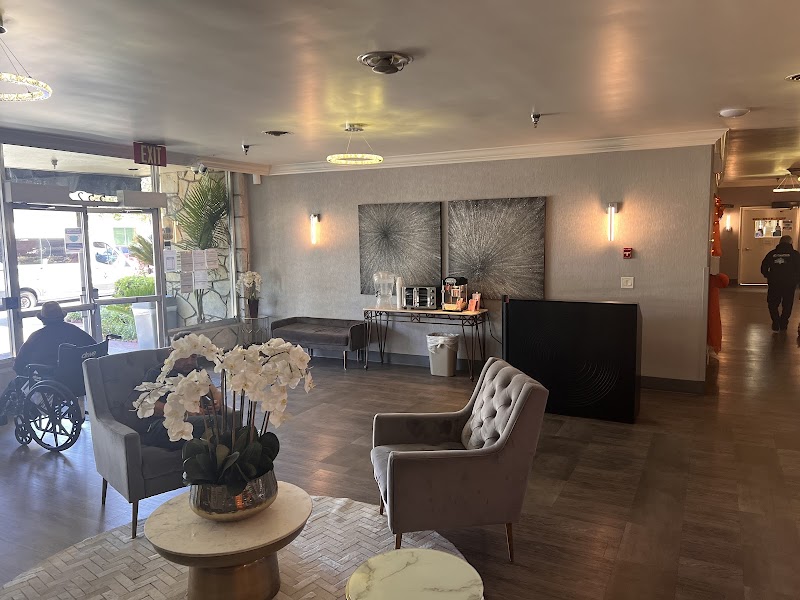
Who Owns and Operates Santa Anita Convalescent Hospital?

SANTA ANITA CONVALESCENT HOSPITAL is owned by a for-profit company. For-profit facilities operate as businesses with obligations to shareholders or private owners. The facility operates independently rather than as part of a larger chain. With 391 certified beds and approximately 368 residents (about 94% occupancy), it is a large facility located in TEMPLE CITY, California.
How Does Santa Anita Convalescent Hospital Compare to Other California Nursing Homes?

Compared to the 100 nursing homes in California, SANTA ANITA CONVALESCENT HOSPITAL's overall rating (1 stars) is below the state average of 3.1, staff turnover (50%) is near the state average of 46%, and health inspection rating (1 stars) is much below the national benchmark.

What Should Families Ask When Visiting Santa Anita Convalescent Hospital?

Based on this facility's data, families visiting should ask: "What changes have been made since the serious inspection findings, and how are you preventing similar issues?" "What safeguards and monitoring systems are in place to protect residents from abuse or neglect?" "Can I visit during a mealtime to observe dining assistance and food quality?" "How do you handle medical emergencies, and what is your hospital transfer rate?" These questions are particularly relevant given the facility's Immediate Jeopardy citations and the substantiated abuse finding on record.

Is Santa Anita Convalescent Hospital Safe?

Based on CMS inspection data, SANTA ANITA CONVALESCENT HOSPITAL has documented safety concerns. The facility has 1 substantiated abuse finding (meaning confirmed case of resident harm by staff or other residents). Inspectors have issued 5 Immediate Jeopardy citations (the most serious violation level indicating risk of serious injury or death). The facility is currently on the Special Focus Facility watch list (a federal program monitoring the lowest-performing 1% of nursing homes nationwide). The facility has a 1-star overall rating and ranks #100 of 100 nursing homes in California. Families considering this facility should ask detailed questions about what corrective actions have been taken since these incidents.

Do Nurses at Santa Anita Convalescent Hospital Stick Around?

SANTA ANITA CONVALESCENT HOSPITAL has a staff turnover rate of 50%, which is about average for California nursing homes (state average: 46%). Moderate turnover is common in nursing homes, but families should still ask about staff tenure and how the facility maintains care continuity when employees leave.

Was Santa Anita Convalescent Hospital Ever Fined?

SANTA ANITA CONVALESCENT HOSPITAL has been fined $306,142 across 5 penalty actions. This is 8.5x the California average of $36,140. Fines at this level are uncommon and typically indicate a pattern of serious deficiencies, repeated violations, or failure to correct problems promptly. CMS reserves penalties of this magnitude for facilities that pose significant, documented risk to resident health or safety. Families should request specific documentation of what issues led to these fines and what systemic changes have been implemented.

Is Santa Anita Convalescent Hospital on Any Federal Watch List?

SANTA ANITA CONVALESCENT HOSPITAL is currently an SFF Candidate, meaning CMS has identified it as potentially qualifying for the Special Focus Facility watch list. SFF Candidates have a history of serious deficiencies but haven't yet reached the threshold for full SFF designation. The facility is being monitored more closely — if problems continue, it may be added to the official watch list. Families should ask what the facility is doing to address the issues that led to this status.