TEMPLE CITY HEALTHCARE
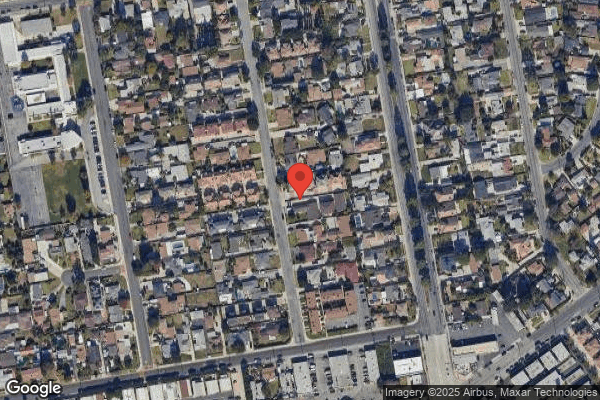
5101 TYLER AVENUE, TEMPLE CITY, CA 91780 (626) 443-3028
For profit - Limited Liability company 59 Beds Independent Data: November 2025
Trust Grade
70/100
#475 of 1155 in CA
Last Inspection: March 2025

Within standard 12-15 month inspection cycle. Federal law requires annual inspections.

Overview

Temple City Healthcare has a Trust Grade of B, indicating it's a good option for families considering care for their loved ones. It ranks #475 out of 1155 facilities in California, placing it in the top half for the state, and #74 out of 369 in Los Angeles County, meaning only a few local facilities are rated higher. However, the facility is experiencing a concerning trend, with issues increasing from 10 in 2024 to 13 in 2025. Staffing is average, with a 3/5 rating and a turnover rate of 46%, which is close to the California average. Importantly, the facility has not incurred any fines, indicating a lack of significant compliance issues. On the downside, there have been specific incidents that raised concerns. For instance, the facility failed to ensure that some staff members were properly trained, which could impact the quality of care residents receive. Additionally, there were issues with food safety practices, such as not documenting proper sanitation procedures, which places residents at risk for foodborne illnesses. Overall, while the facility shows some strengths, there are notable areas for improvement that families should consider.

Trust Score
B
70/100
In California
#475/1155
Top 41%
Safety Record
Low Risk
No red flags
Inspections
Getting Worse
10 → 13 violations
Staff Stability
⚠ Watch
46% turnover. Above average. Higher turnover means staff may not know residents' routines.
Penalties
✓ Good
No fines on record. Clean compliance history, better than most California facilities.
Skilled Nurses
○ Average
Each resident gets 35 minutes of Registered Nurse (RN) attention daily — about average for California. RNs are the most trained staff who monitor for health changes.
Violations
⚠ Watch
35 deficiencies on record. Higher than average. Multiple issues found across inspections.
★★★★☆
4.0
Overall Rating
★★★☆☆
3.0
Staff Levels
★★★☆☆
3.0
Care Quality
★★★★☆
4.0
Inspection Score
Stable
2024: 10 issues
2025: 13 issues

The Good

  • Full Sprinkler Coverage · Fire safety systems throughout facility
  • No fines on record

Facility shows strength in fire safety.

The Bad

Staff Turnover: 46%

Near California avg (46%)

Higher turnover may affect care consistency

The Ugly 35 deficiencies on record

Aug 2025 2 deficiencies
CONCERN (D) 📢 Someone Reported This

A family member, employee, or ombudsman was alarmed enough to file a formal complaint

Potential for Harm - no one hurt, but risky conditions existed

Comprehensive Care Plan (Tag F0656)

Could have caused harm · This affected 1 resident

**NOTE- TERMS IN BRACKETS HAVE BEEN EDITED TO PROTECT CONFIDENTIALITY** Based on observation, interview, and record review the facility failed to ensure the comprehensive care plan was individualized ...

Read full inspector narrative →
**NOTE- TERMS IN BRACKETS HAVE BEEN EDITED TO PROTECT CONFIDENTIALITY** Based on observation, interview, and record review the facility failed to ensure the comprehensive care plan was individualized for one of three sampled residents (Resident 1), who was diagnosed with cancer and prescribed belzutifan (medication to treat cancer) 120 milligrams twice a day, indicated specific side effects (an effect of a drug or other type of treatment that is in addition to or beyond its desired effect) and specific monitoring required when taking belzutifan. As a result of this deficient practice, Resident 1 was inadequately monitored and was at risk for potential adverse effects (unintended, undesirable, and potentially harmful reactions to a therapy, such as medication, that range from mild to severe and can sometimes be linked to the treatment's primary action or an individual's unique response) or toxicities associated with taking Belzutifan. During a review of Resident 1's admission Record (AR), the AR indicated the resident was originally admitted on [DATE], and readmitted on [DATE], with diagnoses that included left kidney cancer, pancreatic cancer, chronic obstructive pulmonary diseases (COPD, lung disease causing restricted airflow and breathing problems), and heart disease (a range of conditions that affect the heart). During a review of Resident 1's History and Physical (H&P), dated 5/1/2025, the H&P indicated the resident has a diagnosis of left kidney cancer and liver cancer. The H&P indicated that the resident does not have the capacity to understand and make decisions. During a review of Resident 1's admission Minimum Data Set (MDS-a resident assessment tool), dated 5/8/2025, the MDS indicated that the resident did not require oxygen therapy on admission. During a review of Resident 1's MDS, dated [DATE], the MDS indicated that the resident has moderately impaired cognition (the ability to process thoughts). The MDS also indicated that the resident requires supervision (helper provides verbal cues and/or touching/steadying and/or contact guard assistance as resident completes activity) on activities such as toileting, putting on clothes, rolling left to right while in bed, changing position from sitting to lying, and walking up to 150 feet. During a review of Resident 1's Physician's orders for the month of June 2025, the order indicated tan order for Belzutifan Oral Tablet 40 milligram (mg a unit of measuring mass), Give 3 tablet by mouth one time a day for [cancer] = 120 mg,with a start date of 5/9/2025. During a review of Resident 1's Oncology Clinic Notes provided by the facility, dated 5/2/2025, the Notes indicated a plan for the resident to switch medications to Belzutifan 120 mg. The notes also indicated for the resident to have a complete blood count, (CBC- a common blood test that provides information about the different types of cells in your blood, including red blood cells, white blood cells, and platelets) and Complete Metabolic Panel, (CMP- a common blood test that provides information about the different types of cells in your blood, including red blood cells, white blood cells, and platelets) prior to the next clinic visit. During a review of Resident 1's Oncology Clinic Notes provided by the facility, dated 5/30/2025, signed by ONCOLOGIST 1, the Notes indicated the following: Continue Belzutifan 120 mg daily. Monitor for toxicity including hypoxemia, anemia, edema, etc. He is on drug therapy that requires intensive monitoring for toxicity. CBC, CMP, TSH before next [appointment] here in 4 weeks around 6/27/2025. During a concurrent observation and interview on 8/14/2025 at 1:37 PM inside Resident 1's room, Resident 1 was observed sitting on the bed while wearing a nasal canula (a small plastic tube that is used to deliver supplemental oxygen to the resident) that is connected to an oxygen concentrator. The oxygen concentrator was set to deliver 3 LPM of supplemental oxygen. Resident 1 stated he is always using his supplemental oxygen. Resident 1 added the nurses tell him to always use his supplemental oxygen because his oxygen goes down. During a concurrent interview and record review on 8/14/2025 at 3:12 PM with LVN 1, Resident 1's entire medical records was reviewed, including the progress notes, MAR, and physician's orders. LVN 1 stated Resident 1's physician's orders and MAR did not include an order to monitor Resident 1 for any adverse effects associated with the administration of belzutifan and that there was no documentation indicting that Resident 1 was being monitored for adverse effects of belzutifan. LVN 1could not state why the medicationbelzutifan was discontinued on 8/8/2025. LVN 1 could not state what adverse effects of belzutifan was when administered to a resident. During a concurrent interview and record review on 8/14/2025 at 3:29 PM with RN 1, Resident 1's care plans were reviewed. RN 1 stated that Resident 1's care plans did not indicate the use of the medication belzutifan as a treatment for Resident 1's cancer. RN 1 stated Resident 1's care plan must be specific to Resident 1 and since belzutifan was not indicated on Resident 1's care plan, facility staff were unaware of what to specifically monitor and identify adverse effects while Resident 1 was taking belzutifan. During a concurrent interview and record review on 8/14/2025 at 3:49 PM with RN 1, the Belzutifan drug manufacturer's website page was reviewed. RN 1 stated belzutifan may cause serious side effects, including anemia (a condition in which there is a lower-than-normal number of red blood cells (RBCs) or hemoglobin in the blood) and hypoxemia (condition where there is an abnormally low level of oxygen in the blood). RN 1 stated the web page indicated the person receiving belzutifan who experiences symptoms of anemia or hypoxemia should inform the health care provider or get medical help right away. RN 1 added the web page indicated belzutifan can cause low oxygen levels in [the] body that can be severe and may require [the resident] to stop treatment. RN 1 stated that these adverse effects should be included in the care plan so that staff are aware. During an interview on 8/15/2025 at 3:17 PM with the Director of Nursing (DON), the DON stated resident's care plans should be complete and individualized. The DON stated the care plan must include in must include resident-specific interventions, including prescribed medications. The DON stated belzutifan should be indicated in Resident 1's care plan. The DON stated a that any potential adverse effects of the medication should be noted in the care plan to ensure staff are aware and can monitor for associated signs and symptoms. During a telephone interview conducted on 8/27/2025, at 10:32 AM, Oncologist 1 stated that belzutifan can cause adverse effects such as hypoxemia and anemia. Oncologist 1 reported that Belzutifan was discontinued due to Resident 1's hypoxic condition upon arrival at the oncology clinic on 7/25/2025. Oncologist 1 indicated that prior to Resident 1's oncology visit on 7/25/2025, the facility had not informed Oncologist 1 of Resident 1's increased need for supplemental oxygen. Oncologist 1 added that if Resident 1 had continued receiving belzutifan , Resident 1 was already in a hypoxic state and could have required increased and prolonged supplemental oxygen support. During a review of the facility's policy and procedures (P&P) titled, Comprehensive Plan of Care, dated 12/2016, indicated the comprehensive care plan must describe services that are provided to the resident to attain or maintain the resident's highest practicable physical, mental, and psychosocial well-being. The P&P indicated the care plan will include treatment goals with measurable objectives, interventions to prevent avoidable decline in function or functional level, and interventions to attempt to manage risk factors.
CONCERN (D) 📢 Someone Reported This

A family member, employee, or ombudsman was alarmed enough to file a formal complaint

Potential for Harm - no one hurt, but risky conditions existed

Quality of Care (Tag F0684)

Could have caused harm · This affected 1 resident

**NOTE- TERMS IN BRACKETS HAVE BEEN EDITED TO PROTECT CONFIDENTIALITY** Based on observations, interviews, and record review, the facility failed to provide necessary care and services for one (1) of ...

Read full inspector narrative →
**NOTE- TERMS IN BRACKETS HAVE BEEN EDITED TO PROTECT CONFIDENTIALITY** Based on observations, interviews, and record review, the facility failed to provide necessary care and services for one (1) of three (3) sampled residents (Resident 1) who had a diagnosis of cancer (a disease characterized by the uncontrolled growth and division of abnormal cells). Specifically, the facility failed to coordinate services related to the care and medication management of Resident 1's cancer, including monitoring for adverse effects and toxicity associated with the administration of Belzutifan (a cancer treatment medication, known to carry risks of anemia [a condition in which the blood lacks sufficient healthy red blood cells to carry adequate oxygen to the body's organs and tissues, leading to symptoms such as fatigue, weakness, and shortness of breath]) and hypoxemia (an abnormal condition characterized by insufficient oxygen supply to the body's tissues). The facility failed to ensure that Resident 1's care was coordinated in accordance with the treatment plans established by Oncologist 1, a physician specializing in cancer treatment. The following deficiencies were identified: Failure to monitor for adverse effects or toxicity associated with Belzutifan, including anemia and hypoxemia. Failure to ensure that the Interdisciplinary Team (IDT) addressed Resident 1's cancer diagnosis, cancer medication management, or coordination of care with the resident's oncologist during the IDT care conference held on 5/13/2025. Failure to notify or consult Oncologist 1 when Resident 1 experienced a change in condition (CIC) on 6/30/2025, with oxygen saturation dropping to 85%, requiring supplemental oxygen. Failure to communicate abnormal blood work results dated 6/19/2025, and 6/11/2025, to Oncologist 1 for review and appropriate follow-up. Failure to ensure that facility staff followed physician orders and scope-of-practice guidelines for the administration of supplemental oxygen for Resident 1, in accordance with the physician's order, which required oxygen to be given only when the resident's oxygen saturation fell below 92%. Failure to reassess the appropriateness of continuing Belzutifan after Resident 1 was hospitalized on [DATE], for acute hypoxic respiratory failure (a sudden inability of the lungs to adequately oxygenate the blood, resulting in low blood oxygen levels) and readmitted to the facility on [DATE], where the medication was continued without documented guidance or monitoring protocols. These failures placed Resident 1 at risk for continued exposure to potentially harmful medication effects without appropriate clinical oversight and represent a lack of coordination and individualized care planning in accordance with professional standards and physician directives. During a review of Resident 1's admission Record (AR), the AR indicated the resident was originally admitted on [DATE], and readmitted on [DATE], with diagnoses that included left kidney cancer, pancreatic cancer, chronic obstructive pulmonary diseases (COPD, lung disease causing restricted airflow and breathing problems), and heart disease (a range of conditions that affect the heart).The AR indicated that Family Member (FM) 1 is Resident 1's responsible party. During a review of Resident 1's History and Physical (H&P), dated 5/1/2025, the H&P indicated the resident has a diagnosis of left kidney cancer and liver cancer. The H&P indicated that the resident does not have the capacity to understand and make decisions. During a review of Resident 1's admission Minimum Data Set (MDS-a resident assessment tool), dated 5/8/2025, the MDS indicated that the resident did not require oxygen therapy on admission. During a review of Resident 1's MDS, dated [DATE], the MDS indicated that the resident has moderately impaired cognition (the ability to process thoughts). During a review of Resident 1's laboratory (lab) results in the facility, the lab results, dated 4/22/2025, the lab results indicated Resident 1's hemoglobin (HgB, an iron-rich protein in the red blood cells that transports oxygen from your lungs to the rest of your body) was 12.6 (Normal hemoglobin for men ranges from 13.5 to 17.5 g/dL. Normal range for women is 12.0 to 15.5 g/dL) and red blood cell count (RBC, [measures the number of red blood cells in your blood]) was 3.91 (normal range for males is 4.7-6.1 million cells/microliter [uL: a unit of measurement] and Females: 4.2-5.4 million cells/uL). During a review of Resident 1's Order Summary Report (OSR) for 5/2025, dated 5/1/2025, the OSR did not include an order for supplemental oxygen. During a review of Resident 1's Oncology Clinic Notes provided by the facility, dated 5/2/2025, the Notes indicated a plan for the resident to switch medications to Belzutifan 120 mg. The notes also indicated for the resident to have a Complete Blood Count, (CBC- a common blood test that provides information about the different types of cells in your blood, including red blood cells, white blood cells, and platelets) and Complete Metabolic Panel, (CMP- a common blood test that provides information about the different types of cells in your blood, including red blood cells, white blood cells, and platelets) prior to the next clinic visit. During a review of Resident 1's physician order dated 5/9/2025, the order indicated that Resident 1 was to receive Belzutifan Oral Tablet 40 mg, with instructions to administer three tablets by mouth once daily for cancer, totaling 120 mg per day. However, the order did not include instructions to monitor Resident 1 for adverse effects (defined as unintended, undesirable, and potentially harmful reactions to a therapy) or for toxicities associated with Belzutifan which included hypoxemia and anemia. During a review of Resident 1's Interdisciplinary Team (IDT) Care Conference note dated 5/13/2025, at 4:39 PM, the note indicated that the attendees included representatives from the dietary, therapy, and activity departments, as well as the social worker and the MDS nurse. The IDT note did not indicate that Resident 1's Responsible Party (FM 1) was present during the conference. Under the section titled Evaluation/Goals, the note indicated: The goal is to continue receiving all services needed to thrive in long-term care. There were no entries under the section titled Nursing Summary including the subsection Problems/Needs. The IDT notes did not indicate documented evidence that the IDT discussed Resident 1's cancer diagnosis, cancer medication management, or coordination of resident's care with Oncologist 1. During a review of Resident 1's Oncology Clinic Notes provided by the facility, dated 5/30/2025, signed by Oncologist 1, the Notes indicated for the resident to continue taking Belzutifan 120 daily. The Notes also indicated for the resident to be monitored for toxicity, including hypoxemia, anemia, and edema. The Notes furtherindicated that the resident was on drug therapy that requires intensive monitoring for toxicity. The Notes also added for Resident 1 to have lab tests CBC, CMP, and TSH (Thyroid Stimulating Hormone or TSH- a blood test that provides the level of a person's TSH, a hormone secreted by the thyroid) prior to the next clinic visit around 6/27/2025. During a review of Resident 1's lab results in the facility, the lab results, dated 6/19/2025, the lab results indicated Resident 1's HgB level was abnormally low at 7.9 (4.7 points or 37% lower from the previous lab result on 4/22/2025 when the HgB was 12.6) and RBC was low at 2.46 (1.45 points or 37% lower than the previous lab result on 4/22/2025 when the RBC was 3.91). During a review of Resident 1's progress notes, the Notes included an entry, dated 6/19/2025, timed at 2:21 PM, and signed by Registered Nurse (RN) 2, that indicated the abnormal lab results dated 6/19/2025 were sent to Medical Doctor (MD) 1, the facility's attending physician and not Oncologist 1. The Notes did not indicate if MD 1 gave orders or instructions. During a review of Resident 1's Oncology Clinic Notes provided by the facility, dated 6/27/2025, the Notes indicated for the resident to have lab tests for CBC and CMP prior to the next Oncology Clinic Visit in 4 weeks. During a review of Resident 1's Change in Condition (CIC) notes, dated 6/30/2025, timed at 10:58 PM, the CIC indicated that the resident had an oxygen saturation of 85% while only on room air (without the resident using supplemental oxygen). The CIC indicated that Medical Doctor (MD) 1 was notified and MD 1 ordered supplemental oxygen. During a review of Resident 1's physician order with a start date of 6/30/2025, indicated an order for staff to check Resident 1's [oxygen] saturation [every shift]. The order indicated that Resident 1 may have [oxygen] at 2 to 4 Lif [oxygen] saturation] was below 92% as needed. During a review of Resident 1's laboratory (lab) results in the facility, the lab results, dated 7/11/2025, the lab result indicated Resident 1's HgB levels remained abnormally low at 8.8 and RBC was low at 2.65. During a review of Resident 1's progress notes, the Notes included an entry, dated 7/11/2025, timed at 12:46 PM, and signed by RN 2, that indicated the abnormal lab results dated 7/11/2025 were sent to Medical Doctor (MD) 1, the facility's attending physician and not Oncologist 1. The Notes did not indicate if MD 1 gave orders or instructions. During a review of Resident 1's Oncology Clinic Notes, dated 7/25/2025, signed by Oncologist 1, the Notes indicated that during the clinic visit, Resident 1 came in hypoxic (a state of insufficient oxygen reaching tissues or a specific environment with low oxygen levels) with an oxygen saturation of 84% on room air, required 3 liters per minute (lpm) of oxygen to maintain saturation above 88%. The Notes indicated that the clinic called 911 (a number that is called when there is a need for immediate assistance or care for instances such as a life-threatening medical conditions) and the resident was taken to the emergency room (ER, a section in the hospital that specializes in providing immediate care to life-threatening medical conditions) for hypoxemia evaluation. During further review of Resident 1's Oncology Clinic Notes, dated 7/25/2025, signed by Oncologist 1, the Notes indicated that that the resident's desaturation (when a person's oxygen saturation goes down) might be side effect of Belzutifan. The Notes indicated to hold Belzutifan 120 MG daily for hypoxemia, pending further evaluation. The Notes indicated that Resident 1 was on drug therapy that requires intensive monitoring for toxicity. The Notes indicated that the decision was made to escalate level of care to emergency room. During a review of Resident 1's GACH 1 document provided by the facility dated 7/26/2025, the GACH 1 documents indicated that Resident 1 was admitted to GACH 1's ED on 7/25/2025 at 5:20 PM. The GACH documents indicated that Resident 1 had a chief complaint of shortness of breath and that Resident 1 had an oxygen saturation of 85% during the resident's appointment at the Oncology clinic. The GACH 1 document indicated under assessment and plan to hold Belzutifan and administer IV antibiotics. During a review of Resident 1's progress notes, a Notes entry, dated 7/26/2025, timed at 10:34 PM, signed by Registered Nurse (RN) 2, the note indicated Resident 1 returned to the facility from GACH 1 on 7/26/2025 at 6:34 PM with urinary tract infection (UTI, an infection of the urinary system) and respiratory infection. The Notes entry indicated the resident came back with an oxygen saturation of 95% while on room air. The Notes also indicated that Medical Doctor (MD) 1, which was Resident 1's attending physician at the facility, was informed of Resident 1's arrival back to the facility. The progress notes did not indicate documented evidence that the licensed nurses consulted with Oncologist 1 for guidance or monitoring protocols to ensure the appropriateness of continuing Belzutifan after Resident 1 was hospitalized on [DATE], for acute hypoxic respiratory failure. During a review of Resident 1's Medication Administration Record (MAR) for the months of 7/2025 and 8/2025, the MARs indicated that Resident 1 continued to receive Belzutifan 120 mg once a day from 7/27/2025 to 8/8/2025. During a review of Resident 1's Order Audit Report (OAR), dated 8/14/2025, for the medication Belzutifan, the OAR indicated the medication was originally ordered on 5/9/2025. The OAR indicated the medication was discontinued on 8/8/2025, timed at 1:38 PM. During a review of Resident 1's CIC notes, dated 8/15/2025, timed at 11:19 AM, the CIC indicated that Resident 1's oxygen needs increased and that Resident 1 requested to have continuous supplemental oxygen. The CIC indicated that MD 1 ordered Resident 1 to have continuous supplemental oxygen at 2 LPM (liters per minute, a unit of measuring the amount of oxygen delivered per minute) to maintain the oxygen saturation above 92%. During a concurrent observation and interview on 8/14/2025 at 1:37 PM inside Resident 1's room, Resident 1 was observed sitting on the bed while wearing a nasal canula (a small plastic tube that is used to deliver supplemental oxygen to the resident) that is connected to an oxygen concentrator. The oxygen concentrator was set to deliver 3 LPM of supplemental oxygen. Resident 1 stated that he always uses his supplemental oxygen. Resident 1 added the nurses tell him to always use his supplemental oxygen because his oxygen goes down. During an interview on 8/14/2025 at 2:14 PM with Certified Nursing Assistant (CNA) 1, CNA 1 stated Resident 1 is always using his supplemental oxygen. CNA 1 further stated that Resident 1's oxygen saturation goes low when he is not using his supplemental oxygen. During a concurrent observation and interview on 8/14/2025 at 2:22 PM while CNA 1 was being interviewed on the hallway directly in front of Resident 1's room, Resident 1 was observed standing up inside Resident 1's room, by the door, without wearing his nasal canula. Resident 1 stated he needs help. CNA 1 immediately went inside of the room and placed Resident 1's nasal canula over Resident 1's nares. CNA 1 did not check Resident 1's oxygen saturation nor check the oxygen concentrator for the rate of oxygen delivery. During a concurrent observation and interview on 8/14/2025 at 2:28 PM with Licensed Vocational Nurse (LVN) 1, LVN 1 was observed checking Resident 1's oxygen saturation. LVN 1 stated Resident 1's oxygen saturation was 96%. LVN 1 stated that the resident's supplemental oxygen was being delivered at a rate of 3 LPM. LVN 1 stated that the resident's supplemental oxygen is ordered only as needed to keep Resident 1's oxygen saturation above 92%. During an interview on 8/14/2025 at 2:41 PM with Registered Nurse (RN) 1 regarding the administration of supplemental oxygen, RN 1 stated only licensed nurses such as the LVN's are able manage the resident's supplemental oxygen. RN 1 added CNAs may not administer oxygen. During the same interview on 8/14/2025 at 2:41 PM with RN 1 regarding notifying physicians for abnormal lab results, RN 1 stated when there is an abnormal lab result, the physician that ordered the lab test must be notified. RN 1 stated an abnormal lab result can be considered a change in condition. RN 1 stated the purpose of initiating a change in condition for a resident was for the proper management of the care of the [residents]. During a concurrent interview and record review on 8/14/2025 at 3:12 PM with LVN 1, Resident 1's entire medical records was reviewed, including the progress notes and physician's orders. LVN 1 stated Resident 1's physician's orders did not include an order to monitor Resident 1 for anything such as any adverse effects associated with the administration of Belzutifan. LVN 1 added the resident's recordsdidnot indicate documented evidence that the resident was monitored for the adverse effects of Belzutifan. LVN 1could not state why the medicationBelzutifan was discontinued 8/8/2025. During a concurrent interview and record review on 8/14/2025 at 3:12 PM with LVN 1, Resident 1's entire medical records was reviewed, LVN 1 stated the MAR's did not indicate documented evidence that Resident 1 was monitored for adverse effects associated with taking Belzutifan. During a concurrent interview and record review on 8/14/2025, at 3:29 PM with Registered Nurse (RN) 1, Resident 1's lab results and progress notes were reviewed. RN 1 stated that Resident 1's lab results dated 4/22/2025, indicated normal levels of hemoglobin (HgB) and red blood cells (RBC). However, RN 1 noted that subsequent lab results showed declining values: 6/19/2025 - HgB: 7.9, RBC: 2.46 6/11/2025 - HgB: 8.8, RBC: 2.65 7/21/2025 - HgB: 8.3, RBC: 2.49 During the interview, RN 1 stated that these values were low and could indicate that the resident was very anemic. RN 1 added that she would typically call the physician who ordered the lab tests. RN 1 also noted that the nurses progress notes indicated the lab results were sent by the licensed nurses to MD 1, not Oncologist 1. During the same interview and record review on 8/14/2025, at 3:29 PM, Resident 1's care plans were also reviewed. RN 1 stated that the care plans did not include the administration of Belzutifan as an intervention. Although Resident 1 had a care plan for cancer, there was no indication of any interventions to monitor for adverse effects associated with Belzutifan. RN 1 stated that care plans should include the medications a resident is taking, especially when those medications have specific adverse effects that requires monitoring. RN 1 stated that staff would not know what adverse effects to monitor if they are not included in the resident's care plan. During the same concurrent interview and record review on 8/14/2025 at 3:29 PM with RN 1, Resident 1's physician's orders were reviewed, the OSR did not include any orders to monitor the resident for any adverse effects associated while prescribed Belzutifan. RN 1 stated that she was not aware of the adverse effects associated with Belzutifan. During a concurrent interview and record review on 8/14/2025 at 3:49 PM with RN 1, the Belzutifan drug manufacturer's website page was reviewed. RN 1 stated the medication may cause serious side effects, including anemia and hypoxemia. RN 1 stated the web page indicated the person receiving Belzutifan who experiences symptoms of anemia or hypoxemia should inform the health care provider or get medical help right away. RN 1 added the web page indicated Belzutifan can cause low oxygen levels in [the] body that can be severe and may require [the resident] to stop treatment. During the same concurrent interview and record review on 8/14/2025 at 3:49 PM with RN 1, Resident 1's CIC notes, dated 6/30/2025, and entire progress notes were reviewed. RN 1 stated that the CIC indicated that Resident 1 had an episode of hypoxemia when the resident's oxygen saturation was at 85%. RN 1 stated the CIC and progress notes indicated only MD 1 was notified, and not Oncologist 1. RN 1 statedOncologist 1should have been notified because the episode of hypoxemia could have been caused by Belzutifan. During the same concurrent interview and record review on 8/14/2025 at 3:49 PM with RN 1, Resident 1's physician's orders from 1/2025 to current were reviewed. RN 1 stated Resident 1 did not have an order for supplemental oxygen until the resident had an episode of hypoxemia on 6/30/2025.RN 1 stated the physician's order for Belzutifan was added but did not include an order to monitor the resident for adverse effects or toxicities associated with the administration of Belzutifan, which included hypoxemia and anemia. During another concurrent observation and interview on 8/14/2025 at 4:18 PM with RN 1, Resident 1 was observed lying in bed. RN 1 stated the resident was still using his supplemental oxygen. RN 1 stated the resident was currently receiving supplemental oxygen at a rate of 3 LPM. During a concurrent observation and interview on 8/15/2025 at 9:23 AM with CNA 2, Resident 1 was observed lying in bed while wearing his nasal cannula. CNA 2 stated Resident 1 alwaysuses his supplemental oxygen. During an observation on 8/15/2025 at 9:37 AM inside Resident 1's room, Resident 1 was observed not wearing his nasal cannula and was walking from the bathroom to his bed with CNA 2. Resident 1 was assisted to the bed by CNA 2. CNA 2 was then observed placing Resident 1's nasal cannula on Resident 1. CNA 2 did not check Resident 1's oxygen saturation nor the rate of delivery of Resident 1's oxygen concentrator. During a concurrent observation and interview on 8/15/2025 at 10:09 AM with LVN 1 inside Resident 1's room, Resident 1 was observed lying in bed while wearing his nasal cannula. LVN 1 stated Resident 1 is receiving supplemental oxygen at a rate of 3 LPM. Resident 1 stated he does not want to remove his oxygen because he needs it. During the same concurrent observation and interview on 8/15/2025 at 10:09 AM with LVN 1 inside Resident 1's room, LVN 1 stated the CNA should inform the licensed nurses before placing the resident's supplemental oxygen because CNA's are not licensed to administer oxygen. LVN 1 stated Resident 1's order for supplemental oxygen was ordered as needed and must be followed. LVN 1 added prior to administering supplemental oxygen to Resident 1, the resident's oxygen saturation must be checked because the order indicated only to administer supplemental oxygen when the oxygen saturation is below 92%. LVN 1 further added the resident could be getting too much oxygen if the parameters are not followed. During another concurrent observation and interview on 8/15/2025 at 11:01 AM with LVN 1 inside Resident 1's room, Resident 1 was observed walking from the bathroom to the bed without wearing his nasal cannula while being assisted by CNA 2. When Resident 1 reached his bed, CNA 2 was observed grabbing Resident 1's nasal cannula and was about to place it on Resident 1. LVN 1 stopped CNA 2 and LVN 1 stated CNAs must inform the LVN prior to administering oxygen. LVN 1 proceeded to check Resident 1's oxygen saturation and stated Resident 1's oxygen saturation is 95%. LVN 1 stated the resident does not require oxygen sinceResident 1'soxygen saturationwasabove 92%. During an interview on 8/15/2025 at 11:08 AM with CNA 2, CNA 2 stated he was not aware that the nurses must be informed prior to administering oxygen. CNA 2 stated he was not trained to administer medications. CNA 2 further added he does not know about, nor has he read Resident 1's order for supplemental oxygen. During a concurrent observation and interview on 8/15/2025 at 11:39 AM with the Director of Nursing (DON), Resident 1 was observed using his nasal cannula and receiving oxygen. The DON stated he administered Resident 1's supplemental oxygen because he checked Resident 1's oxygen saturation and it was 90%. The DON stated he is in the process of informing the physician that Resident 1 needs an order for continuous oxygen supplementation. During a concurrent interview and record review on 8/15/2025 at 12:36 PM with RN 2, Resident 1's Oncology clinic progress notes and physician's orders were reviewed. RN 2 stated the lab tests ordered for 6/19/2025, 7/11/2025, and 7/21/2025 were ordered by Oncologist 1. RN 2 stated that the lab results were sent to MD 1 and not Oncologist 1, as indicated in Resident 1's progress notes. RN 2 added the physician who ordered the lab tests should be made aware of the lab results. During a concurrent interview and record review on 8/15/2025 at 12:45 PM with Registered Nurse (RN) 2, Resident 1's progress notes were reviewed. RN 2 stated Resident 1 went to the Oncology clinic on 7/25/2025 but the clinic decided to transfer the resident to the GACH via 911. RN 2 stated Resident 1 was only in the GACH for one night. RN 2 stated when a resident was only out of the facility for less than three days, the resident is able to come back to the facility and the same previous physician ordered were followed, unless new orders were prescribed from the hospital. RN 2 stated when Resident 1 was readmitted back to the facility on 7/26/2025, she informed Resident 1's primary care physician, MD 1, but did not consult with Oncologist 1. RN 2 stated that the resident's progress notes did not indicate documented evidence that anyone from the facility followed up with Oncologist 1 after Resident 1 was readmitted back to the facility on 7/26/2025. During an interview on 8/15/2025 at 12:48 PM with RN 2, RN 2 stated that Resident 1 needs the oxygen all the time now. RN 2 added Resident 1 looks okay but when you check the [oxygen saturation], it is down to 85%. RN 2 added even with 4 [LPM], [the oxygen saturation] would go up only to 94%. RN 2 further added everyone knows that he always needs oxygen. During a concurrent interview and record review on 8/15/2025 at 1:45 PM with RN 2, Resident 1's entire medical records was reviewed. RN 2 stated Resident 1 went for an appointment to the Oncology clinic on 7/25/2025 but the clinic sent the resident to the GACH 1 ED. During a concurrent interview and record review on 8/15/2025 at 3:17 PM with the DON, Resident 1's entire medical records, including the Oncology clinic notes, dated 5/30/2025, were reviewed. The DON stated the Oncology clinic notes, dated 5/30/2025, indicated the resident must be monitored for belzutifan toxicity, including anemia and hypoxemia. The DON stated there were no documented evidence that the licensed nurses monitored Resident 1 for belzutifan toxicity. The DON added the nurses should have also consultedOncologist 1when the resident had an episode of hypoxia on 6/30/2025. The DON stated it is the nurses' responsibility to follow all of Resident 1's physician's plans (MD 1 and Oncologist 1). During the same concurrent interview and record review on 8/15/2025 at 3:17 PM with the DON, Resident 1's entire medical records, including the Oncology clinic notes, dated 7/25/2025, were reviewed. The DON stated the Oncology clinic notes, dated 7/25/2025, indicated for belzutifan to be held. The DON stated the MAR indicated the nurses continued to administer belzutifan until it was finally discontinued on 8/8/2025. The DON stated the nurses were responsible to follow up with the clinic if the resident came back from an appointment without any notes from the clinic. The DON further added following up with the clinic is important because the physician might provide new orders, changes, or requests. During the same interview on 8/15/2025 at 3:17 PM with the DON, the DON stated it is important for the nurses to monitor the toxicity or potential adverse effects because if not, the nurses would not be aware that such toxicities might be happening. The DON added it is important to monitor the resident because such toxicities must be reported to the physician. During a telephone interview on 8/27/2025 at 10:32 AM with Oncologist 1, Oncologist 1 stated Belzutifan can cause adverse effects of hypoxemia and anemia. Oncologist 1 stated belzutifan was discontinued due to the Resident 1's hypoxic state when the resident arrived at the Oncology clinic on 7/25/2025.Oncologist 1 stated that prior toResident 1's oncologyvisit on 7/25/2025, Oncologist 1 was not notified by the facility of the Resident 1's increasing needs for supplemental oxygen. Oncologist 1statedthe facility did not notify Oncologist 1 of Resident 1'schange in condition (CIC) on 6/30/2025, when Resident 1 experienced a low oxygen of 85% on room air and was then ordered to receive supplemental oxygen. Oncologist 1 also stated that if the facility had informed her of the resident's increasing supplemental oxygen needs and the CIC on 6/30/2025, she could have made a decision to consider the discontinuation of Belzutifan at an earlier time. Oncologist 1 stated the facility did not coordinate or clarified Resident 1's care after readmission back to the facility on 7/26/2025. Oncologist 1 stated, if Resident 1 continued to receive Belzutifan after it was supposed to be discontinued, Resident 1, who was already hypoxic, could potentially require the need for more supplemental oxygen and at a longer duration. During a review of the facility's policy and procedures titled, Medication Administration, undated, indicated the facility's P&P are established to assure the most complete and accurate implementation of physician's medication orders. The P&P indicated the nurse who receives the prescriber's order shall be responsible for its complete implementation. The P&P added that complete implementation includes proper transcribing, ordering of medications, and all other steps involved in carrying out of the order. The P&P also indicated that medications shall be administered only upon the written order of a person lawfully authorized to prescribe for and treat human illnesses. During a review of the facility's P&P titled, Lab work, Ordering of, undated, the P&P indicated a licensed nurse will review the reports and initiate appropriate measures. The P&P also indicated the nurse will phone the lab results to the physician. During a review of the facility's P&P titled, Physician Order Processing, undated, indicatedthe following: It isfacility's policy that all physician orders are complete and clearly defined to assure accurate implementation by appropriate health care members. All written physician orders are reviewed by the license nurse receiving the order for completeness, accuracy and clarity. Orders will include a description complete enough to ensure clarity of physician's plan of care. Medication/treatment orders will be transcribed onto the appropriate resident administration record. The nurse will transcribe the complete physician order onto the physician order sheet. During a review of the facility's P&P titled, Medication Therapy, dated 12/2017, indicated it is the facility's policy that medication being used for each resident shall be consistent with an individual's condition, prognosis, values, wishes, and responses to such treatments. The P&P indicated each resident's medication regimen shall include only those medications necessary to treat existing conditions and address significant risks. The P&P indicated staff will review the resident's medication regimen to identify whether potential or suspected side effects are present. The P&P also indicated the physician will identify situations where medications should be tapered, discontinued, or changes to another medication when the presence of clinically significant adverse consequences monitoring suggest that a medication should be reduced or discontinued entirely.
Mar 2025 11 deficiencies
CONCERN (D)

Potential for Harm - no one hurt, but risky conditions existed

Resident Rights (Tag F0550)

Could have caused harm · This affected 1 resident

**NOTE- TERMS IN BRACKETS HAVE BEEN EDITED TO PROTECT CONFIDENTIALITY** Based on observation, interview and record review, the facility failed to provide care in a manner that maintained or enhanced a...

Read full inspector narrative →
**NOTE- TERMS IN BRACKETS HAVE BEEN EDITED TO PROTECT CONFIDENTIALITY** Based on observation, interview and record review, the facility failed to provide care in a manner that maintained or enhanced a resident's dignity and respect in full recognition of her individuality for one out of the 13 sampled residents (Resident 27) who was observed being assisted by a facility staff who standing over and not at the eye level of the resident while assisting her during a meal. This deficient practice had the potential to affect Resident 27's self-esteem, self-worth, and the resident's sense of independence Findings: During a review of Resident 27's admission Record (Face Sheet), the facility admitted Resident 27 on 10/5/2018, and readmitted on [DATE] with diagnoses including diabetes mellitus (DM: long-term metabolic disorder that is characterized by high blood sugar, insulin resistance, and relative lack of insulin) and hypertension (a long-term medical condition in which the blood pressure in the arteries is persistently elevated). During a review of Resident 27's History and Physical (H&P), dated 12/21/2024 indicated, Resident 27 had fluctuating capacity to understand and make decisions. During a review of Resident 27's Minimum Data Set (MDS-a federally mandated resident assessment tool), dated 2/20/2025, indicated the cognitive (the ability to think and process information) skills for daily decisions making was severely impaired, and required moderate assistance with eating. During a meal observation on 3/15/2025 at 12:15 PM, in the Dining Room, Resident 27 was observed seated on a wheelchair. Certified Nursing Assistant 1 (CNA 1) was observed standing while feeding lunch to Resident 27. During an interview with the Director of Nursing (DON) on 3/16/2025 at 8:58 PM, the DON stated staff should sit down while feeding residents. During a review of the facility's policy and procedure (P&P) titled, Assistance with Meals, indicated residents who cannot feed themselves will be fed with attention to safety, comfort and dignity, for example, not standing over residents while assisting them with meals.
CONCERN (D)

Potential for Harm - no one hurt, but risky conditions existed

Deficiency F0558 (Tag F0558)

Could have caused harm · This affected 1 resident

**NOTE- TERMS IN BRACKETS HAVE BEEN EDITED TO PROTECT CONFIDENTIALITY** Based on observation, interview, and record review, the facility failed to accommodate the needs two of three sampled residents ...

Read full inspector narrative →
**NOTE- TERMS IN BRACKETS HAVE BEEN EDITED TO PROTECT CONFIDENTIALITY** Based on observation, interview, and record review, the facility failed to accommodate the needs two of three sampled residents (Resident 1 and Resident 12) by ensuring the resident's call lights (a device used to alert staff to the resident ' s room) were placed within the resident reach in accordance with the facility's policy and procedure [P&P] titled Answering Call lights. This deficient practice had the potential for the residents not to receive care and services that could result in accidents and falls. Findings: 1. During a review of Resident 1's admission Record (AR), the AR indicated the resident was originally admitted to the facility on [DATE] and then readmitted on [DATE] with diagnoses that included Parkinson ' s Disease without Dyskinesia (a disorder of the central nervous system that affects movement, often including tremors), Type 2 Diabetes Mellitus (a long-term condition in which the body has trouble controlling blood sugar and using it for energy). During a review of Resident 1's History and Physical (H&P), dated 11/24/2024, the H&P indicated Resident 1 did not have the capacity to understand and make decisions. During a review of Resident 1's Minimum Data Set (MDS - a federally mandated resident assessment tool), dated 12/21/2024, the MDS indicated the resident had severe cognitive impairment skills for decision making. During a review of Resident 1's care plan for falls, initiated on 7/19/2019 , the care plan indicated Resident 1 was at risk for falls. The care plan included interventions for staff to place the resident's call light within reach and answer promptly. 2. During a review of Resident 12's AR, the AR indicated the resident was originally admitted to the facility on [DATE] and then readmitted on [DATE] with diagnoses that included Type 2 Diabetes Mellitus, unspecified dementia (a disease that affect your thinking, memory, reasoning, personality, mood and behavior). During a review of Resident 1's H&P, dated 11/14/2024, the H&P indicated Resident 12 did not have the capacity to understand and make decisions. During a review of Resident 12's MDS, dated [DATE], the MDS indicated the resident had severe cognitive impairment skills for decision making. During a review of Resident 12's care plan for falls, initiated on 3/20/2023 and revised 3/16/2025 , the care plan indicated Resident 1 was at risk for falls. The care plan included interventions for staff to place the resident's call light within reach and answer promptly. During an observation in Resident 1 and 12's room on 3/14/2025 at 7:55 PM, Resident 1 and 12 ' s call lights was observed stored inside the resident ' s personal belongings drawer next to the resident ' s bed. During a concurrent observation and interview in Resident 1 and 12' s room on 3/14/2025 at 7:58 PM, the DON stated call lights should be within resident ' s reach and should not be in the drawers. The call lights should be within reach in case the residents needed assistance. During a concurrent record review and interview the DON on 3/15/2025 at 9:00 AM, DON stated Resident 1 and 12 have a behavior of putting their call light in their drawers. DON stated she would be updating resident 1 and 12' s fall care plan' s and interventions to reflect the behaviors and ensure the residents had appropriate interventions. During a review of the facility's policy and procedure (P&P) titled Answering call lights dated August 2017, indicated The purpose of this procedure is to respond to the residents request and needs .The policy further indicated Ensure call lights are plugged in at all times. When a resident is in bed and confined to chair the call light will be placed within reach.
CONCERN (D) 📢 Someone Reported This

A family member, employee, or ombudsman was alarmed enough to file a formal complaint

Potential for Harm - no one hurt, but risky conditions existed

Deficiency F0578 (Tag F0578)

Could have caused harm · This affected 1 resident

**NOTE- TERMS IN BRACKETS HAVE BEEN EDITED TO PROTECT CONFIDENTIALITY** Based on interview and record review, the facility failed to inform and provide written information for one (1) of 1 sampled res...

Read full inspector narrative →
**NOTE- TERMS IN BRACKETS HAVE BEEN EDITED TO PROTECT CONFIDENTIALITY** Based on interview and record review, the facility failed to inform and provide written information for one (1) of 1 sampled resident (Resident 4) regarding their right to be informed and signed a written consent about the medication's use and side effects (undesired effect) before receiving Invega Sustenna (medication to treat schizophrenia [disorder that affects a person ' s ability to think, feel, and behave clearly]) that was not dispensed from facility ' s pharmacy. This deficient practice resulted in Resident 4's violation of residents right and received Invega Sustenna and experience side effects that could lead to a decline in the resident ' s well being. Findings: During a review of Resident 4's admission Record indicated an admission on [DATE] with diagnoses of Parkinson's disease (a disorder of the central nervous system that affects movement, often tremors), encephalopathy (a change in how your brain functions), and muscle weakness. During a review of Resident 4's History and Physical assessment dated [DATE], indicated Resident 4 had fluctuating capacity to understand and make decisions. During a review of Resident 4's Order Summary dated 12/11/2024 indicated a physician order for Invega Sustenna (medication to treat schizophrenia [disorder that affects a person ' s ability to think, feel, and behave clearly] and schizoaffective disorder [mental health condition including schizophrenia and mood disorder symptoms]) Intramuscular (injected into the muscle) suspension prefilled syringe 234 milligram (mg, unit of measure) per 1.5 milliliters (ml, unit of measure) inject 234 mg intramuscularly one time a day starting on the 18th and ending on the 18th every month for schizophrenia manifested by hearing voices and talking to self. During a telephone interview on 3/16/2025 at 1:44 PM, Licensed Vocational Nurse (LVN) 3 stated she was given sample medication of Invega from the former Director of Nursing (DON) to give to Resident 4. LVN 3 stated she and LVN 5 were both asked to administer the sample Invega because pharmacy did not deliver medication to the facility. During a telephone interview on 3/16/2025 at 3:15 PM, LVN 5 stated the facility ' s former DON gave LVN 5 a sample medication of Invega Sustenna for Resident 4 before and on 1/18/2025 Resident 4 ' s Invega medication was not available at facility During a telephone interview on 3/16/2024 at 3:43 PM, the pharmacist ([NAME]) stated Resident 4 ' s Invega Sustenna was delivered to the facility on [DATE] and 2/19/2025. The [NAME] stated she did not see a delivery for Resident 4 ' s Invega for the months of 12/2024 and 1/2025. During an interview with the DON on 3/16/2025 at 4:07 PM, the DON stated Resident 4 ' s physician provided the Invega medication. The DON stated she could not recall any other details as it was a different DON at the time. During an interview with the Administrator (ADM) on 3/16/2025 at 8:53 PM, the ADM stated Resident 4 was given sample medication of Invega but unsure if staff received Resident 4 ' s consent or if the resident was instructed about Invega Sustenna before administering sample Invega medication. A review of Resident 4's clinical record had no documented evidence a consent was obtained from the resident, or if instructions were provided to the resident about the side effects of the medication. During a review of the facility's undated policy and procedures (P&P) titled Medication Administration indicated the purpose was to assure the most complete and accurate implementation of physician's medication orders and to optimize drug therapy for each resident by providing for administration of drugs in an accurate, safe, timely, and sanitary manner.
CONCERN (D)

Potential for Harm - no one hurt, but risky conditions existed

Deficiency F0625 (Tag F0625)

Could have caused harm · This affected 1 resident

**NOTE- TERMS IN BRACKETS HAVE BEEN EDITED TO PROTECT CONFIDENTIALITY** Based on interview and record review, the facility failed to complete the Notification of bed-hold and Return form (a form that ...

Read full inspector narrative →
**NOTE- TERMS IN BRACKETS HAVE BEEN EDITED TO PROTECT CONFIDENTIALITY** Based on interview and record review, the facility failed to complete the Notification of bed-hold and Return form (a form that indicates the resident's rights to return to the facility after hospitalization) for one of two sampled residents (Resident 29) who was transferred to the General Acute Care Hospital (GACH) in accordance with the facility's policy and procedures. This deficient practice resulted in the violation of the resident's rights to be informed about the Notification of bed-hold and Return policy and to be aware that the resident can return to the facility after hospitalization as ordered by the physician. Findings: 1. During a review of Resident 29 ' s admission Record (Face Sheet), the facility admitted Resident 29 on 1/9/2025, and readmitted on [DATE] with diagnoses diabetes mellitus (DM: long-term metabolic disorder that is characterized by high blood sugar, insulin resistance, and relative lack of insulin) and hypertension (a long-term medical condition in which the blood pressure in the arteries is persistently elevated) During a review of Resident 29 ' s History and Physical (H&P), dated 1/11/2025 indicated, Resident 29 had the mental capacity to make medical decisions. During a review of Resident 29's Minimum Data Set (MDS-a federally mandated resident assessment tool), dated 1/22/2025, indicated the resident ' s cognitive (the ability to think and process information) skills for daily decisions making) was intact, and, and required limited assistance of one-person physical assist for activities of daily living. During a review of Resident 29 ' s SBAR (Situation, Background, Assessment, Recommendation) is a communication tool used to structure conversations, especially in healthcare, to ensure efficient and accurate information transfer, particularly during critical situations) Communication Form and progress note form, dated 2/17/2025, indicated that the resident had red color urine, pain level 5-6/10. A review of Resident 29's clinical record on 3/16/20245 at 3:20 PM with Medical Records and she stated that there was no Notification of bed-hold and Return when the resident transferred to GACH on 2/17/2025. During an interview on 3/16/2025 at 8:20 PM with the Director of Nursing (DON), the DON stated Resident 29's the bed hold notification form should have been acknowledged, signed by either the resident or responsible party, and the bed hold is good for seven days. During a review of the facility's policy and procedure (P&P) titled, Bed-Hold, indicated The facility provides written notification to all residents, family members and/or legal representative of the bed/hold policy upon admission, and at the time of transfer, in accordance with federal and state guidelines.
CONCERN (D)

Potential for Harm - no one hurt, but risky conditions existed

Comprehensive Care Plan (Tag F0656)

Could have caused harm · This affected 1 resident

**NOTE- TERMS IN BRACKETS HAVE BEEN EDITED TO PROTECT CONFIDENTIALITY** Based on interview and record review the facility failed to develop a resident specific care plan that included interventions to...

Read full inspector narrative →
**NOTE- TERMS IN BRACKETS HAVE BEEN EDITED TO PROTECT CONFIDENTIALITY** Based on interview and record review the facility failed to develop a resident specific care plan that included interventions to monitor for the side effects such as bruising and bleeding for the use of Apixaban ( a medication that thins blood or an anticoagulant medication) used to treat and prevent blood clots) for DVT (deep vein thrombosis - a blood clot that blocks the flow of blood in the veins) for one of one sampled residents (Resident 35) prophylaxis (prevention). This deficient practice had the potential for the staff not to be able to provide care needed by the resident who was at risk for bleeding to develop bleeding in the body that could lead to excessive bleeding and blood loss resulting to death. Findings: During a review of Resident 35's admission Record indicated a readmission to the facility on 2/9/2025 with diagnoses that included encounter for palliative care (specialized medical care that focuses on providing relief from pain and other symptoms of a serious illness), peripheral vascular disease (a circulatory condition in which narrowed blood vessels reduce blood flow to the limbs), hypertension (high blood pressure). During a review of Resident 35's History and Physical assessment dated [DATE] indicated Resident 35 lacked decision-making capacity. During a review of Resident 35's Order Summary Report dated 12/31/2024 indicated a physician order for Apixaban Oral Tablet 2.5 milligrams (mg, unit of measure) to be given one tablet by mouth two times a day for DVT prophylaxis. During a concurrent interview and record review of Resident 35's care plans on 3/16/2025 at 7:45 PM, with the Director of Nursing (DON), the DON stated she could not find documented evidence of a care plan that indicated how Resident 35 was to be monitored for the use of Apixaban when it was ordered by physician on 12/31/2024. The DON stated the care plan for Apixaban should have been started when resident was admitted . The DON stated the purpose of initiating a care plan for Apixaban at the time it was first ordered was to have interventions and care instructions of what staff should do to help the resident with the problem. The DON stated the importance of an Apixaban care plan was to monitor side effect of bleeding and to notify the physician. A review of the facility's policy and procedure titled Comprehensive Plan of Care, dated 12/2016 indicated the comprehensive care plan must describe services that are provided to the resident to attain or maintain the resident ' s highest practicable physical, mental, and psychosocial well-being that will accommodate resident needs, request and refusal to treatment. The P&P indicated comprehensive care plans will be fully developed within 7 days after completed the comprehensive assessment. The P&P indicated to ensure that care plan entries are signed and dated as they occur and that interventions specify the frequency of service provided.
CONCERN (D)

Potential for Harm - no one hurt, but risky conditions existed

Deficiency F0757 (Tag F0757)

Could have caused harm · This affected 1 resident

**NOTE- TERMS IN BRACKETS HAVE BEEN EDITED TO PROTECT CONFIDENTIALITY** Based on interview and record review, the facility failed to prevent unnecessary use of medication by ensuring one of one sample...

Read full inspector narrative →
**NOTE- TERMS IN BRACKETS HAVE BEEN EDITED TO PROTECT CONFIDENTIALITY** Based on interview and record review, the facility failed to prevent unnecessary use of medication by ensuring one of one sampled resident (Resident 25) was monitored for bruising and bleeding while receiving Apixaban (a medication used to thin the blood and to treat or prevent deep venous thrombosis [DVT, a condition in which harmful blood clots form in the blood vessels of the legs]). This deficient practice increased the risk of Resident 35 to experience adverse effects (unwanted and dangerous side effects of medication) that could lead to health complications, such as excessive bleeding in the intestines and stomach or other parts of the body, bruising that could lead to death. Findings: During a review of Resident 35 ' s admission Record indicated a readmission to the facility on 2/9/2025 with diagnoses that included encounter for palliative care (specialized medical care that focuses on providing relief from pain and other symptoms of a serious illness), peripheral vascular disease (a circulatory condition in which narrowed blood vessels reduce blood flow to the limbs), hypertension (high blood pressure). A review of Resident 35 ' s History and Physical assessment dated [DATE] indicated Resident 35 lacked decision-making capacity. A review of Resident 35 ' s Order Summary Report indicated a physician order for the following: On 12/31/2024, a physician order for Apixaban Oral Tablet 2.5 milligrams (mg, unit of measure) give 1 tablet by mouth two times a day for DVT prophylaxis. On 1/12/2025, a physician order to monitor for bleeding code (-) if not present, (+) if present for Apixaban use every shift, notify MD if bleeding. During a review of Resident 35 ' s Medication Administration Record (MAR) dated 1/2025 indicated Resident 35 received Apixaban on the following days: 1/2/2025 to 1/21/2025 and 1/29/2025 to 1/31/2025. The MAR indicated no monitoring for bleeding or bruising or any other side effects of Apixaban was documented on 1/2/2025 to 1/12/2025 and 1/29/2025 to 1/31/2025. During a concurrent interview and record review of Resident 35 ' s MAR on 3/16/2025 at 7:45 PM, the Director of Nursing (DON) stated she could not find documented evidence in the MAR during 1/2/2025 to 1/12/2025 and 1/29/2025 to 1/31/2025, that licensed nurses monitored Resident 35 for bleeding or side effects of Apixaban. The DON stated when resident is using Apixaban, licensed nurses should monitor for side effects of bleeding and notify the physician if there was any bleeding. During a review of the facility ' s policy and procedure (P&P) titled Anticoagulation Therapy Management dated 7/2017 indicated the facility ensures that anticoagulants are given as ordered and monitored as ordered by physicians. The P&P indicated throughout anticoagulant therapy, monitor the resident for signs and symptoms of bleeding, if signs and symptoms of bleeding are noted, hold anticoagulant medication and notify physician immediately.
CONCERN (D)

Potential for Harm - no one hurt, but risky conditions existed

Deficiency F0761 (Tag F0761)

Could have caused harm · This affected 1 resident

**NOTE- TERMS IN BRACKETS HAVE BEEN EDITED TO PROTECT CONFIDENTIALITY** Based on observation, interview, and record review, the facility failed ensure drugs and biologicals used in the facility were l...

Read full inspector narrative →
**NOTE- TERMS IN BRACKETS HAVE BEEN EDITED TO PROTECT CONFIDENTIALITY** Based on observation, interview, and record review, the facility failed ensure drugs and biologicals used in the facility were labeled and stored in accordance with currently accepted professional principles, and include the appropriate dosage and length of therapy by failing to ensure: 1. Resident 4's medications were labeled correctly. Resident 4 was ordered by the physician o receive Depakote (also known as Divalproex Sodium medication to treat seizures and bipolar disorder [mental health condition that causes extreme mood swings]) ER (Extended Release, medications designed to make them last longer in the body). The bubble pack (a card that packages doses of medication within small, clear, or light-resistant amber-colored plastic) was labeled Divalproex Sodium DR (delayed release-a type of medication designed to release active ingredients slower rate in the gastrointestinal tract). 2. The Curad triple antibiotic ointment (ointment used to treat infection) and antibiotic Stomahesive protective powder (powder that absorb moisture and protect skin from damage) stored in the medication storage. This deficient practice had the potential harm to residents due to the potential loss of strength of the medications, and the potential for the resident to receive ineffective medication dosages. Findings: 1. During a review of Resident 4 ' s admission Record indicated an admission on [DATE] with diagnoses of Parkinson ' s disease (a disorder of the central nervous system that affects movement, often tremors), encephalopathy (a change in how your brain functions), and muscle weakness. During a review of Resident 4 ' s History and Physical assessment dated [DATE], indicated Resident 4 had fluctuating capacity to understand and make decisions. During a review of Resident 4's Order Summary, physician order dated [DATE], indicated Depakote (also known as Divalproex Sodium medication to treat seizures and bipolar disorder [mental health condition that causes extreme mood swings]) ER (Extended Release, medications designed to make them last longer in the body) oral (by mouth) tablet ER 24 hour 250 mg give 3 tablets two times a day for bipolar (extreme mood changes) manifested by poor impulse control. During a concurrent observation, interview and record review of Resident 4 ' s Medication Administration Record (MAR) with Licensed Vocational Nurse (LVN) 4 on [DATE] at 10:05 AM, LVN 4 compared Resident 4 ' s medications in the physician order and in the MAR. LVN 4 stated Resident 4 ' s bubble pack label for Depakote (Divalproex) did not match the physician ' s order on the MAR. The bubble pack label for Depakote indicated Divalproex Sodium DR (delayed release) 250 mg tablet, give 3 tablets by mouth two times a day given for bipolar disorder. The bubble pack was observed with two (2) tablets out of fourteen (14) tablets of Depakote were empty. LVN 4 stated she would verify the order with the pharmacy and document on progress note. During an interview on [DATE] at 10:15 AM, LVN 4 stated it was important for the physician order and bubble pack prescription label to match to make sure that nurses were giving the right medication if ER or DR as ordered the physician. LVN 4 stated it was important to clarify if the order was for extended release or delayed release because giving the wrong dose might fluctuate the resident ' s behavior. During an interview with the Director of Nursing (DON) on [DATE] at 8:14 PM, the DON stated ER and DR were different medication doses and it was important to follow the physician ' s order. The DON stated nurses should notify the physician because the medication has different time release and might have different side effects. The DON stated nurses should verify the order with the physician and pharmacy. 2. During a concurrent observation of the house supply medication storage room for station 2 and interview with treatment nurse (TN) 1 on [DATE] at 9:34 AM, observed four unopened boxes of Curad triple antibiotic ointment with expiration of 11/2024 and 2 Stomahesive protective powder polvo protector bottles with expiration of [DATE] in medication storage. TN 1 stated the expired medication and supplies should not be included in the house supply so that the staff does not use the medication. TN 1 stated the medication would not be as effective and the treatment nurse should always check for expiration date. During a review of the facility ' s policy and procedure (P&P) titled Medication Storage in the Facility dated 4/2008 indicated outdated, contaminated, or deteriorated medications and those in containers that are cracked, soiled, or without secure closures are immediately removed from stock, disposed of according to procedures for medication disposal, and reordered from the pharmacy if a current order exists. During a review of the facility ' s undated P&P titled Medication Administration indicated the purpose was to assure the most complete and accurate implementation of physician ' s medications orders and to optimize drug therapy for each resident by providing administration of drugs in an accurate, safe, timely, and sanitary manner.
CONCERN (D)

Potential for Harm - no one hurt, but risky conditions existed

Infection Control (Tag F0880)

Could have caused harm · This affected 1 resident

**NOTE- TERMS IN BRACKETS HAVE BEEN EDITED TO PROTECT CONFIDENTIALITY** 2. During a review of Resident 36's admission Record (AR), the AR indicated the resident was originally admitted to the facility...

Read full inspector narrative →
**NOTE- TERMS IN BRACKETS HAVE BEEN EDITED TO PROTECT CONFIDENTIALITY** 2. During a review of Resident 36's admission Record (AR), the AR indicated the resident was originally admitted to the facility on [DATE] and then readmitted on [DATE], with diagnoses that included acute respiratory failure with hypoxia (oxygen deficiency), Type 2 diabetes Mellitus (a long-term condition in which the body has trouble controlling blood sugar and using it for energy). During a review of Resident 36's History and Physical (H&P), dated 2/05/2025, the H&P indicated Resident 1 did not have the capacity to understand and make decisions. During a review of Resident 36's Minimum Data Set (MDS - a federally mandated resident assessment tool), dated 3/10/2025, the MDS indicated the resident had moderate cognitive (thought process and ability to reason) impairment skills for decision making. During a review of Resident 36's Order Summary Report dated 3/16/2025 indicated a Physicians order for: Albuterol Sulfate Inhalation Nebulization Solution (a medications used for shortness of breath) 2.5 milligrams inhale orally via nebulizer three times a day for shortness of breath, with an order start date of 3/05/2025. During an observation on 3/14/2025 at 7:28 PM, Resident 36 ' s nebulizer mask was observed laying inside Resident 36 ' s personal belongings drawer next to his bed. During a concurrent interview and observation on 3/14/2025 at 7:29 PM of Resident 36 ' s room with Vocational Nurse 1 (LVN 1), LVN 1 stated she did not know why resident 1 ' s nebulizer was sitting inside resident 1 ' s personal belongings drawer but it should be kept inside a clear plastic bag when not in use to prevent it from being contaminated. During an interview on 3/16/2025 at 7:49 PM with Director of Nursing (DON), the DON stated all resident nebulizer breathing treatment mask should be stored properly inside clear plastic bag that is labeled when not in use. The DON stated it can make a resident sick if it ' s just left laying in the open as the mask can become contaminated. During a review of the facility ' s policy and procedure (P&P) titled Guidelines for changing of Disposable Respiratory Equipment dated August 2017, indicated hand held nebulizer-store in a public bag between uses, label bag with resident name, room number, and date changed. Based on observation, interview, and record review, the facility failed to implement the facility's policy and procedure on infection control for three of 3 residents (Residents 13, 27 and 36) by failing to ensure: 1. Activity Assistant 1 (AS) and Certified Nursing Assistant (CNA) 4, performed hand hygiene while distributing resident meal trays to Resdent 13 and Resident 27. 2. Resident 36's nebulizer mask (mask used to deliver the liquid medication) was properly store when not in use to prevent contamination. These deficient practices had the potential to transmit infectious microorganisms and increase the risk of infection for the residents. Findings: 1.During a review of Resident 13's admission Record (Face Sheet), the facility admitted Resident 13 on 10/8/2017 and readmitted on [DATE] with diagnoses including diabetes mellitus (DM: long-term metabolic disorder that is characterized by high blood sugar, insulin resistance, and relative lack of insulin) and hypertension (a long-term medical condition in which the blood pressure in the arteries is persistently elevated). During a review of Resident 13's Minimum Data Set (MDS-a federally mandated resident assessment tool.), dated 1/14/2025, indicated the cognitive (the ability to think and process information) skills for daily decisions making was severely impaired, and required moderate assistance for activities of daily living. During a review of Resident 27's admission Record (Face Sheet), the facility admitted Resident 27 on 10/5/2018 and readmitted on [DATE] with diagnoses including diabetes mellitus (DM: long-term metabolic disorder that is characterized by high blood sugar, insulin resistance, and relative lack of insulin) and hypertension (a long-term medical condition in which the blood pressure in the arteries is persistently elevated). During a review of Resident 27's Minimum Data Set (MDS-a federally mandated resident assessment tool), dated 2/20/2025, indicated the cognitive (the ability to think and process information) skills for daily decisions making was severely impaired, and required moderate assistance with eating. During an observation on 3/15/2025, at 12:05 PM, Activity Assistant 1 (AS) 1 was observed obtaining a meal tray from the meal tray cart and assisted setting up tray for Resident 13 ' s . CNA 4 was observed setting up the meal tray for Resident 13. CNA 4 was then observed exiting Resident 13's room and then obtaining another meal tray from the meal tray cart for Resident 257. CNA 4 entered Resident 257 ' s room, CNA 4 was observed not performing hand hygiene in between meal tray distribution and set up for Resident 13 and Resident 257. During an interview on 3/15/2025 at 12:05 PM, the AS stated not performing hand hygiene in between assisting Resident 13 and 27. AS 1 stated she should have performed hand hygiene before and after entering or exiting any resident's room. AS 1 stated it was important to performed hand hygiene to prevent cross contamination between residents. During an interview on 3/16/2024 at 8:20 p.m. with the Director of Nursing (DON), the DON stated according to the facility's policy, all nursing staff were supposed to wash their hands prior to any physical contact or providing care and to wash their hands before and after the procedure.
CONCERN (E)

Potential for Harm - no one hurt, but risky conditions existed

Deficiency F0726 (Tag F0726)

Could have caused harm · This affected multiple residents

Based on interview and record review, the facility failed to ensure one out of three sampled Licensed Vocational Nurses (LVN 2) and two out of three sampled Certified Nursing Assistants (CNA 3) had ad...

Read full inspector narrative →
Based on interview and record review, the facility failed to ensure one out of three sampled Licensed Vocational Nurses (LVN 2) and two out of three sampled Certified Nursing Assistants (CNA 3) had adequate competency and skill sets by ensuring the staffs completed the annual competency assessment and evaluation (a process that assess and evaluates an employees skills, knowledge and performance) for the appropriate job category when providing quality care. As a result of this deficient practice the residents had the potential not to receive quality of care under the standard of practice which could lead to a decline in the resident's wellbeing. Findings: During a review of LVN ' s 2 employee file records indicated the facility hired LVN 2 on 6/1/2012. LVN 2 ' s employee records included a Licensed Nurse Master competency Evaluation Worksheet undated. The section titled validators assessment was left blank indicating LVN 2 was not evaluated for skills and competency. During a review of CNA ' s 2 employee file records indicated the facility hired CNA 2/2/2021. CNA ' s 3 employee records included a Certified Nursing Assistant Master Competency Check List dated 2/16/2023. The section titled validators assessment was left blank indicating CNA 1 was not evaluated for skills and competency. During a review of CNA ' s 3 employee file records indicated the facility hired CNA 8/09/2021. CNA ' s 3 employee records included a Certified Nursing Assistant Master Competency Check List dated 2/17/2023. The section titled validators assessment was left blank indicating CNA 3 was not evaluated for skills and competency. During an interview and concurrent record review on 3/16/2025 at 8:03 AM with Director of Staff Development (DSD), DSD stated Competency evaluation are conducted via written test and return demonstration upon hiring and annually for all staff. The DSD stated she did not know why CNA 2 and CNA3 ' s annual competency was not completed in 2024. During an interview and concurrent record review on 3/16/2025 at 10:27AM with the Director of Nursing (DON), the DON stated all Licensed Nurses should complete competency skills upon hire and then annually. The DON stated she did not know why LVN 2 ' s annual competency was not completed last year. During a review of facility ' s policy and procedure titled, Competency Evaluation dated with revision date of July 2019, indicated It is the facility ' s policy to performance competency evaluations for all employees annually each employee ' s competency will be reviewed during the performance evaluation review
CONCERN (E)

Potential for Harm - no one hurt, but risky conditions existed

Food Safety (Tag F0812)

Could have caused harm · This affected multiple residents

Based on observation, interview, and record review, the facility failed to ensure the food were stored prepared and distributed of food under sanitary conditions and served food in accordance with pro...

Read full inspector narrative →
Based on observation, interview, and record review, the facility failed to ensure the food were stored prepared and distributed of food under sanitary conditions and served food in accordance with professional standards for food service safety and the facility's policy and procedure for 47 of 47 residents in the facility by failing to: 1. Document in the Sanitization Bucket Log the concentration of Quaternary Ammonia solution( a solution used to kill germs and bacteria) parts per million (PPM) that indicates the solution concentration effectively eliminate disease causing organisms. 2. Document in the Dish Machine Cleaning Log the temperature of the water during dish washing, during rinse and sanitation concentration. 3. Ensure the kitchen trashcan remained closed as required to prevent contamination and maintained sanitary food preparation environment. These deficient practices placed the residents at risk for foodborne illnesses (refers to illness caused by the ingestion of contaminated food or beverages) and increased the risk of pest infestation and cross-contamination affecting the health and safety of residents. Findings: 1. During an initial kitchen observation, record review and concurrent interview on 3/14/2025 at 6:15 PM with the [NAME] 1, the log for the month of March 2024 titled Sanitizer Bucket Log had missing entries that the cleaning solution Quaternary Ammonia was checked for ppm test results for 3/14/2024 from 9:30 AM to 5 PM. [NAME] 1 stated staff was supposed to fill out the log after each meal, after each use. [NAME] 1 verified that log entries were missing for the date mentioned above. [NAME] 1 stated the sanitizing bucket is used to sanitize the food preparation area to reduce the number of bacteria on non-food contact surfaces. On 3/14/2025 at 6:15 PM, during an initial tour of the kitchen with cook 1, the Record of Sanitizer Bucket Log was reviewed. The form had columns to enter the data seven times a day at 5:30 AM, 7:30 AM, 9:30 AM, 11:30 AM, 1PM, 3 PM, and 5 PM, however, there were many blank columns. The last entry on the record was at 7:30 AM, on 3/14/2025. During an interview with the Dietary Supervisor (DS) on 3/15/2025 at 11:50 AM, DS stated she was responsible making sure the log is filled out after each use of the test strip. When asked about the missing entries on the Record of Sanitizer bucket log. The DS stated that every staff member of the kitchen is responsible for completing the log. The DS stated he may have missed it. The DS stated he would follow up and make sure everyone follows through. The DS stated he would make sure the log is filled out accurately and consistently. 2. During a concurrent observation and interview on 3/14/2024 at 6:20 PM, a review of the log for the month of March 2025 titled Dish Machine Log had missing entries with staff initials for 3/14/2025. [NAME] 1 stated staff is supposed to fill out the log daily. On 3/14/2025 at 6:15 PM, during an initial tour of the kitchen with cook 1, the Dish Machine Log was reviewed. The form had columns to enter the data three times a day at breakfast, Lunch and dinner. Data to be enter is the temperature of the water during dish washing, water temperature during rinse and sanitation concentration, however, there were many blank columns. The last entry on the record was at breakfast, on 3/14/2025. During a review of the facility's policy and procedure (P&P) titled, Ware washing Policy, indicated the temperature and/or sanitizer concentration logs will be completed, as appropriate. 3. During a concurrent observation and interview on 3/14/2025 at 6:20 PM during an initial kitchen tour with the [NAME] 1, the trashcan located in the food preparation area that contained food waste had a lid open. The trashcan remains opened during the initial kitchen tour, despite no active use, creating a potential risk for contamination and pest attraction. The cook 1 stated that trash can is required to be closed when not in used. During a review of the facility's policy and procedure (P&P) titled, Environment indicated all trash will be contained in covered, leak proof containers that prevent cross contamination.
MINOR (B)

Minor Issue - procedural, no safety impact

Deficiency F0912 (Tag F0912)

Minor procedural issue · This affected multiple residents

**NOTE- TERMS IN BRACKETS HAVE BEEN EDITED TO PROTECT CONFIDENTIALITY** Based on observation, interview and record review, the facility failed to provide a minimum of 80 square feet (sq. ft. unit of m...

Read full inspector narrative →
**NOTE- TERMS IN BRACKETS HAVE BEEN EDITED TO PROTECT CONFIDENTIALITY** Based on observation, interview and record review, the facility failed to provide a minimum of 80 square feet (sq. ft. unit of measurement) per resident care area for eight (8) out of twenty-eight (28) resident rooms (Rooms 1, 2, 4, 5, 7, 8, 9, 33). The 8 resident rooms consisted of seven (7) - two (2) bed capacity rooms and one (1) four (4) bed capacity room. This deficient practice had the potential to impact the ability to provide safe nursing care and privacy to the residents. Findings: During an interview with the Administrator (ADM) on 3/14/2025 at 7 PM, the ADM stated the facility would like to request a room waiver for 8 resident rooms this year. The ADM stated nothing was changed and the number of bed occupancy in rooms 1,2,4,5,7,8,9, and 33 remained the same. A review of the facility ' s request for additional room waiver dated 3/15/2024 indicated the granting of the variance will not compromise the health, welfare, and safety of the residents. The request indicated the following resident bedrooms were: room [ROOM NUMBER] (2 beds) 1 resident 140 sq. ft. 70 sq. ft. room [ROOM NUMBER] (2 beds) 2 residents 140 sq. ft. 70 sq. ft. room [ROOM NUMBER] (2 beds) 1 resident 140 sq. ft. 70 sq. ft. room [ROOM NUMBER] (2 beds) 1 resident 144 sq. ft. 72 sq. ft. room [ROOM NUMBER] (2 beds) 1 resident 137 sq. ft. 68.5 sq. ft. room [ROOM NUMBER] (2 beds) 1 resident 140 sq. ft. 70 sq. ft. room [ROOM NUMBER] (2 beds) 2 residents 138 sq. ft. 69 sq. ft. room [ROOM NUMBER] (4 beds) 4 residents 277 sq. ft. 69.25 sq. ft. During a concurrent interview and record review of the facility ' s request for additional room waiver dated 3/14/2025 at 7:50 PM, the ADM stated there have been no complaints from residents, resident families, and staff about the room size. The ADM stated there was enough room to accommodate wheelchair and other medical equipment for adequate movement of ambulatory residents. During the survey, from 3/14/2025 to 3/16/2025, there were no observed adverse effects as to the adequacy of space, nursing care, comfort, and privacy to the residents. The residents residing in the affected rooms (room [ROOM NUMBER], 2, 4, 5, 7, 8, 9, and 33) with an application for variance were observed to have enough space for the residents to move freely inside the rooms. Each resident inside the affected rooms had beds and bedside tables with drawers. There was an adequate room for the operation and use of the wheelchairs (a chair fitted with wheels for use as a means of transport by a person who is unable to walk as a result of illness, injury, or disability), walkers (is a device that gives additional support to maintain balance or stability while walking,), or canes. The room variance did not affect the care and services provided to the residents when nursing staff were observed providing care to the residents.
Mar 2024 10 deficiencies
CONCERN (D)

Potential for Harm - no one hurt, but risky conditions existed

Abuse Prevention Policies (Tag F0607)

Could have caused harm · This affected 1 resident

Based on interview and record review, the facility failed to check prior employers for three of five randomly selected employees Certified Nurse Assistant (CNA) 1, CNA 2, and Registered Nurse 1 (RN1) ...

Read full inspector narrative →
Based on interview and record review, the facility failed to check prior employers for three of five randomly selected employees Certified Nurse Assistant (CNA) 1, CNA 2, and Registered Nurse 1 (RN1) in accordance with the facility's policy and procedure, titled Abuse and Neglect Prohibition to prevent and protect residents from abuse. This deficient practice had the potential for the facility to hire employees with history of abuse, neglect or mistreatment of residents which put residents at risk for abuse and lead to possible physical and emotional harm residents. Findings: During a concurrent interview and record review with the Director of Staff Development (DSD) and review of the employee file of CNA 1 on 3/16/2024 at 11:32 am, the DSD stated CNA 1 was hired on 2/10/2024. The DSD stated there was no documented evidence that CNA 1 ' s previous employment was checked prior to hiring CNA 1. The DSD stated the previous employer of the employee must be verified prior to hiring to know if employee have abuse records in their previous employment. During a concurrent interview and record review of the employee file of CNA 2 on 3/16/2024 at 11:49 am, the DSD stated, CNA 2 was hired on 10/16/2020. The DSD stated, she did not attempt to verify CNA 2 ' s previous employment. The DSD stated there was no other documented evidence that CNA 2 ' s previous employment was checked prior to hiring CNA2. During a concurrent interview and review of the employee file of RN 1 on 3/16/2024 at 11:57 am, the DSD stated, she did not attempt to verify RN 1's previous employment. The DSD stated RN 1 ' s previous employment verification was needed to validate the applicant ' s experience and check any history of abuse in the previous employment which could lead to possible abuse of residents in the current facility. During an interview with the facility Director of Nursing (DON) on 3/16/2024 at 12:23 pm, the DON stated that there should had been an attempt to call the previous employer of the staffs before hiring the employees which was part of screening process for potential employees, to make sure the facility does not hire a staff with history of abuse which could lead to potential abuse residents. During an interview with the Administrator (Adm) on 3/17/2024 at 5:55 pm, the Adm stated, the previous employment was needed to be verified for each employee prior to hire at the facility, which was part of abuse screening for applicants for residents ' safety. A review of the facility's policy and procedure (P&P) titled, Abuse and Neglect Prohibition Policy, dated 6/2022, the P&P indicated that the facility would screen potential employees for a history of abuse, neglect, or mistreating residents. The P&P included attempts to obtain information from previous employers and/or current employers, including checking with the appropriate licensing boards and registries.
CONCERN (D)

Potential for Harm - no one hurt, but risky conditions existed

Transfer Notice (Tag F0623)

Could have caused harm · This affected 1 resident

Based on interview and record review, the facility failed to ensure the Notice of Transfer and Discharge was provided to the resident's responsible party in accordance with the facility's policy title...

Read full inspector narrative →
Based on interview and record review, the facility failed to ensure the Notice of Transfer and Discharge was provided to the resident's responsible party in accordance with the facility's policy titled Transfer and Discharge. for one of one resident (Resident 16) who was transferred to General Acute Care Hospital (GACH). This deficient practice had the potential for Resident 16's rights ensure for an appropriate discharge/transfer from the facility. Findings: A review of Resident 16 ' s admission Record, indicated the facility admitted Resident 16 on 1/30/2024 with diagnoses that included Chronic Obstructive Pulmonary Disease (COPD - type of obstructive lung disease characterized by long-term poor airflow to the lungs). A review of Resident 16's History and Physical (H&P), dated 12/18/2023, indicated, Resident 16 did not have the capacity to understand and make decisions. A review of Resident 16's Minimum Data Set (MDS, a standardized assessment and care planning tool), dated 2/13/2024, the MDS indicated Resident 16 required moderate assistance with eating, oral hygiene, shower, body dressing, and personal hygiene. A review of Resident 16's Order Summary Report (Physicians Order) dated 1/19/2024, the physician order indicated to send Resident 16 to GACH emergency room (ER) due to COPD exacerbation (symptoms become worse than the usual day to day variation). A review of Resident 16's Physicians Order, dated 1/23/2024, the order indicated to send Resident 16 to GACH emergency room for COPD exacerbation. A review of Progress Notes dated 1/23/2024, time at 2:26 PM, documented by Social Services Director (SSD), the notes indicated, SSD called Responsible Party 1 (RP 1) to inform RP1 regarding Resident 16 ' s hospital transfer order. SSD stated, she had a wrong number and there was no other number listed to be called. During a concurrent interview and record review of Resident 16 ' s Notice of Transfer/Discharge Form dated 1/23/2024 on 3/17/2024 at 12:56 PM, with the facility ' s Director of Nursing (DON), the DON stated the notice was not signed by Resident 16 ' s representative. The DON stated, the form should be filled up completely and signed. During an interview on 3/17/2024 on 2:33 PM with Responsible Party (RP 1), the RP 1 stated, he did not know that Resident 16 was transferred to GACH for shortness of breath. RP 1 stated, he did not receive a call from the facility Resident 16 ' s was transferred to GACH. During a concurrent interview and record review of Resident 16 ' s Notice of Transfer/Discharge Form on 3/23/2024 at 5:23 PM, with the facility's SSD, the SSD stated the notice was not signed by Resident 16's representative. The SSD stated, he did not follow up call to Resident 16's responsible party to notify that Resident 16 was transferred to GACH. The SSD stated there was no other clinical documentation that Resident 16's responsible party was notified of resident's transfer. A review of the facility's Policy and Procedure (P&P) titled Transfer and Discharge, revised on 12/2016, indicated at least 30 days prior to transfer or discharge, the facility will notify the family member or resident representative of the transfer. P&P indicated exception to the 30-day requirement apply when the transfer is affected because of: when a resident ' s urgent medical needs require more immediate transfer, in this case provide the notice as soon as practicable before the transfer/discharge.
CONCERN (D)

Potential for Harm - no one hurt, but risky conditions existed

Assessment Accuracy (Tag F0641)

Could have caused harm · This affected 1 resident

**NOTE- TERMS IN BRACKETS HAVE BEEN EDITED TO PROTECT CONFIDENTIALITY** Based on interview, and record review, the facility failed to ensure the Minimum Data Set (MDS- a resident assessment and care p...

Read full inspector narrative →
**NOTE- TERMS IN BRACKETS HAVE BEEN EDITED TO PROTECT CONFIDENTIALITY** Based on interview, and record review, the facility failed to ensure the Minimum Data Set (MDS- a resident assessment and care planning tool) dated 2/16/2024 assessment reflected an accurate assessment of the discharge destination for one of three sampled resident (Resident 55). Resident 55, who was discharged home was coded in the MDS assessment as being discharged to a General Acute Care Hospital (GACH). This deficient practice resulted in an inaccurate reporting to the Centers of Medicare and Medicaid (CMS, a federal agency that administers the Medicare program and works with state governments to administer the Medicaid and health insurance portability standards) agency and had the potential to result in Resident 55 not to receive interventions to address specific care concerns upon discharged to home. Findings: A review of Resident 55 ' s admission Record indicated Resident 55 was admitted to the facility on [DATE] with diagnoses that included dysphagia (difficulty in swallowing) and hyperlipidemia (high level of fats in the blood), During a review of Resident 55's Physician ' s Order (PO), dated 2/13/2024, the physician ' s order indicated to discharge Resident 55 to home. During a review of Resident 55 ' s MDS, dated [DATE], the MDS indicated Resident 55 was discharged to GACH. During an interview on 3/16/2024 at 2:25 PM, with the facility ' s Minimum Data Set Nurse (MDSN), the MDSN stated Resident 55 was discharged home on 2/16/2024. The MDSN stated, Resident 55 ' s MDS assessment should have been coded discharged to home and not to GACH. The MDSN stated Resident 55 ' s MDS assessment should have been coded accurately to give accurate information to the Centers for Medicare and Medicaid services. During a review of the facility' s policy and procedure (P&P) titled, Minimum Data Set (MDS) Assessment Schedule, dated 10/2023, P&P indicated, the facility conducts a comprehensive assessment to identify patient's needs per the guidelines set by RAI Manual The following assessments will be completed based on the guideline set by RAI Manual: Discharge Assessment. The P&P indicated OBRA required assessments and tracking record include discharge reporting and discharge assessment. The P&P indicated discharge refers to the date a resident leaves the facility a day begins at 12 AM and ends at 11:59 PM regardless of whether discharge occurs at 12 AM or 11:59 PM.
CONCERN (D)

Potential for Harm - no one hurt, but risky conditions existed

Respiratory Care (Tag F0695)

Could have caused harm · This affected 1 resident

Based on observation, interview, and record review, the facility failed to ensure Resident 16's nasal cannula tubing (flexible plastic tubing used to deliver oxygen through nostrils and the tubing is ...

Read full inspector narrative →
Based on observation, interview, and record review, the facility failed to ensure Resident 16's nasal cannula tubing (flexible plastic tubing used to deliver oxygen through nostrils and the tubing is fitted over the patient ' s ears) was labeled with date as indicated in the facility ' s Policy and Procedure titled Oxygen Humidifiers. This deficient practice placed the Resident 16 at risk for infection. Findings: A review of Resident 16 ' s admission Record, indicated the facility admitted Resident 16 on 1/30/2024 with diagnoses that included Chronic Obstructive Pulmonary Disease (COPD - type of obstructive lung disease characterized by long-term poor airflow) A review of Resident 16 ' s Minimum Data Set (MDS, a standardized assessment and care planning tool), dated 2/13/2024, the MDS indicated Resident 16 required moderate assistance with eating, oral hygiene, shower, body dressing, and personal hygiene. A review of Resident 16's Order Summary Report, dated 3/15/2024, indicated to administer oxygen at two (2) liters per minute (L/min) via nasal cannula as needed for shortness of breath or if oxygen saturation (is a measure of how much oxygen the blood is carrying as a percentage of the maximum it could carry) is below 93% related to COPD. During a concurrent observation and interview on 3/15/2024, at 5:05 PM, in the presence of Director of Staff and Development (DSD), unlabeled nasal cannula tubing was inside the storage bag next to Resident 16's bed. DSD stated nasal cannula should be labeled with date when the nasal cannula was first used and if not in use tubing should be placed in a storage bag with name of the resident and date labeled. During an interview on 12/16/2023, at 12:50 PM, with the facility's DON, the DON stated, NC tubing should be labeled when first used and it should be placed inside the bag when not in used for infection control. A review of the facility's policy and procedure titled, Oxygen Humidifiers dated 8/2017, indicated label the container and oxygen tubing with date change.
CONCERN (D)

Potential for Harm - no one hurt, but risky conditions existed

Antibiotic Stewardship (Tag F0881)

Could have caused harm · This affected 1 resident

**NOTE- TERMS IN BRACKETS HAVE BEEN EDITED TO PROTECT CONFIDENTIALITY** Based on interview and record review, the facility failed to ensure two of three sampled residents (Resident 33 and 42) were app...

Read full inspector narrative →
**NOTE- TERMS IN BRACKETS HAVE BEEN EDITED TO PROTECT CONFIDENTIALITY** Based on interview and record review, the facility failed to ensure two of three sampled residents (Resident 33 and 42) were appropriately assessed and completed the facility's Surveillance Data Collection Form to screen the residents for the adequate use of antibiotics (medications to treat infection). This deficient practice had the potential to result in the development of antibiotic-resistant organisms (organisms resistant [or not effectively treated] with antibiotics) and lead to unnecessary or inappropriate antibiotic use. Findings: 1.A review of Resident 33 ' s Face Sheet indicated the resident was admitted to the facility on [DATE] with diagnoses that included type 2 diabetes mellitus (a long-term condition in which the body has trouble controlling blood sugar), cellulitis (a bacterial skin infection) of left toe. A review of Resident 33 ' s History and Physical dated 2/23/2024 indicated Resident 33 has fluctuating capacity to understand and make decisions. A review of Resident 33's order summary report, dated 3/17/2024, indicated an order with a start date of 2/22/2024, to administer Zosyn (an antibiotic) IV (intravenous given into the vein) solution 4.5 gm (grams-a unit of measurement) IV 4x a day related to cellulitis of left toe until 3/3/2024 2.A review of Resident 42 ' s Face Sheet (an admission record) indicated the resident was readmitted to the facility on [DATE] with diagnoses that included malignant neoplasm (cancerous tumor-abnormal cell growth) of unspecified part of bronchus (a large airway) or lung, malignant neoplasm (cancerous tumor) of brain. A review of Resident 42 ' s History and Physical dated 1/26/2024 indicated Resident 42 does not have to the capacity to understand and make decisions. A review of Resident 42 ' s Order summary report, dated 3/17/2024, indicated an order to administer Bactrim DS (an antibiotic) tablet 800 milligrams ( Sulfamethoxazone-trimethopin) give 1 tablet via G-tube two times a day for wound infection until 2/27/2024. During an interview and concurrent record review on 3/17/2024 at 9:32 AM with Director of Nursing (DON), the DON stated the purpose of the facility's antibiotic stewardship program is to make sure that the resident meets the criteria for antibiotic use. The DON stated the Infection Prevention Nurse (IPN) filled out the Surveillance Data Collection Form to make sure to identify if the resident who are on antibiotics meets the criteria for its use. The DON explained, if the residents do not meet the criteria for the use of antibiotics, we have to communicate with the doctor to prevent antibiotic resistance if antibiotics were administered without adequate indications for use. The DON reviewed Resident 33's and Resident 42's clinical record and facility ' s Definition of Infection in long term care facilities Form. The DON stated that Resident 33's and Resident 42's forms were observed to include on Resident 33 and Resident 42's name. The DON stated the Form was not completed accurately since the criteria was not marked for Resident 33 ' s and Resident 42's who were receiving antibiotics. The DON also stated that the facility's IPN should have completed the Surveillance form when Resident 33's and Resident 42' s antibiotics were ordered by the physician A review of the facility's policy and procedure entitled Antimicrobial Stewardship Program, dated December 2016, indicated the facility shall commit to quality of care by establishing an antimicrobial stewardship program that will monitor compliance with evidence-based guidelines and best practice with antimicrobial prescribing.
CONCERN (E)

Potential for Harm - no one hurt, but risky conditions existed

Deficiency F0578 (Tag F0578)

Could have caused harm · This affected multiple residents

**NOTE- TERMS IN BRACKETS HAVE BEEN EDITED TO PROTECT CONFIDENTIALITY** 7. A review of Resident 7 ' s Face Sheet indicated the resident was readmitted to the facility on [DATE] with diagnoses that inc...

Read full inspector narrative →
**NOTE- TERMS IN BRACKETS HAVE BEEN EDITED TO PROTECT CONFIDENTIALITY** 7. A review of Resident 7 ' s Face Sheet indicated the resident was readmitted to the facility on [DATE] with diagnoses that included cellulitis (common and potentially serious bacterial skin infection) of back, juvenile rheumatoid arthritis (an autoimmune inflammatory disease, which means that your immune system [part of the body that fights infection] attacks healthy cells in your body by mistake, causing inflammation) A review of Resident 7's History and Physical dated 1/06/2024 indicated Resident 7 does not have the capacity to understand and make decisions. A review of Resident 7's Physician Orders for Life-Sustaining Treatment (POLST) dated 12/1/2022 indicated Resident 7 had an Advance Directive,dated 12/1/2022. During a concurrent interview and record review on 3/17/2024 at 11:05 AM with Social Services Director (SSD) of Resident 7's medical records (chart), the SSD stated, she was unable to find Resident 7's Advance Directive in Resident 7's clinical record. The SSD stated, upon admission Resident 7's representative informed the facility that Resident 7 had an Advance Directive, but the RP had not provided the AD to the facility. The SSD stated she had not followed up with Resident 7's representative because he would visit on the weekends and the SSD does not work on weekends. During an interview on 3/17/2024 at 4:40 PM, with Director of Nursing (DON), DON stated it was important to have Resident 7's Advance Directive on file in the resident ' s clinical record so that it was easily accessible in case of an emergency. During a review of the facility's Policy and Procedure titled, Advance Directives, revised 2/2017, the P&P indicated, the facility must document in the prominent part if the resident ' s clinical record whether the resident has issued an advance directive. The P&P indicated the facility ' s copy of the advance directive must be filed in the resident ' s clinical record. 2. A review of Resident 19's admission Record indicated an admission to the facility on 3/5/2024 with a diagnoses of anemia (not having enough healthy red blood cells (hemoglobin) to carry oxygen to the body ' s tissues), aftercare following joint replacement surgery and gastrostomy (a tube inserted through the belly that brings nutrition directly to the stomach). A review of Resident 19's History and Physical dated 2/9/2024 indicated Resident 19 had the capacity to understand and make decisions. A review of Resident 19's Physician Orders for Life-Sustaining Treatment (POLST) dated 3/17/2024 did not indicate an advance directive was discussed or offered to the resident or representative. 3. A review of Resident 21's admission Record indicated a readmission to the facility on 9/18/2023, with diagnoses that included Parkinson's Disease (a brain disorder that causes unintended or uncontrollable movements, such as shaking, stiffness, and difficulty with balance and coordination) without dyskinesia (movement disorder that often appears as uncontrolled shakes, tics, or tremors), paranoid schizophrenia (a condition that affects thinking abilities, memories and senses, people commonly struggle to tell what is real and what is not and often have hallucinations and delusions), bipolar disorder. A review of Resident 21's History and Physical assessment dated [DATE] indicated Resident 21 had fluctuating capacity to understand and make decisions. A review of Resident 21's POLST dated 7/17/2021, did not indicate an advance directive was discussed or offered to the resident or representative. 4. A review of Resident 34's admission Record indicated a readmission to the facility on [DATE] with a diagnoses of displaced transverse fracture of shaft of left femur, encounter for other orthopedic aftercare, and hyperlipidemia (high cholesterol, too many lipids (fat) in the blood). A review of Resident 34 ' s History and Physical dated 02/07/2024 indicated Resident 34 had the fluctuating capacity to understand and make decisions. 5. A review of Resident 37's admission Record indicated an admission to the facility on 2/26/2024 with a diagnoses of hypothyroidism (when the thyroid gland doesn't make enough thyroid hormones that can disrupt heart rate, body temperature and metabolism), Chronic obstructive pulmonary disease (COPD, group of lung diseases that block airflow and make it difficult to breathe), and overactive bladder. A review of Resident 37's History and Physical dated 4/8/2023 indicated Resident 37 had fluctuating capacity to understand and make decisions. 6. A review of Resident 49's admission Record indicated an admission to the facility on 1/9/2024 with a diagnoses of influenza (contagious respiratory illness caused by influenza viruses that infect the nose, throat, and sometimes the lungs), urinary tract infection (UTI, common infections that happen when bacteria, often from the skin or rectum, enter the urethra (the tube through which urine leaves the body), and infect the urinary tract), and type 2 diabetes mellitus (condition that happens because of a problem in the way the body regulates and uses sugar fuel). A review of Resident 49's History and Physical dated 1/12/2024 indicated Resident 49 had the capacity to understand and make decisions. During a concurrent interview and record review of Advance Directive Acknowledgment forms on 3/17/2024 at 10:15 AM, the Social Services Director (SSD) stated she had all the copies of Resident 19, 21, 34, 37, and 49's Advance Directive Acknowledgment forms. The SSD stated all the copies were placed in the SSD ' s office and not in the residents ' medical charts. The SSD could not recall why the forms were not in the resident ' s charts. Based on interview and record review the facility failed to ensure seven (7) of 7 sampled residents (Residents 7, 19, 21, 34, 37, 49, and 16) had a completed Advanced Directive (AD, a written instruction, such as a living will or durable power of attorney for health care relating to the provision of health care when the individual is incapacitated)acknowledgment form. This deficient practice had the potential to result in misinformation of medical care and treatment and not honoring resident's wishes in cases where the resident and/or responsible party was unable to participate in making healthcare decisions. Findings: 1. During a review of Resident 16's admission Record, indicated the facility admitted Resident 16 on 1/30/2024 with diagnoses that included Chronic Obstructive Pulmonary Disease (COPD - type of obstructive lung disease characterized by long-term poor airflow). During a review of Resident 16's History and Physical (H&P), dated 12/18/2023, indicated, Resident 16 did not have has the capacity to understand and make decisions. During a review of Resident 16's Minimum Data Set (MDS, a standardized assessment and care planning tool), dated 2/13/2024, the MDS indicated Resident 16 required moderate assistance with eating, oral hygiene, shower, body dressing, and personal hygiene. During a concurrent interview and record review on 3/17/2024 with Social Services Director (SSD) of Resident 16's medical records (chart). SSD stated, she was unable to find Resident 16's Advance Directive). SSD stated, upon admission Resident Representative or Resident 16 should be informed the option to formulate advance directive. DSS stated, she was not aware that AD Acknowledgement Form should be placed in Resident 16 ' s clinical records. During an interview on 3/17/2024 at 1:01 pm, with the facility ' s Director of Nursing (DON), the DON stated, AD needed to be placed in Resident 16 ' s chart to retrieve easily. The DON stated, it was the residents right to formulate AD for the facility to provide care and treatment to meet their wishes.
CONCERN (E)

Potential for Harm - no one hurt, but risky conditions existed

Deficiency F0625 (Tag F0625)

Could have caused harm · This affected multiple residents

**NOTE- TERMS IN BRACKETS HAVE BEEN EDITED TO PROTECT CONFIDENTIALITY** 3. A review of Resident 7's Face Sheet (an admission record) indicated the resident was readmitted to the facility on [DATE] wit...

Read full inspector narrative →
**NOTE- TERMS IN BRACKETS HAVE BEEN EDITED TO PROTECT CONFIDENTIALITY** 3. A review of Resident 7's Face Sheet (an admission record) indicated the resident was readmitted to the facility on [DATE] with diagnoses that included cellulitis (common and potentially serious bacterial skin infection) of back, juvenile rheumatoid arthritis (an autoimmune inflammatory disease, which means the immune system [ a part of the body that fights infection] attacks healthy cells in your body by mistake, causing inflammation) A review of Resident 7's History and Physical, dated 1/6/2024, indicated Resident 7 does not have the capacity to understand and make decisions. A review of Resident 7's MDS, dated [DATE], indicated Resident 7 had severe cognitive (ability to think and reason) impairment. During an interview and concurrent record review on 3/17/2024 at 11:16 AM of Resident 7's medical record with Social Service Director (SSD), SSD stated Resident 7's chart contained a blank Bed Hold Notification Form indicating to be completed on Admission. SSD stated Resident 7's responsible party (RP) comes into the facility on the weekends. The SSD stated she does not work on weekends, and she failed to follow up with Resident 7's Responsible Party to complete many of the admission documents including the Bed Hold Notification form that should have been provided and explained to the RP when Resident 7 was admitted to the facility. During an interview on 3/17/2024 at 4:45 PM with Director of Nursing (DON), DON stated all admission forms including Bed Hold Notification form should be completed by the resident or the RP when the residents are admitted to the facility. The DON stated it was important for Resident's 7 responsible party to be informed of the facility's Bed Hold Notification policy especially if Resident 7's needed to be transferred to the Acute Hospital during their stay at the facility. During a review of the facility's Policy and Procedure titled, Bed-Hold, dated 2/2016, the P&P indicated, the facility provides written notification to all residents, family members and/or legal representative of the bed hold policy upon admission, and at the time of transfer, in accordance with federal and state guidelines. 2. A review of Resident 34's admission Record indicated a readmission to the facility on [DATE] with a diagnoses of displaced transverse fracture of shaft of left femur, encounter for other orthopedic aftercare, and hyperlipidemia (high cholesterol, too many lipids (fat) in the blood). A review of Resident 34's History and Physical dated 02/07/2024 indicated Resident 34 had the fluctuating capacity to understand and make decisions. A review of Resident 34's MDS dated [DATE] indicated Resident 34 ' s cognition was severely impaired. During a concurrent interview and record review of Resident 34 ' s bed hold notification form on 3/17/2024 at 10:20 AM, the Social Services Director (SSD) confirmed the form was not filled out or complete. The SSD stated it was the responsibility between herself and the nurse on admission to ensure the bed hold notification form was completed. The SSD stated the purpose of the form is to hold the resident ' s bed for 7 days and ensure that the resident ' s bed is still available when returning from the hospital. The SSD stated she did not know who follows up to make sure the form was completed. Based on interview and record review, the facility failed to complete the Bed Hold (holding the resident ' s bed while in the hospital or out for therapeutic leave) Notification form and inform the residents and/or their responsible party/ representative for three of three sampled residents (Resident 7, Resident 34 and Resident 16) regarding the Bed Hold in accordance with the facility ' s policy and procedures and federal and state regulations guidelines. This deficient practice had the potential for the resident not to be informed of their rights that they are able to return to the facility after hospitalization or therapeutic leave at a specified duration of time. Findings: 1. During a review of Resident 16 ' s admission Record, indicated the facility admitted Resident 16 on 1/30/2024 with diagnoses that included Chronic Obstructive Pulmonary Disease (COPD - type of obstructive lung disease characterized by long-term poor airflow). During a review of Resident 16's History and Physical (H&P), dated 12/18/2023, indicated, Resident 16 did not have the capacity to understand and make decisions. During a review of Resident 16's Minimum Data Set (MDS, a standardized assessment and care planning tool), dated 2/13/2024, the MDS indicated Resident 16 required moderate assistance with eating, oral hygiene, shower, body dressing, and personal hygiene. During a concurrent interview and record review of Resident 16's medical records on 3/17/2024 on 11:10 AM, with the Social Services Director (SSD), the SSD stated, the Bed Hold Notification Form was not filled up (left blank). The SSD stated, the Bed Hold Notification form should be completed upon Resident 16's admission to notify the resident and/or the responsible party of the Bed Hold policy that the bed will be kept closed for admission and the be will be held for seven (7) days while resident stays in General Acute Hospital (GACH). During an interview on 3/17/2024 at 5:37 PM, with the facility's Director of Nursing (DON), the DON stated, Bed Hold Notification Form should be completed upon admission and transfer to save Resident 16 ' s bed for 7 days.
CONCERN (E)

Potential for Harm - no one hurt, but risky conditions existed

Comprehensive Care Plan (Tag F0656)

Could have caused harm · This affected multiple residents

**NOTE- TERMS IN BRACKETS HAVE BEEN EDITED TO PROTECT CONFIDENTIALITY** 3. A review of Resident 42 ' s Face Sheet indicated the resident was readmitted to the facility on [DATE] with diagnoses that in...

Read full inspector narrative →
**NOTE- TERMS IN BRACKETS HAVE BEEN EDITED TO PROTECT CONFIDENTIALITY** 3. A review of Resident 42 ' s Face Sheet indicated the resident was readmitted to the facility on [DATE] with diagnoses that included malignant neoplasm (cancerous tumor) of unspecified part of bronchus (a large airway) or lung, malignant neoplasm (cancerous tumor-an abnormal cell growth) of the brain. A review of Resident 42 ' s History and Physical dated 1/26/2024 indicated Resident 42 does not have to the capacity to understand and make decisions. A review of Resident 42 ' s Order summary report with active orders, dated 2/29/2024, indicated an order for enteral (into the stomach or intestine) feed order every shift check G-tube (gastrointestinal tube-surgically placed device used to give direct access to the stomach for supplemental feeding, hydration or medicine) patency with an order start date 1/26/2026. A review of Resident 42's care plan developed on 1/26/2024, indicated no interventions related to the management and monitoring of Resident 42 with GT. A review of the care plan revised on 3/16/2024 (revised during the recertification survey) indicated Resident 42 has a G-tube feeding; Glucerna (a nutritional formula) 1.2 at 55 cubic centimeter (a unit of measurement) per hour for 20 hours to provide 1100/1320 KCAL (Kilo Calorie-amount of heat energy) in 24 hours. During an interview and concurrent record review of Resident 42 ' s care plans on 3/17/2024 at 3:45 PM with the MDS Assistant, the MDS Assistant stated Resident 42 ' s care plan should have been developed when the resident was initially admitted to the facility indicating Resident 42 has a G-tube on admission. MDS Assistant stated this was important for the staff to know specific focus, goals and interventions for Resident 42 ' s care beginning from admission to the facility. A review of the facility ' s policy and procedure titled Person Centered Plan of Care, dated 12/2016 indicated the person-centered care plan must describe services that are provided to the resident to attain or maintain the resident ' s highest practicable physical, mental, and psychosocial well-being that will accommodate resident needs, request and refusal to treatment. Based on observation, interview, and record review the facility failed develop a comprehensive, resident specific Care Plan for three of three sampled residents (Resident 21,27 and 42) 1. For Resident 21, develop a care plan to monitor the resident for side effects and specific behaviors to monitor for the use of Depakote (a medication used to treat seizures and bipolar disorder [disorder associated with episodes of mood swings ranging from depressive lows to manic highs]) as ordered by the physician. 2. For Resident 27, develop a care plan for the diagnosis of Chronic obstructive pulmonary disease (COPD, group of lung diseases that block airflow and make it difficult to breathe). 3. Resident 42 did not have a care plan for the management and monitoring of resident ' s G-tube (a surgically placed device used to give direct access to the stomach for supplemental feeding, hydration or medicine) when initially admitted to the facility. This deficient practice had the potential for the residents not to receive the necessary care and services needed to achieve their highest potential. Findings: 1. A review of Resident 21's admission Record indicated a readmission to the facility on 9/18/2023 with diagnoses that included Parkinson ' s Disease (a brain disorder that causes unintended or uncontrollable movements, such as shaking, stiffness, and difficulty with balance and coordination) without dyskinesia (movement disorder that often appears as uncontrolled shakes, tics, or tremors), paranoid schizophrenia (a condition that affects thinking abilities, memories and senses, people commonly struggle to tell what ' s real and what isn ' t and often have hallucinations and delusions), bipolar disorder. A review of Resident 21's History and Physical assessment dated [DATE], indicated Resident 21 had fluctuating capacity to understand and make decisions. A review of Resident 21's Order Summary Report indicated on 9/18/2023 the physician ordered Resident 21 to receive Depakote oral tablet Delayed Release 250 milligrams (mg, unit of measure), give 1 tablet by mouth two times a day for bipolar disorder manifested by poor impulse control as evidenced by recurrent outburst. On 9/18/2023, indicated the physician order to monitor for side effects of bipolar medication, 0= none, 1= drowsiness, 2= confusion, 3= urinary retention, 4= ataxia, every shift for Depakote. On 9/19/2023, indicated the physician order to monitor for behavior of bipolar disorder manifested by poor impulse control tally with hash marks every shift for Depakote. During a concurrent interview and record review of Resident 21 ' s care plans on 3/17/2024 at 3:52 PM, the Minimum Data Set (MDS) Aide stated there was no documented evidence of a care plan for the use of Depakote. MDS Aide stated it was important to develop a care plan for the use of Depakote to have interventions of how to monitor and care for the resident. 2. A review of Resident 27 ' s admission record indicated an admission to the facility on [DATE] with diagnoses that hyperlipidemia (high cholesterol, too many lipids (fat) in the blood), hypothyroidism (when the thyroid gland doesn ' t make enough thyroid hormones that can disrupt heart rate, body temperature and metabolism), and COPD. A review of Resident 27 ' s History and Physical assessment dated [DATE], indicated Resident 27 did not have the capacity to understand and make decisions. During a concurrent interview and record review of Resident 27 ' s care plans on 3/17/2024 at 3:55 PM, the MDS Aide stated there was no documented evidence of a care plan for COPD. MDS Aide stated all nurses can initiate a care plan. MDS Aide stated the importance of the care plan is to include how to care for a resident with COPD.
CONCERN (E)

Potential for Harm - no one hurt, but risky conditions existed

Food Safety (Tag F0812)

Could have caused harm · This affected multiple residents

Based on observation, interview, and record review, the facility failed to ensure safe and sanitary food storage and preparation practices in the kitchen and label food in the kitchen, in accordance w...

Read full inspector narrative →
Based on observation, interview, and record review, the facility failed to ensure safe and sanitary food storage and preparation practices in the kitchen and label food in the kitchen, in accordance with the facility's policy and procedures on Food Storage: Dry Goods and Food Storage: Cold Foods. 1. A can of unopened Bread Crumbs with no label of date received was found in the Dry Storage Pantry. 2. Twenty one (21) packages of frozen hashbrowns with no label of date received was found in Freezer 4. These deficient practices had the potential to put residents at risk for foodborne illnesses (illness caused by food contaminated with bacteria, viruses, parasites, or toxins). Findings: During the initial observation of the kitchen on 3/15/2024 at 10:41 AM, a can of breadcrumbs was observed with no label date of when received in dry storage are. The Dietary Supervisor (DS) stated it was important to label with date received, use by and open date. The DS stated this was, so the kitchen staff knows first in first out, and to know when the food expires. During the initial observation of the kitchen on 3/15/2024 at 10:45 AM, 21 packages of frozen hashbrown stored in Freezer 4 were observed with no date when the packages were received. The DS stated shipment of hashbrowns was received this morning, and he was supposed to label the hashbrowns, but has not got around to it. The DS stated he was the one responsible for labeling the food. The DS stated the purpose of labeling the food was for kitchen staff to know when to throw the food out. A review of the facility's policy and procedure titled Food Storage: Dry Goods, dated 9/2017, indicated storage areas will be neat, arranged for easy identification, and date marked as appropriate. A review of the facility's policy and procedure titled Food Storage: Cold Foods, dated 4/2018 indicated all foods will be stored wrapped or in covered containers, labeled and dated and arranged in a manner to prevent cross contamination.
MINOR (B)

Minor Issue - procedural, no safety impact

Deficiency F0912 (Tag F0912)

Minor procedural issue · This affected multiple residents

**NOTE- TERMS IN BRACKETS HAVE BEEN EDITED TO PROTECT CONFIDENTIALITY** Based on observation, interview and record review, the facility failed to provide a minimum of 80 square feet (sq. ft. unit of m...

Read full inspector narrative →
**NOTE- TERMS IN BRACKETS HAVE BEEN EDITED TO PROTECT CONFIDENTIALITY** Based on observation, interview and record review, the facility failed to provide a minimum of 80 square feet (sq. ft. unit of measurement) per resident for eight (8) out of twenty-eight (28) resident rooms (Rooms 1, 2, 4, 5, 7, 8, 9, 33). The 8 resident rooms consisted of seven (7) - two (2) bed capacity rooms and one (1)- four (4) bed capacity room. This deficient practice had the potential to impact the ability to provide safe nursing care and privacy to the residents. Findings: During an interview with the Administrator (ADM) on 3/15/2024 at 10:30 AM, the ADM stated the facility would like to request a room waiver for 8 resident rooms this year. The ADM stated nothing was changed and the number of bed occupancy in rooms 1, 2, 4, 5, 7, 8, 9, and 33 remained the same. A review of the facility ' s request for additional room waiver dated 3/15/2024 indicated the granting of the variance will not compromise the health, welfare, and safety of the residents. The request indicated the following resident bedrooms were: room [ROOM NUMBER] (2 beds) 0 residents 140 sq. ft. 70 sq. ft. room [ROOM NUMBER] (2 beds) 1 residents 140 sq. ft. 70 sq. ft. room [ROOM NUMBER] (2 beds) 2 residents 140 sq. ft. 70 sq. ft. room [ROOM NUMBER] (2 beds) 1 residents 144 sq. ft. 72 sq. ft. room [ROOM NUMBER] (2 beds) 2 residents 137 sq. ft. 68.5 sq. ft. room [ROOM NUMBER] (2 beds) 2 residents 154 sq. ft. 77 sq. ft. room [ROOM NUMBER] (2 beds) 0 residents 140 sq. ft. 70 sq. ft. room [ROOM NUMBER] (4 beds) 4 residents 307 sq. ft. 76.75 sq. ft. During an interview on 3/17/24 at 3:15 PM and 3:20 PM, Residents in rooms [ROOM NUMBERS] stated they had no issues or problems with their room size. During a concurrent interview and record review of the facility's request for additional room waiver dated 3/15/2025 at 4 PM, the ADM stated there have been no complaints from residents, resident families, and staff about the room size. The ADM stated there was enough room to accommodate wheelchair and other medical equipment for adequate movement of ambulatory residents. A review of the facility ' s Resident Census from the last Health Recertification Survey with exit date of 3/15/2022 indicated the residents that occupied Rooms 2, 4, 5, 7, and 8 were not the same residents that occupies Rooms 2, 4, 5, 7, and 8 during this current Health Recertification Survey for 3/15/2024 to 3/17/2024. During the Health Recertification Survey, from 3/15/2024 to 3/17/2024, there were no observed adverse effects as to the adequacy of space, nursing care, comfort, and privacy to the residents. The residents residing in the affected rooms (room [ROOM NUMBER], 4, 5, 7, 8, 9, and 33) with an application for variance were observed to have enough space for the residents to move freely inside the rooms. Each resident inside the affected rooms had beds and bedside tables with drawers. There was an adequate room for the operation and use of the wheelchairs (a chair fitted with wheels for use as a means of transport by a person who is unable to walk as a result of illness, injury, or disability), walkers (is a device that gives additional support to maintain balance or stability while walking,), or canes. The room variance did not affect the care and services provided to the residents when nursing staff were observed providing care to the residents.
Mar 2022 12 deficiencies
CONCERN (D)

Potential for Harm - no one hurt, but risky conditions existed

Comprehensive Care Plan (Tag F0656)

Could have caused harm · This affected 1 resident

**NOTE- TERMS IN BRACKETS HAVE BEEN EDITED TO PROTECT CONFIDENTIALITY** Based on interview and record review, the facility failed to implement the plan of care to monitor for seizures for one of six s...

Read full inspector narrative →
**NOTE- TERMS IN BRACKETS HAVE BEEN EDITED TO PROTECT CONFIDENTIALITY** Based on interview and record review, the facility failed to implement the plan of care to monitor for seizures for one of six sampled residents ( Resident 40) with diagnosis of seizures (abnormal electrical activity in the brain than can cause rapid body shaking, loss of consciousness, twitching or to blank out) in accordance with the facility's policy and procedure. This deficient practice had the potential for the resident not to receive necessary care and services for the management of seizures. Findings: A review of Resident 40's admission Record indicated the resident was readmitted on [DATE], with diagnoses that included epilepsy (a chronic disorder of recurrent, unprovoked seizures) and generalized muscle weakness. A review of Resident 40's Minimum Data Set (MDS - an assessment and care planning tool) dated 2/4/2022, indicated the resident had severe cognitive impairment, sometimes able to express ideas and wants and sometimes understands simple direct communication. The MDS indicated the resident required limited assistance (staff provide guided maneuvering of limbs) with bed mobility, transfers, locomotion (movement between locations), toilet use and personal hygiene. A review of Resident 40's Physician's Order for March 2022 indicated to give the resident Divalproex sodium (Depakote- medication used to treat seizures) tablet delayed release 250 milligrams, three tablets by mouth two times a day for seizure disorder. The order was written on 2/3/2022. A review of Resident 40's care plan for at risk for fall/injury due to seizure disorder, initiated on 5/5/2021 indicated one of the interventions was to monitor for seizure activity every shift. During a record review on 3/17/22 at 1:41 pm, the Medication Administration Record (MAR) dated 2/1/2022 to 2/28/2022 and the MAR dated 3/1/2022 to 3/31/2022, both indicated Resident 40 was on Depakote. In a concurrent interview, the Minimum Data Set Coordinator (MDS 1) stated there was no monitoring for seizure activity on the MAR or any documentation on Resident 40's chart that seizures were being monitored, as indicated in the resident's care plan. The MDS Nurse stated there should be monitoring for Resident 40's seizures in order for staff to know if there was any seizure activity. During an interview on 3/18/22 at 12:22 pm, the Director of Nursing stated the facility staff should monitor for seizures since Resident 40 had an active diagnosis of seizures. The DON stated there was no documented monitoring for seizures on Resident 40's chart. A review of the facility's Policy and Procedure titled Person Centered Plan of Care dated December 2016, indicated the person-centered care plan must describe the services that are provided to the resident to attain or maintain the resident's highest practicable physical, mental, and psychosocial well-being that will accommodate resident needs, request and refusal to treatment.
CONCERN (D)

Potential for Harm - no one hurt, but risky conditions existed

Deficiency F0688 (Tag F0688)

Could have caused harm · This affected 1 resident

**NOTE- TERMS IN BRACKETS HAVE BEEN EDITED TO PROTECT CONFIDENTIALITY** Based on interview and record review, the facility failed to ensure the weekly summary for restorative service for Active Range ...

Read full inspector narrative →
**NOTE- TERMS IN BRACKETS HAVE BEEN EDITED TO PROTECT CONFIDENTIALITY** Based on interview and record review, the facility failed to ensure the weekly summary for restorative service for Active Range of Motion (AROM- moving a part of the body by using muscles with minimum or no outside help) as ordered was completed for one of one sampled resident (Resident 33) for the weeks of 1/4/2022, 1/10/2022 and 1/18/2022. This deficient practice had the potential to negatively impact the resident's ability to maintain, improve or prevent a decline in range of motion (the ability to move or stretch a part of the body) and mobility (the ability to move freely) . Findings: A review of Resident 33's facility's admission record indicated the resident was admitted on [DATE] with diagnoses that included hypertension (increased blood pressure) and anxiety disorder. A review of Resident 33's Minimum Data Set (MDS), a resident assessment and care screening tool, dated 1/28/2022 indicated the resident had clear speech, sometimes understood others and sometimes made self understood. The MDS indicated Resident 33 required extensive assistance (resident involved in activity, staff provide weight-bearing support) with one-person physical assist for transfer, toilet use and personal hygiene. A review of Resident 33's physician's order summary for March 2022 indicated for the resident to receive Restorative Nursing Program: AROM exercise to bilateral upper extremities daily five times a week or as tolerated, every day shift. A review of Resident 33's Restorative Nursing Weekly Summary-Range of Motion for January 2022 indicated, weekly summary for 1/4/2022, 1/10/2022 and 1/18/2022 did not have documentation of range of motion for bilateral upper extremities (both hands and arms). During an interview and concurrent record review of Resident 33's clinical record on 3/17/2022 at 9:49 am, Restorative Nurse Aide 1 (RNA 1) stated Resident 33's RNA Weekly Summary for range of motion did not indicate treatment of upper extremities for the week of 1/4/2022, 1/10/2022 and 1/18/2022. RNA 1 stated the time/duration of range of motion provided to Resident 33 should be documented in the Weekly Summary so Physical Therapy will know how long Resident 33 tolerated the treatment and change treatment goals accordingly, based on the resident's participation. RNA 1 stated RNAs provide a minimum 15 minutes of ROM for each body part based on the physician's order or as tolerated. RNA 1 stated the facility completed RNA Weekly Summary every Tuesday of the week. RNA 1 stated the purpose of doing weekly summary was to determine if the resident's range of motion had progressed, declined or remained the same; this is a weekly assessment summary for every resident with ROM order. During an interview and concurrent record review of Resident 33's clinical record on 3/17/22 at 10:14 am, Physical Therapist 1 (PT 1) stated RNA Weekly Summary was used to track if the resident was improving, declining or the same after one week of treatment and this was to avoid resident functional decline. PT 1 stated the RNA Weekly Summary helps the PT department catch right away if the resident was declining in range of motion. PT 1 stated the facility's standard was to provide about 15 minutes of ROM for each body part that the physician ordered. PT 1 stated, the RNA should document treatment time provided to Resident 33 so the PT department know if the resident tolerated the current treatment plan or to make changes in treatment to ensure the resident's highest level of self-care and independence. A review of the facility's Policy and Procedure titled Standards for Restorative Nursing Program, released September 2019, indicated weekly summary documentation will be done on the RNA Flowsheet; RNA will document the treatment provided (ambulation, ROM, feeding); the specific distance or repetitions; the endurance and tolerance level; amount of assistance needed and why. The RNA needs to document how the resident was progressing towards his/her goals and compare with the last week or month.
CONCERN (D)

Potential for Harm - no one hurt, but risky conditions existed

Accident Prevention (Tag F0689)

Could have caused harm · This affected 1 resident

**NOTE- TERMS IN BRACKETS HAVE BEEN EDITED TO PROTECT CONFIDENTIALITY** Based on interview and record review, the facility failed to provide safety swallowing precaution during medication administrati...

Read full inspector narrative →
**NOTE- TERMS IN BRACKETS HAVE BEEN EDITED TO PROTECT CONFIDENTIALITY** Based on interview and record review, the facility failed to provide safety swallowing precaution during medication administration for one of 12 residents (Resident 40) with diagnosis of dysphagia (difficulty swallowing). This deficient practice had the potential to result in choking. Findings: A review of Resident 40's admission Record indicated the resident was readmitted on [DATE], with diagnoses that included epilepsy (a chronic disorder with recurrent, unprovoked seizures [abnormal electrical activity in the brain than can cause rapid body shaking, loss of consciousness, twitching or to blank out]) and generalized muscle weakness. A review of Resident 40's Minimum Data Set (MDS - an assessment and care planning tool) dated 2/4/2022, indicated the resident had severe cognitive impairment, sometimes able to express ideas and wants and sometimes understands simple, direct communication. The MDS indicated the resident required limited assistance (staff provide guided maneuvering of limbs) with bed mobility, transfers, locomotion (movement between locations), toilet use and personal hygiene. The MDS indicated Resident 40 was on mechanically altered diet (required change in texture of food or liquids) A review of Resident 40's recapped (summary) Physician's Orders as of 3/1/2022 indicated the resident was ordered a pureed diet (a diet in which all meals and snacks are served ground, pressed and/or strained to a soft, smooth pudding like consistency). The order was initiated on 2/3/2022. A review of Resident 40's Speech Therapy Plan of Care dated 11/18/2021, indicated recommendations for Resident 40's solid texture was and the recommended liquid texture was nectar thickened (liquids that are thicker than water, fall slowly from a spoon, and sipped through a straw or from a cup). During a review of Resident 40's Medication Administration Record (MAR) dated 3/1/2022 to 3/31/2022 and concurrent interview with Licensed Vocational Nurse 2 (LVN 2) on 3/18/2022 at 9:00 AM, she stated Resident 40 was taking divalproex sodium (depakote - medication to treat seizures) tablet delayed release (a dosage form that does not release the medication promptly after administration) 250 milligrams, 3 tablets by mouth. LVN 2 stated she gave depakote to Resident 40 in whole form because depakote delayed release should not be crushed. During an interview on 3/18/2022 at 9:56 am, the Director of Nursing (DON) stated if a resident was on pureed diet for dysphagia ( difficulty swallowing) then depakote delayed release tablet needed to be changed to depakote sprinkles to ensure safety in swallowing the medications. The DON stated residents on dysphagia should not be given medications whole until evaluated by the speech therapist as safe. During an interview on 3/18/2022 at 10:02 am, Speech Therapist (ST) stated Resident 40's swallow evaluation dated 11/18/2021 to 11/26/2021 did not indicate the resident can take medications in whole form. ST stated Nursing Department needed to communicate with the Speech Therapy Department to perform a separate evaluation for Resident 40's safety in taking medications without crushing. A review of Resident 40's care plan on swallowing problem initiated on 5/24/2021 indicated to refer to speech therapist for swallowing evaluation. A review of Resident 40's recapped Physician Orders as of 3/1/2022, indicated an order for Speech Therapy Evaluation/Screening upon admission and quarterly as indicated. A review of the facility's undated Policy and Procedure titled Dysphagia Diets and Thickened Liquid indicated to provide appropriate food and food consistencies to residents suspected of having dysphagia in a manner that will avoid adverse resident outcome, such as aspiration or dehydration.
CONCERN (D)

Potential for Harm - no one hurt, but risky conditions existed

Deficiency F0692 (Tag F0692)

Could have caused harm · This affected 1 resident

**NOTE- TERMS IN BRACKETS HAVE BEEN EDITED TO PROTECT CONFIDENTIALITY** Based on interview and record review, the facility failed to ensure snacks was provided in between meals per Registered Dietitia...

Read full inspector narrative →
**NOTE- TERMS IN BRACKETS HAVE BEEN EDITED TO PROTECT CONFIDENTIALITY** Based on interview and record review, the facility failed to ensure snacks was provided in between meals per Registered Dietitian recommendations for one of three sampled residents (Resident 40). This deficient practice had the potential to result in further weight loss. Findings: A review of Resident 40's admission Record indicated the resident was readmitted on [DATE], with diagnoses that included epilepsy (a chronic disorder with recurrent, unprovoked seizures [abnormal electrical activity in the brain than can cause rapid body shaking, loss of consciousness, twitching or to blank out]) and generalized muscle weakness. A review of Resident 40's Minimum Data Set (MDS - an assessment and care planning tool) dated 2/4/2022, indicated the resident had severe cognitive impairment, sometimes able to express ideas and wants and sometimes understands simple, direct communication. The MDS indicated the resident required limited assistance (staff provide guided maneuvering of limbs) with bed mobility, transfers, locomotion (movement between locations), toilet use and personal hygiene. A review of Resident 40's weekly weights from the date of readmission indicated a weight loss of five pounds (3.38 %). Resident 40's weekly weights indicated the following 1/31/22 = 148 pounds (lb. - unit of measurement) 2/3/22 = 148 (lb.) 2/10/22 = 148 (lb.) 2/17/22 = 147 (lb.) 2/24/22 = 146 (lb.) 3/3/22 = 143 (lb.) A review of Resident 40's Registered Dietitian Recommendation dated 3/4/2022 indicated to offer snacks to Resident 40 in between meals. During a concurrent interview and record review with the Director of Dietary Services (DSS) on 3/18/2022 at 10:45 am, a review of the list of residents receiving snacks did not include Resident 40. The DSS stated he had not updated the list of residents getting snacks in between meals. The DSS stated he needed to update the list when the RD made the recommendation for Resident 40 to help prevent further weight loss. During an interview on 3/18/2022 at 12:44 pm, Certified Nursing Assistant 4 (CNA 4) stated snacks would be distributed from the kitchen, brought out on a tray and she was responsible for distributing the snacks to the residents. CNA 4 stated snacks would be labeled with a resident's name and if a resident was not provided with snacks, she would ask the charge nurse first if the resident can have snacks in between meals. During an interview on 3/18/2022 at 12:48 pm, [NAME] 1 stated not all residents get snacks in between meals. [NAME] 1 stated there was a list of residents to be provided with snacks in between meals, the list was followed when the snacks were prepared in the kitchen. A review of the facility's Policy and Procedure (P&P) titled Unplanned Weight Loss dated April 2018, indicated to provide appropriate intervention for any unplanned weight loss. The P&P indicated strategies to increase a resident's intake of nutrients and calories may include fortification of foods, increasing portions sizes at mealtimes, and providing between-meal snacks and/or nutritional supplementation.
CONCERN (D)

Potential for Harm - no one hurt, but risky conditions existed

Deficiency F0757 (Tag F0757)

Could have caused harm · This affected 1 resident

**NOTE- TERMS IN BRACKETS HAVE BEEN EDITED TO PROTECT CONFIDENTIALITY** Based on observation, interview, and record review, the facility failed to ensure one of three sampled residents (Resident 42) w...

Read full inspector narrative →
**NOTE- TERMS IN BRACKETS HAVE BEEN EDITED TO PROTECT CONFIDENTIALITY** Based on observation, interview, and record review, the facility failed to ensure one of three sampled residents (Resident 42) was free from unnecessary medications by administering medication beyond the ordered duration. This deficient practice had the potential to result in adverse effects to the resident. Findings: A review of Resident 42's admission Record indicated the resident was readmitted to the facility on [DATE] with diagnoses that included Parkinson's disease (disorder that affects movement) and failure to thrive (a group of symptoms that include weight loss, decreased appetite, poor nutrition and inactivity). A review of Resident 42's Minimum Data Set (MDS- a resident assessment and care screening tool) dated 2/8/22, indicated the resident had moderately impaired cognition (ability to understand). During a medication pass observation on 3/17/22 at 8:19 am, Licensed Vocational Nurse 2 (LVN 2) gave Resident 42 Sodium Chloride (medication to treat low amount of sodium in the blood) 1 gram tablet and Resident 42 swallowed the medication. A review of Resident 42's Physician Order Summary as of 3/17/22 indicated Resident 42 did not have an active physician order for Sodium Chloride. A review of Resident 42's Medication Administration Record (MAR) for March 2022 indicated Sodium Chloride one gram tablet was given twice a day for supplement for 30 days was ordered on 2/1/2022. Resident 42's MAR indicated the last day for the resident to receive Sodium Chloride one gram tablet was 3/3/2022. During an interview with LVN 2 on 3/17/22 at 9:22 am, she stated the order for Sodium Chloride one gram for Resident 42 ended on 3/3/22 and she had given the medication to the resident. LVN 2 stated she gave the medication after the prescribed duration, and it was not supposed to be given. LVN 2 stated Sodium Chloride can elevate Resident 42's blood pressure. A review of the facility's Policy and Procedure (P&P) titled Preparation and General Guidelines dated October 2017, it indicated medications are administered in accordance with written orders of the attending physician.
CONCERN (D)

Potential for Harm - no one hurt, but risky conditions existed

Medication Errors (Tag F0758)

Could have caused harm · This affected 1 resident

**NOTE- TERMS IN BRACKETS HAVE BEEN EDITED TO PROTECT CONFIDENTIALITY** Based on interview and record review, the facility failed to ensure the consent for psychotropic medication (any medication capa...

Read full inspector narrative →
**NOTE- TERMS IN BRACKETS HAVE BEEN EDITED TO PROTECT CONFIDENTIALITY** Based on interview and record review, the facility failed to ensure the consent for psychotropic medication (any medication capable of affecting the mind, emotions, and behavior) had a duration of use for one of five sampled residents (Resident 13). This deficient practice placed the resident at risk for unnecessary medications. Findings: A review of Resident 13's admission Record indicated the resident was readmitted to the facility on [DATE] with diagnoses that included schizophrenia (mental disorder characterized by abnormal social behavior and failure to understand what is real) and dysphagia (difficulty swallowing). A review a Resident 13's Minimum Data Set (MDS), a resident screening and assessment tool dated 1/1/2022 indicated the resident had clear speech, made self understood and had the ability to understand others. Resident 13 required extensive assistance (resident involved in activity, staff provide wright-bearing support) with one person physical assist for transfer, walking in the room and personal hygiene. A review of Resident 13's Physician Order dated 10/25/2022 indicated for the resident to receive Ativan (psychotropic medication) tablet, one milligram (mg), give one mg by mouth every eight hours as needed for anxiety for 90 days, manifested by striking out at staff, not to exceed two mg in 24 hours then re-evaluate. A review of Resident 13's informed consent for Ativan dated 10/25/2021 indicated, Ativan one mg tablet, give one tablet by mouth, PRN (as needed) every eight hours, NTE (not to exceed) two mg in 24 hours. The informed consent was signed by Resident 13 as self-responsible. During an interview and concurrent record review on 3/16/2022 at 12:25pm, the Director of Nursing (DON) stated all psychotropic PRN medication order need a duration when renewing the order. DON stated Resident 13's informed consent for Ativan dated 10/25/2021 did not have a duration of use and the physician should have included the information. The DON stated all psychotropic medication use should be reassessed periodically by the ordering physician to check if there was a need for use to avoid side effects of psychotropic medication or unnecessary use of medications. DON stated Resident 13 had the right to know the duration of use of Ativan. A review of the facility's Policy and Procedure titled Psychoactive Medication Informed Consent, release date July 2017, indicated to ensure that an informed consent is obtained for each resident's psychoactive medication was authorized in writing by a physician for specified time period and when necessary to protect the resident from self-injury or injury to others. A review of the facility's Policy and Procedure titled Psychoactive Medication Management, released July 2017, indicated PRN orders for psychotropic drugs are limited to 14 days. Except, if the attending physician or prescribing practitioner believes that it is appropriate for the PRN order to be extended beyond 14 days, he or she should document their rationale in the resident's medical record and indicated the duration for the PRN order.
CONCERN (D)

Potential for Harm - no one hurt, but risky conditions existed

Infection Control (Tag F0880)

Could have caused harm · This affected 1 resident

Based on observation, interview, and record review, the facility failed to ensure infection control was implemented for one of one Certified Nursing Assistant (CNA 1). CNA1 entered Resident 252's room...

Read full inspector narrative →
Based on observation, interview, and record review, the facility failed to ensure infection control was implemented for one of one Certified Nursing Assistant (CNA 1). CNA1 entered Resident 252's room without wearing the required Personal Protective Equipment (PPE: N95 mask [respiratory protective device designed to achieve a very close facial fit], face shield, gloves, and gown) while providing direct care to a resident in the Yellow Zone (isolation room for residents exposed to COVID-19, a respiratory illness that can spread from person to person) in accordance with local health guidelines and the facility's mitigation plan (MP, a plan to reduce loss of life and impact of COVID 19 in the facility). This deficient practice had the potential for the transmission of infection to residents and staff. Findings: During an observation on 3/15/22 at 10:34 a.m., Resident 252's door had a yellow sign which indicated Yellow Zone. Resident 252's door had a sign which indicated contact precautions and for everyone to clean their hands, including before entering and when leaving the room. The sign indicated providers and staff must put on gloves before room entry and discard gloves before room exit. During a current observation on 3/15/22 at 10:34 a.m., CNA 1 was in the Yellow Zone Room without wearing a glove. CNA 1 opened Resident 252's dresser and pulled out a magazine with bare hands and handed the magazine to the resident. CNA 1 exited the Yellow Zone room without performing hand hygiene prior to exiting room and walked across the hall. CNA 1 stated he opened the drawer to get the book to give to the resident without wearing gloves. CNA 1 stated he took off the gown and walked across the hallway to the restroom to wash his hands. CNA 1 stated staff needed to wear PPE when entering Yellow Zone rooms for infection control. During an interview with the facility's Infection Prevention Nurse (IP) on 3/17/22 at 3:08 p.m., IP stated face shield or goggles, gown, gloves, and N95 mask were required all the time when entering the Yellow Zone. IP stated PPE is used to protect from getting the infectious disease. IP stated when exiting the Yellow Zone, hand hygiene needed to be done using alcohol-based hand rub and then staff can go across the hallway to wash their hands in the sink. IP stated hand hygiene is done prior to exiting Yellow Zone Room because staff might encounter another patient who needed care before they have washed their hands. A review of the facility's Policy and Procedure titled, Scope of Infection Control Program updated July 2017, indicated staff will follow standard and transmission-based precautions to prevent the spread of infection. A review of the facility's Covid-19 Mitigation Plan (MP, a plan to reduce loss of life and impact of COVID 19 in the facility) revised 11/2/21, indicated staff working in the Yellow Zone will wear the following PPE: gown, N95 mask, face shield, and gloves. A review of the local Public Health Guidelines titled, Coronavirus Disease 2019: Guidelines for Preventing and Managing COVID-19 in Skilled Nursing Facilities updated on 3/23/22, indicated in the Yellow Cohorts, health care professionals should wear N95 respirators, eye protection, gowns and gloves while providing resident care and/or within six feet of resident. The local Public Health Guidelines also indicated all staff should perform hand hygiene every time they enter and exit resident rooms.
CONCERN (E)

Potential for Harm - no one hurt, but risky conditions existed

Deficiency F0582 (Tag F0582)

Could have caused harm · This affected multiple residents

Based on interview and record review, the facility failed to ensure the Skilled Nursing Facility Advanced Beneficiary Notice (SNF-ABN- CMS form 10055) or Notice of Medicare Provider Non Coverage was c...

Read full inspector narrative →
Based on interview and record review, the facility failed to ensure the Skilled Nursing Facility Advanced Beneficiary Notice (SNF-ABN- CMS form 10055) or Notice of Medicare Provider Non Coverage was completed accurately for three of three sampled residents (Residents 21, 33 and 37), when their benefit days were not exhausted. The option section of the form was not completed by the resident nor the resident's representatives. This deficient practice did not give the residents the right to exercise their rights and given the opportunity to make informed decision whether to continue receiving the skilled services that may not be paid for by Medicare. Findings: A review of the facility's SNF ABN forms provided to Residents 21, 33 and 37, indicated the section for Options were left blank. There were three options listed on the form for the resident to choose from. A review of Resident 21's SNF ABN indicated the resident's last covered day of Part A service was 2/15/2022. A review of Resident 33's SNF ABN indicated the resident's last covered day of Part A service was 10/12/2021 A review of Resident 37's SNF ABN indicated the resident's last covered day of Part A service was 11/17/2021. During an interview and concurrent record review on 3/16/2022 at 11:39 am, Business Office Manager (BS) stated the facility's SNF ABN forms for Residents 21, 33 and 37 did not provide the options that the Center for Medicare Services (CMS) required (Option 1,2,3) and the options provided were not chosen by the residents nor their representatives. BS stated it was important to give the required options so the residents know their options or services they received as part of their resident's rights. A review of the facility's Policy and Procedure titled Pay Source Conversion, released December 2018, indicated, contact should be made with the responsible party and Social Services should obtain signatures on the Notice of Medicare Provider Non-Coverage (CMS-10123) or the Advanced Beneficiary Notice ABN); Attachment A1. Form Instruction for Skilled Nursing Facility for SNF ABN. A review of the facility's Form Instructions Skilled Nursing Facility Advanced Beneficiary Notice of Non-coverage (SNF-ABN) form CMS-10055 (2018), indicated the SNF-ABN has the following five sections for completion: 1. Header; 2. Body; 3. Option Boxes; 4. Additional Information; 5. Signature and Date. Option Boxes: there are 3 options listed on the SNFABN with corresponding check boxes. The beneficiary must check only one option box. If the beneficiary is physically unable to make a selection, the SNF may enter the beneficiary's selection at his/her request and indicated on the notice that this was done for the beneficiary.
CONCERN (E)

Potential for Harm - no one hurt, but risky conditions existed

Food Safety (Tag F0812)

Could have caused harm · This affected multiple residents

Based on observation, interview and record review, the facility failed to store food in accordance with professional standards of food service safety by failing to: a. Label and date food in the freez...

Read full inspector narrative →
Based on observation, interview and record review, the facility failed to store food in accordance with professional standards of food service safety by failing to: a. Label and date food in the freezer and pantry b. Store food six inches off the floor c. Store dishware off the floor d. Ensure a working light bulb in Freezer 4 These deficient food practices had the potential to result in food borne illness (illness caused by consuming contaminated food/beverages) for the residents. Findings: a. During an observation of the kitchen on 3/15/22 at 8:19 a.m., Freezer 3 had three packs of meat not labeled with the food item name and was not dated. During on observation of the pantry on 3/15/22 at 8:36 a.m., one large clear bag of pasta was not labeled with food item name and was not dated. During a concurrent observation and interview with Dietary Manager (DM) on 3/15/22 at 9:08 a.m., he stated there were three turkey patties in Freezer 3 not labeled with food item name and received date. DM stated the Ziti pasta was not labeled with the food item name and was not dated. DM stated the Ziti pasta should be labeled and dated to determine if the pasta was safe to be eaten. A review of the facility's undated Policy and Procedure titled, Labeling and Dating Inservice indicated all foods should be dated upon receipt before being stored. Food labels must include: the food item name, the date of preparation/receipt/removal from freezer, and the use by date. b. During an observation of the kitchen on 3/15/22 at 8:19 a.m., one box of cauliflower florets and a red vented plastic storage container containing one bag of cucumbers, two heads of cabbage and one bag of onions were placed on the floor. During a concurrent observation and interview with [NAME] 1 (CK 1) on 3/15/22 at 8:36 a.m., CK stated the box of cucumbers, cabbage, onions, and cauliflowers was not supposed to be the ground. CK picked up the box of cauliflower on the ground and placed it inside Freezer 6. During an interview with DM on 3/15/22 at 9:08 a.m., he stated food items were not supposed to be stored on the floor. DM stated if food items were stored on the floor this can cause contamination. DM stated food items were supposed to be stored on a cart off the floor. During an interview with the Infection Prevention Nurse (IP) on 3/17/22 at 3:13 p.m., IP stated food items placed on the ground can lead to cross contamination. IP stated food items placed on the ground should be thrown away. A review of the facility's Policy and Procedure titled, Food Storage revised September 2017, indicated all food items will be stored on shelves at least six inches above the floor. c. During an observation of the kitchen on 3/15/22 at 8:46 a.m., three dishwasher racks were placed on the kitchen floor. During a concurrent observation and interview with the DM on 3/15/22 at 9:32 a.m., two dishwasher racks were on the kitchen floor. DM stated the dish racks were supposed to be kept on the metal table and not stored on the floor. DM stated it was not sanitary to place dish racks on the ground. During an interview with the Infection Prevention Nurse (IP) on 3/17/22 at 3:13 p.m., IP stated dishware were not supposed to be placed on the ground, since the ground was dirty. A review of the facility's Policy and Procedure titled, Warewashing revised September 2017, indicated all dishware will be properly stored. d. During an observation of the kitchen on 3/15/22 at 8:46 a.m., Freezer 4's light was not working. During a current observation and interview with DM on 3/15/22 at 9:08 a.m., he stated there was no light in Freezer 4. DM stated a functioning light was needed to see the products, make sure there was no ice buildup and in order to see the expiration and packaging of food items A review of the 2017 National Food and Drug Administration (FDA) Food Code 2017, 4-501.11 titled, Good Repair and Proper Adjustment indicated equipment shall be properly maintained to manufacturer specifications to ensure it will continue to operate as designed. https://www.fda.gov/media/110822/download.
CONCERN (E)

Potential for Harm - no one hurt, but risky conditions existed

Deficiency F0943 (Tag F0943)

Could have caused harm · This affected multiple residents

Based on interview and record review, the facility failed to develop and implement an effective training program for all staff, which includes, at a minimum, training on abuse and dementia management ...

Read full inspector narrative →
Based on interview and record review, the facility failed to develop and implement an effective training program for all staff, which includes, at a minimum, training on abuse and dementia management for five of 80 facility staff (Certified Nursing Assistant 2 (CNA2), CNA 3, Registered Nurse 1 (RN 1), RN 2 and Licensed Vocational Nurse 2 (LVN 2). This deficient practice placed the residents at risk for abuse. Findings: During an interview on 3/17/2022 at 8:39 am, the facility's Infection Preventionist (IP) also a registered nurse, was not able to verbalize that she needed to report to the Health Department (State Agency) if an allegation of abuse happened and she was not sure about the time frame of reporting allegations of abuse. IP stated there was an abuse binder at each nursing station for instructions, but later verified the instruction information in the binder did not indicate to report allegation of abuse to the Health Department (State Agency). A review of the facility's In Service Training indicated the following: a. Preventing Abuse-Reporting and Burnout training was conducted on 11/2021 b. Abuse: Types and Reporting and Dementia training was conducted on 1/2022 c. Dementia Module 1: Understanding World of Dementia training was conducted on 1/2022 Certified Nursing Assistant 2 (CNA2), CNA 3, Registered Nurse 1 (RN 1), RN 2 and Licensed Vocational Nurse 2 (LVN 2) did not sign the In-Service Training Sign in Sheet for the above trainings. The In-Service Training Sign in Sheet indicated several columns were left blank after each staffs' name and missing staff signatures. During an interview and concurrent record review of the facility's in service training log on 3/17/2022 at 8:55 am, the Director of Staff Development (DSD) stated all staff especially those providing direct care to the residents should attend abuse and dementia in services, as mandatory trainings by law. The DSD stated after receiving in-services, staff should sign in the in-service sign in sheet the column next to there name to indicate they attended the training. The DSD stated most of the staff who missed the in services were from night shift and no signature in the sign in sheet indicate staff did not receive the in services/attend the training. The DSD stated she was not sure if all staff received mandatory abuse and dementia trainings because she did not have a system in place to track the staff's attendance. DSD stated it was very important to keep staff updated about abuse, dementia and other areas by continuous training and in services. DSD stated it was important to make sure all staff receive necessary trainings for resident care, resident safety and prevent resident from any types of abuse. A review of the facility's Policy and Procedure titled Abuse Prevention and Prohibition Program dated June 2017, indicated all employees will be trained through orientation and on-going training sessions, no less than annually, on the flowing topics: abuse prevention, identification and recognition of signs and symptoms of abuse/neglect, protection of residents during an abuse investigation, reporting and documentation of abuse and neglect.
MINOR (B)

Minor Issue - procedural, no safety impact

Staffing Information (Tag F0732)

Minor procedural issue · This affected multiple residents

Based on observation, interview, and record review, the facility failed to ensure staffing information was posted and updated on a daily basis. This deficient practice had the potential to inaccuratel...

Read full inspector narrative →
Based on observation, interview, and record review, the facility failed to ensure staffing information was posted and updated on a daily basis. This deficient practice had the potential to inaccurately reflect the actual nurses providing direct care to the residents. Findings: During a concurrent interview and record review with the Director of Staff Development (DSD) on 3/18/22 at 8:57 a.m., she stated, for the month of January 2022 and February 2022 the Actual Census and Direct Care Service Hours Per Patient Pay (DHPPD) and the Actual Certified Nursing Assistant (CNA) DHPPD have not been completed. The DSD stated she will not be able to tell by looking at DHPPD if the facility was compliant with the Actual DHPPD and Actual CNA DHPPD regulation. DSD stated she would have to refer to the projected hours and staffing hours and see if there were any call offs for the day to be able to calculate the DHPPD. During a concurrent observation and interview with the DSD on 3/18/22 at 11:12 a.m., she stated she posted the projected hours daily and not the actual hours. During a concurrent observation, interview, and record review with the DSD on 3/18/22 at 11:28 a.m., there was no documented evidence the DHPPD was completed for the month of March 2022. DSD stated she has not completed anything for March 2022. A review of the facility's Policy and Procedure titled, Staff Posting Requirements revised February 2017, indicated the Director of Nursing or designee will post the number of staff and actual hours worked of nursing staff directly responsible for the care of patients. The posting should be completed on a daily basis at the beginning of each shift and adjusted either upward or downward if staffing changes. The hours are documented on state specific nursing hours per patient day (DHPPD) forms.
MINOR (B)

Minor Issue - procedural, no safety impact

Deficiency F0912 (Tag F0912)

Minor procedural issue · This affected multiple residents

Based on observation, interview and record review, the facility failed to ensure eight of 28 rooms (Rooms 1, 2, 4, 5, 7, 8, 9 and 33) met the square footage requirement of 80 square feet (sq. ft.) per...

Read full inspector narrative →
Based on observation, interview and record review, the facility failed to ensure eight of 28 rooms (Rooms 1, 2, 4, 5, 7, 8, 9 and 33) met the square footage requirement of 80 square feet (sq. ft.) per resident in multiple resident rooms. This deficient practice has the potential to cause the residents in these rooms not to have enough room for activities of daily living and hinder staff from providing care to the residents. Findings: During an interview with the Administrator (ADM) on 3/15/2022, at 8:31 am regarding Rooms 1, 2, 4, 5, 7, 8, 9 and 33 that did not meet the minimum requirement of 80 sq. ft. per resident in multiple resident rooms, ADM stated she would submit a room wavier for these resident rooms. During an observation on 3/18/2022, at 9:31 am, Rooms 1, 2, 4, 5, 7, 8, 9 and 33 did not meet the minimum requirement of 80 sq. ft. per resident. The residents in these rooms were able to ambulate freely and/or maneuver in their wheelchairs freely. Nursing staff had enough space to provide care to these residents with dignity and privacy. There was space for beds, side tables, dressers and other medical equipment. A review of the facility's room waiver dated 3/21/2022 indicated there was ample room to accommodate wheelchairs and other medical equipment, as well as space for mobility and movement of ambulatory residents. There was adequate space for nursing care and the health and safety of the residents occupying these rooms are not in jeopardy. These rooms were in accordance with the special needs of the residents and do not have an adverse effect on the residents' health and safety or impedes the ability of any resident in the rooms to attain his or her highest practicable well-being. The room waiver indicated the following: Room Sq. Ft. Beds 1 140 2 2 140 2 4 140 2 5 140 2 7 137 2 8 154 2 9 140 2 33 307 4 The minimum square footage for 2-bed rooms is 160 sq. ft. The minimum square footage for 4-bed rooms is 320 sq. ft. During interviews with residents both individually and collectively, they did not express any concerns regarding the size of their rooms. The department is recommending the room waiver for Rooms 1, 2, 4, 5, 7, 8, 9 and 33 as requested by the facility.
Understanding Severity Codes (click to expand)
Life-Threatening (Immediate Jeopardy)
J - Isolated K - Pattern L - Widespread
Actual Harm
G - Isolated H - Pattern I - Widespread
Potential for Harm
D - Isolated E - Pattern F - Widespread
No Harm (Minor)
A - Isolated B - Pattern C - Widespread

Questions to Ask on Your Visit

  • "Can I speak with families of current residents?"
  • "What's your RN coverage like on weekends and overnight?"

Our Honest Assessment

Strengths
  • • No major safety red flags. No abuse findings, life-threatening violations, or SFF status.
  • • No fines on record. Clean compliance history, better than most California facilities.
Concerns
  • • 35 deficiencies on record. Higher than average. Multiple issues found across inspections.
Bottom line: Mixed indicators with Trust Score of 70/100. Visit in person and ask pointed questions.

About This Facility

What is Temple City Healthcare's CMS Rating?

CMS assigns TEMPLE CITY HEALTHCARE an overall rating of 4 out of 5 stars, which is considered above average nationally. Within California, this rating places the facility higher than 99% of the state's 100 nursing homes. This rating reflects solid performance across the metrics CMS uses to evaluate nursing home quality.

How is Temple City Healthcare Staffed?

CMS rates TEMPLE CITY HEALTHCARE's staffing level at 3 out of 5 stars, which is average compared to other nursing homes. Staff turnover is 46%, compared to the California average of 46%. RN turnover specifically is 64%, which is notably high. RNs provide skilled clinical oversight, so turnover in this role can affect medical care quality.

What Have Inspectors Found at Temple City Healthcare?

State health inspectors documented 35 deficiencies at TEMPLE CITY HEALTHCARE during 2022 to 2025. These included: 31 with potential for harm and 4 minor or isolated issues.

Who Owns and Operates Temple City Healthcare?

TEMPLE CITY HEALTHCARE is owned by a for-profit company. For-profit facilities operate as businesses with obligations to shareholders or private owners. The facility operates independently rather than as part of a larger chain. With 59 certified beds and approximately 49 residents (about 83% occupancy), it is a smaller facility located in TEMPLE CITY, California.
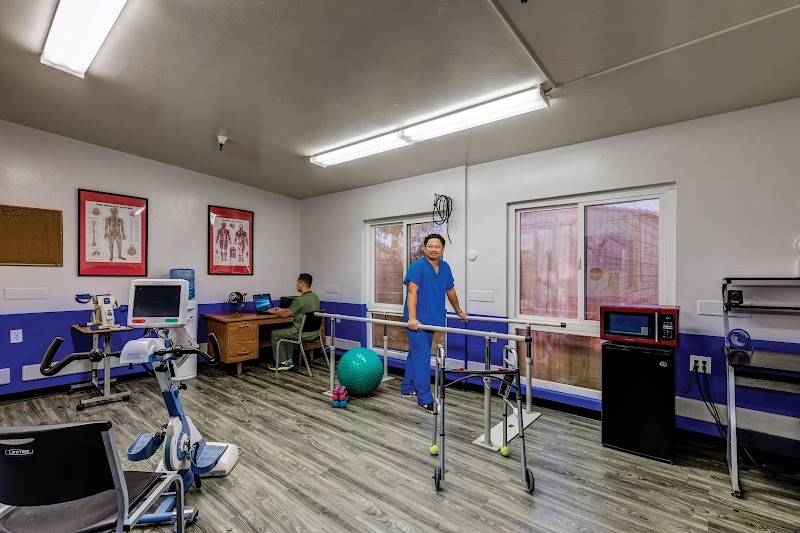
How Does Temple City Healthcare Compare to Other California Nursing Homes?

Compared to the 100 nursing homes in California, TEMPLE CITY HEALTHCARE's overall rating (4 stars) is above the state average of 3.2, staff turnover (46%) is near the state average of 46%, and health inspection rating (4 stars) is above the national benchmark.

What Should Families Ask When Visiting Temple City Healthcare?

Based on this facility's data, families visiting should ask: "Can I visit during a mealtime to observe dining assistance and food quality?" "How do you handle medical emergencies, and what is your hospital transfer rate?" "Can I speak with family members of current residents about their experience?"

Is Temple City Healthcare Safe?

Based on CMS inspection data, TEMPLE CITY HEALTHCARE has a clean safety record: no substantiated abuse findings (meaning no confirmed cases of resident harm), no Immediate Jeopardy citations (the most serious violation level indicating risk of serious injury or death), and is not on the Special Focus Facility watch list (a federal program monitoring the lowest-performing 1% of nursing homes). The facility has a 4-star overall rating and ranks #1 of 100 nursing homes in California. While no facility is perfect, families should still ask about staff-to-resident ratios and recent inspection results during their visit.

Do Nurses at Temple City Healthcare Stick Around?

TEMPLE CITY HEALTHCARE has a staff turnover rate of 46%, which is about average for California nursing homes (state average: 46%). Moderate turnover is common in nursing homes, but families should still ask about staff tenure and how the facility maintains care continuity when employees leave.

Was Temple City Healthcare Ever Fined?

TEMPLE CITY HEALTHCARE has no federal fines on record. CMS issues fines when nursing homes fail to meet care standards or don't correct problems found during inspections. The absence of fines suggests the facility has either maintained compliance or corrected any issues before penalties were assessed. This is a positive indicator, though families should still review recent inspection reports for the full picture.

Is Temple City Healthcare on Any Federal Watch List?

TEMPLE CITY HEALTHCARE is not on any federal watch list. The most significant is the Special Focus Facility (SFF) program, which identifies the bottom 1% of nursing homes nationally based on persistent, serious quality problems. Not being on this list means the facility has avoided the pattern of deficiencies that triggers enhanced federal oversight. This is a positive indicator, though families should still review the facility's inspection history directly.