Thousand Oaks Post Acute, LLC

93 West Avenida De Los Arboles, Thousand Oaks, CA 91360 (805) 492-2444
For profit - Limited Liability company 123 Beds ABBY GL, LLC Data: November 2025
Trust Grade
70/100
#485 of 1155 in CA
Last Inspection: April 2025

Within standard 12-15 month inspection cycle. Federal law requires annual inspections.

Overview

Thousand Oaks Post Acute has a Trust Grade of B, indicating it is a good choice overall-better than average but not among the very best. It ranks #485 out of 1155 facilities in California, placing it in the top half, but only #16 out of 19 in Ventura County, suggesting there are better local options available. Unfortunately, the facility's performance is worsening, with issues increasing from 3 in 2024 to 5 in 2025. Staffing is rated average with a 3/5 star score and a 45% turnover rate, which is higher than the state average, meaning some staff may not stay long enough to build strong relationships with residents. On a positive note, the facility has no fines on record, which is a strong indicator of compliance. However, there are significant concerns noted by inspectors, including failures in food safety practices that could lead to foodborne illnesses and inadequate personal space for residents, impacting their well-being. Additionally, there were issues with medication administration not aligning with orders, which could pose health risks. Overall, while there are strengths, families should weigh these serious concerns when considering this facility.

Trust Score
B
70/100
In California
#485/1155
Top 41%
Safety Record
Low Risk
No red flags
Inspections
Getting Worse
3 → 5 violations
Staff Stability
○ Average
45% turnover. Near California's 48% average. Typical for the industry.
Penalties
✓ Good
No fines on record. Clean compliance history, better than most California facilities.
Skilled Nurses
⚠ Watch
Each resident gets only 29 minutes of Registered Nurse (RN) attention daily — below average for California. Fewer RN minutes means fewer trained eyes watching for problems.
Violations
⚠ Watch
32 deficiencies on record. Higher than average. Multiple issues found across inspections.
★★★★☆
4.0
Overall Rating
★★★☆☆
3.0
Staff Levels
★★★☆☆
3.0
Care Quality
★★★★☆
4.0
Inspection Score
Stable
2024: 3 issues
2025: 5 issues

The Good

  • Full Sprinkler Coverage · Fire safety systems throughout facility
  • No fines on record
  • Staff turnover below average (45%)

    3 points below California average of 48%

Facility shows strength in fire safety.

The Bad

Staff Turnover: 45%

Near California avg (46%)

Typical for the industry

Chain: ABBY GL, LLC

Part of a multi-facility chain

Ask about local staffing decisions and management

The Ugly 32 deficiencies on record

May 2025 2 deficiencies
CONCERN (D) 📢 Someone Reported This

A family member, employee, or ombudsman was alarmed enough to file a formal complaint

Potential for Harm - no one hurt, but risky conditions existed

Assessment Accuracy (Tag F0641)

Could have caused harm · This affected 1 resident

Based on interview and record review, the facility failed to ensure one of two sampled residents (Resident 1), had an accurate diagnosis recorded on their Minimum Data Set Assessment ([MDS] a tool for...

Read full inspector narrative →
Based on interview and record review, the facility failed to ensure one of two sampled residents (Resident 1), had an accurate diagnosis recorded on their Minimum Data Set Assessment ([MDS] a tool for implementing standardized assessment and for planning care). This facility failure resulted in the facility reporting inaccurate data to Centers for Medicare & Medicaid Services (CMS). Findings: During a concurrent interview and record review on 5/28/25 at 3:34 p.m. with the Minimum Data Set Coordinator (MDSC), Resident 1's MDS 3.0 Section I - Active Diagnoses was reviewed. The section indicated, an active diagnosis of benign prostatic hyperplasia ([BPH], condition in older men where the prostate gland enlarges but is not cancerous). MDSC stated that MDS Section I - Active Diagnoses for BPH should not have been marked yes and acknowledged that MDS Section I was incorrectly coded, as Resident 1 did not have this diagnosis. During a review of the facility 's MDS manual titled, CMS's RAI Version 3.0 Manual, dated 10/2024, the MDS manual indicated, Active Diagnoses Intent: The items in this section are intended to code disease that have a direct relationship to the resident's functional status . One of the important functions of the MDS assessment is to generate an updated, accurate picture of the resident's current health status.
CONCERN (D) 📢 Someone Reported This

A family member, employee, or ombudsman was alarmed enough to file a formal complaint

Potential for Harm - no one hurt, but risky conditions existed

Deficiency F0777 (Tag F0777)

Could have caused harm · This affected 1 resident

Based on observation, interview, and record review, the facility failed to promptly notify the physician of the x-ray results for one of two sampled residents (Resident 1). This failure resulted in a ...

Read full inspector narrative →
Based on observation, interview, and record review, the facility failed to promptly notify the physician of the x-ray results for one of two sampled residents (Resident 1). This failure resulted in a delay in treatment for Resident 1's dislocated hip and increased the potential for Resident 1 to experience unnecessary pain or worsening of her condition. Findings: During a review of Resident 1's admission Record (AR), dated 5/28/25, the AR indicated, Resident 1 was admitted in the facility on 2/24/25 with diagnoses including but not limited to, midcervical fracture of right femur (a break in the upper bone near the hip) and aftercare following joint replacement surgery. During a review of Resident 1's Radiology Results Report (RRR), dated 5/19/2025 at 7:13 p.m., the RRR indicated, postsurgical changes from a right hip hemiarthroplasty with superior dislocations (the femoral component of the hip implant had moved upward out of place). During a review of Resident 1's Change of Condition (COC), dated 5/20/25 at 7:41 p.m., the COC indicated, Resident 1 was sent out to [hospital name] via regular transport per physician order. [physician's name] called nurse with an order to send resident out. During an interview on 5/28/25 at 4:07 p.m. with Nurse Supervisor (NS), NS stated they received the RRR on 5/19/2025 around 7 p.m. NS stated that the findings were communicated to [physician's name] via text message at 10:44 p.m., but the physician did not respond or contact the facility until the afternoon of 5/20/25. During an interview on 6/16/25 at 5:08 p.m. with Director of Nursing (DON), DON stated that the staff should have continued attempting to contact [physician's name] and if there was no response after three call attempts, the staff should have escalated the radiology report by notifying the medical director to avoid delays in care. During a review of the facility's policy and procedure (P&P) titled, Notifying Clinicians Diagnostic Results, dated 3/2023, the P&P indicated, Abnormal test results outside of the accepted range or the physician's documented range for the resident are reported promptly to the ordering provider to address potential concerns including but not limited to: diagnose or treat the resident's condition.
Apr 2025 2 deficiencies
CONCERN (D)

Potential for Harm - no one hurt, but risky conditions existed

Assessment Accuracy (Tag F0641)

Could have caused harm · This affected 1 resident

2. An admission Record revealed the facility admitted Resident #103 on 01/25/2025. According to the admission Record, the resident had diagnoses that included other speech and language deficits follow...

Read full inspector narrative →
2. An admission Record revealed the facility admitted Resident #103 on 01/25/2025. According to the admission Record, the resident had diagnoses that included other speech and language deficits following cerebral infarction, dysphagia, aphasia, apraxia, dementia in other diseases classified elsewhere, seizures, and systolic heart failure. Resident #103's discharge MDS, with an Assessment Reference Date (ARD) of 02/04/2025, revealed the resident had a Brief Interview for Mental Status (BIMS) score of 14, which indicated the resident had intact cognition. The MDS also indicated the resident discharged to a short-term general hospital setting. Resident #103's Order Summary Report, revealed an order dated 02/04/2025, for the resident to discharge to home with home health on 02/04/2025. Resident #103's nursing Progress Notes, dated 02/04/2025 at 3:50 PM, revealed Resident #103 discharged to home with arrangements for home health. During an interview on 04/25/2025 at 9:28 AM, MDS Coordinator #3 stated that MDS accuracy was important because it drove the plan of care for residents. She also stated that to discern where a resident discharged for their MDS assessment, she might speak directly with the care team or review the record. She confirmed that Resident #103 went home rather than to the hospital. She stated that she believed this was entered in error because she went to the resident's care plan meeting and knew the resident returned home. MDS Coordinator #3 stated she took full responsibility because she filled out Resident #103's discharge assessment. During an interview on 04/25/2025 at 10:11 AM, the Director of Nursing (DON) stated that if any resident was discharged to the community, it should be coded correctly in the assessment. She stated she was unsure why this did not happen for Resident #103. During an interview on 04/25/2025 at 10:29 AM, the Administrator stated that the MDS assessments were important because they drove the plan of care. He stated that his expectation was that staff coded the MDS to the best of their knowledge, and he was unsure why Resident #103's MDS was coded incorrectly. He stated that he believed it was human error. Based on record review, interview, and facility policy review, the facility failed to ensure that the Minimum Data Set (MDS) was accurately coded for 3 (Residents #213, #103, and #22) of 24 sampled residents. Findings included: A facility policy titled, Accuracy of Assessment, revised 01/2025, revealed the section titled, Definition, included Accuracy of Assessment: The appropriate, qualified health professionals correctly document the resident's medical, functional, and psychological problems and identify resident strengths to maintain or improve medical status, functional abilities, and psychosocial status using the RAI [Resident Assessment Instrument]. The policy revealed, 5. The assessment must represent an accurate picture of the resident's status during the observation period of the MDS. 1. An admission Record revealed the facility admitted Resident #213 on 04/09/2025. According to the admission Record, the resident had a medical history that included diagnoses of chronic obstructive pulmonary disease (COPD) and dependence on supplemental oxygen. An admission MDS, with an Assessment Reference Date (ARD) of 04/13/2025, revealed Resident #213 had a Brief Interview for Mental Status (BIMS) score of 12, which indicated the resident had moderate cognitive impairment. The MDS revealed Section O indicated the resident did not require continuous or intermittent oxygen therapy. Resident #213's Care Plan Report, included a focus area initiated 04/11/2025, that indicated the resident had COPD. Interventions directed staff to give oxygen therapy as ordered by the physician. Resident #213's Order Summary Report, with active orders as of 04/25/2025, contained an order dated 04/09/2025, for supplemental oxygen at 2-5 liters per minute (lpm) via nasal cannula as needed (pro re nata, PRN) for shortness of breath. Resident #213's nursing Progress Notes, dated 04/10/2025 at 2:13 PM, revealed the resident needed their PRN supplemental oxygen and inhaler; both were effective. Resident #213's nursing Progress Notes, dated 04/10/2025 at 9:27 PM, revealed the resident needed their PRN supplemental oxygen and it was effective. Resident #213's nursing Weights and Vital Summary, for the timeframe from 04/09/2025 to 04/13/2025, revealed the resident received oxygen therapy on 04/11/2025 and 04/13/2025. During an interview on 04/25/2025 at 8:49 AM, Licensed Vocational Nurse (LVN) #2 confirmed Resident #213 received supplemental oxygen as needed for shortness of breath. During an interview on 04/25/2025 at 9:06 AM, MDS Coordinator #3 stated that when the resident was assessed, they only referred to their physician order and electronic medication administration record (EMAR). MDS Coordinator #3 confirmed that Resident #213 received oxygen therapy and the MDS was coded incorrectly. During an interview on 04/25/2025 at 10:06 AM, the Director of Nursing (DON) stated that it was important for the MDS to be coded accurately to ensure residents were provided with proper care. The DON stated that if a resident received supplemental oxygen, it should be coded under Section O in the MDS. 3. An admission Record indicated the facility admitted Resident #22 on 02/26/2013. According to the admission Record, the resident had a medical history that included diagnoses of chronic obstructive pulmonary disease (COPD), idiopathic interstitial pneumonia, and dependence on supplemental oxygen. A quarterly MDS, with an Assessment Reference Date (ARD) of 01/20/2025, revealed Resident #22 had a Brief Interview for Mental Status (BIMS) score of 8, which indicated the resident had moderate cognitive impairment. The MDS indicated the resident did not use supplemental oxygen during the assessment's lookback period. Resident #22's Care Plan Report, included a focus area initiated 04/04/2024, that indicated the resident had oxygen therapy related to congestive heart failure and COPD. Interventions directed staff to change the resident's position every two hours to facilitate lung secretion movement and drainage, give medications as ordered by the physician, and monitor and document side effects and effectiveness. The Care Plan Report included a focus area revised 11/10/2023, that indicated the resident had COPD and was at risk for impaired breathing and shortness of breath (SOB). Interventions directed staff to give oxygen therapy as ordered by the physician (initiated 08/30/2020), administer oxygen at two liters per minute (LPM) via nasal cannula as needed (pro re nata, PRN) for SOB and may titrate to maintain oxygen saturation greater than 90% (revised 03/20/2025). Resident #22's Order Summary Report, for active orders as of 01/20/2025, revealed an order dated 06/13/2024, for supplemental oxygen at two LPM via nasal cannula PRN for SOB, with instructions that the staff may titrate to maintain oxygen saturation greater than 90%. Resident #22's Weights and Vitals Summary with an effective date range of 01/06/2025 through 01/20/2025, revealed staff documented that the resident received supplemental oxygen via nasal cannula 14 days during the timeframe from 01/06/2025 through 01/20/2025. Resident #22's Progress Notes, revealed a Health Care Practitioner Note, dated 01/20/2025, that indicated the resident remained on monitoring for COPD and SOB and was on continuous oxygen by nasal cannula at two liters with nebulizer treatments. The note indicated the resident was wearing oxygen at two liters via nasal cannula during the physical exam. The note revealed the plan indicated the resident would continue on two liters of oxygen via nasal cannula, and they would monitor and document the oxygen saturation every shift. During an interview on 04/25/2025 at 10:55 AM, Licensed Vocational Nurse (LVN) #1 stated Resident #22 wore their supplemental oxygen all the time at their request. During an interview on 04/25/2025 at 9:04 AM, MDS Coordinator #3 stated she was one of two MDS Coordinators at the facility, and since they were both LVNs, the Director of Nursing (DON) signed the completion of the MDSs. She stated the accuracy of the MDS was important to make sure it showed the specific care the resident required and helped them to develop a plan of care. She stated she would do a chart review, review hospital records and the resident's history, then interview the resident to gather information for the MDS. She stated she would observe the resident to see if they were using supplemental oxygen and then check the records for supplemental oxygen orders and the MAR to see if the supplemental oxygen was being used. She stated Resident #22's supplemental oxygen was ordered PRN, and it was not coded on the MAR that the resident used the supplemental oxygen during the time of the MDS. After reviewing Resident #22's vital signs tab in the electronic health record and progress notes during the time of the MDS, MDS Coordinator #3 confirmed that the resident was using oxygen intermittently and the MDS was coded incorrectly. During an interview on 04/25/2025 at 10:06 AM, the DON stated it was important for the MDS to be accurate because it was what was submitted to the Centers for Medicare and Medicaid (CMS) and to ensure that they provided the proper and correct care for their residents. She stated the MDS staff, and the DON were responsible for ensuring the accuracy of the MDS. She stated information for the MDS came from the chart, reports from the hospital, information obtained from the family, interviews with the resident, and input from the physician. She stated they should conduct observations and interviews. She stated the use of supplemental oxygen should be coded on the MDS, and if the resident was only wearing it PRN, then there was a place to code intermittent use on the MDS. She stated supplemental oxygen should have been coded on Resident #22's MDS if they were using it at the time of the assessment. During an interview on 04/25/2025 at 10:27 AM, the Administrator stated the MDS should be accurate to the best knowledge of the MDS Coordinators. He stated it was important to be accurate because it would drive the way they cared for the residents. He stated supplemental oxygen use should be coded on the MDS.
CONCERN (D)

Potential for Harm - no one hurt, but risky conditions existed

Deficiency F0645 (Tag F0645)

Could have caused harm · This affected 1 resident

Based on interview, record review, and facility policy review, the facility failed to resubmit a Level I Preadmission Screening and Resident Review (PASRR) as required for 1 (Resident #64) of 3 reside...

Read full inspector narrative →
Based on interview, record review, and facility policy review, the facility failed to resubmit a Level I Preadmission Screening and Resident Review (PASRR) as required for 1 (Resident #64) of 3 residents reviewed for PASRR. Findings included: A facility policy titled, Preadmission Screening and Resident Review (PASRR), revised 01/2025, revealed the section titled GUIDELINES, included, 4. A negative Level I screen permits admission to proceed and ends the pre-screening process unless possible serious mental disorder or intellectual disability arises later. Further review revealed, 16. If the State program permits the use of the exceptions and the resident remains in the facility longer that 30 days, the facility must screen the individual using the State's Level I screening process and refer any resident who has or may have MD [mental disease], ID [intellectual disability] or a related condition to the appropriate state-designated authority for Level II PASARR [PASRR] evaluation and determination. An admission Record indicated the facility admitted Resident #62 on 11/28/2023. According to the admission Record, the resident had a medical history that included diagnoses of psychotic disorder not due to a substance or known physiological condition (onset date 11/28/2023), dementia with other behavioral disturbance (onset date 11/28/2023), and anxiety disorder (onset date 12/13/2024). A quarterly Minimum Data Set (MDS), with an Assessment Reference Date (ARD) of 02/21/2025, revealed Resident #62 had a Brief Interview for Mental Status (BIMS) score of 4, which indicated the resident had severe cognitive impairment. The MDS indicated the resident had a diagnosis of a psychotic disorder. The MDS revealed the resident received antipsychotic and antianxiety medications during the assessment's lookback period. Resident #62's Care Plan Report, included a focus area initiated 11/28/2023, that indicated the facility would facilitate review of the PASRR results upon submission for the newly admitted resident. Interventions directed the admission committee to review if the resident was an appropriate admission to the facility; consult PASRR guidelines by the state health department; designated staff will review results of the submitted PASRR; provide social service support as needed; when a level 2 is applicable, the facility will follow-up on the level 2 recommendation. Resident #62's Care Plan Report included a focus area, revised 03/11/2025, that indicated the resident was on an antipsychotic medication related to psychosis manifested by delusions and non-command auditory hallucinations. Interventions (initiated 11/29/2023) directed staff to administer medications as ordered, and monitor, record, and report to the physician side effects and adverse reactions. Resident #62's Order Summary Report, for active orders as of 04/24/2025, included an order dated 03/18/2025, for olanzapine 5 milligrams (mg), with instructions to give a half of a tablet by mouth at bedtime for psychosis manifested by hallucinations. The Order Summary Report included an order dated 03/15/2025 for staff to monitor episodes of psychosis manifested by hallucination command auditory hallucination every shift. The Order Summary Report included an order dated 05/23/2024 for staff to monitor side effects of anti-psychotic agent, olanzapine, every shift. The Order Summary Report included an order dated 05/23/2024 for staff to document non-pharmacological approaches attempted prior to the administration of anti-psychotic medication, olanzapine. Resident #62's Preadmission Screening and Resident Review (PASRR) Level I Screening, dated 11/21/2023, indicated the resident had no serious diagnoses of mental disorder or was not prescribed psychotropic medications for mental illness; therefore, the screening was negative, and a Level II would not be required. During an interview on 04/24/2025 at 9:13 AM, Admissions Co-Director #4 stated they got the PASRR from the hospital prior to admission via the file exchange, and they reviewed it to ensure that it was complete. During an interview on 04/24/2025 at 9:44 AM, the Business Development Director stated the Director of Nursing (DON) reviewed the PASRR for accuracy and had access to the portal to submit a new one if needed. During an interview on 04/24/2025 at 9:45 AM, the DON stated admissions ensured that the PASRR was received and accurate, then if there were any changes with diagnoses or addition of a psychotropic medication either she or the MDS Coordinator would redo the assessment. She stated Resident #62's PASRR should have been resubmitted when there were changes with their medications, behaviors, and diagnoses. During an interview on 04/25/2025 at 9:04 AM, MDS Coordinator #3 stated she had just recently got access to the PASRR portal. She stated that upon admission they received the PASRR from the hospital. She stated for long-term care residents, if they got a new diagnosis or medication then she would submit for a new PASRR. She stated admissions checked the PASRR for accuracy when received prior to admission. During an interview on 04/25/2025 at 10:06 AM, the DON stated the hospital sent the PASRR and the admission staff reviewed it. The DON stated then during the resident's stay, if there was an addition of a psychotropic medication or diagnosis, a new PASRR would need to be completed. She stated she, the clinical department, and MDS department were responsible for ensuring the PASRR was completed and correct. She stated she believed Resident #62's first PASRR was correct but during the resident's stay, a new PASRR should have been done when the resident was put on a routine psychotropic medication. During an interview on 04/25/2025 at 10:27 AM, the Administrator stated that the residents come to the facility from the hospital with the PASRR, and the clinical team should ensure accuracy. He stated the clinical team would need to review the PASRR if there were any changes to determine what would need to be done next, but they should be following the PASRR guidelines.
Apr 2025 1 deficiency
CONCERN (D) 📢 Someone Reported This

A family member, employee, or ombudsman was alarmed enough to file a formal complaint

Potential for Harm - no one hurt, but risky conditions existed

Resident Rights (Tag F0550)

Could have caused harm · This affected 1 resident

**NOTE- TERMS IN BRACKETS HAVE BEEN EDITED TO PROTECT CONFIDENTIALITY** Based on interview and record review, the facility failed to ensure one of three resident's (Resident 1) right to be treated wit...

Read full inspector narrative →
**NOTE- TERMS IN BRACKETS HAVE BEEN EDITED TO PROTECT CONFIDENTIALITY** Based on interview and record review, the facility failed to ensure one of three resident's (Resident 1) right to be treated with dignity when a Certified Nursing Assistant (CNA 1) removed bra while in Resident 1's room. This facility failure had the potential to result in a loss of dignity for Resident 1. Findings: During a review of Resident 1's admission Record, dated 4/2/2025, the admission Record indicated in part, Resident 1 was admitted to the facility on [DATE] with the following diagnoses: muscle weakness, aphasia (language disorder that results from brain damage), type 2 diabetes mellitus (the body cannot use insulin [a hormone which regulates the amount of glucose in the blood] correctly and sugar builds up in the blood), cerebral infarction (disrupted blood flow to the brain). During a review of Resident 1's Minimum Data Set (MDS), (a standardized assessment tool to evaluate the health and functional abilities of residents) dated 2/28/2025, the MDS indicated, a Brief Interview for Mental Status ([BIMS] a brief screener to detect cognitive impairment) score of 15 (13 - 15 cognitively intact). During an interview on 4/7/2025 at 1:08 p.m. with the administrator (ADMIN), ADMIN verbalized CNA 1 admitted to removing bra and said it was hot and went behind the curtain and stored the bra in Resident 1's closet. ADMIN stated, We just confirmed that she broke company policy. During a telephone interview on 4/15/2025 at 2:26 p.m. with the Director of Nursing (DON), the DON verbalized it's within the facility policy about employee of sharing personal information .What wasn't followed was sharing personal information like a phone number. During a review of final summary, dated 04/02/2025, the final summary indicated, On 03/27/2025, resident (Resident 1's name) sent an email addressed to Administrator (name), describing verbal, emotional, and physical abuse by CNA 1. (Resident 1's name) also wrote has been sexually harrased by (CNA 1's name) .Resident 1 stated an incident occurred when (CNA 1's name) went into (Resident 1's) room and said (CNA 1) felt hot. Resident stated (CNA 1's name) then went behind the curtain in the room so CNA 1 would not be seen as the bra was removed. CNA (CNA 1's name) stated that they are friends .(CNA 1's name) was asked if (she/he) has ever changed (his/her) clothing in front of the resident. (CNA 1's name) stated, I just take off my bra. Not in front of Resident 1 but in front of B bed, Resident 1 was in A bed. (CNA 1's name) explained that the bra was removed behind a curtain and the resident was not able to see . Investigation conclusion at this time, the facility can confirm that (CNA 1's name) violated Company Employee Policy . During a review of the facility's Conduct with Integrity (CWI), (undated), the CWI indicated, Section 2. Quality of Care .Every resident and patient is entitled to dignity, respect and privacy .All residents/patients must be treated with dignity, consideration and respect, and in a manner that preserves self-esteem and promotes resident/patient rights .Violation of resident rights is never tolerated .Harassment - Conduct while at work or when on Employer-related business must be professional at all times. There must be no derogatory references made to or about any person, especially relating to gender, religion, race, or any other protected class. Inappropriate behavior includes, but is not limited to, suggestive gestures, uninviting touching, or sexual advances; sexually explicit, vulgar, crude or offensive language, jokes, photographs or other materials. Modes of communicating inappropriate behavior can include, but are not limited to, written and verbal communication, via telephone, computer systems and other types of media .Dating - Any employee who has a dating relationship or engages in consensual sexual contact or relations with a resident/patient will be subject to disciplinary action, which may include termination . During a review of facility's Work Rules, revised March 2024, the Work Rules indicated, Generally, there are three (3) categories of work rules for employees as listed below .Category 1 work rules generally include, but are not limited to the following: a) Employees must maintain acceptable standards of respect and professional conduct towards residents/patients, visitors, co-workers, and vendors.
Dec 2024 1 deficiency
CONCERN (D) 📢 Someone Reported This

A family member, employee, or ombudsman was alarmed enough to file a formal complaint

Potential for Harm - no one hurt, but risky conditions existed

Deficiency F0557 (Tag F0557)

Could have caused harm · This affected 1 resident

Based on observation, interview, and record review, the facility failed to ensure one of two sampled residents (Resident 1) was treated with respect and dignity when the Certified Nursing Assistant (C...

Read full inspector narrative →
Based on observation, interview, and record review, the facility failed to ensure one of two sampled residents (Resident 1) was treated with respect and dignity when the Certified Nursing Assistant (CNA) 1 repeatedly told Resident 1 to wait for a brief change. This failure had the potential to negatively impact Resident 1's sense of self-worth, self-esteem, and overall quality of life. Findings: During a review of Resident 1's admission Record (AR), dated 11/27/24, the AR indicated, Resident 1 was admitted with diagnoses including encephalopathy (disturbance of brain function), Arthritis (swelling and tenderness of one or more joints), and muscle weakness. During a review of Resident 1's, MDS (Minimum Data Sheet - a federally mandated process of clinical assessment for nursing home patients) Assessment, dated 11/22/24, the MDS indicated, Section C - Brief Interview of Mental Status (BIMS) assessment indicated, Resident 1 had a BIMS Score of 10 (The BIMS assessment uses a points system that ranges from 0 to 15 points: 0 to 7 points suggests severe cognitive impairment, 8 to 12 points suggests moderate cognitive impairment, 13 to 15 points suggests that cognition is intact.) During a record review of Resident 1's MDS record dated 11/22/24, Resident 1's assessment for Toileting, indicated, Resident 1 is dependent (helper does all the effort to complete the activity). During an interview on 12/10/24 at 2 p.m. with Resident 1, Resident 1 verbalized had turned on her call light because assistance was needed for a brief change, a tall female staff member answered the call light, and told Resident 1 to wait for assigned CNA, [name of staff] and then turned off the call light. Resident 1 waited for a while and then turned on the call light again. The same staff came to Resident 1's room and again said to wait for [name of staff] and turned off the call light again. During an interview on 12/10/24 at 5 p.m. with CNA 1, CNA 1 verbalized that at the beginning of night shift, Resident 1 had called around 10:30 p.m. for a brief change. CNA 1 told Resident 1 to wait for the assigned CNA. Approximately 30 minutes later, she answered Resident 1's call light the second time and again told Resident 1 to wait for the assigned CNA. Then, 20 minutes later, Resident 1's CNA arrived and changed the brief. CNA 1 further stated that it is everyone's responsibility to answer residents call lights and provide the care residents need. CNA 1 stated that they were not aware Resident 1's CNA was going to be late. During an interview on 12/10/24 at 2:50 p.m. with Director of Staff Development (DSD), DSD stated the night shift starts from 10:30 p.m. - 6:30 a.m., and on 12/2/24, Resident 1's CNA did not arrive until around 11:30 pm, but all CNAs are responsible for answering the residents call lights and CNA 1 should have changed Resident 1's brief when requested assistance the first time. During an interview on 12/10/24 at 3:00 p.m. with Administrator (ADM), ADM verbalized CNA 1 went to Resident 1's room to answer the call light both times and told Resident 1 to wait for the assigned CNA. ADM further stated that CNA 1 should have changed Resident 1's brief rather than making the resident wait. During a review of the facility's policy and procedure (P&P) titled, Dignity and Respect, dated 3/2023, the P&P indicated, The facility will make every effort to assist each resident in exercising his/her rights to assure that the resident is always treated with respect, kindness, and dignity.
Aug 2024 2 deficiencies
CONCERN (D) 📢 Someone Reported This

A family member, employee, or ombudsman was alarmed enough to file a formal complaint

Potential for Harm - no one hurt, but risky conditions existed

Deficiency F0691 (Tag F0691)

Could have caused harm · This affected 1 resident

Based on interview and record review, the facility failed to ensure one of three residents (Resident 1) who had a colostomy (an opening that connects the digestive tract to the surface of the belly to...

Read full inspector narrative →
Based on interview and record review, the facility failed to ensure one of three residents (Resident 1) who had a colostomy (an opening that connects the digestive tract to the surface of the belly to allow for waste material and gas to leave the body) received care consistent with professional standards of practice when Resident 1's colostomy bag was removed, emptied, and placed back on by unlicensed staff. This failure had the potential to place Resident 1 at risk for complications such as infections or dislodgment of the colostomy bag. Findings: During a review of Resident 1's admission Record (AR), dated 7/12/24, the AR indicated, Resident 1 was admitted with diagnoses including, colostomy, artificial opening of urinary tract, hypertension (high blood pressure) and hyperlipidemia (build-up of fats in the blood). During a review of Resident 1's, MDS (Minimum Data Sheet - a federally mandated process of clinical assessment for nursing home patients) Assessment, dated 7/16/24 , the MDS indicated, Section C - Brief Interview of Mental Status (BIMS) assessment indicated, Resident 1 had a BIMS Score of 15 (The BIMS assessment uses a points system that ranges from 0 to 15 points: 0 to 7 points suggests severe cognitive impairment. 8 to 12 points suggests moderate cognitive impairment. 13 to 15 points suggests that cognition is intact.) During an interview on 8/15/24 at 12:15 p.m. with Resident 1, Resident 1 verbalized concerns that a staff was reusing a colostomy bag. During an interview on 8/16/24 at 2:30 p.m. with Certified Nurse Assistant (CNA 2), CNA 2 stated she was instructed by the licensed nurse to clean the bag. CNA 2 further stated they removed, rinsed, and then placed the colostomy bag on Resident 1. During an interview on 8/16/24 at 3:30 p.m. with the Licensed Nurse (LN 4), LN 4 stated that CNA 2 was instructed only to empty the colostomy bag, not remove it. During an interview on 8/16/24 at 4 p.m. with Director of Nursing (DON), DON verbalized that unlicensed staff are only permitted to empty the colostomy bag, not to remove it. DON verbalized the removal of a colostomy bag is a task for a licensed nurse. During a review of the facility's policy and procedure (P&P) titled, Colostomy Urostomy or Ileostomy Care, (undated), the P&P indicated in part, resident receives the necessary care and treatment including medical and nursing care and services when they need colostomy . care.
CONCERN (D) 📢 Someone Reported This

A family member, employee, or ombudsman was alarmed enough to file a formal complaint

Potential for Harm - no one hurt, but risky conditions existed

Infection Control (Tag F0880)

Could have caused harm · This affected 1 resident

Based on observation, interview, and record review, the facility failed to perform hand washing while providing colostomy (an opening that connects the digestive tract to the surface of the belly to a...

Read full inspector narrative →
Based on observation, interview, and record review, the facility failed to perform hand washing while providing colostomy (an opening that connects the digestive tract to the surface of the belly to allow for waste material and gas to leave the body) care with one of three sampled resident (Resident 3). This failure had the potential to cause infection to Resident 3's colostomy site. Findings: During an observation of Resident 3's colostomy care treatment on 8/9/24 at 12:45 p.m. with Licensed Nurse (LN 1), LN 1 with a new pair of gloves, removed the soiled colostomy bag, placed them in a garbage receptable. LN 1 removed the pair of dirty gloves, placed them in a garbage receptacle, and then put on clean gloves without washing her hands. LN 1 then proceeded to clean the stoma (any opening in the body) removed dirty gloves, grabbed a new pair of gloves, and again placing a new pair on without performing handwashing. During an interview on 8/9/24 at 12:50 p.m. with LN 1, LN 1 acknowledged not washing her hands during the treatment. LN 1 further stated that washing hands in between glove changes makes her hands sticky and harder to put the new gloves on. During a review of the facility's policy and procedure (P&P) titled, Colostomy Urostomy Or Ileostomy Care, dated 11/2017, the P&P indicated in part, Steps in the procedure: removed gloves, wash hands, put on clean gloves.
Nov 2023 1 deficiency
CONCERN (D) 📢 Someone Reported This

A family member, employee, or ombudsman was alarmed enough to file a formal complaint

Potential for Harm - no one hurt, but risky conditions existed

Deficiency F0573 (Tag F0573)

Could have caused harm · This affected 1 resident

**NOTE- TERMS IN BRACKETS HAVE BEEN EDITED TO PROTECT CONFIDENTIALITY** Based on interview and record review, the facility failed to ensure one of two sampled residents (Resident 1) had timely access ...

Read full inspector narrative →
**NOTE- TERMS IN BRACKETS HAVE BEEN EDITED TO PROTECT CONFIDENTIALITY** Based on interview and record review, the facility failed to ensure one of two sampled residents (Resident 1) had timely access to their medical records. This failure resulted in Resident 1's legal representative delayed access to their health history and violated the resident's right to medical record access. Findings: During a review of the facility's policy and procedure (P&P) titled, Resident Access to PHI or Financial Records, dated 9/1/23, the P&P indicated, If the resident and/or their personal representative requests a copy of the resident's medical or financial record, the HIPAA Privacy Officer will provide the resident and/or their personal representative with a copy of the medical record within two (2) working days after receiving the written request. During an interview on 10/12/23 at 1:20 p.m., with admission (AD), the AD stated on 10/2/23 the facility received an eFax (online fax) request for medical records from Resident 1's legal representative. AD verbalized on the same day, 10/02/23, in the morning, they forwarded the eFax to the Medical Records department. During an interview on 10/12/23 at 1:25 p.m., with the Medical Records (MR), MR stated they received the eFax request for Resident 1's medical record from admission on [DATE], and the medical records have not been sent out yet.
Aug 2023 1 deficiency
CONCERN (D) 📢 Someone Reported This

A family member, employee, or ombudsman was alarmed enough to file a formal complaint

Potential for Harm - no one hurt, but risky conditions existed

Deficiency F0836 (Tag F0836)

Could have caused harm · This affected 1 resident

Based on interview and record review, the facility failed to ensure staff administered pain medication per facility policy and procedure (P&P) for one of three residents (Resident 1). Resident 1 recei...

Read full inspector narrative →
Based on interview and record review, the facility failed to ensure staff administered pain medication per facility policy and procedure (P&P) for one of three residents (Resident 1). Resident 1 received pain medication for a pain level of 5/10 (pain scale 0-10 - 0 being no pain, 10 being the worst pain) when the order indicated the medication was to be given for a pain level of 7-10/10. This facility failure had the potential for Resident 1 to sustain adverse reactions. Findings: During a Review of Resident 1's, Order Summary Report, an order dated 6/1/23 indicated, Hydromorphone HCL (a Narcotic used to treat moderate to severe pain) Oral Tablet 4 MG (milligrams) give 1 tablet by mouth every 4 hours as needed for severe pain 7-10/10. During a review of Resident 1's Medication Administration Record (MAR), dated June 2023, the MAR indicated, Hydromorphone HCI oral Tablet 4 MG, was administered to Resident 1, on 6/3/23 at 0:901 a.m. and 6/3/23 at 1:07 p.m. for a pain level of 5/10, not a pain level of 7-10/10 as per physician order. During a review of the facility ' s P&P titled, Medication - Administration, dated 9/1/21, the P&P indicated, Policy V. Medications will be administered per physician ' s order. During a concurrent record review and interview on 7/20/23 at 12:15 p.m. with the Administrator 2 (ADM 2) and the Director of nursing (DON), Resident 1's Order Summary Report and MAR, dated June 2023 were reviewed. The ADM 2 and DON confirmed the physician order for Hydromorphone was given incorrectly on two separate occasions on 6/3/23. The ADM 2 and the DON verbalized, the medication should not have been administered for a pain level of 5/10. In addition, the ADM 2 and DON stated the facility P&P, Medication - Administration was not followed and should have been. During a phone interview on 7/25/23 at 11:05 a.m. with Licensed Nurse 2 (LN 2), LN 2 stated, if an order indicates to give Hydromorphone for a pain level of 7/10, and the Resident stated their pain was only a 5/10, I would not give the medication, instead I would try an alternative form of pain control, like distraction or just give a Tylenol.
May 2023 1 deficiency
CONCERN (D) 📢 Someone Reported This

A family member, employee, or ombudsman was alarmed enough to file a formal complaint

Potential for Harm - no one hurt, but risky conditions existed

Medical Records (Tag F0842)

Could have caused harm · This affected 1 resident

**NOTE- TERMS IN BRACKETS HAVE BEEN EDITED TO PROTECT CONFIDENTIALITY** Based on interview and record review, the facility failed to ensure one of three sampled residents (Resident 1), had complete an...

Read full inspector narrative →
**NOTE- TERMS IN BRACKETS HAVE BEEN EDITED TO PROTECT CONFIDENTIALITY** Based on interview and record review, the facility failed to ensure one of three sampled residents (Resident 1), had complete and accurate documentation in their medical record, when: 1. Resident 1's initial fall risk assessment (FRA - assesses a resident's risk of falling) was incomplete, and 2. Resident 1 had delayed initiation of a care plan (CP - process to identify a residents' needs to clarify care goals and prioritize interventions) for the use of bed rails. This facility failure resulted in a delay to implement the necessary fall prevention interventions and may have contributed to Resident 1 falling. Findings: 1. During a review of Resident 1's admission Record (AR), dated 3/30/23, the AR indicated, Resident 1 was admitted to the facility on [DATE], with diagnoses including, falls, dislocation of the left shoulder, dementia (impaired ability to remember, think or make decisions), and supplemental oxygen use (to assist with breathing problems). During a review of Resident 1's History and Physical (H&P), dated 1/11/23, the H&P indicated, S/p (status post) fall L (left) shoulder/clavicle fracture (Broken shoulder and collarbone) During a review of Resident 1's Minimum Data Set (MDS), a standardized assessment tool that measures health status in nursing home residents, dated 1/14/23, the MDS indicated, Resident 1 was totally dependent on transfers with 2+ persons physical assist, was unsteady with balance, only able to stabilize with staff assistance, and used a wheelchair. During a review of Resident 1's Medication Record, the record indicated, Resident 1 was taking the following medications, Duloextine for depression, Olanzapine for psychosis, Trazadone for depression, Lasix to get rid of extra fluid in the body, Hydrocodone-Acetaminophen for pain, Benazepril for high blood pressure, and Warfarin to prevent blood clots. During a concurrent interview and record review, on 4/18/23, at 10:30 a.m., with Licensed Nurse (LN 3), Resident 1's initial fall risk assessment, dated 1/10/23, was reviewed. LN 3 confirmed, Resident 1's initial fall risk assessment was incomplete in the following areas: a) not all diagnosis related to the fall risk were entered, b) the ' history of fall' section was answered with a 'no,' c) the ' use of medical devices' section was left blank, d) the ' review of medication taken more than 3 times a week' section was incomplete, e) the ' unsteady gait/balance' section was also left blank, and f) the ' ambulatory aid' section was answered with a 'no' when Resident 1 used a wheelchair. LN 3 stated, if all required information had been entered correctly, Resident 1 would have been assessed as a high fall risk (predict future falls), instead of a low risk as assessed. During a review of Resident 1's care plan (CP), titled, The resident is at risk for falls r/t (related to) confusion, deconditioning, gait/balance problems, incontinence .psychoactive drus use ., dated 1/11/23, the CP interventions included, call light is within reach and encourage the resident to use it for assistance as needed, and review information on past falls and attempt to determine cause of falls .after remove any potential causes if possible. During a review of Resident 1's, Interdisciplinary Team (IDT) Progress Notes, dated 1/17/23, the IDT indicated, Resident 1 had an unwitnessed fall. Resident 1 was found on the floor next to bed face down. Resident 1 was assessed and found to have a laceration on the forehead. Resident 1 was on a blood thinner which causes a high risk for bleeding. Resident 1 was sent to the ER. During a review of Resident 1's care plan (CP), titled, The resident is at risk for falls r/t (related to) confusion, deconditioning, gait/balanceproblems, incontinence, .psychoactive drus use was updated after Resident 1's fall on 1/17/23. The CP interventions included, low bed with landing mats to minimize injury. During a concurrent record review and interview on 4/18/23, at 11:35 a.m., with Assistant Director of Nursing (ADON), Resident 1's initial fall risk assessment, dated 1/10/23 and Care Plan , dated 1/10/23, were reviewed. The ADON confirmed Resident 1's fall risk assessment was incompelete. ADON verbalized, had the assessment been completed, the care plan would have included specific interventions for Resident 1 as a high fall risk. During a review of the facility's policy and procedure (P&P) titled, Documentation-Nursing, dated 2016, the P&P indicated, Nursing documentation will be concise, clear, pertinent, and accurate. 2. During a review of Resident 1's Physician Order (PO), dated 1/15/23, the PO indicated, 1/4 siderails up x2 for bed mobility .every shift for fall precautions and safety . During a concurrent interview and record review, on 4/20/23, at 4:20 p.m., with the ADON, Resident 1's medical record was reviewed. ADON stated, the CP should reflect the same date as the PO. ADON further stated, Resident 1's CP is dated 11 days after the PO was made. During a review of the facility's P&P titled, Bed/Side Rails, dated 10/24/22, the P&P indicated, The resident's care plan will be updated to reflect the use of bed/side rails. The plan of care should also include documentation of the type of specific direct monitoring and supervision provided during the use of the bed rails and the identification of how needs will be met during the use of bed rails.
Mar 2023 1 deficiency
CONCERN (D) 📢 Someone Reported This

A family member, employee, or ombudsman was alarmed enough to file a formal complaint

Potential for Harm - no one hurt, but risky conditions existed

Deficiency F0604 (Tag F0604)

Could have caused harm · This affected 1 resident

**NOTE- TERMS IN BRACKETS HAVE BEEN EDITED TO PROTECT CONFIDENTIALITY** Based on interview and record review, the facility failed to ensure one of three sampled residents (Resident 1), was free from p...

Read full inspector narrative →
**NOTE- TERMS IN BRACKETS HAVE BEEN EDITED TO PROTECT CONFIDENTIALITY** Based on interview and record review, the facility failed to ensure one of three sampled residents (Resident 1), was free from physical restraints when Resident 1 was tied with a sheet to a wheelchair without an order or assessment. This failure had the potential to result in physical or psychosocial injuries to Resident 1. Findings: During a review of Resident 1's admission Record(AR), Resident 1's AR indicated Resident 1 was admitted on [DATE] with diagnoses including but not limited to, Chronic Obstructive Pulmonary Disease (COPD-A group of lung diseases that block airflow and make it difficult to breathe), epilepsy (A disorder in nerve cell activity in the brain causing abnormal behavior, sensations and sometimes including loss of consciousness), Alcohol Abuse , opioid dependence (highly addictive pain medications with high addiction potential, withdrawal symptoms can range from mild to severe including anxiety and insomnia) During a review of the facility's policy and procedure (P&P) titled, Devices & Physical Restraint, dated 7/1/18, the P&P indicated, The Facility will not use restraints on a prn or as necessary basis. The P&P also indicated, An assessment will be completed by a Licensed Nurse prior to the application of any device that restricts movement or access to one's body. In addition to, There must be a physician's order for the use of the restraint which includes: A. Medical symptoms for use; B. Frequency of use; C. Type of restraint. During a review of Resident 1's SBAR: Change of Condition (SBAR-Documented details of a residents change in condition), dated 1/16/23, the SBAR indicated, Certified Nursing Assistant used a flat sheet to ensure safety of the resident without a physician order or assessment, staff did not use the correct or proper device to prevent injury . During a review of Resident 1's Health Status Note, (HSN) dated 1/16/23, at 2:08 p.m., the HSN indicated, Resident was consistently anxious and restless. Hx (history) of absent Seizure; under precautions for alcohol withdrawal sx (symptoms) (When alcohol level is suddenly lowered, the brain remains in a hyperactive, or hyperexcited state with withdrawal manifestations ranging from mild insomnia to severe consequences such as delirium or death). Resident taking lorazepam (anti-anxiety drug) for anxiety and withdrawal sx as well. During a concurrent observation and interview on 1/18/23, at 12:25 p.m., with Resident 1, Resident 1 was observed sitting up in bed, clean in appearance, bed in low position with a floor mat on both sides of the bed. Resident 1 indicted, does not rmember ever being restrained in a wheelchair. Resident remembers getting the bed changed and two CNAs were helping but nothing out of the ordinary. Resident stated, feels safe in the facility and staff has been kind. During an interview on 1/18/23, at 1:15 p.m., with Director of Nursing (DON), the DON confirmed Resident 1 was temporarily restrained to her wheelchair with a flat sheet tied around her to the wheelchair where she could not reach or untie it herself. The DON confirmed there was no physician's order for the use of any type of restraints for Resident 1. During an interview on 1/18/23, at 1:40 p.m., with a Certified Nursing Assistant (CNA 1), CNA 1 indicated Resident 1 received a new mattress and CNA 2 assisted CNA 1 with transferring Resident 1 from the bed to the wheelchair but Resident 1 was too heavy and they called out for help. Licensed Nurse (LN 1) assisted CNAs 1 and 2 with putting the resident in the wheelchair safely. LN 1 Left shortly after transfer and while CNA 1 was making the bed, CNA 2 asked for a flat sheet. CNA 1 did not see what CNA 2 was doing until she turned around and found that CNA 2 tied the flat sheet around Resident 1's waist and to the back of the wheelchair. During an interview on 3/7/23, at 9 a.m., with CNA 2, CNA 2 indicated, she went to go tell CNA 1 that the new mattress arrived for Resident 1. Upon entering the room CNA2 saw CNA 1 struggling to get Resident 1 up. They called another person to help us with putting Resident 1 in the wheelchair. CNA 2 indicated on 1/15/23 she heard Resident 1 had multiple falls. After resident 1 was put in the wheelchair, CNA 2 indicated she needed to tend to her own assigned resident who had also received a new mattress. CNA 2 stated, I told CNA 1 to make sure to not leave Resident 1 and I put a flat sheet around (resident) and tied it loosely to the wheelchair. I know it was not a good thing to do because it's considered a restraint, but it was for her safety, she kept moving and trying to get up. Even though she had her helmet on, I didn't want her to fall and hurt another part of her body .
Nov 2021 10 deficiencies
CONCERN (D)

Potential for Harm - no one hurt, but risky conditions existed

Deficiency F0558 (Tag F0558)

Could have caused harm · This affected 1 resident

Based on observation, interview, and record review, the facility failed to provide an appropriate call light for one of 20 sampled residents (Resident 54). This failure has the potential for the resid...

Read full inspector narrative →
Based on observation, interview, and record review, the facility failed to provide an appropriate call light for one of 20 sampled residents (Resident 54). This failure has the potential for the resident to not receive necessary care and could result in complications and poor psychosocial outcome. Findings: During an observation on 11/15/21, at 3:00 p.m., in the resident's room, Resident 54 was observed in bed. Both hands of the resident were contracted, with a regular call light clipped on the bedsheet. Further observation revealed Resident 54 does not have the capacity to hold or use the call light. During an interview on 11/15/21, at 3:30 p.m., with Licensed Nurse (LN 1), LN 1 confirmed the call light was inappropriate for Resident 54. LN 1 further stated, The resident cannot even hold the light. It should be a different one. During a review of Resident 54's admission Record (AR), dated 6/22/21, the AR indicated, Resident 54 had contracture of the muscle of both the right and left hands. During a review of the facility's policy and procedure (P&P) titled, Resident Rights - Accommodation of Needs, dated 6/1/21, the P&P indicated in part, The facility provides an environment and services that meet residents' individual needs. The P&P further indicated, Residents' individual needs and preferences, including the need for adaptive devices and modifications to the physical environment, are evaluated upon admission and reviewed on an ongoing basis.
CONCERN (D)

Potential for Harm - no one hurt, but risky conditions existed

Deficiency F0604 (Tag F0604)

Could have caused harm · This affected 1 resident

Based on observation, interview and record review the facility failed to ensure one of 20 sampled residents (Resident 82) was free of physical restraints. This failure had the potential to negatively...

Read full inspector narrative →
Based on observation, interview and record review the facility failed to ensure one of 20 sampled residents (Resident 82) was free of physical restraints. This failure had the potential to negatively affect the resident's physical mobility and psychosocial well-being. Findings: During an observation of Resident 82's room on 11/15/21, at 2:27 p.m., Resident 82 was observed in bed, the left side of the bed was placed against the wall and on the right side of the bed two side rails were raised. During an interview on 11/15/21, at 2:35 p.m., with a Licensed Nurse (LN 1), LN 1 stated, the physician's order was its ok to place to put the bed against the wall with one side rail up. LN 1 confirmed 2 side rails were up instead of one. During a review of Resident 82's Physician Orders, dated 11/15/21, at 4:22 p.m., the physician's order indicated, May have bed against the wall and ¼ side rails up x1 for mobility. During a review of the facility's policy and procedure (P&P) titled, Devices & Physical Restraints undated, the P&P indicated, The residents shall be provided an environment that is restraint free, unless a restraint is necessary to treat a medical symptom in which case the least restrictive measures shall be used.
CONCERN (D)

Potential for Harm - no one hurt, but risky conditions existed

Deficiency F0657 (Tag F0657)

Could have caused harm · This affected 1 resident

**NOTE- TERMS IN BRACKETS HAVE BEEN EDITED TO PROTECT CONFIDENTIALITY** Based on interview and record review, the facility failed to update a care plan for one of twenty sampled residents (Resident 85...

Read full inspector narrative →
**NOTE- TERMS IN BRACKETS HAVE BEEN EDITED TO PROTECT CONFIDENTIALITY** Based on interview and record review, the facility failed to update a care plan for one of twenty sampled residents (Resident 85) after returning from the hospital. This failure resulted in improper monitoring of Resident 85 for bleeding episodes related to chronic anticoagulant (commonly known as blood thinners, are chemical substances that prevent or reduce chance of getting a deep vein thrombosis [DVT] - a blood clot) use. Findings: During an interview and concurrent record review, on 11/18/21, at 10:03 a.m., with a licensed nurse (LN 4), Resident 85's admission record dated 11/9/21, was reviewed and the record indicated, Resident 85 was on long term (current) use of anticoagulants. Review of Resident 85's order summary report, dated 11/9/21, indicated, Apixaban (blood thinner) tablet 2.5 MG (milligram) give 1 tablet by mouth two times a day for DVT prophylaxis. Apixaban use: Monitor for signs and symptoms of bleeding (abnormal or unexplained bruising, petechiae (unraised, round red spots under the skin caused by bleeding), internal bleeding, nosebleeds, bleeding gums, abnormal bleeding. Aspirin (relieves minor aches, pains, and fevers, also used as an anti-inflammatory or a blood thinner) tablet chewable 81 MG give 1 tablet by mouth one time a day. During a review of Resident 85's History and Physical (H&P), dated 11/6/21, from the acute hospital, the H&P indicated, Resident 85 presented to the emergency room with complaints of epistaxis (nose bleeding) and hemoptysis (spitting up blood) Patient has obvious bleeding from the left nares and likely has swallow now aspirated some of this. Patient appears to be on oral anticoagulants. During a review of the facility's policy and procedure (P&P) titled, Care Planning, dated November 1, 2017 indicated: Purpose - To provide guidelines for the interdisciplinary team to develop and implement a comprehensive person- centered care plan for residents. Policy - The facility develops a person-centered comprehensive care plan developed and implemented to meet his or her preferences and goals, and address the resident's medical, physical, mental, and psychosocial needs. Guidelines - 5. The facility must establish, document, and implement the care and services to be provided to each resident to assist in attaining or maintaining his or her highest practicable quality of life. During a review of Resident 85's care plan titled, (Resident 85 name) is on anticoagulant therapy (Apixaban) r/t (related to): DVT, the care plan indicated, the resident will be free from discomfort or adverse reactions related to anti-coagulant use. The care plan indicated, an initiation date of 10/30/21 and a canceled date of 11/10/21. LN 4 stated, Resident 85 went to the acute Emergency Department on 11/6/21 for epistaxis and hemoptysis caused by long term anticoagulant use and returned to the facility on [DATE]. LN 4 confirmed the care plan for anticoagulant therapy was canceled on 11/10/21 and no update or new care plan for monitoring bleeding related to anticoagulant use had been initiated since Resident 85 returned from the hospital. LN 4 confirmed the facility is not following the policy for Care Planning and should be.
CONCERN (D)

Potential for Harm - no one hurt, but risky conditions existed

Deficiency F0659 (Tag F0659)

Could have caused harm · This affected 1 resident

Based on observation, interview and record review, the facility failed to ensure the activity assistant was trained to provide activities according to resident's preference and interests for one of tw...

Read full inspector narrative →
Based on observation, interview and record review, the facility failed to ensure the activity assistant was trained to provide activities according to resident's preference and interests for one of twenty sampled residents (Resident 35). This failure resulted in Resident 35 not receiving activities that were person centered. Findings: During a review of Resident 35's admission Record, the admission record indicated, Resident 35 was admitted with diagnoses including, muscle weakness, difficulty walking, right side hemiplegia (paralysis of one side of the body), urinary catheter (a tube placed in the body to drain and collect urine from the bladder), and Gastrostomy (a surgical opening into the stomach for nutritional support). During a review of Resident 35's minimum data set (MDS-a standardized, primary screening and assessment tool of health status which forms the foundation of the comprehensive assessment for all residents of long-term care facilities) dated Sep 8, 2021, the MDS indicated: Section C - Cognitive Patterns indicated, Resident 35 had a BIMS score of 0 (brief interview for mental status - a test used to assess an individual's attention, orientation, and ability to register and recall information - scored with numeric values of low cognition 0 to high cognition 15). Section G - Functional Status indicated Resident 35 required extensive staff assistance for all activities of daily living and was not able to leave room without staff assistance. Section F - Preferences for Customary Routine and Activities indicated it was very important to resident to have books, newspapers, and magazines to read, listen to music resident likes, do things with groups of people, and go outside in fresh air when weather is good. During an observation on 11/15/21, at 10:20 a.m., Resident 35 was observed lying in bed awake, smiling, but non-interviewable. Resident did not have a television, radio, book, or any other entertainment in the room. During another observation on 11/17/21, at 2:55 p.m., Resident 35 was observed in bed, awake, no television, or any other entertainment in room. During a review of the facility's policy and procedure (P&P) titled, Activity Assessment dated July 01, 2015, the P&P indicated: Purpose - To assess each residents' preferences for customary routine and activity interests and to develop individualized Care Plan for each resident. Procedure: II. The Director of Activities or his or her designee will conduct an initial interview and written assessment for each resident. III. Upon completion of the Activity Assessment and the MDS, the Director of Activities or his or her designee will develop and implement an individualized Care Plan. The Care Plan will be developed in accordance with state and federal guidelines. IV. The Activity Assessment is maintained as part of the resident's medical record. During an interview on 11/18/21, at 2:30 p.m., with the activity assistant (AA), the AA stated, I don't know how to look up in the computer what the residents wants or prefers for activities, they haven't trained me for that yet. I write on the back of the activity schedule if I did a one on one. I don't write notes on residents because I haven't been taught. During another observation on 11/18/21 at 2:45 p.m. Resident 35 observed in bed, awake. No television, radio, books, or other entertainment in room. During an interview and concurrent record review on 11/18/21, at 3:08 p.m., with the administrator (ADM), the ADM confirmed the Activity Assessment P&P indicated, each resident should have an activity care plan and activity staff should be documenting in it. The ADM stated, the activity director (AD) is on a leave of absence and, I am not in control that staff were not trained because the AD is on a leave of absence. The ADM confirmed activity staff should be trained and follow the Activity Assessment P&P.
CONCERN (D)

Potential for Harm - no one hurt, but risky conditions existed

Incontinence Care (Tag F0690)

Could have caused harm · This affected 1 resident

**NOTE- TERMS IN BRACKETS HAVE BEEN EDITED TO PROTECT CONFIDENTIALITY** Based on observation, interview, and record review, the facility failed to ensure one of 20 residents (Resident 35) was monitore...

Read full inspector narrative →
**NOTE- TERMS IN BRACKETS HAVE BEEN EDITED TO PROTECT CONFIDENTIALITY** Based on observation, interview, and record review, the facility failed to ensure one of 20 residents (Resident 35) was monitored for signs and symptoms of a urinary tract infection ([UTI] bladder infection). This failure had the potential for the resident to have a catheter (a tube that is inserted into the bladder, allowing urine to drain) associated urinary tract infection (CAUTI) Findings: During an observation on 11/17/21, at 2:30 p.m., Resident 35 was observed to have a urinary catheter, the catheter collection bag was hanging under the bed with a blue bag covering the collection bag. During a review of Resident 35's Physician Orders, dated 9/4/21, a physician order indicated, to monitor every shift for signs and symptoms of possible urinary infection and call the physician. During a review of Resident 35's Treatment Administration Record, the treatment records dated October and November 2021 indicated, missing documentation for monitoring of signs and symptoms of infection for 10/21, 10/25, 10/27/21 and 11/7 and 11/9/21. During an interview on 11/17/21, at 4:11 p.m., with the treatment nurse, the treatment nurse confirmed there was no documentation for monitoring signs and symptoms of infection for 10/21/ 10/25, 10/27/21 and 11/7 and 11/9/21 in Resident 35's record. Review of [NAME] and [NAME], 7th Edition, Mosby's Fundamentals of Nursing, page 419 in the section titled, Legal Implications in Nursing Practice indicated, Nurses are obligated to follow physician order unless they believe the orders are in error or would harm clients.
CONCERN (D)

Potential for Harm - no one hurt, but risky conditions existed

Deficiency F0760 (Tag F0760)

Could have caused harm · This affected 1 resident

**NOTE- TERMS IN BRACKETS HAVE BEEN EDITED TO PROTECT CONFIDENTIALITY** Based on observation, interview, and record review, the facility failed to ensure pain medication was administered as prescribed...

Read full inspector narrative →
**NOTE- TERMS IN BRACKETS HAVE BEEN EDITED TO PROTECT CONFIDENTIALITY** Based on observation, interview, and record review, the facility failed to ensure pain medication was administered as prescribed for one of six sampled residents (Resident 453). This failure had the potential for the resident to have ineffective pain management and resulted in a medication error. Findings: During a review of Resident 453's History & Physical (H&P), dated November 9, 2021, the H&P indicated, Resident 453 was admitted with diagnoses including, right hip total arthroplasty (total hip replacement, removing damaged bone and cartilage and replacing with prosthetic components), right hip pain issues postsurgical (hip pain after surgery). During an observation on 11/16/21, at 8:40 a.m., Licensed Nurse (LN 2) was observed administering Tramadol (used to relieve moderate to moderately severe pain, including pain after surgery) per resident's request for a reported pain level of 7 out of 10 hip pain (pain level measurement, 0 indicating no pain and 10 indicating severe pain). No other pain medication was observed being administered. During a concurrent interview and record review, on 11/17/21, at 11:54 a.m., with LN 2, Resident 453's Medication Administration Record (MAR), dated November 2021 was reviewed. The MAR indicated, Tramadol 50 mg (milligrams), Give 1 tablet by mouth every 4 hours as needed for Severe pain 7-10/10. Give with Acetaminophen (drug used to relieve mild or chronic pain) 500 mg as adjunct (joined with) medication LN 2 stated the prescribed order of Acetaminophen 500 mg was not given in conjunction with the tramadol 50 mg on 11/16/21 at 8:40 a.m. and should have been. Review of [NAME] and [NAME], 7th Edition, Mosby's Fundamentals of Nursing, page 419 in the section titled, Legal Implications in Nursing Practice indicated, Nurses are obligated to follow physician order unless they believe the orders are in error or would harm clients.
CONCERN (D)

Potential for Harm - no one hurt, but risky conditions existed

Deficiency F0761 (Tag F0761)

Could have caused harm · This affected 1 resident

Based on observation, interview, and record review, the facility failed to ensure a medication cart and narcotic storage boxes were locked, secured, and inaccessible to unauthorized staff, residents, ...

Read full inspector narrative →
Based on observation, interview, and record review, the facility failed to ensure a medication cart and narcotic storage boxes were locked, secured, and inaccessible to unauthorized staff, residents, and visitors when one of five medication carts was left unlocked and unattended in a resident hallway. This failure had the potential for visitors, residents, and unauthorized staff to access medications and narcotics stored in the medication cart. Findings: During an observation and concurrent interview on 11/15/21, at 11:08 a.m., with the Director of Nurses (DON) and Licensed Nurse (LN 3), the DON was observed walking to an unlocked and unattended medication cart located at Station 2 hallway. The DON pulled the keys out of the narcotics drawer and locked the cart. The DON and LN 3 both confirmed the medication cart and narcotic storage box should always be locked and keys are not to be left in the medication cart unattended. During a review of the facility's policy and procedure (P&P) titled, MEDICATION STORAGE IN THE FACILITY, dated January 2007, the P&P indicated, .Medication rooms, carts, and medication supplies are locked or attended by persons with authorized access.
CONCERN (E)

Potential for Harm - no one hurt, but risky conditions existed

Safe Environment (Tag F0584)

Could have caused harm · This affected multiple residents

**NOTE- TERMS IN BRACKETS HAVE BEEN EDITED TO PROTECT CONFIDENTIALITY** Based on observation, interview, and record review, the facility failed to provide a homelike environment when residents shared ...

Read full inspector narrative →
**NOTE- TERMS IN BRACKETS HAVE BEEN EDITED TO PROTECT CONFIDENTIALITY** Based on observation, interview, and record review, the facility failed to provide a homelike environment when residents shared closets/cabinets in rooms (18, 19, 20, and 36) for one of 20 sampled residents (Resident 54), and eight unsampled residents (Resident 58, 12, 28, 80, 302, 41, 7, and 83). This failure resulted in the residents not having a personalized, homelike atmosphere and could affect their psychological well-being Findings: During an observation on 11/15/21, at 3:15 p.m., in room [ROOM NUMBER], Resident 54's personal cabinet/closet space was observed next to the bed. Further observation revealed Residents 12, 54, and 58 all shared the same closet space for their personal belongings. During an interview on 11/15/21, at 3:35 p.m., with Licensed Nurse (LN 1), LN 1 confirmed all residents should have their own private closet space. LN 1 further stated, If one resident can have their own cabinet, I don't see why the other residents cannot . During another observation on 11/16/21, at 10:20 a.m., rooms [ROOM NUMBER] were observed. Residents 302 and 41 in room [ROOM NUMBER], shared the same cabinet space. Residents 7 and 83 in room [ROOM NUMBER] shared the same cabinet space. In addition Residents 28 and 80 in room [ROOM NUMBER], also shared a cabinet. During a review of the facility's policy and procedure (P&P), titled, Resident Rooms and Environment, dated 10/1/19, the P&P indicated in part, Facility staff will provide residents with a pleasant environment and person-centered care that emphasizes the residents' comfort, independence, and personal needs and preferences. Upon further review, the P&P states, Facility Staff aim to create a personalized, homelike atmosphere, paying close attention to the following: B. Private closet space in each resident room.
CONCERN (E)

Potential for Harm - no one hurt, but risky conditions existed

Deficiency F0658 (Tag F0658)

Could have caused harm · This affected multiple residents

Based on interview, and record review, the facility failed to ensure professional standards in clinical practice and documentation were met, when: 1) staff administered pain medication to two of 20 sa...

Read full inspector narrative →
Based on interview, and record review, the facility failed to ensure professional standards in clinical practice and documentation were met, when: 1) staff administered pain medication to two of 20 sampled residents (Resident 20 and Resident 97), that did not meet the medication order parameter for its indication, and 2) staff follow-up assessment and education were not done, after resident refusal of apical pulse measurement, for two of 20 sampled residents (Resident 2 and Resident 8). These failures had the potential to inappropriately identify and manage resident health issues that may lead to serious harm. Findings: 1a) During a review of Resident 20's, admission Record (AR), dated 8/15/20, the record indicated Resident 20 was admitted with diagnoses including, Cervical Disc Disorder at C5-C6 Level with Radiculopathy (injury to the spinal cord that causes weakness); Other Chronic Pain, Adult Osteochondrosis of Spine, Lumbar Region (discs in the spine pressed together causing pain), and Other muscle spasm. During a review of Resident 20's, Order Summary Report (OSR), dated 11/16/21, and Medication Administration Record (MAR), dated 11/1-11/30/21, the OSR and MAR, indicated in part, a physician order, dated 2/24/21, Norco (medicine used to relieve moderate to severe pain) Tablet 10-325 mg (milligram) (Hydrocodone-Acetaminophen). Give one (1) tablet orally every four (4) hours as needed for severe pain 7-10/10 [pain rating scale from zero (0 - no pain) to ten (10 - severe pain)] NTE (not to exceed) 3gm (gram) / 24hrs (hours) of APAP (abbreviation for Acetaminophen). A further review of the MAR, indicated, staff administered the ordered Norco medication to Resident 20 on 11/2/21, at 4:28 p.m., for resident's pain level at six (6), 11/4/21 at 8:39 a.m., for a pain level at five (5), 11/5/21 at 3:20 p.m., and 9:22 p.m., respectively with pain levels at six (6), 11/6/21 at 8:34 a.m., for a pain level at five (5), 11/10/21 at 8:48 a.m., and 3:03 p.m., respectively for pain levels at five (5), 11/11/21 at 9:05 p.m., for a pain level at six (6), and 11/12/21 at 3:59 p.m., for a pain level at six (6). 1b) During a review of Resident 97's, AR, dated 10/26/21, the record indicated, Resident 97 was admitted with diagnoses including, Other Idiopathic Peripheral Autonomic Neuropathy (nerve damage of unknown cause), Paraplegia Complete (paralysis of the legs and lower body), Overactive Bladder, and Other Obstructive and Reflux Uropathy (urine cannot drain into the urinary tract). During a review of Resident 97's, OSR, dated 11/16/21, and MAR, dated 11/1-11/30/21, the OSR and MAR indicated, in part, a physician order, dated 10/28/21, Norco Tablet 5-325 mg (Hydrocodone-Acetaminophen). Give one (1) tablet by mouth every four (4) hours as needed for severe pain 7-10/10 not to exceed three (3) grams of APAP in 24 hours from all sources. May also give 30 minutes prior to daily wound care. A further review of the MAR, indicated, staff administered the ordered Norco medication to Resident 97 on 11/2/21, at 7:04 a.m., for a pain level at zero (0), 11/3/21, at 2:45 a.m., for a pain level at six (6), and 11/12/21, at 2:22 p.m., for a pain level at five (5). During a concurrent interview, and record review, with the Director of Nursing (DON), on 11/16/21, at 3:30 p.m., Resident 20's and Resident 97's, MARs, dated 11/1-11/30/21, were reviewed. The DON confirmed staff administered the ordered Norco medication to Resident 20 and Resident 97, on the identified dates and times, and did not follow physician orders, based on Resident 20's and Resident 97's documented pain levels. The DON stated, staff should have given the appropriately ordered pain medication to Resident 20 and Resident 97, specifically indicated for pain levels below seven on the pain rating scale. During a review of the facility's policy and procedure (P&P) titled, Medication Administration, dated 7/1/16, the P&P, indicated, in part, Policy .IV. The licensed nurse must know the following information about any medication they are administering: A. The drug's name .D. Indication for use and desired outcome The P&P, indicated further, Procedure .VII. The resident's MAR will be reviewed for allergies and/or special considerations for administration including: A. Manufacturer's specifications .B. Accepted professional standards and principles, C. Vital sign parameters During a review of the facility's, P&P, titled, Pain Management, dated 10/1/19, the P&P, indicated, in part, Procedure .II. Pain Management .A. The licensed nurse will administer pain medication as ordered and document all medication administered on the Medication Administration Record (MAR) .E. Nursing staff will provide education to residents/resident representatives as to appropriate expectations for pain management. 2a) During a review of Resident 2's, admission Record (AR), dated 9/6/20, the AR indicated, Resident 2 was admitted with diagnoses including, Unspecified Fracture of Right Lower Leg, Type 2 Diabetes Mellitus (a group of diseases that result in too much sugar in the blood) with Foot Ulcer, Neuromuscular Dysfunction of the Bladder (lacking bladder control due to brain, spinal or nerve injury), and Presence of Cardiac Pacemaker (a small device implanted in the chest to help control heartbeat). During a review of Resident 2's, Order Summary Report (OSR), dated 11/18/21, and Medication Administration Record (MAR), dated 11/1-11/30-21, the OSR and MAR, indicated in part, a physician order, dated 8/21/20, Pacemaker Order #3: Monitor apical pulse q (every) shift. Notify MD if HR (heart rate) < (less than) 60 or > (greater than) 120 BPM (beats per minute). A further review of the MAR, indicated, Resident 2's, apical pulse was not measured on: 11/1, 11/2,1 11/4, 11/11, and 11/15/21, all during the night shift, and were coded as, 2 - Drug refused. 2b) During a review of Resident 8's, AR, dated 2/5/20, the AR indicated Resident 8 was admitted with diagnoses including, Epilepsy (abnormal brain activity causing seizures), Chronic Pain Syndrome (long-term pain), Unspecified Atrial Fibrillation (quivering or irregular heartbeat), and Presence of Cardiac Pacemaker. During a review of Resident 8's, OSR, dated 11/18/21, and MAR, dated 11/1-11/30/21, the OSR and MAR, indicated in part, a physician order, dated, 2/9/20, Pacemaker Order #3: Monitor apical pulse q shift. Notify MD if HR < 60 or > 120 bpm. A further review of the MAR, indicated, Resident 8's, apical pulse was not measured on 11/2/21, and 11/15/21, both during the night shift, and were coded as 2 - Drug refused, During a concurrent interview, and record review, with the Assistant Director of Nursing (ADON), on 11/18/21, at 11:45 a.m., Residents 2's and Resident 8's, MAR, dated 11/1-11/30/21, were reviewed. According to the ADON, only the licensed nurses assess and document apical pulse measurements of residents, when ordered by the physician. The ADON verified the dates (and shifts) in Resident 2's and Resident 8's MAR, when apical pulse measurements were refused by both residents. The ADON, further verified, there was not any documentation of attempts to recheck/re-assess Resident 2's and Resident 8's apical pulse, nor documentation of providing education to the residents of the importance of this vital sign. During a review of the facility's P&P, titled, Documentation - Nursing, dated 1/8/17, the P&P, indicated, in part, What can or should be charted in nursing or other notes .2) Resident and/or family/responsible party/legal representative education and/or training .5) Deviations from policy and procedure (i.e., resident refused). According to ANA's (American Nurses' Association) book titled, Principles for Nursing Documentation (Guidance for Registered Nurses), copyright 2010, the guidance indicated, in part, Clear, accurate, and accessible documentation is an essential element of safe, quality, evidence-based nursing practice. Documentation of nurses' work is critical as well for effective communication with each other and with other disciplines .Nurses document their work and outcomes for a number of reasons: the most important is for communicating within the health care team and providing information for other professionals .to support the ability of the health care team to ensure informed decisions and high-quality care in the continuity of patient care.
CONCERN (F)

Potential for Harm - no one hurt, but risky conditions existed

Food Safety (Tag F0812)

Could have caused harm · This affected most or all residents

**NOTE- TERMS IN BRACKETS HAVE BEEN EDITED TO PROTECT CONFIDENTIALITY** Based on observation, interview, and record review, the facility failed to implement its policies and procedures (P&P) on dry fo...

Read full inspector narrative →
**NOTE- TERMS IN BRACKETS HAVE BEEN EDITED TO PROTECT CONFIDENTIALITY** Based on observation, interview, and record review, the facility failed to implement its policies and procedures (P&P) on dry food storage and kitchen sanitation, and ensure food quality and safety standards were met when: 1) stored food products found in the dry food storage room [ROOM NUMBER] were beyond the indicated use by date labels, and 2) the temperature of the sanitizing solution used to cleanse/sanitize non-food contact work surfaces and kitchen equipment was not measured. These failures had the potential to contaminate foods served to the residents, that can lead to serious food-borne illness. Findings: 1) During a review of the facility's P&P, titled, Food and Nutrition Services - General, dated 9/1/21, the P&P indicated, in part, The primary objectives of the dietary department include .c) Maintenance of standards for sanitation and safety, d) Maintenance of standards for quality of food During a concurrent inspection, and interview, with the Dietary Manager (DM), on 11/15/21 at 9:45 A.M., of the facility's dry food storage room [ROOM NUMBER], some of the opened (and dated) food products inspected were beyond the indicated use by date labels. These products included, a bag of chips, chicken rice pilaf seasoning, chicken broth mix, pure lemon extract, ground basil, mild chili powder, ground cumin, ground turmeric, whole poppy seeds, and Mediterranean-style oregano leaves. The DM confirmed these food products were past the indicated use by date label and stated, kitchen best practices was always to discard expired foods/food products when found. During a review of the facility's, P&P, titled, Food Storage, dated 7/1/19, the P&P indicated in part, Guidelines - Dry Food Storage .1) Dry storage may be in a room or area designated for the storage of dry goods .6) Desirable practices include managing the receipt and storage of dry food, removing foods not safe for consumption, keeping dry food products in closed containers, and rotating supplies. 2. During a concurrent observation, interview, and record review, on 11/15/21 at 10:40 a.m., with a dietary aid (DA) and the DM, the DA was observed demonstrating preparing and testing the sanitizing solution for cleaning/sanitizing non-food contact work surfaces and equipment. The DA stated, the sanitizing solution in the red containers were replaced six times daily (at specified times during breakfast, lunch, and dinner), or as needed. The DA dispensed the sanitizing solution, already mixed with water, from a separate tap at the main kitchen sink into an empty red container. The DA labeled and dated the main sanitizer dispensing container. DA proceeded to check for the sanitizer's concentration (in ppm - parts per million) using a color-coded chemical strip with a result of 200 ppm. DA stated, staff document the chemical strip test result in a facility kitchen log, titled, Food & Nutrition: Sanitizer Test Strip Log (STSL) / Month / Year. A review of the Manufacturer's Instructions for Use (MIFU) Poster, located at the backsplash behind the main kitchen sink indicated, when performing Sanitation Range Testing, Step #1 of the sanitation range testing procedure, indicated, Testing solution should be at room temperature, 65 °F (degrees Fahrenheit) - 75 °F (18.3 °C [degrees Celsius] -23.9 °C). DA and DM stated, they were not aware that this was a part of the sanitation test procedure and confirmed that kitchen staff had not been measuring the sanitizing solution's temperature prior to doing the chemical strip test. The DM also confirmed, there was no section in the STSL to specifically document for the sanitizing solution's temperature measurements. During a review of the sanitizer's, Product Specification Document, undated and obtained from the manufacturer's website's online resources, the document indicated, in part, .Usage Notes .When testing dilution strength using quat (sanitizing agent) test strips, always follow temperature guidelines printed on the test strip dispenser - i.e. (that is), solution temperature between 65 and 75 degrees Fahrenheit During a review of the facility's, P&P, titled, Multi-Quat Sanitizer and Test Strips, dated, 6/1/19, the P&P, indicated, Policy .The facility uses sanitizer solutions .and ensures that the sanitizers are at the proper concentration specified by the individual manufacturer. The P&P, further indicated, in part, Guidelines .3) Test solution should be between 65 and 75 degrees Fahrenheit
Dec 2019 10 deficiencies
CONCERN (D)

Potential for Harm - no one hurt, but risky conditions existed

Deficiency F0578 (Tag F0578)

Could have caused harm · This affected 1 resident

Based on interview and record review, the facility failed to ensure the Physician Orders for Life-Sustaining Treatment (POLST) status for one of one sampled residents (Resident 32), was consistent whe...

Read full inspector narrative →
Based on interview and record review, the facility failed to ensure the Physician Orders for Life-Sustaining Treatment (POLST) status for one of one sampled residents (Resident 32), was consistent when the electronic medical record (EMR) indicated no choice made for artificially administered nutrition orders, and the paper chart indicated No artificial means of nutrition, including feeding tubes. This facility failure had the potential for Resident 32's wishes related to artificial nutrition not to be followed. Findings: During a concurrent interview and record review, on 12/3/19, at 9:45 a.m., with a licensed nurse (LN 2), the POLST paper copy in Resident 32's medical chart was reviewed and compared to the physician orders, and the EMR copy of the POLST. LN 2 confirmed the documents did not match in category C artificially administered nutrition. The paper copy of the POLST dated 1/3/19 requested No artificial means of nutrition, including feeding tubes. The EMR copy of the POLST dated 1/3/19 had no choice made for artificially administered nutrition orders. Both were signed by the physician on 2/14/19. During a review of the facility policy and procedure (P&P) titled Physician Orders For Life Sustaining Treatment (POLST) dated 12/11/15, the P&P indicated The POLST is a voluntary form used statewide as a physician order form that converts a resident's wishes regarding life-sustaining treatment and resuscitation into physician orders .Completion of a POLST form will reflect a process of careful decision making by the resident, the resident's legally recognized health care decision maker if the resident lacks decision making capacity, and the physician, regarding the resident's medical condition and known treatment preferences.
CONCERN (D)

Potential for Harm - no one hurt, but risky conditions existed

Deficiency F0655 (Tag F0655)

Could have caused harm · This affected 1 resident

Based on interview and record review, the facility failed to develop and implement a baseline care plan for one of 21 sampled residents (Resident 47) when Resident 47's care plan for oxygen therapy wa...

Read full inspector narrative →
Based on interview and record review, the facility failed to develop and implement a baseline care plan for one of 21 sampled residents (Resident 47) when Resident 47's care plan for oxygen therapy was not developed upon admission. This facility failure resulted in a care plan that did not include the care and services needed to meet Resident 47's needs. Findings: During a concurrent interview and record review, on 12/4/19, at 10:52 a.m., with a licensed nurse (LN 2), the admitting physician orders dated 10/8/19 for Resident 47 included an order for oxygen (O2) at two liters per minute continuous to maintain an 02 saturation greater than 92% every shift. The baseline care plan for Resident 47 dated 10/8/19 and 10/9/19 did not include continuous oxygen therapy and monitoring of oxygen saturation. LN 2 confirmed there was no evidence in the baseline care plan of Resident 47's oxygen requirements, and acknowledged it should have been included. During a review of the facility's policy and procedure titled Care Planning, dated 11/1/17, indicated The Facility will develop a person centered Baseline Care Plan for each resident within 48 hours of admission. The Baseline Care Plan will include at least the following information: A. Initial goals based on admission orders, B. Physician orders
CONCERN (D)

Potential for Harm - no one hurt, but risky conditions existed

Comprehensive Care Plan (Tag F0656)

Could have caused harm · This affected 1 resident

**NOTE- TERMS IN BRACKETS HAVE BEEN EDITED TO PROTECT CONFIDENTIALITY** Based on interview and record review, the facility failed to develop and implement a comprehensive care plan for four out of 24 ...

Read full inspector narrative →
**NOTE- TERMS IN BRACKETS HAVE BEEN EDITED TO PROTECT CONFIDENTIALITY** Based on interview and record review, the facility failed to develop and implement a comprehensive care plan for four out of 24 sampled residents (Residents 82, 75, 47, and 10) when the: 1. Facility failed to develop a care plan for Resident 82 with diagnoses of type 2 diabetes (adult onset of a chronic condition that affects the way the body processes blood sugar) and dependence on renal dialysis (a medical procedure for people with kidney failure or damage that eliminates waste and unwanted water from the blood). 2. Facility failed to develop a care plan for Resident 75 receiving oxygen therapy. 3. Facility failed to develop a care plan for Resident 47 receiving an anticoagulant. 4. Failed to ensure care plan implementation when the physician was not notified of Resident 10's weight change. These facility failures had the potential for resident care needs to go unmet. Findings: 1. During a review of the admission record for Resident 82 dated 10/29/19, Resident 82's diagnosis include diabetes and kidney failure requiring dialysis treatments. During a concurrent interview and record review on 12/4/19, at 2:35 p.m., with a licensed nurse (MDS 1), Resident 82's Physician order summary report dated 12/1/19 was reviewed. The orders indicated Resident 82 was on a modified renal (diet low in sodium, phosphorus, protein and limited fluid intake) and a CCHO (consistent carbohydrate for people with diabetes to keep carb consumption at a steady level) diet, with mechanical soft texture. The orders further indicated blood sugar checks to be done before meals and at bedtime. MDS 1 was unable to locate a nursing care plan for Resident 82 related to the diabetes. MDS 1 indicated the care plan should have been there, and include interventions needed to manage diabetes. Resident 82's Physician order summary report dated 12/1/19, was further reviewed. The orders indicated Resident 82 receives dialysis Monday,Wednesday, and Friday. The orders further indicated to monitor the hemodialysis access site for redness, swelling, drainage, and pain, to monitor input and output (I&O) every shift, and to take vital signs pre and post dialysis. MDS 1 was unable to locate a nursing care plan for Resident 82 related to her dialysis. MDS 1 further indicated the care plan should have been there, and include interventions needed to manage Resident 82's dialysis. 2. During a concurrent interview and record review on 12/5/19, at 8:29 a.m., with a licensed nurse (MDS 1), Resident 75's Physician order summary report dated 12/1/19 was reviewed. The orders indicated Resident 75 was receiving oxygen at two liters per minute via nasal cannula (a device used to deliver oxygen through the nose) to keep oxygen saturation greater than 92% every shift. MDS 1 was unable to locate a nursing care plan for Resident 75 related to his respiratory treatment, and indicated a care plan should have been there. The facility policy and procedure titled Care Planning, dated 11/2017 indicated To ensure that a comprehensive person-centered care plan is developed for each resident based on their individual assessed needs a comprehensive care plan will be developed for each resident, will include measurable objectives and timetables to meet a resident's medical, nursing, mental, and psychosocial needs .each resident's comprehensive care plan will describe the following: services that are to be furnished to attain or maintain the resident's highest practicable physical, mental and psychosocial wellbeing . the comprehensive care plan must be completed within 7 days after completion of the comprehensive admission assessment, and must be periodically reviewed and revised by a team of qualified persons after each assessment. 4. During a review of the weight summary report for Resident 10, the record indicated Resident 10 was re-admitted to the facility on [DATE]. Resident 10 is 58 inches in height with the Average Body Weight Range (ABWR) of 107-131 pounds. The Weight Summary report indicated the following weights: 10/11/19 weight 102.3#, and 11/25/19 weight 96# - a 6% weight loss. During a concurrent interview and record review on 12/4/19, at 11:25 a.m., with a licensed nurse (MDS 1), a care plan related to nutrition indicated an intervention Monitor/record/report to MD (the physician) signs or symptoms of malnutrition: significant weight loss: > 5% in a month, > 7.5% in 3 months, > 10% in 6 months. MDS 1 reviewed the electronic record and confirmed not being able to locate any nursing documentation that the significant weight loss was reported to the physician, and it should be reported. MDS 1 acknowledged the care plan was not followed. 3. During a review of the admission Record for Resident 47 dated 10/8/19, Resident 47 was admitted with a diagnosis of atrial fibrillation (a quivering or irregular heartbeat that can lead to blood clots, stroke, and heart failure). During a concurrent interview and record review on 12/4/19, at 10:52 a.m., with a licensed nurse (LN 2), the physician orders dated 10/8/19 for apixaban (an anticoagulant (blood thinner) that reduces blood clotting and reduces the risk of stroke and systemic embolism in patients with atrial fibrillation) 2.5 milligrams (mg) and the care plan for Resident 47 was reviewed. LN 2 confirmed the care plan did not address the anticoagulant medication or possible risks, and should have. The facility policy and procedure titled Anticoagulant Therapy, dated 11/1/19, indicated The facility will initiate/update the care plan following initiation of anticoagulant therapy
CONCERN (D)

Potential for Harm - no one hurt, but risky conditions existed

Deficiency F0658 (Tag F0658)

Could have caused harm · This affected 1 resident

3. During a review of the medication administration record (MAR) for Resident 68 dated 11/19, the MAR indicated that no intake and output was recorded for the night shift on 11/23/19. During an inter...

Read full inspector narrative →
3. During a review of the medication administration record (MAR) for Resident 68 dated 11/19, the MAR indicated that no intake and output was recorded for the night shift on 11/23/19. During an interview with the director of nursing (DON) on 12/4/19, at 11:46 a.m., the DON acknowledged the monitoring of intake and output during the night shift on 11/23/19 was missing, and should have been documented. During a review of Resident 68's physician orders dated 10/13/19, the physicians orders indicated to monitor intake and output every shift for Resident 68. The facility policy and procedure titled Intake and Output Recording dated 7/15, indicated To provide an accurate record of the resident's intake and output .intake and output is documented when indicated by an attending physician order .nursing staff will be responsible for completing the I&O record at the end of each shift .information obtained from the I&O will be totaled daily and reviewed to ensure that the resident's intake and output are sufficient to meet the resident's needs .intake recording: write the intake amount of fluids in the proper columns. Based on observation, interview, and record review, the facility failed to provide services according to professional standards when: 1. Orders were not followed for Resident 75 when receiving oxygen. 2. a. Orders were not followed for Resident 82 for monitoring input and output (I&O). b. Orders were not followed and Resident 27 for monitoring I&O. 3. Orders were not followed for Resident 68 for monitoring I&O. These facility failures resulted in residents not receiving treatment as ordered by the physician. Findings: 1. During an observation on 12/2/19 at 2:56 p.m., Resident 75 was observed to be receiving oxygen at three liters per minute (LPM) by nasal cannula (a device used to deliver oxygen through the nose). During a review of the clinical record for Resident 75 the Physician Order Summary Report dated 12/1/19 indicated Administer oxygen at 2 LPM via nasal cannula to keep oxygen saturation greater than 92% every shift. During an observation and concurrent interview with a licensed nurse (LN 3) on 12/3/19 at 8:45 a.m., Resident 75 was observed to be receiving oxygen at three LPM. LN 3 acknowledged Resident 75's oxygen was running at three LPM. During a review of the physician's orders for Resident 75 and concurrent interview with LN 3 on 12/3/19 at 8:47 a.m., LN 3 acknowledged Resident 75 should be receiving oxygen at two LPM and not three LPM. The facility policy and procedure titled Oxygen Administration dated 7/2015, indicated A physician's order is required to initiate oxygen therapy, except in an emergency situation .the order shall include: oxygen flow rate, method of administration, usage of therapy, titration instructions (if indicated), indication for use. 2. a. During a review of the clinical record for Resident 82 the Physician order summary report dated 12/1/19, indicated Resident on Hemodialysis (a medical procedure for people with kidney failure or damage that eliminates waste and unwanted water from the blood): monitor I&O (intake and output - measurement of fluid taken in and excreted) every shift. During a concurrent interview and record review on 12/4/19 at 2:12 p.m., with a licensed nurse (MDS 1), Resident 82's Medication Administration Record (MAR): dated 11/19 and 12/19 were reviewed. MDS 1 acknowledged the nursing staff were documenting a check mark under I&O for each shift, without a numerical value. MDS 1 indicated there should be a numerical value, and acknowledged I&O was not being documented. b. During a review of the clinical record for Resident 27 the Physician Order Summary Report dated 12/1/19, indicated To monitor intake and output every shift for continuous IV (in the vein) therapy for hydration. During a concurrent interview and record review on 12/4/19 at 3:10 p.m., with MDS 1, Resident 27's Medication Administration Record (MAR) dated 11/19 was reviewed. MDS 1 acknowledged there were missing I&O entries on 11/3/19,11/18/19, and 11/23/19. MDS 1 further indicated that on 11/26/19 nursing staff stopped documenting on the MAR and started documenting on an Input and Output Record located in the I&O binder, for Resident 27. Resident 27's Input and Output Record located in the I&O binder was reviewed. MDS 1 acknowledged that several I&O entries were missing on 11/26/19 thru 11/30/19, 12/2/19, and 12/3/19, and should have been documented.
CONCERN (D)

Potential for Harm - no one hurt, but risky conditions existed

Deficiency F0761 (Tag F0761)

Could have caused harm · This affected 1 resident

**NOTE- TERMS IN BRACKETS HAVE BEEN EDITED TO PROTECT CONFIDENTIALITY** Based on observation, interview, and record review, the facility failed to ensure medications and biologicals were labeled and s...

Read full inspector narrative →
**NOTE- TERMS IN BRACKETS HAVE BEEN EDITED TO PROTECT CONFIDENTIALITY** Based on observation, interview, and record review, the facility failed to ensure medications and biologicals were labeled and stored appropriately when: 1. Four expired bottles of sterile saline wound solution (a cleanser for minor cuts and burns) were found in the central supply room. 2. An emergency cart containing medication and supplies was found unlocked and accessible to residents. These facility failures had the potential for expired products with compromised sterility to be used on residents and for residents to have unmonitored access to medications and supplies. Findings: 1. During a concurrent observation and interview with a central supply clerk (CSC) on [DATE], at 10:13 a.m., four bottles of sterile saline wound solution with an expiration date of [DATE] were found in the central supply room. The CSC confirmed the four bottles of sterile saline wound solution were expired, and removed the bottles. 2. During a concurrent observation and interview with the assistant director of nursing (ADON) on [DATE], at 9:03 a.m., an emergency cart was observed unlocked outside the west wing nursing station. Contents in the emergency cart included intravenous (IV) catheters (device used to access veins for medications) and IV 5% dextrose (IV fluids used to treat low blood sugar and dehydration). When asked why the emergency cart was unlocked, the ADON verbalized that per the administrator (Admin), the emergency cart was to be unlocked at all times. During an interview with Admin on [DATE], at 9:25 a.m., the Admin acknowledged staff were told to keep the emergency cart unlocked so staff could access supplies quicker. During a review of the facility's policy and procedure titled Storage of Medications, dated 1/17, indicated Medications and biologicals are stored safely, securely, and properly. The medication supply is accessible only to licensed nursing personnel, pharmacy personnel, or staff members lawfully authorized to administer medications. Medication rooms, carts, and medication supplies are locked or attended by persons with authorized access.
CONCERN (D)

Potential for Harm - no one hurt, but risky conditions existed

Medical Records (Tag F0842)

Could have caused harm · This affected 1 resident

Based on record review, and interview, the facility failed to ensure the medical record was complete and accurate for one out of 21 sampled residents (Resident 71) when assessing the atrial venous fis...

Read full inspector narrative →
Based on record review, and interview, the facility failed to ensure the medical record was complete and accurate for one out of 21 sampled residents (Resident 71) when assessing the atrial venous fistula ( AVF - an access site used for hemodialysis [removing waste and excess fluid from the blood of people with kidney failure]) as ordered by the physician. This facility failure had the potential for Resident 71 to not receive appropriate treatment for AVF complications. Findings: During a review of Resident 71's Order Summary Report, a physician order dated 11/8/19 indicated, Hemodialysis: Monitor Presence of Bruit (sound of blood flow in AVF), use a + or - sign every shift (day, evening and night). During a review Resident 71'sMedication Administration Record (MAR) indicated on 11/23/19 and 12/3/19 there was no entry for one shift. On 11/28/19 and 11/29/19 the bruit presence was documented incorrectly. During an interview with the assistant director of nursing (ADON) on 12/4/19 at 11:43 a.m., the ADON acknowledged the MAR had missing and inaccurate documentation.
CONCERN (E)

Potential for Harm - no one hurt, but risky conditions existed

Grievances (Tag F0585)

Could have caused harm · This affected multiple residents

Based on interview and record review, the facility failed to address residents' grievances as indicated by 6 of 12 members (Residents 243, 494, 29, 17, 16, and 25) who attended the resident council me...

Read full inspector narrative →
Based on interview and record review, the facility failed to address residents' grievances as indicated by 6 of 12 members (Residents 243, 494, 29, 17, 16, and 25) who attended the resident council meeting during the facility's recertification survey. This failure had the potential to compromise resident's care and safety. Findings: Review of the past three months Resident Council meeting minutes indicated the following issues: call lights not answered timely, staff turned the call lights off without giving the care needed; wandering resident entered multiple rooms uninvited; missing items; food was cold, no flavor, rice and beans were undercooked, open faced sandwich were served closed and meat was tough. The Resident council minutes' log lacked documentation of follow up for the resident council meeting on 9/18/19, 10/16/19, and 11/20/19. There were between 8 to 12 residents in attendance at each meeting. The Resident Council minutes indicated, Old business: Minutes from the previous meeting were read and followed up on. It did not indicate what specific issues were followed up on, whether the issues were resolved or not, or the outcome. During the Resident Council meeting on 12/3/19 at 1:26 p.m., the council members indicated the food was bland, personal items taken from resident's rooms not found, security problem (non-residents coming late at night), short staff, long wait for help, privacy violated (people enter rooms uninvited), no solution to complaints (residents were unsure if grievances were resolved or not). Residents indicated they have complained numerous times, but the facility has not done anything to correct the situation. There were 12 residents in attendance at the Resident Council meeting. (Resident 16, 17, 25, 29, 30, 40, 44, 61, 92, 243, 494, and 595). >Resident 17 stated, I had a special pin that was lost, and not found. The pins were precious to me but were lost. The Administrator was notified, but we could not prove who took my pin. During the day bad response time. Can have bad accidents if waiting a long time >Resident 29 stated, The facility brings in clothes on a hanger. The hangers and clothes have our name on it. Someone comes into our closet and taking our hangers. It's always short staffed on the weekends. It is like a strike. No one is available. No one around > Resident 494 indicated problems with call lights, food, items being taken from people's rooms. Resident 494 stated, There were three personal items missing that were brought up at last council meeting but have not been found. At the time I lost personal items, I filled out a form and nothing happened. Another concern is security problem at night. I used to watch TV in common room, and used to see young men and older men coming in late at night. I'm not sure who they were here to see or if they were visitors, it was late and thought might have a security problem. I filled out a form, not sure if resolved or not. Several people come in to my room unannounced. I woke up from a bad dream and a woman resident was leaning over me, and just looking down at me. It is a matter of privacy being violated. It is a legal and ethical issue. Other residents should not take other peoples things, and they should not invade people's privacy. There needs to be a protocol that cover those situations. Filling out a form does not help >Resident 243 stated The food is very bland. >Resident 16 stated It's true they are short on staff. Saturdays and Sundays are too short. Answering calls is an ongoing problem if I need to go to bathroom, not enough help, help is bad on weekends. >Resident 25 stated, I'm missing my Rosary. I told the facility and they cannot find it. It is sentimental and can't be replaced. On the weekends its short staffed. At 5:00 in the am there is long wait times. I'm ambulatory, I can get up. Other people can't get out of bed. I had to help my roommate to get to the bathroom, and have gone to the nurses station to tell them my roommate needs help. During an interview with the facility Ombudsman on 12/3/19 at 2:30 p.m., the Ombudsman indicated resident complaints and concerns were not followed up and addressed. The Ombudsman further indicated it was rare to see the department heads (from dietary and social services) at the meeting to address issues related to their department. During an interview on 12/4/19 at 4:32 p.m., the facility administrator (Admin) acknowledged the Resident Council meeting minutes dated 9/18/19, 10/16/19 and 11/20/19 did not indicate what issues were followed up on, or if the resident was informed. The facility policy titled Grievances and Complaints, dated 1/1/17 indicated, The facility will inform the resident or his or her representative of the findings of the investigation, and any corrective actions recommended in a timely manner.
CONCERN (E)

Potential for Harm - no one hurt, but risky conditions existed

Food Safety (Tag F0812)

Could have caused harm · This affected multiple residents

Based on observation, interview, and record review, the facility failed to ensure safe food storage practices when they failed to: 1. Remove a dented can from available food supply. 2. Record temperat...

Read full inspector narrative →
Based on observation, interview, and record review, the facility failed to ensure safe food storage practices when they failed to: 1. Remove a dented can from available food supply. 2. Record temperatures and document corrective action for temperatures outside acceptable ranges of refrigerator and freezers. These facility failures had the potential to result in residents developing foodborne illness. Findings: 1. During an observation, and concurrent interview with a dietary cook (DC) on 12/2/19 at 10:10 a.m., a six pound can of green enchilada sauce was observed in the dry storage room with a dent on the lower rim of the can and was available for use. The DC confirmed that the can was dented, and removed the can from resident use. During a review of the facility policy titled Receiving Food and Supplies dated 7/1/16, the policy indicated Do not accept and return to the supplier, any items that are dented, rusted, damaged. 2. During a review of the facility policy and procedure titled Refrigerator/Freezer Temperature Records, revised 7/1/16, indicated Record daily all refrigerator and freezer temperatures on Form A - Refrigerator/Freezer Temperature Log during AM and PM shifts . the freezer temperature must be 0 degrees Fahrenheit or below, the refrigerator temperature must be 41 degrees Fahrenheit or below . note on the temperature form the plan of action taken when temperatures are not in acceptable range. During a review of Form A dated 11/19 indicated a reach in freezer for cooked meats with no temperature documented on 11/2/19 for the P.M. shift. Form A also indicated that the temperatures were not in acceptable range with no corrective action documented on 11/1/19, 11/3/19, 11/4/19, 11/9/19, 11/10/19, 11/11/19, 11/19/19, 11/20/19, 11/21/19, 11/23/19, 11/25/19, 11/26/19. During a review of Form A dated 11/19, indicated a freezer for desserts and vegetables with temperatures out of range, with no corrective action documented on 11/29/19 and 11/30/19. During a review of Form A dated 11/19, indicated a walk in refrigerator with a temperature not in acceptable range with no corrective action documented on 11/28/19. During a review of Form A dated 11/19 indicated a freezer box with no temperature recorded for 11/30/19. During an interview with the dietary supervisor (DS) on 12/4/19 at 9:27 a.m., the DS acknowledged refrigerator and freezer temperature logs were to be filled out twice daily. The DS further acknowledged staff should have documented corrective action on Form A when temperatures were out of range.
CONCERN (E)

Potential for Harm - no one hurt, but risky conditions existed

Infection Control (Tag F0880)

Could have caused harm · This affected multiple residents

2. During an observation on 12/2/19 at 10:00 a.m. Resident 495's oxygen tubing was not labeled. During an observation and concurrent interview with a licensed nurse (LN 2) on 12/2/19 at 11:44 a.m., LN...

Read full inspector narrative →
2. During an observation on 12/2/19 at 10:00 a.m. Resident 495's oxygen tubing was not labeled. During an observation and concurrent interview with a licensed nurse (LN 2) on 12/2/19 at 11:44 a.m., LN 2 acknowledged the oxygen tubing was not labeled with the date when it was last changed. LN 2 acknowledged it should be, and believed the tubing should be changed every 3-5 days. The facility policy and procedure titled Oxygen Administration dated 7/15, indicated, All oxygen tubing, humidifiers, masks, and cannulas used to deliver oxygen are for single resident use only .will be changed weekly and when visibly soiled. Based on observation, interview, and record review, the facility failed to ensure: 1. Infection control surveillance was performed according to facility policy and procedure. 2. Oxygen tubing was labeled for one of three sampled residents (Resident 495). These facility failures had the potential to result in unidentified infections and trends, and the growth of microorganisms. Findings: 1. During a concurrent interview and record review on 12/4/19 at 10:43 a.m., with a licensed nurse (LN 1) the infection prevention data collection dated May and August 2019 was reviewed. The data collection only included the form IC-01-R. LN 1 confirmed this was not adequate infection surveillance, and policy and procedure for data collection was incomplete. During a review of the facility's policy and procedure titled Infection Prevention and Control Program, dated 1/1/17, indicated, the facility must establish an Infection Prevention and Control Program under which it identifies, investigates, controls, and prevents infections in the Facility. The infection preventionist will review the infection control surveillance form and surveillance data collection form, determine if the infection is healthcare acquired infection (HAI) or community acquired infection (CAI) and will document accordingly on Section B of form IC-01- C as well as section B of the appropriate surveillance data collection form IC-01 E-N. The infection preventionist will complete form IC-01 O HAI infections worksheet to determine specific sites and pathogen trends. In addition, the infection preventionist will collect and document data on the incidence of infections on form IC-01 Q-Monthly Infection Report for All Nursing Units.
CONCERN (E)

Potential for Harm - no one hurt, but risky conditions existed

Antibiotic Stewardship (Tag F0881)

Could have caused harm · This affected multiple residents

Based on interview and record review, the facility failed to ensure the antibiotic surveillance logs were completed to monitor trends of antibiotic usage, clinical signs and symptoms, and ensure that ...

Read full inspector narrative →
Based on interview and record review, the facility failed to ensure the antibiotic surveillance logs were completed to monitor trends of antibiotic usage, clinical signs and symptoms, and ensure that the residents who were receiving antibiotics meet the criteria for antibiotic use from January 2019 through April 2019 and June and July of 2019. This deficient practice had the potential for the residents to build resistance to antibiotics and receive medication unnecessarily. Findings: During a concurrent interview and record review on 12/5/19 at 11:29 a.m., with the administrator (Admin) the data collection for the antibiotic stewardship program according to policy and procedure was not present in the infection preventionist binder, and the infection preventionist was unable to locate this data for the months of January thru April and June through July 2019. This was confirmed by the Admin. The only antibiotic stewardship data present was from the laboratory. During a review of the facility's policy and procedure titled Antibiotic Stewardship Program, dated 1/1/17, indicated The infection preventionist (IP) will report on number of antibiotics prescribed (days of therapy) and the number of residents treated each month to the Consultant Pharmacist. The IP will collect and analyze infection control survey data and create a report for the Consultant Pharmacist identifying the number of residents on antibiotics that did not meet criteria for active infection and suggest appropriate overall changes to make it a successful well rounded program. Tracking: The IP will be responsible for infection surveillance and multi drug resistant organisms (MDRO) tracking. The IP will utilize IC-02-Form Bantibiotic tracking sheet. The IP will measure and report outcomes and success rate at monthly ICC meetings
Understanding Severity Codes (click to expand)
Life-Threatening (Immediate Jeopardy)
J - Isolated K - Pattern L - Widespread
Actual Harm
G - Isolated H - Pattern I - Widespread
Potential for Harm
D - Isolated E - Pattern F - Widespread
No Harm (Minor)
A - Isolated B - Pattern C - Widespread

Questions to Ask on Your Visit

  • "Can I speak with families of current residents?"
  • "What's your RN coverage like on weekends and overnight?"

Our Honest Assessment

Strengths
  • • No major safety red flags. No abuse findings, life-threatening violations, or SFF status.
  • • No fines on record. Clean compliance history, better than most California facilities.
  • • 45% turnover. Below California's 48% average. Good staff retention means consistent care.
Concerns
  • • 32 deficiencies on record. Higher than average. Multiple issues found across inspections.
Bottom line: Mixed indicators with Trust Score of 70/100. Visit in person and ask pointed questions.

About This Facility

What is Thousand Oaks Post Acute, Llc's CMS Rating?

CMS assigns Thousand Oaks Post Acute, LLC an overall rating of 4 out of 5 stars, which is considered above average nationally. Within California, this rating places the facility higher than 99% of the state's 100 nursing homes. This rating reflects solid performance across the metrics CMS uses to evaluate nursing home quality.
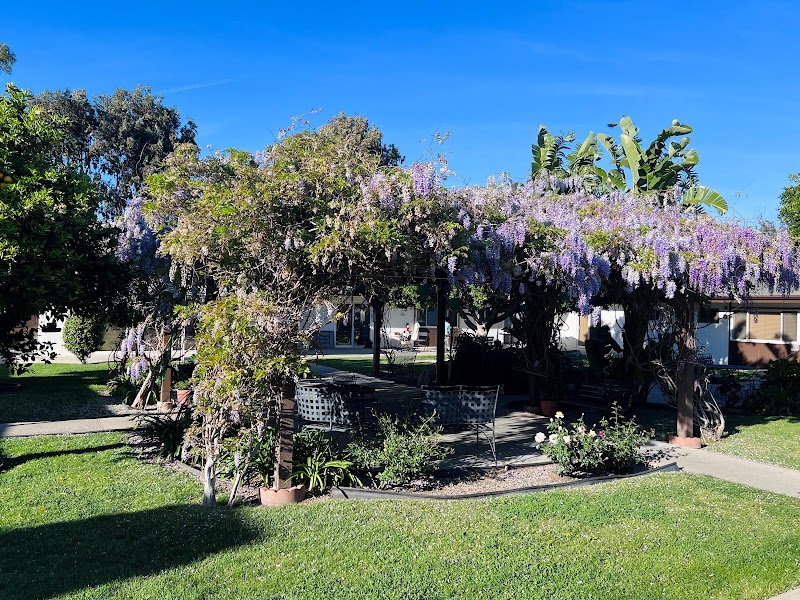
How is Thousand Oaks Post Acute, Llc Staffed?

CMS rates Thousand Oaks Post Acute, LLC's staffing level at 3 out of 5 stars, which is average compared to other nursing homes. Staff turnover is 45%, compared to the California average of 46%. This relatively stable workforce can support continuity of care.

What Have Inspectors Found at Thousand Oaks Post Acute, Llc?

State health inspectors documented 32 deficiencies at Thousand Oaks Post Acute, LLC during 2019 to 2025. These included: 32 with potential for harm.
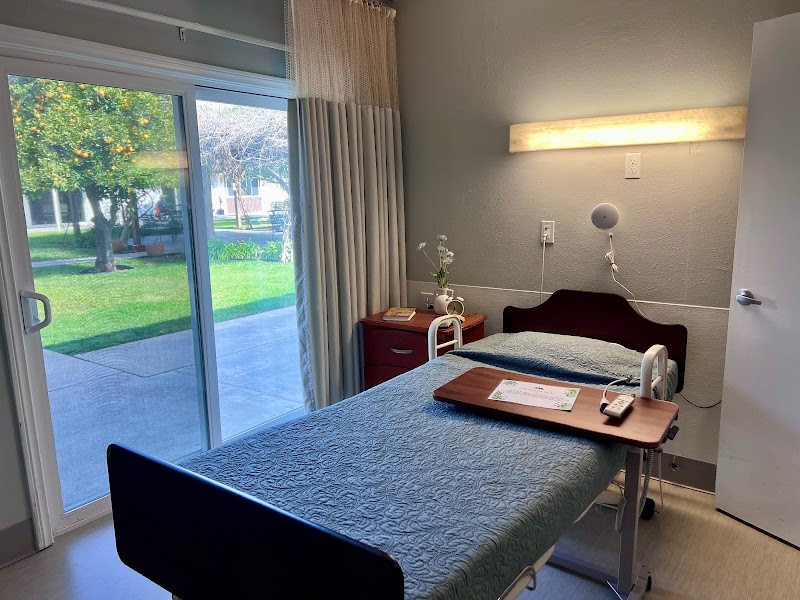
Who Owns and Operates Thousand Oaks Post Acute, Llc?

Thousand Oaks Post Acute, LLC is owned by a for-profit company. For-profit facilities operate as businesses with obligations to shareholders or private owners. The facility is operated by ABBY GL, LLC, a chain that manages multiple nursing homes. With 123 certified beds and approximately 99 residents (about 80% occupancy), it is a mid-sized facility located in Thousand Oaks, California.
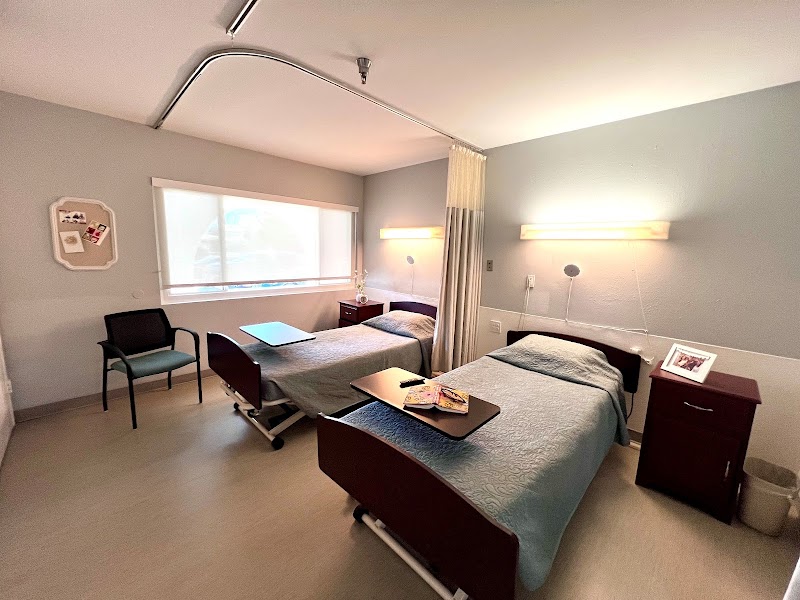
How Does Thousand Oaks Post Acute, Llc Compare to Other California Nursing Homes?

Compared to the 100 nursing homes in California, Thousand Oaks Post Acute, LLC's overall rating (4 stars) is above the state average of 3.2, staff turnover (45%) is near the state average of 46%, and health inspection rating (4 stars) is above the national benchmark.

What Should Families Ask When Visiting Thousand Oaks Post Acute, Llc?

Based on this facility's data, families visiting should ask: "Can I visit during a mealtime to observe dining assistance and food quality?" "How do you handle medical emergencies, and what is your hospital transfer rate?" "Can I speak with family members of current residents about their experience?"

Is Thousand Oaks Post Acute, Llc Safe?

Based on CMS inspection data, Thousand Oaks Post Acute, LLC has a clean safety record: no substantiated abuse findings (meaning no confirmed cases of resident harm), no Immediate Jeopardy citations (the most serious violation level indicating risk of serious injury or death), and is not on the Special Focus Facility watch list (a federal program monitoring the lowest-performing 1% of nursing homes). The facility has a 4-star overall rating and ranks #1 of 100 nursing homes in California. While no facility is perfect, families should still ask about staff-to-resident ratios and recent inspection results during their visit.

Do Nurses at Thousand Oaks Post Acute, Llc Stick Around?

Thousand Oaks Post Acute, LLC has a staff turnover rate of 45%, which is about average for California nursing homes (state average: 46%). Moderate turnover is common in nursing homes, but families should still ask about staff tenure and how the facility maintains care continuity when employees leave.

Was Thousand Oaks Post Acute, Llc Ever Fined?

Thousand Oaks Post Acute, LLC has no federal fines on record. CMS issues fines when nursing homes fail to meet care standards or don't correct problems found during inspections. The absence of fines suggests the facility has either maintained compliance or corrected any issues before penalties were assessed. This is a positive indicator, though families should still review recent inspection reports for the full picture.

Is Thousand Oaks Post Acute, Llc on Any Federal Watch List?

Thousand Oaks Post Acute, LLC is not on any federal watch list. The most significant is the Special Focus Facility (SFF) program, which identifies the bottom 1% of nursing homes nationally based on persistent, serious quality problems. Not being on this list means the facility has avoided the pattern of deficiencies that triggers enhanced federal oversight. This is a positive indicator, though families should still review the facility's inspection history directly.