BAY CREST CARE CENTER
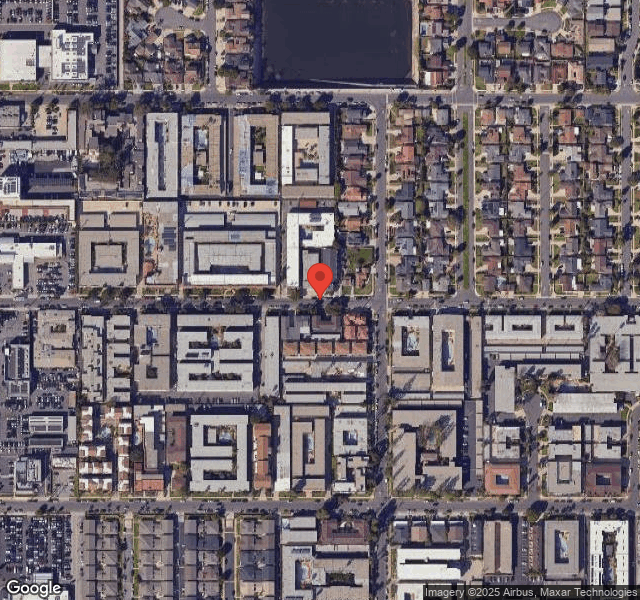
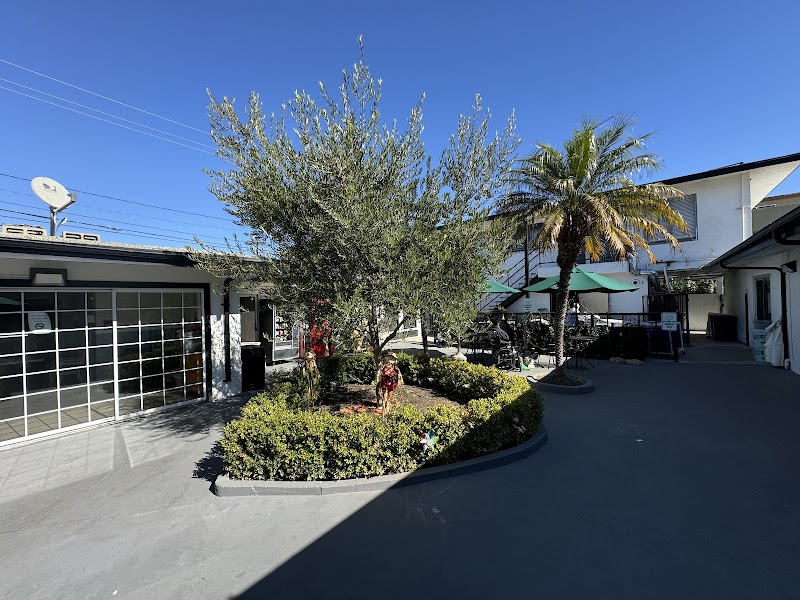
3750 GARNET STREET, TORRANCE, CA 90503 (310) 371-2431
For profit - Limited Liability company 80 Beds GENESIS HEALTHCARE Data: November 2025 3 Immediate Jeopardy citations
Trust Grade
0/100
#982 of 1155 in CA
Last Inspection: January 2025

Within standard 12-15 month inspection cycle. Federal law requires annual inspections.

Overview

Bay Crest Care Center in Torrance, California has received a Trust Grade of F, indicating significant concerns about the facility's care quality. Ranking #982 out of 1155 facilities in California places it in the bottom half, and #274 of 369 in Los Angeles County means there are only a few local options that perform better. The situation is worsening, with the number of issues reported increasing from 33 in 2024 to 41 in 2025. Staffing is a concern, with a rating of 2 out of 5 stars and a high turnover rate of 54%, which is above the state average. Furthermore, the facility has accumulated $59,699 in fines, higher than 87% of California facilities, suggesting ongoing compliance issues. On the positive side, quality measures received a decent rating of 4 out of 5 stars, indicating some aspects of care are being delivered well. However, specific incidents raise serious alarms, including failures to provide immediate CPR for an unresponsive resident, inadequate monitoring of residents on high-risk medications, and instances of verbal abuse by staff toward residents. These critical findings highlight both the serious risks present and the urgent need for improvement at this facility.

Trust Score
F
0/100
In California
#982/1155
Bottom 15%
Safety Record
High Risk
Review needed
Inspections
Getting Worse
33 → 41 violations
Staff Stability
⚠ Watch
54% turnover. Above average. Higher turnover means staff may not know residents' routines.
Penalties
✓ Good
$59,699 in fines. Lower than most California facilities. Relatively clean record.
Skilled Nurses
⚠ Watch
Each resident gets only 20 minutes of Registered Nurse (RN) attention daily — below average for California. Fewer RN minutes means fewer trained eyes watching for problems.
Violations
⚠ Watch
123 deficiencies on record. Higher than average. Multiple issues found across inspections.
★☆☆☆☆
1.0
Overall Rating
★★☆☆☆
2.0
Staff Levels
★★★★☆
4.0
Care Quality
★☆☆☆☆
1.0
Inspection Score
Stable
2024: 33 issues
2025: 41 issues

The Good

  • 4-Star Quality Measures · Strong clinical quality outcomes
  • Full Sprinkler Coverage · Fire safety systems throughout facility
  • No fines on record

Facility shows strength in quality measures, fire safety.

The Bad

1-Star Overall Rating

Below California average (3.1)

Significant quality concerns identified by CMS

Staff Turnover: 54%

Near California avg (46%)

Higher turnover may affect care consistency

Federal Fines: $59,699

Above median ($33,413)

Moderate penalties - review what triggered them

Chain: GENESIS HEALTHCARE

Part of a multi-facility chain

Ask about local staffing decisions and management

The Ugly 123 deficiencies on record

3 life-threatening 3 actual harm
Sept 2025 1 deficiency
CONCERN (D) 📢 Someone Reported This

A family member, employee, or ombudsman was alarmed enough to file a formal complaint

Potential for Harm - no one hurt, but risky conditions existed

Deficiency F0573 (Tag F0573)

Could have caused harm · This affected 1 resident

**NOTE- TERMS IN BRACKETS HAVE BEEN EDITED TO PROTECT CONFIDENTIALITY** Based on interview and record review the facility failed to provide a copy of medical records upon a written request for one of ...

Read full inspector narrative →
**NOTE- TERMS IN BRACKETS HAVE BEEN EDITED TO PROTECT CONFIDENTIALITY** Based on interview and record review the facility failed to provide a copy of medical records upon a written request for one of one residents (Resident 1). This deficient practice violated the rights of Resident 1 and its representative to obtain a copy of Resident 1's medical records.Findings: During a review of Resident 1's admission Record indicated Resident 1 was originally admitted to the facility on [DATE] and re-admitted on [DATE] with diagnoses including Chronic obstructive pulmonary disease ([COPD] a group of lung diseases that cause airflow obstruction and breathing difficulties ), and Muscle weakness (a reduced ability of muscle to generate force, often resulting in difficulty performing daily tasks or feeling fatigued During a review of the Record Release Form dated 08/04/2025, the Record Release form indicated the facility received a request for release of Resident 1's records on 08/04/2025. The Record Release Form did not indicate that the facility released Resident 1's records per request. During a concurrent interview and record review on 09/17/2025 at 9:05 am with the Medical Record Director (MRD) the MRD stated she received the request to release the medical records on 08/04/25. The MRD stated she sent the request to the facility's legal department because it came from a law office. The MRD stated the legal department replied to the release of records, but the MRD stated she was still working on it and thought she still had two weeks to provide requested copies of records. The MRD stated she misunderstood that she was not supposed to wait for two weeks. The MRD stated the facility had not released copies of Resident 1's record yet, she was still waiting for the nursing department to complete their own section of records. The MRD stated moving forward she will focus on prioritizing her workload, making sure all requested documents are sent out within 2-3 business days because that is the resident's right. During an interview on 09/17/2025 at 2:46 pm with the Administrator (ADM), the ADM stated the facility should provide copies of requested medical records within 2-3 calendar days. The ADM stated the facility does not have a specific policy and procedure (P&P) with time frame. The ADM stated she was not aware of the delay in releasing the medical records until CDPH staff showed up today but will find someone to assist the MRD so all records will be released in a timely manner. During an interview on 09/17/25 at 3:29 pm with the Director of Nursing (DON), the DON stated no one came to him with a letter requesting medical records on behalf of Resident 1. The DON stated he just found out today there was a request from the law office for medical records because all the request goes to the front office and ADM. The DON stated the facility should follow up and act quickly so that all requested documents are sent in a timely manner. The DON stated the facility does not have specific policy and procedure for medical records that will guide the time frame and amount to pay if residents or family members are requesting medical records documents but believe request should be sent within 48 hours as requested. The DON stated the facility would start working on creating a new policy and procedure for the release of medical records.
Sept 2025 4 deficiencies
CONCERN (D) 📢 Someone Reported This

A family member, employee, or ombudsman was alarmed enough to file a formal complaint

Potential for Harm - no one hurt, but risky conditions existed

Notification of Changes (Tag F0580)

Could have caused harm · This affected 1 resident

**NOTE- TERMS IN BRACKETS HAVE BEEN EDITED TO PROTECT CONFIDENTIALITY** Based on interview and record review, the facility failed to notify one of three sampled residents' (Resident 3) physician when ...

Read full inspector narrative →
**NOTE- TERMS IN BRACKETS HAVE BEEN EDITED TO PROTECT CONFIDENTIALITY** Based on interview and record review, the facility failed to notify one of three sampled residents' (Resident 3) physician when Licensed Vocational Nurse (LVN 1) administered Resident 3's medications at 12:08 p.m., three hours later than the 9 a.m. administration time.This deficient practice had the potential to delay medical interventions for Resident 3, if needed.Findings:During a review of Resident 3's admission Record (Face Sheet), the Face Sheet indicated Resident 3 was admitted to the facility on [DATE] with diagnoses including hemiplegia (total paralysis of the arm, leg, and trunk on the same side of the body) and hemiparesis (weakness on one side of the body, affecting the arm, leg, and sometimes the face, caused by a brain or spinal cord injury) and diabetes (a disorder characterized by difficulty in blood sugar control and poor wound healing).During a review of Resident 3's Minimum Data Set ([MDS] a resident assessment tool) dated 8/1/2025, the MDS indicated Resident 3's cognition (the mental action or process of acquiring knowledge and understanding through thought, experience, and the senses) was intact was dependent on facility staff to complete his activities of daily living ([ADLs] activities such as bathing, dressing and toileting a person performs daily).During a review of Resident 3's physician orders and medication administration record (MAR) for 9/2025 indicated Resident 3 was prescribed the following medications:1. Ascorbic acid (Vitamin C) tablet 500 milligrams ([mg] unit of measurement), one tablet by mouth once a day at 9 a.m. for supplements.2. Aspirin (a drug that reduces pain, fever, inflammation, and blood clotting) 81 mg oral tablet chewable, one tablet by mouth once a day at 9 a.m. for stroke (loss of blood flow to a part of the brain) prophylaxis. 3. Clopidogrel Bisulfate (medication used to prevent dangerous blood clots) 75 mg tablet, one tablet by mouth once a day at 9 a.m. for cerebral vascular accident (CVA - stroke) prophylaxis.4. Fish oil oral capsule (a natural oil extracted from the fatty tissues of fish) 1000 mg, one capsule by mouth two times a day (BID) at 9 a.m. and 5 p.m. for supplement. 5. Hydrochlorothiazide capsule (medication used to treat high blood pressure) 12.5 mg, one capsule by mouth one time a day at 9 a.m. for hypertension (high blood pressure). 6. Metformin hydrochloric acid (HCL) oral tablet (medication used to treat diabetes) 1000 mg, one tablet by mouth two times a day with meals at 8 a.m. and at 5 p.m. for type 2 diabetes. 7. Metoprolol succinate extended-release tablet (medication used to treat high blood pressure) 25 mg, one tablet by mouth one time a day at 9 a.m. for hypertension. 8. Multi Vitamin tablet, one tablet by mouth one time at 9 a.m. for supplement. 9. Pioglitazone (medication to treat diabetes) HCL 30 mg, one tablet by mouth one time a day at 9 a.m. for type 2 diabetes. 10. Vitamin B12 oral tablet 1000 micrograms ([mcg] unit of measurement) one tablet by mouth one time a day at 9 a.m. During a review of Resident 3's untitled Care Plan dated 5/1/2022, Resident 3 was at risk for cardiovascular symptoms, signs and symptoms of elevated and low blood pressure (BP) or complications related to history of cerebrovascular accident (CVA- stroke) with paraplegia (loss of movement and/or sensation, to some degree, of the legs), hypertension, hyperlipidemia (high cholesterol), congestive heart failure ([CHF] a heart disorder which causes the heart to not pump the blood efficiently, sometimes resulting in leg swelling) and history of cardiac arrest (heart attack). The Care Plan indicated the goal included for Resident 3 to avoid complications related to elevated BP or low BP daily for the next three months. The Care Plan interventions included administering medications as ordered, assessing effectiveness and side effects of medications, and reporting abnormalities to the physician.During a review of Resident 3's untitled Care Plan dated 5/1/2022, Resident 3 was at high risk for signs and symptoms of hypoglycemia (low blood sugar (BS) level) and hyperglycemia (high blood sugar level). The Care Plan's goal indicated Resident 3 will be free of all signs and symptoms of hypo/hyperglycemia such as sweating, trembling, thirst, fatigue and weakness for 90 days or until the review date of 10/26/2025. The Care Plan interventions included which included to administer Metformin HCL oral tablet 1000 mg.During a review of Resident 3's untitled Care Plan dated 5/1/2022, Resident 3 was at risk for injury or complications related to the use of anticoagulant (medication that prevents the blood from forming clots) therapy medication Clopidogrel for CVA prophylaxis. The Care Plan goal indicated Resident 3 will not exhibit signs or symptoms of bleeding for the next 90 days or until the review date of 10/26/2025. The Care Plan interventions included administering anticoagulant as ordered.During a concurrent observation and interview with LVN 1 on 9/2/2025 at 12:08 p.m., LVN 1 was observed administered ten medications (Ascorbic acid tablet 500 milligrams, Aspirin 81 mg oral tablet chewable, Clopidogrel Bisulfate tablet 75 mg, Fish oil oral capsule 1000 mg, Hydrochlorothiazide capsule 12.5 mg, Metformin hydrochloric acid (HCL) oral tablet 1000 mg, Metoprolol succinate extended-release tablet 25 mg, Multi Vitamin tablet, Pioglitazone HCL 30 mg, and Vitamin B12 oral tablet 1000 micrograms) to Resident 3. LVN 1 stated the medications were due to be administered at 9 a.m. but were late because he was busy dealing with the family members of another resident (Resident 4), and the gastrostomy (g-tube, a surgical opening fitted with a device to allow feedings to be administered directly to the stomach common for people with swallowing problems) of another resident (resident unknown). LVN 1 stated medications should be administered as ordered because medication is time sensitive, and it could affect other medication administration times either being too close or too far apart. LVN 1 stated he did not call the physician regarding the delay in medication administration. LVN 1 stated he should have called the physician because the resident might require further treatment or monitoring.During an interview on 9/3/2025 at 2:43 p.m., the Director of Nursing (DON) stated if medication is late, the licensed nurse should complete a change in condition (COC), create a care plan, monitor the resident, notify the physician and the resident's family. The DON stated if LVN 1 was delayed with his medication administration, he should have notified him (DON) and the registered nurse supervisor (RNS). The DON stated when medication is given late, depending on the medication, the resident could have a reaction resulting in a change of condition and would require further monitoring.During a review of the facility's policy and procedure (P/P) titled Change in Condition: Notification of, dated 8/25/2021, the P/P indicated the facility must immediately consult with the resident's physician and/or NP when there is a need to alter treatment significantly (that is, a need to discontinue or change an existing form of treatment due to adverse consequences, or to commence a new form of treatment).
CONCERN (D) 📢 Someone Reported This

A family member, employee, or ombudsman was alarmed enough to file a formal complaint

Potential for Harm - no one hurt, but risky conditions existed

Pharmacy Services (Tag F0755)

Could have caused harm · This affected 1 resident

**NOTE- TERMS IN BRACKETS HAVE BEEN EDITED TO PROTECT CONFIDENTIALITY** Based on observation, interview and record review, the facility failed to administer medication per physician orders for one of ...

Read full inspector narrative →
**NOTE- TERMS IN BRACKETS HAVE BEEN EDITED TO PROTECT CONFIDENTIALITY** Based on observation, interview and record review, the facility failed to administer medication per physician orders for one of three sampled residents (Resident 3) when Licensed Vocational Nurse 1 (LVN 1) administered medication at 12:08 p.m., three hours after the 9 a.m. administration time.This deficient practice had the potential for Resident 3 to experience delayed adverse drug events ([ADEs- reactions from a missed or delayed dose of medication) due to delayed medication administration.Findings:During a review of Resident 3's admission Record (Face Sheet), the Face Sheet indicated Resident 3 was admitted to the facility on [DATE] with the diagnosis of hemiplegia (total paralysis of the arm, leg, and trunk on the same side of the body) and hemiparesis (weakness on one side of the body, affecting the arm, leg, and sometimes the face, caused by a brain or spinal cord injury) and diabetes (disorder characterized by difficulty in blood sugar control and poor wound healing).During a review of Resident 3's Minimum Data Set ([MDS] a resident assessment tool) dated 8/1/2025, the MDS indicated Resident 3's cognition (the mental action or process of acquiring knowledge and understanding through thought, experience, and the senses) was intact and Resident 3 was dependent on facility staff to complete his activities of daily living ([ADLs] activities such as bathing, dressing and toileting a person performs daily).During a review of Resident 3's physician orders and medication administration record (MAR) for 9/2025 indicated Resident 3 was prescribed the following medications:1. Ascorbic acid (Vitamin C) tablet 500 milligrams ([mg] unit of measurement), one tablet by mouth once a day at 9 a.m. for supplements.2. Aspirin (a drug that reduces pain, fever, inflammation, and blood clotting) 81 mg oral tablet chewable, one tablet by mouth once a day at 9 a.m. for stroke (loss of blood flow to a part of the brain) prophylaxis. 3. Clopidogrel Bisulfate (medication used to prevent dangerous blood clots) 75 mg tablet, one tablet by mouth once a day at 9 a.m. for cerebral vascular accident (CVA - stroke) prophylaxis.4. Fish oil oral capsule (a natural oil extracted from the fatty tissues of fish) 1000 mg, one capsule by mouth two times a day (BID) at 9 a.m. and 5 p.m. for supplement. 5. Hydrochlorothiazide capsule (medication used to treat high blood pressure) 12.5 mg, one capsule by mouth one time a day at 9 a.m. for hypertension (high blood pressure). 6. Metformin hydrochloric acid (HCL) oral tablet (medication used to treat diabetes) 1000 mg, one tablet by mouth two times a day with meals at 8 a.m. and at 5 p.m. for type 2 diabetes. 7. Metoprolol succinate extended-release tablet (medication used to treat high blood pressure) 25 mg, one tablet by mouth one time a day at 9 a.m. for hypertension. 8. Multi Vitamin tablet, one tablet by mouth one time at 9 a.m. for supplement. 9. Pioglitazone (medication to treat diabetes) HCL 30 mg, one tablet by mouth one time a day at 9 a.m. for type 2 diabetes. 10. Vitamin B12 oral tablet 1000 micrograms ([mcg] unit of measurement) one tablet by mouth one time a day at 9 a.m. During a review of Resident 3's untitled Care Plan dated 5/1/2022, Resident 3 was at risk for cardiovascular symptoms, signs and symptoms of elevated and low blood pressure (BP) or complications related to history of cerebrovascular accident (CVA- stroke) with paraplegia (loss of movement and/or sensation, to some degree, of the legs), hypertension, hyperlipidemia (high cholesterol), congestive heart failure ([CHF] a heart disorder which causes the heart to not pump the blood efficiently, sometimes resulting in leg swelling) and history of cardiac arrest (heart attack). The Care Plan indicated the goal included for Resident 3 to avoid complications related to elevated BP or low BP daily for the next three months. The Care Plan interventions included administering medications as ordered, assessing effectiveness and side effects of medications, and reporting abnormalities to the physician.During a review of Resident 3's untitled Care Plan dated 5/1/2022, Resident 3 was at high risk for signs and symptoms of hypoglycemia (low blood sugar (BS) level) and hyperglycemia (high blood sugar level). The Care Plan's goal indicated Resident 3 will be free of all signs and symptoms of hypo/hyperglycemia such as sweating, trembling, thirst, fatigue and weakness for 90 days or until the review date of 10/26/2025. The Care Plan interventions included which included to administer Metformin HCL oral tablet 1000 mg.During a review of Resident 3's untitled Care Plan dated 5/1/2022, Resident 3 was at risk for injury or complications related to the use of anticoagulant (medication that prevents the blood from forming clots) therapy medication Clopidogrel for CVA prophylaxis. The Care Plan goal indicated Resident 3 will not exhibit signs or symptoms of bleeding for the next 90 days or until the review date of 10/26/2025. The Care Plan interventions included administering anticoagulant as ordered.During a concurrent observation and interview with LVN 1 on 9/2/2025 at 12:08 p.m., LVN 1 administered ten medications (Ascorbic acid tablet 500 milligrams, Aspirin 81 mg oral tablet chewable, Clopidogrel Bisulfate tablet 75 mg, Fish oil oral capsule 1000 mg, Hydrochlorothiazide capsule 12.5 mg, Metformin hydrochloric acid (HCL) oral tablet 1000 mg, Metoprolol succinate extended-release tablet 25 mg, Multi Vitamin tablet, Pioglitazone HCL 30 mg, and Vitamin B12 oral tablet 1000 micrograms) timed for 9 a.m. to Resident 3. LVN 1 stated the medications were late because he was busy dealing with the family members of Resident 4 and the gastrostomy (g-tube, a surgical opening fitted with a device to allow feedings to be administered directly to the stomach common for people with swallowing problems) of another resident. LVN 1 stated medication should be administered as ordered because medication is time sensitive, and it could affect other medication administration times either being too close or too far apart.During an interview on 9/3/2025 at 2:43 p.m., the Director of Nursing (DON) stated medication can be administered one hour before and after the ordered administration time. The DON stated if medication is late, the licensed nurse should complete a change in condition (COC), create a care plan, monitor the resident, and notify the physician and family. The DON stated if LVN 1 was delayed with his medication administration, he should have notified him (DON) and the registered nurse supervisor (RNS). The DON stated when medication is given late, depending on the medication, the resident could have a reaction resulting in a change of condition and would require further monitoring.During a review of the facility's Job Description titled Licensed Vocational Nurse, dated 5/2022, the job description indicated one of the duties of the LVN included administering medication within the scope of practice and according to practitioner orders, report adverse consequences, side effects or any medication errors.During a review of the facility's policy and procedure (P/P) titled Administering Medication dated 4/2019, the P/P indicated medications are administered within one hour of their prescribed time, unless otherwise prescribed.
CONCERN (D) 📢 Someone Reported This

A family member, employee, or ombudsman was alarmed enough to file a formal complaint

Potential for Harm - no one hurt, but risky conditions existed

Room Equipment (Tag F0908)

Could have caused harm · This affected 1 resident

**NOTE- TERMS IN BRACKETS HAVE BEEN EDITED TO PROTECT CONFIDENTIALITY** Based on observation, interview, and record review, the facility failed to ensure one of three facility doorbells were functioni...

Read full inspector narrative →
**NOTE- TERMS IN BRACKETS HAVE BEEN EDITED TO PROTECT CONFIDENTIALITY** Based on observation, interview, and record review, the facility failed to ensure one of three facility doorbells were functioning. This failure resulted in Resident 1 having to wait several minutes for a staff member to hear Resident 1 knocking on the door after returning to the facility from an appointment.Findings:During a review of Resident 1's admission Record (Face Sheet), the Face Sheet indicated Resident 1 was admitted to the facility on [DATE] with diagnoses including hypertension ([HTN] high blood pressure) and congestive heart failure (CHF- a heart disorder which causes the heart to not pump the blood efficiently, sometimes resulting in leg swelling).During a review of Resident 1's Minimum Data Set ([MDS] a resident assessment tool) dated 6/6/2025, the MDS indicated Resident 1's cognition (ability to think, understand, learn, and remember) was intact.During an interview on 9/3/2025 at 8:32 a.m., with Resident 1, Resident 1 stated after being dropped back off to the facility after her appointment (unknown date and time), she was attempting to ring the doorbell outside hallway 2's entrance and found that the doorbell was not working. Resident 1 stated she had to knock several times before one of the staff members finally heard her knocking and her in. Resident 1 stated she was frustrated that the doorbell was not working and had to wait several minutes outside the facility before a staff member realized she was there. Resident 1 stated that had the doorbell worked, she wouldn't have had to wait outside for so long. During a concurrent observation and interview on 9/3/2025 at 9:32 a.m., with Licensed Vocational Nurse (LVN) 1, LVN unlocked hallway 2's door, pushed the doorbell, and validated that it did not work. LVN 1 stated the doorbell should work so the staff are aware when a resident is waiting to come back from an appointment. LVN 1 stated it's important that the doorbell works because it is hot outside and the residents may be waiting for a long period of time because no one hears them knocking. LVN 1 stated having to wait outside could cause the residents to feel upset.During an interview on 9/3/2025 at 12:12 p.m., with Registered Nurse Supervisor (RNS) 1, RNS 1 stated it is unfair to the residents to make them wait outside which could cause them to become impatient and upset.During an interview on 9/3/2025 at 1:51 p.m., with the Maintenance Director (MD), MD stated he was unaware there was a doorbell at the hallway 2 door. MD stated the doorbell should work so the residents do not have to wait a long time to get into the facility, especially if it's hot outside, which could cause the residents to feel frustrated.During a concurrent observation and interview on 9/3/2025 at 2:42 p.m., with the Director of Nursing (DON), the DON validated the doorbell at the hallway 2 door is not working but should be. The DON stated the purpose of the doorbell is for the residents to be able to notify staff that they are waiting outside so staff can unlock the door and let them into the facility after getting dropped off. The DON stated this is their home and the doorbell should work so they could get back into their home and not being able to do so could cause them to feel bad, angry, and uncomfortable.During a review of the facility's policy and procedure, (P&P) titled, Maintenance Services, dated 12/2009, the P&P indicated, the Maintenance Department is responsible for maintaining the buildings, grounds, and equipment in a safe and operable manner at all times. Functions of the maintenance personnel include maintaining the building in good repair and free from hazards.
CONCERN (E) 📢 Someone Reported This

A family member, employee, or ombudsman was alarmed enough to file a formal complaint

Potential for Harm - no one hurt, but risky conditions existed

Deficiency F0813 (Tag F0813)

Could have caused harm · This affected multiple residents

Based on observation, interview, and record review, the facility failed to monitor and maintain the temperature of the resident refrigerator which contained personal food items, per the facility's pol...

Read full inspector narrative →
Based on observation, interview, and record review, the facility failed to monitor and maintain the temperature of the resident refrigerator which contained personal food items, per the facility's policy and procedure (P&P) titled, Refrigerators and Freezers.This deficient practice had the potential to cause bacterial (germs) growth and food borne illnesses (food poisoning - symptoms which include nausea, vomiting, diarrhea, fever, and other flu-like symptoms) for residents consuming refrigerated personal food items.Findings:During a review of the facility's Resident Refrigerator Temperature Log dated 8/2025, the Resident Refrigerator Temperature Log indicated the temperature was not checked (log was blank) on the following days: 8/2/2025 through 8/6/2025, 8/10/2025 through 8/12/2025, 8/15/2025 through 8/18/2025, 8/20/2025, 8/21/2025, and 8/23/2025 through 8/27/2025.During an observation on 8/27/2025 at 11:50 a.m., the resident refrigerator was observed with the thermometer inside the refrigerator reading 60 degrees Fahrenheit (scale for measuring temperature). In the resident refrigerator there was a carton of extra-large brown grade A eggs without resident name/identification of who the eggs belonged. The resident refrigerator was noted to have other food items such as cake, and other bagged/sealed food items.During an interview on 8/27/2025 at 11:55 a.m., Licensed Vocational Nurse (LVN) 5 stated she was responsible for checking the refrigerator since she was the charge nurse for station 1, but forgot to check it during the beginning of her shift. LVN 5 stated she was unsure if 60 degrees Fahrenheit was an appropriate refrigerator temperature or not. LVN 5 stated if food items are not stored at the proper temperature, it may not be safe for residents to eat.During an interview on 8/27/2025, at 3:15 p.m., the Director of Nursing (DON) stated he had just checked the resident food refrigerator temperature, which was still at 60 degrees Fahrenheit, and that the facility threw away all the food items to prevent residents from eating potentially contaminated food.During a review of the facility's policy and procedure (P/P) titled, Refrigerators and Freezers, dated 11/2022, the P/P indicated refrigerators are to be maintained in good working condition and foods are to be kept at or below 41 degrees Fahrenheit. The P/P indicated refrigerator and freezer temperatures should be checked daily when first opening and closing in the evening.
Aug 2025 5 deficiencies 1 IJ
CRITICAL (J) 📢 Someone Reported This

A family member, employee, or ombudsman was alarmed enough to file a formal complaint

Immediate Jeopardy (IJ) - the most serious Medicare violation

Deficiency F0678 (Tag F0678)

Someone could have died · This affected 1 resident

**NOTE- TERMS IN BRACKETS HAVE BEEN EDITED TO PROTECT CONFIDENTIALITY** Based on interview, and record review, the facility failed to ensure, when a resident was found unresponsive and pulseless (no d...

Read full inspector narrative →
**NOTE- TERMS IN BRACKETS HAVE BEEN EDITED TO PROTECT CONFIDENTIALITY** Based on interview, and record review, the facility failed to ensure, when a resident was found unresponsive and pulseless (no detectable heart beat), the nursing staff immediately initiated basic life support ([BLS] care healthcare professionals provide to anyone who's heart stops beating suddenly) by performing cardiopulmonary resuscitation ([CPR] an emergency procedure to restart a person's heart and breathing after one or both suddenly stop) to one of five sampled residents (Resident 1). The facility failed to: 1. Ensure Certified Nursing Assistant (CNA) 1, who was CPR certified (successfully completed a training course and received a credential that qualifies a person to perform CPR), checked Resident 1's pulse when on [DATE] at approximately 4:50 a.m. Resident 1 was found unresponsive and not breathing, called for help, activated Code Blue (a specific code used to signal a patient who is having a life-threatening medical emergency, typically a patient experiencing sudden cardiac arrest [when the heart stops beating] or respiratory arrest [when a person stops breathing]), initiated CPR and stayed with Resident 1 per the facility's policy and procedure (P&P) titled, Emergency Procedure-Cardiopulmonary Resuscitation, and the American Heart Association (AHA) Guidelines. 2. Ensure Licensed Vocational Nurse (LVN) 1 immediately initiated CPR when she found Resident 1 was unresponsive, without a pulse and not breathing, instead of leaving the resident's room to get her personal blood pressure (BP) machine (a device that measures a person's BP) from the medication cart, which lost critical time needed to increase Resident 1's chance of survival. 3. Ensure LVN 1 placed Resident 1 in a flat position on his back prior to beginning chest compressions (the act of applying pressure to someone's chest to help blood flow), according to the American Red Cross guidelines that indicate to place the person on their back on a firm, flat surface. 4. Ensure staff called 911 as soon as Resident 1 was found unresponsive and pulseless on [DATE] at 4:50 a.m., per the facility's P&P titled, Emergency Procedure-Cardiopulmonary Resuscitation and the American Red Cross guidelines that indicated if the person does not respond and is not breathing or only gasping to call 911. 5. Ensure CNA 1 and LVN 1 followed the facility's P&P titled, Emergency Cardiopulmonary Resuscitation, which indicated to initiate CPR if sudden cardiac arrest is likely. These failures resulted in: 1. A delay in providing CPR to Resident 1 who was found unresponsive and not breathing on [DATE] at approximately 4:50 a.m. 2. A delay in calling 911 when CNA 1 and LVN 1 found Resident 1 on [DATE] at 4:50 a.m., unresponsive with no chest rising and was not breathing. Resident 1 was pronounced dead on [DATE] at 5:05 a.m. These failures place 66 residents, who were Full Code (a medical term indicating a patient's consent to receive all possible life-saving measures in the event of a cardiac or respiratory arrest) at risk of not receiving basic life saving measures timely, including CPR, leading to possible death. On [DATE] at 12:35 p.m., an Immediate Jeopardy ([IJ] a situation in which the facility's noncompliance with one or more requirements of participation has caused, or is likely to cause serious injury, harm, impairment, or death to a resident) was called in the presence of the Director of Nursing (DON), Registered Nurse Supervisor (RNS) and the Administrator (over the phone) due to the facility's failure to provide timely basic life support (BLS), to Resident 1, including immediate initiation of CPR. An IJ Removal Plan ([IJRP], an intervention to immediately correct the deficient practices) was requested. On [DATE] at 10:18 a.m., the DON submitted an acceptable IJRP. After onsite verification of IJRP implementation through observation, interview, and record reviews, the IJ was removed on [DATE] at 1:57 p.m., in the presence of the ADM, the DON and the Director of Staff Development (DSD). The IJRP included the following: 1. On [DATE], the DON conducted an audit of residents with Full Code status. There were 66 residents with full code status. 2. On [DATE], the DON conducted an audit for the past 30 days of expired residents (a resident who has died). Based on the audit, three residents (including Resident 1) expired, 2 out of 3 residents were Full Code and 1 resident was Do Not Resuscitate ([DNR] resident will not receive CPR or other life-saving measures if their heart or breathing stops). Two residents (1 Full Code and 1 DNR) were not affected by the alleged deficient practice. 3. On [DATE], the DON/Designee provided a 1:1 in-service (training or coaching session for a single employee) to CNA 1 on the P&P titled Emergency Procedure-Cardiopulmonary Resuscitation, with emphasis on not leaving resident unattended when unresponsive and to check resident's carotid (under the angle of the jaw) pulse. CNA 1 will activate Code Blue by yelling/screaming for help and place resident in a supine (flat) position, and initiate CPR immediately. The second responder will call 911. 4. On [DATE], the DON/Designee provided a 1:1 in-service to LVN 1 on the P&P titled Emergency Procedure-Cardiopulmonary Resuscitation, with emphasis on not leaving a resident unattended when unresponsive and to check the resident's carotid pulse. LVN 1 will activate Code Blue by yelling/screaming for help and will place the resident in a supine position, and initiate CPR immediately. The second responder will call 911. 5. On [DATE], the DON/Designee provided a 1:1 in-service to LVN 2 on the P&P titled Emergency Procedure-Cardiopulmonary Resuscitation, with emphasis on not leaving a resident unattended when found unresponsive and to check the resident's carotid pulse. LVN 1 will activate Code Blue by yelling/screaming for help and will place resident in a supine position, and initiate CPR immediately. The second responder will call 911. 6. On [DATE], [DATE], and [DATE], the DON/Designee provided in-service to nursing staff on the P&P titled Emergency Procedure-Cardiopulmonary Resuscitation, with emphasis on not leaving a resident unattended when found unresponsive and to check the resident's carotid pulse. Responder 1 will activate Code Blue by yelling/screaming for help and place the resident in a supine position, and initiate CPR immediately. The second responder will call 911. There are 65 total active nursing staff, four Registered Nurses, 18 LVNs and 43 CNAs. Four RNs, 17 LVNs (1 LVN on leave of absence, and 34 CNAs (one on vacation, six on leave of absence, were in-serviced. LVNs and CNAs who are on Leave of Absence (LOA), and vacation, will be in-serviced prior to their next scheduled shift. 7. On [DATE], [DATE], and [DATE], a licensed clinical Basic Life Support (BLS) instructor provided training to the licensed nurses and CNAs on CPR/BLS. There are 65 total active nursing staff. 8. The DSD/Designee will track the licensed nurses and CNAs that have not been in-service due to leave of absence/vacation and will report to the DON/designee when the staff is scheduled to return. The three CNAs who did not attend the in-service will be taken off schedule until trained by the DSD/Designee. 9. Newly hired licensed nurses, CNAs and registry nurses will receive in-service with skills competency from the DSD/Designee on the P&P titled Emergency Procedure-Cardiopulmonary Resuscitation, as part of the orientation process with emphasis on not leaving resident unattended when found unresponsive and to check the resident's carotid pulse. Responder 1 will activate Code Blue by yelling/screaming for help and place resident in a supine position, and initiate CPR immediately. The second responder will call 911. 10. The DON/Designee will utilize the active roster list for licensed nurses and CNAs to check if they have been in-serviced. 11. The DON placed a blue dot on the name of the resident by the door to recognize the DNR status of a resident. Daily and upon room change or discharge, the RN Supervisor will be responsible for ensuring the identifier is updated and accurate. The DON/Designee will conduct a bi-weekly check of the DNR identifier for accuracy until substantial compliance is achieved. 12. On [DATE], the DON initiated an in-service to licensed staff and CNAs on Policy and Procedure on Emergency Procedure-Cardiopulmonary Resuscitation with emphasis not leaving resident unattended when found unresponsive, check the resident's carotid pulse, activate Code Blue, call 911, place the resident in a supine position, and initiate CPR immediately, a post test was given. 13. On [DATE], the DON/Designee initiated competency skills on CPR process using the CPR Skills competency form. 14. On [DATE], the facility implemented a Quality Assurance Performance Improvement ([QAPI] a systematic, data-driven frame-work in long-term care that combines Quality Assurance [QA] which focuses on maintaining acceptable cafe standards with Performance Improvement [PI] which emphasizes continuous improvement of processes and outcomes) on CPR process. 15. The DON/Designee will validate the competency of LVNs and CNAs with the facility's P&P on Emergency Procedure-Cardiopulmonary Resuscitation, through a post-test to five random licensed nurses and CNAs weekly for three months or until substantial compliance is achieved. Findings will be reported at the monthly QAPI committee meeting. 16. On [DATE], the DON/Designee will conduct a Code Blue drill with licensed nursing staff. The Code Blue drills will continue to be held twice monthly for three months or until substantial compliance is achieved. When compliance is achieved, the DON/Designee will conduct a Code Blue drill annually or as needed. Findings will be reviewed at the monthly QAPI Committee meeting. 17. The DON/Designee will review residents with a change of condition ([COC] a sudden, clinically important deviation from a patient's baseline in physical, cognitive [ability to think, understand, learn, and remember] behavioral, or functional status which without immediate intervention, may result in complications or death) that resulted in a Code Blue from Monday through Friday. The DON/Designee will review the e-interact (electronic health record) and interview the staff that were present during the Code Blue to determine if it aligns with the facility's CPR process. On weekends, a licensed nurse/Designee will review any COC that resulted in a Code Blue to ensure proper CPR process was followed. 18. The DSD/Designee will audit the licensed nurses and CNAs CPR certification quarterly. 19. Newly hired licensed nurses and CNAs will receive an in-service on the P&P on Emergency Procedure-Cardiopulmonary Resuscitation, as part of the orientation process. 20. Newly hired licensed nurses and CNA will receive the skills competency in CPR as part of their orientation process. 21. On [DATE], the DSD/Designee revised the orientation checklist to include the in-service and skills competency on the P&P on the Emergency-Cardiopulmonary Resuscitation. 22. The DON/Designee will report on the findings of the COC that resulted in a Code Blue to the QAPI committee for further recommendations monthly for three months or until substantial compliance is achieved.Findings: During a review of Resident 1's admission Record (Face Sheet), the Face Sheet indicated Resident 1 was admitted to the facility on [DATE] with diagnoses including cervical spine fracture (broken neck), quadriplegia (paralysis from the neck down, including legs, and arms, usually due to a spinal cord injury [the conduit {tube} between the brain and the rest of the body]), and chronic obstructive pulmonary disease ([COPD] a chronic lung disease causing difficulty in breathing). During a review of Resident 1's Minimum Data Set ([MDS] a resident assessment tool) dated [DATE], the MDS indicated Resident 1's cognition (ability to think, understand, learn, and remember) was intact and he had the ability to understand and be understood by others. The MDS indicated Resident 1 was fully dependent on staff (requiring two or more-person assistance to complete the activity) for activities of daily living ([ADLs] activities such as bathing, dressing and toileting a person performs daily). During a review of Resident 1's History and Physical (H&P) dated [DATE], the H&P indicated Resident 1 had the capacity to understand and make decisions. The H&P indicated Resident 1 was a Full Code status. During a review of Resident 1's Physician Orders for Life Sustaining Treatment ([POLST] a form that contains written medical orders for healthcare professionals regarding specific medical treatments that can or cannot be done at the end of life) dated [DATE], the POLST indicated if Resident 1 had no pulse and was not breathing to attempt resuscitation/CPR. During a review of Resident 1's Nurses Progress Notes dated [DATE] and timed at 5:10 a.m., the Nurses Progress Notes indicated CNA 1 notified LVN 1 that Resident 1 was unresponsive on [DATE] at 4:50 a.m., LVN 1 went to assess Resident 1 and found him with absent vital signs ([v/s] measure the basic functions of the body which include temperature, blood pressure, pulse and respiratory [breathing] rate). The Nurses Progress Notes indicated LVN 1 initiated chest compressions and sent CNA 1 to get LVN 2, Code Blue was initiated. The Nurses Progress Notes indicated LVN 2 took over the Code Blue with assistance from CNA (CNA) 2, 911 was called at 4:57 a.m. (seven minutes after CNA1 and LVN 1 found Resident 1 was found unresponsive), Paramedics (a highly trained healthcare professional who provides advanced emergency medical care) arrived at 5:05 a.m., assessed Resident 1, who had absent v/s and was not breathing. During a review of Emergency Medical Service Report ([EMS] a detailed document completed by emergency medical personnel that serves as a record of a patient's pre-hospital assessment and the care they received), dated [DATE] and timed at 5:05, the EMS Report indicated Paramedics were called on [DATE] at 4:57 a.m. (seven minutes after Resident 1 was found unresponsive and without a pulse) and arrived on [DATE] at 5:05 a.m., where they found Resident 1 deceased . The EMS Report indicated the facility staff reported Resident 1 was last seen alive on [DATE] at 12 a.m. During a telephone interview on [DATE] at 2:20 p.m., and a subsequent interview at 5:20 p.m., CNA 1 stated on [DATE] around 4:45 a.m., during her rounds, she walked into Resident 1's room and did not see Resident 1's chest rising (not breathing). CNA 1 stated she did not check Resident 1's pulse when she found Resident 1 not breathing. CNA 1 stated she did not initiate CPR immediately and left Resident 1 unattended to get LVN 1, who was at Nursing Station 2. CNA 1 stated she did not initiate CPR immediately because she wanted a witness and it was her first time experiencing an unresponsive resident. During an interview on [DATE] at 3 p.m., LVN 2 stated on [DATE] she was informed by CNA 1 that LVN 1 needed help. LVN 2 stated when she entered Resident 1's room, she saw LVN 1 on top of Resident 1's bed on her knee but she did not see LVN 1 performing chest compressions on Resident 1. LVN 2 stated Resident 1 did not have a pulse, so she initiated chest compressions and directed LVN 1 to get the crash cart (a set of trays/drawers/shelves on wheels used in hospital or skilled nursing facility for transportation and dispensing of emergency medication/equipment at site). LVN 2 stated when a resident (in general) is found without a pulse, CPR must be initiated immediately while another staff member calls 911 to increase the chance of survival and prevent brain damage. During an interview on [DATE] at 7:08 a.m., LVN 1 stated on [DATE], around 4:45 a.m., CNA 1 reported that Resident 1 was not responding to verbal stimuli (words or phrases designed to trigger a reaction) or tactile stimuli (physical touch). LVN 1 stated when CNA 1 and LVN 1 entered Resident 1's room, Resident 1 was in bed in an upright position with the head of the bed at an approximate 30 degree angle. LVN 1 stated she was not able to arouse Resident 1 and did not find a pulse. LVN 1 stated she then went out of Resident 1's room, down the hallway, to get her personal BP machine, she returned to Resident 1's room and checked Resident 1's BP twice. LVN 1 stated both BP readings indicated ERROR. LVN 1 stated she did not instruct CNA 1 to initiate CPR on Resident 1 while she (LVN 1) left CNA 1 alone in Resident 1's room to get a BP machine. LVN 1 stated after she could not obtain Resident 1's pulse and BP, she initiated CPR and instructed CNA 2 to call LVN 2 for help. LVN 1 stated CNA 2 came back with LVN 2, and CNA 2 continued chest compressions. LVN 1 stated she then ran to Station 3, but did not call 911, grabbed the POLST binder to check Resident 1's code status, ran to Station 2 and called 911. LVN 1 stated paramedics arrived at 5:05 a.m., assessed Resident 1 and stated Resident 1 was deceased . LVN 1 stated she did not lower the head of the bed while performing chest compressions on Resident 1 because she stated it was an emergency, it was four in the morning, and she did the best that she could. LVN 1 stated she should have placed Resident 1 in a flat position by lowering the head of bed while performing CPR to effectively perform chest compressions. During an interview on [DATE] at 3:43 p.m., the DON stated when a resident is found unresponsive, staff should immediately check for a pulse, if the resident does not have a pulse, then immediately start chest compressions, call for help, and immediately call 911. The DON stated, if chest compressions and/or CPR was not initiated immediately after the heart stops beating, the chances of the resident's survival decrease significantly, and the risk of permanent brain damage or death increases drastically. The DON stated the resident's bed must be flat prior to initiating CPR so the person who performs chest compressions provides the appropriate compressions necessary to pump blood from the heart to the rest of the body. During a concurrent telephone interview and record review on [DATE] at 8:36 a.m., with a paramedic ([PM] a highly trained healthcare professional who provides advanced emergency medical care) who was on the scene when Resident 1 was confirmed deceased , Resident 1's Emergency Medical Service Report ([EMS] a detailed document completed by emergency medical personnel that serves as a record of a patient's pre-hospital assessment and the care they received) dated [DATE] and timed at 5:05 was reviewed. The EMS report indicated paramedics were called on [DATE] at 4:57 a.m. (seven minutes after Resident 1 was found unresponsive and without a pulse). The EMS report indicated the following: Resident 1 was found unresponsive, he appeared to be deceased upon arrival, bilateral eyes were non-reactive (the black center of the eyes [pupils] were fixed which indicates brain death), there was severe rigor (stiffening of the joints and muscles of a body), lividity (a purplish-red skin discoloration that occurs after death due to the pooling of blood in the lower parts of the body, caused by gravity when circulation stops and is a visible sign of death) was present, he was pale and cold, there were no breath sounds, his BP was unobtainable, and he had no pulse. The PM stated when they arrived, the facility staff were attempting CPR by pressing on Resident 1's sternum (breastbone) but not providing effective chest compressions, appearing to just go through the motions. The PM stated upon their assessment, Resident 1 looked deceased with obvious signs of death, he had no obvious chest rise, his eyes were open, his pupils were fixed, his skin was pale and cold, and he had rigor to his jaw and torso (the main part of the body that contains the chest, abdomen, pelvis, and back). The PM stated the facility staff reported Resident 1 was last seen alive by facility staff on [DATE] at 12 a.m. The PM stated rigor, and lividity were signs that Resident 1 had been deceased for several hours. During a review of an online article titled, American Heart Association 2020 CPR and Emergency Cardiovascular Care Committee Guidelines, the article indicated, the adult basic life support algorithm (a process or set rules to be followed) for healthcare providers included verifying for scene safety, check for responsiveness, shout for nearby help, look for no breathing or only gasping and check pulse simultaneously (at the same time). The guidelines further indicated if there was no breathing, or only gasping, with no pulse, to immediately begin CPR and perform cycles of thirty chest compressions and two breaths.https://cpr.heart.org/en/resuscitation-science/cpr-and-ecc-guidelines During a review of an online article titled, How to Perform CPR - Adult CPR Steps the article indicated, to check the scene for safety, check the person for responsiveness/breathing, if the person does not respond and is not breathing or only gasping, call 911, get equipment, or tell someone to do so, kneel beside the person, and place them on their back on a firm, flat surface. The guidelines indicated to be begin chest compressions 30 at a time, give two breaths and to continue the cycle of 30 chest compression and two breaths.www.redcross.org During a review of the facility's P&P titled, Emergency Procedure-Cardiopulmonary Resuscitation, revised [DATE], the P&P indicated the facility will implement guidelines regarding CPR. The P&P indicated if an individual is found unresponsive briefly assess for abnormal or absence of breathing. If sudden cardiac arrest is likely, begin CPR and instruct a staff member to activate the emergency response (code) and call 911. The P&P indicated all rescuers, trained or not, should provide chest compression to victims of cardiac arrest.
CONCERN (D) 📢 Someone Reported This

A family member, employee, or ombudsman was alarmed enough to file a formal complaint

Potential for Harm - no one hurt, but risky conditions existed

Quality of Care (Tag F0684)

Could have caused harm · This affected 1 resident

**NOTE- TERMS IN BRACKETS HAVE BEEN EDITED TO PROTECT CONFIDENTIALITY** Based on interview and record review, the facility failed to ensure one of three sampled residents (Resident 1) was assisted to ...

Read full inspector narrative →
**NOTE- TERMS IN BRACKETS HAVE BEEN EDITED TO PROTECT CONFIDENTIALITY** Based on interview and record review, the facility failed to ensure one of three sampled residents (Resident 1) was assisted to turn and reposition every two hours, as ordered by Resident 1's physician, and per Resident 1's care plan. This deficient practice resulted in Resident 1 not being turned or repositioned for approximately five hours on 8/4/2025 and had the potential for delay in healing, increase to Resident 1's sacral (tailbone) pressure sore ([bedsore] an open wound on the tailbone caused by constant pressure on the skin, cutting off blood flow and damaging the tissue) and/or the development of new pressure sores.Findings During a review of Resident 1's admission Record (Face Sheet), the Face Sheet indicated Resident 1 was admitted to the facility on [DATE] with diagnoses including a cervical spine fracture (broken neck), quadriplegia (paralysis from the neck down, including legs, and arms, usually due to a spinal cord injury) and a sacral pressure ulcer. During a review of Resident 1's Minimum Data Set ([MDS] a resident assessment tool) dated 6/30/20252025, the MDS indicated Resident 1 was able to make decisions that were consistent and reasonable, and he required a two or more person assist to complete his activities of daily living ([ADLs] activities such as bathing, dressing and toileting a person performs daily. During a review of Resident 1's Order Summary Report (Physician's Order), the Physician's Order indicated to offload pressure (to reduce or remove the weight and pressure from a wound to allow blood flow, healing and repair) from his pressure sore and to turn Resident 1 every two hours. During a review of Resident 1's untitled Care Plan dated 7/31/2025, the Care Plan indicated Resident 1 had a community acquired Sacro coccyx pressure injury related to decreased mobility. The Care Plan's goal indicated that Resident 1 would be free from any complications related to pressure injuries with interventions that included monitoring Resident 1's skin for further breakdown during ADL care such as turning and repositioning. During a review of Resident 1's Documentation Survey Report 2 dated 8/2025, the Documentation Survey Report 2 indicated the turning and or repositioning section dated 8/3/2025 to 8/4/2025 during the at 11 p.m. to 7 a.m. shift was blank (no documentation from the nursing staff). During a telephone interview on 8/15/2025 at 12:30 p.m., Certified Nursing Assistant (CNA ) 1 stated she was no sure if Resident 1 had pressure sores or if he needed to be turned/repositioned in bed. During a subsequent telephone interview on 8/18/2025 at 12:20 p.m., CNA 1 stated she did not turn and/or reposition Resident 1 after midnight on 8/4/2025 during the 11 p.m. to 7 a.m. shift because Resident 1 was asleep and always refused to be turned anyway. During an interview on 8/18/2025 at 12:54 p.m., CNA 3 stated Resident 1 had to be turned and repositioned every two hours during all shifts because he had a bed sore on his bottom. CNA 3 stated Resident 1 never refused to be turned/repositioned and was always willing to participate in his care. During an interview on 8/19/2025 at 3:43 p.m., the Director of Nursing (DON) stated residents' care and provision of ADLS such as turning and/repositioning involved not only providing comfort to the resident but also an assessment of the resident's skin integrity and a direct observation of the residents' situation to identify any possible change in conditions (COC) or emergencies. The DON stated CNA 1 should have provided ADL care, turned/repositioned Resident 1 and documented in Resident 1's medical record the care that was provided to Resident 1. During a review of the facility's Policy and Procedure (P/P) titled, Repositioning revised 5/2013, the P/P indicated the following: a. Repositioning is an effective intervention for preventing skin breakdown, promoting circulation and providing pressure relief and is critical for a resident who is immobile or dependent upon staff for repositioning. b. Repositioning the residents promote comfort for residents who are bed-chair-bound, and c. The frequency of turning/repositioning of the residents who are bed or chair bound should be at least on an every 2 hour schedule. During a review of the facility's P/P titled, Activities of Daily Living (ADLs), Supporting revised 3/2018, the P/P indicated the facility shall provide residents with care, treatment and services as appropriate to maintain or improve their ability to carry out activities of daily living. The P/P indicated the residents who are unable to carry out activities of daily living independently will receive care and services necessary to maintain good nutrition, and hygiene to include but not limited to turning and repositioning.
CONCERN (D) 📢 Someone Reported This

A family member, employee, or ombudsman was alarmed enough to file a formal complaint

Potential for Harm - no one hurt, but risky conditions existed

Deficiency F0865 (Tag F0865)

Could have caused harm · This affected 1 resident

**NOTE- TERMS IN BRACKETS HAVE BEEN EDITED TO PROTECT CONFIDENTIALITY** Based on interview and record review, the facility failed to ensure a QA/QAPI ([Quality Assurance/Quality Assurance and Performa...

Read full inspector narrative →
**NOTE- TERMS IN BRACKETS HAVE BEEN EDITED TO PROTECT CONFIDENTIALITY** Based on interview and record review, the facility failed to ensure a QA/QAPI ([Quality Assurance/Quality Assurance and Performance Improvement] a data driven proactive approach to improvement used to ensure services are meeting quality standards) was implemented to verify the nursing staff's competency skills in performing cardiopulmonary resuscitation ([CPR] an emergency procedure to restart a person's heart and breathing after one or both suddenly stop) when residents' are found unresponsive and pulseless (no detectable heart beat). This deficient practice resulted in a delay in providing CPR to Resident 1 and calling 911 when Resident 1 was found unresponsive and not breathing on [DATE] at approximately 4:50 a.m., and subsequently pronounced dead on [DATE] at 5:05 a.m. This deficient practice placed 66 residents, who were Full Code (a medical term indicating a patient's consent to receive all possible life-saving measures in the event of a cardiac or respiratory arrest) at risk of not receiving basic life saving measures timely, leading to possible death.Findings: During a review of Resident 1's admission Record (Face Sheet), the Face Sheet indicated Resident 1 was admitted to the facility on [DATE] with diagnoses including cervical spine fracture (broken neck), quadriplegia (paralysis from the neck down, including legs, and arms, usually due to a spinal cord injury [the conduit {tube} between the brain and the rest of the body]), and chronic obstructive pulmonary disease ([COPD] a chronic lung disease causing difficulty in breathing). During a review of Resident 1's Minimum Data Set ([MDS] a resident assessment tool) dated [DATE], the MDS indicated Resident 1's cognition (ability to think, understand, learn, and remember) was intact and he had the ability to understand and be understood by others. The MDS indicated Resident 1 was fully dependent on staff (requiring two or more-person assistance to complete the activity) for activities of daily living ([ADLs] activities such as bathing, dressing and toileting a person performs daily). During a review of Resident 1's History and Physical (H&P) dated [DATE], the H&P indicated Resident 1 had the capacity to understand and make decisions. The H&P indicated Resident 1 was a Full Code status. During a review of Resident 1's Physician Orders for Life Sustaining Treatment ([POLST] a form that contains written medical orders for healthcare professionals regarding specific medical treatments that can or cannot be done at the end of life) dated [DATE], the POLST indicated if Resident 1 had no pulse and was not breathing to attempt resuscitation/CPR. During a review of Resident 1's Nurses Progress Notes dated [DATE] and timed at 5:10 a.m., the Nurses Progress Notes indicated CNA 1 notified LVN 1 that Resident 1 was unresponsive on [DATE] at 4:50 a.m., LVN 1 went to assess Resident 1 and found him with absent vital signs ([v/s] measure the basic functions of the body which include temperature, blood pressure, pulse and respiratory [breathing] rate). The Nurses Progress Notes indicated LVN 1 initiated chest compressions and sent CNA 1 to get LVN 2, Code Blue was initiated. The Nurses Progress Notes indicated LVN 2 took over the Code Blue with assistance from CNA (CNA) 2, 911 was called at 4:57 a.m. (seven minutes after CNA1 and LVN 1 found Resident 1 was found unresponsive), paramedics (a highly trained healthcare professional who provides advanced emergency medical care) arrived at 5:05 a.m., assessed Resident 1, who had absent v/s and was not breathing. During a review of Emergency Medical Service Report ([EMS] a detailed document completed by emergency medical personnel that serves as a record of a patient's pre-hospital assessment and the care they received), dated [DATE] and timed at 5:05, the EMS Report indicated paramedics were called on [DATE] at 4:57 a.m. (seven minutes after Resident 1 was found unresponsive and without a pulse) and arrived on [DATE] at 5:05 a.m., where they found Resident 1 deceased . During a telephone interview on [DATE] at 2:20 p.m., and a subsequent interview at 5:20 p.m., CNA 1 stated on [DATE] around 4:45 a.m., during her rounds, she walked into Resident 1's room and did not see Resident 1's chest rising (not breathing). CNA 1 stated she did not check Resident 1's pulse when she found Resident 1 not breathing. CNA 1 stated she did not initiate CPR immediately and left Resident 1 unattended to get LVN 1, who was at Nursing Station 2. CNA 1 stated she did not initiate CPR immediately because she wanted a witness and it was her first time experiencing an unresponsive resident. During an interview on [DATE] at 3 p.m., LVN 2 stated on [DATE] she was informed by CNA 1 that LVN 1 needed help. LVN 2 stated when she entered Resident 1's room, she saw LVN 1 on top of Resident 1's bed on her knee but she did not see LVN 1 performing chest compressions on Resident 1. LVN 2 stated Resident 1 did not have a pulse, so she initiated chest compressions and directed LVN 1 to get the crash cart (a set of trays/drawers/shelves on wheels used in hospital or skilled nursing facility for transportation and dispensing of emergency medication/equipment at site). LVN 2 stated when a resident (in general) is found without a pulse, CPR must be initiated immediately while another staff member calls 911 to increase the chance of survival and prevent brain damage. During an interview on [DATE] at 7:08 a.m., LVN 1 stated on [DATE], around 4:45 a.m., CNA 1 reported that Resident 1 was not responding to verbal stimuli (words or phrases designed to trigger a reaction) or tactile stimuli (physical touch). LVN 1 stated when CNA 1 and LVN 1 entered Resident 1's room, Resident 1 was in bed in an upright position with the head of the bed at an approximate 30 degree angle. LVN 1 stated she was not able to arouse Resident 1 and did not find a pulse. LVN 1 stated she then went out of Resident 1's room, down the hallway, to get her personal BP machine, she returned to Resident 1's room and checked Resident 1's BP twice. LVN 1 stated both BP readings indicated ERROR LVN 1 stated she did not instruct CNA 1 to initiate CPR on Resident 1 while she (LVN 1) left CNA 1 alone in Resident 1's room to get a BP machine. LVN 1 stated after she could not obtain Resident 1's pulse and BP, she initiated CPR and instructed CNA 2 to call LVN 2 for help. LVN 1 stated CNA 2 came back with LVN 2, and CNA 2 continued chest compressions. LVN 1 stated she then ran to Station 3, but did not call 911, grabbed the POLST binder to check Resident 1's code status, ran to Station 2 and called 911. LVN 1 stated she did not lower the head of the bed while performing chest compressions on Resident 1 because she stated it was an emergency, it was four in the morning, and she did the best that she could. LVN 1 stated she should have placed Resident 1 in a flat position by lowering the head of bed while performing CPR to effectively perform chest compressions. During an interview on [DATE] at 3:43 p.m., the DON stated when a resident is found unresponsive, staff should immediately check for a pulse, if the resident does not have a pulse, then immediately start chest compressions, call for help, and immediately call 911. The DON stated, if chest compressions and/or CPR were not initiated immediately after the heart stops beating, the chances of the resident's survival decrease significantly, and the risk of permanent brain damage or death increases drastically. The DON stated the resident's bed must be flat prior to initiating CPR so the person who performs chest compressions provides the appropriate compressions necessary to pump blood from the heart to the rest of the body. During a concurrent telephone interview and record review on [DATE] at 8:36 a.m., with a paramedic who was on the scene when Resident 1 was confirmed deceased , Resident 1's Emergency Medical Service Report ([EMS] a detailed document completed by emergency medical personnel that serves as a record of a patient's pre-hospital assessment and the care they received) dated [DATE] and timed at 5:05 was reviewed. The EMS report indicated paramedics were called on [DATE] at 4:57 a.m. (seven minutes after Resident 1 was found unresponsive and without a pulse). The EMS report indicated the following: Resident 1 was found unresponsive, and when they arrived, facility staff were attempting CPR by pressing on Resident 1's sternum (breastbone) but not providing effective chest compressions, appearing to just go through the motions. During an interview on [DATE] at 1:14 p.m., the Director of Staff Development (DSD) stated all nursing staff including CNAs are CPR certified. The DSD stated all staff were expected to perform chest compressions immediately to save the residents' lives and/or ensure the least complication until paramedics arrived. During an interview on [DATE] at 5 p.m., the Administrator stated the facility was not able to include CPR competence in their previous QAPI plan. During a review of the facility's Policy and Procedure (P/P) titled, Quality Assurance and Performance Improvement (QAPI) Program-Governance and Leadership revised 3/2020, the P/P indicated the facility's QAPI Committee ensures the following: Identify, evaluate, monitor and improve facility systems and processes that support the delivery of care and services. Identify and help to resolve negative outcomes and/or care quality problems identified during the QAPI process. Utilize root cause analysis to help identify where identified problems point to underlying systematic problems. Help departments, consultants and ancillary services implement systems to correct potential and actual issues in quality of care.
CONCERN (E) 📢 Someone Reported This

A family member, employee, or ombudsman was alarmed enough to file a formal complaint

Potential for Harm - no one hurt, but risky conditions existed

Comprehensive Care Plan (Tag F0656)

Could have caused harm · This affected multiple residents

**NOTE- TERMS IN BRACKETS HAVE BEEN EDITED TO PROTECT CONFIDENTIALITY** Based on interview and record review, the facility failed to ensure care plans were developed with interventions for care for tw...

Read full inspector narrative →
**NOTE- TERMS IN BRACKETS HAVE BEEN EDITED TO PROTECT CONFIDENTIALITY** Based on interview and record review, the facility failed to ensure care plans were developed with interventions for care for two of two sampled residents (Resident 1 and Resident 3) who had indwelling urinary catheters (a hollow tube inserted into the bladder to drain or collect urine) in place. These deficient practices resulted in the care needs related to the use of an indwelling urinary catheter being unknown/undocumented and had the potential for risk associated with the catheter's use such as displacement, urine retention and infection to go unmonitored and unrecognized. Findings: a. During a review of Resident 1's admission Record (Face Sheet), the Face Sheet indicated Resident 1 was admitted to the facility on [DATE] with diagnosis including fracture (a break in the bone) of the neck, quadriplegia (paralysis from the neck down, including legs, and arms, usually due to a spinal cord injury), and a sacral pressure ulcer (an open wound on the tailbone area caused by constant pressure on the skin, cutting off blood flow and damaging the tissue). During a review of Resident 1's Minimum Data Set ([MDS] a resident assessment tool) dated 6/30/20252025, the MDS indicated Resident 1 was able to make decisions that were consistent and reasonable and he a two or more person assist to complete his activities of daily living ([ADLs] activities such as bathing, dressing and toileting a person performs daily). The MDS indicated Resident 1 was incontinent (loss of full control) of his bowel function and had an indwelling urinary catheter in place. During a review of Resident 1's Order Summary (Physician's Orders) dated 6/26/2025, the Physician's Order indicated the following: 1. Placement of an indwelling urinary catheter, catheter size 18 French ([Fr] a unit of measurement), balloon size: 10 cubic centimeter ([cm] a unit of volume in the metric system), for BPH 2. Change for blockage (a physical obstruction or something that stops the normal flow), leaking, if pulled out, and excessive sedimentation (presence of solid particles suspended in the urine making the urine appear cloudy and murky). 3. Change the catheter drainage bag (a collection bag for urine which is attached to the catheter) as needed and every time the indwelling catheter is changed. During a review of Resident 1's Medical Record (Care Plans) there was no documentation to indicate a Care Plan had been created for the use of Resident 1's urinary indwelling catheter. b. During a review of Resident 3's admission Record (Face Sheet), the Face Sheet indicated Resident 3 was admitted to the facility on [DATE] with a diagnosis including malignant neoplasm of the prostate (cancer of the prostate) and cystitis (an inflammation of the bladder caused by a bacterial infection). During a review of Resident 3's MDS dated [DATE], the MDS indicated Resident 3 was able to make decisions that were consistent and reasonable, and he required a two or more person assist to complete his ADLs. The MDS indicated Resident 1 was incontinent of his bowel function and had a indwelling urinary catheter in place. During a review of Resident 3's Physician's Order dated 7/15/2025, the Physician's Order indicated placement of an indwelling urinary catheter, catheter size 18 Fr with a 10 cc balloon secured to the bedside for straight drainage (a continuous flow) for severe cystitis During a review of Resident 3's Medical Records (Care Plans), there was no documentation to indicate a Care Plan had been created for the use of Resident 3's indwelling urinary catheter. During an interview on 8/18/2025 at 1:22 p.m., Licensed Vocational Nurse (LVN) 3 stated a Care Plan should have been created for the use of Resident 1 and Resident 3's indwelling urinary catheters so that care instructions to monitor, document and report to the physician signs of infection and/or complications were in place. During an interview on 8/19/2024 at 3:43 p.m., the Director of Nursing (DON) stated care plan's were resident centered and must be formulated to fit each resident's needs with a goal to provide care and treatment geared for the resident's safety and well-being. During a review of the facility's Policy and Procedure (P/P) titled, Care Plan Comprehensive dated 8/25/2021, the P/P indicated the facility shall ensure a comprehensive care plan for each resident to include measurable objectives and timetables to meet the residents' medical, physical, mental and psychological needs.
CONCERN (E) 📢 Someone Reported This

A family member, employee, or ombudsman was alarmed enough to file a formal complaint

Potential for Harm - no one hurt, but risky conditions existed

Medical Records (Tag F0842)

Could have caused harm · This affected multiple residents

**NOTE- TERMS IN BRACKETS HAVE BEEN EDITED TO PROTECT CONFIDENTIALITY** Based on interview and record review, the facility failed to ensure turning an repositioning of a resident, along with the seque...

Read full inspector narrative →
**NOTE- TERMS IN BRACKETS HAVE BEEN EDITED TO PROTECT CONFIDENTIALITY** Based on interview and record review, the facility failed to ensure turning an repositioning of a resident, along with the sequence of events related to the performance of cardiopulmonary resuscitation ([CPR] an emergency procedure to restart a person's heart and breathing after one or both suddenly stop) was accurately documented for one of five sampled residents (Resident 1), when Resident 1 was found unresponsive and pulseless (no detectable heart beat) on [DATE]. These deficient practices resulted in the inability to determine if Resident 1 was turned and/or repositioned on [DATE] to [DATE] during the 11 p.m. to 7 a.m. and an inaccurate depiction (shown in a particular way through a description) of CPR performed on Resident 1 by LVN 1 and had the potential for the investigation into care provided to Resident 1 and his subsequent death to be skewed (slanted away from what is true or normal. Findings: a. During a review of Resident 1's admission Record (Face Sheet), the Face Sheet indicated Resident 1 was admitted to the facility on [DATE] with diagnoses including cervical spine fracture (broken neck), quadriplegia (paralysis from the neck down, including legs, and arms, usually due to a spinal cord injury), chronic obstructive pulmonary disease ([COPD] a chronic lung disease causing difficulty in breathing), and a sacral pressure ulcer (an open wound on the tailbone area caused by constant pressure on the skin, cutting off blood flow and damaging the tissue). During a review of Resident 1's Minimum Data Set ([MDS] a resident assessment tool) dated [DATE], the MDS indicated Resident 1's cognition (ability to think, understand, and remember) was intact, he had the ability to understand and be understood by others. The MDS indicated Resident 1 was fully dependent on staff (requiring a two or more person assist to complete the activity) for activities of daily living ([ADLs] activities such as bathing, dressing and toileting a person performs daily) and he was incontinent (loss of full control) of his bowel function and had an indwelling urinary catheter (a hollow tube inserted into the bladder to drain or collect urine). During a review of Resident 1's Order Summary Report (Physician's Order) dated [DATE], the Physician's Order indicated to offload pressure (to reduce or remove the weight and pressure from a wound to allow blood flow, healing and repair) from Resident 1's pressure sore and to turn Resident 1 every two hours. During a review of Resident 1's Documentation Survey Report 2, dated 8/2025, the Documentation Survey Report 2 indicated documentation for personal hygiene and/or toileting, turning and/or repositioning on [DATE] to [DATE] during the 11 p.m. to 7 a.m. shift was blank. During a telephone interview on [DATE] at 12:20 p.m., Certified Nursing Assistant (CNA ) 1 stated she did not turn and/or reposition Resident 1 after midnight on [DATE] during the 11 p.m. to 7 a.m. shift because Resident 1 was asleep and he always refused to be turned anyway. CNA 1 stated she tried to document in Resident 1's medical record, but her documentation was not reflected in Resident 1's chart. CNA 1 stated it was her responsibility to document and/or update the residents' medical record to reflect the actual care provided to the residents. During an interview on [DATE] at 10 a.m., the Director of Staff Development (DSD) stated CNAs are required to document the care and services provided to residents, and residents' non-compliance to ensure licensed nurses were informed of a potential change in condition (COC) and to monitor the residents' behavior. During a subsequent record review and interview with the DSD on [DATE] at 11:01 a.m., the DSD confirmed and stated Resident 1's medical record titled, Documentation Survey Report 2 indicated Resident 1's ADLs task with bed mobility, personal hygiene/ toileting and repositioning and turning every two hours on [DATE] and [DATE] during the 11 p.m. to 7 a.m. shift, was blank During an interview on [DATE] at 3:43 p.m., the Director of Nursing (DON) stated there was no excuse for CNA 1 not to document in Resident 1's medical record because it was her responsibility to indicate the actual care provided to Resident 1 and to relay the information to the nursing team to prevent delay in care and services. During a review of the facility's Policy and Procedure (P/P) titled Charting and Documentation revised 7/2017, the P/P indicated all services provide to the resident, progress toward care plan goals, or any changes in the residents' medical, physical, functional, or psychosocial condition, shall be documented in the residents' medical record to facilitate communication between the interdisciplinary team regarding the resident's condition and response to care. During a review of the facility's Certified Nursing Assistant (CNA) Job Description revised 10/2020, the CNA Job Description indicated the CNA shall provide residents with routine care and services including but not limited to recording all of the residents' entries on flow sheets, notes and/or chart in a descriptive manner and to report all changes in condition to the charge nurse and/or charge nurse supervisor. b. During a review of Resident 1's Nurses Progress Notes dated [DATE] and timed at 5:10 a.m., the Nurses Progress Notes indicated CNA 1 notified LVN 1 that Resident 1 was unresponsive on [DATE] at 4:50 a.m. The Nurses Progress Notes indicated LVN 1 went to assess Resident 1 and found him with absent vital signs ([v/s] measure the basic functions of the body which include temperature, blood pressure, pulse and respiratory [breathing] rate). The Nurses Progress Notes indicated LVN 1 initiated chest compressions and sent CNA 1 to get LVN 2, and a Code Blue (a specific code used to signal a patient who is having a life-threatening medical emergency, typically a patient experiencing sudden cardiac arrest [when the heart stops beating] or respiratory arrest [when a person stops breathing]) was initiated. The Nurses Progress Notes indicated LVN 2 took over the Code Blue with assistance from CNA 2, and 911 was called at 4:57 a.m. (seven minutes after CNA 1 and LVN 1 found Resident 1 was found unresponsive). The Nurses Progress Notes indicated paramedics (a highly trained healthcare professional who provides advanced emergency medical care) arrived at 5:05 a.m., assessed Resident 1, who had absent v/s and was not breathing. During an interview on [DATE] at 3 p.m., LVN 2 stated on [DATE] she was informed by CNA 1 that LVN 1 needed help. LVN 2 stated when she entered Resident 1's room, she saw LVN 1 on top of Resident 1's bed on her knee but she did not see LVN 1 performing chest compressions on Resident 1. LVN 2 stated Resident 1 did not have a pulse, so she (LVN 2) initiated chest compressions and directed LVN 1 to get the crash cart (a set of trays/drawers/shelves on wheels used in hospital or skilled nursing facility for transportation and dispensing of emergency medication/equipment at site). During a concurrent interview and record review on [DATE] at 7:08 a.m., with LVN 1, Resident 1's Nursing Progress Notes dated [DATE] and timed at 5:10 a.m., was reviewed. LVN 1 stated on [DATE], around 4:45 a.m., CNA 1 reported that Resident 1 was not responding to verbal stimuli (words or phrases designed to trigger a reaction) or tactile stimuli (physical touch). LVN 1 stated she found Resident 1 in bed in an upright position with the head of the bed at an approximate 30 degree angle. LVN 1 stated she was not able to arouse Resident 1 and did not find a pulse. LVN 1 stated she then went out of Resident 1's room, down the hallway, to get her personal BP machine, she returned to Resident 1's room and checked Resident 1's BP twice. LVN 1 stated both BP readings indicated ERROR LVN 1 stated after she could not obtain Resident 1's pulse and BP, she initiated CPR and instructed CNA 2 to call LVN 2 for help. LVN 1 stated CNA 2 came back with LVN 2, and CNA 2 continued chest compressions. LVN 1 stated she did not initiate CPR immediately as indicated in her documentation and was not aware she had to document every single detail of what happened verbatim. LVN 1 stated she should have accurately documented the sequence of events when Resident 1 was found unresponsive and without a pulse because after reviewing her documentation of the incident, it looked like she initiated CPR immediately and she did not initiate CPR until after returning to Resident 1's room with a BP machine and checked Resident 1's BP. LVN 1 stated at the time she thought her documentation was good enough. During an interview on [DATE] at 3:43 p.m., the DON stated nursing documentation should paint a clear and honest picture of events that occurred to reflect what happened and the care provided. The DON stated when nursing documentation is not clear or accurate, especially during an emergency event, it may leave the reader with unanswered questions and/or confusion about what happened. During a review of the facility's P/P titled, Nursing Documentation, dated [DATE], the P/P indicated the purpose of the policy was to communicate patient's status and provide complete, comprehensive, and accessible accounting for care and monitoring provided. The P/P indicated nursing documentation will follow the guidelines of good communication and be concise, clear, pertinent, and accurate based on the resident's/patient's (hereinafter patient) condition, situation, and complexity.
Jul 2025 5 deficiencies
CONCERN (D) 📢 Someone Reported This

A family member, employee, or ombudsman was alarmed enough to file a formal complaint

Potential for Harm - no one hurt, but risky conditions existed

Deficiency F0558 (Tag F0558)

Could have caused harm · This affected 1 resident

Based on interview and record review the facility failed to accommodate one of one resident's (Resident 1) request to have female staff to deliver hygiene personal care.This deficient practice violate...

Read full inspector narrative →
Based on interview and record review the facility failed to accommodate one of one resident's (Resident 1) request to have female staff to deliver hygiene personal care.This deficient practice violated residents' rights and had the potential to result in negative psychological outcomes.Findings: During a review of Resident 1’s admission Record, the admission record indicated the facility admitted the resident on 9/30/2024 with a diagnosis including Orthopedic (branch of medicine deals with bones joints and muscles) aftercare, abnormalities of gait and mobility, muscle weakness, stage 3 pressure ulcer (Full-thickness loss of skin. Dead and black tissue may be visible) in the sacral (tail bone) region. During a review of Resident 1’s Minimum Data Set ([MDS]a resident assessment tool), dated 4/2/2025, the MDS indicated Resident 1’s cognitive skills were intact. The MDS indicated Resident 1 required substantial assistance (helper does more than half the effort to complete the task) with toileting hygiene and showering. During a telephone interview on 7/8/2025 at 12:32 p.m. with Resident 1’s family member (FM 1), FM 1 stated that for the provision of personal hygiene Resident 1 requested female caregivers only. During a concurrent interview and record review on 7/11/2025 at 11:50 a.m., with Staffer 1, Resident 1’s assignment sheets from 7/5/2025 to 7/10/2025 were reviewed. Staffer 1 stated the assignment sheets indicated Resident 1 was assigned male Certified Nurse Assistants (CNA)s on several occasions. During an interview on 7/11/2025 at 1:40 p.m., with the Director of Nursing (DON), the DON stated residents’ preferences should be accommodated. During a review of the facility’s policy and procedure (P&P) titled, “Accommodation of Needs”, revised 1/2020, the P&P indicated the residents’ preferences will be accommodated to the extent possible.
CONCERN (D) 📢 Someone Reported This

A family member, employee, or ombudsman was alarmed enough to file a formal complaint

Potential for Harm - no one hurt, but risky conditions existed

ADL Care (Tag F0677)

Could have caused harm · This affected 1 resident

**NOTE- TERMS IN BRACKETS HAVE BEEN EDITED TO PROTECT CONFIDENTIALITY** Based on interview and record review the facility failed to ensure one out of one resident (Resident 1) received assistance with...

Read full inspector narrative →
**NOTE- TERMS IN BRACKETS HAVE BEEN EDITED TO PROTECT CONFIDENTIALITY** Based on interview and record review the facility failed to ensure one out of one resident (Resident 1) received assistance with toileting hygiene at least every shift and as needed. This deficient practice had the potential to increase the risk of skin breakdown.Findings: During a review of Resident 1’s admission Record, the admission record indicated Resident 1 was admitted to the facility on [DATE] with a diagnosis including Orthopedic (branch of medicine deals with bones joints and muscles) aftercare, abnormalities of gait and mobility, muscle weakness, stage 3 pressure ulcer (Full-thickness loss of skin. Dead and black tissue may be visible) in the sacral (tail bone) region. During a review of Resident 1’s Minimum Data Set ([MDS] a resident assessment tool), dated 4/2/2025, the MDS indicated Resident 1’s cognitive skills were intact. The MDS indicated Resident 1 required substantial assistance (helper does more than half the effort to complete the task) with toileting hygiene and showering. During a telephone interview on 7/8/2025 at 12:32 p.m. with Resident 1’s family member (FM 1), FM 1 stated on 6/28/2025, Resident 1 was left in soiled disposable underwear without any personal care until the afternoon. During a concurrent interview and record review on 7/11/2025 at 11:29 a.m., with Registered Nurse 1 (RN 1), Resident 1’s “Task: Personal hygiene: toileting” from 6/12/2025 to 7/11/2025 was reviewed. RN 1 stated the documentation indicated Resident 1 was not provided with toileting hygiene on all three shifts on multiple days. RN 1 stated on 6/28/2025 Resident 1 was provided toileting hygiene assistance on one shift as opposed to three shifts. RN 1 stated toileting hygiene needed to be provided to all residents at a minimum of every shift and as needed. During an interview on 7/11/2025 at 1:40 p.m. with the Director of Nursing (DON), the DON stated all residents should be assisted with toileting hygiene every shift and as needed. During a review of the facility’s policy and procedure (P&P) titled, “Activities of Daily Living, Supporting”, revised 3/2018, the P&P indicated unable to carry out activities of daily living (activities such as bathing, dressing and toileting a person performs daily) will receive necessary services to maintain good grooming and personal hygiene.
CONCERN (D) 📢 Someone Reported This

A family member, employee, or ombudsman was alarmed enough to file a formal complaint

Potential for Harm - no one hurt, but risky conditions existed

Deficiency F0688 (Tag F0688)

Could have caused harm · This affected 1 resident

**NOTE- TERMS IN BRACKETS HAVE BEEN EDITED TO PROTECT CONFIDENTIALITY** Based on interview and record review the facility failed to ensure one out of three sampled residents (Resident 3) received Rest...

Read full inspector narrative →
**NOTE- TERMS IN BRACKETS HAVE BEEN EDITED TO PROTECT CONFIDENTIALITY** Based on interview and record review the facility failed to ensure one out of three sampled residents (Resident 3) received Restorative Nursing Assistance (RNA) services (focus on helping residents regain or maintain physical mobility) as ordered by the physician. This deficient practice had the potential to result in a physical decline for Resident 3.Findings:During a review of Resident 3's admission record, the admission record indicated Resident 3 was admitted to the facility on [DATE] with diagnosis including multiple fractures (broken bones) of pelvis (bony structure inside your hips, buttocks and pubic region), orthopedic aftercare, and heart failure (a condition where the heart can't pump enough blood to meet the body's needs).During a review of Resident 3's Minimum Data Set ([MDS] a resident assessment tool), dated 6/6/2025, the MDS indicated Resident 3's cognitive skills were intact. The MDS indicated Resident 3 was independent in all activities of daily living (activities such as bathing, dressing and toileting a person performs daily)During a review of Resident 3's Order summary dated 7/11/2025, the order summary indicated on 3/21/2025 the RNA program orders for Resident 3 were the following:a. Active Assisted range of Motion/ Active Range of Motion (AAROM/AROM - type of exercise where a patient uses their own muscles to move a body part through a range of motion, with some help from an external force or another person) every dayshift to right lower extremity (RLE) 3 times per week or as tolerated, b. AROM to Bilateral upper extremities (BUE) and RLE every day, three times a week or as toleratedDuring a concurrent interview and record review on 7/11/2025 at 11:29 a.m., with Registered Nurse 1 (RN 1), Resident 3's Restorative Administration Record for 6/2025 and 7/2025 were reviewed. RN1 stated, the record indicated Resident 3 did not receive RNA services as ordered. During an interview on 7/11/2025 at 1:40 p.m., with the Director of Nursing (DON), the DON stated all residents should be provided with RNA services as ordered and if it was refused then it needed to be documented and addressed. During a review of the facility's policy and procedure (P&P) titled, Restorative Nursing Services, revised 7/2017, the P&P indicated residents will receive RNA services as needed to help promote optimal safety and independence.
CONCERN (D) 📢 Someone Reported This

A family member, employee, or ombudsman was alarmed enough to file a formal complaint

Potential for Harm - no one hurt, but risky conditions existed

Incontinence Care (Tag F0690)

Could have caused harm · This affected 1 resident

Based on interview and record review the facility failed to ensure one out of three sampled residents (Resident 2) with a foley catheter (flexible tube inserted into the bladder to drain urine), had d...

Read full inspector narrative →
Based on interview and record review the facility failed to ensure one out of three sampled residents (Resident 2) with a foley catheter (flexible tube inserted into the bladder to drain urine), had documented evidence of cleaning and monitoring urine for signs and symptoms of infection. This deficient practice had the potential to result in urinary tract infections (UTI- an infection in the bladder/urinary tract), pain and urine retention.Findings: During a review of Resident 2’s admission record, the admission record indicated the Resident 2 was admitted to the facility 6/2/2025 with a diagnosis including neuromuscular dysfunction of bladder (bladder control problems caused by nerve or muscle damage) and personal history of urinary tract infections. During a review of Resident 2’s Minimum Data Set ([MDS] a resident assessment tool), dated 6/6/2025, the MDS indicated Resident 2’s cognitive skills were intact. The MDS indicated Resident 2 was independent when eating, needed supervision with oral hygiene, needed partial assistance (helper does less than half the effort to complete the task) with showering, and substantial assistance (helper does more than half the effort to complete the task) with toileting hygiene. During a concurrent interview and record review on 7/11/2025 at 12 p.m. with the treatment nurse (TX 1) Resident 2’s medical records were reviewed. TX 1 stated there was no documentation of foley care administered to Resident 2. TX 1 stated there was no documented evidence of monitoring of the urine in the foley catheter for signs and symptoms of infection. During an interview on 7/11/2025 at 1:40 p.m., with the Director of Nursing (DON), the DON stated residents with a foley catheter need to receive foley catheter care and the urine needs to be assessed every shift for signs and symptoms of infection. During a review of the facility’s policy and procedure (P&P) titled, “Accommodation of Needs”, revised 1/2020, the P&P indicated the residents’ needs will be accommodated to the extent possible. During a review of the facility’s policy and procedure (P&P) titled, “Activities of Daily Living, Supporting”, revised 3/2018, the P&P indicated unable to carry out activities of daily living (activities such as bathing, dressing and toileting a person performs daily) will receive necessary services to maintain good grooming and personal hygiene.
CONCERN (D) 📢 Someone Reported This

A family member, employee, or ombudsman was alarmed enough to file a formal complaint

Potential for Harm - no one hurt, but risky conditions existed

Deficiency F0800 (Tag F0800)

Could have caused harm · This affected 1 resident

**NOTE- TERMS IN BRACKETS HAVE BEEN EDITED TO PROTECT CONFIDENTIALITY** Based on observation, interview, and record review the facility failed to ensure two out of three sampled residents (Resident 1 ...

Read full inspector narrative →
**NOTE- TERMS IN BRACKETS HAVE BEEN EDITED TO PROTECT CONFIDENTIALITY** Based on observation, interview, and record review the facility failed to ensure two out of three sampled residents (Resident 1 and 3) received meals at scheduled times and as needed to meet their dietary needs.These deficient practices resulted in Resident 1 and 3 not eating at their scheduled mealtime and had the potential to result in weight loss and hypoglycemia (low blood sugar).Findings: During a review of Resident 1’s admission Record, the admission record indicated the facility admitted Resident 1 on 9/30/2024 with a diagnosis including Orthopedic (branch of medicine deals with bones joints and muscles) aftercare, abnormalities of gait and mobility, muscle weakness, stage 3 pressure ulcer (Full-thickness loss of skin, dead and black tissue may be visible) in the sacral (tail bone) region. A. During a review of Resident 1’s Minimum Data Set ([MDS] a resident assessment tool), dated 4/2/2025, the MDS indicated Resident 1’s cognitive skills were intact. The MDS indicated Resident 1 needed set up assistance (helper sets up and cleans up) with eating. During a review of Resident 1’s Order summary as of 7/11/2025, the order summary indicated Resident 1 had orders for a regular diet, with a large portion of protein with breakfast. B. During a review of Resident 3’s admission record, the admission record indicated Resident 3 was admitted to the facility on [DATE] with diagnosis including multiple fractures (broken bones) of pelvis (bony structure inside your hips, buttocks and pubic region), orthopedic aftercare, and heart failure (a condition where the heart can't pump enough blood to meet the body's needs). During a review of Resident 3’s MDS, dated [DATE], the MDS indicated Resident 3’s cognitive skills were intact. The MDS indicated Resident 3 was independent in eating. During a review of Resident 3’s Order summary as of 7/11/2025, the order summary indicated Resident 3 had an order for a regular diet and may have double portions upon request. During a concurrent observation and interview on 7/11/2025 at 10:25 a.m. at Resident 1’s bedside, Resident 1 was observed without a sandwich as requested. Resident 1 stated she did not like her breakfast this morning and asked for the alternative sandwich but did receive the sandwich from the kitchen. During an interview and record review on 7/11/2025 at 11:29 a.m., with Registered Nurse 1 (RN 1), Resident 1 and 3’s “Task: Meal”, from 6/12/2025 to 7/11/2025, was reviewed. RN 1 stated, the documentation indicated Resident 1 and 3 did not receive their meals three times a day. RN 1 stated residents need to receive meals at least three times a day. RN 1 stated breakfast was served at 7 a.m. and Resident 1 received her sandwich at 10:40 a.m. RN 1 stated Resident 1 should have received her sandwich sooner. During an interview on 7/11/2025 at 1:40 p.m., with the Director of Nursing (DON), the DON stated all residents should be provided with their scheduled meals. During a review of the facility’s policy and procedure (P&P) titled, “Food and Nutrition Services”, undated, the P&P indicated each resident is provided a nourishing diet that meets their daily nutritional and special dietary needs. Meals will be provided within 45 minutes of either resident request or scheduled mealtime.
Jun 2025 1 deficiency
CONCERN (D) 📢 Someone Reported This

A family member, employee, or ombudsman was alarmed enough to file a formal complaint

Potential for Harm - no one hurt, but risky conditions existed

Tube Feeding (Tag F0693)

Could have caused harm · This affected 1 resident

**NOTE- TERMS IN BRACKETS HAVE BEEN EDITED TO PROTECT CONFIDENTIALITY** Based on interview and record review, the facility failed to ensure one of three sample residents (Resident 1) who received ente...

Read full inspector narrative →
**NOTE- TERMS IN BRACKETS HAVE BEEN EDITED TO PROTECT CONFIDENTIALITY** Based on interview and record review, the facility failed to ensure one of three sample residents (Resident 1) who received enteral (a method of providing nutrition directly into the stomach, either through the mouth or via a feeding tube that goes directly into the stomach or small intestine) feeding via a Gastrostomy ([G-tube] a surgical opening fitted with a device to allow feedings to be administered directly to the stomach, common for people with swallowing problems) and had a history of pulling and dislodging (to forcefully remove) her G-Tube, Licensed Vocational Nurse (LVN) 1 assessed and checked placement of Resident 1 ' s G-tube site every four hours on 6/25/2025 per the facility ' s Policy and Procedure (P&P) titled, Enteral Feedings. These deficient practices resulted in LVN 1 not assessing or checking Resident 1 ' s G-tube placement upon the start of her shift and every four hours which resulted in Resident 1 ' s G-tube being dislodged. These deficient practices had the potential for Resident 1 to experience pain and trauma resulting from the accidental removal of the G-tube from the Gastrostomy site. Findings: During a review of Resident 1 ' s admission Record (Face Sheet), the Face Sheet indicated Resident 1 was admitted to the facility on [DATE] and readmitted on [DATE] with diagnoses including Alzheimer ' s disease (a disease characterized by a progressive decline in mental abilities), severe protein calorie malnutrition (not getting enough nutrients), anorexia (eating disorder causing low body weight) and G-Tube. During a review of Resident 1 ' s Minimum Data Set ([MDS] a resident assessment tool) dated 5/9/2025, the MDS indicated Resident 1 ' s cognition (ability to register and recall information) was impaired. The MDS indicated Resident 1 was fully dependent (helper does all the effort, resident does none of the effort to complete the activity) on staff for all Activities of Daily Living ([ADLs]. The MDS further indicated Resident 1 required enteral feedings via G-Tube during the assessment period. During a review of Resident 1 ' s History and Physical (H&P), dated 5/14/2025, the H&P indicated Resident 1 did not have the capacity to understand and make decisions. During a review of Resident 1 ' s Order Summary Report (Physician ' s Orders) dated 2/2025, the orders indicated Resident 1 was to receive enteral feeding of Jevity (enteral feeding formula) 1.5 calories every shift, to run at 55 milliliters ([mL] unit of measurement) per hour via pump, for 12 hours or until dose is completed, ordered on 2/18/2025. During a review of Resident 1's Change of Condition (COC) form, dated 3/3/2025, the COC indicated on 3/3/2025 at approximately 7 a.m., Resident 1 ' s G-tube was observed to be dislodged. During a review of Resident 1's Physician ' s Orders dated 5/2025, the orders indicated Resident 1 was to receive enteral feeding of Jevity 1.5 calories every shift, to run at 50 mL via pump, for 12 hours or until dose is completed, ordered on 5/8/2025. During a review of Resident 1's Interdisciplinary ([IDT] a group of medical professionals from different disciplines who work together to help a resident achieve their goals) Care Conference Notes, dated 5/19/2025, the IDT Note indicated Resident 1 continued to demonstrate signs of agitation and would tug on her G-Tube. The IDT Note indicated Resident 1 ' s Responsible Party (RP) 1 preferred Resident 1 to be dressed in long dresses to prevent Resident 1 from pulling the G-Tube out. During a review of Resident 1's COC form, dated 5/25/2025, the COC indicated as Resident 1 was getting changed (receiving ADL care) for the day, CNA 1 noticed Resident 1 ' s G-tube was dislodged and notified LVN 1. LVN 1 confirmed the G-tube was dislodged and notified the physician and RP 1. During an interview on 6/3/2025 at 9 a.m., Resident 1 ' s Responsible Party (RP 1) stated when arrived to visit Resident 1 on 5/25/2025, LVN 1 notified him that Resident 1 had pulled out her G-Tube. RP 1 stated this was not the first time Resident 1 had pulled out her G-Tube. RP 1 stated, during the last IDT meeting, he asked the staff to make sure Resident 1 is frequently checked on because she will pull at her G-Tube. RP 1 stated Resident 1 required an emergency room visit on 5/25/2025, to reinsert the G-Tube. RP 1 stated he witnessed his mother sustain a great deal of discomfort and pain during the reinsertion of the G-Tube. RP 1 stated he felt angry and frustrated at the staff for neglecting to assess and monitor his mother. During a telephone interview on 6/3/2025 at 2 p.m., Certified Nurse Assistant (CNA) 1 stated upon the start of her shift on 5/25/2025 at 7 a.m., she I did not provide Resident 1 with ADL care because Resident 1 was sleeping. CNA 1 stated she did not observe if the G-Tube was dislodged because Resident 1 had the abdominal binder (compression belt that encircles the abdomen) on. CNA 1 stated at approximately 9 a.m., Resident 1 appeared restless and pointed to her stomach and told me her stomach hurt, I unfastened the abdominal binder, and I saw that the G-Tube was no longer inserted and was dislodged. CNA 1 stated she immediately notified LVN 1. During a telephone interview on 6/3/2025 at 2:30 p.m., LVN 1 stated Resident 1 ' s typical behavior was to attempt to pull out her G-Tube. LVN 1 stated upon the start of her shift on 5/25/2025 at 7 a.m., she I did not assess Resident 1 ' s G-Tube site nor check for placement because Resident 1 was sleeping. LVN 1 stated she observed Resident 1 ' s enteral feeding pump to be infusing and observed Resident 1 was wearing an abdominal binder covering the G-Tube site. LVN 1 stated she did not assess Resident 1 ' s G-Tube site until approximately 9:40 a.m. when CNA 1 notified her that Resident 1 ' s G-Tube was dislodged. LVN 1 stated she should have assessed and checked placement of Resident 1 ' s G-Tube during her initial rounds when she arrived at 7 a.m. LVN 1 stated failure to assess the G-Tube site timely caused a delay in care and services because it is unknown how long Resident 1 ' s G-Tube was dislodged. LVN 1 stated this put Resident 1 at risk for potential injury due to the trauma of the dislodgement. During a telephone interview on 6/3/2025 at 2:45 p.m., RN 1 stated on 5/25/2025 at approximately 4:30 a.m., she assessed Resident 1 and found Resident 1 ' s enteral feeds were infusing. RN 1 stated she did not check on or reassess Resident 1 ' s G-Tube site prior to the end of her shift at 7 a.m. RN 1 stated she was aware of Resident 1 ' s behaviors of attempting to pull at her (Resident 1 ' s) G-Tube but because Resident 1 was asleep and the abdominal binder was in place, she (RN 1) assumed the G-Tube was still in place. RN 1 stated she could not ensure Resident 1 ' s G-Tube was still in place at 7 a.m. on 5/25/2025 when she left for the day because she did not check on Resident 1 after 4:30 a.m. During an interview on 6/3/2025 at 4 p.m., the Director of Nursing (DON) stated Resident 1 frequently attempts to pull on her G-Tube and it is important for the nursing staff to access her G-Tube site frequently. The DON stated LVN 1 should have accessed and checked placement of Resident 1 ' s G-Tube to ensure the site was free of complication such as redness, swelling and placement. The DON stated by LVN 1 not completing an appropriate assessment which included checking the placement of Resident 1 ' s G-Tube, it led to delay in care and treatment for Resident 1 needing replacement of the G-Tube. During a review of the facility ' s P&P, titled, Enteral Feedings, revised 2018, the P&P indicated the facility will ensure safe administration of enteral nutrition and the facility will remain current in and follow accepted best practices in enteral nutrition. The P&P indicated staff will check enteral tube placement every four hours and prior to feeing or administration of medication, assess gastrostomy frequently and then with each feeding or medication administration.
May 2025 2 deficiencies
CONCERN (D) 📢 Someone Reported This

A family member, employee, or ombudsman was alarmed enough to file a formal complaint

Potential for Harm - no one hurt, but risky conditions existed

Quality of Care (Tag F0684)

Could have caused harm · This affected 1 resident

**NOTE- TERMS IN BRACKETS HAVE BEEN EDITED TO PROTECT CONFIDENTIALITY** Based on observation, interview, and record review the facility failed to ensure one out of three residents (Resident 2) was fre...

Read full inspector narrative →
**NOTE- TERMS IN BRACKETS HAVE BEEN EDITED TO PROTECT CONFIDENTIALITY** Based on observation, interview, and record review the facility failed to ensure one out of three residents (Resident 2) was free from medication error when : Resident 2 received 2 doses of Temazepam (medication used to treat inability to sleep) 15 mg( milligrams- a unit of mass or weight). This deficient practice had the potential for Resident 2 to have difficulty in staying awake, slowed breathing , loss of consciousness , coma and potentially death. Findings: During a review of Resident 2 ' s admission Record, the admission Record indicated Resident 2 was admitted to the facility on [DATE] with diagnosis including chronic kidney disease stage 3 ( where the kidneys struggle to filter waste and fluid effectively ), essential (primary) hypertension ( high blood pressure) and muscle weakness . During a review of Resident 2's Minimum Data Set (MDS), a resident assessment tool, dated 2 /24 /2025, the MDS indicated Resident 2 ' s cognition was intact. The MDS indicated Resident 2 requires partial/moderate assistance ( Helper lifts, holds or supports trunk or limbs, but provides less than half the effort ) with toileting hygiene, shower/bath self, lower body dressing and putting on/ taking off footwear. During a record review of Resident 2 ' s Order Summary Report (OSR), indicates a start date or 5/7/2025 for temazepam capsule 15 mg give 1 capsule by mouth every 24 as needed for insomnia (inability to sleep ) manifested by inability to sleep. During record review and interview on 5/14/2025 at 12:00 p.m., with Licensed Vocational Nurse 2 (LVN 2) , LVN 2 stated on 5/12/2026 at 22:36p.m., she gave Resident 2 temazepam 15 mg 1 capsule by mouth after he complained of inability to sleep. During a telephone interview on 5/14/2025 at 12:30 p.m., with LVN 1, LVN 1 stated on 5/13/2025 at 01:00 a.m., she gave Resident 2 temazepam 15 mg capsule by mouth when he complained he could not sleep. LVN 1 stated she asked Resident 1 if he received medication for sleep prior to her giving a dose and Resident 1 stated no. LVN 1 stated she pulled the temazepam 15 mg capsule, gave the medication to the resident and signed the Antibiotic or Controlled Drug Record LVN 1 stated she went to chart the medication into the Point Click Care ( electronic charting) and was not able to because the point click care alerted her the time from the last temazepam 15 mg was too close to administer. LVN 1 stated this is when she noticed Resident 2 had a 15 mg dose of temazepam two hours and 24 minutes ago before that . LVN 1 stated the correct process of giving controlled medication is to do a resident assessment in the point click care. The point click care will then alert you indicating the medication time to give temazepam is ok to give to the resident or the time when you can give the next dose. LVN stated you will pull the medication and administer to the resident , sign the PCC first and then sign the Antibiotic or Controlled Record . During a record review and interview on 5/14/2025 at 1:57 p.m., with the Director of Nursing (DON) , DON stated when giving a controlled medication the nurse is to check the PCC first because it is timed and prevents medication errors. During a review of the facility's undated policy titled Administering Medications, revised April 2019, the P&P indicates medications are administered in a safe and timely manner and as prescribed. Medications are administered in accordance with prescribers ' orders, including any required time frame Based on observation, interview, and record review the facility failed to ensure one out of three residents (Resident 2) was free from medication error when : Resident 2 received 2 doses of Temazepam (medication used to treat inability to sleep) 15 mg( milligrams- a unit of mass or weight). This deficient practice had the potential for Resident 2 to have difficulty in staying awake, slowed breathing , loss of consciousness , coma and potentially death. Findings: During a review of Resident 2's admission Record, the admission Record indicated Resident 2 was admitted to the facility on [DATE] with diagnosis including chronic kidney disease stage 3 ( where the kidneys struggle to filter waste and fluid effectively ), essential (primary) hypertension ( high blood pressure) and muscle weakness . During a review of Resident 2's Minimum Data Set (MDS), a resident assessment tool, dated 2 /24 /2025, the MDS indicated Resident 2's cognition was intact. The MDS indicated Resident 2 requires partial/moderate assistance ( Helper lifts, holds or supports trunk or limbs, but provides less than half the effort ) with toileting hygiene, shower/bath self, lower body dressing and putting on/ taking off footwear. During a record review of Resident 2's Order Summary Report (OSR), indicates a start date or 5/7/2025 for temazepam capsule 15 mg give 1 capsule by mouth every 24 as needed for insomnia (inability to sleep ) manifested by inability to sleep. During record review and interview on 5/14/2025 at 12:00 p.m., with Licensed Vocational Nurse 2 (LVN 2) , LVN 2 stated on 5/12/2026 at 22:36p.m., she gave Resident 2 temazepam 15 mg 1 capsule by mouth after he complained of inability to sleep. During a telephone interview on 5/14/2025 at 12:30 p.m., with LVN 1, LVN 1 stated on 5/13/2025 at 01:00 a.m., she gave Resident 2 temazepam 15 mg capsule by mouth when he complained he could not sleep. LVN 1 stated she asked Resident 1 if he received medication for sleep prior to her giving a dose and Resident 1 stated no. LVN 1 stated she pulled the temazepam 15 mg capsule, gave the medication to the resident and signed the Antibiotic or Controlled Drug Record LVN 1 stated she went to chart the medication into the Point Click Care ( electronic charting) and was not able to because the point click care alerted her the time from the last temazepam 15 mg was too close to administer. LVN 1 stated this is when she noticed Resident 2 had a 15 mg dose of temazepam two hours and 24 minutes ago before that . LVN 1 stated the correct process of giving controlled medication is to do a resident assessment in the point click care. The point click care will then alert you indicating the medication time to give temazepam is ok to give to the resident or the time when you can give the next dose. LVN stated you will pull the medication and administer to the resident , sign the PCC first and then sign the Antibiotic or Controlled Record . During a record review and interview on 5/14/2025 at 1:57 p.m., with the Director of Nursing (DON) , DON stated when giving a controlled medication the nurse is to check the PCC first because it is timed and prevents medication errors. During a review of the facility's undated policy titled Administering Medications, revised April 2019, the P&P indicates medications are administered in a safe and timely manner and as prescribed. Medications are administered in accordance with prescribers' orders, including any required time frame.
CONCERN (D) 📢 Someone Reported This

A family member, employee, or ombudsman was alarmed enough to file a formal complaint

Potential for Harm - no one hurt, but risky conditions existed

Deficiency F0760 (Tag F0760)

Could have caused harm · This affected 1 resident

**NOTE- TERMS IN BRACKETS HAVE BEEN EDITED TO PROTECT CONFIDENTIALITY** Based on observation, interview, and record review the facility failed to accurately document the administration of temazepam (m...

Read full inspector narrative →
**NOTE- TERMS IN BRACKETS HAVE BEEN EDITED TO PROTECT CONFIDENTIALITY** Based on observation, interview, and record review the facility failed to accurately document the administration of temazepam (medication for sleep )15 milligrams (mg unit of measure) for one out of three resident ' s (Resident 2) when : Facility staff failed to document the accurate date temazepam 15 mg was administered on Controlled Drug Record (CDR) for Resident 2. This deficient practice had the potential to compromise Resident 2 ' s safety by administering medications at the wrong time, causing a missed dose, and or receiving duplicate administrations. Findings: During a review of Resident 2 ' s admission Record, the admission Record indicated Resident 2 was admitted to the facility on [DATE] with diagnoses including chronic kidney disease stage 3 ( where the kidneys struggle to filter waste and fluid effectively ), essential (primary) hypertension ( high blood pressure) and muscle weakness. During a review of Resident 2's Minimum Data Set (MDS), a resident assessment tool, dated 2/24 2025, the MDS indicated Resident 2 ' s cognition (ability to make decisions of daily living) was intact. The MDS indicated Resident 2 requires partial/moderate assistance ( Helper lifts, holds or supports trunk or limbs, but provides less than half the effort ) with toileting hygiene, shower/bath self, lower body dressing and putting on/ taking off footwear. During a record review of Resident 2 ' s Order Summary Report (OSR), the Order Summary Report indicated a start date of 5/7/2025 for temazepam capsule 15 mg, give 1 capsule by mouth every 24 hours as needed for insomnia (inability to sleep ) manifested by inability to sleep. During record review and interview on 5/14/2025 at 12:00 p.m., with Licensed Vocational Nurse 2 (LVN 2) , LVN 2 stated on 5/12/2025 at 10:36 p.m., she administered temazepam 15 mg to Resident 2 by mouth after he complained of an inability to sleep. LVN 2 stated she charted the date of administration as 5/11/2025 on the CDR instead of the correct date of 5/12/2025 (the actual day it was administered). LVN 2 stated it was important to double-check your documentation, because not documenting the correct date can be deceiving to the next nurse and lead to errors. During an interview on 5/14/2025 at 1:57 p.m., with the Director of Nursing (DON), the DON stated most narcotics (Sedative-hypnotic drug products including drugs used to induce and/or maintain sleep) are given when necessary and you do not want to give them too close together. The DON stated the correct date, and time needs to be entered on the Controlled Drug Record this can prevent drug overdoses. During a review of the facility's policy and procedure (P&P) titled, Controlled Medications the P&P indicated when a controlled medication is administered , the licensed nurse administering the medication immediately enters the following information on the accountability record and the medication administration record (MAR): 1.Date and time of administration. 2.Amount administered. 3. Signature of the nurses administering the dose on accountability record at the time the medication is removed from the supply. 4 initials of nurse administering the dose on the MAR after the medication is administered Based on observation, interview, and record review the facility failed to accurately document the administration of temazepam (medication for sleep )15 milligrams (mg unit of measure) for one out of three resident's (Resident 2) when : Facility staff failed to document the accurate date temazepam 15 mg was administered on Controlled Drug Record (CDR) for Resident 2. This deficient practice had the potential to compromise Resident 2's safety by administering medications at the wrong time, causing a missed dose, and or receiving duplicate administrations. Findings: During a review of Resident 2's admission Record, the admission Record indicated Resident 2 was admitted to the facility on [DATE] with diagnoses including chronic kidney disease stage 3 ( where the kidneys struggle to filter waste and fluid effectively ), essential (primary) hypertension ( high blood pressure) and muscle weakness . During a review of Resident 2's Minimum Data Set (MDS), a resident assessment tool, dated 2/24 2025, the MDS indicated Resident 2's cognition (ability to make decisions of daily living) was intact. The MDS indicated Resident 2 requires partial/moderate assistance ( Helper lifts, holds or supports trunk or limbs, but provides less than half the effort ) with toileting hygiene, shower/bath self, lower body dressing and putting on/ taking off footwear. During a record review of Resident 2's Order Summary Report (OSR), the Order Summary Report indicated a start date of 5/7/2025 for temazepam capsule 15 mg, give 1 capsule by mouth every 24 hours as needed for insomnia (inability to sleep ) manifested by inability to sleep. During record review and interview on 5/14/2025 at 12:00 p.m., with Licensed Vocational Nurse 2 (LVN 2) , LVN 2 stated on 5/12/2025 at 10:36 p.m., she administered temazepam 15 mg to Resident 2 by mouth after he complained of an inability to sleep. LVN 2 stated she charted the date of administration as 5/11/2025 on the CDR instead of the correct date of 5/12/2025 (the actual day it was administered). LVN 2 stated it was important to double-check your documentation, because not documenting the correct date can be deceiving to the next nurse and lead to errors. During an interview on 5/14/2025 at 1:57 p.m., with the Director of Nursing (DON), the DON stated most narcotics (Sedative-hypnotic drug products including drugs used to induce and/or maintain sleep) are given when necessary and you do not want to give them too close together. The DON stated the correct date, and time needs to be entered on the Controlled Drug Record this can prevent drug overdoses. During a review of the facility's policy and procedure (P&P) titled, Controlled Medications the P&P indicated when a controlled medication is administered , the licensed nurse administering the medication immediately enters the following information on the accountability record and the medication administration record (MAR): 1.Date and time of administration. 2.Amount administered. 3. Signature of the nurses administering the dose on accountability record at the time the medication is removed from the supply. 4 initials of nurse administering the dose on the MAR after the medication is administered.
Mar 2025 2 deficiencies
CONCERN (D) 📢 Someone Reported This

A family member, employee, or ombudsman was alarmed enough to file a formal complaint

Potential for Harm - no one hurt, but risky conditions existed

Comprehensive Care Plan (Tag F0656)

Could have caused harm · This affected 1 resident

**NOTE- TERMS IN BRACKETS HAVE BEEN EDITED TO PROTECT CONFIDENTIALITY** Based on interview and record review, the facility failed to ensure the care plan for one of three sampled residents (Resident 2...

Read full inspector narrative →
**NOTE- TERMS IN BRACKETS HAVE BEEN EDITED TO PROTECT CONFIDENTIALITY** Based on interview and record review, the facility failed to ensure the care plan for one of three sampled residents (Resident 2), who had a history of wandering into other residents' rooms, care plan for a one to one (1:1) sitter (a healthcare worker who provides constant, continuous observation to a single resident to ensure their safety and prevention potential harm), was implemented. This deficient practice resulted in Resident 2 Resident 1's room without Resident 1's consent or the facility staff's knowledge and attempting to take Resident 1's cell phone. Findings: During a review of Resident 2's admission Record (Face Sheet), the Face Sheet indicated Resident 2 was admitted to the facility on [DATE], with diagnoses that included schizophrenia (a mental disease that is characterized by disturbances in thought), a mood disorder (a mental health condition that affects a person's emotional state involving extreme mood swings) and an anxiety disorder (a mental health condition characterized by excessive and persistent fear or worry impacting daily life). During a review of Resident 2's Minimum Data Set ([MDS] a resident assessment tool) dated 2/13/2025, the MDS indicated Resident 2 had moderate cognitive (ability to think and reason) impairment and a history of delusions (having false or unrealistic beliefs).The MDS indicated Resident 2 had a history of physical behaviors directed toward others, verbal behaviors directed toward others, and other behavioral symptoms which put others at significant risk for physical injury and significantly intruded on the privacy or activity of others. The MDS indicated Resident 2 was able to express ideas and wants and was able to understand others During a review of Resident 2's Care Plan, dated 2/2/2024, the Care Plan indicated Resident 2 wanders inside the building in his wheelchair, related to impaired cognition, poor judgment, new admission, and a change in environment. The Care Plan's goal indicated Resident 2 would remain safe within the facility times 90 days. The Care Plan interventions indicated Resident 2 would have a 1:1 sitter. During a review of Resident 2's Physician Order Summary dated 6/7/2024, the Physician's Order Summary indicated Resident 2 would have a 1:1 sitter related to Resident 2's wandering and invading other resident's privacy. During telephone interview on 3/27/2025, at 10:30 a.m., Resident 1's Responsible Party (RP1), stated on approximately 2/25/2025, a man entered Resident 1's room's and tried to take her cell phone. RP 1 stated Resident 1 screamed for help and the man left the room. RP 1 stated Resident 1 felt scared, angry, and violated, that a man entered her room without her permission and tried to take her cell phone. During an interview on 3/28/2025, at 12:30 p.m., the Director of Nursing (DON) stated on 2/25/2025 (time unknown)she heard Resident 1 yell, help me. The DON stated when she went to Resident 1's room she saw Resident 1 in bed with her cell phone in her hand and Resident 2 sitting in his wheelchair at the foot of Resident 1's bed. The DON stated Resident 1 looked upset and reported that Resident 2 tried to take her cell phone. The DON stated Resident 2's care plan indicated Resident 2 was to have a 1:1 sitter at all times. The DON stated Resident 2 was assigned a 1:1 sitter and should not have been in Resident 1's room. The DON stated after reviewing the facility's Staff Assignment sheet, that she (the DON) could not determine who was assigned to Resident 1 as his sitter During a review of the facility's Policy and Procedure (P/P) titled, Care Plan Comprehensive dated 8/25/2021, the P&P indicated the facility's interdisciplinary team ([IDT] a team of health care workers from different specialties working together to meet the residents' care needs/goals) in coordination with the resident and or his family or representative must develop and implement a comprehensive person-centered plan for each resident that includes measurable objectives and timeframes to meet a resident's medical, physical and mental and psychosocial needs that are identified in the comprehensive assessment. The P/P indicated the comprehensive care plan includes services that are to be furnished to attain or maintain the resident's highest practicable physical, mental and psychosocial well-being.
CONCERN (D) 📢 Someone Reported This

A family member, employee, or ombudsman was alarmed enough to file a formal complaint

Potential for Harm - no one hurt, but risky conditions existed

Accident Prevention (Tag F0689)

Could have caused harm · This affected 1 resident

**NOTE- TERMS IN BRACKETS HAVE BEEN EDITED TO PROTECT CONFIDENTIALITY** Based on interview and record review, the facility failed to ensure one of three sampled residents (Resident 2), who had a histo...

Read full inspector narrative →
**NOTE- TERMS IN BRACKETS HAVE BEEN EDITED TO PROTECT CONFIDENTIALITY** Based on interview and record review, the facility failed to ensure one of three sampled residents (Resident 2), who had a history of wandering into other residents' rooms, and who had an order for a one to one (1:1) sitter (a healthcare worker who provides constant, continuous observation to a single resident to ensure their safety and prevention potential harm), was supervised to prevent him from entering the room of another resident (Resident 1) . This deficient practice resulted in Resident 2 entering Resident 1's room on 2/25/2025 without Resident 1's consent or facility staff's knowledge and attempting to take Resident 1 ' s cell phone. Findings: During a review of Resident 2's admission Record (Face Sheet), the Face Sheet indicated Resident 2 was admitted to the facility on [DATE], with diagnoses that included schizophrenia (amental disease that is characterized by disturbances in thought), a mood disorder (amental health condition that affects a person's emotional state involving extreme mood swings) and ananxiety disorder (amental health condition characterized by excessive and persistent fear or worry impacting daily life). During a review of Resident 2's Minimum Data Set ([MDS] a resident assessment tool) dated 2/13/2025, the MDS indicated Resident 2 had moderate cognitive (ability to think and reason) impairment and a history of delusions (having false or unrealistic beliefs).The MDS indicated Resident 2 had a history of physical behaviors directed toward others, verbal behaviors directed toward others, and other behavioral symptoms which put others at significant risk for physical injury and significantly intruded on the privacy or activity of others. The MDS indicated Resident 2 was able to express ideas and wants and wasable to understand others. During a review of Resident 2's Care Plan, dated 2/2/2024, the Care Plan indicated Resident 2 wanders inside the building in his wheelchair, related to impaired cognition, poor judgment, new admission, and a change in environment. The Care Plan'sgoal indicatedResident 2 wouldremain safe within the facility times90 days. The Care Plan interventions indicated Resident 2 would have a 1:1 sitter. During a review of Resident 2's Physician Order Summary dated 6/7/2024, the Physician's Order Summary indicated Resident 2 would have a 1:1 sitter related to Resident 2's wandering andinvading other resident's privacy. During a review of Resident 1's admission Record (Face Sheet), the Face Sheet indicated Resident 1 was admitted to the facility on [DATE] with a diagnosis of generalized muscle weakness. During a review of Resident 1's MDS dated [DATE], the MDS indicated Resident 1 was able to make independent decisions that were consistent and reasonable. During telephone interview on 3/27/2025, at 10:30 a.m., Resident 1's Responsible Party (RP1), stated on approximately 2/25/2025, a man entered Resident 1's room's and tried to take her cell phone. RP 1 stated Resident 1 screamed for help and the man left the room. RP 1 stated Resident 1 felt scared, angry, and violated, that a man entered her room without her permission and tried to take her cell phone. During an interview on 3/28/2025, at 12:30 p.m., the Director of Nursing (DON) stated on 2/25/2025 (unknown time), he heardResident 1 yell,help me. The DON stated when he went to Resident 1's room hesaw Resident 1 in bed with her cell phone in her hand and Resident 2 sitting in his wheelchair at the foot of Resident 1's bed. The DON stated Resident 1 looked upset and reported that Resident 2 tried to take her cell phone. The DON stated Resident 2's care plan and physician's order indicated Resident 2 was to have a 1:1 sitter at all times. The DON stated Resident 2 was assigned a 1:1 sitter and he should not have been in Resident 1's room. The DON stated after reviewing the facility's Staff Assignment sheet, that she (the DON) could not determine who was assigned to Resident 1 as his sitter. The DON stated Resident 1's privacy was violated when Resident 2 entered Resident 1's room and attempted to take her cell phone. During a review of the facility's Policy and Procedure (P/P) titled, Safety for Residents dated 6/27/2022, the P&P indicated the purpose of the policy is to provide a safe environment for residents and Facility Staff. The P/P indicated in response to unsafe behavior, the facility will maintain one to one supervision of resident until the behavior has subsided.
Jan 2025 21 deficiencies
CONCERN (D)

Potential for Harm - no one hurt, but risky conditions existed

Resident Rights (Tag F0550)

Could have caused harm · This affected 1 resident

**NOTE- TERMS IN BRACKETS HAVE BEEN EDITED TO PROTECT CONFIDENTIALITY** Based on observation, interview, and record review, the facility failed to maintain resident dignity by failing to: 1.Ensure Res...

Read full inspector narrative →
**NOTE- TERMS IN BRACKETS HAVE BEEN EDITED TO PROTECT CONFIDENTIALITY** Based on observation, interview, and record review, the facility failed to maintain resident dignity by failing to: 1.Ensure Resident 34 was provided with a privacy curtain. 2.Ensure Resident 45's urine collection bag was covered with a dignity or privacy bag. This failure had the potential to violate Resident 34 and Resident 45's rights to dignity and privacy. Findings: During a review of Resident 34's admission Record, the admission Record indicated Resident 34 was initially admitted to the facility on [DATE] and readmitted to the facility on [DATE] with diagnoses including psychosis (severe mental condition in which thought, and emotions are so affected that contact is lost with reality) and hypertension (high blood pressure). During a review of Resident 34's Minimum Data Set (MDS-resident assessment tool) dated 11/7/2024, the MDS indicated Resident 34 had moderate cognitive (ability to think, understand, learn, and remember) impairment. The MDS indicated Resident 34 required substantial/maximal assistance with hygiene, shower/bathing, and dressing. During a review of Resident 45's admission Record, the admission Record indicated Resident 45 was admitted to the facility on [DATE] with diagnoses including quadriplegia (paralysis from the neck down, including legs and arms, usually due to a spinal cord injury), anxiety (a feeling of fear, dread, or uneasiness that can be normal reaction to stress), and depression (a constant feeling of sadness and loss of interest). During a review of Resident 45's MDS dated [DATE], the MDS indicated Resident 45 was cognitively intact. The MDS indicated Resident 45 was dependent (helper does all the effort) with Activities of Daily Living (ADL's- activities such as bathing, dressing, and toileting a person performs daily). During an interview on 1/27/2025 at 10:46 a.m., with Certified Nurse Assistant (CNA) 8, CNA 8 stated Resident 45's urine collection bag did not have a dignity or privacy bag in place. CNA 8 stated having a dignity or privacy bag is important to have in place for the dignity of the resident. During a concurrent observation and interview on 1/28/2025 at 10:14 a.m., the Housekeeping Supervisor (HS) was observed removing the privacy curtain in Resident 34's room. HS stated he is cleaning the curtains that are stained but there are no spare curtains to replace them while they are being cleaned. HS stated there should be a spare privacy curtain for the residents privacy and dignity. During an interview on 1/28/2025 at 12:30 p.m., with the Director of Nursing (DON), the DON stated there should be replacement curtains when the resident curtains are being cleaned for their dignity and privacy. During a review of the facility's policy and procedure (P&P) titled, Dignity, dated 2/2021, the P&P indicated, Each resident shall be care for in a manner that promotes and enhances his or her sense of well-being, level of satisfaction with life, and feelings of self-worth and self-esteem. Staff promote, maintain, and protect resident privacy. Demeaning practices and standards of care that compromise dignity is prohibited. Staff are expected to promote dignity and assist residents by helping the resident to keep the urinary catheter bags covered.
CONCERN (D)

Potential for Harm - no one hurt, but risky conditions existed

Deficiency F0583 (Tag F0583)

Could have caused harm · This affected 1 resident

**NOTE- TERMS IN BRACKETS HAVE BEEN EDITED TO PROTECT CONFIDENTIALITY** Based on observation, interview and record review, the nursing staff failed to protect the resident's rights for one out of seve...

Read full inspector narrative →
**NOTE- TERMS IN BRACKETS HAVE BEEN EDITED TO PROTECT CONFIDENTIALITY** Based on observation, interview and record review, the nursing staff failed to protect the resident's rights for one out of seven sampled residents (Resident 14) by not closing the privacy curtain to ensure Resident 14 would not be visually exposed to the roommates and others while the staff was doing personal care. This deficient practice violated Resident 14's right for privacy. Findings: During a record review of Resident 14's admission Record, the admission Record indicated Resident 14 was admitted to the facility on [DATE], with diagnoses including type 2 diabetes mellitus ([DM] a disorder characterized by difficulty in blood sugar control and poor wound healing), and anxiety (feelings of fear, dread, and uneasiness that may occur as a reaction to stress). During a record review of Resident 14's History and Physical (H&P), dated 10/22/24, the H&P indicated, Resident 14 did not have the capacity to understand and make decisions. During a review of Resident 14's Minimum Data Set (MDS a resident assessment tool), dated 12/26/2024, the MDS indicated, Resident 14 required substantial/maximal assistance (helper does more than half the effort. helper lifts or holds trunk or limbs and provides more than half the effort) with toileting, and personal hygiene. During an observation on 1/28/2025 at 8:54 a.m. while in hallway 3, Resident 14 lying in bed and exposed while CNA 11 was providing personal and repositioning her without the privacy curtain being drawn. During an interview on 1/28/25 at 8:56 a.m. with Certified Nurse Assistant (CNA 11), CNA 11 stated the privacy curtain should be closed when providing care to residents. CNA 11 stated by the privacy curtain being drawn it ensures the residents dignity and privacy is being maintained. CNA 11 stated the privacy curtain being open while providing personal care to Resident 14 could make her feel embarrassed. During an interview on 1/28/25 at 11:30 a.m. with License Vocational Nurse (LVN 5), LVN 5 stated that all the residents should be treated with dignity and respect. LVN 5 stated it is staff's responsibility when providing care to the residents to ensure that the privacy curtain is drawn so the residents are not being exposed. LVN 5 stated Resident 14 could feel embarrassed and ashamed from being exposed. During an interview on 1/28/25 at 3:16 p.m. with the Director of Nursing (DON), the DON stated facility staff are responsible for ensuring the residents' were treated with dignity and respect. The DON stated all staff should ensure that the residents' privacy curtains are drawn when providing care to the residents. DON stated if residents' are exposed it could cause the residents emotional distress. DON stated the residents deserve to be treated with dignity and respect at all times. During a review of the facility's policy and procedure (P&P) titled, Dignity, dated 2021, the P&P indicated, Staff promote, maintain and protect resident privacy, including bodily privacy during assistance with personal care and during treatment procedures. During a review of the facility's P&P titled, Resident Rights, dated 2021, the P&P indicated, Employees shall treat all resident with kindness, respect, and dignity.
CONCERN (D) 📢 Someone Reported This

A family member, employee, or ombudsman was alarmed enough to file a formal complaint

Potential for Harm - no one hurt, but risky conditions existed

Free from Abuse/Neglect (Tag F0600)

Could have caused harm · This affected 1 resident

**NOTE- TERMS IN BRACKETS HAVE BEEN EDITED TO PROTECT CONFIDENTIALITY** Based on interview and record review, the facility failed to protect one of three sampled residents (Resident 45) right to be fr...

Read full inspector narrative →
**NOTE- TERMS IN BRACKETS HAVE BEEN EDITED TO PROTECT CONFIDENTIALITY** Based on interview and record review, the facility failed to protect one of three sampled residents (Resident 45) right to be free from verbal abuse by Certified Nurse Assistant (CNA) 6 when he became verbally aggressive with Resident 45. This deficient practice resulted in Resident 45 being verbally abused by CNA 6 and had the potential for Resident 45 to feel unsafe and unprotected. Findings: During a review of Resident 45's admission Record, the admission Record indicated Resident 45 was admitted to the facility on [DATE] with diagnoses including quadriplegia (paralysis from the neck down, including legs and arms, usually due to a spinal cord injury), anxiety (a feeling of fear, dread, or uneasiness that can be normal reaction to stress), and depression (a constant feeling of sadness and loss of interest). During a review of Resident 45's Minimum Data Set (MDS- a resident assessment tool) dated 12/26/2024, the MDS indicated Resident 45 was cognitively (ability to think, understand, learn, and remember) intact. The MDS indicated Resident 45 was dependent (helper does all the effort) with Activities of Daily Living (ADL's- activities such as bathing, dressing, and toileting a person performs daily). During a review of Resident 37 admission Record, the admission Record indicated Resident 37 was admitted to the facility on [DATE] with diagnoses including osteomyelitis (painful bone infection) and muscle weakness. During a review of Resident 37 MDS dated [DATE], the MDS indicated Resident 37 was cognitively intact. During an interview on 1/27/2025 at 2:00 p.m., with Resident 45, Resident 45 stated he overheard CNA 6 calling him a rat, and he replied to CNA 6 by calling CNA 6 faggot and telling him at least he does not stick d**ks up his a**. CNA 6 replied to Resident 45 by telling him he sticks enemas up his butt. Resident 45 stated CNA 6 told him he was going to beat him up when no one was around which made him feel scared. During an interview on 1/28/2025 at 3:53 p.m., with the Administrator (ADM), the ADM indicated when she interviewed CNA 6, he verbally confirmed that he told Resident 45 that he sticks enemas up his butt and told Resident 45 he needed to check himself. ADM stated CNA 6 verbally admitted that he was wrong in the way he spoke with Resident 45. During an interview on 1/29/2025 at 11:26 a.m., with the Director of Nursing (DON), the DON indicated CNA 6 and Resident 45 got into a verbal altercation on 1/16/2025. The DON stated CNA 6 admitted to making inappropriate comments to Resident 45 and his response to Resident 45 was wrong being Resident 45 is the resident being cared for and is disabled. During an interview on 1/29/2025 at 12:15 p.m., with Resident 37, Resident 37 indicated he overheard the verbal altercation between CNA 6 and Resident 45. Resident 37 stated he overheard CNA 6 tell Resident 45 that he sticks enemas up his butt, and Resident 45 and CNA 6 then began cursing at one another. During a review of the facility's policy and procedure (P&P) titled, Abuse Prohibition, dated 10/25/2024, the P&P indicated, Health Care Centers prohibit abuse, mistreatment, neglect, misappropriation of resident property, and exploitation for all residents. Verbal abuse is any use of oral, written, or gestured language that willfully includes disparaging and derogatory terms to a patient or their families, or within their hearing distance, regardless of their age, ability to comprehend, or disability. During a review of the facility's P&P titled, Dignity, dated February 2021, indicated, Residents are treated with dignity and respect at all times. Staff speak respectfully to residents at all times. During a review of the facility's P&P titled, Resident Rights, dated 12/2021, indicated, Employees shall treat all residents with kindness, respect, and dignity. Federal and state laws guarantee certain basic rights to all residents of this facility. These rights include the resident's right to be free from abuse, neglect, misappropriation of property, and exploitation
CONCERN (D)

Potential for Harm - no one hurt, but risky conditions existed

Deficiency F0604 (Tag F0604)

Could have caused harm · This affected 1 resident

**NOTE- TERMS IN BRACKETS HAVE BEEN EDITED TO PROTECT CONFIDENTIALITY** Based on observation, interview, and record review, the facility failed to ensure one of three sampled residents (Resident 61) w...

Read full inspector narrative →
**NOTE- TERMS IN BRACKETS HAVE BEEN EDITED TO PROTECT CONFIDENTIALITY** Based on observation, interview, and record review, the facility failed to ensure one of three sampled residents (Resident 61) was free from unnecessary physical restraints (any object or device that an individual cannot remove easily which restricts freedom of movement) as evidenced by: 1.Resident 61's bed was against the wall on the right side with an upper side rail on the left side of the bed. This deficient practice had the potential to place Resident 61 at risk at risk for injury and potential for entrapment (event when an individual is trapped or entangled in the spaces of the bed rail). Findings: During a review of Resident 61's admission Record, the admission Record indicated Resident 61 was initially admitted to the facility on [DATE] and readmitted to the facility on [DATE] with diagnoses including encephalopathy (brain damage or disease that affects how the brain functions, and dementia (a progressive state of decline in mental abilities). During a review of Resident 61's Minimum Data Set (MDS- a resident assessment tool) dated 12/23/2024, the MDS indicated Resident 61 was severely cognitively (ability to think, understand, learn, and remember) impaired. The MDS indicated Resident 61 required partial/moderate assistance (helper does less than half the effort) with eating, hygiene, and dressing. During a review of Resident 61's History and Physical (H&P) dated 9/19/2024, the H&P indicated Resident 61 does not have the capacity to understand and make decisions. During a concurrent observation and interview on 1/27/2025 at 10:46 a.m., with Certified Nurse Assistant (CNA) 8, CNA 8 stated Resident 61's bed was against the wall and the Resident 61 cannot get out easily. During a concurrent interview and record review on 1/28/2025 at 2:59 p.m. with Licensed Vocational Nurse (LVN) 4, LVN 4 stated Resident 61's bed was against the wall but was unsure why. LVN 4 stated a resident's bed against the wall is considered a restraint and should be addressed in the care plan. LVN 4 stated there was no care plan for Resident 61's bed against the wall. During an interview on 1/28/2025 at 3:10 p.m. with the Director of Nursing (DON), the DON stated Resident 61's bed against the wall is considered a restraint because it inhibits movement for the resident. The DON stated if the resident prefers to have their bed up against the wall, the staff should ensure it is safe for the resident. During a review of the facility's policy and procedure (P&P) titled, Use of Restraints, undated, the P&P indicated, Restraints shall only be used for the safety and well-being of the resident(s) and only after other alternatives have been tried unsuccessfully. The definition of a restraint is based on the functional status of the resident and not the device. If the resident cannot remove the device in the same manner in which the staff applied it given that residents physical condition and this restricts his/her ability to change position or place, that device is considered a restraint.
CONCERN (D)

Potential for Harm - no one hurt, but risky conditions existed

Comprehensive Care Plan (Tag F0656)

Could have caused harm · This affected 1 resident

**NOTE- TERMS IN BRACKETS HAVE BEEN EDITED TO PROTECT CONFIDENTIALITY** Based on observation, interview, and record review, the facility failed to develop and implement a comprehensive person center c...

Read full inspector narrative →
**NOTE- TERMS IN BRACKETS HAVE BEEN EDITED TO PROTECT CONFIDENTIALITY** Based on observation, interview, and record review, the facility failed to develop and implement a comprehensive person center care plan for two of four sampled residents (Resident 34 and Resident 61) by failing to: 1.Develop a comprehensive person-center care plan to address Resident 34 refusal of nail care and Resident 61's restraints. These failures had the potential to negatively affect the delivery of care and services to Residents 34 and 61. Findings: During a review of Resident 34's admission Record, the admission Record indicated Resident 34 was initially admitted to the facility 1/6/2023 and readmitted to the facility on [DATE] with diagnoses including psychosis ( a severe mental condition in which thought,and emotions are so affected that contact is lost with reality), and hypertension (high blood pressure). During a review of Resident 34's MDS(MDS- a resident assessment tool) dated 11/7/2024, the MDS indicated Resident 34 had moderate cognitive (ability to think, understand, learn, and remember) impairment. During an interview on 1/27/2025 at 10:11 a.m., with Certified Nursing Assitant (CNA) 7, CNA 7 stated there is no specific place to document nail care but if the resident refuses, CNA 7 will notify her charge nurse. CNA 7 stated Resident 34 refuses to have his nails cleaned or trimmed but it is important to get it done because if not it can cause bacteria to develop under his nails and cause an infection especially when he scratch himself. During a review of Resident 61's admission Record, the admission Record indicated Resident 61 was initially admitted to the facility on [DATE] and readmitted to the facility on [DATE] with diagnoses including encephalopathy (brain damage or disease that affects how the brain functions), dysphagia (difficulty swallowing), and dementia (a progressive state of decline in mental abilities). During a review of Resident 61's MDS dated [DATE], the MDS indicated Resident 61 had severe cognitive impairment. The MDS indicated Resident 61 required partial/moderate assistance (helper does less than half the effort) with eating, hygiene, and dressing. During a review of Resident 61's History and Physical (H&P) dated 9/19/2024, the H&P indicated Resident 61 does not have the capacity to understand and make decisions. During a review of Resident 61's care plan for communication initiated 12/27/2024, , the care plan indicated Resident 61 had impaired communication as evidenced by difficulty making self-understood and difficulty understanding others. The Care Plan goals included Resident 61 to demonstrate increased ability to understand others for 90 days. The care plan interventions for Resident 61 included validate meaning of non verbal communication and praise any efforts at communication attempts. During a concurrent observation and interview on 1/27/2025 at 10:46 a.m., with Certified Nurse Assistant (CNA) 8, CNA 8 stated Resident 61's bed is against the wall. During an interview on 1/28/2025 at 12:28 p.m., with the Director of Nursing (DON), the DON indicated when a resident refuses care, the doctor should be notified, and a care plan should be implemented so it can be followed up with by the staff. The DON stated Resident 61's bed against the wall is considered a restraint because it inhibits movement for the resident. The DON stated there should be an order and a care plan should have been developed. The DON stated if a resident prefers to have their bed against the wall, the care plan should reflect this. During a concurrent interview and record review on 1/28/2025 at 1:33 p.m., with Licensed Vocational Nurse (LVN) 4, LVN 4 stated there was no physician order or care plan for Resident 61's bed against the wall. LVN 4 stated for the safety of the resident, there should be a physician order, and a care plan should have be implemented. During a review of the facility's policy and procedure (P&P) titled, Care Plan Comprehensive, dated 3/28/2024, the P&P indicated, Each resident's comprehensive care plan is designed to: build on the resident's individualized needs, strengths, preferences; reflect the resident's expressed wishes regarding care and treatment goals. During a review of the facility's P&P titled, Use of Restraints, undated, the P&P indicated, Restraints shall only be used upon the written order of a physician and after obtaining consent from the resident and/or representative.
CONCERN (D)

Potential for Harm - no one hurt, but risky conditions existed

Deficiency F0657 (Tag F0657)

Could have caused harm · This affected 1 resident

**NOTE- TERMS IN BRACKETS HAVE BEEN EDITED TO PROTECT CONFIDENTIALITY** Based on observation, interview and record review, the facility failed to ensure one of four sampled residents (Resident 69) car...

Read full inspector narrative →
**NOTE- TERMS IN BRACKETS HAVE BEEN EDITED TO PROTECT CONFIDENTIALITY** Based on observation, interview and record review, the facility failed to ensure one of four sampled residents (Resident 69) care plan interventions for risk of fall was revised and updated after Resident 69 had a fall. Resident 69 had fallen five times (12/19/2024, 1/2/2025, 1/7/2025, 1/9/2025 and 1/26/2025) in the facility. On 1/7/2025, the Interdisciplinary Team (IDT) indicated a recommendation from a licensed nurse for Resident 69 to have a sitter to provide assistance, supervision and close monitoring, with the IDT recommendation to revise the care plan and update to prevent recurrence. This deficient practice has resulted to a fourth and fifth fall of Resident 69 on 1/9/2025 and 1/26/2025. Findings: During a review of Resident 69's admission Record , the admission Record indicated Resident 69 was admitted to the facility on [DATE] with diagnoses including encephalopathy (a disturbance in the brain function that causes confusion, memory loss and coma in severe cases), dementia (a condition when a person losses cognitive [relating to mental processes of perception, memory, judgment and reasoning] functioning such as thinking, remembering, and reasoning to such extent that it interferes with a person's daily life and activities), generalized weakness and history of falls. During a review of Resident 69's Minimum Data Set ([MDS] a resident assessment tool) dated 1/6/2025, the MDS indicated Resident 69 was able to make decisions that were reasonable. The MDS indicated Resident 69 required one person assist to complete his activities of daily living ([ADLs] routine tasks/activities such as transferring from chair/bed-to-chair, toilet transfer and ambulation (the ability to walk from place to place independently, with or without assistive devices), and was incontinent (loss of control) of bladder and bowel functions. During a review of Resident 69's care plan titled Risk for falls related to impaired mobility (ability to move purposefully through one's daily life), weakness, dementia, psychosis (a disorder when people lose contact with reality ., the care plan indicated interventions included were to assist Resident 69 in getting in and out of bed, provide verbal cues for safety, and energy conservation techniques (practices and methods aimed at reducing energy consumption by using less energy overall), remind Resident 69 to use the call light for assistance, monitor and assist for toileting needs and encourage Resident 69 to attend activities to maximize full potential while socializing. During a review of Resident 69's Nursing Documentation dated 12/18/2024 timed at 2:55 p.m., the Nursing Documentation indicated Resident 69 was assessed on admission with poor safety judgement, confusion and forgetfulness, weak to lower extremities which required Resident 69 to use a wheelchair as assistive device. The Nursing Documentation indicated Resident 69 was identified as a risk of fall due to history of falls in the last six months, disorientation/confusion, poor safety judgement, requiring assistance during toileting and a prescribed cardiac (heart) medication. During a review of Resident 69's COC dated 1/7/2025 timed at 7:07 a.m., the COC indicated Resident 69 was repeatedly getting out of the bed and the roommate stated Resident 69 had a fall (not specified). The COC indicated Resident 69 was observed to sustain a cut on his head. The COC indicated recommendations included to have a sitter (healthcare workers responsible for constant observation of patients at risk for falling) to assist and supervise Resident 69. During a review of Resident 69's IDT notes: Fall Incident on 1/7/2025 at 10:45 a.m. the IDT notes indicated Resident 69 had a fall on 1/7/2025 at 7:07 a.m. as witnessed by Resident 69's roommate. The IDT notes indicated licensed nurse (unknown) recommended a sitter for Resident 69 to assist and supervise Resident 69. The IDT Notes indicated the risk factors of Resident 69's fall was because of confusion, impaired balance, unsteady gait, poor safety awareness, not calling for assistance and history of falls within the last 30 days. The IDT Notes indicated the IDT recommendations was for Rehab department to give recommendations, and to revised and update the care plan to prevent recurrence of fall. During a review of Resident 69's care plan on Risk for falls dated 12/18/2024, the care plan did not indicate any revision on Resident 69's fall risk interventions and safety precautions, after Resident 69 had a fall on 1/7/2025. During a review of Resident 69's COC dated 1/9/2025 timed at 11:14 p.m. the COC indicated Resident 69 had a fall incident (details not specified). The COC indicated Resident 69 was in pain ( location not specified) due to a previous fall with vital signs (the values that reflect the essential functions of the body) of blood pressure 119/65 mmHg, heart rate of 105 beats per minute, respiratory rate of 16, temperature of 97.3 Fahrenheit ( °F a unit of measurement that is used to measure temperature) and oxygen saturation (the amount of oxygen circulating in the blood) of 88% (not specified if room air or with oxygen supplement). The COC indicated if Resident 69's condition worsen, to transfer Resident 69 to GACH. During a review of Resident 69's care plan on Risk for falls dated 12/18/2024, the care plan did not indicate any revision on Resident 69's fall risk interventions and safety precautions, after Resident 69 had a fall on 1/9/2025. During a review of Resident 69's COC documented on 1/26/2025 at 10:36 p.m. indicated Resident 69 was observed by the Licensed Vocational Nurse (LVN)2 came out of his room and Resident 69's feet crossed resulting to Resident 69 fell on his buttocks in the hallway outside his room. During a concurrent observation and interview on 1/27/2025 at 4 p.m., with Resident 69, Resident 69 stated on 1/27/2025 morning (7 a.m. to 3 p.m. shift) nursing assistant (unknown) did not listen to him when he requested to get out of bed. Resident 69 was observed in his room with no sitter. Observed on 1/27/2025 at 12:18 p.m., 2 p.m. and 4 p.m. with no staff who constantly and/or frequently checked on Resident 69's needs and care. During an observation on 1/28/2025 at 3 p.m., Resident 69 was observed napping in his room and there was no sitter at the bedside. Observed on 1/28/2025 at 9:30 a.m., 10:30 a.m., 12 p.m., 1:30 p.m., and 3 p.m., with no staff who constantly and/or frequently checked on Resident 69's needs and care. During an observation and interview on 1/29/2025 at 11:40 a.m., with Resident 69, Resident 69 was observed in bed napping. Resident 69 stated there was no staff who stayed with him in his room. During a concurrent interview and record review on 1/29/2025 at 12:37 p.m., with Registered Nurse Supervisor 2 (RNS 2). RNS2 stated Resident 69's plan of care has not been revised and updated since 12/19/2024. RNS 2 stated the care plan interventions did not indicate recommendations made by the IDT on 1/7/2025 which include Resident 69 need for close monitoring and frequent visual checks and a sitter. (sitter). RNS 2 stated Resident 69's care plan should be revised/updated according to the residents' change of condition. RNS 2 stated fall risk safety precautions must be discussed amongst the nursing staff to ensure the right interventions was in place to prevent repeated falls and risks of injury. During an interview on 1/29/2025 at 1:30 p.m., with Certified Nursing Assistant 5 (CNA 5), CNA 5 stated he received a report during the huddle (a short stand-up meeting at the start of the shift to discuss residents' needs) to keep an eye on Resident 69 because of Resident 69's fall risk. CNA 5 stated he tried to do visual check on Resident 69 every two hours. CNA 5 stated it was hard to do because he takes a lot of time with the other residents. During an interview on 1/30/2025 at 2:22 p.m., the Director of Nursing Services (DON) stated all residents at the facility are considered high risk for fall and a fall and/or associated injury to a fall is avoidable/ preventable. During a review of the facility's policy and procedures (P&P) titled Care Plan Comprehensive revised 3/28/2024, the P/P indicated each resident of the facility will have an individualized comprehensive care plan that includes measurable objectives and timetables to meet each resident's needs to attain or maintain the residents' highest practicable physical, mental and psychosocial well-being. The P/P indicated the following: 1. the residents' identified problem areas, risk and contributing factors associated with the identified problems, treatment goals, timetables and objectives in measurable outcomes shall be incorporated in the residents' care plan. 2. the residents' areas of concern triggered during the resident assessment are evaluated using specific assessment tools and care plan interventions are designed, revised and updated after careful consideration of the relationship between the resident's problem areas and their causes. 3. the assessments of the residents are ongoing and care plans are reviewed and revised as information about the residents and residents' condition change. Cross Reference F689
CONCERN (D)

Potential for Harm - no one hurt, but risky conditions existed

Deficiency F0676 (Tag F0676)

Could have caused harm · This affected 1 resident

**NOTE- TERMS IN BRACKETS HAVE BEEN EDITED TO PROTECT CONFIDENTIALITY** Based on observation, interview and record review, the facility failed to ensure one of four sampled residents (Resident 69) was...

Read full inspector narrative →
**NOTE- TERMS IN BRACKETS HAVE BEEN EDITED TO PROTECT CONFIDENTIALITY** Based on observation, interview and record review, the facility failed to ensure one of four sampled residents (Resident 69) was assisted to get out of bed to perform his activities of daily living and enjoy his preferred activities. This failure had the potential for Resident 69 to decline in his mobility and negatively affect his psychosocial well-being. Findings: During a review of Resident 69's admission Record , the admission Record indicated Resident 69 was admitted to the facility on [DATE] with diagnoses including encephalopathy (a disturbance in the brain function that causes confusion, memory loss and coma in severe cases), dementia (a condition when a person losses cognitive [relating to mental processes of perception, memory, judgment and reasoning] functioning such as thinking, remembering, and reasoning to such extent that it interferes with a person's daily life and activities), generalized weakness and history of falls. During a review of Resident 69's Minimum Data Set ([MDS] a resident assessment tool) dated 1/6/2025, the MDS indicated Resident 69 was able to make decisions that were reasonable. The MDS indicated Resident 69 required one person assist to complete his activities of daily living ([ADLs] routine tasks/activities such as transferring from chair/bed-to-chair, toilet transfer and ambulation (the ability to walk from place to place independently, with or without assistive devices), and was incontinent (loss of control) of bladder and bowel functions. During a review of Resident 69's care plan titled At risk for decreased ability to perform ADLs dated 12/18/2024 related to illness, fall, hospitalization, impaired balance and limited mobility, the care plan indicated a goal for Resident 69 ADLs care needs to be anticipated. The care plan interventions included to provide cueing (the act of giving a clue or prompt to another person) for safety and sequencing (the process of combining things in a particular order) to maximize his level of function, to provide Resident 69 with one to two persons assist during bed mobility and transfers and to monitor Resident 69's decline in function. During a concurrenet observation and interview with Resident 69, the following were observed: 1. On 1/27/2025 at 2 p.m., Resident 69 was observed lying in 45 degrees head of bed elevation in bed and stated he was tired of watching television, and just wanted to take a nap because the nursing staff did offer to get him out of bed. 2. On 1/27/2025 at 4 p.m., Resident 69 stated he asked the nursing staff to help him get out of bed to sit on his wheelchair but the nursing staff did not help him. 3. On 1/28/2025 at 9:30 a.m., Resident 69 stated he wanted to get up today but the nursing staff told him to stay in bed. Resident 69 stated he wanted to sit up on his wheelchair to go outside and talk to other people. 4. On 1/28/2025 at 10:30 a.m., Resident 69 was awake in his bed and was looking at the hallway outside his room. 5. On 1/28/2025 at 2 p.m., Resident 69 was in bed taking a nap. 6. On 1/29/2025 at 9:30 a.m., Resident 69 was awake in bed and looking at the hallway outside his room. 7. On 1/29/2025 at 10:04 a.m., resident 69 stated he would love to get out of bed but decided not to ask anymore because he was afraid the nursing staff would tell him why he is trying/wanting to get up. Resident 69 stated the nursing staff would always tell him that he is supposed to be in bed and he felt he did not have the freedom to do the things he wanted to do. Resident 69 stated he was worried he was always in bed and he might get weaker. 8. On 1/29/2025 at 11:28 a.m., Resident 69 was still in his bed with a bored expression on his face and stated the nursing staff did not offer to help him to get out of bed and sit on his wheelchair. During an interview on 1/29/2024 at 11:40 a.m.,with Certified Nursing Assistant 5 (CNA 5) CNA 5 stated it was the responsibility of the nursing assistants assigned to the residents to offer assistance to get up from the bed and sit on their chairs (wheelchairs), as part of the residents' ADL care. CNA 5 stated the residents can get sicker and depressed if they are not assisted with their ADLs and encouraged to enjoy the activities of their choice. During an interview on 1/29/2024 at 12:08 p.m., with Licensed Vocational Nurse 2 (LVN 2), LVN 2 stated it was necessary for the residents to be assisted and/or supervised to get out of bed and perform their other daily tasks to prevent decline on their mobility and function and complications of weakness and contractures (a permanent tightening of muscles, tendons, skin, and nearby tissues that causes the joints to shorten and become very stiff). During an interview on 1/29/2025 at 4 p.m., with the Director of Nursing Services (DON), the DON stated assisting the residents to get out of bed and attend their activities of choice is part of ADL care and should be offered and/ or encouraged to promote a quality of life. During a review of the facility's policy and procedure (P&P) titled, Activities of Daily Living (ADLs), Supporting revised 3/2018, the P&P indicated the residents of the facility will be provided care, treatment and services to ensure their activities of daily living (ADLs) do not diminish. During a review of the facility's P&P titled, Quality of life-Accommodation of Needs revised 8/2009, the (P&P) indicated the facility's environment and staff behavior should be directed toward assisting the residents in maintaining and/or achieving independent functioning, dignity and well-being by ensuring the resident's individual needs and preferences shall be accommodated.
CONCERN (D)

Potential for Harm - no one hurt, but risky conditions existed

Respiratory Care (Tag F0695)

Could have caused harm · This affected 1 resident

**NOTE- TERMS IN BRACKETS HAVE BEEN EDITED TO PROTECT CONFIDENTIALITY** Based on observation, interview, and record review, the facility staff failed to ensure one of 7 sampled residents (Resident 33)...

Read full inspector narrative →
**NOTE- TERMS IN BRACKETS HAVE BEEN EDITED TO PROTECT CONFIDENTIALITY** Based on observation, interview, and record review, the facility staff failed to ensure one of 7 sampled residents (Resident 33) received two liters of oxygen continuously according to physician's order. This deficient practice had the potential to cause complications associated with oxygen therapy. Findings: During a record review of Resident 33's admission Record, the admission Record indicated Resident 33 was admitted to the facility on [DATE], with diagnoses including chronic respiratory failure (a serious condition that makes it difficult to breathe on your own) and hypoxia ( low levels of oxygen in your body tissues). During a record review of Resident 33's History and Physical (H&P), dated 1/9/25, the H/P indicated Resident 33 had fluctuating capacity to understand and make decisions. During a record review of Resident 33's Minimum Data Set (MDS, a resident assessment tool), dated 1/2/25, The MDS indicated, Resident 33 required substantial/maximal assistance (Helper doe more than half the effort. Helper lifts or holds trunk or limbs and provides more than half the effort) with toileting, and personal hygiene. During a concurrent observation and interview on 1/27/25 at 10:12 a.m. with Resident 33 in her room, Resident 33 was receiving oxygen 1.5 liters via nasal cannula ([n/c] a small, flexible tube with two prongs that fit inside your nostrils, used to deliver supplemental oxygen directly into your nose). Resident 33 stated that she should be receiving 2 liters of oxygen. During a concurrent observation and interview on 1/27/25 at 11:12 a.m. with License Vocational Nurse (LVN 5), LVN 5 stated Resident 33 is receiving continuous oxygen due to low oxygen saturation levels (a measurement of how much oxygen the blood is carrying as a percentage). LVN 5 stated that all license staff are responsible for the administration and maintenance of oxygen LVN 5 stated that it is important to ensure that Resident 33 is receiving the correct amount of oxygen which is 2 LPM because her oxygen levels could go down which could cause her to become hypoxic (low levels of oxygen in your body tissues). LVN 5 stated Resident 33 could have respiratory distress (difficulty breathing, where someone has trouble getting enough air into their lungs) or respiratory failure (a medical condition where the lungs are unable to effectively exchange oxygen) if she does not receive the correct amount of oxygen and possibly stop breathing. During a interview on 1/28/25 at 3:12 p.m. with Director of Nursing (DON), DON stated that all license staff are responsible for ensuring the proper administration of oxygen. DON stated it is important to ensure that residents' are receiving the correct amount of oxygen because the outcome could be respiratory distress, respiratory failure and it could be fatal for the residents. During a review of Resident 33's Order Summary Report, dated February 2022, the Order Summary Report indicated, Oxygen at 2L/min via nasal cannula continuously. During a review of Resident 33's Care Plan, dated 2/2022, the Care Plan interventions indicated, Oxygen as ordered: Oxygen at 2L/min via Nasal Cannula continuously. During a review of the facility's policy and procedure (P&P) titled, Oxygen Administration, [undated], the P&P indicated, The purpose of this procedure is to provide guidelines for safe oxygen administration. During a review of the facility's policy and procedure (P&P) titled, Care Plan Comprehensive, dated 3/2024, the P&P indicated, The comprehensive care plan includes the following: The services that are to be furnished to attain or maintain the resident's highest practicable physical, mental, and psychosocial well-being.
CONCERN (D)

Potential for Harm - no one hurt, but risky conditions existed

Unnecessary Medications (Tag F0759)

Could have caused harm · This affected 1 resident

**NOTE- TERMS IN BRACKETS HAVE BEEN EDITED TO PROTECT CONFIDENTIALITY** Based on observation, interview, and record review, the facility failed to maintain a medication error rate less than 5% (percen...

Read full inspector narrative →
**NOTE- TERMS IN BRACKETS HAVE BEEN EDITED TO PROTECT CONFIDENTIALITY** Based on observation, interview, and record review, the facility failed to maintain a medication error rate less than 5% (percent) during medication pass for one of four sampled residents (Resident 61) by failing to crush allopurinol ({medication used to treat gout} (type of inflammatory arthritis), Vitamin D ) a nutrient that your body needs for building and maintaining healthy bones), and ferrous sulfate (an iron supplement used to treat iron deficiency) individually prior to administering. This failure resulted in a medication administration error rate of 12% exceeding the five (5) percent threshold. Findings: During a review of Resident 61's admission Record, the admission Record indicated Resident 61 was initially admitted to the facility on [DATE] and readmitted to the facility on [DATE] with diagnoses including encephalopathy (brain damage or disease that affects how the brain functions, dysphagia (difficulty swallowing), and dementia (a progressive state of decline in mental abilities). During a review of Resident 61's Minimum Data Set (MDS- a resident assessment tool) dated 12/23/2024, the MDS indicated Resident 61 was severely cognitively (ability to think, understand, learn, and remember) impaired. The MDS indicated Resident 61 required partial/moderate assistance (helper does less than half the effort) with eating, hygiene, and dressing. During a review of Resident 61's Order Summary Report (a list of all currently active medical orders), dated 1/29/2025, the Order Summary Report indicated the following medication orders: 1. Allopurinol tablet 300 mg (milligrams- a unit of measurement for mass), 1 tablet by mouth one time a day for gout, order date 1/14/2025, start date 1/15/2025. 2. Cholecalciferol (a dietary supplement used to treat low level of Vitamin D) tablet 1000 unit (a unit of measurement for mass), give 2 tablets by mouth one time a day for supplement, order date 1/14/2025, start date 1/15/2025. 3. Ferrous Sulfate tablet 325mg, give one tablet by mouth one time a day for supplement, order date 9/25/24, start date 9/26/2024. 4. Fluticasone Propionate (a medication to treat allergies) Nasal Suspension 50mcg (a unit of measurement for mass), two sprays in each nostril one time a day for allergic rhinitis (inflammation of the inside of the nose). 5. Lacosamide ({medication to treat seizures}- a sudden, uncontrolled electrical disturbance in the brain which can cause uncontrolled jerking, blank stares, and loss of consciousness) oral solution 10mg/ml, give 10ml by mouth every 12 hours for seizure disorder, order date 1/14/2025, start date 1/14/2025. 6. Lidocaine (medication used to relieve pain) external cream 5% (percent), apply to bilateral hips topically (used on the outside of the body) three times a day for arthritis, order date 12/27/2024, start date 12/27/2024. During an observation of medication administration on 1/29/2025 between 8:31 a.m. and 8:54 a.m., with Registered Nurse (RN) 1, RN 1 prepared, crushed all together, and administered the following list of medications to Resident 61 in applesauce: 1. Allopurinol tablet 300 mg (milligrams- a unit of measurement for mass), 1 tablet by mouth one time a day for gout, order date 1/14/2025, start date 1/15/2025. 2. Cholecalciferol (a dietary supplement used to treat low level of Vitamin D) tablet 1000 unit (a unit of measurement for mass), give 2 tablets by mouth one time a day for supplement, order date 1/14/2025, start date 1/15/2025. 3. Ferrous Sulfate tablet 325mg, give one tablet by mouth one time a day for supplement, order date 9/25/24, start date 9/26/2024. During an interview on 1/29/2025 at 10:15 a.m., with RN 2, RN 2 stated when administering medication that need to be crushed, the medications should be crushed and administered individually to prevent a potential drug interaction. During an interview on 1/29/2025 at 10:30 a.m., with RN 1, RN 1 stated she did not crush Resident 61's medications individually but should have done so. RN 1 stated there are some medications that should not be crushed and administered together so she should have not crushed them together and if the resident spits out the medication, RN 2 stated she would not know which medication the resident spit out. During an interview on 1/29/2025 at 11:38 a.m., with the Director of Nursing, the DON stated medications that require are to be crushed, should be crushed individually because of safety concerns, the resident may spit it out, and some medications should not be mixed. During a review of the facility's policy and procedure (P&P) titled, Crushing Medications, dated 4/2018, the P&P indicated, Crushing each medication separately and administering each with food is considered best practice.
CONCERN (D)

Potential for Harm - no one hurt, but risky conditions existed

Deficiency F0761 (Tag F0761)

Could have caused harm · This affected 1 resident

Based on observation, interview, and record review, the facility failed to remove an expired medication from medication cart in station 1 (Cart 1). This failure had the potential to result in the use ...

Read full inspector narrative →
Based on observation, interview, and record review, the facility failed to remove an expired medication from medication cart in station 1 (Cart 1). This failure had the potential to result in the use of ineffective medication for the residents. Findings: During a concurrent observation and interview on 1/30/25 at 10:38 a.m. with Registered Nurse Supervisor (RNS 3) in Station 1, medication cart 1 had Famotidine Tablets (Heartburn Relief), 10 mg acid reducer expiration date of 07/24. RNS 3 stated that all license nurses are responsible for ensuring the medications inside the medication carts are not expired. RNS 3 stated medications that are expired could loose its strength and will not work effectively for the residents. During an interview on 1/30/25 at 10:40 a.m. with Registered Nurse Supervisor (RNS 2) in station 2, RNS 2 stated that all license nurses are responsible for ensuring that medications are not expired in the medication carts. RNS 2 stated medications that are expired could loose its strength and not work adequately for the residents, and the resident's condition will not improve. RNS 2 stated expired medications could be toxic for the residents and they could go into shock (life-threatening condition that occurs when the body is not getting enough blood flow) and cause death. During an interview on 1/30/25 at 2:22 p.m. with Director of Nursing (DON), DON stated all license staff are responsible for ensuring the medications in the cart are not expired. DON stated expired medications could cause the residents to have an allergic reaction that could result in death. During a review of the facility's policy and procedure (P&P) titled, Storage of Medications dated 2020, the P&P indicated, The facility stores all drugs and biologicals in a safe, secure, and orderly manner. During a review of the facility's policy and procedure (P&P) titled, Administering Medications[undated], the P&P indicated Medications are administered in a safe and timely manner as prescribed.
CONCERN (D)

Potential for Harm - no one hurt, but risky conditions existed

Food Safety (Tag F0812)

Could have caused harm · This affected 1 resident

Based an observation, interview and record review, the facility failed to ensure the dietary aide washed his hands upon entering the kitchen to deliver the food trays. This deficient practice had the...

Read full inspector narrative →
Based an observation, interview and record review, the facility failed to ensure the dietary aide washed his hands upon entering the kitchen to deliver the food trays. This deficient practice had the potential to cause food-borne illnesses (an illness caused by eating or drinking contaminated food or water) to the residents residing in the facility. Findings: During an observation on 1/28/2025 at 12:40 p.m. in the kitchen, the Dietary Aide (DA 1) entered the kitchen and did not perform hand hygiene. Observed DA 1 was wearing mask below the nose. DA 1 proceeded to the food cart to deliver the food trays to the residents in the facility. During an interview on 1/28/2025 at 12:42 p.m. with DA 1, DA 1 stated that he should wash his hands upon entering the kitchen. DA 1 stated that he should have washed his hands to prevent cross contamination (the physical movement or transfer of harmful bacteria from one person, object, or place to another), which could cause the residents and staff to get sick. DA 1 stated that he did not wash his hand when he entered the kitchen and was not wearing his mask correctly. DA 1 stated it is important to keep his mask over his nose to prevent the spread of germs and potential contamination that could cause the residents to become sick. During an interview on 1/28/25 at 12:45 p.m. with Dietary Aide (DA 2), DA 2 stated hand washing is important to prevent cross contamination, which could cause the residents to become sick with diarrhea and vomiting. During an interview on 1/28/25 2:36 p.m. with District Manager (DM), DM stated hand washing should be done upon entering the kitchen, and between tasks to prevent cross contamination. DM stated cross contamination could cause food borne illness that would affect the residents in the facility and cause them to get sick. During a review of Dietary Aide Job Description, [undated], the Job Description indicated Practices safety, infection control, and emergency procedures according to facility/state/federal/HCSG polices. During a review of the facility's P&P titled, Handwashing/Hand Hygiene, dated 9/2023, the P&P indicated, This facility considers hand hygiene the primary means to prevent the spread of infections. During a review of the facility's P&P titled, Handwashing/Hand Hygiene, dated 9/2023, the P&P indicated, All personnel shall follow the handwashing/hand hygiene procedures to help prevent the spread of infections to other personnel, residents, and visitors. During a review of the facility's P&P titled, Food: Preparation, dated 2/2023, the P&P indicated, All staff will practice proper hand washing techniques and glove use.
CONCERN (D) 📢 Someone Reported This

A family member, employee, or ombudsman was alarmed enough to file a formal complaint

Potential for Harm - no one hurt, but risky conditions existed

Deficiency F0836 (Tag F0836)

Could have caused harm · This affected 1 resident

Based on interview and record review, the facility failed to ensure employee files were maintained and kept up to date for five out of five employees. 1. Ensure that upon hire and annually, employees...

Read full inspector narrative →
Based on interview and record review, the facility failed to ensure employee files were maintained and kept up to date for five out of five employees. 1. Ensure that upon hire and annually, employees had a Tuberculosis (TB- a lung disease) test, (a skin test to check if you have been infected with Tuberculosis). 2. Ensure health examinations were completed prior to hire and annually. These failures had the potential to negatively affect the patient's quality of care. Findings: During a record review of Certified Nursing Assist (CNA)7 employee file dated 11/14/2023 indicated CNA 7 did not have a health examination or TB screening prior to employment and then annually thereafter. During a record review of CNA 12's employee file dated 1/4/2024 indicated CNA12 did not have a health examination or TB screening prior to employment and then annually thereafter. During a record review of Licensed Vocational Nurse (LVN) 5's employee files dated 02/19/2024 indicated that LVN 5 did not have a health examination or TB screening prior to employment. During a record review of Licensed Vocational Nurse (LVN) 6's employee file dated 02/08/2024 indicated that LVN 5 did not have a health examination or evidence of a negative chest x-ray for TB prior to employment. During a record review of Registered Nurse Supervisor (RNS) 1 employee file dated 4/18/2024 indicated RNS1 did not have a health examination or TB screening prior to employment During a concurrent interview on 1/30/25 at 7:25 a.m. and record review of the employee files with the Director of Staff Development (DSD) .DSD stated he thought the health files were handled by the Infection Preventionist (IP). DSD stated that Registered Nurse Supervisor (RNS)1, Licensed Vocational Nurse (LVN) 5 and 6 and Certified Nursing Assistant (CNA) 7 and 12 did not have a health examination or TB test done upon hire or annually. During a concurrent interview on 1/31/25 at 12:45 p.m. with the Administrator (ADM) and record review employee health files. Adm stated the DSD is responsible for ensuring the health files are up to date for the employee's. ADM stated she was aware that the DSD was not aware he was responsible for the health examinations and TB screening for the staff and that he thought the IP was responsible. ADM stated TB test and health examinations are done upon hire and then annually for all staff members, ADM stated TB test are important because we do not want to have an outbreak of TB in the facility and health examinations are very important, we need to ensure that the staff are physically capable of caring of the residents.
CONCERN (D)

Potential for Harm - no one hurt, but risky conditions existed

Infection Control (Tag F0880)

Could have caused harm · This affected 1 resident

**NOTE- TERMS IN BRACKETS HAVE BEEN EDITED TO PROTECT CONFIDENTIALITY** Based on observation, interview, and record review, the facility failed maintain and observe infection control practices for thr...

Read full inspector narrative →
**NOTE- TERMS IN BRACKETS HAVE BEEN EDITED TO PROTECT CONFIDENTIALITY** Based on observation, interview, and record review, the facility failed maintain and observe infection control practices for three of three sampled residents (Resident 17, 45, and 61). This failure had the potential to result in cross contamination (physical movement or transfer of harmful bacteria from one person, object, or place to another) and place residents at risk for the spread of infection. Findings: During a review of Resident 17's admission Record, the admission Record indicated Resident 17 was admitted to the facility 10/8/2015 with diagnoses including cerebral infarction (loss of blood flow to a part of the brain) and dementia (a progressive state of decline in mental abilities). During a review of Resident 17's Minimum Data Set ({MDS}- a resident screening tool) dated 12/20/2024, the MDS indicated Resident 17 had moderate cognitive (mental action or process of acquiring knowledge and understanding through thought, experience, and the senses) impairment. The MDS indicated Resident 17 was dependent (helper does all the effort) with toileting, lower body dressing, and showering. During a review of Resident 45's admission Record, the admission Record indicated Resident 45 was admitted to the facility on [DATE] with diagnoses including quadriplegia (paralysis from the neck down, including legs and arms, usually do to a spinal cord injury) and bipolar disorder (mood swings that range from the lows of depression to elevated periods of emotional highs). During a review of Resident 45's MDS, the MDS indicated Resident 45 had no cognitive impairment. The MDS indicated Resident 45 was dependent (helper does all the effort) with eating, hygiene, showering, and dressing. During a review of Resident 61's admission Record, the admission Record indicated Resident 61 was admitted to the facility on [DATE] with diagnoses including encephalopathy (a change in how your brain functions) and dysphagia (difficulty swallowing). During a review of Resident 61's MDS, the MDS indicated Resident 61 had severe cognitive impairment. The MDS indicated Resident 61 required partial/moderate assistance (helper does less than half the effort) with eating, hygiene, and dressing. During an observation of medication administration on 1/29/2025 at 8:31 a.m., Registered Nurse Supervisor (RNS) 1 was observed not sanitizing the blood pressure cuff or the medication basket prior to using for Resident 17. During an observation of medication administration on 1/29/2025 at 8:44 a.m., Registered Nurse Supervisor (RNS) 1 was observed not sanitizing the medication basket prior to using for Resident 45. During an observation of medication administration on 1/29/2025 at 8:54 a.m., Registered Nurse Supervisor (RNS) 1 was observed not sanitizing the medication basket prior to using for Resident 61. During an interview on 1/29/2024 at 10:15 a.m., with Registered Nurse (RN) 2, RN 2 stated blood pressure cuffs and the white medication baskets should be sanitized between residents for infection control. RN 2 stated not sanitizing the equipment can result in cross contamination. During an interview on 1/29/2024 at 10:30 a.m., with RN 1, RN 1 stated she did not sanitize the blood pressure cuff or the white medication basket between residents to prevent cross contamination which could result in the resident potentially getting sick, hospitalized or dying from infection. During an interview on 1/29/2025 at 11:38 a.m., with the Director of Nursing (DON), the DON stated the staff are supposed to disinfect equipment between residents to prevent the spread of germs and cross contamination. During a review of the facility's Registered Nurse (RN) Job Description, dated 5/2022, the RN Job Description indicated, Adhere to the facility infection prevention and control practices. During a review of the facility's policy and procedure (P&P) titled, Administering Medications, dated 4/2019, the P&P indicated, Medications are administered in a safe and timely manner. Staff follows established facility infection control procedures for the administration of medications.
CONCERN (D)

Potential for Harm - no one hurt, but risky conditions existed

Deficiency F0912 (Tag F0912)

Could have caused harm · This affected 1 resident

**NOTE- TERMS IN BRACKETS HAVE BEEN EDITED TO PROTECT CONFIDENTIALITY** Based on observation, interview, and record review, the facility failed to ensure 22 out of 36 resident rooms met the 80 square ...

Read full inspector narrative →
**NOTE- TERMS IN BRACKETS HAVE BEEN EDITED TO PROTECT CONFIDENTIALITY** Based on observation, interview, and record review, the facility failed to ensure 22 out of 36 resident rooms met the 80 square feet (sq. ft.- unit of area equal to a square foot long on each side) per resident in multiple resident rooms. Rooms one through 11 and rooms 14, 16 and rooms 18-26 house two residents per room. This deficient practice had the potential to result in an inadequate provision of safe nursing care, and privacy for the residents. Findings: During a review of Resident 5's admission Record, the admission Record indicated Resident 5 was admitted to the facility on [DATE] with diagnoses including major depressive disorder (depressed mood causing significant impairment in daily life), post-traumatic stress disorder (unwanted memories of a trauma). During a review of Resident 5's MDS dated [DATE], the MDS indicated Resident 5's cognition (ability to think, understand, learn, and remember) is intact. During a review of Resident 5's History & Physical (H&P) dated 4/5/2024 indicated Resident 5 has the capacity to understand and make decisions. During an observation on 1/28/2025 at 10:00 a.m., the following rooms were observed, rooms one through 11, 14, 16, and rooms 18-26 did not meet the requirement of 80 square feet per resident. During an interview on 1/30/2025 at 2:53 p.m.with Resident 5, Resident 5 stated the room is very small and the staff have to reach over my stuff to get gloves . During a review of the Client Accommodations Analysis Form (CAAF), provided by the Administrator (ADM) on 1/27/25, the CAAF indicated rooms one through 11 and rooms 14, 18 and rooms 18-26 were occupied with two residents per room and had a total square foot measurement of 143 sq. ft. During an interview on 1/29/2025 at 9:00 a.m., with the Administrator (ADM), the ADM stated she did not know she had to reapply for the room wavier every year. ADM stated she has never been told she cannot use the rooms without the approved room waiver.
CONCERN (D)

Potential for Harm - no one hurt, but risky conditions existed

Deficiency F0940 (Tag F0940)

Could have caused harm · This affected 1 resident

Based on interview and record review the facility failed to maintain a training program based off the facility assessment when five employee education files were reviewed and four out of the five empl...

Read full inspector narrative →
Based on interview and record review the facility failed to maintain a training program based off the facility assessment when five employee education files were reviewed and four out of the five employee education files were missing training on abuse, dementia, infection control, lesbian, gay, bisexual, transgender, queer (LGBTQ), behavioral health, resident rights, and communication. This failure has the potential to put the resident's safety at risk. Findings: During a review of Certified Nursing Assist (CNA)7 employee file dated 11/14/2023 indicated CNA 7 did not have abuse, dementia, LGBTQ behavioral health, resident's rights, infection control, communication training upon hire and no dementia, LGBT. behavioral health, resident's rights found annually. During a review of CNA 12's employee file dated 1/4/2024 indicated CNA12 did not have dementia, LGBTQ behavioral health, resident's rights, infection control, communication training upon hire and only three hours of dementia training found annually. During a review of Licensed Vocational Nurse (LVN) 6's employee files dated 02/8/2024 indicated that LVN 5 did not have abuse, dementia, LGBTQ behavioral health, resident's rights, infection control, communication training upon hire and no dementia, LGBTQ. behavioral health, resident's rights found annually. During a review of Registered Nurse Supervisor (RNS) 1 employee file dated 4/18/2024 indicated RNS1 did not have abuse, dementia, LGBTQ behavioral health, resident's rights, infection control, communication training upon hire. During a concurrent interview and record review on 1/30/25 at 07:25 a.m. with the Director of Staff Development (DSD) employee education for staff was reviewed DSD stated he received 1 day of training upon hire from a consultant and after that he never saw the consultant again. DSD stated he got a brand-new consultant last week. DSD states he did not know he needed a calendar with the annual trainings for staff to see. DSD stated that the CNA's require 12 hours of education annually include- 5 hours of dementia, 2 hours of abuse, fire hazard DSD states he cannot provide any proof that the required trainings are being done. DSD state the staff don't show up. DSD stated he does not follow up with the staff and he did not let the Administrator know the staff were not showing up for his in-services. DSD stated it is important for staff to be educated properly to ensure Resident safety. During a concurrent interview and record review on 1/31/25 at 12:45 p.m. with the Administrator (ADM) employee's RNS1, LVN 6 , CNA 7 and CNA 12's education files were reviewed. Adm stated the DSD is responsible for ensuring education is being provided to the staff upon hire and annually. Adm stated she assumed the DSD knew what he was supposed to do. ADM stated the DSD was not providing the required education requirements for the facility. ADM stated staff need to be educated upon hire and throughout the year to ensure our residents are cared for properly. During a review of the DSD job description dated 10/2020, the DSD job description indicated the primary purpose of this position is to plan, organize, develop and direct all in-service education programs throughout the facility in accordance with the applicable federal, state and local standards, guidelines and regulations and as directed by the administrator to assure that the highest degree of quality residents care can be maintained at all times. During a review of the Facility's Assessment (a comprehensive evaluation of the residents and resources needed to care for them) dated 7/25/24 last updated 1/10/2025, the facility assessment indicated that staff members are provided with training upon hire and as needed on the following topics communication, resident's rights, abuse, infection control, dementia, behavioral health to ensure staff have the training needed to effectively perform their duties. During a review of the facility's policy and procedure (P&P) titled Competency of Nursing staff dated 05/2019 indicated, all nursing staff must meet the specific competency requirements of their respective Licensure and certification requirements defined by State law. In addition, licensed nurses and nursing assistants employed ( or contracted) by the facility will participate in a facility-specific, competency-based staff development and training program; and demonstrate specific competencies and skill sets deemed necessary to care for the needs of residents, as identified through resident assessments and described in the plans of care. Training and competency evaluations include elements of critical thinking and processes necessary to identify and report resident changes of condition. The type and amount of this training is based on the facility assessment and is specific to the different skill levels and licensure of staff.
CONCERN (E)

Potential for Harm - no one hurt, but risky conditions existed

Deficiency F0558 (Tag F0558)

Could have caused harm · This affected multiple residents

**NOTE- TERMS IN BRACKETS HAVE BEEN EDITED TO PROTECT CONFIDENTIALITY** Based on observations, interviews and record reviews the facility failed to ensure Residents 16, 51 and 65 needs were provided f...

Read full inspector narrative →
**NOTE- TERMS IN BRACKETS HAVE BEEN EDITED TO PROTECT CONFIDENTIALITY** Based on observations, interviews and record reviews the facility failed to ensure Residents 16, 51 and 65 needs were provided for when: 1.Resident 16's call light was not functioning properly 2.Resident 16's, overhead light was missing the cord to turn it on and off 3.Resident 51's overhead light cord was not long enough for Resident 51 to reach it. 4.Resident 16 and 65's TV remotes did not have any batteries. 5.Resident 65's overbed table was not functioning properly. These failures resulted in Resident 16, 51, and 65 needs not provided to make comfortable and homelike environment. Findings: During a review of Resident 16's admission Record, the admission record indicated Resident 16 was admitted on [DATE] with the diagnosis of femur (legs long bone), rib and humerus (long bone of the upper arm) fractures and a history of falling, and muscle weakness. During a review of Resident 16's Minimum Data Set ([MDS]- a resident assessment tool) dated 1/03/2025, the MDS indicated Resident 16 has the capacity to understand and make decisions. The MDS also indicated Resident 16 needed substantial/maximal assistance (helper does more than half the work) with toileting, bathing and upper and lower body dressing. During a review of Resident 51's admission Record, the admission Record indicated Resident 51 was admitted to the facility 4/12/2023 with diagnoses including heart failure (heart unable to pump enough blood and oxygen to the body) and osteoarthritis (a progressive disorder of the joints, caused by a gradual loss of cartilage). During a review of Resident 51's MDS dated [DATE], the MDS indicated Resident 51 had moderate cognitive impairment and used a wheelchair for lower extremity impairment (part of your body is not working properly). During a review of Resident 65's admission Record, the admission record indicated Resident 65 was admitted on [DATE] with the diagnosis including infection in the sacrococcygeal (lower end of the spine) region, muscle weakness and history of falling. During a review of Resident 65's MDS dated [DATE], the MDS indicated Resident 65 has the capacity to understand and make decisions. The MDS also indicated Resident 65 was dependent (helper does all the work) with toileting, bathing and lower body dressing. During an observation on 1/27/25 at 11:07 a.m. in Resident 16 and Resident 65's room 1.There were no batteries in their television remote controls. 2.Resident 16's overhead light did not have a cord to turn the light on and off. 3.Resident 65's bedside table did not roll properly and had trouble going up and down 4.The call light for both Resident 16 and Resident 65 was not functioning as it was not plugged into the outlet properly. During a concurrent observation and interview on 1/27/25 at 11:07 a.m. with Resident 16 in Resident 16's room, Resident 16 stated the call light was useless as it does not work. Resident 16 stated, her roommate has to turn the call light for her and the light above Resident 16's bed does not have a cord to turn it on or off. Resident 16 stated her TV remote control only has one battery. Resident 16 stated these issues gets her frustrated. During an interview on 1/28/2025 at 1:55 p.m., with Resident 51 during the Resident Council Meeting, Resident 51 stated when the facility painted his room, he was unable to turn his light above his bed by himself because the cord was short and could not reach it. Resident 51 stated it was frustrating because he must call and wait for the staff to come and turn his light on and off. During an interview on 1/27/25 at 11:02 a.m. with Resident 65 in Resident 65's room, Resident 65 stated the TV has not been working right since Resident 65 got to the facility. Resident 65 stated his overbed table does not roll either. Resident 65 stated he told the staff when he first arrived to his room. During a concurrent observation and interview on 1/27/2025 at 11:15 a.m. with Certified Nurse Assistant (CNA) 11 in Resident 16 and Resident 65's room, CNA 11 stated that Resident 16 and Resident 65's call light was not plugged into the wall properly. CNA 11 stated Resident 16's TV remote control had only one battery. CNA 11 stated that residents could fall if their call light was not working properly. CNA 11 stated resident should be able to watch TV if they want to. During an interview on 1/30/2025 at 11:15 a.m. with Licensed Vocational Nurse (LVN) 3, LVN3 stated that the TV in Resident 65 room was not working and that she had to turn the TV on manually for Resident 65. LVN3 stated residents should have TV that works because this is their home, and residents should be provided with a homelike environment. During an interview on 1/29/2025 at 11;15 a.m. with Infection Preventionist (IP), the IP stated that Resident 16's bedside table kept going up and would not stay down and did not roll properly. IP stated residents should be provided with working lights, working TV and bedside tables that are functioning properly as it affects their quality of life. During a concurrent observation and interview on 1/27/2025 at 11:15 a.m. with CNA 6 in Resident 16 room and Resident 51, observed overhead cord to pull the light on and off was short and was not able to reach by Resident 51. CNA 6 stated it was important for the Resident 51 to have access to the light in case of emergency to see around and to provide a homelike environment. During an interview on 1/28/2025 at 3:08 p.m., with the Director of Nursing (DON), the DON stated access to lights provides safety, care and comfort for the resident. The DON stated Resident 16 and 51 not having access to their light cord can be frustrating for the residents. The DON stated that the TV remotes, bedside tables and call lights all needed to be working properly for the residents. The DON stated their quality of life can be affected. During a review of the facility's policy and procedure (P&P) titled, Homelike Environment, dated 2/2021, the P&P indicated, Residents are provided with a safe, clean, comfortable, and homelike environment. Staff provides person-centered care that emphasizes the residents' comfort, independence, and personal needs and preferences. Comfortable and adequate lighting is provided in all areas of the facility to promote a safe, comfortable, and homelike environment to emphasize sufficient general lighting in resident-use areas and task lighting as needed.
CONCERN (E)

Potential for Harm - no one hurt, but risky conditions existed

Deficiency F0645 (Tag F0645)

Could have caused harm · This affected multiple residents

**NOTE- TERMS IN BRACKETS HAVE BEEN EDITED TO PROTECT CONFIDENTIALITY** Based on interview and record review, the facility failed to ensure a preadmission screening and annual review of a Preadmission...

Read full inspector narrative →
**NOTE- TERMS IN BRACKETS HAVE BEEN EDITED TO PROTECT CONFIDENTIALITY** Based on interview and record review, the facility failed to ensure a preadmission screening and annual review of a Preadmission Screening and Resident Review (PASARR-a federal requirement to help ensure that individuals are not inappropriately placed in nursing homes for long term care) was accurately documented for five of eight residents (Resident 5, 12, 17, 34, 46). This deficient practice had the potential to result in an inappropriate placement and delay of needed services for Resident's 5, 12, 17, 34, and 46. Findings: During a review of Resident 5's admission Record, the admission Record indicated Resident 5 was admitted to the facility on [DATE] with diagnoses including major depressive disorder (depressed mood causing significant impairment in daily life), and post-traumatic stress disorder (PTSD- unwanted memories of a trauma). During a review of Resident 5's (MDS- a resident assessment tool) the MDS dated [DATE], the MDS indicated Resident 5's cognition (ability to think, understand, learn, and remember) was intact. During a review of Resident 5's History & Physical (H&P) dated 4/5/24 indicated Resident 5 has the capacity to understand and make decisions. During review of Resident 5's Physician Order summary Report, dated 1/29/25, the Physician Order Summary report indicated, Resident 5 was taking abilify (a medication used to treat mental illness) psychosis ( a mental disorder characterized by a disconnect from reality) and is on psychotropic (drugs that affect the brain and nervous system altering mood behavior, and cognitive function) medication. During a review of Resident 12's admission Record, the admission Record indicated Resident 12 was admitted to the facility on [DATE] with diagnoses including psychosis (a severe mental condition in which thought, and emotions are not so affected that contact is lost with reality) and hypertension (high blood pressure). During a review of Resident 12's MDS dated [DATE], the MDS indicated Resident 12 had severe cognitive impairment (someone with significant difficulty with thinking, remembering, making decisions, and understanding things). During a review of Resident 17's admission Record, the admission Record indicated Resident 17 was initially admitted to the facility on [DATE] and readmitted on [DATE] with diagnoses including schizophrenia (a mental illness that can affect thoughts, mood, and behavior) and major depressive disorder ([MDD]- a mood disorder that causes a persistent feeling of sadness and loss of interest). During a review of Resident 17's MDS dated [DATE], the MDS indicated Resident 17 had moderate cognitive impairment. During a review of Resident 34's admission Record, the admission Record indicated Resident 34 was initially admitted to the facility 1/6/2023 and readmitted to the facility on [DATE] with diagnoses including psychosis and hypertension. During a review of Resident 34's MDS dated [DATE], the MDS indicated Resident 34 had moderate cognitive impairment. During a review of Resident 46's admission Record, the admission Record indicated Resident 46 was admitted to the facility on [DATE] with diagnoses including schizoaffective disorder (a mental illness that can affect thoughts, mood, and behavior) and major depressive disorder (MDD mental health condition characterized by persistent feelings of sadness, hopelessness, and loss of interest ). During a review of Resident 46's MDS dated [DATE], the MDS indicated Resident 46 had severe cognitive impairment. During a concurrent interview and record review on 1/29/2024 at 9:47 a.m., with Registered Nurse Supervisor (RNS) 2, reviewed PASSAR for Resident 5,12,17,34 and 46. RNS 2 stated Resident 5's PASARR Level I screening dated 7/11/2023, indicated a positive Level I screening. The PASARR level 1 screening indicated Resident 5 needed a PASARR level 11(Level II Mental Health Evaluation is required when the Level I screening result is positive screening). RNS2 stated that the PASARR level II was not done because Resident 5 was unable to participate in the evaluation and the case was now closed. RNS 2 stated Resident 5 has a diagnoses of depression, PTSD and psychosis and is on psychotropic (drugs that affect the brain and nervous system altering mood behavior, and cognitive function) medications. RNS2 stated Resident 12 has a diagnosis of psychosis and is prescribed a psychotropic medication but the PASARR Level I screening indicated Resident 12 did not have a mental illness. RNS 2 stated Resident 12 required a PASARR Level II screening but it was not done. RNS 2 stated Resident 17's PASARR Level I screening, dated 4/12/2016, indicated a negative Level I screening but should have been positive being Resident 17 had a diagnosis of mental illness. RNS 2 stated Resident 34 has a diagnosis of psychosis. RNS 2 stated Resident 34's PASARR Level I screening dated 8/17/2023, indicated PASARR Level I screening that Resident 34 had no mental illness. RNS 2 stated Resident 46's PASARR Level I screening, dated 4/5/2024, indicated a negative Level I. RNS 2 stated , Resident 46 had a diagnosis of mental illness. During an interview on 1/29/2025 at 9:47 a.m., with RNS 2, RNS 2 stated she was responsible for the completion of PASARR. RNS 2 stated she does not review the PASARR's when the resident is admitted to the facility. RNS 2 stated ensuring the PASARR is documented accurately is important to the residents so they receive the appropriate follow up and services they may need. RNS2 stated inaccuracy of the PASARR may affect the residents quality of care. During an interview on 1/29/2025 at 11:31 a.m., with the Director of Nursing (DON), the DON stated it was important to accurately document PASARR Level I to ensure the residents are in the appropriate setting and receive the special services they may need due to their diagnosis of mental illness. The DON stated the RNS is responsible for reviewing the PASARR's and ensuring they were completed accurately. During a review of the facility's policy and procedure (P&P) titled, PASARR Completion Policy, dated 9/30/2024, the P&P indicated, The Center will make sure that all admissions have the appropriate PASARR completed.
CONCERN (E)

Potential for Harm - no one hurt, but risky conditions existed

ADL Care (Tag F0677)

Could have caused harm · This affected multiple residents

**NOTE- TERMS IN BRACKETS HAVE BEEN EDITED TO PROTECT CONFIDENTIALITY** Based on observation, interview and record review, the facility failed to ensure five of five sampled residents (Resident 6, 69,...

Read full inspector narrative →
**NOTE- TERMS IN BRACKETS HAVE BEEN EDITED TO PROTECT CONFIDENTIALITY** Based on observation, interview and record review, the facility failed to ensure five of five sampled residents (Resident 6, 69, 13, 34 and 68) fingernails were trimmed and free from accumulation of unknown substances underneath their fingernails. This failure has resulted to Resident 6, 69 , 13, 34 and 68 fingernails to have irregular edges, accumulation of dark brown substance under the fingernails and had the potential to cause infection and impaired skin integrity. Findings: A. During a record review of Resident 6's admission Record ,the admission record indicated Resident 6 was admitted to the facility on [DATE] with diagnoses including diabetes mellitus (a serious condition where the blood glucose is too high), major depressive disorder (a mental health condition that causes people to feel extremely sad, frustrated, angry, and unable to enjoy life and sleep because of low energy or mental focus) and generalized muscle weakness. During a review of Resident 6's Minimum Data Set (MDS a resident assessment tool) dated 1/13/2025, the MDS indicated Resident 6 was unable to make decisions that were consistent and dependent to two or more person to complete her activities of daily living (ADLs- routine tasks/activities such as bathing, toileting and personal hygiene. During a review of Resident 6's care plan on risk for decreased ability to perform ADLs dated 8/5/2023, the care plan indicated Resident 6 was unable to perform her ADLs such as bathing, grooming, personal hygiene, dressing, eating, transfer and bed mobility due to pain and decreased strength, balance, and functional activity tolerance. The goal of the care plan was for Resident 6 to perform ADLs with supervision with interventions including to provide Resident 6 with extensive assistance with two to three persons assist during bathing, toileting and personal hygiene and to monitor Resident 6 for decline in ADL function. During an observation and interview on 1/27/2025 at 12:02 p.m., Resident 6 showed her fingernails and her fingernails were untrimmed with some dark brown deposits underneath the nails. Resident 6 stated she did not like the way her fingernails looked because they were long, unclean and no one in the facility has been provided nail care to her. B. During a review of Resident 69's admission Record , the admission Record indicated Resident 69 was admitted to the facility on [DATE] with diagnoses including encephalopathy (a disturbance in the brain function that causes confusion, memory loss and coma in severe cases), dementia (a condition when a person losses cognitive [relating to mental processes of perception, memory, judgment and reasoning] functioning such as thinking, remembering, and reasoning to such extent that it interferes with a person's daily life and activities), generalized weakness and history of falls. During a review of Resident 69's MDS dated [DATE], the MDS indicated Resident 69 was able to make decisions that were reasonable. The MDS indicated Resident 69 required one person assist to complete his activities of daily living ([ADLs] routine tasks/activities such as transferring from chair/bed-to-chair, toilet transfer and ambulation (the ability to walk from place to place independently, with or without assistive devices), During an observation and interview on 1/27/2025 at 12:18 p.m., Resident 69 showed his fingernails and stated he was not happy about how his fingernails look because they were untrimmed and have dark brown deposits underneath his fingernails. Resident 69 stated the nursing staff of the facility should be able to do their job by cleaning his fingernails. C. During a review of Resident 13's admission Record, the admission Record indicated Resident 13 was admitted to the facility on [DATE] with diagnosis including Parkinson's disease (a condition where a part of the brain deteriorates, causing severe symptoms over time that affects muscle control, balance and movement) and major depressive disorder ( a mood disorder that causes a persistent feeling of sadness and loss of interest). During a review of Resident 13's MDS dated [DATE], the MDS indicated Resident 13 was unable to make decisions that were consistent and required dependent to two or more persons assist to complete her ADL's routine tasks/activities such as bathing, toileting and personal hygiene. During a review of Resident 13's care plan on at risk for decreased ability to perform ADLs in bathing, grooming, and personal hygiene dated 9/16/2021, the care plan indicated Resident 13 had decreased ability to perform her ADLs related to Parkinson's disease and major depressive disorder. The goal of the care plan was for Resident 13's ADLs care needs to be anticipated. The care plan indicated no specific interventions on how the nursing staff should assist Resident 13 with her ALDs. During an observation and interview on 1/27/2025 at 12:43 p.m., Resident 13's fingernails were long with irregular edges and there was accumulation of dark brown substances under [NAME] her fingernails. Resident 13, while looking at her fingernails, stated with an unhappy expression on her face, that her fingernails are unclean and untrimmed. During an interview on 1/27/2025 at 12:57 p.m., with Certified Nursing Assistant 1 (CNA 1) CNA 1 stated that CNAs are supposed to perform nail care after each resident's bath or shower. CNA 1 stated the residents could accidentally scratch themselves and cause an injury to their skin if their fingernails are not trimmed and could cause them to be exposed to infection if their fingernails are unclean. D. During a review of Resident 34's admission Record, the admission Record indicated Resident 34 was initially admitted to the facility 1/6/2023 and readmitted to the facility on [DATE] with diagnoses including psychosis (a severe mental condition in which thought, and emotions are so affected that contact is lost with reality) and hypertension (high blood pressure). During a review of Resident 34's MDS dated [DATE], the MDS indicated Resident 34 had moderate cognitive (ability to think, understand, learn, and remember) impairment. The MDS indicated Resident 34 required substantial/maximal assistance with hygiene, shower/bathing, and dressing. During a review of Resident 34's care plan initiated 3/16/2023, the care plan focus was, Resident 34 is at risk for skin breakdown related to frail (weak, unhealthy, or easily damaged) fragile (breaks easily) skin with goals that included Resident 34's skin will be intact. Interventions for Resident 34 included to provide preventative skin care and observe skin for signs/symptoms of skin breakdown. E. During a review of Resident 68's admission Record, the admission Record indicated Resident 68 was admitted to the facility 11/1/2024 with diagnoses including hemiplegia (total paralysis of the arm, leg, and trunk on the same side of the body) and hypertension. During a review of Resident 68's MDS dated [DATE], the MDS indicated Resident 68 was cognitively intact. The MDS indicated Resident 68 required partial/moderate assistance (helper does less than half the effort) with toileting, showering/bathing, and dressing. During an interview on 1/27/2025 at 10:11 a.m., with CNA 7, CNA 7 stated there is no specific place to document nail care but if the resident refuses, CNA 7 will notify her charge nurse. CNA 7 stated Resident 34 refuses to have his nails cleaned or trimmed but it is important to get it done because if not it can cause bacteria to develop under his nails and cause an infection especially when he scratch himself. During an interview on 1/27/2025 at 2:36 p.m., with Activities Assistance (AA), the AA stated Resident 68's fingernails were long, jagged, and dirty and they should be trimmed and cleaned. The AA stated long, and unclean fingernails can cause an infection for Resident 68 being he is able to feed himself. During an interview on 1/27/2025 at 1:04 p.m., the Director of Staff Development (DSD) stated the CNAs are supposed to clean and trim the residents' fingernails during ADL care and as needed to ensure they are free from injuries and free from infection. The DSD stated nail care is part of personal hygiene and should not be missed. During an interview on 1/27/2025 at 12:29 p.m., with the Director of Nursing Services (DON), the DON stated the residents should be provided with care and services such as ADL's assistance in a timely manner to prevent the residents from feelings of discomfort and to prevent them from incurring complications of infection and skin injuries related to untrimmed and unclean fingernails. During an interview on 1/28/2025 at 12:28 p.m., with the Director of Nursing (DON), the DON stated if a resident refuses to have their nails clipped it should be documented and care planned so it can be followed up. The DON stated when a resident's nails are not clean and trimmed, it could potentially lead to an infection, injury from scratching themselves, discomfort, or negatively impact their dignity. During a review of the facility's policy and procedure (P&P) titled Activities of Daily Living (ADLs), Supporting 3/2018, the P&P indicated the residents of the facility who are unable to carry out activities of daily living independently will receive services necessary to maintain good nutrition, grooming and personal/oral hygiene. During a review of the facility's P&P titled Fingernails/Toenails, Care of, dated 2/2018, the P&P indicated, The purposes of this procedure are to clean the nail bed, to keep nails trimmed, and to prevent infection. Nail care includes daily cleaning and regular trimming. Trimmed and smooth nails prevent the resident from accidentally scratching and injuring his or her skin.
CONCERN (E)

Potential for Harm - no one hurt, but risky conditions existed

Accident Prevention (Tag F0689)

Could have caused harm · This affected multiple residents

**NOTE- TERMS IN BRACKETS HAVE BEEN EDITED TO PROTECT CONFIDENTIALITY** Based on observation, interview and record review, the facility failed to ensure the residents, who were assessed as high risk f...

Read full inspector narrative →
**NOTE- TERMS IN BRACKETS HAVE BEEN EDITED TO PROTECT CONFIDENTIALITY** Based on observation, interview and record review, the facility failed to ensure the residents, who were assessed as high risk for falls, were free from fall accidents for one of four sampled residents (Resident 69). The facility failed to: 1. Conduct fall risk re-assessment after each Resident 69's fall. 2. Evaluate and revise Resident 69's care plan after each fall to evaluate the current preventative measures effectiveness and to develop new measures. 3. Conduct evaluation of Resident 69's condition after the falls and to follow Interdisciplinary Team ([IDT] team members from different departments working together with a common purpose to set goals and make decisions that ensure residents receive the best care) recommendations to provide a sitter for Resident 69. 4. Implement the facility's policy and procedure (P&P) titled Fall Management, revised 3/28/2024 which indicated the facility will ensure the residents will have reduced risk for falls and falls recurrence will be minimized. The residents will be assessed for fall risk as part of the nursing assessment process to determine the residents' risk thereby providing the residents with appropriate interventions, based on their individualized care plan, to reduce the risk and minimize injury. These deficient practices had resulted in 1. Resident 69 having falls on 1/2/2025, 1/7/2025 and 1/9/2025 with skin abrasion and cuts. Findings: During a review of Resident 69's admission Record , the admission Record indicated Resident 69 was admitted to the facility on [DATE] with diagnoses including encephalopathy (a disturbance in the brain function that causes confusion, memory loss and coma in severe cases), dementia (a condition when a person losses cognitive [relating to mental processes of perception, memory, judgment and reasoning] functioning such as thinking, remembering, and reasoning to such extent that it interferes with a person's daily life and activities), generalized weakness and history of falls. During a review of Resident 69's Minimum Data Set ([MDS] a resident assessment tool) dated 1/6/2025, the MDS indicated Resident 69 was able to make decisions that were reasonable. The MDS indicated Resident 69 required one person assistance to complete his activities of daily living ([ADLs] routine tasks/activities such as transferring from chair/bed-to-chair, toilet transfer and ambulation (the ability to walk from place to place independently, with or without assistive devices), and was incontinent (loss of control) of bladder and bowel functions. During a review of Resident 69's care plan titled, At risk for decreased ability to perform ADLs related to illness, fall, hospitalization, impaired balance and limited mobility dated 12/18/2024, the care plan indicated a goal to anticipated Resident 69's ADLs care needs. The care plan interventions included to provide cueing (the act of giving a clue or prompt to another person) for safety and sequencing (the process of combining things in a particular order) to maximize his level of function, to provide Resident 69 with one to two persons assistance during bed mobility and transfers, and to monitor Resident 69's decline in function. During a review of Resident 69's care plan titled, Risk for falls related to impaired mobility (ability to move purposefully through one's daily life), weakness, dementia, psychosis (a disorder when people lose contact with reality), the care plan indicated the interventions included to assist Resident 69 in getting in and out of bed, provide verbal cues for safety and energy conservation techniques (practices and methods aimed at reducing energy consumption by using less energy overall), remind Resident 69 to use the call light for assistance, monitor and assist with toileting needs, and encourage Resident 69 to attend activities to maximize full potential while socializing. During a review of Resident 69's Nursing Documentation dated 12/18/2024 and timed at 2:55 p.m., the Nursing Documentation indicated on admission Resident 69 was assessed to have poor safety judgement, confusion, and forgetfulness. The Nursing Documentation indicated Resident 69 had weak lower extremities which required Resident 69 to use a wheelchair as an assistive device. The Nursing Documentation indicated Resident 69 was identified as a risk of fall due to history of falls in the last six months, disorientation/confusion, poor safety judgement, need for assistance with toileting and prescribed cardiac (heart) medication. During a review of Resident 69's Change of Condition (COC) dated 1/2/2025 and timed at 12 a.m., the COC indicated Resident 69 had dry blood to the forehead and complained of blurry vision and dizziness. The COC indicated Resident 69's blood pressure was 174/74 (the reference range of systolic blood pressure is120 millimeters of mercury [ mm Hg]) and diastolic (the blood pressure in the arteries when the heart is at rest between beats) pressure of less than 80 mmHg, and the heart rate was 104 beats per minute (the reference range is 60 to 100 beats per minute). The COC indicated paramedics (a person trained to give emergency medical care to people who are injured or ill) were called and Resident 69 was transferred to a GACH for evaluation and discharged back to the facility on the same day (1/2/2025) with a discharge diagnosis of abrasion to the head due to fall. During a review of Resident 69's IDT Care Conference Notes titled, Fall Incident' dated 1/3/2025, and timed at 10:54 a.m., the IDT Care Conference Notes indicated Resident 69 had a fall on 1/2/2025 at 12 a.m. The IDT Note indicated the risk factors of Resident 69's fall included confusion, impaired balance, unsteady gait, poor safety awareness, not calling for assistance and falls within the last 30 days. The IDT Note indicated Resident 69 stated he got up unassisted from bed, stood up, and lost his balance. The IDT Noted indicated IDT recommended for Rehabilitation (Rehab-a process that helps people regain their abilities after an injury or illness) department to give recommendations, revise, and update care plan to prevent recurrence of falls. During a review of Resident 69's COC dated 1/7/2025 timed at 7:07 a.m., the COC indicated Resident 69 roommate stated Resident 69 was repeatedly getting out of the bed and fell (not specified). The COC indicated Resident 69 was observed to have a cut on his head (unspecified location). The COC indicated IDT recommendations included to have a sitter (healthcare workers responsible for constant observation of patients at risk for falling) to assist and supervise Resident 69. During a review of Resident 69's IDT Fall Incident Notes dated 1/7/2025 at 10:45 a.m. the IDT Notes indicated Resident 69 had a fall on 1/7/2025 at 7:07 a.m. witnessed by Resident 69's roommate. The IDT Notes indicated the licensed nurse (unknown) recommended a sitter to assist and supervise Resident 69. The IDT Notes indicated the risk factors of Resident 69's fall included confusion, impaired balance, unsteady gait, poor safety awareness, not calling for assistance and history of falls within the last 30 days. The IDT Notes indicated the IDT recommendations were for Rehab department to give recommendations, and to revised and update the care plan to prevent recurrence of fall. During a review of Resident 69's COC dated 1/9/2025 timed at 11:14 p.m. the COC indicated Resident 69 had a fall incident (details not specified). The COC indicated Resident 69 was in pain (location not specified) due to a previous fall. The COC indicated Resident 69's vital signs (the values that reflect the essential functions of the body) were as follows: blood pressure 119/65 mmHg, heart rate of 105 beats per minute, respiratory rate of 16 (a normal respiratory rate for an adult at rest is 12 to 20 breaths per minute), temperature of 97.3 Fahrenheit (°F a normal range from 97.8°F to 99°F ) a unit of measurement that is used to measure temperature) and oxygen saturation (the amount of oxygen circulating in the blood) of 88% (not specified if room air or with oxygen supplement [normal range between 95% and 100%.]). The COC indicated if Resident 69's condition gets worse to transfer Resident 69 to the GACH. During a review of Resident 69's IDT Fall Incident Notes dated 1/10/2025 and timed at 10:12 a.m., the IDT Fall Incident Notes indicated Resident 69 had an unwitnessed fall and was found on the floor by a Certified Nursing Assistant (CNA-unknown). The IDT Fall Incident Notes indicated Resident 69 sustained a cut on the left eyebrow. The IDT Fall Incident Notes indicated the risk factors of Resident 69's fall included confusion, impaired balance, unsteady gait, poor safety awareness and not calling for assistance. The IDT Fall Incident Notes indicated IDT's recommendations for Rehab department to give recommendations, to revised and update care plan to prevent recurrence and transfer Resident 69 to GACH for evaluation if his condition will get worse. During a review of Resident 69's Case Manager Progress Notes dated 1/13/2025, and timed at 5:51 p.m., the Case Manager Progress Notes indicated Resident 69's primary care physician gave an order for Resident 69 to be transferred to the GACH for evaluation due to dizziness and seeing floaters (spots in vision that looks like black or gray specks across the eyes). During a review of Resident 69's GACH Emergency Department (ED) Notes dated 1/13/2025 and timed at 9:46 p.m., the ED Notes indicated Resident 69 was seen at the emergency room for visual issues lights flashing with three episodes of falling over the past week (1/2/2025, 1/7/2025 and 1/9/2025). The ED Notes indicated Resident 69 was admitted to the GACH with the impression of unsteady gait and repeated falls. During a review of Resident 69's Nursing Documentation dated 1/20/2025 and timed at 5:49 p.m., the Nursing Documentation indicated Resident 69 was readmitted to the facility on [DATE] with poor safety judgement, non-compliance, confusion forgetfulness, and weakness to lower extremities. The Nursing Documentation indicated Resident 69 required to use a wheelchair as assistive device. The Nursing Documentation indicated Resident 69 was identified as a risk of fall due to history of falls in the last 6 months (five falls), disorientation/confusion, poor safety judgement, requiring assistance during toileting and a prescribed cardiac medication. During a review of Resident 69's COC documented on 1/26/2025 at 10:36 p.m., the COC indicated Licensed Vocational Nurse (LVN)2 observed Resident 69 coming out of his room, had his feet crossed resulting in Resident 69's fall on his buttocks in the hallway outside his room. During a review of Resident 69's Nursing Assessments And Progress Notes documentation, the Nursing Assessment And Progress Notes did not indicate Resident 69 was reassessed for fall risk and there was a post (after) fall assessment done after each Resident 69 fall on 1/2/2025, 1/7/2025, 1/9/2025 and 1/26/2025. During a review of Resident 69's care plan titled, Risk for falls dated 12/18/2024, the care plan indicated there was no re-evaluation of fall risk prevention interventions and safety precautions done after each Resident 69's fall, on 1/2/2025, 1/7/2025,1/9/2025 and 1/26/2025. During a concurrent observation and interview on 1/27/2025 at 4 p.m., Resident 69 stated that on 1/27/2025 morning (7 a.m. to 3 p.m. shift) nursing assistant (unknown) did not listen to him when he requested to get out of bed. Resident 69 was observed in his room with no sitter present. During the observation on 1/27/2025 at 12:18 p.m., 2 p.m. and 4 p.m., Resident 69 was observed in his room with no sitter present to constantly and/or frequently checked on Resident 69's needs and care per IDR recommendation During an observation on 1/28/2025 at 3 p.m., Resident 69 was observed napping in his room and there was no sitter at the bedside. On 1/28/2025 at 9:30 a.m., 10:30 a.m., 12 p.m., 1:30 p.m., and 3 p.m., Resident 69 was observed with no sitter present who had to frequently checked and monitor Resident 69's needs and care to prevent falls During an observation and interview on 1/29/2025 at 11:40 a.m., Resident 69 was observed in bed napping. Resident 69 stated there was no sitter who was staying with him in his room. During an interview on 1/29/2025 at 12:08 p.m., Licensed Vocational Nurse 2 (LVN 2) stated Resident 69 was able to verbalize his needs, however, was unsteady during walking and had episodes of getting out of bed without asking for assistance. LVN 2 stated Resident 69 had fallen five times within the past two months (12/18/2024, 1/2/2025, 1/7/2025, 1/9/2025 and 1/26/2025). LVN 2 stated she assessed Resident 69 and completed a COC after each resident's fall. LVN 2 stated she did not conduct Resident 69's fall risk reassessment nor documented a post fall assessment after each Resident 69 fall. LVN 2 stated it was important to reassess Resident 69's fall risk after each fall to determine if the resident's fall risk category has changed and if care plan interventions need to be revised to ensure the right safety precaution/supervision was implemented. LVN 2 stated repeated falls can cause injury to the residents. During a concurrent interview and record review on 1/29/2025 at 12:37 p.m., with Registered Nurse Supervisor 2 (RNS 2) the RNS 2 stated there was no fall risk reassessments and post fall assessments documented in Resident 69's medical record after Resident 69's fall on 12/18/2024,1/2/2025,1/7/2025,1/9/2025 and 1/26/2025. RNS 2 stated Resident 69's plan of care has not been revised and updated since 12/19/2024. RNS 2 stated the care plan interventions did not indicate recommendations made by the IDT on 1/7/2025 which included Resident 69 need for close monitoring, frequent visual checks, and a sitter. RNS 2 stated on 1/7/2025 Resident 69 was transferred to another room with a sitter for another resident. RNS 2 stated the sitter was watching two rooms. RNS 2 stated when Resident 69 returned from the GACH on 1/20/2025 Resident 69 was placed in another room with no sitter. RNS 2 stated Resident 69's care plan should have been revised/updated according to the residents' change of condition. RNS 2 stated fall risk safety precautions must be discussed amongst the nursing staff to ensure the right interventions was in place to prevent repeated falls and risks of injury. During an interview on 1/29/2025 at 1:30 p.m., with Certified Nursing Assistant 5 (CNA 5), the CNA 5 stated he received a report during the huddle (a short stand-up meeting at the start of the shift to discuss residents' needs) on 1/29/2025 to keep an eye on Resident 69 because of Resident 69's fall risk. CNA 5 stated he tried to visually check Resident 69 every two hours. CNA 5 stated it was hard to do because he (CNA 5) takes a lot of time with the other residents. During an interview on 1/29/2025 at 2:25 p.m., with the Director of Rehabilitation Services (DOR), the DOR stated Resident 69 was forgetful with poor safety awareness, was unsteady when walking and attempted to get up unassisted resulting in five falls incidents (12/18/2024,1/2/2024,1/7/2025,1/9/2025 and 1/26/2025). The DOR stated the facility conducts an IDT meeting after each fall to discuss the risk factors of the fall and then follow the IDT recommendation with a goal and interventions to prevent fall recurrence. The DOR stated she only performs a rehabilitation screening (a review of a patient's medical records and other information to determine if they may benefit from rehabilitation) for resident (in general) after a fall incident. During an interview on 1/30/2025 at 2:22 p.m., the Director of Nursing Services (DON) stated all residents at the facility are considered high risk for fall. The DON stated falls and/ injuries due to a fall are avoidable and preventable. During a review of the facility's P&P titled, Fall Management revised 3/28/2024, the P&P indicated the facility will ensure the residents will have reduced risk for falls, actual occurrence of falls minimized, injuries addressed incurred after a fall and care provided for a fall. The P&P indicated the residents will be assessed for fall risk as part of the nursing assessment process to determine the residents' risk thereby providing the residents with appropriate interventions, based on their individualized care plan, to reduce the risk and minimize injury.
CONCERN (E)

Potential for Harm - no one hurt, but risky conditions existed

Deficiency F0726 (Tag F0726)

Could have caused harm · This affected multiple residents

**NOTE- TERMS IN BRACKETS HAVE BEEN EDITED TO PROTECT CONFIDENTIALITY** Based on observation, interview and record review, the facility failed to ensure one of four sampled residents (Resident 19) was...

Read full inspector narrative →
**NOTE- TERMS IN BRACKETS HAVE BEEN EDITED TO PROTECT CONFIDENTIALITY** Based on observation, interview and record review, the facility failed to ensure one of four sampled residents (Resident 19) was provided the prescribed liquid to drink during medication pass. This deficient practice resulted for Resident 19 unable to swallow his medications effectively and can potentially cause aspiration (accidentally inhaling food or liquid or medication through the vocal cords into the airway) to Resident 19. Findings: During a review of Resident 19's admission Record , the admission Record indicated Resident 19 was initially admitted on [DATE] and readmitted on [DATE] with diagnosis including cerebral infarction (stroke) with right hemiplegia (paralysis that affects only side of the body) and dysphagia (difficulty swallowing). During a review of Resident 19's Minimum Data Set ([MDS] a resident assessment tool) dated 12/27/2024, the MDS indicated was unable to make decision for himself and required one to two person assist to complete his activities of daily living (ADLs] routine tasks/activities such as oral hygiene, eating, toileting hygiene and bathing. During a review of Resident 19's Order Summary, the Order Summary indicated on 12/ 17/2024, Resident 19 was prescribed by his primary physician a diet of Carbohydrate Controlled Diet (a diet prescribed to people to keep their blood sugar level stable) Dysphagia Puree texture (pudding-like texture that is smooth, blended or pureed) and nectar thick consistency (fluids thicker than fruit nectars, but not as thick as a thick shake). During a review of Resident 19's care plan on potential for nutrition risk dated 12/20/2019, the care plan indicated Resident 19 was on therapeutic mechanically altered diet and needed assistance with meals due to hemiplegia, cerebral infarction, , dysphagia (difficulty swallowing),), failure to thrive (a condition of marked decreased in appetite an difficulty in eating which could result to weight loss and malnutrition) and dementia (a condition when the person suffers loss of cognitive functioning such as thinking, remembering and reasoning that interferes with their daily life and activities). The goal of the care plan was for Resident 19 to tolerate current diet food texture without any complications with interventions including to encourage compliance with nectar thick liquid consistency, aspiration precaution, offer/ encourage fluids and to provide Resident 19 with prescribed diet of Carbohydrate Controlled Dysphagia Puree texture with Nectar thick liquids. During an observation on 1/28/2025 at 11:17 a.m., in Resident 19's room, Resident 19 was in bed in 45 degrees head of bed elevation and Registered Nurse Supervisor 1 (RNS 1) administered medications (crushed and mixed in apple sauce) to Resident 19 and RNS 1 did not provide Resident 19 with his prescribed liquid to drink. Resident 19 cleared his throat, coughed vigorously and observed whitish/yellowish secretions came out of his mouth. During an interview on 1/28/2025 at 11:25 a.m., Registered Nurse Supervisor 1 (RNS 1) stated it was not a standard practice to offer residents who take their medications crushed and mixed with apple sauce, liquids to drink during medication pass. RNS 1 stated she did not have a liquid thickener (a food ingredient and/or thickening agent used to change the consistency of edibles and liquids, reducing the risk of coughing and choking) in the medication cart ready to be used during medication pass; however, it was important for the residents to be provided liquids prescribed to drink during medication pass to ensure the residents take their medications with no difficulty. During an interview on 1/28/2025 at 11:29 a.m., Registered Nurse Supervisor 2 (RNS 2) stated it was a standard professional practice of a licensed nurse to ensure the medication cart was prepared with prescribed liquids and thickener ready to be used during medication pass. RNS 2 stated the licensed nurse must make sure the residents will be able to take their medications with the prescribed liquids, as ordered by the physician. During an interview on 1/28/2025 at 12:29 p.m., the Director of Nursing Services (DON) stated the licensed nurses are expected to ensure the residents get their medications safely and appropriately by providing the prescribed liquid hydration to prevent aspiration. During a review of the facility's policy and procedure (P&P) titled, Encouraging and Restricting Fluids revised 10/2010, the P/P indicated the facility shall provide the residents with fluids necessary to maintain optimum health by ensuring the nursing staff follow the specific instructions concerning the residents' fluid intake. During a review of the facility's policy and procedure (P&P) titled Administering Medications undated, the P/P indicated the residents' medications are administered in a safe manner by the licensed nurses of the facility.
CONCERN (E) 📢 Someone Reported This

A family member, employee, or ombudsman was alarmed enough to file a formal complaint

Potential for Harm - no one hurt, but risky conditions existed

QAPI Program (Tag F0867)

Could have caused harm · This affected multiple residents

Based on interview and record review, the facility's Quality Assessment and Assurance Committee (QAA) failed to ensure effective oversight of the facility and implementation of the facility's plan of ...

Read full inspector narrative →
Based on interview and record review, the facility's Quality Assessment and Assurance Committee (QAA) failed to ensure effective oversight of the facility and implementation of the facility's plan of correction (POC) of the deficient practices identified during the previous recertification survey. This deficient practice resulted the facility to have repeat deficiencies in resident's rights, comprehensive resident centered care plans, pharmacy services, Quality assurance and performance improvements and infection control. Findings: During a review of the facility's Statement of Deficiencies for the 2024 Recertification survey indicated the following repeat deficiencies in resident's rights, comprehensive resident centered care plans, pharmacy services, Quality assurance and performance improvements and infection control. During a concurrent interview and record review on 1/31/2025 at 3:25 p.m. with the Administrator (ADM) the Quality Assurance Performance Improvement (QAPI), The ADM stated she could improve on the facility's QAPI program and that she has not been as diligent as she should have been. The ADM stated the QAPI program is essential for ensuring the concerns of the facility are addressed in a systematic process to achieve positive outcomes. During a review of the facility's policy and procedure (P&P), titled Quality Assurance and Performance Improvement (QAPI) Program, dated, 2/2020, the P&P indicated, The facility implements and maintains an ongoing, facility wide data driven QAPI Program that is focused on indicators of the outcomes of care and quality of life for the resident's. The objectives of the QAPI program are to, provide a means to measure current and potential indicators for outcomes of care and quality of life. Provide a means to establish and implement performance improvement projects to correct identified negative or problematic indicators. Reinforce and build upon effective systems and process related to the delivery of quality care and services. Establish systems through which to monitor and evaluate corrective actions.The administrator is responsible for assuring that the facilities QAPI program complies with federal, state and local regulatory agency requirements. The QAPI committee reports directly to the administrator.
Dec 2024 1 deficiency
CONCERN (D) 📢 Someone Reported This

A family member, employee, or ombudsman was alarmed enough to file a formal complaint

Potential for Harm - no one hurt, but risky conditions existed

Pharmacy Services (Tag F0755)

Could have caused harm · This affected 1 resident

**NOTE- TERMS IN BRACKETS HAVE BEEN EDITED TO PROTECT CONFIDENTIALITY** Based on observation, interview and record review, the facility failed to ensure one of three sampled residents (Resident 1), wh...

Read full inspector narrative →
**NOTE- TERMS IN BRACKETS HAVE BEEN EDITED TO PROTECT CONFIDENTIALITY** Based on observation, interview and record review, the facility failed to ensure one of three sampled residents (Resident 1), whom had a history of left leg skin graft (surgical procedure that involves removing a patch of healthy skin from one part of the body and attaching it to another area that is missing or damaged skin), was provided Aquaphor ointment (medication is used as a moisturizer and protectant to treat or prevent dry, rough, scaly, itchy skin) as ordered by the physician. This deficient practice violated Resident 1's rights in receiving treatment as ordered and had the potential to cause skin breakdown, infection, and pain to her left leg. Findings: During a review of Resident 1's admission Record (Face Sheet), the Face Sheet indicated Resident 1 was admitted to the facility on [DATE] with diagnoses including multiple fractures (broken bone) of the pelvis (bowl-shaped structure of bones that connects the spine to the legs), left tibia (lower leg bone), left fibula (calf bone), right patella (knee), and right ulna (arm bone). During a review of Resident 1's Minimum Data Set (MDS – a federally mandated resident assessment tool), dated 12/6/2024, the MDS indicated Resident 1 was always able to understand and be understood by others. The MDS indicated Resident 1's cognition (ability to register and recall information) was intact. During a review of Resident 1's Physician Order Summary Report, dated 12/30/2024, the report indicated to the Resident 1's may administer her own meds, ordered on 3/10/2022. During a review of Resident 1's Physician Order Summary Report, dated 12/30/2024, the report indicated to cleanse Resident 1's left lower leg healed skin graft with normal saline (a solution of salt and water used to clean wounds), pat dry, apply Aquaphor ointment on the dry skin, cover with dry dressing, and wrap with kerlix (type of bandage) for skin maintenance as needed (PRN), ordered on 5/12/2022. During a review of Resident 1's Treatment Administration Records (TAR – a daily documentation record used by licensed nurses to document treatments given to a resident), dated 11/2024 and 12/2024, the TAR indicated blank in the spaces corresponding with the physician's order left lower leg healed skin graft, cleanse with normal saline, pat dry and apply Aquaphor ointment on the dry skin, cover with dry dressing and wrap with kerlix for skin maintenance as needed, from 11/1/2024 to 12/30/2024. During an interview on 12/30/2024 at 1:45 p.m., Resident 1 stated she performs her skin treatments independently and needs supplies from the nursing staff including Aquaphor ointment to perform the treatments. Resident 1 stated she has not received the Aquaphor ointment for her treatment in over a month. Resident 1 stated the treatment nurse has not spoken with her today nor offered supplies which included the Aquaphor ointment so she (Resident 1) could do her own treatment. Resident 1 stated she feels frustrated and neglected by staff because they do not check on her nor ensure she has all the treatment supplies. Resident 1 stated she has a skin graft on her left leg and without the Aquaphor ointment, she is afraid her skin will crack and become infected. During an interview on 12/30/2024 at 3:04 p.m., with the Director of Staff Development (DSD), the DSD stated he is implementing the role of the treatment nurse today. The DSD stated physician orders are to be implemented timely including PRN orders. The DSD stated Resident 1 has a physician order for Aquaphor and based on his review of Resident 1's treatment records for November 2024 and December 2024, Resident 1 did not receive the Aquaphor ointment. The DSD stated the area where the nurse would chart the medication is blank. The DSD stated the nursing staff must ensure Resident 1 has all her supplies to administer her skin treatments. The DSD stated he did not attempt to assess Resident 1 today nor ensure she had all the supplies needed to perform her own treatment. The DSD stated Resident 1 often doesn't like me going into her room, so I assumed she didn't want to talk to me. The DSD stated he should have given Resident 1 the opportunity to refuse care. The DSD stating failing to offer Resident 1 care and services resulting in her not receiving Aquaphor as ordered by the physician and put Resident 1 at risk for feeling neglected. During an interview on 12/30/2024 at 3:45 p.m., the Administrator (ADM) stated the licensed nurses must ensure Resident 1 is offered physician ordered services and treatments. The ADM stated Resident 1 should have been offered care and it is Resident 1's decision to refuse the care. The Administrator stated the failure to provide ordered physician services places Resident 1 at risk for a decline in health and a violation of her residents' rights. During a review of the facility's Job Description titled, Wound Care/Treatment nurse (TN), dated 7/2022, the Job Description indicated the primary focus of the position is to provide wound care and treatments to residents as ordered and or within the scope of nursing practice for the state. The job description indicates the TN will help identify, manage, and treat primary and secondary wounds including pressure ulcers/injuries (skin breakdown caused by pressure on skin), ostomies, surgical wounds, traumatic wounds and burns and provide skin and wound care and treatments as ordered. During a review of the facility's policy and procedure (P&P), titled Administering Medications, revised 4/2019, the P&P indicated medications are administered in a safe and timely manner, as prescribed. The P&P indicated medication times are determined by the residents need and benefit and not staff convenience and factors that are considered include honoring resident choices and preferences consistent with her plan of care. The P&P indicated topical medications used in treatment are recorded on the resident's treatment record (TAR), and residents may self-administer their own medication only of the attending physician in conjunction with the interdisciplinary team (team of medication professionals has determined that they have the decision-making capacity to do so safely.
Oct 2024 1 deficiency
CONCERN (D) 📢 Someone Reported This

A family member, employee, or ombudsman was alarmed enough to file a formal complaint

Potential for Harm - no one hurt, but risky conditions existed

Deficiency F0553 (Tag F0553)

Could have caused harm · This affected 1 resident

**NOTE- TERMS IN BRACKETS HAVE BEEN EDITED TO PROTECT CONFIDENTIALITY** Based on interview and record review, the facility failed to ensure one of one sampled residents (Resident 1) was assessed for c...

Read full inspector narrative →
**NOTE- TERMS IN BRACKETS HAVE BEEN EDITED TO PROTECT CONFIDENTIALITY** Based on interview and record review, the facility failed to ensure one of one sampled residents (Resident 1) was assessed for competency prior to participating in administration of changing her own colostomy (a surgical procedure that brings one end of the large intestine out through the abdominal wall to allow waste to leave the body) care (including emptying the colostomy pouch [waterproof [NAME] that collects waste from the body], cleaning the skin, and changing the colostomy pouching system). This deficient practice had the potential for Resident 1's treatment to be carried out incorrectly and placed the resident at risk for colostomy complications such as skin irritation from improper application of the colostomy pouch, infection, or stoma (a surgically created opening on the abdomen connected to either the digestive tract (the organs in the body that break down food and absorb nutrients) or urinary tract (the organs responsible for producing and removing urine) to remove body waste (urine or feces) ischemia (a lack of blood flow to an area of the body). Findings: During a review of Resident 1's admission record (face sheet), dated 4/25/2024, the face sheet indicated Resident 1 was initially admitted to the facility on [DATE] with diagnoses including multiple factures of pelvis (hip bones) and a colostomy present. During a review of Resident 1 ' s Minimum Data Set (MDS – a federally mandated resident assessment tool), dated 9/6/2024, the MDS indicated Resident 1 was able to understand and be understood by others and was able to complete personal hygiene and toileting independently. During a record review of Resident 1 ' s care plan, dated 5/10/2023, the care plan indicated Resident 1 prefers to perform her own colostomy care. During an interview on 10/29/2024 at 3:21 p.m., with the Treatment Nurse, the Treatment Nurse stated if colostomy pouches are not changed regularly or cared for properly, the colostomy pouch can leak, explode, or cause infection to the resident. During an interview on 10/20/2024 at 2:18 p.m., with the Registered Nurse Supervisor (RNS), the RNS stated before a resident can self-administer a medication or treatment, a licensed staff must educate the resident, watch a return demonstration, and evaluate if the task is appropriate for the resident to perform. The DON stated there is no documentation record that Resident 1 was assessed for competency to perform colostomy care. During a review of the facility ' s policy and procedure (P&P), titled Resident ' s Rights, revised December 2021, The P&P indicated Federal and state laws guarantee certain basic rights to all residents of this facility. These rights include the resident ' s right to be informed of, and participate in, his or her care planning and treatment.
Sept 2024 1 deficiency
MINOR (C) 📢 Someone Reported This

A family member, employee, or ombudsman was alarmed enough to file a formal complaint

Minor Issue - procedural, no safety impact

Staffing Information (Tag F0732)

Minor procedural issue · This affected most or all residents

Based on observation, interview and record review, the facility failed to ensure staffing information was posted and placed in a visible and prominent place on a daily basis. As a result, the total nu...

Read full inspector narrative →
Based on observation, interview and record review, the facility failed to ensure staffing information was posted and placed in a visible and prominent place on a daily basis. As a result, the total number of staff and the actual hours worked by the staff was not readily accessible to residents and visitors. Findings : During the observation, on 9/27/2024 at 10:31 a.m., while entering the facility there was no visible daily Nursing Hours Per Patient day ( NHPPD) staffing information posting found at the front of the facility or the Nursing Stations. During a concurrent interview, on 9/30/2024 at 10:31 a.m., Licensed Vocational Nurse 1 (LVN 1) stated the daily staffing posting location is usually on the wall, but LVN 1 stated she did not know where the posting for 9/30/2024 was . LVN 1 stated the daily staffing posting should be visible, it lets everyone know the nursing ratio per residents. During the observation, on 9/30/2024 at 11:30 a.m., while entering the facility there was no visible daily staffing information posting was found at the front of the facility or the Nursing Stations. During an interview on 9/30/2024 at 1:15 p.m., with the Department of Staff Development (DSD) , the DSD stated one of his duties is to make sure the floor is fully staffed. When asked for the daily staffing the DSD searched for the document and stated he could not find one and will immediately print the NHPPD out and post it . The DSD stated the staffing schedule should be placed at each nursing station. The DSD stated the importance of posting a staffing schedule was so visitors and family can know the staff to resident ratio. During an interview on 9/30/2024 at 3:22 p.m. with the Administrator (ADM), the ADM stated she was aware the nursing hours were not posted. The ADM stated the importance for posting nursing hours is to let visitors and family know what the facilities projection and responsibility is. The ADM stated from now on Ishe would be the one to post the NHPPD daily. A review of the facility's policy and procedure titled Nurse Staffing, revised 10/21/2022, indicated it the facility must post the following information on a daily basis : i. Facility name ii. The current Date iii. The total number and actual hours worked by the following categories by licensed and unlicensed nursing staff directly responsible for resident care per shift : (A) Registered Nurses. (B) Licensed Practical Nurses. (C) Certified nurse ' s aides iv. Residents census 2.Posting requirements i. The facility must post the nurse staffing data specified in paragraph of this section on a daily basis at the beginning of each shift. ii. Data must be posted as follows. A. A clear and readable format B. In a prominent place readily assessable to residents and visitors.
Sept 2024 1 deficiency
CONCERN (D) 📢 Someone Reported This

A family member, employee, or ombudsman was alarmed enough to file a formal complaint

Potential for Harm - no one hurt, but risky conditions existed

Quality of Care (Tag F0684)

Could have caused harm · This affected 1 resident

**NOTE- TERMS IN BRACKETS HAVE BEEN EDITED TO PROTECT CONFIDENTIALITY** Based on interview and record review, the facility failed to ensure one of nine sampled residents (Resident 1) was monitored and...

Read full inspector narrative →
**NOTE- TERMS IN BRACKETS HAVE BEEN EDITED TO PROTECT CONFIDENTIALITY** Based on interview and record review, the facility failed to ensure one of nine sampled residents (Resident 1) was monitored and reassessed during a change in condition (COC), when Resident 1 complained of a persistent headache, dizziness, and anxiety (feeling of fear dread, and uneasiness). This deficient practice resulted in Resident 1's progressive health status missing from her medical record, Resident 1's physician not being made aware of Resident 1's continuing headache and dizziness and Resident 1 calling 911 herself for transfer to a General Acute Care Hospital (GACH) where she was diagnosed with a complete heart block and treated with a pacemaker (a small electronic device placed in the chest to monitor heart rate and rhythm and to give the heart electrical stimulation when it does not beat normally) implantation. This deficient practice had the potential to result in Resident 1's death. Findings: During a review of the Resident 1's admission Record (Face sheet), the Face Sheet indicated Resident 1 was initially admitted to the facility on [DATE] and readmitted on [DATE] with a diagnosis including atherosclerosis of the aorta (a condition of thickening and hardening of the arteries[blood vessels that distribute oxygen-rich blood to the entire body]), hypertension ([HTN] a condition of abnormally high blood pressure) and surgical aftercare after a cardiac pacemaker implantation. During a review of Resident 1's Minimum Data Set ([MDS] a standardized assessment and care screening tool) dated 8/23/2024, the MDS indicated Resident 1 was able to make independent decisions that were reasonable and consistent. During a review of Resident 1's Physician Progress Notes dated 8/10/2024, the Physician Progress Notes indicated Resident 1 was assessed with headaches after being out in the sun. The Physician Progress Notes indicated not to let Resident 1 out in the sun for long periods of time, monitor Resident 1 for 72 hours and continue the current treatment plan. The Physician Progress Notes indicated Resident 1's physician informed Resident 1 of his plan to transfer her (Resident 1) to the emergency room for intravenous ([IV] fluids injected into the vein to treat dehydration and/or prevent it) hydration, and a computerized head scan ([CT Scan] a scan that uses many x-rays to create pictures of the head, including the skull, brain, eye sockets and sinuses) if her condition worsened. During a review of Resident 1's Change of Condition (COC) dated 8/10/2024 and timed at 7:05 p.m., the COC indicated Resident 1 had dizziness and a persistent nagging headache with pain of 7 out of 10 (an 11 eleven point scale where pain in rated from zero to 10; 0=no pain, 1-3=mild pain, 4-6=moderate pain, and 7-10=severe pain, and 10=worst imaginable pain) that was unresponsive and/or with minimal relief to standard analgesics (medications used to relieve pain). During a review of Resident 1's Nursing Progress Note dated 8/10/2024, the Nursing Progress Note indicated that subsequent reassessments, monitoring, and documentation of Resident 1's health progress was not conducted after a COC was identified on 8/10/2024 at 7:05 p.m., until 11:41 p.m., (over four hours after Resident 1's COC was identified) During a review of Resident 1's Transfer Form dated 8/11/2024 and timed at 12:38 a.m., the Transfer Form indicated Resident 1 was transferred to a GACH by paramedics because of dizziness and pain of 4 out of 10 (unspecified location). During a review of the GACH's Emergency Department (ED) documentation dated 8/11/2024 and timed at 1:06 a.m., the ED documentation indicated Resident 1 complained of dizziness, headache and ringing in her ears for eight hours. The ED documentation indicated Resident 1 had sinus rhythm with premature atrial complex (early heart beats/signals that momentarily interrupt the normal sinus rhythm by inserting an extra heartbeat), a bifascicular block (a type of heart block that causes the heart to pump to slowly or out of rhythm) with no ventricular conduction (the process by which electrical signals are transmitted through the hearts ventricles. This process is essential for the heart to pump blood efficiently) in three hours. The ED documentation indicated Resident 1 was started on dopamine (a medication used to treat low blood pressure, low heart rate and cardiac arrest) and Isuprel (a medication used to treat low heart rate, and several types of heart rhythm problems) consecutively and Resident 1 was admitted to the Intensive Care Unit ([ICU] a specialized unit for patient's requiring critical medical care) with an impression of a complete heart block, sinus pause (when the heart stops or pauses) and dizziness. During a review of the GACH's Procedure Report dated 8/12/2024 and timed at 5:07 p.m., the Procedure Report indicated Resident 1 underwent an implantation of a pacemaker system (a device used to control an irregular heart rhythm). During a review of the GACH's Discharge summary dated [DATE] and timed at 12:51 p.m., the Discharge Summary indicated Resident 1 was admitted to the GACH for a symptomatic third degree atrioventricular block ([AV] a complete heart block) that required a pacemaker placement. During an interview on 9/5/2024 at 11:29 a.m., Resident 1 stated, a month ago (8/10/2024), while sitting on the facility's patio, she experienced a headache that would come and go, and dizziness. Resident 1 stated, the symptoms persisted and intensified, and at 5 p.m., she told her assigned nurses (Certified Nursing Assistant 5 [CNA 5] and Licensed Vocational Nurse 4 [LVN 4]) several times that she did not feel well and would like to go to the GACH. Resident 1 stated after over an hour of waiting for assistance her roommate went to get help. Resident 1 stated LVN 4 came and checked her vital signs (v/s) and no one checked on her after that. Resident 1 stated around midnight (8/11/2024) along with the persistent dizziness and headaches, she started to feel anxious and could not breathe. Resident 1 stated she again asked LVN 4 to call the paramedics. Resident 1 stated LVN 4 checked her v/s and then told her, she (LVN 4) could not call the doctor and/or the paramedics because she (Resident 1) was okay. Resident 1 stated she insisted there was something wrong with her and LVN 4 told her (Resident 1) to call the paramedics herself. Resident 1 stated she felt neglected by the nurses and them not listening to her could have cost her, her life, if she had listened to the nurses, stayed at the facility, and not called the paramedics to take her to the GACH for medical care. During an interview on 9/6/2024 at 3:32 p.m., LVN 4 stated Resident 1 had a COC (headaches and dizziness) on 8/10/2024 at 7:05 p.m. LVN 4 stated she notified Resident 1's physician who instructed her to monitor Resident 1. LVN 4 stated she took Resident 1's v/s and monitored her by visual checks but did not record Resident 1's progress or v/s in the nursing progress notes. LVN 4 stated she did not notify Resident 1's physician of Resident 1's persistent signs and symptoms and she did not call the paramedics despite Resident 1's requests to be transferred to the GACH, because even though Resident 1 had persistent headaches and dizziness, her v/s remained stable, and she (LVN 4) did not know what else to do. During an interview on 9/6/2024 at 4:09 p.m., Registered Nurse Supervisor 2 (RNS 2) stated it was the responsibility of the licensed nurses to ensure residents were assessed, monitored, and reassessed during a COC. RNS 2 stated when a COC is identified an hourly assessment should be conducted to include v/s and symptoms and findings should be documented in the resident's progress notes, in order to identify the progress and/or changes in the resident's condition, to prevent a delay of care and services that could put a resident's life in danger. During an interview on 9/6/2024 at 5:28 p.m., the Director of Nursing (DON) stated it was the responsibility of all nursing staff to identify, assess, monitor, and reassess a resident when a COC is noted. The DON stated, the nursing staff should notify the physician for a higher level of care and treatment, to prevent any health complications that could arise from a delay in care. After reviewing Resident 1's Progress Note, The DON stated there were no other succeeding assessments documented for Resident 1 after the initial COC was identified, until Resident 1 was transferred to the GACH (8/11/2024 at 12:38 a.m.). During a telephone interview on 9/9/2024 at 11:30 a.m., Resident 1's Physician stated the licensed nursing staff were expected to monitor and reassess residents during a COC to identify persistent changes that could indicate worsening of their condition and to notify him of any changes so he could give instructions for care as needed. During a review of the facility's Policy and Procedure (P/P), titled, Guidelines for Notifying Physicians of Clinical Problems revised 2/2014, the P/P indicated the facility must: a. Communicate to the medical staff a resident's medical problem in a timely manner, b. Ensure all significant changes in resident status are assessed and documented in the medical record, and c. Ensure the charge nurse or supervisor must call the attending physician of the resident at any time if they feel (nursing judgement and critical thinking) a clinical situation requires immediate discussion and management, and for any unrelieved/ persistent signs and symptoms during a change in condition. During a review of the facility's P/P titled, Nursing Documentation dated 6/27/2022, the P/P indicated the purpose of nursing documentation is to communicate the resident's status and to provide complete, comprehensive, and accessible accounting of care and monitoring provided. Clinical judgment determines the need for additional data collection and/or more frequent documentation that includes the resident's status, assessment, and interventions, expected outcomes, evaluation of the resident's outcomes and responses to nursing care During a review of the facility's P/P titled, Routine Resident Checks revised 7/2013, the P/P indicated staff shall make routine resident checks to help maintain resident safety and well-being every 2 hours, and more if needed to determine if the residents' needs are being met, identify any change in the residents' condition, identify any resident concerns, and see if the resident needs any assistance, the person conducting the resident rounds must promptly inform the charge nurse and/ or nurse supervisor of the residents' change in condition and medical needs, and the nursing supervisor and/or charge nurse shall keep documentation related to these routine checks, including the time, identity of the person who was doing the resident checks and the outcomes of each check/ resident rounds.
Aug 2024 2 deficiencies
CONCERN (D) 📢 Someone Reported This

A family member, employee, or ombudsman was alarmed enough to file a formal complaint

Potential for Harm - no one hurt, but risky conditions existed

Pharmacy Services (Tag F0755)

Could have caused harm · This affected 1 resident

**NOTE- TERMS IN BRACKETS HAVE BEEN EDITED TO PROTECT CONFIDENTIALITY** Based on interview and record review, the facility failed to ensure Protein Liquid ( supplement used to enhance wound healing ) ...

Read full inspector narrative →
**NOTE- TERMS IN BRACKETS HAVE BEEN EDITED TO PROTECT CONFIDENTIALITY** Based on interview and record review, the facility failed to ensure Protein Liquid ( supplement used to enhance wound healing ) was administered for one of three sampled residents (Resident 2) as prescribed by the physician. This failure resulted in the omission (not given) of Protein Liquids doses and had the potential to delay wound healing for Resident 2. Findings: During a review of Resident 2 ' s Face Sheet, the Face Sheet indicated Resident 2 was admitted to the facility on [DATE] with diagnoses including multiple fractures (broken bone) of pelvis (hip one) with stable disruption of pelvic ring, dislocation of left knee, colostomy (operation that allows waste to be collected through an opening in the stomach wall and into a bag), and heart failure (heart muscle is unable to pump enough blood to meet the body ' s needs for blood and oxygen). During a review of Resident 2 ' s Minimum Data Sset (MDS-a standardized assessment and care screening tool) dated 6/7/2024, the MDS indicated Resident 2 was able to make independent decisions that were reasonable and consistent. The MDS indicated Resident 2 required supervised assist to complete personal hygiene tasks, and toileting. During a review of Resident 2 ' s Physician Order dated 6/29/2023, the Physician Order indicated an order for Protein Liquid administer 30 milliliters (ml, unit of measure) by mouth three times a day for wound healing. During a review of Resident 2 ' s Medication Administration Record (MAR) for the month of August 2024, the MAR indicated no documentation of Protein Liquid was administered on: 8/1/2024 at 6:30 am 8/8/2024 at 12:30 pm, ansd 8/19/2024 at 6:30 am as indicated by a blank spaces. During an interview on 8/20/2024 at 12:24 pm with Resident 2, Resident 2 stated there are times when staff do not give her medication. During a concurrent interview and record review on 8/21/2024, at 1:52 pm with Licensed Vocational Nurse (LVN) 1, LVN 1 stated the blank spaces on the MAR indicate that the medication was not given. LVN 1 stated if it was not documented it was not done. During a concurrent interview and record review on 8/21/2024, at 2:03 pm with Registered Nurse Supervisor (RNS), RNS stated the blank spaces on the MAR indicate that the medications were not given. During a review of facility ' s policy and procedure (P&P) titled Administering Medications, revised April 2019, the policy indicated, Medications are administered in accordance with prescriber orders, including any required time frame. If a drug is withheld, refused, or given at a time other than the scheduled time, the individual administering the medication shall initial and circle the MAR space provided for that drug and dose.
CONCERN (E) 📢 Someone Reported This

A family member, employee, or ombudsman was alarmed enough to file a formal complaint

Potential for Harm - no one hurt, but risky conditions existed

Resident Rights (Tag F0550)

Could have caused harm · This affected multiple residents

**NOTE- TERMS IN BRACKETS HAVE BEEN EDITED TO PROTECT CONFIDENTIALITY** Based on observation, interview and record review, the facility failed to ensure call lights were answered in a timely manner fo...

Read full inspector narrative →
**NOTE- TERMS IN BRACKETS HAVE BEEN EDITED TO PROTECT CONFIDENTIALITY** Based on observation, interview and record review, the facility failed to ensure call lights were answered in a timely manner for three of three sampled residents (Residents 1, 2, and 3). This deficient practice resulted in the residents feeling forgotten, tossed aside, looked over, and not heard. Findings: During a review of Resident 1 ' s admission Record (Face sheet), the Face Sheet indicated Resident 1 was admitted to the facility on [DATE] with diagnoses including end stage renal disease (a medical condition in which a person ' s kidneys cease functioning on a permanent basis)diabetes mellitus (a condition in which the body fails to process glucose (sugar) correctly) and legal blindness (vision loss). During a review of Resident 1 ' s Minimum Data Set (MDS a standardized assessment and care screening tool), dated 7/10/2024, the MDS indicated Resident 1 was able to make independent decisions that were reasonable and consistent. The MDS indicated Resident 1 required extensive two- person physical assist to complete toileting and personal hygiene tasks and was incontinent (loss of control) of bladder and bowel functions. During a review of Resident 2 ' s Face Sheet, the Face Sheet indicated Resident 2 was admitted to the facility on [DATE] with diagnoses including multiple fractures (broken bone) of pelvis (hip one) with stable disruption of pelvic ring, dislocation of left knee, colostomy (operation that allows waste to be collected through an opening in the stomach wall and into a bag), and heart failure (heart muscle is unable to pump enough blood to meet the body ' s needs for blood and oxygen). During a review of Resident 2 ' s MDS dated [DATE], the MDS indicated Resident 2 was able to make independent decisions that were reasonable and consistent. The MDS indicated Resident 2 required supervised assist to complete personal hygiene tasks, and toileting. During a review of Resident 3 ' s Face sheet, the Face Sheet indicated Resident 3 was admitted to the facility on [DATE] with diagnoses including joint replacement surgery (procedure in which a surgeon removes a damaged joint and replaces it with a new, artificial part) presence of left artificial hip joint, muscle weakness (generalized), and history of falling. During a review of Resident 3 ' s MDS, dated [DATE], the MDS indicated Resident 1 was able to make independent decisions that were reasonable and consistent. The MDS indicated Resident 3 required extensive two - person physical assist to complete toileting and was unable to walk. During an interview with Resident 1 on 8/20/2024 at 11:31 am, Resident 1 stated they do not answer the call light. Resident 1 stated it takes hours before they come. Resident 1 stated she was blind and felt staff forgot about her when staff do not answer her call light in a timely manner. During an observation and interview on 8/20/2024 at 12:24 pm, in Resident 2's room observed Resident 2 breakfast tray still on the bedside table. Resident 2 stated she pressed the call light for assistance, but staff do not come. Resident 2 stated she felt tossed aside and looked over. During an observation on 8/20/2024 at 12:55 on the hall near Resident 1 ' s room, Resident 1 was observed in her room eating lunch unassisted. During an interview on 8/20/2024 at 1:38 pm with Certified Nursing Assistant (CNA), CNA 2 stated call lights should be answered within one to five minutes. During an interview on 8/20/2024 at 1:49 pm with Restorative Nursing Assistant (RNA 1), RNA 1 stated call lights should be answered in ten to twenty seconds. RNA 1 stated if call light was not answered residents (in general) probably will not feel heard. During an observation on 8/20/2024 in the hallway near the nurse ' s station, the following were observed: a. At 3:13 pm, Resident 3 ' s call light was on, visible on a call light board, with the button for Resident 3 lighted with an audible tone. b. At 3:31 pm, the light and audible tone were still on. During an interview on 8/20/2024 at 3:31 pm with Resident 3, Resident 3 stated she has been waiting for the nurse to come for a long time. Resident 3 stated she felt irritated and frustrated. During an observation on 8/20/2024 at 3:36 pm, LVN 2 entered Resident 3 ' s room, turned off call light and asked Resident 3 what she needed. During an interview on 8/20/2024 at 3:41 pm with CNA 1, CNA 1 stated she answered call lights within two to three minutes. CNS 1 stated twenty minutes of resident waiting for call light to be answered was extreme. During an interview on 8/20/2024 at 4:07 pm with LVN 2, LVN 2 stated a reasonable time to answer call lights was one to two minutes. If they have been waiting for a long time, resident may feel uncomfortable. LVN 2 stated all staff was responsible to answer the call light. During an interview on 8/20/2024 at 4:28 pm with Registered Nurse Supervisor (RNS), RNS stated that all staff should answer call lights, and it was important to respond right away to see what resident needs. RNS started she would feel agitated and upset if she has to wait for a long time. During an interview on 8/21/2024 at 11:58 am with Director of Staff Development (DSD), DSD stated answering call light in a timely manner means it should be answered within five minutes. DSD stated twenty minutes was too long for call lights to be on and not answered. DSD stated the resident would feel shame. During a review of the facility ' s policy and [procedure (P&P) titled Answering the Call Light, revised 9/2022, the P&P indicated, Answer the resident call system immediately.
Jul 2024 2 deficiencies
CONCERN (D) 📢 Someone Reported This

A family member, employee, or ombudsman was alarmed enough to file a formal complaint

Potential for Harm - no one hurt, but risky conditions existed

Safe Environment (Tag F0584)

Could have caused harm · This affected 1 resident

**NOTE- TERMS IN BRACKETS HAVE BEEN EDITED TO PROTECT CONFIDENTIALITY** Based on observation, interview, and record review the facility failed to ensure one of four sampled residents (Resident 1) had ...

Read full inspector narrative →
**NOTE- TERMS IN BRACKETS HAVE BEEN EDITED TO PROTECT CONFIDENTIALITY** Based on observation, interview, and record review the facility failed to ensure one of four sampled residents (Resident 1) had a clean environment. Facility failed to: 1.Ensure Resident 1 ' s room was clean and free of trash on the floor, and trash container was emptied and not pilling up. 2. Ensure meal trays were not left at the bedside after each meal. These failures resulted in Resident 1 having flies in the room and the potential for the spread of infection. Findings: During a review of Resident 1 ' s admission Record, the admission Record indicated Resident 1 was admitted to the facility on [DATE] with diagnoses including multiple fractures (break in a bone) of the pelvis (hip bone), tibia (the larger bone of the lower leg) fracture, left fibula (the outer bone of the lower leg) fracture, right patella (the kneecap) fracture, and colostomy (a surgical opening in the abdomen that allows stool to pass from the colon). During a review of Resident 1 ' s Minimum Data Set (MDS-a comprehensive assessment and care screening tool) dated 6/7/2024, the MDS indicated, Resident 1 had the ability to understand others. The MDS indicated Resident 1 had the ability to express ideas and wants. The MDS indicated Resident 1 needed maximal assistance from staff for putting on and taking off footwear, and showering. The MDS indicated Resident 1 needed moderate assistance from nursing staff for lower body dressing and personal hygiene. The MDS indicated Resident 1 needed nursing staff for upper body dressing, toileting, oral hygiene, rolling from left to right, changing positions from sitting to lying, and the ability to move from lying on the back to sitting on the side of the bed and with no back support. During a concurrent observation and interview on 7/18/2024 at 1:34 pm, with Resident 1, in Resident 1 ' s room, Resident 1 was sitting on the bed and had a red stain on the bedside curtains, trash (used wipes, used gloves, used disposable bed pads) was in plastic bags next to the Resident 1 ' s bed and on the floor. The trash can was overflowing with trash. Resident 1 stated the housekeeper usually comes to clean the room by 7 am. Resident 1 stated the housekeeper has not been in the room to pick up the trash. Resident 1 stated it has been multiple times when the housekeeper did not clean the room. During an observation on 7/18/2024 at 1:50 pm, in Resident 1 ' s room, Housekeeper (HK) 1 came to clean Resident 1 ' s room and was told to come back. During an interview on 7/19/2024 at 2:19 pm with HK 1, HK 1 stated she starts to clean the residents ' rooms at 8:30 am. HK 1 stated first she picks up the trash then cleans the restroom, tables, and furniture. HK 1 stated she comes back again at 11:30 to pick up trash from the residents ' room. HK 1 stated she did not clean Resident 1 ' s room on 7/19/2024 because Resident 1 always ask her to come back on a later time. HK 1 stated the Resident ' s room had not been cleaned since 7/15/2024. During an interview on 7/19/2024 at 2:45 pm with the Housekeeper Manager (HM), the HM stated just because Resident 1 ask us to keep coming back it should not stop us from cleaning her room and taking out her trash. HM stated if Resident 1 ' s trash was not emptied the trash will bring in bugs and infection. The HM stated the Resident 1 ' s wounds can get infected. During an observation on 7/19/2024 at 3:42 pm, in Resident 1 ' s room, there was a lunch tray on Resident 1 ' s bedside table with flies on the uneaten food. During an observation on 7/20/2024 at 8:31am, in Resident 1 ' s room, Resident 1 had trash on the floor and trash overflowing in the trash can. During an interview on 7/20/2024 at 9:00 am with Registered Nurse Supervisor (RNS) 1, RNS 1 stated it was the staff ' s responsibility for making sure the tables and nightstands were clean. RNS 1 stated when staff sees trash on the floor they should put on gloves, pick up the trash and put the trash in a plastic bag and take it to the garbage bin. During an interview on 7/20/2024 at 1:26 pm with Licensed Vocational Nurse (LVN) 1, LVN 1 stated garbage on the floor was unacceptable and poses an infection control issue. During an interview on 7/21/2024 at 2:18 pm with RNS 2, RNS 2 stated staff were supposed to remove trash off the floor because it was unhealthy, a health hazard and unsanitary. During a review of the facility ' s policy and procedure (P&P), titled Pest Control, date revised 5/2008, the P&P indicated, Garbage and trash are not permitted to accumulate and are removed from the facility daily. During a review of the facility ' s P&P, titled Daily Patient Room Cleaning, date revised 9/5/2017, the P&P indicated, Empty trash. Get the trash out of all rooms first thing. Wipe basket-if necessary, replace liner. The goal of cleaning is Infection Control. During a review of the facility ' s P&P, titled Homelike Environment, date revised 2/2021, the P&P indicated, Residents are provided with a safe clean, comfortable, and homelike environment and encouraged to use their personal belongings to the extent possible. The facility staff and management maximize, to the extent possible, the characteristics of the facility that reflect a personalized, homelike setting, these characteristics include clean, sanitary, and orderly environment.
CONCERN (E) 📢 Someone Reported This

A family member, employee, or ombudsman was alarmed enough to file a formal complaint

Potential for Harm - no one hurt, but risky conditions existed

Deficiency F0804 (Tag F0804)

Could have caused harm · This affected multiple residents

**NOTE- TERMS IN BRACKETS HAVE BEEN EDITED TO PROTECT CONFIDENTIALITY** Based on observation, interview, and record review the facility failed to ensure food served was palatable, at the proper temper...

Read full inspector narrative →
**NOTE- TERMS IN BRACKETS HAVE BEEN EDITED TO PROTECT CONFIDENTIALITY** Based on observation, interview, and record review the facility failed to ensure food served was palatable, at the proper temperature and served in a timely manner for four of four sampled Residents (Resident 1, Resident 2, Resident 3, and Resident 4 ' s). This failure resulted in Resident 1 asking for replacement meals and for food to be re-heated or re-cooked. Resident 2 had most meals brought into the facility from family. This failure had the potential for Resident 1, Resident 2, Resident 3, and Resident 4 poor meal intake that can lead to weight loss. Findings: During a review of Resident 1 ' s admission Record, the admission Record indicated Resident 1 was admitted to the facility on [DATE] with diagnoses including multiple fractures (break in a bone) of the pelvis (hip bone), tibia (the larger bone of the lower leg) fracture, left fibula (the outer bone of the lower leg) fracture, right patella (the kneecap) fracture, and colostomy (a surgical opening in the abdomen that allows stool to pass from the colon). During a review of Resident 1 ' s Minimum Data Set (MDS-a comprehensive assessment and care screening tool) dated 6/7/2024, the MDS indicated, Resident 1 had the ability to understand others. The MDS indicated Resident 1 had the ability to express ideas and wants. The MDS indicated Resident 1 needed maximal assistance from staff for putting on and taking off footwear, and showering. The MDS indicated Resident 1 needed moderate assistance from nursing staff for lower body dressing and personal hygiene. The MDS indicated Resident 1 needed nursing staff for upper body dressing, toileting, oral hygiene, rolling from left to right, changing positions from sitting to lying, and the ability to move from lying on the back to sitting on the side of the bed and with no back support. During a review of Resident 1 ' s Order Summary, dated 4/9/2021, the Order Summary indicated, to provide Resident 1 a regular diet with regular texture, and a double portion of protein upon request. During a review of Resident 1 ' s Order Summary, dated 6/7/2024, the Order Summary indicated, at 8 pm provide Resident 1 a snack as requested or available one time a day for a supplement. During a review of Resident 2 ' s admission Record, the admission Record indicated Resident 2 was admitted to the facility on [DATE] with diagnoses including stage four pressure ulcer (a wound that penetrates all three layers of skin) congestive heart failure (impairment of the heart ' s ability to fill with and pump blood), and atherosclerotic heart disease (hardening of the arteries due to plaque build-up). During a review of Resident 2 ' s Care Plan titled Resident 2 at nutritional risk for poor food intake., date initiated on 6/28/2024 and date revised on 7/11/2024 with interventions including to honor Resident 2 ' s food preferences within the meal plan, monitor for changes in nutritional status (changes in intake, ability to feed self, unplanned weight loss/gain, abnormal labs) and report to food and nutrition/physician as indicated. The Care Plan indicated to monitor intake at all meals, offer alternate choices as needed, alert dietitian and physician to any decline in intake. The Care Plan indicated to provide a regular diet (no salt on tray); regular texture as ordered. The Care Plan indicated to offer snacks. The Care Plan indicated to offer alternate food choices if less than 50 percent of the food is consumed at mealtime. During a review of Resident 2 ' s History and Physical (H&P), dated 7/1/2024, the H&P indicated, Resident 2 had the capacity to understand and make decisions. During a review of Resident 3 ' s admission Record, the admission Record indicated Resident 3 was originally admitted to the facility on [DATE] and readmitted on to the facility on [DATE] with diagnoses including hemiplegia (paralysis that affects one side of the body), atherosclerotic heart disease (hardening of the arteries due to plaque build-up), hyperlipidemia (a condition of high level of fats in the blood), and hypertension (high blood pressure). During a review of Resident 3 ' s H&P, dated11/7/2023, the H&P indicated, Resident 3 had the capacity to understand and make decisions. During a review of Resident 4 ' s admission Record, the admission Record indicated Resident 4 was originally admitted to the facility on [DATE] and readmitted to the facility on [DATE] with diagnoses including diabetes mellitus (a group of diseases that affect how the body uses blood sugar), protein calorie malnutrition, hyperlipidemia(a condition of high level of fats in the blood), and adult failure to thrive (occurs when an adult has a loss of appetite, eats and drinks less than usual, loses weight, and is less active than normal). During a review of Resident 4 ' s MDS dated [DATE], the MDS indicated, Resident 4 had the ability to express ideas, wants and thoughts and the ability to understand others. During an interview on 7/18/2024 at 1:34 pm with Resident 1, Resident 1 stated she received vegetables from the kitchen that were over cooked, salty, and greasy. Resident 1 stated she asked for other vegetables and was told the vegetables are frozen and it would be a minute to prepare. Resident 1 stated she did not receive the vegetables. Resident 1 stated the food was cold or she just does not get food at all. Resident 1 stated food trays were just sitting in the warmers and receives food at room temperature. Resident 1 stated today she requested squash, mash potatoes and received food that looked pureed. Resident 1 stated she was not provided with snacks in the evening. Resident 1 stated one day she got carrots which was one of her food dislikes. Resident 1 stated she will ask for all fruit sometimes for meals and does not get it. During a review of Resident 1 ' s Grievance/Complaint Resolution Report, dated 6/21/2024, the Grievance/Complaint Resolution Report indicated, Resident 1 complained about not receiving her food tray on time and not receiving an evening snack on time. During an observation on 7/20/2024 at 8:32 am, in Resident 1 ' s room, on the breakfast tray was an uneaten burnt pancake. During an interview on 7/20/2024 at 11:27 am with [NAME] (Cook) 1, [NAME] 1 stated over or under cooked food should not be served to the residents. [NAME] 1 stated over cooked food will change the texture of the food. [NAME] 1 stated burnt food should not be served to residents if the food is burnt, it will change the presentation and taste. During an interview on 7/20/2024 at 12:57 pm with Certified Nursing Assistant (CNA) 1, CNA 1 stated sometimes residents do not get their food trays because they get misplaced or not delivered to their room and when the residents complain residents will get the food trays in a later time. During an interview on 7/20/2024 at 1:26 pm, with Licensed Vocational Nurse (LVN) 1, LVN 1 stated Resident 1 had complained about the food being brought to her late and cold. LVN 1 stated Resident 1 will send the meal back to the kitchen three to four times until she gets a meal that was acceptable for her. During an interview with Resident 2 on 7/21/2024 at 9:00 am, with Resident 2, Resident 2 stated food had been late and cold. Resident 2 stated the kitchen always serves chicken and broccoli and its repetitive. Resident 2 stated she always gets food she does not like and does not get the food she likes. Resident 2 stated she gets food brought into the facility from a family member because she does not like or eat the food at the facility. During an interview on 7/21/2024 at 9:35 am with Resident 3, Resident 3 stated the food was nasty and lukewarm temperature. During an interview on 7/21/2024 at 9:40 am with Resident 4, Resident 4 stated sometimes the food was cold. Resident 4 stated the eggs were served cold on 7/21/2024 morning and sometimes the food was sitting in the warmers and served residents late. During an interview on 7/21/2024 at 12:07 pm with LVN 2, LVN 2 stated she received complaints from the residents about their food being cold. LVN 2 stated he will reheat the food in the microwave if the residents complain about the food being cold. During an interview on 7/21/2024 at 2:18 pm with Registered Nurse Supervisor (RNS) 2, RNS 2 stated Resident 1 prefers vegetables and sometimes the kitchen runs out of vegetables. RNS 2 stated the kitchen was not able to accommodate her preferences. RNS 2 stated Resident 1 had complained of not receiving meals on time. RNS 2 stated if food preferences were not honored residents will become depressed and hungry. During an interview on 7/22/2024 at 2:22 pm with Dietary Supervisor (DS), DS stated she tries to accommodate Resident 1 ' s preferences but the kitchen does not always have the food she likes. DS stated it is not acceptable to serve food that is burnt or cold we cannot serve food like that to the residents. During a review of Resident 1 ' s Care Plan, date initiated on 4/15/2021 and revised on 3/12/2024, the Care Plan indicated, Resident 1 was at a nutritional risk related to multiple food preferences due to history of particular meal choices, asking for extra desserts, gravy, entrée at certain times and changing menu choices at the last minute. The Care Plan indicated to honor food preferences within the kitchen's always available cycle menu and substitution menu. Monitor intake at all meals, offer alternate choices as needed, alert dietitian and physician to any decline in intake. Offer house snacks twice a day in between meals as ordered. Offer alternate food choices if less than 50 percent consumed at mealtime. During a review of the facility ' s policy and procedure (P&P), titled Food: Quality and Palatability, date revised 9/2017, the P&P indicated, Food will be prepared by methods that conserve nutritive value, flavor, and appearance. Food will be palatable, attractive, and served at a safe and appetizing temperature. The Cook(s) prepares food in accordance with the recipes, and season for region and/or ethnic preference, as appropriate. Cook(s) use proper cooking techniques to ensure color and flavor retention. During a review of the facility ' s policy and procedure (P&P), titled Dining and Food Preferences, date revised 9/2017, the P&P indicated The Dining Service Director, RDN (Registered Dietician/Nutritionist) or other clinically qualified nutrition professional, or designee, will enter information pertinent to the individual meal plan into the plan of care. The individual tray assembly ticket will identify all food items appropriate for the resident/patient based on diet order, allergies, & intolerances and preferences. Upon meal service, any resident/patient with expressed or observed refusal of food and/or beverages will be offered an alternate selection of comparable nutrition value. The alternate meal and/or beverage selection will be provided in a timely manner.
May 2024 5 deficiencies
CONCERN (D) 📢 Someone Reported This

A family member, employee, or ombudsman was alarmed enough to file a formal complaint

Potential for Harm - no one hurt, but risky conditions existed

Quality of Care (Tag F0684)

Could have caused harm · This affected 1 resident

**NOTE- TERMS IN BRACKETS HAVE BEEN EDITED TO PROTECT CONFIDENTIALITY** Based on observation, interview and record review, the facility failed to ensure one of three sampled residents (Resident 1) rec...

Read full inspector narrative →
**NOTE- TERMS IN BRACKETS HAVE BEEN EDITED TO PROTECT CONFIDENTIALITY** Based on observation, interview and record review, the facility failed to ensure one of three sampled residents (Resident 1) received treatment and care in accordance with professional standards of practice when: a. The Director of Staff Development (DSD- licensed vocational nurse who is responsible for training and education to the facility staff), and Certified nurse assistant (CNA)1 failed to notify the Registered Nurse Supervisor after Resident 1 sustained a witnessed fall. b. The facility failed to ensure the physician was notified of Resident 1's fall immediately after the incident. This deficient practice resulted in a delay in care and services. Findings: During a review of Resident 1's admission Record (Face Sheet), the Face Sheet indicated Resident 1 was originally admitted to the facility on [DATE] with diagnoses including hemiplegia ( weakness on one side of body) and hemiparesis ( unable to move one side of body) following cerebral infarction (stroke- damage to brain due to lack of oxygen ) affecting the right side and type two diabetes mellitus (disease when body cannot control the amount of blood sugar in the body). During a review of Resident 1's Minimum Data Set ([MDS] a standardized assessment and care-screening tool), dated 11/21/2023, the MDS indicated Resident 1's cognitive skills for daily decision-making were intact. The MDS indicated Resident 1 had impairment on the upper extremity and lower extremity. The MDS indicated Resident 1 required substantial/maximum assistance (helper does more than half the effort) with toileting hygiene, shower/bathing, upper body dressing lower body dressing and personal hygiene. During an observation on 5/3/2024, at 12:35 p.m., in Resident 1's room, Resident 1 was observed to be sitting on the floor near the edge of bed B. The Director of Staff Development (DSD- licensed vocational nurse who is responsible for training and education to the facility staff) was observed to enter Resident 1's room and assisted CNA 1 in assisting Resident 1 from the floor and into bed C. The DSD was observed to leave Resident 1's room. During a concurrent observation and interview on 5/3/2024, at 1:15 p.m., in Resident 1's room, Resident 1 was observed to be sitting up in bed. Resident 1 stated he had fallen out of his wheelchair a few minutes ago because he was reaching for his shoe. Resident 1 stated I fell to the ground and hit the right side of my face on the ground. Resident 1 stated CNA 1 witnessed the fall, and the DSD came into help CNA 1 get him back into bed. During an interview on 5/3/2024, at 1:45 p.m., CNA 1 stated she was assisting Resident 1 back to his bed when he reached down to retrieve his shoe causing him to fall out of his wheelchair and onto the floor. CNA 1 stated she called to the DSD to assist her. CNA 1 stated the DSD assessed Resident 1 while he was on the floor and aided in moving Resident 1 from the floor and into bed C. CNA 1 stated she did not notify any other nurses because she had already notified the DSD for Resident 1's witnessed fall. During an interview on 5/3/2024, at 2:00 p.m., the Registered Nurse Supervisor (RNS) stated if a resident sustains a fall, the CNA must call for the charge nurse to assess the resident prior to moving the resident, the charge nurse must notify the RN supervisor, the resident's physician, and family. The RNS stated the notifications must be made immediately and a Change of Condition (COC-document used to identify any changes in the resident's condition) assessment must be completed. The RNS stated the resident would need to be monitored closely. RNS stated she is the only RNS on the 7am -3pm shift today, 5/3/2024, and she was not notified of any falls occurring during the shift. The RNS stated the DSD should have notified RNS of Resident 1's fall immediately, RNS stated Resident 1 has experienced a delay in care and services. During an interview on 5/3/2024, at 2:45 p.m., the DSD stated she was called into Resident 1's room on 5/3/2024 at approximately 12:30p.m., by CNA 1. The DSD stated she observed Resident 1 on the floor next to bed B and assisted CNA 1 in assisting Resident 1 into his bed, Bed C. The DSD stated she was busy with other tasks and failed to notify the physician, and the RNS. The DSD stated caused a greater than two-hour delay in needed assessments, care, and services for Resident 1. During an interview on 5/6/2024, at 4:00 p.m., the DON stated the DSD should have reported Resident 1's fall immediately to the resident's physician and RNS. The DON stated the delays in notification put Resident 1 at risk for further injuries and caused a greater than 2-hour delay in needed assessments, care, and services for Resident 1. During a review of the facility's Policy and Procedure (P/P) titled, Change in Condition: Notification of, dated 8/25/2021, the P&P indicated the purpose of the policy is to ensure residents, family, legal representatives, and physicians are informed of changes in the resident's condition. The P/P indicated a facility must immediately inform the resident, consult with the resident's physician, and notify consistent with his authority, resident representative where there is an accident involving the resident.
CONCERN (D) 📢 Someone Reported This

A family member, employee, or ombudsman was alarmed enough to file a formal complaint

Potential for Harm - no one hurt, but risky conditions existed

Deficiency F0698 (Tag F0698)

Could have caused harm · This affected 1 resident

**NOTE- TERMS IN BRACKETS HAVE BEEN EDITED TO PROTECT CONFIDENTIALITY** Based on interview and record review, the facility failed to ensure one of five sampled residents (Resident 2), received routine...

Read full inspector narrative →
**NOTE- TERMS IN BRACKETS HAVE BEEN EDITED TO PROTECT CONFIDENTIALITY** Based on interview and record review, the facility failed to ensure one of five sampled residents (Resident 2), received routine hemodialysis (HD, a treatment to filter wastes, water, and balance essential minerals in the blood) on 5/2/2024 and 5/3/2024. This deficient practice had the potential to result in fluid overload (too much fluid in the body) to Resident 2 and caused frustration and worry for Resident 2's responsible party (RP). Findings: During a review of Resident 2's admission Record (Face Sheet), the Face Sheet indicated Resident 2 was admitted to the facility on [DATE] with diagnoses including hemiplegia ( weakness on one side of body) and hemiparesis (unable to move one side of body) following cerebral infarction (stroke- damage to brain due to lack of oxygen) affecting the left side, end stage renal disease (ESRD-disease affecting the kidneys [organs that eliminate wastes and excess fluids in the blood], dependence on renal dialysis (machine used to filter wastes and excess fluid in blood when kidneys no longer function). During a review of Resident 2's Minimum Data Set ([MDS] a standardized assessment and care-screening tool), dated 3/24/2024, the MDS indicated Resident 2 did not have cognitive skills for daily decision-making. The MDS indicated Resident 2 was dependent (helper does all the effort) on staff with dressing, shower, and bathing. During a review of Resident 2's Physician order summary, dated 5/6/2024, the order summary indicated dialysis at dialysis center, chair time 7 a.m. every Tuesday, Thursday, and Saturday, start date 3/21/2024, pick up time between 5:45 a.m. and 6 a.m. During a review of the Resident 2's Change of Condition (COC- document describing a change in resident's current condition or plan of care), dated 5/2/2024, the COC indicated Resident 2 missed her dialysis appointment on 5/2024. During a review of the Resident 2's Progress note, dated 5/2/2024, the progress note indicated Resident 2 missed the dialysis appointment due to lack of transportation on 5/2/2024 and will have a make-up dialysis appointment on 5/3/2024 at 4 a.m. During a review of the Resident 2's Change of Condition (COC), dated 5/3/2024 at 8:22 a.m., the COC indicated Resident 2 missed the make-up dialysis appointment on 5/3/2024 due to lack of gurney transportation. During an interview on 5/3/2024, at 2 p.m., with the Licensed Vocational Nurse (LVN) 2, LVN 2 stated Resident 2 missed a scheduled dialysis appointment on 5/2/2024 because there was no transportation to take Resident 2 to the dialysis center. LVN 2 stated Resident 2 also missed her make-up dialysis appointment on 5/3/2024 because Resident 2 required gurney transportation to the dialysis which was not provided. LVN 2 stated Resident 2 was at risk for fluid overload because of her missed dialysis appointments. During an interview on 5/6/2024, at 3:35 p.m., the Director of Nursing (DON), the DON stated the nursing staff along with the Social Services department must ensure residents with physician ordered dialysis treatments must have transportation to their dialysis centers. The DON stated Resident 2 was placed at risk for injury such as fluid overload and fluid imbalances due to the missed dialysis appointments. During a review of the facility's Policy and Procedure (P/P) titled, Dialysis Care, dated 8/25/2021, the P&P indicated the facility will arrange for dialysis care as ordered by the attending physician, the facility maintains contact with the dialysis center which addresses communication between the facility and provider.
CONCERN (E) 📢 Someone Reported This

A family member, employee, or ombudsman was alarmed enough to file a formal complaint

Potential for Harm - no one hurt, but risky conditions existed

Deficiency F0558 (Tag F0558)

Could have caused harm · This affected multiple residents

**NOTE- TERMS IN BRACKETS HAVE BEEN EDITED TO PROTECT CONFIDENTIALITY** Based on interview and record review, the facility failed to ensure two of five sampled residents' (Resident 1 and 2) needs and ...

Read full inspector narrative →
**NOTE- TERMS IN BRACKETS HAVE BEEN EDITED TO PROTECT CONFIDENTIALITY** Based on interview and record review, the facility failed to ensure two of five sampled residents' (Resident 1 and 2) needs and preferences were accommodated when the facility failed to: A. Ensure Resident 2 was accommodated with gurney (wheeled stretcher) transportation to the dialysis (procedure to remove waste and excess fluids from the body) center on [DATE] and [DATE]. B. Ensure Resident 1 was provided a bed bath and or showered daily consistent with Resident 1's preference. The failure to provide Resident 2 with gurney transportation resulted in a missed dialysis appointment on [DATE] and [DATE] potentially causing fluid overload (too much fluid in the body) to Resident 2 and caused frustration and worry for Resident 2's responsible party (RP). The failure to accommodate Resident 1's preference for daily showers/ or bed baths resulted in Resident 1 feeling unclean and had the potential to cause a decline residents' psychosocial wellbeing. Findings: A. During a review of Resident 2's admission Record (Face Sheet), the Face Sheet indicated Resident 2 was admitted to the facility on [DATE] with diagnoses including hemiplegia ( weakness on one side of body) and hemiparesis (unable to move one side of body) following cerebral infarction (stroke- damage to brain due to lack of oxygen) affecting the left side, end stage renal disease (ESRD-disease affecting the kidneys [organs that eliminate wastes and excess fluids in the blood], dependence on renal dialysis (machine used to filter wastes and excess fluid in blood when kidneys no longer function). During a review of Resident 2's Minimum Data Set ([MDS] a standardized assessment and care-screening tool), dated [DATE], the MDS indicated Resident 2 did not have cognitive skills for daily decision-making. The MDS indicated Resident 2 was dependent (helper does all the effort) on staff with dressing, shower, and bathing. During a review of Resident 2's Physician order summary, dated [DATE], the order summary indicated dialysis at dialysis center, chair time 7 a.m. every Tuesday, Thursday, and Saturday, start date [DATE], pick up time between 5:45 a.m. and 6 a.m. During a review of the Resident 2's Progress note, dated [DATE], the progress note indicated Resident 2 missed the dialysis appointment due to lack of transportation on [DATE] and will have a makeup dialysis appointment on [DATE] at 4 a.m. During a review of the Resident 2's Change of Condition (COC), dated [DATE] at 8:22 a.m., the COC indicated Resident 2 missed the make-up dialysis appointment on [DATE] due to lack of gurney transportation. During an interview on [DATE], at 2 p.m., the Licensed Vocational Nurse (LVN) 2 stated Resident 2 missed a scheduled dialysis appointment on [DATE] because there was no transportation to take Resident 2 to the dialysis center. LVN 2 stated Resident 2 was not properly assessed for the proper transportation accommodations when a wheelchair transport company arrived to take Resident 2 to her make-up dialysis appointment on [DATE]. LVN 2 stated Resident 2 required a gurney to be used during her transportation to the dialysis which was not provided leading to a second missed appointment on [DATE]. LVN 2 stated nursing staff must assess residents for special accommodations and must communicate it to the Social Services Director (SSD) who will arrange the transportation. LVN 2 stated Resident 2 was at risk for fluid overload (too much fluid in body) because of her missed dialysis appointments. During an interview on [DATE], at 2:25 p.m., the SSD stated the facility was not aware Resident 2's transportation services had expired through her insurance company which resulted in a missed dialysis appointment on [DATE]. The SSD stated a make- up dialysis appointment was scheduled on [DATE]. The SSD stated the facility failed to properly assess Resident 2 for accommodations and arranged a wheelchair transportation company to take Resident 2 to the dialysis center. The SSD stated Resident 2 was unable to travel via wheelchair transport resulting in a second missed appointment on [DATE]. The SSD stated the facility should have assessed Resident 2's accommodations prior to making transportation arrangements. The SSD stated the nursing staff should have completed a transportation request form which addresses the type of transport (wheelchair vs gurney) a resident requires. The SSD would review the information on the form and make the appropriate transportation arrangements. The SSD stated the facility failed to follow the process resulting in Resident 2 missing her dialysis appointments. During an interview on [DATE], at 3:35 p.m., the Director of Nursing (DON), the DON stated the nursing staff must ensure residents' needs were assessed for proper accommodations and assistive devices. The DON stated failing to properly assess and provide proper accommodations violates residents' rights and causes a delay in care and services. The DON stated Resident 2 was placed at risk for injury such as fluid overload and fluid imbalances due to the missed dialysis appointments. B. During a review of Resident 1's admission Record (Face Sheet), the Face Sheet indicated Resident 1 was originally admitted to the facility on [DATE] with diagnoses including hemiplegia ( weakness on one side of body) and hemiparesis ( unable to move one side of body) following cerebral infarction (stroke- damage to brain due to lack of oxygen ) affecting the right side and type two diabetes mellitus (disease when body cannot control the amount of blood sugar in the body). During a review of Resident 1's Minimum Data Set ([MDS] a standardized assessment and care-screening tool), dated [DATE], the MDS indicated Resident 1's cognitive skills for daily decision-making were intact. The MDS indicated Resident 1 had impairment on the upper extremity and lower extremity. The MDS indicated Resident 1 required substantial/maximum assistance (helper does more than half the effort) with toileting hygiene, shower/bathing, upper body dressing lower body dressing and personal hygiene. During a review of Resident 1's care plan, initiated on [DATE], the care plan indicated Resident 1 was dependent for Activities of Daily Living (ADLS-bathing, grooming, dressing) care in bed mobility, transfer, locomotion, and toileting related to recent hospitalization, stroke resulting in decreased strength, balance, activity, intolerance, and other contributing factors. The care plan indicated the following interventions, provide opportunity for bathing preferences (shower, bed bath) based on resident's tolerance. During a review of Resident 1's care plan, initiated on [DATE], the care plan indicated while in the facility, resident stated it was important that Resident 1 had the opportunity to engage in daily routines that were meaningful and relative to his preferences. The care plan indicated the following goals, resident will express satisfaction that his daily routines and preferences were accommodated by staff. The care plan goals indicated it was important for Resident to choose between a shower and bed bath. During a review of the facility's shower day list (document indicating the dates resident are scheduled to have a shower), undated, the list indicated Resident 1 was scheduled every Wednesday and Saturday. During an interview on [DATE], at 1:15 p.m., Resident 1 stated the facility allowed him to shower no more than twice a week. Resident 1 stated he would like to have a shower more than twice a week but did not know he had the right to ask. Resident 1 stated the facility did not inform him he had options. Resident 1 stated he would like to have a bed bath daily if not a shower to feel cleaner and more refreshed. Resident 1 stated he needed assistance during his showers and bed baths because he was unable to move his right arm and right leg due to his stroke. Resident 1 stated prior to his stroke, he took more than two showers a week. Resident 1 stated he does not always feel clean due to only taking no more than two showers a week. During an interview on [DATE], at 10:48 a.m. with Certified Nurse Assistant (CNA) 2, CNA 2 stated that it was important for resident to be bathed regularly. CNA 2 stated that residents were showered or given a bed bath twice a week but if a resident request more they can be given try to accommodate that request. CNA 2 stated he does not offer to bath or shower a resident more than their scheduled bed bath/shower days. CNA 2 stated the shower and or bed bath tasks were documented in the electronic health record (EHR) by the CNAs. CNA 2 stated failure to provide a bed bath or showers regularly can cause a resident to feel dirty and embarrassed. During a review of Resident 1's Bathing Point of care (POC- document indicating the dates a resident received a bed bath or shower, including refusals) flowsheet, dated [DATE] through [DATE], the document indicated Resident 1 received a bed bath on [DATE], [DATE], [DATE], [DATE], [DATE]. The document indicated Resident 1 received a shower on [DATE], [DATE], [DATE] and [DATE]. During an interview on [DATE], at 4:00 p.m., the DON stated it is Resident 1's right to voice his preferences regarding bed baths and shower as indicated on his care plan. The DON stated the nursing staff should ask Resident 2 if a shower or bed bath twice a week met his preferences. During a review of facility's Policy and Procedure (P/P), titled Activities of Daily Living , revised [DATE], the P&P indicated residents will provided with care, treatment and services as appropriate to maintain or improve their ability to carry out ADLs, the appropriate care and services will be provided for residents who were unable to carry out ADLs independently with the consent of the resident and in accordance with the plan of care including appropriate support and assistance with hygiene ( bathing, dressing, grooming and oral care). During a review of the facility's Policy and Procedure (P/P) titled, Accommodation of Needs, dated [DATE], the P&P indicated our facility's environment and staff behaviors are directed toward assisting the resident in maintaining and or achieving safe independent functioning, dignity, and well-being. The P/P indicated the resident's individual needs and preferences will be accommodated to the extent possible except when the health and safety of the individual of the individual or other residents would be endangered. The resident's needs and preferences including the need for adaptive devices and modifications to the physical environment shall be evaluated upon admission and on an ongoing basis. To accommodate individual needs and preferences, staff attitudes and behaviors must be directed toward assisting residents in maintaining independence, dignity, and well-being to the extent possible and in accordance with the residents' wishes.
CONCERN (E) 📢 Someone Reported This

A family member, employee, or ombudsman was alarmed enough to file a formal complaint

Potential for Harm - no one hurt, but risky conditions existed

Deficiency F0688 (Tag F0688)

Could have caused harm · This affected multiple residents

**NOTE- TERMS IN BRACKETS HAVE BEEN EDITED TO PROTECT CONFIDENTIALITY** Based on interview, and record review the facility failed to provide restorative nursing services (nursing interventions that pr...

Read full inspector narrative →
**NOTE- TERMS IN BRACKETS HAVE BEEN EDITED TO PROTECT CONFIDENTIALITY** Based on interview, and record review the facility failed to provide restorative nursing services (nursing interventions that promotes the resident's ability to adapt and adjust to living independently and safely as possible) to two of three sampled residents (Resident 3 and 4) as indicated in the residents' physician orders and care plans when the facility failed to: a. Ensure Resident 3 received Active Assistive Range of Motion([AAROM] resident uses muscles to complete stretching exercises with the help of restorative nurse aide [RNA]) bilateral (both sides) on upper extremities (UE) and lower extremities (LE) three times a week as tolerated every dayshift; b. Ensure the RNA provided Resident 4 ambulation assistance with platform walker ([PFW] -device that assists resident in ambulation) every day, three times a week as tolerated; and c. Ensure the RNA applied and removed Resident 4's right wrist hand finger orthosis ([WHFO] device that provides support to hand) five times a week for up to four hours as tolerated every dayshift. These deficient practices had the potential to result in a decline in mobility causing contractures (loss of motion of a joint), and a decline in physical functioning such as the ability to eat, dress, and walk. Findings: During a review of Resident 3's admission Record (Face Sheet), the Face Sheet indicated Resident 3 was admitted to the facility on [DATE] and readmitted on [DATE] with diagnoses including heart failure (heart does pump blood effectively), diabetes (high sugar in the blood sugar), and dementia (difficulty in thinking, remembering, and reasoning). During a review of Resident 3's Minimum Data Set ([MDS] a standardized assessment and care screening tool), dated 4/2/2024, the MDS indicated Resident 3 had the ability express ideas, wants, and had the ability to understand others. The MDS indicated Resident 3 had impairments on both upper extremities. The MDS indicated Resident 2 was dependent (helper does all the effort) on staff for toilet hygiene and shower and bathing and required substantial assistance (helper does more than half the work) from staff with oral hygiene and lower body dressing. During a review of Resident 3's care plan, initiated 3/14/2024, the care indicated Resident 3 was at risk for a decrease in range of motion (ROM-how far one can stretch a part of body). The care plan goals indicated Resident 3 will maintain current AAROM in affected joint to prevent the progression and or development of contractures. The care plan interventions indicated RNA will assist Resident with AAROM to bilateral extremities, three times a week as tolerated. During a review of Resident 3's current physician orders summary, printed 5/7/2024, the orders indicated Resident 3 was to receive RNA exercises to perform AAROM bilateral on UE and LE three times a week as tolerated every dayshift. During a review of Resident 3's Restorative Administration Record (document of administrated treatments), dated 4/1/2024 through 4/30/2024, the record indicated for the RNA to provide AAROM to both upper and lower extremities every day, three times a week as tolerated, every dayshift. The record indicated the following: Resident refused treatment on 4/1/2024 through 4/3/2024, 4/5/2024 and 4/9/2024. The record indicated blank spaces on 4/6/2024 through 4/8/2024, 4/11/2024, 4/13/2024, 4/14/2024, 4/16/2024, 4/18/2024, 4/20/2024, 4/21/2024, 4/23/2024, 4/25/2024, 4/27/2024, 4/28/2024 and 4/30/2024. During a review of Resident 4's Face sheet, the Face Sheet indicated Resident 4 was admitted to the facility on [DATE] and readmitted on [DATE] with diagnoses including hypertensive heart disease (high blood pressure), diabetes, and Benign Prostatic Hyperplasia (BPH-condition affecting the prostate [organ in body]). During a review of Resident 4's MDS, dated [DATE], the MDS indicated Resident 4 had the ability express ideas and wants and had the ability to understand others. The MDS indicated Resident 4 had an impairment of the lower extremity. The MDS indicated Resident 4 was required partial/ moderate assistance (helper does less than half the effort) in oral hygiene, toileting hygiene, shower, bathing, upper and lower body dressing, putting on footwear and personal hygiene. During a review of Resident 4's care plan, last revised 7/5/2023, the care plan indicated Restorative splint and brace assistance, resident cannot apply and remove splint/brace related to Cerebral Vascular Accident ([CVA]-stroke, lack of blood flow to brain causing brain damage). The care plan goals indicated RNA to assist resident with applying and removing right WFHO in order to decrease risk of further contractures and maintain Range of Motion (ROM) with skin checks provided with target date 7/24/2024, the care plan interventions indicated ambulation using PFW every day, three days a week as tolerated, RNA to apply and remove right WFHO splint, every day five days a week for up to four hours or as tolerated. During a review of Resident 4's current physician order's summary, printed 5/7/2024, the orders indicated Resident 4 was to receive the following orders: RNA therapy ambulation with assist with PFW every day, three times a week as tolerated, RNA to apply and remove right WHFO, every day five times a week for up to four hours as tolerated every dayshift. During a review of Resident 4's Restorative Administration Record dated 4/1/2024 through 5/6/2024, the record indicated for the RNA to provide the following: assistance with ambulation with assist with PFW every day, three times a week as tolerated. The record indicated Resident 4 refused treatment on 4/1/2024, 5/2/2024 and 5/3/2024. The record indicated blank spaces on 4/2/2024, 4/4/2024, 4/6-4/8/2024, 4/10-4/11/2024, 4/13-4/15/2024, 4/17/2024, 4/19-5/1/2024, 5/4/2024 and 5/5/2024. The record indicated N/A on 5/16/202, 5/18/2024, 5/6/2024. During a review of Resident 4's Restorative Administration Record dated 4/1/2024 through 5/6/2024, the record indicated for the RNA to apply and remove right WHFO splint, every day, five times a week for up to 4 hours as tolerated every dayshift. The record indicated Resident 4 refused treatment on 4/1/2024. The record indicated blank spaces on 4/2/2024, 4/6-4/8/2024, 4/10-4/11/2024, 4/13-4/17/2024, 4/19-4/21/2024, 4/24-4/25/2024,4/27-4/28/2024, 4/30-5/1/2024 and 5/4-5/5/2024. During an interview on 5/3/2024 at 2:40 p.m., Resident 3 stated he does not remember receiving RNA services from the RNA and performs exercises on his own. Resident 3 stated he would like to receive RNA therapy. During an interview on 5/3/2024 at 2:41 p.m., Resident 4 stated he does not receive RNA services as often as he should from the RNA. Resident 4 stated he should be receiving therapy at least 3 or more times per week. Resident 4 stated he would like to have his therapy more often. During a record review and interview on 5/6/2024 at 10 a.m., with the RNA, Resident 3 and 4's Restorative Administration record was reviewed, and the RNA acknowledged there were missed days where RNA treatments were not rendered to Resident 3 and 4. The RNA stated a blank space, or a non-applicable (N/A) on the Restorative Administration Record indicates the resident did not receive treatment. The RNA stated Resident 3 and Resident 4 do not always receive their treatments as indicated due to lack of RNA staffing. RNA stated there was a potential for residents to experience a decline in mobility when they do not receive their ordered therapy. During an interview on 5/6/2024 at 3:35 p.m., the Director of Nursing (DON) stated the purpose of the RNA program was to maintain a resident's current level of function. The DON stated there were days where Residents 3 and 4 did not receive RNA services and missed RNA treatments could potentially cause a resident to experience a decline in overall function and mobility. During a review of facility's Policy and Procedure (P/P), titled Restorative Nursing Services, revised July 2017, the P&P indicated residents will receive restorative nursing care as needed to help promote optimal safety and independence, restorative goals and objectives are individualized and resident-centered and are outlined in resident's plan of care. During a review of facility's P/P, titled Activities of Daily Living , revised March 2018, the P&P indicated residents will be provided with care, treatment and services as appropriate to maintain or improve their ability to carry out ADLs, the appropriate care and services will be provided for residents who are unable to carry out ADLs independently with the consent of the resident and in accordance with the plan of care including care and services to prevent or minimize functional decline.
CONCERN (E) 📢 Someone Reported This

A family member, employee, or ombudsman was alarmed enough to file a formal complaint

Potential for Harm - no one hurt, but risky conditions existed

Deficiency F0725 (Tag F0725)

Could have caused harm · This affected multiple residents

**NOTE- TERMS IN BRACKETS HAVE BEEN EDITED TO PROTECT CONFIDENTIALITY** Based on interview, and record review the facility failed to provide sufficient staffing to provide restorative nursing services...

Read full inspector narrative →
**NOTE- TERMS IN BRACKETS HAVE BEEN EDITED TO PROTECT CONFIDENTIALITY** Based on interview, and record review the facility failed to provide sufficient staffing to provide restorative nursing services (nursing interventions that promotes the resident's ability to adapt and adjust to living independently and safely as possible) to two of three sampled residents (Resident 3 and 4) as indicated in the physician orders and care plan. The facility had one full time Restorative Nursing Assistant ([RNA]functions to perform restorative nursing procedures that maximize the resident's existing ability) to provide Restorative Nursing services (RNA) services to 40 residents. This deficient practice resulted in Residents 3 and 4 not receiving ordered therapy potentially causing a decline in mobility such as contractures (loss of motion of a joint), and a decline in physical functioning such as the ability to eat, dress, and walk. Findings: During a review of Resident 3's admission Record (Face Sheet), the Face Sheet indicated Resident 3 was admitted to the facility on [DATE] and readmitted on [DATE] with diagnoses including heart failure (heart does pump blood effectively), diabetes (high sugar in the blood sugar), and dementia (difficulty in thinking, remembering, and reasoning). During a review of Resident 3's Minimum Data Set ([MDS] a standardized assessment and care screening tool), dated 4/2/2024, the MDS indicated Resident 3 had the ability express ideas, wants, and had the ability to understand others. The MDS indicated Resident 3 had impairments on both upper extremities. The MDS indicated Resident 2 was dependent (helper does all the effort) on staff for toilet hygiene and shower and bathing and required substantial assistance (helper does more than half the work) from staff with oral hygiene and lower body dressing. During a review of Resident 3's care plan, initiated 3/14/2024, the care indicated Resident 3 was at risk for a decrease in range of motion (ROM-how far one can stretch a part of body). The care plan interventions indicated RNA will assist Resident with Active Assistive Range of Motion([AAROM] resident uses muscles to complete stretching exercises with the help of restorative nurse aide) to bilateral (both sides) extremities, three times a week as tolerated. During a review of Resident 3's current physician orders summary, printed 5/7/2024, the orders indicated RNA exercises to perform AAROM bilateral on upper extremities (UE) and lower extremities LE) three times a week as tolerated every dayshift. During a review of Resident 3's Restorative Administration Record (document of administrated treatments), dated 4/1/2024 through 4/30/2024, the record indicated for the RNA to provide AAROM to both upper and lower extremities every day, three times a week as tolerated, every dayshift. The record indicated the following: Resident refused treatment on 4/1/2024 through 4/3/2024, 4/5/2024 and 4/9/2024. The record indicated blank spaces on 4/6/2024 through 4/8/2024, 4/11/2024, 4/13/2024, 4/14/2024, 4/16/2024, 4/18/2024, 4/20/2024, 4/21/2024, 4/23/2024, 4/25/2024, 4/27/2024, 4/28/2024 and 4/30/2024. During a review of Resident 4's Face sheet, the Face Sheet indicated Resident 4 was admitted to the facility on [DATE] and readmitted on [DATE] with diagnoses including hypertensive heart disease (high blood pressure), diabetes, and Benign Prostatic Hyperplasia (BPH-condition affecting the prostate [organ in body]). During a review of Resident 4's MDS, dated [DATE], the MDS indicated Resident 4 had the ability express ideas and wants and had the ability to understand others. The MDS indicated Resident 4 had an impairment of the lower extremity. The MDS indicated Resident 4 required partial/ moderate assistance (helper does less than half the effort) in oral hygiene, toileting hygiene, shower, bathing, upper and lower body dressing, putting on footwear and personal hygiene. During a review of Resident 4's (untitled) care plan, last revised 7/5/2023, The care plan goals indicated RNA to assist resident with applying and removing right wrist hand finger orthosis ([WHFO] device that provides support to hand)in order to decrease risk of further contractures and maintain Range of Motion (ROM) with target date 7/24/2024 The care plan interventions indicated ambulation using platform walker ([PFW] -device that assists resident in ambulation) three days a week as tolerated, and RNA to apply and remove right WFHO splint, five days a week for up to four hours or as tolerated. During a review of Resident 4's current physician order's summary, printed 5/7/2024, the orders indicated Resident 4 was to receive the following orders: RNA therapy ambulation with assist with PFW three times a week as tolerated, and RNA to apply and remove right WHFO, five times a week for up to four hours as tolerated every dayshift. During a review of Resident 4's Restorative Administration Record dated 4/1/2024 through 5/6/2024, the record indicated for the RNA to provide the following: assistance with ambulation with assist with PFW every day, three times a week as tolerated. The record indicated Resident 4 refused treatment on 4/1/2024, 5/2/2024 and 5/3/2024. The record indicated blank spaces on 4/2/2024, 4/4/2024, 4/6-4/8/2024, 4/10-4/11/2024, 4/13-4/15/2024, 4/17/2024, 4/19-5/1/2024, 5/4/2024 and 5/5/2024. The record indicated N/A on 5/16/202, 5/18/2024, 5/6/2024. During a review of Resident 4's Restorative Administration Record dated 4/1/2024 through 5/6/2024, the record indicated for the RNA to apply and remove right WHFO splint, every day, five times a week for up to 4 hours as tolerated every dayshift. The record indicated Resident 4 refused treatment on 4/1/2024. The record indicated blank spaces on 4/2/2024, 4/6-4/8/2024, 4/10-4/11/2024, 4/13-4/17/2024, 4/19-4/21/2024, 4/24-4/25/2024,4/27-4/28/2024, 4/30-5/1/2024 and 5/4-5/5/2024. During a review of facility's staffing assignment and sign- in sheet, dated 5/6/2024, the record indicated one RNA scheduled and present during the 7am-3pm shift. During an interview on 5/3/2024 at 2:40 p.m., Resident 3 stated he does not remember receiving RNA services from the RNA and performs exercises on his own. Resident 3 stated he would like to receive RNA therapy. During an interview on 5/3/2024 at 2:41 p.m., Resident 4 stated he does not receive RNA services as often as he should from the RNA. Resident 4 stated he should be receiving therapy at least 3 or more times per week. Resident 4 stated he would like to have his therapy more often. During a record review and interview on 5/6/2024 at 10 a.m., with the RNA, Resident 3 and 4's Restorative Administration record was reviewed, and the RNA acknowledged there were missed days where RNA treatments were not rendered to Resident 3 and 4. The RNA stated a blank space, or a non-applicable (N/A) on the Restorative Administration Record indicates the resident did not receive treatment. The RNA stated Resident 3 and Resident 4 do not always receive their treatments as indicated due to lack of RNA staffing. The RNA stated he was the only RNA for the facility since April 2024. RNA stated it was difficult to manage his resident case load which is approximately 40 residents. RNA stated when a resident refused therapy he will try to return later during his shift to offer RNA therapy at a different time. The RNA stated he was not always able to return to the residents because if he was the only RNA he did not have time to come back. The RNA stated there was a potential that residents could receive more therapy if he could return later during the day, but the lack of RNA staffing prevented this. The RNA stated there was a potential for residents to experience a decline in mobility when they do not receive their ordered therapy. During an interview on 5/6/2024 at 3:35 p.m., the Director of Nursing (DON) stated the purpose of the RNA program was to maintain a resident's current level of function. The DON stated missed RNA treatments could potentially cause a resident to experience a decline in overall function and mobility. The DON stated the facility currently has one RNA to care for approximately 40 residents which does not meet the needs of the residents. The DON stated a resident who refuses therapy may change their mind during the day and chose to participate in RNA therapy, however due to the lack of RNA staffing, RNA 1 may not be able to return to the resident resulting in a missed opportunity to receive therapy. During a review of facility's P/P, titled Activities of Daily Living , revised March 2018, the P&P indicated residents will be provided with care, treatment and services as appropriate to maintain or improve their ability to carry out ADLs, the appropriate care and services will be provided for residents who are unable to carry out ADLs independently with the consent of the resident and in accordance with the plan of care including care and services to prevent or minimize functional decline, if the resident resists or refuses care, staff will attempt to identity the underlying cause of the behavior and consider approaching the resident in a different way or at a different time or having another staff member speak with the resident, interventions to improve or minimize a resident's functional abilities will be in accordance with the resident's assessed needed, preferences, stated goals and recognized standards of practice. During a review of facility's Policy and Procedure (P/P), titled Staffing, revised October 2017, the P&P indicated our facility provides sufficient numbers of staff with the skills and competency necessary to provide care and services for all residents in accordance with resident care plans and facility assessment. During a review of facility's Facility Assessment tool, revised 4/25/2024, the assessment indicated the facility was licensed to provide care for 80 residents. The tool indicated the services and care offered include transfer, ambulation, restorative nursing, contracture prevention/care, supporting residents' independence in doing as much of these activities by himself/herself. The tool indicated the facility will provide management of braces and splints. The Assessment tool indicated the list of nursing services needed to provide support and care of resident included the RNA.
Feb 2024 3 deficiencies 1 Harm
SERIOUS (G) 📢 Someone Reported This

A family member, employee, or ombudsman was alarmed enough to file a formal complaint

Actual Harm - a resident was hurt due to facility failures

Deficiency F0697 (Tag F0697)

A resident was harmed · This affected 1 resident

**NOTE- TERMS IN BRACKETS HAVE BEEN EDITED TO PROTECT CONFIDENTIALITY** Based on interview and record review, the facility failed to ensure a resident, who had severe generalized body pain, and had pa...

Read full inspector narrative →
**NOTE- TERMS IN BRACKETS HAVE BEEN EDITED TO PROTECT CONFIDENTIALITY** Based on interview and record review, the facility failed to ensure a resident, who had severe generalized body pain, and had pain medication (Oxycodone Hydrochloride [a narcotic (a drug that works in the brain to dull the sense of pain) to relieve moderate to severe pain] 10 milligrams ([mg] a unit of measurement) available for administration to control their pain, was provided pain medication, for one of six sampled residents (Resident 1). The facility failed to: 1. Ensure licensed nurses ordered a refill of Oxycodone Hydrochloride 10 mg for Resident 1's moderate to severe pain before the medication's quantity was depleted. 2. Ensure licensed nurses contacted Resident 1's physician to obtain authorization to access the facility's emergency kit ([E-Kit] a kit which contains a small quantity of medications which can be dispensed when pharmacy service is not available) containing Oxycodone HCL tablets to administer to Resident 1 to relieve Resident 1's severe pain. 3. Ensure Resident 1 received Oxycodone HCL for severe pain, per Resident 1's care plan and as ordered by Resident 1's physician. 4. Ensure the licensed nurses followed the facility's Policy and Procedure (P/P) titled, Medication Shortages/Unavailable Medications, to immediately initiate action to obtain Oxycodone HCL from the facility's Emergency Medication Supply (E-Kit), when the medication supply was depleted, in order to administer it to Resident 1 when Resident 1 complained of severe pain. 5. Ensure licensed nurses followed the facility's P/P titled, Pain Management, to maintain the residents' highest possible level of comfort. These deficient practices resulted in Resident 1 experiencing unrelieved severe pain and increased anxiety (persistent and excessive worry which interferes with daily activities) for seven days. Findings: A review of Resident 1's admission Record (Face Sheet) indicated Resident 1 was admitted to the facility on [DATE], with diagnosis including lung cancer (diseases in which abnormal cells divide without control and can invade nearby tissues), a Stage 3 pressure injury (a localized injury to the skin and/or underlying tissue usually over a bony area) to the sacro-coccyx (tailbone), cervical (relating to the neck) disc degeneration (when one or more of the cushioning discs in the cervical spine start to break down due to wear and tear), anxiety disorder, low back pain and generalized body pain. A review of Resident 1's History and Physical (H/P), dated 12/8/2022, indicated Resident 1 had the capacity to understand and make decisions. A review of Resident 1's Minimum Data Set ([MDS] a standardized assessment and care planning tool), dated 1/15/2024, indicated Resident 1 was able to make independent decisions which were reasonable and consistent and was able to understand and be understood by others. The MDS indicated Resident 1 experienced moderate pain over the last five days. A review of Resident 1's Care Plan, dated 10/7/2022, indicated Resident 1 exhibited or was at risk for alterations in comfort related to chronic pain due to low back pain, cervical disk degeneration, and arthritis (swelling of one or more joints). Under this care plan the goal for Resident 1 was to achieve an acceptable level of pain control and not to exhibit non-verbal signs of pain for the next 90 days (until the next care plan evaluation). The care plan interventions included to medicate Resident 1 as ordered for pain, monitor for non-verbal signs/symptoms of pain, and monitor Resident 1 for changes in mood or mental status. A review of Resident 1's Physician's Orders indicated the following: 1. The physician's order dated 1/10/2024 for Acetaminophen (Tylenol) 325 mg, two tablets every four hours as needed for mild pain rated from one to four on a zero to 10 pain rating scale (a subjective [personal view] measure in which individuals rate their pain on an 11 point scale; 0=no pain, 1-3=mild pain, 4-6=moderate pain, and 7-10=severe pain, and 10=worst imaginable pain). 2. The physician's order dated 1/10/2024 for Oxycodone HCL 10 mg, one tablet every eight hours as needed for moderate to severe pain rated from five to 10. 3. The physician's order dated 1/10/2024 for Lorazepam (a medication used to treat anxiety) 0.5 mg, one tablet every eight hours as needed for anxiety. A review of Resident 1's Medication Administration Record (MAR) for 1/2024, indicated Resident 1 received Oxycodone 10 mg on the following days and times: 1. On 1/11/2024 at 9:53 a.m., for a pain level rated 7 out of 10. 2. On 1/12/2024 at 9:49 a.m., and 4:45 p.m., for a pain level of 7 out of 10. 3. On 1/14/2024 at 5 a.m., and 1:14 p.m., for a pain level of 7 out of 10. 4. On 1/16/2024 at 5 a.m., for a pain level of 6 out of 10. 5. On 1/16/2024 at 9:30 a.m., for a pain level of 8 out of 10. A review of Resident 1's MAR indicated the last dose of Oxycodone was documented as given to Resident 1 on 1/16/2024 at 9:30 a.m. for a pain level of 8 out of 10. A review of Resident 1's Controlled Medication Count Sheet, dated 1/16/2024 and timed at 9 p.m., (this was not documented on Resident 1's MAR) indicated Resident 1 received one tablet of Oxycodone HCL 10 mg. The Controlled Medication Count sheet indicated there were no more Oxycodone HCL 10 mg tablets available. A review of the Pharmacy Notes dated 1/17/2024 indicated, a refill for Resident 1's Oxycodone HCL 10 mg was requested at the time when there was no more Oxycodone available. The Pharmacy Notes indicated the Continuance Form (Refill Order) was faxed from the pharmacy to Resident 1's Physician's at 1:09 p.m., on 1/17/2024. (16 hours after the last dose of Oxycodone was administered to Resident 1 on 1/16/2024 at 9 p.m.). A review of the Facility's Controlled Substance Inventory Count - Emergency Kit form dated 1/18/2024, indicated there were 10 tablets of Oxycodone 5 mg available in the E-Kit. A review of a text message dated 1/18/2024 and timed at 10:37 a.m., (13.5 hours after the pharmacy's initial fax request to refill Resident 1's Oxycodone), from the facility's phone, between LVN 1 and Resident 1's physician indicated a request to have Resident 1's Oxycodone refilled. The text message indicated Resident 1's physician stated, I will take care of it when I get to the office. A review of the Pharmacy Notes dated 1/18/2024, indicated the pharmacy received a Refill Order pending the physician's approval. The Pharmacy Note indicated Resident 1's physician was expected to arrive at his office at approximately 1 p.m. on 1/18/2024 and the office staff would remind the physician to sign the Refill Order for Oxycodone HCL. A review of Resident 1's MAR, dated 1/19/2024 and timed at 8:50 a.m., indicated Tylenol 650 mg was administered to Resident 1 for a pain level of five (moderate pain). However, Resident 1's physician ordered Tylenol for a mild pain level rated one to four). A review of a text message dated 1/19/2024 and timed at 5:23 p.m., (52 + hours after the pharmacy's initial fax request to refill Resident 1's Oxycodone), from the facility's phone, between LVN 2 and Resident 1's physician, indicated the licensed nurse requested a refill for Resident 1's Oxycodone HCL because the pharmacy had not received the prescription refill. The text message indicated there was no response from Resident 1's physician. A review of a text message dated 1/19/2024 and timed at 6:06 p.m., between Resident 1 and Resident 1's Friend indicated Resident 1 wrote I cannot eat, sleep and all I do is cry. This is patient cruelty, withholding medications. I have to request Tylenol 650 mg for pain because there are no other medications available to help with my pain. A review of a text messages dated 1/20/2024 and timed at 8:06 p.m., between Resident 1 and Resident 1's Friend indicated Resident 1 wrote, I am in constant pain and am having difficulty breathing because of the pain. I had to request my anxiety pill because of the pain. The medication nurse told me yesterday they have an Oxycodone HCL in the emergency package, but the insurance will not pay for it. A review of the Pharmacy Notes dated 1/20/2024 indicated the Refill Order was re-faxed to Resident 1's physician at 10:14 p.m., (73 hours after the pharmacy's initial fax request to refill Resident 1's Oxycodone). A review of Resident 1's MAR, dated 1/21/2024 and timed at 10:13 a.m., indicated Resident was administered Tylenol 650 mg for a pain level of five (moderate pain). A review of the Pharmacy Notes dated 1/21/2024 and timed at 1:05 p.m., indicated Resident 1's Refill Order for Oxycodone m HCL was re-faxed to Resident 1's physician. A review of a text message dated 1/21/2024 and timed at 1:06 p.m., (97 hours after the pharmacy's initial fax request to refill Resident 1's Oxycodone), from facility's phone, between LVN 2 and Resident 1's physician, indicated Resident 1's refill for Oxycodone HCL had not been received and Resident 1 was requesting Oxycodone HCL. The text message response from Resident 1's physician indicated have the pharmacy call me. A review of a text message dated 1/22/2024 and timed at 6:42 a.m., between Resident 1 and Resident 1's Friend indicated Resident 1 wrote, now the diarrhea and nausea started because of the withdrawals from the Oxycodone. A review of a text message dated 1/22/2024 and timed at 10:16 a.m., between Resident 1 and Resident 1's Friend indicated Resident 1's Friend wrote, I have talked to the Registered Nurse (RN 1) and you are supposed to receive an emergency dose of Oxycodone HCL as soon as it arrives from the pharmacy. The doctor finally did that order today. A review of Resident 1's MAR dated 1/22/2024 indicated, there was no documentation to indicate Oxycodone HCL was obtained from the facility's E-Kit to administered to Resident 1. A review of the Pharmacy Notes dated 1/23/2024, indicated a Refill order was re-faxed to Resident 1's physician at 9:16 a.m., (140 hours after the pharmacy's initial fax request to refill Resident 1's Oxycodone). A review of a text message dated 1/23/2024 and timed at 9:19 a.m., from the facility's phone, between RN 1 and Resident 1's physician indicated the licensed nurse wrote that the pharmacy needed an authorization for Resident 1's Oxycodone HCL refill. The text message indicated Resident 1's physician responded, Ok. A review of Resident 1's Pharmacy Delivery Receipt dated 1/23/2024, indicated 90 tablets of Oxycodone HCL 10 mg were delivered to the facility at 6:15 p.m., seven days after Resident 1 requested Oxycodone for pain and after Resident 1's last dose of Oxycodone HCL was administered to Resident 1 on 1/16/2023. During a telephone interview on 2/6/2024 at 11:10 a.m., Resident 1's Friend stated on 1/18/2024 Resident 1 told her that she (Resident 1) had not received any Oxycodone HCL for pain since 1/16/2024. Resident 1's Friend stated Resident 1 told her that she (Resident 1) requested Oxycodone HCL for pain on several occasions, but the nurses told her (Resident 1) they sent the refill request to the pharmacy, but Resident 1's physician had not signed the authorization form. Resident 1's Friend stated Resident 1 told her there was no refill for the pain medication from 1/19/2024 through 1/23/2024. During an interview on 2/6/2024, at 5:10 p.m., LVN 1 stated, on 1/17/2024, there was no more Oxycodone HCL available to administer to Resident 1, so she (LVN 1) called the facility's pharmacy to obtain a refill. LVN 1 stated, when medications are close to running out and are down to approximately two tablets, an order should be placed to refill the medication. LVN 1 stated she did not know she should call Resident 1's physician to request a refill for Resident 1's Oxycodone HCL During an interview on 2/7/2024 at 1:38 p.m., LVN 2 stated on several occasions (dates unknown) Resident 1 asked for Tylenol 650 mg because Oxycodone was not available. During an interview on 2/7/2024 at 2:57 p.m., LVN 1 stated on 1/18/2024 at 2:23 p.m., Resident 1 requested Oxycodone HCL for pain. LVN 1 stated she informed Resident 1, Oxycodone was still pending the physician's authorization and was not available. LVN 1 stated Resident 1 had increased anxiety related to pain and because Oxycodone was not available. LVN 1 stated she administered Lorazepam 0.5 mg to Resident 1. LVN 1 stated she should have contacted the Director of Nursing (DON) or the Administrator (ADM) when she could not get in contact with Resident 1's physician. During an interview on 2/8/2024 at 2:06 p.m., the facility's Pharmacist Consultant (PC) stated, if a resident, who regularly receives Oxycodone HCL for pain, suddenly stops, there is a potential for withdrawal, increased pain, and increased anxiety which had the potential to lead to unnecessary hospitalizations. During an interview on 2/9/2024 at 9:59 a.m., RN 1 stated medication should be reordered at least five days before the medication runs out. RN 1 stated licensed nurses should have reordered Resident 1's Oxycodone before it was completely out of stock. RN 1 stated when nurses were made aware that Oxycodone was not available and when Resident 1 experienced pain and requested the pain medication, LVN 1 should have contacted Resident 1's physician to obtain access to the Oxycodone from the facility's E-Kit so there was no delay in relieving Resident 1's pain. RN 1 stated she could not remember if she notified the DON or the ADM when Resident 1's physician did not respond to the request to refill Oxycodone HCL. During an interview on 2/9/2024 at 10:45 a.m., Resident 1's physician stated it was unfortunate that Resident 1 had to wait seven days without pain medication and that should not have happened. Resident 1's physician stated there must have been issues with receiving and sending faxes to the pharmacy. During an interview on 2/9/2024 at 12:23 p.m., the DON stated if the physician does not respond the licensed nurses should contact her and/or the ADM if assistance is needed to obtain medication or other emergency services. The DON stated there was a potential for Resident 1 to have increased pain, psychological changes, and potential withdrawals when Resident 1 did not receive pain medication. Resident 1 was transferred from the facility to a General Acute Care Hospital (GACH) on 2/1/2024 and was not available for interview. A review of the facility's P/P, titled, Medication Shortages/Unavailable Medications, revised 1/1/2013, indicated upon discovery that the facility has an inadequate supply of a medication to administer to a resident, the facility staff should immediately initiate action to obtain the medication from the pharmacy. If the medication shortage is discovered at the time of the medication administration, the licensed facility nurse should obtain the ordered medication from the Emergency Medication Supply (E-Kit). The P/P indicated if the facility nurse is unable to obtain a response from the attending physician/prescriber in a timely manner, the facility nurse should notify the nursing supervisor and contact the facility's Medical Director for orders/direction, making sure to explain the circumstances of the medication shortage. A review of the facility's policy and procedure (P/P) dated 8/25/2021 and titled, Pain Management the P/P indicated the purpose of pain management was to maintain the residents' highest possible level of comfort thereby providing the residents a system to evaluate their pain and manage their pain consistently with the professional standards of practice in accordance with their personalized comprehensive care plan, their goals, and preferences.
CONCERN (E) 📢 Someone Reported This

A family member, employee, or ombudsman was alarmed enough to file a formal complaint

Potential for Harm - no one hurt, but risky conditions existed

Deficiency F0710 (Tag F0710)

Could have caused harm · This affected multiple residents

**NOTE- TERMS IN BRACKETS HAVE BEEN EDITED TO PROTECT CONFIDENTIALITY** Based on interview and record review, the facility failed to ensure a physician, who was also the facility's Medical Director, a...

Read full inspector narrative →
**NOTE- TERMS IN BRACKETS HAVE BEEN EDITED TO PROTECT CONFIDENTIALITY** Based on interview and record review, the facility failed to ensure a physician, who was also the facility's Medical Director, acted upon the pharmacy's request timely, to authorize an order to refill Oxycodone Hydrochloride ([HCL] a medication used to relieve moderate to severe pain)10 milligrams ([mg] a unit of weight measurement) for a resident who was experiencing severe generalized body pain for one of six sampled residents (Resident 1). This deficient practice resulted in Resident 1 experiencing unrelieved severe pain and increased anxiety (persistent and excessive worry which interferes with daily activities) when it took seven days to refill Resident 1's Oxycodone order. Findings: A review of Resident 1's admission Record (Face Sheet) indicated Resident 1 was admitted to the facility on [DATE], with diagnosis including malignant neoplasm of the left lung (lung cancer), cervical (relating to the neck) disc degeneration (when one or more of the cushioning discs in the cervical spine start to break down due to wear and tear), anxiety disorder (intense, excessive, and persistent worry and fear about everyday situations), low back pain, and a Stage 3 pressure ulcer (a localized injury to the skin and/or underlying tissue usually over a bony area) to sacro-coccyx (tailbone). A review of Resident 1's History and Physical (H/P), dated 12/8/2022, indicated Resident 1 had the capacity to understand and make decisions. A review of Resident 1's Minimum Data Set ([MDS] a standardized assessment and care screening tool), dated 1/15/2024, indicated Resident 1 was able to make independent decisions which were reasonable and consistent, and was able to understand and be understood by others. The MDS indicated Resident 1 experienced moderate pain over the last five days. A review of Resident 1's Physician's Orders dated 1/10/2024, indicated Resident 1 was to receive the following medications: 1. Oxycodone HCL 10 mg one tablet every eight hours as needed for moderate to severe pain, rated from 5 to 10. 2. Lorazepam 0.5 mg, one tablet every eight hours as needed for anxiety. A review of Resident 1's Medication Administration Record (MAR) dated 1/2024, indicated Resident 1's last dose of Oxycodone was administered to Resident 1 on 1/16/2024 at 9:30 a.m., for a pain level of eight. A review of a Pharmacy Note dated 1/17/2024 indicated the Continuance Form (Refill Order) was faxed from the pharmacy to Resident 1's physician's on 1/17/2024 at 1:09 p.m. A review of a text message dated 1/18/2024 and timed at 10:37 a.m., (13.5 hours after the pharmacy's initial fax request to refill Resident 1's Oxycodone), from the facility's phone, between LVN 1 and Resident 1's physician, indicated a request to have Resident 1's Oxycodone refilled. The Text Message indicated Resident 1's physician stated, I will take care of it when I get to the office. A review of a Pharmacy Note dated 1/18/2024, indicated the pharmacy received a Refill Order pending the physician's approval. The Pharmacy Note indicated Resident 1's physician was expected to arrive at his office at approximately 1 p.m., on 1/18/2024 and the office staff would remind the physician to sign the Refill Order for Oxycodone. A review of a text message dated 1/19/2024 and timed at 5:23 p.m., (52 + hours after the pharmacy's initial fax request to refill Resident 1's Oxycodone), from the facility's phone, between LVN 2 and Resident 1's physician, indicated the licensed nurse requested a refill for Resident 1's Oxycodone because the pharmacy had not received the authorization from Resident 1's physician to refill a Oxycodone 10 mg prescription. A continued review of the text message indicated there was no response from Resident 1's physician. A review of text message dated 1/19/2024 and timed at 6:06 p.m., between Resident 1 and Resident 1's Friend indicated Resident 1 wrote, I cannot eat, sleep and all I do is cry, this is patient cruelty, withholding medications. I have to request Tylenol 650 mg for pain because there are no other medications available to help with my pain. A review of a text message dated 1/20/2024 and timed at 8:06 p.m., between Resident 1 and Resident 1's Friend indicated, Resident 1 wrote, I am in constant pain and am having difficulty breathing because of the pain. I had to request my anxiety pill because of the pain. The medication nurse told me yesterday they have Oxycodone in the emergency package, but the insurance will not pay for it. A review of a Pharmacy Note dated 1/20/2024 indicated a Refill Order was re-faxed to Resident 1's physician at 10:14 p.m. (73 hours after the pharmacy's initial fax request to refill Resident 1's Oxycodone). A review of a text message dated 1/21/2024 and timed at 1:06 p.m., (97 hours after the pharmacy's initial fax request to refill Resident 1's Oxycodone), from the facility's phone, between LVN 2 and Resident 1's physician indicated Resident 1's refill for Oxycodone had not been received and Resident 1 was requesting Oxycodone. The text message response from Resident 1's physician indicated the physician wrote, have the pharmacy call me. A review of a text message dated 1/22/2024 and timed at 6:42 a.m., between Resident 1 and Resident 1's friend indicated Resident 1 wrote, now the diarrhea and nausea started because of the withdrawals from the Oxycodone. A review of a text message dated 1/22/2024 and timed at 10:16 a.m., between Resident 1 and Resident 1's friend indicated Resident 1's friend wrote, I have talked to the Registered Nurse (RN 1) and you are supposed to receive an emergency dose of Oxycodone as soon as it arrives from the pharmacy. The doctor finally did that order today. A review of the Pharmacy Notes dated 1/23/2024, indicated a Refill order was re-faxed to Resident 1's physician at 9:16 a.m., (140 hours after the pharmacy's initial fax request to refill Resident 1's Oxycodone). A review of a text message dated 1/23/2024 and timed at 9:19 a.m., from the facility's phone, between RN 1 and Resident 1's physician indicated that the pharmacy needed an authorization for Resident 1's Oxycodone. The text message indicated Resident 1's physician responded, Ok. A review of Resident 1's Pharmacy Delivery Receipt dated 1/23/2024, indicated 90 tablets of Oxycodone 10 mg were delivered to the facility at 6:15 p.m., seven days or 149 hours after the pharmacy's initial request faxed to refill Resident 1's Oxycodone and after Resident 1's last dose of Oxycodone was administered to Resident 1 on 1/16/2023. During a telephone interview on 2/6/2024 at 11:10 a.m., Resident 1's Friend stated on 1/18/2024 Resident 1 told her that she (Resident 1) had not received any Oxycodone for pain since 1/16/2024. Resident 1's Friend stated Resident 1 told her that she (Resident 1) requested Oxycodone for pain on several occasions, but the nurses told Resident 1 they sent the refill request to the pharmacy, but Resident 1's physician had not signed the authorization form. Resident 1's Friend stated Resident 1 told her there was no refill for the pain medication from 1/16/2024 through 1/23/2024. During an interview on 2/7/2024 at 2:57 p.m., LVN 1 stated on 1/18/2024 at 2:23 p.m., Resident 1 requested Oxycodone for pain. LVN 1 stated she informed Resident 1, Oxycodone was still pending the physician's authorization and was not available. During an interview on 2/9/2024 at 9:59 a.m., RN 1 stated the facility and pharmacy contacted Resident 1's physician on several occasions to refill Resident 1's pain medication (Oxycodone), but Resident 1's physician would not authorize the refill order. During an interview on 2/9/2024 at 10:45 a.m., Resident 1's physician stated it was unfortunate Resident 1 had to wait seven days without pain medication and that should not have happened. Resident 1's physician stated there must have been an issue with receiving and sending faxes to the pharmacy. A review of the facility's policy and procedure (P/P) titled, Physician Services and Visit, dated 3/22/2022, indicated physician services include the resident's Attending Physician participation in the resident's assessment and care planning, monitoring changes in the resident's medical status, and providing consultation or treatment when called by the Facility. The P/P indicated the Attending Physician must provide advice, treatment, and determination of appropriate level of care for each patient, provide written and signed orders for diet, care, diagnostic tests, and treatment of patients by others.
CONCERN (E) 📢 Someone Reported This

A family member, employee, or ombudsman was alarmed enough to file a formal complaint

Potential for Harm - no one hurt, but risky conditions existed

Pharmacy Services (Tag F0755)

Could have caused harm · This affected multiple residents

**NOTE- TERMS IN BRACKETS HAVE BEEN EDITED TO PROTECT CONFIDENTIALITY** Based on observation, interview and record review, the facility failed to ensure they had safe guards in place to account for th...

Read full inspector narrative →
**NOTE- TERMS IN BRACKETS HAVE BEEN EDITED TO PROTECT CONFIDENTIALITY** Based on observation, interview and record review, the facility failed to ensure they had safe guards in place to account for their controlled drugs (a drug or other substance that is tightly controlled by the government because it may be abused or cause addiction) through accurate reconciliation (the process of comparing patient's medication orders to all of the medications that the patient has been taking/prescribed) of the controlled substances to prevent loss of and/or diversion (the illegal distribution or abuse of prescription drugs or their use for purposes not intended by the prescriber) of controlled substances in their facility, for four of six sampled residents (Residents 1, 2, 3 and 4). By failing to: 1. Ensure Resident 1's Oxycodone Hydrochloride [a narcotic (a drug that works in the brain to dull the sense of pain) to relieve moderate to severe pain] 10 milligrams ([mg] a unit of measurement) was accounted for and not lost or diverted after the facility received 90 tablets of Oxycodone 10 mg on 1/23/2024 and 81 tablets were unaccounted when the tablets and the Controlled or Antibiotic Drug Records (a form used to document and track the administration of controlled substances) were both missing. 2. Resident 1's Oxycodone 10 mg bubble packs, containing 81 tablets were removed from the facility's medication cart when Resident 1 was transferred from the facility on 2/1/2024 to a General Acute Care Hospital (GACH), per the facility's Policy and Procedure (P/P), titled, Leave of Absence, Resident Discharge with Medication or Other Change of Status, that indicated if a resident is transferred/transitioned to acute care facility the facility should remove medications from the medication cart and place such medications in a secure holding area. 3. Ensure Licensed Vocational Nurses 2, 3, 4 and 5 (LVN 2, 3, 4 and 5) accurately documented medications that were administered to Residents 1, 2, 3, and 4 on the Medication Administration Record (MAR) and/or the Controlled or Antibiotic Drug Record. 4. Ensure LVN 6 did not document the administration of a controlled substance to Resident 3 on the MAR and/or the Controlled or Antibiotic Drug Record when Resident 3 was not in the facility at the time the controlled substance was documented as administered to him. 5. Ensure licensed nurses counted controlled substances and/or documented the count of the controlled substances at the beginning and end of each shift, per the facility's P/P titled, Controlled Substances, and the P/P titled, Inventory Control of Controlled Substances, indicating at the end of each shift, the nurse coming on duty and the nurse going off duty are to count all controlled medications. Theses deficient practices resulted in the loss or diversion of 81 tablets of Oxycodone and/or the inability to determine if other controlled substances were lost or diverted when documentation of those controlled substances on Residents 1, 2, 3, and 4's MAR and Controlled or Antibiotic Drug Record did not match and when the daily count sheets for each shift were not completed. These deficient practices placed Residents 1, 2, 3, and 4 at risk for mismanagement of their medication regimen, medication adverse effects, including drowsiness, stupor (state of near unconsciousness), insensibility (lack of physical sensibility), increased and/or uncontrolled pain, and anxiety (excessive worry) related to inaccurate documentation and/or administration of the controlled substances. Findings: a1. A review of Resident 1's admission Record (Face Sheet) indicated Resident 1 was admitted to the facility on [DATE], with diagnosis including malignant neoplasm of the left lung (lung cancer), cervical (relating to the neck) disc degeneration (when one or more of the cushioning discs in the cervical spine start to break down due to wear and tear), anxiety disorder, and low back pain. A review of Resident 1's History and Physical (H/P), dated 12/8/2022, indicated Resident 1 had the capacity to understand and make decisions. A review of Resident 1's Minimum Data Set ([MDS] a standardized assessment and care planning tool), dated 1/15/2024, indicated Resident was able to make independent decisions which were reasonable and consistent and was able to understand and be understood by others. The MDS indicated Resident 1 experienced moderate pain over the last five days. A review of Resident 1's Order Summary Report (Physician's Orders), dated 1/10/2024 indicated Resident 1 was to receive Oxycodone 10 mg every eight hours as needed for moderate to severe pain. A review of Resident 1's Medication Administration Record (MAR) dated 1/2024, indicated Resident 1's last dose of Oxycodone was administered to Resident 1 on 1/16/2024 at 9:30 a.m. A review of a Pharmacy Note dated 1/17/2024 indicated, a Continuance Form (Refill Order) for Resident 1's Oxycodone HCL 10 mg was faxed from the pharmacy to Resident 1's Physician's on 1/17/2024 at 1:09 p.m. A review of Resident 1's Pharmacy Delivery Receipt dated 1/23/2024, indicated 90 tablets of Oxycodone 10 mg was delivered to the facility at 6:15 p.m. A review of Resident 1's Medication Administration Record (MAR), dated 1/2024 indicated Resident 1 received a total of 9 Oxycodone tablets on the following days/times: 1. 1/24/2024 - at 11:08 a.m. 2. 1/25/2024 - at 2:01 p.m. 3. 1/26/2024 - at 8:33 a.m. 4. 1/27/2024 - at 7:35 p.m. 5. 1/28/2024 - at 6 a.m. 6. 1/29/2024 - at 9:34 a.m. 7. 1/30/2024 - at 1:43 p.m. 8. 1/31/2024 - at 5:40 a.m., and 2:08 p.m. A review of Resident 1's Hospital Transfer Form, dated 2/1/2024, indicated Resident 1 was transferred to a GACH at 8:54 a.m. for an abnormal pulse oximetry (low oxygen saturation) of 68 (normal range is 95 to 100) and did not return to the facility. During a concurrent observation and interview on 2/6/2024, at 4:55 p.m., with LVN 1, the narcotic drawer (a locked area within a medication cart where narcotics are stored) located inside of Station 2's Medication Cart was inspected. After reviewing the contents in the narcotic drawer, LVN 1 stated she could not find Resident 1's Oxycodone 10 mg bubble packs (a cardboard punch card where medications are held), or the Controlled or Antibiotic Drug Record that went with the Oxycodone bubble packs. LVN 1 stated at the beginning of each shift the outgoing nurse and the incoming nurse count all narcotics that are in the medication cart, but they don't check to see if the medication was discontinued or if the resident was out of the facility. LVN 1 stated they count the narcotics to see if the medications in the bubble pack match the count sheet. LVN 1 stated she was not aware that narcotics should be taken from the medication cart when a resident is transferred from the facility During an interview on 2/8/2024 at 12:49 p.m., LVN 8 stated medications are kept in the medication carts for 24 hours after a resident is transferred from the facility, after that, the medications should be given to the Director of Nursing (DON). LVN 8 stated they only count what is in the medication cart, they do not check to see if residents have been transferred or discharged from the facility. During an interview on 2/7/2024 at 3:30 p.m., and a subsequent interview on 2/9/2024 at 12:23 p.m., the DON stated Resident 1's Oxycodone bubble packs could not be found. The DON stated there were a total of 81 tablets that were unaccounted for. The DON stated she should have made sure Resident 1's Oxycodone was removed from the medication cart after the resident was transferred to the GACH (2/1/2024). a2. A review of Resident 1's Controlled or Antibiotic Drug Record for Oxycodone 10 mg dated 1/11/2024 to 1/13/2024, indicated Resident 1 received Oxycodone on the following dates/times: 1. 1/11/2024 - at 6 p.m. 2. 1/13/2024 - at 1:05 a.m. A review of Resident 1's Controlled or Antibiotic Drug Record for Oxycodone 10 mg, dated 1/14/2024 to 1/16/2024, indicated Resident 1 received Oxycodone on the following dates/times: 1. 1/14/2024 - at 9 p.m. 2. 1/15/2024 - at 2 p.m. 3. 1/15/2024 - at 9 p.m. 4. 1/16/2024 - at 4 p.m. 5. 1/16/2024 - at 9 p.m. A review of Resident 1's MAR, dated 1/2024, indicated there was no documentation indicating Oxycodone 10 mg was administered to Resident 1 to correspond with the Controlled or Antibiotic Drug Record above on the following dates/times: 1. 1/11/2024 - at 6 p.m. 2. 1/13/2024 - at 1:05 a.m. 3. 1/14/2024 - at 9 p.m. 4. 1/15/2024 - at 2 p.m. 5. 1/15/2024 - at 9 p.m. 6. 1/16/2024 - at 4 p.m. 7. 1/16/2024 - at 9 p.m. b. A review of Resident 2's admission Record (Face Sheet), indicated Resident 2 was admitted to the facility on [DATE] with diagnosis including spinal stenosis (a narrowing of the spinal column which causes pressure on the spinal cord) and gout (excess uric acid [a waste product left over from normal chemical processes in the body and found in the urine and blood] builds up in the joints which causes extreme pain). A review of Resident 2's H&P, dated 11/3/2023, indicated Resident 1 had the capacity to understand and make decisions. A review of Resident 2's MDS, dated [DATE], indicated Resident 2 was able to make independent decisions which were reasonable and consistent and 1 was able to understand and be understood by others. The MDS indicated Resident 1 received opioids. A review of Resident 2's Physician's Order, dated 11/2/2023 indicated Resident 2 was to receive Percocet ([Oxycodone-Acetaminophen] a combination medication used to relieve moderate to severe pain) oral tablet 10-325 mg every six hours as needed for severe pain. A review of Resident 2's Controlled or Antibiotic Drug Record for Percocet 10-325 mg, dated 1/18/2024 to 2/8/2024, indicated Resident 2 received Percocet on the following dates/times: 1. 2/4/2024 - at 4 p.m. 2. 2/6/2024 - at 4 p.m. 3. 2/6/2024 - at 10 p.m. A review of Resident 2's MAR dated 2/2024, indicated there was no documentation indicating Percocet 10-325 mg was administered to Resident 2 to correspond with the Controlled or Antibiotic Drug Record above on the following on the following dates/times: 1. 2/4/2024 - at 4 p.m. 2. 2/6/2024 - at 4 p.m. 3. 2/6/2024 - at 10 p.m. c. A review of Resident 3's admission Record (Face Sheet), indicated Resident 3 was admitted to the facility on [DATE], with diagnosis including osteoarthritis (the cartilage [tough, flexible tissue which lines the joints] which cushions the ends of the bones in the joints gradually breaks down) and pseudoarthrosis (a disease which occurs when a broken bone fails to heal after a break). Resident 3 was discharged from the facility on 2/8/2024 at 9:18 p.m. A review of Resident 3's H/P dated 8/18/2023, indicated Resident 3 had the capacity to understand and make decisions. A review of Resident 3's MDS dated [DATE], indicated Resident was able to make independent decisions which were reasonable and consistent, and he had the ability to understand and be understood by others. The MDS indicated Resident 3 received Opioids. A review of Resident 3's Physician's Orders dated 9/6/2023, indicated Resident 3 was to receive Oxycodone oral tablet 5 mg every four hours as needed for moderate to severe pain. A review of Resident 3's Controlled or Antibiotic Drug Record for Oxycodone 5 mg, dated 2/2/2024 to 2/8/2024, indicated Resident 3 received Oxycodone on the following dates/times: 1. 2/4/2024 - at 9 p.m. 2. 2/5/2024 - at 2:45 a.m. 3. 2/5/2024 - at 4 p.m. 4. 2/5/2024 - at 9 p.m. 5. 2/6/2024 - at 4 p.m. 6. 2/6/2024 - at 9 p.m. 7. 2/8/2024 - at 9:23 p.m. when Resident 3 was no longer at the facility. A review of Resident 3's MAR dated 2/2024, indicated there was no documentation indicating Oxycodone was administered to Resident 3 to correspond with the Controlled or Antibiotic Drug Record above on the following dates/times: 1. 2/4/2024 - at 9 p.m. 2. 2/5/2024 - at 2:45 a.m. 3. 2/5/2024 - at 4 p.m. 4. 2/5/2024 - at 9 p.m. 5. 2/6/2024 - at 4 p.m. 6. 2/6/2024 - at 9 p.m. 7. 2/8/2024 - at 9:23 p.m., when Resident 3 was no longer in the facility During an interview on 2/9/2024 at 7:31 a.m., LVN 5 stated she forgot to document the administration of Oxycodone to Resident 3 on Resident 3's MAR. LVN 5 stated she should have documented on the MAR that she gave Oxycodone to Resident 3 because not documenting could cause confusion about when Oxycodone was administered to Resident 3. d. A review of Resident 4's admission Record (Face Sheet), indicated Resident 4 was admitted to the facility on [DATE], with diagnosis including left tibial (shin bone) fracture (broken bone) and left ankle abrasion (scratch). A review of Resident 4's H/P dated 12/5/2023, indicated Resident 4 had the capacity to understand and make decisions. A review of Resident 4's MDS dated [DATE], indicated Resident 4 was able to make independent decisions which were reasonable and consistent and Resident 4 had the ability to understand and be understood by others. A review of Resident 4's Physician's Orders, dated 12/26/2023 indicated Resident 4 was to receive Oxycodone oral tablet 5 mg every four hours as needed for moderate pain. A review of Resident 4's Controlled or Antibiotic Drug Record for Oxycodone 5 mg, dated 2/2/2024 to 2/8/2024, indicated Resident 4 received Oxycodone on the following dates/times: 1. 1/30/2024 - at 4 p.m. 2. 1/30/2024 - at 10 p.m. 3. 2/4/2024 - at 4 p.m. 4. 2/4/2024 - at 10 p.m. 5. 2/5/2024 - at 4 p.m. 6. 2/5/2024 - at 10 p.m. 7. 2/6/2024 - at 4 p.m. 8. 2/6/2024 - at 10 p.m. A review of Resident 4's MAR dated 2/2024, indicated there was no documentation indicating Oxycodone was administered to Resident 4 to correspond with the Controlled or Antibiotic Drug Record above on the following dates/times: 1. 1/30/2024 - at 4 p.m. 2. 1/30/2024 - at 10 p.m. 3. 2/4/2024 - at 4 p.m. 4. 2/4/2024 - at 10 p.m. 5. 2/5/2024 - at 4 p.m. 6. 2/5/2024 - at 10 p.m. 7. 2/6/2024 - at 4 p.m. 8. 2/6/2024 - at 10 p.m. During an interview on 2/8/2024 at 11:36 a.m., Resident 4 stated she had not received pain medication since the end of 1/2024. e. A review of the facility's Narcotic Sign-In Sheet (a form used to document and track the administration of controlled substances to ensure they are not being diverted or stolen for purposes not intended by the prescriber) for Medication Cart one, dated 1/22/2024 to 2/8/2024, indicated licensed nurse's signatures were missing on the following dates/times: 1. 1/22/2024 - on the 3 p.m. to 11 p.m. shift. 2. 1/24/2024 - on the 3 p.m. to 11 p.m. shift. 3. 1/26/2024 - on the 7 a.m. to 3 p.m. shift. 4. 1/26/2024 - the 3 p.m. to 11 p.m. shift. 5. 1/28/2024 - the 3 p.m. to 11 p.m. shift. 6. 1/30/2024 - the 3 p.m. to 11 p.m. shift. 7. 2/2/2024 - the 3 p.m. to 11 p.m. shift. 3. 2/4/2024 - the 7 a.m. to 3 p.m. shift. 4. 2/5/2024 - the 11 p.m. to 7 a.m. shift (the outgoing licensed nurse signature was missing). 5. 2/6/2024 - the 3 p.m. to 11 p.m. shift. 6. 2/8/2024 - on the 3 p.m. to 11 p.m. shift (the incoming licensed nurse signature was missing). During an interview on 2/8/2024 at 5:19 p.m., LVN 7 stated he forgot to sign the Narcotic Sign-In Sheet at the beginning of his shift ( 3 p.m. to 11 p.m.) on 2/8/2024. LVN 7 stated at the beginning and end of each shift, the outgoing nurse and the incoming nurse should count the narcotics that are in the medication cart for each resident and sign the Narcotic Sign-In sheet immediately following the count to indicate the count was correct. LVN 7 stated if there was no signature confirming the count was completed there was no proof to show that it was done. A review of the facility's Narcotic Sign-In Sheet for Medication Cart two, dated 1/22/2024 to 2/7/2024, indicated licensed nurse's signatures on the were missing on the following dates/times: 1. 1/22/2024 - on the 7 a.m. to 3 p.m. shift. 2. 1/22/2024 - on the 3 p.m. to 11 p.m. shift. 3. 1/23/2024 - the 7 a.m. to 3 p.m. shift. 4. 1/23/2024 - on the 3 p.m. to 11 p.m. shift. 5. 1/24/2024 - on the 11 p.m. to 7 a.m. shift. 6. 1/24/2024 - on the 3 p.m. to 11 p.m. shift. 7. 1/25/2024 - on the 3 p.m. to 11 p.m. shift. 8. 1/27/2024 - on the 7 a.m. to 3 p.m. shift (the outgoing licensed nurse signature was missing). 9. 1/28/2024 - on the 7 a.m. to 3 p.m. shift. 10. 1/30/2024 - the 11 p.m. to 7 a.m. shift. 11. 2/2/2024 - the 11 p.m. to 7 a.m. shift. 12. 2/2/2024 - the 3 p.m. to 11 p.m. shift (the outgoing licensed nurse signature was missing). 13. 2/3/2024 - the 11 p.m. to 7 a.m. shift. 14. 2/4/2024 - on the 11 p.m. to 7 a.m. shift. During an interview on 2/9/2024 at 7:31 a.m., LVN 5 stated on several occasions the narcotic counts were not done for Medication Cart two because the outgoing LVN (unknown) from the 3 p.m., to 11 p.m., shift wouldn't wait for the oncoming LVN (LVN 9) from the 11 p.m., to 7 a.m., shift to arrive. LVN 5 stated LVN 9 was often late and the outgoing LVN from the 3 p.m., to 11 p.m., shift would leave the keys to Medication Cart two in an unlocked drawer at Nursing Station three until LVN 9 from the 11 p.m. to 7 a.m., shift arrived. LVN 5 stated she did not count the narcotics for Medication Cart two because she was responsible for Medication Carts one and three. A review of the facility's Narcotic Sign-In Sheet for Medication Cart three, dated 2/1/2024 to 2/7/2024, indicated the licensed nurse's signatures were missing on the following days: 1. 2/1/2024 - on the 11 p.m. to 7 a.m. shift. 2. 2/2/2024 - on the 7 a.m. to 3 p.m. shift. 3. 2/3/2024 - on the 7 a.m. to 3 p.m. shift. 4. 2/7/2024 - on the 3 p.m. to 11 p.m. shift. During an interview on 2/8/2024 at 4:40 p.m., the DON confirmed and stated there were missing signatures on the Narcotic Sign-In Sheet for Medication Cart three dated 2/1/2024 to 2/7/2024. The DON stated at the beginning and end of each shift the outgoing nurse and the incoming nurse should sign the Narcotic Sign-In Sheet after the narcotic count is completed to validate all narcotics are accounted for. A review of the Consultant Pharmacist Summary, dated 10/1/2023 to 10/31/2023, indicated the following issues were identified: Isolated Issues Observed: 1. Controlled substance inventory is reconciled according to facility procedures 2. Missing signatures on the Narcotic Reconciliation Log. Widespread Issue Observed: 3. Controlled substance documentation is accurate and complete: including but not limited to proof of use sheets, and MAR documentation 4. Many gaps noted in the narcotic shift to shift count sheets for Station One (10/6-10/7, 10/9-10/10, and 10/25) and Station Two (10/6, 10/8-10/9, 10/11-10/13, 10/15-10/17, 10/24 and 10/27) Medication Carts. 5. Station three medication cart was not locked. Continued review of the Consultant Pharmacist Summary, indicated the Consultant Pharmacist met with the DON and the ADM to review findings: A review of the facility's Consultant Pharmacist Summary, dated 10/1/2023 to 10/31/2023, indicated suggestions for areas of improvement as follows: 1. Remind staff to chart medication administration appropriately. A review of the facility's Consultant Pharmacist Summary, dated 11/1/2023 to 11/30/2023, indicated the following issues were identified: Isolated Issues Observed: 1. Controlled substances are properly and securely stored, per regulation: found two Ativan solution in the medication carts Widespread Issus Observed: 2. As needed ([PRN] the administration of a prescribed medication as the situation calls for it [as needed]) controlled substance utilization was not consistent when comparing the MAR with the documentation on the controlled substance count sheet. 3. Controlled substance documentation is accurate and complete: including, but not limited to proof of use sheets and the MAR. 4. Many gaps noted in the narcotic shift to shift count sheets for Station One (11/1-11/2, 11/7-11/12, and 11/20), Station Two (11/1, 11/3-11/6, 11/8, 11/10-11/12, 11/14, 11/17-11/18, and 11/20-11/21), and Station Three (11/2, 11/5, 11/7-11/8, 11/12-11/13, and 11/18-11/19) Medication Carts. 5. Charting on the MAR shows significant blanks on 11/19 especially on Station 3 Continued review of the Consultant Pharmacist Summary, indicated an exit conference was conducted with the DON and the ADM to review findings A review of the facility's Consultant Pharmacist Summary, dated 11/1/2023 to 11/30/2023, indicated suggestions for areas of improvement as follows: 1. Remind staff to administer medications only as ordered by the prescriber. A review of the facility's Consultant Pharmacist Summary, dated 12/1/2024 to 12/31/2024, indicated the following issues were identified: Widespread issues observed: 1. PRN controlled substance utilization was not consistent when comparing the MAR documentation on the controlled substance count sheet. 2. Controlled substance documentation is accurate and complete; including proof of use sheets, and MAR documentation. 3. Controlled substances are properly and securely stored, per regulation 4. Controlled substance inventory is reconciled according to facility procedures. 5. Many gaps were noted in the narcotic shift to shift count sheets on Station One, Station two and Station Three. Continued review of the Consultant Pharmacist Summary, indicated an exit conference was conducted with the Nurse Supervisor and the ADM. A review of the facility's Consultant Pharmacist Summary, dated 12/1/2023 to 12/31/2023, indicated suggestions for areas of improvement as follows: 1. Remind staff to administer medications only as prescribed by the provider, especially PRN medications. 2. Reinforce to staff, the importance of accurate and thorough documentation on the MAR, specifically with controlled substances and consider a thorough evaluation of the reasons this documentation discrepancy occurred. A review of the facility's Consultant Pharmacist Summary, dated 1/1/2024 to 1/31/2024, indicated the following issues were identified: Widespread issues observed: 1. PRN controlled substance utilization is not consistent when compared to the MAR and documentation on the controlled substance count sheet. 2. Controlled substance documentation is accurate and complete; including but not limited to the proof of use sheets, and MAR documentation. 3. Controlled substance inventory is reconciled according to facility procedures. 4. Documentation is complete, including PRN documentation. 5. Charting omissions. 6. Many gaps noted in the narcotic shift to shift count sheets for Station One, Station Two, and Station Three Medication Carts. 7. Found three count sheets for liquid morphine but can't locate the medication 8. Found a bag of approximately 133 tablets and powders and disposition log signed by RN/LVN for controlled substance medications. Continued review of the Consultant Pharmacist Summary, indicated an exit conference was conducted and finding were reviewed with the DON, the Nurse supervisor and the ADM. A review of the facility's Consultant Pharmacist Summary, dated 1/1/2024 to 1/31/2024, indicated suggestions for areas of improvement as follows: 1. Remind staff to chart medication administration appropriately (1/1, 1/3, 1/9, and 1/13- night shift). During an interview on 2/8/2024 at 2:06 p.m., the facility's Consultant Pharmacist (CP) stated all mediations should be documented at the actual time the medications are administered to ensure residents received the correct medication at the correct time. The CP stated if the licensed nurses don't document the medications as administered on the MAR, there is no proof the medications were given, and the licensed nurses are not following the physician's orders. The CP stated it was important for the licensed nurses to conduct a narcotic shift count at the beginning and end of each shift to ensure all narcotics were accounted for. The CP stated there was a possibility of drug diversion if the narcotic counts weren't being done. During an interview on 2/9/2024 at 12:23 p.m., the Director of Nursing (DON) stated the licensed nurses should document medication administration on the MAR and the Controlled or Antibiotic Drug Record at the time the medications are administered to the residents. The DON stated if the licensed nurses do not document administration correctly on the MAR and/or omit documentation there could be confusion related to when medication was administered. The DON stated the purpose of the signing the Narcotic Sign-In Sheets at the beginning and end of each shift is to ensure the count was completed and was accurate. During a review of the facility's Policy and Procedure (P/P) titled, Inventory Control of Controlled Substances, revised 1/1/2013, the P/P indicated the facility should ensure that the incoming and outgoing nurses count all controlled substances and other medications with a risk of abuse or diversion at the change of each shift or at least once daily. The P/P indicated the facility should routinely reconcile the number of doses remaining in the package to the number of remaining doses recorded on the controlled substance shift count sheet to the MAR. The P/P indicated the facility should regularly reconcile current inventory to the controlled medication declining inventory record and the resident's MAR. During a review of the facility's P/P titled, Leave of Absence, Resident Discharge with Medication or Other Change of Status, revised 7/1/2016, the P/P indicated if a resident is transferred/transitioned to acute care facility (e.g., hospital) and on bed hold: the facility should remove medications from the medication cart and place such medications in a secure holding area designated by the facility until the resident returns and a specific order is written for the medication. The P/P indicated the facility should store and inventory Schedule II controlled substances pursuant to applicable law and facility policy. During a review of the facility's P/P titled, Controlled Substances revised 4/2019, the P/P indicated, the facility complies with all laws, regulations, and other requirements to handling, storage, disposal, and documentation of controlled medications. During a review of the facility's P/P, titled Discarding and Destroying Medications, revised 4/2019, the P/P indicated for unused controlled substances, the steps in destruction and disposal include documenting the disposal on the medication disposition record. Completed medication disposition records shall be kept on file in the facility for at least two years.
Jan 2024 4 deficiencies
CONCERN (D) 📢 Someone Reported This

A family member, employee, or ombudsman was alarmed enough to file a formal complaint

Potential for Harm - no one hurt, but risky conditions existed

Notification of Changes (Tag F0580)

Could have caused harm · This affected 1 resident

Based on observation, interview and record review, the facility failed to notify one of three sampled resident's (Resident 1) physician that Resident 1's Norco (strong potent medication to manage mode...

Read full inspector narrative →
Based on observation, interview and record review, the facility failed to notify one of three sampled resident's (Resident 1) physician that Resident 1's Norco (strong potent medication to manage moderate to severe pain) needed authorization for refill. This failure caused Resident 1 to feel frustrated and had the potential to delay and inadvertently affect Resident 1's pain management. Findings: During a review of Resident 1's admission Record (Face sheet), the face sheet indicated Resident 1 was admitted at the facility on 11/9/2023 with a diagnosis that included cerebral infraction (disrupted blood flow to the brain) with left hemiplegia (weakness to the left side of the body), diabetes mellitus (a serious condition where the blood sugar is not well regulated) and osteoarthritis (a disease that worsens overtime often resulting in chronic pain, which could lead to severe joint pain and stiffness severe enough to make daily tasks difficult). During a review of Resident 1's Minimum Data Set (MDS), a standardized assessment and care screening tool, dated 11/13/2023, the MDS indicated Resident 1 was able to make independent decisions that were reasonable and consistent, required one- person partial assist to complete activities of daily living task such as bed mobility and locomotion (the ability to move from place to place), and was on medication regimen for management of pain. During a review of Resident 1's care plan titled Resident exhibits or is at risk for alterations in comfort related to acute pain on the left hip dated 11/11/2023, the care plan indicated a goal for Resident 1 was to be pain free for ninety days and interventions included medicating Resident 1 as ordered for pain and reporting to physician as indicated. During a review of Resident 1's medical record titled Order Summary Report dated 1/31/2024, the order summary report indicated, starting on 1/10/2024, Resident 1 was on Norco 10/325 milligram (mg, a unit of measure) one tablet by mouth every four hours as needed for generalized pain. During a review of Resident 1's progress notes, the progress notes indicated no documented evidence the physician was notified that Resident 1's Norco needed authorization to be refilled by the pharmacy. During an observation and interview on 1/30/2023 at 11:33 a.m., with Resident 1, In Resident 1's room, Resident 1 was noted to have a worried and frustrated expression on his face. Resident 1 stated, although he (Resident 1) was not currently in pain, he was frustrated that Resident 1's Norco was no longer available and Licensed Vocational Nurse (LVN) 1 did not follow up with the primary doctor to expedite authorization. During an interview on 1/30/2024 at 12:55 p.m., with LVN 1, LVN 1 stated Resident 1 Resident 1 could get anxious and frustrated when his pain was not managed. LVN 1 stated she only called the pharmacy to follow up Resident 1's pain regimen refill but never called Resident 1's primary doctor that Resident 1's pain medication Norco needed authorization for refill. During an interview on 1/30/2024 at 1:55 p.m., with the Registered Nurse Supervisor (RNS 1), RNS 1 stated the licensed nurses must call the resident's primary physician to follow up the provision of refill of their medication and must involve the Director of Nursing and the Administrator, should there be any difficulty, to prevent delay of care and treatment to the residents. During an interview on 1/30/2024 at 4:08 p.m., with the Director of Nursing Services (DON), the DON stated the licensed nurses should call the primary doctor to follow up their medication refill such as pain relievers because the resident can possibly suffer physically, psychologically, and mentally if their pain is not managed effectively. The DON stated the licensed nurses must escalate any concerns to her and the administrator to expedite the processing of the resident's medication refill and provision of an emergency dose, as warranted. During a review of the facility's policy and procedure (P/P) titled, Pain Management undated, the P/P indicated the purpose of pain management was to maintain the residents' highest possible level of comfort thereby providing the residents a system to evaluate their pain and manage their pain consistently with the professional standards of practice in accordance with their personalized comprehensive care plan, their goals, and preferences.
CONCERN (E) 📢 Someone Reported This

A family member, employee, or ombudsman was alarmed enough to file a formal complaint

Potential for Harm - no one hurt, but risky conditions existed

Deficiency F0697 (Tag F0697)

Could have caused harm · This affected multiple residents

Based on interview and record review, the facility failed to implement pain management for one of three sampled residents (Resident 1) when the facility failed to assess the pain levels before and aft...

Read full inspector narrative →
Based on interview and record review, the facility failed to implement pain management for one of three sampled residents (Resident 1) when the facility failed to assess the pain levels before and after administering Norco (medication used to relieve moderate to severe pain), monitor for side effects after Norco was administered, and ensure the Medication Administration Record (MAR) record indicated whenever Resident 1 received Norco for pain from 1/21/2024 to 1/29/2024. These deficient practices had the potential to negatively affect Resident 1's pain management goals and interventions and left Resident 1 unmonitored for side effects and adverse reactions to the medication. Findings: During a review of Resident 1's admission Record (Face sheet), the face sheet indicated Resident 1 was admitted at the facility on 11/9/2023 with a diagnosis that included cerebral infraction (disruption of blood flow to the brain) with left hemiplegia (weakness to the left side of the body), diabetes mellitus (a serious condition where the body cannot regulate the blood sugar) and osteoarthritis (a disease that worsens overtime often resulting in chronic pain, which could lead to severe joint pain and stiffness severe enough to make daily tasks difficult). During a review of Resident 1's Minimum Data Set (MDS), a standardized assessment and care screening tool, dated 11/13/2023, the MDS indicated Resident 1 was able to make independent decisions that were reasonable and consistent, required one- person partial assist to complete activities of daily living task such as bed mobility and locomotion (the ability to move from place to place), and was on medication regimen for management of pain. During a review of Resident 1's medical record titled Order Summary Report dated 1/31/2024, the order summary report indicated Resident 1 was on Norco 10/325 milligram (mg, a unit of measure) one tablet by mouth every four hours as needed for generalized pain. During a review of Resident 1's care plan titled Resident exhibits or is at risk for alterations in comfort related to acute pain on the left hip, dated 11/11/2023, the care plan indicated a goal for Resident 1 to be pain free for 90 (ninety) days and interventions included medicating Resident 1 as ordered for pain, monitoring pain regimen effectiveness and side effects, and reporting to physician as indicated. During a review of Resident 1's medical record titled, Controlled or Antibiotic Drug Record dated 1/21/2024 to 1/26/2024, the Controlled or Antibiotic Drug Record indicated Resident 1 had a total of 18 (eighteen) tablets of Norco 10/325 mg removed from the bubble pack (small packet holding and displaying medication). During a review of Resident 1's medical record titled, Controlled or Antibiotic Drug Record dated 1/28/2024 to 1/29/2024, the Controlled or Antibiotic Drug Record indicated Resident 1 had a total of 5 tablets of Norco 10/325 mg removed from the bubble pack. During a review of Resident 1's medical record titled, Medication Administration Record dated 1/2024, the Medication Administration Record indicated Norco was administered four times from 1/21/20204 to 1/29/2024. The MAR did not indicate when nineteen Norco doses was administered, the pain level before the doses were administered, if Norco was effective in managing the resident's pain, and the monitoring of side effects of Norco. During an interview and record review on 1/30/2024 at 1:27 p.m. with Licensed Vocational Nurse 1 (LVN 1), Resident 1's Controlled or Antibiotic Drug Records from 1/21/2024 to 1/29/2024 and Resident 1's MAR for 1/2024 was reviewed. LVN 1 confirmed Resident 1's Controlled or Antibiotic Drug Records from 1/21/2024 to 1/29/2024 indicated twenty-three (23) doses of Norco was removed from the bubble pack for Resident 1. LVN 1 confirmed Resident 1's Medication Administration Record from 1/21/20204 to 1/29/2024 indicated Resident 1 received Norco four times. LVN 1 stated there were 19 missed opportunities where Norco was not documented in the MAR. LVN 1 stated the licensed nurses did not and should have documented every time Norco was administered, the resident's pain level before Norco, the resident's response to Norco, and that nurses were monitoring for side effects of the medication. During an interview on 1/31/2024 at 2:34 p.m., with the Director of the Nursing Services (DON), the DON confirmed Resident 1's pain medication Norco was not consistently recorded in the Medication Administration Record from 1/21/20204 to 1/28/2024. The DON stated the documentation of the licensed nurses must be reflected in the residents' medical record once a pain medication was administered for the licensed nursing staff to track the medications given, its effectiveness and timely identification for any side effects and /or adverse reactions the resident may have with the medication, thus, considering the residents' goals for pain management. During a review of the facility's Policy and Procedure (P/P) titled, Pain Assessment and Management revised 3/ 2020, the P/P indicated the licensed nursing staff must document the residents' reported level of pain with adequate detail such as the gauge/level of pain and effectiveness of intervention in accordance with the pain management program and thereby report the significant changes in the residents' level of pain, the adverse reactions and prolonged or unrelieved pain to the physician or practitioner. During a review of the facility's Policy and Procedure (P/P) titled, Charting and Documentation revised 7/2017, the P/P indicated all services provided to the residents shall be documented in the resident's medical record to facilitate communication between the interdisciplinary team which includes the medications administered and other treatment or services performed including observation of residents' goals and objectives. Such documentation must be complete and/or accurate and entries in the resident record should reflect the licensed personnel.
CONCERN (E) 📢 Someone Reported This

A family member, employee, or ombudsman was alarmed enough to file a formal complaint

Potential for Harm - no one hurt, but risky conditions existed

Pharmacy Services (Tag F0755)

Could have caused harm · This affected multiple residents

Based on interview and record review, the facility failed to account for the disposition of nineteen doses of Norco (strong potent medication used to manage moderate to severe pain) from 1/21/2024 to ...

Read full inspector narrative →
Based on interview and record review, the facility failed to account for the disposition of nineteen doses of Norco (strong potent medication used to manage moderate to severe pain) from 1/21/2024 to 1/29/2024 for one of three sampled residents (Resident 1). This deficient practice had the potential to result in medication errors such as omissions, duplications, dosing errors, or drug interactions. Findings: During a review of Resident 1's admission Record (Face sheet), the face sheet indicated Resident 1 was admitted at the facility on 11/9/2023 with a diagnosis that included cerebral infraction (disruption of blood flow to the brain) with left hemiplegia (weakness to the left side of the body), diabetes mellitus (a serious condition where the body cannot regulate the blood sugar) and osteoarthritis (a disease that worsens overtime often resulting in chronic pain, which could lead to severe joint pain and stiffness severe enough to make daily tasks difficult). During a review of Resident 1's Minimum Data Set (MDS), a standardized assessment and care screening tool, dated 11/13/2023, the MDS indicated Resident 1 was able to make independent decisions that were reasonable and consistent, required one- person partial assist to complete activities of daily living task such as bed mobility and locomotion (the ability to move from place to place), and was on medication regimen for management of pain. During a review of Resident 1's medical record titled Order Summary Report dated 1/31/2024, the order summary report indicated Resident 1 was on Norco 10/325 milligram (mg, a unit of measure) one tablet by mouth every four hours as needed for generalized pain. During a review of Resident 1's medical record titled, Controlled or Antibiotic Drug Record dated 1/21/2024 to 1/26/2024, the Controlled or Antibiotic Drug Record indicated Resident 1 had a total of 18 (eighteen) tablets of Norco 10/325 mg removed from the bubble pack (small packet holding and displaying medication). During a review of Resident 1's medical record titled, Controlled or Antibiotic Drug Record dated 1/28/2024 to 1/29/2024, the Controlled or Antibiotic Drug Record indicated Resident 1 had a total of 5 tablets of Norco 10/325 mg removed from the bubble pack. During a review of Resident 1's medical record titled, Medication Administration Record dated 1/2024, the Medication Administration Record indicated Norco was administered four times from 1/21/20204 to 1/29/2024. During an interview and record review on 1/30/2024 at 1:27 p.m. with Licensed Vocational Nurse 1 (LVN 1), Resident 1's Controlled or Antibiotic Drug Records from 1/21/2024 to 1/29/2024 and Resident 1's MAR for 1/2024 was reviewed. LVN 1 confirmed Resident 1's Controlled or Antibiotic Drug Records from 1/21/2024 to 1/29/2024 indicated twenty-three (23) doses of Norco was removed from the bubble pack for Resident 1. LVN 1 confirmed Resident 1's Medication Administration Record from 1/21/20204 to 1/29/2024 indicated the resident received Norco four times. LVN 1 stated there were 19 missed opportunities where Norco was not documented in the MAR. LVN 1 stated the licensed nurses must document in the residents' record every time a pain medication is given to identify the residents' pain level and the residents' response to the medication to ensure a side effect or adverse reaction is identified. During an interview on 1/30/2024 at 1:55 p.m. with the Registered Nurse Supervisor 1 (RNS 1), RNS 1 stated a pain medication administered and not documented in the residents' medical record could mean that the residents' pain intervention was not done. During an interview on 1/31/2024 at 2:34 p.m., with the Director of the Nursing Services (DON), the DON confirmed Resident 1's pain medication Norco was not consistently recorded in the Medication Administration Record from 1/21/20204 to 1/29/2024. The DON stated the documentation of the licensed nurses must be reflected in the residents' medical record to show the resident really received the medication. The DON stated controlled substances (drugs that are tightly monitored due to its abuse potential or risk) such as Norco need to be accounted for. During a review of the facility's Policy and Procedure (P/P) titled, Controlled substances revised 11/2022, the P/P indicated the facility complies with all laws, regulations, and other requirements related to handling, storage, and documentation of controlled medications. The system of reconciling the disposition of controlled substances include the Medication Administration Record.
CONCERN (E) 📢 Someone Reported This

A family member, employee, or ombudsman was alarmed enough to file a formal complaint

Potential for Harm - no one hurt, but risky conditions existed

Medical Records (Tag F0842)

Could have caused harm · This affected multiple residents

Based on interview and record review, the facility failed to ensure one of three sampled resident's (Resident 1) Medication Administration Record (MAR), indicated whenever Resident 1 received Norco (s...

Read full inspector narrative →
Based on interview and record review, the facility failed to ensure one of three sampled resident's (Resident 1) Medication Administration Record (MAR), indicated whenever Resident 1 received Norco (strong potent medication used to manage moderate to severe pain). From 1/21/2024 to 1/29/2024 there were nineteen missed opportunities where Norco was administered to Resident 1 but not documented in the MAR. This deficient practice resulted in an inaccurate depiction of Resident 1's pain interventions, had the potential to negatively affect Resident 1's pain management goals and interventions. Findings: During a review of Resident 1's admission Record (Face sheet), the face sheet indicated Resident 1 was admitted at the facility on 11/9/2023 with a diagnosis that included cerebral infraction (disruption of blood flow to the brain) with left hemiplegia (weakness to the left side of the body), diabetes mellitus (a serious condition where the body cannot regulate the blood sugar) and osteoarthritis (a disease that worsens overtime often resulting in chronic pain, which could lead to severe joint pain and stiffness severe enough to make daily tasks difficult). During a review of Resident 1's Minimum Data Set (MDS), a standardized assessment and care screening tool, dated 11/13/2023, the MDS indicated Resident 1 was able to make independent decisions that were reasonable and consistent, required one- person partial assist to complete activities of daily living task such as bed mobility and locomotion (the ability to move from place to place), and was on medication regimen for management of pain. During a review of Resident 1's medical record titled Order Summary Report dated 1/31/2024, the order summary report indicated Resident 1 was on Norco 10/325 milligram (mg, a unit of measure) one tablet by mouth every four hours as needed for generalized pain. During a review of Resident 1's medical record titled, Controlled or Antibiotic Drug Record dated 1/21/2024 to 1/26/2024, the Controlled or Antibiotic Drug Record indicated Resident 1 had a total of 18 (eighteen) tablets of Norco 10/325 mg removed from the bubble pack (small packet holding and displaying medication). During a review of Resident 1's medical record titled, Controlled or Antibiotic Drug Record dated 1/28/2024 to 1/29/2024, the Controlled or Antibiotic Drug Record indicated Resident 1 had a total of 5 tablets of Norco 10/325 mg removed from the bubble pack. During a review of Resident 1's medical record titled, Medication Administration Record dated 1/2024, the Medication Administration Record indicated Norco was administered four times from 1/21/20204 to 1/29/2024. During an interview and record review on 1/30/2024 at 1:27 p.m. with Licensed Vocational Nurse 1 (LVN 1), Resident 1's Controlled or Antibiotic Drug Records from 1/21/2024 to 1/29/2024 and Resident 1's MAR for 1/2024 was reviewed. LVN 1 confirmed Resident 1's Controlled or Antibiotic Drug Records from 1/21/2024 to 1/29/2024 indicated twenty-three (23) doses of Norco was removed from the bubble pack for Resident 1. LVN 1 confirmed Resident 1's Medication Administration Record from 1/21/20204 to 1/29/2024 indicated the resident received Norco four times. LVN 1 stated there were 19 missed opportunities where Norco was not documented in the MAR. LVN 1 stated the licensed nurses must document in the residents' record every time a pain medication is given to identify the residents' pain level and the residents' response to the medication to ensure a side effect or adverse reaction is identified. During an interview on 1/31/2024 at 2:34 p.m., with the Director of the Nursing Services (DON), the DON confirmed Resident 1's pain medication Norco was not consistently recorded in the Medication Administration Record from 1/21/20204 to 1/29/2024. The DON stated the documentation of the licensed nurses must be reflected in the residents' medical record once a pain medication was administered for the licensed nursing staff to track the medications given, its effectiveness and timely identification for any side effects and /or adverse reactions the resident may have with the medication, thus, considering the residents' goals for pain management. During a review of the facility's Policy and Procedure (P/P) titled, Charting and Documentation revised 7/2017, the P/P indicated all services provided to the residents shall be documented in the resident's medical record to facilitate communication between the interdisciplinary team which includes the medications administered and other treatment or services performed including observation of residents' goals and objectives. Such documentation must be complete and/or accurate and entries in the resident record should reflect the licensed personnel.
Jan 2024 13 deficiencies 1 Harm
SERIOUS (G)

Actual Harm - a resident was hurt due to facility failures

Deficiency F0692 (Tag F0692)

A resident was harmed · This affected 1 resident

**NOTE- TERMS IN BRACKETS HAVE BEEN EDITED TO PROTECT CONFIDENTIALITY** Based on observation, interview, and record review, the facility failed to prevent the resident from having an unplanned severe ...

Read full inspector narrative →
**NOTE- TERMS IN BRACKETS HAVE BEEN EDITED TO PROTECT CONFIDENTIALITY** Based on observation, interview, and record review, the facility failed to prevent the resident from having an unplanned severe (severe weight loss is the weight loss greater than 5 % in one month and greater than 7.5 % in three months) weight loss of 22 pounds ([lbs.] 5.9 percent [%] in one month and 19.6 % in three months) for one of 18 sampled residents (Resident 57). The facility failed to: 1. Ensure the Registered Dietitian (RD) followed the facility's P&P titled Weight Management to assess Resident 57's nutritional needs while the resident was on isolation due to Covid-19, document the assessment, and make recommendations in the resident's medical record. 2. Ensure staff provided Resident 57 with one can of Ensure (nutritional supplement that provides concentrated calories and protein to help patients gain or maintain healthy weight) three times a day with medication pass per RD's recommendation and physician's order. 3. Ensure staff consistently monitored Resident 57's consumed meal percentages and documented daily per facility policy, including time when Resident 57 was on isolation (used to reduce transmission of microorganisms in healthcare and residential settings by placing a resident in a separate room) for Covid-19 (an acute disease in humans caused by a coronavirus, which is characterized mainly by fever, cough, and is capable of progressing to severe symptoms and in some cases death) from 12/9/2023-12/18/2023. 4. Ensure Resident 57 was provided with one on one ([1:1] health care support worker whose role it is to provide one to one nursing or observation care to an individual patient for a period) supervision during mealtimes as care planned. 5. Ensure staff followed Resident 57's Care Plan titled Nutritional Risk and implemented interventions including 1:1 feeding supervision by facility staff for all meals and weight the resident weekly. 6. Ensure the facility held Interdisciplinary Team ([IDT] group of healthcare professionals working together to plan the care needed for each resident) meeting to address Resident 57's progressive unplanned weight loss and make recommendations to prevent further weight loss. 7. Ensure the licensed nurses assessed, planed, implemented, and evaluated Resident 57's care plan titled, Nutritional Risk, to monitor Resident 57's weight weekly, food intake, and to provide oversight of the CNAs to record accurate meal intake. 8. Ensure the facility held IDT to evaluate Resident 57's progressive weight loss per facility's policy and procedure P&P titled Weight Management and to have Resident 57's weekly weights. These failures resulted in Resident 57's severe weight loss of 22 pounds from 10/14/2023 to 1/5/2024 what was equivalent to 19.6 % of weight loss in three months. Findings: On 1/9/2024 at 1 p.m., Resident 57 was observed in bed being fed lunch by a Family Member (FM). Resident 57 was observed consuming around 65% of his lunch. On 1/10/2024 at 9:35 a.m., Resident 57 was observed in bed being fed breakfast by a Family Member (FM). Resident 57 was observed eating oatmeal and half of the banana (at the time of the observation). Resident 57 was eating very slow. During a review of Resident 57's admission Record (Face Sheet), the Face Sheet indicated Resident 57 was admitted to the facility on [DATE] with diagnoses including anorexia (an eating disorder characterized by an abnormally low body weight, an intense fear of gaining weight and a distorted perception of weight), anemia (low red blood cells) and severe protein-calorie malnutrition (when you are not consuming enough protein and calories). During a review of Resident 57's Minimum Data Set ([MDS] - a standardized assessment and care screening tool) dated 10/17/2023, the MDS indicated Resident 57 had severe impairment in cognitive (ability to learn, remember, understand, and make decisions) skills for daily decision making and memory impairment. The MDS indicated Resident 57 was dependent on staff for eating. The MDS indicated Resident 57 admitting weight was 113 pounds (lbs.) and was at risk for malnutrition. During a review of Resident 57's Care Plan titled Nutritional Risk initiated on 10/17/2023, the Care Plan indicated the goal for the resident was to have gradual weight gain towards the admission weight and Ideal Body Weight ([IBW] weight for height at the lowest risk of mortality) weight range of 100-120 lbs. The CP interventions included to have 1:1 feeding supervision by facility staff for all meals, weekly weights, and to alert Registered Dietician (RD) and physician of any resident's significant weight loss. The Care Plan indicated it was revised on 1/11/2024. During a review of Resident 57's Physician's Order dated 10/13/2023, the Physician's Order indicated to administer Megestrol Acetate Suspension ([Megace] an appetite stimulant) 20 milligram per milliliter ([mg/ml]-unit of measurement) by mouth one time a day for appetite stimulant. The Megace was discontinued per Physician's Order dated 12/8/2023. During a concurrent interview and record review with the Registered Nurse Supervisor (RNS) on 1/12/2024 at 2:04 p.m., Resident 57's Physician's Order dated 11/6/2023 was reviewed. The Physician's Order indicated to give Resident 57 one can of Ensure three times a day. The RNS stated Resident 57 had an order for Ensure on 11/6/2023 as a dietary recommendation but Resident 57 did not receive it because it was not available in the facility from 11/6/ 2023 to 1/11/2023. During a review of Resident 57's Change of Condition (COC) dated 12/8/2023, the COC indicated Resident 57 was tested positive for Covid-19 on 12/8/2023 and was placed on isolation precautions. During a review of Resident 57's Registered Dietician (RD) initial Nutritional assessment dated [DATE], the Nutritional assessment indicated Resident 57 weight on 10/14/2023 was 113 lbs., and the resident's body mass index ([BMI] measure of body fat based on height and weight that applies to adult men and women) was 18.8. BMI equal or less than 18.5 -Underweight, range between 18.5 to 24.9 -Normal weight, and range between 25 to 29.9- Overweight. Resident 57's Nutritional Assessment indicated the resident was on regular liberalized (no restrictions on the foods you eat) dysphagia (difficulty in swallowing) puree diet (a pudding-like texture that is smooth, blended, or pureed). The Nutritional Assessment indicated Resident 57's nutritional goals were to avoid weight loss. During a review of Resident 57's RD's Progress Notes dated 10/26/2023, The RD notes indicated Resident 57's weight was 101.4 lbs., on 10/23/2023, which was 10.3 % less in one-week (from 10/14/2023), the resident was on regular diet with dysphagia puree texture with fortified (e.g., adding protein, fat, and/or carbohydrate to foods such as hot cereal to increase the nutritional quality of the food, usually high in calories) cereal at breakfast. The RD's Progress Notes indicated the recommendation were for Resident 57 to have a House shake (a nutritional drink which provides extra calories and protein) three times a day for 30 days, Ensure one carton three times a day with medication pass for 30 days, and 1:1 feeding assistance with meals. The RD Progress Notes indicated the goal for Resident 57 was to avoid the weight loss and to have food intake greater than or equal to 75%. During a review of Resident 57's Physician's Orders for November 2023, indicated the Physician's Order dated 11/14/2023, for Resident 57 to have a House shake three times a day between meals for 30 days. During a review of Resident 57's RD's Progress Notes dated 11/13/2023, the RD's notes indicated Resident 57 weight was 96. lbs., with BMI 16. 0, the resident was on a regular diet with dysphagia puree texture, with fortified cereal at breakfast, and four ounces ([oz]-unit of measurement) of house shakes three times a day between meals and Ensure one carton three times a day with medication pass. The RD's Progress Note indicated Resident 57 had severe unintentional/unplanned weight loss in one month. The RD's Progress Notes indicated the goal for Resident 57 was to avoid severe weight loss and to have food and nutrition supplement intake greater or equal to 75 %. During a review of Resident 57's RD's Progress Notes dated 11/24/2023, the RD's notes indicated Resident 57 weight was 97.2 lbs., with BMI 16.1, on a regular diet with dysphagia puree texture, and with fortified cereal at breakfast. The RD's Progress Note indicated Resident 57 was currently underweight for his BMI. During a review of Resident 57's weight summary dated 10/14/2023 to 1/5/2024, the weight summary indicated the following resident's weights: 1. On 10/14/2023-113 pounds 2. On 10/23/2023-101.4 pounds 3. On 11/3/2023-96.4 pounds 4. On 11/12/2023-93.2 pounds 5. On 11/21/2023-97.2 pounds 6. On 12/4/2023-96.6 pounds 7. On 1/5/2023-90.9 pounds (6.2% weight loss since 12/4/2023). During a review of Resident 57's Medication Administration Record (MAR) dated 11/1/2023 to 11/30/2023, the MAR indicated on 11/14/2023 to weigh Resident 57 every day for 28 days (four weeks) as care planned. The MAR also indicated Resident's was consuming from 0% to 100% of House shake from 11/15/2023 to 11/30/2023 and from 12/1/2023 to 12/31/2023. During a review of Resident 57's medical record, the medical record indicated there were no documentation the resident's weights was taken daily for 28 days (four weeks) starting 11/14/2023. During an interview on 1/9/2024 at 1 p.m. with Resident 57's family member (FM), the FM stated she was at the facility during all three meals (breakfast, lunch, and dinner) to ensure Resident 57 ate his meal. FM stated she was in the facility from 7:30 a.m. to 7 p.m. every day to ensure she was there for all meals before she goes home. FM stated Resident 57 has lost weight since he had Covid-19 from 12/8/2023 to12/18/2023. FM stated she could not come into the facility to feed Resident 57 three times a day for breakfast, lunch, and dinner because Resident 57 was on isolation. During a concurrent interview and Resident 57's medical record review on 1/10/2024 at 3:46 p.m. with RD, the RD stated Resident 57 lost 5.7 lbs. from 12/4/2023 to 1/5/2024 and it was a severe weight loss. The RD stated the last time she assessed Resident 57 for weight loss was on 11/24/2023. During a review of Resident 57's RD progress notes dated 11/25/2023 to 1/8/2024, the RD's progress notes indicated there was no documented RD's assessment or recommendation to prevent the resident's weight loss. The RD stated she did not assess Resident 57 from 12/8/2023 to 12/18/2023 for weight loss because Resident 57 was on isolation for Covid-19. The RD stated she does not go into isolation rooms. The RD stated she relied on a Certified Nurse Assistants (CNAs) to give updates on Resident 57 weight while Resident 57 was in isolation. The RD stated it was her responsibility to assess Resident 57, especially that he had a severe weight loss. RD stated when Resident 57 came off isolation on 12/18/2023, she did not assess his nutritional status and weight loss. The RD stated the next time she assessed Resident 57 nutritional status was on 1/9/2024. The RD stated she failed to assess Resident 57's weight loss and did not make recommendations to prevent the resident's further weight loss for three and a half weeks. The RD stated Resident 57 had to be assessed weekly and three and half weeks was too long for her (RD) not to assess Resident 57's nutritional status due to a weight loss and to not make recommendations to prevent further weight loss. The RD stated any resident, who has a weight loss, should have an IDT meeting to address the resident's weight loss and have a weekly weight. The RD reviewed Resident 57 medical record and stated there were no IDT meeting done for Resident 57 until 1/11/2024. The RD stated Resident 57 was ordered one can of Ensure daily but could not confirmed if it was given to Resident 57 from 11/6/2023 to 1/9/2024. During an interview on 1/11/2024 at 2:35 p.m. CNA 1 stated Resident 57 was a feeder (needs to be fed during mealtime), but the resident's wife always fed the resident for all three meals (breakfast, lunch, dinner). CNA 1 stated the facility staff did not feed Resident 57 because the resident's wife was always at the facility to feed Resident 57 except when Resident 57 was tested positive for Covid-19 and was on isolation. CNA 1 stated staff did not offer to feed Resident 57; staff would only bring the resident's meal tray to the room. During an interview on 1/12/2024 at 9:22 a.m. the Restorative Nurse Assistant (RNA 1) stated if a resident is losing weight, the resident has to be weighed weekly. RNA 1 stated it was the responsibility of the CNAs to feed Resident 57 because Resident 57 was on 1:1 feeding supervision. RNA 1 confirmed Resident 57's weekly weights were not done from 12/5/2023 to 1/4/2024. During a concurrent interview and record review on 1/12/2024 at 10:21 a.m. with RD, the RD stated Resident 57 should have been weighed weekly since December 2023, because of his weight loss. The RD stated staff did not weigh Resident 57 every week from 12/4/2023 to 1/5/2024. The RD stated there were no weights recorded from 12/5/2023 to 1/4/2024 in Resident 57's medical record. The RD stated Resident 57 had a physician's orders for 1:1 supervision for feeding at mealtimes and it was the responsibility of the facility staff to feed him and not Resident 57's FM. The RD stated, Resident 57 FM fed the resident for breakfast, lunch, and dinner. The RD stated any resident losing over 5.0 % of their weight should be on the Weight Variance Committee (a group of medical professionals determining how much weight a resident has lost and making recommendations to prevent further weight loss) to be monitored for continued weight loss. The RD stated Resident 57 was not on the Weight Variance Committee even though he lost 19. 6% of body weight by 1/5/ 2024, and it was a severe weight loss in three months. The RD stated the required caloric intake (the amount of energy consumed from food and beverage) for Resident 57 was between 1239 to 1446 calories a day. The RD stated Resident 57's caloric intake should have been 1610 calories daily based on the meal percentage that was documented by CNAs on Meal Percentage Report. The RD stated she did not verified Resident 57's meal percentage and the caloric intake of 1610 calories per day. The RD stated Resident 57's caloric intake could have been inaccurate (not correct). The RD stated, during record review of meal percentage documentation, there were a lot of meal percentages that were not documented by CNAs, and it was the licensed nurses responsibility to ensure Resident 57's percentage of the consumed meal was documented. During a review of Resident 57's Meal Percentage Report (account of all food, beverages and dietary supplements consumed by a resident over one or more days), the Meal Percentages Report indicated the following: 1. On 12/9/23- no breakfast meal percentage documented. 2. On 12/9/23-no lunch meal percentage documented. 3. On 12/9/23-no dinner meal percentage documented. 4. On 12/10/23-no breakfast, lunch, or dinner meal percentage documented. 5. On 12/11/23-no breakfast, lunch or dinner meal percentage documented. 6. On 12/12/23-no breakfast, lunch or dinner meal percentage documented. 7. On 12/13/23 lunch-75% eaten. 8. On 12/14/23 -no breakfast meal percentage documented. 9. On 12/14/23-no lunch meal percentage documented. 10. On 12/14/23-no dinner meal percentage documented. 11. On 12/15/23-no breakfast meal percentage documented. 12. On 12/15/23-no lunch meal percentage documented. 12/15/23-50% eaten. 13. On 12/16/23-no breakfast meal percentage documented. 14. On 12/16/23-no lunch meal percentage documented. 15. On 12/16/23-no dinner meal percentage documented. 16. On 12/17/23-no breakfast meal percentage documented. 17. On 12/17/23-no lunch meal percentage documented. 18. On 12/17/23-no dinner meal percentage documented. 19. On 12/18/23-no breakfast meal percentage documented. 20. On 12/18/23-no lunch meal percentage documented. 12/18/23-25% eaten. During a concurrent interview and record review on 1/12/2024 at 2:04 p.m. Resident 57's Weight Summary and Meal Percentage report was reviewed. The Registered Nurse Supervisor (RNS) stated she was aware Resident 57 had been losing weight since October 2023. The RNS stated when a resident is losing weight, the RD makes recommendations to prevent further weight loss and the resident weighed weekly. The RNS stated Resident 57 had no daily weights taken/documented after 12/24/2023 and it was 96.6 pounds (on 12/4/2023). The RNS stated Resident 57 was on 1:1 staff supervision for feeding so the staff had to monitor how much Resident 57 ate and document his consumed meal percentages. The RNS stated Resident 57 was on isolation for Covid-19 from 12/8/2023 to 12/18/2023 but could not confirmed if the facility staff documented how much Resident 57 ate during that time (12/8/2023-12/18/2023). The RNS stated it was the responsibility of the licensed nurses to make sure the meal percentages were documented and were accurate. The RNS stated Resident 57 had an order for Ensure on 11/6/2023 as a dietary supplement but Resident 57 did not receive it because it was not available in the facility from 11/6/2023 to 1/11/2023. The RNS stated if a resident was losing weight the facility should have had an IDT meeting and COC to see why the resident had a weight loss and what measures to take to prevent further weight loss. The RNS reviewed Resident 57's Medical Record (MR) dated from 11/24/2023 to 1/10/2024 and stated the MR did not indicate any initiation of COC for weight loss for Resident 57. The RNS stated there was no COC for weight loss done for Resident 57's from 11/24/2023 to 1/10/2024. The RNS stated if the meal percentage was not documented she could not validate if Resident 57 ate, and it could have contributed to his weight loss. The RNS stated Resident 57's continuing weight loss placed him at risk for physical and mental decline. The RNS stated when consumed meal percentages were not documented it is not known whether the resident ate a meal or what meal percentage was consumed, and if the caloric intakes met the resident required needs. The RNS reviewed the Meal Percentage Record and confirmed the following meal intake percentages were not recorded in the medical record for Resident 57: 1. On 12/9/23 breakfast meal not recorded. 2. On 12/9/23 lunch meal not recorded. 3. On12/10/23 breakfast not recorded. 4. On 12/10/23 dinner not recorded. 5. On12/11/23 breakfast not recorded. 6. On 12/11/23 lunch not recorded. 7. On 12/12/23 breakfast not recorded. 8. On 12/15/23 lunch not recorded. 9. On 12/16/23 breakfast not recorded. 10. On 12/16/23 lunch not recorded. During a review of the facility policy and procedure (P&P) titled Quality of Life-Dignity dated February 2020, the P&P indicated each resident shall be cared for in a manner that promotes and enhances his or her sense of well-being. During a review of the job description (JD) titled Registered Nurse dated May 2022, the JD indicated the RN is responsible to consult and coordinate with the IDT team to assess, plan, implement, and evaluate individualized resident care plans. The JD indicated the RN is responsible to monitor for resident acute changes of condition. The JD indicated the RN is responsible to monitor resident weight and intake of food and notify the physician of significant weight loss or changes in consumption of food. The JD indicated the RN provides oversight for the CNAs as directed. During a review of the facility P&P titled Weight Management dated 8/25/2021, the P&P indicated weights will be obtained weekly for four weeks after admission and if a resident condition warrants assessment and reassessment. The P&P indicated in the event of a significant or unplanned weight loss (5% in 30 days or 7.5% in 90 days), the facility will notify the physician and family member, and notify the RD. The P&P indicated the RD will assess the resident, document the assessment, make recommendations in the resident's medical record. The P&P indicated the facility will have an IDT to collaborate and determine the need for initiation or discontinue of weights other than weekly or ordered by the physician and request lab work if necessary. During a review of JD titled Registered Dietician revised October 2020, the JD indicated the RD will assess the nutritional needs of the residents and determine if the dietary care plan is being followed; discuss problem areas with the Director of Nurses (DON). The JD indicated the RD will review the dietary requirements of each resident and assist the physician in planning for the resident's prescribed diet plan.
CONCERN (D)

Potential for Harm - no one hurt, but risky conditions existed

Deficiency F0554 (Tag F0554)

Could have caused harm · This affected 1 resident

**NOTE- TERMS IN BRACKETS HAVE BEEN EDITED TO PROTECT CONFIDENTIALITY** Based on observation, interview, and record review, the facility failed to ensure medication was not left at the bedside for one...

Read full inspector narrative →
**NOTE- TERMS IN BRACKETS HAVE BEEN EDITED TO PROTECT CONFIDENTIALITY** Based on observation, interview, and record review, the facility failed to ensure medication was not left at the bedside for one of one sampled resident (Resident 273). This failure had the potential for staff, other resident, and visitor to access medication and can possibly result in an overdose of medication for Resident 273. Findings: During a record review of Resident 273's admission Record (Face Sheet), the Face Sheet indicated Resident 273 was admitted to the facility on [DATE] with diagnoses of muscle weakness, and hypertension (high blood pressure). During a record review of Resident 273's Minimum Data Set (MDS), a standardized assessment and care screening tool, dated 1/4/24 the MDS indicated Resident 273 was able to understand and make decisions. During a record review of Resident 273's Order Summary Report, dated 01/24, the Order Summary Report does not indicate Resident 273 to self-administer medications. During a concurrent observation and interview on 1/10/24 at 9:20 a.m. in the Resident 273's room, Pepto Bismol (provide relive for upset stomach)and Antacid (to treat heartburn or indigestion) tablets were observed on the bedside table. Resident 273 stated the medications had been on the table for about a week. During an interview on 1/10/24 at 10:05 a.m. with LVN4, LVN4 stated medications should not be kept at the bedside. LVN 4 stated if the staff see's medication at the bedside, they take them away for safe keeping. LVN 4 added if a resident prefers to self-medicate they may not know the right dose, and they could go into shock or may also be contraindicated depending on their diagnosis. During an interview on 1/11/24 at 1:47 p.m. with the Registered Nurse Supervison (RNS), the RNS stated residents are only allowed to keep medications at the bedside if there is a Doctor's order, Resident must be alert and if the Resident prefers medication to be left at the bedside resident must be assessed for self-administration because it is at risk for overdose that could lead to toxicity(harmful effects). During a review of the facility's policy and procedure (P&P) titled, Administering Medications dated April 2019, the Administering Medications policy indicated residents may self-administer their own medications only if the attending physician, in conjunction with the interdisciplinary care planning team, has determined that they have the decision-making capacity to do so safely.
CONCERN (D) 📢 Someone Reported This

A family member, employee, or ombudsman was alarmed enough to file a formal complaint

Potential for Harm - no one hurt, but risky conditions existed

Deficiency F0558 (Tag F0558)

Could have caused harm · This affected 1 resident

**NOTE- TERMS IN BRACKETS HAVE BEEN EDITED TO PROTECT CONFIDENTIALITY** Based on observation, interview, and record review, the facility failed to provide reasonable accommodations for resident needs ...

Read full inspector narrative →
**NOTE- TERMS IN BRACKETS HAVE BEEN EDITED TO PROTECT CONFIDENTIALITY** Based on observation, interview, and record review, the facility failed to provide reasonable accommodations for resident needs and preferences for three of 18 residents (Residents 5, 34 and 271) by: a) Failing to ensure Resident 34 privacy curtain (create a private space for resident) was clean at bedside and three clear plastic bags with trash was removed from Resident 34 bedside. This failure had the potential to violate Resident 34 rights to have a clean, comfortable, and homelike environment. b) Failing to ensure Resident 34 call light was answered timely. c)Failing to ensure Resident 5 and Resident 271 call light was within reach at the bedside. d) Failing to ensure Resident 271 was made aware by facility staff how to call for help while using the bathroom. These failures had the potential to result in a delay in or inability for the Residents' 5,34 and 271 to obtain necessary care and services. Findings: a. During a review of Resident 34's admission Record (Face Sheet), the Face Sheet indicated Resident 34 was admitted to the facility on [DATE] with diagnoses including multiple fractures of pelvis (damage to the hip bones), hypertension (high blood pressure), and heart failure (a condition when heart does not pump enough blood for body's needs). During a review of Resident 34's Minimum Data Set ([MDS] a standardized assessment and care screening tool), dated 12/7/2023, the MDS indicated Resident 34 can make self-understood and understand others. The MDS indicated the Resident 34's cognition level intact. The MDS indicated Resident 34 requires maximal assistance for shower, grooming, supervision assistance for bed mobility, and transfer. During a review of Resident 34's Care Plan (CP), dated 12/21/2023, the CP indicated maintain a clutter-free environment in the resident's room. During an observation on 1/10/2024 at 9:24 a.m., in Resident 34's room observed Resident 34's privacy curtains with brown stain color measuring 10 inches (in.-unit of measurement) by 10 in.in size. Observed three clear plastic bags filled with trash on the floor next to Resident 34's bed. During a concurrent observation and interview on 1/10/2024 at 9:48 a.m., with Resident 34 in Resident 34's room, Resident 34 stated she spilled ketchup on her privacy curtains two weeks ago. Resident 34 stated she told Certified Nursing Assistant (CNA) 5 to change the privacy curtains but was not done. Resident 34 stated these bags on the floor filled with trash have been here for two days and no one came to remove them. b. During an observation and interview on 1/10/2024 at 9:50 a.m. with Resident 34, observed Resident 34 pressed call light for assistance. CNA 5 answered the call light at 10:12 a.m. and removed Resident 34's three clear trash bags at Resident 34's bedside. Resident 34 stated feels neglected and disrespected when she has to wait for facility staff to answer her call light and assist her when she called. During an interview on 1/10/2024 at 10:21 a.m. with CNA5, CNA 5 stated was not aware of Resident 34's privacy curtain's brown stain and does not remember Resident 34 telling her to change the privacy curtain. CNA 5 stated Resident 34 room should be clean, sanitary, and homelike environment. CNA 5 stated call light should be answered as soon as possible. CNA 5 stated 22 minutes was long time for Resident 34 to receive assistance when she pressed the call light. CNA 5 stated when Resident 34 has to wait for a long it put her at risk for falls and injuries. During a concurrent observation and interview on 1/10/2024 at 10:25 a.m., in Resident 34's room with Registered Nurse Supervisor (RNS), RNS stated was not aware of Resident 34's privacy curtain with brown stain. RNS stated privacy curtains should be clean, and sanitary. RNS stated call light should be answered as soon as possible, within five minutes. RNS stated if the call light was not answered timely it puts resident at risk for delayed assessment, care, at risk for falls, and injuries. RNS stated all staff working in the unit are responsible to check resident room and remove trash from resident room right way. RNS stated it was resident quality of life and should have a clean, safe, and homelike environment. c. During a review of Resident 5's admission Record (Face Sheet), the Face Sheet indicated Resident 5 was admitted to the facility on [DATE] with diagnoses including weakness, diabetes mellitus (high blood sugar), heart failure, repeated falls, and end stage renal disease (kidney failure), and pressure ulcers (injury to skin and underlying tissue resulting from prolonged pressure on the skin). During a review of Resident 5's MDS, the MDS indicated Resident 5 was able to understand and make decisions. The MDS indicated Resident 5 ambulate (walk) with a walker or wheelchair. Resident 5 needs substantial assistance with toileting, dressing, personal hygiene, and turning in bed. During a review of Resident 5's care plan, dated 12/2023, the care plan indicated Resident 5 had decreased activities of daily living ([ADL]-daily self-care activities), decreased strength, and decreased balance. During an observation on 1/10/24 at 10:18 a.m. at the bedside of Resident 5, Resident 5's call light was noted hanging across the side where it was plugged into the wall. Resident 5's call light was not within his reach. Resident 5 stated when he needs help, he asks his roommate to call. Resident 5 stated he and his roommate have been sharing a call light. During an interview on 1/9/2024 with CNA 2, CNA 2 stated the call light should be at the bedside within reach so residents can press the call light to let her know if they needed assistance. CNA 2 stated if the resident cannot reach their call light, resident had the potential to fall if they cannot reach staff for help. During an interview on 01/11/24 at 11:16 AM with Licensed Vocational Nurse (LVN) 4, LVN 4 stated residents are educated on how to use the call light for assistance. The call light is usually tied at the bedside so the resident can reach it. If the resident cannot reach the call light they could fall, or it could be a safety issue because they might be choking. During a review of Resident 271's admission Record (Face Sheet), the Face Sheet indicated Resident 271 was admitted to the facility on [DATE] with diagnoses including heart failure, muscle weakness, cerebrovascular accident (damage to the brain from interruption of its blood supply), and hypertension (high blood pressure). During a review of Resident 271's care plan, dated 1/2024, the care plan indicated Resident 271 presented with a decline in functional mobility and gait status. Resident 271 was at risk for falls related to decreased mobility, weakness, history of recent surgery, and history of stroke. Resident 271 requires assistance for mobility related to weakness, recent surgery, and nerve pain. During a review of Resident 271's physical therapy evaluation, dated 1/2024, the physical therapy evaluation indicated Resident 271 had decreased functional capacity and strength impairments. Resident 271 needs moderate assistance with ambulation. During an observation on 1/9/2024 at 11:52 a.m. at Resident 271's bedside, observed Resident 271 call light on the floor. Resident 271 was in bed and could not reach the call light. During an interview on 1/9/2024 at 11:45 a.m., with the Infection Preventionist (IP), the IP stated residents are shown how to use the call light when they were admitted to the facility. IP stated residents have a pull cord or button in the restroom to call for help. If a resident doesn't have access to a call light, they are at risk for falling. d.During an observation on 1/9/24 at 11:35 a.m., observed Resident 271 on the toilet asking for assistance to return to bed. Resident 271 was unaware how to call for help. Resident 271 stated he felt frustrated when he could not call for assistance. During a review of facility's policy and procedure (P&P) titled Homelike Environment, revised 02/2023, the P&P indicated Residents are provided with a safe, clean, comfortable and homelike environment . The facility staff and management maximize, to the extent possible, the characteristics of the facility that reflect a personalized, homelike setting. These characteristics include Clean, sanitary, and orderly environment . During a review of facility's Policy and Procedure (P&P), titled Answering the Call Light, revised 09/2023, indicated: Ensure timely responses to the resident's request and needs. Answer the resident call system immediately. If the resident's needs assistance, indicate the approximate time it will take for you to respond. If the resident's request is something you can fulfill, complete the task within five minutes. The facility will explain and demonstrate the use of the call light to the resident upon admission and periodically as needed. Staff should ask the resident to return the demonstration. Staff will ensure the call light is accessible to the resident when in bed, from the toilet, from the shower or bathing facility, and from the floor.
CONCERN (D)

Potential for Harm - no one hurt, but risky conditions existed

Assessment Accuracy (Tag F0641)

Could have caused harm · This affected 1 resident

**NOTE- TERMS IN BRACKETS HAVE BEEN EDITED TO PROTECT CONFIDENTIALITY** Based on interview and record review the facility failed to accurately code the Minimum Data Set (MDS-comprehensive assessment a...

Read full inspector narrative →
**NOTE- TERMS IN BRACKETS HAVE BEEN EDITED TO PROTECT CONFIDENTIALITY** Based on interview and record review the facility failed to accurately code the Minimum Data Set (MDS-comprehensive assessment and care screening tool) for one of 18 sampled residents (Resident 54). This deficient practice had the potential to result in Resident 54's delay in necessary care and treatment. Findings: During a review of Resident 54's admission Record ( Face Sheet), the Face Sheet indicated Resident 54 was admitted to the facility on [DATE] with diagnoses including chronic kidney disease ([CKD] a condition in which the kidney are damaged and cannot filter blood), dependent on renal dialysis ( a procedure to remove waste products and excess fluid from the blood when kidney stop working properly), and depression (loss of interest in activities). During a review of Resident 54's Minimum Data Set (MDS- a comprehensive assessment and care screening tool), dated 11/2/2023, the MDS indicated Resident 54 can make self-understood and understand others. The MDS indicated Resident 54 had intact cognitive (ability to learn, remember, understand, and make decision) level. During a review of Resident 54's MDS, dated [DATE], the MDS indicated dialysis was checked. During a concurrent interview and record review, on 1/10/2024 at 11:21a.m., with MDS coordinator, reviewed Resident 54's MDS. MDS coordinator stated there was an MDS discrepancy with answering the dialysis as no. The MDS coordinator or admission nurse were responsible to complete MDS accurately. During a review of facility's policy and procedure (P&P) titled, MDS Completion and Submission Timeframes, revised 10/2023, the P&P indicated: The assessment coordinator or designee is responsible for ensuring that resident assessments are submitted to CMS 'Internet Quality Improvement Evaluation System (iQIES). In accordance with current federal and state guidelines. During a review of facility's P&P tilted Resident Assessments, revised 10/2023, the P&P indicated: The resident assessment coordinator is responsible for ensuring appropriate resident assessment. All persons who have completed any portion of the MDS resident assessment form must attesting to the accuracy of such information.
CONCERN (D)

Potential for Harm - no one hurt, but risky conditions existed

Deficiency F0761 (Tag F0761)

Could have caused harm · This affected 1 resident

Based on observation, interview, and record review, the facility failed to remove expired medications from medication carts (Carts 2 and 3). This failure had the potential for harm to residents due to...

Read full inspector narrative →
Based on observation, interview, and record review, the facility failed to remove expired medications from medication carts (Carts 2 and 3). This failure had the potential for harm to residents due to the potential loss of strength of the medications, and the potential for the residents to receive ineffective medication dosages. Findings: During a concurrent observation and interview on 1/11/2024 at 12:40 p.m., at medication cart 3 with Licensed Vocational Nurse (LVN) 4, LVN 4stated there was a bottle of stool softener (a medication used to soften the stool) with an expiration date of 11/2023 and stated it should have been removed from the medication cart 3. LVN 4 stated expired medication should not be left on the medication cart. LVN 4 stated giving expired medications can cause harm to residents including seizures (sudden bursts of electrical activity in the brain that cause involuntary changes in body movement) or go into shock (life-threatening condition that occurs when the body is not getting enough blood flow). During a concurrent observation and interview on 1/11/2024 at 1:40 p.m., at medication cart 2 with LVN 3, LVN 3 stated there was a bottle of urinary tract infection([UTI] urine infection) -stat (a ready-to-drink medical food that supports urinary tract health and prevent infection [germs that enter your body and cause harm]), with an expiration date that was un-legible (unable to read). LVN 3 stated, the UTI-stat looked expired. LVN 3 stated a residents can become ill if they were given an expired medication. During a review of the facility's Policy and Procedure (P&P), titled, Administering Medications, dated 11/15/2021, the P&P indicated, The expiration/beyond use date on the medication label is checked prior to administering.
CONCERN (D)

Potential for Harm - no one hurt, but risky conditions existed

QAPI Program (Tag F0867)

Could have caused harm · This affected 1 resident

Based on interview and record review, the facility's Quality Assessment and Assurance (QAA committees established for the purpose of improving the safety and quality of health services) and Quality As...

Read full inspector narrative →
Based on interview and record review, the facility's Quality Assessment and Assurance (QAA committees established for the purpose of improving the safety and quality of health services) and Quality Assurance Performance Improvement (QAPI- approach to maintaining and improving safety and quality in nursing homes ) committee failed to ensure effective oversight and implementation of indicators for facility wide issues including weight loss, call lights and food temperatures identified in previous complaints and previous recertification surveys and resident grievances. These failures resulted in significant weight loss for Resident 57 and had the potential to jeopardized other residents' safety residing in the facility to not be assisted and receive medically related necessary care and treatment. Findings: During an interview on 1/12/2024 at 11:06 a.m. with the Administrator (ADM), the ADM stated the facility does not currently have a Director of Nursing (DON). The ADM stated the facility does not have a policy and procedure (P&P) to include how the facility obtains and used feedback from residents, resident representatives, and staff to identify high-risk, high-volume, or problem prone issues as well as opportunities for improvement. The ADM stated residents were complaining that the food was served cold, and they don't want to eat it. During a review of the P&P titled Quality Assurance and Performance Improvement (QAPI) Program revised 2/2020, the P&P indicated the facility shall develop, implement, and maintain an ongoing, facility-wide, data driven QAPI Program that is focused on indicators of the outcomes of care and quality of life for our residents. The P&P indicated the objectives of the QAPI program are to establish systems through which to monitor and evaluate corrective actions.
CONCERN (E) 📢 Someone Reported This

A family member, employee, or ombudsman was alarmed enough to file a formal complaint

Potential for Harm - no one hurt, but risky conditions existed

Resident Rights (Tag F0550)

Could have caused harm · This affected multiple residents

**NOTE- TERMS IN BRACKETS HAVE BEEN EDITED TO PROTECT CONFIDENTIALITY** Based on observation, interview and record review, the facility failed to ensure six of 18 sampled residents (Residents 18, 40,2...

Read full inspector narrative →
**NOTE- TERMS IN BRACKETS HAVE BEEN EDITED TO PROTECT CONFIDENTIALITY** Based on observation, interview and record review, the facility failed to ensure six of 18 sampled residents (Residents 18, 40,26 and 4) were treated with respect and maintained the right to a dignified existence by: 1. Failing to ensure call light's request for assistance were answered timely and taking over 30 minutes up to five hours to answer the call lights for Residents 18, 40 and 4. 2. Failing to change Resident 4 wet diaper and leaving Resident 4 soaked in urine for over eight hours. These deficient practices resulted in Resident 4 being left soaked in urine and with feelings of anger, pain, and frustration from the burning urine on the skin. Residents 18,40, and 4 being left without assistance from facility staff for long periods of time despite calling for help. Findings: A. During a review of Resident 18's admission Record (facesheet) dated 11/2/2023, the facesheet indicated Resident 18 was admitted to the facility with a diagnoses of: colon cancer with a colostomy (a surgical operation in which a piece of the colon is diverted to an artificial opening in the abdominal wall so as to bypass a damaged part of the colon), spinal stenosis (narrowing of the spinal canal) and atrial fibrillation (an irregular and often very rapid heart rhythm). During a review of Resident 18's Minimum Data Set (MDS), a standardized assessment and care screening tool) dated 11/6/2023, the MDS indicated Resident 18 was alert and oriented and able to make independent decisions about her activities of daily living. During a review of Resident 18's Care Plan (CP) dated 11/2/2023, the CP Resident indicated Resident was at risk for decreased ability to perform Activities of Daily Living ([ADLs] activities related to personal care) bathing, grooming, personal hygiene, dressing, bed mobility, transfer, locomotion, toileting related to cervical spine laminectomy/muscle weakness. B. During a review of Resident 40's admission Record (facesheet) dated 8/9/2022, the facesheet indicated Resident 40 was admitted to the facility with diagnoses of anxiety (a feeling of worry, nervousness, or unease, typically about an imminent event or something with an uncertain outcome), lung cancer and paraplegia ( paralysis of the legs and lower body, typically caused by spinal injury or disease). During a review of Resident 40's MDS dated [DATE], the MDS indicated Resident 40 was alert and oriented and able to make independent decisions about her activities of daily living. The MDS indicated Resident 40 was unable to walk, incontinent of bowel and bladder (a problem holding in urine or stool) and needed total assistance with toilet hygiene (minimizing the potential for pathogen transmission). During a review of Resident 40's Care Plan (CP) revised on 9/7/2023, the CP indicated that Resident 40 required assistance for ADL's and interventions were to provide Resident 40 with total assistance for toileting and to monitor for conditions that may contribute to ADL decline. During an interview on 1/12/2024 at 11:15 a.m. with Resident 40, Resident 40 stated it took 45 minutes to be cleaned up after having a bowel movement in bed. Resident 40 stated it caused her to feel sad, upset and frustrated. During an interview on 1/12/2024 with the Resident 40's family member (FM 2), the FM 2 stated Resident 40 cannot get out of bed by herself and need the staff's help to change her diaper. FM 2 stated Resident 40 called her to complain, and she came to the facility. FM 2 stated when she came and went to the nursing station to ask for help for Resident 40, the nurse told her that Resident 40 is third on her list to get help because the facility was short staffed. FM 2 stated that Resident 40 waited over three hours to get help from the staff when she put on her call light. FM 2 stated she finally called 911 emergency (any situation that requires immediate assistance from the police, fire department or ambulance) to get help for Resident 40 in the facility. C. During a review of Resident 4's face sheet dated 1/14/2022, the facesheet indicated Resident 4 was admitted to the facility with diagnoses of respiratory failure (a condition in which your blood doesn't have enough oxygen or has too much carbon dioxide), depression(serious medical illness that negatively affects how you feel, the way you think and how you act), and pressure ulcer (an injury that breaks down the skin and underlying tissue) to the right and left buttocks. During a review of Resident 4's MDS dated [DATE], The MDS indicated Resident 4 was alert and oriented and able to make independent decisions about her activities of daily living. The MDS indicated Resident 4 was unable to walk, dependent on staff for toileting needs and needed total assistance with ADL's. The MDS indicated that Resident 4 was always incontinent of bowel and bladder (stool and urine). During a review of Resident 4's CP revised 4/25/2023, the CP indicated Resident 4 was incontinent of bowel and bladder and the goal was to have incontinence care needs met by staff to maintain dignity and comfort. During an observation and interview on 1/9/2024 at 10:00 a.m. at Resident 4's bedside, Resident 4 stated it takes hours for the staff to answer the call light. Resident 4 stated it doesn't make sense to have a call light at the bedside, because the staff never answer it. Resident 4 was observed in a diaper soaked with urine. Resident 4 stated the last time she was changed was last night. Resident 4 stated she feels frustrated and mad when the staff leave her wet. During an interview on 1/9/2024 with Certified Nurse Assistant (CNA 1),CNA 1 stated Resident 4 received her first incontinent care at 11:50 a.m. that morning. CNA 1 stated the last time Resident 4 was checked on was at 8:50 a.m. that morning. CNA 1 stated she did not know if Resident 4 was wet because she did not physically check her. CNA 1 stated there is no timeframe that she checks on the residents because it depends on the workload that day. During an interview on 1/11/2024 at 1:27 p.m. with Licensed Vocational Nurse (LVN 1), LVN 1 stated it has been reported to her by residents that it takes a long time for the call light to be answered. She stated the facility is short staffed especially on the weekends and that is why it takes a long time to answer the call light. LVN 1 stated that it will affect the residents when it takes a long time to answer the call light. LVN 1 stated a resident could fall or feel neglected if the call light is not answered. During an interview on 1/12/2024 at 8:56 a.m. with Resident 4, Resident 4 stated on 1/8/2024 she was left wet all night and was in pain because the urine was burning her skin. Resident 4 stated she was afraid of getting an infection. Resident 4 stated the staff come in an say they don't have enough help so that is why it takes so long to help her. Resident 4 stated the staff rush when giving her care and it makes her feel angry and frustrated. During a review of facility's Policy and Procedure (P&P), titled Answering the Call Light, revised 09/2023, indicated: 1. Ensure timely responses to the resident's request and needs. 2. Answer the resident call system immediately. 3. If the resident's needs assistance, indicate the approximate time it will take for you to respond. 4. If the resident's request is something you can fulfill, complete the task within five minutes. During a review of the facility's P&P titled Activities of Daily Living, Supporting undated, the P&P indicated residents who are unable to carry out activities of daily living independently will receive the services necessary to maintain grooming and personal hygiene. During a review of the facility's P&P titled Resident Rights revised 12/2021, the P&P indicated employees shall treat all residents with kindness, respect, and dignity. The P&P indicated residents has the right to a dignified existence.
CONCERN (E)

Potential for Harm - no one hurt, but risky conditions existed

Comprehensive Care Plan (Tag F0656)

Could have caused harm · This affected multiple residents

**NOTE- TERMS IN BRACKETS HAVE BEEN EDITED TO PROTECT CONFIDENTIALITY** Based on observation, interview, and record review, the facility failed to ensure one of 18 sampled residents (Resident 221), in...

Read full inspector narrative →
**NOTE- TERMS IN BRACKETS HAVE BEEN EDITED TO PROTECT CONFIDENTIALITY** Based on observation, interview, and record review, the facility failed to ensure one of 18 sampled residents (Resident 221), including: 1.Failing to implement and/or develop a Care Plan([CP] a form where summarize a person's health conditions and specific care needs) with goals and interventions for indwelling urinary catheter (a flexible tube that drains urine from bladder into a bag outside the body) for Resident 221. This deficient practice had the potential for inappropriate use of indwelling urinary catheter for Resident 26, had the potential to result in a lack of or delay in delivery of necessary care and services for Resident 26, and 221. Findings: a) During a review of Resident 221's admission Record (Face Sheet), the Face Sheet indicated Resident 221 was admitted to the facility on [DATE] with diagnoses including hypertensive heart disease (high blood pressure), muscle weakness (a lack of strength in the muscles), and acute (severe in effect) kidney failure (when kidneys have stopped working well enough for you to survive). During a review of Resident 221's Minimum Data Set ([MDS] a standardized assessment and care screening tool), dated 12/26/2023, the MDS indicated the resident can make self-understood and understand others. MDS indicated the resident's cognition level (cognitive (the mental action or process of acquiring knowledge and understanding through thought, experience, and the senses) is intact. The MDS also indicated Resident 221 has indwelling catheter. During a record review of Resident 221's Electronic Medical Record (EMR) there was no indwelling catheter CP that Resident 221's has indwelling catheter. During an interview on 01/09/2024 at 12:35 AM with Licensed Vocational Nurse 3 (LVN3) while at Resident 221's room, LVN 3 stated indwelling catheter should have CP, without CP nursing staff will not know how to care for indwelling catheter. LVN 3 stated has the potential for delay of care and puts Resident 221 at risk for infections. During a concurrent interview and Record Review on 01/12/2024 at 10:05 AM with Registered Nurse Supervisor (RNS), RNS stated Resident 221 had an indwelling catheter. RNS stated unfortunately there was no CP indicated indwelling catheter care, goals, and interventions. RNS stated it is RNs, and Interdisciplinary Team ([IDT] a coordinated group of experts from several different fields who work together) responsibilities to complete CP for Resident 221's indwelling catheter. RNS stated without CP nursing staff will not know how to care for indwelling catheter, potential delayed care, and puts Resident 221 at risk for infections, hospitalization, and death. During a review of the facility's Policy and Procedure (P&P), titled Care Planning-Interdisciplinary Team, dated 08/25/2021, the P&P indicated: A comprehensive care plan for each resident is developed within seven (7) days of completion of the comprehensive assessment (MDS). A review of the facility's P&P, titled Physician Orders, dated 03/22/2022, the P&P indicated: Supplies/medications required to carry out the physician order will be ordered. A review of the facility's P&P, titled Urinary Catheter, dated 11/15/2021, the P&P indicated: To ensure there is a valid medical justification for use of an indwelling catheter and that the catheter is discontinued as soon as clinically warranted and Patients who have urinary catheters upon admission or subsequently receive one will be assessed for removal of the catheter as soon as possible. During a review of facility's Policy and Procedure (P&P), titled CARE [NAME]-INTERDISCIPLINARY TEAM, dated 08/25/2021, the P&P indicated Our facility's Interdisciplinary Team is responsible for the development of an individualized comprehensive care plan for each resident.
CONCERN (E)

Potential for Harm - no one hurt, but risky conditions existed

Deficiency F0694 (Tag F0694)

Could have caused harm · This affected multiple residents

**NOTE- TERMS IN BRACKETS HAVE BEEN EDITED TO PROTECT CONFIDENTIALITY** Based on observation, interview and record review, the licensed nurses failed to follow the facility policy and procedure (P&P) ...

Read full inspector narrative →
**NOTE- TERMS IN BRACKETS HAVE BEEN EDITED TO PROTECT CONFIDENTIALITY** Based on observation, interview and record review, the licensed nurses failed to follow the facility policy and procedure (P&P) for initiation and maintenance of intravenous therapy ([IV] a way to give fluids, medicine, nutrition, or blood directly into the blood stream through a vein) for two of two residents (Residents 173 and 221) by failing to label and date a peripheral intravenous catheter ([PIV] a short catheter inserted through a peripheral vein for the administration of solution or medication) site for two of 18 sampled residents (Residents 173 and 221). This deficient practice had the potential to result in harm and lead to development of infection, infiltration (accidental leakage of non-vesicant solutions out of the vein into the surrounding tissue) and phlebitis (inflammation of a vein) for Residents 173 and 221. Findings: A. During an observation on 1/9/2024 at 10:00 a.m. during the initial tour, it was observed that Resident 173's PIV site was dated 12/29/2023. During a review of Resident 173's admission record (face-sheet), dated 12/28/2023, the face-sheet indicated Resident 173 was admitted to the facility with diagnoses of Urinary Tract Infection (UTI [ infection in the urethra and bladder), anemia (low blood count) and sepsis (infection in the blood). During a review of Resident 173's Minimum Assessment Set (MDS - a standardized assessment and care screening tool) dated 1/4/2024, the MDS indicated Resident 173 was alert and oriented and had the mental capacity to make decisions regarding activities of daily living (ADL's). During a review of Resident 173's physician order (PO) dated 12/29/2023, the PO indicated to monitor for any abnormal changes on the PIV site to the right forearm every shift. During a review of Resident 173's Medication Administration Record (MAR) dated December 2023, the MAR indicated to monitor Resident 173 PIV site daily for seven days, starting 12/29/2023 for signs and symptoms of infiltration. b) During a review of Resident 221's Face Sheet, it indicated Resident 221 was admitted to the facility on [DATE] with diagnoses including hypertensive heart disease (high blood pressure), muscle weakness (a lack of strength in the muscles), and acute (severe in effect) kidney failure (when kidneys have stopped working well enough for you to survive). During a review of Resident 221's MDS dated [DATE], the MDS indicated the resident can make self-understood and understand others. Resident 221's MDS indicated the resident's cognition level is intact (the mental action or process of acquiring knowledge and understanding through thought, experience, and the senses). During an observation on 1/12/24 on Resident 221 left arm was observed to have IV site dated 12/29/23. During a record review of the nursing progress notes dated 12/29/2023, the note indicated observe site for signs and symptoms infiltration (the diffusion or accumulation (in a tissue or cells) of foreign substances in amounts excess of the normal)/extravasation at a frequency based on IV therapy and resident condition. During an observation and interview on 1/9/2024 at 12:31 p.m. with the Registered Nurse Supervisor (RNS), the RNS stated Resident 173 IV antibiotic treatment was completed on Friday, 1/8/2024. RNS confirmed the heplock site was dated 12/29/2023 and it should be changed every seven days. RNS stated the heplock site should have been removed to prevent infection. During an interview on 1/11/2024 at 1:27 p.m. with the Licensed Vocational Nurse (LVN 1), LVN 1 stated, it is the LVN responsibility to monitor the PIV site for redness, swelling or signs of infection and document on the Medication Administration Record (MAR). LVN 1 stated if an PIV is left in place for a long period of time it can become infected. LVN 1 stated she did not know the PIV site was in Resident 173 right forearm for 11 days. During a review of the facility policy and procedure (P&P) revised March 2022, the P&P indicated the PIV should be changed every seven days.
CONCERN (E) 📢 Someone Reported This

A family member, employee, or ombudsman was alarmed enough to file a formal complaint

Potential for Harm - no one hurt, but risky conditions existed

Deficiency F0725 (Tag F0725)

Could have caused harm · This affected multiple residents

**NOTE- TERMS IN BRACKETS HAVE BEEN EDITED TO PROTECT CONFIDENTIALITY** Based on observation, interview, and records review the facility failed to provide sufficient staffing to accommodate resident n...

Read full inspector narrative →
**NOTE- TERMS IN BRACKETS HAVE BEEN EDITED TO PROTECT CONFIDENTIALITY** Based on observation, interview, and records review the facility failed to provide sufficient staffing to accommodate resident needs for five of 18 sampled residents (Resident 40 and 34,) by: 1. Failing to ensure Resident 40, and 34 call lights were answered timely. This deficient practice resulted in Residents 40 and 34 delay of care and services needed to achieve maximum quality of life. Findings: a) During a review of Resident 40's admission Record (Face Sheet), the Face Sheet indicated Resident 40 was admitted to the facility on [DATE] with diagnoses including hypertensive heart disease (high blood pressure), dysphagia (difficulty swallowing), diabetes (high blood sugar), and hemiplegia (paralysis that affects only one side of the body) affecting right side. During a review of Resident 40's Minimum Data Set ([MDS] a standardized assessment and care screening tool), dated 12/26/2023, the MDS Section B indicated the resident rarely can make self-understood and sometimes understands others. During a review of Resident 40's Care Plan([CP] a form where summarize a person's health conditions and specific care needs), dated 11/21/2023, CP indicated Resident 40 requires one person assistance for bathing, grooming, personal hygiene, dressing, eating, bed mobility, transfer, and toileting. During an observation on 01/09/24 at 11:47 a.m. in front of Resident 40's rom, Resident 40's call light was noted to be on at 11:47 a.m. During an interview on 01/09/24 at 11:56 a.m. with Resident 40, in Resident 40's room, Resident 40 stated she was waiting for more than 30 minutes for nurse to come and assist with toileting, and transfer to bed. Resident 40 stated she felt upset, ignored and anxious. During a concurrent observation and interview on 1/9/24 at 11:58 a.m. with Certified Nurse Assistant (CNA) 3, observed CNA 3 walked by Resident 40's room, the call light was still turned on, but CNA 3 did not stop by to check if Resident 40 needed assistance. CNA 3 stated she was busy with other resident and was not able to answer Resident 40's call light. During an interview on 01/09/24 at 12:00 p.m. with Licensed Vocational Nurse (LVN) 3, LVN 3 stated call lights should be answered as soon as the light turned on, if it was over 10 minutes residents will feel being ignored and will delay the need for assistance. LVN 3 stated everyone working on the unit were responsible to answer call lights. LVN 3 stated not answering the call light in a timely manner could delay for resident assessment and care. LVN 3 stated puts Resident 40 at risk for fall, and injuries. b) During a review of Resident 34's Face Sheet, the Face Sheet indicated Resident 34 was admitted to the facility on [DATE] with diagnoses including multiple fractures of pelvis (damage to the hip bones), hypertension, and heart failure (a condition when heart doesn't pump enough blood for body's needs). During a review of Resident 34's MDS dated [DATE], the MDS indicated the resident can make self-understood, understand others and cognition level is intact. The MDS indicated resident requires maximal assistance for shower, grooming, supervision assistance for bed mobility and transfer. During a concurrent observation and interview on 01/10/24 at 9:48 a.m. with Resident 34 in Resident 34's room, observed Resident 34 with three plastic bags on the floor next to her bed, visibly filled with trash. Resident 34 stated the plastic bags on the floor filled with trash been here for two days and no one came to remove them. Resident 34 pressed call light for assistance at 9:50 a.m., CNA 5 answered call light at 10:12 a.m. and removed Resident 34's trash bags. Resident 34 stated she felt the facility was short staffed because she did not always get help when she calls. Resident 34 stated she needs assistance with transfer from wheelchair to bed and must wait for more than one to two hours for assistance. Resident 34 stated she felt neglected and disrespected. During a concurrent interview and record review on 01/10/2024 at 2:53 p.m with LVN 3, reviewed the Census and Direct Care Service Hours Per Patient Day (DHPPD), dated from 01/01/24 through 01/09/24 was reviewed. The DHPPD indicated: 1. 01/01/24 census 69, scheduled DHPPD 2.50 hours(hrs.), actual DHPPD 2.41 hrs. 2. 01/02/24 census 69, schedule DHPPD 2.51 hrs., actual DHPPD 2.28 hrs. 3. 01/03/24 census 73, schedule DHPPD 2.44 hrs., actual DHPPD 1.97 hrs. 4. 01/07/24 census 72, schedule DHPPD 2.50 hrs., actual DHPPD 2.02 hrs. 5. 01/08/24 census 72, schedule DHPPD 2.50 hrs., actual DHPPD 2.21 hrs. 6. 01/09/24 census 72, schedule DHPPD 2.50 hrs., actual DHPPD 2.41 hrs. LVN 3 stated facility was under staffing every day, and every shift. LVN 3 stated facility under staffing puts all facility's residents at risk for injuries, poor quality of care, affects residents' quality of life, violates their rights and dignity. During an interview on 01/12/2023 at 11:06 a.m. with ADM. ADM stated was aware of residents call lights not answered timely. ADM stated facility wide short staff affect residents' quality of care, and quality of life. ADM stated residents' rights to be treated with respect and dignity. During a review of facility's Policy and Procedure (P&P), titled Answering the Call Light, revised 09/2023, indicated: a. Ensure timely responses to the resident's request and needs. b. Answer the resident call system immediately. c. If the resident's needs assistance, indicate the approximate time it will take for you to respond. d. If the resident's request is something you can fulfill, complete the task within five minutes. During a review of facility's P&P titled Staffing, undated, the P&P indicated Our facility provides sufficient numbers of staff with the skills and competency necessary to provide care and services for all residents in accordance with resident care plans and facility assessment'. 1. Licensed nurses and certified nursing assistants are available 24 hours a day to provide direct resident care services. 2. Staffing numbers and the skill requirements of direct care staff are determined by the needs of the residents based on each residents' plan of care.
CONCERN (E) 📢 Someone Reported This

A family member, employee, or ombudsman was alarmed enough to file a formal complaint

Potential for Harm - no one hurt, but risky conditions existed

Deficiency F0802 (Tag F0802)

Could have caused harm · This affected multiple residents

**NOTE- TERMS IN BRACKETS HAVE BEEN EDITED TO PROTECT CONFIDENTIALITY** Based an observation, interview, and record review the facility failed to ensure meals are served timely and at a safe and appet...

Read full inspector narrative →
**NOTE- TERMS IN BRACKETS HAVE BEEN EDITED TO PROTECT CONFIDENTIALITY** Based an observation, interview, and record review the facility failed to ensure meals are served timely and at a safe and appetizing temperature for four out of ----sampled residents (Resident 221,47,34, and 1). This deficient practice resulted in Resident 221,47, 34, and 1 not to receive meal trays on time and received cold food and had the potential for undernutrition (insufficient intake of food to meet individual needs to maintain good health) and further compromise of residents' nutritional standards. Findings: During a review of Resident 221's admission Record (Face Sheet), the Face Sheet indicated Resident 221 was admitted to the facility on [DATE] with diagnoses including hypertensive heart disease (high blood pressure), muscle weakness (a lack of strength in the muscles), and acute kidney failure (when kidneys have stopped working well enough for you to survive). During a review of Resident 221's Minimum Data Set ([MDS] a standardized assessment and care screening tool), dated 12/26/2023, the MDS indicated Resident 221 can make self-understood and understand others. The MDS indicated the resident have intact cognition (ability to learn, remember, understand, and make decision) level. During a review of Resident 47's Face Sheet, the Face Sheet indicated Resident 47 was initially admitted to the facility on [DATE] and readmitted on [DATE] with diagnosis including diabetes (a condition in which the body fails to metabolize (process) glucose (sugar) correctly), hypertension (high blood pressure), and paraplegia (the inability to voluntarily move the lower parts of the body). During a review of Resident 47's MDS, dated [DATE], the MDS indicated Resident 47 can make self-understood and understand others. During a review of Resident 47's Care Plan ([CP] a form where summarize a person's health conditions and specific care needs), dated 3/9/2023, CP indicated Resident 47 requires assistance of one to two staff members for bathing, grooming, personal hygiene, dressing, eating, bed mobility, transfer, and toileting. During a review of Resident 34's Face Sheet, the Face Sheet indicated Resident 34 was admitted to the facility on [DATE] with diagnoses including multiple fractures of pelvis (damage to the hip bones), hypertension, and heart failure (a condition when heart doesn't pump enough blood for body's needs). During a review of Resident 34's MDS dated [DATE], the MDS indicated Resident 34 can make self-understood and understand others. The MDS indicated the resident had intact cognitive level. The MDS indicated Resident 34 requires maximal assistance for shower, grooming, supervision assistance for bed mobility, and transfer. During a review of Resident 1's Face Sheet, the Face Sheet indicated Resident 1 was initially admitted to the facility on [DATE] and readmitted on [DATE] with diagnosis including dysphagia (difficulty swallowing), diabetes, and kidney disease (a condition in which the kidneys are damaged and cannot filter blood as well as they should). During a review of Resident 1's History and Physical (H&P), dated 10/30/2023, the H&P indicated Resident 1 has the capacity to understand and make decisions. During a review of Resident 1's MDS, dated [DATE], the MDS indicated Resident 1 requires maximum assistance for toileting, bathing, personal hygiene, and dependent on staff for chair/bed-to-chair transfer. During a concurrent observation and interview on 1/9/2024 at 9:30 a.m. in the kitchen with [NAME] 1, observed [NAME] 1 cooked lunch meals. [NAME] 1 stated lunch schedule between 12:15 p.m. and 1 p.m. [NAME] 1 stated breakfast meals served between 7:15 a.m.- 8:00 a.m., and dinner meals served between 5:15 p.m.- 6 p.m. [NAME] 1 stated lunch meals tray plating start between 11:45 a.m.-12:00 p.m. During a dining observation on 1/9/2024 at 12:30 p.m., 12:45 p.m. and 1 p.m. throughout the facility, observed lunch meal trays not being served to residents. During a concurrent observation and interview on 1/9/2023 at 1:35 p.m. in Resident 221's room, observed lunch meal tray on top of Resident 221's bedside table was not being eaten. Resident 221 stated she did not eat her lunch because it was served late and cold. Resident 221 stated food was served cold most of the time. During an observation on 1/9/2023 at 1:40 p.m. in Resident 47's room, observed lunch meals tray on the top of Resident 47's bedside table was not being eaten. During an observation on 1/10/2023 at 8:30 a.m. throughout the facility was observed breakfast meals trays not being served to residents. During an interview on 1/10/2023 at 9:48 a.m. in Resident 34's room. Resident 34 stated meals are always served late, and food was cold. During an observation on 1/10/2023 at 12:38 p.m. in the kitchen, observed [NAME] 1 plating lunch meals tray. During an interview on 1/10/2024 at 12:42 p.m. in the kitchen with [NAME] 1. [NAME] 1 stated lunch meals were late due to short staff. During an observation on 1/10/2023 at 1:30 p.m. in Resident 1 's room, observed lunch meal tray was served. During an interview on 1/10/2023 at 1:31 p.m. with Certified Nursing Assistant (CNA) 2, CNA2 stated lunch should be served between 12:15 p.m.-1 p.m. CNA 2 stated it was 1:30 p.m. and lunch meal tray served will be cold. CNA2 stated when facility was short staff residents care was affected, residents wait long time for assistance, late meals, and cold food. During a concurrent observation and interview on 1/10/2023 at 1:35 p.m. in Resident 1's room, observed Resident 1 not eating his lunch. Resident 1 stated soup was cold and stated his soup always comes late and cold. During a concurrent observation and interview on 1/10/2023 at 1:40 p.m. with [NAME] 1, [NAME] 1 stated last lunch meals trays were served around 1:30 p.m. [NAME] 1 stated lunch meals were served later than facility's meals schedule times, and not in accordance with the facility's policy. [NAME] 1 stated food was cold. [NAME] 1 stated I will not eat this food because is cold. [NAME] 1 stated hot food should be served hot, and if hot food was not served at proper (safe and appetizing) temperature residents can get sick. During an interview on 1/12/2023 at 11:06 a.m. with the Administrator (ADM), the ADM stated was aware of residents complaining of late and cold meals. ADM stated facility wide short staffing affect residents' quality of care, neglect, and quality of life. ADM stated residents' rights to be treated with respect and dignity. ADM stated residents' meals should be provided timely. During a review of facility's Dietary Department (DD) mealtime, the DD indicated: Breakfast 7:15 a.m. to 8 a.m.; Lunch 12:15 p.m. to 1 p.m.; Dinner 5:15 p.m. to 6 p.m. During a review of facility's Resident council concern meeting minutes dated 11/4/2023, the Resident council concern meeting minutes indicated lunch served late. During a review of facility's Grievance Log dated 11/2023, and 12/2023, the Grievance Log indicated meal timeliness and not received hot. During a review of facility's policy and procedure (P&P) titled Resident Rights, revised 12/2021, the P&P indicated residents right to: Treated with respect, and dignity. Be free from abuse, and neglect. During a review of facility's P&P titled Food and Nutrition Services, revised 10/2027, the P&P indicated: Each resident is provided with nourishing, palatable, well-balanced diet. Meals and /or nutrition supplements will be provided within 45 minutes scheduled mealtime. Food and nutrition services staff will inspect food trays to ensure that the correct meal is provided to each resident, the food appears palatable and attractive, and it is served at a safe and appetizing temperature.
CONCERN (F)

Potential for Harm - no one hurt, but risky conditions existed

Food Safety (Tag F0812)

Could have caused harm · This affected most or all residents

Based on observation, interview and record review, the facility failed to ensure safe and sanitary food storage and food preparation practices in the kitchen when: 1.Kitchen wash cloths/towel were sta...

Read full inspector narrative →
Based on observation, interview and record review, the facility failed to ensure safe and sanitary food storage and food preparation practices in the kitchen when: 1.Kitchen wash cloths/towel were stained and discolored. Staff using discolored and stained wash cloths to clean food contact surfaces. 2.Cans opener was not maintained in a sanitary manner. 3.Dishwasher staff working in the dish machine area did not wash hands after changing gloves and when removing the clean and sanitized dishes from the dish machine. These deficient practices had the potential to result in harmful bacteria growth and cross contamination (transfer of harmful bacteria from one place to another) that could lead to foodborne illness in 73 out of 73 residents who received food from the facility. Findings: 1.During an observation in the kitchen on 01/09/24 at 09:05 a.m., Cook1 was using kitchen dish cloths to wipe and clean the counter for food preparation. The dish cloths were wet and were stored on the food preparation counters, Cook1 was using the same dish cloth to repeatedly wipe the counter after food preparation. The kitchen cloths looked stained and discolored grey in color. During an interview on 01/09/24 at 09:10 a.m. in the kitchen with Cook1, Cook1 stated the dish cloths are used to clean surfaces. [NAME] 1 stated he dips the dish cloth in the sanitizer bucket and wipes the surfaces. Cook1 stated it should be inside the red sanitizer bucket, but he left them outside on the counter because he uses them often. During a review of the 2022 U.S. Food and Drug Administration Food Code, Code 3-304.14 Wiping Cloths, use Limitation, indicated, (B) Cloths in-use for wiping counters and other EQUIPMENT surfaces shall be: (1) Held between uses in a chemical sanitizer solution at a concentration specified under § 4-501.114; and (2) Laundered daily as specified under 4-802.11(D). (C) Cloths in-use for wiping surfaces in contact with raw animal FOODS shall be kept separate from cloths used for other purposes. b. During an observation on 01/09/24 at 09:13 a.m., was observed cans opener unclean, blackened, and covered with black stains. During an interview on 01/09/24 at 09:15 a.m. with [NAME] 1, [NAME] 1 stated can opener should be clean, kept in sanitary condition to prevent contamination. [NAME] 1 stated unclean can opener puts facility residents at risk for food born illness. During a review of Food Code 2017 indicated 4-601.11 (A) Equipment Food Contact Surfaces and utensils shall be clean to sight and touch. (B) Nonfood-Contact surfaces of equipment shall be kept free of an accumulation of dust, dirt, food residue and other debris. c. During a concurrent observation and interview on 01/09/24 at 09:22 a.m.in the dishwasher area, was observed Dishwasher (DW1) was rinsing soiled dishes and loading the dirty dishes in the dish machine. DW1 had gloves on her hands, and after the dish machine stopped DW1 wore new gloves without washing hands and proceeded to remove the clean and sanitized dishes from the dish machine without washing hands. DW1 stated she didn't wash her hands after removing gloves and before touching the clean dishes. DW1 stated not washing hands can contaminate clean dishes and can cause infection. During a review of facility's Policy and Procedure (P&P) titled Equipment, revised 09/2017, the P&P indicated: 1.All foodservices equipment will be clean, sanitary. 2.All equipment will be routinely All food cleaned. 3.All food contact equipment will be cleaned and sanitized, and free of debris. During a review of facility's P&P titled Handwashing/Hand Hygiene, dated 09/18/2023, the P&P indicated: 1.Hand hygiene the primary means to prevent the spread of infections. 2.All personal shall be trained on the importance of hand hygiene in preventing infections. 3.All personal shall follow handwashing/hand hygiene to prevent the spread of infections. 4.After removing personal protective equipment. During a review of the 2022 U.S. Food and Drug Administration Food Code, Code 2-301.14 When to Wash. Indicated, FOOD EMPLOYEES shall clean their hands and exposed portions of their arms as specified under § 2-301.12 immediately before engaging in FOOD preparation including working with exposed FOOD, clean EQUIPMENT and UTENSILS, and unwrapped SINGLE-SERVICE and SINGLE-USE ARTICLESP and E) After handling soiled EQUIPMENT or UTENSILS. (F) During FOOD preparation, as often as necessary to remove soil and contamination and to prevent cross contamination when changing tasks. (G) When switching between working with raw FOOD and working with READY-TO-EAT FOOD. (H) Before donning gloves to initiate a task that involves working with FOOD.
CONCERN (F) 📢 Someone Reported This

A family member, employee, or ombudsman was alarmed enough to file a formal complaint

Potential for Harm - no one hurt, but risky conditions existed

Infection Control (Tag F0880)

Could have caused harm · This affected most or all residents

**NOTE- TERMS IN BRACKETS HAVE BEEN EDITED TO PROTECT CONFIDENTIALITY** Based on observation, interview and record review, the facility failed to maintain proper infection control (prevents or stops t...

Read full inspector narrative →
**NOTE- TERMS IN BRACKETS HAVE BEEN EDITED TO PROTECT CONFIDENTIALITY** Based on observation, interview and record review, the facility failed to maintain proper infection control (prevents or stops the spread of infections in healthcare settings) practices for and follow its facility policy related to safe and sanitary (readily kept in cleanliness) environment for two of 18 sampled residents (Residents 15 and 31) by: 1.Failing to ensure Resident 15 water pitcher was covered. 2.Failing to properly store the nasal cannula (a device that delivers extra oxygen through a tube and into your nose) tubing for Resident 31. 3.Failing to ensure Laundry Aide changed gloves and performed hand hygiene (a way of cleaning one's hands that substantially reduces potential pathogens) after touching dirty linen carts stored outside and then folding clean resident laundered (to wash something, such as clothing in water) towels and sheets. These deficient practices have the potential to spread the infection throughout the facility and placed other residents, staff, and visitors at risk for acquiring infection. Findings: a) During a concurrent observation and interview on 01/09/2024 at 12:09 p.m. with Resident 15 in Resident 15's room, observed Resident 15's bedside table next to Resident 15's bed, on top of bedside table was a water pitcher uncovered, and undated. Resident 15 stated, water pitcher has been there since yesterday. During a review of Resident 15's admission Record (Face Sheet), the Face Sheet indicated Resident 15 was admitted to the facility on [DATE] with diagnoses including hypertensive heart disease (high blood pressure), muscle weakness (a lack of strength in the muscles), dysphagia (difficulty swallowing), and heart failure (a condition when heart doesn't pump enough blood for body needs). During a review of Resident 15's Minimum Data Set (MDS - a comprehensive standardized assessment and care-screening tool), dated 01/03/2024, MDS indicated Resident 15 was alert and oriented, and totally dependent on staff for dressing, toilet use, personal hygiene, bathing, and walking. During a concurrent observation and interview on 1/9/2024 at 12:17 p.m with Infection Preventionist (IP) in Resident 15's room, IP stated Resident 15's water pitcher uncovered and undated. The IP stated water pitcher should be covered to prevent contamination (making something dirty, containing unwanted substances). The IP stated Resident 15 will drink the water from uncovered water pitcher puts Resident 15 at risk for infection. b) During an observation on 1/9/2024 at 12:03 p.m. in Resident 31's room, observed Resident 31's oxygen nasal cannula tubing undated, and on the floor under Resident 31's bed. During a review of Resident 31's Face Sheet, the Face Sheet indicated Resident 31 was admitted to the facility on [DATE] with diagnoses including acute (severe in effect) respiratory failure (a condition in which blood doesn't have enough oxygen), acute kidney failure (when kidneys have stopped working well enough for you to survive), and dysphagia. During a review of Resident 31's MDS dated [DATE], MDS indicated Resident 31 was alert and oriented, and requires maximum assistance from staff for dressing, toilet use, personal hygiene, bathing, and walking. During a concurrent observation and interview on 1/9/2024 at 12:17 p.m. with IP in Resident 31's room, IP observe and confirm Resident 31's oxygen nasal cannula tubing undated, and on the floor. IP stated Resident 31's oxygen nasal cannula tubing should be changed weekly and dated as per facility policy and procedure. IP stated Resident 31's oxygen nasal cannula should be stored in the bag at bedside. IP stated if Resident 31's oxygen nasal cannula was not stored properly in the plastic bag and Resident 31 will use the nasal cannula during treatment it can produce respiratory problems and put Resident 31 at risk for infection. During a review of facility's policy and procedure (P&P) titled Oxygen Administration, undated, the P&P indicated: 1. It is the policy of this facility to change the nasal cannula and oxygen tubing weekly and as needed. 2. Setup bags are dated and placed with each nasal cannula to prevent the nasal cannula from touching the floor when not being used. C. During an observation on 1/11/2024 at 8:25 a.m. in the laundry room, the Laundry Aide (LA) was observed walking outside the laundry with gloves on and touched a soiled linen cart. The LA returned to the laundry room and started foldinged towels with the same gloves on. The LA was observed did did not perform hand hygiene or change gloves. During a review of the facility competencies (the ability to do something successfully or efficiently) dated 12/12/2023 for LA, the competencies indicated LA was trained on Infection Control Practices and Personal Protective Equipment ([PPE] equipment worn to minimize exposure to hazards that cause serious workplace injuries and illnesses). During an interview on 1/11/2024 at 12:16 p.m. with LA, the LA stated when you leave out of the laundry room, you need to put on new gloves, but forgot this morning. The LA stated if proper hand hygiene including changing gloves was not done, the clean linen could become contaminated (the introduction of pathogens or infectious material into or on normally clean or sterile objects, spaces, or surfaces) and the residents could get sick. During an interview on 1/12/2024 at 1:07 p.m. with the Laundry Supervisor (LS), LS stated that he saw LA walked outside with gloves on, touch soiled linen cart and came back into the laundry room and started folding clean linen. LS stated he caught LA doing that before. The LS stated the LA should have taken off the gloves, perform hand hygiene and put on new gloves to prevent cross contamination to the clean linen. The LS stated the spread of infection could cause illness to a resident with a lower immune system and it could have affected many residents. During a review of the facility job description (JD) titled Laundry Aide revised 10/2020, the JD indicated the LA ensure that assigned work areas are maintained in a clean, safe, and sanitary manner. The JD indicated to maintain sanitary conditions providing separation between clean and dirty items and perform assigned tasks in accordance with established facility infection control policies. During review of the facility policy and procedure (P&P) titled Infection Prevention and Control Program dated 9/18/2023, the P&P indicated infection prevention program involves all staff. The P&P indication the facility has established and maintained a safe, sanitary, and comfortable environment to help prevent the development and transmission of infections. During a review of the facility P&P titled Laundry Operations revised 9/5/2017, the P&P indicated the laundry room must have a process in place to effectively sort soiled linen witho
Dec 2023 1 deficiency
CONCERN (E) 📢 Someone Reported This

A family member, employee, or ombudsman was alarmed enough to file a formal complaint

Potential for Harm - no one hurt, but risky conditions existed

Medical Records (Tag F0842)

Could have caused harm · This affected multiple residents

**NOTE- TERMS IN BRACKETS HAVE BEEN EDITED TO PROTECT CONFIDENTIALITY** Based on interview and record review, the facility failed to assess and document wound measurements and description of the wound...

Read full inspector narrative →
**NOTE- TERMS IN BRACKETS HAVE BEEN EDITED TO PROTECT CONFIDENTIALITY** Based on interview and record review, the facility failed to assess and document wound measurements and description of the wound upon admission on [DATE] and weekly thereafter for one of four residents (Resident 1) until Resident 1's first documented wound measurement and descriptive assessment on 12/20/2023. This deficient practice had the potential for wound declines to go unnoticed by facility. Findings: During a review of Resident 1's admission Record, the admission Record indicated Resident 1 was admitted to the facility on [DATE] with diagnosis of acquired absence of the left foot, right great (big) toe, and other right toes as well as type two diabetes (a problem in the way the body regulates and uses sugar as a fuel). During a review of Resident 1's Modified Data Set (MDS, a standardized assessment and screening tool) dated 12/12/2023, the MDS indicated Resident 1's cognitive (the mental action or process of acquiring knowledge and understanding through thought, experience, and the senses) skills were intact. The MDS indicated Resident 1 had an infection of the foot, a diabetic foot ulcer, and a surgical wound. During a review of Resident 1's care plan initiated 12/12/2023, the care plan indicated the focus was Resident 1 had a risk for further skin breakdown related to diabetic foot gangrene (dead tissue) and abscess (infection that causes a pocket of fluid) with a wound vacuum (device to assist in closure of a wound) to the right toe and Resident 1 had an amputation of the left foot. The care plan treatment goal was for Resident 1's wound impairment to heal as evidenced by decrease in size, absence of erythema (redness), and absence of drainage (fluid from the wound). The interventions for Resident 1 included observing skin for signs and symptoms of skin breakdown (like redness, cracking, blistering, decreased sensations) as well as performing weekly skin assessments by a licensed nurse. The care plan indicated weekly skin assessments were to include measurements and the description of the wound. During a review of Resident 1's General Progress Notes dated 12/5/2023, the Progress Note indicated Resident 1 was admitted [DATE] at 3:10 p.m. from a general acute care hospital (GACH) with a wound vacuum attached to her right foot. The progress note did not include any measurements or a description of the wound upon admission. During a review of Resident 1's Wound Note dated 12/15/2023, there was no measurements indicated in the Wound Note. There was no Wound Note in the chart identified for the week of 12/5/2023 (admission) to 12/9/2023. During a review of Resident 1's Wound Note dated 12/20/2023 at 3:15 p.m., late entry (entered after the time and date), the Wound Note was the first to describe the measurements of the wound (15 days after admission). The Wound note indicated the following, first and second toe (right) amputation, upon removing the wound vacuum dressing to assess, it was noted with a foul (bad) smell, with erythema and with large amount of purulent (pus, thick drainage caused by infected tissue) drainage, wound measuring at 16.0x6.0 centimeters (cm, a unit of measurement), noted with 30% slough (dead tissue separating from living tissue), 20% granulation (new tissue) and 50% necrotic (dead) tissue. During an interview on 12/21/2023 at 3:22 p.m. with the treatment nurse (TXN), the TXN stated Resident 1's wound vacuum had been removed after the wound care physician assessed the wound. The TXN reviewed the Wound Notes and stated there was no documentation in Resident 1's medical record regarding the description or measurement to indicate the status of the wound for Resident 1. The TXN stated she was really busy on 12/20/2023 and did not document the Wound Note entry. During an interview on 1/5/2024 at 8:45 a.m. with the TXN, the TXN stated she was new to the role of treatment nurse beginning early 12/2023 and was given a quick explanation of her role. The TXN stated she was not formally informed that Wound Notes were to be done weekly but she knows they are now. The TXN stated upon admission and then weekly there after there should be Wound Notes explaining the description of the wound as well as the measurements of the wound. The TXN reviewed Resident 1's medical record and stated when Resident 1 was admitted [DATE], a Body Check was done indicating where Resident 1 had wounds but there was no documentation to describe the wounds or wound measurements. The TXN stated she did not document the weekly Wound Notes in Resident 1's medical record as indicated in the facility policy. During an interview on 1/5/2023 at 8:59 a.m. with the registered nurse supervisor (RNS), the RNS stated Wound Notes should be documented weekly and upon admission including the measurements of the wound and the description of the wound. The RNS stated if it was not documented in the medical record, it was not done (assessing the wound). The RNS stated when an employee takes on a new role such as going from medication nurse to a treatment nurse they are taught what their role was and then it was the role of the director of nursing (DON) to verify that the new treatment nurse was performing tasks and documentation as required, but at this time the facility does not have a DON so she was unsure who was responsible for the verification. The RNS stated the importance of wound documentation including the wound description and the measurements was, nurses could compare the notes to ensure there was not a decline in the wound. During a review of the facility's Wound Care/ Treatment Nurse Job Description dated 7/2022, the job description indicated it was the role of the treatment nurse to complete regular skin assessments on residents and document the findings. During a review of the facility's policy and procedure (P/P) titled Skin Integrity Management dated 5/26/2023, the P/P indicated facility staff was to perform wound observations and measurements upon initial identification of altered skin integrity, weekly, and decline of a wound. Facility staff was to perform skin inspections upon admission, readmission, and weekly and they were to document in the Treatment Assessment Record or in the resident's medical record.
Dec 2023 1 deficiency
CONCERN (D) 📢 Someone Reported This

A family member, employee, or ombudsman was alarmed enough to file a formal complaint

Potential for Harm - no one hurt, but risky conditions existed

Pharmacy Services (Tag F0755)

Could have caused harm · This affected 1 resident

**NOTE- TERMS IN BRACKETS HAVE BEEN EDITED TO PROTECT CONFIDENTIALITY** Based on observation, interview, and record review, the facility failed to: 1. Ensure an uninterrupted supply of pain medication...

Read full inspector narrative →
**NOTE- TERMS IN BRACKETS HAVE BEEN EDITED TO PROTECT CONFIDENTIALITY** Based on observation, interview, and record review, the facility failed to: 1. Ensure an uninterrupted supply of pain medication during between 12/04/2023 to 12/07/2023 for 1 of three sampled Residents Resident 1. 2. Get a physican ' s order that it was okay to administer Resident 1 ' s own pain medication brought to the facility by Resident 1. These deficient practices had the potential for Resident 1 to not have received pain medication according to his physician ' s orders resulting in diminished quality of life. Findings: During a review of Resident 1 ' s admission record, the admission record indicated Resident 1 was admitted to the facility on [DATE] with diagnoses including hypertension (high blood pressure), osteoarthritis (degenerative disease that can affect the many tissues of the joint, often resulting in chronic pain), and diabetes mellitus (irregular blood sugar levels). During a review of Resident 1 ' s Minimum Data Set ([MDS], a standardized assessment and care screening tool) dated 11/13/203, the MDS indicated Resident 1 was able to make independent decisions for daily decision living. During an observation of Medication cart 1 on 12/07/2023 at 10:45 a.m., with Licensed Vocational Nurse (LVN 1), there was a medication bottle for Hydrocodone ([Norco] prescription pain drug)/Acetaminophen (over the counter pain medication) 10-325 milligrams (mg a unit of measure of weight) take 1 tablet by mouth every 6 hours as needed, quantity 12, filled 12/1/2023. This prescription was filled at a retail pharmacy not affiliated with the facility. During a medication cart 1 observation on 12/07/2023 at 10:49 a.m., with LVN 1, LVN 1 stated, she could not find bubble pack (medication storage where each pill is in a plastic blister) of Resident 1 ' s Hydrocodone /Acetaminophen 10-325mg medications. LVN 1 stated Resident 1 ' s personal medication bottle of Hydrocodone /Acetaminophen 10-325mg, inside of medication cart with the current controlled (medications that are highly regulated due to their addictive or harmful potential) medications. LVN 1 stated, the previous shift nurse, signed those over to her in the medication cart. LVN 1 stated, she did not have any bubble pack of Norco for Resident 1 available. LVN 1 stated, she removed one pill of Norco 10-325mg from Resident 1 ' s personal medication bottle that Resident 1 brought to the facility when he was readmitted . LVN 1 stated, there is no physician order indicating it was okay to use Resident 1 ' s own pain medication. During an interview on 12/7/2023 at 12:11 p.m., with Registered Nurse 1(RN 1), the RN 1 stated, nurse should request an order refill for any medications 5 to 7 days prior to exhaustion. RN 1 stated, she saw one LVN was working on the refill request on 12/05/2023 and does not know if it was done. During a review of Resident 1 ' s Physician Order Summary Report, dated 11/11/2023, the report indicated an order for Norco Oral Tablet 10-325 mg (Hydrocodone-Acetaminophen) Give 1 tablet by mouth three times a day for Pain management. During an interview on 12/07/2023 at 1:33 p.m., with Resident 1, Resident 1 stated when he got transferred to general acute care hospital (GACH) and was discharged with a prescription bottle of Norco, he gave the bottle to his licensed nurse to keep. During a telephone interview on 12/7/2023 at 1:11 p.m., with the facilities ' pharmacist 1 (Pharm 1), Pharm 1 stated, the Norco 10-325 mg three times a day was dispensed to the facility on [DATE] at 3:33 a.m. and it was 3 days supply with 9 tablets which would last Resident 1 until 12/4/2023. Pharm 1 stated, he received a refill request of Norco on 12/05/2023 and he was waiting for Resident 1 ' s doctor ' s authorization. During an interview on 12/7/2023 at 2:35 p.m., with Director of Nurse (DON), the DON stated if a resident brings their own controlled medication, facility staff should return the medication to the responsible party or keep the medication in a double locked place in the medication cart until the resident is discharged from the facility. The DON stated, we should not use residents ' own medication unless we have a physician ' s order that it is okay to use the residents ' own medication. The DON stated, residents ' pain medications should never run out because it will diminish the resident ' s quality of life. During a review of facility ' s policy and procedure (P/P) titled, Medication Brought to Facility by the Resident/Family/Physician/Prescriber, revised 1/01/22, the P/P indicated facility staff should not administer medications, including over-the-counter medications, naturally occurring substances, and Physician/Prescriber medication samples, brought to Facility by a resident, a resident ' s Responsible Party, or a resident ' s Physician/Prescriber without Physician/Prescriber ' s order. The P/P further indicated followings: 2. Facility staff should return to the resident ' s family any unused medications brought into Facility by a resident, a resident ' s Responsible Party, or a resident ' s Physician/Prescriber. 2.1. If a resident ' s Responsible Party/representative is not available, a Facility nurse should store unused non-controlled substance Medications securely. During a review of facility ' s P/P titled, Pharmacy Services Overview, revised 04/2019, the P/P indicated nursing staff communicate prescriber orders to the pharmacy and are responsible for contacting the pharmacy if a resident ' s medication is not available for administration. The P/P indicated borrowing medications from other residents or from the emergency medication supply because of a failure to order or reorder a medication in time for a resident to receive a scheduled medication is not acceptable practice
Nov 2023 1 deficiency
CONCERN (D) 📢 Someone Reported This

A family member, employee, or ombudsman was alarmed enough to file a formal complaint

Potential for Harm - no one hurt, but risky conditions existed

Notification of Changes (Tag F0580)

Could have caused harm · This affected 1 resident

**NOTE- TERMS IN BRACKETS HAVE BEEN EDITED TO PROTECT CONFIDENTIALITY** Based on interview and record review, the facility failed to notify one of four sample resident's (Resident 1) primary care doct...

Read full inspector narrative →
**NOTE- TERMS IN BRACKETS HAVE BEEN EDITED TO PROTECT CONFIDENTIALITY** Based on interview and record review, the facility failed to notify one of four sample resident's (Resident 1) primary care doctor (MD 1) that Resident 1's urine culture (lab test to check for germs in urine) was positive for Extended Spectrum Beta-Lactamase ([ESBL]resistant to many antibiotics [medication that destroys germs] Escherichia coli (bacteria [germ]), immediately after the results were obtained on 10/7/2023. The facility notified MD 1 of the Resident 1's urine culture two days after the lab results were received on 10/9/2023. This deficient practice resulted in a two-day delay in treatment that could have resulted in Resident 1 becoming septic (life-threatening blood infection). Findings: During a review of Resident 1's admission Record, the admission record indicated Resident 1 was readmitted to the facility on [DATE] with the diagnosis of epilepsy (brain disorder that causes recurring, unprovoked seizures [temporary abnormalities in muscle tone or movements, behaviors, sensations or states of awareness.]), chronic obstructive pulmonary disease (a group of diseases that cause airflow blockage and breathing-related problems), diabetes mellitus (disorder in which the body does not regulate glucose [a type of sugar] in the blood adequately) and cerebral infarction (result of disrupted blood flow to the) affecting left side of the body. During a review of Residents 1's Minimum Data Set ([MDS] a standardized assessment and care screening tool) dated 10/20/2023, the MDS indicatedResident 1's cognitive (the ability to think, reason, and understood) skills for daily decision-making were intact. During a review of Resident 1's change of condition evaluation (COC), dated 10/3/2023 and timed at 12:02 a.m., the COC indicated on 10/2/2023 Resident 1 was noted with urinary urgency (sudden, strong need to urinate) and verbalized itching within the groin area. During a review of Resident 1's physician's orders, dated 10/3/2023, the physician's order indicated urine culture to be done on 10/3/2023. During a review of Resident 1's nursing note dated 10/3/2023 at 6:21 p.m., the nursing note indicated that urine was collected from Resident 1 and was sent to the lab. During a review of Resident 1's laboratory report, dated 10/7/2023 at 9:43 p.m., the laboratory report indicated that the urine culture was positive for ESBL Escherichia coli, with 100,000 colony forming unit/ milliliter (unit of measure), The report also indicated the result was HH which meant it was a critical lab result (laboratory results that must be conveyed immediately to the physician or other health care professional so that therapeutic measures can be instituted rapidly). During a review of Resident 1's Lab Result note, dated 10/9/2023 at 11:26 a.m., the lab note indicated that Resident 1's urine culture was reported to MD 1 and MD 1 ordered Imipenem-Cilastatin, 500 milligrams, Intravenous (to be administered directly to the blood stream) every 12 hours for 14 days. During an interview with License Vocational Nurse 1 (LVN 1) on 11/15/2023 at 11:45 a.m., LVN 1 stated any critical labs need to be reported to MD as soon as possible. LVN 1 stated that it was important to notify the MD so treatment can be started. LVN 1 also stated depending on the lab that was being reported, there can be a negative outcome if not treated immediately. LVN 1 stated communication between nurses and MDs was important so residents can receive the proper treatment. During a concurrent interview and record review with Registered Nurse 1 (RN 1) on 11/15/2023 at 12:43 p.m., Resident 1's urine culture report was reviewed. The lab report, dated 10/7/2023 at 9:43 p.m., indicated the urine culture was positive for ESBL Escherichia coli, with 100,000 colony forming unit/ milliliter (unit of measure). The report also indicated the result was HH which meant it was a critical lab result. RN 1 stated the lab report results were reported to the facility on [DATE] and should have been reported to MD 1 immediately due to the labs being critical. RN 1 stated if treatment wasn't started immediately the resident could have been transferred out to GACH for complications. During a review of the facility's policy and procedure (P/P) titled, Change in a Resident's Condition or Status , revised February 2021, the P/P indicated the facility promptly notifies the resident's attending physician of changes in the resident's medical/mental condition and/or status.
Oct 2023 3 deficiencies
CONCERN (D) 📢 Someone Reported This

A family member, employee, or ombudsman was alarmed enough to file a formal complaint

Potential for Harm - no one hurt, but risky conditions existed

Pressure Ulcer Prevention (Tag F0686)

Could have caused harm · This affected 1 resident

**NOTE- TERMS IN BRACKETS HAVE BEEN EDITED TO PROTECT CONFIDENTIALITY** Based on observation, interview and record review, the facility failed to ensure one of seven sampled residents (Resident 2) wer...

Read full inspector narrative →
**NOTE- TERMS IN BRACKETS HAVE BEEN EDITED TO PROTECT CONFIDENTIALITY** Based on observation, interview and record review, the facility failed to ensure one of seven sampled residents (Resident 2) were provided incontinence (loss of control of bladder and bowel control) care to prevent skin breakdown. This failure placed Resident 2 at high risk for moisture associated skin dermatitis (skin damage that occurs when the skin is repeatedly exposed to various bodily wastes and fluids, also known as MASD). Findings: During a review of Resident 2 ' s admission Record (Face sheet), the face sheet indicated Resident 2 was admitted to the facility on [DATE] with a diagnosis that included chronic obstructive pulmonary disease (is a common lung disease causing restricted airflow and breathing problems), diabetes mellitus (a disease that occurs when the blood glucose, also called blood sugar, is too high) and morbid obesity (abnormal or excessive fat accumulation in the body that presents a risk to health). During a review of Resident 2 ' s Minimum Data Set (MDS), a standardized assessment and care screening tool, dated 8/30/2023, the MDS indicated Resident 2 was able to make independent decisions that were reasonable and consistent, required extensive two- person physical assist to complete toileting and personal hygiene tasks, was incontinent (loss of control) of bladder and bowel functions, and had a MASD. During a review of Resident 2 ' s care plan for skin integrity, revised 6/19/2023, the care plan indicated the resident has potential impairment to skin integrity because resident had limited mobility and was incontinent of urine/bowel. The care plan indicated interventions included to keep resident clean and dry. During an observation and interview on 10/27/2023 at 1:55 p.m., in Resident 2's room Resident 2 was observed to have soiled adult briefs. Resident 2 stated she was wet and called an hour ago to be changed and the nursing assistant has not attended to her yet. Resident 2 stated on all shifts staff does not consistently assist with toileting. Resident 2 stated she felt frustrated and scared because she used to have rashes on her buttocks and even though the rashes were healed, she can get it back easily because she was incontinent. During an interview on 10/27/2023 at 2:23 p.m., with Certified Nursing Assistant 1 (CNA 1), CNA 1 stated Resident 2 had rashes on her buttocks which were now healed, and Resident 2 needed to be changed as soon as possible when she has periods of incontinence because Resident 2 ' s skin gets irritated quickly. During an observation in Resident 2's room on 10/27/2023 at 2:36 p.m., CNA 1 entered Resident 2 ' s room and Resident 2 informed CNA 1 she needed to be changed and had been waiting for an hour. CNA 1 informed Resident 2 she was last changed at 11:00 a.m., more than three hours ago. Resident 2 informed CNA 1, with a frustrated expression on her face, that she was unclean again and she needed assistance. During an interview on 10/27/2023 at 2:39 p.m., with Licensed Vocational Nurse 1 (LVN 1), LVN 1 stated the nursing staff should perform room rounds every 2 hours to anticipate the residents ' needs such as incontinence care. LVN 1 stated it was undignified for the residents to sit on their bodily wastes and it predisposes the residents to acquiring MASD. During an interview on 10/27/2023 at 2:50 p.m., with Registered Nurse Supervisor 1 (RNS 1), RNS 1 stated Resident 2 was incontinent of both bladder and bowel functions and had MASD in the past months and was high risk for impaired skin integrity (skin was compromised because of rashes, cuts, abrasion, ulcers, and incision). During an interview on 10/30/2023 at 11:13 a.m., with Treatment Nurse 1 (TX 1), TX 1 stated residents were prone to MASD if they were incontinent of bladder and bowel functions. TX 1 stated delayed incontinence care can alter the residents ' skin integrity. During an interview on 10/30/2023 at 11:49 a.m., with the Assistant Director of Nursing (ADON), the ADON stated it is every staff ' s responsibility to provide the residents with care/treatment and assistance they deserve such as assistance with incontinence care to prevent complications of skin impairment and infection. During an interview on 10/31/2023 at 12:38 p.m., with the Director of Nursing Services (DON), the DON stated providing the residents ' assistance in a timely and consistent manner during their ADL care can prevent complications of skin impairment, infection, and other related resident concerns. During a review of the facility ' s Policy and Procedure (P/P) titled, Skin Integrity Management revised 7/2017, the P/P indicated the residents ' skin must be kept clean and free of exposure to urine and fecal matter.
CONCERN (D) 📢 Someone Reported This

A family member, employee, or ombudsman was alarmed enough to file a formal complaint

Potential for Harm - no one hurt, but risky conditions existed

Safe Environment (Tag F0921)

Could have caused harm · This affected 1 resident

**NOTE- TERMS IN BRACKETS HAVE BEEN EDITED TO PROTECT CONFIDENTIALITY** Based on observation, interview and record review, the facility failed to ensure one of seven sampled resident's (Resident 3) ba...

Read full inspector narrative →
**NOTE- TERMS IN BRACKETS HAVE BEEN EDITED TO PROTECT CONFIDENTIALITY** Based on observation, interview and record review, the facility failed to ensure one of seven sampled resident's (Resident 3) bathroom light was replaced after it was reported broken for approximately four days. This deficient practice resulted in an inadequately lit bathroom placing Resident 3 at high risk for injury or fall. Findings: During a review of Resident 3 ' s admission Record (Face sheet), the face sheet indicated Resident 3 was admitted to the facility on [DATE] with a diagnosis that included generalized muscle weakness, difficulty walking and epilepsy (a brain disorder causing seizures [sudden, uncontrolled burst of electrical activity in the brain changing behavior, movements, and feelings]). During a review of Resident 3 ' s Minimum Data Set (MDS), a standardized care screening tool, dated 10/13/2023, the MDS indicated Resident 3 was able to make independent decisions that were reasonable and consistent, required supervision or touching assistance during self-care, used a walker to perform indoor mobility, was occasionally incontinent (loss of control) in her bladder function, and had a colostomy (an opening [stoma] in the belly [abdominal wall] to allow feces to come out into a drainage bag) for bowel elimination. During a review of Resident 3 ' s care plan titled, Resident at risk for falls, revised 10/20/2023, the care plan indicated Resident 3 will be free from falls or injuries with interventions that included implementing safety precautions. During a review of Resident 3 ' s care plan titled, Resident was at risk for seizure activity, revised 10/10/2023, the care plan indicated Resident 3 will be free from seizure related injury with interventions that included maintaining a safe environment. During an observation of Resident 3's bathroom and interview on 10/27/2023 at 2:03 p.m., with Resident 3, one of two lightbulbs in the bathroom was not working. Resident 3 stated only one bulb was lighting in the bathroom making the bathroom very dim at night. Resident 3 stated she informed (Certified Nursing Assistant 1) CNA 1 about the dim lighting in the bathroom today on 10/27/2023, and informed one of the licensed nurses (unable to name) on 10/23/2023 at 4:30 a.m. because she felt unsafe in a dark bathroom when she had to empty her colostomy bag. During an interview on 10/27/2023 at 2:34 p.m. with CNA 1, CNA 1 confirmed that Resident 3 stated it was dim in the bathroom and it was a safety concern for Resident 3. CNA 1 stated she informed the Charge Nurse last week about it. During an interview on 10/27/2023 at 2:39 p.m., with Licensed Vocational Nurse 1 (LVN 1), LVN 1 stated it was dark in Resident 3 ' s bathroom and it was concerning because Resident 3 was a fall risk. During a concurrent interview and record review of the Maintenance Logbook on 10/27/2023 at 2:50 p.m., with Registered Nurse Supervisor 1 (RNS 1),the log book was reviewed. The logbook did not indicate any report of Resident 3's malfunctioned bathroom light. RNS 1 stated whoever noted a malfunctioning equipment must write the safety concern in the maintenance logbook. RNS 1, confirmed that the concern in Resident 3 ' s bathroom was not entered in the maintenance logbook at all. RNS 1 stated, it was important to log any equipment malfunction or safety concern so the maintenance department can work on issues right away. During an interview on 10/27/2023 at 3:15 pm., with the Director of Nursing Services (DON), the DON stated Resident 3 had unsteady gait and was a fall risk. The DON stated it was the facility ' s duty to provide a safe and homelike environment for the residents so they can thrive. During an interview on 10/27/2023 at 3:30 p.m., with the Administrator (ADM), the ADM stated this should have not been missed and moving forward, she will inform all department heads of the facility to include the bathroom checks during rounds to ensure there were no near misses. During a review of the facility ' s Policy and Procedure (P/P) titled, Homelike Environment undated, the P/P indicated the facility will provide the residents with a safe, clean, comfortable, and homelike environment which includes sufficient, even light levels and general lighting in resident-use areas. During a review of the facility ' s Policy and Procedure (P/P) titled, Safety and supervision of Residents revised 7/2017, the P/P indicated the facility ' s focus is resident safety and employees shall be trained on potential accident hazards and demonstrate competency on how to identify and report accident hazards and other safety concerns as well as try to prevent avoidable accidents.
CONCERN (E) 📢 Someone Reported This

A family member, employee, or ombudsman was alarmed enough to file a formal complaint

Potential for Harm - no one hurt, but risky conditions existed

Resident Rights (Tag F0550)

Could have caused harm · This affected multiple residents

**NOTE- TERMS IN BRACKETS HAVE BEEN EDITED TO PROTECT CONFIDENTIALITY** Based on observation, interview and record review, the facility failed to provide dignity and respect for two of seven sampled r...

Read full inspector narrative →
**NOTE- TERMS IN BRACKETS HAVE BEEN EDITED TO PROTECT CONFIDENTIALITY** Based on observation, interview and record review, the facility failed to provide dignity and respect for two of seven sampled residents (Resident 2 and 4) when Resident 2 and 4's call light was not answered in a timely manner to assist with the residents' toileting needs. These deficient practices resulted in Resident 2 and 4 to feel frustrated and undignified. Findings: a. During a review of Resident 2's admission Record (Face sheet), the face sheet indicated Resident 2 was admitted to the facility on [DATE] with a diagnosis that included chronic obstructive pulmonary disease (is a common lung disease causing restricted airflow and breathing problems), diabetes mellitus (a disease that occurs when the blood glucose, also called blood sugar, is too high) and morbid obesity (abnormal or excessive fat accumulation in the body that presents a risk to health). During a review of Resident 2's Minimum Data Set (MDS), a standardized assessment and care screening tool, dated 8/30/2023, the MDS indicated Resident 2 was able to make independent decisions that were reasonable and consistent, required extensive two- person physical assist to complete toileting and personal hygiene tasks, and was incontinent (loss of control) of bladder and bowel functions. During an observation and interview on 10/27/2023 at 1:55 p.m., in Resident 2's room Resident 2 was observed to have soiled adult briefs. Resident 2 stated she was wet and called an hour ago to be changed and the nursing assistant has not attended to her yet. Resident 2 stated on all shifts staff does not consistently assist with toileting. Resident 2 stated she felt frustrated and scared because she used to have rashes on her buttocks and she can get it back easily because she was incontinent. During an observation in Resident 2's room on 10/27/2023 at 2:36 p.m., CNA 1 entered Resident 2's room and Resident 2 informed CNA 1 she needed to be changed and had been waiting for an hour. CNA 1 informed Resident 2 she was just changed at 11:00 a.m. and CNA 1 asked Resident 2 how come Resident 2 needed to be changed again. Resident 2 informed CNA 1, with a frustrated expression on her face, that she was unclean again and she needed assistance. During an interview on 10/27/2023 at 2:39 p.m., with Licensed Vocational Nurse 1 (LVN 1), LVN 1 stated the nursing staff should perform room rounds every 2 hours to anticipate the residents' needs such as incontinence care. LVN 1 stated it was undignified for the residents to sit on their bodily wastes. b. During a review of Resident 4's Face sheet, the face sheet indicated Resident 4 was admitted to the facility on [DATE] with a diagnosis that included cervical disc degeneration (a condition of damaged disc in the neck causing pain), arthritis (a condition of joints being inflamed causing pain upon movement) and muscle spasm. During a review of Resident 4's MDS, dated [DATE], the MDS indicated Resident 4 was able to make independent decisions that were reasonable and consistent, required extensive two- person physical assist with toileting and personal hygiene. During an observation in Resident 4's room and the hallway by Resident 4's room, on 10/30/2023, the following were observed: a. At 9:57 a.m., the sound of call light was audible in the hallway and the call light in Resident 4's room was on. b. At 10:02 a.m., Certified Assistant 3 (CNA 3) and Treatment Nurse 1 (TX 1) came out of another resident's room, which was next to Resident 4's room and both staff looked at the call light in Resident 4's room but did not acknowledge and answer the call light. c. At 10:04 a.m., a rehabilitation staff passed by the hallway of the resident care area towards the room of Resident 4. The Rehabilitation staff did not answer the call light of Resident 4's room. d. At 10:08, The Assistant director of Nursing (ADON) came in the room and answered the call light and Resident 4's needs were met. During an observation and interview on 10/30/2023 at 10:09 a.m., with Resident 4, Resident 4 had a frustrated expression on her face and stated she has been sitting on her bodily wastes for at least an hour and has been calling for almost 15 minutes. Resident 4 stated the call light problem occurs on all shifts. Resident 4 stated she felt neglected because of the poor care the staff was providing her and possibly the other residents. During an interview on 10/30/2023 at 11:07 a.m., with Certified Nursing Assistant 3 (CNA 3), CNA 3 stated the staff must immediately identify, acknowledge, and answer the residents' call lights to provide assistance. During an interview on 10/30/2023 at 11:49 a.m., with the ADON, the ADON stated it was every staff's responsibility to answer the residents' call light in a timely manner and provide the residents the care/treatment and assistance they deserve. During an interview on 10/31/2023 at 12:38 p.m., with the Director of Nursing Services (DON), The DON stated residents' assistance should be provided in a timely and consistent manner to promote accommodation of their needs while ensuring respect and dignity. During a review of the facility's Policy and Procedure (P/P) titled, Accommodation of Needs revised 1/2020, the P/P indicated the facility's environment and staff behaviors were directed toward assisting the resident in maintaining and/or achieving dignity and well-being. During a review of the facility's P/P titled, Answering the Call Light, revised 9/2022, the P/P indicated: a. the facility, and its staff must ensure timely responses to the residents' requests and needs and therefore, shall answer the resident call system immediately. b. When answering an auditory request for assistance, identify yourself and politely respond to the resident by his/her name. If the resident needs assistance, indicate the approximate time it will take for you to respond. If the resident's request requires another staff member, notify the individual.
Oct 2023 3 deficiencies
CONCERN (D) 📢 Someone Reported This

A family member, employee, or ombudsman was alarmed enough to file a formal complaint

Potential for Harm - no one hurt, but risky conditions existed

Comprehensive Care Plan (Tag F0656)

Could have caused harm · This affected 1 resident

**NOTE- TERMS IN BRACKETS HAVE BEEN EDITED TO PROTECT CONFIDENTIALITY** Based on observation, interview and record review, the facility failed to create and implement care plans for the prevention and...

Read full inspector narrative →
**NOTE- TERMS IN BRACKETS HAVE BEEN EDITED TO PROTECT CONFIDENTIALITY** Based on observation, interview and record review, the facility failed to create and implement care plans for the prevention and management of pressure ulcers (injury to skin and underlying tissue resulting from prolonged pressure on the skin) for one of two residents (Resident 1) as evidenced by: a. the facility failing to develop a care plan for the newly identified pressure ulcers in the sacrum (bones on the lower back), coccyx (tailbone), and the bilateral ischium (lower back region of the hip bone); b. the facility failing to turn and reposition one of one resident (Resident 1) every two hours; and c. the facility failing to provide pressure relieving devices as indicated in the care plan. These deficient practices placed Resident 1 at higher risk for developing the resident's current pressure injuries: a. The Stage II (the wound extends into the bottom layers of the skin) pressure ulcer on her sacrum and the coccyx; and b. Two unstageable (stage of wound was unclear due to the base of the wound is covered by a layer of dead tissue) pressure injuries in the bilateral ischium. Findings During a review of Resident 1's admission Record (Face Sheet), the Face Sheet indicated Resident 1 was initially admitted to the facility on [DATE] and re-admitted on [DATE] with the diagnoses including hemiplegia (paralysis of the arm, leg, and trunk on the same side of the body) and hemiparesis (a slight paralysis or weakness on one side of the body) following a cerebrovascular accident (a stroke [blood flow to the brain impaired]). During a review of Resident 1's Minimum Data Set ([MDS] a standardized assessment and care screening tool) dated 8/30/2023, the MDS indicated Resident 1's cognitive (thinking) skills for daily decision-making were severely impaired. The MDS indicated Resident 1 required extensive assistance from one facility staff member to complete her activities of daily living ([ADLs]activities relating to personal care). The MDS indicated Resident 1 had one Stage II pressure injury, one unstageable pressure injury, and one pressure injury presenting as deep tissue injury (persistent non-blanchable [discoloration of the skin that does not turn white when pressed] deep red, purple, or maroon areas of intact skin, non-intact skin, or blood-filled blisters [small pockets of fluid] caused by damage to the underlying soft tissues). During a review of Resident 1's care plan for an actual impairment to the left calf related to a blister, dated 8/9/2023, the care plan indicated Resident 1 should have no complications/ infections related to the blister to the left calf. Interventions included turning and repositioning Resident 1 every two hours and to provide Resident 1 with a pressure relieving/reducing device on the bed. During a review of Resident 1's care plans, no care plan for the newly developed pressure injuries in the sacrum, the coccyx, and the bilateral ischium was noted. During a review of Resident 1's Braden Scale (identification of patients at risk for forming pressure sores), dated 9/8/2023, the Braden Scale score indicated Resident 1 was a moderate risk (13) for forming pressure injuries. During a review of Resident 1's ADL task flowsheet for the month of September, the flowsheet indicated Resident 1 was not turned and repositioned per resident comfort 30 shifts out of total of 90 shifts in one month. During a review of Resident 1's physician's order, dated 10/2/2023, the order indicated low air loss mattress (special mattress that distribute the weight of the user) for prevention and maintenance of pressure injuries. During an interview on 10/4/2023 at 1:51 p.m. with Certified Nursing Assistant 1 (CNA 1), CNA 1 stated she had not turned and repositioned Resident 1. CNA 1 stated she repositioned Resident 1 at 11:00 a.m. (3 hours prior). CNA 1 stated she could not change Resident 1's brief at 11 a.m. because she was busy with another resident. CNA 1 stated if residents were not turned and repositioned every two hours, the residents could develop pressure injuries. During an interview on 10/5/2023 at 11:34 a.m., Licensed Vocational Nurse 1 (LVN 1) stated Resident 1 had newly developed pressure injuries on her sacrum and bilateral ischium. LVN 1 stated there was no previous order for a pressure relieving mattress before 10/2/2023 and due to Resident 1's pre-existing wounds, Resident 1 should have had a pressure relieving mattress. LVN 1 stated there was no care plan focused on addressing the prevention of pressure injuries, only care plans addressing existing pressure injuries in the calf. LVN 1 stated there were no care plans developed after the pressure injuries were discovered on the Resident 1's sacrum and bilateral ischium. LVN 1 stated care plans are important to ensure the plan of care is implemented and Resident 1's needs were being met. During an interview on 10/5/2023 at 3:23 p.m., with the Administrator (ADM) and present the Clinical Consultant (CC), the CC stated to prevent development and complications of pressure injuries, the facility staff should ensure care plans were created and interventions are implemented. The CC stated if the resident was at risk for pressure injuries, a low air loss mattress should be used, and the resident should be turned every two hours. During a review of the facility's policy and procedure (P/P) titled Skin integrity management, dated 5/26/2023, the P/P indicated the facility should develop a comprehensive plan of care including the prevention and treatment of wounds as indicated. The facility should implement pressure ulcer prevention for identified risk factors, determine the need for support surface for bed, and turn and reposition based on resident care needs. During a review of the facility's P/P titled Care Plan Comprehensive dated 8/25/2023, the P/P indicated the facility should identify problem areas and their causes and develop interventions that e targeted and meaningful to the resident.
CONCERN (D) 📢 Someone Reported This

A family member, employee, or ombudsman was alarmed enough to file a formal complaint

Potential for Harm - no one hurt, but risky conditions existed

Quality of Care (Tag F0684)

Could have caused harm · This affected 1 resident

**NOTE- TERMS IN BRACKETS HAVE BEEN EDITED TO PROTECT CONFIDENTIALITY** Based on interview and record review, the facility failed to follow up on Registered Dietician's (RD) recommendation, for an app...

Read full inspector narrative →
**NOTE- TERMS IN BRACKETS HAVE BEEN EDITED TO PROTECT CONFIDENTIALITY** Based on interview and record review, the facility failed to follow up on Registered Dietician's (RD) recommendation, for an appetite stimulant (medication that will stimulate appetite), for one of one resident (Resident 1). This deficient practice had the potential to negatively affect Resident 1's meal intake percentage and Resident 1's overall nutritional status. Findings During a review of Resident 1's admission Record (Face Sheet), the Face Sheet indicated Resident 1 was initially admitted to the facility on [DATE] and re-admitted on [DATE] with the diagnoses including hemiplegia (paralysis of the arm, leg, and trunk on the same side of the body) and hemiparesis (a slight paralysis or weakness on one side of the body) following a cerebrovascular accident (a stroke [impaired blood flow to the brain]). During a review of Resident 1's Minimum Data Set ([MDS] a standardized assessment and care screening tool) dated 8/30/2023, the MDS indicated Resident 1's cognitive (thinking) skills for daily decision-making were severely impaired. The MDS indicated Resident 1 required extensive assistance from one facility staff member to complete her activities of daily living ([ADLs]activities relating to personal care). The MDS indicated Resident 1 had one Stage II pressure injury, one unstageable pressure injury, and one pressure injury presenting as deep tissue injury (persistent non-blanchable [discoloration of the skin that does not turn white when pressed] deep red, purple, or maroon areas of intact skin, non-intact skin, or blood-filled blisters [small pockets of fluid] caused by damage to the underlying soft tissues). During a record review of Resident 1's order summary report, dated 10/3/2023, the summary report indicated no appetite stimulant was ordered for Resident 1. During a review of Resident 1's nutritional assessment, dated 9/26/2023, the assessment indicated Resident 1's meal intake was poor at was 18.8 percent over a period of six days and Resident 1 might have benefited from an appetite stimulant. During an interview on 10/5/2023 at 12:56 p.m., the Registered Dietician (RD) stated her evaluation of residents' nutritional needs were based on observations and nursing documentation. The RD stated she takes an average of meal intake over a period of 7 days from the medical record, and she provides recommendations from that information. The RD stated she recommended an appetite stimulant but could not find a physician order or documentation regarding the appetite stimulant. The RD stated the nursing staff follows up with the physician regarding any RD recommendations. During an interview on 10/5/2023 at 2:53 p.m. with Registered Nurse Supervisor 1 (RNS 1), RNS 1 stated there was no documentation regarding an order for the appetite stimulant and she (RNS 1) could not recall if Resident 1's physician was contacted regarding the appetite stimulant. During an interview on 10/5/2023 at 3:23 p.m., with the Administrator (ADM) and the Clinical Consultant (CC)n the CC stated recommendations from the RD should be followed up by the licensed nursing staff to ensure they are implemented.
CONCERN (D) 📢 Someone Reported This

A family member, employee, or ombudsman was alarmed enough to file a formal complaint

Potential for Harm - no one hurt, but risky conditions existed

Medical Records (Tag F0842)

Could have caused harm · This affected 1 resident

**NOTE- TERMS IN BRACKETS HAVE BEEN EDITED TO PROTECT CONFIDENTIALITY** Based on interview and record review, the facility failed to accurately document the meal intake percentage and urinary output f...

Read full inspector narrative →
**NOTE- TERMS IN BRACKETS HAVE BEEN EDITED TO PROTECT CONFIDENTIALITY** Based on interview and record review, the facility failed to accurately document the meal intake percentage and urinary output for one of one resident (Resident 1). This deficient practice had the potential to provide an inaccurate status of Resident 1's nutrition and hydration (replacement of body fluids lost through sweating, exhaling, and eliminating waste) and could delay appropriate care and interventions to Resident 1. Findings During a review of Resident 1's admission Record (Face Sheet), the Face Sheet indicated Resident 1 was initially admitted to the facility on [DATE] and re-admitted on [DATE] with the diagnoses including hemiplegia (paralysis of the arm, leg, and trunk on the same side of the body) and hemiparesis (a slight paralysis or weakness on one side of the body) following a cerebrovascular accident (a stroke [impaired blood flow to the brain]). During a review of Resident 1's Minimum Data Set ([MDS] a standardized assessment and care screening tool) dated 8/30/2023, the MDS indicated Resident 1's cognitive (thinking) skills for daily decision-making were severely impaired. The MDS indicated Resident 1 required extensive assistance from one facility staff member to complete her activities of daily living ([ADLs]activities relating to personal care). During a review of Resident 1's care plan related to poor intake, dated 5/26/2023, the care plan indicated Resident 1 was a nutritional risk (health problem, medical condition, diet deficiency or other issue that can affect the health of a resident). The care plan interventions included monitoring intake of all meals. During a review of Resident 1's care plan for being at risk for dehydration (when the body loses more fluid than taken in) due to variable (changing) fluid intake, dated 5/4/2023, the care plan interventions included monitoring for signs and symptoms of dehydration such as decrease urine output. During a review of Resident 1's Task Flowsheet for the month of September, the flowsheet indicated blank meal intakes for 14 out of 69 meals. During a review of Resident 1's Task Flowsheet for the month of September, the flowsheet indicated Resident 1 was incontinent (lack of voluntary control over urination and defecation). The documentation did not indicate the amount and frequency of Resident 1's incontinence episodes. During an interview on 10/5/2023 at 12:56 p.m., the Registered Dietician (RD) stated her evaluation of residents' nutritional needs were based on observations and nursing documentation. The RD stated she takes an average of meal intake over a period of 7 days from the medical record, and she provides recommendations from that information. The RD stated not all of Resident 1's meals were tracked, some of Resident 1's meal documentation was missing, and she could only make recommendations from the meal intake inputted by the CNAs. During an interview on 10/5/2023 at 2:15 p.m. with Certified Nursing Assistant 2 (CNA 2), CNA 2 confirmed there was no area in the electronic health record to chart Resident 1's output. CNA 2 stated that she was not sure how to answer the questions regarding toilet use when Resident 1 was incontinent and does not use the toilet, and CNA 2 stated there was no area to document any measurable information regarding Resident 1's incontinence such as amount and frequency. During an interview on 10/5/2023 at 2:53 p.m., Registered Nurse Supervisor 1 (RNS 1) stated there were days where the meal percentages were left blank. RNS 1 stated the only information regarding the resident's urinary output was that Resident 1 was incontinent. RNS 1 stated the amount and frequency of Resident 1's incontinence episodes were not documented. RNS 1 stated documenting care ensures Resident 1 was receiving care and if there was no documentation, there was no guarantee the task was completed. During an interview on 10/5/2023 at 3:23 p.m. with the Administrator (ADM) and the Clinical Consultant (CC), the CC stated nursing documentation should be complete to provide an accurate picture of the care the resident is receiving. During a review of the facility's P/P titled Nursing Documentation dated 6/27/2022, the P/P indicated the patient's record specifies what nursing intervention was performed by whom, where, and when. The purpose of nursing documentation is to communicate patient's status and provide complete, comprehensive, and accessible accounting of care and monitoring provided.
Jul 2023 1 deficiency
CONCERN (D) 📢 Someone Reported This

A family member, employee, or ombudsman was alarmed enough to file a formal complaint

Potential for Harm - no one hurt, but risky conditions existed

Resident Rights (Tag F0550)

Could have caused harm · This affected 1 resident

**NOTE- TERMS IN BRACKETS HAVE BEEN EDITED TO PROTECT CONFIDENTIALITY** Based on observation, interview, and record review, the facility failed to ensure residents were not left wet for an extended pe...

Read full inspector narrative →
**NOTE- TERMS IN BRACKETS HAVE BEEN EDITED TO PROTECT CONFIDENTIALITY** Based on observation, interview, and record review, the facility failed to ensure residents were not left wet for an extended period for one of four sampled residents (Resident 2). This deficient practice resulted in Resident 2 laying in an incontinence (involuntary leaking of urine from the bladder) brief (an absorbent pad which is worn to soak up urine) soiled with urine for one hour and 56 minutes, feelings of unimportance, humiliation, and had the potential for further skin breakdown. Findings: During a review of Resident 2 ' s admission Record ([FS] Face Sheet), the FS indicated Resident 2 was admitted to the facility on [DATE] with diagnosis including fistula (abnormal connection between two body parts) of stomach and duodenum (first part of the small intestine), post-polio syndrome (a disorder of the nerves and muscles which causes muscle weakness, pain in the muscles and joints [part of the body where two or more bones meet to allow movement], and tiredness) and visual loss. During a review of Resident 2 ' s History and Physical (H&P) dated 4/5/2023, the H&P indicated Resident 2 had the capacity to understand and make medical decisions. During a review of Resident 2 ' s Minimum Data Set ([MDS] a standardized assessment and care-screening tool), dated 7/6/2023, the MDS indicated Resident 2 had the ability to understand and be understood by others. The MDS indicated Resident 2 required two-person physical assist from staff for bed mobility, transfer, locomotion on/off the unit, dressing, toiled use, and personal hygiene. The MDS indicated Resident 2 had frequent urinary incontinence. During a concurrent observation and interview on 7/26/2023 at 11:36 a.m. in Resident 2 ' s room, Resident 2 was observed pressing the call light for help with an incontinent brief change. Resident 2 stated there was always a delay in the staff answering the call lights. Resident 2 could not specify which shift the delay occurs and indicated it varies depending on the day and which staff are working that day. Resident 2 stated she went 12 hours without her incontinence brief being changed and on one occasion, her incontinence brief was changed once in a 24-hour period. Resident 2 stated she sometimes must yell for help since she is not able to get out of bed herself. Resident 2 stated she has even asked the nursing staff to put two incontinence briefs on her so when she urinates, so she does not soil the bed. During an observation on 7/26/2023 at 11:38 a.m. while in Resident 2 ' s room, Certified Nursing Assistant (CNA 1) was observed answering Resident 2 ' s call light. Resident 2 informed CNA 1 she needed her incontinent brief changed. CNA 1 then informed Resident 2 she will find the CNA assigned to her to assist Resident 2. During an observation on 7/26/2023 at 12:07 p.m. while in Resident 2 ' s room, CNA 2 was observed asking Resident 2 what she needed. Resident 2 informed CNA 2 she needed her incontinent brief changed because it was full of urine. CNA 2 informed Resident 2 she would be right back. During an observation on 7/26/2023 at 12:13 p.m. while in Resident 2 ' s room, CNA 4 was observed informing Resident 2 she will help change Resident 2 ' s incontinence brief. CNA 4 then left Resident 2 ' s room. During an observation on 7/26/2023 at 12:33 p.m. while in Resident 2 ' s room, CNA 3 was observed passing a lunch tray to Resident 2 ' s roommate. CNA 3 did not offer to change Resident 2 ' s incontinence brief. During an observation on 7/26/2023 at 12:36 p.m. while in Resident 2 ' s room, CNA 4 was observed delivering Resident 2 her lunch tray. CNA 4 did not offer to change Resident 2 ' s incontinence brief. During an observation on 7/26/2023 at 12:44 p.m. while in Resident 2 ' s room, Licensed Vocational Nurse (LVN 1) was observed asking Resident 2 about her pain medication. LVN 1 did not offer to change Resident 2 ' s incontinence brief. During a concurrent observation and interview on 7/26/2023 at 1 p.m. while in Resident 2 ' s room, Resident 2 was observed eating lunch. Resident 2 stated she was so uncomfortable eating and being soiled but she was so hungry and didn ' t want her food to get cold. During an interview on 7/26/2023 at 1:11 p.m. with CNA 4, CNA 4 stated CNA 2 had to leave early for an emergency and CNA 4 is now assigned to Resident 2. CNA 4 stated CNA 2 did not inform her if she changed Resident 2 ' s incontinence brief. CNA 4 stated she did not return to help CNA 2 change Resident 2 ' s incontinence brief because CNA 2 never told her to go back to Resident 2 ' s room. CNA 4 stated she was not aware Resident 2 ' s incontinent brief was never changed. CNA 4 stated it is unacceptable for Resident 2 to have had to sit in a soiled incontinence brief for so long. During an interview on 7/26/2023 at 1:20 p.m. with LVN 1, LVN 1 stated she was not informed by CNA 2 that Resident 2 needed her incontinence brief changed. LVN 1 stated had she had known; she would have changed Resident 2. LVN 2 stated when a resident calls for help, or has the call light answered, all staff are responsible for answering the call light timely. LVN 2 stated if the call light is answered by a staff member who is not assigned to the resident, it is all staffs responsibility to help each other out so residents don ' t have to sit in a soiled incontinence brief for an extended period. During an observation on 7/26/2023 at 1:32 p.m. in Resident 2 ' s room, CNA 4 was observed changing Resident 2 ' s incontinence brief. Resident 2 waiting for a total of one hour and 56 minutes for her incontinence brief to be changed. During an interview on 7/26/2023 at 2:39 p.m. with CNA 1, CNA 1 stated she told CNA 2 that Resident 2 needed her incontinence brief changed. During an interview on 7/27/2023 at 12:16 p.m. with CNA 2, CNA 2 stated she did not change Resident 2 during her shift on 7/26/2023 from the time she came in at 7 a.m. to when she left at around 12:30 p.m. that day. During an interview on 7/27/2023 at 12:35 p.m. with Treatment Nurse (TN 2), TN 2 stated a resident with a current diagnosis of Moisture-associated skin damage (MASD, is the general term for inflammation or skin erosion caused by prolonged exposure to a source of moisture such as urine, stool, sweat, wound drainage, saliva, or mucus) is at risk for further skin breakdown if a resident sits in moisture or urine for an extended period. TN stated, when a resident asked for their incontinence brief to be changed, it needs to be done in a timely manner, not hours later. During a review of the facility ' s Grievance/Concern Form (GF), dated 4/25/2023, the GF indicated there was a concern with call lights not being answered timely. During a review of the facility ' s Resident Council Minutes (RCM), dated 5/18/2023, the RCM indicated the main concerns made during the meeting included call lights not being answered timely. During a review of the facility ' s GF dated 7/10/2023, the GF indicated there was a concern with resident not being changed during the 7 a.m. to 3 p.m. shift. During a review of the facility's undated Policy and Procedure (P/P) titled Perineal Care, the P/P indicated the purpose was to prevent infections and skin irritation. During a review of the facility's P/P titled Activities of Daily Living (ADLs), Supporting, revised 3/2018, the P/P indicated appropriate care and services will be provided for residents who are unable to carry out ADLs independently including appropriate support and assistance with hygiene and toileting. During a review of the facility ' s P/P titled Resident Rights, revised 12/2021, the P/P indicated employees shall treat all residents with kindness, respect, and dignity. During a review of the facility's P/P titled Answering the Call Light, revised 9/2022, the P/P indicated answer the resident call system immediately. The P/P indicated if the resident needs assistance, indicate the approximate time it will take for you to respond. The P/P indicated if the resident ' s request is something you can fulfill, complete the task within five minutes if possible. The P/P further indicated if you are uncertain as to whether or not a request can be fulfilled, or if you cannot fulfill the resident ' s request, ask the nurse supervisor for assistance.
Jul 2023 2 deficiencies
CONCERN (D) 📢 Someone Reported This

A family member, employee, or ombudsman was alarmed enough to file a formal complaint

Potential for Harm - no one hurt, but risky conditions existed

Pharmacy Services (Tag F0755)

Could have caused harm · This affected 1 resident

**NOTE- TERMS IN BRACKETS HAVE BEEN EDITED TO PROTECT CONFIDENTIALITY** Based on observation, interview, and record review, the facility failed to ensure Zinc Oxide barrier powder ([ZOBP] a medicated ...

Read full inspector narrative →
**NOTE- TERMS IN BRACKETS HAVE BEEN EDITED TO PROTECT CONFIDENTIALITY** Based on observation, interview, and record review, the facility failed to ensure Zinc Oxide barrier powder ([ZOBP] a medicated skin protectant used to treat and prevent diaper rashes [a common form of irritated skin related to wet or infrequently changed diapers] and other minor skin irritations) an Zinc Oxide barrier cream (ZOBC) were not left unattended on Resident 2's bedside table, without a label to indicate what was in the cups or a date to indicate when the medicated cream and powder were used for one sampled resident (Resident 2). This deficient practice resulted in an unidentified cream and powder being left on Resident 2's bedside table and had the potential for unauthorized access, accidental ingestion and injury to residents and visitors. Findings: A review of Resident 2's admission Record (Face Sheet [FS]), indicated Resident 2 was admitted to the facility on [DATE] with diagnosis including fistula (abnormal connection between two body parts) of stomach and duodenum (first part of the small intestine), post-polio syndrome (a disorder of the nerves and muscles which causes muscle weakness, tiredness, pain in the muscles and joints and visual loss. A review of Resident 2's Minimum Data Set ([MDS] a standardized assessment and care-screening tool), dated 7/6/2023, indicated Resident 2 had the ability to understand and be understood by others. The MDS indicated Resident 2 required a two-person physical assist from staff for toilet use, and personal hygiene. The MDS indicated Resident 2 had frequent urinary incontinence (involuntary voiding of urine). A review of Resident 2's Order Summary Report ([OSR] physician's orders) dated 7/26/2023, indicated the following treatments for Resident 2: 1. Cleanse Resident 2's back with Normal Saline ([NS] a solution used to clean wounds), pat dry, apply a powder barrier (medicated powder used to protect and promote healing of irritated or broken skin) and leave open to air ([LOA] without a covering or dressing) every day shift for skin maintenance. 2. Cleanse Resident 2's groin (the fold where the abdomen joins the thigh) with NS, pat dry, apply Zinc Oxide and leave open to air every day shift for moisture-associated skin damage ([MASD] inflammation or skin erosion [breakdown of the out layer of the skin] caused by prolonged exposure to moisture including urine) and skin maintenance. 3. Cleanse Resident 2's right and left axilla (armpit) with NS, pat dry, apply a powder barrier and LOA every day shift for skin maintenance. 4. Cleanse under Resident 2's right and left breast with NS, pat dry, apply powder barrier and LOA every shift for skin maintenance. During an observation on 7/26/2023 at 10:50 a.m., in Resident 2's room, a clear medicine cup (a cup used for dispensing medications) containing a thick white substance, and a clear plastic drinking cup containing a white powder-like substance was observed on Resident 2's bedside table. The clear medicine cup and clear plastic drinking cup were not covered, dated, nor labeled to indicate what the substance was or when it was used. During an interview on 7/26/2023 at 10:51 a.m., Resident 2 stated, the medicine cup contained a cream the nurses used to treat the rash on her bottom and the clear plastic drinking cup contained a powder the nurses put on her skin to help prevent skin problems. During a concurrent observation and interview on 7/26/2023 at 1:32 p.m., with Certified Nurse Assistant 1 (CNA 1), CNA 1 picked up the clear medicine cup from Resident 2's bedside table and applied the white cream from the medicine cup to Resident 2's groin and bottom area, she then picked up the clear drinking cup from Resident 2's bedside table and applied the white powder from the cup on Resident 2's back, axilla, and under her right and left breast. CNA 1 stated the white cream was some kind of barrier cream, but she did not know what kind of powder she was applying on Resident 2's skin. CNA 1 acknowledged the two cups were not labeled and stated she did not know if the cream in the medicine cup or the powder in the drinking cup were for use on the Resident 2's skin. During an interview on 7/26/2023 at 12:35 p.m., Treatment Nurse 2 (TN 2) stated Zinc Oxide is considered a medication, and medications should never be left at a resident's bedside. During an interview on 7/26/2023 at 1:53 p.m., TN 1 stated she left the ZOBC and the ZOPB at Resident 2's bedside so the CNAs could apply it to Resident 2's skin when providing care to the resident. TN 1 stated CNAs were allowed to apply the Zinc Oxide cream and Zinc Oxide powder. During an interview on 7/26/2023 at 3:13 p.m., Registered Nurse 1 (RN 1), stated all ordered medications whether used for skin treatment and/or skin maintenance should never be left at a resident's bedside. RN 1 stated when medicated creams/powders are left opened there is a potential for contamination to occur. During a review of the facility's Policy and Procedure (P/P) titled, Storage of Medications, revised 11/2020, the P/P indicated drugs and biologicals used in the facility are stored in locked compartments under proper, light and humidity controls. Drugs and biologicals are stored in the packaging, containers, or other dispensing systems in which they are received.
CONCERN (E) 📢 Someone Reported This

A family member, employee, or ombudsman was alarmed enough to file a formal complaint

Potential for Harm - no one hurt, but risky conditions existed

Quality of Care (Tag F0684)

Could have caused harm · This affected multiple residents

**NOTE- TERMS IN BRACKETS HAVE BEEN EDITED TO PROTECT CONFIDENTIALITY** Based on observation, interview and record review, the facility failed to ensure Treatment Nurse 1 (TN 1) provided treatment as ...

Read full inspector narrative →
**NOTE- TERMS IN BRACKETS HAVE BEEN EDITED TO PROTECT CONFIDENTIALITY** Based on observation, interview and record review, the facility failed to ensure Treatment Nurse 1 (TN 1) provided treatment as prescribed by the physician to the colostomy (a surgical procedure that brings one end of the large intestine out through an opening (stoma) made in the abdominal wall) site and skin for one sampled resident (Resident 2) by failing to: 1. Provide treatment to Resident 2's moisture associated skin damage ([MASD] inflammation or skin erosion caused by prolonged exposure to moisture including urine) to her groin (the fold where the abdomen joins the thigh) and maintenance to Resident 2's skin to prevent skin damage while documenting that she (TN 1) had provided the care. 2. Change Resident 2's colostomy bag and provide care to Resident 2's colostomy site while documenting that she (TN 1) had provided the care. 3. Ensure a Certified Nursing Assistant (CNA 1) was not allowed to provide treatment to the MASD to Resident 2's groin and then document that she (TN 1) provided the care. This deficient practice resulted in no care for Resident 2's colostomy bag being provided, Resident 2's colostomy site being untreated and care to Resident 2's groin MASD and skin maintenance being provided by an untrained Certified Nursing Assistant (CNA 1). These deficient practices had the potential for increase in skin breakdown, unrecognized change of condition (COC) to Resident 2's skin, infection, malodor and feeling of embarrassment. Findings: A review of Resident 2's admission Record (Face Sheet), indicated Resident 2 was admitted to the facility on [DATE] with diagnosis including fistula (abnormal connection between two body parts) of stomach and duodenum (first part of the small intestine), post-polio syndrome (a disorder of the nerves and muscles which causes muscle weakness, tiredness, pain in the muscles and joints and visual loss. A review of Resident 2's History and Physical (H&P) dated 4/5/2023, indicated Resident 2 had the capacity to understand and make medical decisions. A review of Resident 2's Minimum Data Set ([MDS] a standardized assessment and care-screening tool), dated 7/6/2023, indicated Resident 2 had the ability to understand and be understood by others. The MDS indicated Resident 2 required a two-person physical assist from staff for toilet use, and personal hygiene. The MDS indicated Resident 2 had frequent urinary incontinence (involuntary voiding of urine). During a review of Resident 2's Order Summary Report ([OSR] physician's orders) dated 7/26/2023, indicated Resident 2 was receiving the following treatments: 1. Cleanse Resident 2's back with Normal Saline ([NS] a solution used to clean a wound [injuries which break the skin or other body tissues]), pat dry, apply powder barrier (medicated powder used to protect and promotes healing of irritated or broken skin) and leave open to air every day, during the day shift for skin maintenance. 2. Change Resident 2's colostomy appliance every three days during the day shift. 3. Cleanse Resident 2's groin (the fold where the abdomen joins either thigh) with NS, pat dry, apply Zinc Oxide (a medicated cream used to treat minor skin irritations) and leave open to air every day, during the day shift for MASD and skin maintenance. 4. Cleanse Resident 2's right and left axilla (armpit) with NS, pat dry, apply powder barrier and leave open to air ([LOA] without a covering/dressing) every day, during the day shift for skin maintenance. 5. Cleanse under Resident 2's right and left breast with NS, pat dry, apply a powder barrier and LOA every shift for skin maintenance. 6. Provide colostomy care to Resident 2 every shift. A review of Resident 2's Treatment Administration Record (TAR), dated 7/2023, indicated barrier powder, Zinc Oxide, and colostomy appliance change was provided on 7/26/2023. A review of Resident 2's Medication Administration Audit Report ([MAAR] a document indicating the exact time medications and treatments were documented as administered) dated 7/26/2023, indicated the following treatments were provided as follows: a powder barrier, Zinc Oxide, colostomy appliance change, and colostomy care was documented completed as follows: 1. On 7/26/2023 at 10:37 a.m., Resident 2's back was cleaned with NS and a powder barrier applied. 2. On 7/26/2023 at 10:37 a.m., Resident 2's right and left axilla was cleaned with NS and a powder barrier was applied. 3. On 7/26/2023 at 10:37 a.m., Resident 2's right and left breast were cleaned with NS and a powder barrier was applied. 4. On 7/26/2023 at 10:37 a.m., Resident 2's groin was cleaned with NS and Zinc Oxide was applied. 5. On 7/26/2023 at 10:37 a.m., Resident 2's colostomy bag was changed, and care was provided to the colostomy site. During an interview on 7/26/2023 at 10:50 a.m. with Resident 2, Resident 2 stated the last skin treatment she received was approximately 6 a.m., (7/26/2023) and her colostomy care including change of the colostomy bay had not been done today (7/26/2023). During a concurrent observation and interview on 7/26/2023 at 1:32 p.m., with Certified Nurse Assistant 1 (CNA 1), CNA 1 picked up the clear medicine cup that was sitting on Resident 2's bedside table and applied the white cream from the medicine cup to Resident 2's groin and bottom area, she then picked up the clear drinking cup that was sitting on Resident 2's bedside table and applied the white powder that was in the cup on Resident 2's back, axilla, and under her right and left breast. CNA 1 stated the white cream was some kind of barrier cream, but she did not know what kind of powder she was applying on Resident 2's skin. During an interview on 7/26/2023 at 1:53 p.m., TN 1 acknowledged she documented that she provided care to Resident 2's skin and colostomy site on 7/26/2023 at 10:37 a.m., but stated she did not actually provide the care to Resident 2's skin and colostomy site on 7/26/2023 at 10:37 a.m. TN 1 stated she left the Zinc Oxide barrier cream and the Zinc Oxide powder barrier on Resident 2's bedside table so the CNA could apply it to Resident 2's skin when the CNA provided care to Resident 2. TN 1 stated she trusted the CNA to provide the treatment but acknowledged she did not validate that the CNA applied the powder and cream but stated still documented that it was done. During an interview on 7/27/2023 at 3:13 p.m., Registered Nurse 1 (RN 1) stated medication and treatment documentation must be done immediately after medications are given and treatments are provided. A review of the facility's P/P, titled Documentation of Medication Administration, revised 4/2007, indicated administration of medication must be documented immediately after (never before) it is given. A review of the facility's Job Description (JD) titled, Wound Care/Treatment Nurse, revised 7/2022, indicated resident care functions include providing skin and wound treatments as ordered.
Jun 2023 2 deficiencies
CONCERN (D) 📢 Someone Reported This

A family member, employee, or ombudsman was alarmed enough to file a formal complaint

Potential for Harm - no one hurt, but risky conditions existed

Report Alleged Abuse (Tag F0609)

Could have caused harm · This affected 1 resident

**NOTE- TERMS IN BRACKETS HAVE BEEN EDITED TO PROTECT CONFIDENTIALITY** Based on interview and record review, the facility failed to report a sexual abuse allegation to the State Licensing Agency ([DP...

Read full inspector narrative →
**NOTE- TERMS IN BRACKETS HAVE BEEN EDITED TO PROTECT CONFIDENTIALITY** Based on interview and record review, the facility failed to report a sexual abuse allegation to the State Licensing Agency ([DPH] Department of Public Health), the Ombudsman, and law enforcement agency for one of four sampled residents (Resident 2), when Resident 2 expressed feeling uncomfortable under the care of Restorative Nursing Assistant 1 (RNA 1) to Certified Nursing Assistant (CNA 2). This deficient practice resulted in the DPH not alerted to an allegation of abuse and had the potential for a delay in the investigation of abuse and Resident 2 to experience continued abuse. Findings: During a review of Resident 2 ' s admission Record (Face Sheet), the Face Sheet indicated Resident 2 was admitted on [DATE] and re-admitted on [DATE]. Resident 2 ' s diagnoses included essential hypertension (high blood pressure), hemiplegia (severe or compete loss of strength) and hemiparesis ( mild loss of strength), type 2 diabetes mellitus (a condition in which the body fails to metabolize (process) glucose (sugar) correctly )and peripheral vascular disease (slow progressive circulation disorder). During a review of Resident 2 ' s Minimum Data Set ([MDS] a standardized care assessment and screening tool), dated 5/01/2023, the MDS indicated Resident 2 ' s cognitive (thought process) skills for daily decision making was intact and could understand and be understood by others. The MDS indicated Resident 2 required extensive assistance for bed mobility, dressing and personal hygiene and total dependence from staff for toilet use During a review of Resident 2 ' s care plan (CP) titled decreased ability to perform activities of daily living (ADL ' s) revised on 02/13/2023, the CP indicated to provide Resident 2 with one-person extensive assistance for dressing, personal hygiene and for bathing. During an interview on 6/14/2023 at 3:18 p.m. with Resident 2, Resident 2 stated he told and shared the sexual abuse incident to CNA 2. Resident 2 stated RNA 1 will insert his finger to Resident 2 ' s anus every time RNA 1 cleaned him and changed his diaper. Resident 2 stated, he shared the incident to the Social Services Director (SSD) and facility staff but did not believe his story. Resident 2 stated he waited for the opportunity to tell someone who will listen to his story. During an interview on 6/14/2023 at 3:22 p.m., with the SSD, the SSD stated she does not remember if Resident 2 informed her of the sexual abuse allegation. During an interview on 6/14/2023 at 3:25 p.m., with the CNA 2., CNA 2 acknowledged Resident 2 informed her about the sexual abuse incident between RNA 1 and Resident 2 on 6/9/2023. CNA 2 stated she failed to report the abuse allegation to the abuse coordinator and charge nurse. CNA 2 stated she did not report the abuse allegation because she did not believe Resident 2 ' s sexual allegation and had not witness RNA 1 sexually abusing Resident 2. During an interview on 6/15/2023 at 9:21 a.m., with Resident 2, Resident 2 stated he did not report the sexual allegation to the administrator because he requested facility staff to not assign RNA 1 with him. Resident 2 stated if RNA 1 continues his sexual abuse towards him, he will be able to defend himself by using his right hand to pin down RNA 1. During an interview on 6/15/2023 at 9:57 a.m. with Resident 2, Resident 2 stated it makes him very uncomfortable when RNA 1 was assigned to him. During an interview on 6/15/2023 at 10:39 a.m. with the Administrator, the Administrator stated he was not aware of the abuse allegations made by Resident 2 towards RNA 1. The Administrator stated CNA 2 and SSD did not report Resident 2 ' s allegation to him. The Administrator stated there were no documentation of reporting and investigation of Resident 2 ' s allegation of sexual abuse. During a concurrent interview and record review on 6/15/2023 at 11:32 a.m. with Registered Nurse (RN 1), RN 1 stated all staff were required to report to the abuse coordinator for any form of abuse allegations. A review of Resident 2 ' s nursing progress notes did not indicate any documentation of reporting to the abuse coordinator and investigation of Resident 2 ' s sexual abuse allegation. During an interview on 6/15/2023 at 11:45 a.m. with the Administrator in training (AIT), the AIT stated all forms of abuse allegation must be reported to the abuse coordinator whether it was true or not and must be investigated thoroughly. During a review of facility ' s policy and procedure (P/P) titled Abuse Investigation and Reporting revised on 7/2017 indicated All reports of resident abuse, neglect, exploitation, misappropriation of resident property, mistreatment and/or injuries of unknown source (abuse) shall be promptly reported to local, state, and federal agencies (as defined by current regulations) and thoroughly investigated by facility management.
CONCERN (D) 📢 Someone Reported This

A family member, employee, or ombudsman was alarmed enough to file a formal complaint

Potential for Harm - no one hurt, but risky conditions existed

Investigate Abuse (Tag F0610)

Could have caused harm · This affected 1 resident

**NOTE- TERMS IN BRACKETS HAVE BEEN EDITED TO PROTECT CONFIDENTIALITY** Based on interview and record review, the facility failed to investigate and provide the investigation within five days after be...

Read full inspector narrative →
**NOTE- TERMS IN BRACKETS HAVE BEEN EDITED TO PROTECT CONFIDENTIALITY** Based on interview and record review, the facility failed to investigate and provide the investigation within five days after being made aware of Resident 2's allegations of sexual abuse for one of four sampled residents (Resident 2). As a result, a determination/finding could not be made when Resident 2 made allegations that RNA 1 will insert his finger to Resident 2's anus during diaper changed. This is deficient practice had the potential to result in unidentified abuse in the facility and failure to protect residents from abuse. Findings: During a review of Resident 2's admission Record (Face Sheet), the Face Sheet indicated Resident 2 was admitted on [DATE] and re-admitted on [DATE]. Resident 2's diagnoses included essential hypertension (high blood pressure), hemiplegia (severe or compete loss of strength) and hemiparesis (mild loss of strength), type 2 diabetes mellitus (a condition in which the body fails to metabolize (process) glucose (sugar) correctly) and peripheral vascular disease (slow progressive circulation disorder). During a review of Resident 2's Minimum Data Set ([MDS] a standardized care assessment and screening tool), dated 5/01/2023, the MDS indicated Resident 2's cognitive (thought process) skills for daily decision making was intact and could understand and be understood by others. The MDS indicated Resident 2 required extensive assistance for bed mobility, dressing and personal hygiene and total dependence from staff for toilet use During a review of Resident 2's care plan (CP) titled decreased ability to perform activities of daily living (ADL's) revised on 02/13/2023, the CP indicated to provide Resident 2 with one-person extensive assistance for dressing, personal hygiene and for bathing. During an interview on 6/14/2023 at 3:18 p.m. with Resident 2, Resident 2 stated he told and shared the sexual abuse incident to CNA 2. Resident 2 stated RNA 1 will insert his finger to Resident 2's anus every time RNA 1 cleaned him and changed his diaper. Resident 2 stated, he shared the incident to the Social Services Director (SSD) and facility staff but did not believe his story. Resident 2 stated he waited for the opportunity to tell someone who will listen to his story. During an interview on 6/14/2023 at 3:22 p.m., with the SSD, the SSD stated she does not remember if Resident 2 informed her of the sexual abuse allegation. During an interview on 6/14/2023 at 3:25 p.m., with the CNA 2., CNA 2 acknowledged Resident 2 informed her about the sexual abuse incident between RNA 1 and Resident 2 on 6/9/2023. CNA 2 stated she failed to report the abuse allegation to the abuse coordinator and charge nurse. CNA 2 stated she did not report the abuse allegation because she did not believe Resident 2's sexual allegation and had not witness RNA 1 sexually abusing Resident 2. During an interview on 6/15/2023 at 9:21 a.m., with Resident 2, Resident 2 stated he did not report the sexual allegation to the administrator because he requested facility staff to not assign RNA 1 with him. Resident 2 stated if RNA 1 continues his sexual abuse towards him, he will be able to defend himself by using his right hand to pin down RNA 1. During an interview on 6/15/2023 at 9:57 a.m. with Resident 2, Resident 2 stated it makes him very uncomfortable when RNA 1 was assigned to him. During an interview on 6/15/2023 at 10:39 a.m. with the Administrator, the Administrator stated he was not aware of the abuse allegations made by Resident 2 towards RNA 1. The Administrator stated CNA 2 and SSD did not report Resident 2's allegation to him. The Administrator stated there were no documentation of reporting and investigation of Resident 2's allegation of sexual abuse. During a concurrent interview and record review on 6/15/2023 at 11:32 a.m. with Registered Nurse (RN 1), RN 1 stated all staff were required to report to the abuse coordinator for any form of abuse allegations. A review of Resident 2's nursing progress notes did not indicate any documentation of reporting to the abuse coordinator and investigation of Resident 2's sexual abuse allegation. During an interview on 6/15/2023 at 11:45 a.m. with the Administrator in training (AIT), the AIT stated all forms of abuse allegation must be reported to the abuse coordinator whether it was true or not and must be investigated thoroughly. During a review of facility's policy and procedure (P/P) titled Abuse Investigation and Reporting revised on 7/2017 indicated All reports of resident abuse, neglect, exploitation, misappropriation of resident property, mistreatment and/or injuries of unknown source (abuse ) shall be promptly reported to local, state, and federal agencies (as defined by current regulations) and thoroughly investigated by facility management.
Jun 2023 1 deficiency 1 Harm
SERIOUS (G) 📢 Someone Reported This

A family member, employee, or ombudsman was alarmed enough to file a formal complaint

Actual Harm - a resident was hurt due to facility failures

Accident Prevention (Tag F0689)

A resident was harmed · This affected 1 resident

**NOTE- TERMS IN BRACKETS HAVE BEEN EDITED TO PROTECT CONFIDENTIALITY** Based on observation, interview and record review, the facility failed to identify and eliminate accident hazards during transpo...

Read full inspector narrative →
**NOTE- TERMS IN BRACKETS HAVE BEEN EDITED TO PROTECT CONFIDENTIALITY** Based on observation, interview and record review, the facility failed to identify and eliminate accident hazards during transport of residents' meal trays via a meal delivery cart (a large, metal, storage device used to deliver residents' meal trays in bulk), to prevent and avoid a collision with one of three sampled residents (Resident 1), when a Dietary Aide (DA 1) transported a meal delivery cart down the facility's hallway and collided into Resident 1. This deficient practice resulted in DA 1 hitting Resident 1 with a metal meal delivery cart causing Resident 1 to fall, hitting her back on the floor and her head against the wall. DA 1 was turning the corner of the facility's hallway while pushing the meal delivery cart and ran into Resident 1, due to his obstructed view of the facility's hallway and residents who were in the hallway, by a meal delivery cart that was taller than DA 1. As a result, Resident 1 was transferred to a General Acute Care Hospital (GACH) on 6/6/2023, where she was treated for acute compression fractures (a type of break in a bone caused by pressure and in which the bone collapses) of the third, sixth, and tenth thoracic (middle section of the back) vertebrae (back bone) and an acute compression fracture of the fifth lumbar (lower back) vertebrae, requiring a lumbar kyphoplasty (procedure in which special cement is put into the back bones to treat painful compression fractures) on 6/8/2023 and a thoracic (the area between the neck and the abdomen) kyphoplasty on 6/9/2023. Findings: During a review of Resident 1's admission Record (Face Sheet), the Face Sheet indicated Resident 1 was admitted to the facility on [DATE] with diagnosis including traumatic rupture (tears or bursts open) of the symphysis pubis (pelvic joint), right and left side lumbago (lower back pain) with sciatica (pain, weakness, numbness or tingling in the leg), and a malignant neoplasm (cancerous tumor) of overlapping sites of the rectum (area where a person holds stool before excreting it from the body), anus (opening where the stool comes out) and anal canal (part which connects the rectum to the anus). During a review of Resident 1's Minimum Data Set ([MDS], a standardized assessment and care-screening tool), dated 4/10/2023, the MDS indicated Resident 1 had the ability to understand and be understood by others. The MDS indicated Resident 1 required a one-person physical assist from staff for bed mobility, transfers, locomotion on/off the unit, dressing, toilet use, and personal hygiene. The MDS indicated Resident 1's balance was not steady, and she had lower extremity (leg) impairment on one side and used a wheelchair for mobility. During a review of Resident 1's Change of Condition Evaluation Form (COCEF) dated 6/6/2023, and timed at 6 p.m., the COCEF indicated Resident 1 fell to the floor and her head was resting against the wall. The COCEF indicated 911 (a phone number used to contact emergency services) was called and Resident 1 was transferred to a GACH. During a review of the GACH's admission Record (Face Sheet), the Face Sheet indicated Resident 1 was admitted to the GACH on 6/6/2023 due to a fall sustaining blunt head trauma and low back pain. During a review of GACH's Radiology Computerized Tomography scan ([CT] a series of picture taken from different angles around the body using computer processing to create sliced images of the bones, blood vessels and soft tissues inside of the body) dated 6/6/2023, the CT scan indicated Resident 1 had a wedge compression deformity (when the body of the vertebrae becomes fragmented as in a fracture crush) of the sixth and eighth thoracic vertebral body and a compression deformity of the fifth lumbar vertebral body. During a review of the GACH's Interventional Radiology Report ([IRR] a range of minimally invasive alternatives to open surgery techniques which rely on the use of radiological image guidance [X-ray or CT] to precisely target therapy which are minimally invasive alternatives to open surgery), dated 6/8/2023 and 6/9/2023, the IRR indicated Resident 1 had a lumbar kyphoplasty of the fifth lumbar vertebrae, and the third, sixth and tenth thoracic vertebrae due to acute compression fractures and persistent debilitating (serious impairment of strength or ability to function) pain. During an observation on 6/9/2023 at 10:10 a.m., of the facility's hallway, there were no safety mirrors (used reduce blind spots and allow people to see oncoming objects or people at hallway intersections where visibility is obstructed) observed. During an interview on 6/9/2023 at 11:03 a.m., with the facility's Case Manager (CM), the CM stated she was walking down the facility's hallway (6/6/2023) in front of the Administrator's (ADM) office, when she heard a metal crash sound. The CM stated she turned to her right and saw Resident 1 lying on the floor with her head against the wall. The CM stated she saw a meal tray cart facing Resident 1 and DA 1 holding onto the meal delivery cart. During an observation on 6/9/2023 at 12:58 p.m., a meal cart was observed in the facility's hallway. The meal cart was approximately 6 feet tall by 3 feet long and 2 feet wide. DA 1 was observed to be approximately 5' 6 tall. During an interview on 6/12/2023 at 4:13 p.m., with DA 1, DA 1 stated he was facing the meal delivery cart while pushing it down the right side of the facility's hallway, the meal delivery cart was flush (having direct contact; being right next to) against the wall and the left side of the cart was facing the hallway. DA 1 stated he looked to the left of the meal delivery cart to make sure there was nothing in the way of the cart before turning right but he was not able to see down the hallway to the right or in front of him because the meal delivery cart was taller than he was, and the meal delivery cart obstructed his view. DA 1 stated, as he turned the corner, he heard a metal sound and when he looked around the left side of the meal delivery cart, he saw Resident 1 lying on the floor directly in front of the cart. During an interview on 6/15/2023 at 8:54 a.m., with Resident 1, Resident 1 stated she was using a FWW ([Front Wheeled Walker] a device that assist in walking that has two wheels fixed in place) to walk from Station 3 back to her room when she was hit with a meal delivery cart. Resident 1 stated the impact caused her to lose her balance and she fell hitting her back on the floor and the right side of her head on the wall. During an interview on 6/15/2023 at 4:25 p.m., the Administrator in Training (AIT) stated the facility does not have a policy on safe maneuvering and handling of meal delivery carts.
Jun 2023 1 deficiency
CONCERN (D) 📢 Someone Reported This

A family member, employee, or ombudsman was alarmed enough to file a formal complaint

Potential for Harm - no one hurt, but risky conditions existed

Comprehensive Care Plan (Tag F0656)

Could have caused harm · This affected 1 resident

**NOTE- TERMS IN BRACKETS HAVE BEEN EDITED TO PROTECT CONFIDENTIALITY** Based on observation, interview, and record review, the facility failed to ensure call lights were being responded and incontine...

Read full inspector narrative →
**NOTE- TERMS IN BRACKETS HAVE BEEN EDITED TO PROTECT CONFIDENTIALITY** Based on observation, interview, and record review, the facility failed to ensure call lights were being responded and incontinent briefs (diapers) were change to in a timely manner for one of five sampled residents (Resident 1), per Resident 1's care plan. This deficient practice resulted in Resident 1 being left wet and her brief unchanged for up to four hours on the night shift from 6/10/2023 to 6/11/2023 and had the potential to cause skin break down due to staffs delay in answering her call light. During a review of Resident 1's admission Record (Face Sheet), the Face Sheet indicated Resident 1 was admitted to the facility on [DATE] with diagnoses of emphysema (a type of lung disease which causes breathlessness), chronic pulmonary edema (too much fluid in the lungs), acute and respiratory failure with hypoxia (where the body does not have enough oxygen in the tissues of the body), systemic lupus erythematosus ([SLE] the immune system attacks its own tissues causing widespread swelling and tissue damage in the affected organs), chronic obstructive pulmonary disease ([COPD] a group of diseases which cause airflow blockage and breathing related problems), and dependence on supplemental oxygen (continuous use of additional oxygen). During a review of Resident 1's Minimum Data Sheet ([MDS]), a standardized assessment and care screening tool dated 3/6/2023, the MDS indicated Resident 1 had the ability to understand and be understood by others. The MDS indicated Resident 1 required a one-person physical assist from staff for bed mobility and required an extensive two-person physical assist from staff for toilet use and personal hygiene. During a review of Resident 1's Order Summary Report ([OSR] physician's orders) dated 6/15/2023, the OSR indicated Resident 1 was receiving Furosemide ([Lasix] a medication used to treat fluid retention and swelling which can cause a person to frequently urinate large amounts) Oral Tablet 40 milligrams ([mg] a unit of measurement) 1 tablet by mouth one time per day. During a review of Resident 1's Braden Scale for Predicting Pressure Sores (BS) (an assessment tool used to predict the risk of developing pressure ulcers [injuries to skin and underlying tissue resulting from prolonged pressure on the skin]) dated 5/27/2023, the BS indicated Resident 1 was a moderate risk for developing pressure ulcers. During a review of Resident 1's Care Plan (CP) date 5/15/2023, the CP indicated Resident 1 was at risk for skin breakdown related to his diagnoses of COPD, gastroesophageal reflux disease ([GERD] stomach acid or bile [fluid which is made and released by the liver] which irritates the food pipe lining), chronic respiratory failure (a condition which occurs in the lungs cannot get enough oxygen into the blood or eliminate enough carbon dioxide from the body), lupus, difficulty in walking, emphysema (type of lung disease which causes breathlessness), chronic pulmonary edema, anxiety disorder (excessive worry and feelings of fear, dread, and uneasiness), and other signs and symptoms involving the musculoskeletal system (made up of bones, joints, muscles, tendons and ligaments which supports and helps in body movement). The CP goals indicated Resident 1 would remain free of skin tears and or bruising for ninety days, with a goal target date of 8/10/2023. The CP interventions indicated to clean and change Resident 1 when wet or soiled. During an interview on 6/15/2023 at 9:30 a.m., with Resident 1, Resident 1 stated, staff response time in answering the call light varies between thirty minutes to four hours. Resident 1 stated during the 11 p.m., to 7 a.m., shift on 6/10/2023 and 6/11/2023, she had to wait several hours for her call light to be answered. Resident 1 stated she gets frustrated, especially during the night shift when her call light is not answered in a timely manner and must wait sometimes several hours to have her incontinent brief (diaper) changed. Resident 1 stated because she takes Lasix, it makes her urinate a lot, she tries to hold her urine, but the nurses take so long she ends up urinating on herself. Resident 1 stated because she must wait for such a long time to be changed, she is now experiencing pain in and around her bottom and has outer vaginal burning after she urinates. Resident 1 stated the skin around her bottom and vagina feels raw. Resident 1 stated she has filed a grievance regarding the call light response time in the past, but the issues have yet to be resolved. During an observation on 6/15/2023 at 10:29 a.m., in Resident 1's room, Certified Nurse Assistant 1 (CNA 1) was observed providing perineal care to Resident 1. Resident 1 was observed with open skin and redness noted around her perianal area and redness noted to her left labia majora. CNA 1 confirmed Resident 1 had open skin and redness around her perianal area and stated she would inform the charge nurse. During an interview on 6/15/2023 at 10:55 a.m., with the Registered Nurse Supervisor 1 (RNS 1), RNS 1 confirmed Resident 1's perianal redness was moisture associated skin damage MASD. RNS 1 stated MASD can be caused from a person sitting in urine and stool for long periods of time. During an interview on 6/15/2023 at 1:43 p.m., with Licensed Vocational Nurse 1 (LVN 1), LVN 1 stated she heard concerns from residents in the facility that they had to wait several hours during the weekend on the night shift on 6/10/2023 and 6/11/2023 for their call lights to be answered. LVN 1 stated all staff are responsible for answering the call lights and call light response time should be within two to three minutes or sooner. LVN 1 stated it is unacceptable for residents to have to wait several hours for their call lights to be answered. LVN 1 stated if residents sit in their urine or stool for several hours, the residents are at risk for skin breakdown. LVN 1 stated she did not report the residents' concerns to her charge nurse. During a review of Resident 1's Body Check (BC) dated 6/17/2023, the BC indicated Resident 1 had MASD of the left intergluteal fold (deep groove lying between the two buttocks) and left labia majora (outer part of the female reproductive system) with superficial diffuse excoriation (skin damage), serosanguinous drainage (discharge which contains both blood and a clear yellow liquid known as blood serum) and maceration (softening and breaking down of skin as a result of prolonged exposure to moisture). During a review of Resident 1's Grievance/Concern Form (GF) dated 4/25/2023, the GF indicated Resident 1 was concerned with her call light being answered timely. During a review of the facility's Resident Council Minutes, dated 5/18/2023, the Resident Council Minutes indicated the main concerns made during the meeting included call lights not being answered timely. During a review of the facility's undated Policy and Procedure (P/P) titled Perineal Care, the P/P indicated the purpose is to prevent infections and skin irritation. During a review of the facility's P/P titled Activities of Daily Living (ADLs), Supporting, revised 3/2018, the P/P indicated appropriate care and services will be provided for residents who are unable to carry out ADLs independently including appropriate support and assistance with hygiene and toileting. During a review of the facility's P/P titled Answering the Call Light, revised 9/2022, the P/P indicated answer the resident call system immediately.
May 2023 1 deficiency
CONCERN (D) 📢 Someone Reported This

A family member, employee, or ombudsman was alarmed enough to file a formal complaint

Potential for Harm - no one hurt, but risky conditions existed

Resident Rights (Tag F0550)

Could have caused harm · This affected 1 resident

**NOTE- TERMS IN BRACKETS HAVE BEEN EDITED TO PROTECT CONFIDENTIALITY** Based on interview and record review, the facility failed to ensure one of two sampled residents (Resident 1) was treated with r...

Read full inspector narrative →
**NOTE- TERMS IN BRACKETS HAVE BEEN EDITED TO PROTECT CONFIDENTIALITY** Based on interview and record review, the facility failed to ensure one of two sampled residents (Resident 1) was treated with respect and dignity when staff failed to provide mouth care to Resident 1 for 41 shifts in the month of April 2023 and 24 shifts in the month of May. This deficient practice had the potential to cause psychosocial harm and physical discomfort to Resident 1. Findings During a review of Resident 1's admission Record (AR), the AR indicated Resident 1 was admitted on [DATE] with diagnoses including nontraumatic intracerebral hemorrhage (in the absence of trauma or surgery there is bleeding in the brain) and schizophrenia (a mental disorder characterized by a break from reality, disruptions in thought processes, perceptions, emotional responsiveness, and social interactions). During a review of Resident 1's Minimum Datasheet ([MDS]- a standardized assessment and care screening tool) dated 2/27/2023, the MDS indicated Resident 1 had severely impaired cognition (the ability to think, reason, and understand) and required extensive assistance from one to two staff members to complete activities of daily living (ADLs- personal hygiene, dressing and toileting). During an interview on 5/16/2023 at 10:29 a.m. with Certified Nurse Assistant 1 (CNA 1), CNA 1 stated Resident 1 required assistance with most ADLs including personal hygiene, toileting and eating. During a review of Resident 1's care plan dated 2/21/2023 focused on Resident 1's need for assistance for ADL care, the care plan included a staff initiated ntervention to provide the resident with extensive assistance for personal hygiene (grooming). During a review of Resident 1's ADL flowsheet for the month of 4/2023, the flowsheet indicated mouth care (cleaning of teeth/dentures) should be provided every shift (Day and Night). The flowsheet indicated mouth care was provided on 41 shifts (total of 60 shifts in the month of April). During a review of Resident 1's ADL flowsheet for the month of 5/2023, the flowsheet indicated mouth care was provided on only five out of the 30 shiftsthat had been completed by 5/16/2023 (date of onsite investigation). During an interview on 5/17/2023 at 11:55 a.m. with the Clinical Consultant 1 (CC1), the CC 1 stated the facility could not guarantee the mouth care for Resident 1 was completed due to the lack of documentation. The CC 1 stated if the care was not documented, the care was not done. During an interview on 5/17/2023 at 11:55 a.m. with the [NAME] President of Operations (VPO), the VPO stated it would feel horrible if a resident's teeth were not cleaned at least twice a day. During a review of the facility's policy title Resident's Rights revised 12/2021, the policy indicated residents have the right to be treated with respect, kindness and dignity.
May 2023 4 deficiencies
CONCERN (D) 📢 Someone Reported This

A family member, employee, or ombudsman was alarmed enough to file a formal complaint

Potential for Harm - no one hurt, but risky conditions existed

Resident Rights (Tag F0550)

Could have caused harm · This affected 1 resident

**NOTE- TERMS IN BRACKETS HAVE BEEN EDITED TO PROTECT CONFIDENTIALITY** Based on interview and record review, the facility failed to ensure one out of six residents (Resident 1) was treated with digni...

Read full inspector narrative →
**NOTE- TERMS IN BRACKETS HAVE BEEN EDITED TO PROTECT CONFIDENTIALITY** Based on interview and record review, the facility failed to ensure one out of six residents (Resident 1) was treated with dignity and respect by failing to ensure staff members spoke to the resident in a calm and professional manner. This deficient practice caused Resident 1 to feel angry and had the potential to escalate Resident 1 ' s verbal aggression towards staff. Findings: During a review of Resident 1 ' s admission record Face Sheet, the Face Sheet indicated Resident 1 was admitted to the facility on [DATE] with diagnoses of quadriplegia (cannot move all 4 limbs), bipolar disorder (mental disorder that causes extreme mood swings), and schizoaffective disorder (a mental health disorder that causes psychosis [lose some contact with reality] as well as mood symptoms). During a review of Resident 1 ' s Minimum Data Set ([MDS] a standardized assessment and care screening tool), dated 4/14/2023, the MDS indicated Resident 1 had the ability to be understood and to understand others. The MDS indicated Resident 1 had verbal behavioral symptoms directed towards others (e.g., threatening others, screaming at others, cursing at others). The MDS indicated, Resident 1 was totally dependent on staff assistance for all activities of daily living (ADLs, activities related to personal care) and mobility. During a review of Resident 1 ' s Care Plan (CP) initiated 1/18/2023, the CP indicated Resident 1 displayed verbal aggression and behaviors towards staff and cursed at staff. The goals for Resident 1 indicated he was to work to cease negative behaviors within five minutes of staff initiated intervention, and interventions included allowing the resident to express concerns and following up to resolve the issue, approaching the resident in a calm and supportive manner, not arguing with the resident, and attempting to de-escalate outbursts with a voice of understanding. During a review of Resident 1 ' s psychotherapy (an approach for treating mental health issues by talking with a trained mental health provider) progress note (PPN), dated 4/7/2023, the PPN indicated Resident 1 was angry during the session and expressed feeling frustrated due to the fact that he was too young to be stuck in a nursing home. The PPN indicated the goal of the session was to have Resident 1 build coping skills for his emotions, improve Resident 1 ' s ability to express emotions, and improve Resident 1 ' s ability to mobilize peer support while in the facility. The PPN indicated Resident 1 ' s case was discussed with staff from the facility. During an interview on 5/4/2023 at 9:42 a.m., with Resident 1 ' s family member (FM)1, FM1 stated, a staff member from the facility called her anonymously to inform her that licensed vocational nurse (LVN)1 confronted Resident 1 the night prior (5/3/2023) and told him to stop talking shit, FM1 stated the anonymous caller informed her a supervisor was there at the time and told LVN1 she could not treat their clients like that. During an interview on 5/4/2023 at 2:40 p.m., Resident 1 stated he had got into an argument with LVN1 the other night because LVN1 came into his room and asked him what he had been saying about her and what was he telling FM1 because another nurse (unknown) informed LVN1, FM1 did not want LVN1 caring for Resident 1 anymore. Resident 1 stated he was going back and forth with LVN1 because he could not let her have the last word. Resident 1 stated, LVN1 was not yelling at him but it made him angry that she was questioning him and arguing with him. During an interview on 5/5/2023 at 9:45 a.m., the administrator stated that staff arguing with their residents was not acceptable behavior and arguing is not professional conduct at the facility. During an interview on 5/5/2023 at 11:02 a.m., LVN1 denied arguing with Resident 1 but stated Resident 1 was verbally abusive towards staff and he was a difficult resident to care for due to his behaviors. LVN1 stated that on the night of 5/3/2023 she was caring for Resident 1 on the 3 p.m. to 11 p.m. shift. During an interview on 5/5/2023 at 11:15 a.m., licensed vocational nurse (LVN4) stated she worked the 3 p.m. to 11 p.m. shift and was working on 5/3/2023 with LVN1. LVN4 stated, certified nursing assistant (CNA2) came up to her and informed her LVN1 was in Resident 1 ' s room arguing with Resident 1. LVN4 stated she asked LVN1 to step out of the room, but LVN1 refused to leave the room and continued the conversation with Resident 1. LVN4 stated LVN1 was very confrontational with staff, and she disagreed with how LVN1 spoke to residents. LVN4 stated she informed the director of nurses (DON) regarding LVN1 ' s behavior on 5/3/2023 via text message. During an interview on 5/5/2023 at 11:55 a.m., CNA2 stated on 5/3/2023 she called LVN4 over because she was in charge that night to let her know LVN1 was in Resident 1 ' s room having a bickering conversation back and forth between each other. CNA2 stated she was passing by Resident 1 ' s room when she overheard LVN1, and Resident 1 going back and forth with each other and heard LVN1 ask Resident 1 what did I do so wrong? During an interview on 5/5/2023 at 1:06 p.m., registered nurse (RN1) stated it was not okay for their staff to argue with residents and for Resident 1, who has a history of being verbally aggressive towards staff, arguing with him could make the situation worse and escalate the verbal aggression. RN1 confirmed that Resident 1 had a care plan in place stating not to argue with the resident. During a review of the facility ' s policy and procedure (P/P) titled Quality of Life- Dignity revised 2/2020, the P/P indicated it was the facility ' s policy for residents to be always treated with dignity and respect. The P/P indicated it was the facility ' s policy for staff to always speak to respectfully to residents. During a review of the facility ' s Code of Conduct (COC) revised 11/16/2020, the COC indicated staff was to treat all people with respect including residents. During a review of the facility ' s P/P titled Resident Rights revised 12/2021, the P/P indicated it was the residents ' right to be treated with respect, kindness, and dignity.
CONCERN (D) 📢 Someone Reported This

A family member, employee, or ombudsman was alarmed enough to file a formal complaint

Potential for Harm - no one hurt, but risky conditions existed

Deficiency F0726 (Tag F0726)

Could have caused harm · This affected 1 resident

**NOTE- TERMS IN BRACKETS HAVE BEEN EDITED TO PROTECT CONFIDENTIALITY** Based on interview and record review, the facility failed to report immediately and not later than two hours after receiving an ...

Read full inspector narrative →
**NOTE- TERMS IN BRACKETS HAVE BEEN EDITED TO PROTECT CONFIDENTIALITY** Based on interview and record review, the facility failed to report immediately and not later than two hours after receiving an allegation of abuse between two of six sampled residents (Resident 1 and Resident 2) to officials, including the State Survey Agency and law enforcement. This deficient practice placed Resident 2 at risk for continued verbal abuse (use of any oral, written, or gestured language that willfully includes disparaging and derogatory terms to patients or their families, or within their hearing distance, regardless of their age, ability to comprehend, or disability), mental abuse (includes but is not limited to humiliation and harassment. May be verbal or non-verbal) and sexual abuse (a non-consensual contact of any type with a resident, including sexual harassment) by Resident 1. (cross reference F600 and F726) Findings: During a review of Resident 1 ' s admission record Face Sheet, the Face Sheet indicated Resident 1 was admitted to the facility 7/14/2022 with diagnoses of quadriplegia (cannot move all 4 limbs), bipolar disorder (mental disorder that causes extreme mood swings), and schizoaffective disorder (a mental health disorder where you experience psychosis [lose some contact with reality] as well as mood symptoms). During a review of Resident 1 ' s Minimum Data Set ([MDS] a standardized assessment and care screening tool), dated 4/14/2023, the MDS indicated Resident 1 had the ability to be understood and to understand others. The MDS indicated Resident 1 had verbal behavioral symptoms directed towards others (e.g., threatening others, screaming at others, cursing at others). During a review of Resident 1 ' s Care Plan (CP) initiated 10/6/2022, the CP indicated Resident 1 had the tendency to exhibit sexually inappropriate behavior manifested by verbalizing sexual needs to female staff members, goals for Resident 1 indicated he was to verbalize an increased understanding and demonstration of control of sexually inappropriate behaviors, and interventions included evaluating the resident ' s understanding of his sexually inappropriate behavior. During a review of Resident 1 ' s CP initiated 1/18/2023, the CP indicated Resident 1 displayed verbal aggression and behaviors towards staff and cursed at staff, goals for Resident 1 indicated he was to work to cease negative behaviors within five minutes of staff initiated intervention, and interventions included allowing the resident to express concerns and following up to resolve the issue, approaching the resident in a calm and supportive manner, not arguing with the resident, and attempting to de-escalate outbursts with a voice of understanding. During a review of Resident 1 ' s psychotherapy ((an approach for treating mental health issues by talking with a trained mental health provider) progress note (PPN ), dated 4/7/2023, the PPN indicated Resident 1 was angry during the session and expressed feeling frustrated due to the fact he was too young to be stuck in a nursing home. The PPN indicated Resident 1 ' s anger was poorly controlled and impulsive behaviors continued to be a problem. The PPN indicated Resident 1 ' s case was discussed with staff. During a review of Resident 1 ' s progress notes activity/recreation note (ARN) dated 3/29/2023, the ARN indicated Resident 1 attended a group bingo (a game of chance) session and became very inappropriate verbally towards the group. Resident 1 was excused from the group bingo session. b. During a review of Resident 2 ' s Face Sheet, the Face Sheet indicated Resident 2 was admitted to the facility on [DATE] with diagnoses of vascular dementia (problems with reasoning, planning, judgment, memory and other thought processes caused by brain damage from impaired blood flow to your brain), hemiplegia and hemiparesis affecting left non-dominant side (unable to move the left side of the body due to a stroke [blockage of blood flow in the brain]). During a review of Resident 2 ' s MDS, dated [DATE], the MDS indicated Resident 2 had the ability to be understood but only sometimes understood others. The MDS indicated Resident 2 had severely impaired cognition (the mental action or process of acquiring knowledge and understanding through thought, experience, and the senses). During a review of Resident 2 ' s CP initiated 2/27/2023, the CP indicated Resident 2 was at risk for distressed and fluctuating moods, goals for Resident 2 was for her to exhibit decreased episodes of aggressive behavior, and interventions included allowing Resident 2 time to express feelings, provide empathy, encouragement, and reassurance. During an interview on 5/4/2023 at 3:32 p.m., restorative nurse assistant (RNA1) stated while in the activities room, resident 1 intentionally targeted and picked on Resident 2 because Resident 2 doesn ' t talk back to him. RNA1 stated Resident 1, verbally poked fun at Resident 2 because she was not cognitively intact. During subsequent interviews on 5/5/2023 at 10:09 a.m. and 10:53 a.m., the recreation assistant (RA) stated Resident 1 sometimes had verbal outbursts during group activities and after he was warned three or four times to stop the behavior, he would then be removed from the activity. The RA stated Resident 1 would verbally tell Resident 2, to come close to him so he could tell her something, to come over here and kiss me, called Resident 2 bitch, and get away from me bitch. The RA stated resident 1 intentionally tried to antagonize Resident 2 and his behavior was usually only directed towards resident 2. The RA stated her supervisor, the activities director (AD) was informed about Resident 1 ' s behavior. During an interview on 5/5/2023 at 10:17 a.m., licensed vocational nurse (LVN2) stated Resident 1 was known to make sexually inappropriate comments towards female staff including the director of nursing (DON) and would call Resident 2 names including bitch in the hallway as Resident 2 passed by Resident 1 in her wheelchair. During subsequent interviews on 5/5/2023 at 10:30 a.m., 11:06 a.m., the social services director (SSD) stated she was not informed of any concerns regarding resident-to-resident abuse by Resident 1 to Resident 2. The SSD stated name calling and telling the resident to come over here and kiss me could be considered sexual and/or verbal abuse. The SSD stated the allegation of abuse should have been reported immediately. The SSD stated all staff working in the facility are mandated reporters and the staff should have reported the abuse to the abuse coordinator (administrator) or management right away when this behavior first began. During subsequent interviews on 5/5/2023 at 10:58 a.m., and 3 p.m., RNA1 stated Resident 1 would tell Resident 2, a f#@%&$g bitch and felt that was verbal abuse. RNA1 stated he believed supervision (unknown) was aware and nothing was being done to stop it. RNA2 stated he would tell Resident 2 to stay away from Resident 1 and felt that deep down Resident 2 was understanding what he was saying. RNA1 stated the most recent incident that occurred between Resident 1 and Resident 2 was the evening of 5/4/2023 in the activities room while waiting for other residents to arrive. RNA1 stated Resident 1 was calling Resident 2 names. RNA1 stated sometimes he couldn ' t take listening to it anymore, so he would tell Resident 1, just stop it already! RNA1 stated he was unsure if Resident 2 understood what was going on or what Resident 1 was saying but RNA1 stated it bothered him (RNA1) and he wished it would stop. RNA1 stated this behavior has been occurring for some time now. RNA1 stated he felt distraught by the things Resident 1 was saying to Resident 2. RNA1 stated he now understood, he should have removed the residents from the situation and reported it. During an interview on 5/5/2023 at 11:30 a.m., the ADM stated he was just informed of the allegation of ongoing abuse of Resident 2 by Resident 1 and he was the abuse coordinator so he should have been informed right away when it first occurred. The ADM stated being the abuse coordinator, he was confused as to why he was the last to know about the situation. The ADM stated mocking a resident, name calling, and a resident telling another resident to come over and give them a kiss should have been reported to him. The ADM stated the incidents that occurred between Resident 1 and Resident 2 should have been reported immediately to the abuse coordinator or designee, interventions should have been put in place to prevent abuse from continuing, and an investigation of the allegation should have been done in a timely manner. The ADM stated it was important to report allegations of abuse immediately to implement interventions needed to prevent continued or future abuse from occurring. The ADM stated allegations of abuse needed to be reported immediately, meaning as soon as it was safe to do so but within 2 hours. During a review of the facility ' s policy and procedure (P/P) titled Abuse Prohibition dated 2/23/2021, the P/P indicated staff was to identify events that may constitute abuse including resident-to resident abuse. The P/P indicated, if staff witnessed an incident of suspected abuse, the staff member was to tell the abuser to stop immediately and report the incident to his/ her supervisor immediately. The P/P indicated allegations involving abuse (physical, verbal, sexual, mental) was to be reported within two (2) hours to local law enforcement, ombudsman (assist residents in long-term care facilities with issues related to day-to-day care, health, safety, and personal preferences. Problems can include, but are not limited to, physical, verbal, mental, or financial abuse) and the licensing district office (state agency).
CONCERN (E) 📢 Someone Reported This

A family member, employee, or ombudsman was alarmed enough to file a formal complaint

Potential for Harm - no one hurt, but risky conditions existed

Free from Abuse/Neglect (Tag F0600)

Could have caused harm · This affected multiple residents

**NOTE- TERMS IN BRACKETS HAVE BEEN EDITED TO PROTECT CONFIDENTIALITY** Based on interview and record review, the facility failed to ensure one out of six residents (Resident 1) was treated with digni...

Read full inspector narrative →
**NOTE- TERMS IN BRACKETS HAVE BEEN EDITED TO PROTECT CONFIDENTIALITY** Based on interview and record review, the facility failed to ensure one out of six residents (Resident 1) was treated with dignity and respect by failing to ensure staff members spoke to the resident in a calm and professional manner. This deficient practice caused Resident 1 to feel angry and had the potential to escalate Resident 1 ' s verbal aggression towards staff. Findings: During a review of Resident 1 ' s admission record Face Sheet, the Face Sheet indicated Resident 1 was admitted to the facility on [DATE] with diagnoses of quadriplegia (cannot move all 4 limbs), bipolar disorder (mental disorder that causes extreme mood swings), and schizoaffective disorder (a mental health disorder that causes psychosis [lose some contact with reality] as well as mood symptoms). During a review of Resident 1 ' s Minimum Data Set ([MDS] a standardized assessment and care screening tool), dated 4/14/2023, the MDS indicated Resident 1 had the ability to be understood and to understand others. The MDS indicated Resident 1 had verbal behavioral symptoms directed towards others (e.g., threatening others, screaming at others, cursing at others). The MDS indicated, Resident 1 was totally dependent on staff assistance for all activities of daily living (ADLs, activities related to personal care) and mobility. During a review of Resident 1 ' s Care Plan (CP) initiated 1/18/2023, the CP indicated Resident 1 displayed verbal aggression and behaviors towards staff and cursed at staff. The goals for Resident 1 indicated he was to work to cease negative behaviors within five minutes of staff initiated intervention, and interventions included allowing the resident to express concerns and following up to resolve the issue, approaching the resident in a calm and supportive manner, not arguing with the resident, and attempting to de-escalate outbursts with a voice of understanding. During a review of Resident 1 ' s psychotherapy (an approach for treating mental health issues by talking with a trained mental health provider) progress note (PPN), dated 4/7/2023, the PPN indicated Resident 1 was angry during the session and expressed feeling frustrated due to the fact that he was too young to be stuck in a nursing home. The PPN indicated the goal of the session was to have Resident 1 build coping skills for his emotions, improve Resident 1 ' s ability to express emotions, and improve Resident 1 ' s ability to mobilize peer support while in the facility. The PPN indicated Resident 1 ' s case was discussed with staff from the facility. During an interview on 5/4/2023 at 9:42 a.m., with Resident 1 ' s family member (FM)1, FM1 stated, a staff member from the facility called her anonymously to inform her that licensed vocational nurse (LVN)1 confronted Resident 1 the night prior (5/3/2023) and told him to stop talking shit, FM1 stated the anonymous caller informed her a supervisor was there at the time and told LVN1 she could not treat their clients like that. During an interview on 5/4/2023 at 2:40 p.m., Resident 1 stated he had got into an argument with LVN1 the other night because LVN1 came into his room and asked him what he had been saying about her and what was he telling FM1 because another nurse (unknown) informed LVN1, FM1 did not want LVN1 caring for Resident 1 anymore. Resident 1 stated he was going back and forth with LVN1 because he could not let her have the last word. Resident 1 stated, LVN1 was not yelling at him but it made him angry that she was questioning him and arguing with him. During an interview on 5/5/2023 at 9:45 a.m., the administrator stated that staff arguing with their residents was not acceptable behavior and arguing is not professional conduct at the facility. During an interview on 5/5/2023 at 11:02 a.m., LVN1 denied arguing with Resident 1 but stated Resident 1 was verbally abusive towards staff and he was a difficult resident to care for due to his behaviors. LVN1 stated that on the night of 5/3/2023 she was caring for Resident 1 on the 3 p.m. to 11 p.m. shift. During an interview on 5/5/2023 at 11:15 a.m., licensed vocational nurse (LVN4) stated she worked the 3 p.m. to 11 p.m. shift and was working on 5/3/2023 with LVN1. LVN4 stated, certified nursing assistant (CNA2) came up to her and informed her LVN1 was in Resident 1 ' s room arguing with Resident 1. LVN4 stated she asked LVN1 to step out of the room, but LVN1 refused to leave the room and continued the conversation with Resident 1. LVN4 stated LVN1 was very confrontational with staff, and she disagreed with how LVN1 spoke to residents. LVN4 stated she informed the director of nurses (DON) regarding LVN1 ' s behavior on 5/3/2023 via text message. During an interview on 5/5/2023 at 11:55 a.m., CNA2 stated on 5/3/2023 she called LVN4 over because she was in charge that night to let her know LVN1 was in Resident 1 ' s room having a bickering conversation back and forth between each other. CNA2 stated she was passing by Resident 1 ' s room when she overheard LVN1, and Resident 1 going back and forth with each other and heard LVN1 ask Resident 1 what did I do so wrong? During an interview on 5/5/2023 at 1:06 p.m., registered nurse (RN1) stated it was not okay for their staff to argue with residents and for Resident 1, who has a history of being verbally aggressive towards staff, arguing with him could make the situation worse and escalate the verbal aggression. RN1 confirmed that Resident 1 had a care plan in place stating not to argue with the resident. During a review of the facility ' s policy and procedure (P/P) titled Quality of Life- Dignity revised 2/2020, the P/P indicated it was the facility ' s policy for residents to be always treated with dignity and respect. The P/P indicated it was the facility ' s policy for staff to always speak to respectfully to residents. During a review of the facility ' s Code of Conduct (COC) revised 11/16/2020, the COC indicated staff was to treat all people with respect including residents. During a review of the facility ' s P/P titled Resident Rights revised 12/2021, the P/P indicated it was the residents ' right to be treated with respect, kindness, and dignity.
CONCERN (E) 📢 Someone Reported This

A family member, employee, or ombudsman was alarmed enough to file a formal complaint

Potential for Harm - no one hurt, but risky conditions existed

Report Alleged Abuse (Tag F0609)

Could have caused harm · This affected multiple residents

**NOTE- TERMS IN BRACKETS HAVE BEEN EDITED TO PROTECT CONFIDENTIALITY** Based on interview and record review, the facility failed to report immediately and not later than two hours after receiving an ...

Read full inspector narrative →
**NOTE- TERMS IN BRACKETS HAVE BEEN EDITED TO PROTECT CONFIDENTIALITY** Based on interview and record review, the facility failed to report immediately and not later than two hours after receiving an allegation of abuse between two of six sampled residents (Resident 1 and Resident 2) to officials, including the State Survey Agency and law enforcement. This deficient practice placed Resident 2 at risk for continued verbal abuse (use of any oral, written, or gestured language that willfully includes disparaging and derogatory terms to patients or their families, or within their hearing distance, regardless of their age, ability to comprehend, or disability), mental abuse (includes but is not limited to humiliation and harassment. May be verbal or non-verbal) and sexual abuse (a non-consensual contact of any type with a resident, including sexual harassment) by Resident 1. (cross reference F600 and F726) Findings: During a review of Resident 1 ' s admission record Face Sheet, the Face Sheet indicated Resident 1 was admitted to the facility 7/14/2022 with diagnoses of quadriplegia (cannot move all 4 limbs), bipolar disorder (mental disorder that causes extreme mood swings), and schizoaffective disorder (a mental health disorder where you experience psychosis [lose some contact with reality] as well as mood symptoms). During a review of Resident 1 ' s Minimum Data Set ([MDS] a standardized assessment and care screening tool), dated 4/14/2023, the MDS indicated Resident 1 had the ability to be understood and to understand others. The MDS indicated Resident 1 had verbal behavioral symptoms directed towards others (e.g., threatening others, screaming at others, cursing at others). During a review of Resident 1 ' s Care Plan (CP) initiated 10/6/2022, the CP indicated Resident 1 had the tendency to exhibit sexually inappropriate behavior manifested by verbalizing sexual needs to female staff members, goals for Resident 1 indicated he was to verbalize an increased understanding and demonstration of control of sexually inappropriate behaviors, and interventions included evaluating the resident ' s understanding of his sexually inappropriate behavior. During a review of Resident 1 ' s CP initiated 1/18/2023, the CP indicated Resident 1 displayed verbal aggression and behaviors towards staff and cursed at staff, goals for Resident 1 indicated he was to work to cease negative behaviors within five minutes of staff initiated intervention, and interventions included allowing the resident to express concerns and following up to resolve the issue, approaching the resident in a calm and supportive manner, not arguing with the resident, and attempting to de-escalate outbursts with a voice of understanding. During a review of Resident 1 ' s psychotherapy ((an approach for treating mental health issues by talking with a trained mental health provider) progress note (PPN ), dated 4/7/2023, the PPN indicated Resident 1 was angry during the session and expressed feeling frustrated due to the fact he was too young to be stuck in a nursing home. The PPN indicated Resident 1 ' s anger was poorly controlled and impulsive behaviors continued to be a problem. The PPN indicated Resident 1 ' s case was discussed with staff. During a review of Resident 1 ' s progress notes activity/recreation note (ARN) dated 3/29/2023, the ARN indicated Resident 1 attended a group bingo (a game of chance) session and became very inappropriate verbally towards the group. Resident 1 was excused from the group bingo session. b. During a review of Resident 2 ' s Face Sheet, the Face Sheet indicated Resident 2 was admitted to the facility on [DATE] with diagnoses of vascular dementia (problems with reasoning, planning, judgment, memory and other thought processes caused by brain damage from impaired blood flow to your brain), hemiplegia and hemiparesis affecting left non-dominant side (unable to move the left side of the body due to a stroke [blockage of blood flow in the brain]). During a review of Resident 2 ' s MDS, dated [DATE], the MDS indicated Resident 2 had the ability to be understood but only sometimes understood others. The MDS indicated Resident 2 had severely impaired cognition (the mental action or process of acquiring knowledge and understanding through thought, experience, and the senses). During a review of Resident 2 ' s CP initiated 2/27/2023, the CP indicated Resident 2 was at risk for distressed and fluctuating moods, goals for Resident 2 was for her to exhibit decreased episodes of aggressive behavior, and interventions included allowing Resident 2 time to express feelings, provide empathy, encouragement, and reassurance. During an interview on 5/4/2023 at 3:32 p.m., restorative nurse assistant (RNA1) stated while in the activities room, resident 1 intentionally targeted and picked on Resident 2 because Resident 2 doesn ' t talk back to him. RNA1 stated Resident 1, verbally poked fun at Resident 2 because she was not cognitively intact. During subsequent interviews on 5/5/2023 at 10:09 a.m. and 10:53 a.m., the recreation assistant (RA) stated Resident 1 sometimes had verbal outbursts during group activities and after he was warned three or four times to stop the behavior, he would then be removed from the activity. The RA stated Resident 1 would verbally tell Resident 2, to come close to him so he could tell her something, to come over here and kiss me, called Resident 2 bitch, and get away from me bitch. The RA stated resident 1 intentionally tried to antagonize Resident 2 and his behavior was usually only directed towards resident 2. The RA stated her supervisor, the activities director (AD) was informed about Resident 1 ' s behavior. During an interview on 5/5/2023 at 10:17 a.m., licensed vocational nurse (LVN2) stated Resident 1 was known to make sexually inappropriate comments towards female staff including the director of nursing (DON) and would call Resident 2 names including bitch in the hallway as Resident 2 passed by Resident 1 in her wheelchair. During subsequent interviews on 5/5/2023 at 10:30 a.m., 11:06 a.m., the social services director (SSD) stated she was not informed of any concerns regarding resident-to-resident abuse by Resident 1 to Resident 2. The SSD stated name calling and telling the resident to come over here and kiss me could be considered sexual and/or verbal abuse. The SSD stated the allegation of abuse should have been reported immediately. The SSD stated all staff working in the facility are mandated reporters and the staff should have reported the abuse to the abuse coordinator (administrator) or management right away when this behavior first began. During subsequent interviews on 5/5/2023 at 10:58 a.m., and 3 p.m., RNA1 stated Resident 1 would tell Resident 2, a f#@%&$g bitch and felt that was verbal abuse. RNA1 stated he believed supervision (unknown) was aware and nothing was being done to stop it. RNA2 stated he would tell Resident 2 to stay away from Resident 1 and felt that deep down Resident 2 was understanding what he was saying. RNA1 stated the most recent incident that occurred between Resident 1 and Resident 2 was the evening of 5/4/2023 in the activities room while waiting for other residents to arrive. RNA1 stated Resident 1 was calling Resident 2 names. RNA1 stated sometimes he couldn ' t take listening to it anymore, so he would tell Resident 1, just stop it already! RNA1 stated he was unsure if Resident 2 understood what was going on or what Resident 1 was saying but RNA1 stated it bothered him (RNA1) and he wished it would stop. RNA1 stated this behavior has been occurring for some time now. RNA1 stated he felt distraught by the things Resident 1 was saying to Resident 2. RNA1 stated he now understood, he should have removed the residents from the situation and reported it. During an interview on 5/5/2023 at 11:30 a.m., the ADM stated he was just informed of the allegation of ongoing abuse of Resident 2 by Resident 1 and he was the abuse coordinator so he should have been informed right away when it first occurred. The ADM stated being the abuse coordinator, he was confused as to why he was the last to know about the situation. The ADM stated mocking a resident, name calling, and a resident telling another resident to come over and give them a kiss should have been reported to him. The ADM stated the incidents that occurred between Resident 1 and Resident 2 should have been reported immediately to the abuse coordinator or designee, interventions should have been put in place to prevent abuse from continuing, and an investigation of the allegation should have been done in a timely manner. The ADM stated it was important to report allegations of abuse immediately to implement interventions needed to prevent continued or future abuse from occurring. The ADM stated allegations of abuse needed to be reported immediately, meaning as soon as it was safe to do so but within 2 hours. During a review of the facility ' s policy and procedure (P/P) titled Abuse Prohibition dated 2/23/2021, the P/P indicated staff was to identify events that may constitute abuse including resident-to resident abuse. The P/P indicated, if staff witnessed an incident of suspected abuse, the staff member was to tell the abuser to stop immediately and report the incident to his/ her supervisor immediately. The P/P indicated allegations involving abuse (physical, verbal, sexual, mental) was to be reported within two (2) hours to local law enforcement, ombudsman (assist residents in long-term care facilities with issues related to day-to-day care, health, safety, and personal preferences. Problems can include, but are not limited to, physical, verbal, mental, or financial abuse) and the licensing district office (state agency).
May 2023 3 deficiencies
CONCERN (D) 📢 Someone Reported This

A family member, employee, or ombudsman was alarmed enough to file a formal complaint

Potential for Harm - no one hurt, but risky conditions existed

Deficiency F0552 (Tag F0552)

Could have caused harm · This affected 1 resident

**NOTE- TERMS IN BRACKETS HAVE BEEN EDITED TO PROTECT CONFIDENTIALITY** Based on interview and record review, the facility failed to ensure one of two sampled residents (Resident 1) preferences for fe...

Read full inspector narrative →
**NOTE- TERMS IN BRACKETS HAVE BEEN EDITED TO PROTECT CONFIDENTIALITY** Based on interview and record review, the facility failed to ensure one of two sampled residents (Resident 1) preferences for female staff was followed when a male Certified Nursing Assistant (CNA) was assigned to Resident 1 on 4/30/2023. The deficient practice resulted in Resident 1 experiencing feelings of frustration when the plan of care was not followed. Findings During a review of Resident 1's admission Record (AR), the AR indicated Resident 1 was admitted on [DATE] with the diagnosis including multiple fractures (broken bones) of the pelvis (hip bone). During a review of Resident 1's Minimum Data Set (MDS, a standardized assessment and care-screening tool), dated 4/13/2023, indicated the resident's cognition (the ability to think, reason, and understand) was intact. Resident 1 required limited assistance from staff with activities of daily living (ADLs such as transferring, dressing, toilet use and personal hygiene). During a review of Resident 1's care plan (C/P) focused on assistance with ADLs dated 4/27/2021, the C/P indicated an intervention of Resident 1's preference to not have male CNAs. During a review of Resident 1's progress note dated 4/13/2023, the progress note indicated Resident 1 expressed her preference to have only female staff assigned to her to provide her with personal and nursing services. During a review of the facility assignment sheet dated 4/30/2021 for the 11 p.m.- 7a.m. shift, the assignment sheet indicated CNA 1 was assigned to Resident 1. During an interview on 5/4/2023 at 12:14 p.m. with Resident 1, Resident 1 stated a male CNA was assigned to her about a week ago on the night shift. Resident 1 stated she was not comfortable with having male CNAs due a previous experience. Resident 1 stated the facility was aware of her preference and it was part of her plan of care. Resident 1 stated she was frustrated when the male CNA entered her room and told her that he was going to be assigned to her. During an interview on 5/5/2023 at 1:01 p.m. with Registered Nurse Supervisor 1 (RNS 1), RNS 1 stated she had talked to the charge nurse on 4/30/2023 and they could not recall who was assigned to Resident 1. RNS 1 stated the staff are aware of Resident 1's preferences and they would not assign a male staff member to Resident 1. During a subsequent interview on 5/5/2023 at 2:46 p.m. with RNS 1, RNS 1 agreed Resident 1's preferences and rights were not respected when a male staff member is assigned to Resident 1. RNS 1 agreed having a male staff member assigned would make Resident 1 uncomfortable. During a phone interview on 5/5/2023 at 1:48 p.m. with CNA 1, CNA 1 stated he was assigned to Resident 1 on 4/30/2023. CNA 1 stated when he went to let Resident 1 know that he was assigned to her, Resident 1 told CNA 1 that she preferred a female staff member. CNA 1 stated he reported to the charge nurse Resident 1 preferred to have a female staff member. During a review of the facility's policy and procedure (P/P) titled Resident's Rights revised 10/2021, the P/P indicated the resident has the right to be informed of and participate in their care planning and treatment. The P/P indicated the resident has the right to participate in decision making regarding his or her care.
CONCERN (D) 📢 Someone Reported This

A family member, employee, or ombudsman was alarmed enough to file a formal complaint

Potential for Harm - no one hurt, but risky conditions existed

Deficiency F0554 (Tag F0554)

Could have caused harm · This affected 1 resident

**NOTE- TERMS IN BRACKETS HAVE BEEN EDITED TO PROTECT CONFIDENTIALITY** Based on observation, interview and record review, the facility failed to determine for one of two sampled residents (Resident 2...

Read full inspector narrative →
**NOTE- TERMS IN BRACKETS HAVE BEEN EDITED TO PROTECT CONFIDENTIALITY** Based on observation, interview and record review, the facility failed to determine for one of two sampled residents (Resident 2) was clinically appropriate to self-administer medications. This deficient practice resulted in Resident 2 self-administering five medications without the knowledge of the facility and placing other residents at risk of accessing the medications due to improper storage of the 5 medications. Findings During a review of Resident 2's admission Record (AR), the AR indicated Resident 2 was admitted on [DATE] with diagnoses including congestive heart failure (a serious condition in which the heart doesn't pump blood as efficiently as it should) and malignant neoplasm (cancer that can spread to other parts of the body) of the thyroid gland (a butterfly-shaped gland in the neck that releases hormones). During a review of Resident 2's Minimum Data Set ([MDS], a standardized assessment and care-screening tool), dated 3/30/2023, the MDS indicated Resident 2's cognition (the ability to think, reason, and understand) was intact. Resident 2 required set up assistance from staff for activities of daily living (ADLs). During an observation and interview on 5/4/2023 at 1:12 p.m. with Resident 2 in Resident 2's room, Resident 2 was observed removing five medications from his bedside drawer. The medications included iron pills (medication and prevent iron deficiency), Vitamin D (vitamin that is important for strong bones, muscle) Vitamin C (an essential nutrient found mainly in fruits and vegetables) multi-vitamins (a range of vitamins that the body needs) and baby aspirin (a drug that reduces pain, fever, inflammation, and blood clotting). The medications were stored in an unlocked drawer in Resident 2's bedside drawer. Resident 2 stated the nursing staff trusts him to take his own medications. During an interview on 5/5/2023 at 11:59 a.m. with Licensed Vocational Nurse 2 (LVN 1), LVN 1 stated that Resident 2 was not allowed to self- administer medications and she was not aware of the medications that were stored in Resident 2's bedside drawer. During an interview on 5/5/2023 at 12:15 p.m. with Registered Nurse Supervisor 1 (RNS 1), RNS 1 stated that she was not aware of the medication stored in Resident 2's bedside drawer. RNS 1 stated Resident 2 was coherent, and she will call the physician to obtain an order for Resident 2 to self-administer his medication. In a subsequent interview with RNS 1 on 5/5/2023 at 2:46 p.m. with RNS 1, RNS 1 stated upon admission residents are assessed if they can self- administer their medications. RNS 1 could not find the documentation of the assessment for Resident 2. RNS 1 stated should have been assessed on admission and if it was appropriate, Resident 2 would be able to self-administer his medications in a safe manner. RNS 1 agreed Resident 2 was at risk for possible drug interactions and there was the potential for other residents to access the medications. During a review of the facility's policy and procedure (P/P) titled Self-Administration of Medications revised 2/2021, the P/P indicated as part of the comprehensive assessment, the interdisciplinary team (IDT) should assess the resident's cognitive and physical abilities to determine if self-administration of medications is safe and clinically appropriate for the resident. The P/P indicated self-administered medications are stored in a safe and secure place which cannot be accessible by other residents.
CONCERN (D) 📢 Someone Reported This

A family member, employee, or ombudsman was alarmed enough to file a formal complaint

Potential for Harm - no one hurt, but risky conditions existed

ADL Care (Tag F0677)

Could have caused harm · This affected 1 resident

**NOTE- TERMS IN BRACKETS HAVE BEEN EDITED TO PROTECT CONFIDENTIALITY** Based on interview and record review, the facility failed to ensure one of two sampled residents (Resident 1) received the servi...

Read full inspector narrative →
**NOTE- TERMS IN BRACKETS HAVE BEEN EDITED TO PROTECT CONFIDENTIALITY** Based on interview and record review, the facility failed to ensure one of two sampled residents (Resident 1) received the services to maintain good personal hygiene when Resident 1's colostomy (an opening, called a stoma or ostomy, between the large intestine (colon) and the abdominal wall) care was provided twice in a 30-day period (4/1/2023-4/30/2023). This deficient practice resulted in Resident 1 feeling horrible and really bad when colostomy care was not provided. Findings During a review of Resident 1's admission Record (AR), the AR indicated Resident 1 was admitted on [DATE] with the diagnosis including multiple fractures (broken bones) of the pelvis (hip bone). During a review of Resident 1's Minimum Data Set (MDS, a standardized assessment and care-screening tool), dated 4/13/2023, indicated the resident's cognition (the ability to think, reason, and understand) was intact. Resident 1 required limited assistance from staff with activities of daily living (ADLs such as transferring, dressing, toilet use and personal hygiene). During a review of Resident 1's physician order dated 4/9/2021, the physician order indicated colostomy care as needed. During a review of Resident 1's care plan (C/P) focused on altered elimination pattern secondary to colostomy undated, the C/P indicated Resident 1 was at risk for self-image disturbance due to colostomy status. The C/P included the intervention of ostomy care as needed to prevent odors. During a review of Resident 1's C/P focused on Resident 2's colostomy care, the C/P indicated interventions including colostomy care as needed to prevent odors, and staff will offer and attempt to change colostomy bag and offer alternative licensed nurse if resident refuses. During a review of Resident 1's treatment administration record (TAR) for the month of 4/2023, the TAR indicated colostomy care was provided on 4/19/2023 and 4/24/2023 (2 instances out of 30 day period). During an interview on 5/4/2023 at 12:14 p.m. with Resident 1, Resident 1 had requested licensed staff to change her colostomy bag and the licensed staff would not change it for a couple of days. In a subsequent interview on 5/5/2023 at 3:12 p.m. with Resident 1, Resident 1 stated her colostomy bag was not changed for 2 weeks. During an interview on 5/5/2023 at 10:37 a.m. with Licensed Vocational Nurse 2 (LVN 2), LVN 2 stated Resident 2 requested only certain staff members to change her colostomy bag. LVN 2 stated that she and the other treatment nurse were not allowed to change Resident 2's colostomy bag. LVN stated according to the facility's policy the colostomy bag should be changed every three days. During an interview on 5/5/2023 at 2:46 p.m. with the Registered Nurse Supervisor 1 (RNS 1), the RNS 1 confirmed Resident 2's colostomy care was completed 2 times in the month of April. RNS 1 could not provide other documentation of the colostomy care being completed. RNS 1 agreed since there was no additional documentation of the colostomy care being provided, colostomy care was not completed. RNS 1 stated the colostomy bag should be changed every 3 days. RNS 1 stated the lack of colostomy care placed Resident 2 at risk for infection, skin maceration, odor and self-image problems. During a review of the facility's policy and procedure (P/P) titled Supporting Activities of Daily Living (ADLs) revised 3/2018, the P/P indicated appropriate care and services will be provided for residents who are unable to carry out ADLs independently, with the consent of the resident and in accordance with the plan of care, including appropriate support and assistance with hygiene.
May 2023 4 deficiencies 1 IJ
CRITICAL (J) 📢 Someone Reported This

A family member, employee, or ombudsman was alarmed enough to file a formal complaint

Immediate Jeopardy (IJ) - the most serious Medicare violation

Deficiency F0757 (Tag F0757)

Someone could have died · This affected 1 resident

**NOTE- TERMS IN BRACKETS HAVE BEEN EDITED TO PROTECT CONFIDENTIALITY** Based on interview and record review, the facility failed to ensure a resident, who was receiving medications that act as a cent...

Read full inspector narrative →
**NOTE- TERMS IN BRACKETS HAVE BEEN EDITED TO PROTECT CONFIDENTIALITY** Based on interview and record review, the facility failed to ensure a resident, who was receiving medications that act as a central nervous system ([CNS] a complex of nerve tissues that controls the activities of the body) depressant (a type of medication which slows down brain activity and causes the muscles to relax), including Quetiapine (Seroquel), an antipsychotic (a class of medicines used to treat psychosis [abnormal condition of the mind]), Gabapentin [(Neurontin) an anti-convulsant medication used to prevent or treat seizures pain caused by nerve damage] and Cymbalta [(Duloxetine) an anti-depressant used to treat tingling pain associated with nerve damage] in combination with Oxycodone (an opioid [medication used to treat moderate to severe pain], was prescribed and used as indicated for pain and was monitored for opioid adverse side effects including opioid toxicity and overdose for one of eight sampled residents who were receiving opioids (Resident 1). By failing to: 1. Ensure the nursing staff followed Resident 1's Care Plan that indicated Resident 1 was at risk for alteration in comfort and implemented interventions as care planned by completing the Resident 1's pain assessment, determining the need for pain medication adjustment, and monitoring for pain medication side effects. 2. Ensure the nursing staff acted upon Pharmacists' Consultation Report by notifying Resident 1's physician about the pharmacist's recommendation to reduce the Oxycodone frequency administration from every six hours to every eight hours. These deficient practices resulted in Resident 1 experiencing an opioid overdose on three separate occasions, 9/5/2022, 9/9/2022 and 9/24/2022, leading to Resident 1's transfer to a General Acute Care Hospital (GACH) and the administration of Narcan (a medication used to treat a narcotic overdose by temporarily reversing the effects of opioid medicines and drugs) on 9/5/2022, 9/9/2022 and 9/18/2022. These deficient practices placed other residents, who were receiving opioids for pain management, at risk for overdose and possible death. On 4/29/2023 at 4 p.m., an Immediate Jeopardy ([IJ] a situation in which the provider's non-compliance with one or more requirements of participation caused, or was likely to cause serious injury, harm, impairment, or death to a resident) was called in the presence of the Administrator (ADM) and the Director of Nursing (DON) due to the facility's failure to ensure Resident 1 was not administered CNS depressant medication in combination with opioids leading to Resident 1's medication overdose on three occasions, failure to ensure Resident 1 was assessed and monitored for opioids adverse side effect, and failure to act upon the consulting pharmacist's recommendations to decrease the frequency of Oxycodone administration. On 5/4/2023 at 12:23 p.m., the ADM submitted an acceptable IJ removal plan ([IJRP], an intervention to immediately correct the deficient practices). After onsite verification of the IJRP implementation through observation, interview, and record review, the IJ was removed on 5/4/2023 at 1:40 p.m., in the presence of the ADM, Senior [NAME] President of Clinical Operations, Senior [NAME] President of Operations, Regional Clinical Resource, Regional [NAME] President of Operations (RVPO 1), Regional [NAME] President of Operations (RVPO 2), and the Pharm D (Doctor of Pharmacy) Consultant Pharmacist. The IJRP included the following: 1. The Director of Nursing initiated a series of in-services to licensed nurses on 4/29/2023 - 5/01/2203 on but not limited to: a. Residents are free from unnecessary pain medications, i.e., antipsychotic medications and other CNS depressant medications. b. Refrain from use of unnecessary medication in combination of the following: All unnecessary medication will be reviewed by the Pharmacist and recommendations will be forwarded to and reviewed by Director of Nursing and/or designee and given to the Physician for review. d. Person centered care plans developed specific to black box warnings, Opioid use, and possible overdose risks to include Opioids and/or combination of opioids with CNS depressant medications. e. During the monthly drug regimen the Pharmacist consultant will review and identify residents with the potential for adverse reaction/side effects on the use of all medications including residents receiving opioids and/or combinations of opioids and CNS depressant medications as it relates to the need for opioids medication use, dose, and frequency. f. Proper use of Narcan (Naloxone), located in facility Omni-cycle, will be administered per MD order for potential opioid overdose. 2. The facility will obtain orders from the Physician to have Narcan readily available in the facility in the event of Opioid overdose. The Licensed Nurses will administer Narcan and follow Emergency Naloxone Administration Nasal and Injection policy for any identification of potential overdose, such as constricted pupil, unresponsive, stupor or sedation, respiratory depression, decreased oxygen saturation, slow heart rate, hypotension, and fingernails and lips are blue or purple. 3. The Director of Nursing will review pharmacy recommendations and the License Nurses and/or Registered Nurse Supervisor will notify the Physician in a timely manner within 72 hours or sooner as needed and recommendations will be acted on immediately. 4. The facility will conduct an Interdisciplinary Team (IDT) meeting and care planning for residents receiving Opioids and residents receiving opioids and other CNS depressant medications. The MDS coordinator will review admission and re-admissions within 72 hours to identify residents baseline care plans specific to risk and care needs on all unnecessary medications and/or combination with other CNS depressant medications. 5. On 4/29/2023 - 4/30/2023 the medical records staff and/or designee initiated an audit of newly admitted residents within the last 30 days consistent with the physician orders surrounding Opioids to include residents receiving opioids and/or combination of opioids with CNS depressant medications and identified 12 residents receiving Opioids and combination of opioids with CNS depressant medications. All Identified residents were reviewed for care plans, black box warning, order accuracy and monitoring to include pain scale parameter monitoring for PRN medications. 6. On 4/30/2023 - 5/1/2023 the pharmacist conducted a drug regimen audit on all residents to identify irregularities, need for Opioid medication, accuracy and correct medication dose and frequency and to have an accurate indication for use. Findings were provided to the Director of Nursing and/or designee for appropriate review and follow up on 5/2/2023 and it was all followed-up, completed and validated by the Director of Nursing and Regional Director of Clinical Operations on 5/2/2023. 7. On 4/29/2023 the Director of Nursing and or Designee acted on the monthly Drug Regimen Review during the last 30 days and followed up on recommendations in collaboration with appropriate primary physicians. The Director of Nursing audited and completed 35 resident reviews. All medications were reviewed. Findings: During a review of Resident 1's admission Record (Face Sheet), the Face Sheet indicated Resident 1 was admitted to the facility on [DATE] with diagnosis including metabolic encephalopathy (problem in the brain caused by a chemical imbalance in the blood), chronic obstructive pulmonary disease ([COPD] a group of diseases which cause airflow blockage and breathing-related problems), congestive heart failure ([CHF] a chronic condition in which the heart doesn't pump blood as well as it should), schizophrenia (a disorder which affects a person's ability to think, feel, and behave clearly), idiopathic neuropathy (a nerve problem which causes pain, numbness, tingling, swelling, or muscle weakness in different parts of the body), and chronic respiratory failure with hypoxia (a serious condition which makes it difficult to breathe on your own). During a review of Resident 1's Minimum Data Set ([MDS], a standardized assessment and care screening tool), dated 8/22/2022, the MDS indicated Resident 1 had the ability to understand and be understood by others. The MDS indicated Resident 1 was totally dependent on staff for activities of daily living, required extensive two plus persons physical assist for bed mobility and dressing and required a one-person physical assist to eat, for toilet use, personal hygiene, and bathing. According to the MDS, Resident 1 received opioids and antipsychotic medication. During a review of Resident 1's MDS, dated [DATE], the MDS indicated for Resident 1's, cognitive skills for daily decision making were moderately impaired. During a review of Resident 1's History and Physical (H/P), dated 9/8/2022, the H/P indicated Resident 1 had the capacity to understand and make medical decisions. During a review of Resident 1's Order Summary Report ([OSR] physician's orders), dated 8/2022 to 9/2022, the OSR indicated an order for Resident 1 to receive the following medications: 1. On 8/17/2022 an order for Quetiapine Fumarate (Seroquel) 100 milligrams ([mg] a unit of measurement) twice a day for schizophrenia. 2. On 8/17/2022 an order for Gabapentin 800 mg three times a day for neuropathy (a result of damage to the nerves located outside the brain and spinal cord). 3. On 8/23/2022 an order for Oxycodone 5 mg every six hours for pain. The order did not indicate the severity of pain and location of pain. 4. On 9/8/2022 an order for Oxycodone 5 mg every four hours for pain. The order did not indicate the severity of pain and the location of pain. 5. On 9/18/2022 an order for Gabapentin 300 mg three times a day for nerve pain. 6. On 9/18/2022 an order for Duloxetine Hydrochloride (Cymbalta) 30 mg at bedtime for neuropathy. During a review of Resident 1's Care Plan (CP) dated 8/17/2022, the CP indicated Resident 1 exhibited or was at risk for alteration in comfort. The CP's goal for Resident 1 was to achieve an acceptable level of pain control and not to experience pain for the next 90 days. The CPs interventions indicated to utilize a pain scale (a way to measure pain using a numbers from 0-10, with 0 being no pain and 10 the most severe pain), medicate Resident 1 as ordered for pain, monitor for the effectiveness and side effects of pain medication, report to the physician as indicated, the side effects, monitor frequency of episodes of breakthrough pain to determine the need for pain medication adjustment, complete a pain assessment per protocol (the staff and physician will identify the characteristics of pain such as location, intensity, frequency, pattern and severity) and to monitor for changes in Resident 1's mood or mental status. During a review of Resident 1's Progress Notes (PN), dated 9/4/2022 and timed at 11:31 p.m., the PN indicated Resident 1 was unresponsive to stimuli (an individual whose level of consciousness is such that they are not responsive to irritants, sights, smells, sounds, or temperature changes). During a review of Resident 1's Prehospital Care Report ([PCP]) used by emergency medical responders to record patient data when arriving to the scene), dated 9/4/2022, the PCP indicated Emergency Medical Response ([EMS]) a system that provides emergency medical care) were called to the skilled nursing facility (SNF). The PCP indicated Resident 1's level of consciousness was a 3 based on the Glasgow Coma Scale ([GCS] clinical scale used to reliably measure a person's level of consciousness which is scored between 3 and 15, with 3 being the worst and 15 the best). The PCP indicated Resident 1 was hypotensive (low blood pressure) with pinpoint pupils (black part of the eye which remains very small even in bright light). The PCP indicated EMS administered Narcan 2.0 mg intravenously ([IV], in the vein) and Resident 1 was subsequently transferred to a GACH. During a review of Resident 1's GACH Transfer Orders (TO) to Skilled Nursing Facility, dated 9/7/2022, the TO indicated Resident 1 was hospitalized from [DATE] to 9/7/2022 with diagnosis including altered mental status and adverse effect of drugs (unintended, harmful events attributed to the use of medicines). The TO discharge medication indicated Oxycodone HCL 5 mg every six hours as needed (PRN) for pain. During a review of Resident 1's Nursing Documentation Evaluation (NDE) dated 9/7/2022 and timed at 9:37 p.m., the NDE indicated Resident 1 was readmitted to the SNF on 9/7/2022. During a review of Resident 1's PCP, dated 9/9/2022, the PCP indicated EMS were called to the SNF and found Resident 1 had an altered level of consciousness ([ALOC] the patient is not as awake, alert, or able to understand or react to the surrounding environment), her GCS was 3, she was hypotensive with pinpoint pupils. The PCP indicated EMS administered Narcan 2.0 mg intranasally ([IN], in the nose), which was ineffective and an additional 2.0 mg IV was given. Resident 1 was subsequently transferred to GACH. During a review of Resident 1's GACH TO, dated 9/18/2022, the TO indicated Resident 1 was hospitalized from [DATE] to 9/18/2022 with diagnosis including altered mental status ([AMS] a change in mental function). The TO discharge instructions by the physician indicated, It appears opioid pain medications may be causing confusion, please make sure to limit unnecessary medications. The TO discharge medications indicated Oxycodone HCL 5 mg every four hours as PRN for pain. During a review of Resident 1's NDE dated 9/18/2022 and timed at 10:12 p.m., the NDE indicated Resident 1 was readmitted to the SNF on 9/18/2022. Resident 1 was receiving the following medications: Quetiapine 100 mg twice a day, Gabapentin 300 mg three times a day, Cymbalta 30 mg at bedtime, and Oxycodone 5 mg every 4 hours. During a review of Resident 1's PN dated 9/24/2022 and timed at 1:40 p.m., the PN indicated Resident 1 was very lethargic, slow to respond, had shallow breathing and the staff were unable to acquire a blood pressure ([BP], the pressure of circulating blood against the walls of the blood vessels) reading. The PN indicated 911 was called and 911 arrived at the SNF at 1:50 p.m. During a review of Resident 1's PCP dated 9/24/2022, the PCP indicated EMS were called to the SNF and found Resident with an ALOC, pinpoint pupils, and decreased respiratory rate (12 breaths per minute [normal rate 18-20 breaths per minute]). The PCP indicated EMS administered Narcan 2.0 mg IV to Resident 1 and the resident was subsequently transferred to GACH. The PCP indicated Resident 1 did not return to the facility. During a review of Resident 1's Medication Administration Record (MAR) dated 8/1/2022 to 8/31/2022, the MAR indicated Resident 1 was administered Oxycodone 5.0 mg every six hours RTC (Round the Clock) without indications of pain on 8/23/2022 at 12 p.m. and 6 p.m., on 8/24/2022 at 12 p.m., on 8/26/2022 at 12 a.m., 6 a.m., and 6 p.m., on 8/28/2022 at 6 p.m., on 8/29/2022 at 12 p.m., on 8/30/2022 at 12 p.m., and on 8/31/2022 at 6 a.m. and 6 p.m. During a review of Resident 1's MAR dated 9/1/2022 to 9/30/2022, the MAR indicated Resident 1 received Oxycodone 5.0 mg every four hours, Quetiapine Fumarate 100 mg twice per day, Gabapentin 300 mg three times per day, Duloxetine Hydrochloride 30 mg at bedtime despite the recommendation by the facility's pharmacist consultant on 9/19/2022 (see below). The MAR indicated no documentation regarding a Black Box warning. The MAR indicated Resident 1 was administered Oxycodone 5 mg every six hours RTC despite Resident 1 having zero pain on 9/2/2022 at 12 a.m., 12 p.m., and 6 p.m., 9/3/2022 at 6 a.m., and 9/4/2022 at 12 a.m., and 6 a.m. During a review of Resident 1's Pharmacist Consultation's Report (PCR) dated 9/8/2022, the PCR recommendation indicated, Does Resident 1 need to continue routine Oxycodone every six hours, or could the medication time be reduced to every eight hours? During a review of Resident 1's PCR dated 9/19/2022, the PCR indicated Resident 1 had a prescription for an opioid, Oxycodone 5.0 mg every four hours routinely RTC, in combination with CNS depressant medication including Gabapentin, Duloxetine and Quetiapine, which may increase the adverse effects of the opioid. This combination may increase the risk of opioid toxicity and overdose. The PCP indicated the FDA issued a Boxed Warning stating health care professionals should limit prescribing opioid pain medicines with other CNS depressants (e.g., benzodiazepines, gabapentinoids, sedatives, muscle relaxants, antipsychotics) only to those for whom alternative treatment options are inadequate. If prescribed together, the minimum dose and duration of each drug needed to maintain the desired clinical effect should be used. Please consider avoiding or minimizing concomitant (occurring or existing at the same time as something else) use, perhaps changing the Oxycodone to as needed (PRN) or reducing the frequency if the medication is still needed routinely. During a review of Resident 1's clinical record dated 8/2022 to 9/2022, there was no licensed nurses' documentation indicating Resident 1 was monitored for possible side effects and adverse reaction of the Oxycodone including respiratory depression, respiratory failure, medication overdose, toxicity, and possible death due to a concurrent use of multiple CNS depressant medications and opioid. During an interview and concurrent record review on 3/22/2023, at 9:18 a.m., with Licensed Vocational Nurse 3 (LVN 3), Resident 1s MAR dated 9/2022 was reviewed. LVN 3 stated a Resident 1's pain level should have been assessed before administration of pain medication and if Resident 1 was not in pain, the pain medication should not have been administered. The MAR indicated Oxycodone 5.0 mg one tablet by mouth was administered to the Resident 1 when the resident's pain level was assessed as zero (no pain). LVN 3 stated Oxycodone is an opioid (narcotic) pain medicine and residents receiving Oxycodone should be monitored for the side effect when using it because it can cause respiratory depression which can lead to respiratory failure and death. During a telephone interview on 3/23/2023, at 1:15 p.m. with LVN 5, LVN 5 stated Resident 1 received narcotic pain medicine and the resident's vital signs ([v/s] clinical measurements, specifically pulse rate, temperature, respiration rate, and blood pressure, that indicate the state of a patient's essential body functions) should have been monitored and the resident also should have been monitored for lethargy (a state of sleepiness or deep unresponsiveness and inactivity). LVN 5 stated if Resident 1 were overmedicated with opioid medication it could cause over sedation (a state of calmness, relaxation, or sleepiness caused by certain drugs), and the resident's heart rate and respiratory rate could be lowered, and the resident could have decreased level of consciousness which could lead` to death. During a telephone interview on 4/28/2023 at 11:54 a.m., with Medical Doctor 1 (MD 1), MD 1 stated, Resident 1 had issues with her neck and was on narcotic pain medication. MD 1 stated he was aware Resident 1 had a suspected overdose from use of a narcotic and was aware Resident 1 received Narcan for an overdose, but stated he was not aware Resident 1 had an overdose on three occasions. MD 1 stated if the licensed nurses would have made him aware of the pharmacist's recommendations to change Resident 1's medications he would have acted upon the pharmacist's recommendations appropriately. During an interview on 4/28/2023 at 1:54 p.m., with MD 2, MD 2 stated Resident 1 was a difficult patient and not easy to take care of. MD 2 stated he saw Resident 1 one to two times in the facility and stated he documented about Resident 1's uncontrolled pain on his progress notes. MD 2 stated he was the one who ordered the Oxycodone 5.0 mg every four hours because Resident 1 kept complaining of pain. During a telephone interview on 4/27/2023 at 4:27 p.m., with the facility's Pharmacy Consultant 1 (PC 1), PC 1 stated, when a resident is admitted or readmitted to the facility, he reviews the resident's medications for any potential interactions, then he emails his recommendations to the DON. PC 1 stated on 9/8/2022, following Resident 1's admission he reviewed Resident 1's medications and made a recommendation to clarify the order for Oxycodone 5 mg every six hours or change it to every eight hours. PC 1 stated on 9/18/2022 he reviewed Resident 1's medications and noticed Resident 1 was on a combination of medications which included Oxycodone, Gabapentin, Duloxetine and Quetiapine. PC 1 stated these medications concurrent administration could lead to respiratory depression, sedation and overdose due to the potential medication interaction. PC 1 stated he made a recommendation to Resident 1's physician to consider avoiding or minimizing concomitant use, perhaps changing the Oxycodone to as needed or reducing the frequency if the medication still required routine administration. PC 1 stated he did not notify Resident 1's physician regarding his recommendations nor did he follow up because it was the nurse's responsibility to notify the physician of his recommendations. PC 1 stated nursing staff were expected to monitor Resident 1 for the potential side effects of these medications to see if the resident could tolerate these medications without adverse side effects. During an interview on 4/27/2023 at 3:03 p.m., with the DON, and a subsequent interview with the DON on the same day at 5:03 p.m., the DON stated, the licensed nurses, including myself, did not question the Oxycodone order dated 9/8/2022 being increased to every four hours RTC because Resident 1 would constantly complain of pain. The DON stated staffing was an issue during that time and she did not know if the nurses knew how to accurately document the pain scale. The DON stated the purpose of the pharmacist consultant report (PCR) was to prevent residents from receiving unnecessary medication, to notify licensed nursing staff and the physician of needed changes in medication regimen and medication contraindications. The DON stated she did not see Resident 1's toxicity and overdose as an issue at the time and stated she did not follow-up with the pharmacists' consultant recommendations because she thought the RN Supervisor at the time took care of it. During a review of Resident 1's Physician's Order Detail (POD) dated 9/8/2022, the POD indicated an Alert and Black Box warning for Oxycodone 5.0 mg included the following: 1. Serious, life-threatening, or fatal respiratory depression may occur with use of Oxycodone. 2. Monitor for respiratory depression, especially during initiation of Oxycodone or following a dose increase. 3. Concomitant use of opioids with benzodiazepines or other CNS depressants, may result in profound sedation, respiratory depression, coma, and death. Reserve concomitant prescribing of Oxycodone and benzodiazepines or other CNS depressants for use in patients for whom alternative treatment options are inadequate. Limit dosages and durations to the minimum required. Follow patients for signs and symptoms of respiratory depression and sedation. During a review of an online article titled Gabapentin, Opioids, and the Risk of Opioid-Related Death: A Population-Based Nested Case-Control Study - PMC, National Institute of Health https://www.nih.gov/ indicated clinicians should take caution when combining opioids and CNS depressants, patients should be closely monitored, and doses may need to be adjusted to avoid potential drug overdose. The article also indicated prescribing opioids and CNS depressants was associated with a considerable increased risk of opioid related death. During a review of facility's P/P titled Pain Management, dated 8/25/2021, the P/P indicated residents receiving interventions for pain will be monitored for the effectiveness and side effects (e.g., constipation, sedation) in providing pain relief. Pain management should be consistent with professional standards of practice, comprehensive person-centered care plan and the Resident's goals and preferences is provided to Residents who require services. During a review of the facility's P/P titled Psychotropic Medication Use, revised 7/2022, the P/P indicated residents receiving psychotropic medications are monitored for adverse consequences, including altered metal status and excessive sedation. During a review of the facility's P/P dated 4/2022 and titled, Medication Reference Sources and Texts, the P/P indicated medications with boxed warnings which may indicate a need to closely evaluate and monitor the potential benefits and risks of the medications. During a review of the facility's P/P titled, Reconciliation of Medications on Admission, revised 5/2017, the P/P indicated the purpose is to ensure medication safety by accurately accounting for the resident's medications, routes and dosages upon admission or readmission to the facility.
CONCERN (E) 📢 Someone Reported This

A family member, employee, or ombudsman was alarmed enough to file a formal complaint

Potential for Harm - no one hurt, but risky conditions existed

Pharmacy Services (Tag F0755)

Could have caused harm · This affected multiple residents

**NOTE- TERMS IN BRACKETS HAVE BEEN EDITED TO PROTECT CONFIDENTIALITY** Based on observation, interview, and record review, the licensed nurses failed to ensure pharmaceutical services included proced...

Read full inspector narrative →
**NOTE- TERMS IN BRACKETS HAVE BEEN EDITED TO PROTECT CONFIDENTIALITY** Based on observation, interview, and record review, the licensed nurses failed to ensure pharmaceutical services included procedures to assure accurate dispensing, and administering of all drugs and biologicals to meet the needs of each resident including establishing a system of records of disposition of all controlled drugs in sufficient detail to enable an accurate reconciliation and ensure drug records are in order and an account of all controlled drugs is maintained and periodically reconciled. The facility failed to: 1. Ensure a medication disposition record was accounted for Oxycodone Hydrochloride 5 milligrams ([mg], a measure of weight) for the month of 9/2022 for Resident 1 per facility's policy and procedure (P/P) titled, Discarding and Destroying Medications. 2. Ensure accurate destruction of all medications including narcotic (drug which relieves pain and induces drowsiness, stupor, or unconsciousness) were conducted with the signature of licensed nurse, per facility's P/P titled, Discarding and Destroying Medications and Controlled Substances. 3. Ensure narcotics were double locked in the Director of Nursing (DON) office per the facility's P/P titled, Discarding and Destroying Medications. 4. Ensure resident narcotics were disposed of immediately (no longer than three days) after discontinuation of use by the resident per the facility ' s P/P titled Discarding and Destroying Medications. These deficient practices had the potential for harm to residents' due to inaccurate records of narcotic medication use, loss of accountability, which could lead to drug loss, diversion (illegal distribution or abuse of prescription drugs or their use for purposes not intended by the prescriber), and/or theft. Findings: a. During a review of Resident 1's admission Record (Face Sheet), dated 3/21/2023, the Face Sheet indicated Resident 1 was admitted to the facility on [DATE] with diagnosis including metabolic encephalopathy (problem in the brain caused by a chemical imbalance in the blood), chronic obstructive pulmonary disease ([COPD], a group of diseases which cause airflow blockage and breathing-related problems), congestive heart failure ([CHF], a chronic condition in which the heart doesn't pump blood as well as it should), schizophrenia (a disorder which affects a person's ability to think, feel, and behave clearly), idiopathic neuropathy (a nerve problem which causes pain, numbness, tingling, swelling, or muscle weakness in different parts of the body), and chronic respiratory failure with hypoxia (a serious condition which makes it difficult to breathe on your own). The Face Sheet indicated Resident 1 was discharged from the facility on 9/24/2022. During a review of Resident 1's Minimum Data Set (MDS), a standardized assessment and care-screening tool, dated 8/22/2022, the MDS indicated Resident 1 had the ability to understand and be understood by others. The MDS indicated Resident 1 received opioids (powerful pain-reducing medications). During a review of Resident 1's Order Summary Report ([OSR] physician ' s order), dated 8/16/2022 to 9/24/2022, the OSR indicated Resident 1 was received Oxycodone Hydrochloride 5 mg every six hours for pain ordered on 8/23/2022 and changed to 5 mg every 4 hours for pain on 9/8/2022. During a review of the undated Narcotic Destruction Log (NDL), there was no destruction record for Resident 1 ' s Oxycodone. During a telephone interview on 4/28/2023 at 2:09 p.m., with the DON, the DON stated the medication disposition record (MDR) is given to medical records after the narcotics are destroyed. During an interview on 4/28/2023 at 2:15 p.m., with the Medical Records Director (MRD), the MRD indicated she does not keep the MDRs for narcotics. During an interview on 5/1/2023 at 9:40 a.m., with the DON, the DON stated she could not find the Oxycodone 5 mg control drug record for Resident 1. The DON stated the facility was supposed to keep the records for at least two years. During a review of the facility's policy and procedure (P/P), titled Discarding and Destroying Medications, the P/P indicated for unused controlled substances, the steps in destruction and disposal include documenting the disposal on the medication disposition record. Completed medication disposition records shall be kept on file in the facility for at least two years. b. During a review of the facility's controlled and antibiotic drug record dated 1/12/2023, the controlled and antibiotic drug record indicated on 1/12/2023, there were fifty resident medications disposed without signatures of two licensed nurses witnessing the destruction of the medications. The disposed medications included the following: Hydrocodone Acetaminophen (narcotic medication used to treat pain) 5 mg - 325 mg tablet. Tramadol HCL (narcotic medication used to treat moderate to severe pain) 50 mg tablet. Zolpidem Tartrate (a sedative-hypnotic medication to help one sleep) 5 mg tablet. Lorazepam (slows activity in the brain to allow for relaxation) 1 mg tablet. Haloperidol (medication used to treat certain types of mental disorders) 5 mg tablet. Oxycodone Acetaminophen (medication used to treat moderate to severe pain) 10 mg - 325 mg tablet. Morphine Sulfate Immediate Release (medication used to treat moderate to severe pain) 15 mg. Hydrocodone Acetaminophen 10 mg - 325 mg tablet. Clonazepam (medication used for acute management of panic disorder and seizures) 1.5 mg tablet. Diphenoxylate/Atropine (medication used to treat severe diarrhea) 2.5/0.025 tablet. Temazepam (medication which slows activity in the brain to allow sleep) 7.5 mg capsule. Oxycodone Immediate (used to treat acute or chronic moderate to severe pain) 5 mg tablet. Lorazepam 0.5 mg tablet. Clonazepam 0.5 mg tablet. Lorazepam 2 mg/milliliters ([mL], one thousandth of a liter) solution (liquid). Morphine Sulfate 20 mg/mL solution. Clonazepam 0.125 mg rapid tablets. During a telephone interview on 4/28/2023 at 4:07 p.m., with the DON, the DON stated the process of controlled substance destruction includes two signatures on the controlled or antibiotic drug record, one from the pharmacy consultant (PC) and one from a Registered Nurse (RN). The DON stated, she was the only licensed nurse responsible for the controlled substance destruction. The DON stated she should have signed the destruction form along with the PC but she did not, the PC was the only one who signed the form for destruction of the medications. The DON stated if the narcotic/controlled substance destruction was not documented accurately, there was no validation that it was done and there was a risk for diversion, loss, or theft of the medications if the process wasn ' t completed correctly. During a review of the facility's P/P titled, Discarding and Destroying Medications revised 4/2019, the P/P indicated for any unused, non-hazardous controlled substances, the destruction and disposal of the substance must include the signatures of at least two witnesses. During a review of the facility's P/P titled, Controlled Substances revised 4/2019, the P/P indicated the facility complies with all laws, regulations, and other requirements to handling, storage, disposal, and documentation of controlled medications. P/P indicated policies and procedures for monitoring-controlled medications to prevent loss, diversion or accidental exposure are periodically reviewed and updated by the DON and Consultant Pharmacist. c. During a review of the facility's Medication Disposition Log (MDL) dated 1/2023, the MDL indicated on 1/12/2023, two medications on the MDL, on 1/16/2023 there were 29 medications on the MDL, and on 1/25/2023 there were 167 medications listed on the MDL but the area where the signature should go to indicate destruction of the medication was left blank. During a review of the facility's MDL dated 2/2023, the DS indicated on 2/10/2023 there were 50 medications entered on the MDL, on 2/20/2023 there were 8 medications listed on the MDL on 2/21/2023 there were 19 medications listed on the MDL and on 2/27/2023 there were 55 medications listed on the MDL but the area where the signature should go and/or the area indicating the disposition of the destroyed medications was left blank. During a review of the facility's MDL dated 3/2023, the MDL dated 3/13/2023indicated 52 medications were listed, on 3/20/2023 the MDL indicated 67 medications were listed and on 3/21/2023 the MDL indicated 94 medications were listed but the area for the witness signature, the area for a date and the area for the method of disposition were left blank. During a review of the facility's MDL dated 4/2023, the MDL dated 4/12/2023 listed 94 medication, the MDL dated 4/16/2023 listed 15 medications, the MDL dated 4/22/2023 listed 157 medications, the MDL dated 4/25/2023 listed 87 medications and the MDL dated 4/30/2025 listed 5 medications but the area for the disposition of the medications, the witness signature and the date of destruction were left blank. During an interview on 4/30/2023 at 1 p.m., with Licensed Vocational Nurse 6 (LVN 6), LVN 6 stated the DON put LVN 6 in charge of medication destruction today (4/30/2023). LVN 6 stated she destroyed a total of five medications. LVN 6 stated she did not have a witness present at the time she destroyed the medication, nor did she document the date the medications were destructed or the method of disposition. LVN 6 stated she only documented the date of entry and which medication she destroyed. LVN 6 stated she should have had a witness validate, sign and date, during the time she destroyed the medications. During a review of the facility's P/P titled, Discarding and Destroying Medications, the P/P indicated the medication disposition record will contain the following information: a. Date medication disposed. b. Method of disposition. c. Signature of witnesses. d. During an observation on 4/28/2023 at 2:25 p.m., in the DON's office, the following medications were observed on the DON's desk: a. Hydrocodone-acetaminophen 5 mg - 325 mg tablet bubble pack containing thirty doses. b. Tramadol HCL 50 mg tablet bubble pack containing eighteen doses. c. Tramadol HCL 50 mg tablet bubble pack containing twenty-eight doses. During an interview on 4/28/2023 at 2:25 p.m., with Registered Nurse 2 (RN 2), RN 2 stated, the medications on the DON's desk are narcotics and should be locked in a separate cabinet within the DON's office. RN 2 stated, narcotics should not be left sitting on the desk. During a phone interview on 4/28/2023 at 4:07 p.m., with the DON, the DON stated after she received discontinued narcotics, she usually puts them in a locked cabinet, which was located in her office. The DON stated after receiving the three narcotics yesterday (4/29/2023) she did lock them up in the cabinet. The DON stated narcotics should be kept in a locked cabinet and if narcotics are left lying around, there was a risk of drug diversion, loss, or theft. During a review of the facility's P/P titled, Discarding and Destroying Medications revised 4/2019, the P/P indicated all unused controlled substances shall be retained in a securely locked area with restricted access until disposed of. During a review of the facility's P/P titled, Discarding and Destroying Medications revised 4/2019, the P/P indicated disposal of controlled substances must take place immediately (no longer than three days) after discontinuation of use by the resident.
CONCERN (E) 📢 Someone Reported This

A family member, employee, or ombudsman was alarmed enough to file a formal complaint

Potential for Harm - no one hurt, but risky conditions existed

Deficiency F0760 (Tag F0760)

Could have caused harm · This affected multiple residents

**NOTE- TERMS IN BRACKETS HAVE BEEN EDITED TO PROTECT CONFIDENTIALITY** Based on interview and record review, the facility failed to ensure a resident, who was admitted to the facility from a General ...

Read full inspector narrative →
**NOTE- TERMS IN BRACKETS HAVE BEEN EDITED TO PROTECT CONFIDENTIALITY** Based on interview and record review, the facility failed to ensure a resident, who was admitted to the facility from a General Acute Care Hospital (GACH) with an order for Oxycodone Hydrochloride ([HCL], a narcotic used to treat moderate to severe pain), had the admission order for Oxycodone accurately transcribed for one of eight sampled residents (Resident 1). This deficient practice resulted in Resident 1 receiving Oxycodone with a higher frequency of delivery than what was prescribed from the GACH from 9/19/2022 to 9/24/2022 without indication Resident 1 was experiencing pain. This led to Resident 1 having an altered mental status ([AMS] changes in cognition, mood, behavior and/or level of arousal) and on 9/24/2022 being transferred to a GACH by the Emergency Medical Response ([EMR) a healthcare team response to emergencies and provides emergency medical care) who were called to the skilled nursing facility (SNF) when Resident 1 was found unresponsive. EMS administered Narcan (a medication used to treat a narcotic overdose by temporarily reversing the effects of opioid medicines and drugs) to Resident 1 prior to transporting her to a GACH where Resident 1 was admitted on [DATE] for opioid overdose. Findings: During a review of Resident 1's admission Record (Face Sheet), the Face Sheet indicated Resident 1 was admitted to the facility on [DATE] with diagnosis including metabolic encephalopathy (problem in the brain caused by a chemical imbalance in the blood), chronic obstructive pulmonary disease ([COPD] a group of diseases which cause airflow blockage and breathing-related problems), congestive heart failure ([CHF] a chronic condition in which the heart doesn't pump blood as well as it should), schizophrenia (a disorder which affects a person's ability to think, feel, and behave clearly), idiopathic neuropathy (a nerve problem which causes pain, numbness, tingling, swelling, or muscle weakness in different parts of the body), and chronic respiratory failure with hypoxia (a serious condition which makes it difficult to breathe on your own) and readmitted to the facility on [DATE]. During a review of Resident 1's Minimum Data Set ([MDS], a standardized assessment and care screening tool), dated 8/22/2022, the MDS indicated Resident 1 had the ability to understand and be understood by others. The MDS indicated Resident 1 required extensive two plus persons physical assistance for bed mobility and dressing and was totally dependent on staff requiring a one-person physical assistance to eat, for toilet use, personal hygiene, and bathing. According to the MDS, Resident 1 received opioids. During a review of Resident 1's MDS, dated [DATE], the MDS indicated Resident 1's cognitive skills for daily decision making was moderately impaired. During a review of Resident 1's History and Physical (H/P), dated 9/8/2023, the H/P indicated Resident 1 had the capacity to understand and make medical decisions. During a review of Resident 1's GACH Transfer Order (GTO), dated 9/18/2022, the GTO indicated Resident 1 was hospitalized from [DATE] to 9/18/2022 with diagnosis including altered mental status. The GTO indicated It appears opioid pain medications may be causing confusion, please make sure to limit unnecessary medications. The GTO discharge medications indicated Resident 1 was to receive Oxycodone HCL 5 mg every four hours as needed for pain. During a review of Resident 1's Nursing Documentation Evaluation (NDE) dated 9/18/2022 and timed at 10:12 p.m., the NDE indicated Resident 1 was readmitted to the SNF on 9/18/2022. During a review of Resident 1's Order Summary Report ([OSR] physician's orders), dated 9/19/2022, the OSR Resident 1 was to receive Oxycodone HCL 5 mg every four hours for pain. During a review of Resident 1's MAR dated 9/2022, the MAR indicated Resident 1 received Oxycodone 5 mg every four hours from 9/19/2022 to 9/24/2022 instead of 5 mg every four hours as needed as indicated on the discharge order from the GACH dated 9/18/2022. According to the MAR Resident 1 received Oxycodone 5 mg every four hours with her pain assessed as a zero (no pain) on the following days: 9/19/2022 at 8 p.m., 9/20/2022 at 12 a.m., 9/21/2022 at 12 a.m., 4 a.m., 8 a.m., and 12 p.m., 9/22/2022 at 4 p.m., and 8 p.m., 9/23/2022 at 4 p.m., and 8 p.m., 9/23/2022 at 4 p.m., and 8 p.m., and 9/24/2022 at 12 a.m. During an interview on 4/27/2023 at 5:03 p.m. with the DON, the DON stated when residents are admitted from the GACH, the licensed nurses are expected to transcribe the orders from the GACH. The DON stated, Resident 1's orders from the previous stay at the facility (9/7/2022 - 9/9/2022) were probably reactivated rather than reconciled with the discharge medications from GACH on readmission to the facility. The DON stated it was not the facility's practice to renew old orders and the correct process was to follow the new discharge orders that were received from the GACH upon admission or re-admission. During an interview on 4/30/2023 at 12:45 p.m., with Licensed Vocational Nurse 2 (LVN 2), LVN 2 stated she helped Resident 1's primary nurse to reconcile Resident 1's medications when Resident 1 was readmitted to the facility on [DATE]. LVN 2 stated the process of transcribing the medications post (after) discharge from the GACH ensures resident's medication orders they received while they were at the GACH were continued on admission to the facility. LVN 2 stated she did not know why the medication order was transcribed incorrectly. During a review of the facility's P/P titled, Reconciliation of Medications on Admission, revised 5/2017, the P/P indicated the purpose is to ensure medication safety by accurately accounting for the resident ' s medications, routes and dosages upon admission or readmission to the facility.
CONCERN (E) 📢 Someone Reported This

A family member, employee, or ombudsman was alarmed enough to file a formal complaint

Potential for Harm - no one hurt, but risky conditions existed

Deficiency F0865 (Tag F0865)

Could have caused harm · This affected multiple residents

Based on interview and record review, the facility's Quality Assessment and Assurance Committee (QAA, a group of facility staff who identifies, evaluates, and implements measures to improve the qualit...

Read full inspector narrative →
Based on interview and record review, the facility's Quality Assessment and Assurance Committee (QAA, a group of facility staff who identifies, evaluates, and implements measures to improve the quality care and life for the residents in the facility) failed to implement and evaluate systematic measures to ensure facility's policies and procedures (P/P) were reviewed annually. This deficient practice resulted in deficiencies not identified, assessed, and evaluated by the QAA committee for correction and as well as opportunities of improvement which affected the delivery of care to the residents and lack of continuous evaluation of facility systems. Findings: During a review of the facility's Quality Assurance and Performance Improvement (QAPI, a data driven and proactive approach to quality improvement)/QAA meeting binder dated 2/2023, there were no documents indicating the last facility P/P review date. During an interview on 5/1/2023 at 11:45 a.m., with the Director of Nurses (DON), the DON stated the QAPI committee meets every month to evaluate, monitor and develop ongoing facility wide QAPI plan designed to evaluate the quality and safety of residents. The DON stated the facility had their last QAPI meeting in February 2023, but the committee failed to review their facility's policies and procedures. The DON stated the importance of reviewing their policies and procedures was to determine if the facility was up to date with the current standard of practice and regulations and revise as needed. During an interview on 5/1/2023 at 12:40 p.m. with the Administrator (ADM), the ADM stated he was unable to find documentation to indicate the annual facility policy and procedures were reviewed or updated and he could not find the QAPI/QAA plan to reflect the latest recertification deficiencies. During a review of facility's policy and procedures (P/P) titled, Facility Policies and Procedures-Annual Reviews, revised 10/2018, the P/P indicated policies and procedures are reviewed as needed and at least annually. The P/P indicated revisions to P/P are made as necessary to reflect current facility operations, regulatory requirements, and accepted standards of care. During a review of facility's P/P titled, Quality Assurance and Performance Improvement (QAPI) Program - Governance and Leadership, revised 3/2020, the P/P indicated the governing body is responsible for ensuring that the QAPI program is implemented and maintained to address identified priorities.
Apr 2023 3 deficiencies
CONCERN (D) 📢 Someone Reported This

A family member, employee, or ombudsman was alarmed enough to file a formal complaint

Potential for Harm - no one hurt, but risky conditions existed

Respiratory Care (Tag F0695)

Could have caused harm · This affected 1 resident

**NOTE- TERMS IN BRACKETS HAVE BEEN EDITED TO PROTECT CONFIDENTIALITY** Based on interview and record review, the facility failed to provide the necessary respiratory care and services for one of one ...

Read full inspector narrative →
**NOTE- TERMS IN BRACKETS HAVE BEEN EDITED TO PROTECT CONFIDENTIALITY** Based on interview and record review, the facility failed to provide the necessary respiratory care and services for one of one sampled residents (Resident 1) whom required bilevel positive airway pressure (BiPAP- a device used to help with breathing, used in people with obstructive sleep apnea [OSA-breathing stops and starts during sleep]) therapy when Licensed Vocation Nurse (LVN )1 did not apply BiPAP to Resident 1 because he did not know how to operate the device. This deficient practice caused Resident 1 to feel angry and frustrated. The deficient practice further resulted in Resident 1 experiencing headaches, feeling lightheaded, unable to sleep for two nights which lead to sleepiness and drowsiness the following day causing Resident 1 missing out on activities. Findings: During a record review of Resident 1's admission Record (FS-Facesheet), the FS indicated Resident 1 was admitted to the facility on [DATE] and readmitted on [DATE]. Resident 1 ' s diagnosis included chronic obstructive pulmonary disease (group of lung diseases that cause difficulty breathing), chronic respiratory failure with hypercapnia (body cannot get rid of carbon dioxide, a waste product, causing difficulty breathing) and diabetes (disease where body cannot control the amount of sugar in the body). During a record review of Resident 1's History and Physical (H/P) dated 4/3/2023, the H/P indicated Resident 1 had OSA and had the capacity to understand and make decisions. During a review of Resident 1 ' s Minimum Data Set (MDS, a standardized assessment and care-screening tool) dated 3/13/2023, the MDS indicated Resident 1 could be understood and be understood by others. The MDS further indicated that Resident 1 required total dependence (full staff performance during care) during bed mobility (how resident moves to and from lying position, turns side to side and positions while in bed) and toilet use (how resident uses the toilet, commode or bedpan and cleanses self after elimination) with at least two-person assistance. During a concurrent observation and interview on 4/25/2023, at 5:18 a.m., with Resident 1 in Resident 1 ' s room, Resident 1 was observed to be sitting in bed awake. Resident 1 stated she was frustrated because she had been asking LVN 1 all night to have her BiPAP machine applied. Resident 1 stated she has not received it for 2 nights on 4/23/2023 and 4/24/2023 because no one knows how to put it on me. Resident 1 stated she feels angry and frustrated because she knows how important the machine is for her health. Resident 1 stated, I was released from the hospital on the condition that I will use the BiPAP, without it I cannot sleep well, and it helps me breathe. Resident 1 stated she is experiencing a headache, lightheadedness, and sleepiness and will feel like I have to catch up all day. During an interview on 4/25/2023, at 5:54 a.m., with LVN 1, LVN 1 stated he was the only licensed nurse working during the current shift (11pm-7am) and is aware that Resident 1 had an order for BiPAP at night. LVN 1 stated Resident 1 asked him to be apply the BiPAP machine during the night. LVN 1 further stated he did not apply the BiPAP machine because he did not know how to use it. LVN 1 stated he never received training on the BiPAP machine. LVN 1 stated Resident 1 needs the BiPAP because she has sleep apnea and it will help her breathe. During an observation on 4/25/2023, at 08:40 a.m., in Resident 1 ' s room, Resident 1 was observed to be sleeping. During an observation on 4/25/2023, at 10:45 a.m., in Resident 1 ' s room, Resident 1 was observed to be sleeping. During a concurrent interview and record review on 4/25/2023, at 8:58 a.m., with the Director of Nursing (DON), Resident 1 ' s physician order dated 4/3/2023 was reviewed. The DON stated the physician ' s order indicated the following apply BiPAP at hour of sleep and remove in the morning. The DON stated nurses must implement the physician ' s order. The DON stated without BiPAP the resident is at risk for carbon dioxide retention which causes difficulty breathing and even cause the resident to stop breathing. The DON stated Resident 1 ' s quality of life can be negatively affected. The DON stated all nurses should be competent in BiPAP operation and by not providing BiPAP the facility is not meeting Resident 1 ' s needs. During a concurrent observation and interview on 4/26/2023, at 10:15 a.m., with Resident 1 in Resident 1 ' s room, Resident 1 was observed to be sitting in bed awake working on crossword puzzles. Resident 1 stated she slept all day yesterday on 4/25/2023 and did not get to talk to her daughter on the phone or work on her crossword puzzles which she enjoys. Resident 1 stated she was sad that she missed out on talking with her daughter yesterday. During a concurrent interview and record review on 4/26/2023 at 10:30 a.m., with the DON, the facility ' s BIPAP and continuous positive airway pressure (CPAP- a device used to help with breathing in people with sleep apnea) in-service and training sign-in sheet dated 3/30/2023 was reviewed. The DON stated the sheets indicated 7 staff members received training on BiPAP/CPAP machines. The DON stated the sheets indicated LVN 1 was not present and did not receive the training. The DON stated the sheets indicated there were no 3pm-11pm nor 11pm -7am staff present during the training. The DON stated she can validate that only 7 staff members received training on BiPAP/CPAP. During a concurrent interview and record review on 4/26/2023 at 10:35 a.m., with the DON, Resident 1 ' s Treatment Administration Record (TAR) dated April 2023 was reviewed. The DON stated the TAR indicated that Resident 1 did not receive the ordered BiPAP therapy on 4/23/2023 and on 4/24/2023. During a review of the facility ' s Policy and Procedure (P&P) titled CPAP/BiPAP Support, Revised March 2015, the P&P indicated the following: the purpose is to provide the spontaneously breathing resident with continuous positive airway pressure with or without supplemental oxygen (treatment to give oxygen [gas needed for life] to people with breathing problems)., to improve arterial oxygenation (pa02- amount of oxygen in the blood) in residents with respiratory insufficiency (difficulty breathing) , OSA or restrictive/obstructive pulmonary lung disease, to promote resident comfort and safety, only a qualified an properly trained nurse should administer oxygen through a CPAP mask.
CONCERN (D) 📢 Someone Reported This

A family member, employee, or ombudsman was alarmed enough to file a formal complaint

Potential for Harm - no one hurt, but risky conditions existed

Deficiency F0726 (Tag F0726)

Could have caused harm · This affected 1 resident

**NOTE- TERMS IN BRACKETS HAVE BEEN EDITED TO PROTECT CONFIDENTIALITY** Based on observation, interview, and record review, the facility failed to ensure the licensed nurses have the knowledge, compet...

Read full inspector narrative →
**NOTE- TERMS IN BRACKETS HAVE BEEN EDITED TO PROTECT CONFIDENTIALITY** Based on observation, interview, and record review, the facility failed to ensure the licensed nurses have the knowledge, competencies and skill sets to provide care to residents receiving bilevel positive airway pressure (BiPAP- a device used to help with breathing, used in people with obstructive sleep apnea [OSA-breathing stops and starts during sleep]) therapy for one of one residents (Resident 1) when Licensed Vocation Nurse (LVN)1 did not apply BiPAP to resident 1 because he did not know how to use it. This deficient practice further resulted in Resident 1 experiencing headaches, feeling lightheaded, unable to sleep for two nights which led to sleepiness and drowsiness the following day causing Resident 1 missing out on activities. Findings: During a review of Resident 1's admission Record (FS-Facesheet), the FS indicated Resident 1 was admitted to the facility on [DATE] and readmitted on [DATE]. Resident 1 ' s diagnosis included chronic obstructive pulmonary disease (group of lung diseases that cause difficulty breathing), chronic respiratory failure with hypercapnia (body cannot get rid of carbon dioxide, a waste product, causing difficulty breathing) and diabetes (disease where body cannot control the amount of sugar in the body). During a review of Resident 1's History and Physical (H/P) dated 4/3/2023, the H/P indicated Resident 1 had OSA and had the capacity to understand and make decisions. During a review of Resident 1 ' s Minimum Data Set (MDS, a standardized assessment and care-screening tool) dated 3/13/2023, the MDS indicated Resident 1 could be understood and be understood by others. The MDS further indicated that Resident 1 required total dependence (full staff performance during care) during bed mobility (how resident moves to and from lying position, turns side to side and positions while in bed) and toilet use (how resident uses the toilet, commode or bedpan and cleanses self after elimination) with at least two-person assistance. During a concurrent observation and interview on 4/25/2023, at 5:18 a.m., with Resident 1 in Resident 1 ' s room, Resident 1 was observed to be sitting in bed awake. Resident 1 stated she was frustrated because she had been asking LVN 1 all night to have her BiPAP machine applied. Resident 1 stated she has not received it for 2 nights on 4/23/2023 and 4/24/2023 because no one knows how to put it on me. Resident 1 stated she feels angry and frustrated because she knows how important the machine is for her health. Resident 1 stated, I was released from the hospital on the condition that I will use the BiPAP, without it I cannot sleep well, and it helps me breathe. Resident 1 stated she is experiencing a headache, lightheadedness, and sleepiness and will feel like I have to catch up all day. During an interview on 4/25/2023, at 5:54 a.m., with LVN 1, LVN 1 stated he was the only licensed nurse working during the current shift (11pm-7am) and is aware that Resident 1 had an order for BiPAP at night. LVN 1 stated Resident 1 asked him to be apply the BiPAP machine during the night. LVN 1 further stated stated he did not apply the BiPAP machine because he did not know how to use it. LVN 1 stated he never received training on the BiPAP machine. LVN 1 stated Resident 1 needs the BiPAP because she has sleep apnea and it will help her breathe. During an observation on 4/25/2023, at 08:40 a.m., in Resident 1 ' s room, Resident 1 was observed to be sleeping. During an observation on 4/25/2023, at 10:45 a.m., in Resident 1 ' s room, Resident 1 was observed to be sleeping. During a concurrent interview and record review on 4/25/2023, at 8:58 a.m., with the Director of Nursing (DON), Resident 1 ' s physician order dated 4/3/2023 was reviewed. The DON stated the physician ' s order indicated the following apply BiPAP at hour of sleep and remove in the morning. The DON stated nurses must implement the physician ' s order. The DON stated without BiPAP the resident is at risk for carbon dioxide retention which causes difficulty breathing and even cause the resident to stop breathing. The DON stated Resident 1 ' s quality of life can be negatively affected. The DON stated all nurses should be competent in BiPAP operation and by not providing BiPAP the facility is not meeting Resident 1 ' s needs. During a concurrent observation and interview on 4/26/2023, at 10:15 a.m., with Resident 1 in Resident 1 ' s room, Resident 1 was observed to be sitting in bed awake working on crossword puzzles. Resident 1 stated she slept all day yesterday on 4/25/2023 and did not get to talk to her daughter on the phone or work on her crossword puzzles which she enjoys. Resident 1 stated she was sad that she missed out on talking with her daughter yesterday. During a concurrent interview and record review on 4/26/2023 at 10:30 a.m., with the DON, the facility ' s BIPAP and continuous positive airway pressure (CPAP- a device used to help with breathing in people with sleep apnea) in-service and training sign-in sheet dated 3/30/2023 was reviewed. The DON stated the sheets indicated 7 staff members received training on BiPAP/CPAP machines. The DON stated the sheets indicated LVN 1 was not present and did not receive the training. The DON stated the sheets indicated there were no 3pm-11pm nor 11pm -7am staff present during the training. The DON stated she can validate that only 7 staff members received training on BiPAP/CPAP. During a concurrent interview and record review on 4/26/2023 at 10:35 a.m., with the DON, Resident 1 ' s Treatment Administration Record (TAR) dated April 2023 was reviewed. The DON stated the TAR indicated that Resident 1 did not receive the ordered BiPAP therapy on 4/23/2023 and on 4/24/2023. During a review of the facility ' s Policy and Procedure (P&P) titled CPAP/BiPAP Support, Revised March 2015, the P&P indicated the following: the purpose is to provide the spontaneously breathing resident with continuous positive airway pressure with or without supplemental oxygen (treatment to give oxygen [gas needed for life] to people with breathing problems)., to improve arterial oxygenation (pa02- amount of oxygen in the blood) in residents with respiratory insufficiency (difficulty breathing) , OSA or restrictive/obstructive pulmonary lung disease, to promote resident comfort and safety, only a qualified an properly trained nurse should administer oxygen through a CPAP mask.
CONCERN (D) 📢 Someone Reported This

A family member, employee, or ombudsman was alarmed enough to file a formal complaint

Potential for Harm - no one hurt, but risky conditions existed

Deficiency F0838 (Tag F0838)

Could have caused harm · This affected 1 resident

**NOTE- TERMS IN BRACKETS HAVE BEEN EDITED TO PROTECT CONFIDENTIALITY** Based on interview and record review the facility failed to ensure that each resident is provided care that allows the resident ...

Read full inspector narrative →
**NOTE- TERMS IN BRACKETS HAVE BEEN EDITED TO PROTECT CONFIDENTIALITY** Based on interview and record review the facility failed to ensure that each resident is provided care that allows the resident to maintain or attain their highest practicable physical, mental and psychosocial well-being when the facility failed to provide the knowledge, competencies and skills sets to provide care to one of one residents (Resident 1) receiving bilevel positive airway pressure (BiPAP- a device used to help with breathing, used in people with obstructive sleep apnea [OSA-breathing stops and starts during sleep]) therapy as indicated in their Facility Assessment Tool. The deficient practice resulted in Resident 1 not receiving BiPAP therapy which led to Resident 1 feeling angry and frustrated. The deficient practice further resulted in Resident 1 experiencing headaches, feeling lightheaded, unable to sleep for two nights which led to sleepiness and drowsiness the following days causing Resident 1 missing out on activities. FINDINGS: During a review of Resident 1's admission Record (FS-Facesheet), the FS indicated Resident 1 was admitted to the facility on [DATE] and readmitted on [DATE]. Resident 1 ' s diagnosis included chronic obstructive pulmonary disease (group of lung diseases that cause difficulty breathing), chronic respiratory failure with hypercapnia (body cannot get rid of carbon dioxide, a waste product, causing difficulty breathing) and diabetes (disease where body cannot control the amount of sugar in the body). During a review of Resident 1's History and Physical (H/P) dated 4/3/2023, the H/P indicated Resident 1 had OSA and had the capacity to understand and make decisions. During a review of Resident 1 ' s Minimum Data Set (MDS, a standardized assessment and care-screening tool) dated 3/13/2023, the MDS indicated Resident 1 could be understood and be understood by others. The MDS further indicated that Resident 1 required total dependence (full staff performance during care) during bed mobility (how resident moves to and from lying position, turns side to side and positions while in bed) and toilet use (how resident uses the toilet, commode or bedpan and cleanses self after elimination) with at least two-person assistance. During a concurrent observation and interview on 4/25/2023, at 5:18 a.m., with Resident 1 in Resident 1 ' s room, Resident 1 was observed to be sitting in bed awake. Resident 1 stated she was frustrated because she had been asking LVN 1 all night to have her BiPAP machine applied. Resident 1 stated she has not received it for 2 nights on 4/23/2023 and 4/24/2023 because no one knows how to put it on me. Resident 1 stated she feels angry and frustrated because she knows how important the machine is for her health. Resident 1 stated, I was released from the hospital on the condition that I will use the BiPAP, without it I cannot sleep well, and it helps me breathe. Resident 1 stated she is experiencing a headache, lightheadedness, and sleepiness and will feel like I have to catch up all day. During an interview on 4/25/2023, at 5:54 a.m., with LVN 1, LVN 1 stated he was the only licensed nurse working during the current shift (11pm-7am) and is aware that Resident 1 had an order for BiPAP at night. LVN 1 stated Resident 1 asked him to be apply the BiPAP machine during the night. LVN 1 further stated she did not apply the BiPAP machine because he did not know how to use it. LVN 1 stated he never received training on the BiPAP machine. LVN 1 stated Resident 1 needs the BiPAP because she has sleep apnea and it will help her breathe. During a concurrent interview and record review on 4/25/2023, at 8:58 a.m., with the Director of Nursing (DON), Resident 1 ' s physician order dated 4/3/2023 was reviewed. The DON stated the physician ' s order indicated the following apply BiPAP at hour of sleep and remove in the morning. The DON stated nurses must implement the physician ' s order. The DON stated without BiPAP the resident is at risk for carbon dioxide retention which causes difficulty breathing and even cause the resident to stop breathing. The DON stated Resident 1 ' s quality of life can be negatively affected. The DON stated all nurses should be competent in BiPAP operation and by not providing BiPAP the facility is not meeting Resident 1 ' s needs. During a concurrent observation and interview on 4/26/2023, at 10:15 a.m., with Resident 1 in Resident 1 ' s room, Resident 1 was observed to be sitting in bed awake working on crossword puzzles. Resident 1 stated she slept all day yesterday on 4/25/2023 and did not get to talk to her daughter on the phone or work on her crossword puzzles which she enjoys. Resident 1 stated she was sad that she missed out on talking with her daughter yesterday. During a concurrent interview and record review on 4/26/2023 at 10:30 a.m., with the DON, the facility ' s BIPAP and continuous positive airway pressure (CPAP- a device used to help with breathing in people with sleep apnea) in-service and training sign-in sheet dated 3/30/2023 was reviewed. The DON stated the sheets indicated 7 staff members received training on BiPAP/CPAP machines. The DON stated the sheets indicated LVN 1 was not present and did not receive the training. The DON stated the sheets indicated there were no 3pm-11pm nor 11pm -7am staff present during the training. The DON stated she can validate that only 7 staff members received training on BiPAP/CPAP. During a concurrent interview and record review on 4/26/2023 at 10:35 a.m., with the DON, Resident 1 ' s Treatment Administration Record (TAR) dated April 2023 was reviewed. The DON stated the TAR indicated that Resident 1 did not receive the ordered BiPAP therapy on 4/23/2023 and on 4/24/2023. During a concurrent interview and record review on 4/26/2023 at 10:40 a.m., with the DON, the facility ' s assessment tool dated 8/18/2017 was reviewed. The DON stated the facility assessment tool addressed facility resources needed to provide competent care for residents, including staff, staffing plan and staff training /education and competencies. The DON stated the tool indicated one resident receiving BiPAP in the facility.
Apr 2023 1 deficiency
CONCERN (D) 📢 Someone Reported This

A family member, employee, or ombudsman was alarmed enough to file a formal complaint

Potential for Harm - no one hurt, but risky conditions existed

Deficiency F0760 (Tag F0760)

Could have caused harm · This affected 1 resident

**NOTE- TERMS IN BRACKETS HAVE BEEN EDITED TO PROTECT CONFIDENTIALITY** Based on observation, interview, and record review, the facility failed to ensure a resident was free from medication errors for...

Read full inspector narrative →
**NOTE- TERMS IN BRACKETS HAVE BEEN EDITED TO PROTECT CONFIDENTIALITY** Based on observation, interview, and record review, the facility failed to ensure a resident was free from medication errors for one of 3 sampled residents (Resident 1) by not: 1. Administering Resident 1 ' s medication as her physician prescribed. 2. Documenting reasons why a medication was withheld, not administered, or refused as applicable. 3. Monitoring Resident 1 ' s vital signs (measurements of the body ' s most basic functions. Those include body temperature, heart rate, respiratory rate, blood pressure, and oxygen level). These deficient practices had the potential to result in medical complication resulting in hospitalization or death due to stroke (occurs when something blocks blood supply to part of the brain). Findings: During a review of Resident 1 ' s admission Record (Face Sheet), the Face Sheet indicated Resident 1 was admitted to the facility on [DATE] with diagnoses that included heart failure (conditions when the heart muscle does not pump blood as well as it should), fractures (a break, usually in a bone) of pelvis (lower part of the trunk, between the abdomen and the thighs), right patella (is located at the front of the knee joint), sacrum (bone located at the base of spine), and right ulna (one of two bones that make up the forearm), and hypertension (high blood pressure). During a review of Resident 1 ' s Minimum Data Set ([MDS] a comprehensive standardized assessment and care screening tool), dated 1/15/2023, indicated the resident ' s cognition (ability to learn, reason, remember, understand, and make decisions) was intact. The MDS indicated Resident 1 was able to express ideas and needs and was able to understand other. During a review of Resident 1 ' s physician orders, dated 04/10/2021, indicated the resident to have aspirin EC tablet delayed release 81mg by mouth one time a day for cerebrovascular accident (CVA-it happens when blood flow to your brain stops and damage brain cells) prophylaxis (action taken to prevent disease). During a review of Resident 1 ' s medication administration record from 4/1/2023 to 4/20/23, indicated there was no evidence Aspirin was administered on 4/17/2023. The MAR indicated there was no evidence facility staff did monitor Resident 1 ' s vital signs throughout the whole day on 4/17/2023. During a review of Resident 1 ' s clinical records, there was no documentation about why Resident 1 ' s medication was withheld, not administered, or refused as applicable. During an interview on 4/21/2023 at 10:31 a.m., with Resident 1, Resident 1 stated no one approached her to ask and give Aspirin from the morning to afternoon on 4/17/2023. During a phone interview on 4/26/2023 at 10:55 am, with Licensed Vocational Nurse 2(LVN 2), the LVN 2 stated, she was assigned to give medication in station 2 and Resident 1 belongs to station 2. LVN 2 stated, because she was not allowed to go inside of Resident 1 ' s room, she did not go see Resident 1 for the morning medication pass. LVN 2 stated, if a resident refused to take her/his medication, licensed staff should offer the resident to take the medication at least three times. LVN 2 stated, we should also explain risk and benefit to the resident and document the incidents in nurse progress note. LVN 2 stated, if it is not documented, it did not happen. During a phone interview on 4/25/2023 at 2:00 p.m., with Director of Nurse (DON), the DON stated she does not know who did medication pass on Resident 1 on 4/17/2023. The DON stated Resident 1 has multiple episodes of refusing her medication and her treatment with certain nurses. DON stated, those nurses including myself are not allowed to go inside of Resident 1 ' s room per Resident 1 ' s request. During a review of Resident 1 ' s care plan (CP) titled, Potential for injury related to: Resident preference/rights to refuse: medication, dated 1/12/2022, indicated goal of resident will be inform of risks and consequences of choices that they make daily. The CP intervention indicated inform of risk and benefits/consequences of choices. The CP intervention indicated when resident refuses TX, return later and try again. During a review of the facility ' s policy and procedure (P/P) titled, Administering Medication, revised 04/2019, the P/P indicated medications are administered in accordance with prescriber orders, including any required time frame. During a review of the facility ' s policy and procedure (P/P) titled, Documentation of Medication Administration, revised 04/2007, the P/P indicated administration of medication must be documented immediately after (never before) it is given. The P/P indicated documentation must include, as minimum: d. Date and time of administration. e. Reason(s) why a medication was withheld, not administered, or refused (as applicable).
Mar 2023 6 deficiencies
CONCERN (D)

Potential for Harm - no one hurt, but risky conditions existed

Respiratory Care (Tag F0695)

Could have caused harm · This affected 1 resident

**NOTE- TERMS IN BRACKETS HAVE BEEN EDITED TO PROTECT CONFIDENTIALITY** Based on observation, interview, and record review, the facility failed to ensure one of 20 sampled residents (Resident 4) recei...

Read full inspector narrative →
**NOTE- TERMS IN BRACKETS HAVE BEEN EDITED TO PROTECT CONFIDENTIALITY** Based on observation, interview, and record review, the facility failed to ensure one of 20 sampled residents (Resident 4) received two liters of oxygen continuously according to physician's order. This deficient practice had the potential to cause complications associated with oxygen therapy. Findings: During a review of Resident 4's admission Record (Face Sheet), the Face Sheet indicated Resident 2 was admitted to the facility on [DATE], with diagnoses that included chronic obstructive pulmonary disease ([COPD] a lung disease that causes airflow obstruction and breathing-related problems) and hypertension ([HTN] blood pressure that is higher than normal). During a review of Resident 4's Minimum Data Set ([MDS] a standardized assessment and care-screening tool) dated 2/10/2023, the MDS indicated, Resident 2 was usually able to understand and be understood by others. The MDS indicated Resident 2 required extensive assistance for bed mobility, transfers, dressing, toilet use, and locomotion (moving between locations). During a review of Resident 4's Order Summary ([OS] physician's orders), dated 2/2023, the OS indicated, to administer oxygen at 2 liters per minute (lpm) via a nasal cannula (a device used to deliver oxygen via a person's nose), continuously for diagnosis of COPD. During an observation on 3/14/2023 at 6:31 a.m., Resident 4 was noted with a nasal cannula receiving four lpm of oxygen. During a concurrent observation and interview on 3/14/2023, at 10:50 a.m., with License Vocational Nurse 2 (LVN 2), LVN 2 stated, Resident 4 should not be on four lpm of oxygen because she (Resident 4) has COPD and if a resident has COPD, receiving that much oxygen could lead to lung damage, apnea (temporary suspension of breathing), and/or respiratory failure. LVN 2 stated, you should always follow the doctor's order. During an interview on 3/17/2023, at 9:30 a.m., with Registered Nurse 1 (RN 1), RN 1 stated, when a resident receives too much oxygen it could cause harm to the resident by causing oxygen toxicity, collapse their lungs, confusion, and respiratory distress. RN 1 stated, it is important to always follow the physician's order because you could be working outside of your scope of practice. During an interview on 3/17/2023, at 9:16 a.m., with the Director of Nursing (DON), the DON stated, when a resident has COPD and is receiving more oxygen than should receive, it could damage their lungs, cause asphyxiation and the resident could die. During a review of the facility's policy and procedure (P&P) titled, Oxygen Administration dated 2023, the P&P indicated, the purpose of this procedure is to provide guidelines for safe oxygen administration. The first step of preparation indicated to verify that there is a physician's order for the procedure and to review the physician's orders or facility protocol for oxygen administration.
CONCERN (E)

Potential for Harm - no one hurt, but risky conditions existed

Deficiency F0558 (Tag F0558)

Could have caused harm · This affected multiple residents

**NOTE- TERMS IN BRACKETS HAVE BEEN EDITED TO PROTECT CONFIDENTIALITY** Based on observation, interview, and record review, the facility failed to ensure call lights were and/or light strings were acc...

Read full inspector narrative →
**NOTE- TERMS IN BRACKETS HAVE BEEN EDITED TO PROTECT CONFIDENTIALITY** Based on observation, interview, and record review, the facility failed to ensure call lights were and/or light strings were accessible for three of 20 sampled residents (32, 53, 61). These deficient practices resulted in the inability for Residents 32, 53 and 61 to request assistance and/or turn on/off lighting in their rooms. Findings: a. During a review of Resident 32's admission Record (Face Sheet), the Face Sheet indicated, Resident 32 was admitted to the facility on [DATE] with diagnoses of diabetes mellitus ([DM] high blood sugar), morbid obesity (excessive body fat), and atrial fibrillation (erratic beating of the heart). During a review of Resident 32's Minimum Data Set ([MDS] a standardized assessment and care screening tool) dated 2/20/2023, the MDS indicated Resident 32 had no cognitive impairment and required extensive assistance for transfers, toilet use, dressing, and personal hygiene. During an observation and interview on 3/14/2023 at 9:46 a.m., Resident 32 was observed in bed, reading a book. The string to a light located behind above Resident 32's bed, measuring approximately two inches in length and was not long enough for Resident 32 to access it. Resident 32 stated he has to call the nurse to turn the light on or off or he just leaves it on. During an interview on 3/17/2023 at 11:03 a.m., with the Maintenance Manager (MM), the MM stated the light strings were short because staff were breaking the string whenever they move the residents' beds out of the room. The MM stated the light string was usually attached to the residents' bed frame. The MM stated the resident could fall if the room was too dark. b. During a review of Resident 53's admission Record (Face Sheet), the Face Sheet indicated Resident 53 was admitted to the facility on [DATE]. Resident 53 had diagnoses that included a fracture of the superior rim of right pubis (broken pubic bone), a history of falling, other symptoms and signs involving the musculoskeletal system, difficulty in walking, and abnormalities of gait (how a person walks) and mobility. During a review of the Resident 53's MDS, dated [DATE], the MDS indicated Resident 53's cognition was intact, and Resident 53 required extensive assistance when walking in his room. During an observation on 3/14/2023 at 9:14 a.m., Resident 53's call light was found wrapped around a fixture on the wall and not accessible to Resident 53. Continued observation indicated a string attached to a light located above and behind Resident 53's bed, measured approximately two inches in length and was not accessible to Resident 53. During an interview on 3/14/2023 at 9:20 a.m., Resident 53 stated, the light string is too short, I must stand on my tip toes to reach it, and I can't find my call button. Resident 53 stated she usually has get up, walk in the hall to get help and even does this for other residents. During a concurrent observation and interview on 3/15/2023 at 3:33 p.m., with Licensed Vocational Nurse 1 (LVN 1) LVN 1 unwrapped call light from a wall fixture behind Resident 53's bed and stated, Resident 53 is independent, that's why the call light was over there. LVN 1 acknowledged call lights are not only for resident's who are dependent. LVN 1 stated when a resident needs the light above their beds turned on, they call us and we turn the lights on for them and acknowledged there could be a safety hazard for residents who need to call for assistance, like having their lights turned on and their call lights are not accessible. During an interview on 3/17/2023 at 2:34 p.m., with Registered Nurse 1 (RN 1) and Certified Nursing Assistant 1 (CNA 1), RN 1 stated the call light should always be within reach of the resident. CNA 1 stated, if a resident does not have a call light within their reach, the resident might not get their needs met or they could fall. c. During a review of Resident 61's admission Record (Face Sheet), the Face Sheet indicated Resident 61 was admitted to the facility on [DATE] with diagnoses that included a history of falling, signs and symptoms involving the musculoskeletal system, and pain in the right hip. During a review of Resident 61's MDS, dated [DATE] the MDS indicated Resident 61's cognition was intact, and she required limited to extensive assistance to walk and for bed mobility requires limited assistance to extensive assistance. During an observation on 3/14/2023 at 9:14 a.m., 11:23 a.m., 3:07 p.m., subsequent observations on 3/15/2023 at 8:09 a.m. and 11:12 a.m., and a concurrent observation on the same day at 11:12 a.m., a string attached to a light located above and behind Resident 61's bed was noted to measure approximately two inches in length and was not accessible to Resident 61. Resident 61 stated the string had been like that she could not reach it because the string was short, and she had to call staff to turn the light off and on. During a review of the facility's undated policy and procedure (P&P) titled, Homelike Environment, the P&P indicated, comfortable and adequate lighting is provided in all areas of the facility to promote a safe, comfortable, and homelike environment. The lighting design emphasizes sufficient general lighting in resident-use areas. During a review of the facility's undated P&P titled, Answering the Call Light, the P&P indicated to ensure that the call light is accessible to the resident when in bed, from the toilet, from the shower, bathing facility and from the floor.
CONCERN (E)

Potential for Harm - no one hurt, but risky conditions existed

Deficiency F0676 (Tag F0676)

Could have caused harm · This affected multiple residents

**NOTE- TERMS IN BRACKETS HAVE BEEN EDITED TO PROTECT CONFIDENTIALITY** b. During a review of Resident 32's admission Record (Face Sheet), the Face Sheet indicated, Resident 32 was admitted to the fac...

Read full inspector narrative →
**NOTE- TERMS IN BRACKETS HAVE BEEN EDITED TO PROTECT CONFIDENTIALITY** b. During a review of Resident 32's admission Record (Face Sheet), the Face Sheet indicated, Resident 32 was admitted to the facility on [DATE] with a diagnoses of diabetes mellitus ([DM] high blood sugar), morbid obesity (excessive body fat), and atrial fibrillation (erratic beating of the heart). During a review of Resident 32's Minimum Data Sheet ([MDS] a standardized assessment and care planning tool) dated 2/20/2023, the MDS indicated Resident 32 required extensive assistance for toilet use, and personal hygiene. During a review of Resident 32's Care Plan (CP) dated 3/7/2023, the CP indicated, Resident 32 had ADL ([ADL] task such as eating, bathing, dressing, grooming and toileting) and self-care performance deficits related to the amputation of his toes on his right foot and morbid obesity. The CP indicated, Resident 32 required extensive assistance with toilet use, and personal hygiene. The CP indicated, Resident 32 had potential for skin integrity impairment of the right buttock related to moisture and required care to always keep his skin dry and clean. During an observation and interview on 3/14/2023 at 6:51 a.m., and a subsequent observation and interview at 9:46 a.m., on the same day, Resident 32 was observed soaked with urine and feces and stated he called for assistance. Resident 32 stated Certified Nursing Assistant 4 (CNA 4) came to his room and told him she would come back later to clean him, but she never came back. Resident 32 stated he waits up to two hours and sometimes the nurses will not answer when he calls or say they will come back but they don't. During an interview on 3/14/2023 at 6:58 a.m., Licensed Vocational Nurse 3 (LVN 3) stated all staff must complete their assignments before they clock out and endorse (communicate) care needed to the incoming shift for continuity of care. During an interview on 3/15/2023 at 7:59 a.m., CNA 2 stated, all staff must provide care to their residents before they leave the facility and endorse to the incoming shift if care was not completed during the previous shift. During a review of Resident 32's Activities of Daily Living (ADL) documentation, dated 3/17/2023 at 11:03 a.m., the ADL documentation indicated, not applicable was documented under care areas of personal hygiene and toilet use. During an interview on 3/17/2023 at 2:25 p.m., with the Infection Prevention Nurse (IPN), the IPN stated, she would feel neglected if she were left soaked in urine and would not want that for her family. During a review of the facility's undated Policy and Procedure (P&P) titled, Dignity, the P&P indicated, Staff are expected to promote dignity and assist residents promptly responding to a resident's request or toileting assistance. Based on observation, interview and record review, the facility's nursing staff failed to ensure two of 20 sampled residents (10, 32) were kept clean and not left in wet and/or soiled diapers. As a result Resident 10 and Resident 32 were left wet, soiled and malodorous (bad smell), which had the potential to cause skin breakdown, infection and lowered self-esteem. Findings: a. During a review of Resident 10's admission Records (Face Sheet), the Face Sheet indicated Resident 10 was initially admitted to the facility on [DATE] and readmitted on [DATE] with diagnosis including difficulty in walking, generalized anxiety disorder, and vascular dementia (progressive loss of memory caused by problems in the blood vessels that feed the brain). During a review of Resident 10's Minimum Data Set ([MDS] a standardized assessment and care screening tool) dated 1/4/2023, the MDS indicated Resident 10's daily decision-making skills were moderately impaired. The MDS indicated Resident 3 required a one-person physical assist with activities of daily living ([ADLs] task such as eating, bathing, dressing, grooming and toileting). During a review of Resident 10's History and Physical (H&P) dated 12/7/2022, the H&P indicated Resident 10 did not have the capacity to understand and make decisions. During an observation of Resident 10 on 3/14/2023 at 7:54 a.m., during a medication pass, and a concurrent interview with Licensed Vocational Nurse 1 (LVN 1). Resident 10 was noted with a strong odor of urine and was observed sitting in a wet diaper. LVN 1, who was administering medication to Resident 10, acknowledged the strong urine smell and Resident 10's wet diaper. LVN 1 stated Resident 10's diaper should have been changed during the night shift and/or prior to being served breakfast. LVN 1 stated not changing Resident 10 and allowing her to sit in a wet diaper could cause skin breakdown and a urinal tract infection ([UTI] an infection affecting part or all of the urinary tract). During an interview on 03/14/2023, at 1:38 p.m., Certified Nurse Assistance 1 (CNA 1) stated she noticed the night shift did not change Resident 10, she (Resident 10) smelled bad, and her diaper was wet. CNA 1 stated she informed the charge nurse but did not change Resident 10 until LVN 1 instructed her to do so later. CNA 1 stated Resident 10 was not able to ambulate to the restroom or change her own diaper and she (Resident 10) felt bad having to sit in a wet diaper and it made her uncomfortable. CNA 1 stated being left wet could cause skin breakdown and infection. During a review of facility's Policy and Procedure (P/P) titled Activities of Daily Living (ADLs), dated 3/2018, the P/P indicated appropriate care and services will be provided for residents who are unable to carry out ADLs independently, with the consent of the resident and in accordance with the plan of care, including appropriate support and assistance with elimination (toileting).
CONCERN (E)

Potential for Harm - no one hurt, but risky conditions existed

Quality of Care (Tag F0684)

Could have caused harm · This affected multiple residents

**NOTE- TERMS IN BRACKETS HAVE BEEN EDITED TO PROTECT CONFIDENTIALITY** Based on observation, interview and record review, the facility's nursing staff failed to ensure one of 20 sampled residents (Re...

Read full inspector narrative →
**NOTE- TERMS IN BRACKETS HAVE BEEN EDITED TO PROTECT CONFIDENTIALITY** Based on observation, interview and record review, the facility's nursing staff failed to ensure one of 20 sampled residents (Resident 39), who was admitted to hospice (end of life care) on 10/12/2022, was provided medications, per the physician's order, to ensure her comfort during her transitioning period. As a result of these deficient practices, Resident 39 had multiple episodes of shortness of breath and/or pain without medication needed and/or orders in place to ensure she was comfortable. Findings: During a review of Resident 39's admission Record (Face Sheet), the Face Sheet indicated Resident 39 was admitted to the facility on [DATE] with diagnoses that included Alzheimer's disease (a progressive disease that destroys memory and other important mental functions), paroxysmal atrial fibrillation (rapid heart rate that causes poor blood flow), depression and essential hypertension ([HTN] high blood pressure). During a review of Resident 39's Minimum Data Set ([MDS] a standardized assessment and care screening tool), dated 1/20/2023, the MDS indicated Resident 39's cognitive skills for daily decision-making were severely impaired. During a review of Resident 39's Hospice admission Orders ([NAME]), dated 10/12/2022, the [NAME] indicated to admit patient (Resident 39) to hospice care under routine level of care with hospice primary diagnosis of Alzheimer's disease, unspecified. During a review of Resident 39's Physician's Orders (PO) dated 10/12/2022, the PO indicated to notify Resident 39's hospice agency for any change in condition, medications, treatment orders including refills. During a review of Resident 39's Initial Medication Treatment and DME Orders, dated 10/12/2022, the orders indicated Morphine Sulfate 20 milligrams ([mg] a unit of measurement/milliliter ([ml] a unit of measurement) oral concentrate every four hours as needed for pain or breathlessness and DuoNeb 3 mg/3 ml/vial, 1 vial every four hours for shortness of breath and wheezing. These orders were found in the Hospice binder. During a review of Resident 39's vital signs (v/s), on 3/6/2022 at 9:53 a.m., the v/s indicated Resident 39's oxygen saturation (percentage of oxygen in the blood) rate was 93% on room air, 98% at 5:07 p.m., and 77% at 11:56 p.m. Normal range is 95%-100%. During a phone interview on 3/14/2023 at 1:52 p.m., with Resident 39's family member (FM), the FM indicated she was very unhappy with the care and communication between the facility and the hospice agency. The FM stated, she visited Resident 39 when the resident was on the COVID unit on 3/6/2023 and Resident 39 was not breathing well. The FM stated no one was paying attention to Resident 39, so she called 911. The FM stated, Resident 39 did not receive her nebulizer (a small machine that converts liquid medicine into an inhaled mist) treatment for 10 days because the nurses told her it was not delivered by the hospice agency. During an interview with Licensed Vocational Nurse 2 (LVN 2) on 3/16/2023 at 4:03 p.m., LVN 2 stated when Resident 39 showed signs of respiratory distress on 3/6/2023, she (LVN 2) attempted to follow hospice orders to administer morphine, however, the medication cart was not stocked with morphine. LVN 2 stated when Resident 39's FM asked about Resident 39's breathing treatment, LVN 2 stated she informed the FM she (LVN 2) could not find an order for a breathing treatment and there was no medication for it in her medication cart. LVN 2 stated, she called the hospice agency and explained to them that she did not see an order for DuoNeb but stated she found the order in the Hospice agency's binder later the same day and proceeded to administer the DuoNeb to Resident 39. During a review of Resident 39's Physician's Orders in the resident's Electronic Medical Record (EMR) dated 2/1/2023 to 3/13/2023, indicated the Physician's Order did not identify DuoNeb as an active, discontinued or completed order. During an interview on 3/17/2023 at 2:34 p.m., with Registered Nurse 1 (RN 1), RN 1 stated medications are reconciled monthly by the Licensed Vocational Nurses. RN 1 stated, I do not know why the DuoNeb was not reconciled into the Electronic Medication Administration Record (EMAR). RN 1 stated, if medications are not properly reconciled, it could lead to a delay in care and ineffective medication administration. During a review of Resident 39's care plan (CP), dated 2/24/2023, the CP indicated, Resident 39 will be comfortable throughout the end-of-life journey as evidenced by no complaints of pain and, no signs, and symptoms of respiratory distress. During a review of the facility's undated policy and procedure (P/P) titled, Licensed Practical (Vocational) Nurse, the P/P indicated to provide nursing services in accordance with scope of practice, facility policies and professional standards of care. During a review of the facility's P/P titled, Physician Orders, dated 3/22/2022, the P/P indicated the Licensed Nurse receiving the order will be responsible for documenting and implementing the order. Medication /treatment orders will be transcribed onto the appropriate resident administration record.
CONCERN (E)

Potential for Harm - no one hurt, but risky conditions existed

Deficiency F0761 (Tag F0761)

Could have caused harm · This affected multiple residents

Based on observation, interviews and record review, the facility failed to ensure expired medications were not stored in one out of three actively used medication carts (medication cart 3). This defic...

Read full inspector narrative →
Based on observation, interviews and record review, the facility failed to ensure expired medications were not stored in one out of three actively used medication carts (medication cart 3). This deficient practice resulted in Liquid Protein (a protein supplement) and Nutricia UTI (urinary tract infection ([UTI] a condition in which bacteria invade and grow in the urinary tract) being kept in an actively used medication cart past their expiration dates with other current an actively used medications which had the potential to compromise the efficacy (the effectiveness of the drug) of the drugs which could cause harm if administered to the residents. Findings: During a concurrent observation and interview on 3/16/2023, at 9:06 a.m., with License Vocational Nurse 1 (LVN) 1, a bottle of Liquid Protein was note with an expiration date of 11/4/2022 and a bottle of Nutricia UTI-Stat was noted to have an open date of 12/4/2022 documented on the outside of the bottle and an expiration date of 11/4/2022. The label on the bottle of Nutri UTI-Stat indicated, to discard three months after opening. LVN 1 stated, when medications are opened, we need to put an open date on the bottle, so we know when the medication expires and when to discard it. LVN 1 stated, expired medications could cause residents to have side effects and the medication might not be as effective. During an interview on 3/17/2023, at 3:03 p.m., with Registered Nurse 1 (RN 1) 1, RN 1 stated, it is important to have an open date on the bottle to lets us know how long the medication has been opened so we know when to discard it. RN 1 stated, if you give expired medications, it could cause an adverse reaction and the residents could get sick. During an interview on 3/17/2023, at 3:05 p.m., with the Director of Nursing (DON), the DON stated, all medications need to have an open date, so the facility will know when the medication should be discarded. The DON stated, giving expired medications could have a negative outcome for the residents and the medication could lose its potency. During a review of the facility's undated policy and procedure (P&P) titled, Labeling of Medication Containers, the P&P indicated all medications maintained in the facility are properly labeled in accordance with current state and federal guidelines and regulations.
CONCERN (F)

Potential for Harm - no one hurt, but risky conditions existed

Deficiency F0925 (Tag F0925)

Could have caused harm · This affected most or all residents

Based on observation, interview, and record review, the facility failed to maintain sanitary conditions in the food services department when flies were observed in the kitchen. This deficient practic...

Read full inspector narrative →
Based on observation, interview, and record review, the facility failed to maintain sanitary conditions in the food services department when flies were observed in the kitchen. This deficient practice resulted in multiple flies, observed flying in the kitchen and landing on surfaces, utensils and dishes, this had the potential to cause 66 of 67 residents, who received food from the kitchen, to acquire food borne illnesses (illness caused by consuming contaminated foods or beverages) by consuming potentially contaminated food. Findings: During an observation of the facility's kitchen on 3/14/2023, at 7:13 a.m., a large fly was observed on sitting on top of a kitchen sink faucet. During an observation of the facility's kitchen on 3/14/2023, at 7:20 a.m., two flies were observed flying in the kitchen over the meal preparation area. During an observation of the facility's kitchen and a concurrent interview with [NAME] 1 (C1) on 3/14/2023, at 7:21 a.m., a large fly was observed on top of a hot tray electric food warmer rack. [NAME] 1 (C1) stated he saw the fly on the kitchen countertop. During an observation and concurrent interview with Dietary Manager 2 (DM 2), while in the facility's kitchen, on 3/14/2023, at 7:22 a.m., DM 2 saw and stated there were two flies flying in the kitchen. During an observation of the facility's kitchen on 3/14/2023, at 7:30 a.m., a large fly was observed on top of a lid of a resident's bowl, another fly was observed on a resident's fork. The bowl/lid and fork were on trays that were leaving the kitchen to be served to residents for breakfast. During an observation of the facility's kitchen on 3/16/2023, at 8 a.m., a door in the kitchen, was observed unlocked, open and accessible to the outside of the facility, where the trash bins were placed. During an interview with DM 1, on 3/16/2023, at 8:16 a.m., DM 1 stated, 66 out of 67 residents receives food from the kitchen. The DM 1 stated, if flies get into residents' food, the flies could contaminate the food with bacteria, and the residents could get sick from eating contaminated food. During an interview with the Administrator (ADM), on 3/16/2023, at 9:04 a.m., the ADM stated she was unable to find the contract for their pest control company. The ADM stated, flies getting into the food could be considered unsanitary because residents could potentially get sick if contaminated food was served. During a telephone interview with the Exterminator (EXT) from the pest control company, on 3/16/2023, at 1:16 p.m., the EXT stated, he had been coming to the facility for the past two years and treating the facility solely for flies in the facility's kitchen using a blue light (a device using a light to attract insects) and a glue board (part of the blue light system, which catches flies onto a sticky board with adhesive glue) every month. During a follow up interview with MM, on 3/16/2023, at 1:30 p.m., the MM stated, he thinks the flies were getting into the kitchen when trash was being taken out from the kitchen, and when food was delivered through the same door. During a follow up interview with DM 1 on 3/16/2023, at 2:39 p.m., the DM 1 stated, food was delivered three times weekly and the door to the kitchen is left open while carrying food inside the food services area from the truck. During a review of Customer Service Report (CSR), from the pest control company indicated the following: 12/12/2023 - glue boards were 25% full of flies 2/23/2023 - glue boards were 25% full of flies 3/13/2023 - glue boards were 50% full of flies. During a review of facility's Policy and Procedure (P&P), titled, Pest Control, dated 5/2008, the P&P indicated, services are being provided by the pest control company to maintain services when appropriate and as necessary, and the facility maintains on-going pest control to ensure the building is kept free from insects and rodents.
Mar 2023 1 deficiency
CONCERN (E) 📢 Someone Reported This

A family member, employee, or ombudsman was alarmed enough to file a formal complaint

Potential for Harm - no one hurt, but risky conditions existed

Pharmacy Services (Tag F0755)

Could have caused harm · This affected multiple residents

**NOTE- TERMS IN BRACKETS HAVE BEEN EDITED TO PROTECT CONFIDENTIALITY** Based on observation, interview, and record review, the facility failed to ensure medications were not left unattended at the be...

Read full inspector narrative →
**NOTE- TERMS IN BRACKETS HAVE BEEN EDITED TO PROTECT CONFIDENTIALITY** Based on observation, interview, and record review, the facility failed to ensure medications were not left unattended at the bedside of a resident and those medications were administered within an hour of their scheduled administration time for one of three sampled residents (Resident 2). These deficient practices resulted in: The facility's nursing staff not confirming Resident 2 had taken her prescribed medications or that she had taken her prescribed medications at the scheduled time after the medications were left unattended on her bedside table. These deficient practices had the potential for ineffective management of Resident 2's medical status. Findings: During a review of Resident 2's admission Record (Face Sheet), the Face Sheet indicated Resident 2 was initially admitted to the facility on [DATE] and readmitted on [DATE], with diagnoses that included chronic obstructive pulmonary disease ([COPD] a lung disease that causes airflow obstruction and breathing-related problems), anemia (a condition in which the blood doesn't have enough healthy red blood cells) and hypertension ([HTN] blood pressure that is higher than normal). During a review of Resident 2's Minimum Data Set ([MDS] a standardized assessment and care-screening tool) dated 2/10/2023, the MDS indicated, Resident 2 had the ability to usually understand and be understood by others. The MDS indicated Resident 2 was able to make independent decisions that were reasonable and consistent. During a review of Resident 2's Order Summary Report ([OSR] Physician's Order) dated 2/28/2023, the OSR indicated to administer the following medications: 1. 2/8/2023 – Ferrous Sulfate 325 milligrams ([mg] a unit of measurement) one time a day for supplementation until 12/3/2023 2. 2/8/2023 – Folic Acid 1 mg one time a day for supplementation until 12/3/2023 3. 2/28/2023 - Amlodipine Besylate 5 mg one time a day for HTN, hold if the blood pressure is less than 110 and/or heart rate is less than 60. During a review of the facility's undated Medication Administration Times (MAT), the MAT indicated QD (one time per day) administration of medication was at 9 a.m. During an observation on 3/9/2023, at 10:24 a.m., multiple pills were noted in a medication cup on Resident 2's bedside table. During an interview on 3/9/2023, at 10:25 a.m., with Resident 2, Resident 2 stated, the medication had been on her bedside for over an hour and the nurses leave her medications there all the time. During a concurrent observation and interview on 3/9/2023, at 10:48 a.m., with Licensed Vocational Nurse 1 (LVN 1), LVN 1 stated, the medication on the bedside table was Resident 2's blood pressure medication (amlodipine), vitamins, and an iron pill. LVN 1 stated, she left the medication with Resident 2 on her bedside table at approximately 9:30 a.m. and acknowledged she should not have left the medications unattended because the medications could have been taken by someone else, or Resident 2 might not have taken them, which could have affected Resident 2's blood pressure. Resident 2 then asked LVN 1 should she (Resident 2) take the medication right now, LVN 1 replied yes, take the medication now but LVN 1 did not check Resident 2's blood pressure or heart rate. LVN 1 stated, she checked Resident 2's blood pressure two hours ago but acknowledged Resident 2's blood pressure should be checked prior to administering her blood pressure medication if there were parameters (specific instructions followed before medication is administered) given by the doctor. LVN 1 stated, it was important to check Resident 2's blood pressure before administering blood pressure medication to ensure Resident 2's blood pressure was not too low or too high. During an interview on 3/9/2023, at 12:05 p.m., the Director of Nursing (DON) stated, medications should be administered no more than one before or no longer than one hour after they are scheduled to be administered. The DON stated, medications should not be left at a resident's bedside unattended because we need to ensure residents take their medications and residents could overdose by taking the medications to close together. During a review of the facility's policy and procedure (P&P) titled, Administering Medications, dated 4/2019, the P&P indicated, medications are administered in a safe and timely manner, and as prescribed. Medications are administered within one (1) hour of their prescribed time, unless otherwise specified.
Jan 2023 1 deficiency
CONCERN (D) 📢 Someone Reported This

A family member, employee, or ombudsman was alarmed enough to file a formal complaint

Potential for Harm - no one hurt, but risky conditions existed

Deficiency F0906 (Tag F0906)

Could have caused harm · This affected 1 resident

**NOTE- TERMS IN BRACKETS HAVE BEEN EDITED TO PROTECT CONFIDENTIALITY** Based on observation, interview, and record review, the facility failed to ensure their emergency electric power generator (used...

Read full inspector narrative →
**NOTE- TERMS IN BRACKETS HAVE BEEN EDITED TO PROTECT CONFIDENTIALITY** Based on observation, interview, and record review, the facility failed to ensure their emergency electric power generator (used to provide automatic back up power to the facility during a power outage) was maintained always in a working condition. On 12/05/2022 the facility's emergency electric power generator was inoperable. There were 69 residents in the facility. Resident 1 was receiving supplemental (extra) oxygen from the portable oxygen concentrator machine (storage tank of oxygen or a machine called a compressor used to give oxygen to people with breathing problems) that was operating on electrical power. Residents 2 and 3 were not able to use the call light system and call for assistance. The facility failed to: 1. Implement written policy and procedure for unusual occurrence by not reporting the power outage to the appropriate State of Federal agencies within 24 hours. 2. Implement a fire watch procedure (a temporary measure intended to ensure continuous and systematic surveillance of a building by one or more qualified individuals for the purpose of identifying and controlling fire hazards, detecting early signs of fire, activating an alarm, and notifying the fire department). This deficient practice placed 69 residents at risk of not having emergency power to operate residents' medical equipment, detect fire, activate alarms, activate sprinkler system used to extinguish fire, light all entrances and exits directing staff, residents, and visitors to safety in an emergency, thus avoiding panic and chaos amongst residents and staff. This deficient practice placed 69 residents at risk for undetected fire, smoke inhalation and possible death. This deficient practice placed residents, who were dependent on oxygen at risk of not having a functional life support system during a power outage leading to shortness of breath, and residents not being able to summon facility staff for help as needed. During an interview on 12/6/22, at 9:00 a.m., with Administrator (Adm), Adm stated she did not report the power outage on 12/6/22 because the Maintenance Supervisor (MS) informed her the generator was on during the power outage. During an interview on 12/6/22, at 9:10 a.m., with MS, the MS stated the emergency power generator was working during the power outage. The emergency power generator stopped at the same time the electrical power was restored to the facility. The MS stated he called the service company on 12/05/22 to have the generator checked. During a review of the Generator Service (GS) report dated 12/05/2022 completed by a certified technician (CT) on site indicated the repair of the emergency generator. The GS report indicated the following: the unit turned on during the power outage, after some time, the unit began to run erratic, the voltage became unstable then would not restart, the unit shut off. The customer stated he noticed the fuel level very low, so he added some fuel, but the unit would not start. Upon arrival found the fuel level at about 25%. the customer added more fuel bringing the fuel level to 50 %. After a few cranks the battery ran too low to crank the engine. A new battery was installed. And added fuel to the injection pump. the fuel line went through a bleeding process to remove excess air, after this process of bleeding the fuel line the unit started. During a review of Resident 1's AR, the AR indicated Resident 1 was admitted to the facility on [DATE] with diagnoses that included chronic respiratory failure (a condition that occurs when the lungs cannot get enough oxygen into the blood) with hypoxia (low levels of oxygen in the tissue) and type 2 diabetes (a condition in which the body fails to metabolize (process) glucose (sugar) correctly). During a review of Resident 1's MDS, dated [DATE], the MDS indicated Resident 1 had intact cognitive (ability to learn, remember, understand, and make decision) skills for daily decision making, need limited assistance on staff for bed mobility, transfers, toileting, personal hygiene, and total dependence with bathing. During a review of Resident 1's Care Plan titled, Residents is at risk for respiratory complications, (undated), the care plan indicated goal of Resident will have no sign and symptoms of respiratory distress and interventions that included oxygen as ordered: oxygen at two liters per minute (2L/min) via nasal cannula (device used to deliver supplemental oxygen) continuously. During a review of Resident 1's physician order, dated 2/1/2022, the physician ordered indicated oxygen at 2L/min via nasal cannula continuously. During an interview on 12/6/22, at 9:20 a.m , with Resident 1, Resident 1 stated, call bell was not working during the power outage. Resident 1 stated that make her feel unprotected in the facility During a review of Resident 2's AR, the AR indicated Resident 2 was admitted to the facility on [DATE] with diagnoses that included lumbago (a common, painful condition affecting the lower portion of the spine), traumatic rupture of symphysis pubis (joint in between your left pelvic bone and your right pelvic bone). During an interview on 12/6/22, at 9:28 a.m., Resident 2, Resident 2 stated, call bell was not working during the power outage. Resident stated that make her feel unprotected in the facility. During a review of Resident 3's AR, the AR indicated Resident 3 was admitted to the facility on [DATE] with diagnoses that included acute respiratory failure (a condition that occurs when the lungs cannot get enough oxygen into the blood) and type 2 diabetes (a condition in which the body fails to metabolize (process) glucose (sugar) correctly). During a review of Resident 3's MDS, dated [DATE], the MDS indicated Resident 3 had moderately impaired in cognitive skills for daily decision making, need extensive assistance on staff for bed mobility, transfers, toileting, personal hygiene, and bathing. During an interview on 12/6/22, a 9:35 a.m., with Resident 3, Resident 3 stated, call bell was not working during the power outage. Resident stated that make him feel unprotected in the facility During an interview on 12/6/22, at 9:40 a.m., with Licensed Vocational Nurse (LVN) 1, LVN 1 stated the emergency generator was working until 11:10 a.m.LVN 1 stated the emergency generator was running, but there are areas in the facility where light was out. LVN 1 stated, certified nursing assistant ( CNA) was monitoring the hallways. LVN stated phone lines was not working, but she has a personal phone to use in case of emergency. During a review of facility's policies and procedures (P&P) titled Unusual Occurrence Reporting dated 8/27/2021, the P&P indicated ' The facility reports the following events by phone and confirm in writing to the appropriate State of Federal agencies within 24 hours. Inoperable emergency systems, equipment, or residents call system which if not corrected could become life threating.
Jan 2023 2 deficiencies 1 IJ
CRITICAL (J) 📢 Someone Reported This

A family member, employee, or ombudsman was alarmed enough to file a formal complaint

Immediate Jeopardy (IJ) - the most serious Medicare violation

Free from Abuse/Neglect (Tag F0600)

Someone could have died · This affected 1 resident

**NOTE- TERMS IN BRACKETS HAVE BEEN EDITED TO PROTECT CONFIDENTIALITY** Based on interview and record review, the facility failed to ensure residents were free from verbal abuse, including disparaging...

Read full inspector narrative →
**NOTE- TERMS IN BRACKETS HAVE BEEN EDITED TO PROTECT CONFIDENTIALITY** Based on interview and record review, the facility failed to ensure residents were free from verbal abuse, including disparaging (opinion of little worth) and derogatory (critical or disrespectful attitude) words and disrespect for one of three sampled residents (Resident 24) by Licensed Vocational Nurse (LVN) 34. The facility failed to: 1. Ensure LVN 34 did not use profanity and disparaging words about and towards Resident 24 after Resident 24 continue to complain for over four months (8/2022-12/2022) of verbal abuse and mistreatment. 2. Ensure LVN 34 did not use profanity to describe Resident 24 during morning huddles (a brief meeting of nursing staff, regarding residents' care) date and time unknown, while in the facility's hallway, in the earshot of other residents and staff. 3. Ensure LVN 34 adheres to the facility's policy and procedures regarding abuse and resident's rights to prohibit abuse and treat each resident with respect and dignity. 4. Report Resident 24 alleged verbal abuse from LVN 34 after multiple grievance filed by Resident 24. 5. Investigate Resident 24's alleged verbal abuse from LVN 34 for the last 4 months (August 2022- December 2022). 6. The facility failed to prevent further abuse and mistreatment from LVN 34 to Resident 24 by allowing LVN 34 to continue to work with Resident 24 after the resident reported LVN 34. These deficient practices resulted in Resident 24 being verbally and psychologically abused by LVN 34 for over four months while feeling depressed (a mood disorder that causes a persistent feeling of sadness and loss of interest), stressed, humiliated, apprehensive (anxious or fearful that something bad or unpleasant will happen) and singled out for mistreatment by staff. These failures had the potential to affect other residents in the facility under LVN 34's care. On 12/30/22 at 4:57 p.m., in the presence of the Registered Nurse Supervisor (RNS) and Charge Nurse (CN), an Immediate Jeopardy ([IJ] a situation in which the facility's noncompliance with one or more requirements of participation has cause, or is likely to cause, serious injury, harm impairment or death to a resident) was identified, and declared due to the facility's failure to ensure LVN 34 did not use profanity and disparaging words about and towards Resident 24 after Resident 24 continued to complain for months of verbal abuse, failure to ensure LVN 34 did not use profanity to describe Resident 24 during morning huddles while in the facility's hallway in the earshot of others, failure to ensure LVN 34 adheres to the facility's policy and procedures to prohibit abuse. The facility failed to report Resident 24's alleged verbal abuse from LVN 34 after multiple grievances were filed by Resident 24. The facility failed to investigate Resident 24's alleged verbal abuse from LVN 34 for the last 4 months. The facility failed to prevent further abuse and mistreatment from LVN 34 to Resident 24. On 1/2/23 at 6:57 p.m., the Administrator submitted an acceptable IJ Removal Plan ([IJRP] a plan with interventions to immediately correct the deficient practices). The acceptable IJRP included the following corrective actions: 1. LVN 34 has not worked at the facility since 12/23/22 and was suspended pending investigation on 12/31/2022. 2. Resident 24 will be seen by the psychologist on 1/3/23. Facility initiated monitoring for the Resident 24 for 72 hours. 3. Abuse allegation report was submitted to CDPH, Ombudsman and Police on 12/31/2022. 4. DON/Designee initiated resident interviews to rule out any other allegations of abuse. There were 13 residents interviewed on 1/1/23, and these residents reported that there were no instances of abuse to report. 5. Grievance logs for the last 60 days were reviewed and there were no grievances that were not acted upon regarding abuse. 6. 1 on 1 in-service provided to Administrator and Director of Nursing (DON) regarding abuse prevention policy by the regional nurse consultant on 1/1/23. 7. Administrator initiated education for all staff regarding abuse prevention policy on 12/31/2022. These in-services will be completed by 1/3/23. Interdisciplinary Team will initiate person-centered interviews of residents daily. 8. Results of person-centered interviews will be communicated during the daily morning meeting and any identification of abuse will be immediately communicated to Administrator/designee. 9. Administrator/designee will investigate all staff/resident reports of abuse allegations. 10. Quarterly education regarding abuse prevention policy to be provided to participants of all staff. This education was initiated on 12/31/22 and will be ongoing for a 12-month period. Administrator will ensure adherence to the abuse prevention policy. 11. DON/Designee to conduct observation for potential abuse including use of profanity during daily huddle rounds. Observations will be conducted five times per week on a weekly basis for four weeks, or until substantial compliance is achieved. 12. Grievances will be reviewed during daily stand-up meeting by the Administrator and social services designee (SSD). Grievances received will be immediately investigated. Grievances will be reviewed weekly to verify completion. 13. Abuse allegations/investigations will be reviewed during monthly QAA meeting for trends and necessary follow ups. Grievance log will be reviewed during monthly QAA meetings to discuss trends and recommendations with Quality Assurance team. On 1/3/23 at 10:22 am, the Department of Public Health removed the IJ while onsite after the surveyor verified the facility implemented the facility's IJ Removal Plan by observations, interviews, and record reviews. The Administrator was informed. Findings: During a review of Resident 24's admission Record (AR), the AR indicated Resident 24 was admitted to the facility on [DATE] with diagnoses that included pedestrian with car accident with multiple fractures (broken bones) of the pelvis (large bony structure near the base of the spine), left tibia (a bone in the lower leg) and right patella (a small bone located in front of the knee joint, sacrum (a large triangular bone at the base of the spine), right ulna (a long bone in the forearm), heart failure, and a colostomy (a surgically created opening in the abdomen in which a piece of the colon is brought outside the abdominal wall to create a stoma [opening on the abdomen] through which digested food passes into an external pouching system). During a review of LVN 34's job description, dated and signed by LVN 34 on 9/21/2022, the job description indicated LVN 34's job entailed to ensure that all consumers/resident rights were protected. During an interview on 11/10/2022 at 4:50 p.m. with Resident 24, Resident 24 stated LVN 34 disrespects and talks negatively about her during the facility's shift report (Huddle). Resident 24 stated LVN 34 told staff she (Resident 24) was homeless and LVN 34 would ask her if her accident was a suicide attempt. Resident 24 stated she heard LVN 34 in the hallway outside of her room telling another staff she (Resident 24) was crazy. Resident 24 stated the comments made by LVN 34 made her feel, ignored, mistreated/abused, singled out by staff, terrible, and depressed. Resident 24 stated she is tense and apprehensive with staff. Resident 24 stated, It is hard to keep my spirits up. Resident 24 stated as of 12/27/2022, she feels depressed, stressed, humiliated, apprehensive regarding her abuse treatment from LVN 34. During a review of Resident 24's untitled care plan, dated 11/14/2022, the care plan indicated Resident 24 verbalized concerns of being verbally abuse by the nursing staff as the charge nurse (LVN 34) spoke with an aggressive tone of voice toward the resident. During a review of Resident 24's Minimum Data Set (MDS), a comprehensive assessment and care-screening tool, dated 11/16/2022, the MDS indicated Resident 24 had the ability to express ideas and wants and has clear comprehension (capability of understanding something). The MDS indicated Resident 24 needed limited assistance with toileting, personal hygiene, transferring and required supervision with bed mobility. During an interview on 12/14/2022 at 2:52 p.m. with LVN 23 (who works with LVN 34), LVN 23 stated LVN 34 would say disrespectful things about Resident 24 during the nursing staff's morning huddles (date and time unknown) and in the hallways in the earshot of others. LVN 23 stated LVN 34 would say such things about Resident 24, such as She is crazy and a complainer for others to hear. LVN 23 stated LVN 34 would refer to Resident 24's room as the special room. LVN 23 stated she have heard LVN 34 say watch out for the resident (Resident 24) as she is crazy, needy, and one should avoid her. LVN 23 stated this created an atmosphere where staff would ignore Resident 24 and not want to help her when Resident 24 called for assistance. LVN 23 stated she reported the incidents to the previous administrator. During an interview on 12/14/2022 at 4:19 p.m. with Certified Nurse Assistant (CNA) 8, CNA 8 stated she heard LVN 34 say one time (date and time unknown), at the nurse's station, during a morning huddle, that Resident 24 was homeless, and her accident was a suicide attempt [sic]. During an interview on 12/14/2022 at 5:58 p.m. with LVN 32 (who works with LVN 34), LVN 32 stated during nursing huddles (date and time unknown) she have heard LVN 34 refer to Resident 24 as Crazy and a homeless suicidal Bitch in ear shot of other staff and residents. LVN 32 stated LVN 34 is very disrespectful and abusive toward Resident 24. During an interview on 12/19/2022 at 2:57 p.m. with LVN 34, LVN 34 stated Resident 24 complained about her discussing that she was homeless in the hallways. LVN 34 stated Resident 24 reported her to the facility's corporate office for calling her names and the director of Nursing (DON) and Administrator (ADM) were made aware. LVN 34 was asked if she verbally abused Resident 24, and she denied verbally abusing the resident. During an interview on 12/19/2022 at 3:28 p.m. with the DON, the DON stated there have been multiple residents' grievances made against LVN 34 by Resident 24 and other staff members complaining about LVN 34. The DON stated LVN 34 has been written up several times for her conduct/behavior and has had multiple in-services regarding customer service. During a review of LVN 34's employee/disciplinary file indicated the following grievance forms against LVN 34: 1. The form dated 8/6/2022, indicated Resident 24 complained LVN 34 spoke unprofessionally. 2. The form dated 9/1/2022, indicated Resident 24 complained about LVN 34 being rude. 3. The form dated 9/13/2022, indicated Resident 9 complained about LVN 34 not providing a follow-up for care of an elbow lesion. 4. The form dated 9/14/2022, indicated Resident 22 complained about LVN 34's conduct of aggressive behavior and not cleaning a wound appropriately. A review of LVN 34's employee file indicated the following in-services were conducted for the LVN's behavior: 1. On 8/11/2022, an in-service titled, Code of Conduct and Approaching Co-workers indicated LVN 34 received training on customer service. 2. On 9/2/2022, an in-service titled, Code of Conduct and Approaching Co-workers LVN 34 received another in-service on customer service (less than a month after the previous in-service). 3. On 9/14/2022, an in-service titled, Code of Conduct and Approaching Co-workers LVN 34 received another training on customer service (12 days after the previous in-service). 4. On 9/17/2022, an in-service titled, Code of Conduct and Approaching Co-workers LVN 34 received another training on customer service (3 days after the previous in-service). During a review of the facility's policy and procedure (P/P) titled, Resident Rights Under Federal Law, dated 11/28/2016, the P/P indicated the facility must treat each resident with respect and dignity and care for each resident in a manner and in an environment that promotes maintenance or enhancement of his/her quality of life, recognizing each resident's individuality. The facility must protect and promote the rights of the resident. During a review of the facility's P/P titled, Abuse Prohibition Policy and Procedure, dated 2/23/2021, the P/P indicated verbal abuse is any use of oral, written, or gestured language that willfully includes disparaging and derogatory terms to patients or their families, or within their hearing distance, regardless of their age, ability to comprehend, or disability.
CONCERN (D) 📢 Someone Reported This

A family member, employee, or ombudsman was alarmed enough to file a formal complaint

Potential for Harm - no one hurt, but risky conditions existed

Report Alleged Abuse (Tag F0609)

Could have caused harm · This affected 1 resident

**NOTE- TERMS IN BRACKETS HAVE BEEN EDITED TO PROTECT CONFIDENTIALITY** Based on interview, medical record review, facility document review, and facility P&P review, the facility failed to report one ...

Read full inspector narrative →
**NOTE- TERMS IN BRACKETS HAVE BEEN EDITED TO PROTECT CONFIDENTIALITY** Based on interview, medical record review, facility document review, and facility P&P review, the facility failed to report one sampled residents' (Residents 24) allegations of verbal abuse by LVN 34 to CDPH, Local Police, Ombudsman and L&C Program as per the facility's P&P. This failure put the residents in the facility at risk for potential abuse and mistreatment. This failure led to the delayed immediate protection of Resident 24 and delayed investigation of the alleged abuse. Findings: During a review of Resident 24's admission Record (AR), the AR indicated Resident 24 was admitted to the facility on [DATE] with diagnoses that included heart failure and a colostomy (a surgically created opening in the abdomen in which a piece of the colon is brought outside the abdominal wall to create a stoma [opening on the abdomen] through which digested food passes into an external pouching system). During a review of Resident 24's Minimum Data Set (MDS), a comprehensive assessment and care-screening tool, dated 11/16/2022, the MDS indicated Resident 24 had the ability to express ideas and wants and has clear comprehension (capability of understanding something). The MDS indicated Resident 24 needed limited assistance with toileting, personal hygiene, transferring and required supervision with bed mobility. During an interview on 11/10/2022 at 4:50 p.m. with Resident 24, Resident 24 stated LVN 34 disrespects and talks negatively about her during the facility ' s shift report (Huddle). Resident 24 stated LVN 34 told staff she (Resident 24) was homeless and LVN 34 would ask her if her accident was a suicide attempt. Resident 24 stated she heard LVN 34 in the hallway outside of her room telling another staff she (Resident 24) was crazy. Resident 24 stated the comments made by LVN 34 made her feel, ignored, mistreated/abused, singled out by staff, terrible, and depressed. Resident 24 stated she is tense and apprehensive (anxious or fearful) with staff. Resident 34 stated, It is hard to keep my spirits up. Resident 24 stated as of 12/27/2022, she remained to feel depressed, stressed, and apprehensive regarding her abuse treatment from LVN 34. During an interview on 12/14/2022 at 2:52 p.m. with LVN 23 (who works with LVN 34), LVN 23 stated LVN 34 would say disrespectful things about Resident 24 during the nursing staff ' s morning huddles (date and time unknown) and in the hallways in the earshot of others. During an interview on 12/14/2022 at 4:19 p.m. with Certified Nurse Assistant 8 (CNA 8), CNA 8 stated she heard LVN 34 say one time (date and time unknown), at the nurse ' s station, during a morning huddle, that Resident 24 was homeless and her accident was a suicide attempt. During an interview on 12/14/2022 at 5:58 p.m. with LVN 32 (who works with LVN 34), LVN 32 stated during nursing huddles (date and time unknown) she have heard LVN 34 refer to Resident 24 as a Crazy and a homeless suicidal Bitch in ear shot of other staff and residents. LVN 32 stated LVN 34 is very disrespectful and abusive toward Resident 24. During an interview and record review on 12/19/2022 at 2:57 p.m. with LVN 34, LVN 34 stated Resident 24 complained about her discussing that she was homeless in the hallways. LVN 34 stated Resident 24 reported her to the facility ' s corporate office for calling her names and the director of Nursing (DON) and Administrator (ADM) were made aware. LVN 34 was asked if she verbally abused Resident 24, and she denied verbally abusing the resident. During a review of the facility ' s policy and procedure (P/P) titled, Resident Rights Under Federal Law, dated 11/28/2016, the P/P indicated the facility must notify local law enforcement, Ombudsman, Licensing Office, Licensing Nursing Board, Registries and other agencies as required.
Dec 2022 1 deficiency
CONCERN (D) 📢 Someone Reported This

A family member, employee, or ombudsman was alarmed enough to file a formal complaint

Potential for Harm - no one hurt, but risky conditions existed

Deficiency F0712 (Tag F0712)

Could have caused harm · This affected 1 resident

**NOTE- TERMS IN BRACKETS HAVE BEEN EDITED TO PROTECT CONFIDENTIALITY** Findings Resident 1, a [AGE] year-old female, was admitted to the facility on [DATE], with diagnosis including left humeral frac...

Read full inspector narrative →
**NOTE- TERMS IN BRACKETS HAVE BEEN EDITED TO PROTECT CONFIDENTIALITY** Findings Resident 1, a [AGE] year-old female, was admitted to the facility on [DATE], with diagnosis including left humeral fracture (broken bone left upper arm). On 11-7-2022 Resident 1's clinical record was reviewed. The Physician Progress Note dated 2-8-2022, indicated Resident 1 received their initial physician visit on 2-8-2022, 22 days after admission. The Physician Progress Note dated 4-28-2022, indicated Resident 1 was not seen by a physician until 4-28-2022, this was 79 days after the initial visit. During an interview on 11-10-2022, at 4:05 pm, Administrator 1 confirmed Resident 1 was seen by a physician on 2-8-2022 and 4-28-2022. Administrator 1 also confirmed Resident 1 was not seen by a physician in March of 2022. Administrator 1 stated Resident 1 should have been seen by a physician in March of 2022 per our policy. During a review of the facility policy titled Medical Director Responsibilities dated 9-1-2013, the policy indicated 1.) Monthly visits to our medically complex and vulnerable patient population are integral to our care delivery model, which relies on the attending physician to review chronic conditions. 1b.) In very infrequent cases where a patient's medical situation is straightforward and where care improvement opportunities do not exist, less frequent visits may be considered acceptable, subject to federal and state regulations.
Dec 2022 3 deficiencies
CONCERN (D) 📢 Someone Reported This

A family member, employee, or ombudsman was alarmed enough to file a formal complaint

Potential for Harm - no one hurt, but risky conditions existed

Deficiency F0657 (Tag F0657)

Could have caused harm · This affected 1 resident

**NOTE- TERMS IN BRACKETS HAVE BEEN EDITED TO PROTECT CONFIDENTIALITY** Based on observation, interview, and record review, the facility failed to develop and implement a comprehensive care plan for o...

Read full inspector narrative →
**NOTE- TERMS IN BRACKETS HAVE BEEN EDITED TO PROTECT CONFIDENTIALITY** Based on observation, interview, and record review, the facility failed to develop and implement a comprehensive care plan for one out of three sampled residents (Resident 1). Resident 1 who alleged a staff member told her to shut up. This deficient practice had the potential to result in Resident 1 mental, physical, and psychosocial decline. Findings: During a review of Resident 1's medical records, the Face Sheet indicated Resident 1 was admitted to the facility on [DATE]. Diagnosis included multiple sclerosis (muscle weakness in the arms and legs, trouble with coordination), muscle wasting and atrophy (is the wasting or thinning of muscle mass), and major depressive disorder (persistent feeling of sadness and loss of interest). During a review of Resident 1's Initial History and Physical dated 5/2/2022, indicated Resident 1 had the capacity to understand and make decisions. During a review of Residents 1's Minimum Data Set ([MDS] a standardized assessment and screening tool) dated 11/8/2022, indicated Resident 1 usually was able to understand and be understood. The MDS indicated Resident 1 was total dependent of staff assistance with dressing, eating, personal hygiene and toileting. During a review of facility's follow up report submitted to the California Department of Public Health dated 11/10/2022, indicated Resident 1 complained about a certified nurse assistant (CNA) who called her stupid and refused to give her coffee during breakfast. During concurrent observation and interview on 11/15/2022, at 10:46 a.m., in Resident 1's room, Resident 1 stated a Certified Nursing Assistance (CNA) told her to shut up when she assisted her with breakfast. During a concurrent interview and record review on 11/15/2022, at 2:06 p.m., with Registered Nurses (RN), RN stated Resident 1 incident occurred on 11/4/2022. The RN stated she could not find a care plan addressing Resident 1's care after the incident. RN stated was essential to develop a care plan to ensure the nurses monitored Resident 1 for any psychosocial changes. The RN stated the care plans was used to improve the resident's care. During an interview on 11/15/2022, at 3:16 p.m., with the Administrator (ADM), the ADM stated the nurses must create a care plan after any incident with the residents. The ADM stated the care plan contained essential information for the staff to follow. The ADM stated the care plan ensured Resident 1 was monitored for any psychological distress the incident may had caused her. During an interview on 11/18/2022, at 7:20 a.m., with Licensed Vocational Nurse (LVN) 2, LVN 2 stated the care plan purpose was to meet the residents need, monitor the resident's behavior, anxiety, or stress the incident may have caused to Resident 1. LVN 2 stated the care plan was a guide for the resident care with goals and interventions to improve the resident's outcome. During a review of the facility's policy and procedure (P&P) titled, Person-Centered Care Plan dated 10/24/2022, indicated a comprehensive, individualized care plan would be developed after a significant change in status and review and revise the care plan after each assessment. The facility's policy and procedure (P&P) titled, Nursing Documentation dated 6/27/2022, indicated a purpose to communicate the patient's status and provide complete, comprehensive, and accessible accounting of care and monitoring provided. The P&P indicated documentations included information about the patient's status, nursing assessment and interventions, expected outcomes, evaluation of the patients' outcomes, and responses to nursing care. The P&P indicated timely entry of documentation must occur as soon as possible.
CONCERN (D) 📢 Someone Reported This

A family member, employee, or ombudsman was alarmed enough to file a formal complaint

Potential for Harm - no one hurt, but risky conditions existed

Medical Records (Tag F0842)

Could have caused harm · This affected 1 resident

**NOTE- TERMS IN BRACKETS HAVE BEEN EDITED TO PROTECT CONFIDENTIALITY** Based on interview and record review, the facility failed to ensure one out of six sample residents (Resident 1) clinical record...

Read full inspector narrative →
**NOTE- TERMS IN BRACKETS HAVE BEEN EDITED TO PROTECT CONFIDENTIALITY** Based on interview and record review, the facility failed to ensure one out of six sample residents (Resident 1) clinical record was accurate and maintained in accordance with accepted professional standard of practices. For Resident 1 who complained about a certified nurse assistant (CNA) calling her stupid. Resident 1's medical record did not have documentation of the incident and/or interventions provided to Resident 1. This deficient practice had the potential to result in Resident 1 not receiving the necessary monitoring and services to prevent mental, health, and psychosocial decline. Findings: During a review of Resident 1's medical records, the Face Sheet indicated Resident 1 was admitted to the facility on [DATE]. Diagnosis included multiple sclerosis (muscle weakness in the arms and legs, trouble with coordination), muscle wasting and atrophy (is the wasting or thinning of muscle mass), and major depressive disorder (persistent feeling of sadness and loss of interest). During a review of Resident 1's Initial History and Physical dated 5/2/2022, indicated Resident 1 had the capacity to understand and make decisions. During a review of Residents 1's Minimum Data Set ([MDS] a standardized assessment and screening tool) dated 11/8/2022, indicated Resident 1 usually was able to understand and be understood. The MDS indicated Resident 1 was total dependent of staff assistance with dressing, eating, personal hygiene and toileting. During a review of facility's follow up report submitted to the California Department of Public Health dated 11/10/2022, indicated Resident 1 complained about a certified nurse assistant (CNA) who called her stupid and refused to give her coffee during breakfast. During concurrent observation and interview on 11/15/2022, at 10:46 a.m., in Resident 1's room, Resident 1 stated a Certified Nursing Assistance (CNA) told her to shut up when she assisted her with breakfast. During a concurrent interview and record review on 11/15/2022, at 2:06 p.m., with Registered Nurses (RN), the RN stated the incident for Resident 1 was not documented in the progress note and in the Change of Condition form ([COC] internal form of communication). The RN stated when the resident reported an abuse incident, the charge nurse must complete a COC form and the Resident's psychosocial health for 72 hours. RN stated she could only find one note on 11/4/2022 about Resident 1's 72 hours monitoring. RN stated the facility should have documented Resident 1's psychosocial daily for 72 hours. RN stated was essential to document the incident in the COC form or progress notes to communicate to other staff of the incident, care, and steps taken and put in place for the resident. RN stated the documentation was used to help improve the resident's care. During an interview on 11/15/2022, at 3:16 p.m., with Administrator (ADM), the ADM stated the nurses must complete a COC form and a progress note in the resident medical records after any incident. The ADM sated if there was not a COC form documented, the nurses must have documented the incident and the interventions done for Resident 1 in the progress note. The ADM stated the progress notes contained essential information to notify the nurses about the incident and how to monitor Resident 1. During an interview on 11/17/2022, at 11:30 a.m., with Social Worker (SW), SW stated she was responsible to check and document the resident's psychosocial wellbeing, for 72 hours, after an abuse incident was reported. SW stated If there was not documentation, it meant the Resident 1 was not assessed. SW stated the resident was monitored to assess for mental and emotional status to ensure the resident did suffer any trauma. The facility's policy and procedure (P&P) titled, Nursing Documentation dated 6/27/2022, indicated a purpose to communicate the patient's status and provide complete, comprehensive, and accessible accounting of care and monitoring provided. The P&P indicated nursing documentation would follow the guidelines of good and be concise, clear, pertinent, and accurate based on the resident's condition. The P&P indicated documentations included information about the patient's status, nursing assessment and interventions, expected outcomes, evaluation of the patients' outcomes, and responses to nursing care. The P&P indicated timely entry of documentation must occur as soon as possible.
CONCERN (E) 📢 Someone Reported This

A family member, employee, or ombudsman was alarmed enough to file a formal complaint

Potential for Harm - no one hurt, but risky conditions existed

Infection Control (Tag F0880)

Could have caused harm · This affected multiple residents

Based on observation, interview and record review, the facility failed to follow its policy to ensure two out of two staff (Licensed Vocational Nurse [LVN] 1 and Certified Nursing Assistance [CNA] 1) ...

Read full inspector narrative →
Based on observation, interview and record review, the facility failed to follow its policy to ensure two out of two staff (Licensed Vocational Nurse [LVN] 1 and Certified Nursing Assistance [CNA] 1) wore the face shield ( a type to personal protective equipment [PPE] worn to minimize exposure to hazards that cause serious workplace injuries and illnesses) while providing care for Resident 5 and Resident 6 in the green zone (separates and restricts the movement of people who are not confirmed with a contagious disease). This deficient practice had the potential to result in the spread Covid-19 (a highly contagious infection, caused by a virus that can easily spread from person to person) to the residents, staff, and visitors. Findings: During a concurrent observation and interview on 11/15/2022, at 10:32 a.m., in the green zone, the signage outside the resident's rooms indicates the staff was required to always use a face shield and a mask. LVN 1 was administrating medications to Resident 5 without a face shield. LVN 1 than went to Resident 6 and administrated medications without the face shield. LVN 1 confirmed the signage outside the room directed the staff to wear a face shield when entering the resident's room. LVN 1 stated she should have used the face shield prior to entering the room to avoid transferring or catching covid -19. During a concurrent observation and interview on 11/15/2022, at 10:40 a.m., in the green zone, CNA 1 was transferring Resident 6 to a shower bed with the face shield placed on the top of her head. CNA 1 stated she was supposed to wear the face shield while providing care in the green zone. CNA 1 stated she knew she needed to use the face shield correctly and follow the signage directions posted outside the room to protect the residents and herself from Covid-19 During an interview on 11/15/2022, at 1:34 p.m., Infection preventionist ([IP] person in charge of infection control for the facility) stated when the staff worked in the green zone, they were required to use a face shield or googles when provide care to the residents and before entering the rooms. The IP sated she posted the signage in the green zone, outside each resident's rooms to ensure the staff always wore the face shield. The IP stated was vital to ensure the staff wore the required PPE in the green zone to prevent the spread of disease to the residents. The IP stated the Los Angeles County Department of Public Health guidance to prevent COVID-19 was to wear a face-shield in the green zone. During a review of the facility's undated policy and procedure (P&P) titled Corona virus Disease 2022 (Covid-19) Mitigation Plan, the P&P indicated all the facility staff would be provided and would wear the recommended PPE for care for all residents. The P&P indicated the staff working in the green zone would wear a mask and a face shield or goggles.
Nov 2022 1 deficiency
CONCERN (D) 📢 Someone Reported This

A family member, employee, or ombudsman was alarmed enough to file a formal complaint

Potential for Harm - no one hurt, but risky conditions existed

Report Alleged Abuse (Tag F0609)

Could have caused harm · This affected 1 resident

**NOTE- TERMS IN BRACKETS HAVE BEEN EDITED TO PROTECT CONFIDENTIALITY** Based on record review and interview, the facility failed to implement abuse policy and procedure by failing to provide a writte...

Read full inspector narrative →
**NOTE- TERMS IN BRACKETS HAVE BEEN EDITED TO PROTECT CONFIDENTIALITY** Based on record review and interview, the facility failed to implement abuse policy and procedure by failing to provide a written report of the findings of completed investigations within 5 (five) working days of the occurrence of resident-to-resident verbal abuse between two of two sampled residents (Resident 1 and Resident 2). This deficient practice had the potential to result in unidentified abuse in the facility and place both residents at risk for further abuse. Findings: During a record review of Resident 1's admission Record (face sheet) the face sheet indicated Resident 1 was admitted to the facility on [DATE] with diagnoses including pelvic fracture (break in one or more of your bones in the hip) and hypertension (high blood pressure). During a review of Resident 1's Minimum Data Set (MDS) a standardized assessment and care-screening tool, dated 10/16/22, the MDS indicated Resident 1 was alert, oriented and fully able to make needs known. Resident 1 has the ability to understand others, cognition was intact and required extensive assistance from staff in dressing, personal hygiene, and bathing. During a record review of Resident 2's admission Record (face sheet) the face sheet indicated Resident 2 was admitted to the facility on [DATE] with diagnoses including depression (a group of conditions associated with the elevation or lowering of a person's mood)) and malnutrition (lack of proper nutrition) During a record review of Resident 2's MDS, dated [DATE], the MDS indicated, Resident 2 was alert, oriented and fully able to make needs known. Resident 2 has the ability to understand others, cognition was intact and required extensive assistance in dressing, personal hygiene, and bathing. During a record review of a SOC 341 Report of Suspected Dependent Adult/Elder Abuse (abuse reporting form), indicated the incident was reported to the Department of Health Inspection Division on 11/14/ 2022 via facsimile (telephonictransmission of documents) transmission. During an interview on 11/22/22 at 3:15 p.m. with the Administrator (ADM), the ADM provided a copy of the initial investigation report dated 11/14/22-11/21/22, for alleged abuse between Resident 1 and Resident 2. During an interview on 12/2/22 at 9:00 a.m. with ADM, the ADM stated she did not send the 5-day investigation summary report to the Department of Public Health. During a record review of the facility Policy and Procedure (P&P) titled Abuse dated 2/23/21, the P&P indicated that the facility would report findings of all completed investigations within five (5) working days to the Licensing District.
Nov 2022 2 deficiencies
CONCERN (D) 📢 Someone Reported This

A family member, employee, or ombudsman was alarmed enough to file a formal complaint

Potential for Harm - no one hurt, but risky conditions existed

Deficiency F0657 (Tag F0657)

Could have caused harm · This affected 1 resident

**NOTE- TERMS IN BRACKETS HAVE BEEN EDITED TO PROTECT CONFIDENTIALITY** Based on observation, interview, and record review, the facility failed to ensure that the comprehensive care plan was reviewed ...

Read full inspector narrative →
**NOTE- TERMS IN BRACKETS HAVE BEEN EDITED TO PROTECT CONFIDENTIALITY** Based on observation, interview, and record review, the facility failed to ensure that the comprehensive care plan was reviewed and revised by an interdisciplinary team (IDT) for 1 of 4 sampled residents after Resident 1 was readmitted to back to the facility on 9/7/2022. This deficient practice resulted in a delay of delivery of care and services for Resident 1and potentially caused Resident 1 being emergently transferred out to the general acute care hospital. Findings: A review of Resident 1 face sheet (admission record), indicated Resident 1 was originally admitted to the facility on [DATE] with diagnoses of metabolic encephalopathy (chemical imbalance in the blood causing problems in the brain), urinary tract infection (infection in the urinary system), chronic obstructive pulmonary disease (chronic inflammatory lung disease that causes obstructed airflow from the lungs), congestive heart failure, schizophrenia ( mental disorder in which people interpret reality abnormally) and neuropathy (nerve problem that causes pain, numbness, tingling, swelling, or muscle weakness in different parts of the body). A review of Resident 1's Minimum Data Set (MDS - a standardized assessment and care planning tool), dated 9/2/2022 indicated Resident 1 had the ability to make self-understood and had the ability to understand others. The MDS indicated, Resident 1 needed extensive assistance with bed mobility, transfer, dressing, toilet use and personal hygiene. A review of Resident 1's History and Physical (H&P), dated on 08/17/2022, indicated that Resident 1 has the capacity to understand and make decisions. A review of Resident 1's comprehensive care plans indicated no dates or revisions were made until 09/19/2022 (after Resident 1's second emergent transfer to GACH on 9/9/2022) to Resident 1's care plans. During an interview with Registered Nurse 1 (RN 1) on 11/17/2022 at 12:34 p.m., stated that with every change of condition (COC) care plans should be updated. RN 1 stated that a fall, a change in the resident's skin or going to the hospital are examples of COCs. RN 1 also stated that care plans are there to ensure that residents receive the proper care. During an interview with the Director of Nursing (DON) on 11/18/2022 at 11:37 a.m. and on 12/13/2022 at 2:57 p.m., the DON stated that Resident 1 was transferred to the general acute care hospital (GACH) on 9/5/2022, returned to the facility on 9/7/2022 the first time she was transferred out. The DON stated that discharge paperwork should be reviewed by the interdisplinary care team (IDT) shortly after the resident is admitted back to the facility. The DON also stated that care plans should be updated with any COC or if the resident has been transferred to the GACH. The DON stated that no IDT meetings were conducted due to staffing issues. During a review of the facility's policy and procedure (P/P) titled Care Plan Comprehensive dated 08/25/2021, the P/P indicated that the Interdisciplinary Team is responsible for evaluation and updating care plans when there has been a significant change in the resident's condition and when the resident has been readmitted to the facility from a hospital stay.
CONCERN (F) 📢 Someone Reported This

A family member, employee, or ombudsman was alarmed enough to file a formal complaint

Potential for Harm - no one hurt, but risky conditions existed

Drug Regimen Review (Tag F0756)

Could have caused harm · This affected most or all residents

Based on interview and record review, the facility failed to ensure the monthly Medication Regime Review (MRR- a thorough evaluation of the medication regimen of a resident, with the goal of promoting...

Read full inspector narrative →
Based on interview and record review, the facility failed to ensure the monthly Medication Regime Review (MRR- a thorough evaluation of the medication regimen of a resident, with the goal of promoting positive outcomes and minimizing adverse consequences and potential risks associated with medication) for the month of September 2022 was performed and documented. This deficient practice had the potential for adverse drug reactions for the residents of the facility to go unmonitored and addressed, negativly impacting residents' quality of life. Findings: A record review of the facility's MRR binder was conducted on 11/17/2022 at 10:47 a.m., no MMR was found for the month of September, dates that were available were 08/09/2022 to 09/13/2022 and 10/12/2022 to 10/14/2022. During an interview with the DON on 12/13/2022 at 2:57 p.m., the DON stated that MMR are important to make sure residents are receiving the correct medications, medication dosages and that there are no interactions between medications. The DON confirmed there was no MRR for the month of September. During a review of the facility's policy and procedure (P/P) titled Medication Regimen Review revised on 6/11/2021, the P/P indicated that the facility should maintain readily available copies of MRRs on file as part of the resident's permanent health record. If documentation of the consultant pharmacist's findings is not in the active record, it is maintained within the facility and is readily available for review.
Understanding Severity Codes (click to expand)
Life-Threatening (Immediate Jeopardy)
J - Isolated K - Pattern L - Widespread
Actual Harm
G - Isolated H - Pattern I - Widespread
Potential for Harm
D - Isolated E - Pattern F - Widespread
No Harm (Minor)
A - Isolated B - Pattern C - Widespread

Questions to Ask on Your Visit

  • "What changes have you made since the serious inspection findings?"
  • "Can I speak with families of current residents?"
  • "What's your RN coverage like on weekends and overnight?"

Our Honest Assessment

Strengths
  • • Licensed and certified facility. Meets minimum state requirements.
Concerns
  • • Multiple safety concerns identified: 3 life-threatening violation(s), Special Focus Facility, 3 harm violation(s), $59,699 in fines, Payment denial on record. Review inspection reports carefully.
  • • 123 deficiencies on record, including 3 critical (life-threatening) violations. These warrant careful review before choosing this facility.
  • • $59,699 in fines. Extremely high, among the most fined facilities in California. Major compliance failures.
  • • Grade F (0/100). Below average facility with significant concerns.
Bottom line: This facility is on CMS's Special Focus list for poor performance. Consider alternatives strongly.

About This Facility

What is Bay Crest's CMS Rating?

CMS assigns BAY CREST CARE CENTER an overall rating of 1 out of 5 stars, which is considered much below average nationally. Within California, this rating places the facility higher than 0% of the state's 100 nursing homes. A rating at this level reflects concerns identified through health inspections, staffing assessments, or quality measures that families should carefully consider.
How is Bay Crest Staffed?

CMS rates BAY CREST CARE CENTER's staffing level at 2 out of 5 stars, which is below average compared to other nursing homes. Staff turnover is 54%, compared to the California average of 46%.

What Have Inspectors Found at Bay Crest?

State health inspectors documented 123 deficiencies at BAY CREST CARE CENTER during 2022 to 2025. These included: 3 Immediate Jeopardy (the most serious level, indicating potential for serious harm or death), 3 that caused actual resident harm, 116 with potential for harm, and 1 minor or isolated issues. Immediate Jeopardy findings are rare and represent the most serious regulatory concerns. They require immediate corrective action.
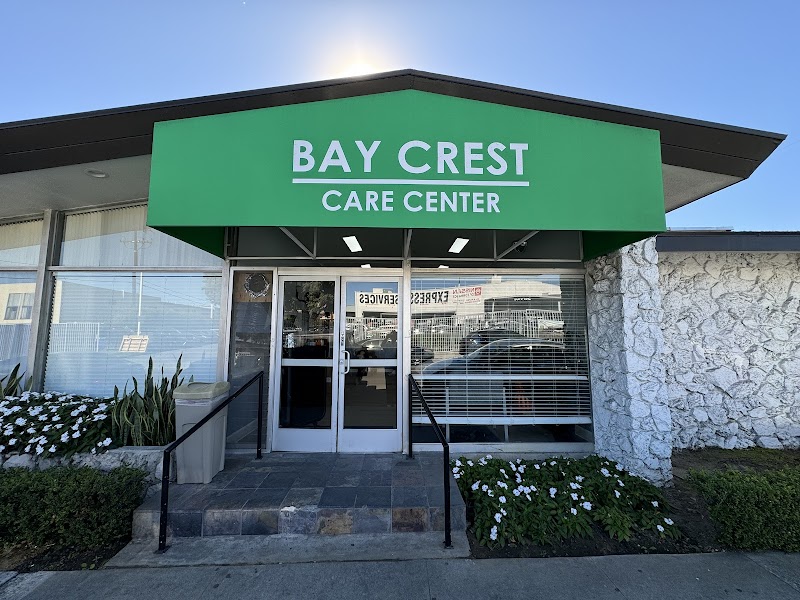
Who Owns and Operates Bay Crest?

BAY CREST CARE CENTER is owned by a for-profit company. For-profit facilities operate as businesses with obligations to shareholders or private owners. The facility is operated by GENESIS HEALTHCARE, a chain that manages multiple nursing homes. With 80 certified beds and approximately 72 residents (about 90% occupancy), it is a smaller facility located in TORRANCE, California.
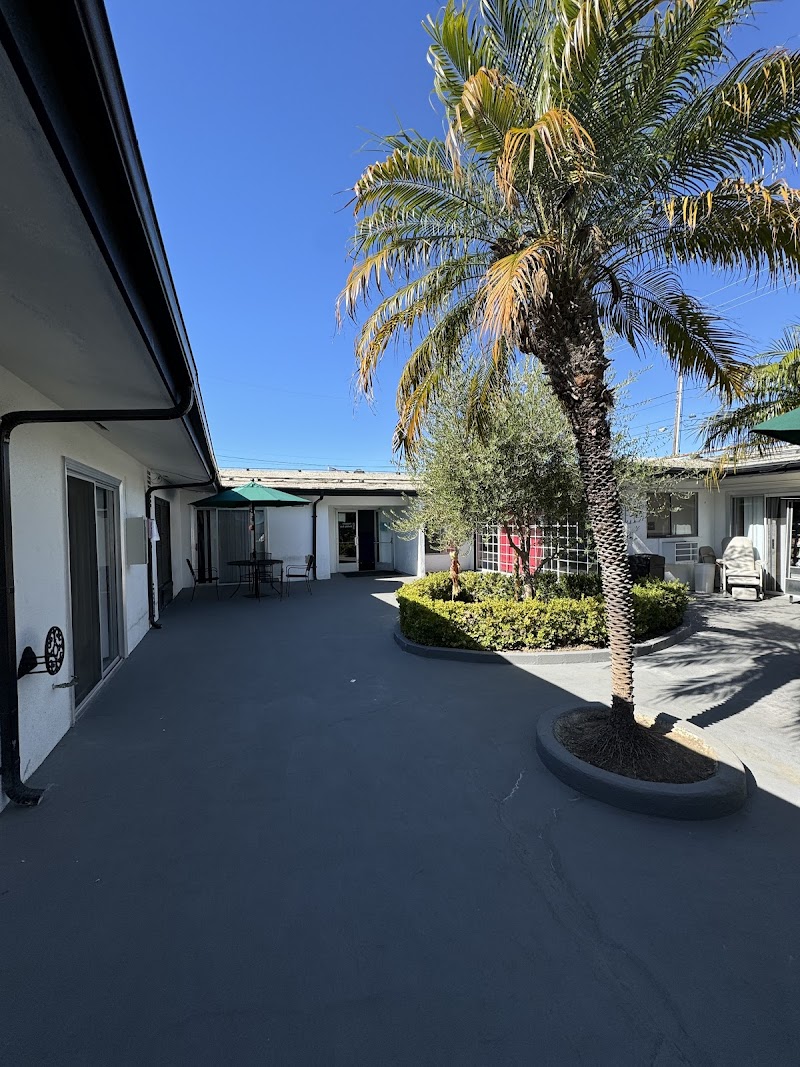
How Does Bay Crest Compare to Other California Nursing Homes?

Compared to the 100 nursing homes in California, BAY CREST CARE CENTER's overall rating (1 stars) is below the state average of 3.1, staff turnover (54%) is near the state average of 46%, and health inspection rating (1 stars) is much below the national benchmark.

What Should Families Ask When Visiting Bay Crest?

Based on this facility's data, families visiting should ask: "What changes have been made since the serious inspection findings, and how are you preventing similar issues?" "Can you walk me through typical staffing levels on day, evening, and night shifts?" "Can I visit during a mealtime to observe dining assistance and food quality?" "How do you handle medical emergencies, and what is your hospital transfer rate?" These questions are particularly relevant given the facility's Immediate Jeopardy citations and the below-average staffing rating.

Is Bay Crest Safe?

Based on CMS inspection data, BAY CREST CARE CENTER has documented safety concerns. Inspectors have issued 3 Immediate Jeopardy citations (the most serious violation level indicating risk of serious injury or death). The facility is currently on the Special Focus Facility watch list (a federal program monitoring the lowest-performing 1% of nursing homes nationwide). The facility has a 1-star overall rating and ranks #100 of 100 nursing homes in California. Families considering this facility should ask detailed questions about what corrective actions have been taken since these incidents.

Do Nurses at Bay Crest Stick Around?

BAY CREST CARE CENTER has a staff turnover rate of 54%, which is 8 percentage points above the California average of 46%. Moderate turnover is common in nursing homes, but families should still ask about staff tenure and how the facility maintains care continuity when employees leave.

Was Bay Crest Ever Fined?

BAY CREST CARE CENTER has been fined $59,699 across 2 penalty actions. This is above the California average of $33,676. Fines in this range indicate compliance issues significant enough for CMS to impose meaningful financial consequences. Common causes include delayed correction of deficiencies, repeat violations, or care failures affecting resident safety. Families should ask facility leadership what changes have been made since these penalties.

Is Bay Crest on Any Federal Watch List?

BAY CREST CARE CENTER is currently an SFF Candidate, meaning CMS has identified it as potentially qualifying for the Special Focus Facility watch list. SFF Candidates have a history of serious deficiencies but haven't yet reached the threshold for full SFF designation. The facility is being monitored more closely — if problems continue, it may be added to the official watch list. Families should ask what the facility is doing to address the issues that led to this status.