DRIFTWOOD HEALTHCARE CENTER
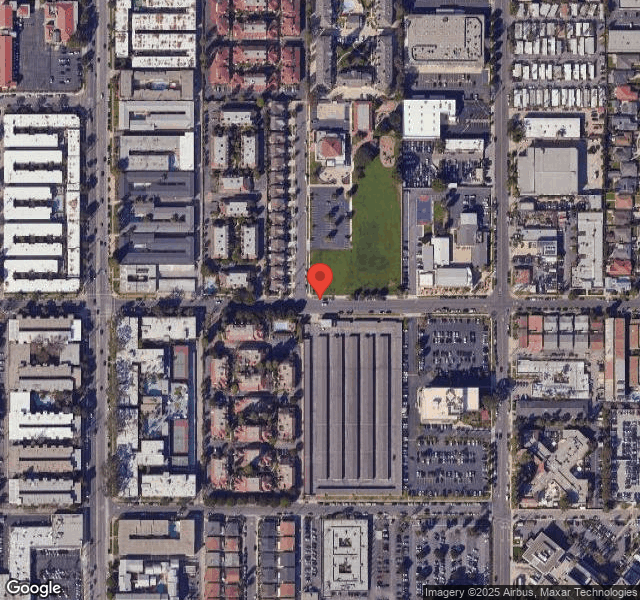
4109 EMERALD ST, TORRANCE, CA 90503 (310) 371-4628
For profit - Limited Liability company 99 Beds SHLOMO RECHNITZ Data: November 2025 2 Immediate Jeopardy citations
Trust Grade
21/100
#790 of 1155 in CA
Last Inspection: August 2025

Inspected within the last 6 months. Data reflects current conditions.

Overview

Driftwood Healthcare Center has received a Trust Grade of F, indicating significant concerns about the quality of care provided, which is among the lowest ratings available. It ranks #790 out of 1155 facilities in California, placing it in the bottom half, and #180 out of 369 in Los Angeles County, suggesting limited local options for better care. The facility's performance is worsening, with issues increasing from 19 in 2024 to 20 in 2025. Staffing is rated at 2 out of 5 stars with a turnover rate of 44%, which is about average, meaning they have a stable workforce but may not be providing optimal consistency in care. The facility has incurred $47,884 in fines, which is concerning as it is higher than 81% of California facilities, indicating potential repeated compliance issues. There is average RN coverage, which is important as registered nurses can identify problems that nursing assistants might miss. However, specific incidents raise red flags, such as a failure to separate COVID-19 positive residents from negative ones, leading to further infections, and not providing proper diets for residents with swallowing difficulties, which can lead to health risks. Additionally, there were issues with infection control measures in the laundry process that could affect all residents. While there are strengths in some quality measures, the overall picture suggests families should proceed with caution when considering this facility.

Trust Score
F
21/100
In California
#790/1155
Bottom 32%
Safety Record
High Risk
Review needed
Inspections
Getting Worse
19 → 20 violations
Staff Stability
○ Average
44% turnover. Near California's 48% average. Typical for the industry.
Penalties
○ Average
$47,884 in fines. Higher than 60% of California facilities. Some compliance issues.
Skilled Nurses
⚠ Watch
Each resident gets only 29 minutes of Registered Nurse (RN) attention daily — below average for California. Fewer RN minutes means fewer trained eyes watching for problems.
Violations
⚠ Watch
68 deficiencies on record. Higher than average. Multiple issues found across inspections.
★★☆☆☆
2.0
Overall Rating
★★☆☆☆
2.0
Staff Levels
★★★★★
5.0
Care Quality
★☆☆☆☆
1.0
Inspection Score
Stable
2024: 19 issues
2025: 20 issues

The Good

  • 5-Star Quality Measures · Strong clinical quality outcomes
  • Full Sprinkler Coverage · Fire safety systems throughout facility
  • No fines on record
  • Staff turnover below average (44%)

    4 points below California average of 48%

Facility shows strength in quality measures, fire safety.

The Bad

2-Star Overall Rating

Below California average (3.1)

Below average - review inspection findings carefully

Staff Turnover: 44%

Near California avg (46%)

Typical for the industry

Federal Fines: $47,884

Above median ($33,413)

Moderate penalties - review what triggered them

Chain: SHLOMO RECHNITZ

Part of a multi-facility chain

Ask about local staffing decisions and management

The Ugly 68 deficiencies on record

2 life-threatening
Aug 2025 11 deficiencies
CONCERN (D)

Potential for Harm - no one hurt, but risky conditions existed

Deficiency F0558 (Tag F0558)

Could have caused harm · This affected 1 resident

**NOTE- TERMS IN BRACKETS HAVE BEEN EDITED TO PROTECT CONFIDENTIALITY** Based on observation, interview, and record review, the nursing staff failed to ensure the call light device was in reach for on...

Read full inspector narrative →
**NOTE- TERMS IN BRACKETS HAVE BEEN EDITED TO PROTECT CONFIDENTIALITY** Based on observation, interview, and record review, the nursing staff failed to ensure the call light device was in reach for one out of three residents (Resident 1). This deficient practice had the potential to result in a delay of care and the Resident 1 needs not being met. Findings: During a concurrent observation and interview on 8/6/2025 at 4:00 p.m. with Resident 1, Resident 1 was in bed with the call light next to his lower right hip. Resident 1 stated he would like to call for help but is not able to call his nurse. Resident 1 stated when he needs help, he usually yells to his roommate to call a nurse when he needs assistance. During a review of Resident 1's admission Record (Face Sheet), the admission Record indicated Resident 1 was initially admitted to the facility on [DATE] with diagnoses including functional quadriplegic ( a complete inability to move due to severe physical disability or frailty without any physical injury), hypotension (low blood pressure) and contracture of muscles multiple sites (multiple muscles have become permanently shortened and stiff where the cannot move).During a review of Resident 1's History and Physical (H&P), dated 6/22/2025, the H&P indicated, Resident 1 has the capacity to understand and make decisions.During a review of Resident 1's Minimum Data Set (MDS, a resident assessment tool) dated 6/29/2025, the MDS indicated Resident 1 is dependent (helper does none of the effort to complete the activity, or the assistance of two or more helpers is required for the resident to complete the activity) on eating , oral hygiene, toilet hygiene, shower/bathe self, upper and lower body dressing. During a review of Resident 1's the Care Plan (CP) dated 6/24/2025, the CP, interventions indicated to monitor and anticipate needs assisting with turning and repositioning, keep call light in reach and answer promptly. During an interview on 8/6/2025 at 4:15 p.m., with Resident 1's roommate (Resident 41), Resident 41 stated he usually helps to call a nurse for Resident 1 by calling a nurse on his cell phone. During a concurrent observation and interview on 8/6/2025 at 4:30 p.m. with Certified Nurse Assistant (CNA) 1 at Resident 1's bedside, CNA 1 stated Resident 1 could not reach his call light. CNA 1 stated that because Resident 1 could not reach the call light, his needs could not be addressed. During an interview on 8/8/20205 at 10:00 a.m., with Registered Nurse 2 (RN) 2, RN 2 stated the call light should have been placed near Resident 1's chest so he could reach it. RN 2 stated it was important to have the call light in reach so Resident 1's needs can be met immediately. During an interview on 8/8/2025 at 3:38 p.m. with the Director of Nursing (DON), the DON stated the call light should be within reach of Resident 1 preferably next to his head. The DON stated that when Resident 1 cannot reach his call light, his needs cannot be met. During a review of the facility's P&P titled Communication- Call System dated 10/9/2024, the P&P indicated: Upon admission, each resident will be instructed how to use the call alert system. The P&P indicated, the call alert device will be placed within the resident's reach. The P&P indicated an adaptive call alert system will be provided to the residents who are unable to utilize the general alert call system.
CONCERN (D)

Potential for Harm - no one hurt, but risky conditions existed

Safe Environment (Tag F0584)

Could have caused harm · This affected 1 resident

Based on interview and record review, the facility failed to investigate a claim of missing belongings for one of eight sampled residents (Resident 8).This deficient practice resulted in Resident 8 mi...

Read full inspector narrative →
Based on interview and record review, the facility failed to investigate a claim of missing belongings for one of eight sampled residents (Resident 8).This deficient practice resulted in Resident 8 missing her blanket for three months.Findings:During a review of Resident 8's admission Record (face sheet), the admission Record indicated Resident 8 was admitted to the facility 10/26/2018 with diagnoses including muscle weakness and dementia (a general term for loss of memory, language, problem-solving and other thinking abilities that are severe enough to interfere with daily life).During a review of Resident 8's Minimum Data Set (MDS, a resident assessment tool) dated 5/19/2025, the MDS indicated Resident 8 had severe cognitive impairment (inability to plan and carry out regular tasks and apply judgment).During a review of Resident 8's Inventory of Personal Effects dated 4/24/2024 and updated on 7/28/2025, the Inventory of Personal Effects section under lost, and stolen was updated to include four blankets missing per family member (FM) 1.During a review of Resident 8's Theft/ Loss Report dated 8/7/2025, the report indicated Resident 8's family member (FM) 1 stated 1 pink and red blanket with hearts was missing for three months.During an interview on 8/6/2025 at 10:37 a.m., with FM 1, FM 1 stated the facility does Resident 8's laundry and three months ago she informed the nursing staff (unknown) Resident 8's Valentine blanket with hearts was missing and still not found.During an interview on 8/7/2025 at 2:33 p.m., with the social services director (SSD), the SSD stated she had not been informed by nursing staff when FM 1 reported the missing blanket. The SSD stated if she had been informed, she would have tried to find the missing blanket and replaced the blanket if appropriate. The SSD stated she spoke with FM 1 who verified the blanket had been missing for three months (unknown actual date) and FM 1sent the SSD a photo of Resident 8 using the missing blanket while in the facility. The SSD stated FM 1 informed her that FM 1 had reported the missing blanket to multiple certified nursing assistants (CNAs) and charge nurses (unidentified) when the blanket first went missing. The SSD stated that although the blanket had not been logged into the inventory list, the photo verified Resident 8 had the blanket while in the facility so if the facility was unable to locate the item, the facility would replace the blanket. The SSD stated the nurses are supposed to report missing items to her in a timely manner (within a day or two) so the missing item could be investigated. The SSD stated it was important to investigate missing items in a timely manner, so the residents and their family know the facility cares about their grievances and acts upon them. The SSD stated if she was aware, she could have tried to locate the item or replace it sooner. The SSD stated not knowing caused a delay in action.During an interview on 8/8/2025 at 3:33 p.m., with the director of nursing (DON), the DON stated missing items needed to be reported to the SSD right away (within a day or two). The DON stated it was important to investigate the missing item quickly because if the missing item was wanted or needed by the resident it could affect the way the resident feels, and the item might be important to them.During a review of the facility's policy and procedure (P&P) Theft and loss dated 7/11/2017, the P&P indicated all inquiries regarding lost or stolen items are reported to the administrator and/or designee (SSD). The P&P indicated when personal property was reported missing, the staff will immediately begin a search for the missing property.
CONCERN (D)

Potential for Harm - no one hurt, but risky conditions existed

Deficiency F0605 (Tag F0605)

Could have caused harm · This affected 1 resident

**NOTE- TERMS IN BRACKETS HAVE BEEN EDITED TO PROTECT CONFIDENTIALITY** Based on interview and record review, the facility failed to ensure psychotropic medications (medications that affect brain acti...

Read full inspector narrative →
**NOTE- TERMS IN BRACKETS HAVE BEEN EDITED TO PROTECT CONFIDENTIALITY** Based on interview and record review, the facility failed to ensure psychotropic medications (medications that affect brain activities associated with mental processes and behavior) were not used unnecessarily for one of five sampled residents (Resident 66) by failing to define and monitor resident specific, measurable target behaviors related to the use of Seroquel [an atypical antipsychotic used to improve mood, thoughts, and behaviors] for people with schizophrenia (a mental illness that is characterized by disturbances in thought) and bipolar disorder (mood swings that range from the lows of depression to elevated periods of emotional highs)] for Resident 66.These deficient practices increased the risk of Resident 66 experiencing adverse effects (unwanted or dangerous medication-related side effects) such as drowsiness, dizziness, constipation, or increased risk of fall, and possibly leading to impairment or decline in their mental or physical condition or functional or psychosocial status.Findings:During a review of Resident 66's admission Record, the admission Record indicated, Resident 66 was admitted to the facility on [DATE] with diagnoses including Lewy Bodies dementia (a disease associated with abnormal deposits of a protein called alpha-synuclein in the brain), delusional disorder (a mental health condition characterized by persistent, false beliefs that are not based on reality), and depression (a mood disorder that causes a persistent feeling of sadness and loss of interest).During a review of Resident 66's History and Physical (H&P), dated 7/1/2025, the H&P indicated, Resident 66 had no capacity (ability) to understand and make decisions.During a review of Resident 66's Minimum Data Set (MDS - a resident assessment tool), dated 7/7/2025, the MDS indicated Resident 66 required maximal assistance (Helper does more than half the effort) from one staff for transfer, dressing, moderate assistance (Helper does less than half the effort) from one staff for hygiene, supervision or touching assistance (Helper provides verbal cues and /or touching/steadying and /or contact guard assistance as resident completes activity) from one staff for bed mobility, and set up or touching assistance (Helper sets up or cleans up) for eating. The MDS section E (behavior) indicated, Resident 66 did not have physical and verbal behavioral symptoms directed toward others. The MDS section E indicated Resident 66 did not have hallucination (an experience involving the apparent perception of something not present) and delusions (something that is believed to be true or real but that is false or unreal). The MDS section E indicated Resident 66 did not have behavior related to rejection of care.During a review of Resident 66's Care Plan (CP), revised on 7/10/2025, the CP Focus indicated, Resident 66 uses psychotropic medication for psychosis. The CP Goal indicated, Resident 66 will be free from psychotropic drug related complications. The CP Interventions indicated, give one tablet of Seroquel by mouth 50 mg once a day and at bedtime for psychosis manifested by delusional thoughts and sexually inappropriate thoughts.During a review of Resident 66's Psychiatric Assessment/Evaluation/ Consultation, dated on 7/16/2025, the Psychiatric Assessment/Evaluation/ Consultation indicated, Resident 66 did not hallucinate, delusions, or behavioral issues.During a concurrent interview and record review on 8/7/2025, at 4:16 p.m., with Registered Nurse (RN) 4, Resident 66's Order Summary Report (OSR), dated 8/7/2025 was reviewed. The OSR indicated, to monitor target behaviors for use of Seroquel due to psychosis (a severe mental condition in which thought, and emotions are so affected that contact is lost with reality) manifested by psychomotor agitation (a state of restlessness and anxiety that results in repetitive and unintentional movements) and indicate the number of behavior occurrences ordered on 7/7/2025. The OSR indicated to give Seroquel 50 milligram (mg [unit of measurement]) one tablet by mouth once a day and 50 mg at bedtime (total of 100 mg per day) for psychosis. RN 4 stated, she was not sure what psychomotor agitations to monitor for Seroquel. RN 4 stated, target behavior should be specific and measurable, so a psychiatrist ( a medical practitioner specializing in the diagnosis and treatment of mental illness) could refer to and consider Gradual Dose Reduction (GDR- a systematic approach to stepwise tapering of medication dosage to assess if a lower dose can effectively manage symptoms, conditions, or risks, or if the medication can be discontinued entirely). RN 4 stated, the staff should monitor specific target behaviors. During a concurrent interview and record review on 8/8/2025, at 9:45 a.m., with RN 1, Resident 66's Medication Administration Record (MAR), dated from 7/7/2025 to 8/6/2025 was reviewed. The MAR indicated there was no psychomotor agitation. RN 1 stated, she did not witness any agitation since Resident 66 was admitted from the General Acute Care Hospital (GACH). RN 1 stated that monitoring psychomotor agitations should be clarified with psychiatrist because they are too general as a target behavior. RN 1 stated, if the target behavior was not specific and measurable for the residents, this could lead to inaccurate assessment and delay in GDR.During a telephone interview on 8/8/2025, at 12:12 p.m., with the Psychiatric Nurse Practitioner (PNP) 1, the PNP 1 stated, Resident 66 was on Seroquel from the hospital prior to admission. The PNP 1stated, Resident 66 did not have any behaviors including hallucinations and delusions according to his assessment. The PNP 1 stated, he wanted to taper it down with GDR since Resident 66 was on Seroquel from the GACH. The PNP 1 stated nurses should monitor specific target behaviors because psychomotor agitation could be anything such as fidgeting, restlessness, or burst of anger. The PNP 1stated, Seroquel could be an unnecessary medication, and it should be tapered down as soon as possible to avoid adverse reaction (an undesired or harmful effect of a drug) and a chemical restraint (the use of medications to restrict a person's movement or freedom of action, or to control behavior, when the medication is not part of a standard treatment for their condition). During an interview on 8/8/2025, at 2:56 p.m., with the Director of Nursing (DON), the DON stated, target behavior should be specific and measurable to the resident's diagnosis. The DON stated, psychomotor agitations could be many things, and this should be clarified with PNP 1. The DON stated that monitoring specific target behavior was important, because a GDR would be performed based on the data. The DON stated that inaccurate data would lead to delays on treatment, and the residents continuing to receive unnecessary medication. The DON stated that the resident might suffer from unnecessary side effects/adverse reactions. The DON stated that unnecessary medication could be used as chemical restraint as well.During a review of the facility's Policy and Procedure(P&P) titled, Behavior/Psychoactive Medication Management, revised 4/24/2025, the P&P indicated, Psychoactive Medication Considerations: vi. Any order for psychoactive medications must Include a specific behavior manifestation.viii. Residents have the right to be free from chemical restraints. 4. Parameters for use of Anti-psychotic Medications: a. Antipsychotic medications may be used to treat the following conditions: i. Schizophrenia, ii. Schizoaffective disorder, iii. Schizophreniform disorder, iv. Tourette's disorder, v. Huntington's disease, vi. Nausea, hiccups, itching, vii. A physical behavior problem which causes the residents to 1. Present a danger to self or others or interferes with resident's ability to participate iothers or of care. viii. Psychotic symptoms such as hallucinations or delusions which impair the resident's functional capacity (eating, sleeping, toileting, etc.). b. Anti-psychotic medications SHOULD NOT BE USED if one or more of the following conditions is the only manifestation: i. Restlessness, ii. Wandering, iii. Poor self-care, iv. Nervousness, v. Uncooperativeness, vi. Impaired memory, vii. Sleep disturbance, viii. Unsociability, ix. Fidgeting.
CONCERN (D)

Potential for Harm - no one hurt, but risky conditions existed

PASARR Coordination (Tag F0644)

Could have caused harm · This affected 1 resident

**NOTE- TERMS IN BRACKETS HAVE BEEN EDITED TO PROTECT CONFIDENTIALITY** Based on interview, and record review, the facility failed to ensure one out of two sampled residents (Resident 6) had their Lev...

Read full inspector narrative →
**NOTE- TERMS IN BRACKETS HAVE BEEN EDITED TO PROTECT CONFIDENTIALITY** Based on interview, and record review, the facility failed to ensure one out of two sampled residents (Resident 6) had their Level 1 Preadmission Screening and Resident Review ([PASRR], a federal requirement to help ensure that individuals are not inappropriately placed in nursing homes for long term care) completed accurately.This deficient practice had the potential to delay care for Resident 6 and had the potential of not receiving the proper level of care or services required.Findings:During a review of Resident 6's admission Record, the admission Record indicated Resident 6 was admitted to the facility on [DATE] with diagnoses including metabolic encephalopathy (a chemical imbalance or illness elsewhere in the body that disrupts the brain's normal functioning, leading to various brain symptoms), rhabdomyolysis (a serious condition where damaged muscle tissue breaks down, releasing its contents into the bloodstream that can lead to kidney damage), post-traumatic stress disorder ([PTSD], a mental health condition that's caused by an extremely stressful or terrifying event, either being part of it or witnessing it), and anxiety (a mental health condition that cause fear, dread and other symptoms that are out of proportion to the situation). During a review of Resident 6's Minimum Data Set ([MDS], a resident assessment tool) dated 6/5/2025, the MDS indicated Resident 6 had intact cognitive (thought process) function and was set up assistance (helper sets up while resident completes the activity) with self-care abilities such as eating, oral hygiene, personal hygiene and upper body dressing. The MDS indicated a mood total severity score (indicates the overall severity of a person's depression or mood disturbance) of 13 (5-9 indicating mild, 10-14 indicating moderate, involves a greater number of symptoms and a more significant impact on daily functioning).During a review of Resident 6's Order Summary Report DATED 7/31/2025, the Order Summary Report indicated Sertraline (a prescription medication used to treat depression and other mental health conditions) Tablet (pill) 100 milligram ([mg], a unit of measurement) give one tablet by mouth one time a day for depression manifested by excessive worries of life situation ordered on 8/6/2025, alprazolam (a prescription medication used to treat anxiety disorder, and panic disorder) oral tablet 0.5 mg give one tablet by mouth every morning and at bedtime for anxiety manifested by irritability (a state of increased sensitivity and a tendency to react with anger, frustration, or annoyance to stimuli, often triggered by small things)/restlessness ordered on 7/31/2025. During a review of Resident 6's PASRR Level 1 screening dated 5/29/2025, the PASRR Level 1 screening was negative, and a Level 2 screening was not required. The reason noted for Resident 6's negative PASRR Level 1 screening was no serious mental illness. The PASRR Level 1 indicated NO was checked on question number nine, does the individual have a serious diagnosed mental disorder such as Depressive Disorder, Anxiety Disorder, Panic Disorder, Schizophrenia/Schizoaffective Disorder, or symptoms of Psychosis, Delusions, and/or Mood Disturbance. There was no other screening done for Resident 6 after this screening was completed.During a concurrent interview and record review on 8/8/2025 at 11:16 a.m. with the Director of Nursing (DON), the PASRR Level 1 screening dated 5/29/2025 was reviewed. The DON stated the PASRR Level 1 screening, on question number nine, should have been answered YES to trigger a Level 2 screening to be done. The DON stated Resident 6 started on new psychotropic medications after the first screening was done and that a resident review status change screening should have been done. The DON stated the importance of an accurate PASRR screening assessment was if a resident was positive for mental illness, the facility can provide appropriate care and treatment services for the resident. The DON stated residents who are positive for mental illness, a psychology/psychiatry consultation would be ordered, and care plan would be updated accordingly. During a review of the facility's policy and procedure (P&P), titled admission Screening Resident Review (PASRR), revised 4/24/2024, The P&P indicated the Facility MDS Coordinator will be responsible for accessing and ensure updates to the PASRR are completed by MDS guidelines such as significant change of statues MDS.
CONCERN (D)

Potential for Harm - no one hurt, but risky conditions existed

Comprehensive Care Plan (Tag F0656)

Could have caused harm · This affected 1 resident

**NOTE- TERMS IN BRACKETS HAVE BEEN EDITED TO PROTECT CONFIDENTIALITY** Based on observation, interview, and record review, the facility failed to implement a care plan for two of the three sampled re...

Read full inspector narrative →
**NOTE- TERMS IN BRACKETS HAVE BEEN EDITED TO PROTECT CONFIDENTIALITY** Based on observation, interview, and record review, the facility failed to implement a care plan for two of the three sampled residents (Resident 52 and Resident 6) by failing to:A. Ensure Resident 52 had a care plan for impaired hearing. B. Ensure Resident 6 who had a diagnosis of post-traumatic stress disorder ([PTSD], a mental health condition that's caused by an extremely stressful or terrifying event, either being part of it or witnessing it), had a care plan and included the use of psychotropic medications for mood disorders. These deficient practices had the potential to negatively affect the quality of life and wellbeing for Resident 6 and Resident 52 and could result in preventing them from achieving their highest practical well-being or needs not being met. Findings: A. During a review of Resident 52’s admission Record, the admission Record indicated Resident 52 was admitted to the facility on [DATE] with diagnoses including muscle weakness, type 2 diabetes mellitus (high blood sugar) and major depressive disorder (a mental illness that negatively affects how you feel, think and act). During a review of Resident 52’s Minimum Data Set ([MDS], a resident assessment tool) dated 6/12/2025, the MDS indicated Resident 52’s cognitive skills (the mental action or process of acquiring knowledge and understanding through thought, experience, and the senses) was intact. The MDS indicated Resident 52 was dependent on toilet hygiene, substantial /maximal assistance (helper lifts or holds trunk or limbs and provides more than half the effort) on shower/bathe self, upper and lower body dressing and partial/moderate assistance (helper does more than half the effort) with oral hygiene personal hygiene and upper body dressing. During a concurrent interview and record review on 8/8/2025 at a.m., with the Social Service Director (SSD), the SSD stated Resident 52 has signs of hearing loss. The SSD stated it is important that the resident has a care plan to address her hearing loss so that everyone is aware and knows how to care for the resident. During an interview on 8/8/2025 at 3:38 p.m., with the Director of Nursing (DON), the DON stated that because Resident 52 is hard of hearing there should have been a care plan initiated. The DON stated that when you are talking to Resident 52 her needs may not be met because she is hard of hearing. A review of the facility's policy and procedure (P&P) titled Person- Centered Care Planning, with a revised date of 4/24/2025, indicated the baseline care plan must include the minimum healthcare information necessary to properly care for each resident immediately upon their admission. The P&P indicated it should address resident-specific health and safety concerns to prevent decline or injury, and would identify needs for supervision and behavioral interventions, and assistance with activities of daily living. B. During a review of Resident 6’s admission Record, the admission Record indicated Resident 6 was admitted to the facility on [DATE] with diagnoses including PTSD, anxiety (a mental health condition that cause fear, dread and other symptoms that are out of proportion to the situation), opioid (a class of drugs that are used to reduce moderate to severe pain) use disorder (a mental health condition where a pattern of opioid use affects your health and daily life), and muscle weakness. During a review of Resident 6’s MDS dated [DATE], the MDS indicated Resident 6 had intact cognitive (thought process) functioning and was set up assistance (helper sets up while resident completes the activity) with self-care abilities such as eating, oral hygiene, personal hygiene and upper body dressing. During a review of Resident 6’s Order Summary Report, the Order Summary Report indicated Sertraline HCl (a prescription medication used to treat depression and other mental health conditions) tablet (pill) 100 milligram ([mg], a unit of measurement) give one tablet by mouth one time a day for depression manifested by excessive worries of life situation ordered on 8/6/2025, and alprazolam (a prescription medication used to treat anxiety disorder, and panic disorder) oral tablet 0.5 mg give one tablet by mouth every morning and at bedtime for anxiety manifested by irritability (a state of increased sensitivity and a tendency to react with anger, frustration, or annoyance to stimuli, often triggered by small things) or restlessness ordered on 7/31/2025. During a review of Resident 6’s untitled care plan dated 5/30/2025, the care plan did not indicate a goals or interventions for PTSD, or the use of psychotropic medications. There was no care plan in place for the focus, goals, and interventions for Resident 6’s diagnosis of PTSD or psychotropic medications used for mood disorders. During a concurrent observation and interview on 8/5/2025 at 10: 06 a.m. with Resident 6 in their room, Resident 6 stated she went through trauma in the past and has PTSD but did not want to discuss it any further. Resident 6 stated the facility staff are aware of the past trauma. During a concurrent interview and record review on 8/8/2025 at 10:52 a.m., with the Social Service Director (SSD), the untitled care plan dated 5/30/2025 was reviewed. The SSD stated there should be a care plan for Resident 6’s PTSD diagnosis. The SSD stated the importance of having a care plan for PTSD was so the facility staff that care for the residents can care for them with caution. During a concurrent interview and record review on 8/8/2025 at 2:58 p.m. with the Director of Nursing (DON), the untitled care plan dated 5/30/2025 was reviewed. The DON stated there should be a care plan in place for Resident 6’s PTSD diagnosis and the psychotropic medications Resident 6 was taking for mood disorders. The DON stated having a care plan for PTSD was important so facility staff can be aware of resident’s triggers and how to care for the residents appropriately. The DON stated if there was no care plan for PTSD, facility staff may retrigger the trauma and it may affect the resident’s mood, and affect the resident’s activities of daily living, and everyday life. The DON stated the importance of a care plan for the psychotropic medication Resident 6 was taking was the medication may alter the resident’s moods and behaviors and that the care plan lets facility staff know how to monitor for side effects of the medication, if the medication was targeting behaviors it was ordered for and if the medication was effective at targeting the behaviors. The DON stated the importance of having a comprehensive person-centered care plan was, so the facility staff are providing appropriate care for the residents, addressing any issues medically, and emotionally. During a review of the facility’s policy and procedures (P&P) titled Person Centered Care Planning revised 4/24/2025, indicated, trauma informed care is an approach to delivering care that involves understanding, recognizing and responding to the effects of all types of trauma. The P&P indicated the facility must develop and implement comprehensive person-centered care plan for each resident consistent with the resident rights, that includes measurable objectives, and timeframes to meet a resident's medical, nursing, and mental and psychosocial needs that are identified in the comprehensive assessment. The comprehensive care plan must describe the following: the services that are to be furnished to attain or maintain the resident's highest practical physical, mental, and psychosocial well­being, the services provided or arranged by the facility, as outlined by the comprehensive care plan, must be culturally competent and trauma informed. The P&P indicated comprehensive care plans must be reviewed and revised by the interdisciplinary team after each assessment, including both comprehensive and quarterly review assessments.
CONCERN (D)

Potential for Harm - no one hurt, but risky conditions existed

Pharmacy Services (Tag F0755)

Could have caused harm · This affected 1 resident

Based on observation, interview, and record review, the facility failed to ensure a medication listed on the oral medications' Emergency kit (Ekit) index (list) matched the medication found inside the...

Read full inspector narrative →
Based on observation, interview, and record review, the facility failed to ensure a medication listed on the oral medications' Emergency kit (Ekit) index (list) matched the medication found inside the Ekit.This failure had the potential to result in a delay in the administration of emergency medication and medication error.Findings: During an observation and concurrent interview with Registered Nurse (RN) 1 at Nurses' Station 1 of the Ekit on 8/7/2025 at 11:27 a.m., the medication listed on slot number 25 in the Ekit medication list indicated potassium chloride 20 milliequivalents (mEq, unit of weight). The medication observed in slot 25 was four tablets of nitrofurantoin 50 milligrams (mg, unit of weight). Registered Nurse (RN ) 1 stated the pharmacist verifies the Ekit contents when delivered to the facility. RN 1 stated if a medication was not in the Ekit, there was a risk for medication error, or delay in administration of the needed medication.During a telephone interview on 8/7/2025 at 11:47 a.m., the dispensing pharmacist (Pharmacist) stated Ekits were re-filled when a licensed nurse makes a request. The Pharmacist stated the on-duty pharmacist was responsible for verifying Ekit contents with the medication list on the front of Ekit. The Pharmacist stated if there was a discrepancy between Ekit contents and list then the Ekit should be returned to the pharmacy to be fixed. During a review of the facility's policy titled Emergency Pharmacy Service and Emergency Kits updated February 2020, the policy indicated Emergency kits are monitored/inventoried by the consultant pharmacist at least every 30 days for completeness and expiration dating of the contents.
CONCERN (D)

Potential for Harm - no one hurt, but risky conditions existed

Deficiency F0757 (Tag F0757)

Could have caused harm · This affected 1 resident

**NOTE- TERMS IN BRACKETS HAVE BEEN EDITED TO PROTECT CONFIDENTIALITY** Based on observation, interview, and record review, the nursing staff failed to document monitoring on the medication administra...

Read full inspector narrative →
**NOTE- TERMS IN BRACKETS HAVE BEEN EDITED TO PROTECT CONFIDENTIALITY** Based on observation, interview, and record review, the nursing staff failed to document monitoring on the medication administration record (MAR) for signs and symptoms of bleeding for one out of three residents (Resident 63) who is on Apixaban (a medication that thins the blood, prevents clots). This deficient practice had the potential to result in Resident 63 having blood in the stool or urine, bruising or severe headaches. Findings:During a review of Resident 63's admission Record (face sheet) dated 8/8/2025, the admission record indicated Resident 63 was admitted to the facility on [DATE] and readmitted on [DATE] with diagnoses including hypotension (low blood pressure), hyperlipidemia (high cholesterol) and atrial flutter (a heart rhythm disorder where the upper chambers of the heart beat very rapidly, typically between 250 and 350 times per minute).During a review of Resident 63's MDS dated [DATE], the MDS indicated Resident 63 was dependent (resident does none of the effort to complete the activity or the assistance of two or more helpers is required to for the resident to complete the activity) on toilet transfer, chair/bed to chair transfer, toilet hygiene, shower/bathing self, oral hygiene and lower and upper body dressing. During a review of Resident 63's Order Summary Report dated 1/19/2025, the report indicated Resident 63 had an active order for Apixaban oral tablet 2.5 mg (unit of measure) 1 tablet two times a day. During a review of Resident 63's Care Plan (CP) initiated 1/28/2025, the CP indicated to monitor and document every shift for signs and symptoms of bleeding related to Apixaban. During a concurrent interview and record review on 8/8/2025 at 09:31 a.m., with Licensed Vocational Nurse (LVN) 1, LVN 1 reviewed Resident 63's MAR. LVN 1 stated Resident 63 has not been monitored for the use of the Apixaban. LVN 1 stated the monitoring should have been documented and recorded on Resident 63' s MAR. LVN 1 stated the licensed nurses are not documenting monitoring for episodes of bleeding and bruising, which is important so we can notify the doctor. During an interview on 8/8/2025 at 10:00 a.m., with Registered Nurse 2 (RN 2), RN 2 stated Resident 63 is on an Apixaban, and it should be monitored and documented for bleeding every shift. During an interview on 8/8/2025 at 3:38 p.m., with the Director of Nursing (DON), the DON stated Apixaban is an anticoagulant, and we must monitor bleeding and bruising. The DON stated monitoring should be on the MAR and because it is not documented on the MAR this means we are not monitoring episodes of bleeding.During a review of the facility's Policy and Procedure (P&P) titled, Medication- Black Box Warning, revised July 2018, the P&P indicated:1. The Licensed Nurse will review the Black Box Warning (the most serious type of warning required by the U.S. Food and Drug Administration (FDA) on the labeling of prescription drugs) for signs and symptoms of those high risks medication(s) for health risks and monitor.2. The Licensed Nurse will document signs and symptoms related to parameters and document any adverse consequences in nursing progress notes or on the MAR.3. The Licensed Nurse will inform the Attending Physician of any signs and symptoms related to monitoring parameters and /or any adverse consequences.
CONCERN (E)

Potential for Harm - no one hurt, but risky conditions existed

Deficiency F0761 (Tag F0761)

Could have caused harm · This affected multiple residents

**NOTE- TERMS IN BRACKETS HAVE BEEN EDITED TO PROTECT CONFIDENTIALITY** Based on observation, interview and record review, the facility failed to ensure proper medication storage according to requirem...

Read full inspector narrative →
**NOTE- TERMS IN BRACKETS HAVE BEEN EDITED TO PROTECT CONFIDENTIALITY** Based on observation, interview and record review, the facility failed to ensure proper medication storage according to requirements indicated on the pharmacy label and labelling medications when: 1.One vial of unopened Humulin R [type of insulin (a hormone that removes excess sugar from the blood, can be produced by the body or given artificially via medication)] was not stored inside the refrigerator. 2.One bottle of unopened latanoprost eye drops (medication used to manage elevated pressure in the eye) was not stored inside the refrigerator. 3.One bottle of artificial tears (lubricating eye drops used to help relieve dry and irritated eyes) was not labeled with resident's full name, bottle showed room number, had a broken seal, and no open date. 4. One bottle of omeprazole sodium liquid (medication used to reduce stomach acid) was not removed from use after the label discard date of 8/6/2025. 5. One bottle of AZO Cranberry (used to aid in maintaining urinary tract health) was not labeled with an open date.6. Voltaren External Gel 1% (Brand name for Diclofenac Sodium topical gel, used to relieve arthritic pain) was not labeled with an open date.These deficient practices had the potential to result in medication errors, reduced therapeutic effects, and adverse outcomes from administering the wrong or expired medications, including loss of medication efficacy. Findings: 1.During a review of Resident 38's admission Record, the admission Record indicated the facility admitted the resident on 6/2/2020, with diagnoses including type 2 diabetes mellitus (DM-a disorder characterized by difficulty in blood sugar control and poor wound healing), paraplegia (loss of movement and or sensation, to some degree, of the legs) and dementia (progressive state of decline in mental abilities). During a review of Resident 38's History and Physical (H&P) dated 6/2/2020, the H&P indicated the resident can make needs known but cannot make medical decisions. During a review of Resident 38's Minimum Data Set (MDS-a resident assessment tool) dated 5/212025, indicated the resident had severely impaired cognition (ability to think and understand). The MDS indicated the resident was dependent on staff for bed mobility, locomotion, dressing and personal hygiene. During a review of Resident 38's Order Summary Report, a physician's order dated 2/8/2022, indicated to administer Humulin R insulin subcutaneously two times a day for DM. During a review of Resident 38's Medication Administration Record (MAR), the MAR indicated Humulin R insulin was administered to the resident on 8/7/2025, during the 6:30 a.m. medication administration. During a concurrent observation and interview on 8/7/2025 at 10:36 a.m., with Licensed Vocational Nurse 1 (LVN) 1, Resident 38's Humulin R insulin vial was unopened with yellow top seal (cap) and label indicated Refrigerate was found inside medication cart 3. LVN 1 stated medications need to be at certain temperature to work and if improperly stored, residents may get adverse reactions. During an interview on 8/7/2025, at 3:38 p.m., with the Director of Nursing (DON), the DON stated medications are refrigerated to maintain stability and potency and may have reactions if not kept at a certain temperature. During a review of facility's policies and procedures (P&P) titled Medication Storage in the Facility updated on 8/2019, indicated medications requiring refrigeration or temperatures between 2 C (36F) and 8C (46F) are kept in a refrigerator with a thermometer to allow temperature monitoring. The P&P also indicated outdated, contaminated, or deteriorated medications and those in containers that are cracked, soiled, or without secure closures are immediately removed from stock, disposed of according to procedures for medication, and reordered from the pharmacy, if a current order exists. During a review of facility's P&P titled Medication Ordering and Receiving from Pharmacy updated on 2/2020, indicated each prescription medication label includes resident name, medication name, strength of medication, date dispensed, specific directions for use, prescriber name, quantity of medication, prescription number, dispensing pharmacy name, address, telephone number and beyond use or expiration date of medication. 2. During a review of Resident 100's admission Record, the admission Record indicated the facility admitted the resident on 11/10/2023, and was readmitted on [DATE], with diagnoses including glaucoma (a group of eye diseases that damage the optic nerve, which is crucial for sending visual information to the brain), paraplegia (loss of movement and or sensation, to some degree, of the legs) and generalized muscle weakness. During a review of Resident 100's Minimum Data Set (MDS- a resident assessment tool) dated 7/13/2025, the MDS indicated the resident had moderately impaired cognition (ability to think and understand). The MDS indicated the resident was dependent on staff for toileting hygiene, bathing and lower body dressing. The MDS indicated total dependence on staff for bed to chair transfers. During a review of Resident 100's Order Summary Report, a physician ‘s order dated 8/6/2025, indicated to instill latanoprost 0.005% solution 1 drop in both eyes at bedtime for glaucoma. During a review of Resident 100's Medication Administration Record (MAR), the MAR indicated latanoprost was administered to the resident on 8/7/2025. During a concurrent observation and interview on 8/7/2025 at 10:36 a.m., with Licensed Vocational Nurse 1 (LVN) 1, Resident 100's latanoprost eye drops was unopened, the seal not broken and label indicated Refrigerate was found inside medication cart 3. LVN 1 stated medications need to be at certain temperature to work and if improperly stored, residents may get adverse reactions. During an interview on 8/7/2025, at 3:38 p.m., with Director of Nursing (DON), the DON stated medications are refrigerated to maintain stability and potency and may have reactions if not kept at a certain temperature. During a review of facility's policies and procedures (P&P) titled Medication Storage in the Facility updated on 8/2019, indicated medications requiring refrigeration or temperatures between 2 C (36F) and 8C (46F) are kept in a refrigerator with a thermometer to allow temperature monitoring. The P&P also indicated outdated, contaminated, or deteriorated medications and those in containers that are cracked, soiled, or without secure closures are immediately removed from stock, disposed of according to procedures for medication, and reordered from the pharmacy, if a current order exists. During a review of facility's P&P titled Medication Ordering and Receiving from Pharmacy updated on 2/2020, indicated each prescription medication label includes resident name, medication name, strength of medication, date dispensed, specific directions for use, prescriber name, quantity of medication, prescription number, dispensing pharmacy name, address, telephone number and beyond use or expiration date of medication. 3. During a review of Resident 1's admission Record, the admission Record indicated the facility admitted the resident on 3/16/2024, and was readmitted on [DATE], with diagnoses including type 2 diabetes mellitus, contracture of muscle (stiffening/shortening at any joint, that reduces the joint's range of motion) and sepsis (a life-threatening blood infection). During a review of Resident 1's History and Physical (H&P) dated 6/22/2025, H&P indicated that resident had a capacity to understand and make decisions. During a review of Resident 1's Minimum Data Set (MDS-a resident assessment tool) dated 6/29/2025, the MDS indicated resident had intact cognition (ability to think and understand). The MDS indicated the resident was dependent on staff for bed mobility, locomotion, dressing and personal hygiene. During a review of Resident 1's Order Summary Report dated 4/22/2025, indicated a physician's order of artificial tears ophthalmic solution, to instill 1 drop in both eyes every eight hours as needed for dry eyes and artificial tears ophthalmic solution 0.2-0.2-1%, instill 1 drop in both eyes three times a day for dry eyes. During a review of Resident 1's Medication Administration Record (MAR), MAR indicated artificial tears was last administered on 6/18/2025. During a concurrent observation and interview on 8/7/2025 at 10:36 a.m., with Licensed Vocational Nurse 1 (LVN) 1, artificial tears seal was broken, with no open date label, a room number was written on box was found inside medication cart 3. LVN 1 stated the artificial tears belonged to Resident 1. LVN 1 stated medication must be labeled with the date opened, as some medications are only effective for 30 days. LVN 1 stated without proper labeling, expired medications may be administered to a resident, reducing effectiveness. LVN 1 stated medication should have identifiers such as last name and first initial of resident, to ensure medication was given to the correct resident, and if only room number was used, the medication may be administered to the wrong resident due to room changes, posing a safety risk. During an interview on 8/7/2025 at 3:38 p.m., with the Director of Nursing (DON), the DON stated medications need to have identifier with a labelled date and time, to know if medication was still usable or need to be discarded. The DON stated using only room number as an identifier creates a risk of giving medication to the wrong resident, as residents may be moved to different rooms. During a review of facility's P&P titled Medication Ordering and Receiving from Pharmacy updated on 2/2020, indicated each prescription medication label includes resident name, medication name, strength of medication, date dispensed, specific directions for use, prescriber name, quantity of medication, prescription number, dispensing pharmacy name, address, telephone number and beyond use or expiration date of medication. 4. During a review of Resident 63's admission Record, the admission Record indicated the facility admitted the resident on 4/19/2023, and was readmitted on [DATE], with diagnoses including dementia (progressive state of decline in mental abilities), paraplegia (loss of movement and or sensation, to some degree, of the legs) and gastro esophageal reflux disease (GERD-a condition where stomach contents flow back into the esophagus, irritating the lining and causing various symptoms). During a review of Resident 63's History and Physical (H&P) dated 1/19/2025, H&P indicated the resident did not have the capacity to understand and make decisions. During a review of Resident 63's Minimum Data Set (MDS) dated [DATE], the MDS indicated the resident had moderately impaired cognitive (ability to think and understand) skills for daily decision making. The MDS indicated the resident was dependent on staff for bed mobility, locomotion, dressing and personal hygiene. During a review of Resident 63's Order Summary Report dated 7/7/2025, indicated a physician's order for omeprazole oral suspension (medication used to reduce stomach acid) 2 milligram per milliliter (mg/ml, unit of weight), to give 10 ml via PEG tube (percutaneous endoscopic gastrostomy, surgical procedure for inserting a tube through the abdomen wall and into the stomach used for nutrition and medication administration) one time a day for GERD. During a review of Resident 63's Medication Administration Record (MAR) indicated omeprazole oral suspension was administered on 8/7/2025 during the 6:30 a.m. medication administration. During a concurrent observation and interview on 8/7/2025 at 10:36 a.m., with Licensed Vocational Nurse 1 (LVN) 1, Resident 63's omeprazole sodium liquid label indicated Discard after 8/6/2025 was found inside medication cart 3. LVN 1 stated the importance of checking the medication's expiration date, was because it may no longer be effective after the expiration date or discard date. During an interview on 8/7/2025, at 3:38 p.m., with the Director of Nursing (DON), the DON stated failure to follow medication's discard date may result in reduced potency and could affect interactions when the medication was administered. During a review of facility's policies and procedures (P&P) titled Medication Ordering and Receiving from Pharmacy updated on 2/2020, P&P indicated date open procedure: using professional judgement, the pharmacist may label medications with different expiration dates that the manufacturers' labeling on the original container. The pharmacy label supersedes other information on the medication container and all other labeling recommendations. During a review of facility's policies and procedures (P&P) titled Disposal of Medication and Medication-Related Supplies updated on 8/2019, the P&P indicated if a medication expires, or a prescriber discontinues a medication, the discontinued drug container shall be marked or otherwise identified and shall be stored in a separate location designated solely for this purpose. 5. During a review of Resident 28's admission Record, the admission Record indicated the facility admitted the resident on 11/19/2022 and readmitted [DATE], with diagnosis including urinary tract infection (UTI- an infection in the bladder/urinary tract). During a review of Resident 28's Minimum Data Set (MDS- resident assessment tool) dated 10/1/2024, indicated the resident had intact cognition and required substantial assistance from staff with bed mobility and was totally dependent for toileting and bathing. During a review of Resident 28's Order Summary Report a physician's order dated 7/29/2025 indicated to administer one cranberry oral tablet (supplement used to aid in maintaining urinary tract health) by mouth daily in the morning. During an observation of Medication Cart 1 and concurrent interview with Licensed Nurse (LVN) 2 on 8/7/2025 at 3:14 pm, an opened AZO Cranberry (used to aid in maintaining urinary tract health) medication container was stored inside the medication cart. The AZO cranberry medication bottle did not indicate the date opened. LVN 2 stated licensed nurses should write the date all medications were opened to identify when the medications will expire. LVN 2 stated certain medications are only good for a certain number of days after opening and if used after the date medications might lose efficacy. During an interview with the Director of Nursing (DON) on 8/7/2025 at 3:39 p.m., the DON stated licensed nurses should indicate the opened date on all medication containers. The date opened was needed to determine when to discard medications. The DON stated administering medications past their expiration date can result in decreased efficacy of treatment. During a review of the facility's policy and procedure (P&P) titled Medication Labels updated August 2020, indicated each prescription medication label includes Beyond use (or expiration) date of medication. 6. During a review of Resident 69's admission Record, the admission Record indicated the facility admitted the resident on 9/17/2024 and readmitted on [DATE], with a diagnosis including inflammatory spondylopathy lumbar region (inflammation of the vertebrae in the lower back). During a review of Resident 69's Minimum Data Set (MDS- a federally mandated resident assessment tool) dated 10/1/2024 indicated the resident had moderate cognitive impairment. The MDS indicated the resident required moderate assistance from staff with toileting, tub transfer, bathing and walking. During a review of Resident 69's Order Summary Report a physician's order dated 7/8/2025 indicated to apply Voltaren External Gel 1% [Diclofenac Sodium (Topical)] to affective area topically every 6 hours as needed for pain management. During an observation of Medication Cart 1 and concurrent interview with Licensed Nurse (LVN) 2 on 8/7/2025 at 3:14 p.m., an opened Voltaren External Gel 1% (used to relieve arthritic pain) was observed to have no open date. LVN 2 stated licensed nurses should write the date all medications were opened to identify when the medications will expire. LVN 2 stated certain medications were only good for a certain number of days after opening and if used after the date medications might lose efficacy. During an interview with the Director of Nursing (DON) on 8/7/2025 at 3:39 p.m., the DDON stated licensed nurses should indicate the opened date on all medication containers. The date opened was needed to determine when to discard medications. The DON stated administering medications past their expiration date can result in decreased efficacy of treatment. During a review of the facility's policy and procedure (P&P) titled Medication Labels updated August 2020, indicated each prescription medication label includes Beyond use (or expiration) date of medication.
CONCERN (E)

Potential for Harm - no one hurt, but risky conditions existed

Food Safety (Tag F0812)

Could have caused harm · This affected multiple residents

Based on observation, interview, and record review, the facility failed to store food in a sanitary manner to prevent growth of microorganisms (an organism that can be seen only through a microscope) ...

Read full inspector narrative →
Based on observation, interview, and record review, the facility failed to store food in a sanitary manner to prevent growth of microorganisms (an organism that can be seen only through a microscope) that could cause food borne illness (food poisoning: any illness resulting from the food spoilage of contaminated food, pathogenic bacteria, viruses, or parasites that contaminate food, as well as toxins) for 85 out of 91 total residents in the facility by failing to:A. Ensure food items were labelled, dated, and sealed properly.B. Discard expired thickened water and kiwi strawberry flavored syrup for juice dispenser.C. Follow a meal ticket/tray card during tray line (Resident's trays are assembled and check for accuracy before food is delivered to them).D. Ensure [NAME] (CK) 2 did not wear jewelry while serving food during tray line.E. Ensure Dietary Aid (DA)1 performed hand hygiene and wear gloves while placing residents' utensils on tray during tray line.These failures had the potential to affect residents and to result in pathogen (germ) exposure and placed residents at risk for developing foodborne illness (food poisoning) with symptoms including upset stomach, stomach cramps, nausea, vomiting, diarrhea, and fever, and can lead to other serious medical complications including hospitalization.Findings:A. During a concurrent observation and interview on 8/5/2025, at 8:28 a.m., with CK 1, in the dry storage area, there were food items that were not dated and sealed properly as follows:a. Opened, used and unsealed breadcrumbs in a plastic bin (lid was not close tightly) with Receiving Date (RD- the day of delivery) of 3/3/2025, Open Date (OD) of 4/5/2025, and Use By (UB) of 9/5/2025. b. Opened, used and unsealed cracker crumbs in a plastic bin (lid was not sealed) with no RD, OD of 3/3/2025, and UB of 3/3/2026.c. Opened and used shredded coconut in a plastic bin (lid was not sealed) with RD of 5/24/2025, OD of 5/24/2025, and UB of 11/24/2025. CK 1 stated, all food items should have been labeled with receiving date when the facility got delivery from vendors. CK 1stated, all food items should have an open date and used by date (expiration date). CK 1 stated, it was all the dietary staff responsibility to check all food items for labels, dates, properly stored and sealed. CK 1 stated these practices were important to make sure all food items were in good condition because the residents consumed these food items. CK 1 stated that all opened food items should be closed tightly to prevent contamination. CK 1stated, once the food items were opened, there should be different shelf life. CK 1 stated, all staff should refer to Dry Goods Storage Guidelines for shelf life (the length of time for which an item remains usable, fit for consumption) after opening and labeled UB date on food items.During a review of the facility's Policy and Procedure (P&P) titled, Dry Goods Storage Guidelines, dated 2023, the P&P indicated, breadcrumbs and shredded coconuts had shelf life of six months after opening.During a concurrent observation and interview on 8/5/2025, at 8:44 a.m., with CK1, in Refrigerator #1 near the sink area, there were food items that were not labeled, dated, and sealed properly as follows:a. opened, used, and unsealed tortillas in a plastic bag with no RD, OD of 8/3/2025, and UB 8/6/2025.CK 1 stated, all food items should be dated, and dietary staff should follow the Refrigerator Storage Guide to ensure safety of perishable items that required refrigeration. Ck 1 stated, all opened items should be sealed properly to prevent contamination.During a review of the facility's Policy and Procedure (P&P) titled, Dry Goods Storage Guidelines, dated 2023, the P&P indicated, opened tortillas should be refrigerated and had shelf life of two months after opening.During a concurrent observation and interview on 8/5/2025, at 8:55 a.m., with CK1, in Freezer #1 near the sink area, there were food items that were not sealed properly as follows: a. opened, used, and unsealed kernel corns in a box with RD of 7/28/2025, OD of 7/31/2025, and UB of 9/31/2025.CK1 stated, all food items should be sealed tightly, and dietary staff should follow Freezer Storage guideline to ensure safety of perishable items.During a review of the facility's Policy and Procedure (P&P) titled, Produce Storage Guidelines, dated 2023, the P&P indicated, frozen vegetable in freezer had shelf life of ten months after opening.During a review of the facility's Policy and Procedure(P&P) titled, Food Storage and Handling, revised 2/29/2024, the P&P indicated, 9. Frozen Vegetable Storage: Label and date all food items, use within 6 months.13. Dry Storage Area: place opened products in storage containers with tight fitting lids, label and date all storage products.B. During a concurrent observation and interview on 8/5/2025, at 9:02 a.m., with DA 1, there were two boxes of juice mixer that were expired, but connected to juice dispenser as follows: a. Box of thicken Water for juice dispenser with RD of 7/14/2025, OD of 7/22/2025, and UB of 7/28/2025 (expired). b. Kiwi Strawberry flavored syrup in a box with RD of 7/7/2025, OD of 7/27/2025, and UB of 8/3/2025 (expired).DA 1 stated, she should have called and let the vendor know about expired boxes to be changed, because expired drink could cause sickness to residents. C. During a concurrent observation and interview on 8/5/2025, at 12:05 p.m., with DA 2 during the tray line, DA 2 read out the meal ticket #1 that indicated mechanical soft diet (a texture-modified diet focused on making food easier to chew and swallow). The meal ticket #1 indicated the resident had either allergies or disliked broccoli and cucumbers, but DA 2 did not read out about it. There were chopped mixed vegetables which included broccoli on the tray. DA 2 stated, she forgot to read out for CK1 and Ck 2 regarding no broccoli.During a concurrent observation and interview on 8/5/2025, at 12:10 p.m., with DK 2 during the tray line, DA 2 read out the meal ticket #2 that indicated mechanical soft diet. The meal ticket #2 indicated, the resident preferred gravy, but DA 2 did not read out regarding gravy. The tray did not have gravy on any of the food items. DA 2 stated, following meal tickets were important to ensure that the residents received meals as ordered and to prevent accidental ingestion of food items that could cause allergic reactions. During a review of the facility's Policy and Procedure (P&P) titled, Dining Program, revised 1/1/2012, the P&P indicated, Dietary Staff: Check tray cards against the meal served at the tray line and correct any discrepancies.D. During a concurrent observation and interview on 8/5/2025, at 12:15 p.m., with CK 2 during the tray line, CK 2 was wearing a gold cross necklace and a gold chain bracelet which was not covered with gloves. CK2 was serving the food items to assist CK 1. CK 2 stated, he was wearing them many times and no one said anything. During an interview on 8/5/2025, at 12:18 p.m., with the Dietary Director (DD) during the tray line, the DD stated, CK 2 should not wear any jewelry while he is serving food to prevent cross contamination (the transfer of bacteria or other microorganisms from one substance to another). During a review of the facility's Policy and Procedure (P&P) titled, Dietary Department-Infection Control, Revised 2/29/2024, the P&P indicated, 1. Personal cleanliness is required in sanitary food preparation: e. Rings, bracelets, and watches are not permitted to be worn while working in the food service area or while preparing food.E. During a concurrent observation and interview on 8/5/2025, at 12:21p.m., with DA 1 during the tray line, DA 1 was placing the utensils, napkins, and drinks for the trays for tray line. DA 1 did not perform hand hygiene between the trays and did not wear the gloves. DA 1 touched the plastic bin behind her with one hand and grabbed drink cups from the bin to place them on the trays without performing hand hygiene. DA 1 grabbed the tip of forks and spoons with bare hands without hand hygiene and placed them on the trays. DA 1 stated, she did not realize she was contaminating the resident trays.During an interview on 8/5/2025, at 12:26 p.m., with the DD during the tray line, the DD stated, hand hygiene should be performed between the tasks. The DD stated, DA 1 should have worn the gloves after hand hygiene to prevent contamination during the tray line. During an interview on 8/8/2025, at 2:56 p.m., with the Director of Nursing (DON), the DON stated, dietary staff should be performed hand hygiene to prevent food borne illness. The DON stated, all food items should be dated, labeled, and sealed to prevent contamination and food borne illness. The DON stated that the dietary staff should follow diet order and meal ticket/tray card to accommodate resident's needs and prevent ingesting food items that could cause allergic reactions accidentally. During a review of the facility's Policy and Procedure (P&P) titled, Dietary Department-Infection Control, Revised 2/29/2024, the P&P indicated, 2. Proper Hand Washing: b. immediately before engaging in food preparation, including working with non-prepackaged food, clean equipment and utensils, and unwrapped single-use food containers and utensils.g. During food preparation, as often as necessary to remove soil and contamination, and to prevent cross-contamination when changing tasks.handling clean table ware and serving utensils in the food service area.
CONCERN (E)

Potential for Harm - no one hurt, but risky conditions existed

Medical Records (Tag F0842)

Could have caused harm · This affected multiple residents

**NOTE- TERMS IN BRACKETS HAVE BEEN EDITED TO PROTECT CONFIDENTIALITY** Based on observation, interview and record review, the facility failed to ensure accurate documentation for two of 16 sampled re...

Read full inspector narrative →
**NOTE- TERMS IN BRACKETS HAVE BEEN EDITED TO PROTECT CONFIDENTIALITY** Based on observation, interview and record review, the facility failed to ensure accurate documentation for two of 16 sampled residents (Resident 6 and Resident 15) by failing to:a. Ensure Resident 6, who had a diagnosis of depression (a serious mood disorder that affects how you think, feel, and handle daily activities) and taking an antidepressant medication (medications used to treat depression and other conditions) was documented on the medical diagnosis list.b. Ensure Resident 15's Medication Administration Record for the month of August 2025 was accurate when it indicated Resident 15 received Naloxone (a medicine that rapidly reverses an opioid [strong pain medication] overdose) on 8/1/2025, when Resident 15 did not receive Naloxone.These deficient practices resulted in Resident 15 having a documented medication error in the MAR, had the potential to negatively impact the provision of necessary care and services and portray an inaccurate reflection of Resident 6 diagnosis list in the facility. Findings: a. During a review of Resident 6’s admission Record, the admission Record indicated Resident 6 was admitted to the facility on [DATE] with diagnoses including post-traumatic stress disorder ([PTSD], a mental health condition that's caused by an extremely stressful or terrifying event, either being part of it or witnessing it), anxiety (a mental health condition that cause fear, dread and other symptoms that are out of proportion to the situation), opioid (a class of drugs that are used to reduce moderate to severe pain) use disorder (a mental health condition where a pattern of opioid use affects your health and daily life), and rhabdomyolysis (a serious condition where damaged muscle tissue breaks down, releasing its contents into the bloodstream that can lead to kidney damage). During a review of Resident 6’s Minimum Data Set ([MDS], a resident assessment tool) dated 6/5/2025, the MDS indicated Resident 6 had intact cognitive (thought process) function and was set up assistance (helper sets up while resident completes the activity) with self-care abilities such as eating, oral hygiene, personal hygiene and upper body dressing. The MDS indicated a mood total severity score (indicates the overall severity of a person's depression or mood disturbance) of 13 (5-9 indicating mild, 10-14 indicating moderate, involves a greater number of symptoms and a more significant impact on daily functioning). During a review of Resident 6’s Order Summary Report dated, the Order Summary Report indicated to give sertraline (a prescription medication used to treat depression and other mental health conditions) tablet (pill) 100 milligram ([mg], a unit of measurement) give one tablet by mouth one time a day for depression manifested by excessive worries of life situation ordered on 8/6/2025, and alprazolam (a prescription medication used to treat anxiety disorder, and panic disorder) oral Tablet 0.5 mg give one tablet by mouth every morning and at bedtime for anxiety manifested by irritability (a state of increased sensitivity and a tendency to react with anger, frustration, or annoyance to stimuli, often triggered by small things) or restlessness ordered on 7/31/2025. During a review of Resident 6’s primary doctor progress note dated 7/17/2025, the primary doctor progress note indicated Resident 6 had a past medical history of chronic opioid use, anorexia (an eating disorder that causes people to weigh less than is considered healthy for their age and height, usually by excessive weight loss), and depression. Resident 6 note indicated depression, anxiety and to continue a psychology (the study of the human mind and its functions)/psychiatry (the branch of medicine of study, diagnosis, and treatment of mental illness) consultation and continue medication of alprazolam 0.5 mg every 12 hours and sertraline 50 mg daily. During a review of Resident 6’s psychiatry doctor progress note dated 8/6/2025, the psychiatry doctor progress note indicated Resident 6 was currently on sertraline 50 mg by mouth daily and alprazolam 0.5 mg by mouth twice a day for anxiety disorder and depressive disorder. During a concurrent observation and interview on 8/5/2025 at 10: 06 a.m. with Resident 6 in their room, Resident 6 was lying in bed watching from their electronic device. Resident 6 stated he takes medication for mood but does not remember the names of the medications at this time. During a concurrent interview with record review on 8/8/2025 at 11:41 a.m. with the Director of Nursing (DON), the admission record, the primary doctor progress note, and psychiatry doctor progress note were reviewed. The DON stated Resident 6’s medical diagnosis list should have listed that Resident 6 had some type of depressive mood disorder. The DON stated the importance of having accurate documentation of medical diagnosis was so the facility staff would know current condition of resident and accurate assessment of the resident to know what's going on and to provide appropriate care. The DON stated the two doctor’s progress notes indicated Resident 6 had depression, the medical diagnosis list should have indicated some type of depressive mood disorder since Resident 6 was taking anti-depression medication. During a review of the facility’s policy and procedures (P&P) titled, “Completion and Correction” revised 1/1/2012, indicated, the purpose was to ensure that medical records are complete and accurate, the facility will work to complete and correct medical records in a standardized manner to provide the highest quality and accuracy in documentation, entries will be complete, legible, descriptive and accurate. b. During a review of Resident 15’s admission Record (Face Sheet), the admission Record indicated Resident 15 was admitted to the facility 2/12/2025 with diagnoses including fibromyalgia (a chronic condition that causes pain in muscles and soft tissues all over the body) and falls. During a review of Resident 15’s minimum data set (MDS, a resident assessment tool) dated 7/17/2025, the MDS indicated Resident 15 had moderate cognitive (the broad set of mental processes that relate to acquiring knowledge and understanding through thought, experience, and senses) impairment. During a review of Resident 15’s Order Summary Report, the Order Summary Report indicated an order was placed on 5/25/2025 for Naloxone HCl Nasal Liquid 4 milligrams (mg, a unit of measurement)/ 0.25 milliliters (ml, a unit of measurement): 1 spray in nostril as needed for opioid overdose. During a review of Resident 15’s MAR for 8/2025, the MAR indicated Resident 15 received a dose of Naloxone on 8/1/2025 at 6:18 a.m. During an interview on 8/7/2025 at 11:55 a.m., with Registered Nurse (RN) 3, RN 3 stated he was working on 8/1/2025 and Resident 15 was okay and never received Naloxone. RN 3 stated it was a “mistake” that Naloxone was marked as given on the MAR for 8/1/2025. During an interview on 8/8/2025 at 3:25 p.m., with the director of nursing (DON), the DON stated the Naloxone was not given to Resident 15 and it was a medication error due to documentation. The DON stated it was important to ensure documentation was correct for medication administration because it could lead to errors in giving care or responding to changes of condition. During a review of the facility’s policy and procedure (P&P) titled Completion and Correction, Medical Records Manual- General dated 1/1/2012, the P&P indicated the purpose of the policy was to ensure medical records were complete and accurate.
CONCERN (F)

Potential for Harm - no one hurt, but risky conditions existed

Infection Control (Tag F0880)

Could have caused harm · This affected most or all residents

Based on observation, interview, and record review, the facility failed to prevent the spread of infection for 91 of 91 residents in the facility by failing to: 1. Ensure the hot water temperature log...

Read full inspector narrative →
Based on observation, interview, and record review, the facility failed to prevent the spread of infection for 91 of 91 residents in the facility by failing to: 1. Ensure the hot water temperature logs of the washing machines were accurate and monitored daily.2. Implement policies and procedures (P&P) of proper washing machine temperatures and accurate documentation logs. This deficient practice had the potential to spread infection to all 91 residents in the facility.Findings: During a concurrent interview and record review on 8/7/2025 at 4:15 p.m. with the Housekeeping Supervisor (HS), the HS stated the staff should record the temperatures of the washing machine daily on the Washer Water Temperature Log. The HS stated he did not actually take the temperatures of the hot water and stated the previous managers told him to write 160 degrees (unit of measurement) on the temperature log daily. During a concurrent interview and record review on 8/8/2025 at 9:00 a.m. with the Laundry Assistant (LA), the LA stated the correct temperature of the washing machines should be 160 degrees Fahrenheit ([F] temperature scale) for the laundry to be sanitized. The LA stated no one has taught the staff how to monitor the water temperature. The LA stated we were told by the previous supervisor to just fill in the temperature log sheet daily and write 160 degrees. During a concurrent interview and record review on 8/8/2025 at 10:00 a.m. with the Maintenance Supervisor, the MS produced records of the water temperature monitoring log. The MS stated the laundry hot water temperature was recorded Monday to Friday only and no one monitors the hot water temperature on the weekends when he is off. The Maintenance Director stated he does not have any policies on monitoring the temperature of the washing machines. The MS stated it is important to check the laundry hot water temperature to make sure the facility follow regulations to kill germs and prevent the spread of infection.
Jul 2025 1 deficiency
CONCERN (D) 📢 Someone Reported This

A family member, employee, or ombudsman was alarmed enough to file a formal complaint

Potential for Harm - no one hurt, but risky conditions existed

Abuse Prevention Policies (Tag F0607)

Could have caused harm · This affected 1 resident

**NOTE- TERMS IN BRACKETS HAVE BEEN EDITED TO PROTECT CONFIDENTIALITY** Based on interview and record review, the facility failed to protect the health, welfare, and rights for 94 of 94 residents by f...

Read full inspector narrative →
**NOTE- TERMS IN BRACKETS HAVE BEEN EDITED TO PROTECT CONFIDENTIALITY** Based on interview and record review, the facility failed to protect the health, welfare, and rights for 94 of 94 residents by failing to implement the facility's written abuse policy and procedure (P&P) to suspend Certified Nurse Assistant (CNA) 1 and CNA 2 who were involved in the alleged abuse allegation. This deficient practice placed all residents at risk of abuse and had the potential for Resident 1 to feel unprotected and unsafe in the facility. Findings: During a review of Resident 1's admission Record, the admission Record indicated Resident 1 was admitted to the facility on [DATE] with diagnoses including schizophrenia (a mental illness that is characterized by disturbances in thought) and cerebral infarction (when part of your brain dies its blood supply is cut off). During a review of Resident 1's Minimum Data Set (MDS- a resident assessment tool) dated 5/26/2025, the MDS indicated Resident 1's cognition (ability to think, understand, learn, and remember) was intact and was dependent (helper does all the effort) on showering, bathing, toileting, dressing. During an interview on 7/7/2025 at 12:49 p.m., with Registered Nurse Supervisor (RNS) 1, RNS 1 stated when there is an abuse allegation, the staff involved should not be allowed to work until the investigation is complete to ensure other residents are not at risk for abuse. During a concurrent interview and record review on 7/7/2025 at 1:29 p.m., with the Director of Nursing (DON), the facility's policy and procedure (P&P) titled, Abuse Prevention and Management, dated 6/12/2024, was reviewed. The DON stated, the P&P indicated, If the suspected perpetrator is an employee, remove the employee immediately from the care of the resident(s) and immediately suspend the employee pending the outcome of the investigation in accordance with facility policies. The DON stated she did not suspend the Certified Nurse Assistant (CNA) 1 and CNA 2 but based on the policy, the DON stated they should have been suspended. The DON stated not suspending the CNA 1 and CNA 2 could have resulted in abuse potentially happening to other residents and putting the safety of the residents at risk. During a review of the facility's P&P titled, Abuse Prevention and Management, dated 6/12/2024, the P&P indicated, The facility does not condone any form of resident abuse, neglect, misappropriation of resident property, exploitation, and/or mistreatment. If the suspected perpetrator is an employee, remove the employee immediately from the care of the resident(s) and immediately suspend the employee pending the outcome of the investigation in accordance with facility policies.
Jun 2025 2 deficiencies
CONCERN (D) 📢 Someone Reported This

A family member, employee, or ombudsman was alarmed enough to file a formal complaint

Potential for Harm - no one hurt, but risky conditions existed

Deficiency F0557 (Tag F0557)

Could have caused harm · This affected 1 resident

**NOTE- TERMS IN BRACKETS HAVE BEEN EDITED TO PROTECT CONFIDENTIALITY** Based on interview and record review, the facility failed to ensure the personal belongs for one of two sampled resident's (Resi...

Read full inspector narrative →
**NOTE- TERMS IN BRACKETS HAVE BEEN EDITED TO PROTECT CONFIDENTIALITY** Based on interview and record review, the facility failed to ensure the personal belongs for one of two sampled resident's (Resident 1), who was discharged from the facility on 1/17/2025, were made available to Resident 1 and/or Resident 1's Responsible Party (RP) and/or Family Member (FM). This deficient practice resulted in Resident 1's being discharged to a Board and Care ([B&C] a type of small, residential facility that provides housing and personal care services to individuals who need assistance with ADLs) facility without her personal belongings and had the potential for Resident 1 to feel detached in her new environment. Findings: During a review of Resident 1's admission Record (Face Sheet), the Face Sheet indicated Resident 1 was admitted to the facility on [DATE] with a diagnosis of dementia a progressive state of decline in mental abilities). During a review of Resident 1's Minimum Data Set ([MDS] a resident assessment tool) dated 12/13/2024, the MDS indicated Resident 1 was unable to make decisions that were consistent and reasonable. During a review of Resident 1's History and Physical (H&P) dated 10/2/2023, the H&P indicated Resident 1 does not have the capacity to understand and make decisions because of dementia and her family member is the surrogate (a substitute) decision maker for her care needs and medical decisions. During a review of Resident 1's Inventory of Personal Effects dated 9/29/2023, the Inventory of Personal Effects indicated a blank/unsigned receipt on discharge by Resident 1 and/or Resident 1's RP/FM. The Inventory of Personal Effects indicated Resident 1 had the following items at the facility: a. four blouses (no description) b. one underpants (no description) c. one coat (no description) d. two short pants (no description) e. four pairs of slippers (no description) f. two sweaters (no description) g. six undershirts (no description) h. six pairs of socks (no description) i. two pillows (no description) j. two blankets (no description) k. two pairs of glasses (no description) l. two perfume bottles (no description) m. one black cellular phone During a telephone interview on 6/5/2025 at 10:48 a.m., Resident 1's FM stated she was called by the facility's Social Services Worker Director (SSD) on 1/17/2025 (time unspecified) informing her that Resident 1 would be discharged from the facility later that day. The FM stated on 5/27/2025, she received a call from the County Public Administrator's Office notifying her that Resident 1 passed away at an ([ECF] a healthcare institution that provides ongoing medical care, rehabilitation services, and assistance with ADLs to individuals who require prolonged or specialized attention) and when she contacted the owner of ECF she was told that Resident 1 arrived there (2/2025) with the clothes she had on, a top and bottom, a list of medication and an insurance card. The FM stated Resident 1 was subjected to an undignified situation at the ECP and lived the rest of her life without her personal belongings that were necessary for a comfortable life. During a telephone interview on 6/6/2025 at 2:28 p.m., Resident 1's RP stated he did not know about and had not been involved in any discharge plans for Resident 1 until 1/17/2025 when the facility's SSD called to inform him that Resident 1 would be discharged to a B&C facility that day. The RP stated the facility did not call him when Resident 1 was discharged from the facility nor was not told anything about Resident 1's personal belongings. During a telephone interview on 6/9/2025 at 8:27 a.m., the Extended Care Owner (ECO) stated she was contacted by a person from a B&C facility (information unknown) and asked if she had an available female room. The ECO stated the first week of 2/2025 Resident 1 came to her facility in a car and was dropped off, she (Resident 1) had no personal belongings, only the clothes she wore, a list of medications and an insurance card. During an interview and record review on 6/9/2025 at 9:49 a.m., the Social Service Director (SSD) stated Resident 1's Inventory of Personal Effects did not indicate disposal of personal belongings upon discharge. During an interview and record review on 6/9/2025 at 1:11 p.m., the Director of Nursing Services (DON) stated it was the responsibility of the facility's registered nurse supervisor (RNS) on duty and the SSD to ensure Resident 1's RP and/or FM are notified regarding the disposition of the resident's belongings on discharge from the facility. During a review of the facility's Policy and Procedure (P/P) titled, Discharge and Transfer of Residents revised 2/2018, the P/P indicated the facility must ensure the facility staff will prepare the resident's inventory at the time of discharge and the facility will provide the resident and their representative a copy of the Resident's Inventory and have the recipient sign. During a review of the facility's P/P titled, Personal Property revised 7/14/2017, the P/P indicated the facility shall take reasonable steps to protect the residents' personal property by returning inventories personal items to the residents or their representatives upon discharge in a timely manner and take reasonable steps to safeguard the belongings of the resident in the interim.
CONCERN (D) 📢 Someone Reported This

A family member, employee, or ombudsman was alarmed enough to file a formal complaint

Potential for Harm - no one hurt, but risky conditions existed

Deficiency F0627 (Tag F0627)

Could have caused harm · This affected 1 resident

**NOTE- TERMS IN BRACKETS HAVE BEEN EDITED TO PROTECT CONFIDENTIALITY** Based on interview and record review, the facility failed to ensure one of two sampled residents (Resident 1), who was diagnosed...

Read full inspector narrative →
**NOTE- TERMS IN BRACKETS HAVE BEEN EDITED TO PROTECT CONFIDENTIALITY** Based on interview and record review, the facility failed to ensure one of two sampled residents (Resident 1), who was diagnosed with dementia (a progressive state of decline in mental abilities), and who lacked the capacity to understand and make decisions was discharged appropriately from the facility. This deficient practice resulted in Resident 1 being discharged to a Board and Care ([B&C] (a type of small, residential facility that provides housing and personal care services to individuals who need assistance with ADLs) facility on [DATE] without an Interdisciplinary Team (IDT] a team comprised of healthcare professionals from different discipline collaborating to develop and coordinate the residents' care plans such as a discharge plan with a goal to optimize the resident outcomes) discharge meeting, prior discharge planning, Resident 1's Responsible Party (RP) and/or Family Member (FM) provided with a Notice of Proposed Discharge/Transfer 30 days prior to the resident's transfer, assessment of the resident on transfer to the B&C, confirmation that the resident's contact information was received at the B&C, a list of the resident's medication or an inventory list with Resident 1's personal affects sent with her. Resident 1 was transferred from the B&C to an Extended Care facility ([ECF] a healthcare institution that provides ongoing medical care, rehabilitation services, and assistance with ADLs to individuals who require prolonged or specialized attention) sometime in 2/2025 and expired at the Extended Care facility on [DATE] without the RP and/or FM's knowledge. Findings: During a review of Resident 1's admission Record (Face Sheet), the Face Sheet indicated Resident 1 was admitted to the facility on [DATE] with a diagnosis of dementia, and depression (a mood disorder that causes persistent feelings of sadness and loss of interest in activities). During a review of Resident 1's Minimum Data Set ([MDS] a resident assessment tool) dated [DATE], the MDS indicated Resident 1 was unable to make decisions that were consistent and reasonable, and required a one person assist to complete her activities of daily living ([ADLs] activities such as bathing, dressing and toileting a person performs daily). During a review of Resident 1's History and Physical (H&P) dated [DATE], the H&P indicated Resident 1 did not have the capacity to understand and make decisions because of dementia. The H&P indicated her family member was the surrogate (a substitute) decision maker for her care needs and medical decisions. During a review of Resident 1's untitled Care Plan dated [DATE], the Care Plan indicated Resident 1 had impaired cognitive function (having difficulty with thinking, learning and remembering) and impaired thought processes related to dementia. The Care Plan's goals was for Resident 1 to maintain her current level of cognitive function and to develop skills to cope with cognitive decline and maintain safety, with interventions that included communicating with Resident 1 and her family and/or caregivers regarding Resident 1's needs and capabilities. During a review of Resident 1's Physician's Progress Notes dated [DATE], the Physician's Progress Notes indicated Resident 1's physician communicated with the nursing staff and the case management/discharge planner that Resident 1's discharge plans and procedures be discussed/notified/permitted by Resident 1 and her family to ensure Resident 1's safe discharge from the facility. During a review of Resident 1's Medical Record, the Medical Record indicated there was no documented evidence the facility conducted a discharge planning IDT that involved Resident 1 and her RP/FM. During a review of the Social Service Progress Notes dated [DATE] (the corrected date was [DATE]), the Social Service Progress Notes indicated Resident 1 was to be discharged to a B&C facility on that same day ([DATE]) and Resident 1's RP was informed via a telephone call. During a review of Resident 1's Medical Record, the Medical Record indicated there was no documented evidence that a Notice of Proposed Transfer and Discharge was completed 30 days prior to Resident 1's discharge to the B&C facility on [DATE]. During a review of Resident 1's Discharge Planning Review Form dated [DATE] and timed at 4:38 p.m., the Discharge Planning Review Form indicated the following: No reason for Resident 1's discharge A Post discharge medication list was discussed with the resident/family then contradicted the previous documentation to say the reconciled medication list was not provided to the resident family and/or care giver. A walker (front wheel walker [FWW] a mobility aid with two wheels a the front and two legs with glides or rubber tips at the back) was provided to Resident 1 Medications were sent with Resident 1 Contact information to include the name, relation and phone numbers of Resident 1's RP were provided Continued review of the Discharge Planning Review Form indicated there were no signatures of Resident 1 and/or the RP to indicate that either one of them understood the discharge instructions. During a review of Resident 1's Medical Records, the Medical Records indicated there was no documented evidence that Resident 1's status on discharge form the facility ([DATE]) was assessed. During a review of Resident 1's Inventory of Personal Effects dated [DATE], the Inventory of Personal Effects indicated a blank/unsigned receipt on discharge by Resident 1 and/or Resident 1's RP/FM. The Inventory of Personal Effects indicated Resident 1 had the following items at the facility: a. four blouses (no description) b. one underpants (no description) c. one coat (no description) d. two short pants (no description) e. four pairs of slippers (no description) f. two sweaters (no description) g. six undershirts (no description) h. six pairs of socks (no description) i. two pillows (no description) j. two blankets (no description) k. two pairs of glasses (no description) l. two perfume bottles (no description) m. one black cellular phone During a telephone interview on [DATE] at 10:48 a.m., Resident 1's FM stated she was called by the facility's Social Services Worker Director (SSD) on [DATE] (time unspecified) informing her that Resident 1 would be discharged from the facility later that day. The FM stated the SSD did not provide her with information where Resident 1 would be going because she (FM) was not the RP. The FM stated she contacted the RP a few days after Resident 1 was discharged from the facility ([DATE]) to ask him about Resident 1's discharge location but the RP had no information about Resident 1's location. The FM stated on [DATE], she received a call from the County Public Administrator's Office notifying her that Resident 1 passed away at an ECF. The FM stated she was devastated that the facility discharged Resident 1 from the facility without providing her location to the RP and no one knew where in the community she (Resident 1) was. The FM stated Resident 1's condition was unknown, and she (Resident 1) died alone without the presence of her family and was not given the proper respect/compassion during her last days. During a telephone interview on [DATE] at 2:28 p.m., Resident 1's RP stated he did not know about and had not been involved in any discharge plans for Resident 1 until [DATE] when the facility's SSD called to inform him that Resident 1 would be discharged to a B&C facility that day. The RP stated he told the SSD to notify Resident 1's FM of Resident 1's discharge information. The RP stated the facility did not call him when Resident 1 was being discharged from the facility. The RP stated the end of 5/2025 he received a letter form the County Public Administrator's Office, when he called the County Public Administrator's Office, he was informed that Resident 1 passed away at an ECF. The RP stated he was dismayed that Resident 1 was alone after her discharge from the facility up until the time she took her last breath. The RP stated this could have been avoided if the facility had notified him (RP) and Resident 1's FM where Resident 1 was discharged to. During a telephone interview on [DATE] at 8:27 a.m., the Extended Care Owner (ECO) stated she was contacted by a person from a B&C facility (information unknown) and asked if she had an available female room. The ECO stated the first week of 2/2025 Resident 1 came to her facility in a car and was dropped off, she (Resident 1) had no personal belongings, only the clothes she wore, a list of medications and an insurance card. The ECO stated the contact person from the B&C told her Resident 1 had no family. The ECO stated Resident 1 expired on [DATE] in her sleep and she (ECO) called a local funeral home to pick up Resident 1's body. During an interview on [DATE] at 9:49 a.m., the SSD stated there was no Notice of Proposed Transfer and Discharge completed by the facility for Resident 1 prior to being discharged to a lower level of care. During a subsequent interview on [DATE] at 2:50 p.m., the SSD stated the facility had not conducted a discharge planning IDT meeting with Resident 1 and/or her RP before Resident 1 was discharged from the facility on [DATE] and Resident 1's inventory list was not signed for receipt by Resident 1 and/or her RP on discharge from the facility. The SSD stated she faxed Resident 1's information to the B&C facility prior to her discharge on [DATE] but there was no confirmation receipt that the B&C facility received the documents. The SSD stated she should have confirmed with the B&C facility that Resident 1's information was received prior to her discharge from the facility and documented her communication with the B&C in Resident 1's medical record. During a telephone interview on [DATE] at 11:02 a.m., Registered Nurse Supervisor (RNS) 2 stated on [DATE] during the 7 a.m. to 3 p.m. shift, she prepared and signed Resident 1's discharge planning review form (discharge instructions) in preparation for Resident 1's discharge to a B&C facility. RNS 2 stated Resident 1 was not transferred to the B&C during her shift, and she did not call Resident 1's RP or FM regarding Resident 1's discharge information/instructions. RNS 2 stated she did not prepare and complete Resident 1's Notice of Transfer and Discharge Form because that was SSD's responsibility to complete the form. During a telephone interview on [DATE] at 3:36 p.m., the Funeral Director (FD) of a cremation company stated Resident 1 arrived at the funeral home with a top and bottom on, and two metal rings on her fingers. The FD stated he called the County Public Administrator's (CPA) office because Resident 1 did not have family to take charge of Resident 1's remains, per the ECO. During a telephone interview on [DATE] at 11 a.m., the CPA stated the cremation company referred Resident 1's remains to their office to locate Resident 1's family. The CPA stated Resident 1's RP and FM were not estranged from Resident 1. During an interview and record review on [DATE] at 1:11 p.m., the Director of Nursing Services (DON) stated Resident 1 was not able to make medical decisions for herself and there was no Notice of Proposed Transfer and Discharge Form signed by Resident 1's RP on file. The DON stated it was the responsibility of the facility's and SSD to ensure Resident 1's RP and/or FM were involved in the actual discharge process to ensure Resident 1's safe transition to the community. During an interview on [DATE] at 12:30 p.m., the Administrator (ADM) stated the residents' discharge plan, discharge instructions and discharge process should involve not only the resident but also the resident's RP and/or FM to ensure the resident's safe discharge to the community. During a review of the facility's Policy and Procedure (P/P) titled, Discharge and Transfer of Residents revised 2/2018, the P/P indicated the facility must ensure: a. The resident's discharge planning is complete and appropriate, and the necessary information is communicated to the continuing care provider b. The resident/resident representative will be provided with a Notice of Proposed Transfer and Discharge 30 days prior to discharge or as soon as practicable. c. The IDT will complete a discharge summary/post discharge plan of care when a resident is near a planned discharge and a copy of the discharge plan of care and/or discharge summary be provided to the resident, resident representative or the receiving facility. d. The social services or the nursing department must provide the resident and their representative with the Notice of Proposed Transfer and Discharge document and the social service department will provide a copy of the same document to the resident and their representative and a copy shall be placed in the resident's medical record. e. The Discharge Summary/Post Discharge Plan should include the resident's discharge destination including the address and phone number and the resident's representative and/or family contact information f. The resident's actual discharge must be documented in the resident's medical record to indicate the following: g. The date, time, and condition of the resident upon discharge h. Condition and diagnoses of the resident upon discharge or final disposition i. Discharge planning notes; and j. The resident's medications shall be reconciled and the disposition of the resident's drugs during discharge should be prepared, labelled and endorsed to the resident and/or the responsible party and/or to the representative of the incoming facility, according to the orders of the resident's primary care physician. During a review of the facility's P/P titled, NP03 Discharge and Transfer of Residents revised [DATE], the P/P indicated the facility shall ensure the residents' discharge planning is complete and appropriate and that necessary information is communicated to the continuing care provider to prevent inappropriate, unnecessary and untimely transfer and discharges.
Apr 2025 2 deficiencies
CONCERN (D) 📢 Someone Reported This

A family member, employee, or ombudsman was alarmed enough to file a formal complaint

Potential for Harm - no one hurt, but risky conditions existed

Report Alleged Abuse (Tag F0609)

Could have caused harm · This affected 1 resident

**NOTE- TERMS IN BRACKETS HAVE BEEN EDITED TO PROTECT CONFIDENTIALITY** Based on observation, interview, and record review the facility failed to ensure one of four sampled residents (Resident 1) who ...

Read full inspector narrative →
**NOTE- TERMS IN BRACKETS HAVE BEEN EDITED TO PROTECT CONFIDENTIALITY** Based on observation, interview, and record review the facility failed to ensure one of four sampled residents (Resident 1) who was observed with a discoloration on her forehead, black eye and eye swelling was reported to California Department of Public Health (CDPH). This failure resulted in CDPH being unable to investigate Resident 1's injury of unknown origin in a timely manner Findings: During a review of Resident 1's admission Record, the admission Record indicated, Resident 1 was admitted to the facility on [DATE] with diagnoses of chronic kidney disease (a long term condition where the kidneys gradually lose their ability to filter waste and extra fluid from the blood), abnormalities of gait and mobility, dementia (a progressive state of decline in mental abilities) hypertension (HTN-high blood pressure) and schizophrenia (a mental illness that is characterized by disturbances in thought). During a review of Resident 1's History and Physical (H&P), dated 4/26/2024, the H&P indicated Resident 1 did not have the capacity to understand and make decisions. During a review of Resident 1's Minimum Data Set,(MDS - a resident assessment tool), dated 1/31/2025, the MDS indicated Resident 1 was dependent on nursing staff for oral hygiene, toileting, showering, and dressing. The MDS indicated Resident 1 needed substantial to maximal nursing assistance with eating and transferring to a chair. The MDS indicated Resident 1 needed partial to moderate nursing assistance with rolling from left to right, sitting, lying in bed and walking. During a review of Resident 1's Change in Condition ([COC] a sudden, clinically important deviation from a patient's baseline in physical, cognitive (ability to think, understand, learn, and remember) behavioral, or functional status which without immediate intervention, may result in complications or death) Evaluation, dated 3/20/2025, the COC indicated, on 3/20/2025 at 7:30 am Resident 1 was sitting on the bed with her side rails up, on and off agitation noted and the CNA observed that Resident 1 had skin discoloration to the forehead (color was not indicated). The COC indicated Resident 1's medical doctor and family member were notified. The COC indicated Resident 1's MD ordered a skull x-ray and skin monitoring. During a review of Resident 1's Physician Orders, dated 3/20/2025, the Physician Orders indicated, to monitor Resident 1's forehead for skin discoloration, and for skin management. The Physician Orders indicated a skull x-ray for Resident 1. During a review of Resident 1's Physician Orders, dated 3/21/2025, the Physician Orders indicated, neurological checks (examination of mental status, motor function, sensory) every two hours for 72 hours every shift for eye swelling. During a review of Resident 1's Physician Orders, dated 3/21/2025, the Physician Orders indicated, to instill Pataday Ophthalmic Solution, two drops in both eyes two times a day for eye irritation. During a review of Resident 1's Physician Progress Notes, dated 3/24/2025, the Physician Progress Notes indicated, Resident 1 had a bump on the forehead, with swelling and bruising over the left eye. During an observation on 4/29/2025 at 1:10 pm in Resident 1's room, observed Resident 1 lying in bed with a pillow covering her head mumbling. Observed Resident 1 bruising to the left forehead, a black eye and swelling to the forehead. Licensed Vocational Nurse (LVN) 1 came to assist Resident 1 with the help from other staff and pulled Resident 1 up in bed and elevated the head of the bed. During an interview on 4/29/2025 at 1:15 p.m., with Resident 2. Resident 2 stated she has been the roommate of Resident 1 for a year. Resident 2 stated one day (unknown date) in the morning before breakfast Resident 1 was sitting in the wheelchair outside of the room in front of the door and leaned forward and the whole wheelchair tipped forward. Resident 2 stated Resident 1 injured her eye. Resident 2 stated Resident 1's eye had redness and swelling. Resident 2 stated the nurses came to help Resident 1. Resident 2 stated Resident 1 fell while trying to stand. Resident 2 stated she heard the charge nurse tell Resident 1's family member she hit her head on the bed railing. During an interview on 4/30/2025 at 12:35 p.m., with Certified Nursing Assistant (CNA) 1, CNA 1 stated she worked the night shift (11 p.m. to 7 a.m.) on 3/19/2025. CNA 1 stated she provided total care, diaper change and linen change for Resident 1. CNA 1 stated she did not observe any discoloration on Resident 1's forehead or left eye. During an interview on 4/30/2025 at 12:42 p.m., with Registered Nurse Supervisor (RNS) 1, RNS 1 stated she works the 11 pm to 7 am shift. RNS 1 stated Resident 1 requires maximal assistance with activities of daily living such as feeding, bathing, and toileting. RNS 1 stated Resident 1 was being fed by the CNAs and probably (unwitnessed) hit her left forehead on the side rails. RNS 1 stated she assessed Resident 1 for pain. RNS 1 stated when she assessed Resident 1's forehead Resident 1 grimaced (a facial expression usually of disgust, disapproval, or pain) on 3/20/2025. RNS 1 stated Resident 1's forehead was tender to touch. RNS 1 stated Resident 1 was given icepacks for comfort. During an interview on 4/302025 at 1:02 p.m., with Certified Nursing Assistant (CNA) 2 , CNA 2 stated she saw Resident 1 at around 7 am on 3/20/2025. CNA 2 stated Resident 1 had bruising on the forehead. CNA 2 stated she asked CNA 3 what happened to Resident 1. CNA 2 stated CNA 3 stated she does not know, CNA 2 stated she reported to the charge nurse. During an interview on 4/30/2025 at 1:11 p.m., with CNA 3. CNA 3 stated he saw Resident 1 on 3/20/2025 at 7 a.m. CNA 3 stated he asked CNA 2 for help to pull Resident 1 up in bed. CNA 3 stated Resident 1 had swelling and discoloration on the left eye. CNA 3 stated he did not know how the injury to Resident 1's left eye happened. During an interview on 4/30/2025 at 1:29 p.m., with Registered Nurse Supervisor (RNS) 2. RNS 2 stated on 3/21/2025 she noticed Resident 1 had a swollen eye with discoloration. RNS 2 stated she informed the Nurse Practitioner. RNS 2 stated the Nurse Practitioner ordered cold compresses for 20 minutes for 3 days and eye drop for eye irritation. RNS 2 stated she did not know how the resident received the injury to the left head. RNS 2 stated she did not receive any report on how Resident 1 injured her head. RNS 2 stated there was no documentation of what happened to Resident 1 on 3/20/2025. RNS 2 stated that when a resident has an injury and no one knows what happened a Change of Condition should be done, the doctor and family member were informed. RNS 2 stated the injury was monitored to see if it was getting worse. RN 2 stated then the DON was notified. RNS stated that the injury should also be reported to the ombudsman, police and CDPH. RNS 2 stated that the injury was reportable because it could be abused. During an interview on 4/30/2025 at 2:35 pm with RNS 3, RNS 3 stated on 3/20/2025 at 7 am, RNS 1 told her Resident 1 had discoloration on the forehead. RNS 3 stated she asked RNS 1 what happened to Resident 1. RNS 1 stated RNS 3 said Resident 1 probably hit her head on the side rails (but no witness). RNS 3 stated an injury of unknown origin or unknown cause like Resident 1's discoloration on the forehead and swelling of eye, needs to be investigated and reported within one hour to the police, state agency, the Administrator and the Director of Nursing. RNS 3 stated the DON does the investigation of the incident. RNS 3 stated an investigation should be done to determine the cause of the injury and to prevent it from happening again. During a concurrent interview and record review on 4/30/2025 at 3:48 pm with the Director of Nursing (DON), reviewed the facility's Policy and Procedure (P&P) titled Abuse & Neglect, date revised 5/30/2024 which indicated Injury of unknown source is defined as an injury that meets both of the following conditions: The source of the injury was not observed by any person, or the source of the injury could not be explained by the resident and the injury is suspicious because of the extent of the injury, the location of the injury (e.g., the injury is located in an area not generally vulnerable to trauma), the number of injuries observed at one particular point in time, or the incidence of injuries over time. The DON stated she did not know she had to report this. The DON stated at the change of shift on 3/20/2025 CNA 1 noticed Resident 1's eye. The DON stated she was not clear what shift the injury happened on. The DON stated Resident 1 might have hit herself while in bed but was not witnessed by staff. The DON stated Resident 1 was observed with the discoloration on the left forehead and left eye. The DON stated an x-ray was done to make sure Resident 1 did not have a fracture. The DON stated Resident 1 had a black eye with discoloration. During a review of the facility's policy and procedure (P&P) titled, Abuse & Neglect, date revised 5/3/2024. The P&P indicated, Injury of Unknown source is defined as an injury that meets both the following conditions: The source of the injury was not observed by any person, or the source of the injury could not be explained by the resident and the injury is suspicious because of the extent of the injury, the injury, the location of the injury (e.g., the injury is located in an area not generally vulnerable to trauma), the number of injuries observed at one particular point in time, or the incidence of injuries over time. During a review of the facility's P&P titled, Unusual Occurrence Reporting, date revised 5/30/2024. The P&P indicated, The facility reports the following events by phone and in writing to the appropriate State or Federal agencies; .major accidents, allegations of abuse . other occurrences that interfere with facility operations and affect the welfare, safety, or health of residents, employees, or visitors. Unusual occurrences are reported to the appropriate agency within 24 hours by telephone and then confirmed in writing. The facility conducts documents timely and thorough investigations into all unusual occurrences and takes corrective action as appropriate. The investigation should include but not limited to interviews with residents, staff, and other witnesses.
CONCERN (D) 📢 Someone Reported This

A family member, employee, or ombudsman was alarmed enough to file a formal complaint

Potential for Harm - no one hurt, but risky conditions existed

Investigate Abuse (Tag F0610)

Could have caused harm · This affected 1 resident

**NOTE- TERMS IN BRACKETS HAVE BEEN EDITED TO PROTECT CONFIDENTIALITY** Based on interview and record review the facility failed to ensure one of four sampled residents (Resident 1) who was observed w...

Read full inspector narrative →
**NOTE- TERMS IN BRACKETS HAVE BEEN EDITED TO PROTECT CONFIDENTIALITY** Based on interview and record review the facility failed to ensure one of four sampled residents (Resident 1) who was observed with discoloration on her forehead, black eye and eye swelling on 3/20/2025 was investigated into the history of her injury and to rule out abuse and neglect. This deficient practice had the potential to result in unidentified abuse and/or neglect in the facility and the failure to protect residents from abuse and neglect. Findings: During a review of Resident 1 ' s admission Record, the admission Record indicated, Resident 1 was admitted to the facility on [DATE] with diagnoses of chronic kidney disease (a long term condition where the kidneys gradually lose their ability to filter waste and extra fluid from the blood), abnormalities of gait and mobility, dementia (a progressive state of decline in mental abilities) hypertension (HTN-high blood pressure) and schizophrenia (a mental illness that is characterized by disturbances in thought). During a review of Resident 1 ' s History and Physical (H&P), dated 4/26/2024, the H&P indicated Resident 1 did not have the capacity to understand and make decisions. During a review of Resident 1 ' s Minimum Data Set,(MDS – a resident assessment tool), dated 1/31/2025, the MDS indicated Resident 1 was dependent on nursing staff for oral hygiene, toileting, showering, and dressing. The MDS indicated Resident 1 needed substantial to maximal nursing assistance with eating and transferring to a chair. The MDS indicated Resident 1 needed partial to moderate nursing assistance with rolling from left to right, sitting, lying in bed and walking. During a review of Resident 1 ' s Change in Condition ([COC]a sudden, clinically important deviation from a patient's baseline in physical, cognitive (ability to think, understand, learn, and remember) behavioral, or functional status which without immediate intervention, may result in complications or death) Evaluation, dated 3/20/2025, the COC indicated, on 3/20/2025 at 7:30 am Resident 1 was sitting on the bed with her side rails up, on and off agitation noted and the CNA observed that Resident 1 had skin discoloration to the forehead (color was not indicated). The COC indicated Resident 1 ' s medical doctor and family member were notified. The COC indicated Resident 1 ' s MD ordered a skull x-ray and skin monitoring. During a review of Resident 1 ' s Physician Orders, dated 3/20/2025, the Physician Orders indicated, to monitor Resident 1 ' s forehead for skin discoloration, and for skin management. The Physician Orders indicated a skull x-ray for Resident 1. During a review of Resident 1 ' s Physician Orders, dated 3/21/2025, the Physician Orders indicated, neurological checks (examination of mental status, motor function, sensory) every two hours for 72 hours every shift for eye swelling. During a review of Resident 1 ' s Physician Orders, dated 3/21/2025, the Physician Orders indicated, to instill Pataday Ophthalmic Solution, two drops in both eyes two times a day for eye irritation. During a review of Resident 1 ' s Physician Progress Notes, dated 3/24/2025, the Physician Progress Notes indicated, Resident 1 had a bump on the forehead, with swelling and bruising over the left eye. During an interview on 4/30/2025 at 2:35 pm with RNS 3, RNS 3 stated on 3/20/2025 at 7 am, RNS 1 told her Resident 1 had discoloration on the forehead. RNS 3 stated she asked RNS 1 what happened to Resident 1. RNS 1 stated RNS 3 said Resident 1 probably hit her head on the side rails (but no witness). RNS 3 stated an injury of unknown origin or unknown cause like Resident 1 ' s discoloration on the forehead and swelling of eye, needs to be investigated and reported within one hour to the police, state agency, the Administrator and the Director of Nursing. RNS 3 stated the DON does the investigation of the incident. RNS 3 stated an investigation should be done to determine the cause of the injury, rule out abuse, and to prevent it from happening again. During an interview on 4/30/2025 at 3:48 pm with the Director of Nursing (DON), the DON stated a certified nursing assistant (CNA) noticed Resident 1 had discoloration on the forehead. The DON stated she was not sure when the injury happened. The DON stated it was not clear what happened to Resident 1. The DON stated Resident 1, possibly might have hit herself with the side rails (unwitnessed). The DON stated Resident 1 had a black eye with discoloration. The DON stated no investigation was carried out into how Resident 1 incurred the injury. During a review of the facility ' s Policy and Procedure (P&P), titled Abuse & Neglect, date revised 5/30/2024 was reviewed. The P&P indicated When the Administrator or designated representative receives a report of an allegation of resident abuse, mistreatment, neglect, abuse facilitated or enabled by technology, exploitation or injuries of an unknown source, or suspicion of a crime, the Administrator or designated representative, will initiate an investigation immediately. During a review of the facility ' s P&P titled, Unusual Occurrence Reporting, date revised 5/30/2024. The P&P indicated, The facility reports the following events by phone and in writing to the appropriate State or Federal agencies; .major accidents, allegations of abuse . other occurrences that interfere with facility operations and affect the welfare, safety, or health of residents, employees, or visitors. Unusual occurrences are reported to the appropriate agency within 24 hours by telephone and then confirmed in writing. The facility conducts documents timely and thorough investigations into all unusual occurrences and takes corrective action as appropriate. The investigation should include but not limited to interviews with residents, staff, and other witnesses.
Mar 2025 2 deficiencies
CONCERN (D) 📢 Someone Reported This

A family member, employee, or ombudsman was alarmed enough to file a formal complaint

Potential for Harm - no one hurt, but risky conditions existed

Free from Abuse/Neglect (Tag F0600)

Could have caused harm · This affected 1 resident

**NOTE- TERMS IN BRACKETS HAVE BEEN EDITED TO PROTECT CONFIDENTIALITY** Based on observation, interview, and record review, the facility failed to ensure one of three sampled residents (Resident 1) wa...

Read full inspector narrative →
**NOTE- TERMS IN BRACKETS HAVE BEEN EDITED TO PROTECT CONFIDENTIALITY** Based on observation, interview, and record review, the facility failed to ensure one of three sampled residents (Resident 1) was free from sexual abuse. This deficient practice resulted in Resident 2 entering Resident 1's room unbeknownst to staff on 3/17/2025 at approximately 11 p.m., unfastening her (Resident 1's) incontinent brief and touching her private area, causing Resident 1 to feel scared and helpless. This deficient practice had the potential for Resident 1 to suffer emotional consequences and for other residents in the facility to be subject to the same abuse. Findings: During a review of Resident 1's admission Record (Face Sheet), the Face Sheet indicated Resident 1 was initially admitted to the facility on [DATE] and readmitted on [DATE] with diagnoses including muscle weakness. During a review of Resident 1's History and Physical (H/P), dated 3/8/2025, the H/P indicated Resident 1 had the capacity to understand and make decisions. During a review of Resident 1's Minimum Data Set ([MDS], a resident assessment tool), dated 3/14/2025, the MDS indicated Resident 1's cognitive (ability to think, understand, learn, and remember) skills for daily decision making were intact. During a review of Resident 1's Change of Condition ([COC] a significant change in resident's status that requires intervention) dated 3/17/2025, the COC indicated Resident 1 reported a sexual abuse encounter at approximately 11 p.m., on 3/17/2025. During a review of Resident 2's admission Record (Face Sheet), the Face Sheet indicated Resident 2 was initially admitted to the facility on [DATE] and readmitted on [DATE] with diagnoses including Parkinson's disease (a progressive disease of the nervous system marked by tremors) and dementia (a progressive state of decline in mental abilities). During a review of Resident 2's H/P, dated 3/4/2024, the H/P indicated Resident 2 did not have the capacity to make decisions. During a review of Resident 2's MDS, dated [DATE], the MDS indicated Resident 2 had moderate cognitive impairment (a brain condition that causes subtle changes in thinking and memory, resulting in more difficulty with these functions than is expected for someone's age). During an interview on 3/19/2025, at 11:45 a.m., Resident 1 stated on 3/17/2025 at night (approximately 11 p.m.) she was in her bed sleeping when she was awakened because she felt cold air on her private area and something cold on her left hip and groin area. Resident 1 stated her diaper was unfasted on the left side, and her pubic area was exposed and when she looked up, she saw a man who appeared to be a resident, wearing a knit cap with a pom-pom (round ball of yarn) on top of the cap, standing to the left side of her bed looking down on her. Resident 1 stated she screamed, and the resident opened the door and left her room leaving the door open. Resident 1 stated she called out for help and when Registered Nurse (RN) 1 came to her room, she told RN 1 that a man came into her room and unfastened her diaper and touched her private area. Resident 1 stated, RN 1 asked her, are you sure you weren't dreaming? You were probably sleeping, and then she (RN 1) left the room, as if she (RN 1) didn't believe her. Resident 1 stated, a Certified Nursing Assistant (CNA) came into her room, and she (Resident 1) told her what happened, and CNA 1 left the room. Resident 1 stated she saw Licensed Vocational Nurse (LVN) 1 in the hallway and called her, and LVN 1 came to her room and stayed with her. Resident 1 stated she told everyone who came in her room what happened, and she felt like they did not believe her and thought she was making it up. On 3/19/2025, at 1:30 p.m., the facility's video surveillance was viewed with the Administrator (ADM) present. The ADM stated the incident reported by Resident 1 occurred on 3/17/2025 at approximately 11 p.m., and the video's date and time indicated the incident occurred on 3/16/2025 from 7:58 p.m., through 8:30 p.m., which was not accurate. The ADM stated the identity of the man seen in the video was Resident 2. The video's footage and sequence of events are as follows: At 7:58 p.m., Resident 2 is seen, wearing a knitted cap with a pom-pom on the top of it, pushing a walker with a seat attached, entering Resident 1's room, closing the door behind him. At 8:07 p.m., Resident 2 exits Resident 1's room At 8:12 p.m., Resident 2 enters Resident 1's room and closes the door. At 8:14 p.m., Resident 2 exits Resident 1's room. At 8:15 p.m., RN 1 walks by Resident 1's room and turns her head to look into Resident 1's room, walks past the room toward the end of the hall. At 8:16 p.m., RN 1 is seen in the doorway of Resident 1's room (not fully in the room) and is observed standing in the doorway talking to someone in the room, gesturing with her hands and then she leaves room. At 8:19 p.m., CNA 1 is seen standing in the doorway of Resident 1's room, talking to someone in the room, CNA 1 then leaves the room. At 8:30 p.m., LVN 1 enters room During an interview on 3/19/2025, at 3 p.m., RN 1 stated on 3/17/2025 she was walking down the hallway when she heard someone in Resident 1's and Resident 3's room asking for help. RN 1 stated, she thought Resident 3 was asking for her diaper to be changed and left the room to call CNA 1 for assistance. RN 1 stated, she thought Resident 1 was asleep and didn't return to the room until CNA 1 and LVN 1 alerted her that Resident 1 reported to them that a man had been in her room and touched her private area. During an interview on 3/19/2025, at 3:28 p.m., LVN 1 stated on 3/17/2025 at approximately 11 pm., while she was passing medications, she heard Resident 1 calling out from her room. LVN 1 stated Resident 1 appeared very upset and reported that a man had been in her room and touched her private area. LVN 1 stated, she asked Resident 1, are you sure you were not asleep? You could have been sleeping. LVN 1 stated Resident 1 described the man who had been in her room as wearing a knitted hat with a pom-pom on top of it, who was using a walker with a seat attached. LVN 1 stated Resident 1 pointed to her (Resident 1's) left hip area and said, he touched her there. LVN 1 stated she called RN 1 into the room and reported the incident to her. During an interview on 3/20/2025, at 11:46 a.m., CNA 1 stated on 3/17/2025 while she conducted her rounds, she was directed by RN 1 to assist Resident 1's roommate (Resident 3) who needed a diaper change. CNA 1 stated, when she went to the room Resident 1 was very upset and scared, and she kept repeating that a man came into her room and touched her private area. CNA 1 stated, Resident 1 gave her a description of a man wearing a knit cap. CNA 1 stated, she immediately left Resident 1's room to report the allegation of abuse to another staff member (LVN 1). During an interview on 3/20/2025 at 12:06 p.m., the Director of Nurses (DON) stated she was not at the facility alleged abuse occurred, it was reported to her. The DON stated when she arrived at the facility, she spoke to Resident 2 who told her she was not ok and assured her that she (DON) was there for her. The DON stated she encouraged Resident 2 to go to the General Acute Care Hospital (GACH) to be evaluated. During a review of the facility's policy and procedure (P/P) titled, Abuse Preventions, Screening and Training Program revised 2018, the P/P indicated the facility does not condone any form of resident abuse, neglect, misappropriation of resident property, exploitation, and or mistreatment and develops facility policies, procedures, training programs, screening and prevention systems to promote an environment free from abuse, neglect, misappropriation of resident property, exploitation and mistreatment. The administrator as abuse prevention coordinator is responsible for the coordination, and implementation of the facility's abuse prevention, screening and training program policies, sexual abuse is defined as non-consensual sexual contact of any type, sexual harassment, sexual coercion or sexual assault. The P/P indicated the administrator, or designated representative will provide a safe environment for the resident as indicated for the situation.
CONCERN (D) 📢 Someone Reported This

A family member, employee, or ombudsman was alarmed enough to file a formal complaint

Potential for Harm - no one hurt, but risky conditions existed

Investigate Abuse (Tag F0610)

Could have caused harm · This affected 1 resident

**NOTE- TERMS IN BRACKETS HAVE BEEN EDITED TO PROTECT CONFIDENTIALITY** Based on interview and record review, the facility failed to conduct thorough investigation for one of three sampled residents (...

Read full inspector narrative →
**NOTE- TERMS IN BRACKETS HAVE BEEN EDITED TO PROTECT CONFIDENTIALITY** Based on interview and record review, the facility failed to conduct thorough investigation for one of three sampled residents (Resident 1), when they did not interview other residents in the facility, following an allegation made by Resident 1 that Resident 2 came to her room, which was confirmed by the facility's video surveillance, and touched her private parts. This deficient practice resulted in the inability of the facility to determine if Resident 2 had a behavior of entering other resident's rooms and touching them. Findings: During a review of Resident 1's admission Record (Face Sheet), the Face Sheet indicated Resident 1 was initially admitted to the facility on [DATE] and readmitted on [DATE] with diagnoses including muscle weakness. During a review of Resident 1's History and Physical (H&P), dated 3/8/2025, the H&P indicated Resident 1 had the capacity to understand and make decisions. During a review of Resident 1's Minimum Data Set ([MDS], a resident assessment tool), dated 3/14/2025, the MDS indicated Resident 1's cognitive (ability to think, understand, learn, and remember) skills for daily decision making were intact. During a review of Resident 1's Change of Condition ([COC] a significant change in resident's status that requires intervention) dated 3/17/2025, the COC indicated Resident 1 reported a sexual abuse encounter at approximately 11 p.m., on 3/17/2025. During a review of Resident 2's admission Record (Face Sheet), the Face Sheet indicated Resident 2 was initially admitted to the facility on [DATE] and readmitted on [DATE] with diagnoses including Parkinson's disease (a progressive disease of the nervous system marked by tremors) and dementia (a progressive state of decline in mental abilities). During a review of Resident 2's H/P, dated 3/4/2024, the H/P indicated Resident 2 did not have the capacity to make decisions. During a review of Resident 2's MDS, dated [DATE], the MDS indicated Resident 2 had moderate cognitive impairment (a brain condition that causes subtle changes in thinking and memory, resulting in more difficulty with these functions than is expected for someone's age). During an interview on 3/19/2025, at 11:45 a.m., Resident 1 stated on 3/17/2025 at night (approximately 11 p.m.) she was in her bed sleeping when she was awakened because she felt cold air on her private area and something cold on her left hip and groin area. Resident 1 stated her diaper was unfasted on the left side, and her pubic area was exposed and when she looked up, she saw a man who appeared to be a resident, wearing a knit cap with a pom-pom (round ball of yarn) on top of the cap, standing to the left side of her bed looking down on her. Resident 1 stated she screamed, and the resident opened the door and left her room leaving the door open. Resident 1 stated she called out for help and when Registered Nurse (RN) 1 came to her room, she told RN 1 that a man came into her room and unfastened her diaper and touched her private area. Resident 1 stated, RN 1 asked her, are you sure you weren't dreaming? You were probably sleeping, and then she (RN 1) left the room, as if she (RN 1) didn't believe her. Resident 1 stated, a Certified Nursing Assistant (CNA) came into her room, and she (Resident 1) told her what happened, and CNA 1 left the room. Resident 1 stated she saw Licensed Vocational Nurse (LVN) 1 in the hallway and called her, and LVN 1 came to her room and stayed with her. Resident 1 stated she told everyone who came in her room what happened, and she felt like they did not believe her and thought she was making it up. During an interview 3/19/2025 at 12:30 p.m., Resident 4 (Resident 2's Roommate) stated Resident 2 liked to walk around in the room and leave the room at night, but he was not sure where he went when he left the room. On 3/19/2025, at 1:30 p.m., the facility's video surveillance was viewed with the Administrator (ADM) present. The ADM stated the incident reported by Resident 1 occurred on 3/17/2025 at approximately 11 p.m., and the video's date and time indicated the incident occurred on 3/16/2025 from 7:58 p.m., through 8:30 p.m., which was not accurate. The ADM stated the identity of the man seen in the video was Resident 2. The video's footage and sequence of events are as follows: At 7:58 p.m., Resident 2 is seen, wearing a knitted cap with a pom-pom on the top of it, pushing a walker with a seat attached, entering Resident 1's room, closing the door behind him. At 8:07 p.m., Resident 2 exits Resident 1's room At 8:12 p.m., Resident 2 enters Resident 1's room and closes the door. At 8:14 p.m., Resident 2 exits Resident 1's room. At 8:15 p.m., RN 1 walks by Resident 1's room and turns her head to look into Resident 1's room, walks past the room toward the end of the hall. At 8:16 p.m., RN 1 is seen in the doorway of Resident 1's room (not fully in the room) and is observed standing in the doorway talking to someone in the room, gesturing with her hands and then she leaves room. At 8:19 p.m., CNA 1 is seen standing in the doorway of Resident 1's room, talking to someone in the room, CNA 1 then leaves the room. At 8:30 p.m., LVN 1 enters room During a review of the facility's Investigative Report, dated 3/21/2025, the Investigative Report indicated, Resident 2 entered Resident 1's room, per Resident 1's witnessed account and confirmed via video footage. The facility took appropriate and immediate action and provided timely reporting to all agencies and interested parties, this appears to be an isolated, unavoidable, unanticipated and unexpected incident involving Resident 2. During an interview on 3/25/2025, at 9:45 a.m., the Director of Nursing (DON) stated the facility had concluded their investigation. The DON stated she and the Administrator (ADM) did not interview all interview able residents in the facility to inquire if Resident 2 or any other residents had entered their rooms without consent. The DON stated she and the ADM determined conducting interviews with staff, Resident 1, Resident 2 and their respective roommates was sufficient to determine that the incident on 3/17/2025 was an isolated event. The DON stated failure to interview other residents in the facility resulted in their investigation not being thorough, which could lead to unrecognized acts of abuse. The DON stated it was important to interview the residents to ensure no other allegation of abuse were occurring. During a review of the facility's policy and procedure (P/P) titled, Abuse Reporting and investigations revised 3/2018, the P/P indicated the facility promptly reports and thoroughly investigates allegations of abuse.
Mar 2025 2 deficiencies
CONCERN (D) 📢 Someone Reported This

A family member, employee, or ombudsman was alarmed enough to file a formal complaint

Potential for Harm - no one hurt, but risky conditions existed

Deficiency F0660 (Tag F0660)

Could have caused harm · This affected 1 resident

Based on interview and record review, the facility failed to ensure one of two sampled resident's (Resident 1) discharge planning and discharge procedures were implemented and documented prior to and ...

Read full inspector narrative →
Based on interview and record review, the facility failed to ensure one of two sampled resident's (Resident 1) discharge planning and discharge procedures were implemented and documented prior to and when was Resident 1 was discharged from the facility (2/27/2025). This deficient practice resulted in Resident 1 being discharged from the facility without prior discharge planning or documentation that he received discharge instructions when he left the faciity on 2/27/2025. This deficient practice had the for Resident 1 to be unaware of his care needs and follow up appointments. Findings: During a review of Resident 1's admission Record (Face Sheet), the Face Sheet indicated Resident 1 was admitted to the facility 2/3/2025 with diagnosis including paraplegia (when a person is unable to move their lower body), anxiety disorder (a condition that involves persistent and excessive worry that interferes with daily activities), major depressive disorder ([MDD] a mood disorder that causes a persistent feeling of sadness and loss of interest), cannabis (marijuana) dependence and psychoactive substance induced psychotic disorder (a mental health condition in which the onset of psychotic disorder symptoms can be traced to starting or stopping using alcohol or a drug). During a review of Resident 1's Minimum Data Set ([MDS] a resident assessment tool) dated 2/10/2025, the MDS indicated Resident 1 was able to make decisions that were reasonable and consistent, he had behavioral episodes of physical and verbal symptoms directed towards others such as hitting, cursing, threatening and screaming, he required a one person assist to complete his activities of daily living ([ADLs] activities such as bathing, dressing and toileting a person performs daily) and transferring from bed/chair to chair. During a review of Resident 1's History and Physical (H&P), dated 2/4/2025 and timed at 2:19 p.m., the H&P indicated Resident 1 had the capacity to understand and make medical decisions. A review of Resident 1's medical record indicated discharge planning had not occurred prior to Resident 1's discharge from the facility or that discharge instructions were provided to Resident 1 on discharge from the facility (2/27/2025) During a review of the Resident 1's Notice of Proposed Transfer and Discharge form dated 2/17/2025, the Notice of Proposed Transfer and Discharge form indicated Resident 1 was self-responsible and was discharged to home and/or was going to another State (no specific address was indicated). The Notice of Proposed Transfer and Discharge form was not signed by Resident 1. During a review of Resident 1's Social Service Progress Note dated 3/3/20205 with a late entry date of 2/27/2025, the Social Service Progress Note indicated the facility helped Resident 1 purchase a bus ticket but Resident 1 did not leave any family information. The Social Service Progress Notes indicated Resident 1 was discharged from the facility with no medication, per Resident 1's physician. During a telephone interview on 3/5/2025 at 1:20 p.m., Registered Nurse Supervisor 2 (RNS 2) stated on 2/27/2025 she received an order from Resident 1's nurse practitioner to discharge Resident 1 home with no medications. RNS 2 stated she endorsed the discharge instructions to the incoming shift (3 p.m. to 11 p.m.) RNS 3. RNS 2 stated she instructed Resident 1 that there was an order to discharge him without his medications and to follow up with his physician in one week. RNS 2 stated Resident 1 wanted to leave the facility, so she prepared the Notice of Transfer and Discharge form but Resident 1 refused to sign it. RNS 2 stated she did not document on the Notice of Transfer and Discharge form or in Resident 1's clinical record her communication with him or his refusal to sign the form. During a telephone interview on 3/5/2025 at 2:03 p.m., RNS 3 stated Resident 1's discharge was unplanned, and he (Resident 1) insisted on leaving the facility despite being discharged without his medications. RNS 3 stated she thought all of Resident 1's discharge papers were given to Resident 1 by RNS 2 during the at 7 a.m. to 3 p.m. shift (2/27/2025) and she (RNS 3) discharged Resident 1 on 2/27/2025 at 7 p.m. During an interview on 3/5/2025 at 2:26 p.m., the Social Service Director (SSD) stated Resident 1 requested to leave the facility with a bus ticket to his home (out of state) and wanted to leave even if his physician discharged him with no medications. The SSD stated there was no discharge planning started or documented in Resident 1's medical record. During an interview on 3/5/2025 at 3:32 p.m., RNS 1 stated Resident 1's discharge planning process should have been initiated when he was admitted to the facility. RNS 1 stated discharge instructions should have been prepared and explained to Resident 1 and a copy given to him before he was discharged from the facility. RNS 1 stated it was important for Resident 1 to have a copy of his discharge instructions, a list of his medications and/or prescriptions, follow up appointments and if ordered, provision of his care at home to ensure his overall health and well-being. During an interview on 3/6/2025 at 3:10 p.m., the Director of Nursing (DON) stated if the facility and its interdisciplinary team was not able to implement a thorough discharge plan for a resident, then the resident will not be prepared and safely discharged . The DON stated the actual discharge process should involve the nursing and social services department and must work hand in hand to ensure the resident safely transition from the facility to the community to be able to thrive. During an interview on 3/6/2025 at 3:50 p.m., the Administrator (ADM) stated all resident's discharge preparation and procedures should be documented in the resident's chart. During a review of the facility's policy and procedure (P/P) titled, NP03 Discharge and Transfer of Residents revised 12/21/2023, the P/P indicated the facility must ensure the discharge planning of the residents must be complete and appropriate, and that necessary information is communicated to the resident and/or the continuing care provider. During a review of the facility's P/P titled, P-NP03 Discharge and Transfer of Residents revised 12/21/2023, the P/P indicated: 1. The residents' discharge planning shall begin on the residents' admission to the facility 2. The primary physician and the interdisciplinary team will review the resident's progress and determine a possible discharge date 3. Prior to discharge, the facility will provide the resident/resident representative with a Notice of Proposed Transfer and Discharge Document and copy of a signed/completed form will be placed in the resident's medical record.
CONCERN (D) 📢 Someone Reported This

A family member, employee, or ombudsman was alarmed enough to file a formal complaint

Potential for Harm - no one hurt, but risky conditions existed

Accident Prevention (Tag F0689)

Could have caused harm · This affected 1 resident

**NOTE- TERMS IN BRACKETS HAVE BEEN EDITED TO PROTECT CONFIDENTIALITY** Based on observation, interview and record review, the facility failed to ensure one of three sampled residents (Resident 5) was...

Read full inspector narrative →
**NOTE- TERMS IN BRACKETS HAVE BEEN EDITED TO PROTECT CONFIDENTIALITY** Based on observation, interview and record review, the facility failed to ensure one of three sampled residents (Resident 5) was supervised by the facility staff while smoking. This deficient practice resulted in Resident 5 smoking unsupervised on/near the facility's parking lot with the use of a cigarette lighter, without wearing a smoking apron, or having a receptacle to safely dispose of his used cigarette(s). This deficient practice had the potential for Resident 5 to sustain burn injuries. Findings: During a review of Resident 5's admission Record (Face Sheet), the Face Sheet indicated Resident 5 was admitted to the facility on [DATE] with diagnosis including cerebrovascular disease ([stroke] a condition that affects the blood flow to the brain), right side hemiplegia (complete paralysis of one side of the body), and glaucoma (an eye condition that damages the optic nerve that can lead to vision loss or blindness). During a review of Resident 5's Minimum Data Set ([MDS] a resident assessment tool) dated 2/7/2025, the MDS indicated Resident 5 was forgetful and was not able to make reasonable decisions, had an impairment on side of his upper extremities (the region of the body that includes the arm, forearm, wrist and hand) and required a one person assist to complete his activities of daily living ([ADLs] activities such as bathing, dressing and toileting a person performs daily) During a review of Resident 1's History and Physical (H&P) dated 5/25/2023, the H&P indicated Resident 5 was pleasantly demented, and conversational but did not have the capacity to understand and make decisions. During a review of Resident 5's Care Plan on Potential for Safety Hazard and Injury Related to Smoking dated 7/18/2023, the Care Plan indicated Resident 5 refused to wear a protective smoking apron while smoking. The Care Plan's goal was for Resident 5 to have no injury to himself, others and no property damage. The interventions included allowing Resident 5 to smoke in designated smoking areas, the nursing personnel would keep smoking materials at the nursing station and return the materials to the nursing station after smoke break. During an observation on 3/6/2025 at 8:55 a.m., Resident 5 was observed sitting in his wheelchair in front of two large trash bins by the facility's parking lot with no staff present, without a smoking apron on or ashtray to dispose of cigarette ashes or used cigarette(s). Resident 5 was observed lighting a cigarette that was in his mouth with a cigarette lighter, and then placed the cigarette lighter inside the pocket of his coat. Resident 5 shrugged his left shoulder, moved his head from side to side, pointed to the smoking patio when asked why he was smoking alone in the facility's parking lot. During an interview on 3/6/2025 at 9:50 a.m., Licensed Vocational Nurse 4 (LVN 4) stated Resident 5 loved to go outside of the facility to get fresh air and to smoke. LVN 4 stated the licensed nurses keep residents' smoking supplies and they were only provided to residents when they wanted to smoke. During an interview on 3/6/2025 at 10:07 a.m., Certified Nursing Assistant 5 (CNA 5) stated she was busy caring for other residents, and she did not know Resident 5 was outside of the facility smoking by himself. CNA 5 stated Resident 5 needed supervision when he was smoking because he did not always understand directions. During an interview on 3/6/2025 at 3:10 p.m., the Director of Nursing (DON) stated all staff were responsible to ensure residents' were safe and supervised when they were smoking. During a review of the facility's policy and procedure (P/P) titled, NP132 Smoking by Residents revised 7/27/2023, the P/P indicated the facility that accommodate residents who smoke will take reasonable precautions by providing a safe environment for the residents. During a review of the facility's policy and procedure (P/P) titled, P-NP132 Smoking Residents revised 7/27/2023, the P/P indicated the following: a. Smoking by the residents is allowed outside of the facility in designated, marked smoking areas with ashtrays made of safe and non-combustible material, metal containers with self-closing covers in which the ashtrays can be emptied, portable extinguisher and a fire retardant blanket, b. The facility may develop a smoking schedule to ensure a safe environment for the residents. During a review of the facility's P/P titled, Resident Safety revised 4/15/2021, the P/P indicated: a. The facility shall provide the residents a safe and hazard free environment.
Dec 2024 1 deficiency
CONCERN (D) 📢 Someone Reported This

A family member, employee, or ombudsman was alarmed enough to file a formal complaint

Potential for Harm - no one hurt, but risky conditions existed

Medical Records (Tag F0842)

Could have caused harm · This affected 1 resident

**NOTE- TERMS IN BRACKETS HAVE BEEN EDITED TO PROTECT CONFIDENTIALITY** Based on observation, interview, and record review, the facility failed to ensure the Occupational Therapist (OT- a healthcare p...

Read full inspector narrative →
**NOTE- TERMS IN BRACKETS HAVE BEEN EDITED TO PROTECT CONFIDENTIALITY** Based on observation, interview, and record review, the facility failed to ensure the Occupational Therapist (OT- a healthcare provider who helps a person meet goals to develop, recover, improve, and maintain skills needed for daily living and working) 1 accurately documented on the OT Discharge Summary Note the discharge goals for one of three sampled residents (Resident 3). OT 1 documented on 9/13/2024, Resident 3 tolerated thin hand rolled washcloth for four hours in her left hand without irritation or skin breakdown, when it should have been the documented for the right hand. This deficient practice resulted in inaccurate documentation of Resident 3's OT Discharge Summary Note and had the potential to affect Resident 3's plan of care and treatment. Findings: During a review of the Resident 3's admission Record (Face Sheet), the Face Sheet indicated Resident 3 was admitted on [DATE] with the diagnosis of generalized muscle weakness. During a review of Resident 3's Minimum Data Set (MDS – a resident assessment tool) dated 9/13/2024, the MDS indicated Resident 3's cognition was moderately impaired, and Resident 3 was dependent (helper does all the effort) on facility staff to complete Activities of Daily Living (ADLs- activities such as bathing, dressing and toileting a person performs daily). During a review of Resident 3's OT Discharge Summary Note dated 9/13/2024, indicated Resident 3 tolerated a thin hand rolled washcloth for four hours in her left hand without irritation or skin breakdown. During an interview on 12/6/2024 at 10:50 a.m., Resident 3 stated that she did not want and could not open her left hand. Resident 3 stated her hands were frozen in time. During a concurrent interview and record review on 12/9/2024 at 11:53 a.m., with OT 1, Resident 1's OT Discharge Summary Note dated 9/13/2024 was reviewed. The OT Discharge Summary Note indicated Resident 3 tolerated a thin hand rolled washcloth for four hours in her left hand without irritation or skin breakdown. OT 1 stated the discharge goal should have been documented for the right hand and not the left hand. OT 1 stated if the resident's medical records are not accurate there might be a miscommunication and confusion within the care team regarding treatment and orders affecting Resident 3's plan of care because of the incorrect documentation. During an interview on 12/9/2024 at 12:00 p.m., the Director of Rehabilitation (DOR) stated the therapy records should be accurate to provide a complete picture of the resident's status and their plan of care. The DOR stated if the record is not accurate, details of the resident's care may be missed or overlooked. During an interview on 12/9/2024 at 1:12 p.m., the Director of Nursing (DON) stated medical records should be accurate in order to communicate to the rest of the interdisciplinary team (IDT- a group of health professionals with different areas of expertise who work together to treat a patient's condition or injury) which extremity or side of the body has a problem or contracture, so the IDT can monitor for any complications or decline. During a review of the facility's undated Occupational Therapist (OT) Job Description, the job description indicated an OT writes accurate, complete, and clear documentation in accordance with regulatory, licensing, payor and accrediting requirements which includes recording resident needs reviews, evaluations, daily treatment notes, progress notes, and discharge summaries in accordance with facility procedures. During a review of the facility's policy and procedure (P&P) titled Medical Record Content, dated 1/2012, the P&P indicated the medical record which may include Rehabilitative/Specialized therapy progress notes will be accurate, timely and complete.
Nov 2024 1 deficiency
CONCERN (D) 📢 Someone Reported This

A family member, employee, or ombudsman was alarmed enough to file a formal complaint

Potential for Harm - no one hurt, but risky conditions existed

Deficiency F0657 (Tag F0657)

Could have caused harm · This affected 1 resident

**NOTE- TERMS IN BRACKETS HAVE BEEN EDITED TO PROTECT CONFIDENTIALITY** Based on interview, and record review, the facility failed to ensure a resident (Resident 3) who had a designated Advocate (AD 1...

Read full inspector narrative →
**NOTE- TERMS IN BRACKETS HAVE BEEN EDITED TO PROTECT CONFIDENTIALITY** Based on interview, and record review, the facility failed to ensure a resident (Resident 3) who had a designated Advocate (AD 1) was invited to participate in the Interdisciplinary Team Meeting ([IDT] a team of health care professionals from different disciplines who work together to provide care for a resident) to discuss and participate in the revision of the care plan (a document that summarizes a resident ' s health conditions, care needs, current treatments, goals, and action plan) for one out of three sampled residents (Resident 3). This deficient practice resulted in Resident 1 ' s AD 1 not attending the IDT meeting and had the potential to result in a care plan that was not person-centered (designed specifically around the individual needs, preferences and goals of the resident receiving care) and would not meet Resident 3 ' s needs. Findings: During a review of Resident 3 ' s admission Record (Face Sheet), the Face Sheet indicated Resident 3 was originally admitted to the facility on [DATE] and readmitted on [DATE] with diagnoses including diabetes mellitus (a disorder characterized by difficulty in blood sugar control and poor wound healing), generalized muscle weakness, abnormalities with gait (a person ' s manner of walking) and mobility (the ability to move freely or lack thereof), and Charcot ' s arthropathy (a rare disorder that causes the bones and joints in the foot and ankle to become unstable and deformed). During a review of Resident 3 ' s History and Physical (H&P) dated 1/15/2024, the H&P indicated Resident 3 had the capacity to understand and make medical decisions. During a review of Resident 3 ' s Interdisciplinary Team Conference Record dated 11/6/2024, the IDT Conference Record indicated an IDT meeting occurred on 11/6/2024 with Resident 3 in the presence of the Director of Nursing (DON) and Social Worker Representative (SWR) 1. The record indicated the care plan was reviewed with Resident 3 discussing medications, diet, and treatment. The record indicated AD 1 was not in attendance nor was there documentation indicating AD 1 was notified of the conference. During an interview on 11/15/2024 at 10:05 a.m. with Resident 3, Resident 3 stated several months ago she informed someone from the facility (does not remember who) she wanted AD 1 to be invited to and involved in all IDT meetings because she was forgetful. Resident 3 stated AD 1 was helping her handle her inaccurate care plan and other medical affairs. Resident 3 stated on 11/6/2024, the Social Worker Representative and the Director of Nursing had an unplanned rushed meeting with her regarding her care plan and did not include AD 1. Resident 3 stated on the IDT meeting held on 11/6/2024, she was unable to understand what the DON was asking her and refused to sign a paper because she did not understand what she was signing. Resident 3 stated she consulted with AD 1 to verify if it was safe to sign documents. During an interview on 11/15/2024 at 2:53 p.m., with the DON, the DON stated she was not aware AD 1 was a care conference person on the face sheet and thought it was okay to have an IDT meeting without AD 1 because Resident 3 was her own decision maker. The DON stated if Resident 3 preferred an advocate at the IDT meetings AD 1 should have been invited because it was Resident 3 ' s right to have AD 1 invited and participate in IDT meetings. During an interview on 11/15/2024 at 2:59 p.m., with SWR, SWR stated the Medical Records Director (MRD) added AD 1 as the care conference person on Resident 3 ' s face sheet but she did not know when this was added. During an interview on 11/15/2024 at 3:23 p.m., with the MRD, the MRD stated months ago (exact date unknown) AD 1 and Resident 3 had informed him AD 1 was to be involved in all IDT meetings. The MRD stated although he did not remember a specific conversation the IDT meeting members were aware that AD 1 was supposed to be involved in all IDT meetings. During a review of the facility ' s policy and procedure titled Resident Rights, dated 1/1/2012, the P&P indicated the purpose of the P&P was to promote and protect the rights of all residents at the Facility. The P&P indicated state and federal laws guarantee basic rights to all residents of the Facility including the right to participate in decisions and care planning. During a review of the facility ' s P&P titled Comprehensive Person-Centered Care Planning, dated 8/24/2024, the P&P indicated the IDT may include the resident and the resident representative to the extent practicable, and an explanation must be included in the resident ' s medical record if participation of the resident and their representative is determined not practicable for the development of the resident ' s care plan.
Oct 2024 3 deficiencies
CONCERN (D) 📢 Someone Reported This

A family member, employee, or ombudsman was alarmed enough to file a formal complaint

Potential for Harm - no one hurt, but risky conditions existed

Deficiency F0573 (Tag F0573)

Could have caused harm · This affected 1 resident

**NOTE- TERMS IN BRACKETS HAVE BEEN EDITED TO PROTECT CONFIDENTIALITY** Based on interview and record review, the facility failed to provide a copy of medical records upon written request from an auth...

Read full inspector narrative →
**NOTE- TERMS IN BRACKETS HAVE BEEN EDITED TO PROTECT CONFIDENTIALITY** Based on interview and record review, the facility failed to provide a copy of medical records upon written request from an authorized legal representative ([LR] a person who is legally authorized to act on behalf of another) for one of five sampled residents (Resident 2) within two working days. This deficient practice violated Resident 2 ' s right to obtain a copy of their medical record and delayed their appeal to Health Insurance Provider (HIP) ' s decision to deny Resident 2 covered (paid for by insurance) stay at the facility. Findings: During a review of Resident 2 ' s admission Record (Face Sheet), the Face Sheet indicated Resident 2 was originally admitted to the facility on [DATE] and readmitted on [DATE] with diagnoses including Diabetes Mellitus (DM - a disorder characterized by difficulty in blood sugar control and poor wound healing), generalized muscle weakness, abnormalities with gait (a person ' s manner of walking) and mobility (the ability to move freely or lack thereof), and Charcot ' s arthropathy (a rare disorder that causes the bones and joints in the foot and ankle to become unstable and deformed). During a review of Resident 2 ' s Minimum Data Set (MDS - a federally mandated resident assessment tool) dated 7/22/2024, the MDS indicated Resident 2 was cognitively intact (ability to think and reason). The MDS indicated Resident 2 required supervising and touching assistance for showering/bathing and dressing the upper body. The MDS indicated Resident 2 required moderate assistance (helper does less than half the effort) with personal hygiene, dressing the lower body, and putting on/taking off footwear. During a review of Resident 2 ' s Resident Request for Access to Protected Health Information ([Request for Access of PHI] any information in the medical record or designated record set that can be used to identify an individual and that was created, used, or disclosed in the course of providing a health care service such as diagnosis or treatment) dated 6/3/2024, the Request for Access of PHI indicated Resident 2 signed a release of medical records authorizing LR 1 access to Health Insurance Provider (HIP) authorization (a request form and clinical records to support the approval or denial of the insurance company ' s decision to continue to pay for resident ' s stay at the facility) records. During a review of Resident 2 ' s Request for Access of PHI dated 10/2/2024, the Request for Access of PHI indicated Resident 2 signed a release of medical records authorizing LR 1 records from 2/23/2024. During a review of an email dated 10/1/2024 from LR 1 to the Medical Records Director (MRD), the email indicated LR 1 requested a copy of Resident 2 ' s monthly HIP authorizations, supporting clinical documents sent to HIP, and Resident 2 ' s outside provider clinical notes from endocrinology (hormone physician specialist), ophthalmology (eye physician specialist), podiatry (foot physician specialist), and the wound care physician. During an interview on 10/9/2024 at 8:40 a.m., LR 1 stated she had requested records the facility sent to HIP since 5/2024 on numerous occasions starting 6/2024 because she believed the facility is omitting information that could support Resident 2 ' s stay at the facility. LR 1 stated she had not yet received what supporting documents the facility had sent to HIP. During an interview on 10/9/2024 at 12:03 p.m., Resident 2 stated she authorized LR 1 to request her records to see what the facility was submitting to the HIP for her to appeal HIP ' s decision of denial of coverage. Resident 2 stated the facility had been omitting information to HIP that would allow to her stay covered, such as her inability to administer insulin herself, and her infected foot wounds that needed to be amputated. Resident 2 stated her and LR 1 had been requesting records the facility sent to HIP since 6/2024 but still had not received them. Resident 2 stated she believed the facility was sending incomplete and incorrect information to HIP to force her out of the facility and purposely try to delay her right to appeal. During an interview on 10/9/2024 at 1:39 p.m., Social Worker Representative (SWR) stated she was responsible for submitting clinical records to HIP to approve authorizations. SWR stated Resident 2 and LR 1 had requested Resident 2 ' s clinical records she had sent to HIP in the past, but those documents are confidential. SWR stated she did not release to LR 1 and SWR clinical records or authorizations she submitted to HIP. SWR stated she would need to ask HIP if she could disclose those records but had not done so yet. During an interview on 10/9/2024 at 2:25 p.m. the Medical Records Director (MRD) stated when a resident or their legal authorized representative requests records the facility have 48 hours to submit the request. MRD stated LR 1 requested records submitted to HIP on 6/3/2024 but he did not have access to what SWR submitted to HIP. MRD stated he spoke to SWR 10/9/2024 to follow up on LR 1 ' s request of what was submitted to HIP, but SWR had informed him she did not have a copy of what she sent to HIP. During an interview on 10/10/2024 at 1:00 p.m., with the Administrator (ADM), the ADM stated when residents or legal authorized representatives request medical records it should be released within 42 hours upon written request. During an interview on 10/18/2024 at 1:00 p.m., the Social Worker Director (SWD) stated their Disclosure of Protected Health Information policy did not indicate a timeframe in which records are to be submitted to authorized requestors such as a resident or legal authorized representative. The SWD stated Disclosure of Protected Health Information was the only policy the facility had on release of information. During a review of the facility ' s policy and procedure (P&P) titled Disclosure of Protected Health Information dated 12/1/2012, the P&P did not indicate a timeframe in which records are to be submitted to authorized requestors such as a resident or legal authorized representative.
CONCERN (D) 📢 Someone Reported This

A family member, employee, or ombudsman was alarmed enough to file a formal complaint

Potential for Harm - no one hurt, but risky conditions existed

Medical Records (Tag F0842)

Could have caused harm · This affected 1 resident

**NOTE- TERMS IN BRACKETS HAVE BEEN EDITED TO PROTECT CONFIDENTIALITY** Based on interview and record review the facility failed to retain, accurately document, systematically organize, and have readi...

Read full inspector narrative →
**NOTE- TERMS IN BRACKETS HAVE BEEN EDITED TO PROTECT CONFIDENTIALITY** Based on interview and record review the facility failed to retain, accurately document, systematically organize, and have readily accessible medical records for one of five sampled residents (Resident 2) according to the facility ' s policy and procedure (P&P) titled, Documentation Retention. This deficient practice had the potential Resident 2 to have unnecessary stress and fear of being kicked out of the facility due to Health Insurance Provider (HIP) not being given the clinical documents needed to support her continued insurance coverage to stay at the facility. Findings: During a review of Resident 2 ' s admission Record (Face Sheet), the Face Sheet indicated Resident 2 was originally admitted to the facility on [DATE] and readmitted on [DATE] with diagnoses including diabetes mellitus (a disorder characterized by difficulty in blood sugar control and poor wound healing), generalized muscle weakness, abnormalities with gait (a person ' s manner of walking) and mobility (the ability to move freely or lack thereof), and Charcot ' s arthropathy (a rare disorder that causes the bones and joints in the foot and ankle to become unstable and deformed). During a review of Resident 2 ' s Minimum Data Set (MDS - a federally mandated resident assessment tool) dated 7/22/2024, the MDS indicated Resident 2 was cognitively intact (ability to think and reason). The MDS indicated Resident 2 required supervising and touching assistance for showering/bathing and dressing the upper body. The MDS indicated Resident 2 required moderate assistance (helper does less than half the effort) with personal hygiene, dressing the lower body, and putting on/taking off footwear. During a review of an email from Health Insurance Provider (HIP) to the Social Services representative (SSR) dated 6/24/2024, the email indicated HIP requested documentation indicating if Resident 2 can self-administer insulin (a hormone that removes excess sugar from the blood, can be produced by the body or given artificially via medication). During a review of Resident 2 ' s Physician ' s Order dated 7/24/2024, the Physician ' s Order indicated Resident 2 had an appointment with the Endocrinologist ([MD] a physician that specializes in diabetes and other hormonal disorders) 1 on 8/29/2024. During a review of Resident 2 ' s Endocrinology Assessment and Plan dated 8/29/2024, the Assessment and Plan indicated Resident 2 had a severe diabetic right foot infection and may need debridement (removal of dead or unhealthy tissue) or amputation (removal of appendages) next month. During a review of Resident 2 ' s After Visit Summary dated 8/29/2024, the After Visit Summary indicated per MD 1 ' s assessment Resident 2 was unable to self-administer insulin due to severe neuropathy (a chronic condition that can cause pain, numbness, weakness, and a pins-and-needles sensation), and a new order for Lantus (a long-acting insulin also known as Glargine) 20 units (a unit of measurement) at 9:30 a.m., and to be decreased by 2 units if Resident 2 skips breakfast or has a blood sugar is below 70 milligrams (mg – metric unit of measurement, used for medication dosage and/or amount)/deciliter (dL – a metric unit of capacity). During a review of Resident 2 ' s Physician ' s Order dated 8/30/2024, the Physician ' s Order indicated inject 20 units of Lantus subcutaneously (fat tissue) in the morning for Diabetes Mellitus, to give after breakfast, and to decrease dose by 2 units if Resident 2 skips breakfast or had a blood sugar below 70. During a review of Resident 2 ' s Interdisciplinary Team Conference Record (IDT Record) dated 8/29/2024, the IDT Record indicated Resident 2 did not want discharge planning and HIP may deny her due to discharge planning refusal. The IDT record indicated Resident 2 wanted her medical record from her Endocrinologist. During a review of Resident 2 ' s Physician ' s Order dated 9/6/2024, the Physician ' s Order indicated: wound care daily for right foot, fifth toe by cleaning with normal saline (0.9 % sodium chloride and water solution), pat dry, apply Mupirocin (antibiotic) ointment, cover with pressure pad and dry gauze, and secure with tape. During a review of Notice of Action (from HIP) dated 10/2/2024, the Notice of Action indicated Resident 2 was denied approval of payment for continued stay at the facility starting 10/1/2024 because it was not medically necessary. The Notice of Action indicated Resident 2 ' s facility stay was for diabetes, and did not meet the requirements due to: a. Blood pressure was stable. b. Breathing was baseline. c. Level of consciousness was baseline. d. Resident 2 did not need help with activities of daily living ([ADLs] routine tasks/activities such as bathing, dressing, and toileting a person performs daily to care for themselves). e. Resident 2 not willing to make any discharge plans. f. There were no wound care needs. During a review of Notice of Action (from HIP) dated 10/3/2024 indicated Resident 2 was denied approval of payment for continued stay at the facility starting 10/1/2024 because it was not medically necessary. The Notice of Action indicated the request was denied because: a. The medical need is not met. b. Resident 2 has high blood sugar levels. c. Resident 2 ' s health has improved. d. Resident 2 is ready to go to a lower level of care. During a review of Resident 2 ' s Request for Access of PHI dated 10/2/2024, the Request for Access of PHI indicated Resident 2 signed a release of medical records authorizing LR 1 records from 2/23/2024. During a review of an email dated 10/1/2024 from Resident 2 ' s Legal Representative (LR – a person who is legally authorized to act on behalf of another) 1 to the Medical Records Director (MRD), the email indicated LR 1 requested a copy of Resident 2 ' s monthly HIP authorizations, supporting clinical documents sent to HIP, and Resident 2 ' s outside provider clinical notes from endocrinology, ophthalmology (eye physician specialist), podiatry (foot physician specialist), and the wound care physician. During an interview on 10/9/2024 at 8:40 a.m., LR 1 stated she had requested records the facility sent to HIP since 5/2024 on numerous occasions starting 6/2024 because she believed the facility is omitting information that could support Resident 2 ' s stay at the facility. LR 1 stated she had not yet received what supporting documents the facility had sent to HIP. During an interview on 10/9/2024 at 12:03 p.m., Resident 2 stated she authorized LR 1 to request her records to see what the facility was submitting to HIP for her to appeal HIP ' s decision of denial of coverage. Resident 2 stated the facility had been omitting information to HIP that would allow to her stay covered, such as her inability to administer insulin herself, and her infected right foot wound that needed to be amputated. Resident 2 stated her and LR 1 had been requesting records the facility sent to HIP since 6/2024 but still had not received them. Resident 2 stated she believed the facility was sending incomplete and incorrect information to HIP to force her out of the facility and purposely try to delay her right to appeal. During a concurrent interview and record review on 10/9/2024 at 12:15 p.m. with Resident 2 the endocrinology After Visit Summary dated 8/29/2024 was reviewed. The After Visit Summary indicated Resident 2 was unable to self-administer insulin due to severe neuropathy. Resident 2 stated she had given the After Visit Summary to one of the nurses on 8/29/2024 upon return from her appointment and was given a copy. Resident 2 stated she had not been refusing to administer her insulin but was not able due to her inability to feel normally in her fingers and hands. Resident 2 stated the stress and fear of the facility not believing her disability and trying to kick her out makes her want to die. Resident 2 stated since she was admitted she was never able to self-administer her own insulin. During an interview on 10/9/2024 at 12:47 p.m. Licensed Vocational Nurse (LVN) 1 stated Resident 2 needed assistance with showering, changing clothes, and putting on her shoes. LVN 1 stated three months ago she attempted to teach Resident 2 on how to self-administer insulin who was willing to try but was unable to push the insulin pen (a device used to inject insulin). During an interview on 10/9/2024 at 1:39 p.m., Social Services Representative (SSR) stated she was responsible for submitting clinical records to HIP to approve authorizations. SSR stated Resident 2 and LR 1 had requested Resident 2 ' s clinical records she had sent to HIP in the past, but those documents are confidential. SSR stated she did not release to LR 1 and SSR clinical records or authorizations she submitted to HIP. SSR stated she would need to ask HIP if she could disclose those records but had not done so yet. During an interview on 10/9/2024 at 1:47 p.m. SSR stated the last clinical notes she submitted to HIP regarding Resident 2 ' s wound care was on 7/19/2024, and she did not submit the endocrinology After Visit Summary dated 8/29/2024 to HIP which indicated Resident 2 was unable to administer insulin due to severe neuropathy. SSR stated she did not understand how to interpret the clinical notes but sent what she believed HIP requested. During an interview on 10/9/2024 at 2:25 p.m. the Medical Records Director (MRD) stated when a resident or their legal authorized representative requests records the facility have 48 hours to submit the request. MRD stated LR 1 requested records submitted to HIP on 6/3/2024 but he did not have access to what SSR submitted to HIP. MRD stated he spoke to SSR 10/9/2024 to follow up on LR 1 ' s request of what was submitted to HIP, but SSR had informed him she did not have a copy of what she sent to HIP. During an interview on 10/9/2024 at 2:39 p.m. Business Office Assistant (BA) 1 stated she submitted a request for authorization for Resident 2 on 9/24/2024 starting 10/1/2024. BA 1 stated she submitted a Face Sheet and the most recent MDS. BA 1 stated the only clinical notes she would send to HIP was the Face Sheet, MDS, and Preadmission Screening and Resident Review ([PASARR] A federal assessment requirement to help ensure that individuals who have a mental disorder or intellectual disabilities are placed in facilities that can provide appropriate care). BA 1 stated the SSR was responsible for submitting clinical notes to HIP. During an interview on 10/9/2024 at 2:57 p.m., MRD stated when residents come back from appointments they would give the nurses papers from the appointments, but if the resident did not have any paperwork the SSR or MRD was responsible to reach out to the outside facility to get the notes to ensure they are in the chart to update orders or instructions. MRD stated the facility did not have the endocrinology After Visit Summary note from 8/29/2024 but should. During an interview on 10/10/2024 at 11:01 a.m. the Director of Nursing (DON) stated she had not been involved in submission of records to HIP regarding Resident 2. The DON stated if SSR did not understand how to interpret medical records she was obtaining to submit to HIP she should have consulted with a registered nurse or herself to ensure they are submitting accurate supporting documentation to HIP. During a concurrent interview and record review on 10/10/2024 at 11:37 a.m. with the DON the endocrinology After Visit Summary dated 8/29/2024 was reviewed, indicating Resident 2 was unable to self-administer insulin due to severe neuropathy. The DON stated if the After Visit Summary was submitted to HIP it may have supported their decision in approving her authorization. The DON stated Resident 2 is not forgetful and would have likely given the After Visit Summary to the facility upon return from her appointment on 8/29/2024, but the facility should have called the Endocrinologist to get a copy if they did not have it in Resident 2 ' s chart. During an interview on 10/10/2024 at 1:13 p.m. the Administrator (ADM) stated when residents go to appointments typically the records will be sent to the facility which will have pertinent follow up information meant to be shared with nursing. The ADM stated SSR was a rehabilitation aide (an assistant who assists residents in improving their motor skills and daily functioning) but changed roles earlier this year to a social services representative. The ADM stated SSR ' s responsibility to communicate to HIP acting as a liaison (communication or cooperation which facilitates a close working relationship between people or organizations) but was supervised by Social Services Director (SSD) who is part-time. The ADM stated SSR also consulted with nursing before sending out records to HIP and was not aware of anyone else doing so. During an interview on 10/11/2024 at 10:12 a.m. SSR stated she did not know why HIP denied Resident 2 authorization, but she thinks it because Resident 2 is able to administer her own insulin. SSR stated she was not aware of the 8/29/2024 endocrinology notes. SSR stated the DON was the only person assisting her with this case (refer to 10/10/2024 interview with the DON who stated she was not involved in this case). The SSR stated she was the liaison between Resident 2 and HIP. During an interview on 10/11/2024 at 1:08 p.m. LVN 2 stated on 8/29/2024 Resident 2 came back from her endocrinology appointment and gave her notes she received from the Endocrinologist (MD 1). LVN 2 stated she noted new insulin orders which she transcribed into Resident 2 ' s electronic medical record ([EMR] a digital version of a resident ' s medical records). LVN 2 stated she gave Resident 2 a copy and put the original in her physical chart. LVN 2 stated the medical records department will take it from the chart and upload it into the EMR. LVN 2 stated there was no notes progress notes documented on upon return from her endocrinology appointment on 8/29/2024. LVN 2 stated Resident 2 ' s return from appointment should have been documented with updated instructions, orders, and other pertinent information for accurate communication amongst the team. During an interview on 10/11/2024 at 1:23 p.m. MRD stated biweekly they review charts that are too thick, and then scan documents into the electronic medical record. MRD stated he checked Resident 2 ' s paper chart and EMR, and the facility did not possess Resident 2 ' s endocrinology After Visit Summary notes date 8/29/2024. MRD stated LR 1 wanted to send him a copy of Resident 2 ' s medical record, but he cannot accept it from her and needed to directly reach out to MD 1 to obtain the After Visit Summary from 8/29/2024. During a review of the facility ' s policy and procedure (P&P) titled Documentation Retention dated 1/1/2012, the P&P indicated the facility will retain records for a period of ten (10) years from the creation of the document, or ten years from the date the document was last in effect.
CONCERN (E) 📢 Someone Reported This

A family member, employee, or ombudsman was alarmed enough to file a formal complaint

Potential for Harm - no one hurt, but risky conditions existed

Accident Prevention (Tag F0689)

Could have caused harm · This affected multiple residents

**NOTE- TERMS IN BRACKETS HAVE BEEN EDITED TO PROTECT CONFIDENTIALITY** Based on observation, interview, and record review, the facility failed to ensure two out of five sampled residents (Resident 3 ...

Read full inspector narrative →
**NOTE- TERMS IN BRACKETS HAVE BEEN EDITED TO PROTECT CONFIDENTIALITY** Based on observation, interview, and record review, the facility failed to ensure two out of five sampled residents (Resident 3 and Resident 4), who were high-risk for falls, had wheelchairs that locked. This deficient practice had the potential to cause Resident ' s 3 and Resident 4 to sustain falls and injuries resulting from the fall such as a hematoma (a collection of blood outside of a blood vessel caused by a broken blood vessel), fractures (broken bones), hospitalization, and possible death resulting from complications of the fall. Findings: a. During a review of Resident 3 ' s admission Record (Face Sheet), the Face Sheet indicated Resident 3 was originally admitted to the facility on [DATE] and readmitted to the facility on [DATE] with diagnoses including paroxysmal atrial fibrillation (a heart condition that causes an irregular and often rapid heartbeat in the upper chambers of the heart), thrombophilia (a condition which the body has a high probability of creating blood clots), functional quadriplegia, generalized muscle weakness, abnormalities of gait (a person ' s manner of walking) and mobility (the ability to move freely or lack thereof). During a review of Resident 3 ' s Minimum Data Set (MDS – a federally mandated resident assessment tool) dated 9/13/2024, the MDS indicated Resident 3 had moderate cognitive impairment (ability to think and reason). The MDS indicated Resident 3 required moderate assistance (helper does less than half the effort) with sit to stand, transferring from chair to bed, and walking. During a review of Resident 3 ' s at risk for falls care plan dated 8/4/2024, the care plan indicated Resident 3 had a history of falls prior to admission to the facility and needed assistance with transferring and mobility. The care plan goal included Resident 3 will demonstrate the ability to use assistive devices (wheelchairs, walkers, and canes) safely. During a concurrent observation and interview on 10/8/2024 at 9:54 a.m., CNA 1 locked Resident 3 ' s wheelchair on the left and right side then assisted Resident 3 in standing up and transferring her to her bed. CNA 1 stated he was not aware that the left lock was not working and should have checked to make sure it was locked by seeing if the wheels would move or not to prevent Resident 3 from potentially falling if the wheelchair moved unexpectedly. During an interview on 10/8/2024 at 9:48 a.m., the AD stated one week ago Resident 3 let her know her wheelchair was not locking, and she reported it to the Director of Maintenance (DOM) that same day. During a concurrent observation and interview on 10/8/2024 at 9:54 a.m., CNA 1 locked Resident 3 ' s wheelchair on the left and right side then assisted Resident 3 in standing up and transferring her to her bed. CNA 1 stated he was not aware that the left lock was not working and should have checked to make sure it was locked by seeing if the wheels would move or not to prevent Resident 3 from potentially falling if the wheelchair moved unexpectedly. During a concurrent interview and record review on 10/8/2024 at 1:30 p.m., with Registered Nurse (RN) 1, Fall Risk Evaluation dated 9/16/2024 was reviewed, which indicated Resident 3 was a high fall risk. RN 1 stated Resident 3 was a high fall risk and needed assistance to transfer from her bed to her chair and vice versa. RN 1 stated she was not working on 10/3/2024 when Resident 3 ' s broken wheelchair was discussed during the morning meetings with staff and did not return to work until 10/7/2024. RN 1 stated she was not aware Resident 3 ' s wheelchair was broken and did not hear about it during change of shift report. RN 1 stated when it was discovered Resident 3 ' s wheelchair breaks were not working it should have been fixed within 24 hours because she could fall. b. During a review of Resident 4 ' s Face Sheet, the Face Sheet indicated Resident 4 was originally admitted to the facility on [DATE] and readmitted to the facility on [DATE] with diagnoses including parkinsonism (a clinical syndrome usually caused by long-term medication side effects characterized by involuntary movements, tremors, muscle stiffness, and inability to maintain balance), unsteadiness (loss of balance) on feet, and dementia (a progressive state of decline in mental abilities). During a review of Resident 4 ' s MDS dated [DATE], the MDS indicated Resident 4 had severe cognitively impairment. During a review of Resident 4 ' s Fall Risk Evaluation dated 8/30/2024, the Fall Risk Evaluation indicated Resident 4 was at high risk for falls. During a review of Resident 4 ' s impaired mobility care plan dated 8/30/2023, the care plan indicated the goal was for Resident 4 to have no falls or injuries. The care plan interventions for Resident 4 included use of an assistive device for ambulation to prevent fall or injury, to be up in a wheelchair daily as tolerated, and to always monitor Resident 4 for safety. During an interview on 10/8/2024 at 9:35 a.m., Resident 1 stated she was concerned about Resident 3 (her roommate) because she had fallen in the past and the brakes on the wheelchair she currently uses do not lock. During a concurrent observation and interview on 10/8/2024 at 10:07 a.m., Resident 4 was pushing his wheelchair while ambulating (walking) accompanied by Licensed Vocational Nurse (LVN) 1 who was walking beside him to direct him back to his room. Inside Resident 4 ' s room LVN 1 attempted to lock the wheelchair but was not able to lock the right side with substantial force and effort. LVN 1 stated the right lock on Resident 4 ' s wheelchair was stuck, and she was unable to lock it. LVN 1 stated she was going to take Resident 4 and his wheelchair to the exercise room to see if someone from the rehabilitation department can fix it. During a concurrent observation and interview on 10/8/2024 at 10:15 a.m., Physical Therapist (PT) 1 locked the left lock of Resident 4 ' s wheelchair with ease but had to use substantial force and effort to lock the right side. The wheelchair ' s left side locked in the opposite direction than the right side; the left lock had to be pushed forward to lock whereas the right lock had to be forcefully pushed backward to lock. PT 1 attempted to educate Resident 4 verbally and by demonstration on how to lock his wheelchair, but Resident 4 was not able to lock the right side. PT 1 informed the Director of Rehab (DOR) Resident 4 ' s wheelchair was too difficult and confusing for him to lock. The DOR stated she would inform the maintenances supervisor (The Director of Maintenance). During an interview on 10/8/2024 at 10:37 a.m., CNA 2 stated when she made rounds earlier Resident 4 was already in her wheelchair, and she was not aware that it was not locking properly. During a concurrent interview and record review on 10/8/2024 at 11:05 a.m., with the Director of Maintenance (DOM), the facility Morning Meeting record dated 10/3/2024 was reviewed, indicating Resident 3 ' s wheelchair needed to be fixed. The DOM stated he attended the 10/3/2024 morning meeting and was informed Resident 3 ' s wheelchair needed to be fixed but forgot. The DOR stated he received a follow up text 10/8/2024 (same day at the time of interview) reminding him to fix Resident 3 ' s chair. The DOM stated he was also made aware 10/8/2024 Resident 4 had a wheelchair with breaks that needed to be fixed. During a concurrent interview and record review on 10/8/2024 at 2:11 p.m., with RN 1, Change of Condition Evaluation, dated 10/4/2024 was reviewed, which indicated Resident 4 had fell when trying to open the door while walking and pushing his wheelchair, landing on his buttocks. RN 1 stated Resident 4 was evaluated as being a high fall risk prior to his fall on 10/4/2024. During an interview on 10/8/2024 at 2:41 p.m., the DOR stated she evaluated Resident 4 on 10/4/2024 after he fell. The DOR stated although Resident 4 had a steady gait because he had a history of falls and dementia, she tried to give him a rollator (a walker with four legs) but Resident 4 was confused on how to use it, so she continued to let him use the wheelchair. The DOR stated she did not recall if she checked the wheelchair locks to see if they work upon assessment on 10/4/2024 when she evaluated Resident 4 for a fall. During an interview on 10/8/2024 at 3:32 p.m., the Administrator (ADM) stated when equipment such as a wheelchair is broken it should be communicated to the DOM to be fixed within 24 hours, and in the interim while Resident 3 ' s chair was being repaired should have received another wheelchair. The ADM stated he believed it was sufficient for nursing staff to assume the locks on a wheelchair work and it was unreasonable to expect nursing to make sure Resident 3 ' s wheelchair was immovable prior to transferring Resident 3. During an interview on 10/9/2024 at 12:18 p.m., the Director of Nursing (DON) stated nursing should ensure wheelchairs are locked by checking to see if they move because Resident 3, or any elderly resident, could potentially fall and result in a head injury or a hip fracture (breaking the hip bone) which would require hospitalization. The DON stated she had witnessed an elderly person break their hip from a fall in the past. During a review of the facility ' s policy and procedure (P&P) titled Wheelchairs, dated 1/2012, the Wheelchairs P&P indicated wheels are to be locked while transferring a resident from a bed to wheelchair, and defective wheelchairs will be reported to the maintenance department for repair. The P&P did not indicate a plan for residents in the interim while chairs are being repaired, and not did indicate a timeframe in which maintenance will respond to the needed repair. The P&P did not indicate to exercise [NAME] in ensuring the wheelchair is immovable prior to transfers or use.
Sept 2024 1 deficiency
CONCERN (D) 📢 Someone Reported This

A family member, employee, or ombudsman was alarmed enough to file a formal complaint

Potential for Harm - no one hurt, but risky conditions existed

Safe Transfer (Tag F0626)

Could have caused harm · This affected 1 resident

**NOTE- TERMS IN BRACKETS HAVE BEEN EDITED TO PROTECT CONFIDENTIALITY** Based on observation, interview, and record review, the facility failed to ensure one of three sampled residents (Resident 1) wa...

Read full inspector narrative →
**NOTE- TERMS IN BRACKETS HAVE BEEN EDITED TO PROTECT CONFIDENTIALITY** Based on observation, interview, and record review, the facility failed to ensure one of three sampled residents (Resident 1) was able to return to her room upon readmission from a General Acute Care Hospital (GACH). This failure resulted in Resident 1 experiencing frustration and sadness after being placed in a new room upon return from the GACH. Findings: During a review of Resident 1's admission record (Face Sheet), dated 9/27/2024, the Face Sheet indicated Resident 1 was admitted to the facility on [DATE], with diagnoses including respiratory failure (a condition in which the blood doesn ' t have enough oxygen) and embolism (blood clot) of right femoral vein (a large blood vessel in the thigh). During a review of Resident 1 ' s Minimum Data Set (MDS - a federally mandated resident assessment tool), dated 8/14/2024, the MDS indicated Resident 1 had the ability to understand and be understood by others. During a review of Resident 1's Transfer Form, dated 9/25/2024, the Transfer Form indicated Resident 1 was transferred to a GACH on 9/25/2024 11:43 a.m. for right shoulder pain. During a review of Resident 1 ' s Bed Hold (a resident ' s right to keep a bed vacant and available for seven days after their transfer to the hospital in anticipation of their return to the facility) Agreement form, dated 9/25/2024 and timed at 11:08 a.m., the Bed Hold Agreement form indicated the facility informed Resident 1 that her bed would be held for up to seven days upon transfer to the GACH. During a review of Resident 1 ' s Progress Notes, dated 9/25/2024 and timed at 9:51 p.m., the Progress Notes indicated Resident 1 was readmitted to a different room in the facility on 9/25/2024 at 9:30 p.m. During an interview on 9/26/2024 at 4:15 p.m. with Resident 1, Resident 1 stated she was only in the GACH for about 11 hours and upon return to the facility, she was told by Social Services (SS) that she was unable to return to her previous room. During an interview on 9/26/24 at 4:35 p.m. with the Director of Nursing (DON), the DON stated Resident 1 was readmitted to a different room because the facility had moved another resident into Resident 1 ' s room while she was at the GACH. During a review of the facility ' s policy and procedure (P&P), titled Bed Hold, revised July 2017, The P&P indicated, when the resident or his/her representative provides notice within 24 hours of transfer that the resident elects his/her right to hold the bed, the Facility keeps that bed available for seven (7) days.
Aug 2024 9 deficiencies 1 IJ (1 affecting multiple)
CRITICAL (K) 📢 Someone Reported This

A family member, employee, or ombudsman was alarmed enough to file a formal complaint

Immediate Jeopardy (IJ) - the most serious Medicare violation

Deficiency F0805 (Tag F0805)

Someone could have died · This affected multiple residents

**NOTE- TERMS IN BRACKETS HAVE BEEN EDITED TO PROTECT CONFIDENTIALITY** Based on observation, interview, and record review, the facility failed to ensure residents, who were on dysphagia (difficulty c...

Read full inspector narrative →
**NOTE- TERMS IN BRACKETS HAVE BEEN EDITED TO PROTECT CONFIDENTIALITY** Based on observation, interview, and record review, the facility failed to ensure residents, who were on dysphagia (difficulty chewing and swallowing) minced and moist (mechanical-soft texture modified diet for difficulty chewing and swallowing) diet received food consistent with diet order and according to the minced and moist diet menu recipe for seven of eight sampled resident (Resident 10, 11, 50, 53, 62, 81, and 83). The facility failed to: 1. Ensure the Dietary Supervisor (DS), who was overseeing meal preparation, [NAME] (CK 1) who was preparing the residents' meals, and Licensed Vocational Nurse (LVN 4), who was validating the meal on residents' trays for diet appropriateness and food texture before meal was served to the residents, ensured Resident 10, 11, 50, 53, 62, 81, and 83 received correct food consistency per their prescribed diet. 2. Ensure Resident 10, 11, 50, 53, 62, 81, and 83 did not receive a ground pimento cheese salad sandwich (sandwich included two slices of regular [not minced] white bread, including the crust, with a scoop of ground pimento cheese in between slices of bread, and sliced in half) on their lunch trays 8/14/2024, which was not in accordance with the residents' physician order. 3. Ensure the dietary department followed the facility's policy and procedure (P&P) titled, Dietary Department- General, which indicated the dietary department was to prepare and provide nutritionally adequate, well-balanced meals that were consistent with physician's diet order. These deficient practices resulted in Resident 10, 11, 50, 53, 62, 81, and 83 receiving a lunch tray on 8/14/2024 that contained a ground pimento cheese salad sandwich on a regular soft white bread which placed Resident 10, 11, 50, 53, 62, 81, and 83 at high risk for aspiration (condition when food, liquid, or other material enters a person's airway [passageway for air] and eventually the lungs), choking (life threatening condition where an object such as food lodges in the throat blocking the flow of air), and possible death. On 8/15/2024 at 4:56 p.m., an Immediate Jeopardy ([IJ] a situation in which the provider's noncompliance with one or more requirements of participation has caused, or is likely to cause serious injury, harm, impairment, or death to a resident) was called in the presence of the facility's Director of Nursing (DON) and the Administrator (ADM) due to the facility's failure to ensure Residents 10, 11, 50, 53, 62, 81, and 83 received food consistent with their therapeutic diet ( diet that controls the intake of a certain foods) texture of dysphagia minced and moist diet. On 8/16/2024 at 4:20 p.m., the facility submitted an acceptable IJ Removal Plan ([IJRP] interventions to immediately correct the deficient practices). After onsite verification of the facility's IJRP's implementation through observation, interview, and record review, the IJ was removed on 8/16/2024 at 4:32 p.m., in the presence of the DON and ADM. The IJPR included the following immediate actions: On 8/14/24 and 8/15/24, Resident 10 was assessed by a licensed nurse for any untoward effects from receiving food not consistent with mechanical soft diet (dysphagia minced and moist diet) texture. Resident remained in stable condition. The attending physician was notified. On 8/14/24 and 8/15/24, Resident 11 was assessed by a licensed nurse for any untoward effects from receiving food not consistent with mechanical soft diet texture. Resident remained in stable condition. The attending physician was notified. On 8/14/24 and 8/15/24, Resident 50 was assessed by a licensed nurse for any untoward effects from receiving food not consistent with mechanical soft diet texture. Resident remained in stable condition. The attending physician was notified. On 8/14/24 and 8/15/24, Resident 53 was assessed by a licensed nurse for any untoward effects from receiving food not consistent with mechanical soft diet texture. Resident remained in stable condition. The attending physician was notified. On 8/14/24 and 8/15/24, Resident 62 was assessed by a licensed nurse for any untoward effects from receiving food not consistent with mechanical soft diet texture. Resident remained in stable condition. The attending physician was notified. On 8/14/24 and 8/15/24, Resident 81 was assessed by a licensed nurse for any untoward effects from receiving food not consistent with mechanical soft diet texture. Resident remained in stable condition. The attending physician was notified. On 8/14/24 and 8/15/24, Resident 83 was assessed by a licensed nurse for any untoward effects from receiving food not consistent with mechanical soft diet texture. Resident remained in stable condition. The attending physician was notified. On 8/14/24 and 8/15/24, the Registered Dietician (RD) provided an in-service (education) to DS, CK 1, and licensed nurses regarding validation of the residents' diet for appropriate texture based on the prescriber order before meal trays were delivered to the residents to ensure correct food consistency was being served. On 8/15/2024, the facility's new dietary menu system, (web-based menu program) provided the missing recipes for Mechanical Soft Minced and Moist diet. On 8/15/2024, the RD provided a one to one (1:1) in-service to the DS regarding food preparation in accordance with the menu recipe for the prescribed diet. Findings: 1. During a review of Resident 10's admission Record, the admission Record indicated Resident 10 was admitted to the facility 9/13/2023 with diagnoses including dysphagia, unspecified dementia (loss of memory, language, problem-solving and other thinking abilities), and major depressive disorder (a mental disorder that causes a persistent low mood and loss of interest in activities that are normally enjoyable). During a review of Resident 10's care plan titled, Nutritional Problem initiated on 9/15/2023, the care plan indicated the goal for Resident 10 was to maintain adequate nutritional status as evidenced by maintaining the resident weight within five percent (%) of current weight and to have no signs or symptoms (s/s) of malnutrition (lack of proper nutrition, caused by not having enough to eat or not eating enough). The care plan interventions included monitoring, documenting, and reporting any s/s of dysphagia: food pocketing (a common term for when people with dementia keep food in their cheeks or the back of their mouth instead of swallowing it), choking, coughing, drooling, and several attempts at swallowing as well as providing and serving the resident's diet as ordered by the physician. During a review of Resident 10's Minimum Data Set ([MDS] a standardized assessment and care screening tool) dated 6/21/2024, the MDS indicated Resident 10 had severe impairment in cognitive (ability to think, understand, learn, and remember) skills for daily decision making. The MDS indicated Resident 10 required setup or clean-up assistance while eating but was able to eat by herself. During a review of Resident 10's Speech Therapist ([ ST] a licensed professional aimed in the prevention, assessment, and treatment of speech, language, communicative, and swallowing disorders) Evaluation and Plan of Treatment dated 6/27/2024, the ST Evaluation and Plan of Treatment indicated ST has seen Resident 10 for a clinical swallowing evaluation (procedure used to assess how well a person swallows) due to increased concerns of aspiration after an event of low tolerance of regular texture solid food diet when the resident was coughing and required oral suctioning (remove food and/ or liquid from mouth and throat with a suction machine). The ST Evaluation and Plan of Treatment indicated a recommendation for puree (blended) diet and thin liquids with strict adherence to swallowing precautions such as sitting up while eating, small bites, eating slowly, and alternating solids and liquids. ST Evaluation and Plan of Treatment indicated the goal for Resident 10 was to increase the ability to safely swallow a minced and moist consistency to facilitate transition to a more complex food consistency. During a review of Resident 10's Physician's Order Summary Report, the Physician's Order Summary Report dated 7/17/2024 indicated an order for a dysphagia mechanical soft texture, regular/ thin consistency liquids, ground (finely chopped) food. During a review of Resident 10's ST Treatment Encounter Note dated 7/23/2024, the ST Treatment Encounter Note indicated Resident 10 was seen for dysphagia and to continue with the mechanical soft, ground texture foods. 2. During a review of Resident 11's admission Record, the admission Record indicated Resident 11 was admitted to the facility on [DATE] with diagnoses including dementia and dysphagia., During a review of Resident 11's ST Evaluation and Plan of Treatment dated 10/17/2023, indicated Resident 11 was evaluated by ST to assess the resident's swallowing function and readiness to upgrade her diet from pureed foods. The ST Evaluation and Plan of Treatment indicated Resident 11 had a history of aspiration pneumonia (a lung infection that occurs when food, liquid, or other foreign objects are inhaled into the lungs instead of being swallowed). The ST recommendation was to continue with the pureed diet with goal for Resident 11 to safely swallow a minced and moist consistency diet. During a review of Resident 11's ST Treatment Encounter Note dated 11/21/2023, indicated Resident 11 was seen for dysphagia treatment and tolerated a mechanical soft ground texture (minced and moist) diet. During a review of Resident 11's care plan titled, At risk for aspiration- receiving a mechanical soft, ground food diet revised on 2/28/2024 indicated goal for Resident 11 not to have episodes of aspiration. The care plan interventions included for Resident 11 to receive therapeutic diet and diet texture modifications as ordered by the physician. During a review of Resident 11's MDS dated [DATE], the MDS indicated Resident 11 had severe impairment of cognitive skills for daily decision making. The MDS indicated Resident 11 required setup or clean-up assistance while eating but was able to eat by herself. The MDS indicated Resident 11 complained of difficulty or pain while swallowing. During a review of resident 11's Physician's Order Summary Report, the Physician's Order Summary Report dated 7/17/2024 indicated an order for dysphagia mechanical soft texture, regular/ thin consistency liquids, ground food. On 7/18/2024 there was a physician's order to assist Resident 11 with feeding as needed. 3. During a review of Resident 50's admission Record, the admission Record indicated Resident 50 was admitted to the facility on [DATE] with diagnoses including cerebral infarction (occurs when blood flow to the brain was blocked, causing brain tissue to die), dysphagia, type 2 diabetes (a condition in which the body fails to process glucose (sugar) correctly) and dementia. During a review of Resident 50's ST Evaluation and Plan of Treatment dated 11/20/2023, indicated the goal for Resident 50 was to reduce risk of choking or coughing events and to safely swallow a minced and moist consistency diet. The ST Evaluation and Plan of Treatment indicated ST recommended to continue with the pureed diet. During a review of Resident 50's care plan titled, At risk for Aspiration initiated on 11/24/2023, the care plan indicated the goal for the resident included to not have any s/s of aspiration and to maintain safe swallowing. The care plan interventions included to provide diet as ordered by the physician and if a difficulty swallowing occurred to notify ST. During a review of Resident 50's ST Treatment Encounter Note dated 12/14/2023, indicated Resident 50 was seen for dysphagia treatment and evaluation of the resident's diet. The ST Treatment Encounter Note indicated ST recommended for Resident 50 to tolerate the mechanical soft, ground diet (minced and moist). During a review of Resident 50's MDS dated [DATE], the MDS indicated Resident 50 had severe impairment in cognitive skills for daily decision making. The MDS indicated Resident 50 required setup or clean-up assistance while eating but was able to eat by herself. The MDS indicated Resident 50 complained of difficulty or pain while swallowing and was on a mechanically altered diet. During a review of Resident 50's Physician's Order Summary Report, the Physician's the Order Summary Report indicated an order dated 7/17/2024 for a consistent carbohydrate diet ([CCHO], a restrictive eating plan that helps people with diabetes manage their blood sugar levels) dysphagia mechanical soft texture, regular/ thin consistency liquids, ground food. 4. During a review of Resident 53's admission Record, the admission Record indicated Resident 53 was admitted to the facility on [DATE] with diagnoses including type 2 diabetes, dysphagia, cerebral infarction, and dementia. During a review of Resident 53's ST Evaluation and Plan of Treatment dated 5/1/2024, the ST Evaluation and Plan of Treatment indicated Resident 53 was evaluated for swallowing function with the goal to reduce risk of choking or coughing events and to tolerate safest and least restrictive diet without signs of aspiration. The ST Evaluation and Plan of Treatment indicated ST recommended to continue with the pureed diet. During a review of Resident 53's care plan titled, Altered nutrition: on a Mechanically Altered, Therapeutic Diet and At Risk of Aspiration initiated 5/11/2024, indicated the goal for Resident 53 included not to have any signs of aspiration and Resident 53 will demonstrate correct eating techniques to maximize safe swallowing. The care plan interventions included serving the resident's diet and diet texture modifications as needed as ordered by the physician. During a review of Resident 53's Physician's Order Summary Report dated 7/11/2024, the Physician's Order Summary Report indicated an order for a CCHO diet, dysphagia mechanical soft texture, nectar thick (can be sipped from a cup but require effort if taken via a straw) consistency liquids, and ground food. During a review of Resident 53's MDS dated [DATE], the MDS indicated Resident 53 had severely impaired cognitive skills for daily decision making. The MDS indicated Resident 53 required setup or clean-up assistance while eating but was able to eat by herself. The MDS indicated Resident 53 coughed or choked during meals and complained of difficulty or pain while swallowing. The MDS indicated Resident 53 was on a mechanically altered diet. During a review of Resident 53's ST Treatment Encounter Note dated 7/30/2024, the ST Treatment Encounter Note indicated Resident 53 was seen for dysphagia treatment and ST recommended to continue mechanical soft ground texture foods with mildly (nectar consistency) thick liquids. 5. During a review of Resident 62's admission Record, the admission Record indicated Resident 62 was admitted to the facility 5/10/2023 with diagnoses including dysphagia, acute kidney failure (a sudden and often reversible decline in kidney function), muscle weakness, and atrial fibrillation (a rapid and irregular heartbeat). During a review of Resident 62's ST Treatment Encounter Note dated 2/1/2024, the ST Treatment Encounter Note indicated Resident 62 presented with mild oral dysphagia (difficulty swallowing) and ST recommended minced and moist foods, mechanical soft ground diet with thin liquids. During a review of Resident 62's MDS dated 5/13/ 2024, the MDS indicated Resident 62 had moderately impaired cognitive skills for daily decision making. The MDS indicated Resident 62 required supervision or touching assistance (staff provides verbal cues/ and or steadying as the resident completes the activity) for eating. The MDS indicated Resident 62 was on a mechanically altered diet and complained of difficulty with swallowing. During a review of Resident 62's care plan titled, At risk for Aspiration initiated on 5/31/2023, the care plan indicated Resident 62's goal was not to have evidence of aspiration. The care plan interventions included to provide Resident 62 diet as and diet texture modifications per physician's order. During a review of Resident 62's Physician's Order Summary Report dated 7/17/2024, the Physician's Order Summary Report indicated an order for a regular diet, dysphagia mechanical soft texture, regular/ thin consistency liquids, ground food. During a review of Resident 62's Physician's Order Summary Report dated 8/23/2023 the Physician's Order Summary Report indicated to always assist Resident 62 with feeding. 6. During a review of Resident 81's admission Record, the admission Record indicated Resident 81 was admitted to the facility on [DATE] with diagnoses including acute kidney failure, muscle weakness, depressive episodes, and cognitive communication deficit. During a review of Resident 81's care plan titled, Nutritional problem or potential nutritional problem related to poor appetite initiated 7/11/2024, the care plan indicated Resident 81's goal was to provide Resident 81's diet as ordered by the physician and monitoring for any signs of dysphagia. During a review of Resident 81's MDS dated [DATE], the MDS indicated Resident 81 had severe impairment in cognitive skills for daily decision making. The MDS indicated Resident 81 needed substantial/ maximal assistance (staff does more than half the effort) for eating. During a review of Resident 81's ST Evaluation and Plan of Treatment dated 7/25/2024, the ST Evaluation and Plan of Treatment indicated Resident 81 was evaluated due to communication deficits and dysphagia with residue remaining in the oral cavity (mouth) while eating. The ST Evaluation and Plan of Treatment indicated ST recommended to downgrade the resident's diet to a minced and moist diet for dysphagia and swallow precautions (steps taken to ensure safe swallowing and prevent aspiration). During a review of Resident 81's Physician's Order Report, dated 8/2/2024, the Physician's Order Report, indicated and order for a mechanical soft texture, regular/ thin consistency liquids, for mechanical soft ground foods. During a review of Resident 81's ST Treatment Encounter Note dated 8/12/2024, the ST Treatment Encounter Note indicated Resident 81 was seen to address swallowing safety and swallowing dysfunction and ST recommended a minced moist diet. 7. During a review of Resident 83's admission Record, the admission Record indicated Resident 83 was admitted to the facility 7/17/2024 with diagnoses including dysphagia, autistic disorder (a neurological and developmental disorder that affects how people interact with others, communicate, learn, and behave). During a review of Resident 83's MDS dated [DATE], the MDS indicated Resident 83 was rarely or never understood. The MDS indicated eating was not attempted during the MDS review. The MDS indicated Resident 83 was dependent (staff does all the effort) on staff for eating. The MDS indicated Resident 83 was on a mechanically altered diet and complained of difficulty or pain with swallowing. During a review of Resident 83's care plan titled, At risk for Aspiration dated 7/30/2024 indicated the resident was started on a dysphagia mechanical soft texture, regular/ thin consistency liquids, ground texture. The care plan goal for Resident 83 included to demonstrate correct eating technique to maximize swallowing and Resident 83 would not show any signs of aspiration. The care plan interventions included to provide Resident 83 with the diet per physician's order and to monitor the resident for signs and symptoms of aspiration. During a review of Resident 83's Physician's Order Summary Report, the Physician's Order Summary Report indicated an order dated 7/30/2024 for a dysphagia mechanical soft texture, with regular/ thin consistency liquids, ground texture diet and observe the resident for alertness, food pocketing, coughing per swallowing protocol (guidelines or procedures used to assess and manage residents with swallowing difficulties). During a review of Resident 83's ST Treatment Encounter Note dated 8/1/2024, the ST Treatment Encounter Note indicated Resident 83 was seen for dysphagia treatment and ST recommended for Resident 83 to continue mechanical soft ground texture foods (minced and moist) and thin liquids. During a review of the facility's Diet Spreadsheet for Wednesday 8/14/2024, the Diet Spreadsheet indicated a grilled cheese sandwich was to be served for residents on a regular diet and a pimiento cheese sandwich to be served to residents on a therapeutic diet (a modification of a regular diet). The Diet Spreadsheet indicated a ground pimento cheese sandwich was to be served to residents on a dysphagia minced and moist diet ([MM5] the diet code for minced and moist diet). During a review of the facility's ground pimento cheese salad sandwich MM5 recipe, the MM5 recipe indicated bread was to be minced and assembled into a sandwich as follows: 1. For each sandwich: place two slices of bread into a washed and sanitized food processor and pulse grind for 4-6 seconds to create a minced, bread crumb consistency. 2. Placed minced bread into a bowl and spray with a vegetable pan spray or spritz with water or an appropriately prepared broth to moisten the bread (not soaked or wet). 3. Divide the moistened minced breadcrumbs in half or portion the minced and moistened bread on a plate or in a sandwich mold. 4. Portion and spread the ground/minced pimento cheese salad with thick sauce or gravy over the bottom layer of minced bread and then top with the other portion of minced bread. During an observation of the kitchen tray line (a system of food preparation, in which trays move along an assembly line) on 8/14/2024 at 11:39 a.m., under the supervision of the DS and RD, a dietary aide (DA 1) was observed calling out the diets from a resident meal ticket (resident diet and food preference) and CK 1 was plating (arrangement of food on a plate) the lunch meal. CK 1 was observed plating the pimento cheese sandwich for the meal tickets when DA 1 was calling out for dysphagia minced and moist diet and the mechanical chopped diets (a texture-modified diet that provides foods that are easy to swallow and require minimal chewing). During a concurrent observation and interview on 8/14/2024 at 12:20 p.m., with Certified Nursing Assistant (CNA 3), Resident 81 was observed receiving her meal tray in the room. CNA 3 delivered the meal tray to Resident 81 bedside. Resident 81's meal tray was observed containing the ground pimento cheese salad served on two slices of white bread (not minced and not moist), including the crust, with a scoop of ground pimento cheese in between the bread, sliced in half. Resident 81 meal ticket was observed on the tray and indicated Dysphagia minced and moist, mechanical soft diet. CNA 3 stated she was at the bedside to assist Resident 81 for eating. CNA 3 stated the bread served was not safe for Resident 81 to consume because the resident tends to pocket her food and she could choke. During a concurrent observation and interview on 8/14/2024 at 12:25 p.m., with DS in the kitchen, the DS was asked to check Resident 53's lunch tray before the meal cart (transportation method to bring meal trays to the residents) went out to the resident room. Resident 53's meal ticket, on the tray, indicated the resident was on dysphagia minced and moist diet. However, Resident 53's tray was observed containing a pimento cheese sandwich (ground pimento cheese salad in between two white breads with crust, sliced in half). The DS stated, this sandwich was appropriate for Resident 53 based on the dietary spreadsheet and the tray with sandwich was observed sent out for delivery to Resident 53. During an interview on 8/14/2024 at 12:35 p.m., the RD stated the type of sandwich with ground pimento cheese salad in between two non-minced and not moist two pieces of white bread with crust, sliced in half served to the residents on dysphagia minced and moist diet was appropriate based on the facility's Diet Spreadsheet. The RD stated, we must follow what corporate (umbrella company) wanted and this Diet spread Sheet was what they sent/approved. During a concurrent interview and record review on 8/14/2024 at 2:33 p.m., the RD stated she spoke with CK 1 who informed her (RD) that she (CK 1) was not provided with the MM5 diet recipe for the ground pimento cheese salad sandwich when she was preparing these kinds of sandwiches for lunch on 8/14/2024. CK 1 stated she made a mistake of looking at the spread sheet and preparing the MM5 diet the same as the mechanical soft diet (did not call for mincing bread). The RD stated the purpose of the dysphagia minced and moist diet was to eliminate the need for a lot of chewing to promote easy swallowing. The RD stated bread was soft so the residents would be able to eat it. Concurrently during an interview on 8/14/2024 at 2:33 p.m., the RD reviewed facility's Diet Manual (DiningRD.com 2022 edition) under dysphagia minced and moist diet (MM5) and stated the manual indicated foods to avoid for the dysphagia minced and moist diet included soft bread and rolls. The RD stated the potential outcome of giving residents on MM5 diet foods that were supposed to be avoided placed the residents at the risk for choking, aspiration, and respiratory distress (stop breathing). The RD stated it was not appropriate to serve the ground pimento cheese salad sandwich on a regular slice of soft that was not minced and was not moist white bread with crust to Resident 10, 11, 50, 53, 62, 81, and 83, who were on the dysphagia minced and moist diet. During an interview on 8/14/2024 at 2:55 p.m., CK 1 stated when she was preparing food for lunch on 8/14/2024, she was looking at the Dietary Spreadsheet and read the dysphagia minced and moist diet the same as the mechanical soft diet. CK 1 stated for dysphagia minced and moist diet whole sandwich should be ground up, but it was overlooked, and CK 1 was not paying attention. CK 1 did not provide an answer as to why the dysphagia minced and moist menu was not followed and stated, I do not know what happened. CK 1 stated all residents, including Resident 10, 11, 50, 53, 62, 81, and 83 who were on dysphagia minced and moist diet, received the ground pimento cheese salad sandwich for lunch on 8/14/2024 served on bread that was not minced but on a regular slice of soft white bread. During an interview on 8/14/2024 at 3:05 p.m., ST 1 stated bread with crust was a high choking risk. The ST 1 stated serving food that did not meet dietary standards for a dysphagia diet was a safety risk and the whole sandwich should have been ground up for a minced and moist diet. During an interview on 8/15/2024 at 9:49 a.m., DA 1 stated the usual presentation for a minced and moist diet looked like finely ground pieces and bread was usually soaked in a liquid. DA 1 stated she knew the bread did not look correct for the dysphagia diet, but she did not question it because CK 1 prepared the food, and she (CK 1) was the cook. DA 1 stated she should have brought up her concern to the DS. DA 1 stated if a wrong diet was given to the residents they could choke. During an interview on 8/15/2024 at 1:36 p.m., LVN 4 stated she was checking the lunch meal carts on 8/14/2024 and pimiento cheese sandwiches were provided to the residents on bread that was not minced. LVN 4 stated she did not see anything wrong with the pimento cheese sandwiches served bread that was not minced served to the residents on the dysphagia minced and moist diet. During an interview on 8/15/2024 at 1:56 p.m., the Director of Rehab (DOR) stated it was important to follow closely the ST's recommendations because ST was the one evaluating the safety of the resident's swallowing. The DOR stated the resident's diet was based on the ST's clinical evaluation which was then reviewed by the physician following with a diet order. The DOR stated if the diet was not followed, there was a high risk for aspiration. During an interview on 8/15/2024 at 3:36 p.m., the DS stated he had not realized CK 1 did not have the recipe for pimiento cheese sandwich under MM5 diet. DS stated he assumed CK 1 prepared sandwiches based on the facility's recipe for the mechanical soft diet (makes food easy to chew) which was not the same as dysphagia minced and moist. The DS stated he was not concerned about the ground pimiento cheese salad sandwich being served to the dysphagia residents until the RD read in Diet Manual what foods to avoid. During an interview on 8/15/2024 at 4:24 p.m., the DON stated it was important to follow physician's diet orders. The DON stated residents were placed on a dysphagia diet due to having issues with swallowing or chewing. The DON stated it was important to follow the dysphagia minced and moist diet recipe to prevent choking. The DON stated residents on dysphagia minced and moist diet, should have little effort on chewing to consume the food. The DON stated the licensed nurses who were checking the meal trays with pimento cheese sandwiches served on bread that was not minced, should have returned the trays to the kitchen due to incorrect food texture posing a choking hazard. The DON stated CNAs should also recognize the proper diet consistencies and food texture and bring it to the licensed nurse's attention when serving trays. During a review of the facility's Long Term Care Diet Manual by DiningRD.com 2022 edition, the Diet Manual indicated the International Dysphagia Diet Standardization Initiative ([IDDSI] a global framework that provides standardized definitions and terminology for describing thickened liquids[ liquids that have been made thicker to help residents who have difficulty swallowing) and texture modified foods) level 5- Minced and Moist (MM5) dysphagia diet was designed for individuals with mild to moderate oral dysphagia. Foods will conform to this diet if they are ground, moist, and of the size that would fit between the tongs of a typical fork. The Diet Manual indicated to avoid breads such as soft bread, rolls, cake, and crackers unless the breads are modified to a fine, soft bread crumb texture and moistened. During a review of the facility's policy and procedure (P&P) titled Dining Program dated 1/1/2012, the P&P indicated licensed nurses were to check the Residents meals against the attending physician orders. The P&P indicated the CNAs were to check diet cards (meal tickets) against the meal served and notify the dietary department of any discrepancies. The P&P indicated the dietary staff was to check the tray cards (meal tickets) against the meal served at tray line and correct any discrepancies. During a review of the facility's P&P titled Dysphagia Diets and Thickened Liquids dated 1/1/2012, the P&P indicated the purpose of the policy was to provide appropriate food and fluid consistencies to residents with dysphagia or swallowing problems, to ensure adequate hydration and diminish the risk for asphyxiation (the process of being deprived of oxygen). During a review of the facility's P&P titled Dietary Department- General dated 6/1/2014, the P&P indicated the primary objective of the dietary department included preparation and provision of nutritionally adequate, well-balanced meals that are consistent with physician orders. During a review of the facility's P&P titled Standardized Recipes dated 7/1/2014, the P&P indicated the recipes would have adjustments or separate recipes for therapeutic and consistency modifications. The P&P indicated the Dietary Manager or designee would monitor and routinely verify the recipes used by the cooks. During a review of the facility's job description for Registered Dietician da[TRUNCATED]
CONCERN (D)

Potential for Harm - no one hurt, but risky conditions existed

Deficiency F0578 (Tag F0578)

Could have caused harm · This affected 1 resident

**NOTE- TERMS IN BRACKETS HAVE BEEN EDITED TO PROTECT CONFIDENTIALITY** Based on interview and record review the facility failed to ensure resident's medical records were updated to show documentation...

Read full inspector narrative →
**NOTE- TERMS IN BRACKETS HAVE BEEN EDITED TO PROTECT CONFIDENTIALITY** Based on interview and record review the facility failed to ensure resident's medical records were updated to show documentation that an advance directive (legal document that states your wishes for medical care if you are unable to communicate with them due to illness or injury) was discussed and written information was provided to the resident or responsible party for one out of three sampled residents (Resident 72). This failure resulted in a violation of the residents' and/or residents representatives' right to be fully informed of the option to formulate their advance directive and had the potential to cause conflict with the resident's wishes regarding health care. Findings: During a review of Resident 72's admission Record, Resident 72 was admitted [DATE], with a diagnosis of encephalopathy (damage or disease that affects the brain), intracerebral hemorrhage (a type of stroke that causes bleeding in your head) and heart failure (heart doesn't pump enough blood for your body's needs). During a review of Resident 72's Minimum Data Set (MDS- a standardized assessment and screening tool) dated May 27, 2024, the MDS indicated Resident 72 had a Brief Interview for Mental Status (BIMS- indicates a patient's cognitive function) score of 6. A BIMS score of 6 indicates severe cognitive impairment. During a review of Resident 72's Physician Orders for Life-Sustaining Treatment (POLST- - a portable medical order form that records patients' treatment wishes so that emergency personnel know what treatments the patient wants in the event of a medical emergency taking the patient's current medical condition into consideration. A POLST form is not an advance directive), the advance directive section (Section D) was left blank. During a concurrent interview and record review on 8/15/2024 at 11:58 a.m., with Registered Nurse Supervisor (RNS) 1, RNS 1 state there was no advance directive formulated for Resident 72 or documentation that written information regarding the resident's right to formulate an advance directive. RNS 1 stated it's important to have an advance directive or documentation that it was offered in the residents' medical record for legal purposes. During an interview on 8/16/2024 at 9:40 a.m. with Social Services Director (SSD) 2, SSD 2 stated she did not follow up on Resident 72's advance directive. SSD 2 stated it's important for residents to have an advance directive or needs to be offered regarding advance directive's because if they are cognitively impaired and unable to make decisions, they know what care to provide based on their wishes. During a concurrent interview and record review on 8/16/2024, at 1:15 p.m., with the Director of Nursing (DON), the DON verbally confirmed there was no advance directive or documentation regarding advance directive's being offered in Resident 72's medical record. The DON stated that not having an advance directive can be a problem because they will not know what Resident 72's wishes are and what care to provide. During a review of the facility's policy and procedure (P&P) titled, Advance Directive, dated 7/31/2024, the P&P indicated Upon admission, the Admissions Staff or Designee will provide written information to the resident concerning his or her right to make decisions concerning medical care; including the right to accept or refuse medical or surgical treatment, and the right to formulate advance directives. During the Social Service Assessment process, the Director of Social Services or Designee will also ask the resident if they have a written advance directive.
CONCERN (D)

Potential for Harm - no one hurt, but risky conditions existed

Deficiency F0847 (Tag F0847)

Could have caused harm · This affected 1 resident

**NOTE- TERMS IN BRACKETS HAVE BEEN EDITED TO PROTECT CONFIDENTIALITY** Based on observation, interview, and record review, the facility failed to assess mental capacity (ability to make decisions) an...

Read full inspector narrative →
**NOTE- TERMS IN BRACKETS HAVE BEEN EDITED TO PROTECT CONFIDENTIALITY** Based on observation, interview, and record review, the facility failed to assess mental capacity (ability to make decisions) and provide information to one of three sampled residents (Resident 83) before signing the arbitration agreement (AA- a way of resolving a dispute without filing a lawsuit and going to court). This failure had the potential to result in Resident 83 not fully understanding their right to limit opportunities to initiate judicial proceedings that challenge unfavorable decisions. Findings: During a review of Resident 83's admission Record, the admission Record indicated, Resident 83 was admitted to the facility on [DATE] with diagnosis including Fetal Alcohol Syndrome (FAS- a condition in a child that results from alcohol exposure during the mother's pregnancy) and autistic disorder (developmental disability that affects how the brain processes information and how people communicate and interact with the world). During a review of Resident 83's Minimum Data Set (MDS- a standardized assessment and care screening tool), dated 7/24/2024, the MDS indicated Resident 83 had a Brief Interview for Mental Status (BIMS- indicates a patient's cognitive function) score of 99 which indicates Resident 83 was unable to complete the interview. The MDS indicated Resident 83 was dependent (Helper does all the effort) from two or more staff for oral hygiene, toileting hygiene, shower, bathing, dressing, and bed mobility. During a review of Resident 83's History and Physical (H&P), dated 5/22/2024, the H&P indicated Resident 83 is cognitively impaired. During a review of Resident 83's Arbitration Agreement (AA), dated 7/20/2024, the AA indicated, Resident 83 signed the arbitration agreement on 7/20/2024. The AA indicated, there was no signature of Resident 83's legal representative. During a review of Resident 83's Progress Notes, dated 7/24/2024, at 6:33 p.m., the Progress Note indicated the BIMS evaluation should not be conducted (resident is rarely/never understood). Progress Note indicated Resident 83 has a memory problem and is severely impaired cognitively. During an interview on 8/14/2024, at 1:30 p.m., with Licensed Vocational Nurse (LVN) 5, LVN 5 stated Resident 83 is alert to name only and should not be asked to sign forms regarding care because Resident 83 is not capable of understanding what is being signed. During an interview on 8/15/2024, at 12:37 p.m., with Registered Nurse Supervisor (RNS) 1, RNS 1 stated Resident 83 is alert to name only and does not have the mental capacity to sign consents. During an interview on 8/15/2024, at 1:20 p.m., with Business Office Manager Assistant (BOMA), BOMA stated she is responsible for offering the AA to newly admitted residents. BOMA verbally confirmed her signature on Resident 83's AA. BOMA stated Resident 83 was alert and conversing, but she did assess or check Resident 83's medical chart for her mental capacity. BOMA states she should have assessed Resident 83's mental capacity because if she would have, she would have not had Resident 83 sign the AA. During an interview on 8/15/2024, at 1:42 p.m., with the Director of Nursing (DON), DON stated Resident 83 is only alert to name and rarely understands. DON states Resident 83 is not capable of signing forms, documents, or consents and should have not been asked to sign the AA because she is cognitively impaired. During a review of the facility's policy and procedure (P&P) titled, Arbitration Agreements, dated 5/25/2023, the P&P indicated, If the facility presents an arbitration agreement to a resident, the person presenting the arbitration agreement will: explain the agreement to the resident in a form or manner that they understand, including in a language the resident understands; and confirm that the resident understands the agreement.
CONCERN (E)

Potential for Harm - no one hurt, but risky conditions existed

Deficiency F0726 (Tag F0726)

Could have caused harm · This affected multiple residents

**NOTE- TERMS IN BRACKETS HAVE BEEN EDITED TO PROTECT CONFIDENTIALITY** Based an observation, interview, and record review the facility failed to ensure nursing staff including licensed vocational nur...

Read full inspector narrative →
**NOTE- TERMS IN BRACKETS HAVE BEEN EDITED TO PROTECT CONFIDENTIALITY** Based an observation, interview, and record review the facility failed to ensure nursing staff including licensed vocational nurses (LVNs) and certified nursing assistants (CNAs) were competent on food textures including physician prescribed diet of dysphagia (difficulty chewing and swallowing) minced and moist diet (mechanical-soft texture modified diet for difficulty chewing and swallowing) to ensure correct food consistency were distributed to seven of eight sampled residents (Resident 10, 11, 50, 53, 62, 81, and 83). This deficient practice resulted in Resident 10, 11, 50, 53, 62, 81, and 83 received a lunch tray on 8/14/2024 that contained a ground pimento cheese salad sandwich (sandwich included 2 slices of white bread, including the crust, with a scoop of ground pimento cheese in between the bread, sliced in half) while on a dysphagia minced and moist (ground) diet. This deficient practice placed Resident 10, 11, 50, 53, 62, 81, and 83 at risk for aspiration (when food, liquid, or other material enters a person's airway and eventually the lungs), choking (life threatening condition where an object such as food lodges in the throat blocking the flow of air), and death. Findings: 1. During a review of Resident 10's admission Record, the admission Record indicated Resident 10 was admitted to the facility 9/13/2023 with diagnoses including dysphagia, unspecified dementia (loss of memory, language, problem-solving and other thinking abilities), and major depressive disorder (a mental disorder that causes a persistent low mood and loss of interest in activities that are normally enjoyable). During a review of Resident 10's care plan titled, Nutritional Problem initiated on 9/15/2023, the care plan indicated the goal for Resident 10 was to maintain adequate nutritional status as evidenced by maintaining the resident weight within five percent (%) of current weight and to have no signs or symptoms (s/s) of malnutrition (lack of proper nutrition, caused by not having enough to eat or not eating enough). The care plan interventions included monitoring, documenting, and reporting any s/s of dysphagia: food pocketing (a common term for when people with dementia keep food in their cheeks or the back of their mouth instead of swallowing it), choking, coughing, drooling, and several attempts at swallowing as well as providing and serving the resident's diet as ordered by the physician. During a review of Resident 10's Minimum Data Set ([MDS] a standardized assessment and care screening tool) dated 6/21/2024, the MDS indicated Resident 10 had severe impairment in cognitive (ability to think, understand, learn, and remember) skills for daily decision making. The MDS indicated Resident 10 required setup or clean-up assistance while eating but was able to eat by herself. During a review of Resident 10's Speech Therapist ([ ST] a licensed professional aimed in the prevention, assessment, and treatment of speech, language, communicative, and swallowing disorders) Evaluation and Plan of Treatment dated 6/27/2024, the ST Evaluation and Plan of Treatment indicated ST has seen Resident 10 for a clinical swallowing evaluation (procedure used to assess how well a person swallows) due to increased concerns of aspiration after an event of low tolerance of regular texture solid food diet when the resident was coughing and required oral suctioning (remove food and/ or liquid from mouth and throat with a suction machine). The ST Evaluation and Plan of Treatment indicated a recommendation for puree (blended) diet and thin liquids with strict adherence to swallowing precautions such as sitting up while eating, small bites, eating slowly, and alternating solids and liquids. ST Evaluation and Plan of Treatment indicated the goal for Resident 10 was to increase the ability to safely swallow a minced and moist consistency to facilitate transition to a more complex food consistency. During a review of Resident 10's Physician's Order Summary Report, the Physician's Order Summary Report dated 7/17/2024 indicated an order for a dysphagia mechanical soft texture, regular/ thin consistency liquids, ground (finely chopped) food. During a review of Resident 10's ST Treatment Encounter Note dated 7/23/2024, the ST Treatment Encounter Note indicated Resident 10 was seen for dysphagia and to continue with the mechanical soft, ground texture foods. 2. During a review of Resident 11's admission Record, the admission Record indicated Resident 11 was admitted to the facility on [DATE] with diagnoses including dementia and dysphagia., During a review of Resident 11's ST Evaluation and Plan of Treatment dated 10/17/2023, indicated Resident 11 was evaluated by ST to assess the resident's swallowing function and readiness to upgrade her diet from pureed foods. The ST Evaluation and Plan of Treatment indicated Resident 11 had a history of aspiration pneumonia (a lung infection that occurs when food, liquid, or other foreign objects are inhaled into the lungs instead of being swallowed). The ST recommendation was to continue with the pureed diet with goal for Resident 11 to safely swallow a minced and moist consistency diet. During a review of Resident 11's ST Treatment Encounter Note dated 11/21/2023, indicated Resident 11 was seen for dysphagia treatment and tolerated a mechanical soft ground texture (minced and moist) diet. During a review of Resident 11's care plan titled, At risk for aspiration- receiving a mechanical soft, ground food diet revised on 2/28/2024 indicated goal for Resident 11 not to have episodes of aspiration. The care plan interventions included for Resident 11 to receive therapeutic diet and diet texture modifications as ordered by the physician. During a review of Resident 11's MDS dated [DATE], the MDS indicated Resident 11 had severe impairment of cognitive skills for daily decision making. The MDS indicated Resident 11 required setup or clean-up assistance while eating but was able to eat by herself. The MDS indicated Resident 11 complained of difficulty or pain while swallowing. During a review of resident 11's Physician's Order Summary Report, the Physician's Order Summary Report dated 7/17/2024 indicated an order for dysphagia mechanical soft texture, regular/ thin consistency liquids, ground food. On 7/18/2024 there was a physician's order to assist Resident 11 with feeding as needed. 3. During a review of Resident 50's admission Record, the admission Record indicated Resident 50 was admitted to the facility on [DATE] with diagnoses including cerebral infarction (occurs when blood flow to the brain was blocked, causing brain tissue to die), dysphagia, type 2 diabetes (a condition in which the body fails to process glucose (sugar) correctly) and dementia. During a review of Resident 50's ST Evaluation and Plan of Treatment dated 11/20/2023, indicated the goal for Resident 50 was to reduce risk of choking or coughing events and to safely swallow a minced and moist consistency diet. The ST Evaluation and Plan of Treatment indicated ST recommended to continue with the pureed diet. During a review of Resident 50's care plan titled, At risk for Aspiration initiated on 11/24/2023, the care plan indicated the goal for the resident included to not have any s/s of aspiration and to maintain safe swallowing. The care plan interventions included to provide diet as ordered by the physician and if a difficulty swallowing occurred to notify ST. During a review of Resident 50's ST Treatment Encounter Note dated 12/14/2023, indicated Resident 50 was seen for dysphagia treatment and evaluation of the resident's diet. The ST Treatment Encounter Note indicated ST recommended for Resident 50 to tolerate the mechanical soft, ground diet (minced and moist). During a review of Resident 50's MDS dated [DATE], the MDS indicated Resident 50 had severe impairment in cognitive skills for daily decision making. The MDS indicated Resident 50 required setup or clean-up assistance while eating but was able to eat by herself. The MDS indicated Resident 50 complained of difficulty or pain while swallowing and was on a mechanically altered diet. During a review of Resident 50's Physician's Order Summary Report, the Physician's the Order Summary Report indicated an order dated 7/17/2024 for a consistent carbohydrate diet ([CCHO], a restrictive eating plan that helps people with diabetes manage their blood sugar levels) dysphagia mechanical soft texture, regular/ thin consistency liquids, ground food. 4. During a review of Resident 53's admission Record, the admission Record indicated Resident 53 was admitted to the facility on [DATE] with diagnoses including type 2 diabetes, dysphagia, cerebral infarction, and dementia. During a review of Resident 53's ST Evaluation and Plan of Treatment dated 5/1/2024, the ST Evaluation and Plan of Treatment indicated Resident 53 was evaluated for swallowing function with the goal to reduce risk of choking or coughing events and to tolerate safest and least restrictive diet without signs of aspiration. The ST Evaluation and Plan of Treatment indicated ST recommended to continue with the pureed diet. During a review of Resident 53's care plan titled, Altered nutrition: on a Mechanically Altered, Therapeutic Diet and At Risk of Aspiration initiated 5/11/2024, indicated the goal for Resident 53 included not to have any signs of aspiration and Resident 53 will demonstrate correct eating techniques to maximize safe swallowing. The care plan interventions included serving the resident's diet and diet texture modifications as needed as ordered by the physician. During a review of Resident 53's Physician's Order Summary Report dated 7/11/2024, the Physician's Order Summary Report indicated an order for a CCHO diet, dysphagia mechanical soft texture, nectar thick (can be sipped from a cup but require effort if taken via a straw) consistency liquids, and ground food. During a review of Resident 53's MDS dated [DATE], the MDS indicated Resident 53 had severely impaired cognitive skills for daily decision making. The MDS indicated Resident 53 required setup or clean-up assistance while eating but was able to eat by herself. The MDS indicated Resident 53 coughed or choked during meals and complained of difficulty or pain while swallowing. The MDS indicated Resident 53 was on a mechanically altered diet. During a review of Resident 53's ST Treatment Encounter Note dated 7/30/2024, the ST Treatment Encounter Note indicated Resident 53 was seen for dysphagia treatment and ST recommended to continue mechanical soft ground texture foods with mildly (nectar consistency) thick liquids. 5. During a review of Resident 62's admission Record, the admission Record indicated Resident 62 was admitted to the facility 5/10/2023 with diagnoses including dysphagia, acute kidney failure (a sudden and often reversible decline in kidney function), muscle weakness, and atrial fibrillation (a rapid and irregular heartbeat). During a review of Resident 62's ST Treatment Encounter Note dated 2/1/2024, the ST Treatment Encounter Note indicated Resident 62 presented with mild oral dysphagia (difficulty swallowing) and ST recommended minced and moist foods, mechanical soft ground diet with thin liquids. During a review of Resident 62's MDS dated 5/13/ 2024, the MDS indicated Resident 62 had moderately impaired cognitive skills for daily decision making. The MDS indicated Resident 62 required supervision or touching assistance (staff provides verbal cues/ and or steadying as the resident completes the activity) for eating. The MDS indicated Resident 62 was on a mechanically altered diet and complained of difficulty with swallowing. During a review of Resident 62's care plan titled, At risk for Aspiration initiated on 5/31/2023, the care plan indicated Resident 62's goal was not to have evidence of aspiration. The care plan interventions included to provide Resident 62 diet as and diet texture modifications per physician's order. During a review of Resident 62's Physician's Order Summary Report dated 7/17/2024, the Physician's Order Summary Report indicated an order for a regular diet, dysphagia mechanical soft texture, regular/ thin consistency liquids, ground food. During a review of Resident 62's Physician's Order Summary Report dated 8/23/2023 the Physician's Order Summary Report indicated to always assist Resident 62 with feeding. 6. During a review of Resident 81's admission Record, the admission Record indicated Resident 81 was admitted to the facility on [DATE] with diagnoses including acute kidney failure, muscle weakness, depressive episodes, and cognitive communication deficit. During a review of Resident 81's care plan titled, Nutritional problem or potential nutritional problem related to poor appetite initiated 7/11/2024, the care plan indicated Resident 81's goal was to provide Resident 81's diet as ordered by the physician and monitoring for any signs of dysphagia. During a review of Resident 81's MDS dated [DATE], the MDS indicated Resident 81 had severe impairment in cognitive skills for daily decision making. The MDS indicated Resident 81 needed substantial/ maximal assistance (staff does more than half the effort) for eating. During a review of Resident 81's ST Evaluation and Plan of Treatment dated 7/25/2024, the ST Evaluation and Plan of Treatment indicated Resident 81 was evaluated due to communication deficits and dysphagia with residue remaining in the oral cavity (mouth) while eating. The ST Evaluation and Plan of Treatment indicated ST recommended to downgrade the resident's diet to a minced and moist diet for dysphagia and swallow precautions (steps taken to ensure safe swallowing and prevent aspiration). During a review of Resident 81's Physician's Order Report, dated 8/2/2024, the Physician's Order Report, indicated and order for a mechanical soft texture, regular/ thin consistency liquids, for mechanical soft ground foods. During a review of Resident 81's ST Treatment Encounter Note dated 8/12/2024, the ST Treatment Encounter Note indicated Resident 81 was seen to address swallowing safety and swallowing dysfunction and ST recommended a minced moist diet. 7. During a review of Resident 83's admission Record, the admission Record indicated Resident 83 was admitted to the facility 7/17/2024 with diagnoses including dysphagia, autistic disorder (a neurological and developmental disorder that affects how people interact with others, communicate, learn, and behave). During a review of Resident 83's MDS dated [DATE], the MDS indicated Resident 83 was rarely or never understood. The MDS indicated eating was not attempted during the MDS review. The MDS indicated Resident 83 was dependent (staff does all the effort) on staff for eating. The MDS indicated Resident 83 was on a mechanically altered diet and complained of difficulty or pain with swallowing. During a review of Resident 83's care plan titled, At risk for Aspiration dated 7/30/2024 indicated the resident was started on a dysphagia mechanical soft texture, regular/ thin consistency liquids, ground texture. The care plan goal for Resident 83 included to demonstrate correct eating technique to maximize swallowing and Resident 83 would not show any signs of aspiration. The care plan interventions included to provide Resident 83 with the diet per physician's order and to monitor the resident for signs and symptoms of aspiration. During a review of Resident 83's Physician's Order Summary Report, the Physician's Order Summary Report indicated an order dated 7/30/2024 for a dysphagia mechanical soft texture, with regular/ thin consistency liquids, ground texture diet and observe the resident for alertness, food pocketing, coughing per swallowing protocol (guidelines or procedures used to assess and manage residents with swallowing difficulties). During a review of Resident 83's ST Treatment Encounter Note dated 8/1/2024, the ST Treatment Encounter Note indicated Resident 83 was seen for dysphagia treatment and ST recommended for Resident 83 to continue mechanical soft ground texture foods (minced and moist) and thin liquids. During a review of the facility's Diet Spreadsheet for Wednesday 8/14/2024, the Diet Spreadsheet indicated a grilled cheese sandwich was to be served for residents on a regular diet and a pimiento cheese sandwich to be served to residents on a therapeutic diet (a modification of a regular diet). The Diet Spreadsheet indicated a ground pimento cheese sandwich was to be served to residents on a dysphagia minced and moist diet ([MM5] the diet code for minced and moist diet). During a review of the facility's ground pimento cheese salad sandwich MM5 recipe, the MM5 recipe indicated bread was to be minced and assembled into a sandwich as follows: 1. For each sandwich: place two slices of bread into a washed and sanitized food processor and pulse grind for 4-6 seconds to create a minced, bread crumb consistency. 2. Placed minced bread into a bowl and spray with a vegetable pan spray or spritz with water or an appropriately prepared broth to moisten the bread (not soaked or wet). 3. Divide the moistened minced breadcrumbs in half or portion the minced and moistened bread on a plate or in a sandwich mold. 4. Portion and spread the ground/minced pimento cheese salad with thick sauce or gravy over the bottom layer of minced bread and then top with the other portion of minced bread. During an observation on 8/14/2024 at 12:20 p.m., with Certified Nursing Assistant (CNA 3), Resident 81 was observed receiving her meal tray in the room. CNA 3 delivered the meal tray to Resident 81 bedside. Resident 81's meal tray was observed containing the ground pimento cheese salad served on two slices of white bread (not minced and not moist), including the crust, with a scoop of ground pimento cheese in between the bread, sliced in half. Resident 81 meal ticket was observed on the tray and indicated Dysphagia minced and moist, mechanical soft diet. During an interview on 8/14/2024 at 3:05 p.m., ST 1 stated bread with crust was a high choking risk. The ST 1 stated serving food that did not meet dietary standards for a dysphagia diet was a safety risk and the whole sandwich should have been ground up for a minced and moist diet. During an interview on 8/15/2024 at 12:31 p.m., CNA 4 stated CNA should check the meal tray with the meal ticket to ensure correct food consistency will be served to residents on dysphagia minced and moist diet. CNA 4 stated meal trays who have incorrect consistency should be sent back to the kitchen. CNA 4 stated pimiento cheese sandwiches served on 8/14/2024 should have been sent back to the kitchen for the dysphagia residents. During an interview on 8/15/2024 at 1:36 p.m., LVN 4 stated she was checking the meal carts on 8/14/2024 for lunch and pimiento cheese sandwiches were provided to the residents. LVN 4 stated she did not see anything wrong with the pimento cheese sandwiches and the sandwiches served to the residents on the dysphagia minced and moist diet. During an interview on 8/15/2024 at 4:24 p.m., the DON stated the licensed nurses who were checking the meal trays with pimento cheese sandwiches served on bread that was not minced, should have returned the trays to the kitchen due to incorrect food texture posing a choking hazard. The DON stated CNAs should also recognize the proper diet consistencies and food texture and bring it to the licensed nurse's attention when serving trays. During a review of the facility's Long Term Care Diet Manual by DiningRD.com 2022 edition, the Diet Manual indicated the International Dysphagia Diet Standardization Initiative ([IDDSI] a global framework that provides standardized definitions and terminology for describing thickened liquids[ liquids that have been made thicker to help residents who have difficulty swallowing) and texture modified foods) level 5- Minced and Moist (MM5) dysphagia diet was designed for individuals with mild to moderate oral dysphagia. Foods will conform to this diet if they are ground, moist, and of the size that would fit between the tongs of a typical fork. The Diet Manual indicated to avoid breads such as soft bread, rolls, cake, and crackers unless the breads are modified to a fine, soft bread crumb texture and moistened. During a review of the facility's policy and procedure (P&P) titled Dining Program dated 1/1/2012, the P&P indicated licensed nurses were to check the Residents meals against the attending physician orders. The P&P indicated the CNAs were to check diet cards (meal tickets) against the meal served and notify the dietary department of any discrepancies. The P&P indicated the dietary staff was to check the tray cards (meal tickets) against the meal served at tray line and correct any discrepancies. During a review of the facility's P&P titled Dysphagia Diets and Thickened Liquids dated 1/1/2012, the P&P indicated the purpose of the policy was to provide appropriate food and fluid consistencies to residents with dysphagia or swallowing problems, to ensure adequate hydration and diminish the risk for asphyxiation (the process of being deprived of oxygen). (Cross reference: F805, and F802)
CONCERN (E) 📢 Someone Reported This

A family member, employee, or ombudsman was alarmed enough to file a formal complaint

Potential for Harm - no one hurt, but risky conditions existed

Deficiency F0745 (Tag F0745)

Could have caused harm · This affected multiple residents

**NOTE- TERMS IN BRACKETS HAVE BEEN EDITED TO PROTECT CONFIDENTIALITY** Based on observation, interview, and record review, the facility failed to: a. ensure follow up appointment for dental pain eval...

Read full inspector narrative →
**NOTE- TERMS IN BRACKETS HAVE BEEN EDITED TO PROTECT CONFIDENTIALITY** Based on observation, interview, and record review, the facility failed to: a. ensure follow up appointment for dental pain evaluation/ referral was completed for one out of two sampled residents (Resident 51). b. ensure follow up appointment for routine foot care podiatry (study of feet) evaluation/ referral was completed for one out of two sampled residents, Resident 56. These deficient practices resulted in a delay of necessary foot care and dental services. Findings: During a review of Resident 51's admission record ([Face sheet] a document that provides brief patient information), dated 8/16/2024, the face sheet indicated, Resident 51 was originally admitted on [DATE] and re- admitted on [DATE]. Diagnosis included Type 2 Diabetes Mellitus (chronic condition that affects how the body processes sugar) with chronic kidney disease ([CKD] a condition characterized by a gradual loss of kidney function over time), unspecified severe protein- calorie malnutrition (insufficient intake or absorption of food), legal blindness, and end stage renal disease (permanent loss of kidney function) . During a review of Resident 51 History and Physical (H&P), dated 6/26/2024, the H & P indicated Residents 51 had the capacity to understand and make decisions. During a review of Residents 51 Minimum Data Set ([MDS] a standardized assessment and care screening tool), dated 7/1/2024, the MDS indicated, Resident 51 cognition (thinking) was intact. Residents 51 had the ability to understand and to be understood by others. During a review of Resident 51's care plans dated 7/3/2024, there was not a care plan developed for Resident 51's pain for his back teeth. During a review of Resident 51's Order Summary Report (physician orders), dated 1/20/2024, the physician orders indicated, Resident 51 had a physician order for dental consultation as needed for treatment as indicated. During a review of Resident 51's dental notes, dated 7/9/2024, indicated Resident 51 was seen by the dentist and had pain on teeth numbers 14, 16, and 18 and had been waiting for the endo and oral surgery (OS) for a while. The dental notes also indicated a follow up appointment as soon as possible (ASAP) for endo referral for teeth numbers 14 and 18 and an OS referral for tooth number 16. During a concurrent interview and record review, on 8/16/2024, at 1:18 p.m., with the Social Service Director (SSD), the SSD stated that she was responsible for the referrals from the doctors and scheduling the appointments. When a referral is made by the dentist then the facility waits for the dentist to send the referral to the facility, then the referral signed by the resident's primary doctor is faxed and emailed back to the dentist who submits the referral to the insurance company for authorization. The SSD further stated once the resident is seen by the dentist, the dental notes are reviewed by social services and uploaded to the computer system. SSD 2 also assists with referrals as well and we also have a book to keep track of which residents have referrals, which I just got and forgot to put the referral in the book. Resident 51 needs to have oral surgery for a root canal. SSD 1 stated the referral appointment should have been completed but it was overlooked and stated the importance of following up on the resident's referrals is so the resident's concern can be addressed and there is not a delay in treatment. During an interview on 8/16/2024, at 2:08 p.m., with the Director of Nursing (DON), the DON stated the social worker is responsible for the referrals when the referral is received from the dentist. The dentist gives the paperwork to the social worker along with a list of residents that has been seen and which residents need a referral. The social worker submits the referral to the dentist office who submits the referral to the insurance company and then SSD schedules the appointment once the authorization is received, or SSD follows up with the dentist office to get status of authorization. b. During a review of Resident 56's (Face sheet dated 8/16/2024, the Face sheet indicated, Resident 56 was originally admitted on [DATE] and re-admitted on [DATE]. Diagnosis included muscle weakness and other abnormalities of gait (walk) and mobility. During a review of Resident 56's History and Physical (H&P), dated 7/22/2024, indicated, Resident 56 had the capacity to understand and make decisions. During a review of Resident 56's MDS dated [DATE], indicated, Resident 56 had mildly impaired cognition, had the ability to understand and had the ability to be understood by others. During a review of Resident 56's Order Summary Report (physician orders), dated 7/22/2024, indicated, Resident 56 had a physician order for podiatry service as clinically indicated. During a review of Resident 56's podiatric consultation and report, dated 7/16/2024, indicated, thickened elongated toenails with subungual debris (a crusty substance that forms under the nail and is caused by a fungal infection of the nail bed) bilateral, pain on palpation to the toes bilateral, and podiatrist (foot doctor) plan was for Resident 56 to come to doctor office for further assistance for debridement of thick toe nail. During an interview on 8/13/2024, at 11:04 a.m., with Resident 56, stated, her toenails looked terrible. Resident 56 had requested her toenails to be trimmed every time a nurse came to her room and the nurse response was that she would tell someone but stated no one ever came back and told Resident 56 anything. During an interview on 8/15/2024, at 8:24 a.m., with CNA 1, stated, Resident 56 mentioned to her last week that she wanted to see a podiatrist to have her toenails trimmed, but it slipped her mind and forgot to let the charge nurse know and she should have let the charge nurse know about Resident 56 request. During a concurrent observation and interview on 8/15/2024, at 8:38 a.m., with Licensed Vocational Nurse (LVN 1), in Resident 56 room, Resident 56 toenails on both feet were observed to be thick and long. LVN 1 stated Resident 56 toenails should not be long because long toenails can cause discomfort when rubbing against the sheets, when Resident 56 has socks or shoes on, and can cause infection. During a concurrent interview and record review on 8/15/2024, at 8:41 a.m., Resident 56 physician orders dated 7/22/24 were reviewed with LVN 1. The physician order indicated podiatry services as clinically indicated. What clinically indicated meant was if LVN 1 assess that something was wrong or if Resident 56 made a request, then LVN 1 would let the doctor know. LVN 1 states that she does weekly charting which includes a head-to-toe assessment and LVN 1 stated she did a quick glance of Resident 56 from head to toe, when passing Resident 56 medications but didn't check Resident 56 toenails and uncover her toes so it wasn't a thorough assessment. LVN 1 stated she should have looked at Resident 56 toenails for any infection and fungal infections and condition of her toenails so the doctor could have been notified. During a concurrent interview on 8/15/2024 with Registered Nurse Supervisor (RNS1), and record review of the weekly long term care evaluation progress notes dated 7/13/2024 RNS1 stated there is no note indicating the condition of Resident 56 thick long toenails, RNS 1 further stated the nurse assessments are completed weekly by the charge nurse and the RN. The reason the toenails should be checked, and toenails trimmed is so that Resident 56 does not get an infection or scratch her skin. During an interview on 8/15/2024, at 1:37 p.m., with the podiatrist (POD), stated rounds at the facility is done every two months or sometimes sooner if the patient has a wound and the patient must make an appointment. Social services usually call me and makes an appointment. During an interview on 8/15/2024, at 1:45 p.m., with Social Worker Director (SSD), stated she was responsible for making the resident's doctor appointments when the specialists such as dentists, podiatrist, or other specialists come. Once the doctor is finished making rounds, the doctor gives a list of the residents that have been seen and then the chart is checked for the doctor notes so that the appointments can be made. Resident 56 doctor appointment was overlooked. During an interview on 8/15/2024, at 1:50 p.m., with the Director of Nursing (DON), stated, the social worker is responsible for making the doctor appointments and arranging transportation but the nurses such as the charge nurses and registered nurse supervisors should also read the doctor notes so that the nurses also know what is going on with the resident. It shouldn't just be the social worker, everyone including the nurse is included in planning the care for the resident. During a review of the facility's policy and procedure (P&P) titled, Foot- Care dated 1/1/2012, indicated, foot care is provided to residents as a component of a resident's hygienic program. Procedure includes report any unusual observations to the charge nurse for follow up and document the procedure in the resident's medical record. During a review of the facility's P&P titled, Oral Healthcare & Dental Services, dated 7/14/2017, indicated the social services staff/ designee is responsible for assisting with arranging necessary dental appointments. All requests for routine and emergency dental services should be directed to the social services staff/ designee to ensure that appointments are made in a timely manner. Social Services will document extenuating circumstances that led to delayed referrals.
CONCERN (E)

Potential for Harm - no one hurt, but risky conditions existed

Deficiency F0802 (Tag F0802)

Could have caused harm · This affected multiple residents

**NOTE- TERMS IN BRACKETS HAVE BEEN EDITED TO PROTECT CONFIDENTIALITY** Based on observation, interview, and record review the facility failed to ensure dietary staff including the registered dieticia...

Read full inspector narrative →
**NOTE- TERMS IN BRACKETS HAVE BEEN EDITED TO PROTECT CONFIDENTIALITY** Based on observation, interview, and record review the facility failed to ensure dietary staff including the registered dietician (RD), dietary supervisor (DS), the cook (CK 1), and dietary aide (DA 1) were competent about preparing and serving a physician prescribed diet for dysphagia (difficulty chewing and swallowing) minced and moist diet (mechanical-soft texture modified diet for difficulty chewing and swallowing). As a result of this deficient practice, 7 out of 8 sampled residents (Resident 10, resident 11, Resident 50, Resident 53, Resident 62, Resident 81, and Resident 83) on a dysphagia minced and moist (ground) diet received a lunch tray on 8/14/2024 that contained a ground pimento cheese salad sandwich (sandwich included 2 slices of white bread, including the crust, with a scoop of ground pimento cheese in between the bread, sliced in half). This deficient practice placed Resident 10, Resident 11, Resident 50, Resident 53, Resident 62, Resident 81, and Resident 83 at risk for aspiration (breathing in a foreign object. For example, sucking food into the airway), choking (life threatening condition where an object such as food lodges in the throat or windpipe blocking the flow of air), and death. Findings: 1. During a review of Resident 10's admission Record, the admission Record indicated Resident 10 was admitted to the facility 9/13/2023 with diagnoses including dysphagia, unspecified dementia (loss of memory, language, problem-solving and other thinking abilities), and major depressive disorder (a mental disorder that causes a persistent low mood and loss of interest in activities that are normally enjoyable). During a review of Resident 10's care plan titled, Nutritional Problem initiated on 9/15/2023, the care plan indicated the goal for Resident 10 was to maintain adequate nutritional status as evidenced by maintaining the resident weight within five percent (%) of current weight and to have no signs or symptoms (s/s) of malnutrition (lack of proper nutrition, caused by not having enough to eat or not eating enough). The care plan interventions included monitoring, documenting, and reporting any s/s of dysphagia: food pocketing (a common term for when people with dementia keep food in their cheeks or the back of their mouth instead of swallowing it), choking, coughing, drooling, and several attempts at swallowing as well as providing and serving the resident's diet as ordered by the physician. During a review of Resident 10's Minimum Data Set ([MDS] a standardized assessment and care screening tool) dated 6/21/2024, the MDS indicated Resident 10 had severe impairment in cognitive (ability to think, understand, learn, and remember) skills for daily decision making. The MDS indicated Resident 10 required setup or clean-up assistance while eating but was able to eat by herself. During a review of Resident 10's Speech Therapist ([ ST] a licensed professional aimed in the prevention, assessment, and treatment of speech, language, communicative, and swallowing disorders) Evaluation and Plan of Treatment dated 6/27/2024, the ST Evaluation and Plan of Treatment indicated ST has seen Resident 10 for a clinical swallowing evaluation (procedure used to assess how well a person swallows) due to increased concerns of aspiration after an event of low tolerance of regular texture solid food diet when the resident was coughing and required oral suctioning (remove food and/ or liquid from mouth and throat with a suction machine). The ST Evaluation and Plan of Treatment indicated a recommendation for puree (blended) diet and thin liquids with strict adherence to swallowing precautions such as sitting up while eating, small bites, eating slowly, and alternating solids and liquids. ST Evaluation and Plan of Treatment indicated the goal for Resident 10 was to increase the ability to safely swallow a minced and moist consistency to facilitate transition to a more complex food consistency. During a review of Resident 10's Physician's Order Summary Report, the Physician's Order Summary Report dated 7/17/2024 indicated an order for a dysphagia mechanical soft texture, regular/ thin consistency liquids, ground (finely chopped) food. During a review of Resident 10's ST Treatment Encounter Note dated 7/23/2024, the ST Treatment Encounter Note indicated Resident 10 was seen for dysphagia and to continue with the mechanical soft, ground texture foods. 2. During a review of Resident 11's admission Record, the admission Record indicated Resident 11 was admitted to the facility on [DATE] with diagnoses including dementia and dysphagia., During a review of Resident 11's ST Evaluation and Plan of Treatment dated 10/17/2023, indicated Resident 11 was evaluated by ST to assess the resident's swallowing function and readiness to upgrade her diet from pureed foods. The ST Evaluation and Plan of Treatment indicated Resident 11 had a history of aspiration pneumonia (a lung infection that occurs when food, liquid, or other foreign objects are inhaled into the lungs instead of being swallowed). The ST recommendation was to continue with the pureed diet with goal for Resident 11 to safely swallow a minced and moist consistency diet. During a review of Resident 11's ST Treatment Encounter Note dated 11/21/2023, indicated Resident 11 was seen for dysphagia treatment and tolerated a mechanical soft ground texture (minced and moist) diet. During a review of Resident 11's care plan titled, At risk for aspiration- receiving a mechanical soft, ground food diet revised on 2/28/2024 indicated goal for Resident 11 not to have episodes of aspiration. The care plan interventions included for Resident 11 to receive therapeutic diet and diet texture modifications as ordered by the physician. During a review of Resident 11's MDS dated [DATE], the MDS indicated Resident 11 had severe impairment of cognitive skills for daily decision making. The MDS indicated Resident 11 required setup or clean-up assistance while eating but was able to eat by herself. The MDS indicated Resident 11 complained of difficulty or pain while swallowing. During a review of resident 11's Physician's Order Summary Report, the Physician's Order Summary Report dated 7/17/2024 indicated an order for dysphagia mechanical soft texture, regular/ thin consistency liquids, ground food. On 7/18/2024 there was a physician's order to assist Resident 11 with feeding as needed. 3. During a review of Resident 50's admission Record, the admission Record indicated Resident 50 was admitted to the facility on [DATE] with diagnoses including cerebral infarction (occurs when blood flow to the brain was blocked, causing brain tissue to die), dysphagia, type 2 diabetes (a condition in which the body fails to process glucose (sugar) correctly) and dementia. During a review of Resident 50's ST Evaluation and Plan of Treatment dated 11/20/2023, indicated the goal for Resident 50 was to reduce risk of choking or coughing events and to safely swallow a minced and moist consistency diet. The ST Evaluation and Plan of Treatment indicated ST recommended to continue with the pureed diet. During a review of Resident 50's care plan titled, At risk for Aspiration initiated on 11/24/2023, the care plan indicated the goal for the resident included to not have any s/s of aspiration and to maintain safe swallowing. The care plan interventions included to provide diet as ordered by the physician and if a difficulty swallowing occurred to notify ST. During a review of Resident 50's ST Treatment Encounter Note dated 12/14/2023, indicated Resident 50 was seen for dysphagia treatment and evaluation of the resident's diet. The ST Treatment Encounter Note indicated ST recommended for Resident 50 to tolerate the mechanical soft, ground diet (minced and moist). During a review of Resident 50's MDS dated [DATE], the MDS indicated Resident 50 had severe impairment in cognitive skills for daily decision making. The MDS indicated Resident 50 required setup or clean-up assistance while eating but was able to eat by herself. The MDS indicated Resident 50 complained of difficulty or pain while swallowing and was on a mechanically altered diet. During a review of Resident 50's Physician's Order Summary Report, the Physician's the Order Summary Report indicated an order dated 7/17/2024 for a consistent carbohydrate diet ([CCHO], a restrictive eating plan that helps people with diabetes manage their blood sugar levels) dysphagia mechanical soft texture, regular/ thin consistency liquids, ground food. 4. During a review of Resident 53's admission Record, the admission Record indicated Resident 53 was admitted to the facility on [DATE] with diagnoses including type 2 diabetes, dysphagia, cerebral infarction, and dementia. During a review of Resident 53's ST Evaluation and Plan of Treatment dated 5/1/2024, the ST Evaluation and Plan of Treatment indicated Resident 53 was evaluated for swallowing function with the goal to reduce risk of choking or coughing events and to tolerate safest and least restrictive diet without signs of aspiration. The ST Evaluation and Plan of Treatment indicated ST recommended to continue with the pureed diet. During a review of Resident 53's care plan titled, Altered nutrition: on a Mechanically Altered, Therapeutic Diet and At Risk of Aspiration initiated 5/11/2024, indicated the goal for Resident 53 included not to have any signs of aspiration and Resident 53 will demonstrate correct eating techniques to maximize safe swallowing. The care plan interventions included serving the resident's diet and diet texture modifications as needed as ordered by the physician. During a review of Resident 53's Physician's Order Summary Report dated 7/11/2024, the Physician's Order Summary Report indicated an order for a CCHO diet, dysphagia mechanical soft texture, nectar thick (can be sip from a cup but require effort if taken via a straw) consistency liquids, and ground food. During a review of Resident 53's MDS dated [DATE], the MDS indicated Resident 53 had severely impaired cognitive skills for daily decision making. The MDS indicated Resident 53 required setup or clean-up assistance while eating but was able to eat by herself. The MDS indicated Resident 53 coughed or choked during meals and complained of difficulty or pain while swallowing. The MDS indicated Resident 53 was on a mechanically altered diet. During a review of Resident 53's ST Treatment Encounter Note dated 7/30/2024, the ST Treatment Encounter Note indicated Resident 53 was seen for dysphagia treatment and ST recommended to continue mechanical soft ground texture foods with mildly (nectar consistency) thick liquids. 5. During a review of Resident 62's admission Record, the admission Record indicated Resident 62 was admitted to the facility 5/10/2023 with diagnoses including dysphagia, acute kidney failure (a sudden and often reversible decline in kidney function), muscle weakness, and atrial fibrillation (a rapid and irregular heartbeat). During a review of Resident 62's ST Treatment Encounter Note dated 2/1/2024, the ST Treatment Encounter Note indicated Resident 62 presented with mild oral dysphagia (difficulty swallowing) and ST recommended minced and moist foods, mechanical soft ground diet with thin liquids. During a review of Resident 62's MDS dated 5/13/ 2024, the MDS indicated Resident 62 had moderately impaired cognitive skills for daily decision making. The MDS indicated Resident 62 required supervision or touching assistance (staff provides verbal cues/ and or steadying as the resident completes the activity) for eating. The MDS indicated Resident 62 was on a mechanically altered diet and complained of difficulty with swallowing. During a review of Resident 62's care plan titled, At risk for Aspiration initiated on 5/31/2023, the care plan indicated Resident 62's goal was not to have evidence of aspiration. The care plan interventions included to provide Resident 62 diet as and diet texture modifications per physician's order. During a review of Resident 62's Physician's Order Summary Report dated 7/17/2024, the Physician's Order Summary Report indicated an order for a regular diet, dysphagia mechanical soft texture, regular/ thin consistency liquids, ground food. During a review of Resident 62's Physician's Order Summary Report dated 8/23/2023 the Physician's Order Summary Report indicated to always assist Resident 62 with feeding. 6. During a review of Resident 81's admission Record, the admission Record indicated Resident 81 was admitted to the facility on [DATE] with diagnoses including acute kidney failure, muscle weakness, depressive episodes, and cognitive communication deficit. During a review of Resident 81's care plan titled, Nutritional problem or potential nutritional problem related to poor appetite initiated 7/11/2024, the care plan indicated Resident 81's goal was to provide Resident 81's diet as ordered by the physician and monitoring for any signs of dysphagia. During a review of Resident 81's MDS dated [DATE], the MDS indicated Resident 81 had severe impairment in cognitive skills for daily decision making. The MDS indicated Resident 81 needed substantial/ maximal assistance (staff does more than half the effort) for eating. During a review of Resident 81's ST Evaluation and Plan of Treatment dated 7/25/2024, the ST Evaluation and Plan of Treatment indicated Resident 81 was evaluated due to communication deficits and dysphagia with residue remaining in the oral cavity (mouth) while eating. The ST Evaluation and Plan of Treatment indicated ST recommended to downgrade the resident's diet to a minced and moist diet for dysphagia and swallow precautions (steps taken to ensure safe swallowing and prevent aspiration). During a review of Resident 81's Physician's Order Report, dated 8/2/2024, the Physician's Order Report, indicated and order for a mechanical soft texture, regular/ thin consistency liquids, for mechanical soft ground foods. During a review of Resident 81's ST Treatment Encounter Note dated 8/12/2024, the ST Treatment Encounter Note indicated Resident 81 was seen to address swallowing safety and swallowing dysfunction and ST recommended a minced moist diet. 7. During a review of Resident 83's admission Record, the admission Record indicated Resident 83 was admitted to the facility 7/17/2024 with diagnoses including dysphagia, autistic disorder (a neurological and developmental disorder that affects how people interact with others, communicate, learn, and behave). During a review of Resident 83's MDS dated [DATE], the MDS indicated Resident 83 was rarely or never understood. The MDS indicated eating was not attempted during the MDS review. The MDS indicated Resident 83 was dependent (staff does all the effort) on staff for eating. The MDS indicated Resident 83 was on a mechanically altered diet and complained of difficulty or pain with swallowing. During a review of Resident 83's care plan titled, At risk for Aspiration dated 7/30/2024 indicated the resident was started on a dysphagia mechanical soft texture, regular/ thin consistency liquids, ground texture. The care plan goal for Resident 83 included to demonstrate correct eating technique to maximize swallowing and Resident 83 would not show any signs of aspiration. The care plan interventions included to provide Resident 83 with the diet per physician's order and to monitor the resident for signs and symptoms of aspiration. During a review of Resident 83's Physician's Order Summary Report, the Physician's Order Summary Report indicated an order dated 7/30/2024 for a dysphagia mechanical soft texture, with regular/ thin consistency liquids, ground texture diet and observe the resident for alertness, food pocketing, coughing per swallowing protocol (guidelines or procedures used to assess and manage residents with swallowing difficulties). During a review of Resident 83's ST Treatment Encounter Note dated 8/1/2024, the ST Treatment Encounter Note indicated Resident 83 was seen for dysphagia treatment and ST recommended for Resident 83 to continue mechanical soft ground texture foods (minced and moist) and thin liquids. During a review of the facility's Diet Spreadsheet for Wednesday 8/14/2024, the Diet Spreadsheet indicated a grilled cheese sandwich was to be served for residents on a regular diet and a pimiento cheese sandwich to be served to residents on a therapeutic diet (a modification of a regular diet). The Diet Spreadsheet indicated a ground pimento cheese sandwich was to be served to residents on a dysphagia minced and moist diet ([MM5] the diet code for minced and moist diet). During a review of the facility's ground pimento cheese salad sandwich MM5 recipe, the MM5 recipe indicated bread was to be minced and assembled into a sandwich as follows: 1. For each sandwich: place two slices of bread into a washed and sanitized food processor and pulse grind for 4-6 seconds to create a minced, bread crumb consistency. 2. Placed minced bread into a bowl and spray with a vegetable pan spray or spritz with water or an appropriately prepared broth to moisten the bread (not soaked or wet). 3. Divide the moistened minced breadcrumbs in half or portion the minced and moistened bread on a plate or in a sandwich mold. 4. Portion and spread the ground/minced pimento cheese salad with thick sauce or gravy over the bottom layer of minced bread and then top with the other portion of minced bread. During an observation of the kitchen tray line (a system of food preparation, in which trays move along an assembly line) on 8/14/2024 at 11:39 a.m., under the supervision of the DS and RD, a dietary aide (DA 1) was observed calling out the diets from a resident meal ticket (resident diet and food preference) and CK 1 was plating (arrangement of food on a plate) the lunch meal. CK 1 was observed plating the pimento cheese sandwich for the meal tickets when DA 1 was calling out for dysphagia minced and moist diet and the mechanical chopped diets (a texture-modified diet that provides foods that are easy to swallow and require minimal chewing). During a concurrent observation and interview on 8/14/2024 at 12:25 p.m., with DS in the kitchen, the DS was asked to check Resident 53's lunch tray before the meal cart (transportation method to bring meal trays to the residents) went out to the resident room. Resident 53's meal ticket, on the tray, indicated the resident was on dysphagia minced and moist diet. However, Resident 53's tray was observed containing a pimento cheese sandwich (ground pimento cheese salad in between two white breads with crust, sliced in half). The DS stated, this sandwich was appropriate for Resident 53 based on the dietary spreadsheet and the tray with sandwich was observed sent out for delivery to Resident 53. During an interview on 8/14/2024 at 12:35 p.m., the RD stated the type of sandwich with ground pimento cheese salad in between two non-minced and not moist two pieces of white bread with crust, sliced in half served to the residents on dysphagia minced and moist diet was appropriate based on the facility's Diet Spreadsheet. The RD stated, we must follow what corporate (umbrella company) wanted and this Diet spread Sheet was what they sent/approved. During a concurrent interview and record review on 8/14/2024 at 2:33 p.m., the RD reviewed facility's Diet Manual (DiningRD.com 2022 edition) under dysphagia minced and moist diet (MM5) and stated the manual indicated foods to avoid for the dysphagia minced and moist diet included soft bread and rolls. The RD stated the potential outcome of giving residents on MM5 diet foods that were supposed to be avoided placed the residents at the risk for choking, aspiration, and respiratory distress (stop breathing). The RD stated it was not appropriate to serve the ground pimento cheese salad sandwich on a regular slice of soft that was not minced and was not moist white bread with crust to Resident 10, 11, 50, 53, 62, 81, and 83, who were on the dysphagia minced and moist diet. During an interview on 8/14/2024 at 2:55 p.m., CK 1 stated when she was preparing food for lunch on 8/14/2024, she was looking at the Dietary Spreadsheet and read the dysphagia minced and moist diet the same as the mechanical soft diet. CK 1 stated for dysphagia minced and moist diet whole sandwich should be ground up, but it was overlooked, and CK 1 was not paying attention. CK 1 did not provide an answer as to why the dysphagia minced and moist menu was not followed and stated, I do not know what happened. CK 1 stated all residents, including Resident 10, 11, 50, 53, 62, 81, and 83 who were on dysphagia minced and moist diet, received the ground pimento cheese salad sandwich for lunch on 8/14/2024 served on bread that was not minced but on a regular slice of soft white bread. During an interview on 8/15/2024 at 9:49 a.m., DA 1 stated the usual presentation for a minced and moist diet looked like finely ground pieces and bread was usually soaked in a liquid. DA 1 stated she knew the bread did not look correct for the dysphagia diet, but she did not question it because CK 1 prepared the food, and she (CK 1) was the cook. DA 1 stated she should have brought up her concern to the DS. DA 1 stated if a wrong diet was given to the residents they could choke. During an interview on 8/15/2024 at 3:36 p.m., the DS stated he was not concerned about the ground pimiento cheese salad sandwich being served to the dysphagia residents until the RD read in Diet Manual what foods to avoid. During a review of the facility's Long Term Care Diet Manual by DiningRD.com 2022 edition, the Diet Manual indicated the International Dysphagia Diet Standardization Initiative ([IDDSI] a global framework that provides standardized definitions and terminology for describing thickened liquids[ liquids that have been made thicker to help residents who have difficulty swallowing) and texture modified foods) level 5- Minced and Moist (MM5) dysphagia diet was designed for individuals with mild to moderate oral dysphagia. Foods will conform to this diet if they are ground, moist, and of the size that would fit between the tongs of a typical fork. The Diet Manual indicated to avoid breads such as soft bread, rolls, cake, and crackers unless the breads are modified to a fine, soft bread crumb texture and moistened. During a review of the facility's policy and procedure (P&P) titled Dining Program dated 1/1/2012, the P&P indicated the dietary staff was to check the tray cards (meal tickets) against the meal served at tray line and correct any discrepancies. During a review of the facility's P&P titled Dysphagia Diets and Thickened Liquids dated 1/1/2012, the P&P indicated the purpose of the policy was to provide appropriate food and fluid consistencies to residents with dysphagia or swallowing problems, to ensure adequate hydration and diminish the risk for asphyxiation (the process of being deprived of oxygen). During a review of the facility's P&P titled Dietary Department- General dated 6/1/2014, the P&P indicated the primary objective of the dietary department included preparation and provision of nutritionally adequate, well-balanced meals that are consistent with physician orders. During a review of the facility's P&P titled Standardized Recipes dated 7/1/2014, the P&P indicated the recipes would have adjustments or separate recipes for therapeutic and consistency modifications. The P&P indicated the Dietary Manager or designee would monitor and routinely verify the recipes used by the cooks. During a review of the facility's job description for Registered Dietician dated 10/9/2023, the job description indicated their essential job duties included coordinating with the dietary manager (DS) to review the customization of the regular and therapeutic menus. (Cross reference F805, and F726 )
CONCERN (F)

Potential for Harm - no one hurt, but risky conditions existed

Food Safety (Tag F0812)

Could have caused harm · This affected most or all residents

Based on observation, interview, and record review, the facility failed to ensure facility ice machine was cleaned and maintain per manufacturer guidelines for 83 out of 85 sampled residents. This de...

Read full inspector narrative →
Based on observation, interview, and record review, the facility failed to ensure facility ice machine was cleaned and maintain per manufacturer guidelines for 83 out of 85 sampled residents. This deficient practice had the potential to cause the growth of microorganisms (an organism that can be seen only through a microscope) and could cause food borne illness (food poisoning: any illness resulting from the food spoilage of contaminated food) with symptoms including upset stomach, stomach cramps, nausea, vomiting, diarrhea, and fever and can lead to other serious medical complications and hospitalization for all residents, staff, and visitors consuming the ice from the ice machine. Findings: During an observation and concurrent interview on 8/14/2024 at 2:41 p.m., with the Maintenance Supervisor (MS), the MS opened the ice machine door and wiped the soft black durometer trim (helps silence the ice bin door) attached to the ice storage bin using a clean white tissue paper. Observed the white tissue paper with brown in color after passing over the soft durometer trim. The MS stated the white tissue paper appeared to be a rustic brown color. During an interview on 8/19/2024 at 9:27 a.m., the Environmental Services Supervisor (ESS) stated it was important to ensure the ice machine was clean, to prevent germs (a microorganism, especially one which causes disease) did not reach the residents, causing illness and to prevent foreign substances from getting on the ice. During an interview on 8/19/2024 at 11:43 a.m., the Infection Preventionist nurse (IP) stated it was important to keep the ice machine clean and sanitary for resident safety, to prevent contamination of the ice and to prevent residents from getting sick. During a review of the facility's policy and procedure (P&P) titled Housekeeping-Ice Machines dated 1/12/2012, the P&P indicated Housekeeping was to clean the ice machine in accordance with t he manufacturer's guidelines and the ice bin was to be cleaned by housekeeping staff on a regular schedule. During a review of the owner's manual for the .Ice Machines: Installation, Operation and Maintenance Manual, the manual indicated Exterior cleaning was to be done as often as necessary to maintain cleanliness and efficient operation.
CONCERN (F)

Potential for Harm - no one hurt, but risky conditions existed

Deficiency F0837 (Tag F0837)

Could have caused harm · This affected most or all residents

Based on interview and record review, the facility failed to provide annual documentation including the Quality Assessment Assurance Committee([QAA] to develop and implement appropriate plans of actio...

Read full inspector narrative →
Based on interview and record review, the facility failed to provide annual documentation including the Quality Assessment Assurance Committee([QAA] to develop and implement appropriate plans of action to correct identified quality deficiencies) and Quality Assurance Performance Improvement ([QAPI] designated to bring about constant and measurable improvement in the services provided at the facility for continual improvement of quality care) team signatures to verify reviewing of their dietary department policies. This deficient practice had the potential for the facility staff to perform outdated practices. Findings: During a concurrent interview and record review on 8/16/2024 at 3:22 p.m. with the Dietary Supervisor (DS), the Manual Signature/Approval Form dated 1/3/23 was reviewed. The DS stated the Manual Signature/Approval Form dated 1/3/23 did not have a title to indicate which policies were being reviewed and stated this is the most recent review completed. The DS stated the policies are reviewed when the company tells them there are new policies coming. The DS was unable to state how often policies are reviewed. During a concurrent interview and record review on 8/16/2024 at 4:02 p.m. with the Administrator (ADM) , the Information/Record Manual sign-in sheets dated 1/2/2024, 1/3/2024 and 1/26/17 were reviewed. The ADM acknowledged the Information/Record Manual sign-in sheet dated 1/2/2024 did not have a title indicating which policies were reviewed and stated the sign-in sheet was located in the dietary binder. The ADM stated policies and procedures are reviewed at least annually. The ADM stated there is no sign-in sheet for 2022 to indicate the dietary policies were reviewed. During a review of the facility's policy and procedure (P&P) titled, Review of Policies and Procedures, dated 1/1/2014, the P&P indicated, The facility reviews its Operational, Medical Records, Infection Control and Nursing Care Manuals annually.
CONCERN (F)

Potential for Harm - no one hurt, but risky conditions existed

QAPI Program (Tag F0867)

Could have caused harm · This affected most or all residents

Based on observation, interview, and record review, the Quality Assessment Assurance Committee([QAA] to develop and implement appropriate plans of action to correct identified quality deficiencies) an...

Read full inspector narrative →
Based on observation, interview, and record review, the Quality Assessment Assurance Committee([QAA] to develop and implement appropriate plans of action to correct identified quality deficiencies) and Quality Assurance Performance Improvement ([QAPI] designated to bring about constant and measurable improvement in the services provided at the facility for continual improvement of quality care) failed to identify skills competencies of the dietary staff and assessments of the residents meal trays to ensure therapeutic diets were served as prescribed by the physician. This failure resulted in placing the residents at risk for not receiving the appropriate meal tray based on their diet orders and potentially choking on their food. Findings: During an interview on 8/19/2024, at 12:37 p.m., with the Director of Nursing (DON), the DON stated Dietary Supervisor (DS) should have noticed the wrong diets were being provided to the residents and brought it to the Administrators (ADM) attention. DON states QAA meetings are held to identify issues that are or potentially effecting the residents. During a review of the facility's policy and procedure (P&P), titled Quality Assurance and Performance Improvement (QAPI) Program, dated, 9/19/2029, the P&P indicated, The facility implements and maintains an ongoing, facility wide QAPI Program designed to monitor and evaluate the quality of resident care, pursue methods to improve quality of care and resolve identified problems. Goals are to provide a structure and process to correct identified opportunities for improvement and establish benchmarks to measure outcomes. Guidance and leadership of the facility will seek input from staff, residents, and families and provide that resources exist to conduct QAPI efforts. Each department or service reviews its approaches to monitoring performance and outcomes and provides a summary of its findings to the QAPI committee annually and as needed.
May 2024 2 deficiencies
CONCERN (D) 📢 Someone Reported This

A family member, employee, or ombudsman was alarmed enough to file a formal complaint

Potential for Harm - no one hurt, but risky conditions existed

Deficiency F0553 (Tag F0553)

Could have caused harm · This affected 1 resident

**NOTE- TERMS IN BRACKETS HAVE BEEN EDITED TO PROTECT CONFIDENTIALITY** Based on observation, interview and record review the facility failed to ensure an interdisciplinary team meeting (conference di...

Read full inspector narrative →
**NOTE- TERMS IN BRACKETS HAVE BEEN EDITED TO PROTECT CONFIDENTIALITY** Based on observation, interview and record review the facility failed to ensure an interdisciplinary team meeting (conference discussing the residents care plan comprised of different members of the healthcare team from different specialties]), including one of three sampled resident (Resident 1) and Resident 1's Responsible Party (RP1), convened to discuss the status of Resident 1's hearing loss, pending audiologist (specialists who evaluate, diagnose, treat, and manage hearing loss) appointment, and status of the requested hearing aids (sound amplifying device used to assist people with hearing loss). These deficient practices violated Resident 1's rights and resulted in Resident 1 and RP 1 feeling frustrated leading to a potential decline in Resident 1's psychosocial health. Findings: During a review of Resident 1's admission Record (Face Sheet), the Face Sheet indicated Resident 1 was initially admitted to the facility on [DATE] with diagnoses including unspecified hearing loss and major depressive disorder (mental illness characterized by pervasive sadness and loss of interest in daily activities). During a review of Resident 1's History and Physical (H/P), dated 11/28/2023, the report indicated Resident 1 was aware to person, place, and time (has normal orientation). The H/P indicated Resident 1 had hearing loss on his right and left ears and the facility would be arranging an Ears Nose and Throat (ENT) specialist visit. During a review of Resident 1's Minimum Data Set ([MDS] a standardized assessment and care screening tool), dated 2/9/2024, the MDS indicated Resident 1 could sometimes be understood when expressing ideas, wants and sometimes could be understood by others. The MDS indicated Resident 1 had difficulty in hearing and did not have any hearing aids or hearing appliances. During a review of Resident 1's ENT visit summary report, dated 1/5/2024, the report indicated the reason for Resident 1's visit included diminished hearing occurring for over a month. The summary indicated the following: audiogram (hearing test) recommended, hearing abnormal by observation and Resident 1 complaint of hearing problems. The summary report indicated an audiogram was ordered. During an interview on 5/7/2024 at 1:00 p.m., RP1 stated since 2022, he has been inquiring with the Social Services Director (SSD) about the status of Resident 1's audiology appointments and status of hearing aids. RP 1 stated Resident 1 has been requesting hearing aids for several years. RP 1 stated it was very frustrating because the SSD has not provided any updates regarding Resident 1's audiology appointment or hearing aids. RP 1 stated Resident 1 has experienced a delay in needed services due to the facility's failure to follow up with appointments and provide updates to Resident 1 and RP1. During an observation and interview on 5/7/2024 at 1:55 p.m., with Resident 1, in Resident 1's room, Resident 1 was observed unable to hear and was communicating by reading lips, by making noises, and using the communication board. Resident 1 stated he had difficulty hearing and would like hearing aids. Resident 1 stated he cannot hear well. During an interview on 5/8/2024 at 12:28 p.m., the Social Services Assistant (SSA) stated the Social Services Director (SSD). The SSA stated as of February 2024 she has been responsible for all SSD responsibilities which entailed participating in IDT meetings. The SSA stated she was aware of the outcome of Resident 1's ENT visit on 1/5/2024. The SSA stated she should have followed up on Resident 1's audiology appointment as it has been over 4 months since the appointment has been scheduled. The SSA stated there has not been an IDT meeting with Resident 1 or RP 1 to discuss Resident 1's pending audiologist appointments and hearing aids. The SSA stated she has not provided updates to Resident 1, RP 1, and the IDT, including the nursing staff. The SSA stated the residents' and the resident's RP had the right to be updated and involved in the plan of care. The SSA stated failure to communicate to the IDT, resident, and family, and failure to follow up on the audiology appointment resulted in a delay in care and services. During an interview on 5/8/2024 at 2 p.m., the Registered Nurse Supervisor (RNS) stated upon her review of Resident 1's records, including care plans and progress notes, the documents do not indicate any communication between the facility, Resident 1 and/or RP 1 regarding Resident 1's ENT visits or hearing assessments. The RNS stated the SSD or SSA should have discussed the outcome of Resident 1's last ENT visit that occurred on 1/5/2024 with the IDT team, Resident 1, and RP 1. The RNS stated the delay in communication lead to a delay in resident receiving needed services to improve his ability to hear. The RNS stated Resident 1 has a history of depression and the delay in receiving hearing aids, had the patient to further Resident 1's depression. During a review of facility's P/P, titled Social Services Program, revised December 1, 2013, the P&P indicated residents will be provided with medically related social services needs for each resident, medically related social services are provided to residents to maintain and improve residents' wellbeing. The P/P indicated responsibilities of the social services department include but are not limited to maintaining contact with resident's family, involving them in the care planning. During a review of facility's P/P, titled Comprehensive Person-Center Care Planning, revised November 2018, the P&P indicated it is the policy of the facility to provide person-centered, comprehensive, and interdisciplinary care that reflects best practice standards for meeting health, safety, psychosocial, behavioral, and environmental needs of the resident to obtain or maintain the highest physical, mental, and psychosocial wellbeing. The P/P indicated the resident and or RP will actively remain engaged in his care planning process through the resident's right to participate in the development of and be informed in advanced of changes in the plan of care. During a review of facility's Job description, titled Social Services Coordinator, undated, the job description indicated the Social services coordinator will ensure resident's psychosocial and concrete needs are identified and met in accordance with federal, stated and company requirements, implement and update Resident Care Plan, communicate needs and plan of care to the resident, families, responsible parties and appropriate staff, arrange ancillary services that have been determined necessary to maintain the residents' concrete needs , coordination and maintenance of IDT invitation process to residents and resident representatives.
CONCERN (D) 📢 Someone Reported This

A family member, employee, or ombudsman was alarmed enough to file a formal complaint

Potential for Harm - no one hurt, but risky conditions existed

Deficiency F0685 (Tag F0685)

Could have caused harm · This affected 1 resident

**NOTE- TERMS IN BRACKETS HAVE BEEN EDITED TO PROTECT CONFIDENTIALITY** Based on interview and record review the facility failed to ensure one of three sampled residents (Resident 1), who had hearing ...

Read full inspector narrative →
**NOTE- TERMS IN BRACKETS HAVE BEEN EDITED TO PROTECT CONFIDENTIALITY** Based on interview and record review the facility failed to ensure one of three sampled residents (Resident 1), who had hearing loss and requested hearing aids (sound amplifying device used to assist people with hearing loss) had an appointment with the audiologist (specialists who evaluate, diagnose, treat, and manage hearing loss) to perform an audiogram (hearing test) after the Otolaryngologist (specialist who treats conditions of the ears, nose and throat) ordered for the resident to see the audiologist on 1/5/2024. These deficient practices resulted in a delay in the process for Resident 1 to acquire hearing aids leading to a potential decline in Resident 1's psychosocial health. As of 5/8/2024, four months after the order was made, Resident 1 has not had the audiogram. Findings: During a review of Resident 1's admission Record (Face Sheet), the Face Sheet indicated Resident 1 was admitted to the facility on [DATE] and readmitted on [DATE] with diagnoses including hypertensive heart disease (high blood pressure leading to damage to heart), diabetes (high sugar in the blood), and hearing loss. During a review of Resident 1's History and Physical (H/P), dated 11/28/2023, the report indicated Resident 1 was aware to person, place, and time (has normal orientation). The H/P indicated Resident 1 had hearing loss on his right and left ears and the facility would be arranging an ENT visit. During a review of Resident 1's Minimum Data Set ([MDS] a standardized assessment and care screening tool), dated 2/9/2024, the MDS indicated Resident 1 could sometimes be understood when expressing ideas, wants and sometimes could be understood by others. The MDS indicated Resident 1 had difficulty in hearing and did not have any hearing aids or hearing appliances. The MDS indicated Resident 1 had a diagnosis of depression (mental illness characterized by persistent sadness or loss of interest impacting daily activities). During a review of Resident 1's ENT visit summary report, dated 1/5/2024, the report indicated the reason for Resident 1's visit included diminished hearing occurring for over a month. The summary indicated the following: audiogram (hearing test) recommended, hearing abnormal by observation and Resident 1 complained of hearing problems. The summary report indicated an audiogram was ordered. During an interview on 5/7/2024 at 1:00 p.m., RP1 stated since 2022, he has been inquiring with the Social Services Director (SSD) about the status of Resident 1's audiology appointments and status of hearing aids. RP 1 stated Resident 1 has been requesting hearing aids for several years. RP 1 stated it was very frustrating because the SSD has not provided any updates regarding Resident 1's audiology appointment or hearing aids. RP 1 stated Resident 1 has experienced a delay in needed services due to the facility's failure to follow up with audiology appointments. During an interview on 5/7/2024 at 1:55 p.m., Resident 1 stated he had difficulty hearing and would like hearing aids. Resident 1 stated he cannot hear well. During an interview on 5/8/2024 at 12:28 p.m., the Social Services Assistant (SSA) stated as of February 2024 she has been responsible for all SSD responsibilities which entailed making appointments, arranging transportation, arranging follow up appointments, and participating in IDT meetings. The SSA stated she was aware of the outcome of Resident 1's ENT visit on 1/5/2024 and that Resident 1 needed an audiology appointment. The SSA stated she should have followed up on Resident 1's audiology appointment as it has been over 4 months since the appointment has been scheduled. During an interview on 5/8/2024 at 2 p.m., the Registered Nurse Supervisor (RNS) stated upon her review of Resident 1's records, the facility failed to follow up on Resident 1's audiology appointment. The RNS stated the delay in communication lead to a delay in resident receiving needed services to improve his ability to hear. The RNS stated Resident 1 has a history of depression and the delay in receiving hearing aids, had the patient to further Resident 1's depression. During a review of facility's Policy and Procedure (P/P), titled Deaf and Hearing-impaired resident-Care of, revised January 12, 2012, the P&P indicated social services will refer the resident to an audiologist if indicated. During a review of facility's P/P, titled Social Services Program, revised December 1, 2013, the P&P indicated residents will be provided with medically related social services needs for each resident, medically related social services are provided to residents to maintain and improve residents' wellbeing. During a review of facility's Job description, titled Social Services Coordinator, undated, the job description indicated the Social services coordinator will ensure resident's psychosocial and concrete needs were identified and met in accordance with federal, stated and company requirements.
Mar 2024 1 deficiency
CONCERN (D) 📢 Someone Reported This

A family member, employee, or ombudsman was alarmed enough to file a formal complaint

Potential for Harm - no one hurt, but risky conditions existed

Deficiency F0573 (Tag F0573)

Could have caused harm · This affected 1 resident

**NOTE- TERMS IN BRACKETS HAVE BEEN EDITED TO PROTECT CONFIDENTIALITY** Based on interview and record review, the facility failed to ensure records were provided within 48 hours following a request by...

Read full inspector narrative →
**NOTE- TERMS IN BRACKETS HAVE BEEN EDITED TO PROTECT CONFIDENTIALITY** Based on interview and record review, the facility failed to ensure records were provided within 48 hours following a request by Responsible Party 1(RP 1) for one out of two sampled residents (Resident 1). This deficient practice resulted in the inability of Resident 1 and/or Resident 1's RP to access requested records and violated Resident 1's rights to have access to his records. Findings: During a review of Resident 1's admission records (Face sheet), the Face Sheet indicated, Resident 1 was originally admitted on [DATE] and re- admitted on [DATE] with a diagnosis including spondylosis (a small crack between two back bones in your spine) without myelopathy (an injury to the back bones caused by severe compression), cervical region (neck region of your back bone), chronic diastolic (the pause between heart beats) heart failure (heart's capacity to pump blood cannot keep up with the body's need), and bipolar disorder (a mental illness that causes unusual shifts in a person's mood, energy, activity levels, and concentration). During a review of Resident 1's Minimum Data Set (MDS), a standardized assessment and care screening tool), dated 12/20/2023, the MDS indicated Resident 1's cognitive skills for daily decision making was intact. During a review of Resident 1's Patient Appointment of Representative document, dated 8/7/2023, the document indicated Resident 1 appointed Resident Representative (RP 1) was the resident's representative in all administrative matters related to Resident 1's stay at the facility. During a review of Resident 1's Authorization to Release Patient Information form, dated 8/7/2023, the form indicated Resident 1 authorized to release Resident 1's health records in its entirety to RP 1 from 8/7/2023 until notified otherwise. During an interview on 3/26/2024, at 12:09 p.m. with the Medical Records Assistant (MRA 1), MRA 1 stated RP1 requested records to be sent monthly. MR 1 stated she was unable to send monthly medical records from September 2023 to March 2024 as requested by RP 1 because she had a lot of work to do. MRA 1 stated all medical records should have been sent within 48 hours. RP 1 received medical records from September 2023 until March 2024 on 3/23/2024. During an interview on 3/26/2024, at 12:16 p.m., with Medical Record Director (MRD), the MRD stated, once a written medical request was made that requested medical records should be given within 48 hours. During a review of the facility's policy and procedure (P&P) titled, Resident Access to Personal Health Information (PHI), the policy indicated, if the resident and/ or their personal representative requests a copy of the resident's medical record, the Health Insurance Portability and Accountability Act (HIPAA) Privacy Officer will provide the resident and/or their personal representative with a copy of the medical record within two (2) working days after receiving the written request.
Mar 2024 1 deficiency
CONCERN (D) 📢 Someone Reported This

A family member, employee, or ombudsman was alarmed enough to file a formal complaint

Potential for Harm - no one hurt, but risky conditions existed

Infection Control (Tag F0880)

Could have caused harm · This affected 1 resident

**NOTE- TERMS IN BRACKETS HAVE BEEN EDITED TO PROTECT CONFIDENTIALITY** Based on observation, interview, and record review, the facility failed to perform hand hygiene before applying new gloves when ...

Read full inspector narrative →
**NOTE- TERMS IN BRACKETS HAVE BEEN EDITED TO PROTECT CONFIDENTIALITY** Based on observation, interview, and record review, the facility failed to perform hand hygiene before applying new gloves when cleaning the gastrostomy tube ([G- tube]-a tube inserted through the wall of the abdomen directly into the stomach) and applying a dry dressing for one out three sampled residents, Resident 2. This deficient practice had the potential to cause cross contamination (transfer of germs from one object to another) and cause a serious skin infection. Findings: During a review of Resident 2 admission record (face sheet), dated 3/20/24, the face sheet indicated, Resident 2 was originally admitted on [DATE] and re-admitted on [DATE] with the diagnosis including adult failure to thrive (a state of decline that is multifactorial may be caused by chronic concurrent diseases and functional impairments), dysphagia (difficulty swallowing), encounter for attention to gastrostomy (an artificial entrance to the stomach attended to), cellulitis of abdominal wall (a common potentially serious bacterial sin infection), unspecified dementia without behavioral disturbance (a form of impaired ability to remember, think, or make decisions that interferes with doing everyday activities without being aggressive). During a review of Resident 2's History and Physical (H&P), dated 2/26/2024, the H&P indicated, Resident 2 does not have the capacity to understand and make decisions. During a review of Resident 2's Minimum Data Set (MDS, a standardized assessment and care planning tool), dated 12/29/2023, the MDS indicated Resident 2 was rarely understood and never understood by others. The MDS indicated Resident 2 was dependent on staff for all his activities of daily living including oral hygiene, toileting hygiene, dressing, and personal hygiene. During a review of Resident 2's Order Summary Report, dated 2/25/2024, the report indicated Resident 2 had physician orders: a. Nystatin External Cream 100000 unit/ Gram (unit of measurement) apply to face topically (apply on the skin) two times per day for seborrheic dermatitis (a chronic skin condition that cause inflammation to the skin) for four weeks. b. For reddened skin on the right trunk, cleanse with normal saline (salt solution), pat dry, apply antifungal powder (treats fungus or yeast infection), leave open to air, c. For skin tear on left hand and skin tear on right hip, cleanse with normal saline, pat dry, apply triple antibiotic ointment and cover with dry dressing every dayshift. During a concurrent observation and interview on 3/8/2024, at 8:55 a.m., with Treatment Nurse (TN) in Resident 2's room, TN was observed doing wound care. During the dressing change process starting on the face, TN donned (put on) gloves, applied the antifungal cream to Resident 2's face then doffed (put off) gloves. Without performing hand hygiene, TN donned new gloves, continued to apply antifungal cream to the resident's skin on the left third fingernail and then applied the bandage then doffed gloves. Without performing hand hygiene, TN donned new gloves on, and cleansed G-tube site with normal saline, and covered the site with a dry dressing. When asked about when to sanitize hands, TN replied, before entering and leaving a room, before moving from a dirty to clean place on the body, after touching patient or patient items, after contact with blood or body fluids, and after touching contaminated places or items. TN stated sanitizing hands were important when changing gloves between wounds and moving to another place of the body so germs were not spread to another part of the body which can cause an infection. During an interview on 3/8/2024, at 6:46 p.m., with the Director of Nursing (DON), stated, a nurse should hand sanitize hands when doing a dressing change on a wound, before entering and exiting a room, before and after changing gloves, before moving from a dirty to clean part of the body, after having any contact with blood or body fluids, and after disposing of trash to prevent the spread of germs and cross contamination that can cause an infection. During a review of the facility policy and procedure, titled, Hand Hygiene, dated 9/1/2020, the policy indicated the facility considered hand hygiene as the primary means to prevent the spread of infections. The policy indicated the following situations required appropriate hand hygiene: before eating, after using the bathroom, after contact with blood, other body fluids, secretions (substances from a living thing), excretions (product of waste), mucous membranes (thin lining lubricating and protects organs), non-intact skin, wound drainage, and soiled dressing, before and after food preparation, before donning and doffing personal protective equipment (PPE), and immediately upon entering and exiting a room.
Sept 2023 2 deficiencies
CONCERN (D) 📢 Someone Reported This

A family member, employee, or ombudsman was alarmed enough to file a formal complaint

Potential for Harm - no one hurt, but risky conditions existed

Comprehensive Care Plan (Tag F0656)

Could have caused harm · This affected 1 resident

**NOTE- TERMS IN BRACKETS HAVE BEEN EDITED TO PROTECT CONFIDENTIALITY** Based on interview and record review, the facility a. Failed to develop individualized interventions for one of three resident'...

Read full inspector narrative →
**NOTE- TERMS IN BRACKETS HAVE BEEN EDITED TO PROTECT CONFIDENTIALITY** Based on interview and record review, the facility a. Failed to develop individualized interventions for one of three resident's (Resident 1's) care plan to prevent falls, and b. Failed to develop a care plan for one of three resident's (Resident 1) noncompliance with the use of call lights and noncompliance with ambulating without assistance. This deficient practice placed Resident 1 at higher risk for falls. Findings: During a review of Resident 1 ' s admission record, dated 9/21/2023, the admission record indicated Resident 1 was admitted on [DATE] with the diagnosis including generalized muscle weakness, anemia (a condition in which there are too few red blood cells to carry oxygen to the body ' s tissues), other abnormalities of gait and mobility (an unusual walking pattern that may be caused by underlying health conditions. During a review of Resident 1 ' s H&P, dated 8/28/2023, the H&P indicated Resident 1 presented to the General Acute Care Hospital (GACH) emergency room (ER) for generalized weakness and a fall at home. During a review of Resident 1 ' s Minimum Data Set ( MDS- a standardized assessment and care screening tool), dated 8/23/2023, the MDS indicated Resident 1's cognition (thinking) was intact. Resident 1 also required extensive assistance with two person physical assist for bed mobility, transfer, walking in the room and corridor, locomotion on and off unit, and for toilet use. The MDS further indicated Resident 1 used a walker for mobility. During a review of Resident 1 ' s care plan for being at risk for fall/injury due to weakness, initiated 8/19/2023, the care plan did not indicate personalized interventions. During a review of Resident 1's care plans, no care plan was noted addressing Resident 1's noncompliance of using the call light and noncompliance with ambulating without assistance. During a concurrent interview and record review of Resident 1's care plans on 9/22/2023, at 10:20 a.m., with Licensed Vocational Nurse (LVN 1), Resident 1's care plans were reviewed. LVN 1 stated Resident 1 had no care plan for noncompliance for not using the call light. LVN 1 stated there should have been a care plan for noncompliance for ambulating without assistance. LVN 1 stated Resident 1 was a fall risk and was walking on his own without calling for assistance first. LVN 1 stated the resident should have an individualized care plan to meet their needs and to keep the resident safe. During an interview and record review of Resident 1's medical records on 9/22/2023, at 11:35 a.m., with the Director of Nursing (DON), Resident 1's care plans were reviewed. The DON stated, the care plan should have indicated personalized interventions. Resident 1's interventions should have included placing the resident closer to the nurse station for better supervision and more frequent monitoring since Resident 1 had a previous fall. The DON stated, the care plan should have indicated personalized interventions for Resident 1 ' s safety. During a review of the facility ' s policy and procedure (P&P) titled, Fall Management Program, dated 3/1/2021, the P&P indicated, as part of the admission assessment, the licensed nurse will document interventions for every resident regardless of fall risk evaluation score. The licensed nurse will evaluate the resident ' s response to the interventions on the weekly summary and updated the resident ' s care plan as necessary. During a review of the facility ' s P&P titled, Comprehensive Person- Centered Care Planning, 11/2018,the P&P indicated, it was the policy of the facility to provide person-centered, comprehensive, and interdisciplinary care that reflects best practice standards for meeting health, safety, psychosocial, behavioral, and environmental needs of residents in order to obtain or maintain the highest physical, mental, and psychosocial well-being.
CONCERN (D) 📢 Someone Reported This

A family member, employee, or ombudsman was alarmed enough to file a formal complaint

Potential for Harm - no one hurt, but risky conditions existed

Medical Records (Tag F0842)

Could have caused harm · This affected 1 resident

**NOTE- TERMS IN BRACKETS HAVE BEEN EDITED TO PROTECT CONFIDENTIALITY** Based on interview and record review the facility failed to ensure one of one resident's( Resident 1) fall risk evaluation, date...

Read full inspector narrative →
**NOTE- TERMS IN BRACKETS HAVE BEEN EDITED TO PROTECT CONFIDENTIALITY** Based on interview and record review the facility failed to ensure one of one resident's( Resident 1) fall risk evaluation, dated 8/19/2023, was accurate. The deficient practice resulted in an incorrect depiction of Resident 1's fall risk and potentially impacted the care rendered and received by Resident 1. Findings: During a review of Resident 1 ' s admission record, dated 9/21/2023, the admission record indicated Resident 1 was admitted on [DATE] with a diagnosis including generalized muscle weakness, anemia (a condition in which there are too few red blood cells to carry oxygen to the body ' s tissues), other abnormalities of gait and mobility (an unusual walking pattern that may be caused by underlying health conditions. During a review of Resident 1 ' s history and physical (H&P), dated 8/28/2023, the H&P indicated Resident 1 presented to the General Acute Care Hospital (GACH) emergency room (ER) for generalized weakness and a fall at home. During a review of Resident 1 ' s Minimum Data Set ( MDS- a standardized assessment and care screening tool), dated 8/23/2023, the MDS indicated Resident 1's cognition (thinking) was intact. Resident 1 also required extensive assistance with two person physical assist for bed mobility, transfer, walking in the room and corridor, locomotion on and off unit, and for toilet use. The MDS further indicated Resident 1 used a walker for mobility. During a review of Resident 1 ' s Fall Risk Evaluation, dated 8/19/2023, the evaluation indicated Resident 1 had no history of falls in the past three months. The Evaluation indicated Resident 1 was not a high risk for falls. During a concurrent interview and record review of Resident 1's fall risk evaluation on 9/22/2023, at 11:35 a.m., with the Director of Nursing (DON), the fall risk evaluation dated, 8/19/2023, was reviewed. Resident 1's fall risk evaluation indicated Resident 1 had no falls in the past three months and Resident 1 was not a high risk for falls. The DON stated, Resident 1 had a fall at home, was high risk for falls, and the fall risk evaluation should have noted the fall and should have indicated Resident 1 was a high risk for falls. During a review of the facility ' s policy and procedure (P&P) titled, Fall Management Program, dated 3/1/2021, indicated, as part of the admission assessment, the licensed nurse will complete a fall risk evaluation.
Aug 2023 2 deficiencies
CONCERN (D) 📢 Someone Reported This

A family member, employee, or ombudsman was alarmed enough to file a formal complaint

Potential for Harm - no one hurt, but risky conditions existed

Deficiency F0558 (Tag F0558)

Could have caused harm · This affected 1 resident

**NOTE- TERMS IN BRACKETS HAVE BEEN EDITED TO PROTECT CONFIDENTIALITY** Based on observation, interview and record review, the facility failed to accommodate the needs of one of two sampled residents ...

Read full inspector narrative →
**NOTE- TERMS IN BRACKETS HAVE BEEN EDITED TO PROTECT CONFIDENTIALITY** Based on observation, interview and record review, the facility failed to accommodate the needs of one of two sampled residents (Resident 1) by not addressing the noise of a low air loss mattress ([LAL] mattress powered by a pump or blower system used to reduce pressure in the skin) in resident ' s room. This failure had the potential to place Resident 1 at risk for discomfort and ringing of ears. Findings: During a review of Resident 2 ' s face sheet, the face sheet indicated Resident 2 was admitted to the facility on [DATE] with diagnoses that included urinary tract infection (common infection of the body ' s drainage system for removing urine) During a review of Resident 2 ' s Minimum Data Set, dated [DATE], the MDS indicated Resident 2 ' s cognition (thought process) and Resident 2 required limited assistance with eating, required extensive assistance with dressing, and was totally dependent on staff for personal hygiene and toilet use. personal hygiene and dressing. During an observation on 8/1/2023 at 10:35 a.m. at Resident 1 and 2 ' s room, Resident 2 ' s low air loss mattress was producing a continuous loud blowing sound. During an interview on 8/1/2023, at 10:35 a.m. with Resident 2, Resident 2 stated Resident 1 was always complaining of noise about the air pump of her LAL mattress. During a review of Resident 1 ' s admission record( face sheet), the face sheet indicated Resident 1 was initially admitted to the facility on [DATE] and was readmitted on [DATE] with diagnoses that included chronic obstructive pulmonary disease([COPD] group of lung diseases that block the airflow and make it difficult to breathe), anxiety disorder (mental health problem characterized by severe worry) and depression (mental health problem characterized by loss in interest in life and persistent sadness). During a review of Resident 1 ' s Minimum Data Set ([MDS] a standardized and care screening tool), dated 6/30/2023, the MDS indicated Resident 1 was able to make independent decisions that were reasonable and consistent and required supervision with personal hygiene and dressing. During a review of Resident 1's Ear Nose and Throat (ENT) Consult Note dated 7/24/2023, the note indicated the resident had cochlear otosclerosis (inherited disease that affects the bone of the ear and can cause hearing loss) in an unspecified ear. During an interview on 8/1/2023, at 10:55 a.m. with Resident 1, Resident 1 stated the air pump of Resident 2 ' s mattress bothered her because of the loud noise and made her ears ring. Resident 1 stated the maintenance Supervisor(MS) tried to fix the air mattress but was not able to fix the loud sound. During an interview on 8/1/2023, at 12:38 p.m. with MS, MS stated he remembered the noise of Resident 2 ' s bed was brought up to him by Resident 1 about several months ago. MS stated he did not fix it and had thought that the noise was resolved already because he had not heard about it from Resident 1. MS stated if the air pump of LAL was not working properly, he would try to fix it but could not remember fixing Resident 2 ' s LAL mattress. During a concurrent observation and interview on 8/1/2023, at 11:42 a.m., with Licensed Vocational Nurse 1 (LVN 1) at Resident 2 ' s room, LVN 1 stated the Resident 2 ' s LAL mattress had always been producing a loud sound. During an interview on 8/1/2023, at 3:52 p.m. with Registered Nurse (RN1), RN 1 stated Resident 1 will not be comfortable if bothered by the continuous noise of the LAL. During a review of facility ' s policy and procedure (P/P) titled Resident Rights-Accommodation of Needs revised 1/1/2012, the P/P indicated resident ' s individual needs and preferences are accommodated to the extent possible and modifications to the physical environment are evaluated upon admission and reviewed on an ongoing basis in order to accommodate resident ' s needs and preferences.
CONCERN (D) 📢 Someone Reported This

A family member, employee, or ombudsman was alarmed enough to file a formal complaint

Potential for Harm - no one hurt, but risky conditions existed

Deficiency F0919 (Tag F0919)

Could have caused harm · This affected 1 resident

**NOTE- TERMS IN BRACKETS HAVE BEEN EDITED TO PROTECT CONFIDENTIALITY** Based on observation, interview and record review the facility failed to provide a functioning call light (alerting device used ...

Read full inspector narrative →
**NOTE- TERMS IN BRACKETS HAVE BEEN EDITED TO PROTECT CONFIDENTIALITY** Based on observation, interview and record review the facility failed to provide a functioning call light (alerting device used by patients to signal assistance from staff members) of one of three sampled residents (Resident 3). This failure had a potential to place Resident 3 at risk for accidents and a delay in meeting the resident ' s needs for assistance. Findings: During a review of Resident 3 ' s admission Record (Face Sheet), the face sheet indicated Resident 3 was admitted to the facility on [DATE] with a diagnosis that included morbid obesity (overweight), muscle weakness and chronic obstructive pulmonary disease ([COPD] group of lung diseases that block the airflow and make it difficult to breathe). During a review of Resident 3 ' s Minimum Data Set ([MDS] a standardized assessment and care screening tool) dated 7/31/2023, the MDS indicated Resident 3 was able to make independent decisions that were reasonable and consistent. The MDS indicated Resident 3 required two persons assist with bed mobility, transfer and toilet use. During a concurrent observation and interview on 8/1/2023, at 12:23 p.m. with Resident 3, Resident 3 stated her call light was not working since yesterday and had notified the Maintenance Supervisor (MS) at 11:30 a.m. today. Resident 3 stated yesterday when she was in the commode no one came to help her when she used her call light and her roommate had to yell for help so a staff member would come and assist her. Resident 3 stated she was frustrated for not getting help right away when she was in the commode because prolonged sitting on the commode made her legs numb and made it harder for her to stand up. During a concurrent observation and interview on 8/1/2023, at 12:25 p.m. with Licensed Vocational Nurse (LVN1), LVN 1 pressed the call light of Resident 3, and the call light did not produce light and sound. LVN1 stated the staff members rely on the sound and light of a call light to know if a resident need assistance. LVN 1 stated non-working call light can be dangerous to residents because it serves as a communication tool to all staff if residents need help. During an interview on 8/1/2023, at 12:38 p.m. with MS, MS stated Resident 3 had told him about the non-working call light when he went to check her room this morning. MS stated if Resident 3 ' s call light was not working, Resident 3 would be unsafe because she would not be able to get assistance for her needs. During a review of facility ' s policy and procedure (P/P) titled Communication- Call System revised 1/1/2012, the P/P indicated the facility will provide a call system to enable residents to alert the nursing staff from their rooms. The P/P also indicated Nursing Staff will answer call bells promptly and a defective call bell will be reported immediately to maintenance and replaced immediately.
Apr 2023 2 deficiencies
CONCERN (D) 📢 Someone Reported This

A family member, employee, or ombudsman was alarmed enough to file a formal complaint

Potential for Harm - no one hurt, but risky conditions existed

Pressure Ulcer Prevention (Tag F0686)

Could have caused harm · This affected 1 resident

**NOTE- TERMS IN BRACKETS HAVE BEEN EDITED TO PROTECT CONFIDENTIALITY** Based on interview and record review, the facility failed to ensure one of three sampled residents (Resident 1) did not develop ...

Read full inspector narrative →
**NOTE- TERMS IN BRACKETS HAVE BEEN EDITED TO PROTECT CONFIDENTIALITY** Based on interview and record review, the facility failed to ensure one of three sampled residents (Resident 1) did not develop a pressure ulcer (damaged skin or underlying tissue caused by prolonged pressure over the body's bony prominences [any area on the body where the bone is directly under the skin]) and promote wound healing. The deficient practices included failure to: 1. Monitor and assess (evaluate) to prevent from acquiring pressure ulcer when Resident 1 stayed at the facility from 04/ 2022 to 06/2022. 2. Failed to implement interventions such as repositioning, a low air loss mattress (a bed with a specialized mattress that helps relieve pressure on the residents' skin) as per physician's order dated 5/7/2022, proper hydration (ensuring the body's needs for fluids are met) and proper nutrition for pressure ulcer prevention and/or healing as indicated in the care plan, to prevent Resident 1 from developing a pressure ulcer. These deficient practices resulted in Resident 1 acquiring a stage 4 (full-thickness skin and tissue loss with exposed or directly palpable fascia [connective tissue beneath the skin], muscle, or bone) at the coccyx (tail bone) extending to left buttocks 12 centimeters (cm a unit of length) by (x) 12 cm. Findings: During a record review of Resident 1's admission record (face sheet) , the face sheet indicated Resident 1 was admitted to the facility on [DATE], with diagnoses includinghemiplegia (total or partial paralysis [inability to move] of one side of the body), dysphagia (difficulty swallowing), diabetes mellitus ( dm- a condition where the body can not properly process sugar for energy). During a record review of the Minimum Data Set [(MDS) - a standardized assessment and care planning tool] dated 04/15/2022, MDS indicated Resident 1 was cognitively (process of acquiring knowledge and understanding through thought, experience, and the senses) intact for daily decision making and needed extensive one-to-two person physical assistancefor bed mobility (moving from one bed position to another), transfers (from one surface to another), eating, getting dressed, personal hygiene, and toilet use. The MDS indicated Resident 1 was always incontinent (lack of control over urination or bowel movements) of both bladder and bowel and it was managed with a toileting program (the identification of an incontinent person's natural voiding pattern and the development of an individualized toileting schedule, which pre-empts involuntary bladder and bowl movements). The MDS indicated Resident 1 was at risk for developing a pressure ulcer and had no pressure ulcer at the time of admission to the facility on 4/08/2022. According to the MDS Resident 1 was admitted with a burn injury to the skin for which interventions included nutrition or hydration to manage skin problems. During a record review of Resident 1's admission assessment record titled Braden Scale for Predicting Pressure Sore Risk Original (a tool used by a healthcare professional to assess the risk of developing a pressure ulcer) dated 04/8/2022, the record indicated Resident 1 had a score of 12 indicating a high risk for developing pressure ulcers. During a record review of Resident 1's medical record titled COMS- Skin only evaluation dated 04/8/2022, at 5:31 p.m., the evaluation indicated Resident 1's skin check was performed, and the following skin injuries/wound(s) were identified: 1. The second- and third-degree burns (second degree: upper and inner layer of skin damaged by heat and third degree: damage to both layers of skin and damage to bones, muscles, and tendons) to a left hip measured 7.0 cm in length and 4.0 cm in width with 0.1 cm in depth and to a left hand fifth finger (pinky) and diffused ([spread] in length) burn to the middle finger. 2. Swollen (typically a result of an accumulation of fluid) left arm. During a record review of Resident1's medical record titled COMS- Skin only evaluation dated 4/11/2022, at 10:55 a.m., the evaluation indicated a skin check was performed and the following skin injuries/wound(s) were identified. 1. Left fourth finger skin burn measured 1.5cm in length, 2.5 cm in width and 0.1 cm in depth with serous (a clear to pale yellow watery fluid that is found in the body especially in the spaces between organs and the membranes which line or enclose them) drainage. 2. Peri wound in fragile condition. 3. Skin burn on left hip measured 3.5 cm in length, 2.1 cm inwidth and 0.1 cm in depth (second- or third-degree burn- second-degree burns involve the epidermis (outer layer of the skin) and the part of the lower layer of skin, the dermis (middle layer of the skin), third degree is full thickness of the skin) 4. Right shin scab. During a record review of Resident 1's medical record titled COMS- Skin only evaluation dated 04/25/2022, at 11:00 a.m., the evaluation indicated a skin check was performed and indicated the resident remained to be at risk for skin breakdown related to limited mobility, incontinence of bowel and bladder, pain, and fragile skin. During a record review of Resident1's medical record titled change of condition evaluation [(COC)- internal document to communicate sudden changes in a resident's condition] dated 05/07/2022, at 18:01 p.m., (twenty-nine days after initial assessment) the COC indicated the presence of suspected deep tissue injury [(SDTI- intact or non-intact skin with deep red, maroon, purple discoloration, or blood-filled blister. This injury results from intense and/or prolonged pressure] at the coccyx extending to the left buttocks and was measured 12 cm x 12 cm. The COC further indicated that Resident 1 remains at risk for skin pressure ulcer development related to (r/t) impaired mobility, compression fracture, chronic pain, fragile skin, non-compliant with repositioning and obesity. During a record review Resident's 1 medical record titled COMS- Skin only evaluation dated 05/16/2022, at 1:46 p.m., (thirty-nine days since admission and 3 days after the last evaluation) the evaluation indicated Resident 1 had a Stage III (full-thickness skin loss in which fat tissue is visible) pressure ulcer to the left buttock, measured 3.0 cm in length 5.0 cm in width with an undetermined depth. The COMS evaluation also indicated Resident 1 had a Stage I (intact skin with a localized area of redness) pressure ulcer to the coccyx measured 5.0 cm in length and 5.0 cm in width. During a record review of Resident 1's medical record titled COMS- Skin only evaluation dated 6/6/2022 at 1:04 p.m., (sixty days since admission assessment) the evaluation indicated the following skin injuries/wound(s) were identified. 1. Left buttock unstageable (a full thickness skin and tissue loss in which the extent cannot be confirmed because the ulcer is obscured by slough [a layer of dead tissue] or eschar [hardened tissue that is brown or black in color]) pressure ulcer measured 2.5 cm in length x 6 cm in width and unable to determinedepth. 2. A Stage I pressure ulcer to the coccyx with 2.0 cm in length x 2.0 cm in width. During a record review of Resident's 1 medical record titled COMS- Skin only evaluation dated 6/21/2022 at 4:05 p.m., the evaluation indicated Resident 1 had a Stage IV pressure ulcer to a left buttock that measured 2.0 cm in length x 5.0 cm in width with 0.1 cm in depth and a Stage I pressure ulcer on coccyx 2.0 cm in length 2.0 by 2.0 cm in width. During a record review of Resident1's Certified Nurse assistant (CNA)'s (flow sheet documentation of ADL's the CNA assisted Resident 1 with) titled Documentation Survey Report for 4/2022 for bed mobility, transfer, eating, drinking and meal percentage (amount eaten by resident at each meal) of food, indicated there was no documentation for 11 of the 22 days Resident 1 had been in the facility. The dates are as follow: 04/15/2022, 04/16/2022, 04/18/2022, 04/19/2022, 04/20/2022, 04/21/2022, 04/23/2022,04/25/2022,04/29/2022,04/30/2022. During an interview with certified nursing assistant (CNA 1) on 4/6/2023 at 2:45 p.m., CNA 1 stated for total-care-residents, including Resident 1, who are not able to perform activities of daily living (ADL's) by themselves, the facility staff does all the work for them including repositioning. CNA1 stated sometimes two staff needed to assist to reposition a resident. CNA 1 stated that CNAs make sure the residents are kept clean and dry, and repositioned (when they are lying in bed) every two hours to prevent the residents from developing a pressure ulcer. CNA 1 stated that if a resident is a high risk for skin breakdown, we must reposition the resident every two hours. During an interview on 4/14/2023 at 2.p.m. with the Director of Staff Development (DSD), the DSD stated that CNAs were responsible and trained to document on the flow sheet every time the ADL task was completed. If the CNA did not document on the flow sheet that means the task was not done during their shift. The licensed nurses oversee the CNAs, so they need to make rounds and double check if the task was done for the day. DSD further stated that a pressure ulcer is avoidable if the CNA turns and repositions a total care (totally dependent) residents, especially those that are incontinent of both bowel and bladder because when urine or fecal material is held against the skin, the damp, acidic nature of the wastes causes the skin to become weakened and susceptible to cracking and peeling. DSD further stated that during scheduled shower days CNAs are responsible for checking the skin by observing the resident's skin for any new changes in skin such as redness, rash, skin tear, laceration, etcetera (etc.). The skin check form is then reviewed by either the treatment nurse or the charge nurse in case of any skin changes that needed to be addressed. DSD also stated direct care staff in collaboration with Licensed Vocational Nurse (LVN)'s and CNAs, and dietary staff ensure that residents are getting proper nutrition, treatment, and to prevent Residents from developing or worsening of pressure ulcers. During a record review of Resident 1's interdisciplinary team [(IDT) a coordinated group of experts from several different fields who work together toward a common resident goal) progress notes dated 6/23/2022, IDT progress notes indicated Resident 1 remained to be at risk for skin breakdown related to comorbidities (the condition of having two or more diseases at the same time) and that Resident 1 preferred to lay on his back most of the time. IDT recommendations included repositioning Resident 1 every two hours and as needed, instruct resident to call for assistance for adult brief change in a timely manner. During a review of Resident 1's care plan (C/P) titled Resident has deep tissue pressure injury (DTPI) at coccyx area extending to left buttock , initiated on 5/7/2022, the C/P indicated a goal for Resident 1 was to have intact skin, free of redness, blisters, or discoloration by revision date 5/9/2022 and 7/12/2022. The C/P interventions included for facility nursing staff to follow policies and protocol for the prevention and treatment of skin breakdown. If the resident refuses treatment, confer with the resident, IDT, and family to determine why and try alternative methods to gain compliance, document alternate methods applied, monitor nutritional status, and monitor intake and record. The resident needs extensive assistance to turn/ reposition at least every two hours, more often as needed or requested (documented by facility staff on the ADL flowsheet). During an interview with LVN 2 on 4/6/2023 at 3:15 pm., LVN 2 stated it was important to prevent pressure ulcers because it decreased the quality of life of the residents. Staff should assist residents, who are unable to turn, to change position while in bed every two hours. During a concurrent interview and record review with the Director of Nursing (DON) on 4/6/2023 at 3:50 p.m., the DON stated Resident 1 was admitted to the facility on [DATE] with clear, intact skin. DON stated Resident 1 did not have any pressure ulcers at the time of admission and on discharge had a Stage IV pressure ulcer. During an interview with Registered Nurse (RN 1) on 4/14/2023 at 1:27 pm., RN 1 stated, we need to check frequently on incontinent residents to make sure they do not stay wet or soiled for a long time, and reposition them every two hours, and keep them dry and clean, and observe skin condition changes. RN1 stated CNA's documentation on the flow sheet, indicate the necessary care was provided. RN 1 stated that when there is no documentation on the flow sheet, that means those tasks were not performed. During an interview with LVN 3 on 4/14/2023 at 1:35 pm., LVN 3 stated causes of pressure ulcers includedpoor nutritional intake, infrequent or lack of repositioning and lack of good peri/incontinence care. These tasks should be done and documented under ADL care flowsheet. The documentation is important because if it is not documented it was not done. During the review of the facility's policy and procedure (P/P) titled Pressure Injury Prevention, revised September 1, 2020, the P/P indicated, the purpose was to provide interventions for Residents identified as high risk for developing pressure injuries. The nursing staff will implement interventions identified in care plan which include repositioning and turning, monitoring food and fluid intake. Nursing staff will observe for any signs of potential or active pressure injury daily while providing care. Preventive interventions may be documented on ADL flow sheets . or ADL documentation records.
CONCERN (D) 📢 Someone Reported This

A family member, employee, or ombudsman was alarmed enough to file a formal complaint

Potential for Harm - no one hurt, but risky conditions existed

Deficiency F0692 (Tag F0692)

Could have caused harm · This affected 1 resident

**NOTE- TERMS IN BRACKETS HAVE BEEN EDITED TO PROTECT CONFIDENTIALITY** Based on interview and record review, the facility failed to prevent significant weight loss as per the resident's plan of care ...

Read full inspector narrative →
**NOTE- TERMS IN BRACKETS HAVE BEEN EDITED TO PROTECT CONFIDENTIALITY** Based on interview and record review, the facility failed to prevent significant weight loss as per the resident's plan of care (CP summery of a resident's health conditions, specific care needs and current treatments and projected health goals) and the facility's policy and procedure (P&P) for one of three sampled residents (Resident 1) by failing to: a. Assist Resident 1 with every meal as specified in his care plan. b. Ensure a resident centered care plan was updated and implemented to address Resident 1's significant weight loss of 30 pounds (lbs. a measure unit of weight) within three months (April 2022 – June 2022) c. Maintain an acceptable parameter of nutritional status through consistently monitoring intake, evaluation of weight and diet as per policy and procedure. As a result, Resident 1 had insidious (gradual unintended weight loss over time), and unplanned weight loss leading to a severe weight loss of 14.6% in three months (April 2022 through June 2022) due to lack of continuous monitoring and interventions. Findings: During a record review of Resident 1's admission record (face sheet), the face sheet indicated Resident 1 was admitted to the facility on [DATE], with diagnoses that included hemiplegia (total or partial paralysis [inability to move] of one side of the body), dysphagia (difficulty swallowing), diabetes mellitus ( dm- a condition where the body can not properly process sugar for energy). During a record review of the Minimum Data Set (MDS - a standardized assessment and care planning tool) dated 04/15/2022, MDS indicated Resident 1 was cognitively intact (process of acquiring knowledge and understanding through thought, experience, and the senses) in daily decision making and needed extensive one to two person assistance with bed mobility (moving from one bed position to another), transfer (from one surface to another), eating, getting dressed, personal hygiene, and toilet use. The MDS indicated Resident 1 was always incontinent (lack of control over urination or bowel movements) of both bladder and bowel and was managed with a toileting program (the identification of an incontinent person's natural voiding pattern and the development of an individualized toileting schedule, which pre-empts involuntary bladder and bowl movements). According to the MDS Resident 1 was admitted with a burn injury on the skin for which interventions included nutrition or hydration to manage skin problems. Further review of the MDS dated [DATE] indicted Resident 1 had a therapeutic (a meal plan that controls the intake of certain foods or nutrients as part of treatment of a disease) diet and required pureed (food consistency does not need chewing) texture of food and thickened (thicker consistency liquids that makes it less likely that individuals with dysphagia would choke while they are drinking) liquids. During a review of Resident 1's medical record, a document titled, Nutritional Risk Assessment dated 4/14/2022 at 2:20 pm, the assessment indicated Resident 1 had had a 5.9% weight loss (Resident lost 13 lbs. in one month during his stay at the facility he was transferred from) a score of 185.8 which indicated Resident 1 was a high risk for weight loss. The nutritional intervention measures included supplements (items added to a diet to enhance nutritional value), bedtime snacks and 1:1 assistance with all meals. During a record review of the weights summary for the month of April- June 2022, the summary indicated that Resident 1's weight was as follows: a. 4/9/2022- 205 pounds(lbs.) b. 5/5/2022-197 pounds (3.9% weight loss from 4/9/2022) c. 5/26/2022-189 pounds (7.8% significant weight loss from 4/9/2022) d. 6/4/2022-184 pounds e. 6/9/2022-183 pounds (10.7 % significant weight loss from 4/9/2022 significant weight loss) f. 6/25/2022-178 pounds (13.2% significant weight loss, 27 lbs. difference from 4/9/2022) g. 6/30/2022-175 pounds (14.6% significant weight loss, 30 pounds difference from 4/9/2022) During a record review of Resident's 1 care plan titled Nutritional Status related to (R/T) medical condition dated 5/12/2022, the care plan indicated Resident 1 with recent weight loss of 8.0 lbs. in 30 days R/T poor oral intake. Resident 1's CP interventions included to determine Resident 1's ability to chew and swallow. Educate Resident 1 regarding nutritional needs and requirements. During a record review of Resident 1's care plan titled Resident has weight loss of 14 lbs. in 1 month, initiated on 06/09/2022, the care plan indicated a goal that Resident 1 would not have significant weight loss of 5% or more per month. The care plan interventions indicated for facility staff to monitor and record food intake at each meal, observe and report signs and symptoms (S/S) of altered fluid status. During a record review of Resident's 1 Certified Nurse assistant (CNA) flow sheet titled documentation Survey Report for 04/2022 for eating, drinking and meal percentage of food there was no documentation of the percentage of meals eaten by Resident 1, for the dates of 4/11/2022-4/21/2022 and 4/25/2022 thru 4/31/2022. During a record review of Resident's 1 Certified Nurse assistant (CNA) flow sheet titled Documentation Survey Report for 05/2022, for bed mobility, transfer, eating, drinking and meal percentage of food eaten, there was no documentation of the percentage of meals eaten by Resident 1, noted for the following dates. a. 5/7/2022, 5/8/2022, 5/10/2022, 5/11/2022, 5/13/2022, 5/22/2022-5/24/2022, 5/26/2022- 5/28/2022, 5/30/2022 and 5/31/2022. During a record review of Resident's 1 Certified Nurse assistant (CNA) flow sheet titled Documentation Survey Report for 6/2022, for bed mobility, transfer, eating, drinking and meal percentage of food there was no documentation noted for the following dates. A. No documentation of Resident 1 eating on the ADL flowsheet on 6/1/2022 for breakfast, lunch, and dinner and 6/4/2022 thru 6/6/2022 dinner was not documented, B. No documentation on 6/7/2022 for breakfast and lunch. C. No documentation on 6/8/2022 for breakfast, lunch, and dinner. D. No documentation 6/10/2022 thru 6/12/2022, 6/14/2022, 6/16/2022, 6/21/2022, 6/24/2022 thru 6/26/2022, 6/28/2022 and 6/30/2022 for breakfast and lunch. During a record review of Physician's Order (PO's) summary dated 4/14/2022, the PO's indicated to provide Resident 1 with 1:1 assistance at all times with meals. During a record review of PO's summary dated 4/28/2022 at 2:25 p.m., the PO's diet order indicated no added salt (NAS), and Controlled carbohydrate (CCHO a meal plan prescribed for patients with diabetes mellitus) diet, Mechanical soft (food consistency for people that have problems chewing and swallowing) texture, regular / thin consistency liquids, related to dysphagia, oropharyngeal (swallowing problems occurring in the mouth and/or the throat) phase. During a record review of the speech therapist's (therapists that work to prevent, assess, diagnose, and treat speech, cognitive-communication, and swallowing issues) progress report titled date of service from 4/13/2022 to 4/19/2022- dysphagia therapy , the progress report indicated that on 4/19/2022 Resident 1 had moderate-severe dysphagia and diet consisted of Pureed Nectar Thick Liquid (NTL – fluids that are thicker than water, fall slowly from a spoon, and are sipped through a straw or from a cup to make swallowing easier). During a record review of Resident's 1 Certified Nurse assistant (CNA) flow sheet (documentation of ADL's the CNA assisted Resident 1 with) titled documentation Survey Report for 4/2022 for meal percentage of food (amount eaten by resident at each meal), indicated no documentation for 10 of the 22 days. The dates are as follows: a. 04/15/2022, 04/16/2022, 0 4/18/2022, 04/19/2022, 04/20/2022, 04/21/2022, 04/23/2022, 04/25/2022, 04/29/2022, 04/30/2022. During an interview with Licensed Vocational Nurse (LVN) 3 on 4/14/2023 at 1:35 pm., LVN 3 stated documentation was important because if a task was not documented as having been done, then it didn't happen. LVN 3 stated the records of care given to Resident 1 for example in April/20223, did not indicate Resident 1 received assistance with his meals, and how much he ate, because nothing was documented for 10 of 22 days in April 2022. During a record review of Resident 1's interdisciplinary team (IDT- a coordinated group of experts from different fields who work together toward a common resident goal) IDT progress notes – weight variance (weight gain or loss) and nutritional condition, dated 5/17/2022 at 17:33 p.m., the notes indicated of note patient has episode of less than 50% intake that contribute to weight loss . During an interview with the director of dietary services (DDS) on 4/19/2023 at 9:53 a.m., the DDS stated Resident 1 was on high protein (nutritional suplement that performs most of the work within the human body including rebuilding of the body's tissues and organs) diet with supplements for weight loss and pressure ulcer (damaged skin or underlying tissue caused by prolonged pressure over the body's bony prominences [any area on the body where the bone is directly under the skin]) healing. DDS stated he recommended assistance with all meals as Resident 1 had verbalized that he could not see, Resident 1 wore glasses at that time. DDS stated from 5/19/2022 to 6/9/2022 per Dietary consultant resident had lost 14 pounds, 7.11% which is considered a significant weight loss. DDS stated CNAs go around, give supplements, and document the resident's intake, if the food was consumed or not. DDS stated, in general, if not documented, I would assume it was not done. During a record review of the Registered Dietician (a specialty that ensures residents receive food that's appropriate for them, whatever special needs or restrictions they may have) notes (RDN) for Resident 1's weight and skin check dated 6/9/2022, the RDN indicated weight 183 lbs. down 7.1% x 1-month, significant weight loss possibly related to pressure injuries. RD suggested pro heal (a medical food developed for the dietary management of wounds and conditions requiring supplemental protein) sugar free twice a day and discontinued assistance with meals, check HgbA1c. During an interview with Registered Nurse (RN) on 4/14/2023 at 1:27 pm., RN stated that in the ADL flow sheet, we can verify care is provided when we look at the ADL flow sheet for toilet use, eating and skin observations. When there is no documentation in the flow sheet, that means the activity of daily living was not performed, RN stated it was important to ensure residents are consuming adequate nutrition and documenting how much they ate and drank, this helps to plan the care accordingly. During a concurrent interview and record review with the Director of Nursing (DON) on 4/6/2023 at 3:50 p.m., DON stated Resident 1 was admitted to the facility on [DATE], with an initial weight of 205 pounds and on 6/20/2023 his weight was 175 pounds. Resident 1 lost 30 pounds in 3 months which is a significant weight loss. DON stated IDT and care plan was initiated but if the interventions did not work and Resident 1 was still losing weight, we need to make sure that CNAs are assisting the resident with meals properly. DON further stated that documentation is important, and during IDT meeting we should have reviewed all care areas to properly address the concern of weight loss. During a record review of an undated Certified Nursing assistant (CNA) job description, the description indicated general duties and responsibilities included assist in preparing residents for meals, serve nourishment in accordance with established facility procedures, feed residents who cannot feed themselves and chart required information every shift. During a review of the facility's policy and procedure (P&P) dated 04/2022 titled evaluation of weight and Nutritional Status avoidable the resident did not maintain acceptable parameters of nutritional status and that the facility did not do one or more of the following, evaluate the resident's clinical condition and nutritional risk factors, define and implement interventions that are consistent with resident needs, residents goals and recognized standards of practice, monitor and evaluate the impact of interventions or revise the interventions as appropriate.
Dec 2022 1 deficiency 1 IJ (1 facility-wide)
CRITICAL (L) 📢 Someone Reported This

A family member, employee, or ombudsman was alarmed enough to file a formal complaint

Immediate Jeopardy (IJ) - the most serious Medicare violation

Infection Control (Tag F0880)

Someone could have died · This affected most or all residents

⚠️ Facility-wide issue

**NOTE- TERMS IN BRACKETS HAVE BEEN EDITED TO PROTECT CONFIDENTIALITY** Based on observation, interview, and record review the facility failed to implement infection control practices to prevent the s...

Read full inspector narrative →
**NOTE- TERMS IN BRACKETS HAVE BEEN EDITED TO PROTECT CONFIDENTIALITY** Based on observation, interview, and record review the facility failed to implement infection control practices to prevent the spread and transmission of coronavirus (COVID 19, a potentially severe respiratory illness caused by a virus and characterized by fever, coughing, and shortness of breath) for four of eight sampled residents (Residents 9, 11, 15, and 24). The facility failed to: 1. Separate COVID 19 positive residents (Resident 16 and 17) from COVID 19 negative resident (Resident 9) and COVID 19 positive residents (Resident 13 and 14) from COVID 19 negative resident (Resident 15). Resident 9 and 15 who were COVID 19 negative on 12/22/22 were sharing rooms with COVID 19 confirmed positive residents and tested positive on 12/29/22. 2. Initiate COVID 19 facility wide testing (testing all residents and staff) for facility staff exposed to COVID 19. The facility first identified COVID19 case on 12/23/22, and staff testing was conducted on 12/28/22. 3. Ensure Medical Doctor (MD) 2 who was examining residents in isolation (COVID 19 positive residents) area sanitized her personal stethoscope (medical instrument for listening to the action of someone's heart or breathing,) before and after used with Residents 11 and 24. Resident 11 was COVID 19 confirmed negative, and Resident 24 was COVID 19 confirmed positive resident. 4. Ensure Director of Staff Development/Infection Preventionist Nurse (DSD/IPN) and Director of Nursing (DON) were aware of infection control guideline and the facility's Infection Control Policies and Procedure (P&P) requiring confirmed COVID 19 positive residents be isolated from confirmed COVID 19 negative residents to mitigate (lessen) the transmission of COVID 19. 5. Ensure Certified Nurse Assistant (CNA) 3 donned (put on) gown and gloves when entering resident's rooms in the red zone (designated area for residents who have confirmed COVID 19)/isolation area to deliver and setup food trays. These deficient practices resulted in the spread of COVID-19 infection to Resident 9 and 15 and placed other residents, staff, visitors, and the community at a high risk for cross contamination (the physical movement or transfer of harmful bacteria from one person, object or place to another) and increased the spread COVID-19 infection. On 12/29/22, at 4:25 p.m., in the presence of the Administrator in Training (AIT) and the Director of Nursing (DON), an Immediate Jeopardy ([IJ] a situation in which the facility's noncompliance with one or more requirements of participation had caused, or is likely to cause serious injury, harm, impairment, or death to a resident), was identified, and declared due to the facility's failure to separate COVID 19 positive residents (Resident 16 and 17) from COVID 19 negative resident (Resident 9) and COVID19 positive residents (Resident 13 and 14) from COVID 19 negative resident (Resident 15). Resident 9 and 15 who were COVID 19 negative on 12/22/22 were sharing a room with COVID 19 confirmed positive residents and tested positive on 12/29/22. Failure to initiate COVID 19 facility wide testing for facility staff exposed to COVID. The facility first identified COVID 19 case on 12/23/22, and staff testing was conducted on 12/28/22. Failure to ensure MD 2 who examined residents in isolation area sanitized her personal stethoscope before and after used with Residents 11 and 24. Resident 24 was confirmed COVID 19 positive residents. Failure to ensure DSD/IPN and DON were aware of infection control guideline and the facility's P&P requiring confirmed COVID 19 positive residents be isolated from confirmed COVID19 negative residents to mitigate transmission of COVID 19. Failure to ensure CNA 3 donned gown and gloves when entering resident's rooms in the isolation area to deliver and setup food trays. On 12/30/22, at 3:50 p.m., the Administrator submitted an acceptable IJ Removal Plan ([IJRP] a plan with interventions to immediately correct the deficient practices). The acceptable IJRP included the following corrective actions: 1.On 12/29/22, the licensed nurses conducted COVID 19 antigen tests (test designed for the rapid diagnoses of active infection) to COVID 19 negative residents who were cohorted (group together) with COVID 19 positive residents. DON and designee reviewed all COVID 19 positive residents to ensure that no other COVID-19 positive residents were cohorted with COVID 19 negative residents. 2. On 12/29/22, the DON immediately provided in - service education to all CNAs on site regarding the facility's infection control P&P with emphasis on personal protective equipment ([PPE] equipment worn to minimize exposure to infection) use and will continue with all three shifts. The DON/Designee initiated an inservice education to facility staff regarding facility's Infection Control P&P with emphasis on response to test results, cohorting of residents, required PPE for each area of the facility, disinfection of equipment before and after resident use and designation of space. 3.On 12/29/22, the Administrator immediately notified the Medical Director to provide education to MD 2 regarding infection control, with emphasis on sanitizing equipment before and after each resident use. 4.On 12/29/22, the Regional Quality Management Consultant (RQMC) provided immediate remote education to the Administrator, DON, and DSD, regarding the facility's infection control P&P, with emphasis on cohorts/designation of space to prevent the spread of the virus. RQMC also provided education on response testing. 5.The licensed nurses-initiated point of care ([POC] tests produce rapid, reliable results that aid in identification and monitoring of acute infections) testing to 27 residents who have had high risk exposure to COVID19 positive residents. 6. The DON/Designee initiated observation of staff to ensure facility staff provided care to COVID 19 negative residents first before COVID 19 positive residents (clean to dirty), the proper use of PPE, and equipment sanitation in between resident use. 7.During daily clinical meeting on Mondays to Fridays, the Interdisciplinary ([IDT] health professionals from different disciplines, along with the patient, working collaboratively as a team) will review COVID 19 positive residents' room placements to ensure that no positive residents are cohorted in the same room as COVID 19 negative residents. 8.The DON/Designee will conduct rounds and observations bi-weekly until COVID 19 outbreak has cleared, to ensure that COVID -19 positive residents were not cohorted in the same room as COVID 19 negative residents. Facility staff, outside vendors, and physicians adhere to required PPEs in each area of the facility, and disinfection of equipment in between resident use. Staff will provide care to COVID-19 negative residents first before COVID 19 positive residents if there are no designated staff for each cohort. 9. The Administrator and DON will be responsible in monitoring and sustaining compliance. 10.The Director of Nursing will present the results of the Infection Control Audits to the Quality Assurance ([QA] identification, assessment, correction and monitoring of important aspects of patient care) and Performance Improvement (focuses on performance within a healthcare organization) committee for review monthly for the next three months and quarterly thereafter. On 12/30/22, at 3:50 p.m., the Department of Public Health removed the IJ while onsite after the surveyors verified the facility implemented the facility's IJRP by observations, interviews, and record reviews. The DON and DSD were informed. Findings: 1. a) During a review of facility's census on 12/28/22, Resident 9 shared a room with Resident 16 and 17. During a review of Resident 9's admission Record (AR), the AR indicated Resident 9 was admitted to the facility on [DATE] and was readmitted on [DATE] with diagnoses that included dementia (a decline in memory, language, problem-solving and other thinking skills that affect a person's ability to perform everyday activities), and epilepsy (seizure disorder - sudden, uncontrolled electrical activity in the brain that causes temporary abnormalities in muscle tone or movements, behaviors, sensations, or states of awareness). During a review of Resident 9's Minimum Data Set ([MDS], a comprehensive assessment and care-screening tool), dated 11/17/22, the MDS indicated Resident 9 had severely impaired cognitive (ability to learn, remember, understand, and make decision) skills for daily decision making. The MDS indicated Resident 9 was totally dependent with bed mobility, transfers, dressing, eating, toilet use, personal hygiene, and bathing. During a review of Resident 9's laboratory (lab) report dated, 12/23/22, the lab report indicated COVID 19 test result was negative. During a review of Resident 9's COVID 19 Resident Testing Record dated, 12/29/22 indicated Resident 9 test result was positive for COVID 19. During a review of Resident 9's care plan titled, Residents with COVID 19 or suspected COVID 19, dated, 12/29/22, the care plan indicated Resident 9 was positive for COVID 19. Goals included ensure implementation of guidelines regarding the care of all residents during the COVID 19 outbreak and be updated with most current guidelines. Interventions included place resident in a private room with own bathroom, room sharing might be necessary if there are multiple residents with known or suspected COVID 19, and keep door closed. During a review of Resident 16's MDS, dated [DATE], the MDS indicated Resident 16 had intact cognitive skills for daily decision making, was totally dependent on staff for bed mobility, transfers, toileting, personal hygiene, bathing, and required extensive assistance with dressing and eating. During a review of Resident 16's lab report dated, 12/23/22, the lab report indicated COVID 19 test result was positive. During a review of Resident 17's MDS dated [DATE], the MDS indicated Resident 17 had intact cognitive skills for daily decision making, was totally dependent for toilet use, required extensive assistance with bed mobility, transfers, dressing, personal hygiene, bathing, and required limited assistance with eating. During a review of Resident 17's lab report dated, 12/23/22, the lab report indicated COVID 19 test result was positive. b). During a review of facility's census on 12/28/22, Resident 15 shared a room with Resident 13 and 14. During a review of Resident 15's AR, the AR indicated Resident 15 was admitted to the facility on [DATE] and was readmitted on [DATE] with diagnoses that included multiple sclerosis (a disease in which the immune system eats away at the protective covering of nerves) and type 2 diabetes (a condition in which the body fails to metabolize (process) glucose (sugar) correctly). During a review of Resident 15's MDS, dated [DATE], the MDS indicated Resident 15 had intact cognitive skills for daily decision making, was totally dependent on staff for bed mobility, transfers, toileting, personal hygiene, and bathing, required extensive assistance with eating, and supervision with eating. During a review of Resident 15's lab report dated, 12/23/22, the lab report indicated COVID 19 test result was negative. During a review of Resident 15's COVID 19 Coronavirus Resident Testing Record dated, 12/29/22 indicated Resident 15 test result was positive for COVID 19. During a review of Resident 15's Care Plan titled, Residents with COVID 19 or suspected Covid-19, dated, 12/27/22, the care plan indicated resident 15 was positive for Covid 19. Goals included ensure implementation of guidelines regarding the care of all residents during the COVID 19 outbreak and be updated with most current guidelines. Interventions included place resident in a private room with own bathroom, room sharing might be necessary if there are multiple residents with known or suspected COVID 19, and keep door closed. During a review of Resident 13's MDS dated [DATE], the MDS indicated Resident 13 had severely impaired cognitive skills for daily decision making, and was totally dependent with bed mobility, transfers, dressing, eating, toilet use, personal hygiene, and bathing. During a review of Resident 13's lab report dated, 12/23/22, the lab report indicated COVID 19 test result was positive. During a review of Resident 14's MDS, dated [DATE], the MDS indicated Resident 14 had severely impaired cognitive skills for daily decision making, and was totally dependent for toilet use, personal hygiene, bathing, required extensive assistance with bed mobility, transfers, dressing, and required limited assistance with eating. During a review of Resident 14's lab report dated, 12/23/22, the lab report indicated COVID 19 test result was positive. During an interview on 12/29/22 at 8:25 a.m. with Registered Nurse (RN) 1, RN 1 stated the entire facility was changed to red zone/isolation with COVID 19 positive and COVID 19 negative residents cohorting in the same rooms together. RN 1 stated she does not know who made the decision to transition the entire facility to a red zone and she does not know the date the isolation began. During an interview on 12/29/22 at 9:07 a.m., with Licensed Vocational Nurse (LVN) 1, at Nursing Station 2, LVN 1 stated the entire facility was transitioned into a red zone and she was taking care of both COVID 19 negative and COVID 19 positive residents. LVN 1 stated her assignment included two rooms that have COVID 19 negative and COVID 19 positive residents cohorting together in the same rooms. LVN 1 stated the red zone should be designated for COVID 19 positive residents and with designated staff. LVN 1 stated having COVID 19 positive resident in the same room with COVID 19 negative residents will lead to all residents becoming infected with the COVID 19 virus and can lead to severe respiratory illness for residents with lots of medical problems. LVN 1 stated best practice was to have COVID 19 positive resident isolated in the red zone away from COVID 19 negative residents. During a concurrent observation and interview on 12/29/22 at 10:25 a.m., with LVN 3, in the east hall, LVN 3 stated she was taking care of Residents 13 and 14 who are confirmed COVID 19 positive, and isolated in a room with Resident 15 who was confirmed COVID 19 negative. LVN 3 stated she was also caring for Residents 16 and 17 who were COVID 19 positive and was isolated in a room with Resident 9 who was confirmed COVID 19 negative. Residents 13, 14, and 15 were observed isolated in the same room, and Residents 9, 16, and 17 were observed isolated in the same room. LVN 3 stated the red zone was for residents that are positive for COVID 19 and residents who were COVID 19 negative are at a higher risk of developing COVID 19 when the residents are in the same room with COVID 19 positive residents. During an interview on 12/29/22 at 3:39 p.m., with DON, DON stated the facility follows Center for Disease Prevention and Control (CDC), California Department of Public Health (CDPH), and Los Angeles County Department of Public Health (LAC-DPH) COVID 19 infection control guidance which indicate the red zone is designated for COVID 19 positive residents. DON stated COVID 19 positive resident must be isolated in the red zone to contain the virus and prevent other residents and staff from becoming infected. DON stated even after receiving negative COVID 19 test results for residents who were exposed to virus she made the decision to isolate all resident in place causing COVID 19 negative and COVID 19 positive resident to be in the same room. DON stated best practice was isolate COVID 19 positive residents in red zone only. During an interview on 12/30/2022 at 11:40 a.m. with DSD, the DSD stated Resident 9 and Resident 15 were initially confirmed negative with COVID 19 on 12/23/22 and was in the same room with COVID 19 positive residents. DSD stated Resident 9 and Resident 15 tested positive with COVID 19 on 12/29/22. 2. During an interview on 12/29/22 at 10:50 a.m., with CNA 5, CNA 5 stated she was informed by the DSD/Infection Preventionist Nurse (IPN) the facility was in a COVID 19 outbreak starting on 12/26/2022. CNA 5 stated the first time she was tested during the current outbreak was on 12/28/22. During an interview on 12/29/22 at 11:40 a.m., with DSD/IPN, DSD/IPN stated the facility covid outbreak was confirmed on 12/23/22 after 14 residents and five (5) staff tested positive for COVID 19. DSD/IPN stated facility wide testing was conducted for staff on 12/28/22, five (5) days after the outbreak began. DSD/IPN stated she was not aware of the facility's P&P for initial outbreak testing for staff during a covid outbreak. During an interview on 12/29/22 at 3:39 p.m., with the DON, the DON stated a COVID 19 outbreak is when 2 or more resident tested positive for COVID 19. DON stated response testing for staff and residents should start immediately after knowledge of an outbreak. The DON stated she does not know why there was a delay in testing staff. The DON stated any delay in testing put residents, visitors, and staff at risk for developing and spreading the COVID 19 virus. 3. During a review of Resident 11's AR, the AR indicated Resident 11 was admitted to the facility on [DATE] with diagnoses that included hypothyroidism (underactive thyroid [small, butterfly-shaped gland located at the base of the neck]) and anemia (low number of red blood cells). During a review of Resident 11's COVID 19 resident testing record dated, 12/29/22, the lab report indicated COVID 19 test result was negative. During a review of Resident 24's AR, the AR indicated Resident 24 was admitted to the facility on [DATE] diagnoses that included dementia and hypertension (HTN - high blood pressure). During a review of Resident 24's lab report dated, 12/23/22, the lab report indicated COVID 19 test result was positive. During a concurrent observation and interview on 12/29/22 at 9:55 a.m., in the east hall and middle halls in the red zone, MD 2 was observed going into Resident 11's room and used her personal stethoscope to listen to Resident 11's chest. MD 2 placed her personal stethoscope on a belt hook/holder, removed her gown and gloves, exited the room and sanitized her hands. MD 2 did not sanitize personal stethoscope. MD 2 put on a gown and gloves, entered Resident 24's room and used her personal stethoscope and listen to Resident 24's chest. MD 2 removed her gown and gloves sanitized her hands and exited the room. MD 2 stated she was aware the facility was in a COVID 19 outbreak, and she know she should sanitize her stethoscope before and after using it on a resident in an isolation area. MD 2 stated she did not know facility had wipes to sanitize the stethoscope. During an interview on 12/29/22 at 3:39 p.m., with the DON, the DON stated it is the facility's policy that disposable stethoscope should be used in isolation rooms. The DON stated if personal stethoscope was used it must be sanitized before and after use on a resident to prevent cross contamination and to prevent the spread of COVID 19. 4. During an interview on 12/29/22 at 11:40 a.m., with DSD/IPN, DSD/IPN stated she did not receive guidance for the Department of Public Health (DPH) on converting the entire facility to a red zone. DSD/IPN stated the red zone should be designated for COVID 19 positive residents. DSD/IPN stated the decision was made by DSD/IPN and DON to not move the COVID 19 positive resident into the red zone and isolate away from COVID 19 negative residents, instead DSD/IPN and DON decided to isolate all residents in place which led to COVID 19 positive resident being in the same room with covid negative resident. During an interview on 12/29/22 at 3:39 p.m., with the DON, the DON stated RN 1 conducted room changes initially and cohorting was done without the guidance of DON/DSD/IPN. DON stated male COVID 19 positive residents were isolated in one room and female COVID 19 positive residents in another room. The DON stated after receiving negative and positive COVID 19 lab results on 12/26/22 the decision was made not to move any residents, so the entire facility was declared a red zone and COVID 19 negative resident were isolated in the same rooms with COVID 19 positive resident. 5. During an observation on 12/29/22 at 12:26 p.m., CNA 3 entered room [ROOM NUMBER] that was occupied by two COVID 19 confirmed positive residents and one COVID 19 confirmed negative resident and delivered lunch tray without wearing gloves and gown, exited the room, went back to the tray cart and took another lunch tray into the room without hand washing. During an observation on 12/29/22 at 12:28 p.m., CNA 3 entered room [ROOM NUMBER] that was occupied by two COVID 19 confirmed positive residents and delivered lunch tray without wearing gloves and gown, exited the room, went back to the tray cart and took another lunch tray into the room without hand washing. During an interview on 12/29/22 at 2:39 p.m. with CNA 3, CNA 3 stated she was not aware which residents were COVID 19 positive and which residents were COVID 19 negative. CNA 3 stated she was not aware she needs to don a gown and gloves when delivering lunch tray to the resident. CNA 3 stated she did not wash her hands in between residents. During an interview on 12/29/22 at 4:01 p.m. with the DON, the DON stated room [ROOM NUMBER] and 33 were red cohort/isolation, all staff must follow the infection control practices and all staff must use all the necessary PPE required to contain the COVID 19 outbreak and prevent the spread of the COVID 19 virus. During an interview on 12/30/22 at 8:06 a.m., with the RN 2, the RN 2 stated all staff must wear all required PPE (gown and gloves) when entering room in the isolation area to prevent cross contamination and transmit COVID 19 infection from staff to resident and vice versa. During a review of the facility's policies and procedures (P&P) titled Designation of Areas to Contain the Spread of COVID 19 dated 5/20/2020, the P&P indicated To minimize the risk of transmission of COVID 19, the facility will keep separate residents who are infected with COVID 19, residents who are suspected or potentially infected and residents who are low risk or free from COVID 19 infection. During a review of the facility's COVID-19 Mitigation Plan (MP), revised on 10/2/22, the MP indicated The facility has policies in place for designated spaces within the facility to ensure separation of infected residents from non-infected residents. Isolation is only for residents who have laboratory confirmed COVID 19 with or without symptoms - regardless of vaccination status. Residents who test positive will be isolated in the designated COVID19 positive area of the facility. Gowns and gloves are worn for every resident encounter in an isolation cohort. All healthcare providers who have had a high-risk exposure and residents who have had close contacts, regardless of vaccination status, will be tested promptly (not earlier than 24 hours after exposure, with day of exposure counted as day zero (0) and if negative again at three (3) days and again at five (5) days after exposure. During a review of the facility's P&P, titled Management of COVID 19, dated, 10/11/22, the P&P indicated Standard (minimum infection prevention and control practices ) and transmission-based precaution ( a set of practices specific for patients with known or suspected infectious agents that require additional control measures to prevent spread ) will be implemented for patients suspected or confirmed to have COVID 19 based on the Center for Disease Prevention and Control (CDC) guidance. For the purpose of this policy, transmission based precautions may include wearing N95 (respiratory protective device) upon entry into the patient's room or while in a designated area for isolation or quarantine, in addition to the recommended PPE and keeping the door to the patient's room closed.
Dec 2022 2 deficiencies
CONCERN (D) 📢 Someone Reported This

A family member, employee, or ombudsman was alarmed enough to file a formal complaint

Potential for Harm - no one hurt, but risky conditions existed

Deficiency F0692 (Tag F0692)

Could have caused harm · This affected 1 resident

**NOTE- TERMS IN BRACKETS HAVE BEEN EDITED TO PROTECT CONFIDENTIALITY** Based on interview and record review, the facility failed to assess the dentition (the set of natural teeth of an individual) st...

Read full inspector narrative →
**NOTE- TERMS IN BRACKETS HAVE BEEN EDITED TO PROTECT CONFIDENTIALITY** Based on interview and record review, the facility failed to assess the dentition (the set of natural teeth of an individual) status of one of three sampled resident's (Resident 1) who could not chew and had no dentures, to ensure the resident received the appropriate diet consistency. This deficient practice had the potential to result in the inability to effectively chew and swallow food, dehydration, and weight loss. Findings: During a review of the Resident's 1 admission record (Face Sheet), the face sheet indicated Resident 1 was admitted to the facility on [DATE] with diagnoses that included a fractured (broken bone) left humerus (upper arm), diabetes mellitus type 2 (a condition in which the body fails to metabolize (process) glucose (sugar) correctly), and dementia (loss of memory, language, problem-solving and other thinking abilities). During a review of Resident 1's Medical Nutritional Therapy Review (MNTR), dated and signed on 10/13/22 by the dietary manager (DM), theMNTR indicated, Resident 1 weighed 149 pounds (lbs.) and was on a regular controlled carbohydrate diet (CCHO) diet. The MNTRsection for dentition was blank and not checked to indicate if Resident 1's dentition was complete, missing/poor condition, edentulous, mouth pain or if Resident 1 had full, partial, ill-fitting or doesn't wear dentures. During a review of Resident 1's Care Plan (CP) dated 10/17/22, titled Nutritional status related to medical condition, the CP interventions included to determine Resident 1's ability to chew and swallow, and ensure Resident 1 is in proper position, with dentures for meal. During a review of Resident 1 's Minimum Data Set (MDS), a standardized assessment and care screening tool, dated 10/19/2022, the MDS indicated Resident 1 had severe impairment in cognitive (ability to learn, remember, understand, and make decision) skills for daily decision making, required extensive assistance with bed mobility, transfer, dressing, toilet use and personal hygiene and total dependence with bathing and required limited assistance with one-person physical assist with eating. The MDS further indicated Resident 1 was on atherapeutic diet (meal plan that controls the intake of certain foods) and had no oral and dental issues. During an interview on 12/8/22, at 1:42 p.m., with Licensed Vocational Nurse (LVN) 2, LVN 2 stated, Resident 1 cannot tolerate solid foods. LVN 1also stated, Resident 1's husband visits the facility and assists Resident 1 with eating during lunch time. During an interview on 12/8/22, at 2:30 p.m., with LVN 1, LVN 1 stated, Resident 1 needs assistance with eating and was on a regular diet (includes the basic food groups and a variety of foods) when she was admitted on [DATE]. LVN 1 further stated Resident 1 was edentulous (no teeth) and there were no dentures listed on Resident 1's belonging list, which means Resident 1 did not have dentures when she was admitted to the facility. LVN 1 also stated, a regular diet was not appropriate for Resident 1 because she does not have teeth to cut and chew her food. LVN 1 stated, residents who cannot chew their food are at risk of choking and aspiration (occurs when food or liquid is breathed into the airways or lungs, instead of being swallowed), along with a potential for weight loss. During an interview on 12/21/22, at 2:50 p.m., with the Registered Dietician (RD), the RD stated, upon admission to the facility on [DATE], Resident 1 was on a regular controlled carbohydrate diet ([CCHO] diet for diabetes). The RD stated the dietary manager is responsible for assessing thedental status of residents in the facility. The RD stated the dietary manager assessment indicated Resident 1 had dentures, but there was no documentation whether Resident 1 was using her dentures. RD stated, thedietary manager informed her on 11/2/2022, that Resident 1's husband requested to change the consistency of Resident 1's diet. The RD stated Resident 1 was given a mechanical diet(type of texture-modified diet for people who have difficulty chewing and swallowing) on 11/2/2022. Resident 1's husband told her, Resident 1 could not chew the ground meat and wants pureed diet (foods for people who have trouble chewing, swallowing, or fully breaking down (digesting ) solid foods). RD stated she changed Resident 1's diet to apureed diet CCHO and notified the speech therapist (assess and treat people who have speech, language, voice, and treat patients who have problems swallowing) to assess Resident 1 and recommend appropriate consistency of food. RD stated if the facility staff had communicated to her about Resident 1 not having teeth and not using dentures, she could have assessed appropriateness of diet consistency and made areferral to the speech therapist for evaluation. According to the progress notes dated 11/20/2022 at 2 p.m., Resident 1's husband requested Resident 1 be transferred out to the ER for further evaluation due to not eating well for the past days and not doing well with therapy. He wants patient out of this facility. During a review of Resident 1's POC Response History dated 11/20/22 indicated, Resident 1 ate 26 %- 50% of meals eaten. During a review of the facility's policy and procedure (P&P) titled, Evaluation of Weight & Nutritional Status, dated 4/21/22, the P&P indicated, ' The facility will work to maintain acceptable nutritional status for residents by assessing the resident's nutritional status and the factors that put the residents at risk. The Registered dietician and the Interdisciplinary Team ([IDT] a group of health care professionals from diverse fields who work in a coordinated fashion toward a common goal for the resident) will further assess nutritional needs and goals of the resident within the context of his/her overall condition, including .oral health .chewing and swallowing.
CONCERN (D) 📢 Someone Reported This

A family member, employee, or ombudsman was alarmed enough to file a formal complaint

Potential for Harm - no one hurt, but risky conditions existed

Deficiency F0773 (Tag F0773)

Could have caused harm · This affected 1 resident

**NOTE- TERMS IN BRACKETS HAVE BEEN EDITED TO PROTECT CONFIDENTIALITY** Based on interview, and record review, the licensed nurses failed to notify the attending physician of abnormal urine culture (l...

Read full inspector narrative →
**NOTE- TERMS IN BRACKETS HAVE BEEN EDITED TO PROTECT CONFIDENTIALITY** Based on interview, and record review, the licensed nurses failed to notify the attending physician of abnormal urine culture (lab test to check for bacteria or other germs in a urine sample) result for one of three sampled residents (Resident 1). This deficient practice resulted in a delay in treatment for Resident 1, who was sent to the acute hospital (GACH) for treatment and diagnosed with an acute urinary tract infection (thick and purulent urine) and treated with Intravenous antibiotics. Resident 1 remains hospitalized . Findings: During a review of the Resident's 1 admissionrecord, admission record indicated Resident 11 was admitted to the facility on [DATE], with diagnoses that included fracture (broken bone) of left humerus (upper arm), type 2 diabetes mellitus (a condition in which the body fails to metabolize (process) glucose (sugar) correctly), and dementia (loss of memory, language, problem-solving and other thinking abilities). During a review of Resident 1 ' s care plan titled Resident has active infection in urine, dated 10/12/22, interventions included to administer medication as ordered, monitor side effects of antibiotic, offer, and encourage intake of fluids. During a review of Resident 1's Minimum Data Set (MDS), a standardized assessment and care screening tool, dated 10/19/2022, the MDS indicated Resident 1 had a severe impairment in cognitive (ability to learn, remember, understand, and make decision) skills for daily decision making and required extensive assistance with bed mobility, transfer, dressing, toilet use and personal hygiene, and was totally dependent with bathing. Additionally, Resident 1 had received antibiotics in the last seven days. During a review of Resident 1 ' s Nurses Progress Notes dated 11/4/2022, indicated Resident 1 on antibiotic therapy, tolerated well. No foul odor on urine. During a review of Resident 1 ' s Nurses Progress Notes dated 11/6/22, indicated, No hematuria (blood in urine), no dysuria (painful urination). During an interview on 12/8/22, at 2:30 p.m., with Licensed Vocational Nurse (LVN) 1, LVN 1 stated, Resident 1 was admitted to the facility on [DATE] and was receiving Cephalexin (antibiotic-medication to treat infection) from 10/12/2022-10/23/222. LVN 1 stated on 10/24/22, the physician changed Resident 1 ' s antibiotic to Ciprofloxacin (antibiotic) which was to be taken for 14 days. Resident 1 completed her antibiotic therapy on 11/7/22. LVN 1 stated the physician ordered a repeat urine culture on 11/11/22 per daughter request. The urine culture results were received on 11/16/22. LVN 1 stated, per the progress notes, the results were forwarded to the physician on 11/16/2022. However, LVN 1 stated there was no follow up by the licensed nurse with the physician to confirm if the physician had received the result and if there were changes with the plan of care. LVN 1 stated, based on the urine culture result, Resident 1 was resistant (when germs like bacteria develop the ability to defeat the drugs designed to kill them) to the antibiotic she received. LVN 1 stated, it was important to follow up with the physician if the urine culture result was received, to ensure if there will be changes with the treatment plan. During a review of Resident 1's urine culture results dated 11/11/22, the culture report indicated Resident 1 had Escherichiacoli, which was predicted to be resistant to Cefazolin (antibiotic) and resistant to Ciprofloxacin (antibiotic). According to the progress notes the results were forwarded to the physician on 11/16/2022. However, there was no documentation the licensed nurse spoke to the physician to confirm receipt of the abnormal results and consultation regarding the abnormal results. According to the progress notes dated 11/20/2022 at 2 p.m., Resident 1 ' s husband requested Resident 1 be transferred out to the ER for further evaluation due to not eating well for the past days and not doing well with therapy. He wants patient out of this facility. During a review of Resident 1 ' s General acute care hospital (GACH) physician ' s progress notes dated 11/21/2022, the progress report indicated Resident 1 was admitted to the GACH on 11/21/2022, with a diagnosis of acute urinary tract infection. Resident 1 received intravenous ([IV] into or within a vein) antibiotics Zosyn and Vancomycin. The emergency room documentation indicated Resident 1 ' s urine was thick and purulent. During a review of the facility ' s policy and procedure (P&P) titled, Change of Condition Notification, dated 4/1/15, the P&P indicated, A licensed nurse will notify the resident ' s attending physician and legal representative .a need to alter treatment significantly (example based on laboratory /x-ray results .).
Dec 2021 20 deficiencies
CONCERN (D)

Potential for Harm - no one hurt, but risky conditions existed

Deficiency F0558 (Tag F0558)

Could have caused harm · This affected 1 resident

**NOTE- TERMS IN BRACKETS HAVE BEEN EDITED TO PROTECT CONFIDENTIALITY** Based on observation, interview and record review, the facility failed to ensure three of three sample residents' (15, 25, 59) c...

Read full inspector narrative →
**NOTE- TERMS IN BRACKETS HAVE BEEN EDITED TO PROTECT CONFIDENTIALITY** Based on observation, interview and record review, the facility failed to ensure three of three sample residents' (15, 25, 59) call lights were within reach. For residents 15, 25, and 59, their call lights were lying on the floor underneath the residents' beds. This deficient practice had the potential to prevent Residents 15, 25, and 59 from maintaining and/or achieving independent functioning, dignity, and well-being to the extent possible in accordance with the resident's own needs and preferences. Findings: 1. During a review of Resident 15's admission Record, the record indicated the resident was originally admitted to the facility on [DATE]. Resident 15's diagnoses included: history of a stroke, vascular dementia (a progressive loss of brain function affecting memory, thinking, and behavior that interferes with daily functioning, caused by a stroke) and diabetes mellitus (abnormal blood sugar). During a review of Resident 15's Minimum Data Set (MDS), a standardized assessment and care screening tool, dated 9/6/2021, the MDS indicated Resident 15's cognition (mental capacity to make decisions, ability to remember, learn, and understand) was severely impaired. The MDS indicated Resident 15 required total assistance with bed mobility, dressing, toileting, bathing and eating. During a concurrent observation and interview on 12/2/2021 at 8:23 a.m. Resident 15's call light was laying on the floor under the bed. When asked if the resident could reach the call light, Resident 15 looked around the bed and stated, I don't know where it is. During an interview on 12/02/21 at 8:34 a.m., with Certified Nursing Assistant (CNA 4) when asked if Resident 15 could reach the call light, CNA 4 stated, Where is it? CNA 4 looked around the Resident's bed and then picked up the call light cord from the floor and placed it on Resident 15's bed. During a review of the facility's policy and procedure (P&P), titled, Communication-Call system, the P&P indicated call cords would be placed within the resident's reach in the resident's room. 2. During a review of Resident 25's admission Record, the record indicated the resident was originally admitted to the facility on [DATE] and re-admitted on [DATE]. Resident 25's diagnoses included: major depressive disorder (mood disorder that affects the way a person thinks, feels, & handles daily activities), heart disease, and muscle weakness with lack of coordination. During a review of Resident 25's Minimum Data Set (MDS), a standardized assessment and care screening tool, dated 9/21/2021, the MDS indicated Resident 25's cognition (mental capacity to make decisions, ability to remember, learn, and understand) was severely impaired. The MDS indicated Resident 25 required extensive assistance with bed mobility, dressing, and eating. Resident 25 required total assistance with toileting and bathing. During a concurrent observation and interview on 12/2/2021 at 9:36 a.m. when asked if the resident was able to call the nurse, Resident 25 stated, I don't know where my button is. The Resident's call light was observed laying on the floor under the bed. During an interview on 12/2/2021 at 9:41 a.m. with Certified Nursing Assistant (CNA 2), CNA stated the resident was supposed to have a call light and then looked around the resident's bed. CNA 2 picked up the call light from the floor and placed in on the bedrail next to Resident 25. During a review of the facility's policy and procedure (P&P), titled, Communication-Call system, the P&P indicated call cords would be placed within the resident's reach in the resident's room. 3. During a review of Resident 59's admission Record, the record indicated the resident was originally admitted to the facility on [DATE] and re-admitted on [DATE]. Resident 59's diagnoses included: dementia (a progressive loss of brain function affecting memory, thinking, and behavior that interferes with daily functioning), epilepsy (a neurological disorder causing seizures or periods of unusual behavior and sensations) and physical debility. During a review of Resident 59's Minimum Data Set (MDS), a standardized assessment and care screening tool, dated 10/6/2021, the MDS indicated Resident 59's cognition (mental capacity to make decisions, ability to remember, learn, and understand) was severely impaired. The MDS indicated Resident 59 required extensive assistance with bed mobility, dressing, toileting, bathing and eating. During a concurrent observation and interview on 12/2/2021 at 10:47 a.m., when asked if Resident 59 could reach the call light, Resident 59 stated yeah and looked around the bed, but could not find the call light. The call light was observed lying on the floor under the bed. Certified Nursing Assistant CNA 1 stated the Resident was supposed to have a call light and began to look around the bed for the light. CNA 2 picked up the cord form the floor and placed the cord on top of Resident 59's blanket over the bed. During a review of the facility's policy and procedure (P&P), titled, Communication-Call system, the P&P indicated call cords would be placed within the resident's reach in the resident's room.
CONCERN (D)

Potential for Harm - no one hurt, but risky conditions existed

Deficiency F0582 (Tag F0582)

Could have caused harm · This affected 1 resident

Based on interview and record review, the facility failed to ensure one of three randomly selected residents (Residents 28) reviewed for changes in Medicare coverage were provided with the Notice of M...

Read full inspector narrative →
Based on interview and record review, the facility failed to ensure one of three randomly selected residents (Residents 28) reviewed for changes in Medicare coverage were provided with the Notice of Medicare Non-Coverage (NOMNC) appeal process in a timely manner. This deficient practice had the potential to result in responsible parties not being able to exercise their right to file an appeal. Findings: During a review of Resident 28's SNF Beneficiary Protection Notification Review form indicated the resident last covered day for Medicare Part A Skilled Services was 11/14/2021. SNF Beneficiary Protection Notification Review form indicated Notice of Medicare Non-Coverage (NOMNC) form was not given. During an interview on 12/6/2021, at 9:09 a.m., with Social Services Director ( SSD), SSD stated, that NOMNC form needs to be given to resident 72 hours prior to last day covered Medicare. SSD stated that resident and/or resident representative should receive NOMNC appeal process information. SSD stated that she did not give Resident 28 NOMNC for prior to discharge. During an interview and concurrent record review of SNF Beneficiary Protection Notification Review form on 12/6/2021 at 11:10 a.m. with the Director of Nursing (DON), the DON confirmed that NOMNC was not given to Resident 2, 72 hours prior to last day of covered Medicare and before discharge. DON stated the NONMNC form contains where the resident and/or resident's responsible party can file appeal of non-Medicare coverage.
CONCERN (D)

Potential for Harm - no one hurt, but risky conditions existed

Deficiency F0583 (Tag F0583)

Could have caused harm · This affected 1 resident

**NOTE- TERMS IN BRACKETS HAVE BEEN EDITED TO PROTECT CONFIDENTIALITY** Based on observation and interview, the facility failed to provide one of one residents (34) privacy during wound care. Resident...

Read full inspector narrative →
**NOTE- TERMS IN BRACKETS HAVE BEEN EDITED TO PROTECT CONFIDENTIALITY** Based on observation and interview, the facility failed to provide one of one residents (34) privacy during wound care. Resident 34's privacy curtain would not pull completely to the end of the track, exposing Resident 34 to the hallway. This deficient practice did not allow Resident 34 the right to privacy during care. Findings: During a review of Resident 34's admission Record, the record indicated the resident was originally admitted to the facility on [DATE]. Resident 34's diagnoses included: pressure ulcer (localized injury to the skin and/or underlying tissue usually over a bony prominence, as a result of pressure) in the sacral region (near buttocks), anxiety disorder (a mental health disorder characterized by feelings of worry, anxiety, or fear that are strong enough to interfere with one's daily activities), functional quadriplegia (a loss of sensation, function, or movement in arms and/or legs). During a review of Resident 34's Minimum Data Set (MDS), a standardized assessment and care screening tool, dated 10/7/2021, the MDS indicated Resident 34's cognition (mental capacity to make decisions, ability to remember, learn, and understand) was intact. The MDS indicated Resident 34 required extensive assistance with bed mobility, dressing, toileting, and bathing. During a concurrent observation and interview on 12/3/2021 at 2:26 p.m. during wound care, Licensed Vocational Nurse (LVN 4) attempted to pull Resident 34's privacy curtain closed, however, the curtain would not move to the end of the track, leaving an opening to the hallway. Certified Nursing Assistant (CNA 7) stated he had reported the problem several days before, but it had not been fixed. Resident 34 stated, It's been like that, why can't they fix it; only a woman would care about that, men don't care. During an observation and interview on 12/3/2021 at 1:40 p.m. with the Housekeeping supervisor (HSK SUP) and maintenance supervisor (MS), the MS and HSK SUP stated they were not aware the privacy curtain in Resident 34's room would not close. When asked what the process was to repair broken equipment, MS stated the staff usually just tell him and they try to follow-up the same day. MS and HSK SUP walked to Resident 34's room and MS tried to pull Resident 34's curtain closed and stated, I see what you mean, it doesn't close. HSK SUP stated, We need to fix it. During an interview on 12/4/21 at 11:01 a.m. HSK SUP stated he had checked all the other resident rooms and found 10 more rooms that he had replaced or repaired the privacy curtains. During an interview on 12/06/21 at 9:43 a.m., with the Director of Nursing (DON), when asked what the process was for repairing broken privacy curtains, the DON stated the process was to call maintenance to fix it. The DON stated if the roller is broken it needs to be repaired and there was no work order process. The DON stated, We just call them because they should fix it right then; there is no policy, it falls under resident rights. During a review of the facility's policy and procedure (P&P), titled, Resident Rights, dated 3/2017, the P&P indicated residents would be cared for in a manner that promoted and enhanced the quality of life, dignity, and respect. The P&P indicated staff would promote, maintain, and protect resident privacy, including bodily privacy with assisting with personal care and during treatment procedures.
CONCERN (D)

Potential for Harm - no one hurt, but risky conditions existed

Grievances (Tag F0585)

Could have caused harm · This affected 1 resident

Based on interview and record review the facility failed to ensure Resident 41's lost prescription reading glasses was resolved in a timely manner. This deficient practice resulted in the resident hav...

Read full inspector narrative →
Based on interview and record review the facility failed to ensure Resident 41's lost prescription reading glasses was resolved in a timely manner. This deficient practice resulted in the resident having decreased vision and negatively affected the resident's quality of life. Findings: On 12/02/21 at 10:06 a.m. during an interview with Resident 41, the resident stated she lost her eye glasses, and had reported the loss to her nurse. Resident 41 stated the facility staff do not attempt to find her belongings or reimburse her when she reportsed her items lost. The resident stated she does not feel good about not seeing clearly without her eye glasses. On 12/06/21 at 8:44 a.m. during an interview with the Certified Nurse Assistant (CNA 11), the CNA stated when a resident reports a lost item, she would look for the item in the closet, check the laundry and talk to the charge nurse if she could not find the item. On 12/06/21 at 8:50 a.m. during an interview with the Licensed Vocational Nurse (LVN 1) the LVN stated when a resident reports a lost item, she would look in the laundry and report to the loss social services. On 12/06/21 at 11:06 a.m. during an interview with the Social Service Director (SSD), the SSD stated for lost items, staff look for the item and if a replacement was needed, the resident can provide a receipt for the lost item for social services to reimburse or replace. On 12/06/21 at 11:37 a.m. during an interview with Admissions staff (Admissions), stated she was the SSD in 3/2020 when Resident 41 reported missing eyeglasses and the eyeglasses were replaced. On 12/06/21 at 11:43 a.m. during an interview with Resident 41, the resident stated she was still missing her glasses, cannot see the television (TV) and staff had not done anything to resolve her grievance. Record review of theft and loss log dated 3/2020 indicated Resident 41 reported missing reading glasses to the (SSD) to investigate. The theft and loss log also indicated that the investigation was not resolved. A review of Resident 41's IPA (independent practice associations that provide medical services under a managed care) Optical On-line System Review Prescription dated 7/09/2021 indicated a need for prescription eyeglasses. A record review of Resident 41's optometry (the profession of examining the eyes for visual defects and prescribing corrective lenses) exam/consult dated 9/29/2021 indicated Resident 41 lost her glasses, cannot see the TV and to order new glasses to replace the lost glasses. A review of Resident 41's medical record (chart) indicated ophthalmology consult was done on 11/7/2021 and Resident 41 had decreased vision. A review of Resident 41's Physician Orders dated 11/18/2021 indicated a request for eye-health and vision consult with follow up treatment as indicated. A review of the policy titled Theft and Loss, dated 7/11/2017 indicated, when personal property is reported missing the staff will immediately begin a search for the missing property. A theft and loss report is to be initiated. The forms are available at the nurses station and in social services office. The completed theft and loss report should be given to social services staff for further investigation and resolution. Social services documents reports of lost and stolen property on the theft and loss log. The documentation includes but is not limited to the following a description of the article, it's estimated value, the date and time the theft or loss was discovered, if determinable, the date and time of loss or theft and the action taken.
CONCERN (D)

Potential for Harm - no one hurt, but risky conditions existed

Comprehensive Care Plan (Tag F0656)

Could have caused harm · This affected 1 resident

**NOTE- TERMS IN BRACKETS HAVE BEEN EDITED TO PROTECT CONFIDENTIALITY** Based on observation, interview and record review, the facility failed to develop a comprehensive, resident-centered care plan f...

Read full inspector narrative →
**NOTE- TERMS IN BRACKETS HAVE BEEN EDITED TO PROTECT CONFIDENTIALITY** Based on observation, interview and record review, the facility failed to develop a comprehensive, resident-centered care plan for two of two residents (Resident 41 and 75). a. Resident 41 had impaired vision and did not have a care plan to address the impaired vision. b. Resident 75 had an intravenous (IV) site and was receiving IV iron (Venofer) for anemia, however, there was no care plan for the IV site and no care plan for receiving iron with a diagnosis of anemia. These deficient practices placed the residents at risk for harm and injury and impact the residents' quality of care. Findings: a. On 12/02/2021 at 10:06 a.m. during an interview with Resident 41, the resident stated her vision was terrible, she saw double and does not feel good about not seeing clearly. On 12/06/2021 at 10:00 a.m. during an interview with the Director of Nursing (DON), the DON stated when a resident had impaired vision the process was to call the medical doctor (MD) to get an order to be seen by the eyes, ears, nose and throat doctor (EENT), then schedule an appointment with EENT, add in notes in the care plan for impaired vision, and interventions and treatment would be explained to the resident. The DON stated the care plan can include preventing hazard and clutter, encourage the resident to use the call light and assist the resident with meals. On 12/06/21 at 10:12 a.m. during a concurrent interview and record review with Licensed Vocational Nurse (LVN 2) of Resident 41's medical record (chart), indicated the resident did not have a care plan for impaired vision. A review of Resident 41's admission record indicated the resident was admitted to the facility on [DATE] with diagnoses including, obstructive hydrocephalus (an abnormal buildup of fluid in the brain in which symptoms of difficulty in focusing the eyes, chronic headache, difficulty walking, and nausea can occur) and malignant neoplasm of the brain (cancerous cells in the brain that causes symptoms of vision problems, headaches, and gradual loss of sensation). A record review of Resident 41's optometry (the profession of examining the eyes for visual defects and prescribing corrective lenses) exam/consult dated 2/17/2021 indicated decreased vision and severe cataracts (a gradual progression of vision problems, if not treated may result in vision loss). A record review of Resident 41's ophthalmology (a branch of medicine concerned with diagnosis of the eye) consultation dated 5/10/2021 indicated Resident 41 had cataracts in both eyes. A review of Resident 41's IPA (independent practice associations that provide medical services under a managed care) Optical On-line System Review Prescription dated 7/09/2021 indicated a need for prescription eyeglasses. A record review of Resident 41's optometry exam/consult dated 9/29/2021 indicated decreased vision and cataracts in both eyes. A record review of Resident 41's ophthalmology consultation dated 11/07/2021 indicated Resident 41 had cataracts in both eyes A review of the Comprehensive Person-Centered Care Planning policy dated November 2018 indicated the comprehensive care plan will also be reviewed and revised at the following times during the onset of new problems, change of condition in preparation for discharge to address changes in behavior and care and other times as appropriate or necessary. b. During a review of Resident 75's admission Record, the record indicated the resident was originally admitted to the facility on [DATE] and re-admitted on [DATE]. Resident 75's diagnoses included: history of a stroke, blood clots in the legs, heart failure, diabetes mellitus (disease in which blood glucose/blood sugar levels are too high) and anemia (low number of red blood cells). During a review of Resident 75's Minimum Data Set (MDS), a standardized assessment and care screening tool, dated 11/11/2021, the MDS indicated Resident 75's cognition (mental capacity to make decisions, ability to remember, learn, and understand) was severely impaired. The MDS indicated Resident 75 required total assistance with bed mobility, dressing, toileting, bathing, and eating. During an observation on 12/4/2021 at 6:46 a.m., Resident 75 had an IV site on the left wrist. During a review of Resident 75's physician's orders, dated 11/21/2021 - 12/2/2021, the orders indicated Resident 75 was receiving IV Venofer (iron infusion) for anemia (low number of red blood cells). During an interview on 12/04/21 at 9:46 AM with Registered Nurse (RN 1), when asked if Resident 75 had a care plan for the IV site or a care plan for receiving the IV iron infusion for anemia, RN 1 stated it should be there because the resident had the IV for a few days. RN 1 stated she needed to check with the RN Supervisor (RN SUP. 1). During an interview on 12/4/21 at 9:49 a.m., when asked if Resident 75 had a care plan for the IV site or the IV iron infusion for anemia, RN SUP 1 looked though Resident 75's paper chart and stated, I don't see it here. RN SUP 1 stated that sometimes the nurses write the monitoring of the IV site on the IV Medication Administration Record (IV MAR), but stated she would make a care plan for the Resident receiving IV iron for anemia. During an interview on 12/6/2021 at 9:46 a.m. with the Director of Nursing (DON), the DON stated when residents have an IV site, there should be a care plan. The DON stated they need to look for signs and symptoms of infection such as redness, drainage, and the site should be clean and ensure the needle is intact. DON stated they should have a care plan for anemia, since they need to monitor laboratory tests, and any reactions during infusion. During a review of the facility's policy and procedure (P&P) titled, Comprehensive Person-Centered Care Planning, dated 11/2018, the P&P indicated a care plan should be developed for each resident and the purpose was to provide person-centered comprehensive and interdisciplinary care that reflected best practiced standards for meeting health, safety, psychosocial, behavioral, and environmental needs of residents in order to obtain or maintain the highest physical, mental, and psychosocial well-being.
CONCERN (D)

Potential for Harm - no one hurt, but risky conditions existed

Quality of Care (Tag F0684)

Could have caused harm · This affected 1 resident

**NOTE- TERMS IN BRACKETS HAVE BEEN EDITED TO PROTECT CONFIDENTIALITY** Based on observation, interview and record review, the facility failed to follow the correct volume of oxygen ordered by the phy...

Read full inspector narrative →
**NOTE- TERMS IN BRACKETS HAVE BEEN EDITED TO PROTECT CONFIDENTIALITY** Based on observation, interview and record review, the facility failed to follow the correct volume of oxygen ordered by the physician for one (1) out of the two (2) sampled residents (Resident 42). This deficient practice resulted in Resident 42 receiving incorrect oxygen than required and can negatively impact the resident's health and well-being. During a review of the Resident's 42 admission record (Face Sheet), the face sheet indicated Resident 42 was admitted to the facility on [DATE] and readmitted on [DATE]. Resident 42 diagnoses included acute kidney failure (kidneys are not working well), acute respiratory failure with hypoxia (not enough oxygen in the blood), partial intestinal obstruction (food is prevented from passing normally through the bowel). During a review of Resident 42 's Minimum Data Set (MDS), a standardized assessment and care screening tool, dated 11/30/2021, the MDS indicated Resident 42 had severe impairment in cognitive (ability to learn, remember, understand, and make decision) skills for daily decision making. Resident 42 needs extensive assistance with bed mobility, transfer, dressing, bathing, walk in corridor and total dependence with toilet use, and personal hygiene. During an observation on 12/2/ 2021, at 11:25 a.m., in Resident 42 room, observed Resident 42 on oxygen nasal cannula (device used to deliver supplemental oxygen) at five (5) liters per minute (lpm). During a concurrent observation and interview on 12/2/21, at 12:10 p.m., with Registered Nurse (RN) 2, in the Resident 42's room, RN 2 checked Resident 42 oxygen saturation and lower the oxygen rate to two (3) lpm. RN 2 stated that the oxygen level was increased to three (3) lpm, four (4) lpm then five (5) lpm during the night. During a concurrent interview and record review on 12/2/2021, at 12:15 p.m. with RN 2, physician order dated 12/1/2021, at 9:30 p.m., indicated oxygen at two (2) lpm. RN 2 stated that physician orders should be followed, and physician should be called prior to increasing oxygen level. During a record review of Vital Signs, Intake and Output form dated 12/2/2021 indicated: 7:00 a.m. Blood Pressure (BP) 128/72, Temperature 97.5, Pulse 82, Respiration 20, Oxygen saturation 91 percent (%) on two (2) lpm. 8:00 a.m. Blood Pressure (BP) 130/70, Temperature 97.6, Pulse 85, Respiration 19, Oxygen saturation 94 percent (%) on five (5) lpm. 9:00 a.m. Blood Pressure (BP) 129/72, Temperature 97.5, Pulse 82, Respiration 17, Oxygen saturation 94 percent (%) on five (5) lpm. 10:00 a.m. Blood Pressure (BP) 130/70, Temperature 97.8, Pulse 71, Respiration 18, Oxygen saturation 95 percent (%) on five (5) lpm. 12:00 p.m. Blood Pressure (BP) 127/72, Temperature 97.8, Pulse 72, Respiration 18, Oxygen saturation 95 percent (%) on two (2) lpm. During an interview on 12/6/21, at 11:15 a.m., with Director of Nursing (DON), DON stated, licensed nurse should inform the doctor if Resident 42 continue to have shortness of breath (SOB) and oxygen desaturation (oxygen in the blood is lower). DON stated that licensed staff should follow physician order, it was beyond licensed staff scope of practice to increase oxygen level without physician order. During a review of Change of Condition form dated 12/1/2021 indicated, Resident 42 was seen with labored breathing at 6:00 p.m., oxygen saturation at 88 % on room air. Attending physician and Resident 42's representative were notified. During a review of the facility's policy and procedure (P&P) titled, Oxygen Therapy, (Revised 2017), the P&P indicated, administer oxygen per physician orders. During a review of the facility's policy and procedure (P&P) titled, Change of Condition Notification, (Revised 4/1/2015), the P&P indicated, a licensed nurse will notify the resident's attending physician when there is a need to alter treatment significantly
CONCERN (D)

Potential for Harm - no one hurt, but risky conditions existed

Deficiency F0687 (Tag F0687)

Could have caused harm · This affected 1 resident

**NOTE- TERMS IN BRACKETS HAVE BEEN EDITED TO PROTECT CONFIDENTIALITY** Based on observation, interview and record review, the facility failed to provide foot care for one of one residents (75). The t...

Read full inspector narrative →
**NOTE- TERMS IN BRACKETS HAVE BEEN EDITED TO PROTECT CONFIDENTIALITY** Based on observation, interview and record review, the facility failed to provide foot care for one of one residents (75). The toe nails on Resident 75's two big toes were long and curved. The facility did not know the last time Resident 75 had seen a podiatrist. This deficient practice had the potential to cause Resident 75 to experience discomfort and complications with mobility and foot health. Findings: During a review of Resident 75's admission Record, the record indicated the resident was originally admitted to the facility on [DATE] and re-admitted on [DATE]. Resident 75's diagnoses included: history of a stroke, blood clots in the legs, chronic obstructive pulmonary disease ([COPD] a progressive lung disease that causes coughing, wheezing, shortness of breath and makes it difficult to breath), heart failure and diabetes mellitus (disease in which blood glucose/blood sugar levels are too high). During a review of Resident 75's Minimum Data Set (MDS), a standardized assessment and care screening tool, dated 11/11/2021, the MDS indicated Resident 75's cognition (mental capacity to make decisions, ability to remember, learn, and understand) was severely impaired. The MDS indicated Resident 75 required total assistance with bed mobility, dressing, toileting, bathing, and eating. During a concurrent observation and interview on 12/4/2021 at 6:51 a.m., Resident 75's toenails on both big toes were long and curved downward. When asked the last time the podiatrist had seen Resident 75, Registered Nurse (RN 1) stated, I don't know. An attempt was made to interview Resident 75; however, the Resident was not interviewable. During an interview on 12/4/21 at 8:49 a.m. with the Social Service Director (SSD), the SSD stated she kept a log of all the consultations when a resident was seen by a podiatrist, dentist, or eye doctor. When asked if Resident 75 had been seen by a podiatrist, SSD reviewed the consultation log and stated, She hasn't been seen. When asked who was responsible to schedule residents for podiatrist consultations, SSD stated, I am. SSD stated the wound care nurse usually let her know when a resident needed to be seen by a podiatrist and then she would add the resident to the list for the doctor to see each month. During an interview on 12/4/21 at 9:16 a.m., with Licensed Vocational Nurse (LVN 4), LVN 4 stated that Resident 75 had not been seen by a podiatrist yet and she needed to tell SSD that the Resident needed to be seen. LVN 4 stated, I know she needs her toenails cut. During an interview on 12/06/21 at 9:46 a.m. with the Director of Nursing (DON), the DON stated if staff notice a resident has long toenails, they schedule a podiatrist to come. When asked whose responsibility was it to notify the podiatrist, the DON stated usually we tell the SSD, they have a schedule for the podiatrist. DON stated if the podiatrist has already been here for the month, then they can call and tell them they need to come and see the resident.
CONCERN (D)

Potential for Harm - no one hurt, but risky conditions existed

Deficiency F0692 (Tag F0692)

Could have caused harm · This affected 1 resident

**NOTE- TERMS IN BRACKETS HAVE BEEN EDITED TO PROTECT CONFIDENTIALITY** Based on observation, interview, and record review, the facility failed to accurately record fluid intake for one of one sampled...

Read full inspector narrative →
**NOTE- TERMS IN BRACKETS HAVE BEEN EDITED TO PROTECT CONFIDENTIALITY** Based on observation, interview, and record review, the facility failed to accurately record fluid intake for one of one sampled resident (Resident 11) with fluid restrictions. This deficient practice had the potential to cause fluid overload or swelling for Resident 11. Findings: During a review of the Resident's 11 admission record (Face Sheet), the face sheet indicated Resident 11 was admitted to the facility on [DATE] and readmitted on [DATE]. Resident 11 diagnoses included acute on chronic congestive heart failure ([CHF] heart muscle is unable to pump enough blood to meet the body's needs for blood and oxygen), chronic kidney disease Stage 3 (kidneys are not working well), acute respiratory failure with hypoxia (not enough oxygen in the blood). During a review of Resident 11 's Minimum Data Set (MDS), a standardized assessment and care screening tool, dated 9/16/2021, the MDS indicated Resident 11 had moderate impairment in cognitive (ability to learn, remember, understand, and make decision) skills for daily decision making. Resident 11 needs extensive assistance with bed mobility, transfer, dressing, bathing, locomotion on unit and limited assistance with toilet use, and personal hygiene. Resident 11 was on mechanically altered and therapeutic diet. During a review of the physician's orders, dated 3/02/2021, indicated Resident 11's fluid restriction to 2000 cubic centimeters (2000 cc) per day. During a review of fluid restriction instructions form dated 3/2/2021 and 12/4/2021 indicated Resident 11's 2000 cc fluid restriction to the following: Dietary 1,320 cc (for meals): 360 cc at 7 a.m. (breakfast), 480 cc at 12 p.m. (lunch), and 480 cc at 5 p.m. (dinner) Nursing 680 cc: 270 cc for 7 a.m. to 3 p.m. shift, 270 cc for 3 p.m. to 11 p.m. shift, and 140 cc for 11 p.m. to 7 a.m. shift. During an observation on 12/3/2021, at 8:09 a.m., in Resident 11 room, observed Resident 11 breakfast tray had a 1 cup water, 1 cup milk and 1 cup of orange juice. Resident 11 meal ticket indicated Mechanical soft chopped, two (2) grams ([gms.] units of weight), two (2) liters (unit of volume) fluid restriction. During an interview on 12/4/2021 at 9:30 a.m. with Licensed Vocational Nurse (LVN 4 ), LVN 4 she stated that resident on fluid restriction should have documentation of intake. During a concurrent interview on 12/4/21, at 10:49 a.m., with Registered Nurse Supervisor/Infection Preventionist, RN SUP. 1/IP and LVN 3, RN SUP. 1/IP stated that dietary and nursing will have allowable fluids for breakfast, lunch, and dinner. RN SUP. 1/IP stated that Resident 11 did not have monitoring of dietary and nursing staff fluid consumption. LVN 3 verified that Resident 11 did not have intake and output record on his records. RN SUP. 1/IP stated that it is important to monitor fluid intake accurately, especially on resident with CHF to prevent fluid overload. During an interview on 12/6/21, at 10:47 a.m., with Registered Dietician (RD), RD stated, when physician order fluid restriction Dietary Service Director (DSS) will break down dietary allowed fluids on the meal cards. RD stated that nursing staff would record resident fluid intake daily. RD stated that it was important for the Resident 11's intake to be accurate to prevent CHF from getting worse or causing more fluid retention and edema (swelling). During an interview on 12/6/21, at 11:10 a.m., with Director of Nursing (DON), DON stated, stated that licensed nurses documented a resident's fluid intake in the Intake and Output record to make sure Resident 11 was following fluid restriction to prevent fluid overload. During a review of the facility's policy and procedure (P&P) titled, Fluid Restrictions, (Revised 2012), the P&P indicated, CNA's will monitor all fluid intake and record on Intake and Output Record. During a review of the facility's policy and procedure ( P&P) titled, Intake an Output Recording ( Revised September 27, 2016), the P&P indicated all residents with an order for fluid restriction will have intake recorded for the duration of the order unless otherwise specified by the physician.
CONCERN (D)

Potential for Harm - no one hurt, but risky conditions existed

Deficiency F0694 (Tag F0694)

Could have caused harm · This affected 1 resident

**NOTE- TERMS IN BRACKETS HAVE BEEN EDITED TO PROTECT CONFIDENTIALITY** Based on observation and interview, the facility failed to date/label a peripheral intravenous (IV) site dressing for one of one...

Read full inspector narrative →
**NOTE- TERMS IN BRACKETS HAVE BEEN EDITED TO PROTECT CONFIDENTIALITY** Based on observation and interview, the facility failed to date/label a peripheral intravenous (IV) site dressing for one of one residents (75), per facility policy and staff were unsure how often the dressing should be changed. This deficient practice had the potential for Resident 75 to experience medication leaking around the IV insertion site, redness, swelling, and infection at the IV site. Findings: During a review of Resident 75's admission Record, the record indicated the resident was originally admitted to the facility on [DATE] and re-admitted on [DATE]. Resident 75's diagnoses included: history of a stroke, blood clots in the legs, heart failure, diabetes mellitus (disease in which blood glucose/blood sugar levels are too high) and anemia (low number of red blood cells). During a review of Resident 75's Minimum Data Set (MDS), a standardized assessment and care screening tool, dated 11/11/2021, the MDS indicated Resident 75's cognition (mental capacity to make decisions, ability to remember, learn, and understand) was severely impaired. The MDS indicated Resident 75 required total assistance with bed mobility, dressing, toileting, bathing, and eating. During a review of Resident 75's physician's orders, dated, 11/21/2021, the orders indicated Venofer (for iron deficiency) intravenous piggyback ([IVPB], administered via a small bag for one-time use) 750 milligrams (mg) Monday x1 and Tuesday x1 . Additional physician's orders dated 11/23/2021 indicated Venofer 100 mg IV 11/23/2021, 11/24/21 daily for iron deficiency anemia and orders again on 12/2/2021 indicated Venofer IVPB daily x 3 days for anemia. During a concurrent observation and interview on 12/4/2021 at 6:46 a.m., Resident 75 had a tan-colored bandage wrapped around the left wrist. RN 1 stated the Resident had an IV site underneath the bandage. When asked to see the IV site, Registered Nurse (RN 1) unwrapped the bandage from Resident 75's wrist and the IV site was covered by a clear transparent dressing. There was no date or label on the IV site. When asked what date was the IV inserted or when the dressing was last changed, RN 1 stated she did not know. RN 1 stated the IV site was supposed to be labeled and dated so the staff know. RN 1 stated, I do not know why it is not dated, it should be. When asked how often the peripheral IV site and dressing should be changed, RN 1 stated she was not sure. RN 1 pulled out her phone and began to use Google (search engine) to research IV sites and stated it said between 3-4 days. RN 1 stated there should be a facility policy, but she needed to check. During an interview on 12/6/2021 at 9:46 a.m. with the Director of Nursing (DON), when asked how often IV dressings should be changed, the DON stated, I think it is 3-4 days. The DON stated the IV site should be dated and labeled when the staff change the dressing or IV site. During a review of the facility's policy and procedure (P&P), titled, Peripheral Catheter Dressing Change, dated 12/2007, the P&P indicated transparent IV dressings were supposed to be changed every 72-96 hours with site rotation, or sooner if the integrity of the dressing was compromised (wet, soiled, or loosened). The P&P indicated to label the dressing with date, time, and initials of person performing the dressing change.
CONCERN (D)

Potential for Harm - no one hurt, but risky conditions existed

Respiratory Care (Tag F0695)

Could have caused harm · This affected 1 resident

**NOTE- TERMS IN BRACKETS HAVE BEEN EDITED TO PROTECT CONFIDENTIALITY** Based on observation, interview and record review, the facility failed to a. ensure oxygen tubing was labelled with a change da...

Read full inspector narrative →
**NOTE- TERMS IN BRACKETS HAVE BEEN EDITED TO PROTECT CONFIDENTIALITY** Based on observation, interview and record review, the facility failed to a. ensure oxygen tubing was labelled with a change date for one of one resident (Resident 42). This deficient practice had the potential for complications associated with oxygen therapy for the resident. b. follows their policy and procedure for displaying a No smoking on the door for two of two sample residents (Resident 42 and 62) who was receiving oxygen therapy. This deficient practice had the potential to place residents at risk of injury due to a fire hazard. Findings: a. During a review of the Resident's 42 admission record (Face Sheet), the face sheet indicated Resident 42 was admitted to the facility on [DATE] and readmitted on [DATE]. Resident 42 diagnoses included acute kidney failure (kidneys are not working well), acute respiratory failure with hypoxia (not enough oxygen in the blood), partial intestinal obstruction (food is prevented from passing normally through the bowel). During a review of Resident 42 's Minimum Data Set (MDS), a standardized assessment and care screening tool, dated 11/30/2021, the MDS indicated Resident 42 had severe impairment in cognitive (ability to learn, remember, understand, and make decision) skills for daily decision making. Resident 42 needs extensive assistance with bed mobility, transfer, dressing, bathing, walk in corridor and total dependence with toilet use, and personal hygiene. During an observation on 12/2/ 2021, at 11:25 a.m., in Resident 42 room, observed Resident 42 on oxygen nasal cannula (device used to deliver supplemental oxygen) at five (5) liters ([L] unit of capacity) per minute. Observed Resident 42 nasal cannula tubing with no change date label. During an interview on 12/4/2021, at 9:30 A.M. with Licensed Vocational Nurse (LVN) 4, LVN 4 stated, facility changed oxygen tubing every Friday. LVN 4 stated oxygen tubing should be labeled and dated. LVN 4 stated, it is important that tubing is change weekly for infection control. During an interview on 12/6/21, at 11:10 a.m., with Director of Nursing (DON), DON stated, oxygen tubing should be changed every Friday and labeled and dated for infection control. During a review of the Resident's admission record (Face Sheet), the face sheet indicated Resident 62 was admitted to the facility on [DATE]. Resident 62 diagnoses included acute respiratory failure with hypoxia (not enough oxygen in the blood), congestive heart failure ([CHF] heart muscle is unable to pump enough blood to meet the body's needs for blood and oxygen), chronic obstructive pulmonary disease ([COPD] progressive disease that makes it hard to breath). During a review of Resident 62 's Minimum Data Set (MDS), a standardized assessment and care screening tool, dated 11/30/2021, the MDS indicated Resident 62 had severe impairment in cognitive (ability to learn, remember, understand, and make decision) skills for daily decision making. Resident 62 needs extensive assistance with bed mobility, transfer, eating, and total dependence with dressing, toilet use, personal hygiene and bathing. During an observation on 12/2/ 2021, at 11:25 a.m., in Resident 42 room, observed Resident 42 on oxygen nasal cannula. No No Smoking sign outside the door During a concurrent observation and interview on 12/4/2021 at 9:30 a.m. LVN 4 and LVN 5, LVN 4 and LVN 5 stated that Resident 42 and Resident 62 had no No Smoking sign posted. LVN 4 and LVN 5 stated that sign should be outside the door for safety and to prevent fire hazard. . During an interview on 12/6/21, at 11:10 a.m., with Director of Nursing (DON), DON stated, No Smoking sign should be posted outside the door to prevent fire hazard. During a review of the facility's policy and procedure (P&P) titled, Oxygen Therapy, (Revised 2017), the P&P indicated, No Smoking signs will be prominently displayed wherever oxygen is being stored or administered. Oxygen tubing will be changed no more than every seven (7) days and will be dated each time they are changed.
CONCERN (D)

Potential for Harm - no one hurt, but risky conditions existed

Deficiency F0697 (Tag F0697)

Could have caused harm · This affected 1 resident

**NOTE- TERMS IN BRACKETS HAVE BEEN EDITED TO PROTECT CONFIDENTIALITY** Based on observation, interview, and record review, the staff failed to reassess the pain level (intensity) to determine if one ...

Read full inspector narrative →
**NOTE- TERMS IN BRACKETS HAVE BEEN EDITED TO PROTECT CONFIDENTIALITY** Based on observation, interview, and record review, the staff failed to reassess the pain level (intensity) to determine if one of one resident (Resident 177) could benefit from an as needed pain medication in between the routine pain medications to ensure the breakthrough pain was relieved. This deficient practice resulted in Resident 's 177 experiencing pain during dressing changes. Findings: During a review of the Resident's admission record (Face Sheet), the face sheet indicated Resident was admitted to the facility on [DATE] and readmitted on [DATE]. Resident diagnoses included acute kidney failure (kidneys are not working well), cellulitis (skin infection) of right and left lower limb, Type 2 diabetes mellitus (a condition in which the body fails to metabolize (process) glucose (sugar) correctly), pressure ulcer (injury to skin and underlying tissue resulting from prolonged pressure on the skin) of the sacral region (tailbone). During a review of Resident 's Minimum Data Set (MDS), a standardized assessment and care screening tool, dated 11/30/2021, the MDS indicated Resident had intact cognitive (ability to learn, remember, understand, and make decision) skills for daily decision making. Resident needs total dependence with bed mobility, dressing, bathing, and extensive assistance with personal hygiene. During an observation of Resident 177's wound treatment on 12/3/2021 at 9:38 a.m., before the start of wound treatment, LVN 4 asked Resident 177's pain level with Certified Nursing Assistant (CNA) 4 as Spanish interpreter. Resident 177's stated that her pain level was 5 out of 10 (zero no pain, and 10 the worst pain). Resident 177's stated that she is okay to proceed with wound treatment without pain medication. During concurrent observation of Resident 177's wound treatment and interview with LVN 4 on 12/3/21 at 9:45 a.m., LVN 4 was observed) removing old dressing of Resident 177's sacral (bottom of the spine) wound, cleansed with sterile normal saline (a salt solution), patted dry, applied medihoney (a sterile ointment treatment), and covered with a dressing. Resident 177 complained of pain to LVN 4, LVN 4 asked Resident 177 approval to continue wound treatment, Resident 177 agreed. During observation of Resident 177's wound treatment with LVN 4 on 12/3/21 at 10:18 a.m., LVN 4 was observed removing soiled dressing of Resident 177's right leg dressing. Resident 177's soiled dressing was sticking to the wound. Resident 177's grimace and moan while LVN 4 removed the dressing on Resident 177's right leg, while pouring a saline solution over the dressing to moisten it. Resident 177's stated her pain level was eight (8) out of 10. LVN 4 asked Resident 177's approval to continue with wound treatment, Resident 177 agreed. LVN 4 stated to Resident 177 you think it's pain, it's just cold. During the entire dressing change of Resident 177's right leg wound, Resident 177's was observed moaning and grimaced. During observation of Resident 177's wound treatment with LVN 4 on 12/3/21 at 10:41 a.m., LVN 4 was observed removing soiled dressing of Resident 177's left leg dressing. Resident 177's soiled dressing was sticking to the wound. Resident 177's grimace and moan while LVN 4 removed the dressing on Resident 177's left leg, while pouring a saline solution over the dressing to moisten it. Resident 177's continues to moan and grimaced. This writer asked LVN 4 to stop the treatment, LVN 4 asked Resident 177 if she wants pain medication. Resident 177's agreed. During observation of Resident 177's wound treatment with LVN 2 on 12/3/21 at 10:41 a.m., LVN 2 entered the room and asked Resident 177's if she want's something for pain. Resident 177 said yes. LVN 2 stated that she can give Tylenol 650 milligram ( [mg] unit of weight ). During observation of Resident 177's wound treatment with LVN 4 on 12/3/21 at 11:57 a.m., LVN 4 was observed removing dressing of Resident 177's left leg. Resident 177 was not observed grimacing and moaning during the wound treatment. Resident 177 denies any pain. During an interview on 12/6/21, at 11:10 a.m., with Director of Nursing (DON), DON stated, that licensed staff should assess pain level prior and during wound treatment to make resident comfortable. DON stated that if resident cannot verbalize pain, licensed staff should show the pain scale to resident and administer pain medication as ordered. During a review of the facility's policy and procedure (P&P) titled, Pain Management, (Revised 11/2016), the P&P indicated, if resident cannot verbalize the intensity of their pain, the licensed nurse will assess the resident's pain based on non-verbal cues (examples of non-verbal cues: grimacing, distressed behavior and others). Nursing staff will implement timely intervention to reduce and increase in severity of pain.
CONCERN (D)

Potential for Harm - no one hurt, but risky conditions existed

Staffing Information (Tag F0732)

Could have caused harm · This affected 1 resident

Based on observation, interview, and record review, the facility failed to ensure staffing information was posted and in a visible and prominent place on a daily basis. As a result, the total number o...

Read full inspector narrative →
Based on observation, interview, and record review, the facility failed to ensure staffing information was posted and in a visible and prominent place on a daily basis. As a result, the total number of staff and the actual hours worked by staff was not readily accessible to residents and visitors. Findings: During an observation on 12/3/21 at 1: 50 p.m., no visible nursing staffing posting was present at Nursing Station. During an observation 12/6/21 at 10:26 a.m., nursing staffing was posted on a white stand in a clear covered plastic protector at one side of the nursing station. During an interview with DON on 12/6/21 at 10:26 a.m. regarding posted staffing, DON replied, Usually HR posts daily staffing numbers; HR calculates everything for how many nursing hours and posts it every day. HR is also responsible for keeping track of previous postings. During the interview, DON stated, The purpose of posting the staffing is so we will know how many hours for nursing. It is near the nursing station on this white stand covered with the plastic at the side of nursing station. DON states, I think residents can see it from the hallway or W/C; maybe not, we can move it so it is more visible. During the interview, DON stated, For the weekends, if HR is not here, the supervisor posts it. They were taught how to do it. When asked who is responsible for posting if supervisor calls in sick, DON stated, I'm not sure, I guess it would be the DSD. During an interview with DSD on 12/3/21 at 1: 50 p.m., DSD stated, The daily staffing information is here on the assignment sheet. The business office prints it out, but her printer broke. I did not know it needed to be posted. DSD then produced the 12/3/21 nursing assignment sheet from inside a folder located in a file holder on the rear counter of the nursing station. During an interview with HR on 12/6/21 at 10:34 a.m. HR stated, Worked here about 11 months; trained with at corporate office and from corporate in another building. During the interview, HR stated, For the nursing posting process, I make a copy of the staffing schedule for the day - there is a form with the formulas. I count the RN on floor for each shift and input into excel and it will calculate it for me. I print it out and post at each station. Usually, I would mention it to my DSD and she would take over if I couldn't be here. The posting is sent out daily to corporate via email. The process for posting on weekends and holidays, -I think we have an RNA in charge of posting it, and for the most part our DSD is here on weekends. During a concurrent observation with HR on 12/6/21 at 10:34 a.m., HR observed staffing postings at nurses' station and stated, Residents and visitors cannot not really see the posting from the hallway; we may need to think of a better place to post it so it is more visible. A review of the facility policy and procedure titled, Nursing Department - Staffing, Scheduling and Postings from their General Nursing Manual, stamped with the facility name, and revised July 2018 indicates that nursing staff scheduling will be done as needed to meet resident needs and it will be posted as required. Nurse staffing postings will take place on a daily basis at the beginning of the shift in a prominent place readily accessible to residents and visitors.
CONCERN (D)

Potential for Harm - no one hurt, but risky conditions existed

Unnecessary Medications (Tag F0759)

Could have caused harm · This affected 1 resident

**NOTE- TERMS IN BRACKETS HAVE BEEN EDITED TO PROTECT CONFIDENTIALITY** Based on observation, interview, and record review, the facility staff failed to ensure that it is free of a medication error ra...

Read full inspector narrative →
**NOTE- TERMS IN BRACKETS HAVE BEEN EDITED TO PROTECT CONFIDENTIALITY** Based on observation, interview, and record review, the facility staff failed to ensure that it is free of a medication error rate of less than five percent as evidenced by the identification of two out of two medication errors based on 27 medication opportunities, that yield a facility medication error rate of 7.41percent during medication administration. The following two medication errors occurred for: 1. The facility failed to administer scheduled blood pressure medications for Resident 16 as ordered. 2. The facility failed to administer full dose of medication for Resident 69 as ordered. This deficient practice had a potential to place two out of two resident's at risk for causing the resident discomfort and/or jeopardizes his or her health and safety. Findings: a. During a review of the admission record dated December 6, 2021, Resident 69 (R69) was admitted to the facility on [DATE] for intestinal obstruction/partial ileus (a painful obstruction of the intestine) and paraplegia (paralysis of the legs and lower body). During a review of the Minimum Date Sheet (MDS - a comprehensive assessment and care-planning tool) dated November 1, 2021 indicated Resident 69 memory is intact and is alert and oriented. During a concurrent observation and interview on 12/03/21 at 11:15 a.m. with LVN 1 during the medication administration pass in station 1, it was observed that LVN 1had taken the medication cup away from R69 before completing full dose of Polythlene Gylcol (medication used to treat constipation) 17 grams mixed with 8 ounces of water per physician order. Resident 69 stated I feel cheated. LVN 1, stated she will notify the doctor and give an additional dose. LVN 1 stated, she should of given the full dose and apologized to R69. LVN 1 stated, I'll get you more. During an interview on 12/06/21 09:23 AM with RN SUP 2, it was stated that the charge nurse pass medications and they give all the medications except Intravenous medications (IV-directly into the vein). RN SUP 2 stated, if the whole amount of liquid mixed in the cup is not given, they are not giving the full dose of the medication and the physician order is not being followed. b. During a review of the admission record dated December 6, 2021, Resident 16 (R16) was admitted to the facility on [DATE] for atrial fibrillation (irregular heartbeat) and hypertensive heart disease (heart working under increased pressure). During a review of the Minimum Date Sheet (MDS - a comprehensive assessment and care-planning tool) dated September 6, 2021 indicated Resident 16 memory is intact and is alert and oriented. During a concurrent observation and interview on 12/03/21 at 10:06 a.m. LVN 2 prepared Metoprolol 25 mg to administer at 10:06 a.m. to Resident 16, ordered at 7:00 a.m. and 5:00 p.m. twice a day with meals (breakfast and dinner). LVN 2 stated, that she will notify the doctor that the med was not given on time. LVN 2 stated, the facility policy is to give medications 1 hour before or 1 hour after the scheduled time. LVN 2 stated, that if the medication is not given on time, it could make R16 blood pressure high and he could have a Myocardial Infarction (MI-heart attack). During an interview on 12/06/21 09:23 a.m. with RN SUP 2, it was stated that the charge nurse pass medications and the medication time should be one hour before or one hour after. RN SUP 2 stated that if the medication is not given at that time it is ordered by the physician, you need to notify the doctor and that it is given late. It was also stated that there might be an effect to the patient. RN SUP 2 stated, that if the resident have high blood pressure it could lead to a Cerebral Vascular Accident (stroke). Chances and a higher blood pressure. RN SUP 2 stated that this might harm the resident. During an interview on 12/06/21 09:47 a.m. with the Director of Nurses (DON), it was stated that if the medication is ordered for a certain amount of liquid and the full dose is not given that the resident did not received the full dose of medication. The DON stated that it would be considered a medication error and the medication may not be effective for the resident. The DON stated that the medication nurse should call the doctor and inform them, and whatever the doctor orders, carry the orders out and monitor the patient. It was also stated that the medication nurse should report it to the DON and the RN supervisor. Lastly, the DON stated that the facility policy is you have one hour before and one hour to give medications. During review of the facility's policy and procedure titled Medication Administration dated and revised 1/1/2012, it indicated: A. Medication and biological orders will be received by a Licensed Nurse prior to administration. i. Orders will be reviewed for allergies, food/drug interaction. ii. Medications and treatments will be administered as prescribed to ensure compliance with dose guidelines. B. The Licensed Nurse will prepare medications within one hour of administration. i. Medications may be administered one hour before or after the scheduled medication administration time. C. Tests and taking of vital signs, upon which administration of medications or treatments are conditioned, will be performed as required and the results recorded. i. When administration of the drug is dependent upon vital signs or testing, the vital signs/testing will be completed prior to administration of the medication and recorded in the medical record i.e. BP, pulse, finger stick blood glucose monitoring etc.
CONCERN (D)

Potential for Harm - no one hurt, but risky conditions existed

Deficiency F0760 (Tag F0760)

Could have caused harm · This affected 1 resident

**NOTE- TERMS IN BRACKETS HAVE BEEN EDITED TO PROTECT CONFIDENTIALITY** Based on observation, interview and record review the facility failed to ensure three out of three residents were free from sign...

Read full inspector narrative →
**NOTE- TERMS IN BRACKETS HAVE BEEN EDITED TO PROTECT CONFIDENTIALITY** Based on observation, interview and record review the facility failed to ensure three out of three residents were free from significant medication error by failing to: 1. To administer scheduled blood pressure medications as ordered. 2. To administer full dose of medication as ordered. 3. Ensure medications at resident bedside had a physician order. This deficient practice had a potential to place four out of four residents' at risk for causing the resident discomfort or jeopardizes his or her health and safety. Findings: a. During a review of the admission record dated December 6, 2021, Resident 69 (R69) was admitted to the facility on [DATE] for intestinal obstruction/partial ileus (a painful obstruction of the intestine) and paraplegia (paralysis of the legs and lower body). During a review of the Minimum Date Sheet (MDS - a comprehensive assessment and care-planning tool) dated November 1, 2021 indicated Resident 69 memory is intact and is alert and oriented. During a concurrent observation and interview on 12/03/21 at 11:15 a.m. with LVN 1 during the medication administration pass in station 1, it was observed that LVN 1 had taken the medication cup away from R69 before completing full dose of Polythlene Glycol (medication used to treat constipation) 17 grams mixed with 8 ounces of water per physician order. Resident 69 stated I feel cheated. LVN 1, stated she will notify the doctor and give an additional dose. LVN 1 stated, she should of given the full dose and apologized to R69. LVN 1 stated, I'll get you more. During an interview on 12/06/21 09:23 AM with RN SUP 2, it was stated that the charge nurse pass medications and they give all the medications except Intravenous medications (IV-directly into the vein). RN SUP 2 stated, if the whole amount of liquid mixed in the cup is not given, they are not giving the full dose of the medication and the physician order is not being followed. b. During a review of the admission record dated December 6, 2021, Resident 16 (R16) was admitted to the facility on [DATE] for atrial fibrillation (irregular heartbeat) and hypertensive heart disease (heart working under increased pressure). During a review of the Minimum Date Sheet (MDS - a comprehensive assessment and care-planning tool) dated September 6, 2021 indicated Resident 16 memory is intact and is alert and oriented. During a concurrent observation and interview on 12/03/21 at 10:06 a.m. LVN 2 prepared Metoprolol 25 mg to administer at 10:06 a.m. to Resident 16, ordered at 7:00 a.m. and 5:00 p.m. twice a day with meals (breakfast and dinner). LVN 2 stated, that she will notify the doctor that the med was not given on time. LVN 2 stated, the facility policy is to give medications 1 hour before or 1 hour after the scheduled time. LVN 2 stated, that if the medication is not given on time, it could make R16 blood pressure high and he could have a Myocardial Infarction (MI-heart attack). During an interview on 12/06/21 09:23 a.m. with RN SUP 2, it was stated that the charge nurse pass medications and the medication time should be one hour before or one hour after. RN SUP 2 stated that if the medication is not given at that time it is ordered by the physician, you need to notify the doctor and that it is given late. It was also stated that there might be an effect to the patient. RN SUP 2 stated, that if the resident have high blood pressure it could lead to a Cerebral Vascular Accident (stroke). Chances and a higher blood pressure. RN SUP 2 stated that this might harm the resident. c. During an admission record dated November 11, 2021, Resident 76 (R76) was admitted to the facility on [DATE] for muscle weakness (poor physical conditioning), chronic kidney disease (inability to filter waste and excess fluid from the blood) and right below the knee amputation (removal of the leg below the knee). During a review of the Minimum Date Sheet (MDS - a comprehensive assessment and care-planning tool) dated November 15, 2021, the BIM score is 3 (BIMS - a tool used to calculate/assess cognition [process of thinking]; scores between 0 and 7 indicate severe cognitive impairment. During an interview on 12/02/21 at 2:43 p.m. with LVN 5, it was stated that there is no order for medications left at bedside for R76 and it would be a medication error if the medications were taken without a doctor's order. LVN 5 stated the medications should not be at the bedside. During a concurrent observation and interview on 12/02/21 2:41 p.m. with RN Supervisor 2 (RN SUP 2), RN SUP 2 stated, there were eye drops and saline nasal mist at R76 bedside without a physician order. RN Sup 2 stated, that medications cannot be at the resident bedside if there is no order. RN SUP 2, verified there was no order for the medications or to have at the bedside. RN SUP 2 stated, If there isn't a physician order, we can't give the medication. Lastly, it was stated that RN SUP 2 will assess R76 and call the physician. During an interview on 12/06/21 09:47 a.m. with the Director of Nurses (DON), it was stated that if the medication is ordered for a certain amount of liquid and the full dose is not given that the resident did not received the full dose of medication. The DON stated that it would be considered a medication error and the medication may not be effective for the resident. The DON stated that the medication nurse should call the doctor and inform them, and whatever the doctor orders, carry the orders out and monitor the patient. It was also stated that the medication nurse should report it to the DON and the RN supervisor. The DON stated that if medications are at the bedside, there needs a signed consent and a physician order. The DON stated, the resident must be alert and oriented and there is an assessment that must be done to determine if the patient is able to give their own medications. The DON also stated that is it all of the nurse's responsibility to check for medications at the bedside, and if the Certified Nurse Assistant (CNA) see medications at the bedside, they should inform the RN supervisor. Lastly, the DON stated that the facility policy is you have one hour before and one hour to give medications. During review of the facility's policy and procedure titled Medication Administration dated 1/1/2012, it indicated: A. Medication and biological orders will be received by a Licensed Nurse prior to administration. i. Orders will be reviewed for allergies, food/drug interaction. ii. Medications and treatments will be administered as prescribed to ensure compliance with dose guidelines. B. The Licensed Nurse will prepare medications within one hour of administration. i. Medications may be administered one hour before or after the scheduled medication administration time. C. Tests and taking of vital signs, upon which administration of medications or treatments are conditioned, will be performed as required and the results recorded. i. When administration of the drug is dependent upon vital signs or testing, the vital signs/testing will be completed prior to administration of the medication and recorded in the medical record i.e. BP, pulse, finger stick blood glucose monitoring etc. During a review of the facility's policy and procedure titled Medication Storage in the facility dated 8/1/2010, it indicated that bedside medication storage is permitted for residents who are able to self-administer medications, upon the written order of the prescriber and when it is deemed appropriate in the judgment of the facility's interdisciplinary resident assessment team. It also indicated: A. A written order for the bedside storage of medication is present in the resident's medical record. B. Bedside storage of medications is indicated on the resident medication administration record (MAR) and the medication label for the appropriate medications. C. For residents who self-administer medications, the following conditions are met for bedside storage to occur: I. The manner of storage prevents access by other residents. Lockable drawers or cabinets are required only if unlocked storage is deemed inappropriate. 2. The medications provided to the resident for bedside storage are kept in the containers dispensed by the provider pharmacy or in the original container if a nonprescription medication. 3. The bedside medication record is reviewed regularly by nursing staff, and the administration information is kept at the nursing station. If using a MAR, notation of each self-administered dose is made by placing a check mark in the appropriate space and noting in the nursing comments and the initials of the nurse who obtained the information from the resident. D. The resident is instructed in the proper use of bedside medications, including what the medication is for, how it is to be used, how often it may be used, proper cleaning of inhalers where applicable, and proper storage of the medication. The completion of this instruction is documented in the resident's medical record. Periodic review <;>f these instructions with the resident is undertaken by the nursing staff as deemed necessary. F. All nurses and aides are required to report to the charge nurse on duty any medications found at the bedside not authorized for bedside storage and to give unauthorized medications to the charge nurse for return to the family or responsible party. Families or responsible parties are reminded of this procedure and related policy when necessary.
CONCERN (D)

Potential for Harm - no one hurt, but risky conditions existed

Deficiency F0761 (Tag F0761)

Could have caused harm · This affected 1 resident

Based on observation, interview and record review, the facility staff failed to ensure medications were stored in accordance with current accepted professional standards in the medication storage room...

Read full inspector narrative →
Based on observation, interview and record review, the facility staff failed to ensure medications were stored in accordance with current accepted professional standards in the medication storage room by failing to dispose of two of two expired oral (given by mouth) medications in station 3 medication storage room and insulin being opened past 28 days. These deficient practice resulted in unsafe storage of the medication, the potential to administer altered medication potency and strength to residents and could have resulted in medication errors. Findings: a. During an observation 12/2/21 at 10:30 a.m.in the medication storage room in station 3, it was observed that two medications were expired. The medications were Meclizine and Oyster shell calcium. The dates were 6/21/21 for the Oyster shell vitamin supplement and 7/21/21 for the Meclizine tablets. During an interview on 12/2/21 at 10:55 a.m. with Central Supply (CS) it was stated that CS orders office and medication supplies. CS stated, I order from Twin Med pharmacy on Monday's and they deliver on Tuesday. CS stated, I put the medications on the shelf when they come in and I check everyday medications to see if they are expired. CS stated that there is an orange dot that I put on the medication bottles when it is about to expire. It was confirmed that no orange dot was either medication bottle. CS stated, I am the only to check for expired medications in there and I checked it yesterday before I left but I guess I didn't check those two. CS said, I guess I missed it. During an interview on 12/6/21 at 9:23 a.m., the Registered Nurse Supervisor (RN Sup 2) it was stated that the central supply check officer checks the main storage room for expired meds. The RN SUP2 stated that it could be harmful to a resident if they receive expired medications. During an interview on 12/6/21 at 9:47 a.m. with the Director of Nurses (DON), the DON stated that it is the responsibility of central supply to check for expired meds in the storage room. The DON stated, if they don't check for expired meds and the nurse gives it to the resident it may not be potent enough or cause side effects to the resident. During a review of the Medication Ordering and Receiving dated 8/1/2010, it indicated that the facility maintains a supply of commonly used over-the counter medications considered as floor stock as permitted by state regulation. It also indicates that the floor stock medications should be kept in the original manufacturer's container to include the following: 1. Medication name 2. Medication strength 3. Quantity 4. Accessory instructions (if applicable) 5. Lot number 6. Expiration date During a review of the State of Operations Manual regulatory guidance §483.45(g) Labeling of Drugs and Biologicals and §483.45(h) Storage of Drugs and Biologicals indicates, over-the-counter (OTC) medications in bulk containers (e.g., in states that permit bulk OTC medications to be stocked in the facility), the label contains the original manufacturer's or pharmacy-applied label indicating the medication name, strength, quantity, accessory instructions, lot number, and expiration date when applicable. b. During an inspection of refrigerated medication on 12/03/21 at 9:53 am was noted the an Tuberculin valve with an open date of 10/23/21. During record review on 12/03/21, it was noted that Resident 38,233, 234,235 recieved PPD after the discard date of the Tuberculin Purified Protein valve. During an interview on 12/02/21 at 09:57am LVN 8 stated that the Tuberculin Purified Protein valve was want was currently being used by staff. As LVN 8 checked the open date, she stated the Tuberculin was expired based on the open date and should have been discarded. During an interview on 12/6/21 at 1:35pm the Director of Nursing (DON) confirmed that the tuberculin valve in question was expired and should have been discarded to prevent adverse reaction to residents. DON stated that all licensed nursing staff have been trained to discard muliti-dosed valve are to be discarded 28 days after opening.
CONCERN (D)

Potential for Harm - no one hurt, but risky conditions existed

Food Safety (Tag F0812)

Could have caused harm · This affected 1 resident

Based on observation, interview, and record review the facility failed to maintain dish washer temperature 120 degrees Fahrenheit as outline in the facility policy. This deficient act placed residents...

Read full inspector narrative →
Based on observation, interview, and record review the facility failed to maintain dish washer temperature 120 degrees Fahrenheit as outline in the facility policy. This deficient act placed residents at increased risk for food borne illness related to improper sanitation dishes. Findings: During an observation of the kitchen dish washer on 12/3/21 on 08:32am, it was noted that during the wash cycle water temperatures did not exceed 118 degrees Fahrenheit. During an interview on 12/06/21 at 12:12pm the Dietary Supervisor (DSS) stated that he was unaware why the water temperature did not exceed 118 degrees Fahrenheit as it is checked daily by kitchen staff. DSS stated the dish wash temperature should reach between 120-130 degrees Fahrenheit or higher for proper sanitation. DSS continued, stating that he will alert the maintenance department to repair the issue immediately. A review of facility policy revised October 01, 2014 titled, Dish Machine Temperature Recording, indicated that low temperature washers must maintain a temperature between 120-150 degrees Fahrenheit during both the wash and rinse cycle.
CONCERN (D)

Potential for Harm - no one hurt, but risky conditions existed

Antibiotic Stewardship (Tag F0881)

Could have caused harm · This affected 1 resident

**NOTE- TERMS IN BRACKETS HAVE BEEN EDITED TO PROTECT CONFIDENTIALITY** Based on interview and record review, the facility failed to complete a process to identify, track, and evaluate effectiveness o...

Read full inspector narrative →
**NOTE- TERMS IN BRACKETS HAVE BEEN EDITED TO PROTECT CONFIDENTIALITY** Based on interview and record review, the facility failed to complete a process to identify, track, and evaluate effectiveness of antibiotic administration for four of four residents (Residents 69, 237, 238, and 239) from April 2021 through November 2021. This deficient practice has the potential to increase antibiotic resistance and provide antibiotics without justification in violation of the standard of care. Findings: During an interview on 12/2/21 at 8:00 a.m., the facility RN. Sup1 stated that the forms in the Infection Control binder were all of the tracking that the facility had but were not the forms used by facility Medical Director and DON during their meetings for facility infection surveillance. RN. Sup1 asked the DSD to obtain the computerized summation forms used by the Medical Director and DON for facility antibiotic tracking. DSD printed the Monthly Analysis of Infections Forms from the computer. The section of the Infections Form labeled, number of infections by organism was not completed beginning March 2021 through August 2021. RN Sup.1 stated, Our IP left the company in April. I am acting IP and the DSD is helping. I am the one who is tracking antibiotics. RN. Sup 1 stated that she did not know about the infection control administrative meetings because she did not attend them - the DSD attended. DSD stated, If there are infection questions at the meeting, we can go pull resident charts. I do not know if the DON and Medical Director had questions about no facility infections documented for 6 months. I don't remember any questions. During a concurrent interview, RN Sup1 stated that that the licensed nurse completed a Surveillance Data Collection forms when receiving a physician's order for antibiotics to ensure the antibiotics were warranted. RN Sup 1 then stated that the data from the handwritten Surveillance Data Collection forms was entered monthly into the computer to present to the inflection control committee. RN Sup 1 stated staff used McGeer criteria to assess for appropriate antibiotic use, but if the physician ordered an antibiotic that did not meet McGeer criteria, the facility nurse did not question the order and began the antibiotic. RN Super 1 stated that the way they knew if the antibiotic was effective was if there were no symptoms after it was done. If symptoms continued after the antibiotic finished, they notified the physician. Cultures following antibiotics were rarely done. Cultures or white blood cell counts (blood test indicator of infection) done prior to antibiotic therapy were done intermittently. If cultures were done, they were collected in the Infection Control binder to be summarized monthly. RN Sup1 stated if the Resident was receiving an antibiotic and the culture showed no infection or that the organism was not sensitive to that antibiotic, we stop it. RN Sup 1 and DSD were unable to state how facility infection trends are tracked without data on organisms found in cultures. During a review of the facility's Infection Control binder indicated that the Monthly Analysis of Infections Forms were not completed from March 2021 through August 2021. Specifically, the number of infections by organism section of the Monthly Analysis form had not been completed, indicating no infectious organisms had been identified in the facility from March 2021 through August 2021. The binder was filled with loose disorganized pages. There were no monthly infection summations and totals to provide the data necessary for infectious organism surveillance and evaluation for appropriate antibiotic use and efficacy. During a review of Resident 69's medical record indicates he was admitted [DATE] with diagnoses including chronic kidney disease, neuromuscular bladder dysfunction (bladder does not empty fully), and benign prostatic hyperplasia without urinary tract symptoms (enlarged prostate, a gland in the male reproductive tract.) Rocephin IV (antibiotic given intravenously) for UTI (urinary tract infection) ordered 3/17/21 and discontinued 3/19/21. The (antibiotic) Surveillance Data Collection Form indicates that two of two criteria (symptomatic and biologic) must be present prior to antibiotic use. The licensed nurse documented neither criteria. A 3/16/21 urine culture showed no bacteria, so the antibiotic was discontinued. During a review of Resident 237's medical record indicates she was admitted [DATE] with diagnoses including depression, falls, and diabetes mellitus (impaired sugar metabolism.) On 3/13/21, the facility collected a urine culture and began Levaquin (antibiotic) for a UTI (urinary tract infection.) There was no Surveillance Data Collection Form documenting if either of the criteria required prior to antibiotics were met. Four days after the antibiotic began, final urine culture results documented Escherichia coli (common bacteria from stool.) During a review of Resident 238's medical record indicates she was admitted [DATE] with diagnoses including a urinary tract infection, neuropathy (impaired nerve function), and falls. The 7/27/21 the admission assessment noted a urine culture, and on 7/28/21 orders started for Rocephin IV (antibiotic given intravenously) for a UTI (urinary tract infection.) The 7/27/21 Surveillance Data Collection Form documented only one of the two required criteria were present prior to initiating an antibiotic. No final culture result is documented. During a review of Resident 239's medical record indicates she was admitted [DATE] with diagnoses including sepsis (body-wide infection), multiple myeloma (bone marrow cancer), and urinary tract infection. Resident 239 readmitted [DATE] from the hospital. The 7/13/21 Surveillance Data Collection Form documented one of the two required criteria prior to antibiotic administration. It did not document the organism but indicated that resident 239 took Cefuroxime (antibiotic) for a UTI (urinary tract infection.) A review of a policy titled, Antibiotic Stewardship from the Infection Control Manual revised 5/20/21 without facility name indicates that its purpose is to optimize use of antibiotics by improving prescribing practices and reduce inappropriate antibiotic use. The policy is for the facility to implement an antibiotic stewardship program to promote the appropriate use of antibiotics optimizing the treatment of infection, reducing the threat of antibiotic resistance, reducing adverse events associated with antibiotic use and improve outcomes for Residents. The facility will have an Infection Preventionist (IP) to ensure that antibiotic stewardship s monitored and enforced. The IP will collect and analyze infection data and monitor adherence to policies and procedures. The IP is responsible to collect antibiotic, dose, route, ordering physician, drug cost, if McGeer's criteria was met`, cultures, any changes in drug therapy, and outcomes. Data on prescribing patterns, cultures, and antibiotics will be shared with individual physicians quarterly as a method of feedback. Further review of the policy disclosed: The Medical Director will set the standards for antibiotic prescribing practices by reviewing antibiotic use at least quarterly using the facility tracking and outcome reports. The DON will develop systems to ensure that accurate clinical data is conveyed to the physician and promote standards of practice that support antibiotic stewardship activities.
CONCERN (D)

Potential for Harm - no one hurt, but risky conditions existed

Deficiency F0886 (Tag F0886)

Could have caused harm · This affected 1 resident

**NOTE- TERMS IN BRACKETS HAVE BEEN EDITED TO PROTECT CONFIDENTIALITY** Based on observation, interview, and record review the facility failed to maintain an infection control program which prevents t...

Read full inspector narrative →
**NOTE- TERMS IN BRACKETS HAVE BEEN EDITED TO PROTECT CONFIDENTIALITY** Based on observation, interview, and record review the facility failed to maintain an infection control program which prevents the spread of COVID-19 (a respiratory disease caused by a coronavirus called SARS-CoV-2) when Resident 42 were not tested with COVID 19 when he had symptoms consistent with COVID 19. This deficient practice could potentially spread and expose resident and staff with COVID-19. Findings: During a review of the Resident's 42 admission record (Face Sheet), the face sheet indicated Resident 42 was admitted to the facility on [DATE] and readmitted on [DATE]. Resident 42 diagnoses included acute kidney failure (kidneys are not working well), acute respiratory failure with hypoxia (not enough oxygen in the blood), partial intestinal obstruction (food is prevented from passing normally through the bowel). During a review of Resident 42 's Minimum Data Set (MDS), a standardized assessment and care screening tool, dated 11/30/2021, the MDS indicated Resident 42 had severe impairment in cognitive (ability to learn, remember, understand, and make decision) skills for daily decision making. Resident 42 needs extensive assistance with bed mobility, transfer, dressing, bathing, walk in corridor and total dependence with toilet use, and personal hygiene. During a review of Change of Condition form dated 12/1/2021 indicated, Resident 42 was seen with labored breathing at 6:00 p.m., oxygen saturation at 88 % on room air. During an interview on 12/2/21, at 12:20 p.m., with Registered Nurse Supervisor/Infection Preventionist (RN Sup. 1/IP), RN Sup. 1/IP stated that Resident 42 was not tested with COVID 19 because resident had history of congestive heart failure (CHF) and attending physician order for Lasix ( water pill) 40 milligram (mg) per oral. RN Sup. 1/IP stated that facility should have tested the resident for COVID 19 since he had symptoms consistent with COVID 19 which is shortness of breath and desaturation. During an interview on 12/6/21, at 11:15 a.m., with Director of Nursing (DON), DON stated, symptoms of COVID 19 includes fever, loss of taste, difficulty of breathing and diarrhea. Licensed staff should had suggest to attending physician to test Resident 42 with COVID 19 since he had symptoms consistent with COVID 19. DON stated that it had a potential to infect other residents and staff. During a review of Resident 42's COVID 19 Care plan dated 10/6/2021, At risk for respiratory infection, indicated monitor for respiratory infection such as shortness of breath, cough and sore throat daily, if suspecting COVID 19 follow care for resident with COVID-19. A review of the facility's policy and procedure (P&P) titled, Using COVID -19 Testing to Cohort Residents, (Revised 9/16/2021), the P&P indicated, if a Resident becomes symptomatic for COVID-19, the Resident and roommate(s) will be tested immediately. During a record review of COVID-19 Mitigation Plan Manual, (Revised 10/6/2021), the Mitigation Plan Manual indicated regardless of vaccination status, residents or staff with signs and symptoms of COVID-19 infection will be tested immediately to identify current infection.
CONCERN (D)

Potential for Harm - no one hurt, but risky conditions existed

Room Equipment (Tag F0908)

Could have caused harm · This affected 1 resident

Based on observation, interview, and record review the facility failed to ensure that freezer thermometer was working. This deficient practice place residents at increased risk for food borne illness ...

Read full inspector narrative →
Based on observation, interview, and record review the facility failed to ensure that freezer thermometer was working. This deficient practice place residents at increased risk for food borne illness related to improper temperature control of frozen food. Findings: During the initial kitchen tour on 12/02/21 at 07:57am it was noted that the thermometer in freezer number 5 read 30 degrees Fahrenheit. During an interview on 12/02/21 at 08:07am the Dietary Supervisor (DSS) stated that the thermometer was broken and would be removed and replaced immediately. DSS admits the staff utilize the thermometer daily to monitor freezer temperature. DSS stated that staff should have checked and removed thermometer to ensure the integrity of the frozen foods to prevent possible health complication secondary to ingesting food not maintained at appropriate temperatures. A review of facility policy revised November 1, 2014, titled, Refrigerator/Freezer Temperature Records indicated Note on the temperature forms the plan of action taken when temperatures are not in acceptable range.
CONCERN (E)

Potential for Harm - no one hurt, but risky conditions existed

Infection Control (Tag F0880)

Could have caused harm · This affected multiple residents

**NOTE- TERMS IN BRACKETS HAVE BEEN EDITED TO PROTECT CONFIDENTIALITY** Based on observation, interview, and record review the facility failed to maintain an infection control program which prevents t...

Read full inspector narrative →
**NOTE- TERMS IN BRACKETS HAVE BEEN EDITED TO PROTECT CONFIDENTIALITY** Based on observation, interview, and record review the facility failed to maintain an infection control program which prevents the spread of infection and COVID-19 (a respiratory disease caused by a coronavirus called SARS-CoV-2) when: a. Staff failed to complete a self-screen for temperature and symptoms of COVID-19 prior to starting their shift. b. Staff failed to [NAME] and Doff before entering a contact precaution room (Resident 23). This deficient practice could potentially spread and expose residents and staff to COVID-19. Findings: During an interview on 12/4/2021, at 9:00 am, with Screener/Restorative Nurse Assistant (Scr/RNA) 2 stated the process for screening staff upon entering the facility was self-screening and logging of temperature on the screening log. Staff members proceed to perform hand hygiene after self-screening for temperature and symptoms of COVID-19. During a concurrent interview and record review, on 12/4/2021 at 9:20 am, with the Scr/RNA 2 the daily visitors, vendors and medical providers (non-facility employees) screening log, dated 11/26/2021, 11/27/21 and 11/28/2021, was reviewed. The Scr/RNA 2 confirmed 10 housekeeping staff did not self-screen for signs and symptoms of COVID-19. RNA 2 stated that housekeeping staff were Spanish speaking that's why they do not complete the self-screening process. Housekeeping staff only log temperature when they enter the facility. The Scr/RNA stated all staff must self-screen for temperature and symptoms of COVID-19 and document the screening before starting their shift. During a concurrent interview and record review, on 12/6/2021 at 9:00 am, with the Scr/RNA 2, the staff screening log, dated 11/27/21 and 11/28/2021, was reviewed. The Scr/RNA 2 confirmed the Licensed Vocational Nurse (LVN) 6, LVN 7 , Registered Nurse (RN) 2, Certified Nursing Assistant (CNA) 8, CNA 9, CNA 7, CNA 10, CNA 11, CNA 12 and CNA 13 did not self-screen for temperature and COVID 19 signs and symptoms The Scr/RNA stated all staff must self-screen for temperature and symptoms of COVID-19 and document the screening before starting their shift. Scr/RNA 2 stated it is important to screen and check temperature of all staff and visitors entering the facility for infection control and prevent exposure and spread of COVID-19. During an interview on 12/6/21, at 11:15 a.m., with Director of Nursing (DON), DON stated that all staff and visitors entering the facility should be screened with signs and symptoms of COVID-19 to prevent bringing the COVID-19 virus to the facility and spread to vulnerable residents. During a record review of COVID-19 Mitigation Plan Manual, dated 8/6/2021, the Mitigation Plan Manual indicated the facility screens and documents every individual entering the facility (including staff) for COVID-19 symptoms. The screening is based on signs and symptoms of COVID-19 infection, questions to determine risk and a temperature check. b. During a review of Resident 23's admission Record, the record indicated the resident was originally admitted to the facility on [DATE] and last re-admitted to the facility on [DATE]. Resident 23's diagnoses included: fractures of the ribs, bipolar disorder (a brain disorder that causes unusual shifts in mood, energy, activity levels) and on contact precautions for monitoring possible signs and symptoms of Covid-19 (a highly contagious infection, caused by a virus that can spread from person to person). During a review of Resident 23's Minimum Data Set (MDS), a standardized assessment and care screening tool, dated 10/1/2021, the MDS indicated Resident 23's cognition (mental capacity to make decisions, ability to remember, learn, and understand) was moderately impaired. The MDS indicated Resident 23 required an extensive assistance with bed mobility, dressing, toileting and bathing. During a concurrent observation and interview on 12/2/21 at 10:51 AM , Certified Nursing Assistant (CNA 1) walked into Resident 23's room (a contact precautions room) without donning a gown and picked up a pile of dirty linen from the floor and carried the dirty linen across the room to the dirty linen container. When asked if staff were supposed to don a gown before entering a contact precautions room, CNA 1 looked at the contact precautions sign, posted outside Resident 23's room, and stated, I know that, I just forgot; I walked in and I didn't' think. CNA 1 stated they have inservices all the time, she just forgot to put on a gown. During the same observation, the trash container for doffing contaminated PPE was located outside Resident 23's door. When asked if the trash bin was supposed to be located outside the room, CNA 1 grabbed the trash container and stated, No. CNA 1 stated she did not know why it was outside the room because it was usually inside the room because they were supposed to remove the dirty PPE before leaving the room. During an interview and record review on 12/03/21 at 9:50 a.m. with the Director of Staff Development (DSD), the DSD stated whenever staff enter a contact precautions room they should don PPE such as gloves, gown, and mask, with eye protection. The DSD stated the PPE should be doffed inside the room just before exiting the door. When asked who was responsible for monitoring if staff were donning and doffing PPE appropriately, the DSD stated that charge nurses were supposed to make rounds regularly and observe staff PPE practices. DSD reviewed sign-in sheets for staff inservices related to donning and doffing proper PPE for contact precautions and stated CNA 1 had attended training on 1/14/2021. During an interview on 12/6/21 at 9:43 a.m. with the Director of Nursing (DON), the DON stated there should be a sign posted outside a contact precautions room to tell the staff what type of personal protective equipment (PPE) should be donned (put on) before entering a resident's room. DON stated staff should know to don a gown before entering a contact precautions room because they could get their uniform dirty and go to another resident's room and spread germs. During a review of the facility's policy and procedure (P&P), titled, Personal Protective Equipment, dated 1/1/2012, the P&P indicated staff should wear a gown whenever performing a task(s) that were likely to soil the staff's clothing. The P&P indicated that when gowns were used, they were used only once and discarded into appropriate receptacles located in the room. During a review of the facility's policy and procedure (P&P), titled, Resident Isolation-Categories of Transmission-Based Precautions, dated 1/1/2012, the P&P indicated contact precautions were implemented for residents known or suspected to be injected or colonized with microorganisms that were transmitted by direct contact with the resident or indirect contact with environmental surfaces or resident-care items in the resident's environments. The P&P indicated staff should were a gown for interactions that may involve contact with the resident or potentially contaminated items in the resident's environment. The gown should be removed, and hand hygiene performed before leaving the resident's environment. During a review of the facility's policy and procedure (P&P), titled, Guidance for Infection Prevention and Control for Residents with Suspected or Confirmed COVID-19, dated 1/1/2012, the P&P indicated gowns should be worn when entering a resident room and discarded before leaving the room. c. 1). During a review of Resident 15's admission Record, the record indicated the resident was originally admitted to the facility on [DATE]. Resident 15's diagnoses included: history of a stroke, vascular dementia (a progressive loss of brain function affecting memory, thinking, and behavior that interferes with daily functioning, caused by a stroke) and diabetes mellitus (abnormal blood sugar). During a review of Resident 15's Minimum Data Set (MDS), a standardized assessment and care screening tool, dated 9/6/2021, the MDS indicated Resident 15's cognition (mental capacity to make decisions, ability to remember, learn, and understand) was severely impaired. The MDS indicated Resident 15 required total assistance with bed mobility, dressing, toileting, bathing and eating. During a concurrent observation and interview on 12/2/2021 at 8:23 a.m. Resident 15's call light was laying on the floor under the bed. When asked if the resident could reach the call light, Resident 15 looked around the bed and stated, I don't know where it is. During an interview on 12/02/21 at 8:34 a.m., with Certified Nursing Assistant (CNA 4) when asked if Resident 15 could reach the call light, CNA 4 stated, Where is it? CNA 4 looked around the Resident's bed and then picked up the call light cord from the floor and placed it on Resident 15's bed. When asked if the cord was dirty, CNA 4 stated, Oh, yes, it should be cleaned. CNA 4 stated it had germs, so they needed to sanitize it. During an interview on 12/6/21 at 9:39 a.m. with the Director of Nursing (DON), the DON stated resident call lights should be by the bedside and if it falls on the floor, the staff should clean it first before they hand it back to the resident. During a review of the facility's policy and procedure (P&P), titled, Infection Control, dated 1/1/2012, the P&P indicated the purpose of the P&P was to maintain a safe and sanitary environment for residents c. 2). During a review of Resident 25's admission Record, the record indicated the resident was originally admitted to the facility on [DATE] and re-admitted on [DATE]. Resident 25's diagnoses included: major depressive disorder (mood disorder that affects the way a person thinks, feels, & handles daily activities), heart disease, and muscle weakness with lack of coordination. During a review of Resident 25's Minimum Data Set (MDS), a standardized assessment and care screening tool, dated 9/21/2021, the MDS indicated Resident 25's cognition (mental capacity to make decisions, ability to remember, learn, and understand) was severely impaired. The MDS indicated Resident 25 required extensive assistance with bed mobility, dressing, and eating. Resident 25 required total assistance with toileting and bathing. During a concurrent observation and interview on 12/2/2021 at 9:36 a.m. when asked if the resident was able to call the nurse, Resident 25 stated, I don't know where my button is. The Resident's call light was observed laying on the floor under the bed. During an interview on 12/2/2021 at 9:41 a.m. with Certified Nursing Assistant (CNA 2), CNA stated the resident was supposed to have a call light and then looked around the resident's bed. CNA 2 picked up the call light from the floor and placed in on the bedrail next to Resident 25. When asked if the cord was clean, CNA 2 stated, Oh, I need to sanitize it. And then proceeded to take disinfectant wipes and clean the cord and button. During an interview on 12/6/21 at 9:39 a.m. with the Director of Nursing (DON), the DON stated resident call lights should be by the bedside and if it falls on the floor, the staff should clean it first before they hand it back to the resident. During a review of the facility's policy and procedure (P&P), titled, Infection Control, dated 1/1/2012, the P&P indicated the purpose of the P&P was to maintain a safe and sanitary environment for residents c. 3). During a review of Resident 59's admission Record, the record indicated the resident was originally admitted to the facility on [DATE] and re-admitted on [DATE]. Resident 59's diagnoses included: dementia (a progressive loss of brain function affecting memory, thinking, and behavior that interferes with daily functioning), epilepsy (a neurological disorder causing seizures or periods of unusual behavior and sensations) and physical debility. During a review of Resident 59's Minimum Data Set (MDS), a standardized assessment and care screening tool, dated 10/6/2021, the MDS indicated Resident 59's cognition (mental capacity to make decisions, ability to remember, learn, and understand) was severely impaired. The MDS indicated Resident 59 required extensive assistance with bed mobility, dressing, toileting, bathing and eating. During a concurrent observation and interview on 12/2/2021 at 10:47 a.m., when asked if Resident 59 could reach the call light, Resident 59 stated yeah and looked around the bed, but could not find the call light. The call light was observed lying on the floor under the bed. Certified Nursing Assistant CNA 1 stated the Resident was supposed to have a call light and began to look around the bed for the light. CNA 2 picked up the cord form the floor and placed the cord on top of Resident 59's blanket over the bed. When asked if the cord was clean, CNA 2 stated, Oh, my gosh, I need to clean it. Then CNA 2 went to obtain disinfectant wipes and cleaned the cord, then placed back in bed. During an interview on 12/6/21 at 9:39 a.m. with the Director of Nursing (DON), the DON stated resident call lights should be by the bedside and if it falls on the floor, the staff should clean it first before they hand it back to the resident. During a review of the facility's policy and procedure (P&P), titled, Infection Control, dated 1/1/2012, the P&P indicated the purpose of the P&P was to maintain a safe and sanitary environment for residents
Understanding Severity Codes (click to expand)
Life-Threatening (Immediate Jeopardy)
J - Isolated K - Pattern L - Widespread
Actual Harm
G - Isolated H - Pattern I - Widespread
Potential for Harm
D - Isolated E - Pattern F - Widespread
No Harm (Minor)
A - Isolated B - Pattern C - Widespread

Questions to Ask on Your Visit

  • "What changes have you made since the serious inspection findings?"
  • "Can I speak with families of current residents?"
  • "What's your RN coverage like on weekends and overnight?"

Our Honest Assessment

Strengths
  • • 44% turnover. Below California's 48% average. Good staff retention means consistent care.
Concerns
  • • Multiple safety concerns identified: 2 life-threatening violation(s), $47,884 in fines. Review inspection reports carefully.
  • • 68 deficiencies on record, including 2 critical (life-threatening) violations. These warrant careful review before choosing this facility.
  • • $47,884 in fines. Higher than 94% of California facilities, suggesting repeated compliance issues.
  • • Grade F (21/100). Below average facility with significant concerns.
Bottom line: Trust Score of 21/100 indicates significant concerns. Thoroughly evaluate alternatives.

About This Facility

What is Driftwood Healthcare Center's CMS Rating?

CMS assigns DRIFTWOOD HEALTHCARE CENTER an overall rating of 2 out of 5 stars, which is considered below average nationally. Within California, this rating places the facility higher than 0% of the state's 100 nursing homes. A rating at this level reflects concerns identified through health inspections, staffing assessments, or quality measures that families should carefully consider.

How is Driftwood Healthcare Center Staffed?

CMS rates DRIFTWOOD HEALTHCARE CENTER's staffing level at 2 out of 5 stars, which is below average compared to other nursing homes. Staff turnover is 44%, compared to the California average of 46%. This relatively stable workforce can support continuity of care.

What Have Inspectors Found at Driftwood Healthcare Center?

State health inspectors documented 68 deficiencies at DRIFTWOOD HEALTHCARE CENTER during 2021 to 2025. These included: 2 Immediate Jeopardy (the most serious level, indicating potential for serious harm or death) and 66 with potential for harm. Immediate Jeopardy findings are rare and represent the most serious regulatory concerns. They require immediate corrective action.
Who Owns and Operates Driftwood Healthcare Center?

DRIFTWOOD HEALTHCARE CENTER is owned by a for-profit company. For-profit facilities operate as businesses with obligations to shareholders or private owners. The facility is operated by SHLOMO RECHNITZ, a chain that manages multiple nursing homes. With 99 certified beds and approximately 94 residents (about 95% occupancy), it is a smaller facility located in TORRANCE, California.

How Does Driftwood Healthcare Center Compare to Other California Nursing Homes?

Compared to the 100 nursing homes in California, DRIFTWOOD HEALTHCARE CENTER's overall rating (2 stars) is below the state average of 3.1, staff turnover (44%) is near the state average of 46%, and health inspection rating (1 stars) is much below the national benchmark.

What Should Families Ask When Visiting Driftwood Healthcare Center?

Based on this facility's data, families visiting should ask: "What changes have been made since the serious inspection findings, and how are you preventing similar issues?" "Can you walk me through typical staffing levels on day, evening, and night shifts?" "Can I visit during a mealtime to observe dining assistance and food quality?" "How do you handle medical emergencies, and what is your hospital transfer rate?" These questions are particularly relevant given the facility's Immediate Jeopardy citations and the below-average staffing rating.

Is Driftwood Healthcare Center Safe?

Based on CMS inspection data, DRIFTWOOD HEALTHCARE CENTER has documented safety concerns. Inspectors have issued 2 Immediate Jeopardy citations (the most serious violation level indicating risk of serious injury or death). The facility has a 2-star overall rating and ranks #100 of 100 nursing homes in California. Families considering this facility should ask detailed questions about what corrective actions have been taken since these incidents.

Do Nurses at Driftwood Healthcare Center Stick Around?

DRIFTWOOD HEALTHCARE CENTER has a staff turnover rate of 44%, which is about average for California nursing homes (state average: 46%). Moderate turnover is common in nursing homes, but families should still ask about staff tenure and how the facility maintains care continuity when employees leave.

Was Driftwood Healthcare Center Ever Fined?

DRIFTWOOD HEALTHCARE CENTER has been fined $47,884 across 3 penalty actions. The California average is $33,558. While any fine indicates a compliance issue, fines under $50,000 are relatively common and typically reflect isolated problems that were subsequently corrected. Families should ask what specific issues led to these fines and confirm they've been resolved.

Is Driftwood Healthcare Center on Any Federal Watch List?

DRIFTWOOD HEALTHCARE CENTER is not on any federal watch list. The most significant is the Special Focus Facility (SFF) program, which identifies the bottom 1% of nursing homes nationally based on persistent, serious quality problems. Not being on this list means the facility has avoided the pattern of deficiencies that triggers enhanced federal oversight. This is a positive indicator, though families should still review the facility's inspection history directly.