HARBOR POST ACUTE CARE CENTER
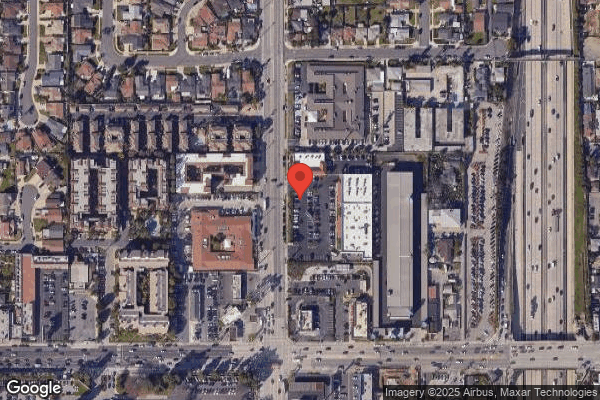
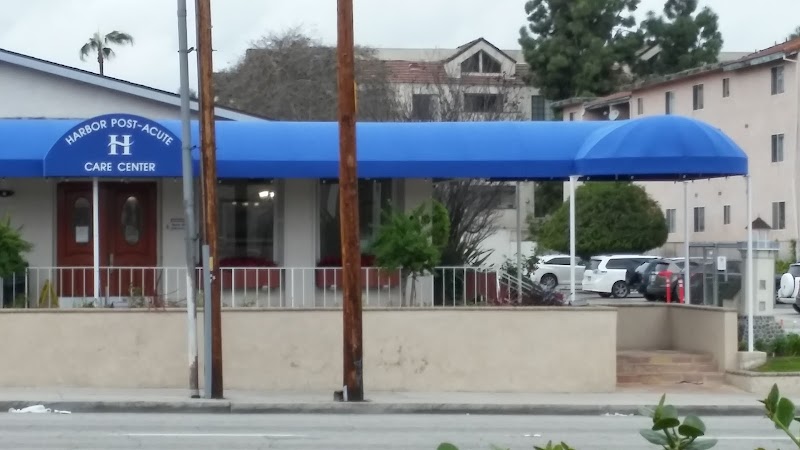
21521 S. VERMONT AVENUE, TORRANCE, CA 90502 (310) 320-0961
For profit - Corporation 127 Beds CHARIS TRUST DTD 12/22/16 Data: November 2025
Trust Grade
63/100
#591 of 1155 in CA
Last Inspection: August 2025

Inspected within the last 6 months. Data reflects current conditions.

Overview

Harbor Post Acute Care Center has a Trust Grade of C+, which means it is slightly above average in terms of care quality and services. It ranks #591 out of 1,155 facilities in California, placing it in the bottom half, and #108 out of 369 in Los Angeles County, indicating that there are better options available locally. The facility shows an improving trend in its performance, with issues decreasing from 19 in 2024 to 17 in 2025, though it still reported 54 concerns, all classified as having potential harm. Staffing is a strength, with a rating of 4 out of 5 stars and a turnover rate of 25%, significantly lower than the state average, suggesting that staff are experienced and familiar with residents. There have been no fines, which is positive, but specific incidents raised concerns about food storage practices and infection control, including the lack of proper labeling for food items and failure to follow hygiene protocols during food preparation. Overall, while there are strengths in staffing and a positive trend, families should be aware of the facility's ongoing issues related to safety and sanitation.

Trust Score
C+
63/100
In California
#591/1155
Bottom 49%
Safety Record
Low Risk
No red flags
Inspections
Getting Better
19 → 17 violations
Staff Stability
✓ Good
25% annual turnover. Excellent stability, 23 points below California's 48% average. Staff who stay learn residents' needs.
Penalties
✓ Good
No fines on record. Clean compliance history, better than most California facilities.
Skilled Nurses
⚠ Watch
Each resident gets only 29 minutes of Registered Nurse (RN) attention daily — below average for California. Fewer RN minutes means fewer trained eyes watching for problems.
Violations
⚠ Watch
54 deficiencies on record. Higher than average. Multiple issues found across inspections.
★★★☆☆
3.0
Overall Rating
★★★★☆
4.0
Staff Levels
★★★★★
5.0
Care Quality
★★☆☆☆
2.0
Inspection Score
Stable
2024: 19 issues
2025: 17 issues

The Good

  • 4-Star Staffing Rating · Above-average nurse staffing levels
  • 5-Star Quality Measures · Strong clinical quality outcomes
  • Low Staff Turnover (25%) · Staff stability means consistent care
  • Full Sprinkler Coverage · Fire safety systems throughout facility
  • No fines on record
  • Staff turnover is low (25%)

    23 points below California average of 48%

Facility shows strength in staffing levels, quality measures, staff retention, fire safety.

The Bad

3-Star Overall Rating

Near California average (3.1)

Meets federal standards, typical of most facilities

Chain: CHARIS TRUST DTD 12/22/16

Part of a multi-facility chain

Ask about local staffing decisions and management

The Ugly 54 deficiencies on record

Aug 2025 13 deficiencies
CONCERN (D)

Potential for Harm - no one hurt, but risky conditions existed

Deficiency F0582 (Tag F0582)

Could have caused harm · This affected 1 resident

**NOTE- TERMS IN BRACKETS HAVE BEEN EDITED TO PROTECT CONFIDENTIALITY** Based on interview and record review, the facility failed to: 1. Ensure beneficiary notices were accurately completed for two of...

Read full inspector narrative →
**NOTE- TERMS IN BRACKETS HAVE BEEN EDITED TO PROTECT CONFIDENTIALITY** Based on interview and record review, the facility failed to: 1. Ensure beneficiary notices were accurately completed for two of 3 sampled residents (Resident 18 and Resident 30).This deficient practice had the potential to result in residents and/or their responsible parties not being notified of the cost of services per day after benefits expired.Findings:a. During a review of Resident 18's face sheet (front page of the chart that contains a summary of basic information about the resident), the face sheet indicated Resident 18 was admitted to the facility on [DATE] with diagnoses which included Alzheimer's disease (a disease characterized by a progressive decline in mental abilities), type 2 diabetes (a disorder characterized by difficulty in blood sugar control and poor wound healing), dysphagia (difficulty swallowing) and osteoarthritis (a common joint disease that involves the breakdown of cartilage and underlying bone in joints). During a review of Resident 18's Minimum Data Set (MDS- a federally mandated resident assessment tool), dated [DATE], the MDS indicated Resident 18's cognitive skills were moderately impaired. The MDS also indicated Resident 18 required maximal assistance with activities of daily living (ADLs-routine tasks/activities such as bathing, dressing and toileting a person performs daily to care for themselves). During a review of Resident 18's Skilled Nursing Facility Advance Beneficiary Notice of Non-coverage (SNF ABN) form, dated [DATE], the SNF ABN form indicated Resident 18's last day for Medicare Part A Skilled Services coverage was [DATE]. Resident 18's SNF ABN indicated as of [DATE], Resident 18 would have to pay out of pocket for continuation of care services provided by the facility. The SNF ABN form did not indicate which services Resident 18 received nor indicate the cost of services per day if Resident 18 was to pay out of pocket. b. During a review of Resident 30's face sheet (front page of the chart that contains a summary of basic information about the resident), the face sheet indicated Resident 30 was originally admitted to the facility on [DATE] and readmitted on [DATE] with diagnoses which included anemia (a condition where the body does not have enough healthy red blood cells), type 2 diabetes, end stage renal disease (irreversible kidney failure) and congestive heart failure (CHF-a heart disorder which causes the heart to not pump the blood efficiently, sometimes resulting in leg swelling). During a review of Resident 30's MDS, dated [DATE], the MDS indicated Resident 30's cognitive (thinking) skills were intact. The MDS also indicated Resident 30 required partial assistance with ADLs. During a review of Resident 30's Skilled Nursing Facility Advance Beneficiary Notice of Non-coverage (SNF ABN) form, dated [DATE], the SNF ABN form indicated Resident 30's last day for Medicare Part A Skilled Services coverage was [DATE]. Resident 30's SNF ABN indicated as of [DATE], Resident 30 would have to pay out of pocket for continuation of care services provided by the facility. The SNF ABN form did not indicate which services Resident 30 received nor indicate the cost of services per day if Resident 30 was to pay out of pocket. During a concurrent interview and record review, on [DATE], at 1:50 p.m., with the admission Coordinator (AC), the AC stated the purpose of the SNF ABN form was to inform residents of the specific care services received and the cost that would need to be paid out of pocket once a resident's Medicare A insurance expired. The AC stated Resident 18 and Resident 30's SNF ABN was incomplete. The AC stated the SNF ABN form was incomplete for Resident 18 and Resident 30 as no specific care areas were checked for each resident and the cost per day was not listed. The AC stated the risk of not completing a SNF ABN form could result in residents being unaware of the termination of their services, benefits and costs of services per day. During a review of the facility's policy and procedures (P&P), titled Beneficiary Notice of Non-Coverage, undated, the P&P indicated, It (SNF ABN) allows the resident (beneficiaries) to make informed decisions about whether to receive the service and potentially pay out-of-pocket, or to decline the service.
CONCERN (D)

Potential for Harm - no one hurt, but risky conditions existed

Assessment Accuracy (Tag F0641)

Could have caused harm · This affected 1 resident

**NOTE- TERMS IN BRACKETS HAVE BEEN EDITED TO PROTECT CONFIDENTIALITY** Based on interview and record review, the facility failed to ensure an accurate Minimum Date Set ([MDS] - a resident assessment ...

Read full inspector narrative →
**NOTE- TERMS IN BRACKETS HAVE BEEN EDITED TO PROTECT CONFIDENTIALITY** Based on interview and record review, the facility failed to ensure an accurate Minimum Date Set ([MDS] - a resident assessment tool) was completed accurately for two of 24 sampled residents (Residents 7 and 22) by failing to: 1. Ensure Resident 7's Neurontin (a medication used primarily used as anticonvulsant and for treatment of certain types of nerve pain) were encoded as anti-convulsant in the MDS assessment under Section N (N0415(k) High-Risk Drug Classes) medication. 2. Ensure Resident 22 had accurate documentation in the MDS assessment to reflect the use of Depakote ([anti-convulsant]- medication that controls abnormal electrical activity in the brain). This deficient practice resulted in incorrect data being transmitted to the Center for Medicare and Medicaid Services (CMS) and had the potential to negatively affect the plan of care and delivery of care and services for Residents 7 and 22).Findings: 1.During a review of Resident 22’s admission Record, the admission Record indicated Resident 22 was admitted to the facility on [DATE], with a readmission on [DATE]. Resident 22’s diagnoses included dementia (a progressive state of decline in mental abilities), seizure (a sudden, uncontrolled electrical disturbance in the brain which can cause uncontrolled jerking, blank stares, and loss of consciousness), and mood disorder. During a review of Resident 22’s History and Physical (H&P), dated 6/19/2025, the H&P indicated Resident 22 did not have the capacity to understand and make decisions. During a review of Resident 22’s Minimum Data Set (MDS – a resident assessment tool), dated 7/24/2025, the MDS indicated Resident 22 had a moderate cognitive (ability to reason and understand) impairment. The MDS indicated Resident 22 was not taking an anti-convulsant. Resident 22 needed maximal assistance (helper does less than half the effort) with bathing, touching assistance with upper body dressing, and moderate assistance with lower body dressing. During a review of Resident 22’s Order Summary, dated 8/1/2025, the summary indicated on 6/18/2025 the physician entered an order for Depakote to be given once a day. During a concurrent interview and record review on 8/14/2025 at 12:51 p.m. with the Minimum Data Set Nurse (MDSN), Resident 22’s MDS was reviewed. The MDS indicated Resident 22 was not taking an anti-convulsant. The MDSN stated the MDS should reflect the residents’ status as of the date it was submitted. Resident 22 initially started taking Depakote on 6/19/2025 and the MDS was completed on 7/24/2025. The MDSN stated Depakote should be coded on the MDS as an anti-convulsant. The MDS submitted on 7/24/2025 was erroneous. During a review of the facility’s policy and procedure (P&P), titled “Certifying Accuracy of Resident Assessment, no date, the P&P indicated any person completing a portion of the MDS must sign and certify accuracy of the portion of the assessment. 2.During a review of Resident 7’s admission Record (front page of the chart that contains a summary of basic information about the resident), the admission Record indicated, Resident 7 was admitted to the facility on [DATE]. Resident 7’s diagnoses included difficulty in walking, neuropathy (disease or dysfunction of one or more nerves, typically causing numbness or weakness in the hands and feet), and paraplegia (loss of movement and/or sensation, to some degree, of the legs). During a review of Resident 7’s History and Physical (H&P), dated 5/25/2025, the H&P indicated, Resident 7 had fluctuating capacity to understand and make decisions. During a review of Resident 7’s Minimum Data Set ([MDS] – a resident assessment tool), dated 5/29/2025, the MDS indicated, Resident 7 had the ability to make self-understood and understand others. The MDS indicated, Resident 7’s cognitive (ability to think and reason) skills for daily decision making was intact. The MDS indicated, Resident 7 required supervision (helper provides verbal cues and/or touching/steadying and/or contact guard assistance as resident completes the activity) from staff with eating and oral hygiene. During a review of Resident 7’s Order Summary Report (a document containing active orders) dated 8/1/2025, the Order Summary Report indicated, the physician placed a telephone order on 5/22/2025 for Resident 7 to start on Neurontin (a medication used primarily used as anticonvulsant and for treatment of certain types of nerve pain) 300 milligrams ([mg] – metric unit of measurement, used for medication dosage and/or amount) to give one capsule every three times a day (9 a.m., 1 p.m., and 5 p.m.) for neuropathy. During a concurrent interview and record review on 8/13/2025 at 1:15 p.m., with the Minimum Data Set Nurse (MDSN), Resident 7’s MDS assessment, dated 5/29/2025, was reviewed. The MDSN stated Resident 7’s MDS was completed inaccurately. The MDSN stated Resident 7’s MDS, Section N (N0415(k) High-Risk Drug Classes) should have a checked mark since Resident 7 is on Neurontin which is classified as anticonvulsant medication. The MDSN stated Resident 7 started the Neurontin on 5/22/2025. The MDSN stated Resident 7 received Neurontin on 5/23/2025, 5/24/2025, 5/25/2025, 5/26/2025, 5/27/2025, and 5/28/2025. The MDSN stated the MDS section N (Medications) look back period (the specific time frame within which certain resident conditions and events are assessed) was 7 days before the completion date. The MDSN stated Resident 7’s use of Neurontin as anticonvulsant medication should have been captured and encoded within that assessment period which is 5/29/2025. The MDSN stated the coding of medications in the MDS section N should be based on the drug classification. The MDSN stated it is important to code accurately the MDS section N because it would reflect the correct drug regimen of the resident. The MDSN stated inaccuracy of MDS assessment could affect the care planning of the resident. During a review of the facility’s undated policy and procedure, titled “Certifying Accuracy of Resident Assessment,” the P&P indicated, “Any person completing the portion of the Minimum Data Set/MDS (Resident Assessment Instrument) must sign the accuracy of that portion of the assessment”.
CONCERN (D)

Potential for Harm - no one hurt, but risky conditions existed

Comprehensive Care Plan (Tag F0656)

Could have caused harm · This affected 1 resident

**NOTE- TERMS IN BRACKETS HAVE BEEN EDITED TO PROTECT CONFIDENTIALITY** Based on observation, interview and record review, the facility failed to:1. Ensure care plan intervention was implemented to mo...

Read full inspector narrative →
**NOTE- TERMS IN BRACKETS HAVE BEEN EDITED TO PROTECT CONFIDENTIALITY** Based on observation, interview and record review, the facility failed to:1. Ensure care plan intervention was implemented to monitor signs and symptoms of urinary tract infection ([UTI] - an infection in the bladder/urinary tract) for one of four sampled residents (Resident 75) who had a foley catheter (a hollow tube inserted into the bladder to drain or collect urine). This deficient practice placed Resident 75 at risk for unidentified UTI that would lead potentially to life-threatening condition. Findings:During a review of Resident 75's admission Record (front page of the chart that contains basic information of the resident), the admission Record indicated, Resident 75 was initially admitted to the facility on [DATE] and readmitted on [DATE]. Resident 75's diagnoses included obstructive uropathy (a blockage in the urinary tract that prevents normal urine flow), malignant neoplasm of bladder (type of cancer that develops in the bladder, the organ that stores urine), and generalized muscle weakness. During a review of Resident 75's Minimum Data Set ([MDS] - a resident assessment tool), dated 5/21/2025, the MDS indicated, Resident 75 sometimes had the ability to make self-understood and understand others. The MDS indicated, Resident 75's cognitive (ability to think and reason) skills for daily decision making were severely impaired (never/rarely made decisions). The MDS indicated, Resident 75 required moderate assistance (helper does less than half the effort) from staff with oral hygiene, toileting hygiene, and upper body dressing. The MDS indicated, Resident 75 had indwelling (inside your body) catheter. During a review of Resident 75's care plan, titled Needs indwelling catheter due to obstructive uropathy, dated 8/19/2024, indicated goal for resident not to develop UTI, until next review in three months. The care plan intervention included to monitor for sign and symptoms of UTI such as chills, fever, note sediments build-up, blood clot, bladder distention, and scanty concentrated foul urine output. During a concurrent observation and interview on 8/13/2025 at 2:26 p.m., with Treatment Nurse 1 (TN 1), in Resident 75's room, TN 1 stated Resident 75 had yellow/white sediments (solid particles which can include crystals and bacteria) in his urine present in the foley catheter tubing. TN 1 stated presence of sediments in the urine is one of the signs and symptoms of UTI. TN 1 stated Resident 75 is at risk for UTI because he has an indwelling foley catheter. TN 1 stated there is no documentation on Resident 75's Treatment Administration Record ([TAR] - a daily documentation record used by a licensed nurse to document treatments given to a resident) indicating he was monitored for signs and symptoms of UTI. During a concurrent interview and record review on 8/13/2025 at 2:52 p.m., with the Director of Nursing (DON), Resident 75's clinical records were reviewed. The DON stated there were no clinical nursing documentation by licensed nursing staff that Resident 75 was monitored for signs and symptoms of UTI. The DON stated it is very important to follow and implement the care plan intervention so resident's UTI could be treated early. The DON stated severe UTI could lead to sepsis (a life-threatening blood infection) that would likely require hospitalization. During a review of the facility's undated policy and procedure (P&P), titled Comprehensive Person-Centered Care Plans, the P&P, indicated A comprehensive, person-centered care plan that includes measurable objectives and timetables to meet the resident's physical, psychosocial and functional needs is developed and implemented for each resident.
CONCERN (D)

Potential for Harm - no one hurt, but risky conditions existed

Deficiency F0658 (Tag F0658)

Could have caused harm · This affected 1 resident

**NOTE- TERMS IN BRACKETS HAVE BEEN EDITED TO PROTECT CONFIDENTIALITY** Based on observation, interview, and record review, the facility failed to:1. Ensure medications were not left at the bedside fo...

Read full inspector narrative →
**NOTE- TERMS IN BRACKETS HAVE BEEN EDITED TO PROTECT CONFIDENTIALITY** Based on observation, interview, and record review, the facility failed to:1. Ensure medications were not left at the bedside for one of 24 sampled residents (Resident 1). This deficient practice had the potential to result in Resident 1's not taking his prescribed medications that would lead to medical complications. Findings:During a review of Resident 1's admission Record (front page of the chart that contains basic information of the resident), the admission Record indicated, Resident 1 was initially admitted to the facility on [DATE] and readmitted on [DATE]. Resident 1's diagnoses included End Stage Renal Disease ([ESRD] - irreversible kidney failure), hemodialysis ([HD] - a treatment to cleanse the blood of wastes and extra fluids artificially through machine when the kidney(s) have failed), and dementia (a progressive state od decline in mental abilities). During a review of review of Resident 1's History and Physical (H&P), dated 5/28/2025, the H&P indicated, Resident 1 had fluctuating capacity to understand and make decisions. During a review of Resident 1's Minimum Data Set ([MDS] - a resident assessment tool), dated 5/6/2025, the MDS indicated, Resident 1 had the ability to make self-understood and understand others. The MDS indicated, Resident 1 required moderate assistance (helper does less than half the effort) from staff with oral hygiene, upper body dressing, and personal hygiene. During an observation on 8/12/2025 at 11:08 a.m., in Resident 1's room, found 4 medications placed in a cup at bedside table. Resident 1 stated the nurse left those medications when she came and administered his morning medications at around 9:00 a.m. During an interview on 8/12/2025 at 11:18 a.m., with Licensed Vocational Nurse 1 (LVN 1), LVN 1 stated she complied with Resident 1's request to leave the medications at bedside. LVN 1 stated the standard of practice is to stay with the resident until he took all his medications. LVN 1 stated the risk of leaving medications at bedside could result in the resident not taking the medication. During an interview on 8/13/2025 at 10:10 a.m., with Registered Nurse 1 (RN 1), RN 1 stated no medications should be left at resident's bedside unattended. RN 1 stated it is important to administer all the prescribed medications to the resident. RN 1 stated the health and safety of Resident 1 would be jeopardized (at risk of harm) if he missed any of his medications. During an interview on 8/14/2025 at 1:40 p.m., with the Director of Nursing (DON), the DON stated Resident 1 is not safe to administer his own medications and the licensed nursing staff should watch the resident taking his medications. The DON stated the physician prescribed medications to residents to treat their existing condition and to prevent any complications. The DON stated there would be an adverse effect (undesirable or harmful outcome) on Resident 1's health condition if he would miss his prescribed medications. During a review of the facility's undated policy and procedure (P&P), titled Standards of Practice, the P&P, indicated Standards ensure nurses provide safe and effective care, minimizing risks and promoting positive patient outcomes. During a review of the facility's P&P, titled Quality of Care,, the P&P indicated, Quality of care is governed by regulations focused on resident well-being and safety.
CONCERN (D)

Potential for Harm - no one hurt, but risky conditions existed

Deficiency F0679 (Tag F0679)

Could have caused harm · This affected 1 resident

**NOTE- TERMS IN BRACKETS HAVE BEEN EDITED TO PROTECT CONFIDENTIALITY** Based on observation, interview and record review, the facility failed to provide one of one resident (Resident103) with residen...

Read full inspector narrative →
**NOTE- TERMS IN BRACKETS HAVE BEEN EDITED TO PROTECT CONFIDENTIALITY** Based on observation, interview and record review, the facility failed to provide one of one resident (Resident103) with resident-centered activities consistent with the resident's care plan. This deficient practice had the potential to result in Resident 103 expressing feelings of sadness and isolation. Findings:During a review of Resident 103's admission Record, the admission Record indicated the facility admitted the resident on 12/17/2024, and was re-admitted on [DATE] with diagnoses including of cerebral infarction (brain tissue dies due to lack of blood supply), cardiac arrest (loss of heart function, breathing and consciousness), anoxic brain damage (brain deprived of oxygen) aphasia (difficulty speaking) and scoliosis (curvature of the spine).During a review of Resident 103's History and Physical (H&P), dated 6/23/2025, the H&P indicated Resident 103 had the capacity to understand and make decisions.During a review of Resident 103's Activities Care Plan dated 8/04/2025, Resident 103 liked watching TV, joining small groups, listening to music, and exercising. The care plan interventions were for staff to provide 1:1 (one to one ) socialization, providing iPad for music, listening pleasure and sensory stimulation for sound, touch and smell. During a concurrent observation and interview on 8/13/2025 at 10:15 a.m. with Resident 103, Resident 103 was unable to verbalize responses but was able to acknowledge questions via head gestures.During an observation and interview on 8/14/2025 at 2:30 p.m. with the Activity Director (AD), in Resident 103's room, the AD stated Resident 103 watches television (TV), listens to music inside the room via iPad and exercises in room or the Activity Room. There was one TV in Resident 103's room positioned across from Resident 103 facing the roommate. Resident 103 was observed laying on bed staring straight up. The AD stated Resident 103 was not watching TV and would have feelings of sadness if he was unable to watch TV. During an interview on 8/13/2025 at 2:30 p.m. with the Director of Staff Development (DSD), the DSD stated residents are offered resources and activities to be engaged by the Activity Director. The DSD stated nursing staff can assist and engage with residents, but the responsibility with activities was the Activity Director.
CONCERN (D)

Potential for Harm - no one hurt, but risky conditions existed

Pressure Ulcer Prevention (Tag F0686)

Could have caused harm · This affected 1 resident

**NOTE- TERMS IN BRACKETS HAVE BEEN EDITED TO PROTECT CONFIDENTIALITY** Based on observation, interview, and record review, the facility failed to ensure one of one sampled resident (Resident 10) had ...

Read full inspector narrative →
**NOTE- TERMS IN BRACKETS HAVE BEEN EDITED TO PROTECT CONFIDENTIALITY** Based on observation, interview, and record review, the facility failed to ensure one of one sampled resident (Resident 10) had a low air loss mattress on the appropriate setting.This deficient practice had the potential for Resident 10 to develop a pressure ulcer (localized damage to the skin and/or underlying tissue usually over a bony prominence).Findings:During a review of Resident 10's Face Sheet (front page of the chart that contains a summary of basic information about the resident), the Face Sheet indicated Resident 10 was admitted on [DATE] with diagnoses that included malignant neoplasm of the bladder (bladder cancer), absence of right upper limb below elbow, osteoarthritis (a progressive disorder of the joints, caused by a gradual loss of cartilage), and intervertebral disc degeneration (a condition where the spinal discs, which act as cushions between vertebrae, break down and lose their ability to absorb shock effectively).During a review of Resident 10's History and Physical (H&P), dated 4/10/2025, the H&P indicated Resident 10 did not have the ability to understand and make decisions.During a review of Resident 10's Care Plan, dated 4/14/2025, the Care Plan Report indicated Resident 10 had the potential for skin breakdown and interventions included the use of pressure-redistribution mattress.During a review of Resident 10's Minimum Data Set (MDS - a resident assessment tool), dated 5/27/2025, the MDS indicated Resident 10 used a pressure reducing device in bed and required moderate assistance in mobility. The MDS also indicated Resident 10 was usually able to make himself understood and usually able to understand others and had moderately impaired cognition (ability to reason, understand, remember, judge, and learn).During a review of Resident 10's Order Summary Report dated 8/15/2025, the Order Summary Report indicated Resident 10 had an order to apply a pressure foam mattress every day in bed.During a concurrent observation and interview on 8/12/2025 at 12:15 p.m., Resident 10 was observed to be lying on a low air loss mattress (LALM). Resident 10 stated he did not know what the LALM was for. The low air loss mattress dial was set at 320 pound (lb.- unit of weight) and was switched on to the static mode. Resident 10 pointed to a bony area by his elbow and showed his knee and leg and pointed out the bony parts of his body and said he did not have any skin issues, and the bony area is because he had cancer.During a concurrent observation and interview on 8/12/2025 at 3:58 p.m. with Treatment Nurse (TN) 1, TN 1 stated there are various reasons why a resident needs to have a LALM but usually it is because they are at risk of developing a pressure ulcer or already have one. TN 1 looked at LALM setting for Resident 10 and stated it was set at 320 lbs. but that was incorrect because it should be set between 100- 120 lbs. which would be more reflective of Resident 10's weight. TN 1 further stated the LALM is currently set to static mode and not alternating but was unsure which setting he should have been on. TN 1 stated it was important for the settings to be set correctly to reduce pressure ulcers.During an interview on 8/15/2025 at 12:14 p.m. with the Director of Staff Development (DSD), the DSD stated the LALM should be set according to the residents' correct weight to prevent pressure injuries. If it is set at the incorrect weight, it would not be providing the appropriate pressure relief.During a video review of the instructional video by the manufacturing company, Medline, titled A10 and A20 Low Air Loss Mattress System- Instruction for use, dated 6/26/2023, at https://vimeo.com/848769965, the instructional video indicated when preparing the mattress for a resident, turn the dial to the correct weight of the resident. The pump should be in static mode when placing the resident on the mattress. Once placed on mattress, switch from static mode to alternating mode to enable alternating pressure therapy.During a review of the facility's policy and procedure (P&P), titled Support Surface Guidelines, undated, the P&P indicated any individual at risk for developing pressure ulcers should be placed on a redistribution support surface and support surfaces are modifiable and individual resident needs differ.
CONCERN (D)

Potential for Harm - no one hurt, but risky conditions existed

Respiratory Care (Tag F0695)

Could have caused harm · This affected 1 resident

**NOTE- TERMS IN BRACKETS HAVE BEEN EDITED TO PROTECT CONFIDENTIALITY** Based on observation, interview, and record review, the facility failed to: 1. Ensure one of two sampled residents (Resident 34)...

Read full inspector narrative →
**NOTE- TERMS IN BRACKETS HAVE BEEN EDITED TO PROTECT CONFIDENTIALITY** Based on observation, interview, and record review, the facility failed to: 1. Ensure one of two sampled residents (Resident 34) oxygen delivery equipment was labeled and changed in accordance with the current accepted professional standards of practice. 2. Ensure one of five sampled residents' (Resident 59) tubing for the nebulizer machine (medical device that converts liquid medication into a fine mist, allowing it to be inhaled directly into the lungs) was changed every seven days per facility protocol. These deficient practices had the potential for Resident 34 and Resident 59 to experience complications such as infection associated with oxygen therapy.Findings: 1. During a review of Resident 34’s Face Sheet (front page of the chart that contains a summary of basic information about the resident), the Face Sheet indicated Resident 34 was admitted on [DATE] with diagnoses that included end stage renal disease (End Stage Renal Disease-irreversible kidney failure), and anemia (a condition where the body does not have enough healthy red blood cells). During a review of Resident 34’s History and Physical (H&P), dated 6/23/2025, the H&P indicated Resident 34 had the capacity to understand and make decisions. During a review of Resident 34’s Minimum Data Set (MDS – a resident assessment tool), dated 6/24/2025, the MDS indicated Resident 34 had the ability to make themselves understood and had the ability to understand others. The MDS further indicated Resident 34 was cognitively intact (ability to reason, understand, remember, judge, and learn) and did not have limitations in range of motion of the upper and lower extremities (related to the arms and legs). During a review of Resident 34’s Care Plan Report dated 6/24/2025, the Care Plan Report indicated Resident 34 had an episode of being short of breath and interventions included to administer oxygen as prescribed. During a review of Resident 34’s Order Summary Report dated 8/15/2025, the Order Summary Report indicated Resident 34 had an order for oxygen via nasal cannula as needed for shortness of breath. During an observation on 8/12/2025 at 1:45 p.m. in Resident 34’s room, an oxygen concentrator (a machine that delivers supplemental oxygen to an individual) with a nasal cannula (a small plastic tube, which fits into the person’s nostrils for providing supplemental oxygen) with a humidifier (a medical device to add moisture to supplemental oxygen) attached were by Resident 34's bedside. The nasal cannula was dated 7/13/2025 and the humidifier did not have a date on it. During an interview on 8/14/2025 at 8:52 a.m. with Resident 34, Resident 34 stated the oxygen machine next to him has been there for several weeks now and did not use it in the past two weeks. During a concurrent observation and interview on 8/15/2025 at 9:09 a.m. with Registered Nurse (RN) 1, Resident 34’s nasal cannula and humidifier was observed at the bedside. RN 1 stated the date on the nasal cannula was dated 7/13/2025 and the humidifier did not have a date on it. RN 1 stated the nasal cannula and humidifier need to be labeled with a date on it and should be changed out at least once a week and if not, it could potentially cause an infection 2. During a review of Resident 59’s admission Record, the admission Record indicated Resident 59 was admitted to the facility on [DATE], with a readmission on [DATE]. Resident 29’s diagnoses included chronic obstructive pulmonary disease (COPD-a chronic lung disease causing difficulty in breathing) and congestive heart failure (CHF-a heart disorder which causes the heart to not pump the blood efficiently, sometimes resulting in leg swelling). During a review of Resident 59’s History and Physical (H&P), dated 10/22/2024, the H&P indicated Resident 59 did not have a cognitive (ability to reason and understand) impairment. During a review of Resident 59’s Minimum Data Set (MDS – a resident assessment tool), dated 7/15/2025, the MDS indicated Resident 59 is usually able to make herself understood and can usually understand others. Resident 59 was dependent (helper does all the effort) on staff for bathing and dressing the lower body. Resident 59 needed maximal assistance (helper does more than half the effort) with dressing the upper body. During a review of Resident 59’s Order Summary, dated 8/15/2025, the summary indicated on 10/15/2024 the physician entered an order for Budesonide Inhalation Suspension (mediation inhaled into the lungs through a nebulizer to reduce inflammation) to be inhaled two times a day. During a review of Resident 59’s care plan, dated 7/25/2023, the care plan indicated Resident 59 was at risk for infection. The care plan goal indicated the facility would minimize the risks of acquiring a viral infection through infection control precautions During a review of Resident 59’s medication administration records (MAR - a daily documentation record used by a licensed nurse to document medications and treatments given to a resident), dated August 2025, the MAR indicated Resident 59 was given Budesonide Inhalation Suspension at 9:00 a.m. and 5:00 p.m. August 1st- August 12th. During a concurrent observation and interview on 8/14/2025 at 2:25 p.m. with Licensed Vocational Nurse (LVN) 2 at the bedside of Resident 59, Resident 59’s nebulizer tubing was observed with a date of 8/3/2025. The tubing was still plugged into the nebulizer machine. The mask attached to the tubing was dated 8/10/2025. LVN2 stated the nebulizer tubing should be changed every Sunday. The tubing should have been changed on 8/10/2025. The tubing should be changed every 7 days to prevent infection. During a review of the facility’s policy and procedure (P&P), titled “Administering Medications through a Small Volume (Handheld) Nebulizer”, no date, the P&P indicated staff will change equipment and tubing every seven days. The equipment will be stored in a plastic bag with the resident’s name and date on it.
CONCERN (D)

Potential for Harm - no one hurt, but risky conditions existed

Deficiency F0697 (Tag F0697)

Could have caused harm · This affected 1 resident

**NOTE- TERMS IN BRACKETS HAVE BEEN EDITED TO PROTECT CONFIDENTIALITY** Based on interview and record review, the facility failed to provide an effective pain management on one of one sampled resident...

Read full inspector narrative →
**NOTE- TERMS IN BRACKETS HAVE BEEN EDITED TO PROTECT CONFIDENTIALITY** Based on interview and record review, the facility failed to provide an effective pain management on one of one sampled resident (Resident 14) by failing to:1. Ensure Resident 14's pain level was assessed after administering pain medication. This deficient practice placed Resident 14 at risk for inadequate pain relief and delay of care. Findings: During a review of Resident 14's admission Record (front page of the chart that contains basic information of the resident), the admission Record indicated, Resident 14 was initially admitted to the facility on [DATE] and readmitted on [DATE]. Resident 14's diagnoses included chronic (something that continues over an extended period of time) back pain, generalized osteoarthritis (a progressive disorder of the joints, caused by a gradual loss of cartilage), and generalized muscle weakness. During a review of Resident 14's History and Physical (H&P), dated 7/3/2025, the H&P indicated, Resident 14 had the capacity to understand and make decisions. During a review of Resident 14's Minimum Data Set ([MDS] - a resident assessment tool), dated 7/7/2025, the MDS indicated, Resident 14 had the ability to make self-understood and understand others. The MDS indicated, Resident 14 was independent (decisions consistent/reasonable) in cognitive (ability to think and reason) skills for daily decision making. The MDS indicated, Resident 14 was totally dependent (helper does all of the effort) from staff with toileting hygiene, upper and lower body dressing. During a review of Resident 14's Order Summary Report (a document containing active orders) dated 8/14/2025, the Order Summary Report indicated, the physician placed a telephone order on 7/15/2025 for Resident 14 to start on Tramadol (controlled pain medication) 50 milligrams ([mg] - metric unit of measurement, used for medication dosage and/or amount) to give one tablet every 12 hours as needed for moderate pain (4-6/10) to severe pain (7-10). During a review of Resident 14's care plan, titled At risk for pain and episode of pain, due to chronic back pain, osteoarthritis, and history of spinal injury, dated 7/3/2025, indicated goals for resident to be comfortable, pain free daily, and pain will be relieved within one hour upon onset, until next review in three months. The care plan interventions included to administer medication as ordered and monitor effectiveness. During a review of Resident 14's Medication Administration Record ([MAR] - a daily documentation record used by a licensed nurse to document medications given to a resident), dated 8/14/2025 at 10:10 a.m. indicated, Resident 14 was given tramadol 50mg one tablet for severe pain (7/10). During an interview on 8/14/2025 at 11:40 a.m. with Resident 14, Resident 14 stated he still has back pain despite receiving tramadol two hours ago. Resident 14 stated his current pain scale is 6/10 (moderate pain), described pain as aching and constant. Resident 14 stated the nurse did not come back to check on him after giving pain medication. During an interview on 8/14/2025 at 12:34 p.m., with Registered Nurse 2 (RN 2), RN 2 stated she administered tramadol 50 mg one tablet to Resident 14 today at 10:10 a.m. RN 2 stated she did not reassess Resident 14's pain level after administering pain medication. RN 2 stated she should have reassessed Resident 14's pain level at least 30 minutes to an hour after administering the tramadol to ensure that the medication was appropriate and effective to the resident and to make necessary adjustment on his pain management plan. RN 2 stated there would be an effect of Resident 14's physical function if his pain is not properly controlled. During an interview on 8/14/2025 at 2:05 p.m., with the Director of Nursing (DON), the DON stated it is very important to assess resident's pain level before and after administration of pain medication to assess the effectiveness of the medication and to observe side-effects (an effect of a drug or other type of treatment that is in addition to or beyond its desired effect). The DON stated ineffective pain management would result to suffering to the resident that would affect his quality of life. During a review of the facility's undated policy and procedure (P&P), titled Pain Assessment and Management, the P&P, indicated The pain management interventions shall be consistent with the resident's goals for treatment, and such goals will be specifically defined and documented.
CONCERN (D)

Potential for Harm - no one hurt, but risky conditions existed

Deficiency F0698 (Tag F0698)

Could have caused harm · This affected 1 resident

**NOTE- TERMS IN BRACKETS HAVE BEEN EDITED TO PROTECT CONFIDENTIALITY** Based on interview and record review, the facility failed to ensure a resident who received hemodialysis ([HD] - a treatment to ...

Read full inspector narrative →
**NOTE- TERMS IN BRACKETS HAVE BEEN EDITED TO PROTECT CONFIDENTIALITY** Based on interview and record review, the facility failed to ensure a resident who received hemodialysis ([HD] - a treatment to cleanse the blood of wastes and extra fluids artificially through a machine when the kidney(s) have failed) treatment received care in accordance with standards of practice for one of five sampled residents (Resident 1) by failing to:1. Communicate to dialysis center staff regarding Resident 1's change of condition. This deficient practice had the potential to result in a delay or lack of coordination of dialysis care and services to Resident 1. Findings:During a review of Resident 1's admission Record (front page of the chart that contains basic information of the resident), the admission Record indicated, Resident 1 was initially admitted to the facility on [DATE] and readmitted on [DATE]. Resident 1's diagnoses included End Stage Renal Disease ([ESRD] - irreversible kidney failure), hemodialysis ([HD] - a treatment to cleanse the blood of wastes and extra fluids artificially through machine when the kidney(s) have failed), and dementia (a progressive state od decline in mental abilities). During a review of review of Resident 1's History and Physical (H&P), dated 5/28/2025, the H&P indicated, Resident 1 had fluctuating capacity to understand and make decisions. During a review of Resident 1's Minimum Data Set ([MDS] - a resident assessment tool), dated 5/6/2025, the MDS indicated, Resident 1 had the ability to make self-understood and understand others. The MDS indicated, Resident 1 required moderate assistance (helper does less than half the effort) from staff with oral hygiene, upper body dressing, and personal hygiene. During a review of Resident 1's Order Summary Report (a document containing active orders) dated 8/1/2025, the Order Summary Report indicated, the physician placed a telephone order on 5/25/2025 for Resident 1 to have dialysis treatment 3x/week every Monday, Wednesday, and Friday. During a review of Resident 1's Change of Condition Evaluation (a communication tool used to communicate a resident's change of condition), dated 8/10/2025, the Change of Condition Evaluation indicated, Resident 1 had an episode of confusion. During a concurrent interview and record review on 8/14/2025 at 12:22 p.m., with Registered Nurse 2 (RN 2), Resident 1's Dialysis Communication Record, dated 8/11/2025 and 8/13/2025, were reviewed. RN 2 stated the licensed nursing staff did not communicate and did not document in the Dialysis Communication Record regarding Resident 1's change of condition for episode of confusion that occurred in the facility on 8/10/2025. RN 2 stated the Dialysis Communication Record is a tool among facility and dialysis staff to communicate resident's condition. RN 2 stated it is very important to communicate and collaborate Resident 1's plan of care and change of condition to dialysis staff so they could manage resident properly during dialysis treatment and to prevent delay of care. During an interview on 8/14/2025 at 1:48 p.m., with the Director of Nursing (DON), the DON stated any change of condition of resident that occurred in the past 24 hours should be communicated immediately to dialysis center staff so they could inform the nephrologist (medical doctor who specializes in the diagnosis, treatment, and management of kidney diseases and conditions) and ask for any treatment recommendation. The DON stated it is essential to maintain an open communication between facility and dialysis staff to meet the needs of the resident and for continuity of care. During a review of the facility's undated policy and procedure (P&P), titled Communication to Dialysis Center, the P&P, indicated Communication between facility and dialysis facilities is crucial for the well-being of residents receiving dialysis. The P&P also indicated a structured process for handoffs during patient transitions between facilities is crucial that includes a documented communication tool that captures essential information like vital signs, medications, any changes in the resident's condition.
CONCERN (D)

Potential for Harm - no one hurt, but risky conditions existed

Deficiency F0760 (Tag F0760)

Could have caused harm · This affected 1 resident

**NOTE- TERMS IN BRACKETS HAVE BEEN EDITED TO PROTECT CONFIDENTIALITY** Based on observation, interview, and record review, the facility failed to: 1. Ensure one of five sampled residents (Resident 3)...

Read full inspector narrative →
**NOTE- TERMS IN BRACKETS HAVE BEEN EDITED TO PROTECT CONFIDENTIALITY** Based on observation, interview, and record review, the facility failed to: 1. Ensure one of five sampled residents (Resident 3) received Furosemide ([diuretic]- medication used to remove excess fluid from the body) by the route ordered by the physician.This deficient practice had the potential for Resident 3 to have an adverse effect (bad outcome) after receiving the medication.During a review of Resident 3's admission Record, the admission Record indicated Resident 3 was admitted to the facility on [DATE], with a readmission on [DATE]. Resident 3's diagnoses included congestive heart failure (CHF-a heart disorder which causes the heart to not pump the blood efficiently, sometimes resulting in leg swelling) and obesity.During a review of Resident 3's History and Physical (H&P), dated 1/30/2024, the H&P indicated Resident 3 had the capacity to understand and make decisions. During a review of Resident 3's Minimum Data Set (MDS - a resident assessment tool), dated 7/22/2025, the MDS indicated Resident 3 had the ability to express ideas and understand others.During a review of Resident 3's Order Summary, dated 8/1/2025, the summary indicated on 7/21/2025 the physician entered an order for Furosemide Oral Solution 2 ml (unit of measure) by mouth one time a day.During a review of Resident 3's care plan, dated 1/27/2024, the care plan indicated Resident 3 had the potential for edema due to heart failure. The interventions indicated staff would administer diuretics as prescribed.During an observation on 8/14/2025 at 8:55 a.m. at the bedside of Resident 3, Registered Nurse (RN) 2 was observed administering Furosemide into Resident 3's feeding tube (a flexible plastic tube placed into your stomach or bowel to help you get nutrition when you're unable to eat). During a concurrent interview and record review on 8/14/2025 at 9:05 a.m. with RN2, Resident 3's physician orders were reviewed. The orders indicated Furosemide was ordered to be given by mouth. RN2 stated if a medication is ordered to be given by mouth, it should given by mouth. If you don't give a medication by the correct route the resident can have ill effects.During a review of the facility's policy and procedure (P&P), titled Administering Medications, no date, the P&P indicated medications are administered in accordance with the prescriber orders.
CONCERN (D)

Potential for Harm - no one hurt, but risky conditions existed

Laboratory Services (Tag F0770)

Could have caused harm · This affected 1 resident

**NOTE- TERMS IN BRACKETS HAVE BEEN EDITED TO PROTECT CONFIDENTIALITY** Based on interview and record review, the facility failed to: 1. Ensure one of five sampled residents (Resident 27) had a Hemogl...

Read full inspector narrative →
**NOTE- TERMS IN BRACKETS HAVE BEEN EDITED TO PROTECT CONFIDENTIALITY** Based on interview and record review, the facility failed to: 1. Ensure one of five sampled residents (Resident 27) had a Hemoglobin A1C ([HgA1C] - a blood test that measures the average blood sugar level over the past two to three months) completed every three months per physician's order.This deficient practice resulted in inadequate monitoring of Resident 27's diabetes ([DM]- a disorder characterized by difficulty in blood sugar control and poor wound healing).During a review of Resident 27's admission Record, the admission Record indicated Resident 27 was admitted to the facility on [DATE], with a readmission on [DATE]. Resident 27's diagnoses included Diabetes Mellitus (DM-a disorder characterized by difficulty in blood sugar control and poor wound healing).During a review of Resident 27's Minimum Data Set (MDS - a resident assessment tool), dated 7/25/2025, the MDS indicated Resident 27 was able to express ideas/wants and able to understand others. The MDS indicated Resident 27 was dependent (helper does all the effort) on staff for dressing and bathing.During a review of Resident 27's Order Summary, dated 8/1/2025, the summary indicated on 2/27/2024 the physician entered an order for a HgA1C to be completed every three months.During a review of Resident 27's care plan, dated 11/03/2018, the care plan indicated Resident 27 had a potential for hypoglycemia or hyperglycemia due to diabetes mellitus. The interventions indicated staff would monitor ordered labs and report abnormal results.During a concurrent interview and record review on 8/14/2025 at 2:40 p.m. with Licensed Vocational Nurse (LVN) 3, Resident 27's lab results were reviewed. The results indicated the HgA1C was completed on 8/16/2024 and 3/25/2025. LVN3 stated the HgA1C was not completed as ordered. The HgA1C should have been completed on 6/25/2025. LVN3 stated the physician ordered the test to monitor the status of the resident's diabetes. Since the test was not completed as ordered you don't know the status of the resident's diabetes. The resident may need to have medications adjusted and you wouldn't know.During a review of the facility's policy and procedure (P&P), titled Request for Diagnostic Services, no date, the P&P indicated orders for diagnostic services will be promptly carried out as instructed by the physician's order.
CONCERN (F)

Potential for Harm - no one hurt, but risky conditions existed

Food Safety (Tag F0812)

Could have caused harm · This affected most or all residents

**NOTE- TERMS IN BRACKETS HAVE BEEN EDITED TO PROTECT CONFIDENTIALITY** Based on observation, interview and record review, the facility failed to ensure safe and sanitary food storage and food prepara...

Read full inspector narrative →
**NOTE- TERMS IN BRACKETS HAVE BEEN EDITED TO PROTECT CONFIDENTIALITY** Based on observation, interview and record review, the facility failed to ensure safe and sanitary food storage and food preparation practices in the kitchen when:1. 1 box of Boost (nutritional drink)supplement with 19 brick pack remaining were stored in the dry storage area with no date and label.2. 1 box of chocolate fat free ice cream with 26 cups remaining were stored in freezer #1 with no date and label.3. 1 box of [NAME] house honey wheat roll dough were stored in freezer #1 with no date and label.4. 1 box of liquid whole eggs pasteurized with 11 brick pack remaining were stored in refrigerator #1 with no date and label. These deficient practices had the potential to result in harmful bacteria growth and cross contamination (transfer of harmful bacteria from one place to another) that could lead to foodborne illness in 101 out of 106 residents who received food from the kitchen. Findings: 1. During a concurrent observation and interview on 8/12/2025 at 8:22 a.m., with Dietary Aide 1 (DA 1) in the dry storage area, there were 1 box of Boost supplement with 19 brick pack remaining with no date and label. DA 1 stated all food items in the dry storage area should have labeled with the delivery date, the date it was opened, and the best buy date. DA 1 stated the risk for giving expired food items to resident is food poisoning. 2. During a concurrent observation and interview on 8/12/2025 at 8:34 a.m., with the Dietary Service Supervisor (DSS), in the freezer #1, there were 1 box of chocolate fat free ice cream with 26 cups remaining with no open date. The DSS stated 1 box of chocolate fat free ice cream was delivered on 8/5/2025 but it was unknow when the box was opened since it was not labeled with an open date. The DSS stated it is important to label and date so we can keep track of the food items that need to be discarded. 3. During an observation on 8/12/2025 at 8:36 a.m. in the freezer #1, found 1 box of [NAME] house honey wheat roll dough with no label with an open date. 4. During an observation 8/12/2025 at 8:49 a.m., in the walk-in-refrigerator #1, found 1 box of liquid whole eggs pasteurized with 11 brick pack remaining with no label with an open date. During an interview on 8/12/2025 at 8:54 a.m., with the DSS, the DSS stated the acceptable standard of practice was to label and date all the food items in the kitchen. During a review of the facility's undated policy and procedure (P&P) titled, Labeling and Dating of Foods, the P&P indicated, Label with received by date upon receiving, once opened with an open date, and use by date.
CONCERN (F)

Potential for Harm - no one hurt, but risky conditions existed

Infection Control (Tag F0880)

Could have caused harm · This affected most or all residents

**NOTE- TERMS IN BRACKETS HAVE BEEN EDITED TO PROTECT CONFIDENTIALITY** Based on interview, and record review, the facility failed to:Ensure a comprehensive water management program was in place.Ensur...

Read full inspector narrative →
**NOTE- TERMS IN BRACKETS HAVE BEEN EDITED TO PROTECT CONFIDENTIALITY** Based on interview, and record review, the facility failed to:Ensure a comprehensive water management program was in place.Ensure the Infection Prevention Control Program (IPCP) including standards, polices, and procedures were current, based on national standards, and reviewed at least annually.Ensure gloves were worn while disinfecting the bedside table and prepping wound care supplies for one of one sampled resident (Resident 5).These deficient practices had the potential for staff to follow outdated policies, placing residents and staff at risk for cross contamination and transmission of diseases within the facility.Findings: 1. During a review of the facility’s Water Management Program binder provided by the Infection Prevention Nurse (IPN), the Water Management Program binder only contained the results of randomly selected water samples collected in the facility to test for Legionella (a bacteria that causes a severe form of infection in the lungs). During a review of the maintenance binder from the Maintenance Supervisor (MS), the maintenance binder only had written daily water temperature checks in random residents’ rooms, laundry machine, and dishwasher. During an interview on 8/14/2025 at 10:50 a.m. with the IPN, the IPN stated the facility’s Water Management Program binder and the water temperature checks from the MS are what they have as part of their water management program. During an interview on 8/14/2025 at 3:01 p.m. with the IPN and MS, the IPN stated their water management program plan was to collect water samples from various sources throughout the facility annually and test if there was Legionella. The IPN stated the administrator, the MS, and herself have copies of the report. The MS stated his maintenance binder had daily water temperature checks of two random residents’ rooms sink, the dishwasher, and the laundry machine daily. The MS stated there was nothing else in his binder regarding checks of other areas inside or outside the facility where water may collect or come out of. The MS and IPN stated his binder did not contain paperwork that explained what should be done in the event temperature falls out of range, the areas inside or outside the facility where water comes out of or collects, or diagrams of how hot and cold water flowed throughout the facility. The MS and IPN stated his binder did not contain diagrams of the equipment where water may pass through or an inspection of the equipment. The IPN stated the facility did not have a water management team that met on a routine basis, nor was there a system in place to identify situations that could lead to legionella growth such as the buildup of biofilm and/or sediments. The IPN stated it was important to ensure the water systems in the facility were within acceptable range so the facility would know what corrective action to take to correct it. The IPN stated if the equipment or water were not clean or out of range, it could lead to a growth of waterborne pathogens (microorganisms that could cause disease that are transmitted through water). During a review of the facility’s policy and procedure (P&P) titled “Legionella Water Management Program”, undated, the P&P indicated as part of the infection prevention and control program, the facility had a water management program which is overseen by the water management team and consists of at least the infection preventionist, administrator, medical director, director of maintenance and director of environmental services. The P&P indicated the water management program should include the following elements: an interdisciplinary water management team, detailed description and diagram of the water system in the facility, identification of areas in the water system that could encourage growth and spread of Legionella or other waterborne bacteria, identification of situations that can lead to Legionella growth, specific measures to control introduction and/or spread of legionella, the control limits that are acceptable and monitored, a diagram of where control measures are applied, a system to monitor control limits and the effectiveness of control measures, and a plan for when control limits are not met or control measures are not effective. 2. During a review of the facility’s policies and procedures (P&P) as part of their Infection Prevention Control Program (IPCP), the P&P titled “Vaccination of Facility Staff”, undated, was reviewed. The P&P indicated all staff must be fully vaccinated and received a booster for COVID-19 (a contagious disease caused by a virus) recommended by the World Health Organization and exemptions are made for those with religious beliefs or medical conditions that may be affected by the vaccine and provide a copy of reasonable evidence or claim for the exemption. The P&P further indicated staff who are exempt or incompletely vaccinated, need to test for COVID-19 twice a week and wear an N95 mask (a face mask that filters small particles) at the workplace. During a concurrent interview and record review on 8/15/2025 at 10:15 a.m. of the facility’s IPCP with the administrator (ADMN), the ADMN stated all their policies and procedures are reviewed and approved altogether at one time by the heads of department along with their consultants typically at the beginning of the year. The ADMN stated each department had their own binder of P&P to review that relates to their department and significant changes are discussed together. The ADMN stated, if necessary, an in-service will be held for facility staff to inform them of changes. The ADMN reviewed the P&P titled “Vaccination of Facility Staff” and stated staff members are no longer mandated to receive the COVID-19 vaccine to work, and staff and residents had the right to refuse the vaccine. The ADMN further stated staff who do not want the vaccine do not need to provide evidence why they do not want the vaccine, and those who do not receive the vaccine also did not have to be tested twice a week for COVID-19 or must wear a N95 mask in the facility. The ADMN stated there must have been an oversight as to why this P&P was not updated to reflect the current regulations and it was important to have P&P updated to reflect current practices to ensure the safety of staff and residents. During a review of the facility’s P&P titled “Facility Policy Review”, undated, the P&P indicated a facility process to evaluate the effectiveness and relevance of a specific policy or set of policies and ensures that policies remain current, accurate and aligned with organizational goals and legal requirements. The purpose of policy reviews was to maintain relevance as policies could become outdated due to changes in regulations, technology, or business needs. Reviews ensure policies remain current and applicable. 3. During a review of Resident 5’s face sheet (front page of the chart that contains a summary of basic information about the resident), the face sheet indicated Resident 5 was admitted to the facility on [DATE] with diagnoses including an unstageable pressure ulcer (localized, pressure-related damage to the skin and/or underlying tissue usually over a bony prominence) of the sacrum region, type 2 diabetes (a disorder characterized by difficulty in blood sugar control and poor wound healing), dementia (a progressive state of decline in mental abilities) and quadriplegia (paralysis from the neck down, including legs, and arms, usually due to a spinal cord injury). During a review of Resident 5’s Minimum Data Set (MDS- a resident assessment tool), dated 7/9/2025, the MDS indicated Resident 5’s cognitive skills were severely impaired. The MDS also indicated Resident 5 was dependent on staff with activities of daily living (ADLs-routine tasks/activities such as bathing, dressing and toileting a person performs daily to care for themselves). During a concurrent observation and interview, on 8/14/2025, at 9:21 a.m., with Treatment Nurse 1 (TN 1), TN 1 was observed disinfecting Resident 5’s bedside table with Sani-cloth alcohol wipes without wearing gloves. TN 1 performed hand hygiene and began prepping Resident 5’s pressure ulcer medication and supplies without wearing gloves. TN 1 stated gloves should be worn when disinfecting bedside equipment and while preparing supplies for a resident with a pressure ulcer. TN 1 stated she did not wear gloves when she disinfected the bedside table and prepped supplies. TN 1 stated the risk of not wearing gloves while disinfecting the bedside table and prepping pressure ulcer medication and supplies could result in transferring bacteria to Resident 5’s wound, causing an infection. During a review of the facility’s policy and procedures (P&P), titled “Personal Protective Equipment- Using Gloves”, undated, the P&P indicated, “ Use non-sterile gloves primarily to prevent the contamination of the employee's hands when providing treatment or services to the patient and when cleaning contaminated surfaces.”
Jun 2025 2 deficiencies
CONCERN (D) 📢 Someone Reported This

A family member, employee, or ombudsman was alarmed enough to file a formal complaint

Potential for Harm - no one hurt, but risky conditions existed

Quality of Care (Tag F0684)

Could have caused harm · This affected 1 resident

**NOTE- TERMS IN BRACKETS HAVE BEEN EDITED TO PROTECT CONFIDENTIALITY** Based on interview and record review, the facility failed to administer a medication, Tacrolimus (a drug that suppresses the imm...

Read full inspector narrative →
**NOTE- TERMS IN BRACKETS HAVE BEEN EDITED TO PROTECT CONFIDENTIALITY** Based on interview and record review, the facility failed to administer a medication, Tacrolimus (a drug that suppresses the immune system to prevent organ rejection), as ordered by a physician for one of three sampled residents (Resident 1). This deficient practice resulted in Resident 1, who was a lung transplant (a surgical procedure where one or both of a resident's diseased or damaged lungs were replaced with healthy lungs from a deceased donor) recipient, not receiving Tacrolimus and had the potential to cause harm/rejection to Resident 1's transplanted lung. Findings: During a review of Resident 1's admission Record (Face Sheet), the Face Sheet indicated Resident 1 was admitted to the facility on [DATE] with a diagnosis of lung transplant status. During a review of Resident 1's Minimum Data Set ([MDS] a resident assessment tool) dated [DATE], the MDS indicated Resident 1 had mild cognitive impairment (a brain condition that causes noticeable but mild memory and thinking problems). During a review of Resident 1's Physician's Orders, dated [DATE], the Physician's Orders indicated Resident 1 was to receive Tacrolimus two milligrams ([mg] metric unit of measurement, used for medication dosage and/or amount) twice a day for bilateral (both) lung transplant. During a review of Resident 1's untitled Care Plan, dated [DATE], the Care Plan indicated Resident 1 had an episode of shortness of breath (SOB) related to Resident 1's bilateral lung transplant. The Care Plan's goal was for Resident 1 to have no SOB. The Care Plan's interventions included administering Tacrolimus as ordered. During a review of Resident 1's Medication Administration Record ([MAR] a daily documentation record used by a licensed nurse to document medications and treatments given to a resident) dated 5/2025, the MAR indicated Resident 1's Tacrolimus was placed on hold and not given on [DATE]. During an interview on [DATE] at 12:02 p.m., the Director of Nursing (DON) stated Resident 1's physician should have given the order to hold Resident 1's medication (Tacrolimus) before it was held. During an interview on [DATE] at 1:31 p.m., Licensed Vocational Nurse (LVN) 1 stated on [DATE] Registered Nurse (RN) 3 reported that Resident 1's Family Member (FM) 1 called her (RN 3) and asked her to hold Resident 1's Tacrolimus because Resident 1 had an appointment and would have blood test done. During an interview on [DATE] at 10:50 a.m., RN 3 stated FM 1 called her on [DATE] sometime around 6:30 a.m., and requested to hold Resident 1's Tacrolimus because Resident 1 had an appointment, and a blood test was going to be done. RN 3 stated she endorsed FM 1's request to LVN 1 but she (RN 3) did not call Resident 1's physician to obtain an order to hold Resident 1's medication. RN 3 stated she should have notified Resident 1's physician and obtained an order to hold the medication because she was unable to hold the medication without the physician's order. During an interview on [DATE] at 2:50 p.m., Resident 1's physician stated he should have been notified of FM 1's request to hold Resident 1's Tacrolimus so he could have given an order to hold the medication if appropriate. Resident 1's physician stated Tacrolimus was a drug to prevent lung transplant rejection and there was a risk of lung rejection if not taken as prescribed. During a review of the facility's undated Policy and Procedure (P/P) titled Administering Medications the P/P indicated medications are administered in accordance with prescriber orders.
CONCERN (E) 📢 Someone Reported This

A family member, employee, or ombudsman was alarmed enough to file a formal complaint

Potential for Harm - no one hurt, but risky conditions existed

Deficiency F0692 (Tag F0692)

Could have caused harm · This affected multiple residents

**NOTE- TERMS IN BRACKETS HAVE BEEN EDITED TO PROTECT CONFIDENTIALITY** Based on interview and record review, the facility failed to recognize severe weight loss that was experienced by one of three s...

Read full inspector narrative →
**NOTE- TERMS IN BRACKETS HAVE BEEN EDITED TO PROTECT CONFIDENTIALITY** Based on interview and record review, the facility failed to recognize severe weight loss that was experienced by one of three sampled residents (Resident 1), when Resident 1 went from 92 pounds (lbs.), on 4/7/2025 to 72.75 lbs. on 5/5/2025 (a weight loss of 19.25 lbs. in less than a month). The facility failed to: 1. Ensure there were no discrepancies in the calculation of the percentage of food Resident 1 consumed between 4/14/2025 and 5/4/2025 when the Weekly Summary Nurse Progress Note indicated Resident 1's food intake was between 51% to 100% versus the Document Survey Report that indicated Resident 1's food intake was 38.9% to 71.4%. 2. Follow Resident 1's Care Plan interventions to monitor Resident 1's weight loss/gain of three lbs. in a week and five lbs. in one month. 3. Notify Resident 1's physician and the facility's Registered Dietician (RD) 1 of Resident 1's poor dietary intake resulting in a severe weight loss of 19.25 lbs. in less than 30 days. 4. Give clear instructions on how to calculate the percentage of food consumed by Resident 1 and other residents. 5. Follow the facility's Policy and Procedure (P/P), titled, Nutritional Screening/Assessment/Resident Care Planning that indicated the facility's RD would be made aware of residents who eat poorly. 6. Follow the facility's P/P, titled, Weight Change Protocol that indicated early identification of a weight problems and possible causes can minimize complications. Residents who experience significant changes in weight or insidious weight loss will be assessed by the facility's RD who will assess, nutritionally diagnose, suggest interventions, monitor, and evaluate the success of the interventions. These deficient practices resulted in Resident 1 experiencing a severe weight loss of 19.75 lbs. in less than 30 days that was unrecognized by facility staff because of a discrepancy in how Resident 1's food intake was documented, which resulted in a delay in care and treatment. Resident 1 was transferred to a General Acute (GACH) where she was diagnosed with failure to thrive (a decline caused by chronic diseases and functional impairments which can cause weight loss, decreased appetite, poor nutrition, and inactivity), severe electrolyte (minerals needed by the body to function) abnormalities, severe protein-calorie malnutrition (occurs when an individual's diet lacks the necessary nutrients needed to maintain health), cachexia (a metabolic condition involving involuntary weight loss due to a loss of muscle and fat mass), and had a nasogastric tube ([NGT] a thin, flexible tube inserted through the nose and down to the stomach to deliver nutrition) was inserted. Findings: During a review of Resident 1's admission Record (Face Sheet), the Face Sheet indicated Resident 1 was admitted to the facility on [DATE] with diagnoses including lung transplant status (a surgical procedure where one or both of a resident's diseased or damaged lungs were replaced with healthy lungs from a deceased donor), and diabetes mellitus ([DM] a disorder characterized by difficulty in blood sugar control and poor wound healing). During a review of Resident 1's Physician's Orders, dated 2/19/2025, the Physician's Orders indicated a regular texture diet, thin/regular liquids three times a day. During a review of Resident 1's Minimum Data Set ([MDS] a resident assessment tool) dated 2/25/2025, the MDS indicated Resident 1 had mild cognitive impairment (a brain condition that causes noticeable but mild memory and thinking problems). During a review of Resident 1's Nutritional Review Screening, dated 2/27/2025, the Nutritional Review Screening indicated RD 1 recommended a regular texture diet, thin/regular liquids, with an eight ounce (oz) diabetic high protein nutrition ([HPN] a supplemental shake to aide in meeting the daily protein needs in a resident's diet) shake three times a day. The Nutritional Review Screening indicated Resident 1's estimated caloric needs were 1400-1600 kilocalories ([kcals] a unit of measurement used to measure the energy content of food and beverages) daily. The Nutritional Review Screening indicated Resident 1 had an intake of food/fluid of 51% to 100%, an ideal body weight ([IBW] the weight associated with the lowest risk of mortality for a given height, age, sex, and frame size) of 95 lbs., weighed 90 lbs., and needed to gain weight. During a review of Resident 1's Physician's Orders, dated 2/21/2025, the Physician's Orders indicated Resident 1 was to receive a diabetic HPN shake, eight oz three times a day between meals. During a review of Resident 1's untitled Care Plan, dated 2/21/2025, the Care Plan indicated Resident 1 needed a dietary supplement for weight maintenance. The Care Plan's goal indicated Resident 1 would eat 75-100% of each meal and dietary supplements. The Care Plan's interventions included monitoring Resident 1's weight loss/gain of three lbs. in a week and five lbs. in a month. During a review of Resident 1's Weight Summary, dated 4/7/2025, the Weight Summary indicated Resident 1 weighed 92 lbs. During a review of Resident 1's Weekly Summary Nurse Progress Note, dated 4/20/2025 and timed at 5:01 p.m., the Weekly Summary Nurse Progress Note indicated Resident 1's average meal intake for the week (4/14/2025 - 4/20/2025) was 76% to 100%. During a review of Resident 1's Documentation Survey Report, dated 4/2025, the Documentation Survey Report indicated Resident 1 had a total of 21 meals between 4/14/2025 and 4/20/2025 with an average meal intake of 38.9% to 63.1 % which did not match the 4/20/2025 Weekly Summary Nurse Progress Note that indicated Resident 1's average meal intake was 76-100%. During a review of Resident 1's Weekly Summary Nurse Progress Note, dated 4/28/2025 and timed at 3:29 p.m., the Weekly Summary Nurse Progress Note indicated Resident 1's average meal intake for the week (4/21/2025 - 4/28/2025) was 51%-75%. During a review of Resident 1's Documentation Survey Report, dated 4/2025, the Documentation Survey Report indicated Resident 1 had a total of 21 meals between 4/21/2025 and 4/27/2025 with an average meal intake of 47.4% to 71.4%, which did not match the 4/28/2025 Weekly Summary Nurse Progress Note that indicated Resident 1's average meal intake of 51%-75% for the 21 meals. During a review of Resident 1's Weekly Summary Nurse Progress Note, dated 5/4/2025 and timed at 5:36 p.m., the Weekly Summary Nurse Progress Note indicated Resident 1's average meal intake for the week 4/28/2025 -5/4/2025) was 51% to 75%. During a review of Resident 1's Documentation Survey Report, dated 4/2025 through 5/2025, the Documentation Survey Report indicated Resident 1 had a total of 21 meals between 4/28/2025 and 5/4/2025 with an average meal intake of 47.4% to 71.4%, which did not match the 4/28/2025 Weekly Summary Nurse Progress Note that indicated Resident 1's average meal intake for the week was 51% to 75%. During a review of Resident 1's Medication Administration Record ([MAR] a daily documentation record used by a licensed nurse to document medications and treatments given to a resident) dated 4/2025, the MAR indicated Resident 1 received HPN eight oz three times a day between 4/1/2025 and 4/9/2025, but there was no documentation to indicate the percentage of HPN that Resident 1 consumed. During a review of Resident 1's Physician's Orders, dated 5/5/2025 and timed at 8:54 a.m., the Physician's Order indicated Resident 1 may go out on pass. During a review of Resident 1's Progress Note, dated 5/5/2025 and timed at 9:20 a.m., the Progress Note indicated Resident 1 went out on pass with (FM) 1. During a review of Resident 1's Progress Note, dated 5/5/2025 and timed at 4:49 p.m. the Progress Note indicated FM 1 called the facility and reported Resident 1 was being admitted to the GACH for evaluation due to suspected lung rejection (a condition where the body's immune system attacks the transplanted lung, mistaking it as a foreign body). During a review of the GACH's Conditions of Service Notice, dated 5/5/2025, the Conditions of Service Notice indicated Resident 1 was admitted to the GACH on 5/5/2025 at 11:45 p.m. During a review of the GACH's History and Physical (H&P), dated, 5/6/2025 and timed at 12:30 a.m., the H&P indicated Resident 1 presented with failure to thrive and severe electrolyte abnormalities. During a review of the GACH's Nutritional Assessment, dated 5/6/2025 and timed at 1:44 p.m., the Nutrition Assessment indicated Resident 1 weighed 72.75 lbs. (19.25 lbs. less than her weight of 92 lbs. on 4/7/2025), had a severe protein-calorie malnutrition, and cachexia. During a review of the GACH's Discharge summary, dated [DATE], the Discharge Summary indicated Resident 1 had starvation ketoacidosis (a condition where the body, due to prolonged fasting or inadequate calorie intake, produces excessive ketones [(ketosis) a byproduct of fat breakdown in the body] as an alternative fuel source. Ketosis is a normal response to fasting, starvation ketoacidosis develops when this process is exacerbated, potentially leading to serious health issues) and was placed on an NGT feeding. During an interview on 6/6/2025 at 8:07 a.m., FM 1 stated on 5/5/2025 at approximately 9:30 a.m., she picked up Resident 1 for a follow up appointment for her lung transplant. FM 1 stated Resident 1's lung transplant physician suspected Resident 1 had an infection in her lungs or that her lung transplant was rejecting and planned to admit Resident 1 to the GACH when there was an available bed. FM 1 stated the GACH called her at approximately 10 p.m., (5/5/2025) with an available bed, Resident 1 was admitted to the GACH and diagnosed with dehydration (a condition where the body lacks sufficient water) and was severely malnourished (a poor state of nutrition, where the body does not receive enough essential nutrients, it needs to function properly). During an interview on 6/9/2025 at 12:02 p.m., The Director of Nursing (DON) stated licensed nurses were responsible for monitoring residents' food intake, the CNAs record the percentage of food eaten by residents' each meal and should report food intake below 50% or refusal to eat to the licensed nurses. The DON stated if a resident ate less than 50% in a week or two, they should notify the resident's physician and RD. During an interview on 6/9/2025 at 2:13 p.m., the Director of Staff Development (DSD) stated if a resident eats less than 50% of a meal the CNA should report that to a licensed nurse, if three meals were missed, the licensed nurses should notify the resident's physician and the RD. During an interview on 6/10/2025 at 11:11 a.m., LVN 2 stated she calculated Resident 1's weekly food intake by adding the percentage of the meals she ate (three meals per day times seven [21 meals]) and divided the total percentage by the number of meals (21). LVN 2 stated the average meal intake for Resident 1 between 4/21/2025 through 4/27/2025 was 48% and was inaccurately documented on the Documentation Survey Report, dated 4/2025. During an interview on 6/10/2025 at 12:05 p.m., The DON stated if Resident 1's meal intake had been accurately calculated to indicate that she was eating less than an average of 50% of her food, Resident 1's Physician and RD 1 should have been notified to obtain care instructions. The DON stated the licensed nurses determine the average meal intake of the residents' each week by looking at the trends of the past meals documented by the CNAs. During an interview on 6/10/2025 at 12:36 p.m., Certified Nursing Assistant (CNA) 3 stated they do not calculate the exact amount of what the resident drank, they only estimate if it is 50% or more based on how heavy the bottle is. CNA 3 stated if it seems the resident drank less than half of the HPN shake, they document the resident did not drink it. If it seems the resident drank more than half of the HPN shake, they document the resident drank all of it. During an interview on 6/10/2025 at 2:50 p.m., Resident 1's physician stated he should have been notified if Resident 1 was experiencing poor food intake, he could have evaluated her medications, ordered labs and possibly had her transferred to the GACH for evaluation and treatment. During a review of the facility's Policy and Procedure (P/P) titled Nutritional Screening/Assessment/Resident Care Planning dated 2023, the P/P indicated the facility Registered Dietitian will be made aware of residents who eat poorly. During a review of facility's undated P/P titled Weight Change Protocol the P/P indicated early identification of a weight problems and possible causes can minimize complications. Residents who experience significant changes in weight or insidious weight loss will be assessed by the facility RD who will assess, nutritionally diagnose, suggest interventions, monitor, and evaluate the success of the interventions.
Feb 2025 2 deficiencies
CONCERN (D) 📢 Someone Reported This

A family member, employee, or ombudsman was alarmed enough to file a formal complaint

Potential for Harm - no one hurt, but risky conditions existed

Safe Transfer (Tag F0626)

Could have caused harm · This affected 1 resident

**NOTE- TERMS IN BRACKETS HAVE BEEN EDITED TO PROTECT CONFIDENTIALITY** Based on interview and record review, the facility failed to ensure one of five sampled residents (Resident 1) who was transferr...

Read full inspector narrative →
**NOTE- TERMS IN BRACKETS HAVE BEEN EDITED TO PROTECT CONFIDENTIALITY** Based on interview and record review, the facility failed to ensure one of five sampled residents (Resident 1) who was transferred to a General Acute Care Hospital (GACH) on 1/21/2025 due to shortness of breath (SOB) was readmitted to the facility when the GACH cleared him to return to the facility on 1/31/2025. This deficient practice resulted in Resident 1 remaining at a GACH for 22 days beyond the date the GACH attempted to transfer him back to the facility. This deficient practice had the potential for Resident 1's continuity of care to be interrupted. Findings: During a review of Resident 1's admission Record (Face Sheet), the Face Sheet indicated Resident 1 was initially admitted to the facility on [DATE] with diagnoses including heart failure (a life threatening condition that occurs when the heart suddenly can't pump enough blood not the body) and chronic respiratory failure (a serious condition that makes it difficult for a person to breathe on his/her own). During a review of Resident 1's Minimum Data Set ([MDS] a resident assessment tool) dated 1/10/2025, the MDS indicated Resident 1 was able to make decisions that were consistent and reasonable and he required a one person assist to complete his activities of daily living ([ADLs] activities such as bathing, dressing and toileting a person performs daily). During a review of Resident 1's Care Plan dated 5/3/2024, the Care Plan indicated Resident 1 wished to remain in the facility long term and/or under custodial care (facility providing with basic, non-medical assistance with everyday tasks such as bathing, dressing, eating, and getting around to people who need help due to age, disability, or illness, usually provided by a caregiver without formal medical training). The Care Plan indicated Resident 1 and his Responsible Party (RP) had no intentions of being discharged to any other location. The Care Plan's goal was for Resident 1 to stay in the facility long term and the interventions included meeting with Resident 1 and his representative to reassess discharge to the community at regular intervals. During a review of Resident 1's Change of Condition Evaluation (COC) dated 1/21/2025 and timed at 9:20 a.m., the COC indicated on 1/21/2025 at 8:10 a.m. Resident 1 was SOB and was transferred to a GACH at 8:38 a.m. During a review of Resident 1's Order Summary dated 1/21/2025 and timed at 8:14 a.m., the Order Summary indicated to transfer Resident 1 to a GACH by paramedics because of SOB. The Order Summary indicated there was no order to hold Resident 1's bed for 7 days. A review of Resident 1's Clinical Record indicated there was no Notice of Transfer Discharge available for review. During a review of the GACH's admission Record (Face sheet), the Face sheet indicated Resident 1 was admitted to the GACH on 1/21/2025 with diagnosis of hypoxia (a life threatening condition where the body doesn't have enough oxygen because of chronic heart and lung conditions) related to acute or chronic congestive heart failure (a life threatening condition that occurs when the heart suddenly can't pump enough blood not the body). During a review of the GACH's Case Manager/Social Work Notes, dated 1/31/2025 and timed at 1:02 p.m., the Case Manager/Social Work Notes indicated the Administrator (ADM) did not want to readmit Resident 1 to the facility because Resident 1 owed the facility more than $14,500. A subsequent note by the GACH's Case Manager dated 2/6/2025 and timed at 3 p.m., indicated a follow up call to the facility's ADM and a subsequent note by the GACH's Case Manager dated 2/11/2025 and timed at 3:27 p.m., indicated Resident 1 was medically stable to be discharged from the GACH for transfer to a skilled nursing facility that day (2/11/2025). During a telephone interview on 2/19/2025 at 4:46 p.m., Resident 1's RP stated she received a call from the facility's business office staff on the day Resident 1 was transferred to the hospital (1/21/2025) informing her that Resident 1 would be evicted from the facility because he owed the facility money. The RP stated she was not given a bed hold or discharge notice prior to or when Resident 1 was transferred to the GACH or before she was informed Resident 1 would not be readmitted to the facility. The RP stated she was worried that Resident 1 would become homeless. During an interview on 2/20/2025 at 9:49 a.m., and a subsequent interview on 2/21/2025 at 1:49 p.m., the Director of Nursing Services (DON) stated Resident 1 should have been allowed to come back to the facility for continuity of his care and to prevent him from feeling abandoned. The DON stated Resident 1 was not provided a bed hold when he was transferred to the GACH or a notice of transfer discharge 30 days prior to being transferred to the GACH because Resident 1's transfer was not anticipated. During an interview on 2/20/2025 at 12:02 p.m., the Administrator (ADM), confirmed there was no Bed Hold or Notice of Discharge Transfer provided to Resident 1 or his RP. The ADM stated the facility would readmit Resident 1 to the facility, if Resident 1 and his family paid the money owed to the facility. The ADM acknowledged Resident 1's quality of life would be affected if his care was discontinued. During a review of the facility's undated Policy and Procedure (P/P) titled, Transfer or Discharge Documentation the P/P indicated each resident would be permitted to remain in the facility, and not to be transferred or discharged unless: a. The transfer or discharge was necessary for the resident's welfare and the resident's needs could not be met in the facility b. The transfer or discharge was appropriate because the resident's health had improved sufficiently so the resident no longer needed the services provided by the facility c. The safety of individuals were endangered due to the clinical or behavioral status of the resident d. The health of the other individuals in the facility would be otherwise endangered e. The resident failed after reasonable and appropriate notice, to pay for (or have paid under Medicare or Medicaid) a stay at the facility f. The facility ceased to operate. The resident and his or her representative are given a 30 day advance written notice of an impending transfer or discharge from the facility. During a review of the facility's undated P/P titled, Bed holds and Returns the P/P indicated prior to transfers and therapeutic leaves, residents or resident representatives will be informed in writing of the bed hold and return policy. The P/P indicated residents may return to and resume residence in the facility after hospitalization or therapeutic leave and shall apply to all Medicaid residents in the facility. During a review of the facility's undated P/P titled, Transfer or Discharge Notice the P/P indicated residents and/or representatives are notified in writing, and in language and format they understand, at least 30 days prior to a transfer or discharge with the specific reason for transfer or discharge, effective date of discharge and the location to which the resident is being transferred or discharged .
CONCERN (E) 📢 Someone Reported This

A family member, employee, or ombudsman was alarmed enough to file a formal complaint

Potential for Harm - no one hurt, but risky conditions existed

Deficiency F0919 (Tag F0919)

Could have caused harm · This affected multiple residents

**NOTE- TERMS IN BRACKETS HAVE BEEN EDITED TO PROTECT CONFIDENTIALITY** Based on observation, interview and record review, the facility failed the volume on their call lights was not turned down and a...

Read full inspector narrative →
**NOTE- TERMS IN BRACKETS HAVE BEEN EDITED TO PROTECT CONFIDENTIALITY** Based on observation, interview and record review, the facility failed the volume on their call lights was not turned down and audible. to ensure one of the facility's call light system was efficiently functioning. On 2/19/2025, the call light system in one of two nursing stations in the facility was not audible in Resident 3's care area and the facility's hallways. This deficient practice resulted in the facility's call light system not being audible in Resident 3's care areas and throughout the hallway. This deficient practice had the potential for the Resident 3's care needs to be neglected. Findings: During a review of Resident 1's admission Record (Face Sheet), the Face Sheet indicated Resident 1 was initially admitted to the facility on [DATE] with diagnoses including heart failure (a life threatening condition that occurs when the heart suddenly can't pump enough blood not the body) and chronic respiratory failure (a serious condition that makes it difficult for a person to breathe on his/her own). During a review of Resident 1's Minimum Data Set ([MDS] a resident assessment tool) dated 1/10/2025, the MDS indicated Resident 1 was able to make decisions that were consistent and reasonable, and he required a one person assist to complete his activities of daily living ([ADLs] activities such as bathing, dressing and toileting a person performs daily). During an interview on 2/19/2025 at 2:45 p.m., Resident 3 stated her call light does light up when she presses it but she was not sure if the facility staff could hear the sound of the call light in the hallway. Resident 3 stated one time during the 11 p.m., to 7 a.m., shift (time unknown) she pressed her call light and waited for 30 minutes before anyone came to assist her. Resident 3 stated that night/morning she had to call for assistance using her personal phone, she had to use the restroom and was uncomfortable waiting. During an observation at one of the two nursing stations in the facility and concurrent interview with Registered Nurse Supervisor 1 (RNS 1) on 2/19/2025 at 2:57 p.m., the call light system was observed with multiple lights corresponding to each resident room. The call light board lit up when a resident activated the call light in their room, however the audible sound was barely heard. RNS 1 stated the call light system had been this way for a long time and staff were usually in the hallway and could see when the lights above the resident's rooms turned on. During an observation of one of the two nursing stations in the facility and concurrent interview with the facility's Maintenance Director (MD) on 2/19/2025 at 3:02 p.m., the Maintenance Director (MD) the call light system was observed with a knob that was used to adjust the volume of the call light system. The MD turned the knob of the call light system, and a loud and audible sound could be heard. The MD stated the volume of the call light system should have been at a maximum level so staff could hear it throughout the facility. During an interview on 2/20/2025 at 9:49 a.m., the Director of Nursing (DON) stated the facility's call lights should be seen and heard and the safety, well-being and dignity of the residents could get affected if the residents' needs are not met when call lights were not answered in a timely manner. During a review of the facility's undated Policy and Procedure (P/P) titled Resident Rights the P/P indicated the facility must care for the residents in a manner and in an environment that promotes maintenance or enhancement of each resident's dignity, respect in full recognition of his/her individuality and their goal for a quality life.
Sept 2024 2 deficiencies
CONCERN (D) 📢 Someone Reported This

A family member, employee, or ombudsman was alarmed enough to file a formal complaint

Potential for Harm - no one hurt, but risky conditions existed

Report Alleged Abuse (Tag F0609)

Could have caused harm · This affected 1 resident

**NOTE- TERMS IN BRACKETS HAVE BEEN EDITED TO PROTECT CONFIDENTIALITY** Based on interview and record review, the facility failed to immediately report a resident-to-resident altercation to the Califo...

Read full inspector narrative →
**NOTE- TERMS IN BRACKETS HAVE BEEN EDITED TO PROTECT CONFIDENTIALITY** Based on interview and record review, the facility failed to immediately report a resident-to-resident altercation to the California Department of Public Health (CDPH), and the State Long Term Care Ombudsman (an agency that assist residents in long-term care facilities with issues related to day-to-day care, health, safety, and personal preferences) within the regulated time frame of two hours, for two of two sampled residents (Resident 1 and Resident 2). This deficient practice resulted in CDPH ' s inability to investigate the allegations of abuse timely and had the potential for other allegations of abuse to go unreported. a. During a review of the Resident 1 ' s admission record (Face Sheet), the Face Sheet indicated Resident 1 was admitted to the facility on [DATE] with diagnoses including nontraumatic intracerebral hemorrhage (a stroke caused by a ruptured blood vessel), hemiplegia (severe muscle weakness) and hemiparesis (muscle weakness) following cerebrovascular disease (group of disorders that affect blood supply to the brain) affecting the dominant right side, frontal lobe (responsible for functions ex: emotions, memory) and executive function (set of cognitive skills that helps control behavior) following cerebral infarction (disruption of blood flow to the brain), abnormalities of gait and mobility, and hypertension (high blood pressure). During a review of Resident 1 ' s Minimum Data Set [(MDS) a federaly mandated resident assessment tool], dated 6/14/2024, the MDS indicated Resident 1 ' s cognitive skills (the mental action or process of acquiring knowledge and understanding through thought, experience, and the senses) were intact. The MDS indicated Resident 1 required maximal assistance on all aspects of activities of daily living (ADL: bathing, transferring, personal hygiene, oral hygiene) except for eating which required supervision. The MDS indicated Resident 1 utilized a wheelchair and walker for mobility and had one impairment on both the upper and lower extremities (arms and legs). The MDS indicated Resident 1 did not have any physical behavioral symptoms (hitting, kicking) or verbal behavioral symptoms (threatening others, screaming, or cursing at others). During a review of the Resident 2 ' s Face Sheet, the Face Sheet indicated Resident 2 was admitted to the facility on [DATE] with diagnoses including [NAME] ' s encephalopathy (unusual type of memory disorder due to lack of vitamin that helps convert food into energy), difficulty walking, schizoaffective disorder (mental health condition that causes delusions (altered reality), hallucinations (hearing, seeing something that is not real), and mood disorders: depression, mania), muscle weakness, and dementia (progressive loss of memory, thinking, and remembering) without behavioral disturbance (range of conditions such as agitation, distress) , and hypertension (high blood pressure). During a review of Resident 2 ' s MDS dated [DATE], the MDS indicated Resident 2 ' s cognitive skills were moderately impaired. The MDS indicated Resident 2 required moderate assistance in transferring from chair/bed to chair, walking, toilet/shower transfer and performing oral/toilet/personal hygiene. The MDS indicated Resident 2 utilized a wheelchair and walker for mobility and did not have any impairments on both the upper and lower extremities. During a review of an untitled Care Plan (CP) initiated on 6/28/2024, the CP indicated Resident 1 had an episode of verbally aggressive and threatening behavior. The CP interventions included to take resident away from triggering events of person and identify cause(s) ex. is resident in pain?, is hungry? and try to resolve/eliminate cause. During a review of the Medication Administration Record (MAR: electronic document that shows what medication was administered to the resident), the MAR indicated Resident 1 had a verbally aggressive and threatening behavior on 6/30/2024 in the evening, threatening behavior on 7/10/2024 in the day and evening, and had verbally aggressive behaviors from 7/10/2024 to 7/17/2024 throughout the day. During a review of a COC dated 8/20/2024, the Change of Condition (COC) indicated Resident 1 had physically aggressive/striking behavior, attempting to strike another resident, and was verbally aggressive toward staff and other residents. During a review of the Interdisciplinary Team (IDT: group of specialized individuals that meet with the resident/family to discuss ways to promote optimal patient care outcomes) Conference dated 8/20/2024 at 2:09p.m., the IDT conference indicated Resident 2 ' s family expressed they were uncomfortable with Resident 1 as he has been cursing at them when they visit Resident 2 but did not report it to anyone since they let is pass. During an interview on 9/22/2024 at 9:34am with FM 2 and FM 3 (FM 3), F 2 stated she and F 3 usually visit Resident 2 on Tuesday and Wednesday and indicated on 8/20/2024, Resident 1 was in the wheelchair and blocked the door so Resident 2 could not enter the room. FM 2 stated herself and FM3 were both in the room and Resident 1 started yelling and cussing at Resident 2 and the staff. FM 2 stated Resident 2 came back into the room and had no idea what was going on and went to the office for the IDT meeting. FM 2 stated they made a report to the office since they were scared for Resident 2 as Resident 1 was making threatening remarks. FM 3 stated when she reported this to the nursing station, the staff informed her they cannot make Resident 1 change rooms and did not want to move Resident 2 out since he has been there for several years and is very familiar with where eveything is. FM 3 stated the staff told them it would depend on whether Resident 1 would agree to the room change. During a review of the facilities incident Investigation Summary Reports, their was no investigation summary report for the incident of verbal abuse by Resident 1 on Resident 2 on 8/20/2024. During a concurrent interview and record review on 9/18/2024 at 1:52p.m. with Licensed Vocational Nurse 1 (LVN 1), LVN 1 stated Resident 1 was verbally aggressive to Resident 2. LVN 1 stated Resident 1 stated stated he hates Resident 2. LVN 1 stated she and CNA 1 witnessed the incident on 8/20/2024 and indicated she was walking in the hallway and Resident 2 was in his wheelchair trying to get inside the room on the left side of the door and Resident 1 in his wheelchair was on the right side of the door. LVN 1 stated Resident 1 suddenly screamed, was threatening, trying to hit, and was cursing at Resident 2. LVN 1 stated she intervened before Resident 1 hit Resident 2. LVN 1 stated she notified the doctor, Administrator (ADM), Director of Nursing (DON), Registered Nurse Supervisor 1 (RNS 1), and Resident 1 was sent out to the hospital. LVN 1 stated this incident occurred arounf 2:00p.m. and indicated Resident 1 never mentioned to her about any abuse allegations. LVN 1 stated getting yelled at, cussed at, and threatened is considered harassment and verbally abusive. LVN 1 stated this incident is verbal abuse and it would have to be reported. LVN 1 stated it should be reported so ithe incident can be investigated and the residents can be monitored. During a concurrent interview and record review of the IDT meeting notes dated 8/2/2024 on 9/18/2024 at 4:37p.m. with the Administrator ( ADM), the ADM stated when there is a resident-to-resident verbal or physical altercation, you investigate the incident, speak to the residents, the individual who reported it, witnesses, and report it to the Department of Public Health (CDPH), ombudsman, and the police. The ADMN stated there are different types of abuse which includes financial, physical, and verbal abuse. The ADM stated FM 3 indicated she was scared Resident 1 would hurt Resident 2. The ADM stated Resident 1 had aggressive behaviors towards Resident 2 and that is considred abuse. During an interview and record review on 9/19/2024 at 1:07p.m. with the Director of Nursing (DON), the DON stated abuse is anything that inflicts injury on another individual either mentally, physically, emotionally, or financially. The DON stated when there is a resident-to-resident physical or verbal altercation, they are separated, identify why the resident had an aggressive behavior, notify the doctor, the family, do a COC, monitor the resident if the resident is verbally aggressive, and create a care plan.The DON stated Resident 1's yelling, screaming, and threatening is a part of his behavior. During a review of the facility ' s policy and procedure (P&P), titled, Abuse Program Policy and Procedure revised on 6/20/2024, the P&P indicated the facility shall uphold resident ' s right to be free from verbal, sexual, physical, mental abuse, corporal punishment, and involuntary seclusion. Verbal Abuse is defined as any use of oral, written or gestured language that willfully includes disparaging and derogatory terms to residents or their families, or within their hearing distance, regardless of their age, ability to comprehend, or disability. Examples of verbal abuse include, but are not limited to: threats of harm; saying things to frighten a resident, such as telling a resident that she will never be able to see her family again. Facility shall also institute procedures that allows for identification, correction, and intervention in situations in which abuse, neglect and/or misappropriate of resident property is more likely to occur .areas of identification, correction and intervention may include but not limited to, facility environment, staffing and supervision of staff, identification of residents with potential for behavioral symptoms and manifestations that may lead to conflict or anger through comprehensive assessment, care planning, and monitoring. Any incidence or occurrences that may constitute abuse shall be recorded on the Incident Report Form and reported to Director of Nurses, Facility Administrator .immediately after and/or no later than 24 hours after the identification of the unusual occurrence or events constituting abuse or probably abuse. Facility Administrator shall be responsible for reporting of all alleged and substantiated violations to the stage agency and all other agencies as required. Facility shall report the incident by calling the DHS within 24 hours of the knowledge of such incident; followed by a letter explaining the circumstances surrounding the incident. Facility Administrator shall be responsible for overall implementation of corrective measures and plan of action; including but not limited to determining necessary systemic changes .to prevent further occurrences of said violations. During a review of the facility ' s policy and procedure (P&P), titled, Resident Rights, undated, the P&P indicated Federal and state laws guarantee certain basic rights to all residents of this facility. These rights including the resident's right to be free from abuse.
CONCERN (D) 📢 Someone Reported This

A family member, employee, or ombudsman was alarmed enough to file a formal complaint

Potential for Harm - no one hurt, but risky conditions existed

Investigate Abuse (Tag F0610)

Could have caused harm · This affected 1 resident

**NOTE- TERMS IN BRACKETS HAVE BEEN EDITED TO PROTECT CONFIDENTIALITY** Based on interview and record review, the facility failed to implement its abuse policy and procedure by failing to investigate ...

Read full inspector narrative →
**NOTE- TERMS IN BRACKETS HAVE BEEN EDITED TO PROTECT CONFIDENTIALITY** Based on interview and record review, the facility failed to implement its abuse policy and procedure by failing to investigate a resident-to-resident altercation between two of two sampled residents (Resident 1 and Resident 2). This deficient practice had the potential to result in unidentified abuse in the facility and failure to protect residents from ongoing or further abuse. a. During a review of the Resident 1 ' s admission record (Face Sheet), the Face Sheet indicated Resident 1 was admitted to the facility on [DATE] with diagnoses including nontraumatic intracerebral hemorrhage (a stroke caused by a ruptured blood vessel), hemiplegia (severe muscle weakness) and hemiparesis (muscle weakness) following cerebrovascular disease (group of disorders that affect blood supply to the brain) affecting the dominant right side, frontal lobe (responsible for functions ex: emotions, memory) and executive function (set of cognitive skills that helps control behavior) following cerebral infarction (disruption of blood flow to the brain), abnormalities of gait and mobility, and hypertension (high blood pressure). During a review of Resident 1 ' s Minimum Data Set [(MDS) a federaly mandated resident assessment tool], dated 6/14/2024, the MDS indicated Resident 1 ' s cognitive skills (the mental action or process of acquiring knowledge and understanding through thought, experience, and the senses) were intact. The MDS indicated Resident 1 required maximal assistance on all aspects of activities of daily living (ADL: bathing, transferring, personal hygiene, oral hygiene) except for eating which required supervision. The MDS indicated Resident 1 utilized a wheelchair and walker for mobility and had one impairment on both the upper and lower extremities (arms and legs). The MDS indicated Resident 1 did not have any physical behavioral symptoms (hitting, kicking) or verbal behavioral symptoms (threatening others, screaming, or cursing at others). During a review of the Resident 2 ' s Face Sheet, the Face Sheet indicated Resident 2 was admitted to the facility on [DATE] with diagnoses including [NAME] ' s encephalopathy (unusual type of memory disorder due to lack of vitamin that helps convert food into energy), difficulty walking, schizoaffective disorder (mental health condition that causes delusions (altered reality), hallucinations (hearing, seeing something that is not real), and mood disorders: depression, mania), muscle weakness, and dementia (progressive loss of memory, thinking, and remembering) without behavioral disturbance (range of conditions such as agitation, distress) , and hypertension (high blood pressure). During a review of Resident 2 ' s MDS dated [DATE], the MDS indicated Resident 2 ' s cognitive skills were moderately impaired. The MDS indicated Resident 2 required moderate assistance in transferring from chair/bed to chair, walking, toilet/shower transfer and performing oral/toilet/personal hygiene. The MDS indicated Resident 2 utilized a wheelchair and walker for mobility and did not have any impairments on both the upper and lower extremities. During a review of an untitled Care Plan (CP) initiated on 6/28/2024, the CP indicated Resident 1 had an episode of verbally aggressive and threatening behavior. The CP interventions included to take resident away from triggering events of person and identify cause(s) ex. is resident in pain?, is hungry? and try to resolve/eliminate cause. During a review of the Medication Administration Record (MAR: electronic document that shows what medication was administered to the resident), the MAR indicated Resident 1 had a verbally aggressive and threatening behavior on 6/30/2024 in the evening, threatening behavior on 7/10/2024 in the day and evening, and had verbally aggressive behaviors from 7/10/2024 to 7/17/2024 throughout the day. During a review of a COC dated 8/20/2024, the Change of Condition (COC) indicated Resident 1 had physically aggressive/striking behavior, attempting to strike another resident, and was verbally aggressive toward staff and other residents. During a review of the Interdisciplinary Team (IDT: group of specialized individuals that meet with the resident/family to discuss ways to promote optimal patient care outcomes) Conference dated 8/20/2024 at 2:09p.m., the IDT conference indicated Resident 2 ' s family expressed they were uncomfortable with Resident 1 as he has been cursing at them when they visit Resident 2 but did not report it to anyone since they let is pass. During an interview on 9/22/2024 at 9:34am with FM 2 and FM 3 (FM 3), F 2 stated she and F 3 usually visit Resident 2 on Tuesday and Wednesday and indicated on 8/20/2024, Resident 1 was in the wheelchair and blocked the door so Resident 2 could not enter the room. FM 2 stated herself and FM3 were both in the room and Resident 1 started yelling and cussing at Resident 2 and the staff. FM 2 stated Resident 2 came back into the room and had no idea what was going on and went to the office for the IDT meeting. FM 2 stated they made a report to the office since they were scared for Resident 2 as Resident 1 was making threatening remarks. FM 3 stated when she reported this to the nursing station, the staff informed her they cannot make Resident 1 change rooms and did not want to move Resident 2 out since he has been there for several years and is very familiar with where eveything is. FM 3 stated the staff told them it would depend on whether Resident 1 would agree to the room change. During a review of the facilities incident Investigation Summary Reports, their was no investigation summary report for the incident of verbal abuse by Resident 1 on Resident 2 on 8/20/2024. During a concurrent interview and record review on 9/18/2024 at 1:52p.m. with Licensed Vocational Nurse 1 (LVN 1), LVN 1 stated Resident 1 was verbally aggressive to Resident 2. LVN 1 stated Resident 1 stated stated he hates Resident 2. LVN 1 stated she and CNA 1 witnessed the incident on 8/20/2024 and indicated she was walking in the hallway and Resident 2 was in his wheelchair trying to get inside the room on the left side of the door and Resident 1 in his wheelchair was on the right side of the door. LVN 1 stated Resident 1 suddenly screamed, was threatening, trying to hit, and was cursing at Resident 2. LVN 1 stated she intervened before Resident 1 hit Resident 2. LVN 1 stated she notified the doctor, Administrator (ADM), Director of Nursing (DON), Registered Nurse Supervisor 1 (RNS 1), and Resident 1 was sent out to the hospital. LVN 1 stated this incident occurred arounf 2:00p.m. and indicated Resident 1 never mentioned to her about any abuse allegations. LVN 1 stated getting yelled at, cussed at, and threatened is considered harassment and verbally abusive. LVN 1 stated this incident is verbal abuse and it would have to be reported. LVN 1 stated it should be reported so ithe incident can be investigated and the residents can be monitored. During a concurrent interview and record review of the IDT meeting notes dated 8/2/2024 on 9/18/2024 at 4:37p.m. with the Administrator ( ADM), the ADM stated when there is a resident-to-resident verbal or physical altercation, you investigate the incident, speak to the residents, the individual who reported it, witnesses, and report it to the Department of Public Health (CDPH), ombudsman, and the police. The ADMN stated there are different types of abuse which includes financial, physical, and verbal abuse. The ADM stated FM 3 indicated she was scared Resident 1 would hurt Resident 2. The ADM stated Resident 1 had aggressive behaviors towards Resident 2 and that is considred abuse. During an interview and record review on 9/19/2024 at 1:07p.m. with the Director of Nursing (DON), the DON stated abuse is anything that inflicts injury on another individual either mentally, physically, emotionally, or financially. The DON stated when there is a resident-to-resident physical or verbal altercation, they are separated, identify why the resident had an aggressive behavior, notify the doctor, the family, do a COC, monitor the resident if the resident is verbally aggressive, and create a care plan.The DON stated Resident 1's yelling, screaming, and threatening is a part of his behavior. During a review of the facility ' s policy and procedure (P&P), titled, Abuse Program Policy and Procedure revised on 6/20/2024, the P&P indicated the facility shall uphold resident ' s right to be free from verbal, sexual, physical, mental abuse, corporal punishment, and involuntary seclusion. Verbal Abuse is defined as any use of oral, written or gestured language that willfully includes disparaging and derogatory terms to residents or their families, or within their hearing distance, regardless of their age, ability to comprehend, or disability. Examples of verbal abuse include, but are not limited to: threats of harm; saying things to frighten a resident, such as telling a resident that she will never be able to see her family again. Facility shall also institute procedures that allows for identification, correction, and intervention in situations in which abuse, neglect and/or misappropriate of resident property is more likely to occur .areas of identification, correction and intervention may include but not limited to, facility environment, staffing and supervision of staff, identification of residents with potential for behavioral symptoms and manifestations that may lead to conflict or anger through comprehensive assessment, care planning, and monitoring. Any incidence or occurrences that may constitute abuse shall be recorded on the Incident Report Form and reported to Director of Nurses, Facility Administrator .immediately after and/or no later than 24 hours after the identification of the unusual occurrence or events constituting abuse or probably abuse. Facility Administrator shall be responsible for reporting of all alleged and substantiated violations to the stage agency and all other agencies as required. Facility shall report the incident by calling the DHS within 24 hours of the knowledge of such incident; followed by a letter explaining the circumstances surrounding the incident. Facility Administrator shall be responsible for overall implementation of corrective measures and plan of action; including but not limited to determining necessary systemic changes .to prevent further occurrences of said violations. During a review of the facility ' s policy and procedure (P&P), titled, Resident Rights, undated, the P&P indicated Federal and state laws guarantee certain basic rights to all residents of this facility. These rights including the resident's right to be free from abuse.
Sept 2024 1 deficiency
CONCERN (D) 📢 Someone Reported This

A family member, employee, or ombudsman was alarmed enough to file a formal complaint

Potential for Harm - no one hurt, but risky conditions existed

Comprehensive Care Plan (Tag F0656)

Could have caused harm · This affected 1 resident

**NOTE- TERMS IN BRACKETS HAVE BEEN EDITED TO PROTECT CONFIDENTIALITY** Based on observation, interview and record review, the facility failed to follow one of three residents ' (Resident 1) care plan...

Read full inspector narrative →
**NOTE- TERMS IN BRACKETS HAVE BEEN EDITED TO PROTECT CONFIDENTIALITY** Based on observation, interview and record review, the facility failed to follow one of three residents ' (Resident 1) care plan, when Restorative Nursing Assistant 1 (RNA 1) transferred Resident 1 from the wheelchair to the bed by himself. This deficient practice has the potential for Resident 1 to experience a fall or injury. Findings: During a review of Resident 1 ' s admission Record (Face Sheet), the Face Sheet indicated Resident 1 was admitted on [DATE] with the diagnosis including hemiplegia (weakness on one side of the body) and hemiparesis (inability to move one side of the body) following cerebral infarction (disrupted blood flow to the brain). During a review of Resident 1 ' s Minimum Data Set ([MDS]- a standardized assessment and care screening tool) dated 7/25/2024, the MDS indicated Resident 1 ' s cognition (the mental processes that take place in the brain, including thinking, attention, language, learning, memory and perception) was intact and required substantial/ maximal assistance (helper does more than half the effort) during transfers from chair/bed to chair. During a record review of Resident 1 ' s care plan undated indicated Resident 1 had a potential for falls or injury due to dependency on staff for transfer and locomotion secondary to history of cerebrovascular accident ([CVA]- a condition that occurs when blood flow to the brain is suddenly interrupted). The care plan ' s interventions included transfer in and out bed daily, use additional help (2 or more-person physical assist) in transferring. During an interview on 9/3/2024 at 12:28 p.m. with Resident 1, Resident 1 stated it takes two staff members (one certified nursing assistant (CNA) and one RNA) to transfer him from the wheelchair back to the bed. During an observation on 9/3/2024 at 12:50 p.m. in Resident 1 ' s room, RNA 1 transferred Resident 1 from the wheelchair back to bed with no assistance from another staff member. During an interview on 9/3/2024 at 2:37 p.m. with RNA 1, RNA 1 stated when he transfers Resident 1 back to bed, he can perform the task by himself. RNA 1 stated when CNAs perform the task, the CNAs need 2 persons because they are women, and they need more help. During an interview on 9/3/2024 at 3:29 p.m. with Registered Nurse 1 (RN1), RN 1 stated Resident 1, according to Resident 1 ' s care plan, requires two or more staff members to transfer from chair to bed ensure the safety of Resident 1. RN 1 stated if the proper amount of assistance is not provided, Resident 1 could fall or experience an injury. During an interview on 9/3/2024 at 4:12p.m. with the Director of Nursing (DON), the DON stated the plan of care is communicated through the resident ' s care plan. The DON stated the amount of assistance indicated on the care plan applies to all staff members, its not dependent on the size or gender of the staff member, and the purpose is to keep the resident safe during transfers. During a review of the facility ' s policy & procedure (P/P) titled Care Plans- Comprehensive, the P/P indicated care plan interventions are designed after careful consideration of the relationship between the resident ' s problem areas and their causes.
Aug 2024 14 deficiencies
CONCERN (D)

Potential for Harm - no one hurt, but risky conditions existed

Quality of Care (Tag F0684)

Could have caused harm · This affected 1 resident

**NOTE- TERMS IN BRACKETS HAVE BEEN EDITED TO PROTECT CONFIDENTIALITY** Based on interview and record review the facility failed to ensure one of 24 sampled resident (Resident 90) was assessed for cha...

Read full inspector narrative →
**NOTE- TERMS IN BRACKETS HAVE BEEN EDITED TO PROTECT CONFIDENTIALITY** Based on interview and record review the facility failed to ensure one of 24 sampled resident (Resident 90) was assessed for change of condition ([COC] a sudden, clinically important deviation from a patient's baseline in physical, cognitive (ability to think, understand, learn, and remember) or functional status which without immediate intervention, may result in complications or death) and physician informed when Resident 90 called 911 (a phone number used to contact emergency services) on [DATE], and [DATE]. This failure resulted in Resident 90 calling 911 and transferred to general acute care hospital (GACH) on [DATE] for abdominal pain and fecal impaction (large, hard mass of stool gets stuck in the rectum and cannot pass out). On [DATE] Resident 90 was hospitalized for stercoral colitis (a rare form of inflammatory colitis (inflammation in the colon, causing symptoms such as urgent, painful, runny, or bloody stools) that can develop as a result of chronic constipation (a problem with passing stool). Resident 90 was hospitalized again on [DATE] for abdominal pain and chronic constipation. Findings: During a review of Resident 90's admission Record, the admission Record, the admission Record indicated Resident 90 was originally admitted to the facility on [DATE] and re-admitted on [DATE] with diagnoses including gastroenteritis (inflammation that spreads from the stomach into the intestines, causing pain vomiting [throwing up] and diarrhea {loose stool}), colitis (swelling of inflammation of the large intestines), and myocardial infarction (a heart attack that occurs when blood flow deceases or stops in one of the arteries of the heart). During a review of Resident 90's Minimum Data Set (MDS- a standardized assessment and care screening tool), dated [DATE], the MDS indicated Resident 90 needed substantial to maximal assistance with eating, oral hygiene, personal hygiene, sitting, and laying. The MDS indicated Resident 90 was dependent on nursing staff for transferring, toileting bathing, and dressing. During a review of Resident 90's History and Physical (H&P), dated [DATE]. The H&P indicated Resident 90 had the capacity to understand and make decisions. During an interview on [DATE] at 10:00 a.m. with Resident 90, Resident 90 stated he called 911 three times due to abdominal pain and constipation and was transferred to the hospital on [DATE]. Resident 90 stated he was in the hospital and underwent manual disimpaction (when a person uses their fingers to remove stool from the rectum). During a concurrent interview and record review on [DATE] at 11:40 am with Licensed Vocational Nurse (LVN) 7, Resident 90's Nursing Progress Notes, dated [DATE] was reviewed. The Nursing Progress Notes indicated, on [DATE] at 1:09 am Resident 90 asked for tramadol (pain medication -used to treat moderate to severe chronic pain) and was told the pain medication was not scheduled to be given and received Tylenol (pain medication). The Nursing Progress Notes indicated on [DATE] at 3:35 am Resident 90 called 911 for abdominal pain ranging from three to seven out of 10 ( 0 out of 10 a numeric pain scale with zero meaning no pain and 10 meaning the worst pain imaginable) and was given tramadol. LVN 7 stated on [DATE] Resident 90 called 911. LVN 7 stated Resident 90 was transferred to GACH for abdominal pain on [DATE] and returned back to the facility on [DATE] at 11:45 am. LVN 7 stated there was no documentation of a COC done in Resident 90's medical record. LVN 7 stated Resident 90 should have a COC documented so Resident 90's pain could be monitored and treated. During a concurrent interview and record review on [DATE] at 12:00 pm with LVN 7, Resident 90's Medication Administration Record (MAR), dated [DATE] was reviewed. The MAR indicated on [DATE] at 9:32 am, Resident 90 was given tramadol 50 milligram (mg-unit of measurement) by mouth for pain. The MAR indicated tramadol was ordered to be given every eight hours as needed for severe pain. LVN 7 stated the next dose should have been given at 1:09 am when Resident 90 asked for pain medication and was told the medication was not due yet. LVN 7 stated on [DATE] at 9:45 am Resident 90 called 911 because he wanted to go to the bathroom. LVN 7 stated 911 came because Resident 90 was unable to poop. LVN 7 stated there was no documentation of a COC done and does not see documentation of notification of Resident 90's physician. During an interview on [DATE] at 9:43 am with Registered Nurse Supervisor (RNS) 1, RNS 1 stated Resident 90 was hospitalized on [DATE] after calling 911 for complaints of feeling, hot, nauseated and yelling for help. RNS 1 stated Resident 90 returned back to the facility on [DATE]. RNS 1 stated there was no documentation of Resident 90's physician being notified and documentation of a change of condition. RNS 1 stated on [DATE] at 9:45 pm Resident 90 called 911 again and was hospitalized because he was unable to poop, RNS 1 stated there was no documentation of Resident 90 being assessed prior to calling 911 no documentation of the doctor being notified about Resident 90's unable to have a bowel movement, and no documentation of Resident 90 having a change of condition. RNS 1 stated the COC should have been documented so Resident 90's condition could be monitored. RNS 1 stated the doctor should have been notified on [DATE], [DATE] and [DATE] to relay Resident 90's problem and receive further orders from the physician as needed. RNS 1 stated Resident 90 should have been assessed to know the condition of the resident. RNS 1 stated if the resident was not assessed staff will not be able to meet the resident's needs. RNS 1 stated Resident 90 refused medication for constipation and stated he wanted to go to the hospital. RNS 1 stated there was no documentation noted in Resident 90's chart that the physician was notified of Resident 90 refusing medication for constipation. During an interview on [DATE] at 1:38 pm with the Director of Nursing, the DON stated when Resident 90 was complaining of abdominal pain, nausea (the urge to vomit), feeling hot and unable to have bowel movement Resident 90 was having a change of condition. The DON stated nursing staff did not have time to assess Resident 90 for a change in condition. The DON stated when the nursing staff found out Resident 90 was having a change of condition the paramedics had already arrived to transport Resident 90 to the hospital. The DON stated the doctor was not notified when Resident 90 was having a COC. The DON stated when a resident was being transferred to the hospital a COC should be done. The DON stated Resident 90 was hospitalized on [DATE] and diagnosed with stercoral colitis. During a review of Resident 90's Order Summary, dated [DATE], the Order Summary indicated, Resident 90 returned to the facility from the GACH with a diagnoses of abdominal pain .fecal impaction (a solid, immobile bulk of feces that can develop in the rectum) and nausea. During a review of Resident 90's GACH record dated [DATE], indicated Resident 90 was admitted for stercoral colitis. During a review of Resident 90's Radiology Report, dated [DATE], the Radiology Report indicated Resident 90 had retained stool in the colon, including a rectal stool ball measuring 7.9 centimeters transverse, with mild stranding (elongated, or twisted and plaited resembling a rope) to the rectum which may be secondary to impaction and stercoral colitis. During a review of the facility's policy and procedure (P&P) titled, Change in a Resident's Condition or Status, undated, the P&P indicated, Our facility shall promptly notify the resident, his or her Attending Physician, and representative (sponsor) of changes in the resident's medical/mental condition and/or status (e.g., changes in level of care, billing/payments, resident rights, etc.) The Nurse Supervisor/Charge Nurse will notify the residents Attending Physician or On-Call Physician when there has been refusal of treatment or medications (i.e., two (2) or more consecutive times) a need to transfer the resident to a hospital/treatment center. Prior to notifying the Physician or healthcare provider, the nurse will make detailed observations and gather relevant and pertinent information for the provider, including (for example) information prompted by the SBAR (Interact Version 4.0) Communication Form . The Nurse Supervisor/Charge Nurse will record in the resident's medical record information relative to changes in the resident's medical/mental condition or status. Based on interview and record review the facility failed to ensure one of 24 sampled resident (Resident 90) was assessed for change of condition ([COC] a sudden, clinically important deviation from a patient's baseline in physical, cognitive (ability to think, understand, learn, and remember) or functional status which without immediate intervention, may result in complications or death) and physician informed when Resident 90 called 911 (a phone number used to contact emergency services) on [DATE], and [DATE]. This failure resulted in Resident 90 calling 911 and transferred to general acute care hospital (GACH) on [DATE] for abdominal pain and fecal impaction (large, hard mass of stool gets stuck in the rectum and cannot pass out). On [DATE] Resident 90 was hospitalized for stercoral colitis (a rare form of inflammatory colitis (inflammation in the colon, causing symptoms such as urgent, painful, runny, or bloody stools) that can develop as a result of chronic constipation (a problem with passing stool). Resident 90 was hospitalized again on [DATE] for abdominal pain and chronic constipation. Findings: During a review of Resident 90's admission Record, the admission Record, the admission Record indicated Resident 90 was originally admitted to the facility on [DATE] and re-admitted on [DATE] with diagnoses including gastroenteritis (inflammation that spreads from the stomach into the intestines, causing pain vomiting [throwing up] and diarrhea {loose stool}), colitis (swelling of inflammation of the large intestines), and myocardial infarction (a heart attack that occurs when blood flow deceases or stops in one of the arteries of the heart). During a review of Resident 90's Minimum Data Set (MDS- a standardized assessment and care screening tool), dated [DATE], the MDS indicated Resident 90 needed substantial to maximal assistance with eating, oral hygiene, personal hygiene, sitting, and laying. The MDS indicated Resident 90 was dependent on nursing staff for transferring, toileting bathing, and dressing. During a review of Resident 90's History and Physical (H&P), dated [DATE]. The H&P indicated Resident 90 had the capacity to understand and make decisions. During an interview on [DATE] at 10:00 a.m. with Resident 90, Resident 90 stated he called 911 three times due to abdominal pain and constipation and was transferred to the hospital on [DATE]. Resident 90 stated he was in the hospital and underwent manual disimpaction (when a person uses their fingers to remove stool from the rectum). During a concurrent interview and record review on [DATE] at 11:40 am with Licensed Vocational Nurse (LVN) 7, Resident 90's Nursing Progress Notes, dated [DATE] was reviewed. The Nursing Progress Notes indicated, on [DATE] at 1:09 am Resident 90 asked for tramadol (pain medication -used to treat moderate to severe chronic pain) and was told the pain medication was not scheduled to be given and received Tylenol (pain medication). The Nursing Progress Notes indicated on [DATE] at 3:35 am Resident 90 called 911 for abdominal pain ranging from three to seven out of 10 ( 0 out of 10 a numeric pain scale with zero meaning no pain and 10 meaning the worst pain imaginable) and was given tramadol. LVN 7 stated on [DATE] Resident 90 called 911. LVN 7 stated Resident 90 was transferred to GACH for abdominal pain on [DATE] and returned back to the facility on [DATE] at 11:45 am. LVN 7 stated there was no documentation of a COC done in Resident 90's medical record. LVN 7 stated Resident 90 should have a COC documented so Resident 90's pain could be monitored and treated. During a concurrent interview and record review on [DATE] at 12:00 pm with LVN 7, Resident 90's Medication Administration Record (MAR), dated [DATE] was reviewed. The MAR indicated on [DATE] at 9:32 am, Resident 90 was given tramadol 50 milligram (mg-unit of measurement) by mouth for pain. The MAR indicated tramadol was ordered to be given every eight hours as needed for severe pain. LVN 7 stated the next dose should have been given at 1:09 am when Resident 90 asked for pain medication and was told the medication was not due yet. LVN 7 stated on [DATE] at 9:45 am Resident 90 called 911 because he wanted to go to the bathroom. LVN 7 stated 911 came because Resident 90 was unable to poop. LVN 7 stated there was no documentation of a COC done and does not see documentation of notification of Resident 90's physician. During an interview on [DATE] at 9:43 am with Registered Nurse Supervisor (RNS) 1 , RNS 1 stated Resident 90 was hospitalized on [DATE] after calling 911 for complaints of feeling, hot, nauseated and yelling for help. RNS 1 stated Resident 90 returned back to the facility on [DATE]. RNS 1 stated there was no documentation of Resident 90's physician being notified and documentation of a change of condition. RNS 1 stated on [DATE] at 9:45 pm Resident 90 called 911 again and was hospitalized because he was unable to poop, RNS 1 stated there was no documentation of Resident 90 being assessed prior to calling 911 no documentation of the doctor being notified about Resident 90's unable to have a bowel movement, and no documentation of Resident 90 having a change of condition. RNS 1 stated the COC should have been documented so Resident 90's condition could be monitored. RNS 1 stated the doctor should have been notified on [DATE], [DATE] and [DATE] to relay Resident 90's problem and receive further orders from the physician as needed. RNS 1 stated Resident 90 should have been assessed to know the condition of the resident. RNS 1 stated if the resident was not assessed staff will not be able to meet the resident's needs. RNS 1 stated Resident 90 refused medication for constipation and stated he wanted to go to the hospital. RNS 1 stated there was no documentation noted in Resident 90's chart that the physician was notified of Resident 90 refusing medication for constipation. During an interview on [DATE] at 1:38 pm with the Director of Nursing, the DON stated when Resident 90 was complaining of abdominal pain, nausea (the urge to vomit), feeling hot and unable to have bowel movement Resident 90 was having a change of condition. The DON stated nursing staff did not have time to assess Resident 90 for a change in condition. The DON stated when the nursing staff found out Resident 90 was having a change of condition the paramedics had already arrived to transport Resident 90 to the hospital. The DON stated the doctor was not notified when Resident 90 was having a COC. The DON stated when a resident was being transferred to the hospital a COC should be done. The DON stated Resident 90 was hospitalized on [DATE] and diagnosed with stercoral colitis. During a review of Resident 90's Order Summary, dated [DATE], the Order Summary indicated, Resident 90 returned to the facility from the GACH with a diagnoses of abdominal pain, .fecal impaction (a solid, immobile bulk of feces that can develop in the rectum) and nausea. During a review of Resident 90's GACH record dated [DATE], indicated Resident 90 was admitted for stercoral colitis. During a review of Resident 90's Radiology Report, dated [DATE], the Radiology Report indicated Resident 90 had retained stool in the colon, including a rectal stool ball measuring 7.9 centimeters transverse, with mild stranding (elongated, or twisted and plaited resembling a rope) to the rectum which may be secondary to impaction and stercoral colitis. During a review of the facility's policy and procedure (P&P) titled, Change in a Resident's Condition or Status, undated, the P&P indicated, Our facility shall promptly notify the resident, his or her Attending Physician, and representative (sponsor) of changes in the resident's medical/mental condition and/or status (e.g., changes in level of care, billing/payments, resident rights, etc.) The Nurse Supervisor/Charge Nurse will notify the residents Attending Physician or On-Call Physician when there has been refusal of treatment or medications (i.e., two (2) or more consecutive times) a need to transfer the resident to a hospital/treatment center. Prior to notifying the Physician or healthcare provider, the nurse will make detailed observations and gather relevant and pertinent information for the provider, including (for example) information prompted by the SBAR (Interact Version 4.0) Communication Form . The Nurse Supervisor/Charge Nurse will record in the resident's medical record information relative to changes in the resident's medical/mental condition or status. Based on interview and record review the facility failed to ensure one of 24 sampled resident (Resident 90) was assessed for change of condition ([COC] a sudden, clinically important deviation from a patient's baseline in physical, cognitive (ability to think, understand, learn, and remember) or functional status which without immediate intervention, may result in complications or death) and physician informed when Resident 90 called 911 (a phone number used to contact emergency services) on [DATE], and [DATE]. This failure resulted in Resident 90 calling 911 and transferred to general acute care hospital (GACH) on [DATE] for abdominal pain and fecal impaction (large, hard mass of stool gets stuck in the rectum and cannot pass out). On [DATE] Resident 90 was hospitalized for stercoral colitis (a rare form of inflammatory colitis (inflammation in the colon, causing symptoms such as urgent, painful, runny, or bloody stools) that can develop as a result of chronic constipation (a problem with passing stool). Resident 90 was hospitalized again on [DATE] for abdominal pain and chronic constipation. Findings: During a review of Resident 90's admission Record, the admission Record, the admission Record indicated Resident 90 was originally admitted to the facility on [DATE] and re-admitted on [DATE] with diagnoses including gastroenteritis (inflammation that spreads from the stomach into the intestines, causing pain vomiting [throwing up] and diarrhea {loose stool}), colitis (swelling of inflammation of the large intestines), and myocardial infarction (a heart attack that occurs when blood flow deceases or stops in one of the arteries of the heart). During a review of Resident 90's Minimum Data Set (MDS- a standardized assessment and care screening tool), dated [DATE], the MDS indicated Resident 90 needed substantial to maximal assistance with eating, oral hygiene, personal hygiene, sitting, and laying. The MDS indicated Resident 90 was dependent on nursing staff for transferring, toileting bathing, and dressing. During a review of Resident 90's History and Physical (H&P), dated [DATE]. The H&P indicated Resident 90 had the capacity to understand and make decisions. During an interview on [DATE] at 10:00 a.m. with Resident 90, Resident 90 stated he called 911 three times due to abdominal pain and constipation and was transferred to the hospital on [DATE]. Resident 90 stated he was in the hospital and underwent manual disimpaction (when a person uses their fingers to remove stool from the rectum). During a concurrent interview and record review on [DATE] at 11:40 am with Licensed Vocational Nurse (LVN) 7, Resident 90's Nursing Progress Notes, dated [DATE] was reviewed. The Nursing Progress Notes indicated, on [DATE] at 1:09 am Resident 90 asked for tramadol (pain medication -used to treat moderate to severe chronic pain) and was told the pain medication was not scheduled to be given and received Tylenol (pain medication). The Nursing Progress Notes indicated on [DATE] at 3:35 am Resident 90 called 911 for abdominal pain ranging from three to seven out of 10 ( 0 out of 10 a numeric pain scale with zero meaning no pain and 10 meaning the worst pain imaginable) and was given tramadol. LVN 7 stated on [DATE] Resident 90 called 911. LVN 7 stated Resident 90 was transferred to GACH for abdominal pain on [DATE] and returned back to the facility on [DATE] at 11:45 am. LVN 7 stated there was no documentation of a COC done in Resident 90's medical record. LVN 7 stated Resident 90 should have a COC documented so Resident 90's pain could be monitored and treated. During a concurrent interview and record review on [DATE] at 12:00 pm with LVN 7, Resident 90's Medication Administration Record (MAR), dated [DATE] was reviewed. The MAR indicated on [DATE] at 9:32 am, Resident 90 was given tramadol 50 milligram (mg-unit of measurement) by mouth for pain. The MAR indicated tramadol was ordered to be given every eight hours as needed for severe pain. LVN 7 stated the next dose should have been given at 1:09 am when Resident 90 asked for pain medication and was told the medication was not due yet. LVN 7 stated on [DATE] at 9:45 am Resident 90 called 911 because he wanted to go to the bathroom. LVN 7 stated 911 came because Resident 90 was unable to poop. LVN 7 stated there was no documentation of a COC done and does not see documentation of notification of Resident 90's physician. During an interview on [DATE] at 9:43 am with Registered Nurse Supervisor (RNS) 1 , RNS 1 stated Resident 90 was hospitalized on [DATE] after calling 911 for complaints of feeling, hot, nauseated and yelling for help. RNS 1 stated Resident 90 returned back to the facility on [DATE]. RNS 1 stated there was no documentation of Resident 90's physician being notified and documentation of a change of condition. RNS 1 stated on [DATE] at 9:45 pm Resident 90 called 911 again and was hospitalized because he was unable to poop, RNS 1 stated there was no documentation of Resident 90 being assessed prior to calling 911 no documentation of the doctor being notified about Resident 90's unable to have a bowel movement, and no documentation of Resident 90 having a change of condition. RNS 1 stated the COC should have been documented so Resident 90's condition could be monitored. RNS 1 stated the doctor should have been notified on [DATE], [DATE] and [DATE] to relay Resident 90's problem and receive further orders from the physician as needed. RNS 1 stated Resident 90 should have been assessed to know the condition of the resident. RNS 1 stated if the resident was not assessed staff will not be able to meet the resident's needs. RNS 1 stated Resident 90 refused medication for constipation and stated he wanted to go to the hospital. RNS 1 stated there was no documentation noted in Resident 90's chart that the physician was notified of Resident 90 refusing medication for constipation. During an interview on [DATE] at 1:38 pm with the Director of Nursing, the DON stated when Resident 90 was complaining of abdominal pain, nausea (the urge to vomit), feeling hot and unable to have bowel movement Resident 90 was having a change of condition. The DON stated nursing staff did not have time to assess Resident 90 for a change in condition. The DON stated when the nursing staff found out Resident 90 was having a change of condition the paramedics had already arrived to transport Resident 90 to the hospital. The DON stated the doctor was not notified when Resident 90 was having a COC. The DON stated when a resident was being transferred to the hospital a COC should be done. The DON stated Resident 90 was hospitalized on [DATE] and diagnosed with stercoral colitis. During a review of Resident 90's Order Summary, dated [DATE], the Order Summary indicated, Resident 90 returned to the facility from the GACH with a diagnoses of abdominal pain, .fecal impaction (a solid, immobile bulk of feces that can develop in the rectum) and nausea. During a review of Resident 90's GACH record dated [DATE], indicated Resident 90 was admitted for stercoral colitis. During a review of Resident 90's Radiology Report, dated [DATE], the Radiology Report indicated Resident 90 had retained stool in the colon, including a rectal stool ball measuring 7.9 centimeters transverse, with mild stranding (elongated, or twisted and plaited resembling a rope) to the rectum which may be secondary to impaction and stercoral colitis. During a review of the facility's policy and procedure (P&P) titled, Change in a Resident's Condition or Status, undated, the P&P indicated, Our facility shall promptly notify the resident, his or her Attending Physician, and representative (sponsor) of changes in the resident's medical/mental condition and/or status (e.g., changes in level of care, billing/payments, resident rights, etc.) The Nurse Supervisor/Charge Nurse will notify the residents Attending Physician or On-Call Physician when there has been refusal of treatment or medications (i.e., two (2) or more consecutive times) a need to transfer the resident to a hospital/treatment center. Prior to notifying the Physician or healthcare provider, the nurse will make detailed observations and gather relevant and pertinent information for the provider, including (for example) information prompted by the SBAR (Interact Version 4.0) Communication Form . The Nurse Supervisor/Charge Nurse will record in the resident's medical record information relative to changes in the resident's medical/mental condition or status.
CONCERN (D)

Potential for Harm - no one hurt, but risky conditions existed

Respiratory Care (Tag F0695)

Could have caused harm · This affected 1 resident

**NOTE- TERMS IN BRACKETS HAVE BEEN EDITED TO PROTECT CONFIDENTIALITY** Based on observation, interview and record review, the facility failed to ensure one of one sampled resident (Resident 12) recei...

Read full inspector narrative →
**NOTE- TERMS IN BRACKETS HAVE BEEN EDITED TO PROTECT CONFIDENTIALITY** Based on observation, interview and record review, the facility failed to ensure one of one sampled resident (Resident 12) received continues oxygen therapy via nasal canula) a device that delivers extra oxygen through a tube and into your nose). This deficient practice had the potential to affect Resident 12's breathing and could cause desaturation (low blood oxygen concentration) from not receiving adequate amount of oxygen and a fire hazard. Findings: During a review of Resident 12's admission Order, the admission Record indicated Resident 12 was admitted to the facility on [DATE] and re-admitted on [DATE], with diagnoses including type 2 diabetes mellitus (a condition in which the body fails to process glucose (sugar) correctly ), heart failure (a condition that develops when your heart doesn't pump enough blood for your body's needs), and schizoaffective disorder ( a mental health condition). During a review of Resident 12's Minimum Data Set (MDS- a comprehensive assessment and care screening tool) dated 07/05/2024 indicated Resident 12 had no cognitive (ability to think, understand, learn, and remember) impairment and requires assistance for all activities of daily living. During a review of Resident 12's care plan titled Continuous oxygen for shortness of breath due to chronic respiratory failure and lesion of the lung dated 07/02/2024 indicated interventions including to administer oxygen as prescribed and monitor for effectiveness. During an observation on 08/06/2024 at 12:11 p.m., observed Resident 12's nasal cannula was on top of her bed. Resident 12's oxygen concentrator was on, and the nasal cannula was not on Resident 12's nostril. During an observation on 08/08/2024 at 9:22 a.m., and 11:40 a.m., observed Resident 12's nasal cannula was on top of her bed. Resident 12's oxygen concentrator was on, and the nasal cannula was not on Resident 12's nostril. During an interview on 08/08/2024 at 11:43 a.m., Resident 12 stated the staff sometimes forgot to put the nasal cannula back to her nostril after personal care was provided. Resident 12 stated her call light was on the floor and she was unable to call staff to put her nasal cannula back to her nostril. During an interview on 08/08/2024 at 1:33 p.m., the Director of Staff Development (DSD) stated oxygen concentrator must be turn off when not in use for safety and prevent fire and conserve energy. During an interview on 08/08/2024 at 2:01 p.m., the Licensed Vocational Nurse (LVN 2) stated that licensed staff should ensure Resident 12 oxygen nasal cannula was in her nostril to get the oxygen therapy needed. LVN 2 stated oxygen concentrator must be off when not in use because it was a fire hazard and for safety purposes. During the review of facility's policy and procedure (P&P) titled Oxygen Administration undated, indicated: The purpose of this procedure is to provide guidelines for safe oxygen administration. Remove all potentially flammable items (e.g., lotions, oils, alcohol, smoking articles, etc.) from the immediate area where the oxygen is to be administered. Place the call light within easy reach of the resident. Instruct the resident, his/her family, visitors, and roommate (if any) of the oxygen safety precautions. Provide the resident with a written copy of the Oxygen Safety handout.
CONCERN (D)

Potential for Harm - no one hurt, but risky conditions existed

Medication Errors (Tag F0758)

Could have caused harm · This affected 1 resident

**NOTE- TERMS IN BRACKETS HAVE BEEN EDITED TO PROTECT CONFIDENTIALITY** Based on interview and record review, the facility failed to ensure psychotropic drugs (any medication capable of affecting the ...

Read full inspector narrative →
**NOTE- TERMS IN BRACKETS HAVE BEEN EDITED TO PROTECT CONFIDENTIALITY** Based on interview and record review, the facility failed to ensure psychotropic drugs (any medication capable of affecting the mind, emotions, and behavior) were not used unnecessarily for one of three sampled residents (Resident 24) by failing to ensure a resident did not receive routine and as needed psychotropic drugs unless the medication was necessary to treat a diagnosed specific condition that was documented in the clinical record for Resident 24. This deficient practice had the potential to result in the use of unnecessary psychotropic drugs for Resident 24 and can lead to side effects and adverse consequences such as a decline in quality of life and functional capacity. Findings: During a review of Resident 24's admission Record, the admission Record indicated, Resident 24 was admitted to the facility on [DATE] with diagnosis including a mental state in which you are confused, disoriented, and not able to think or remember clearly), dementia (loss of memory, language, problem-solving and other thinking abilities that are severe enough to interfere with daily life), cerebral infarction (damage to tissues in the brain due to a loss of oxygen to the area). During a review of Resident 24's admission Record, the admission Record indicated, schizoaffective disorder (a chronic mental illness that causes a person to experience dramatic changes in their thoughts, moods, and behaviors), and major depressive disorder (a common and serious medical illness that negatively affects how person feel, the way the person think and how person act), and anxiety disorder (persistent and excessive worry that interferes with daily activities) were added to diagnosis list on 5/22/2024 as new diagnosis. During a review of Resident 24's History and Physical (H&P), dated 9/25/2023, the H&P indicated, Resident 24 had the capacity to understand and make decisions. During a review of Resident 24's Minimum Data Set ([MDS]-a standardized assessment and care screening tool), dated 6/26/2024, the MDS indicated Resident 24 required moderate assistance (Helper does less than half the effort) from one staff for oral hygiene, toileting hygiene shower/bathe self, upper body dressing, lower body dressing, putting on/taking off footwear, personal hygiene, sit to stand, chair/bed to chair transfer, toilet transfer, tub/shower transfer, and supervision or touching assistance (Helper provides verbal cues and/or touching/steadying and /or contact guard assistances as resident completes activity) from one staff for eating , roll left and right, sit to lying, lying to sitting on side of bed. The MDS Section N (medications) indicated, Resident 24 was taking antipsychotic (a group of drugs that have been used for treating a variety of mental disorders), antianxiety (A drug used to treat symptoms of anxiety, such as feelings of fear, dread, uneasiness, and muscle tightness, that may occur as a reaction to stress), and opioid (A class of drug used to reduce moderate to severe pain) medications. The MDS section E (Behavior) indicated, Resident 24 had no hallucinations (an experience involving the apparent perception of something not present) or delusions (an unshakable belief in something that's untrue) and no physical, verbal other behavioral symptoms. The MDS section E indicated, Resident 24 had no behavior or rejecting care or wandering. During a review of Resident 24's General Acute Care Hospital (GACH), dated 9/15/2023, the GACH H&P indicated, Resident 24 did not have history of mental illnesses. During a review of Resident 24's Order Summary Report (OSR), dated 8/8/2024, the OSR indicated, monitor episodes of schizoaffective disorder manifested by mood swing and record total number of episodes in each shift were ordered on 5/24/2024. The OSR indicated, monitor episodes of schizoaffective disorder manifested by angry outburst and record total number of episodes in shift were ordered on 5/24/2024. The OSR indicated, monitor episodes of schizoaffective disorder manifested by paranoid ideation and record total number of episodes in each shift were ordered on 5/24/2024. The OSR indicated, monitor episodes of depression manifested by verbalization of sadness and record total number of episodes in each shift were ordered on 5/21/2024. During a review of Resident 24's OSR, dated 8/8/2024, the OSR indicated, Depakote (a medication to treat seizure and schizoaffective disorder) 125 milligram (mg) two capsules orally two times a day for schizoaffective disorder manifested by mood swing and angry outburst was ordered on 5/24/2024. The OSR indicated, Escitalopram Oxalate (a medication to treat depression) 10 mg one tablet by mouth one time a day for depression manifested by verbalization of sadness was ordered 5/21/2024. The OSR indicated, Risperdal (a medication to treat schizoaffective disorder and mood disorder) 1mg one tablet two times a day for schizoaffective disorder manifested by paranoid ideation. During a concurrent interview and record review on 8/8/2024, at 9:51 a.m., with Registered Nurse Supervisor (RNS) 1, Resident 24's Medication Administration Record (MAR) dated from 6/1/2024 to 7/31/2024 was reviewed. The MAR indicated, there was no episode of verbalizing sadness, mood swing, paranoid ideation, and anger outburst from 6/1/2-24 to 7/31/2024. RNS 1 stated, schizoaffective disorder and major depression were recently added to diagnosis list on 5/22/2024 and they were not presented upon admission. RNS 1 stated, there was no episode documented on 6/2024 and 7/2024. RNS 1 stated, he recalled there was an incident on 7/27/2024. RNS 1 stated, Resident 24 was physically and verbally aggressive with staff. RNS 1 stated, Licensed Vocational Nurse (LVN) should have notified the doctor and monitor the behavior on MAR. RNS 1 stated, he agreed monitoring mood swing, anger outburst, and paranoid ideation were not specific behaviors. RNS 1 stated if the specific behaviors were not monitored, the residents who were taking antipsychotic medications would not receive proper Gradual Dose Reduction ([GDR- Consideration of a possible decrease in the dosage of the medication, discontinuation of the drug, or change to a necessary drug with minimal or fewer side effects). During a review of Resident 24's GDR, dated 7/22/2024, the GDR indicated, it was clinically contraindicated because target symptoms returned or worsened. During an interview on 8/8/2024, 12:30 p.m., with Psychiatry Physician's Assistant (PPA)1, PPA 1 stated, GDR should have attempted if the resident has no behavioral episode or reasonable number of episodes such as two or three episodes per month to prevent giving psychotropic medication excessively. PPA 1 stated, the goal was giving psychotropic medication as little as possible to control the behavior. PPA 1 stated, psychosis behaviors were like behaviors of dementia. PPA 1 stated, schizoaffective disorder was added to diagnosis, because of the regulation requirement for prescribing antipsychotic drug that required justifiable diagnosis. PPA 1 stated, healthcare practitioners should rule out those diagnosis before giving psychotropic medications to avoid giving unnecessary medications, but reality was different. PPA 1 stated, his decision for not doing GDR was based on reports from staff and staff did tell him the resident was having lots of behavior issues, but now he realized they did not document as they said. PPA 1 stated, documentation conflicted with staff's report. PPA 1 stated, the monitoring should be specific to target behaviors. PPA 1 stated, this would lead to unnecessary medication. PPA 1 stated, our goal should be providing proper amount or minimum dosage to control behaviors, otherwise, resident would suffer from unnecessary side effect. During an interview on 8/9/2024, at 9:20 a.m., with Director of Nursing (DON), DON stated, the facility should have attempted GDR for Residents 24 based on his behavioral episodes. DON stated, Resident 24 had dementia and should have considered before giving psychotropic medication. DON stated psychotropic medication use should be minimized if it was possible. DON stated, staff should have documented behavioral issue as it occurred on MAR because GDR was based on these data. DON stated, it was important to monitor specific behaviors to evaluate the effectiveness of antipsychotic medications to provide minimum effective dose for Resident 24. During a review of the facility's policy and procedure (P&P) titled, Psychotherapeutic Drug Policies, undated, the P&P indicated, All residents receiving routine and/or PRN medication (s) prescribed for the control of a specific behavior or manifestation of a disordered thought process shall be monitored for effectiveness and for side effects The residents Plan of Care shall include the specific behavior(s), stated in objective and measurable terms, for which the medication is prescribed, the goal of therapy, and the common side effects of the medication. The staff shall monitor and record the occurrence of each of the specifically identified aberrant behavior (s) in the resident's health record. During a review of the facility's P&P itled, Tapering Medications and Gradual Drug Dose Reduction, undated, the P&P indicated, After medications are ordered for a resident, the staff and practitioner shall seek an appropriate dose and duration for each medication that also minimizes the risk of adverse consequences. All medications shall be considered for possible tapering. Tapering that is applicable to antipsychotic medications shall be referred to as gradual dose reduction. Residents who use anti-psychotic drugs shall receive gradual dose reductions and behavioral interventions, unless clinically contraindicated, to discontinue these drugs. Policy Interpretation and Implementation The Attending Physician and staff will identify target symptoms for which a resident is receiving various medications. The staff will monitor for improvement in those target symptoms and provide the Physician with that information. During a review of the facility's P&P titled, Unnecessary Medications, undated, the P&P indicated, Each resident must receive, and the Facility must provide the necessary care and services to attain or maintain the highest practicable physical, mental, and psychosocial well-being, in accordance with the comprehensive assessment and plan of care. Unnecessary Drug: General -Each resident's medication regimen must be free from unnecessary drugs. An unnecessary drug is any drug used: In excessive doses., including duplicate therapy; or For excessive duration. Or without adequate monitoring; or Without adequate indications for its us.
CONCERN (D)

Potential for Harm - no one hurt, but risky conditions existed

Unnecessary Medications (Tag F0759)

Could have caused harm · This affected 1 resident

**NOTE- TERMS IN BRACKETS HAVE BEEN EDITED TO PROTECT CONFIDENTIALITY** Based on observation, interview and record review, the facility failed to ensure that it was free of a medication error rate of ...

Read full inspector narrative →
**NOTE- TERMS IN BRACKETS HAVE BEEN EDITED TO PROTECT CONFIDENTIALITY** Based on observation, interview and record review, the facility failed to ensure that it was free of a medication error rate of five percent or greater as evidenced by the identification of four medication errors out of 28 opportunities for errors, to yield a facility medication error rate of 10.71 percent for three of three randomly selected residents (Resident 90, 310, and 81). This deficient practice had the potential for increased pain, side effects, poor wound healing, and stomach irritation. Findings: During a review of Resident 90's admission Record (Face sheet), the face sheet indicated Resident 90 was originally admitted to the facility on [DATE] and re-admitted to the facility on [DATE] with diagnoses of but not limited to gastroenteritis (inflammation that spreads from the stomach into the intestines, causing pain vomiting and diarrhea), colitis (swelling of inflammation of the large intestines), and myocardial infarction (a heart attack that occurs when blood flow deceases or stops in one of the coronary arteries of the heart). During a review of Resident 90's History and Physical (H&P) dated [DATE]. The H&P indicated Resident 90 had the capacity to understand and make decisions. During a review of Resident 90's Order Summary, dated [DATE], the Order Summary indicated, Lidocaine External Patch 5 percent apply to the left shoulder topically one time a day for left shoulder pain, on at 9 am and off at 9 pm. During an observation and interview on [DATE] at 8:59 am., Licensed Vocational Nurse (LVN) 7, LVN 7 stated the Lidocaine patch is not available for Resident 90. LVN 7 stated she will contact the doctor and notify the pharmacy. LVN 7 stated she informed the Resident and the nurse practitioner the lidocaine patch will be late. LVN 7 stated the Lidocaine patch is for Resident 90's left shoulder pain. LVN 7 stated Resident 90's left shoulder pain will increase if Resident 90 does not get the Lidocaine patch and will not be able to move his arm. During a review of Resident 310's Face sheet the face sheet indicated Resident 310 was originally admitted to the facility on [DATE] with diagnoses of but not limited to glaucoma (a group of eye diseases that causes damage to the optic nerve), cataracts ( a cloudy area in the lens of the eye that can lead to a decreases in vision of the eye), legal blindness (a vision impairment), and pressure ulcers (injuries to the skin and tissue below the skin that are due to pressure on the skin for a long time of being confined to a bed or chair). During a review of Resident 310's Minimum Data Set (MDS- a standardized, comprehensive assessment of an adult's functional, medical, psychosocial, and cognitive status), dated [DATE], the MDS indicated Resident 310 usually had difficulty communicating some words or finishing thoughts but is able to if prompted or given time. The MDS indicated Resident 310 missed some parts or the intent of messages but comprehends most conversations. During a review of Resident 310's Order Summary, dated [DATE], the Order Summary indicated, brimonidine tartate 0.2 % one drop in the right eye three times a day for glaucoma. During an observation and interview on [DATE] at 9:19 am., LVN 7 administered one eyedrop in Resident 310's right eye and administered one eyedrop in Resident 310's left eye. LVN 7 stated she put one eye drop in the right eye and gave the medication in left eye too. LVN 7 stated the eye drop was only for the right eye. During a review of Resident 81's Face sheet, the face sheet indicated Resident 81 was originally admitted to the facility on [DATE] with diagnoses of but not limited to acute kidney failure (a condition when the kidneys suddenly stop working), end stage renal disease (occurs when chronic kidney disease- the gradual loss of kidney function reaches an advanced) dependence on renal dialysis (a machine that removes blood from your body, filters it through a dialyzer(artificial kidney) and returns the cleaned blood back to the body), and hyperkalemia (an elevated level of potassium in the blood). During a review of Resident 81's MDS, dated [DATE], the MDS indicated Resident 81 had the ability to express ideas and wants and had the ability to understand others. During a review of Resident 81's Order Summary dated [DATE], the Order Summary indicated, calcium acetate oral tablet 667 mg give two capsules by mouth three times a day to lower the phosphorus level and give with meals. During an observation on [DATE] 9:58 am, in Resident 81's room, LVN 7 gave Resident 81 Calcium Acetate 667 mg 2 capsules with water. LVN 7 stated the Calcium Acetate was given late and is supposed to be given with a meal. During an interview on [DATE] at 2:52 pm with the Director of Nursing (DON), the DON stated not following the doctor's order is a medication error. The DON stated when a medication is given in error the resident is monitored for any side effects of the medication. DON stated licensed nursing staff need to call the pharmacy five days prior to running out of the medication. DON stated medications that are given with meals are given at 7:15 am, 12 pm and 5:15 pm. DON stated if the calcium acetate was given at 9 am it is considered late and could cause an upset stomach. During a review of the facility's policy and procedure (P&P) titled, Administering Medications, undated, the P&P indicated, Medications shall be administered in a safe and timely manner, and as prescribed Medications must be administered in accordance with the orders, including any required time frame. Medications must be administered within one (1) hour of their prescribed time, unless otherwise specified (for example, before and after meal orders).
CONCERN (D)

Potential for Harm - no one hurt, but risky conditions existed

Deficiency F0760 (Tag F0760)

Could have caused harm · This affected 1 resident

**NOTE- TERMS IN BRACKETS HAVE BEEN EDITED TO PROTECT CONFIDENTIALITY** Based on observation, interview and record review, the facility failed to ensure three of three randomly selected residents (Res...

Read full inspector narrative →
**NOTE- TERMS IN BRACKETS HAVE BEEN EDITED TO PROTECT CONFIDENTIALITY** Based on observation, interview and record review, the facility failed to ensure three of three randomly selected residents (Resident 90, 310, and 81) by not administering Resident 90's lidocaine patch, by giving Resident 310 eyedrops in the wrong eye and by not giving Resident 81's calcium acetate with a meal. This deficient practice had the potential for Resident 90 experiencing increased pain, Resident 310 had the potential to develop side effects from receiving eyedrop in the wrong eye and Resident 81 experiencing stomach irritation from not receiving calcium acetate with meals. Findings: During a review of Resident 90's admission Record (Face sheet), the face sheet indicated Resident 90 was originally admitted to the facility on [DATE] and re-admitted to the facility on [DATE] with diagnoses of but not limited to gastroenteritis (inflammation that spreads from the stomach into the intestines, causing pain vomiting and diarrhea), colitis (swelling of inflammation of the large intestines), pancreatic cyst (fluid filled growths in the pancreas (an organ behind the stomach that functions as a gland and is part of the digestive system and the endocrine system). During a review of Resident 90's History and Physical (H&P) dated 7/8/2024. The H&P indicated Resident 90 had the capacity to understand and make decisions. During a review of Resident 90's Order Summary dated 7/5/2024, the Order Summary indicated, Lidocaine External Patch 5 percent apply to the left shoulder topically one time a day for left shoulder pain, on at 9 am and off at 9 pm. During an observation and interview on 8/8/2024 at 8:59 am., Licensed Vocational Nurse (LVN) 7 stated the Lidocaine patch is not available for Resident 90. LVN 7 stated she will contact the doctor and notify the pharmacy. LVN 7 stated she informed the Resident and the nurse practitioner the lidocaine patch will be late. LVN 7 stated the Lidocaine patch is for Resident 90's left shoulder pain. LVN 7 stated Resident 90's left shoulder pain will increase if Resident 90 does not get the Lidocaine patch and will not be able to move his arm. During a review of Resident 310's Face sheet, the face sheet indicated Resident 310 was originally admitted to the facility on [DATE] with diagnoses of but not limited to glaucoma (a group of eye diseases that causes damage to the optic nerve), cataracts ( a cloudy area in the lens of the eye that can lead to a decreases in vision of the eye), legal blindness (a vision impairment), and pressure ulcers (injuries to the skin and tissue below the skin that are due to pressure on the skin for a long time of being confined to a bed or chair). During a review of Resident 310's Minimum Data Set (MDS- a standardized, comprehensive assessment of an adult's functional, medical, psychosocial, and cognitive status), dated 5/3/2024, the MDS indicated Resident 310 usually had difficulty communicating some words or finishing thoughts but is able to if prompted or given time. During a review of Resident 310's Order Summary dated 8/1/2024, the Order Summary indicated, brimonidine tartate 0.2 % one drop in the right eye three times a day for glaucoma. During an observation and interview on 8/8/2024 at 9:19 am., LVN 7 administered one eyedrop in Resident 310's right eye and administered one eyedrop in Resident 310's left eye. LVN 7 stated she put one eye drop in the right eye and gave the medication in left eye too. LVN 7 stated the eye drop was only for the right eye. During a review of Resident 81's Face sheet, the face sheet indicated Resident 81 was originally admitted to the facility on [DATE] with diagnoses of but not limited to acute kidney failure (a condition when the kidneys suddenly stop working), end stage renal disease (occurs when chronic kidney disease- the gradual loss of kidney function reaches an advanced state) dependence on renal dialysis (a machine that removes blood from your body, filters it through a dialyzer(artificial kidney) and returns the cleaned blood back to the body) During a review of Resident 81's MDS, dated [DATE], the MDS indicated Resident 81 had the ability to express ideas and wants and had the ability to understand others. During a review of Resident 81's Order Summary, dated 11/23/2024, the Order Summary indicated, calcium acetate oral tablet 667 mg give two capsules by mouth three times a day to lower the phosphorus level and give with meals. During an observation on 8/8/2024 9:58 am, in Resident 81's room, LVN 7 gave Resident 81 Calcium Acetate 667 mg 2 capsules with water. LVN 7 stated the Calcium Acetate was given late and is supposed to be given with a meal. During an interview on 8/9/2024 at 2:52 pm with the Director of Nursing (DON), the DON stated not following the doctor's order is a medication error. The DON stated when a medication is given in error the resident is monitored for any side effects of the medication. DON stated licensed nursing staff need to call the pharmacy five days prior to running out of the medication. DON stated medications that are given with meals are given at 7:15 am, 12 pm and 5:15 pm. DON stated if the Calcium acetate was given at 9 am it is considered late and could cause an upset stomach. During a review of the facility's policy and procedure (P&P) titled, Administering Medications, undated, the P&P indicated, Medications shall be administered in a safe and timely manner, and as prescribed Medications must be administered in accordance with the orders, including any required time frame. Medications must be administered within one (1) hour of their prescribed time, unless otherwise specified (for example, before and after meal orders).
CONCERN (D)

Potential for Harm - no one hurt, but risky conditions existed

Menu Adequacy (Tag F0803)

Could have caused harm · This affected 1 resident

**NOTE- TERMS IN BRACKETS HAVE BEEN EDITED TO PROTECT CONFIDENTIALITY** Based on interview and record review the facility failed to ensure one of 24 sampled residents (Resident 87) food preferences we...

Read full inspector narrative →
**NOTE- TERMS IN BRACKETS HAVE BEEN EDITED TO PROTECT CONFIDENTIALITY** Based on interview and record review the facility failed to ensure one of 24 sampled residents (Resident 87) food preferences were honored and documented. This failure resulted in Resident 87's not receiving food items of Resident 87's choice and preference. Findings: During a review of Resident 87s admission Record (Face Sheet), the Face Sheet indicated Resident 87 was admitted to the facility originally admitted to the facility on [DATE] and readmitted to the facility on [DATE] with diagnoses of but not limited to diabetes mellitus (a group of diseases that affect how the body uses blood sugar), obesity, chronic kidney disease (the gradual loss of kidney function) and hyperlipidemia (high cholesterol). During a review of Resident 87's History and Physical (H&P), dated 7/18/2024, the H&P indicated Resident 87 had the capacity to understand and make decisions. During a review of Resident 87's MDS, dated [DATE], the MDS indicated, Resident 87 needed partial to moderate assistance with eating. The MDS indicated Resident 87 needed substantial to maximal assistance with oral hygiene, upper body dressing, personal hygiene, rolling from left to right, moving from a sitting position to a lying position, and moving from a lying position to a sitting position. The MDS indicated Resident 87 was dependent on staff for toileting, bathing, lower body dressing, putting on and taking off footwear, sitting, standing, and transferring. During a review of Resident 87's Order Summary, dated 7/17/2024, the Order Summary indicated, Resident 87 was on a regular renal diet with regular texture, thin regular liquid consistency and no salt on the tray. During an interview on 8/6/2024 at 10:44 am with Resident 87, Resident 87 stated the kitchen staff did not ask food likes, dislikes, and preferences. Resident 87 stated she ask for meal substitutes, but the message does not get relayed to the kitchen. Resident 87 stated she does not like mocha mix and wants regular milk and does not drink low-fat or 2 % milk. During a review of Resident 87's Dietary Profile, dated 7/19/2024, The Dietary Profile indicated, Resident 87's likes were scrambled eggs, coffee, oatmeal and breakfast meat, there was no documentation for food dislikes. The Dietary Profile indicated Resident 87 usually had milk and dairy products. During a concurrent interview and record review 8/06/24 at 2:52 PM with the Dietary Supervisor (DS), Resident 87's Nutritional Review Screening, dated 7/25/2024 was reviewed. The Nutritional Review Screening indicated, there was no documentation for food dislikes and no documentation of exactly what Resident 87's food preferences were. DS stated food preferences, likes and dislike are documented upon admission, as needed, when there is a change, and if the resident is sending food back not eaten. DS stated Resident 87 is getting mocha mix because she does not like milk. During an interview on 8/06/2024 at 3:19 pm with the Registered Dietician (RD), RD stated on 7/20/2024 upon admission Resident 87 diet was supposed to be changed back to regular milk and does not know why Resident 87 is still receiving Mocha Mix. RD stated the beverage did not get changed on Resident 87's diet. During a review of Resident 87's breakfast menu, dated 8/6/2024, the breakfast menu indicated Resident received four fluid ounces of Mocha mix. The breakfast menu indicated Resident 87's dislike was coffee. During a review of the facility's policy and procedure (P&P) titled, Food Preferences, undated, the P&P indicated, Substitutes for all foods dislikes will be given from the appropriate food group .Food preferences will be obtained as soon as possible through resident screen. This screening must be completed within 7 days of admission the FNS Director .Updating of food preferences will be done as the resident's needs change and/or during quarterly review. During a review of the facility's policy and procedure (P&P) titled, Resident Food Preferences/Diet Liberalization, undated, the P&P indicated, Upon the resident's admission (or within twenty-four (24) hours after his/her admission) the Dietitian or nursing staff will identify a resident's food preferences. When possible, staff will interview the resident directly to determine current food preferences based on history and life patterns related to food and mealtimes. Nursing staff will document the resident's food and eating preferences in the care plan.
CONCERN (E)

Potential for Harm - no one hurt, but risky conditions existed

Resident Rights (Tag F0550)

Could have caused harm · This affected multiple residents

**NOTE- TERMS IN BRACKETS HAVE BEEN EDITED TO PROTECT CONFIDENTIALITY** b.During a review of Resident 213's admission record, the admission Record indicated Resident 213 was admitted to the facility o...

Read full inspector narrative →
**NOTE- TERMS IN BRACKETS HAVE BEEN EDITED TO PROTECT CONFIDENTIALITY** b.During a review of Resident 213's admission record, the admission Record indicated Resident 213 was admitted to the facility on [DATE] with diagnoses including neuromuscular dysfunction of the bladder (a problem in the brain, spinal cord or central nervous system that causes loss of control of the bladder), urinary tract infection(an infection in any part of the urinary system), hematuria (the presence of blood in the urine), and difficulty walking. During a review of Resident 213's History and Physical (H&P), dated 7/26/2024, the H&P indicated, Resident 213 had the capacity to understand and make decisions. During a review of Resident 213's MDS dated [DATE], the MDS indicated Resident 213 needed supervision or touching assistance with eating. The MDS indicated Resident 213 needed substantial to maximal assistance with oral hygiene, dressing, personal hygiene, and transferring. The MDS indicated Resident 213 was dependent on staff for toileting, showering, putting on and taking off footwear, and getting on or off a toilet. During an observation on 8/7/2024 at 10:17 am, Resident 213 was lying in bed with a indwelling urinary bag hanging from the right side of the bed. Resident 213's indwelling urinary bag was not covered fully with a privacy bag and the urine was exposed for visitors and other residents to see. During an interview on 8/07/2024 at 10:27 am with Certified Nurse Assistant (CNA) 7, CNA 7 stated Resident 213 has a indwelling urinary catheter. CNA 7 kneeled down to cover Resident 213 exposed urinary bag with the privacy bag. CNA 7 stated the urinary bag was supposed to be covered with a privacy bag for privacy and dignity. During an interview on 8/8/2024 at 4:19 pm with the Infection Preventionist Nurse (IPN), IPN stated the use of the privacy bag was to cover the urinary bag. IPN stated the urinary bag has to be fully covered with the privacy bag. During an interview on 8/9/2024 at 1:35 pm with the Director of Nursing (DON), the DON stated the purpose of a privacy bag was to maintain the resident's dignity. During the review of facility's policy and procedure (P&P) titled Quality of Life-Dignity undated, indicated Each resident shall be cared for in a manner that promotes and enhances quality of life, dignity, respect, and individuality. Residents shall be always treated with dignity and respect. Treated with dignity means the resident will be assisted in maintaining and enhancing his or her self-esteem and self-worth. Staff shall promote, maintain, and protect resident privacy, including bodily privacy during assistance with personal care and during treatment procedures. During a review of the facility's policy and procedure (P&P) titled Quality of Life-Dignity, undated, the P&P indicated, Demeaning practices and standards of care that compromise dignity is prohibited. Staff shall promote dignity and assist residents as needed by helping the resident to keep urinary catheter bags covered. Based on observation, interview, and record review, the facility failed to provide care in a manner that maintained or enhanced a resident's dignity and respect in full recognition of their individuality for four of 24 sampled residents (Resident 26,27, and 213). The facility failed to: a. Ensure privacy curtain was drawn while providing care with Resident 26 and 27. b. Ensure Resident 213 indwelling urinary bag was covered completely with a privacy bag. These deficient practices had the potential to feel embarrassed and affect the self-esteem, self-worth, sense of independence and psychosocial well-being for Resident 26,27, and 213. Findings: a.During a review of Resident 26's admission Order, the admission Record indicated Resident 26 was admitted to the facility on [DATE] and re-admitted on [DATE], with diagnoses including type 2 diabetes mellitus (a condition in which the body fails to process glucose (sugar) correctly ), heart failure (a condition that develops when your heart doesn't pump enough blood for your body's needs), and peripheral vascular disease (refers to any disease or disorder of the circulatory system). During a review of Resident 26's Minimum Data Sheet (MDS- a comprehensive assessment and care screening tool) dated 05/16/2024 indicated Resident 26 had no cognitive (ability to think, understand, learn, and remember) impairment and requires assistance for all activities of daily living. During a review of Resident 26's care plan titled Needs partial/moderate assistance for dressing and personal hygiene dated 09/02/2022, indicated interventions including to allow choices with activities of daily living to preserve self-worth/self-esteem. During an observation on 08/07/2024 at 9:58 a.m., observed privacy curtain not drawn, Resident 26's left breast expose and can be seen when passing in the hallway. During a review of Resident 27's admission Order, the admission Record indicated Resident 27 was admitted to the facility on [DATE] and re-admitted on [DATE], with diagnoses including type 2 diabetes mellitus, difficulty in waking, and chronic kidney disease (a long-term condition where the kidneys cease functioning). During a review of Resident 27's MDS dated [DATE] Indicated Resident 27 had no cognitive impairment and requires assistance for all activities of daily living. During a review of Resident 27's care plan titled Needs maximum assistance/dependent on staff on bathing, dressing and personal hygiene dated 06/18/2024, indicated interventions including to allow choices with activities of daily living to preserve self-worth/self-esteem, dress and change as needed, dress in clean and appropriate attire, assure proper clothing is available. During an observation on 08/06/2024 at 12:14 p.m., observed privacy curtain not drawn, Resident 27's back wearing incontinent brief (diaper) and can be seen when passing in the hallway. During an interview on 08/07/2024 at 2:11 p.m., Certified Nursing Assistant (CNA 1) stated when resident's privacy curtain was not drawn, and residents were expose that was a privacy and dignity issues and that can also affect the psychosocial being of the resident. During an interview on 08/08/2024 at 10:47 a.m., the Registered Nurse (RN 1) supervisor stated privacy curtain must be drawn when providing personal care to the resident to protect privacy and dignity to any resident.
CONCERN (E)

Potential for Harm - no one hurt, but risky conditions existed

Deficiency F0558 (Tag F0558)

Could have caused harm · This affected multiple residents

**NOTE- TERMS IN BRACKETS HAVE BEEN EDITED TO PROTECT CONFIDENTIALITY** Based on observation, interview, and record review, the facility staff failed to ensure call light was within reach for two of t...

Read full inspector narrative →
**NOTE- TERMS IN BRACKETS HAVE BEEN EDITED TO PROTECT CONFIDENTIALITY** Based on observation, interview, and record review, the facility staff failed to ensure call light was within reach for two of three sampled residents (Resident 12 and Resident 16). This deficient practice had the potential for Resident 12 and 16 not to receive necessary assistance when needed, and experienced loss of self-esteem. Findings: During a review of Resident 16's admission Order, the admission Record indicated Resident 12 was admitted to the facility on [DATE], with diagnoses including type 2 diabetes mellitus (a condition in which the body fails to process glucose (sugar) correctly), unspecified dementia (loss of memory, language, problem-solving and other thinking abilities), and anxiety disorder (excessive worry and feelings of fear, dread, and uneasiness). During a review of Resident 16's Minimum Data Sheet (MDS- a standardized assessment and care screening tool) dated 04/02/2024 indicated Resident 16 had severe cognitive (ability to learn, understand, and make decisions) impairment and requires assistance for all activities of daily living. During a review of Resident 16's care plan titled Potential for falls or injury due to resident dependent on staff for activities of daily living dated 10/22/2022, with interventions including to keep call light available and answer promptly. During an observation on 08/08/2024 at 8:11 a.m., and 9:42 a.m., observed Resident 16's call light was on the floor and not within reach. During a review of Resident 12's admission Order, the admission Record indicated Resident 12 was admitted to the facility on [DATE] and re-admitted on [DATE], with diagnoses including type 2 diabetes mellitus, heart failure (heart does not pump enough blood for your body's needs), and schizoaffective disorder (mental health disorder in which people interpret reality abnormally). During a review of Resident 12's Minimum Data Sheet dated 07/05/2024 indicated Resident 12 had no cognitive impairment and requires assistance for all activities of daily living. During a review of Resident 12's care plan titled Needs maximum assistance and dependent on staff for bed mobility, toilet use, transfer and locomotion dated 07/02/2024, interventions including to keep call light available and answer promptly. During an observation on 08/08/2024 at 8:12 a.m., and 9:22 a.m., observed Resident 12's call light was on the floor and not within reach. During an interview on 08/08/2024 at 9:53 a.m., the Director of Staff Development (DSD) stated if resident cannot reach the call light to ask for help, it will make them feel frustrated and affect their psychosocial wellbeing. Residents (in general) may feel like less important and unwanted. During an interview on 08/08/2024 at 10:07 a.m., Certified Nursing Assistant (CNA 2) stated call light should be within reach to prevent fall and injury and to ensure Resident 12 and 16's needs will be provided in a timely manner. During an interview on 08/08/2024 at 10:49 a.m., Registered Nurse (RN 1) stated if residents' call light was not within reach, Resident 12 and 16 will not be able to call for help when needed and had the potential to affect their psychosocial wellbeing and delayed the care needed. During the review of facility's policy and procedure (P&P) titled Answering the Call Light undated, indicated: The purpose of this procedure is to respond to the resident's requests and needs. When the resident is in bed or confined to a chair be sure the call light is within easy reach of the resident. Some residents may not be able to use their call light. Be sure you check these residents frequently.
CONCERN (E)

Potential for Harm - no one hurt, but risky conditions existed

MDS Data Transmission (Tag F0640)

Could have caused harm · This affected multiple residents

Based on interview and record review, the facility failed to ensure a resident Minimum Data Set ([MDS] a comprehensive assessment and care screening tool) assessment was transmitted within 14 days aft...

Read full inspector narrative →
Based on interview and record review, the facility failed to ensure a resident Minimum Data Set ([MDS] a comprehensive assessment and care screening tool) assessment was transmitted within 14 days after completion for two of 14 sampled residents (Resident 69 and 83). This deficient practice had the potential to the delay in identifying resident care concerns needing individualized care plan, delay in providing residents interventions necessary to provide quality care and delay in the reimbursement process. Findings: During a review of MDS submission form for Resident 69 dated 05/16/2024 and Resident 83 dated 06/24/2024, indicated the assessment completion was late and it was more than fourteen days beyond what was required. During an interview on 08/07/2024 at 1:48 p.m., the MDS Coordinator stated Resident 69 and 83's MDS discharge assessment from the hospital was submitted after fourteen days and the regulation requires to submit within fourteen days. The MDS Coordinator admitted that there was a late submission of Resident 69 and 83's discharge assessment. MDS Coordinator stated failure to submit assessment timely can affect the quality measures, plan of care and the assessment will not be as accurate if submitted after 14 days. During a record review of Centers for Medicare and Medicaid Services (CMS) Submission Report dated 08/07/2024, indicated both Resident 69 and 83's final validation report for assessment completion date was more than 14 days required and was late. During the review of facility's policy and procedure (P&P) titled MDS Completion and Submission Timeframes undated, indicated Our facility will conduct and submit resident assessments in accordance with current federal and state submission timeframes. Timeframes for completion and submission of assessments is based on the current requirements published in the Resident Assessment Instrument Manual.
CONCERN (E)

Potential for Harm - no one hurt, but risky conditions existed

Deficiency F0745 (Tag F0745)

Could have caused harm · This affected multiple residents

**NOTE- TERMS IN BRACKETS HAVE BEEN EDITED TO PROTECT CONFIDENTIALITY** Based on interview and record review, the facility failed to provide social services to three out of five sample residents (Resi...

Read full inspector narrative →
**NOTE- TERMS IN BRACKETS HAVE BEEN EDITED TO PROTECT CONFIDENTIALITY** Based on interview and record review, the facility failed to provide social services to three out of five sample residents (Resident 37, 93 and 94) by: a Failing to follow up on the advanced directive for Resident 37. b. Failed to follow up with dentures for Resident 93. c. Ensure Resident 94 was seen by a podiatrist (a provider who specializes in caring for the feet, ankles, and lower legs). This deficient practice had the potential to cause conflict with a resident's wishes regarding healthcare, delay the delivery of care and services, and affect the resident's psychosocial negatively. The failure of resident 94 not seen by podiatrist resulted in not having her toenail cut for six months and experience pain on her right 5th toe. Findings: a. During a review of Resident 37's Face Sheet (admission record), the Face Sheet indicated Resident 25 was admitted to the facility on [DATE] with diagnoses including muscular dystrophy (group of diseases that cause progressive weakness and muscle mass loss), traumatic brain injury (TBI: a sudden, external, physical assault damages the brain) and gastroesophageal reflux disease (GERD: chronic acid reflux), During a review of Resident 37's Minimum Data Set [(MDS) a standardized assessment and care screening tool], dated 7/5/2024, the MDS indicated Resident 37's cognitive skills (the mental action or process of acquiring knowledge and understanding through thought, experience, and the senses) were intact. The MDS indicated Resident 37 is dependent on putting on/removing his footwear, required maximal assistance on all aspects of activities of daily living (ADL: toilet/oral/personal hygiene, transfer in the shower, chair/bed-to-chair transfer) aside from eating, which he required supervision. The MDS indicated Resident 37 has impairments on both of the upper extremities (arms/shoulders) and has an impairment on one side of his lower extremities. The MDS indicated Resident 37 utilized a wheelchair. During a review of Resident 37's History and Physical (H&P), the H&P indicated Resident 37 has the capacity to understand and make decisions. During a review of Resident 37's California Power of Attorney for Health Care and Health Care Instruction Form (document to assign an individual regarding your care), the California Power of Attorney form indicated an agent (individual that will make healthcare decisions in the future) that was selected, but the document did not have any dates and signatures nor did it include when the education regarding an Advanced Directive was proved to Resident 37. During a concurrent interview and record review on 8/8/2024 at 12:41p.m. with Social Service Director 1 (SSD 1), SSD 1 stated she received the California Power of Attorney form two days ago and made a referral to the Ombudsman (government employee that advocates for residents). SSD 1 stated there are no dates documented on the California Power of Attorney form. SSD 1 stated Resident 37 did not have an advance directive since he wasat the facility in 2015. SSD 1 stated Resident 37 should have an advance directive to ensure he has someone that will be able to make decisions regarding his care when warranted. SSD 1 stated if the resident does not have an advance directive, she will respect their decision and will continue to educate them. B . During a review of Resident 93's Face Sheet, the Face Sheet indicated Resident 93 was initially admitted to the facility on [DATE] and was readmitted on [DATE] with diagnoses including type II diabetes mellitus (diseases that affects the way the body processes blood sugar) with other circulatory (blood vessels that deliver nutrients and oxygen to the cells in the body) complications and metabolic encephalopathy (a chemical imbalance in the blood that affects the brain). During a review of Resident 93's MDS dated [DATE], the MDS indicated Resident 93's cognitive skills were mildly impaired. The MDS indicated Resident 93 required moderate assistance on all aspects of ADL's and required setup for eating. The MDS indicated Resident 93 did not have any impairments on both the upper and lower extremities and utilized a wheelchair. During a review of the Onsite Skilled Dental Care document, the onsite skilled dental care document indicated on 3/12/2024, Resident 93 had an initial X-ray done. Another onside skilled dental care document on 6/4/2024 indicated Resident 93 had a full mouth debridement (dental procedure that removes plaque building and debris from the teeth and gum) but does not mention anything regarding dentures. During an interview with 8/6/2024 at 3:06p.m. with Resident 93,. Resident 93 stated the staffs knew about his dentures since February 2024. Resident 93 stated he wanted to live in comfort and not in negligence and expressed his frustration. Resident 93 stated he has been going through the emotions of being told the facility is working on it, but nothing has happened. Resident 93 stated on 8/13/2024 he will get partial dentures for the upper and lower and stated the facility did not help him look for dentists. During an interview on 8/7/2024 at 1:33p.m. with SSD 1, SSD 1 stated Resident 93 had not mentioned anything about his dentures. During a concurrent interview and record review of the Onsite Skilled Dental Care notes on 8/8/2024 at 12:21p.m. with SSD 1, SSD 1 stated on 6/4/2024 Resident 93 had a full mouth debridement SSD 1 stated the dentist comes as needed and on the last visit on 3/12/2024, she was certain they had done an X-ray for his dentures SSD 1 stated she will follow up sometimes as needed and will follow up if the family asks for dentures or if the resident is losing weight SSD 1 stated she did not follow up from the last dental consult on 3/12/2024 to 6/4/2024 as she prefers to speak to the dental consultant in person on the day the service is provided regarding the resident's status, but there were no updates. SSD 1 stated she knew about Resident 93's dentures since February 2024 and stated she had verbal follow ups with the dental assistant, but there is no documentation to indicate this statement occurred. SSD 1 stated she should have documented when she followed up with the dental assistant so that she can keep track of the resident's dental status. c. During a review of Resident 94's admission Record, the admission Record indicated, Resident 94 was admitted to the facility on [DATE] with diagnoses including diabetes mellitus (a condition in which the body fails to process glucose (sugar) correctly), dorsalgia (back or spine pain), mononeuropathy of the lower limbs (nerve damage in the legs), and repeated falls. During a review of Resident 94's History and Physical (H&P), dated 12/8/2023, the H&P indicated Resident 94 had fluctuating capacity to understand and make decisions. During an interview on 8/07/2024 at 9:39 am with Resident 94, Resident 94 stated she wanted her toenails trimmed and does not remember the last time she was seen by a podiatrist. Resident 94 stated she has pain in her right toes and just wants her toenails trimmed. During an interview on 8/8/2024 at 1:27 pm with the Social Services Director (SSD), the SSD stated residents were seen by the podiatrist every two months or every 61 days. SSD stated the last time Resident 94 was seen by the podiatrist was on 2/2/2024 and the toenails were trimmed. SSD stated it was her responsibility and the nursing staff to ensure residents were seen by the podiatrist. SSD stated Resident 94 had a pending authorization from her health insurance that was placed on 7/19/2024 for a podiatrist visit. During an interview on 8/9/2024 at 9:24 am with Registered Nurse Supervisor (RNS) 1, RNS 1 stated if authorization was pending and the resident needs to see the podiatrist the facility will call a podiatrist to see the resident right away. RNS 1 stated if authorization was pending the podiatrist should have been called the next day but was not done for this resident. RNS 1 stated residents need to be seen by a podiatrist to address any issues. RNS 1 stated podiatrist comes approximately every month. RNS 1 stated Resident 94 should have been seen sooner by the podiatrist. RNS 1 stated nurses and social services were responsible to make sure residents were seen by the podiatrist. During an interview on 8/9/2024 at 2:43 pm, with the Director of Nursing (DON), the DON stated every two months residents were seen by a podiatrist. The DON stated it was important to provide foot and nail care especially for Resident 94 who has diabetes. During a review of the facility's policy and procedure (P&P) titled, Social Service Policy & Procedure Ancillary Services, undated, the P&P indicated, It is the policy of this facility to obtain dental, optometry, ophthalmology, podiatry, audiology (ENT) and psychological/psychiatric services for residents who present with or request a need for these ancillary services . All residents will be assessed for ancillary needs upon admission, and reassessed quarterly and as needed . All residents will have access to ancillary services . If the needed service is not covered by the resident's insurance, facility will attempt to obtain services, for example, through community program, private charity, or a government assistance program. During a review of the facility's P&P titled, Social Services, undated, the P&P indicated the Director of Social Services is a qualified social worker and is responsible for an adequate record system for obtaining, recording, and filing of social service data .the social services department is responsible for maintaining appropriate documentation for referrals and providing social service data summaries to such agencies, making supportive visits to residents and performing needed services (i.e., communication with the family or friends, coordinating resources and services to meet the resident's needs). During a review of the facility's P&P titled, Resident Rights, undated, the P&P indicated federal and state laws guarantee certain basic rights to all residents of this facility .these rights include the resident's right to a dignified existence.
CONCERN (E)

Potential for Harm - no one hurt, but risky conditions existed

Deficiency F0761 (Tag F0761)

Could have caused harm · This affected multiple residents

**NOTE- TERMS IN BRACKETS HAVE BEEN EDITED TO PROTECT CONFIDENTIALITY** Based on observation and interviews, the facility failed to appropriately store medications that required refrigeration for two ...

Read full inspector narrative →
**NOTE- TERMS IN BRACKETS HAVE BEEN EDITED TO PROTECT CONFIDENTIALITY** Based on observation and interviews, the facility failed to appropriately store medications that required refrigeration for two of two sampled residents (Resident 80 and 5). This deficient practice had the potential for loss of strength of the medications, and the potential for the residents to receive ineffective medication dosages. Findings: a. During a review of Resident 80's Face Sheet (admission record), the Face Sheet indicated Resident 80 was initially admitted to the facility on [DATE] and was readmitted on [DATE] with diagnoses including Type two (2) diabetes mellitus (DM: body has trouble controlling blood sugar)with diabetic neuropathy (nerve damage caused by diabetes), and anemia (not having enough healthy red blood cells to carry oxygen throughout the body). During a review of Resident 80's Minimum Data Set [(MDS) a standardized assessment and care screening tool], dated 7/11/2024, the MDS indicated Resident 80's cognitive skills (the mental action or process of acquiring knowledge and understanding through thought, experience, and the senses) were mildly impaired. The MDS indicated Resident 80 is dependent on ambulating 10 feet (ft) and required maximal assistance on all aspects of activities of daily living (ADL: oral/toilet hygiene, bathing, transfer from chair/bed-to-chair) except for eating. The MDS indicated Resident 80 did not have any impairments on both the upper and lower extremities (arms and legs) and utilized a wheelchair and walker. b. During a review of Resident 5's Face Sheet (admission record), the Face Sheet indicated Resident 5 was admitted to the facility on [DATE] with diagnoses including Type two (2) diabetes mellitus (DM: body has trouble controlling blood sugar), hyperlipidemia (high levels of fat particle in the blood), and peripheral vascular disease (PVD: circulatory condition that reduces blood flow to limbs due to narrowed blood vessels), During a review of Resident 5's MDS, dated [DATE], the MDS indicated Resident 5's cognitive skills (the mental action or process of acquiring knowledge and understanding through thought, experience, and the senses) were moderately impaired. The MDS indicated Resident 5 required moderate assistance for bathing and toilet hygiene and required moderate assistance on all aspects of ADL, and required supervision for eating. The MDS indicated Resident 5 did not have any impairments on both the upper and lower extremities (arms and legs) and utilized a wheelchair and walker. During a concurrent interview and observation of the Medication Cart one (1) in Nursing Station 1 on 8/9/2024 at 3:57p.m. with Licensed Vocational Nurse 5 (LVN 5), there was an unopened vial of Insulin Glargine (brand name: Lantus: medication to treat diabetes) Solution 100 unit (measure that shows the concentration of a substance in a specific amount)/milliliters (mL: unit of volume) inject 50 units subcutaneously (area between skin and muscle) at bedtime for diabetes mellitus Resident 80. The medication instruction indicated to refrigerate before use and discard 28 days after date opened. Additionally, there was an Insulin 10 units subcutaneously once daily and inject 12 units subcutaneous at bedtime for DM in pen form with an unopened date for Resident 5. The insulin pen indicated to refrigerate before use. LVN 5 stated Resident 5's insulin pen was open however did not have an opened date. LVN 5 stated insulin is supposed to be in the refrigerator and should be disposed properly since it is unknown how long the insulin has been in the Medication Cart 1 and will affect the potency of the medication. During a review of the facility's P&P titled, Storage of Medications, undated, the P&P indicated the facility shall store all drugs and biologicals in a safe, secure, and orderly manner. Drugs shall be stored in an orderly manner in cabinets. Drawers, carts, or automatic dispensing systems. Medications requiring refrigeration must be stored in a refrigerator located in the drug room at the nurses' station or other secured location.
CONCERN (E)

Potential for Harm - no one hurt, but risky conditions existed

Infection Control (Tag F0880)

Could have caused harm · This affected multiple residents

**NOTE- TERMS IN BRACKETS HAVE BEEN EDITED TO PROTECT CONFIDENTIALITY** Based on observation, interview and record review, the facility failed to implement infection control measures by failing to: A....

Read full inspector narrative →
**NOTE- TERMS IN BRACKETS HAVE BEEN EDITED TO PROTECT CONFIDENTIALITY** Based on observation, interview and record review, the facility failed to implement infection control measures by failing to: A. ensure gowns were worn for two of 24 sampled residents (Resident 4 and Resident 213) when changing bed linen and touching the urinary catheter bag (a receptacle that serves as a container or collector for urine as it leaves the body and passes through the catheter tube). B. remove gloves from the dispensing box before administering medication to Resident 25. C. Ensure placing correct isolation signage and following proper Personal Protective Equipment ([PPE]- equipment used to prevent or minimize exposure to hazards) requirement for Resident 62. These failures resulted in compromised infection control measures to prevent infectious disease among residents, staff, and visitors. Findings: a. During a review of Resident 4's Face Sheet (admission record), the Face Sheet indicated Resident 4 was originally admitted to the facility on [DATE] and re-admitted to the facility on [DATE] with diagnoses of but not limited to gastrostomy (a procedure to make a hole into the stomach through the abdomen to insert a feeding tube), malignant neoplasm of pharynx (cancer that develops in the throat), radiation therapy (treatment that uses beams of intense energy to kill cancer cells) During a review of Resident 4's Minimum Data Set (MDS- a standardized, comprehensive assessment of an adult's functional, medical, psychosocial, and cognitive status), dated 6/11/2024, the MDS indicated Resident 4 needed supervision or touching assistance with eating, and oral hygiene. The MDS indicated Resident 4 needed partial to moderate assistance with upper body dressing, transferring sitting, standing, and walking. The MDS indicated Resident 4 needed substantial to maximal assistance with toileting, showering, lower body dressing, taking off and putting on footwear, and personal hygiene. During a review of Resident 213's Face Sheet, the Face Sheet indicated Resident 213 was admitted to the facility on [DATE] with diagnoses of but not limited to neuromuscular dysfunction of the bladder (a problem in the brain, spinal cord or central nervous system that causes loss of control of the bladder), urinary tract infection(an infection in any part of the urinary system), hematuria (the presence of blood in the urine), and difficulty walking. During a review of Resident 213's MDS, dated [DATE], the MDS indicated Resident 213 needed supervision or touching assistance with eating. The MDS indicated Resident 213 needed substantial to maximal assistance with oral hygiene, dressing, personal hygiene, and transferring. The MDS indicated Resident 213 was dependent on staff for toileting, showering, putting on and taking off footwear, and getting on or off a toilet. During an observation on 8/6/2024 at 11:32 am in Resident 4's room, there was a sign by the door indicating Enhanced Based Precautions (an infection control intervention designed to reduce transmission of multidrug-resistant organisms (MDROs). Certified Nursing Assistant (CNA) 1 was assisting Resident 4 with ADLs and changing the bed linen for Resident 4. CNA 1 was not wearing a gown in an Enhanced Barrier Precaution room. During an interview on 8/6/2024 at 11:49 am with Certified Nursing Assistant 1, CNA 1 stated Resident 4 had gastrointestinal tube. CNA 1 stated PPEs (personal protective equipment is protective clothing, helmets, goggles, or other garments or equipment designed to protect the wearer's body from infection) are kept inside the resident's room. CNA 1 stated that gowns and gloves are worn in EBP room. CNA 1 stated she wears a gown with other EBP residents but did not for Resident 4 because she was in rush and she forgot. CNA 1 stated PPE is worn in EBP rooms to protect the resident and to protect staff from infection, blood, or bodily fluids. During an observation on 8/7/24 10:17 am in Resident 213 room, there was a sign by the door indicating Enhanced Based Precautions. Resident 213 was lying in bed with a foley bag hanging from the right side of the bed. During an interview on 8/7/2024 at 10:27 am with CNA 7, CNA 7 stated Resident 213 has a foley for EBP and kneeled to cover Resident 213 urinary catheter with a privacy bag without wearing a gown. CNA 7 stated she is supposed to wear a gown and forgot to wear a gown. CNA 7 stated wearing a gown in a EBP room is for everybody's protection for infection control. During an interview on 8/8/2024 at 4:19 pm with the Infection Preventionist Nurse (IPN), IPN stated EBP are for residents with MDRO, wounds, Foley catheter (a sterile tube inserted into the bladder to drain urine), g-tube (gastric tube is a surgically placed device that offers direct access to the stomach through a surgical cut in the left upper side of the abdomen used for feeding), and dialysis ( a machine that removes blood from your body, filters it through a dialyzer(artificial kidney) and returns the cleaned blood back to the body). IPN stated a mask, gown, and gloves are worn during close contact with residents to help protect from increased risk of infection, recurrent infection, and exposure to bodily fluids. During a review of the facility's policy and procedure (P&P) titled, Enhanced Barrier Precautions, undated, the P&P indicated Enhanced Barrier Precautions (EBP) are an infection control intervention designed to reduce transmission of multidrug-resistant organisms (MDROs). EBPs involve gown and glove use during high-contact resident care activities for residents known to be colonized or infected with a MDRO as well as those at increased risk of MDRO acquisition (e.g., residents with wounds or indwelling medical devices). High-contact resident activities include dressing, bathing/showering, transferring, providing hygiene, changing linens, changing briefs, or assisting with toileting, device care or use: central line, urinary catheter, feeding tube, tracheostomy/ventilator, wound care: any skin opening requiring a dressing. b. During a review of Resident 25's Face Sheet , the Face Sheet indicated Resident 25 was admitted to the facility on [DATE] with diagnoses including atherosclerosis, are related osteoporosis (a bone disease that causes the structure and strength of bone to change), cervicalgia (pain in or around the spine beneath the head), low backpain, and cervical disc degeneration (a condition affecting the neck's spinal disc that causes pain and discomfort). During a review of Resident 25's MDS dated [DATE], the MDS indicated Resident 25's cognitive skills were intact. The MDS indicated Resident 25 is dependent on chair/bed to chair transfer, toilet hygiene, and shower transfer, required maximal assistance on dressing, personal hygiene, sit to stand, required moderate assistance for oral hygiene, and required supervision for eating. The MDS indicated Resident 25 did not have any impairments on both the upper and lower extremities and utilized a wheelchair. During a medication administration observation on 8/8/2024 at 9:12a.m. with Licensed Vocational Nurse 4 (LVN 4), LVN 4 was observed removing her gloves after applying Lidocaine External Cream four (4) percent (%) on the bilateral lower extremities topically (on the skin) two times a day for neuropathy (nerves that are located outside of the brain and spinal are damaged). LVN 4 she was seen reaching into her right pocket and removed gloves from her pocket and proceeded to administer the next medication. During an interview on 8/8/2024 at 9:20a.m. with LVN 4, LVN 4 stated putting gloves in her pocket is not a standard practice since we do not know what is inside the pocket and can contaminate the gloves, exposing residents to infection. During a review of the facility's P&P titled, Handwashing/Hand Hygiene, undated, the P&P indicated when applying, remove one glove from the dispensing box at a time, touching only the top of the cuff. c. During a review of Resident 62's Face sheet , the Face sheet indicated, Resident 62 was initially admitted to the facility on [DATE] and last readmission was 7/27/2024 with diagnosis including extended spectrum beta lactamase ([ESBL]- enzymes produced by some bacteria that may make them resistant to some antibiotics) resistance, sepsis (a serious condition in which the body responds improperly to an infection), multiple pressure injuries (the breakdown of skin integrity due to pressure) and dementia (the loss of the ability to think, remember, and reason to levels that affect daily life and activities). During a review of Resident 62's MDS, dated [DATE], the MDS indicated Resident 62 required dependent assistance (from two or more staff for roll left and right, sit to lying, lying to sitting on side of bed, toilet hygiene, shower/bathe self, lower body dressing, putting on/taking off footwear, upper body dressing, and maximal assistance from one staff for oral hygiene. The MDS indicated eating was not attempted due to medical condition or safety concerns. During a concurrent observation and record review on 8/6/2024, at 11:38 a.m., with LVN 3, there was signage placed on the wall of the Resident 62's room next to the door. The signage indicated, red cohort isolation (isolation for airborne infection) which required N 95 respirator (a respiratory protective device designed to achieve a very close facial fit and very efficient filtration of airborne particles), goggle, gown, and gloves before entering the Resident 62's room. LVN 3 entered the room after using hand sanitizer and wearing gloves only. LVN 3 did not wear N 95 respirator, goggle, and gown while providing care. LVN 3 stated, the signage was incorrect, because Resident 62 did not have airborne (infectious agents transmitted by air) infection. LVN 3 stated, Resident 62 should be contact isolation for ESBL in urine which required gown and gloves. LVN 3 stated, he should have checked the isolation signage and should have worn the gown and gloves before entering the room. LVN 3 stated, it was important to wear proper PPE to protect himself and the resident from infection. During an interview on 8/6/2024, at 11:42 a.m., with IPN, IPN stated, Resident 62 had ESBL in urine and the resident's condition did not require N-95 and goggle as the signage indicated. IPN stated, Resident 62 should be contact isolation instead. IPN stated, incorrect signage would mislead staff to wear incorrect PPE and there would be risks for improper treatment and isolation. IPN stated, it was important to place correct isolation signage and wear proper PPE to prevent ineffective infection control. During an interview on 8/9/2024, at 9:20 a.m. with Director of Nursing (DON), DON stated, infection control was important to protect residents and staff. DON stated, staff should place right isolation and wearing PPE according to isolation protocol to reserve unnecessary use of PPE and effective infection control. During a review of Resident 62's Order Summary Report (OSR), dated 7/31/2024, the OSR indicated, contact isolation for ESBL in urine was ordered on 7/29/2024. During a review of the facility's Policy and Procedure (P&P) titled, Isolation - Categories of Transmission-Based Precautions, undated, the P&P indicated, Staff and visitors will wear glov.es.(.clean, non-sterile) when entering the room. a. While caring for a resident, staff will change gloves after having contact with infective material (for example, fecal material and wound drainage). Gloves will be removed, and hand hygiene performed before leaving the room. Staff will avoid touching potentially contaminated environmental surfaces or items in the resident's room after gloves are removed. Staff and visitors will wear a disposable gown upon entering the room and remove before leaving the room and avoid touching potentially contaminated surfaces with clothing after gown is remove. During a review of the facility's Policy and Procedure (P&P) titled, Infection Prevention and Control Program, undated, the P&P indicated prevention of Infection: a. important facets of infection prevention including implementing appropriate isolation precautions when necessary.
CONCERN (E)

Potential for Harm - no one hurt, but risky conditions existed

Antibiotic Stewardship (Tag F0881)

Could have caused harm · This affected multiple residents

**NOTE- TERMS IN BRACKETS HAVE BEEN EDITED TO PROTECT CONFIDENTIALITY** Based on interview and record review, the facility failed to implement antibiotic stewardship program (measures used by the faci...

Read full inspector narrative →
**NOTE- TERMS IN BRACKETS HAVE BEEN EDITED TO PROTECT CONFIDENTIALITY** Based on interview and record review, the facility failed to implement antibiotic stewardship program (measures used by the facility to ensure antibiotics [drug to treat infection] are used only when necessary and appropriate) for three of four sampled residents (Resident 12, 78, and 100) This failure had the potential to put Resident 12,78 and 100 at risk for antibiotic resistance (not effective to treat infection) and inappropriate use of antibiotic. Findings: 1.During a review of Resident 12's admission record, the admission Record indicated Resident 12 was initially admitted to the facility on [DATE] and was readmitted on [DATE] with diagnoses including pneumonia (lung infection that causes the lungs to fill with fluid or pus leading to inflammation), difficulty walking, and localized edema (swelling caused by fluid building up in the body's tissues). During a review of Resident 12's Minimum Data Set ([MDS] a standardized assessment and care screening tool), dated 7/5/2024, the MDS indicated Resident 12's cognitive (ability to think, understand, learn, and remember) skills were intact. The MDS indicated Resident 12 was dependent on putting on/off footwear, required maximal assistance on transferring from chair/bed-to-chair, rolling, lying side to side, dressing, bathing, and toilet hygiene, required moderate assistance on personal/oral hygiene, and required supervision for eating. During a review of Resident 12's laboratory (lab) results report, the lab results report indicated on 4/5/2024 at 7:31a.m., Resident 12's white blood count (WBC: type of cell that helps fight infections and disease) was 6.8 thousand of cells per microliter (cells/?L) (reference range is 4.0 to 10.5). During a review of Resident 12's Change of Condition (COC) Evaluation dated 4/3/2024, the COC indicated Resident 12's left foot noted to have redness, warm, swelling, and tender to the touch. Resident 12's blood pressure was 116/66 millimeters of mercury (mm/Hg- a unit used to measure pressure [normal range 120/80 or lower]), temperature was 97.4 Fahrenheit (°F) (normal range 97 °F to 99 °F), pain level zero (0) out of 10 with no mental status changes, functional status, and respiration. The nursing notes indicated an order from the Physician's Assistant 1 (PA 1) for Clindamycin Hydrochloride (HCL: an antibiotic used to treat a wide variety of bacterial infections) oral capsule 300 milligram (mg: a unit of measurement for mass) one capsule by mouth three times a day for left foot cellulitis (a deep bacterial infection of the skin) for 10 days. During a review of Resident 12's Radiology Results Report (formal document that summarizes the results of an imaging test) dated 4/4/2024, the radiology report indicated Resident 12's left food had no fractures, dislocations, free from trauma with no changes in the soft tissues and had minor left foot degenerative joint disease (chronic condition that occurs when the tissues in a joint break down over time). During a review of Resident 12's McGeer's Criteria for Infection Control Surveillance (a document to identify whether the symptoms meet the criteria for definitive infection) dated 4/3/2024, the McGeer's criteria indicated the type of infection was other infections (left foot cellulitis) with an onset date of 4/3/2024 due to signs and symptoms of redness, swelling, warm, and tender to touch. There was a new note indicating a different antibiotic was ordered: Keflex (generic name: Cephalexin: antibiotic medication that treats bacterial infections) oral capsule 500 mg one capsule by mouth every eight hours for left foot cellulitis for seven days. During a review of the Medication Administration Record (MAR: electronic documentation that records the medications given) in April 2024, the MAR indicated Clindamycin HCL was discontinued on 4/4/2024. During a concurrent interview and record review on 8/8/2024 at 5:03 p.m. with Infection Preventionist Nurse (IPN), IPN stated Resident 12 was admitted on [DATE] and on 4/3/2024, Resident 12 had a left foot cellulitis due to redness, swelling, warm to the touch, and was on antibiotic treatment Keflex 500mg for every eight hours for seven days. IPN stated Resident 12's lab results dated 4/5/2024 indicated her WBC was 6.8. IPN stated when there was an inflammation (a response from the body's immune system to an irritant like an infection or injury), there will be an increase in WBCs, but Resident 12's WBC was within range. IPN stated she followed McGeer's Criteria and indicated Resident 12 met the criteria for antibiotics. IPN stated she would know whether the antibiotic was working based on the skin reassessment, decrease in size of the cellulitis, and based on labs. 2. During a review of Resident 78's admission Record, the Face Sheet indicated Resident 78 was admitted to the facility on [DATE] with diagnoses including coronary angioplasty (procedure to open clogged vessels in the heart), congestive heart failure (CHF: complex condition that occurs when the heart cannot pump blood efficiently), cardiac pacemaker (battery operated implantable device to help regulate the heart rhythm), and irritant contact dermatitis due to friction (inflammation of skin from repeated exposure to something). During a review of Resident 78's MDS, dated [DATE], the MDS indicated Resident 78's cognitive skills were mildly impaired. The MDS indicated Resident 78 was dependent on all aspects of performing activities of daily living (ADL: toileting, oral/personal/toilet hygiene, dressing, transferring from chair/bed to chair and required maximal assistance for eating. During a review of the McGeer's Criteria for Infection Control Surveillance dated 7/13/2024, the McGeer's criteria indicated the Resident 78 had a respiratory tract infection. Resident 78 temperature was 98°F with a heart rate of 60 (normal range of 60 to 100), blood pressure of 138/92, respiration rate of 18 (normal range 12 to 20), heart rate of 60, and zero out of 10 pain level. Resident 78 had a chest x-ray due to wheezing (a high-pitched whistling sound made when air moves through narrowed tubes in the lungs) and showed a lower left lobe (one of two lobes in the left lung) infiltrate (accumulation in a tissue or cells of foreign substances in excessive amounts). Resident 78 was ordered Levaquin (antibacterial medication to treat bacterial infections) 500mg. Resident 78 did not have a cough or fever and signs and symptoms noted were wheezing and generalized weakness. During a review of the MAR in July 2024, the MAR indicated Resident 78 received Levaquin Oral Tablet 500mg (Levofloxacin) one tablet by mouth in the evening for left lower lobe infiltrate for seven days from 7/13/2024 to 7/19/2024. During a review of the COC dated 7/31/2024, the COC indicated Resident 78 had a right arm cellulitis with a blood pressure of 122/74, heart rate of 70, temperature of 97.5°F with an oxygen level of 98 percent (%). The COC did not indicate Resident 78 had any mental, functional, respiratory, or cardiac changes and remained at baseline (initial measurement of a condition that prior to any changes). The note indicated Resident 78 was to receive Clindamycin HCL oral capsule 300 mg three times a day for 10 days for right arm cellulitis. During a review of the MAR in August 2024, the MAR Resident 78 received Clindamycin Hydrochloride (HCL: an antibiotic used to treat a wide variety of bacterial infections) from 8/1/2024 to 8/6/2024. During a review of Resident 78's lab results report, the lab results report indicated on 7/15/2024 at 9:12a.m., Resident 78's white blood count (WBC: type of cell that helps fight infections and disease) was 3.0 thousand of cells per microliter (cells/?L) (reference range is 4.0 to 10.5). Another lab report dated 7/12/2024 at 4:47p.m. indicated Resident 78's WBC was 3.9 (cells/?L). During a concurrent interview and record review on 8/8/2024 at 4:53p.m. with IPN, IPN stated Resident 78 was admitted to the facility on [DATE] and on 7/13/2024 Resident 78 had a respiratory tract infection due to a result of her chest x-ray indicating left lower infiltrates. IPN stated on the McGeer's Criteria documented on 7/13/2024, instead of selecting respiratory tract infection, the infection for lower respiratory tract infection should have been selected and was documented incorrectly. IPN stated the COC dated 7/13/2024 indicated Resident 78 was having signs and symptoms of wheezing with a WBC of 3.9. IPN stated she would have selected pneumonia as the infection despite Resident 78 not having an actual diagnosis of pneumonia. IPN stated the chest x-ray met the McGeer's Criteria, but only one of the respiratory subcriteria was met when two were required to meet the criteria. IPN stated the doctor prescribed antibiotics Levaquin 500 mg for seven days since the resident was properly diagnosed and the orders were carried out. IPN additionally stated the charge nurses will document after the last antibiotics have been administered, but not all antibiotics require post monitoring. 3. During a review of Resident 100's admission record, indicated Resident 100 was admitted to the facility on [DATE] with diagnoses including cellulitis (common and potentially serious bacterial skin infection) of right upper limb (arms/shoulder), unstageable (when the stage is undeterminable) pressure ulcer (bed sore caused by prolonged pressure on one specific area) of the sacral (bottom of the spine) region, local infection of the skin and subcutaneous (deepest layer of the skin closest to the muscle) tissue, irritant contact dermatitis due to friction (inflammation of skin from repeated exposure to something), and cellulitis of groin (area between the stomach and the thigh). During a review of Resident 100's MDS dated [DATE], the MDS indicated Resident 100's cognitive skills were intact. The MDS indicated Resident 100 required moderate assistance for bathing, chair/bed to chair transfer, dressing upper (arms and shoulders) and lower body (legs and hips) dressing, toilet hygiene, required supervision for oral/personal hygiene, and required set up for eating. During a review of the Order Summary Report (Physician Order), the order summary indicated an active order date on 6/19/2024 for Clindamycin Hydrochloride (HCL: an antibiotic used to treat a wide variety of bacterial infections) oral capsule 300mg one capsule by mouth two times a day for the left buttock until 9/11/2024. The order summary additionally indicated an active order on /19/2024 for Rifampin (medication used to treat a wide selection of bacterial infections) oral capsule 300mg one capsule by mouth every 12 hours for left buttock until 9/11/2024. During a review of the Treatment Administration Record (TAR: electronic documentation for treatments administered to the resident), the TAR indicated Resident 100 has been receiving treatment for left buttock superficial area (old puncture like site) cellulitis area: cleanse with normal saline (NS: mixture of salt and water used to clean wounds), pat dry, apply bacitracin (topical antibiotic ointment to treat minor skin injuries such as cuts, scrapes, and burns) ordered on 6/19/2024. Resident 100 additionally received treatment for his surgical line wound to clean with normal saline and apply bacitracin with an order date of 6/14/2024. During a review of Resident 100's lab results report, the lab results report indicated on 7/18/2024 at 1:58p.m., Resident 100's white blood count (WBC: type of cell that helps fight infections and disease) was 7.6 thousand of cells per microliter (cells/?L) (reference range is 4.0 to 10.5). During a review of the General Acute Care Hospital (GACH) hospital record dated 5/19/2024, the hospital record indicated Resident 100 was admitted to the hospital due to a bug bite on the right forearm with ulcerating and draining wound with severe pain with movement and had a WBC of 24.8 on 5/19/2024. The wound culture taken indicated a positive Group A streptococcus (GAS: type of bacteria that causes infections in the skin and soft tissue) Resident 100's discharge summary on 5/24/2024 indicated the WBC on 5/23/2024 at 9.4. During a review of the McGeer's Criteria for Infection Control Surveillance dated 5/25/2024, the McGeer's criteria indicated the Resident 100 had cellulitis, soft tissue, or wound infection with a temperature of 97.2°F, heart rate of 74 and respirations of 18. Resident 1000 had heat, redness, swelling, and tenderness at the affected site. The antibiotic stated on 5/25/2024 included Clindamycin HCL 150mg three capsules by mouth three times a day for right forearm cellulitis for five days (until 5/30/2024) and Doxycycline Monohydrate (antibiotic that treats many types of bacterial infections) oral capsule 100mg by mouth every 12 hours for right forearm cellulitis for 90 days. During a review of the GACH hospital record dated 6/8/2024, the hospital record indicated Resident 100 was admitted to the hospital due to progressive purulent discharge (thicky milky fluid from wound that indicates infection) and pain from the buttocks and behind the legs that was worsening the last four days with a WBC of 10.6. The WBC taken on 6/9/2024 indicated 7.7 and Resident 100's discharge summary on 6/11/2024 indicated new medications for Clindamycin 300mg one capsule two times a day for three months and Rifampin 300mg oral capsule one capsule two times a day for three months. During a review of the McGeer's Criteria for Infection Control Surveillance dated 6/11/2024, the McGeer's criteria indicated the Resident 100 had cellulitis on the bilateral groin with a blood pressure of 127/63, heart rate of 66, and respirations of 16. Resident 100 had redness, warmth, swollen, and tenderness at the affected site. Initial order indicated to clean the bilateral groin with Dakin's full strength zero-point 5 (0.5) topical solution (used to prevent and treat skin and tissue infections) and apply Clindamycin 1% topical solution twice a day, Clindamycin HCl 300mg one capsule by mouth two times a day and Rifampin oral capsule 300mg one capsule by mouth every 12 hours bilateral inguinal (groin) region for three months. During a review of the McGeer's Criteria for Infection Control Surveillance dated 6/19/2024, the McGeer's criteria indicated Resident 100 had cellulitis with a temperature of 97.4°F, heart rate of 67, respiration of 18, and symptoms of heat, redness, swelling, tenderness, and serous drainage at the affected site. The notes indicated on 6/19/2024, the oral antibiotics will be given to the left buttock area per assessment of 3.7 centimeter (cm: unit of length) by 2.8cm superficial area with scant serous drainage, tender to touch, warm, redness, and slightly swollen. Rifampin oral capsule 300mg will be given every 12 hours for the left buttock wound site and Clindamycin HCl oral capsule 300mg two times a day for left buttock. During a review of the wound assessments for Resident 100, the wound assessment indicated the following: 8/6/2024: Left scrotal region open wound with measurements of 3.0 by 0.4 indicated moderate serous drainage with no order and was pink and treatment to remain on antibiotics by mouth and topical bacitracin. Left buttock superficial cellulitis with measurements of 3.0 by 2.6 indicated scant serous drainage with no order and was pink with treatment to remain on antibiotics by mouth and topical bacitracin. 7/30/2024: Left scrotal region open wound with measurements of 3.5 by 0.4 indicated moderate serous drainage serous with no order and was pink and treatment to remain on antibiotics by mouth and topical bacitracin. Left buttock superficial cellulitis with measurements of 3.0 by 2.6 indicated scant serous drainage with no order and was pink with treatment to remain on antibiotics by mouth and topical bacitracin. 7/23/2024: Left scrotal region open wound with measurements of 3.5 by 0.4 indicated moderate serous drainage with no order and was pink and treatment to remain on antibiotics by mouth and topical bacitracin. Left buttock superficial cellulitis with measurements of 3.0 by 2.6 indicated scant serous drainage with no order and was pink with treatment to remain on antibiotics by mouth and topical bacitracin. 7/16/2024: Left scrotal region open wound with measurements of 3.5 by 0.4 indicated moderate serosanguinous drainage with no order and was pink and treatment to remain on antibiotics by mouth and topical bacitracin. Left buttock superficial cellulitis with measurements of 3.0 by 2.6 indicated scant serous drainage with no order and was pink with treatment to remain on antibiotics Rifampin and Clindamycin by mouth and topical bacitracin. 7/9/2024: Left scrotal region open wound with measurements of 3.5 by 0.4 indicated light serous drainage with no order and was pink and treatment to remain on antibiotics by mouth and topical bacitracin. Left buttock superficial cellulitis with measurements of 3.0 by 2.6 indicated scant serous drainage with no order and was pink with treatment to remain on antibiotics Rifampin and Clindamycin by mouth and topical bacitracin. 7/2/2024: Left scrotal region open wound with measurements of 3.7 by 0.4 indicated scant serous drainage with no order and was pink and treatment to remain on antibiotics by mouth and topical bacitracin. Left buttock superficial cellulitis with measurements of 3.0 by 2.6 indicated scant serous drainage with no order and was pink with treatment to remain on antibiotics Rifampin and Clindamycin by mouth and topical bacitracin. During an interview on 8/6/2024 at 10:41a.m. with Resident 100, Resident 100 stated he has cellulitis and has had drainage on the scrotum and buttocks and indicated it has not gotten better. Resident 100 stated he receives a few antibiotics, but they were not working and believes the facility should do blood culture or take samples. Resident 100 expressed the doctors were not assessing him properly. During an interview on 8/8/2024 at 4:31p.m. with IPN, IPN stated the purpose of an antibiotic stewardship was to have a reason for every antibiotic to ensure they are diagnosing the resident properly as you do not want to over administer antibiotics as the over usage of antibiotics can make the resident become resistant and dependent on antibiotics and can cause additional infections. During a concurrent interview on 8/9/2024 at 10:10a.m. with Director of Staff Development (DSD) and Registered Nurse Supervisor 2 (RNS 2), DSD stated the McGeer's Criteria was a tool used to help identify whether it was a true infection however at times it was upon the doctors discretion, depend on the resident, and if a resident was admitted to the facility with antibiotics, the antibiotics will be continued at the facility until the end date and will notify the doctor. RNS 2 stated to identify whether an antibiotic has worked or not was to reassess the skin, see if there was no swelling or pain, and depending on the infection, check the labs for WBC or culture. During an interview on 8/9/2024 at 10:16 a.m. with RNS 2, RNS 2 stated from 6/11/2024 to 9/11/2024, Resident 100 will be getting antibiotics due to underlying health conditions and was imperative he receives the antibiotics to prevent sepsis and the nurses will document any changes to the resident since he will be using antibiotics long term. RNS 2 residents on antibiotics requires a McGeer's Criteria. During a concurrent interview and record review on 8/9/2024 at 10:57 a.m. with RNS 2, RNS 2 stated the hospital record on 6/8/2024 indicated Resident 100 had a WBC of 7.7 and the dermatology (medicine dealing with skin) had recommended the antibiotic due to recurrent sites and complicated wound infections. RNS 2 stated Resident 100 came back to the facility on 6/11/2024 and indicated they do not necessarily need a wound culture, and if there were any culture and sensitivity, the hospital will inform the facility. RNS 2 stated on his second hospitalization on 6/8/2024, a wound culture was not recommended. During a concurrent interview and record review of the wound culture on 8/9/2024 at 11:16 a.m. with RNS 2, RNS 2 stated the wound consult assessment for the left buttock size went as followed: 8/6/2024: 3.0 by 2.6 7/30/2024: 3.0 by 2.6 7/23/2024: 3.0 by 2.6 7/16/2024: 3.0 by 2.6 RNS 2 stated the wound size has been the same, but the appearance may look better. RNS 2 stated the WBC for 7/18/2024 was 7.6 which was in normal range. RNS 2 stated if the infectious site was improving with no puss or drainage, the resident would still require antibiotics, however they can do a culture and sensitivity test at that time to determine whether the resident would continue requiring the antibiotic or not. During a review of the facility's policy and proedures (P&P) titled, Antibiotic Stewardship, undated, the P&P indicated antibiotics will be prescribed and administered to residents under the guidance of the facility's Antibiotic Stewardship Program. The purpose of our Antibiotic Stewardship Program is to monitor the use of antibiotics in our residents. When a culture and sensitivity (C&S) is ordered lab results will be communicated to the prescriber as soon as available to determine if antibiotic therapy should be started, continued, modified, or discontinued; and changed to antibiotic orders based on C&S will be reviewed by the facility infection preventionist or a pharmacist. During a review of the facility's P&P titled, Infection Prevention and Control Program, undated, the P&P indicated antibiotic stewardship: culture reports, sensitivity data, and antibiotic usage reviews are included in surveillance activities .medical criteria and standardized definitions of infections are used to help recognize and manage infections. Antibiotic usage is evaluated, and practitioners are provided feedback on reviews.
CONCERN (F)

Potential for Harm - no one hurt, but risky conditions existed

Food Safety (Tag F0812)

Could have caused harm · This affected most or all residents

**NOTE- TERMS IN BRACKETS HAVE BEEN EDITED TO PROTECT CONFIDENTIALITY** Based on observation, interview, and record review, the facility failed to store food in a sanitary manner to prevent growth of ...

Read full inspector narrative →
**NOTE- TERMS IN BRACKETS HAVE BEEN EDITED TO PROTECT CONFIDENTIALITY** Based on observation, interview, and record review, the facility failed to store food in a sanitary manner to prevent growth of microorganisms (an organism that can be seen only through a microscope) that could cause food borne illness (food poisoning: any illness resulting from the food spoilage of contaminated food, pathogenic bacteria, viruses, or parasites that contaminate food, as well as toxins) for 106 out 108 total residents in the facility by not: A. Ensuring Foods were dated, labeled, and discarded before the used by date (expiration dates). B. Ensuring Dietary Aid (DA) 2 performed hand hygiene (washing hands) and changed gloves between tasks during tray line (Resident's trays are assembled and check for accuracy before food is delivered to them). C. Ensuring [NAME] 2 took off her wristwatch that was not covered with gloves during tray line. These failures had the potential to affect residents and result in pathogen (germ) exposure and placed residents at risk for developing foodborne illness (food poisoning) with symptoms including upset stomach, stomach cramps, nausea, vomiting, diarrhea, and fever, and can lead to other serious medical complications and hospitalization. Findings: A. During a concurrent observation and interview on 8/6/2024, at 8:22 a.m., with [NAME] 1, in dry storage room [ROOM NUMBER], there were food items that were not dated, properly sealed, and discarded before the used by date as follows: a.Opened and used vanilla pudding mix in zip lock bag with Receiving Date (RD- the day of delivery) of 6/27/2024, Open Date (OD) of 8/3/2024, and no Used By (UB). b.Opened and used lemon gelatin mix wrapped with plastic wrap which was inside of a large plastic container with RD of 4/11/2024, no OD, and no UB. c.Opened and used Nilla wafer cookies in zip lock bag with RD of 7/25/2024, no OD and no UB. d.Opened and used potatoes chips in a plastic bin with no RD, OD of 7/31/2024, no UB. The Lid of the plastic bin was not closed tightly. e.Opened and used linguine pasta in a plastic bin with RD of 5/16/2024, no OD and no UB. The Lid of the plastic bin was not closed tightly. f.Opened and used fettuccine pasta in a plastic bin with RD of 5/13/2024, OD of 5/16/2024 and no UB. The Lid of the plastic bin was not closed tightly. g.Opened and used lasagna in a plastic bin with RD of 5/16/2024, no OD and no UB. The Lid of the plastic bin was not closed tightly. h.Opened and used Blueberry muffin mix in zip lock bag with RD of 4/2/2024, OD of 6/5/2024, and no UB. Cook 1 stated, all food items should have been labeled with receiving date when the facility got delivery from vendors. [NAME] 1 stated, all food items should have open date and used by date (expiration date). During an interview on 8/6/2024, at 8:29 a.m., with Dietary Supervisor (DS), DS stated, it was all dietary staff (including herself) responsibility to check all food items for labels, dates, properly stored and sealed. DS stated these practices were important to make sure all food items were in good condition because the residents consumed these food items. DS stated, all lids should be closed tightly to prevent contamination (the unwanted pollution of something by another substance). DS stated, she would provide in-service for dry food storage guidelines, because once the food items were opened, there should be different shelf life (a time limit on how long a product can be stored before it becomes unsuitable for consumption or use). DS stated, all staff should refer Dry Goods Storage Guidelines for shelf life after opening and labeled UB date on food items. During a concurrent observation and interview on 8/6/2024, at 8:45 a.m., with DS, in refrigerator #1, there were food items that were not dated, properly sealed, and discarded before the used by date as follows: a.Breadcrumbs in a metal bin covered with plastic wrap with preparation date of 8/2/2024 and no UB. b.Cloves of garlic in a plastic bottle container with no RD, OD of 7/31/2024, and no UB. c.Cilantro in unsealed plastic bag with RD of 7/24/2024 and no UB. DS stated, all food items should be dated, and dietary staff should follow Refrigerated Storage Guide to ensure safety of perishable items that required refrigeration. DS stated, she could not find the produce storage guideline and breadcrumbs UB information. DS stated, she could not tell me how long breadcrumbs, cloves of garlic, and cilantro could last in refrigerator. During a review of the facility's Policy and Procedure (P&P) titled, Storage of Food and Supplies, dated 2023, the P&P indicated, Dry bulk foods should be stored in seamless metal or plastic containers with tight covers, Labels should be visible, and the arrangement should permit rotation of supplies so that oldest items will be used first. All food will be dated-month, day, year. All food products will be used per the times specified in the Dry Food Storage Guidelines, Dry food items which have been opened will be tightly closed, labeled, and dated. During a review of the facility's P&P titled, Dry Goods Storage Guidelines, dated 2023, the P&P indicated, pudding mixes' shelf life (the period during which a material may be stored and remain suitable for use) was three months after opening. The P&P indicated; gelatin mix's shelf life was three months after opening. The P&P indicated; potatoes chips' shelf life was one week after opening. The P&P indicated; dry pasta's shelf life was one year after opening. During a review of the facility's P&P titled, Procedure for Refrigerated Storage, dated 2023, the P&P indicated, . All refrigerated foods are to be kept the amount of time per the Refrigerated Storage Guidelines ,Produce will be delivered frequently and rotated in the order it is delivered to assure that a fresh product is used, free of any wilting or Spoilage. During a review of the facility's P&P titled, Produce Storage Guidelines, undated, the P&P indicated, diced or open cloves of garlic's shelf life was three days. [NAME] like parsley's shelf life was three to five days. During a review of the facility's P&P titled, Labeling and Dating of Foods, dated 2023, the P&P indicated All food items in the storeroom, refrigerator, and freezer need to be labeled and dated. Food delivered to facility needs to be marked with a received date. B. During a concurrent observation and interview on 8/6/2024, at 11:45 a.m., with DA 2 during tray line, DA 2 went to Refrigerator #3 and grabbed the doorknob while wearing her gloves. DA 2 took out small bowls of fruit salads and placed them in an ice filled plastic bin without changing gloves. DA 2 went to ice machine and scooped ice without changing gloves or washing her hands. DA 2 pour ice cubes into the plastic bin and put scooper back without washing hands or changing gloves. DA 2 handed the fruit salad bowls to another DA without washing hands or changing gloves. DA 2 stated, she should have washed her hands and changed gloves between tasks to prevent cross-contamination (the physical movement or transfer of harmful bacteria from one person, object, or place to another). During a review of the facility's Policy and Procedure (P&P) titled, Handwashing, dated 2023, the P&P indicated All employees will be instructed in the proper procedure of hand washing. Employee hands must be washed frequently in the hand washing sink or designated sink for hand washing. During a review of the facility's P&P titled, Glove Use Policy, dated 2023, the P&P indicated, The appropriate use of gloves is essential in preventing food borne illnes, Gloved hands are considered a food contact surface that can get contaminated or soiled. Disposable gloves are a single use item and should be discarded after each use, and especially before handling clean food items ,Wash hands when changing to a fresh pair. Gloves must never be used in place of hand washing. When Gloves need to be changed, Before beginning a different task. C. During a concurrent observation and interview on 8/6/2024, at 12:30 a.m., with [NAME] 2 during tray line, cook 2 was wearing gold wristwatch and half of it was not covered with her gloves while assisting [NAME] 1 to checking the temperature for tray line. [NAME] 2 stated, she was not sure if she could wear her wristwatch in the kitchen during preparing meal. During an interview on 8/6/2024, at 12:33 p.m., with Registered Dietitian (RD), RD stated, all staff should perform hand hygiene and wear Personal Protective Equipment ([PPE]- equipment worn to minimize exposure to hazards that cause serious workplace injuries and illnesses) such as gloves properly to prevent spreading germs and cross contamination. RD stated, Jewelry and wristwatch should be off during the meal preparation for infection control purpose. During a review of the facility's P&P titled, Dress Code, dated 2023, the P&P indicated, No excessive jewelry, just wedding rings on hand, non-dangling earrings on ears, and wristwatch. Wristwatch and wedding rings need to be covered with gloves when handling food.
Jun 2024 1 deficiency
CONCERN (D) 📢 Someone Reported This

A family member, employee, or ombudsman was alarmed enough to file a formal complaint

Potential for Harm - no one hurt, but risky conditions existed

Grievances (Tag F0585)

Could have caused harm · This affected 1 resident

**NOTE- TERMS IN BRACKETS HAVE BEEN EDITED TO PROTECT CONFIDENTIALITY** Based on interview and record review, the facility failed to implement its policy and procedure (P&P) titled, Social Service Pol...

Read full inspector narrative →
**NOTE- TERMS IN BRACKETS HAVE BEEN EDITED TO PROTECT CONFIDENTIALITY** Based on interview and record review, the facility failed to implement its policy and procedure (P&P) titled, Social Service Policy & Procedure, Grievances which indicated that all facility grievance (complaint) investigations, should be initiated as soon as practicably possible, after the grievance is filed, for one of three sampled residents, Resident 1. This failure had the potential for an unaddressed and unresolved grievances and had the potential to affect the resident ' s quality of life. Findings: A review of Resident 1 ' s admission Record indicated Resident 1 was admitted to the facility on [DATE] with a diagnosis of traumatic hemorrhage (a type of blood loss caused by blunt force) of left cerebrum (the largest part of the brain that is divided in two halves). A review of Resident 1 ' s History and Physical (H&P), dated 5/17/2024, indicated Resident 1 had the capacity (the ability to hold) to understand and make decisions. A review of Resident 1 ' s Minimum Data Set (Minimum Data Set [MDS] a standardized assessment and care screening tool), dated 5/21/2024, indicated Resident 1 was cognitively (the ability to think and reason) intact. The MDS indicated Resident 1 was dependent (requiring someone for help) with staff for toileting hygiene. The MDS indicated Resident 1 was dependent with toilet transfer. The MDS indicated Resident 1 was always incontinent (inability to control bowel and bladder movements, resulting in involuntary soiling) with bowel movement and urine elimination. A review of Resident 1 ' s care plan titled, Episode of confabulation – episode of fabricating (faked) or making up stories, indicated the Director of Nurses (DON) initiated the care plan on 6/12/2024. During an interview on 6/27/2024 at 12:18 p.m. with Resident 1, Resident 1 was unable to recall any incidents with staff on 6/12/2024. During a concurrent interview and record review on 6/27/2024 at 3:49 p.m. with the DON, Resident 1 ' s clinical records were reviewed. Resident 1 ' s clinical records did not indicate progress notes, Change of Condition notes nor an Interdisciplinary Team ([IDT] group of healthcare professionals working together to provide residents with the care they need) meeting conducted addressing the concern indicated in Resident 1 ' s care plan titled, Episode of confabulation – episode of fabricating or making up stories. The DON stated she could not recall what happened on 6/12/2024. The DON stated an IDT meeting should have been conducted if there were new concerns in the care plan. The DON was unable to recall events that occurred related to the care plan titled Episode of confabulation – episode of fabricating or making up stories, she (DON) initiated on 6/12/2024. During an interview on 6/27/2024 at 4:45 p.m. with the Social Services Director (SSD), the SSD stated on 6/12/2024, Resident 1 informed her (SSD) that Resident 1 was left in a soiled diaper and a family member had taken pictures. The SSD stated she (SSD) spoke with Resident 1 ' s family member but denied taking the picture. During a concurrent interview and record review on 6/28/2024 at 12:14 p.m., with the SSD, Resident 1 ' s progress notes were reviewed. The progress notes did not indicate an investigation conducted regarding Resident 1 left in a soiled diaper. The SSD stated if there were no documentations, it (investigations) did not happen. The SSD stated an investigation must be conducted for any grievance to clarify and resolve the concerns. The SSD stated, any verbalized (spoken) complaint is considered a grievance and should be investigated and documented, onse resolved. During an interview on 6/28/2024 at 12:56 p.m. with the DON, the DON stated when concerns are brought to their attention, an investigation should be conducted. The DON stated that they (staff) did not ask Resident 1 regarding the alleged incident on 6/12/2024 after being informed by the SSD. The DON stated if it was not documented, it did not happen. A review of facility ' s P&P titled, Social Service Policy and Procedure, Grievances, dated 11/2020, indicated the facility should respect resident ' s right to voice and file grievances without discrimination or retaliation, to receive timely and thoughtful resolutions, and to keep residents apprised (informed) of efforts towards resolution. The P&P indicated a grievance may me filed orally. The P&P indicated all facility grievances should be initiated as soon as practicably possible after the grievance is filed. The P&P indicated the facility should actively seek a resolution and keep the resident appropriately apprised of its progress toward resolution. The P&P indicated corrective action will be taken promptly after filing the report.
Mar 2024 1 deficiency
CONCERN (D) 📢 Someone Reported This

A family member, employee, or ombudsman was alarmed enough to file a formal complaint

Potential for Harm - no one hurt, but risky conditions existed

Resident Rights (Tag F0550)

Could have caused harm · This affected 1 resident

**NOTE- TERMS IN BRACKETS HAVE BEEN EDITED TO PROTECT CONFIDENTIALITY** Based on observation, interview and record review, the facility failed to ensure call light was in reach for one out of three sa...

Read full inspector narrative →
**NOTE- TERMS IN BRACKETS HAVE BEEN EDITED TO PROTECT CONFIDENTIALITY** Based on observation, interview and record review, the facility failed to ensure call light was in reach for one out of three sampled Residents (Resident 2). This deficient practice had the potential to result in a delay in or in an inability for Resident 2 to obtain necessary care and services. Findings: During a review of Resident 2's admission records the admission record indicated Resident 2 was originally admitted on [DATE] and readmitted to the facility on [DATE] with diagnosis of type 2 diabetes mellitus (a chronic condition that affects the way the body processes blood sugar) and hemiplegia and hemiparesis (muscle weakness or partial ability to move part of the body) affecting the left dominant side. During a review of Resident 2's history and physical (H&P) dated 10/24/23, the H&P indicated Resident 2 had the capacity to understand and make decisions. During a review of Resident 2's Minimum Data Set (MDS- a comprehensive assessment and care planning tool) dated 2/20/2024, the MDS indicated Resident 2 was dependent (helper does all the effort) with upper and lower body dressing and changing positions from sitting to lying. During an observation and interview on 3/20/2024 at 9:45 a.m., in Resident 2's room, Resident 2 was observed in bed in a sitting position and Resident 2's call light was tied around the bedrail above the resident's head out of his reach. Resident 2 stated he wanted his nurse and could not call her because he could not reach the call light. During an interview on 3/20/2024 at 10:00 a.m., with Certified Nurse Assistant 2 (CNA 2), CNA 2 verified Resident 2's call light was out of Resident 2's reach and CNA 2 proceeded to untie the call light and hand the call light to Resident 2. CNA 2 further stated staff was instructed to always put call lights within resident's reach to prevent falls. During an interview on 3/20/24 at 2:01 p.m., with Registered Nurse (RN), RN stated the policy was to keep call lights in reach and must make it assessable to the resident. During a review of the facility's policy and procedure (P&P) titled, Call Lights, undated, the P&P indicated to respond to resident's requests and needs and make sure the call light was within easy reach of the resident when the resident was in bed or confined to a chair.
Dec 2023 1 deficiency
CONCERN (E) 📢 Someone Reported This

A family member, employee, or ombudsman was alarmed enough to file a formal complaint

Potential for Harm - no one hurt, but risky conditions existed

Infection Control (Tag F0880)

Could have caused harm · This affected multiple residents

**NOTE- TERMS IN BRACKETS HAVE BEEN EDITED TO PROTECT CONFIDENTIALITY** Based on interview and record review, the facility failed to ensure infection prevention and control program was implemented by ...

Read full inspector narrative →
**NOTE- TERMS IN BRACKETS HAVE BEEN EDITED TO PROTECT CONFIDENTIALITY** Based on interview and record review, the facility failed to ensure infection prevention and control program was implemented by conducting facility-wide response testing of Coronavirus-19 (COVID-19: a highly contagious infection, caused by a virus that can easily spread from person to person) for one of 4 sampled residents (Resident 4) who had closed contact of confirmed COVID-19 case. This deficient practice had the potential to prevent early diagnosis of COVID-19 and possible continued spread of COVID-19 for all staff and residents in the facility. Findings: During a record review of Resident 4's Face Sheet (admission record) indicated Resident 4 was admitted to the facility on [DATE] with diagnoses including hypothyroidism (a condition where the thyroid gland does not release enough thyroid hormone into the bloodstream), dementia (impaired ability to remember, think, or make decisions that interferes with doing everyday activities, and hyperlipidemia (an elevated level of lipids-fats-in your blood). During a record review of Resident 4's Minimum Data Set (MDS, a standardized assessment and care screening tool), dated 11/01/2023, indicated Resident 4 was severely impaired for cognitive skills for daily decision making. During a record review of Resident 4's Medication Administration Record (MAR) date 12/01/2023 to 12/31/2023, indicated Point-of-Care (POC) Antigen Tests (rapid and reliable solution for COVID-19 testing, using saliva or swab sample) was done for Resident 4 on 12/04/2023 (O Day of COVID-19 exposure), and 12/06/2023 (2nd day of COVID-19 exposure). During a concurrent interview and record review on 12/08/2023 at 2:00 p.m., with Infection Prevention Nurse (IPN), the IPN reviewed and confirmed Resident 4 had close contact with a resident who was confirmed positive of COVID-19 on 12/04/2023 (0 day). IPN stated, she did not know that she should have conduct Contact Tracing testing. The IPN stated, she has been conducting facility-wide response testing on 12/04/2023, 12/6/2023, and 12/8/2023 per her understanding of Los Angeles County Department of Public Health (LAC DPH) guidelines. During a concurrent interview and record review on 12/08/2023 at 2:30 p.m. with Director of Nurse (DON) and administrator (Admin), the DON and Admin stated they are currently working on updating COVID-19 mitigation plan for the facility. The Admin stated, the facility has been following LAC DPH guideline for Contact Tracing testing. The Admin stated, as current LAC DPH guideline, facility's response testing on Resident 4 was not performed on day 1 (12/5/2023), and day 3 (12/7/2023). During an interview on 12/08/2023 at 2:30 p.m., with IPN, the IPN stated the facility's contact tracing testing is important to follow current guidelines for COVID-19 because the first couple of days after exposure are critical to recognize early detection of COVID-19 in the facility. The IPN stated, if the testing is not done on time, it can lead to widespread of COVID-19 in the facility. During a review of facility's undated Infection Prevention and Control Program (IPCP), the IPCP indicated IPCP includes a system for preventing, identifying, reporting, investigating, and controlling infections and communicable diseases for all residents, staff, volunteers, visitors, and other individuals providing services under a contractual arrangement based upon the facility assessment conducted according to regulatory requirements and following accepted national standards. During a review of the Los Angeles County Public Health Skilled Nursing Facilities, B73 COVID-19: Procedural Guidance for DPH Staff guidance last updated 08/17/2023, indicated serially test residents who are close contacts and exposed staff identified in contact tracing 3 times on days 1, 3, and 5 after the last exposure (day 0). If additional resident case(s) are identified during close contact testing, then the facility should immediately broaden their testing strategy to group-level of facility-level response testing serially every 3-7 days for PCR/NAAT tests.
Jul 2023 1 deficiency
CONCERN (D) 📢 Someone Reported This

A family member, employee, or ombudsman was alarmed enough to file a formal complaint

Potential for Harm - no one hurt, but risky conditions existed

Medication Errors (Tag F0758)

Could have caused harm · This affected 1 resident

**NOTE- TERMS IN BRACKETS HAVE BEEN EDITED TO PROTECT CONFIDENTIALITY** Based on interview and record review, the facility failed to: 1) Document and describe Resident 1's manifested bizarre behaviors...

Read full inspector narrative →
**NOTE- TERMS IN BRACKETS HAVE BEEN EDITED TO PROTECT CONFIDENTIALITY** Based on interview and record review, the facility failed to: 1) Document and describe Resident 1's manifested bizarre behaviors from May to June 2023; and 2) Evaluate the effectiveness of Risperidone (anti psychotic [medication that affects the brain and thought process]) before conducting the gradual dose reduction ([GDR- is the stepwise tapering of a dose to determine if symptoms, conditions, or risks can be managed by a lower dose or if the dose or medication can be discontinued]) for one of seven residents (Resident 1). These deficient practices resulted in an inaccurate depiction of Resident 1's mental state from April to June, 2023 which potentially resulted in in an unwarranted GDR for Resident 1. Findings: During a record review of Resident 1's face sheet (admission record), the face sheet indicated the resident was admitted to the facility on [DATE] with diagnoses unspecified psychosis (collection of symptoms that affect the mind, where there has been some loss of contact with reality), dementia (loss of memory, language, problem-solving and other thinking abilities that are severe enough to interfere with daily life), schizophrenia (mental health problem where perception of reality is abnormal, and the resident will either be very sad or have high periods of energy),and Alzheimer's disease (brain disorder that slowly destroys memory and thinking skills and, eventually, the ability to carry out the simplest tasks). During a review of Resident 1's Minimum Data Set (MDS), a standardized assessment and care screening tool, dated 6/9/2023, the MDS indicated that Resident 1's cognitive skills for daily decision making was severely impaired (ability to think and reason). The MDS indicated Resident 1 required supervision with eating, bed mobility, transfer, and walking. Resident 1 needed limited assistance with dressing, eating, toilet use and personal hygiene. During a review of Resident 1's Physician Order (PO) dated 3/31/2023, the PO indicated Resident 1 had an order for Risperidone 1 milligram mg-(form of measurement) take by mouth every 12 hours manifested by (m/b) bizarre behaviors. During a review of Resident 1's medication administration record from 4/2023 to 6/2023 (MAR), the MAR indicated that Resident 1 had 15 episodes of bizarre behavior for the month of June, 7 episodes for the month of May, and 19 episodes for the month of April. During a review of Resident 1's Nursing Progress Notes (April to June 2023) (NPN), no documented evidence of residents bizarre behavior was indicated in the NPN. The NPN also did not have any documentation of the effectiveness of Risperidone. During a review of Resident 1's Order Note (ON), dated 6/29/2023, the ON indicated that the Pharmacist recommended a GDR of Risperidone 1mg to 0.5 mg, no behaviors at this time. During a review of Resident 1's PO, the PO indicated Risperidone 0.5 mg was ordered on 6/29/2023. ' Give 1 tablet by mouth every 12 hours for Schizophrenia m/b bizarre behavior.' During a concurrent interview and record review Resident 1's MAR (June 2023) on 7/13/2023 at 11:20 a.m., with Licensed Vocational Nurse 1 (LVN 1), the MAR of June indicated Resident 1 had 15 episodes of bizarre behavior. LVN 1 stated the NPN did not indicate the type of bizarre behaviors Resident 1 was having. During an interview on 7/13/2023 at 3:24 p.m., with the Director of Nursing (DON), the DON stated an interdisciplinary team meeting was not conducted for Resident 1 after a GDR for the Risperidone was ordered. The DON stated that when nurses make a ' tally' mark regarding bizarre behavior a nursing note should be written to let the doctor know what type of behaviors the resident was displaying. During a review of the facility's policy and procedure (P&P) titled, Antipsychotic Medication Use (undated), the P&P indicated the staff will observe, document, and report to the Attending Physician information regarding the effectiveness of any interventions, including antipsychotic medications. During a review of the facility's P&P titled, Behavioral Assessment, Intervention and Monitoring (revised March 2019), the P&P indicated if the resident is being treated for altered behavior or mood, the Interdisciplinary Team (IDT-a group of health care professionals from diverse fields) will seek and document any improvements or worsening in the individual's behavior, mood and function.
Nov 2021 16 deficiencies
CONCERN (D)

Potential for Harm - no one hurt, but risky conditions existed

Deficiency F0574 (Tag F0574)

Could have caused harm · This affected 1 resident

Based on observation, interview and record review, the facility failed to ensure three of six alert residents (Residents 37, 52, and 65) in the Resident Council Meeting were informed of their rights t...

Read full inspector narrative →
Based on observation, interview and record review, the facility failed to ensure three of six alert residents (Residents 37, 52, and 65) in the Resident Council Meeting were informed of their rights to receive information from State Long-Term Care Ombudsman (agencies acting as client advocates), and to be informed of how to contact the agencies and to communicate with them when needed. This deficient practice had a potential to negatively impact residents' rights to be informed. Findings: During a concurrent observation and interview on November 3, 2021 at 10:00 a.m., at the Resident Council Meeting in the dining room, the residents in attendance were asked regarding their rights in the facility and how to contact the Ombudsman's office. During the Group Meeting three of six residents who attended stated they did not know how to contact their local Ombudsman. Residents 57 stated there was a poster in the activity room with the Ombudsman contact information, but it has been taken down. All four walls in the dining room were observed, there were no poster containing the Ombudsman contact information. During an interview on November 5, 2021 at 1:04 p.m., with Activity Director (AD) 1, AD 1 stated the contact information was posted in the dining room, but the poster came and had not been put back on the wall. AD 1 stated she will work to see what they can do so the residents can be informed of their rights in the facility and will ensure the residents are aware of the new location of the poster containing the Ombudsman contact information. During a review of the facility's policy and procedure (P&P) titled Resident Rights,(undated), the P&P indicated residents in long term facilities have rights guaranteed to them under Federal and State law including the right to a dignified existence, self-determination, and communication with and access to persons and services inside and outside the facility.
CONCERN (D)

Potential for Harm - no one hurt, but risky conditions existed

Grievances (Tag F0585)

Could have caused harm · This affected 1 resident

Based on interview and record review, the facility failed to ensure two of six alert residents (Resident 37 and 52) in the Resident Council Meeting were informed of their rights on how to file a griev...

Read full inspector narrative →
Based on interview and record review, the facility failed to ensure two of six alert residents (Resident 37 and 52) in the Resident Council Meeting were informed of their rights on how to file a grievance. This deficient practice had a potential to negatively impact residents' rights to be informed. Findings: During an interview on November 3, 2021 at 10:00 a.m., at the Resident Council Meeting in the dining room the residents in attendance were asked regarding their rights in the facility and how to file a grievance. During the Group Meeting two of six residents who attended stated they did not know how to file a grievance. Also, Two of six residents stated they worried if they complained about care someone would get back at them. During an interview on November 5, 2021 at 12:58 p.m., with the Social Service Director (SS1), SS1 stated she is responsible for overseeing the grievance process. If a resident communicates a concern she investigates and follow through with the appropriate department on a resolution. On admission the grievance process is discussed with residents and or the residents' representative. During a review of the facility's policy and procedure (P&P) titled Resident Rights, indicated residents in long term facilities have rights guaranteed to them under Federal and State law including the right to a dignified existence, self-determination, and communication with and access to persons and services inside and outside the facility. A a review of the facility's policy and procedure (P&P) titled Social Service Policy and Procedure Grievances,(undated) indicated it is the policy of the facility to respect resident's rights to file a grievance and to receive a timely and through resolution. Grievance reports will be reviewed by the Grievance official without discrimination or reprisal.
CONCERN (D)

Potential for Harm - no one hurt, but risky conditions existed

Free from Abuse/Neglect (Tag F0600)

Could have caused harm · This affected 1 resident

**NOTE- TERMS IN BRACKETS HAVE BEEN EDITED TO PROTECT CONFIDENTIALITY** Based on observation, interview, and record review, the facility failed to ensure the residents have the right to be free from n...

Read full inspector narrative →
**NOTE- TERMS IN BRACKETS HAVE BEEN EDITED TO PROTECT CONFIDENTIALITY** Based on observation, interview, and record review, the facility failed to ensure the residents have the right to be free from neglect, physical, verbal, and mental abuse for one of eight (8) sampled residents (Residents 57). This deficient practice had Resident 57 feeling attacked, humiliated, and degraded. Findings: During a review of the Resident's 57 admission record (Face Sheet), the face sheet indicated Resident 57 was admitted to the facility on [DATE]. Resident 57 diagnoses included hemiplegia (paralysis of one side of the body), cerebral infarct (damage to the brain from interruption of its blood supply) type 2 diabetes mellitus ( a condition in which the body fails to metabolize (process) glucose (sugar) correctly). During a review of Resident 57 's Minimum Data Set (MDS), a standardized assessment and care screening tool, dated 9/16/2021, the MDS indicated Resident 57 had no impairment in cognitive skills for daily decision making and no verbal behavior symptoms directed toward others. Resident 57 needs extensive assistance with bed mobility, transfer, walk in room, dressing, toilet use and personal hygiene and dependent with bathing. During an interview on 11/2/21, at 11:09 a.m., with Resident 57, Resident 57 stated, a week ago Resident 57 was called by the Director of Nursing (DON) to have a meeting with staff. Resident 57 stated that she was brought in a conference room with all the certified nursing assistant (CNA) and was told that the staff were having a problem with her and felt intimidated by her. Resident 57 stated that she felt attacked and humiliated. Resident 57 stated that DON should have a meeting with her personally and not in front of all the CNAs' During the resident council meeting on 11/3/2021, at 10:00 a.m., Resident 57 stated that she was called by DON into the conference room with all the CNA and was told that it's hard to find a CNA that will work with me. During an interview on 11/4/21, at 4:50 p.m., with DON, DON stated that a concern by the CNAs was brought to her attention regarding Resident 57 behavior. DON stated that there were six CNA's, Director of Staff Development (DSD ), and her during the meeting that was held in a conference room. DON stated that Social service should have been involve addressing Resident 57 behavior. During a concurrent interview on 11/5/21, at 8:45 a.m., with Director of Staff Development (DSD) and Social Services Director (SSD). DSD stated the CNA's does not want to work with Resident 57 because of her behavior. DSD stated that there was no meeting in the past to address Resident 57 behavior. DSD stated that there was no interdisciplinary meeting held to discuss Resident 57's behavior. SSD stated that she was not aware of Resident 57 behavior towards the CNA and the meeting until Resident 57 approached her on 10/30/2021 and told her about what happened. SSD stated that Resident 57 felt humiliated, attacked, and angry. DSD and SSD stated that there was no individual meeting with Resident 57 to address her behavior prior to the meeting held on 10/28/2021. During a review of Grievance Form dated 10/30/2021, the Grievance Form indicated, Resident 57 came to SSD and communicated her concerns about her feelings regarding the meeting that was held on 10/28/2021. Resident 57 shared and verbalized feeling attacked and was not happy with the meeting that was held. During a concurrent interview and records review on 11/4/2021 at with Registered Nurse, MDS nurse (RN 4), Resident 57's Care Plan episodes of screaming/yelling at staff dated 10/28/2021 was reviewed. RN 4 stated that there was no Care Plan on Resident 57 behavior of screaming/yelling at staff prior to 10/28/2021. A review of the facility's policy and procedure (P&P) titled, Abuse, revised 6/20/ 2021, the P&P indicated, Facility shall ensure comprehensive assessment and care planning for residents with needs and behaviors which might lead to conflict or neglect. Residents identified with such behavioral symptoms and manifestations shall be assessed by members of the interdisciplinary team and referred to appropriate healthcare professionals as deemed necessary to ensure adequacy of appropriate care planning and interventions to meet such needs.
CONCERN (D)

Potential for Harm - no one hurt, but risky conditions existed

Deficiency F0655 (Tag F0655)

Could have caused harm · This affected 1 resident

**NOTE- TERMS IN BRACKETS HAVE BEEN EDITED TO PROTECT CONFIDENTIALITY** Based on interview and record review, the facility failed to develop a baseline individualized care plan to reflect the assessme...

Read full inspector narrative →
**NOTE- TERMS IN BRACKETS HAVE BEEN EDITED TO PROTECT CONFIDENTIALITY** Based on interview and record review, the facility failed to develop a baseline individualized care plan to reflect the assessment and meet the immediate needs that included interventions to address activities, or regular room visits, and ongoing programs to support the resident in their choice of activities for one of one sampled resident (Resident 89). This deficient practice had the potential to decrease the physical and cognitive ability and hinder the emotional health of Resident 89. Findings: During a review of Resident 89's admission record indicated resident 89 was admitted on [DATE] with diagnoses that included subarachnoid hemorrhage (brain bleed), hypertension (high blood pressure) seizures (a sudden, uncontrolled electrical disturbance in the brain), atrial fibrillation (irregular heartbeat (arrhythmia) that can lead to blood clots), and weakness. During a review of Resident 89's Minimum Data Set (MDS-comprehensive screening tool) dated October 11, 2021, the MDS indicated Resident 89 was able to make herself understood and understand others usually. The resident is totally dependent on staff for Activities of Daily Living (ADL). During a review of Resident 89's Care Plan, dated October 19, 2021, the Care Plan indicated Resident 89 had the potential for self-care deficit and cognitive deficit. Needed extensive assistance with toileting and personal hygiene. Needed total assistance with bathing. The intervention included, allow choices with ADLs to allow self-worth and self-esteem. Shower/shampoo two times a week, and partial bath on non-shower days. During a review of the Activities Initial Review for Resident 89, dated, 10/12/21 the Activities Initial Review indicated, resident like music, reading, religious services, watching news on TV, and getting fresh air when weather is good. The record also indicated Resident 89's preferences were very important to her. During a review of the Activity Attendance Record for resident 89, dated, October 2021, the Activity Attendance Record indicated the resident had in room visit for conversation, social contact, and independent movie/TV time. A review of the facilities Policy and Procedure (P&P) titled, Resident Care Plan (undated) indicated the care plan is a current written personalized, comprehensive plan for the individual resident. The care plan is to serve as a means to communicate to all caregivers to provide continuity of care. During a review of the Resident 89's baseline care plan, dated 10/5/21, the base line care plan indicated nursing and social services care plan, however, no baseline care plan were found addressing Resident 89's Activities and preferences. During an interview on 11/04/21 at 9:35 a.m., with Activities Director (AD) 1, AD 1 stated Resident's activity preferences are discussed during admission and are reassessed quarterly. AD 1 stated I did not complete the care plan. I did not realize I needed to complete the care plan. I was just told to by my DON to add the assessment to the care plan.
CONCERN (D)

Potential for Harm - no one hurt, but risky conditions existed

Comprehensive Care Plan (Tag F0656)

Could have caused harm · This affected 1 resident

**NOTE- TERMS IN BRACKETS HAVE BEEN EDITED TO PROTECT CONFIDENTIALITY** Based on interview and record review, the facility failed to develop a comprehensive and resident-centered care plan regarding R...

Read full inspector narrative →
**NOTE- TERMS IN BRACKETS HAVE BEEN EDITED TO PROTECT CONFIDENTIALITY** Based on interview and record review, the facility failed to develop a comprehensive and resident-centered care plan regarding Resident 's 16 continuous removal of her nasal cannula (device used to deliver supplemental oxygen) with the interdisciplinary team. This deficient practice had a potential to result in respiratory distress. Findings: During a review of the Resident's 16 admission record (Face Sheet), the face sheet indicated Resident 16 was admitted to the facility on [DATE]. Resident 16 diagnoses included acute respiratory failure with hypoxia (not enough oxygen in the blood), chronic obstructive pulmonary disease ([COPD] progressive disease that makes it hard to breath), dementia (loss of memory, language, problem-solving and other thinking abilities). During a review of Resident 16 's Minimum Data Set (MDS), a standardized assessment and care screening tool, dated 8/4/2021, the MDS indicated Resident 16 had severe impairment in cognitive (ability to learn, remember, understand, and make decision) skills for daily decision making and no verbal behavior symptoms directed toward others. Resident 16 needs total dependence with bed mobility, transfer, walk in room, dressing, toilet use, personal hygiene, and bathing. During an observation on 11/3/2021, at 10:13 a.m., in Resident 16 room, observed Resident 16 nasal cannula on the floor. During an observation on 11/3/2021, at 12:24 p.m., in Resident 16 room, observed Resident 16 removed her nasal cannula. During an observation on 11/4/2021, at 8:14 a.m., in Resident 16 room, observed Resident 16 nasal cannula on the floor. During an observation on 11/4/2021, at 12:44 a.m., in Resident 16 room, observed Resident 16 nasal cannula on her abdomen. During concurrent interview and record review on 11/4/2021 at 1:13 p.m., with Registered Nurse ( RN 4) , Resident's 16 Care Plan was reviewed. LVN 4 stated that there was no care plan for Resident's 16 noncompliance with her oxygen therapy by continuously removing her nasal cannula. During a concurrent observation and interview on 11/5/2021 at 11:05 a.m. with RN 4 in Resident's 16 room, Resident 16's nasal cannula was observed on her chest and not on her nostril. RN 4 verified that Resident 16's nasal cannula was not on. During a review of Resident's 16 care plan dated 6/12/2021. Resident at risk for recurrent respiratory symptoms due to diagnosis of COPD. Interventions includes apply oxygen at two (2) liters (unit of volume ) per minute via nasal cannula and monitor for placement of nasal cannula. A review of the facility's policy and procedure (P&P) titled, Resident Care Plan, (undated) , the P&P indicated, Objectives of resident care plan: To identify residents needs and to serve as guide in carrying put the nursing care to meet the resident needs, serve as a means of communication to all care giver to provide continuity of care, to provide a central source of information about the resident.
CONCERN (D)

Potential for Harm - no one hurt, but risky conditions existed

ADL Care (Tag F0677)

Could have caused harm · This affected 1 resident

**NOTE- TERMS IN BRACKETS HAVE BEEN EDITED TO PROTECT CONFIDENTIALITY** Based on observation, interview, and record review, the facility failed to provide shower according to pre-determined schedule f...

Read full inspector narrative →
**NOTE- TERMS IN BRACKETS HAVE BEEN EDITED TO PROTECT CONFIDENTIALITY** Based on observation, interview, and record review, the facility failed to provide shower according to pre-determined schedule for one of two sampled residents (Resident 89), who was totally dependent on staff for ADL's. This deficient practice resulted in Resident 89 not receiving a shower for one month and had the potential to negatively impact Resident 89's self-esteem. Findings: During a review of Resident 89's admission record indicated resident 89 was admitted on [DATE] with diagnoses that included subarachnoid hemorrhage (brain bleed), hypertension (high blood pressure) seizures (a sudden, uncontrolled electrical disturbance in the brain), atrial fibrillation (irregular heartbeat (arrhythmia) that can lead to blood clots), and weakness During a review of Resident 89's Minimum Data Set (MDS-comprehensive screening tool) dated October 11, 2021, the MDS indicated Resident 89 was able to make herself understood and understand others usually. The resident is totally dependent on staff for Activities of Daily Living (ADL). During a review of Resident 89's Care Plan, dated October 19, 2021, the Care Plan indicated Resident 89 had the potential for self-care deficit and cognitive deficit. Needed extensive assistance with toileting and personal hygiene. Needed total assistance with bathing. The intervention included, allow choices with ADLs to allow self-worth and self-esteem. Shower/shampoo two times a week, and partial bath on non-shower days. During an interview on November 3, 2021 at 9:44 a.m., Resident 89 stated staff do not tell her what they were doing when providing care. Resident 89 stated this affects my dignity, she prefers to know what they are doing before they start. Resident 89 also stated she has not had a shower for the 3 weeks and not having a shower really affects her dignity, she do not feel clean. During a concurrent observation and interview on November 4, 2021 at 11:50 a.m., with Resident 89 in her room Resident 89 was observed sitting in her bed, awake, alert, and responding appropriately to questions. Resident 89 stated she had not received a shower since she was admitted to the facility on [DATE]. Resident 89 stated I would love to take a shower, but the staff only provide bed bathes. I am sick and tired of bed bath. During an interview on November 5, 2021 at 8:15 a.m., with Resident # 89 observed resident in bed, she stated I have been here for more than 3 weeks. I have not had a shower. I only get bed baths. It was much better yesterday they washed me in the bed pretty good. The staff handed me a towel to wash my face and the staff washed my body. I still would like to have a shower. When you are used to having a shower at home it is hard to get use to only having bed baths. Resident 89 stated, I would like to have my feet cleaned. During an interview on November 5, 2021 at 8:18 a.m., with Certified Nursing Assistant (CNA) 3, CNA 3 stated shower days for resident 89 are Monday and Thursdays. When the resident (resident 89) first got here it was hard for her to sit up in a shower chair. The last two weeks we have been sitting up in her wheelchair. If the resident (resident 89) can sit up in a wheelchair, she can also sit up in a shower chair. CNA3 stated a shower is refreshing; if I did not get a shower for 3 weeks, I would feel dirty.
CONCERN (D)

Potential for Harm - no one hurt, but risky conditions existed

Deficiency F0744 (Tag F0744)

Could have caused harm · This affected 1 resident

**NOTE- TERMS IN BRACKETS HAVE BEEN EDITED TO PROTECT CONFIDENTIALITY** Based on interviews and record review, the facility failed to develop a care plan with measurable goals and interventions to add...

Read full inspector narrative →
**NOTE- TERMS IN BRACKETS HAVE BEEN EDITED TO PROTECT CONFIDENTIALITY** Based on interviews and record review, the facility failed to develop a care plan with measurable goals and interventions to address the care and treatment for one of one residents (34) with dementia. This deficient practice had the potential to prevent Resident 34 from maintaining his/her highest practicable physical, mental, and psychosocial well-being. Findings: During a review of Resident 34's medical record, the record indicated the resident was originally admitted to the facility on [DATE]. Resident 34's diagnoses included: dementia (a progressive loss of brain function affecting memory, thinking, and behavior that interferes with daily functioning), a psychotic disorder (condition that affects the mind, where there has been some loss of contact with reality), and end stage renal failure (kidneys are damaged and cannot filter blood as they should). During a review of Resident 34's Minimum Data Set (MDS), a standardized assessment and care screening tool, dated 9/1/2021, the MDS indicated Resident 34's cognition (mental capacity to make decisions, ability to remember, learn, and understand) was severely impaired. The MDS indicated Resident 34 required extensive assistance with bed mobility, transfers, bathing, bathing, dressing and toileting. During a review of Resident 34's interdisciplinary team ([IDT], a group of health care professionals from diverse fields who work in a coordinated fashion toward a common goal for the patient) meeting notes, dated 6/3/2021, the IDT notes indicated Resident 34 had severely impaired cognition and was expected to further decline in cognition. During a concurrent interview and record review on 11/5/2021 with Registered Nurse (RN 2), when asked if Resident 34 had a care plan for Dementia, RN 2 reviewed 34's electronic record and stated she could not find a care plan specific to dementia. RN 2 stated, I can make one now. A review of the facility's undated policy and procedure (P&P) titled, Resident Care Plan, the P&P indicated a resident's care plan should indicate the kind of nursing care the resident needs, how it can best be accomplished and the goals which the interdisciplinary team hoped to attain with the resident.
CONCERN (D)

Potential for Harm - no one hurt, but risky conditions existed

Pharmacy Services (Tag F0755)

Could have caused harm · This affected 1 resident

**NOTE- TERMS IN BRACKETS HAVE BEEN EDITED TO PROTECT CONFIDENTIALITY** Based on interview, and record review, the facility failed to accurately document the time a controlled medication was removed f...

Read full inspector narrative →
**NOTE- TERMS IN BRACKETS HAVE BEEN EDITED TO PROTECT CONFIDENTIALITY** Based on interview, and record review, the facility failed to accurately document the time a controlled medication was removed from the narcotic drawer of the medication cart and failed to document immediately after the medication was given to one of one Residents (51). Licensed staff documented removing Vimpat (a schedule V controlled medication, which has a low potential for abuse relative to substances listed in Schedule IV and consist primarily of preparations containing limited quantities of certain narcotics; used to treat seizure disorders) from Resident 51's medication bubble pack in the controlled medication/narcotic drawer of the medication cart at 5 p.m. on 11/4/2021 but did not document in the electronic medical record until 8:17 p.m. on 11/4/2021. This deficient practice had the potential for loss of accountability, and the controls against narcotic drug loss, diversion, or theft. Findings: During a concurrent interview and record review on 11/5/2021 at 7 a.m., of station 2 medication green cart inspection, the evening Narcotic and Hypnotic Record count sheet for Resident 51 indicated Registered Nurse (RN 5) signed out one tablet of Vimpat at 1700 (5 p.m.) on 11/4/2021. When asked to review Resident 51's MAR for 11/4/2021, RN 5 opened the electronic MAR for Resident 51 and stated she had actually pulled the medication from the narcotic drawer at 4 p.m., given the Vimpat to Resident 51 at 4 p.m. but documented it as 5 p.m. on the narcotic count sheet and did not chart it in the Resident's electronic medical record until 20:17 (8:17 p.m.). When asked what the process was for documenting controlled medications, RN 5 stated that she was supposed to document on the controlled medication/narcotic sheet at the same time she pulled the controlled medication from the narcotic drawer on the medication cart. RN 5 stated after she gave the medication to the resident, she was supposed to document the time immediately on the resident's electronic MAR. During a review of Resident 51's admission Record, the record indicated the resident was originally admitted to the facility on [DATE]. Resident 51's diagnoses included: seizures, dementia (a progressive loss of brain function affecting memory, thinking, and behavior that interferes with daily functioning) a history of traumatic brain injury, and peripheral vascular disease (a disease in which plaque builds up in the arteries that carry blood to your head, organs, and limbs). During a review of Resident 51's Minimum Data Set (MDS), a standardized assessment and care screening tool, dated 7/21/2021, the MDS indicated Resident 51's cognition (mental capacity to make decisions, ability to remember, learn, and understand) was severely impaired. The MDS indicated Resident 51 required extensive assistance with bed mobility, transfers, bathing, dressing and toileting. During a review of Resident 51's physician's order, dated 8/1/2016, the order indicated Vimpat table 50 milligrams (mg) two times a day for seizure disorder. During a review of Resident 51's MAR, dated November 2021, the MAR indicated Resident 51 had received Vimpat every evening at 1700 (8 p.m.). During a review of Resident 51's electronic MAR Documentation Strike Out Record, dated 11/4/2021, the Strike Out Record indicated Vimpat was scheduled for 1700 (5 p.m.), however, was documented at 20:17 p.m. During an interview on 11/5/2021 at 8:05 a.m. with the Director of Nursing (DON), when asked what the process was for removing controlled medications from the narcotic/controlled medication drawer on the medication cart, the DON stated when the licensed staff take the controlled medication from the bubble pack they have to sign on the line of the narcotic sheet the time they pulled it out, then they give it to the resident and after they give it, they should sign on the MAR. The DON stated, It should be documented right after they give the medication; they should not wait to chart. The DON stated the licensed staff should have documented in the progress notes as a late entry and endorsed it to next shift. During a review of the facility's undated policy and procedure (P&P), titled, Medication Administration-General Guidelines, the P&P indicated medications would be administered as prescribed in accordance with good nursing principles and practices. The P&P indicated medications would be administered within sixty minutes of scheduled time and to record the administration on the resident's MAR directly after the medication was given. In addition, the P&P indicated at the end of each resident's medication pass, the person administering the medication should review the MAR to ensure necessary doses were administered and documented. A review of the facility's undated policy and procedure (P&P), titled, Controlled Drugs, the P&P indicated the nurse must enter the following information on the narcotic drug record immediately after a dose of controlled drug is administered: date and time of administration, dose administered, and signature of the nurse that administered the dose.
CONCERN (D)

Potential for Harm - no one hurt, but risky conditions existed

Unnecessary Medications (Tag F0759)

Could have caused harm · This affected 1 resident

**NOTE- TERMS IN BRACKETS HAVE BEEN EDITED TO PROTECT CONFIDENTIALITY** Based on observation, interview, and record review, the facility failed to ensure it was free of a medication error rate of five...

Read full inspector narrative →
**NOTE- TERMS IN BRACKETS HAVE BEEN EDITED TO PROTECT CONFIDENTIALITY** Based on observation, interview, and record review, the facility failed to ensure it was free of a medication error rate of five percent (5%) or greater. As evidenced by the identification of two out of 31 medication opportunities (observations during medication administration) for error, to yield a cumulative error rate of 6.45% for two of five residents (Residents 17 and 8) observed during the medication administration facility task. a. For Resident 17, the facility failed to follow the physician's order to administer Novolog Insulin Aspart (medication to treat abnormal blood sugar) before meals and did not administer the medication according to manufacturer's recommendations. b. For Resident 8, the facility failed to administer Metformin HCL (for diabetes [disease in which blood glucose/blood sugar levels are too high]) within the correct timeframe as ordered. These deficient practices had the potential to result in harm to Residents 17 and 8 by not administering medication as prescribed by the physician in order to meet their individual medication needs. Findings: a. During a review of Resident 17's admission Record, the record indicated the resident was originally admitted to the facility on [DATE]. Resident 17's diagnoses included: diabetes mellitus (disease in which blood glucose/blood sugar levels are too high), kidney failure (kidneys not working properly), and high blood pressure. During a review of Resident 17's Minimum Data Set (MDS), a standardized assessment and care screening tool, dated 8/5/2021, the MDS indicated Resident 17's cognition (mental capacity to make decisions, ability to remember, learn, and understand) was intact. The MDS indicated Resident 17 required limited assistance with bed mobility, transfers, bathing, bathing and required extensive assistance with dressing and toileting. During a review of Resident 17's Physician's order, dated, 6/30/202, the order indicated to inject Novolog Solution (Insulin Aspart) as per sliding scale (using a range to determine the amount of insulin to be given based on blood sugar level value) before meals and if the blood sugar level was between 141-175 to give 2 units of insulin. During a review of Resident 17's Medication Administration Record (MAR), dated November 2021, the MAR indicated to give Novolog Solution (Insulin Aspart) per sliding scale before meals. During a review of the facility's mealtime schedule, the schedule indicated breakfast was served at 7:15 a.m. daily. During a medication pass observation on 11/4/2021 at 8:15 a.m., Registered Nurse (RN 3), RN 3 checked Resident 17's blood sugar level and stated it was 164 and the resident should get 2 units of insulin per the sliding scale order. When asked what time the insulin was supposed to be given, RN 3 stated normally he gave it before breakfast and that it was due at 7:30 am. RN 3 then proceeded to prepare Novolog insulin for Resident 17. RN 3 removed a Novolin single patient use Flex pen (prefilled disposable medication pen that can be used to dial a specific dose of insulin and inject insulin directly into the skin) from the medication cart (labeled with Resident 17's name), removed the cap on the end of the pen and cleaned the end of the pen with an alcohol wipe, then used another sterile insulin syringe to remove 2 units of insulin from the pen. When asked if he was supposed to withdraw insulin from the Flex pen, RN 3 stated this was how he usually did it and it was a habit for him. RN 3 administered the 2 units of insulin to Resident 17. During a review of Resident 17's Flex pen medication label, the label indicated to use as directed before meals per sliding scale. During a concurrent interview and record review on 11/4/21 at 11:05 a.m. with the Director of Staff Development (DSD 1), DSD 1 stated the Director of Nursing DON) was responsible for training licensed staff and sometimes had a pharmacist assist with medication competency. A review of licensed staff inservices, dated 7/7/2021 and 8/19/2022, indicated RN 3 had received training on medication pass (administration) protocols. During an interview on 11/4/2021 at 11:45 a.m. with the RN supervisor (RN 1), when asked what reference and resources the licensed staff should utilize if they have questions about medications or how to administer medications, RN 1 stated if nurses need to look up a medication they can use google (a search engine used to search for information on the internet). During another interview on 11/4/2021 at 1:48 p.m. with RN 3, RN 3 stated he had gone on-line, using google, and found that it was not recommended to give insulin after eating. RN 3 stated he had seen someone else (from another facility) draw the insulin out of the Flex pen and that's why he started doing it that way. When asked what could happen by not following the manufacturers guidelines, RN 3 stated. The hole in the pen could get bigger and leak out; we could give the wrong dose and acknowledged the end of the pen could get contaminated and cause infection control problems. During a telephone interview on 11/4/2021 at 2:13 p.m. with the facility's dispensing pharmacist (Pharm D 1), when asked if it was acceptable practice to use a separate syringe to withdraw insulin from the Novolin Flex pen, Pharm D 1 stated They shouldn't do that, it is not the way to do it. Pharm D 1 stated Novolin is usually given before meals and he had not seen it given after meals. When asked what the process was if licensed staff had a question about medications or think they may have made a mistake, Pharm D 1 stated, They are supposed to call us, they can call us anytime; we are a 24 hour pharmacy. During an interview on 11/5/2021 at 7:50 a.m., with the DON, the DON stated that insulin should be given before breakfast. When asked how the insulin Flex pen was supposed to be used, DON stated, You dial the number of units and use the pen to inject the medicine. When asked if it was acceptable nursing practice to withdraw insulin from the Flex pen, using another syringe, the DON stated, No it is not acceptable; it is already set-up. During a review of the facility's undated policy and procedure (P&P), titled, Medication Administration-General Guidelines, the P&P indicated medications would be administered as prescribed in accordance with good nursing principles and practices. The P&P indicated medications would be administered within sixty minutes of scheduled time, except before meal orders, which were administered based on mealtimes. During a review of the Novolin Flex pen medication package insert (provided by the facility), dated 11/2019, the package insert instructions indicated to always check insulin labels before administration. The instructions indicated to clean the rubber stopper of the pen with an alcohol swab, to place a clean disposable needle on the end of the pen, turn the dose selector to select the number of ordered units of insulin, then insert the needle into the skin and press the button. The package instructions did not indicate to use a separate syringe to withdrawn insulin from the pen. b. During a review of Resident 8's admission Record, the record indicated the resident was originally admitted to the facility on [DATE]. Resident 8's diagnoses included: diabetes mellitus (disease in which blood glucose/blood sugar levels are too high), peripheral vascular disease (blood vessels in arms or legs become narrowed and can block blood flow), and atherosclerosis of the arteries (a disease in which plaque builds up inside blood vessels and can block blood flow). During a review of Resident 8's Minimum Data Set (MDS), a standardized assessment and care screening tool, dated 7/21/2021, the MDS indicated Resident 8's cognition (mental capacity to make decisions, ability to remember, learn, and understand) was intact. The MDS indicated Resident 8 required extensive assistance with bed mobility, transfers, bathing, bathing, dressing and toileting. During a review of Resident 8's Physician's order, dated, 10/27/2021, the order indicated Metformin HCL tablet 500 milligrams (mg-unit of measurement of mass) to be given twice a day for diabetes mellitus with breakfast and dinner. During a review of Resident 8's Medication Administration Record (MAR), dated November 2021, the MAR indicated to give Metformin HCL 500 mg tablet by mouth twice a day with breakfast and dinner. During a review of the Metformin medication pill punch card for Resident 8, the punch card label indicated to take the tablet by mouth twice daily with breakfast and dinner for diabetes mellitus. During a review of the facility's mealtime schedule, the schedule indicated breakfast was served at 7:15 a.m. daily. During a medication pass observation on 11/4/2021 at 8:50 a.m., Registered Nurse (RN 3) prepared Metformin for Resident 8 and stated it was supposed to have been given at 7:15 am with breakfast, but that he forgot this resident had an early morning medication. During an interview on 11/4/2021 at 9:33 a.m. with RN 3, when asked what is supposed to happen when a medication is given late, RN 3 stated he was supposed to tell the supervisor and call the provider. When asked what could happen when a medicine is not given at the time it was ordered or as ordered, RN 3 stated, It may not be as effective. When asked what source/reference the facility used to review medications, RN 3 stated I don't think we have a book; we just google. During a concurrent interview and record review on 11/4/21 at 11:05 a.m. with the Director of Staff Development (DSD 1), DSD 1 states the Director of Nursing DON) was responsible for training licensed staff and sometimes had a pharmacist assist with medication competency. A review of licensed staff inservices, dated 7/7/2021 and 8/19/2022, indicated RN 3 had received training on medication pass (administration) protocols. During an interview on 11/4/2021 at 11:45 a.m. with the RN supervisor (RN 1), when asked what reference and resources the licensed staff should utilize if they have questions about medications or how to administer medications, RN 1 stated if nurses need to look up a medication they can use google (a search engine used to search for information on the internet). During another interview with RN 3 on 11/4/2021 at 1:48 p.m., RN 3 stated he had gone on-line, using google, and looked up Metformin, RN 3 stated it can be given with meals. When asked if it was given during a meal with Resident 8, RN 3 stated, No. RN 3 acknowledged Metformin was ordered to give with meal to Resident 8 and that he had given it after Resident 8 had already eaten breakfast. During a telephone interview on 11/4/2021 at 2:13 p.m. with the facility's dispensing pharmacist (Pharm D 1), when asked what the process was when nurses have a question about a medication or the time it was given, Pharm D 1 stated the nurses could call the pharmacist for anything. Pharm D 1 stated, If they think they made a mistake they usually call us and to see if we have a solution for the mistake and if whether they need to call the doctor; we are 24-hour pharmacy. During an interview with the DON on 11/5/2021 at 7:50 a.m., the DON stated that Metformin should be given with breakfast. The DON stated she plans to have medical records staff run a report for all the medicines that are due before meals or with meals, so this does not happen anymore. A review of the facility's undated policy and procedure (P&P), titled, Medication Administration-General Guidelines, the P&P indicated medications would be administered as prescribed in accordance with good nursing principles and practices. The P&P indicated medications would be administered within sixty minutes of scheduled time, except before or after meal orders, which were administered based on mealtimes.
CONCERN (D)

Potential for Harm - no one hurt, but risky conditions existed

Deficiency F0808 (Tag F0808)

Could have caused harm · This affected 1 resident

**NOTE- TERMS IN BRACKETS HAVE BEEN EDITED TO PROTECT CONFIDENTIALITY** Based on observation, interview, and record review, the nursing staff failed to ensure a water pitcher was not provided at the b...

Read full inspector narrative →
**NOTE- TERMS IN BRACKETS HAVE BEEN EDITED TO PROTECT CONFIDENTIALITY** Based on observation, interview, and record review, the nursing staff failed to ensure a water pitcher was not provided at the bedside for one of one sampled resident (Resident 22) as ordered by the physician. This deficient practice had a potential for Resident 22 to choke and aspirate. Findings: During a review of the Resident's 22 admission record (Face Sheet), the face sheet indicated Resident 22 was admitted to the facility on [DATE]. Resident 22 diagnoses included Parkinson's ( a progressive brain disorder that affects movement ), dysphagia ( difficulty in swallowing ), severe protein-calorie malnutrition (not consuming enough protein and calories ). During a review of Resident 22 's Minimum Data Set (MDS), a standardized assessment and care screening tool, dated 11/02/2021, the MDS indicated Resident 22 had mild impairment in cognitive (ability to learn, remember, understand, and make decision) skills for daily decision making and no verbal behavior symptoms directed toward others. Resident 16 extensive assistance with bed mobility, dressing, and personal hygiene, total dependence with transfer, toilet use and bathing. During a concurrent observation and interview on 11/02/21, at 12:55 p.m., with Licensed Vocational Nurse (LVN) 3, in Resident 22 room, Resident 22 was observed to have her tray set up with pureed diet with nectar thick consistency liquids on her menu. Observed Resident 22 had a water pitcher and cup at her bedside table with water. LVN 3 stated that there should not be a water pitcher at bedside near Resident 22. LVN 3 stated that Resident 22 can drink the water and high risk for aspiration. During an interview on 11/4/21, at 4:55 p.m., with Director of Nursing (DON) , DON stated, resident on thickened liquid should not have a water pitcher at bedside. DON stated that Resident 22 can grab the pitcher and drink the water. DON stated that Resident can choke and aspirate. During a review of Resident 22's Care plan dated 10/29/2021, the care plan indicated, Resident 22 receiving mechanically altered diet, serve with no salt on tray diet, pureed texture with nectar thick consistency as prescribed. A review of the facility's policy and procedure (P&P) titled, Thickened Liquids, revised 10/08, the P&P indicated, All liquids will be thickened for residents for whom such liquids are ordered. Water will be thickened for use at bedside.
CONCERN (E)

Potential for Harm - no one hurt, but risky conditions existed

Resident Rights (Tag F0550)

Could have caused harm · This affected multiple residents

**NOTE- TERMS IN BRACKETS HAVE BEEN EDITED TO PROTECT CONFIDENTIALITY** b. During a review of Resident 89's admission Record indicated resident 89 was admitted on [DATE] with diagnoses that included s...

Read full inspector narrative →
**NOTE- TERMS IN BRACKETS HAVE BEEN EDITED TO PROTECT CONFIDENTIALITY** b. During a review of Resident 89's admission Record indicated resident 89 was admitted on [DATE] with diagnoses that included subarachnoid hemorrhage (brain bleed), hypertension (high blood pressure) seizures (a sudden, uncontrolled electrical disturbance in the brain), atrial fibrillation (irregular heartbeat (arrhythmia) that can lead to blood clots), and weakness. During a review of Resident 89's Minimum Data Set (MDS-comprehensive screening tool), dated October 11, 2021, the MDS indicated Resident 89 was able to make herself understood and understand others usually. The resident is totally dependent on staff for Activities of Daily Living (ADL). During a review of Resident 89's Care Plan, dated October 19, 2021, the Care Plan indicated Resident 89 had the potential for self-care deficit and cognitive deficit. Needed extensive assistance with toileting and personal hygiene. Needed total assistance with bathing. The intervention included, allow choices with ADLs to allow self-worth and self-esteem. Shower/shampoo two times a week, and partial bath on non-shower days. During a review of the facility's policy and procedure (P&P) titled Quality of Life - Dignity, date October 2009, indicated each resident shall be cared for in a manner that promotes and enhances quality of life, dignity, respect and individuality. Treated with dignity means the resident will be assisted in maintaining and enhancing his or her self-esteem and self-worth. During an interview on November 3, 2021 at 9:44 a.m., Resident 89 stated staff do not tell her what they were doing when providing care. Resident 89 stated this affects my dignity, she prefers to know what they are doing before they start. Resident 89 also stated she has not had a shower for the 3 weeks and not having a shower really affects her dignity, she do not feel clean. During an interview on November 5, 2021 at 10:19 a.m. Licensed Vocational Nurse (LVN) 2, LVN 2 stated shower days for Resident 89 are Monday and Thursday. LVN 2 stated a resident should have a shower on the first or second day after being admitted . LVN 2 also stated it is not acceptable to only have a bed bath for one month. LVN 2 added if I were a resident here and did not have a shower for three to four weeks it would affect my dignity. LVN 2 stated she would feel irritated it would bother her dignity, adding lack of hygiene would affect the dignity of a women especially. During an interview on November 5, 2021 at 10:53 a.m. with Certified Nursing Assistant (CNA) 3, CNA 3 stated if she did not shower for several weeks, she would feel dirty and she would not feel good about herself. CNA 3 also stated, it is not acceptable for someone to go so long without having a shower. Based on observation, interview, and record review, the facility failed to: a. ensure one (1) out of eight (8) sample residents (Resident 15 ) are treated with respect and dignity by failing to knock and request permission before entering resident`s room ( Resident 15). b. to provide care in a manner that maintained or enhanced a resident's dignity and respect in full recognition of her individuality for two (2) out of the eight (8) sampled residents (Resident 14 and 24). The facility staff was observed standing over the resident while assisting them during a meal. These deficient practices had the potential to affect resident's sense of self-worth and self-esteem. Findings: a. During a review of the Resident's 15 admission record (Face Sheet), the face sheet indicated Resident 15 was admitted to the facility on [DATE]. Resident 15 diagnoses included hemiplegia (paralysis of one side of the body), cerebral infarct (damage to the brain from interruption of its blood supply) morbid obesity (excessive body fat that increases the risk of health problems), legal blindness (visual acuity [central vision]of 20/200 or worse ). During a review of Resident 15 's MDS dated [DATE], the MDS indicated Resident 15 had mildly impairment in cognitive skills for daily decision making and extensive assistance with bed mobility, dressing, eating, toilet use and personal hygiene, and total dependence with bathing. During a concurrent observation and interview on 11/2/2021, at 9:10 a.m., in Resident 15 room, Resident 15 stated that some staff do not knock before they enter my room. Resident 15 stated that it is important for the staff to knock and say their name since I cannot see. Observed 11/2/2021 at 09:18 a.m. Licensed Vocational Nurse (LVN 1) entered Resident 5`s room without knocking and requesting permission before entering the room. Observed at 9:23 a.m. Certified Nursing Assistant (CNA 7) and CNA 6 entered Resident's 5 room without knocking on the door and requesting permission before entering the room. Observed at 9:30 a.m. CNA 8 entered Resident 15's room without knocking and asking permission before entering the room. During an interview with Resident 15 on 11/4/2021 at 12:49 p.m., Resident 15 stated that when staff do not knock prior to entering her room she felt that staff do not care, Resident 15 stated out of respect I want them to knock on the door and stated their name prior to entering since I cannot see. During an interview with LVN 1 on 11/4/2021 at 3:05 p.m., LVN 1 stated that staff should knock and ask permission to enter resident's room. LVN 1 stated that Resident 15 had a visual impairment and is important to knock and announce self-prior to entering the room for respect, privacy and dignity of the residents. During an interview with Director of Nursing (DON) on 11/4/2021 at 4:35 p.m., DON stated that it is important to knock and ask permission to enter resident's room prior to entering to provide privacy to resident. During a review of the facility's policy and procedure (P&P) titled, Quality of Life-Dignity, (revised 2009), the P&P indicated, Staff will knock and request permission before entering residents' room. b. During a review of Resident 14's MDS dated [DATE], the MDS indicated Resident 15 was admitted to the facility on [DATE]. Resident 14 diagnoses include Type 2 diabetes mellitus (a condition in which the body fails to metabolize (process) glucose (sugar) correctly), dysphagia ( difficulty of swallowing ), had severe impairment in cognitive skills for daily decision making and total dependence with bed mobility, dressing, eating, toilet use and personal hygiene, and bathing. During a review of the Resident's 24 admission record (Face Sheet), the face sheet indicated Resident 24 was admitted to the facility on [DATE]. Resident 24 diagnoses included cerebral infarction (damage to the brain from interruption of its blood supply), dementia ( loss of memory, language, problem-solving and other thinking abilities ), anemia ( a condition in which there is lack of enough red blood cells). During a review of Resident 24's MDS dated [DATE], the MDS indicated Resident 15 had moderate impairment in cognitive skills for daily decision making and extensive assistance with bed mobility, dressing, toilet use and personal hygiene, limited assistance with eating and total dependence with bathing. During an observation on 11/3/2021, at 12:18 p.m., in Resident 14 room, observed CNA 11 standing over the resident while feeding her. During an observation on 11/3/2021, at 12:21 p.m., in Resident 24 room, observed CNA 12 standing over the resident while feeding her. During an interview on 11/3/21, at 2:50 p.m., with CNA 7, CNA 7 stated that when feeding resident, staff should be sitting down at the side of the bed, eye level, as to not be intimidating to the residents and ensure respect and dignity. During an interview on 11/3/21, at 3:05 p.m., with LVN 1, LVN 1 stated that staff should be feeding residents' sitting, eye level and facing the resident. LVN 1 stated that feeding resident sitting down allows staff to observed resident while eating and ensure respect and dignity. During an interview on 11/4/21, at 4:30p.m., with DON, stated staff should feed residents' sitting down, eye level and talk to resident. DON stated that these practices ensure respect, and not intimidating to the resident. During a review of the facility's policy and procedure (P&P) titled, Procedures in Feeding a Resident,( undated), the P&P indicated, Sit with the resident ( eye level ) while feeding hi,/her and have an interaction with the resident.
CONCERN (E)

Potential for Harm - no one hurt, but risky conditions existed

Deficiency F0578 (Tag F0578)

Could have caused harm · This affected multiple residents

**NOTE- TERMS IN BRACKETS HAVE BEEN EDITED TO PROTECT CONFIDENTIALITY** Based on interview and record review the facility failed to provide residents and or their responsible parties information on Ad...

Read full inspector narrative →
**NOTE- TERMS IN BRACKETS HAVE BEEN EDITED TO PROTECT CONFIDENTIALITY** Based on interview and record review the facility failed to provide residents and or their responsible parties information on Advance Directives (an individual's wishes regarding medical treatment) for two of nine sampled residents (75 & 344). This deficient practice had the potential for violating Resident 75 and 344 choices for medical care. Findings: During a review of resident's medical records, the following information was missing: Resident 75 (admitted on [DATE]), did not have an advance directive or a signature declining information on how to get an advance directive. Resident 344 (readmitted on [DATE]), did not have an advance directive or a signature declining information on how to get an advance directive. During an interview on 11/04/21 at 8:56 a.m. with the Social Service Director (SS1), SS1 stated upon admission an advance directive is offered if the resident has the mental capacity to understand the advance directive. SS1 also stated if the resident does not have the mental capacity the resident's representative or responsible party will be asked if there are any advance directives or wishes. SS1 stated it is important to have the advance directives in the resident chart, so the staff is aware of the residents wishes.
CONCERN (E)

Potential for Harm - no one hurt, but risky conditions existed

Deficiency F0761 (Tag F0761)

Could have caused harm · This affected multiple residents

**NOTE- TERMS IN BRACKETS HAVE BEEN EDITED TO PROTECT CONFIDENTIALITY** Based on observations, interviews, and record reviews, the facility failed to: 1. Ensure that 11 multi dose medications had been...

Read full inspector narrative →
**NOTE- TERMS IN BRACKETS HAVE BEEN EDITED TO PROTECT CONFIDENTIALITY** Based on observations, interviews, and record reviews, the facility failed to: 1. Ensure that 11 multi dose medications had been discarded 90 days after date opened as per facility policy and procedure. This deficient practice had the potential for harm to residents due to the potential loss of strength of the medications, and the potential for the residents to receive ineffective medication dosages. 2. Ensure that six (6) insulin (medicine to lower blood sugar) for a resident had been discarded 28 days after date opened (Resident 1,15,19, and 29). This deficient practice had the potential for harm to residents due to the potential loss of strength of the medications, and the potential for the residents to receive ineffective medication dosages. Findings: 1. During a concurrent observation and interview on 11/3/2021, at 12:35 p.m., with Licensed Vocational Nurse (LVN) 3 during an inspection of facility medication cart, the following multi dose medications remains in the medication cart 90 days after date opened. LVN 3 stated that house stock medications were good 90 days after date opened. Observed the following house stock stored inside the medication cart: Magnesium Oxide (mineral ) 400 milligrams ( [mg ] unit of mass) date opened 8/1/2021, Calcium 500 mg + D ( vitamins ) date opened 7/23/2021, Fish oil ( dietary supplement) date opened 7/6/2021, Calcium 500 mg + D date opened 8/1/2021, Geri Kot 8.6 mg ( stool softener ) date opened 8/2/2021, Zinc 50 mg ( mineral ) date opened 6/1/2021, Cranberry 425 mg ( dietary supplement) date opened 7/2/2021, Vitamin B12 ( vitamin) date opened 6/28/2021, Bisacodyl ( treat constipation ) date opened 6/24/2021, Zinc 220 mg (mineral) date opened 7/28/2021, Ferrous Sulfate 220 mg ( mineral supplement ) date opened 7/16/2021. During an interview on 11/4/2021, at 4:30 p.m., with Director of Nursing (DON), DON stated house stock medications should be discarded 90 days after date opened. DON stated that medications past 90 days had a potential decreased strength and potency of the medications. 2. During a review of the Resident's 1 admission record (Face Sheet), the face sheet indicated Resident 1 was admitted to the facility on [DATE]. Resident 1 diagnoses included sepsis (presence of harmful microorganisms in the blood), urinary tract infection (urine infection) type 2 diabetes mellitus ( a condition in which the body fails to metabolize (process) glucose (sugar) correctly ). During a review of Resident 1 's MDS dated [DATE], the MDS indicated Resident 1 severe impairment in cognitive skills for daily decision making and total dependence with bed mobility, dressing, eating, toilet use, personal hygiene, and bathing. During a review of the Resident's 15 admission record (Face Sheet), the face sheet indicated Resident 15 was admitted to the facility on [DATE]. Resident 15 diagnoses included hemiplegia (paralysis of one side of the body), cerebral infarct (damage to the brain from interruption of its blood supply) morbid obesity (excessive body fat that increases the risk of health problems), legal blindness (visual acuity [central vision] of 20/200 or worse). During a review of Resident 15 's MDS dated [DATE], the MDS indicated Resident 15 had mildly impairment in cognitive skills for daily decision making and extensive assistance with bed mobility, dressing, eating, toilet use and personal hygiene, and total dependence with bathing. During a review of the Resident's 19 admission record (Face Sheet), the face sheet indicated Resident 19 was admitted to the facility on [DATE]. Resident 19 diagnoses included chronic obstructive pulmonary disease ([COPD] progressive disease that makes it hard to breath), type 1 diabetes mellitus (a condition in which the body fails to metabolize (process) glucose (sugar) correctly), osteoporosis (condition in which bones become weak and brittle). During a review of Resident 19 's MDS dated [DATE], the MDS indicated Resident 19 had moderate impairment in cognitive skills for daily decision making and total dependence with bed mobility, transfer, bathing and toilet use, extensive assistance with dressing, personal hygiene. During a review of the Resident's 29 admission record (Face Sheet), the face sheet indicated Resident 29 was admitted to the facility on [DATE]. Resident 29 diagnoses included asthma (condition in which your airways narrow and swell), type 2 diabetes mellitus (a condition in which the body fails to metabolize (process) glucose (sugar) correctly), heart failure (heart muscle is unable to pump enough blood to meet the body's needs for blood and oxygen). During a review of Resident 29 's MDS dated [DATE], the MDS indicated Resident 29 had moderate impairment in cognitive skills for daily decision making and extensive assistance with bed mobility, transfer, bathing and toilet use, extensive assistance with dressing, personal hygiene. During a concurrent observation and interview on 11/2/2021, at 1:14 p.m., with Licensed Vocational Nurse (LVN) 1 during an inspection of facility medication room, the following insulin remains in the medication room refrigerator 28 days after date opened. LVN 1 stated that insulins were good 28 days after date opened. Observed the following insulin for Resident 1 Lantus (long-acting insulin) date opened 10/3/2021, and Novolog (insulin) date opened 10/3/2021, Resident 15 Humalog (insulin) date opened 10/3/2021. Resident 19, Levemir (insulin) date opened 10/3/2021 and Novolog (insulin) date opened 10/4/2021 and Resident 29 Novolog date opened 10/2/2021. During an interview on 11/4/2021, at 4:30 p.m., with DON, DON stated, insulins are discarded 28 days after date opened per pharmacy recommendations. A review of the facility's policy titled, Pharmaceutical Services (undated), indicated to ensure potency, maintain efficacy and avoid cross contaminations, certain medications must be dated when first opened and discarded when the designated expiration time period or the manufacturer's expiration date elapses. A review of the facility's policy titled, Appendix D-Requirements for specific medications and reagents ( undated), indicated Insulin Novolin, Humalog, Novolog, Lantus expires 28 days after date opened.
CONCERN (E)

Potential for Harm - no one hurt, but risky conditions existed

Food Safety (Tag F0812)

Could have caused harm · This affected multiple residents

Based on observation, interview, and record review, the facility failed to: a. ensure dietary staff performed proper hand hygiene during tray line. b. ensure the food thermometers were sanitized afte...

Read full inspector narrative →
Based on observation, interview, and record review, the facility failed to: a. ensure dietary staff performed proper hand hygiene during tray line. b. ensure the food thermometers were sanitized after removing from one food item and inserting into another food item. c. ensure all food items stored in the kitchen dry storage room were labeled and dated. This deficient practice placed the facility residents at risk for foodborne illness. Findings: a. During an observation on 11/2/21 at 12:00 p.m., in the kitchen during tray line, cook 1 removed his gloves and donned new gloves without washing his hands. During an observation on 11/2/21 at 12:05 p.m., in the kitchen during tray line, cook 1 used the same gloved hand to hold cooked chicken, and open the oven door. During an observation on 11/2/21 at 12:07 p.m., in the kitchen during tray line, cook 1 used the same gloves and knife to hold and cut cooked chicken and pork. Gloves were not changed, and knife was not cleaned. During an observation on 11/2/21 at 12:22 p.m., in the kitchen during tray line, cook 1 used gloved hand to open the utensil drawer. [NAME] 1 returned to tray line without washing his hands or changing his gloves. During an observation on 11/2/21 at 12:26 p.m., in the kitchen during tray line, cook 1 touched the knob on the stove with his gloved hand and returned to tray line without washing his hands or changing his gloves. During an observation on 11/2/21 at 12:30 p.m., in the kitchen during tray line, cook 1 touched the knob on the stove with his gloved hand and returned to tray line without washing his hands or changing his gloves. During an interview on 11/2/21 at 2:02 p.m., cook 1, cook 1 stated he knew when he was doing tray line and needed to touch other things/surfaces he should have removed his gloves. [NAME] 1 also stated it is very important to clean his hands when they are dirty to remove any bacteria from his hands. During an interview on 11/2/21 at 2:10 p.m., with Dietary Supervisor (DS) 1, DS 1 stated it is important for dietary staff to wash their hands frequently. Staff should not touch other surfaces with gloved hands while preparing food. This is done to avoid cross contamination. Residents can get bacteria that cause diarrhea. Residents are already compromised so the dietary staff must be very careful. During a review of the facilities policy and procedure (P&P) titled Infection Prevention and Control Manual Dietary Department, dated 2020, the P&P indicated, the dietary department will meet acceptable standards of safety and sanitation for food, equipment, and cleaning supplies. The policy also indicated cross contamination can occur when harmful substances, i.e., chemical, or disease-causing microorganism (bacteria seen under a microscope) are transferred to food by hands (including gloved hands). b. During an observation on 11/2/21 at 11:50 a.m., in the kitchen, Dietary staff (DA) 1 was seen removing a food thermometer from a pureed food item, wiped the thermometer with a paper towel and inserted the thermometer into a different item. During an interview on 11/2/2021 at 11:55 a.m., with DA 1, DA 1 stated a dirty food thermometer should be sanitized prior to using in a different item. To sanitize it is wiped with alcohol. During an interview on 11/2/2021 at 11:57 a.m., with the Dietary Supervisor (DS) 1, DS 1 stated we must always sanitize the food thermometer after using it. To sanitize the thermometer should be wiped with a paper towel then sanitized with an alcohol wipe prior to using in a different item. During a review of the facilities policy and procedure (P&P) titled Thermometer use and Calibration, dated 2018, the P&P indicated thermometer are to be cleaned and sanitized after use. When using the same thermometer on multiple different foods during one meal, wipe the thermometer with an alcohol swab, clean cloth, or paper towel between different food items. c. During an observation on 11/2/21 at 8:45 a.m., in the kitchen dry storage room, the canned V8 vegetable juice and sweet and low packets were not labeled with the received dates and the expiration dates. The sweet and low packets were stored outside of its original container and in a clear storage container. During an interview on 11/2/2021 at 9:10 a.m., with the Dietary Supervisor (DS) 1, DS 1 stated all items received in the kitchen must be labeled with the received date and the expiration date. DS 1 also stated the canned V8 vegetable juice was received in a large container/box, and when the vegetable juice was removed from its original container a staff member forgot to label them. A review of the facilities policy and procedure (P&P) titled Section 6 Labeling Procedure, (undated), the P&P indicated, all items are to be labeled with the delivery date or a use by date. Bins and containers are to be labeled, covered, and dated. All food items will be dated with the month, day, and year.
CONCERN (E)

Potential for Harm - no one hurt, but risky conditions existed

Infection Control (Tag F0880)

Could have caused harm · This affected multiple residents

**NOTE- TERMS IN BRACKETS HAVE BEEN EDITED TO PROTECT CONFIDENTIALITY** Based on observation, interview, and record review, the facility failed to: After exit it was determined C and D were moved to F...

Read full inspector narrative →
**NOTE- TERMS IN BRACKETS HAVE BEEN EDITED TO PROTECT CONFIDENTIALITY** Based on observation, interview, and record review, the facility failed to: After exit it was determined C and D were moved to F812 a. ensure staff properly used personal protective equipment (PPE) in yellow zone rooms. b. ensure staff performed proper hand hygiene while performing wound care treatment for Resident 45. c. facility failed to ensure licensed staff practiced hand hygiene after disinfecting a blood pressure cuff and stethoscope and after cleaning a blood glucose monitor (machine used to check blood sugar level) before donning (applying) gloves and touching one of one Resident's (17) fingers to perform a blood glucose test. d. facility failed to date and label one of one resident's (52) humidifier (used to add moisture to the oxygen) and oxygen tubing, per facility policy. These deficient practices had the potential to result in the cross contamination of residents' wounds, and the spread of diseases and infection. a. During an observation on 11/2/21 at 11:14 a.m., Certified Nursing Assistant (CNA) 2 was observed in the yellow zone inside room [ROOM NUMBER]. CNA 2 was providing care for the resident and was within six feet of resident wearing only a N95 mask. She was not wearing a face shield, gown, or gloves. During an interview with CNA 2, she stated when she enters a room in the yellow zone to care for resident, she must wear a N95 mask, face shield, gown, and gloves. CNA 2 also stated she need to protect herself and the residents by wearing proper PPE. During an interview on 11/2/21 at 11:18 a.m., with Registered Nurse (RN) 3, RN 3 stated, staff must wear a N95 mask, face shield/goggles, gown, and gloves when entering rooms in the yellow zone to care for residents. We have posters in the yellow zone as reminder to wear the proper PPE. During an interview on 11/4/21 at 4:20 p.m., with the Infection Preventionist (IP), IP stated staff are required to wear face shield/goggles, gloves, N95 mask and gown in the yellow zone when proving care to residents. Staff must donn the proper PPE when in the yellow zone and doff PPE prior to leaving the resident's room. We need to remind the staff of the requirement of PPE in the yellow zone when they do not wear proper PPE. During a review of the facilities Coronavirus Disease 2019 (COVID-19) Facility Mitigation Plan, dated 10/1/2021, the mitigation plan indicated, to limit the transmission and spread of infectious disease through out the facility all staff providing direct patient care when not distancing six feet from a resident, within the yellow zone, shall wear a N95, face shield/goggles, and gown as needed for droplet and contact precautions between each resident. b. During an observation on 11/2/21 at 11:14 a.m., in room [ROOM NUMBER] during wound care treatment, Licensed Vocational Nurse (LVN) after cleaning the wound LVN 1 was observed using dirty gloves to retrieve Santyl (wound care medication) from its container. During an interview with LVN 1, she stated after cleansing the wound and before retrieving medication from its container she should have remove her gloves and washed hands prior to touching the medication container. LVN 1 also stated it is important for proper hand hygiene to prevent cross contaminating the wound. A review of the facilities policy and procedure (P&P) titled Medication Administration- General Guidelines (undated) indicated Medication is administered in accordance with good nursing principles and practices. The policy also indicated hands are to be washed before and after the administration of topical medication. c. During a medication pass observation on 11/4/2021 at 8 a.m., Registered Nurse (RN 3), RN 3 cleaned a blood pressure cuff and stethoscope with disinfecting wipes, then began to gather supplies and walk into Resident 17's room. When asked if he was supposed to perform hand hygiene after disinfecting equipment, RN 3 stated, Yes. and then began to clean hands with alcohol-based hand sanitizer from the medication cart. After checking Resident 17's blood pressure and pulse, RN 3 returned to the medication cart and removed the blood glucose monitor then went back to Resident 17's bedside and stated he forgot to clean the blood glucose monitor and needed to clean it now. RN 3 began using disinfecting wipes to clean the monitor at the resident's bedside. When RN 3 had finished cleaning the monitor, he then donned (put on) gloves and began to check Resident 8's blood sugar level, using the Resident's finger. RN 3 did not perform hand hygiene before donning the gloves. A review of the facility's policy and procedure (P&P), titled, Infection Prevention and Control Program, dated 2020, the P&P indicated hand hygiene procedures were to be followed by staff involved in direct resident contact. d. During a review of Resident 52's admission Record, the record indicated the resident was originally admitted to the facility on [DATE]. Resident 52's diagnoses included: Chronic obstructive pulmonary disease ([COPD], a progressive lung disease that causes coughing, wheezing, shortness of breath and makes it difficult to breath), acute respiratory failure, heart failure and high blood pressure. During a review of Resident 52's Minimum Data Set (MDS), a standardized assessment and care screening tool, dated 9/9/2021, the MDS indicated Resident 52's cognition (mental capacity to make decisions, ability to remember, learn, and understand) was intact. The MDS indicated Resident 52 required extensive assistance with bed mobility, transfers, bathing, dressing and toileting. The MSD indicated Resident 52 was receiving oxygen therapy. During a review of Resident 52's Physician's order, dated 11/1/2021, the order indicated oxygen at 2 Liters (L) as needed for shortness of breath. During a concurrent observation and interview on 11/2/2021 at 10:50 a.m., Resident 52 was observed sitting in bed, wearing oxygen tubing via nasal annual (tube that deliver oxygen from a machine to the nose). The oxygen tubing and the humidifier bottle (adds moisture to the oxygen) did not have a date or label. Resident 52 stated she used the oxygen because sometimes she had shortness of breath due to her COPD. During a concurrent observation and interview on 11/2/2021 at 11:51 a.m., RN 1 went to Resident 52's bedside and stated the tubing and humidifier was supposed to be labeled with the date. When asked who was responsible for changing and dating the tubing, RN 1 stated whoever changed it. RN 1 stated, We have to date, label, and initial it. When asked what could happen, RN 1 stated they would not know how long it had been there and stated it was supposed to be changed every seven days. RN 1 stated he was not sure when the current tubing had been applied and instructed the staff to change it now. A review of the facility's undated policy and procedure (P&P), titled, Oxygen Humidifier-Pre-Filled Disposable, the P&P indicated to label each bottle when put into use with tape to include date started and time started.
CONCERN (E)

Potential for Harm - no one hurt, but risky conditions existed

Deficiency F0925 (Tag F0925)

Could have caused harm · This affected multiple residents

Based on observation, interview and record review, the facility failed to maintain a pest-free environment and an effective pest control program to ensure the facility was free of fruit flies in the k...

Read full inspector narrative →
Based on observation, interview and record review, the facility failed to maintain a pest-free environment and an effective pest control program to ensure the facility was free of fruit flies in the kitchen. This deficient practice had the potential to spread disease and cause food borne illness. Findings: During an observation on 11/2/2021, at 8:45 a.m., in the kitchen's dry storage room several (50-100) fruit flies were observed. Fruit flies were observed flying in the storage room, on the ceiling, on food containers, and on plastic storage bags. One fly was seen in the dishwashing area. During an interview on 11/2/2021 at 9:10 a.m., with the Dietary Supervisor (DS) 1, DS 1 stated staff check for flies whenever deliveries are received and when food is retrieved for the storage room. DS 1 stated if flies are seen in the kitchen the dietary staff must notify the maintenance supervisor who arrange the pest control visits. During an observation on 11/3/2021, at 8:10 a.m., in the kitchen, 2-3 fruit flies were seen in the dry storage area. During an observation on 11/4/2021, at 12:35 p.m., in the kitchen, fruit flies seen in the dry storage area. Pest control installed fly lights near to kitchen door that leads outside and in the dry storage pantry. During an observation on 11/5/2021, at 11:30 a.m., in the kitchen, fruit flies seen in the dry storage area. During a review of the facilities policy and procedure (P&P) titled Pest Control Services, dated, 4/28/04, the P&P indicated, the facility is to be maintained free of insects and rodents by having an effective pest control program. During a review of the website https://www.terminix.com/pest-control/flies/fruit-fly/, dated 2021, the website indicated According to a report published by the U.S. Food and Drug Administration, fruit flies are frequently cited as a cause for food contamination in the United States because they can carry harmful bacteria that, upon contact with exposed food, can infect that food with harmful organisms. Contamination can be passed on to humans through ingestion, particularly if the food has not been washed.
Understanding Severity Codes (click to expand)
Life-Threatening (Immediate Jeopardy)
J - Isolated K - Pattern L - Widespread
Actual Harm
G - Isolated H - Pattern I - Widespread
Potential for Harm
D - Isolated E - Pattern F - Widespread
No Harm (Minor)
A - Isolated B - Pattern C - Widespread

Questions to Ask on Your Visit

  • "Can I speak with families of current residents?"
  • "What's your RN coverage like on weekends and overnight?"

Our Honest Assessment

Strengths
  • • No major safety red flags. No abuse findings, life-threatening violations, or SFF status.
  • • No fines on record. Clean compliance history, better than most California facilities.
  • • 25% annual turnover. Excellent stability, 23 points below California's 48% average. Staff who stay learn residents' needs.
Concerns
  • • 54 deficiencies on record. Higher than average. Multiple issues found across inspections.
Bottom line: Mixed indicators with Trust Score of 63/100. Visit in person and ask pointed questions.

About This Facility

What is Harbor Post Acute's CMS Rating?

CMS assigns HARBOR POST ACUTE CARE CENTER an overall rating of 3 out of 5 stars, which is considered average nationally. Within California, this rating places the facility higher than 0% of the state's 100 nursing homes. This mid-range rating indicates the facility meets federal standards but may have areas for improvement.
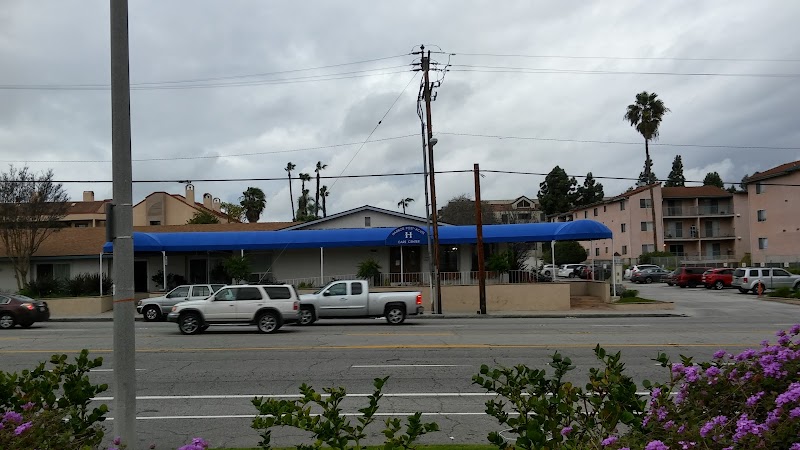
How is Harbor Post Acute Staffed?

CMS rates HARBOR POST ACUTE CARE CENTER's staffing level at 4 out of 5 stars, which is above average compared to other nursing homes. Staff turnover is 25%, compared to the California average of 46%. This relatively stable workforce can support continuity of care.

What Have Inspectors Found at Harbor Post Acute?

State health inspectors documented 54 deficiencies at HARBOR POST ACUTE CARE CENTER during 2021 to 2025. These included: 54 with potential for harm. While no single deficiency reached the most serious levels, the total volume warrants attention from prospective families.
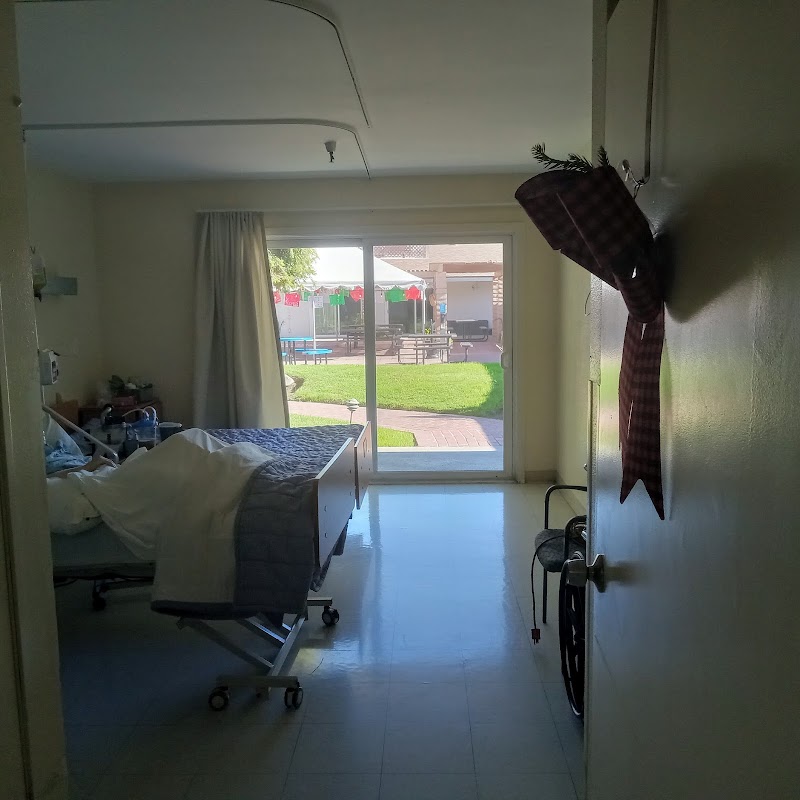
Who Owns and Operates Harbor Post Acute?

HARBOR POST ACUTE CARE CENTER is owned by a for-profit company. For-profit facilities operate as businesses with obligations to shareholders or private owners. The facility is operated by CHARIS TRUST DTD 12/22/16, a chain that manages multiple nursing homes. With 127 certified beds and approximately 110 residents (about 87% occupancy), it is a mid-sized facility located in TORRANCE, California.
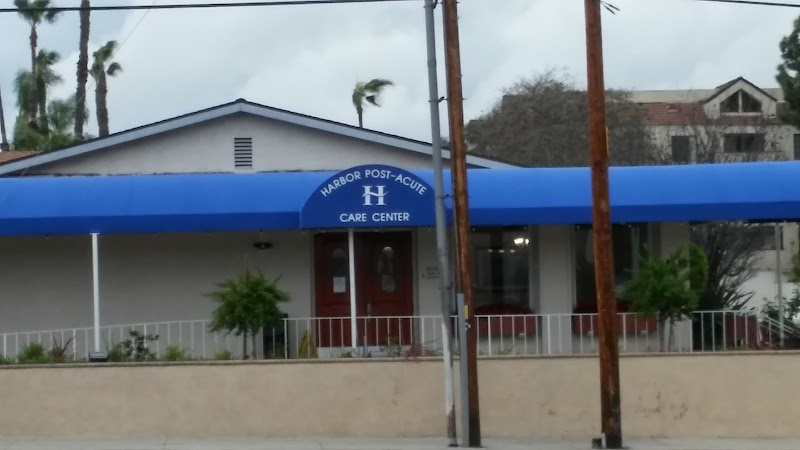
How Does Harbor Post Acute Compare to Other California Nursing Homes?

Compared to the 100 nursing homes in California, HARBOR POST ACUTE CARE CENTER's overall rating (3 stars) is below the state average of 3.1, staff turnover (25%) is significantly lower than the state average of 46%, and health inspection rating (2 stars) is below the national benchmark.

What Should Families Ask When Visiting Harbor Post Acute?

Based on this facility's data, families visiting should ask: "Can I visit during a mealtime to observe dining assistance and food quality?" "How do you handle medical emergencies, and what is your hospital transfer rate?" "Can I speak with family members of current residents about their experience?"

Is Harbor Post Acute Safe?

Based on CMS inspection data, HARBOR POST ACUTE CARE CENTER has a clean safety record: no substantiated abuse findings (meaning no confirmed cases of resident harm), no Immediate Jeopardy citations (the most serious violation level indicating risk of serious injury or death), and is not on the Special Focus Facility watch list (a federal program monitoring the lowest-performing 1% of nursing homes). The facility has a 3-star overall rating and ranks #100 of 100 nursing homes in California. While no facility is perfect, families should still ask about staff-to-resident ratios and recent inspection results during their visit.

Do Nurses at Harbor Post Acute Stick Around?

Staff at HARBOR POST ACUTE CARE CENTER tend to stick around. With a turnover rate of 25%, the facility is 21 percentage points below the California average of 46%. Low turnover is a positive sign. It means caregivers have time to learn each resident's needs, medications, and personal preferences. Consistent staff also notice subtle changes in a resident's condition more quickly. Registered Nurse turnover is also low at 17%, meaning experienced RNs are available to handle complex medical needs.

Was Harbor Post Acute Ever Fined?

HARBOR POST ACUTE CARE CENTER has no federal fines on record. CMS issues fines when nursing homes fail to meet care standards or don't correct problems found during inspections. The absence of fines suggests the facility has either maintained compliance or corrected any issues before penalties were assessed. This is a positive indicator, though families should still review recent inspection reports for the full picture.

Is Harbor Post Acute on Any Federal Watch List?

HARBOR POST ACUTE CARE CENTER is not on any federal watch list. The most significant is the Special Focus Facility (SFF) program, which identifies the bottom 1% of nursing homes nationally based on persistent, serious quality problems. Not being on this list means the facility has avoided the pattern of deficiencies that triggers enhanced federal oversight. This is a positive indicator, though families should still review the facility's inspection history directly.