SUNNYSIDE NURSING CENTER
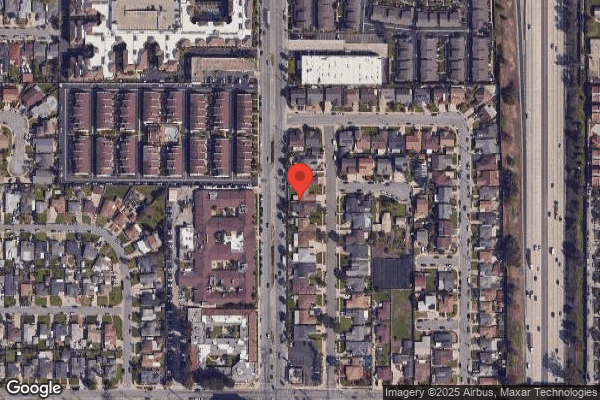
22617 S. VERMONT AVE, TORRANCE, CA 90502 (310) 320-4130
Non profit - Corporation 299 Beds Independent Data: November 2025 3 Immediate Jeopardy citations
Trust Grade
0/100
#1127 of 1155 in CA
Last Inspection: February 2025

Within standard 12-15 month inspection cycle. Federal law requires annual inspections.

Overview

Sunnyside Nursing Center has received a Trust Grade of F, indicating significant concerns about the care provided at this facility. It ranks #1127 out of 1155 nursing homes in California, placing it in the bottom half of all facilities in the state, and #350 out of 369 in Los Angeles County, suggesting that there are many better options available. Unfortunately, the facility's situation is worsening, with the number of reported issues increasing from 21 in 2024 to 38 in 2025. While staffing is rated average at 3 out of 5 stars, the turnover rate is high at 57%, which is concerning as it exceeds the state average. The facility has also been hit with fines totaling $242,853, higher than 88% of California nursing homes, indicating ongoing compliance problems. Specific incidents raise further alarm; for example, a resident was given a medication that could cause confusion without proper review of their medical instructions, and another resident accessed rehab equipment that was not secured, leading to physical assaults on others. Additionally, a resident at risk of wandering was able to leave the facility unsupervised, showing a lack of proper safety measures. While the quality measures are rated at 4 out of 5 stars, the overall picture includes serious weaknesses that families should carefully consider.

Trust Score
F
0/100
In California
#1127/1155
Bottom 3%
Safety Record
High Risk
Review needed
Inspections
Getting Worse
21 → 38 violations
Staff Stability
⚠ Watch
57% turnover. Above average. Higher turnover means staff may not know residents' routines.
Penalties
○ Average
$242,853 in fines. Higher than 53% of California facilities. Some compliance issues.
Skilled Nurses
⚠ Watch
Each resident gets only 21 minutes of Registered Nurse (RN) attention daily — below average for California. Fewer RN minutes means fewer trained eyes watching for problems.
Violations
⚠ Watch
87 deficiencies on record. Higher than average. Multiple issues found across inspections.
★☆☆☆☆
1.0
Overall Rating
★★★☆☆
3.0
Staff Levels
★★★★☆
4.0
Care Quality
★☆☆☆☆
1.0
Inspection Score
Stable
2024: 21 issues
2025: 38 issues

The Good

  • 4-Star Quality Measures · Strong clinical quality outcomes
  • Full Sprinkler Coverage · Fire safety systems throughout facility
  • No fines on record

Facility shows strength in quality measures, fire safety.

The Bad

1-Star Overall Rating

Below California average (3.1)

Significant quality concerns identified by CMS

Staff Turnover: 57%

10pts above California avg (46%)

Frequent staff changes - ask about care continuity

Federal Fines: $242,853

Well above median ($33,413)

Significant penalties indicating serious issues

Staff turnover is elevated (57%)

9 points above California average of 48%

The Ugly 87 deficiencies on record

3 life-threatening 6 actual harm
Sept 2025 2 deficiencies
CONCERN (D) 📢 Someone Reported This

A family member, employee, or ombudsman was alarmed enough to file a formal complaint

Potential for Harm - no one hurt, but risky conditions existed

Quality of Care (Tag F0684)

Could have caused harm · This affected 1 resident

**NOTE- TERMS IN BRACKETS HAVE BEEN EDITED TO PROTECT CONFIDENTIALITY** Based on interview and record review, the facility failed to ensure one of three sampled residents (Resident 1), was provided wi...

Read full inspector narrative →
**NOTE- TERMS IN BRACKETS HAVE BEEN EDITED TO PROTECT CONFIDENTIALITY** Based on interview and record review, the facility failed to ensure one of three sampled residents (Resident 1), was provided with glucose (simple sugar- the body's primary source of energy from food) monitoring and insulin (a hormone that removes excess sugar from the blood, can be produced by the body or given artificially via medication) administration before meals.These failures resulted in Resident 1 ‘s blood sugars not being checked before meals and insulin not administered before meals on 9/13/2025, breakfast, lunch, and dinner and on 9/14/2025 for breakfast as ordered by the physician.Findings:During a review of Resident 1's admission Record (Face Sheet- front page of the chart that contains a summary of basic information about the resident), the admission record indicated Resident 1 was admitted to the facility on [DATE] with diagnoses including an unspecified fracture of the pubis (a broken pubic bone where the exact location or type of break is not precisely defined), low back pain and type 2 diabetes mellitus (DM-a disorder characterized by difficulty in blood sugar control and poor wound healing).During a review of Resident 1's History and Physical (H&P), dated 9/14/2025, the H&P indicated, Resident 1 had the capacity to make medical decisions. The H&P indicated Resident 1 had diabetes mellitus with hyperglycemia (high blood sugar). During a review of the GACH's Discharge Instructions dated 9/12/2025, the GACH Discharge Instructions indicated a physician order for Insulin Lispro (rapid acting man-made insulin used to treat type 1 and 2 diabetes) to inject as per sliding scale (a method of determining insulin dosage on a resident's current blood glucose levels) 0-12 units subcutaneous three times daily before meals and as needed.During a review of Resident 1's Care Plan, dated 9/13/2025, the Care Plan indicated Resident 1 had diabetes mellitus. The Care plan interventions indicated to keep the Resident 1's blood sugar within a normal range by the next review date (12/12/2025). During a review of Resident 1's Nursing Progress Notes dated 9/14/2025 at 11:40 a.m., the Nursing Progress Notes indicated, Resident 1 was assessed for a blood glucose reading. The Nursing Progress Notes indicated a blood sugar level of 333. During a review of Resident 1's Nursing Progress Notes dated 9/14/2025 at 2:57 p.m., the Nursing Progress Notes indicated Resident 1's Family Member (FM)1 and FM 2 were upset at bedside in the morning and complained that insulin had not been given to Resident 1. The Nursing Progress Notes indicated that the family was told there was an as needed order for insulin and no order to check the blood sugar on the medication administration record (MAR). During a review of Resident 1's Nursing Progress Notes dated 9/14/2025 at 5:10 p.m., the Nursing Progress Notes indicated, Resident 1 received new orders to check Resident 1's blood sugar before each meal and at bedtime and to administer insulin based on the sliding scale before meals.During an interview on 9/16/2025 at 2:34 p.m. with Certified Nursing Assistant (CNA) 3, CNA 3 stated Resident 1 asked if she was receiving her insulin and blood sugar levels checked. During an interview on 9/16/2025 at 2:34 p.m. with LVN 2, LVN 2 stated on 9/14/2025 she was assigned to Resident 1. LVN 2 stated at 8 a.m. there was no physician order to check the blood sugar for Resident 1. LVN 2 stated the order for insulin was written as needed. LVN 2 stated Resident 1 was diabetic, but the blood sugar was not checked because it was not on her physician orders. LVN 2 stated insulin was as needed but when asked when insulin was supposed to be given, LVN 2 was unable to state. During an interview on 9/17/2025 at 2:06 p.m. with Registered Nurse Supervisor (RNS) 1, RNS 1 stated when residents are admitted to the facility the doctor is notified to go over each medication and verify the orders. RNS 1 stated once the orders are verified by the doctor then the orders are transcribed and faxed to the pharmacy. RNS 1 stated Resident 1's orders were not implemented correctly. RNS 1 stated Resident 1's insulin orders were written to be given as needed and that is why the blood sugars were not checked routinely before meals. RNS 1 stated it is important to verify all the medication orders with the doctor. RNS 1 stated it is the admitting nurse's responsibility to make sure the physician orders are accurate, or if the resident is at risk for high or low blood sugar. During an interview on 9/18/2025 at 6:41 a.m. with RNS 2, RNS 2 stated she went through the orders and only transcribed the medication orders. RNS 2 stated she reviewed the insulin orders and entered the insulin orders as an as needed medication and endorsed it to the next shift. RNS 3 stated she should have questioned the as needed insulin order with the doctor to make sure the order was correct. RNS 3 stated the blood sugar and insulin was not addressed sufficiently and the family complained about it the next day. RNS 3 stated Resident 1 could experience high or low blood sugars with insulin administration and checking the blood sugar as needed.During an interview on 9/18/2025 at 4:12 p.m. with the Assistant Director of Nursing (ADON), the ADON stated Resident 1's GACH orders were not verified with the doctor to clarify the orders. The ADON stated Resident 1 was at risk for high or low blood sugars.During a review of the facility's policy and procedure (P&P) titled, Diabetes Management, revised 10/2024, the P&P indicated, The Physician will order appropriate lab tests (for example, periodic finger sticks or A1C) and adjust treatments based on these results.During a review of the facility's P&P titled, Medication Orders Non Controlled Medication Order Documentation revised 8/2019, the P&P indicated the written transfer orders (sent with a resident by a hospital or other healthcare facility) shall be verified with the current order attending physician before medications are administered and the nurse who transcribes the orders must document in the admission form the date, time and by whom the orders were noted.
CONCERN (D) 📢 Someone Reported This

A family member, employee, or ombudsman was alarmed enough to file a formal complaint

Potential for Harm - no one hurt, but risky conditions existed

Deficiency F0697 (Tag F0697)

Could have caused harm · This affected 1 resident

**NOTE- TERMS IN BRACKETS HAVE BEEN EDITED TO PROTECT CONFIDENTIALITY** Based on interview and record review, the facility failed to ensure a resident with diagnoses of nondisplaced (stays in alignmen...

Read full inspector narrative →
**NOTE- TERMS IN BRACKETS HAVE BEEN EDITED TO PROTECT CONFIDENTIALITY** Based on interview and record review, the facility failed to ensure a resident with diagnoses of nondisplaced (stays in alignment) fracture (broken bone) of lateral (furthest from the middle of the body) malleolus (ankle) of left fibula (smaller bone that supports lower leg), unspecified fracture of the pubis (a bone from a group of bones that connects to the legs) and lower back pain, was provided with pain management (the process of alleviating the resident's pain to a level that is acceptable to the resident and is based on his or her clinical condition and established treatment goal) for one of three sampled residents (Resident 1) in a timely manner. The facility failed to:1. Ensure Licensed Vocational Nurse (LVN) 1 faxed Resident 1's Physician Order dated 9/13/2025 for Hydrocodone-Acetaminophen (Norco- a prescription drug used to treat moderate to severe pain) 5-325 milligram (mg-unit of measurement) one tablet by mouth every six hours as needed for pain to facility pharmacy on 9/13/2025 so Resident 1's pain could be treated in a timely manner. 2. Ensure licensed nurses assessed and treated Resident 1's pain level upon admission and during routine vital sign (measurements of basic body functions such as heart rate, body temperature and level of pain) checks every Shift. Resident 1's pain was not assessed from 9/13/20259:57 a.m., through 9/14/2025 at 8:43 a.m. (almost 20 hours). 3Implement Resident 1's untitled care plan dated 9/13/2025 with care plan interventions that Resident 1's pain would be addressed with medication, and care plan goals that Resident 1 would have an acceptable level of pain, These deficient practices resulted in Resident 1 experiencing unrelieved, and uncontrolled pain manifested by Resident 1 verbalizing severe pain of 10 out of 10 upon admission to the facility on 9/13/2025, Findings:During a review of Resident 1's admission Record, the admission Record indicated Resident 1 was admitted to the facility on [DATE] with diagnoses including nondisplaced fracture of lateral malleolus of left fibula unspecified fracture of the pubis lower back pain and type 2 diabetes mellitus (DM-a disorder characterized by difficulty in blood sugar control and poor wound healing).During a review of Resident 1's Physician Orders, dated 9/13/2025, the Physician Orders indicated an order for Hydrocodone-Acetaminophen (Norco- a prescription drug used to treat moderate to severe pain) 5-325 milligram (mg-unit of measurement) one tablet by mouth every six hours as needed for pain. During a review of Resident 1's Care Plan, dated 9/13/2025, the Care Plan goal indicated Resident 1 to express pain at a level of acceptable discomfort. The Care Plan Indicated an intervention to give analgesics (pain relievers) as ordered by the physician. Observe and document for side effects and effectiveness. During a review of Resident 1's Medication Administration Record (MAR), dated 9/2025, the MAR indicated Hydrocodone-Acetaminophen 5-325 mg one tablet by mouth every six hours as needed for pain to start on 9/13/2025 at 4:45 a.m. During a review of Resident 1's History and Physical (H&P), dated 9/14/2025, the H&P indicated, Resident 1 had the capacity to make medical decisions. The H&P indicated Resident 1 had opioid (a drug that produces effects such as pain relief, relaxation and euphoria [state of intense happiness or excitement] ) dependency on Norco. The H&P indicated that during the initial skilled nursing facility evaluation, Resident 1 reported leg pain, and Resident 1's family requested Norco to be administered to Resident 1 every four hours. The H&P recommended continuing pain management and document discussion with the family about gradually tapering ( slowly decreasing) Norco 10 mg every four hours, as tolerated. The H&P stated that Resident 1 had chronic back pain radiating to the lower legs, along with neuropathy (can cause numbness or weakness in the extremities). The H&P indicated to continue with Norco. During a review of Resident 1's Nursing Progress Notes, dated 9/14/2025 at 2:57 p.m., the Nursing Progress Notes indicated, Resident 1's Family Member (FM 1) and FM 2 at bedside expressing concern that Resident 1's Norco had not been administered on 9/14/2025 between the hours of 2 a.m. and 4 a.m. The Nursing Progress Notes indicated that licensed staff explained that Resident 1's physician order had not yet been received by the facility's pharmacy. The Nursing Progress Notes indicated that Resident 1's FM was informed that while an emergency supply of Norco was available, pharmacy authorization was still required before administration of Norco. FM 2 stated he had informed both the LVN 2 and Registered Nurse Supervisor (RNS) 3 that Resident 1 was in pain. The Nursing Progress Notes indicated FM 2 inquired about the Norco but was not informed of Resident 1's pain. During a review of Resident 1's Physician Orders, dated 9/14/2025, the Physician Orders indicated Resident 1 with order for Hydrocodone-Acetaminophen 10-325 mg one tablet by mouth every six hours for pain to the left lower leg fracture. The Physician Orders indicated to have pharmacy to send the Norco immediately. The Physician Order indicated charge nurse may call the pharmacy to receive authorization to obtain the Norco from the E-kit. During a review of Resident 1's Nursing Progress Notes, dated 9/14/2025 at 8:17 p.m., the Nursing Progress Notes indicated, Resident 1 received Hydrocodone-Acetaminophen oral tablet 10-325 mg one tablet from the E kit for a pain scale (pain screening tool using numerical value to assess the level of pain ranging from 0 to 3-mild pain, from 4 to 6- moderate pain, and from 7 to 9-severe pain, and 10- the worse pain possible) on 9/14/2025 at 8:17 p.m. for 8/10 pain to the left lower extremity (leg). During an interview on 9/16/2025, at 2:29 p.m., FM 1 stated there was a delay in Resident 1 receiving pain medication on 9/13/2025 at 9 p.m. to 9/14/2025 at approximately 8 p.m. and the physician was unresponsive. FM 1 stated concern that abruptly stopping the medication without tapering could have caused withdrawal symptoms from Resident 1. FM1 stated that Resident 1 had been on Hydrocodone-acetaminophen 5-325 four times a day for years due to chronic back pain.During an interview on 9/16/2025 at 2:34 p.m., with Certified Nursing Assistant (CNA) 3, CNA 3 stated Resident 1 was able to verbalize her needs in another language other than English. CNA 3 stated Resident 3 did not have any complaints of pain. CNA 3 stated she is not sure if Resident 1 received medication for pain today.During an interview on 9/16/2025 at 2:46 p.m., with Licensed Vocational (LVN) 2, LVN 2 stated she was assigned to care for Resident 1 on 9/15/2025. LVN 2 stated she administered Norco 10-325 mg one tablet as a routine pain medication for Resident 1' left leg pain on LVN 2 stated Resident 1 had received Norco twice from the E-kit.During a concurrent interview and record review on 9/17/2025 at 2:06 p.m., with Registered Nurse Supervisor (RNS) 1, Resident 1's General Acute Care Hospital (GACH) records dated 9/12/2025 was reviewed. The GACH records indicated on 9/12/2025 at 10:36 p.m., Resident 1 received Norco 5mg-325mg one tablet for pain. The GACH records indicated Resident 1 had an order for Norco 5mg-325 mg every four hours as needed. RNS 1 stated Resident 1 was admitted to the facility on [DATE] at 2:30 a.m., with a left leg fracture and low back pain. RNS 1 stated on 9/13/2025 at 4:45 a.m., Resident 1 had an order to give Norco every six hours as needed. RNS 1 stated that Norco can be administered from the E- kit with physician authorization. RNS 1 stated once controlled meds were verified from Resident 1's physician, the orders were transcribed and faxed to the pharmacy, and the medications were delivered to the facility within four to six hours. RNS 1 stated licensed nurses can start administering medications on 9/13/2025 approximately between 9 a.m., to 10 p.m. RNS 1 stated that if pain medication was not administered as ordered, it becomes more difficult to manage Resident 1's pain, potentially resulting in increased discomfort.During an interview on 9/18/2025, at 6:41 a.m., RNS 2 stated that she admitted Resident 1 to the facility on 9/13/ 2025, at approximately 2:30 a.m. RNS 2 stated that residents' (in general) pain should be assessed upon admission and during routine vital sign checks. RNS 2 stated Resident 1's pain was not assessed between 9:57 a.m. on 9/13/2025 and 8:43 a.m. on 9/14/2025. RNS 2 stated that Resident 1 was capable of verbalizing when she was in pain. RNS 2 stated that she endorsed Resident 1's Norco 5 mg-325 mg prescription to the oncoming Desk Nurse, but Resident 1' medication prescription was never faxed to the facility pharmacy. RNS 2 stated that Resident 1 required pain management for bone-related pain and emphasized that once pain becomes uncontrolled, it was more difficult to manage. RNS 2 stated that timely pain control was essential to ensure Resident 1's comfort. During a concurrent observation and interview on 9/18/2025, at 1:01 p.m., with Resident 1 in Resident 1's room, Resident 1 was observed in bed with the head of the bed elevated and a splint cast ( use to stabilize and protect injured limb) on her left lower leg.Resident 1 stated that upon admission to the facility on 9/13/2025, she experienced severe pain in her left leg, rating it as a 10 out of 10. Resident 1 stated that she suffers from chronic back pain due to two previous back surgeries. Resident 1 stated that she takes Norco for pain management and that it took an entire day on 9/13/2025 after her arrival before she received her first dose.During an interview on 9/18/2025, at 4:12 p.m., with the Assistant Director of Nursing (ADON), ADON stated that licensed nurses should have faxed Resident 1's prescription to the pharmacy in a timely manner.The ADON stated that having the prescription with the facility pharmacy helps ensure timely access to the medication for administration. ADON stated that the licensed nurse failed to fax the prescription upon Resident 1's admission on [DATE] at 2:30,a.m., that was the reason why the medication had to be obtained from the E-kit. The ADON stated that the licensed staff require retraining and emphasized that such oversights place Resident 1 not receiving appropriate pain control and management.During an interview on 9/18/2025 at 4:12 PM with the Assistant Director of Nursing (ADON), the ADON stated the licensed nurses should have faxed Resident 1's prescription to the pharmacy. The ADON stated the prescription is available to make the medication available and easier to get for administration to the residents. The ADON stated the nurses did not fax the prescription upon the admission of Resident 1 and this is why they were getting the medication from the E-kit. The ADON stated the nurses need retraining. The ADON stated the residents are at risk of not receiving medication for pain control and pain management.During a review of the facility's policy and procedure (P&P) titled, Pain Management Policy, dated 12/2024, the P&P indicated, It is the policy of this facility to assess and manage pain promptly and effectively, ensuring individualized, evidence-based care while minimizing the risks associated with pain treatment, including medication misuse and adverse effects.
Sept 2025 4 deficiencies 1 IJ
CRITICAL (J) 📢 Someone Reported This

A family member, employee, or ombudsman was alarmed enough to file a formal complaint

Immediate Jeopardy (IJ) - the most serious Medicare violation

Quality of Care (Tag F0684)

Someone could have died · This affected 1 resident

**NOTE- TERMS IN BRACKETS HAVE BEEN EDITED TO PROTECT CONFIDENTIALITY** Based on interview and record review, the facility failed to ensure one of three sampled residents (Resident 10), who was admitt...

Read full inspector narrative →
**NOTE- TERMS IN BRACKETS HAVE BEEN EDITED TO PROTECT CONFIDENTIALITY** Based on interview and record review, the facility failed to ensure one of three sampled residents (Resident 10), who was admitted to the facility from a General Acute Care Hospital (GACH) on [DATE], was not administered Baclofen (a medication that relaxes the muscles to relieve spasm, tightness, and cramps) due to a known side effect of confusion, when: 1. Registered Nurse (RN) 1 did not review Resident 10's entire Discharge Instructions dated [DATE] and [DATE] for accuracy, prior to transcribing the orders in Resident 10's chart. 2. RN 1 did not review and clarify conflicting instructions outlined in the GACH's Discharge Instructions dated [DATE] which indicated do not use Baclofen since caused confusion versus the Discharge instructions dated [DATE], which indicated Medications to Continue to Take with no Change which indicated Baclofen 10 milligrams ([mg] metric unit of measurement, used for medication dosage and/or amount) give 0.5 tablet three times daily, with Resident 10's physician. 3. RN 1 administered 5 doses of Baclofen 5 milligrams ([mg] metric unit of measurement, used for medication dosage and/or amount) to Resident 10 without reconciling the orders with Resident 10's physician. 4. RN 1 did not follow the facility's Policy and Procedure (P/P), titled, Medication Orders Non-Controlled Medication Order Documentation revised 8/20219, which indicated nurses are to verify the GACH's order with attending physician before medication (Baclofen) was transcribed for administration. These deficient practices resulted in Resident 10 receiving Baclofen 5 mg from [DATE] through [DATE] (a total of six doses), experiencing shortness of breath (SOB), elevated blood pressure (BP), generalized weakness and increased confusion. Resident 10 was transferred to a GACH, where he was diagnosed with acute toxic encephalopathy (a condition characterized by sudden and severe brain dysfunction caused by exposure to toxic substances) and was dialyzed (treatment to remove waste products and excess fluid from the blood when the kidneys are unable to do so). On [DATE] at 3:28 p.m., an Immediate Jeopardy ([IJ] a situation in which the provider's noncompliance with one or more requirements of participation has caused, or is likely to cause, serious injury, harm, impairment, or death to a resident) was called in the presence of the facility's Administrator (ADM), the Interim Chief Clinical Officer (CCO) and the Senior Nurse Executive (SNE) due to the facility's failure to recognize a discrepancy in the GACH's discharge instructions and follow up with Resident 10's attending physician to clarify discharge/transfer orders prior to transcribing Baclofen for administration to Resident 10. On [DATE], the facility submitted an acceptable IJ Removal Plan ([IJRP] interventions to immediately correct the deficient practices). After onsite verification of the facility's IJRP's implementation through observation, interview, and record review, the IJ was removed on [DATE] at 3:40 p.m., in the presence of the facility's DON and ADM. The facility's IJRP included the following immediate actions: 1. On [DATE], Resident 10 was discharged to a GACH and was readmitted to the facility on [DATE] the admitting nurse verified the admissions orders with the attending physician. A medication error report for Baclofen was completed on [DATE] for the [DATE] admission orders and was reported to the attending physician and Resident 10's family. Resident 10 was discharged home on [DATE]. 2. On [DATE] the Interim Chief Clinical Officer (CCO)/ Designee provided a 1:1 (a personalized, process where an experienced person works directly with a learner to teach a specific task, process, or skill) in-service training to RN 1 on reviewing discharge orders, reconciling and verifying orders with attending physicians prior to carrying out the orders, the facility's P/P titled, Medication Orders Non-Controlled Medication Order Documentation which requires the licensed nurses to verify the GACH's order with attending physician before medications (Baclofen) are transcribed for administration. 3. On [DATE], a random audit of all in-house patients was completed by Health Information Manager (HIM) and the Interim CCO/designee. A total of 12 residents who were receiving Baclofen were identified and there were no concerns. On [DATE], a random audit of all newly admitted residents in the past 24 hours was conducted by the HIM and Interim CCO/designee. A total of 10 residents identified and their physicians ‘orders were reviewed, reconciled with their attending physicians, no concerns were found. 4. On [DATE] the DSD/ Clinical Trainer provided re-training beginning to licensed nurses on entering orders into Electronic Treatment Administration Record ([eMAR/eTAR]) prior/pending confirmation, reconciliation and verification of orders. Licensed Nurses who are on leave, vacation, out sick or newly hired nurses will be educated prior to the start of their shift. 5. On [DATE], the DSD and the Clinical Trainer conducted an in-service training for licensed nursing staff on the facility's P/P titled, Medication Orders Non-Controlled Medication Order Documentation which requires the licensed nurses to verify the GACH's order with attending physician before medications is transcribed for administration. The training will continue until all licensed nursing staff have attended the training by [DATE]. Licensed Nurses who are on leave, vacation, out sick or newly hired nurses will be educated prior to the start of their shift. 5. On [DATE] during the ad hoc (created or done for a particular purpose when necessary or needed) QAPI (Quality Assurance/Quality Assurance and Performance Improvement-a data driven proactive approach to improvement used to ensure services are meeting quality standards) Committee meeting, a root cause analysis (RCA) revealed multiple system-level factors that contributed to the medication reconciliation error. RN 1, who was not the facility's regular admitting nurse, did not follow the reconciliation policy and bypassed physician verification, reflecting a knowledge gap in high-risk medication reconciliation requirements. Although the facility had a policy in place (Medication Orders Non-Controlled Documentation), it was not consistently applied, and there was no structured admission process to support nurses unfamiliar with admissions. Leadership oversight was also limited, with QAPI audits not consistently addressing reconciliation compliance and no real-time monitoring system to ensure medication reconciliation was completed upon admission. The RCA identified the root cause as the absence of a medication reconciliation process that ensured physician verification, standardized documentation, and active leadership oversight. 6. Team Members: Medical Director, Executive Director, Chief Clinical Officer, Director of Staff Education, Regulatory Compliance Nurse. Each member will perform the following: i. Medical Director: will monitor the system, recommend changes, and oversee corrective action plans. This role includes identifying and implementing medical interventions to reduce medication errors. ii. Executive Director (ED): will oversee all corrective actions initiated on [DATE] and continue monthly reviews during QAPI meetings. iii. Chief Clinical Officer (CCO): will oversee the investigation, reporting, and resolution of medication reconciliation audit, ensuring patient safety and regulatory compliance. The CCO will implement corrective actions, conduct audits, monitor staff adherence to policies, and collaborate with the DSD to provide ongoing training, reinforcing best practices in medication management. iv. Regulatory Compliance Nurse: This role entails staying updated on regulatory changes, collaborating with the interdisciplinary team to update policies, and ensuring staff adherence to these policies. It includes participating in quality improvement initiatives, analyzing compliance data, assisting with corrective actions, identifying risks, and investigating incidents to prevent recurrence. This role involves planning, developing, organizing, implementing, coordinating, and directing the quality assurance and assessment program designed to enhance the quality of resident care, in accordance with current rules, regulations, and guidelines that govern the facility. v. Director of Staff Development: This role involves educating staff and plays a critical role in addressing medication reconciliation audits by providing targeted training and education to licensed nursing staff, ensuring compliance with facility policies and regulatory standards. The role includes conducting in-service sessions on proper medication administration, overseeing competency evaluations, and implementing corrective action plans to prevent future errors while promoting a culture of accountability and continuous improvement.Findings: During a review of Resident 10's admission Record (Face Sheet), the Face Sheet indicated Resident 10 was admitted to the facility on [DATE] with diagnosis including osteoarthritis (a progressive disorder of the joints, caused by a gradual loss of cartilage, end stage renal disease ([ESRD] irreversible kidney failure and was dependent on hemodialysis. During a review of Resident 10's Minimum Data Set ([MDS] a resident assessment tool) dated [DATE], the MDS indicated Resident 10 was able to make decisions that were reasonable and consistent. The MDS indicated Resident 10 required a one person assist to complete her activities of daily living ([ADLs] routine tasks/activities such as bathing, dressing and toileting a person performs daily to care for themselves). During a review of Resident 10's GACH's Discharge summary dated [DATE] and timed at 2:09 p.m., the Discharge Summary indicated to discharge Resident 10 to the facility with the following instructions. a. Do not use Baclofen since the medication caused confusion b. Administer Baclofen 10 mg, give 0.5 tablet, three times daily. During a review of the GACH's discharge instructions, dated [DATE] and timed 8:44 a.m., the Discharge Instructions indicated administer Baclofen 10 mg, give 0.5 tablet, three times daily During a review of Resident 10's Clinical Record there was no written documentation to indicate the admitting nurse (RN 1) notified Resident 10's physician to clarify conflicting instructions to determine if Baclofen should or should not be administered to Resident 10. During a review of Resident 10's Physician's Order Summary, the Physician Order Summary dated [DATE] indicated to administer Resident 10 Baclofen 10 mg, give 0.5 tablet three times a day for muscle spasms. During a review of Resident 10's Medication Administration Record ([MAR] a daily documentation record used by a licensed nurse to document medications and treatments given to a resident) dated 8/2025, the MAR indicated Resident 10 was administered six doses of Baclofen 5 mg from [DATE] to [DATE]. During a review of Resident 10's Change of Condition Evaluation (COC) dated [DATE] and timed at 8:04 a.m., the COC indicated Resident 10 was observed with SOB, weakness, confusion and drowsiness, with a BP of 180/110 millimeters of mercury (mmhg-unit of measurement) and an oxygen saturation ([O2 Sat] oxygen level in the body that indicates the body has enough oxygen supply, normal range of 95 to 100%) rate of 92% to 94 % on room air. The COC indicated Resident 10's physician was notified of Resident 10's COC on [DATE] at 8:45 a.m., and an order was obtained to transfer Resident 10 to the GACH by paramedics. During a review of the Resident 10's Physician's Order Summary, dated [DATE], the Physician's Order Summary indicated to call 911 for Resident 10 because of SOB, elevated blood pressure and generalized weakness. During a review of the GACH's Emergency (ED) Note dated [DATE] and timed at 10:28 a.m., the ED Note indicated Resident 10 was brought to the emergency room by the paramedics because of dizziness, fatigue, and nausea with a BP of 182/69. During a review of the GACH's History and Physical dated [DATE] and timed at 5:08 p.m., the H&P indicated Resident 10 presented at the emergency room (ER) with new onset altered mental status ([AMS] a person not as awake, alert or able to understand or respond to their surroundings as they normally would be), dizziness, nausea and weakness after confirmed administration of Baclofen at the facility. The H&P indicated a few weeks ago, Resident 10 was hemodialyzed at another GACH (date unknown) related to Baclofen toxicity (the extent to which a substance is poisonous and harmful to living thing).The H&P indicated Resident 10 might have received a second unintentional dose of Baclofen and was placed on delirium precautions (simple actions used to help a confused person to stay calm and oriented), frequent reorientation, and admitted for acute encephalopathy, likely due to Baclofen toxicity. During a review of the GACH's Nephrology (a branch of medicine that focuses on the diagnosis, treatment, and management of kidney diseases) Consultation Notes dated [DATE] and timed at 6:49 p.m., the Nephrology Consultation Notes indicated Resident 10 will undergo hemodialysis due to Baclofen toxicity. During a review of the GACH's Discharge summary dated [DATE] and timed at 2:44 p.m., the Discharge Summary indicated a diagnosis of acute toxin encephalopathy. During a review of Resident 10's Skilled Nursing Facility History and Physical (SNF H&P) dated [DATE] and timed at 12:45 p.m., the H&P indicated the facility's nursing department restarted Resident 10's home medications including Baclofen, The H&P indicated Resident 10's medications were started (transcribed and ordered) and administered to Resident 10, without clarifying the discharge medication list with the primary care physician (PCP). During a telephone interview on [DATE] at 12:23 p.m., Resident 10's Family Member (FM) 1 stated Resident 1 was transferred to the facility from a GACH on [DATE] with instructions not to give Resident 10 Baclofen because it made Resident 10 feel weak and confused. FM 1 stated on [DATE] Resident 10 called her complaining she did not feel well, and the facility had given her Baclofen. FM 1 stated she arrived at the facility at 10 a.m., and Resident 10 had been transferred to a GACH due to dizziness, fatigue, SOB and hallucinations. FM 1 stated when she arrived at the GACH, the GACH had not been informed by the facility that Resident 10 was given Baclofen or that it caused Resident 10 confusion. FM 1 stated she notified the GACH and the GACH immediately performed dialysis on Resident 10. FM 1 stated Resident 10 could have died because Resident 10's kidneys no longer functioned. During an interview on [DATE] at 4:11 p.m., RN 1 stated when she received Resident 10's admission papers from the GACH on [DATE], she determined Resident 10 was not allergic to any medication and transcribed the discharge medications listed on the GACH's Discharge Instructions. RN 1 stated she did not call Resident 10's physician to verify and/or clarify Resident 10's discharge medications or instructions because the physicians at the GACH normally prepare the discharge instructions and the primary care physician at the facility could see the orders in Resident 10's medical record. During a interview on [DATE] at 11:57 a.m., RN 1 stated after reviewing the Discharge summary dated [DATE], she did not see the instructions indicating Baclofen should not be given to Resident 10 due to confusion. RN 1 stated had she read the Discharge Summary, compared the GACH's discharge instructions, discharge medication list, and called Resident 10's physician to clarify the instructions, Resident 10 would never have been given Baclofen that caused a COC. During a telephone interview on [DATE] at 12:32 p.m., RN 3 stated on [DATE] during the 7 a.m. to 3 p.m. shift, she received endorsement from the outgoing nurse (11 p.m. - 7 a.m.) that Resident 10 was feeling weak and dizzy. RN 3 stated she assessed Resident 10 at the start of her shift (7 a.m. - 3 p.m.), and Resident 10 complained of right buttock pain, rated at 3 out of 10 on an eleven point scale (0=no pain, 1-3=mild pain, 4-6=moderate pain, and 7-10=severe pain, and 10=worst imaginable pain) and she (RN 3) applied a lidocaine patch (a topical adhesive patch containing lidocaine, used for pain) to the affected site and gave Resident 10 5 mg of Baclofen. RN 3 stated at approximately 8:30 a.m., Resident 10 still felt weak, dizzy, had become more lethargic (a state of decreased consciousness such as fatigue, drowsiness or sleepiness) and was not talking, her B/P was high, she was SOB, and her O2 Sat was 92% on O2 (liters of O2 unknown). RN 3 stated she administered an anti-hypertensive medication to Resident 10, but her BP remained high, she (RN 3) then called Resident 10's physician and was given an order to call the paramedics. During an interview on [DATE] at 12:47 p.m., the SNE stated the admission process included checking the discharge papers from the GACH including the doctor's discharge summary, discharge instructions and the medication list. The SNE stated it was the responsibility of the admitting nurse to call Resident 10's physician to verify and/or reconcile the residents' medications to ensure the residents' prescribed medications were accurate. During a telephone interview on [DATE] at 1 p.m., the facility's Pharmacist stated Baclofen causes central nervous system depression (a condition when the brain and the spinal cord slow down, and the body cannot function properly), dizziness and confusion. The Pharmacist stated physicians should be aware of the side effects of this medication and adjust the dose and/or stop the medication based on the residents' kidney function, response and/or tolerance to the medication. The Pharmacist stated Baclofen cannot be excreted (eliminate or discharge wastes from the body) well from the body when the kidneys are impaired and could increase a resident's risk of side effects associated with the use of the medication. During a telephone interview on [DATE] at 2:51 p.m., the on-call physician, who covered for Resident 10's attending physician, stated the admitting nurse should have contacted the Resident's attending physician to discuss the residents' discharge summary and discharge medications to identify and/or resolve any inconsistencies and discrepancies. During a telephone interview on [DATE] at 4:28 p.m., the GACH's Nephrologist stated Baclofen was not nephrotoxic (poisonous to the kidneys), but it could accumulate in the blood when the kidneys were impaired and cause a resident to have an altered level of consciousness ([ALOC] a change in a patient's state of awareness [ability to relate to self and the environment] and arousal [alertness]) During a telephone interview on [DATE] at 1:20 p.m., the facility's Medical Director stated it was the facility's policy and common practice for the doctors and the licensed nurses to conduct a thorough reconciliation of the residents' discharge medications and review of discharge instructions including the discharge summary to clarify and/or decide the residents' treatment and medications. The Medical Director stated licensed nurses were not to transcribe any medication order without the approval of the primary care physician to ensure the residents were free from inappropriate medications that could affect their safety and wellbeing. During an interview on [DATE] at 11 a.m., the CCO stated Resident 10's COC and the life threatening complications could have been prevented if the admission process was followed. During an interview on [DATE] at 12:33 p.m., the Administrator (ADM) stated the failure to reconcile the medications with Resident 10's physician should not have happened because the facility has ongoing policies and procedures related to admission medication reconciliation. According to Mayo Clinic (a non-profit medical group practice that provides comprehensive and integrated healthcare services renowned for its expertise in cardiology, cancer care, neurology, orthopedics and transplant medicine), BACLOFEN (Oral Route)- Side effects and Dosage dated [DATE], Baclofen was used to help relax the muscles to relieve spasms and cramping by acting on the central nervous system to produce muscle relaxant effects. This medication must be prescribed and used with caution if anyone has an allergy or unusual reaction to it and limit use in elderly because of age-related kidney, liver or heart problems that may likely cause side effects of hallucination, confusion, mental depression, and severe drowsiness. The presence of a medical problem such as a kidney disease may increase the effects of the medication because of slower removal of medicine form the body and should be avoided because of increased risk of serious brain problems such as encephalopathy (a medical condition of the brain affected by some agent or condition such as toxins in the blood). https://www.mayoclinic.org During a review of the facility's P/P titled, Medication Orders Non Controlled Medication Order Documentation revised 8/2019, the P/P indicated the written transfer orders (sent with a resident by a hospital or other healthcare facility) shall be verified with the current order attending physician before medications are administered and the nurse who transcribes the orders must document in the admission form the date, time and by whom the orders were noted.
CONCERN (D) 📢 Someone Reported This

A family member, employee, or ombudsman was alarmed enough to file a formal complaint

Potential for Harm - no one hurt, but risky conditions existed

Deficiency F0558 (Tag F0558)

Could have caused harm · This affected 1 resident

**NOTE- TERMS IN BRACKETS HAVE BEEN EDITED TO PROTECT CONFIDENTIALITY** Based on interview and record review, the facility failed to ensure one of three sampled residents (Resident 9), whose preferenc...

Read full inspector narrative →
**NOTE- TERMS IN BRACKETS HAVE BEEN EDITED TO PROTECT CONFIDENTIALITY** Based on interview and record review, the facility failed to ensure one of three sampled residents (Resident 9), whose preference to have a shower instead of a bed bath, was honored. This deficient practice resulted in Resident 9 receiving bed baths on multiple occasions when his preference was to have a shower. This deficient practice had the potential for Resident 9 to feel disrespected and uncomfortable during his stay at the facility.Findings: During a review of Resident 9's admission Record (Face Sheet), the Face Sheet indicated Resident 9 was admitted to the facility on [DATE] with a diagnosis of orthopedic aftercare (ongoing care and treatment after a bone, joint, or muscle procedure to help with proper healing, regain strength and movement) following a left leg below the knee amputation ([BKA] a surgical removal of the portion of the leg below the knee. During a review of Resident 9's Minimum Data Set ([MDS] a resident assessment tool) dated 7/21/2025, the MDS indicated Resident 9 was able to make decisions that were reasonable and consistent. The MDS indicated Resident 9 required a one person assist to complete his activities of daily living ([ADLs] activities such as bathing, dressing and toileting a person performs daily) and he was incontinent (loss of full control) of his bladder. The MDS indicated it was very important for Resident 9 to choose between a bed bath or shower. During a review of Resident 9's Documentation and Survey Report dated 7/2025, the Documentation and Survey Report indicated Resident 9's Bathing Task from 7/14/2025 to 7/30/2025 indicated the following: a. Resident 9 was provided with a shower two times. b. Resident 9 refused a bath six times. c. There were fifteen shifts left blank without documentation that a bath or shower were provided to Resident 9. During a telephone interview on 8/29/2025 at 8:57 a.m., Resident 9 stated when he was at the facility he was only given two showers and there were multiple times he requested a shower but was given a bed bath. Resident 9 stated after he tested positive for COVID -19 (a potentially severe respiratory illness caused by a coronavirus and characterized by fever, coughing, and shortness of breath), the nursing staff tried to give him a shower, but he refused because he did not feel well. Resident 9 stated there were times following his COVID -19 diagnoses that the nursing staff did not give him a shower when he asked for one and there were times, he refused care because the nursing staff insisted on giving him a bed bath and he wanted a shower. During an interview on 9/3/2025 at 2:07 p.m., Certified Nursing Assistant (CNA) 2 stated Resident 9 was able to make his needs known and although he had periods of refusing his medications, he was particular with his care, especially his showers. CNA 2 stated residents' can make decisions regarding their care and the nursing staff should try to accommodate them. During an interview on 9/4/2025 at 12:03 p.m., the Senior Nurse Executive (SNE) stated it was important for residents' preferences to be honored to ensure their comfort and satisfaction. During an interview on 9/10/2025 at 11:08 a.m., the Chief Clinical Officer (CCO) stated accommodation of residents' needs and preferences was to ensure the residents' have a good quality of life. During a review of the facility's Policy and Procedure (P/P) titled, Quality of Life-Dignity revised 11/6/2024, the P/P indicated the facility shall provide each resident the care in a manner that promotes and enhances quality of life, dignity, respect, and individuality while honoring resident rights and preferences.
CONCERN (D) 📢 Someone Reported This

A family member, employee, or ombudsman was alarmed enough to file a formal complaint

Potential for Harm - no one hurt, but risky conditions existed

Comprehensive Care Plan (Tag F0656)

Could have caused harm · This affected 1 resident

**NOTE- TERMS IN BRACKETS HAVE BEEN EDITED TO PROTECT CONFIDENTIALITY** Based on interview and record review, the facility failed to ensure a care plan was created to include a Fall Management Program...

Read full inspector narrative →
**NOTE- TERMS IN BRACKETS HAVE BEEN EDITED TO PROTECT CONFIDENTIALITY** Based on interview and record review, the facility failed to ensure a care plan was created to include a Fall Management Program for one of two sampled residents (Resident 16), who was assessed at high risk for falls, per the facility's policy and procedure (P/P). This deficient practice resulted in the care needs for Resident 16 not being thoroughly addressed and placed Resident 16 at risk for falls and injuries. Findings: During a review of Resident 16's admission Record (Face Sheet), the Face Sheet indicated Resident 9 was admitted to the facility on [DATE] with diagnosis including cerebral infarction ([stroke] loss of blood flow to a part of the brain) with left side hemiplegia (total paralysis of the arm, leg, and trunk on the same side of the body). During a review of Resident 16's Minimum Data Set ([MDS] a resident assessment tool) dated 8/4/2025, the MDS indicated Resident 16 was able to make decisions that were reasonable and consistent and she required a one person assist to complete her activities of daily living ([ADLs] activities such as bathing, dressing and toileting a person performs daily) During a review of Resident 16's Nursing Morse Fall Scale dated 7/28/2025 and timed at 6 p.m., the Nursing Morse Fall Scale indicated Resident 16's Fall Risk Score was 65 (45 and higher score indicated a high risk for falls). The Nursing Morse Fall Scale indicated Resident 16 overestimated or forget her limits, was weak, had multiple medical diagnosis, and had a history of falls. During a review of Resident 16's Interdisciplinary Team Conference ([IDT] a group of healthcare professionals from different disciplines who work together to plan, coordinate and deliver comprehensive person-centered care to a resident) Record dated 8/4/2025 and timed at 8:19 a.m., the IDT Team Conference Record indicated Resident 16 was a high risk for falls due to weakness on the left side of her body, she was unable to care for herself and needed services to assist with her current condition and other chronic illnesses. During a review of Resident 16's untitled Care Plan, dated 7/28/2025, the Care Plan indicated Resident 16 had an increased risk of falls. The Care Plan's goal was for Resident 16 to understand the importance of seeking assistance to help reduce the risk of falls. The Care Plan's interventions included attempting to anticipate and meet Resident 16's needs and to encourage Resident 16 to use the call light for assistance. Continued review of the Care Plan indicated there was no documentation to indicate a Fall Management Program was included. During an interview on 9/5/2025 at 11:10 a.m., the Senior Nurse executive (SNE) stated, Resident 16 was identified as a high risk for falls upon admission, and the Falling Star Program should have been incorporated in her Care Plan, which included a low bed, fall pad, placing a star on her door, head of the bed and armband. During an interview on 9/10/2025 at 11:08 a.m., the Chief Clinical Officer (CCO) stated it was the responsibility of the IDT to create a comprehensive care plan for residents' at high risk for falls and to ensure the facility's Fall Management Program was included as part of the interventions to minimize, if not prevent, a fall and/or an injury. During a review of the facility's P/P titled, Care Plans-Comprehensive Person Centered revised 10/2/2024, the P/P indicated the Interdisciplinary Team of the facility shall manage and assist in formulating and implementing the residents' comprehensive person-centered care plan to ensure the objectives and timetables are measurable in order to meet the residents' physical, psychological and functional needs. During a review of the facility's undated, P/P titled, Risk Score Fall Prevention Protocol the P/P indicated the Morse Fall Scale was implemented by the facility to guide the care of the residents who are at risk for falls. The P/P indicated the residents who are medium to high risk for fall (with multiple risk factors and those who have fallen) will have interventions implemented to reduce the risk and severity of injuries due to falls as well as prevent falls from recurring, while supplementing fall prevention interventions. During a review of the facility's P/P titled, Falling Star Program updated 4/11/2016, P/P indicated the Falling Star Program is a facility-wide effort to reduce the incidence of falls among residents through increasing staff awareness of residents high risk for fall. The P/P indicated the facility assesses the resident for fall risk upon admission, quarterly and when a significant change of condition occurs and a plan of care is developed based on this assessment. The P/P indicated a resident found to be at risk for falls or repeated falls as per Interdisciplinary Team Assessment will be placed on the Falling Star Program and if the resident is appropriate for Falling Star Program, the care plan will be updated with the following interventions but not limited to:a. low bedb. landing padc. colored wrist band; and ad. star magnet by the door of the resident room.
CONCERN (D) 📢 Someone Reported This

A family member, employee, or ombudsman was alarmed enough to file a formal complaint

Potential for Harm - no one hurt, but risky conditions existed

Deficiency F0865 (Tag F0865)

Could have caused harm · This affected 1 resident

Based on interview and record review, the facility failed to ensure a QAPI (Quality Assurance/Quality Assurance and Performance Improvement - a data driven proactive approach to improvement used to en...

Read full inspector narrative →
Based on interview and record review, the facility failed to ensure a QAPI (Quality Assurance/Quality Assurance and Performance Improvement - a data driven proactive approach to improvement used to ensure services are meeting quality standards) plan was implemented after being made aware of a deficient practice and failure of the facility, when one of three sampled residents (Resident 10), who was admitted to the facility from a General Acute Care Hospital (GACH) on 8/15/2025, was administered Baclofen (a medication that relaxes the muscles to relieve spasm, tightness, and cramps) with a known side effect of confusion, when: 1. Registered Nurse (RN) 1 did not review Resident 10's entire Discharge Instructions dated 8/14/2025 and 8/15/2025 for accuracy, prior to transcribing the orders in Resident 10's chart. 2. RN 1 did not review and clarify conflicting instructions outlined in the GACH's Discharge Instructions dated 8/14/2025 which indicated do not use Baclofen since caused confusion versus the Discharge instructions dated 8/15/2025, which indicated Medications to Continue to Take with no Change which indicated Baclofen 10 milligrams ([mg] metric unit of measurement, used for medication dosage and/or amount) give 0.5 tablet three times daily, with Resident 10's physician. 3. Resident 10 was administered 5 doses of Baclofen without clarifying with her physician. 4. RN 1 did not follow the facility's Policy and Procedure (P/P), titled, Medication Orders Non-Controlled Medication Order Documentation revised 8/20219, which indicated nurses are to verify the GACH's order with attending physician before medication (Baclofen) was transcribed for administration. These deficient practices resulted in Resident 10 receiving Baclofen 5 mg from 8/15/2025 through 8/17/2025 (a total of six doses), experiencing shortness of breath (SOB), elevated blood pressure (BP), generalized weakness and increased confusion. Resident 10 was transferred to a GACH, where he was diagnosed with acute toxic encephalopathy (a condition characterized by sudden and severe brain dysfunction caused by exposure to toxic substances) and was dialyzed (treatment to remove waste products and excess fluid from the blood when the kidneys are unable to do so). See F684Findings: On 9/9/2025 at 3:28 p.m., an Immediate Jeopardy ([IJ] a situation in which the provider's noncompliance with one or more requirements of participation has caused, or is likely to cause, serious injury, harm, impairment, or death to a resident) was called in the presence of the facility's Administrator (ADM), the Interim Chief Clinical Officer (CCO) and the Senior Nurse Executive (SNE) due to the facility's failure to recognize a discrepancy in the GACH's discharge instructions and follow up with Resident 10's attending physician to clarify orders prior to transcribing Baclofen for administration to Resident 10. On 9/10/2025, the facility submitted an acceptable IJ Removal Plan ([IJRP] interventions to immediately correct the deficient practices). After onsite verification of the facility's IJRP's implementation through observation, interview, and record review, the IJ was removed on 9/10/2025 at 3:40 p.m., in the presence of the facility's DON and ADM. Findings: During an interview on 9/9/2025 at 120 p.m., the Medical Director stated as far as he was not aware that a QAPI meeting had been conducted related to Resident 10's Baclofen administration but stated one should have been conducted so there was awareness and education started for the all licensed nurses. During an interview on 9/10/2025 at 11 a.m., the Chief Clinical Officer (CCO) stated she did not complete an incident report related to Resident 10's medication error and she did not meet with the QAPI members, and she should have met with them The CCO stated it was important for the facility to conduct a QAPI meeting immediately after they were made aware of the deficient practice in order to address any concerns, find the root cause, develop and implement interventions to ensure the same incident did not happen again. During an interview on 9/10/2025 at 12:33 p.m., the Administrator (ADM) stated he was informed of the grievance from the family, which the CCO met with Resident 10's family and investigated but there was no incident report filed and there was no QAPI meeting conducted after the facility identified the deficient practice related to Resident 10's medication error. During a review of the facility's Policy and Procedure (P/P) titled, Quality Assurance Performance Improvement revised 11/9/2021, the P/P indicated . the facility should ensure the correction of quality deficiencies components to include: a. Tracking and measure performance b. Establishing goals and thresholds for performance measurement c. Systematically analyzing the underlying causes of systemic quality deficiencies d. Developing and implementing corrective action or performance improvement activities to include methods to validate and update the staff competencies at the time of hire and periodically or as needed; and e. Monitoring or evaluating the effectiveness of corrective action/performance improvement activities and revising as needed.
Jul 2025 2 deficiencies
CONCERN (D) 📢 Someone Reported This

A family member, employee, or ombudsman was alarmed enough to file a formal complaint

Potential for Harm - no one hurt, but risky conditions existed

Free from Abuse/Neglect (Tag F0600)

Could have caused harm · This affected 1 resident

**NOTE- TERMS IN BRACKETS HAVE BEEN EDITED TO PROTECT CONFIDENTIALITY** Based on observation, interview, and record review the facility failed to ensure one of two sampled residents (Resident 1) was f...

Read full inspector narrative →
**NOTE- TERMS IN BRACKETS HAVE BEEN EDITED TO PROTECT CONFIDENTIALITY** Based on observation, interview, and record review the facility failed to ensure one of two sampled residents (Resident 1) was free from neglect when staff did not provide timely incontinence care and left Resident 1 soiled with urine and feces, with a towel placed between his legs and failed to perform incontinent care.This failure compromised Resident 1's dignity and created potential for harm including risk for skin breakdown, and infection. Findings:During a review of Resident 1's admission Record, the admission Record indicated Resident 1 was originally admitted to the facility on [DATE] and was readmitted on [DATE] with diagnoses including cerebral infarction (blockage of blood flow to the brain, leading to tissue damage or death), malignant neoplasm of rectum (cells in the rectal lining grow uncontrollably and abnormally), and vascular dementia (conditions that damage blood vessels in the brain). During a review of Resident 1's History and Physical (H& P) dated 10/18/2024, the H&P indicated Resident 1 did not have the capacity to make decisions.During a review of Resident 1's Minimum Data Set ([MDS] resident assessment tool) dated 4/26/2025, indicated Resident 1 was dependent (helper does all of the effort, resident does none of the effort to complete the activity or the assistance of two or more helpers is required for the resident to complete the activity) on toileting hygiene, shower/bath, and personal hygiene. The MDS indicated Resident 1 was always incontinent with urine and bowel movements and was at risk of developing pressure ulcers/injuries. During a concurrent observation and interview on 7/24/2025 at 8:20 a.m. with Certified Nurse Assistant (CNA 1), observed Resident 1 lying in bed on his right side, towel positioned on Resident 1's perineal area (skin between your [genitals]- external and internal reproductive organs), saturated with urine and feces. Resident 1 had dried feces on his buttocks and thighs. The odor of urine and feces was noticeable upon entering the room. CNA 1 stated that Resident 1 was dependent of care, and he had a pressure ulcer (injury to skin and underlying tissue resulting from prolonged pressure on the skin) on his left buttock and left thigh. CNA 1 stated residents should be checked every two hours and as needed to avoid them being left soiled for long periods of time, which could cause skin breakdown. CNA 1 stated neglect (the ongoing failure to meet a person's basic needs) would be not changing the residents in a timely matter, delaying care, and withholding care. CNA 1 stated if a resident goes for a long time without being change it could cause pressure ulcers, or they could develop a urinary tract infection ([UTI]- an infection in any part of the urinary system) due to the bacteria ( germs that cause infection) from the feces and urine. CNA 1 stated that it was not the facility's practice to use towels for residents' perineal area. CNA 1 stated that Resident 1 should not have a towel placed in his perineal area, because that could cause skin problems because the towel was rough on the skin. CNA 1 stated Resident 1 could have felt neglected due to being left lying in feces and urine. CNA 1 validated the feces observed on Resident 1 was dry which indicates that he had not been cleaned in a timely manner and that would be consider neglect.During a concurrent interview and record review on 7/24/2025 at 10:24 a.m. with the Treatment Nurse (TN 1), Resident 1's Change of Condition (COC), dated July 2025 was reviewed. The COC indicated, on 7/2/2025, Resident was noted by TX Nurse with an open wound to the left hip. Wound Measurement 3.0 centimeter (cm-unit of measurement) by 4.0 cm. Light serious drainage noted, No mal odor, no signs and symptoms of infection. TN 1 stated Resident 1 was dependent on care for repositioning, toileting and hygiene care. TN 1 stated Resident 1 had a healed pressure ulcer on his left buttock upon admission on [DATE]. TN 1 stated the reopening of the left buttock pressure ulcer was identified on 7/2/2025 by the TN 2. TN 1 stated incontinence management (the management and treatment of involuntary loss of bladder or bowel control) was important in order to maintain resident's dignity and prevent health complications. TN 1 stated that incontinence management helps to prevent pressure ulcers, prevent worsening of current pressure ulcers, and to prevent a reopening of a healed pressure ulcer. TN 1 stated towels were not a standard of practice at the facility, and should not be used as a diaper, because they are rough and can cause friction. TN 1 stated using towels on Resident 1's perineal area could have caused his healed pressure ulcer to reopen. TN 1 stated he had received training on neglect and that not cleaning Resident 1 in a timely manner would be considered neglect. TN 1 stated if residents are not cleaned in a timely manner the residents could develop skin breakdowns such as pressure ulcers and could cause a healed pressure ulcer to reopen. TN 1 stated that residents being left soiled with urine and feces could also cause the residents to develop a urinary tract infection (UTI) due to the bacteria.During an interview on 7/24/2025 at 11:55 a.m. with the Director of Nursing (DON), the DON stated that the facility's practice was to check and change residents every two hours and as needed. The DON stated that towels should not be used as a diaper for the residents' perineal area because residents could feel less dignified, and towels could lead to skin breakdown due to increased moisture. The DON stated that all staff were responsible for ensuring that residents were cleaned in a timely manner. The DON stated she does round twice a day and spot checks to ensure that all staff were following incontinence management. The DON stated residents that have a higher risk for skin breakdown may require frequent monitoring for incontinence management. The DON stated Resident 1 probably felt uncared for and neglected by being left uncleaned by the staff.During a review of Resident 1's Care Plan, dated 11/2024, the goal Care Plan indicated resident will be clean, dry and odor-free daily through review date. The Care Plan interventions indicated to provide resident with absorbent incontinence briefs, clean peri-area with each incontinence episode.During a review of Resident 1's Care Plan, dated 12/2024, the Care Plan goal indicated to help reduce the risk of a skin impairment by the review date. The Care Plan interventions indicated to keep skin clean and dry. During a review of the facility's policy and procedure (P&P) titled, Wound Care Suggestions and Documentation, dated 2024, the P&P indicted, Cleanse skin, removing any incontinence, moisture, etc. in a timely manner, with soap and water or a commercial product of choice per manufacturer recommendations.During a review of the facility's policy and procedure (P&P) titled, Incontinence Care, dated 2024, the P&P indicated, It is the policy of this facility to promote skin hygiene, minimize risk of infection, and facilitate skin integrity by providing incontinent care as needed to residents.Cross reference F686.
CONCERN (D) 📢 Someone Reported This

A family member, employee, or ombudsman was alarmed enough to file a formal complaint

Potential for Harm - no one hurt, but risky conditions existed

Pressure Ulcer Prevention (Tag F0686)

Could have caused harm · This affected 1 resident

**NOTE- TERMS IN BRACKETS HAVE BEEN EDITED TO PROTECT CONFIDENTIALITY** Based on observation, interview, and record review the facility failed to provide necessary treatment and services for one of tw...

Read full inspector narrative →
**NOTE- TERMS IN BRACKETS HAVE BEEN EDITED TO PROTECT CONFIDENTIALITY** Based on observation, interview, and record review the facility failed to provide necessary treatment and services for one of two sampled residents (Resident 1), when Resident 1, who had an existing pressure ulcer (injury to skin and underlying tissue resulting from prolonged pressure on the skin), was left in urine and feces for an extended period of time.This failure had the potential for worsening of pressure ulcers and placed Resident 1 at risk for further skin breakdown, infection, and delayed wound healing.Findings:During a review of Resident 1's admission Record, the admission Record indicated Resident 1 was originally admitted to the facility on [DATE] and was readmitted on [DATE] with diagnoses including cerebral infarction (blockage of blood flow to the brain, leading to tissue damage or death), malignant neoplasm of rectum (cells in the rectal lining grow uncontrollably and abnormally), and vascular dementia (conditions that damage blood vessels in the brain). During a review of Resident 1's History and Physical (H& P) dated 10/18/2024, the H&P indicated Resident 1 did not have the capacity to make decisions.During a review of Resident 1's Minimum Data Set ([MDS] resident assessment tool) dated 4/26/2025, indicated Resident 1 was dependent (helper does all of the effort, resident does none of the effort to complete the activity or the assistance of two or more helpers is required for the resident to complete the activity) on toileting hygiene, shower/bath, and personal hygiene. The MDS indicated Resident 1 was always incontinent with urine and bowel movements and was at risk of developing pressure ulcers/injuries. During a concurrent observation and interview on 7/24/2025 at 8:20 a.m. with Certified Nurse Assistant (CNA 1), observed Resident 1 lying in bed on his right side, towel positioned on Resident 1's perineal area (skin between your [genitals]- external and internal reproductive organs), saturated with urine and feces. Resident 1 had dried feces on his buttocks and thighs. The odor of urine and feces was noticeable upon entering the room. CNA 1 stated that Resident 1 was dependent of care, and he had a pressure ulcer (injury to skin and underlying tissue resulting from prolonged pressure on the skin) on his left buttock and left thigh. CNA 1 stated residents should be checked every two hours and as needed to avoid them being left soiled for long periods of time, which could cause skin breakdown. CNA 1 stated neglect (the ongoing failure to meet a person's basic needs) would be not changing the residents in a timely matter, delaying care, and withholding care. CNA 1 stated if a resident goes for a long time without being change it could cause pressure ulcers, or they could develop a urinary tract infection ([UTI]- an infection in any part of the urinary system) due to the bacteria ( germs that cause infection) from the feces and urine. CNA 1 stated that it was not the facility's practice to use towels for residents' perineal area. CNA 1 stated that Resident 1 should not have a towel placed in his perineal area, because that could cause skin problems because the towel was rough on the skin. CNA 1 stated Resident 1 could have felt neglected due to being left lying in feces and urine. CNA 1 validated the feces observed on Resident 1 was dry which indicates that he had not been cleaned in a timely manner and that would be considered neglect.During a concurrent interview and record review on 7/24/2025 at 10:24 a.m. with the Treatment Nurse (TN 1), Resident 1's Change of Condition (COC), dated July 2025 was reviewed. The COC indicated, on 7/2/2025, Resident was noted by TX Nurse with an open wound to the left hip. Wound Measurement 3.0 centimeter (cm-unit of measurement) by 4.0 cm. Light serious drainage noted, No mal odor, no signs and symptoms of infection. TN 1 stated Resident 1 was dependent on care for repositioning, toileting and hygiene care. TN 1 stated Resident 1 had a healed pressure ulcer on his left buttock upon admission on [DATE]. TN 1 stated the reopening of the left buttock pressure ulcer was identified on 7/2/2025 by the TN 2. TN 1 stated incontinence management (the management and treatment of involuntary loss of bladder or bowel control) was important in order to maintain resident's dignity and prevent health complications. TN 1 stated that incontinence management helps to prevent pressure ulcers, prevent worsening of current pressure ulcers, and to prevent a reopening of a healed pressure ulcer. TN 1 stated towels were not a standard of practice at the facility, and should not be used as a diaper, because they are rough and can cause friction. TN 1 stated using towels on Resident 1's perineal area could have caused his healed pressure ulcer to reopen. TN 1 stated he had received training on neglect and that not cleaning Resident 1 in a timely manner would be considered neglect. TN 1 stated if residents are not cleaned in a timely manner the residents could develop skin breakdowns such as pressure ulcers and could cause a healed pressure ulcer to reopen. TN 1 stated that residents being left soiled with urine and feces could also cause the residents to develop a urinary tract infection (UTI) due to the bacteria.During a review of Resident 1's Order Summary Report, dated 7/2025, the Order Summary Report indicated, Clarification of Orders: Left hip open wound reclassified to left buttock reopen pressure injury (injury to skin and underlying tissue resulting from prolonged pressure on the skin).During an interview on 7/24/2025 at 11:55 a.m. with the Director of Nursing (DON), the DON stated that the facility's practice was to check and change residents every two hours and as needed. The DON stated that towels should not be used as a diaper for the residents' perineal area because residents could feel less dignified, and towels could lead to skin breakdown due to increased moisture. The DON stated that all staff were responsible for ensuring that residents were cleaned in a timely manner. The DON stated she does round twice a day and spot checks to ensure that all staff were following incontinence management. The DON stated residents that have a higher risk for skin breakdown may require frequent monitoring for incontinence management. The DON stated Resident 1 probably felt uncared for and neglected by being left uncleaned by the staff.During a review of Resident 1's Braden Scale (a widely used tool in healthcare to assess a patient's risk of developing pressure ulcers) for Predicting Pressure Sore Risk, dated 4/2025, the Braden Scale for Predicting Pressure Sore Risk indicated, Resident 1's Braden Score 12 (score of 10-12 is considered high risk for developing pressure ulcer).During a review of Resident 1's Care Plan, dated 12/2024, the Care Plan goal indicated to help reduce the risk of a skin impairment by the review date. The Care Plan interventions indicated to keep skin clean and dry. During a review of the facility's policy and procedure (P&P) titled, Wound Care Suggestions and Documentation, dated 2024, the P&P indicted, Cleanse skin, removing any incontinence, moisture, etc. in a timely manner, with soap and water or a commercial product of choice per manufacturer recommendations.During a review of the facility's policy and procedure (P&P) titled, Incontinence Care, dated 2024, the P&P indicated, It is the policy of this facility to promote skin hygiene, minimize risk of infection, and facilitate skin integrity by providing incontinent care as needed to residents.Cross reference F600.
Jul 2025 1 deficiency
CONCERN (D) 📢 Someone Reported This

A family member, employee, or ombudsman was alarmed enough to file a formal complaint

Potential for Harm - no one hurt, but risky conditions existed

Incontinence Care (Tag F0690)

Could have caused harm · This affected 1 resident

**NOTE- TERMS IN BRACKETS HAVE BEEN EDITED TO PROTECT CONFIDENTIALITY** Based on observation, interview, and record review, the facility failed to ensure a resident (Resident 2) who was incontinent (i...

Read full inspector narrative →
**NOTE- TERMS IN BRACKETS HAVE BEEN EDITED TO PROTECT CONFIDENTIALITY** Based on observation, interview, and record review, the facility failed to ensure a resident (Resident 2) who was incontinent (involuntary voiding of urine and stool) of bowel (stool) and bladder (urine), and had a urinary tract infection (UTI- an infection in the bladder/urinary tract) perineal care (the cleaning and maintenance of the area between the anus and genitals, which is essential for maintaining good hygiene, preventing infections, and promoting overall health and well-being) was properly provided for one of three sampled residents (Resident 2).This failure had the potential for Resident 2 to have an exacerbation (the worsening of a disease, symptom, or problem) of her current UTI which could result in unnecessary hospitalization and sepsis (a life-threatening blood infection). Findings:During a review of Resident 2's admission Record (Face Sheet), the Face Sheet indicated Resident 2 was originally admitted to the facility on [DATE] and readmitted to the facility on [DATE] with diagnoses including gout (a form of inflammatory arthritis that develops in some people who have high levels of uric acid in the blood), bacterial pneumonia (an infection/inflammation in the lungs), and generalized muscle weakness.During a review of Resident 2's Minimum Data Set ([MDS] a resident assessment tool) dated 5/1/2025, the MDS indicated Resident 2's cognition was intact and was dependent (helper does all the effort) on nursing staff for toileting hygiene, showering/bathing, dressing the lower body, and personal hygiene. During a review of Resident 2's Clinical Record (Care Plan section), dated 2/8/2024, the Care Plan indicated Resident 2 was incontinent of bowel and bladder. Under this Care Plan, the goals indicated Resident 2's risk of complications from incontinence will be minimized daily. The Care Plan's interventions included cleaning the peri-area ([perineum] the region of the body between the anus and the external genitals) and providing absorbent incontinence briefs with each incontinence episode due to Resident 2 being dependent on staff for incontinence care.During a review of Resident 2's Microbiology Urine Report (Lab Results) dated 3/9/2025 and timed at 10:32 a.m., the Microbiology Urine Report indicated Resident 2 was positive for Escherichia coli (E. coli-bacterium that typically resides in the intestines of humans and animals) in the urine.During a review of Resident 2's Physician's Orders, dated 3/10/2025, the Physician's Orders indicated Resident 2 was to receive Cephalexin (an antibiotic used to treat bacterial infection) oral tablet, 500 milligrams ([mg] metric unit of measurement, used for medication dosage and/or amount) twice a day for UTI therapy.During a review of Resident 2's Microbiology Urine Report dated 5/1/2025 and timed at 3:40 p.m., the Microbiology Urine Report indicated Resident 2 was positive for E. coli, and Enterococcus (bacterium that are commonly found in the intestines of humans and animals) in the urine.During a review of Resident 2's Physician's Orders, dated 5/2/2025, the Physician's Orders indicated Resident 2 was to receive Macrobid (an antibiotic used to treat and prevent UTIs) oral capsule 100 mg one time a day for UTI therapy.During a review of Resident 2's Grievance Form, dated 5/5/2025, the Grievance Form indicated Family Member (FM) 1 was concerned about Resident 2 having pain upon urination and had to wait two hours to be changed after informing nursing staff.During a review of Resident 2's Urine Culture Report (Lab Results) dated 5/10/2025 and timed at 9:56 a.m., the Urine Culture Report indicated Resident 2 was positive for Enterococcus in the urine.During a review of Resident 2's Physician's Orders, dated 5/12/2025, the Physician's Orders indicated Resident 2 was to receive Macrobid oral capsule 100 mg one time a day for UTI therapy.During a review of Resident 2's Physician's Orders, dated 5/15/2025, the Physician's Orders indicated Resident 2 was to receive Nitrofurantoin Macrocrystal (an antibiotic used to treat and prevent lower UTIs) oral capsule 50 mg one time a day for UTI therapy.During a review of Resident 2's Grievance Form, dated 6/17/2025, the Grievance Form indicated FM 1 had a concern on two occasions from 6/13/2025 through 6/15/2025, where Resident 2 had to wait two hours to be cleaned after having a bowel movement to be cleaned. The Grievance Form indicated FM 1 was concerned for Resident 2 getting UTIs. The Grievance Form follow up action indicated the facility implemented intervention of checking Resident 2 once every two hours and changing Resident 2 as needed by reevaluating and restructuring the nursing assignment.During a concurrent observation and interview on 7/8/2025 at 6:19 a.m., Resident 2 was awake, alert, lying in bed, supine (on back) with the head of the bed at 45 degrees. Resident 2 stated she was changed by nursing five minutes prior (6:14 a.m.).During a concurrent observation and interview on 7/8/2025 at 8:34 a.m., Resident 2 was noted to still be lying in bed, supine with the head of the bed at 45 degrees. Resident 2 stated she had a bowel movement and needed to be changed but nobody had come to check on her yet to see if she needed to be changed.During an observation on 7/8/2025 at 8:52 a.m., Certified Nursing Assistant (CNA) 1 began to change Resident 2's soiled incontinence brief. CNA 1 started by cleaning Resident 2's frontal area, using soap and water on the labia majora and inguinal folds. CNA 1 then turned Resident 2 to her right side and began to clean the bowel movement from her outer/inner buttocks and lower back. CNA 1 then removed a pair of contaminated gloves and had another pair of glove's underneath. CNA 1 then rolled/stuffed the clean incontinence brief under Resident 2 and turned her to her left side to adjust it to be aligned properly. CNA 1 then placed Resident 2 back on her back and began cleaning Resident 2's frontal area again without performing hand hygiene and wearing clean gloves. CNA 1 never cleaned inside Resident 2's labia. Resident 2 stated to CNA 1 that she had pain in her urethra (the tube that carries urine from the bladder out of the body), and CNA 1 began to ask questions about the pain. CNA 1 then sealed Resident 2's incontinence brief.During an interview on 7/8/2025 at 9:43 a.m., CNA 1 stated she did not know it was not ok to double glove and stated she should have cleaned Resident 2 more thoroughly since females need to be cleaned on the inside of their lady parts as well. CNA 1 stated that was how she was trained by other CNAs here at the facility.During an interview on 7/8/2025 at 1:49 p.m., Licensed Vocational Nurse (LVN) 1 stated Resident 2 needed to be cleaned every two hours or more as needed to prevent UTIs. LVN 1 stated Resident 2 was able to let nursing staff know when she needed to be changed but has had a UTI at least 5 times because someone is not changing her correctly and frequently enough. LVN 1 stated a lot of times she had noticed that she was soaked in the morning with enough urine to seep through the incontinence brief and believed night shift was not changing residents enough.During an interview on 7/9/2025 at 10:52 a.m., the Director of Staff Development (DSD) stated when cleaning a female resident, the CNA had to open the labia and clean the inside, and not just on the outside of the labia because it harbors bacteria. The DSD stated double gloving is not the standard of practice, and after coming into contact with feces, hand hygiene should be performed, and a new pair of gloves should be put on if further cleaning is required, such as needing to clean the frontal area again. During an interview on 7/9/2025, at 2:13 p.m., the Chief Clinical Officer stated she was aware that Resident 2 had frequent UTIs and per their policy CNAs should clean in-between the folds, rinse thoroughly, and make sure skin is dry. The CCO stated if CNAs clean a dirty area, then a clean area without hand hygiene and changing gloves that could potentially cause Resident 2 to have contracted her UTIs.During a review of the facility's undated UTI Prevention Lesson Plan, the Lesson Plan indicated prompt changing is essential to help prevent UTI which can occur when bacteria enter the urinary tract, often due to prolonged exposure to moisture and bacteria. The Lesson Plan indicated that residents at high risk for UTIs include those who are incontinent and left in soiled briefs for extended periods and limited mobility who cannot clean themselves properly. The Lesson Plan indicated females are more prone to UTIs and proper perineal (perineum) care for females includes wiping front to back to prevent fecal bacterial from entering the urinary tract. The Lesson Plan indicated best practice is to change residents immediately when soiled or wet, and to always wear gloves and follow proper infection control protocols. During a review of the facility's policy and procedure (P&P) titled, Incontinence Care, dated 10/2024, the P&P indicated the purpose of the policy was to promote skin hygiene, minimize the risk of infection, and facility skin integrity by providing incontinent care as needed to residents. The P&P indicated to wash skin areas and dry very well, especially in the skin folds.During a review of the facility's P&P titled, Routine Resident Care, dated 10/2024, the P&P indicated the purpose of the policy was for residents to receive the necessary assistance to maintain good grooming and personal/oral hygiene. The P&P indicated incontinence care should be provided timely according to each resident's needs.During a review of the facility's P&P titled, Hand Hygiene, dated 2/2025, the P&P indicated the purpose of the policy was to reduce the risk of infection transmission and protect residents. The P&P indicated hand hygiene must be performed after contact with bodily fluids. The P&P indicated gloves do not replace hand hygiene and must be performed before donning (putting on) gloves and immediately after. The P&P indicated to change gloves between tasks.During a review of the facility's P&P titled Standard Precautions, dated 2/2025, the P&P indicated the purpose of the policy was to implement infection control guidelines to prevent the spread of infectious agents. The P&P indicated to change gloves during resident care if the hand will move from a contaminated body-site to a clean body-site.
Jun 2025 2 deficiencies 1 Harm
SERIOUS (G) 📢 Someone Reported This

A family member, employee, or ombudsman was alarmed enough to file a formal complaint

Actual Harm - a resident was hurt due to facility failures

Pressure Ulcer Prevention (Tag F0686)

A resident was harmed · This affected 1 resident

**NOTE- TERMS IN BRACKETS HAVE BEEN EDITED TO PROTECT CONFIDENTIALITY** Based on interview and record review, the facility failed to prevent an avoidable, facility acquired, unstageable (when the stag...

Read full inspector narrative →
**NOTE- TERMS IN BRACKETS HAVE BEEN EDITED TO PROTECT CONFIDENTIALITY** Based on interview and record review, the facility failed to prevent an avoidable, facility acquired, unstageable (when the stage is not clear, the base of the wound is covered by a layer of dead tissue that may be yellow, grey, green, brown, or black) pressure injury (damage to the skin and underlying structures caused by unrelieved pressure) for one of three sampled residents (Resident 1) by: 1. Failing to reposition Resident 1 every two hours as per physician's orders. 2. Failing to implement its Policy and Procedure (P&P) titled, Wound Care Suggestions and Documentation, dated 2/2025 which indicated Residents who were unable to turn independently would be turned and repositioned every two hours and would be checked for incontinence (loss of voluntary control of bowel and bladder movements) every two hours. As a result of these deficient practices, Resident 1 who was admitted to the facility on [DATE] with intact skin (no wounds) on the Sacrococcyx (area where sacrum [triangular bone at the base of the spine] and coccyx [tailbone] fuse together) area, developed an unstageable pressure injury to the sacrococcyx extending to bilateral (both) buttocks on 5/27/2025 (approximately 11 days after admission), that required evaluation and treatment at a general acute care hospital (GACH) on 6/8/2025. Resident 1's Sacrococcyx pressure injury was debrided (medical removal of dead, damaged, or infected tissue to improve the healing potential of the wound) and reclassified as a stage 4 pressure injury (the most severe stage of a pressure ulcer, characterized by extensive tissue damage extending to muscle, tendon, and sometimes even bone). Findings: During a review of Resident 1's admission Record, the admission Record indicated Resident 1 was admitted to the facility on [DATE] with diagnoses including, post laminectomy syndrome (failed back surgery syndrome which causes lingering pain), disease of the spinal cord, malignant neoplasm of the kidney (kidney cancer), and malignant neoplasm of the bone (bone tumor). During a review of Resident 1's history and physical (H&P) dated 5/17/2025, the H&P indicated Resident 1 was admitted to the facility for physical therapy (PT - a rehabilitation profession that restores, maintains, and promotes optimal physical function) and occupational therapy (OT - rehabilitative profession that provides services to increase and/or maintain a person's capability to participate in everyday life activities). The H&P indicated Resident 1 had the capacity to make medical decisions. The H&P indicated Resident 1 was experiencing weakness and a burning sensation in bilateral lower extremities (legs). The H&P indicated Resident 1 was free from pressure injuries on the Sacrococcyx area. During a review of Resident 1's Skin Check dated 5/17/2025, the Skin Check indicated Resident 1 had a wound on his mid back due to previous spinal surgery. The Skin Check did not indicate there were any other skin issues including the sacrococcyx area. During a review of Resident 1's care plan focused on Resident has a callus (thick skin) to the Left Heel dated 5/17/2025, the care plan goal indicated Resident 1 would not have any complications and interventions included Resident 1 requiring assistance to turn and reposition at least every two hours or more often as needed or requested. During a review of Resident 1's skilled nursing facility (SNF)- Documentation Survey Report for May through June 2025, the SNF Documentation Survey Report indicated: Intervention/ Task turn reposition every 2 hours every shift. The SNF Documentation Survey Report indicated Resident 1 was not turned on the following occasions (N = No, not turned and repositioned): 1. 5/19/2025 (11p.m. to 7 p.m. shift) 2. 5/19/2025 (7 a.m. to 3 p.m. shift) 3. 5/20/2025 (11 p.m. to 7 a.m. shift) 4. 5/21/2025 (11 p.m. to 7 a.m. shift) 5. 5/23/2025 (3 p.m. to 11 p.m. shift) 6. 5/25/2025 (11 p.m. to 7 p.m. shift) 7. 5/26/2025 (11 p.m. to 7 p.m. shift) 8. 5/27/2025 (11 p.m. to 7 a.m. shift) 9. 5/29/2025 (3 p.m. to 11 p.m. shift) 10. 5/30/2025 (11 p.m. to 7 a.m. shift) 11. 5/31/2025 (11 p.m. to 7 a.m. shift) 12. 6/1/2025 (11 p.m. to 7 a.m. shift) 13. 6/4/2025 (3 p.m. to 11 p.m. shift) 14. 6/7/2025 (3 p.m. to 11 p.m. shift) During a review of Resident 1's Alert Note dated 5/21/2025, the note indicated Resident 1 had a coccyx pressure injury, stage two (a shallow open wound). During a review of Resident 1's Order Summary Report, the Order Summary report indicated an order was placed on 5/21/2025 to reposition Resident 1 every two hours. The Order Summary Report also indicated for Sacrococcyx pressure injury stage two; cleanse with normal saline, pat dry and apply triad paste (paste that creates a moist wound healing environment), leave open to air, every shift for 21 days. The Order Summary report indicated the order was discontinued on 5/27/2025. During a review of Resident 1's minimum data set (MDS, a resident assessment tool) dated 5/23/2025, the MDS indicated Resident 1 was cognitively (relate to acquiring knowledge and understanding through thought, experience, and the senses) intact. The MDS indicated Resident 1 was dependent (helper does all the effort) on staff for toileting and bathing. The MDS indicated Resident 1 was partial/ moderate assist (helper does less than half the effort) for rolling left to right and chair to bed transfers were not attempted during the MDS assessment. The MDS indicated Resident 1 was at risk for developing pressure injuries. During a review of Resident 1's Change of Condition (COC) Evaluation dated 5/27/2025, the COC indicated Resident 1's stage two pressure injury had deteriorated (became progressively worse). The COC indicated the wound was noted with peeling skin, and multiple areas with skin gaps. The COC indicated Resident 1's physician (MD 1) ordered a low air loss mattress (a special mattress designed to relieve pressure). The COC indicated Resident 1 would be encouraged to turn and reposition every two hours. During a review of Resident 1's Skin/ Wound Progress Note dated 5/28/2025, the Progress Note indicated Resident 1's sacrococcyx pressure injury had deteriorated and was reclassified as an unstageable pressure injury. During a review of Resident 1's Order Summary Report dated 5/28/2025, the Order Summary Report indicated Santyl Ointment (medication used to remove damaged tissue from pressure injuries) 250 units (a unit of measurement) per gram (GM, a unit of measurement) apply to the sacrococcyx topically (outside of body) each day shift for unstageable pressure injury. During a review of Resident 1's GACH Record titled, Wound Care Consult dated 6/8/2025, the Consult Note indicated Resident 1 was admitted to the GACH on 6/8/2025 with an unstageable sacrococcyx pressure ulcer extending to the bilateral buttocks. The consultation note indicated Resident 1's bone was palpable (abnormaly, able to be touched or felt) under the slough and the wound had a strong malodorous smell (indicating presence of an infection). The Consult Note indicated Resident 1 was to be seen by a surgeon for debridement. During a review of Resident 1's GACH Record titled, Surgery Consult/ H&P dated 6/8/2025, the H&P indicated Resident 1's sacrococcyx wound was debrided at the bedside and a wound culture (sample) was taken of the purulent (pus) drainage. During a review of Resident 1's GACH Record titled, Wound Care Consult- Follow Up dated 6/9/2025, the Consult Note indicated Resident 1's sacrococcyx pressure injury had deteriorated and was reclassified as stage 4 pressure injury after the debridement on 6/8/2025. During a review of Resident 1's GACH Record titled, Hospital Course dated 6/8/2025 to 6/16/2025, the GACH record indicated Resident 1 had a debridement on 6/8/2025 and 6/10/2025. The GACH record indicated the wound culture obtained on 6/8/2025 was positive for enterococcus faecalis (E. Faecalis, an opportunistic pathogen [an organism that causes disease] capable of causing severe infection) and there was unclear evidence of osteomyelitis (bone infection). The GACH record indicated Resident 1 was started on a two-week course of Zosyn (medication used to treat infection). During an interview on 6/18/2025 at 12:25 p.m., with Resident 1's family member (FM) 1, FM 1 stated Resident 1 was still at the GACH because Resident 1 developed a bad pressure injury right where the butt crack starts at the facility that became infected. FM 1 stated Resident 1 had extensive cancer of the kidney and the GACH informed her they were unable to start chemotherapy (powerful drugs to treat cancer) because of the infection of Resident 1's pressure injury. FM 1 stated when Resident 1 was admitted to the facility he did not have any pressure injuries but when he left the facility, he had a huge wound. FM 1 stated she or another family member visited Resident 1 daily. FM 1 stated for four or more hours staff never repositioned Resident 1 or checked if he was wet. FM 1 stated even when Resident 1 was sitting up in the wheelchair in the patio staff never repositioned him. FM 1 stated sometimes, Resident 1 did not have any padding (cushion to relieve pressure off his Sacrococcyx area) on the wheelchair while sitting in it. FM 1 stated after Resident 1 had surgery on his spine he could no longer feel his legs, so he needed help, and he needed to be reminded to change positions. During an interview on 6/18/2025 at 3:48 p.m., with Certified Nursing Assistant (CNA) 1, CNA 1 stated she was assigned to and cared for Resident 1 frequently during the 11 p.m. to 7 a.m. shift. CNA 1 stated Resident 1 was usually asleep from the beginning of her shift (11 p.m.) to about 4 a.m. to 5 a.m., and she did not turn and reposition him every two hours during that time because he (Resident 1) refused to be woken up. During an interview on 6/20/2025 at 11:45 a.m., with Treatment Nurse (TXN) 1, TXN 1 stated Resident 1 did not have any skin issues on the sacrococcyx area when he was admitted to the facility on [DATE]. TXN 1 stated on 5/21/2025 she (TXN 1) first noticed a very shallow stage 2 pressure injury in Resident 1's sacrococcyx area. TXN 1 stated the wound edges deteriorated and were peeling with slough and then the wound was reclassified as an unstageable pressure injury. TXN 1 stated Resident 1 was up in the wheelchair multiple times a day to visit family. TXN 1 stated wounds could develop if residents sat up in wheelchairs for extended periods of time, and the pressure on the bony areas was not relieved. TXN 1 stated Resident 1's legs were flaccid (weakness, loss of muscle tone, and loss of reflexes) when she provided wound treatments. TXN 1 stated if a resident refused to turn or reposition, the nursing staff should have made a care plan for noncompliance and wrote it in the progress notes. TXN 1 stated turning and repositioning was the number one intervention to prevent worsening of Resident 1's pressure injury. During an interview on 6/20/2025 at 2:02 p.m., with LVN 2, LVN 2 stated he usually worked the 11 p.m. to 7 a.m. shift and he was never notified Resident 1 was refusing to be turned or repositioned. During a concurrent interview and record review on 6/20/2025 at 2:42 p.m., with the unit Director of Nursing (DON), Resident 1's medical records were reviewed. The DON stated Resident 1 was mostly a bed bound patient that had no feeling in his lower body due to spinal surgery. The DON stated Resident 1 required assistance to do his daily routines. The DON stated turning and repositioning every 2 hours was important to keep pressure off the site and turning and repositioning every 2 hours as ordered had the potential to keep pressure sores from developing or worsening. The DON reviewed Resident 1's SNF- Documentation Survey Report for May through June 2025 and stated there were multiple days marked No for turning and repositioning, and each shift that was marked No indicated staff did not turn or reposition Resident 1 for the whole 8-hour shift. The DON stated residents were to be turned every two hours. The DON stated, per the documentation, Resident 1 was not turned and repositioned every two hours as ordered and there was no documentation in the chart to explain why. During a review of the facility's P & P titled Wound Care Suggestions and Documentation dated 2/2025, the P& P indicated care plans were to be updated accordingly to reflect current interventions to prevent further breakdown as appropriate. The P& P indicated each wound a resident had, was to be documented upon admission. The P& P indicated if a resident was refusing care (e.g. refusing to turn), the education provided to the resident was to be documented in the chart. The P &P indicated unstageable pressure injuries; the true extent of the wound could not be determined until the slough was removed. The P/P indicated Residents who were unable to turn independently would be turned and repositioned every two hours and would be checked for incontinence every two hours.
CONCERN (D) 📢 Someone Reported This

A family member, employee, or ombudsman was alarmed enough to file a formal complaint

Potential for Harm - no one hurt, but risky conditions existed

Comprehensive Care Plan (Tag F0656)

Could have caused harm · This affected 1 resident

**NOTE- TERMS IN BRACKETS HAVE BEEN EDITED TO PROTECT CONFIDENTIALITY** Based on interview and record review, the facility failed to develop and implement a comprehensive person-centered care plan for...

Read full inspector narrative →
**NOTE- TERMS IN BRACKETS HAVE BEEN EDITED TO PROTECT CONFIDENTIALITY** Based on interview and record review, the facility failed to develop and implement a comprehensive person-centered care plan for one of three sampled residents (Resident 1) to address offloading (minimizing or removing weight placed on a bony prominence to help prevent and heal ulcers) while Resident 1 was up in the wheelchair daily. This deficient practice had the potential to contribute to the decline in Resident 1's unstageable (when the stage is not clear, the base of the wound is covered by a layer of dead tissue that may be yellow, grey, green, brown, or black) pressure injury (unrelieved pressure causes damage to the skin and underlying structures). Findings: During a review of Resident 1's admission Record, the admission Record indicated Resident 1 was admitted to the facility on [DATE] with diagnoses including post laminectomy syndrome (failed back surgery syndrome which causes lingering pain), disease of the spinal cord, malignant neoplasm of the kidney (kidney cancer), and malignant neoplasm of the bone (bone tumor). During a review of Resident 1's history and physical (H&P) dated 5/17/2025, the H&P indicated Resident 1 was sent to the facility for physical therapy (PT - a rehabilitation profession that restores, maintains, and promotes optimal physical function) and occupational therapy (OT - rehabilitative profession that provides services to increase and/or maintain a person's capability to participate in everyday life activities). The H&P indicated Resident 1 was experiencing weakness and a burning sensation in bilateral (both) lower extremities (legs). The H&P indicated Resident 1 was free from pressure injuries on the sacrococcyx area (a shield-shaped bony structure that is located at the base of the backbone). During a review of Resident 1's Skin check dated 5/17/2025, the Skin Check indicated Resident 1 had a wound on his mid back due to previous spine surgery. The Skin Check did not indicate there were any issues with the sacrococcyx area. During a review of Resident 1's Alert Note dated 5/21/2025, the note indicated changes to skin integrity were observed and Resident 1 had a stage two (a shallow open wound) coccyx pressure injury. During a review of Resident 1's minimum data set (MDS, a resident assessment tool) dated 5/23/2025, the MDS indicated Resident 1 was cognitively (relate to acquiring knowledge and understanding through thought, experience, and the senses) intact. The MDS indicated Resident 1 was dependent (helper does all the effort) on staff for toileting and bathing. The MDS indicated Resident 1 was partial/ moderate assist (helper does less than half the effort) for rolling left to right and chair to bed transfers were not attempted during the review. During a review of Resident 1's Situation, Background, Assessment, Recommendation (SBAR- a concise communication tool, healthcare teams use to share information about the condition of a resident) Summary for Providers dated 5/27/2025, the SBAR indicated Resident 1's stage two pressure injury had deteriorated. The SBAR indicated the wound was noted with peeling skin, and multiple areas with skin gaps. The physician (MD 1) ordered a low air loss mattress (special bed to relive pressure). The SBAR indicated to encourage Resident 1 to turn and reposition every two hours. During a review of Resident 1's skin/ wound progress note dated 5/28/2025, the progress note indicated Resident 1's sacrococcyx pressure injury was now reclassified as an unstageable pressure injury. During an interview on 6/18/2025 at 12:25 p.m., Resident 1's family member (FM1) stated when Resident 1 was admitted to the facility he did not have any pressure injuries to the sacral area but when he left, he had a huge wound. FM 1 stated Resident 1 would visit with family sitting up in the wheelchair on the patio and staff would not come and change his position while he was sitting up in the wheelchair and sometimes, he would have no padding on the wheelchair while he was sitting in it. FM 1 stated after Resident 1 had surgery on his spine he could no longer feel his legs, so he needed help and to be reminded to change positions. During an interview on 6/20/2025 at 11:14 a.m., licensed vocational nurse (LVN) 1 stated Resident 1 would visit with his family daily on the patio in his wheelchair for an hour or two and FM 1 would sometimes bring a cushion for Resident 1 to sit on while he was visiting. During an interview on 6/20/2025 at 11:45 a.m., treatment nurse (TXN) 1 stated Resident 1 did not have any skin issues on the sacrococcyx area when he was admitted to the facility. TXN 1 stated she first noticed a very shallow stage 2 pressure injury in that area and then the edges deteriorated and were peeling with slough and the wound was reclassified as an unstageable pressure injury. TXN 1 stated Resident 1 was getting up into the wheelchair multiple times a day to visit with family. TXN 1 stated wounds could develop if residents sat up in wheelchairs (with no pressure relief interventions) for extended periods of time. During an interview on 6/20/2025 at 2:02 p.m., with LVN 2, LVN 2 stated he usually worked the 11 p.m. to 7 a.m. shift and he was never notified Resident 1 was refusing to be turned or repositioned. During a concurrent interview and record review on 6/20/2025 at 2:42 p.m., with the unit Director of Nursing (DON), Resident 1's care plans were reviewed. The DON stated Resident 1 was mostly a bed bound patient that had no feeling in his lower body due to spinal surgery. The DON stated Resident 1 required assistance to do his daily routines. The DON stated she reviewed Resident 1's care plans and Resident 1 was to be turned and repositioned every 2 hours or more frequently if needed. The DON stated Resident 1 did not have a physician's order and a care plan with interventions to offload pressure on Resident 's Sacrococcyx area while in bed or a wheelchair. The DON stated care plans were important to guide the care of the residents and address how to prevent conditions from worsening. The DON stated if Resident 1 was refusing to be turned while sleeping, the care plan should have been updated to reflect his preferences During a review of the facility's policy and procedure (P/P) titled Wound Care Suggestions and Documentation dated 2/2025, the P/P indicated care plans were to be updated accordingly to reflect current interventions to prevent further breakdown as appropriate.
Jun 2025 2 deficiencies
CONCERN (D) 📢 Someone Reported This

A family member, employee, or ombudsman was alarmed enough to file a formal complaint

Potential for Harm - no one hurt, but risky conditions existed

Deficiency F0825 (Tag F0825)

Could have caused harm · This affected 1 resident

**NOTE- TERMS IN BRACKETS HAVE BEEN EDITED TO PROTECT CONFIDENTIALITY** Based on interview, and record review, facility failed to ensure a resident (Resident 5) who had impaired mobility, orders for p...

Read full inspector narrative →
**NOTE- TERMS IN BRACKETS HAVE BEEN EDITED TO PROTECT CONFIDENTIALITY** Based on interview, and record review, facility failed to ensure a resident (Resident 5) who had impaired mobility, orders for physical therapy ([PT] a healthcare specialty that focusses on restoring, maintaining, and improving physical function and movement) and occupational therapy ([OT] a healthcare specialty that focusses and helps people of all ages participate in meaningful daily activities) evaluation and treatment were carried out for one of five sampled residents (Resident 5). This deficient practice resulted in a 30-day delay in treatment and services for Resident 5 and placed Resident 5 at risk for further decline. Findings: During a review of Resident 5 ' s admission Record (Face Sheet), the Face Sheet indicated Resident 5 was admitted to the facility on [DATE] and readmitted on [DATE] with diagnoses including muscle wasting (weakening, shrinking, and loss of muscle), atrophy (the decrease in size and wasting of muscle tissue), and muscle weakness (a lack of muscle strength). During a review of Resident 5' s Minimum Data Set ([MDS] a resident assessment tool) dated 4/10/2025, the MDS indicated Resident 5 ' s cognition was intact. The MDS indicated Resident 5 required partial/moderate assistance (helper does more than half the effort) from staff for toileting hygiene, showering/bathing, lower body dressing, putting on/taking off footwear, sit to stand (ability to come to a standing position from sitting in a chair, wheelchair, or on the side of the bed), and toilet transfer. The MDS further indicated Resident 5 used a manual wheelchair during the assessment period. During a review of Resident 5 ' s Order Summary Report (Physician ' s Orders), dated 5/6/2025, the Order Summary Report indicated Resident 5 had an order to receive PT and OT services, ordered on 5/6/2025. During a continued review of Resident 5 ' s Order Summary Report, dated 6/6/2025, the Order Summary Report indicated Resident 5 had an order to receive the following: 1. OT with self-care, neuromuscular (relating to nerves and muscles) re-education (NMRE), therapeutic exercises and therapeutic activities for treatment of muscle wasting and atrophy eight times in three weeks, ordered on 6/6/2025 (30 days after the order for OT was placed on 5/6/2025). 2. PT for gait, NMRE, therapeutic exercises, wheelchair management, for treatment of unsteadiness on feet, eight times in three weeks, ordered on 6/6/2025 (30 days after the order for PT was placed on 5/6/2025). During a review of Resident 5 ' s Clinical Record (Care Plan section) revised 6/6/2025, the Care Plan indicated Resident 4 required PT and OT for impaired strength, impaired hygiene and grooming, impaired feeding, impaired upper and lower body bathing, impaired upper and lower body dressing, impaired toilet/tub/shower transfers, impaired static (means staying in one position without much movement for a prolonged period)/dynamic (is the ability to maintain your body's stability while moving or changing positions) balance in sitting/standing, impaired activity tolerance, impaired ambulation, impaired strength and impaired transfers. During a review of Resident 5 ' s Therapy Progress Note dated 6/6/2025, the Therapy Progress Note indicated Resident 5 received a PT and OT evaluation and was educated on the importance of getting out of bed and time using bedside commode (is a portable toilet) to prevent decline. During an interview on 6/6/2025 at 10:41 a.m., with the Director of Rehabilitation (DOR), the DOR stated she did not receive the order for Resident 5 ' s authorization for PT/OT until 6/6/2025. The DOR stated the physicians order for PT/OT was placed on 5/6/2025 and it was the responsibility of the rehabilitation department to follow up with the authorization. The DOR stated that she was responsible for following up with Resident 5 ' s PT/OT authorization and order. The DOR stated that Resident 5 ' s order for PT/OT was delayed 30 days due to an issue with Resident 5 ' s authorization but did not follow-up with the insurance company until 6/6/2025. During an interview on 6/6/2025 at 5:01 p.m., with the Clinical Chief Officer (CCO), the CCO stated the facility ' s process of when an order is received for PT/OT evaluation/treatment, the nurse carries out the order, inform the resident and their family, and notify the Interdisciplinary Team ([IDT] a group of medical professionals from different disciplines who work together to help a resident achieve their goals. The CCO stated if the order is for PT/OT, the order gets related to the rehabilitation department. The CCO stated that since this order was placed for PT/OT services, it was the responsibility for the rehabilitation department to follow up with the authorization and order should have been carried out on a timely manner. The CCO stated that this order should not have taken 30-days to get verified, authorized and carried out and on average this process should take no more than a week. During a review of the facility ' s Policy and Procedure (P&P) titled, Facility Director of Rehabilitation (DOR), dated 2/19/2021, the P&P indicated the DOR is responsible for tracking residents, including treatment minutes, and assessment dates. The DOR is responsible for tracking that clinical documentation by staff members of their respective facility(ies) are being completed accurately and in a timely manner. During a review of the facility ' s P&P titled Screening vs Evaluation, dated 2/19/2021, the P&P indicated the therapist will complete a skilled brief screening to gain an impression of resident functional status. During a review of the facility ' s P&P, titled, Supervising Occupational Therapist, dated 2/19/2021, the P&P indicated the duties and responsibilities are to receive and confirm OT evaluation and treatment orders. OT consults with resident ' s physician, develop and implement treatment plans for residents to restore and maintain their highest level of functioning, and reassess treatment results. The P&P indicated the Supervising OT will supervise and direct other personnel in giving treatment, closely following the physician ' s orders, regularly communicate with physicians, other therapy disciplines rehabilitation personnel and facility personnel to coordinate efforts toward optimal resident care. Based on interview, and record review, facility failed to ensure a resident (Resident 5) who had impaired mobility, orders for physical therapy ([PT] a healthcare specialty that focusses on restoring, maintaining, and improving physical function and movement) and occupational therapy ([OT] a healthcare specialty that focusses and helps people of all ages participate in meaningful daily activities) evaluation and treatment were carried out for one of five sampled residents (Resident 5). This deficient practice resulted in a 30-day delay in treatment and services for Resident 5 and placed Resident 5 at risk for further decline. Findings: During a review of Resident 5's admission Record (Face Sheet), the Face Sheet indicated Resident 5 was admitted to the facility on [DATE] and readmitted on [DATE] with diagnoses including muscle wasting (weakening, shrinking, and loss of muscle), atrophy (the decrease in size and wasting of muscle tissue), and muscle weakness (a lack of muscle strength). During a review of Resident 5' s Minimum Data Set ([MDS] a resident assessment tool) dated 4/10/2025, the MDS indicated Resident 5's cognition was intact. The MDS indicated Resident 5 required partial/moderate assistance (helper does more than half the effort) from staff for toileting hygiene, showering/bathing, lower body dressing, putting on/taking off footwear, sit to stand (ability to come to a standing position from sitting in a chair, wheelchair, or on the side of the bed), and toilet transfer. The MDS further indicated Resident 5 used a manual wheelchair during the assessment period. During a review of Resident 5's Order Summary Report (Physician's Orders), dated 5/6/2025, the Order Summary Report indicated Resident 5 had an order to receive PT and OT services, ordered on 5/6/2025. During a continued review of Resident 5's Order Summary Report, dated 6/6/2025, the Order Summary Report indicated Resident 5 had an order to receive the following: 1. OT with self-care, neuromuscular (relating to nerves and muscles) re-education (NMRE), therapeutic exercises and therapeutic activities for treatment of muscle wasting and atrophy eight times in three weeks, ordered on 6/6/2025 (30 days after the order for OT was placed on 5/6/2025). 2. PT for gait, NMRE, therapeutic exercises, wheelchair management, for treatment of unsteadiness on feet, eight times in three weeks, ordered on 6/6/2025 (30 days after the order for PT was placed on 5/6/2025). During a review of Resident 5's Clinical Record (Care Plan section) revised 6/6/2025, the Care Plan indicated Resident 4 required PT and OT for impaired strength, impaired hygiene and grooming, impaired feeding, impaired upper and lower body bathing, impaired upper and lower body dressing, impaired toilet/tub/shower transfers, impaired static (means staying in one position without much movement for a prolonged period)/dynamic (is the ability to maintain your body's stability while moving or changing positions) balance in sitting/standing, impaired activity tolerance, impaired ambulation, impaired strength and impaired transfers. During a review of Resident 5's Therapy Progress Note dated 6/6/2025, the Therapy Progress Note indicated Resident 5 received a PT and OT evaluation and was educated on the importance of getting out of bed and time using bedside commode (is a portable toilet) to prevent decline. During an interview on 6/6/2025 at 10:41 a.m., with the Director of Rehabilitation (DOR), the DOR stated she did not receive the order for Resident 5's authorization for PT/OT until 6/6/2025. The DOR stated the physicians order for PT/OT was placed on 5/6/2025 and it was the responsibility of the rehabilitation department to follow up with the authorization. The DOR stated that she was responsible for following up with Resident 5's PT/OT authorization and order. The DOR stated that Resident 5's order for PT/OT was delayed 30 days due to an issue with Resident 5's authorization but did not follow-up with the insurance company until 6/6/2025. During an interview on 6/6/2025 at 5:01 p.m., with the Clinical Chief Officer (CCO), the CCO stated the facility's process of when an order is received for PT/OT evaluation/treatment, the nurse carries out the order, inform the resident and their family, and notify the Interdisciplinary Team ([IDT] a group of medical professionals from different disciplines who work together to help a resident achieve their goals. The CCO stated if the order is for PT/OT, the order gets related to the rehabilitation department. The CCO stated that since this order was placed for PT/OT services, it was the responsibility for the rehabilitation department to follow up with the authorization and order should have been carried out on a timely manner. The CCO stated that this order should not have taken 30-days to get verified, authorized and carried out and on average this process should take no more than a week. During a review of the facility's Policy and Procedure (P&P) titled, Facility Director of Rehabilitation (DOR), dated 2/19/2021, the P&P indicated the DOR is responsible for tracking residents, including treatment minutes, and assessment dates. The DOR is responsible for tracking that clinical documentation by staff members of their respective facility(ies) are being completed accurately and in a timely manner. During a review of the facility's P&P titled Screening vs Evaluation, dated 2/19/2021, the P&P indicated the therapist will complete a skilled brief screening to gain an impression of resident functional status. During a review of the facility's P&P, titled, Supervising Occupational Therapist, dated 2/19/2021, the P&P indicated the duties and responsibilities are to receive and confirm OT evaluation and treatment orders. OT consults with resident's physician, develop and implement treatment plans for residents to restore and maintain their highest level of functioning, and reassess treatment results. The P&P indicated the Supervising OT will supervise and direct other personnel in giving treatment, closely following the physician's orders, regularly communicate with physicians, other therapy disciplines rehabilitation personnel and facility personnel to coordinate efforts toward optimal resident care.
CONCERN (D) 📢 Someone Reported This

A family member, employee, or ombudsman was alarmed enough to file a formal complaint

Potential for Harm - no one hurt, but risky conditions existed

Infection Control (Tag F0880)

Could have caused harm · This affected 1 resident

**NOTE- TERMS IN BRACKETS HAVE BEEN EDITED TO PROTECT CONFIDENTIALITY** Based on observation, interview and record review, the facility failed to ensure Restorative Nurse Assistant 1 ([RNA 1] assists ...

Read full inspector narrative →
**NOTE- TERMS IN BRACKETS HAVE BEEN EDITED TO PROTECT CONFIDENTIALITY** Based on observation, interview and record review, the facility failed to ensure Restorative Nurse Assistant 1 ([RNA 1] assists patient in maintaining and improving their physical and cognitive function, primarily focusing on maximizing their independence with activities of daily [ADLs] activities such as bathing, dressing and toileting a person performs daily) doffed (carefully removing personal protective equipment [PPE - clothing and equipment that is worn or used to provide protection against hazardous substances and/or environments] to reduce the risk of contamination to self, other, or the surrounding environment) upon exiting a resident ' s room (Resident 4), who was on Enhanced Barrier Precautions ([EBP] involve gown and glove use during high contact resident care activities for residents at risk for Multidrug-Resistant Organisms ([MDRO] bacteria that have become resistant to certain antibiotics) for one of five sampled resident ' s (Resident 4). This failure had the potential to result in the transmission and cross-contamination of infectious microorganisms (germs) to all residents, staff, and/or visitors in the facility. Findings: During a review of Resident 4 ' s admission Record (Face Sheet), the Face Sheet indicated Resident 4 was admitted to the facility on [DATE] and readmitted on [DATE] with diagnoses including end-stage renal disease ([ESRD] irreversible kidney failure), dependence on renal (kidney) dialysis (a treatment to cleanse the blood of wastes and extra fluids artificially through a machine when the kidney(s) have failed), type 2 diabetes ([DM] a disorder characterized by difficulty in blood sugar control and poor wound healing), and pressure ulcers (bed sores) areas of skin and tissue damage caused by prolonged pressure). During a review of Resident 4 ' s History and Physical (H&P), dated 6/5/2025, the H&P indicated Resident 1 had limited decision-making capacity. During a review of Resident 4 ' s Orders Summary Report (Physician ' s Orders) dated 6/4/2025, the orders indicated Resident 4 was on EBP due to Resident 4 having dialysis access (a medical device [port] which is surgically created that provides a way to connect a patient ' s bloodstream to a dialysis machine). During an observation on 6/5/2025 at 10:40 a.m., on the wall outside of Resident 4 ' s room, an EBP precautions sign was observed posted outside Resident 4 ' s room and on a storage bin where PPE was stored. The EBP sign indicated staff must clean hands upon entering and exiting the room, wear gloves and a gown during high-contact resident care activities (ADLs which include toileting, changing incontinence briefs, caring for devices, giving medical treatments, wound care, mobility assistance and preparing to leave the room, and cleaning the environment). During a continued observation on 6/5/2025 at 10:42 a.m., outside of Resident 4 ' s room, RNA 1 was observed exiting Resident 4 ' s room, walk in the facility hallway, grabbed an oxygen tank, then took the tank back into Resident 4 ' s room. RNA 1 did not doff gloves, gown, nor perform hand hygiene prior to exiting Resident 4 ' s room. During an interview on 6/5/2025 at 10:58 a.m., with Registered Nurse Supervisor (RNS 1), RNS 1 stated Resident 4 was on EBP precautions because she (Resident 4) was on dialysis and had a dialysis port. RNS 1 stated Resident 4 was also on EBP precautions because she (Resident 4) recently underwent a right lower extremity (limbs, specifically hands and feet) amputation (is the surgical removal of all or part of a limb or other body part, often due to serious injury, infection, or disease). RNS 1 stated that when providing direct patient care to residents on EBP precautions, staff must perform hand hygiene, wear a mask, gloves and gown, which must be removed prior to exiting the residents ' room. RNS 1 stated RNA 1 should have removed gloves, gown and perform hand hygiene prior to exiting the room. RNS 1 stated removing PPE and performing hand hygiene prior to exiting the Residents room is implemented to prevent the spread of infection and to prevent cross contamination. During an interview on 6/5/2025 at 12:48 p.m., with RNA 1, RNA 1 stated the purpose of residents being on EPB precautions is to protect them from infections and to prevent the spread of infections to other residents. RNA 1 stated she was transferring Resident 4 to the shower gurney when she realized she had forgotten Resident 4 ' s oxygen tank and walked out of Resident 4 ' s room to get one without realizing she should have taken off her PPE. RNA 1 admitted to not taking off her PPE prior to exiting Resident 4 ' s room. RNA 1 stated what she should have done was to take off her PPE and performed hand hygiene prior to exiting Resident 4 ' s room or could have asked for help form another staff member. During an interview on 6/6/2025 at 2:34 p.m., with the Director of Quality Assurance (DQA) currently covering for the Infection Prevention Nurse (a nurse who specializes in preventing and controlling the spread of infections in a healthcare setting). The DQA stated the facility ' s practice is to perform hand hygiene and don PPE before entering a resident ' s room, then doff PPE inside the room, and perform hand hygiene upon exit. The DQA stated RNA 1 should not have been wearing PPE when she exited Resident 4 ' s room and should had taken off her PPE and performed hand hygiene prior to exiting the room. The DQA stated the purpose of wearing PPE is to prevent the spread of infection to all residents, staff, and visitors. During an interview on 6/6/2025 at 5:01 p.m., with the Chief Clinical Officer (CCO), the CCO stated when staff are providing direct care to a resident on EBP, they must perform hand hygiene, don PPE which included mask, gloves and gown, prior to entering the resident ' s room. The CCO stated staff should doff their PPE inside the resident ' s room, perform hand hygiene, prior to exiting the resident ' s room. The CCO stated the purpose of wearing PPE for Resident on EBP precautions is to prevent and or decrease the spread of MDROs. The CCO stated that RNA 1 should have removed her PPE and performed hand hygiene prior to exiting Resident 4 ' s room. The CCO stated RNA 1 should have acknowledged the EBP signs posted on the outside of the Resident 4 ' s room and proper infection control guidelines should have been followed. During a review of the facility's Policy and Procedure (P&P) titled, Standard Precautions, revised 2/2025, the P&P indicated the policy of the facility to implement standard precautions in accordance with the most current infection control guidelines to prevent the spread of infectious agents. The purpose of standard precautions is to prevent the transmission of infectious agents and reduce the risk of infection for both healthcare personnel and residents. These precautions are designed to be applied universally in the care of all residents. EBP refers to an infection control intervention designed to reduce transmission of MDRO that employ targeted gown and glove use during high contact resident care activities. EBP is used in conjunction with standard precautions and expand the use of PPE to donning of gown and gloves during high-contact resident care activities that provide opportunities for transfer of MDRO to staff hands and clothing. PPE whenever there is an expectation of possible exposure to and infectious material. Prevent contamination of clothing and skin during the process of removing PPE. Before leaving the Resident ' s room or cubicle, remove and discard PPE and perform hand hygiene before leaving the resident environments. Based on observation, interview and record review, the facility failed to ensure Restorative Nurse Assistant 1 ([RNA 1] assists patient in maintaining and improving their physical and cognitive function, primarily focusing on maximizing their independence with activities of daily [ADLs] activities such as bathing, dressing and toileting a person performs daily) doffed (carefully removing personal protective equipment [PPE - clothing and equipment that is worn or used to provide protection against hazardous substances and/or environments] to reduce the risk of contamination to self, other, or the surrounding environment) upon exiting a resident's room (Resident 4), who was on Enhanced Barrier Precautions ([EBP] involve gown and glove use during high contact resident care activities for residents at risk for Multidrug-Resistant Organisms ([MDRO] bacteria that have become resistant to certain antibiotics) for one of five sampled resident's (Resident 4). This failure had the potential to result in the transmission and cross-contamination of infectious microorganisms (germs) to all residents, staff, and/or visitors in the facility. Findings: During a review of Resident 4's admission Record (Face Sheet), the Face Sheet indicated Resident 4 was admitted to the facility on [DATE] and readmitted on [DATE] with diagnoses including end-stage renal disease ([ESRD] irreversible kidney failure), dependence on renal (kidney) dialysis (a treatment to cleanse the blood of wastes and extra fluids artificially through a machine when the kidney(s) have failed), type 2 diabetes ([DM] a disorder characterized by difficulty in blood sugar control and poor wound healing), and pressure ulcers (bed sores) areas of skin and tissue damage caused by prolonged pressure). During a review of Resident 4's History and Physical (H&P), dated 6/5/2025, the H&P indicated Resident 1 had limited decision-making capacity. During a review of Resident 4's Orders Summary Report (Physician's Orders) dated 6/4/2025, the orders indicated Resident 4 was on EBP due to Resident 4 having dialysis access (a medical device [port] which is surgically created that provides a way to connect a patient's bloodstream to a dialysis machine). During an observation on 6/5/2025 at 10:40 a.m., on the wall outside of Resident 4's room, an EBP precautions sign was observed posted outside Resident 4's room and on a storage bin where PPE was stored. The EBP sign indicated staff must clean hands upon entering and exiting the room, wear gloves and a gown during high-contact resident care activities (ADLs which include toileting, changing incontinence briefs, caring for devices, giving medical treatments, wound care, mobility assistance and preparing to leave the room, and cleaning the environment). During a continued observation on 6/5/2025 at 10:42 a.m., outside of Resident 4's room, RNA 1 was observed exiting Resident 4's room, walk in the facility hallway, grabbed an oxygen tank, then took the tank back into Resident 4's room. RNA 1 did not doff gloves, gown, nor perform hand hygiene prior to exiting Resident 4's room. During an interview on 6/5/2025 at 10:58 a.m., with Registered Nurse Supervisor (RNS 1), RNS 1 stated Resident 4 was on EBP precautions because she (Resident 4) was on dialysis and had a dialysis port. RNS 1 stated Resident 4 was also on EBP precautions because she (Resident 4) recently underwent a right lower extremity (limbs, specifically hands and feet) amputation (is the surgical removal of all or part of a limb or other body part, often due to serious injury, infection, or disease). RNS 1 stated that when providing direct patient care to residents on EBP precautions, staff must perform hand hygiene, wear a mask, gloves and gown, which must be removed prior to exiting the residents' room. RNS 1 stated RNA 1 should have removed gloves, gown and perform hand hygiene prior to exiting the room. RNS 1 stated removing PPE and performing hand hygiene prior to exiting the Residents room is implemented to prevent the spread of infection and to prevent cross contamination. During an interview on 6/5/2025 at 12:48 p.m., with RNA 1, RNA 1 stated the purpose of residents being on EPB precautions is to protect them from infections and to prevent the spread of infections to other residents. RNA 1 stated she was transferring Resident 4 to the shower gurney when she realized she had forgotten Resident 4's oxygen tank and walked out of Resident 4's room to get one without realizing she should have taken off her PPE. RNA 1 admitted to not taking off her PPE prior to exiting Resident 4's room. RNA 1 stated what she should have done was to take off her PPE and performed hand hygiene prior to exiting Resident 4's room or could have asked for help form another staff member. During an interview on 6/6/2025 at 2:34 p.m., with the Director of Quality Assurance (DQA) currently covering for the Infection Prevention Nurse (a nurse who specializes in preventing and controlling the spread of infections in a healthcare setting). The DQA stated the facility's practice is to perform hand hygiene and don PPE before entering a resident's room, then doff PPE inside the room, and perform hand hygiene upon exit. The DQA stated RNA 1 should not have been wearing PPE when she exited Resident 4's room and should had taken off her PPE and performed hand hygiene prior to exiting the room. The DQA stated the purpose of wearing PPE is to prevent the spread of infection to all residents, staff, and visitors. During an interview on 6/6/2025 at 5:01 p.m., with the Chief Clinical Officer (CCO), the CCO stated when staff are providing direct care to a resident on EBP, they must perform hand hygiene, don PPE which included mask, gloves and gown, prior to entering the resident's room. The CCO stated staff should doff their PPE inside the resident's room, perform hand hygiene, prior to exiting the resident's room. The CCO stated the purpose of wearing PPE for Resident on EBP precautions is to prevent and or decrease the spread of MDROs. The CCO stated that RNA 1 should have removed her PPE and performed hand hygiene prior to exiting Resident 4's room. The CCO stated RNA 1 should have acknowledged the EBP signs posted on the outside of the Resident 4's room and proper infection control guidelines should have been followed. During a review of the facility's Policy and Procedure (P&P) titled, Standard Precautions, revised 2/2025, the P&P indicated the policy of the facility to implement standard precautions in accordance with the most current infection control guidelines to prevent the spread of infectious agents. The purpose of standard precautions is to prevent the transmission of infectious agents and reduce the risk of infection for both healthcare personnel and residents. These precautions are designed to be applied universally in the care of all residents. EBP refers to an infection control intervention designed to reduce transmission of MDRO that employ targeted gown and glove use during high contact resident care activities. EBP is used in conjunction with standard precautions and expand the use of PPE to donning of gown and gloves during high-contact resident care activities that provide opportunities for transfer of MDRO to staff hands and clothing. PPE whenever there is an expectation of possible exposure to and infectious material. Prevent contamination of clothing and skin during the process of removing PPE. Before leaving the Resident's room or cubicle, remove and discard PPE and perform hand hygiene before leaving the resident environments.
May 2025 2 deficiencies 1 IJ
CRITICAL (J) 📢 Someone Reported This

A family member, employee, or ombudsman was alarmed enough to file a formal complaint

Immediate Jeopardy (IJ) - the most serious Medicare violation

Accident Prevention (Tag F0689)

Someone could have died · This affected 1 resident

**NOTE- TERMS IN BRACKETS HAVE BEEN EDITED TO PROTECT CONFIDENTIALITY** Based on observation, interview, and record review, the facility failed to ensure the facility's Rehabilitation (Rehab) room equ...

Read full inspector narrative →
**NOTE- TERMS IN BRACKETS HAVE BEEN EDITED TO PROTECT CONFIDENTIALITY** Based on observation, interview, and record review, the facility failed to ensure the facility's Rehabilitation (Rehab) room equipment was not readily accessible for unauthorized use by residents and/or visitors or used as a weapon to hit for one of four sampled residents (Resident 1). The facility failed to: 1. Ensure the Rehab room and equipment located in the Rehab room was secured and supervised at all times to prevent unauthorized access by residents and/or visitors. 2. Ensure Resident 1 did not gain access to a Dowel (a pole or rod used in rehabilitation to improve shoulder mobility and strength) from the facility's Rehab room without staff knowledge. 3. Ensure Resident 1 did not use a Dowel to physically assault Resident 2 and Resident 3. 4. Ensure staff followed the facility Policy and Procedure (P&P) titled, Safety and Supervision of Residents dated 7/2017, which indicated, the facility has individualized resident centered approach to safety, addresses safety and accident hazards for individual residents. The interdisciplinary care team ([IDT] a group of health care professionals with various areas of expertise who work together toward the goals of the residents) shall analyze information obtained from assessments and observations to identify any specific accident hazards or risks for individual residents. The care team shall target interventions to reduce individual risks related to hazards in the environment. These deficient practices resulted in Resident 1 obtaining a Dowel (used to improve range of motion ([ROM] the direction a joint can move to its full potential), strength, and coordination, particularly for upper body movements like the shoulder and the hand) from the facility's Rehab room without staff knowledge or consent and using the Dowel to hit Resident 2 on her left arm on 2/24/2025 and Resident 3 on her right arm, right shoulder, and face then pushing Resident 3 to the floor on 4/19/2025. Resident 3 sustained a fracture (a break in a bone) to the mid sacrum (a triangular bone located at the base of the spine [back]) and was transferred to a General Acute Care Hospital (GACH) on 4/22/2025. These deficient practices placed residents' and/or visitors at risk for serious harm and death. On 5/8/2025, at 5:27 p.m., an Immediate Jeopardy ([IJ]) a situation in which the facility's noncompliance with one or more requirements of participation caused, or was likely to cause, serious injury, harm, impairment, or death to a resident) was called in the presence of the facility's Administrator (ADM) and Director of Nursing (DON) due to the facility's failure to keep the Rehab room equipment secured at all times and not accessible to Resident 1 or any other resident without supervision. On 5/9/2025, the facility submitted an acceptable IJ Removal Plan ([IJRP] an intervention to immediately correct the deficient practices). After onsite verification of the facility's IJRP implementation through observation, interview, and record review, the IJ was removed on 5/9/2025 at 5:23 p.m., in the presence of the facility's ADM and DON. The IJRP included the following: 1. Corrective and appropriate actions to be implemented for the affected residents identified in the deficiencies. a. Immediate Action: On 4/19/2025, Resident 1 and Resident 3's incident was reported to the California Department of Public Health (CDPH) with final investigation of the report completed on 4/25/2025 and submitted. Following the resident-to-resident incident on 4/19/2025, Resident 1 and Resident 3 were immediately separated from each other on 4/19/2025. b. Immediate action: Resident 3 was transferred to another room in a different wing of the building with ongoing monitoring by staff of Resident 3's psychosocial wellbeing. Resident 3 was transferred to the hospital on 4/22/2025 for additional assessment related to an acute fracture of the mid sacrum and was returned to the facility on the same day with no new orders. Resident 3's care plan was updated by the assigned licensed nurse on 4/22/2025 to include a resident-to-resident altercation. c. Immediate action: Resident 1's care plan for behaviors was reviewed and updated on 4/19/2025 to include physical aggressive behavior. On 4/22/2025, Resident 1 was referred to a psychiatric mental health Nurse Practitioner (NP) but refused to meet with a mid-level practitioner (NP). On 4/23/2025 the Interdisciplinary Team ([IDT] a group of health care professionals with various areas of expertise who work together toward the goals of the residents) met with Resident 1 and her family member who agreed to intervene to assist Resident 1 to be seen by a psychiatrist. Resident 1 was sent out to General Acute Care Hospital (GACH) on 4/28/2025 for in-patient psychiatric evaluation related to physical aggression. Resident 1 returned on 4/29/2025 with a diagnosis of a urinary tract infection ([UTI] an infection in the bladder/urinary tract) and an order for antibiotics. Resident 1's care plan and IDT note was updated on 5/09/25 to address Resident 1's use of a dowel during the episode of aggressive behavior on 4/19/2025. d. Immediate Action: Effective 5/8/2025 a tracking system was implemented requiring Rehab staff to sign weighted dowels, free weights, and ankle weights in and out, noting their location and assigned user. If any item is found missing, staff must immediately notify the Rehab Manager and complete an incident log to initiate a prompt search and resolution process. e. Immediate Action: On 5/7/2025, the Executive Director was assigned to the Rehab Manager to ensure that weighted dowels, free weights, and ankle weights were properly locked and secured at the end of each treatment day. A log was created on 5/8/2025 to document and verify daily compliance with this security measure. f. Immediate action: On 5/8/2025, the Executive Director designated the Rehab Manager to ensure that access to the Rehab room is secured when staff were not present to supervise the gym. A log was created on 5/8/2025 to document daily compliance and serve as evidence of adherence to this protocol with rehab staff assigned with responsibility of documenting the time the room was secured and verification that no residents remain inside, to prevent unauthorized and unsupervised access. 2. Governing Body -Quality Assurance Performance Improvement (QAPI) committee a. Immediate Action: The IDT was in-serviced on 5/8/2025 by the Senior Nurse Executive (SNE) to review how to conduct an IDT meeting when reviewing resident to resident incidents. b. Immediate Action: An ad hoc (created or done for a particular purpose as necessary) QAPI Committee meeting was scheduled for 5/9/2025 to conduct a root cause analysis (RCA) to determine key issues stemming from the recent resident to resident altercation to determine process breakdowns, including communication breakdowns, inconsistent documentation, and training gaps in high-risk monitoring protocols/interventions. c. The Executive Director (ED) will oversee corrective actions initiated on 5/8/2025 and monthly thereafter during QAPI meetings which were based on the results of the RCA and plan of corrections for the findings during the survey. Any corrective actions not meeting the 100% compliance benchmark, as determined by medical record audits, such as IDT, care plan and change of condition audits as well as safety equipment monitoring of rehab equipment random audits will be reviewed and revised with the QAPI Committee for revision, further evaluation, and recommendations, with a designated IDT member assigned to each corrective action. d. Any new issues found during medical record audits on resident to resident altercation will be presented to the IDT members for immediate action. The Chief Clinical Officer (CCO) will monitor the immediate actions for implementation of monitoring/audit needs at least monthly for the next 3 months or until compliance is 100% or is achieved. 3. Specific staff involved in implementing the corrective actions. a. Team Members: Medical Director, Executive Director, Chief Clinical Officer, Director of Staff Education, and Regulatory Compliance Nurse. Each member will perform: i. Medical Director: Through the QAPI committee, the Medical Director will monitor the system, recommend changes, and oversee corrective action plans. This role includes identifying and implementing medical interventions related to injuries resulting from resident-to-resident altercation. ii. Executive Director (ED): The ED will oversee all corrective actions initiated on 5/8/2025 and continue monthly reviews during QAPI meetings. iii. Chief Clinical Officer: Leading the IDT, the Chief Clinical Officer will regularly review at-risk residents who have physical aggression behaviors and assess intervention effectiveness and adjust care plans as needed. This role also ensures that abuse prevention practices are standardized, monitors staff compliance, coordinates equipment maintenance, educates staff, oversees data analysis, and conducts reviews to recommend preventive measures. iv. Regulatory Compliance Nurse/ Designee: This role entails staying updated on regulatory changes, collaborating with the interdisciplinary team to update policies, and ensuring staff adherence to these policies. It includes participating in quality improvement initiatives, analyzing compliance data, assisting with corrective actions, identifying risks, and investigating incidents to prevent recurrence. v. Director of Staff Education: This role involves educating staff on care planning, documentation, and protocols for abuse prevention and management, covering incident reporting, preventive measures, and emergency responses. Responsibilities include training new hires on resident safety, conducting competency assessments, and ensuring accurate documentation related to resident-to-resident altercation. 4. Identification of other residents who may need to be included (who may have been affected by the deficient practice: a. All residents were identified as potentially affected by the deficient practice. b. There are 4 independent residents who can walk 10 to 50 feet. Out of these 4 residents, 3 can walk 150 ft and above. Out of these residents 1 resident with physical aggression - Resident 1. 5. Systemic Changes and Measures: a. Immediate Action: The Interdisciplinary Team (IDT) in-service on 5/8/2025 by the Senior Nurse Executive (SNE) to review how to conduct an interdisciplinary team meeting when reviewing resident to resident incidents. b. System Change: A log was created on 5/08/2025 to document and verify daily compliance with securing weighted dowels, free weights, and ankle weights and locking the rehab room when no staff were present to supervise. Beginning 5/09/2025, the Activity Director and/or designee will use a monitoring tool to document compliance of logs created by the Rehab Department. Audits will be conducted daily for three days, then weekly for two weeks, and monthly thereafter. The issues found will be referred to the ED for further review and revision of the action plan and/or to determine any further training needed for staff involved. c. System Change: Starting 5/9/2025, the Medical Records Department will use a monitoring tool to audit the documented IDT and care plan for change of conditions related to any resident-to-resident altercations. Audits will be conducted daily for three days, then weekly for two weeks, and monthly thereafter. Any issues found will be referred to the Chief Clinical Officer (CCO) immediately for further review and revision of the action plan and/or to determine any further training needed for staff involved. 6. Training and Education Started on 5/08/2025 by Senior Nurse Executive and/or Designee. a. Immediate action: Inservice training for staff license nurses was started on 5/8/2025 on updating comprehensive care plans for residents that have been identified with physical aggression. A total of 16 nurses have been trained. The facility will continue training until all staff nurses have attended by 5/10/2025. b. Immediate action: Inservice training for IDT was started on 5/8/2025 on updating comprehensive care plan and interdisciplinary team investigation and documentation for residents that have been identified with physical aggression and those with resident-to-resident altercations. A total of 4 IDT members have been trained and will continue training until all IDT members have attended by 5/10/2025. c. Immediate action: Inservice training for rehab staff was started on 4/25/2025 on how to secure weighted dowels, free weights, and ankle weights and the rehab room door when no staff are present in the gym to supervise, as well as additional in-service initiated on 5/09/2025 on how to track and sign equipment in and out, noting its location and assigned user. A total of 10 rehab staff have been trained and will continue training until all Rehab staff have attended by 5/10/2025. Findings: During a review of Resident 1's Face Sheet (the front page of the chart that contains a summary of basic information about the resident), the Face Sheet indicated Resident 1 was originally admitted to the facility on [DATE] and readmitted on [DATE] with diagnoses including anxiety disorder (a mental health condition characterized by excessive worry and fear that significantly interferes with daily life) and unspecified signs and symptoms (s/s) involving cognitive function decline (changes in thinking, memory, or attention that are not clearly categorized as a specific type of cognitive deficit) following a cerebral infarction ([stroke] loss of blood flow to a part of the brain)). During a review of Resident 1's Minimum Data Set ([MDS] a resident assessment tool), dated 2/23/2025, the MDS indicated Resident 1's cognition was intact (able to make independent and reasonable decisions), and she could walk 150 feet. During a review of Resident 2's admission Record, (Face Sheet), the Face Sheet indicated Resident 2 was originally admitted to the facility on [DATE] and readmitted [DATE] with diagnoses including mild cognitive impairment (a brain condition that causes noticeable but mild memory and thinking problems) unspecified dementia (a progressive state of decline in mental abilities without behavioral disturbance, psychotic disturbance (a state where a person's thinking, perception, and behavior are significantly altered, leading to a loss in contact with reality), mood disturbance (a serious mental illness that causes persistent and intense changes in a person's mood, energy, and behavior), and anxiety. During a review of Resident 2's MDS, dated [DATE], the MDS indicated Resident 2's cognition was intact. During a review Resident 3's admission record (Face sheet), the Face Sheet indicated Resident 3 was admitted to the facility on [DATE], with diagnoses including hemiplegia (total paralysis of the arm, leg, and trunk on the same side of the body) and hemiparesis (weakness or inability to move on one side of the body) following a cerebral infarction affecting Resident 3's left non dominant side. During a review of Resident 3's MDS, dated [DATE], the MDS indicated Resident 3 's cognition was intact. The MDS indicated Resident 3 used a walker (a device used to assist with walking) for mobility. During a review of Resident 3's H&P dated 2/19/2025, the H&P indicated Resident 3 was alert and able to make decisions regarding routine medical decisions and her immediate needs. During a review of Resident 1's Progress Note, dated 2/24/2025, the Progress Note indicated Resident 2 reported that Resident 1 hit her with a cane on her left arm. During a review of Resident 1's Change in Condition (COC) Evaluation, dated 2/24/2025, the COC indicated at 10:43 p.m., Resident 2 reported that Resident 1 struck her with a stick. During a review the facility's Investigation of Resident 2's allegation dated 2/24/2025, the Investigation indicated the cane/stick was not located and there were no witnesses who saw the cane/stick. During a review of Resident 3's Nurses Progress Note, dated 4/20/2025, the Nurse Progress Note indicated Resident 3 reported that Resident 1 pushed her down and hit her with a stick multiple times on 4/19/2025. The Nurses Progress Note indicated three Certified Nursing Assistants (CNA 2, 3 and 4) reported seeing Resident 1 walking away from Resident 3's bed with a stick wrapped in a white sheet. The Nurses Progress Note indicated Resident 1 reported that Resident 3 always disrespected her and would always close the sliding door in the room and the room was always hot. The Nurses Progress Note indicated Resident 1 reported today (4/19/2025) she (Resident 3) closed the sliding door, and she (Resident 1) opened it. During a review of Resident 1's Nurses Progress Note, dated 4/21/2025 and timed at 10:06 a.m., the Nurses Progress Note indicated Resident 3 requested an X-ray (a procedure used to generate images of tissue and structures inside the body) of her right shoulder and back. A subsequent Nurses Progress Note dated 4/21/2025 timed at 12 p.m., indicated the Nurse Practitioner (NP) ordered a STAT (immediately) X-ray for Resident 3. During a review of Resident 3's X-ray results dated 4/21/2025, the X-ray results indicated an acute fracture of the mid sacrum. During a review of Resident 3's Physician's Order, dated 4/22/2025, the Physician's Order indicated to transfer Resident 3 to the GACH for an X-ray of her lumbar spine (lower portion of the back) and sacrum. During a review of Resident 3's Nurses Progress Note, dated 4/22/2025 and timed at 2:40 p.m., the Nurses Progress Note indicated Resident 3 was transported to a GACH for evaluation due to an X-ray result that indicated a fracture of the mid sacrum. During a review of the GACH's Face Sheet, the Face Sheet indicated Resident 3 was admitted to the GACH on 4/22/2025. During a review of GACH's Radiology (the science dealing with X-rays for the diagnosis and treatment of disease) Results, dated 4/22/2025, the Radiology Results indicated Resident 3 sustained a non-displaced fracture (a broken bone where he bone fragments remain in their correct alignment after the break) of the mid sacrum. During a review of the GACH's Assessment and Plan, dated 4/22/2025, the Assessment and Plan indicated Resident 3 was given Percocet (no dosage indicated) and a Lidocaine patch (no dosage indicated) for pain management. During a review of Resident 1's IDT Conference Record, dated 4/23/2025, the IDT Conference Record indicated Resident 1 had poor impulse control and was easily angered. The IDT Conference Record indicated there was no reference to the Dowel Resident 1 used to strike Resident 3 or interventions to prevent access to the Dowel During an interview on 5/5/2025, at 3:40 p.m., Resident 3 stated, approximately two Saturdays ago (unsure of the date), Resident 1 was upset because the patio door, that was located near her (Resident 3) bed, was closed and locked. Resident 3 stated Licensed Vocational Nurse (LVN) 1 explained to Resident 1 that the door had to remain closed at 7 a.m., because it was cold. Resident 3 stated Resident 1 argued with LVN 1 about the door being closed but thought she finally accepted what LVN 1 said. Resident 3 stated she was lying in bed watching television (4/19/2025) when Resident 1 called her names using expletives (a swear word). Resident 3 stated, Resident 1 had a pole in her hand and walked over to her (Resident 3) bed and hit her (Resident 3) on her right arm, right shoulder, and the pole grazed the right side of her face. Resident 3 stated she stood up because she was afraid of what Resident 1 would do next. Resident 3 stated she screamed for help and that was when Resident 1 turned and pushed her and she (Resident 3) fell backwards, hitting a wheelchair and bedside table on her way to the floor. Resident 3 stated Resident 1 tried to hide the pole in a sheet, but a CNA (unknown) saw the pole and took it away from Resident 1. Resident 3 stated she does not feel safe; she can't sleep and is afraid Resident 1 will find her and harm her. During an interview on 5/5/2025, at 3:55 p.m., Resident 1 refused to speak about the alleged incident. During an interview on 5/5/2025, at 4:10 p.m., CNA 2, stated on 4/19/2025 she heard yelling and screaming coming from a room (Resident 1 and Resident 3's shared room) and when she entered the room, she saw Resident 3 on the floor against the wall and Resident 1 was standing over Resident 3 holding a pole in her hand and calling Resident 3 expletives. Resident 3 stated the pole that Resident 1 used to hit Resident 3 with, was approximately two to three feet long, wrapped in a sheet. During an interview on 5/6/2025, at 2:32 p.m., CNA 3, stated, around 10 p.m., (4/19/2025) she heard loud yelling coming from Resident 1's room. CNA 3 stated she, CNA 2, and CNA 4, who also heard the yelling, ran to Resident 1's room. CNA 3 stated when she arrived at the room, she saw Resident 1 holding a pole that was approximately three feet long, wrapped in a sheet, Resident 1 was standing over Resident 3 who was lying on the floor between the bed and the patio door in a fetal position (lying on one's side with knees pulled up towards the chest). During an interview on 5/6/2025, at 3:37 p.m., Registered Nurse Supervisor (RNS) 1 stated, a few months ago Resident 2, Resident 1's former roommate, accused Resident 1 of hitting her (Resident 2) with a stick. RNS 1 stated she looked everywhere for the stick but couldn't find it. During an interview on 5/7/2025, at 11:15 a.m., the Director of Rehabilitation (DOR) stated, when staff from the Rehab Department were not in the Rehab room, they close the door, but they don't lock it. The DOR stated, when the Rehab staff leave the facility, between 5 p.m. and 7 p.m., they (Rehab staff) lock the door. The DOR stated there were a total of 10 weighted dowels hanging on the wall in the Rehab room, and one of them was used by Resident 1 to hit Resident 3. The DOR stated the Dowel weighed two pounds. During an observation on 5/7/2025 (18 days after Resident 1 struck Resident 3 with the Dowel that was identified coming from the Rehab room), at 2:20 p.m., with the ADM and the DON present, in the rehabilitation room, Dowels and free weights of different weight and sizes were observed hanging unsecured on a wall in the Rehab room. During a concurrent observation and interview on 5/7/2025, at 2:57 p.m., the DOR showed the Dowel to Resident 2, Resident 2 confirmed that the Dowel looked like the object that Resident 1 hit her with on 2/24/2025. During a review of the facility's Policy and Procedure (P&P), titled, Safety and Supervision of Residents dated 7/2017, the P&P indicated, our individualized resident centered approach to safety addresses safety and accident hazards for individual residents. The interdisciplinary care team shall analyze information obtained from assessments and observations to identify any specific accident hazards or risks for individual residents. The care team shall target interventions to reduce individual risks related to hazards in the environment. The P&P indicated Resident supervision is a core component of the systems approach to safety. The type and frequency of resident supervision is determined by the individual resident's assessed needs and identified hazards in the environment.
SERIOUS (G) 📢 Someone Reported This

A family member, employee, or ombudsman was alarmed enough to file a formal complaint

Actual Harm - a resident was hurt due to facility failures

Free from Abuse/Neglect (Tag F0600)

A resident was harmed · This affected 1 resident

**NOTE- TERMS IN BRACKETS HAVE BEEN EDITED TO PROTECT CONFIDENTIALITY** Based on observation, interview, and record review, the facility failed to ensure one of four sampled residents (Resident 3) was...

Read full inspector narrative →
**NOTE- TERMS IN BRACKETS HAVE BEEN EDITED TO PROTECT CONFIDENTIALITY** Based on observation, interview, and record review, the facility failed to ensure one of four sampled residents (Resident 3) was not subjected to abuse by Resident 1, when Resident 1 without authorization obtained a Dowel (a pole or rod used in rehabilitation to improve shoulder mobility and strength) from the facility's Rehabilitation (Rehab) room and used the Dowel as a weapon and struck Resident 1 on her right arm, right shoulder and face. The facility failed to: 1. Ensure the Rehab room and equipment located in the Rehab room was secured and supervised at all times to prevent unauthorized access by residents and/or visitors. 2. Ensure Resident 1 did not gain access to the Dowel from the facility's Rehab room without staff knowledge or permission. 3. Ensure Resident 1 did not use the Dowel as a weapon to physically assault Resident 2 and Resident 3. 4. Ensure staff followed the facility Policy and Procedure (P&P) titled, Prevention, Reporting and Correction of Inappropriate Conduct, Including Abuse Neglect and Mistreatment of Residents and Investigations of Injuries of Unknown Origin dated 7/2023, which indicated, It is the policy of the facility that each resident will be free from abuse. These deficient practices resulted in Resident 1 obtaining a Dowel (used to improve range of motion ([ROM] the direction a joint can move to its full potential), strength, and coordination, particularly for upper body movements like the shoulder and the hand) from the facility's Rehab room without staff knowledge or consent and using the Dowel to hit Resident 2 on her left arm on 2/24/2025 and Resident 3 on her right arm, right shoulder, and face then pushing Resident 3 to the floor on 4/19/2025. Resident 3 sustained a fracture (a break in a bone) to the mid sacrum (a triangular bone located at the base of the spine [back]) and was transferred to a General Acute Care Hospital (GACH) on 4/22/2025. These deficient practices placed residents' and/or visitors at risk for serious harm and death. Findings: During a review of Resident 1's Face Sheet (the front page of the chart that contains a summary of basic information about the resident), the Face Sheet indicated Resident 1 was originally admitted to the facility on [DATE] and readmitted on [DATE] with diagnoses including anxiety disorder (a mental health condition characterized by excessive worry and fear that significantly interferes with daily life) and unspecified signs and symptoms (s/s) involving cognitive function decline (changes in thinking, memory, or attention that are not clearly categorized as a specific type of cognitive deficit) following a cerebral infarction ([stroke] loss of blood flow to a part of the brain)). During a review of Resident 1's Minimum Data Set ([MDS] a resident assessment tool), dated 2/23/2025, the MDS indicated Resident 1's cognition was intact (able to make independent and reasonable decisions), and she could walk 150 feet. During a review of Resident 2's admission Record, (Face Sheet), the Face Sheet indicated Resident 2 was originally admitted to the facility on [DATE] and readmitted [DATE] with diagnoses including mild cognitive impairment (a brain condition that causes noticeable but mild memory and thinking problems) unspecified dementia (a progressive state of decline in mental abilities without behavioral disturbance, psychotic disturbance (a state where a person's thinking, perception, and behavior are significantly altered, leading to a loss in contact with reality), mood disturbance (a serious mental illness that causes persistent and intense changes in a person's mood, energy, and behavior), and anxiety. During a review of Resident 2's MDS, dated [DATE], the MDS indicated Resident 2's cognition was intact. During a review Resident 3's admission record (Face sheet), the Face Sheet indicated Resident 3 was admitted to the facility on [DATE], with diagnoses including hemiplegia (total paralysis of the arm, leg, and trunk on the same side of the body) and hemiparesis (weakness or inability to move on one side of the body) following a cerebral infarction affecting Resident 3's left non dominant side. During a review of Resident 3's MDS, dated [DATE], the MDS indicated Resident 3 's cognition was intact. The MDS indicated Resident 3 used a walker (a device used to assist with walking) for mobility. During a review of Resident 3's H&P dated 2/19/2025, the H&P indicated Resident 3 was alert and able to make decisions regarding routine medical decisions and her immediate needs. During a review of Resident 1's Progress Note, dated 2/24/2025, the Progress Note indicated Resident 2 reported that Resident 1 hit her with a cane on her left arm. During a review of Resident 1's Change in Condition (COC) Evaluation, dated 2/24/2025, the COC indicated at 10:43 p.m., Resident 2 reported that Resident 1 struck her with a stick. During a review the facility's Investigation of Resident 2's allegation dated 2/24/2025, the Investigation indicated the cane/stick was not located and there were no witnesses who saw the cane/stick. During a review of Resident 3's Nurses Progress Note, dated 4/20/2025, the Nurse Progress Note indicated Resident 3 reported that Resident 1 pushed her down and hit her with a stick multiple times on 4/19/2025. The Nurses Progress Note indicated three Certified Nursing Assistants (CNA 2, 3 and 4) reported seeing Resident 1 walking away from Resident 3's bed with a stick wrapped in a white sheet. The Nurses Progress Note indicated Resident 1 reported that Resident 3 always disrespected her and would always close the sliding door in the room and the room was always hot. The Nurses Progress Note indicated Resident 1 reported today (4/19/2025) she (Resident 3) closed the sliding door, and she (Resident 1) opened it. During a review of Resident 1's Nurses Progress Note, dated 4/21/2025 and timed at 10:06 a.m., the Nurses Progress Note indicated Resident 3 requested an X-ray (a procedure used to generate images of tissue and structures inside the body) of her right shoulder and back. A subsequent Nurses Progress Note dated 4/21/2025 timed at 12 p.m., indicated the Nurse Practitioner (NP) ordered a STAT (immediately) X-ray for Resident 3. During a review of Resident 3's X-ray results dated 4/21/2025, the X-ray results indicated an acute fracture of the mid sacrum. During a review of Resident 3's Physician's Order, dated 4/22/2025, the Physician's Order indicated to transfer Resident 3 to the GACH for an X-ray of her lumbar spine (lower portion of the back) and sacrum. During a review of Resident 3's Nurses Progress Note, dated 4/22/2025 and timed at 2:40 p.m., the Nurses Progress Note indicated Resident 3 was transported to a GACH for evaluation due to an X-ray result that indicated a fracture of the mid sacrum. During a review of the GACH's Face Sheet, the Face Sheet indicated Resident 3 was admitted to the GACH on 4/22/2025. During a review of GACH's Radiology (the science dealing with X-rays for the diagnosis and treatment of disease) Results, dated 4/22/2025, the Radiology Results indicated Resident 3 sustained a non-displaced fracture (a broken bone where he bone fragments remain in their correct alignment after the break) of the mid sacrum. During a review of the GACH's Assessment and Plan, dated 4/22/2025, the Assessment and Plan indicated Resident 3 was given Percocet (no dosage indicated) and a Lidocaine patch (no dosage indicated) for pain management. During a review of Resident 1's IDT Conference Record, dated 4/23/2025, the IDT Conference Record indicated Resident 1 had poor impulse control and was easily angered. The IDT Conference Record indicated there was no reference to the Dowel Resident 1 used to strike Resident 3 or interventions to prevent access to the Dowel During an interview on 5/5/2025, at 3:40 p.m., Resident 3 stated, approximately two Saturdays ago (unsure of the date), Resident 1 was upset because the patio door, that was located near her (Resident 3) bed, was closed and locked. Resident 3 stated Licensed Vocational Nurse (LVN) 1 explained to Resident 1 that the door had to remain closed at 7 a.m., because it was cold. Resident 3 stated Resident 1 argued with LVN 1 about the door being closed but thought she finally accepted what LVN 1 said. Resident 3 stated she was lying in bed watching television (4/19/2025) when Resident 1 called her names using expletives (a swear word). Resident 3 stated, Resident 1 had a pole in her hand and walked over to her (Resident 3) bed and hit her (Resident 3) on her right arm, right shoulder, and the pole grazed the right side of her face. Resident 3 stated she stood up because she was afraid of what Resident 1 would do next. Resident 3 stated she screamed for help and that was when Resident 1 turned and pushed her and she (Resident 3) fell backwards, hitting a wheelchair and bedside table on her way to the floor. Resident 3 stated Resident 1 tried to hide the pole in a sheet, but a CNA (unknown) saw the pole and took it away from Resident 1. Resident 3 stated she does not feel safe; she can't sleep and is afraid Resident 1 will find her and harm her. During an interview on 5/5/2025, at 3:55 p.m., Resident 1 refused to speak about the alleged incident. During an interview on 5/5/2025, at 4:10 p.m., CNA 2, stated on 4/19/2025 she heard yelling and screaming coming from a room (Resident 1 and Resident 3's shared room) and when she entered the room, she saw Resident 3 on the floor against the wall and Resident 1 was standing over Resident 3 holding a pole in her hand and calling Resident 3 expletives. Resident 3 stated the pole that Resident 1 used to hit Resident 3 with, was approximately two to three feet long, wrapped in a sheet. During an interview on 5/6/2025, at 2:32 p.m., CNA 3, stated, around 10 p.m., (4/19/2025) she heard loud yelling coming from Resident 1's room. CNA 3 stated she, CNA 2, and CNA 4, who also heard the yelling, ran to Resident 1's room. CNA 3 stated when she arrived at the room, she saw Resident 1 holding a pole that was approximately three feet long, wrapped in a sheet, Resident 1 was standing over Resident 3 who was lying on the floor between the bed and the patio door in a fetal position (lying on one's side with knees pulled up towards the chest). During an interview on 5/6/2025, at 3:37 p.m., Registered Nurse Supervisor (RNS) 1 stated, a few months ago Resident 2, Resident 1's former roommate, accused Resident 1 of hitting her (Resident 2) with a stick. RNS 1 stated she looked everywhere for the stick but couldn't find it. During an interview on 5/7/2025, at 11:15 a.m., the Director of Rehabilitation (DOR) stated, when staff from the Rehab Department were not in the Rehab room, they close the door, but they don't lock it. The DOR stated, when the Rehab staff leave the facility, between 5 p.m. and 7 p.m., they (Rehab staff) lock the door. The DOR stated there were a total of 10 weighted dowels hanging on the wall in the Rehab room, and one of them was used by Resident 1 to hit Resident 3. The DOR stated the Dowel weighed two pounds. During an observation on 5/7/2025 (18 days after Resident 1 struck Resident 3 with the Dowel that was identified coming from the Rehab room), at 2:20 p.m., with the ADM and the DON present, in the rehabilitation room, Dowels and free weights of different weight and sizes were observed hanging unsecured on a wall in the Rehab room. During a concurrent observation and interview on 5/7/2025, at 2:57 p.m., the DOR showed the Dowel to Resident 2, Resident 2 confirmed that the Dowel looked like the object that Resident 1 hit her with on 2/24/2025. During a review of the facility's P/P, titled Prevention, Reporting and Correction of Inappropriate Conduct, Including Abuse Neglect and Mistreatment of Residents and Investigations of Injuries of Unknown Origin dated 7/2023, the P/P indicated It is the policy of the facility that each resident will be free from abuse.
Mar 2025 2 deficiencies
CONCERN (D) 📢 Someone Reported This

A family member, employee, or ombudsman was alarmed enough to file a formal complaint

Potential for Harm - no one hurt, but risky conditions existed

Grievances (Tag F0585)

Could have caused harm · This affected 1 resident

**NOTE- TERMS IN BRACKETS HAVE BEEN EDITED TO PROTECT CONFIDENTIALITY** Based on interview and record review, the facility failed to ensure one of three sampled resident ' s (Resident 1) responsible p...

Read full inspector narrative →
**NOTE- TERMS IN BRACKETS HAVE BEEN EDITED TO PROTECT CONFIDENTIALITY** Based on interview and record review, the facility failed to ensure one of three sampled resident ' s (Resident 1) responsible party ' s (RP 1) complaint ' s regarding Resident 1 ' s Activities of Daily Living (ADLs – activities such as bathing, dressing and toileting a person performs daily) care was formally logged as a grievance (complaint) and investigated as indicated in the facility ' s policy and procedures (P&P) titled, Grievances/Complaints, Filing. This deficient practice resulted in a violation of Resident 1 ' s RP rights and a potential delay in the care and delivery of services to Resident 1. Findings: During a review of Resident 1's admission Record (Face Sheet), the Face Sheet indicated Resident 1 was admitted to the facility on [DATE] with diagnoses including chronic respiratory failure (airways that carry air to lungs become narrow and damaged), tracheostomy status (a surgical procedure to create an opening through the neck into the windpipe that provides an air passage to help you breathe when the usual route for breathing is obstructed or impaired), and dependence on a ventilator (medical device that helps people breathe by moving air in and out of their lungs when they are unable to do so on their own). During a review of Resident 1's Minimum Data Set (MDS - a resident assessment tool), dated 2/25/2025, the MDS indicated Resident 1 had severe cognitive impairment (ability to think, learn, remember, use judgement, and make decisions) and did not have the ability to understand or be understood by others. During a telephone interview on 3/10/2025 at 11:13 a.m., RP 1 stated she and her family had made multiple complaints regarding the lack of ADL care being provided to Resident 1. RP 1 stated when she and her family arrive in the morning to visit Resident 1, they have observed Resident 1 to be lying in soiled briefs and ungroomed. RP 1 stated she spoke with Registered Nurse (RN) 1 on multiple occasions during the last few weeks (February 2025 and March 2025) regarding her concerns but was not provided any resolution nor follow-up. RP 1 stated she was concerned that Resident 1 ' s pressure injuries were worsening due to a lack of care and feared the facility neglected Resident 1, which caused her to be transferred to a General Acute Care Hospital (GACH) on 3/6/2025. During an interview on 3/10/2025 at 1:30 p.m., the Social Services Director (SSD) stated all facility staff should follow the grievance process when there is a concern regarding lack of quality of care. The SSD stated any staff member can initiate a grievance but should notify the SSD department for the grievance to be directed to the appropriate department for investigation and resolution. The SSD stated the administrator is the facility ' s grievance officer and responsible to ensure timely follow up with the family or resident. The SSD stated by failing initiate a grievance, it could potentially lead to a lack of follow up with the family which cause worry and concern and is a violation of residents ' rights. During an interview on 3/10/2025 at 1:50 p.m., Registered Nurse (RN) 1 stated she was aware of Resident 1 ' s RP care concerns regarding Resident 1 not being provided regular ADL care. RN 1 stated she did not complete a grievance form nor notify the Social Services Department because she thought after talking to RP 1, RP 1 was satisfied. RN 1 stated, on several occasions over the last few weeks, RP 1 has expressed dissatisfaction with the care Resident 1 was receiving. RN 1 stated, she thought she had addressed all of RP 1 ' s concerns during their conversation however, after a few days, RP 1 has additional complaints and concerns. RN 1 stated she should have initiated the grievance process to ensure an interdisciplinary team meeting was held to address the concern and provide a consistent follow up with RP 1. During an interview on 3/10/2025 at 2:20 p.m., the Social Services Assistant (SSA) stated she is responsible for directly following up with grievances and complaints. SSA stated she was not notified by any staff members that Resident 1 ' s RP had complaints. SSA stated if she was made aware of the concerns, she could have assisted speaking with the RP1 to ensure her concerns were addressed and she understood the grievance process. During an interview on 3/11/2025 at 2 p.m., the Administrator stated he was not made aware of any concerns from Resident 1 ' s RP. The Administrator stated it is the policy of the facility to ensure all grievances are investigated and resolved to the understanding of the resident and or representative. The Administrator stated failure to ensure grievances are initiated, investigated and resolved can lead to potential delay in care for the resident and frustration and distrust in the family toward the facility. During a review of the facility ' s policy, and procedure (P&P) titled, Grievances/complaints, Filing, revised October 2024, the P&P indicated residents, and their representatives have the right to file grievances either orally or in writing to the facility staff or to the agency designated to hear grievances. The administrator and staff will make prompt efforts to resolves grievances to the satisfaction of the resident and or representative. The P&P indicated any resident, family member or appointed representative may file a grievance or complaint concerning care, treatment, behavior of other residents, staff members, or any other concerns regarding his or her stay in the facility. Grievances also may be voiced or filed regarding care that has not been furnished. Upon receipt of the grievance, and or complaint, the Grievance Officer will review and investigate the allegations and submit a written report of such findings to the Administrator within five (5) workings, days of receiving the grievance and or complaint. The resident or persons filing the grievance or complaint of behalf of the resident will be informed (verbally and in writing) of the findings of the investigation and the actions that will be taken to correct any identified problems.
CONCERN (D) 📢 Someone Reported This

A family member, employee, or ombudsman was alarmed enough to file a formal complaint

Potential for Harm - no one hurt, but risky conditions existed

Deficiency F0657 (Tag F0657)

Could have caused harm · This affected 1 resident

**NOTE- TERMS IN BRACKETS HAVE BEEN EDITED TO PROTECT CONFIDENTIALITY** Based on observation, interview and record review, the facility failed to conduct an Interdisciplinary Team ([IDT] health care p...

Read full inspector narrative →
**NOTE- TERMS IN BRACKETS HAVE BEEN EDITED TO PROTECT CONFIDENTIALITY** Based on observation, interview and record review, the facility failed to conduct an Interdisciplinary Team ([IDT] health care professionals who work together with the resident to plan the residents plan of care) meeting timely for one of three sampled residents (Resident 1) and failed to ensure Resident 1 ' s Responsible Party (RP1) was given the opportunity to meet with the IDT regularly per the facility ' s policy and procedure (P&P) titled, Care plans, Comprehensive Person Centered. These deficient practices resulted in a violation of RP1 ' s rights and had the potential to delay person centered care interventions to Resident 1. Findings: During a review of Resident 1's admission Record (Facesheet), indicated Resident 1 was admitted to the facility on [DATE] with diagnoses including chronic respiratory failure (airways that carry air to lungs become narrow and damaged), tracheostomy status (a surgical procedure to create an opening through the neck into the windpipe that provides an air passage to help you breathe when the usual route for breathing is obstructed or impaired), and dependence on a ventilator (medical device that helps people breathe by moving air in and out of their lungs when they are unable to do so on their own). During a review of Resident 1's Minimum Data Set (MDS - a resident assessment tool), dated 2/25/2025, the MDS indicated Resident 1 had severe cognitive impairment (ability to think, learn, remember, use judgement, and make decisions) and did not have the ability to understand or be understood by others. During a telephone interview on 3/10/2025 at 11:13 a.m., RP 1 stated she and her family had made multiple complaints regarding the lack of Activities of Daily Living (ADLs – activities such as bathing, dressing and toileting a person performs daily) care being provided to Resident 1. RP 1 stated she has not been involved in an IDT meeting with the facility staff since sometime in 2024. RP 1 stated she has received updates on Resident 1 ' s care but has not been given the opportunity to discuss specific concerns regarding the status of Resident 1 ' s multiple pressure ulcers/injuries (localized damage to the skin and/or underlying tissue usually over a bony prominence). RP 1 stated, it seems like Resident 1 ' s wounds get worse everytime she comes back to the facility from the General Acute Care Hospital (GACH), and she thought the facility was making Resident 1 ' s wounds worse. RP 1 stated she does not have a clear understanding of how the facility is caring for Resident 1 ' s wounds and she feels the facility has not provided her an opportunity to discuss her concerns and to provide answers to her questions. During a concurrent interview and record review on 3/11/2025 at 11 a.m., with the Director of Quality Assurance (QA) Nurse, Resident 1 ' s Skin Tears, Bruises and Other Injurie IDTs dated 1/7/2025, 1/18/2025, 2/6/2025 and 2/19/2025 were reviewed. The IDTs indicated RP 1 was not included in the IDT meetings. The QA Nurse stated, the records do not indicate RP 1 was in attendance during any of the IDT meeting nor provided an update on what was discussed. The QA Nurse stated the facility failed ensure the right of the resident or their representative to take care part in the care planning process. During a subsequent interview on 3/11/2025 at 11:15 a.m., the QA Nurse stated Resident 1 had multiple hospitalizations from September 2024 through March 2025. The QA Nurse stated based on her review of the Resident 1 ' s clinical records, the last IDT meeting the facility held with RP 1 was in 9/2024. The QA Nurse stated RP1 should have been provided an opportunity to take part in an IDT meeting after the hospitalizations. The QA Nurse stated the purpose of regular IDT meetings is to provide the resident and/or representative the opportunity to take part in planning the resident ' s care. The QA Nurse stated during an IDT meeting, multiple healthcare professionals from different departments are present for the resident and or resident ' s representative to address concerns and questions. The QA Nurse stated failure to conduct regular IDT meetings to discuss and update Resident 1 ' s plan of care can cause RP 1 to distrust the facility and had the potential to cause a delay in care and necessary services for Resident 1. During a review of the facility ' s P&P titled, Interdisciplinary Team Guidelines , Care Planning, revised 11/2016, the P&P indicated the IDT will allow the resident and or representative to participate in the planning process, including the right to identify individuals or roles to be included in the planning process, the right to request meetings and the right to request revisions to the person centered plan of care. During a review of the facility ' s P&P titled, Care Plans, Comprehensive Person Centered, revised 9/2024, the P&P indicated the IDT in conjunction with the resident and her family, develops and implements a comprehensive/person-centered care plan for each resident, the IDT must review and update the care plan when the resident has been readmitted to the facility from a hospital stay and at least quarterly in conjunction with the required MDS assessment.
Feb 2025 1 deficiency
CONCERN (D) 📢 Someone Reported This

A family member, employee, or ombudsman was alarmed enough to file a formal complaint

Potential for Harm - no one hurt, but risky conditions existed

Quality of Care (Tag F0684)

Could have caused harm · This affected 1 resident

**NOTE- TERMS IN BRACKETS HAVE BEEN EDITED TO PROTECT CONFIDENTIALITY** Based on observation, interview and record review, the facility failed to ensure one of four sampled residents (Resident 1) rece...

Read full inspector narrative →
**NOTE- TERMS IN BRACKETS HAVE BEEN EDITED TO PROTECT CONFIDENTIALITY** Based on observation, interview and record review, the facility failed to ensure one of four sampled residents (Resident 1) received necessary care and treatment by failing to: a. Assess Resident 1's left foot after Restorative Nursing Assistant (RNA1) ' s water bottle fell on Resident 1's left foot on 9/3/2024. b. Reassess and monitor Resident 1's left big toe after a change of condition (COC- a sudden clinically important deviation from a patient's baseline in physical, cognitive, behavioral, or functional condition relating to an infection) on 10/3/2024 when Resident 1 had worsening pain on Resident 1's left big toe with swelling, tender to touch and with yellow minimal drainage. These failures had the potential for Resident 1's left big toe wound to decline, affect the healing process, and not implement appropriate interventions in a timely manner. Findings: A. During a review of Resident 1's admission Record, the admission Record indicated Resident 1 was originally admitted to the facility on [DATE] and was readmitted on [DATE] with diagnoses that included chronic respiratory failure( lungs are not able to effectively take oxygen and remove carbon dioxide from the blood), diabetes mellitus (DM-a disorder characterized by difficulty in blood sugar control and poor wound healing) with diabetic peripheral angiopathy ( complication of DM that affects the blood vessels on the legs), tracheostomy( a surgical procedure that creates an opening in the neck into the windpipe), chronic kidney disease (kidneys are gradually damaged overtime and unable to filter the blood properly causing waste to build up in the body), and peripheral vascular disease (PVD - a slow progressive narrowing of the blood flow to the arms and legs). During a review of Resident 1's Minimum Data Set (MDS- resident assessment tool) dated 2/15/2025, the MDS indicated Resident 1 had an intact cognition (ability to learn, remember, understand, and make decisions) and required partial/moderate assistance (helper does less than half the effort) with transfer to and from a bed to a chair/ wheelchair, walking 10 to 50 feet and toilet transfer. During a review of Resident 1's Physician Order Summary Report dated 1/28/2025, the Physician Order Summary Report indicated Restorative Nursing Assistant to ambulate (walk) Resident 1 using front wheeled walker (FWW walking aid with two front wheels) three times a week as tolerated. During a review of Resident 1's Care Plan titled Resident had peripheral vascular disease related to diabetes and heart disease initiated 1/31/2024, the Care Plan indicated a goal to implement intervention to minimalize the impact of PVD on the resident by review date. The Care Plan interventions included observing, documenting, reporting as needed any signs and symptoms of complications like coldness, pale skin, redness, cyanosis, cuts, bruises, and pain to the physician. During a review of Resident 1's Change in Condition Evaluation dated 10/3/2024, the COC indicated Resident 1 had worsening pain on Resident 1's left big toe with swelling, tender to touch and yellow minimal drainage. The COC indicated Resident 1's physician was notified and obtained a physician order for antibiotic (medicine to treat infection). During a review of Resident 1's Treatment Administration Record (TAR) dated 10/27/2024, the TAR indicated to cleanse left first toe with normal saline (sterile solution of water and salt), pat dry, paint with betadine (antiseptic solution) and cover with gauze and wrap with kerlix (sterile and absorbent gauze) for 21 days. During an interview on 2/26/2025, at 12:24 p.m. with Restorative Nursing Assistant (RNA1), RNA1 stated Resident 1 had a dressing on the left foot because of her injured toe. RNA 1 stated she was carrying a bottled water on her pocket which slipped off and fell on Resident 1's left foot while she was bending down to help Resident 1 with her shoe. RNA 1 stated Resident 1 was leaning over and was in pain. RNA 1 stated she should have not put a bottled water in her pocket while doing RNA services to the resident because it could cause an accident or injury. RNA1 stated she was not thinking right at that time and should have put the water bottle away before starting the RNA services. RNA 1 stated she should have notified the charge nurse and not just the treatment nurse whom RNA 1 saw while walking the resident and could not remember the name of the treatment nurse. During a concurrent interview and record review of Resident 1's electronic health record (EHR) on 2/26/2025, at 2:12 p.m. with Licensed Vocational Nurse (LVN 1), LVN 1 stated there was no COC documented for the incident where Resident 1 complained of pain after a bottled water fell on her left foot during RNA services. LVN 1 stated COC should have been done, physician, and family should have been notified because of Resident 1's complained of pain after the bottled water fell on her left foot to ensure Resident 1's left foot was assessed and monitored. During a concurrent interview and record review on 2/26/2025, at 3:40 p.m. with Registered Nurse Supervisor (RN) 1, Resident 1's COC and Progress Notes were reviewed. RNS 1 stated there was no COC documented where Resident 1's left big toe was assessed and monitored after a bottled water fell on Resident 1's left foot during RNA service. RNS 1 stated Resident 1's mentioned to her about a bottled water fell on her injured toe few months ago but did not check if there was a COC. RNS 1 stated they should have documented a COC and investigated the incident. RNS 1 stated the licensed nurses should have done a COC, assessment of the left foot, notify the physician and family so they can monitor, address the incident, and provide appropriate treatment and care. During an interview on 2/26/2025, at 4:35 p.m. with Unit Director of Nursing (UDON1), UDON 1 stated there should be no bottled water on the RNA's pocket because it could cause injury to the resident. UDON 1 stated the incident should have been reported to the charge and not just the treatment nurse. UDON 1 stated if RNA 1 reported the incident to the charge nurse, COC should have been done, pain and skin assessment should be performed. 2. During a concurrent interview and record review on 2/27/2025, at 10:25 a.m. with Treatment Nurse (TN2). TN 2 stated the licensed nurses would do skin wound and evaluation weekly if a resident had a wound or skin breakdown. TN 2 stated Resident 1 had no weekly skin documentation after 5/2024. TN 2 stated skin weekly documentation for Resident 1 started again on 2/23/2025. TN 2 stated a COC for left big toe infection was initiated, but Resident 1's left big toe wound was not being assessed weekly. TN 2 stated assessing and monitoring wound condition is important to ensure Resident 1's left big toe wound was improving or deteriorating. During a concurrent interview and record review on 2/27/2025, at 3:24 p.m. with Director of Quality Assurance (DQA), DQA stated treatment nurses should monitor, document, and assess any new skin breakdown. DQA stated treatment nurses must monitor, document, and assess the progress of residents (in general) wound weekly. DQA stated there was no reassessment of skin evaluation regarding Resident 1's left big toe after the COC (left big toe infection) dated 10/3/2024. DQA stated documentation of the wound will reflect the characteristic of the wound and could determine if there was an improvement or decline on the wound condition so treatment can be changed, and plan of care could be adjusted based on the outcome of the treatment. During an interview on 2/27/2025, at 4:26 p.m. with the Administrator (ADM), ADM stated it was important to reassess and assess wound conditions after a COC was identified to ensure appropriate treatment plan is in place. ADM stated the licensed nurses should have assessed Resident 1 after being notified that a bottled water had fallen on the injured foot of Resident 1. ADM stated licensed nurse who was notified of the incident will assess, notify the physician, family member and document a change in condition. During a review of facility's policy and procedure (P&P) titled Wound Care Suggestions and Documentation revised 1/2024, the P &P indicated Each resident's wound shall be documented on admission, upon discovery, outside appointments, and at least weekly thereafter until healed. The P &P indicated weekly observations shall be documented on a wound weekly assessment form. During a review of facility's P &P titled Quality of Care revised 11/6/2024, the P&P indicated the facility will provide all necessary treatment and care to residents based on thorough assessments, professional practice standards, personalized care plans.
Feb 2025 18 deficiencies 2 Harm
SERIOUS (G)

Actual Harm - a resident was hurt due to facility failures

Pressure Ulcer Prevention (Tag F0686)

A resident was harmed · This affected 1 resident

**NOTE- TERMS IN BRACKETS HAVE BEEN EDITED TO PROTECT CONFIDENTIALITY** Based on observation, interview and record review, the facility failed to ensure a resident did not develop a Stage II ( partial...

Read full inspector narrative →
**NOTE- TERMS IN BRACKETS HAVE BEEN EDITED TO PROTECT CONFIDENTIALITY** Based on observation, interview and record review, the facility failed to ensure a resident did not develop a Stage II ( partial-thickness loss of skin, presenting as a shallow open sore or wound) pressure injury ( a localized pressure related damage to the skin and or underlying tissue) to sacrococcyx (bones at the base of the spine) area which progressed to a Stage IV (wound that penetrate all layers of skin exposing muscles, tendons [tissue that unites a muscle with a bone] cartilage {tissue that lines a joint}, and bones caused by prolonged pressure on the skin) pressure injury for one of one sampled residents (Resident 36). The facility failed to: 1. Ensure Resident 36 received treatment to a Stage II sacrococcyx pressure injury for 14 days from 11/8/2024-11/21/2024 as ordered by the physician. 2. Ensure Treatment Nurse (TX) assessed Resident 36 sacrococcyx pressure injury on weekly basis from 10/13/2024 to 12/12/2024 to prevent Resident 36's pressure injury from getting worse from Stage II to Stage IV. 3. Ensure the licensed nurses conducted weekly Resident 36's sacrococcyx pressure injury assessment per Care Plan titled, Resident has the potential for pressure injury development revised 1/7/25. and report any abnormal findings to Resident 36's physician. 4. Ensure Interdisciplinary Team ([IDT] - a coordinated group of staff from different fields who work together toward a common goal) recommendation for Registered Dietician ([RD]-certified healthcare professional who specializes in nutrition) consultation was completed in a timely manner. 5. Ensure staff followed the facility policy and procedure (P&P) titled, Wound Care Suggestions and Documentation, dated 10/2021 which indicated wounds should be measured and reviewed weekly for improvement or decline. The wound will be observed for improvement or decline with dressing changes and treatment orders will be changed accordingly. These failures resulted in Resident 36's developing a sacrococcyx Stage II pressure injury which progressed to a Stage IV pressure injury. Findings: During a review of Resident 36's admission Record, dated 2/16/25 the admission Record indicated Resident 36 was admitted to the facility on [DATE] and readmitted [DATE] with diagnoses including persistent vegetative state (a condition in which a person is awake but lacks awareness of themselves of their surroundings) chronic respiratory failure (condition where lungs cannot adequately exchange oxygen and carbon dioxide leading to low blood oxygen level), malignant neoplasm (cancer) of the trachea (windpipe), tracheostomy (an opening surgically created in the trachea) and gastrostomy tube ([G-tube] a thin, flexible tube surgically inserted into the stomach for administration of nutrition, hydration, and medication) in place. During a review of Resident 36's, History and Physical (H&P) dated 5/4/2024, the H&P indicated Resident 36 did not have the capacity to understand and make decisions. During a review of Resident 36's, Change of Condition Evaluation ([COC] a sudden, clinically important deviation from a patient's baseline in physical, cognitive (ability to think, understand, learn, and remember) behavioral, or functional status which without immediate intervention, may result in complications or death) dated 8/21/2024, the COC Evaluation indicated Resident 36 developed a Stage II pressure injury on the sacrococcyx measuring 5.0 cm in length by 0.5 cm in width with surrounded moist and slightly macerated (prolonged exposure to moisture) skin. During a review of Resident 36's, Physician Order Summary Report dated 8/22/2024, the Physician Order Summary Report indicated the order to clean reopened Stage II pressure injury with Normal Saline ([NS]-cleansing solution), pat dry and apply Medihoney gel (used to treat a variety of wounds) cover with foam dressing (type of dressing) every day for 21 days. During a review of Resident 36's, Minimum Data Set ([MDS] - a resident assessment tool) dated 10/6/2024, the MDS indicated Resident 36 was in a persistent vegetative state/no discernible consciousness (shows evidence of consciousness). The MDS also indicated Resident 36 was totally dependent (helper does all the effort) on staff assistance with Activities of Daily Living ([ADLs]- activities such as hygiene, dressing and toileting a person performs daily. The MDS indicated Resident 36 was at risk for developing pressure injury, had a Stage II pressure injury, no Stage IV pressure injury, and no unstageable pressure injury (a type of pressure ulcer where the depth of the wound cannot be determined due to the presence of slough [dead tissue] or eschar [dead tissue]). The MDS indicated treatment included pressure reducing device for bed, turning/repositioning program, and application of non-surgical dressings (a type of wound dressing used on wounds that do not require surgical intervention). During a review of Resident 36's Braden Scale (assessment tool used to assess a resident risk of developing pressure injury) dated 10/8/2024, the Braden Scale indicated Resident 36 had a score of eleven (10-12 indicated a high risk of developing pressure injury). During a review of Resident 36's Skin and Wound Evaluation dated 10/13/2024 the Skin and Wound Evaluation indicated Resident 36 had a Stage II pressure injury to the coccyx acquired at the facility on 8/21/2024 in stable condition measuring 2.5 cm in length by 2.0 cm in width with 0.2 cm in depth, with a 100 percent (%) granulation tissue (pink fleshy tissue that forms in the healing process of wounds ) and light serosanguinous (clear watery fluid and blood) drainage. During a review of Resident 36's Interdisciplinary Team ([IDT] team members from different departments working together with a common purpose to set goals and make decisions that ensure residents receive the best care) Conference Record Skin dated 10/13/2024 the IDT Conference Record indicated Resident 36 had a Stage II sacrococcyx pressure injury. The IDT Conference Record indicated recommendations to turn and reposition the resident, provide wound treatment of cleanse with NS, pat dry, apply collagen powder (wound therapy agent used to accelerate the healing process) then apply Silvadene cream (used to prevent and treat wound infections), cover with dry dressing. IDT recommendation included to follow up with Registered Dietician (RD) for recommendation. During a review of Resident 36's Nutritional Risk Review dated 10/29/24 the Nutritional Risk Assessment indicated Resident 36 had a left buttocks and sacrum ([tail bone] referring to the sacrococcyx) pressure injury. The Nutritional Risk Review indicated RD recommended to change Resident 36's G-tube feeding formula of Diabetisource AC from 50 milliliter ([ml]-unit of measurement) for 20 hours to 65 ml per hour for 20 hours. Resident 36's physician was notified but deferred RD recommendation. During a review of Resident 36's, Physician Order Summary Report dated 11/4/2024, the Physician Order Summary Report indicated Resident 36 had treatment order for Stage II pressure injury on sacrococcyx to cleanse with NS, pat dry, apply collagen powder then apply Silvadene cream cover with dry dressing x 21 days with a start date 11/5/24 and discontinued on 11/7/24 with no documentation as to why it was discontinued. During a review of Resident 36's , Treatment Administration Record (TAR) for the month of 11/2024 , the TAR indicated Resident 36 stopped receiving wound treatment (TX) to Stage II sacrococcyx pressure injury from 11/8/2024 until 11/21/2024, with no documentation to indicate the reason the pressure injury treatment was discontinued and the treatment with Zinc Oxide (medication used to treat wounds) ointment apply to sacrococcyx one time a day for skin maintenance for 21 days was started on 11/22/24. During a review of Resident 36's Care Plan titled, Resident has the potential for development of a pressure injury related to incontinence and dependency on staff for repositioning due to persistent vegetative state dated 1/28/2022 and revised on 1/7/25, the Care Plan indicated the goal for Resident 36 was not to develop avoidable Stage III (full-thickness loss of skin, dead and black tissue may be visible) or Stage IV pressure injury. The Care Plan interventions included weekly skin inspections by licensed nurse, skin inspection during ADL's and report any abnormal findings to the medical doctor (MD), and RD if indicated for nutritional review to promote pressure injury healing. During a review of Resident 36's Care plan titled, Resident has an actual Stage IV to coccyx, at risk for worsening, dated 5/31/2022 and revised on 1/9/2025, the Care Plan indicated goal for the resident was to show evidence of responding to a pressure injury treatment. The Care Plan interventions included to administer pressure injury treatments as ordered and observe for treatment effectiveness, report to physician as needed any changes in skin status appearance, color, odor, wound healing, signs and symptoms of infection, wound size, and stage of the wound. During a review of Resident 36's, COC dated 12/12/2024, the COC indicated Resident 36 had a sacrococcyx unstageable pressure injury measuring 3.0 cm in length by 1.0 cm in width with unstageable tissue damage ([UTD] a full-thickness skin loss where the extent of tissue damage is unknown)). During a review of Resident 36's IDT Conference Record Skin dated 12/12/2024, the IDT Conference Record Skin indicated Resident 36 had sacrococcyx unstageable pressure injury on 12/12/2024. The IDT Conference Record indicated the pressure injury treatment included to cleanse pressure injury with NS, pat dry, apply collagen powder then apply Silvadene cream, cover with dry dressing. During a review of Resident 36's Skin and Wound Evaluation dated 12/14/2024, the Skin and Wound Evaluation indicated Resident 36 had a facility acquired unstageable pressure injury on the sacrococcyx area developed on 12/11/2024 and was measuring 4.5 cm in length by 3.0 cm in width and 1.5 cm in depth. The Skin and Wound Evaluation indicated Resident 36's sacrococcyx pressure injury was re-assessed as Stage III pressure injury on 12/19/2024 by in-house nurse (unknown). During a review of Resident 36's Physician Order Summary Report dated 12/17/2024, the Physician Order Summary Report indicated Resident 36 had orders for a treatment to sacrococcyx unstageable pressure injury, cleanse with NS, pat dry, apply Collagen Powder then apply Silvadene cream cover with dry dressing for 21 days with a start date 12/17/2024 and was discontinued on 12/18/24. The Physician Order Summary Report also indicated on 12/19/24 Resident 36 had an order to clean sacrococcyx pressure injury with NS, pat dry, apply Silvadene cream and Collagen Powder and Calcium Alginate (absorbs moisture and promotes healing) then cover with dry dressing daily for 21 days and discontinue on 12/26/24. The Physician Order Summary Report indicated on 12/27/24 an order for wound consult for Resident 36's pressure injury to the sacrococcyx. The Physician Order Summary Report dated 12/27/2024 indicated and order to cleanse sacrococcyx pressure injury with NS, pat dry, apply Medihoney gel then cover with dry dressing daily for 21 days. During a review of Resident 36's Wound Consultant Progress note dated 1/1/2025, the Wound Consultant Progress Note indicated Resident 36 had a sacrococcyx Stage IV pressure injury measuring 4.0 cm in length by 1.5 cm in width with 0.2 cm in depth. The Wound Consultant Progress note indicated wound debridement (a medical procedure that involves removing dead or infected tissue from a wound) was done at bedside. Wound Consultant Progress note indicated removed necrotic (dead tissue) subcutaneous (under the skin) tissue, muscle tissue and viable surrounding tissue to the point of bleeding. During a review of Resident 36's Nutritional Risk Review dated 1/6/2025 the Nutritional Risk Assessment indicated Resident 36 had a Stage IV pressure injury to the sacrococcyx area with recommendations to start Resident 36 on ProStat SF (liquid protein supplement) 30 two times a day and Juven (supplement to promotes wound healing) one packet two times a day to aid in wound healing. During an observation on 2/14/2025 at 7:25 a.m. in Resident 36's room, observed Treatment Nurse (TX) 1 providing treatment with Silvadene cream and Collagen Powder to Resident 36's Stage IV sacrococcyx pressure injury as ordered. During a concurrent interview and record review on 2/15/2025 at 1:40 p.m. with TX 1, Resident 36's Skin and Wound Evaluations dated 10/13/2024 and 12/14/2024 and Change of Conditions (COC) dated 8/21/2024 and 12/12/2024were reviewed. TX 1 stated that on 8/21/2024 Resident 36 was identified to have a Stage II pressure injury to sacrococcyx measuring 5.0 cm in length by 0.5 cm in width and was superficial. TX 1 stated on 10/13/2024 Resident 36 had a weekly skin evaluation done and Resident 36 sacrococcyx pressure injury measured 2.5 cm in length by 2.0 cm in width with 0.2 cm in depth with 100% granulation tissue. TX 1 stated on 12/12/2024 (two months after the last skin and wound evaluation) Resident 36 had a COC complete identifying an unstageable pressure injury on the sacrococcyx. TX 1 stated the next Resident 36 Skin and Wound Evaluations was done on 12/14/2024 and the resident had an unstageable pressure injury to the sacrococcyx measuring 3.0 cm in length by 1.5 cm in depth with undetermined depth and slough (dead tissue that is usually yellow, tan, gray, or green in color, usually moist and stringy in texture, that may be found in wounds) present. TX 1 stated there was no other Resident 36's weekly Skin and Wound Evaluations documented to track the progression of Resident 36's pressure injury. TX 1 stated it was important to assess Resident 36's pressure injury to monitor Resident 36's pressure injury as it could change, and wound could deteriorate. TX 1 stated it was important to ensure pressure injury was assessed and monitored to ensure appropriate treatment was implemented. During a concurrent interview and record review on 2/15/2025 at 10:38 a.m. with Unit 2 Director of Nurses (UDON) 2, Resident 36's Skin and Wound Evaluations and Treatment Administration Record (TAR) were reviewed. UDON 2 stated that on 11/7/2024 treatment for the sacrococcyx Stage II pressure injury was discontinued with no documented reason for discontinuance. UDON 2 stated Resident 36 did not receive pressure injury treatment from 11/8/2024 through 1/21/2024. UDON 2 stated on 11/22/2024 the maintenance treatment with Zinc Oxide ointment application to sacrococcyx daily for 21 days was started but there was no documentation as to why the treatment was started. UDON 2 stated the last Resident 36's Skin and Wound Evaluations evaluation was done on 10/13/2024 indicating the resident had a Stage II sacrococcyx pressure injury measured 2.5 cm in length by 2.0 cm in width with 2.0 cm in depth with 100% granulation tissue in stable condition. UDON 2 stated the next Resident 36's pressure injury evaluation was done on 12/14/2024 and the resident had developed a sacrococcyx unstageable pressure injury measure at 3.0 cm in length by 1.5 cm in depth with undetermined and slough present. UDON 2 stated pressure injury needs to have weekly assessment and documentation to track the progress of pressure injury healing. UDON 2 stated Resident 36's pressure injury was avoidable if Resident 36 sacrococcyx pressure injury was assessed, monitor and appropriate treatment was implemented timely. During a phone interview on 2/15/2024 at 12:06 p.m. TX 2 stated Resident 36 had a scar (permanent mark on the skin as a result from an injury or wound) on her sacrococcyx that started as moisture associated skin damage ([MASD] caused by prolonged exposure to moisture) (unknown date). TX 2 stated the Wound Coordinator (WC) was responsible for assessing and documenting Resident 36's pressure injury. TX 2 stated pressure injury can deteriorate when not assessed, and monitored so appropriate treatment can be implemented to avoid progression of pressure injury. During a concurrent interview and record review on 2/15/2025 at 4:23 p.m. with the Minimum Data Set Coordinator ([MDSC]), Resident 36's IDT Care Conferences dated 12/12/2024, and Resident 36's Care Plans dated 1/28/2022 and 1/7/2025 were reviewed. The MDSC stated all pressure injuries need to have weekly assessment and documentation including a weekly IDT Care Conference to track the healing progress of a pressure injury as it could improve or deteriorate. The MDSC stated the only IDT Care Conference that had been done for Resident 36 was on 10/13/2024 and on 12/12/2024. The MDSC stated Care Plans are a guide for the licensed nurses when providing care to the residents and need to be followed. The MDSC stated any time there was a change in the resident's condition a care plan needs to be reviewed and updated to reflect the level of care the resident is receiving. The MDSC stated there was a potential for an adverse reaction when resident's (in general) pressure injury was not assessed regularly, and nurses were not following the plan of care. During a concurrent interview and record review on 2/15/2025 at 4:23 p.m. with the RD, Resident 36's IDT notes dated 10/13/24 and 12/12/24 were reviewed. The RD stated the IDT recommendation for RD consult were made on 10/13/24 but were completed on 10/29/2024, two weeks later. The RD stated the IDT recommendation made on 12/12/2024 was not completed until 1/6/2025. RD stated all residents with pressure injuries should have RD's assessment done right away (unspecified). RD stated it was important to have RD recommendations to ensure pressure injury would heal as quick as possible as we don't want the pressure injury to get worse. RD stated, we want the pressure injury to get better, and without proper nutrition and the right supplements pressure injury can deteriorate. During an interview on 2/15/24 at 2:42 p.m. the Director of Nursing (DON) stated she was aware of Resident 36's Stage IV pressure injury to sacrococcyx developed on 12/12/2024. The DON stated she identify a systemic issue of the WC's lack of weekly pressure injury assessment documentation. The DON stated, there was a potential for harm to Resident 36 when weekly pressure injury assessment was not done, care plans were not followed, and pressure injury treatments not provided to Resident 36. The DON stated Resident 36's pressure injury deteriorated because weekly assessments were not being done to assess and monitor progress of pressure injury toward healing. The DON stated, pressure injury was avoidable if the right interventions were implemented. During a review of the facility's policy & procedures (P&P) titled Wound Care Suggestions and Documentation dated 10/2021, indicated, wounds should be measured and reviewed weekly for improvement or decline. The wound will be observed for improvement or decline with dressing changes and treatment orders will be changed accordingly. The physician should be notified of any improvements or decline that necessitates changes in order or to update. The primary care provider and family notification of wound care shall be documented in the appropriate section in the chart. Care plans are updated accordingly to reflect current interventions for wounds and the long-term interventions to prevent further breakdown as appropriate. Assessment-Elements and documentation Each wound a resident has shall be documented on admission, upon discovery, and at least weekly thereafter until healed.
SERIOUS (G)

Actual Harm - a resident was hurt due to facility failures

Accident Prevention (Tag F0689)

A resident was harmed · This affected 1 resident

**NOTE- TERMS IN BRACKETS HAVE BEEN EDITED TO PROTECT CONFIDENTIALITY** Based on interview and record review, the facility failed to ensure the resident, who was a high risk for falls and injuries, di...

Read full inspector narrative →
**NOTE- TERMS IN BRACKETS HAVE BEEN EDITED TO PROTECT CONFIDENTIALITY** Based on interview and record review, the facility failed to ensure the resident, who was a high risk for falls and injuries, did not fall and sustain injury for one of three sampled residents (Resident 136). The facility failed to: 1. Ensure Certified Nurse Assistant (CNA 2) did not leave Resident 136 unsupervised in the bathroom to go to assist another resident. 2. Ensure CNA 2 followed the facility's policy and procedure (P&P) titled, Fall Prevention and Management Program dated 2/2025, which indicated the facility must ensure that each resident receives adequate supervision and assistive devices ( devices that are designed to assist a person to perform a particular task) to prevent accidents. 3. Ensure staff followed Resident 136's care plan titled The resident is at risk for falls dated 9/27/2023 to anticipate and use of assistive device front wheel walker ( [FWW ] a mobility aid with two wheels on the front and two legs on the back) as needed. These deficient practices resulted in Resident 136 falling on the floor on 12/7/2024 at 11:45 a.m., while unattended in the bathroom. and sustaining an injury. On 12/9/2024 Resident 136 was transferred to a General Acute Care Hospital (GACH) for evaluation and treatment where the resident was diagnosed with fracture (broken bone) of multiple pubic rami ( a pair of bone that form part of the lower pelvis, at the front of each hip bone) and acute to subacute (used to describe the duration and severity of a medical condition ) thoracic 12 (T12) compression fracture (a fracture of the 12th thoracic vertebra (bones of the spine) in the middle back) Findings: During a review of Resident 136's admission Record, the admission Record indicated Resident 136 was admitted to the facility on [DATE] and readmitted on [DATE] with diagnoses including osteoporosis ( a bone disease that causes bones to become weak and brittle [easy to break ], making them more prone to fracture), kyphosis (curving of the spine that causes bowing or rounding of the back) hypertension (high blood pressure), and a history of falling. During a review of Resident 136's Care Plan titled, Resident at Risk for Falls dated 9/27/2023, the Care Plan indicated the goal for Resident 136 was to reduce the risk for falls through the next review date (10/21/2024). The Care Plan's interventions including to anticipate and meet Resident 136's needs and encourage use of call light ( a device that patients use to communicate with healthcare staff). During a review of Resident 136's Care Plan titled Activities of Daily Living (ADL daily self-care activities) self-care performance deficit dated 9/27/2023, the Care Plan interventions indicated staff will provide maximal assistance to Resident 136 with ADL as needed. During a review of Resident 136's Fall Risk Assessment (a comprehensive evaluation to identify factors that may increase a resident's risk of falling), dated 10/25/2024, indicated a score of 65 (a score above 45 on the Fall Risk Assessment indicated high risk for falls). The Fall Risk Assessment indicated Resident 136 was overestimating his/her abilities and was forgetting of her limitations. The Fall Risk Assessment indicated Resident 136's gait (how a person walk) was weak. During a review of Resident 136's Nurses Progress Notes dated 12/7/2024 timed at 11:45 a.m., the Nurses Progress Notes indicated Resident 136 was found on the floor in a fetal position (laying on the side with knees bent and curled up toward the chest) in the bathroom's doorway. The Nurses Progress Notes indicated Resident 136 stated she fell backwards while trying to kick the bathroom door shut. The Nurses Progress Notes indicated Licensed Vocational Nurse (LVN-unknown) informed Resident 136 that she might be sent to GACH but Resident 136 declined. During a review of Resident 136's Minimum Data Set ([MDS]- a resident assessment tool) dated 12/9/2024, the MDS indicated Resident 136's cognition (ability to think, understand, learn, and remember) was intact. The MDS indicated Resident 136 required substantial/maximal assistance (helper does more than half the effort) with showering, bathing, and lower body dressing and partial/moderate assistance (helper does less than half the effort) with toileting, personal hygiene, and upper body dressing. The MDS indicated Resident 136 required moderate assistance with walking 10 feet ([ft]-unit of measurement) but walking 50 ft to 150 ft was not attempted due to safety concerns. The MDS indicated the resident used FWW for walking. The MDS indicated Resident 136 was occasionally incontinent (inability to control bladder (urine) and bowel (stool) functions) of urine and bowel. During a review of Resident 136's Nurses Progress Notes dated 12/9/2024 timed at 1:19 a.m., the Nurses Progress Notes indicated Resident 136 complained of bilateral (both) hips pain rated 10 out of 10 on a zero to ten pain rating scale (0 is no pain and 10 is worse possible pain). The Nursing Progress Note indicated Resident 136 was transferred to the GACH on 12/9/2024 at 1:19 a.m. During a review of Resident 136's Interdisciplinary Team ([IDT]- team members from different departments working together with a common purpose to set goals and make decisions that ensure residents receive the best care) Notes dated 12/9/2024 timed at 7:56 a.m., the IDT notes indicated on 12/7/2024, CNA 2 assisted Resident 136 to the bathroom . When Resident 136 was finished, she attempted to ambulate back to bed using her FWW . The IDT notes indicated Resident 136 attempted to kick the closed bathroom door, lost her balance and fell to the floor. The IDT Note indicated Resident 136 declined to go to GACH and refused Xray (imaging that produces pictures of the inside of the body) of the pelvis (hip) and leg initially. The IDT note indicated Resident 136 eventually agreed with the Xray of the pelvis on 12/8/2024, which indicated the resident had a non-displaced fracture of the left inferior pubic rami (a pair of bones that form part of the lower pelvis, at the front of each hip bone). During a review of Resident 136's GACH's Progress Notes dated 12/10/2024 and timed 4:45 p.m., the GACH's Progress Note indicated Resident 136's Computed Tomography ([CT]- an imaging test used to detect internal injuries) of the abdomen and pelvis done on 12/9/2024 at 8:09 a.m. indicated probable subacute (beginning to heal) fractures of the left superior and inferior pubic rami. During a review of Resident 136's GACH's Discharge Summary report dated 12/15/2024, the GACH's Discharge Summary report Resident 136 was diagnosed with fracture of multiple pubic rami and acute to subacute 12th thoracic vertebra (T12) in the middle back). The GACH's Discharge Summary report indicated Resident 136 received lumbar (lower back) epidural (injection given in the lower back that numbs the lower half of the body) injection on 12/13/2024 at 5:29 p.m. for pain management. The GACH's Discharge Summary indicated Resident 136 to receive acute physical therapy (aimed in the restoration, maintenance, and promotion of optimal physical function) and pain management. During an interview on 2/13/2025 at 1:40 p.m., CNA 2 stated Resident 136 was forgetful and tends to not call for assistance when she wants to get up. CNA 2 stated she assisted Resident 136 to the bathroom and instructed Resident 136 to call CNA 2 when she was done. CNA 2 stated she left Resident 136 by herself in the bathroom to provide an assistance to another resident (Resident 136's roommate) in the same room. CNA 2 stated when she left, Resident 136 got up, walked with her FWW to walk out of the bathroom. CNA 2 stated Resident 136 tried to kick the bathroom door and lost her balance. CNA 2 stated Resident 136's fall could have been prevented if she (CNA 2) would not have left the resident unattended in the bathroom. During an interview on 2/13/2025 at 2:05 p.m., Licensed Vocational Nurse (LVN) 9 stated CNA 2 should not have left Resident 136 unattended in the bathroom as Resident 136 was forgetful and tended not to call for assistance. LVN 9 stated Resident 136's fall was avoidable if CNA 2 did not leave Resident 136 unattended in the bathroom on 12/7/2024. During an interview on 2/13/2025 at 3:33 p.m., Registered Nurse (RN) 3 stated Resident 136 was forgetful and required assistance with ambulation. RN 3 stated CNAs should remain with a resident when assisting to the bathroom, especially to residents who were forgetful and required assistance with ambulation to prevent falls. RN 3 stated Resident 136's fall was preventable if CNA 2 did not leave Resident 136 unattended in the bathroom on 12/7/2024. During an interview on 2/13/2025 at 4:24 p.m., the Director of Staff Development (DSD) stated she was responsible for CNAs training which includes caring for forgetful and confused residents and fall prevention. The DSD stated CNAs should not leave residents unattended in the bathroom if they are forgetful because they could fall and sustain injury. During an interview on 2/13/2025 at 4:42 p.m., the Unit Director of Nursing (UDON) 3stated CNA 2 should not have left Resident 136 in the bathroom unattended. The UDON 3 stated Resident 136's fall was avoidable if CNA 2 did not leave Resident 136 unattended on 12/7/2024. During an interview on 2/13/2025 at 5:31 p.m., with Resident 136, Resident 136 stated that since her fall she was unable to walk. Resident 136 stated she had pain on her hip and lower back that keeps her from not sitting in the chair which made her feel sad. During a review of the facility's P&P titled, Fall Prevention and Management Program, dated 2/2025, the P&P indicated, To ensure the facility provides an environment that is free from accident hazards over which the facility has control and provides supervision and assistive devices to each resident to prevent avoidable accidents.
CONCERN (D)

Potential for Harm - no one hurt, but risky conditions existed

Resident Rights (Tag F0550)

Could have caused harm · This affected 1 resident

**NOTE- TERMS IN BRACKETS HAVE BEEN EDITED TO PROTECT CONFIDENTIALITY** Based on observation, interview, and record review , the facility failed to provide care in a manner that maintained or enhanced...

Read full inspector narrative →
**NOTE- TERMS IN BRACKETS HAVE BEEN EDITED TO PROTECT CONFIDENTIALITY** Based on observation, interview, and record review , the facility failed to provide care in a manner that maintained or enhanced a resident's dignity and respect on one of three sampled residents (Resident 17) by standing over the resident while assisting her during a meal. This failure had the potential to result in decreased self-esteem and self-worth on Resident 17. Findings: During a review of Resident 17's admission Record, the admission Record indicated the resident was initially admitted on [DATE] and was readmitted on [DATE] to the facility with diagnoses that included cerebral ischemia(condition that occurs when there is a reduction of blood to the brain), dementia( a progressive state of decline in mental abilities),and dysphagia(difficulty of swallowing). During a review of Resident 17's History and Physical (H&P),dated 7/26/2024, the H&P indicated the resident did not have the capacity to understand and make decisions. During a review of Resident 17's Minimum Data Set (MDS- resident assessment tool), dated 12/18/2024, the MDS indicated the resident had severely impaired cognitive skills (problems with person's ability to think, learn, remember, use judgement, and make decisions) and required substantial/maximal assistance(helper does more than half the effort) with eating, dressing, oral hygiene, and personal hygiene. During a review of Resident 17's Care Plan about activities of daily living (ADL- activities such as bathing, dressing and toileting a person performs daily), revised 3/19/2024, the care plan indicated the resident had adl self-care deficit related to dementia, and cognitive impairment( a condition that makes it difficult to learn, limited mobility and activity intolerance). The Care Plan indicated interventions that included provision of substantial assistance with one person assist with eating during meals. During a review of Resident 17's Order Summary Report dated 11/6/2024, the Order Summary Report indicated fortified diet(food with nutrients added ) mechanical diet/ground texture (diet of soft foods that are easy to chew and swallow). During a review of Resident 17's Order Summary Report dated 7/12/2024, the Order Summary Report indicated 1:1 assistance ( individualized support) with meals. During an observation on 2/12/2025, at 1:08 p.m. in Resident 17's room, Certified Nursing Assistant (CNA 3) was standing over Resident 17 while feeding the resident. During an interview on 2/15/2025, at 2:00 p.m. with CNA 5, CNA 5 stated when helping a feeder (a resident who needs help with eating) the CNA should be in sitting in front of the resident to ensure clear communication between the staff and resident and for resident's comfort. CNA 5 stated residents should be fed within eye level to maintain resident's dignity. During an interview on 2/14/2025, at 9:07 a.m. with CNA 4, CNA 4 stated we should be sitting down next to the resident when feeding a resident to ensure the resident swallowed and chewed the food because standing over the resident could affect their dignity and might make them feel that she was rushing to feed the resident. During an interview on 2/15/2025, at 3:12 p.m.with Director of Staff Development (DSD), DSD stated CNA3 should have sat down next to the resident so she would be within eye level ensuring resident's dignity is maintained. During an interview on 2/15/2025, at 7:24 p.m. with Chief Clinical Officer (CCO), CCO stated residents who need assistance with meals should be fed with the CNA sitting down and within eye level. CCO stated the CNA feeding the resident within eye level and sitting down could prevent aspiration by visually seeing the resident's mouth. During a review of facility's policy and procedure (P&P) titled Dignity revised 10/2024, the P&P indicated the facility will provide residents with dignified dining experience to promote and enhance their sense of well-being, level of satisfaction with life, and feelings of self-worth and self-esteem.
CONCERN (D) 📢 Someone Reported This

A family member, employee, or ombudsman was alarmed enough to file a formal complaint

Potential for Harm - no one hurt, but risky conditions existed

Deficiency F0557 (Tag F0557)

Could have caused harm · This affected 1 resident

**NOTE- TERMS IN BRACKETS HAVE BEEN EDITED TO PROTECT CONFIDENTIALITY** Based on observation, interview and record review, the facility failed to ensure Certified Nursing Assistance (CNA7) close the p...

Read full inspector narrative →
**NOTE- TERMS IN BRACKETS HAVE BEEN EDITED TO PROTECT CONFIDENTIALITY** Based on observation, interview and record review, the facility failed to ensure Certified Nursing Assistance (CNA7) close the privacy curtain to ensure a resident would not be visually exposed to the roommates and others while providing personal care for residents 1 out or 10 sample resident (Resident 23). This deficient practice violated the resident's right for privacy. Findings: During review of Resident 23's admission Records , the admission record indicated Resident 23 was admitted to the facility on [DATE] with diagnoses anxiety (conditions that cause excessive and persistent feelings of fear or worry that can interfere with daily life), major depressive disorder (a mood disorder that causes a persistent feeling of sadness and loss of interest), Schizoaffective disorder (a mental illness that can affect thoughts, mood, and behavior). During a review of Resident 23's Minimum Data Set (MDS aresident assessment tool), dated 10/01/2024, the MDS indicated Resident 23'srequired dependent (helper does ALL the efforts, resident does none of the effort to completes activity or the assistance of 2 or more helpers is required for resident to complete the activity During an observation on 2/13/25 at 09:31am During Resident 23's ADL care, Resident 23 was exposed half naked with privacy curtain wide open. Certified Nursing Assistant (CNA7) stated Resident 23 just came out from shower, CNA 7 stated she went to go get towels outside so she left the curtain open. During an interview on 02/13/2024 at 03:26PM with CNA 7. CNA 7 stated the privacy curtain should have been closed all the way, when going out of room to get towels, but her helper left for an appointment. CNA7 stated she supposed to close the curtain all the way and call for help. CNA 7 stated Resident 23 will feel embarrassed and expose to others during personal care. During an interview on 2/15/25 at 03:23 p.m., with the Chief Clinical Officer (CCO),. The DON stated staffs needs to ensure privacy curtain is completely closed all the way for all residents, resident will be embarrassed and be ashamed. During a record review of the facility's dated policies and procedures titled Dignity, section 11. indicated Staff promotes, maintain and protect resident privacy, including bodily privacy during assistance with personal care and during treatment procedures.
CONCERN (D)

Potential for Harm - no one hurt, but risky conditions existed

PASARR Coordination (Tag F0644)

Could have caused harm · This affected 1 resident

**NOTE- TERMS IN BRACKETS HAVE BEEN EDITED TO PROTECT CONFIDENTIALITY** Based on interview and record review, the facility failed to reassess the Preadmission Screening and Resident Review ( PASARR - ...

Read full inspector narrative →
**NOTE- TERMS IN BRACKETS HAVE BEEN EDITED TO PROTECT CONFIDENTIALITY** Based on interview and record review, the facility failed to reassess the Preadmission Screening and Resident Review ( PASARR - a federal assessment requirement to help ensure that individuals who have a mental disorder or intellectual disabilities are placed in facilities that can provide the appropriate care) for one of three sampled residents (Resident 3) by failing to ensure PASRR level 1 was submitted when the resident was diagnosed with mental illness and was placed on antipsychotic medicine (medicines used to treat mental illnesses ). This deficient practice placed Resident 3 at risk of not receiving necessary care and services they need. Findings: During a review of Resident 3's admission Record, the admission Record indicated the resident was originally admitted on [DATE] and was readmitted on [DATE] to the facility with diagnoses that included unspecified psychosis(a severe mental condition in which thought, and emotions are so affected that contact is lost with reality), end stage renal disease (ESRD-irreversible kidney failure), anxiety disorder, and unspecified dementia (a progressive state of decline in mental abilities). The admission Record indicated the resident was diagnosed with psychosis on 8/14/2024 and anxiety disorder on 11/11/2023. During a review of Resident 3's History and Physical (H&P), dated 3/28/2024, the H&P indicated the resident did not have the capacity to understand and make decisions. During a review of Resident 3's Minimum Data Set (MDS-resident assessment tool), dated 11/16/2024, the MDS indicated the resident had moderately cognitive impairment (a person had trouble with memory, learning , thinking , and reasoning skills) and required substantial/ maximal assistance ( helper does more than half the effort) with bed mobility, transfer to and from a bed to a chair, and dressing. The MDS indicated the resident had diagnoses of anxiety disorder and psychotic disorder. The MDS indicated the resident was on antipsychotic and anti-anxiety medications. During a review of Resident 3's PASSR Level 1 Screening (PASSR), dated 11/11/2023, the PASSR Level I Screening indicated the resident was screened for initial Preadmission screening , had no serious diagnosed mental disorder and did not require a PASSR Level 2 Screening( more in-depth evaluation as part of PASSR process). During a review of Resident 3's Care Plan, initiated 11/22/2023 and revised on 2/10/2025, the care plan indicated the resident had a behavior of paranoid delusions ( false beliefs that someone is being threatened, harmed or mistreated with diagnosis of psychosis disorder. During a review of Resident 3's Order Summary Report, dated 9/2/2024, the Order Summary Report indicated an order of Buspirone ( medicine used to treat anxiety) 10 milligrams(mgs.- unit of measurement) give 2 tablet by mouth two times a day for anxiety manifested by random or repetitive questions and statements. During a review of Resident 3's Order Summary Report, dated 9/1/2024, the Order Summary report indicated an order of quetiapine fumarate ( medicine used to treat psychosis)25 mgs. one tablet by mouth two times a day for psychosis manifested by paranoid delusions. During a concurrent interview and record review of Resident 3's PASSR Level 1 Screening, dated 11/1/2023, admission Record and MDS dated [DATE] on 2/15/2025, at 12:33 p.m. with Director of Medical Records (DMR), DMR stated she missed Resident 3's status change. DMR stated Resident 3 was diagnosed with psychosis, and anxiety disorder. DMR stated the residents was also receiving antipsychotic and anti-anxiety medicines. DMR stated once Resident 3 was placed on anti-psychotic , Minimum Data Set Coordinator (MDSC1) should have assessed the resident and notified her to do a resident review and submit another PASSR 1 Level Screening. DMR stated Resident 3 could benefit from other programs related to his mental illness or referral to appropriate agencies if needed . DMR stated not reassessing Resident 3 PASSR Level 1 had the potential to delay of care and services. During an interview on 2/15/2025, at 12:54 p.m. with MDSC1, MDSC 1 stated she coordinated with Medical Record regarding PASSR Level 1 Screening. MDSC 1 stated Resident 3 's PASSR Screening was missed by the facility. MDSC1 stated once the resident is placed on antipsychotic , the MDSC should have notified medical records to coordinate for PASSR Level 2 Screening. MDSC1 stated MDSC usually identified residents who are on antipsychotic medicines and let Medical Records know so they can update the PASSR Screening for the resident. MDSC 1 stated PASSR Screening is important to ensure the resident is properly placed in the facility and receiving appropriate services or treatments. During a review of facility's policy and procedure (P&P) titled Pre-admission Screening and Resident Review revised 2/2025, the P&P indicated if there has been a significant change in the individual's condition at any point, the individual must receive a new Level 1 screening. The P&P indicated the facility must notify the state-designated mental health or intellectual disability authority promptly when a resident with mental disease or intellectual disability experiences a significant change in mental or physical status.
CONCERN (D)

Potential for Harm - no one hurt, but risky conditions existed

Deficiency F0658 (Tag F0658)

Could have caused harm · This affected 1 resident

**NOTE- TERMS IN BRACKETS HAVE BEEN EDITED TO PROTECT CONFIDENTIALITY** Based on interview and record review the facility failed to ensure two of five reviewed residents (Resident 129 and 80) were adm...

Read full inspector narrative →
**NOTE- TERMS IN BRACKETS HAVE BEEN EDITED TO PROTECT CONFIDENTIALITY** Based on interview and record review the facility failed to ensure two of five reviewed residents (Resident 129 and 80) were administered blood pressure medications safely and in accordance with physician's orders and by failing to ensure: 1. Resident 129's Amlodipine (a medication used to treat high blood pressure) 5.0 (five) milligrams ([mg] - a unit of measure for weight) powder from the crushed medication was mixed with water before administration and medication cup was rinsed with water to ensure resident received the full dose via gastrostomy tube ([GT] - a soft tube surgically inserted into the stomach to administer medications, fluids, and nutrition). This deficient practice placed Residents 129 at risk for GT clogging leading to discomfort/pain and GT replacement and not receiving full dose of BP medication (Amlodipine). 2. Resident 80 was reassessed for abnormal blood pressure (BP) values (systolic blood pressure [SBP- top number] and diastolic blood pressure [DBP - bottom number] measured in millimeters of mercury ( [mm Hg] unit to measure pressure), when the prescriber's order included a parameter to determine when to hold or administer a BP medication to the resident. This deficient practice placed Residents 80 at risk for low blood pressure (the pressure of blood on the walls of the arteries as the heart pumps blood around your body) when a physician's parameters (specific instructions that you can measure before medication administration) for administration of Amiodarone (heart medication), Midodrine (used to treat low blood pressure) and Metoprolol (blood pressure medication) were not followed. Findings: During a review of Resident 129's admission Record, the admission Record indicated Resident 129 was admitted to the facility on [DATE] and readmitted on [DATE] with diagnoses including hemiplegia (is a severe or complete loss of strength or paralysis on one side of the body) and hemiparesis (is a mild or partial weakness or loss of strength on one side of the body) following cerebral infarction (a stroke that occurs when blood flow to the brain is blocked) affecting left non-dominant (use consistently for task) side, hypertension (high blood pressure), with GT in place. During a review of Resident 129's, Minimum Data Set ([MDS] - a resident assessment tool) dated 1/13/2025, the MDS indicated Resident 129's cognitive skills (conscious mental activities including thinking, reasoning, understanding, learning, and remembering) for daily decision-making were severely impaired. Resident 129's MDS indicated the resident was dependent on staff physical assistance for all Activities of Daily Living ([ADLs]- eating, bathing, or showering, dressing, getting in and out of bed or a wheelchair, toileting, and personal hygiene). During a review of Resident 129's, History and Physical (H&P) dated 1/11/2025, the H&P indicated Resident 129 did not have the capacity to understand and make decisions. During a review of Resident 129's, Physician Order Summary Report dated,1/8/2025 the Physician Order Summary Report indicated Resident 129 had the following orders: 1.Amlodipine (Norvasc) 5.0to be given via GT one time a day, scheduled at 12:00 p.m., for hypertension, hold if SBP ( pressure in the arteries when the heart contracts and pumps blood throughout the body) is less than 110 mmHg, ordered on 1/9/2025. 2. May crush crushable medication and mix with the appropriate vehicle (liquid or base in which a medication is mixed to be administered), ordered on 1/8/2025. During a review of Resident 129's, Care Plan titled Resident 129 had hypertension (HTN) and CVA dated 12/19/24, the Care Plan indicated a goal to implement interventions to assist the resident in achieving a blood pressure within normal limits. During a medication pass observation on 2/11/2025 at 1:20 p.m., the Licensed Vocational Nurse (LVN) 2, was observed crushing one tablet of Amlodipine 5.0 mg tablet and entered the Resident 129's room. LVN 2 was observed initially flushed GT with water and then poured directly into the GT the crushed Amlodipine tablet that was in a powder form. LVN 2 was observed to follow with GT final water flush. The medication cup was observed to have the residual of powdered Amlodipine along the walls and at the bottom. During an interview on 2/11/2025 at 1:42 p.m., with LVN 2, LVN 2 looked inside of Resident 129's medication cup that contained white powder and stated, the resident did not receive the full dose. LVN 2 stated she should have added water to the crushed Amlodipine prior to administering the medication through the GT and should have made sure Resident 129 was administered the full dose of medication. During an interview on 2/13/2025 at 9:27 a.m., with a Registered Nurse (RN) 1 and UDON 2 on Station 200, RN 1 stated that crushable medication should be mixed with 5.0 (five) ml of water to completely dissolve the medication before administering it via GT. RN 1 stated if medication residual (left over medication) is in the cup the licensed nurse must add more water to make sure all of the medication was administered to the resident to prevent under dosing of medication. During a review of the facility's Policy and Procedure (P&P) titled, General Guidelines for Administering Medication via Enteral Tube, dated 11/2021, the P&P indicated, The powder from each medication is mixed with water (sterile water for irrigation is preferred) before administration. The souffle cup is rinsed with water to get all of the medication. 2. During a review of Resident 80's admission Record, the admission Record indicated Resident 80 was admitted on [DATE] and readmitted on [DATE] with diagnoses including pneumonia (an infection that affects one or both lungs), Atrial fibrillation ([AFib]- is an irregular and often very rapid heartbeat), hypotension (low blood pressure), chronic (long-term) diastolic congestive heart failure (heart muscle is unable to pump enough blood to meet the body's needs for blood and oxygen), and dependence on renal dialysis (a procedure remove waste products and excess fluid from the blood when the kidneys stop working properly). During a review of Resident 80's, MDS dated [DATE], the MDS indicated Resident 80's cognition was intact. The MDS indicated Resident 80 required substantial/maximal assistance (helper does more than half the effort) to total dependence (helper does all the effort) upon facility staff for ADLs. During a review of Resident 80's, Physician Order Summary Report dated 2/7/2025, the Physician Order Summary Report indicated Resident 80 had orders for: a. Amiodarone 200 mg, e one tablet by mouth two times a day (9 a.m. and 5 p.m.) for coronary artery disease ([CAD] occurs when blood vessels that carry blood to the heart get blocked with plaque [fatty deposits]) hold if SBP is less than 110 mmHg, order start date 2/7/2025. b. Metoprolol (used to treat high blood pressure, 25 mg, give one half tablet (12.5 mg) by mouth two times a day (9 a.m. and 5 p.m.) for hypertension, hold if SBP is less than 90 or heart rate ([HR] the number of times your heart beats in a minute [bpm]) is less than 55 bpm, order start date 2/7/2025. c. Midodrine (medication used to treat low blood pressure) 10 mg, give one- and one-half tablet (15 mg) by mouth three times a day (9 a.m., 1 p.m., and 5 p.m.) for hypotension, hold if SBP is greater than 130 mmHg, order start date 2/7/2025. During a review of Resident 80's, Care Plan titled Resident 80 has altered cardiovascular (heart) status related to congestive heart failure (heart muscle is unable to pump enough blood to meet the body's needs for blood and oxygen), hypotension, dated 1/28/2025, the Care Plan interventions indicated, administer medications as ordered, observe for side effects and effectiveness, observe vital signs (include blood pressure, heart rate, respiration (breathing rate), body temperature, and oxygen saturation ([the percentage of oxygen in your blood] which are indicators of health status) as ordered and to notify medical doctor (MD) of significant abnormalities. During a review of Resident 80's ,Care Plan titled, Resident 80 has hypotensive heart disease, A-fib dated 1/16/2025, the Care Plan indicated the interventions included to observe vital signs, notify MD of significant abnormalities, observe/document/report to the MD as needed (PRN) any signs and symptoms of hypotension: dizziness, fainting, syncope, blurred vision, lack of concentration, nausea, fatigue, cold clammy pale skin, give medications as ordered and observe for side effects and effectiveness. During a concurrent medication pass observation and interview on 2/12/2025, between 8:42 a.m. to 9:08 a.m., with LVN 1, on Station 200 at MedCart 200, the following was observed and interviews included: 1. On 2/12/2025 at 8:42 a.m., LVN 1 stated that he was inputting vital signs into the computer that was taken by a Certified Nurse Assistant (CNA) 1. LVN 1 showed a handwritten paper with seven residents names and vital signs that included BP readings written on a piece of paper. 2. On 2/12/2025 at 8:47 a.m., LVN 1 was observed entering the pre-written vital signs into the computer that included BP reading for Resident 80 which indicated a BP of 84/44 mmHg (normal BP reference range is 120/80 to 129/79). 3. On 2/12/2025 at 8:50 a.m., LVN 1 stated he will hold (not administer) Resident 80's Amiodarone because Resident 80's SBP was less than 110 and he will hold Resident 80's Metoprolol because the Resident 80's SBP was less than 90 mmHg, and the heart rate was less than 55 bpm. LVN 1 was not observed checking or assessing Resident 80's BP or heart rate. During a concurrent observation and interview on 2/12/2025 at 9: 04 a.m., LVN 1 was asked to recheck Resident 80's BP. LVN 1 used an automated (automatic) BP machine. LVN 1 stated the Resident 80's BP was 104/52 mmHg. LVN 1 stated he will re-enter Resident 80's BP reading into the computer and will prepare and give Resident 80's BP medication of Metoprolol as the resident's SBP was within the parameter ordered by the physician to administer Metoprolol. During an interview on 2/12/2025 at 9:15 a.m., LVN 1 stated, We have to follow the parameters that the doctor set. LVN 1 stated that he would not know if Resident 80 had BP within the acceptable parameters for medication administration Metoprolol, Amiodarone, or Midodrine, if he did not recheck the resident's BP just before medication administration. LVN 1 stated that he did not know at what time CNA1 t had checked Resident 80's BP. During an interview on 2/13/2025 at 9:35 a.m., with a Registered Nurse (RN) 1 and a Unit Director of Nursing (UDON) 2 on Station 200, RN 1 stated, it is the job of the charge nurse to check the vital signs including BP prior to medication administration, especially medications to control BP that have a parameter to determine when to give or not give the BP medication. UDON 2 stated the BP taken by CNAs in the morning was just to see how the residents were doing. UDON 2 stated, when it comes to administering medications the charge nurse must do their own BP check and monitoring. During a concurrent interview and record review on 2/13/2025 at 9:44 a.m., with RN 1 and UDON 2, Resident 80 vital signs taken on 2/12/2025 in the morning by CNA 1 were reviewed. RN 1 stated the charge nurse cannot rely on the CNAs morning BP checks. RN 1 stated the charge nurse should evaluate and reassess the resident before making medication administration decisions. During a review of the facility's P&P titled, Vital Signs Monitoring Procedure, dated 2/2025, the P&P indicated, Nursing staff must document, report, and act on abnormal findings promptly .Vital Signs must be checked .Before and after medication administration (e.g., antihypertensives, cardiac drugs, and pain medications). During a review of the facility's P&P titled, Administration Procedures For All Medications, dated 6/2021, the P&P indicated, Obtain and record any vital signs or other monitoring parameters ordered or deemed necessary prior to medication administration. Cross Reference F759
CONCERN (D)

Potential for Harm - no one hurt, but risky conditions existed

Deficiency F0761 (Tag F0761)

Could have caused harm · This affected 1 resident

**NOTE- TERMS IN BRACKETS HAVE BEEN EDITED TO PROTECT CONFIDENTIALITY** 3. During a review of Resident 28's admission Record, the admission Record indicated Resident 28 was admitted to the facility o...

Read full inspector narrative →
**NOTE- TERMS IN BRACKETS HAVE BEEN EDITED TO PROTECT CONFIDENTIALITY** 3. During a review of Resident 28's admission Record, the admission Record indicated Resident 28 was admitted to the facility on [DATE] with diagnoses including hemiplegia (total paralysis of the arm, leg, and trunk on the same side of the body) and hemiparesis (weakness or paralysis on one side of the body) following unspecified cerebrovascular disease (condition that affect the blood vessels in the brain and spinal cord) affecting left non-dominant side and unspecified asthma (chronic lung disease). During a review of Resident 28's MDS, dated [DATE], the MDS indicated Resident 28's cognition was not intact, and was dependent for eating, hygiene, and bathing. During a review of Resident 28's Physician Order Summary, the Physician Order Summary indicated an order for Ipratropium-Albuterol Inhalation Solution 0.5-2.5 (3) milligrams (mg- a unit of measurement) /3 milliliters (ml - a unit of measurement), 3 ml inhale orally every 6 hours as needed for wheezing (a high-pitched, whistling sound that occurs when air moves through narrowed airways in the lungs) ordered on [DATE]. During a concurrent observation and interview on [DATE] at 1:05 p.m. with Licensed Vocational Nurse (LVN) 10, Station 4 medication cart was inspected. There was an opened foil pack of Ipratropium-Albuterol Inhalation Solution with no open date. LVN 10 stated the open date should have been written on the foil pack because the medication must be used within 2 weeks after foil envelope was opened per the manufacturer guidelines. LVN 10 stated if there was no open date, the licensed nurse will not know when the medication expires. LVN 10 stated if Resident 28 received expired Ipratropium-Albuterol, there is a risk that the medication's potency (quantity of drug necessary to produce a given effect) will be compromised, and resident will continue to have shortness of breath , SOB, wheezing or other breathing problems. During a review of the facility's policy and procedure (P&P), titled Medication Storage in the Facility: Storage of Medications, dated Date [DATE], The P&P indicated Medications and biologicals are stored safely, securely, and properly, following manufacturer's recommendations or those of the supplier. Based on observation, interview, and record review the facility failed to ensure: 1. One of four medications carts (Station 300 [NAME] Medication Cart (Med Cart) 2 was locked when not attended by the Licensed Vocational Nurse (LVN) 2. This failure had the potential to result in visitors, residents, and staff unauthorized access to residents' medications. 2. One of two medication cart (Station Subacute Med Cart Red Zone) inspected which contained home medications (medications brought to the facility by a resident or family member) that included a controlled medication, Lorazepam (used to treat anxiety [emotion characterized by feelings of tension, worried thoughts] disorders) ,labeled for Resident 390 was not stored inside of Station Subacute Med Cart Red Zone without a physician order for the resident. This failure of storing Lorazepam which was not a medication ordered by Resident 390's physician in Med Cart Red Zone increased the risk for medication misuse, drug diversion (when a medication is taken for use by someone other than whom it is prescribed), medication errors, and/ or resident harm. 3. Resident 25's Ipratropium-Albuterol Inhalation Solution (used to help control the symptoms of lung diseases) had an open date. This failure had the potential to result in Resident 28 receiving medication that had become ineffective or toxic due to improper storage possibly leading to health complications or hospitalization. Findings: 1. During a medication pass observation on [DATE] at 12:35 p.m., with Licensed Vocational Nurse (LVN) 2, LVN 2 after preparing medications for Resident 169, LVN 2 left Med Cart 2 in the hallway unlocked and entered Resident 169's room and closed the resident's privacy curtain. Med Cart 2 was observed in the hallway unattended, unlocked and out of the view of LVN 2. During a concurrent observation and interview on [DATE] at 12:37 p.m., Registered Nurse (RN) 1, noticed the unlocked medication cart while LVN 2 was behind Resident 169's privacy curtain and pushed the button to lock Med Cart 2. RN 2 stated, the medication cart should have been locked. During an interview on [DATE] at 1:43 p.m., with LVN 2, LVN 2 stated the medication cart should have been completely closed, shut and locked to prevent someone from coming to take medications from the medication cart. During an interview on [DATE] at 1:45 p.m., with RN 1, RN 1 stated, medication cart being locked is for safety and if left unattended or not locked there is a risk that other resident or staff could take medications from the medication cart and a potential for harm and medication error if a confused resident was to take medication from the unlocked medication cart. During a review of the facility's policy and procedure (P&P) titled, Storage of Medications, dated [DATE], indicated Only licensed nurses, pharmacy personnel, and those lawfully authorized to administer medications are allowed access to medications. Medication rooms, carts, and medication supplies are locked or attended by persons with authorized access. 2. During a review of Resident 390's admission Record, the admission Record indicated Resident 390 was admitted to the facility on [DATE] with a diagnoses included Alzheimer's disease (a progressive brain disorder that gradually destroys memory, thinking skills, and the ability to perform daily tasks) and COVID-19 (a respiratory disease caused by coronavirus) During a review of Resident 390's, History and Physical (H&P) dated [DATE], the H&P indicated Resident 390 does not have the capacity to understand and make decisions. During a concurrent observation and interview on [DATE] at 10:22 p.m., with LVN 4 on Station Subacute Med Cart Red Zone, LVN 4 opened the Med Cart Red Zone and observed inside the locked drawer was a bag with bottles of medications labeled for Resident 390. LVN 4 stated the bag of medications belong to Resident 390 and were brought from resident's home and the facility was not using the resident's home medications. The medications included: Lorazepam 0.5 milligrams (mg - unit of measure of weight) Linzess (used to treat irritable bowel syndrome with constipation) 72 micrograms (mcg - unit of measure of weight) Memantine (used to treat memory loss) 5 mg Levothyroxine (used to treat low thyroid) 25 mcg Meclizine (used to treat motion sickness like nausea, vomiting or dizziness) 25 mg PreserVision AREDS 2 (supplement), the medication bottle did not include a label or include Resident 390's name on the bottle or instructions for use. During an interview on [DATE] at 10:50 a.m., with LVN 4, LVN 4 stated she was not aware that a controlled medication, lorazepam was stored inside the bag of home medications for Resident 390. LVN 4 opened the lorazepam bottle inside was four tablets, two were lorazepam and LVN 4 could not tell what medication the other two tablets were. LVN 4 stated Resident 390's home medication, lorazepam should have been accounted for, removed from the medication cart, and given to the Director of Nursing (DON) or returned to the resident's family. During a concurrent interview and record review on [DATE] at 11:02 a.m., with Registered Nurse (RN) 2 and LVN 4, Resident 390 physician Order Summary Report was reviewed. RN 2 stated there was no physician order of Lorazepam for Resident 390. RN 2 stated the Lorazepam should have been removed from the medication cart and taken to the DON. RN 2 stated medication error or loss of medication could happen, when Resident 390's medications brought from home and no physician order were stored in the medication cart available for use. During a review of the facility's P&P titled, Medications Brought to the Facility by a Resident or Family Member, dated 2/2020, indicated Unauthorized medications are not accepted by the facility .Medications not ordered by the resident's physician or unacceptable for other reasons, are returned to the family or designated agent. If unclaimed within (thirty) days, the medications are disposed of in accordance with facility medication destruction/disposal procedures .Medication storage conditions are monitored on a monthly basis by the consultant pharmacist and corrective actions taken if problems are identified.
CONCERN (D)

Potential for Harm - no one hurt, but risky conditions existed

Menu Adequacy (Tag F0803)

Could have caused harm · This affected 1 resident

**NOTE- TERMS IN BRACKETS HAVE BEEN EDITED TO PROTECT CONFIDENTIALITY** Based on interview and record review, the facility failed to honor food request and food preferences of one of two sampled resid...

Read full inspector narrative →
**NOTE- TERMS IN BRACKETS HAVE BEEN EDITED TO PROTECT CONFIDENTIALITY** Based on interview and record review, the facility failed to honor food request and food preferences of one of two sampled residents (Resident 76) by ensuring requested food is provided and accommodated. This failure had the potential to place Resident 76 at risk of not having her nutritional needs met. Findings: During a review of Resident 76's admission Record, the admission Record indicated the resident was originally admitted on [DATE] and was readmitted on [DATE] to the facility with diagnoses that included diabetes mellitus (DM-a disorder characterized by difficulty in blood sugar control and poor wound healing), pulmonary hypertension(a condition where the blood pressure in the lungs is higher than normal). During a review of Resident 76's Minimum Data Set (MDS- a resident assessment tool) dated 11/20/2024, the MDS indicated the resident had an intact cognition (thought process) and was dependent (helper does all the effort) on staff with toileting hygiene, bathing, lower body dressing ( the ability to dress and undress below the waist),and transfer to and from a bed to a chair or wheelchair. During a review of Resident 76's Order Summary Report dated 11/18/2024, the Order Summary Report indicated an order of No added salt/Controlled carbohydrate diet (CCHO-diet focuses on limiting consumption of foods high in carbohydrates). During a review of Resident 76's Nutrition Dietary Review dated 3/16/2020, the Nutrition Dietary Review indicated the resident liked brown rice, wheat bread and was on CCHO diet. During an interview on 2/12/2025, at 3:48 p.m., and subsequent interview on 2/14/2025, at 9:30 a.m. with Resident 76, Resident 76 stated the kitchen always run out of gravy , chicken noodle soup , bacon or cream of wheat. Resident 76 stated the unit with even numbers always get their trays last among the residents and always run of food and given alternative food instead. Resident 76 stated she would get white bread and white cheese bread at times or white cheese and the kitchen was aware of her food preferences because it was on her meal ticket. During an interview on 2/14/2025, at 9:58 a.m. with Certified Nursing Assistant (CNA 11), CNA11 stated Resident 76 requested 3 cups of cream of wheat but the kitchen ran out yesterday (2/13/2025) and offered the resident oatmeal. CNA11 stated the resident did not get her cream of wheat yesterday and sometimes the kitchen ran out of food items that are popular among the residents like bacon or soup. During an interview on 2/15/2025, at 7:54 a.m. with Dietary Aide (DA 2) , DA 2 stated sometimes the kitchen did not have enough bacon or soup depends on what they have prepared for that meal. DA 2 stated residents would get upset and could affect their appetite if they do not receive what they request for a particular meal. DA 2 stated the residents should get what they want and request. During an interview on 2/15/2025, at 8:12 a.m. with Assistant Cook, Assistant [NAME] stated if the resident requested for a particular food item and the food was no longer available in the kitchen, the [NAME] could cook some more to accommodate the resident's request even the kitchen had finished preparing and cooking the food for the residents. Assistant [NAME] stated Resident 76 liked raisin toast and bacon. Assistant [NAME] stated that it's true that sometimes the kitchen ran out of cooked food items like potato, bacon, rice because residents requested more of those food items frequently. Assistant [NAME] stated the kitchen should make more food like bacon, cream of wheat and the residents should get their food the way they like it because they could get sick and lose weight. During an interview on 2/14/2025, at 4:53 p.m. with Dietary Supervisor (DS), DS stated he does see the residents unless there is a complaint and did not know when was the last time, he saw Resident 76 to see if there is any concern about her food.DS stated it was a miscommunication either from nursing or kitchen staff when Resident 76 did not get what she wanted like bacon or cream of wheat. During a review of facility's policy and procedure(P&P) titled Food Preferences revised 7/2017, the P& P indicated individual food preferences will be assessed and when possible, staff will interview the resident directly to determine current food preferences based on history and life patterns related to food and mealtimes. The P& P indicated the nursing staff will document resident's food and eating preferences in the care plan and the resident had the right not to comply with therapeutic diets.
CONCERN (D)

Potential for Harm - no one hurt, but risky conditions existed

QAPI Program (Tag F0867)

Could have caused harm · This affected 1 resident

Based on interview and record review, the facility's Quality Assessment and Assurance (QAA) and Quality Assurance Performance Improvement (QAPI) committee failed to establish a system for: 1. Medicati...

Read full inspector narrative →
Based on interview and record review, the facility's Quality Assessment and Assurance (QAA) and Quality Assurance Performance Improvement (QAPI) committee failed to establish a system for: 1. Medication Management and safety by reducing medication errors and ensure accurate medication administration to enhance resident safety. 2. Falls and fall -related injuries by minimizing the occurrence of falls among residents and reduce the severity of fall-related injuries. 3. Pressure ulcers monitoring for residents who are at risk for developing or acquiring pressure ulcers. These deficient practices resulted for residents not receiving medically related necessary care, resulting in medication errors, injury related to falls, lack of monitoring and document pressures injuries. Findings: During an interview on 02/15/2025 at 7:51 p.m. with the Administrator (ADM), the ADM stated all what they are working, but cannot proved how to prevent highest medication errors rate, how to present fall and injury, and how to over and present pressure injury. There were no safety measures in place to prevent other residents' meds errors and monitory. During a review of the facility's policy and procedure (P/P) titled, Quality Assurance and Performance Improvement (QAPI) Plan, revised 01/2025, indicated the facility to establish and maintain an ongoing, systematic and proactive facility-wide process and data driven information to plan to measure and assess as well as to carry out the plan and improve resident care, outcomes and safety based on its mission, strategic goals and objectives.
CONCERN (D)

Potential for Harm - no one hurt, but risky conditions existed

Antibiotic Stewardship (Tag F0881)

Could have caused harm · This affected 1 resident

**NOTE- TERMS IN BRACKETS HAVE BEEN EDITED TO PROTECT CONFIDENTIALITY** Based on interview and record review, the facility failed to implement the antibiotic stewardship program policy when the antibi...

Read full inspector narrative →
**NOTE- TERMS IN BRACKETS HAVE BEEN EDITED TO PROTECT CONFIDENTIALITY** Based on interview and record review, the facility failed to implement the antibiotic stewardship program policy when the antibiotic (a substance used to kill bacteria and to treat infections) did not meet Loeb's or McGeer's Criteria (criteria used to determine appropriate use of antibiotics) for two of three sampled residents (Resident 98) receiving ampicillin (antibiotic used to treat bacterial infections). This deficient practice had the potential to increase antibiotic resistance and provide antibiotics without justification. Findings: During a review of Resident 98's admission Record, the admission record indicated Resident 98 was initially admitted to the facility on [DATE] and readmitted on [DATE] with diagnoses including hemiplegia (total paralysis of the arm, leg, and trunk on the same side of the body) and hemiparesis (weakness or paralysis on one side of the body) following unspecified cerebrovascular infarction (CVA-stroke, loss of blood flow to a part of the brain) affecting left non-dominant side and neuromuscular dysfunction of bladder (condition where the nerves controlling bladder function are damaged, leading to impaired bladder muscle coordination resulting in difficulty urinating or incontinence). During a review of Resident 98's Minimum Data Set (MDS-a resident assessment tool) dated 11/18/2024, the MDS indicated Resident 98's cognition (the mental action or process of acquiring knowledge and understanding through thought, experience, and the senses) was moderately impaired, required supervision for eating and oral hygiene, required maximal assistance (helper does more than half the effort) for dressing and showering, and was dependent (required complete assistance of 2 or more helpers) for toileting. During a review of Resident 98's physician order summary printed on 2/15/2025, the order indicated Ampicillin Sodium Injection Solution Reconstituted 1 Gram (GM - a unit of measurement) Use 1 gram intravenously every 6 hours for urinary tract infection (UTI- an infection in the bladder/urinary tract) for 5 days. During a concurrent interview and record review on 2/14/20 at 2:50 p.m. with the Director of Quality Assurance (QA), Resident 98's Infection Screening Evaluation, dated 1/31/2025). Resident 98's Infection Screening Evaluation indicated, No IPC Case Triggered. The QA stated Resident 98's symptoms did not meet criteria, and there is no documentation indicating the physician was notified. The QA stated the physician should be notified if a resident does not meet Loeb's or Mcgeer's criteria to see if medication needs to be reevaluated. During an interview on 2/15/2025 at 7:24 p.m. with the Chief Clinical Officer (CCO), the CCO stated if the resident does not meet Mcgeer's criteria, there can be a negative outcome for the resident. The CCO stated the resident can be at risk for multidrug resistant organisms or antibiotics unnecessarily or without justification. During a review of the facility's policy and procedure (P&P), titled Infection and Control Program dated October August 2023, P&P indicated, the antibiotic usage is evaluated and practitioners are provided feedback on review.
CONCERN (D)

Potential for Harm - no one hurt, but risky conditions existed

Deficiency F0883 (Tag F0883)

Could have caused harm · This affected 1 resident

**NOTE- TERMS IN BRACKETS HAVE BEEN EDITED TO PROTECT CONFIDENTIALITY** Based on observation, interview and record review, the facility failed to offer, educate, and track influenza vaccinations for r...

Read full inspector narrative →
**NOTE- TERMS IN BRACKETS HAVE BEEN EDITED TO PROTECT CONFIDENTIALITY** Based on observation, interview and record review, the facility failed to offer, educate, and track influenza vaccinations for residents per facility's policy for one or five sampled residents (Resident 218). This failure had the potential to place all residents at risk for infection of influenza. Findings: During a review of Resident 218's admission record , the admission Record indicated Resident 218 was admitted to the facility on [DATE] with a diagnosis including hemiplegia (total paralysis of the arm, leg, and trunk on the same side of the body) and hemiparesis (weakness or paralysis on one side of the body) following unspecified cerebrovascular infarction (CVA-stroke, loss of blood flow to a part of the brain) affecting left non-dominant side. During a review of Resident 218's Minimum Data Set (MDS - a resident assessment tool), dated 12/20/2024, the MDS indicated Resident 218's cognition (ability to learn, reason, remember, understand, and make decisions) was moderately impaired and was dependent for hygiene, bathing, and dressing. During a concurrent interview and record review on 2/14/20 at 2:18 p.m. with the Director of Quality Assurance (QA), Resident 218's Immunization History Reports. The QA stated Resident 218 was eligible for the 2024-2025 influenza vaccine, and did not have documentation indicating that the 2024-2025 influenza vaccine was offered, education was provided, or that Resident 218 declined the vaccine. The QA stated it is important to offer all vaccinations to all eligible residents to prevent the spread of infection. During an interview on 2/15/2025 at 7:24 p.m. with the Chief Clinical Officer (CCO), the CCO stated it is important for residents to be offered the influenza vaccine to protect residents, lessen the severity of illness, and prevent potential outbreaks. During a review of the facility's policy and procedure (P&P), titled Influenza Vaccine, revised October 2019, the P&P indicated: a. All residents and employees who have no medical contraindications to the vaccine will be offered the influenza vaccine annually to encourage and promote the benefits associate with vaccinations against influenza. b. Prior to the vaccination the resident (or resident's legal representative) or employee will be provided information and education regarding the benefits and potential side effects of the influenza vaccine. c. For those who receive the vaccine, the date of vaccination, lot number, expiration date, person administering, and the site of vaccination will be documented in the resident's/employee's medical record. d. A resident's refusal of the vaccine shall be documented on the informed consent for influenza vaccine and placed in the residence medical record.
CONCERN (D)

Potential for Harm - no one hurt, but risky conditions existed

Deficiency F0887 (Tag F0887)

Could have caused harm · This affected 1 resident

**NOTE- TERMS IN BRACKETS HAVE BEEN EDITED TO PROTECT CONFIDENTIALITY** Based on observation, interview and record review, the facility failed to offer, educate, and track coronavirus vaccinations for...

Read full inspector narrative →
**NOTE- TERMS IN BRACKETS HAVE BEEN EDITED TO PROTECT CONFIDENTIALITY** Based on observation, interview and record review, the facility failed to offer, educate, and track coronavirus vaccinations for residents per facility's policy for two or five sampled residents (Resident 218 and Resident 121). This failure had the potential to place all residents at risk for infection of coronavirus. Findings: A. During a review of Resident 218's admission record, the admission record indicated Resident 218 was admitted to the facility on [DATE] with a diagnosis including hemiplegia (total paralysis of the arm, leg, and trunk on the same side of the body) and hemiparesis (weakness or paralysis on one side of the body) following unspecified cerebrovascular infarction (CVA-stroke, loss of blood flow to a part of the brain) affecting left non-dominant side. During a review of Resident 218's Minimum Data Set (MDS - a resident assessment tool), dated 12/20/2024, the MDS indicated Resident 218's cognition (ability to learn, reason, remember, understand, and make decisions) was moderately impaired and was dependent for hygiene, bathing, and dressing. B. During a review of Resident 121's admission record, the admission record indicated Resident 121 was initially admitted to the facility on [DATE] and readmitted on [DATE] with diagnoses including chronic respiratory failure and dependence on respirator (ventilator- a medical device to help support or replace breathing). During a review of Resident 121's MDS, dated [DATE], the MDS indicated Resident 121's cognition was severely and was dependent for hygiene, bathing, and dressing. During a concurrent interview and record review on 2/14/20 at 2:18 p.m. with the Director of Quality Assurance (QA), Resident 218 and Resident 121's Immunization History Reports: A. The QA stated Resident 218 was eligible for the 2024-2025 coronavirus vaccine, and did not have documentation indicating that the 2024-2025 coronavirus vaccine was offered, education was provided, or that Resident 218 declined the vaccine. B. The QA stated Resident 121 was eligible for the 2024-2025 coronavirus vaccine, and did not have documentation indicating that the 2024-2025 coronavirus vaccine was offered, education was provided, or that Resident 121 declined the vaccine. The QA stated it is important to offer all vaccinations to all eligible residents to prevent the spread of infection. During an interview on 2/15/2025 at 7:24 p.m. with the Chief Clinical Officer (CCO), the CCO stated it is important for residents to be offered the coronavirus vaccine to protect residents, lessen the severity of illness, and prevent potential outbreaks. During a review of the facility's policy and procedure (P&P), titled Covid-19 Policy, revised October 2024, the P&P indicated it is the policy of this facility to maintain a safe environment by encouraging and supporting COVID19 vaccination for eligible residents and healthcare personnel. During a review of the facility's policy and procedure (P&P), titled Vaccination of Residents, revised October 2019, the P&P indicated: a.All residents will be offered vaccines that aid in preventing infectious disease unless the vaccine is medically contraindicated of the resident has already been vaccinate. b.Prior to receiving vaccinations, the resident or legal representative will be provided information and education regarding the benefits and potential side effects of the vaccinations. c.Provision of such education shall be documented in the resident's medical record. d.If vaccines are refused, the refusal shall be documented in the resident's medical record.
CONCERN (E)

Potential for Harm - no one hurt, but risky conditions existed

Quality of Care (Tag F0684)

Could have caused harm · This affected multiple residents

**NOTE- TERMS IN BRACKETS HAVE BEEN EDITED TO PROTECT CONFIDENTIALITY** Based on observation, interview, and record review, the facility failed to provide necessary care and services for two of six sa...

Read full inspector narrative →
**NOTE- TERMS IN BRACKETS HAVE BEEN EDITED TO PROTECT CONFIDENTIALITY** Based on observation, interview, and record review, the facility failed to provide necessary care and services for two of six sampled residents (Resident 22 and Resident 100) by failing to: 1. Ensure call light (communication device used by residents to enable them to call for help from staff) was answered in a timely manner when Resident 22 was complaining of pain and screaming for help. 2. Ensure Resident 100's call light was within reach and not clipped in the curtain when resident was asking for someone to help her. These failures had the potential to put Resident 22 and 100 at risk for delayed treatment and care which lead to not meeting their needs. Findings: 1.During a review of Resident 22's admission Record, the admission Record indicated the resident was admitted on [DATE] to the facility with diagnoses that included hemiplegia and hemiparesis following a cerebral infarction affecting the left non-dominant side, (total paralysis of the arm, leg, and trunk on the left side of the body following a stoke) muscle weakness, diabetes mellitus(DM-a disorder characterized by difficulty in blood sugar control and poor wound healing), gout( inflammatory arthritis that causes pain and swelling in the joints), and heart failure( heart does not pump enough blood to meet body's needs). During a review of Resident 22's Minimum Data Set (MDS-a resident assessment tool), dated 1/10/2025, the MDS indicated the resident had an intact cognition (thought process) and required substantial/maximal assistance( helper does more than half the effort) with bed mobility, toileting hygiene, bathing, dressing, and personal hygiene. During a review of Resident 22's History and Physical (H&P), dated 11/6/2024, the H&P indicated the resident had the capacity to understand and make decisions. During a review of Resident 22's Care Plan initiated 10/24/2024, the Care Plan indicated the resident had the potential for altered comfort / pain related to gout and neuropathy(disease or dysfunction of one or more nerves, typically causing numbness or weakness in the hands and feet).The Care Plan goal indicated the resident will voice a level of comfort through the review date. The Care plan interventions included anticipating the resident's need for pain relief and responding to complaint of pain. During an observation in Resident 22's room on 2/11/2025, at 11:14 a.m., Resident 22 pressed his call light and complained of pain. During an observation on 2/11/2025, at 11:19 a.m. , in the hallway facing Resident 22's room, Licensed Vocational Nurse (LVN 11) was two doors away from Resident 22's room whose call light was on, sending off a sound and resident could be heard asking for help. Observed LVN 11was passing medications and Ignore Resident 22's call light. During an observation on 2/11/2025, at 11:33 and 1t 11:34 a.m., Resident 22 continued screaming for a nurse and no one had come in to offer assistance. During an observation on 2/11/2025, at 11:40 a.m. , Restorative Nursing Assistant (RNA1)entered Resident 22's room and talked to the resident. During an interview on 2/11/2025, at 11:43 a.m. with RNA 1, RNA 1 stated Resident 22 was complaining of pain and had notified LVN 11 to come and see the resident. RNA1 stated everyone is responsible in answering residents' call light and call light should be answered as soon as possible to ensure their basic needs are met. During an interview on 2/13/2025, at 11:34 a.m. and subsequent interview and record review of Resident 22's Medication Administration Record (MAR- daily documentation record used by a licensed nurse to document medications and treatments given to a resident) on 2/15/2025, at 2:33 p.m.with LVN 11 , LVN 11 stated she administered Norco (medicine used to treat pain) on 2/11/2025, at 11:46 a.m. for a pain level of 7( numerical rating of pain of 7 indicated severe pain)because the resident was complaining of generalized pain(widespread pain that affects multiple areas of the body) after RNA 1 told her to come and see Resident 22 for complaint of pain. LVN 11 stated on 2/11/2025 at she did not see or hear the call light going off from Resident 22's room or hear resident's scream for help. LVN 11 stated everyone is responsible in answering the call light and call light should be answered immediately to ensure residents' pain was addressed. 2.During a review of Resident 100's admission Record, the admission Record indicated the resident was admitted on [DATE] to the facility with diagnoses that included hemiplegia and hemiparesis following cerebral infarction affecting right dominant side ( (total paralysis of the arm, leg, and trunk on the same side of the body following a stroke), unspecified dementia (a progressive state of decline in mental abilities), and contracture of right elbow(a stiffening/shortening at any joint, that reduces the joint's range of motion). During a review of Resident 100's History and Physical (H&P), dated 1/30/2025, the H&P indicated the resident did not have the capacity to understand and make decisions. During a review of Resident 100's Care Plan initiated 12/23/2024, the Care Plan indicated the resident had an increased risk for falls due to dementia, hemiplegia and hemiparesis following cerebral infarction affecting right dominant side, difficulty in walking , and right arm contracture (a stiffening/shortening at any joint, that reduces the joint's range of motion). The Care Plan goal indicated the resident would understand the importance of seeking assistance to help reduce the risk for falls. The Care Plan interventions included attempting to anticipate and meet resident's needs and encouraging the resident to use the call light for assistance as needed. During a concurrent observation and interview on 2/13/2025, at 3:14 p.m. in Resident 100's room with Licensed Vocational Nurse (LVN 13),LVN 13 verified call light of Resident 100 was clipped in the curtain and not within reach of the resident. LVN 12 agreed the call light should not be clipped in the curtain and should be within reach of the resident. During an interview on 2/14/2025, at 10:21 a.m. with CNA 6, CNA 6 stated call light should not be clipped in the curtain and should be within reach of the resident, CNA 6 stated the resident could be at risk for fall or accident if the call light is not available or not within reach. During an interview on 2/15/2025, at 3:01 p.m. with Director of Staff Development(DSD), DSD stated the staff is \expected to answer the call lights promptly and everyone is responsible in ensuring call lights are answered in a timely manner. DSD stated call lights should be within reach and should not be clipped to the curtain because the staff would not know if the resident needs assistance. DSD stated not answering the call light in a timely manner could cause unrelieved pain for Resident 22 and a delay of care for Resident 100. During an interview on 2/15/2025, at 7:24 p.m. with Chief Clinical Officer (CCO), CCO stated call light should be answered within 3 to 5 minutes to make sure resident needs will be met because the resident could be having pain that needs emergent attention. CCO stated the call light should not be clipped to the curtain and should be within the reach of the resident so they can use it to call for assistance, CCO stated residents might want to get up without help and this could lead to fall. During a review of facility's policy and procedure (P&P) titled Quality of Care, revised 11/6/2024, the P&P indicated the facility will ensure the residents will receive the appropriate treatment and care aligned with their personal preferences, care goals, and professional practice guidelines to meet their physical, mental and psychosocial needs. During a review of facility's P&P titled Use of Call lights reviewed 11/2016, the P&P indicated the staff will answer call lights in a timely manner, in a calm, courteous manner and whether or not the staff is assigned to the resident.
CONCERN (E)

Potential for Harm - no one hurt, but risky conditions existed

Unnecessary Medications (Tag F0759)

Could have caused harm · This affected multiple residents

**NOTE- TERMS IN BRACKETS HAVE BEEN EDITED TO PROTECT CONFIDENTIALITY** Based on observation, interview, and record review, the facility failed to ensure that medication error rate was less than five ...

Read full inspector narrative →
**NOTE- TERMS IN BRACKETS HAVE BEEN EDITED TO PROTECT CONFIDENTIALITY** Based on observation, interview, and record review, the facility failed to ensure that medication error rate was less than five percent (%). Ten medication errors out of 29 total opportunities contributed to an overall medication error rate of 34.48 % for four of six residents (Resident 129, 80, 12, 230) observed during medication administration (MedPass). The facility failed to ensure: 1. Resident 129's Amlodipine (a medication used to treat high blood pressure) 5.0 (five) milligrams ([mg] - a unit of measure for weight) powder from the crushed medication was mixed with water before administration and medication cup was rinsed with water to ensure resident received the full dose via gastrostomy tube ([GT] - a soft tube surgically inserted into the stomach to administer medications, fluids, and nutrition). 2. Resident 80 was reassessed for abnormal blood pressure (BP) values (systolic blood pressure [SBP- top number] and diastolic blood pressure [DBP - bottom number] measured in millimeters of mercury ( [mm Hg] unit to measure pressure), when the prescriber's order included a parameter to determine when to hold or administer a BP medication to the resident. 3. Ensure Resident 12 was administered medication that included seizure (a sudden, uncontrolled electrical disturbance in the brain which can cause uncontrolled jerking, blank stares, and loss of consciousness) medications, Phenytoin and Phenobarbital and an anticoagulant (blood thinner) medication Heparin, within 60 minutes of scheduled administration time in accordance with facility's policy and procedures titled, Medication Administration - General Guidelines. 4. Ensure Resident 230 was administered Metoclopramide (medication for nausea and vomiting) within 60 minutes of scheduled administration time in accordance with facility's policy and procedures titled, Medication Administration - General Guidelines. The deficient practice placed Residents 129, 80, 12, and 230, at risk to experience medication adverse reactions, and complications including a high blood pressure leading to stroke (damage to the brain from interruption of its blood supply), hospitalization, a possible death, the potential for GT clogging leading to discomfort/pain and GT replacement, uncontrolled seizures leading to possible brain damage and death. Findings: 1. During a review of Resident 129's admission Record, the admission Record indicated Resident 129 was admitted to the facility on [DATE] and readmitted on [DATE] with diagnoses including hemiplegia (is a severe or complete loss of strength or paralysis on one side of the body) and hemiparesis (is a mild or partial weakness or loss of strength on one side of the body) following cerebral infarction (a stroke that occurs when blood flow to the brain is blocked) affecting left non-dominant (use consistently for task) side, hypertension (high blood pressure), with GT in place. During a review of Resident 129's, Minimum Data Set ([MDS] - a resident assessment tool) dated 1/13/2025, the MDS indicated Resident 129's cognitive skills (conscious mental activities including thinking, reasoning, understanding, learning, and remembering) for daily decision-making were severely impaired. Resident 129's MDS indicated the resident was dependent on staff physical assistance for all Activities of Daily Living ([ADLs]- eating, bathing, or showering, dressing, getting in and out of bed or a wheelchair, toileting, and personal hygiene). During a review of Resident 129's, History and Physical (H&P) dated 1/11/2025, the H&P indicated Resident 129 did not have the capacity to understand and make decisions. During a review of Resident 129's, Physician Order Summary Report dated,1/8/2025 the Physician Order Summary Report indicated Resident 129 had the following orders: 1.Amlodipine (Norvasc) 5.0 mg to be given via GT one time a day, scheduled at 12:00 p.m., for hypertension, hold if SBP ( pressure in the arteries when the heart contracts and pumps blood throughout the body) is less than 110 mmHg, ordered on 1/9/2025. 2. May crush crushable medication and mix with the appropriate vehicle (liquid or base in which a medication is mixed to be administered), ordered on 1/8/2025. During a review of Resident 129's, Care Plan titled Resident 129 had hypertension (HTN) and CVA dated 12/19/24, the Care Plan indicated a goal to implement interventions to assist the resident in achieving a blood pressure within normal limits. During a medication pass observation on 2/11/2025 at 1:20 p.m., the Licensed Vocational Nurse (LVN) 2, was observed crushing one tablet of Amlodipine 5.0 mg tablet and entered the Resident 129's room. LVN 2 was observed initially flushed GT with water and then poured directly into the GT the crushed Amlodipine tablet that was in a powder form. LVN 2 was observed to follow with GT final water flush. The medication cup was observed to have the residual of powdered Amlodipine along the walls and at the bottom. During an interview on 2/11/2025 at 1:42 p.m., with LVN 2, LVN 2 looked inside of Resident 129's medication cup that contained white powder and stated, the resident did not receive the full dose. LVN 2 stated she should have added water to the crushed Amlodipine prior to administering the medication through the GT and should have made sure Resident 129 was administered the full dose of medication. During an interview on 2/13/2025 at 9:27 a.m., with a Registered Nurse (RN) 1 and UDON 2 on Station 200, RN 1 stated that crushable medication should be mixed with 5.0 (five) ml of water to completely dissolve the medication before administering it via GT. RN 1 stated if medication residual (left over medication) is in the cup the licensed nurse must add more water to make sure all of the medication was administered to the resident to prevent under dosing of medication During a review of the facility's Policy and Procedure (P&P) titled, General Guidelines for Administering Medication via GT, dated 11/2021, the P&P indicated, The powder from each medication is mixed with water before administration. The souffle cup is rinsed with water to get all of the medication. 2. During a review of Resident 80's admission Record, the admission Record indicated Resident 80 was admitted on [DATE] and readmitted on [DATE] with diagnoses including pneumonia (an infection that affects one or both lungs), Atrial fibrillation ([AFib]- is an irregular and often very rapid heartbeat), hypotension (low blood pressure), chronic (long-term) diastolic congestive heart failure (heart muscle is unable to pump enough blood to meet the body's needs for blood and oxygen), and dependence on renal dialysis (a procedure to remove waste products and excess fluid from the blood when the kidneys stop working properly). During a review of Resident 80's, MDS dated [DATE], the MDS indicated Resident 80's cognition was intact. The MDS indicated Resident 80 required substantial/maximal assistance (helper does more than half the effort) to total dependence (helper does all the effort) upon facility staff for ADLs. During a review of Resident 80's, Physician Order Summary Report dated 2/7/2025, the Physician Order Summary Report indicated Resident 80 had orders for: a. Amiodarone 200 mg, one tablet by mouth two times a day (9 a.m. and 5 p.m.) for coronary artery disease ([CAD] occurs when blood vessels that carry blood to the heart get blocked with plaque [fatty deposits]) hold if SBP is less than 110 mmHg, order start date 2/7/2025. b. Metoprolol (used to treat high blood pressure, 25 mg, give one half tablet (12.5 mg) by mouth two times a day (9 a.m. and 5 p.m.) for hypertension, hold if SBP is less than 90 or heart rate ([HR] the number of times your heart beats in a minute [bpm]) is less than 55 bpm, order start date 2/7/2025. c. Midodrine (medication used to treat low blood pressure) 10 mg, give one- and one-half tablet (15 mg) by mouth three times a day (9 a.m., 1 p.m., and 5 p.m.) for hypotension, hold if SBP is greater than 130 mmHg, order start date 2/7/2025. During a review of Resident 80's, Care Plan titled Resident 80 has altered cardiovascular (heart) status related to congestive heart failure (heart muscle is unable to pump enough blood to meet the body's needs for blood and oxygen), hypotension, dated 1/28/2025, the Care Plan interventions indicated, administer medications as ordered, observe for side effects and effectiveness, observe vital signs (include blood pressure, heart rate, respiration (breathing rate), body temperature, and oxygen saturation ([the percentage of oxygen in your blood] which are indicators of health status) as ordered and to notify medical doctor (MD) of significant abnormalities. During a review of Resident 80's ,Care Plan titled, Resident 80 has hypotensive heart disease, A-fib dated 1/16/2025, the Care Plan indicated the interventions included to observe vital signs, notify MD of significant abnormalities, observe/document/report to the MD as needed (PRN) any signs and symptoms of hypotension: dizziness, fainting, syncope, blurred vision, lack of concentration, nausea, fatigue, cold clammy pale skin, give medications as ordered and observe for side effects and effectiveness. During a concurrent medication pass observation and interview on 2/12/2025, between 8:42 a.m. to 9:08 a.m., with LVN 1, on Station 200 at MedCart 200, the following was observed and interviews included: 1. On 2/12/2025 at 8:42 a.m., LVN 1 stated that he was inputting vital signs into the computer that was taken by a Certified Nurse Assistant (CNA) 1. LVN 1 showed a handwritten paper with seven residents names and vital signs that included BP readings written on a piece of paper. 2. On 2/12/2025 at 8:47 a.m., LVN 1 was observed entering the pre-written vital signs into the computer that included BP reading for Resident 80 which indicated a BP of 84/44 mmHg (normal BP reference range is 120/80 to 129/79). 3. On 2/12/2025 at 8:50 a.m., LVN 1 stated he will hold (not administer) Resident 80's Amiodarone because Resident 80's SBP was less than 110 and he will hold Resident 80's Metoprolol because the Resident 80's SBP was less than 90 mmHg, and the heart rate was less than 55 bpm. LVN 1 was not observed checking or assessing Resident 80's BP or heart rate. During a concurrent observation and interview on 2/12/2025 at 9: 04 a.m., LVN 1 was asked to recheck Resident 80's BP. LVN 1 used an automated (automatic) BP machine. LVN 1 stated the Resident 80's BP was 104/52 mmHg. LVN 1 stated he will re-enter Resident 80's BP reading into the computer and will prepare and give Resident 80's BP medication of Metoprolol as the resident's SBP was within the parameter ordered by the physician to administer Metoprolol. During an interview on 2/12/2025 at 9:15 a.m., LVN 1 stated, We have to follow the parameters that the doctor set. LVN 1 stated that he would not know if Resident 80 had BP within the acceptable parameters for medication administration Metoprolol, Amiodarone, or Midodrine, if he did not recheck the resident's BP just before medication administration. LVN 1 stated that he did not know at what time CNA1 had checked Resident 80's BP. During an interview on 2/12/2025 at 1:20 p.m., CNA 1 stated she had seven assigned residents on 2/12/2025. CNA 1 stated she takes vital signs including BP every morning at about 7:30 a.m. and finished taking vital signs for all seven residents on 2/12/2025 by 8 a.m. CNA 1 stated she took Resident 80's BP twice because the BP reading was too low. CNA 1 stated she circled Resident 80's low BP on a paper given to LVN 1 so LVN 1 would know that Resident 80's BP reading was low and was taken twice. CNA 1 stated she had two residents with low BP, Resident 80 and Resident 511, and she circled the BP reading numbers for both Resident 80 and Resident 511. CNA 1 stated Resident 80's vital signs were written by her on the handwritten paper as followed: BP was 78/50 mmHg (first BP check) Temperature 97.5 Fahrenheit (° F temperature scale) Heart Rate/Pulse 100 bpm Respiration Rate 18 Oxygen Saturation 94 percent (%) BP retaken and circled by CNA 1 was 84/44 mmHg According to the American Heart Association, dated 5/2024, hypotension, or low blood pressure, is defined as a blood pressure reading below 90/60 mmHg. https://www.heart.org/ During an interview on 2/13/2025 at 9:35 a.m., with a Registered Nurse (RN) 1 and a Unit Director of Nursing (UDON) 2 on Station 200, RN 1 stated, it is the job of the charge nurse to check the vital signs including BP prior to medication administration, especially medications to control BP that have a parameter to determine when to give or not give the BP medication. UDON 2 stated the BP taken by CNAs in the morning was just to see how the residents were doing. UDON 2 stated, when it comes to administering medications the charge nurse must do their own BP check and monitoring. During a concurrent interview and record review on 2/13/2025 at 9:44 a.m., with RN 1 and UDON 2, Resident 80 and Resident 511's vital signs taken on 2/12/2025 in the morning by CNA 1 were reviewed. UDON 2 stated Resident 80's BP readings of 78/50 mmHg and 84/44 mmHg and Resident 511's BP reading of 88/55 and 86/52 were abnormal values. RN 1 stated administering BP medications to residents based on inaccurate BP readings could cause the resident to experience hypotension or hypertension. RN 1 stated the charge nurse cannot rely on the CNAs morning BP checks. RN 1 stated the charge nurse should evaluate and reassess the resident before making medication administration decisions. During a review of the facility's P&P titled, Vital Signs Monitoring Procedure, dated 2/2025, the P&P indicated, Nursing staff must document, report, and act on abnormal findings promptly .Vital Signs must be checked .Before and after medication administration (e.g., antihypertensives, cardiac drugs, and pain medications). During a review of the facility's P&P titled, Administration Procedures For All Medications, dated 6/2021, the P&P indicated, Obtain and record any vital signs or other monitoring parameters ordered or deemed necessary prior to medication administration. 3. During a review of Resident 12's admission Record, the admission Record indicated Resident 12 was admitted to the facility on [DATE] and readmitted [DATE], with diagnoses including hemiplegia and hemiparesis following cerebral infarction affecting right dominant side, cerebral palsy (a group of disorders that affect movement, balance, and posture), and convulsions (a shaking movement of the body that cannot be controlled). During a review of Resident 12's, MDS dated [DATE], the MDS indicated Resident 12's cognition was moderately impaired. The MDS indicated Resident 12 required setup assistance for eating, oral and personal hygiene, and partial staff assistance for bathing or showering, dressing, and toileting. During a review of Resident 12's H&P dated 11/22/24 the H&P indicated Resident 12 had the capacity to understand and make decisions. During a review of Resident 12's, Physician Order Summary Report dated 11/7/2024, the Physician Order Summary Report indicated Resident 12 had orders for: a. Calcium (supplement) 500 mg plus Vitamin D, 5.0 micrograms ([mcg] unit of measure of weight) one tablet by mouth two times a day (9 a.m. and 5 p.m.) for supplement, ordered on 11/7/2024. b. Vitamin D 25 mcg (Cholecalciferol, 1000 International Units [IU, an internationally accepted amount of a substance]), one tablet by mouth one time a day (9 a.m.) for supplement, ordered on 11/7/2024. c. Cyanocobalamin (B-12) 500 mcg, one tablet by mouth one time a day (9 a.m.) for supplement, ordered on 11/7/2024. d. Multivitamins with Minerals (One-Daily), one tablet by mouth one time a day (9 a.m.) for supplement, ordered on 11/7/2024. e. Tamsulosin ([Flomax] used to treat men with symptoms of an enlarged prostate) 0.4 mg, one capsule by mouth one time a day (9 a.m.) for obstructive uropathy (a condition in which the flow of urine is blocked), acute urinary retention (an inability to completely empty the bladder), ordered on 11/8/2024. f. Phenytoin (used to control seizures [convulsions]) extended release (long acting) 100 mg, one capsule by mouth two times a day (9 a.m. and 5 p.m.) for seizure disorder, ordered date 11/7/2024. g. Phenobarbital [used to control seizures] Oral Tablet 32.4 mg, one tablet by mouth one time a day (9 a.m.) for seizure disorder, ordered on 11/7/2024. h. Heparin (an anticoagulant, blood thinner) 5,000 units per ml per vial, inject one ml subcutaneously ([SQ] injection just under the skin), every 12 hours (9 a.m. and 9 p.m.) for deep vein thrombosis ([DVT] occurs when a blood clot [thrombus] forms in one or more of the deep veins in the body, usually in the legs), ordered on 11/7/2024. During a review of Resident 12's Care Plans titled, Resident 12 on anticoagulant therapy Heparin injection solution 5000 unit/ml, risk for bleeding and easily bruising, dated 11/26/2024, the Care Plan indicated the resident was at high risk for bruising and bleeding was a sign of anticoagulant medication overdose, The Care Plan interventions included to administer anticoagulant medications as ordered by the physician, observe for signs of bleeding, and report to MD if observed. During a review of Resident 12's, Care Plans titled Resident 12 has unspecified convulsions, high risk for trauma/injuries, dated 11/26/2024 the Care Plan indicated interventions included to give antiseizure medications as ordered observe/document for medication effectiveness and side effects. During a concurrent observation and interview on 2/12/2025 at 11:56 a.m., with LVN 3 on Station 400/500 MedCart, LVN 3 stated she was preparing Resident 12's morning medications scheduled for 9 a.m., administration. LVN 3 prepared the following medications for Resident 12: a. Calcium 500 mg plus Vitamin D 5.0 mcg, one tablet. b. Vitamin D 25 mcg (1000 IU), one tablet. c. Cyanocobalamin (B-12) 500 mcg, one tablet . d. Multivitamins with Minerals, one tablet. e. Tamsulosin 0.4 mg, one capsule. f. Phenytoin 100 mg, one capsule. g. Phenobarbital Oral Tablet 32.4 mg, one tablet. h. Heparin 5,000 units per ml, one ml vial. During a concurrent observation and interview on 2/12/2025 at 12:20 p.m., LVN 3 stated she prepared a total of eight medications, seven tablets plus one injection. LVN 3 was observed entering Resident 12's room to administer the medications. During an interview on 2/12/2025 at 12:28 p.m., LVN 3 stated Resident 12 should have received 9 a.m., scheduled medication within one hour of the scheduled administration time. (9 a.m.). LVN 3 stated the physician should have been informed when Resident 12 was not administered his medications as scheduled. LVN 3 stated, I have not informed the doctor .I should have called the doctor before administering the medications late to Resident 12. LVN 3 stated administering Resident 12 medications late could cause the resident to have the adverse reactions, especially with the seizure medication, Phenytoin scheduled to be administered two times a day and the blood thinner Heparin scheduled to be administered every 12 hours. LVN 3 stated Resident 12's medications were not given in accordance with the physician's orders. During a review of Resident 12's, Medication Administration Record ([MAR] a written record of all medications given to a resident), the MAR dated 2/12/2025, indicated Resident 12 received the following morning medications scheduled for 9 a.m. on 2/12/2025 over 60 minutes after the scheduled time. Resident 12's MAR indicated Resident 12 received medications on 2/12/2025 as follows: a. Calcium 500 mg plus Vitamin D 5 mcg, scheduled for 9 a.m., documented administered at 11:51 a.m. (two hour and 51 minutes late). b. Vitamin D 25 mcg (1000 IU) scheduled for 9 a.m., documented administered at 11:51 a.m. (two hour and 51 minutes late). c. Cyanocobalamin (B-12) 500 mcg, scheduled for 9 a.m., documented administered at 11:51 a.m. (two hour and 51 minutes late). d. Multivitamins with Minerals, scheduled for 9 a.m., documented administered at 11:51 a.m. (two hour and 51 minutes late). e. Tamsulosin 0.4 mg, scheduled for 9 a.m., documented administered at 11:51 a.m. (two hour and 51 minutes late). f. Phenytoin 100 mg, scheduled for 9 a.m., documented administered at 12:16 p.m. (three hours and 16 minutes late). g. Phenobarbital Oral Tablet 32.4 mg, scheduled for 9 a.m., documented administered at 12:17 p.m. (three hour and 17 minutes late). h. Heparin 5,000 units per ml, scheduled for 9 a.m., documented administered at 12:26 p.m. (three hour and 26 minutes late). During an interview on 2/13/2025 at 10:16 a.m., RN 2 stated the allowed window time to administer medications was one hour before or one hour after the scheduled administration time. RN 2 stated if the administration will be outside of the allowed window to administer medications the charge nurse should let the Director of Nursing (DON) know, or someone above them and notify the resident's physician. RN 2 stated the physician should be notified before the charge nurse administer the medication late and ask the physician to advise whether to give the medication or not and to follow the physician's instruction. RN 2 stated the charge nurse should notify the resident's responsible party if the resident is not able to speak for themselves. RN 2 stated the charge nurse must document the physician response and document that the resident and/or the resident's responsible party was notified. RN 2 stated giving Resident 12's seizure medications, Phenytoin and Phenobarbital could cause the resident to be overdosed because the medication may run too close to the next scheduled seizure medication dose. RN 2 stated Resident 12 could also be overdosed on the Heparin that should be given every 12 hours and if given less than 12 hours apart could cause an overdose of Heparin, which could lead to bleeding more easily, may cause the blood to thin too much and increase risk of bruising. During a concurrent interview and record review on 2/13/2025 at 10:37 a.m., with RN 2, Resident 12's Medication Administration Detail/Audit Report was reviewed. RN 2 stated Resident 12's medication scheduled for 9 a.m. administration on 2/12/2025 was administered after 12 p.m. on 2/12/2025. RN 2 stated the note to the physician was dated 2/12/2025 and timed after 5 p.m. RN 2 stated the nursing note created by date and time is based on the computer that indicated the physician was notified on 2/12/2025 at 5:26 p.m. after the resident had been administered the medications late. During a review of the facility's Policy and Procedure (P&P) titled, Medication Administration - General Guidelines, dated 11/2021, the P&P indicated, Medications are administered within (60 minutes) of scheduled time, except before or after meal orders, which are administered (based on mealtimes). 4. During a review of Resident 230's admission Record, dated 2/15/25 the admission Record indicated Resident 230 was admitted to the facility on [DATE] and readmitted on [DATE] with diagnoses including dysphagia (difficulty swallowing) following a cerebral infraction ([CVA-]stroke, loss of blood flow to a part of the brain), hypertension (high blood pressure), gastro-esophageal reflex ( Gerd- indigestion) gastritis (inflammation of the stomach lining), and esophagitis ( inflammation that damages the tube running from your throat to your stomach. During a review of Resident 230's, MDS dated [DATE], the MDS indicated Resident 230's cognition was intact. The MDS also indicated Resident 230 needed supervision/touch assistance with ADLs. During a review of Resident 230's, H&P dated 2/02/2025 the H&P indicated Resident 230 recognized/recalled daily routine without prompts or repetition. During a review of Resident 230's, Physician Order Summary Report dated 2/13/25, the Physician Order Summary Report indicated Resident 230 had orders for Metoclopramide (Reglan) 10 mg to be given via GT four times a day 8:00 a.m., 12:00 p.m., 4:00 p.m. , and 9:00 p.m. for nausea. During a review of Resident 230's, Medication Administration Audit Report (MAR) dated 2/11/2025, MAR indicated Resident 230 received her 8:00 a.m. dose at 9:16 a.m., 12:00 p.m. dose at 1:55 p.m., 4:00 p.m. dose at 6:18 p.m. and her 9:00 p.m. dose at 10:32 p.m. During a review of Resident 230's, MAR dated 2/12/25, the MAR indicated Resident 230's Metoclopramide dose at 8:00 a.m. dose received at 9:33 a.m., 12:00 p.m. dose at received at 1:52 p.m., 4:00 p.m. dose received at 7:28 p.m. and her 9:00 p.m. dose received at 10:29 p.m. During a review of Resident 230's, Care Plan titled, Resident 230 had an alteration in gastrointestinal status related to dysphagia, gastritis, and esophagitis, dated 2/03/25, the Care Plan interventions included to administer medications as ordered, observe for side effects and the effectiveness of the medications. During an interview on 2/11/25 at 1:15 p.m. with Resident 230, Resident 230 stated she just got a new GT placed in last week. Resident 230 stated she had a CVA and was not able to swallow very well. Resident 230 stated she has been getting all her medications and food through her GT and she has been having issues with the food digesting well. Resident 230 stated her MD started her on a new medication Metoclopramide to help with her nausea. Resident 230 stated the nurses have been late with her medications a few times. During an interview on 2/12/25 at 9:51 am. with Resident 230, Resident 230 stated she just got her 8:00 a.m. medications. Resident 230 stated she had just gotten use to her medications being late but feels she should get her medications on time because she needs to get better. During an interview on 2/11/25 at 1:32 p.m. LVN 9 stated she has an hour before and an hour after medication scheduled times that she could administer medications. LVN 9 stated she was late with giving Resident 230's 12:00 p.m. medication today because she was very busy and had a lot of work and was running behind. LVN 9 stated Resident 230 needed her Metoclopramide medication to prevent nausea. During a concurrent interview and record review on 2/14/25 at 1:22 p.m. with LVN 1, Resident 230's MAR dated 2/12/25 was reviewed, the MAR indicated Resident 230 received her 8:00 a.m. Metoclopramide dose at 9:33 a.m., 12:00 p.m. dose at 1:52 p.m., 4:00 p.m. dose at 7:28 p.m. and her 9:00 p.m. dose at 10:29 p.m. LVN 1 stated he worked 16 hours on 2/12/2025 and took care of Resident 230 from 7:00 a.m. to 11:00 p.m. LVN 1 stated he was late with giving Resident 23's scheduled Metoclopramide doses and that he knows medication needed to be given at the scheduled times. During a review of the facility's Policy and Procedure (P&P) titled, Medication Administration - General Guidelines, dated 11/2021, the P&P indicated, Medications are administered within (60 minutes) of scheduled time, except before or after meal orders, which are administered based on mealtimes.
CONCERN (E)

Potential for Harm - no one hurt, but risky conditions existed

Deficiency F0760 (Tag F0760)

Could have caused harm · This affected multiple residents

**NOTE- TERMS IN BRACKETS HAVE BEEN EDITED TO PROTECT CONFIDENTIALITY** Based on interview and record review the facility failed to ensure one out of six sampled residents (Resident 12) was free of a ...

Read full inspector narrative →
**NOTE- TERMS IN BRACKETS HAVE BEEN EDITED TO PROTECT CONFIDENTIALITY** Based on interview and record review the facility failed to ensure one out of six sampled residents (Resident 12) was free of a significant medication error. The facility failed ensure Resident 12 was administered medication that included seizure (convulsions, is a sudden rush of abnormal electrical activity in your brain) medications, Phenytoin and Phenobarbital and an anticoagulant (blood thinner) medication Heparin was administered as ordered and not close to the next scheduled dose for Phenytoin and Heparin. (Cross reference: F759) The deficient practice of failing to administer medications in accordance with the physician orders increased the risk that Residents 12 may experience adverse reactions, complications, that could lead to a decline in the residents' condition, harm, or hospitalization. Findings: During a review of Resident 12's admission Record, the admission Record indicated Resident 12 was admitted to the facility on [DATE] and readmitted [DATE], with diagnoses including hemiplegia and hemiparesis following cerebral infarction affecting right dominant side, cerebral palsy (a group of disorders that affect movement, balance, and posture), and convulsions (a shaking movement of the body that cannot be controlled). During a review of Resident 12's, Minimum Data Set (MDS-resident assessment tool) DS dated 11/14/2024, the MDS indicated Resident 12's cognition (conscious mental activities including thinking, reasoning, understanding, learning, and remembering) was moderately impaired. The MDS indicated Resident 12 required setup assistance for eating, oral and personal hygiene, and partial staff assistance for bathing or showering, dressing, and toileting. During a review of Resident 12's, History and Physical (H&P) dated 11/22/24 the H&P indicated Resident 12 has the capacity to understand and make decisions. During a review of Resident 12's, Physician Order Summary Report dated 11/7/2024, the Physician Order Summary Report indicated Resident 12 had orders for: a. Phenytoin (used to control seizures [convulsions]) extended release (long acting) 100 milligram (mg-unit of measurement), one capsule by mouth two times a day (9 a.m. and 5 p.m.) for seizure disorder, ordered date 11/7/2024. b. Phenobarbital (used to control seizures) oral tablet 32.4 mg, one tablet by mouth one time a day (9 a.m.) for seizure disorder, ordered on 11/7/2024. c. Heparin (an anticoagulant, blood thinner) 5,000 units per milliliter (ml -unit of measurement) ml per vial, inject one ml subcutaneously ([SQ] injection just under the skin), every 12 hours (9 a.m. and 9 p.m.) for deep vein thrombosis ([DVT] occurs when a blood clot [thrombus] forms in one or more of the deep veins in the body, usually in the legs), ordered on 11/7/2024. During a review of Resident 12's Care Plans titled, Resident 12 on anticoagulant therapy Heparin injection solution 5000 unit/ml, risk for bleeding and easily bruising, dated 11/26/2024, the Care Plan indicated the resident was at high risk for bruising and bleeding was a sign of anticoagulant medication overdose, The Care Plan interventions included to administer anticoagulant medications as ordered by the physician, observe for signs of bleeding, and report to MD if observed. During a review of Resident 12's, Care Plans titled Resident 12 has unspecified convulsions, high risk for trauma/injuries, dated 11/26/2024, the Care Plan indicated interventions included to give antiseizure medications as ordered observe/document for medication effectiveness and side effects. During a concurrent observation and interview on 2/12/2025 at 11:56 a.m., with LVN 3 on Station 400/500 Med Cart, LVN 3 stated she was preparing Resident 12's morning medications scheduled for 9 a.m., administration. LVN 3 prepared the following medications for Resident 12: a. Phenytoin 100 mg, one capsule b. Phenobarbital Oral Tablet 32.4 mg, one tablet c. Heparin 5,000 units per ml, one ml vial During an observation and interview on 2/12/2025 at 12:20 PM, with LVN 3, LVN 3 entered Resident 12's room and administer the prepared medications. During an interview on 2/12/2025 at 12:28 p.m., LVN 3 stated Resident 12 should have received 9 a.m., scheduled medication within one hour of the scheduled administration time. (9 a.m.). LVN 3 stated the physician should have been informed when Resident 12 was not administered his medications as scheduled. LVN 3 stated, I have not informed the doctor .I should have called the doctor before administering the medications late to Resident 12. LVN 3 stated administering Resident 12 medications late could cause the resident to have the adverse reactions, especially with the seizure medication, Phenytoin scheduled to be administered two times a day and the blood thinner Heparin scheduled to be administered every 12 hours. LVN 3 stated Resident 12's medications were not given in accordance with the physician's orders. During a review of Resident 12's, Medication Administration Record (MAR, a written record of all medications given to a resident)/ Medication Administration Audit Report indicated Resident 12's MAR indicated Resident 12 received medications on 2/12/2025 as follows: a. On 2/12/2025 Phenobarbital 32.4 mg, scheduled for 9 a.m., documented administered at 12:17 p.m. (three hours and 17 minutes late) b. On 2/7/2025 Phenobarbital 32.4 mg, scheduled for 9 a.m., documented administered at 11:36 a.m. (two hours and 36 minutes late). c. On 2/12/2025 Phenytoin 100 mg, scheduled for 9 a.m., documented administered at 12:16 p.m. (three hours and 16 minutes late). d. On 2/12/2025 Phenytoin 100 mg, scheduled for 5 p.m., documented administered at 4:00 p.m., less than four hours after the morning medication was administered late. e. On 2/7/2025 Phenytoin 100 mg, scheduled for 9 a.m., documented administered at 11:32 a.m. (two hours and 32 minutes late). f. On 2/7/2025 Phenytoin 100 mg, scheduled for 5 p.m., documented administered at 4:07 p.m., about four hours after the morning medication was administered late g. On 2/12/2025 Heparin 5,000 units per ml, scheduled for 9 a.m., documented administered at 12:26 p.m. (three hour and 26 minutes late). h. On 2/12/2025 Heparin 5,000 units per ml, scheduled for 9 p.m., documented administered at 8:00 p.m., seven hours and 34 minutes after the morning medication was administered late, and not in accordance with physician order to administer heparin every 12 hours. i. On 2/7/2025 Heparin 5,000 units per ml, scheduled for 9 a.m., documented administered at 11:36 a.m. (two hours and 36 minutes late) j. On 2/7/2025 Heparin 5,000 units per ml, scheduled for 9 p.m., documented administered at 8:04 p.m., seven hours and 38 minutes after the morning medication was administered late, and not in accordance with physician order to administer heparin every 12 hours. During an interview on 2/13/2025 at 10:16 a.m., Registered Nurse (RN) 2 stated the allowed window time to administer medications was one hour before or one hour after the scheduled administration time. RN 2 stated if the administration will be outside of the allowed window to administer medications the charge nurse should let the Director of Nursing (DON) know, or someone above them and notify the resident's physician. RN 2 stated the physician should be notified before the charge nurse administer the medication late and ask the physician to advise whether to give the medication or not and to follow the physician's instruction. RN 2 stated the charge nurse should notify the resident's responsible party if the resident is not able to speak for themselves. RN 2 stated the charge nurse must document the physician response and document that the resident and/or the resident's responsible party was notified. RN 2 stated giving Resident 12's seizure medications, Phenytoin and Phenobarbital could cause the resident to be overdosed because the medication may run too close to the next scheduled seizure medication dose. RN 2 stated Resident 12 could also be overdosed on the Heparin that should be given every 12 hours and if given less than 12 hours apart could cause an overdose of Heparin, which could lead to bleeding more easily, may cause the blood to thin too much and increase risk of bruising. During a concurrent interview and record review on 2/13/2025 at 10:37 a.m., with RN 2, Resident 12's Medication Administration Detail/Audit Report was reviewed. RN 2 stated Resident 12's medication scheduled for 9 a.m. administration on 2/12/2025 was administered after 12 p.m. on 2/12/2025. RN 2 stated the note to the physician was dated 2/12/2025 and timed after 5 p.m. RN 2 stated the nursing note created by date and time is based on the computer that indicated the physician was notified on 2/12/2025 at 5:26 p.m. after the resident had been administered the medications late. During a review of the facility's policy and procedure (P&P) titled, Medication Administration - General Guidelines, dated 11/2021, the P&P indicated, Medications are administered in accordance with written orders of the attending physician .Medications are administered within (60 minutes) of scheduled time, except before or after meal orders, which are administered (based on mealtimes). Cross reference F759
CONCERN (E) 📢 Someone Reported This

A family member, employee, or ombudsman was alarmed enough to file a formal complaint

Potential for Harm - no one hurt, but risky conditions existed

Infection Control (Tag F0880)

Could have caused harm · This affected multiple residents

**NOTE- TERMS IN BRACKETS HAVE BEEN EDITED TO PROTECT CONFIDENTIALITY** Based on observation, interview, and record review, the facility failed to observe infection control practices by failing to: 1....

Read full inspector narrative →
**NOTE- TERMS IN BRACKETS HAVE BEEN EDITED TO PROTECT CONFIDENTIALITY** Based on observation, interview, and record review, the facility failed to observe infection control practices by failing to: 1.Ensure oxygen tubing and bags were changed and labeled weekly for Residents 126 and 500. 2.Ensure tube feeding and water bags were changed and labeled for Resident 218. 3.Ensure the licensed nurse removed her personal protective equipment (PPE- clothing and equipment that is worn or used to provide protection against hazardous substances and/or environments.) when exiting Resident 517's room and prior to walking out into the hallway. 4.Ensure the Certified Nursing Assistant (CNA) will call housekeeping to properly clean the floor in Resident 106's room after feces are found scattered in the floor. 5.Ensure a visitor was educated and informed about the use of PPE) was worn when entering Resident 169's room who had Candida Auris(C. Auris- a yeast that can cause severe infections, including bloodstream infections and often resistant to antifungal medications , difficult to treat and spreads easily through contaminated surfaces or medical equipment) and on Contact Isolation(steps that facility's visitors and staff follow to help stop spreading germs that can be spread by touching the resident or surfaces in the room). These failures had the potential to result in cross contamination (physical movement or transfer of harmful bacteria from one person, object, or place to another) and place residents at risk for the spread of infection. Findings: During a review of Resident 126's admission Record, the admission Record indicated Resident 126 was admitted to the facility on [DATE], re-admitted on [DATE] with diagnoses including myocardial infarction ({MI}- heart attack) and chronic obstructive pulmonary disease ({COPD}- a chronic lung disease causing a difficulty in breathing). During a review of Resident 126's Minimum Data Set ({MDS}- a resident assessment tool) dated 11/25/2024, the MDS indicated Resident 126's cognition (ability to think, understand, learn, and remember) is intact. The MDS indicated Resident 126 required substantial/maximal assistance (helper does more than half the effort) with toileting, showering/bathing, and dressing. During a review of Resident 500's admission Record, the admission Record indicated Resident 500 was admitted to the facility on [DATE] with diagnoses including congestive heart failure ({CHF}- a heart disorder which causes the heart to not pump the blood efficiently, sometimes resulting in leg swelling) and atrial fibrillation (an irregular and often very rapid heart rhythm). During a review of Resident 500's MDS dated [DATE], the MDS indicated Resident 500's cognition is intact. The MDS indicated Resident 500 required substantial/maximal assistance with toileting, showering/bathing, and dressing. During a review of Resident 218's admission Record, the admission Record indicated Resident 218 was admitted to the facility on [DATE] with diagnoses including cerebral infarction (blood flow to the brain is blocked) and dysphagia (difficulty swallowing). During a review of Resident 218's MDS dated [DATE], the MDS indicated Resident 218's cognition was moderately impaired. The MDS indicated Resident 218 was dependent (helper does all the effort) with personal hygiene, toileting, showering/bathing, and dressing. During a review of Resident 517's admission Record, the admission Record indicated Resident 517 was admitted to the facility on [DATE] with diagnoses of diabetes mellitus ({DM}- a disorder characterized by difficulty in blood sugar control and poor wound healing) and hypertension ({HTN}- high blood pressure). During a review of Resident 517's MDS dated [DATE], the MDS indicated Resident 218's cognition is intact. During a review of 517's Change in Condition (COC) dated 2/10/2025, the COC indicated Resident 517 tested positive for Covid (a highly contagious respiratory disease). During a concurrent observation and interview on 2/11/2025 at 11:08 a.m., with Licensed Vocational Nurse (LVN) 8, LVN 8, confirmed Resident 126 and 500's oxygen tubing and bag were not dated so she is not sure if or when they were changed. LVN 8 stated the oxygen tubing and bag is supposed to be changed once a week and labeled with the residents name and the date for infection control purposes to ensure bacteria does not grow in the tubing which could potentially cause a respiratory infection, pneumonia, or irritation around the nasal area. During a continued concurrent observation and interview on 2/11/2025 at 11:19 a.m. with LVN 8, LVN 8 stated Resident 218's tube feeding, and water bag was not labeled or dated. LVN 8 stated the tube feeding and water bags are supposed to be changed every 24 hours. LVN 8 stated its important to change and date every 24 hours for infection control because if not it can potentially cause stomach issues if the feeding spoils from not being changed. During a concurrent observation and interview on 2/11/2025 at 3:09 p.m. with the Registered Nurse (RN) 3, RN 3 was observed coming out of Resident 517's room into the hallway still wearing her PPE. RN 3 stated she made a mistake and should have removed her PPE prior to exiting the resident's room because the PPE is contaminated, and it could potentially contaminate others and spread the infection. During an interview on 2/15/2025 at 4:54 p.m. with the Director of Quality Assurance (QA), the QA stated its important to change and label oxygen tubing and tube feeding bags to prevent the spread of infection. Stated if the tubing's are not changed when they are supposed to be changed, it can potentially place the residents at risk for infection. The QA stated PPE should be removed before leaving a residents room because if they do not, it can lead to a break in infection control placing the residents and staff at risk for infection. During a review of the facility's policy and procedure (P&P) titled, Oxygen Administration, Delivery Device, dated 1/2025, the P&P indicated, Plastic bags are replaced weekly and as needed. Label the delivery device tubing at the point that it attaches to the humidifier or nipple adapter with the date. Delivery devices are to be changed/replaced according to specific policy. During a review of the facility's P&P titled, Enteral Feedings- Safety Precautions, dated 12/2018, the P&P indicated, Change administration sets for open-system enteral feedings and water flush bag sets at least every 24 hours. During a review of the facility's P&P titled, Standard Precautions, dated 2/2025, the P&P indicated, Before leaving the resident's room or cubicle, remove and discard PPE. 4.During a review of Resident 106's admission Record, the admission Record indicated was originally admitted on [DATE] and was readmitted on [DATE] to the facility with diagnoses that included dementia(a progressive state of decline in mental abilities), unspecified psychosis(a severe mental condition in which thought, and emotions are so affected that contact is lost with realty), and heart failure( condition where the heart muscle becomes weakened or stiff making it difficult to pump blood effectively). During a review of Resident 106's History and Physical (H&P) dated 1/7/2025, the H&P indicated the resident did not have the capacity to understand and make decisions. During a review of Resident MDS dated [DATE], the MDS indicated the resident had severe cognitive impairment( a serious decline in mental function that makes it hard to think, learn, and function independently)and was dependent on staff with bathing/showering. The MDS indicated the resident required supervision or touching assistance with dressing and toileting hygiene. During a concurrent observation and interview on 2/12/2025, at 10:18 a.m. in Resident 106's room and subsequent interview on 2/14/2025, at 9:07 a.m. with Certified Nursing Assistant (CNA 4), CNA 4 was providing care for Resident 106. Observed small areas of feces were scattered in the floor. CNA 4 stated Resident 106 had a bowel movement and some of the feces had probably fallen off the floor when the resident came from the shower room. Observed CNA4 wiped off the floor with dry towels where areas of feces are found. CNA4 stated she would come back to the room to disinfect and make Resident 106's bed. Observed CNA 4 walked out of the room and carried some clean linens back to the resident's room. She stated she forgot to call the housekeeping because her mind was blank at that time. CNA 4 stated she should have put a sign and call housekeeping to properly clean the dirty floor to prevent spread of infection. During an interview on 2/12/2025, at 10:23 a.m. with Licensed Vocational Nurse (LVN 14), LVN 14 stated the staff should wipe off the feces with dry towel, call housekeeping right away , and place a sign to ensure people would not be stepping on the dirty floor to prevent contamination and spread of infection. During an interview on 2/15/2025, at 7:24 p.m. with Chief Clinical Officer (CCO), CCO stated feces on the floor should be cleaned immediately, put the precaution cone and call housekeeping to clean and disinfect the floor to prevent break in infection control and spread of infection. 5. During a review of Resident 169's admission Record, the admission Record indicated the resident was originally admitted on [DATE] and was readmitted on [DATE] to the facility with diagnoses that included unspecified candidiasis( infection caused by an overgrowth of a type of yeast in the body), diabetes mellitus (DM-a disorder characterized by difficulty in blood sugar control and poor wound healing), and pressure induced deep tissue damage of sacral region(prolonged pressure applied to the lower back that caused damage to the underlying soft tissues, muscles, fat due to restricted blood flow). During a review of Resident 169's MDS dated [DATE], the MDS indicated the resident had moderately impaired cognitive skills and required partial/ moderate assistance with bed mobility. The MDS indicated the resident required substantial/ maximal assistance with toileting hygiene, bathing, and dressing. During a review of Resident 169's Order Summary Report dated 11/30/2024, the Order Summary Report indicated an order for Contact Isolation for Candida Auris. During a review of Resident 169's Care Plan initiated on 9/24/2024, the Care Plan indicated Resident 169 had a multi-drug-resistant organism(microorganisms, predominantly bacteria that are resistant to a lot of antibiotics or antifungals) called C. Auris. The Care plan goal indicated the resident will respond to treatment through the review date. The Care Plan interventions included instructing visitors / family/caregivers to wear disposable gown and gloves when in resident's room and to wash hands before leaving room. During a review of Resident 169's Candida Auris Surveillance NAA W reflex fungal culture ( test to detect presence of Candida Auris) dated 9/17/2024, the Candida Auris Surveillance indicated C. Auris was detected. During an observation on 2/14/2025, at 2:58 p.m. in Resident 169's room, a signage for Contact Isolation was posted and an isolation cart ( medical cart that holds PPE and supplies for patients with infectious diseases)was visible near the entryway of the door. Observed a visitor wearing a surgical mask and not wearing a PPE was sitting next to the resident's bed. During a concurrent observation and interview on 2/14/2025, at 3:01 p.m. with LVN 12, LVN 12 stated the visitor inside Resident 169's room was a family member (FM) and should be wearing a PPE when visiting. LVN 12 stated the resident was in contact isolation because of C. Auris. LVN 12 stated the visitor might have forgotten to wear PPE and will inform her on what precautions to observe when visiting the resident. During an interview on 2/15/2025, at 1:54 p.m. with CNA 5, CNA5 stated Resident 169 is on contact isolation and everything the resident had touched could carry the germs. CNA5 stated she performed hand hygiene, wear gown, gloves, mask and practice hand hygiene before and after entering the room. CNA5 stated infection could be spread to other residents, staff and visitors if contact isolation is not observed when entering Resident 169's room. During an interview on 2/14/2025, at 4:38 p.m. and subsequent interview on 2/15/2025, at 5:10 p.m. with Director of Quality Assurance (DQA), DQA stated contact isolation should be observed in resident who had C. Auris. DQA stated the visitor should have worn gown, gloves, mask and practiced hand hygiene before and after visiting. DQA stated the staff is responsible in providing education to visitors about isolation precautions and infection control prevention. DQA stated a break in infection control could occur and could place residents, visitors and staff at risk for infection if contact isolation is not observed. During an interview on 2/5/2025, at 7:24 p.m. with Director of Nursing (DON), DON stated the licensed nurses should provide education about contact isolation for C. Auris to the visitors for everyone's protection and prevention of spread of infection to the staff, visitors and other residents. During a review of facility's P&P titled Candida Auris updated 9/11/2024, the P&P indicated C. Auris spreads easily and can cause life-threatening infections in some patients. The P&P indicated patients who are colonized (person has the yeast in their body but not sick) can spread C. Auris the same ways that patients who are infected can and patients can remain colonized for several weeks, months or longer even if they never had symptoms. During a review of facility's P&P titled Transmission Based Precautions revised 6/2024, the P&P indicated contact precautions are used for residents with known or suspected infections that represent an increased risk for contact transmission. The P&P indicated using PPE, including gloves and gowns and should be used for all interactions that may involve contact with the resident or the resident's environment.
CONCERN (F) 📢 Someone Reported This

A family member, employee, or ombudsman was alarmed enough to file a formal complaint

Potential for Harm - no one hurt, but risky conditions existed

Food Safety (Tag F0812)

Could have caused harm · This affected most or all residents

Based on observation, interview and record review, the facility failed to: a. Ensure Lysol bleach cleaner was not stored in the dry food storage area. b. Ensure the drain to the ice machine was free...

Read full inspector narrative →
Based on observation, interview and record review, the facility failed to: a. Ensure Lysol bleach cleaner was not stored in the dry food storage area. b. Ensure the drain to the ice machine was free from dirt and debris. c. Ensure prepared food items in the refrigerator had the prepare date and the use by date. d. Ensure the freezer temperature logs were completed daily. These failures have the potential to expose residents to food-borne illnesses (any illness resulting from ingestion of food contaminated with bacteria, viruses, or parasites) and put residents at risk for cross contamination (unintentional transfer of harmful bacteria from one object to another). Findings: During a concurrent observation and interview on 2/11/2025, at 8:27 a.m. with the Assistant [NAME] in the dry food storage area, a bottle of Lysol bleach cleaner was observed hanging off of a shelf. The Assistant [NAME] stated Lysol bleach cleaner should not be stored in the dry food storage there could be a chemical spill and leak into the product and could potentially be fatal. During a concurrent observation and interview on 2/11/2025 at 8:35 a.m. with the Dietary Aide 1 (DA) in the kitchen, DA1 stated that the temperature for the freezer needs to be checked each shift and documented, and the freezer temperature log was missing temperatures. DA1 stated we need to make sure the foods temperature is checked to preserve the freshness and food can spoil if not kept at the correct temperatures, bacteria can grow, and the residents that would eat it could get sick. During a concurrent observation and interview on 2/11/2025, at 8:42 a.m. with DA 2 in the kitchen. The DA 2 stated the tray of sandwiches and tray of puddings in the refrigerator did not have dates as to when they were prepared or when they should no longer be served to the residents. DA 2 stated residents could get sick if food is served out of date. During a concurrent observation and interview on 2/14/2025, at 4:39 p.m. with Dietary Supervisor in the kitchen. The DS stated the ice machine drain did have dirt and debris around it, and there is a possibility for bacteria to grow when not kept clean. The DS stated that Lysol bleach cleaner should not have been left in the dry food storage area. DS stated that it is a chemical hazard if a resident ingested it and it is poisonous. The DS stated everything needs to be labeled and dated before it goes in the refrigerator, we need to ensure the food is not out of date and can be served safely. DS stated there is a potential for gastro intestinal ( GI-relating to the stomach and the intestines) issues if food is served out of date. DS stated freezer temperature's need to be checked and documented every shift to ensure food is kept at a temperature below zero, there is a potential for GI issues if food is not stored at the right temperature. During an interview on 2/15/2025, at 7:31 a.m. with the Administrator (ADM), the ADM stated chemicals should not be left in food storage areas, there is a potential for an adverse reaction. The ADM stated the ice machine drain should not have dirt or debris, there should be proper sanitation done for infection control. The ADM stated food needs to be properly label with open dates and use by dates, staff would not know when the food is out of date and there could be a possible adverse reaction for the residents if served out of date food. The ADM stated food can spoil when not kept at the proper temperature that's why temperature logs need to be kept up to date. During a review of the facility's policy and procedure (P&P) titled Food Receiving and Storage, dated 10/2017, the P&P indicated foods shall be received and stored in a manner that complies with safe food handling. All food stored in the refrigerator or freezer will be covered labeled and dated (use-by date). Soaps, detergents, cleaning compounds or similar substances will be stored in separate storage areas from food storage and labeled clearly. Functioning of the refrigeration and food temperatures will be monitored at designated intervals throughout the day by the food and nutrition service manager or designee and documented according to state-specific requirements. During a review of the facility's policy and procedure (P&P) titled Sanitization, dated 10/2017, the P&P indicated the food service area shall be maintained in a clean and sanitary manner. All kitchen, kitchen areas and dining areas shall be kept clean, free from litter and rubbish and protected from rodents, roaches, flies and other insects. Ice machines and ice storage containers will be drained, cleaned and sanitized per manufactures instructions and facility policy.
MINOR (B)

Minor Issue - procedural, no safety impact

Deficiency F0912 (Tag F0912)

Minor procedural issue · This affected multiple residents

Based on observation, interview, and record review, the facility failed to accommodate no more than four residents, by failing to ensure rooms provide at least 80 square feet ([sq. ft.] unit of measur...

Read full inspector narrative →
Based on observation, interview, and record review, the facility failed to accommodate no more than four residents, by failing to ensure rooms provide at least 80 square feet ([sq. ft.] unit of measurement) per resident in multiple resident bedrooms. The insufficient space could lead to inadequate nursing care to the residents. This failure had the potential to decrease the resident's privacy, quality of care and quality of life. Findings: During a review of the facility's Client Accommodations Analysis Form (CAAF) completed by the facility on 02/15/25, the facility had 83 rooms that measured less than 80 sq. ft. per resident in multi-bedrooms. The CAAF indicated rooms: 105, 107, 109 , 111,113,115,117,119,121,123,125,127,201,202, 203,205,206, 207, 208, 209, 210,211,212,214,216,218, 220, 301,302,303,304,305,306,307,308,309,310,311, 312,401,402,403,404,405,407,408,409,410,411,412,413,414,415,416,417,418, 419,421,501,502,503,504,505,506,507,508,509,510,511,512,513,514,515,516,517,518,519, 520, 521, 522, 523, 525, and 527 are less than 80 square feet to accommodate residents in each room. During an observation made to the requested rooms during the annual recertification survey at the facility from 02/11/2025 to 02/15/25 indicated no concerns or problems with privacy, safety, and residents' care. During an interview on 02/15/25 at 3:42 p.m. with the Administrator (ADM), ADM stated residents' care was not affected and no one was complaining that their room is crowded or affected their mobility and safety. The ADM stated the facility will be requesting a room waiver.
Jan 2025 2 deficiencies
CONCERN (D) 📢 Someone Reported This

A family member, employee, or ombudsman was alarmed enough to file a formal complaint

Potential for Harm - no one hurt, but risky conditions existed

Comprehensive Care Plan (Tag F0656)

Could have caused harm · This affected 1 resident

**NOTE- TERMS IN BRACKETS HAVE BEEN EDITED TO PROTECT CONFIDENTIALITY** Based on interview and record review, the facility failed to implement resident centered care plans for one of three sampled res...

Read full inspector narrative →
**NOTE- TERMS IN BRACKETS HAVE BEEN EDITED TO PROTECT CONFIDENTIALITY** Based on interview and record review, the facility failed to implement resident centered care plans for one of three sampled residents (Resident 1) who had a history of a craniectomy (procedure which permanently removes a portion of the skull to access the brain) and pressure ulcer/injury (localized, pressure-related damage to the skin and/or underlying tissue usually over a bony prominence) by failing to: 1. Ensure Resident 1 ' s Responsible Party (RP) 1 was provided updates regarding Resident 1 ' s wound care treatments as agreed upon during the Interdisciplinary team meeting (IDT health care professionals from different professional disciplines who work together to manage resident goals) meeting held on 11/1/2024. 2. Ensure Resident 1 was wearing a helmet during her transport to the General Acute Care Hospital (GACH) 2 on 11/7/2024. These failures resulted in violating Resident 1 and RP 1 ' s rights to actively participate in Resident 1 ' s plan of care and had the potential for Resident 1 to have a head injury from lack of head protection upon transportation to the GACH. Findings: a. During a review of Resident 1's admission Record (Face Sheet), the Face Sheet indicated Resident 1 was originally admitted to the facility on [DATE] and readmitted on [DATE] with diagnoses including type 2 diabetes mellitus (DM – a disorder characterized by difficulty in blood sugar control and poor wound healing), hemiplegia (total paralysis of the arm, leg, and trunk on the same side of the body), hemiparesis (weakness), gastrostomy (a surgical opening fitted with a device to allow feedings to be administered directly to the stomach common for people with swallowing problems), and tracheostomy (surgical opening into the neck to help someone breath). During a review of Resident 1's Minimum Data Set (MDS – a federally mandated resident assessment tool), dated 4/29/2024, the MDS indicated Resident 1 ' s cognitive skills for daily decision making were severely impaired. The MDS indicated Resident 1 was at risk for developing pressure ulcer/injury and had the following unhealed pressure ulcer/injuries during the assessment period: 1. One stage 2 (Partial-thickness loss of skin, presenting as a shallow open sore or wound) pressure ulcer/injury. 2. One unstageable (a wound which is unable to determine the full depth due to a layer of dead tissue) pressure ulcer/injury. 3. Two unstageable deep tissue injuries (full thickness [extends through two primary layers of skin potentially reaching muscle, tendon, bone]) loss where depth of wound is hidden by layer of dead tissue) pressure ulcers/injuries. During a review of Resident 1 ' s History and Physical (H&P) dated 11/1/2024, the H&P indicated Resident 1 did not have the capacity to understand and make decisions. During a review of Resident 1's Care Plan, initiated on 3/22/2024, the Care Plan indicated Resident 1 was noted with a Deep Tissue Pressure Injury (DTPI- where damage occurs to the underlying soft tissues beneath the skin) to the sacrum (a large, triangular bone at the base of the spine which connects to the pelvis). Under this Care Plan interventions included updating the family regarding wound progress and interventions. During a review of Resident 1's Interdisciplinary (IDT - health care professionals from different professional disciplines who work together to manage resident goals) Team Conference Record, dated 11/1/2024 indicated the following persons were present during the meeting, Resident 1 ' s responsible party (RP 1), Treatment Nurse (TN)/Wound Care Coordinator (WCC), and the Unit Director of Nursing (UDON). The IDT Record indicated the goals/evaluations were as follows: as discussed by the WCC and RP 1, RP 1 will receive weekly updates from the treatment nurse after the visit from the physician wound consultant, and any significant changes to be reported to the Power of Attorney (POA) and/or RP1 immediately. During a review of Resident 1's Skin Evaluation Form, dated 11/25/2024, indicated Wound Care Consultant Physician (WCMD) 1 saw Resident 1 on 11/25/2024 and documented Resident 1 ' s sacrococcyx pressure ulcer/injury had had a slight decrease in size. The Skin Evaluation Form did not indicate RP 1 was notified of the WCMDs findings. During a review of Resident 1's Skin Evaluation Form, dated 12/2/2024, indicated a sacrococcyx pressure ulcer/injury measuring 3.5 centimeters (cm-unit of measurement) x 3.8 cm x 1.2 cm, and had a slight decrease in size. The Skin Evaluation Form indicated there was undermining (pocket or dead space under the wound) of 0.4 cm of the sacrococcyx pressure ulcer/injury. The Skin Evaluation Form did not indicate RP 1 was notified of the WCMDs findings. During a review of Resident 1's Skin Evaluation Form, dated 12/2/2024, indicated Resident 1 had a right gluteal pressure ulcer/injury measuring 4.0 cm x 2.0 cm x unable to determine. The Skin Evaluation Form did not indicate RP 1 was notified of the WCMDs findings. During a review of Resident 1's Skin Evaluation Form, dated 12/4/2024, indicated a sacrococcyx wound debridement (procedure that removes infected, damaged, or dead tissue from a wound) was done, and 100 % granulation tissue (new connective tissue that forms in a wound during the healing process) and the muscle tissue had 80% granulation (new connective tissue and microscopic blood vessels that form on the surface of a wound during the healing process) and 20% slough (dead skin cells). The Skin Evaluation Form did not indicate RP 1 was notified of the WCMDs findings. During a review of Resident 1's Skin Evaluation Form, dated 12/14/2024, indicated sacrococcyx wound debridement was done, and 100 % granulation tissue (new connective tissue that forms in a wound during the healing process) was noted with heavy serous drainage (clear or slightly yellow fluid that leaks from a wound). The Skin Evaluation Form did not indicate RP 1 was notified of the WCMDs findings. During a review of Resident 1's Skin Evaluation Form, dated 12/18/2024, indicated Resident 1 ' s sacrococcyx wound was assessed by the Wound Care Consultant and Resident 1 ' s wound measured 7 cm x 6 cm x 2 cm, with undermining of 3 cm from 7 to 10 o ' clock and 12 to 4 o ' clock. The Skin Evaluation Form indicated Resident 1 ' s sacrococcyx wound had 90% granulation tissue with 10% slough (layer of dead skin cells that builds up on the wound bed), and moderate amount of serous drainage. The Skin Evaluation Form did not indicate RP 1 was notified of the Wound Care Consultant ' s findings. During a review of Resident 1's Skin Evaluation Form, dated 12/18/2024 indicated, Resident 1 ' s had a right gluteal wound debridement on 12/4/2024. The Skin Evaluation Form indicated did not indicate RP 1 was notified of the debridement done on 12/4/2024. During an interview on 1/3/2025 at 8:20 a.m., RP 1 stated while visiting Resident 1 during several days in December 2024, RP 1 stated asked the WCC for the details regarding Resident 1 ' s wound treatments. RP 1 stated she asked for details which included wound drainage, size of wounds and how the wounds was cared for. RP 1 stated the WCC was unable to retrieve documentation indicating wound care treatments were provided during the 3 p.m. to the 11 p.m. shift or any other time as needed during the month of December 2024. RP 1 stated she was frustrated because she requested the facility to provide her with regular updates regarding Resident 1 ' s wound care. RP 1 stated she was worried the nursing staff were not treating Resident 1 ' s wounds as ordered by the physician and concerned the nursing staff was not monitoring Resident 1 ' s wounds signs of infection. During an interview on 1/3/2025 at 1:48 p.m., the UDON stated during an IDT meeting with the family in approximately November 2024, the Wound Care Coordinator (WCC), whom is no longer employed at the facility, agreed to provide weekly wound treatment updates to RP 1 pertaining to the status of Residents 1 ' s wounds which included wound measurements and characteristics, updated treatments, physician orders and treatment schedule. The UDON acknowledged the WCC nurse did not provide RP 1 with updates regarding the changes pertaining to Resident 1 ' s wound care treatments. The UDON stated Resident 1 ' s TAR dated 12/1/2024 through 12/31/2024, indicated several changes pertaining to the wound care treatment orders. The UDON stated the facility failed to provide updates to RP 1 indicating the changes in physician ' s wound care orders leading to frustrations and grievances regarding Resident 1 ' s wound care treatments. During a concurrent interview and record review on 1/7/2025 at 1 p.m., with the Quality Assurance Nurse (QAN), Resident 1 ' s clinical record was reviewed. The clinical record indicated there was no documentation indicating RP 1 was provided updates by the WCC or any other licensed nurse after Resident 1 was assessed by the WCC, physician or during the weekly skin assessments. The QAN stated RP 1 should have received updates from the nursing staff when the wound care consultant visits and after weekly wound assessments are completed by the treatment nurse as discussed during the IDT meeting held on 11/1/2024. b. During a review of Resident 1's Care Plan initiated on 3/22/2024, the Care Plan indicated Resident 1 was to wear her helmet when she is out of bed, during transfers, and when sitting upright. During a review of Resident 1's Physician ' s Orders dated 10/7/2024, indicated to transfer Resident 1 to a GACH 2 via 911 due to Resident 1 having tachycardia (increased heart rate), lethargy (low energy), hold all orders, and bed hold for seven days, ordered on 10/7/2024. During an interview on 1/3/2025 at 8:20 a.m., RP 1 stated on 10/7/2024 during the process of Resident 1 ' s transfer from the facility to the GACH 2, the facility did not ensure Resident 1 was wearing her helmet as ordered. RP 1 stated Resident 1 is supposed to wear her helmet to protect her head from injury since she is missing part of her skull. RP 1 stated Resident 1 is at risk for head injury due to the facility ' s lack of care. During an interview on 1/7/2025 at 4:30. p.m., the Director of Nursing (DON) stated Resident 1 had a craniectomy prior to her admission to the facility and is missing part of her skull. The DON stated Resident 1 must wear her helmet when not in bed and during transfers. The DON stated Resident 1 was not wearing a helmet during her transport to GACH 2 on 10/7/2024. The DON stated the facility put Resident 1 at risk for brain injury upon transport to the GACH 2 via ambulance to GACH 2 due to lack of protection. During a review of the facility ' s Policy and Procedure (P&P) titled, Wound Care Suggestion and Documentation, revised October 2021, the P&P indicated wounds should be measured and reviewed weekly for improvement or decline as per documentation guidelines. The wound bed will be observed for improvement or decline with dressing changes and treatment orders will be changed accordingly. The P&P indicated, wounds are dynamic and change quickly. The physician should be notified for changes in the wound (improvement or decline) that necessity changes in order to update. The primary care provider and family notification of wound care shall be documented in the appropriate section of the chart. During a review of the facility ' s P&P titled, Resident Participation-Assessment/Care Plan, revised 10/2/2024, the P&P indicated the resident, or her representative are encouraged to participate in the resident ' s assessment and in the development and implementation of the resident ' s care plan. The P&P indicated, the care plan process will facilitate the inclusion of the resident/RP, include an assessment of the resident ' s strengths and needs, incorporate the resident ' s personal, cultural preferences in establishing goals of care. During a review of the facility ' s P&P titled, Quality of Care, revised 11/6/2024, the P&P indicated it is the policy of this facility to provide all necessary treatment and care to the residents based on thorough assessments, professional practice standards, personalized care plans and the residents ' individual choices and preferences.
CONCERN (D) 📢 Someone Reported This

A family member, employee, or ombudsman was alarmed enough to file a formal complaint

Potential for Harm - no one hurt, but risky conditions existed

Pressure Ulcer Prevention (Tag F0686)

Could have caused harm · This affected 1 resident

**NOTE- TERMS IN BRACKETS HAVE BEEN EDITED TO PROTECT CONFIDENTIALITY** Based on interview and record review, the facility failed to ensure nursing staff did not reverse (incorrectly classifying a hea...

Read full inspector narrative →
**NOTE- TERMS IN BRACKETS HAVE BEEN EDITED TO PROTECT CONFIDENTIALITY** Based on interview and record review, the facility failed to ensure nursing staff did not reverse (incorrectly classifying a healing pressure ulcer/injury) a pressure ulcer/injury (localized, pressure-related damage to the skin and/or underlying tissue usually over a bony prominence) for one of three sampled residents (Resident 2). These deficient practices resulted in inaccurate wound staging for Resident 2 and had the potential in a delay in care and services leading to a decline in Resident 2 ' s physical and psychosocial well-being. Findings: During a review of Resident 2's admission Record (Face Sheet), the Face Sheet indicated Resident 2 was originally admitted to the facility on [DATE] and readmitted on [DATE] with diagnoses including hypertensive heart failure (damage to heart due related to high blood pressure), muscle wasting (loss of muscle and strength) and peripheral vascular disease (PVD – a slow progressive narrowing of the blood flow to the arms and legs). During a review of Resident 2's Minimum Data Set (MDS – a federally mandated resident assessment tool), dated 4/15/2024, the MDS indicated Resident 2 ' s cognitive skills for daily decision-making were impaired. The MDS indicated Resident 2 was at risk for developing pressure ulcers/injuries and had one or more unhealed pressure ulcers/injuries during the assessment period. During a review of Resident 2's MDS, dated [DATE], the MDS indicated Resident 2 had one pressure ulcer/injury stage 4 (Full-thickness skin and tissue loss with exposed muscle, tendon, ligament, cartilage, or bone) during the assessment period. During a review of Resident 2's Skin and Wound Evaluation Form, dated 12/10/2024, the form indicated Resident 2 had Stage 4 pressure ulcer/injury on the left gluteus with an area measuring 1.3 centimeters (cm - unit of measurement) 2 (centimeters squared, a unit used in the measurement of area), 1.0 cm in length, 1.3 cm wide, 1.4 cm deep, with undermining (pocket under wound surface). During a review of Resident 2's Skin Check Form, dated 12/16/2024, the form indicated Resident 2 had a pressure ulcer/injury stage 3 (Full-thickness loss of skin. Dead and black tissue may be visible) on the left gluteus and left gluteal area. During an interview on 1/7/2025 at 12:52 p.m., with the Quality Assurance Nurse (QAN) stated on 10/14/2024 and 12/10/2024, Resident 2 was assessed with a stage 4 pressure ulcer/ injury. The QAN stated on 12/16/2024, the licensed nurse classified Resident 2 ' s wound as a stage 3, which was incorrect. The QAN nurse stated wounds cannot be reversed staged meaning the wound cannot be classified as a stage 3, when it was originally classified as a stage 4. The QAN stated wound classification must be accurate and consistent as it provides clinical information that direct needed assessments or treatments. During an interview on 1/7/2025, at 4:30. p.m., with the Director of Nursing (DON) stated wounds cannot be reverse staged to a lower level. The DON stated inaccurate assessment of wounds can lead to miscommunication between staff and physicians and lead to a delay in care and services. During a review of the facility ' s policy and procedure (P&P) titled, Wound Care Suggestion and Documentation, revised October 2021, the P&P indicated wounds will be staged in accordance with the National pressure ulcer Advisory Panel (NPUAP) guidelines. During a review of an online article titled, The Facts about Reverse staging in 2000 the National Pressure Ulcer Advisory Panel (NPUAP) Position statement, Retrieved 1/15/2025, from https://cdn.ymaws.com/npuap.site-ym.com/resource/resmgr/position_statements/reverse-staging-position-sta.pdf, the article indicated, in 1989 due to a lack of research validated tools to measure pressure ulcer healing, clinical reported to using pressure ulcer staging systems in reverse order to describe improvement in an ulcer. The article indicated why not reverse stage? Pressures ulcers heal to progressively more shallow depth, they do not replace lost muscle, subcutaneous fat, or dermis before they epithelialize. The reverse staging does not accurately characterize what is physiologically occurring in the ulcer, once a stage 4 always a stage 4.
Nov 2024 1 deficiency 1 IJ
CRITICAL (J) 📢 Someone Reported This

A family member, employee, or ombudsman was alarmed enough to file a formal complaint

Immediate Jeopardy (IJ) - the most serious Medicare violation

Accident Prevention (Tag F0689)

Someone could have died · This affected 1 resident

**NOTE- TERMS IN BRACKETS HAVE BEEN EDITED TO PROTECT CONFIDENTIALITY** Based on interview, and record review, the facility failed to ensure a resident, who was assessed at risk for wandering (moving ...

Read full inspector narrative →
**NOTE- TERMS IN BRACKETS HAVE BEEN EDITED TO PROTECT CONFIDENTIALITY** Based on interview, and record review, the facility failed to ensure a resident, who was assessed at risk for wandering (moving around inside the facility without awareness of personal safety, potentially putting themselves in harm's way), did not elope (the act of leaving a facility unsupervised and without prior authorization) from the facility for one of nine sampled residents (Resident 1). The facility failed to: 1. Have a system in place to supervise and monitor Resident 1's whereabouts to prevent him from eloping from the facility. 2. Develop a care plan with interventions addressing Resident 1's risk for wandering, to ensure the resident's safety, and prevent him from eloping from the facility. 3. Ensure staff followed the facility's policy and procedure (P&P), titled Wandering Residents - No Facility Wide Wandering Notification System dated 11/2016, that indicated residents at risk for wandering shall have a care plan implemented with interventions appropriate to the resident to help prevent wandering out of the facility during the day. These deficient practices resulted in Resident 1 eloping from the facility on 10/30/2024 and was missing for over two hours before staff noticed he was gone. Resident 1 was placed at risk for exposure to harsh environmental conditions, including extremes in heat and/or cold, possible motor vehicle accidents, medical complications related to his diagnoses of diabetes mellitus ([DM] a disorder characterized by difficulty in blood sugar [b/s] control and poor wound healing), such as hyperglycemia (when b/s levels are too high [normal b/s levels range from 70 milligrams [mg]/deciliter [dl] a unit of measurement), hypoglycemia (when b/s levels are too low), and possible death. Resident 1 was eventually located on 11/6/2024 (eight days after he was found missing from the facility), in a towing yard, living in a van. On 11/6/2024 at 4:10 p.m. an Immediate Jeopardy ([IJ] a situation in which the facility's noncompliance with one or more requirements of participation has caused, or is likely to cause, serious injury, harm, impairment, or death to a resident) was called in the presence of the facility's Executive Director (ED), Chief Clinical Officer (CCO), and RCN (RCN) due to the facility's failures to have a system in place to prevent Resident 1 from eloping from the facility and placing nine other residents, who were assessed at risk for elopement, to go missing. On 11/7/2024, the facility submitted an acceptable IJ Removal Plan ([IJRP] interventions to immediately correct the deficient practices). After onsite verification of the facility's IJRP's implementation through observation, interview, and record review, the IJ was removed on 11/7/2024 at 6:23 p.m. in the presence of the facility's ED, and the CCO. The facility's IJPR included the following immediate actions: 1. Corrective and appropriate actions to be implemented for the affected residents identified in the deficiencies. a. Immediate Action: On 10/30/2024 at approximately 4:30 p.m., the Certified Nursing Assistant (CNA) assigned to Resident 1 reported to the CCO and ED that Resident 1 was missing. Immediately a Code Orange (a message usually sent out via intercom to notify and prompt staff to search for a missing resident) was called, which initiated facility staff to conduct a thorough search within the premises of the facility and surrounding neighborhoods, but staff were unable to locate the resident. The facility also alerted local hospitals and shelters. The incident was reported to the local sheriff's office via telephone on 10/30/24 at 5:40 p.m., and notification was faxed to the California Department of Public Health (CDPH) on 10/31/24 at 3:00 p.m. The resident's roommate was interviewed and queried after staff were unable to locate Resident 1. The resident's roommate indicated that Resident 1 said he wanted to go to Pacific Coast Highway. A facility staff drove down Pacific Coast Highway to assist with locating Resident 1. An in-service for staff regarding Elopement Policy was completed on 11/1/2024. b. A door monitor (a person assigned to monitor the facility's entrance/exit doors) was assigned for the back door entrance initiated 10/30/24. The local Sheriff's office was also informed and assisted in looking for Resident 1. The local Sheriff's Office made multiple postings to social media and to other missing person's outreach. The Department of Motor Vehicle (DMV) was called to request if the facility could avail itself of any vehicle registered under Resident 1 to locate the resident and inform the sheriff's department. The DMV informed the facility that they were not allowed to disclose any vehicle information that was registered to Resident 1. The final investigation report was sent to CDPH on 11/5/2024 at 5:00 p.m. c. Immediate action: On November 6, 2024, at 2:00 p.m., the facility admission coordinator worked with the insurance case manager to locate information on a responsible party. The insurance case manager found details about Resident 1's daughter and her phone number from an entry made six months prior in their portal, related to a previous admission and discharge, which had not been relayed to the facility or included in Resident 1's current admission records. The RCN called the daughter at around 2.30 p.m. on 11/6/2024. The daughter stated she called the sheriff's office and the sheriff posted information on the patient on social media. Resident 1's daughter indicated Resident 1 did not want to stay with her but currently had a van that was parked in the lot of a towing company. On November 6, 2024, at 5:40 p.m., Resident 1 was located by the facility's RCN. The resident expressed a desire not to return to the facility, preferring to stay in his van, where he had been residing when not hospitalized or in a nursing home over the past year. Resident 1 mentioned that he had visited his doctor for an appointment earlier in the day and received his prescription. His van was parked at a towing company lot, where the owner of the towing company keeps an eye on him (Resident 1). Resident 1 reported having his own supply of food and medication and confirmed a recent visit to the social security office. Resident 1 also signed a discharge against medical advice (A.M.A) on 11/6/2024 since he insisted on not wanting to return to the facility. The Sheriff's department was notified on 11/6/24 that Resident 1 had been located and where Resident 1, they (the Sheriff's department) and also completed a wellness check on 11/7/24 and Resident 1 continued to not want to return to the facility. d. Immediate action: All exit doors are equipped with an alarm 24 hours and 7 days a week. Door monitors have been assigned to monitor two exit doors beginning 11/6/24 with the front door being monitored from 8 a.m. to 8 p.m. and the back door and back patio from 6:30 a.m. to 8 p.m. The alarms are activated after the door monitors leave for the day. 2. Governing Body (responsible for ensuring that the facility's Quality Assessment [QAPI] and Performance Improvement program is effective and ongoing) - QAPI committee a. Immediate Action: The Interdisciplinary Team ([IDT] a group of healthcare professionals with diverse specialties who collaborate closely to develop and implement a comprehensive care plan for each patient) convened on 11/6/24 to revise the wandering and elopement policy. The updated policy includes assessment updates, risk scoring with targeted interventions based on risk levels, elopement drills, and procedures to follow if a resident goes missing. Following the review and update of the policy, an ad hoc meeting of the Quality Assurance Performance Improvement (QAPI) Committee was held on 11/6/24 to review, update and approve the new wandering and elopement policy, including the wandering and elopement assessment. b. Immediate Action: During the ad hoc QAPI Committee meeting on 11/6/24, a root cause analysis (RCA) revealed key issues in the wandering and elopement process, including communication breakdowns, inconsistent documentation, and training gaps in high-risk monitoring protocols/interventions. Staff were found to lack clear guidance on monitoring frequency, specific elopement prevention protocols, and proper documentation of care plans for high-risk residents. These findings underscore the need for improved communication, consistent documentation, and targeted training to enhance care quality for residents at risk of elopement. c. The ED will oversee corrective actions initiated on 11/6/2024 and monthly thereafter during QAPI meetings which are based on the results of the RCA and plan of corrections for the findings during the survey. Any corrective actions not meeting the 100% compliance benchmark, as determined by medical records audits, wandering and elopement system audit will be reviewed and revised with the QAPI Committee for revision, further evaluation, and recommendations, with a designated person IDT member assigned to each corrective action. d. Any new issues found during medical record audits and wandering, and elopement system audit will be presented to the Wandering/Elopement IDT members for immediate action. The CCO will monitor the immediate actions for implementation of monitoring/audit needs at least monthly for the next 3 months or until compliance is 100% or is achieved. 3. Specific staff involved in implementing the corrective actions. a. Team. Members: Medical Director, ED, CCO, Director of Staff Education, and RCN. Each member will perform as follows: i. Medical Director: Through the QAPI committee, the Medical Director will monitor the system, recommend changes, and oversee corrective action plans. This role includes identifying and implementing medical interventions to reduce confusion and prevent wandering or elopement. ii. ED: The ED will oversee all corrective actions initiated on 11/6/2024 and continue monthly reviews during QAPI meetings. iii. CCO: Leading the Wandering and Elopement Team., the CCO will regularly review at-risk residents, assess intervention effectiveness, and adjust care plans as needed. This role also ensures that wandering management and elopement prevention practices are standardized, monitors staff compliance, coordinates equipment maintenance, educates staff, oversees data analysis, and conducts reviews to recommend preventive measures. iv. RCN: This role entails staying updated on regulatory changes, collaborating with the IDT to update policies, and ensuring staff adherence to these policies. It includes participating in quality improvement initiatives, analyzing compliance data, assisting with corrective actions, identifying risks, and investigating incidents to prevent recurrence. v. Director of Staff Education: This role involves educating staff on care planning, documentation, and protocols for elopement and wandering, covering incident reporting, preventive measures, and emergency responses. Responsibilities include training new hires on resident safety, conducting competency assessments, emphasizing risk assessment, and ensuring accurate documentation related to elopement and wandering prevention. 4. Identification of other residents who may need to be included (who may have been affected by the deficient practice: a. All residents who were identified as high risk for wandering/eloping were identified at risk for the identified deficient practice. A total of 5 residents were initially identified based on current assessment as high risk. All five residents were reassessed using the new wandering and elopement assessment approved by the QAPI Committee on 11/6/24. There was a total of 0 residents that scored significant/serious actual risk for wandering/elopement and 2 residents scored moderate actual risk. The care plan was updated based on the wandering/elopement assessment for frequency of routine checks for location will be as followed: i. Significant/Serious Actual Risk - frequency of routine monitoring will be every 15 minutes for location of the resident. ii. Moderate Actual Risk - frequency of routine monitoring will be every 2 hours for location of the resident. iii. Low Probable Risk - frequency of routine monitoring will be every 4 hours for location of the resident. 5. Systemic Changes and Measures: a. Immediate Action: The IDT convened on 11/6/24 to revise the wandering and elopement policy. The updated policy includes assessment updates, risk scoring with targeted interventions based on risk levels, elopement drills, and procedures to follow if a resident goes missing. Following the review and update of the policy, an ad hoc meeting of the QAPI Committee was held on 11/6/24 to review, update and approve the new wandering and elopement policy, including the wandering and elopement assessment. b. Immediate Action: The residents with identified risk will be added to the specific instructions on the Electronic Medical Record (EMR) banner for each resident beginning 11/6/24. c. System Change: The EMR's wandering, and elopement risk assessment was updated as well as the care plan library to include risk score intervention for frequency of routine checks for location on 11/7/2024 will be documented in either the Electronic Medication Administration Record (EMAR) or TASK section of the EMR and will be as followed: a. Significant/Serious Actual Risk - frequency of routine monitoring will be every 15 minutes for location of the resident. b. Moderate Actual Risk - frequency of routine monitoring will be every 2 hours for location of the resident. c. Low Probable Risk - frequency of routine monitoring will be every 4 hours for location of the resident. d. Immediate Action: The elopement/wandering binder that already contained the list of all the residents with moderate/ serious significant risk for wandering and elopement was reviewed on 11/6/24. The elopement binder will be updated at least weekly by each Unit Director of Nursing (DON) and/or with new admissions that meet the significant/serious risk score. The wandering/elopement binder will be audited for completion and verification of list of patients every week by Medical Records Designee and any inconsistencies from the list will be provided to CCO to update and make corrections. e. System Change: Wandering and elopement risk assessment and missing resident policy has been updated on 11/6/24. f. System Change: Starting November 7, 2024, the Medical Records Department will use a monitoring tool to audit the documented frequency of routine checks/location for residents identified with a risk for wandering or elopement, based on their established care plans. Audits will be conducted daily for three days, then weekly for two weeks, and monthly thereafter. Immediately after completion of the audit, the Medical Records Designee will submit the findings of the audits to the CCO. Issues found by the CCO will be referred to the Wandering and Elopement IDT for further review and revision of the action plan and/or to determine any further training needed for staff involved. g. System Change: The Wandering/Elopement IDT will review post elopement events within 24-72 hours of incident for any revision of assessment need and/or plan of care interventions. 6. Training and Education Started on 11/6/24 by Director of Staff Education and/or Designee. a. Immediate action: Inservice training for staff license nurses was started on 11/6/24 on updating comprehensive care plans for residents that have been identified as wandering/elopement risk. A total of 11 nurses have been trained and will continue training until all staff nurses have attended and will continue training until all staff nurses have attended by 11/08/24. b. Immediate action: Inservice training for staff nurses was started on 11/6/24 on how to assess residents with elopement/wandering risk. A total of 11 nurses have been trained and will continue training until all staff nurses have attended and will continue training until all staff nurses have attended by 11/08/24. c. Immediate action: Inservice training for staff nurses was started on 11/6/24 on how to determine frequent monitoring needs based on elopement/wandering episodes and how to document the monitoring in the electronic medical records. A total of 27 clinical staff have been trained and will continue training until all staff nurses have attended and will continue training until all staff nurses have attended by 11/08/24. d. Immediate action: Inservice training on staff nurses was started on 11/6/24 on how to recognize behaviors that place residents at risk for elopement and who to report and how to follow up with residents. A total of 27 clinical staff have been trained and will continue training until all staff nurses have attended and will continue training until all staff nurses have attended by 11/08/24. e. Immediate action: Inservice training for staff nurses was started on 11/6/24 on how to identify residents that are at high risk for wandering using an orange band (a band placed on residents' wrist to indicate they are at risk for wandering). A total of 27 nurses have been trained and will continue training until all staff nurses have attended and will continue training until all staff nurses have attended by 11/08/24. f. Immediate action: Inservice training for staff nurses was started on 11/6/24 on elopement drill and what to do for missing residents. A total of 27 clinical staff have been trained and will continue training until all staff nurses have attended and will continue training until all staff nurses have attended by 11/08/24. g. Immediate action: The assigned door monitors were provided in-service training on how to monitor residents based on elopement binder list on 11/7/24. A total of 2 have already been training and will continue until all have attended by 11/8/24. Findings: During a review of Resident 1's admission Record (Face Sheet), the Face Sheet indicated Resident 1 was admitted to the facility on [DATE] with diagnoses including wedge compression fracture (a break or crack in the spine that usually occurs from too much pressure) of the thoracic vertebra (the 12 bones in the middle section of the spine between the neck and the bottom of the ribs), DM, and mild cognitive (ability to think and reason) impairment. The Face Sheet indicated Resident 1 prior to admission to the facility was unsheltered/homeless (when someone's primary night time residence is in a place that is not designed for sleeping such as a car). During a review of Resident 1's Minimum Data Set ([MDS] a federally mandated resident assessment tool) dated 9/16/2024, the MDS indicated Resident 1's cognition (ability to think and reason) was mildly impaired. The MDS indicated Resident 1 had no functional limitations in range of motion ([ROM] the direction a joint can move to its full potential) to his upper or lower extremities (arms/legs) and he required moderate assistance (helper does less than half the effort) for showering and dressing the lower body and he required supervision for toileting hygiene. During a review of Resident 1's Wandering Risk Scale assessment dated [DATE], the Wandering Risk Scale Assessment indicated Resident 1 was at risk for wandering due to his diagnosis of cognitive impairment. During a review of the Care Plan section of Resident 1's clinical records, the Care Plan section indicated there was no care plan developed for Resident 1's risk for wandering, based on his Wandering Risk Scale Assessment conducted 9/7/2024 . During a review of Resident 1's Physician's Order dated 9/7/2024, the Physician's Order indicated Resident 1 was to receive Regular Insulin (a short-acting injected medication, used to treat DM, that helps the body metabolize sugar) subcutaneously (administered under the skin) before meals and at bedtime per a sliding scale (pre-meal insulin dosage based on the b/s level before set intervals) as follows: For a b/s of 121 mg/dl -150 mg/dl give one unit of Regular Insulin For a b/s of 151 mg/dl - 200 mg/dl give two units of Regular Insulin For a b/s of 201 mg/dl - 250 mg/dl give three units of Regular Insulin For a b/s of 301 mg/dl - 350 mg/dl give six units of Regular Insulin For a b/s of 351 mg/dl - 400 mg/dl give eight units of Regular Insulin For a b/s greater than 400 mg/dl give eight units of Regular Insulin and call the Medical Doctor (MD). During a review of Resident 1's Change in Condition (COC) Evaluation note dated 10/30/2024, the COC indicated on 10/30/2024 at 4:30 p.m., Resident 1 could not be located by facility staff and a Code Orange was called. During an interview on 11/1/2024 at 12:23 p.m., Certified Nursing Assistant (CNA 1) stated on 10/30/2024, she worked a double shift beginning 7 a.m. to 3 p.m., and continued 3 p.m. to 11 p.m., but was only assigned to Resident 1 from 3 p.m. to 11 p.m. CNA 1 stated the last time she saw Resident 1 was in his room, lying in bed awake after lunch around 1 p.m. CNA 1 stated she did not see Resident 1 on her next shift when she started at 3 p.m. CNA 1 stated at 3:40 p.m., she spoke to Resident 1's roommate (Resident 4), who told her Resident 1 informed him (Resident 4) that Resident 1 was upset because his room was being deep cleaned (a cleaning process where all furniture is removed from the residents room). CNA 1 stated she believed Resident 1 left through the front exit because he liked to sit on the couch and hang out in the front lobby. CNA 1 stated Resident 1 was able to walk holding onto a wheelchair and pushing the wheelchair in front of him. CNA 1 stated she reported to the Assistant Director of Nursing (ADON) at 4:15 p.m., that Resident 1 was missing, and the ADON called a Code Orange at 4:45 p.m., but they were unable to locate Resident 1 after searching the facility. During an interview on 11/1/2024 at 3:02 p.m., CNA 2 stated on 10/30/2024 she was assigned to Resident 1 for the first time from 7 a.m. to 3 p.m. and was not told when she was given report that Resident 1 was a wandering risk. CNA 2 stated the last time she saw Resident 1 on 10/30/2024 was before lunch, around 11 a.m., in the front lobby near the front door of the facility. CNA 2 stated she normally made rounds three times on her eight-hour shift, between 7:30 a.m. to 8 a.m., 12:30 p.m. to 1 p.m. and at 2:45 p.m., before her shift ended at 3 p.m. CNA 2 stated on 10/30/2024 it was busier than usual, residents' rooms were being deep cleaned, including Resident 1's room, and she had to take residents to the facility's Halloween event after lunch. CNA 2 stated she was unable to stick to her normal routine and forgot to check on Resident 1. During an interview on 11/1/2024 at 3:30 p.m., the MDS Nurse (MDSN) 1 stated, the admitting nurse was responsible for creating an initial care plan for residents at risk for wandering, based on the resident's Wandering Risk Scale assessment, which was completed on admission. MDSN 1 stated the Wandering Risk Scale assessment was completed for all newly admitted residents and if a resident was determined to be at risk for wandering, a care plan should be created. MDSN 1 stated the nursing staff and MDS department does not specify on the care plan how often a resident who was at risk for wandering should be monitored. MDSN 1 stated in her professional opinion a resident with mild cognitive impairment should be monitored every 1 to 2 hours, and more frequently for a more confused resident. MDSN 1 stated nurses should have communicated that Resident 1 was at risk for wandering during their huddle (a meeting discussing residents). During an interview on 11/5/2024 at 9:40 a.m., Registered Nurse (RN 1) stated during admission, if a wandering risk assessment indicated a resident was at risk for wandering, a care plan should be created with interventions to monitor the resident at least once every 2 hours. RN 1 stated even if the resident does not exhibit wandering behaviors but was mildly confused, the resident could have impaired judgement and should be monitored. RN 1 stated during huddle, residents who need to be monitored closer due to wandering or confusion should be discussed amongst staff. During an interview on 11/5/2024 at 10:14 a.m., the Director of Staff Development (DSD) stated residents should be visually checked at a minimum of once every two hours and more as needed, which is determined by any licensed nurse. The DSD stated monitoring frequency for residents at risk for wandering was at the discretion of the licensed nurse who should communicate the frequency needed to monitor the resident to the CNAs during their huddle, then the licensed nurse should oversee the CNA to make sure the residents were being monitored. During an interview on 11/5/2024 at 10:59 a.m., Licensed Vocational Nurse (LVN 1) stated Resident 1 was ambulatory (able to walk) and would often walk through the facility pushing his wheelchair daily. LVN 1 stated Resident 1 was not in his room most of the day on the day he eloped from the facility (10/30/2024) because his room was being deep cleaned from 10:15 a.m. to 3 p.m. LVN 1 stated she last saw Resident 1 before lunch when she attempted to take Resident 1's b/s, and she assumed he was at the facility's Halloween event. LVN 1 stated Resident 1 was not discussed in their huddle at the beginning of the shift on 10/30/2024, she was not aware Resident 1 was at risk for wandering, and she was not sure if Resident 1 had a care plan related to his at risk for wandering. LVN 1 stated, normally CNAs make rounds to monitor residents three times on an eight-hour shift but for residents at risk for wandering she instructed the CNAs to do rounds every 1 to 2 hours. During an interview on 11/5/2024 at 11:59 a.m., the ADON stated the purpose of completing a wandering risk assessment was to identify residents who were at risk for elopement, and the purpose of creating a care plan, based on the wandering risk assessment, was to ensure all staff were aware to monitor the resident. The ADON stated charge nurses were responsible to familiarize themselves with a resident's care plan and communicate those needs to the CNAs. The ADON stated residents who were at risk for wandering should be monitored once an hour or more. The ADON stated care plans should be clear and not left open for interpretation so goals could be measured to know if the goals were being met or not. During an interview on 11/6/2024 at 12:38 p.m., the Director of Quality Assurance (DOA) stated the last time she saw Resident 1 was in the facility's front lobby near the front door at 2 p.m., on 10/30/2024. The DOA stated a wandering risk assessment should be completed for all residents, and a care plan should be created if a resident was at risk for wandering, in order to document the care needed for a resident and implement it. The DOA stated a care plan should have been created for Resident 1's risk of wandering by the admitting nurse. The DOA stated Resident 1 should have been monitored at least four times during an eight-hour shift based on his mild cognitive impairment and ability to walk. During an interview on 11/6/2024 at 10:36 a.m., the DON stated per their policy when a resident was assessed as a wandering risk, a care plan should be created to make everyone aware of the resident's specific care needs. The DON stated for residents at risk for wandering, monitoring should be done at least six times during an eight-hour shift. The DON stated the reason why a wandering/elopement care plan was not created for Resident 1 was because he did not exhibit any actual wandering behaviors. The DON stated different frequencies of monitoring were dependent on the resident. During an interview on 11/6/2024 at 1:22 p.m., the DON stated the purpose of a care plan was to identify appropriate care for residents based on their needs and preferences. The DON stated a care plan should have been developed to address Resident 1's risk for wandering and documentation should have been completed to monitor Resident 1's location to prevent him from eloping from the facility and potentially getting hurt. The DON stated Resident 1 was diabetic and required insulin depending on his b/s levels and could suffer a medical emergency if he did not get his medication as prescribed. The DON stated Resident 1 was living in his van prior to admission to the facility and he voiced wanting to be discharged from the facility to go back to his van, but the physician stated it was unsafe for him to leave at that time. During an interview on 11/12/2024 at 1:14 p.m., admission Nurse Assistant (ANA 1) stated she had been an ANA at the facility for six months and part of her duties included completing the wandering risk assessment for newly admitted residents. ANA1 stated she was not instructed to complete a care plan for residents who were assessed at risk for wandering. ANA 1 stated her understanding was that wandering care plans were to be completed by the MDS department. During a review of facility's P&P titled Wandering Residents - No Facility Wide Wandering Notification System dated 11/2016, the P&P indicated residents at risk for wandering shall have a care plan implemented with interventions appropriate to the resident to help prevent wandering out of the facility during the day. During a review of facility P&P titled Care Plans - Baseline and Summary dated 10/2024, the P&P indicated a baseline care plan should be developed for each resident within 48 hours of admission to provide instructions for the provision of effective and person-centered care to each resident, striking a balance between conditions and risks affecting the residents' health and safety. During a review of facility's P&P titled Routine Resident Checks dated 10/2024, the P&P indicated to ensure the safety and well-being of residents nursing staff shall make a routine resident check on each unit at least once per 8-hour shift, but frequency adjustments will be made according to individual needs.
Oct 2024 1 deficiency
CONCERN (D) 📢 Someone Reported This

A family member, employee, or ombudsman was alarmed enough to file a formal complaint

Potential for Harm - no one hurt, but risky conditions existed

Comprehensive Care Plan (Tag F0656)

Could have caused harm · This affected 1 resident

**NOTE- TERMS IN BRACKETS HAVE BEEN EDITED TO PROTECT CONFIDENTIALITY** Based on observation, interview and record review, the facility failed to develop and implement a resident centered care plan fo...

Read full inspector narrative →
**NOTE- TERMS IN BRACKETS HAVE BEEN EDITED TO PROTECT CONFIDENTIALITY** Based on observation, interview and record review, the facility failed to develop and implement a resident centered care plan for one of three sampled residents (Resident 1) who has a history of banging her arms against the side rails (a bar or board positioned at the side of the bed which help people get in and out of the bed and help reposition themselves in bed). This deficient practice placed Resident 1 at risk for skin bruising, skin tears and skin breakdown, and placed Resident 1 at risk for skin infection and a decline in health and wellbeing. Findings: During a review of Resident 1's admission Record (Face Sheet) the Face Sheet indicated Resident 1 was originally admitted to the facility on [DATE] with diagnoses including dementia (a progressive state of decline in mental abilities), type 2 diabetes mellitus (DM- a disorder characterized by difficulty in blood sugar control and poor wound healing), left hemiplegia (total paralysis of the arm, leg, and trunk on the same side of the body) and hemiparesis (inability to move one side of body). During a review of Resident 1 ' s History and Physical (H&P) dated 1/5/2024, the H&P indicated Resident 1 did not have the capacity to understand and make decisions. During a review of Resident 1's Minimum Data Set (MDS- a federally mandated resident assessment tool) dated 9/22/2024, the MDS indicated Resident 1 had severe cognitive impairment and sometimes had the ability to be understood and to understand others. The MDS indicated Resident 1 required substantial/maximum assistance (helper does more than half of the effort) for bed mobility. During a review of Resident 1 ' s Order Summary Report (Physician ' s Orders), dated 12/16/2019, the Order Summary Report indicated Resident 1 had an order to have one quarter side rails on both sides of the bed to assist in bed mobility, turning, and repositioning. During a review of Resident 1's Change of Condition (COC), dated 10/12/2024 and timed at 4:36 a.m., the COC indicated Resident 1 was noted with open ecchymosis (bruise/skin discoloration caused by blood leaking from broken blood vessels into the tissues of the skin) on her right forearm. The COC indicated Resident 1 ' s behavior of holding on to the side rails and jerking may have contributed to the injury. During an interview on 10/25/2024, at 3 p.m., the Resident 1 ' s Responsible Party (RP1) stated she was informed by the facility that Resident 1 developed a bruise on her right forearm on approximately 10/12/2024. RP 1 stated Resident 1 has a history of hitting her right hand against the side rails and in the past, the facility provided interventions such as padding the side rails to prevent Resident 1 from injury but since have removed the pads from the siderails. RP 1 stated she has not been updated on other interventions the facility will implement to help prevent further injuries to Resident 1 nor has she been asked to participate in the care planning process. RP 1 expressed frustration and worry that Resident 1 will be suffer further skin injury. During a concurrent observation and interview on 10/25/2024 at 3:15 p.m., with Certified Nurse Assistant 1 (CNA 1) in Resident 1 ' s room, Resident 1 was observed lying in bed and had purplish discoloration on her right forearm. There was no padding observed on the side rails. CNA 1 stated Resident 1 sometimes bangs her right arm on the side rails and that is why Resident 1 likely developed a bruise. CNA 1 stated she was not instructed to implement any interventions to prevent Resident 1 from hitting her arms on the side rails. During a concurrent observation and interview on 10/29/2024 at 1 p.m., with The Director of Quality Assurance Registered Nurse (QARN) in Resident 1 ' s room, Resident 1 was observed lying in bed with a purplish discoloration on her right forearm and no padding was observed on Resident 1 ' s side rails. The QARN confirmed that there was no padding on Resident 1 ' s side rails and stated Resident 1 had a healing bruise on her right forearm. During a concurrent interview and record review on 10/29/2024 at 1:18 p.m. with the QARN, Resident 1 ' s Clinical Record (Care Plan section) initiated 9/30/2024 was reviewed. Resident 1 ' s Care Plans had no interventions preventing Resident 1 from injuring her arm nor interventions which addressed Resident 1 ' s history of banging her hands against the side rail. The QARN stated there should have been a care plan developed to address interventions and goals to prevent further injury to Resident 1. During an interview on 10/29/2024, at 3:30p.m., the Director of Nursing (DON) stated it was important for the nursing staff to develop and implement resident centered care plans to ensure Resident 1 received appropriate care. The DON stated by failing develop specific interventions to prevent further injuries caused by Resident 1 ' s behaviors, the facility placed Resident 1 at risk for further injury and skin breakdown. During a review of the facility ' s policy and procedure (P&P) titled, Using the Care Plans, revised 10/2/2024, the P&P indicated the care plan shall be used in developing the resident ' s daily routines and will be available to staff personnel who have the responsibility for providing care or services to the resident, changes in the resident ' s condition must be reported to the Minimum Data Set (MDS) Assessment Coordinator so that a review of the resident ' s assessment and care plan can be made. During a review of the facility ' s policy and procedure (P&P) titled, Resident Participation-Assessment/Care Plan, revised 10/2/2024, the P&P indicated the resident, or her representative are encouraged to participate in the resident ' s assessment and in the development and implementation of the resident ' s care plan. The P&P indicated, the care plan process will facilitate the inclusion of the resident /RP, include an assessment of the resident ' s strengths and her needs, incorporate the resident ' s personal, cultural preferences in establishing goals of care.
Sept 2024 1 deficiency
CONCERN (D) 📢 Someone Reported This

A family member, employee, or ombudsman was alarmed enough to file a formal complaint

Potential for Harm - no one hurt, but risky conditions existed

Infection Control (Tag F0880)

Could have caused harm · This affected 1 resident

**NOTE- TERMS IN BRACKETS HAVE BEEN EDITED TO PROTECT CONFIDENTIALITY** Based on observation, interview, and record review, the facility failed to ensure nursing staff washed their hands with soap and...

Read full inspector narrative →
**NOTE- TERMS IN BRACKETS HAVE BEEN EDITED TO PROTECT CONFIDENTIALITY** Based on observation, interview, and record review, the facility failed to ensure nursing staff washed their hands with soap and water and wore the appropriate personal protective equipment ([PPE] specialized clothing or equipment that protects the wearer from infectious materials, injury, or the spread of illness) while providing care to one of four sampled residents (Resident 1) who was on contact isolation (direct or indirect contact with a resident and/or his or her environment including person's room or objects in contact with the person, that has an infection) due to a Clostridium difficile colitis ([C diff] inflammation of the colon caused by a bacteria) infection. These deficient practices resulted in facility staff not following infection prevention protocols and had the potential to spread infection amongst residents, staff, and visitors. Findings: During a review of Resident 1's admission Record (Face Sheet), the Face Sheet indicated Resident 1 was admitted to the facility on [DATE], with a diagnosis cellulitis (an infection of the skin and the tissues directly beneath it) of the left lower limb. During a review of Resident 1's Minimum Data Set ([MDS]) a standardized assessment and care planning tool), dated 8/16/2024, the MDS indicated Resident 1 required maximal assistance (the helper does more than half the effort) and/or moderate assistance (the helper does less than half the effort) from one staff to complete his activities of daily living ([ADL] task such as bathing or showering, dressing, getting in and out of bed or a chair, walking, using the toilet and eating). During an observation on 9/4/2024, at 11:15 a.m., a sign posted on the door of Resident 1's room indicated Resident 1 was on contact isolation and anyone who entered Resident 1's room was required to put on a gown and gloves before entering the room. During an observation on 9/4/2024, at 11:30 a.m., Licensed Vocational Nurse 1 (LVN 1) entered Resident 1's room to answer the call light without donning (putting on) gloves or a gown. LVN 1 turned Resident 1's call light button off and touched Resident 1's blanket while she talked to Resident 1, then used a sanitizer to clean her hands instead of soap and water. During an interview on 9/4/2024, at 11:40 a.m., Treatment Nurse 1 (TN 1) stated Resident 1 was on contact isolation because she (Resident 1) had C. diff. TN 1 stated, all staff and visitors should put on a gown and gloves before entering Resident 1's room and wash their hands with soap and water after taking off their gown and gloves. During a concurrent observation and interview on 9/4/2024, at 11:50 a.m., CNA 1 was observed providing care to Resident 1. Upon completion of that care, CNA 1 took off the gown and gloves she was wearing and washed her hands, as she was leaving the room, Resident 5 (Resident 1's roommate ) asked him (CNA 1) to cover her with a blanket. CNA 1 proceeded to put on a pair of gloves and then covered Resident 5 with a blanket without wearing a gown. CNA 1's pants were observed touching Resident 5's blanket, CNA 1 then took off his gloves and cleaned his hands with hand sanitizer. CNA 1 stated Resident 5 was on contact isolation as well, and he (CNA 1) should have put on a gown before assisting Resident 5. CNA 1 stated he did not realize his pants were touching Resident 5's blanket. CNA 1 stated, he should have washed his hands with soap and water after assisting Resident 5 to prevent cross contamination (the physical movement or transfer of harmful bacteria from one person, object, or place to another) between residents. During an interview on 9/4/2024, at 12:10 p.m., LVN 1 stated, she should have read the sign that was post on Resident 1's door, but she did not. LVN 1 stated, it was important to wear proper PPEs and wash her hands with soap and water after contacting residents who had a C. diff infection to prevent cross contamination. During an interview on 9/4/2024, at 1:23 p.m., the Infection Preventionist Nurse (IPN) stated, handwashing with soap and water showed the greatest efficacy (the ability to produce a desired or intended result) in removing C-diff, and hand sanitizers were not as effective against C-diff spores (the seed-like cells that help some kinds of plants and bacteria to reproduce). The IPN stated, nursing staff should have followed the signage that was posted on Resident 1's door and worn the proper PPE and washed their hands with soap and water to remove spores and prevent spreading infection. During a review of the facility's policy and procedure (P&P) titled, Isolation-Categories of Transmission Based Precautions, revised 8/2023, the P&P indicated, staff and visitors will wear gloves (clean, non-sterile) when entering the room. While caring for a resident, staff will change gloves after having contact with infective material (for example, fecal material and wound drainage). Gloves will be removed, and hand hygiene performed before leaving the room. Staff will avoid touching potentially contaminated environmental surfaces or items in the resident's room after gloves are removed. During a review of the facility's P&P, titled, Hand Hygiene Program, updated 10/20/2023, the P&P indicated, it is the policy of the facility to promote an environment that minimizes the risk of transmission of infection between residents, staff, and visitors. Decontaminate hands by washing with soap and water and rinsing under running water immediately before touching a patient, before moving from work on a soiled body site to a clean body site on the same patient, after touching a patient or the patient's immediate environment, after contact with blood, body fluids, or contaminated surfaces, and immediately after glove removal.
Jul 2024 3 deficiencies
CONCERN (D) 📢 Someone Reported This

A family member, employee, or ombudsman was alarmed enough to file a formal complaint

Potential for Harm - no one hurt, but risky conditions existed

Quality of Care (Tag F0684)

Could have caused harm · This affected 1 resident

**NOTE- TERMS IN BRACKETS HAVE BEEN EDITED TO PROTECT CONFIDENTIALITY** Based on interview and record review, the facility failed to provide necessary care and services for one of three sampled reside...

Read full inspector narrative →
**NOTE- TERMS IN BRACKETS HAVE BEEN EDITED TO PROTECT CONFIDENTIALITY** Based on interview and record review, the facility failed to provide necessary care and services for one of three sampled residents (Resident 1) by failing to: a.Notify the physician when Resident 1 had episodes of loose watery stool in a timely manner. b.Administer insulin ( medication used to treat high blood sugar) as ordered by the physician on 7/21/2024 at 12:00 p.m. dose. c.Notify the physician when Resident 1's blood sugar remained high despite administration of insulin. These failures had the potential for Resident 1 to have elevated blood sugar level that can lead to worsening of his condition. Resident 1 was transferred to general acute care hospital (GACH) for management of high blood sugar and infection. Findings: During a review of Resident 1's admission Record, the admission Record indicated Resident 1 was admitted to the facility on [DATE] with diagnoses including hemiplegia (paralysis of one side of the body) and hemiparesis (weakness of one side of the body) following cerebral infarction (damage to the brain from interruption of its blood supply) affecting right dominant side (right side) diabetes mellitus( high blood sugar), congestive heart failure (condition that develops when the heart does not pump enough blood to meet the body's needs),and bacteremia (presence of bacteria in the blood). During a review of Resident 1's Minimum Data Set ([MDS] a standardized assessment and care screening tool) dated 7/22/2024, the MDS indicated Resident 1 was able to make decision regarding tasks of daily life and was dependent on staff with toileting hygiene, bathing, transferring from bed to a chair. The MDS indicated the resident was frequently incontinent ( having no or insufficient voluntary control over urination or defecation) of stool and urine. During a review of Resident 1's stool exam for clostridium difficile ([c diff] highly contagious bacterial infection of the colon and caused symptoms such as diarrhea, and stomach pain) collected on 7/22/24, the stool exam indicated Resident 1 had c difficile infection. During a record review of Resident 1's Bowel and Bladder Elimination, the Bowel and Bladder Elimination indicated the following: On 7/18/2024, Resident 1 had one watery episode of watery stool. On 7/21/2024, Resident 1 had 2 episodes of watery stool On 7/23/2024, Resident 1 had one episodes of soft stool and 2 episodes of watery stool. During a review of Resident 1's Change in Condition Evaluation ([COC] a sudden clinically important deviation from a patient's baseline in physical, cognitive, behavioral, or functional condition) dated 7/22/204 at 3:26 p.m., the COC indicated Resident 1 had loose stools and the physician was notified. The COC indicated stool exam for Clostridium difficile was ordered. During an interview on 7/24/2024, at 5:15 p.m. with Certified Nursing Assistant (CNA 4) , CNA 4 stated Resident 1 had watery bowel movement and was reported to Licensed Vocational Nurse(LVN 2) on 7/21/2024. CNA 4 stated on 7/22/2024 , Resident 1 was a little drowsy and had 3 episodes of yellow and watery stools. CNA 4 stated it was important to report to the charge nurse and Registered Nurse Supervisor any changes on resident to ensure the resident will get appropriate treatment needed. During an interview on 7/24/2024, at 10:47 a.m., with CNA 3, CNA 3 stated Resident 1 was incontinent of urine and stool. CNA 3 stated he had notified LVN 2 about Resident 1's diarrhea and decreased appetite on 7/22/2024. During an interview on 7/24/2024, at 5:20 p.m. with Licensed Vocational Nurse (LVN 2), LVN 2 stated CNA 3 notified her on 7/22/2024 Resident 1 had 2 episodes of watery and foul-smelling stool. LVN 2 stated she did not remember if the resident was on antibiotic. LVN 2 stated residents who were on antibiotic were monitored for adverse reactions like hives, nausea, vomiting, stomach pain, loose stools, or C. difficile infection. During a telephone interview on 7/25/2024, at 10:13 a.m. with RN Supervisor (RNS 3), RNS 3 stated she did not know Resident 1 had episodes of watery stool. RNS 3 stated RNS 3 stated the certified nursing assistant should notify the charge nurse for any change of condition like presence of watery stools and the charge nurse will assess to verify, will do COC, and notify the physician right away. RNS 3 stated it was important to notify the doctor and do the COC so the resident can be monitored, and treatment plan will be implemented accordingly. During a concurrent interview and record review with RNS 1, RNS 1 confirmed Resident 1 had 2 episodes of watery stool on 7/21/2024. RNS 1 stated COC should have been done and physician notified right away. b. During a review of Resident 1's MAR for July 2024, the MAR indicated Resident 1 was on the following medications for diabetes: 1. Humalog (short acting insulin) inject 10 units(unit- amount of insulin) subcutaneously (sq- needle is injected under the skin) one time a day for diabetes scheduled at 7:15 a.m. 2. Humalog 12 units sq at lunch scheduled at 12:00 p.m. 3. Humalog 18 units sq one time a day scheduled at 5:00 p.m. 4. Humalog Kwik pen( small, lightweight pen prefilled with insulin) sq inject per sliding scale: If blood sugar is 150 - 200 milligrams/ deciliter( mgs and dl -unit of measurement) give 2 units of Humalog. Blood sugar of 201 -250= 4 units Blood sugar of 251-300= 6 units Blood sugar of 310- 350 = 8 units Blood sugar of 351- 400 = 10 units sq before meals and at bedtime for diabetes if blood sugar is less than 60 mgs/dl give orange juice and if blood sugar is > 400 mgs/dl , call the doctor. 5.Semglee( long-acting insulin) 22 units sq one time a day for diabetes scheduled at 7:15 a.m. 6. Semglee 18 units sq at bedtime for diabetes scheduled at 9 p.m. During a review of Resident 1's COC dated 7/21/2024, at 12:00 p.m., the COC indicated Resident 1 had elevated blood sugar, (no documenatuion of the blood sugar level. The COC indicated the routine long-acting insulin (Semglee) will be increased to 24 units in the morning and 18 units at bedtime. During a review of Resident 1's MAR dated 7/21/2024, the MAR indicated Resident 1 did not receive the dose for 11:45 a.m. Humalog 12 units sq with lunch. During a concurrent interview and record review on 7/24/2024, at 2:29 p.m. with RNS 1 reviewed Resident 1's EHR RNS 1 confirmed no blood sugar reading was documented on 7/21/2024 at 12:00 p.m. and the resident Resident 1 did not receive the scheduled Humalog 12 units sq with lunch. RNS 1 confirmed there was no documentation of Resident 1's blood sugar reading and administration of Humalog insulin on 7/21/2024 at 11:30 a.m. During a concurrent interview and record review on 7/25/2024, at 4:30 p.m. with Senior Nursing Executive (SNE), Resident 1's MAR and blood sugar logs was reviewed for 7/21/2024. SNE confirmed there was no blood sugar reading for 12:00 p.m. and scheduled Humalog injection and sliding scale Humalog was not documented as given. SNE stated she updated and closed the COC done on 7/21/2024 because it was incomplete. SNE agreed the documentation was missing and not sure if the insulin was administered to Resident 1 . SNE stated if it was not documented on the MAR then the insulin was not administered. During an interview on 7/25/2024, at 4:45 p.m. with Chief Clinical Officer (CCO), CCO stated it was important to have an accurate documentation on the MAR so the staff could reference back what was the blood sugar and check what kind of intervention or treatment was provided to the resident. c.During a review of Resident 1's blood sugar log for 7/21/2024 to 7/22/2024the blood sugar results indicated: 1. 7/21/2024 12:00pm - no result 2. 7/21/2024 6:36 p.m.- 391 mg/dl 3.7/21/2024 8:35 p.m.- 366 mg/dl 4. 7/21/2024 6:58 a.m. - 395 mg/dl 5. 7/22/2024 -12:09 p.m.- 485 mg/dl 6. 7/22/2024 4:29 p.m.- 331 mg/dl During a review Resident 1's COC dated 7/22/2024, the COC indicated the Resident 1 had elevated blood sugar ( 485 mg/dl) and the physician was notified on 7/22/2024 at 12:10 p.m. The COC indicated the resident received 12 units of scheduled Humalog sq for 12:00 p.m. and 10 units of Humalog sq based on the sliding scale order. The COC indicated at 12:10 p.m. the physician was in the facility and was notified about elevated blood sugar . The COC indicated blood sugar was 480 mgs/dl. after 30 minutes of administering the insulin and was relayed to the nurse practitioner ( nurse who has advanced clinical education and training). The nurse practitioner ordered to recheck Resident 1's blood sugar in one hour and it resulted to 392 mgs/dl. During a concurrent interview and record review on 7/24/2024, at 2:29 p.m. with RNS 1, reviewed Resident 1 MAR. RNS 1 confirmed on 7/21/2024 Resident 1 did not receive insulin for 12:00 p.m. dose and stated resident's blood sugar was not controlled. RNS 1 stated the licensed nurse should notify the physician right away if the blood sugar was not controlled and managed well because current treatment and intervention was not effective in controlling the blood sugar. RNS 1 stated if blood sugar was uncontrolled the resident should be transferred to the GACH for further management. RNS 1 stated Resident 1's stool exam taken on 7/22/2024 was positive for C. difficile infection and infection could cause high blood sugar or development of diabetic ketoacidosis( DKA, complication of diabetes in which acids build up in the blood to levels that can be life threatening). During a review of Resident 1's COC dated 7/22/2024 timed at 8:00 p.m. the COC indicated Resident 1 was lethargic (lack of energy) and tachycardic (fast heart rate) with a pulse rate of 117 per minute, blood sugar was 341 mg/dl. The COC indicated the family notified the RN Supervisor about Resident 1's decrease in appetite and weakness. The COC indicated the resident noted to be tachycardic and blood sugar was 341 mg/dl at 8:15 p.m. taken by the RN Supervisor. The COC indicated the physician was notified and the facility called 911(emergency medical number). Resident 1 was transferred out to GACH on 7/22/2024. During a review of Resident 1's GACH History and Physical (H &P) dated 7/22/2024,the H&P indicated Resident 1 was on DKA, positive for ketones in the urine( if cells could not get enough glucose the body breaks down fat for energy and this produces an acid called ketones which can buildup in the urine and blood), tachypnea( rapid breathing), tachycardia) and metabolic acidosis( condition in which there was too much acid in the body). The H&P indicated Resident 1 was started on insulin drip (intravenous infusion of insulin to quickly bring down high blood sugar). During a review of facility's policy and procedure (P&P) titled Condition Change of Resident revised 11/2016, the P&P indicated the facility will observe, record and report changes in condition to the physician. The P&P indicated a change of condition can be anything that deviates from a resident's baseline status that requires further assessment and physician notification. During a review of facility's P&P titled Clostridium Difficile revised 10/2018, the P&P indicated clostridium difficile infection is suspected in residents with acute, unexplained onset of diarrhea. The P&P indicated steps toward prevention and early intervention include ongoing surveillance of Clostridium difficile infection and increasing awareness of symptoms and risk factors among staff, residents, and visitors. During a review of facility's P&P titled Quality of Care updated 1/30/2023, the P&P indicated the facility must ensure the residents will receive treatment and care in accordance with professional standards of practice, the comprehensive person-centered care plan, and the residents' choices.
CONCERN (D) 📢 Someone Reported This

A family member, employee, or ombudsman was alarmed enough to file a formal complaint

Potential for Harm - no one hurt, but risky conditions existed

Infection Control (Tag F0880)

Could have caused harm · This affected 1 resident

Based on observation, interview, and record review, the facility failed to observe infection prevention and control measures by failing to: a. Conduct fit testing (test to ensure they are wearing the ...

Read full inspector narrative →
Based on observation, interview, and record review, the facility failed to observe infection prevention and control measures by failing to: a. Conduct fit testing (test to ensure they are wearing the proper size respirator to seal and prevent particles, that may cause infection, from entering the respiratory system) for a N95 mask (filtering facepiece respirator) on six of 10 staff members. b. Handle soiled linens in a safe and sanitary way by staff swinging the plastic linen bag back and forth towards the body before disposing it in a barrel outside the facility. These deficient practices had the potential to place residents at risk for the spread of infection and result in cross contamination (physical movement or transfer of harmful bacteria from one person, object, or place to another). Findings: a. During a concurrent interview and record review with Infection Preventionist Nurse (IPN) reviewed N95 Mask Fit Test Log. IPN confirmed six staff members were not up to date with their N95 mask fit test (method of finding a right respirator that can provide a tight seal and protect the wearer protection from germs and prevent spreading germs to others). IPN stated N95 Fit Test for employees is done upon hire and annually. IPN stated N95 Fit Testing is performed to ensure protection against Covid-19 (highly contagious infection caused by a virus and affects the lungs) and other respiratory illnesses. IPN stated Fit Testing of N95 mask is important because it will ensure the staff will use a respirator with an adequate and good seal. During an interview on 7/24/2024, at 2:15 p.m. with RN Supervisor (RNS1), RNS 1 stated it was important to have N95 mask fit testing to ensure the staff would have the right size of the mask for protection against Covid-19 (a highly contagious infection, caused by a virus that can easily spread from person to person) and other diseases. RNS 1 stated staff members could get sick if they are wearing the incorrect size of the mask. b. During an observation on 7/24/2024, at 9:10 a.m. Certified Nursing Assistant (CNA1) stepped out of a resident ' s room holding a small plastic bag with white clothing inside. CNA 1 was walking towards the hallway swinging the plastic bag back and forth towards her body and disposed the plastic bag in a barrel outside the facility. CNA 1 stated the plastic bag contains dirty bibs used on residents and did not know why she was swinging the bag filled with dirty bibs. CNA 1 stated she should have not swung the bag because the dirty bibs could break open the plastic bag and contaminate the surrounding area which could be a source of infection. During an interview on 7/24/2024, at 9:28 a.m. with IPN, IPN stated the facility had a communal barrel in the hallway and barrels in the patio. IPN stated the staff members should not agitate the linen and swing the bag filled with dirty bibs back and forth towards one ' s body because of the possibility of breaking the plastic bag which could result into contaminating the surrounding area and spreading infection. During a review of facility ' s policy and procedure (P&P) titled Fit Test Policy revised 3/2021, the P&P indicated The facility to reduce employee ' s exposure to infectious agents in the workplace trough the proper use of respirators during an influenza (infection of the nose, throat and lungs that is contagious and caused by a virus) pandemic, or other infectious respiratory disease. During a review of facility ' s P&P titled Laundry and Bedding, Soiled revised 10/2018, the P&P indicated soiled laundry / bedding should be handled, transported, and processed according to best practices for infection prevention and control. The P&P indicated all used laundry is handled as potentially contaminated and should be handled as little as possible, with minimum agitation or held close to the body or squeezed during transport.
CONCERN (D) 📢 Someone Reported This

A family member, employee, or ombudsman was alarmed enough to file a formal complaint

Potential for Harm - no one hurt, but risky conditions existed

Antibiotic Stewardship (Tag F0881)

Could have caused harm · This affected 1 resident

**NOTE- TERMS IN BRACKETS HAVE BEEN EDITED TO PROTECT CONFIDENTIALITY** Based on interview and record review the facility failed to implement their antibiotic stewardship program (measures used by the...

Read full inspector narrative →
**NOTE- TERMS IN BRACKETS HAVE BEEN EDITED TO PROTECT CONFIDENTIALITY** Based on interview and record review the facility failed to implement their antibiotic stewardship program (measures used by the facility to ensure antibiotics [drug to treat infection] are used only when necessary and appropriate) on one of three sampled residents (Resident 1) by failing to monitor and address antibiotic (a substance used to kill bacteria and to treat infection) use. This failure had the potential for the resident to receive an inappropriate antibiotic and develop clostridium difficile infection ([C diff] highly contagious bacterial infection of the colon and caused symptoms such as diarrhea, and stomach pain). Findings: During a review of Resident 1 ' s admission Record, the admission Record indicated the resident was admitted on [DATE] with diagnoses that included hemiplegia and hemiparesis following cerebral infarction affecting right dominant side (partial weakness of the right side of the body after a stroke), , diabetes mellitus( high blood sugar), congestive heart failure( condition that develops when the heart does not pump enough blood to meet the body ' s needs),and bacteremia (presence of bacteria in the blood). During a review of Resident 1 ' s Minimum Data Set ([MDS] standardized assessment and care screening tool) dated 7/22/2024, the MDS indicated the resident was able to make decision regarding tasks of daily life and was dependent on the staff with toileting hygiene, bathing, transferring from bed to a chair. The MDS indicated the resident was frequently incontinent (having no or insufficient voluntary control over urination or defecation) of stool and urine. During a review of Resident 1 ' s General Acute Hospital Records (GACH) titled Discharge Summary Home Health/ Nursing Home Orders dated 7/17/2024, the Discharge Summary indicated the resident had blood culture (laboratory test used to detect infection in the blood) dated 7/11/2024 without growth of bacteria and another blood culture was performed on 7/16/2024 with pending results. During a review of facility ' s Infection Prevention and Control Surveillance Log, the Infection Prevention and Control Surveillance Log indicated resident was not monitored for its use of Amoxicillin (antibiotic). During a review of Resident 1 ' s stool exam for clostridium difficile collected on 7/22/24, the stool exam indicated Resident 1 had the c difficile infection. During a review of Resident 1 ' s Medication Administration Record (MAR) for July 2024, the MAR indicated an order of Amoxicillin (medicine use to treat infection) oral capsule one capsule by mouth three times a day for bacteremia for 7 days. The MAR indicated Resident 1 received Amoxicillin on 7/18/2024, 7/19/2024, 7/20/2024. 7/21/2024 and 7/22/2024. During an interview on 7/24/2024, at 5:15 p.m. with CNA 4, CNA 4 stated on the day Resident 1 was transferred to GACH, the resident had three watery stools and was a little sleepy. During a subsequent interview and record review of Resident 1 ' s electronic chart on 7/24/2024 at 2:29 p.m. and on 7/25/2024, at 1:29 p.m. with RN Supervisor (RNS1), RNS 1 confirmed the resident was positive for C difficile infection based on the stool exam sent on 7/22/2024. RNS 1 stated all licensed nurses were trained on how to fill out an infection Surveillance Checklist for antibiotic usage and validated no documentation about Infection Surveillance for Resident 1 regarding the usage of Amoxicillin. RNS 1 stated it was important to monitor usage of antibiotic to prevent residents from developing multi drug resistant organism (MDRO, bacteria that had become resistant to a lot of antibiotics and can be difficult to treat). During a concurrent interview and record review of Resident 1 ' s electronic chart on 7/24/2024, at 4:30 p.m. and 7/25/2024, at 4:19 p.m. with Infection Preventionist Nurse / Regulatory Nurse Compliance Nurse (IPN/RCN), IPN confirmed there were no documents or surveillance data indicating Resident 1 ' s use of Amoxicillin was monitored or reviewed. IPN stated the facility will review antibiotic use by checking signs and symptoms, laboratory test result that was used as a basis or indication for the antibiotic usage. IPN stated Resident 1 ' s antibiotic order came from the hospital and the facility should have obtained any laboratory results from the hospital to ensure the usage of antibiotic was appropriate. IPN confirmed the results of blood cultures done in GACH was negative. IPN stated the facility should have done the Infection Surveillance Monitoring and verified with the physician regarding the use of Amoxicillin for Resident 1. IPN stated inappropriate use of antibiotic and not monitoring the usage could cause MDRO, adverse effects and c difficile infection. During a review of facility ' s policy and procedure (P&P) titled Antibiotic Stewardship revised 8/2023, the P/P indicated the facility will monitor the use of antibiotics as part of antibiotic stewardship program and will emphasize the importance of antibiotic stewardship and how inappropriate use antibiotics could affect individual residents and the overall community. The P&P indicated training and education will include emphasis on the relationship between antibiotic use and gastrointestinal disorders, opportunistic infections like C. difficile, medications interactions and evolution of drug resistant organisms.
Jun 2024 1 deficiency
CONCERN (D) 📢 Someone Reported This

A family member, employee, or ombudsman was alarmed enough to file a formal complaint

Potential for Harm - no one hurt, but risky conditions existed

Infection Control (Tag F0880)

Could have caused harm · This affected 1 resident

Based on observation, interview, and record review, the facility failed to implement and maintain infection control procedures when Certified Nurse Assistant (CNA) 3 and CNA 1 failed to perform hand h...

Read full inspector narrative →
Based on observation, interview, and record review, the facility failed to implement and maintain infection control procedures when Certified Nurse Assistant (CNA) 3 and CNA 1 failed to perform hand hygiene in between resident ' s care and prior to entering and exiting resident room. This deficient practice had the potential to result in cross contamination (physical movement or transfer of harmful bacteria from one person, object, or place to another) and spread of diseases and infection to the facility staff, residents, and visitors. Findings: During an observation on 6/21/2024 at 9:32 a.m., CNA 3 was observed not performing hand hygiene between resident care or when entering and exiting a resident room. During an interview on 6/21/2024 at 9:42 a.m., CNA 3 stated, she was rushing so she did not perform hand hygiene while providing resident care. CNA 3 stated she should have performed hand hygiene to prevent the spread of infection. During a concurrent observation and interview on 6/21/2024 at 10:05 a.m., CNA 1 was observed entering and exiting a resident ' s room without performing hand hygiene. CNA 1 stated it was careless of her to not perform hand hygiene because of infection control and the spread of infection to other residents, and staff. During an interview on 6/21/2024 at 1:30 p.m., with the Infection Prevention Nurse (IPN), the IPN stated hand hygiene was important to prevent the spread of infection which could lead to an outbreak. During a review of the facility ' s policy and procedure (P&P) titled, Hand Hygiene Program, dated 10/24/2022, the P&P indicated Healthcare personnel should use an alcohol-based hand rub or wash with soap and water for the following clinical indications: Immediately before touching a patient and after touching a patient or the patient ' s immediate environment. During a review of the facility ' s policy and procedure (P&P) titled, Policies and Practices- Infection Control, revised 10/2018, the P&P indicated, The objectives of our infection control practices are to: prevent, detect, investigate, and control infections in the facility and maintain a safe, sanitary, and comfortable environment for personnel, residents, visitors, and the general public.
May 2024 1 deficiency
CONCERN (D) 📢 Someone Reported This

A family member, employee, or ombudsman was alarmed enough to file a formal complaint

Potential for Harm - no one hurt, but risky conditions existed

Deficiency F0694 (Tag F0694)

Could have caused harm · This affected 1 resident

**NOTE- TERMS IN BRACKETS HAVE BEEN EDITED TO PROTECT CONFIDENTIALITY** Based on interview and record review, the facility failed to provide care consistent with professional standards for one of thre...

Read full inspector narrative →
**NOTE- TERMS IN BRACKETS HAVE BEEN EDITED TO PROTECT CONFIDENTIALITY** Based on interview and record review, the facility failed to provide care consistent with professional standards for one of three sampled residents (Resident 1). The facility failed to: a. Inform Resident 1's physician regarding the removal of Resident 1's Peripherally inserted central catheter ([PICC] thin, soft tube inserted into the resident's vein for long term medication, nutrition, and blood draws) line. b. Monitor and assess the PICC line site after removal. This deficient practice placed Resident 1 at risk for bleeding and infection after the removal of the PICC line. Findings During a review of Resident 1's admission Record, the record indicated Resident 1 was admitted on [DATE] with the diagnosis of osteomyelitis (swelling of bone tissue that is usually the result of an infection) of the vertebra (spine). During a review of Resident 1's Minimum Data Set ([MDS]- a standardized assessment and care screening tool), dated 4/10/2024, the MDS indicated Resident 1's cognition (the mental action or process of acquiring knowledge and understanding through thought, experience, and the senses) was intact. During a review of Resident 1's physician order, dated 4/4/2024, the order indicated to monitor intravenous ([IV] soft flexible to inserted in the vein to give a person medicine or fluids) site and document for signs and symptoms such as redness, swelling, infiltration (when fluid licks into the tissues) and bleeding every shift and notify physician for any abnormal changes every shift. During a review of Resident 1's untitled Care Plan dated 4/4/2024, the care plan indicated indicated Resident 1 was on IV antibiotics for vertebral (spine) osteomyelitis. The Care Plan indicated Resident 1 had a PICC line. Under this Care Plan a goal was for Resident 1 was to be free from complications of IV administration through the course of treatment. The Care Plan's interventions included observing the IV site every shift and to report to the physician as indicated, and if the catheter was accidentally removed, pressure should be applied to the site with a sterile gauze and the physician should be notified. During a review of Resident 1's IV Administration record for 5/5/2024, the record indicated 9 representing the licensed nurse entered a progress note on that date. During a review of Resident 1's Electronic Medication Administration (EMAR) progress note, dated 5/5/2024, the note indicated Resident 1 did not have an IV line. During an interview on 5/7/2024 at 3:04 p.m. with Resident 1, Resident 1 stated he did not know what happened to the PICC line that was in his right upper arm. Resident 1 stated that one night the PICC line was no longer in the resident's arm, and it was on the floor. During an interview and concurrent record review of Resident 1's (EMAR) progress notes on 5/7/2024 at 3:10 p.m. with Registered Nurse Supervisor 1 (RNS 1), the RNS 1 stated that she documented Resident 1 no longer had the PICC line which she documented in the EMAR. RNS 1 stated that she discontinued the order to monitor the IV site because it was no longer needed since the resident did not have the PICC line anymore. RNS 1 stated the physician was not notified the PICC line was removed. During an interview on 5/8/2024 at 1:03 p.m. with the Unit Manager 1 (UM 1), the UM 1 stated there were no orders to discontinue Resident 1's PICC line. The UM 1 stated she was investigating why the PICC line was discontinued. The UM 1 stated there was no documentation regarding informing the physician or any monitoring of the site after removal of the PICC line. The UM 1 stated the site should be monitored after removal because it could be bleeding and swelling. During an interview on 5/8/2024 at 2:00 p.m. with the Senior Head Nurse (SHN), the SHN stated when a PICC line was removed the line needs to be measured to ensure its removed intact, the resident needs to be assessed and monitored to ensure there is no bleeding or swelling, and the physician should be notified for any additional orders. During a review of the facility's Policy and Procedure (P/P) titled Central Venous Catheter Care and Dressing Changes dated 3/2022, the P/P indicated the licensed staff should report any signs and symptoms of complications to the physician, supervisor, and oncoming shift.
Feb 2024 13 deficiencies
CONCERN (D)

Potential for Harm - no one hurt, but risky conditions existed

Resident Rights (Tag F0550)

Could have caused harm · This affected 1 resident

**NOTE- TERMS IN BRACKETS HAVE BEEN EDITED TO PROTECT CONFIDENTIALITY** Based on observation, interview, and record review, the facility failed to ensure one of one sampled resident (Resident 3) was t...

Read full inspector narrative →
**NOTE- TERMS IN BRACKETS HAVE BEEN EDITED TO PROTECT CONFIDENTIALITY** Based on observation, interview, and record review, the facility failed to ensure one of one sampled resident (Resident 3) was treated with respect and dignity when Resident 3's roommate's visitor failed to knock and request permission before entering Resident 3's room during personal care. This failure had the potential to affect Resident 3's sense of self-worth and self-esteem and unnecessarily exposed resident to others. Findings: During a review of Resident 3's admission Record, indicated Resident 3 was admitted to the facility on [DATE] with diagnoses including polyneuropathy (multiple peripheral nerves become damaged), morbid obesity (the weight is more than 80 to 100 pounds above their ideal body weight), diabetes mellitus (a disorder in which the amount of sugar in the blood is elevated), low back pain, chronic pain syndrome (pain that lasts for over three months) and osteoporosis (a disease in which bones become fragile and more likely to break (fracture). During a review of Resident 3's History and Physical (H&P) indicated Resident 3 has the capacity to understand and make decisions. During a review of the Minimum Data Set (MDS- a standardized assessment and care screening tool), dated 3/2/2023, indicated Resident 3 could make self-understood and the ability to understand others with intact cognitive (ability to learn, remember, understand, and make decision) ability, and required extensive assistance from staff members for bed mobility, transfer, dressing and toilet use. The MDS indicated Resident 3 needed limited assist with locomotion (moving from place to place) on unit and off unit. During an interview on 2/8/2024 at 2:29 p.m. with Resident 3, Resident 3 stated visitor of Resident 3's roommate entered when she was on the EZ chair (chair with arms) undressed and felt it violated her right for privacy. Resident 3 stated when facility staff assist her with transfer and personal care, a signage on the door was put up to alert not to enter when personal care was in progress. During an interview on 2/8/2024 at 4:11 p.m. with Licensed Vocational Nurse (LVN) 8, LVN 8 stated Resident 3 preferred to have her room door closed while Certified Nursing Assistant (CNA) provide activities of daily living (ADL- include eating, dressing, getting into or out of a bed or chair, taking a bath) , privacy curtains drawn , no males will be in the room and only female assigned CNA's to provide ADL care. LVN 8 stated privacy should be maintained to all residents, residents should be informed that the privacy curtain will be drawn and ensure room door was closed during personal care. During an interview on 2/8/2024 at 4:37 p.m. with LVN 10, LVN 10 stated when the resident was exposed naked, Resident 3 would feel extremely uncomfortable, and feel her privacy was violated. During an interview on 2/8/2024 at 4:48 p.m. with CNA10, CNA 10 stated privacy was important to maintain privacy when caring to Resident 3. During a review of the facility's policy and procedure (P&P) titled Dignity, dated January 2023, indicated Each resident shall be cared for in a manner that promoted and enhances his or her sense of wellbeing, level of satisfaction with life and feelings of self -worth and self-esteem. Staff promote, maintain, and protect resident privacy, including bodily privacy during assistance with personal care and during treatment procedures.
CONCERN (D)

Potential for Harm - no one hurt, but risky conditions existed

Deficiency F0687 (Tag F0687)

Could have caused harm · This affected 1 resident

**NOTE- TERMS IN BRACKETS HAVE BEEN EDITED TO PROTECT CONFIDENTIALITY** Based on observation, interview, and record review, the facility failed to provide foot care for one of eight sampled residents ...

Read full inspector narrative →
**NOTE- TERMS IN BRACKETS HAVE BEEN EDITED TO PROTECT CONFIDENTIALITY** Based on observation, interview, and record review, the facility failed to provide foot care for one of eight sampled residents (Resident 74). This failure resulted in Resident 74's toenail untrimmed and long with yellow substance under the toenails and had the potential to cause infection of the toenail and degrade self-esteem. Findings: During a review of Resident 74's admission Record, the admission Record indicated Resident 74 was admitted to the facility on [DATE], with diagnoses including hemiplegia (one-sided paralysis) and hemiparesis (one-sided muscle weakness) following cerebral infarction (a disease in a result of disrupted blood flow to the brain which may cause parts of the brain to die off), heart failure (a condition when your heart does not pump enough blood for your body's needs), and atrial fibrillation (irregular, often rapid heart rhythm). During a review of Resident 74's Minimum Data Set (MDS, a standardized assessment and care screening tool), dated 1/22/2024, the MDS indicated, Resident 74's cognitive (ability to learn, remember, understand, and make decision) skills was intact. The MDS indicated Resident 74 required dependent (helper does all of the efforts. Resident does none of the effort to complete the activity) with sit-to- stand, chair/bed-to-chair transfer, toilet transfer, and tub/shower transfer. During a review of Resident 74's Order Summary report dated 1/29/2024, indicated Resident 74 had the order to have a podiatry (treatment of the feet) consult, treatment and follow-up as indicated. During a concurrent observation and interview on 2/6/2024 at 12:34 p.m., Resident 74 stated no one had clipped her toenails for both feet since her admission on [DATE]. Observed Resident 74's bilateral greater toenails approximately 0.25 inches longed with accumulation of yellow substance. Resident 74 stated, she reported to nursing staff multiple times about this issue but felt disappointed that no action had been taken. Resident 74 stated, she felt uncomfortable and sad due to the lack of care provided. During an interview on 2/6/2024 at 12:40 p.m., Certified Nurse Assistant (CNA) 3 stated, she assessed residents' toenails after they have completed their shower. CNA 3 stated, if residents expressed a need for toenail clipping, she reports it to her charge nurse, who schedule an appointment with the podiatrist. CNA 3 stated, nail care and trimming was important because untrimming nails can lead to skin infections. During an interview on 2/9/2024 at 9:45 a.m., with the Social Service Assistant (SSA) 1 stated, she was responsible in overseeing ancillary services (supportive or diagnostic measures). SSA 1 stated, when a resident requests CNA for assistance for podiatry services or when a CNA observes the need for such services, they notify the charge nurse and their team. SSA 1 stated, she was responsible for sending referrals to the podiatrist. SSA 1 stated, the podiatrist visits for resident care are done every 61 days. During an interview on 2/6/2024 at 1:00 p.m., Director of Nursing Service (DON) 1 stated, the social service director conducts round to ensure that residents receive adequate ancillary services, including fingernail and toenail care, and arrange appointments with the podiatrist as needed. DON 1 stated, the importance of toenail care and podiatry services are essential because it relates to quality care and residents' rights. During a review of facility's policy and procedure (P&P) titled, Dignity, dated 01/2023, the P&P indicated Each resident shall be cared for in a manner that promotes and enhances his or her sense of well-being, level of satisfaction with life, and feelings of self-worth and self-esteem. During a review of facility's P&P titled, Ancillary Services, revised 11/16/2022, the P&P indicated All residents will be assessed for ancillary needs upon admission, and reassessed quarterly and as needed.
CONCERN (D)

Potential for Harm - no one hurt, but risky conditions existed

Deficiency F0692 (Tag F0692)

Could have caused harm · This affected 1 resident

**NOTE- TERMS IN BRACKETS HAVE BEEN EDITED TO PROTECT CONFIDENTIALITY** Based on observation, interview, and record review the facility failed to: 1. Perform weekly weights, nutritional re-assessment ...

Read full inspector narrative →
**NOTE- TERMS IN BRACKETS HAVE BEEN EDITED TO PROTECT CONFIDENTIALITY** Based on observation, interview, and record review the facility failed to: 1. Perform weekly weights, nutritional re-assessment and provide revised interventions for one of seven sampled residents (Resident 155) when Resident 155 lost 20.2 pounds from April 2023 to July 2023. This failure placed Resident 155 at risk for continued weight loss, and potential for malnutrition (lack of proper nutrition, caused by not having enough to eat, not eating enough). 2. Provide breakfast tray and assistance during mealtime on 2/6/2024. This failure resulted in Resident 155 not having a breakfast meal tray on 2/6/2024 and felt neglected by facility staff and had the potential for depression (a common and serious medical illness that negatively affects how you feel, the way you think and how you act). Findings: During a review of Resident 155's admission Record indicated Resident 155 was admitted to the facility on [DATE] with diagnoses including quadriplegia (a form of paralysis that affects all four limbs, plus the torso), depression, and obstructive and reflux uropathy (a disorder of the urinary tract that occurs due to obstructed urinary flow and can be either structural or functional). During a review of Resident 155's Minimum Data Set (MDS- a standardized assessment and care screening tool) dated 11/28/2023, indicated Resident 155 was alert, oriented and able to make decisions about activities of daily living (ADL's) independently. The MDS indicated Resident 155 had impairment (weakened or damaged) of both arms and was dependent (relying on someone or something else for aid, support) on staff for eating. During a review of Resident 155's care plan dated 3/10/2022, the CP indicated Resident 155 had a nutritional problem and needed total assistance (hands-on activity where the person is incapable of participating in the activity and the provider must perform all services) with eating due to quadriplegia. The care plan interventions included to provide and serve diet as ordered and to weigh resident following facility policy. During a review of Resident155's physician orders dated 6/10/2022, indicated Resident 155 was on a regular diet with regular texture and consistency (normal, everyday foods). During a review of Resident 155's Nutritional Risk Review dated 8/28/2023, indicated current body weight was 155.8 pounds from 176 pounds during the time of 4/10/2023 to 7/12/2023. During a review of Resident 155's weight summary dated 7/12/2023, the weight summary indicated Resident 155 weight was 155.8. During a review of Resident 155's electronic medical record (EMR), there were no other weights recorded from 7/12/2023 to 2/9/2024. During a review of Resident 155's EMR from 7/12/2023 to 2/6/2024, the EMR did not held an Interdisciplinary Team ([IDT] a group of health care professionals with various areas of expertise who work together toward the goals of their clients) meeting for Resident 155's weight loss. During an interview on 2/6/2024 at 12:37 p.m. with Resident 155 at the bedside, Resident 155 stated he did not eat breakfast that morning. Resident 155 stated he needs assistance to eat, and no facility staff came in to feed him. Resident 155 stated he informed the treatment nurse (TN) that he did not eat breakfast on 2/6/2024. Resident 155 stated the last time he ate was the night before at dinner (2/5/2024) around 6 p.m. Resident 155 stated this was the fourth time in two weeks that the facility staff did not feed him or get a meal tray. Resident 155 stated he felt he does not exist to the facility staff. During an interview on 2/6/2024 at 12:47 p.m. with Certified Nursing Assistant (CNA) 4, CNA 4 stated he did not pass out Resident 155's breakfast tray on 2/6/2024. CNA 4 stated he was only assigned to Resident 155 for resident care. CNA 4 stated he came to Resident 155's room around 11 a.m. and Resident 155 informed him he did not receive a breakfast tray or ate breakfast. CNA 4 stated this was the second time he was aware that Resident 155 did not get his meal tray. During an interview on 2/6/2024 at 12:59 p.m. with CNA 5, CNA 5 stated Resident 155 did not get his breakfast on 2/6/2024. CNA 5 stated Resident 155 needs assistance with eating, and she did not realize Resident 155 did not eat breakfast until after 9:30 p.m. on 2/6/2024. CNA 5 stated Resident 155 was upset that he did not eat breakfast. CNA 5 stated if Resident 155 was diabetic (a condition in which the body fails to metabolize (process) glucose (sugar) correctly) his blood sugar would have dropped, and Resident 155 would have been transferred to the hospital. During a concurrent interview and record review on 2/9/2024 at 10:14 a.m. with the Registered Dietician (RD), the RD stated Resident 155 was totally dependent to be fed at mealtimes by facility staff because he was a quadriplegic. The RD stated Resident 155 was at moderate risk for impaired nutritional status (deficiencies or excesses in nutrient intake, imbalance of essential nutrients). The RD stated Resident 155 had a decrease in weight from April 2023 to July 2023 of 20 pounds. The RD stated she has not assessed Resident 155 physical status or asked Resident 155 if he wanted to be weighed since December 1, 2023. The RD stated based on Resident 155 significant weight loss of 11 percent ([%] unit of measurement), Resident 155 should have had a weight loss IDT meeting in July 2023, but it was not done. The RD stated Resident 155 caloric intake should be 2100-2400 calories a day based on his height and weight (155 pounds and 6 feet [72 inches]) but Resident 155 actual caloric intake was 1600 calories per day. The RD stated Resident 155 should have had high protein shakes and snacks between meals so his weight could have been monitored but he did not. During an interview on 2/9/2024 at 1:33 p.m. with the Registered Nurse Supervisor (RNS) 1, RNS 1 stated Resident 155 lost 20.2 pounds from April 2023 to July 2023 and it was considered significant weight loss. The RNS 1 stated Resident 155 should have had an IDT meeting in July 2023, but it was not done until 2/7/2024. The RNS 1 stated if an IDT meeting was not done, Resident 155 could be at risk for further weight loss, wounds, dehydration (condition that occurs when the body loses too much water and other fluids that it needs to work normally) and malnutrition (lack of proper nutrition, caused by not having enough to eat, not eating enough). The RNS 1 stated no change of condition was done for Resident 155's weight loss, no IDT meeting was done, and no RD consultation was done during July 2023-January 2023 for Resident 155 weight loss. RNS 1 stated if Resident 155 was not fed by the facility staff, Resident 155 could be at risk for further weight loss, and it was the responsibility of facility staff to make sure that Resident 155 was assisted with eating and monitor his intake. During a review of the facility job description (JD) titled Registered Dietician revised 4/2013, the JD indicated the RD will review and revise care plans and assessments as necessary but at least quarterly. The JD indicated the RD is to assure that quality nutritional services are being provided daily. The JD indicated to review the dietary requirements of each resident admitted to the facility and assist the attending physician in planning for the resident's prescribed diet plan. During a review of the facility JD titled Certified Nursing Assistant revised 4/2013, the JD stated the CNA should serve food trays and assist with feeding as indicated. During a review of the facility policy and procedure (P&P) titled Nutritional Assessment revised 10 /2017, the P&P indicated the dietician, in conjunction with the nursing staff will conduct a nutritional assessment as indicated by a change of condition that places the resident at risk for impaired nutrition. During a review of the facility P&P titled Activities of Daily Living (ADL) revised 3/2018, the P&P indicated residents who are unable to carry out activities of daily living independently will receive the services necessary to maintain good nutrition During a review of the facility P&P titled Condition Change of Resident revised 11/2016, the P&P indicated it is the policy of the facility to observe, record, and report changes The P&P indicated to monitor a resident's condition as often as the resident's condition warrants until stable.
CONCERN (D)

Potential for Harm - no one hurt, but risky conditions existed

Deficiency F0697 (Tag F0697)

Could have caused harm · This affected 1 resident

**NOTE- TERMS IN BRACKETS HAVE BEEN EDITED TO PROTECT CONFIDENTIALITY** Based on observation, interview and record review, the facility failed to manage residents' pain for two of two sampled resident...

Read full inspector narrative →
**NOTE- TERMS IN BRACKETS HAVE BEEN EDITED TO PROTECT CONFIDENTIALITY** Based on observation, interview and record review, the facility failed to manage residents' pain for two of two sampled residents (Resident 110 and 460) by: 1.Failure to assess for pain prior to providing personal care. This failure resulted in Resident 110 suffer with pain while receiving personal care with facility staff. 2. Failure to follow physician order when Resident 460 was given acetaminophen with a pain scale (way to rate or measure resident pain) level of five (1-4 mild pain, 5-7 moderate pain) on 2/6/2024 and seven on 2/8/2024. This failure had the potential to not alleviate the pain for Resident 460. Findings: 1. During a review of Resident 110's admission Record, indicated Resident 110 was admitted on [DATE] and readmitted on [DATE] with diagnoses including Alzheimer's disease (a progressive brain disorder that slowly destroys memory and thinking skills, and eventually, the ability to carry out simple task) , diabetes mellitus (a condition in which the body fails to metabolize (process) glucose (sugar) correctly), contractures (a condition of shortening and hardening of muscles) of muscle of right and left lower legs. During a review of Resident 110's Order Summary report dated 7/19/2023 indicated pain medications as follows: Norco (medication used for relief of severe pain) oral tablet 5-325 milligram (mg-unit of measurement), one tablet by mouth one time a day every other day for pain management and administer 30 minutes prior to wound care. Pain observation and assessment: monitor pain pre (before), during and post (after) wound care. Acetaminophen tablet (pain and fever reducer medication) 500 mg two tablets by mouth every eight hours for pain management. Baclofen (used to treat pain and certain types of spasticity (muscle stiffness and tightness) tablet five mg, give two tablets by mouth three times a day for muscle, extremities, and contraction. Give Baclofen 5mg two tablets total of 10 mg. Acetaminophen tablets give 500 mg by mouth every six hours as needed for mild pain, give two tablets. During a review of Resident 110's Minimum Data Set (MDS- a standardized assessment and care screening tool) dated 12/1/2023, indicated Resident 110 had severely impaired cognitive (ability to learn, remember, understand, and make decision) skills for daily decision making. MDS indicated Resident 110 had been on prescribed pain medication. During concurrent observation and interview on 2/6/2024 at 2:58 p.m. With Certified Nursing Assistant (CNA)10, Resident 10 was observed lying in bed, moaning loudly and grimace (type of facial expression usually of disgust, disapproval, or pain) when CNA 10 moved Resident 110 lower extremity (leg). CNA10 stated she did not check with Resident 110's licensed nurse if the resident received any pain medication prior to providing personal care. During an interview with CNA 11 on 2/8/2024 at 10:08 a.m. CNA 11 stated Resident 110 facial expression was of discomfort or pain during personal care. CNA 11 stated before giving personal care to Resident 110, facility staff should assess for need for any pain medication so Resident 110 can be comfortable during personal care. During a review of Resident 110's care plan titled Resident is at risk for pain related to contractures of lower extremities, debility (lack of strength), osteoarthritis (degenerative joint disease), lumbar spondylosis (form of lower back pain), and limitations in range of motion to elbows. Resident 110's care plan goal indicated Resident 110 will voice a level of comfort, and display decrease in behaviors of inadequate pain control, such as irritability, agitation, restlessness, grimacing, groaning, and crying. The care plan interventions included administer analgesia (pain medication) per physician order. Anticipate the need for pain relief and respond immediately to any complaint of pain. Careful handling of the resident, monitor, record, and report to nurse any signs and symptoms of nonverbal pain, pain medication 20 minutes prior to wound care (Norco 5-325 mg) During an interview with Senior Nurse Executive (RN) on 2/8/24 at 10:21 a.m., RN stated when the resident has contractures, they will be in pain during treatment. RN stated pain should be assessed for all residents prior to providing personal care or wound care. RN stated medication should be given as prescribed by Resident 110's physician after pain assessment, if resident was nonverbal, facial expression will denote if the resident was in pain or not. 2. a. During a review of Resident 460's admission Record indicated Resident 460 was admitted to the facility on [DATE] with diagnoses including type II diabetes(a condition in which the body fails to metabolize (process) glucose (sugar) correctly ), muscle weakness and atrophy (wasting away of body part), repeated falls, displaced fracture (broken bone) of the left ulna (left long bone fin the forearm that stretches from the elbow to the wrist), secondary malignant neoplasm of bone (a cancer of the bone ), mononeuropathy (type of nerve damage outside of the brain and spinal cord), pressure induced deep tissue damage (soft tissue injury that resulted from force overlaying bony prominences) of sacral region (an area of the spine between the lower back and tailbone), and artificial (manmade) bilateral (both) knee joint (part of the body where two or more bones meet to allow movement) and left shoulder joint. During a record review of Resident 460's Minimum Data Set [(MDS) a standardized assessment and care screening tool], dated 1/31/2024, the MDS indicated Resident 4's cognitive (ability to learn, remember, understand, and make decision) skills were mildly intact. The MDS indicated Resident 460 was dependent on the ability to transfer (chair/bed to chair, shower), dressing the upper and lower body, and toileting hygiene and required maximal assistance in performing personal hygiene and changing positions (sit to lying, roll left and right). The MDS indicated Resident 460 had an impairment on one of the upper extremities (arms) and utilized a walker and a wheelchair. During a record review of Resident 460's untitled care plan initiated on 2/7/2024, the care plan intervention indicated to administer analgesia (pain medication) per physician orders. During a record review of the Physician Order indicated to give two acetaminophen (medication used to treat mild to moderate pain) oral tablet 325 milligram (mg-unit of measurement) by mouth every six hours as needed for mild pain scale (way to rate or measure resident pain) of one to four (1-4- mild pain) on 1/24/2024. During a record review of Resident 460's Medication Administration Record (MAR-record that shows which medications have been administered to a patient) Resident 460 had a pain level of five on 2/6/2024 and a pain level of seven on 2/8/2024. During a concurrent interview and record review on 2/8/2024 at 3:24 p.m. with Licensed Vocational Nurse (LVN) 6, LVN 6 stated when she finished her morning rounds on 2/8/2024, she did not give Resident 460 any pain medications, but the supervisor had given Resident 460 acetaminophen at 12:43p.m. for mild pain, since Resident 460 has not had any pain higher than 1-4. LVN 6 stated moderate pain was considered pain level of 5-6 and severe pain level would be from 7-10. Reviewed MAR for acetaminophen with LVN 6 for an order for mild pain of 1-4, LVN 6 stated Resident 460's pain level should have been between 1-4 for administration of acetaminophen, a pain level of 5 or 7 should have been given a different pain medication on 2/6/2024 and 2/8/2024. LVN 6 stated when the pain level of Resident 460 was outside the ordered parameter, Resident 460's physician should be notified and request another medication to meet Resident 460's pain management with the goal to have zero pain. LVN 6 stated if a resident was not getting the proper pain medication, the resident might complain, cry, or become agitated 6 stated prior to giving pain medication, facility staff would do a non pharmalogical intervention (divert the attention from pain with music, television, repositioning, quiet environment) for 15 to 30 minutes (min), but if that does not ease the residents pain, pain medication should be given. LVN 6 stated on the MAR, the letter E signed below indicates that the medication was effective, but regardless, the doctor's orders should be followed, and the medication should have been administered within the ordered pain parameter even if acetaminophen may be working for Resident 460. During a concurrent interview and record review on 2/9/2024 at 2:24p.m. with Registered Nurse Supervisor (RNS) 1, RNS 1 stated Resident 460's order indicated for pain medication, acetaminophen was given every six hours for mild pain of 1-4 as needed. RNS 1 stated the acetaminophen that was indicated for pain level 1-4 will not be effective for the pain level of 5 and 7 as the pain level was higher than the pain medication given to the resident. RNS 1 stated if the pain medication was not going to help the residents pain, Resident 460 should be notified and request a stronger pain medication. RNS 1 stated this medication should not have been given for a pain level of 5 and 7 as the resident may continue to have pain and will not be relieved. During a review of facility's policy and procedure (P&P) titled Pain Assessment and Management, revised March 2020, indicated The purposes of this procedure are to help the staff identify pain in the resident, and to develop interventions that are consistent with the resident's goals and needs and that address the underlying causes of pain. The policy indicated the steps in recognizing pain such as to observe the resident (during rest and movement) for physiologic and behavioral (non-verbal) signs of pain, possible behavioral signs of pain, including Verbal expressions such as groaning, crying, screaming; and facial expressions such as grimacing, frowning, clenching of the jaw. During a review of the facility's P&P titled, Pain Assessment and Management. revised on March 2020, the P&P indicated pain management is a multidisciplinary care process that includes the following: identifying and using specific strategies for different levels and sources of pain, modifying approaches as necessary .implement the medication regimen as ordered.
CONCERN (D)

Potential for Harm - no one hurt, but risky conditions existed

Pharmacy Services (Tag F0755)

Could have caused harm · This affected 1 resident

**NOTE- TERMS IN BRACKETS HAVE BEEN EDITED TO PROTECT CONFIDENTIALITY** Based on observation, interview, and record review, the facility failed to: 1.Ensure that a licensed nurse administer the three ...

Read full inspector narrative →
**NOTE- TERMS IN BRACKETS HAVE BEEN EDITED TO PROTECT CONFIDENTIALITY** Based on observation, interview, and record review, the facility failed to: 1.Ensure that a licensed nurse administer the three Lidocaine 4% patches (medication used to help relieve pain) to the left hip, left knee and right knee on 2/6/2024 to one of seven sampled residents (Resident 83) and not left on Resident 83's bedside unattended. This failure had the potential to result in ineffectively managing Resident 83's chronic pain and had the potential for other staff, visitors ,or residents to access prescription medications at any time. Findings: During an observation on 2/6/2024 at 1:25 p.m. at Resident 83's bedside, observed three (3) lidocaine patches were left on Resident 83's bedside table by the Licensed Vocational Nurse (LVN) 4. During a review of Resident 83's admission Record indicated Resident 83 was admitted to the facility on [DATE], with diagnoses including chronic pain syndrome (long term pain), polyneuropathy (simultaneous malfunction of many peripheral nerves throughout the body) and chronic obstructive pulmonary disease ([COPD] a group of diseases that cause airflow blockage and breathing-related problems). During a review of Resident 83's Minimum Data Set (MDS - a standardized assessment and care-screening tool) dated 11/17/2023, the MDS indicated Resident 83 was alert and oriented and able to make independent decisions regarding activities of daily living (ADL's). During a review of Resident 83's physician orders dated 1/28/2024, indicated to administer Lidocaine patch 4% to the left hip, left knee and right knee for pain topically daily for 12 hours (apply at 9 a.m. and remove at 9 p.m.). During a review of Resident 83's Medication Administration Record (MAR) dated 2/6/2024, the MAR was signed by LVN 4 for 9 a.m. for the administration of Lidocaine 4% patch to the left hip, left knee and right knee. During a concurrent observation and interview on 2/6/2024 at 1:25 p.m. with Resident 83, Resident 83 stated three Lidocaine 4% patches were left on her bedside table by LVN 4 on 2/6/2024 a.m. During an interview on 2/6/2024 at 1:32 p.m. with LVN 4, LVN 4 stated, the Lidocaine 4% patches are for Resident 83's pain. LVN 4 stated, Resident 83 puts them on herself because she likes to do it herself. LVN 4 stated, the Lidocaine 4% patches should not be left at the bedside unattended as they are prescription medications (prescribed by physician). LVN 4 stated, Resident 83 does not have an order to self-administer medications. LVN 4 stated it was important not to leave the medications at Resident 83's bedside because of safety risk and had the potential for Resident 83 over medicate (administer too much medication) herself. During a review of LVN 4 orientation training record dated 1/2/2024, the orientation training record indicated LVN 4 had training for general techniques for medication pass, including observing residents taking their medications and not leaving medications at the bedside. During a review of the facility job description for Charge Nurse revised 4/2013, indicated The charge nurse will sign and date all entries made in the residents' medical records in accordance with facility policy. The job description indicated the charge nurse will prepare and administer, in accordance with the five rights medications as ordered by the physician. During a review of the facility policy and procedure (P&P) dated 8/2019, the P&P indicated medications and biologicals are stored safely, securely, and properly . The P&P indicated the medication supply is accessible only to licensed nursing personnel, pharmacy personnel, or staff members lawfully authorized to administer medications. During a review of the facility P&P dated 11/2021, the P&P indicated medications are administered as prescribed in accordance with good nursing principles and practices and only by persons legally authorized to do so. The P&P indicated medications are administered at the time they are prepared. The P&P indicated the person who prepares the dose for administration is the person who administers the dose.
CONCERN (D)

Potential for Harm - no one hurt, but risky conditions existed

Deficiency F0804 (Tag F0804)

Could have caused harm · This affected 1 resident

**NOTE- TERMS IN BRACKETS HAVE BEEN EDITED TO PROTECT CONFIDENTIALITY** Based on observation, interview and record review, the facility failed to ensure food served was palatable (food and drink pleas...

Read full inspector narrative →
**NOTE- TERMS IN BRACKETS HAVE BEEN EDITED TO PROTECT CONFIDENTIALITY** Based on observation, interview and record review, the facility failed to ensure food served was palatable (food and drink pleasant to taste) and/or at the proper temperature for one of five sampled residents (Residents 71). This failure had the potential for Resident 71 to feel upset, affect her wellbeing, and poor meal intake that can lead to weight loss. Findings: During a review of Resident 71's admission Record indicated Resident 71 was admitted to the facility on [DATE] and readmitted on [DATE] with the diagnosis including hemiplegia (paralysis of one side of the body) and hemiparesis (weakness of one side of the body), diabetes mellitus (insufficient insulin (hormone that helps regulate blood sugar), major depressive disorder (a mood disorder that causes a persistent feeling of sadness and loss of interest), and chronic kidney disease (progressive loss of kidney function over a period of time). During a review of Resident 71's the Minimum Data Set (MDS - a comprehensive assessment and care screening tool) dated 11/09/2023 indicated Resident 71 had intact cognitive (ability to learn, remember, understand, and make decision) skills for daily decision making. Resident 71 required total assistance for toileting, hygiene and showers/ bath and needs maximum assist for upper and lower body dressing, personal hygiene and putting on and taking off footwear. Resident 71 needs maximum assistance with positioning in bed and total dependance for transfer. During an interview on 2/7/2024 at 10:41 a.m. with Resident 71, stated the food was lousy, doesn't taste good and the food was cold when served. During a concurrent observation and observation on 2/8/2024 at 9:15 a.m., Resident 71 stated she has not received her breakfast tray. Observed Resident 71 roommate with breakfast tray served. During an interview on 2/8/2024 at 9:20 a.m., with the Certified Nurse Assistant (CNA) 9, CNA 9 stated Resident 71's breakfast tray was not in the meal cart. CNA 9 walked to the kitchen to get a tray for Resident 71. During an interview on 2/9/2024 at 3: 30 p.m. with Dietary Service supervisor (DS) stated all residents should be served food at the same time and should be according to their preference. DS stated facility tries to meet the preferences of all our residents. DS stated the residents have the rights to their food preference. During the review of the facility's policy and procedure (P&P), titled Resident Rights undated indicated Federal and state laws guarantee certain basic rights to all residents of this facility. These rights are .self-determination, to be treated with respect, kindness, and dignity. And the resident has the right to be supported by the facility in exercising his or her rights. During the review of the facility's P&P titled Food Temperature, dated 2013, indicated Food should be transported as quickly as possible to maintain temperature for delivery and service.
CONCERN (D)

Potential for Harm - no one hurt, but risky conditions existed

Infection Control (Tag F0880)

Could have caused harm · This affected 1 resident

**NOTE- TERMS IN BRACKETS HAVE BEEN EDITED TO PROTECT CONFIDENTIALITY** Based on observation, interview, and record review, the facility staff failed to perform hand hygiene (hand washing using soap a...

Read full inspector narrative →
**NOTE- TERMS IN BRACKETS HAVE BEEN EDITED TO PROTECT CONFIDENTIALITY** Based on observation, interview, and record review, the facility staff failed to perform hand hygiene (hand washing using soap and water, and cleaning hands with waterless or alcohol-based hand sanitizers) during medication administration for one of three sampled resident (Resident 168). This failure placed Resident 168 at risk for spread of infection between residents and staff had a potential to result in cross contamination (physical movement or transfer of harmful bacteria from one person, object, or place to another). Findings: During a review of Resident 168's admission Record, indicated Resident 168 was admitted to the facility on [DATE], with diagnoses including dementia (impaired ability to remember, think, or make decisions that interferes with doing everyday activities), dysphagia (difficulty swallowing), and hypertension (high blood pressure). During a review of Resident 168's Minimum Data Set (MDS), a standardized assessment and care screening tool, dated 11/15/2023, the MDS indicated, Resident 168's cognitive (ability to learn, remember, understand, and make decision) skills was moderately impaired. During a concurrent observation and interview on 2/8/2024 at 8:38 a.m., before entering Resident 168's room, Licensed Vocational Nurse (LVN) 4 failed to perform hand hygiene and proceeded to donning a new glove. After LVN 4 removed the old Lidocaine patch (medication used to help relieve pain) from Resident 168's lower back, LVN 4 did not perform hand hygiene. LVN 4 don (put on) a new glove and applied a new Lidocaine patch to Resident 168's lower back. LVN 4 stated, she was not aware of performing hand hygiene after contacting resident's body and acknowledged that she should have perform hand hygiene after removing Resident 168 old Lidocaine patch. During an interview on 2/9/2024 at 4:44 p.m., the Director of Nursing Service (DON) stated, it was important to perform hand hygiene before administering medication and after any contact with residents. The DON stated, if facility staff does not perform hand hygiene while administering medication, it will expose residents to the risk of cross-contamination and transmission of infections between residents and staff. During a review of the facility's policy and procedure (P&P), titled Hand Hygiene Program, revised 10/20/2022, the P&P indicated Healthcare personnel should use an alcohol-based hand rub or wash with soap and water for the following clinical indications: Immediately before touching a patient. Immediately after glove removal. During a review of the facility's P&P, titled Preparation and General Guidelines, dated 11/2021, the P&P indicated, Hands are washed before and after and examination gloves worn for administration of topical, ophthalmic, injections, enteral, rectal, and vaginal medication.
CONCERN (D)

Potential for Harm - no one hurt, but risky conditions existed

Antibiotic Stewardship (Tag F0881)

Could have caused harm · This affected 1 resident

**NOTE- TERMS IN BRACKETS HAVE BEEN EDITED TO PROTECT CONFIDENTIALITY** Based on interview and record review, the facility failed to implement antibiotic stewardship program (measures used by the faci...

Read full inspector narrative →
**NOTE- TERMS IN BRACKETS HAVE BEEN EDITED TO PROTECT CONFIDENTIALITY** Based on interview and record review, the facility failed to implement antibiotic stewardship program (measures used by the facility to ensure antibiotics [drug to treat infection] are used only when necessary and appropriate) for one of 36 sampled residents (Resident 148), by prescribing an antibiotic without meeting the criteria of their protocol (checklist or guide to initiate antibiotic) for urinary tract infection ([UTI] infection in any part of the urinary system). This failure had the potential to put Resident 148 at risk for antibiotic resistance (not effective to treat infection) and inappropriate use of antibiotic. Findings: During a review of Resident 148's admission Record, indicated Resident 148 was admitted to the facility on [DATE], with diagnoses including type 2 diabetes mellitus (a condition in which the body fails to metabolize (process) glucose (sugar) correctly) and hypertension (high blood pressure). During a review of Resident 148's History and Physical (H&P), dated 7/28/23, indicated, Resident 148 had decision-making capacity. During a review of Resident 148's Minimum Data Set [(MDS), a standardized assessment and care screening tool), dated 1/25/24. The MDS indicated Resident 148 was dependent (helper does all the effort) for toileting and showering. During a concurrent interview and record review on 2/8/24 at 11:00 a.m. with Infection Preventionist (IP), Resident 148's Microbiology-Urine Susceptibility Results (a laboratory test that determines whether an antibiotic was effective against the bacteria), dated January 2024 was reviewed. The result indicated Resident 148 did not have susceptibility (sensitivity) for her UTI to Keflex (medication use to treat an infection). IP stated the Registered Nurse (RN) was responsible for obtaining the results, informing the physician of the results, and receiving the orders for the antibiotic that was needed to treat Resident 148 UTI. IP stated it was important that the sensitivities of a urine culture (lab test to check for bacteria or other germs in a urine sample) are communicated to the physician correctly to ensure that the residents (in general) receive the correct antibiotic to treat the specific infection they may have. IP stated, if residents (in general) are not treated appropriately for an infection it will not resolve and the residents (in general) will receive unnecessary medications, which could cause them to have antibiotic resistance. IP confirmed Resident 148 was treated with the wrong antibiotic for her UTI. During a concurrent interview and record review on 2/8/24 at 3:23 p.m. with Registered Nurse Supervisor (RNS) 2, RNS 2 stated she was responsible for obtaining laboratory results and communicating the results to the physician. RNS 2 confirmed that she notified Resident 148's physician of her urine culture results, and the physician gave her an order for Keflex to treat her UTI. RNS 2 stated that Keflex was not one of the antibiotic susceptible to Resident 148's UTI. RNS 2 stated, when there was abnormal laboratory results documentation should be done on the nurse's progress notes in order to communicate the change of the residents (in general) condition. RNS 2 stated that she did not document on the nurse's progress notes after she communicated the laboratory results with the doctor. RNS 2 stated it was important to ensure that the correct antibiotic was given to Resident 148 because certain antibiotics kill certain bacteria. RNS 2 stated the potential outcome for Resident 148 could be that her UTI was not treated, and she could become septic (blood infection) and die. During a review of Resident 148's Medication Administration Record (MAR), dated 2/2024, the MAR indicated, licensed staff initials in the box for Resident 148's Keflex 500 milligram ( mg-a unit of measurement) to demonstrate the medications was administered for the following dates: 1. 2/2/24 at 6:00 a.m., 12:00 p.m., 6:00 p.m. 2. 2/3/24 at 6:00 a.m.,12:00 p.m., 6:00 p.m. 3. 2/4/24 at 12:00 p.m., 6:00 p.m. 4. 2/5/24 at 6:00 a.m., 12:00 p.m., 6:00 p.m. 5. 2/6/24 at 6:00 a.m., 12:00 p.m. During a review of the facility's policy and procedure (P&P) titled, Antibiotic Stewardship, dated 2023, the P&P indicated Orientation, training and education of staff will emphasize the importance of antibiotic stewardship and will include how inappropriate use of antibiotics affects individual residents and the overall community.
CONCERN (E)

Potential for Harm - no one hurt, but risky conditions existed

Free from Abuse/Neglect (Tag F0600)

Could have caused harm · This affected multiple residents

**NOTE- TERMS IN BRACKETS HAVE BEEN EDITED TO PROTECT CONFIDENTIALITY** Based on observation, interview, and record review the facility failed to ensure one of 36 sampled residents (Resident 145), wer...

Read full inspector narrative →
**NOTE- TERMS IN BRACKETS HAVE BEEN EDITED TO PROTECT CONFIDENTIALITY** Based on observation, interview, and record review the facility failed to ensure one of 36 sampled residents (Resident 145), were not left with feces (solid waste passed out of the body of a human or animal) on her clothing and stomach (belly) upon returned to the facility from general acute care hospital (GACH). This failure resulted in Resident 145 feeling of helplessness, neglect, and frustration. Findings: During a review of Resident 145's admission Record, indicated Resident 145 was admitted to the facility on [DATE], with diagnoses including type 2 diabetes mellitus (chronic condition that affects how the body process sugar), hemiplegia (loss of the ability to move that affects only one side of your body), and cerebral infarction (damage to tissues in the brain due to a loss of oxygen to the area). During a review of Resident 145's History and Physical (H&P), dated 1/19/24, indicated, Resident 145 had the capacity to understand and make decisions. During a review of Resident 145's Minimum Data Set [(MDS), a standardized assessment and care screening tool), dated 1/25/24, indicated Resident 145 was dependent (helper does all the effort) with staff for toileting and utilized a wheelchair for mobility. During a concurrent observation and interview on 2/6/24 at 9 a.m. with Resident 145 inside of her room, observed a large amount of brown feces on Resident 145 clothing and stomach area. Resident 145 colostomy an opening in the belly (abdominal wall) that's made during surgery) bag (a small, waterproof pouch used to collect waste from the body) was not attached to the colostomy stoma (an opening called a stoma or ostomy is formed between the large intestine (colon) and the abdominal wall) that caused the feces to leak out from the bag into Resident 145's clothing and stomach. Resident 145 stated she had returned to the facility from being treated at GACH) for nephrostomy tube (a tube that lets urine drain from the kidney through an opening in the skin on the back) reinsertion on 2/5/24 at 9 p.m. Resident 145 stated she had the feces on her gown and stomach since she returned from GACH on 2/5/2024 at 9 p.m. Resident 145 stated that she notified the Certified Nurse Assistant (CNA) 2, however staff did not come in to clean her. Resident 145 stated, having feces on her gown and stomach for a longer period of time made her felt helpless, neglected, frustrated and that no one at the facility cared about her. During a concurrent observation and interview on 2/7/24 at 9:17 a.m. with CNA 1 inside Resident 145's room, CNA 1 stated she was responsible for cleaning the residents (in general) during her shift. CNA 1 stated for residents (in general) to have feces on them for 15 minutes would be too long and that residents (in general) could develop skin breakdown (damage to the skin surface), and/or develop an infection. CNA 1 stated call lights not being answered in a timely manner, not attending to the resident's (in general) needs and ignoring the residents (in general) was considered neglect. CNA 1 stated, when residents (in general) are neglected, it could cause residents (in general) to feel sad, stressed, and felt facility staff does not care about their wellbeing. CNA 1 stated Resident 145 had a large amount of feces on her clothing and stomach. During an interview on 2/8/24 at 6:35 a.m. with Licensed Vocational Nurse (LVN) 1, stated when Resident 145 returned from GACH, Resident 145 should be checked to ensure she was clean. LVN 1 stated not answering the call lights in a timely manner, residents (in general) being soiled (dirty) for a long period of time was considered neglect. LVN 1 stated Resident 145 could get a skin infection, skin breakdown, and moisture-associated skin damage ([MASD] caused by prolonged exposure to various sources of moisture, including urine or stool) when left soiled for long periods of time with pee or feces. LVN 1 stated being left uncleaned could have made Resident 145 felt unimportant, neglected, sad, and that no one cares about her. During an interview on 2/8/24 at 7:19 a.m. with CNA 2, CNA 2 stated if a resident (in general) was left soiled with feces on their clothing and stomach, the resident (in general) could get a rash. CNA 2 stated, it would make Resident 145 feel horrible and sad. CNA 2 stated neglect was allowing a resident sitting in feces, urine, and not providing the care that the residents (in general) need and deserve. CNA 2 stated Resident 145 refused to be cleaned when she came back to the facility. CNA 2 stated she reported it to LVN 2 and does not know what LVN 2 did after she reported it to her. CNA 2 stated she did not check again to see if Resident 145 wanted to be cleaned later and she should have checked again because Resident 145 could have changed her mind about being cleaned up. During an interview on 2/9/24 at 4:14 p.m. with LVN 2, stated all staff were responsible for cleaning the residents (in general). LVN 2 stated, residents should not wait to be cleaned when they are soiled with feces or urine. LVN 2 stated, Resident 145 could get skin breakdown like MASD, or an infection from being left with feces on her for a long time. LVN 2 stated if resident refuses care it should be documented in a nurse's progress note. LVN 2 stated she did not complete a progress note when Resident 145 refused care. LVN 2 stated, a resident having feces on them for a long time could make them experience a feeling of inhuman treatment. LVN 2 stated the residents could feel like the staff was not attentive to their needs and that would be considered a neglect. During an interview on 2/9/24 at 4:35 p.m. with Chief Clinical Officer (CCO), CCO stated all staff are responsible for ensuring that the residents were cleaned in a timely manner. The CCO stated if residents are left with feces on their skin for a long period of time it could cause skin breakdown, and infection. The CCO stated being left uncleaned could cause Resident 145 to have dignity issues and feel embarrassed. During a review of the facility's policy and procedure (P&P) titled Resident Rights, dated 2023, the P&P indicated, Employees shall treat all residents with kindness, respect, and dignity. During a review of the facility's P&P titled Quality of Care, dated 2023. the P&P indicated Demeaning practices and standards of care that compromise dignity is prohibited, Staff are expected to promote dignity and assist resident; for example .promptly responding to a resident's request for toileting assistance.
CONCERN (E) 📢 Someone Reported This

A family member, employee, or ombudsman was alarmed enough to file a formal complaint

Potential for Harm - no one hurt, but risky conditions existed

Quality of Care (Tag F0684)

Could have caused harm · This affected multiple residents

**NOTE- TERMS IN BRACKETS HAVE BEEN EDITED TO PROTECT CONFIDENTIALITY** 4. During a record review of Resident 164 ' s admission Record, indicated Resident 164 was initially admitted on [DATE] and read...

Read full inspector narrative →
**NOTE- TERMS IN BRACKETS HAVE BEEN EDITED TO PROTECT CONFIDENTIALITY** 4. During a record review of Resident 164 ' s admission Record, indicated Resident 164 was initially admitted on [DATE] and readmitted on [DATE] with diagnoses including low back pain, hemiplegia (paralysis of partial or total body function on one side of the body) and hemiparesis (one‐ weakness, but without complete paralysis) following cerebral infarction (result of disrupted blood flow to the brain due to problems with the blood vessels that supply) and idiopathic neuropathy (an in inherited condition that causes numbness, tingling and muscle weakness in the limbs), and hypertension (high blood pressure). During a record review of Resident 164 ' s Minimum Data Set, dated [DATE], the MDS indicated Resident 164 ' s cognitive skills were intact. The MDS indicated Resident 164 was dependent in all aspects of activities of daily living (ADL: functional ability to perform daily activities). The MDS indicated Resident 164 had an upper extremity (arms) impairment on one side and had impairment bilaterally (both sides) in the lower extremities (legs) During a record review of Resident 164 ' s untitled care plan (CP), initiated on 8/19/2023, the CP intervention indicated to administer analgesia (pain reliever) per medical doctor (MD) orders. During a record review of the Physician Order indicated to apply Lidocaine external patch 5% to the lower back topically one time a day for low back pain on for 12 hours and off for 12 hours and remove per schedule on 2/1/2024. During a concurrent observation and interview at 2/9/2024 at 10:12 a.m. with LVN 5, observed Lidocaine patch applied on 2/8/2024 was still on the lower back of Resident 164. LVN 5 stated the Lidocaine patch was on the resident overnight and would notify the doctor since the new Lidocaine patch that will be reapplied will be close to the area where the initial Lidocaine patch was applied. LVN 5 stated the Lidocaine patch should have been removed during the night shift on 2/8/2024 at 9 p.m. LVN 5 stated leaving the Lidocaine patch on for more than 12 hours had the potential for Resident 164 to have itching, and skin irritation. During an interview on 2/9/2024 at 2:23p.m. with RNS 1, RNS 1 stated the Lidocaine patch should be applied for 12 hours and removed for 12 hours. RNS 1 stated if the Lidocaine patch was left on longer than 12 hours, the medication its potency and can possibly irritate the skin. Based on observation, interview, and record review, the facility failed to provide needed care and services for three of eight (8) sampled residents (Resident 141, 155 and Resident 164) by failing to: 1.Answer the call light for 30 minutes to three hours for Resident 141 when she called for help and failing to change incontinence brief ( diaper) after being soiled wet withy urine for hours in the bed. 2.Failing to provide privacy and towel to cover Resident 141 after showering. 3.Failing to change Resident 155 after the suprapubic catheter (a hollow flexible tube that is used to drain urine from the bladder through a cut in the abdomen) leaked urine on Resident 155 gown for hours. These failures had the potential risk for Resident 141 and 155 to develop pressure ulcers ( an injury that breaks down the skin and underlying tissue), urinary tract infection (infection in any part of the urinary system) , generalized itching and burning all over her body and the potential for feelings of depression, anger and neglect. 4. Removed Lidocaine patch during the night shift on 2/8/2024 at 9 p.m. as ordered by physician. This failure had the potential for Resident 164's to have itching, skin irritation and rash. Findings: 1. During a review of Resident 141's admission Record, indicated Resident 141 was admitted to the facility on [DATE] with diagnoses including osteoarthritis (a degenerative joint disease, in which the tissues in the joint break down over time) of both knees, hypertension (high blood pressure) and hemiparesis (weakness or the inability to move on one side of the body) of the right side. During a review of Resident 141's Minimum Data Set (MDS - a standardized assessment and care-screening tool) dated 1/2/2024, the MDS indicated Resident 141 was cognitively intact (ability to learn, remember, understand, and make decision), alert and oriented and able to make decisions regarding activities of daily living ([ADL's] fundamental skills required to independently care for oneself). The MDS indicated Resident 141 needed maximum assistance from facility staff for toileting. During a review of Resident 141's care plan titled Self-care deficit (an inability to perform certain daily functions related to health and well-being, such as dressing or bathing) revised 3/30/2023, indicated interventions were to encourage Resident 141 to use the call light for assistance. During an interview on 2/7/2024 at 9:02 a.m. at Resident 141's bedside, Resident 141 stated facility staff takes two to three hours to assist her when she was wet and needed to have her incontinence pad (diaper) change. Resident 141 stated the urine burns her skin when she was left wet. Resident 141 stated it makes her feel uncared for and ignored when the staff leave her with wet diaper. During an interview on 2/7/2024 at 9:05 a.m. with Resident 141's roommate (Resident 140), Resident 140 stated, she witnessed facility staff takes hours to answer Resident 141's call light when she called for assistance. Resident 140 stated the quickest time the staff answered the call light for Resident 141 was in 30 minutes. Resident 140 stated the facility used a lot of registry staff (staff personnel provided by a placement service on a temporary or on a day-to-day basis, in a facility) and they take even longer to help Resident 141. Resident 140 stated she feels bad the way Resident 141 was treated and felt she needs to speak up for her. 2.During an interview on 2/8/2024 at 1:21 p.m. at Resident 141's bedside, Resident 141 stated when the Department of Public Health (DPH) leaves the facility, things will go back to where she will be left wet for hours and the staff not answering the call light in a timely manner. Resident 141 stated when the Certified Nursing Assistant (CNA-unknown name) showered her, she was not covered, and her body was left exposed to her roommates. Resident 141 stated the staff did not close her curtain and she felt like a piece of meat. Resident 141 stated she felt like chopped liver (insignificant or not worth considering). Resident 141 stated registry staff refused to give their names when asked for their names. Resident 141 stated the staff told her she was too difficult to change, and she was a lot of hard work. During a review of Resident 141's staff assignment for ADL's, was assigned registry staff. Resident 141 previously requested to the facility not to have registry staff take care of her. The registry staff took care of Resident 141 on the following dates: 2/2/2024 2/4/2024 2/5/2024 2/6/2024 2/7/2024 During a review of Resident 141's Interdisciplinary Team Conference Record ([IDT] facility staff members that brings together knowledge from different health care disciplines to help people receive the care they need) dated 1/9/2024, the IDT indicated Resident 141 voiced concerns with registry staff not providing appropriate care to residents. 3. During a review of Resident 155's admission Record, indicated Resident 155 was admitted to the facility on [DATE] with diagnoses including quadriplegia (a form of paralysis that affects all four limbs, plus the torso), depression, and obstructive and reflux uropathy (a disorder of the urinary tract that occurs due to obstructed urinary flow and can be either structural or functional). During a review of Resident 155's MDS dated [DATE], the MDS indicated Resident 155 was alert, oriented and able to make decisions about activities of daily living (ADL's) independently. The MDS indicated Resident 155 had impairment (weakened or damaged) of both arms and was dependent (relying on someone or something else for aid, support) on staff for bathing and turning. During a review of Resident 155's care plan titled ADL-self-care deficit dated 3/16/2022, indicated the goal was to work towards improvement. The care plan interventions indicated Resident 155 was dependent for toileting and bathing and needed the help of one staff member to complete these activities. During a concurrent observation and interview on 2/6/2024 at 12:39 p.m. at Resident's 155's bedside, Resident 155 was observed with a large brown dried area of urine dried on his gown around the suprapubic catheter site. Resident 155 stated he has been wet with urine since 8:30 a.m. on 2/6/2024. Resident 155 stated Certified Nursing Assistant (CNA 4) finally cleaned him up at 1 p.m. on 2/6/2024. During an interview on 2/6/2024 at 12:47 p.m. with CNA 4 stated, Resident 155 did not get changed on his shift (7 a.m.- 3 p.m. shift). CNA 4 stated, he knew Resident 155 was wet with urine around 10:00 a.m. but did not change him. CNA 4 stated he went to lunch, and it slipped his mind. During an interview on 2/9/2024 at 1:33 p.m. with the Registered Nurse Supervisor (RNS) 1, RNS 1 stated the resident call light should be answered immediately and 30 minutes to 3 hours was too long for a resident to wait for the call light to be answered. RNS 1 stated if a resident was left wet in urine, they could get an infection or have skin irritation from the urine. RNS 1 stated a resident would feel neglected and angry to be left soiled with urine. RNS 1 stated a resident can request for registry staff not to care for them, and they have the right to choose who takes care of them. During a review of the facility policy and procedure (P&P) titled Activities of Daily Living (ADL) revised 3/2018, the P&P indicated residents who are unable to carry out activities of daily living independently will receive the services necessary to maintain services. During a review of the facility P&P titled Resident Rights dated 1/1023, the P&P indicated Federal and state laws guarantee certain basic rights to all residents of this facility and they include a dignified existence. During a review of the facility P&P titled Activities of Daily Living dated revised 3/2018, the P&P indicated Residents will be provided with care, treatment, and services as appropriate to maintain or improve their ability to carry out activities of daily living (ADLs). Residents who are unable to carry out activities of daily living independently will receive the services necessary to maintain good nutrition, grooming and personal and oral hygiene. The P&P indicated Residents will be provided with care, treatment, and services to ensure that their activities of daily living (ADLs) do not diminish .The P&P indicated Appropriate care and services will be provided for residents who are unable to carry out ADLs independently, with the consent of the resident and in accordance with the plan of care, including appropriate support and assistance with: A. hygiene (bathing, dressing, grooming, and oral care) B. mobility (transfer and ambulation, including walking) C. elimination (toileting) During a review of the facility P&P titled Call lights dated 11/2016, the P&P indicated It is the policy of this facility to answer call lights in a timely manner. The P&P indicated Answer call lights timely, in a calm, courteous manner, whether or not you are assigned to the resident. During a review of the facility P&P titled Dignity dated 1/2023, the P&P indicated each resident shall be cared for in a manner that promotes and enhances his or her sense of well-being, level of satisfaction with life, and feelings of self-worth and self-esteem. The P&P indicated staff to promote, maintain and protect resident privacy, including bodily privacy during assistance with personal care and during treatment procedures.
CONCERN (E)

Potential for Harm - no one hurt, but risky conditions existed

Deficiency F0761 (Tag F0761)

Could have caused harm · This affected multiple residents

**NOTE- TERMS IN BRACKETS HAVE BEEN EDITED TO PROTECT CONFIDENTIALITY** 4. During a review of Resident 480's Skilled Nursing Facility admission History and Physical report (document indicating residen...

Read full inspector narrative →
**NOTE- TERMS IN BRACKETS HAVE BEEN EDITED TO PROTECT CONFIDENTIALITY** 4. During a review of Resident 480's Skilled Nursing Facility admission History and Physical report (document indicating residents' medical history) from the general acute hospital (GACH) dated 2/7/2024, Resident 480 was admitted to the facility on [DATE] with diagnosis including hypertension (high blood pressure), prediabetes, and hemiplegia and hemiparesis on the right dominant side. According to the Skilled Nursing Facility admission History and Physical report, Resident 408 currently required maximal assistance from sitting to standing. During a record review of Resident 480's Medication Administration Record (MAR: record that shows which medications have been administered to a patient), the MAR indicated Resident 480 has an order for Insulin Regular Human with a sliding scale (a scale to indicate when to administer insulin) subcutaneously (medication administered between the skin and the muscle) before meals and at bedtime. Resident 480's blood sugar taken at 11:30a.m. on 2/8/2024 was 104 indicating if the blood sugar is between 70 to 120, no insulin is administered. During a concurrent observation and interview on 2/9/2024 at 10:00a.m. with Licensed Vocational Nurse 5 (LVN 5), LVN 5 stated Novolin R (brand name of Insulin Regular)100 unit/mL flexpen (disposable pen that contains multiple doses of insulin) in the medication cart had no opened date and indicated to refrigerate. LVN 5 stated the medication was not given due to Resident 480's blood sugar being below 120 and failed to put the insulin back into the refrigerator. LVN 5 stated the insulin can be stored outside once it is opened and the insulin is in the refrigerator prior to use to prolong the shelf life of the medication. LVN 5 stated nothing would happen to the resident if the insulin was given in the current state. During an interview on 2/9/2024 at 2:23p.m. with Registered Nurse Supervisor 1 (RNS 1), RNS 1 stated insulin pens can be kept in the medication cart once it is opened, but when they are unopened, it should be in the refrigerator. RNS 1 stated if the insulin that was stored in the medication cart unopened was given, the expected effect of the medication will not be there as the medication can lose its potency, causing it to be ineffective. During a review of the facility's P&P titled, Medication Storage in the Facility: Storage of Medications, updated on August 2019, the P&P indicated medications and biologicals are stored safely, securely, and properly, following manufacturer's recommendations or those of the supplier. Medications required refrigeration or temperatures between 2 °Celsius (°C degree: unit for temperature measurement) (36 ° Fahrenheit (°F degree: another unit to measure temperature) and 8°C (46°F) are kept in a refrigerator with a thermometer to allow temperature monitoring. 6. During a review of Resident 119's admission Record, indicated Resident 119 was admitted to the facility on [DATE], with diagnoses including Alzheimer's disease (progressive disease beginning with mild memory loss and possibly leading to loss of the ability to carry on a conversation and respond to the environment), hypothyroidism (underactive thyroid gland), and sleep apnea (sleep disorder in which breathing repeatedly stops and starts). During a review of Resident 119's MDS dated [DATE], the MDS indicated Resident 119's cognitive (ability to learn, remember, understand, and make decision) skills for daily decision making was severely impaired. During a review of the physician's order summary report dated 12/06/2023, indicated an order to administer MiraLAX Oral Powder, 17 gm (1 scoop) by mouth two times a day for bowel management, with instructions to hold for loose stool and to administer with 8 oz of water or juice. During a concurrent observation and interview on 2/8/2024 at 9:05 a.m., with LVN 4, observed preparing one scoop of MiraLAX powder in a cup and adding less than half a cup of juice. LVN 4 admitted that she was unsure of the exact amount of water she used and forgot that the medication should be mixed with 8 oz of water or juice as ordered. LVN 4 stated, if the medication was not mixed with the appropriate amount of water as ordered, the medication might not be effective. During an interview on 2/8/2024 at 10:48 a.m., with Registered Nurse Supervisor (RNS) 1 stated, MiraLAX medication should be mixed with water as prescribed by the physician. RNS 1 stated, if it was mixed with too little or too much water, the medication may not be effective and could potentially cause adverse reactions (harmful or unpleasant reaction) During a review of facility's P&P titled Medication Administration-General Guidelines, dated 11/2021, the P&P indicated Medications are administered in accordance with written orders of the attending physician. 7. During a review of Resident 168's admission Record, indicated Resident 168 was admitted to the facility on [DATE] with diagnoses including dementia (impaired ability to remember, think, or make decisions that interferes with doing everyday activities), dysphagia (difficulty swallowing), and hypertension (high blood pressure). During a review of Resident 168's MDS dated [DATE], the MDS indicated Resident 168's cognitive skills for daily decision making was moderately impaired. During a review of physician's order summary report dated 1/28/2024, the order summary report indicated an order to administer Lidocaine External Patch 4% (Lidocaine) Apply to lower back topically one time a day for lower back pain management and remove per schedule. During a concurrent observation and interview on 2/8/2024 at 9:38 a.m., LVN 4 was observed removing the old Lidocaine patch from Resident 168's lower back and disposing it in the regular trash can located inside of Resident 168's room. LVN 4 stated that she believed it was safe to discard the old Lidocaine patch in the trash can. LVN 4 stated, she was unaware of the proper disposal method for medications and did not know where else she could discard the medication. During an interview on 2/9/2024 at 4:44 p.m., with the Director of Nursing (DON) 1 stated all unused or expired medications should be disposed in the incineration container with a blue top located in the medication room. DON 1 stated all licensed vocational nurses have a key to access the medication room. DON 1 stated, licensed nurses should never discard any medication in a regular trash can in a resident's room because this could potentially allow someone to access it and result in adverse effects related to the medication. During a review of facility's P&P, titled Medication Administration-General Guidelines, dated 11/2021, the P&P indicated An adequate supply of disposable containers and equipment is maintained on the medication cart for the administration of medications. 5. During an observation on 2/8/24 at 1:10 p.m. in the hallway medication cart 200 even was left unlocked and unattended by License Vocational Nurse (LVN 3), because she was inside of room [ROOM NUMBER] administering medications. During an interview on 2/8/24 at 1:13 p.m. with License Vocational Nurse (LVN 3), LVN 3 validated that the medication cart was left unlocked and unattended. LVN 3 stated the medication cart should be kept locked when unattended because residents, staff and visitors could have access and remove medication, ingest it, and consequently have an allergic reaction (cause harmful symptoms such as itching or inflammation or tissue injury)or an anaphylactic reaction (a severe, life-threatening allergic reaction that can happen in seconds or minutes after you've been exposed to something you're allergic to) and die. During an interview on 2/8/24 at 3:37 p.m. with Registered Nurse Supervisor (RNS 1), RNS 1 stated the nurse that is using a medication cart are responsible for ensuring that it is locked when unattended. RNS 1 stated it is important that the medication carts are locked because residents, visitors, and staff could take medications out. RNS 1 stated they could take medications that could harm them and cause them to experience anaphylactic shock (a severe, potentially life-threatening allergic reaction that can develop rapidly). During a review of the facility policy and procedure (P&P) titled Medication Storage and Labeling dated 8/2019, the P&P indicated medications and biologicals are stored safely, securely, and properly . The P&P indicated the medication supply is accessible only to licensed nursing personnel, pharmacy personnel, or staff members lawfully authorized to administer medications. During a review of the facility P&P titled Medication Administration dated 11/2021, the P&P indicated medications are administered as prescribed in accordance with good nursing principles and practices and only by persons legally authorized to do so. The P&P indicated medications are administered at the time they are prepared. The P&P indicated the person who prepares the dose for administration is the person who administers the dose. The P&P indicated medications are administered within 60 minutes of scheduled time. The P&P indicated that residents are allowed to self-administer medications when specifically authorized by the attending physician and in accordance with procedures for self -administration of medications. Based on observation, interview, and record review, the licensed nurses failed to ensure pharmaceutical services included procedures to ensure accurate dispensing, administering of all drugs and biologicals to meet the needs of two of seven sampled residents (Resident 83 and 480) by failing to: 1.Ensure a licensed nurse administer the three Lidocaine 4% patches (medication used to help relieve pain) to the left hip, left knee and right knee on 2/6/2024 to Resident 83. This failure had the potential to result in ineffectively managing Resident 83's chronic pain. 2.Ensure three Lidocaine 4% patches were not left on Resident 83's bedside table unattended by a licensed nurse. This failure had the potential for other staff, visitors, or residents to access prescription medications at any time 3.Ensure Certified Nursing Assistant (CNA) 7 and CNA 8 did not administer the Lidocaine patches (a prescription medication) to Resident 83 outside their scope of practice(the activities that an individual health care practitioner was permitted to perform within a specific profession). This failure had the potential for administering incorrect dosages, drug interactions, allergic reactions, and other adverse effect of the medication. 4. Store unopened Insulin Regular Human Injection (type of insulin similar to insulin produced by the human body to control high blood sugar in people with diabetes (inability to control blood sugar levels) 100 unit/milliliter (mL) in the refrigerator for one of three sampled residents (Resident 480). This deficient practice had the potential for harm to residents due to the potential loss of strength of the medications, and the potential for the residents to receive ineffective medication dosages. 5. Ensure medication cart was locked when left unattended. This deficient practice had the potential to result in residents, visitors, and staff access and ingestion of medications that could cause clinically significant adverse consequences necessitating hospitalization. 6. Ensure Resident 119 was administered MiraLAX 17 gram (gm-unit of measurement ) one scoop with 8 ounces (oz- unit of measurement) of water as ordered. This failure had the potential to lead to an adverse reaction and may not have been effective for addressing constipation. 7. Ensure Licensed Vocational Nurse (LVN) 4 discarded Resident 168's used Salonpas Lidocaine 4% patch ( medication used to help relieve pain) in a designated incineration container ( container used for hazardous material ) and not in a regular trash can. This failure placed Resident 168 and other residents of the facility at risk of adverse effects due to potential access to the medication that was left unsecured. Findings: Cross reference F755 1.During an observation on 2/6/2024 at 1:25 p.m. at Resident 83's bedside, observed three (3) lidocaine patches were left on Resident 83's bedside table by the Licensed Vocational Nurse (LVN) 4. During a review of Resident 83's admission Record indicated Resident 83 was admitted to the facility on [DATE], with diagnoses including chronic pain syndrome (long term pain), polyneuropathy (simultaneous malfunction of many peripheral nerves throughout the body) and chronic obstructive pulmonary disease ([COPD] a group of diseases that cause airflow blockage and breathing-related problems). During a review of Resident 83's Minimum Data Set (MDS - a standardized assessment and care-screening tool) dated 11/17/2023, the MDS indicated Resident 83 was alert and oriented and able to make independent decisions regarding activities of daily living (ADL's). During a review of Resident 83's physician orders dated 1/28/2024, indicated to administer Lidocaine patch 4% to the left hip, left knee and right knee for pain topically daily for 12 hours (apply at 9 a.m. and remove at 9 p.m.). During a review of Resident 83's Medication Administration Record (MAR) dated 2/6/2024, the MAR was signed by LVN 4 for 9 a.m. for the administration of Lidocaine 4% patch to the left hip, left knee and right knee. 2.During a concurrent observation and interview on 2/6/2024 at 1:25 p.m. with Resident 83, Resident 83 stated three Lidocaine 4% patches were left on her bedside table by LVN 4 on 2/6/2024 a.m. During an interview on 2/6/2024 at 1:32 p.m. with LVN 4, LVN 4 stated, the Lidocaine 4% patches are for Resident 83's pain. LVN 4 stated, Resident 83 puts them on herself because she likes to do it herself. LVN 4 stated, the Lidocaine 4% patches should not be left at the bedside unattended as they are prescription medications (prescribed by physician). LVN 4 stated, Resident 83 does not have an order to self-administer medications. LVN 4 stated it was important not to leave the medications at Resident 83's bedside because of safety risk and had the potential for Resident 83 over medicate (administer too much medication) herself. 3.During an interview on 2/7/2024 at 9:14 a.m. with Resident 83, Resident 83 stated CNA 8 administered her Lidocaine 4% patches on her left hip, left knee and right knee after lunch on 2/6/2024. During a concurrent interview on 2/9/2024 at 9:27 a.m. with the Registered Nurse Supervisor (RNS) 3 and Resident 83, Resident 83 stated CNA 7 put her Lidocaine 4% patches on yesterday on 2/8/2024. Resident 83 in the presence of RNS 3 that the CNA's usually put her Lidocaine 4% patches on, in the afternoon after lunch. Resident 83 stated in the presence of RNS 3 that the licensed nurses left the Lidocaine patches on her bedside table on 2/8/2024 and she removed them herself around 2:30 a.m. on 2/9/2024. During a concurrent interview on 2/9/2024 at 9:43 a.m. with LVN 9 and RNS 3, LVN 9 stated she removed three Lidocaine 4% patches from the medication cart yesterday, 2/8/2024 and left them on Resident 83's bedside table. LVN 9 stated she left the patches on Resident 83's bedside table because CNA 7 was going to put them on Resident 83 after lunch. LVN 9 stated the Lidocaine 4% patches were prescribed by Resident 83's physician for pain. LVN 9 stated the CNA's place the Lidocaine patches on Resident 83. LVN 9 stated CNAs should not administer medication because they cannot monitor for side effects and there are certain parameters to follow when you give medications. During a concurrent interview and record review on 2/9/2024 at 12:48 p.m. with LVN 9, LVN 9 stated she signed the MAR that she administered the Lidocaine 4% patches on 2/8/2024 at 9:33 a.m. LVN 9 stated when you sign the MAR it means you have given the medication to the resident. LVN 9 stated that she should have not signed the MAR is she did not give the Lidocaine patch. During an interview on 2/9/2024 at 1:33 p.m. with the RNS 1, RNS 1 stated only licensed nurses can give medications to residents. RNS 1 stated it is out of the CNA's scope of practice to give medications. RNS 1 stated the CNAs could have applied the Lidocaine patch incorrectly and it could affect the heart or have a risk for skin irritation for Resident 83. RNS 1 stated, Resident 83 should not remove the Lidocaine patch, it was the responsibility of the licensed nurse to remove the Lidocaine patch as ordered by the physician. During an interview on 2/9/2024 at 4:35 p.m. with the Director of Nurses (DON), the DON stated, CNAs should not put on Lidocaine patches to Resident 83 because it was considered a medication. The DON stated, CNA would be working outside their scope of practice and would not know how to monitor for side effects of medications. The DON stated it could have a negative outcome for the resident. During an interview on 2/9/2024 at 6:17 p.m. with CNA 7, CNA 7 stated Lidocaine patches were placed on Resident 83 because Resident 83 was not able to do it. CNA 7 stated this incident (applying the Lidocaine patches to Resident 83) happened twice. CNA 7 stated, she did not know she was not supposed to place the Lidocaine patches on Resident 83. CNA 7 stated, LVN 9 did not know the time when the Lidocaine patches were placed on Resident 83, and she did not inform LVN 9 when they were applied. During a review of the facility job description titled Certified Nursing Assistant dated 4/2013, indicated the Certified Nursing Assistant will provide any other care within your scope of practice as directed by any supervisor. During a review of the facility job description titled Charge Nurse revised 4/2013, indicated the charge nurse will sign and date all entries made in the residents' medical records in accordance with facility policy. The job description indicated the charge nurse will prepare and administer, in accordance with the five rights medications as ordered by the physician. During a review of LVN 4 orientation training record dated 1/2/2024, the orientation training record indicated, LVN 4 had training for general techniques for medication administration, including observing residents taking their medications and not leaving medications at the bedside. During a review of LVN 9 orientation training record dated 12/21/2023, the orientation training record indicated, LVN 9 had training for general techniques for medication administration, including observing residents taking their medications and not leaving medications at the bedside.,
CONCERN (E)

Potential for Harm - no one hurt, but risky conditions existed

Food Safety (Tag F0812)

Could have caused harm · This affected multiple residents

Based on observation, interview, and record review, the facility failed to store food in a sanitary manner to prevent growth of microorganisms (an organism that can be seen only through a microscope) ...

Read full inspector narrative →
Based on observation, interview, and record review, the facility failed to store food in a sanitary manner to prevent growth of microorganisms (an organism that can be seen only through a microscope) that could cause food borne illness (food poisoning: any illness resulting from the food spoilage of contaminated food, pathogenic bacteria, viruses, or parasites that contaminate food, as well as toxins) by failure to: 1. Ensure foods stored in kitchen reach in refrigerator were dated, labeled, and discarded before the used by date (expiration dates). This failure had the potential to affect residents and result in pathogen (germ) exposure and placed residents at risk for developing foodborne illness (food poisoning) with symptoms including upset stomach, stomach cramps, nausea, vomiting, diarrhea, and fever and can lead to other serious medical complications and hospitalization. Findings: During a concurrent observation and interview on 2/6/2024 at 8:15 a.m. with the dietary aid (DA), observed food items inside the reach in refrigerator not labelled with open date. DA stated when a food item was open that it needs to label with open date or preparation date to ensure it will be discarded when it expired. DA stated expired food can cause harm to the residents, and they can have food borne illnesses. During a concurrent observation and interview on 2/6/2024 at 8:40 a.m. with the [NAME] 1, observed [NAME] 1 discarded food items not labeled [NAME] 1 stated food items not labeled should be discarded as they were not sure when it was prepared and placed in the reach in refrigerator. During a concurrent observation and interview on 2/8/2024 at 12:10 p.m. with registered dietitian (RD), RD stated all food item needs to be dated and labeled when it was opened and prepared. RD stated food items not labeled and dated should be discarded to prevent food contamination and potential food borne illnesses. During an interview on 2/8/2024 at 3:20 p.m. with the dietary supervisor (DS). The DS stated all food items should have a date when it was opened or prepared. It was important to label all food items stored in the refrigerator to ensure it was not expired and prevent residents from getting sick. During a record review of facility's policy and procedure (P&P) titled Labeling and Dating of Foods indicated All food items in the refrigerator need to be labeled and dated based on food safety and product rotation.
MINOR (B)

Minor Issue - procedural, no safety impact

Deficiency F0912 (Tag F0912)

Minor procedural issue · This affected multiple residents

Based on observation, interview, and record review the facility failed to ensure 70 of 96 resident rooms met the requirements of 80 square feet ([sq. ft.] a unit of area measurement) per residents in ...

Read full inspector narrative →
Based on observation, interview, and record review the facility failed to ensure 70 of 96 resident rooms met the requirements of 80 square feet ([sq. ft.] a unit of area measurement) per residents in multi-bed resident rooms. This failure had the potential to result in inadequate space to provide privacy, space during daily care and access during an emergency. Findings: During a review of the facility's Client Accommodations Analysis form, provided by the facility on 2/6/2024, the facility had 83 rooms that measured less than 80 sq. ft. per resident in multi-bedrooms. The resident rooms were as followed: 105, 107, 109, 111, 113, 115, 117, 119, 121, 123, 125, 127, 201, 202, 203, 205, 206, 207, 208, 209, 210, 211, 212, 214, 216, 218, 401, 402, 403, 404, 405, 407,408, 409, 410, 411, 412, 413, 414, 415, 416, 417, 418, 419, 421, 501, 502, 503, 504, 505, 506, 507, 508, 509, 510, 511, 512, 513, 514, 515, 516, 517, 518, 519, 520, 521, 522, 523, 525, and 527 had three or more beds in each room and the rooms measured less than 80 sq. ft per resident. During an observation throughout the survey from 2/6/2024 to 2/9/2024, the residents had enough space to move around within the rooms without any difficulty. There were no identified concerns with the room size as it did not affect the nursing care or privacy provided to the residents. During a concurrent observation and interview on 2/7/2024 at 3:21p.m. with Director of Maintenance (DOM), the DOM stated the room size for 109 was 75.6 sq. ft, the room size for 212 was 77.4 sq. ft, and the room size for 421 was 76.9 sq. ft per resident room. DOM stated the requirement of 80 sq. ft per resident in multi-bedroom requirement was 80 sq. ft and they were not. DOM stated the facility will request for room waiver.
Dec 2023 2 deficiencies
CONCERN (D) 📢 Someone Reported This

A family member, employee, or ombudsman was alarmed enough to file a formal complaint

Potential for Harm - no one hurt, but risky conditions existed

Deficiency F0557 (Tag F0557)

Could have caused harm · This affected 1 resident

**NOTE- TERMS IN BRACKETS HAVE BEEN EDITED TO PROTECT CONFIDENTIALITY** Based on observation, interview and record review, the facility failed to ensure dignity was maintained for one of three sampled...

Read full inspector narrative →
**NOTE- TERMS IN BRACKETS HAVE BEEN EDITED TO PROTECT CONFIDENTIALITY** Based on observation, interview and record review, the facility failed to ensure dignity was maintained for one of three sampled residents (Resident 1) when the facility failed to provide timely incontinence (having little or no control over urination or defecation) care (assistance in cleaning up a resident after toileting in a brief [adult diaper]) to Resident 1. Resident 1 was left to sit in a soiled, wet adult brief for at least an hour. (Cross referenced to F690) This deficient practice resulted in Resident 1 feeling uncomfortable, frustrated, fearful of getting a pressure sore (injuries to the skin and underlying tissue due to prolonged pressure and exposure to moisture) and deterred Resident 1 from eating her lunch at mealtime. Findings: During a review of Resident 1's admission Record AR), the AR indicated Resident 1 was admitted to the facility on [DATE] with diagnoses including cellulitis (infection of the skin) of left lower limb, diabetes mellitus (disease of too much sugar in the bloodstream), osteomyelitis (infection of the bone) of the left ankle and foot. During a review of Resident 1's Minimum Data Set (MDS), a standardized assessment and care-screening tool, dated 11/24/2023, the MDS indicated Resident 1 could always understand and be understood by others. According to the MDS, Resident 1 required partial/ moderate assistance (helper does less than half of the effort, helper lifts, holds or supports trunk or limbs) with toilet hygiene and toilet transfer. During a concurrent observation and interview on 12/15/23 at 1 p.m., with Resident 1, in Resident 1 ' s room, Resident 1 was sitting in a wheelchair next to her bed. Resident 1 stated she used her call button to call a Certified Nurse Aide (CNA) at 12 p.m. Resident 1 stated CNA 2 arrived at her room at about 12:10 p.m. Resident 1 stated she informed CNA 2 that she had soiled briefs. Resident 1 stated CNA 2 said she would change Resident 1 ' s briefs but instead exited Resident 1 ' s room without providing incontinence care. During an observation on 12/15/2023 at 1:06 p.m., while in Resident 1 ' s room, a lunch tray had been delivered by facility staff and set on Resident 1 ' s bedside table. During an interview on 12/15/2023 at 1:08 p.m. with Resident 1, Resident 1 stated she did not want to eat because she felt uncomfortable sitting in wet and soiled briefs. Resident 1 stated she felt frustrated and ignored by staff. Resident 1 stated, I feel worried that sitting in wet briefs will cause sores on my bottom. During an interview on 12/15/2023 at 1:20 p.m. with CNA 1, CNA 1 stated she is Resident 1 ' s assigned CNA for the shift. CNA 1 stated she last checked on Resident 1 and changed her briefs at 11 a.m. CNA 1 stated staff must check on residents before the meal trays come out to ensure residents who use incontinence briefs are clean and dry. CNA 1 stated Resident 1 should have been provided incontinence care prior to Resident ' s 1 lunch tray arriving. CNA 1 stated the facility did not provide timely care to Resident 1 and it could cause Resident 1 to feel embarrassed, upset and not wanting to eat. During an interview on 12/18/2023 at 11:50 a.m. with the Director of Quality Assurance (DQA Nurse- ensure quality of care across all departments and ensures regulatory adherence), the DQA stated the facility must accommodate the toileting needs of the residents in a timely manner. The DQA stated the facility must check on residents at least every two hours or as stated in the residents ' initialized care plans. The DQA stated by not aiding Resident 1 timely, the facility put Resident 1 at risk for urinary tract infections (UTIs-infection in any part of the urinary system [parts of the body responsible for removing urine]) and skin breakdown. The DQA stated sitting in a wet and soiled brief can cause frustration and embarrassment for a resident, which does not preserve dignity. During a review of the facility's policy and procedure (P/P) titled, Resident's Rights, revised 2/2021, the P/P indicated all employees shall treat all residents' with kindness, respect, and dignity. The P/P indicated that the federal and state laws guarantee certain basic rights to all residents of this facility, these rights include the residents' right to a dignified existence and self-determination. During a review of the facility's policy and procedure (P/P) titled, Incontinence Care, revised 11/2016, the P/P indicated it is the policy of this facility to promote skin hygiene, minimize risk of infection and facilitate skin integrity by providing incontinence care as needed to residents.
CONCERN (D) 📢 Someone Reported This

A family member, employee, or ombudsman was alarmed enough to file a formal complaint

Potential for Harm - no one hurt, but risky conditions existed

Incontinence Care (Tag F0690)

Could have caused harm · This affected 1 resident

**NOTE- TERMS IN BRACKETS HAVE BEEN EDITED TO PROTECT CONFIDENTIALITY** Based on observation, interview and record review, the facility failed to ensure one of three sampled residents (Resident 1 ) wh...

Read full inspector narrative →
**NOTE- TERMS IN BRACKETS HAVE BEEN EDITED TO PROTECT CONFIDENTIALITY** Based on observation, interview and record review, the facility failed to ensure one of three sampled residents (Resident 1 ) who was enrolled in the facility ' s bowel training program and assessed to be frequently incontinent (little or no control over urincation and/or bowel movements) of bowel and bladder, received the care and services to prevent urinary tract infections and maintain as much normal bladder and bowel function as possible. The facility failed to: 1. Ensure the nursing staff assisted Resident 1 timely after toileting in her incontinence briefs( adult diaper) (cross referenced to F550) 2. Ensure Resident 1 was involved in her care planning process involving bladder management which included the possibility of using a bedside commode for urination. 3. Provide Resident 1 the opportunity to participate in the facility toileting program and or bladder management retraining program. These failures resulted in 1.Resident 1 being left to sit in a wet soiled brief which led to Resident 1 to have feelings discomfort, frustration and feeling ignored. 2.A violation of Resident 1 ' s right to be updated and involved in her care planning process. 3.The potential to cause a delay in care and serviced focused to maintain and improve Resident 1 ' s bladder function. Findings: During a review of Resident 1's admission Record AR), the AR indicated Resident 1 was admitted to the facility on [DATE] with diagnoses including cellulitis (infection of the skin) of left lower limb, diabetes mellitus (disease of too much sugar in the bloodstream), osteomyelitis (infection of the bone) of the left ankle and foot. During a review of Resident 1's Minimum Data Set (MDS), a standardized assessment and care-screening tool, dated 11/24/2023, the MDS indicated Resident 1 could always understand and be understood by others. According to the MDS, Resident 1 required partial/ moderate assistance (helper does less than half of the effort, helper lifts, holds or supports trunk or limbs) with toilet hygiene and toilet transfer. The MDS further indicated Resident 1 was part of the bowel toileting program but did not receive a trial to participate in the urinary toileting program. During a concurrent observation and interview on 12/15/23 at 1 p.m., with Resident 1, in Resident 1 ' s room, Resident 1 was sitting in a wheelchair next to her bed. Resident 1 stated she used her call button to call a Certified Nurse Aide (CNA) at 12 p.m. Resident 1 stated CNA 2 arrived at her room at about 12:10 p.m. Resident 1 stated she informed CNA 2 that she had soiled her briefs. Resident 1 stated CNA 2 said she would change Resident 1 ' s briefs but instead exited Resident 1 ' s room without providing incontinent care. During a concurrent observation and interview on 12/15/23 at 1:05 p.m., with Resident 1, in Resident 1 ' s room, there was a bedside commode by Resident 1 ' s bed. Resident 1 stated she uses the commode when having a bowel movement. Resident 1 stated she is usually aware of when she needs to urinate and would like to use the commode to urinate instead of toileting in her [NAME]. Resident 1 stated the option to use the commode for urination was not discussed when her. During an observation on 12/15/2023 at 1:06 p.m., while in Resident 1 ' s room, a lunch tray had been delivered by facility staff and set on Resident 1 ' s bedside table. Resident 1 was pushed the lunch tray away away on the bedside table. During an interview on 12/15/2023 at 1:08 p.m. with Resident 1, Resident 1 stated she did not want to eat because she felt uncomfortable sitting in wet and soiled briefs. Resident 1 stated she felt frustrated and ignored by staff. Resident 1 stated I feel worried that sitting in a wet brief will cause sores on my bottom. During an interview on 12/15/2023 at 1:20 p.m. with CNA 1, CNA 1 stated she is Resident 1 ' s assigned CNA for the shift. CNA 1 stated she last checked on Resident 1 and changed her briefs at 11 a.m. CNA 1 stated staff must check on residents before the meal trays come out to ensure the residents who use incontinence briefs are clean and dry. CNA 1 stated Resident 1 should have been provided incontinence care prior to Resident ' s 1 lunch tray arriving. CNA 1 stated the facility did not provide timely care to Resident 1 and it could cause Resident 1 to feel embarrassed, upset and not wanting to eat. CNA 1 stated Resident 1 urinates in her briefs. CNA 1 stated she has never offered to assist Resident 1 to urinate in the bedside commode although Resident 1 uses the commode to have a bowel movements. During a concurrent interview and record review on 12/18/2023 at 9:10 a.m. with the Minimum Data Set (MDS) Nurse, Resident 1 ' s MDS dated [DATE] was reviewed. The MDS indicated Resident 1 had not undergone a trial of the facility urinary toileting program. The MDS nurse stated she could not find a documented reason to determine why Resident 1 did not receive a trial of a urinary toileting program. The MDS nurse further stated the MDS indicated Resident 1 could use the commode with one person providing moderate assistance for urination. The MDS nurse stated if a resident can verbalize the need to use the restroom and can be assisted to toilet by staff, the resident should be evaluated to participate in the program. During an interview on 12/18/2023 at 11:50 a.m. with the Director of Quality Assurance (DQA Nurse- ensure quality of care across all departments and ensures regulatory adherence, the DQA stated the facility must accommodate the toileting needs of the residents in a timely manner. The DQA stated the facility must check on residents at least every two hours or as stated in the residents ' initialized care plans. The DQA stated by not aiding Resident 1 timely, the facility put Resident 1 at risk for urinary tract infections (UTIs-infection in any part of the urinary system [parts of the body responsible for removing urine]) and skin breakdown. The DQA stated sitting in wet and soiled briefs can cause frustration and embarrassment for a resident, which does not preserve dignity. The DQA stated it is Resident 1 ' s right to be involved in her care plan meetings and for her preferences to be indicated in her care plan. The DQA stated she could not find a reason to indicate why Resident 1 was not given a trial of the facility toileting program or the bladder management program. During a concurrent interview and record review on 12/18/2023 at 12:10 p.m. with the DQA, Resident 1 ' s care plan initiated 12/11/2023 was reviewed. The care plan indicated the resident is at risk for altered bladder function/ elimination related to cellulitis of left lower limb, acute osteomyelitis left ankle and foot, diabetes mellitus Type 2, generalized muscle weakness, Peripheral vascular disease (PVD- narrowing of blood vessels), hypertension ( blood pressure that is too high), Chronic Kidney Disease stage 3 (conditions where kidneys {organ that filters blood in the body] are damaged), neuropathy ( nerve damage leading to numbness and tingling), polio (virus affecting spinal cord affecting movement), degenerative joint disease (wear and tear of bones), use of diuretics ( medications that assist in ridding the body of extra fluid), resident requires assistance with toileting from staff. The care plan indicates the following goals, the resident will decrease frequency of incontinant urination from three to two weeks per week through the next visit. The DQA nurse stated the care plan does not include specific resident center interventions which include Resident 1 ' s preferences to use the commode or to enroll in the facility urinary toileting program or bladder management program. The DQA states failure to implement resident centered interventions can cause the Resident 1 to feel frustrated and cause negative effects in maintain or improving Resident 1 ' S bladder continence. During a review of the facility's policy and procedure (P/P) titled, Resident's Rights, revised 2/2021, the P/P indicated all employees shall treat all residents' with kindness, respect, and dignity. The P/P indicated that the federal and state laws guarantee certain basic rights to all residents of this facility, these rights include the residents' right to a dignified existence and self-determination. During a review of the facility's policy and procedure (P/P) titled, Incontinence Care, revised 11/2016, the P/P indicated it is the policy of this facility to promote skin hygiene, minimize risk of infection and facilitate skin integrity by providing incontinence care as needed to residents. During a review of the facility's policy and procedure (P/P) titled, Bladder Management program, revised 11/2016, the P/P indicated it is the policy of this facility to provide bladder and or retraining services in accordance with resident ' s individual needs and preferences assessed by the IDT and documented in the CAAs. No other bowel and bladder assessment is required. During a review of the facility's policy and procedure (P/P) titled, Toileting program revised 11/2016, the P/P indicated it is the policy of this facility to assist the resident capable of participating either actively or passively in a toileting program who have been evaluated as incapable of participating in retraining and or bladder retraining using the resident assessment process.
Nov 2023 1 deficiency 1 Harm
SERIOUS (G) 📢 Someone Reported This

A family member, employee, or ombudsman was alarmed enough to file a formal complaint

Actual Harm - a resident was hurt due to facility failures

Accident Prevention (Tag F0689)

A resident was harmed · This affected 1 resident

**NOTE- TERMS IN BRACKETS HAVE BEEN EDITED TO PROTECT CONFIDENTIALITY** Based on interview, and record review, the facility failed to ensure one of three sampled residents (Resident 1), who could not ...

Read full inspector narrative →
**NOTE- TERMS IN BRACKETS HAVE BEEN EDITED TO PROTECT CONFIDENTIALITY** Based on interview, and record review, the facility failed to ensure one of three sampled residents (Resident 1), who could not bear weight on her left leg, was transferred using a mechanical lift according to the care plan and [NAME] (a communication tool to access important and resident data regarding care). Resident 1 was transferred from her bed using two staff to physically lift Resident 1 from her bed and fell. This deficient practice resulted in Resident 1 being lifted from her bed by two Certified Nursing Assistants (CNA 1 and CNA 2) who used Resident 1's underarms to attempt to transfer Resident 1 from her bed to a wheelchair. The two CNAs lost control of Resident 1 who slid from her bed and landed on her knees on the floor. Resident 1 was later found with swelling, bruising and an abrasion (a scrape) to her left knee. Resident 1 sustained swelling and effusion (a buildup of fluid inside a joint such as a swollen ankle or knee) to her left knee with an order to apply a topical antibiotic to her left knee abrasion for 14 days. Findings: During a review of Resident 1's admission Record (Face Sheet), the Face Sheet indicated, Resident 1 was originally admitted to the facility on [DATE] and readmitted on [DATE]. The Face Sheet indicated Resident 1's diagnoses included hemiplegia (paralysis on one side of the body), hemiparesis (weakness or inability to move on one side of the body) affecting Resident 1's left nondominant side, a history of falling, age related osteoporosis (a medical condition in which the bones become brittle and fragile), and foot drop (difficulty lifting the front part of the foot) of Resident 1's left foot. During a review of Resident 1's Minimum Data Set ([MDS] a standardized assessment and care screening tool), dated 9/11/2023, the MDS indicated Resident 1 made independent decisions that were reasonable and consistent. The MDS indicated, Resident 1 required extensive one-person physical assist for bed mobility and transfers and was totally dependent on nursing staff requiring a two-person physical assist for surface-to-surface transfers. The MDS indicated Resident 1 was not steady during surface-to-surface transfers (transfers between bed and chair or wheelchair) and was only able to stabilize with staff assistance and Resident 1 had a functional limitation in range of motion ([ROM] the direction a joint can move to its full potential) to one leg and one arm. During a review of Resident 1's Care Plan, dated 12/16/2020 the Care Plan indicated, Resident 1 required total assistance by two staff to move between surfaces and Resident 1 utilized a mechanical lift (a device used to move residents who are unable to stand on their own or whose weight makes it unsafe to move or lift them manually) for transfer. During a review of Resident 1's undated [NAME], the [NAME] indicated to utilize assistive devices as needed for transfers, and to use a mechanical lift during transfers to provide a safe transfer. During a review of Resident 1's Change in Condition (COC) Evaluation, dated 10/18/2023, and timed at 8:45 p.m., the COC indicated, at 8:40 p.m., (10/18/2023) a Certified Nurse Assistant (CNA 1) reported that Resident 1 had an abrasion with swelling to her left knee. The COC indicated Resident 1's left knee was noted with a greenish discoloration measuring 13 centimeters ([cm] a unit of measurement) and an abrasion measuring 1.5 cm x 2.0 cm. The COC indicated Registered Nurse Supervisor (RNS) 1 obtained an order from Resident 1's physician ' s Nurse Practitioner (NP) for a stat (immediate) x-ray for Resident 1's left knee and to apply a topical antibiotic daily for 14 days. During a review of Resident 1's Radiology Results Report, dated 10/18/2023, the Radiology Report indicated Resident 1's left knee had swelling, and effusion. During an interview on 11/2/2023, at 3:58 p.m., with CNA 3, CNA 3 stated, Resident 1 had always been transferred using a mechanical lift. CNA 3 stated, CNA 1 told her that she (CNA 1) transferred Resident 1 (10/18/2023 around dinner time) to a shower chair with the assistance of CNA 2. CNA 1 thought Resident 1 could stand, so CNA 1 and CNA 2 tried to stand Resident 1 up and Resident 1 slid out of her bed. During an interview on 11/2/2023, at 5:52 p.m., with CNA 1, CA 1 stated CNA 2 asked her for assistance to transfer Resident 1 to a shower chair (10/18/2023). CNA 1 stated she and CNA 2 sat Resident 1 on her bed, then she (CNA 1) and CNA 2 stood on each side of Resident 1 and placed one arm under each of Resident 1's arms then they (CNA 1 and CNA 2) lifted Resident 1 up, that's when Resident 1 slid off the bed. CNA 1 stated she did not recall if Resident 1's feet or knees touched the floor. CNA 1 stated she and CNA 2 lifted Resident 1 and placed her back in her bed. CNA 1 stated she asked Resident 1 if she was in pain and Resident 1 stated no. CNA 1 stated, at 7 p.m., when she tried to turn Resident 1 to her side in order to change her adult brief Resident 1 complained of pain to her left knee. CNA 1 stated she informed the charge nurse (LVN 1), who informed the RNS 1, and an x-ray was ordered. CNA 1 stated residents don ' t get up on evening shift, so she did not check the Activities of Daily Living ([ADL] task such as eating, bathing, dressing, grooming and toileting) sheet to see how Resident 1 should have been transferred. CNA 1 stated it was important to know how Resident 1 should be transferred so Resident 1 does not get injured or fall. During an interview on 11/3/23, at 1:45 p.m., with LVN 1, LVN 1 stated, CNA 3 notified her that she (CNA 3) noticed swelling and discoloration on Resident 1's left knee (10/18/2023). LVN 1 stated she checked on Resident 1 and Resident 1 told her that she (Resident 1) slid down the bed when she was transferred from her bed to a shower chair around 5 p.m., (10/18/2023) and bumped both of her knees on the floor causing her pain in her left knee. LVN 1 stated, she assessed Resident 1 and gave her pain medication, and informed RNS 1. LVN 1 stated Resident 1 could not bend her left leg, so staff uses a mechanical lift to transfer Resident 1 for her safety. During an interview on 11/8/2023, at 11:10 a.m., the Director of Rehab (DR) stated, Resident 1 was dependent and required a mechanical lift for transfers. The DR stated staff should use a mechanical lift to transfer Resident 1 from her bed to a chair or a shower chair so Resident 1 does not fall or injure herself. The DR stated Physical Therapists are highly skilled and trained to perform a safe two person transfer from a bed to a wheelchair, whereas nursing did not receive that type of training. During an interview on 11/8/2023, at 11:57 a.m., the Director of Staff Development (DSD) stated, CNAs should know how a resident should be transferred because the information on transfers is located on the Resident's [NAME], and plan of care. The CNAs should ask the charge nurse or RNS how the resident should be transferred. The DSD stated, if a resident cannot stand, pivot, or bear weight on their leg(s) then a mechanical lift should be used. The CNAs should not lift a resident by placing their arms underneath the resident arms because the CNA can injure the resident, pull a joint out of socket, or the resident can slip and fall. During an interview on 11/21/2023 at 3 p.m., the Treatment Nurse, LVN 2, LVN 2 stated Resident 1did not have any discoloration to her knees prior to her fall (10/18/2023). LVN 2 stated Resident 1 has pain in her knees all the time and Voltaren cream (a gel/cream used to treat pain) is applied to her knees, which causes her skin to become dry and scaley but there was no discoloration. LVN 2 stated she saw the discoloration to Resident 1's knees two days after it was documented, and Resident 1 told her she (Resident 1) fell when she was transferred from her bed to a shower chair. During an interview and record review on 11/21/2023, at 4:11 p.m., with the Senior Nurse Executive, the facility's policy, and procedure (P/P), titled, Safe Lifting and Movement of Residents dated 7/2017, was reviewed. The P/P indicated manual lifting of residents shall be eliminated when feasible. The Senior Nurse Executive stated, when feasible is when the resident is not safe to be transferred based upon the resident functional status. The Senior Nurse Executive stated the two CNAs (CNA 1 and CNA 2) should have used a mechanical lift, when transferring Resident 1 based on her functional status and the CNAs should have accessed the Point of Care (a system that provides the ability for clinicians to document patient finding and assessments, as well as plans of care) [NAME] to see how Resident 1 was to be transferred. During an interview on 11/21/2023, at 5:07 p.m., with the Unit Director of Nursing (UDON), the UDON stated Resident 1 was being transferred using a mechanical lift prior to her fall to ensure the safety of Resident 1. During an interview on 11/22/2023, at 5:42 p.m., with the Clinical Director (CN), the CN stated the [NAME] is a clinical tool used by the CNAs to see how residents are transferred and the CNAs are taught to access the [NAME] on hire. During a review of the facility's policy and procedure (P/P) titled, Safe Lifting and Movement of Residents, dated 7/2017, the P/P indicated, in order to protect the safety and well-being of staff and residents, and to promote quality care, this facility uses appropriate techniques and devices to lift and move residents. Resident safety, dignity, comfort, and medical condition will be incorporated into goals and decisions regarding the safe lifting and movement of residents. Manual lifting of residents shall be eliminated when feasible. Nursing staff, in conjunction with the rehabilitation staff, shall assess individual residents' needs for transfer assistance on an ongoing basis.
Nov 2023 1 deficiency
CONCERN (D) 📢 Someone Reported This

A family member, employee, or ombudsman was alarmed enough to file a formal complaint

Potential for Harm - no one hurt, but risky conditions existed

Infection Control (Tag F0880)

Could have caused harm · This affected 1 resident

Based on observation, interviews, and record review facility failed to ensure Licensed Vocational Nurses (LVN) 1 doffed (removed) personal protective equipment (PPE - equipment worn to minimize exposu...

Read full inspector narrative →
Based on observation, interviews, and record review facility failed to ensure Licensed Vocational Nurses (LVN) 1 doffed (removed) personal protective equipment (PPE - equipment worn to minimize exposure to hazards that cause serious workplace injuries and illnesses) after exiting resident's rooms of COVID 19 positive resident, and perform hand hygiene This failure had the potential of cross contamination and spread of infection with other residents, staff, and visitors. Findings: During an observation on 11/21/23 at 12:34 pm, with LVN 1, observed exiting one of residents' rooms of COVID 19 positive resident with face shield and mask and doffed outside the resident room. LVN 1 did not do hand hygiene after taking care of COVID-19 positive resident in the room. During an interview on 11/21/23 at 12:42 p.m., with infection preventionist (IP), stated staff in all areas of the facility must wear N95, and anyone assigned to the COVID 19 positive area must don PPEs before entering resident rooms and doff inside resident and wash hands before coming out of the resident room. During an interview on 11/21/23 at 1:50 pm. With Director of Staff Development (DSD) stated failure to don and doff PPE after exiting a COVID 19 positive room was an infection control issue and can result in a cross contamination. An N95 respirator should be worn for every encounter with a confirmed or suspect case of COVID-19. During a review of facility's policy and procedure (P&P) on Handwashing/Hand Hygiene dated 6/2023, indicated all personnel shall follow the handwashing/hand hygiene procedures to help prevent the spread of infections to other personnel, residents, and visitors.
Oct 2023 1 deficiency 1 Harm
SERIOUS (G) 📢 Someone Reported This

A family member, employee, or ombudsman was alarmed enough to file a formal complaint

Actual Harm - a resident was hurt due to facility failures

Quality of Care (Tag F0684)

A resident was harmed · This affected 1 resident

**NOTE- TERMS IN BRACKETS HAVE BEEN EDITED TO PROTECT CONFIDENTIALITY** Based on interview and record review, the facility failed to: 1. Ensure a resident, who had a diagnosis of a diabetes mellitus (...

Read full inspector narrative →
**NOTE- TERMS IN BRACKETS HAVE BEEN EDITED TO PROTECT CONFIDENTIALITY** Based on interview and record review, the facility failed to: 1. Ensure a resident, who had a diagnosis of a diabetes mellitus (DM) type 2 [a chronic disease characterized by elevated levels of blood glucose (or blood sugar) in a bloodstream] and was receiving Insulin [a hormone that lowers the level of glucose [a type of sugar in blood]) based on sliding scale (the increasing administration of pre-meal insulin dose based on the blood sugar [b/s] level before meals) coverage, did not have their b/s monitoring and insulin administration abruptly discontinued for one of six sampled residents (Resident 5). 2. Ensure a resident, who had a physician's order for monthly laboratory test of a complete blood count with differential ([CBC] a laboratory test which gives information about the production of all blood cells in the body) and a basic metabolic panel ([BMP] a group of blood tests which provide information about the body's metabolism [chemical reaction in the body's cells which change food into energy]) was carried out as ordered for one of five sampled (Resident 5). 3. Ensure staff followed the facility's policy and procedure (P/P) titled, Lab and Diagnostic Test Results - Clinical Protocol, to process test requisitions and arrange for Resident 5's tests for CBC and BMP as ordered. These deficient practices resulted in Resident 5's b/s obtained via her CMP and BMP in 9/2023 being unknown and not reported to Resident 1's physician. On 10/1/2023, Resident 1 was assessed with tachypnea (abnormally rapid breathing over 20 breaths per minute), tachycardia (a rapid heart rate over 100 beats per minute), and an unobtainable blood glucose reading, when the Accu-Check device (a blood glucose level monitoring device ) used to obtain Resident 1's b/s, read Error, indicating Resident 5's b/s was too high and above the Accu-Check device measuring range. On 10/1/2023 Resident 5 was transferred to a General Acute Care Hospital (GACH) for evaluation and treatment. At the GACH the resident was found to have a critically high b/s of 1199 milligrams [(mg)/deciliter (dl) a unit of measurement; b/s reference range is from 70-100 mg/dl] with significant hypernatremia (high concentration of sodium [salt] in the blood which is indicative of dehydration [when the body loses more fluid than what is taken in]. According to Cleveland Clinic article titled, Hyperglycemia (a condition when the b/s is higher than 180 mg/dl) any b/s reading above 250 mg/dl is a critical medical emergency due to high blood sugar levels are jeopardizing a person health and life and requires immediate medical intervention to lower b/s safely. https://my.clevelandclinic.org/health/diseases/9815-hyperglycemia-high-blood-sugar On 10/1/2023, Resident 5 was admitted to the GACH's Intensive Care Unit ([ICU] a unit with specialized staff, equipment, and standards to handle severe, potentially life-threatening illness) after endotracheal intubation (a medical procedure which a tube is placed into the windpipe (trachea) though the mouth aid with breathing) due to respiratory failure (a serious condition which makes it difficult for someone to breathe on their own). Findings: A review of Resident 5's admission Record (Face Sheet), indicated Resident 5 was admitted to the facility on [DATE] with diagnosis including diabetes mellitus type 2, hemiparesis (a slight paralysis or weakness on one side of the body) following a cerebral infarction (a stroke), right side hemiplegia (paralysis of the arm, leg, and trunk on the same side of the body) with the gastrostomy tube ([GT] soft flexible tube surgically placed into the stomach through the abdominal wall to provide nutrition and/or medication) in place. A review of Resident 5's History and Physical (H/P), dated 4/28/2023, indicated Resident 5 did not have the capacity to understand and make decisions. A review of Resident 5's Minimum Data Set ([MDS] a standardized assessment and care screening tool), dated 5/4/2023, indicated Resident 5's cognitive skills for daily decision-making were severely impaired. The MDS indicated Resident 5 had DM and was receiving insulin. A review of Resident 5's Care Plan (untitled), dated 7/3/2023 indicated Resident 1 was at risk for hyperglycemia due to Resident 5's diagnosis of type 2 DM. The Care Plan indicated the goal for Resident 1 was to maintain blood glucose control in range as evidenced by no hyperglycemic events that required treatment outside the facility. A review of Resident 5's Order Summary Report ([OSR] physician's orders), dated 4/28/2023, indicated a physician's order for administration of regular Insulin (short acting medication used to treat elevated b/s levels) every six hours for DM, per the sliding scale as follows: 1. For b/s between 70-120 mg/dl no insulin required. 2. For b/s between 121-150 mg/dl administer two units of regular Insulin. 3. For b/s of 151-200 mg/dl administer four units of regular Insulin. 4. For b/s of 201-250 mg/dl administer six units of regular Insulin. 5. For b/s of 251-300 mg/dl administer eight units of regular Insulin. 6. For b/s of 301-350 mg/dl administer 10 units of regular Insulin. 7. For b/s of 351-400 mg/dl administer 12 units of regular Insulin. 8. Notify the physician if Resident 5's b/s is less than 70 mg/dl or greater than 400 mg/dl. A review of Resident 5's Order Audit Report, dated 7/6/2023 indicated via a verbal communication to discontinued Resident 5's b/s monitoring. A review of Resident 5's Medication Administration Record (MAR), dated 6/2023 and 7/2023 indicated the following b/s results and the amount of regular Insulin administered: 1. On 6/1/2023 at 12 a.m., Resident 5's b/s was 225 mg/dL, and six units of regular Insulin was administered. 2. On 6/2/2023, at 6 p.m., Resident 5's b/s was 136 mg/dL, and two units of regular Insulin was administered. 3. On 6/3/2023, at 12 a.m., Resident 5's b/s was 223 mg/dL, and six units of regular Insulin was administered. 4. On 6/4/2023, at 12 a.m., Resident 5's b/s was 121 mg/dL, and two units of regular Insulin was administered. 5. On 6/6/2023, at 6 a.m., Resident 5's b/s was 129 mg/dL, and two units of regular Insulin was administered. 6. On 6/7/2023, at 6 p.m., Resident 5's b/s was 161 mg/dL, and four units of regular insulin was administered. 7. On 6/9/2023, at 12 a.m., Resident 5's b/s was 179 mg/dL, and four units of regular Insulin was administered. 8. On 6/10/2023, at 12 a.m., Resident 5's b/s was 202 mg/dL, and six units of regular insulin was administered. 9. On 6/12/2023, at 12 p.m., Resident 5's b/s was 129 mg/dL, and two units of regular Insulin was administered. 10. On 6/13/2023, at 12 p.m., Resident 5's b/s was 123 mg/dL, and two units of regular Insulin was administered. 11. On 6/13/2023, at 6 p.m., Resident 5's b/s was 145 mg/dL, and two units of regular Insulin was administered. 12. On 6/15/2023, at 6 p.m., Resident 5's b/s was 152 mg/dL, and wo units of regular Insulin was administered. 13. On 6/16/2023, at 12 a.m., Resident 5's b/s was 136 mg/dL, and two units of regular Insulin was administered. 14. On 6/16/2023, at 6 a.m., Resident 5's b/s was 122 mg/dL, and two units of regular Insulin was administered. 15. On 6/16/2023, at 6 p.m., Resident 5's b/s was 166 mg/dL, and four units of regular insulin was administered. 16. On 6/17/2023, at 12 a.m., Resident 5's b/s was 180 mg/dL, and four units of regular Insulin was administered. 17. On 6/19/2023, at 12 p.m., Resident 5's b/s was 123 mg/dL, and two units of regular Insulin was administered. 18. On 6/20/2023, at 12 a.m., Resident 5's b/s was 134 mg/dL, and two units of regular Insulin was administered. 19. On 6/20/2023, at 6 p.m., Resident 5's b/s was 185 mg/dL, and four units of regular insulin was administered. 20. On 6/21/2023, at 12 a.m., Resident 5's b/s was 143 mg/dL, and two units of regular Insulin was administered. 21. On 6/21/2023, at 6 p.m., Resident 5's b/s was 123 mg/dL, and two units of regular Insulin was administered. 22. On 6/22/2023, at 6 p.m., Resident 5's b/s was 168 mg/dL, and four units of regular Insulin was administered. 23. On 6/23/2023, at 6 p.m., Resident 5's b/s was 142 mg/dL, and two units of regular Insulin was administered. 24. On 6/24/2023, at 12 a.m., Resident 5's b/s was 143 mg/dL, and two units of regular Insulin was administered. 25. On 6/27/2023, at 12 a.m., Resident 5's b/s was 223 mg/dL, and six units of regular Insulin was administered. 26. On 6/29/2023, at 6 p.m., Resident 5's b/s was 185 mg/dL, and four units of regular Insulin was administered. 27. On 7/1/2023 at 12 a.m., Resident 5's b/s was 132 mg/dL, and two units of regular Insulin was administered. 28. On 7/2/2023 at 12 a.m., Resident 5's b/s was 216 mg/dL, and six units of regular Insulin was administered. 29. On 7/5/2023 at 12 p.m., Resident 5's b/s was 219 mg/dL, and six units of regular Insulin was administered. A review of Resident 5's physician's order dated 8/9/2023, indicated to obtain a CBC with differential and a BMP every month. A review of Resident 5's laboratory results, dated 9/2023, indicated the CBC and BMP results were not available for review. A review of Resident 5's Consultant Pharmacist's Medication Regimen Review (MRR), dated 6/23/2023, indicated the Consultant Pharmacist recommended to decrease Resident 5's b/s monitoring from every six hours to every 12 hours. A review of Resident 5's Nursing Progress Notes, dated 7/6/2023, indicated Licensed Vocational Nurse 1 (LVN 1) documented she received a verbal order from Resident 5's physician to discontinue administration of insulin on sliding scale. A review of Resident 5's Laboratory Report results of Resident 5's random b/s ([RBS] a random glucose test that measures the amount of glucose circulating in a person's blood, the test is taken any time of the day whether you have eaten or not and is conducted in a laboratory) dated 7/2023 and 8/2023, indicated the following: 1. On 7/10/2023 Resident 5's RBS was 180 mg/dl. 2. On 7/19/2023 Resident 5's RBS was 143 mg/dl. 3. On 7/31/2023 Resident 5's RBS was 220 mg/dl. 4. On 8/14/2023 Resident 5's RBS was 198 mg/dl. 5. On 8/21/2023 Resident 5's RBS was 234 mg/dl. A review of Resident 5's laboratory report forms, for 7/10/2023, 7/19/2023, 7/31/2023, 8/14/2023 and 8/21/2023, indicated there was documentation on the form, by the licensed nurses (unidentified staff as well as LVN 1 and the Unit Director of Nursing 1 [UDON 1] that Resident 5's elevated RBS was reported to Resident 5's physician on 7/10/2023, 7/19/2023, 7/31/2023, 8/14/2023 and 8/21/2023. The licensed nurses' documentation on the laboratory report forms indicated Resident 5's physician gave no new orders on 7/10/2023, 7/31/2023, 8/14/2023 and 8/21/2023. A review of Resident 5's Nurse Practitioner Progress Notes, dated 7/11/2023, indicated Resident 5's Hemoglobin A1C ([HbA1c] a blood test which measures the average b/s level over the past three months from the date of the test) was 6.0 (a level of 5.7 to 6.4 indicates pre-diabetes). The Nurse Practitioner's Progress Notes dated 7/11/2023, 7/25/2023 and, 8/1/2023 indicated no documentation that the Nurse Practitioner was aware of Resident 5's elevated RBS on 7/10/2023, 7/19/2023 and 7/31/2023. A review of Resident 5's medical record indicated the resident's b/s level and insulin administration was not done starting from 7/8/2023 until 10/1/2023, a total of three months. A review of Resident 5's Change of Condition Evaluation Form ([COCE] a sudden clinically important change from a patient's baseline in physical, cognitive, behavioral, or functional status which without intervention, the change could lead to clinically significant complications up to and including death) dated 10/1/2023, indicated Resident 5 had a heart rate between 134-144 beats per minute, respirations of 26 breaths per minute, had cold and clammy skin, and an unobtainable b/s reading. A review of Resident 5's Nurse Progress Notes, dated 10/1/2023, indicated Resident 5's physician was notified of Resident 5's change in condition (COC), and the physician ordered to transfer Resident 5 to a GACH emergency department (ED) via 911. A review of Resident 5's Incident Report (used by emergency medical responders ([EMRs] to provide immediate lifesaving care to critical patients who are not in the hospital), dated 10/1/2023, indicated Resident 5 had a heart rate ranging between 132 and 138 beats per minute, a respiratory rate ranging between 44 and 60 breaths per minute, and a b/s level of High. The Incident Report indicated Resident 1 was transferred to a GACH due to tachypnea and tachycardia secondary to hyperglycemia. A review of Resident 5's GACH ED's Intake/Triage documentation dated 10/1/2023, indicated Resident 5 presented to the ED obtunded (depressed level of consciousness and could not be fully aroused), unresponsive to stimuli (an individual whose level of consciousness is such that he/she is not responsive to a stimulus [a thing or event which evokes a specific functional reaction in an organ or tissue]), with dry mucous membranes (decreased level of mucous that keeps the nose, mouth, and eyes moist and can indicate if a person is dehydrated [when the body loses more fluid than what is taken in]), delayed capillary refill (quick test done on a person's nail beds used to monitor dehydration and the amount of blood flow to the tissues), tachypneic and tachycardic. The ED's Intake/Triage documentation indicated Resident 5 required endotracheal intubation due to respiratory failure. A review of the GACH's laboratory results, dated 10/1/2023, indicated Resident 5's critical (such a difference from normal, as to be life-threatening unless something is done promptly and for which some corrective action could be taken) laboratory results were as follows: 1. Sodium (a type of electrolyte in the body which if elevated can be indicative of dehydration) level to 170 milliosmoles ([mmol] a unit of measurement)/liter ([L] a unit of measurement). The sodium reference range is between 136-144. 2. Potassium (a type of electrolyte in the body which if elevated can result in abnormal heart rhythms [improper beating of the heart, whether irregular, too fast, or too slow] level of 6.2 mmol/L. The Potassium reference range is between 3.6-5.1 mmol/L. 3. Chloride (a type of electrolyte in the body which if elevated can be indicative of dehydration) level of 126 mmol/L. The Chloride reference ranges are between 101-111 mmol/L. 4. Anion Gap (a blood test which checks the electrolyte balance of the blood, a high anion gap can be indicative of too much acid in the blood which can be caused by dehydration and diabetes) of 15. The Anion Gap reference range is between 4-12. 5. Blood Urea Nitrogen ([BUN] a blood test which measures the amount of urea nitrogen [waste product when the liver breaks down protein] in the blood which if elevated can be indicative of poor kidney function or damage) level of 81 mg/dL. The BUN reference range is between 8-20 mg/dL. 6. Creatinine level (a blood test used to check how well the kidneys are filtering the blood which if elevated can be indicative of dehydration, kidney damage or kidney failure) of 1.42 mg/dL. The Creatinine level reference range is between 0.44-1.03 mg/dL. 7. Glucose level of 1199 mg/dL. The reference range is 70-100 mg/dl. A review of Resident 5's GACH's records indicated Resident 5 was admitted to the Intensive Care Unit on 10/1/2023 with a diagnosis including a hyperosmolar hyperglycemic state ([HHS] a life threatening complication of type 2 DM when the b/s levels are too high [between [PHONE NUMBER] mg/dL] for a long period, leading to severe dehydration, confusion and if left untreated can lead to death), hypernatremia, and acute kidney injury (a condition which develops rapidly over a few hours or days in which the kidneys suddenly can't filter waste from the blood). The ICU records indicated Resident 5 required an insulin drip (continuous infusion of insulin intravenously [IV]) in the vein) to bring down Resident 5's high b/s, to control Resident 5's HHS and for fluid resuscitation (aggressive IV fluid replacement to prevent cardiovascular collapse [circulatory failure] and help restore renal (kidney) perfusion [the blood flow that passes through a unit mass of renal tissue withing a given time). A review of the GACH's laboratory results dated [DATE], indicated Resident 5's HbA1c was 8.5. During an interview on 10/4/2023 at 12:08 p.m., LVN 1 stated she was the one who reviewed Resident 5's Medication Record Review (MRR) with Resident 5's physician and received a verbal order to discontinue Resident 5's sliding scale, including b/s monitoring and Insulin administration. LVN 1 stated Resident 5's admitting diagnoses included type 2 DM and any b/s under 200 mg/dL was considered normal. LVN 1 stated Resident 5's b/s fluctuated and b/s monitoring should not have been discontinued. LVN 1 stated looking back, she should have recommended to Resident 5's physician to only discontinue the sliding scale and continue to monitor Resident 5's b/s levels, especially since Resident 5 had a diagnosis of type 2 DM. During an interview on 10/5/2023 at 10:53 a.m., the Pharmacist Consultant (PC) stated a resident with a diagnosis of type 2 DM should not have b/s monitoring and sliding scale coverage discontinued abruptly. The PC stated, if the physician decided to discontinue the sliding scale coverage, then the physician should have at least continued checking the resident's b/s to see how the resident's b/s levels were trending and hold the Insulin coverage. The PC stated a resident with a diagnosis of type 2 DM without b/s being monitored is at risk for unrecognized hyperglycemia, unnecessary hospitalizations, and possible death. During an interview on 10/5/2023 at 12:37 p.m., the UDON 1 stated on 8/21/2023 she notified Resident 5's physician that Resident 5's RBS was 234 mg/dL. However, the b/s laboratory results were abbreviated as RBS and at the time of her report to Resident 5's physician she did not know what RBS meant. The UDON 1 stated had she known what RBS stood for, she would have made a recommendation to Resident 5's physician to order additional labs or to monitor Resident 5's b/s with insulin coverage as needed. The UDON 1 stated it was the responsibility of all licensed nurses to ensure laboratory tests (labs) ordered by the physician were carried out. The UDON 1 stated it was ultimately her responsibility to oversee that labs were being done. The UDON 1 stated she was also responsible for notifying Resident 5's physician of Resident 5's labs results and acknowledge that Resident 5's CBC and BMP for the month of September 2023 were completely missed. The UDON 1 stated it was the standard of practice (the usual thing which is done in a particular situation) to monitor b/s levels of residents with DM. The UDON 1 stated the licensed nurses should have advocated for Resident 5 and obtained an order for b/s monitoring. The UDON 1 stated it was important to monitor Resident 5's b/s, especially since Resident 5 had elevated RBS levels. The UDON 1 stated Resident 5's hospitalization could have been prevented by reminding Resident 5's physician that Resident 5 had DM and Resident 5's b/s was no longer being monitored. The UDON 1 stated unknown and uncontrolled b/s levels placed Resident 5 at risk for kidney failure, comatose (a period of prolonged unconsciousness brought on by illness or injury), impaired cognition, and death. According to the undated American Diabetes Association article titled, The Big Picture: Checking Your Blood Glucose, the blood glucose monitoring is the primary tool to find out if a person's blood glucose levels are within the target range. https://diabetes.org/living-with-diabetes/treatment-care/checking-your-blood-sugar According to the Centers for Disease Control and Prevention (CDC) article titled, Monitoring Your Blood Sugar, dated 12/30/2022, the regular blood sugar monitoring is the most important thing a person can do to manage diabetes. https://www.cdc.gov/diabetes/managing/managing-blood-sugar/bloodglucosemonitoring.html A review of the facility's LVN Charge Nurse Job Description, revised 4/2013, indicated the LVN charge nurse responsibilities included verifying residents' care plans accurately reflect appropriate goals, problems, approaches, and revisions based on resident needs. The Job Description indicated the LVN charge nurse is responsible for requisition and arranging for diagnostic tests as ordered by the physician. A review of the facility's Registered Nurse (RN) Job Description, revised 2017, indicated the RN responsibilities included verifying assigned residents' care plans accurately reflect appropriate goals, problems, approaches, and revisions based on resident needs. The Job Description indicated the RN is responsible for requisition and arranging for diagnostic tests as ordered by the physician. A review of the facility's policy and procedure (P/P) titled, Lab and Diagnostic Test Results - Clinical Protocol, revised 11/2018, indicated the staff will process test requisitions and arrange for tests. The person who is to communicate results to a physician will gather, review, and organize the information which includes major diagnosis, and any pertinent lab work. A review of the facility's P/P titled, Nursing Care of the Older Adult with Diabetes Mellitus, revised 11/2020, indicated symptoms associated with diabetes include hyperglycemia. Older adults with diabetes are at higher risk for functional impairment, cognitive decline, muscle loss than other older adults.
Sept 2023 1 deficiency
CONCERN (D) 📢 Someone Reported This

A family member, employee, or ombudsman was alarmed enough to file a formal complaint

Potential for Harm - no one hurt, but risky conditions existed

Medical Records (Tag F0842)

Could have caused harm · This affected 1 resident

Based on interview and record review the facility failed to ensure Certified Nursing Assistant 3 (CNA 3) documented Activities of Daily Living (ADL) task provided on 9/12/2023 at 7:00 am to 3:00 p.m. ...

Read full inspector narrative →
Based on interview and record review the facility failed to ensure Certified Nursing Assistant 3 (CNA 3) documented Activities of Daily Living (ADL) task provided on 9/12/2023 at 7:00 am to 3:00 p.m. for one of two (Resident 1) residents sampled. The deficient practice resulted in inaccurate depiction of care rendered and received by the residents. Findings: During a review of Resident 1 ' s admission Record (face sheet), the face sheet indicated Resident 1 was admitted at the facility on 8/26/2023 with a diagnosis that included generalized muscle weakness, cerebral infraction (a condition that occurs when the blood supply in the brain is interrupted or reduced, preventing the brain tissue from getting oxygen) without residual effects and history of falling. During a review of Resident 1 ' s Minimum Data Set (MDS), a standardized health screening assessment tool, dated 9/2/2023, the MDS indicated Resident 1 was able to verbalize her needs and make decisions that were reasonable and consistent. The MDS indicated the resident needed extensive assistance with personal hygiene and was totally dependent on staff with toilet use. The MDS indicated Resident 1 was unsteady and able to stabilize herself with staff assistance during transitions (transfer from bed to chair and vice versa) and walking. The MDS indicated Resident 1 had a foley catheter (a thin flexible tube inserted into the urethra [a hollow tube that lets urine out of the body] to drain the bladder) and was incontinent (having no control) with bowel function. During a review of Resident 1 ' s care plan titled, The resident has an ADL self-care performance deficit related to history of fall, generalized muscle weakness and transient ischemic attack (a temporary blockage of blood flow to the brain), initiated on 9/11/2023, the care plan indicated a goal for Resident 1 to work towards improvement of current level of function in bed mobility, transfers, personal hygiene and dressing with interventions that included 1-person assist to Resident 1 who was totally dependent to staff during her Activities of Daily Living such as toilet use and transfer. During a review of Resident 1 ' s medical record titled, Documentation Survey Report (DSR) dated 9/12/2023, the DSR did not indicate documentation on Resident 1 ' s Activities of Daily Living tasks at 7:00 a.m. to 3:00 p.m. shift. During an interview and concurrent record review of Resident 1's chart on 9/20/23 at 1:59 p.m., with Certified Nursing Assistant 3 (CNA 3), there was no documentation noted that the CNA provided any care to Resident 1 on 9/12/2023 from 7:00 a.m. to 3:00 p.m. CNA 1 stated there was no documentation that CNA 1 provided any care to Resident 1 in the morning of 9/12/2023. During an interview on 9/20/2023 at 3:06 p.m. with Registered Nurse Supervisor 1 (RNS 1), RNS 1 stated all of Resident 1 ' s ADL tasks must be documented to ensure care such as monitoring, repositioning, transfer, and toilet use/personal hygiene were rendered. During a record review of the facility's policy and procedure (P&P) titled, General Documentation Policy, revised 11/2016, the P&P indicated it was the facility policy to document relevant findings in the clinical record specific to each individual resident's needs and condition.
Sept 2023 2 deficiencies
CONCERN (D) 📢 Someone Reported This

A family member, employee, or ombudsman was alarmed enough to file a formal complaint

Potential for Harm - no one hurt, but risky conditions existed

Notification of Changes (Tag F0580)

Could have caused harm · This affected 1 resident

**NOTE- TERMS IN BRACKETS HAVE BEEN EDITED TO PROTECT CONFIDENTIALITY** Based on interview and record review, the facility failed to ensure Medical Doctor (MD) was notified when one of three sampled r...

Read full inspector narrative →
**NOTE- TERMS IN BRACKETS HAVE BEEN EDITED TO PROTECT CONFIDENTIALITY** Based on interview and record review, the facility failed to ensure Medical Doctor (MD) was notified when one of three sampled residents (Resident 8) had a change of condition (COC) of low blood pressure, responsive only to pain stimuli and responsible party refusal to send Resident 8 to general acute care hospital (GACH) on [DATE]. This failure resulted in delay in diagnosis, care, treatment, and transfer of Resident 8 to a general acute care hospital (GACH). Findings: During a record review of Resident 8's admission Record (Face Sheet), the Face Sheet indicated Resident 8 was admitted to the facility on [DATE] and readmitted on [DATE] with diagnoses including atrial fibrillation (irregular heartbeat), asthma (a condition in which your airways narrow and swell and may produce extra mucus), and hypertension (high blood pressure). During a record review of Resident 8's History and Physical (H&P), the H&P indicated Resident 8 was not able to express needs or communicate, to follow commands, or talk in full sentences. During a record review of Resident 8's Minimum Data Set ([MDS]-a standardized assessment and screening tool), dated [DATE], the MDS indicated Resident 8's cognitive (ability to learn, reason, remember, understand, and make decisions) skills for daily decision making were moderately impaired. The MDS indicated Resident 8 required extensive assistance with bed mobility, dressing, and personal hygiene and total dependence with toilet use. During a record review of Resident 8's Change in Condition (COC) evaluation dated [DATE] and timed at 2:28 p.m., the COC indicated Resident 8's HR has become low to 20 bpm and then fluctuate to the 100's bpm. The COC indicated Resident 8 has been having altered mental status (changes in mental function) over the last 30 minutes and only responded to painful stimulus with sternal rub (application of pain with the knuckles of closed fist to the center chest). The COC indicated 911 was called and family was notified but refused to transfer Resident 8 to GACH when paramedics arrived. The COC indicated multiple calls to Resident 8's physician was attempted with no physician response. During a record review of Resident 8's COC follow up form dated [DATE], and timed at 1:15 a.m., the COC indicated Resident 8 had irregular HR of 71 bpm and continued to decline. During a record review of Resident 8's COC follow up dated [DATE], and timed at 6:10 p.m., the COC indicated Resident 8 continued to decline with respiratory distress (a life-threatening lung injury, breathing becomes difficult and oxygen cannot get into the body) observed. During an interview on [DATE] at 9:30 a.m., with the Licensed Vocational Nurse (LVN 5), LVN 5 stated, if she was not able to get a hold of resident's physician, she will contact the on-call doctor (available to work or make official visits at any time when needed) or facility's medical director to inform the resident's condition. LVN 5 stated on-call physician was available during off hours and weekend. During a concurrent interview and record review on [DATE] at 12:13 p.m., with CNO, the CNO reviewed Resident 8's COC and nurses progress notes dated [DATE] at 2:28 p.m. CNO stated there was no documentation that the facility staff reported Resident 8's COC including altered mental status, hypotension (low blood pressure), and irregular HR to MD. The CNO stated, even though Resident 8 had DNR order, medical treatment should continue, and nurses needed to report any change of condition to provide the resident comfort care. The CNO stated, if the facility staff was not able to reach out the resident's primary physician during off hours and weekends, the facility has a physician on-call and the medical director who can give licensed staff orders when Resident 8 had COC. During a phone interview on [DATE] at 1:02 p.m., MD 1 stated he was Resident 8's primary physician and he was available from Monday to Friday from 8:00 a.m. to 5:00 p.m. MD 1 stated there was on-call physician to contact after 5 pm and on weekends. MD 1 stated he was notified about Resident 8's COC on [DATE] when Resident 8 already expired at the GACH. During a phone interview on [DATE] at 2:12 p.m., with MD 2, MD 2 stated she was the only physician covering on call on the weekend from [DATE] to [DATE] and after 5 p.m. The MD 2 stated first time she was contacted and informed of Resident 8's COC was on [DATE] during evening shift (3 p.m. to 11 p.m.) The MD 2 stated a nurse informed her of Resident 8's laboratory(lab) results and MD 2 remembered blood urea nitrogen (BUN- blood laboratory test that tells how well your kidneys are working) and Creatinine (blood laboratory test that tells how well your kidneys are working. High level of BUN and Creatinine may indicate kidney damage or failure) were abnormal. The MD 2 stated the licensed staff reported to her that Resident 8 could not swallow and requested medication to be changed to intravenous [(IV) into a vein). The MD 2 stated she ordered to transfer the resident to GACH for advanced care and Resident 8's family agreed. The MD 2 stated the facility nursing staff should notify the physician about resident's COC because family can always override/change POLST decision. The MD 2 stated, she did not recall any message or phone call received by the facility staff on [DATE]. During a record review of the facility's policy and procedure (P/P), titled Resident Examination and Assessment, revised 02/2014, the P/P indicated to notify the physician of any abnormalities such as, but not limited to: abnormal vital signs, labored breathing: breath sounds that are not clear; or cough, productive or nonproductive and change in cognitive, behavioral, or neurological status from baseline. During a record review of facility's P/P, titled Emergency Care, General Guidelines For, revised 11/2011, the P/P indicated following: 1. Notify the physician and report changes in condition pursuant to policy. 2. Provide emergency care as necessary. 3. If attending physician was not available, call medical director or alternate physician for guidance. During a record review of facility's P&P, titled Condition Change of Resident, revised 11/2016, the P&P indicated a change of condition can be anything that deviates from a resident's baseline status that requires further assessment and physician notification. The P/P indicated if unable to reach the attending physician or the physician on call, call the facility medical director or 911 (emergency number). During a record review of Medical Director Agreement, dated 08/2015, the agreement indicated ensure that resident have primary attending and backup physician coverage. The record indicated ensure physician services are available 24 hours a day and in case of emergency.
CONCERN (F) 📢 Someone Reported This

A family member, employee, or ombudsman was alarmed enough to file a formal complaint

Potential for Harm - no one hurt, but risky conditions existed

Infection Control (Tag F0880)

Could have caused harm · This affected most or all residents

**NOTE- TERMS IN BRACKETS HAVE BEEN EDITED TO PROTECT CONFIDENTIALITY** Based on observation, interview and record review the facility failed to implement infection control practices to prevent the de...

Read full inspector narrative →
**NOTE- TERMS IN BRACKETS HAVE BEEN EDITED TO PROTECT CONFIDENTIALITY** Based on observation, interview and record review the facility failed to implement infection control practices to prevent the development and transmission of communicable diseases and infections. The facility failed to: 1. ensure visitors and contractors including paramedics (emergency medical technician) wore N95 mask (a face mask that covers the wearer's nose and mouth to achieve a very close facial fit that filters particles from the air) during a Covid- 19 (a potentially severe respiratory illness caused by a coronavirus and characterized by fever, coughing, and shortness of breath [SOB]) outbreak (occurrence of cases of disease that is more than expected) in the facility started on 8/8/2023, 2. ensure Certified Nursing Assistant 2 (CNA 2) doff (remove) gown and gloves that she wore inside the room of Resident 1, Resident 2 and Resident 3 (COVID 19 positive residents) prior to exiting residents' room and walking in the hallway of the resident care areas. 3. ensure Licensed Vocational Nurse 2 (LVN 2) perform hand hygiene (way of cleaning hands that reduces potential pathogens (harmful microorganisms) on the hands) preferably with alcohol based hand rub ([ABHR] an alcohol-containing preparation designed for application to the hands) prior to entering and exiting Resident 5, Resident 6, and Resident 7 room, doff ( isolation gown and gloves) prior to entering Resident 5 and Resident 7 room and rendering care and removed her N- 95 mask (a face mask that covers the wearer's nose and mouth to achieve a very close facial fit that filters particle from the air) who were on droplet isolation (precautions for patients known or suspected to be infected with pathogens transmitted by respiratory droplets that are generated by a patient who is coughing, sneezing, or talking) for possible exposure to a Covid- 19 positive resident. These deficient practices have the potential to spread the COVID-19 virus throughout the facility and placing other residents, staff, and visitors at risk for acquiring the COVID-19 virus. Findings: 1. During an observation on 9/13/2023 at 1:32 p.m., in one of the facility's entrance/exit doors (side door), observed signage posted on the door that included information of covid signs and symptoms and a notice that informed the public of a possible exposure to covid if facility has been visited on 8/8/2023. At the opposite side of the entrance door was a letter posted from the County of Los Angeles dated 8/16/2023 that indicated the facility was on Covid 19 outbreak. Upon entrance to the facility, there was a table adjacent to the door with N95 masks, ABHR dispenser and an empty (unsigned/undated) ambulance logbook. In front of the table were two tablets beside a big signage that indicated visitors not to enter the facility if experiencing signs and symptoms of covid, to wear a well- fitting mask and to perform self- screening upon check in and wearing of a well-fitting mask (N 95 mask) as a precaution to the ongoing covid 19 outbreaks in the facility. During an observation on 9/14/2023 at 10:55 a.m., by the nursing station, observed Emergency Technicians (EMT 2) not wearing a well-fitting mask and EMT 3 wearing a blue surgical mask when they were at the hallways of resident care areas. During an observation on 9/14/2023 at 11:03 a.m. by the facility's side door, observed EMT 1 wearing a blue surgical mask while on her way out of the facility with another EMT and resident on the stretcher. During an interview on 9/14/2023 at 11:05 a.m. with EMT 1, stated she was not aware of the COVID 19 outbreak in the facility. EMT 1 stated she was not instructed by facility staff to wear an N95 mask while inside the facility. During an interview on 9/14/2023 at 11:12 a.m., with EMT 2, stated the facility did not instruct him to wear any mask prior to entering the facility and he was not aware of the COVID 19 outbreak in the facility. During an interview on 9/14/2023 at 11:15 a.m., with EMT 3 stated facility staff would usually inform them of any COVID 19 precautions prior to entering the facility so they would know the appropriate Personal Protective Equipment (PPE: equipment to protect self and others from spreading infectious bacteria and virus) to wear. During an interview on 9/14/2023 at 11:20 a.m., with Responsible Party 2 (RP 2), stated the COVID 19 outbreak in the facility have been ongoing for weeks now and in-person screening and testing of the visitors just started today (9/14/2023). RP 2 stated visitors including the Emergency Technicians (EMT) do not follow the simple rule of using the N95 masks to help stop the spread of infection. During an interview on 9/14/2023 at 11:59 a.m., with Activity Director (AD), AD stated assigning a designated staff to reinforce screening, testing and use of N95 masks prior to entry to the facility during the Covid 19 outbreak can help control the spread of infection amongst the residents, staff and visitors. 2. During an observation on 9/13/2023 at 3:46 p.m., in one of the facility's Covid 19 unit (designated area in the facility with positive COVID 19 residents), observed CNA 2 exited one of the unit's Covid 19 room wearing an isolation gown, gloves, N95 mask, a face shield and walked on the hallway while staff and visitors were at a close proximity. During a review of Resident 1's admission Record (face sheet), indicated Resident 1 was admitted to the facility on [DATE] with diagnoses that included immunodeficiency (failure of the immune system to protect the body from infection), mononeuropathy (damage to a single nerve in the body that causes pain, loss of movement and/ or numbness) and arthropathy (disease of the joints). During a review of Resident 1's medical record titled, Covid -19 by RT-PCR-24 (laboratory result) dated 9/4/2023, indicated Resident 1 was tested positive for SARS cov-2 (Covid- 19) virus. During a review of Resident 2's admission Record (face sheet), indicated Resident 2 was admitted to the facility on [DATE]with diagnoses that included pneumonia (lung inflammation caused by a bacteria or virus), chronic obstructive pulmonary disease (a group of diseases that block airflow and make it difficult to breathe) and covid 19 infection. During a review of Resident 2's medical record titled, Covid -19 by RT-PCR-24 dated 9/4/2023, indicated Resident 2 was tested positive for Covid 19 virus. During a review of Resident 3's admission Record (face sheet), indicated Resident 3 was admitted to the facility on [DATE] with diagnoses that included dementia (loss of memory, language, problem solving and other thinking abilities that are severe enough to interfere with daily life), positive Covid -19 and diabetes mellitus (a disease that occurs when the body cannot produce enough insulin causing high blood sugar levels). During a review of Resident 3's medical record titled, Covid -19 by RT-PCR-24 dated 9/4/2023, indicated Resident 3 was tested positive for Covid- 19 virus. During an interview on 9/13/2023 at 3:58 p.m., with CNA 2, stated she should have doffed (removed) all worn PPEs (isolation gown, gloves, face shield and N95 mask) and perform hand hygiene prior to exiting the resident care areas (Covid 19 positive resident room) to prevent the spread of infection to other residents and staff. During an interview on 9/13/2023 at 4:04 p.m., with Registered Nurse 1 (RNS 1), RNS 1 stated all staff need to doff worn PPEs inside the Covid 19 positive resident room prior to exiting and hand hygiene should be done to prevent spread of infection to all residents and staff, since there is a covid outbreak in the facility. 3. During an observation on 9/14/2023 at 12:30 p.m., in one of the facility's non- Covid 19 unit, observed Licensed Vocational Nurse 2 (LVN 2), LVN 2 during medication administration pass, went inside Resident 6 room without performing hand hygiene and talked to Resident 6 while holding Resident 6's bed frame. After three minutes of conversation with Resident 6, LVN 2 exited the room of Resident 6 without doing hand hygiene LVN 2 immediately enter the room of Resident 5 and Resident 7, who were on droplet isolation without wearing isolation gown and gloves. LVN 2 had a 2-minute conversation with Resident 5, while she was holding Resident 5's bed frame and adjusting Resident 5's bedside table. LVN 2 exited the room of Resident 5 and Resident 7 without performing hand hygiene opened the medication cart, removed her N95 mask and let it dangle on her neck while talking to the Director of Nursing (DON) about Resident 5's concerns while in the hallway of the resident care areas. During a review of Resident 5's admission Record (face sheet), indicated Resident 5 was admitted to the facility on [DATE] with diagnoses that included enterocolitis clostridium difficile ([C-diff] inflammation of the colon caused by the bacteria Clostridium difficile), mononeuropathy and diabetes mellitus and congestive heart failure (a chronic condition in which the heart does not pump blood as well as it should). During a review of Resident 5's care plan titled, Exposure to confirmed Covid 19 positive individual dated 9/10/2023, the goal of the care plan was to identify signs and symptoms of Covid 19 including ( .) and interventions that included frequent handwashing and enhanced standard precautions (strategy to prevent, contain, and mitigate infection) when providing care. During a review of Resident 6's admission Record (face sheet), indicated Resident 6 was admitted to the facility on [DATE] with diagnoses included end stage renal disease (a condition in which the kidneys lose the ability to remove waste and balance fluids in the body), chronic obstructive pulmonary disease and cor pulmonale (abnormal enlargement of the right side of the heart because of disease of the lungs). During a review of Resident 7's admission Record (face sheet), indicated Resident 7 was admitted to the facility on [DATE] with diagnoses included surgical aftercare after surgery to digestive system (surgery of the stomach and intestines), Covid 19 infection, chronic kidney disease (long standing kidney disease leading to renal failure) and hypertension (high blood pressure). During a review of Resident 7's care plan titled, Exposure to confirmed Covid 19 positive individual dated 9/10/2023, the goal of the care plan was to identify signs and symptoms of Covid 19 with Resident 7 and interventions that included frequent handwashing and enhanced standard precautions when providing care. During an interview on 9/14/2023 at 12:38 p.m., with the Director of Nursing 1 (DON 1), stated N95 masks should be worn and fitted well to the face, never removed at any point while in the facility unless the staff was on lunch and in the breakroom, to control the spread of COVID 19 source of infection. DON 1 stated all staff must practice hand hygiene before entering and exiting Resident 5 and Resident 7 room. The DON stated facility staff must doff appropriate PPE to prevent the spread of Covid 19 infection. During an interview on 9/14/2023 at 1:37 p.m., with the Infection Preventionist Nurse (IPN), stated facility implemented in-person screening, testing of the visitors and vendors and the offering of N95 masks prior to entering the facility on 9/14/2023. IPN stated the facility should have taken stringent steps to control the outbreak including an immediate requirement for all staff to wear the N 95 mask during the start of facility's COVID 19 outbreak on 8/8/2023, ensuring all visitors including contractors and EMTs are screened with signs and symptoms of COVID 19 infection, tested, and offered an N 95 mask to wear while inside the facility. IPN stated all staff are required to observe and comply with the facility's infection control procedures and must wear the proper PPE ( isolation gown, gloves, N95 mask and face shield) prior to entry to a droplet isolation room, doff the worn PPE prior to exiting the room, practice hand hygiene including use the ABHR before and after care of a resident and upon entrance and exit of the resident care areas and must keep the N95 mask well fitted and never, remove the mask from their faces, at any time, except at a designated area when the staff is at lunch (breakroom). During an interview on 9/15/2023 at 11:37 p.m., with the Senior Nurse Executive (SNE), the SNE stated all staff are accountable to follow source control and infection control procedures of the facility. The SNE stated the facility should have followed its policies on infection control to ensure the safety of its residents and staff. During a review of the facility's Policy and Procedure (P/P) titled, Infection Prevention and Control Program revised 8/2023, the P/P indicated the facility is to provide a safe, sanitary, and comfortable environment to help prevent the development and transmission of communicable diseases. During a review of the facility's Policy and Procedure (P/P) titled, Coronavirus Disease (Covid-19)-Infection Prevention and Control Measures revised 8/ 2023, the P/P indicated the facility must screen staff and visitors for symptoms, observe standard precautions such as hand hygiene and respiratory hygiene, implement transmission-based precautions and appropriate use of PPE. During a review of the facility's Policy and Procedure (P/P) titled, Hand Hygiene Program, updated 10/20/2022, the P/P indicated the healthcare personnel should use an alcohol- based hand rub or wash with soap and water immediately before touching a resident (patient), before performing an aseptic task or handling medical devices, before moving form work on a soiled body site to a clean body on the same resident (patient), after touching a resident or the resident's environment, after contact with blood, fluids, or contaminated surfaces and immediately after glove removal. During a review of the facility's Policy and Procedure (P/P) titled, Isolation-Categories of Transmission- Based Precautions revised 8/ 2023, the P/P indicated staff and visitors will wear gloves (clean, non- sterile) and gown when entering the room and both must be removed, and hand hygiene performed before leaving the residents' room.
Jun 2023 1 deficiency
CONCERN (D) 📢 Someone Reported This

A family member, employee, or ombudsman was alarmed enough to file a formal complaint

Potential for Harm - no one hurt, but risky conditions existed

Pressure Ulcer Prevention (Tag F0686)

Could have caused harm · This affected 1 resident

Based on observation, interview and record review, the facility failed to ensure one of 4 sampled residents (Resident 2) was provided with a pressure relieving device when sitting up on her chair to p...

Read full inspector narrative →
Based on observation, interview and record review, the facility failed to ensure one of 4 sampled residents (Resident 2) was provided with a pressure relieving device when sitting up on her chair to prevent recurrence of pressure injuries to the left buttock, right buttock, sacrum (the last bone of the spine) and coccyx (tail bone). This deficient practice has resulted in Resident 2's reopening of a healed pressure injury (breakdown of skin integrity due to pressure), to the left buttock and right buttock, which further impaired Resident 2's skin integrity. Findings: During a review of Resident 2's admission Record (face sheet), the face sheet indicated Resident 2 was admitted at the facility on 9/19/2018 with diagnoses that included cerebral infarction (stroke, or blood clot in the brain causing tissue death) with hemiplegia (severe weakness to one side of the body) and hemiparesis (weakness or inability to move on one side of the body making it hard to perform everyday activities like eating or dressing), diabetes mellitus (blood sugar level is high when the body does not produce enough insulin {a hormone that regulates the amount of sugar in the blood}). During a review of Resident 2's Minimum Data Set (MDS), a standardized assessment and care screening tool, dated 5/16/2023, the MDS indicated Resident 2 was able to make decisions for herself despite periods of disorientation, was totally dependent on 2-staff assist to complete her activities of daily living (ADL) such as transferring from bed to chair and vice versa, locomotion (ability to move from one place to another) in and out of the unit and toileting, and was incontinent (having no control) in both bowel and bladder functions. The MDS also indicated Resident 2 was at risk for developing pressure ulcer injuries, had a Stage 2 pressure injury (shallow, crater-like wound or blister containing a clear or yellow fluid) and must have a pressure reducing device (prevent or promote the healing of pressure ulcers by reducing or eliminating tissue pressure) for her bed and chair. During a review of Resident 2's Medical Record (History & Physical- H&P) dated 11/25/2022, the H&P indicated Resident 2 had the capacity to understand and make decisions. During a review of Resident 2's Medical Record, the admission Nursing Braden Scale- (ANBS – a tool used by nursing to assess the risk level of a resident developing pressure injury to the skin) dated 9/18/2018, the ANBS indicated Resident 2 was a high risk for pressure sore because she was constantly moist due to incontinence, a total assist to sit on her wheelchair, unable to walk, change and control body positioning and required maximum assistance with mobility. During a review of Resident 2's care plan (CP) dated 11/13/2020, the CP indicated Resident 2 had a potential for pressure injury development related to history of previous healed pressure ulcers and scar tissue, with a goal for Resident 2 not to experience avoidable pressure sores. The CP interventions indicated to have Resident 2 use a pressure relieving device in wheelchair and pressure relieving mattress. During a review of Resident 2's Medical Record (Wound Consultant Notes- WCN), dated 8/11/2022, the WCN indicated Resident 2 was seen by the wound specialist as a new patient. The WCN indicated Resident 2 had a stage 2 pressure injury on the left buttock with a measurement of 7x3.5 cm, 100% superficial (affecting top layer of skin), right buttock with a measurement of 4x2 cm, 100% superficial and the sacrococcyx (sacrum and coccyx) area with a measurement of 2x2 cm, 100% superficial. During a review of Resident 2's Medical Record (Wound Consultant Notes- WCN), dated 8/25/2022, the WCN indicated Resident 2's stage 2 pressure injury on the left buttock was improved, with a measurement of 6.5x2cm, 100% superficial, the right buttock and the sacrococcyx injuries stable and no changes. During a review of Resident 2's Medical Record (Wound Consultant Notes- WCN), dated 10/6/2022, the WCN indicated Resident 2's stage 2 pressure injury on the left buttock was improved, with a measurement of 5.8x3.2 cm, 90% superficial, 10% epithelialized (covered with healing tissue), the right buttock pressure injury stage 2 was improved with 90% superficial, 10% epithelialized and the sacrococcyx pressure injury stage 2 was improved, with a measurement of 1.2x1.2cm, 90% superficial and 10% epithelialized. During a review of Resident 2's Medical Record (Wound Consultant Notes- WCN), dated 4/13/2023, the WCN indicated Resident 2's stage 2 pressure injuries to the sacrococcyx had reopened, with a measurement of 10x15 cm, 100% superficial. During a review of Resident 2's Medical Record (Wound Consultant Notes- WCN), dated 5/5/2023, the WCN indicated Resident 2's stage 2 reopened pressure injuries to the sacrococcyx, with a measurement of 11x7 cm, 100% superficial. During a review of Resident 2's Medical Record (Wound Consultant Notes-WCN), dated 5/18/2023, the WCN indicated Resident 2 Stage 2 re-opened pressure wound was resolved. During an observation and interview on 6/1/2023 at 11:53 a.m., with Resident 2, Resident was observed laying in semi- upright position in a regular hospital bed, an unpadded wheelchair by her bedside and stated she is waiting for the treatment nurse to perform treatment to her wound on her bottom because it was uncomfortable. When asked if she ever gets out of the bed, Resident 2 stated, I sat up last night for a while (cannot remember how long) on my wheelchair but then I had to ask the nurse to put me back in bed because my bottom was hurting. I sit like that (looking at the unpadded wheelchair) all the time. Resident 2 stated she is worried about her bottom because it is uncomfortable and might be getting worse. During a woundcare observation, interview, and concurrent record review on 6/1/2023 at 12:00 p.m., with Treatment Nurse 1 (TX1), TX1 stated Resident 2's sacrococcyx pressure injury had resolved, as assessed, and documented by the wound doctor on 5/18/2022. When TX1 was performing wound care to Resident 2, it was observed that Resident 2 was uncomfortable during the treatment and stated to TX1, Ouch, my bottom hurts when you touch it. TX1 stated Resident's 2 resolved Stage 2 has reopened with the following measurements and location: Left buttock pressure injury Stage 3 4x7 cm with 40% slough (yellow or white material that consists of dead cells that accumulate in the wound bed) and 60% granulation (new vascular {healing} tissue on a wound) and the Right buttock to Stage 2 with a measurement of 4x2 cm superficial in depth and appearance. TX1 stated Resident 2 has no order for a pressure relieving device while up on her wheelchair and has a standard foam mattress that most residents use at the facility. TX1 confirmed that in Resident 2's plan of care for potential impairment to skin integrity, pressure relieving devices in bed and chair were the interventions for Resident 2. During an interview on 6/1/2023 at 12:21 p.m., with Certified Nursing Assistant 1, CNA 1 stated she is not sure if Resident 2 needs a pressure relieving pad on her chair when she is in her wheelchair. During an interview on 6/1/2023 at 2:31 p.m., with the Unit Director of Nursing (UDON), the UDON stated reopening of an unresolved pressure injury is not good because the facility's goal is to help and heal the residents and maintain their skin integrity. During an interview and record review on 6/2/2023 at 3:46 p.m., with the Chief Clinical Officer (CCO), the CCO stated the facility staff should provide Resident 2 with a pressure relieving device at all times when she is up on her wheelchair for comfort and pressure relief. When asked as to what has the IDT (Interdisciplinary Team – Resident's healthcare team consisting of different specialties)'s resolution on the repeated reopening of Resident 2's left and right buttock pressure injuries, the CCO stated she will discuss with the team on how to address this concern and possibly provide a low air loss mattress (LAL- a pressure-relieving mattress used to prevent and treat pressure ulcers) for Resident 2. During a review of the facility Policy and Procedure (P/P) titled Wound Care Suggestions and Documentation , revised 11/2016, the P/P indicated the facility must reflect and follow the resident's current interventions for the resident wounds and the long-term interventions to prevent further breakdown as appropriate.
May 2023 1 deficiency
CONCERN (D) 📢 Someone Reported This

A family member, employee, or ombudsman was alarmed enough to file a formal complaint

Potential for Harm - no one hurt, but risky conditions existed

Pharmacy Services (Tag F0755)

Could have caused harm · This affected 1 resident

**NOTE- TERMS IN BRACKETS HAVE BEEN EDITED TO PROTECT CONFIDENTIALITY** Based on observation, interview and record review, the facility failed to ensure pharmaceutical services (including procedures t...

Read full inspector narrative →
**NOTE- TERMS IN BRACKETS HAVE BEEN EDITED TO PROTECT CONFIDENTIALITY** Based on observation, interview and record review, the facility failed to ensure pharmaceutical services (including procedures that assure the accurate administering of all drugs and biologicals) met the needs of one of three sampled residents (Resident 1) by failing to: 1.Ensure an Licensed Vocational Nurse (LVN) 1 applied Triad Paste (a topical [applied directly to a part of the body] paste used for the local management of skin deep wounds , scrapes, partial and full -thickness wounds) to the Resident. 2.Ensure physician's orders (PO) regarding Resident 1's topical paste were followed appropriately These deficient practices had the potential to result in an accidental overuse or under use of the medication on Resident 1 leading to worsening of her wounds. Findings: A review of the admission Record indicated Resident 1 was admitted to the facility on [DATE]. Resident 1's diagnoses included post laminectomy syndrome (a condition characterized by chronic back pain following surgery), muscle wasting and atrophy ( a wasting or thinning of muscle mass) in multiple sites, and hypertension (high blood pressure) . A review of the Minimum Data Set (MDS, a standardized assessment and care screening tool), dated 5/16/2023 indicated Resident 1 had the ability to express ideas and wants, it also indicated that Resident 1 required extensive assistance with activities of daily living such as bed mobility, transfer, toilet use, personal hygiene, and bathing. Resident 1 was totally dependent on the staff for getting dressed . During a record review of Resident 1's PO, dated 5/28/2023 indicated the following: 1.Triad paste three times a day for moisture associated skin damage (MASD caused by prolonged exposure to various sources of moisture) superficial opening on gluteal cleft (vertical partition that separates the buttocks). During an observation and interview on 5/30/2023 at 3:06 p.m., Certified Nursing Assistant (CNA) 1 arrived in Resident1's room and to clean Resident 1. CNA 1 explained what he was about to do which was the process of cleaning the resident and applying the Triad paste to the Residents buttocks. CNA 1 stated he was instructed to apply the Triad paste to Resident 1's buttock every time he cleaned her. CNA 1 stated this was the fourth time today he applied the paste on Resident 1's buttocks, CNA 1 further stated the treatment nurse left the cream on Residents 1's bedside table for him to use. Resident 1 then stated yes, CNA 1 has applied the cream on my buttocks four time today he is a good nurse. During an interview on 5/30/2023 at 3:48 p.m. with Registered Nurse RN) 1, RN 1 stated CNAs are not allowed to apply medications such as Triad cream on a resident. She further stated this is a medication and is not supposed to be at the Residents bedside. RN 1 stated the facility's practice is to keep medications in a locked medication cart and licensed nurses are the only ones who can apply the Triad cream. During an interview on 5/30/2023 at 4:05 p.m. with Registered Nurse Supervisor (RNS), Resident 1 had MASD, and the orders were to apply Triad paste to the gluteal cleft fold. RNS further stated only a licensed nurse can apply medication, that it was not the job of a CNA. During an interview on 5/31/2023 at 2:00 p.m. with LVN 1, LVN 1 stated she used the paste as many times as she needs to. She further stated the CNAs are not allowed to apply Triad cream to the Resident and stated she does not know how it got to the Residents bedside table the paste belongs in the medication cart. LVN 1 sated facility staff cannot leave the paste at the Residents bedside because someone other than a nurse can pick up the paste and use it this is consider a medication. During an interview on 6/1/2023 at 4:00 p.m. with CNA 2, CNA 2 stated every time the Resident is wet, I clean her well dry her and apply a thick white paste to the buttock . She further stated the white paste is in a yellow tube and always located at the Residents bedside for the CNAs to use. During Record review of the facility's policy and procedures (P/P) revised April 2006, titled Administering Medications , the P/P indicated only persons licensed or permitted by this state may prepare, administer, or record the administration of medications (e.g., physicians, pharmacists, RN, LPN's/ LVNs, Certified Medication Aides, etc.).
Apr 2023 1 deficiency
CONCERN (D) 📢 Someone Reported This

A family member, employee, or ombudsman was alarmed enough to file a formal complaint

Potential for Harm - no one hurt, but risky conditions existed

Deficiency F0760 (Tag F0760)

Could have caused harm · This affected 1 resident

**NOTE- TERMS IN BRACKETS HAVE BEEN EDITED TO PROTECT CONFIDENTIALITY** Based on interview and record review, the facility failed to ensure the admitting nurse accurately transcribed an order for an o...

Read full inspector narrative →
**NOTE- TERMS IN BRACKETS HAVE BEEN EDITED TO PROTECT CONFIDENTIALITY** Based on interview and record review, the facility failed to ensure the admitting nurse accurately transcribed an order for an oral (by mouth) antibiotic for treatment of Resident 1's urinary tract infection (UTI) upon admission to a Skilled Nursing Facility (SNF) on 11/18/2022 from a General Acute Care Hospital (GACH). This deficient practice resulted in Resident 1 not receiving oral antibiotic for treatment of his urinary tract infection for 18 days upon readmission to the facility and had the potential to worsening UTI that can lead to sepsis (infection in the bloodstream) for one of three sampled residents. Findings: During a review of Resident 1's admission Record (AR), dated 4/20/2023, the AR indicated, Resident 1 was originally admitted on [DATE] and readmitted on [DATE]. Resident 1 diagnosis included but not limited to quadriplegia (symptom of paralysis that affects all of a person's limbs and body from the neck down), neuromuscular dysfunction of bladder (lack of bladder control due to brain, spinal cord, or nerve problems), obstructive and reflux uropathy (a disorder of the urinary tract that occurs due to obstructed urinary flow ), and benign prostatic hyperplasia (a benign (not cancer) condition in which an overgrowth of prostate (a gland in the male reproductive system) tissue pushes against the urethra (a tube which urine leaves the body), and the bladder, blocking the flow of urine. During a review of Resident 1's History and Physical Examination (H&P), dated 8/14/2022, indicated Resident 1 had the capacity to understand and make decisions. During a review of Resident 1's Minimum Data Set (MDS-a standardized assessment and care screening tool), dated 2/28/2023, indicated Resident 1, has the ability to make self- understood and has the ability to be understood by others. Resident 1 had intact cognitive (thought process) skills for daily decision-making. Resident 1 was total dependence for bed mobility, transfer, dressing, and personal hygiene and required two-person physical assist. Resident 1 was total dependence with locomotion on and off the unit, eating and toileting and required one person assist. During a review of Resident 1's Physician Order Summary Report, dated 12/6/2022, indicated, Resident 1 had a physician order of Cefdinir (an antibiotic used to treat certain infections caused by bacteria including staphylococcus aureus) 300 milligram (mg-unit of volume) every 12 hours for UTI/Methicillin resistant staphylococcus aureus ([MRSA-infection that is difficult to treat because of resistance to some antibiotics) until 12/12/2022. During an interview on 4/19/2023, with Licensed Vocational Nurse (LVN) 1, at 8:45 a.m. LVN 1, stated, admission packet including discharge summary with medication lists from GACH will be double checked by the admitting licensed nurse to ensure all medications ordered by the discharging physician from GACH were transcribed, verified, and carried out. LVN 1 stated Resident 1 asked her on 12/6/2023 regarding the antibiotic he needs to receive upon return to the facility. LVN 1 stated she was unable to locate admission packet of Resident 1 from GACH. LVN 1 stated she called GACH to send admission packet to the facility. The GACH records were received on 12/6/2022 with information of the antibiotic Resident 1 needed to receive upon return to the facility. LVN 1 stated facility failed to follow up and double check the admission packet from GACH that resulted in the delay for Resident 1 getting the prescribed antibiotic. LVN 1 stated if Resident 1's UTI was not treated it can get worse and can cause sepsis. During an interview on 4/20/2023, at 3 p.m., with the Director of Nursing (DON), the DON stated, the admitting nurse will review discharge orders from GACH and verify orders with attending physician. During a concurrent interview and record review, on 4/20/2023, at 3:10 p.m., with the DON, Resident 1's Emergency Department Summary report, dated 11/18/2022 was reviewed. The DON verified the antibiotic Cefdinir 300 mg oral capsule, 1 capsule by mouth every 12 hours for 7 days was ordered. The medication administration record was reviewed and there was not any documentation indicating Cefdinir was started or given on 11/18/2022. The DON stated, the medication ordered from the emergency department was not verified with the attending physician and not carried out by the admitting charge nurse which caused a delay in Resident 1's treatment. The DON stated Resident 1 had the potential to have a fever, urinary retention (unable to empty all the urine from your bladder) , infection can spread to the body and can cause sepsis and death. During a review of Resident 1's Interdisciplinary Team (health professionals from different disciplines) Conference Record (IDT), dated 12/7/2022, the IDT conference record indicated, Resident 1 received medication ordered after a visit to the emergency department for clogged suprapubic catheter (flexible tube that is used to drain urine ). Medication not administered on 11/18/2022 when Resident 1 came back to the facility after the consult and evaluation and stated, medication variance will place Resident 1 at risk for delayed treatment, delayed management, and delayed effectiveness of the treatment. During a review of the facility's policy and procedure (P&P) titled, Job Description- RN/Charge Nurse, dated 4/2016, indicated, The charge nurse has the responsibility to admit, transfer, and discharge residents as required, assist nursing staff in communication to physicians, transcription of orders, and documentation as required. The charge nurse is responsible to complete, and file required recordkeeping forms/charts upon resident's admission, transfer, and/or discharge, and transcribe physician's orders per facility policy. Review the resident's chart for specific treatments, medication orders, diets, etc., as necessary. During a review of the facility's P&P titled, Administering Medications, dated 4/2006, indicated, The DON was responsible for the supervision and direction of all personnel with medication administration duties and functions. The individual administering the medication must ensure that the right medication, right dosage, right time, and right method of administration are verified (e.g., review, of drug label, physician's order, etc.) before the medication is administered.
Feb 2023 16 deficiencies
CONCERN (D)

Potential for Harm - no one hurt, but risky conditions existed

Deficiency F0561 (Tag F0561)

Could have caused harm · This affected 1 resident

**NOTE- TERMS IN BRACKETS HAVE BEEN EDITED TO PROTECT CONFIDENTIALITY** Based on observation, interview, and record review the facility failed to ensure one of five residents' choice and preference (R...

Read full inspector narrative →
**NOTE- TERMS IN BRACKETS HAVE BEEN EDITED TO PROTECT CONFIDENTIALITY** Based on observation, interview, and record review the facility failed to ensure one of five residents' choice and preference (Resident 38) to shower is honored. This deficient practice resulted into Resident 38 feeling uncomfortable and upset. Findings: During a record review of Resident 38's admission Record, the admission Record indicated resident was admitted on [DATE] with diagnoses that included diabetes (high blood sugar), hypertension (high blood pressure), history of falling and non-displaced fracture of right foot (aligned broken bone of the right foot). During a record review of Resident 38's Minimum Data Set (MDS- a standardized and care screening tool) dated 12/7/22, indicated the resident had an intact cognition (thought process) and required extensive assistance with transfer, dressing, toilet use, and bathing. During an interview on 2/14/23, at 3:14 p.m. with Resident 38, Resident 38 stated she never got a shower unless she complained to the staff. Resident 38 stated her shower days were Wednesdays and Saturdays and had missed showers for over a week. Resident 38 stated she did not receive any bed baths during her scheduled days for shower. She stated she is a clean person and missing her showers made her upset and uncomfortable. During an interview on 2/16/23, at 10:41 a.m. with Certified Nursing Assistant 5(CNA5), CNA5 stated residents who are in room C are scheduled to have showers on Wednesdays and Saturdays. She stated CNAs on all shifts can provide assistance with showering residents and residents have the right to refuse or request shower at a different time or days. CNA5 stated it was important to grant their request to shower to keep them comfortable and clean. During an interview on 2/16/23, at 11:19 a.m. with Licensed Vocational Nurse 6(LVN6), LVN 6 stated she never received notification of refusal of shower coming from Resident38. LVN 6 stated residents not getting their shower could make them feel degrading and dirty. During an interview on 2/17/23, at 1:05 pm with CNA 6, CNA 6 stated Resident 38 refused shower on 2/8/23 and notified an unnamed charge nurse whom she could not recall. During an interview on 2/16/23, at 3:21 p.m. with Registered Nurse 1 (RN1),RN 1 stated the facility would try to accommodate request of shower of residents even it was not their scheduled day because it would upset the resident if their request to shower is ignored. During a record review of Resident 38's shower log on 2/17/23, indicated resident last shower was 2/6/23. During a record review of facility's policy and procedure(P/P) titled Resident Rights revised 10/16, the P/P indicated federal and state laws guaranteed certain basic rights to all residents including resident's right to self-determination, to have dignified existence, to be supported by the facility in exercising his or her rights and to participate in her/ his care planning.
CONCERN (D)

Potential for Harm - no one hurt, but risky conditions existed

Comprehensive Care Plan (Tag F0656)

Could have caused harm · This affected 1 resident

**NOTE- TERMS IN BRACKETS HAVE BEEN EDITED TO PROTECT CONFIDENTIALITY** Based on observation, interview, and record review, the facility failed to develop and implement an individualized person-center...

Read full inspector narrative →
**NOTE- TERMS IN BRACKETS HAVE BEEN EDITED TO PROTECT CONFIDENTIALITY** Based on observation, interview, and record review, the facility failed to develop and implement an individualized person-centered plan of care for pain with measurable objectives, timeframe, and interventions for one of five residents (Residents 386). This deficient practice had the potential to negatively affect the delivery of necessary care and services to Resident 386. Findings: During a record review of Resident 386's face sheet indicated the resident was admitted on [DATE] with diagnoses that included low back pain, history of falling, and heart failure (heart does not pump well and caused fluid to build up in the lungs which can cause shortness of breath and swelling of legs and feet). During a record review of Resident 386's Minimum Data set (MDS- standardized screening tool) dated 2/11/23, indicated resident had an intact cognition (thought process) and required extensive assistance with toilet use, dressing, and personal hygiene. The MDS also indicated resident had occasional pain during the screening. During a record review of Resident 386's physician orders on 2/16/23 indicated an order dated 2/13/23 for Norco (Hydrocodone- Acetaminophen- medicine to treat pain)10-325 milligrams (mgs- unit of measurement) one tablet by mouth every 6 hours as needed for severe pain and Norco 10 mgs- 325 mgs one tablet by mouth two times a day for pain management. During a concurrent interview and record review of Resident 386's Care Plan with Assistant Director of Nursing (ADON) on 2/17/23, at 9:53 a.m., ADON stated there was no care plan addressing Resident 386's pain. ADON stated care plan for pain should be done and individualized based on Resident 386's needs. During an interview on 2/17/23, at 5:39 a.m. with Director of Nursing (DON), DON stated it was important to have a care plan addressing the pain of a resident because it will guide the staff members on how to provide care to the resident and can indicate what treatments or interventions are being implemented based on the needs of the resident. During a record review of facility's policy and procedure (P/P) titled Care Plans, Comprehensive Person-Centered revised 3/22, the P/P indicated a comprehensive, person-centered care plan which includes measurable objectives and timetables to meet the resident's physical, psychosocial, and functional needs should be developed and implemented for each resident. The P/P indicated assessments of residents are ongoing and care plans are revised as information or resident's condition change.
CONCERN (D)

Potential for Harm - no one hurt, but risky conditions existed

Deficiency F0658 (Tag F0658)

Could have caused harm · This affected 1 resident

**NOTE- TERMS IN BRACKETS HAVE BEEN EDITED TO PROTECT CONFIDENTIALITY** Based on observation and interview, the facility failed to ensure that Licensed Vocational Nurse seven (LVN 7) provided care and...

Read full inspector narrative →
**NOTE- TERMS IN BRACKETS HAVE BEEN EDITED TO PROTECT CONFIDENTIALITY** Based on observation and interview, the facility failed to ensure that Licensed Vocational Nurse seven (LVN 7) provided care and services according to accepted standards of clinical practice by leaving metoprolol, and two (2) vitamins on the bedside table, at the bedside for one (1) out of two (2) sampled residents, Resident 133. This deficient practice had the potential to result in Resident 133 in unintended complications related to the management of blood pressure such as high blood pressure. Findings: During a review of Resident 133's admission record dated 2/17/23, the admission Record indicated, Resident 133 was admitted on [DATE]. Resident 133 diagnosis included but not limited to hypertensive heart disease with heart failure (long term condition that develops over many years in people who have unmanaged high blood pressure and when your heart doesn't pump enough blood for your body's needs, atherosclerosis of aorta ( a material called plaque (fat and calcium) has built up in the inside of a large blood vessel called the aorta), and presence of a cardiac pacemaker (an electronic device that is implanted in the body to monitor the heart rate and rhythm). During a review of Resident 133's History and Physical Examination (H&P), dated 9/15/22, the H&P indicated, Resident 133 had the capacity to understand and make decisions. During a review of Resident 133's Minimum Data Set (MDS, a standardized assessment and care screening tool) dated 1/31/23, the MDS indicated, Resident 133 BIMS (Brief Interview for Mental Status- a tool used to calculate cognition [process of thinking]; was seven (7). Scores between 0-7 indicate severe impairment). Resident 133 required extensive assistance and one (1) person assist with bed mobility, dressing, toilet use, and personal hygiene and required total assistance and 1 person assistance with transfer. During a review of Resident 133's physician Order Summary Report, dated 2/17/23, indicated, Metoprolol Succinate ER tablet extended release 24 hour 100mg, give 1 tablet by mouth one time a day for hypertension, hold if systolic blood pressure less than 110, or heart rate less than 60, Calcium - Vitamin D tablet 600-200mg- unit, give 1 tablet by mouth one time a day for supplementation, and multiple minerals- vitamins tablet, give 1 tablet by mouth one time a day for daily support. There is also no physician order for Resident 133 to self- administer medications. During a concurrent observation and interview on 2/14/23 at 1:44 p.m., with Licensed Vocational Nurse (LVN) 7, Resident 133 was observed with a clear medication cup with three (3) medications inside sitting on top of Resident 133's bedside table. LVN 7 acknowledged the 9 a.m. medications should not be left sitting at the bedside at 1:44 p.m. LVN 7 stated, it is not safe to leave medications at the bedside because, another resident could take the medication, or you don't know what time the resident took the medication and could possibly overdose and suffer the interaction of taking too much medication and possibly die or have adverse side effects. During a review of the facility's policy and procedure (P&P) titled, Administering Medications, dated 4/2006, indicated, medications will be administered in a timely manner and as prescribed by the resident's attending physician or the facility's Medical Director. The P&P further stated, self- administration of drugs permitted only when approved by the attending physician and the Interdisciplinary Care Planning Team.
CONCERN (D)

Potential for Harm - no one hurt, but risky conditions existed

Pressure Ulcer Prevention (Tag F0686)

Could have caused harm · This affected 1 resident

**NOTE- TERMS IN BRACKETS HAVE BEEN EDITED TO PROTECT CONFIDENTIALITY** Based on observation, interview, and record review, the facility failed to provide necessary care, treatment and services (i.e.,...

Read full inspector narrative →
**NOTE- TERMS IN BRACKETS HAVE BEEN EDITED TO PROTECT CONFIDENTIALITY** Based on observation, interview, and record review, the facility failed to provide necessary care, treatment and services (i.e., manage symptoms) to promote healing of an existing pressure ulcer (injury to skin and underlying tissue resulting from prolonged pressure on the skin) , and prevent the development of additional pressure ulcer injury to the right elbow in one of 26 residents', (Resident 82). This deficient practice led to the development of an unstageable pressure ulcer (a skin area of full thickness tissue loss in which the base of the ulcer is covered by slough [yellow, tan, gray, green or brown devitalized tissue containing white blood cells and wound debris]) to the right elbow for Resident 82 and placed the resident at risk for unrelieved pain and infection. Findings: During an observation and record review on 2/14/23 at 11:10 a.m. during the initial pool, Resident 82 was observed with a wound dressing to the right elbow. The record review of the Minimum Data Set ([MDS] a standardized assessment and care screening tool), indicated Resident 82 had a worsening pressure ulcer to the right elbow. During a record review of the admission record dated 9/22/2018, the admission record indicated, Resident 82 was admitted to the facility for history of falls, spinal stenosis (narrowing of the spinal canal) and cerebral infarction (stroke). During a record review of the MDS dated [DATE], the MDS indicated, Resident 82 was not able to make decisions regarding activities of daily living and was completely dependent for mobility, personal hygiene and eating. During a record review of the History and Physical (H/P) dated 4/27/22, the H/P indicated, Resident 82 was completely bed confined, has dementia (progressive memory impairment) and weight loss. During a record review of the physician orders initiated 1/23/23, the physician orders indicated, Resident 82 had wound orders to: Soak wound and peri-wound (area around the wound) with Hibiscleanse (skin cleansing solution) 4%. Apply Plurogel (medication to soften and debride the wound) to wound base (inside the wound) and cover with foam dressing 3 times a week on Monday, Wednesday and Friday. During a record review of the facility care plan initiated 11/23/22, the care plan indicated, Resident 82 has a pressure ulcer to the right outer elbow. The care plan indicated, the goal is to show evidence of responding to treatment. It further indicated; interventions would be to obtain a wound consult as needed, administer treatments as ordered, observe for effectiveness and report decline in healing to the physician. During an interview on 2/16/23 at 9:48 a.m. with the Treatment Nurse (TXN 3), TXN 3 stated, she is familiar with right elbow wound for Resident 82 and there is no progress with the wound healing. TXN 3 stated that the wound got worse in January and the wound consultant doctor does not see Resident 82 to make recommendations because she is a Kaiser patient. During an interview on 2/16/23 at 7:39 p.m. with the TXN 1, TXN 1 stated, Resident 82 had the wound on the right elbow since November 2022. TXN 1 stated, they started with a hydrocolloid (moisture-retentive gel) dressing but, the wound was not getting any better. TXN 1 stated, in January 2023, she let the doctor know and the treatment order was changed. During an interview on 2/17/23 at 10:50 a.m. with TXN 2, TXN 2 confirmed the wound on Resident 82 right elbow has gotten larger based on the current measurements from 2/16/23. During an interview and record review on 02/17/23 at 11:39 a.m. with the Licensed Vocational Nurse (LVN 9), LVN 9 stated, she is aware of the wound on her right elbow around November 2022. LVN 9 stated, the licensed staff will get an order for a wound consult for new skin breakdown and any wound that is not improving like, getting bigger or slow healing. LVN 9 stated, Resident 82 should have had a wound consult but confirmed during record review, there was no order for a wound consult. LVN 9 stated, I can't tell you why there isn't a wound consult ordered, and where the disconnect is with the treatment nurse and the doctor. LVN 9 also stated, the facility will do laboratory work (drawing of blood from the vein) on residents with wounds to make sure the resident is not dehydrated, has no infection and not malnourished (lack of proper nutrition needed for wound healing). LVN 9 confirmed during record, there were no labs drawn on Resident 82 since August 2022. During a record review of the facility Interdisciplinary Team Conference Record (IDT) dated 12/14/22, the IDT indicated, Resident 82 right elbow wound measured at 1.0 cmx 1.0 cmx 0.2 cm and was a stage 2 (area of partial thickness and loss of dermis presenting as a shallow open ulcer with a red or pink wound bed, without slough). During a record review of the facility Interdisciplinary Team Conference Record (IDT) dated 2/10/23, the IDT indicated, Resident 82 right elbow wound measured at 1.7 cm x 3.0 cm x 0.1 cm with 80% yellow wound bed (base of the wound). During a record review of the facility Pressure Injury Management Record dated 2/16/23, the record indicated, Resident 82 right elbow wound measured at 2.6 cm x 2.0 cm x 0.6 cm and was determined to be an unstageable pressure injury wound. The right elbow wound became increased in size from the previous measurement, 6 days prior. During a record review of the job description for the Treatment Nurse dated, revised 2013, the job description indicated, the treatment nurse will: 1. Consult with the Care Planning Team concerning assessment evaluations and assist in planning and developing the skin care treatment to be performed for the resident. 2. Initiate or assist in making request for wound consultation or referral. 3. Assist in modifying the treatment regimen to meet the physical and psychosocial needs of the resident. During a review of the facility Policy and Procedure (P&P) titled, Wound Care, the P&P indicated, the purpose is to provide guidelines for the care of wounds to promote healing. The P&P further indicated; the facility staff should review the resident's care plan to assess for any special needs of the resident. During a review of the facility P&P titled Wound Care Suggestions and Documentation, the P&P indicated, the physician should be notified for changes in the wound whether improvement or decline. It further indicated; the wound will be observed for decline with dressing changes and treatment orders will be changed accordingly.
CONCERN (D)

Potential for Harm - no one hurt, but risky conditions existed

Deficiency F0688 (Tag F0688)

Could have caused harm · This affected 1 resident

**NOTE- TERMS IN BRACKETS HAVE BEEN EDITED TO PROTECT CONFIDENTIALITY** Based on observation, interview, and record review, the facility failed to ensure that one of three sampled residents (Resident ...

Read full inspector narrative →
**NOTE- TERMS IN BRACKETS HAVE BEEN EDITED TO PROTECT CONFIDENTIALITY** Based on observation, interview, and record review, the facility failed to ensure that one of three sampled residents (Resident 30) received appropriate treatment and services to increase range of motion (ROM: the extent of movement of a joint) and prevent further decrease in ROM by not following up and implementing the orthopedic consult recommendation of continued therapy and exercise. This deficient practice had the potential to place Resident 30 at risk for further ROM decline and decrease mobility. During a review of the admission Record indicated Resident 30 was admitted to the facility on [DATE] with diagnoses including mononeuropathy (dysfunction of a single nerve), vertebrogenic low back pain (pain that originates in the bones of the spine), fibromyalgia (chronic muscle pain that affects muscle and soft tissue which causes tenderness and fatigue), diabetes mellitus with diabetic chronic kidney disease (uncontrolled blood sugar with gradual loss of kidney function), muscle weakness, major depressive disorder (clinical depression), difficulty walking, paroxysmal atrial fibrillation (an irregular heart rhythm that will return to normal within seven days), and osteoarthritis (degenerative joint disease causing inflammation and stiffness)in the shoulders, hips, lumbar, and spinal stenosis (compression of the spinal cord). A review of the Minimum Data Set (MDS), a standardized assessment tool, dated 1/29/23 indicated Resident 30 was cognitive intact and can make daily decisions for self. Resident 30 required extensive assistance for most of the activities of daily living (ADL) (activities related to personal care). Resident 30 was not steady when walking, turning around, transferring from bed to chair or wheelchair, and moving from a seated to standing position and was only able to stabilize with staff assistance. Resident 30 does not have any impairment noted bilaterally for upper (shoulder, elbow, wrist) and lower (hip, knee, ankle) extremities and uses a walker and wheelchair for mobility. During a record review of the physician's order summary report, there was no orders for a Restorative Nurse Assistant (RNA: certified nursing assistant (CNA) that provides rehabilitation care to residents to improve and strengthen physical health), Physical Therapy (PT), or any rehabilitation orders. The last order for an RNA was discontinued on 11/16/22 per resident request on 11/26/22. During the time before the RNA was discontinued, the RNA documentation indicated on 10/7/22, 10/14/22, 10/20/22, and 10/28/22 Resident 30 had refused to ambulate stating Resident 30 cannot walk and has been refusing to ambulate. During a record review of the orthopedic consultation Resident 30 attended on 1/24/23 indicated Recommendation is continued therapy and exercise to get her ambulating with a walker. Additionally, it was indicated that active therapies include stretching exercises, weight training (quadriceps (form of muscle at the front of thigh) strengthening), and cardiovascular conditioning (improves circulation and builds strength for the heart muscle). During an interview on 2/14/23 at 10:15 a.m. with Resident 30, Resident 30 expressed that she was supposed to be getting therapy in her legs and have someone massage her legs. Resident stated she used to go to therapy and was able to walk and stated now she cannot walk because she has too much pain in her legs. During an interview on 2/16/23 at 12:27 p.m. with Resident 30, Resident 30 stated that she wants to have PT/RNA to come and help her with ROM in her room. Resident 30 stated she never told the nurse she never wanted therapy and states she wants therapy as she would like to go home. During a concurrent interview and record review on 2/16/23 at 2:18p.m. with Physical Therapist 1 (PT 1), PT 1 stated Resident 30 was referred to PT due to exacerbation of decrease in strength, functional mobility, and transfers. The therapy period was to start on 8/23/22 to 9/26/22, however PT 1 stated this order was discontinued on 8/25/22 due to Resident 30 refusing physical therapy service. PT 1 stated the type of services that can be offered will depend on the resident insurance but stated all the residents need an RNA. PT 1 stated if the resident has not been improving or was declining, physical therapy will engage with the resident and every three months, and resident will be reevaluated. PT 1 stated usually another attempt would be made to reevaluate the resident if the resident or family member requests the service. PT 1 stated the last order for RNA was on 10/28/22 but was discontinued since Resident 30 did not participate on 11/16/22. PT 1 stated these services are to assist the residents back to their prior level of function, and if these services are not offered, the resident can become debilitated. During a concurrent interview and record review on 2/17/23 at 11:29 a.m. with the Assistant Director of Nursing (ADON), ADON stated when a resident goes to a consultation, the facility will call the clinic to follow up to schedule and verify the next appointment with the physician and check if there were any issues during the consultation and document this information under the progress notes. Upon review of the progress note dated 1/24/23 indicated Resident 30 came back from orthopedic appointment without a doctor's note and there was an exchange with the clinic staff and Licensed Vocational Nurse 5 (LVN 5) the clinic will send the fax of the doctor's note and the follow up appointment. However, there are no further documentation indicating the facility followed up with the orthopedic clinic regarding the doctor's note. ADON stated once the facility receives the report from the outpatient consultation, the facility will check the report to see if there were any recommendations noted. ADON stated if there was a recommendation, it will need to be followed through and will be informed to the physician or to therapy. During a concurrent interview and record review on 2/17/23 at 11:50 a.m. with LVN 5, LVN 5 stated a follow up call was made on 1/24/23 when Resident 30 came back from the orthopedic consult and spoke to one of the staff members at the clinic to send the fax of the doctor's note and to follow up with the next appointment. LVN 5 stated if the fax was not received, the facility will follow up and indicated if this fax was received on time, LVN 5 would check what the findings were and inform the attending physician (a doctor that is assigned to the resident at the facility). LVN 5 stated it would be the nurse's responsibility to follow up and stated no one at the facility received the fax until today. LVN 5 stated this fax should have been received a while ago and was not sure why it was not followed up when it should have been. LVN 5 stated there should have been a follow up phone call made and indicated it was important to follow up with the physician to see what the next plan of care would be as the resident would decline without the proper treatments provided. During a review of the facility's policy and procedure (P&P) titled, Restorative Nursing Services, dated July 2017, the P&P indicated, Residents will receive restorative nursing care as needed to help promote optimal safety and independence. During a review of the facility's policy and procedure (P&P) titled, Activities of Daily Living, dated 11/9/22, the P&P indicated, Residents will be provided with care, treatment and services as appropriate to maintain or improve their ability to carry out activities of daily living (ADLs).
CONCERN (D)

Potential for Harm - no one hurt, but risky conditions existed

Accident Prevention (Tag F0689)

Could have caused harm · This affected 1 resident

**NOTE- TERMS IN BRACKETS HAVE BEEN EDITED TO PROTECT CONFIDENTIALITY** Based on observation, interview, and record review, the facility failed to ensure two of five sampled residents (Residents #139 ...

Read full inspector narrative →
**NOTE- TERMS IN BRACKETS HAVE BEEN EDITED TO PROTECT CONFIDENTIALITY** Based on observation, interview, and record review, the facility failed to ensure two of five sampled residents (Residents #139 and #391), free from potential danger and remained free of accidents by failing to: 1. Ensure Residents 139 and 391 lighters in their procession 2. Ensure Resident 391 was supervised and assisted on 2/15/2023, in accordance with the facility's policy and procedure titled 'Smoking Policy'. These deficient practices had the potential to result in accidents that can lead to injury. During a review of Residents 139's Face Sheet (admission record), the face sheet indicated Resident 139 was originally admitted to the facility on [DATE], with diagnoses including a major depressive disorder (mood disorder that causes a persistent feeling of sadness and loss of interest), and hypotension (low blood pressure). During a review of Resident 139's History and Physical (H/P), dated 3/20/2022, the H/P indicated, Resident 139 had the capacity to understand make decisions. During a review of Resident 139's Minimum Data Set [(MDS), a standardized assessment and screening tool], dated 12/21/2022, the MDS indicated Resident 139 required extensive with one-person physical assistance with bed mobility, transferring, dressing, toilet use and personal hygiene. During a review of Resident 139's Smoking Assessment (SA), dated 4/13/2022, the SA indicated, Resident 139 needs facility to store lighter and cigarettes. During a review of Resident 391's Face Sheet, the face sheet indicated Resident 391 was admitted to the facility on [DATE], with diagnoses including type 2 diabetes mellitus (a condition in which the body fails to process glucose (sugar) correctly), and benign prostatic hyperplasia (a condition in which an overgrowth of prostate (A gland in the male reproductive system tissue pushes against the urethra (empties urine from the bladder). A review of Resident 391's MDS dated , 1/15/23 indicated, Resident 391 had the ability to sometime understand others. The MDS indicated Resident 391 required limited assistance (resident highly involved in activity: staff provide guided maneuvering of limbs or other non-weight -bearing assistance) for transfer, dressing, personal hygiene, and total dependence (full staff performance every time during entire 7-day period) for toileting. During a review of Resident 391's Smoking Assessment (SA), dated 4/21/2022, the SA indicated, Resident 391 needs facility to store lighter and cigarettes and safe to smoke with supervision. During an observation on 2/15/23, at 1:15 p.m., Resident 391 in the smoking area smoking a cigarette with lighter in his hand, and no smoking apron worn. During an observation on 2/15/23, at 3:35 p.m., Resident 391 in smoking area smoking a cigarette, no supervision present, no smoking apron worn, and lighter in hand. During an interview on 2/15/23, at 3:40 p.m., Activities Supervisor (AS), the AS stated, the facility staff are responsible for supervising residents during smoke times. AS stated, residents are to be supervised during smoke times and it is important for supervision because anything could happen like the residents could get burned or fall and supervision from the staff ensures the residents are safe during smoke times. During an interview on 2/16/23, at 9:30 a.m., with Resident 139, Resident 139 stated, the facility staff are not always present during his smoke times. Resident 139 stated, the facility allows him to keep his cigarettes and lighter at the bedside. During an interview on 2/16/2023, at 9:38 a.m., with Certified Nurse Assistant CNA 3), CNA 3 stated, supervision is always necessary for residents during smoking times because the residents could get burn or injured from falling. During an interview on 2/16/2023, at 9:43 a.m., with License Vocational Nurse (LVN 3), LVN 3 stated, supervision is necessary because the residents could fall, or get burned, and safety of the residents is the priority. LVN 3 stated, residents are not allowed to have cigarettes or lighters with them, to prevent the residents from smoking inside the room and to keep the residents safe. During an interview on 2/16/23, at 12:19 p.m., with Director of Nursing (DON), DON stated, a smoking assessment is done on upon admission for the residents. DON stated, for independent smokers' supervision is still required. DON stated supervision of residents is important for safety reasons. DON stated residents are at risk for burns therefore lighters are prohibited. DON stated residents are at risk for falls that is why supervision is also necessary. During a review of the facility's policy and procedure (P & P) titled, Smoking Policy, dated 2023, the P & P indicated, All smokers must have supervision at all times whether indirectly/directly supervised, as applicable base on the residents' smoking assessment.
CONCERN (D)

Potential for Harm - no one hurt, but risky conditions existed

Tube Feeding (Tag F0693)

Could have caused harm · This affected 1 resident

**NOTE- TERMS IN BRACKETS HAVE BEEN EDITED TO PROTECT CONFIDENTIALITY** Based on observation, interview, and record review, the facility failed to ensure one of two sampled residents (Resident 22), wh...

Read full inspector narrative →
**NOTE- TERMS IN BRACKETS HAVE BEEN EDITED TO PROTECT CONFIDENTIALITY** Based on observation, interview, and record review, the facility failed to ensure one of two sampled residents (Resident 22), who was receiving nutrition by nasogastric tube ([NGT] a thin, soft tube that goes in through the nose, down the throat, and into the stomach for feeding, fluids, and medication administration) was provided care and services to prevent complications by failing to ensure the resident's head of the bed was elevated during feeding. This deficient practice placed Resident 22 at risk for aspiration (inhaling small particles of food or liquid into the lungs) that can lead to pneumonia (inflammation and infection of the lungs). Findings: During an observation on 2/15/2023, at 1:11 p.m., in Resident 22 room, observed Resident 22 was lying flat in bed. Upon inspection of the resident's environment, it was observed that Resident 22's NG tube was infusing feeding. During a record review of the admission Record indicated Resident 22 was admitted to the facility on [DATE], with diagnoses including but not limited to dysphagia (difficulty swallowing foods and liquids), Alzheimer's Disease (a progressive disease that destroys memory and other important mental functions), and functional quadriplegia (complete immobility due to severe physical disability or frailty). During a record review of Resident 22's History and Physical (H&P), dated 08/14/2022, the H&P indicated, Resident 22 does not have the capacity to understand and make decisions. During a review of Resident 22's Minimum Data Set [MDS (a standardized assessment and care-screening tool) dated 1/9/2023, indicated, Resident 22 had rarely/never understood others. The MDS indicated Resident 22 required total dependence (full staff performance every time during entire 7-day period), staff provided guided maneuvering of limbs or other non-weight bearing assistance for bed mobility. The MDS indicated, Resident 22 required total dependence for transfer, dressing, toilet use, and locomotion (moving between locations). During a record review of Resident 22's Care Plan dated 11/ 24/2020, indicated the Resident has NGT for nutritional needs and the head of the bed was to be elevated due to risk for NGT complications. During an observation and interview on 2/15/2023, at 1:11 p.m.in Resident 22's room the head of bed was down. Licensed Vocational 7 (LVN 7) nurse walked in and stated the Certified Nurse Assistant 7 (CNA 7) left the head Resident's head of the bed down. LVN 7 stated the head of the bed should not be down while the Resident 22's feeding was infusing, due to risk for aspiration that can lead to pneumonia including death. During an interview on 2/15/2023 at 1:23 p.m. with CNA 7, CNA 7 stated the head of the bed should be elevated at 30 degrees to prevent Resident22 from choking on her nourishment. CNA 7 stated what I should have done was to tell my LVN 7 I will be changing the Resident 22's position so that she can turn the feeding machine off. CNA 7 stated after resident care, she can put the head of bed up and let LVN 7 know so she can turn the feeding machine on. During an interview on 2/16/2023, at 3:30 p.m., with Director of Staff Development (DSD), the DSD stated, head of the bed should be elevated at 30 degrees when receiving NGT feeding. The resident can vomit or aspirate if the head of bed was down and the feeding was infusing. The DSD stated CNA 7 should ensure NGT feeding was off prior to placing Resident 22 head of the bed flat. During a record review of Resident 22's Medication Administration Record (MAR), dated 11/24/2020, the MAR indicated, Resident 22 had aspiration precautions: instructing nursing to elevate the head of bed at least 30 degrees while feeding is infusing. During a review of the facility's policy and procedure (P&P) titled, Enteral Feeding-Safety Precautions, revised November 2018, the P& P indicated, Elevate the head of the bed at least 30 degrees during tube feeding and at least 1 hour after feeding.
CONCERN (D)

Potential for Harm - no one hurt, but risky conditions existed

Medication Errors (Tag F0758)

Could have caused harm · This affected 1 resident

**NOTE- TERMS IN BRACKETS HAVE BEEN EDITED TO PROTECT CONFIDENTIALITY** Based on observation, interview, and record review the facility failed to do a Gradual Dose Reduction (GDR- an attempt to decrea...

Read full inspector narrative →
**NOTE- TERMS IN BRACKETS HAVE BEEN EDITED TO PROTECT CONFIDENTIALITY** Based on observation, interview, and record review the facility failed to do a Gradual Dose Reduction (GDR- an attempt to decrease or discontinue psychotropic medicine (medicine that alter the mind, behavior and mood) of Bupropion (medicine to treat depression) for one of 37 residents (Resident 98). This deficient practice had the potential to result in an unnecessary prolonged use of a psychotropic medicine placing Resident 98 at risk for adverse consequences related to its use. Findings: During a record review of Resident 98's admission Record (Face Sheet) indicated resident was admitted on [DATE] with diagnoses that included major depressive disorder (mental health disorder manifested by depressed mood or loss of interest in activities causing significant impairment in life), anxiety disorder, insomnia, and chronic obstructive pulmonary disease (group of lung disease that block the airflow and make it difficult to breathe). During a record review of Resident 98's Minimum Data Set (MDS- standardized screening tool), the MDS indicated resident had an intact cognition (thought process) and required supervision with dressing, toilet use, and personal hygiene. During a record review of Resident 98's Physician Order on 2/15/23 indicated Bupropion HCL ER (XL) tablet extended release 24-hour (ER or XL- medicine is designed to be released slowly over time through the body) 300 milligrams (mgs. -unit of measurement) one tablet one time a day for depression manifested by verbalization of feeling sad was ordered on 4/8/22. During a record review of Resident 98's Monthly Medication Review (MRR- thorough evaluation of the medication regimen of a resident, with the goal of promoting positive outcomes and minimizing adverse consequences associated with the medicine) of Bupropion by pharmacist dated 12/19/22 indicated Resident 98 had been on the same dose of Bupropion 300 mgs every day since 4/2022 and a gradual dose reduction was due. During a record review of Resident 98's Medication Administration Record from 1/23 to 2/16/23 indicated resident had not been observed to have manifestations of depression and was receiving Bupropion 300 mgs one tablet every day as ordered by the physician. During a record review of Resident 98's Nursing Progress Notes from months of 12/22 and 1/ 23 indicated no unusual behavior related to depression. During a record review of Resident 98's Physician Progress Notes from 12/22 to 1/23, theindicated resident had a stable mood depressive disorder, no suicidal or homicidal thoughts and resident was receiving Bupropion ER 300 mgs. 1 tablet every day. During an interview on 2/16/23, at 3:28 pm Licensed Vocational Nurse 8(LVN 8), LVN 8 stated the Director of Nursing will receive the pharmacist recommendations through email and would distribute to the RN Supervisors and Assistant Director of Nursing who will do the follow up with the physician. LVN 8 stated it was important to follow up recommendations of pharmacist by notifying the physician to prevent adverse reaction or harmful side effects related to the use of psychotropic medicine. During an interview of Director of Nursing on 2/17/23, at 5:39 pm with Director of Nursing (DON), DON stated she had the ultimate responsibility to follow up the recommendations of pharmacist and they should be relayed to the physician in a timely manner. DON stated recommendations of pharmacist were not reviewed and implemented because it was not done. She stated it was important to follow by a lower dose or the up the pharmacist's recommendation to reduce the dosage of Bupropion because there could be harmful side effects or might cause complications to the resident related to the delayed completion of the pharmacist recommendations. During a record review of facility's policy and procedure (P/P) titled Drug Reduction revised 1/01, the P/P indicated residents who use anti-psychotic drugs will receive gradual dose reductions and behavioral interventions, unless clinically contraindicated, in an effort to discontinue the use of the medicine. The P/P indicated clinically contraindicated means a resident has a specific condition and has a recurrence of psychotic symptoms. It also indicated the facility's drug reduction program consists of tapering the resident's daily dose to determine if the symptoms can be controlled by a lower dose or the use of the medicine can be discontinued.
CONCERN (D)

Potential for Harm - no one hurt, but risky conditions existed

Deficiency F0760 (Tag F0760)

Could have caused harm · This affected 1 resident

**NOTE- TERMS IN BRACKETS HAVE BEEN EDITED TO PROTECT CONFIDENTIALITY** Based on observation, interview, and record review, the facility failed to ensure Resident 49 was free from significant medicati...

Read full inspector narrative →
**NOTE- TERMS IN BRACKETS HAVE BEEN EDITED TO PROTECT CONFIDENTIALITY** Based on observation, interview, and record review, the facility failed to ensure Resident 49 was free from significant medication error by not administering one (1) medication amlodipine (a blood pressure medication that blocks calcium from going into the muscles in the heart and blood vessels) in a timely manner to 1 out of two (2) sampled residents, Resident 49. This deficient practice had the potential to cause serious complications such as raising the chances of a heart attack, stroke, or other complications. Findings: During a review of Resident 49's admission Record, dated 2/27/23, the admission Record indicated, Resident 49 is [AGE] years old and admitted on [DATE]. Resident 49's diagnosis includes but not limited to essential primary hypertension (occurs when you have abnormally high blood pressure that's not the result of a medical condition), atherosclerosis of aorta (a common condition that develops when a sticky substance called plaque builds up inside of the arteries), and hyperlipidemia (an excess of lipids or fats in the blood). During a review of Resident 49's Skilled Nursing Facility admission History and Physical (H&P), dated 1/12/23, the H&P indicated, Resident 49 has fluctuating level of capacity to understand and make decisions. During a review of Resident 49's Minimum Data Set (MDS) (a comprehensive assessment and care screening tool), dated 1/18/23, the MDS indicated, Resident 49's thinking was mildly impaired. During a review of Resident 49's Order Summary Report, dated 2/17/23, the physician Order Summary indicated, amlodipine Besylate Oral Tablet 10mg, give 1 tablet by mouth one time a day for hypertension hold if systolic blood pressure is less than 110. During a concurrent interview and record review on 2/16/23, at 10:45 a.m., with Licensed Vocational Nurse (LVN) 4, stated, medications should be given on time because the blood pressure could possibly go high and cause complications such as heart attack or stroke. Resident 49 blood pressure was 121/55 at 9:16 a.m.The Medication Administration Record (MAR) was also reviewed and demonstrated that Amlodipine Besylate 10mg once daily was given at 10:45 a.m. During a review of the facility's policy and procedure (P&P) titled, Administering Medications, dated 4/2006, the P&P indicated, Medications will be administered in a timely manner and as prescribed by the resident's attending physician or the facility's Medical Director.
CONCERN (D)

Potential for Harm - no one hurt, but risky conditions existed

Deficiency F0761 (Tag F0761)

Could have caused harm · This affected 1 resident

**NOTE- TERMS IN BRACKETS HAVE BEEN EDITED TO PROTECT CONFIDENTIALITY** Based on observations, interviews, and record reviews, the facility failed to: A. Ensure two oral (taken by mouth) medications ...

Read full inspector narrative →
**NOTE- TERMS IN BRACKETS HAVE BEEN EDITED TO PROTECT CONFIDENTIALITY** Based on observations, interviews, and record reviews, the facility failed to: A. Ensure two oral (taken by mouth) medications Hydralazine (for high blood pressure), and Midodrine (for low blood pressure), placed in a medication cup for Resident's #6 and #30 was labeled and stored on medication cart for station 2. This deficient practice resulted in unsafe storage of the medication and had the potential to result in medication errors. B. Ensure station 2 medication cart was locked and secured. This deficient practice had the potential to alter medications due to exposure to improper temperature, light, or humidity and for residents and visitors to have access to the medications. Findings: During an observation on 2/16/2023, at 2:09 p.m., in station 2 the medication cart bottom drawer was open and the License Vocational Nurse (LVN 4), was in Resident 30's room with the privacy curtain drawn. During an observation on 2/16/2023, 2:30 p.m., 2 pink tablets in a medication cup inside of the medication cart are unlabeled. A review of the admission record (Face Sheet), the Face Sheet indicated Resident 6 was admitted to the facility on 4/ 22/22, with diagnoses including but not limited to, atrial fibrillation (irregular heartbeat) and hypertension (high blood pressure). A review of Resident 6's Minimum Data Set ([MDS] a standardized assessment and care screening tool) dated 1/26/232, indicated, Resident 6 had the ability to understand others. The MDS indicated Resident 6 required limited assistance (resident highly involved in activity; staff provide guided maneuvering of limbs or other non-weight-bearing assistance) for transfer, dressing, toilet use, and locomotion (moving between locations). A review of Resident 30'stheface sheet, the face sheet indicated Resident 30 was admitted to the facility on [DATE], with diagnoses including but not limited to, atrial fibrillation, type 2 diabetes mellitus (chronic condition that affects how the body processes sugar). A review of Resident 30's MDS dated [DATE] indicated, Resident 30 had the ability to understand others. The MDS indicated Resident 30 required extensive assistance (resident involved in activity, staff provide weight-bearing support) for transfer, dressing, toilet use, and locomotion. During an interview on 2/16/23, at 2:09 p.m., with LVN 4, LVN 4 stated, the medication cart should always be locked for resident safety. LVN 4 stated, if the cart is left unlocked the residents could get a hold of the medications and could overdose or have a reaction to the medication if taken. During an interview on 2/16/23, at 2:35 p.m., with LVN 4, LVN 4 stated, the medication in the cup is for Resident's #6 and #30. LVN 4 stated, medication should not be pulled out and put in the medication cart then put in the medication cart. LVN 4 stated, medication should be given immediately to the residents if pulled out because you could give the medications to the wrong resident, and they could get over medicated or have a reaction to the wrong medication and get sick or die. LVN 4 stated, the two medications in the cup were Midodrine and Hydralazine and was for Resident's #6 and #30. During an interview on 2/16/23, at 3:07 p.m., with Register Nurse Supervisor (RNS), RNS stated, the medication carts should always be locked when unattended or not being used, because residents or visitors could take the medication out of the cart. RNS stated, if the medication was taken out of the caret it could jeopardize the health of the residents and visitors because they could have a allergic reaction, overdose, and die. RNS stated, you should never pull medications out and put them in the medication cart unlabeled because you could mix up the medications and give it to the wrong resident and they could have a reaction. RNS stated, once the mediation is pulled out the medication is pulled out the medication should be given immediately to the residents. During a review of the facility's policy and procedure (P & P) titled, Storage of Medications,'' dated 2020, the P & P indicated, Compartments (including, but not limited to. Drawers, cabinets, rooms, refrigerators, carts, and boxes) containing drugs and biologicals are locked when nor in use. Unlocked medication carts are not left unattended. During a review of the facility's P & P titled, Labeling of Medication Containers, dated 2007, the P & P indicated, All medications maintained in the facility shall be properly labeled in accordance with current stated and federal regulations.
CONCERN (D)

Potential for Harm - no one hurt, but risky conditions existed

Food Safety (Tag F0812)

Could have caused harm · This affected 1 resident

Based on observation, interview, and record review, the facility failed to ensure safe and sanitary food storage and food preparation in accordance with professional standards for food service safety ...

Read full inspector narrative →
Based on observation, interview, and record review, the facility failed to ensure safe and sanitary food storage and food preparation in accordance with professional standards for food service safety by not: a. ensuring non-dairy creamer stored in the refrigerator with open date label. b. discarding liquid whole eggs with citric acid seven days after date open on 2/1/23. c. ensuring ice machine scoop cleaning log and refrigerator temperature log were completed These deficient practices had the potential for causing food-borne illnesses (any illness resulting from ingestion of food contaminated with bacteria, viruses or parasites) to vulnerable residents. Findings: a. During an initial kitchen tour on 2/14/23 at 8:30 a.m. in the presence of the Registered Dietitian (RD), observed one quart (unit of liquid) of non-dairy creamer in the refrigerator without an open date. The RD stated the creamer was new, the staff forgot to label with open date. The RD stated our process was when you open an item you must label with date open. During an interview on 2/ 14/2023 at 8:40 a.m., with the Dietary Supervisor (DS), DS stated everything opened should be dated so we can know when to discard the food. During a record review of the facility's policy and procedure (P&P) titled Food Receiving and Storage revised October 2017, indicated all food in the refrigerator or freezer will be covered, labeled, and dated (use by date). b. During a concurrent observation and interview on 2/ 14/2023 at 8:35 a.m. with the RD, observed one quart of liquid whole eggs with citric acid with an open date of 2/1/2023. The RD stated the liquid eggs were good for seven days after they were open. The RD stated resident had the potential to get sick when they consume the liquid whole eggs. During an interview on 2/16/2023 at 3:30 p.m. with DS, DS stated he was aware of the liquid whole eggs with citric acid was in the refrigerator. The DS stated the liquid whole eggs should not be used they must be discarded 72 hours after date opened. DS stated cooks were responsible to discard expired food out. DS stated resident can get sick if they consume the liquid whole eggs. During a record review of the facility's P&P titled Refrigerators and Freezer revised December 2014 indicated Supervisors will be responsible for ensuring food items in the pantry, refrigerators, and freezers are not expired or past perish dates. Supervisors should contact vendors or manufactures when expiration dates are in question or to decipher codes. c. During a concurrent observation, interview, and record review on 2/14/2023 at 08:40 a.m., when asked about the procedure for completing temperature log for the refrigerator the DS stated staff was supposed to fill out the log titled Reach in Refrigerator Temperature daily. The DS verified there were missing temperature log readings and signatures. The DS stated he was responsible for making sure staff sign the temperature log record with their initials. The missing entries were 2/4/2023, 2/5/2023, 2/6/2023, 2/9/2023, 2/10/2023, 2/11/2023 and 2/12/2023. During concurrent observation, interview and record review on 2/ 14/2023 at 8:40 a.m. with DS, DS stated the Ice Scoop Sanitizing Daily Basis log was completed by kitchen staff daily. The DS verified there were missing signatures for the month of February. The DS stated if the log was nor signed, we do not know if the ice machine scoop was cleaned. The DS stated he was responsible for making sure staff sign the Ice Scoop log. The missing entries were 2/4/2023, 2/5/2023, 2/6/2023, 2/9/2023, 2/10/2023, and 2/11/2023 During an interview on 2/ 16/2023 at 9:18 a.m. with Dietary Aide 1 (DA 1) stated she was responsible for cleaning the ice machine scoop and signing the form and recording the temperature of the walk-in refrigerator. The DA 1 stated that if the log was not signed then there was no way to know if it was done. During a review of the facility's policies and procedures (P&P) titled Ice machines and Ice Storage Chests revised January 2012 , indicated Ice machines and ice storage/distribution containers will be used and maintained to assure a safe and sanitary supply of ice. Clean and sanitize ice scoop daily.
CONCERN (D)

Potential for Harm - no one hurt, but risky conditions existed

Deficiency F0886 (Tag F0886)

Could have caused harm · This affected 1 resident

**NOTE- TERMS IN BRACKETS HAVE BEEN EDITED TO PROTECT CONFIDENTIALITY** Based on observation, interview, and record review the facility failed to maintain an infection control program which prevents t...

Read full inspector narrative →
**NOTE- TERMS IN BRACKETS HAVE BEEN EDITED TO PROTECT CONFIDENTIALITY** Based on observation, interview, and record review the facility failed to maintain an infection control program which prevents the spread of COVID-19 (a respiratory disease caused by a coronavirus called SARS-CoV-2) when facility staff was not tested with COVID 19 when she had symptoms consistent with COVID 19. This deficient practice could potentially spread and expose resident and staff with COVID-19. During an interview on 2/16/23 at 3:45 p.m. with the Infection Preventionist Nurse (IPN), the IPN stated staffs gets tested on Monday and Thursday and have a make-up test day on Wednesday. IPN stated individuals who have not recovered or was in the 90-day window from the last exposure date for Covid-19 are exempt from getting tested. During an interview on 2/17/23 at 9:18a.m. with the DSD, DSD showed symptoms of a scratchy throat and upon doing a rapid antigen test, the results came back positive. DSD stated the normal test date was 2/16/23 for staffs but stated she did not test due to being occupied and did a PCR test in the morning at the facility. DSD stated she came through the employee entrance, went to her office, and did a rapid antigen test in the morning and noticed a light pink line indicating a positive test result. DSD stated she stayed in the office and notified the IPN. DSD stated the last PCR test date was back in 10/2022 and does not know when the 90 days would have ended and has not gotten PCR tested since then. DSD stated the rapid antigen tests performed on 2/16/23 and 2/15/23 has been negative up until 2/17/23 and a PCR was performed. DSD stated if a staff forgets to get tested on the mandatory day, the staff will do the PCR test the following day and will ensure staffs get tested that day. During a concurrent interview and record review on 2/17/23 at 2:38 p.m. with the IPN, IPN stated the DSD has tested positive for Covid-19 on 7/18/22 and 10/21/22. IPN indicated the DSD's 90-day period has ended on 1/20/23. IPN stated the facility does not have a formal note, does not send individual reminders, or keep track of when the staffs 90 days will end. IPN stated DSD should have been testing for the PCR and was unsure why the DSD was not getting tested. IPN stated to ensure staffs were getting tested twice a week, a notification was sent to the department heads and in the morning, a huddle and warning was given, but do not send out reminders. IPN stated without proper testing, staffs can transmit the infection to others. IPN stated all staff members need to test in the designated testing location and the DSD should not have come into the facility to test. IPN stated additionally, two other staff members that were tested on [DATE] have tested positive.
CONCERN (D)

Potential for Harm - no one hurt, but risky conditions existed

Deficiency F0912 (Tag F0912)

Could have caused harm · This affected 1 resident

Based on observation, interview and record review the facility failed to meet the requirement to provide 80 square feet per resident in multiple resident bedrooms. This deficient practice had the pote...

Read full inspector narrative →
Based on observation, interview and record review the facility failed to meet the requirement to provide 80 square feet per resident in multiple resident bedrooms. This deficient practice had the potential to result in inadequate space to provide privacy, space during daily care and access during an emergency. Findings: A review of the facility's client accommodation analysis form indicated the following rooms did not meet the requirement of 80 square feet per resident: Resident room numbers 105, 107, 109, 111, 113,115,117,119, 121, 123, 125, 127, 201,202,203, 205, 206,207,208, 209,210,211,212, 214, 216, 218, 401, 402, 403, 404, 405, 407,408, 409, 410, 411, 412,413,414, 415,416, 417,418, 419, 421, 501,502, 503, 504, 505, 506, 507, 508, 509,510, 511, 512, 513, 514, 515, 516, 517, 518, 519, 520, 521, 522, 523,525, and 527 had three or more beds in each room and the rooms measured less than 80 square feet per resident. During an observation that occurred throughout the survey from 2/14/23- 2/17/23, there were no identified concerns with the lack of space for the staff to provide privacy during care and residents were able to move about in their rooms without difficulties. The facility provided a request to continue the room waiver. During an interview on 2/17/23, at 4:09 p.m. with Administrator (ADM), ADM stated there were no complaints or concerns from residents about lack of space or privacy. ADM stated these rooms did not affect residents' care or safety negatively.
CONCERN (E)

Potential for Harm - no one hurt, but risky conditions existed

Deficiency F0578 (Tag F0578)

Could have caused harm · This affected multiple residents

**NOTE- TERMS IN BRACKETS HAVE BEEN EDITED TO PROTECT CONFIDENTIALITY** Based on interview and record review, the facility failed to ensure residents' medical records were updated to show documentatio...

Read full inspector narrative →
**NOTE- TERMS IN BRACKETS HAVE BEEN EDITED TO PROTECT CONFIDENTIALITY** Based on interview and record review, the facility failed to ensure residents' medical records were updated to show documentation that advance directives (written statement of a person's wishes regarding medical treatment made to ensure those wishes are carried out should the person be unable to communicate them to a doctor) were discussed and written information were provided to the residents and/or responsible parties for four of 37 residents (Residents 38,141, 386, 228 ). These deficient practices had the potential to cause conflict with the residents' wishes regarding alternatives in the provision of health care. Findings: During a record review of Resident 38's admission Record (face sheet), the admission Record indicated resident was admitted on [DATE] with diagnoses that included diabetes (high blood sugar), hypertension (high blood pressure), history of falling and non-displaced fracture of right foot (aligned broken bone of the right foot). During a record review of Resident 38's Minimum Data Set (MDS- a standardized and care screening tool) dated 12/7/22, indicated the resident had an intact cognition (thought process) and required extensive assistance with transfer, dressing, toilet use, and bathing. During a concurrent interview and record review of Resident 38's medical chart on 2/16/23, at 12:47 p.m. with Social Worker 1 (SW 1), SW 1 stated the Social Worker was the staff member responsible in discussing and documenting if there was an advance directive during admission or following up with the resident or family representative about advance directive, SW1 stated there was no documentation that it was offered or discussed to Resident 38. During a record review of Resident 141's admission Record indicated the resident was admitted on [DATE] with diagnoses that included hemiplegia and hemiparesis following cerebral infection affecting right dominant side (muscle weakness or partial paralysis of the right side of the body as a result of stroke) hypertension (high blood pressure) hyperlipidemia (high level of fat contents in the blood) and asthma (narrowing and swelling of airways causing difficulty of breathing). During a record review of Resident 141's Minimum Data Set (MDS- standardized Screening Tool) dated 1/26/23 indicated the resident had intact cognition and required extensive assistance with bed mobility, transfer, dressing, toilet use and personal hygiene. During a record review of Resident 386's face sheet indicated the resident was admitted on [DATE] with diagnoses that included low back pain, history of falling, and heart failure (heart does not pump well and caused fluid to build up in the lungs which can cause shortness of breath and swelling of legs and feet) During a record review of Resident 386's Minimum Data set (MDS- standardized screening tool) dated 2/11/23, indicated resident had an intact cognition (thought process) and required extensive assistance with toilet use, dressing, and personal hygiene. During a concurrent interview and record review of Resident 141's and Resident 386's medical charts on 2/16/23, at 12:59 p.m. with SW 1, SW 1 verified that there were no advance directive forms on file and no documentations were found regarding advance directive being offered and discussed with the residents. SW1 stated advance directive is important to residents' care because resident can assign someone when they are unable to make decisions for themselves regarding their care in the facility. SW1 stated social services offer advance directive upon admission and are also responsible in following up the advance directive if it was not offered or completed. During an interview on 2/17/23, at 5:39 p.m. with Director of Nursing (DON), DON stated the social services are responsible for advance directive and is offered during admission. DON stated it was important for residents to have an advance directive so the facility will know on how to proceed with the care during end of life. During record review of facility's policy and procedure (P/P) titled Advance Directives revised 12/16, the P/P indicated residents will be provided with written information concerning the right to refuse or accept medical or surgical treatment and to formulate an advance directive if he or she chooses to .The P/P indicated if resident is incapacitated and unable to receive information about his or her right to formulate an advance directive, the information will be provided to the resident's legal representative. The P/P also indicated the Social Services Director or designee will inquire of the resident, family members or legal representative about the existence of advance directive prior or upon admission and if the resident indicates that he or she had not established an advance directive, the facility staff will offer assistance.
CONCERN (E)

Potential for Harm - no one hurt, but risky conditions existed

Drug Regimen Review (Tag F0756)

Could have caused harm · This affected multiple residents

**NOTE- TERMS IN BRACKETS HAVE BEEN EDITED TO PROTECT CONFIDENTIALITY** B. During a record review of Resident 98's admission Record (Face Sheet) indicated resident was initially admitted on [DATE] and...

Read full inspector narrative →
**NOTE- TERMS IN BRACKETS HAVE BEEN EDITED TO PROTECT CONFIDENTIALITY** B. During a record review of Resident 98's admission Record (Face Sheet) indicated resident was initially admitted on [DATE] and was readmitted on [DATE] with diagnoses that included major depressive disorder (mental health disorder manifested by depressed mood or loss of interest in activities causing significant impairment in life), anxiety disorder, insomnia, and chronic obstructive pulmonary disease (group of lung disease that block the airflow and make it difficult to breathe). During a record review of Resident 98's Minimum Data Set (MDS- standardized screening tool), the MDS indicated resident had an intact cognition (thought process) and required supervision with dressing, toilet use, and personal hygiene. During a record review of Resident 98's physician order on 2/15/23 indicated Bupropion HCL ER (XL) tablet extended release 24-hour 300 milligrams (mgs. -unit of measurement) one tablet one time a day for depression manifested by verbalization of feeling sad was ordered on 4/8/22. During a record review of Resident 98's Monthly Medication Review of Bupropion by pharmacist dated 12/19/22 indicated Resident 98 had been on the same dose of Bupropion 300 mgs everyday since 4/2022 and a gradual dose reduction was due. The MMR indicated it was not followed up by the facility until 2/16/23 where a verbal order from a doctor was obtained to decrease the dose of Bupropion. During an interview on 2/16/23, at 3:28 pm Licensed Vocational Nurse 8 (LVN 8), LVN 8 stated the Director of Nursing will receive the pharmacist recommendations thru email and would distribute to the RN Supervisors and Assistant Director of Nursing who will do the follow up with the physician. LVN 8 stated it was important to follow up recommendations of pharmacist to prevent adverse reaction or monitor possible side effects of the medicine. During an interview of Director of Nursing on 2/17/23, at 5:39 pm with Director of Nursing (DON) , DON stated she had the ultimate responsibility to follow up the recommendations of pharmacist and recommendations were not reviewed and implemented because it was not done. She stated it was important to follow up recommendations of pharmacist to reduce the dosage of Bupropion (medications that alter the mood) because of possible harmful side effects of the medicine. During a record review of facility's policy and procedure (P/P) titled, Medication Regimen Reviews revised 4/07, the P/P indicated Consultant Pharmacist will perform a medication regimen review for every resident in the facility and will provide a written report to physicians for each resident with identified irregularity. The P/P indicated the Consultant pharmacist will provide the Director of Nursing Services and Medical Director with a written, signed and dated copy of the report which listed all the irregularities found. It also indicated the primary purpose of the review is to help the facility maintain each resident's practicable level of functioning by helping them utilize medications appropriately and minimize or prevent any adverse consequences related to the medication. Cross referenced to F758. Based on interview and record review, the facility failed to: A.Communicate the consultant pharmacist's recommendations in the Medication Regimen Review (MRR [ a thorough evaluation of the medication regimen of a resident, with the goal of promoting positive outcomes and minimizing adverse consequences and potential risks associated with medication]), to the physician for the months of December 2022 and January 2023 facility wide. Indicate in the Drug Medication Regimen Review policies and procedures specific method and time frames the facility will use in order to readily and timely act upon the pharmacist's recommendations. These deficient practices had the potential to place all residents at risk of receiving unnecessary medications, potential for adverse drug reactions and possible duplicate drug therapy. B.Respond to an irregularity identified by pharmacist on December 19, 2022 on one of 37 residents (Resident 98), who was receiving Bupropion (anti-depressant- medicine to treat depression) since 4/22. This deficient practice had the potential to place all residents at risk of receiving unnecessary medications, potential for adverse drug reactions. Findings: A.During a concurrent interview and record review on 2/15/23 at 3:30 p.m. with the Director of Nurses (DON), The DON stated, the MRR recommendations from the Consultant Pharmacist (CP) done in December 2022 and January 2023 had not been communicated to the attending physician yet and she will follow up today (February 15, 2023). During an interview on 2/16/23 at 3:14 p.m. with the CP, CP stated, once the monthly review is completed, the findings are reviewed onsite with the DON and the report is emailed after that to the DON. CP stated, the DON gives the report to the staff to complete and give to the physician to sign off on the recommendations. CP stated, he believes it should be done within 2 weeks. CP stated, the DON mentioned yesterday, the MRR was not followed up on for two months and apologized, that it was no excuse for it not to be done. Lastly, CP stated the monthly recommendations are made to keep the residents safe. During an interview on 2/16/23 at 3:35 p.m. with the Registered Nurse (RN 1), RN 1 stated, once the DON gives the report to the licensed staff, they should go through each list on the recommendation and follow up with the doctor. RN 1 stated, it is usually within the week they follow up with the doctors but does not really don't know the actual timeframe per the facility policy to follow up. Lastly, RN 1 stated, it is important to make the doctor aware in case the resident have two of the same medications and for safety reasons to protect the residents. During an interview on 2/17/23 at 4:37 p.m. with the DON, the DON stated, it is the responsibility of the DON to review the monthly MRR and that she did receive the reports for December 2022 and January 2023 from the CP. DON stated, I will own it, there are no excuses why it was not executed and completed. DON stated if the recommendations are not followed up on and the recommendation is urgent, it could lead to complications like gastrointestinal bleeding (bleeding in the stomach) and death. DON stated that the facility policy does not indicate the number of days it should be relayed to the physician and not sure if there are federal regulations for a timeframe to relay the recommendations to the physician. Lastly, DON confirmed that two months is too long to have waited to follow up with the physician for pharmacy recommendations. During a record review of the facility Policy and Procedure (P&P) dated August 2019, the P&P indicated that: 1.The consultant pharmacist performs a comprehensive medication regimen review (MRR.) at least monthly. The MRR includes evaluating the resident's response to medication therapy to determine that the resident maintains the highest practicable level of functioning and prevents or minimizes adverse consequences related to medication therapy. Findings and recommendations are reported to the director of nursing and the attending physician, and if appropriate, the medical director and/or the administrator. 2.Recommendations are acted upon and documented by the facility staff and or the prescriber. 3.Each resident must receive, and the Facility must provide the necessary care and services to attain or maintain the highest practicable physical, mental, and psychosocial well-being, in accordance with the comprehensive assessment and plan of care. 4.The consultant pharmacist will identify medications that may be considered unnecessary as defined and the attending physician will be notified for clarification or alteration of the medication order.
CONCERN (E)

Potential for Harm - no one hurt, but risky conditions existed

Infection Control (Tag F0880)

Could have caused harm · This affected multiple residents

**NOTE- TERMS IN BRACKETS HAVE BEEN EDITED TO PROTECT CONFIDENTIALITY** Based on observation, interview, and record review the facility failed to implement infection control practices to prevent the d...

Read full inspector narrative →
**NOTE- TERMS IN BRACKETS HAVE BEEN EDITED TO PROTECT CONFIDENTIALITY** Based on observation, interview, and record review the facility failed to implement infection control practices to prevent the development and transmission of communicable diseases and infections. The facility failed to: a. ensure facility staff wear gloves while handling soiled linens and perform hand hygiene (way of cleaning one's hands that substantially reduces potential pathogens (harmful microorganisms) on the hands) for two out of five sampled residents (Resident's 99, 111). b. ensure alcohol based hand rub ([ABHR] an alcohol-containing preparation designed for application to the hands) and hand washing station were accessible to staff after rendering care of Resident 223 and prior to entering the room of Resident 162 . These deficient practices had the potential to transmit infectious microorganisms and increase the risk of infection for the residents and staff. c. ensure all staff were fit tested (tested to ensure they are wearing the proper size respirator to seal and prevent particles, that may cause infection, from entering the respiratory system) for a N95 mask (respiratory protective device designed to achieve a very close facial fit and very efficient filtration of airborne particles) and wearing the proper size mask to prevent inhalation of air particles, which can cause infection. This deficient practice had the potential to expose residents, staff, and the community to airborne pathogens (microorganisms transmitted by airborne). d. ensure Director of Staff Development ( DSD) complete a self-screen for temperature and symptoms of COVID-19 prior to starting her shift. This deficient practice could potentially spread and expose residents and staff to COVID-19. Findings: During an observation on 2/14/23, at 10:35 a.m., Certified Nurse Assistant (CNA) 3, entered Resident 99's room without performing hand hygiene, and handled the soiled linen for Resident 99 without wearing gloves, then exited the room and discarded the linen into a barrel. CNA 3 then entered into Resident 111's room without performing hand hygiene and assisted Resident 111 with her blankets on her bed. During a review of the admission Record (face sheet), the face sheet indicated Resident 111 was admitted to the facility on 10/ 6/21, with diagnoses that included protein-calorie malnutrition (inadequate intake of food), and dementia (loss of memory, language, problem-solving and other thinking abilities). During a review of Resident 111's history and physical (H&P) dated 5/31/22, the H&P indicated Resident 111 did not have the capacity to understand and make decisions. During a review of Resident 111's Minimum Data Set ([MDS] a standardized assessment and care-screening tool) dated 1/6/22 indicated, Resident 111 had the ability to understand others. The MDS indicated Resident 111 required extensive assistance (the resident was involved in activity, staff provided weight bearing support) for transfer, dressing, toilet use, and locomotion (moving between locations). A review of Resident 99's face sheet, the face sheet indicated Resident 99 was admitted to the facility on [DATE], with diagnoses that included dementia and Alzheimer's disease (irreversible, progressive brain disorder that slowly destroys memory and thinking skills). A review of Residents 99's H&P dated 4/29/22, the H&P indicated Resident 99 did not have the capacity to make decision. A review of Resident 99' s MDS dated [DATE], indicated, Resident 99 rarely/never understands others. The MDS indicated, Resident 99 required total dependence for bed mobility, transfer, dressing, locomotion, eating, and personal hygiene. During an interview on 2/14/23, at 10:36 a.m., with CNA 3, CNA 3 stated, hand hygiene was important, to prevent transmission of germs. CNA 3 stated residents could get sick from not performing hand hygiene. During an interview on 2/16/23, at 9:55 a.m., with License Vocational Nurse (LVN) 2, LVN 2 stated hand hygiene was the most effective way to prevent and reduce the spread of pathogens. LVN 2 stated, if staff don't perform hand hygiene the facility could have an outbreak, and it puts the residents and staff at risk for infection. LVN 2 stated a lot of the residents are immunocompromised (have a reduced ability to fight infections and other diseases) and by not performing hand hygiene puts those residents at a higher risk of getting infections. b. During an observation on 02/14/23 at 11:54 a.m. in the Red Zone (Covid-19 specific unit), a Personal Protective Equipment (PPE: equipment to protect self and others from spreading infectious bacteria and virus) cart was noted with no sanitizers on the cart or on the table that was stationed outside of the resident's room. There were also no sanitizers located on the wall in the hallway between two Resident's room and had no functional hand sanitizers in one of the rooms. The closest hand washing, and hand sanitizing station was at the nurse's station. During an observation on 02/14/23 at 1:18 p.m., CNA 4 was assisting Resident 223 set up to eat lunch. CNA 4 was wearing gown, gloves, N95 mask and face shields while inside Resident 223's room, prior to existing the resident's room, CNA 4 was observed not performing hand hygiene. CNA 4 was then observed donning (staffs putting on work-related protective gear) gown, and gloves before entering Resident 162's room to help pull the resident up in bed. During an interview on 02/14/23 at 1:23 p.m. with CNA 4, CNA 4 stated before entering a resident's room, all items are gathered such as linens and towels to avoid going in and out of the resident's room. CNA 4 stated prior to entering, hand hygiene should be performed, don PPE, and before exiting the resident's room, the soiled PPE was removed, and hand hygiene performed. CNA 4 stated hand hygiene was not performed prior to entering Resident 162's room. CNA 4 stated hand hygiene was important to get rid of germs as the germs can transfer from one resident to another residents. During a review of the facility's policy and procedure (P & P) titled, Hand Hygiene, dated 2022, the P & P indicated, Healthcare personnel should use an alcohol-based hand rub or wash with soap and water for the following clinical indications after touching a patient or the patient's immediate environment. During a review of the facility's policy and procedure (P &P) tilted, Certified Nursing Assistant Job Description, dated 2013, the P & P indicated, CNA's wash hands before entering and after leaving an isolation room/area and follow established policies and procedures concerning infection control when delivering supplies and equipment. c. During a concurrent interview and record review on 2/16/23 at 4:30 p.m. with Infection Preventionist Nurse (IPN), the IPN stated fit testing is done upon hire by Director of Staff Development (DSD) and administration will help with the fit testing. IPN stated fit testing was performed annually. Review of Sunnyside Employee N95 Fit Test Log, CNA 3 does not have any documentation indicating CNA 3 has gotten a fit test done. IPN stated CNA 3 started working in January 2023 and was supposed to get fit tested. IPN stated CNA 3 was currently wearing a standardized Honeywell/Sp910 (type of safety respiratory mask) as this was what most of the staffs' wear. During an interview on 2/16/23 at 4:52 p.m. with the DSD, DSD stated CNA 3 came to new hired orientation but was involved in an accident. CNA 3 was placed on the work schedule and returned to work. DSD stated CNA 3 should have been fit tested prior to working to identify proper masking and to protect the staff for possible transmissions. DSD stated CNA 3 had worked on 2/16/23 in the long-term unit. During a record review on 2/16/23 at 4:57 p.m., a medical note indicated CNA 3 will be unable to work starting 1/12/23 but may return to work on 1/18/23 without restrictions. During a review of the facility's policy and procedure (P&P) titled, Fit Test Policy, dated March 2021, the P&P indicated, The purpose of this program was to reduce employee exposure to infectious agents in the workplace through the proper use of respirators during an influenza pandemic or other infectious respiratory disease emergency. Additionally, the P&P indicated Our Respiratory Protection Plan is designed to: identify, evaluate, and control exposure to respiratory hazards; select and provide the appropriate respirators. d. During a concurrent interview and record review on 2/17/23 at 3:02 p.m. with the IPN, the IPN stated that there has been no screening noted for the DSD on 2/17/23 nor the last two weeks of February. IPN stated if a staff enters the building and clocks in, the staffs name would automatically generate in the staff entry screening spreadsheet, further indicating that the DSD did not sign in accordingly and has not been following the screening guidelines. IPN stated all employees must check in using the iPad (electronic device) for entry screening. IPN stated the last day the DSD worked was on 2/16/23 as shown on the DSD's timecard. During a review of the facility's policy and procedure (P&P) titled, Infection Control/Covid-19 Guidance dated 8/1/22, the P&P indicated All persons, regardless of vaccination status, should be screened for signs and symptoms of Covid-19 infection.
Jan 2023 1 deficiency
CONCERN (D) 📢 Someone Reported This

A family member, employee, or ombudsman was alarmed enough to file a formal complaint

Potential for Harm - no one hurt, but risky conditions existed

Deficiency F0726 (Tag F0726)

Could have caused harm · This affected 1 resident

Based on interview and record review, the facility failed to ensure one registry Certified Nursing Assistant (CNA) had the appropriate competency (a measurable pattern of knowledge, skills, abilities,...

Read full inspector narrative →
Based on interview and record review, the facility failed to ensure one registry Certified Nursing Assistant (CNA) had the appropriate competency (a measurable pattern of knowledge, skills, abilities, behaviors, and other characteristics in performing that an individual need to perform work roles or occupational functions successfully ) skill set on how to use an EZ Way Stand (mechanical lifting device) on one of three residents (Resident 1) when Resident 1 requested assistance to use the bathroom. This deficient practice resulted in Resident 1's getting soaked in urine and feeling frustrated and had the potential for the facility not able to assess the skills necessary to provide nursing services to other residents. Findings: During a record review of Resident 1's admission Record (face sheet), the face sheet indicated the resident was admitted to the facility om 3/23/17 with diagnoses that included spondylosis( age related wear and tear of the spinal disks), disorder of bone density( bone mass), morbid obesity (disorder involving excessive body fat that increases the risk of health problems), and depressive disorder(persistent feeling of sadness or loss of interest in daily life activities). During a record review of Resident 1's Minimum Data Set (MDS- comprehensive screening and care tool) dated 12/2/22 indicated Resident 1 had an intact cognition (thought process), and required extensive assistance with bed mobility, transfer, dressing, toilet use and personal hygiene. The MDS also indicated Resident 1 was always continent (able to control their bladder or bowel of their own accord) with urine and stool. During an interview on 12/20/22, at 10:15 a.m. with Resident 1, Resident 1 stated she pressed the call light button to request assistance (unable to state exact date) from staff. Resident 1 stated Registry Certified Nursing Assistant (RCNA) answered her call light but unable to assist her to the bathroom with the EZ stand because she was not able to get help. Resident 1 stated RNCA verbalized her inability to use the EZ Way Stand because she did not know how to use the lifting device. Resident 1 stated she was not wet when she called for help and eventually could not hold her urine and ended up soaking wet in the bed and was cleaned up. She stated that night nobody came to help her even her call light was on, and this made her frustrated and upset. During an interview on 12/20/22, at 10:30 am with Resident 1, Resident 1 stated she was not incontinent but wear an adult brief (diaper) because the staff members were unable to take her to the bathroom all the time because they had to use a mechanical lifting device to help her get to the bathroom. During a phone interview on 1/3/23, at 4:22 p.m. with Regulatory Compliance (RC). RC stated there was no papers to support if the registry CNA was trained to do a specific skill set like the use of lifting devices. During a phone interview on 1/3/23, at 4:31 p.m. with Director of Staff Development (DSD), DSD stated the facility used a reference sheet or information checklist for staff registry regarding their competency. She stated the facility does not provide training and does not require documentation regarding their specific skill set like usage of mechanical lifting devices. DSD stated the facility used a lot of staff from registry to help with facility staffing. She stated it was important to hire CNA from registry that are competent to ensure delivery of care to residents are safe. She stated that right now that there was no process on how to ensure staff registry are knowledgeable or competent. During a record review of facility's document titled Facility Assessment updated 5/9/22, the facility assessment indicated Their staffing plan evaluates and ensures a sufficient number of qualified staff is available to meet each resident's needs. The Facility Assessment also indicated the facility will provide staff training that includes Activities of daily living - bathing (e.g., shower, bed), bed-making (occupied and unoccupied), bedpan, dressing, feeding, nail and hair care, perineal care (female and male), mouth care (brushing teeth or dentures), providing resident privacy, range of motion (upper or lower extremity), transfers, using gait belt, and using of mechanical lifts. During a record review of facility's CNA Job Description, indicated CNA will assist with lifting, turning, moving, positioning, and transporting residents in and out of beds, chairs, bathtubs, wheelchairs, lifts in accordance with facility transfer. The CNA job description also indicated the CNA should assist residents with their bowel and bladder functions like taking the resident to the bathroom or offering urinal or portable commode. During a record review of facility's policy and procedure (P/P) revised 10/17, the P/P indicated All licensed nurses and nursing assistants employed by the facility will participate in a facility-specific, competency -based staff development and training programs and demonstrate specific competencies and skill sets necessary to care for the needs of the residents, as identified through resident assessments and described in the plans of care. The P/P indicated competency demonstrations are evaluated based on staff's ability to use and integrate knowledge and skills obtained in training which will be evaluated by staff competent in that skill or knowledge.
Understanding Severity Codes (click to expand)
Life-Threatening (Immediate Jeopardy)
J - Isolated K - Pattern L - Widespread
Actual Harm
G - Isolated H - Pattern I - Widespread
Potential for Harm
D - Isolated E - Pattern F - Widespread
No Harm (Minor)
A - Isolated B - Pattern C - Widespread

Questions to Ask on Your Visit

  • "What changes have you made since the serious inspection findings?"
  • "What safeguards are in place to prevent abuse and neglect?"
  • "Why is there high staff turnover? How do you retain staff?"
  • "Can I speak with families of current residents?"
  • "What's your RN coverage like on weekends and overnight?"

Our Honest Assessment

Strengths
  • • Licensed and certified facility. Meets minimum state requirements.
Concerns
  • • Multiple safety concerns identified: Federal abuse finding, 3 life-threatening violation(s), Special Focus Facility, 6 harm violation(s), $242,853 in fines, Payment denial on record. Review inspection reports carefully.
  • • 87 deficiencies on record, including 3 critical (life-threatening) violations. These warrant careful review before choosing this facility.
  • • $242,853 in fines. Extremely high, among the most fined facilities in California. Major compliance failures.
  • • Grade F (0/100). Below average facility with significant concerns.
Bottom line: This facility has a substantiated abuse finding. Extreme caution advised. Explore alternatives.

About This Facility

What is Sunnyside Nursing Center's CMS Rating?

CMS assigns SUNNYSIDE NURSING CENTER an overall rating of 1 out of 5 stars, which is considered much below average nationally. Within California, this rating places the facility higher than 0% of the state's 100 nursing homes. A rating at this level reflects concerns identified through health inspections, staffing assessments, or quality measures that families should carefully consider.
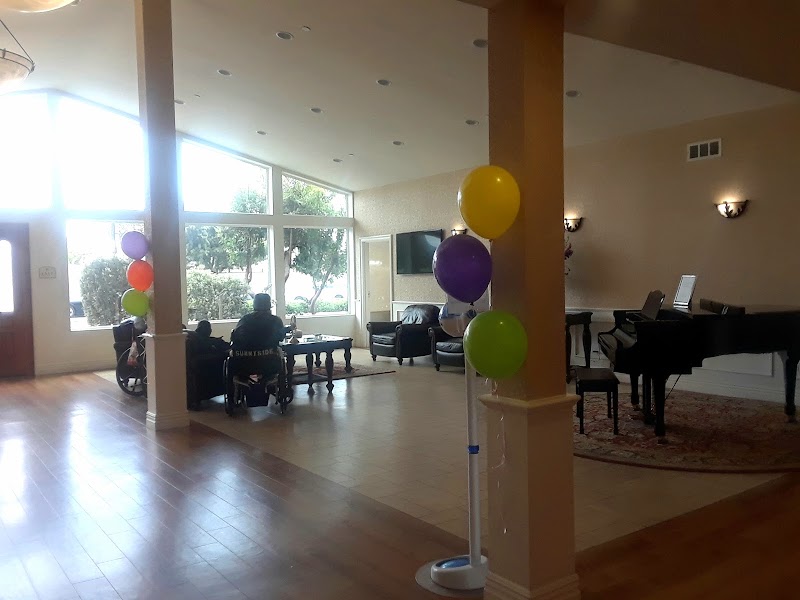
How is Sunnyside Nursing Center Staffed?

CMS rates SUNNYSIDE NURSING CENTER's staffing level at 3 out of 5 stars, which is average compared to other nursing homes. Staff turnover is 57%, which is 10 percentage points above the California average of 46%. High turnover can affect care consistency as new staff learn residents' individual needs. RN turnover specifically is 63%, which is notably high. RNs provide skilled clinical oversight, so turnover in this role can affect medical care quality.

What Have Inspectors Found at Sunnyside Nursing Center?

State health inspectors documented 87 deficiencies at SUNNYSIDE NURSING CENTER during 2023 to 2025. These included: 3 Immediate Jeopardy (the most serious level, indicating potential for serious harm or death), 6 that caused actual resident harm, 76 with potential for harm, and 2 minor or isolated issues. Immediate Jeopardy findings are rare and represent the most serious regulatory concerns. They require immediate corrective action.
Who Owns and Operates Sunnyside Nursing Center?

SUNNYSIDE NURSING CENTER is owned by a non-profit organization. Non-profit facilities reinvest revenue into operations rather than distributing to shareholders. The facility operates independently rather than as part of a larger chain. With 299 certified beds and approximately 246 residents (about 82% occupancy), it is a large facility located in TORRANCE, California.
How Does Sunnyside Nursing Center Compare to Other California Nursing Homes?

Compared to the 100 nursing homes in California, SUNNYSIDE NURSING CENTER's overall rating (1 stars) is below the state average of 3.1, staff turnover (57%) is significantly higher than the state average of 46%, and health inspection rating (1 stars) is much below the national benchmark.

What Should Families Ask When Visiting Sunnyside Nursing Center?

Based on this facility's data, families visiting should ask: "What changes have been made since the serious inspection findings, and how are you preventing similar issues?" "What safeguards and monitoring systems are in place to protect residents from abuse or neglect?" "How do you ensure continuity of care given staff turnover, and what is your staff retention strategy?" "Can I visit during a mealtime to observe dining assistance and food quality?" These questions are particularly relevant given the facility's Immediate Jeopardy citations, the substantiated abuse finding on record, and the facility's high staff turnover rate.

Is Sunnyside Nursing Center Safe?

Based on CMS inspection data, SUNNYSIDE NURSING CENTER has documented safety concerns. The facility has 1 substantiated abuse finding (meaning confirmed case of resident harm by staff or other residents). Inspectors have issued 3 Immediate Jeopardy citations (the most serious violation level indicating risk of serious injury or death). The facility is currently on the Special Focus Facility watch list (a federal program monitoring the lowest-performing 1% of nursing homes nationwide). The facility has a 1-star overall rating and ranks #100 of 100 nursing homes in California. Families considering this facility should ask detailed questions about what corrective actions have been taken since these incidents.

Do Nurses at Sunnyside Nursing Center Stick Around?

Staff turnover at SUNNYSIDE NURSING CENTER is high. At 57%, the facility is 10 percentage points above the California average of 46%. Registered Nurse turnover is particularly concerning at 63%. RNs handle complex medical decisions and coordinate care — frequent RN changes can directly impact care quality. High turnover means new staff may not know residents' individual needs, medications, or preferences. It can also be disorienting for residents, especially those with dementia who rely on familiar faces. Families should ask: What is causing the turnover? What retention programs are in place? How do you ensure care continuity during staff transitions?

Was Sunnyside Nursing Center Ever Fined?

SUNNYSIDE NURSING CENTER has been fined $242,853 across 6 penalty actions. This is 6.8x the California average of $35,507. Fines at this level are uncommon and typically indicate a pattern of serious deficiencies, repeated violations, or failure to correct problems promptly. CMS reserves penalties of this magnitude for facilities that pose significant, documented risk to resident health or safety. Families should request specific documentation of what issues led to these fines and what systemic changes have been implemented.

Is Sunnyside Nursing Center on Any Federal Watch List?

SUNNYSIDE NURSING CENTER is currently an SFF Candidate, meaning CMS has identified it as potentially qualifying for the Special Focus Facility watch list. SFF Candidates have a history of serious deficiencies but haven't yet reached the threshold for full SFF designation. The facility is being monitored more closely — if problems continue, it may be added to the official watch list. Families should ask what the facility is doing to address the issues that led to this status.