TORRANCE CARE CENTER WEST, INC
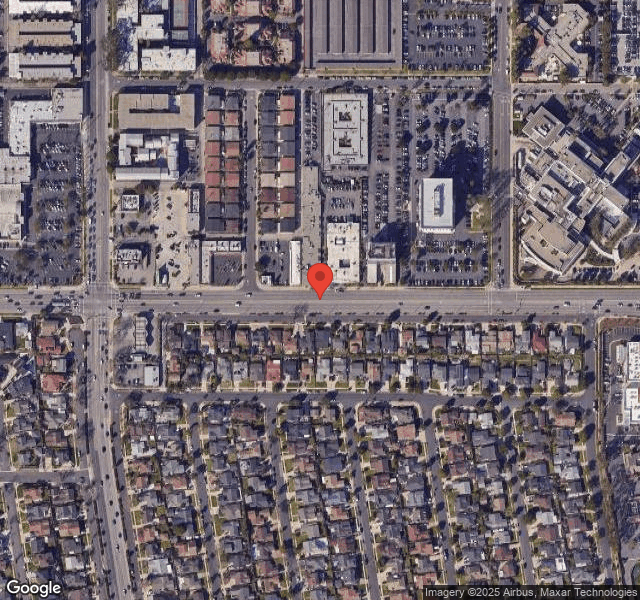
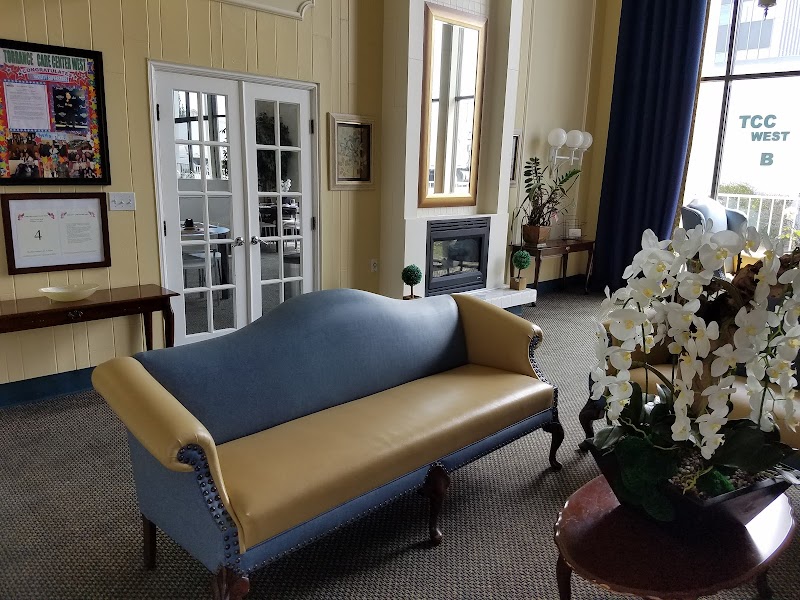
4333 TORRANCE BLVD, TORRANCE, CA 90503 (310) 370-4561
For profit - Corporation 195 Beds ROLLINS-NELSON HEALTHCARE MANAGEMENT Data: November 2025 1 Immediate Jeopardy citation
Trust Grade
16/100
#931 of 1155 in CA
Last Inspection: August 2025

Inspected within the last 6 months. Data reflects current conditions.

Overview

Torrance Care Center West, Inc. has received a Trust Grade of F, indicating significant concerns regarding the quality of care provided. Ranking #931 out of 1155 facilities in California places it in the bottom half, and #250 out of 369 in Los Angeles County suggests that only a few local options are better. The facility is showing an improving trend, with issues decreasing from 28 in 2024 to 27 in 2025, but it still faces serious challenges, including 68 total deficiencies found during inspections. Staffing is a relative strength with a 4/5 star rating and a low turnover rate of 26%, but there is concerning RN coverage, which is less than 95% of California facilities. Specific incidents included a failure to ensure safety for smokers, an instance of physical abuse among residents leading to injuries, and violations of residents' rights regarding mail delivery, highlighting both care and oversight issues that families should consider.

Trust Score
F
16/100
In California
#931/1155
Bottom 20%
Safety Record
High Risk
Review needed
Inspections
Getting Better
28 → 27 violations
Staff Stability
✓ Good
26% annual turnover. Excellent stability, 22 points below California's 48% average. Staff who stay learn residents' needs.
Penalties
✓ Good
$35,937 in fines. Lower than most California facilities. Relatively clean record.
Skilled Nurses
⚠ Watch
Each resident gets only 13 minutes of Registered Nurse (RN) attention daily — below average for California. Fewer RN minutes means fewer trained eyes watching for problems.
Violations
⚠ Watch
68 deficiencies on record. Higher than average. Multiple issues found across inspections.
★★☆☆☆
2.0
Overall Rating
★★★★☆
4.0
Staff Levels
★★★★★
5.0
Care Quality
★☆☆☆☆
1.0
Inspection Score
Stable
2024: 28 issues
2025: 27 issues

The Good

  • 4-Star Staffing Rating · Above-average nurse staffing levels
  • 5-Star Quality Measures · Strong clinical quality outcomes
  • Low Staff Turnover (26%) · Staff stability means consistent care
  • Full Sprinkler Coverage · Fire safety systems throughout facility
  • No fines on record
  • Staff turnover is low (26%)

    22 points below California average of 48%

Facility shows strength in staffing levels, quality measures, staff retention, fire safety.

The Bad

2-Star Overall Rating

Below California average (3.1)

Below average - review inspection findings carefully

Federal Fines: $35,937

Above median ($33,413)

Moderate penalties - review what triggered them

Chain: ROLLINS-NELSON HEALTHCARE MANAGEMEN

Part of a multi-facility chain

Ask about local staffing decisions and management

The Ugly 68 deficiencies on record

1 life-threatening 1 actual harm
Sept 2025 2 deficiencies
CONCERN (D) 📢 Someone Reported This

A family member, employee, or ombudsman was alarmed enough to file a formal complaint

Potential for Harm - no one hurt, but risky conditions existed

Grievances (Tag F0585)

Could have caused harm · This affected 1 resident

**NOTE- TERMS IN BRACKETS HAVE BEEN EDITED TO PROTECT CONFIDENTIALITY** Based on observation, interview, and record review, the facility failed to provide information on how to file a grievance (an of...

Read full inspector narrative →
**NOTE- TERMS IN BRACKETS HAVE BEEN EDITED TO PROTECT CONFIDENTIALITY** Based on observation, interview, and record review, the facility failed to provide information on how to file a grievance (an official statement of a complaint over something believed to be wrong or unfair) and its process to one of three sampled residents (Resident 1).This failure resulted in Resident 1 being unable to exercise his or her right to file grievance.Findings:During a review of Resident 1's admission Record, the admission Record indicated, Resident 1 was initially admitted to the facility on [DATE] and last readmission was on 4/17/2025 with diagnoses including cerebral infarction (loss of blood flow to a part of the brain), hemiplegia (total paralysis of the arm, leg, and trunk on the same side of the body), and left above the knee amputation (AKA-surgical removal of the portion of the leg above the knee joint).During a review of Resident 1's History and Physical (H&P), dated 4/17/2025, the H&P indicated, Resident 1 had the capacity (ability) to understand and make decision.During a review of Resident 1's Minimum Data Set (MDS - a resident assessment tool), dated 7/9/2025, the MDS indicated Resident 1 required maximal assistance (Helper does more than half the effort) from two or more staff for bed mobility, transfer, dressing, hygiene, moderate assistance (Helper does less than half the effort) from one staff for bathing, and set up or touching assistance (Helper sets up or cleans up) for eating.During a concurrent observation and interview on 9/15/2025, at 11:25 a.m., with Resident 1 in her room, Resident 1 was wearing green track pants (soft, comfortable trousers, originally designed for athletic activities and warm-ups, now widely worn as casual wear) and her pants were wet. Resident 1's adult brief (a type of absorbent, tab-style adult diaper designed for moderate to heavy incontinence) was crooked to left side. Resident 1 stated, she felt so uncomfortable and irritated because the staff did not know how to adjust her brief. Resident 1 stated, she has been having this issue since the admission. Resident 1 stated some staff were having an attitude when she asked them to change her before leaking. Resident 1 stated, she has been complaining about this issue, but no one did anything for her. Resident 1 stated, the Social Service Director (SSD) or the staff did not explain how to file the grievance. Resident 1 stated, she would file the grievance if she knew how to file the grievance.During a concurrent interview and record review on 9/15/2025, at 2:00 p.m., with the Social Service Director (SSD), the facility's Grievance/Complaint Log, dated from 6/2025 to 9/2025 was reviewed. There was no grievance documented regarding Resident 1's adult brief-changing complaint. The SSD stated this was the known issue or complaint since the 4/2025. The SSD stated that any complaint regarding the resident's care and rights should be in grievance log and investigated. The SSD stated, she mentioned regarding Resident1's adult brief changing complaint in her note, but she did not file the grievance for Resident 1. The SSD stated, she should have provided information regarding how to file grievance and the process of grievance to Resident 1 and family members as soon as she found out about the issue. The SSD stated she should have formally addressed, investigated, and resolved Resident 1's concern in a timely manner by filing grievance for her as soon as she found out about the complaint. The SSD stated, she should not have assumed that Resident 1 knew how to file the grievance. The SSD stated it was the resident's right to file the grievance.During an interview on 9/15/2025, at 2:50 p.m., with the Director of Nursing (DON), the DON stated, the SSD should have provided the information regarding how to file grievance and the process of grievance to Resident 1 and family members since there was an ongoing complaint regarding brief change. The DON stated that the residents should know how to file grievance to exercise their rights. During a review of the facility's Policy and Procedure(P&P) titled, Grievance/Concerns, undated, the P&P indicated, The staff shall respond promptly and appropriately to concerns or complaints expressed by residents or their family, friends, or responsible party. Filing of Grievance: Grievances must be submitted to the coordinator or designee within 30 days of becoming aware of the alleged discrimination action. The coordinator or designee shall conduct an investigation of the complaint to determine its validity. The investigation may be informal, but it must be thorough, affording all interested parties/persons an opportunity to submit evidence relevant to the complaint. The coordinator or designee will issue a written decision on the grievance no later than 30 days after its filing.During a review of the facility's Policy and Procedure(P&P) titled, Social Service Director: Job Description, undated, the P&P indicated, Major Duties and Responsibilities: The Social Service Director will assist residents in voicing and obtaining resolution to grievances. The Director will review complaints and grievances made by the resident and make a written report indicating what action(s) were taken to resolve the complaint or grievance.
CONCERN (D) 📢 Someone Reported This

A family member, employee, or ombudsman was alarmed enough to file a formal complaint

Potential for Harm - no one hurt, but risky conditions existed

Comprehensive Care Plan (Tag F0656)

Could have caused harm · This affected 1 resident

**NOTE- TERMS IN BRACKETS HAVE BEEN EDITED TO PROTECT CONFIDENTIALITY** Based on observation, interview, and record review, the facility failed to develop and/or implement an individualized person-cen...

Read full inspector narrative →
**NOTE- TERMS IN BRACKETS HAVE BEEN EDITED TO PROTECT CONFIDENTIALITY** Based on observation, interview, and record review, the facility failed to develop and/or implement an individualized person-centered plan of care with measurable objectives and interventions to meet the residents' needs for one of three sampled residents (Resident 1) regarding adjustment of the adult brief (a type of absorbent, tabs-style adult diaper designed for moderate to heavy incontinence) fitting.This failure resulted in Resident 1 feeling embarrassed due to the leakage of urine from the improper adjustment of the adult brief and avoiding activities due to uncomfortable fitting of the adult brief.Findings:During a review of Resident 1's admission Record, the admission Record indicated, Resident 1 was initially admitted to the facility on [DATE] and last readmission was on 4/17/2025 with diagnoses including cerebral infarction (loss of blood flow to a part of the brain), hemiplegia (total paralysis of the arm, leg, and trunk on the same side of the body), and left above the knee amputation (AKA-surgical removal of the portion of the leg above the knee joint).During a review of Resident 1's History and Physical (H&P), dated 4/17/2025, the H&P indicated, Resident 1 had the capacity (ability) to understand and make decision.During a review of Resident 1's Minimum Data Set (MDS - a resident assessment tool), dated 7/9/2025, the MDS indicated Resident 1 required maximal assistance (Helper does more than half the effort) from two or more staff for bed mobility, transfer, dressing, hygiene, moderate assistance (Helper does less than half the effort) from one staff for bathing, and set up or touching assistance (Helper sets up or cleans up) for eating.During a concurrent observation and interview on 9/15/2025, at 11:25 a.m., with Resident 1 in her room, Resident 1 was wearing green track pants (soft, comfortable trousers, originally designed for athletic activities and warm-ups, now widely worn as casual wear) and her pants were wet. Resident 1's adult brief was crooked to left side. Resident 1 stated, she felt so uncomfortable and irritated because the staff did not know how to adjust her brief. Resident 1 stated, she has been having this issue since the admission. Resident 1 stated some staff were having an attitude when she asked them to change her before leaking. Resident 1 stated, she has been complaining about this issue, but no one did anything for her. Resident 1 stated, she did not participate in activities because she was worried about leakage due to crooked adult brief because of poor application by the staff.During an observation on 9/15/2025, at 11:35 a.m., in Resident 1's room, the Director of Nursing (DON) and Certified Nurse Assistant (CNA) 1 were changing Resident 1's adult brief. DON and CNA 1 had to make multiple adjustments per Resident 1's requests and Resident 1 verbalized her frustration when CNA 1 did not follow her instructions.During an interview on 9/15/2025, at 12:10 p.m., with CNA 1, CNA 1 stated, she understood why Resident 1 was frustrated. CNA 1 stated, she witnessed Resident 1's pants get wet due to poorly applied adult brief on many occasions. CNA 1 stated that Resident 1 refused to go to activities sometimes. CNA 1 stated there was no detailed instruction or intervention to follow how to adjust Resident 1's adult brief. CNA 1 stated, she felt bad for Resident 1.During a concurrent interview and record review on 9/15/2025, at 1:04 p.m., with the Director of Staff Development (DSD), Resident 1's Interdisciplinary Team Meeting (IDT meeting - a collaborative discussion among diverse healthcare professionals to develop, coordinate, and support a patient's care plan, ensuring a comprehensive, person-centered approach) Notes, dated from 4/2025 to 9/2025 were reviewed. There were no specific and resident centered interventions for ongoing Resident 1's adult brief adjustment complaint. The DSD stated that the IDT developed the care plan and its interventions for each resident. The DSD stated that the IDT failed to recommend comprehensive and resident centered interventions for Resident 1's adult brief issue.During a concurrent interview and record review on 9/15/2025, at 1:42 p.m., with the Minimum Data Set Coordinator (MDSC), Resident 1's Care Plan (CP), revised 8/14/2025, the CP Focus indicated, Resident 1 had aggressive behavior during diaper change. The CP goal indicated, Resident 1 will have no evidence of behavior problems by review date (10/9/2025). The CP Interventions indicated to explain why behavior was inappropriate, approach in a calm manner, and attempt to determine underlying cause. The MDSC stated, Resident 1's care plan goal was not objective and measurable. The MDSC stated that interventions were generic (not specific). The MDSC stated Resident 1's care plan did not address the actual issue of accommodating Resident 1's requests to adjust her adult brief in a comfortable way.During an interview on 9/15/2025, at 2:50 p.m., with the DON, the DON stated, care plans are created to guide the staff on how to care for residents with identified problems. The DON stated, without a care plan with specific interventions, a resident may have a recurrence of an issue or a worsening of a condition. The DON stated, IDT meeting should have developed individualized resident centered care plans and interventions. The DON stated, these interventions should have been implemented and reevaluated for effectiveness. The DON stated that Resident 1's care plan was not specific and individualized due to lack of recommendation from the IDT meeting. The DON stated that Resident 1's adult brief adjustment issue would not be resolved unless specific and resident centered interventions were implemented. The DON stated it might lead to a delay in delivery of care and services.During a review of the facility's Policy and Procedure(P&P) titled, Care Planning-Interdisciplinary Team, undated, the P&P indicated, Policy Statement: Our facility's Care Planning/Interdisciplinary Team is responsible for the development of an individualized comprehensive care plan for each resident.During a review of the facility's Policy and Procedure(P&P) titled, Comprehensive Care Plan, undated, the P&P indicated, Policy: It is the policy of this facility to develop and implement a comprehensive person-centered care plan for each resident, consistent with resident rights, that includes measurable objectives and timeframes to meet a resident's medical, nursing, and mental and psychosocial needs that are identified in the resident's comprehensive assessment. Policy Explanation and Compliance Guidelines: 1. Person-centered care means focusing on the resident as the locus of control and supporting the resident in making their own choices and having control over their daily lives. 2. The care planning process will include an assessment of the resident's strengths and needs and will incorporate the resident's personal and cultural preferences in developing goals of care. 7. The comprehensive care plan will include measurable objectives and timeframes to meet the resident's needs as identified in the resident's comprehensive assessment. The objectives will be utilized to monitor the resident's progress. Alternative interventions will be documented, as needed.
Aug 2025 24 deficiencies
CONCERN (D)

Potential for Harm - no one hurt, but risky conditions existed

Resident Rights (Tag F0550)

Could have caused harm · This affected 1 resident

**NOTE- TERMS IN BRACKETS HAVE BEEN EDITED TO PROTECT CONFIDENTIALITY** Based on observation, interview, and record review, the facility failed to ensure the call light (a vital communication tool, en...

Read full inspector narrative →
**NOTE- TERMS IN BRACKETS HAVE BEEN EDITED TO PROTECT CONFIDENTIALITY** Based on observation, interview, and record review, the facility failed to ensure the call light (a vital communication tool, ensuring residents can easily alert nurses or other caregivers when they need help) was in reach and not observed on the floor for one of residents (Resident 90). This deficient practice had the potential to compromise Resident 90's ability to request staff assistance, placed the resident at risk for unmet needs, and deny Resident 90 the right to a dignified environment which could affect their health, safety, and quality of life.Findings:During a review of Resident 90's admission Record (a document containing demographic and diagnostic information) , the admission Record indicated Resident 90 was originally admitted to the facility on [DATE] and was readmitted on [DATE] with diagnoses including schizoaffective disorder (a mental illness that can affect thoughts, mood, and behavior), major depressive disorder (a mood disorder that causes a persistent feeling of sadness and loss of interest), and failure to thrive (a decline which can cause weight loss, poor appetite, poor food intake). During a review of Resident 90's History and Physical (H& P) dated 9/4/2024, the H&P indicated Resident 90 had a fluctuating capacity to understand and make decisions.During a review of Resident 90's Minimum Data Set ([MDS] standardized assessment and care screening tool) dated 5/22/2025, the MDS indicated Resident 90 required Supervision or touching assistance (Helper provides verbal cues and/or touching/steadying and/or contact guard assistance as resident completes activity). The MDS indicated assistance may be provided throughout the activity or intermittently for toileting hygiene, shower/bath, and personal hygiene. During a concurrent observation and interview on 8/12/2025 at 11:37 a.m. with Certified Nurse Assistant (CNA 2) in Resident 90's room, Resident 90's call light was located on the floor behind her bed, not within her reach. CNA 2 stated that she is responsible for ensuring the call light is always within the resident's reach. CNA 2 stated when she leaves a resident's room, she ensures the call light is within their reach. CNA 2 stated Resident 90 uses her call light for assistance and would not be able to pick her call light from the floor. CNA 2 stated the facility's policy is that call lights must always be accessible to residents to ensure their safety. During an interview on 8/12/2025 at 1:25 p.m. with License Vocational Nurse (LVN) 2, LVN 2 stated it is every staff member's responsibility to ensure that residents always have their call lights within reach. LVN 2 stated if a call light were on the floor, she would immediately return it to the residents and check if they needed assistance. LVN 2 stated Resident 90 relies on the call light for help, so it is critical that it is always within her reach. LVN 2 stated she expects the CNA's to always check for call light placement before leaving the room, and she monitors the staff for compliance during daily rounding. LVN 2 stated it is the facility's policy call lights always be accessible to the residents to ensure residents' rights, dignity, and safety. During an interview on 8/14/2025 at 2:00 p.m. with the Director of Nursing (DON), the DON stated it is the facility's policy that all residents must always have their call lights within reach. The DON stated it is the responsibility of all direct care staff CNA's, LVN's, and RNs to ensure this before leaving a resident's room. The DON stated staff are trained during orientation and reinforced in ongoing in-services about resident rights and safety, including call light accessibility. The DON stated if a call light is found on the floor, staff are expected to immediately return it to the residents and check if assistance is needed. The DON stated because Resident 90 relies on the call light for assistance and could not pick it up independently that creates a safety risk for the resident. During a review of the facility's policy and procedure (P&P) titled, Call Light Policy, [undated], the P&P indicated, Call lights are positioned so the resident/patient can easily access them from the bed, chair, or bathroom. During a review of the facility's policy and procedure (P&P) titled Promoting/Maintaining Resident Dignity, [undated], the P&P indicated, It is the practice of this facility to protect and promote resident rights and treat each resident with respect and dignity as well as care for each resident in a manner and in an environment, that maintains or enhances resident's quality of life by recognizing each resident's individuality.
CONCERN (D)

Potential for Harm - no one hurt, but risky conditions existed

Deficiency F0552 (Tag F0552)

Could have caused harm · This affected 1 resident

**NOTE- TERMS IN BRACKETS HAVE BEEN EDITED TO PROTECT CONFIDENTIALITY** Based on observation, interview, and record review, the facility failed to assess mental capacity(ability to understand informat...

Read full inspector narrative →
**NOTE- TERMS IN BRACKETS HAVE BEEN EDITED TO PROTECT CONFIDENTIALITY** Based on observation, interview, and record review, the facility failed to assess mental capacity(ability to understand information and make decisions) accurately on one of four sampled residents(Resident 22) when the resident was provided an informed consent(voluntary agreement to accept treatment and/or procedures after receiving education regarding the risks, benefits, and alternatives offered)for a psychotropic medication(any drug that affects brain activities associated with mental processes and behavior).This failure had the potential to violate Resident 22's right to be informed.Findings:During a review of Resident 22's admission Record, the admission Record indicated Resident 22 was originally admitted to the facility on [DATE] and was readmitted on [DATE] with diagnoses including unspecified dementia (a progressive state of decline in mental abilities),unspecified psychosis (a severe mental condition in which thought, and emotions are so affected that contact is lost with reality) and unspecified mood affective disorder(mental health condition characterized by symptoms of a mood disorder that do not fully meet the criteria for a specific named diagnosis).During a review of Resident 22's Minimum Data Set (MDS- a resident assessment tool) dated 7/7/2025, the MDS indicated Resident 22 had severely impaired cognitive (ability to think, understand, learn, and remember) skills and required supervision or touching assistance (helper provides verbal cues and contact guard assistance as resident completes the activity) with eating, oral hygiene, dressing and toileting hygiene.During a review of Resident 22's History and Physical (H&P) dated 1/17/2025, the H&P indicated Resident 22 did not have the capacity to understand and make decisions.During a review of Order Summary Report dated 1/16/2025, the Order Summary Report indicated a physician order of Divalproex Sodium (medication for patients with acute bipolar mania [a state of extremely elevated mood and energy associated] and epilepsy {disorder in which nerve cell activity in the brain is disturbed, causing seizures [involuntary muscle movements]}) 250 milligrams(mgs.- unit of measurement)Depakote- medication that treats convulsions and stabilize mood) give one tablet by mouth two times a day for mood disorder manifested by periods of agitation (restless physical and emotional activity). The Order Summary Report indicated an informed consent was obtained by the physician from a responsible party.During a review of Resident 22's Interdisciplinary Team(IDT- team members from different departments working together with a common purpose to set goals and make decisions that ensure residents receive the best care) Meeting Care Conference dated 7/7/2025, IDT Meeting Care Conference indicated Resident 22 was self-responsible ( able to make informed choices and taking actions that promote health and prevent illness) and had no family involved in his care.During a review of Informed Consent Form for use of Divalproex 250 mgs. twice a day for mood disorder manifested by periods of agitation dated 1/16/2025, the Informed Consent Form was obtained from Resident 22 and Director of Staff Development (DSD) received the physician order. The Informed Consent Form indicated the DSD and physician signed informed consent on 1/16/2025, at 8:30 p.m.During a concurrent observation and interview on 8/11/2025, at 1:10 p.m. with Resident 22, Resident 22 was unable to answer questions appropriately when asked by the surveyor during initial screening of residents for the survey.During a concurrent interview and record review on 8/14/2025 at 11:44 a.m., with DSD, Resident 22's Informed Consent for Divalproex was reviewed. DSD stated she was responsible for doing admissions for residents in the afternoon. DSD stated Divalproex was a medication that was resumed and continued in the facility from the hospital. DSD stated she called the physician during admission day and obtained an order to continue Divalproex. DSD stated she wrote the name of Resident 22 in the Informed Consent Form because there was no responsible party. DSD admitted it was not the right way to obtain informed consent. DSD stated she should have called back the physician to inform him that Resident 22 was not mentally competent and should have referred Resident 22 to the social services to look for a family or public guardian (public official appointed by a court who serves as a conservator for individuals who are unable to care for themselves due to mental or physical condition). DSD stated not informing the resident or family representative about the use of Divalproex and not assessing resident's mental capacity before providing informed consent was not the right way to provide informed consent because it could violate resident's rights.During a concurrent interview and record review on 8/14/2025, at 11:16 p.m. and subsequent interview on 8/14/2025, at 12:25 p.m., with the Director of Nursing (DON), Resident 22's Informed Consent for Divalproex, Progress Notes and Physician Progress Notes were reviewed. The DON stated the informed consent was provided to Resident 22 for Divalproex and there was no documentation the physician was notified about resident's mental capacity. The DON stated the physician determined if the resident was self-responsible and if there was no family member available. The DON stated licensed nurses should document the necessity of the medication and no available family to consent. The DON stated the Informed consent was not acceptable because Resident 22 was unable to consent due to Resident 22's cognitive status. The DON stated Divalproex was a psychotropic medication and Resident 22 can develop side effects (unintended often negative because of a treatment or medication beyond its main purpose) and can be considered an unnecessary medication if the resident or resident representative was not informed of the reason of the medication and side effects. The DON stated the facility should have applied for conservatorship for Resident 22. The DON stated the facility had the potential for violating resident rights to be informed because he had cognitive impairment and was unable to exercise his rights.During a review of facility's policy and procedure (P&P) titled, Completeness and Accuracy of Documentation Policy, (undated), the P&P indicated All information should reflect actual observation, interventions, and resident responses.During a review of facility's P&P titled, Chemical Restraints, undated, the P&P indicated Informed consent for medications that affect mood, behavior, or cognition should be documented in the medical record unless emergency administration is required in which case consent is obtained as soon as possible. The P&P indicated the residents, or their legal representatives are informed about the reason for the medication, potential benefits, risks and alternatives
CONCERN (D)

Potential for Harm - no one hurt, but risky conditions existed

Deficiency F0558 (Tag F0558)

Could have caused harm · This affected 1 resident

**NOTE- TERMS IN BRACKETS HAVE BEEN EDITED TO PROTECT CONFIDENTIALITY** Based on observation, interview, and record review the facility failed to ensure reasonable accommodation of needs for one of on...

Read full inspector narrative →
**NOTE- TERMS IN BRACKETS HAVE BEEN EDITED TO PROTECT CONFIDENTIALITY** Based on observation, interview, and record review the facility failed to ensure reasonable accommodation of needs for one of one resident (Resident 90) when staff did not make the residents' pictogram communication board (involves using simple pictures or symbols to convey important information to residents, especially those with language barriers) accessible. This deficient practice had the potential to impede Resident 90's ability to express her needs, make choices, and participate in care decisions, thereby affecting her dignity and quality of life. Findings: During a review of Resident 90's admission Record (a document containing demographic and diagnostic information), the admission Record indicated Resident 90 was originally admitted to the facility on [DATE] and was readmitted on [DATE] with diagnoses including schizoaffective disorder (a mental illness that can affect thoughts, mood, and behavior), major depressive disorder (a mood disorder that causes a persistent feeling of sadness and loss of interest), and failure to thrive (a decline which can cause weight loss, poor appetite, poor food intake). During a review of Resident 90's History and Physical (H& P) dated 9/4/2024, the H&P indicated Resident 90 had fluctuating capacity to understand and make decisions.During a review of Resident 90's Minimum Data Set ([MDS] - a resident assessment tool) dated 5/22/2025, indicated Resident 90 required Supervision or touching assistance (Helper provides verbal cues and/or touching/steadying and/or contact guard assistance as resident completes activity. Assistance may be provided throughout the activity or intermittently) for toileting hygiene, shower/bath, and personal hygiene. During a review of Resident 90's care plan, dated 11/22/2024, the Care Plan indicated the resident is at risk for impaired communication related to cognitive deficits, which impair her ability to communicate needs effectively. The care plan interventions included to Provide communication board, if applicable.During a concurrent observation and interview on 8/12/2025 at 11:37 a.m. with Certified Nurse Assistant (CNA) 2, in Resident 90's room, the resident's pictogram communication board was not found inside of the bedside table drawer and not within the resident's reach. CNA 2 stated the staff keeps the pictogram inside the drawer so it does not get misplaced, but she realizes Resident 90 cannot get it without assistance from the staff. CNA 2 stated Resident 90 could not communicate without the pictogram because she only speaks Korean. CNA 2 stated the staff rely on the pictogram to understand what the residents' needs are. CNA 2 stated Resident 90 may not be able to express pain, hunger, thirst, or toileting needs when the pictogram is left inside of the bedside table. During an interview on 8/12/2025 at 1:25 p.m. with License Vocational Nurse (LVN 2), LVN 2 stated Resident 90's pictogram should be always placed within her reach, especially since the resident uses it as their primary form of communication. LVN 2 stated she is unsure why it was put away in the drawer. LVN 2 stated the expectation is that communication devices, such as pictograms should always be accessible so residents can express their needs and preferences. LVN 2 stated Resident 90 might not be able to communicate pain, needs, or preferences, which could lead to frustration, unmet needs, delayed care, or even a decline in their overall well-being. During an interview on 8/14/2025 at 2:30 p.m. with the Director of Nursing (DON), the DON stated it is the facility's policy that all residents' communication devices must be always kept within reach so they can effectively express their needs, preferences, and concerns. The DON stated if the pictogram is not accessible, the resident may not be able to communicate pain, discomfort, or basic needs. The DON stated that it could cause the residents' frustration, delayed care, unmet needs, and could negatively impact their safety and quality of life. During a review of the facility's policy and procedures (P&P) titled, Accommodation of Needs, [undated] indicated, the P&P indicated Facility staff shall make efforts to reasonably accommodate the needs and preferences of the resident as they make use of their physical environment.During a review of the facility's policy and procedures (P&P) titled, Provision of Quality Care, [undated], the P&P indicated Based on comprehensive assessment, the facility will ensure that residents receive treatment and care by qualified persons in accordance with professional standards of practice, the comprehensive person-centered care plans, and the residents' choices.
CONCERN (D)

Potential for Harm - no one hurt, but risky conditions existed

Deficiency F0582 (Tag F0582)

Could have caused harm · This affected 1 resident

**NOTE- TERMS IN BRACKETS HAVE BEEN EDITED TO PROTECT CONFIDENTIALITY** Based on interview and record review, the facility failed to ensure one of three sampled residents (Resident 182) was appropriat...

Read full inspector narrative →
**NOTE- TERMS IN BRACKETS HAVE BEEN EDITED TO PROTECT CONFIDENTIALITY** Based on interview and record review, the facility failed to ensure one of three sampled residents (Resident 182) was appropriately notified regarding the changes in their Medicare coverage through provision of Notice of Medicare Non-Coverage (NOMNC) ( a form that healthcare providers must give to Medicare beneficiaries to inform them that Medicare is expected to stop covering a specific service or item) form. This deficient practice had the potential to result in the responsible parties not being able to exercise their right to file an appeal.Findings:During a review of Resident 182's admission Record, the admission Record indicated Resident 182 was initially admitted to the facility on [DATE] and readmitted on [DATE] with diagnoses including psychosis (a severe mental condition in which thought, and emotions are so affected that contact is lost with reality) and hemiplegia (total paralysis of the arm, leg, and trunk on the same side of the body). During a review of Resident 182's Minimum Data Set (MDS- a resident assessment tool) dated 4/16/2025, the MDS indicated Resident 182's cognition (ability to think, understand, learn, and remember) was severely impaired. During a review of Resident 182's Social Services History and Initial assessment dated [DATE], the Social Services History and Initial Assessment indicated Resident 182 rarely/never understands, confused, and has a deficit in receptive communication (the ability to understand and process information received from others) . During a concurrent interview and record review on 8/14/2025 at 7:44 a.m., with the Social Services Director (SSD) 1, SSD 1 stated the NOMNC form indicted Resident 182 received a copy of the form and they held an Interdisciplinary Team (IDT team members from different departments working together with a common purpose to set goals and make decisions that ensure residents receive the best care) meeting to discuss the Medicare coverage for Resident 182 being he not capable of understanding. SSD 1 stated they discussed applying for a guardianship (a court-ordered process where a person or entity is appointed to make personal decisions for another who is unable to make those decisions themselves) for Resident 182 which should have been done at the time of Resident 182's admission to the facility. During an interview on 8/14/2025 at 12:48 p.m., with the Director of Nursing (DON), the DON stated she was not familiar with the NOMNC process but Resident 182 was mentally incapable of making decisions on his own and a guardian should have been appointed to make decisions on his behalf. The DON stated it was the residents right to understand what they are signing, and this did not occur for Resident 182. During a review of the facility's policy and procedure (P&P) titled, Advance Beneficiary Notices, undated, the P&P indicated, A NOMNC shall be issued to the resident/representative when Medicare covered service(s) are ending, no matter if resident is leaving the facility or remaining in the facility.
CONCERN (D)

Potential for Harm - no one hurt, but risky conditions existed

Deficiency F0628 (Tag F0628)

Could have caused harm · This affected 1 resident

**NOTE- TERMS IN BRACKETS HAVE BEEN EDITED TO PROTECT CONFIDENTIALITY** Based on interview and record review, the facility failed to complete the required documentation for a transfer/discharge and as...

Read full inspector narrative →
**NOTE- TERMS IN BRACKETS HAVE BEEN EDITED TO PROTECT CONFIDENTIALITY** Based on interview and record review, the facility failed to complete the required documentation for a transfer/discharge and assist resident with discharge planning for two of three sampled residents (Resident 51 and Resident 9) by failing to:1.Ensure a written copy of the bed hold notice was created and provided to Resident 51.2.Ensure the Notice of Proposed Transfer and Discharge was provided to the Ombudsman at the time of transfer to the General Acute Care Hospital (GACH) for Resident 51. This deficient practice resulted in the incomplete status of Resident 51's bed hold availability and had the potential to deny Resident 51's protection from being inappropriately discharged .3. Assist Resident 9 to look for placement back into the community.Findings: 1.During a review of Resident 51’s admission Record, the admission Record indicated Resident 51 was initially admitted to the facility on [DATE] and readmitted on [DATE] with diagnoses including diabetes mellitus (DM- a disorder characterized by difficulty in blood sugar control and poor wound healing) and major depressive disorder (a mood disorder that causes a persistent feeling of sadness and loss of interest). During a review of Resident 51’s Minimum Data Set (MDS- a resident assessment tool) dated 5/16/2025, the MDS indicated Resident 51’s cognition (ability to think, understand, learn, and remember) was intact. During an interview on 8/13/2025 at 2:44 p.m., with the Administrator (ADM), the ADM provided a copy of the bed hold for Resident 51 signed upon admission of Resident 51 to the facility on 5/28/2025. The ADM stated the Social Services Director (SSD) used the bed hold Resident 51 signed on 5/28/2025 for her transfer to the GACH on 7/1/2025 and then had Resident 51 sign another bed hold upon her return from the GACH on 7/4/2025. During an interview on 8/13/2025 at 2:49 p.m., with Licensed Vocational Nurse (LVN) 1, LVN 1 stated the bed hold form should be completed at the time of a transfer so the residents were aware their bed will be held for them for seven days. During a concurrent interview and record review on 8/14/2025 at 7:44 a.m., with the Social Services Director (SSD) 1, SSD 1 validated the bed hold was not completed until Resident 51 returned to the facility from GACH and the Notice of Proposed Transfer and Discharge was faxed to the Ombudsman two days after Resident 51 transferred to GACH. SSD 1 stated the bed hold should be signed at the time of transfer so Resident 51 would know her bed would be held for seven days at the facility. SSD 1 stated the Notice of Proposed Transfer and Discharge should have been faxed to the Ombudsman at the time of discharge because they are the advocate for the residents and need to know when and why the resident was no longer at the facility. During an interview on 8/14/2025 at 12:48 p.m., with the Director of Nursing (DON), the DON stated the bed hold should be signed by the resident on the day of transfer to GACH not when they return to the facility, so they were aware their bed will be held for seven days. The DON stated the Notice of Proposed Transfer and Discharge should be faxed to the Ombudsman upon the residents' time of transfer to ensure they were aware and to ensure its an appropriate and safe transfer. During a review of the facility’s policy and procedure (P&P) titled, “Bed Hold Prior to Transfer,” (undated), the P&P indicated, “Prior to transferring a resident to the hospital or the resident goes on therapeutic leave, the facility will provide written information to the resident and/or resident representative regarding bed hold.” During a review of the facility’s P&P titled, “Transfer and Discharge” undated, the P&P indicated, “Provide a notice of the resident’s bed hold policy to the resident and representative at the time of transfer, as possible, but no later than 24 hours of the transfer. Social Services Director, or designee, shall provide notice of transfer toa representative of the State Long-Term Care Ombudsman.” During a review of the facility’s P&P titled, “Completeness and Accuracy of Documentation Policy” undated, “To maintain high-quality, truthful, and timely records that support resident care, legal compliance, and continuity of services.” 3.During a review of Resident 9’s admission Record dated 4/30/2025 the admission Record indicated Resident 9 was admitted to the facility on [DATE] and readmitted on [DATE] with diagnoses including anxiety (emotion characterized by feelings of tension, worried thoughts ) bipolar disorder(a mental health condition that causes extreme mood swings that include emotional highs [mania] and lows[depression] that make it difficult to carry out day-to-day tasks and activities) and congenital ( born with) deformity of the fingers and feet. During a review of Resident 9’s Minimum Data Set (MDS – a resident assessment tool) dated 7/16/2025, the MDS indicated Resident 9’s cognition was intact, the MDS also indicated Resident 9 needed set up or clean up assistance with Activities of Daily Living (ADLs- activities such as bathing, dressing and toileting a person performs daily). During a review of Resident 9’s Social Service Quarterly Note dated 7/16/2025, the Social Service Quarterly Note indicated discharge plan to be reviewed quarterly or as needed, or when Resident 9 and her Power of Attorney (POA- legal authorization for a designated person to make decisions about another medical care) decide to change Resident 9’s discharge plan, social services will assist with referrals, transitional needs and support. During an interview on 8/11/2025 at 12:47 p.m. with Resident 9, Resident 9 stated facility were not helping Resident 9 to find an assisted living ( a system of housing and limited care that is designed for senior citizens who need some assistance with daily activities but do not require care in a nursing home) Resident 9 stated she informed the Social Services Director (SSD) a couple of weeks ago, that she need to be out of the facility and go to an assisted living. Resident 9 stated the SSD had not told her anything regarding her request two weeks that she was ready to go to an assisted living. During an interview on 8/12/2025 at 11:38 a.m., with the SSD, the SSD stated it was her responsibility to find placement for the residents when they are safe for discharge and that Resident 9 was safe to be discharged back into the community. The SSD stated that Resident 9 told her she wanted to go to an assisted living about a month ago and that she had not started looking for Resident 9’s placement. The SSD stated she should assist Resident 9 in finding an assisted living as Resident 9 was unhappy at the facility. The SSD stated Resident 9 could feel neglected and disrespected as the facility have not assisted Resident 9 with her request. During an interview on 8/14/25 at 3:38 p.m. with the Director of Nursing (DON), the DON stated she was made aware by the SSD that Resident 9 wanted to go to an assisted living. The DON stated she was not sure why the SSD did not start looking for Resident 9 an assisted living facility. The DON stated Resident 9 was medically stable and could be discharged back into the community where she would have more choices and a better quality of life. During a review of the facility’s policy & Procedure (P&P) titled “Transfer and Discharge” (undated). the P&P indicated “This facility complies with federal regulations to permit each resident to remain in the facility and not transfer or discharge the resident from the facility unless…The transfer or discharge is appropriate because the residents’ health has improved sufficiently so the residents no longer need the service provided by the facility.”
CONCERN (D)

Potential for Harm - no one hurt, but risky conditions existed

Comprehensive Care Plan (Tag F0656)

Could have caused harm · This affected 1 resident

**NOTE- TERMS IN BRACKETS HAVE BEEN EDITED TO PROTECT CONFIDENTIALITY** Based on observation, interview and record review, the facility failed to ensure two of two sampled residents (Resident 36 and 1...

Read full inspector narrative →
**NOTE- TERMS IN BRACKETS HAVE BEEN EDITED TO PROTECT CONFIDENTIALITY** Based on observation, interview and record review, the facility failed to ensure two of two sampled residents (Resident 36 and 182) had:1.Implemented intervention of padded siderails for Resident 36 who had a seizure disorder 2.Developed a care plan for Resident 182 who had a sacrococcyx (tailbone) wound.These failures had the potential to not having appropriate interventions and for injury to the residents. Findings: 1.During a review of Resident 36’s admission Record, the admission Record indicated Resident 36 was initially admitted to the facility on [DATE] and readmitted on [DATE] with diagnoses including paranoid schizophrenia (mental health condition), epilepsy (seizures- a sudden, uncontrolled electrical disturbance in the brain which can cause uncontrolled jerking, blank stares, and loss of consciousness), and major depressive disorder (a mood disorder that causes a persistent feeling of sadness and loss of interest). During a review of Resident 36’s Minimum Data Set (MDS-resident assessment tool) dated 1/30/2023, the MDS indicated Resident 36 had severe cognitive (ability to think, understand, learn, and remember) impairment. During a review of Resident 36’s care plan titled “Resident 36 at risk for injury and falls related to seizure disorder revised 9/25/2024, the care plan goals indicated Resident 36 will not have a seizure related injury with interventions including padded side rails in bed. During an observation on 8/11/2025 at 10:45 a.m., in Resident 36’s room, no padded side rails were observed on Resident 36’s bed. During a concurrent observation and interview on 8/13/2025 at 11:54 a.m., with Certified Nurse Assistant (CNA) 3, CNA 3 stated there were no padded side rails for Resident 36. CNA 3 Resident 36 should have padded siderails to protect Resident 36 from getting injured if she were to have a seizure. During a concurrent interview and record review on 8/13/2025 at 2:49 p.m., with Licensed Vocational Nurse (LVN) 1, LVN 1 stated Resident 36 had a care plan for seizures with interventions including padding the side rails. LVN 1 stated Resident 36’s side rails were not padded, which means they are not following the care plan. LVN 1 stated there should be padding on her side rails to prevent her from getting injured if she were to have a seizure. During an interview on 8/14/2025 at 12:48 p.m., with the Director of Nursing (DON), the DON stated the staff should be following the care plan for Resident 36’s seizure precautions by having her side rails padded. The DON stated following the seizure care plan by padding the side rails was important for Resident 36’s safety and injury prevention. During a review of the facility policy and procedure (P&P) titled, “Comprehensive Care Plans, undated, the P&P indicated, “Qualified staff responsible for carrying out interventions specified in the care plan will be notified of their roles and responsibilities for carrying out the interventions, initially and when changes are made.” 2. During a review of Resident 182’s admission Record, the admission Record indicated the facility admitted the resident on 4/9/2025 and was readmitted on [DATE] with diagnoses including chronic obstructive pulmonary disease (COPD- a chronic lung disease causing difficulty in breathing), diabetes mellitus type II (DM- a disorder characterized by difficulty in blood sugar control and poor wound healing) and hemiplegia (total paralysis of the arm, leg, and trunk on the same side of the body). During a review of Resident 182’s Minimum Data Set (MDS- resident screening tool) dated 4/26/2025 indicated the resident has severely impaired cognition (ability to think and understand) and required substantial/maximal assistance from staff for rolling left to right, sit to stand and transfers. During a review of Resident 182’s Medication Administration Record (MAR) from 7/29/2025 through 8/9/2025, indicated Resident 182 was to receive petrolatum-zinc oxide topical (on the skin), Medihoney (honey topical dressing) covered with a four by four (4x4) dry dressing daily for wound care. During a review of a Wound Consult Note dated 7/12/2025 indicated Resident 182 had an open wound to the sacrococcyx area, with treatment recommendations of collagen powder. During an interview with Certified Nursing Assistant (CNA) 8 on 8/11/25 at 10:09 a.m., CNA 8 stated Resident 182 does not respond to questions. CNA 8 stated Resident 182 required repositioning every 2 hours. During an interview and concurrent record review on 8/13/2025 at 2:35 p.m. with Licensed Vocational Nurse (LVN) 5, there was no care plan found for a new wound to the saccrococyx dated 7/12/2025. LVN 5 stated a care plan should have been written for skin impairment related to an open wound and interventions to include using an APP (Alternating Pressure- a medical device with air-filled cells that cycle between inflating and deflating to redistribute a person's body weight, preventing and treating pressure ulcers (bedsores) by avoiding prolonged pressure on any single area of the skin) mattress and wound care per physician’s order. LVN 5 stated, “I forgot to write it because I was still training with the DON (Director of Nursing)”. During a concurrent interview and record with the Director of Nursing (DON) on 8/13/2025 at 1:00 p.m., the DON stated the care plan provides guidance to nurses and staff on how to care for a resident. The DON stated if there was no care plan the resident could end up with sepsis or be harmed. During a review of the facility’s policy and procedure (P&P) titled ‘” Comprehensive Care Plans”, undated, the P&P indicated “It is the policy of this facility to develop and implement a comprehensive person-centered care plan for each resident, consistent with resident rights, that includes measurable objectives and timeframes to meet a residents medical, nursing, and mental and psychosocial needs that are identified in the residents comprehensive assessment.
CONCERN (D)

Potential for Harm - no one hurt, but risky conditions existed

Deficiency F0658 (Tag F0658)

Could have caused harm · This affected 1 resident

**NOTE- TERMS IN BRACKETS HAVE BEEN EDITED TO PROTECT CONFIDENTIALITY** Based on observation, interview, and record review, the facility failed to ensure one of three sampled residents (Resident 148) ...

Read full inspector narrative →
**NOTE- TERMS IN BRACKETS HAVE BEEN EDITED TO PROTECT CONFIDENTIALITY** Based on observation, interview, and record review, the facility failed to ensure one of three sampled residents (Resident 148) did not receive medication without physician's order.This failure resulted in a medication error and had the potential to place Resident 148 for an adverse reaction(an undesirable or harmful effect from a drug or treatment).Findings:During a review of Resident 148's admission Records, the admission Records indicated Resident 148 was initially admitted to the facility on [DATE] and was readmitted on [DATE] with diagnoses including chronic obstructive pulmonary disease (COPD-- group of lung disease that block the airflow which can cause difficulty of breathing), epilepsy( sudden burst of electrical activity in the brain causing change in behavior, movements, feelings and levels of consciousness), hypothyroidism (condition where the thyroid does not produce enough thyroid hormones to meet the body's needs), and schizoaffective disorder (a mental illness that can affect thoughts, mood, and behavior).During a review of Resident 148's Minimum Data Set (MDS- a resident assessment tool) dated 6/11/2025, the MDS indicated Resident 148 had moderately impaired cognitive (ability to think, understand, learn, and remember) skills and required setup or clean-up assistance (helper sets up or cleans up as resident completes the activity) with eating, oral hygiene, transfer and bed mobility.During a medication pass observation on 8/13/2025, at 8:39 a.m. with Licensed Vocational Nurse (LVN 4), LVN 4 poured Geritussin ( medicine that can treat cough) syrup in a medicine cup and administered it to Resident 148.During a concurrent interview and record review on 8/13/2025, at 2:43 p.m., with LVN 4, Resident 148's Order Summary Report was reviewed. LVN 4 stated that through record review there was no physician order for Geritussin. LVN 4 stated she administered 5 milliliters (ml- unit of measurement) of Geritussin to Resident 148 because of his cough. LVN 4 stated Geritussin was an over-the-counter medicine (drugs that can be bought directly from a pharmacy or store without a prescription) that was why she administered it to Resident 148. LVN 4 stated she was not sure if there was a facility's policy in the administration of over-the-counter medication to residents without a physician order. LVN 4 stated she should have called or notified the physician about Resident 148's cough and obtained a physician order to administer Geritussin.During an interview on 8/13/2025, at 3:04 p.m. with the Director of Nursing (DON), the DON stated it was not the facility's practice and standard of care to administer over the counter medication without the physician's order. The DON stated LVN 4 should have told Resident 148 that there was no order for Geritussin and should have called or notified the physician about Resident 148's cough. The DON stated the resident could develop allergic reactions to the medicine or cause interaction with Resident 148's other medicines. The DON stated Geritussin could cause reaction that could lead complications including death.During a review of facility's policy and procedure (P&P) titled, Medication Administration, revised 11/2017, the P&P indicated Medicines are administered by licensed nurses as ordered by the physician and in accordance with professional standards of practice.
CONCERN (D)

Potential for Harm - no one hurt, but risky conditions existed

ADL Care (Tag F0677)

Could have caused harm · This affected 1 resident

**NOTE- TERMS IN BRACKETS HAVE BEEN EDITED TO PROTECT CONFIDENTIALITY** Based on observation and interview, the facility failed to ensure two of three sampled residents (Resident 125 and Resident 3) w...

Read full inspector narrative →
**NOTE- TERMS IN BRACKETS HAVE BEEN EDITED TO PROTECT CONFIDENTIALITY** Based on observation and interview, the facility failed to ensure two of three sampled residents (Resident 125 and Resident 3) who were dependent on activities of daily living (ADLS- activities such as bathing, dressing, and toileting a person performs daily) received the necessary care and services to maintain good grooming and personal hygiene by failing to:1.Ensure Resident 125 was provided with oral care. 2.Ensure Resident 3's long and dirty fingernails were trimmed. These failures had the potential to result in Resident 125 and Resident 3 feeling neglected and not thoroughly groomed which could lead to skin breakdown, infection and teeth/gum issues.Findings: 1.During a review of Resident 125’s admission Record, the admission Record indicated Resident 125 was initially admitted to the facility on [DATE] and readmitted on [DATE] with diagnoses including cerebral infarction (lack of adequate blood supply to the brain), dementia (a progressive state of decline in mental abilities), and aphasia (a disorder that makes it difficult to speak). During a review of Resident 125’s Minimum Data Set (MDS- a resident assessment tool) dated 7/31/2025, the MDS indicated Resident 125’s cognition (ability to think, understand, learn, and remember) was severely impaired and was dependent (helper does all the effort) with Activities of Daily Living (ADLs- activities such as bathing, dressing, and toileting a person performs daily). During a concurrent observation and interview on 8/11/2025 at 10:33 a.m., with Licensed Vocational Nurse (LVN) 1 in Resident 125’s room, Resident 125 was observed lying in bed with dry lips and a crusty yellowish film around Resident 125’s mouth. LVN 1 stated it was important to provide good oral care to the residents because poor oral hygiene could lead to oral problems. LVN 1 stated not receiving good oral care could cause Resident 125 to feel she was not being cared for. During an interview on 8/14/2025 at 12:48 p.m. with the Director of Nursing (DON), the DON stated oral care should be done every shift and as needed for residents who were unable to do on their own, especially residents receiving gastrostomy (a surgical opening fitted with a device to allow feedings to be administered directly to the stomach common for people with swallowing problems) tube (GT) feedings. The DON stated oral care was important to prevent dry mouth and “it was just nasty” which could affect the resident’s self-esteem. During a review of the facility’s policy and procedure (P&P) titled, “Activities of Daily Living (ADLs), undated, the P&P indicated, “A resident who is unable to carry out activities of daily living will receive the necessary services to maintain good nutrition, grooming, and personal and oral hygiene.” During a review of the facility’s P&P titled, “Oral Care” undated, the P&P indicated, “It is the practice of this facility to provide oral care to residents in order to prevent and control plaque-associated oral disease.” 2.During a review of Resident 3’s admission Record, the admission Record indicated Resident 3 was initially admitted to the facility on [DATE] and readmitted on [DATE] with diagnoses including cerebrovascular disease (damage to the brain from interruption of its blood supply), hemiplegia on right dominant side (paralysis of the right side of the body), schizoaffective disorder(a mental illness that can affect thoughts, mood, and behavior), absence of right leg above knee, and major depressive disorder(a mood disorder that causes a persistent feeling of sadness and loss of interest). During a review of Resident 3’s MDS dated [DATE], the MDS indicated Resident 3 had severely impaired cognitive skills and required partial/moderate assistance( helper does less than half the effort) with bathing, personal hygiene, toileting hygiene and lower body dressing (dress and undress below the waist). During a review of Resident 3’s Care Plan titled “Resident needs assistance with personal hygiene, bed mobility, walking, toilet use, and bathing initiated on 11/1/2024, the Care Plan indicated interventions including providing ADL care as needed and cue the resident with ADL care needs. During an observation on 8/12/2025, at 9:55 a.m. in the facility’s hallway, Resident 3’s fingernails on the right hand were long and left hand had long and dirty fingernails. During a subsequent observation on 8/13/2025, at 12:19 p.m. in Resident 3’s room, Resident 3 was using left hand with dirty and long fingernails to pick up food during lunch. During a concurrent observation and interview on 8/14/2025, at 9:45 a.m. with Certified Nursing Assistant (CNA 5) in Resident 3’s room, CNA 5 stated the staff will check resident’s fingernails during shower and will notify the charge nurse if a resident requires trimming of their fingernails. CNA 5 agreed Resident 3’s fingernails were long and dirty and should be trimmed. CNA 5 stated Resident 3 always used his left hand and could get sick because long and dirty fingernails carry bacteria. During an interview on 8/14/2025, at 10:34 a.m. with LVN 7, LVN 7 stated she was not aware Resident 3’s fingernails were long and dirty. LVN 7 stated the CNAs will notify the charge nurse if a resident needs fingernails trimming because they must be present when the CNA trims residents’ fingernails to prevent injury. LVN 7 agreed Resident 3’s fingernails were overgrown and dirty and should be trimmed because the resident could get infection. During an interview on 8/14/2025, at 11:16 a.m. with the DON, the DON stated Resident 3 could get an infection from his long and dirty fingernails because long fingernails could dig into the skin causing discomfort and infection. During a review of facility’s P&P titled, “Activities of Daily Living (ADLs),” undated, the P&P indicated “The facility will provide the necessary services to maintain grooming, personal and oral hygiene on residents who are unable to carry out activities of daily living.”
CONCERN (D)

Potential for Harm - no one hurt, but risky conditions existed

Deficiency F0685 (Tag F0685)

Could have caused harm · This affected 1 resident

**NOTE- TERMS IN BRACKETS HAVE BEEN EDITED TO PROTECT CONFIDENTIALITY** Based on observation, interview and record review, the facility failed to ensure one of one sampled residents ( Resident 152) 15...

Read full inspector narrative →
**NOTE- TERMS IN BRACKETS HAVE BEEN EDITED TO PROTECT CONFIDENTIALITY** Based on observation, interview and record review, the facility failed to ensure one of one sampled residents ( Resident 152) 152 was provided with reading glasses when his eyeglasses broke.This failure had the potential to negatively affect Resident 152's quality of care and his safety at risk.Findings: During a review of Resident 152's admission Record, the admission Record indicated Resident 152 was admitted to the facility on [DATE] and readmitted on [DATE] with diagnoses including heart failure (heart muscle is unable to pump enough blood to meet the body's needs for blood and oxygen), chronic kidney disease (a long-term condition where the kidneys are damaged and cannot filter blood effectively) and anxiety (emotion characterized by feelings of tension, worried thoughts ).During a review of Resident 152's History & Physical (H&P) dated 8/01/2025, the H&P indicated Resident 152 was a poor historian with cognitive (ability to think, understand, learn, and remember) impairment. During a review of Resident 152's Minimum Data Set (MDS - a resident assessment tool) dated 7/21/2025, the MDS indicated Resident 152 had severe cognitive impairment. The MDS also indicated Resident 152 needed substantial/maximal assistance with Activities of Daily Living (ADLs- activities such as bathing, dressing and toileting a person performs daily). The MDS indicated Resident 152 had impaired vision sees large print, but not regular print in newspaper/books.During a review of Resident 152's Eye Consultation dated 7/3/2025, the Eye Consultation indicated Resident 152 needed reading glasses.During a concurrent observation and interview on 8/11/2025 at 10:19 a.m. with Resident 152 in the hallway, Resident 152 was very agitated and stated he need new eyeglasses as his eyeglasses broke, Resident 152 was observed not wearing any eyeglasses.During an interview on 8/11/2025 at 11:01 a.m. with Certified Nursing Assistant 8 (CNA 8), CNA 8 stated she informed Social Services Director (SSD) two weeks ago that Resident 152 needed eyeglasses. CNA 8 stated the SSD told her she would work on it. CNA 8 stated residents can get hurt and become depressed if they cannot see well.During an interview on 8/11/2025 at 11:31 a.m. with the SSD, the SSD stated she was made aware that Resident 152 needed glasses about a week ago and that she had not done anything about it. The SSD stated not being able to see could take a toll on Resident 152's mental health and that there was potential for harm to Resident 152 when not wearing his eyeglasses.During an interview on 8/14/2025 at 12:52 p.m. with the Director of Nurses (DON), the DON stated the SSD should have called the optometrist (eye care specialist) when she was informed Resident 152 needed eyeglasses. The DON stated residents will become more agitated, frustrated and could even get hurt when not wearing their eyeglasses.During a review of the facility's policy and procedure (P&P) titled Hearing and Vision Services (undated), the P&P indicated It is the policy of this facility to ensure that all residents have access to hearing and vision services and receive adaptive equipment as indicated. The social worker designee is responsible for assisting residents and their families in locating and utilizing any available resources for the provision of the vision and hearing and assistive devices to maintain vision include but are not limited to, glasses, contact lenses and magnifying glasses or other devices that are used by the resident.
CONCERN (D)

Potential for Harm - no one hurt, but risky conditions existed

Respiratory Care (Tag F0695)

Could have caused harm · This affected 1 resident

**NOTE- TERMS IN BRACKETS HAVE BEEN EDITED TO PROTECT CONFIDENTIALITY** Based on observation, interview and record review the facility failed to ensure oxygen tubing start date or change date was labe...

Read full inspector narrative →
**NOTE- TERMS IN BRACKETS HAVE BEEN EDITED TO PROTECT CONFIDENTIALITY** Based on observation, interview and record review the facility failed to ensure oxygen tubing start date or change date was labeled for one of one resident (Resident 182) who required intermittent oxygen.This failure had the potential for respiratory infections. Findings: During a review of Resident 182's admission Record, the admission Record indicated the facility admitted the resident on 4/9/2025 and was readmitted on [DATE] with diagnoses including chronic obstructive pulmonary disease (COPD- a chronic lung disease causing difficulty in breathing), diabetes mellitus type II (DM- a disorder characterized by difficulty in blood sugar control and poor wound healing) and hemiplegia (total paralysis of the arm, leg, and trunk on the same side of the body).During a review of Resident 182's Minimum Data Set (MDS- resident screening tool) dated 4/26/2025 indicated the resident has severely impaired cognition (ability to think and understand) and required substantial/maximal assistance from staff for rolling left to right, sit to stand and transfers.During an observation on 8/11/2025 at 1:49 p.m. in Resident 182's room, the resident's oxygen tubing did not have a label for start date or change date. During a concurrent observation and interview with Licensed Vocational Nurse (LVN) 6 on 8/14/2025 at 11:27 a.m., in Resident 182's room, LVN 6 stated the oxygen tubing was changed every week. LVN 6 stated there was no date changed label on Resident 182's oxygen tubing. LVN 6 stated if the oxygen tubing was not changed, it could become an infection control issue. During a review of the facility's policy and procedure (P&P) titled Oxygen Labeling, undated, indicated 1) Routine Tubing change: Oxygen tubing will be changed once per week when the oxygen bag is replaced.After tubing is changed, the oxygen bag will be labeled to indicate the date of the tubing change.Staff will ensure that the new tubing is properly connected and functioning correctly after each change.
CONCERN (D)

Potential for Harm - no one hurt, but risky conditions existed

Deficiency F0741 (Tag F0741)

Could have caused harm · This affected 1 resident

**NOTE- TERMS IN BRACKETS HAVE BEEN EDITED TO PROTECT CONFIDENTIALITY** Based on observation, interview, and record review, the facility failed to ensure facility staff provided care to residents with...

Read full inspector narrative →
**NOTE- TERMS IN BRACKETS HAVE BEEN EDITED TO PROTECT CONFIDENTIALITY** Based on observation, interview, and record review, the facility failed to ensure facility staff provided care to residents with Post-Traumatic Stress Disorder (PTSD- a mental health condition that can develop after experiencing or witnessing a traumatic event) for two of two sampled residents (Resident 168 and 17). The facility failed to:1.Ensure Resident 168 and 17 were assessed, monitored, and provided interventions to help with Resident 168 and Resident 17 triggers. 2.Ensure facility staff who provided care to residents were aware of Resident 168 and Resident 17's diagnoses of PTSD and what triggers to monitor for. 3.Social Services Director (SSD) 1 failed to demonstrate competency on how to assess, document, and identify PTSD and triggers upon admission to the facility. These deficient practices resulted in a lack of interventions to address Resident 168 and Resident 17 PTSD triggers Findings: 1.During a review of Resident 168’s admission Record, the admission Record indicated Resident 168 was admitted to the facility on [DATE] with diagnoses including PTSD, major depressive disorder (a mood disorder that causes a persistent feeling and loss of interest), and anxiety (a common mental health condition characterized by excessive worry, fear, and unease). During a review of Resident 168’s Minimum Data Set (MDS- a resident assessment tool) dated 7/16/2025, the MDS indicated Resident 169’s cognition (ability to think, understand, learn, and remember) was intact. During a review of Resident 168’s Social Service History and Initial assessment dated [DATE], the Social Service History and Initial assessment indicated there was no assessment completed for PTSD. During an interview on 8/12/2025 at 2:20 p.m., with SSD 1, SSD 1 stated she was unaware of assessments for residents with PTSD or their triggers. During a concurrent interview and record review on 8/12/2025 at 2:30 p.m., with the Director of Nursing (DON), the DON was unable to locate documentation for residents with PTSD and their triggers. The DON stated it was important to screen residents for PTSD to know what their triggers were and prevent re-traumatizing the residents. The DON stated Resident 168 has a diagnosis of PTSD and this should have been assessed upon admission to the facility but was not done. During an interview on 8/12/2025 at 3:03 p.m., with Resident 168, Resident 168 stated no one at the facility has spoken to him regarding his PTSD or triggers. Resident 1 stated it would be helpful if the staff were aware of his triggers because not knowing them causes him to feel uncomfortable. Resident 168 stated some of his triggers are loud noises and being around large groups of people which causes him to have a panic attack (a brief episode of intense anxiety, which causes the physical sensations of fear) and withdraw. During an interview on 8/13/2025 at 9:26 a.m., with Certified Nurse Assistant (CNA) 1, CNA 1 stated she was unaware Resident 168 had PTSD or what his triggers were. During an interview on 8/13/2025 at 9:55 a.m., with Licensed Vocational Nurse (LVN) 1, LVN 1 stated she did not know Resident 168 had PTSD and was not aware of his triggers but should know these things. LVN 1 stated its important to know Resident 168 has PTSD and what his triggers were, so she knows what to assess for and how to prevent Resident 168 triggers. During an interview on 8/13/2025 at 7:44 a.m., with SSD 1, SSD 1 stated she did not assess Resident 168 for PTSD or his triggers and should have for his mental well-being. During a review of the facility’s Social Services Director Job Description, undated, the Social Services Director Job Description indicated, “The Social Services Director will complete and/or direct/delegate the completion of the social services component of the comprehensive assessment. The Social Services Director will also contribute to and/or direct/delegate contribution of social services goals and approaches to the comprehensive care plan. These goals and interventions will be individualized to match the skills, abilities, and interests/preferences of each resident in compliance with Federal and State regulations, to include identifying and promoting individualized, non-pharmacological approaches to care that meet the mental and psychosocial needs of each resident. The Social Services Director will coordinate implementation and oversight of procedures to ensure social services actions and interactions are adequately documented in each resident’s medical record, and that legal, ethical, and professional standards of social work practice and being upheld in written recordings.” 2. During a review of Resident 17’s admission Record dated 4/25/2025, the admission Record indicated Resident 17 was admitted to the facility on [DATE] and readmitted on [DATE] with the diagnoses including chronic kidney disease ( a long-term condition where the kidneys are damaged and cannot filter blood effectively), PTSD and schizoaffective disorder (a mental illness that can affect thoughts, mood, and behavior). During a review of Resident 17’s History & Physical (H&P) dated 7/22/2025, the H&P indicated Resident 17 had fluctuating capacity to understand and make decisions. During a review of Resident 17’s MDS dated [DATE], the MDS indicated Resident 17 cognition was intact, the MDS indicated Resident 17 needed set up or clean up assistance with Activities of Daily Living (ADLs- activities such as bathing, dressing and toileting a person performs daily). The MDS also indicated Resident 17 had a psychiatric (mental)/mood disorder, and PTSD. During a review of Resident 17’s Care Plan titled “Resident at risk for danger to self and others” dated 11/29/2024 revised on 12/09/2024, the care plan indicated Resident 17 had behaviors of agitation (a state of extreme restlessness, tension, and irritability) and angry outbursts related to his PTSD. The care plan interventions indicated to determine triggers and des-escalation (reducing the intensity of a conflict or potentially violent situation) techniques and to educate staff. During a concurrent observation and interview on 8/11/2025 at 2:11 p.m., Resident 17 was observed walking around his bed talking to himself. Resident 17 stated I cannot talk right now. During a concurrent observation and interview on 8/14/2025 at 1:54 p.m., Resident 17 was observed leaning against a wall near his room talking to himself. Resident 17 stated I cannot talk right now. During an interview on 8/12/2025 at 2:20 p.m., with SSD 1, SSD 1 stated she was unaware of assessments for residents with PTSD or their triggers. During a concurrent interview and record review on 8/12/2025 at 2:30 p.m., with the Director of Nursing (DON), the DON was unable to locate documentation for residents with PTSD and their triggers. The DON stated it was important to screen residents for PTSD to know what their triggers are to help prevent re-traumatizing the residents. The DON stated Resident 17 does have a diagnosis of PTSD and this should have been assessed upon admission to the facility but was not done. During a review of the facility’s policy and Procedure (P&P) titled (Behavior Assessment and monitoring) the P&P indicated “As part of the initial assessment, the nursing staff and Attending Physician will identify individuals with a history of impaired cognition (e.g., dementia, mental retardation), problematic behavior. or mental illness (e.g., bipolar disorder or schizophrenia). The nursing staff will identify, document, and inform the physician about an individual's mental status, behavior, and cognition.”
CONCERN (D)

Potential for Harm - no one hurt, but risky conditions existed

Deficiency F0745 (Tag F0745)

Could have caused harm · This affected 1 resident

**NOTE- TERMS IN BRACKETS HAVE BEEN EDITED TO PROTECT CONFIDENTIALITY** Based on observation, interview, and record review, the facility failed to provide medically related social services to meet res...

Read full inspector narrative →
**NOTE- TERMS IN BRACKETS HAVE BEEN EDITED TO PROTECT CONFIDENTIALITY** Based on observation, interview, and record review, the facility failed to provide medically related social services to meet residents' needs for two of four sampled residents (Resident 3 and Resident 97) needing dental services by failing to:1.Follow up Resident 3's dental recommendation for teeth extraction.2.Follow up Resident 97's dental recommendation for dentures.This failure had the potential to put Resident 3 and Resident 97 at risk for delayed treatment and care which could lead to weight loss. Findings:1.During a review of Resident 3's admission Record, the admission Record indicated Resident 3 was initially admitted to the facility on [DATE] and readmitted on [DATE] with diagnoses including cerebrovascular disease (damage to the brain from interruption of its blood supply), hemiplegia on right dominant side (paralysis of the right side of the body), schizoaffective disorder(a mental illness that can affect thoughts, mood, and behavior), absence of right leg above knee, and major depressive disorder(a mood disorder that causes a persistent feeling of sadness and loss of interest).During a review of Resident 3's Minimum Data Set (MDS-resident assessment tool) dated 8/1/2025, the MDS indicated Resident 3 had severely impaired cognitive (ability to think, understand, learn, and remember) skills and required partial/moderate assistance( helper does less than half the effort) with bathing, personal hygiene, toileting hygiene and lower body dressing (dress and undress below the waist).During a record review of Resident 3's Onsite Mobile Dental Note dated 3/12/2025, the Onsite Mobile Dental Note indicated the resident had mobile teeth (loosening of tooth within its socket) and the dentist recommended teeth extractions.During an observation on 8/12/2025, at 8:29 a.m., in the hallway, Resident 3 had missing teeth on the upper and lower mouth.During a concurrent interview and record review on 8/12/2025, at 2:24 p.m. with Social Service (SW2), Resident 3's Onsite Mobile Dental Note was reviewed. SW2 stated Resident 3 does not have any family members. SW 2 verified through record review Resident 3 was seen by a dentist on 3/12/2025 and the dentist recommended teeth extractions. SW 2 stated Resident 3 had not seen the dentist since 3/12/2025. SW 2 stated he should have followed up the dentist's recommendations about teeth extraction and made an appointment. SW 2 stated Resident 3 can be at risk for chewing difficulties and can cause discomfort to Resident 3. During an interview on 8/14/2025, at 11:16 a.m. with the Director of Nursing (DON), the DON stated Resident 3's missing teeth could affect Resident 3's ability to chew food leading to weight loss.During a review of facility's policy and procedure (P&P) titled, Social Services, (undated) , the P&P indicated The social worker will pursue the provision of any identified need for medically related social services of the resident in order to attain or maintain the resident's highest practicable physical, mental, and psychosocial well-being.During a review of facility's P&P titled, Dental Services, (undated), the P&P indicated The facility will assist the resident with making dental appointments and arranging transportation.2. During a review of Resident 97's, admission Record, the admission Record indicated the facility initially admitted Resident 97 on 11/21/2023 and was readmitted on [DATE] with diagnoses including paranoid schizophrenia (a mental illness that can affect thoughts, mood and behavior), bipolar disorder (sometimes called manic-depressive disorder; mood swings that range from the lows of depression to elevated periods of emotional highs), and depression (deep sadness or emptiness that does not go away). During a review of Resident 97's, Minimum Data Set (MDS-a resident assessment tool), dated 5/25/2025, the MDS indicated Resident 97's cognition (thought process) was not impaired. During a review of Resident 97's Care Plan Report initiated on 12/03/2024, and revised on 5/26/2025, the Care Plan Report indicated Resident 97 was at risk for inadequate nutrition and at risk for alteration in comfort related to broken teeth and cavities. During an interview on 8/11/2025, at 2:00 p.m., with Resident 97, Resident 97 stated, he has difficulty chewing meat because of his missing teeth and stated he has informed the Social Worker several times that he needed dentures. During a review of Resident 97's, Onsite Mobile Dental record dated 12/23/2024, the record indicated, Resident 97 reported difficulty chewing due to lost teeth, and treatment recommendations indicated, partial upper and lower dentures (a set of removeable false teeth used to replace missing teeth while the person still has some of their natural teeth) were recommended. During a review of Resident 97's Onsite Mobile Dental record dated 8/01/2025, the record indicated the treatment plan recommendations were for dentures. During an interview on 8/12/2025 at 10:00 a.m., with the Social Services Director (SSD) 1, SSD 1 stated, Resident 97's dental service needs should have been followed up. The SSD stated there was no follow up by Social Services regarding Resident 97's dental needs since 8/15/2024. During an interview on 8/14/2025 12:15 p.m., with the Director of Nurses (DON), the DON stated, delays in dental services for residents needing dentures could result in negative outcomes including potential for weight loss and could impact the resident's self-esteem. During a review of the facility's policy and procedure (P&P) titled, Dental Service, dated 2021, the P&P indicated, All actions and information regarding dental services, including any delays related to obtaining dental services will be documented in the resident's medical record. The Services review of the facility's policy and procedure (P&P) titled, Social Services Director Job Description, the P&P (undated) indicated, The Social Services Director is responsible for overseeing the development, implementation, supervision and ongoing evaluation of the Social Services Department designed to meet and assist residents in attaining or maintaining their highest practicable well-being. This includes identifying the need for medically related social services and ensuring that these services are provided in accordance with State and Federal regulations .
CONCERN (D)

Potential for Harm - no one hurt, but risky conditions existed

Medical Records (Tag F0842)

Could have caused harm · This affected 1 resident

**NOTE- TERMS IN BRACKETS HAVE BEEN EDITED TO PROTECT CONFIDENTIALITY** Based on observation, interview, and record review, the facility failed to: 1.Ensure the facility's activities of daily living t...

Read full inspector narrative →
**NOTE- TERMS IN BRACKETS HAVE BEEN EDITED TO PROTECT CONFIDENTIALITY** Based on observation, interview, and record review, the facility failed to: 1.Ensure the facility's activities of daily living tasks (ADLs- routine tasks/activities such as bathing, dressing and toileting a person performs daily to care for themselves) binder containing residents' information was left unattended and open at the bedside table near a resident room.2.Ensure telephone orders were transcribed accurately a physician's wound treatment order for one of one resident (Resident 182).These failures had the potential to have unauthorized access to medical records and inaccurate wound treatment. Findings: 1.During an observation on 8/11/2025, at 1:21 p.m., Certified Nursing Assistant (CNA 6) documented on a binder located at the bedside table in front of a resident’s room. Certified Nursing Assistant (CNA 6) left the binder open and unattended when CNA 6 helped another resident. During an interview on 8/11/2025, at 1:28 p.m. with CNA 6, CNA 6 stated she was documenting the ADL tasks of residents including residents’ meals percentages, shower, toileting. CNA 6 stated CNA 6 should close the binder before helping a resident because the binder contains confidential health information of residents. During an interview on 8/11/2025, at 1:30 p.m. with CNA 7, CNA 7 stated CNS 6 should return the binder to the nursing station prior to CNA 6 helping a resident to ensure health information will remain confidential and safe. During an interview on 8/13/2025, at 3:26 p.m. with the Director of Nursing (DON), the DON stated CNA 6 should have closed the binder and put it back where in the nursing station. The DON stated residents’ privacy will be invaded and anyone in the facility can look and read the ADL binder that contained confidential health information of the residents. During a review of facility’s policy and procedure (P&P) titled, “HIPAA Security Measures” (undated), the P&P indicated “The facility will implement reasonable and appropriate measures to protect and maintain the confidentiality, integrity, and availability of resident’s identifiable information.” 2. During a review of Resident 182’s admission Record, the admission Record indicated the facility admitted the resident on 4/9/2025 and was readmitted on [DATE] with diagnoses including chronic obstructive pulmonary disease (COPD- a chronic lung disease causing difficulty in breathing), diabetes mellitus type II (DM- a disorder characterized by difficulty in blood sugar control and poor wound healing) and hemiplegia (total paralysis of the arm, leg, and trunk on the same side of the body). During a review of Resident 182’s Minimum Data Set (MDS- resident screening tool) dated 4/26/2025 indicated the resident has severely impaired cognition (ability to think and understand) and required substantial/maximal assistance from staff for rolling left to right, sit to stand and transfers. During a record review of a physician’s telephone order (TO) dated 8/10/2025 at 3:07 p.m., the TO indicated ”Collagenase Ointment (medicine that removes dead tissue from wounds) 250 unit per gram (GM, unit of weight)) to be applied to the sacrococcyx (tailbone) topically (on the skin) every day shift for pressure ulcer (a skin injury that develops when prolonged pressure is applied to the same area of the body) for 14 days”. During an interview with Licensed Vocational Nurse (LVN) 5 on 8/14/2025 at 10:47 a.m., LVN 5 stated a dry dressing was always placed over a wound. LVN 5 stated “It was a mistake, and I forgot to write that in the telephone order.” LVN 5 stated if the dry dressing was not applied to the wound, the medication could leak and not get on the wound and not be effective”. During a record review of the facility’s policy and procedure titled,” Completeness and Accuracy of Documentation”, undated, “The facility shall ensure that all resident documentation is complete, accurate, timely, and reflects the care provided.”
CONCERN (E)

Potential for Harm - no one hurt, but risky conditions existed

Deficiency F0742 (Tag F0742)

Could have caused harm · This affected multiple residents

**NOTE- TERMS IN BRACKETS HAVE BEEN EDITED TO PROTECT CONFIDENTIALITY** Based on interview and record review, the facility failed ensure one of three sampled residents (Resident 168) with Post-Traumat...

Read full inspector narrative →
**NOTE- TERMS IN BRACKETS HAVE BEEN EDITED TO PROTECT CONFIDENTIALITY** Based on interview and record review, the facility failed ensure one of three sampled residents (Resident 168) with Post-Traumatic Stress Disorder (PTSD- a mental health condition that can develop after experiencing or witnessing a traumatic event) was referred to a psychologist (a trained mental health professional who helps people learn healthy ways to handle mental health challenges) per Resident 168 request and physician order. This deficient practice resulted in Resident 168 not receiving the proper assessment, necessary treatment, and resources for his diagnosis of PTSD. Findings: During a review of Resident 168's admission Record, the admission Record indicated Resident 168 was admitted to the facility on [DATE] with diagnoses including PTSD, major depressive disorder (a mood disorder that causes a persistent feeling and loss of interest), and anxiety (a common mental health condition characterized by excessive worry, fear, and unease). During a review of Resident 168's Minimum Data Set (MDS- a resident assessment tool) dated 7/16/2025, the MDS indicated Resident 169's cognition (ability to think, understand, learn, and remember) was intact. During a review of Resident 168's Care Plan titled Resident 168 was at risk for disturbed thought processes, panic level of anxiety feelings of tension, worried thoughts ), depressive symptoms (feeling of sadness and loss of interest), lability of mood ( frequent, rapid, and sometimes intense shifts in emotions), and disturbance in sleep (disruptions to the normal sleep cycle ) revised 7/11/2025, the Care Plan goals indicated for Resident 168 to openly discuss fears and use of effective coping behaviors to resume normal life and will exercise control over his intrusive (something unwanted, annoying, or unwelcome that interrupts your thought) thoughts by being calm and relaxed. The Care Plan interventions indicated for Resident 168 to receive medication as ordered, encourage verbalize feelings, psychology consultation (assessment of the patient's present state of mind and how it affects his or her behavior and function) as needed and avoid physical contact. During a review of Resident 168's Medication Review Report, the Medication Review Report indicated an order was placed on 7/9/2025 for Depakote (mood stabilizer medication that works in the brain) twice a day for psychosis (a severe mental condition in which thought, and emotions are so affected that contact is lost with reality) manifested by impulsive and unpredictable behavior with no regards to safety. The Medication Review Report indicated an order was placed on 7/9/2025 for Lexapro (a medication to help improve mood) each morning for depression (a mood disorder that causes persistent feelings of sadness and loss of interest in activities such as sleeping and eating) manifested by verbalizing feeling depressed and wanting to overdose (takes more of a substance [like drugs or alcohol] than their body can handle), causing harmful or even deadly effects). During a review of the Order Summary Report, the Order Summary Report indicated an order was placed 7/9/2025 for a psychologist consult.During an interview on 8/12/2025 at 3:03 p.m., with Resident 168, Resident 168 stated he asked the Social Services Director (SSD) 1 to see a psychologist but she did not follow up with him.During an interview on 8/14/2025 at 7:44 a.m., with SSD 1, SSD 1 stated she recalls Resident 168 requesting to see a psychologist but assumed because there was a standing order for a psychologist consult, she did not know an appointment needed to be made for Resident 168. SSD 1 stated she did not document this conversation or follow up with Resident 168's request to see a psychologist but should have, especially since he has PTSD and it could improve his mental well-being. During an interview on 8/14/2025 at 12:48 p.m., with the Director of Nursing (DON), the DON stated if a resident requests to see a psychologist, SSD 1 should make the appointment as well as document Resident 168's request. The DON stated SSD 1 not following through with Resident 168's request to see a psychologist, could cause Resident 168 to feel frustrated and potentially cause his condition to worsen. During a review of the facility's policy and procedure (P&P) titled, Social Services undated, the P&P indicated, The facility, regardless of size, will provide medically related social services to each resident, to attain or maintain the residents highest practicable physical, mental, and psychosocial well-being. The social worker, or social service designee, will pursue the provision of any identified need for medically related social services of the resident. Services to meet the resident's needs may include providing or arranging for needed mental and psychosocial counseling services.During a review of the facility's Social Services Director Job Description, undated, the Social Services Director Job Description indicated, The Social Services Director will coordinate implementation and oversight of procedures to ensure social services actions and interactions are adequately documented in each resident's medical record, and that legal, ethical, and professional standards of social work practice and being upheld in written recordings.
CONCERN (E)

Potential for Harm - no one hurt, but risky conditions existed

Pharmacy Services (Tag F0755)

Could have caused harm · This affected multiple residents

**NOTE- TERMS IN BRACKETS HAVE BEEN EDITED TO PROTECT CONFIDENTIALITY** Based on observation, interview, and record review , the facility failed to ensure Zyprexa (Olanzapine- medicine that treats men...

Read full inspector narrative →
**NOTE- TERMS IN BRACKETS HAVE BEEN EDITED TO PROTECT CONFIDENTIALITY** Based on observation, interview, and record review , the facility failed to ensure Zyprexa (Olanzapine- medicine that treats mental disorders , including schizophrenia [a mental illness that is characterized by disturbances in thought] and bipolar disorder[sometimes called manic-depressive disorder; mood swings that range from the lows of depression to elevated periods of emotional highs])10 milligrams (mgs.- unit of measurement) were not in the same plastic bag mixed with Zyprexa 5 mgs. and labeled for Zyprexa 5 mgs outside the plastic container for one of four sampled residents (Resident 148).This failure had the potential to place Resident 148 at risk for medication error.Findings:During a review of Resident 148's admission Records, the admission Records indicated Resident 148 was initially admitted to the facility on [DATE] and was readmitted on [DATE] with diagnoses including unspecified psychosis(a severe mental condition in which thought, and emotions are so affected that contact is lost with reality), major depressive disorder (mental health disorder characterized by persistently depressed mood or loss of interest in activities, causing significant impairment in daily life) and schizoaffective disorder, bipolar type(a mental illness that can affect thoughts, mood, and behavior with mood swings that range from the lows of depression to elevated periods of emotional highs).During a review of Resident 148's Minimum Data Set (MDS- a resident assessment tool) dated 6/11/2025, the MDS indicated the resident had moderately impaired cognitive (ability to think, understand, learn, and remember) skills and required setup or clean-up assistance (helper sets up or cleans up as resident completes the activity) with eating, oral hygiene, transfer and bed mobility.During a review of Resident 148's Medication Administration Record (MAR), the MAR indicated Resident 148 was on Zyprexa 5 mgs. one tablet by mouth in the morning for schizoaffective disorder manifested by auditory hallucinations (hearing voices of people to get him, making him fearful). The MAR indicated Zyprexa 5 mgs. was ordered on 8/5/2025 and was administered to Resident 148 on 8/13/2025, at 9:00 a.m.During a review of Resident 148's MAR , the MAR indicated Zyprexa 10 mgs. one tablet by mouth in the evening for schizoaffective disorder manifested by auditory hallucinations and ordered on 8/4/2025. The MAR indicated Zyprexa 10 mgs., was scheduled to be administered to Resident 148 at 5:00 p.m.During a medication pass observation on 8/13/2025, at 8:39 a.m. with Licensed Vocational Nurse (LVN 4), LVN 4 removed the tablet of Zyprexa 5 mgs. from the plastic bag and into a medicine cup. LVN 4 administered Zyprexa 5 mgs. to Resident 148. Observed the Zyprexa 5 mgs. and Zyprexa 10 mgs were mixed in same plastic bag labeled as Zyprexa 5 mgs tablet give 1 tablet by mouth every morning.During an interview on 8/13/2025, at 2:43 p.m. with LVN 4, LVN 4 stated the licensed nurses were responsible in ensuring the correct medications and doses are stored in the plastic bag. LVN 4 stated she did not know who placed the Zyprexa 5 mgs. and 10 mgs in the same plastic bag. LVN 4 stated Zyprexa 10 mgs should be in another plastic bag intended for the evening dose. LVN 4 stated mixing Zyprexa 5 mgs. and Zyprexa 10 mgs in one plastic bag had the potential for medication error.During an interview and review on 8/13/2025, at 3:04 p.m. with Director of Nursing (DON), showed Resident 148's picture of Zyprexa ‘s plastic bag the DON. The DON stated Resident 148 can be at risk of having an overdose of Zyprexa and a possibility of a medication error because both medications with different doses were mixed in the same plastic bag. The DON stated the licensed nurses should have separated Zyprexa 10 mgs. from Zyprexa 5 mgs. then transfer the Zyprexa 10 mgs. in the medication cart for the evening dose. The DON stated it was plain carelessness, and this practice can place the lives of residents at stake.During a review of facility's policy and procedure (P&P) titled, Medication Storage, undated , the P&P indicated The facility will store medications according to the manufacturer's recommendations and will ensure sanitation, moisture control, segregation and security of stored medicines.
CONCERN (E)

Potential for Harm - no one hurt, but risky conditions existed

Deficiency F0761 (Tag F0761)

Could have caused harm · This affected multiple residents

**NOTE- TERMS IN BRACKETS HAVE BEEN EDITED TO PROTECT CONFIDENTIALITY** Based on observation, interview, and record review, the facility failed to ensure eight of eight residents (Resident 160, Reside...

Read full inspector narrative →
**NOTE- TERMS IN BRACKETS HAVE BEEN EDITED TO PROTECT CONFIDENTIALITY** Based on observation, interview, and record review, the facility failed to ensure eight of eight residents (Resident 160, Resident 11, Resident 16, Resident 22, Resident 26, Resident 61, Resident 84, and Resident 92) opened medication bottles were labeled with the date opened.This failure had the potential to result in the use of medications beyond their recommended stability period, reducing their efficacy, and compromising resident safety through the administration of expired and contaminated medications. Findings:During a concurrent observation and interview on [DATE] at 10:54 a.m. with Licensed Vocational Nurse (LVN) 2, for morning (AM) medication cart located in building B, the following were inside the cart without opened dates:1. Valproic Acid (medication used to treat seizures, manic episodes associated with bipolar disorder, and to prevent migraine headaches) for Resident 11, 2. Constulose (used to treat chronic constipation) for Resident 61, 3. Constulose for Resident 84, 4. Megestrol (medication used to increase appetite and cause weight gain in patients experiencing unexplained, significant weight loss) and Valproic Acid for Resident 16, 5. Valproic Acid for Resident 160, 6. Constulose for Resident 26, 7. Enulose (used to treat constipation) for Resident 92, 8. Constulose for Resident 22 LVN 2 stated all medications should be labeled with the opened date. LVN 2 stated the potential outcome for not labeling medications with open dates would be the medications will not have the same effect on the residents.During an interview on [DATE] at 11:14 a.m. with Director of Nursing (DON), the DON stated open date labels were placed on the medication bottle upon opening, then returned in the medication cart. The DON stated potential outcomes for residents included decreased effectiveness of the medication.
CONCERN (E)

Potential for Harm - no one hurt, but risky conditions existed

Food Safety (Tag F0812)

Could have caused harm · This affected multiple residents

Based on observation interview and record review the facility failed to: 1.Ensure an open date was placed on an open gallon of milk and an open bag of potato chips. 2.Ensure a bin of celery and multip...

Read full inspector narrative →
Based on observation interview and record review the facility failed to: 1.Ensure an open date was placed on an open gallon of milk and an open bag of potato chips. 2.Ensure a bin of celery and multiple bags of hotdog buns were not expired.3.Ensure that chicken was defrosted safely, when the chicken was left in a tub of standing water while defrosting in the sink. 4.Ensure the sanitation bucket had sanitizer solution in it.These failures had the potential to expose residents to food-borne illnesses (any illness resulting from ingestion of food contaminated with bacteria, viruses, or parasites) and put residents at risk for cross contamination (unintentional transfer of harmful bacteria from one object to another).Findings:During a concurrent observation and interview on 8/11/2025 at 8:15 a.m. with the Dietary Aide 2 (DA2) in the kitchen, a gallon of milk and a bag of potato chips did not have an open date label. A bin of celery with an expiration date of 8/10/2025 and multiple bags of hotdog buns dated 7/1/2025, 7/9/2025 and 8/3/2025 were observed. Observed two tubs of chicken thawing out in standing water. DA 2 stated there should be an open date on all food after it was opened so the residents will not get sick. DA 2 also stated that chicken needs to be defrosted under cold running water to ensure safe thawing temperatures to prevent salmonella (food born bacteria). DA 2 stated the celery and hotdog buns should have been thrown out because they were expired and not good for the residents to eat.During a concurrent observation and interview on 8/11/2025 at 9:45 a.m. with DA 1 the sanitation bucket was tested, the testing strip indicated there were 10 parts per million (ppm-unit of measure) of quats (sanitizer) solution in the sanitation bucket. DA 1 stated this was not right and should be between 50-100 PPM. The DS stated the residents were at risk for cross contamination and food borne illness when kitchen surfaces were not sanitized properly.During an interview on 8/14/2025 at 8:43 a.m., with the Dietary Supervisor (DS) , the DS stated after the food was opened there needs to be an open date label and food should not be served out of date to prevent food borne illness. The DS also stated that when thawing out meat there needs to always be cold running water to ensure safe thawing temperatures to prevent food borne illnesses. The DS also stated that the sanitation bucket should have 200-400 PPM of quats solution to prevent food borne illnesses from cross contamination.During a review of the Sanitation Bucket Log dated 8/2025, the sanitation bucket log indicated, change all buckets in the kitchen and retail every two hours and check concentration of one bucket. Must be 200-400 PPM manual mixing directions for Oasis 146 Quat Sanitizer: Mix two ounces of Oasis 146 quat sanitizer in 4 gallons of water. This will give you a sanitizer solution that is 200 -400 ppm.During a review of the facility's policy and procedure (P&P) titled Food Preparation, dated 2/2025 the P&P indicated All foods are prepared in accordance with the Food Drug Administration (FDA) food code. The cook thaws frozen items that require defrosting prior to preparation using one of the following methods completely submerging the item under cold water at a temperature of 70 degrees ( Fahrenheit unit of temperature) or below that is running fast enough to agitate and float off loose ice particles.During a review of the facility's P&P titled Food receiving and storage, (undated), the P&P indicated Foods shall be received and stored in a manner that complies with safe food handling practices. All foods stored in the refrigerator or freezer will be covered, labeled and dated with open and use by date and other containers must be dated and sealed or covered during storage.
CONCERN (E)

Potential for Harm - no one hurt, but risky conditions existed

Deficiency F0847 (Tag F0847)

Could have caused harm · This affected multiple residents

**NOTE- TERMS IN BRACKETS HAVE BEEN EDITED TO PROTECT CONFIDENTIALITY** Based on interview and record review, the facility failed to ensure the arbitration (a form of dispute resolution where a neutra...

Read full inspector narrative →
**NOTE- TERMS IN BRACKETS HAVE BEEN EDITED TO PROTECT CONFIDENTIALITY** Based on interview and record review, the facility failed to ensure the arbitration (a form of dispute resolution where a neutral third party helps resolve a dispute between two or more parties) agreements were accurately completed for three of three sampled residents (Resident 29, 68, and 72). The facility failed to:1.Assess mental capacity (ability to make decisions) and provide information to Residents 29, 68, and 72 before signing the arbitration agreement. 2.Ensure the arbitration agreement forms are fully completed.This failure had the potential to result in Resident's 29, 68, and 72 not fully understanding his/her right to limit the opportunity to initiate judicial proceedings that challenge unfavorable decisions. Findings:During a review of Resident 29's admission Record, the admission Record indicated Resident 29 was initially admitted to the facility on [DATE] and readmitted on [DATE] with diagnoses including hypertension (HTN- high blood pressure) and chronic obstructive pulmonary disease (COPD- a chronic lung disease causing difficulty in breathing).During a review of Resident 29's Minimum Data Set (MDS- a resident assessment tool) dated 12/30/2011, the MDS indicated Resident 29's cognition (ability to think, understand, learn, and remember) was intact. During a review of Resident 29's arbitration agreement dated 2/9/2016, the arbitration agreement was incomplete with no facility staff signature. During a review of Resident 68's admission Record, the admission Record indicated Resident 68 was initially admitted to the facility on [DATE] and readmitted on [DATE] with diagnoses including dementia (a progressive state of decline in mental abilities) and dysphagia (difficulty swallowing). During a review of Resident 68's MDS dated [DATE], the MDS indicated Resident 68's cognition was severely impaired.During a review of Resident 68's arbitration agreement undated, the arbitration agreement was incomplete with no resident or resident representative signature. During a review of Resident 72's admission Record, the admission Record indicated Resident 72 was initially admitted to the facility on [DATE] and readmitted to the facility on [DATE] with diagnoses including Alzheimer's Disease (a disease characterized by a progressive decline in mental abilities) and Parkinson's Disease (a progressive disease of the nervous system marked by tremors, muscular rigidity, and slow, imprecise movements). During a review of Resident 72's MDS dated [DATE], the MDS indicated Resident 72's cognition was moderately impaired. During a review of Resident 72's arbitration agreement undated, the arbitration agreement was incomplete with no resident or resident representative signature. During a concurrent interview and record review on 8/14/2025 at 7:44 a.m., with the Social Services Director (SSD) 1, SSD 1 validated Resident 29, 68, and 72's arbitration agreements were incomplete and therefore invalid. SSD 1 stated Resident 68 and 72's should not have been asked to sign an arbitration agreement because of their impaired cognition and not understanding what they were signing. During an interview on 8/14/2025 at 12:48 p.m., with the Director of Nursing (DON), the DON stated that a resident that was mentally incapable of understanding what they were signing, should not be asked to sign an arbitration agreement. The DON stated the arbitration agreement should be addressed with the resident representative or guardian because it was the resident right to sign an arbitration agreement and having them sign something they do not understand was going against their resident rights. During a review of the facility's policy and procedure (P&P) titled, Binding Arbitration Agreements, undated, the P&P indicated, The facility must ensure that the agreement is explained to the resident and their representative in a form and manner that he or she understands, including in a language the resident and their representative understands. The resident acknowledges that he or she understands the agreement.
CONCERN (E)

Potential for Harm - no one hurt, but risky conditions existed

QAPI Program (Tag F0867)

Could have caused harm · This affected multiple residents

Based on interview and record review, the facility's Quality Assessment and Assurance Committee (QAA- develop and implement appropriate plans of action to correct identified quality deficiencies) fail...

Read full inspector narrative →
Based on interview and record review, the facility's Quality Assessment and Assurance Committee (QAA- develop and implement appropriate plans of action to correct identified quality deficiencies) failed to ensure effective oversight of the facility and implementation of the facility's plan of correction (POC) of the deficient practices identified during the previous recertification survey. This failure resulted in the facility having repeat deficiencies in the areas of resident rights, advance directives, Medicare coverage notification, notice of transfer requirements, accuracy of assessments, implementing care plans, social services, pharmacy services, medication storage, and infection control and prevention. Findings:During a review of the facility's Statement of Deficiencies for the 2024 Recertification survey indicated the following repeat deficiencies: resident rights, advance directives, Medicare coverage notification, notice of transfer requirements, accuracy of assessments, implementing care plans, social services, pharmacy services, medication storage, and infection control and prevention.During an interview on 8/14/2025 at 2:30 p.m., with the Administrator (ADM), the ADM stated there are repeat deficiencies from the previous recertification survey. The ADM stated the facility should be stronger with their audits and increased review of the charts by the social workers. During a review of the facility's policy and procedure (P&P) titled, Quality Assurance and Performance Improvement (QAPI), undated, the P&P indicated, QAPI is the coordinated application of two mutually reinforcing aspects of a quality management system: (QA) and Performance Improvement (PI). QAPI takes a systematic, interdisciplinary, comprehensive, and data-driven approach to maintaining and improving safety and quality in nursing homes, while involving residents and families in practical and creative problem solving. The QAA committee shall develop and implement appropriate plans of action to correct identified quality deficiencies. The QAPI plan will address the following elements: process addressing how the committee will conduct activities necessary to identify and correct quality deficiencies. Key components of this process include tracking and measuring performance, establishing goals and thresholds for performance improvement, identifying and prioritizing quality deficiencies, systematically analyzing underlying causes of systemic quality deficiencies, developing and implementing corrective action or performance improvement activities, and monitoring and evaluating the effectiveness of corrective action/performance improvement activities and revising as needed.
CONCERN (E)

Potential for Harm - no one hurt, but risky conditions existed

Infection Control (Tag F0880)

Could have caused harm · This affected multiple residents

**NOTE- TERMS IN BRACKETS HAVE BEEN EDITED TO PROTECT CONFIDENTIALITY** Based on observation, interview, and record review, the facility failed to implement infection control practices for two of five...

Read full inspector narrative →
**NOTE- TERMS IN BRACKETS HAVE BEEN EDITED TO PROTECT CONFIDENTIALITY** Based on observation, interview, and record review, the facility failed to implement infection control practices for two of five sampled residents ( Resident 77 and 98) The facility failed to:1.Ensure Licensed Vocational Nurse (LVN 2) disinfected the medication tray used on Resident 77 before using the tray on another resident during medication pass.2.Ensure soiled gown of Resident 98 was handled and disposed in a sanitary manner.3. Ensure one of one resident (Resident 141) was not allowed to obtain clean linen from the laundry cart.These failures had the potential for cross contamination (transfer of harmful substances, like bacteria from one source to another) and spread of infection to the residents and staff.Findings: 1.During a review of Resident 77’s admission Records, the admission Records indicated Resident 77 was initially admitted to the facility on [DATE] and was readmitted on [DATE] with diagnoses including paranoid schizophrenia (mental health condition where a person experiences intense paranoia[unrealistic distrust others or a feeling of being persecuted] and delusions[having false or unrealistic beliefs]) and bipolar disorder (sometimes called manic-depressive disorder; mood swings that range from the lows of depression to elevated periods of emotional highs). During a review of Resident 77’s Minimum Data Set (MDS- a resident assessment tool) dated 5/26/2025, the MDS indicated Resident 77 had an intact cognition (ability to think, understand, learn, and remember) and required setup or clean-up assistance (helper sets up or cleans up) with eating, oral hygiene, bed mobility, transfers, dressing and bathing. During a medication pass observation on 8/13/2025, at 8:13 a.m. with Licensed Vocational Nurse (LVN 2), LVN 2 used a medication tray that was not disinfected (cleaned something using a substance that kills germs and bacteria) after using them on Resident 19. Observed LVN 2 placed all the medication cups that contained medications to be administered to Resident 77 in the medication tray. Observed LVN 2 did not disinfect the medication tray after it was used on Resident 77. During an interview on 8/13/2025, at 2:22 p.m. with Licensed Vocational Nurse (LVN 2), LVN 2 admitted the medication tray used on Resident 77 was not sanitized or disinfected after it was used on Resident 19. LVN 2 stated she should have disinfected the medication tray after using and before using it on Resident 77 to prevent cross contamination that can lead to spread of infection. 2.During a review of Resident 98’s admission Record, the admission Record indicated Resident 98 was initially admitted to the facility on [DATE] and was readmitted on [DATE] with diagnoses including unspecified dementia(a progressive state of decline in mental abilities), schizophrenia (a mental illness that is characterized by disturbances in thought), and chronic obstructive pulmonary disease(COPD- group of lung disease that block the airflow which can cause difficulty of breathing). During a review of Resident 98’s MDS dated [DATE], the MDS indicated Resident 98 had moderately impaired cognitive skills and required supervision or touching assistance (helper provides verbal cues and /or contact guard assistance as resident completes the activity throughout the activity or intermittently) with dressing, toileting hygiene, oral hygiene, and transfer to and from a bed to chair. During a concurrent observation and interview on 8/13/2025, at 8:13 a.m. with Certified Nursing Assistant (CNA 4), CNA 4 was holding a gown close to his chest then went to the shower room and stepped out of the room still holding the gown with his hands next to his body. CNA 4 stated the gown was dirty and came from Resident 98 room. CNA 4 stated there was no plastic bag and yellow barrel ( laundry hamper) at the time when he was holding the dirty gown. CNA 4 stated dirty gown, and linens should be placed in a plastic bag and disposed of in the yellow barrel outside the resident room. CNA 4 stated dirty linens and gown should be away from his clothes to prevent the spread of infection. During an interview on 8/13/2025, at 10:27 a.m. with Infection Preventionist Nurse (IPN), IPN stated dirty linens, and gowns should be placed in a bag and disposed in the laundry barrel. IPN stated dirty linens and gowns should be away from staff’s clothes to prevent cross contamination and spread of infection among residents and staff members. IPN stated during the medication pass the licensed nurse should practice hand hygiene prior and after medication administration, disinfect blood pressure cuff and tray used on a resident to prevent spread of infection. IPN stated resident can get sick and contract the bacteria if the medication tray was not disinfected after use. During an interview on 8/13/2025, at 3:26 p.m. with the Director of Nursing (DON), the DON stated not disinfecting medication tray in between use on residents can spread infection among residents. The DON stated not handling dirty gowns and linens in a sanitary way can lead to the spread of germs to the residents , to himself (CNA 4) and other staff members. During a review of facility’s policy and procedure (P&P) titled, “Laundry,” undated, the P & P indicated soiled laundry will be handled as little as possible, with minimum agitation to avoid contamination of air, surfaces and people. The P&P indicated all previously worn clothing and used linens of residents are potentially contaminated. During a review of facility’s P&P titled, “Cleaning and Disinfection of Resident-Care Equipment,” undated, the P&P indicated “Resident-care equipment can be a source of indirect transmission of pathogens (any organisms that cause disease) and reusable resident-care equipment will be cleaned and disinfected to order to break the chain of infection.” 3.During an observation on 8/13/2025 at 9:05 a.m. Resident 141 was taking linen out of the clean linen cart located in the hallway across from room [ROOM NUMBER] B without staff assistance. Housekeeper (HK) who was in the hallway identified the resident as Resident 141. During an interview on 8/13/2025 at 9:22 a.m. with Housekeeper (HK), the HK stated Resident 141 took linen out of the clean linen cart without staff assistance. During an interview on 8/13/2025 at 9:27 a.m. with Certified Nursing Assistant (CNA) 1, CNA 1 stated nurses should assist residents in obtaining linens or towels. CNA 1 stated if residents are allowed to obtain their own towels, there could be an infection control issue. CNA 1 stated if residents are seen taking linens out of clean linen carts, residents are instructed to wait for staff to assist them. During an interview on 8/14/2025 at 11:27 a.m. with the Director of Nursing (DON), the DON stated the Infection Prevention Nurse or Assistant Infection Prevention Nurse was responsible for ensuring infection control was met throughout the facility. The DON stated staff should assist in providing clean linen for residents because if residents are allowed to obtain their own linen, there will be cross contamination among other residents. During a record review of facility Policy and Procedure (P&P) titled “Handling Clean Linen” dated 2019 indicated “Guidelines for the storage of clean linen include, but are not limited to, the following: …d. Limit access to clean storage areas to staff.”
CONCERN (E)

Potential for Harm - no one hurt, but risky conditions existed

Deficiency F0912 (Tag F0912)

Could have caused harm · This affected multiple residents

Based on observation, interview, and record review, the facility failed to provide at least 80 square feet ({sq. ft} unit of measurement) per resident in multiple resident bedrooms for 20 out of 78 re...

Read full inspector narrative →
Based on observation, interview, and record review, the facility failed to provide at least 80 square feet ({sq. ft} unit of measurement) per resident in multiple resident bedrooms for 20 out of 78 resident rooms. This deficient practice has the potential to result in an inadequate provision of safe nursing care and privacy for the residents. Findings:During a facility tour on 8/11/2025 at 10:08 a.m., observed that rooms 17, 18, 19, 20, 21, 23, 24, 25, 27, 29, 30, 31, 32, 33, 34, 35, 37, 38, 39, and 40, residents were able to move in and out of their rooms, and there was space for the beds, side tables, and resident care equipment. During an interview on 8/14/2025 at 2:30 p.m., with the Administrator (ADM), the ADM confirmed they had rooms less than the required 80 sq. ft per resident.During a review of the facility's request for a waiver of room size letter dated 7/24/2025, submitted by the ADM for 20 resident rooms was reviewed. The waiver request letter indicated there was adequate space for residents to get in and out of wheelchairs and residents have sufficient freedom for movement. The waiver request letter also indicated that the floor area of the affected room does not adversely affect the resident's health and safety and is in accordance with the special needs of the residents. The following rooms provided less than 80 sq. ft per resident: Rooms # of beds sq. ft 17 3 228.1518 3 224.2519 3 216.6 20 3 214.721 3 224.223 3 22024 3 22025 3 22027 3 22029 3 22030 3 22021 3 22032 3 22033 3 22034 3 22035 3 22037 3 22038 3 234.639 3 234.640 3 226.2The minimum sq. ft for a three-bedroom room was 240 sq. ft.
CONCERN (F)

Potential for Harm - no one hurt, but risky conditions existed

Deficiency F0576 (Tag F0576)

Could have caused harm · This affected most or all residents

**NOTE- TERMS IN BRACKETS HAVE BEEN EDITED TO PROTECT CONFIDENTIALITY** Based on interview and record review the facility failed to ensure seven of seven sampled residents (Resident 25, Resident 29, R...

Read full inspector narrative →
**NOTE- TERMS IN BRACKETS HAVE BEEN EDITED TO PROTECT CONFIDENTIALITY** Based on interview and record review the facility failed to ensure seven of seven sampled residents (Resident 25, Resident 29, Resident 41, Resident 58, Resident 59, Resident 96 and Resident 108) received their mail on Saturdays.This failure resulted in Resident 25, Resident 29, Resident 41, Resident 58, Resident 59, Resident 96 and Resident 108 rights violated to receive mail on Saturdays.Findings:1. During a review of Resident 25's admission Record (Face Sheet (front page of the chart that contains a summary of basic information about the resident), the Face Sheet indicated Resident 25 was originally admitted to the facility on [DATE] and readmitted to the facility on [DATE] with diagnoses including major depressive disorder (a mood disorder that causes a persistent feeling of sadness and loss of interest), bipolar disorder (sometimes called manic-depressive disorder; mood swings that range from the lows of depression to elevated periods of emotional highs), and homelessness.During a review of Resident 25's History and Physical (H&P), dated 7/16/2025, the H&P indicated Resident 25 could make needs known but could not make medical decisions.During a review of Resident 25's Minimum Data Set (MDS-a resident assessment tool), dated 5/15/2025, the MDS indicated Resident 25 was independent with eating oral hygiene, toileting, showering, dressing, putting on and taking off footwear, and personal hygiene.2. During a review of resident 29's Face Sheet, the Face Sheet indicated Resident 29 was originally admitted to the facility on [DATE] and readmitted to the facility on [DATE] with diagnoses including lymphedema (swelling of the arms or legs due to a buildup of lymph fluid in the body's tissues), chronic obstructive pulmonary disease (COPD-a chronic lung disease causing difficulty in breathing), obesity, and arthropathy (and disease or condition that affects the joints).During a review of Resident 29's History and Physical (H&P), dated 2/20/2025, the H&P indicated, Resident 29 had the capacity to understand and make decisions.During a review of Resident 29's MDS dated [DATE], the MDS indicated Resident 29 needed partial to moderate assistance from nursing staff with showering, putting on and taking off footwear, and walking. The MDS indicated Resident 29 needed supervision or touching assistance from nursing staff with toileting, lower body dressing, personal hygiene, and transferring. The MDS indicated Resident 29 was independent with eating, oral hygiene, and upper body dressing.3. During a review of Resident 41's Face Sheet, the Face Sheet indicated, Resident 41 was originally admitted to the facility on [DATE] and readmitted to the facility on [DATE] with diagnoses including COPD, Diabetes Mellitus (DM-a disorder characterized by difficulty in blood sugar control and poor wound healing), encephalopathy (a group of conditions that cause brain dysfunction), and major depressive disorder.During a review of Resident 41's H&P, dated 7/17/2025, the H&P indicated, Resident 41 had fluctuating capacity to understand and make decisions.During a review of Resident 41's MDS dated [DATE], the MDS indicated Resident 41 needed nursing staff supervision or touching assistance with showering and personal hygiene. The MDS indicated Resident 41 was independent with eating, oral hygiene, toileting, dressing, and putting on and taking off footwear.4. During a review of Resident 58's Face Sheet, the Face Sheet indicated, Resident 58 was originally admitted to the facility on [DATE] and readmitted to the facility on [DATE] diagnoses of but not limited to major depressive disorder, anxiety, diabetes mellitus and schizophrenia (a mental illness that is characterized by disturbances in thought).During a review of resident 58's H&P dated 5/22/2025, the H&P indicated Resident 58 had the capacity to understand and make decisions. During a review of Resident 58's MDS dated [DATE], MDS indicated Resident 58 needed nursing staff supervision or touching assistance with toileting, showering, putting on and taking off footwear, personal hygiene, transferring, and walking 150 feet. 5. During a review of Resident 59's Face Sheet, the Face Sheet indicated, Resident 59 was originally admitted to the facility on [DATE] and readmitted to the facility on [DATE] diagnoses including schizophrenia, anxiety, major depressive disorder and insomnia (trouble falling asleep or staying asleep).During a review of resident 59's H&P dated 7/18/2025, the H&P indicated Resident 59 had fluctuating capacity to understand and make decisions. During a review of Resident 59's MDS dated [DATE], MDS indicated Resident 59 needed nursing staff supervision or touching assistance with showering, lower body dressing, personal hygiene, and transferring.6. During a review of Resident 96's Face Sheet, the Face Sheet indicated, Resident 96 was originally admitted to the facility on [DATE] and readmitted to the facility on [DATE] diagnoses of but not limited to COPD, hyperlipidemia (high cholesterol, abnormally high lipids in the blood), paranoid schizophrenia, and bipolar.During a review of resident 96's H&P dated 1/30/2024, the H&P indicated Resident 96 was able to make decisions for activities of daily living.During a review of Resident 96's MDS dated [DATE], MDS indicated Resident 96 needed nursing staff supervision or touching assistance with toileting, showering, and walking 50 to 100 feet.7. During a review of Resident 108's Face Sheet, the Face Sheet indicated, Resident 108 was originally admitted to the facility on [DATE] and readmitted to the facility on [DATE] diagnoses of but not limited to hypothyroidism (the thyroid hormone does not produce enough thyroid hormone to meet the body's needs) , chronic kidney disease (the kidneys are damaged and lose their ability to filter blood properly), anxiety and schizophrenia.During a review of resident 108's H&P dated 9/18/2024, the H&P indicated Resident 59 had fluctuating capacity to understand and make decisions. During a review of Resident 108's MDS dated [DATE], MDS indicated Resident 108 needed nursing staff partial to moderate assistance with showering and personal hygiene. The MDS indicated Resident 108 needed nursing staff supervision or touching assistance with toileting, dressing, putting on and taking off footwear and transferring. During a concurrent observation and interview in the Resident Council meeting on 8/12/2025 at 1:17 p.m. in the activities room, Residents 25, 29, 41, 58, 59, 96 and 108 agreed they did not get mail on Saturdays because the Business Office staff are off on the weekends. Resident 29 (Resident Council President) stated I have been in the facility 19 years, and I have never received mail on a Saturday. Resident 29 stated we eventually get our mail.During an interview on 8/12/2025 at 2:32 p.m. with the Director of Nursing (DON), the DON stated the business office is responsible for getting the residents' mail. The DON stated on Saturdays the receptionist is responsible for getting the residents' mail. During an interview on 8/12/2025 3:28 p.m. with the Receptionist (REC), the REC stated for a whole year she has never seen the mailman deliver mail to the facility on Saturdays. The REC stated she was never told she needed to give mail to Residents on Saturday. The REC stated it is important for residents to receive mail on Saturday just in case the resident is expecting mail or a delivery. During an interview on 8/13/2025 at 3:09 p.m. with the Business Office Manager (BOM), the BOM stated on Saturdays the post office does not like to deliver mail to the facility because the business office is closed on the weekends. The BOM stated the mailman does not feel comfortable delivering the mail to the nurses' station when the business office is closed. The BOM stated she could speak with the postal services to see if they could deliver on Saturdays because it is causing an issue with the residents not receiving their mail on Saturdays. The BOM stated mail meant for the resident to receive on Saturday is not getting delivered until Monday. During an interview on 8/14/2025 at 12:35 p.m. with the Administrator (ADMIN), the ADMIN stated the mail is supposed to be delivered on Saturdays to the nursing station and the Registered Nurse Supervisors (RNS)are responsible for collecting the mail and making sure the mail is distributed to the residents. The ADMIN stated it the residents right to receive mail on Saturday. The ADMIN stated the residents will become frustrated if they are not receiving their mail. The ADMIN stated she will contact the post office because they use to deliver to the facility all the time on Saturday but now that we have the front door locked, they do not deliver on Saturdays. During a review of the facility's policy and procedure (P&P) titled, Mail, undated, the P&P indicated, Mail will be delivered to the resident within twenty-four (24) hours of delivery on premises or to the facility's post office box (including Saturday deliveries). During a review of the facility's policy and procedure (P&P) titled, Receptionist Job Description, undated, the P&P indicated, Major Duties and Responsibilities. Sort, distribute, and send incoming and outgoing mail.
CONCERN (F)

Potential for Harm - no one hurt, but risky conditions existed

Deficiency F0578 (Tag F0578)

Could have caused harm · This affected most or all residents

**NOTE- TERMS IN BRACKETS HAVE BEEN EDITED TO PROTECT CONFIDENTIALITY** Based on interview and record review, the facility failed to ensure residents' advance directive forms (a legal document indicat...

Read full inspector narrative →
**NOTE- TERMS IN BRACKETS HAVE BEEN EDITED TO PROTECT CONFIDENTIALITY** Based on interview and record review, the facility failed to ensure residents' advance directive forms (a legal document indicating resident preference on end-of-life treatment decisions) were executed by the resident or the resident's legally authorized representative ( is someone authorized to act on behalf of another person in legal matters), and medical records were updated to show documentation that advance directives were discussed and written information was provided to the residents and/or responsible parties for six of 10 residents (Resident 11, 12, 15, 22, 30, and 36).The facility failed to:1. Ensure facility's social worker did not sign residents' advance directive forms on behalf of the residents, even though documentation indicated each resident had a low Brief Interview for Mental Status ([BIMS]-an assessment tool used by facilities to screen and identify memory, orientation, and judgement status of the resident) score and inability to provide informed consent (voluntary agreement to accept treatment and/or procedures after receiving education regarding the risks, benefits, and alternatives offered).These deficient practices violated the residents' and/or the representatives' right to be fully informed of the option to formulate an advance directive and had the potential to cause conflict with the residents' wishes regarding health care. Findings: A. During a review of Resident 30’s admission Record, the admission Record indicated Resident 30 was initially admitted to the facility on [DATE] and readmitted on [DATE] with diagnoses including dementia (a progressive state of decline in mental abilities) and paranoid schizophrenia (a mental health condition where a person experiences intense and persistent distrust and suspicious of others, often without good reason). During a review of Resident 30’s MDS dated [DATE] indicated Resident 30 had severe cognitive impairment. During a review of Resident 30’s History and Physical (H&P) dated 2/10/2025, the H&P indicated Resident 30 does not have the capacity to understand and make decisions. During a review of Resident 30’s Advance Directive Acknowledgement Form dated 8/16/2022, the Advance Directive Acknowledgment Form indicated there was no signature by Resident 30. During a review of Resident 36’s admission Record, the admission Record indicated Resident 36 was initially admitted to the facility on [DATE] and readmitted on [DATE] with diagnoses including paranoid schizophrenia, epilepsy (seizures- a sudden, uncontrolled electrical disturbance in the brain which can cause uncontrolled jerking, blank stares, and loss of consciousness), and major depressive disorder (a mood disorder that causes a persistent feeling of sadness and loss of interest). During a review of Resident 36’s MDS dated [DATE], the MDS indicated Resident 36 had severe cognitive impairment. During a review of Resident 36’s Advance Directive Acknowledgement Form dated 1/24/2023, the Advance Directive Acknowledgment Form indicated there was no signature by Resident 36. During a concurrent interview and record review on 8/14/2025 at 7:44 a.m., with Social Services Director (SSD) 1, SSD 1 validated both Resident 30 and 36’s Advance Directive’s were not accurately completed and neither resident had the capacity to make a decision regarding formulating an advance directive. During an interview on 8/14/2025 at 12:48 p.m., with the Director of Nursing (DON), the DON stated it is important to ensure the residents’ advance directives were accurately completed so they were aware of the residents’ wishes regarding their care. The DON stated it was not right to have a resident sign a form when they are cognitively impaired. During a review of the facility’s policy and procedure (P&P) titled, “Advance Directives,” undated, the P&P indicated, “Prior to or upon admission of a resident to our facility, the Social Services Director of designee will provide written information to the resident concerning his/her right to make decisions concerning medical care, including the right to accept or refuse medical or surgical treatment, and the right to formulate an advance directive.” During a review of the Social Services Director Job Description, undated, the Social Services Director Job Description indicated, “The Social Services Director will oversee the process of Advance Care Planning for each resident upon admission, and make sure any Advance Directives are reviewed with the resident/resident representative on a regular basis. The Director will ensure that staff members are made aware of the resident’s code status and end-of-life wishes and will assist with informing and educating residents and their representatives about health care options and ramifications.” B. During a review of Resident 11’s admission Record, the admission Record indicated Resident 11 was initially admitted to the facility on [DATE] and was readmitted on [DATE] with diagnoses including unspecified dementia and unspecified mood affective disorder (mental illness that causes persistent and intense changes in person’s mood, energy, and behavior). During a review of Resident 11’s MDS dated [DATE], the MDS indicated Resident 11 had severe cognitive impairment. During a review of Resident 11’s MDS dated [DATE], the MDS indicated the resident had severely impaired cognitive skills and required partial/moderate assistance (helper does less than half the effort) with bathing, dressing and personal hygiene. During a review of Resident 11’s History and Physical(H&P) dated 3/14/2025, the H&P indicated Resident 11 did not have the capacity to understand and make decisions because resident’s judgement was impaired. During a review of Resident 11’s Care Plan titled, “Altered Thought Process,” initiated on 1/20/2025 and revised on 1/22/2025, The Care Plan indicated Resident 11 had periods of confusion, impaired cognitive skills, and disorientation, forgetfulness. The Care Plan’s goals indicated Resident 11 will communicate needs without frustration and accept staff support for ninety days. During a review of Resident 11’s Acknowledgement of Receipt for Advance Directive /Medical Treatment Decisions, the Acknowledgement of Receipt for Advance Directive indicated Resident 11 refused to sign but resident’s name was written under the section stating resident and a staff witnessed the form. The form indicated Resident 11 did not choose to formulate or issue any advance directive at that time. During a concurrent interview and record review on 8/12/2025 at 2:49 p.m., with Social Worker (SW 2), Resident 11’s Acknowledgement of Receipt for Advance Directive was reviewed. SW 2 stated the reason why Resident 11 advance directive was documented as resident refuse because Resident 11’s family did not want to be involved in the decision making about resident’s advance directive. SW 2 stated the facility did not reoffer the advance directive after admission and agreed the Acknowledgement of Advance Directive was not acceptable because the resident was incapable of deciding for himself and not mentally competent( person has the ability to think clearly, understand information and make sound decisions for themselves). C. During a review of Resident 22’s admission Record, the admission Record indicated Resident 22 was originally admitted to the facility on [DATE] and was readmitted on [DATE] with diagnoses including unspecified dementia( a progressive state of decline in mental abilities),unspecified psychosis (a severe mental condition in which thought, and emotions are so affected that contact is lost with reality) and unspecified mood affective disorder(mental health condition characterized by symptoms of a mood disorder that do not fully meet the criteria for a specific named diagnosis). During a review of Resident 22’s MDS dated [DATE], the MDS indicated Resident 22 had severely impaired cognitive skills and required supervision or touching assistance (helper provides verbal cues and contact guard assistance as resident completes the activity) with eating, oral hygiene, dressing and toileting hygiene. During a review of Resident 22’s History and Physical (H&P-comprehensive assessment of patient’s health, combining a detailed medical history with a physical examination) dated 1/17/2025, the H&P indicated Resident 22 did not have the capacity to understand and make decisions. During a concurrent interview and record review on 8/12/2025 at 2:50 p.m., with SW 2, Resident 22’s Acknowledgement Receipt for Advance Directive was reviewed. SW 2 stated Resident 22 signed the Acknowledgement of Receipt for Advance Directive on 11/4/2023 and a facility representative witnessed the form. SW 2 agreed Resident 22 will not be able to decide or make a medical decision BIMS was 3 (BIMS of 3 indicated poor cognition[thought process]). SW 2 stated the facility should have applied for public guardianship ( a court ordered role where the county’s public guardian serves as a legal guardian or conservator for individuals unable to care for themselves or manage their finances due physical or mental disabilities) and he did not know why it was not done. SW 2 stated Advance Directive is important so the resident will get a surrogate decision maker for his health and end of life care. During an interview on 8/13/2025, at 3:30 p.m. with DON, DON stated the licensed nurses should be involved and included in offering and educating residents about advance directives. DON believed the advance directive should be reoffered to residents after admission. DON stated advance directive is important because in the event when a resident cannot speak or decide in regards with end-of-life care, the advance will serve as guide on how to take care of them. D. During a review of Resident 12’s admission Record, the admission Record indicated Resident 12 was originally admitted to the facility on [DATE] and was readmitted on [DATE] with diagnoses including schizoaffective disorder (a mental illness that can affect thoughts, mood, and behavior), and heart failure (heart muscle is unable to pump enough blood to meet the body’s needs for blood and oxygen). During a review of Resident 12’s History and Physical (H& P) dated 2/10/2025, the H&P indicated Resident 12 did not have the capacity to understand and make decisions. During a review of Resident 12’s Minimum Data Set ([MDS]– a resident assessment tool) dated 6/8/2025, indicated Resident 12 had a BIMS score of 6, indicating severe cognitive (ability to think, understand, learn, and remember) impairment. During a review of Resident 15’s admission Record, the admission Record indicated Resident 15 was originally admitted to the facility on [DATE] and was readmitted on [DATE] with diagnoses including schizoaffective disorder (a mental illness that can affect thoughts, mood, and behavior), and cardiomyopathy ( a disease of the heart muscle that makes it harder to pump blood throughout the body). During a review of Resident 15’s History and Physical (H& P) dated 2/10/2025, the H&P indicated Resident 15 did not have the capacity to understand and make decisions. During a review of Resident 15’s MDS dated [DATE], the MDS indicated Resident 15 had a BIMS score of 3, indicating severe cognitive impairment. During a review of Resident 15’s Advance Directive/Medical Treatment Decisions, dated 3/19/2018, the Advance Directive/Medical Treatment Decisions indicated, the form was signed by the facility’s social worker rather than the resident or the resident’s legally authorized representative. During a concurrent interview and record review on 8/13/2025 at 11:34 a.m. with the Director of Nursing (DON), Resident 12’s Brief Interview for Mental Status (BIMS), dated June 2025 was reviewed. Resident 12’s BIMS score indicated a score of 3, indicating severe cognitive impairment. Further review of Resident 12’s Advance Directive, dated 3/27/2018, showed that the form was signed by the facility’s social worker rather than the resident or the resident’s legally authorized representative. The DON stated the social worker should not have signed the Advance Directive for Resident 12. The DON stated if residents cannot make decisions due to their cognitive status their legal representative or family member should be involved. The DON acknowledged that the process had not been followed appropriately and confirmed that the advance directive should not have been signed by facility staff. The DON stated the social worker should have contacted the responsible party or legal representative to ensure the residents’ wishes were properly documented. The DON stated the advance directive signed by the social worker may not be legally valid, which could lead to confusion during a medical emergency. The DON stated residents may not have their personal wishes honored, and their right to self-determination could be compromised. The DON stated inaccurate or unauthorized advance directives may result in treatment that was inconsistent with the resident’s values, such as unwanted resuscitation or the denial of care they would have chosen. During a review of the facility’s policy and procedures (P&P) titled, “Advance Directive Staff Training Policy,” [undated], the P&P indicated, To ensure that all staff understand the facility’s process for discussing, honoring, and documenting resident advance directives in accordance with state and federal requirements, and to promote respect for resident rights and treatment preferences. During a review of the facility’s job description for the Social Service Director [undated] indicates, The Social Service Director will oversee the process of Advance Care Planning for each resident upon admission, and make sure that any Advance Directives are reviewed with the resident/resident representative on a regular basis. The Director will ensure that staff members are made aware of the resident’s code status and end-of-life wishes and will assist with informing and education residents and their representatives about health care options and ramifications.
CONCERN (F)

Potential for Harm - no one hurt, but risky conditions existed

Deficiency F0726 (Tag F0726)

Could have caused harm · This affected most or all residents

Based on interviews and record review the facility failed to ensure staff were competent with facility policies and procedures by failing to:A. Ensure two of two licensed staff (Registered Nurse Super...

Read full inspector narrative →
Based on interviews and record review the facility failed to ensure staff were competent with facility policies and procedures by failing to:A. Ensure two of two licensed staff (Registered Nurse Supervisor 1 and Licensed Vocational Nurse 3) were able to verbalize the process for securing emergency medication kits (E-kits).B. Ensure annual performance evaluations (supervisor looks at how well staff are doing their job and gives feedback) were documented and completed for five of five facility staff as required by the facility policy and regulatory standards.This deficient practice had the potential to result in staff competency concerns going unrecognized, unmet training needs, and potential to result in delays during medical emergencies, unauthorized access, and loss of critical medications. Findings: A. During a concurrent observation and interview on 8/14/2025 at 10:07 a.m. with Registered Nurse Supervisor (RNS) 1 for intramuscular Emergency Kit (E-Kit) in Medication Storage 1 in building A, RNS 1 stated the E-Kit replacement process was to log the medications taken out on the paper enclosed in the E-Kit, then call the pharmacy to replace the E-Kit. RNS 1 was unable to explain the process of securing the E-Kit after opening. RNS 1 stated she had not received an in-service for E-Kit. During a concurrent observation and interview on 8/12/2025 at 10:42 a.m. with Licensed Vocational Nurse (LVN) 3 for intramuscular E-Kit in building B, LVN 3 stated when the locks are red, the E-Kit had not been opened. LVN 3 stated to secure the E-Kit after opening, place the E-kit back in the original plastic bag, make a note, then place the E-Kit back in the storage room. During an interview on 8/14/2025 at 12:24 p.m. with the Director of Nursing (DON), the DON stated if the E-Kits are not properly locked and placed in a secure storage area, the E-kits would potentially be accessed by anyone for their own use. During a review of the facility’s Policy and Procedure (P&P) titled “Emergency Pharmacy Service and Emergency Kits (E-Kits) dated 01/2024 indicated “One copy of this information should be immediately faxed to the pharmacy or placed within the resealed emergency kit until it is scheduled for exchange…Before reporting off duty, the charge nurse indicates the “opened” or “sealed” status of the emergency kit at the shift change report and transfers the new medication orders to oncoming staff.” B. During a concurrent interview and record review on 8/14/2025 at 10:12 a.m. with the Director of Staff Development (DSD), the DSD acknowledged that five employees did not receive their required annual performance evaluations. The DSD stated the annual performance evaluations for the staff were not done due to the current workload. The DSD acknowledged that this does not meet facility or regulatory expectations. The DSD stated the facility tries to monitor staff performance through direct observation, competency checks, and ongoing in-service training. The DSD stated she acknowledges that without annual evaluations, some competency gaps may not be fully documented. The DSD stated that without annual performance evaluations, staff competency issues may go unrecognized, which could affect the quality and safety of care provided to the residents. During an interview on 8/14/2025 at 2:25 p.m. with the Director of Nursing (DON), the DON stated the facility has a process in place for annual performance evaluations for all staff. The DON stated missing these evaluations could potentially affect residents because staff competencies and areas needing improvement were not formally assessed, which may impact the quality and consistency of care. The DON stated the facility will be taking corrective action to ensure all evaluations are completed on schedule moving forward. The DON stated to ensure better oversight of staff development and maintain compliance with training requirements; she has planned to hire an additional DSD. During a review of the facility’s policies and procedures (P&P) titled, “Evaluation Process,” [undated], the P&P indicated, “It is the policy of our facility to review the work performance of employees with a formal written evaluation yearly. At the time the evaluation is given, the facility may or may not make salary/wage adjustments. The P&P indicated there is no guarantee that a salary/wage rate increase will be given automatically each year. The P&P indicated factors that will be considered in making decisions about salary/wage adjustments include, but are not limited to job performance, achieving preset goals, attendance record, adherence to workplace policies, etc.” During a review of the Director of Staff Development (DSD) job description, the job description indicated the following responsibility: the DSD participates in the completion of the facility assessment at least annually to determine the knowledge and skill required among staff to meet residents’ needs.
Jul 2025 1 deficiency 1 Harm
SERIOUS (G) 📢 Someone Reported This

A family member, employee, or ombudsman was alarmed enough to file a formal complaint

Actual Harm - a resident was hurt due to facility failures

Free from Abuse/Neglect (Tag F0600)

A resident was harmed · This affected 1 resident

**NOTE- TERMS IN BRACKETS HAVE BEEN EDITED TO PROTECT CONFIDENTIALITY** Based on interview and record review, the facility failed to ensure two of three sampled residents (Resident 2 and 3) were free ...

Read full inspector narrative →
**NOTE- TERMS IN BRACKETS HAVE BEEN EDITED TO PROTECT CONFIDENTIALITY** Based on interview and record review, the facility failed to ensure two of three sampled residents (Resident 2 and 3) were free from physical abuse when Resident 1, who had a history of schizophrenia (a mental illness that is characterized by disturbances in thought), anxiety (excessive worry and feelings of fear, dread, and uneasiness), and major depressive disorder ([MDD] a mood disorder that causes a persistent feeling of sadness and loss of interest), suddenly without any provocation, hit Resident 2 on the left side of his face and then proceeded to hit Resident 3 on the right side of his face causing Resident 3 to fall to the floor. Resident 1 was arrested by the local area police. These deficient practices resulted in Resident 2 being transferred to a General Acute Care Hospital (GACH 1) where he was assessed with facial fractures (break in the bone) and Resident 3 being transferred via 911 (emergency services) to GACH 2 where he was treated for facial lacerations that required stitches. Findings During a review of Resident 1's admission Record (Face Sheet), the Face Sheet indicated Resident 1 was initially admitted to the facility on [DATE] and readmitted on [DATE] with diagnoses of schizoaffective disorder (a mental illness that can affect thoughts, mood, and behavior) MDD and anxiety disorder (intense, excessive, and persistent worry and fear about everyday situations). During a review of Resident 1's Minimum Data Set ([MDS] a resident assessment tool) dated 4/23/2025, the MDS indicated Resident 1's cognition (the mental action or process of acquiring knowledge and understanding through thought, experience, and the senses) was moderately impaired (a level of cognitive decline where individuals experience noticeable difficulties with memory, language judgement, and problem-solving, impacting their ability to manage daily activities independently). The MDS indicated Resident 1 required set up or clean up assistance (helper sets up or cleans up; resident completes activity) to complete activities of daily living ([ADLs] activities such as bathing, dressing and toileting a person performs daily). During a review of Resident 1's Psychiatric Evaluation dated 6/24/2025, the Psychiatric Evaluation indicated Resident 1 presented with heightened psychomotor agitation (a state of increased physical activity and restlessness, often accompanied by mental distress or inner tension), marked anxiousness, irritability, uncooperativeness, guarded demeanor (a manner of behavior that is cautious, reserved, and restrained, often indicating a reluctance to [NAME] one's true feelings or thoughts) and restlessness. During a review of Resident 1's Change in Condition (COC) Evaluation dated 6/29/2025, the COC Evaluation indicated Resident 1 without any reason, suddenly hit a resident (Resident 3) who was walking in the hallway. The COC Evaluation indicated Resident 3 was hit on his face causing bleeding to his mouth. The COC Evaluation indicated Resident 1 was redirected to his room and away from others but continued to be physically violent to others. The COC Evaluation indicated 911 was called and Resident 1 was closely watched/guarded by male staff until the local police department arrived at the facility. During a review of Resident 1's Nursing Note dated 6/29/2025, the Nursing Note indicated Resident 1 was taken into custody by a local area police department. During a review of Resident 2's Face Sheet, the Face Sheet, indicated Resident 2 was admitted to the facility on [DATE] with a diagnosis of paranoid schizophrenia (a chronic mental health disorder characterized by persistent delusions (having false or unrealistic beliefs), hallucinations (to see, hear, feel, or smell something that does not exist), and paranoia (an extreme fear and distrust of others). During a review of Resident 2's MDS dated [DATE], the MDS indicated Resident 2's cognition was moderately impaired The MDS indicated Resident 2 required supervision or touch assistance (helper provides verbal cues and or touching/steadying and/or contact guard assistance as resident completes activity) to complete his ADLs. During a review of Resident 2's COC Evaluation dated 6/29/2025, the COC Evaluation indicated Resident 2 was walking in the hallway when Resident 1 suddenly hit him on his left cheek without any provocation. The COC Evaluation indicated Resident 2's skin below his left eye was discolored, an ice pack was applied, neuro checks were initiated, and Resident 2 was closely monitored. During a review of Resident 2's physician order dated 6/29/2025, the physician order indicated to transfer Resident 2 to a GACH for further evaluation. During a review of Resident 2's Face Sheet, from GACH 1, the Face Sheet indicated Resident 2 was admitted to GACH 1 on 6/30/2025, after being transferred from GACH 2's emergency room (ER) where he was initially transported after the assault on 6/29/2025. During a review of Resident 2's GACH 1 Department of Emergency Medicine History of Present Illness, dated 6/30/2025, the History of Present Illness indicated Resident 2 was transferred from GACH 2 following an assault. The report indicated a Computed Tomography Scan ([CT scan] medical imaging that uses x-rays (a form of electromagnetic radiation that can penetrate most objects) was conducted. During a review of Resident 2's CT scan dated 6/30/2025, the CT scan indicated the following: 1. A fracture of the left zygomatic arch (the upper jawbone and cheek). 2. A fracture of the left lateral orbital wall (the outer wall of the eye socket, side of the eye), which is slightly angled medially (a position that points toward the middle of the body) 3. A fracture of the left malar eminence (the cheekbone). 4. A commuted fracture (a type of fracture where the bone breaks into multiple pieces of there or more) of the anterior (nearer the front) and posterior (further back in position) lateral wall of the left maxillary sinus (on the left side of the nose) as well as the left orbital floor (the bottom of the eye socket). 5. A fracture of the posterior left nasal bone as well as the anterior left nasal bone with associated paranasal (near or alongside the nasal cavity) soft tissue swelling During a review of the Department of Emergency Medicine Medical Decision Making note, the Medical Decision Making note indicated for Resident 2 to follow up with Oral Maxillofacial Surgery (a surgical specialty focused on the diagnosis and treatment of diseases, injuries, and defects of the head, neck, face, and jaws) and to schedule an appointment as soon as possible for a visit in two days. During an interview on 7/15/2025 at 11:27 a.m., Resident 2 stated he was standing in the hallway by the double doors, outside Resident 1's room, when Resident 1 hit him on the left side of his face. Resident 2 stated after Resident 1 hit him in his face he (Resident 2) was taken to GACH 2. Resident 2 stated Resident 1 also hit another resident (Resident 3), who was also standing in the hallway immediately after hitting him (Resident 2). During a review of Resident 3's Face Sheet, the Face Sheet indicated Resident 3 was admitted to the facility on [DATE] with a diagnosis of MDD, and anxiety. During a review of Resident 3's MDS dated [DATE], the MDS indicated Resident 3's cognition was intact. During a review of Resident 3's COC dated 6/29/2025, the COC indicated Resident 3 was hit by another resident (Resident 1) on his face/cheek and had minimal bleeding to his mouth. The COC indicated Resident 3 was walking in the hallway when Resident 1 suddenly and unprovoked hit him on his face, resulting in Resident 3 landing on the floor and bleeding from his mouth. The COC indicated Resident 3's physician instructed that Resident 3 be transferred to a GACH via paramedics. During a review of GACH 3's Emergency Department (ED) Provider Note dated 6/29/2025, the ED Provider Note indicated Resident 3 was admitted to GACH 3 on 6/29/2025. The ED Provider Note indicated Resident 3 presented to the ER for evaluation of facial trauma following an assault. The ED Provider Note indicated Resident 3 fell backwards, striking the back of his head, and lost consciousness for several seconds. The ED Provider Note indicated Resident 3 had a small facial laceration to his left cheek, measuring one centimeter ([cm] a unit of measurement) in length, and a laceration to his left lateral lip (measurement unknown), The ED Provider Note indicated Resident 3's facial laceration on his left cheek and mucosa (the moist, inner lining of the mouth) of the mouth were repaired (with stitches). During an interview on 7/15/2025 at 12:10 p.m., with Certified Nursing Assistant (CNA) 3, CNA 3 stated Resident 1 was quite tall, not talkative, and only came to the staff when he needed something. CNA 3 stated on 6/29/2025 around breakfast time (exact time unknow), he was at the nursing station when he heard a commotion (a state of confusion and noisy disturbance) and shouting from the area near Resident 1's room. CNA 3 stated when he responded to the commotion, he saw Resident 3 on the floor with facility staff who were assisting him. During an interview on 7/15/2025 at 1:12 p.m., with Licensed Vocational Nurse (LVN) 2, LVN 2 stated she was around the corner from Resident 1's room preparing medications when she heard a commotion and shouting. LVN 2 stated when she responded she found Resident 2 in the hallway near Resident 1's room, holding his face. LVN 2 stated, when Resident 2 was asked what happened, he only stated Resident 1's name. LVN 2 stated she saw Resident 1 standing by his room and she yelled Resident 1's name to get his attention when she saw Resident 3 walk past Resident 1 and Resident 1 hit Resident 3 causing Resident 3 to fall to the floor. LVN 2 stated she screamed for help and other staff came quickly to respond to the commotion. During a telephone interview on 7/15/2025 at 1:31 p.m., with CNA 1, CNA 1 stated she was standing in the hallway and saw Resident 2 standing in the hallway next to Resident 1's room, when suddenly Resident 1 came out of his room and hit Resident 2 in the face. CNA 1 stated she screamed and LVN 2 responded. CNA 1 stated she was helping Resident 2 while LVN 2 was trying to get Resident 1's attention when suddenly Resident 1 hit Resident 3 causing Resident 3 to fall to the floor. During an interview on 7/15/2025 at 2:37 p.m., with the Director of Nursing (DON), the DON stated Resident 1 stepped out of his room and hit Resident 2 and then in a matter of seconds, turned to his left and hit Resident 3. The DON stated Resident 2 and Resident 3 were both transported to separate GACHs following the assault by Resident 1. The DON stated Resident 2 was found to have facial fractures and follow up with an oral surgeon was being done. The DON stated Resident 3 sustained bruises and lacerations to his face and received stitches on the corner of his lip. During a review of the facility's undated Policy and Procedure (P/P) titled Abuse, Neglect, and Exploitation the P/P indicated each resident had the right to be free from abuse. The P/P indicated residents must not be subjected to abuse by anyone, including, but not limited to other residents.
Dec 2024 2 deficiencies
CONCERN (E) 📢 Someone Reported This

A family member, employee, or ombudsman was alarmed enough to file a formal complaint

Potential for Harm - no one hurt, but risky conditions existed

Deficiency F0726 (Tag F0726)

Could have caused harm · This affected multiple residents

**NOTE- TERMS IN BRACKETS HAVE BEEN EDITED TO PROTECT CONFIDENTIALITY** Based on interview and record review, the facility failed to ensure licensed vocational nurses (LVNs) were competent during medi...

Read full inspector narrative →
**NOTE- TERMS IN BRACKETS HAVE BEEN EDITED TO PROTECT CONFIDENTIALITY** Based on interview and record review, the facility failed to ensure licensed vocational nurses (LVNs) were competent during medication administration when, two out of five sampled residents (Resident 1 and Resident 2) received blood pressure lowering medications that did not meet physician ' s parameters (specific instructions). This deficient practice had the potential for Resident 1 and Resident 2 to become hypotensive (low blood pressure, a sudden drop in blood pressure can cause symptoms like dizziness or fainting and can indicate that vital organs aren't getting enough blood flow.) Findings: a. During a review of Resident 2 ' s admission Record, the admission Record indicated Resident 2 was admitted to the facility 9/10/2019 with diagnoses of hypertension (HTN, high blood pressure) and dementia (a general term for a group of neurological conditions that cause a decline in mental abilities that affects daily life). During a review of Resident 2 ' s care plan initiated 9/18/2024, the care plan indicated Resident 2 was high risk for elevated blood pressure and Resident 2 was to remain free of complications related to HTN. Interventions included checking the blood pressure (BP) prior to giving medications and giving BP meds as ordered by the physician. During a review of Resident 2 ' s minimum data set (MDS, a federally mandated assessment tool) dated 12/13/2024, the MDS indicated Resident 2 was rarely or never understood. During a review of Resident 2 ' s Order Summary Report, the Order Summary Report indicated the following orders were placed 2/1/2024: 1.) Cozaar (medication for high BP) Oral tablet 100 milligrams (mg, a unit of measurement) give 1 tablet by mouth in the morning, hold if the systolic blood pressure (SBP, the top number of blood pressure) less than (<) 120 or heart rate (HR) <50. 2.) Isosorbide Mononitrate (medication that can be used to treat HTN) extended release (ER, medication designed to last longer in body) 24 hour (hr.) 30 mg, give 1 tablet in the morning for HTN. Hold if SBP <110. 3.) Toprol XL (medication for high BP) oral tablet ER 24 hr. 25 mg give 1 tablet in the evening for HTN. Hold if SBP <120 or HR < 50. 4.) Norvasc (medication used to treat HTN) Oral tablet 10mg give 1 tablet by mouth in the morning for HTN. Hold for SBP <120 or HR <50. During a review of Resident 2 ' s Medication Administration Report (MAR) dated from 12/1/2024-12/18/2024, the physician ' s parameters (specific, measurable instructions) were not followed when: 1.) Cozaar Oral tablet 100 mg give 1 tablet by mouth in the morning, hold if the SBP < 120 or HR <50 was given on 12/8/2024 with a BP of 117/66, 12/10/2024 with a BP of 100/64, and 12/11/2024 with a BP of 100/64. 2.) Isosorbide Mononitrate ER 24 hr. 30 mg, give 1 tablet in the morning for HTN. Hold if SBP <110 was given on 12/10/2024 with a BP of 100/64 and on 12/11/2024 with a BP of 100/64. 3.) Toprol XL oral tablet ER 24 hr. 25 mg give 1 tablet in the evening for HTN. Hold if SBP <120 or HR < 50 was given on 12/10/2024 with a BP of 100/64 and 12/11/2024 with a BP of 100/64. 4.) Norvasc Oral tablet 10mg give 1 tablet by mouth in the morning for HTN. Hold for SBP <120 or HR <50 was given on 12/8/2024 with a BP of 117/66, 12/10/2024 with a BP of 100/64, and 12/11/2024 with a BP of 100/64. b. During a review of Resident 1 ' s admission Record, the admission Record indicated Resident 1 was admitted to the facility on [DATE] with diagnoses of heart failure and hypertensive emergency (a medical emergency that involves extremely high blood pressure and signs of organ damage that could be life-threatening). During a review of Resident 1 ' s Medication Review Report, the report indicated orders were placed 11/21/2024 for: 1.) Entresto Oral Tablet 24-26mg give 1 tablet by mouth two times a day for heart failure hold if SBP <120 or HR <50. 2.) Lasix (treats swelling associated with heart failure, and lowers blood pressure) Oral Tablet 20 mg, give 1 tablet in the morning for edema (swelling) hold if SBP <110 or HR <60. 3.) Toprol XL oral tablet ER 24 hr. 25 mg, give 1 tablet by mouth at bedtime for heart rate hold if SBP <110 or HR <60. During a review of Resident 1 ' s care plan initiated 11/22/2024, the care plan indicated Resident 1 had heart failure and was at risk for ineffective tissue perfusion (oxygen not circulating throughout body) with a goal for Resident 1 to demonstrate adequate cardiac output (the amount of blood the heart pumps in 1 minute) and normal vital signs. Interventions included Resident 1 receiving medications as ordered including Entresto (medication for heart failure) tablets and Toprol XL tablets. During a review of Resident 1 ' s MDS dated [DATE], the MDS indicated Resident 1 had severe cognitive impairment (a decline in cognitive function that makes it difficult for a person to live independently). During a review of Resident 2 ' s Medication Administration Report (MAR) dated from 12/1/2024-12/18/2024, the physician ' s parameters were not followed when: 1.) Entresto Oral Tablet 24-26mg give 1 tablet by mouth two times a day for heart failure hold if SBP <120 or HR <50 was given at 9 a.m. on 12/1/2024 with a BP of 112/68, 12/2/2024 with a BP of 104/66, 12/4/2024 with a BP of 115/70, 12/8/2024 with a BP of 112/78, and 12/10/2024 with a BP of 109/69. Entresto Oral tablet 24-26mg was given at 5 p.m. on 12/4/2024 with a BP of 112/68. 2.) Lasix (treats swelling associated with heart failure, and lowers blood pressure) Oral Tablet 20 mg, give 1 tablet in the morning for edema (swelling) hold if SBP <110 or HR <60 was given on 12/6/2024 with a BP of 106/66 and 12/10/2024 with a BP of 109/69. 3.) Toprol XL oral tablet ER 24 hr. 25 mg, give 1 tablet by mouth at bedtime for heart rate hold if SBP <110 or HR <60 was given on 12/2/2024 with a BP of 106/65. During an interview and concurrent record review of Resident 1 ' s MAR (dated 12/1/2024-12/10/2024) on 12/18/2024 at 11:54 a.m., the director of nursing (DON) stated Resident 1 had physician ' s parameters for multiple blood pressure medications (Entresto hold if SBP <120, Lasix hold if SBP <110, and Toprol XL hold if SBP <110). The DON stated the facility policy was to take the blood pressure prior to giving the blood pressure medication and ensure the BP is not below the physician ' s parameters. The DON stated a check mark on the MAR meant the medication was given and per the DON Resident 1 ' s medication was given on the dates listed above when the BP did not meet the parameters to give the medication and the blood pressure lowering medications should have been held. The DON stated it was important to follow the physician ' s parameters because it could cause harm to the resident and if it was a blood pressure lowering medication, it could cause the blood pressure too low. The DON stated the nurses were not following physician ' s orders for Resident 1 and Resident 2 and the parameters were clearly ordered. The DON stated not following physician ' s orders for vital sign parameters was a big medication error. The DON stated it was not just one LVN making the mistake and not following physician ' s orders, but multiple LVNs (LVN 1, LVN 2, and LVN 4). The DON stated the nurses identified were not competent for medication administration and the potential outcome of LVNs not being documented during medication administration was the possibility to cause harm to the resident and medication errors could occur. During a review of the facility ' s policy and procedure (P/P) titled Medication Administration dated 11/2017, the P/P indicated nurses were to obtain and record the vital signs, when applicable or per the physician ' s orders prior to giving medications. The nurses were to hold the medication for those vital signs outside of the physician ' s prescribed parameters. During a review of the P/P titled Medication Errors dated 2/2023, the P/P indicated the facility must ensure it was free of significant medication error events. During a review of the facility ' s job description for the charge nurse- RN/LVN, undated indicated the charge nurse was to administer and document medications in compliance with facility P/P. Cross Reference: F760
CONCERN (E) 📢 Someone Reported This

A family member, employee, or ombudsman was alarmed enough to file a formal complaint

Potential for Harm - no one hurt, but risky conditions existed

Deficiency F0760 (Tag F0760)

Could have caused harm · This affected multiple residents

**NOTE- TERMS IN BRACKETS HAVE BEEN EDITED TO PROTECT CONFIDENTIALITY** Based on interview and record review, the facility failed to ensure two out of five sampled residents (Resident 1 and Resident 2...

Read full inspector narrative →
**NOTE- TERMS IN BRACKETS HAVE BEEN EDITED TO PROTECT CONFIDENTIALITY** Based on interview and record review, the facility failed to ensure two out of five sampled residents (Resident 1 and Resident 2) was free from a significant medication error by failing to follow the physician ' s ordered parameters (specific instructions) when administering blood pressure lowering medications. This deficient practice had the potential for Resident 1 and Resident 2 to become hypotensive (low blood pressure, a sudden drop in blood pressure can cause symptoms like dizziness or fainting and can indicate that vital organs aren't getting enough blood flow.). Findings: a. During a review of Resident 2 ' s admission Record, the admission Record indicated Resident 2 was admitted to the facility 9/10/2019 with diagnoses of hypertension (HTN, high blood pressure) and dementia (a general term for a group of neurological conditions that cause a decline in mental abilities that affects daily life). During a review of Resident 2 ' s care plan initiated 9/18/2024, the care plan indicated Resident 2 was high risk for elevated blood pressure and Resident 2 was to remain free of complications related to HTN. Interventions included checking the blood pressure (BP) prior to giving medications and giving BP meds as ordered by the physician. During a review of Resident 2 ' s minimum data set (MDS, a federally mandated assessment tool) dated 12/13/2024, the MDS indicated Resident 2 was rarely or never understood. During a review of Resident 2 ' s Order Summary Report, the Order Summary Report indicated the following orders were placed 2/1/2024: 1.) Cozaar (medication for high BP) Oral tablet 100 milligrams (mg, a unit of measurement) give 1 tablet by mouth in the morning, hold if the systolic blood pressure (SBP, the top number of blood pressure) less than (<) 120 or heart rate (HR) <50. 2.) Isosorbide Mononitrate (medication that can be used to treat HTN) extended release (ER, medication designed to last longer in body) 24 hour (hr.) 30 mg, give 1 tablet in the morning for HTN. Hold if SBP <110. 3.) Toprol XL (medication for high BP) oral tablet ER 24 hr. 25 mg give 1 tablet in the evening for HTN. Hold if SBP <120 or HR < 50. 4.) Norvasc (medication used to treat HTN) Oral tablet 10mg give 1 tablet by mouth in the morning for HTN. Hold for SBP <120 or HR <50. During a review of Resident 2 ' s Medication Administration Report (MAR) dated from 12/1/2024-12/18/2024, the physician ' s parameters (specific, measurable instructions) were not followed when: 1.) Cozaar Oral tablet 100 mg give 1 tablet by mouth in the morning, hold if the SBP < 120 or HR <50 was given on 12/8/2024 with a BP of 117/66, 12/10/2024 with a BP of 100/64, and 12/11/2024 with a BP of 100/64. 2.) Isosorbide Mononitrate ER 24 hr. 30 mg, give 1 tablet in the morning for HTN. Hold if SBP <110 was given on 12/10/2024 with a BP of 100/64 and on 12/11/2024 with a BP of 100/64. 3.) Toprol XL oral tablet ER 24 hr. 25 mg give 1 tablet in the evening for HTN. Hold if SBP <120 or HR < 50 was given on 12/10/2024 with a BP of 100/64 and 12/11/2024 with a BP of 100/64. 4.) Norvasc Oral tablet 10mg give 1 tablet by mouth in the morning for HTN. Hold for SBP <120 or HR <50 was given on 12/8/2024 with a BP of 117/66, 12/10/2024 with a BP of 100/64, and 12/11/2024 with a BP of 100/64. b. During a review of Resident 1 ' s admission Record, the admission Record indicated Resident 1 was admitted to the facility on [DATE] with diagnoses of heart failure and hypertensive emergency (a medical emergency that involves extremely high blood pressure and signs of organ damage that could be life-threatening). During a review of Resident 1 ' s Medication Review Report, the report indicated orders were placed 11/21/2024 for: 1.) Entresto Oral Tablet 24-26mg give 1 tablet by mouth two times a day for heart failure hold if SBP <120 or HR <50. 2.) Lasix (treats swelling associated with heart failure, and lowers blood pressure) Oral Tablet 20 mg, give 1 tablet in the morning for edema (swelling) hold if SBP <110 or HR <60. 3.) Toprol XL oral tablet ER 24 hr. 25 mg, give 1 tablet by mouth at bedtime for heart rate hold if SBP <110 or HR <60. During a review of Resident 1 ' s care plan initiated 11/22/2024, the care plan indicated Resident 1 had heart failure and was at risk for ineffective tissue perfusion (oxygen not circulating throughout body) with a goal for Resident 1 to demonstrate adequate cardiac output (the amount of blood the heart pumps in 1 minute) and normal vital signs. Interventions included Resident 1 receiving medications as ordered including Entresto (medication for heart failure) tablets and Toprol XL tablets. During a review of Resident 1 ' s MDS dated [DATE], the MDS indicated Resident 1 had severe cognitive impairment (a decline in cognitive function that makes it difficult for a person to live independently). During a review of Resident 2 ' s Medication Administration Report (MAR) dated from 12/1/2024-12/18/2024, the physician ' s parameters were not followed when: 1.) Entresto Oral Tablet 24-26mg give 1 tablet by mouth two times a day for heart failure hold if SBP <120 or HR <50 was given at 9 a.m. on 12/1/2024 with a BP of 112/68, 12/2/2024 with a BP of 104/66, 12/4/2024 with a BP of 115/70, 12/8/2024 with a BP of 112/78, and 12/10/2024 with a BP of 109/69. Entresto Oral tablet 24-26mg was given at 5 p.m. on 12/4/2024 with a BP of 112/68. 2.) Lasix (treats swelling associated with heart failure, and lowers blood pressure) Oral Tablet 20 mg, give 1 tablet in the morning for edema (swelling) hold if SBP <110 or HR <60 was given on 12/6/2024 with a BP of 106/66 and 12/10/2024 with a BP of 109/69. 3.) Toprol XL oral tablet ER 24 hr. 25 mg, give 1 tablet by mouth at bedtime for heart rate hold if SBP <110 or HR <60 was given on 12/2/2024 with a BP of 106/65. During an interview and concurrent record review of Resident 1 ' s MAR (dated 12/1/2024-12/10/2024) on 12/18/2024 at 11:54 a.m., the director of nursing (DON) stated Resident 1 had physician ' s parameters for multiple blood pressure medications (Entresto hold if SBP <120, Lasix hold if SBP <110, and Toprol XL hold if SBP <110). The DON stated the facility policy was to take the blood pressure prior to giving the blood pressure medication and ensure the BP is not below the physician ' s parameters. The DON stated a check mark on the MAR meant the medication was given and per the DON Resident 1 ' s medication was given on the dates listed above when the BP did not meet the parameters to give the medication and the blood pressure lowering medications should have been held. The DON stated it was important to follow the physician ' s parameters because it could cause harm to the resident and if it was a blood pressure lowering medication, it could cause the blood pressure too low. The DON stated the nurses were not following physician ' s orders for Resident 1 and Resident 2 and the parameters were clearly ordered. The DON stated not following physician ' s orders for vital sign parameters was a big medication error. During a review of the facility ' s policy and procedure (P/P) titled Medication Administration dated 11/2017, the P/P indicated nurses were to obtain and record the vital signs, when applicable or per the physician ' s orders prior to giving medications. The nurses were to hold the medication for those vital signs outside of the physician ' s prescribed parameters. During a review of the P/P titled Medication Errors dated 2/2023, the P/P indicated the facility must ensure it was free of significant medication error events. Cross Reference: F726
Sept 2024 1 deficiency
CONCERN (D) 📢 Someone Reported This

A family member, employee, or ombudsman was alarmed enough to file a formal complaint

Potential for Harm - no one hurt, but risky conditions existed

Accident Prevention (Tag F0689)

Could have caused harm · This affected 1 resident

**NOTE- TERMS IN BRACKETS HAVE BEEN EDITED TO PROTECT CONFIDENTIALITY** Based on interview and record review, the facility failed to ensure a resident who was assessed as a high risk for falls and req...

Read full inspector narrative →
**NOTE- TERMS IN BRACKETS HAVE BEEN EDITED TO PROTECT CONFIDENTIALITY** Based on interview and record review, the facility failed to ensure a resident who was assessed as a high risk for falls and required assistance from staff during transfers, was provided with safe and appropriate transfer assistance to avoid a fall for one of three sampled residents (Resident 1). The facility failed to: 1. Ensure Certified Nurse Assistant (CNA) 1 utilized a gait belt ([transfer belt] a device placed on a resident who has mobility issues to aid in safe movement for the resident) upon transferring Resident 1. 2. Ensure Resident 1 ' s Care Plan included specific interventions indicating the requirement for two-person assistance when transferring Resident 1, in compliance with the facility ' s procedure Transfer from a Bed to a Wheelchair. These deficient practices resulted in Resident 1 falling to the ground on 8/30/2024 which had the potential to cause Resident 1 serious physical and psychosocial harm. Findings: During a review of Resident 1 ' s admission Record (Face Sheet), the Face Sheet indicated Resident 1 was originally admitted to the facility on [DATE] and readmitted on [DATE] with a diagnoses including mood disorder (mental condition where there are long periods of sadness, elation or depression), neuralgia (nerve pain which feels like a burning, sharp or stabbing sensation), neuritis (inflammation of the nerves), and chronic pain syndrome (pain that lasts longer than three months) . During a review of Resident 1 ' s Minimum Data Set ([MDS]) a standardized assessment and care screening tool), dated 7/22/2024, the MDS indicated Resident 1 ' s cognitive skills (thinking process) for daily decision-making were intact and had the ability to understand and be understood by others. The MDS indicated Resident 1 had functional limitations in range of motion on one side which affected her upper and lower extremities. The MDS indicated Resident 1 required substantial/maximum assistance (helper does more than half the effort) during sit to stand (ability to come to a standing position from sitting in a chair, wheelchair, or on site of the bed). The MDS indicated Resident 1 required partial/moderate assistance (helper lifts, holds, or supports trunk or limbs but provides less than half the effort) during bed to chair transfers (ability to transfer to and from a bed to a wheelchair). The MDS indicated Resident 1 presented with hemiplegia (a condition which causes weakness on one side of the body) or hemiparesis (inability to move on one side of the body). During a review of Resident 1 ' s Fall Risk Assessment (assessment tool indicating a resident ' s likelihood of falling), dated 7/26/2024, the Fall Risk Assessment indicated Resident 1 ' s fall risk score was 13 (a score of 10 and above indicates a resident is a high fall risk). During a review of Resident 1 ' s Clinical Record (Care Plan section), dated 7/22/2024, the Care Plan indicated Resident 1 was admitted with left above the knee amputation ([AKA] a surgical procedure removing the leg above the knee) related to trauma, had impaired physical mobility, and was at risk for pain, ineffective pain management, and fall. The Care Plan indicated the following goals and re-evaluation date of 10/24/2024 included: 1. Resident 1 will show/verbalize no pain for 90 days. 2. Resident 1 will be able to participate in Activities of Daily Living ([ADL] grooming, dressing, hygiene) every day for 90 days. 3. Resident 1 will verbalize understanding of the individual, situation, treatment regimen and safety measures every day for 90 days. The Care Plan interventions indicated, to assess for pain, and to provide medications and interventions as needed. During a continued review of Resident 1 ' s Clinical Record (Care Plan section), dated 7/26/2024, the Care Plan indicated Resident 1 was at risk for falls and injuries related to incontinence, unsteady gait, chronic and acute condition which makes resident unstable. The Care plan goals indicated the facility will minimize the risk for falls and will decrease significant injury as a result from a fall in the next 3 months with a re-evaluation date of 10/24/2024. The Care Plan indicated the following approaches (interventions) included assess, anticipate, and intervene for factors causing prior falls (e.g. mobility problem, standing, and transferring). The Care plan approaches further indicated to evaluate current fall prevention interventions and use appropriate device as needed. During a review of Resident 1 ' s Change of Condition (COC) dated 8/30/2024, the COC indicated on 8/30/2024, CNA 1 was transferring Resident 1 from the bed to wheelchair and was unable to hold Resident 1 ' s body weight so CNA 1 lowered Resident 1 to the floor. The COC indicated Resident 1 complained of right foot pain rated 3 out of 10 based on the numeric pain scale (11-point numeric scale, ranging from 0 indicating no pain to 10 indicating worse pain imaginable). During an interview on 9/9/2024 at 12:07 p.m., Certified Nurse Assistant (CNA) 1 stated Resident 1 required assistance from staff during transfers from the bed to the wheelchair and bed and vice versa. CNA 1 stated, some CNAs will transfer Resident 1 alone and some CNAs will ask for a second person to help during assistance. CNA 1 stated, it is up to the person transferring Resident 1 on what they feel they can physically handle. CNA 1 stated most petite CNAs will ask for a second person but not always. CNA 1 stated staff do not use a gait belt during transfers with Resident 1. During an interview on 9/9/2024 at 1p.m., CNA 2 stated on 8/30/2024 at approximately 9:30 a.m., she heard someone call for help in Resident 1 ' s room. CNA 2 stated when she walked into the room, she saw Resident 1 kneeled on her right knee while CNA 3 was holding Resident 1 by the pants. CNA 2 stated Resident 1 can require one or two-persons to assist depending on the strength of the CNA. During a record review of the facility ' s Investigative Interview dated 8/30/2024, the Investigative Interview indicated the on 8/30/2024, CNA 3 was asked by Resident 1 to assist in transferring her from her bed to her wheelchair. CNA 3 attempted to request assistance from another staff member to help with transfer but none were available. Resident 1 then instructed CNA 3 to hold Resident 3 by the back of the pants and place her in the wheelchair while Resident 1 used the side table and wheelchair to transfer herself to the wheelchair. Upon transfer, CNA 3 indicated she was unable to hold Resident 1 ' s body weight during the transfer so decided to lower Resident 1 to the floor and call for help. During an interview on 9/9/2024 at 2 p.m., the Director of Staff (DSD) stated it is her role to train CNAs to transfer residents safely. The DSD stated Resident 1 ' s Care Plan did not indicate the need for one or two-person assistance for transfer. The DSD stated, the Care Plan should have reflected two-persons assistance to ensure the safety of Resident 1 and the staff. The DSD stated, Resident 1 had a left AKA and could only transfer on the right leg. The DSD stated per procedure, Resident 1 should have been transferred with two staff members. During a concurrent interview and record review on 9/9/2024 at 2:10 p.m. with the DSD, the facility ' s undated procedure titled, Transfer from a Bed to a Wheelchair was reviewed. The procedure indicated transferring patients from a bed to a wheelchair requires the understanding the patient ' s needs, one- person assist may be performed if the patient can bear weight on both lower extremities and predictably take small steps, if these criteria are not met, a two-person transfer, or mechanical lift may be necessary to transfer the patient safely. The procedure further indicated, if transferring a patient from a bed to the wheelchair, sit the patient on the side of the bed with the legs off the bed and the feet squarely on the floor and if necessary, attach a gait belt or walking belt around the patient ' s waist. The DSD stated the CNA 3 did not follow the proper procedure when she transferred Resident 1 from the bed to the wheelchair. The DSD stated, there should have been two- persons assisting in Resident 1 ' s transfer and CNA 3 should have used a gait belt to ensure safely and not Resident 1 ' s pants. During an interview on 9/9/2024 at 3 p.m., the Director of Nursing (DON) stated, on 8/30/2024 at approximately 9:30 a.m., she was called to Resident 1 ' s room. The DON stated upon her arrival she observed Resident 1 sitting with her right knee touching the floor, while CNA 3 was standing behind Resident 1 holding Resident 1 ' s pants. The DON stated, Resident 1 should have been transferred with two-persons and CNA 3 should have used a gait belt instead of holding on to Resident 1 ' s pants. The DON stated a gait belt should have been used with Resident 1 due to her limited mobility and high risk for falls. The DON stated gait belts are used to provide a point of contact and a secure hold for caregivers to help residents regain their balance during a possible fall, such as the case for Resident 1 who seemed to lose her footing, on her one leg. The DON stated by failing to provide appropriate staff during Resident 1 ' s transfer and failing to use a gait belt, the facility placed Resident 1 at risk for serious injury. During a review of the facility ' s undated P/P titled Fall Prevention Program, the P/P indicated, each resident will be assessed for fall risk and receive care and services in accordance with their individualized level of risk to minimize the likelihood of falls. The P/P indicated the facility will provide additional interventions as directed by the resident ' s assessment, including but not limited to assistive devices, family/caregiver or resident education, and scheduled ambulation or toileting assistance. The P/P indicated each resident ' s risk factors and environmental hazards will be evaluated when developing the resident ' s comprehensive plan of care. During a review of the facility ' s undated P/P titled Use of Gait Belt Policy, P/P indicated it is the policy of this facility to use gait belts with residents that cannot independently ambulate or transfer for the purpose of safety.
Aug 2024 1 deficiency
CONCERN (D) 📢 Someone Reported This

A family member, employee, or ombudsman was alarmed enough to file a formal complaint

Potential for Harm - no one hurt, but risky conditions existed

Grievances (Tag F0585)

Could have caused harm · This affected 1 resident

**NOTE- TERMS IN BRACKETS HAVE BEEN EDITED TO PROTECT CONFIDENTIALITY** During an interview and record review the facility failed to ensure grievance was investigated and resolved promptly for one of ...

Read full inspector narrative →
**NOTE- TERMS IN BRACKETS HAVE BEEN EDITED TO PROTECT CONFIDENTIALITY** During an interview and record review the facility failed to ensure grievance was investigated and resolved promptly for one of one sampled resident (Resident 2). This deficient practice had the potential for Resident 1 concerns unresolved. Findings: During a review of Resident 2's admission Order, the admission Record indicated Resident 2 was admitted to the facility on [DATE] and re-admitted on [DATE], with diagnoses including anxiety disorder (a condition in which a person has excessive worry and feelings of fear, dread, and uneasiness), nicotine dependence (a chronic condition that occurs when someone compulsively craves nicotine[ a substance found in tobacco products]), and mood affective disorder (a mental condition that causes significant changes in a person emotions). During a review of Resident 2's Minimum Data Sheet (MDS- a standardized assessment and care screening tool) dated 08/06/2024 indicated Resident 2 had no cognitive impairment (ability to learn, understand, and make decisions) and requires assistance for all activities of daily living. During a review of Resident 2 ' s care plan titled Smoking dated 07/30/2024, indicated interventions including to assist resident to and from designated smoking area, as required, supervise resident per smoking assessment and explain risks involved with smoking safety measures to resident/responsible party. During an interview on 08/23/2024 at 4:28 p.m., Resident 2 stated Certified Nursing Assistant (CNA 4) lit a butane lighter (a type of lighter that uses butane gas to create a flame) close to his face and the fire was so big. Resident 2 stated he was afraid to get the fire to his face and suffer a burn. Resident 2 stated CNA 4 did it twice on the same occasion when he asked CNA 4 to light his cigarette again. Resident 2 stated that he went to see the Administrator and complained about it. During an interview on 08/23/2024 at 4:53 p.m., the Activity Assistant (AA 1) stated he saw CNA 4 lit Resident 2 ' s cigarette with the butane lighter and the flame was close to Resident 2 ' s face. AA 1 stated he does not know if it was done intentionally. During a record review of Resident 2 ' s Nursing Progress notes and social services grievance and complaint log on 08/27/2024 at 3:41 p.m., RR indicated there was no documentation of any investigation related to Resident 2 complaint. During an interview on 08/27/2024 at 3:30 p.m., the Administrator stated the reason why it was not investigated because she was focusing on physical abuse allegation towards Resident 1. The Administrator stated Resident 2 complaints regarding CNA 4 should have been investigated and addressed.
Aug 2024 1 deficiency
CONCERN (D) 📢 Someone Reported This

A family member, employee, or ombudsman was alarmed enough to file a formal complaint

Potential for Harm - no one hurt, but risky conditions existed

Comprehensive Care Plan (Tag F0656)

Could have caused harm · This affected 1 resident

**NOTE- TERMS IN BRACKETS HAVE BEEN EDITED TO PROTECT CONFIDENTIALITY** Based on observation, interview, and record review, the facility failed to develop and implement an individualized care plan wit...

Read full inspector narrative →
**NOTE- TERMS IN BRACKETS HAVE BEEN EDITED TO PROTECT CONFIDENTIALITY** Based on observation, interview, and record review, the facility failed to develop and implement an individualized care plan with measurable objectives, timeframes, and interventions for one of three sampled residents This failure had the potential to place Resident 4 at increased risk for further falls and for injury from a fall. Findings During a review of the admission Record, the admission Record indicated Resident 4 was admitted to the facility on [DATE], and readmitted on [DATE], with diagnoses including epilepsy (seizures), extrapyramidal and movement disorder (involuntary movements that you cannot control), and schizoaffective disorder (a mental illness that can affect your thoughts, mood, and behavior). During a review of the Minimum Data Set (MDS- a comprehensive assessment and care screening tool) dated 6/20/2024, indicated Resident 4 requires supervision with bathing, picking up objects, and walking 150 feet. During a review of Resident 4 ' s Care Plan titled for At Risk for Falls. initiated on 7/23/2024, indicated no new interventions after Resident fall on 8/1/2024. During a review of the facility ' s Incident Report, dated 8/5/2024, the Incident Report indicated Resident 4 had a witnessed fall with an abrasion (injury of the skin) noted to the back of her head on 8/1/2024. During a review of Resident 4 ' s Fall Risk Assessment, dated 7/21/2024, indicated Resident 4 was not a high risk for falls. On 8/1/2024, the Fall Risk Assessment indicated Resident 4 was a high fall risk. During a review of Resident 4 ' s Transfer Record, dated 8/1/2024 indicated Resident 4 was transferred to General Acute Care Hospital (GACH), for a fall and a small abrasion to the back of her head. During a concurrent observation and interview on 8/5/2024, at 12:15 p.m., Resident 4 was sitting up on the side of her bed with hand tremors. Resident 4 stated she fell and hit the back of her head a few days ago. Resident 4 stated she did not use her call light prior to getting out of bed and slipped and fell backwards. During an interview on 8/5/2024, at 1:10 p.m., with the Director of Nursing (DON), the DON stated Resident 4 ' s care plan did not have any new interventions after the fall. The DON stated the care plan should have new interventions in the care plan to prevent another fall. During a review of the facility ' s policy and procedure (P&P), titled Comprehensive Care Plan, (undated), the P&P indicated, It is the policy of this facility to develop and implement a comprehensive person-centered care plan for each resident, consistent with resident rights, that include measurable objectives and timeframes to meet a resident ' s medical, nursing, and mental and psychosocial needs that are identified in the resident ' s comprehensive assessment. During a review of the facility ' s P&P, titled Fall Prevention Program, (undated), the P&P indicated When any resident experiences a fall, the facility will review the resident ' s care plan and update as indicated.
Jul 2024 21 deficiencies 1 IJ (1 affecting multiple)
CRITICAL (K)

Immediate Jeopardy (IJ) - the most serious Medicare violation

Accident Prevention (Tag F0689)

Someone could have died · This affected multiple residents

**NOTE- TERMS IN BRACKETS HAVE BEEN EDITED TO PROTECT CONFIDENTIALITY** Based on observation, interview, and record review, the facility failed to ensure 5 of 5 sampled residents (Residents 6, 117, 12...

Read full inspector narrative →
**NOTE- TERMS IN BRACKETS HAVE BEEN EDITED TO PROTECT CONFIDENTIALITY** Based on observation, interview, and record review, the facility failed to ensure 5 of 5 sampled residents (Residents 6, 117, 122, 141, and 157) who were smokers, had an environment free of accident hazards (risk), by failing to: 1. Implement guidance from the Resident Smoking Assessment Form which indicated all residents' smoking materials and paraphernalia must be safely stored by facility staff. 2. Ensure Residents 6, 141, 122, 157, and 117 were not in possession of smoking materials (cigarettes and lighters). 3. Provide supervision while smoking for Residents 141, 157, and 117 identified as unsafe smokers. 4. Follow its policy and procedure (P&P) titled, Accidents and Supervision, which indicated staff will observe and identify potential hazards in the environment. 5. Follow its it P&P titled Resident Smoking, which indicated, smoking materials of residents requiring supervision with smoking, will be maintained by nursing staff . These deficient practices had the potential for Residents 6, 141, 122, 157, and 117 to turn on the lighters, cause a fire that could affect the health, safety, and wellbeing of all 118 residents in the facility, staff and visitors and result in serious injuries, hospitalization, and death. On 7/25/2024 at 5:09 p.m., an Immediate Jeopardy ([IJ] a situation in which the facility's noncompliance with one or more requirements of participation had caused, or is likely to cause serious injury, harm, impairment, or death to a resident) was called in the presence of the Administrator (ADM) and the Director of Nursing (DON) due to the facility failing to supervise smoking activities for Residents 141, 157, and 117. The facility also failed to safely secure store lighters and cigarettes. On 7/26/2024 at 4:51 p.m., the IJ was removed after review of the IJ Removal Plan ([IJRP]a plan with interventions to correct the deficient practice) was reviewed and deemed acceptable through observations, interview, and record review. The IJRP included the following immediate actions: 1. On 7/25/2024 at 8:00 p.m., smoking assessments and care plans for all smoking residents were reviewed to address physical, cognitive, and medical diagnoses affecting to ability to smoke safely. 2. A dedicated staff and reliever were assigned and in-serviced on 7/25/2024 at 8:30 p.m. 3. Met with Residents 157, 117, 141, and 122 on 7/25/2024 at 8:00 p.m. for acknowledgement of the smoking policy. a. Ensured smoking residents did not have smoking paraphernalia (items to perform a specific task). b. Residents 122, 141 gave up their lighters. 4. Facility did a sweep of all residents to ensure smokers were identified. 5. On 7/25/2024 at 9:00 p.m. all staff in-serviced on the facility policy for resident smoking. a. Dedicated smoking monitors identified for cover smoking schedule. 6. Corrective action will be monitored. a. Smoking care plans will be reviewed upon admission and quarterly to ensure interventions have been implemented. b. The DON will complete random weekly chart audits for four weeks for accuracy of assessment and care plan. c. Plan of correction will be monitored at monthly quality assurance meeting for the next six months. Findings: a. During a review of Resident 6's admission Record (Face Sheet), the Face Sheet indicated Resident 6 was admitted to the facility on [DATE] with diagnoses that included dementia (loss of thinking, remembering, and reasoning), schizophrenia (mental illness that affects how a person thinks and behaves), and seizures (abnormal activity in the brain). During a review of Resident 6's History and Physical (H&P), dated 3/26/2024, the H&P indicated Resident 6 had the capacity to understand and make decisions. During a review of Resident 6's Resident Smoking Assessment Form, dated 6/6/2024, the Resident Smoking Assessment form indicated Resident 6 was not able to light a cigarette safely with a lighter and not able to use an ashtray safely. The Resident Smoking Assessment Form indicated Resident 6 was not able to extinguish a cigarette safely and completely. The Resident Smoking Assessment Form indicated Resident 6 was an unsafe smoker and must be supervised at all times when smoking. During a review of Resident 6's cognitive (thinking, reasoning) loss care plan, dated 3/27/2024, the care plan indicated Resident 6 had periods of forgetfulness. During a review of Resident 6's occupational therapy (therapy focused on abilities for daily activities) care plan, dated 3/27/2024, the care plan indicated Resident 6 had impaired strength to bilateral upper extremities. During a concurrent observation and interview on 7/24/24 at 3:00 p.m. at the bedside of Resident 6, Resident 6 was observed lifting the seat on his rollator walker (a four-wheeled walker with handlebars and a built-in seat) revealing the cigarettes and lighter in his possession. Resident 6 stated he always kept his own cigarettes and lighter. Resident 6 stated the facility staff did not tell him about the smoking policy. Resident 6 stated the staff was aware he had a lighter. b. During a review of Resident 141's Face Sheet, the Face Sheet indicated Resident 141 was admitted to the facility on [DATE] with diagnoses that included deformity of fingers and hand, lack of coordination, and seizures. During a review of Resident 141's H&P, dated 7/11/2024, the H&P indicated Resident 141 had the capacity to understand and make decisions. During a review of Resident 141's Resident Smoking Assessment Form, dated 7/9/2024, the Resident Smoking Assessment Form indicated Resident 141 was not able to light a cigarette safely with a lighter and was not a safe smoker. The smoking assessment indicated Resident 141 was not able to use an ashtray safely or extinguish a cigarette safely and completely. The assessment indicated Resident 141 must be supervised at all times and wear a protective apron when smoking. During a review of Resident 141's smoking care plan, dated 7/9/2024, the care plan indicated Resident 141 was an impaired smoker and needed constant supervision with protective gear. The care plan indicated the facility would provide Resident 141 with constant supervision while smoking. During a review of Resident 141's occupational therapy care plan, dated 7/10/2024, the care plan indicated Resident 141 had impaired strength to the bilateral upper extremities. During a concurrent observation and interview on 7/24/2024 at 2:53 p.m. with Resident 141 on the smoking patio, Resident 141 was smoking unmonitored by staff. Resident 141 stated staff were aware she had cigarettes and a lighter in her possession. Resident 141stated the facility never told her about the smoking policy. Resident 141 showed the surveyor her lighter. c. During a review of Resident 122's Face Sheet, the Face Sheet indicated Resident 122 was admitted to the facility on [DATE] with diagnoses that included schizophrenia, heart failure (heart doesn't work as well as it should), and kidney disease (damage to the kidney). During a review of Resident 122's H&P, dated 1/8/2024, the H&P indicated Resident 122 had the capacity to make decisions for activities of daily living. During a review of Resident 122's Resident Smoking Assessment Form, dated 5/31/2024, the Resident Smoking Assessment Form indicated Resident 122 was not able to light a cigarette safely with a lighter. The Resident Smoking Assessment Form indicated Resident 122 was an unsafe smoker and must be supervised at all times when smoking. During a review of Resident 122's smoking care plan, dated 1/8/2024, the care plan indicated Resident 122 may smoke under supervision. The care plan indicated the facility would observe Resident 122 for unsafe smoking behaviors/practices and supervise Resident 122 based on the Smoking Assessment. The care plan indicated the facility would store smoking and incendiary-related (devices designed to cause fire) material per the facility policy. During an observation on 7/24/2024 at 4:42 p.m, in the room of Resident 122, Resident 122 was observed with three cigarettes and two lighters in his bedside drawer. During a concurrent observation and interview on 7/25/2024 at 8:52 a.m. with LVN 4, at Resident 122's bedside, Resident 122 was observed with one cigarette in his bedside drawer. LVN 4 stated cigarettes should not be in the drawer. LVN 4 stated cigarettes were stored at the receptionist's desk and staff monitor for lighters. LVN 4 stated a resident could start a fire and everyone's safety is in jeopardy. d. During a review of Resident 157's Face Sheet, the Face sheet indicated Resident 157 was admitted to the facility on [DATE] with diagnoses that included schizophrenia, dementia, and diabetes (abnormal blood sugar). During a review of Resident 157's H&P, dated 2/5/2024, the H&P indicated Resident 157 had the capacity to understand and make decisions. During a review of Resident 157's Resident Smoking Assessment Form, dated 7/23/2024, the Resident Smoking Assessment Form indicated Resident 157 was not able to use an ashtray safely and not able to extinguish a cigarette safely and completely. The assessment indicated Resident 157 was an unsafe smoker and must be supervised at all times when smoking. During a review of Resident 157's smoking care plan, dated 2/5/2024, the care plan indicated Resident 157 may smoke under supervision. The care plan indicated the facility would observe resident for unsafe smoking behaviors/practices and would supervise Resident 157 per the smoking assessment. The care plan indicated the facility would store smoking and incendiary-related material per facility policy. During a review of Resident 157's cognitive loss care plan, dated 2/5/2024, the care plan indicated Resident 157 had periods of confusion. During a review of Resident 157's occupational therapy care plan, dated 2/6/2024, the care plan indicated Resident 157 had impaired strength to the bilateral upper extremities. During an observation on 7/24/2024 at 2:39 p.m., Resident 157 was observed on the smoking patio. Resident 157 handed Resident 117 a cigarette. There were no facility staff observed on the smoking patio at that time. During a concurrent observation and interview on 7/24/2024 at 2:44 p.m. with LVN 3 in the hallway outside the smoking patio, LVN 3 and the surveyor observed Resident 157 was observed in the smoking patio. stand Resident 157 stood up from a chair and lit a cigarette for Resident 117. LVN 3 stated, he (Resident 157) had a lighter. LVN 3 stated Resident 157 should not have a lighter because it was a risk for fire and there was no one monitoring him. LVN 3 stated Resident 157 could have started a fire in the facility if there was a resident on oxygen in the patio area. e. During a review of Resident 117's Face Sheet, the Face Sheet indicated Resident 117 was admitted to the facility on [DATE] with diagnoses that included left hemiplegia (unable to move one side of the body), heart failure, and left above the knee amputation (removal of a body part). During a review of Resident 117's H&P, dated 9/8/2023, the H&P indicated Resident 117 had the capacity to understand and make decisions. During a review of Resident 117's Resident Smoking Assessment Form, dated 4/22/2024, the Resident Smoking Assessment Form indicated Resident 117 was not able to light a cigarette safely with a lighter, was not able to use an ashtray safely, and was not able to extinguish a cigarette safely and completely. The assessment indicated Resident 117 was an unsafe smoker and must be supervised at all times when smoking. During a review of Resident 117's smoking care plan, dated 9/8/2023, the care plan indicated Resident 117 needed observation while smoking. The care plan indicated the facility would provide Resident 117 with observation while smoking. During a concurrent observation and interview on 7/24/2024 at 2:39 p.m. with Resident 117, on the smoking patio, Resident 117 stated she kept her own cigarettes. Resident 117 stated she was told she could not have a lighter in her possession, but the staff never asked if she had a lighter. During a concurrent observation and interview on 7/24/2024 at 2:50 p.m. with Certified Nursing Assistant (CNA) 1, in the smoking patio, Resident 117 and Resident 157 was observed actively smoking on the smoking patio and CNA1 stated he had to go answer a call light and was observed leaving the smoking patio. Resident 117 and Resident 157 were observed unmonitored on the smoking patio. CNA 1 stated when he entered the patio no one was monitoring the residents smoking. CNA 1 stated the facility's policy indicated a staff must always monitor residents while smoking. During a concurrent observation and interview on 7/24/2024 at 2:54 p.m. with Activity Assistant (AA) 1, AA 1 was observed checking the pockets of Resident 157 and found cigarettes but did not take the cigarettes. Resident 117 was observed pulling out her lighter for the surveyor to view but AA 1 did not take Resident 117's lighter. AA 1 stated someone must monitor the residents while they smoke to ensure no one burns their clothes. AA 1 stated if no one was monitoring the residents they may get burned. AA 1 stated a staff member should also monitor the patio to make sure residents did not leave through the gate. AA 1 stated some residents kept their own cigarettes and lighters in their possession. During an interview on 7/25/2024 at 9:41 a.m. with AA 1, AA 1 stated cigarettes and lighters should be kept in a locked box at the receptionist's desk where residents did not have access to it. AA 1 stated some residents keep their own cigarettes and lighters in their possession. AA 1 stated Resident 141, Resident 6, and Resident 122 had smoking items in their possession and were not allowed to keep smoking items. AA 1 stated he did not take away smoking items because the residents would be upset. AA 1 stated the residents needed to be monitored to avoid burns. During an interview on 7/26/2024 at 9:05 a.m. with the Director of Nursing (DON), the DON stated per the facility's policy, residents must be supervised at all times while smoking. The DON stated residents must be supervised because there was a risk for burns or injury because some residents were forgetful. The DON stated staff must provide and light the cigarette for the residents. The DON stated residents' personal cigarettes were kept in a locked box at the receptionist's desk should not have cigarettes or lighters in their possession. The DON stated upon admission smokers were assessed using the Resident Smoking Assessment Form to determine if they were safe to smoke. During a review of the facility policy and procedure (P&P) titled, Resident Smoking, (undated), the P&P indicated residents who smoke would be assessed using the Resident Smoking Assessment to determine whether or not supervision was required when smoking, or if the resident was safe to smoke at all. The P&P indicated smoking materials of residents requiring supervision with smoking would be maintained by nursing staff. During a review of the facility P&P titled, Accidents and Supervision, (undated), indicated the resident would receive adequate supervision to prevent accidents. The P&P indicated all staff were to be involved in observing and identifying potential hazards in the environment. During a review of the facility's Resident Smoking Assessment Form, (undated) indicated for safety reasons, residents may not store cigarettes, lighters, or any smoking materials at the bedside, in their bedside stand, in their closets or in any drawers in their room. The Resident Smoking Assessment Form indicated for everyone's safety, any and all smoking materials and paraphernalia must be safely stored by facility staff.
CONCERN (D)

Potential for Harm - no one hurt, but risky conditions existed

Resident Rights (Tag F0550)

Could have caused harm · This affected 1 resident

**NOTE- TERMS IN BRACKETS HAVE BEEN EDITED TO PROTECT CONFIDENTIALITY** Based on observation, interview, and record review the facility failed to ensure one out of six Residents (Resident 12) was trea...

Read full inspector narrative →
**NOTE- TERMS IN BRACKETS HAVE BEEN EDITED TO PROTECT CONFIDENTIALITY** Based on observation, interview, and record review the facility failed to ensure one out of six Residents (Resident 12) was treated with dignity by having Resident 12 walk around the facility without proper shoes. This deficient practice of Resident 12 not wearing shoes had the potential for Resident 12 to experience loss of dignity and self-esteem. Findings: During a review of Resident 12's admission Record (Face Sheet), the Face Sheet indicated Resident 12 was initially admitted to the facility on [DATE] and was readmitted on [DATE]. Resident 12's diagnoses included schizoaffective disorder (mental health disorder condition that is marked with a mix of hallucinations, delusions, and mood disorder), bipolar disorder (mental illness that causes unusual shifts in mood), and chronic kidney disease (long-term kidneys are damaged and can't filter blood the way they should). During a review of Resident 12's History and Physical (H&P), dated 4/3/2024, the H&P indicated Resident 12 had fluctuating capacity to understand and make decisions. During a review of Resident 12's Minimum Data Set ([MDS] a comprehensive assessment and care-screening tool), dated 5/3/2024, the MDS indicated Resident 12 needed moderate assistance with dressing, putting on and taking off footwear, and personal hygiene. During an observation on 7/23/2024 at 11:00 a.m., Resident 12 was observed walking in the hallway wearing socks that were not non-slip. During an observation on 7/24/2024 at 8:00 a.m., Resident 12 was observed walking outside on the smoking patio without shoes. During a concurrent observation and interview on 7/24/2024 at 1:46 p.m. with Certified Nursing Assistant (CNA) 3, in the hallway, Resident 12 was observed walking in the hallway with no shoes and wearing slippery socks. CNA 3 stated Resident 12 was not wearing shoes and was wearing slippery socks. CNA 3 stated Resident 12 should have on shoes and it was a part of activity of daily living ([ADL] activities related to personal care including showering and dressing). During an interview on 7/24/2024 at 2:00 p.m., with Licensed Nursing Assistant (LVN) 2, LVN 2 stated Resident 12 should be wearing shoes. LVN 2 stated Resident 12 needed reminders to put on shoes. LVN 2 stated the facility failed to make sure Resident 12 had on his shoes. LVN 2 stated it was important to have Resident 12 wear his shoes to help him feel like he was in a home like environment. During an interview on 7/24/2024 at 3:24 p.m., with the Director of Nursing (DON), the DON stated the facility had many issues with residents not wearing their shoes. The DON stated when the residents were not wearing shoes they were at high risk for falls. The DON stated it was the dignity of the residents to be able to wear shoes when walking around the facility. During a review of the facility's policy and procedure (P&P) titled, Promoting/Maintaining Resident Dignity, undated, the P&P indicated, it is the practice of the facility protect and promote residents rights and treat each resident with respect and dignity as well as care for each resident in a manner and in an environment, that maintains or enhances resident's quality of life by recognizing each resident's individuality. The P&P indicated all staff members are involved in providing care to residents to promote and maintain resident dignity and respect resident rights. The P&P indicated to groom and dress residents according to resident preference.
CONCERN (D)

Potential for Harm - no one hurt, but risky conditions existed

Deficiency F0578 (Tag F0578)

Could have caused harm · This affected 1 resident

**NOTE- TERMS IN BRACKETS HAVE BEEN EDITED TO PROTECT CONFIDENTIALITY** Based on interview and record review, the facility failed to complete the Physician Orders for Life-Sustaining Treatment ([POLST...

Read full inspector narrative →
**NOTE- TERMS IN BRACKETS HAVE BEEN EDITED TO PROTECT CONFIDENTIALITY** Based on interview and record review, the facility failed to complete the Physician Orders for Life-Sustaining Treatment ([POLST] patients treatment wishes so that emergency personnel know what treatments the patient wants in the event of a medical emergency) form was completed for one out six residents (Resident 125) This deficient practice of not having the POLST completed had the potential for Resident 125's wishes not to be carried out in the time of distress. Findings: During a review of Resident 125's admission Record (Face Sheet), the Face Sheet indicated Resident 125 was initially admitted to the facility on [DATE] and readmitted to the facility on [DATE]. Resident 125's diagnoses included major depressive disorder (mental health disorder characterized by persistently depressed mood or loss of interest in activities, causing significant impairment in daily life), neuralgia (a sharp, shocking pain that follows the path of a nerve and due to irritation or damage to the nerve), and pancreatitis (the swelling of the pancreas). During a review of Resident 125's History and Physical (H&P), dated 5/14/2024, the H&P indicated Resident 125 had the capacity to understand and make decisions. During a review of Resident 125's Minimum Data Set ([MDS] a comprehensive assessment and care-screening tool), dated 5/21/2024, the MDS indicated Resident 125 required moderate assistance with toileting hygiene, lower body dressing, and putting on/taking off footwear. During a concurrent interview and record review on 7/25/2024 at 10:03 a.m. with the Social Services Director (SSD), Resident 125's POLST, dated 11/18/2023 was reviewed. The POLST indicated, on 11/18/2023, Part D of the POLST was incomplete. The SSD stated the POLST was reviewed quarterly. The SSD stated it was important to complete the form if Resident 125 was to become incapacitated (helpless or powerless). The SSD stated the POLST was used as guide to carry out the wishes of the resident. During a concurrent interview and record review on 7/25/2024 at 10:03 a.m. with the Director of Nursing (DON), Resident 125's POLST, dated 11/18/2023 was reviewed. The DON stated the POLST was not completed. The DON stated the POLST form was reviewed quarterly by the SSD. The DON stated it was important the POLST was completed to make sure Resident 125 received the best care and Resident 125 wishes were carried out. During a review of the facility's policy and procedure (P&P) titled, POLST Policy and Procedure, date unknown, the P&P indicated the purpose of this policy is to define a process for skilled nursing facilities to follow when a resident is admitted with a POLST. The P&P inidcaited the policy also outlines procedures regarding the completion of a POLST form by a resident and the steps necessary when reviewing or revising a POLST form. The P&P indicated completion of a POLST form should reflect a process of careful decision-making by the resident.
CONCERN (D)

Potential for Harm - no one hurt, but risky conditions existed

Deficiency F0582 (Tag F0582)

Could have caused harm · This affected 1 resident

**NOTE- TERMS IN BRACKETS HAVE BEEN EDITED TO PROTECT CONFIDENTIALITY** Based on interview and record review, the facility failed to ensure one of three sampled resident (Resident 237) was appropriate...

Read full inspector narrative →
**NOTE- TERMS IN BRACKETS HAVE BEEN EDITED TO PROTECT CONFIDENTIALITY** Based on interview and record review, the facility failed to ensure one of three sampled resident (Resident 237) was appropriately notified regarding the changes in their Medicare coverage through provision of Notice of Medicare Non-Coverage (NOMNC) form. This deficient practice had the potential to result in the responsible parties not being able to exercise their right to file an appeal. Findings: During a review of Resident 237's Face Sheet (admission Record), indicated the facility originally admitted Resident 237 to the facility on 9/16/2022 and was readmitted on [DATE] with diagnoses including paranoid schizophrenia (a type of psychosis that affects a person's thoughts and behavior), unspecified glaucoma (group of eye conditions that can cause blindness), and dysphagia (difficulty of swallowing). During a review of Resident 237's Minimum Data Set ([MDS] resident assessment and care screening tool), dated 6/19/2024, indicated Resident 237's cognitive (the ability to think and process information) skills for daily decision making was severely impaired. The MDS also indicated Resident 237 required set-up assistance (helper assists only prior to or following the activity) in eating, oral hygiene, and upper body dressing. During a concurrent interview and record review on 7/24/2024 at 11:05 a.m. with the Social Service Director (SSD), the NOMNC form of Resident 237 was reviewed. The SSD stated Resident 237's last covered day for Medicare Part A skilled services will end on 6/6/2024 and the NOMNC form was not signed indicating the resident and/or resident representative was not notified of the appeal process. The SSD stated she was responsible in completing, providing, and explaining the NOMNC to the resident or resident representative. The SSD stated the NOMNC form should be completed accurately with the signature of facility representative in order to become valid since this was a legal document. The SSD stated a risk was posed to the resident or by his representative by not providing the form and the resident not being able to appeal their coverage and the resident rights not being honored. During a review of the facility's policy and procedure (P&P), titled Advance Beneficiary Notice, undated, the P&P indicated, NOMNC shall be issued to the resident/representative when Medicare covered services are ending, no matter if resident is leaving the facility or remaining in the facility. The P&P also indicated if the notice cannot be hand-delivered, a telephone notice shall be made, followed up immediately with a mailed, emailed, faxed or hand delivered notice and documentation shall comply with form instructions regarding telephone notices.
CONCERN (D)

Potential for Harm - no one hurt, but risky conditions existed

Transfer Requirements (Tag F0622)

Could have caused harm · This affected 1 resident

**NOTE- TERMS IN BRACKETS HAVE BEEN EDITED TO PROTECT CONFIDENTIALITY** Based on interview and record review, the facility failed to implement behavioral modification and dementia care techniques prio...

Read full inspector narrative →
**NOTE- TERMS IN BRACKETS HAVE BEEN EDITED TO PROTECT CONFIDENTIALITY** Based on interview and record review, the facility failed to implement behavioral modification and dementia care techniques prior to notifying the physician (MD) for one of three sampled residents (Resident 186). This failure had the potential to result in Resident 186's being inappropriately assessed and transferred to the GACH. Findings: During a review of Resident 186's admission Record (Face Sheet), the admission Record indicated Resident 186 was initially admitted to the facility on [DATE], and was readmitted to the facility on [DATE], with diagnoses including but not limited to Type 2 diabetes mellitus with hyperglycemia (high blood sugar), hypothyroidism (low thyroid hormones), and hypertensive heart disease without heart failure. During a review of Resident 186's MDS dated [DATE], the MDS indicated Resident 186's cognition was intact (resident has the capacity to understand and make decisions). During an interview with Certified Nursing Assistant (CNA) 3 on 7/26/24 at 10:42 a.m., CNA 3 stated Resident 186 was alert but sometimes confused. CNA 3 stated the resident verbalized wanting to go home with her son. CNA 3 stated the resident did not say bad words or attempt to hit. CNA 3 stated she received training on how to deal with a resident with behavioral issues. During a concurrent interview and record review with Licensed Vocational Nurse (LVN) 6 on 7/26/2024 at 10:55 a.m., LVN 6 stated Resident 186 was alert but confused with some behavior issues, with sad facial expression but no crying. LVN 6 stated the resident verbalized she wanted to call her son and leave. LVN 6 stated she wanted to call her son almost every day. During a review of Resident 186's nurses' notes dated 12/7/2023 indicated there were no documentation the resident was encouraged to call her son. LVN 6 stated in this case, the nurse should have called the supervisor or social worker to get them involved. LVN 6 stated if the resident was agitated for a few days, there should have been interventions with more encouragements because staff are trained to handle behavioral and difficult residents. During an interview and record review with the Director of Nursing (DON) on 7/26/2024 at 12:21 p.m., the DON stated she remembers when Resident 186 was sent out to the hospital. During a review of the resident's nurse's notes, the DON stated the nurse documentation was from a nurse who no longer worked at the facility. The DON stated there should have been more charting (documenting in the merdical record) when the behavior started and what the nursing interventions were if the resident was agitated for a few days. The DON stated the nurse's notes was not clear whether the resident's son was called when the resident was agitated. The DON stated, the son should have been called in the first place. During a review of the facility's training on handling difficult residents the DON stated staff were trained based on the training log. The DON stated Resident 186's needs could have been met at the facility by staff calling the resident's son. During a review of the facility's policy and procedure (P&P) titled, Transfer and Discharge, undated indicated, This facility complies with federal regulations to permit each resident to remain in the facility, and not transfer or discharge the resident from facility unless: 1. The transfer or discharge is necessary for the resident's welfare and the resident needs cannot be met in the facility.
CONCERN (D)

Potential for Harm - no one hurt, but risky conditions existed

Transfer Notice (Tag F0623)

Could have caused harm · This affected 1 resident

**NOTE- TERMS IN BRACKETS HAVE BEEN EDITED TO PROTECT CONFIDENTIALITY** Based on interview and record review, the facility failed to ensure the Notice of Proposed Transfer/Discharge form was completed...

Read full inspector narrative →
**NOTE- TERMS IN BRACKETS HAVE BEEN EDITED TO PROTECT CONFIDENTIALITY** Based on interview and record review, the facility failed to ensure the Notice of Proposed Transfer/Discharge form was completed and sent to the Office of the State Long-Term Ombudsman (public advocate for residents in long-term care facilities) for one of one sampled residents (Resident 186) who was transferred to the general acute care hospital (GACH). This failure had the potential to result in Resident 186 being denied additional protection from being inappropriately discharged and access to an advocate who could inform them of their options and rights. Findings: During a review of Resident 186's admission Record (Face Sheet), the admission Record indicated Resident 186 was initially admitted to the facility on [DATE], and was readmitted to the facility on [DATE], with diagnoses including but not limited to Type 2 diabetes mellitus with hyperglycemia (high blood sugar), hypothyroidism (low thyroid hormones), and hypertensive heart disease without heart failure. During a review of Resident 186's MDS dated [DATE], the MDS indicated Resident 186's cognition was intact (resident has the capacity to understand and make decisions). During an interview with the Social Worker (SW) on 7/25/24 at 3:39 p.m., the SW stated when residents are transferred from the facility, social services will fax the transfer forms to the Ombudsman. During an inteview with the Social Worker (SW) on 7/25/24 at 4:35 p.m., the SW stated the fax records to the Ombudsman for Resident 186 was not found. During an interview with the Director of nursing (DON) on 7/26/24 12:21 p.m., the DON stated the social worker completes all paperwork to be faxed to the ombudsman. The DON stated if MDS data was not accurate regarding transfer, continuity of care could be lost and tracing where the resident went was important. During an interview with Administrator (ADM) on 7/26/24 at 3:46 p.m., the ADM stated, the notice of transfer and discharge is filled out by nursing and signed by the resident being discharged . The ADM stated the facility practice was to try to send to the Ombudsman the following day. The ADM stated sending the transfer and discharge to the Ombudsman was to ensure the Ombudsman were informed because residents may have complaints about improper discharge. During a review of the facility's policy and procedure (P&P) titled, Transfer and Discharge, undated indicated, A copy of the Notice shall be provided to the office of the State Long-term care Ombudsman.
CONCERN (D)

Potential for Harm - no one hurt, but risky conditions existed

MDS Data Transmission (Tag F0640)

Could have caused harm · This affected 1 resident

**NOTE- TERMS IN BRACKETS HAVE BEEN EDITED TO PROTECT CONFIDENTIALITY** Based on interview and record review, the facility failed to ensure one of three closed record sampled residents' (Resident 186)...

Read full inspector narrative →
**NOTE- TERMS IN BRACKETS HAVE BEEN EDITED TO PROTECT CONFIDENTIALITY** Based on interview and record review, the facility failed to ensure one of three closed record sampled residents' (Resident 186) discharge status on the Minimum Data Set ([MDS], a resident care and screening assessment tool) was encoded correctly. This deficient practice resulted in incorrect data transmitted to Centers for Medicare and Medicaid Services (CMS) and had the potential to affect continuity of care. Findings: During a review of Resident 186's admission Record (Face Sheet), the admission Record indicated Resident 186 was initially admitted to the facility on [DATE], and was readmitted to the facility on [DATE], with diagnoses including but not limited to Type 2 diabetes mellitus with hyperglycemia (high blood sugar), hypothyroidism (low thyroid hormones), and hypertensive heart disease without heart failure. During a review of Resident 186's MDS dated [DATE], the MDS indicated Resident 186's cognition was intact (resident has the capacity to understand and make decisions). The MDS section A indicated Resident 186 was transferred to a hospital. During an interview and concurrent record review with the Minimum Data Set (MDS) nurse on 7/25/24 4:21 p.m., the MDS nurse stated she assists with completing the residents' MDS and transmits them to CMS. Reviewing Resident 186's MDS dated [DATE] the MDS nurse stated, there was a wrong entry on the MDS section A under discharge status. The MDS nurse stated Resident 186 was supposed to be discharged home or community, but the code used was for transfer to hospital. The MDS nurse stated when the coding was wrong, the facility will not know where the resident went and there will not have continuation of care. The MDS nurse stated CMS uses quality measures to track discharges, and it is important to CMS to transfer resident to the community.
CONCERN (D)

Potential for Harm - no one hurt, but risky conditions existed

Assessment Accuracy (Tag F0641)

Could have caused harm · This affected 1 resident

**NOTE- TERMS IN BRACKETS HAVE BEEN EDITED TO PROTECT CONFIDENTIALITY** Based on interview and record review, the facility failed to ensure one out six sampled residents (Resident 126) had a complete ...

Read full inspector narrative →
**NOTE- TERMS IN BRACKETS HAVE BEEN EDITED TO PROTECT CONFIDENTIALITY** Based on interview and record review, the facility failed to ensure one out six sampled residents (Resident 126) had a complete dental assessment upon admission. This deficient practice of not completing the dental assessment had the potential of Resident 126 to not receive good and services. Findings: During a review of Resident 126's admission Record (Face Sheet), the Face Sheet indicated Resident 126 was initially admitted to the facility on [DATE] and readmitted to the facility on [DATE]. Resident 126's diagnoses included major depressive disorder (mental health disorder characterized by persistently depressed mood or loss of interest in activities, causing significant impairment in daily life), schizoaffective disorder (mental health disorder condition that is marked with a mix of hallucinations, delusions, and mood disorder), oropharyngeal dysphagia (swallowing problems occurring in the mouth and the throat). During a review of Resident 126's History and Physical (H&P), dated 7/1/2024, the H&P indicated, Resident 126 had fluctuating capacity to understand and make decisions. During a review of Resident 126's Minimum Data Set ([MDS] a comprehensive assessment and care-screening tool), dated 7/1/2024, the MDS indicated, Resident 126's activities of daily living (ADL) was moderate assistance with toileting hygiene, lower body dressing, and putting on/taking off footwear. During a concurrent interview and record review on 7/25/2024 at 3:30 p.m. with Registered Nurse (RN) 1, Resident 126's Oral/Dental Assessment, dated 7/1/2024 and 4/12/2024 was reviewed. The Oral/Dental Assessment indicated, on 7/1/2024 assessment questions were incomplete there were no check marks to verify if Resident 126 was able to function without dentures and if the resident wanted dentures made. RN 1 stated the Dental Assessment was not completed. RN 1 stated dentures would allow Resident 126 to be able to chew his food. RN 1 we failed to give the opportunity for Resident 126 to decide if he wanted dentures are not. During a concurrent interview and record review on 7/25/2024 at 4:15 p.m. with Director of Nursing (DON), Resident 126's Oral/Dental Assessment, dated 7/1/2024 and 4/12/2024 was reviewed. The Oral/Dental Assessment indicated, on 7/1/2024 assessment questions were incomplete and there were no check marks to verify if Resident 126 was able to function without dentures and whether or not the resident wanted dentures made. The DON stated upon admission, the Oral/Dental Assessment questions were reviewed with the residents. The DON stated Resident 126's Dental Assessment was incomplete. The DON stated the purpose of the Dental Assessment was to make sure Resident 126 was screened for dentures. The DON stated not completing the Dental Assessment placed Resident 126 at risk for not being able to get the full nutrition when chewing food. During a review of the facility's policy and procedure (P&P) titled, Dental Services, the P&P indicated it is the policy of this facility to assist residents in obtaining routine and emergency dental care. The P&P indicated the dental needs of each resident are identified through the physical assessment and the oral/dental status shall be documented according to assessment findings. The P&P indicated oral care and denture care shall be provided in accordance with identified needs.
CONCERN (D)

Potential for Harm - no one hurt, but risky conditions existed

Deficiency F0645 (Tag F0645)

Could have caused harm · This affected 1 resident

Based on interview and record review, the facility failed to complete and transmit one of three residents (Resident 132) Preadmission Screening and Resident Review ([PASARR] an evaluation that determi...

Read full inspector narrative →
Based on interview and record review, the facility failed to complete and transmit one of three residents (Resident 132) Preadmission Screening and Resident Review ([PASARR] an evaluation that determines whether an individual has mental illness and selects the appropriate services for the individual) Level II. This failure had the potential to result in Resident 132 not receiving specialized services for mental illness. Findings: During a concurrent interview and record review on 7/25/2024 at 3:40 p.m. with Registered Nurse (RN) 1, Resident 132's Preadmission Screening and Resident Review (PASARR) Level I Screening, dated 5/1/2024 was reviewed. Resident 132's PASARR Level I Screening indicated the need for a PASARR Level II Screening due to Resident 132's suspected mental illness. RN 1 stated that the PASARR Level II Screening was not completed. RN 1 stated that the PASARR Level II Screening was required for Resident 132 but was not performed. During an interview on 7/26/2024 at 12:40 p.m. with the Director of Nursing (DON), the DON stated if a PASARR Level II Screening was required, the PASARR Level II Screening should be completed prior to admission to the facility. The DON stated that the admitting RN was responsible for following up on incomplete PASARR Screenings. The DON stated residents will not receive correct services for their mental illness and could be admitted to a facility that was unable to care for the resident. During a review of Resident 132's General Acute Care Hospital (GACH) Psychiatric Evaluation dated 4/23/2024, indicated Resident 132's diagnoses included schizophrenia (mental illness that affects how a person thinks, feels, and behaves) and schizoaffective bipolar disorder (a mental illness that causes periods of intense happiness and sadness). During review of the facility's policy titled, Resident Assessment - Coordination with PASARR Program, undated, the policy indicated All individuals with a mental disorder or intellectual disability who apply for admission to this facility will be screened in accordance with the State's Medicaid rule for screening. The policy also indicated Any resident who exhibits a newly evident or possibly serious mental disorder, intellectual disability, or a related condition will be referred promptly to the state mental health or intellectual disability authority for additional resident review.
CONCERN (D)

Potential for Harm - no one hurt, but risky conditions existed

Comprehensive Care Plan (Tag F0656)

Could have caused harm · This affected 1 resident

**NOTE- TERMS IN BRACKETS HAVE BEEN EDITED TO PROTECT CONFIDENTIALITY** Based on observation, interview, and record review, the facility failed to develop and implement an individualized care plan wit...

Read full inspector narrative →
**NOTE- TERMS IN BRACKETS HAVE BEEN EDITED TO PROTECT CONFIDENTIALITY** Based on observation, interview, and record review, the facility failed to develop and implement an individualized care plan with measurable objectives, timeframes, and interventions for three out of 36 sampled residents (Resident 61, 6 and 139). a. For Resident 61 with bilateral bed rails (a rail attached to the side of the bed to prevent someone from falling out of the bed or to help in movement). b. For Resident 6 who was a smoker. c. For Resident 139 who refused dental services. These failures had the potential to negatively affect the delivery of necessary care and services for Resident 61,6 and 139. Findings: a.During a concurrent observation and interview on 7/24/2024 at 1:22 p.m., in Resident 61's room, observed Resident 61 had bilateral bed rails up. Resident 61 stated he liked to have the bed rails because he can use it to prop his arm or move a little in bed. During a review of Resident 61's admission Record (Face Sheet), the admission Record indicated Resident 61 was readmitted to the facility on [DATE] with diagnoses including hemiplegia (a condition that causes paralysis or weakness on one side of the body), and cerebrovascular disease (variety of medical condition that affect the blood vessels of the brain). During a review of Resident 61's Minimum Data Set ([MDS]- a standardized assessment and care screening tool), dated 5/13/2024, the MDS indicated Resident 61 was cognitively intact (ability to reason, understand, remember, judge, and learn) and did not use bed rails. During an interview on 7/24/2024 at 1:44 p.m., Licensed Vocational Nurse (LVN) 3 stated Resident 61 had bilateral bed rails currently in use. LVN 3 stated for residents who want or need a bed rail, the staff must complete a device assessment to determine if it was appropriate for the resident to use, they must also have a doctor's order for the use of the bed rail and they must also have a signed consent for the use of bed rails. LVN 3 further stated there needs to be a care plan in place for residents who have a bed rail in use. During a concurrent interview and record review on 7/24/2024 at 1:51 p.m., with LVN 3, Resident 61's medical records (medical chart) was reviewed. Resident 61's medical record did not have a care plan for the use of bed rails. LVN 3 stated it was important to have a care plan for the bed rails because it helps staff know the proper care and education to provide to the resident. During a review of facility's policy and procedure (P&P), titled Proper Use of Siderails, undated, indicated the use of side rails as an assistive device will be addressed in the residents' care plan. During a review of the facility's P&P, titled Comprehensive Care Plans, undated, indicated the comprehensive care plan will describe the services that are provided to achieve or maintain the residents' highest practicable (able to be done) physical, mental, and psychosocial well-being. b. During a review of Resident 6's admission Record (Face Sheet) indicated Resident 6 was admitted to the facility on [DATE] with diagnoses including dementia (loss of thinking, remembering, and reasoning), schizophrenia (mental illness that affects how a person thinks and behaves), and seizures. During a review of Resident 6's History and Physical (H&P), dated 3/26/2024, indicated Resident 6 had the capacity to understand and make decisions. During an interview on 7/26/2024 at 9:05 a.m. with the Director of Nursing (DON), the DON stated it was important to develop a comprehensive care plan for residents who smokes so staff can better manage their care and keep them safe. The DON stated if there was no care plan facility staff will not know how to care for the resident to prevent injury. During an interview on 7/26/2024 at 9:27 a.m. with Treatment Nurse (TN) 1, TN1 stated if there was no care plan you do not have something to follow to provide care for the resident. Care plan was a form of communication, so staff were aware of what needs to be done. TN 1 stated if there was no care plan for a smoker they can be injured because there were no interventions. During a review of the facility's P&P titled, Resident Smoking, (undated), the P&P indicated all safe smoking measures will be documented on each resident's care plan. The P&P indicated a resident will be allowed to smoke in accordance with his/her care plan. During a review of the Resident 6's Resident Smoking Assessment Form, dated 6/6/2024, indicated staff will update the residents care plan according to information obtained during the assessment. c. During a review of Resident 139's admission Record (Face Sheet), the Face Sheet indicated Resident 139 was initially admitted to the facility on [DATE] and was readmitted on [DATE] with diagnoses including schizophrenia (a mental disorder characterized by disruptions in thought processes, perceptions, emotional responsiveness, and social interactions), major depressive disorder (mental health disorder characterized by persistently depressed mood or loss of interest in activities, causing significant impairment in daily life), and prostatic hyperplasia (a condition in men which the prostate gland is enlarged). During a review of Resident 139's H&P, dated 7/11/2024, the H&P indicated, Resident 139 has fluctuating capacity to understand and make decisions. During a review of Resident 139's MDS, dated [DATE], the MDS indicated, Resident 139 needed moderate assistance with activities of daily living (ADL) with dressing, putting on and taking off footwear, and personal hygiene. During a record review of Onsite Skilled Dental Care, dated 10/25/2023 indicated on 10/25/2023 treatment recommendation for Resident 139 to provide new dentures/partials. During a concurrent interview and record review on 7/24/2024 at 3:11 p.m. with the DON Onsite Skilled Dental Care, dated 12/18/2023 was reviewed. The Onsite Skilled Dental Care indicated on 12/18/2023 Resident 139 refused treatment recommendation and to follow-up per request for Resident 139 to provide new dentures/partials. The DON stated Resident 139 initially had a recommendation of treatment for dentures/partials. The DON stated on 12/18/2023 a care plan should have been developed when Resident 139 refused to have the dentures. The DON stated there was a breakdown in communication in creating a care plan for Resident 139. The DON stated Resident 139 was at risk for weight loss and not being able to chew food well. The DON stated care plan can be used as a guide to evaluate the care for the resident. During a concurrent interview and record review on 7/24/2024 at 3:11 p.m. with Registered Nurse (RN) 1 Onsite Skilled Dental Care, dated 12/18/2023 was reviewed. The Onsite Skilled Dental Care indicated on 12/18/2023 Resident 139 refused treatment recommendation and to follow-up per request for Resident 139 to provide new dentures/partials. RN 1 stated a care plan should have been developed when Resident 139 refuse dental services. RN 1 stated the care plan should include the risk for not having the dentures and the benefits for having dentures. RN 1 stated the care plan would guide the nurses in managing Resident 139 not having dentures. During a review of the facility's P&P titled, Provision of Quality Care, date unknown, the P&P indicated, Based on comprehensive assessments, the facility will ensure that residents receive treatment and care by qualified persons in accordance with professional standards of practice .the comprehensive person-centered care plans will be developed for each resident . Interventions on the care plan will be clearly identified.
CONCERN (D)

Potential for Harm - no one hurt, but risky conditions existed

Deficiency F0657 (Tag F0657)

Could have caused harm · This affected 1 resident

**NOTE- TERMS IN BRACKETS HAVE BEEN EDITED TO PROTECT CONFIDENTIALITY** Based on observation, interview, and record review the facility failed to ensure one out of six Residents (Resident 12) had a re...

Read full inspector narrative →
**NOTE- TERMS IN BRACKETS HAVE BEEN EDITED TO PROTECT CONFIDENTIALITY** Based on observation, interview, and record review the facility failed to ensure one out of six Residents (Resident 12) had a revised care plan for not wearing shoes to prevent falls. This deficient practice of not revising a care plan for not wearing shoes with Resident 12 place the Resident 12 at risk falls. Findings: During a review of Resident 12's admission Record (Face Sheet), the Face Sheet indicated Resident 12 was initially admitted to the facility on [DATE] and was readmitted on [DATE]. Resident 12's diagnoses included schizoaffective disorder (mental health disorder condition that is marked with a mix of hallucinations, delusions, and mood disorder), bipolar disorder (mental illness that causes unusual shifts in mood), and chronic kidney disease (long-term kidneys are damaged and can't filter blood the way they should). During a review of Resident 12's History and Physical (H&P), dated 4/3/2024, the H&P indicated Resident 12 has fluctuating capacity to understand and make decisions. During a review of Resident 12's Minimum Data Set ([MDS] a comprehensive assessment and care-screening tool), dated 5/3/2024, the MDS indicated Resident 12, needed moderate assistance with activities of daily living (ADL) with dressing, putting on and taking off footwear, and personal hygiene. During a concurrent interview and record review on 7/24/2024 at 2:00 p.m. with Licensed Vocational Nurse (LVN) 2, Resident 12's Resident Care Plan at Risk for Falls/Injuries, dated 4/3/2024 was reviewed. The Care Plan indicated, on 4/3/2024 Resident 12 was at risk for falls and injuries due to chronic /condition makes unstable. LVN 2 stated the Care Plan at Risk for Falls/ Injuries was not revised to encourage Resident 12 to put on shoes while walking in the facility. LVN 2 stated Resident 12 was redirectable and needed regular reminders to put on shoes. LVN 2 it was important to revise the care plan, so the staff is on the same kind of understanding about Resident 12 not wearing his shoes consistently. During a concurrent interview and record review on 7/24/2024 at 2:00 p.m. with Director of Nursing (DON), Resident 12's Resident Care Plan at Risk for Falls/Injuries, dated 4/3/2024 was reviewed. The Care Plan indicated, on 4/3/2024 Resident 12 was at risk for falls and injuries due to chronic /condition makes unstable. The DON stated Resident 12 refuses to wear his shoes. The DON stated Resident 12 Care Plan at Risk for Falls/Injuries should have been revised to due to his refusal to have on his shoes. The DON stated the Care Plan for Falls should have included to redirect and explain the importance of wearing shoes for Resident 12. During a review of the facility's policy and procedure (P&P) titled, Promoting/Maintaining Resident Dignity, date unknown, the P&P indicated, It is the practice of this facility protect and promote residents rights and treat each resident with respect and dignity as well as care for each resident in a manner and in an environment, that maintains or enhances resident's quality of life by recognizing each resident's individuality .Interview results will be documented; the provision of care and care plans will be revised based on information obtained from resident interviews.
CONCERN (D)

Potential for Harm - no one hurt, but risky conditions existed

Incontinence Care (Tag F0690)

Could have caused harm · This affected 1 resident

**NOTE- TERMS IN BRACKETS HAVE BEEN EDITED TO PROTECT CONFIDENTIALITY** Based on interview and record review, the facility failed to ensure resident urinary output (amount of urine and fluid a person ...

Read full inspector narrative →
**NOTE- TERMS IN BRACKETS HAVE BEEN EDITED TO PROTECT CONFIDENTIALITY** Based on interview and record review, the facility failed to ensure resident urinary output (amount of urine and fluid a person excrete) was monitored for one of two sampled residents (Resident 31) who had an indwelling foley catheter (a flexible plastic tube inserted into the bladder to provide continuous urinary drainage) as indicated in the plan of care and physician's order. This deficient practice had the potential to result in urinary retention (inability to urinate) and delayed identification of urinary tract infection ([UTI] an infection that can occur in any part of the urinary system, kidneys, bladder, ureter, or urethra). Findings: During a review of Resident 31's Face Sheet (admission Record), the Face Sheet indicated Resident 31 was admitted to the facility on [DATE] and was readmitted on [DATE] with diagnoses including obstructive uropathy (a urinary tract disorder that occurs when urine flow is blocked), benign prostatic hyperplasia (a condition in which the prostate gland becomes very enlarged and may cause problems associated with urination), and chronic kidney disease (progressive damage and loss of function in the kidneys). During a review of Resident 31's History and Physical (H&P), dated 5/25/2024, the H&P indicated, Resident 31 was able to make needs known and make decisions. During a review of Resident 31's Minimum Data Set ([MDS] a standardized assessment and care screening tool), dated 5/4/2024, the MDS indicated Resident 31 need moderate assistance (helper does less than half the effort) in eating and oral hygiene. The MDS also indicated Resident 31 had an indwelling catheter. During a review of Resident 31's Physician Orders, dated 4/27/2024, the Physician Orders indicated, to monitor Resident 31's output every shift (7 a.m. to 3p.m., 3p.m. to 11p.m., and 11p.m. to 7a.m.) and record for 30 days. During a review of Resident 31's care plan for indwelling catheter, dated 4/27/2024, indicated Resident 31's foley catheter will continue to be functional without developing problems such as UTI and urinary retention. The care plan interventions including to assess and record Resident 31's intake (measurement of a patient's fluid intake by mouth, feeding tube, or intravenous catheters) and output. During a concurrent interview and record review on 7/25/2024 at 2:35 p.m. with Treatment Nurse (TN 1), Resident 31's Treatment Records for the month of April and May 2024 were reviewed. TN 1 stated there were no documentation Resident 31's output was assessed and monitored for 30 days after it was ordered on 4/27/2024. TN 1 stated it was the facility's policy to monitor and record intake and output every shift for 30 days for all residents with indwelling foley catheter. During an interview on 7/25/2024 at 2:42 p.m. with the Director of Nursing (DON), the DON stated it was important to monitor the output of resident with indwelling foley catheter to make sure he was not retaining any urine which could lead to UTI. The DON stated Resident 31 was a high risk to develop UTI due to presence of indwelling foley catheter. The DON stated if the UTI was not detected early it could lead to sepsis (life threatening medical emergency that occurs when the body's immune system has an extreme response to an infection or injury) that would require hospitalization. During a review of the facility's policy and procedure (P&P) titled, Urinary Catheter Care, undated, the P&P indicated, The purpose of the procedure is to prevent catheter-associated urinary tract infection by maintaining an accurate record of the resident's daily output. During a review of the facility's P&P titled, Measuring and Recording Output, undated, the P&P indicated, The date and time the resident's urine output was measured and recorded should be documented in the resident's medical record.
CONCERN (D)

Potential for Harm - no one hurt, but risky conditions existed

Deficiency F0700 (Tag F0700)

Could have caused harm · This affected 1 resident

**NOTE- TERMS IN BRACKETS HAVE BEEN EDITED TO PROTECT CONFIDENTIALITY** Based on observation, interview, and record review, the facility failed to ensure appropriate use of bed rails (are adjustable m...

Read full inspector narrative →
**NOTE- TERMS IN BRACKETS HAVE BEEN EDITED TO PROTECT CONFIDENTIALITY** Based on observation, interview, and record review, the facility failed to ensure appropriate use of bed rails (are adjustable metal or rigid plastic bars that attach to the bed) for one of 36 sampled residents (Resident 61), as indicated in the facility's policy and procedure by failing to: 1.Complete a siderail assessment per facility's policy and procedure. 2.Ensure Resident 61 had a physician order for the use of bed rails. 3.Ensure Resident 61 had a signed consent for the use of bilateral siderails. 4.Implement a care plan for the use of bedrails. These deficient practices had the potential to physical harm from possible entrapment (when a person is trapped by the bed rail in a position they cannot move from) from the use of bed rails for Resident 61. Findings: During a concurrent observation and interview on 7/24/2024 at 1:22 p.m., in Resident 61's room, Resident 61 had bilateral bed rails up. Resident 61 stated he liked to have the bed rails because he can use it to prop his arm or move a little in bed. During a review of Resident 61's admission Record, the admission Record indicated Resident 61 was readmitted to the facility on [DATE] with diagnoses including hemiplegia (a condition that causes paralysis or weakness on one side of the body), and cerebrovascular disease (variety of medical condition that affect the blood vessels of the brain). During a review of Resident 61's Minimum Data Set (MDS-standardized assessment and care screening tool), dated 5/13/2024, the MDS indicated Resident 61 was cognitively intact (ability to reason, understand, remember, judge, and learn) and did not use bed rails. During an interview on 7/24/2024 at 1:44 p.m., Licensed Vocational Nurse (LVN) 3 stated Resident 61 had bilateral bed rails currently in use for positioning. LVN 3 stated for residents who want or need a bed rail, they must complete a device assessment to determine if it was appropriate for the resident to use, they must also have a doctor order for the use of the bed rail and they must also have a signed consent for the use of bed rails. LVN 3 further stated there should be a care plan in place for those who have a bed rail in use. During a concurrent interview and record review on 7/24/2024 at 1:51 p.m., with LVN 3, Resident 61's medical records (medical chart) was reviewed. Resident 61's medical record did not have a device assessment done, did not have a physician order for the use of bed rails, and did not have a physician's order for the use of bed rails. LVN 3 stated it was important to have a device assessment done because it can be a danger for certain residents because they can be trapped in between the bed rails and the bed. LVN 3 stated it was important to have a physician order for the use of bed rails because it was needed to obtain consent from the resident to use bed rails. LVN 3 stated it was important to have consent signed by the resident for the use of bed rails because the resident or their representative need to be aware of the benefits and the risks of using a side rail. LVN 3 further stated it was important to have a care plan for the bed rails because it helps staff know the proper care and education to provide to the resident. During a review of the policy and procedure (P&P), titled Proper Use of Siderails, (undated), indicated an assessment of the residents' symptoms and the reason for using side rails will be conducted prior to use. It also indicated the physician will review and order side rail usage and the use of the side rail will be addressed in the care plan. During review of the policy and procedure, titled Comprehensive Care Plans, undated, it indicated the comprehensive care plan will describe the services that are provided to achieve or maintain the residents' highest practicable (able to be done) physical, mental, and psychosocial wellbeing.
CONCERN (D)

Potential for Harm - no one hurt, but risky conditions existed

Deficiency F0745 (Tag F0745)

Could have caused harm · This affected 1 resident

**NOTE- TERMS IN BRACKETS HAVE BEEN EDITED TO PROTECT CONFIDENTIALITY** Based on interview and record, the facility failed to ensure a follow up appointment for a cataract (a medical condition in whic...

Read full inspector narrative →
**NOTE- TERMS IN BRACKETS HAVE BEEN EDITED TO PROTECT CONFIDENTIALITY** Based on interview and record, the facility failed to ensure a follow up appointment for a cataract (a medical condition in which the lens of the eye becomes cloudy) evaluation/referral was completed for one of 6 sampled residents (Resident 106). This deficient practice had the potential to result in the delay of necessary care and services for Resident 106. Findings: During a review of Resident 106's face sheet (admission record), the face sheet indicated Resident 106 was admitted to the facility on [DATE] and readmitted on [DATE] with diagnoses that included congestive heart failure (a long-term condition in which your heart can't pump blood well enough to meet your body's needs), hepatic encephalopathy (the loss of brain function when a damaged liver doesn't remove toxins from the blood), schizophrenia (a disorder that affects a person's ability to think, feel, and behave clearly), and type 2 diabetes mellitus (a long-term condition in which the body has trouble controlling blood sugar and using it for energy). During a review of Resident 106's Minimum Data Set (MDS- a comprehensive assessment and care screening tool), dated 6/10/2024, the MDS indicated Resident 106 was cognitively intact with daily decision making. The MDS indicated Resident 106 required partial assistance with toileting, showering, and dressing needs. During a review of Resident 106's Eye Consultation record, dated 4/20/2024, the eye consultation record indicated Resident 106 required a referral to a Lasik eye clinic (eye surgery to correct vision) for cataracts. During an interview, on 7/23/2024 at 10:53 a.m., with Resident 106, Resident 106 stated she had cataracts in both of her eyes. Resident 106 stated she needed to obtain the name of her insurance and a copy of her driver's license so she could schedule an appointment for her cataract referral. Resident 106 stated the social worker had the information she needed. Resident 106 stated she had been unsuccessful in retrieving her information due to the facility not having a social worker. Resident 106 stated, Nothing has been done regarding my cataracts so I would like to get my insurance information and a copy of my driver's license to set up the appointment myself. During a concurrent interview and record review, on 7/25/2024 at 2:40 p.m., with the Social Services Director (SSD), the SSD stated the facility had in-house ophthalmology services for all residents. The SSD stated when a resident received a referral from the facility's ophthalmology provider, the Social Services Department was responsible for faxing a resident's information to the referral company and following up with scheduling an appointment. The SSD stated the referral appointment for Resident 106 should had been made but was not. The SSD stated the risk of not following up with a medical eye appointment could result in worsening vision and delay of care. During an interview, on 7/26/2024 at 1:30 p.m., with the Director of Nursing (DON), the DON stated the Social Services Department was responsible for setting up transportation and medical appointments for residents. The DON stated services should had been provided for Resident 106. The DON stated the risk of not following up with a cataracts referral could result in a worsening condition for the resident and delay of care. During a review of the facility's policy and procedures (P&P), titled Hearing and Vision Services, dated 2/2023, the P&P indicated the social worker/social services designee is responsible for assisting residents, and their families, in locating and utilizing any available resources for the provision of the vision and hearing services the resident needs.
CONCERN (D)

Potential for Harm - no one hurt, but risky conditions existed

Pharmacy Services (Tag F0755)

Could have caused harm · This affected 1 resident

Based on observation, interview, and record review, the facility failed to ensure a Controlled Drug Record form (a log containing the date, time, quantity, and nurse's signature each time a dose is ad...

Read full inspector narrative →
Based on observation, interview, and record review, the facility failed to ensure a Controlled Drug Record form (a log containing the date, time, quantity, and nurse's signature each time a dose is administered) was completed accurately. This deficient practice increased the risk of loss or diversion of controlled medications (a drug or other substances that is tightly controlled by the government because it may me abused or cause addiction and may cause significant risk to patient safety). Findings: During a concurrent observation and interview on 7/25/2024 at 7:45 a.m., with the Director of Nursing (DON) in her office, controlled medication area inspection was conducted. The DON produced four Controlled Drug Record forms that were given to her by licensed nursing staff for drug destruction. The four Controlled Drug Record forms did not indicate the signature of nurse receiving the medication, the date it was received, and the number of doses received. The DON stated she did not validate the accuracy of the number of medications she received against the quantity of the medications by not signing the Controlled Drug Record forms. The discontinued controlled medications included the following: Lorazepam (medication used to relieve anxiety) 0.5 milligrams ([mg] unit of measurement) tablet. Lorazepam 1mg tablet. Temazepam (a sedative-hypnotic medication to help one sleep) 15mg capsule. Temazepam 15mg capsule. During an interview on 7/25/2024 at 7:55 a.m., with the DON, the DON stated the process for receiving discontinued controlled medication from licensed nursing staff included two signatures on Controlled Drug Record forms, the date, and the quantity it was received. The DON acknowledged that the Controlled Drug Record forms were incomplete. The DON stated there was a risk for drug diversion if the Controlled Drug Record process was not completed accurately. During a review of the facility's policy and procedure (P&P) titled, Controlled Substance Administration and Accountability, undated, the P&P indicated, The facility will promote safe, high quality patient care, compliant with state and federal regulations regarding monitoring the use of controlled substances. The facility will have safeguards in place in order to prevent loss, diversion, or accidental exposure. The P&P also indicated all controlled substances are recorded on the designated usage forms and written documentation must be clearly legible with all applicable information provided.
CONCERN (D)

Potential for Harm - no one hurt, but risky conditions existed

Deficiency F0761 (Tag F0761)

Could have caused harm · This affected 1 resident

**NOTE- TERMS IN BRACKETS HAVE BEEN EDITED TO PROTECT CONFIDENTIALITY** Based on observation, interview, and record review, the facility failed to remove one packet of expired norethindrone (medicatio...

Read full inspector narrative →
**NOTE- TERMS IN BRACKETS HAVE BEEN EDITED TO PROTECT CONFIDENTIALITY** Based on observation, interview, and record review, the facility failed to remove one packet of expired norethindrone (medication for birth control) for Resident 168 from the medication cart. This deficient practice had the potential to result in the use of ineffective medication for Resident 168. Findings: During a concurrent observation and interview on 7/25/2024 at 2:17 p.m. with Licensed Vocational Nurse (LVN) 5, medication cart for the 7 a.m. to 3 p.m. and 3 p.m.-11p.m. shift was checked. LVN 5 stated the packet of Micronor (generic name, norethindrone, a medication to prevent pregnancy) for Resident 168 was expired with an expiration date of 05/2024. LVN 5 stated it was important to not give expired medications to the residents because the medication may not be as effective and will not have the intended effect. During a review of Resident 168's admission Record, the admission Record indicated Resident 168 was readmitted to the facility on [DATE] with diagnoses including sexual dysfunction (difficulty experienced by a person during any stage of normal sexual activity), and nicotine (an addictive drug found in cigarettes) dependence. During a review of Resident 168's Minimum Data Set (MDS- standardized assessment and care screening tool), dated 5/13/2024, the MDS indicated Resident 168 was cognitively intact. During a review of Resident 168's Physician Orders, dated 07/2024, the Physician's Orders indicated Resident 168 took Micronor (generic name, norethindrone, a medication to prevent pregnancy) tablet, one tablet a day to prevent pregnancy. During a review of the policy and procedure (P&P), titled Medication Administration, (undated), the policy and procedure indicated to identify expiration date of the medication and if expired, to notify the nurse manager.
CONCERN (D)

Potential for Harm - no one hurt, but risky conditions existed

Deficiency F0790 (Tag F0790)

Could have caused harm · This affected 1 resident

**NOTE- TERMS IN BRACKETS HAVE BEEN EDITED TO PROTECT CONFIDENTIALITY** Based on observation, interview and record review, the facility failed to ensure dental services were obtained for one of 6 samp...

Read full inspector narrative →
**NOTE- TERMS IN BRACKETS HAVE BEEN EDITED TO PROTECT CONFIDENTIALITY** Based on observation, interview and record review, the facility failed to ensure dental services were obtained for one of 6 sample residents (Resident 169). This deficient practice had the potential to result in Resident 169's inability to chew foods and potentially result in weight loss, lack of energy and loss of muscle mass. Findings: During a review of Resident 169's face sheet (admission record), the face sheet indicated Resident 169 was admitted to the facility on [DATE] and readmitted on [DATE], with diagnoses that included metabolic encephalopathy (a problem in the brain caused by a chemical imbalance in the blood), schizophrenia (a disorder that affects a person's ability to think, feel, and behave clearly), adult failure to thrive (a syndrome of weight loss, decreased appetite and poor nutrition, and inactivity) and moderate protein-calorie malnutrition (a state of nutrition in which a deficiency or imbalance of energy, protein, and other nutrients causes measurable adverse effects on tissue/body). During a review of Resident 169's Minimum Data Set (MDS- a comprehensive assessment and care screening tool), dated 4/26/2024, the MDS indicated Resident 169 was moderately impaired with daily decision making. The MDS indicated Resident 169 was dependent on staff with toileting, showering, and dressing needs. During a review of Resident 169's Initial Dental Evaluation, dated 11/3/2023, the dental evaluation indicated recommendations included preventative treatment. During a review of Resident 169's Dental Follow-up Notification (DFN), dated 11/8/2023, the DFN indicated the recommended treatment could not be provided due to Resident 169 not having dental coverage at that time. During a concurrent observation and interview on 7/23/2024 at 10:49 a.m., with Resident 169, Resident 169 was observed with missing teeth. Resident 169 stated she had asked the Social Services Department multiple times for dental services. Resident 169 stated she did not have dentures. Resident 169 stated, I have to get my teeth fixed. During an interview on 7/25/2024 at 2:40 p.m., with the Social Services Director (SSD), the SSD stated the facility had in-house dental services for all residents. The SSD stated if a resident did not have dental coverage, the facility's Social Services department was responsible for applying to Medi-Cal (on the resident's behalf) to obtain the necessary services. The SSD stated she did not know if services were applied for Resident 169. The SSD stated there was not a denial letter from Medi-Cal in Resident 169's chart. The SSD stated the risk of not providing dental services could result in inadequate care and weight loss. During an interview on 7/26/2024 at 1:30 p.m., with the Director of Nursing (DON), the DON stated the Social Services department was responsible for applying to Medi-Cal if residents did not have coverage. The DON stated dental services should have been provided for Resident 169. The DON stated the risk of not providing dental services could result in a worsening condition, delay of care and weight loss. During a review of the facility's policy and procedures (P&P), titled Dental Services, dated 11/2017, the P&P indicated residents and/or resident representatives, during the admission process, are notified of dental services available under the State plan, and of the potential charges that may apply in the case of routine or emergency dental care provided by outside resources. The P&P indicated the Social Services Director maintains contact information for providers of dental services that are available to facility residents at a nominal cost.
CONCERN (D)

Potential for Harm - no one hurt, but risky conditions existed

Infection Control (Tag F0880)

Could have caused harm · This affected 1 resident

**NOTE- TERMS IN BRACKETS HAVE BEEN EDITED TO PROTECT CONFIDENTIALITY** Based on observation, interview, and record review, the facility failed to maintain and observe infection control practices by f...

Read full inspector narrative →
**NOTE- TERMS IN BRACKETS HAVE BEEN EDITED TO PROTECT CONFIDENTIALITY** Based on observation, interview, and record review, the facility failed to maintain and observe infection control practices by failing to: a. Practice hand hygiene. b. Disinfect residents smoking aprons after each use. These deficient practices had the potential to result in cross contamination (physical movement or transfer of harmful bacteria from one person, object, or place to another) and place residents at risk for the spread of infection. Findings: a. During an observation on 7/23/2024 at 10:30 a.m. in Building B at nursing station B there was a sink for hand washing. Certified Nursing Assistant (CNA) 2 wiped up a wet substance from the floor next to nursing station B, threw away the paper towel, and failed to wash her hands. CNA 2 preceded to assigned area near Station A and sat in a chair near room [ROOM NUMBER] without washing her hands. During an interview on 7/23/2024 at 11:00 a.m. with CNA 2, CNA 2 stated, she failed to wash her hands after she picked up the wet substance off the floor. CNA 2 stated it was important to practice hand hygiene to not spread infection to the residents. During an interview on 7/26/2024 at 9:32 a.m. with Infection Preventionist Nurse (IP), the IP stated the staff should be washing their hands before and after resident care. The IP stated CNA 2 was to wash her hands right away after wiping up the wet substance. The IP stated it was important to practice good hand hygiene to prevent the spread of germs to the residents and staff. During a review of the facility's policy and procedure (P&P) titled, Handwashing/Hand Hygiene, date unknown, the P&P indicated, This facility considers hand hygiene the primary means to prevent the spread of infection .Employes must wash their hand after the handling of residents mucous membranes and body fluids or excretions .Employee must wash their hands for at least 15 seconds or using alcohol-based hand rubs. b. During an observation on 7/25/2024 at 9:45 a.m. in Building B on the smoking patio residents had on aprons while smoking. The residents would remove the aprons and the aprons were not disinfected after each use. During a concurrent observation and interview on 7/25/24 at 9:54 a.m. with Activity Assistant (AA) 2 near the smoking patio, the smoking residents were removing smoking aprons and other smoking residents were putting on the same smoking aprons without the smoking aprons being disinfected between use. AA 2 stated the smoking aprons were not being disinfected after each use. AA 2 stated the smoking aprons not being disinfected after each use was placing the residents at risk for infection. During an interview on 7/25/2024 at 1:24 p.m. with the Director of Nursing (DON), the DON stated the staff need to disinfect the smoking aprons after each use. The DON stated it was important to disinfect the smoking aprons after each use to prevent the spread of infection from resident to resident. During a review of the facility's policy and procedure (P&P) titled, Infection Prevention and Control Program, date unknown, the P&P indicated, This facility has established and maintains an infection prevention and control program designed to provide a safe, sanitary, and comfortable environment and to help prevent the development and transmission of communicable diseases and infections .All reusable items and equipment requiring special cleaning, disinfection, or sterilization shall be cleaned.
CONCERN (E)

Potential for Harm - no one hurt, but risky conditions existed

Social Worker (Tag F0850)

Could have caused harm · This affected multiple residents

Based on interview and record review, the facility failed to employ a Social Worker on a full-time basis that met the qualifications specified in the regulation. This deficient practice had the poten...

Read full inspector narrative →
Based on interview and record review, the facility failed to employ a Social Worker on a full-time basis that met the qualifications specified in the regulation. This deficient practice had the potential for 175 out of 175 residents residing in the facility to not be assisted and receive medically related necessary care and behavioral health services to attain their highest practicable well-being. Findings: During an interview on 7/24/2024 at 10:48 a.m. with the Social Service Director (SSD), the SSD stated facility was licensed for 195 residents and need a full time Social Worker to be employed to meet the needs of all residents and if there were concerns and issues that need attention. The SSD stated she does not have a set schedule to work as a Director of the Social Service department since she work also as a Certified Nurse Assistant (CNA). The SSD stated she has 2 assistant that works in the Social Service Department, but they were not qualified to become a director. The SSD could not provide any evidence that she worked as a full time Director of the Social Service Department. During a concurrent interview and record review on 7/24/2024 at 1:11 p.m. with the Director of Staff Development (DSD), employee file and timecard sheet of SSD were reviewed. The DSD stated the SSD did not meet the required full-time hours per week (30-32 hours per week) as a Director of the Social Service Department. The DSD stated the SSD had a change of department as a CNA effective 3/1/2023. The DSD stated the SSD decided to work as a full time CNA to get paid overtime and part time SSD at the same time. The DSD stated she already informed the Administrator (ADM) about the part time hours of SSD, but nothing had been done. During an interview on 7/24/2024 at 1:30 p.m. with the ADM, the ADM stated because the facility was licensed to more than 120 residents, the facility needs to employ a qualified full time Social Worker. The ADM stated she had hired a several full time Social Worker but eventually resigned. The ADM acknowledged the facility did not have a full time SSD. The ADM stated it was important to employ a full time Social Worker to meet the psychosocial needs of all residents and provide medically related social services. During a review of facility's Social Service Director Job Description, the SSD Job Description indicated any facility with more than 120 beds must employ a qualified social worker on a full-time basis. The SSD Job Description also indicated the SSD is responsible for overseeing the development, implementation, supervision, and ongoing evaluation of the Social Services Department designed to meet and assist residents in attaining or maintaining their highest practicable well-being.
CONCERN (E)

Potential for Harm - no one hurt, but risky conditions existed

Deficiency F0865 (Tag F0865)

Could have caused harm · This affected multiple residents

Based on interview and record review, the facility's Quality Assessment and Assurance ([QAA] develop and implement appropriate plans of action to correct identified qualify deficiencies) and Quality A...

Read full inspector narrative →
Based on interview and record review, the facility's Quality Assessment and Assurance ([QAA] develop and implement appropriate plans of action to correct identified qualify deficiencies) and Quality Assurance Performance Improvement ([QAPI] takes a systematic, interdisciplinary, comprehensive, and data-driven approach to maintaining and improving safety and quality in nursing homes while involving residents and families, and all nursing home caregivers in practical and creative problem solving) committee failed to: 1.Employ a qualified social worker on a full-time basis that meet the qualifications specified in the regulation. This deficient practice had the potential for 175 out of 175 residents residing in the facility to not be assisted and receive medically related necessary care and behavioral health services to attain their highest practicable well-being. 2.Provide supervision for residents who was identified as unsafe smokers and evaluate the provisions of care and develop a policy and procedure for routinely checking cigarettes and lighter. This deficient practice had the potential to endanger the lives of 175 residents residing in the facility, including staff and visitors due to fire. Findings: 1.During a concurrent interview and record review on 7/26/2024 at 11:53 a.m. with the Administrator (ADM), the Quarterly QAPI sheet, dated 3/16/2023, 6/2023, 9/28/2023, 12/21/2023, 3/21/2024, were reviewed. The ADM stated the attendance sheet indicated no Social Service Director (SSD) in charge of the facility. The ADM stated QAPI members meet quarterly and more frequently as needed to discuss and address issues of identified concerns and to evaluate the quality and safety of the residents. The ADM stated because the facility was licensed to more than 120 residents, the facility needs to employ a qualified full time SSD with a bachelor's degree. The ADM acknowledged that facility did not have a full time SSD. The ADM stated she had hired a several full time SSD but eventually resigned. The ADM stated it was important to employ a full time SSD to meet the psychosocial needs of all residents. The ADM stated she did not reevaluate the provisions of care and develop a policy and procedure for hiring a full-time SSD. The ADM stated it was not address and discuss during the QAPI meeting regarding the lack of full time SSD. During a review of facility's Social Service Director Job Description, the SSD Job Description indicated the SSD is responsible for overseeing the establishment of departmental QA procedures and modification of those procedures where appropriate. The SSD Job Description also indicated the SSD will participate in facility policy development in order to positively impact the quality of care delivered to residents. 2.During a QAPI interview on 7/26/2024 at 12:05 p.m. with the ADM, the ADM stated the purpose of the QAPI was to improve the process of care of the facility and to provide better care of the residents. The ADM stated the facility did not identify there was a lack of knowledge with the type of supervision and monitoring required for residents identified as unsafe smokers. The ADM stated the facility did not have a policy and procedure for routinely checking residents in possession of smoking paraphernalia (equipment designed for a particular use or activity) for the safety of all the residents and staff. During a review of the facility's policy and procedure (P&P) titled, Quality Assurance and Performance Improvement (QAPI), revised 2021, the P&P indicated The facility will develop, implement, and maintain an effective, comprehensive, data driven QAPI program that focuses on indicators of the outcomes of care and quality of life. The P&P also indicated the QAPI program will be ongoing, comprehensive, and will address the full range of care and services provided by the facility. Cross Reference: F850, F689
MINOR (B)

Minor Issue - procedural, no safety impact

Deficiency F0912 (Tag F0912)

Minor procedural issue · This affected multiple residents

**NOTE- TERMS IN BRACKETS HAVE BEEN EDITED TO PROTECT CONFIDENTIALITY** Based on observation, interview and record review, the facility failed to provide at least 80 square feet ([sq. ft.] unit of mea...

Read full inspector narrative →
**NOTE- TERMS IN BRACKETS HAVE BEEN EDITED TO PROTECT CONFIDENTIALITY** Based on observation, interview and record review, the facility failed to provide at least 80 square feet ([sq. ft.] unit of measurement) per resident in multiple resident bedrooms for 20 out of 78 resident rooms. This deficient practice had the potential to result in an inadequate provision of safe nursing care, and privacy for the residents. Findings: During a facility tour on 7/25/2024 at 8:55 a.m., observed that room [ROOM NUMBER], 18, 19, 20, 21, 23, 24, 25, 27, 29, 30, 31, 32, 33, 34, 35, 37, 38, 39, and 40, residents were able to move in and out of their rooms, and there was space for the beds, side tables, and resident care equipment. During an interview on 7/25/2024 at 9:10 a.m., with the Administrator (ADM), the ADM confirmed they had rooms less than the required 80 sq. ft per resident. During a review of the facility's request for waiver of room size letter dated 7/24/2024 submitted by ADM, for 20 resident rooms was reviewed. The waiver request letter indicated there is adequate space for residents to get in and out of wheelchairs and residents have sufficient freedom for movement. The waiver request letter also indicated, the floor area of the affected rooms does not adversely affect the resident's health and safety and is in accordance with the special needs of the residents. The following room provided less than 80 sq. ft per resident: Rooms # beds sq. ft. 17 3 228.15 18 3 224.25 19 3 216.6 20 3 214.7 21 3 224.2 23 3 220 24 3 220 25 3 220 27 3 220 29 3 220 30 3 220 31 3 220 32 3 220 33 3 220 34 3 220 35 3 220 37 3 220 38 3 234.6 39 3 234.6 40 3 226.2 The minimum sq. ft. for a three-bedroom room was 240 sq. ft.
Jun 2024 2 deficiencies
CONCERN (D) 📢 Someone Reported This

A family member, employee, or ombudsman was alarmed enough to file a formal complaint

Potential for Harm - no one hurt, but risky conditions existed

Report Alleged Abuse (Tag F0609)

Could have caused harm · This affected 1 resident

**NOTE- TERMS IN BRACKETS HAVE BEEN EDITED TO PROTECT CONFIDENTIALITY** Based on interview and record review, the facility failed to report one of four sampled resident ' s (Resident 1) allegation of ...

Read full inspector narrative →
**NOTE- TERMS IN BRACKETS HAVE BEEN EDITED TO PROTECT CONFIDENTIALITY** Based on interview and record review, the facility failed to report one of four sampled resident ' s (Resident 1) allegation of sexual abuse to the California Department of Health (CDPH) and State Long Term Care Ombudsman (an agency that assist residents in long-term care facilities with issues related to day-to-day care, health, safety, and personal preferences) within the regulated time frame of two hours. This deficient practice resulted in CDPH's inability to investigation the allegation of sexual abuse timely and had the potential for other allegations of abuse to go unreported. Findings: During a review of Resident 1's admission Record (Face Sheet), the Face Sheet indicated Resident 1 was admitted to the facility on [DATE] with diagnoses including bipolar disorder (a mental illness that causes unusual shifts in a person's mood, energy, activity levels, and concentration), major depressive disorder ([MDD] a mental health condition that causes a persistently low or depressed mood and a loss of interest in activities that once brought joy), and schizoaffective disorder (a mental health disorder affecting how resident interprets reality). During a review of Resident 1's Minimum Data Set ([MDS]), a standardized assessment and care screening tool), dated 6/11/2024, the MDS indicated Resident 1's cognition was intact. During a review of Resident 1's Interdisciplinary Team ([IDT] a group of healthcare professionals who work together to meet resident ' s goals) Notes, dated 6/11/2024, the IDT Notes indicated Resident 1 accused staff of putting things in her genitals (a person's external sexual organs) and in her mouth. The IDT Note indicated Resident 1 was alert and oriented times three. During a review of Resident 1's Resident Transfer Record, dated 6/11/2024 and timed at 7 a.m., the Resident Transfer Record indicated Resident 1 had increased hallucinations (experience involving the apparent perception of something not present) and accused staff of conspiring against her. The Resident Transfer Record indicated Resident 1 was transferred to a General Acute Care Hospital (GACH) for further evaluation. During an interview, and record review, with the Director of Nursing (DON) on 6/28/2024 at 8:57 a.m., after reviewing Resident 1's IDT Notes, the DON stated Resident 1 accused staff of going against her and putting something in her genitals. The DON stated Resident 1's allegation could be considered sexual abuse and the allegation should have been reported to CDPH and the ombudsman. The DON stated it was not reported because the resident was transferred to the GACH. During an interview on 6/28/2024 at 9:51 a.m., the Administrator (ADM) stated Resident 1's allegation that staff put items in her genitals could be considered abuse and should have been reported to CDPH and the ombudsman. The ADM stated it was not reported because she thought of it more as behavioral symptoms and missed that it was an allegation of sexual abuse. During a review of the facility's undated policy and procedure (P&P) titled, Abuse, Neglect, and Exploitation, the P&P indicated the abuse coordinator, the ADM, was to report allegations of abuse immediately to other officials in accordance with State law and the State survey, the certification agency, and the local Ombudsman.
CONCERN (D) 📢 Someone Reported This

A family member, employee, or ombudsman was alarmed enough to file a formal complaint

Potential for Harm - no one hurt, but risky conditions existed

Investigate Abuse (Tag F0610)

Could have caused harm · This affected 1 resident

**NOTE- TERMS IN BRACKETS HAVE BEEN EDITED TO PROTECT CONFIDENTIALITY** Based on interview, and record review, the facility failed to investigate an allegation of abuse and provide the five-day conclu...

Read full inspector narrative →
**NOTE- TERMS IN BRACKETS HAVE BEEN EDITED TO PROTECT CONFIDENTIALITY** Based on interview, and record review, the facility failed to investigate an allegation of abuse and provide the five-day conclusion to their investigation to the California Department of Health (CDPH) after one of four sampled resident's (Resident 1) made an allegation of sexual abuse. This deficient practice resulted in the inability of the facility to determine if Resident 1's allegation of sexual abuse was true, had the potential for other allegations of abuse to not be investigated and failure to protect residents from abuse. Findings: During a review of Resident 1's admission Record (Face Sheet), the Face Sheet indicated Resident 1 was admitted to the facility on [DATE] with diagnoses including bipolar disorder (a mental illness that causes unusual shifts in a person's mood, energy, activity levels, and concentration), major depressive disorder ([MDD] a mental health condition that causes a persistently low or depressed mood and a loss of interest in activities that once brought joy), and schizoaffective disorder (a mental health disorder affecting how resident interprets reality). During a review of Resident 1's Minimum Data Set ([MDS]), a standardized assessment and care screening tool), dated 6/11/2024, the MDS indicated Resident 1's cognition was intact. During a review of Resident 1's Interdisciplinary Team ([IDT] a group of healthcare professionals who work together to meet resident's goals) Notes, dated 6/11/2024, the IDT Notes indicated Resident 1 accused staff of putting things in her genitals (a person's external sexual organs) and in her mouth. The IDT Note indicated Resident 1 was alert and oriented times three. During a review of Resident 1's Resident Transfer Record, dated 6/11/2024 at 7 a.m., the Resident Transfer Record indicated Resident 1 had increased hallucinations (experience involving the apparent perception of something not present), and accused staff of conspiring against her. The Resident Transfer Record indicated Resident 1 was transferred to a General Acute Care Hospital (GACH) for further evaluation. During an interview and record review with the Director of Nursing (DON) on 6/28/2024 at 8:57 a.m., after reviewing Resident 1's IDT Notes, the DON stated Resident 1 accused staff of going against her and putting something in her genitals. The DON stated Resident 1's allegation could be considered sexual abuse and the allegation should have been thoroughly investigated. During an interview on 6/28/2024 at 9:51 a.m., the Administrator (ADM) stated Resident 1's allegation that staff put items in her genitals could be considered abuse, should have been thoroughly investigated and the conclusionary report submitted to CDPH. During a review of the facility's undated policy and procedure (P&P) titled, Abuse, Neglect, and Exploitation, the P&P indicated: The facility must ensure that allegations of abuse be thoroughly investigated to prevent further potential abuse, the facility must have evidence that all alleged violations were thoroughly investigated, and the facility must report the investigation results to the state survey agency within 5 working days of the incident.
Nov 2022 1 deficiency
CONCERN (E) 📢 Someone Reported This

A family member, employee, or ombudsman was alarmed enough to file a formal complaint

Potential for Harm - no one hurt, but risky conditions existed

Deficiency F0558 (Tag F0558)

Could have caused harm · This affected multiple residents

**NOTE- TERMS IN BRACKETS HAVE BEEN EDITED TO PROTECT CONFIDENTIALITY** Based on observation, interview and record review, the nursing staff failed to ensure call light were within reach for nine samp...

Read full inspector narrative →
**NOTE- TERMS IN BRACKETS HAVE BEEN EDITED TO PROTECT CONFIDENTIALITY** Based on observation, interview and record review, the nursing staff failed to ensure call light were within reach for nine sampled residents (Resident 2,3, 4, 5, 6, 7, 8, 9 and 10). This deficient practice had the potential not to meet Resident 2, 3, 4, 5, 6, 7, 8, 9 and 10 needs. Findings: (A) A review of Resident 2 ' s Face Sheet (admission record) indicated Resident 2 was admitted to the facility on [DATE] and re-admitted on [DATE]. Resident 2 ' s diagnoses include hypertensive heart ' s disease (refers to heart problems that occur because of high blood pressure) anemia (a condition in which the blood doesn't have enough healthy red blood cells) and glaucoma (a condition of increased pressure within the eyeball, causing gradual loss of sight). A review of Resident 2 ' s Minimum Data Set (MDS- a comprehensive assessment and care planning tool) dated 8/30/22 indicated Resident 2 had intact cognitive ability (ability to learn, understand, and make decisions) and requires extensive assistance for bed mobility, dressing and personal hygiene and requires total dependence for toilet use. A review of Resident 2 ' s Care Plan (CP) dated 12/24/21, Resident 2 needs assist with transfers, request extra help as needed and have call light within reach and answer call light promptly. During an observation on 11/8/22 at 11:36 a.m., Resident 2 ' s call light was on the floor and was not accessible to the resident and out of reach. During an interview on 11/15/22 at 2:07 p.m., Resident 2 stated that it ' s very frustrating when you don ' t have the control to ask for help but at times, I just call the staff so loud, but it would feel much better to have the call light to ask for help and if you don ' t have the control it takes longer to get the help. (B) A review of Resident 3 ' s Face Sheet indicated Resident 3 was admitted to the facility on [DATE] and re-admitted on [DATE]. Resident 3 ' s diagnoses include schizophrenia (a disorder that affects a person's ability to think, feel, and behave clearly), Alzheimer ' s disease (a progressive disease that destroys memory and other important mental functions) and heart failure (a chronic condition in which the heart doesn't pump blood as well as it should). A review of Resident 3 ' s Minimum Data Set, dated [DATE] indicated Resident 3 had intact cognitive ability and requires supervision for bed mobility, dressing and personal hygiene. A review of Resident 3 ' s Care Plan (CP) dated 9/13/22, Resident 3 needs assist with transfers, request extra help as needed and have call light within reach and answer call light promptly. During an observation on 11/8/22 at 11:25 a.m., Resident 3 ' s call light was on the floor and was not accessible to the resident and out of reach. During an interview on 11/15/22 at 02:16 p.m., Resident 3 stated that it would feel much easier to have the call light right there to press to ask for help but Resident 3 stated that he can walk anyway so he ' ll just get up and ask for help, but it ' s much better to have the call light on hand especially at night time so he does not need to get up or scream to ask for help and it ' s very frustrating not to be able to have control to ask for help. (C) A review of Resident 4 ' s Face Sheet indicated Resident 4 was admitted to the facility on [DATE] and re-admitted on [DATE]. Resident 4 ' s diagnoses include Schizophrenia, Obesity (a complex disease involving an excessive amount of body fat), and bipolar disorder (a disorder associated with episodes of mood swings ranging from depressive lows to manic highs). A review of Resident 4 ' s Minimum Data Set, dated [DATE] indicated Resident 3 had intact cognitive ability and requires extensive assistance for bed mobility, dressing and personal hygiene and toilet use. A review of Resident 4 ' s Care Plan (CP) dated 8/8/22, Resident 4 needs assist with transfers, request extra help as needed and have call light within reach and answer call light promptly. During an observation on 11/8/22 at 11:22 a.m., Resident 4 ' s call light was on the floor and was not accessible to the resident and out of reach. During an interview on 11/15/22 at 02:21 p.m., Resident 4 stated that at times it ' s really hard to look for the call light especially in the middle of the night and you wanted to ask for help by pressing the call light and sometimes you don ' t have a choice but to sit at the bed side unless you want to scream to ask for help but Resident 4 does not want to disturb the neighbor by screaming and be loud by asking for help so it ' s very frustrating. (D) A review of Resident 5 ' s Face Sheet indicated Resident 5 was admitted to the facility on [DATE] and re-admitted on [DATE]. Resident 5 ' s diagnoses include hypertensive heart disease, dementia, and cataract (a medical condition in which the lens of the eye becomes progressively opaque, resulting in blurred vision). A review of Resident 5 ' s Minimum Data Set (dated 9/18/22 indicated Resident 5 had severe cognitive ability and requires total assistance for bed mobility, dressing and personal hygiene and toilet use. A review of Resident 5 ' s Care Plan (CP) dated 3/20/22, Resident 5 needs assist with transfers, request extra help as needed and have call light within reach and answer call light promptly. During an observation on 11/8/22 at 11:40 a.m., Resident 5 ' s call light was on the floor and was not accessible to the resident and out of reach. (E) A review of Resident 6 ' s Face Sheet indicated Resident 6 was admitted to the facility on [DATE] and re-admitted on [DATE]. Resident 6 ' s diagnoses include Aphasia (a language disorder that affects a person's ability to communicate), functional quadriplegia (the lack of ability to use one ' s limbs or to ambulate due to extreme debility, not due to spinal injury) and Alzheimer ' s disease (a progressive disease that destroys memory and other important mental functions). A review of Resident 6 ' s Minimum Data Set, dated [DATE] indicated Resident 6 had severe cognitive ability and requires total assistance for bed mobility, dressing and personal hygiene and toilet use. A review of Resident 6 ' s Care Plan (CP) dated 3/1/22, Resident 6 needs assist with transfers, request extra help as needed and have call light within reach and answer call light promptly. During an observation on 11/8/22 at 11:36 a.m., Resident 3 ' s call light was on the floor and was not accessible to the resident and out of reach. (F) A review of Resident 7 ' s Face Sheet indicated Resident 7 was admitted to the facility on [DATE] and re-admitted on [DATE]. Resident 7 ' s diagnoses include psychosis (a mental disorder characterized by a disconnection from reality), dementia and restlessness and agitation. A review of Resident 7 ' s Minimum Data Set, dated [DATE] Resident 7 had severe cognitive ability and requires extensive assistance for bed mobility, dressing and personal hygiene. A review of Resident 7 ' s Care Plan (CP) dated 8/12/22, Resident 7 needs assist with transfers, request extra help as needed and have call light within reach and answer call light promptly. During an observation on 11/8/22 at 11:32 a.m., Resident 7 ' s call light was on the floor and was not accessible to the resident and out of reach. (G) A review of Resident 8 ' s Face Sheet indicated Resident 8 was admitted to the facility on [DATE] and re-admitted on [DATE]. Resident 8 ' s diagnoses include hypertensive heart disease, convulsion (a sudden, violent, irregular movement of a limb or of the body, caused by involuntary contraction of muscles) and associated especially with brain disorders such as epilepsy, the presence of certain toxins or other agents in the blood), and anxiety (a feeling of fear, dread, and uneasiness). A review of Resident 8 ' s Minimum Data Set, dated [DATE] Resident 8 had severe cognitive ability and requires extensive assistance for bed mobility and personal hygiene and requires total assistance for toilet use and transfer. A review of Resident 8 ' s Care Plan (CP) dated 9/19/22, Resident 8 needs assist with transfers, request extra help as needed and have call light within reach and answer call light promptly. During an observation on 11/8/22 at 11:32 a.m., Resident 8 ' s call light was on the floor and was not accessible to the resident and out of reach. (H) A review of Resident 9 ' s Face Sheet indicated Resident 9 was admitted to the facility on [DATE] and re-admitted on [DATE]. Resident 9 ' s diagnoses include glaucoma, dementia, and dysphagia (difficulty of swallowing). A review of Resident 9 ' s Minimum Data Set, dated [DATE] indicated Resident 9 had intact cognitive ability and requires extensive assistance for bed mobility, dressing and personal hygiene and toilet use. A review of Resident 9 ' s Care Plan (CP) dated 10/2/22, Resident 9 needs assist with transfers, request extra help as needed and have call light within reach and answer call light promptly. During an observation on 11/8/22 at 11:29 a.m., Resident 9 ' s call light was on the floor and was not accessible to the resident and out of reach. (I) A review of Resident 10 ' s Face Sheet indicated Resident 10 was admitted to the facility on [DATE] and re-admitted on [DATE]. Resident 10 ' s diagnoses include schizophrenia, anxiety, and major depressive disorder (a mental disorder characterized by a persistently depressed mood and long-term loss of pleasure or interest in life, often with other symptoms such as disturbed sleep, feelings of guilt or inadequacy, and suicidal thoughts). A review of Resident 10 ' s Minimum Data Set, dated [DATE] Resident 10 had moderate cognitive ability and requires supervision for bed mobility, transfer, dressing, and toilet use and requires limited assistance for personal hygiene. A review of Resident 9 ' s Care Plan (CP) dated 5/23/22, Resident 10 needs assist with transfers, request extra help as needed and have call light within reach and answer call light promptly. During an observation on 11/8/22 at 11:20 a.m., Resident 10 ' s call light was on the floor and was not accessible to the resident and out of reach. During an interview on 11/8/2022 at 02:45 p.m., the certified nursing assistant (CNA 1) stated that when a resident cannot reach the call light, there ' s a potential for fall and resident will be high risk for injury also and if the resident cannot reach the call light and cannot call for help, it does not accommodate the residents ' needs and it will make the resident less of a person and that can lead to depression, anxiety, restlessness because the resident does not have the control to ask for help. During an interview on 11/8/2022 at 2:50 p.m., the licensed vocational nurse (LVN 2) stated that if you cannot reach the call light, it ' s just too impossible to call for help and that will drive you crazy when you ' re not able to get help and when resident really needs help and help does not come, it will affect your psychosocial being and the resident might get up and fall if the resident cannot wait for the help needed. During an interview on 11/8/2022 at 2:56 p.m., with director of nursing (DON), DON stated that if a resident cannot reach the call light, then that can make a resident so frustrated for not able to have control to ask for help and there was a possibility that resident can fall that can lead to injury. During a review of facility ' s policy and procedure (P/P) titled, Call Lights: Accessibility and Timely Response revised October 2022, indicated: The purpose of this policy is to assure the facility is adequately equipped with a call light at each residents' bedside, toilet, and bathing facility to allow residents to call for assistance. Call lights will directly relay to a staff member or centralized location to ensure appropriate response.
Nov 2021 12 deficiencies
CONCERN (D)

Potential for Harm - no one hurt, but risky conditions existed

Deficiency F0637 (Tag F0637)

Could have caused harm · This affected 1 resident

**NOTE- TERMS IN BRACKETS HAVE BEEN EDITED TO PROTECT CONFIDENTIALITY** Based on interview and record review the facility failed to ensure two of eight sampled residents (Residents 29 and 128), Minimu...

Read full inspector narrative →
**NOTE- TERMS IN BRACKETS HAVE BEEN EDITED TO PROTECT CONFIDENTIALITY** Based on interview and record review the facility failed to ensure two of eight sampled residents (Residents 29 and 128), Minimum Data Set (a documentation of the resident's clinical assessment [MDS]) was revised after a significant change in condition. This deficient practice had the potential to result in creating an inaccurate picture of the residents' health status. Findings: a. During a review of Resident 29's admission Record, the admission record indicated resident 29 was readmitted to the facility on [DATE] with diagnoses that included schizophrenia (a mental disorder that affects a person's ability to think, feel, and behave clearly), major depression (a mood disorder that causes a persistent feeling of sadness and loss of interest), anxiety disorder (mental illness causing persistent fear and/or worry), and epilepsy (seizure disorder - sudden, uncontrolled electrical activity in the brain that causes temporary abnormalities in muscle tone or movements, behaviors, sensations, or states of awareness). During a review of Resident 29's History and Physical (H&P), dated August 11, 2021, the H&P indicated Resident 29 had a fluctuating capacity to understand and make decisions. During a review of Resident 29's Minimum Data Set (comprehensive screening tool [MDS]), dated May 12, 2021, the MDS indicated Resident 29 had poor decision-making skills, required supervision with Activity of Daily Living (daily self-care activities ADL's), and was steady at all times during walking. During a review of Resident 29's Minimum Data Set (comprehensive screening tool [MDS]), dated August 10, 2021, the MDS indicated Resident 29 had poor decision-making skills, required extensive assistance with transfers, limited assistance with dressing, and limited assistance with dressing. During a review of Resident 29's Minimum Data Set (comprehensive screening tool [MDS]), dated November 9, 2021, the MDS indicated Resident 29 had poor decision-making skills, required supervision with Activity of Daily Living (daily self-care activities ADL's), and was steady at all times during walking. During a review of Resident 29's Care Plan dated, August 2, 2021, the care plan indicated Resident 29 required limited assistance with transferring, and dressing and extensive assistance with bathing and personal hygiene. During a review of resident 29's Nursing Assistant Daily Flow Sheet (a log to track daily ADL's [NADLS]) dated, November 2021, the NADLS indicated Resident 29 required extensive assistance with body care, and dressing. During an interview on November 18, 2021 at 10:06 a.m., with Certified Nursing Assistant (CNA) 9, CNA9 stated Resident 29 was able to independently shower herself (required supervision and cues), independently comb hair, wear incontinent briefs, and she allow staff to change briefs. During an interview on November 18, 2021 at 12:26 p.m., Minimum Data Set Coordinator (MDSC) 1, MDSC1 stated a change of condition must be triggered in the MDS if there is at least one decline in a resident's ability and she should have completed a significant change assessment. The significant change from May to August should have been documented in the resident's chart and an Interdisciplinary Team Meeting (IDT) should have been conducted to determine what caused the change. During a review of Policy and Procedure (P&P) title MDS Assessment, the P&P indicated the Resident Assessment Instrument (RAI) is used at the facility to provide the caregiving staff with ongoing assessment information necessary to develop a resident care plan, to provide the appropriate care and services for each resident, and to modify the care plan and care/services based on the resident's status. During a review of Policy and Procedure (P&P) title Change in a Residents Condition or Status, dated 2021, the P&P indicated a significant change of condition is a decline or improvement in the resident's status that impact more than one area of the Resident's health status and requires interdisciplinary review and or revision to the care plan. The facility was not able to provide a MDS Change in Condition Assessment for Resident 29. b. During a review of Resident 128's admission Record, the admission record indicated resident 128 was readmitted to the facility on [DATE] with diagnoses that included Atherosclerosis heart disease (plaque buildup in the blood vessels of the heart), metabolic encephalopathy (a condition in which brain function is disturbed either temporarily or permanently due to different diseases or toxins in the body), diabetes (chronic condition that affects how the body processes sugar), and Alzheimer's disease (a progressive disease that destroys memory and other important mental functions. During a review of Resident 128's Minimum Data Set (comprehensive screening tool [MDS]), dated October 19, 2021, quarterly assessment, the MDS indicated Resident 128 had clear speech, sometimes had the ability to understand and be understood by others. The MDS also indicated, Resident 128 required extensive assistance with activities of daily living (daily self-care activities [ADL's]) and require physical help in part of bathing activity. During a review of resident 128's Nursing Assistant Daily Flow Sheet (NADLS - a log to track daily ADL's) dated, August, September, and October 2021, all indicated Resident 128 required extensive assistance with bathing, dressing, toileting, and feeding. During a review of Resident 128's Care Plan, last updated September 2021, the care plan indicated Resident 128 needed limited assistance with bed mobility, transfer, dressing and bathing. The care plan also indicated resident 128 needed supervision with eating. During an interview on November 18, 2021 at 11:53 a.m. with Certified Nursing Assistant (CNA) 3, CNA 3 stated Resident 128 is alert, non-oriented and is unable to make her needs known. CNA3 stated resident 128 require total assistance with ADL's and feeding, use incontinent briefs for urine and bowel movements are completed on a commode. CNA3 also stated Resident 128's ability to help herself has not changed. During a concurrent interview and record review on November 18, 2021 at 12:26 p.m. with Minimum Data Set Coordinator (MDSC) 1, Residents 128 Care Plan, dated September 2021, Nursing Assistant Daily Flow Sheet dated August, September, and October 2021, and the MDS, dated [DATE] were reviewed. MDSC1 stated resident 128's care plan for ADL's and bed mobility indicated limited assist, but the MDS indicates extensive assistance, the date September 2021 on the care plan indicated the resident was reassessed for her care needs during that time. MDSC1stated she should have completed a new care plan to indicate the decline in ADL's. MDSC1 also stated the care plan should match the MDS it should be correlated - they should be congruity with each other. During a review of Policy and Procedure (P&P) title MDS Assessment, the P&P indicated the Resident Assessment Instrument (RAI) is used at the facility to provide the caregiving staff with ongoing assessment information necessary to develop a resident care plan, to provide the appropriate care and services for each resident, and to modify the care plan and care/services based on the resident's status. During a review of Policy and Procedure (P&P) title Change in a Residents Condition or Status, dated 2021, the P&P indicated a significant change of condition is a decline or improvement in the resident's status that impact more than one area of the Resident's health status and requires interdisciplinary review and or revision to the care plan. The facility was not able to provide a MDS Change in Condition Assessment for Resident 128.
CONCERN (D)

Potential for Harm - no one hurt, but risky conditions existed

MDS Data Transmission (Tag F0640)

Could have caused harm · This affected 1 resident

**NOTE- TERMS IN BRACKETS HAVE BEEN EDITED TO PROTECT CONFIDENTIALITY** Based on interview and record review the facility failed to submit and transmit the Minimum Data Set (comprehensive screening to...

Read full inspector narrative →
**NOTE- TERMS IN BRACKETS HAVE BEEN EDITED TO PROTECT CONFIDENTIALITY** Based on interview and record review the facility failed to submit and transmit the Minimum Data Set (comprehensive screening tool [MDS]) Discharge Assessment to the Center for Medicare and Medicaid Services (CMS) for one of two Residents (Resident 2). This deficient practice had the potential to negatively impact the quality monitoring and discharge tracking for Resident 2 Finding: During a review of Resident 2's Minimum Data Set (MDS-comprehensive screening tool), dated May 11, 2021 indicated this was the last transmitted Quarterly assessment. During a review of Resident 2's Minimum Data Set (MDS-comprehensive screening tool), dated June 12, 2021 indicated this was the last transmitted Discharge assessment. During a review of The CMS Submission Report (MDS 3.0 NH Final Validation) ran for June and July 2021 indicated the last MDS transmission date was June 24, 2021. During an interview on November 19, 2021 at 1:25 p.m., with Minimum Data Set Coordinator (MDSC) 1, MDSC1 stated Resident known as Resident 2 is no longer in the facility. Last quarterly MDS was transmitted May 11, 2021. Resident 2 was discharged on June 12, 2021, he was readmitted on [DATE] and was discharged again on July 17, 2021. MDSC1 stated the discharge assessment was started on July 17, 2021 but was never transmitted and has been sitting open in the portal until now. During an interview on November 22, 2021 at 9:10 a.m., with Minimum Data Set Coordinator (MDSC) 1, MDSC1 stated when a resident is discharged , she waits three days to see if the resident will return to the facility before transmitting the MDS. If the resident does not return on the third day, she transmits the discharge assessment after the third day. It is our policy transmit the MDS within 14 days. MDSC1stated the system does not notify us of any pending or outstanding transmission. It is our responsibility to follow up. During a review of the facilities Policy and Procedure (P&P) titled Minimum Data Set 3.0 Assessment Completion, Transmission and Validation dated 2021, the P&P indicated the facility must assess a resident using the review instrument specified by the stated and approved by CMS. The coordinator will schedule Admission, Quarterly, and Annual assessment. Addendums to the schedule will be provided to the IDT as needed, as it relates to Discharge Assessment and Significant Change in Status Assessment. A review of CMS's Resident Assessment Instrument Version 3.0 Manual Chapter 5: Submission and Correction of the MDS Assessment, indicated the Discharge Transmission assessments must be transmitted electronically within 14 days of the MDS completion date (Z0500B section of MDS plus 14 days).
CONCERN (D)

Potential for Harm - no one hurt, but risky conditions existed

Assessment Accuracy (Tag F0641)

Could have caused harm · This affected 1 resident

**NOTE- TERMS IN BRACKETS HAVE BEEN EDITED TO PROTECT CONFIDENTIALITY** Based on interview, and record review, the facility failed to ensure two of eight residents (Residents 29 and 128) had an accura...

Read full inspector narrative →
**NOTE- TERMS IN BRACKETS HAVE BEEN EDITED TO PROTECT CONFIDENTIALITY** Based on interview, and record review, the facility failed to ensure two of eight residents (Residents 29 and 128) had an accurate Activity of Daily Living (daily self-care activities [ADL]) assessment. This failure placed resident 29 and 128 at risk for further decline in their functional mobility and prevented proper care planning. Findings: a. During a review of Resident 29's admission Record, the admission record indicated resident 29 was readmitted to the facility on [DATE] with diagnoses that included schizophrenia (a mental disorder that affects a person's ability to think, feel, and behave clearly), major depression (a mood disorder that causes a persistent feeling of sadness and loss of interest), anxiety disorder (mental illness causing persistent fear and/or worry), and epilepsy (seizure disorder - sudden, uncontrolled electrical activity in the brain that causes temporary abnormalities in muscle tone or movements, behaviors, sensations, or states of awareness). During a review of Resident 29's History and Physical (H&P), dated August 11, 2021, the H&P indicated Resident 29 had a fluctuating capacity to understand and make decisions. During a review of Resident 29's Minimum Data Set (comprehensive screening tool [MDS]), dated May 12, 2021, the MDS indicated Resident 29 had poor decision-making skills, required supervision with Activity of Daily Living (daily self-care activities ADL's), and was steady at all times during walking. During a review of Resident 29's Minimum Data Set (comprehensive screening tool [MDS]), dated August 10, 2021, the MDS indicated Resident 29 had poor decision-making skills, required extensive assistance with transfers, limited assistance with dressing, and limited assistance with dressing. During a review of Resident 29's Minimum Data Set (comprehensive screening tool [MDS]), dated November 9, 2021, the MDS indicated Resident 29 had poor decision-making skills, required supervision with Activity of Daily Living (daily self-care activities ADL's), and was steady at all times during walking. During a review of Resident 29's Care Plan dated, August 2, 2021, the care plan indicated Resident 29 required limited assistance with transferring, and dressing and extensive assistance with bathing and personal hygiene. During a review of resident 29's Nursing Assistant Daily Flow Sheet (a log to track daily ADL's [NADLS]) dated, November 2021, the NADLS indicated Resident 29 required extensive assistance with body care, and dressing. During an interview on November 18, 2021 at 10:06 a.m., with Certified Nursing Assistant (CNA) 9, CNA9 stated Resident 29 was able to independently shower herself (required supervision and cues), independently comb hair, wear incontinent briefs, and she allow staff to change briefs. During an interview on November 18, 2021 at 12:26 p.m., Minimum Data Set Coordinator (MDSC) 1, MDSC1 stated a change of condition must be triggered in the MDS if there is at least one decline in a resident's ability and she should have completed a significant change assessment. The significant change from May to August should have been documented in the resident's chart and an Interdisciplinary Team Meeting (IDT) should have been conducted to determine what caused the change. During a review of Policy and Procedure (P&P) title MDS Assessment, the P&P indicated the Resident Assessment Instrument (RAI) is used at the facility to provide the caregiving staff with ongoing assessment information necessary to develop a resident care plan, to provide the appropriate care and services for each resident, and to modify the care plan and care/services based on the resident's status. During a review of Policy and Procedure (P&P) title Change in a Residents Condition or Status, dated 2021, the P&P indicated a significant change of condition is a decline or improvement in the resident's status that impact more than one area of the Resident's health status and requires interdisciplinary review and or revision to the care plan. The facility was not able to provide a MDS Change in Condition Assessment for Resident 29. b. During a review of Resident 128's admission Record, the admission record indicated resident 128 was readmitted to the facility on [DATE] with diagnoses that included Atherosclerosis heart disease (plaque buildup in the blood vessels of the heart), metabolic encephalopathy (a condition in which brain function is disturbed either temporarily or permanently due to different diseases or toxins in the body), diabetes (chronic condition that affects how the body processes sugar), and Alzheimer's disease (a progressive disease that destroys memory and other important mental functions. During a review of Resident 128's Minimum Data Set (comprehensive screening tool [MDS]), dated October 19, 2021, quarterly assessment, the MDS indicated Resident 128 had clear speech, sometimes had the ability to understand and be understood by others. The MDS also indicated, Resident 128 required extensive assistance with activities of daily living (daily self-care activities [ADL's]) and require physical help in part of bathing activity. During a review of resident 128's Nursing Assistant Daily Flow Sheet (a log to track daily [NADLS]) dated, August, September, and October 2021, all indicated Resident 128 required extensive assistance with bathing, dressing, toileting, and feeding. During a review of Resident 128's Care Plan, last updated September 2021, the care plan indicated Resident 128 needed limited assistance with bed mobility, transfer, dressing and bathing. The care plan also indicated resident 128 needed supervision with eating. During an interview on November 18, 2021 at 11:53 a.m. with Certified Nursing Assistant (CNA) 3, CNA 3 stated Resident 128 is alert, non-oriented and is unable to make her needs known. CNA3 stated resident 128 require total assistance with ADL's and feeding, use incontinent briefs for urine and bowel movements are completed on a commode. CNA3 also stated Resident 128's ability to help herself has not changed. During a concurrent interview and record review on November 18, 2021 at 12:26 p.m. with Minimum Data Set Coordinator (MDSC) 1, Residents 128 Care Plan, dated September 2021, Nursing Assistant Daily Flow Sheet dated August, September, and October 2021, and the MDS, dated [DATE] were reviewed. MDSC1 stated resident 128's care plan for ADL's and bed mobility indicated limited assist, but the MDS indicates extensive assistance, the date September 2021 on the care plan indicated the resident was reassessed for her care needs during that time. MDSC1stated she should have completed a new care plan to indicate the decline in ADL's. MDSC1 also stated the care plan should match the MDS it should be correlated - they should be congruity with each other. During a review of Policy and Procedure (P&P) title MDS Assessment, the P&P indicated the Resident Assessment Instrument (RAI) is used at the facility to provide the caregiving staff with ongoing assessment information necessary to develop a resident care plan, to provide the appropriate care and services for each resident, and to modify the care plan and care/services based on the resident's status. During a review of Policy and Procedure (P&P) title Change in a Residents Condition or Status, dated 2021, the P&P indicated a significant change of condition is a decline or improvement in the resident's status that impact more than one area of the Resident's health status and requires interdisciplinary review and or revision to the care plan. The facility was not able to provide a MDS Change in Condition Assessment for Resident 128.
CONCERN (D)

Potential for Harm - no one hurt, but risky conditions existed

Comprehensive Care Plan (Tag F0656)

Could have caused harm · This affected 1 resident

**NOTE- TERMS IN BRACKETS HAVE BEEN EDITED TO PROTECT CONFIDENTIALITY** Based on observation, interview, and record review, the facility failed to develop and implement a person-centered care plan add...

Read full inspector narrative →
**NOTE- TERMS IN BRACKETS HAVE BEEN EDITED TO PROTECT CONFIDENTIALITY** Based on observation, interview, and record review, the facility failed to develop and implement a person-centered care plan addressing joint mobility for one of eight sampled residents (Residents 79). This failure had the potential to delay provision of necessary care and services. Findings: During a review of Resident 79's admission Record (AR), the AR indicated resident 79 was readmitted to the facility on [DATE] with diagnoses that included cerebrovascular disease (a group of conditions that affect blood flow and the blood vessels in the brain) and hemiplegia (muscle weakness or partial paralysis on one side of the body). During a review of Resident 79's History and Physical (H&P), dated August 16, 2021, the H&P indicated Resident 79 did not have the capacity to understand and make decisions. During a review of Resident 79's MDS Minimum Data Set (MDS-comprehensive screening tool), dated May 12, 2021, the MDS indicated Resident 79 required extensive assistance with ADL's. During a concurrent observation and interview on November 16, 2021 at 2:48 p.m., Resident 79 was observed lying in bed, no splint on right arm. Resident 79 was observed using a shirt to do independent exercise/ROM (activity aimed at improving movement of a specific joint) for his right arm). Resident 79 stated he does not get physical therapy or occupational therapy and he would like to have therapy to help get his right arm get stronger. During a review of Resident 79's Joint Mobility Assessment (JMA) on November 17, 2021, at that time the date of November 17, 2021 was entered on the assessment sheet, but the assessment was incomplete. Received a copy of the incomplete assessment form. During a review of Resident 79's Care Plan last updated, November 11, 2021 indicated the joint mobility assessment will be completed quarterly and as needed. The Joint Mobility care plan was not completed. During an interview on November 18, 2021 at 1:39 p.m., with Occupational Therapist (OT) OT stated the therapy department is responsible for completing the initial and annually JMA and care plan and the nursing department is responsible for completing the quarterly JMA assessment. During a concurrent interview and record review on November 18, 2021 at 3:10 p.m., with the Director of Nursing (DON), DON stated the Registered Nurse is responsible for completing the quarterly JMA. DON stated she completed the JMA this morning, but she forgot to change the date to today's date. DON also stated she would notify the rehab dept any changes or decline in joint mobility. During a review of the facility's policy and procedure (P&P) titled, Care Plans, Comprehensive, dated 2021, the P&P indicated, An individualized comprehensive care plan that includes measurable objectives and timetables to meet the resident's medical, nursing, mental and psychological needs is developed for each resident. The comprehensive care plan is designed to: a. incorporate identified problem area b. incorporate risk factors associated with identified problems c. reflect measurable objectives and timeframes d. identify the professional services that are responsible for each element of care e. aid in preventing or reducing declines in the resident's functional status and/or functional level
CONCERN (D)

Potential for Harm - no one hurt, but risky conditions existed

Menu Adequacy (Tag F0803)

Could have caused harm · This affected 1 resident

**NOTE- TERMS IN BRACKETS HAVE BEEN EDITED TO PROTECT CONFIDENTIALITY** Based on observation, interview and record review, the facility failed to accommodate and meet the needs of the resident's food ...

Read full inspector narrative →
**NOTE- TERMS IN BRACKETS HAVE BEEN EDITED TO PROTECT CONFIDENTIALITY** Based on observation, interview and record review, the facility failed to accommodate and meet the needs of the resident's food preference for a kosher diet and meeting the individual resident's religious, cultural and ethnic preferences for 1 out of 8 Residents, (Resident 119). This deficient practice resulted in the resident's food preferences not being honored and had the potential for malnourishment and weight loss. Findings: During a review of the admission Record of Resident 129, dated October 12, 2021, indicated that Resident 129 was admitted on [DATE] for anemia (decreased red blood cells in the blood) and schizophrenia (a mental disorder that affects a person's ability to think, feel, and behave clearly). During a review of the discharge orders from GACH (General Acute Care Hospital) dated 7/15/21, it indicated, Resident 129 had orders to continue a Kosher diet on admission to the facility. During a review of the Nutritional Screening and Assessment at the facility dated 7/17/21, it indicated that interventions included to provide diet as prescribed and to honor resident's food preferences. During a review of the Baseline Care Plan dated 7/15/21, it indicated Resident 129 was placed on a Regular No added Salt (diet with no salt added) diet. During an interview on 11/16/21 at 10:50 a.m. with Resident 129, it was stated that the food is ok, I would like to get a kosher menu. Resident 129 stated I have been on a kosher diet all my life. During an interview on 11/18/21 at 11:15 a.m. with LVN 6, LVN 6 stated that Resident 129 is not on a special diet, he is on a regular diet. LVN 6 states it is the responsibility of the dietician to check food preferences. LVN 6 stated it is important to follow residents' food preferences if possible so they will eat the food and said if they don't like the food, they won't eat it and they can get weak or become dehydrated and have to go to the hospital. LVN 6 also said they will lose weight. During an interview on 11/19/21 at 10:00 a.m. with LVN 6, LVN 6 stated she checks the orders for new admissions from previous facility and send them to the physician. LVN 6 stated, I really don't know what a kosher diet is, but I don't think it is the same a regular diet. LVN 6 confirmed Resident 129 has a regular no added salt diet. During an interview on 11/19/21 at 3:18 p.m. with DS, the stated the DS usually meet with the residents within 2-3 days to check their food preferences. DS stated, if they have special food preferences, I write it on the dining card. DS stated, a kosher diet is usually no pork and it has to do with the salt and sugar, it should say kosher. The DS said, the Kosher diet wasn't written on the diet slip when dietary received it, it said regular no added salt. The DS stated, the facility is able to accommodate Resident 129 diet preference of a kosher diet and will check to see if they have a policy on kosher diet. During an interview on 11/19/21 at 3:30 p.m. with the DON, the DON stated that she met with Resident 129 and verified that his diet preference was kosher and wanted to have a kosher diet. During a review of the facility policy and procedure titled admission Orders (undated), it indicated that a physician must provide orders for the residents' immediate care and needs, which includes dietary needs. During a review of the facility policy and procedure titles Resident Nutrition Services dated revised 2021, it indicated that the nursing staff and physician will assess for each resident's food like, dislikes and eating habits. It also indicates that the nursing personnel will ensure the residents are serve the correct food tray.
CONCERN (D)

Potential for Harm - no one hurt, but risky conditions existed

Room Equipment (Tag F0908)

Could have caused harm · This affected 1 resident

Based on observation and interview, the facility failed to maintain equipment in the kitchen when the following was observed during the initial kitchen tour in Building B: 1. Dishwasher temperature w...

Read full inspector narrative →
Based on observation and interview, the facility failed to maintain equipment in the kitchen when the following was observed during the initial kitchen tour in Building B: 1. Dishwasher temperature was observed at 110 degrees 2. Four concentrated juice boxes were observed undated. These failures have the potential to cause food borne illness and spread infection to all residents. 1. During a concurrent observation, interview and record review during the initial kitchen tour in building B on 11/16/21 at 8:50 a.m. with Assistant Dietary Supervisor (ADS), it was observed that during a cycle of running the dishwasher, the temperature only reached 110 degrees. The cycle was performed twice, and the temperature was still at 110 degrees. The ADS also said that the temperature should be above 120 degrees. The ADS stated he just need to keep running the machine to see if the temperature gets higher and notify maintenance to increase the temperature. The AD stated, I will run the machine again and on the second attempt, the temperature still reached only 119 degrees. The ADS observed and confirmed the current items that were washed sitting in the dishwasher. The ADS states, they have dishwashing logs but they have not been updated since September because they only use this kitchen for serving snacks to the residents. The ADS confirmed the dishwashing logs were missing for October 2021 and November 2021 because they don't wash that many dishes here, so we didn't think about it. The ADS stated they only serve snacks from this kitchen to residents in building B. The ADS stated it was the responsibility of the Dietary Supervisor (DS) and the ADS to make sure the dishwasher temperature is at 120 degrees or above, but they are short staffed. He stated it is important to make sure the dishwasher machine is sanitizing properly to make sure it doesn't have any bacteria. During an interview on 11/19/21 at 03:25 PM with Dietary Supervisor (DS), the DS stated we are not using the kitchen here in building B, October 1st we stopped using it. DS stated, we only have diet storage but later confirmed that nourishments were being prepared and given to residents in building B after October 1st. DS stated, We're guilty about that, we are using nourishments here. DS stated, my assistant and I check the dishwasher temperature and the dishwasher too. DS said the temperature should be at 120 temp and that it's important to meet the temperature, so the bacteria won't be there, so we won't get sick or have a virus. DS stated, I usually call maintenance to check if the temperature is not right and it's my responsibility to check it. DS confirmed, there if no log checked for the month of November. The dishwasher logs we don't have for October either, I did not think about putting the logs there because we didn't use it for breakfast, lunch and dinner, only for snacks and nourishments. DS stated, Yes, I should have the log there, so we would know if we are not spreading bacteria to the residents and everything is sanitized. DS stated, I told my staff not to use the dishwasher and prepare everything in building A, but yes, they did use it. The DS also confirm that the ADS, told her the dishwasher temperature only got to 110 degrees during observation. During a review of the facility policy Dishwashing Machine Use, dated revised 2021, the Dishwashing Machine use indicated that the low temperature should be 120-140. It also indicated that the operator will check temperatures using the machine gauge with each dishwashing cycle and will record the results in the facility approved log. The policy also indicated that inadequate temperatures will be reported to the supervisor and corrected immediately. 2. During a concurrent observation and interview on 11/16/21 at 9:10 a.m. with the ADS during the initial kitchen tour in building B it was observed and confirmed with the ADS that 4 out of 6 concentrated juice boxes were opened and not dated. ADS stated, it was the dishwasher responsibility to make sure the juice boxes were dated. ADS also confirmed per the facility policy, all the opened juice boxes should have a date on them. During an interview on 11/19/21 at 3:50 p.m. with DS, it was stated that all opened concentrated juice boxes should have an open date written on the box. DS states it is important to date it so they will know when it is old and to throw it out. DS also stated that whoever opens the box, should put the date on it. During a review of the facility policy Food Receiving and Storage, revised 2021, the Food Receiving and Storage policy indicated that dry foods will be labeled and dated.
CONCERN (E)

Potential for Harm - no one hurt, but risky conditions existed

Quality of Care (Tag F0684)

Could have caused harm · This affected multiple residents

**NOTE- TERMS IN BRACKETS HAVE BEEN EDITED TO PROTECT CONFIDENTIALITY** Based on observation, interview, and record review, the facility failed to ensure five out of five (5) sampled residents (Reside...

Read full inspector narrative →
**NOTE- TERMS IN BRACKETS HAVE BEEN EDITED TO PROTECT CONFIDENTIALITY** Based on observation, interview, and record review, the facility failed to ensure five out of five (5) sampled residents (Residents 86, 158, 149, 470, and 147) received treatment and care in accordance with professional standards of practice to meet the resident's physical, mental, and psychological needs as evidenced by: 1. For Resident 86, there was no care plan to reflect the resident's behaviors of being aggressive during feeding assistance, nor did resident receive the correct diet type as ordered by the physician; 2. For Resident 158, who reported abdominal pain, there was no assessment, monitoring, care planning, or notification of the physician or resident's family in a timely manner; 3. For Resident 149, there was no assessment or monitoring of a change of condition for which the resident was transferred to a local hospital for generalized weakness and lightheadedness; 4. For Resident 470, who has a history of type II diabetes (a chronic condition that affects how the body processes sugar), the resident's blood sugar levels were not checked before meals and bedtime from November 18 to November 22, 2021; and 5. For Resident 147, who was admitted to a local hospital on two separate occasions for bilateral (right and left) leg pain and increased anxiety, nursing staff did not follow the process regarding change of condition per facility policy. These deficient practice had the potential to negatively affect Resident 86, 158, 149, 470, and 127's physical, mental, and psychosocial needs. In addition, these deficient practices had the potential to result in Resident 86 to choke on his food , and resulted in Residents 158, 149, 470, and 147 receiving delayed provision of care and treatment. Findings: A. During a review of Resident 82's Face Sheet (a document that provides patient information at-a-glance), dated November 2, 2021, indicated the resident was admitted to the facility on [DATE] with diagnoses including dementia (a decline in memory, language, problem-solving and other thinking skills that affect a person's ability to perform everyday activities) and glaucoma (a group of eye conditions that can cause vision loss or blindness). During a review of Resident 82's Minimum Data Set (MDS - a comprehensive assessment and care-planning tool), dated September 28, 2021, indicated the resident had a Brief Interview for Mental Status (BIMS - a screening tool to assess cognition; 00 - 07 indicates severe impairment, 08 - 12 indicates moderate impairment, and 13 - 15 indicates intact cognition) score of 06. This MDS also indicated Resident 86 did not exhibit physical behavioral symptoms directed toward others, such hitting, kicking, pushing, scratching, or grabbing. During a review of Resident 82's Physician Orders, dated November 2021, indicated the resident's physician placed an order for pureed [soft, pudding-like consistency; for people who cannot eat solid foods due to a health concern that prevents normal chewing or digestion] diet with honey thickened liquid on May 14, 2020. This document also indicated Resident 82's physician placed on order for dental consult and follow-up treatment on May 14, 2020. During a review of Resident 82's Baseline Care Plan, dated May 14, 2020, indicated the resident requires a pureed diet with honey thickened liquids secondary to dysphagia (difficulty swallowing foods and liquids) with interventions including providing diet as ordered, assisting with meals as needed, monitoring intake, and observing aspiration precautions. During a review of Resident 82's Resident Plan of Care, dated May 14, 2020, indicated the resident needs extensive assistance with eating, but did not include goals or interventions specific to eating. During a review of Resident 82's Resident Plan of Care, dated May 14, 2020, indicated the resident has difficulty swallowing related to dysphagia with interventions including referral to dental or speech services as needed and diet as ordered by the physician. During a review of Resident 82's resident chart indicated the resident did not have dental or speech services evaluations or notes. During a concurrent observation and interview, on November 16, 2021, at 12:22 p.m., during the lunch dining observation, in room [ROOM NUMBER], of Resident 82 and his meal tray, with Certified Nurse Assistant (CNA) 1, the resident was observed with a meal item that did not appear to be pureed, but appeared to be of a mechanical soft (a soft food diet intended to reduce or eliminate the need to chew food) texture. An observation of Resident 82's meal card on his tray indicated the resident should receive a pureed diet. CNA1 was observed standing at the resident's bedside while providing feeding assistance; no chair was observed at bedside. CNA1 stated Resident 82 requires feeding assistance and pureed diet. CNA1 stated the resident received mashed potatoes, pureed vegetables, pureed bread, thickened lemonade, and thickened coffee. During an interview, on November 16, 2021, at 12:25 p.m., with Licensed Vocational Nurse (LVN) 5, LVN 5 confirmed Resident 82 requires feeding assistance. During an interview, on November 16, 2021, at 12:41 p.m., with CNA1, CNA1 stated Resident 82 requires feeding assistance because he is not able to feed himself due to being blind or partially blind. CNA1 stated the procedure for providing residents with feeding assistance is as follows - wash hands prior to obtaining the resident's meal tray, set the meal tray on the resident's table, tell the resident the food is present, then elevate the head of the resident's bed and ask the resident if they would like to sit in bed or on the side of the bed to eat. CNA1 stated she was sitting in a chair to provide feeding assistance for Resident 82 but put it away because she was scared the resident was going to throw food at her or injure her. CNA1 stated Resident 82 has a history of throwing food and exposed her left arm that had scratches (appeared healed, brown in color). During a concurrent observation and interview, on November 16, 2021, at 12:47 p.m., in room [ROOM NUMBER], with CNA1, CNA1 showed a chair behind the door and stated she keeps the chair there to use during feeding assistance. CNA1 stated the chair is kept in room [ROOM NUMBER] because a resident in the room also requires feeding assistance. CNA1 stated it is important to sit at the same level of residents during feeding assistance because it is better to be face-to-face with the resident, but could not elaborate any further. During a concurrent observation and interview, on November 22, 2021, at 7:28 a.m., in room [ROOM NUMBER], of Resident 82 and his breakfast meal tray, with CNA6, CNA6 was observed providing feeding assistance for the resident. An observation of Resident 82's meal card on his tray indicated the resident should receive a pureed diet. Resident 82's breakfast tray was observed with meal items that did not appear to be pureed. CNA6 stated the resident received pureed bread and pureed eggs on his meal plate. CNA6 stated Resident 82 needs pureed foods because he chokes on his food and cannot have regular foods. CNA6 stated the charge nurse or treatment nurse checks the residents' meal trays before they are passed out. CNA6 stated Resident 82 sometimes has moments of outbursts because the resident cannot see, acted out a punch motion, and further stated he believes the resident does that because maybe he gets startled. During a concurrent observation, interview, and record review, on November 22, 2021, at 7:32 a.m., of Resident 82's resident chart, with the Director of Staff Development (DSD), the DSD reviewed the resident's physician orders and stated the physician placed an order for pureed diet on May 14, 2020. The DSD went into room [ROOM NUMBER] and observed CNA6 standing while providing feeding assistance for Resident 82. The DSD stated the resident had eggs, bread, and oatmeal on the tray. The DSD further stated the resident received pureed bread but stated she was not sure if the eggs were pureed. The DSD stated she was not sure how to define pureed consistency. The DSD stated it is important for residents to receive the correct diet types due to concerns such as if a resident has history of dysphagia, or swallowing problems. The DSD stated she was not sure if Resident 82 had history of dysphagia. The DSD confirmed CNA6 was standing during feeding assistance, but stated she had told CNA6 to sit with the resident, to which CNA6 refused because he expressed the resident would fight him during feeding. The DSD stated she had provided an in-service in which she taught nursing staff feeding assistance should be provided while seated in front of the resident, with the resident's head of the bed at a ninety (90) degree angle, to observe how the resident is eating. The DSD stated CNA6 informed her that he could not sit with Resident 82 while providing feeding assistance because he has to hold the resident since he has a tendency to grab. The DSD stated Resident 82's behavior of grabbing staff during feeding assistance should be care planned. The DSD again reviewed Resident 82's chart and stated there was a care plan indicated for dysphagia. The DSD stated there was no care plan indicating the Resident 82's grabbing behavior, but that it should have been care planned because the resident is blind and it is his normal behavior to reach out his arm during provision of care. The DSD further reviewed Resident 82's care plans and stated there was a care plan indicated for glaucoma but that there was no specific interventions. The DSD stated Resident 82's behavior of grabbing nurses during feeding assistance should have been care planned at the onset of the behavior, and should have been personalized with specific interventions. During a concurrent interview and record review, on November 22, 2021, at 9:24 a.m., of pictures taken of Resident 82's lunch tray on November 16, 2021 and his breakfast tray this morning, with the Dietary Supervisor (DS), the DS stated she has been the dietary supervisor since January 2021. The DS stated mechanical soft foods are such as ground meat and vegetables soft enough to be mashed. The DS stated normal food is normal and could not provide a further explanation. The DS stated pureed foods are pureed in a blender but could not describe the consistency. The DS stated as long as eggs are soft enough, it is considered as pureed. The DS stated residents with physician orders for pureed diets need all their foods to be pureed because they have swallowing problems, may not have teeth, or to prevent choking which could cause death. The DS reviewed the picture of Resident 82's lunch tray from November 16, 2021, and stated the resident received pureed vegetables (pointing to the green substance in the picture), mashed potatoes or pureed cheese ravioli (pointing to the white substance), and pureed bread (pointing to the remaining brown substance). The DS stated hot water is poured on top of regular bread and mashed with a spoon or whisk to puree bread, and other foods such as meat and vegetables are pureed in a blender. The DS reviewed the picture of Resident 82's breakfast tray from earlier this morning and stated the resident received pureed bread and scrambled eggs, stating they were the correct consistency for pureed. The DS stated she was trained for her position as the dietary supervisor by the previous dietary supervisor in 2020 but did not have a skills and competency checklist completed. During a concurrent interview and record review, on November 22, 2021, at 1:54 p.m., of pictures taken of Resident 82's lunch tray on November 16, 2021 and his breakfast tray this morning, with the Director of Nursing (DON), stated it is important for residents to received foods in the correct diet type because a resident may have problems swallowing or may have religious preferences. If a resident does not receive the correct food for their diet type, the resident can choke or prevent the resident from following the rules of their religion. The DON stated the nursing staff must print out a list of all residents' diet types and check they are receiving the correct food items on their meal tray before being passed out. The DON further stated the dietary staff verifies correct food items for diet type, then the second verification is performed by the charge nurses. The DON stated pureed foods are blended like baby food - the consistency is very soft and mushy without any solid pieces. The DON reviewed the picture of Resident 82's lunch tray from November 16, 2021, and stated the items she identified as white and yellow-green in the picture are pureed, but the third item on the plate appeared to be bread. The DON stated the bread is put into a blender to make it pureed but for some reason it was not fully blended to be the same consistency as the other two food items. The DON stated the bread contained some solid pieces but is considered soft because it is soaked, then stated it is pureed. The DON reviewed the picture of Resident 82's lunch tray from November 16, 2021, and stated the resident received pureed eggs and bread but that both items contained solid pieces and probably needed to be blended longer. The DON then stated the bread is somewhat pureed but the eggs were not pureed. A review of the facility's policy and procedure (P&P), entitled Therapeutic Diet Orders, revised in 2021, indicated 'Mechanically Altered Diet' is one in which the texture or consistency of food is altered to facilitate oral intake. Examples include soft solids, pureed foods, ground meat, and thickened liquids. This P&P also indicated the following: 2. Therapeutic diets, including mechanically altered diets where appropriate, will be based on the resident's individual needs as determined by the resident's assessment. Therapeutic diets may be considered in certain situations, such as, but not limited to: a. Inadequate nutrition b. Nutritional deficits c. Weight loss d. Medical conditions such as diabetes, renal disease, or heart disease e. Swallowing difficulty 5. Dietary and nursing staff are responsible for providing therapeutic diets in the appropriate form and/or the appropriate nutritive content as prescribed. A review of the facility's P&P, entitled Resident Nutrition Services, revised on 2021, indicated the following: 2. Nursing personnel will ensure that residents are served the correct food tray 3. Prior to serving the food tray, the Nurse Aide/Feeding Assistant must check the tray card to ensure that the correct food tray is being served to the resident. If there is doubt, the Nurse Supervisor will check the written physician's order. 4. If an incorrect meal has been delivered, nursing staff will report it to the Food Service Manager so that a new food tray can be issued 9. Significant variations from usual eating or intake patterns must be recorded in the resident's medical record. The Nurse Supervisor and/or Unit Manager shall evaluate the significance of such information and report it, as indicated, to the Attending Physician and Dietician. B. During a review of Resident 158's Face Sheet, dated November 30, 2021, indicated the resident was admitted to the facility on [DATE] with diagnoses including moderate protein-calorie malnutrition (inadequate intake of food), hypertension (high blood pressure), extrapyramidal (relating to nerves that regulate motor activity) and movement disorder, and generalized muscle weakness. During a review of Resident 158's MDS, dated October 29, 2021, indicated the resident has a BIMS score of 13. During a review of Resident 158's Physician Orders, dated August 2021, indicated the resident's physician placed an order, dated July 23, 2021, to inform the resident and responsible party of any changes and/or additions in medication and treatment and their significant effects. During a review of Resident 158's Resident Plan of Care, dated July 23, 2021, indicated the resident is at risk for constipation related to decreased mobility and decreased gastrointestinal motility with interventions including assessing the resident for signs and symptoms of constipation (nausea/vomiting, abdominal pain, no bowel movement, or persistent diarrhea) and to notify the physician of any unusual observation. During a review of Resident 158's Resident Plan of Care, dated July 23, 2021, indicated the resident has potential for general aches and body pain with interventions including assessing the resident and type of pain, checking vital signs, providing nursing measures that will provide comfort and less the intensity of pain (repositioning, a quiet and calm environment, rest, etc.), reassessing pain, and notifying the physician and for possible need for increased pain medication as needed for any significant changes in medical condition. During a review of Resident 158's entire Resident Plan of Care indicated there was no care plan regarding the resident's abdominal pain on November 17, 2021. During a review of Resident 158's Nursing Notes indicated there was no documentation regarding the resident's abdominal pain on November 17, 2021. During an interview, on November 18, 2021, at 7:53 a.m., with Resident 158, the resident stated she was experiencing mid to lower abdominal pain, described as a soreness, with queasiness below her umbilical (belly button) area. Resident 158 stated she had informed Certified Nurse Assistant (CNA) 3 of her pain yesterday when it started but did not inform the charge nurse because she did not want to take Western medicine. Resident stated this pain was new and no one had come to assess her pain. During an interview, on November 18, 2021, at 10:25 a.m., with CNA3, CNA3 stated Resident 158 does not really complain about pain but then went on to say the resident had informed her about her abdominal pain yesterday before lunch. CNA3 stated she informed Resident 158 that she was going to tell the medicine nurse about her pain but the resident asked her not to tell because she did not want pain medication. CNA3 stated she did not have a chance to inform the medicine nurse about the resident's pain right away because the nurse was busy, but then stated she informed the medicine nurse sometime in the afternoon. CNA3 stated Resident 158 was experiencing cramping and that it was the first time the resident had experienced this type of pain to her knowledge. CNA3 stated this new onset of pain is a change of condition and that she should have notified the medication nurse and supervisor as soon as possible because it could have gotten worse or might have been something that needed to be attended to immediately. CNA3 stated changes of condition are documented in residents' medical charts, further stating she believed she had documented Resident 158's complaint of pain. During an interview, on November 19, 2021, at 7:57 a.m., with Resident 158, the resident stated she was feeling better after the Administrator (ADM), the Director of Nursing (DON), and Licensed Vocational Nurse (LVN) 1 came to assess her pain and offered solutions for relief. Resident 158 stated LVN1 used her stethoscope and pressed around her abdomen, which caused a release of gas - flatulence and burping. Resident 158 described her abdominal pain as a little stab of pain near her pubic bone and stomach discomfort. Resident 158 stated she was informed the physician had prescribed her Mylanta (a medication) which she refused because she does not like to take medication; the resident stated the nursing staff did not try any other (non-pharmacological) interventions to relieve her pain. During a concurrent interview and record review, on November 22, 2021, at 11:37 a.m., with LVN1, LVN 1 reviewed Resident 158's medical chart under Nurses Notes, dated November 11, 2021 and timed at 2:25 p.m., and stated there was one entry written by herself indicating the resident had reported lower quadrant abdominal pain the day before and was passing gas with abdominal palpation, and that the resident had strong smelling urine. LVN1 confirmed there were no other nurses notes regarding the resident's pain. LVN1 stated CNA3 did not report Resident 158's pain to her and again checked the nurses notes (mainly for November 17 and 18, 2021, and stated there were no reports from CNA3 regarding the resident's pain. LVN1 stated if a resident complains of pain, it is considered as a change of condition. LVN1 stated CNAs are supposed to report and changes of condition to any licensed nurse immediately, even if a resident is complaining of pain and requests not to tell the charge nurse. LVN1 stated CNAs need to report changes of condition so the resident can be assessed, monitored for seventy-two (72) hours, and the resident's physician and family notified. LVN1 stated if a change of condition is not reported right away, the situation can get worse. LVN1 stated the Minimum Data Set Coordinator (MDSC) 2 completed a Situation, Background, Assessment, Recommendation (SBAR - a communication tool among healthcare professionals) form regarding the resident's abdominal pain, but that she did not create a care plan for the incident because she was busy. LVN1 stated changes of condition need to be care planned at the onset of the change of condition so nurses know what interventions need to be implemented. During an interview, on November 22, 2021, at 12:02 p.m., with Resident 158's family member (FM1), FM1 stated she is the resident's responsible party and Power of Attorney (legal authorization that gives a designated person the power to act on behalf of another person). FM1 stated she could not think of any time the facility staff called her to report a change of condition for Resident 158 but then stated she was informed of the resident's abdominal pain when the ADM had called her, on November 19, 2021, regarding a different matter. FM1 stated she had not attended any Interdisciplinary Team (IDT) meetings and did not know what they were. A review of the facility's policy and procedure (P&P), entitled Change in a Resident's Condition or Status, revised in 2021, indicated the following: Our facility shall promptly notify the resident, his or her Attending Physician, and representative (sponsor) of changes in the resident's medical/mental condition and/or status . The Nurse Supervisor/Charge Nurse will notify the resident's Attending Physician or On-Call Physician where there has been . A significant change in the resident's physical/emotional/mental condition . A 'significant change' of condition is a decline or improvement in the resident's status that . Will not resolve itself without intervention by staff or by implementing standard disease-related clinical interventions . Except in medical emergencies, notifications will be made within twenty-four (24) hours of a change occurring in the residents medical/mental condition or status . A review of the facility's P&P, entitled Care Planning - Resident Participation, revised in 2021, indicated Assessments of residents are ongoing and care plans are revised as information about the resident and the resident's condition change . The Care Planning/Interdisciplinary Team is responsible for the review and updating of care plans . When there has been a significant change in the resident's condition. C. During a review of Resident 149's Face Sheet indicated Resident 149 was readmitted to the facility on [DATE] with diagnoses that included epilepsy (seizure disorder - sudden, uncontrolled electrical activity in the brain that causes temporary abnormalities in muscle tone or movements, behaviors, sensations, or states of awareness), schizophrenia (a mental disorder that affects a person's ability to think, feel, and behave clearly), bipolar (a mental condition marked by alternating periods of elation [extreme happiness] and depression) heart failure (a condition in which the heart cannot pump enough blood to meet the body's needs), and chronic obstructive pulmonary disease (COPD - a lung disease that causes airflow obstruction and breathing-related problems). During a review of Resident 149's History and Physical (H&P), dated September 13, 2021, indicated Resident 149 did not have the capacity to understand and make decisions. During a review of Resident 149's MDS indicated Resident 149 had clear speech, was able to express her ideas and wants, was able to understand others, and required supervision with Activities of Daily Living (daily self-care activities [ADL's]). During a review of Resident 149's physician order, dated October 11, 2021, indicated Resident 149 was to be transferred to the General Acute Care Hospital (GACH) for generalized weakness and lightheadedness. During a review of Resident 149's nursing notes, dated November 16, 2021 at 10 p.m., indicated Resident 149 had generalized weakness and complaint of lightheadedness. Resident 149 was given oxygen via nasal cannula, informed the doctor with order to transfer to GACH. During a review of Resident 149's nursing notes, dated November 17, 2021 at 6:30 a.m., indicated the ambulance company was called to transport Resident 149 to the GACH. During a review of Resident 149's nursing notes, dated November 17, 2021 at 11:45 a.m., indicated the ambulance company arrive to the facility and resident 149 was transported to the GACH. During a review of Resident 149's Care Plan, dated September 13, 2021, indicated Resident 149 had the Potential for Generalized Weakness. During a concurrent interview and record review on November 18, 2021 at 10:21 a.m., with Licensed Vocational Nurse (LVN) 4, Resident 149's nursing notes, dated November 17, 2021, and Resident 149's Care Plan dated, September 13, 2021 was reviewed. The records indicated there was no revised care plan, no change of condition report, and no monitoring of Resident 149's condition documented during the 12 hours after Resident 149 reported symptom and before being transferred to the GACH. LVN4 stated Resident 149 was transferred out due to dizziness and generalized weakness. LVN4 stated we did not revise the care plan for generalized weakness and dizziness, and we did not complete a change in condition report. We should monitor resident 149's condition after contacting the doctor. LVN4 also stated she did not document anything in her nursing notes. During a review of P&P title Change in a Residents Condition or Status dated, 2021 indicated a significant change of condition is a decline or improvement in the resident's status that impact more than one area of the Resident's health status and requires interdisciplinary review and or revision to the care plan. A review of the facility's P&P titled, Care Plans, Comprehensive, dated 2021, indicated, assessment of residents are ongoing and care plans are revised as information about the resident and the residents condition change. The Care Planning /Interdisciplinary Team is responsible for the review and updating of care plans when there has been a significant change in a resident's condition. D. During a review of Resident 470 admission record, dated November 12, 2021, indicated, the Resident 470 was admitted to the facility on [DATE] and readmitted on [DATE] with diagnoses including, type 2 diabetes mellitus, cholecystitis (inflammation of the gallbladder) and anxiety disorder (mental illness causing persistent fear and/or worry). During a review of Resident 470 Minimum Data Set (MDS-a comprehensive assessment and care planning tool), dated September 2, 2021, indicated in Section N, that Resident 470 needed to have insulin injections every day of the week. During a review of Resident 470 Physician orders, dated November 11, 2021, indicated Resident 470 would be given insulin four times a day based on his blood sugar level at that time. It also stated to check Resident 470 blood sugar levels four times a day before meals and at bedtime. The physician orders also indicated that Resident 470 was to be placed on a Consistent Carbohydrate diet ( a diet eating the same amount of carbohydrates everyday to keep your blood sugar levels stable). During a review of Resident 470 Physician orders, dated November 18, 2021, indicated to stop giving insulin after blood sugar is checked and change to Metformin medication (a medication to lower your blood sugar levels). During a review of Resident 470 Hyperglycemia/Hypoglycemia care plan (high or low blood sugar levels) dated November 11, 2021, indicated to check Resident 470 blood sugar levels as ordered by the physician. It also indicated to administer insulin or oral hypoglycemic medications as ordered by the physician. During an interview on 11/22/21 at 01:04 PM with LVN 6 about the insulin injections, stopped by the physician on 11/18/21, LVN 6 stated, I stopped the insulin and gave metformin (medication given by mouth to lower blood sugar levels) as ordered. LVN 6 stated that the order meant to her to stop checking Resident 470 blood sugar levels before meals and at bedtime also. LVN admitted the patient is diabetic. LVN 6 said no one checked or monitored Resident 470 blood sugars for two days. LVN said, I stop the order for checking the blood sugar levels, I cannot answer why, that is the doctor's order. LVN stated, Resident 470 didn't show any evidence of hypo/hyperglycemia (low or high blood sugar), also Resident 470 didn't look thirsty, sweaty or anything like that. LVN 6 stated, I do think it was important to continue taking his blood sugar because he is diabetic. LVN stated she called 2 days later to see if the order should continue to check Resident 470 blood sugars and obtained a new order to start rechecking the blood sugar levels of Resident 470. LVN 6 stated the order meant to her to stop taking the blood sugar and stop giving the insulin and she did not question the order. During an interview on 11/22/21 at 01:24 PM with the DON, the DON stated if there was an order to stop giving insulin, they still have to check the resident's blood sugar. The DON stated, they did not check the blood sugar for 3 days. The DON also said it was the responsibility of the Charge nurse to verify the order and continue to take Resident 470 blood sugar. During a concurrent interview and record review on 11/22/ at 1:10 p.m. with LVN 6, the Medication Administration Record (MAR), dated November 2021 was reviewed. The MAR indicated that Resident 470 blood sugar level checks were stopped on 11/17/21 after dinner and restarted on 11/22/21 at 6:30 a.m., LVN 6 verified that no blood sugar was checked during that time and confirmed she wrote the new order on the MAR to restart checking Resident 470 blood sugar on 11/22/21. During a review of the facility P&P Telephone Orders dated revised 2021, indicated telephone orders must contain the instructions from the physician, date, time and the signature and title of the person transcribing the information. During a review of the facility P&P Insulin Administration dated revised 2021, indicated to check the resident's blood glucose per physician order or facility protocol. During a review of Resident 147 admission Record, dated November 15, 2021, indicated Resident 17 was admitted on [DATE] and re-admitted on [DATE] with diagnoses of Type 2 diabetes mellitus (chronic condition that affects how the body processes sugar), anxiety disorder (mental illness causing persistent fear and/or worry) and bipolar disorder (a mental condition marked by alternating periods of elation [extreme happiness] and depression). During a review of Resident 147 MDS indicated in Section E, that R[TRUNCATED]
CONCERN (E)

Potential for Harm - no one hurt, but risky conditions existed

Deficiency F0698 (Tag F0698)

Could have caused harm · This affected multiple residents

**NOTE- TERMS IN BRACKETS HAVE BEEN EDITED TO PROTECT CONFIDENTIALITY** Based on observation, interview, and record review, the facility failed to ensure licensed nursing staff completed pre and post ...

Read full inspector narrative →
**NOTE- TERMS IN BRACKETS HAVE BEEN EDITED TO PROTECT CONFIDENTIALITY** Based on observation, interview, and record review, the facility failed to ensure licensed nursing staff completed pre and post hemodialysis (treatment to filter wastes, salts, and fluid from blood for those with kidney failure) assessments in accordance with standards of practice for two out of five (5) sampled residents (Residents 122 & 123). In addition, the facility failed to ensure licensed nursing staff accurately assessed the hemodialysis access site for Resident 123. This deficient practice had the potential to result in delayed detection of complications of the dialysis access site. Findings: A review of Resident 122's Face Sheet (a document that provides patient information at-a-glance), dated November 2, 2021, indicated the resident was admitted to the facility on [DATE], and readmitted on [DATE], with diagnoses including transient cerebral ischemic attack (TIA - a brief episode of neurologic [relating to the nervous system] dysfunction), osteoarthritis (breakdown of cartilage in joints), hyperkalemia (high level of potassium in blood), anemia (low number of red blood cell), and heart failure. A review of Resident 122's Minimum Data Set (MDS - a comprehensive assessment and care-planning tool), dated November 8, 2021, indicated the resident had a Brief Interview for Mental Status (BIMS - a screening tool to assess cognition; 00 - 07 indicates severe impairment, 08 - 12 indicates moderate impairment, and 13 - 15 indicates intact cognition) score of 09. This MDS also indicated Resident 122 has an active diagnosis of renal (kidney) insufficiency, renal failure, or End-Stage Renal Disease (ESRD). A review of Resident 122's Physician Orders, dated November 2021, indicated the resident's physician placed orders, both dated November 1, 2021, for vital signs pre and post dialysis, and for dialysis three times a week every Tuesday, Thursday, and Saturday at 11 a.m. A review of Resident 122's Resident Plan of Care, dated November 2, 2021, indicated the resident needs hemodialysis related to ESRD with interventions including taking vital signs pre- and post- dialysis. A review of Resident 122's Nurse Dialysis Documentation Record binder indicated the resident did not have an entry for pre and post hemodialysis on November 20, 2021. A review of Resident 122's Nurse Dialysis Documentation Record sheets indicated the forms were incomplete with no assessment of the dialysis access site for the following dates: October 13, 2021, October 16, 2021, and October 18, 2021. A review of Resident 123's Face Sheet, dated November 30, 2021, indicated the resident was admitted to the facility on [DATE], and readmitted on [DATE], with diagnoses including hemiplegia (paralysis of one side of the body), anemia, TIA, major depressive disorder, and hypertensive heart disease (heart problems related to high blood pressure). A review of Resident 123's Minimum Data Set (MDS - a comprehensive assessment and care-planning tool), dated October 19, 2021, indicated the resident had a BIMS score of 12. This MDS also indicated Resident 122 has an active diagnosis of renal insufficiency, renal failure, or ESRD. A review of Resident 123's Physician Orders, dated October 2021, indicated the resident's physician placed an order, dated October 18, 2021, for vancomycin (an antibiotic medication) intravenous (in the vein) for sepsis (a life-threatening complication of an infection) due to an infected right chest tunneled permacath (an external soft plastic tube usually placed under the skin into a neck or chest vein) to be given at the dialysis center until October 30, 2021. A review of Resident 123's Physician Orders, dated November 2021, indicated the resident's physician placed orders, all ordered on October 28, 2021, for vital signs pre- and post- dialysis, monitoring of the left internal jugular (IJ - a vein) catheter for signs and symptoms of bleeding and infection every shift, and dialysis three times a week every Tuesday, Thursday, and Saturday at 1 p.m. A review of Resident 123's Physician Orders, dated November 22, 2021, indicated the resident's physician discontinued the order for monitoring the left IJ catheter for signs and symptoms of bleeding and infection every shift. This document also indicated Resident 123's physician placed an order to monitor the right chest central nervous catheter for signs and symptoms of infection such as elevated temperature, pain, swelling, drainage, redness, and bleeding to the site every shift. A review of Resident 123's Resident Plan of Care, dated October 18, 2021, indicated the resident needed intravenous antibiotic treatment for sepsis due to infected right chest tunneled permacath. A review of Resident 123's Medication Administration Record (MAR), dated November 2021, indicated nurses were documenting monitoring of a left IJ catheter for signs and symptoms of infection every shift. Observed was a question mark on the MAR for the order, dated October 18, 2021. A review of Resident 123's Nurse Dialysis Documentation Record binder indicated the resident did not have an entry for pre and post hemodialysis on November 18, 2021. A review of Resident 122's Nurse Dialysis Documentation Record sheets indicated the forms were incomplete with no assessment of the dialysis access site for the following dates: October 16, 2021 and October 20, 2021. A review of Resident 123's Nurse's Notes, dated October 12, 2021, indicated the dialysis center called the facility to inform the resident was transferred to a local hospital. During a concurrent observation and interview, on November 17, 2021, at 8:28 a.m., in room [ROOM NUMBER], with Resident 122, the resident stated she goes to the dialysis center every Tuesday, Thursday, and Saturday for hemodialysis treatment. The resident gave permission to observe the external catheter on her right chest. Resident 122 stated the catheter was for her hemodialysis and was not sure how often the nurses check the site. During a concurrent observation and interview, on November 17, 2021, at 10:08 a.m., in room [ROOM NUMBER], with Resident 123 and Certified Nurse Assistant (CNA) 2, CNA2 stated the resident receives dialysis treatments every Tuesday, Thursday, and Saturday at 1 p.m. CNA2 also stated Resident 123 has dialysis access on his right chest, which was observed after the resident gave permission. Resident 123 stated his permacath used to be on his left chest but that it became infected while in the facility in which he had a fever of 102 degrees Fahrenheit for two days; the resident stated his permacath was changed to the right side of his chest. CNA2 stated the CNAs and charge nurses take residents' vital signs before and after going to the dialysis center, which are documented in the charge nurses' notes. Resident 123 stated no one checks his permacath in the facility, further stating it is only checked at the dialysis center. During a record review, on November 17, 2021, of Resident 123's care plan, dated October 19, 2021, indicated the resident is at risk for infection, bleeding, and pain related to a left IJ catheter with interventions including monitoring the site for signs and symptoms of infection, bleeding, or bruising to the site. During an interview, on November 22, 2021, at 7:44 a.m., with Resident 123, the resident again stated the permacath on the left side of his chest got infected while in the facility and that he had a fever of 102 degrees Fahrenheit for two days. Resident 123 stated he still went to the dialysis center because his fever had reduced the night before, and that staff were aware of his fever. Resident 123 stated the dialysis center sent him to the hospital because if a patient has any signs and symptoms of COVID-19, they are supposed to be sent to the hospital. Resident 123 stated being sent to the hospital made him nervous due to the fact that he had to undergo a procedure to remove his left permacath and because it is so close to his heart. During an interview, on November 22, 2021, at 7: 53 a.m., with Resident 122, the resident stated the nurses do not check her access site in the facility. During a concurrent interview and record review, on November 22, 2021, at 8:37 a.m., with Licensed Vocational Nurse (LVN) 1, LVN1 stated before residents are sent out for hemodialysis treatments, the charge nurse fills out a Nurses Dialysis Documentation Record form with the residents' vital signs. LVN1 stated this form is placed in an envelope and goes with the resident to the dialysis center, and when residents return to the facility, the form should be brought back with notes from the dialysis center, and is placed in the residents' personal dialysis binder. LVN1 reviewed Resident 122's dialysis binder and stated the last entry for the Nurses Dialysis Documentation Record form was dated November 18, 2021, and further stated there should have been a form for November 20, 2021 since that was the last time the resident had hemodialysis. LVN1 stated the charge nurses assess dialysis access sites every shift for bleeding, pain, or signs and symptoms of infection. LVN1 reviewed Resident 122's physician orders and stated there was an order, dated November 1, 2021, to monitor the resident's right IJ dual lumen catheter. LVN1 stated assessment of the access site is documented in the resident's MAR. LVN1 reviewed Resident 122's care plan, dated November 2, 2021, and stated it indicated the resident has ESRD a right chest permacath with interventions including monitoring the access site for redness, pain, signs and symptoms of infection, presence or absence of bruit, bleeding, and to notify the physician if the aforementioned signs and symptoms were observed. During a concurrent interview and record review, on November 22, 2021, at 8:51 a.m., with LVN1, LVN1 reviewed Resident 123's dialysis binder and stated there was no Nurses Dialysis Documentation Record form for November 18, 2021 when the resident had a dialysis treatment. LVN1 reviewed Resident 123's care plan, dated October 19, 2021, and stated it indicated the resident is at risk for bleeding related to a left IJ catheter with interventions including monitoring the access site for bleeding, signs and symptoms of infection, elevated temperature, pain, drainage, swelling, and redness to the site. LVN1 stated it is important to monitor residents' dialysis access sites to ensure there is no infection, but if present, the primary physician, nephrologist, and dialysis center need to be contacted and made aware. LVN1 stated if an access site changes location, it needs to be care planned and any related physician's orders must be updated to reflect the change; LVN1 stated care plans and physician's orders should be updated on the same day as changes are observed to match what nurses are supposed to assess. LVN1 reviewed Resident 158's MAR, dated for November 2021, and stated the order to monitor the resident's left IJ catheter was incorrect and needed up be updated to indicated the catheter site had changed to the right. During a concurrent observation, interview, and record review, on November 22, 2021, at 9:02 a.m., with LVN1, LVN1 went to room [ROOM NUMBER] to confirm Resident 123's dialysis access site and verified that it was on the right chest. Resident 123 stated his access site was changed about three weeks prior at a local hospital. LVN1 then reviewed Resident 123's chart and stated the resident was admitted to the hospital on [DATE] and returned to the facility on October 18, 2021. LVN1 reviewed Resident 123's Nurses admission Notes, dated October 18, 2021, and stated the notes indicated the resident's right permacath was replaced. LVN1 stated the Nurses Dialysis Documentation Record form must be completed before and after a resident goes to their dialysis appointment because it is a means of communications between the staff in the facility and dialysis center. LVN1 reviewed Resident 123's nurses notes, dated November 18, 2021, and stated there was an entry indicating the resident returned from the dialysis center at 6 p.m. A review of the facility's policy and procedure (P&P), entitled Hemodialysis Access Care, revised in 2021, indicated To prevent infection and/or clotting . check for signs of infection (warmth, redness, tenderness or edema [localized swelling]) at the access site when performing routine care and at regular intervals and to Check patency of the site at regular intervals. Palpate [touch] the site to feel the thrill, or use a stethoscope to hear the whoosh or bruit of blood flow through the access. This P&P further indicated Communication will be carried out between the facility and dialysis center through the use of a pre and post dialysis form.
CONCERN (E)

Potential for Harm - no one hurt, but risky conditions existed

Pharmacy Services (Tag F0755)

Could have caused harm · This affected multiple residents

Based on observations, interviews, and record reviews, the facility failed to: 1. Ensure that the change of shift narcotics reconciliation record, for one (1) out of two (2) observed medication carts,...

Read full inspector narrative →
Based on observations, interviews, and record reviews, the facility failed to: 1. Ensure that the change of shift narcotics reconciliation record, for one (1) out of two (2) observed medication carts, out of four (4) total medication carts at the facility, was not missing one (1) licensed nurse's signature in the designated signature box over a one (1) month period. This deficient practice had the potential for loss of accountability, which affected the controls against drug loss, diversion, or theft. 2. Ensure that a change of shift narcotics reconciliation record, for one (1) out of two (2) observed medication carts, out of four (4) total medication carts at the facility, did not have one (1) pre-filled licensed nurse signature in a designated signature box for a future narcotics reconciliation verification to be conducted by two (2) licensed nurses. This deficient practice had the potential for loss of accountability, which affected the controls against drug loss, diversion, or theft. 3. Ensure that the physical count for one (1) narcotic medication matched the control drug (narcotics) inventory record, for one (1) out of two (2) observed medication carts, out of four (4) total medication carts at the facility. This deficient practice had the potential for loss of accountability, which affected the controls against drug loss, diversion, or theft. Findings: 1. During an observation and record review, on 11/17/21, at 3:08 p.m., of the Building B Station A Medication Cart of the controlled medications (narcotics, drugs with the potential for abuse and addiction controlled by the government), the shift change narcotic reconciliation record (at the end of each work shift, the physical count or volume of each narcotic is verified for accuracy by two licensed nurses who must make the count together, one from the outgoing shift and one from the incoming shift, and signed off by both licensed nurses in the reconciliation record) for November 2021, titled, Floor Narcotic Release Record, had six (6) missing signatures. Each missing signature was indicated by blank spaces representing 11/2/21, 3-11 Shift (3 p.m. to 11 p.m. shift), In-coming Nurse; 11/3/21, 11-7 Shift (11 p.m. to 7 a.m. shift), Out-going Nurse; 11/5/21, 11-7 Shift, Out-going Nurse; 11/9/21, 11-7 Shift, In-coming Nurse; 11/7/21, 11-7 Shift, In-Coming Nurse; and 11/17/21, 7-3 Shift (7 a.m. to 3 p.m. shift), Out-going Nurse. During an interview, on 11/17/21, at 3:22 p.m., the director of nursing, DON, regarding six (6) missing licensed nurse signatures, stated, I guess they were very busy. The DON agreed to conduct more re-trainings, in addition to other re-trainings that were already conducted. A review of the facility's policy and procedures, titled, Controlled Substances, revised 2021, indicated, Policy Interpretation and Implementation .Shift Change Controlled Drug Count .Nursing staff must count controlled medications at the end of each shift. The nurse coming on duty and the nurse going off duty must make the count together. They must document and report any discrepancies to the Director of Nursing Services. 2. During a record review, on 11/17/21, at 3:08 p.m., of the Building B Station A Medication Cart, the shift change narcotic reconciliation record for November 2021, titled, Floor Narcotic Release Record, indicated one (1) pre-filled signature on 11/17/21, 3-11 Shift (3 p.m. to 11 p.m. shift), Out-going Nurse. During an interview, on 11/17/21, at 3:18 p.m., the licensed vocational nurse, LVN 4, regarding the pre-filled signature, stated, It is my fault, I signed it at 3 p.m. as an out-going nurse for the future count together with the in-coming nurse scheduled for 11 p.m. During an interview, on 11/17/21, at 3:22 p.m., the director of nursing, DON, regarding one (1) pre-filled signature, agreed to conduct more re-trainings, in addition to other re-trainings that were already conducted. A review of the facility's policy and procedures, titled, Controlled Substances, revised 2021, indicated, Policy Interpretation and Implementation .Shift Change Controlled Drug Count .Nursing staff must count controlled medications at the end of each shift. The nurse coming on duty and the nurse going off duty must make the count together. They must document and report any discrepancies to the Director of Nursing Services. 3. During an observation, on 11/17/21, of the Building A Station B Medication Cart which began at 1:29 p.m., the inspection of the controlled (narcotic) medications with the licensed vocational nurse, LVN 5, indicated that, at 1:56 p.m., Resident 28's narcotic medication Lorazepam (Ativan, a medication used to treat anxiety) 0.5 mg (strength in milligrams) Tablet physical count was fifteen (15), but the quantity indicated on the Controlled Drug Record was sixteen (16). During an interview, on 11/17/21, at 1:59 p.m., the licensed vocational nurse, LVN 5, stated, I just gave it at '2 p.m.' A review of the facility's policy and procedures, titled, Controlled Substances, revised 2021, indicated, Policy Interpretation and Implementation .Contents of Individual Resident Controlled Substance Record .This record must contain .Time of administration .Signature of nurse administering medication.
CONCERN (E)

Potential for Harm - no one hurt, but risky conditions existed

Deficiency F0761 (Tag F0761)

Could have caused harm · This affected multiple residents

**NOTE- TERMS IN BRACKETS HAVE BEEN EDITED TO PROTECT CONFIDENTIALITY** Based on observations, interviews, and record reviews, the facility failed to: 1. Ensure that one (1) bottle of an over-the-coun...

Read full inspector narrative →
**NOTE- TERMS IN BRACKETS HAVE BEEN EDITED TO PROTECT CONFIDENTIALITY** Based on observations, interviews, and record reviews, the facility failed to: 1. Ensure that one (1) bottle of an over-the-counter medication was not expired, located in one (1) out of three (3) observed medication storage rooms, out of five (5) total medication storage rooms at the facility. This deficient practice had the potential for harm to residents due to the potential loss of strength of the medication, and the potential for the residents to receive ineffective medication dosages due to expired medication. 2. Ensure that the refrigerator temperature was within the temperature range specified for refrigerated medications, in one (1) out of three (3) observed medication storage rooms, out of five (5) total medication storage rooms at the facility. This deficient practice had the potential for harm to residents due to the potential loss of strength of the medications, and the potential for the residents to receive ineffective medication dosages. 3. Ensure that the refrigerator temperature monitoring record did not have the incorrect printed temperature range, in one (1) medication storage room out of three observed (3) medication storage rooms, out of five (5) total medication storage rooms at the facility. This deficient practice had the potential for harm to residents due to the potential loss of strength of the medications, and the potential for the residents to receive ineffective medication dosages. 4. Ensure that the facility's policy and procedures had a correct refrigerator temperature range, in one (1) medication storage room out of three (3) observed medication storage rooms, out of five (5) total medication storage rooms at the facility. This deficient practice had the potential for harm to residents due to the potential loss of strength of the medications, and the potential for the residents to receive ineffective medication dosages. 5. Ensure that the room temperature monitoring records were not missing the room temperature readings, the times checked, and the licensed nurses' signatures for medications requiring routine room temperature monitoring, in one (1) out of three (3) observed medication storage rooms, out of five (5) total medication storage rooms at the facility. This deficient practice had the potential for harm to residents due to potential undetected temperature excursions, the potential loss of strength of the medications, and the potential for the residents to receive ineffective medication dosages. 6. Ensure that the room temperature monitoring records were not missing the room temperature readings, the times checked, and the licensed nurses' signatures for medications requiring routine room temperature monitoring, in one (1) out of three (3) observed medication storage rooms, out of five (5) total medication storage rooms at the facility. This deficient practice had the potential for harm to residents due to potential undetected temperature excursions, the potential loss of strength of the medications, and the potential for the residents to receive ineffective medication dosages. 7. Ensure that one (1) oral emergency kit was not expired, located in one (1) out of three (3) observed medication storage rooms, out of five (5) total medication storage rooms at the facility. This deficient practice had the potential for harm to residents due to the potential loss of strength of the medication, and the potential for the residents to receive ineffective medication dosages due to expired medication. 8. Ensure that one (1) injectable (IM) emergency kit was not expired, located in one (1) out of three (3) observed medication storage rooms, out of five (5) total medication storage rooms at the facility. This deficient practice had the potential for harm to residents due to the potential loss of strength of the medication, and the potential for the residents to receive ineffective medication dosages due to expired medication. 9. Ensure that a pharmacist conducted the monthly checks of the emergency kits stored in one (1) out of three (3) observed medication storage rooms, out of five (5) total medication storage rooms at the facility. This deficient practice had the potential for harm to residents due to the potential loss of strength of the medication, and the potential for the residents to receive ineffective medication dosages due to expired medication. Findings: 1. During an observation, on [DATE], at 1:45 p.m., of the Building A Station B Medication Cart, one (1) opened bottle of expired Iron Supplement Liquid, Ferrous Sulfate 220 mg/5 ml (concentration as strength in milligrams per volume in milliliters), labeled as 16 fluid ounces (equivalent to 473 ml), with the expiration date, 09/21 ([DATE]). During an interview, on [DATE], at 2:52 p.m., the licensed vocational nurse, LVN 5, regarding the bottle with the expiration date 09/21, stated, I think it's expired. A review of the facility's policy and procedures, titled, Medication Storage, revised 2021, indicated, Policy .Medications housed on our premises are stored in the .medication rooms according to the manufacturer's recommendations .Policy Explanation and Compliance Guidelines .Unused Medications .all medication rooms are routinely inspected by the consultant pharmacist for .outdated .medications .These medications are destroyed in accordance with our Destruction of Unused Drugs Policy. 2. During an observation, on [DATE], at 1:58 p.m., of the Building A Station A Medication Room, the refrigerator thermometer temperature reading was 32 degrees F. During an interview, on [DATE], at 2 p.m., the Minimum Data Set Coordinator 2, MDSC2, confirmed the refrigerator thermometer reading of 38 degrees F, an increase after the refrigerator door was opened. During an interview, on [DATE], at 2 p.m., the director of nursing, DON, regarding the refrigerator temperature of 32 degrees F, the freezing point, agreed to replace all refrigerated medications, insulins, and the refrigerator emergency kit that fell below the 36 degrees to 46 degrees F normal refrigerator temperature range. During a record review, on [DATE], at 2:07 p.m., the refrigerator temperature log indicated entries in the range of 36 degrees F to 38 degrees F, populating the lower end of the broader 36 degrees F to 46 degrees F normal refrigerator temperature range. During an interview, on [DATE], at 2:08 p.m., the director of nursing, DON, stated that the thermostat will be adjusted to the middle of the 36 degrees F to 46 degrees F normal refrigerator temperature range to allow for more cushion for temperature fluctuations. A review of the facility's original policy and procedures, titled, Medication Storage, revised 2021, indicated, Policy .Medications housed on our premises are stored in the .medication rooms according to the manufacturer's recommendations .Policy Explanation and Compliance Guidelines .Refrigerated Products .Temperatures are maintained within 35-45 degrees F . A review of the facility's corrected policy and procedures, titled, Medication Storage, revised 2021, indicated, Policy .Medications housed on our premises are stored in the .medication rooms according to the manufacturer's recommendations .Policy Explanation and Compliance Guidelines .Refrigerated Products .Temperatures are maintained within 36-46 degrees F . 3. During an interview, on [DATE], at 3 p.m., at the Building A Station A Medication Room, the licensed vocational nurse, LVN 1, when shown the refrigerator temperature log entries of 36 degrees to 38 degrees F, pointed out on the typewritten heading, Refrigerator Temperature Must Be Between 36 Degrees F To 40 degrees F. A review of the refrigerator temperature log indicated a mislabeled refrigerator temperature range of 36 degrees F to 40 degrees F, instead of the normal refrigerator temperature range of 36 degrees F to 46 degrees F. A review of the facility's original policy and procedures, titled, Medication Storage, revised 2021, indicated, Policy .Medications housed on our premises are stored in the .medication rooms according to the manufacturer's recommendations .Policy Explanation and Compliance Guidelines .Refrigerated Products .Temperatures are maintained within 35-45 degrees F . A review of the facility's corrected policy and procedures, titled, Medication Storage, revised 2021, indicated, Policy .Medications housed on our premises are stored in the .medication rooms according to the manufacturer's recommendations .Policy Explanation and Compliance Guidelines .Refrigerated Products .Temperatures are maintained within 36-46 degrees F . 4. During a record review, at the Building A Station A Medication Room, facility's original policy and procedures, titled, Medication Storage, revised 2021, indicated, Policy .Medications housed on our premises are stored in the .medication rooms according to the manufacturer's recommendations .Policy Explanation and Compliance Guidelines .Refrigerated Products .Temperatures are maintained within 35-45 degrees F, which was an incorrect refrigerator temperature range. During an interview, on [DATE], time not documented, the surveyor informed the director of nursing, DON, that the facility's policy and procedures, titled Medication Storage, contained an error 35 degrees F to 45 degrees F regarding the refrigerator temperature range, and that the applicable regulation, California Code of Regulations, Title 22, specified the correct refrigerator temperature range of 36 degrees F to 46 degrees F. The DON stated that she will correct error in the policy and procedures. A review of the facility's corrected policy and procedures, titled, Medication Storage, revised 2021, indicated, Policy .Medications housed on our premises are stored in the .medication rooms according to the manufacturer's recommendations .Policy Explanation and Compliance Guidelines .Refrigerated Products .Temperatures are maintained within 36-46 degrees F . 5. A review of the Station B Medication Room's room temperature log indicated four (4) blank spaces, each representing [DATE] 11-7 (11 p.m. to 7 a.m.) shift licensed nurse initials, [DATE] 11-7 shift temperature, time checked, and licensed nurse initials. During an interview, on [DATE], at 10:05 a.m., the Infection Preventionist Nurse, IPN, regarding the blank entries on the Station B Medication Room's room temperature log, stated, Nobody write on 11-7 shift, no initial, this one too. On 11/1, there is no initial, on 11/2, there is no nothing. A review of the facility's policy and procedures, titled, Medication Storage, revised 2021, indicated, Policy .Medications housed on our premises are stored in the .medication rooms according to the manufacturer's recommendations .Policy Explanation and Compliance Guidelines .The Medication Room shall maintain a temperature of 60-80 f (60 degrees to 80 degrees F). The room temperature log shall be kept on the wall and recorded by the licensed nurse. 6. A review of the Building B Station B E-Kit Room's room temperature log indicated four (4) blank spaces, each representing [DATE] 11-7 Shift licensed nurse initials; and [DATE] 11-7 shift temperature, time checked, and licensed nurse initials. During an interview, on [DATE], at 10:33 a.m., the Infection Preventionist Nurse, IPN, regarding the four (4) blank entries on the Station B E-kit Room's room temperature log, stated, On [DATE], the temperature is there, but the time checked and initials are missing. On [DATE], the temperature, time, and initial are missing, so I believe it is the same person when comparing them to the same missing spaces on the Station B Medication Room's room temperature log. A review of the facility's policy and procedures, titled, Medication Storage, revised 2021, indicated, Policy .Medications housed on our premises are stored in the .medication rooms according to the manufacturer's recommendations .Policy Explanation and Compliance Guidelines .The Medication Room shall maintain a temperature of 60-80 f (60 degrees F to 80 degrees F). The room temperature log shall be kept on the wall and recorded by the licensed nurse. 7. During an observation, on [DATE], at 10:46 a.m., of the Building B E-Kit Room's Station B Oral Emergency Drug Supply (e-kit), a green sticker indicated the expiration date of [DATE] ([DATE]), and on reverse side of the same oral emergency kit, another green sticker indicated an expiration date of [DATE] ([DATE]). The earlier expiration date of [DATE] would take precedent over the later expiration date of [DATE]. During an interview, on [DATE], at 10:52 a.m., the Infection Preventionist Nurse, IPN, regarding expired Station B Oral Emergency Kit, stated, Is this expired? Oh shoot. This one too. The IPN then stated, PO (oral e-kit) and IM (injectable e-kit) are expired. Don't use these. A review of the facility's policy and procedures, titled, Medication Storage, revised 2021, indicated, Policy .Medications housed on our premises are stored in the .medication rooms according to the manufacturer's recommendations .Policy Explanation and Compliance Guidelines .Unused Medications .all medication rooms are routinely inspected by the consultant pharmacist for .outdated .medications . 8. During an observation, on [DATE], at 10:54 a.m., of the Building B E-Kit Room's Station B Injectable (IM) Emergency Drug Supply, indicated two (2) green stickers, one (1) on each side of the same IM e-kit, with the identical expiration dates of 8/21 ([DATE]), and 8/21 ([DATE]), respectively. During an interview, on [DATE], at 10:52 a.m., the Infection Preventionist Nurse, IPN, regarding expired Station B Injectable (IM) Emergency Kit, stated, Is this expired? Oh shoot. This one too. PO and IM are expired. Don't use these. A review of the facility's policy and procedures, titled, Medication Storage, revised 2021, indicated, Policy .Medications housed on our premises are stored in the .medication rooms according to the manufacturer's recommendations .Policy Explanation and Compliance Guidelines .Unused Medications .all medication rooms are routinely inspected by the consultant pharmacist for .outdated .medications . 9. During an interview, on [DATE], at 11:05 a.m., of the Building B E-Kit Room, the Infection Preventionist Nurse, IPN, regarding who checked and missed the two (2) expired emergency kits, oral and IM, stated, Consultant pharmacist comes once or twice a month, and says, 'Can I check the e-kit room? I open the door for her, I don't know if the pharmacist is really checking. I wasn't really watching. If she did, she would have seen it. She is really good at checking MARs (medication administration records). The nurses should check the e-kits too. During an interview, on [DATE], at 12:43 p.m., the facility's Consultant Pharmacist, CP, regarding how often a pharmacist checks the emergency kits, stated, We do check them for expiration dates and if they are opened or not. The in-house pharmacist checks everything including the content of the e-kits. Regarding two (2) expired e-kits in Building B, one (1) PO e-kit labeled with two different expiration dates of [DATE] and [DATE], and one (1) IM e-kit labeled with two expiration dates, both [DATE], after CP was notified by staff today about both expired e-kits, CP stated, I did bring it up to the DON, the DON is aware of it. My job is quality control, we let them (pharmacists) know and they are supposed to act upon it. Regarding if in-house pharmacist is the dispensing pharmacist, stated, Yes. A review of the facility's policy and procedures, titled, Emergency Medications, revised 2021, indicated, The Consultant Pharmacist shall inspect the emergency medication kits monthly and record the findings on the record maintained with each kit.
CONCERN (F)

Potential for Harm - no one hurt, but risky conditions existed

QAPI Program (Tag F0867)

Could have caused harm · This affected most or all residents

Based on interview and record review, the facility's Quality Assessment and Assurance (QAA) committee failed to identify quality deficiencies with allegations of abuse and care plans. This deficient ...

Read full inspector narrative →
Based on interview and record review, the facility's Quality Assessment and Assurance (QAA) committee failed to identify quality deficiencies with allegations of abuse and care plans. This deficient practice resulted in the facility not developing and implementing appropriate plans of action to correct identified quality deficiencies, measuring its success, and tracking performance to ensure improvements are realized and sustained. Findings: A review of the facility's Quality Assurance and Performance Improvement (QAPI) plan indicated the facility did not incorporate allegations of abuse and care plans as needed improvement projects; included were infection control and reduction of hospital readmission rate. During a concurrent interview and record review, on November 22, 2021 at 2:33 p.m., with the Administrator (ADM), the ADM stated the facility's QAA committee meets quarterly in which they incorporate weekly meetings with the department heads to have a better idea of what is going on in the facility and to discuss issues and projects. The ADM stated the facility has several QAPI projects including infection control, Pre-admission Screening and Resident Review (PASRR), falls, and hospital readmission rate. The ADM showed the QAPI plan for falls, dated October 15, 2021, and stated abuse was included because falls might be part of abuse. The ADM stated the facility does not tolerate any forms of abuse and that abuse needs to be reported. The ADM stated abuse and falls should have been separate issues in the QAPI plan. The ADM stated for abuse allegations, staff need to understand the behaviors of a residents and how to avoid allegations. The ADM stated the facility was currently in-servicing staff on how to identify changes among residents. The ADM stated the issue of care planning is not included in the facility's QAPI plan because it is an ongoing issue. The ADM stated staff had mentioned to her there were issues with care plans but that the issues are discussed with staff on a weekly basis. The ADM further stated the staff continually try to know their residents and care plan as needed. A review of the facility's policy and procedure (P&P), entitled Quality Assurance and Performance Improvement (QAPI), revised in 2021, indicated It is the policy of this facility to develop, implement, and maintain and effective, comprehensive, data-driven QAPI program that focuses on indicators of the outcomes of care and quality of life.
CONCERN (F)

Potential for Harm - no one hurt, but risky conditions existed

Infection Control (Tag F0880)

Could have caused harm · This affected most or all residents

Based on observation, interview, and record review, the facility failed to ensure nursing staff complied with infection prevention and control protocols to provide a safe, sanitary environment to help...

Read full inspector narrative →
Based on observation, interview, and record review, the facility failed to ensure nursing staff complied with infection prevention and control protocols to provide a safe, sanitary environment to help prevent the development and transmissions of communicable diseases and infections. This deficient practice had the potential to result in the transmission of communicable diseases and infections among residents and staff. Findings: During a concurrent observation and interview, on November 16, 2021, at 12:37 p.m., in front of Nursing Station A, Licensed Vocational Nurse (LVN) 1 was observed eating candy at the medication cart. LVN 1 stated she is not supposed to eat at the medication cart because it is not appropriate, but was unable to elaborate why this was inappropriate. LVN 1 stated she is supposed to eat in a designated area to prevent the spread of infection. During an interview, on November 19, 2021, at 11:43 a.m., with the Infection Prevention Nurse (IPN), the IPN stated it is not okay for staff to eat at the medication carts because of infection control. The IPN further stated nurses need to wash their hands before they touch anything or give medication to residents. The IPN stated if nurses are not washing their hands then they give medication to residents, the medication is considered as contaminated. The IPN stated nurses who want to eat need to sit in the break room or their car to take a break. The IPN stated if a resident received contaminated medication, the resident can get develop an infection, diarrhea, or stomach pain. A review of the facility's policy and procedure (P&P), entitled Infection Prevention and Control Program, not dated, indicated It is a policy of this facility to establish and maintain an infection prevention and control program designed to provide a safe, sanitary, and comfortable environment and to help prevent the development and transmission of communicable diseases and infections.
Understanding Severity Codes (click to expand)
Life-Threatening (Immediate Jeopardy)
J - Isolated K - Pattern L - Widespread
Actual Harm
G - Isolated H - Pattern I - Widespread
Potential for Harm
D - Isolated E - Pattern F - Widespread
No Harm (Minor)
A - Isolated B - Pattern C - Widespread

Questions to Ask on Your Visit

  • "What changes have you made since the serious inspection findings?"
  • "What safeguards are in place to prevent abuse and neglect?"
  • "Can I speak with families of current residents?"
  • "What's your RN coverage like on weekends and overnight?"

Our Honest Assessment

Strengths
  • • 26% annual turnover. Excellent stability, 22 points below California's 48% average. Staff who stay learn residents' needs.
Concerns
  • • Multiple safety concerns identified: Federal abuse finding, 1 life-threatening violation(s), 1 harm violation(s), $35,937 in fines, Payment denial on record. Review inspection reports carefully.
  • • 68 deficiencies on record, including 1 critical (life-threatening) violation. These warrant careful review before choosing this facility.
  • • $35,937 in fines. Higher than 94% of California facilities, suggesting repeated compliance issues.
  • • Grade F (16/100). Below average facility with significant concerns.
Bottom line: This facility has a substantiated abuse finding. Extreme caution advised. Explore alternatives.

About This Facility

What is Torrance West, Inc's CMS Rating?

CMS assigns TORRANCE CARE CENTER WEST, INC an overall rating of 2 out of 5 stars, which is considered below average nationally. Within California, this rating places the facility higher than 0% of the state's 100 nursing homes. A rating at this level reflects concerns identified through health inspections, staffing assessments, or quality measures that families should carefully consider.
How is Torrance West, Inc Staffed?

CMS rates TORRANCE CARE CENTER WEST, INC's staffing level at 4 out of 5 stars, which is above average compared to other nursing homes. Staff turnover is 26%, compared to the California average of 46%. This relatively stable workforce can support continuity of care.

What Have Inspectors Found at Torrance West, Inc?

State health inspectors documented 68 deficiencies at TORRANCE CARE CENTER WEST, INC during 2021 to 2025. These included: 1 Immediate Jeopardy (the most serious level, indicating potential for serious harm or death), 1 that caused actual resident harm, 65 with potential for harm, and 1 minor or isolated issues. Immediate Jeopardy findings are rare and represent the most serious regulatory concerns. They require immediate corrective action.
Who Owns and Operates Torrance West, Inc?

TORRANCE CARE CENTER WEST, INC is owned by a for-profit company. For-profit facilities operate as businesses with obligations to shareholders or private owners. The facility is operated by ROLLINS-NELSON HEALTHCARE MANAGEMENT, a chain that manages multiple nursing homes. With 195 certified beds and approximately 177 residents (about 91% occupancy), it is a mid-sized facility located in TORRANCE, California.
How Does Torrance West, Inc Compare to Other California Nursing Homes?

Compared to the 100 nursing homes in California, TORRANCE CARE CENTER WEST, INC's overall rating (2 stars) is below the state average of 3.1, staff turnover (26%) is significantly lower than the state average of 46%, and health inspection rating (1 stars) is much below the national benchmark.

What Should Families Ask When Visiting Torrance West, Inc?

Based on this facility's data, families visiting should ask: "What changes have been made since the serious inspection findings, and how are you preventing similar issues?" "What safeguards and monitoring systems are in place to protect residents from abuse or neglect?" "Can I visit during a mealtime to observe dining assistance and food quality?" "How do you handle medical emergencies, and what is your hospital transfer rate?" These questions are particularly relevant given the facility's Immediate Jeopardy citations and the substantiated abuse finding on record.

Is Torrance West, Inc Safe?

Based on CMS inspection data, TORRANCE CARE CENTER WEST, INC has documented safety concerns. The facility has 1 substantiated abuse finding (meaning confirmed case of resident harm by staff or other residents). Inspectors have issued 1 Immediate Jeopardy citation (the most serious violation level indicating risk of serious injury or death). The facility has a 2-star overall rating and ranks #100 of 100 nursing homes in California. Families considering this facility should ask detailed questions about what corrective actions have been taken since these incidents.

Do Nurses at Torrance West, Inc Stick Around?

Staff at TORRANCE CARE CENTER WEST, INC tend to stick around. With a turnover rate of 26%, the facility is 20 percentage points below the California average of 46%. Low turnover is a positive sign. It means caregivers have time to learn each resident's needs, medications, and personal preferences. Consistent staff also notice subtle changes in a resident's condition more quickly. Registered Nurse turnover is also low at 18%, meaning experienced RNs are available to handle complex medical needs.

Was Torrance West, Inc Ever Fined?

TORRANCE CARE CENTER WEST, INC has been fined $35,937 across 2 penalty actions. The California average is $33,438. While any fine indicates a compliance issue, fines under $50,000 are relatively common and typically reflect isolated problems that were subsequently corrected. Families should ask what specific issues led to these fines and confirm they've been resolved.

Is Torrance West, Inc on Any Federal Watch List?

TORRANCE CARE CENTER WEST, INC is not on any federal watch list. The most significant is the Special Focus Facility (SFF) program, which identifies the bottom 1% of nursing homes nationally based on persistent, serious quality problems. Not being on this list means the facility has avoided the pattern of deficiencies that triggers enhanced federal oversight. This is a positive indicator, though families should still review the facility's inspection history directly.