TORRANCE MEMORIAL MED CTR SNF/DP
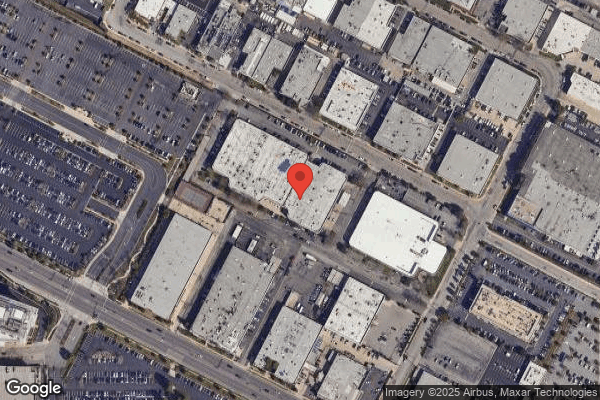
3330 WEST LOMITA BLVD, TORRANCE, CA 90505 (310) 784-4924
Non profit - Other 40 Beds Independent Data: November 2025
Trust Grade
85/100
#233 of 1155 in CA
Last Inspection: January 2025

Within standard 12-15 month inspection cycle. Federal law requires annual inspections.

Overview

Torrance Memorial Medical Center Skilled Nursing Facility has a Trust Grade of B+, indicating it is recommended and above average compared to other facilities. It ranks #233 out of 1155 in California, meaning it is in the top half of nursing homes in the state, and #38 out of 369 in Los Angeles County, suggesting only a few local options are better. The facility is on an improving trend, with issues decreasing from 18 in 2024 to 6 in 2025. Staffing is a strong point, receiving a 5/5 star rating with only an 18% turnover rate, which is well below the state average, and it boasts more RN coverage than 99% of California facilities. However, there are some concerns, including a dirty ice machine and issues with food storage that may affect food safety, as well as gaps in infection prevention practices and staff training, which are important for resident care. Overall, while the facility has significant strengths, these weaknesses should be taken into consideration when making a decision.

Trust Score
B+
85/100
In California
#233/1155
Top 20%
Safety Record
Low Risk
No red flags
Inspections
Getting Better
18 → 6 violations
Staff Stability
✓ Good
18% annual turnover. Excellent stability, 30 points below California's 48% average. Staff who stay learn residents' needs.
Penalties
✓ Good
No fines on record. Clean compliance history, better than most California facilities.
Skilled Nurses
✓ Good
Each resident gets 311 minutes of Registered Nurse (RN) attention daily — more than 97% of California nursing homes. RNs are the most trained staff who catch health problems before they become serious.
Violations
⚠ Watch
30 deficiencies on record. Higher than average. Multiple issues found across inspections.
★★★★★
5.0
Overall Rating
★★★★★
5.0
Staff Levels
★★★★★
5.0
Care Quality
★★★★☆
4.0
Inspection Score
Stable
2024: 18 issues
2025: 6 issues

The Good

  • 5-Star Staffing Rating · Excellent nurse staffing levels
  • 5-Star Quality Measures · Strong clinical quality outcomes
  • Low Staff Turnover (18%) · Staff stability means consistent care
  • Full Sprinkler Coverage · Fire safety systems throughout facility
  • No fines on record
  • Staff turnover is low (18%)

    30 points below California average of 48%

Facility shows strength in staffing levels, quality measures, staff retention, fire safety.

The Bad

No Significant Concerns Identified

This facility shows no red flags. Among California's 100 nursing homes, only 1% achieve this.

The Ugly 30 deficiencies on record

Jan 2025 6 deficiencies
CONCERN (D)

Potential for Harm - no one hurt, but risky conditions existed

Notification of Changes (Tag F0580)

Could have caused harm · This affected 1 resident

**NOTE- TERMS IN BRACKETS HAVE BEEN EDITED TO PROTECT CONFIDENTIALITY** Based on observation, interview, and record review the facility failed to notify the physician on one of four sampled residents ...

Read full inspector narrative →
**NOTE- TERMS IN BRACKETS HAVE BEEN EDITED TO PROTECT CONFIDENTIALITY** Based on observation, interview, and record review the facility failed to notify the physician on one of four sampled residents (Resident 122) by: 1. Failing to notify the physician and document a change in condition when Resident 122 had an episode of nausea and vomiting and refusal to eat. This failure had the potential to delay treatment or care for Resident 122. Findings: During a review of Resident 122's admission Record, the admission Record indicated the resident was admitted on [DATE] to the facility. During a review of Resident 122's History and Physical (H & P) dated 1/7/2025, the H & P indicated the resident was admitted with diagnoses that included history of breast cancer ( a disease when an abnormal breast cells grow out of control and form tumors in the breast which was treated in the past), metastatic disease to the bone (cancer that had spread to the bone), atrial fibrillation( heart condition that causes an irregular heart beat), stage 3 pressure ulcer ( full thickness loss of skin and dead and black tissue may be visible) and hypothyroidism( when the thyroid gland does not make enough thyroid hormone which can lead to health problems). During a review of Resident 122's Minimum Data Set (MDS- a resident assessment tool) dated 1/13/2025, the MDS indicated the resident was rarely or never understood and had moderately impaired cognitive skills for daily decision making (problem with a person's ability to think, learn, remember, use judgment, and make decisions). The MDS indicated the resident is dependent on staff with transfer to and from a bed to chair, eating, oral hygiene, toileting hygiene, bathing, and personal hygiene. During a review of Resident 122's Care Plan titled LTC Gastrointestinal IPOC' initiated 1/18/2025, the Care Plan indicated interventions that included evaluating possible causes of nausea and vomiting, using nursing care measures for nausea/ vomiting as indicated and evaluating the resident for abdominal distension(swelling and becoming large by pressure from inside characterized by symptoms of trapped gas , abdominal pressure, and fullness) ,tenderness and bowel motility ( gut movement). During a review of Resident 122's Interdisciplinary Summary datedSummary dated 1/17/2025 and timed at 4:00 p.m. indicated the resident had an episode of vomiting after lunch and anti-nausea medication was refused by the Family Member (FM1). During a review of Resident 122's meals meal intake dated 1/17/2025 and 1/18/2025, the meal intake for 1/17/2025 indicated the resident ate breakfast and lunch but did not have dinner. The meal intake for 1/18/2025 indicated the resident did not eat lunch. During a review of Resident 122's meal intakes from 1/9/2025 to 1/17/2025, the resident was only eating breakfast and lunch. During an interview on 1/18/2025, at 3:54 p.m. with Certified Nursing Assistant (CNA2), CNA 2 stated Resident 122 did not receive a lunch tray today because Family Member (FM1) did not order any food due to resident's upset stomach. During a concurrent interview and record review of Resident 122's electronic Record on 1/18/2025, at 4:18 p.m. with Registered Nurse (RN3), RN 3 confirmed on 1/17/25, Resident 122 had an episode of nausea and vomiting, and the physician was not notified and change of condition was not documented. RN 3 stated on 1/18/2025, FM1 spoke to her before lunch that she cancelled the lunch tray of the resident because the resident did not want to eat. RN 3 stated she should have talked to the physician about resident's refusal to eat and ordered a lunch tray even FM1 cancelled the tray. During a concurrent interview and record review of Resident 122's electronic chart on 1/19/2025, at 3:36 p.m. with Director of Staff Development (DSD), DSD stated the licensed nurses document the change in condition in the Interdisciplinary Summary under Nurses Notes and CNA's document the meal intake in real time. DSD stated nausea and vomiting is a change in condition. DSD stated the nurse should have assessed, notify the physician about the episode of nausea and vomiting and documented a change in condition. DSD stated it is important to notify the physician for medical intervention and obtain order for treatment to prevent causing delay of treatment and care. During an interview on 1/19/2025, at 4:08 p.m. with Director of Nursing (DON), DON stated it is important for the licensed nurses to communicate directly to the physician about what the resident needs and problem because information coming from the family could be inaccurate and can cause a delay in care. DON stated it is important to notify the physician for any change in condition of a resident to obtain orders for treatment or medical intervention. During a review of facility's policy and procedure (P&P) titled Change in Resident's Condition or Status dated 4/3/2024, the P&P indicated nursing will notify the resident's attending physician when there is a change in condition. The P&P indicated the Transitional Care Unit will notify the physician, resident and resident representative when there is a change in condition including a significant change in the resident's physical, mental or psychosocial status or a need to alter
CONCERN (D)

Potential for Harm - no one hurt, but risky conditions existed

Deficiency F0658 (Tag F0658)

Could have caused harm · This affected 1 resident

**NOTE- TERMS IN BRACKETS HAVE BEEN EDITED TO PROTECT CONFIDENTIALITY** Based on observation, interview and record review, the facility failed to provide services which meet professional standards of ...

Read full inspector narrative →
**NOTE- TERMS IN BRACKETS HAVE BEEN EDITED TO PROTECT CONFIDENTIALITY** Based on observation, interview and record review, the facility failed to provide services which meet professional standards of quality for one of four sampled residents (Resident 12) by failing: 1. To ensure vital signs (measurements of the body's most basic functions such as heart rate, breathing rate, blood pressure, and temperature) were obtained before administering medications that can affect blood pressure( bp- force of blood pushing against the walls of the arteries). 2. To ensure vital signs reading taken two hours ago before administration of an anti-hypertensive medicines (medicines that are used to lower high blood pressure) was not used as a parameter(limit that affects how something is done) to administer the medicine. These failures have the potential to put Resident 12 at risk for hypotension (low blood pressure) that could lead to fall. Findings: During a review of Resident 12's admission Record, the admission Record indicated the resident was admitted on [DATE] to the facility with diagnoses that included hypertension (high blood pressure), diabetes ( DM- a disorder characterized by difficulty in blood sugar and poor wound healing),and aphasia( a disorder that makes it difficult to speak). During a review of Resident 10's Minimum Data Set (MDS- a resident assessment tool) dated 12/28/2024, the MDS indicated the resident had moderately impaired cognitive skills for daily decision making and was dependent (helper does all the effort) on staff with eating, oral hygiene, toileting hygiene, bathing, dressing, and personal hygiene. The MDS indicated the resident required substantial assistance (helper does more than half the effort) with bed mobility and transfer to and from bed a bed to chair. During a review of Resident 12's Vital Signs Record dated 1/19/2025 indicated resident's blood pressure was 101/53, and heart rate 64 beats per minute taken at 7:07 a.m. During a medication administration observation on 1/19/2025 , at 8:40 a.m. with Registered Nurse (RN1), observed RN 1 administered Amlodipine ( medicine used to treat high blood pressure) 2.5 milligrams (mgs- unit of measurement) one tablet and lisinopril 10 mgs one tablet to Resident 12 without taking resident's blood pressure. During an interview on 1/19/2025, at 12:54 p.m. with RN 1, RN 1 stated she would usually use the blood pressure and heart rate taken by Certified Nursing Assistants from 6:30 a.m. to 7:00 a.m. when passing medicines that could lower the blood pressure. RN 1 stated she was told by the facility that it's alright to use the result of vital signs taken two hours ago before medication administration. RN 1 stated for Resident 12, she used the blood pressure reading taken around 7:00 a.m. on 1/19/2025. RN1 stated there is a possibility of hypotension (low blood pressure), dizziness and fall if lisinopril and amlodipine were given, and blood pressure was not checked before administering them. During an interview on 1/19/2025, at 4:05 p.m. with Director of Nursing (DON), DON stated the licensed nurse should reach out to the physician to discuss any changes on resident's condition and obtain a parameter to hold the medicine. DON stated there was no policy or defined time frame indicating it was alright to use vital signs taken in the morning around 7:00 a.m. or taken two hours ago to use as a basis to administer the cardiac medicines for 9:00 a.m. DON stated the resident could develop hypotension , lightheadedness or fall if the resident's blood pressure is not taken before administering it to the resident because the bp might be lower than what was taken from 7:00 a.m. During a review of an online article from National Library of Medicine updated 7/24/2024 titled Hypertensive Emergency (Nursing) indicated to monitor blood pressure frequently and know the target set by the physician. https://www.ncbi.nlm.nih.gov/books/NBK568676/. During a review of an online article from National Library of Medicine titled Blood Pressure Assessment in Adults in Clinical Practice and Clinic-Based Research: JACC Scientific Expert Panel - PMC Volume 73, Issue 3, published 1/29/2019, the online article indicated the primary purpose of measuring bp in routine clinical practice are to screen for hypertension and hypotension , and to monitor the response to antihypertensive treatment.
CONCERN (D)

Potential for Harm - no one hurt, but risky conditions existed

Deficiency F0757 (Tag F0757)

Could have caused harm · This affected 1 resident

**NOTE- TERMS IN BRACKETS HAVE BEEN EDITED TO PROTECT CONFIDENTIALITY** Based on interview and record review, the facility failed to ensure one of 12 sampled residents (Resident 2) was free from recei...

Read full inspector narrative →
**NOTE- TERMS IN BRACKETS HAVE BEEN EDITED TO PROTECT CONFIDENTIALITY** Based on interview and record review, the facility failed to ensure one of 12 sampled residents (Resident 2) was free from receiving an unnecessary antibiotic, to treat a skin tear (a wound that occurs when the skin separates due to friction, blunt force, or shear). This failure had the potential for Resident 2 to experience adverse side effects, antibiotic resistance and to receive an inappropriate antibiotic. Findings: During a review of Resident 2's Registration Record, the Registration Record indicated Resident 2 was admitted to the facility on [DATE]. During a review of Resident 2's History and Physical (H&P), dated 12/17/2024, the H&P indicated Resident 2 had diagnoses of but not limited to a skin tear of the lower leg without complication, pressure injury (localized, pressure-related damage to the skin and/or underlying tissue usually over a bony prominence), and cerebrovascular accident (CVA-stroke, loss of blood flow to a part of the brain) with left lower leg weakness. During a review of Resident 2's Minimum Data Set (MDS-a resident assessment tool), dated 12/23/2024, the MDS indicated Resident 2 had the ability to understand others and had the ability to express wants and ideas. The MDS indicate Resident 2 was dependent on nursing staff for lower body dressing, putting on and taking off footwear, showering and transferring from the bed to chair. The MDS indicated Resident needed substantial to maximal assistance from nursing staff with oral hygiene, toileting upper body dressing, and personal hygiene. The MDS indicated Resident 2 needed substantial to maximal assistance from nursing staff with rolling from left to right, sitting, standing and lying flat on the bed. The MDS indicated Resident 2 needed partial to moderate assistance from staff with eating. During a review of Resident 2's Physician Orders, the Physician Orders indicated Resident 2 had an order for clindamycin (medication used to treat various types of infections, including skin and vaginal infections) 300 milligrams, two capsules by mouth every eight hours for cellulitis (a skin infection that causes swelling and redness) of the right leg starting on 12/18/2024 to 12/25/2024. During a concurrent interview and record review on 1/19/2025 at 9:33 a.m. with the Infection Preventionist (IP), Resident 2's Hospitalist Progress Notes, dated 12/20/2024 was reviewed. The Hospitalist Progress Notes indicated, Resident 2 had right leg cellulitis from a skin tear. The Hospitalist Progress Notes indicated Resident 2's skin tear was red and hot. The Hospitalist Progress Notes indicated Resident 2's was started on clindamycin. The IP stated Resident 2 was admitted to the facility on [DATE] and started on clindamycin on 12/18/2024. The IP stated no culture was done before the antibiotic were administered to Resident 2. The IP stated Resident 2 did not have a fever, elevated white blood cells and had no drainage from the skin tear. During a concurrent interview and record review on 1/19/2025 at 12:48 p.m. with the IP, the facility's policy and procedure (P&P) titled Surveillance Definitions, dated 1/2025 was reviewed. The P&P indicated, Skin infections must meet at least one of the following criteria: Patient has at least one of the following purulent drainage, pustules, vesicles, boils (excluding acne). Patient has at least two of the following localized signs or symptoms: pain* or tenderness*, swelling*, erythema *, or heat* and at least one of the following: organism(s) identified from aspirate or drainage from affected site by a culture or non-culture-based testing method which is performed for purposes of clinical diagnosis and treatment The IP stated Resident 2 did meet the NHSN criteria for a skin infection. The IP stated this should have been discussed with the physician. The IP stated Resident 2 could develop c-diff or a multi drug resistant organism. During an interview on 1/19/2025 4:04 p.m. with the Director of Nursing (DON), the DON stated Resident 2 had the potential to develop side effects and resistance to antibiotics after taking antibiotics and not meeting the NHSN criteria. During a review of the facility's policy and procedure (P&P) titled, Transitional Care Unit (TCU) Drug Indication Review Protocol, date revised 4/21/2015, the P&P indicated Pharmacy, in accordance with Title 42 of the Code of Federal Regulations section 483.60c, will perform a weekly drug regimen review. If a drug and corresponding indication is clearly delineated as part of the medical record, the pharmacist will transcribe that information onto the physician orders. If a drug does not have a clear indication, the pharmacist will clarify the diagnosis with the physician or take measures to discontinue the medication.
CONCERN (D)

Potential for Harm - no one hurt, but risky conditions existed

Antibiotic Stewardship (Tag F0881)

Could have caused harm · This affected 1 resident

**NOTE- TERMS IN BRACKETS HAVE BEEN EDITED TO PROTECT CONFIDENTIALITY** Based on interview and record review, the facility failed to ensure one of 12 sampled residents (Resident 2) was free from recei...

Read full inspector narrative →
**NOTE- TERMS IN BRACKETS HAVE BEEN EDITED TO PROTECT CONFIDENTIALITY** Based on interview and record review, the facility failed to ensure one of 12 sampled residents (Resident 2) was free from receiving an unnecessary antibiotic, to treat a skin tear (a wound that occurs when the skin separates due to friction, blunt force, or shear). This failure had the potential for Resident 2 to experience adverse side effects, antibiotic resistance and to receive an inappropriate antibiotic. Findings: During a review of Resident 2's Registration Record, the Registration Record indicated Resident 2 was admitted to the facility on [DATE]. During a review of Resident 2's History and Physical (H&P), dated 12/17/2024, the H&P indicated Resident 2 had diagnoses of but not limited to a skin tear of the lower leg without complication, pressure injury (localized, pressure-related damage to the skin and/or underlying tissue usually over a bony prominence), and cerebrovascular accident (CVA-stroke, loss of blood flow to a part of the brain) with left lower leg weakness. During a review of Resident 2's Minimum Data Set (MDS-a resident assessment tool), dated 12/23/2024, the MDS indicated Resident 2 had the ability to understand others and had the ability to express wants and ideas. The MDS indicate Resident 2 was dependent on nursing staff for lower body dressing, putting on and taking off footwear, showering and transferring from the bed to chair. The MDS indicated Resident needed substantial to maximal assistance from nursing staff with oral hygiene, toileting upper body dressing, and personal hygiene. The MDS indicated Resident 2 needed substantial to maximal assistance from nursing staff with rolling from left to right, sitting, standing and lying flat on the bed. The MDS indicated Resident 2 needed partial to moderate assistance from staff with eating. During a review of Resident 2's Physician Orders, the Physician Orders indicated Resident 2 had an order for clindamycin (medication used to treat various types of infections, including skin and vaginal infections) 300 milligrams, two capsules by mouth every eight hours for cellulitis (a skin infection that causes swelling and redness) of the right leg starting on 12/18/2024 to 12/25/2024. During a concurrent interview and record review on 1/19/2025 at 9:33 a.m. with the infection Preventionist (IP), Resident 2's Hospitalist Progress Notes, dated 12/20/2024 was reviewed. The Hospitalist Progress Notes indicated stated Resident 2 had right leg cellulitis from a skin tear. The Hospitalist Progress Notes indicated Resident 2's skin tear was red and hot. The Hospitalist Progress Notes indicated Resident 2's was started on clindamycin. The IP stated Resident 2 was admitted to the facility on [DATE] and started on clindamycin on 12/18/2024. The IP stated no culture was done before the antibiotic were administered to Resident 2. The IP stated Resident 2 did not have a fever, elevated white blood cells and had no drainage from the skin tear. During a concurrent interview and record review on 1/19/2025 at 12:48 p.m. with the IP, the facility's policy and procedure (P&P) titled Surveillance Definitions, dated 1/2025 was reviewed. The P&P indicated, Skin infections must meet at least one of the following criteria: Patient has at least one of the following purulent drainage, pustules, vesicles, boils (excluding acne). Patient has at least two of the following localized signs or symptoms: pain* or tenderness*, swelling*, erythema *, or heat* and at least one of the following: organism(s) identified from aspirate or drainage from affected site by a culture or non-culture based testing method which is performed for purposes of clinical diagnosis and treatment. The IP stated Resident 2 did meet the NHSN criteria for a skin infection. The IP stated this should have been discussed with the physician. The IP stated Resident 2 could develop c-diff or a multi drug resistant organism. During an interview on 1/19/2025 4:04 p.m. with the Director of Nursing (DON), the DON stated Resident 2 had the potential to develop side effects and resistance to antibiotics after taking antibiotics and not meeting the NHSN criteria. During a review of the facility's policy and procedure (P&P) titled, Medication Management-Antibiotic Stewardship Program, dated 11/1/2023, the P&P indicated, The purpose of antibiotic stewardship team is to formulate clinical, multi-disciplinary strategies around anti- infective therapy. Our mission is to mitigate over utilization of anti-infectives that may lead to adverse patient outcomes as well as promote the timely administration of appropriate, life-saving anti-infective treatments to meet the needs of our community.
CONCERN (E)

Potential for Harm - no one hurt, but risky conditions existed

Food Safety (Tag F0812)

Could have caused harm · This affected multiple residents

Based on observation, interview and record review, the facility failed to ensure: a. opened, unlabeled and undated bag of pepperonis with freezer burns was not stored in the freezer and was discarded...

Read full inspector narrative →
Based on observation, interview and record review, the facility failed to ensure: a. opened, unlabeled and undated bag of pepperonis with freezer burns was not stored in the freezer and was discarded. b. the temperature on a High Temperature Dishwasher wash cycle was 150 degrees Fahrenheit. These failures had the potential to result in residents eating compromised quality of meat due to dryness and altered texture and had the potential to result in residents being exposed to rapid growth of bacteria that can cause foodborne illness (food poisoning). Findings: During a concurrent observation and interview on 1/17/2025 at 5:00 pm, with Manager of Patient Services (MOPS) in the kitchen, Freezer #14 had an unlabeled open bag of pepperonis with freezer burns. During an interview on 1/19/2025 at 10:55 pm with Dishwasher (DW ) 1, DW 1 stated when washing dishes the temperature is 150 degrees Fahrenheit. DW 1 stated it is important to wash dishes at 150 degrees Fahrenheit to kill the bacteria. During an observation on 1/19/2025 at 11:37 am in the kitchen, the temperature on the dishwasher wash cycle temperature ranged from 144 degrees Fahrenheit to 146 degrees Fahrenheit. During an interview on 1/19/2025 at 2:10 p.m. with Lead Food Service Supervision, LFSS stated after food is opened in the freezer the food is put in a plastic bag and labeled and dated. LFSS stated all food items are labeled and dated so we know the last day it can be used and the name of the person who opened it. LFSS stated food with freezer burn is discarded because the presentation and taste will not be good. LFSS stated the temperature on the dishwasher wash cycle is 147 to 149 degrees Fahrenheit and the manger was notified to get it fixed. The LFSS stated the goal is 150 degrees Fahrenheit to kills germs and bacteria based on the facility's policy. During a review of the facility's policy and procedure (P&P) titled, Food Storage, dated 9/12/2023, the P&P indicated Date products to ensure the use of first in first out (FIFO procedures .Label and date products per regulatory standards . Store all leftovers cold food in storage containers and completely cover with plastic or foil wrap. Label and date the containers and place them in the refrigerator. During a review of the facility's policy and procedure (P&P) titled, Infection Control, Food Safety and HACCP (Hazard analysis and Critical Control Point), dated 9/12/2023, the P&P indicated the purpose is to To ensure the safety and quality of the food served to patients, visitors, and staff . Dish machine wash water should be 150 degrees Fahrenheit or greater.
MINOR (B)

Minor Issue - procedural, no safety impact

Staffing Information (Tag F0732)

Minor procedural issue · This affected multiple residents

Based on observation and interview the facility failed to ensure staffing information was posted and placed in a visible and prominent place daily. This deficient practice resulted in unavailable info...

Read full inspector narrative →
Based on observation and interview the facility failed to ensure staffing information was posted and placed in a visible and prominent place daily. This deficient practice resulted in unavailable information for the number of staff and actual hours worked daily that is visible for residents, staff and visitors. Findings: During an observation 1/19/2025 at 11:30 a.m., no visible staffing information was found on station 1 or station 2. During an observation on 1/19/2025 at 11:30 a.m., no visible staffing information was found in the lobby or upon entrance to the unit. During an interview on 1/19/2025 at 11:49 a.m., with Registered Nurse (RN) 1, RN 1 stated there is no staffing information visibly posted for the residents and visitors. During an interview on 1/19/2025 at 11:52 a.m., with the Director of Staff Development (DSD), the DSD stated that there is a staffing information form posted in station 1 but is not facing outward for residents and visitors to see and probably should be. During an interview on 1/19/2025 at 3:42 p.m., with the Director of Nursing (DON), the DON stated the nurse staffing hours were not posted for residents and visitors to see but should be, so they are aware they are following the regulation and are aware of the staffing for each day.
Jan 2024 18 deficiencies
CONCERN (D)

Potential for Harm - no one hurt, but risky conditions existed

Resident Rights (Tag F0550)

Could have caused harm · This affected 1 resident

**NOTE- TERMS IN BRACKETS HAVE BEEN EDITED TO PROTECT CONFIDENTIALITY** Based on observation, interview and record review the facility failed to ensure one of five sample residents (Resident 8) finger...

Read full inspector narrative →
**NOTE- TERMS IN BRACKETS HAVE BEEN EDITED TO PROTECT CONFIDENTIALITY** Based on observation, interview and record review the facility failed to ensure one of five sample residents (Resident 8) fingernails were clean. This deficient practice had the potential to result in a violation of resident's right to a dignified existence which can result in a negative psychosocial wellbeing. Findings: During a review of Resident 8's Registration Record, the record indicated the resident was admitted to the facility on [DATE]. During a review of Resident 8's History and Physical (H&P), dated 12/4/2023, the H&P indicated Resident 8 had a history of hypertension (condition in which the force of the blood against the artery walls -blood vessels that distribute blood to the entire body- is too high), alcohol abuse, anxiety (feeling of dread or worry), supraglottic (upper part of the hollow tube in the middle of the neck) mass (abnormal solid growth) and had surgery 10/12/2023. During a review of Resident 8's Minimum Data Set ([MDS]-a standardized assessment and care screening tool ), dated 12/11/2023, the MDS indicated Resident 8 was sometimes understood and sometimes had the ability to understand others. Resident 8's cognitive skills for daily decision making was moderately impaired (decisions were poor and cues/supervision was required). The MDS indicated Resident 8 needed partial assistance from others person to complete any activity regarding self-care. The MDS indicated Resident 8 was dependent on staff when it came to showering/bathing self. During an observation on 1/12/2024 at 7:49 p.m. in Resident 8's room, Resident 8 was observed to have dark gray dirty debris underneath the fingernails on both hands. During a concurrent observation and interview on 1/13/2024 at 12:42 p.m., with Restorative Nurse Aide 2 (RNA 2) in Resident 8's room, observed Resident 8's fingernails were notably dirty with dark gray debris underneath the fingernails of both hands. RNA 2 stated personal hygiene care was already provided to the resident earlier. RNA 2 stated she tried to clean Resident 8's dirty nails but was unable to do it, and the Registered nurses (RN) were not alerted to the situation. RNA 2 stated she should have alerted the RN's so maybe they can trim Resident 8's fingernails. During an interview on 1/13/2024 at 2:17 p.m. with Registered Nurse 2 (RN 2), RN 2 stated Resident 8's nails should be clean for infection control reasons and dignity issue. During an interview on 1/14/2024 at 10:16 p.m. with Director of Nursing (DON), the DON stated hand hygiene and nail cleanliness was part of resident care and it can affect the resident's dignity. If Resident 8 was refusing to the care it should have been care planned or documented and it was not documented. During a record review of the facility's policy and procedure titled, Standard of Professional performance- physical Comfort, hygiene, and activities of daily living, reviewed 2/2020, the policy indicated: a. The nurse will ensure hygiene and activities of daily living or residents are met according to patient needs, patient abilities and timing of services. Documentation supporting that this standard will be done in the electronic medical record and or as an outcome to the plan of care. b. The primary nurse and will be responsible for providing hygiene assistance according to patient conditions and needs. c. The facility will provide patient an opportunity for grooming by self, with assistance, or by the nurse daily. During a review of the facility's policy and procedure titled, Resident Rights, revised 4/1997, the policy indicated the resident has the right to a dignified existence. The policy indicated care for residents in a manner and in an environment that maintains or enhances resident's dignity and respect.
CONCERN (D)

Potential for Harm - no one hurt, but risky conditions existed

Deficiency F0553 (Tag F0553)

Could have caused harm · This affected 1 resident

**NOTE- TERMS IN BRACKETS HAVE BEEN EDITED TO PROTECT CONFIDENTIALITY** During an interview and record review the facility failed to include resident and resident representative in Interdisciplinary (...

Read full inspector narrative →
**NOTE- TERMS IN BRACKETS HAVE BEEN EDITED TO PROTECT CONFIDENTIALITY** During an interview and record review the facility failed to include resident and resident representative in Interdisciplinary ([IDT]- team members from different departments working together with a common purpose to set goals and make decisions that ensure residents receive the best care) care planning and informed of any changes in care, treatment, and interventions for one of four sampled residents (Resident 166). This failure had the potential to violate Resident 166 and resident representative right to be an active participant to Resident 166's care. Findings: During a review of Resident 166's Registration Record, the Registration Record indicated Resident 166 was initially admitted to the facility on [DATE] and readmitted on [DATE] with diagnosis of altered mental status. During a review of Resident's 166's Discharge Summary (from [GACH] General Acute Care Hospital) dated 1/10/2024 indicated Resident 166 with diagnoses including glioblastoma (malignant tumor affecting the brain or spine) type 2 diabetes (a chronic disease characterized by elevated levels of blood glucose [or blood sugar] in a bloodstream), and confusion due to cerebral edema (swelling of the brain). During an interview on 1/13/2024 at 3:03 p.m. with Resident 166's family member (FM) 1, FM 1 stated family member always stayed with Resident 166 all the time (24/7 twenty-four hours a day seven days a week). FM 1 stated she was not informed when Resident 166 Decadron (medication used to decreased swelling of the brain) was tapered (lowering of doses) and discontinued. FM 1 stated other family member was not aware of what symptoms to watch. FM 1 stated on 12/28/2024, Resident 166 was transferred to the hospital due to altered mental status. FM 1 stated no family member were invited to IDT care planning meeting. FM 1 stated it was important for facility staff to inform them of any changes with medications or treatment as they were always at Resident 166 bedside, and they were the one who can see any changes right away. During an interview on 1/13/2024 at 3:50 p.m. with Registered Nurse (RN) 2, RN 2 stated IDT meeting was held every week for all residents in the facility. RN 2 stated Resident 166 and FM 1 were not included with the IDT meeting. RN 2 stated it was important to inform Resident 166 and/or family member with any changes within care, treatment, and changes in medications so they will be an active participant with their care. During an interview ion 1/14/2024 at 10:26 a.m. with the Director of Nursing (DON), the DON stated IDT meeting was held weekly. The DON stated Resident 166 and FM 1 was not invited on the IDT meeting. The DON stated it was important to include residents and resident representative in IDT meeting for them to be informed of any changes in care, treatment and interventions including medication change. The DON stated Resident 166 and or FM 1 should be an active participant with their care. During a review of facility's policies and procedure (P&P) titled Interdisciplinary Team Conference dated 1/1/1994, the P&P indicated The IDT conference committee meets at least weekly .discuss the residents' status, needs, progress in meeting goals, and the discharge plan. The resident and /or fami9y or responsible party may attend the conferences as needed.
CONCERN (D)

Potential for Harm - no one hurt, but risky conditions existed

Deficiency F0655 (Tag F0655)

Could have caused harm · This affected 1 resident

**NOTE- TERMS IN BRACKETS HAVE BEEN EDITED TO PROTECT CONFIDENTIALITY** Based on interview, and record review, the facility failed to develop a baseline care plan addressing assistance for feeding for...

Read full inspector narrative →
**NOTE- TERMS IN BRACKETS HAVE BEEN EDITED TO PROTECT CONFIDENTIALITY** Based on interview, and record review, the facility failed to develop a baseline care plan addressing assistance for feeding for one (1) of four (4) sampled residents (Resident 63). This deficient practice had the potential to negatively affect the delivery of necessary care and services for Resident 63 and negatively impact the resident's physical and psychosocial well-being. Findings: During a review of Resident 63's Registration Record, the Registration Record indicated Resident 63 was admitted to the facility on [DATE]. Resident 63's diagnoses included hypertension (high blood pressure), diabetes mellitus (chronic disease that impairs blood sugar regulation in the body), and anemia (a condition that develops when your blood produces a lower-than-normal amount of healthy red blood cells). During a review of Resident 63's History and Physical (H& P) dated 1/8/2024, the H&P indicated Resident 63 was alert and oriented and able to move extremities. During a record review of the Speech Therapist (ST) notes dated 01/11/2024, the ST notes indicated that Resident 63 continues to need assistance with feeding due to vision impairment. The note also indicated Certified Nurse Assistant (CNA) took over feeding. During a concurrent observation and interview on 1/12/2024 at 6:30 p.m. at Resident 63's room, while Restorative Nurse Assistant 1(RNA 1) was feeding Resident 63, RNA 1 stated Resident 63 was legally blind on both eyes and hard of hearing (HOH). RNA 1 stated if Resident 63 was not being assisted to eat Resident 63 will not eat because Resident 63 cannot see anything, even shadows. RNA 1 stated sometimes family members feed the resident. During a concurrent interview and record review on 1/13/2024 at 10:36 a.m. with the Director of Staff development (DSD), Resident 63's care plans, dated 1/7/2024, was reviewed. There were no care plans indicating Resident 63 needed assistance with feeding. The DSD stated Resident 63's need with feeding assistance was not addressed on the nutritional care plan and there was no separate care plan for feeding. During a record review of the facility's policy and procedure(P&P) titled, General Statement/ Mission of the Transitional Care Unit, reviewed 10/2020, the P&P indicated: A. The Transitional Care Unit (TCU) conducts concurrent quality management and improvement activities to promote the high quality of care given to patients. This program consists of ongoing monitoring by nursing staff to ensure that patient care plans are current and complete. B. The Multidisciplinary Team Conference meets to discuss each patient's plan of care in the Team Conference. The committee acts to: A. Assure that a plan of care has been established to meet each of the residents' needs and is coordinated between all services. B. Provide a means for multidisciplinary team members review and reassessment of each patient's plan of care on a regular basis. C.Maintain a current and updated patient care plan. During a record review of the facility's policy and procedure(P&P) titled, Standard of Care- Transitional Nursing Care, reviewed 3/2022, the P&P indicated: A.Planning: A plan that includes the priorities and interventions used to achieve the outcomes is developed by the RN. a.Physical and psychosocial measures are planned to prevent, improve, and control specific problems of the aged. b.The plan is individualized and developed with the patient and significant others in healthcare providers when appropriate. B.Implementation: the nurse implements as prescribed in the plan of care a.Nursing interventions are individualized to meet specific situations that allow for alternative approaches. b.Interventions are documented.
CONCERN (D)

Potential for Harm - no one hurt, but risky conditions existed

Comprehensive Care Plan (Tag F0656)

Could have caused harm · This affected 1 resident

**NOTE- TERMS IN BRACKETS HAVE BEEN EDITED TO PROTECT CONFIDENTIALITY** Based on interview and record review, the facility failed to develop a comprehensive care plan (a resident-specific plan with de...

Read full inspector narrative →
**NOTE- TERMS IN BRACKETS HAVE BEEN EDITED TO PROTECT CONFIDENTIALITY** Based on interview and record review, the facility failed to develop a comprehensive care plan (a resident-specific plan with defined clinical goals and interventions used to manage identified medical issues or other areas of concern) and person-centered care plans for two out of four sampled residents Resident 163 and 166). 1. Ensure Resident 163 who had pain on her left ankle develop specific interventions to address pain medications and interventions to alleviate (lessen) her pain. 2. Ensure Resident 163 who have an indwelling foley catheter were care planned to assess continued need of indwelling catheter. 3. Ensure Resident 166 who was had a care plan initiated for receiving Decadron (medication used to decreased swelling of the brain) was tapered (lowering of doses) and Keppra (medication used to treat seizures [ burst of uncontrolled electrical activity between brain cells]) develop specific intervention including monitoring adverse reactions and precautions. These failures had the potential for the residents' care needs not to be addressed and the lack of ability to identify the resident's ongoing needs. Findings: During a review of Resident 163's Registration Record, the Registration Record indicated Resident 163 was admitted to the facility on [DATE] with diagnoses of left ankle sprain (an injury that occurs when the ankle rolls, twists, or turns in an awkward way). During a review of Resident 163's History and Physical (H&P), the H&P indicated diagnoses including fall at home, left ankle injury and diabetes (a condition in which the body fails to metabolize (process) glucose (sugar) correctly). The H&P indicated Resident 163 had a large hematoma (bruise) on the lateral portion of left ankle and was very painful to wiggle Resident 163 left ankle, During a review of Resident 163's Minimum Data Set ([MDS] a standardized assessment and care screening tool), dated 12/30/23, the MDS indicated Resident 163 had moderate cognitive (ability to learn, remember, understand, and make decision) impairment in daily decision making. The MDS indicated Resident 163 was dependent with oral hygiene, toileting, lower, upper, and lower body dressing. The MDS indicated Resident 163 was occasionally in pain with a numeric rating scale of 10 (pain scale 0 zero being no pain and 10 as the worst pain you can imagine). During a review of Resident 166's Registration Record, the Registration Record indicated Resident 166 was initially admitted to the facility on [DATE] and readmitted on [DATE] with diagnosis of altered mental status. During a review of Resident's 166's Discharge Summary from General Acute Care Hospital [GACH] ) dated 1/10/2024 indicated Resident 166 with diagnoses including glioblastoma (malignant tumor affecting the brain or spine) type 2 diabetes (a chronic disease characterized by elevated levels of blood glucose [or blood sugar] in a bloodstream), and confusion due to cerebral edema (swelling of the brain). During a concurrent interview and record review on 1/13/2024 at 3:50 p.m. with Registered Nurse (RN) 2, RN 2 stated Resident 163's Tramadol was discontinued on 12/27/2023 due to Resident 163 developed ileus (inability of the intestine (bowel) to contract normally and move waste out of the body). RN 2 stated licensed staff did not reassess if Resident 163 can be given a different pain medication after Resident 163 Tramadol was discontinued on 12/27/2023. RN 2 stated there was no individualized care plan for Resident 163's pain on her left ankle. RN 2 stated licensed staff should informed Resident 163's physician of Resident 163's left ankle pain and ordered Tylenol does not help to alleviate (help) Resident 163 left ankle pain with Tylenol. 2.During a review of Interdisciplinary Summary (Nurse Note) dated 1/2/23 timed at 6 am, the Nurse Note indicated foley catheter (indwelling urinary catheter) inserted per physician order. During a concurrent observation and interview on 1/13/24 at 12:30 pm with Resident 163, observed Resident 163 with indwelling urinary catheter. Resident 163 stated her foley catheter was uncomfortable and she wants to have it removed. Resident 163 stated she does not know the reason of having the indwelling urinary catheter. During a concurrent interview and record review on 12/13/24 1:44 pm with RN 3, RN 3 stated a bladder scan was done on 1/2/24 and indwelling urinary catheter was inserted secondary to urinary retention (a condition in which you cannot empty all the urine from your bladder). RN 3 stated there was no order on 1/2/24, the order was entered on 1/12/24. RN stated the need for continued indwelling urinary catheter should have been assessed by licensed nurses. RN stated there was no documentation if indwelling urinary catheter can be removed or reason of continued used. RN stated indwelling urinary catheter had the potential for Resident 163 to develop CAUTI. 3.During a concurrent interview and record review on 1/13/2024 at 3:50 p.m. with RN 2, reviewed care plan for Resident 163 and 166. RN 2 stated Resident 163 care plan for pain management and indwelling catheter were not individualized to addressed Resident 163 pain management and indwelling catheter. RN 2 stated there were no care plan for Resident 166 to address Resident 166 receiving Decadron and Keppra. RN 2 stated it was important to have an individualized and comprehensive care plan for each residents including current medication to ensure licensed nurses will have guidelines on what adverse reaction and side effects to look for. During an interview ion 1/14/2024 at 10:26 a.m. with the Director of Nursing (DON), the DON stated care plan should be individualized based on the needs, diagnoses, and medications of the residents. The DON stated Resident 163 should have an individualized care plan to reflect effectiveness of her pain medication and the continued need of her foley catheter. The DON stated Resident 166 should have a care plan for tapering (reduction of doses) of his Decadron to ensure licensed nurses can monitor the effect of the medication. The DON stated Resident 166 should have a care plan for Keppra medication to ensure licensed nurses know what to monitor while residents was receiving the medication.
CONCERN (D)

Potential for Harm - no one hurt, but risky conditions existed

Accident Prevention (Tag F0689)

Could have caused harm · This affected 1 resident

**NOTE- TERMS IN BRACKETS HAVE BEEN EDITED TO PROTECT CONFIDENTIALITY** During an observation., interview and record review Physical Therapy (PT-health specialist that treat residents to improve movem...

Read full inspector narrative →
**NOTE- TERMS IN BRACKETS HAVE BEEN EDITED TO PROTECT CONFIDENTIALITY** During an observation., interview and record review Physical Therapy (PT-health specialist that treat residents to improve movement ) 1 failed to apply gait belt (assistive device which can be used to help safely transfer a resident from a bed to a wheelchair, assist with sitting and standing, and help with walking around) to one of four sampled residents ( Resident 177). This failure had the potential for increased risk of fall for Resident 177. Findings: During a review of Resident 177's Registration Record, the Registration Record indicated Resident 177 was admitted to the facility on [DATE] with diagnosis of right hip arthroplasty (a surgical procedure in which surgeon removed the diseased parts of the hip joint and replaced them with new). During an observation on 1/13/24 at 9:24 a.m. in the hallway, observed Resident 177 walking in the hallway with a front wheeled walker (assistive device for walking) . PT 1 was on Resident 177 right side holding Resident clothing while walking. Observed a family member (name unknown) following with a wheelchair while Resident 177 was walking. During an interview on 1/13/24 at 11:05 a.m. with PT 1, PT 1 stated Resident 177 needs contract guard (healthcare provide place one or two hands on the patient's body to help with balance) assist when he walks. PT 1 stated she should have applied a gait belt to Resident to help with his balance and for safety. PT 1 stated if Resident 177 would fall, gait belt would help control a fall. PT 1 stated gait belt was used for safety and balance. During a review of Resident 177's Physical Therapy evaluation dated 1/1/2024, the Physical Therapy evaluation indicated Resident 177 gait (persons manner of walking) analysis was antalgic (abnormal pattern of walking secondary to pain that ultimately causes a limp) and decreased cadence (number of steps taken).
CONCERN (D)

Potential for Harm - no one hurt, but risky conditions existed

Incontinence Care (Tag F0690)

Could have caused harm · This affected 1 resident

**NOTE- TERMS IN BRACKETS HAVE BEEN EDITED TO PROTECT CONFIDENTIALITY** Based on observation, interview and record review, the facility failed to ensure a resident with an indwelling urinary catheter ...

Read full inspector narrative →
**NOTE- TERMS IN BRACKETS HAVE BEEN EDITED TO PROTECT CONFIDENTIALITY** Based on observation, interview and record review, the facility failed to ensure a resident with an indwelling urinary catheter (a flexible tube used to empty the bladder and collect urine in a drainage bag) was assessed for continued need and removed according to facility's policy and procedure (P&P) for one of four sampled residents (Resident 163). This failure resulted in continued discomfort to Resident 163 and had the potential for Resident 163 to have catheter associated urinary tract infection (CAUTI- a urinary tract infection [ UTI- an infection in any part of the urinary system, the kidneys, bladder, or urethra] associated with urinary catheter use). Findings: During a review of Resident 163's Registration Record, the Registration Record indicated Resident 163 was admitted to the facility on [DATE] with diagnoses of left ankle sprain (an injury that occurs when the ankle rolls, twists, or turns in an awkward way). During a review of Resident 163's History and Physical (H&P), the H&P indicated diagnoses including fall at home, left ankle injury and diabetes (a condition in which the body fails to metabolize (process) glucose (sugar) correctly). The H&P indicated Resident 163 had a large hematoma (bruise) on the lateral portion of left ankle and was very painful to wiggle Resident 163 left ankle. During a review of Resident 1's Minimum Data Set ([MDS] a standardized assessment and care screening tool), dated 12/30/23, the MDS indicated Resident 163 had moderate cognitive (ability to learn, remember, understand, and make decision) impairment in daily decision making. The MDS indicated Resident 163 was dependent with oral hygiene, toileting, lower, upper, and lower body dressing. The MDS indicated Resident 163 was always incontinent in urination. During a review of Interdisciplinary Summary (Nurse Note) dated 1/2/23 timed at 6 am, the Nurse note indicated foley catheter (indwelling urinary catheter) inserted per physician order. During a concurrent observation and interview on 1/13/24 at 12:30 pm with Resident 163, observed Resident 163 with indwelling urinary catheter. Resident 163 stated her indwelling urinary catheter was uncomfortable and she wants to have it removed. Resident 163 stated she does not know the reason of having the indwelling urinary catheter. During a concurrent interview and record review on 1/13/24 1:44 pm with Registered Nurse (RN) 3, RN 3 stated a bladder scan (assess the volume of urine retained within the bladder) was done on 1/2/24 and indwelling urinary catheter was inserted secondary to urinary retention (a condition in which you cannot empty all the urine from your bladder). RN 3stated there was no order on 1/2/24, the order was entered on 1/12/24. RN 3 stated the need for continued indwelling urinary catheter should have been assessed by licensed nurses. RN 3 stated there was no documentation if indwelling urinary catheter can be removed or reason of continued used. RN 3 stated indwelling urinary catheter had the potential for Resident 163 to develop CAUTI. During a concurrent interview and record review on 1/13/2024 at 3:50 p.m. with RN 2. RN 2 stated Resident 163 had an order for indwelling urinary catheter dated on 1/12/24. RN 2 stated per Nurse Note dated 1/2/24 timed at 6 am, the Nurse Note indicated foley catheter (indwelling urinary catheter) was inserted per physician order due to bladder scan reading of 670 milliliters (ml-unit of measurement). RN 2 stated Resident 163 indwelling catheter should have been assessed for continued need by doing the bladder protocol (steps taken by the facility to assess need and/or continued use of indwelling urinary catheter) per facility's policy and procedure. RN 2 stated indwelling urinary catheter had the potential to cause CAUTI. During an interview on 1/14/24 at 10:26 a.m. with the Director of Nursing (DON), the DON stated if residents was admitted to the facility with indwelling urinary catheter, RN should assess the reason of the need of the indwelling urinary catheter. The DON stated RN will initiate a bladder protocol and will need to reassess in 24 hours the need for continued indwelling catheter. The DON stated indwelling urinary catheter was a source for infection and should be removed if it was no indication. During a review of facility's P&P titled Indwelling urinary Catheter (foley): Insertion, Maintenance, Removal; Bladder Protocol and Bladder Scan dated 3/1/2017 (revised 3/1/2020), the P&P indicated Indications of the use of indwelling urinary catheter shall be limited to patients with failed attempts of external collection .The use of indwelling urinary catheter shall be limited to patients with failed attempts of external collection device .Failure of bladder protocol .and Acute obstructive retention .
CONCERN (D)

Potential for Harm - no one hurt, but risky conditions existed

Tube Feeding (Tag F0693)

Could have caused harm · This affected 1 resident

**NOTE- TERMS IN BRACKETS HAVE BEEN EDITED TO PROTECT CONFIDENTIALITY** Based on observation, interview and record review, the facility failed to provide necessary care and services on one of four sam...

Read full inspector narrative →
**NOTE- TERMS IN BRACKETS HAVE BEEN EDITED TO PROTECT CONFIDENTIALITY** Based on observation, interview and record review, the facility failed to provide necessary care and services on one of four sample residents (Resident 63) to prevent complications during feeding by: a. Failing to obtain a physician's order for feeding assistance for Resident 63. b. Failing to create a comprehensive resident centered care plan indicating interventions to be implemented while feeding Resident 63 to prevent complications like aspiration (accidentally inhaling food or liquid through vocal cords into the airway) and choking (when person can't speak, cough, or breath because something is blocking the airway). This failure had the potential to result in Resident 63 aspirating and choking while eating. Findings: During a review of Resident 63's Registration Record, the Registration Record indicated Resident 63 admitted to the facility on [DATE]. Resident 63's diagnoses including hypertension (the force of the blood flowing through blood vessels is consistently too high), diabetes mellitus (chronic disease that impairs blood sugar regulation in the body), anemia (a condition that develops when your blood produces a lower-than-normal amount of healthy red blood cells). During a review of Resident 63's History and Physical (H& P) dated 1/8/2024, it indicated that resident 63 is alert and oriented and able to move extremities. During a record review of the Speech Therapist (ST) notes dated 01/11/2024, ST notes indicated Resident 63 continues to need assistance with feeding due to vision impairment. The note also indicated Certified Nurse Assistant (CNA) took over feeding. During a concurrent observation and interview on 1/12/2024 at 6:30 p.m. at Resident 63's room, while Restorative Nurse Assistant 1(RNA 1) was feeding Resident 63, RNA 1 stated Resident 63 was legally blind on both eyes and hard of hearing (HOH). RNA 1 stated if Resident 63 was not being assisted to eat Resident 63 will not eat because Resident 63 cannot see anything, even shadows. RNA 1 stated sometimes family members fed the resident. During a concurrent interview and record review on 1/13/2024 at 10:25 a.m. with the Director of Staff Development (DSD), Resident 63's current physician's order, dated 1/13/2024, was reviewed. The orders did not indicate Resident 63 needed feeding assistance. The DSD stated that there was no Medical Doctor (MD) to nurse order to feed Resident 63. The DSD further added that anything nurses will do to the resident should have a doctor's order (DO). During the continued concurrent interview and record review on 1/13/2024 at 10:36 a.m. with the DSD, Resident 63's care plans, dated 1/7/2024, was reviewed. There were no care plans indicating Resident 63 needed assistance with feeding. The DSD stated Resident 63's need with feeding assistance was not addressed on the nutritional care plan and there was no separate care plan for feeding. During an interview on 1/14/2024 at 10:25 a.m. with the Director of Nursing (DON), the DON stated nurses or staff should obtain a physician's order for feeding if needed or necessary for care to complete Activities of Daily Living (ADL). The DON stated it was important that anything necessary to gain the strength of the resident was communicated from rehabilitation to MD to Registered Nurse (RN). During a record review of the facility's policy and procedure(P&P) titled Standard of Professional Performance-Physical comfort, hygiene, and Activities of Daily Living reviewed 2/20, the P&P indicated the nurse provides physical comfort, hygiene, and activities of daily living. During a record review of the facility's policy and procedure(P&P) titled, General Statement/ Mission of the Transitional Care Unit, reviewed 10/2020, the P&P indicated A. The Transitional Care Unit (TCU) conducts concurrent quality management and improvement activities to promote the high quality of care given to patients. This program consists of ongoing monitoring by nursing staff to ensure that: a. Physician orders are current and new orders have been noted and appropriately implemented. b. patient care plans are current and complete. B. The Multidisciplinary Team Conference meets to discuss each patient's plan of care in the Team Conference. The committee acts to: A. Assure that a plan of care has been established to meet each of the residents' needs and is coordinated between all services. B. Provide a means for multidisciplinary team members review and reassessment of each patient's plan of care on a regular basis. C. Maintain a current and updated patient care plan. During a record review of the facility's policy and procedure(P&P) titled, Standard of Care- Transitional Nursing Care, reviewed 3/2022, the P&P indicated: A. Planning: A plan that includes the priorities and interventions used to achieve the outcomes is developed by the RN. 1. Physical and psychosocial measures are planned to prevent, improve, and control specific problems of the aged. 2. The plan is individualized and developed with the patient and significant others in healthcare providers when appropriate. B. Implementation: the nurse implements as prescribed in the plan of care 1. Nursing interventions are individualized to meet specific situations that allow for alternative approaches. 2. Interventions are documented.
CONCERN (D)

Potential for Harm - no one hurt, but risky conditions existed

Deficiency F0697 (Tag F0697)

Could have caused harm · This affected 1 resident

**NOTE- TERMS IN BRACKETS HAVE BEEN EDITED TO PROTECT CONFIDENTIALITY** Based on observation, interview and record review the facility failed to provide pain management for two of two sampled resident...

Read full inspector narrative →
**NOTE- TERMS IN BRACKETS HAVE BEEN EDITED TO PROTECT CONFIDENTIALITY** Based on observation, interview and record review the facility failed to provide pain management for two of two sampled residents (Resident 119 and 163) consistent with the facility's policy and procedure when: a. The facility failed to ensure Resident 119's pain was assessed before and after pain medication was administered. b. The facility failed to communicate with Resident 163'S physician regarding pain management of her left ankle pain. c. The facility failed to develop an individualized comprehensive care plan to address Resident 163 pain management. These deficient practices had the potential to result in a poor pain management that can affect physical and psychological wellness. Findings: a. During a review of Resident 119's Registration Record, the record indicated the resident was admitted to the facility on [DATE]. During a review of Resident 119's History and Physical (H&P), dated 1/10/2024, the H&P indicated Resident 119 had a history of gastroesophageal reflux disease (when stomach acid repeatedly flows back into the tube connecting mouth and stomach). The H&P indicated Resident 119 recently received a kidney transplant (surgery to place a healthy kidney from a donor) on 12/1/2023 and had a diagnosis including dysphagia (difficulty swallowing). The H&P indicated Resident 173 was awake alert and oriented. During a review of Resident 119's Order sheet, the order sheet indicated on 1/11/2024 at 9:39 p.m. hexylresorcinol topical lozenges (medicine to ease sore throat), one lozenge orally, every three hours, as needed for sore throat was ordered. During a review of Resident 119's care plan titled, Long term Care Pain Interdisciplinary Plan of Care, initiated 1/1/2024, the care plan indicated one of the interventions was to evaluate effectiveness of pharmacological interventions. During a review of Resident 119's Medication Administration record (MAR) Summary, the MAR indicated hexylresorcinol topical (sore throat lozenge), one lozenge(s) orally, every three hours, as needed for sore throat was ordered. The medication was administered on: a. 1/11/2024 at 10:10 p.m. b. 1/12/2024 3:15 a.m. and 6:38 a.m. c. 1/13/2024 at 614 a.m. During a review of Resident 119's Interactive View Print Request-Last 48 hours of the Resident 119's Pain Assessments, dated 1/11/2024 at 11:50 p.m. to 1/13/2024 at 2:48 p.m., the record indicated Resident 119's pain was assessed on: a. 1/11/2024 at 11:50 p.m., one and a half hours after the sore throat medication was administered. b. 1/12/2024 at 10:30 a.m., four hours after the sore throat medication was administered. c. 1/12/2024 at 11:55 p.m., seventeen hours after the sore throat medication was administered. d. 1/13/2024 at 11:50 a.m. five hours after the sore throat medication was administered. During a concurrent observation and interview on 1/12/2024 at 7:00 p.m. with Resident 119 in the resident's room, Resident 119 pointed to her throat and made a facial grimace. Resident 119 stated she only had one complaint and it was throat pain. Resident 119 stated she received lozenges, but it doesn't help. During a concurrent interview and record review on 1/13/2024 at 1:38 p.m. with Registered Nurse 2 (RN 2), Resident 119's MAR and pain assessments records were reviewed. Resident 119's records indicated Resident 119 received lozenges 4 times since it was ordered on 1/11/2024. The record indicated no assessment of pain level and characteristic prior to and after the administration of the sore throat lozenges were noted. RN 2 stated the Resident 119 received lozenges four times since admission. RN 2 stated Resident 119's pain was not assessed prior to the medication administration and after the administration and it should have been assessed to ascertain the effectiveness of the treatment rendered. During an interview on 1/14/2024 at 10:16 p.m. with Director of Nursing (DON), the DON stated pain assessment should be completed before and after medication administration. The DON stated pain assessment include indicating the pain level, location, characteristics, and response to treatment. The DON stated pain assessment after treatment was to ensure medication efficacy in the pain management regimen. b. During a review of Resident 163's Registration Record, the Registration Record indicated Resident 163 was admitted to the facility on [DATE] with diagnoses of left ankle sprain (an injury that occurs when the ankle rolls, twists, or turns in an awkward way). During a review of Resident 163's History and Physical (H&P), the H&P indicated diagnoses including fall at home, left ankle injury and diabetes (a condition in which the body fails to metabolize (process) glucose (sugar) correctly). The H&P indicated Resident 163 had a large hematoma (bruise) on the lateral portion of left ankle and was very painful to wiggle Resident 163 left ankle. During a review of Resident 1's Minimum Data Set ([MDS] a standardized assessment and care screening tool), dated 12/30/23, the MDS indicated Resident 163 had moderate cognitive (ability to learn, remember, understand, and make decision) impairment in daily decision making. The MDS indicated Resident 163 was dependent with oral hygiene, toileting, lower, upper, and lower body dressing. The MDS indicated Resident 163 was occasionally in pain with a numeric rating scale of 10 (pain scale 0 zero being no pain and 10 as the worst pain you can imagine). During a concurrent observation and interview on 1/12/2024 at 6:34 p.m. on Resident 163's room, Resident 163 stated she was constantly in pain and Tylenol (pain medications) does not help with her left ankle pain. Observed Resident 163 left ankle with bruising, swelling and tender to touch (pain when the area was touched, or pressure was applied). Resident 163 stated she was receiving Tramadol (pain medication) but was discontinued due to issues with her stomach. During a concurrent observation and interview on 1/13/2024 at 12:30 p.m. on Resident 163's room with Registered Nurse (RN) 4, RN 1 stated Resident 163's ankle was swollen, bruised and tender to touch. RN 1 stated Resident 163 received Tylenol for pain. RN 1 stated Resident 163's Tramadol was discontinued on 12/27/23 and no other pain medication was given to Resident 163 aside from Tylenol. During a concurrent interview and record review on 1/13/2024 at 3:50 p.m. with RN 2. RN 2 stated Resident Tramadol was discontinued on 12/27/2023 due to Resident 163 developed ileus (Inability of the intestine (bowel) to contract normally and move waste out of the body). RN 2 stated licensed staff did not reassess if Resident 163 can be given a different pain medication after Resident 163's Tramadol was discontinued on 12/27/2023. RN 2 stated there was no individualized care plan for Resident 163's pain on her left ankle. RN 2 stated licensed staff should informed Resident 163's physician of Resident 163's left ankle pain and Tylenol does not help to alleviate Resident 163 left ankle pain with Tylenol. During an interview on 1/14/24 at 10:26 a.m. with the Director of Nursing (DON), the DON stated it was important to assess if medication was effective for Resident 163. The DON stated if the reason for discontinuance of prior pain medication was resolved, licensed nurse should have contacted Resident 163's physician to assess if there was alternative pain medication that can be given to Resident 163. During a review of Resident 163's Interdisciplinary Summary (Nurse Note) dated 12/27/23 timed at 12 p.m., Nurse Notes indicated Resident 163's Tramadol was discontinued. During a review of Resident 163's Interdisciplinary Summary (Nurse Note) dated 12/29/23 timed at 1 p.m., Nurse note indicated Tylenol not helping Resident 163's left foot pain. During a review of Resident 163's Interdisciplinary Summary (Physical Therapy Note) dated 1/3/23 timed at 3:14 p.m., the Physical Therapy Note indicated Resident 163 was pre medicated (medication given prior to treatment) with Tylenol. The Physical Therapy Note indicated Resident 163 continued to have 10/10 (pain scale 0 zero being no pain and 10 as the worst pain you can imagine). During a review of Resident 163's Interdisciplinary Summary (Physical Therapy Note) dated 1/8/23 timed at 4:05 m., the Physical Therapy Note indicated, Resident 163 stated pain of 5/10 to left foot throughout the therapy session. During a review of Resident 163's Care Plan titled Pain dated 12/23/23, the Care Plan indicated interventions including evaluate effectiveness of pharmacological (medication) intervention, collaborate with care team for pain management and collaborate with physician . During a review of the facility's policy and procedure titled, Pain Assessment and Management - Standard of Care - Clinical Practice, effective 8/1/2019, the policy indicated: 1. Each patient had the right to expect a comprehensive pain assessment will be performed. 2. Each patient shall have the right to pain management through assessment and reassessment. 3. Each patient has the right to expect his/her report of pain to be accepted to have the pain assessed and reassess. 4. A routine pain assessment will include time, intensity of pain, quality of pain, and location. 5. Reassessment of pain will occur within a reasonable time frame based on the interventions typically expected onset.
CONCERN (D)

Potential for Harm - no one hurt, but risky conditions existed

Deficiency F0760 (Tag F0760)

Could have caused harm · This affected 1 resident

**NOTE- TERMS IN BRACKETS HAVE BEEN EDITED TO PROTECT CONFIDENTIALITY** Based on observation, interview, and record review the facility failed to ensure one (1) of four (4) sampled residents (Resident...

Read full inspector narrative →
**NOTE- TERMS IN BRACKETS HAVE BEEN EDITED TO PROTECT CONFIDENTIALITY** Based on observation, interview, and record review the facility failed to ensure one (1) of four (4) sampled residents (Resident 63) was free from significant medication errors when: a. The facility failed to ensure Resident 63's medication was not left at the bed side table; and b. The facility failed to ensure six of Resident 63's medication on 1/12/2024 were administered on time. This deficient practice of leaving medication at the bedside had the potential for other staff, visitors, or residents to access prescription medication at any time. This deficient practice of not administering six medications on time had the potential to result in untoward effects to Resident 63. Findings: During a review of Resident 63's Registration Record, the Registration Record indicated Resident 63 was admitted to the facility on [DATE]. Resident 63's diagnoses included hypertension (high blood pressure), diabetes mellitus (chronic disease that impairs blood sugar regulation in the body), anemia (a condition that develops when your blood produces a lower-than-normal amount of healthy red blood cells). During a review of Resident 63's History and Physical (H& P) dated 1/8/2024, the H&P indicated Resident 63 was alert and oriented and able to move extremities. During initial tour on 1/12/2024 at 6:30 p.m., Resident 63's bedside table was observed to have a prescription medication with Resident 63's name on it. During an interview on 1/12/2024 at 6:31 p.m. with Restorative Nurse Assistant (RNA1), RNA 1 stated she doesn't know if the medication at the bedside was for Resident 63. During an interview on 1/12/2024 at 7:10 p.m. with Registered Nurse (RN)6, RN6 stated she was behind with the medication pass today and that she left the nystatin powder (treats fungal or yeast infections of the skin) at the bedside. During a subsequent interview and record review on 1/12/2024 at 7:12 p.m. with RN6, Resident 6's Medication administration record (MAR) was reviewed. The MAR indicated Nystatin powder administration times were at 9:00 a.m.,4:00p.m. and 9:00 p.m., RN 6 stated that she was doing the scheduled medication of 4:00 p.m. RN 6 stated the medication was administered late. During an interview on 1/13/2024 at 12:25 p.m. with Registered Nurse 4(RN), RN 4 stated medication pass administration of scheduled medication can be administered one hour before or one hour after the scheduled time. During a concurrent interview and record review on 1/13/2024 at 12:28p.m. with RN 4, Resident 63's medication administration record (MAR) was reviewed. The MAR indicated on 1/12/2024, Resident 63 received five 9 a.m. scheduled medications at 11:22 a.m., almost two and a half hours after the scheduled time: 1. Amlodipine (medication for high blood pressure) 5 milligrams (mg- unit of measure), 1 tablet daily at 9:00 a.m. 2. Hydrocortisone (medication to reduce swelling, pain, or itching)15 mg,1.5 tablet daily at 9:00 a.m. 3. Magnesium oxide (antacid medicine to relieve sour stomach or acid indigestion) 400 mg, 1 tablet twice daily at 9:00 a.m. and 9:00 p.m. 4. Polyethylene glycol (medication to soften stool and increase bowel movements) 17-gram powder daily at 9:00 a.m. 5. Lidocaine (medication for pain) topical one patch at 9:00 apply to affected area apply for 12 hours then remove. RN 4 stated five medications were not administered on time, and it should have an explanation on the MAR if the medication was not given on time. RN 4 stated the timing was important especially with the medication because the gap between the next scheduled medication could be too close and could affect Resident 63. During an interview on 1/14/2024 at 10:15 a.m. with the Director of Nursing (DON), the DON stated that nurses were expected not to leave medication at the bedside because of the risk of anyone could have an access with a prescribed medication. The DON stated the unsecured medication could be taken by a staff, visitor, or another resident. The DON explained that Licensed Nurses were expected to administer medications on time or one hour before or one hour after the scheduled medication. The DON further added that if the medication was administered late an explanation on the MAR should have been documented. During a record review of the facility's policy and procedure (P&P) titled, Medication Administration-Medication Management-Torrance Memorial Medical Center, dated 12/1/2021, the P&P indicated a standardized medication schedule will be followed. The P&P indicated medications that have not been defined as time critical will be administered within one hour of the scheduled time. During a record review of the P&P titled Medication Administration, reviewed 3/2022, the P&P indicated the doses shall be administered within one hour of the scheduled times unless otherwise indicated by the prescriber.
CONCERN (D)

Potential for Harm - no one hurt, but risky conditions existed

Deficiency F0813 (Tag F0813)

Could have caused harm · This affected 1 resident

Based on observation and interview the facility failed to ensure the opened orange juice, apple juice, and vegetable salad were labeled with the residents' name, room number, and date it was opened in...

Read full inspector narrative →
Based on observation and interview the facility failed to ensure the opened orange juice, apple juice, and vegetable salad were labeled with the residents' name, room number, and date it was opened in two out of two resident refrigerators in the Transitional Care Unit (TCU). These deficient practices had the potential to result in contamination of residents' food items which can cause food-borne illnesses (food poisoning). Findings: During a concurrent observation and interview on 1/12/2024 at 8:26 p.m. with Registered Nurse 3 (RN 3), in the TCU, two resident refrigerators were observed. The resident refrigerator in the pantry area was noted with an opened orange juice and apple juice. The juices did not have a label with the residents' names, room numbers, and dates opened. RN 3 stated all juices should be labeled with date opened because all juices will be discarded within 72 hours of open date. The resident refrigerator in the dining/activity room was observed and an opened vegetable salad was noted with no label of the resident's name, room number, and date it was opened. RN 3 stated foods should also be dated and have the name of the resident for infection control purposes and so it will be given to the right resident. During a review of the facility's policy and procedure titled, Patient Food from Outside Sources- Food Services, effective 9/12/2023, the policy indicated: a. When food is brought into the hospital for patients nursing will follow defined food handling practices. b. The purpose of the policy was to prevent the potential transmission of disease carrying organisms from food prepared and held under unsafe conditions. c. Nursing will ensure that all outside food is covered and labeled with patient's name, room number, and a use by date three days from when the food was received. These foods may be held in the refrigerator for three days, after which they will be discarded. d. Immediately discard unidentified food items found in patient refrigerators.
CONCERN (D)

Potential for Harm - no one hurt, but risky conditions existed

Infection Control (Tag F0880)

Could have caused harm · This affected 1 resident

**NOTE- TERMS IN BRACKETS HAVE BEEN EDITED TO PROTECT CONFIDENTIALITY** Based on observation, interview and record review the facility failed to follow infection control to prevent the spread of infec...

Read full inspector narrative →
**NOTE- TERMS IN BRACKETS HAVE BEEN EDITED TO PROTECT CONFIDENTIALITY** Based on observation, interview and record review the facility failed to follow infection control to prevent the spread of infection when: 1. Plant Engineer exited Resident 163's room who was on contact isolation (precautions intended to prevent transmission of infectious agents) with isolation gown and gloves and failed to do hand hygiene (cover both hand washing using soap and water, and cleaning hands with waterless or alcohol-based hand sanitizers) after doffing (remove) personal protective equipment (PPE-equipment used to prevent or minimize exposure to hazards). This failure had the potential to result in cross contamination (physical movement or transfer of harmful bacteria from one person, object, or place to another) and place residents and staff at risk for infection. Findings: During a review of Resident 163's Registration Record, the Registration Record indicated Resident 163 was admitted to the facility on [DATE] with diagnoses of left ankle sprain (an injury that occurs when the ankle rolls, twists, or turns in an awkward way). During a review of Resident 163's Physician Orders dated 12/27/23 timed at 8:37 am and 1/8/24 timed at 10:10 am, the Physician Orders indicated enteric precaution (contact precautions -gloves and gown and handwashing with soap and water must be performed), Clostridium Difficile infection (C-diff- a germ that causes diarrhea and colitis (an inflammation of the colon) During an observation on 1/13/23 at 1:10 pm with Plant Engineer (PE) 1 outside Resident 163's room, observed PE exited room [ROOM NUMBER]'s room and was in the hallway wearing isolation gown and gloves. During a concurrent observation and interview on 1/13/23 at 1:02 pm with PE 1, observed PE 1 removed his isolation gown and gloves inside Resident 163's room. PE 1 did not wash his hands prior to exiting the room. PE 1 stated isolation gown and gloves should be removed prior to exiting Resident 163's room and performed hand washing to prevent spread of infection. During an interview on 1/14/24 at 10:26 a.m. with the Director of Nursing (DON), the DON stated PPE should be removed and hand washing prior to exiting Resident 163's room for infection control. During a review of facility's policies and procedures (P&P) titled Infection Control and Prevention Program Overview dated 1/20/23, the P&P indicated the facility Has adopted a program of infection control and prevention involving every hospital department and affecting every member of the hospital community.
CONCERN (D)

Potential for Harm - no one hurt, but risky conditions existed

Antibiotic Stewardship (Tag F0881)

Could have caused harm · This affected 1 resident

**NOTE- TERMS IN BRACKETS HAVE BEEN EDITED TO PROTECT CONFIDENTIALITY** Based on interview and record review, the facility failed to implement their protocol for Antibiotic (drug to treat infection) S...

Read full inspector narrative →
**NOTE- TERMS IN BRACKETS HAVE BEEN EDITED TO PROTECT CONFIDENTIALITY** Based on interview and record review, the facility failed to implement their protocol for Antibiotic (drug to treat infection) Stewardship (effort to measure and improve how antibiotics, medications that fight infections, are prescribed) program for one of three sampled residents (Resident 163). Resident 163 was prescribed Piperacillin-tazobactam (antibiotic) 3.375 gram (gm-unit of measurement) intravenous piggyback (IVPB-small bag of solution attached to a primary infusion line) every eight hours without any laboratory confirmation to screen for a Urinary Tract Infection (UTI, an infection in any part of the urinary system, the kidneys, bladder, or urethra) and without a stop date. This deficient practice had the potential to result in the resident developing antibiotic resistance (not effective to treat infection) from unnecessary or inappropriate antibiotic use. Findings: During a review of Resident 163's Registration Record, the Registration Record indicated Resident 163 was admitted to the facility on [DATE] with diagnoses of left ankle sprain (an injury that occurs when the ankle rolls, twists, or turns in an awkward way). During a review of Resident 163's History and Physical (H&P), the H&P indicated diagnoses including fall at home, left ankle injury and diabetes (a condition in which the body fails to metabolize (process) glucose (sugar) correctly). The H&P indicated Resident 163 had a large hematoma (bruise) on the lateral portion of left ankle. During a review of Resident 163's Minimum Data Set ([MDS] a standardized assessment and care screening tool), dated 12/30/23, the MDS indicated Resident 163 had moderate cognitive (ability to learn, remember, understand, and make decision) impairment in daily decision making. The MDS indicated Resident 163 was dependent with oral hygiene, toileting, lower, upper, and lower body dressing. During a review of Resident 163's Physician Order dated 1/2024, the Physician Order indicated an order for piperacillin-tazobactam (Zosyn-medication used to treat infection) 3.375 gram (gm-unit of measurement) intravenous piggyback (IVPB-small bag of solution attached to a primary infusion line) every eight hours. During a review of Resident 163's pharmacy form (untitled), the form indicated Resident 163 was prescribed piperacillin-tazobactam (Iso-Osm) Premix 3.375 gram/ 50 ml IVPB every eight hours and was started 1 / 4/2024 at 2:00 p.m. The pharmacy form indicated the stop date for the piperacillin-tazobactam was blank. The form indicated there was no urinalysis (U/A- analysis of urine by physical, chemical, and microscopical means to test for the presence of disease, drugs) completed. During an interview on 1/13/2024 at 1:25 p.m. with the Infection Preventionist Nurse (IPN), the IPN stated that she was not responsible for the antibiotic stewardship. During a concurrent interview and record review on 1/13/2024 at 1:28 p.m. with the pharmacist (PD), Resident 163's pharmacy form and medical records were reviewed. Resident 163's medical records indicated the resident was on antibiotics for a UTI. Resident 163's records indicated Resident 163 did not have a urinalysis with culture and sensitivity (test to find the germs that caused the infection) completed before Resident 163's antibiotic was ordered. The PD stated the pharmacy team makes sure residents' antibiotic therapy in the Transitional Care Unit (TCU) was appropriate. The pharmacist stated that Resident 163 was currently on antibiotic therapy for a diagnosis of UTI. The PD stated Resident 163 did not have any urinalysis with culture and sensitivity on the medical chart. The PD stated a UA should have been obtained prior to antibiotic treatment. During an interview on 1/14/2024 at 10:26 a.m. with the Director of Nursing, the DON stated the pharmacist was the one who checks for antibiotic treatment eligibility. The DON stated the pharmacist also follows up with the physician on when the antibiotic stop date should be and if needed some laboratory tests to prevent residents from having a resistance to the antibiotic. During a record review of the facility's policy and procedure (P&P), dated 1/1/2023, titled Antibiotic Stewardship, the P&P indicated antibiotic therapy of patients will be reviewed in a systemic multi-disciplinary manner. Review will include but not limited to appropriateness of therapy, dose, duration, route, frequency, adverse event potential, and compliance with formulary restrictions (rules to follow to minimize drug cost) and disease specific order sets. The P&P indicated the purpose of antibiotic stewardship team was to formulate clinical, multi-disciplinary strategies around anti-infective therapy. Our mission was to mitigate over utilization of anti-infectives that may lead to adverse patient outcomes as well as promote the timely administration of appropriate, lifesaving anti-infective treatments to meet the needs of our community.
CONCERN (D)

Potential for Harm - no one hurt, but risky conditions existed

Deficiency F0882 (Tag F0882)

Could have caused harm · This affected 1 resident

Based on interview and record review: a.The facility failed to ensure the Infection Preventionist Nurse (IPN) implemented the antibiotic (drug to treat infection) stewardship program (effort to measur...

Read full inspector narrative →
Based on interview and record review: a.The facility failed to ensure the Infection Preventionist Nurse (IPN) implemented the antibiotic (drug to treat infection) stewardship program (effort to measure and improve how antibiotics, medications that fight infections, are prescribed) for twenty-nine of twenty-nine sampled residents. b.The facility failed to ensure the (IPN) dedicated mandated hours to the Transitional Care Unit (TCU) as required by federal and state regulations. This deficient practice resulted in a lack of oversight in the Antibiotic (drug to treat infection) Stewardship (effort to measure and improve how antibiotics, medications that fight infections, are prescribed) program and Infection Control and Prevention Program for 29 out of 29 sampled residents in the TCU. Findings: During the entrance conference with the Director of Nursing (DON) on 1/12/2024 at 5:49 p.m., the DON stated there was no designated full time Infection Preventionist in the TCU. The designated IPN was the manager of the Infection Control Department. During an interview on 1/13/2024 at 12:59 p.m. with the IPN, the IPN stated she was responsible for the whole hospital, and she was the manager for the whole Infection Prevention Unit. The IPN stated she cannot provide the breakdown of hours designated for TCU. The IPN stated no IPN in the Infection Prevention Unit was solely responsible for the TCU. The IPN stated that does not provide oversight with the antibiotic stewardship in the unit. The IPN further added that she was not aware of how many residents had a foley catheter (medical device that helps drain urine from bladder) in the unit. The IPN stated that she would need to get the list in the nursing station so she would be able to discuss and identify the residents that are on it. IPN said that she could not provide any proof that she was doing the IP role solely for the unit. During a concurrent interview and record review on 1/13/2024 at 2:26p.m. with the Director of Nursing (DON), the Facility Assessment, dated 2024, was reviewed. The facility assessment did not indicate the State mandated full-time hours required for the IPN. The DON stated the facility assessment doesn't indicate about the full-time hours for IPN. The DON stated the IPN had an important role since there were outbreaks and the TCU needed someone full-time who would implement infection Prevention Control Policy throughout the unit. During a record review of the facility's policy and procedure (P&P), dated 1/1/2023, titled Antibiotic Stewardship, the P&P indicated antibiotic therapy of patients will be reviewed in a systemic multi-disciplinary manner. The P&P indicated the purpose of antibiotic stewardship team was to formulate clinical, multi-disciplinary strategies around anti-infective therapy. During a record review of the facility's (P&P) titled, Infection Control and Prevention Program (ICPP) Overview-Infection Prevention, effective 1/20/2023, the P&P indicated the Infection Control and Prevention Department: 1.Will work collaboratively with all health system departments and disciplines to achieve an interdisciplinary approach to problem solving. 2.Will consult with the pharmacy department regarding Antibiotic Stewardship. The policy and procedure did not indicate mandated hours to be designated for the TCU. .
CONCERN (D)

Potential for Harm - no one hurt, but risky conditions existed

Deficiency F0883 (Tag F0883)

Could have caused harm · This affected 1 resident

Based on interview and record review, the facility failed to ensure one of five sampled residents (Resident 173) received education regarding the benefits and potential side effects of the pneumococca...

Read full inspector narrative →
Based on interview and record review, the facility failed to ensure one of five sampled residents (Resident 173) received education regarding the benefits and potential side effects of the pneumococcal vaccine (medication help protect against infection that can cause serious illness like pneumonia [infection of the lungs]) before the vaccine was administered on 1/12/ 2024. This deficient practice had the potential to result in misinformation that can negatively affect physical and mental wellness. Findings: During a record review of the Resident 173's Registration Record, the record indicated the resident was admitted to the facility in 1/5/2024. During a record review of Resident 173's History and Physical (H&P), dated 12/29/2023, the H&P indicated Resident 173 was diagnosed with left pneumothorax (collapsed lung where air leaks between the lungs and chest wall), acute hypoxic respiratory failure (impaired gas exchange between the lungs and the blood and not enough oxygen in blood), coronary artery disease (damage or disease in the heart's major blood vessels) and hypertension (condition in which the force of the blood is too high). The H&P indicated Resident 173 was awake alert and oriented to person, place, and year. During a record review of Resident 173's Order sheet, the order sheet indicated on 1/5/2024 at 4:38 p.m. pneumococcal vaccine 20 conjugate vaccine (Prevnar 20) 0.5 mL intramuscular one time was ordered. During a record review of Resident 173's Medication Administration record (MAR), the MAR indicated pneumococcal 20-valent conjugate vaccine 0.5 mL IM one time only was administered on 1/12/2024 at 6:10 p.m. During a concurrent interview with Registered Nurse 5 (RN 5) and record review of Resident 173's Immunizations Record on 1/14/2024 at 8:26 a.m., the record indicated the following questions that required either a YES or NO answers were left blank: a. Patient [Parent/Guardian] received vaccine information; b. Patient [Parent/Guardian] has had all questions answered; and c. Patient [Parent/Guardian] states understanding of risk and benefits. RN 5 stated the sections left blank meant that they were not completed. RN 5 stated sections left blank meant Resident 5 did not receive vaccine information, did not get questions answered, and did not state understanding of risk and benefits of the vaccination. During an interview on 1/14/2024 at 10:16 p.m. with Director of Nursing (DON), the DON stated if education or tasks were not documented it was not done. During a review of the facility's policy and procedure titled, Vaccination Protocol/ Vaccine information sheet, effective 12/20/2023, the policy indicated education and consultation will be given regarding the benefits of immunization. The P&P indicated the nursing staff will educate on side effects to be expected.
CONCERN (E)

Potential for Harm - no one hurt, but risky conditions existed

Medication Errors (Tag F0758)

Could have caused harm · This affected multiple residents

**NOTE- TERMS IN BRACKETS HAVE BEEN EDITED TO PROTECT CONFIDENTIALITY** Based on interview and record review the facility failed to obtain informed consent (process by which a healthcare provider educ...

Read full inspector narrative →
**NOTE- TERMS IN BRACKETS HAVE BEEN EDITED TO PROTECT CONFIDENTIALITY** Based on interview and record review the facility failed to obtain informed consent (process by which a healthcare provider educates a resident about the risks and benefits, and alternatives of a given procedure or intervention) prior to the administration of psychotropic drugs (drug that affects brain activities associated with mental process and behavior) for two out of three sampled residents (Resident 119 and 67) as indicated in the facility's policy and procedure (P&P). These deficient practices resulted in the violation of residents' right to be informed in advanced by the physician of the risk and benefits of the drug and treatment alternatives. Findings: a. During a review of Resident 119's Registration Record, the record indicated the resident was admitted to the facility on [DATE]. During a review of Resident 119's History and Physical (H&P), dated 1/10/2024, the H&P indicated Resident 119 had a history of anxiety (feeling of fear, dread, and uneasiness) and stress at home. The H&P indicated Resident 119 recently received a kidney transplant (surgery to place a healthy kidney from a donor) on 12/1/2023. The H&P indicated Resident 173 was awake alert and oriented. The H&P indicated Resident 119's list of medication from home included Zoloft (medication to treat mood disorders)100 milligrams (mg, unit of measure) oral tablet daily, and alprazolam (medication to treat anxiety) 0.5 mg orally two times a day as needed. During a review of Resident 119's Order sheet, the order sheet indicated the following medication orders: a. On 1/10/2024 at 6:12 p.m. Zoloft 100 mg one tablet oral daily b. On 1/10/2024 Alprazolam 0.5 mg one tablet oral three times a day as needed for anxiety for fourteen days. During a review of Resident 119's Medication Administration record (MAR) Summary, the MAR indicated the following: a. Zoloft 100 mg was first at ministered in the Transitional Care Unit (TCU) on 1/11/2024 at 8:44 a.m. b. Alprazolam 0.5 mg was first administered in the on 1/11/2024 at 8:51 p.m. During a review of Resident 119's Patient Consent to Receive Psychotropic Medications, Resident 119 signed the consent, indicating she acknowledged receiving information on the psychotropic drugs on 1/13/2024 at 1:00 p.m. approximately 2 days after the medications were administered in the TCU. During a concurrent interview and record review on 1/13/2024 at 1:38 p.m. with Registered Nurse 2 (RN 2), Resident 119's MAR and psychotropic consents were reviewed. The MAR indicated Resident 119 received Zoloft and Alprazolam on 1/11/2024. The consent indicated Resident 119 consented to the psychotropic drugs on 1/13/2024, two days after the drugs were administered. RN 2 stated Resident 119 consented to the drugs two days after the psychotropics were administered. RN 2 stated the consent should have been obtained prior to the administration of the doses because these drugs are like restraints (a measure that keep someone under control or within limits) and as indicated in the policy. b. During a review of Resident 67's Registration Record, the record indicated the resident was admitted to the facility on [DATE]. During a review of Resident 67's History and Physical (H&P), dated 12/30/2023, the H&P indicated Resident 67 had a history of dementia (the loss of cognitive functioning - thinking, remembering, and reasoning - to such an extent that it interferes with a person's daily life and activities). The H&P indicated Resident 67 became more confused disoriented and agitated at times during her hospitalization. During a review of Resident 67's Minimum Data Set (MDS-a comprehensive assessment and care planning tool), dated 1/05/2024, the MDS indicated Resident 67 sometimes understood and sometimes understand others, had impaired vision and had moderately impaired decision-making skills. The MDS indicated Resident 67 required maximal assistance (helper does more than half the effort) for rolling left to right, sit to lying and lying to sitting. During a record review of Resident 67's active orders, dated 1/14/2024, the orders indicated the following medications: a. Lorazepam (medication to relieve anxiety) 0.5mg (milligram-unit of measurement) one tab every 8 hours as needed for anxiety (a feeling of worry), b. Trazodone (medication to treat depression [mental disorder that negatively affects how the resident feels] and sedative [inducing sleep]) 75 mg, one and half tablet as needed at bedtime. During a record review of the Resident 67's psychotropic consent to receive psychotropic medications, dated 12/30/2023, the consent indicated Lorazepam 0.5 mg/0.25 millimeters intravenous ([IVP]medication administered directly to the bloodstream) push every 8 hours as needed for anxiety. During a concurrent interview and record review on 1/13/2024 at 1:38 p.m. with Registered Nurse 2 (RN 2), Resident 67's active order and psychotropic consents were reviewed. The records indicated Resident 67's consent of lorazepam to be administered IVP did not match the lorazepam physician order for oral tablet. RN 2 stated the lorazepam route of administration in the order did not match the route in the consent. RN 2 stated the consent and order should be the same. RN2 stated it was not consented medication should not be administered, and it could be considered as unnecessary medication. During an interview on 1/14/2024 at 10:16 p.m. with Director of Nursing (DON), the DON stated psychotropic medications should be consented prior to administration of the medication. During a review of the facility's policy and procedure titled, Informed Consent for Psychotherapeutic Medications and devices, reviewed 3/2022, the policy indicated: 1. Upon admission to the Transitional Care Unit, nursing will review orders and ensure an informed consent for any prescribed psychotropic medications is present in the medical record. 2. Prior to the administration of medication and within 24 hours of medication order, nursing and the physician will obtain patient signature acknowledging their informed consent. 3. Every 24 hours, the Lead Registered Nurse or designee will validate the presence of informed consent for all psychotropic medications, contact the physician if the consent form was missing to facilitate obtaining the consent or discontinuing the medication as needed.
CONCERN (E)

Potential for Harm - no one hurt, but risky conditions existed

Deficiency F0761 (Tag F0761)

Could have caused harm · This affected multiple residents

**NOTE- TERMS IN BRACKETS HAVE BEEN EDITED TO PROTECT CONFIDENTIALITY** During an observation, interview and record review the facility failed to store medication in a locked compartments and not left...

Read full inspector narrative →
**NOTE- TERMS IN BRACKETS HAVE BEEN EDITED TO PROTECT CONFIDENTIALITY** During an observation, interview and record review the facility failed to store medication in a locked compartments and not left at residents' bedside for two of four sampled residents (Resident 170 and 171). This failure had the potential for medication errors, and lack of oversight for Resident 170 and 177. Findings: During a review of Resident 170's Registration Record, the Registratin Record indicated Resident 170 was admitted to the facility on [DATE] with diagnoses including weakness and fall secondary to orthostatic hypotension (a form of low blood pressure that happens when standing up from sitting or lying down). During a review of Resident 170's Minimum Data Set ([MDS] a standardized assessment and care screening tool), dated 1/10/2024, the MDS indicated Resident 170 had intact cognition (ability to learn, remember, understand, and make decision). The MDS indicated Resident 170 required supervision with oral hygiene and personal hygiene, moderate assistance with toileting, bed mobility, transfers, dressing, toilet use, and dressing. During a review of Resident 170's Physician Order dated 1/3/2024, the Physician Order indicated order for Systane (eye lubricant) eye drops one drop each eye every two hours while awake. The Physician Orders indicated albuterol 90 microgram (mcg-unit of measurement) aerosol inhaled every six hours PRN (as needed) for wheezing (symptom cause by narrowing and spasm in the small airways of the lungs). During a review of Resident 171's Registration Record, the Registration Record indicated Resident 171 was admitted to the facility on [DATE] with diagnoses including right ankle open reductio internal fixation (ORIF-a type of surgery used to stabilize and heal a broken bone). During a review of Resident 171's History and Physical (H&P) dated 1/10/2024, H&P indicated Resident 171 with diagnosis of asthma (disease that affects the lungs) During a review of Resident 171's Physician Order dated 1/8/2024, the Physician Order indicated order for Systane eye drops one drop each eye PRN (as needed) for dry eyes. The Physician Orders indicated order for albuterol 2.5 milligram (mg-unit of measurement) equals (=) three milliliter (ml- unit of measurement) inhaled every six hours PRN for wheezing. During an observation on 1/12/2024 at 7:05 p.m. inside Resident 170's rom, observed Systane eye on top of the bedside table. Observed albuterol inhaler inside Resident 1701's bedside drawer. During an observation on 1/12/2024 at 7:58 p.m. inside Resident 171's rom, observed Systane eye drops and albuterol inhaler inside a small plastic bag on top of Resident 171's the bedside table. During an interview on 1/13/2024 at 11:45 a.m. inside Medication Room with Registered Nurse (RN) 2, RN 2 stated medication should not be left at Resident 170 and 171's bedside. RN 2 stated if Residents 170 and 171 will self-administer, it should have a physician order, assessment from interdisciplinary team ([IDT] team members from different departments working together with a common purpose to set goals and make decisions that ensure residents receive the best care) and care planed. RN stated there will lack of oversight if medications were left at the bedside which had the potential for Resident 170 and 171 to double dose on their medications. During an interview on 1/14/2024 at 10:26 a.m. with the Director of Nursing (DON), the DON stated medications should not be left on Resident 170 and 171's bedside. The DON stated prior to self-administration, Residents 170 and 171 should assess by IDT team, have a physician order, document the assessment, and develop a care plan to ensure patient safety. During a review of facility's policy and procedures (P&P) titled Medication Administration dated 1/12/2022, indicated Patient self-administration of medication; Provide education to the patient ., observed the patient completing a return demonstration of the medication preparation and administration .document the education, return demonstration and administration in the medical record. Store the medication in the medication cart or automated dispensing cabinet.
CONCERN (F)

Potential for Harm - no one hurt, but risky conditions existed

Food Safety (Tag F0812)

Could have caused harm · This affected most or all residents

Based on observation and interview the facility failed to ensure one of one ice machines in the facility kitchen was clean. This deficient practice had the potential to result in an outbreak of food b...

Read full inspector narrative →
Based on observation and interview the facility failed to ensure one of one ice machines in the facility kitchen was clean. This deficient practice had the potential to result in an outbreak of food borne illness (illness caused by food contaminated with germs). Findings: During an observation of one of one ice machine in the facility kitchen and interview on 1/12/2024 6:09 p.m., with the Food Service Lead (FSL), the ice machine bin was opened, the front panel interior bin was wiped with a clean paper towel, and dirt (dark gray colored) residue was noted. The KL stated the ice machine was dirty and it should be clean. During an interview on 1/13/2024 at 12:15 p.m. with the Patient Services Manager, Food & Nutrition Services (PSM), PSM stated the ice machine should be clean as indicated in the facility policy. During a review of the facility policy and procedure titled, Dispensing Ice, dated 10/6/2020, the policy indicated the food and nutrition services department prepares and dispense ice under strict procedures to prevent the transmission of disease. The policy indicated the ice holding bin in the kitchen will be clean.
CONCERN (F)

Potential for Harm - no one hurt, but risky conditions existed

Deficiency F0838 (Tag F0838)

Could have caused harm · This affected most or all residents

Based on interview and record review, the facility failed to address/ implement facility assessment elements when: a. The facility failed to include the Infection Prevention Nurse (IPN) dedicating ma...

Read full inspector narrative →
Based on interview and record review, the facility failed to address/ implement facility assessment elements when: a. The facility failed to include the Infection Prevention Nurse (IPN) dedicating mandated hours in the Transitional Care unit (TCU) for 40 of 40 residents in the facility assessment. b. The facility failed to obtain an offsite contract for dialysis (a procedure to remove waste products and excess fluid from the blood when the kidneys stop working properly) center as indicated in the facility assessment. c. The facility failed to implement Certified Nurse Assistants' (CNA) 1 hour in service education to be provided twice per month, including dementia management, abuse/neglect, and patient rights and responsibilities as indicated in the facility assessment. These deficient practices had a potential to result in the provision of inadequate care and services to the facility's resident population. Findings: a. During an interview on 1/13/2024 at 12:59 p.m. with the IPN, the IPN stated she was responsible for the whole hospital, and she was the manager for the whole Infection Prevention Unit. The IPN stated she cannot provide the breakdown of hours of IPNs designated for TCU. The IPN said that she could not provide any proof that she was doing the IP role solely for the unit. During a concurrent interview and record review on 1/13/2024 at 2:26p.m. with the Director of Nursing (DON), the Facility Assessment, dated 2024, was reviewed. The facility assessment did not include the IPN, and the facility assessment did not indicate the full-time hours required for the IPN. The DON stated the facility assessment doesn't indicate about the full-time hours for IPN. The DON stated the IPN had an important role since there were outbreaks and the TCU needed someone who would implement infection Prevention Control Policy throughout the unit. b. During an entrance conference with the DON on 1/12/2024 at 6:24 p.m., the DON stated that the facility doesn't have any dialysis contract. During a concurrent interview and record review on 1/13/2024 at 9:15 a.m. with the DON the facility's assessment dated 01/2024-12/2024, was reviewed. The facility assessment indicated special care needs provided will be offsite dialysis. The DON stated that the facility assessment was reviewed last 12/2023 and indicated offsite dialysis will be provided. c.During a review of TCU in-service records, records indicated 4 staff attended on 12/19/2023 for the lines, tubes, and drain in-service and six staff attended the in-service on 12/5/2023 for the trauma informed care. During a review of the TCU In-service calendar (January, February, March 2024), the calendar indicated 2 dementia and no abuse or patient rights training. During an interview on 1/13/2023 at 1:25 p.m. with the Director of Staff Development (DSD) regarding the in-services provided to the staff, The DSD stated that she cannot mandate nurses to go to her in-services. The DSD stated there were only 4 staff who attended on 12/19/2023 for the lines tubes and drain in-service. The DSD added that on 12/5/2023 6 attended for the trauma informed care in-services. The DSD stated for the 3 months calendar TCU-In-Service (January, February, March 2024) she has scheduled 2 dementia and no abuse or patient rights training. The DSD stated education was important so staff would know any updates and to refresh their knowledge. The DSD stated although she was present during the review of the facility assessment back in December 2023, she was not aware of the facility assessment requirement to provide CNA's 1 hour of in-services twice a month for dementia management, abuse, neglect, or patient rights training. The DSD stated she would need to coordinate with the DON about the facility assessment and will provide the in-services if needed. During an interview on 1/14/2023 at 10:16 a.m. with the DON, the DON stated the facility assessment needed to be revised since the facility does not have a facility contract with any dialysis center. The DON further added that the in-services part in the assessment will also be revised if needed.
Nov 2023 1 deficiency
CONCERN (E) 📢 Someone Reported This

A family member, employee, or ombudsman was alarmed enough to file a formal complaint

Potential for Harm - no one hurt, but risky conditions existed

Deficiency F0825 (Tag F0825)

Could have caused harm · This affected multiple residents

**NOTE- TERMS IN BRACKETS HAVE BEEN EDITED TO PROTECT CONFIDENTIALITY** Based on observation, interview, and record review, the facility failed to provide occupational therapy (OT, rehabilitative prof...

Read full inspector narrative →
**NOTE- TERMS IN BRACKETS HAVE BEEN EDITED TO PROTECT CONFIDENTIALITY** Based on observation, interview, and record review, the facility failed to provide occupational therapy (OT, rehabilitative profession that provides services to increase and/or maintain a person ' s capability to participate in everyday life activities) and/or physical therapy (PT, a rehabilitation profession that restores, maintains, and promotes optimal physical function) treatments based on the physician ' s order and therapy treatment plan for three of four sampled residents (Residents 1, 2, and 4). These deficient practices had the potential to delay recovery and discharge planning for Residents 1, 2, and 4. Findings: a. A review of Resident 1 ' s Registration Record indicated Resident 1 admitted to the facility on [DATE] for right hip replacement (procedure to replace diseased part of the hip with an artificial part). A review of Resident 1 ' s Resident Care Team Meeting notes dated 11/1/23 and updated on 11/6/23 indicated Resident 1 required moderate assistance with bed mobility, maximum assistance with transfer training, minimal assistance with gait (walking). It also indicated Resident 1 was here for pain management and rehab[ilitation]. Will continue with PT and OT. During an interview on 11/6/23 at 2:15pm, the Clinical Director of Nursing (CDN) stated there was no Minimum Data Set (MDS, a standardized assessment and care-screening tool) assessment completed for Resident 1 yet due to the recent admission. A review of Resident 1 ' s Order Sheet indicated an order for OT evaluation and treatment on 10/31/23. The order sheet indicated an order dated 11/2/23 for OT treatment Monday, Tuesday, Wednesday, Thursday, and Friday for two (2) weeks. A review of Resident 1 ' s OT Inpatient Evaluation dated 11/1/23 indicated Resident 1 required substantial or maximal assistance with toileting hygiene and lower body dressing. The OT evaluation indicated an OT treatment plan frequency for Monday, Tuesday, Wednesday, Thursday, and Friday for 2 weeks. A review of Resident 1 ' s OT Inpatient Daily Treatment documentation indicated there was no OT treatment provided on Thursday 11/2/23. During an observation on 11/6/23 at 10:45 am in Resident 1 ' s room, Resident 1 was wearing a hospital gown and sitting up in the bed. Resident 1 stated she received a little bit of PT and OT. Resident 1 stated she did not receive any OT on Thursday (11/2/23) or on the weekend. During an interview and concurrent record review of Resident 1 ' s medical records on 11/6/23 at 11:30 am, the Rehabilitation Services Manager (RSM) stated Resident 1 admitted to the facility on [DATE] for PT and OT. RSM confirmed the OT evaluation dated 11/1/23 indicated a treatment frequency plan of Monday, Tuesday, Wednesday, Thursday, and Friday for 2 weeks. RSM confirmed a physician ' s order dated 11/2/23 for OT treatment Monday, Tuesday, Wednesday, Thursday, and Friday for 2 weeks. RSM confirmed that no OT treatment was provided on Thursday 11/2/23. RSM reviewed the therapy staffing schedule and stated an OT staff was sick and not able to work so the OT staff was short that day. RSM stated there was no other OT staff to replace the sick OT staff. b. A review of Resident 2 ' s Registration Record indicated Resident 2 admitted to the facility on [DATE] for recent cerebral vascular accident (CVA, blood flow stops to a part of the brain, brain damage due to blocked blood flow). A review of Resident 2 ' s Order Sheet indicated an order dated 10/9/23 for OT evaluation and treatment. The Order Sheet also indicated an order dated 10/11/23 for OT treatment Monday, Tuesday, Wednesday, Thursday, Friday, and Saturday for 2 weeks. The Order Sheet also indicated an order dated 10/25/23 for OT treatment Monday, Tuesday, Wednesday, Thursday, Friday, and Saturday for 2 weeks. A review of Resident 2 ' s MDS dated [DATE] indicated Resident 2 had no cognitive impairments, had functional limitation in range of motion on both sides of the lower extremities. The MDS also indicated Resident 2 required dependence in toileting hygiene, lower body dressing, supervision with eating and oral hygiene. A review of Resident 2 ' s Occupational Therapy Evaluation dated 10/10/23 indicated Resident 2 required maximal assistance with bed mobility, total assistance with toileting, lower extremity dressing, and moderate assistance with upper extremity dressing. The OT evaluation indicated an OT treatment plan frequency for Monday, Tuesday, Wednesday, Thursday, Friday, and Saturday for 2 weeks. A review of Resident 2 ' s OT Inpatient Daily Treatment documentation indicated no OT treatments were provided on Saturday 10/21/23, Friday 10/27/23, Wednesday 11/1/23, and Friday 11/3/23. During an observation and interview on 11/6/23 at 2:43 pm, Resident 2 was sitting up in bed with the head of bed up about halfway. Resident 2 was wearing a hospital gown and drinking a yogurt drink with the right arm. Resident 2 ' s had a visitor in the room. Resident 2 stated the therapists were all very good, but they did not have enough staff. Resident 2 stated sometimes they were short of therapy staff. During an interview and concurrent record review of Resident 2 ' s medical records on 11/6/23 at 11:52 am, RSM stated Resident 2 admitted to the facility on [DATE] for PT and OT. RSM confirmed the OT evaluation dated 10/10/23 indicated a treatment frequency plan of Monday, Tuesday, Wednesday, Thursday, Friday, and Saturday for 2 weeks. RSM confirmed a physician ' s order dated 10/11/23 for OT treatment Monday, Tuesday, Wednesday, Thursday, Friday, and Saturday for 2 weeks and a physician ' s order dated 10/25/23 for OT treatment Monday, Tuesday, Wednesday, Thursday, Friday, and Saturday for 2 weeks. RSM confirmed that no OT treatment was provided on Saturday 10/21/23, Friday 10/27/23, Wednesday 11/1/23, and Friday 11/3/23. RSM reviewed the Rehab staffing calendar and stated on 10/21/23 and 10/27/23 only one OT staff was scheduled to work that day and on 11/1/23 and 11/3/23 one OT staff was out sick and stated there was no other OT staff to replace the sick OT staff. c. A review of Resident 4 ' s Registration Record indicated Resident 4 admitted to the facility on [DATE] for pseudomonas bacteremia (type of infection in the body). A review of Resident 4 ' s Order Sheet indicated an order dated 10/20/23 for OT evaluation and treatment and an order dated 10/20/23 for PT evaluation and treatment. The Order Sheet also indicated an order dated 10/23/23 for OT treatment Monday, Tuesday, Wednesday, Thursday, and Friday for 2 weeks and an order dated 10/23/23 for PT treatment Monday, Tuesday, Wednesday, Thursday, and Friday for 2 weeks. A review of Resident 4 ' s MDS dated [DATE] indicated Resident 4 was severely impaired in cognitive skills (mental processes involved in gaining knowledge and comprehension, includes thinking, knowing, remembering, judging, problem-solving) for decision making. The MDS also indicated Resident 4 required dependence in toileting hygiene, oral hygiene, and moderate assistance with dressing. The MDS also indicated the activities of walking and chair transfers did not occur. A review of Resident 4 ' s Occupational Therapy Evaluation dated 10/21/23 indicated Resident 4 required dependent assistance with toileting hygiene, maximal assistance with lower body dressing, and moderate assistance with upper body dressing. The OT evaluation indicated an OT treatment plan frequency for Monday, Tuesday, Wednesday, Thursday, and Friday for 2 weeks. A review of the OT Inpatient Daily Treatment documentation indicated no OT treatments were provided on Monday 10/23/23, Friday 10/27/23, Wednesday 11/1/23 and Thursday 11/2/23. A review of Resident 4 ' s PT Evaluation dated 10/21/23 indicated Resident 4 required moderate assistance for bed mobility and Resident 4 did not stand. The PT evaluation indicated an PT treatment frequency plan for Monday, Tuesday, Wednesday, Thursday, and Friday for 2 weeks. A review of the PT Inpatient Daily Treatment documentation indicated no PT treatments were provided on Tuesday 10/24/23 and Thursday 10/26/23. During an observation and interview on 11/6/23 at 10:59 am, Resident 4 was wearing a hospital gown and sitting up in bed with the head of bed up more than halfway. Resident 4 had difficulty hearing and could not answer specific or general questions regarding therapy services. On 11/6/23 at 12:30 pm, during an interview and record review of Resident 4 ' s medical records, RSM stated Resident 4 admitted to the facility on [DATE] for PT and OT. RSM confirmed the OT evaluation dated 10/21/23 indicated a treatment frequency plan of Monday, Tuesday, Wednesday, Thursday, and Friday for 2 weeks. RSM confirmed a physician ' s order dated 10/23/23 for OT treatment Monday, Tuesday, Wednesday, Thursday, and Friday for 2 weeks. RSM confirmed OT treatments were not provided on Monday 10/23/23, Friday 10/27/23, Wednesday 11/1/23, and Thursday 11/2/23. RSM reviewed the therapy staff schedule and stated on 10/23/23 and 10/27/23 there were only 2 OTs scheduled because one OT was on vacation and on 11/1/23 and 11/2/23 one OT staff was out sick. In the same interview and record review, RSM confirmed the PT evaluation dated 10/21/23 indicated a treatment plan frequency of Monday, Tuesday, Wednesday, Thursday, and Friday for 2 weeks. RSM confirmed a physician ' s order dated 10/23/23 for PT treatment Monday, Tuesday, Wednesday, Thursday, and Friday for 2 weeks. RSM confirmed PT treatments were not provided on Tuesday 10/24/23 and Thursday 10/26/23. RSM reviewed the therapy staff schedule and stated on 10/24/23 and 10/26/23 there were only three PTs on staff that day, one PT was on vacation and another PT was on a leave of absence. In the same interview, RSM stated residents were usually admitted to this unit because they needed rehabilitation such as PT and OT so that residents could improve their functional mobility and their independence with activities of daily living (basic activities such as eating, dressing, toileting) and get them close to maximum functioning before they move to the next level of care. It was important for residents to receive their therapy treatments as ordered because therapy services was to help residents get better and stronger and get to the next level of care. RSM stated that therapy was not a skill or profession that could be replaced by nursing or activities. RSM stated if residents did not receive their therapy as ordered and per the treatment plan, then it could delay and take longer for residents to get better, and they may have to stay longer at the facility. During an interview with Physical Therapist (PT 1) and RSM on 11/6/23 at 2:31 pm, PT 1 stated she was responsible for scheduling therapy staff at the unit. PT 1 stated PT and OT staff were scheduled to treat about eight residents a day. PT 1 stated sometimes if a treatment was missed on a weekday, she would try to make it up and schedule the resident on a Saturday. PT 1 stated the last couple weeks was unusual and they had a lot of staffing issues and that it did not happen often. RSM stated the rehabilitation unit did not use registry or have a float pool and that the facility should look at back up options for staffing so that all residents received their therapy treatments as ordered and based on their therapy treatment plan. A review of the facility ' s policies and procedures dated 1/31/20, titled, Rehabilitation orders and treatment/intervention plan indicated the therapist will provide services for specific rehabilitation orders.
Mar 2023 5 deficiencies
CONCERN (E)

Potential for Harm - no one hurt, but risky conditions existed

Deficiency F0578 (Tag F0578)

Could have caused harm · This affected multiple residents

**NOTE- TERMS IN BRACKETS HAVE BEEN EDITED TO PROTECT CONFIDENTIALITY** Based on interview and record review, the facility failed to ensure two out of 16 sampled resident's (Resident 3 and 5) medical ...

Read full inspector narrative →
**NOTE- TERMS IN BRACKETS HAVE BEEN EDITED TO PROTECT CONFIDENTIALITY** Based on interview and record review, the facility failed to ensure two out of 16 sampled resident's (Resident 3 and 5) medical records were updated regarding their advance directives ([AD] written statement of a person's wishes regarding medical treatment made to ensure those wishes are carried out should the person be unable to communicate them to a doctor) by failing to ensure a copy of the ADs were in the resident's medical records. These deficient practices had the potential for violating Resident 3, 5, and 9 choices for end-of-life medical care. Finding: a. During a review of Resident 3's admission Record (Face Sheet), the Face Sheet indicated, Resident 3 was admitted to the facility on [DATE]. During a review of Resident 3's History and Physical (H&P), dated 2/27/2023, the H&P indicated, Resident 3 was alert, oriented (aware). During a review of Resident 3's Minimum Data Set ([MDS], a standardized assessment and care-screening tool), dated 3/7/2023, the MDS indicated, Resident 3 had the ability to express ideas and wants, had clear comprehension (capability of understanding something). The MDS indicated Resident 3 could make independent decisions that were reasonable and consistent. During a review of Resident 3's Notice to Residents (NTR) - Notification Form, dated 2/24/2023, the NTR indicated Resident 3 had an AD, however but a copy was not available for review. During a review of Resident 3's Psychosocial Assessment (PA) dated 2/27/2023, the PA indicated, Resident 3 informed the SW he had an AD and Resident 3's family members (FMs) were his health care agents. The PA indicated; a copy of the AD would be requested from Resident 3's FM. During an interview on 3/28/2023 at 7:40 a.m., with Resident 3, Resident 3 stated, he had an AD, and gave the SW his FM's information to obtain a copy of the AD. Resident 3 stated, he had not been given an update from the SW regarding weather or not she had obtained a copy of the AD. b. During a review of Resident 5's admission Record (Face Sheet), the Face Sheet indicated, Resident 5 was admitted to the facility on [DATE]. During a review of Resident 5's H&P, dated 2/2/2023, the H&P indicated, Resident 5 was alert, oriented times four (4) (aware of person, place, time, an event). During a review of Resident 5's MDS, dated [DATE], the MDS indicated, Resident 5 had the ability to express ideas and wants and had clear comprehension. The MDS indicated Resident 5 made independent decisions that were reasonable and consistent. During a review of Resident 5's NTR - Notification Form, dated 2/2/2023 the NTR indicated, Resident 5 had an AD, however a copy of it had not been presented to the facility. During a review of Resident 5's PA, dated 2/3/2023, the PA indicated, Resident 5 informed the SW she had an AD at home. The PA indicated, Resident 5's FM would provide a copy of the AD when able. During an interview on 3/28/2023 at 12:23 p.m., with Resident 5, Resident 5 stated she had an AD, but she was not sure if her husband had given a copy to the facility. During an interview on 3/29/2023 at 10:50 a.m., with the Director of Staff Development (DSD), DSD stated, it is the responsibility of the SW and the Registered Nurse (RN) to follow up with a resident's FMs to obtain their ADs and to ensure the ADs are in the resident's medical records. The DSD stated, the facility lacks the appropriate follow up when it comes to obtaining residents ADs, especially when the resident is transferred from the general acute care hospital (GACH). The DSD stated, if a resident report to staff that they have an AD it is important to obtain a copy of it and put it in the resident's medical records to ensure residents receive the appropriate end of life treatment and care. During an interview on 3/29/2023 at 3:12 p.m., with the SW, the SW stated, it was her responsibility to review the medical records of newly admitted residents and if a resident reports to her that they have an AD, she stated, she was responsible for ensuring a physical copy of the AD was obtained. The SW stated, if the AD was not in the resident's chart, she asks the resident to have their FM bring it to the facility. The SW stated, she follows up with the resident regarding their AD during her SW visit with each resident. The SW stated, Resident 3, 5, and 9 informed her during their initial PA that they have ADs, but stated she forgot to follow up on getting a copy of it. The SW stated it was important to have the resident's AD so staff can know the residents end of life wishes. During a review of the facility's Policy and Procedure (P/P), titled, Advance Directives for Health Care, dated 1/1/2020, the P/P indicated the facility supports a patient's right to participate actively in health care decision-making. Through education and inquiry about advance directives, patients will be encouraged to communicate their preferences and values to others. If an advance health care directive has been completed, staff during the patient's admission will request a copy, scan it, and place it in the patient's medical record under advanced directive.
CONCERN (E)

Potential for Harm - no one hurt, but risky conditions existed

Deficiency F0676 (Tag F0676)

Could have caused harm · This affected multiple residents

**NOTE- TERMS IN BRACKETS HAVE BEEN EDITED TO PROTECT CONFIDENTIALITY** Based on observation, interview, and record review the facility failed to ensure two out of 16 sampled residents (121 and 122) h...

Read full inspector narrative →
**NOTE- TERMS IN BRACKETS HAVE BEEN EDITED TO PROTECT CONFIDENTIALITY** Based on observation, interview, and record review the facility failed to ensure two out of 16 sampled residents (121 and 122) had access to the call light with prompt response from the nursing staff to provide assistance with toileting in a timely manner. These deficient practices resulted in Resident 121 and 122 being left without assistance when they requested help to the restroom. Resident 121, who was on spinal precautions (efforts to prevent movement of the spine in those with a risk of spine injury) following back surgery, and required assistance to the restroom, went on his own when he could get no one to help him, and twisted his back causing him pain. Resident 122 who was alert and continent (able to control the elimination of urine and feces) was embarrassed when after requesting assistance to the restroom and didn't receive it, had an accident in bed. These deficient practices had the potential to cause falls, injury, and pain. Findings: a. During a review of Resident 121's Face Sheet, the Face Sheet indicated Resident 121 was admitted to the facility on [DATE] with a diagnosis of lumbar spondylosis (age related breakdown of vertebrae and disks of the lower back). During a review of Resident 121's Physician Orders (PO) dated 3/22/2023, the POs indicated for Resident 121 to get out of bed with assistance and use of a front wheel walker ([FWW] a device used to aid walking, provides extra stability for those experiencing issues with mobility). The PO indicated to administer Bisacodyl ([laxative] a medication used to facilitate evacuation of the bowels) 10 milligrams ([mg] a unit of measurement), one suppository (A form of medicine contained in a small piece of solid material, that melts at body temperature) via rectum (final section of the large intestine, terminating at the anus) every 12 hours as needed for constipation. During a review of Resident 121's Occupational Therapy (OT) Inpatient Evaluation (OTIE), dated 3/23/2023, the OTIE indicated Resident 121's current level of function post-surgery was max assistance with lower extremity (legs, ankles, and feet) and minimal assistance with transfers. The OTIE indicated Resident 121's current OT impairments or limitations was basic activity of daily living ([ADL] task such as eating, bathing, dressing, grooming and toileting) deficits, endurance (ability to sustain a prolonged effort or activity) deficits, and mobility (ability to move freely and easily) deficits. During a review of Resident 121's OT daily documentation, dated 3/24/2023, the OT notes indicated Resident 121 was on spinal precautions and required supervision and a FWW for toilet transfers. During a review of Resident 121's Medication Administration Record (MAR), the MAR indicated Resident 121 received a Bisacodyl 10 mg suppository at 5:32 p.m., on 3/24/2023. During a review of Resident 121's Nursing Progress Notes (NPN) dated 3/24/2023, and timed at 8:02 p.m., the NPNs indicated at 7 p.m., Resident 121 reported he went to the restroom by himself because his call light fell on the floor. The NPNs indicated, Resident 121 reported he called a number that was written on his white board (communication board between staff and residents) for assistance and the person who answered told him they would be there, but no one came. The NPNs indicated, Resident 121 twisted his back as he proceeded to the restroom by himself and when he got to the restroom, he pulled the call light string for help, but no one came. During an interview on 3/28/2023 at 10:05 a.m., and a subsequent interview on 3/29/2023 at 3:20 p.m., Resident 121 stated he had been constipated for about six days and was given a laxative and a suppository. Resident 121 stated when he had to go to the restroom after receiving the suppository, he tried calling for help by using the call light button and then he called the phone extension that was written on his white board, but no one came to assist him. Resident 121 stated he got up by himself because he really had to use the restroom, but his FWW was not close to him, so he walked along the wall to the restroom that was located on the other side of the room. Resident 121 stated, when he got to the restroom he pulled the call light string, and stated he sat there for what felt like 40 minutes. Resident 121 stated, when he turned to clean himself, he twisted his back and stated, twisting like that following back surgery was very painful. Resident 121 stated, when a nurse finally came to assist him back to bed, she apologized for not helping him sooner and stated it was shift change. Resident 121 stated this made him very upset that he called for help, and no one came, and he was scared he could have reinjured his back. During an interview on 3/29/2023 at 2:32 p.m., RN 2 stated the incident with Resident 121 happened during change of shift on 3/24/2023 and when she came to work the next day (3/25/2023) Resident 121 was still very upset when she talked to him. RN 2 stated, getting report at change of shift was not a good reason not to answer a call light to help residents. RN 2 stated the importance of answering call lights is for resident safety, especially for Resident 121 to prevent further injury to his spine after surgery. RN 2 stated Resident 121 required assistance for ambulation and toileting. During an interview on 3/30/2023 at 7:24 a.m., CNA 2 stated on 3/24/2023 she was feeding another resident and when she finished, she saw the purple call light blinking in the hallway for the room of Resident 121. CNA 2 stated when she entered Resident 121's room, there were two CNAs assisting Resident 121 back to bed, but they were having a hard time getting Resident 121 in bed due to pain in his back that happened when he twisted his back when he was cleaning himself. CNA 2 stated Resident 121 was not supposed to turn and wipe himself due to his spinal surgery and stated when the call light system has a purple blinking light, it means the resident needs help in the restroom. During an interview on 3/30/2023 at 3:01 a.m., the Director of Nursing (DON) stated it is urgent and important to answer call lights promptly even at change of shift, especially for Resident 121 because of his spinal precautions. b. During a review of Resident 122's Face Sheet, the Face Sheet indicated Resident 122 was admitted to the facility on [DATE] with a diagnosis of right total hip replacement. During a review of Resident 122's Care Plan (CP) dated 3/11/2023, the CP indicated Resident 122 was at risk for self-care deficits, goals for Resident 122 indicated for her to function at optimal levels for ADLs, and Interventions included supervising Resident 122 during ambulation with a FWW and to provide Resident 122 with assistance with ADLs. During a review of Resident 122's Minimum Data Set ([MDS] a standardized assessment and care screening tool), dated 3/17/2023, the MDS indicated Resident 122 had the ability to be understood and to understand others. The MDS indicated, Resident 122 required one-person and/or two-person physical assist with transferring, walking, and toileting. The MDS indicated, Resident 122 was not steady moving on and off the toilet and was only able to stabilize with staff assistance. During a review of Resident 122's MAR, dated 3/27/2023 and timed at 8:59 a.m., the MAR indicated, Resident 122 received Docusate Sodium (a laxative or stool softener) 100 mg. twice per day. During a review of Resident 122's Bowel and Bladder Detailed Entry Report (BBDER) dated 3/27/2023 and timed at 12:41 p.m., the BBDER indicated, Resident 122 had an extra-large incontinent (not able to control urine or bowels) bowel movement. The BBDER indicated Resident 122 was continent of bowel functions from 3/11/2023 to 3/29/2023. During an interview on 3/30/2023 at 9:14 a.m., Resident 122 stated on Monday 3/27/2023 she took a laxative and after finishing breakfast she pressed her call button for assistance to use the restroom. Resident 122 stated, a nurse (name unknown) came in and assisted her roommate (Resident 117), Resident 122 stated she informed the nurse she was the one who called for help and told the nurse Oh please help me, my stomach is gurgling, and I need to go to the bathroom right now. Resident 122 stated, the nurse told her she would go call someone to help her (this nurse was not assigned to Resident 122). Resident 122 stated, she informed the nurse she would not be able to hold her bowels and if the nurse could please help her, but the nurse proceeded to leave the room. Resident 122 stated, she had an accident in bed and was very embarrassed because she was continent of bowels. Resident 122 stated her CNA (CNA 1) was feeding another resident at the time and had to come and clean her up afterwards. During an interview on 3/30/2023 at 9:16 a.m., Resident 200 (Resident 122's roommate) stated she witnessed the nurse come in and help their other roommate (Resident 117) but when Resident 122 informed the nurse it was her that called for help, the nurse said she would go call someone else to help Resident 122 to the bathroom. Resident 200 stated she felt bad because Resident 122 was so embarrassed when she had an accident in bed and staff had to clean her. During an interview on 3/30/2023 at 9:27 a.m., CNA 1 stated Resident 122 was very alert and continent, but she did remember one time that week, having to clean Resident 122 due to an incontinent bowel movement. During an interview on 3/30/2023 at 3:01 p.m., the DON, stated if a resident pressed the call light, the expectation was that any nurse could help the resident and they do not have to be assigned to that resident. During a review of the facility's policy and procedure (P/P), titled Standard of Professional Performance-Physical Comfort, Hygiene, and Activities of Daily Living, revised 2/2020, the P/P indicated, the standard for hygiene was to provide hygiene assistance according to patient conditions, needs, and ability to provide for self. The standard for ADLs was to provide the patient opportunities to meet their needs for bowel and bladder elimination. During a review of the facility's P/P titled, Call Lights revised 3/2022, the P/P indicated every resident was to have immediate access to the call light and the staff phone number was to be provided on the white board for immediate access by telephone. Staff was to respond to call lights in a timely manner.
CONCERN (E)

Potential for Harm - no one hurt, but risky conditions existed

Quality of Care (Tag F0684)

Could have caused harm · This affected multiple residents

**NOTE- TERMS IN BRACKETS HAVE BEEN EDITED TO PROTECT CONFIDENTIALITY** Based on observation, interview, and record review, the facility failed to ensure a physician's order was obtained for the care ...

Read full inspector narrative →
**NOTE- TERMS IN BRACKETS HAVE BEEN EDITED TO PROTECT CONFIDENTIALITY** Based on observation, interview, and record review, the facility failed to ensure a physician's order was obtained for the care of a nephrostomy tube (a tube placed in the kidney to drain urine directly from kidney) for one of sampled residents (Resident 117) out of a total sample size of 16 residents. As a result of this deficient practice Resident 117's nephrostomy dressing was changed every five to six days and had the potential for infection to develop, skin break down and inconsistency of care. Findings: During a review of Resident 117's Registration Record (Face Sheet), the Face Sheet indicated Resident 117 was admitted to the facility on [DATE] with diagnoses including pyelonephritis (bacterial infection causing inflammation of the kidneys) and sepsis (the body's overwhelming and life-threatening response to an infection which can lead to tissue damage, organ failure, and death). During a review of Resident 117's Minimum Data Set ([MDS] a standardized assessment and care screening tool), dated 3/25/2023, the MDS indicated Resident 117 had the ability to understand and be understood by others. The MDS indicated Resident 117 was able to make independent decisions that were reasonable and consistent The MDS indicated Resident 117 had a diagnosis of other artificial openings of urinary tract status. During an observation and concurrent interview with Registered Nurse 3 (RN 3) on 3/29/2023 at 12:40 p.m., Resident 117's nephrostomy dressing was observed with RN 3 present. RN 3 stated, Resident 117's dressing was dated 3/24/2023 (dressing changed five days prior). RN 3 stated, dressing changes are done on an as needed (PRN) basis. During an interview on 3/30/2023 at 10:01 a.m., RN 3 stated, when she realized Resident 117's nephrostomy tube dressing was dated, 3/24/2023, she looked for a physician's order for the dressing change but could not find one. RN 3 stated she called Resident 117's physician and obtained an order on 3/29/2023 (11 days after Resident 117 was admitted ) to apply a dry Mepilex (brand of dressing) dressing and to change the dressing every three days and PRN if soiled (dirty). RN 3 stated, her process for residents who have lines and tubes, is to monitor them every shift, to make sure the site is clean and to change the dressing as PRN. RN 3 stated, it was important to have a doctor's order for nephrostomy tube care, so nurses had a reminder to check the dressing and the site as ordered but acknowledged the order was not there until 3/29/2023. During an interview and concurrent record review with RN 2 on 3/30/2023 at 11:31 a.m., Resident 117's Electronic Medical Record (EMR) indicated Resident 117's nephrostomy tube dressing was changed on admission to the facility (3/18/2023), on 3/24/2023 (6 days after admission) and on 3/29/2023. RN 2 stated the facility's policy was to provide nephrostomy tube care every shift and confirmed there was no order for the care of Resident 117's nephrostomy tube until 3/29/2023. RN 2 stated orders for dressing changes were necessary and upon admission to the facility, the admitting nurse should have realized there was no order for a dressing change and should have called Resident 117's physician to obtain an order. RN 2 stated, dressing changes for nephrostomy tubes are important to prevent infections. During an interview on 3/30/2023 at 3:28 p.m., the Director of Nursing (DON) stated there should be orders from the physician for residents that require nephrostomy tube dressing changes, and the expectation is for nurses to call the admitting physician to obtain an order if one was not present on admission. The DON stated it was important to check the nephrostomy tube site and dressing to ensure the nephrostomy tube and dressing were intact to prevent infections. The DON stated the facility's procedure guide indicated the nephrostomy site dressing should be changed daily or per the physician's order. During a review of the Facility's procedure guide (PG) titled, Nephrostomy and Cystostomy Tube Dressing Changes, revised 11/28/2022, the PB indicated, nurses are to change the nephrostomy dressings daily and as needed if soiled. Complications associated with nephrostomy tube dressing changes may include increased risk for infection, skin irritation and skin breakdown.
CONCERN (E)

Potential for Harm - no one hurt, but risky conditions existed

Food Safety (Tag F0812)

Could have caused harm · This affected multiple residents

Based on observation, interview, and record review, the facility failed to ensure [NAME] 1 (CK 1) performed hand hygiene (washed and/or sanitized hands) after removing his gloves and before putting on...

Read full inspector narrative →
Based on observation, interview, and record review, the facility failed to ensure [NAME] 1 (CK 1) performed hand hygiene (washed and/or sanitized hands) after removing his gloves and before putting on a new set of gloves during tray line (a system of food preparation) on six different occasions. This deficient practice resulted in hands being unclean and had the potential to transmit infectious microorganisms (agents that can produce disease) and increase the risk of cross contamination and food borne illness. Findings: During an observation on 3/29/2023 at 12 p.m., in the kitchen during tray line preparation, CK 1 prepared a lunch plate on the main tray line, proceeded to place a plate of food on the Transitional Care Unit ([TCU] a short-term care unit) tray line, removed his gloves, and donned (put on) a new pair of gloves without washing his hands. During an observation on 3/29/2023 at 12:04 p.m., 12:09 p.m., 12:16 p.m., and 12:24 p.m., in the kitchen during tray line preparation, CK 1 removed his gloves and donned a new pair of gloves without washing his hands. During an observation on 3/29/2023 at 12:12 p.m., in the kitchen during tray line preparation, CK 1 removed his gloves, opened the door on the upright food warmer, removed a plate with toast, placed the plate on the TCU tray line, and donned a new pair of gloves without washing his hands. During an observation and concurrent interview on 3/29/2023 at 12:20 p.m., with the Director of Clinical Nutrition (DCN) in the kitchen during tray line preparation, CK 1 removed his gloves and donned a new pair of gloves without washing his hands. The DCN stated, staff must wash their hands after removing gloves and before applying new gloves. The DCN stated, all dietary staff were aware of the facility's policy on hand hygiene and it was the normal practice for staff to wash their hands after removing gloves. During an interview on 3/29/2023 at 12:31 p.m., with CK 1, CK 1 stated, the steam tables designated for the TCU were down, so he had to prepare the TCU plates on the main tray line and take the plate to the TCU tray line for completion. CK 1 stated, he normally wore the same gloves during tray line preparation, but was told by his colleague, he must remove his gloves whenever he leaves the main tray line. CK 1 stated, he was aware he must wash his hands after removing his gloves. CK 1 stated hand washing was important to prevent cross contamination, and not washing his hands can cause residents to get sick with food borne illness and experience nausea, vomiting, and diarrhea. During an interview on 3/29/2023 at 12:40 p.m., with the DCN, the DCN stated, staff must always wash their hands after removing gloves. Hand hygiene is important to prevent cross contamination in the kitchen which can lead to residents developing food borne illnesses. During a review of the facility's policy and procedure (P&P), titled, Infection Prevention, Hand Hygiene, dated 2021, the P&P indicated, hand hygiene is to be performed immediately before and after glove use.
CONCERN (E)

Potential for Harm - no one hurt, but risky conditions existed

Deficiency F0883 (Tag F0883)

Could have caused harm · This affected multiple residents

**NOTE- TERMS IN BRACKETS HAVE BEEN EDITED TO PROTECT CONFIDENTIALITY** Based on interview and record review the facility failed to ensure three of five sampled residents (Resident 1, 5, and 79) were ...

Read full inspector narrative →
**NOTE- TERMS IN BRACKETS HAVE BEEN EDITED TO PROTECT CONFIDENTIALITY** Based on interview and record review the facility failed to ensure three of five sampled residents (Resident 1, 5, and 79) were offered the pneumococcal vaccine ([PNA] a vaccine that prevents the most common and severe forms of pneumonia). This deficient practice placed Residents 1, 5, and 79 at higher risk of acquiring pneumonia. Findings: a. During a review of Resident 1's admission Record (Face Sheet), the Face Sheet indicated, Resident 1 was admitted to the facility on [DATE], with a diagnoses of left lower extremity (leg) osteomyelitis (bone infection). During a review of Resident 1's Minimum Data Set ([MDS], a standardized assessment and care-screening tool), dated 3/6/2023, the MDS indicated, Resident 1 had the ability to express ideas and wants, had clear comprehension (capability of understanding something) and was up to date with his PNA vaccine. During a review of Resident 1's admission History Form (AHF), dated 2/27/2023, the AHF indicated, Resident 1 previously received the PNA vaccine. Continued review of the AHF indicated there was no date documented for Resident 1's PNA vaccine. During a concurrent interview and record review on 3/30/2023 at 9:23 a.m., with Registered Nurse 6 (RN 6), Resident 1's Immunization History (IH) was reviewed. The IH indicated, Resident 1 previously received the PNA vaccine but there was no date documented for the administration of the PNA vaccine. RN 6 stated, without the name of the PNA vaccine and an administration date, she was unable to determine Resident 1's eligibility to receive the PNA vaccine. b. During a review of Resident 5's admission Record (Face Sheet), the Face Sheet indicated, Resident 5 was admitted to the facility on [DATE], with a diagnosis of chronic obstructive pulmonary disease ([COPD] a lung disease that causes decreased airflow and breathing related problems). During a review of Resident 5's MDS, dated [DATE], the MDS indicated, Resident 5 had the ability to express ideas and wants, had clear comprehension and was up to date with her PNA vaccine. During a review of Resident 5's AHF dated 2/1/2023, the AHF indicated Resident 5 previously received the PNA vaccine. Continued review of the AHF indicated there was no date documented for Resident 5's PNA vaccine. During a concurrent interview and record review on 3/30/2023 at 9:23 a.m., with (RN 6, Resident 5's IH was reviewed. The IH indicated Resident 5 previously received the PNA 7 vaccine on, 1/1/1996. RN 6 reviewed Resident 5's vaccine information on the California Immunization Registry (CAIR) data base and the information obtained indicated Resident 5's last PNA vaccine was 1/1/1996. RN 6 stated, the PNA vaccine was recommended every five years. RN 6 stated, Resident 5 was not offered the PNA vaccine because her medical record indicated Resident 5 has already it. c. During a review of Resident 79's admission Record (Face Sheet), the Face Sheet indicated, Resident 79 was admitted to the facility on [DATE], with a diagnosis of right leg above the knee amputation (surgical removal) with a wound vacuum (type of therapy to help wounds heal). During a review of Resident 79's History and Physical (H&P), dated 3/16/2023, the H&P indicated, Resident 79 had a past medical history of diabetes ([DM] a chronic condition that affects how the body processes sugar) with ketoacidosis (a complication of DM), and electrolyte imbalance (too much or not enough of certain minerals in the body). During a review of Resident 79's MDS, dated [DATE], the MDS indicated, Resident 79 had the ability to express ideas and wants, had clear comprehension and was not eligible for the PNA vaccine. The MDS indicated the PNA vaccine was medically contraindicated. During a concurrent interview and record review on 3/30/2023 at 9:23 a.m., with RN 6, Resident 79's IH was reviewed. The IH indicated, Resident 79 was [AGE] years old and under the PNA vaccine section, not applicable (n/a) was checked. RN 6 stated, Resident 79 was not offered the PNA vaccine because the resident was not eligible to receive the PNA vaccine because she was under [AGE] years old. During a concurrent interview and record review on 3/30/2023 at 9:23 a.m., with RN 6, the facility's Pneumococcal Vaccine policy and the Centers for Disease Control and Prevention's (CDC) website were reviewed. RN 6 stated, she was not familiar with the facility's PNA vaccine policy and was not aware the facility followed the CDC recommendation for eligibility which indicated, the PNA vaccine was recommended for persons 19 -[AGE] years old with diabetes. RN 6 stated, nursing staff were responsible for ensuring a residents vaccine history was assessed on admission and if a resident was eligible for the PNA vaccine the PNA vaccine should be offered. RN 6 stated, if the resident reported they received the PNA vaccine or if the resident's medical record indicated the resident had previously received the PNA vaccine, the PNA vaccine would not be offered. RN 6 stated, it was important for residents to receive the PNA vaccine to protect them from PNA which could complicate a resident's health, especially for residents with compromised immune systems. RN 6 stated, severe cases of PNA could lead to death. During an interview on 3/30/2023 at 3:15 p.m., with the Director of Nursing (DON), the DON stated, nursing staff were responsible for assessing the resident's eligibility for the PNA vaccine on admission to the facility. The DON stated it was important to offer the PNA vaccine to residents to prevent them from developing the pneumococcal infection. During a review of the of the facility's policy and procedure (P&P), titled Vaccination Protocol/ Vaccine Information Sheet, dated 1994, and revised 2021, the P&P indicated, all patients will be screened to determine if they are current on their pneumococcal adult vaccination in the Transitional Care Unit (TCU). Eligibility requirements of the pneumococcal vaccine can be found at https://www.cdc.gov/vaccine/vpd/pneumo/hcp/recommendation.html During a review of the CDC's website, https://www.cdc.gov/pneumococcal/vaccination.html, the website indicated, the CDC recommends pneumococcal vaccination for adults [AGE] years old and older, and for adults 19 through [AGE] years old with certain underlying medical conditions or other risk factors including diabetes. The CDC recommend persons over [AGE] years of age who received the pneumococcal conjugant (PCV13) vaccine also receive the pneumococcal 23 vaccine at least one year apart, then the series is complete.
Understanding Severity Codes (click to expand)
Life-Threatening (Immediate Jeopardy)
J - Isolated K - Pattern L - Widespread
Actual Harm
G - Isolated H - Pattern I - Widespread
Potential for Harm
D - Isolated E - Pattern F - Widespread
No Harm (Minor)
A - Isolated B - Pattern C - Widespread

Questions to Ask on Your Visit

  • "Can I speak with families of current residents?"
  • "What's your RN coverage like on weekends and overnight?"

Our Honest Assessment

Strengths
  • • Grade B+ (85/100). Above average facility, better than most options in California.
  • • No major safety red flags. No abuse findings, life-threatening violations, or SFF status.
  • • No fines on record. Clean compliance history, better than most California facilities.
  • • 18% annual turnover. Excellent stability, 30 points below California's 48% average. Staff who stay learn residents' needs.
Concerns
  • • 30 deficiencies on record. Higher than average. Multiple issues found across inspections.
Bottom line: Generally positive indicators. Standard due diligence and a personal visit recommended.

About This Facility

What is Torrance Memorial Med Ctr Snf/Dp's CMS Rating?

CMS assigns TORRANCE MEMORIAL MED CTR SNF/DP an overall rating of 5 out of 5 stars, which is considered much above average nationally. Within California, this rating places the facility higher than 99% of the state's 100 nursing homes. This rating reflects solid performance across the metrics CMS uses to evaluate nursing home quality.

How is Torrance Memorial Med Ctr Snf/Dp Staffed?

CMS rates TORRANCE MEMORIAL MED CTR SNF/DP's staffing level at 5 out of 5 stars, which is much above average compared to other nursing homes. Staff turnover is 18%, compared to the California average of 46%. This relatively stable workforce can support continuity of care.

What Have Inspectors Found at Torrance Memorial Med Ctr Snf/Dp?

State health inspectors documented 30 deficiencies at TORRANCE MEMORIAL MED CTR SNF/DP during 2023 to 2025. These included: 29 with potential for harm and 1 minor or isolated issues.

Who Owns and Operates Torrance Memorial Med Ctr Snf/Dp?

TORRANCE MEMORIAL MED CTR SNF/DP is owned by a non-profit organization. Non-profit facilities reinvest revenue into operations rather than distributing to shareholders. The facility operates independently rather than as part of a larger chain. With 40 certified beds and approximately 30 residents (about 75% occupancy), it is a smaller facility located in TORRANCE, California.

How Does Torrance Memorial Med Ctr Snf/Dp Compare to Other California Nursing Homes?

Compared to the 100 nursing homes in California, TORRANCE MEMORIAL MED CTR SNF/DP's overall rating (5 stars) is above the state average of 3.2, staff turnover (18%) is significantly lower than the state average of 46%, and health inspection rating (4 stars) is above the national benchmark.

What Should Families Ask When Visiting Torrance Memorial Med Ctr Snf/Dp?

Based on this facility's data, families visiting should ask: "Can I visit during a mealtime to observe dining assistance and food quality?" "How do you handle medical emergencies, and what is your hospital transfer rate?" "Can I speak with family members of current residents about their experience?"

Is Torrance Memorial Med Ctr Snf/Dp Safe?

Based on CMS inspection data, TORRANCE MEMORIAL MED CTR SNF/DP has a clean safety record: no substantiated abuse findings (meaning no confirmed cases of resident harm), no Immediate Jeopardy citations (the most serious violation level indicating risk of serious injury or death), and is not on the Special Focus Facility watch list (a federal program monitoring the lowest-performing 1% of nursing homes). The facility has a 5-star overall rating and ranks #1 of 100 nursing homes in California. While no facility is perfect, families should still ask about staff-to-resident ratios and recent inspection results during their visit.

Do Nurses at Torrance Memorial Med Ctr Snf/Dp Stick Around?

Staff at TORRANCE MEMORIAL MED CTR SNF/DP tend to stick around. With a turnover rate of 18%, the facility is 28 percentage points below the California average of 46%. Low turnover is a positive sign. It means caregivers have time to learn each resident's needs, medications, and personal preferences. Consistent staff also notice subtle changes in a resident's condition more quickly. Registered Nurse turnover is also low at 9%, meaning experienced RNs are available to handle complex medical needs.

Was Torrance Memorial Med Ctr Snf/Dp Ever Fined?

TORRANCE MEMORIAL MED CTR SNF/DP has no federal fines on record. CMS issues fines when nursing homes fail to meet care standards or don't correct problems found during inspections. The absence of fines suggests the facility has either maintained compliance or corrected any issues before penalties were assessed. This is a positive indicator, though families should still review recent inspection reports for the full picture.

Is Torrance Memorial Med Ctr Snf/Dp on Any Federal Watch List?

TORRANCE MEMORIAL MED CTR SNF/DP is not on any federal watch list. The most significant is the Special Focus Facility (SFF) program, which identifies the bottom 1% of nursing homes nationally based on persistent, serious quality problems. Not being on this list means the facility has avoided the pattern of deficiencies that triggers enhanced federal oversight. This is a positive indicator, though families should still review the facility's inspection history directly.